


Skip to content
Karjalanpiirakka
Featured recipe

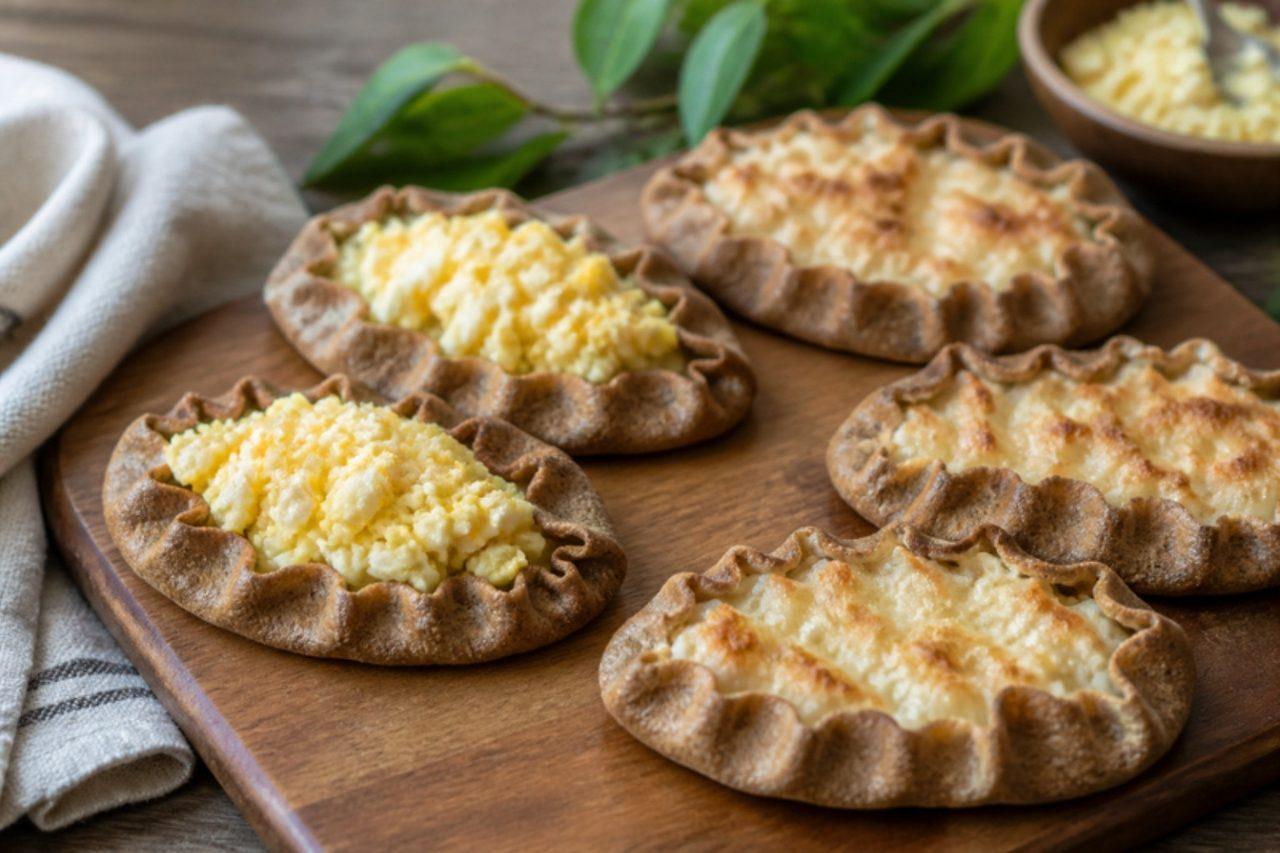
Karjalanpiirakka

Rye pastries with rice filling

Karjalanpiirakka come from Karelia, the borderland of eastern Finland, and are now baked in every Finnish home and sold in every Helsinki market hall. The open, oval pies have a crust of rye dough rolled paper-thin and crimped by hand around a filling of creamy rice porridge. Straight from a very hot oven they are brushed with butter and milk to soften, then eaten warm with munavoi, egg butter: chopped hard-boiled egg mashed into soft butter. Finns eat them for breakfast, at coffee tables and at weddings and funerals alike. The crimping looks fiddly but goes quickly after the first few. Chef's tip: make the rice porridge a day ahead; cold porridge is stiff enough to spread neatly and won't soak the thin crust.

Read more 0 views

What to eat today?

Around the world

Today's trip: Persian

A new country every day, from every cuisine on the site.

Persian

Homemade kashk

Fermented yogurt whey 90 minMore from Persian (131) →

This week's collection

Kid-friendly dinners
541 recipes · a new collection every Monday

Latest recipes

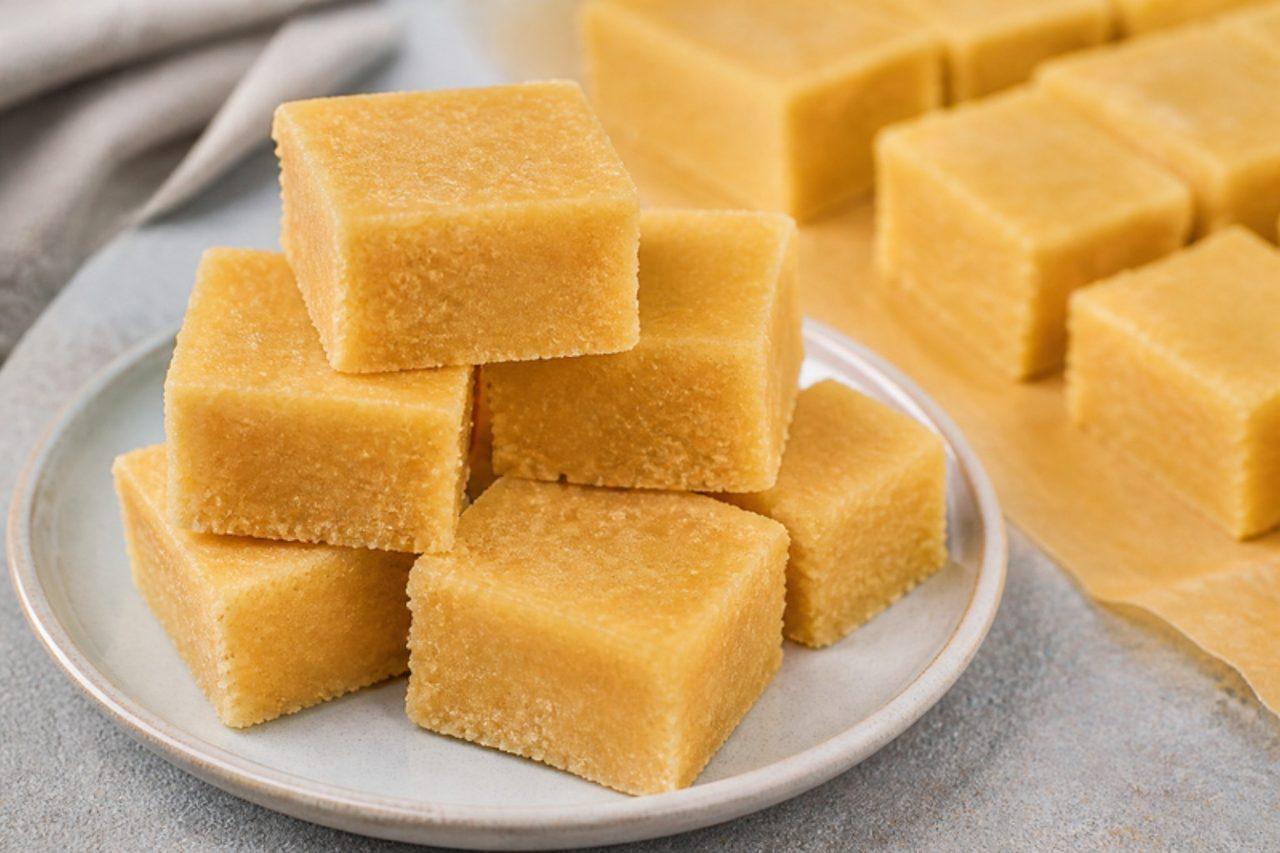
Scottish tabletButter fudge

Tablet is harder and grainier than fudge, a sugary square sold at every church fête, Highland games and corner shop in Scotland and taken home in paper bags by visitors. Sugar, butter, milk and condensed milk are boiled to the soft-ball stage and beaten until they crystallise, giving that crumbly, melting snap. Chef's tip: beat it hard off the heat until it loses its gloss and drags on the spoon; stop too early and you have soft fudge.

by KrazyBadal 0 views

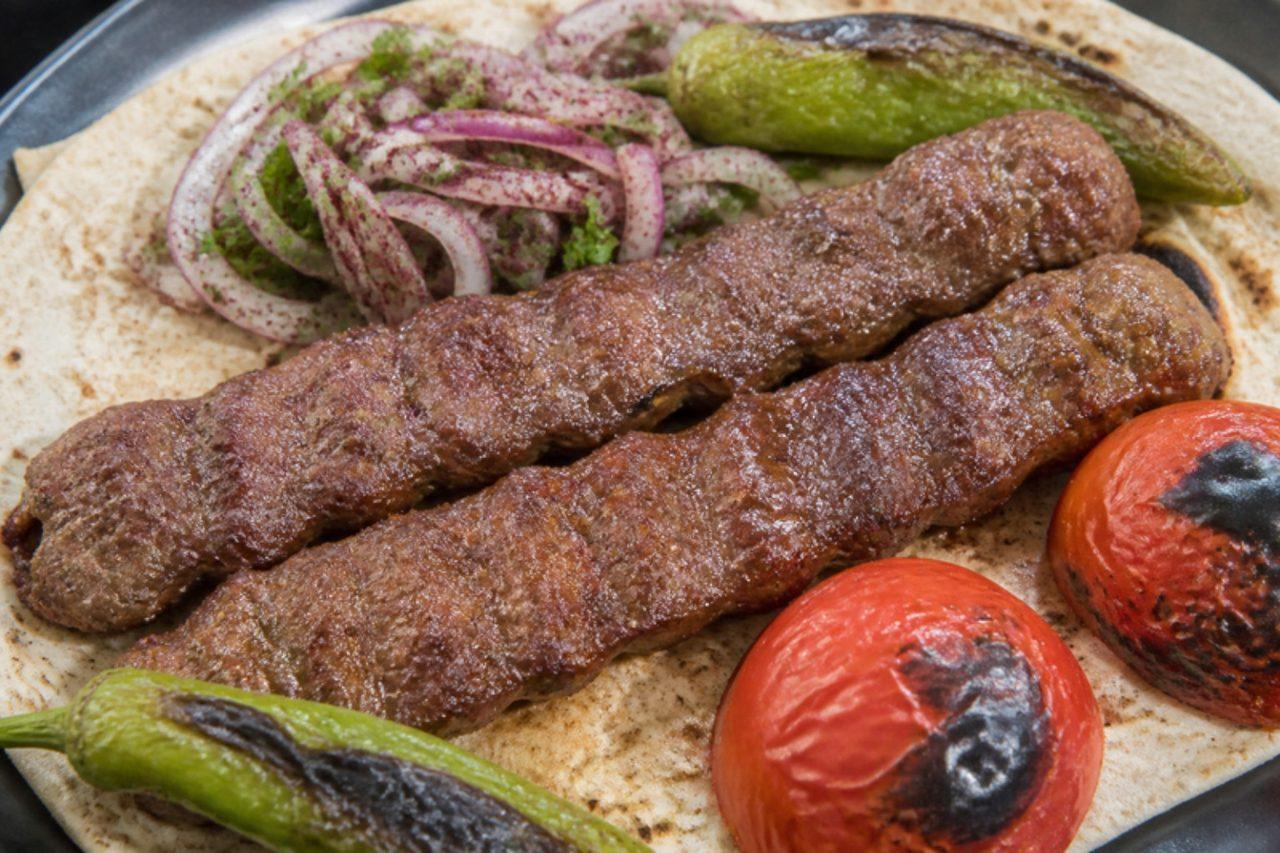
Urfa kebabıMinced lamb kebab

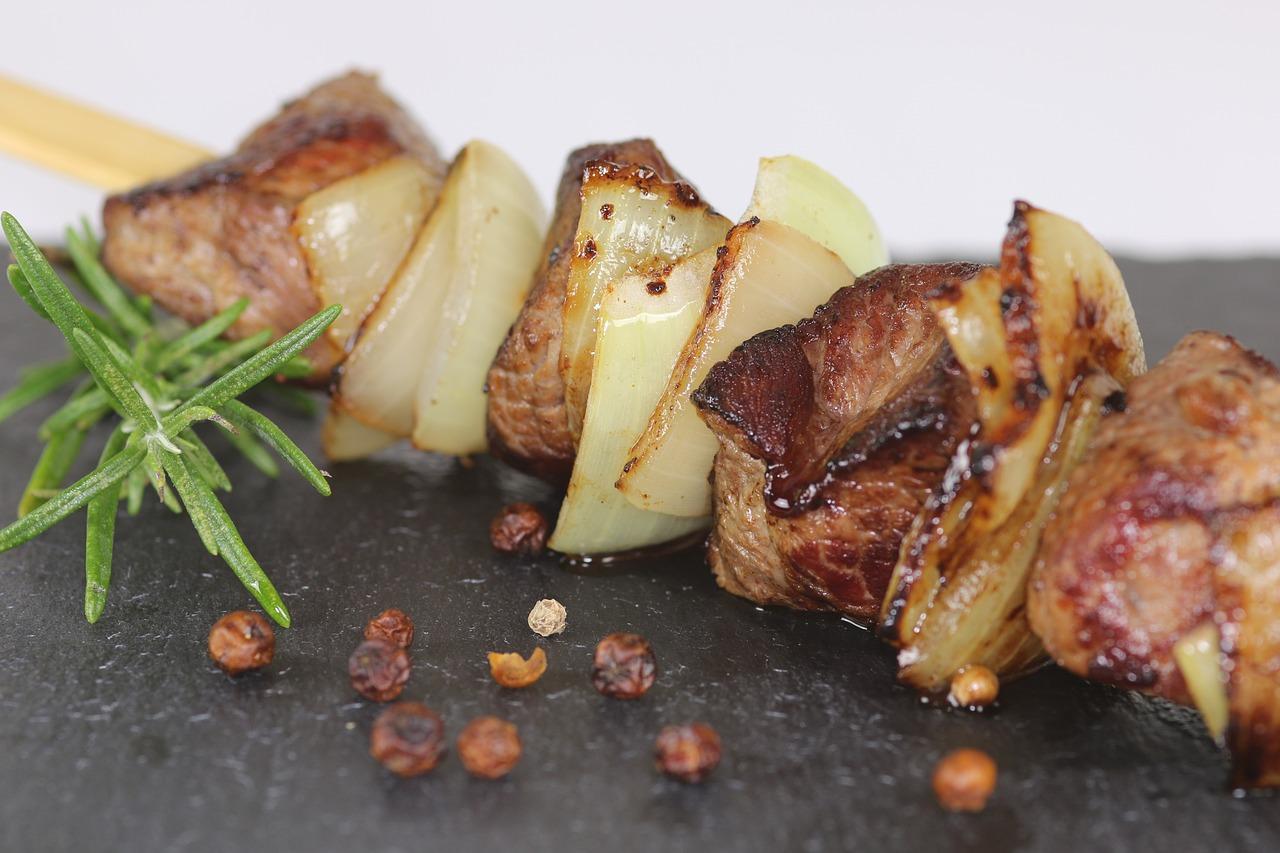
Where Adana's kebab is hot, Şanlıurfa's is gentle: lamb and tail fat chopped by hand with a curved zırh blade, seasoned with salt and a little isot and pressed onto wide skewers. Grill houses around Balıklıgöl serve it on thin lavaş with charred tomatoes, peppers, sumac onions and a bostana salad, and the sweet smoke of the meat is the whole point. Without tail fat, ask your butcher for fatty lamb shoulder mince, around 25% fat, or the kebab will be dry and fall off the skewer. Chef's tip: wet your hands with cold water while shaping; the fat stays firm and the meat clings to the skewer.

by KrazyBadal 0 views

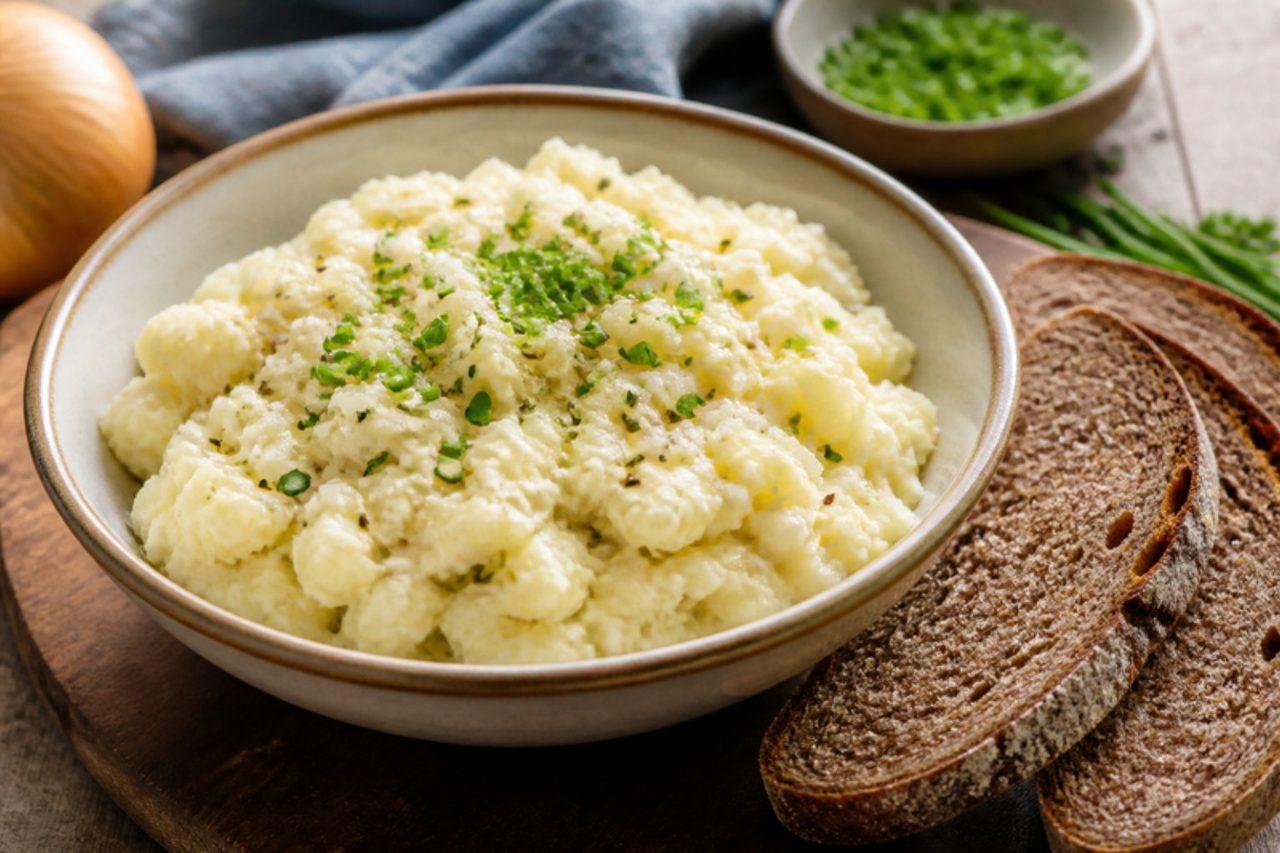
KartoffelkäsePotato and sour cream spread

Despite its name, Franconian Kartoffelkäs contains no cheese at all: it is a soft spread of riced potato, sour cream, onion and caraway that farm families around Bamberg and Nuremberg put on the table for Brotzeit, the cold evening supper. It goes on thick slices of rye bread with chives and sliced radish, and it was a way to turn a few leftover potatoes into something rich enough to stand in for cheese. A common mistake is using waxy potatoes, which go gluey; floury ones make it light. Chef's tip: rice the potatoes while hot, but stir in the sour cream only when they are cool, so the spread stays fresh-tasting rather than heavy.

by KrazyBadal 0 views

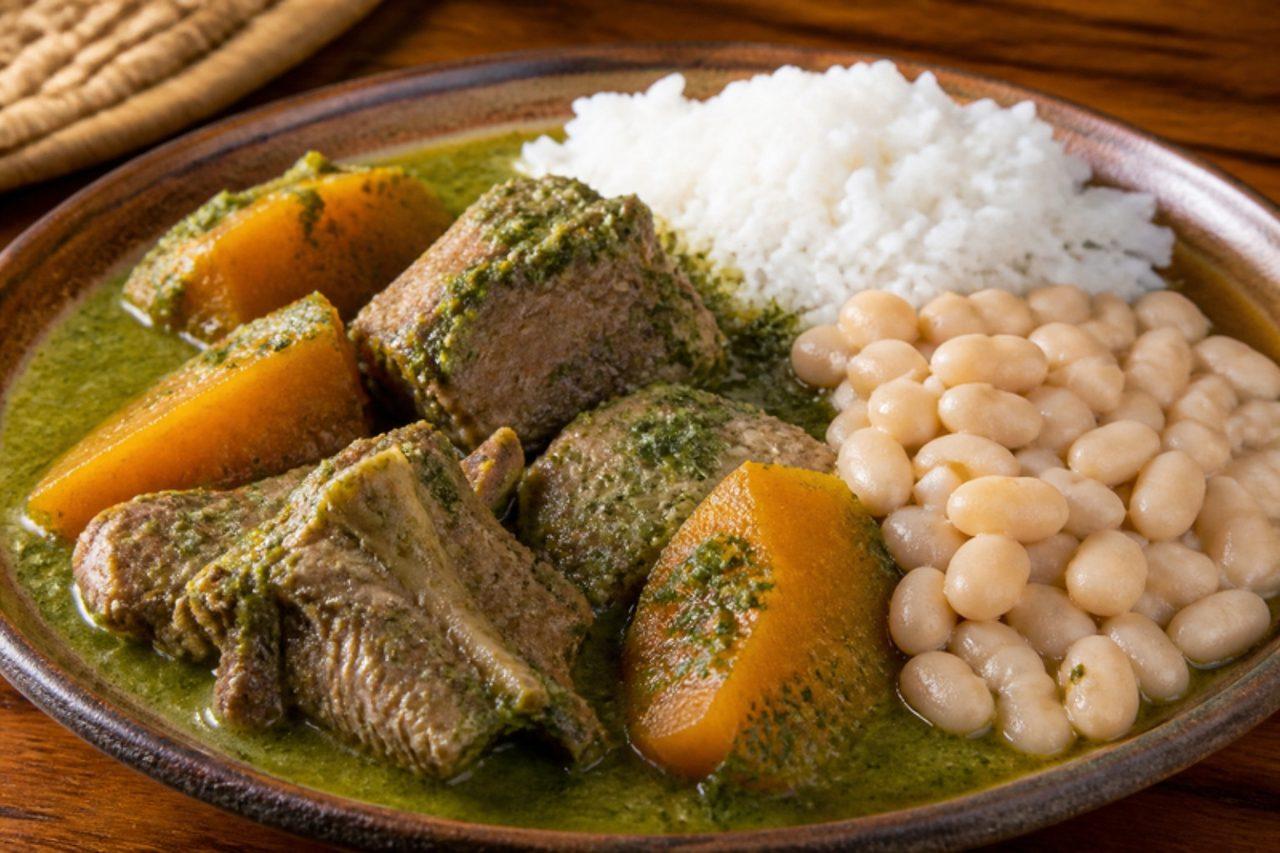
Seco de cabritoBraised kid goat with coriander

Ask anyone in Chiclayo or Lambayeque for the north's great Sunday dish and seco de cabrito comes up first: young goat, marinated in garlic and vinegar, then braised slowly in a deep green sauce of blended coriander, ají amarillo and chicha de jora, with grated loche, the local aromatic squash. The meat turns tender and the sauce is herby, sour and warm. It comes to the table with white rice and frejoles (stewed canary beans) and a sharp salsa criolla. Chicha de jora is a fermented maize beer and contains alcohol; the alcohol-free swap in the ingredients keeps the tang. Lamb shoulder stands in well for kid. People often blend the coriander with the stems discarded, but the stems carry the most flavour, so use the whole bunch. Chef's tip: add half the coriander at the start and half 10 minutes before the end, so the sauce stays bright green.

by KrazyBadal 0 views

Seco de chabeloPlantain mash with dried beef

Piura's picanterías, near the dry northern border, serve this rough, savoury mash at lunch: green plantains, roasted or boiled and pounded, mixed with fried strips of carne seca (salted dried beef) and a quick sofrito of onion, tomato and ají amarillo. It is dense, salty and smoky, with the plantain's starchy sweetness, and is eaten with salsa criolla and fried ripe plantain or chifles (plantain crisps). The legend says it was invented for a soldier called Chabelo in the War of the Pacific. Use carne seca or cecina from Latin shops, or unseasoned beef jerky. Pounding the plantains smooth is the classic mistake: chabelo should be lumpy and rustic. Chef's tip: soak the dried beef in warm water for 30 minutes and taste a piece; if it's still very salty, change the water and soak again.

by KrazyBadal 0 views

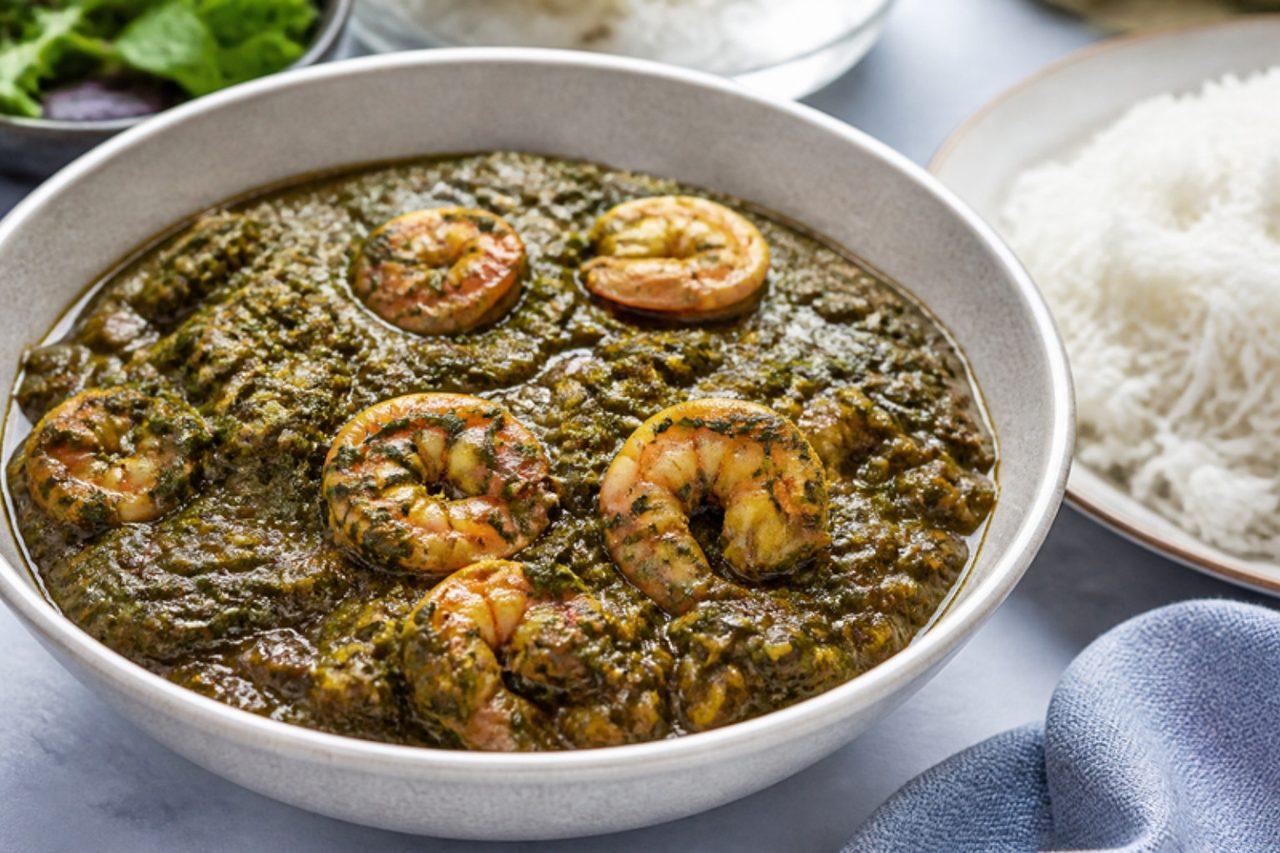
Ghalieh meygooSpicy prawn and tamarind stew

In Bushehr, where the fishing boats bring in Gulf prawns every morning, ghalieh meygoo is the dish cooks make when they want something quicker and a little more festive than the fish version. The same base of slow-fried coriander, fenugreek and garlic is soured with tamarind and fired up with chilli, then the prawns go in for just a few minutes so they stay sweet and juicy. It is eaten with plain chelow rice and a raw onion on the side. A common mistake is simmering the prawns with the sauce from the start, which leaves them rubbery and small. Chef's tip: simmer the prawn shells in the water for 10 minutes first and use that stock; it gives the sauce a real taste of the sea.

by KrazyBadal 0 views

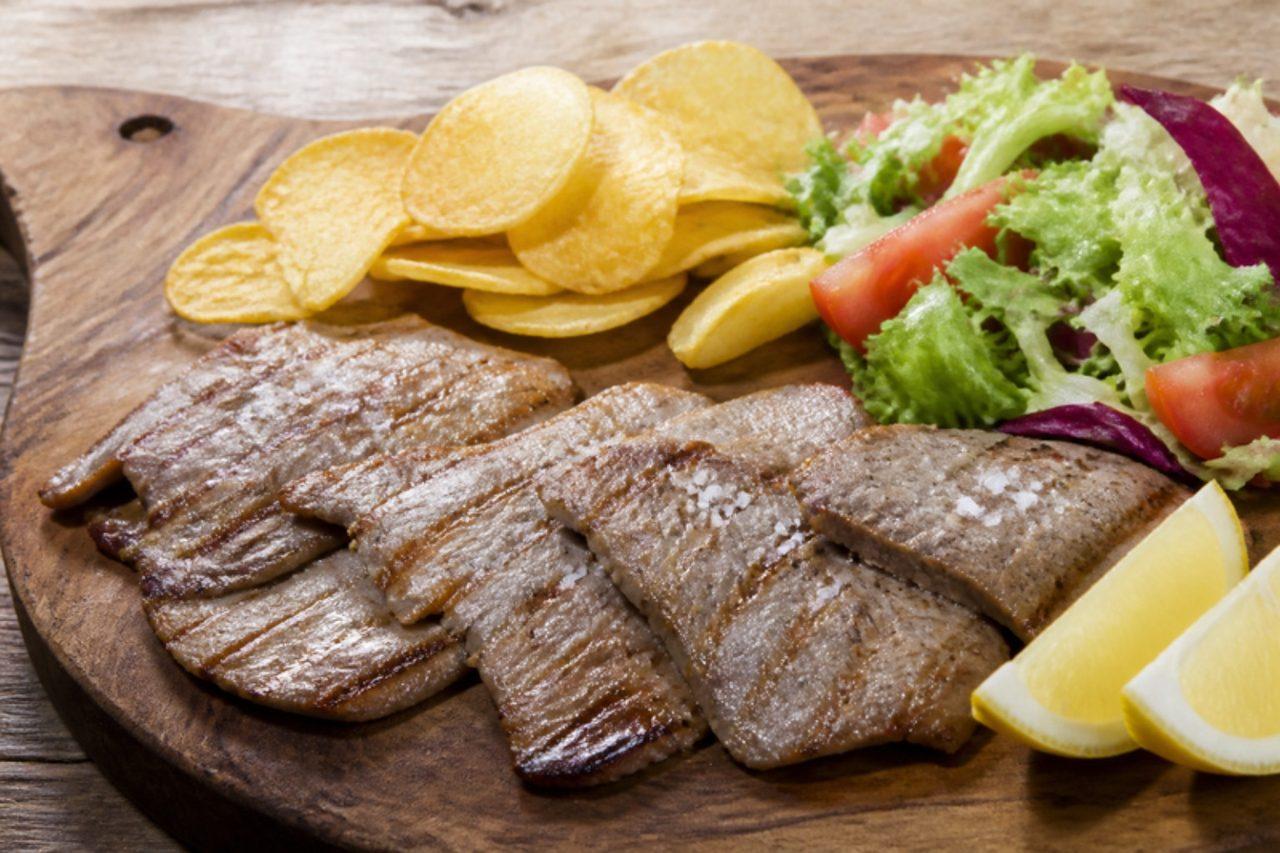
Secretos de porco pretoGrilled black pork

The secreto is a thin, marbled cut hidden between the shoulder fat and the loin of the Alentejo black pig, the free-ranging breed that fattens on acorns under the cork oaks. Butchers once kept it for themselves; now it is on every Alentejo grill menu, served with fried potatoes, migas or a salad of orange and onion. This contains pork. It needs only salt, garlic and a hot grill, since the fat inside bastes it as it cooks. A common mistake is moving the meat around: leave it on the grill so it builds a crisp, browned crust. Chef's tip: let the meat come to room temperature for 20 minutes before cooking, so it browns evenly and stays juicy.

by KrazyBadal 0 views

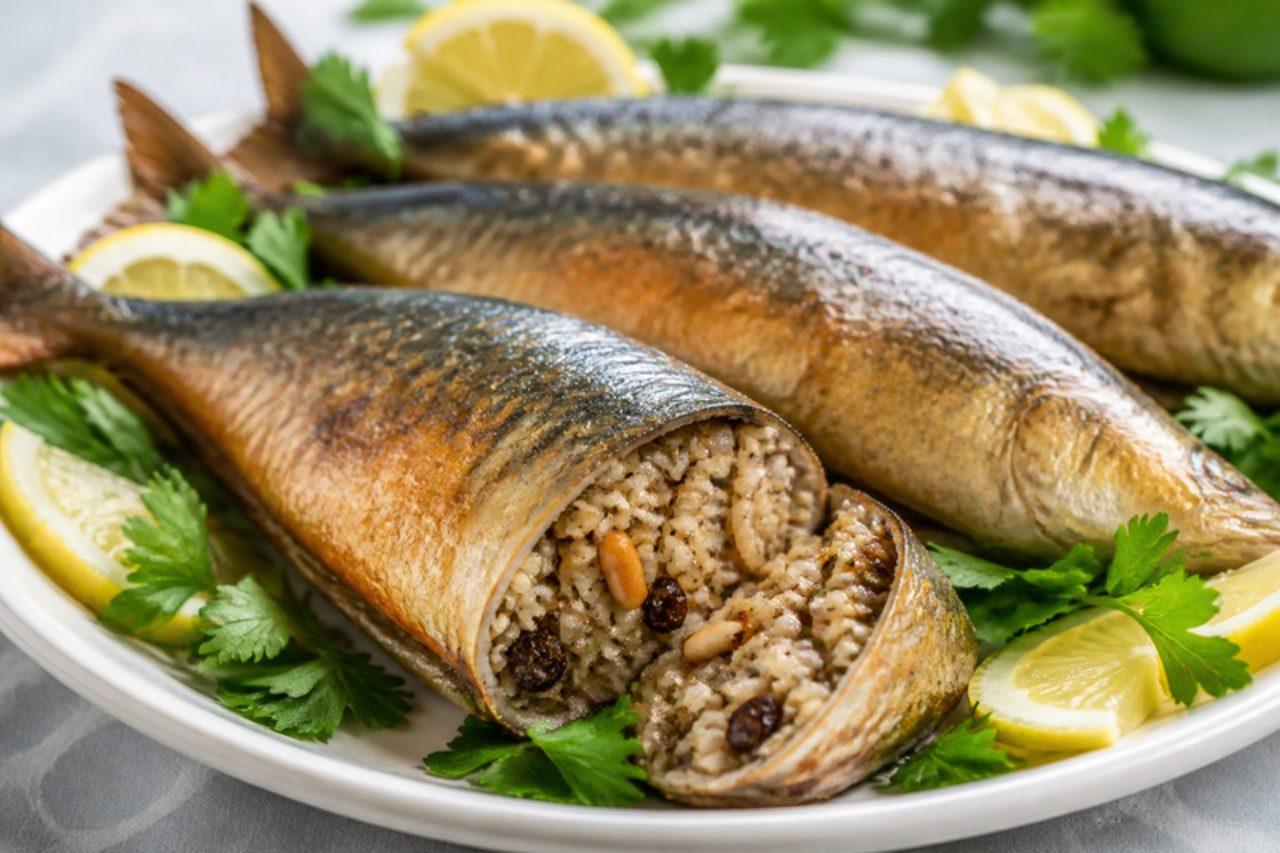
Uskumru dolmasıStuffed mackerel

Uskumru dolması is a showpiece of Istanbul's old Armenian and Greek meyhane kitchens, made in autumn when Bosphorus mackerel are fat: the skin is eased off whole, the flesh mixed with spiced rice, walnuts, currants and herbs, then stuffed back in so the fish looks untouched. It is dipped in egg and flour, fried and served at room temperature in slices as a cold meze. It takes time but impresses every guest. Chef's tip: roll and massage the fish firmly before you start; the spine snaps at the head and the skin loosens so you can push the flesh out without tearing it.

105 minTurkishFish
by KrazyBadal 0 views

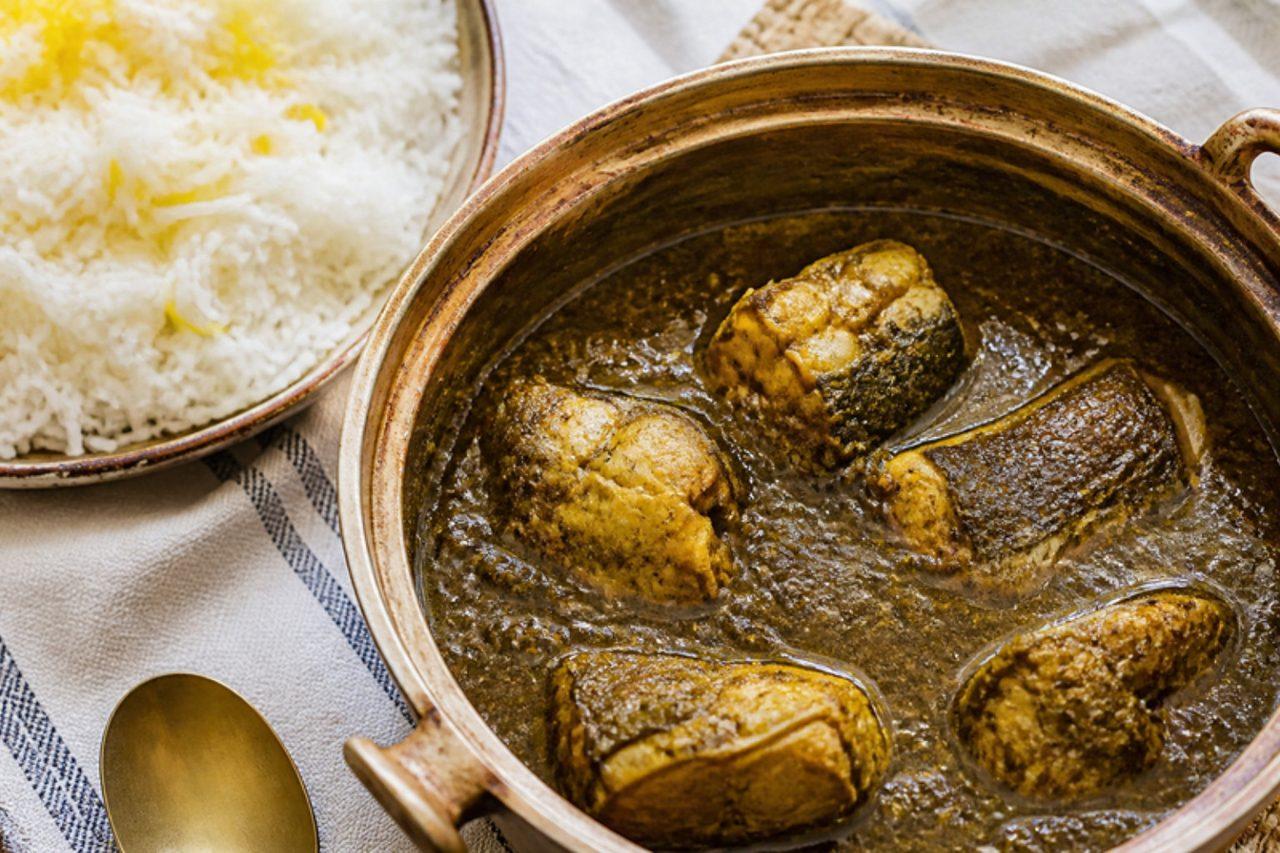
Ghalieh mahiFish stew with coriander and tamarind

Ghalieh mahi is the signature stew of the Persian Gulf ports of Bushehr and Abadan, cooked for Friday lunches and big family gatherings. It starts with a mountain of coriander and a little fenugreek fried slowly in oil with garlic until almost black-green, then sharpened with tamarind and warmed with chilli and turmeric before chunks of firm fish are poached in it. The result is dark, sour, fragrant and properly hot, eaten over plain white rice. A common mistake is rushing the herbs: they need a full 20 minutes of frying or the stew tastes grassy instead of deep. Chef's tip: brown the fish pieces quickly before they go into the sauce; they hold together better and add a little roasted flavour.

by KrazyBadal 0 views

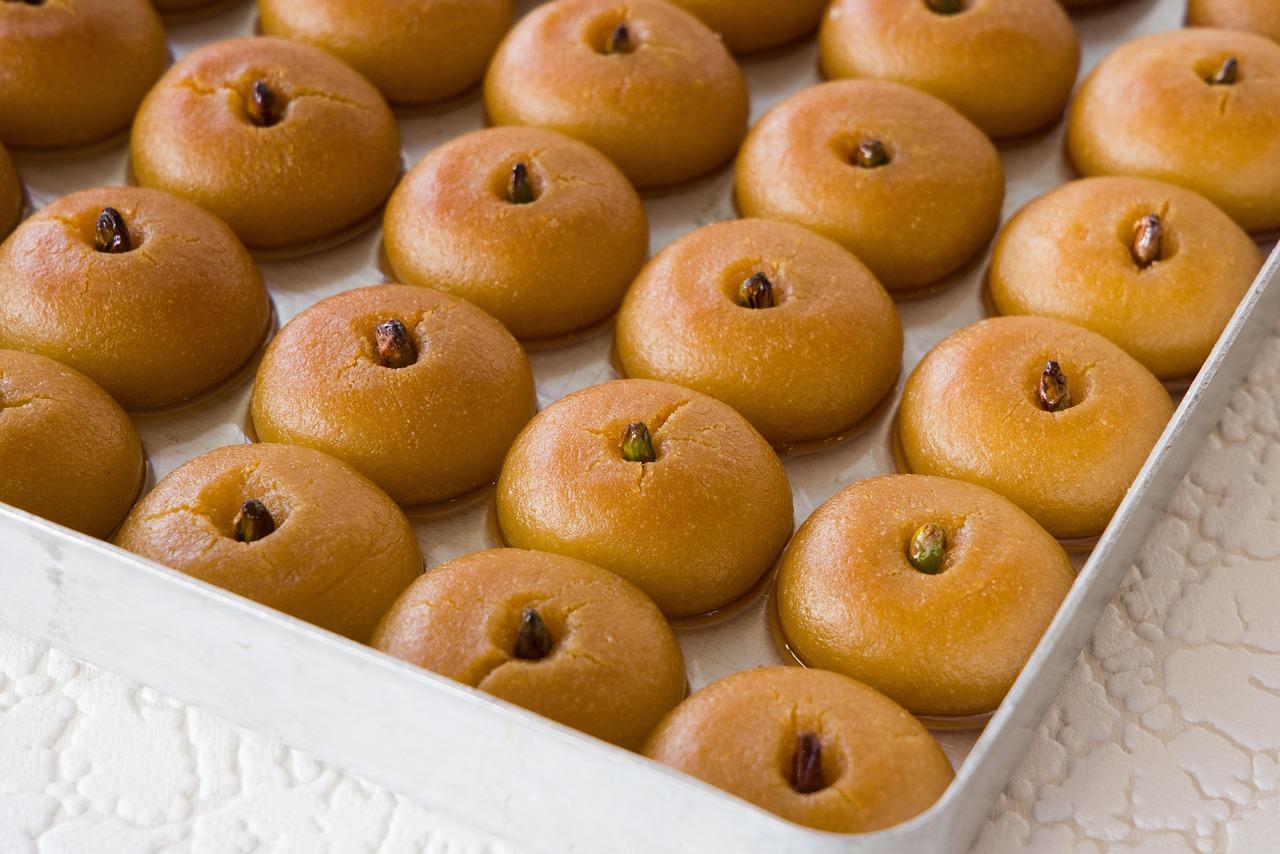
ŞekerpareSemolina almond cookies in syrup

Şekerpare is the cookie that every Turkish household bakes for bayram visits, when trays are passed to relatives and neighbours along with coffee and cologne for the hands. Soft, buttery rounds of semolina dough are each topped with an almond, baked until golden and then soaked in syrup until they are tender all the way through but still hold their shape. They keep for days and taste better on the second. Common mistake: cold syrup on cold cookies, which never soaks in; one of them must be hot. Chef's tip: bake until the bases are properly golden; pale cookies turn mushy when they meet the syrup.

by KrazyBadal 0 views

PonchaSugarcane spirit with honey and lemon

In the fishing village of Câmara de Lobos, poncha is made to order at the bar counter: sugarcane spirit, honey and freshly squeezed lemon, whipped together with a wooden stick called a mexelote until frothy. Fishermen once drank it to keep warm at sea; now it goes round at every Madeiran festa. The traditional drink contains alcohol and is strong, so it is for adults only; the alcohol-free version swaps the spirit for chilled water, which turns it into a sharp, honeyed lemonade anyone can drink. Chef's tip: dissolve the honey in the lemon juice before adding the spirit or water, or it sinks to the bottom in a sticky lump.

by KrazyBadal 0 views

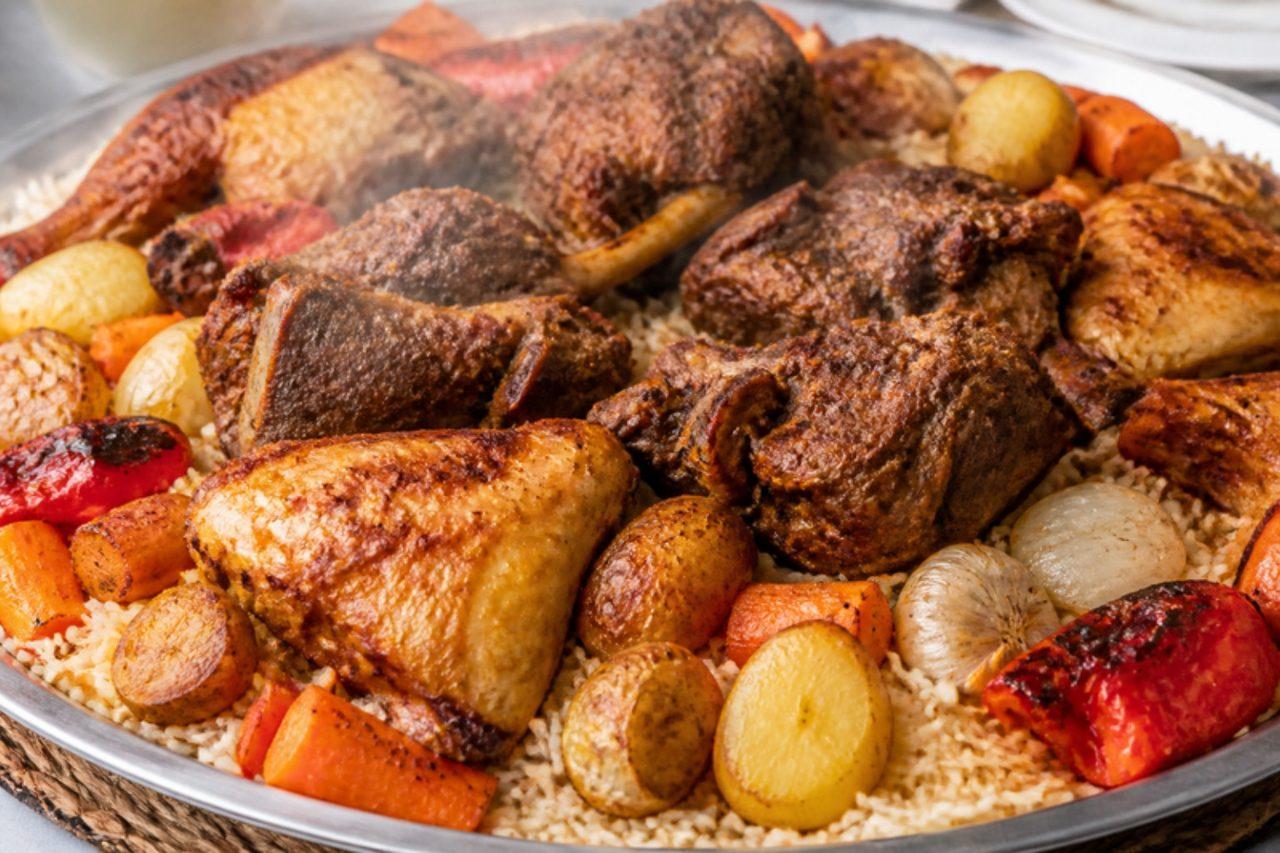
ZarbPit-roasted lamb, chicken and vegetables

Visitors to the desert camps of Wadi Rum often watch the zarb come up from the sand at sunset: tiered racks of spiced lamb, chicken, potatoes and onions that have steamed for hours in a pit of embers, then lifted out smoky and falling apart. At home you get close with a deep roasting tin sealed tightly with foil, a long, low oven and a short blast of heat at the end. Serve it on a big platter over rice or with shrak, with yoghurt and a tomato salad. The mistake most people make is leaving gaps in the foil, so the steam escapes and the meat dries. Chef's tip: marinate overnight in the fridge and add a little smoked paprika to the spice mix; it brings back the taste of the pit.

by KrazyBadal 0 views

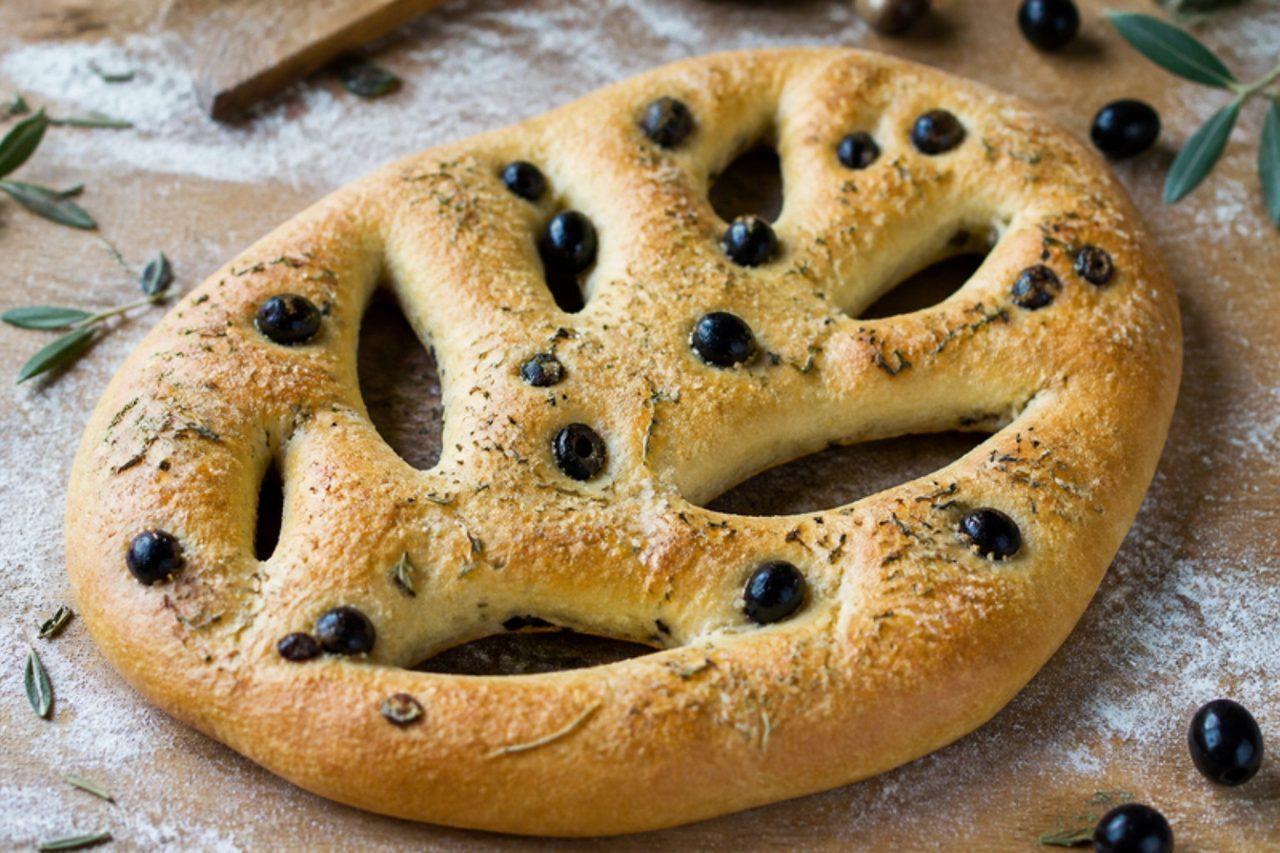
Fougasse aux olivesOlive and herb bread

Bakers in Provence once slid a fougasse into the wood oven first, to test the heat before the big loaves went in; the open, leaf-like shape bakes in minutes and is mostly crust. Today every boulangerie from Avignon to Apt sells it, plain or studded with olives, and families tear it apart on picnics and at market lunches. A sweet cousin flavoured with orange blossom is one of the thirteen desserts of a Provençal Christmas. This is the savoury everyday one, with black olives and herbes de Provence. Chef's tip: bake it on the hottest tray you can, near the top of the oven, so the thin bridges of dough blister and crisp before the thick edges dry out.

148 minFrenchBakingVegan
by KrazyBadal 0 views

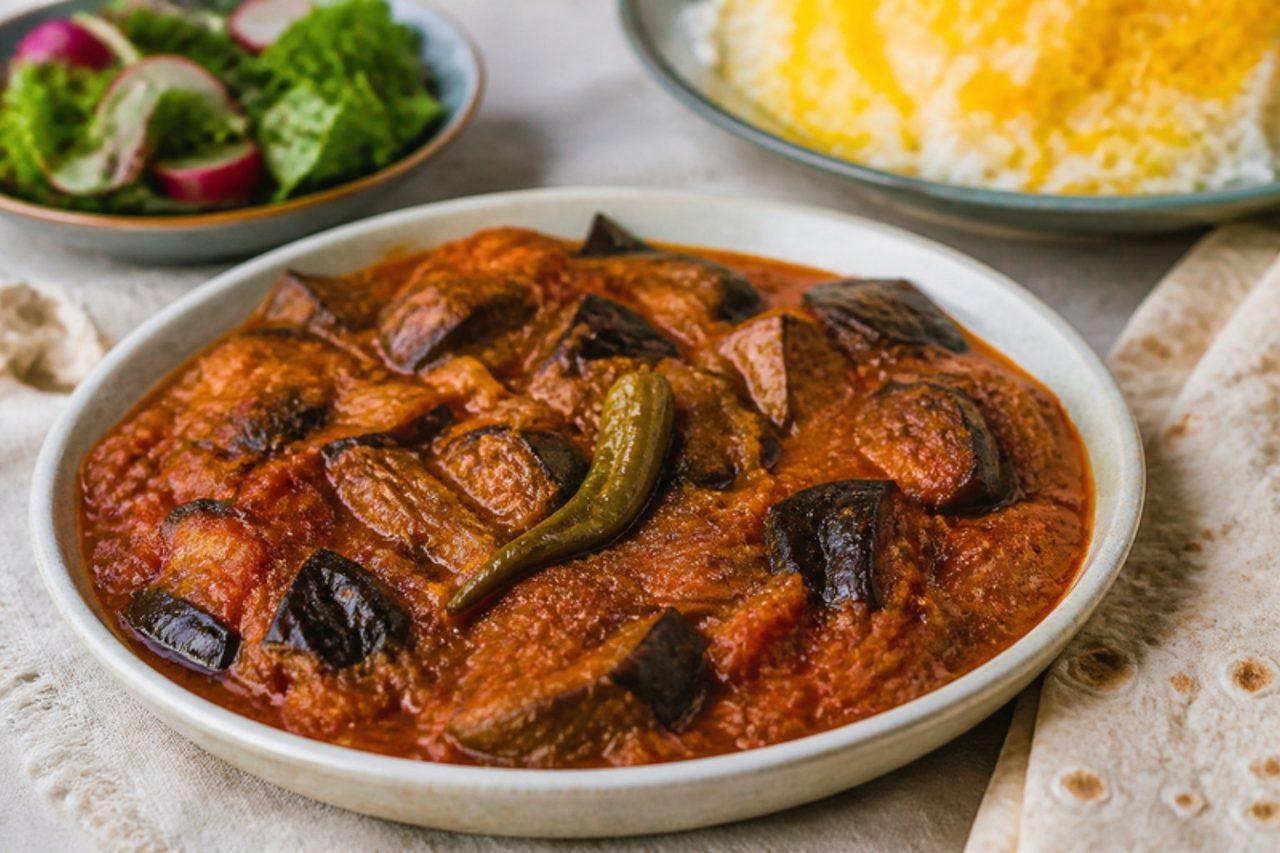
YatimchehAubergine and tomato stew

Yatimcheh means 'little orphan', the joke being that this Isfahan stew has no meat to look after it. Cooks in Isfahan and the towns around Kashan make it in late summer when aubergines are glossy and cheap, frying them until silky and then letting them collapse into onion, garlic, turmeric and ripe tomato. It is eaten warm with plain rice or torn lavash, with a bowl of yogurt and a plate of herbs on the side. A common mistake is frying the aubergine pale: it needs a deep golden colour or the stew tastes flat and spongy. Chef's tip: a spoon of verjuice or lemon juice stirred in at the very end lifts the sweetness of the tomato.

by KrazyBadal 0 views

Mamón en almíbarCandied green papaya

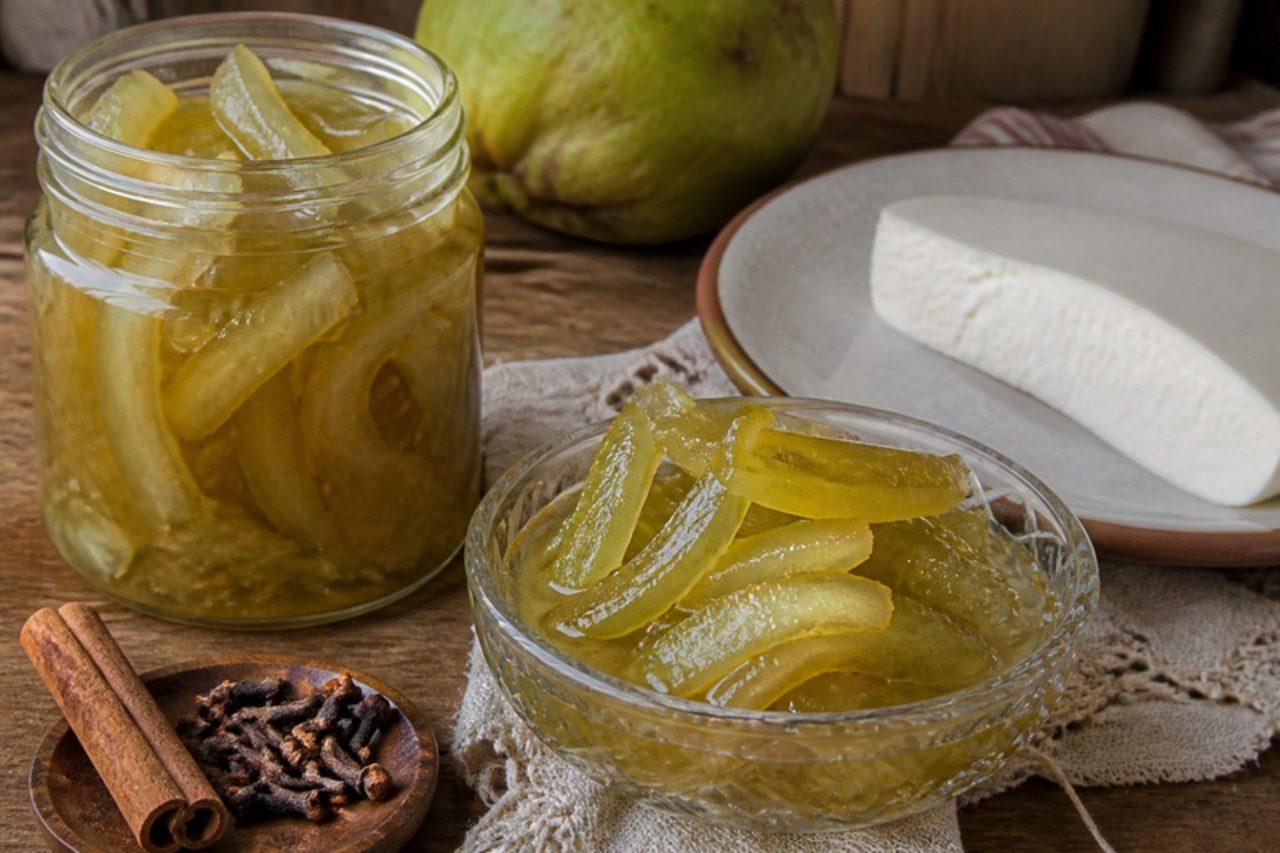
Along the subtropical northeast, papaya (mamón) trees grow in backyards from Corrientes to Formosa, and the unripe fruit is turned into this old-fashioned dessert: strips of firm green papaya poached slowly in syrup with cloves and cinnamon until they turn amber and translucent, chewy at the edges and tender inside. It is served cold in little bowls, traditionally next to a slice of fresh cheese for that sweet-and-salty contrast (choose a plant-based cheese to keep it vegan). Rushing the syrup is the misstep that turns the papaya hard and sugary on the outside and raw within, so the heat stays low for well over an hour. Green papaya is sold in Asian and Latin grocers. Wear gloves when peeling; the milky sap can irritate the skin. Chef's tip: soak the strips in water with a teaspoon of bicarbonate of soda for an hour before cooking; it firms the outside so the pieces hold their shape in the syrup.

by KrazyBadal 0 views

MamouniehSemolina pudding with cinnamon

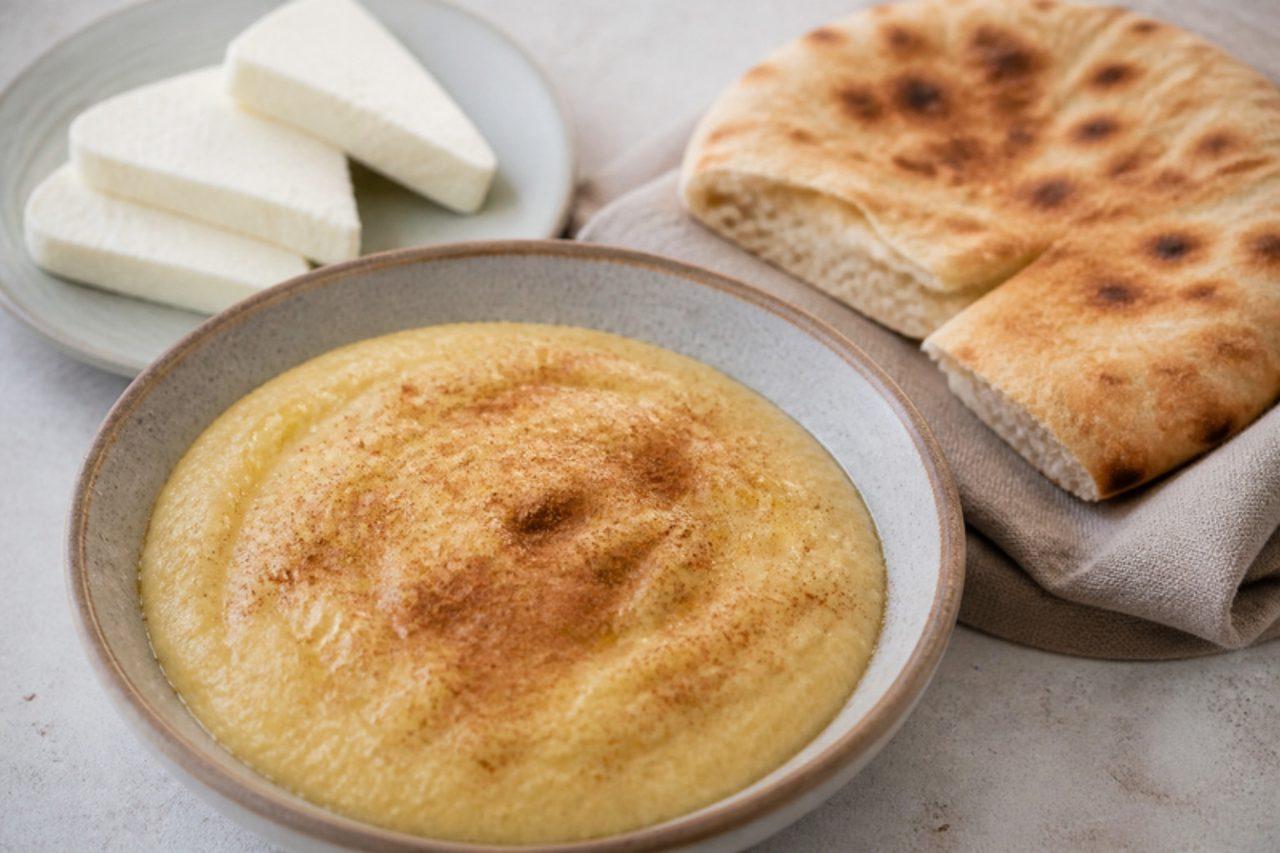
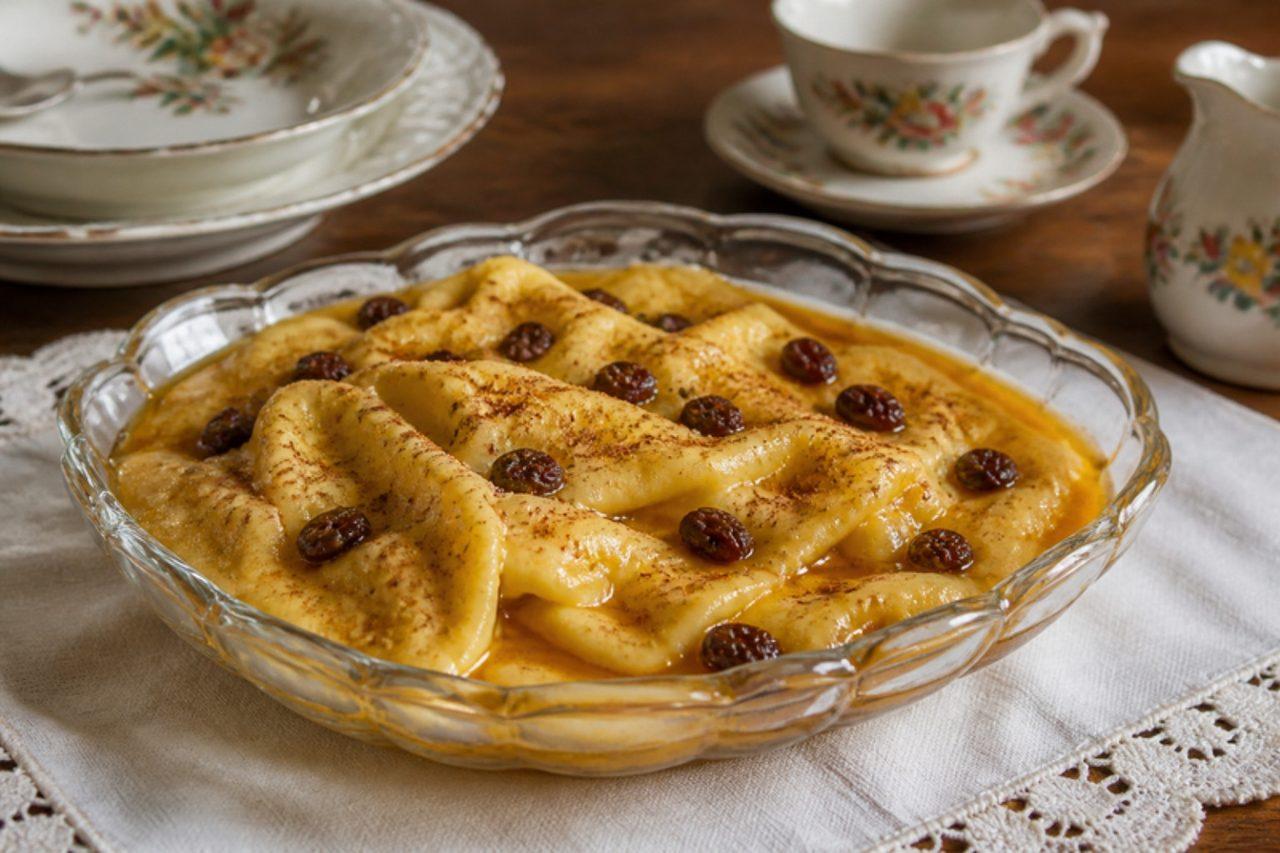
In the old souks of Aleppo, mamounieh shops open at dawn, serving bowls of this hot, buttery semolina pudding to workers before the day starts. Semolina is toasted in butter, then cooked in a light syrup until it sets soft and spoonable, and dusted with cinnamon; Aleppans eat it with a slice of salty white cheese and warm bread on the side, which makes the sweetness sing. Common mistake: pouring cold syrup onto the hot semolina; use hot syrup so it doesn't seize into lumps. Chef's tip: toast the semolina only to pale straw colour — any darker and it loses its delicate milky flavour. Akkawi and halloumi are often made with animal rennet; choose a vegetarian white cheese if needed.

by KrazyBadal 0 views

Limonada de cocoCoconut lime cooler

Cartagena's heat makes limonada de coco almost compulsory: beach kiosks and restaurants in the old walled city blend it to order, and it arrives as a pale, frosty slush, sharp with lime and rich with coconut. It is a drink to sip slowly with fried fish, coconut rice and patacones, or on its own on a hot afternoon. Coconut cream gives the body, sugar balances the lime, and a full load of ice gives the frozen texture. The common slip is blending lime pieces with their peel for too long, which turns it bitter within minutes; use juice plus a little zest instead. Shake the tin of coconut cream before measuring, since it separates. Serve it straight away, before it melts and separates. Chef's tip: freeze some of the coconut cream in an ice-cube tray beforehand and use it in place of half the ice for a thicker, creamier result.

by KrazyBadal 0 views

Yayla çorbasıYoghurt, rice and mint soup

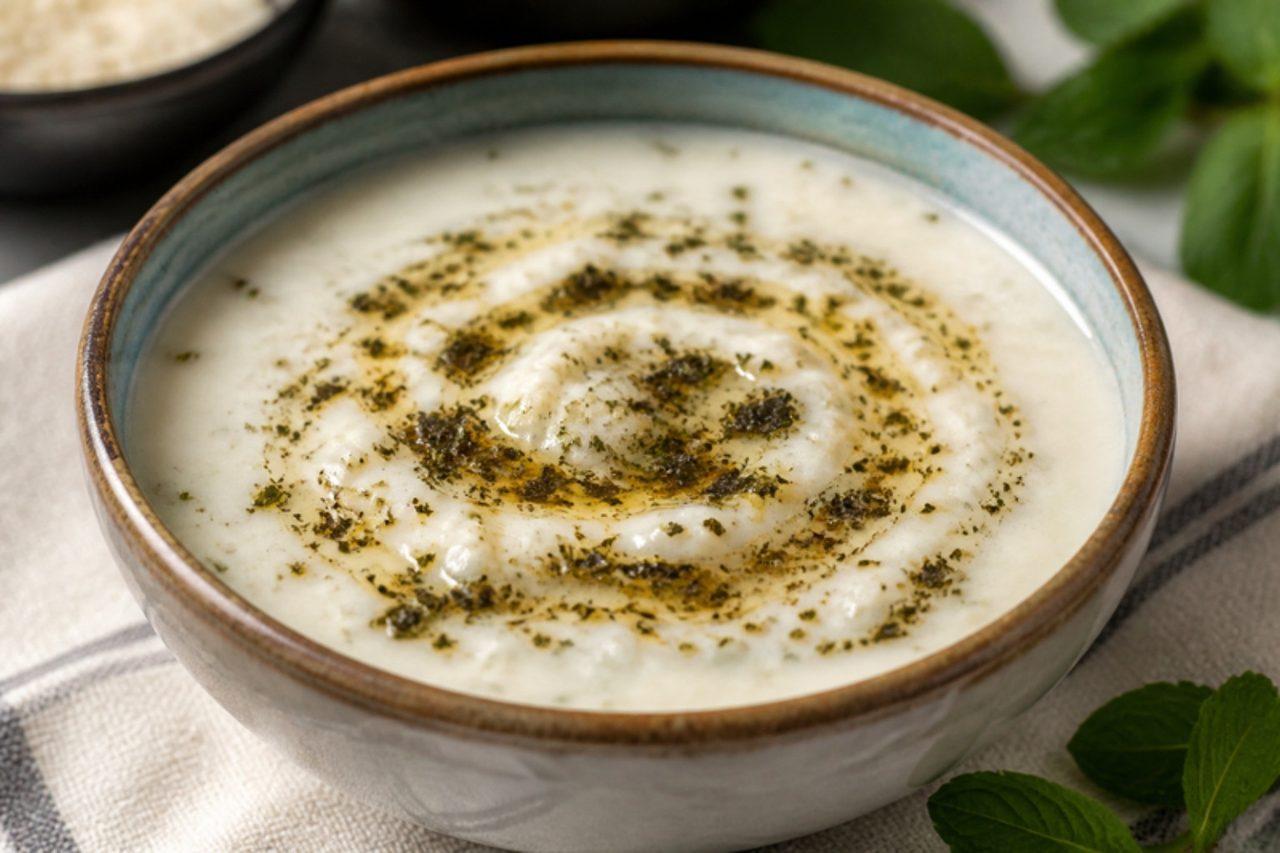
Named for the high summer pastures of Anatolia, yayla çorbası is the soup that tradesmen's restaurants in Ankara and Kayseri ladle out from morning onwards: soft rice in a silky, gently sour yoghurt broth, finished with a slick of mint butter. It is light enough for breakfast yet filling with bread, and many families make it when someone is unwell. Common mistake: pouring cold yoghurt straight into the boiling pot, which splits it into grainy curds; temper it first with hot liquid and keep the soup below a boil afterwards. Chef's tip: whisk an egg yolk and a spoon of flour into the yoghurt; they stabilise it and give a velvety body.

by KrazyBadal 0 views

SembusekSpiced mince flatbread pies

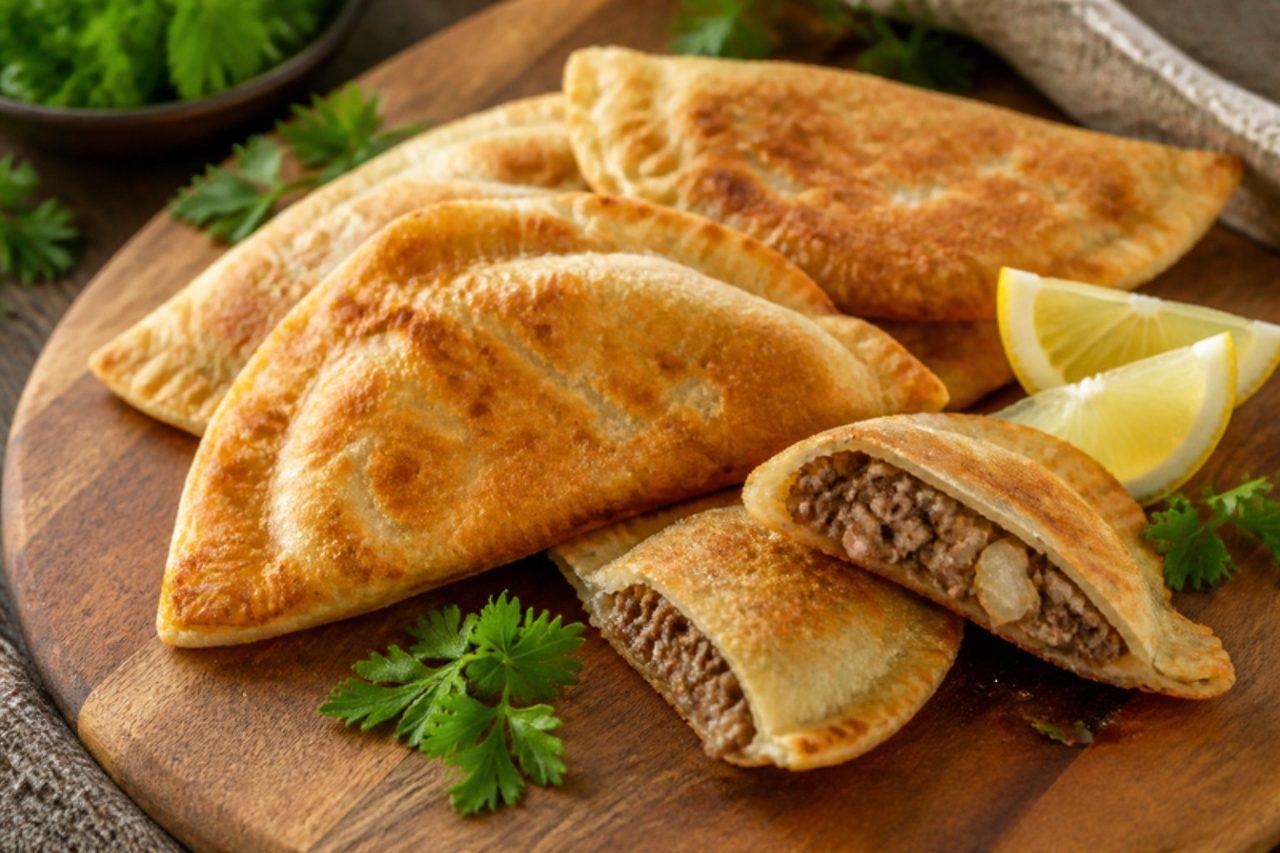
Mardin's stone bakeries fill their ovens with sembusek on weekend mornings: thin rounds of dough folded over a filling of minced meat, onion, parsley and pepper paste, sealed into half-moons and baked until crisp and freckled. Families make big batches for picnics and Ramadan, and eat them warm with ayran or a glass of tea. The meat goes in raw and cooks inside the pastry, so roll the dough thin enough to cook through. Common mistake: a wet filling that makes the base soggy; squeeze the grated onion hard. Chef's tip: brush the tops with a little water and butter as they come out of the oven so they soften just enough to fold over a bite of salad.

by KrazyBadal 0 views

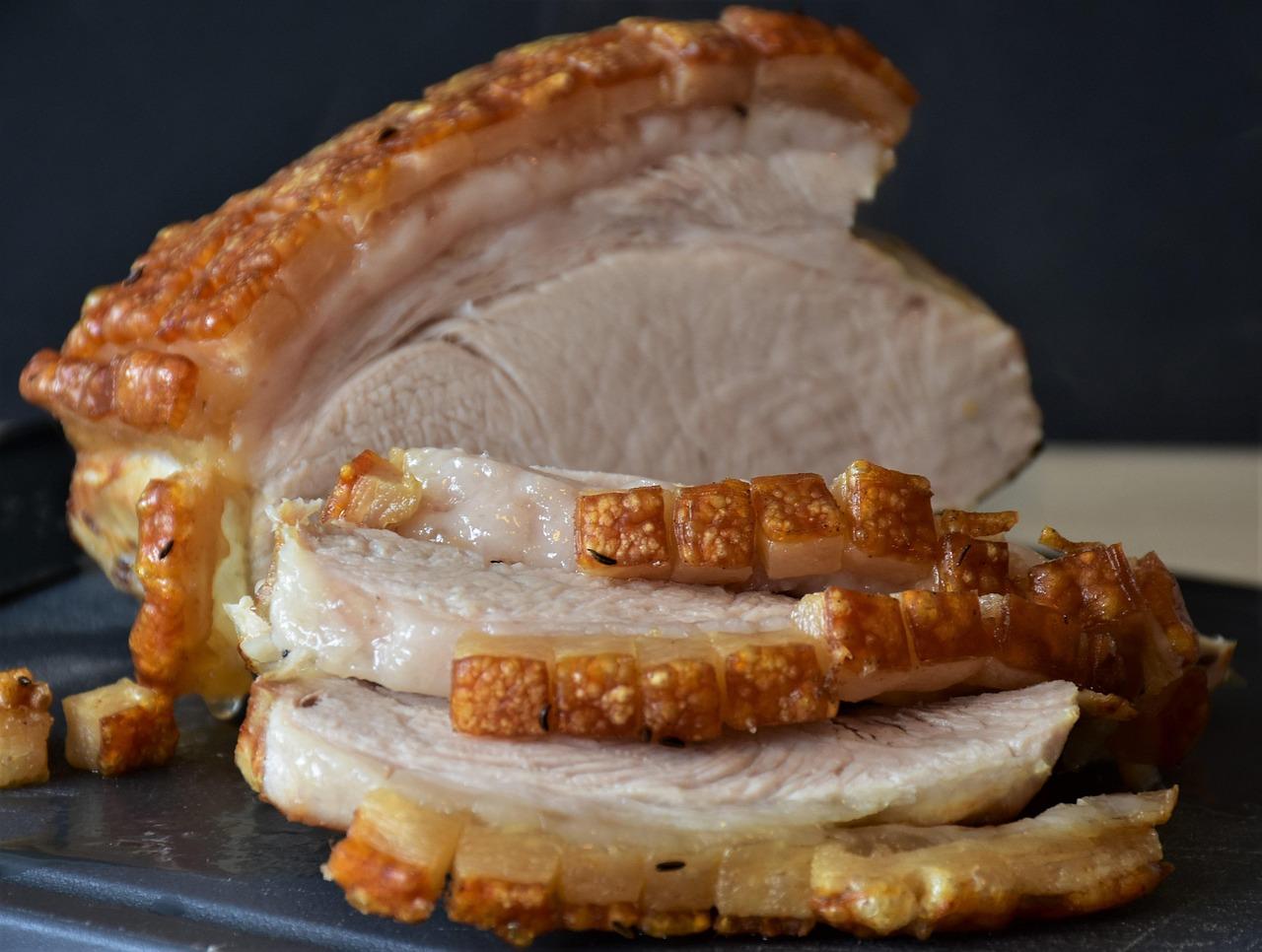
PorcedduRoast suckling pig

Porceddu is Sardinia's feast: a whole suckling pig spit-roasted for hours beside an open wood fire at weddings, village saints' days and Ferragosto, then laid on a bed of myrtle branches so the hot meat soaks up their scent. The skin turns glass-crisp and the pork underneath is soft and juicy. Suckling pig and fresh myrtle are hard to find outside Sardinia, so this home-oven version uses a skin-on piece of pork belly or shoulder, with bay leaves and rosemary standing in for myrtle. Serve with bread, roast potatoes and a salad. Chef's tip: salt the dried skin and leave it uncovered in the fridge overnight; dry skin is the secret to real crackling.

200 minItalianMeatGluten free
by KrazyBadal 0 views

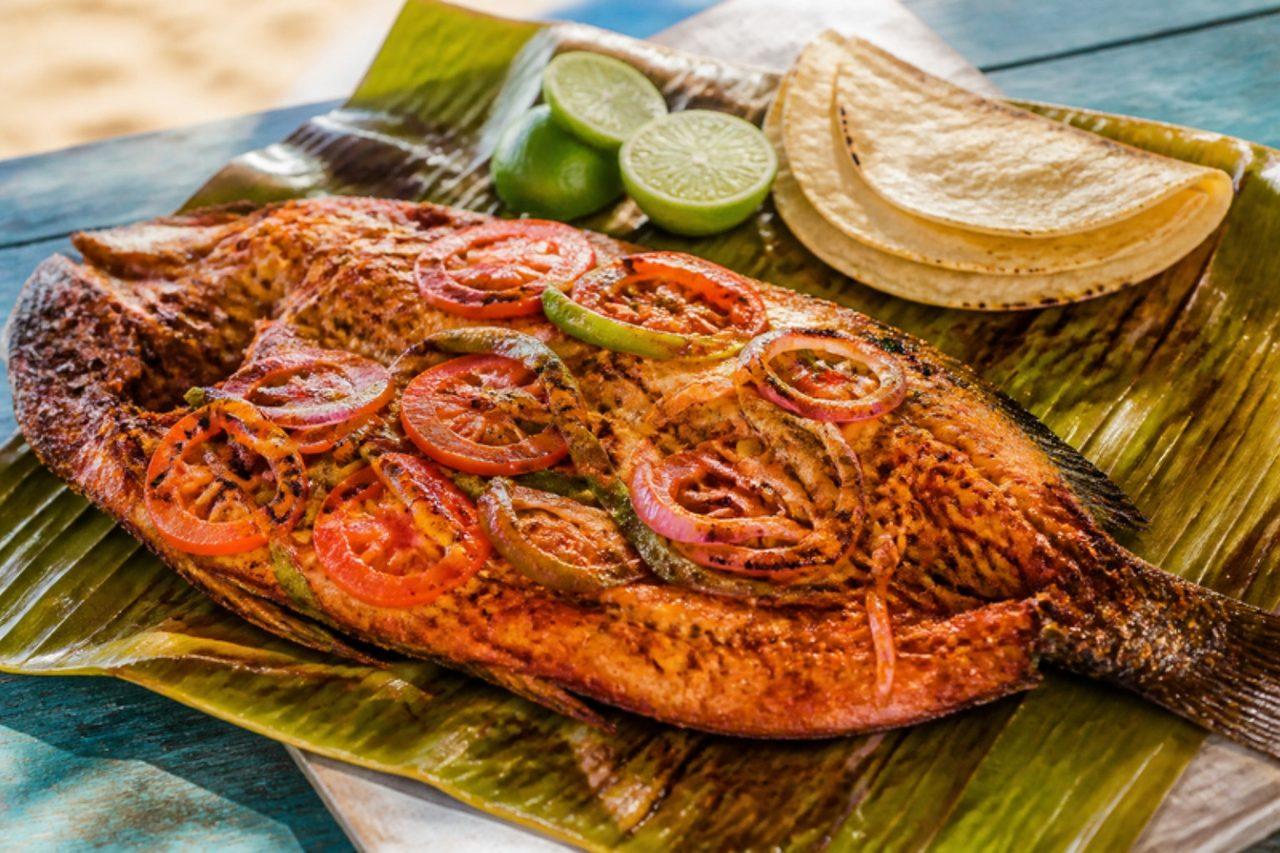
Tikin xicAchiote fish in banana leaf

Beach restaurants on the coasts of Quintana Roo and Campeche cook tikin xic over charcoal: a butterflied whole fish, or thick fillets, rubbed with brick-red achiote and bitter orange, laid on banana leaves under tomato, onion and pepper and grilled until smoky. The flesh stays moist and turns a deep orange, tangy and earthy rather than hot. Seville orange is the traditional sour; orange and lime juice together stand in well. Serve it with corn tortillas, rice, pickled red onion and habanero salsa so everyone can make tacos at the table. Chef's tip: cook the fish skin side down without turning; the banana leaf protects it and keeps the achiote from scorching.

by KrazyBadal 0 views

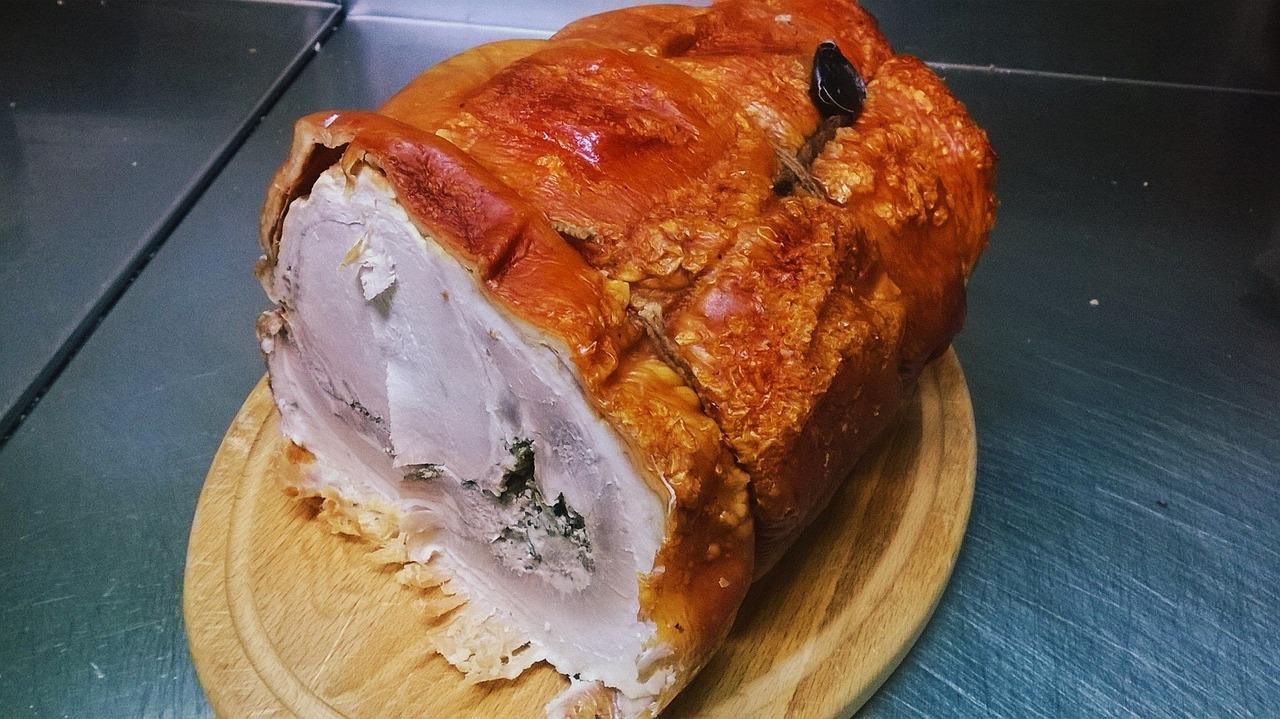
PorchettaHerb-stuffed roast pork belly

Porchetta is the street food of central Italy: in Ariccia, in the hills south of Rome, and across Umbria, vans at markets and village festivals carve thick slices of this slow-roasted pork, stuffed with garlic, rosemary, fennel and pepper, straight into crusty rolls. Whole pigs are used there; at home, a piece of pork belly rolled around the loin gives the same juicy meat, herby centre and shatteringly crisp crackling. Serve it in rolls, or hot in slices with roast potatoes and greens, and the leftovers are just as good cold. Chef's tip: leave the tied roll uncovered in the fridge overnight; a dry skin is what turns into blistered crackling.

280 minItalianMeat
by KrazyBadal 0 views

LalagiaFried dough twists

Lalagia are the savoury cousins of diples, twisted ropes of olive-oil dough that women in the Mani fry by the hundred in the days before Christmas and on Clean Monday, when they're eaten with olives, cheese or a drizzle of honey. The dough is plain and lightly yeasted, rolled into thin cords, folded and twisted into figures of eight, then fried until crunchy and blond. They keep for weeks in a tin. Common mistake: frying in oil that's too hot, which browns the outside before the centre crisps. Chef's tip: keep the dough cords as thin as a pencil — they puff a lot in the oil.

by KrazyBadal 0 views

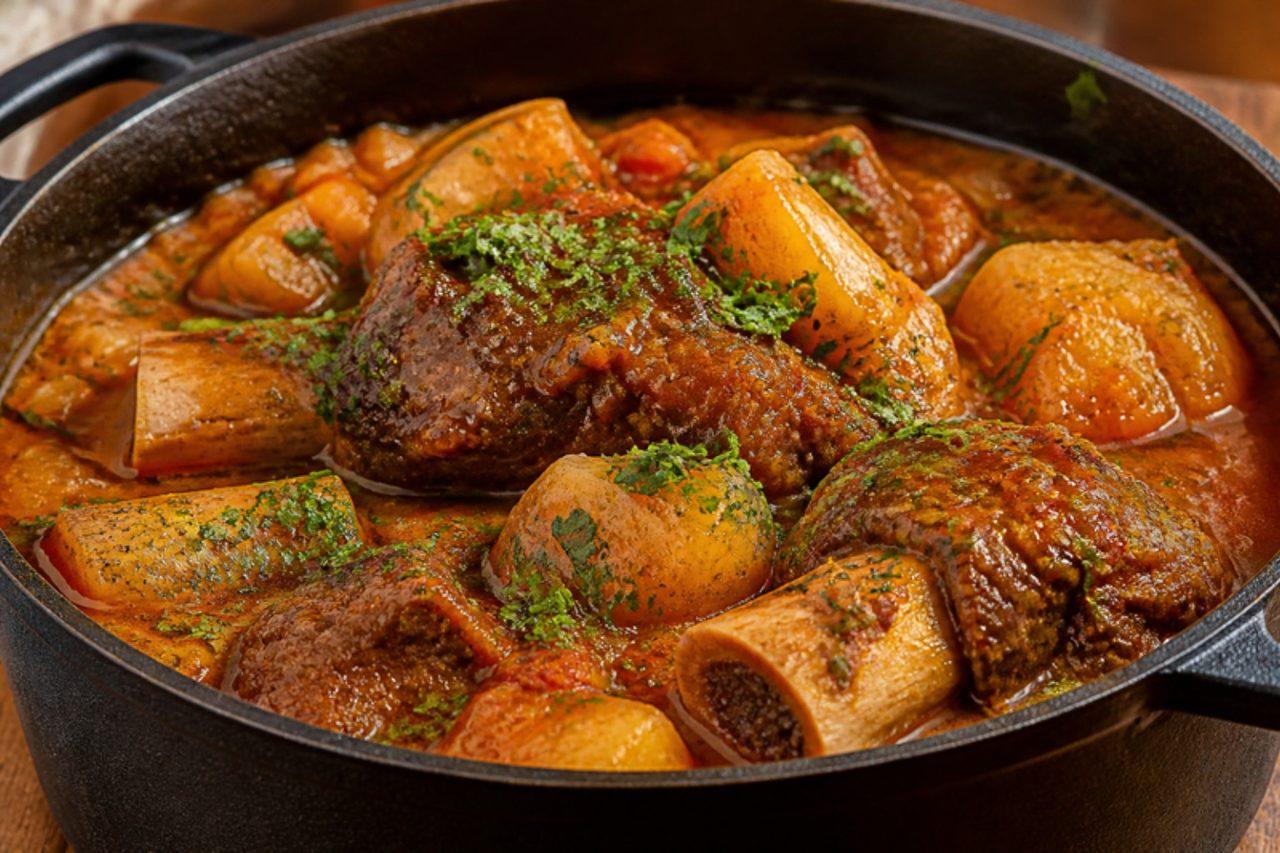
Vaca atoladaBeef ribs with cassava

The name means cow stuck in the mud, and the picture is right: meaty beef ribs sunk in a thick stew of cassava that has half collapsed into the sauce. Vaca atolada comes from the cattle country of Minas Gerais and is a cold-night favourite at fazenda kitchens and comida mineira restaurants, served on its own or with white rice and a sharp pepper sauce. The ribs are browned, then braised slowly with onion, tomato, garlic and bay until the meat slips off the bone, and the cassava goes in for the last hour to thicken everything. People most often go wrong by adding the cassava at the start, so it dissolves completely; it should be soft but still in chunks. Cassava must be cooked right through and never eaten raw. Chef's tip: brown the ribs hard and deglaze the pan well; that dark crust is where most of the flavour comes from.

by KrazyBadal 0 views

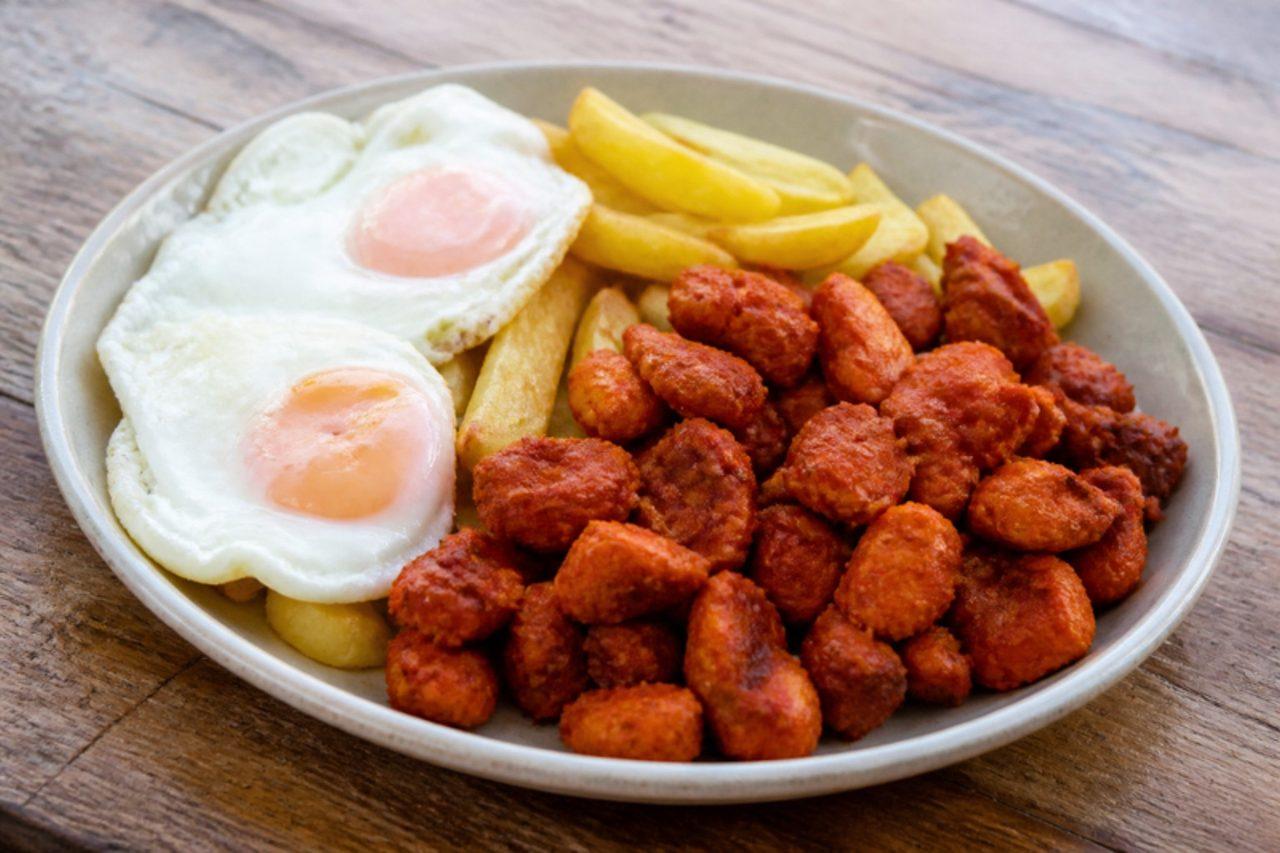
Zorza con patatasMarinated pork with chips and eggs

Zorza is the seasoned pork mixture for chorizo before it goes into casings, and in Galicia it was eaten fresh in the days after the winter pig slaughter, fried in a pan with potatoes. This contains pork. Today taverns in Lugo and Ourense serve it with chips and fried eggs, and it is easy to make at home with pork shoulder and lots of paprika. The meat marinates in the fridge, covered, for at least 12 hours. A common mistake is frying it over a fierce heat, which burns the paprika; keep it moderate and stir. Chef's tip: chop the pork by hand into small pieces rather than mincing it finely, for a juicier, more rustic texture.

by KrazyBadal 0 views

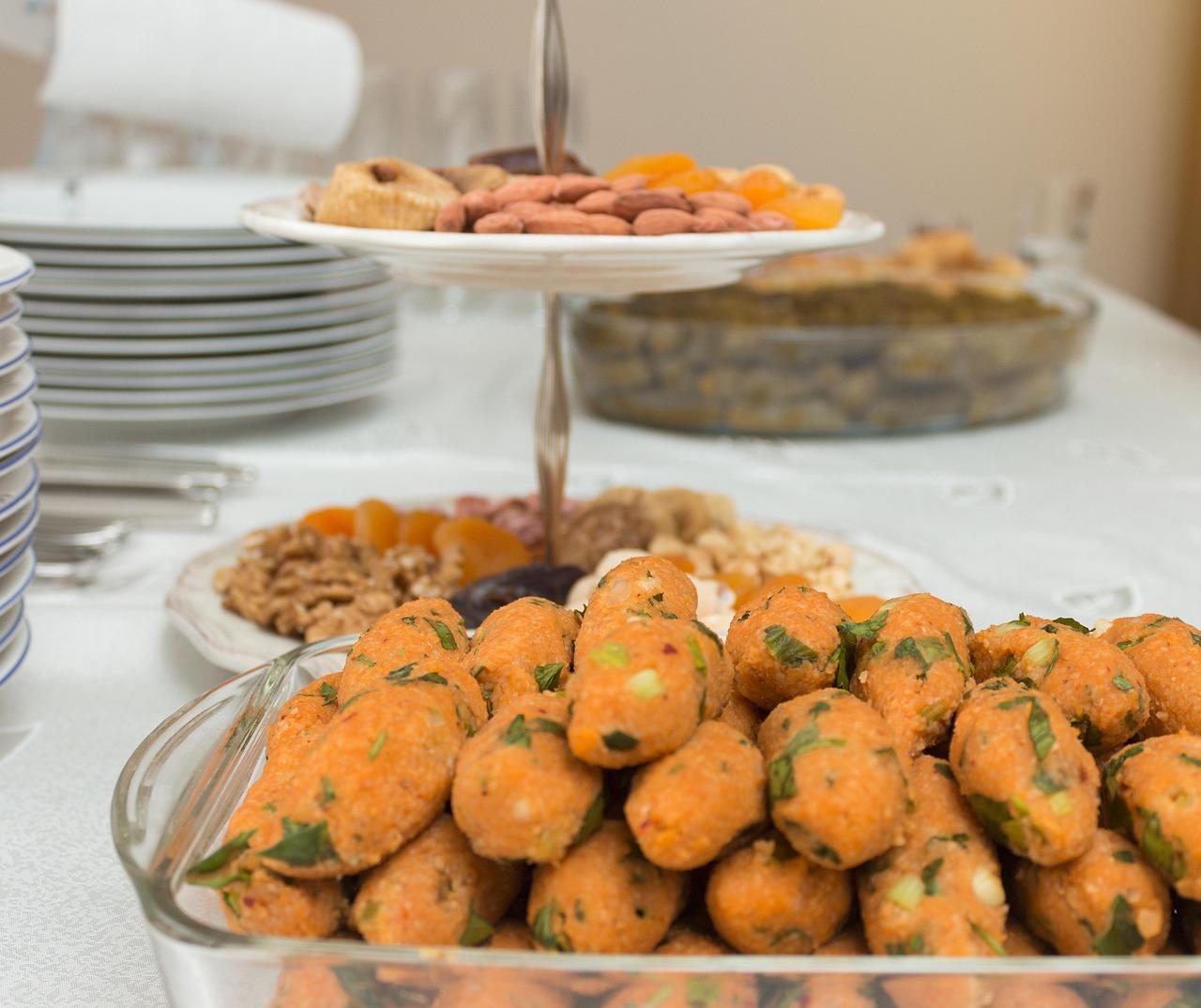
Mercimek köftesiRed lentil and bulgur patties

No women's afternoon gathering in Ankara or Kayseri is complete without a platter of mercimek köftesi: little finger-pressed ovals of red lentils and fine bulgur, rich with onion, pepper paste, cumin and a big handful of spring onion and parsley. They're eaten cold, tucked into lettuce leaves with a squeeze of lemon, and they keep well for picnics and lunch boxes. Common mistake: draining the lentils; the bulgur needs all that hot liquid to swell, so cook the lentils until the water is just absorbed. Chef's tip: knead the mixture with wet hands for a few minutes after the bulgur softens; the more you knead, the smoother and less crumbly the köfte.

by KrazyBadal 0 views

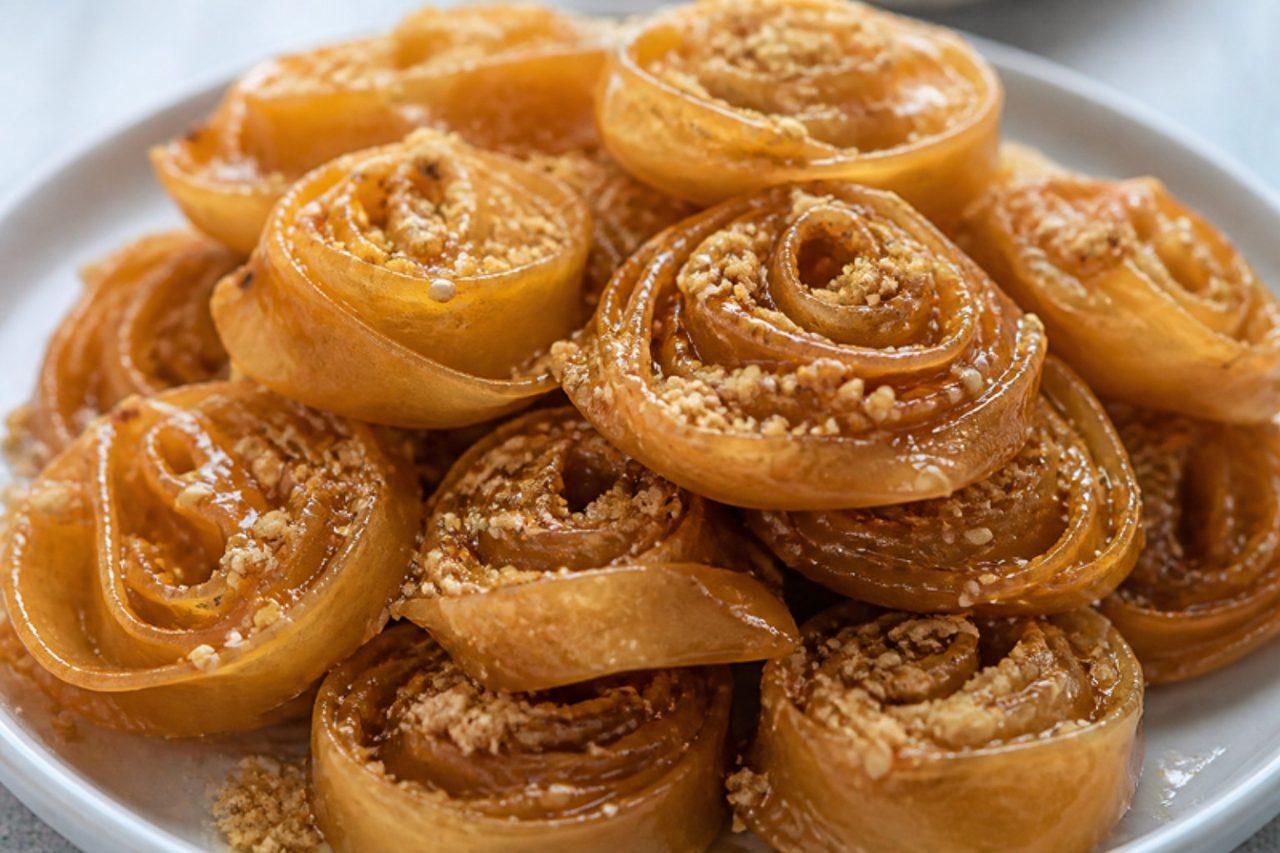
XerotiganaFried dough spirals in honey

At a Cretan wedding or baptism, the women of the family spend the day before rolling dough so thin you can read through it, winding the strips into roses in hot oil and stacking the crisp spirals on huge platters. Xerotigana shatter at the first bite and then turn sticky with honey, walnuts, sesame and cinnamon. Many village versions add a little raki to the dough for extra crispness; this one uses orange juice and a splash of lemon instead, so it is alcohol-free. Common mistake: rolling the strips too thick, which gives chewy, greasy spirals instead of glassy ones. Chef's tip: use a pasta machine down to the second-thinnest setting, and keep the strips you are not frying under a damp tea towel.

by KrazyBadal 0 views

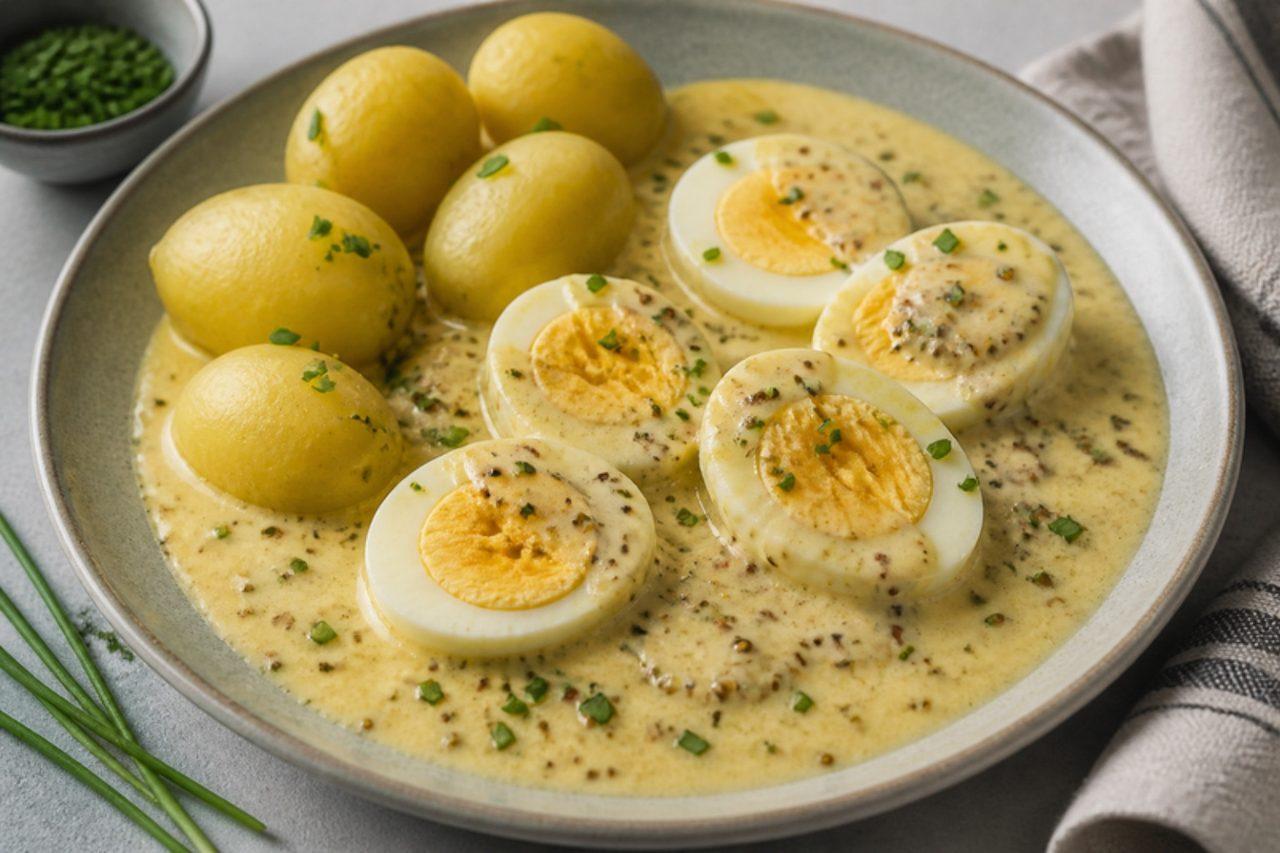
SenfeierEggs in mustard sauce

Senfeier is a dish many people who grew up in Berlin, Saxony or anywhere in the old East remember from school canteens and Friday suppers: halved hard-boiled eggs in a smooth, pale mustard sauce, with boiled or mashed potatoes to soak it up. It is cheap, fast and comforting, and the sauce is a simple butter-and-flour roux loosened with stock and milk, then sharpened with two kinds of mustard. A common mistake is boiling the sauce hard after the mustard goes in, which makes it taste flat and grainy; add it off the heat. Chef's tip: a spoon of the gherkin pickling liquid at the end lifts the whole sauce.

by KrazyBadal 0 views

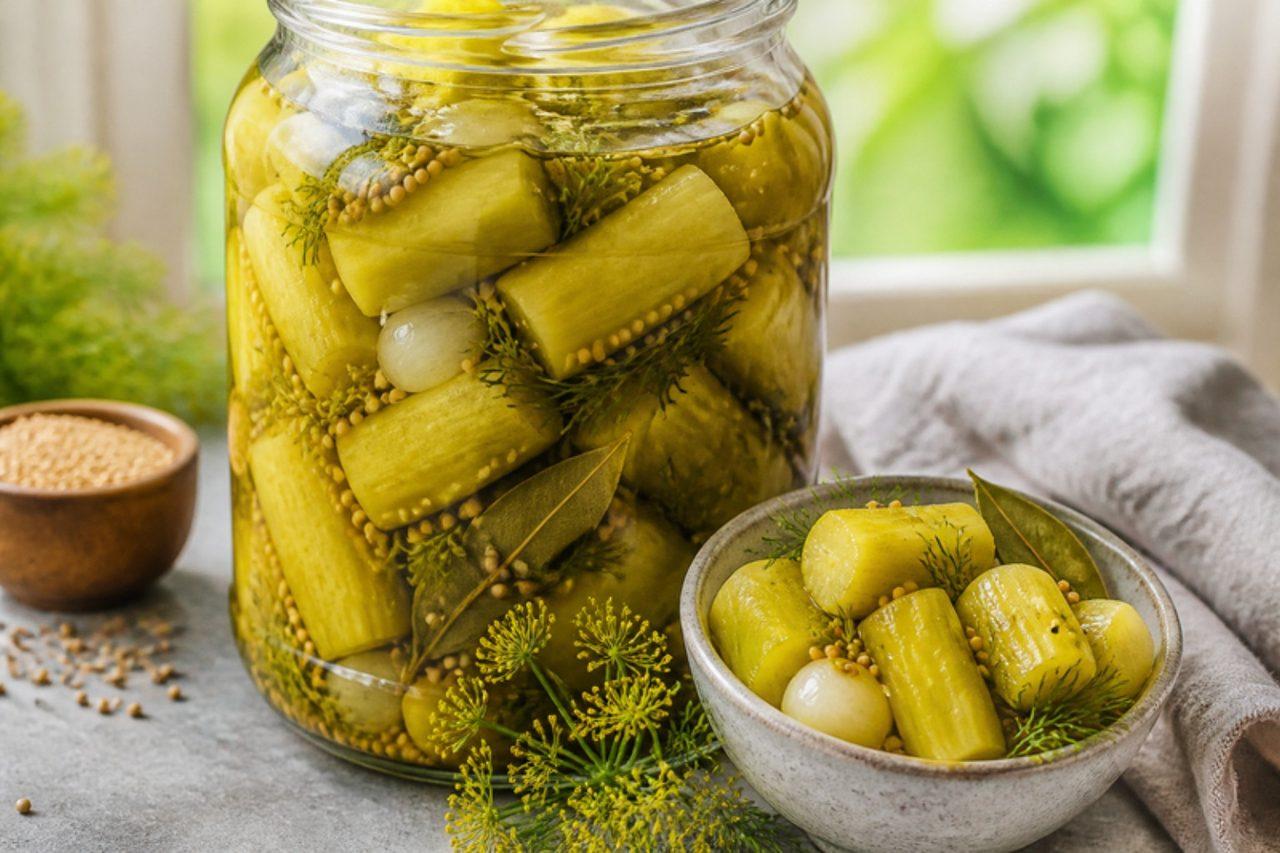
SenfgurkenMustard pickled cucumber

Senfgurken are the big, pale golden chunks of peeled cucumber that German families put up in late summer, when the fat yellow-skinned 'Schmorgurken' are cheap at markets from Brandenburg to the Rhineland. Pickled in sweet vinegar with mustard seeds, dill and onion, they are served through the winter with cold cuts, cheese boards, potato salad or a plate of fried eggs and potatoes. Unlike gherkins they are soft-crunchy and mellow. The mistake is skipping the overnight salting, which leaves the cucumbers watery so they dilute the vinegar and spoil sooner. Chef's tip: scrape out every bit of the seedy core with a teaspoon; it is what turns soft and slimy in the jar.

by KrazyBadal 0 views

Forfar bridiesBeef and onion pastries

The bridie is the pride of Forfar in Angus, a horseshoe-shaped pastry stuffed with chopped beef steak and onion, sold hot from the town's bakers and eaten on market days and at weddings. Unlike a Cornish pasty there is no potato, just peppery beef, onion and beef suet in shortcrust. The holes on top tell you the filling: one hole for plain, two for onion. Chef's tip: chop the steak by hand into small pieces rather than using mince; it keeps the filling juicy.

by KrazyBadal 0 views

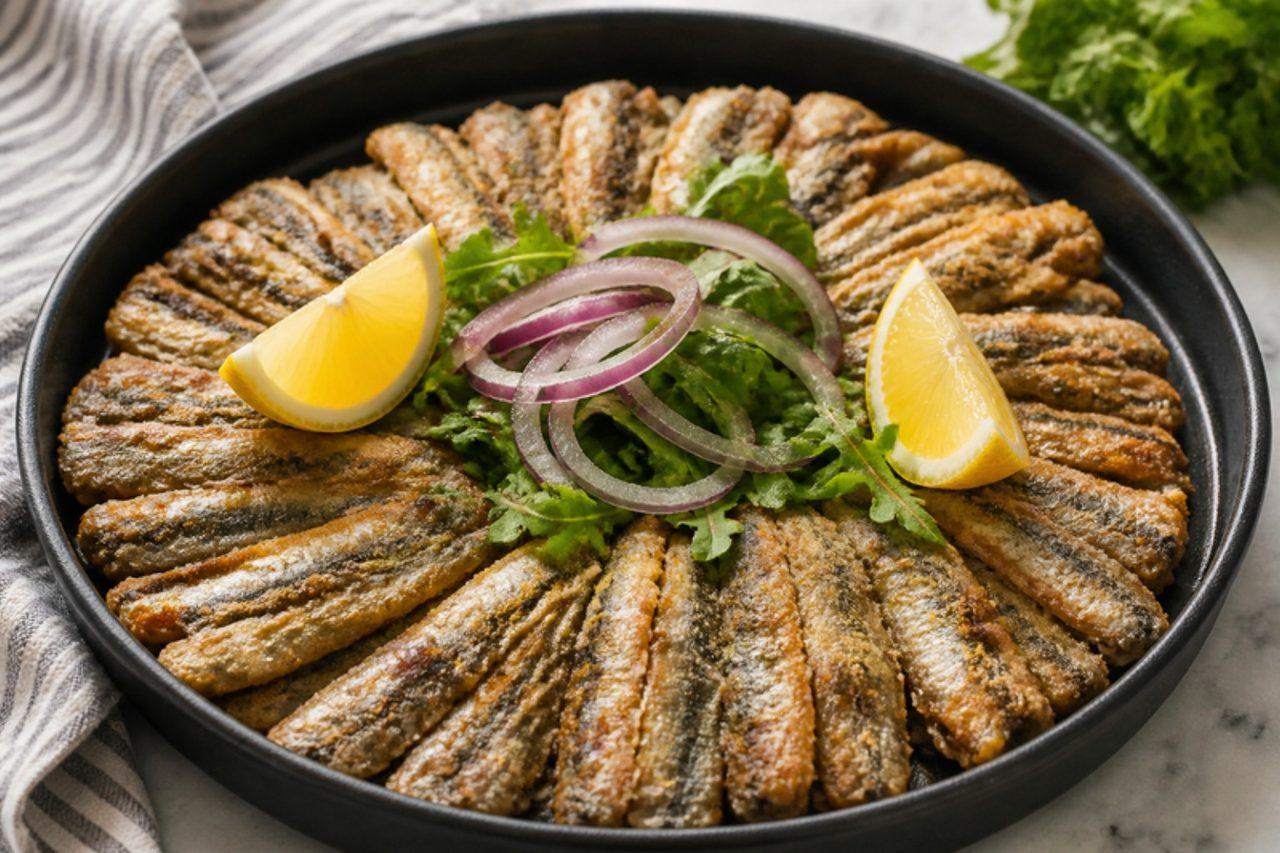
Hamsi tavaFried anchovies

When the first winter storms push shoals of anchovy along the coast, fish markets from Samsun to Hopa are heaped with silver hamsi and the whole region seems to smell of frying. Hamsi tava is the simplest way to eat them: heads off, butterflied, dusted in cornmeal and laid in a hot pan in a neat circle, then flipped like a cake. They come out crisp outside and soft and sweet within, with red onion, rocket, lemon and cornbread alongside. Common mistake: crowding the pan, which steams the fish and leaves the coating soggy. Cook until the flesh is opaque and flakes from the backbone. Chef's tip: shake off every bit of loose cornmeal; a thin coat is what stays crunchy.

by KrazyBadal 0 views

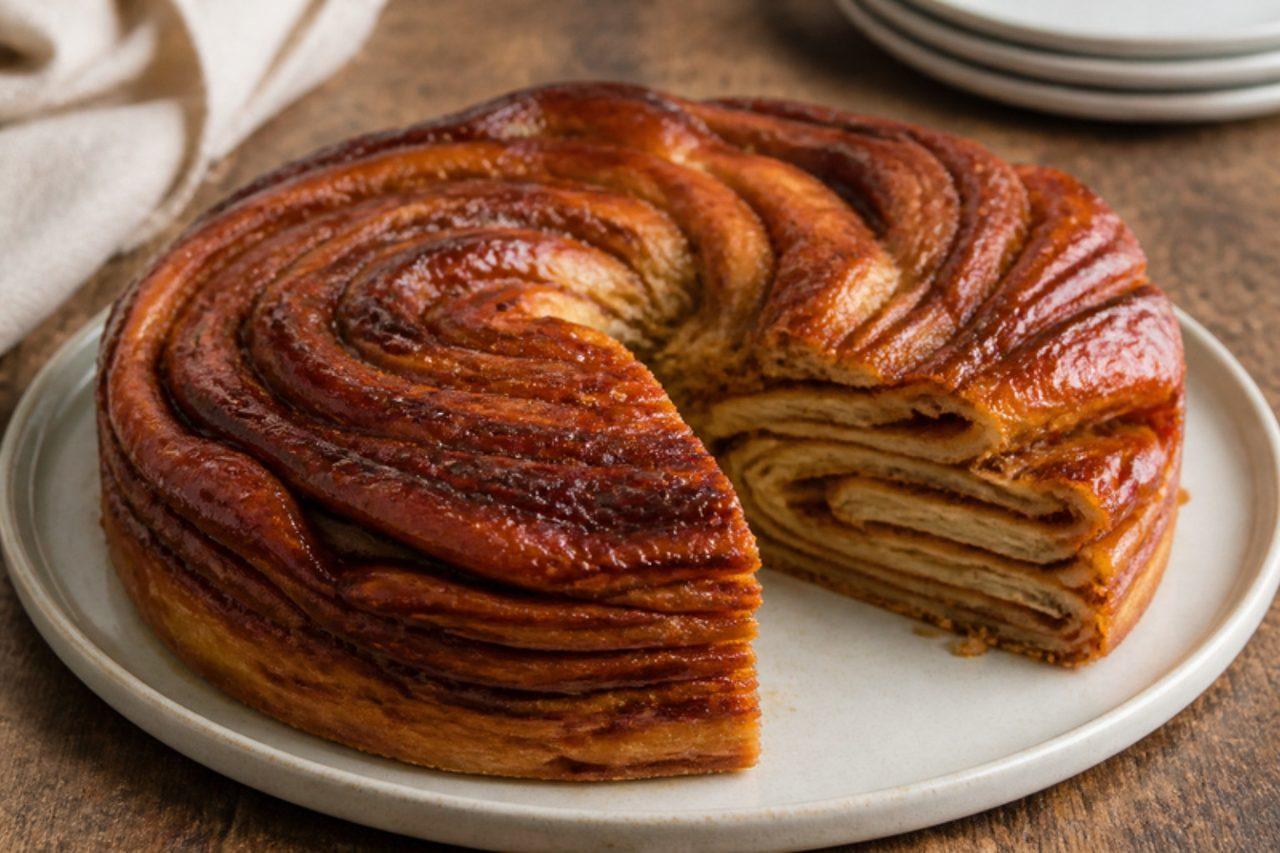
Folar de OlhãoCaramelised layered Easter bread

In the fishing town of Olhão, Easter means folar, and it looks nothing like the egg-topped breads of the north: here a soft, cinnamon dough is rolled up in layers of brown sugar and fat, sliced, packed into a tin and baked until the sugar runs into a dark, sticky caramel. Turned out upside down, it pulls apart in sweet, glossy spirals. Families bake it on Holy Thursday so it is ready for the long weekend, and godparents give one to their godchildren. Many bakeries use some lard; this version uses butter only. Chef's tip: roll the dough as thin as you dare, as the more layers you get, the more caramel edges there are.

by KrazyBadal 0 views

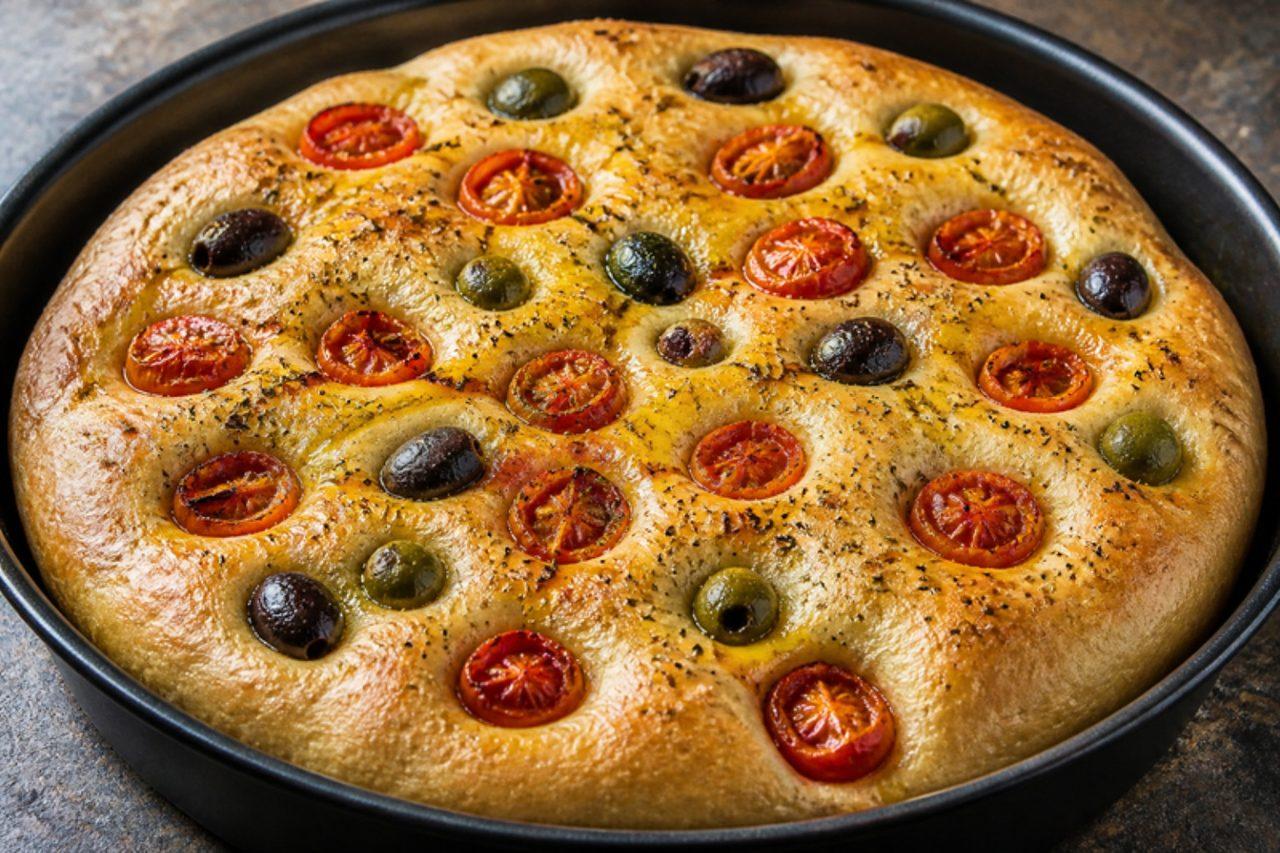
Focaccia baresePotato focaccia with tomatoes

Bari's focaccia is made with boiled potato and durum semolina in the dough, which gives it a tender, almost creamy crumb under a base that fries in olive oil until crisp. It is baked in round iron pans, studded with squashed cherry tomatoes and olives, and sold by the slice at every bakery in the city from mid-morning, warm, folded in paper. On the beach in summer it goes round in squares with a cold drink. This is the Bari version, quite different from a plain herb focaccia or the cheese-filled focaccia of Recco. Chef's tip: be generous with oil in the pan; that layer is what turns the underside golden and crunchy.

by KrazyBadal 0 views

Lahm meshwiGrilled lamb skewers

Every Levantine family barbecue, from mountain picnics above Zahle to Friday gatherings in Amman, has a tray of lahm meshwi: chunks of lamb leg marinated with onion, seven-spice and olive oil, threaded with onion and pepper and grilled over hot charcoal. The skewers go straight onto warm bread to catch the juices, with a heap of parsley, sliced onion and sumac. It is simple food that lives or dies by the marinade and the heat. The common mistake is cutting the lamb too small, so it is grey and dry by the time the outside chars. Chef's tip: grate the onion for the marinade and squeeze in its juice; it tenderises the meat overnight in the fridge.

by KrazyBadal 0 views

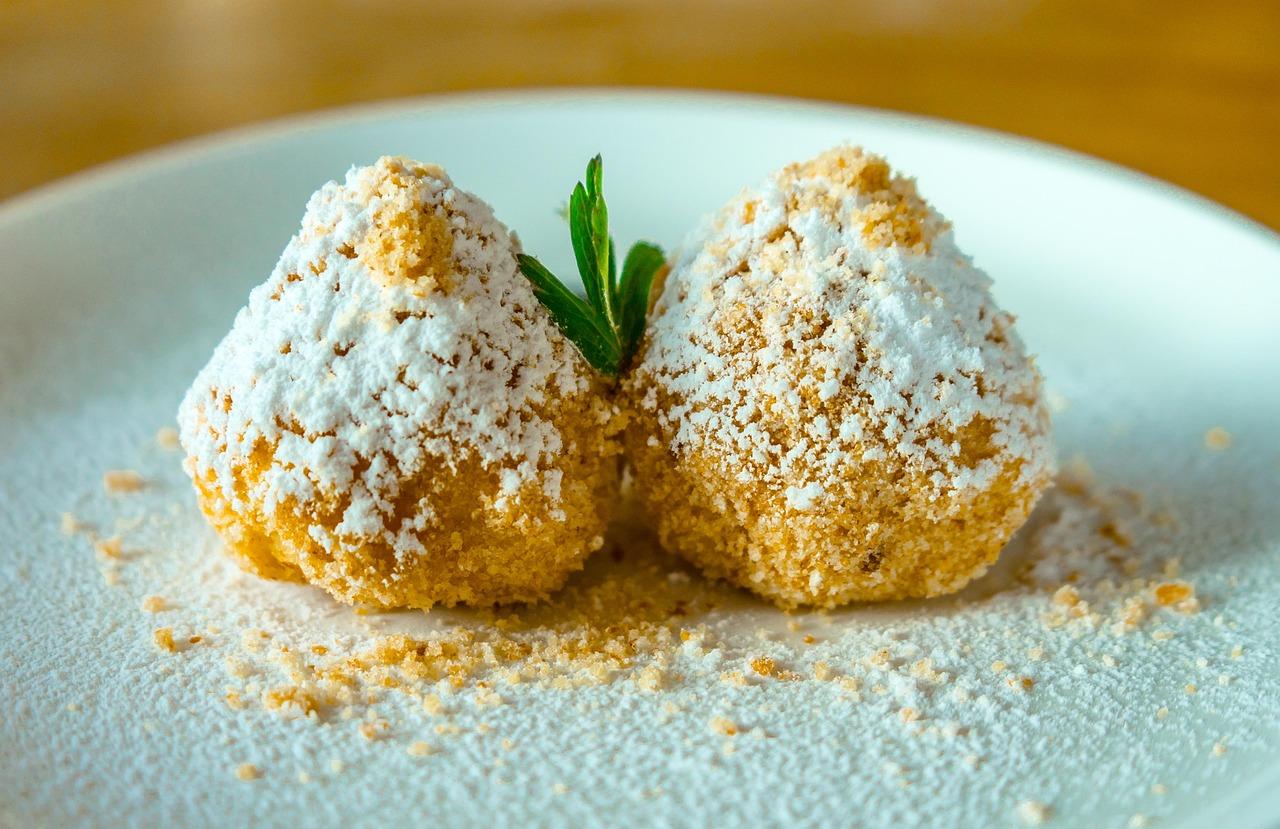
GermknödelSteamed plum jam dumpling

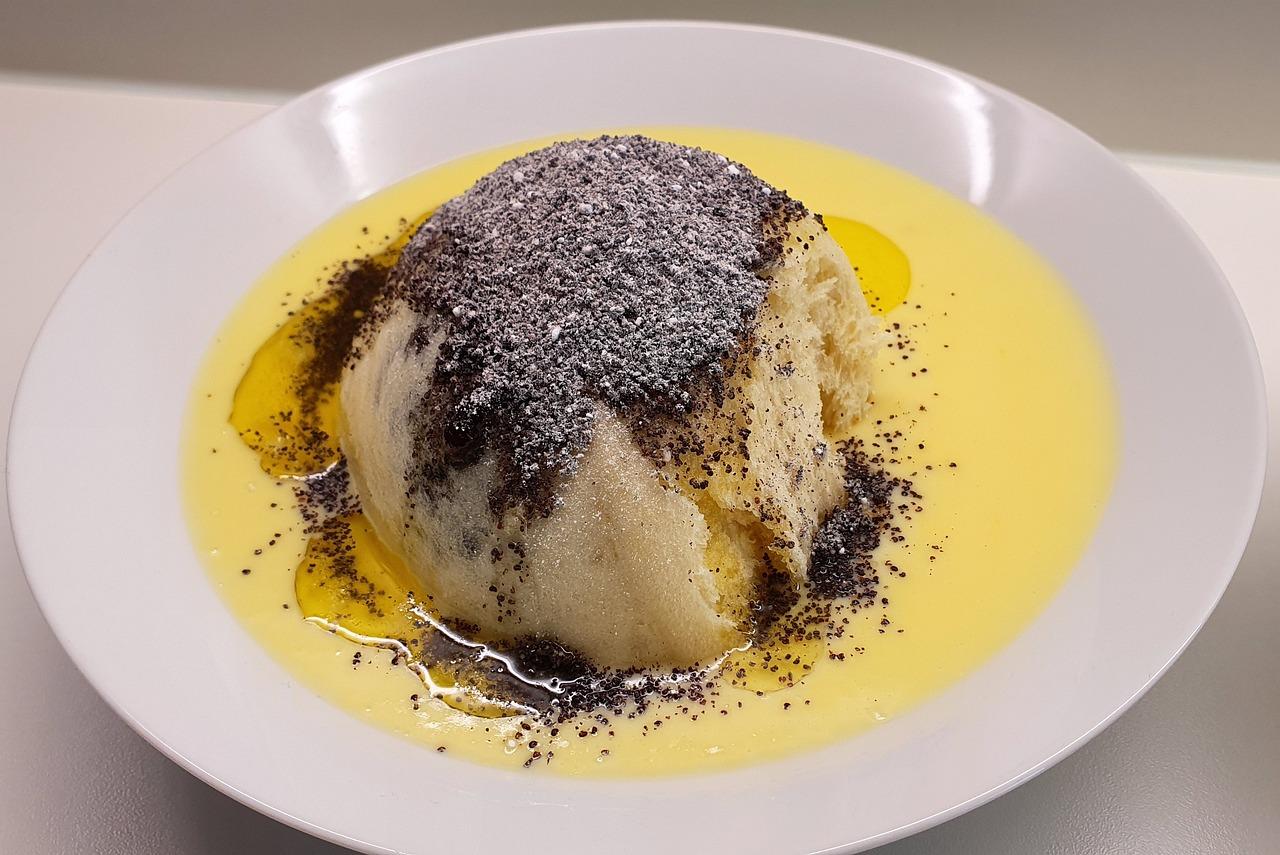
After a morning on the slopes, Austrians head into the mountain huts of Tyrol, Salzburg and Styria for one thing: a Germknödel the size of a fist, steamed until pillowy and split open to reveal dark plum butter. It comes drowned in melted butter, or in vanilla sauce, under a thick snow of ground poppy seeds and icing sugar, and it is eaten as a whole meal. The dough is soft and slightly sweet, and the powidl inside is tart and jammy. A common mistake is lifting the lid while they steam; the dumplings deflate and turn heavy. Chef's tip: seal each dumpling with the seam underneath and let them prove a second time on squares of baking paper, so you can move them without denting them.

by KrazyBadal 0 views

Sequência de camarãoPrawn feast in several styles

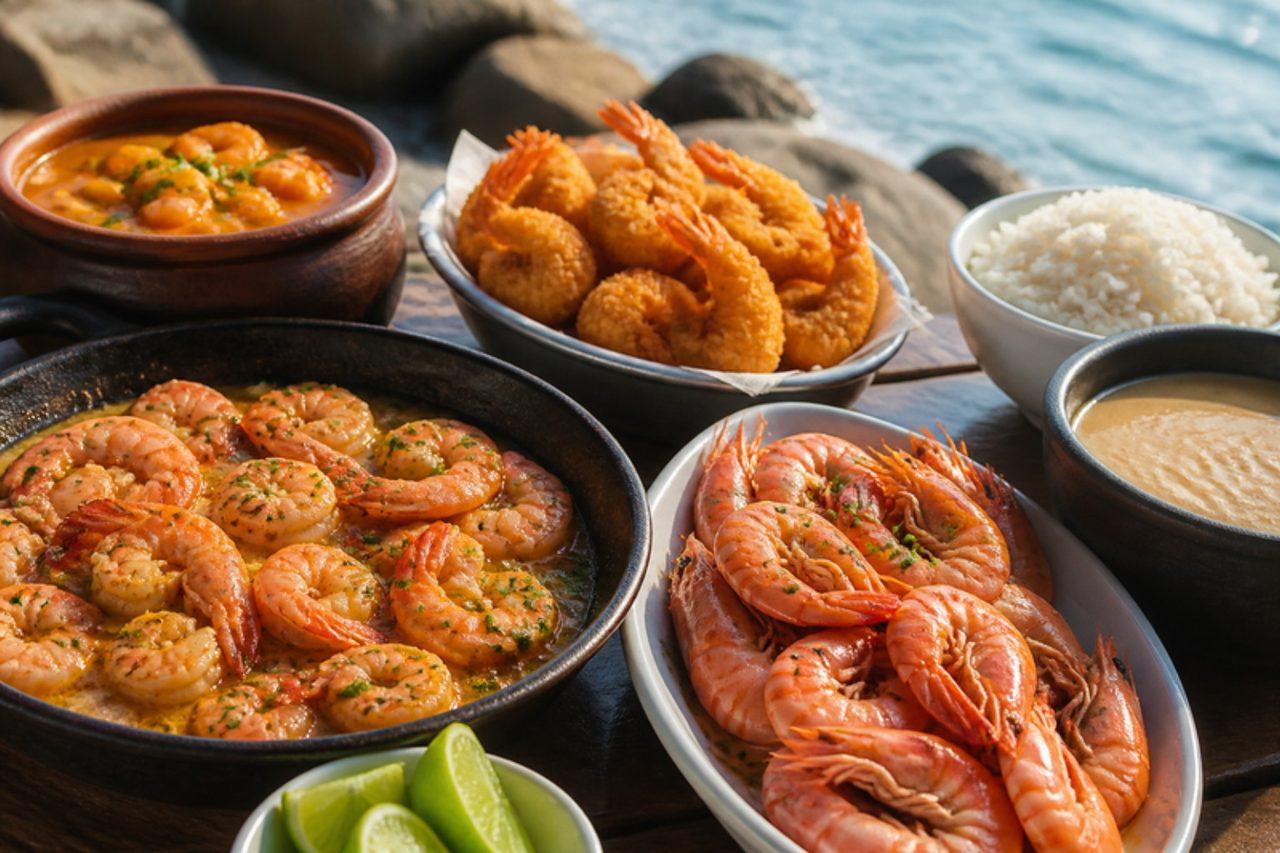
Around the Lagoa da Conceição and the old fishing village of Santo Antônio de Lisboa, Florianópolis restaurants serve sequência de camarão, a parade of prawn dishes that keeps arriving until you give up: prawns fried in garlic oil, crisp breaded prawns, a light prawn stew with tomato and coconut milk, and pirão made from the shells, with rice and salad. This home version brings the four together for a long lunch. Prawns must be very fresh and kept cold, and every batch is cooked only until pink and opaque right through. The usual mistake is cooking all the prawns at once and serving them lukewarm; the sequence works because each dish arrives hot. Make the stew and pirão first and keep them warm, then fry at the last minute. Chef's tip: buy shell-on prawns and simmer the heads and shells for the pirão; it gives the whole meal its sea flavour.

by KrazyBadal 0 views

MerengónMeringue with cream and strawberries

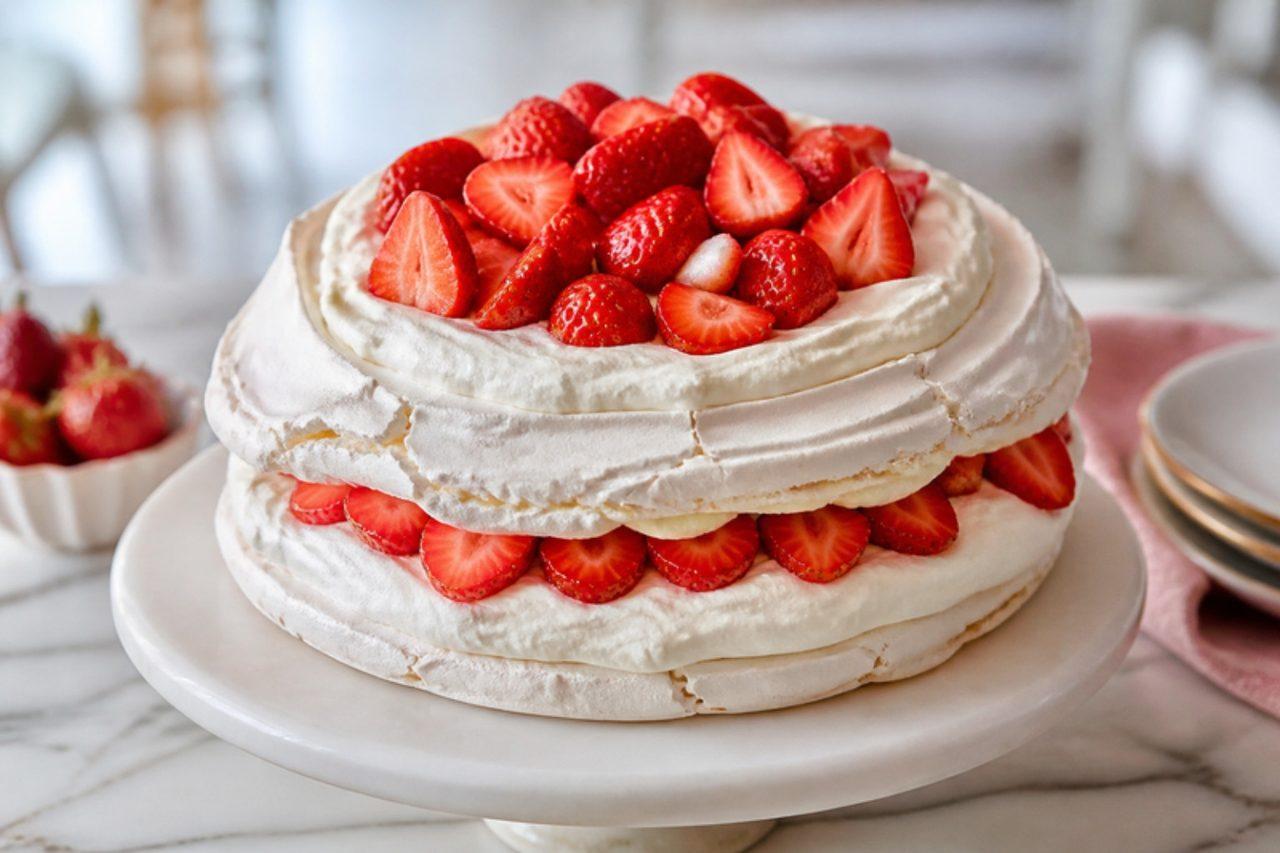
Weekend drives out of Bogotá often end at a roadside sweet shop with a slice of merengón: two discs of crisp, chalky meringue sandwiched and piled with whipped cream and fruit. Strawberry is the classic in the highlands, while on the Caribbean coast soursop (guanábana) is just as popular. Think of it as Colombia's answer to pavlova, crunchier and sweeter, assembled shortly before eating so the meringue cracks under the spoon. The meringue needs a long, slow bake and a slow cool in the oven, so plan ahead. Humidity and undissolved sugar are the main enemies: if the sugar is not fully beaten in, the meringue weeps sticky syrup, so rub a little between your fingers and keep whisking until it feels smooth. For a soursop version, swap the strawberries for 300 g thawed soursop pulp, folded into half the cream. Chef's tip: assemble no more than an hour before serving, or the cream softens the meringue.

by KrazyBadal 0 views

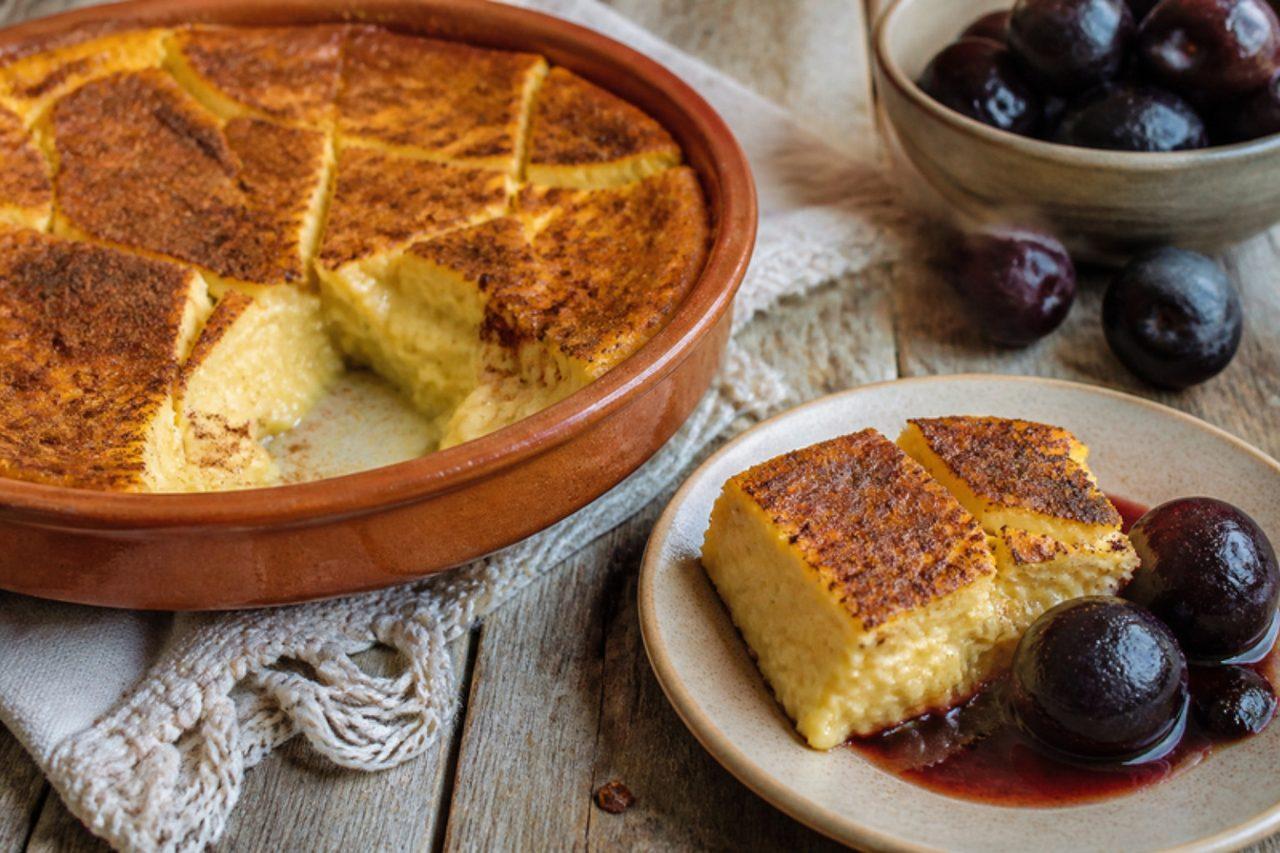
SericaiaCinnamon baked egg custard

Sericaia is the pride of Elvas, on the Spanish border, and of Alentejo convent baking: a light custard of eggs, milk and sugar lifted with beaten whites, spooned into a clay dish, dusted with cinnamon and baked until it puffs and splits into deep cracks. It is always served with Elvas plums in syrup, whose sharpness cuts the sweetness; any good plums poached in syrup will do. It is a Sunday and festive dessert across the region. A common mistake is spreading the mixture smooth: drop it in large spoonfuls so it bakes into the craggy, cracked top that defines it. Chef's tip: cook the yolk custard until really thick before folding in the whites; a thin custard collapses in the oven.

by KrazyBadal 0 views

Porra antequeranaThick chilled tomato and bread soup

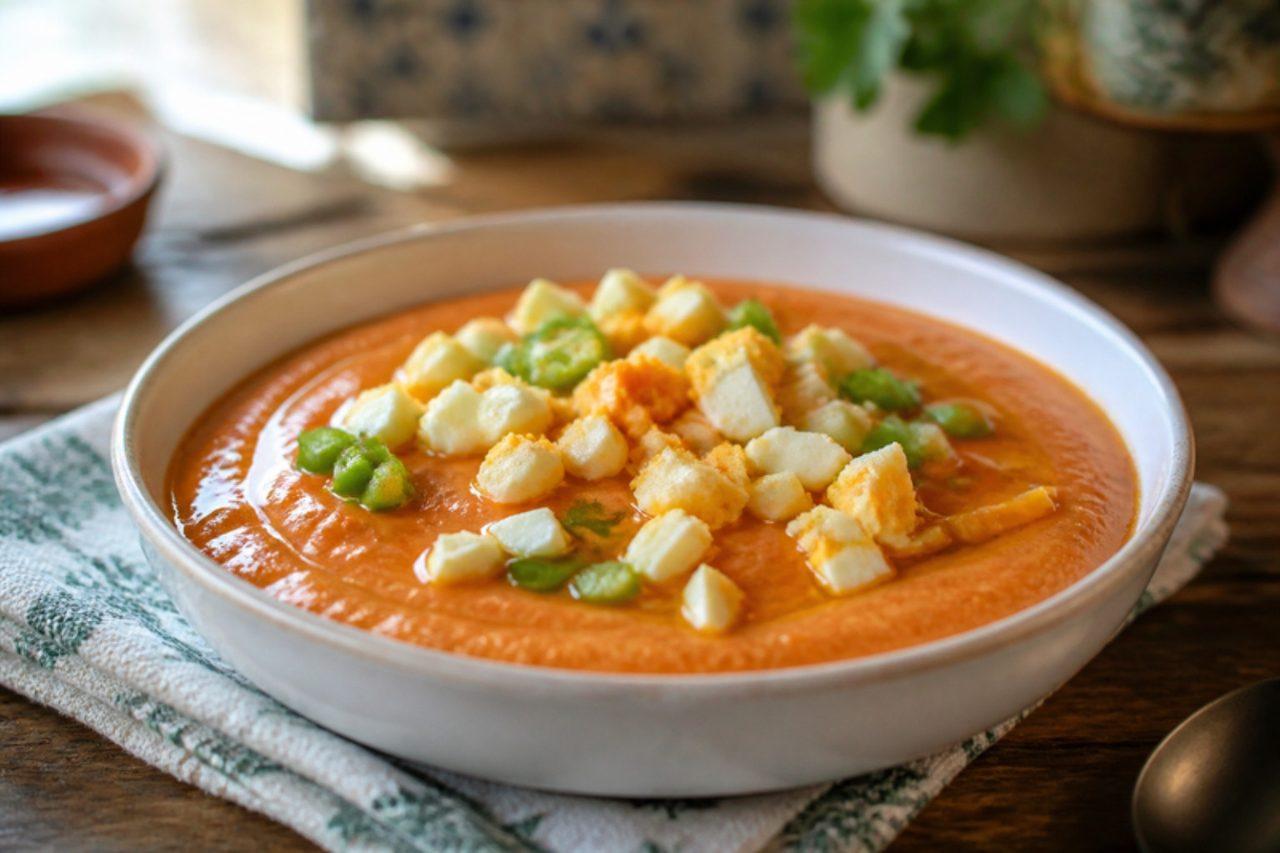
In Antequera, north of Málaga, porra comes to the table so thick that a spoon stands up in it, and bars in the old town serve it from May until the first autumn rains as a starter or a light supper. It is a cousin of salmorejo, but with green pepper and more garlic, and the town tops it with chopped egg and a thread of oil. Locally the garnish also includes tuna and cured ham; this version keeps it vegetarian with egg and diced pepper. A common mistake is thinning it with water to make it go further: porra should be spooned, never sipped. Chef's tip: use only the reddest, softest tomatoes of the summer, because a pale tomato makes a pink, flat-tasting porra however much oil you add.

by KrazyBadal 0 views

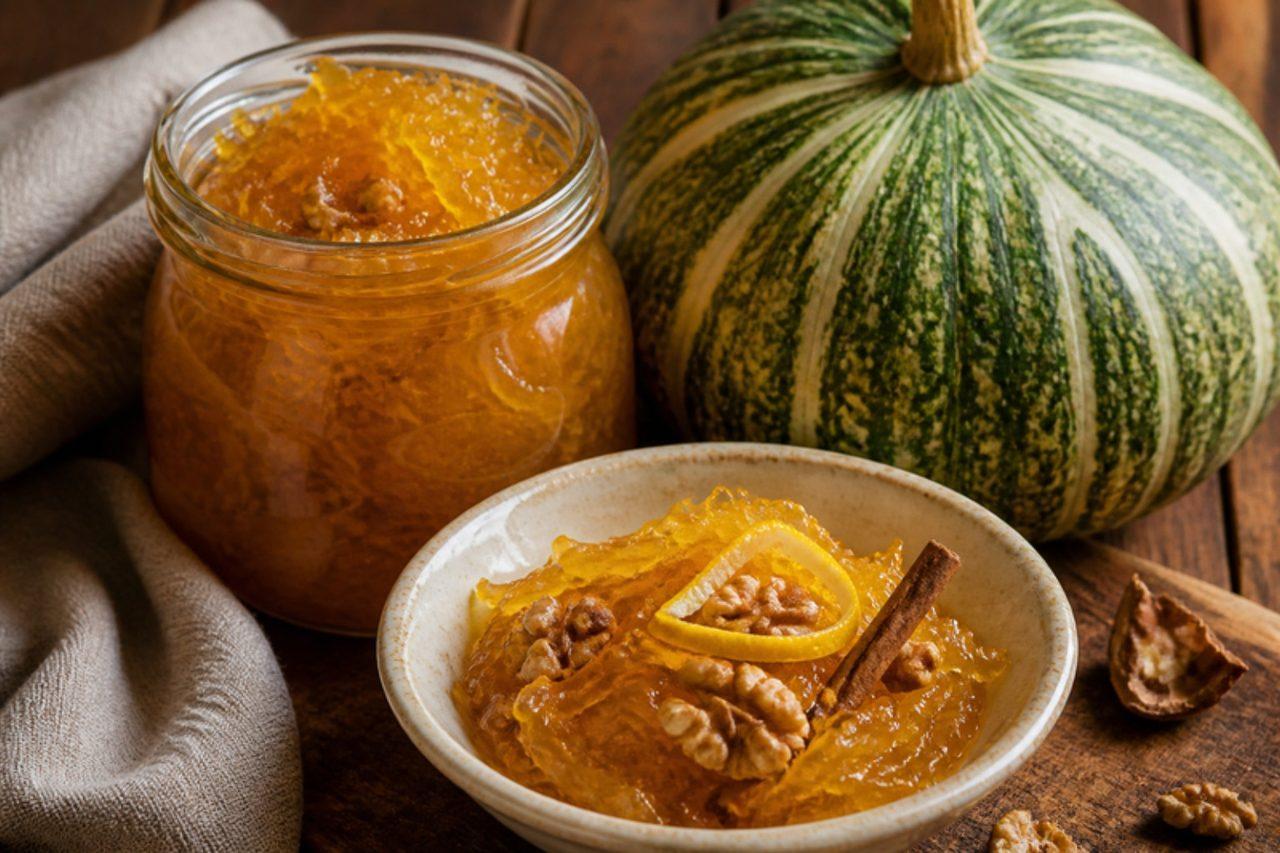
Dulce de alcayotaFig-leaf gourd preserve

Late autumn in San Juan and Mendoza, the huge striped alcayotas (fig-leaf gourds, Cucurbita ficifolia) are left to cure in the sun, then split open for this preserve: the white flesh separates into long strands like angel hair, which cook in syrup until golden, glossy and translucent, with walnuts and a hint of cinnamon and clove. It is spooned onto bread, eaten with fresh cheese, and used to fill empanadas and pastries. Look for alcayota at Latin American grocers (sometimes sold as chilacayote or cidra); spaghetti squash makes a respectable stand-in. Cooking the syrup too hard is the trap: it caramelises and turns the preserve dark and bitter, so keep it at a gentle bubble. For safe storage, jars must be sterilised and sealed hot. Chef's tip: rinse the cooked strands in cold water before they go into the syrup; it washes off the starch and keeps the threads separate and clear.

by KrazyBadal 0 views

Duelos y quebrantosScrambled eggs with chorizo and bacon

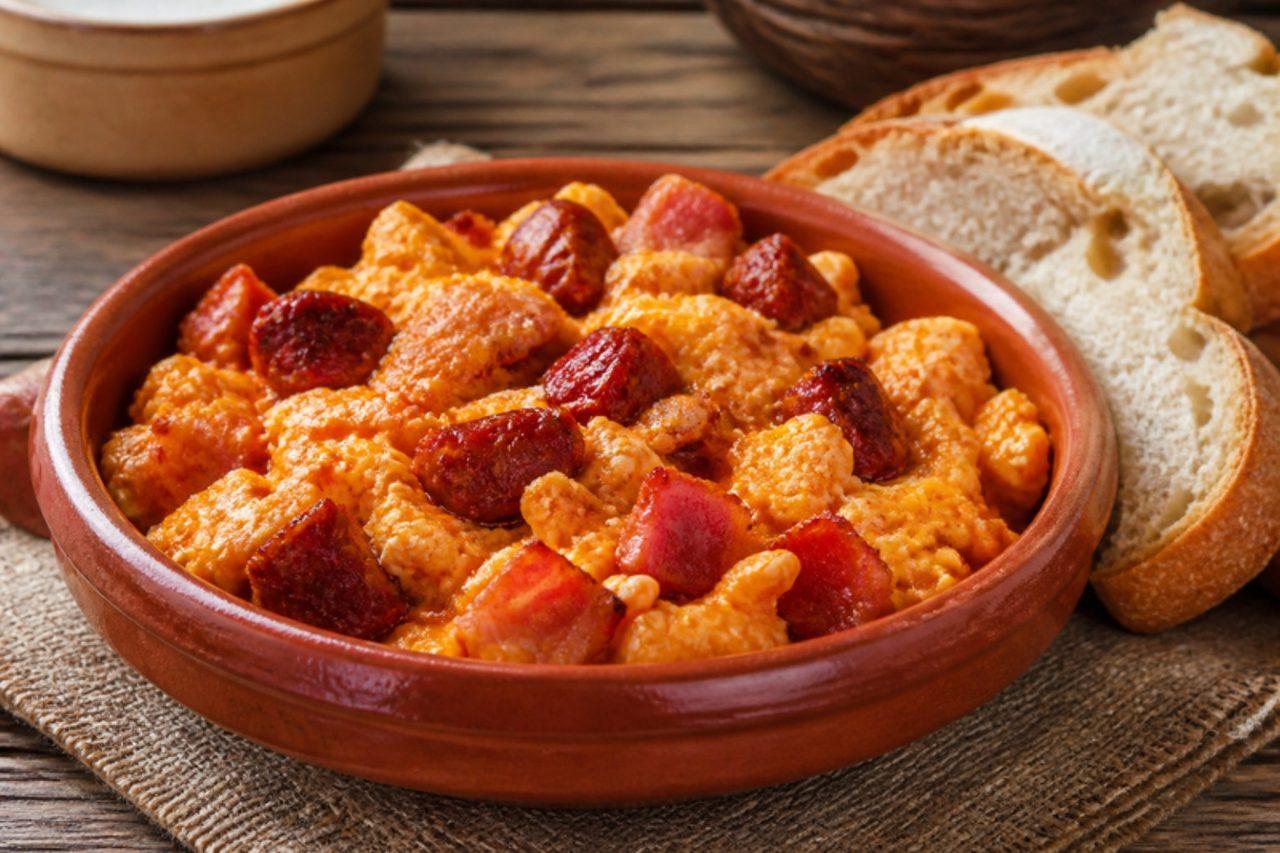
Cervantes names this dish in the first lines of Don Quixote as the knight's Saturday supper, and in La Mancha it is still a quick, filling plate of soft eggs scrambled into fried chorizo and streaky bacon. It turns up for a late breakfast in roadside inns near Campo de Criptana, or for supper on a busy weeknight with bread and a salad. This contains pork (chorizo and bacon). Chef's tip: take the pan off the heat while the eggs still look slightly wet; they finish cooking on the plate.

by KrazyBadal 0 views

PorrusaldaLeek, potato and carrot soup

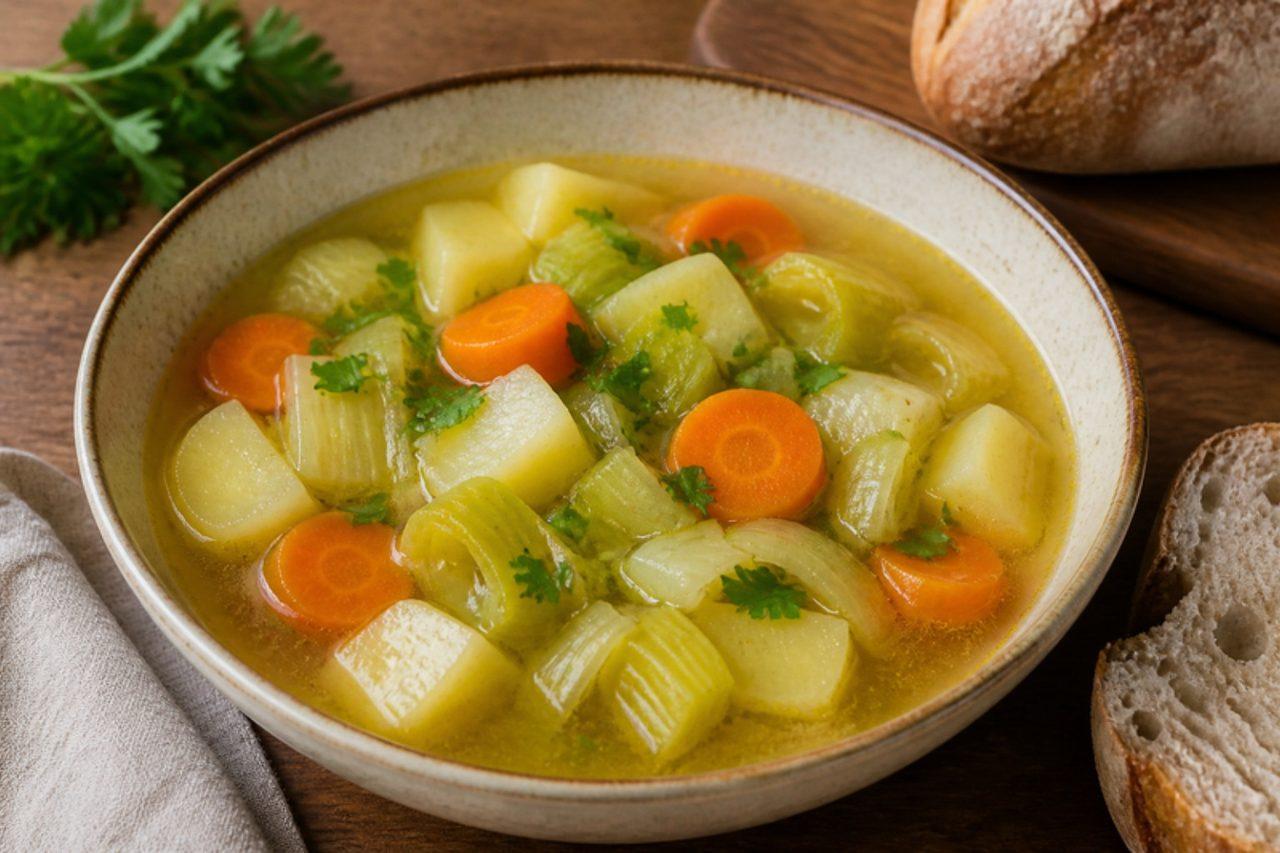
In Basque kitchens from Bilbao to Tolosa, porrusalda (literally 'leek broth') is what families cook in the quiet days after Christmas, when everyone wants something plain and warming. Leeks are the star, simmered with potatoes and carrots until the broth turns pale gold and slightly thick. Many households flake in desalted salt cod at the end; this version keeps it vegetarian with water or vegetable stock, so it is also vegan. A common mistake is slicing the potatoes neatly: snap them into rough chunks instead, so they release starch and give the broth body. Chef's tip: cook the leeks slowly in the oil before any liquid goes in, until they smell sweet, because that is where the flavour comes from.

by KrazyBadal 0 views

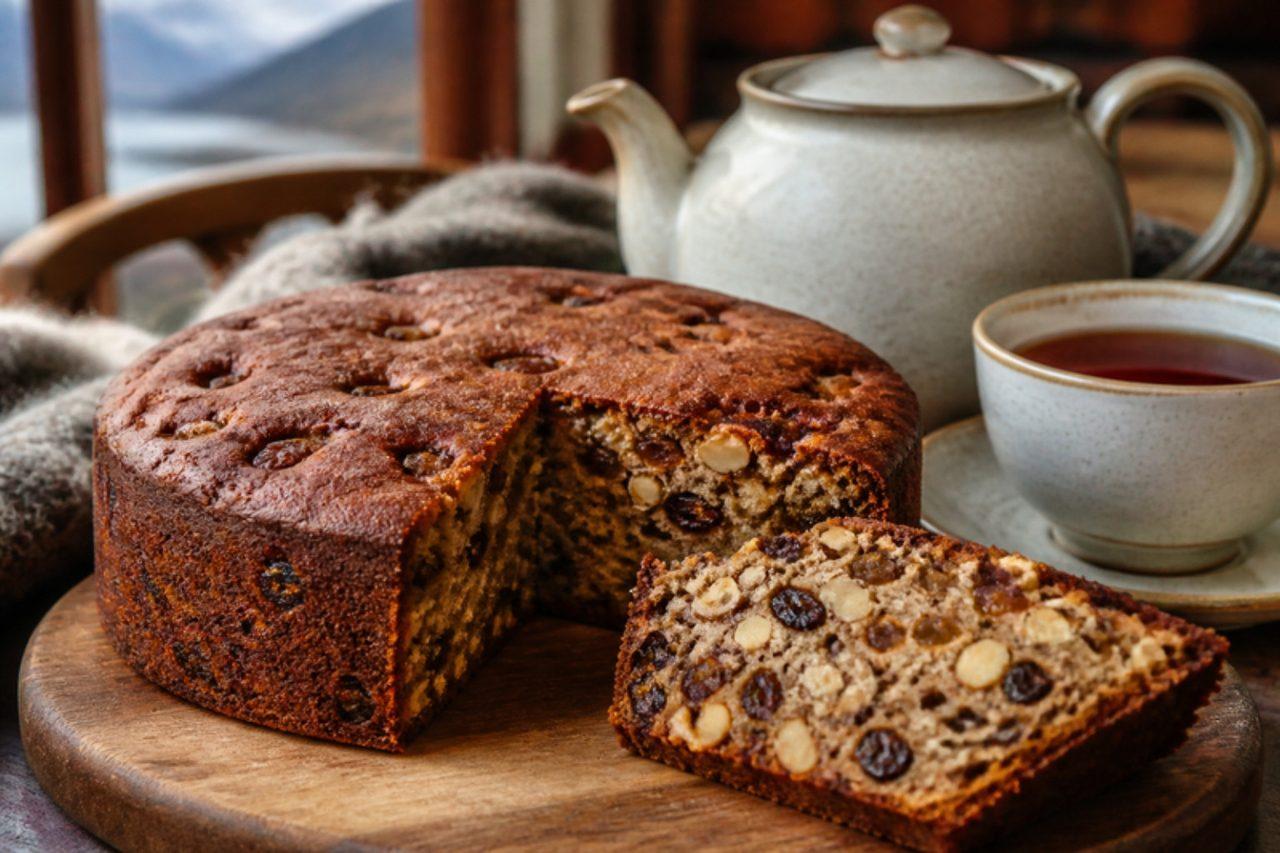
Torta galesaDark fruit and walnut cake

Welsh settlers arrived in the Chubut valley in 1865 and their descendants still serve afternoon tea in Gaiman and Trelew, where the casas de té bring out pots of tea, scones, cream cakes and, always, a slice of torta galesa. It is a dense, almost black fruit cake made with brown sugar and black treacle, studded with raisins, candied peel and walnuts, and it was built to last through long Patagonian winters and journeys across the steppe. The crumb is moist and sticky, rich with spice and caramel. An oven that is too hot is the classic error: the outside chars before the middle is set, so it bakes low and slow under a sheet of paper. There's no alcohol in this version; many cooks brush it with rum after baking, so leave that out or use strong tea. Chef's tip: wrap the cooled cake tightly and wait two or three days before cutting; it turns moister and the flavours deepen.

by KrazyBadal 0 views

Posta mirandesaGrilled veal steak

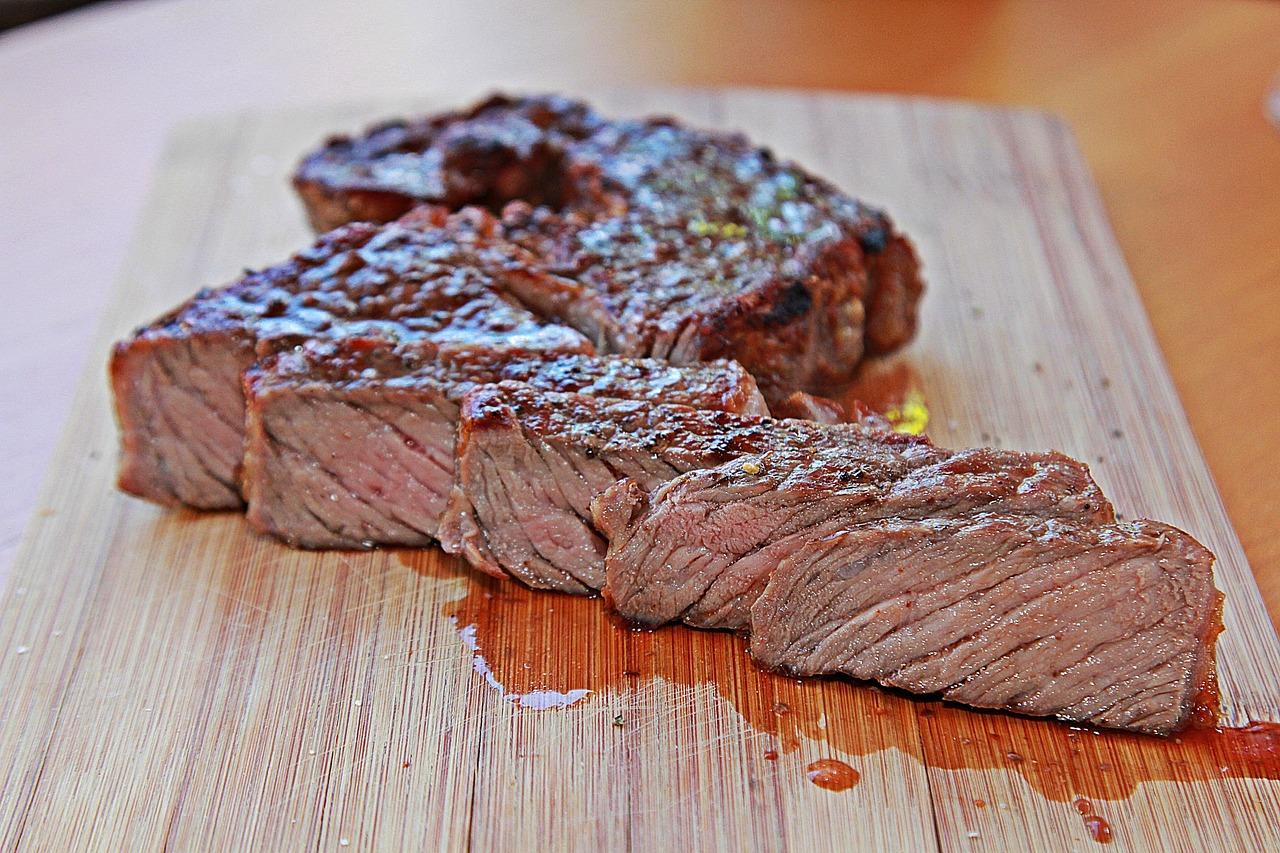
The Mirandesa is a dark, long-horned breed raised on the plateau around Miranda do Douro, and a posta is a slab of its veal or young beef, cut about 4 cm thick and grilled over oak embers with nothing but coarse salt. Restaurants in Miranda and Bragança serve it sliced on a board with a simple sauce of olive oil, garlic and vinegar, plus potatoes and salad. It is all about the meat, so ask the butcher for a thick, well-marbled piece. Chef's tip: salt the steak only just before it goes on the grill, with coarse salt, and turn it only once.

by KrazyBadal 0 views

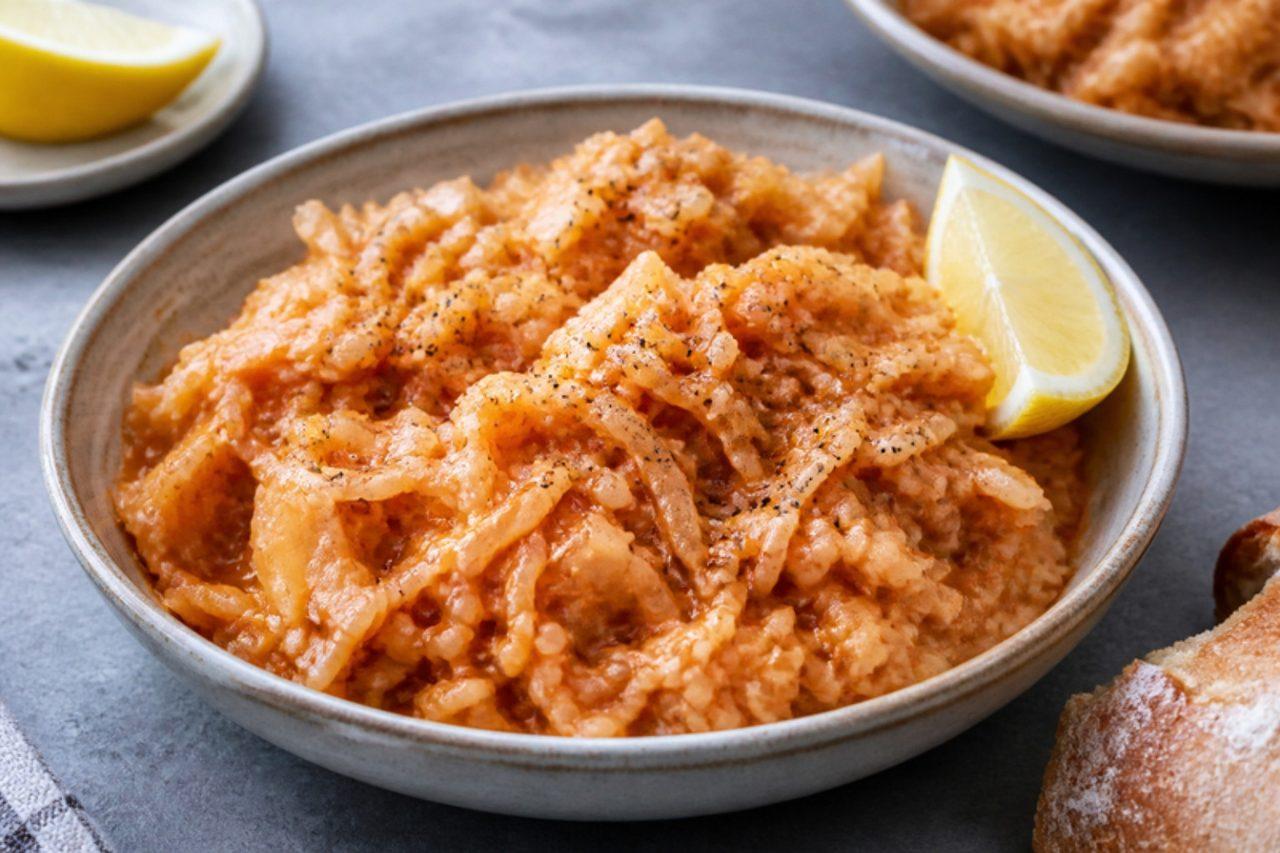
LahanorizoCabbage and rice stew

Lahanorizo is what Greek grandmothers make on a cold winter Wednesday or Friday when the family is fasting: a cheap white cabbage softened in plenty of olive oil, cooked with rice, tomato and dill until silky and spoonable. It is eaten warm or at room temperature, with feta and bread on non-fasting days, and lemon squeezed over at the table. Common mistake: adding the rice too early; the cabbage needs a head start or the rice turns to porridge before the leaves are tender. Chef's tip: use more olive oil than feels right; ladera dishes are meant to finish glossy, and that is where the flavour lives.

by KrazyBadal 0 views

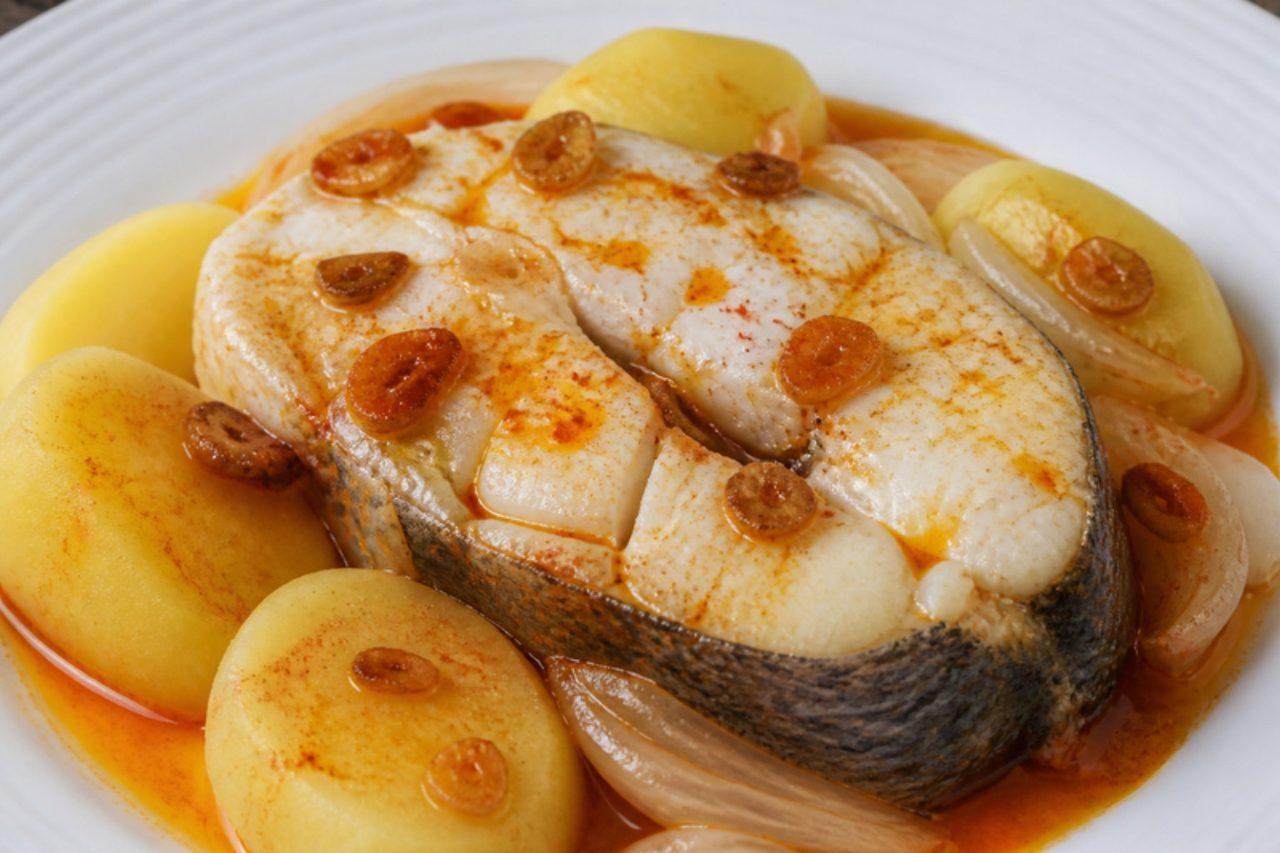
Merluza á galegaPoached hake with paprika garlic oil

This is the Friday supper of Galician homes and the plain, honest plate you find in harbour restaurants from A Coruña to Vigo: thick hake steaks poached with potatoes, onion and bay, then drizzled with ajada, hot olive oil with garlic and paprika. It relies on very fresh fish and good oil. A common mistake is boiling the hake hard, which breaks it apart; it should poach gently in water that barely shivers. Chef's tip: lift out the fish with a slotted spatula and let it drain well, so the ajada sits on top instead of sliding into a watery puddle.

by KrazyBadal 0 views

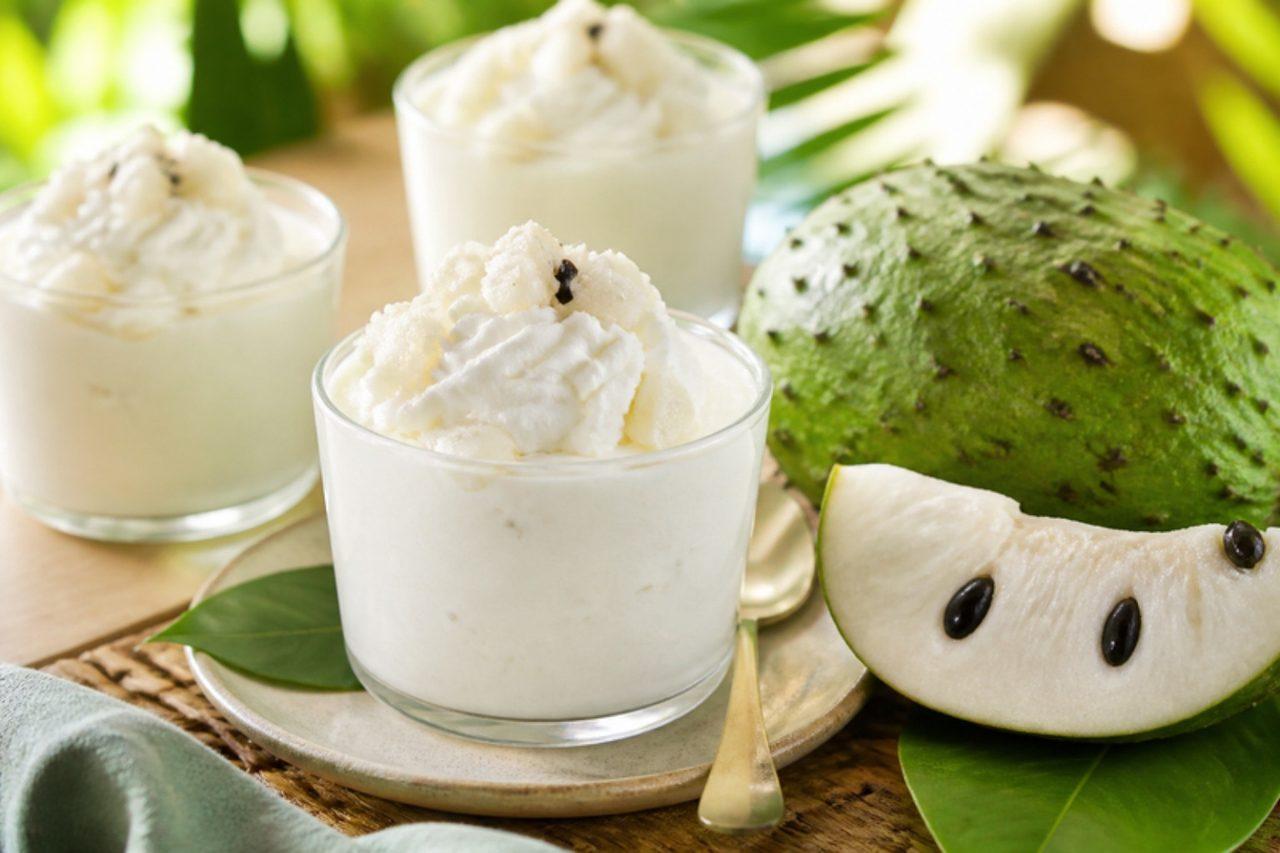
Postre de guanábanaSoursop cream dessert

Soursop has a perfume all its own, somewhere between pineapple, banana and citrus, with a creamy white flesh, and Colombians turn it into this no-bake fridge dessert for birthdays, Sunday lunches and Christmas tables. Soursop pulp is blended with condensed milk and lime, then folded through whipped cream and chilled until it sets into a light, mousse-like cream that is sweet, tangy and fragrant. It is served in glasses or one big dish, sometimes with crumbled biscuits on top; leave them out to keep it gluten free. Frozen soursop pulp is sold in Latin American shops and is easier than fresh fruit. If you start from a whole fruit, the error people make is blending the seeds, which are inedible and add bitterness; pick every one out by hand. Plan for at least 4 hours of chilling. Chef's tip: keep back a few spoonfuls of pulp and swirl them over the top just before serving for a sharper finish.

by KrazyBadal 0 views

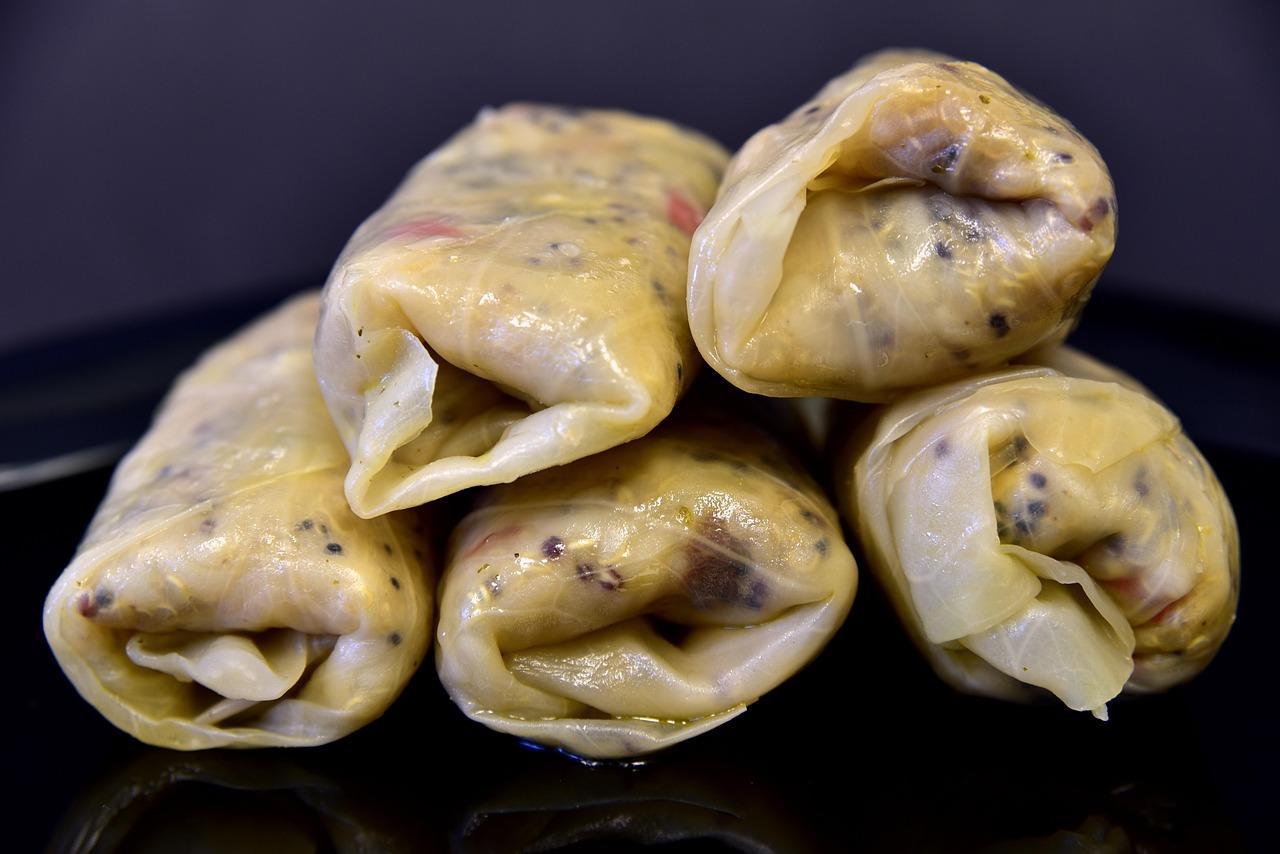
Lahanodolmades avgolemonoStuffed cabbage in egg-lemon sauce

When the first frosts hit Macedonia and the cabbages in the market grow huge and sweet, families in Thessaloniki and Serres spend a Saturday rolling lahanodolmades for the week ahead. Blanched leaves wrap a filling of minced pork and beef with rice, onion and dill; they simmer slowly in a covered pot and the broth is thickened with egg and lemon into a pale, silky sauce. Eat them hot with bread and a dollop of yoghurt. Common mistake: boiling the sauce after adding the eggs, which scrambles it — keep it below a simmer. Chef's tip: line the pot with torn outer leaves so the rolls never stick or scorch.

120 minGreekMeatGluten free
by KrazyBadal 0 views

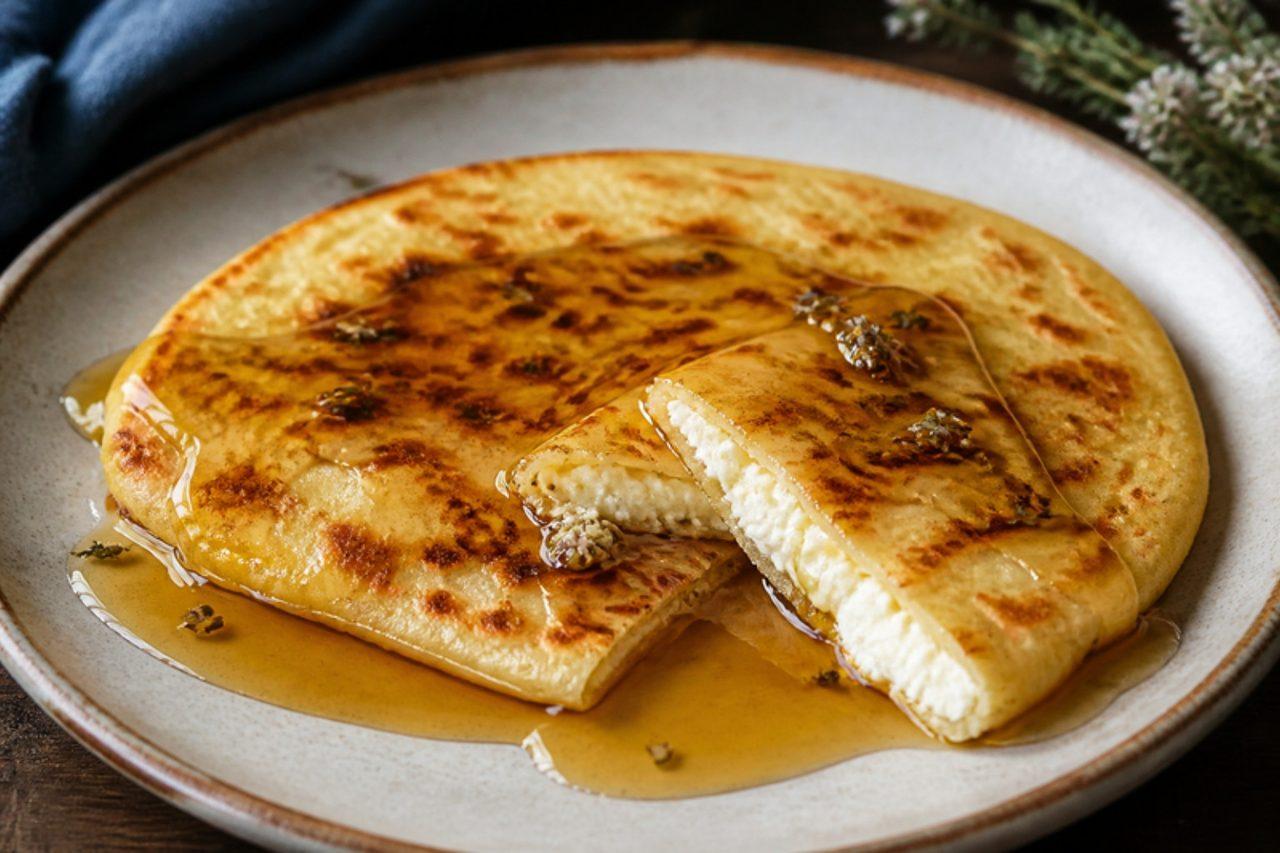
Sfakiani pitaCheese pancakes with honey

Shepherds in the mountains of Sfakia, on Crete's wild south coast, made these with what they had on hand: flour, oil, a ball of fresh cheese and the thyme honey from their hives. A soft dough is wrapped around the cheese, rolled out as thin as a plate and cooked in a dry pan, then eaten hot with honey running over it, for breakfast or as a late sweet with Greek coffee. Village cooks often add a splash of raki to the dough; here lemon juice does the same job and keeps it alcohol-free. The cheese is fresh mizithra, or use ricotta, which is usually rennet-free. Common mistake: cooking over too high a heat, which scorches the outside before the thin layer of cheese inside warms through. Chef's tip: roll from the centre outwards and give the disc a quarter turn each time so the cheese spreads evenly to the edge.

by KrazyBadal 0 views

Postre de natasMilk skin dessert

Postre de natas comes from colonial Santa Fe de Bogotá, when farm milk was boiled every day and the thick skins (natas) that formed on top were saved rather than wasted. Today it is a dessert for Christmas and family gatherings: soft, creamy ribbons of milk skin in a pale golden, cinnamon-scented custard dotted with raisins, served cold in small bowls. It takes patience rather than skill. Use full-fat, ideally non-homogenised milk, which forms thicker skins. Stirring the milk while the natas form is the common slip: it breaks them up so nothing can be lifted off. Older recipes add a splash of brandy or sherry; this one leaves it out. Chef's tip: lift each skin with a slotted spoon into a bowl and keep going; the more natas you collect, the more texture the dessert has. Chill for at least 4 hours before serving.

by KrazyBadal 0 views

DöppekuchenGrated potato bake with bacon

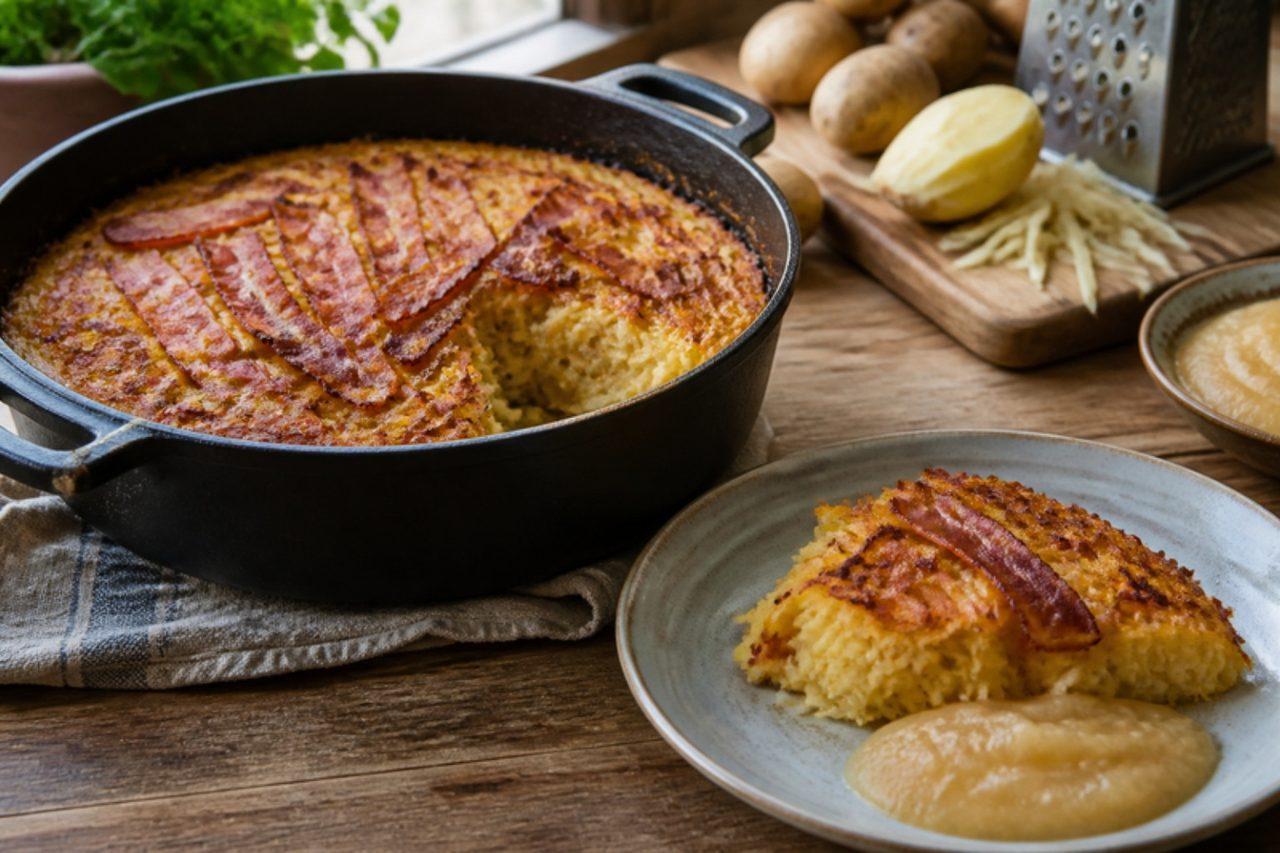
Döppekuchen (also Dippekuchen or Knüles) is the Rhineland and Westerwald answer to a cold November evening, traditionally baked on St Martin's Day and at village fairs. Raw grated potatoes, onion, egg and smoked bacon are baked slowly in a cast-iron pot, the Döppe, until the outside is a thick dark-brown crust and the inside is soft and steamy. It is eaten with apple sauce and a green salad. For a meat-free pot, bake it with extra onions and two sliced leeks instead of the bacon. Chef's tip: squeeze the grated potato really dry; the less water, the crisper the crust.

180 minGermanMeatGluten free
by KrazyBadal 0 views

Postre vigilanteCheese with quince paste

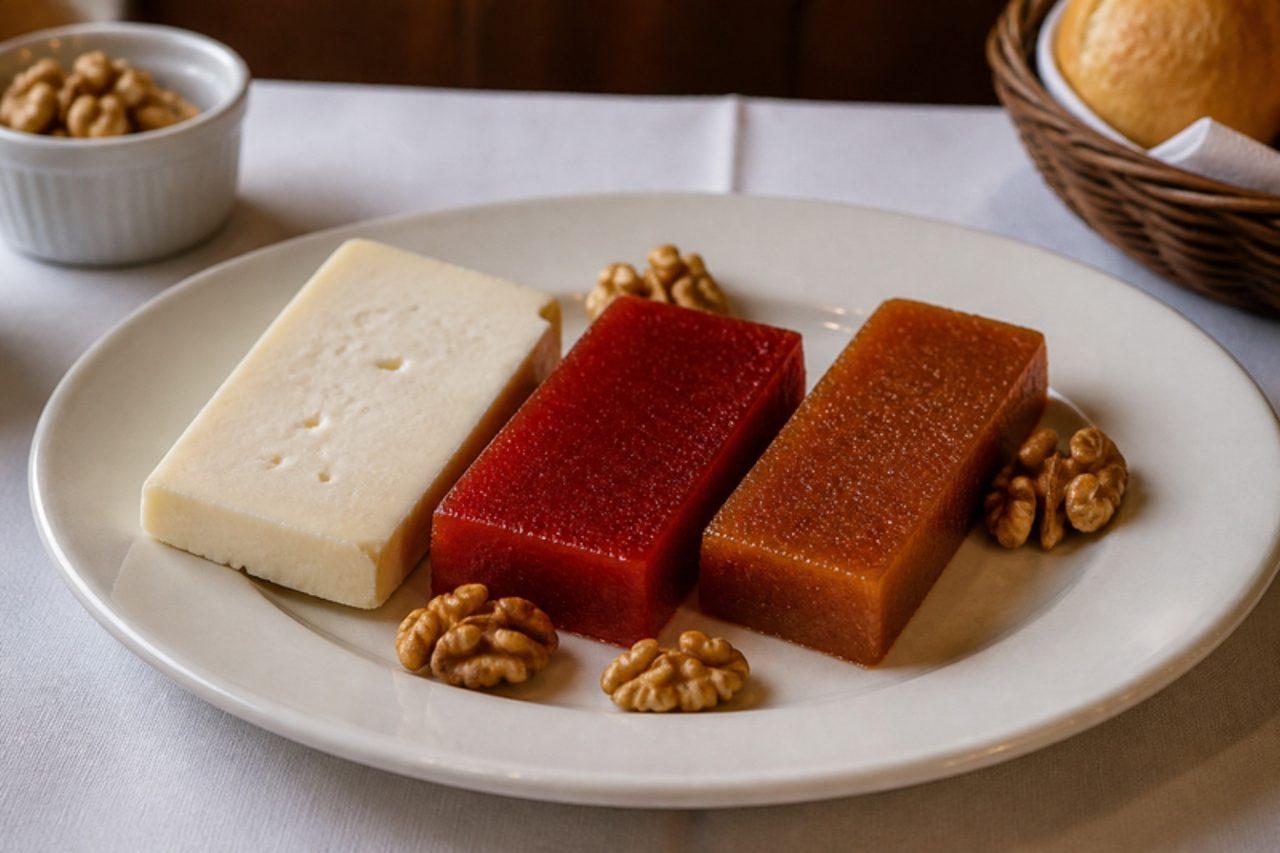
Ask for dessert in an old Buenos Aires bodegón and the waiter will rattle off flan, budín and, inevitably, vigilante: a thick slab of soft, mild cheese laid beside an equal slab of dulce de membrillo or dulce de batata. The name, "policeman", is said to come from the beat officers who ordered it as a cheap sweet in early twentieth-century cafés; Uruguayans call the same plate Martín Fierro. It is salty against sweet, creamy against firm, and takes five minutes. The traditional cheese is fresh queso cremoso or cuartirolo, or a firmer port salut; a young Havarti or mild Gouda is the best stand-in abroad. Like many soft cheeses, these are often made with animal rennet, so check the label for a vegetarian (microbial-rennet) cheese. The usual error is cutting the slabs thin like a cheese board; vigilante is about generous, equal bricks. Chef's tip: take the cheese out of the fridge 20 minutes ahead; cold cheese tastes of nothing next to the paste.

by KrazyBadal 0 views

SfougatoCourgette and cheese oven omelette

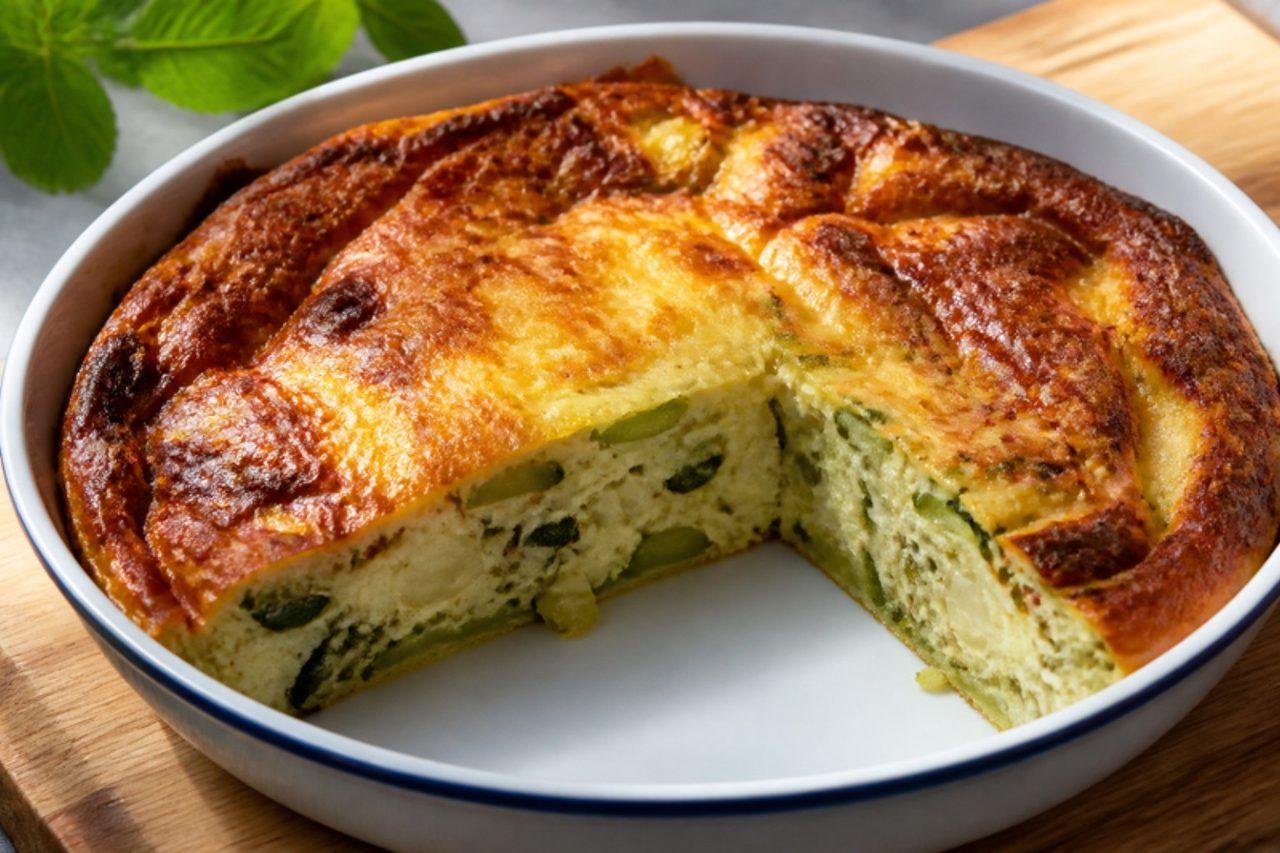
Sfougato means 'sponge', which is just how this island oven omelette looks when it comes out puffed and golden; in the Cyclades and the Dodecanese it's the summer answer to too many courgettes. Grated courgette, spring onion and mint are softened in olive oil, mixed with eggs and cheese and baked, then cut into squares for lunch with bread and tomatoes or packed for a day at the beach. Kefalotyri and feta are usually made with animal rennet, so use vegetarian versions if you need to. Common mistake: leaving the courgettes wet, which gives a watery, rubbery omelette. Chef's tip: let the softened vegetables cool for a few minutes before adding the eggs so they don't scramble at the edges.

by KrazyBadal 0 views

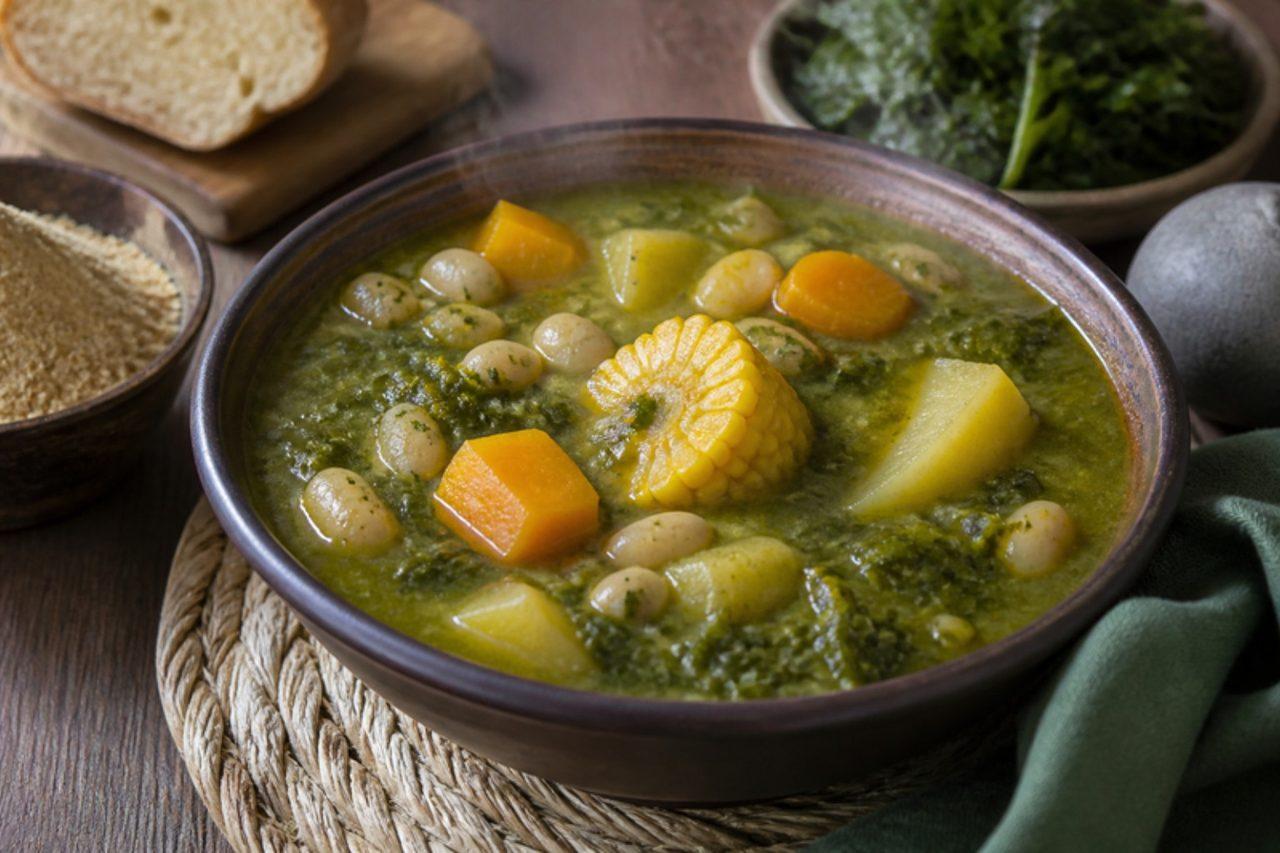
Potaje de berrosWatercress and bean stew

Watercress grows wild in the irrigation channels and ravines of Tenerife and La Palma, and in the cool months it goes into potaje de berros, a thick, green, cumin-scented stew that islanders eat by the bowlful with a spoon of gofio stirred in. It is a cheap, filling family supper, and a good one to make ahead. Pork ribs or belly often go in for flavour; this version leaves them out and is vegan, relying on garlic, cumin and paprika instead. Chef's tip: cook the watercress for most of the time, not just at the end, so it collapses into the broth and gives the stew its earthy depth.

by KrazyBadal 0 views

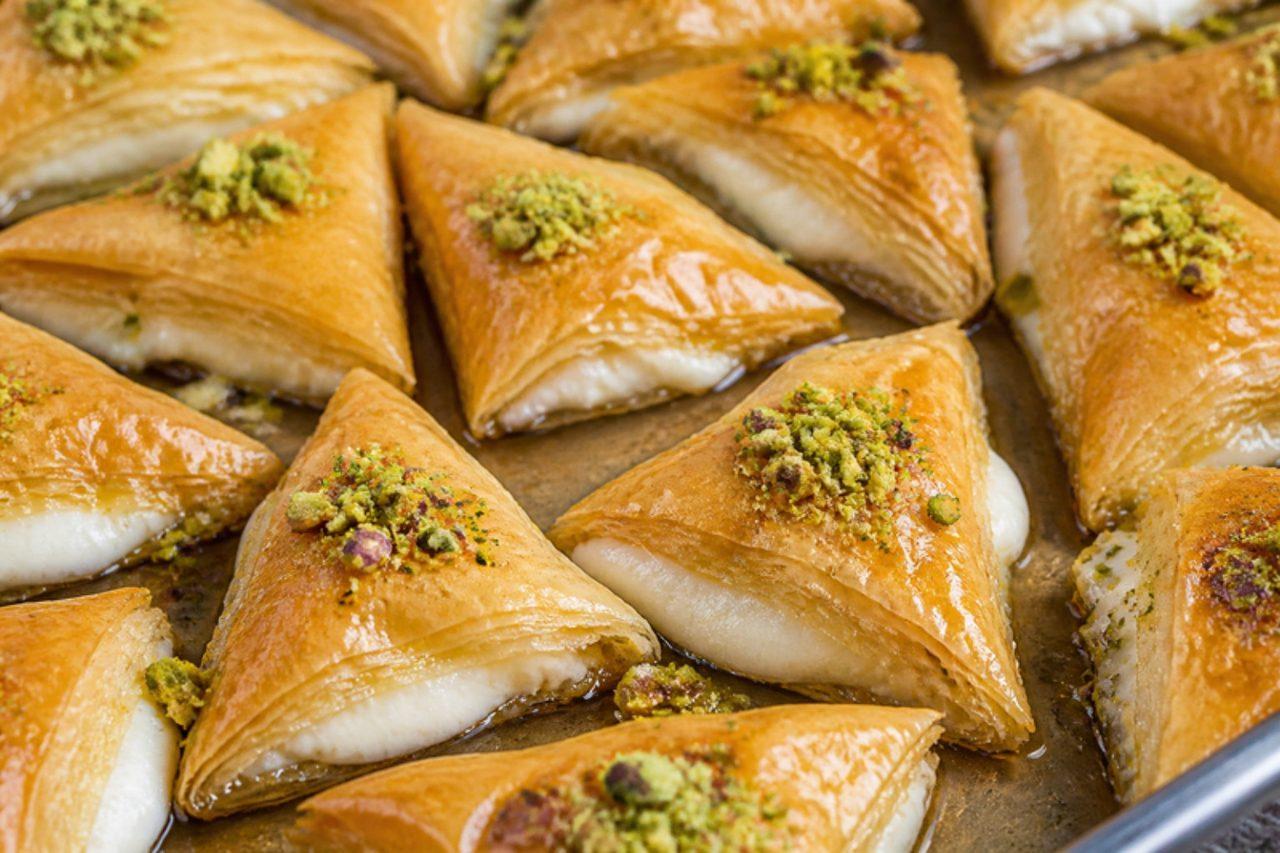
ShaabiyatCream-filled filo triangles in syrup

Shaabiyat is one of the jewels of Aleppo's pastry shops, made in huge trays for weddings and for Eid visits: buttery filo folded into triangles around a cool, thick milk cream, baked until golden and shatteringly crisp, then splashed with syrup and topped with ground pistachio. The cream stays cool and soft inside the crackling layers. Serve within a few hours of baking. Common mistake: letting the filo dry out while you work — keep the sheets under a damp tea towel. Chef's tip: syrup must be cold and the pastry hot when they meet, so it soaks in without making the layers soggy.

by KrazyBadal 0 views

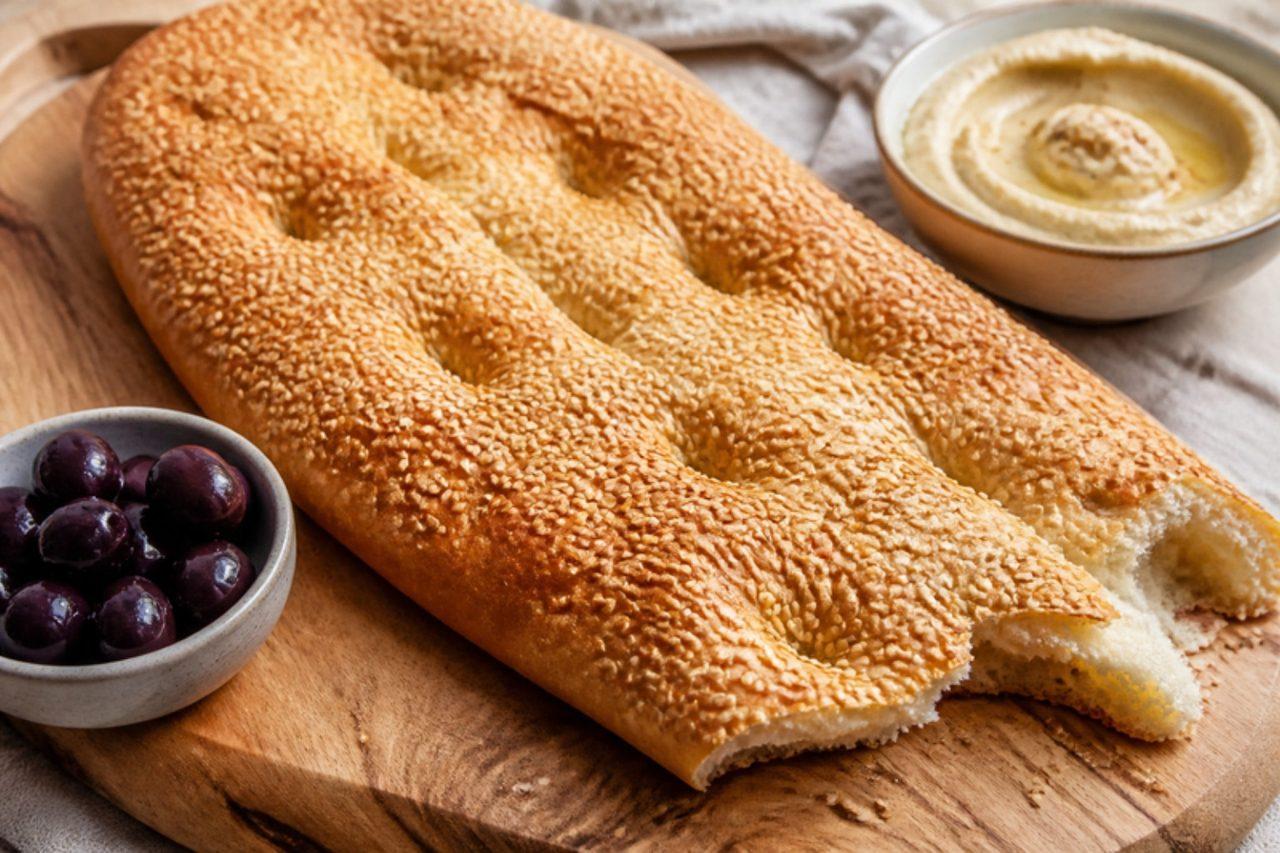
LaganaSesame flatbread

Lagana appears in Greek bakeries for a single day, Kathara Deftera (Clean Monday), when families head outdoors to fly kites and spread out a Lenten picnic of taramosalata, olives, pickles and halva. It is a long, oval, dimpled flatbread, chewy inside with a crust covered in toasted sesame, and since it is eaten on a fasting day it has no eggs, milk or butter. Common mistake: baking it on a cold tray, which gives a pale, bready base. Chef's tip: press deep dimples with oiled fingertips just before baking so the loaf stays flat instead of puffing up like a pitta.

by KrazyBadal 0 views

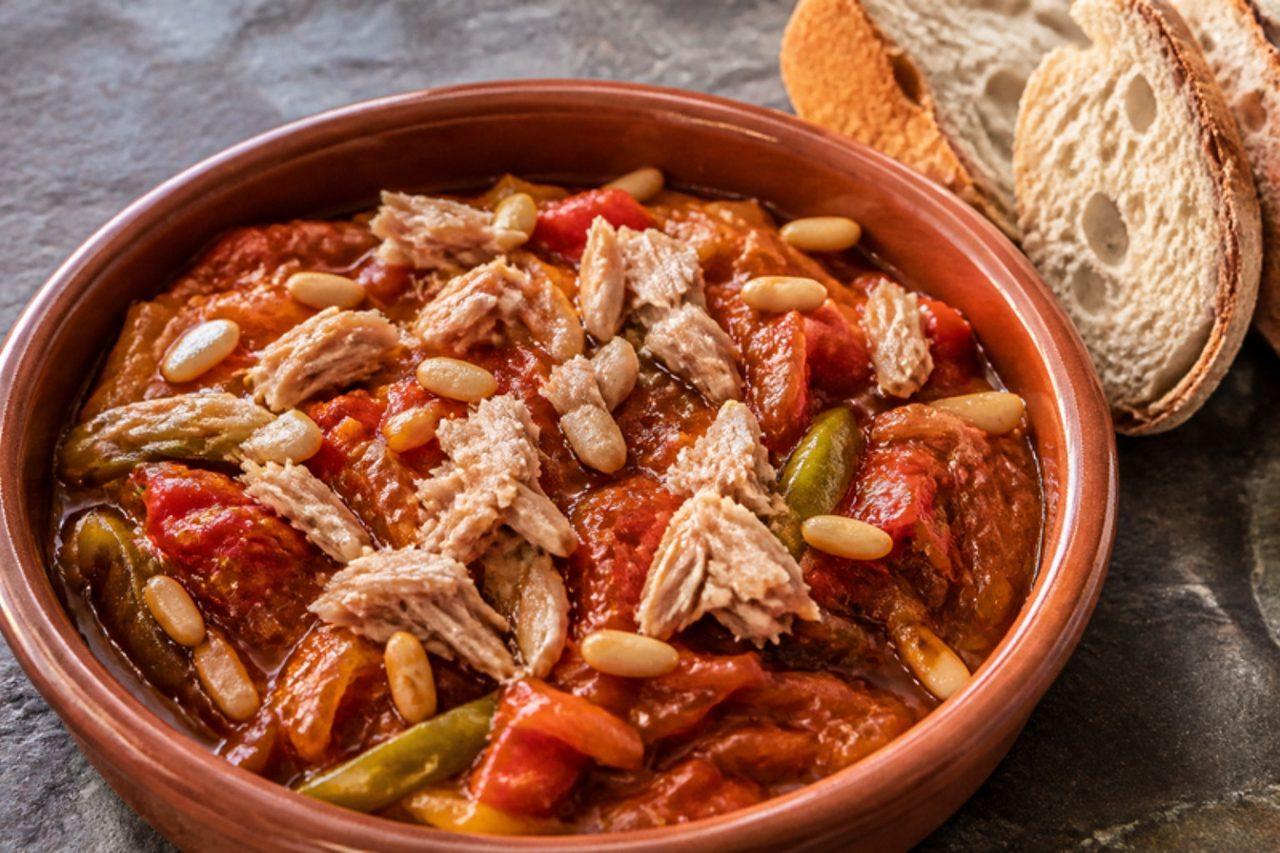
TitainaTomato, pepper and tuna stew

Titaina comes from the Cabanyal, the tiled fishermen's neighbourhood by Valencia's beach, where it is still served as a tapa in the old bars and spooned onto bread at home on summer evenings. Green peppers, onion and ripe tomatoes are cooked down in olive oil with toasted pine nuts until sweet, then mixed with tuna. Fishermen used tonyina de sorra, salt-cured tuna belly; this version uses good tinned tuna in olive oil, which is already cooked and easy to find. A common mistake is cooking it fast on a high heat: it needs a slow 40 minutes so the vegetables melt instead of fry. Chef's tip: add a pinch of sugar only if your tomatoes are sharp, and stir in the tuna at the very end so it stays in flakes.

by KrazyBadal 0 views

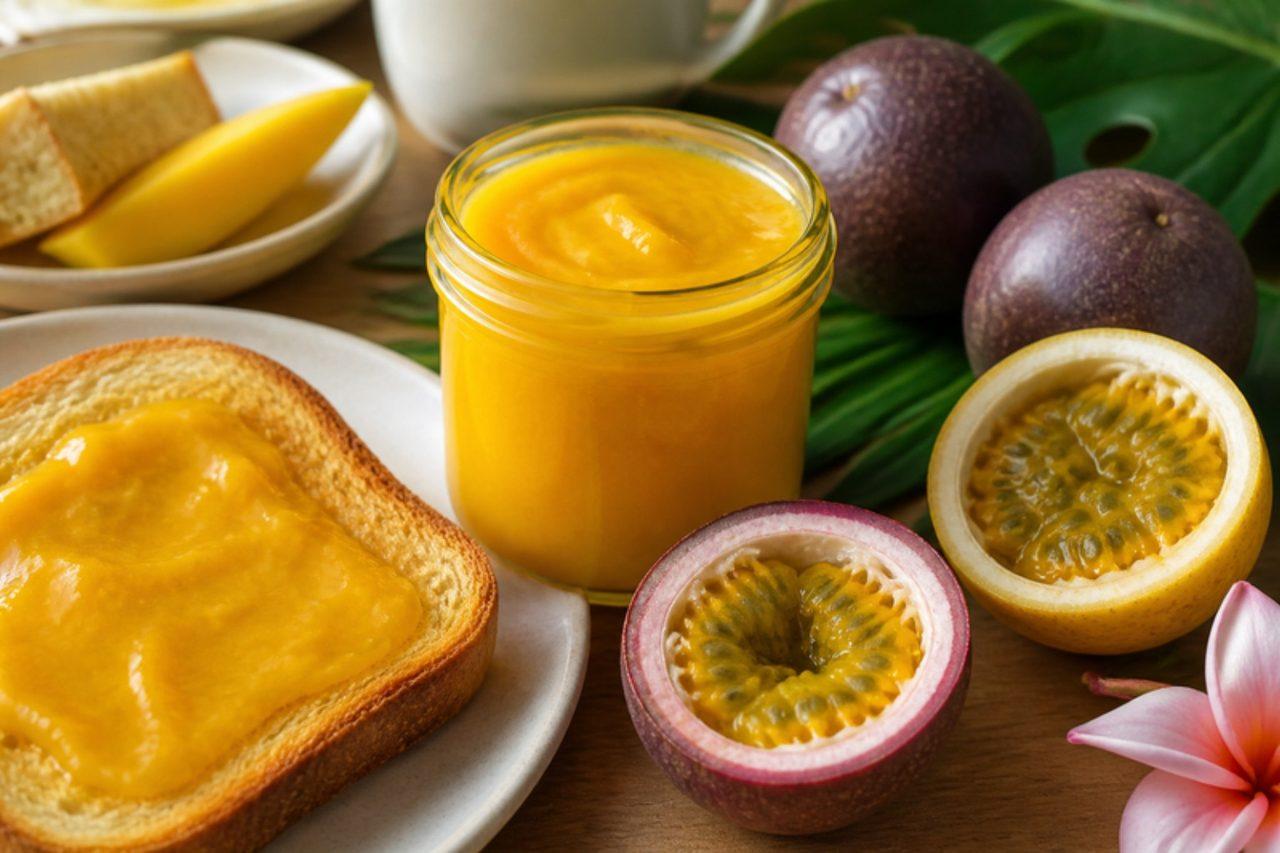
Lilikoi butterPassion fruit curd

Lilikoi is the Hawaiian name for passion fruit, which grows wild on vines all over the islands, and lilikoi butter is the tangy golden curd that farmers' markets on Maui and Kauai sell in jars. It is spread on toast, sweet bread and scones, or spooned onto shave ice and cakes. Chef's tip: keep the heat low and stir constantly; the curd is ready when it coats the back of a spoon and holds a line drawn through it with your finger.

by KrazyBadal 0 views

Shai bil maramiyaSage tea

Offer a guest tea in a Palestinian home and it will most likely come in small glasses, sweet, strong and fragrant with maramiya, the soft-leaved sage that grows on every terrace and is said to settle the stomach after a heavy meal. In winter the leaves are dried; in spring they are picked fresh. Common mistake: boiling the sage with the tea, which brings out a medicinal bitterness; it goes in after the heat is off. Chef's tip: bruise the sage leaves between your fingers before dropping them in, and let them steep only 2–3 minutes.
by KrazyBadal 0 views

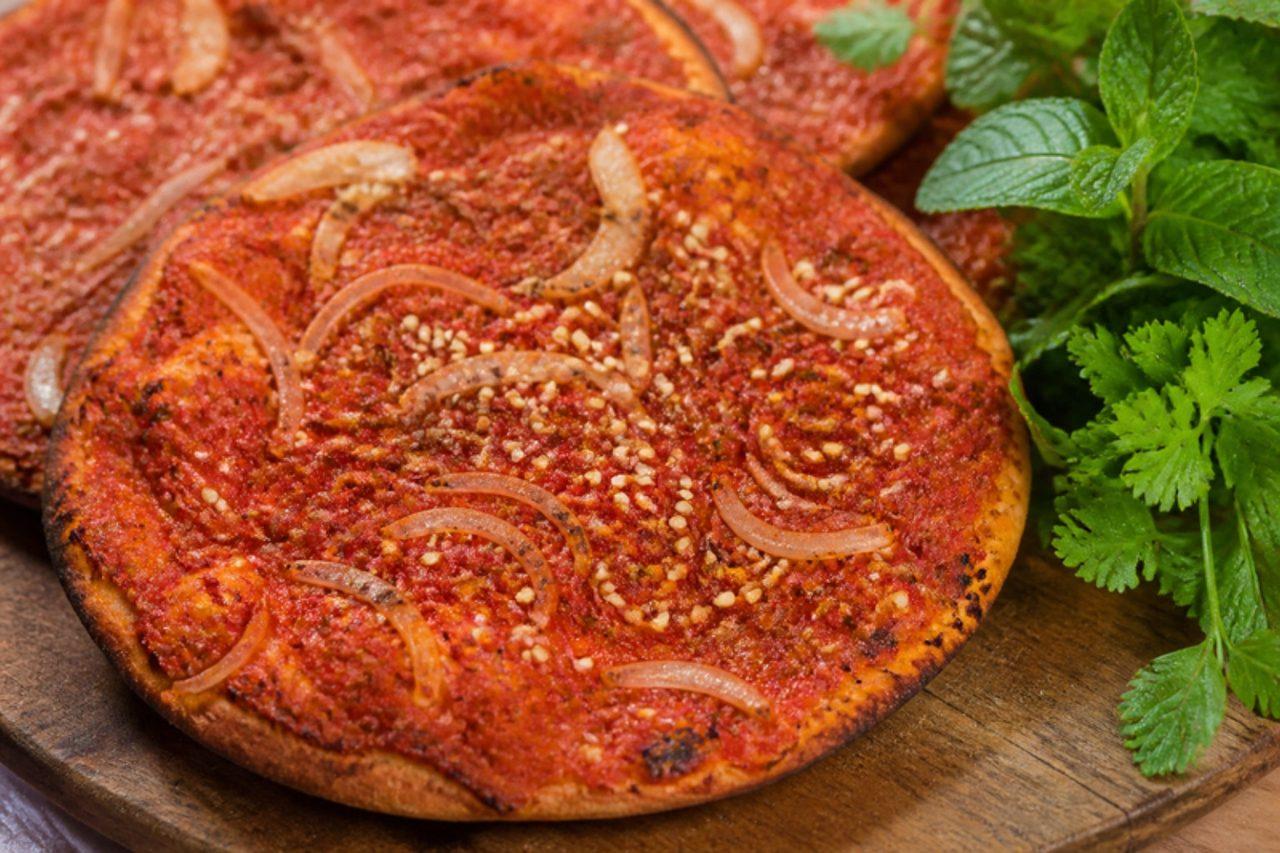
Biberli ekmekPepper paste flatbread

Antakya's neighbourhood bakeries take trays of topping from customers each morning and bake biberli ekmek in the wood oven to order: soft flatbreads smeared with a spiced paste of red pepper, onion, parsley, cumin and sesame. It is breakfast, a school snack and a picnic bread all in one, often eaten with a glass of tea and a few olives. Some families add a little crumbled cheese, but the classic is meat-free and dairy-free. Spread the topping thin; a thick layer stays raw and wet in the middle. Chef's tip: bake on the hottest preheated tray you have so the base blisters before the topping dries out.

by KrazyBadal 0 views

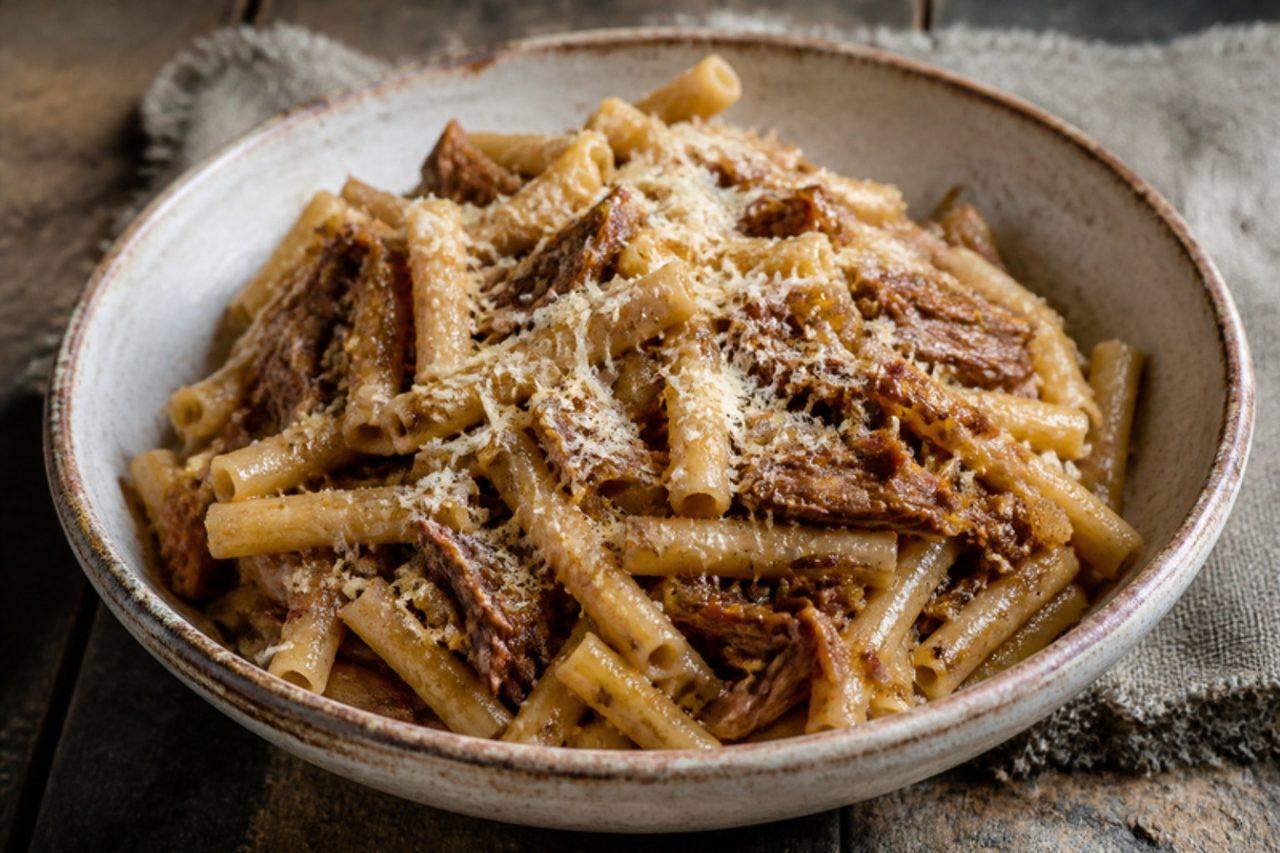
Genovese napoletanaSlow-cooked beef and onion sauce

Despite its name, the genovese is pure Naples, a Sunday lunch dish as treasured there as ragù. Kilos of onions are cooked very slowly with a piece of beef until they melt into a sweet, amber, almost jammy sauce that is tossed with long ziti broken by hand; the beef is then sliced and eaten as the second course. White wine goes in once the onions have collapsed (an alcohol-free swap is in the ingredients). A grating of parmigiano or pecorino is all it needs. Some Neapolitan cooks start it with a little pancetta (cured pork), which is optional here. Chef's tip: slice the onions thinly and evenly, and keep the heat so low that they never fry; they should stew in their own juices and the fat of the meat for hours.

by KrazyBadal 0 views

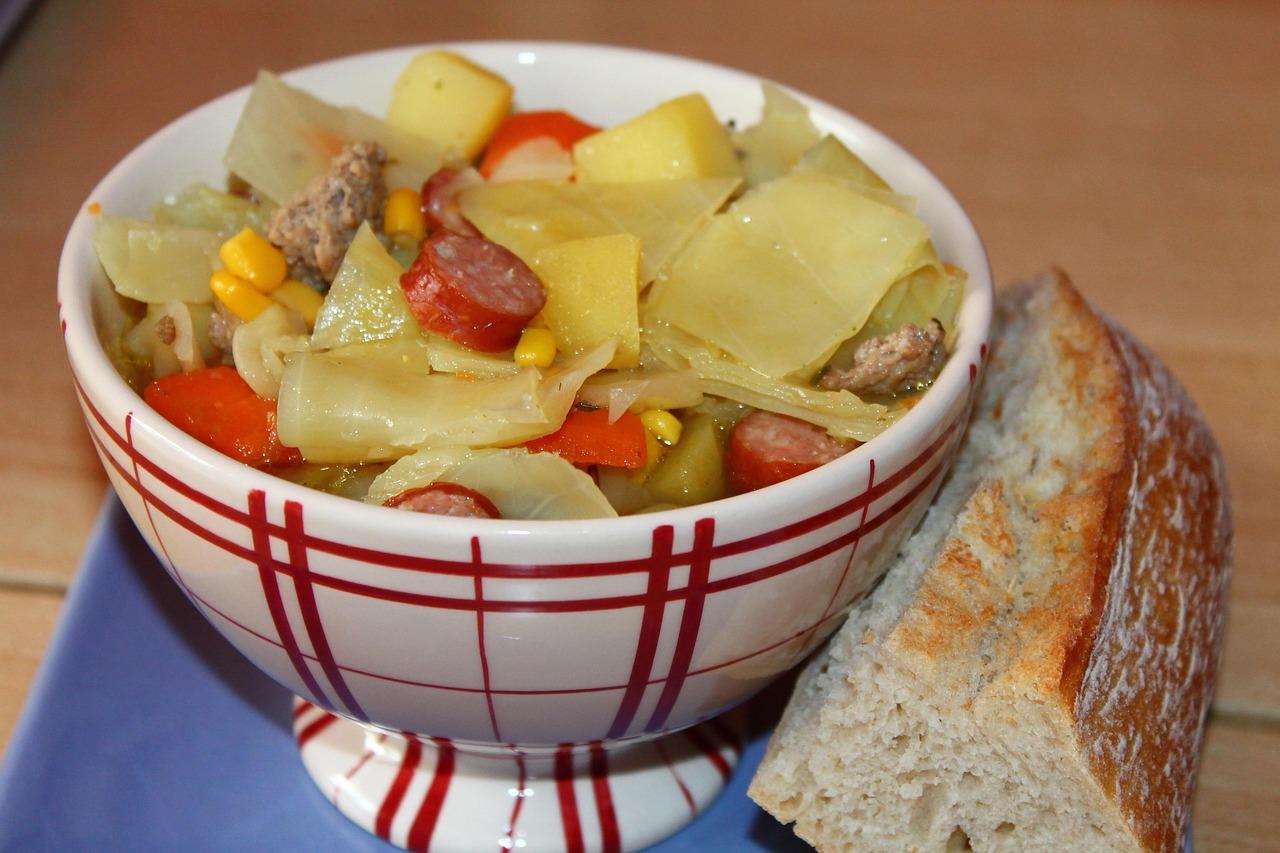
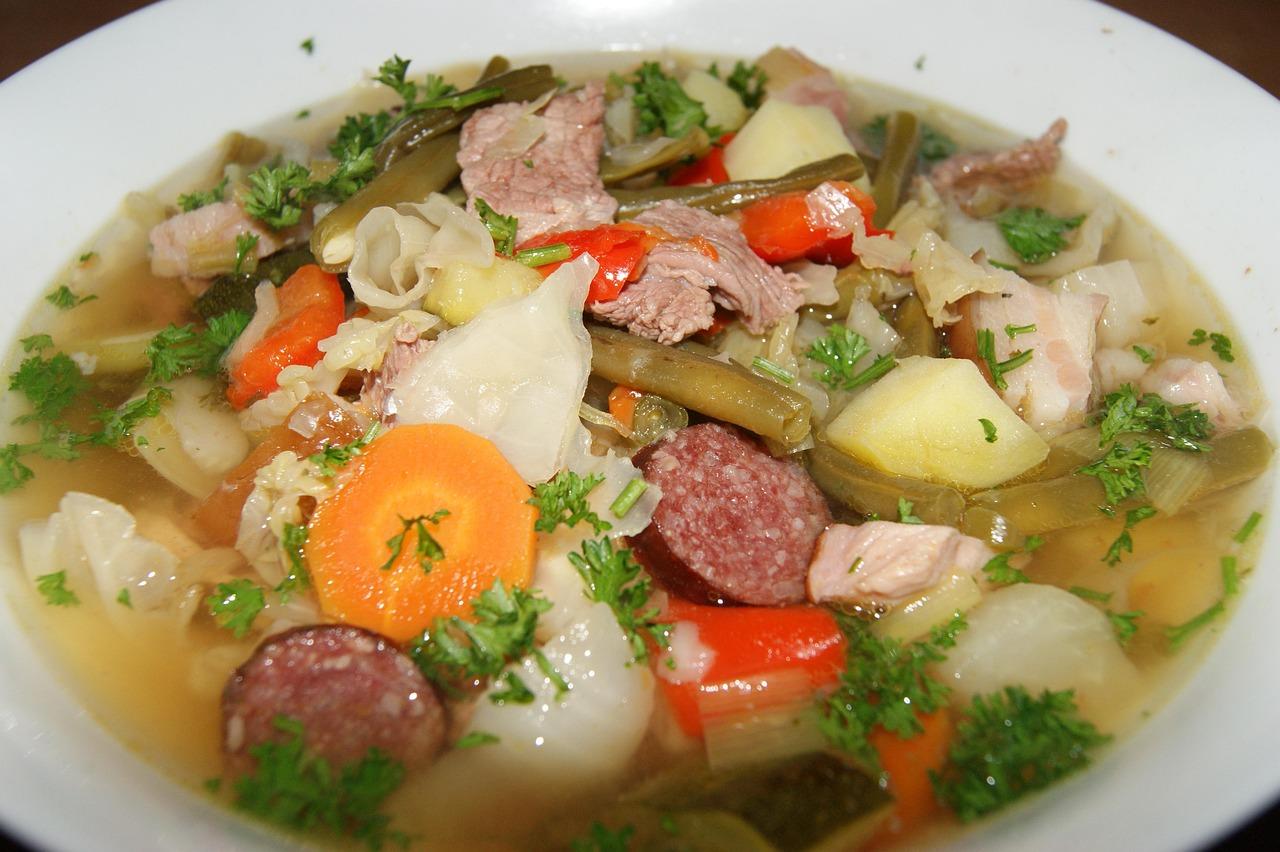
Potée auvergnatePork, cabbage and sausage pot

High in the Massif Central, potée auvergnate is what farmhouses put on the stove when the first frosts arrive: a pork dish of salt pork belly and smoked pork sausage simmered slowly with savoy cabbage, carrots, turnips and potatoes. The broth comes out clear, smoky and gently salty, and the vegetables soak up all that pork flavour while keeping their shape. In the Cantal it is served in two rounds, the broth poured over slices of toasted country bread first, then the meat and vegetables on a big platter with strong mustard and gherkins. Chef's tip: soak the salt pork first and taste the broth before you add any salt; between the belly and the sausage it rarely needs more.

180 minFrenchMeat
by KrazyBadal 0 views

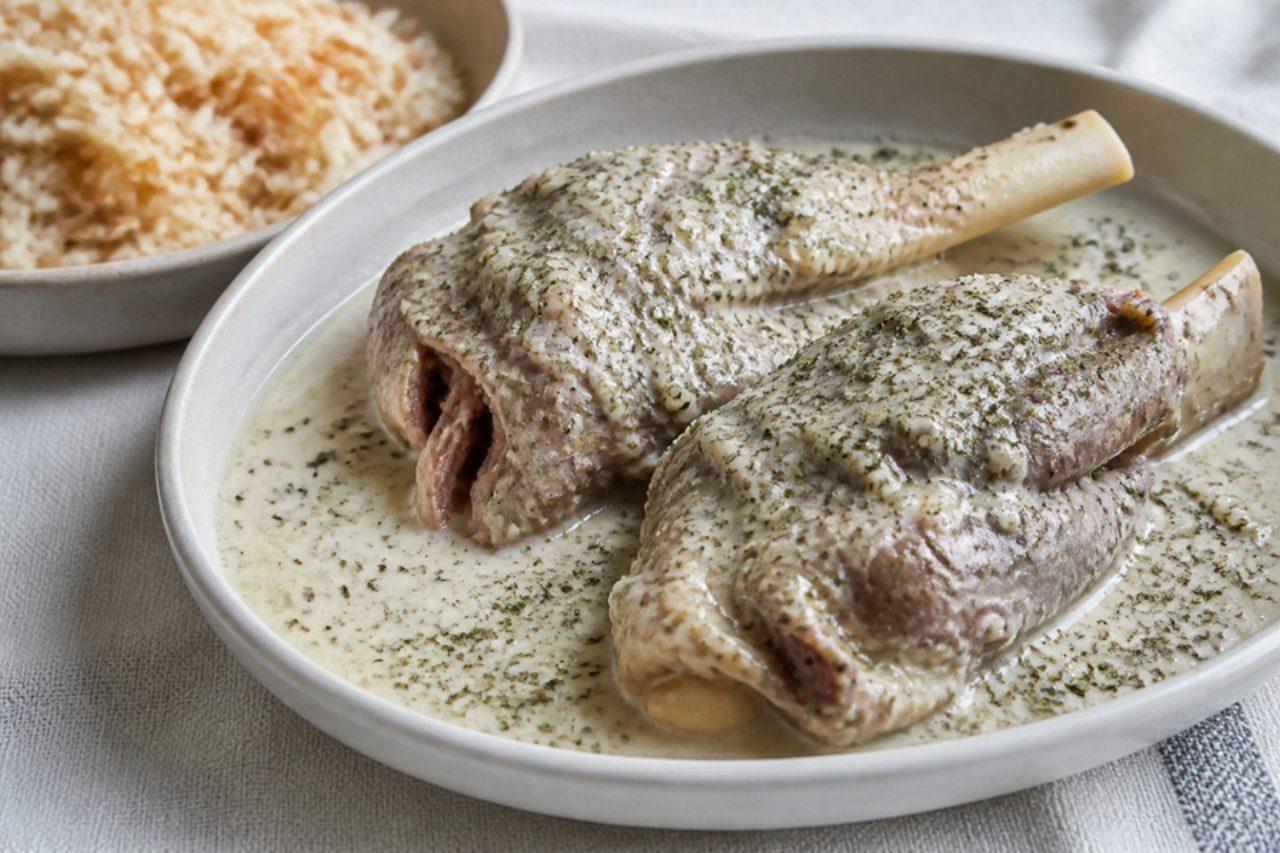
ShakriyehLamb shanks in yoghurt sauce

In Damascus, shakriyeh is festive food, cooked for Eid and for welcoming guests because its creamy white sauce is considered a sign of good luck. Lamb on the bone is simmered until tender, then finished in yoghurt that has been stabilised and cooked down into a smooth, tangy sauce with garlic and dried mint. It is spooned over vermicelli rice and eaten piping hot. Common mistake: adding yoghurt straight from the fridge into boiling stock — it splits; cook the yoghurt separately first and stir in one direction. Chef's tip: keep half a cup of the meat broth to thin the sauce at the end — it should flow like single cream.

135 minSyrianMeatGluten free
by KrazyBadal 0 views

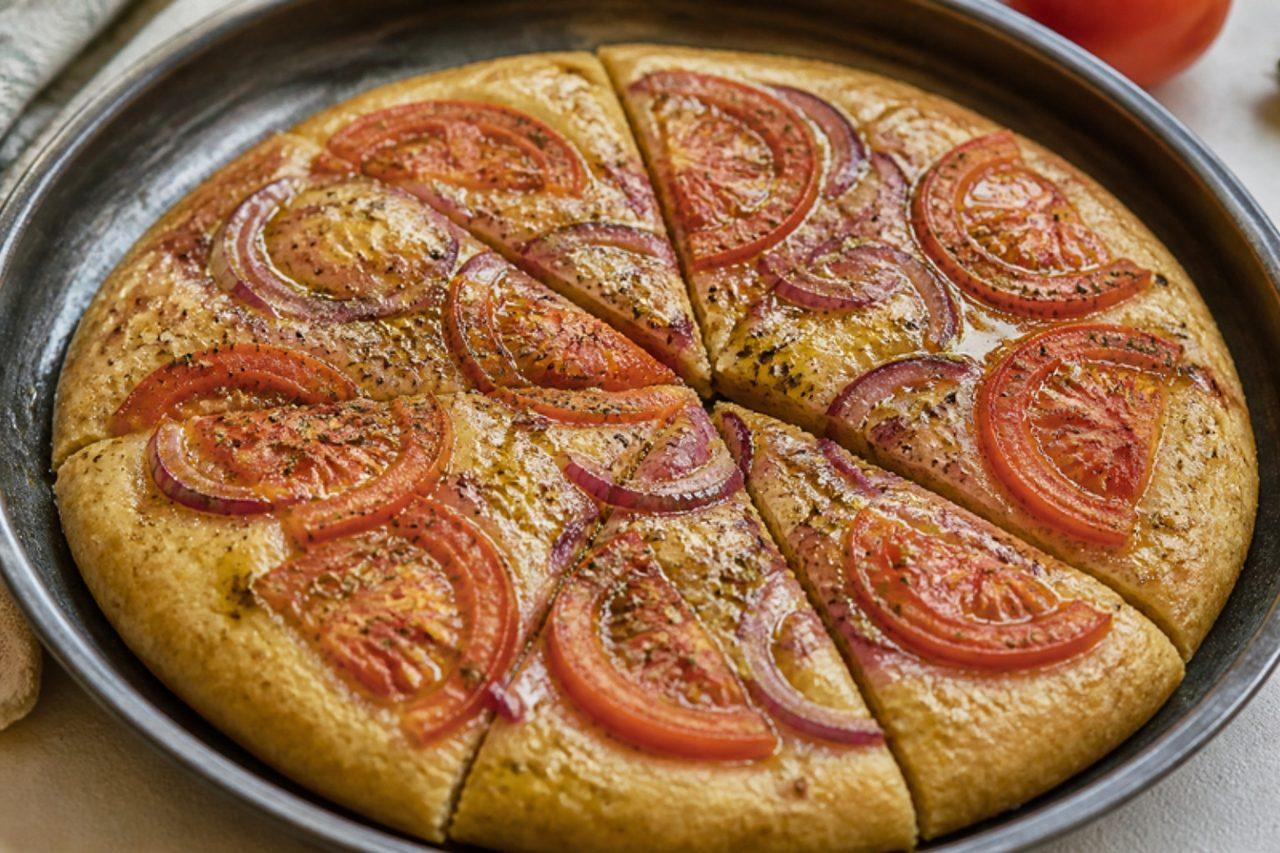
LadeniaTomato and onion olive-oil flatbread

On tiny Kimolos, a short boat ride from Milos, ladenia was the bread women baked in the village oven on bread-making day, pressing dough into a tray, covering it with tomato and onion and soaking it in olive oil. It is soft and airy inside with a crisp, oily base, a little like a focaccia, and is eaten warm or cold, cut into squares, with olives and cheese. Common mistake: piling on wet tomato, which sinks the dough; slice it thin and salt it first. Chef's tip: use your fingertips to press deep dimples into the risen dough so the oil and tomato juices pool and soak in.

by KrazyBadal 0 views

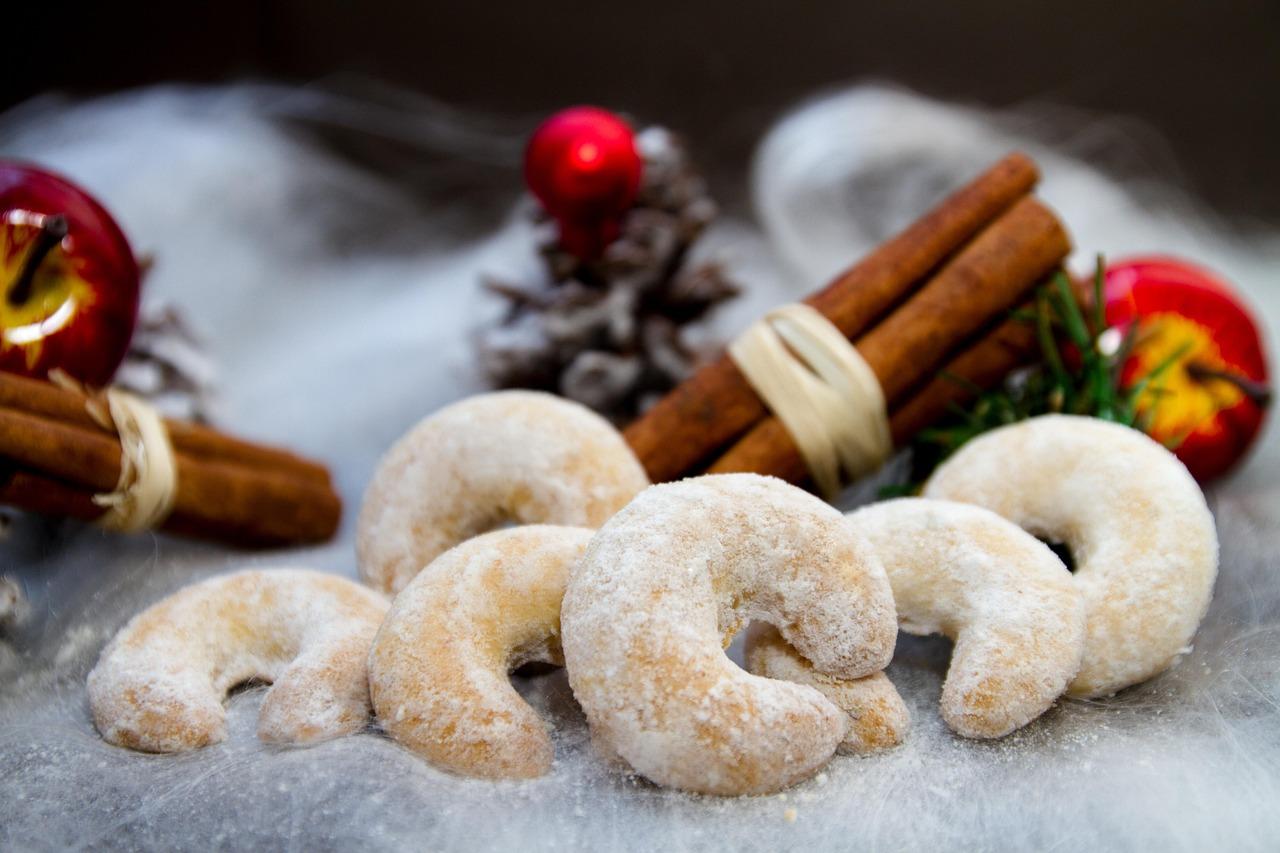
VanillekipferlVanilla almond crescents

No Austrian Christmas cookie tin is complete without Vanillekipferl, the pale little crescents that melt on the tongue; Viennese grandmothers bake them by the hundred in early December, and they are just as loved over the border in Bavaria. The dough is short and rich with butter and ground almonds, and the crescents are rolled in vanilla sugar while still warm so it sticks. The common mistake is overbaking: they should stay pale with only the tips turning golden, or they lose their tender, sandy texture. Chef's tip: chill the dough well and shape it with cool hands; warm dough cracks and the crescents spread in the oven.

by KrazyBadal 0 views

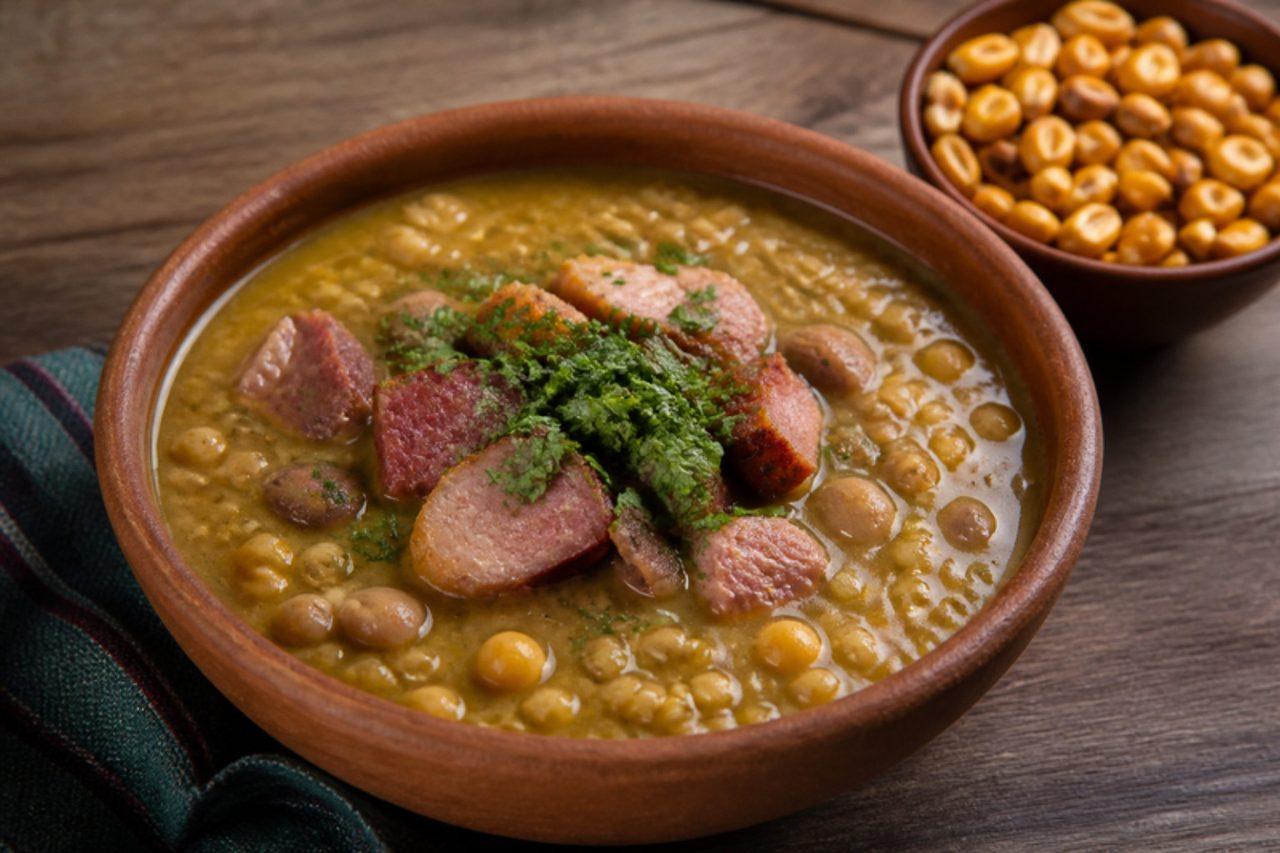
ShámbarWheat, bean and smoked pork soup

Mondays in Trujillo mean shámbar: market stalls and huariques across the city put out pots of this thick, smoky soup of cracked wheat, chickpeas, broad beans, peas and canary beans, cooked with smoked ham hock, pork ribs and pork skin, then stirred through with a fried paste of ají panca and garlic and a handful of mint. It is earthy, porky and rib-sticking, and each bowl gets a scoop of crunchy cancha just before eating. Soak the beans and the wheat overnight. People often cook everything together from the start, and the peas turn to mush before the chickpeas soften; cook the hardest pulses first. Chef's tip: toast the wheat in a dry pan before soaking it; it gives the soup a nutty depth the locals look for.

by KrazyBadal 0 views

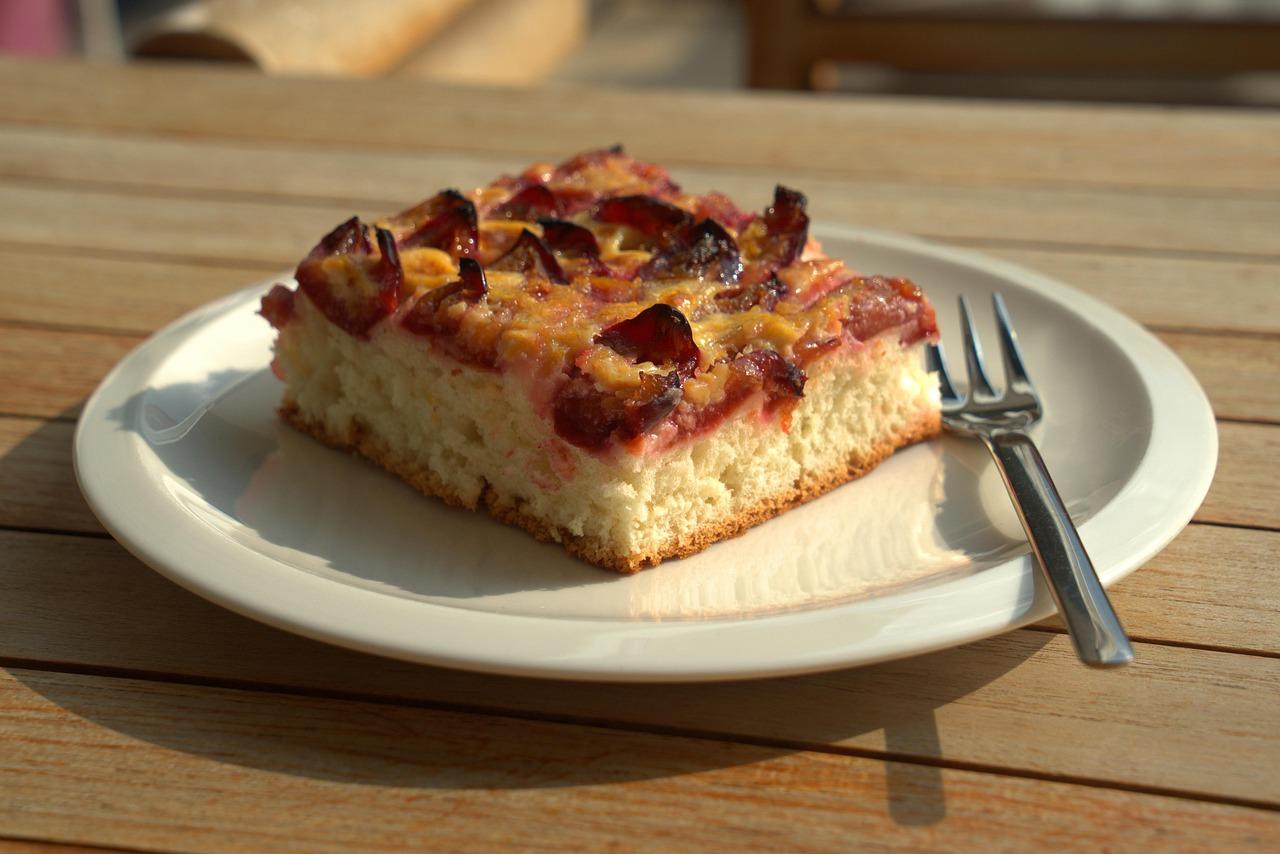
ZwetschgendatschiPlum yeast sheet cake

When the late-summer Zwetschgen (small, oval damson-type plums) arrive at the markets of Augsburg and Munich, every Bavarian and Swabian kitchen bakes a Datschi on the biggest tray it owns. A thin, soft yeast dough is covered edge to edge with plum halves stood upright in tight, overlapping rows, so the juices run and caramelise as it bakes. It is eaten in the afternoon, cut in squares, with a big spoon of whipped cream. A common mistake is using large round plums, which flood the dough with juice and leave it soggy; the firm, oval Zwetschgen hold their shape. Chef's tip: scatter a thin layer of fine breadcrumbs or ground almonds over the dough before the plums go on to catch the juice.

115 minGermanBaking
by KrazyBadal 0 views

Potée lorraineSmoked pork and white bean pot

In Lorraine farmhouses around Nancy and the Vosges foothills, the potée simmered on the stove through winter and fed the household after a cold morning outside. It is a pork dish through and through: smoked pork shoulder, smoked belly and a garlic sausage gently poached with a whole green cabbage, carrots, turnips, leeks and white beans until the broth is smoky and the vegetables melt. The broth is ladled out first, sometimes over toasted bread, and the meat and vegetables follow with mustard and gherkins. Chef's tip: blanch the cabbage for five minutes before adding it to the pot, which takes away its sulphurous edge and keeps the broth sweet.

180 minFrenchMeat
by KrazyBadal 0 views

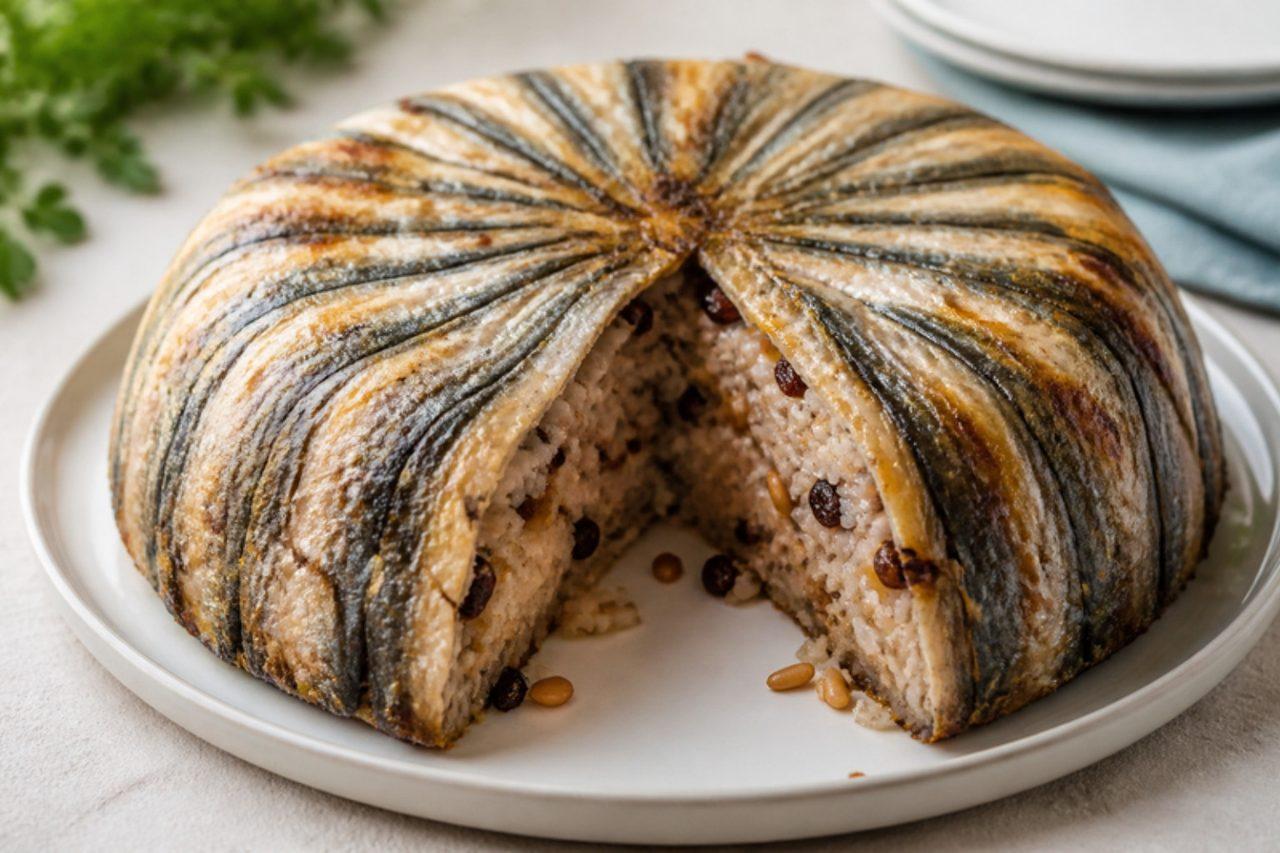
Hamsili pilavAnchovy-wrapped rice bake

Hamsili pilav is the showpiece of a Trabzon or Rize winter table: a dome of rice cooked with currants, pine nuts, allspice and dill, packed into a tin lined with butterflied anchovies, more fish laid over the top, and baked until the skins turn crisp. Turned out and cut like a cake, it shows silver fish outside and fragrant rice within, and families make it for guests and New Year gatherings. Serve with a sharp salad and lemon. Common mistake: fully cooking the rice before baking, which turns it mushy; it should still have a bite when it goes into the tin. Bake until the fish is opaque and flakes. Chef's tip: lay the anchovies skin side down against the tin, overlapping like roof tiles, so no rice escapes.

100 minTurkishFishGluten free
by KrazyBadal 0 views

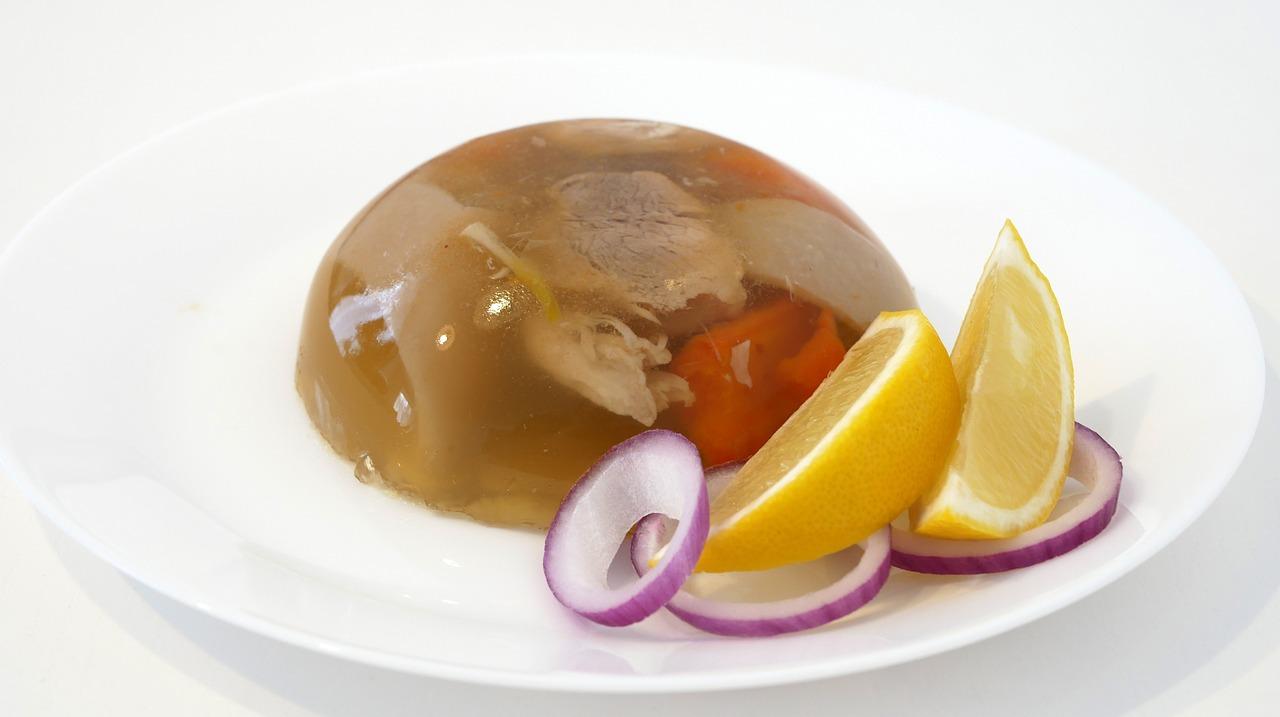
PotjevleeschJellied chicken, rabbit, pork and veal

Potjevleesch, Flemish for "little pot of meat", comes from French Flanders around Dunkirk, Bergues and Hazebrouck, where it fills the cold cabinets of every friterie and estaminet. Chunks of chicken, rabbit, pork and veal are layered with onion, garlic and herbs, covered with white wine and a little vinegar and baked slowly in a covered terrine; the juices are then set with gelatine so the meat is held in a clear, tangy jelly. It is eaten cold, sliced, with hot chips and a green salad, a contrast that the Nord loves. It contains pork and uses white wine; the notes give an alcohol-free option. If rabbit is hard to find, use more chicken thighs. Chef's tip: slice it straight from the fridge with a hot knife, so the jelly cuts cleanly.

930 minFrenchMeatGluten free
by KrazyBadal 0 views

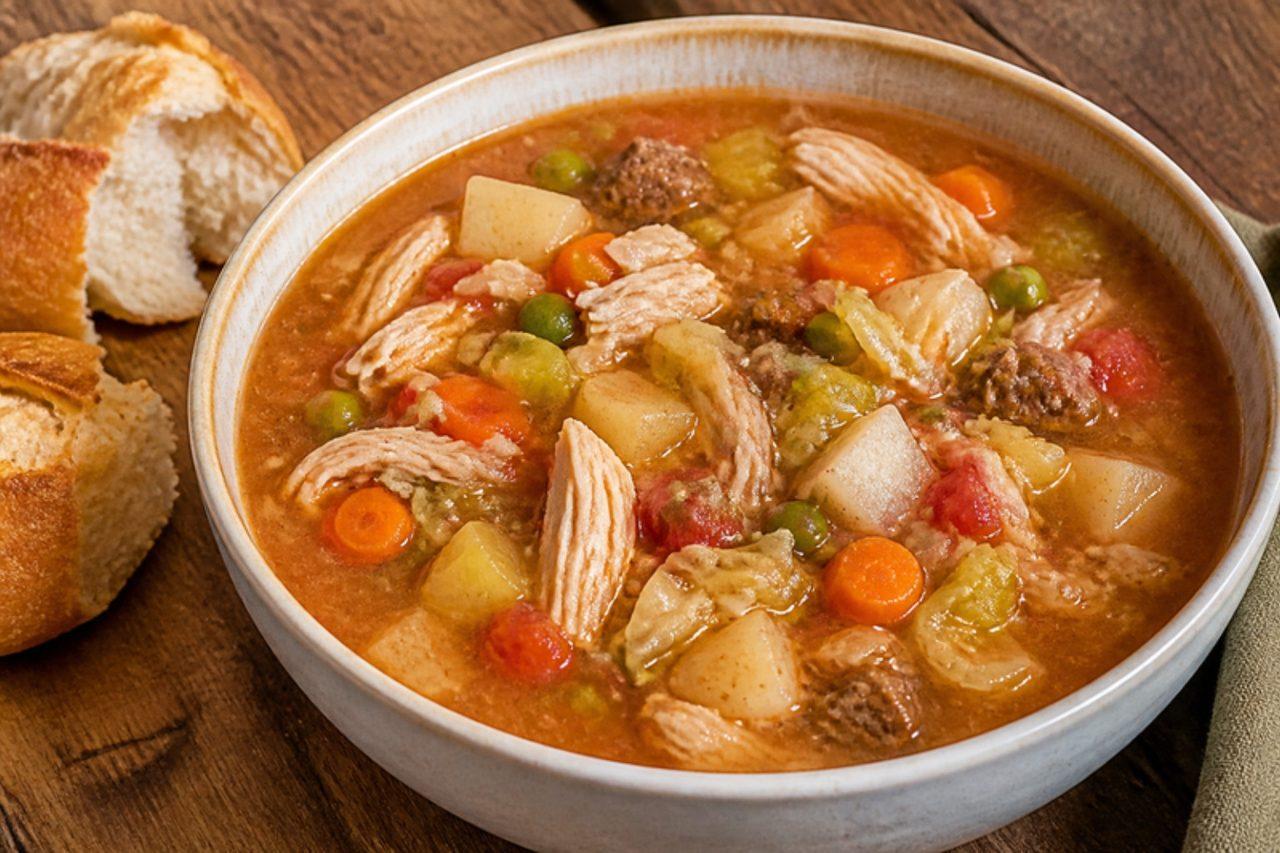
Green Bay chicken booyahChicken and vegetable stew

Booyah is the great community stew of north-east Wisconsin, brought by Belgian and French-Canadian settlers around Green Bay; church picnics and fire stations cook it in huge kettles over wood fires all day and sell it by the quart at fall festivals and Packers tailgates. It is a thick, peppery stew of chicken, a little beef and lots of vegetables, cooked until the chicken falls apart. Chef's tip: cook it long and slow and stir it often; a good booyah is thick enough that the spoon nearly stands up.

by KrazyBadal 0 views

TopfenknödelQuark dumplings in buttery crumbs

Topfenknödel belong to the long Austrian tradition of sweet main courses: in Viennese homes and Lower Austrian inns they are often served as a light Friday lunch, or as dessert after soup. Fresh quark, butter, egg and semolina make a dough that cooks into soft, tangy, almost cheesecake-like dumplings, which are rolled in breadcrumbs toasted in butter with cinnamon sugar and served with a warm fruit compote. A common mistake is boiling them hard; they puff, crack and fall apart, so keep the water just shivering. Most quark is made without animal rennet, but check the label and choose one marked vegetarian. Chef's tip: rest the dough for at least 30 minutes so the semolina can swell; it makes the dumplings hold together.

by KrazyBadal 0 views

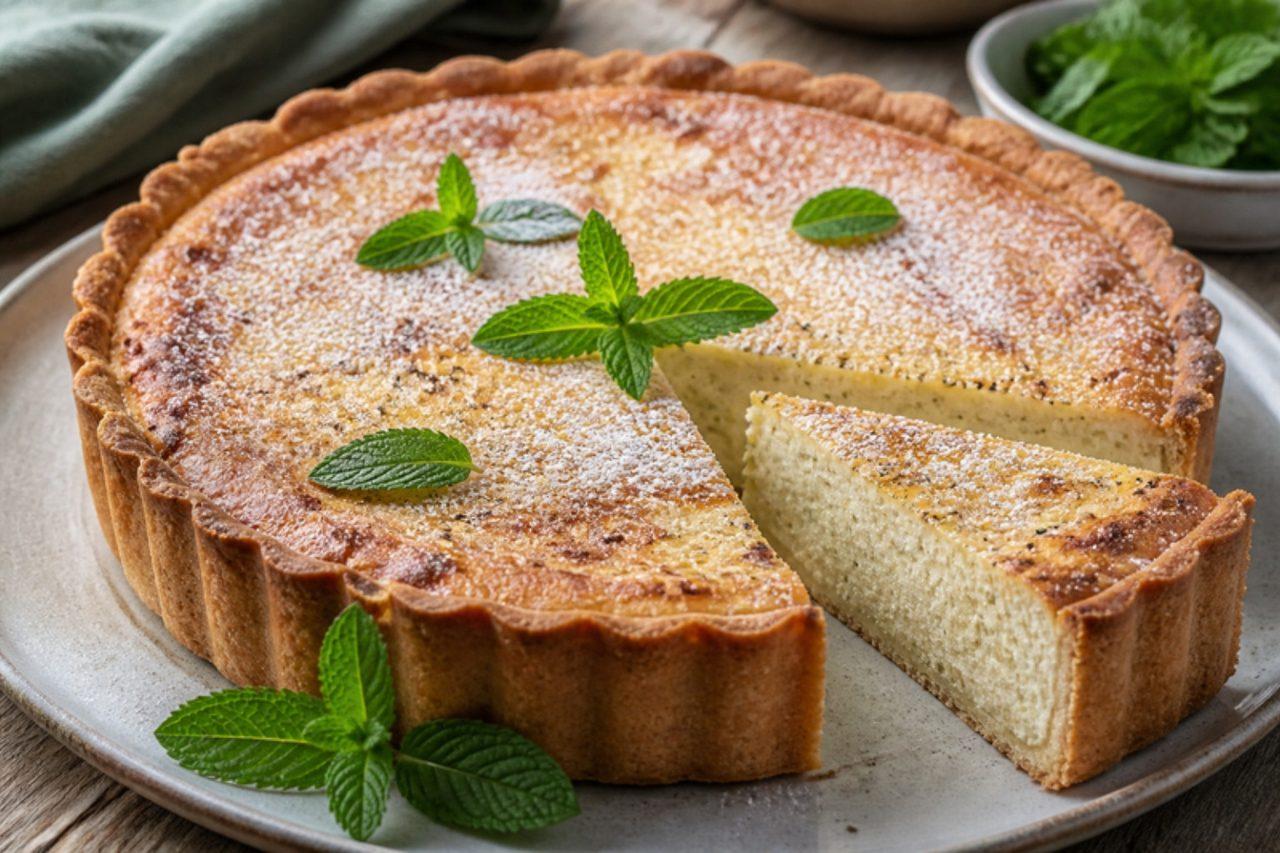
FlaóFresh cheese and mint pie

Flaó is what Ibiza and Formentera bake for Easter Sunday: a shallow pie whose filling of fresh sheep's or goat's cheese, eggs and sugar is perfumed with spearmint (hierbabuena), set in a crust flavoured with anise. Families still take theirs to the village baker to be fired, and it appears on café counters in Sant Antoni and Eivissa town through spring. Traditional island fresh cheese is made with animal rennet; look for a vegetarian fresh goat's cheese or use ricotta made with a vegetarian coagulant. Many cooks add a splash of anise liqueur to the dough; this version uses crushed anise seed and water, so it has no alcohol. Chef's tip: tear the mint leaves rather than chop them, and press half into the filling and lay half on top, so every bite gets it.

by KrazyBadal 0 views

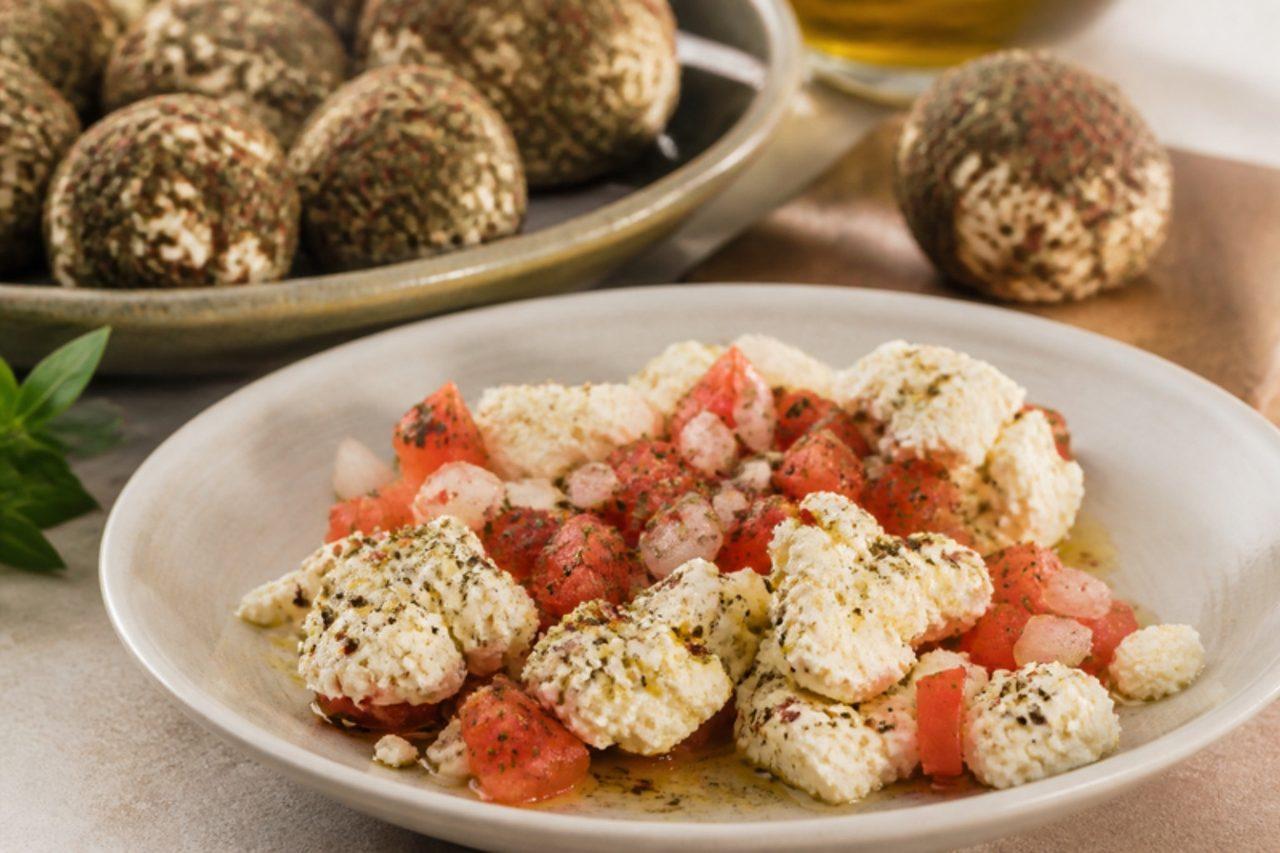
ShanklishAged yoghurt cheese balls

Up in the mountain villages of northern Lebanon and around Tartus on the Syrian coast, families once made shanklish at the end of summer to keep milk through the winter. This home version starts from strained yoghurt (labneh), seasoned and dried into firm balls, then coated in za'atar and Aleppo pepper for a tangy, crumbly cheese with a herby crust. Crumble it over chopped tomato and onion, drown it in olive oil and eat it with bread for breakfast or as mezze. Because it is made from labneh rather than rennet cheese, it is fully vegetarian. Common mistake: rolling the balls while the labneh is still soft; it must be firm enough to hold a thumbprint. Chef's tip: dry the balls uncovered in the fridge for two extra days if you like a sharper, more crumbly cheese.

by KrazyBadal 0 views

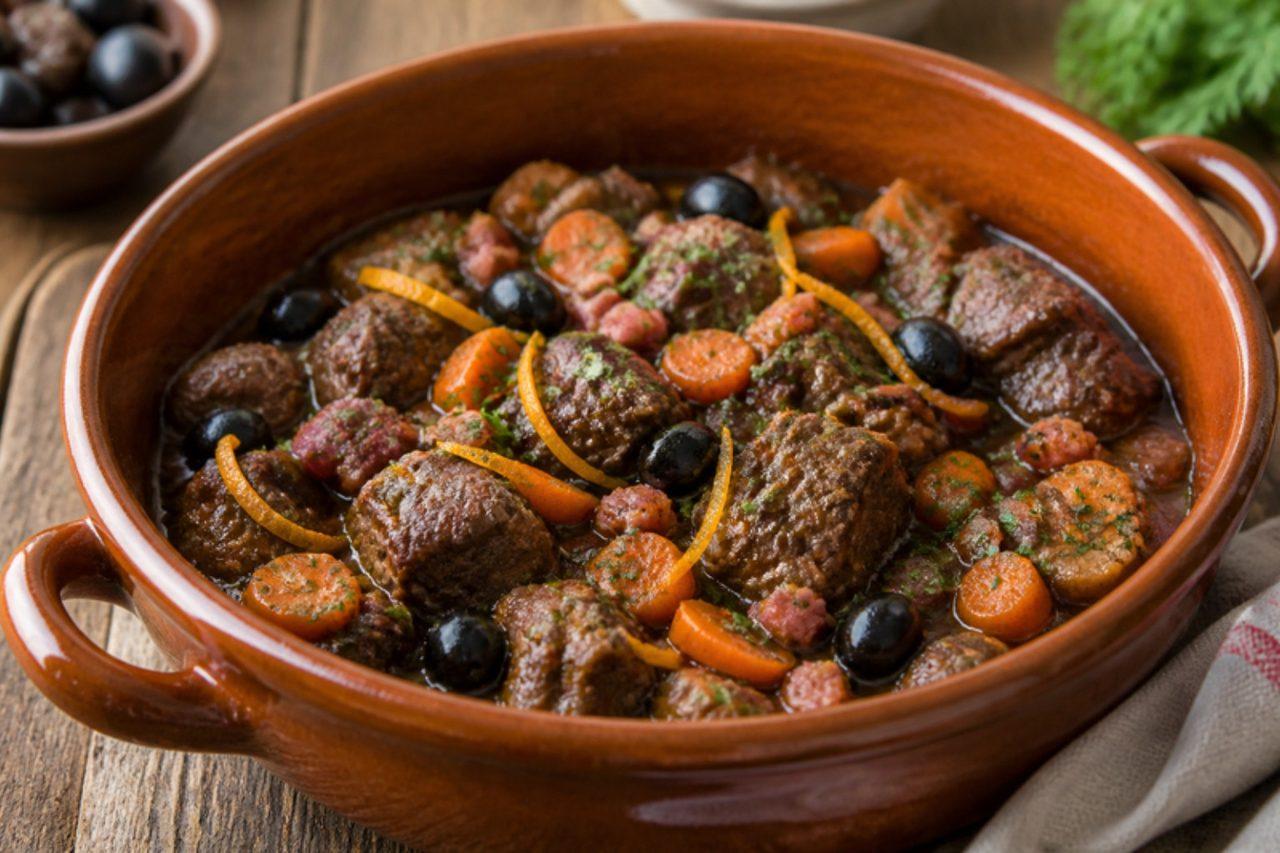
Daube provençaleRed wine beef stew with olives

In Provence the daube is the Sunday and winter-feast dish, traditionally simmered all morning in a pot-bellied clay daubière at the edge of the fire. Chunks of beef are marinated overnight in the fridge with red wine, garlic, herbs and a strip of orange peel, then braised slowly with black olives until the sauce turns dark, glossy and fragrant with citrus. It uses red wine, and the ingredient note gives an alcohol-free version; the optional smoked lardons make it a pork dish too. In Avignon and Nice the leftover sauce dresses macaroni (the macaronade), but polenta or plain boiled potatoes are just as good. Chef's tip: make it a day ahead; it tastes even better reheated, and the fat is easy to lift off once cold.

250 minFrenchMeatGluten free
by KrazyBadal 0 views

Sharbat-e albalooSour cherry syrup drink

In early summer, when sour cherries arrive from the orchards around Karaj and Mashhad, families make a big batch of sharbat-e albaloo, the deep ruby syrup that is mixed with iced water for guests through the hot months. It is sweet, sharp and very refreshing, and the cooked cherries left over are not wasted: they go into albaloo polo, the cherry rice. A splash of the syrup also goes over shaved ice or yogurt. Chef's tip: stop cooking as soon as the syrup coats a spoon thinly; overcooked syrup loses its fresh cherry flavour and tastes of jam.

by KrazyBadal 0 views

Sharbat-e beh limooQuince and lime syrup drink

Quince and lime syrup is an old-fashioned Persian cooler, the drink grandmothers in Isfahan and Tehran bring out on hot afternoons, said to settle the stomach and cool the body. Grated quince simmered in syrup turns from cream to a soft rosy amber and gives a floral, almost honeyed scent; fresh lime juice cuts through the sweetness. Diluted with iced water, it is lovely after a heavy meal of rice and stew. Chef's tip: cook the grated quince gently for the full time; the colour only turns pink after long, slow simmering.

by KrazyBadal 0 views

Sharbat-e khakshirIced rosewater drink with seeds

Khakshir are the tiny reddish seeds of flixweed, and in Yazd, Kashan and across the hot centre of Iran a glass of khakshir sharbat is what people drink on scorching summer afternoons and to break the fast on long Ramadan days. The seeds swell slightly and float through sweet iced water perfumed with rosewater, giving a gentle crunch; some add a squeeze of lime or a little sour cherry syrup. Find khakshir at Iranian grocers. Chef's tip: rinse the seeds in several changes of water and pour off anything that floats; dust and grit come away with it.

by KrazyBadal 0 views

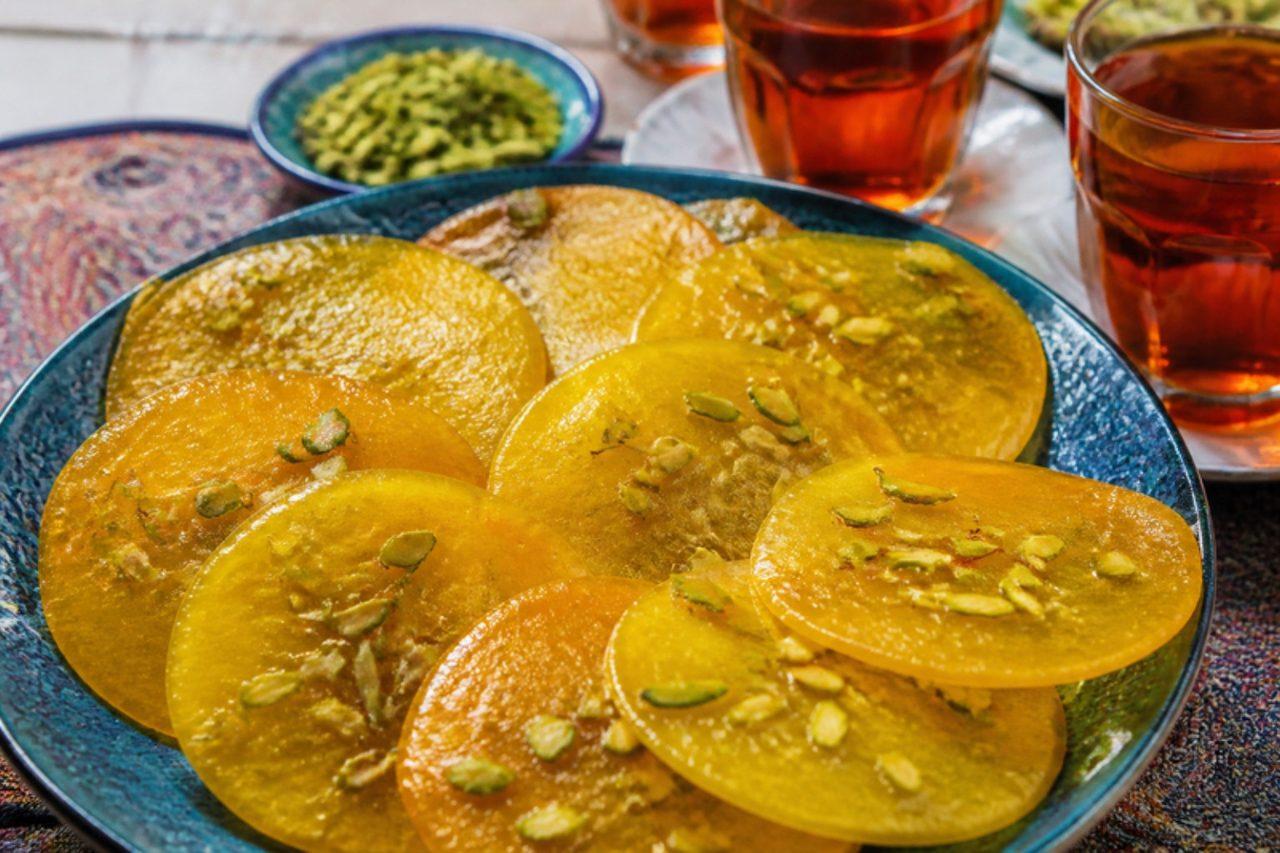
PoulakiThin saffron sugar candy

Poulaki are the paper-thin golden sugar coins sold by weight in Isfahan's sweet shops, meant to be held between the teeth while you sip strong black tea. The name comes from 'poul', the old word for coin, and Isfahanis serve them with tea to guests at any hour, flavoured with saffron, cardamom or sesame. Only sugar, a little vinegar and spice are needed, but timing matters. A common mistake is pouring the drops too big: they should spread no wider than 4 cm or they stay chewy in the middle. Chef's tip: work on a cold, lightly oiled marble or steel tray, which sets the coins in seconds and keeps them glassy.

by KrazyBadal 0 views

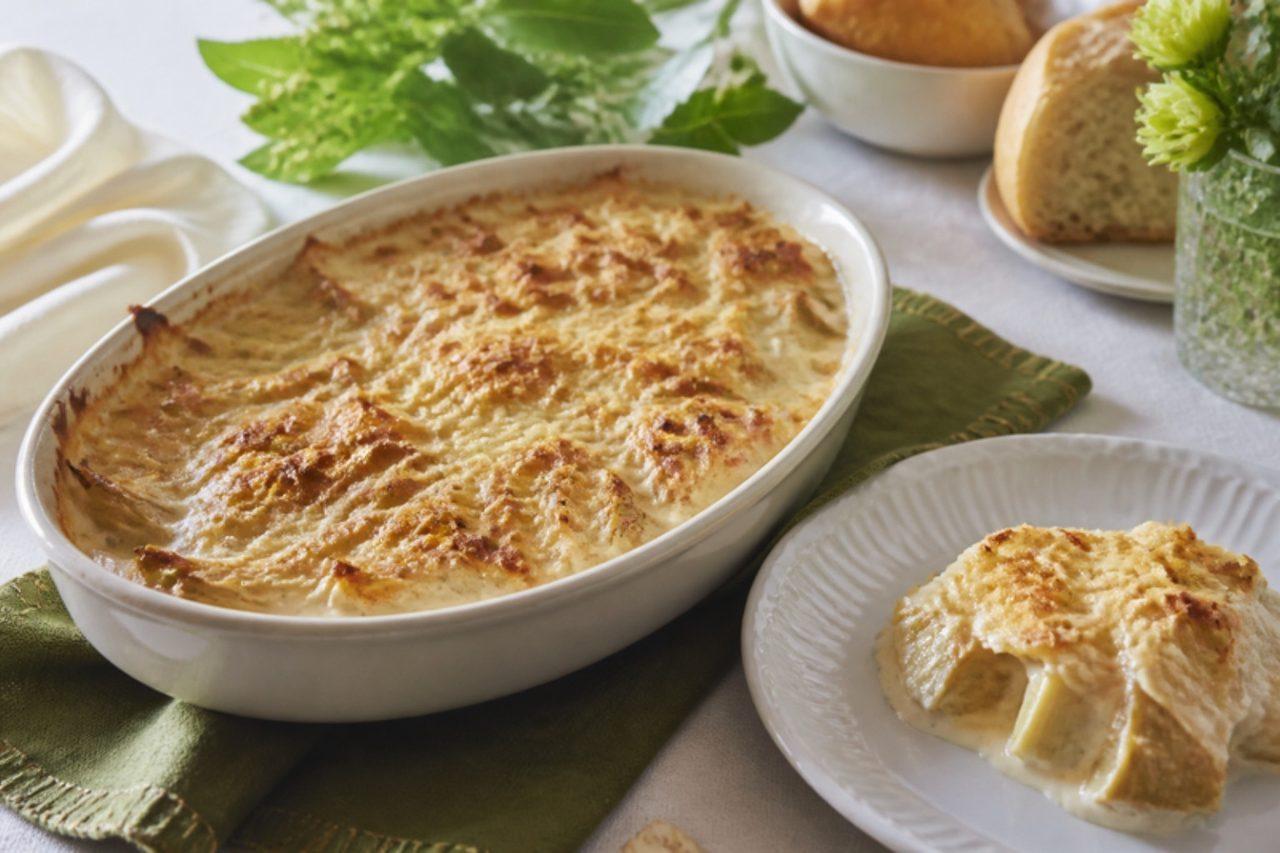
Gratin de cardonsCardoon gratin

Cardoons, the tall silvery cousin of the artichoke, are a Christmas vegetable in Lyon and the Dauphiné; market stalls on the Quai Saint-Antoine sell them in December, and the gratin goes on the table at the réveillon dinner. The stalks taste gently of artichoke and celery and turn meltingly soft under a nutmeg béchamel. Lyon cooks often add bone marrow; this version leaves it out and uses vegetable stock in the sauce. Gruyère is usually made with animal rennet, so choose a vegetarian alternative if needed. If you cannot find cardoons, celery hearts work, though they cook faster. Chef's tip: drop each peeled stalk straight into lemon water; cardoons blacken within minutes in the air.

105 minFrenchSides
by KrazyBadal 0 views

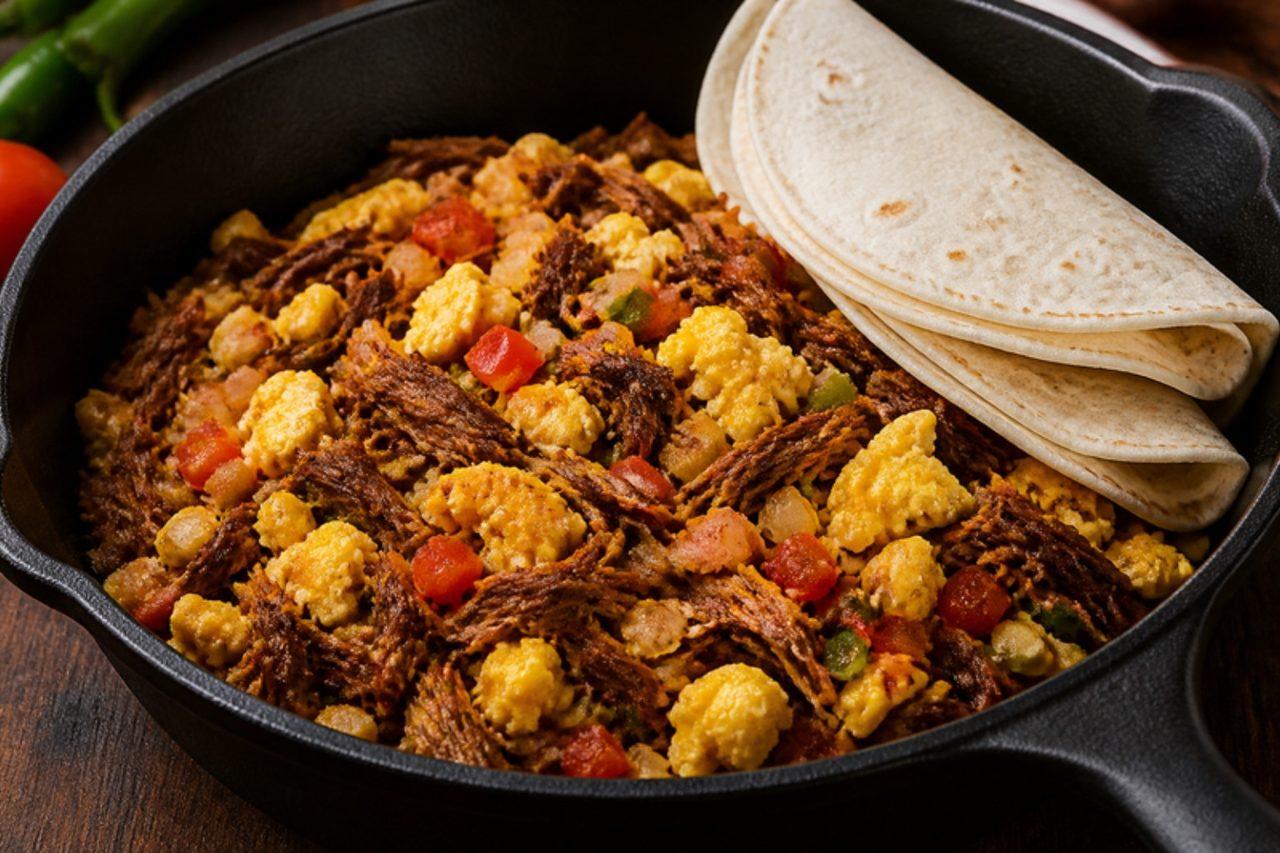
Machaca con huevoDried beef scrambled with egg

Monterrey and Sonora both claim machaca, the dried, pounded beef that once let ranchers carry meat across the desert. At breakfast it is fried with onion, tomato and green chilli, then scrambled with eggs and rolled into soft flour tortillas, and it turns up in every lonchería and roadside café in the north. The beef is savoury, salty and chewy against the soft egg. Proper machaca is hard to find outside Mexico; shredded leftover roast beef or brisket, dried out in the pan until crisp, makes a good substitute, as does unsweetened beef jerky pounded into shreds. Chef's tip: fry the machaca on its own first until the edges crackle, which brings back the toasty flavour before anything wet goes in.

by KrazyBadal 0 views

Showing 81 of 7,888 recipes

Show more recipes

Page 500 of 877