


Skip to content
Jallab
Featured recipe

Jallab

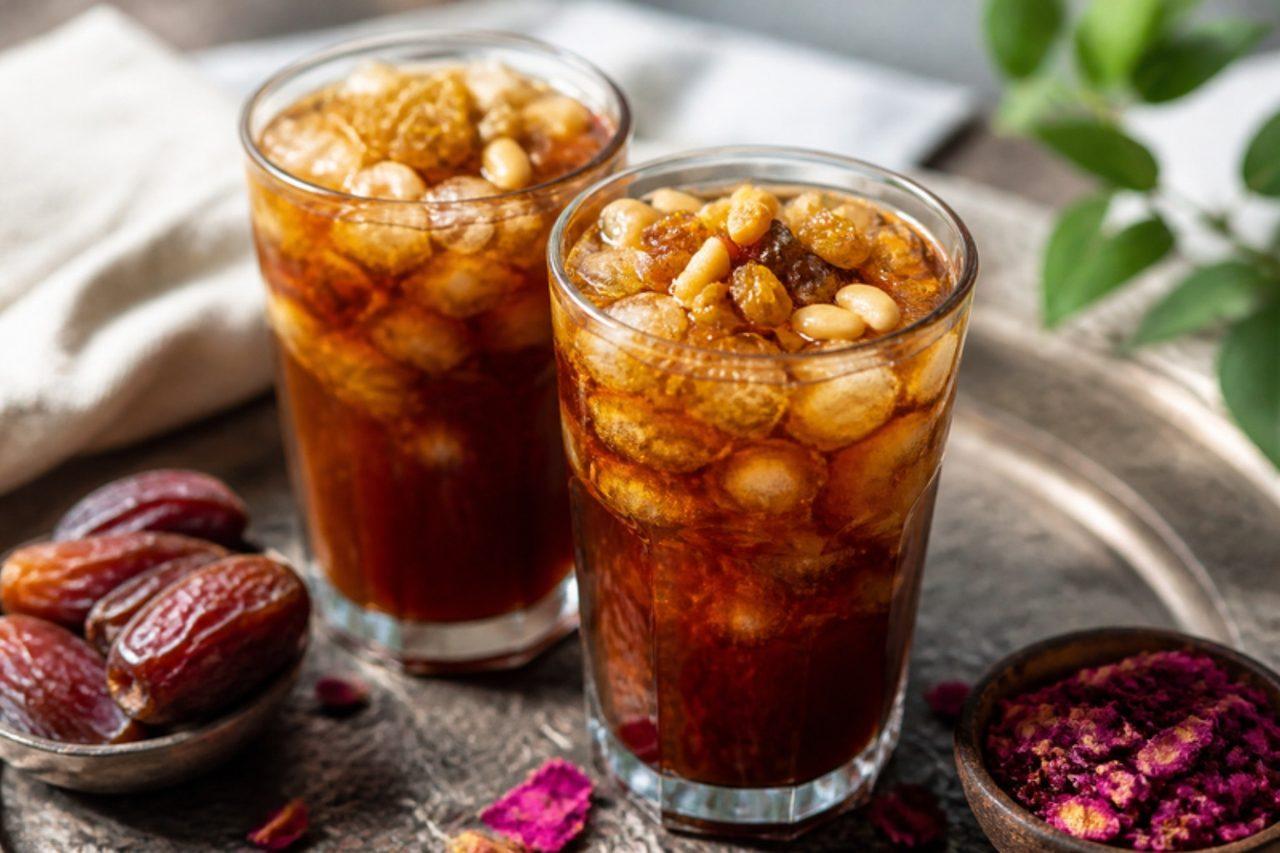
Date and grape molasses drink

During Ramadan in Beirut and Sidon, street sellers ladle jallab from big glass jars at sunset, and families keep a bottle of the dark syrup in the fridge all summer. Made from date and grape molasses with a hint of rose water, it tastes of caramel and dried fruit, and it is served over crushed ice with a spoon for the pine nuts and golden raisins floating on top. Bottled jallab gets its smoky edge from incense smoke; this home version skips that and is made straight from the two molasses. Chef's tip: soak the raisins in the drink for five minutes before serving so they plump up and sink less.

Read more 0 views

What to eat today?

Around the world

Today's trip: Persian

A new country every day, from every cuisine on the site.

This week's collection

Kid-friendly dinners
702 recipes · a new collection every Monday

Coming up

All occasions →

Latest recipes

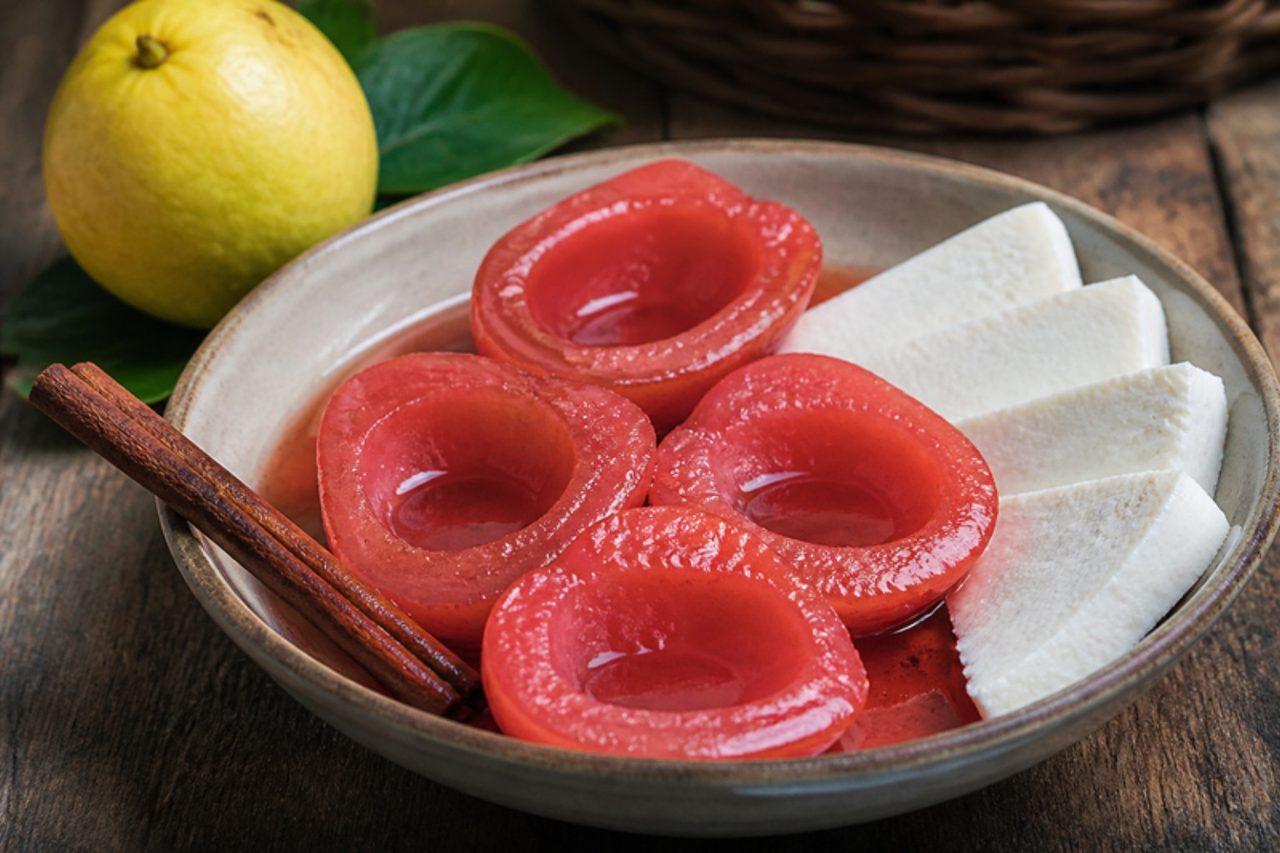
Cascos de guayaba con quesoGuava shells with white cheese

On Cuban tables from Havana to Pinar del Río, the most loved dessert is also one of the simplest: guava halves, scooped of their seeds and simmered in syrup until glossy and tender, served beside a slab of salty white cheese. The sweet, perfumed fruit and the sharp cheese balance each other perfectly. Cooks often overcook the shells until they fall apart; they should still hold their cup shape. Queso blanco and cream cheese are usually made with animal rennet or microbial enzymes depending on the maker, so check the label and choose a vegetarian one if needed. Chef's tip: simmer the scooped-out seeds and pulp in a little water, sieve them and add that purée to the syrup, which gives it a deep pink colour and real guava flavour.

by KrazyBadal 0 views

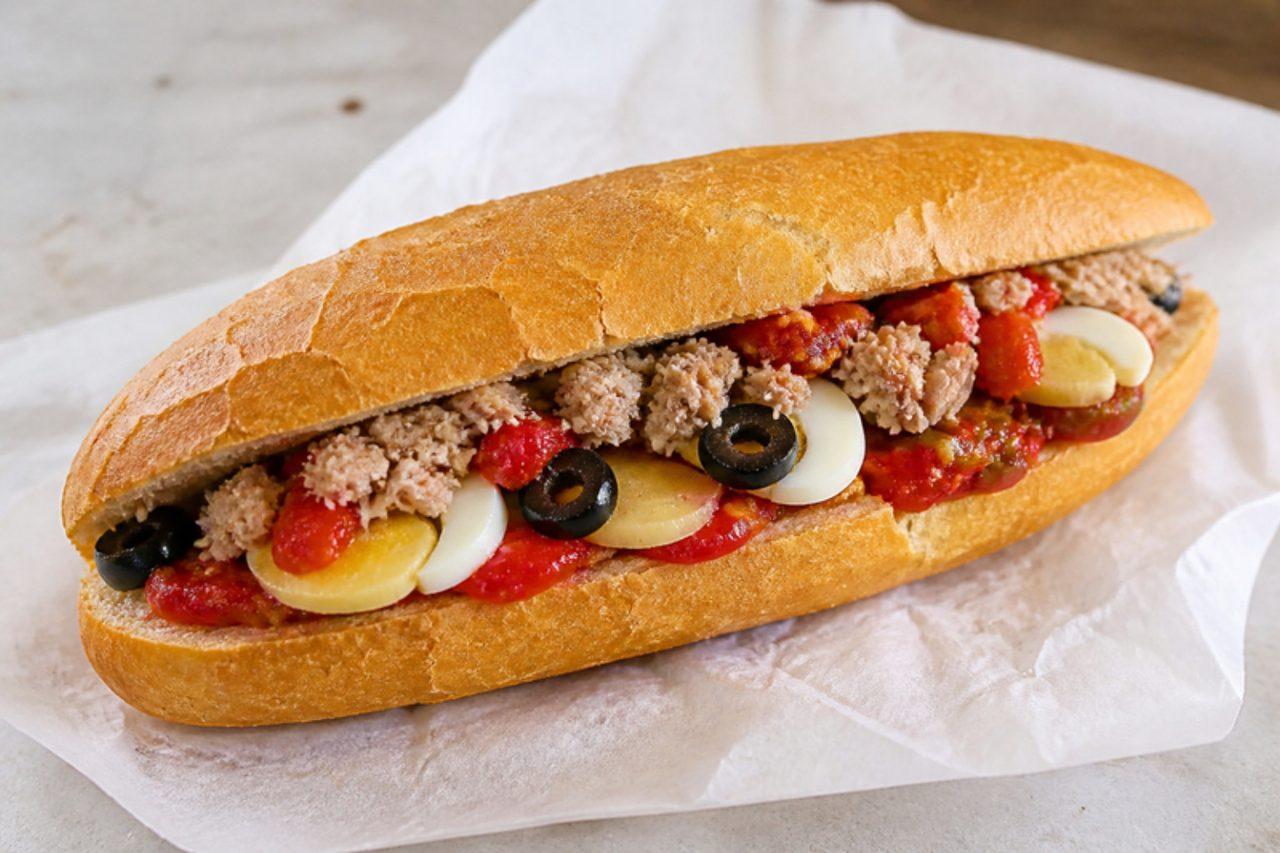
Casse-croûte tunisienTuna baguette sandwich

From train-station kiosks in Tunis to beach stalls at Hammamet, the casse-croûte is the sandwich everyone grabs: a baguette slit open, painted with harissa and packed with tuna, mechouia (a grilled pepper and tomato salad), boiled egg, diced potato, olives and a few capers. It is messy, spicy and filling, with smoky peppers against the rich tuna and the soft, starchy potato. This version makes a quick pan-charred mechouia while the eggs and potatoes cook. Chef's tip: let the potatoes and eggs cool before they go in; adding them hot steams the bread and turns it soggy, a common mistake at home.

by KrazyBadal 0 views

Dominican catibíasBeef-filled cassava turnovers

Catibías are the cassava cousins of empanadas, made in Dominican kitchens and sold at frituras stands in the Cibao and along the Malecón as an afternoon snack. Boiled cassava is mashed with oil and a touch of anise into a smooth, pliable dough, folded around seasoned beef mince and fried until the outside is crisp and blistered and the inside chewy. Because there is no wheat, they are naturally gluten free. The common mistake is letting the cassava cool before mashing; it becomes stringy and won't come together, so mash it hot. Chef's tip: pull out the woody fibre in the middle of each cassava piece after boiling, or the dough will tear.

by KrazyBadal 0 views

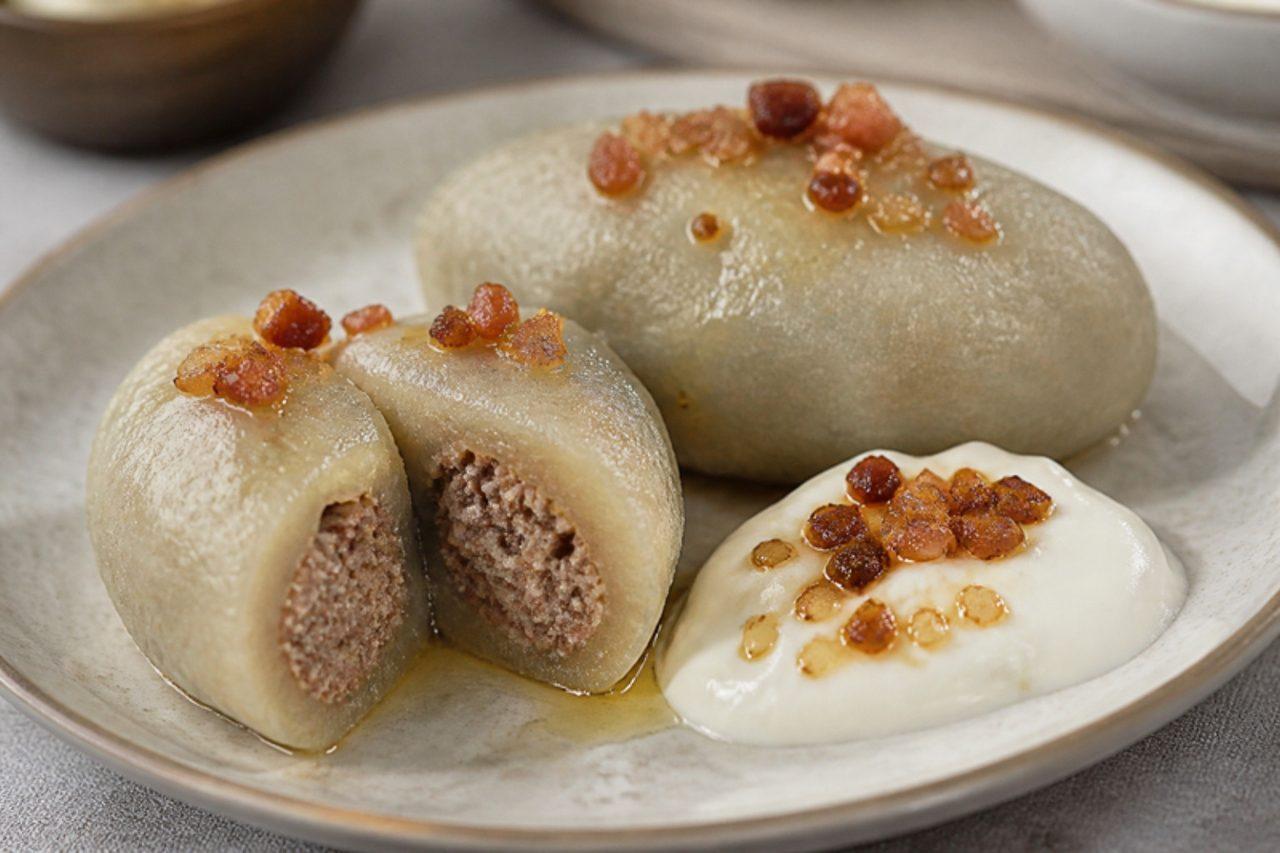
CepelinaiMeat-filled potato dumplings

Cepelinai, named after the Zeppelin airships they resemble, are Lithuania's national dish: big oval dumplings of grated raw and boiled potato wrapped around seasoned minced pork, simmered until glossy and served with a sauce of sour cream and fried bacon bits and onion. This dish contains pork. Families in Kaunas and Vilnius make them on weekends and holidays; curd cheese or mushroom fillings are common vegetarian versions. A common mistake is skipping the potato starch; it is what holds the dumplings together. Chef's tip: squeeze the grated potato very dry and stir back the starch that settles from the liquid. Minced pork must reach 71 °C.

100 minBalticMeat
by KrazyBadal 0 views

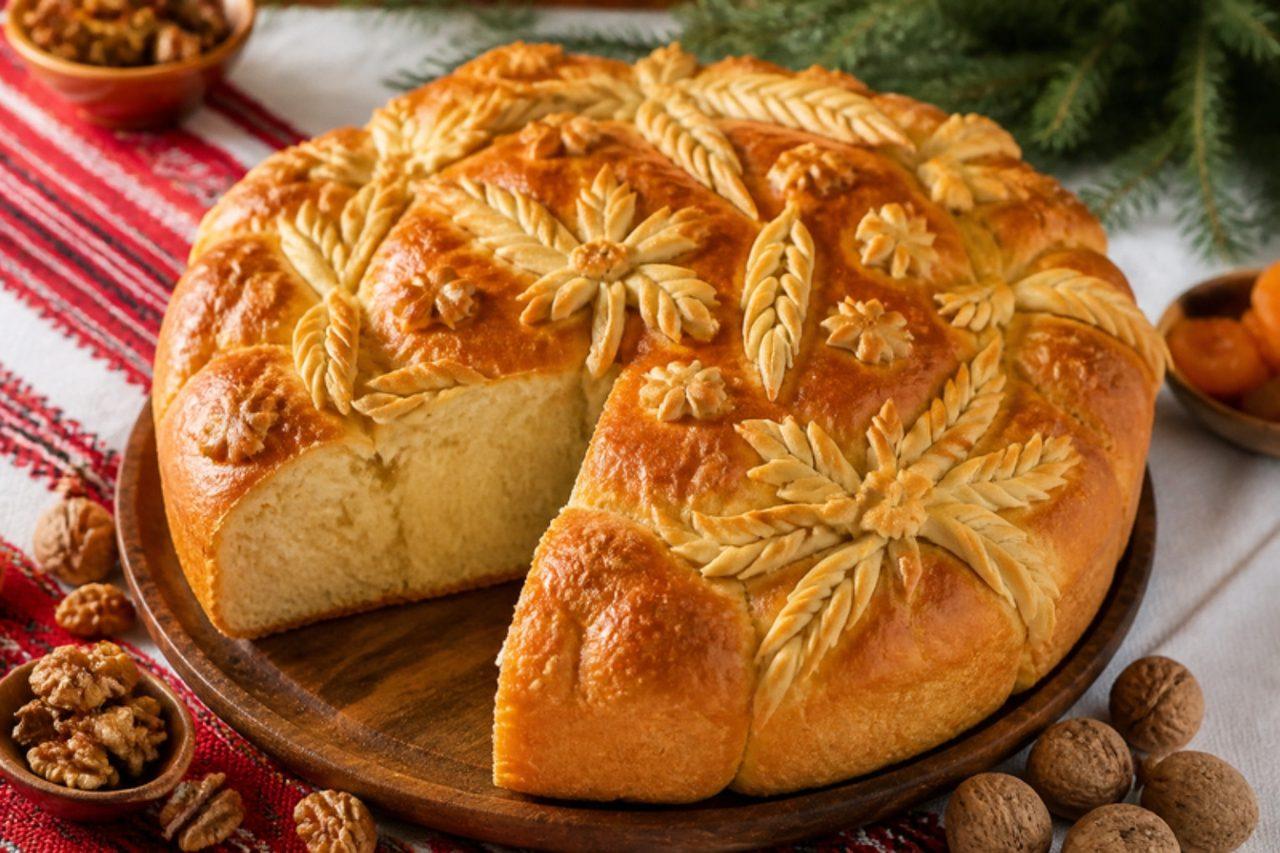
ČesnicaChristmas bread with a coin

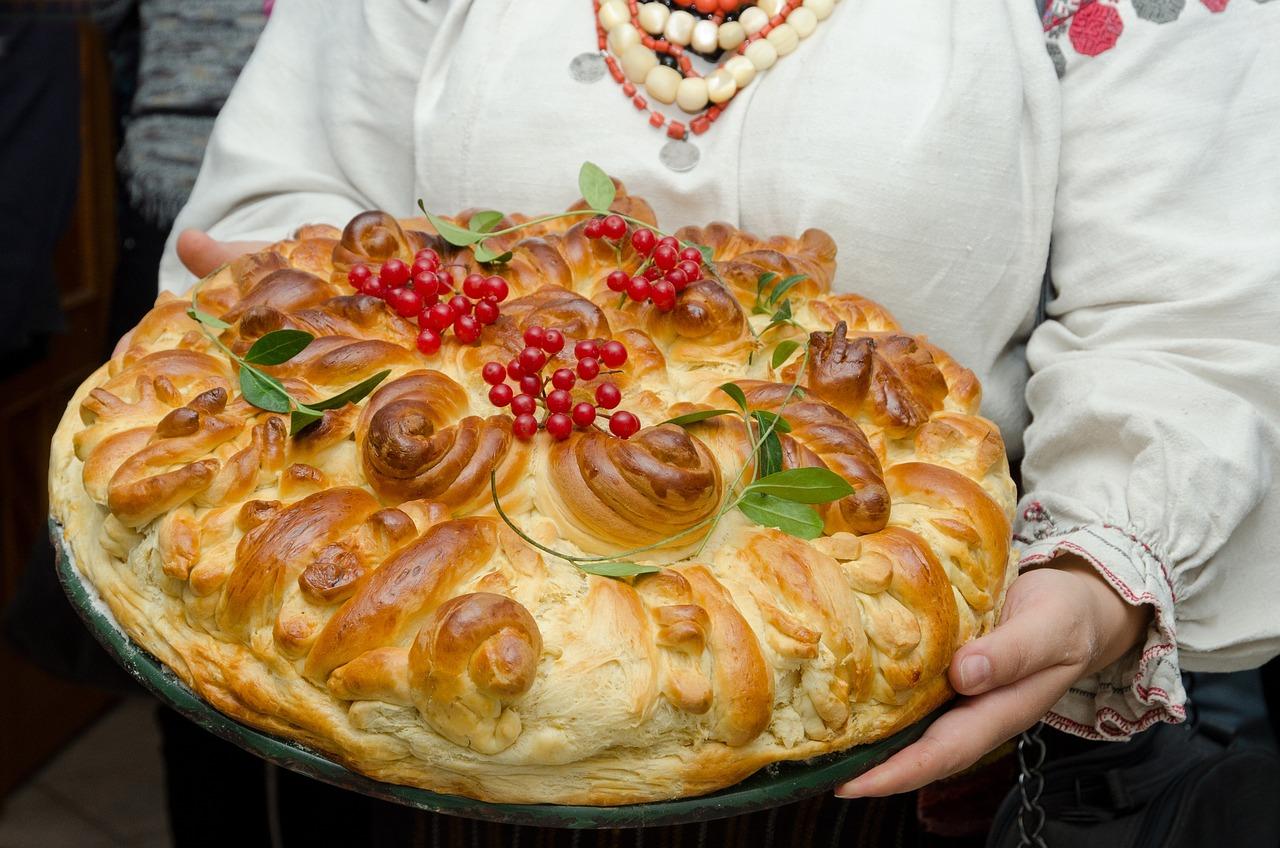
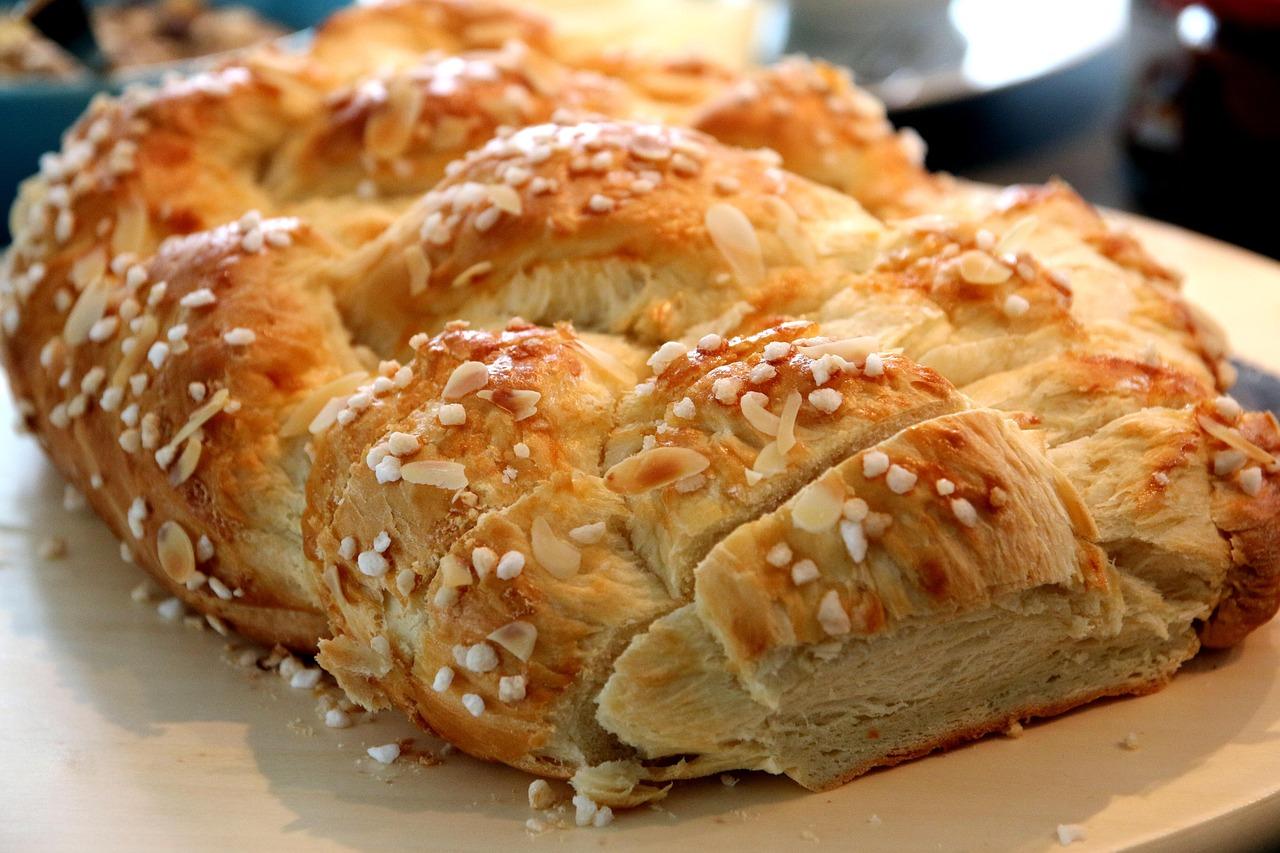
On Serbian Orthodox Christmas morning, 7 January, the family stands around the table and breaks the česnica between them, turning the round loaf three times before everyone pulls off a piece. Whoever finds the coin hidden in the bread is said to have luck for the year. Recipes vary from flaky layered pies to this soft, slightly sweet yeasted loaf with a twisted rope round its edge, lovely with kajmak, cheese and the rest of the Christmas spread. Wrap the coin well and tell everyone before they bite, and keep an eye on small children, as a coin is a choking risk. The usual slip is rushing the rise in a cold kitchen, which gives a dense, heavy crumb; find a warm spot and wait until the dough has truly doubled. Chef's tip: brush the hot loaf with a little oil as it leaves the oven for a soft, shiny crust.

by KrazyBadal 0 views

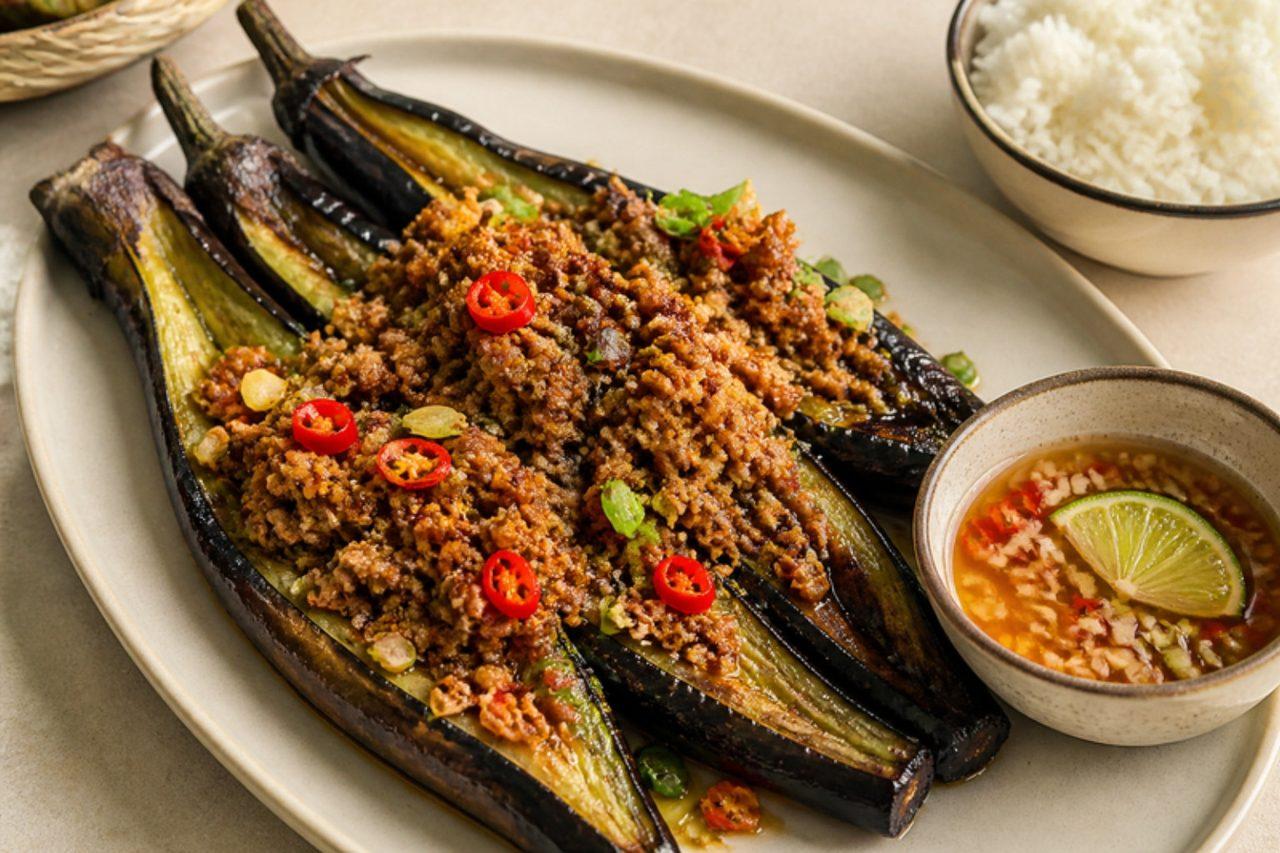
Cha traop dotCharred aubergine with minced pork

Long purple aubergines blackened right on the coals or gas flame are a weeknight staple in Phnom Penh homes and in the rice-and-curry shops where office workers eat lunch from a row of pots. Once peeled, the flesh is soft, silky and deeply smoky; it is laid on a plate, topped with minced pork fried with garlic and fish sauce, then drizzled with hot spring onion oil and a sweet-salty lime dressing. Eaten with plenty of jasmine rice, it is gentle enough for children and rich enough to feel like a treat. A typical mistake is pulling the aubergines off the heat when the skin is only scorched in patches, which leaves hard, bland flesh inside. Chef's tip: char them until they slump completely flat and the skin cracks all over, then rest them in a covered bowl for 5 minutes so the skin slips off in one go.

by KrazyBadal 0 views

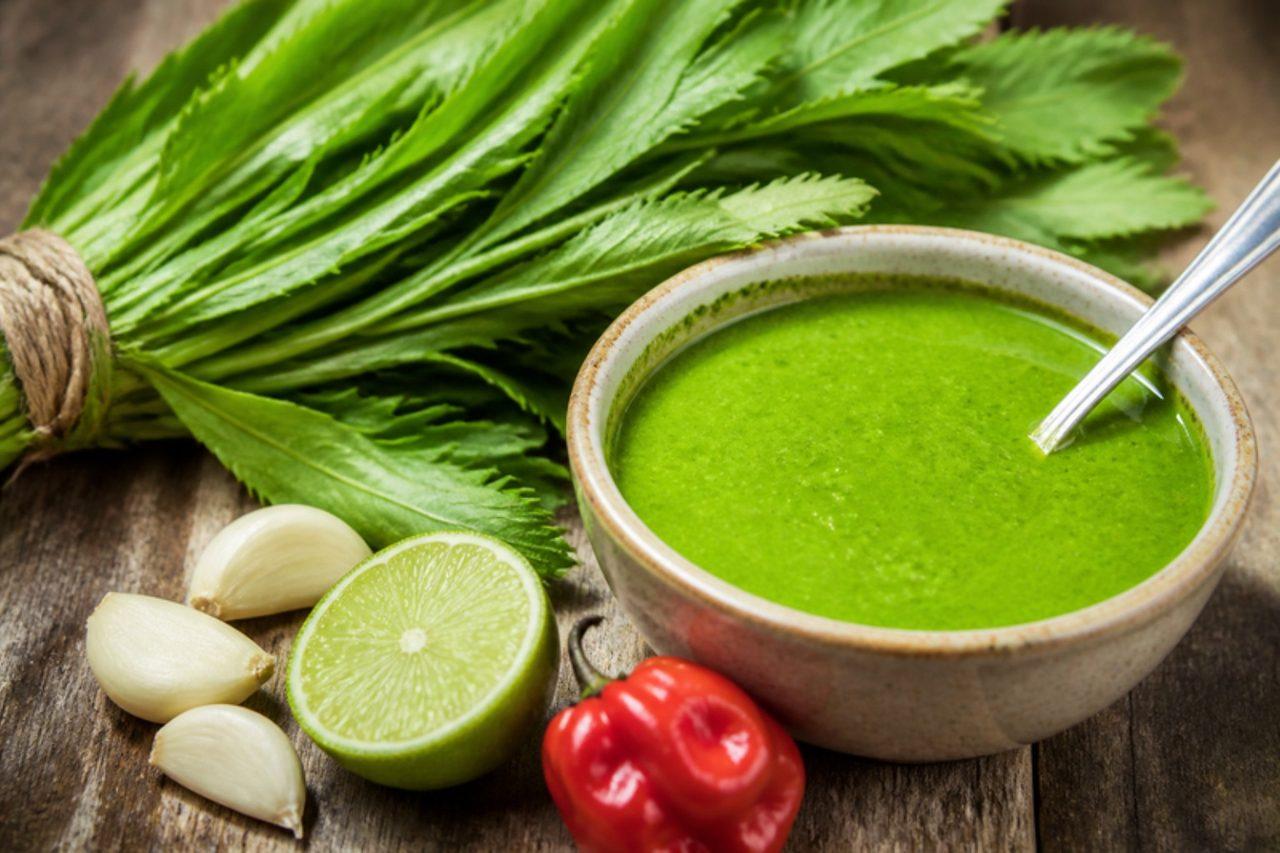
Chadon beni chutneyCulantro chutney

Every doubles man on the Curepe corner and every pholourie stall at a south Trinidad fair has a bottle of this bright green sauce, made from chadon beni (culantro), garlic, hot pepper and lime. It is thin, sharp and grassy, and goes on doubles, pholourie, saheena and fried fish. The common mistake is blending it too far ahead without enough acid, so it turns dull khaki within hours. Coriander can stand in, though the flavour is softer. Chef's tip: blend with ice-cold water and add the lime last; the cold keeps the green vivid.

by KrazyBadal 0 views

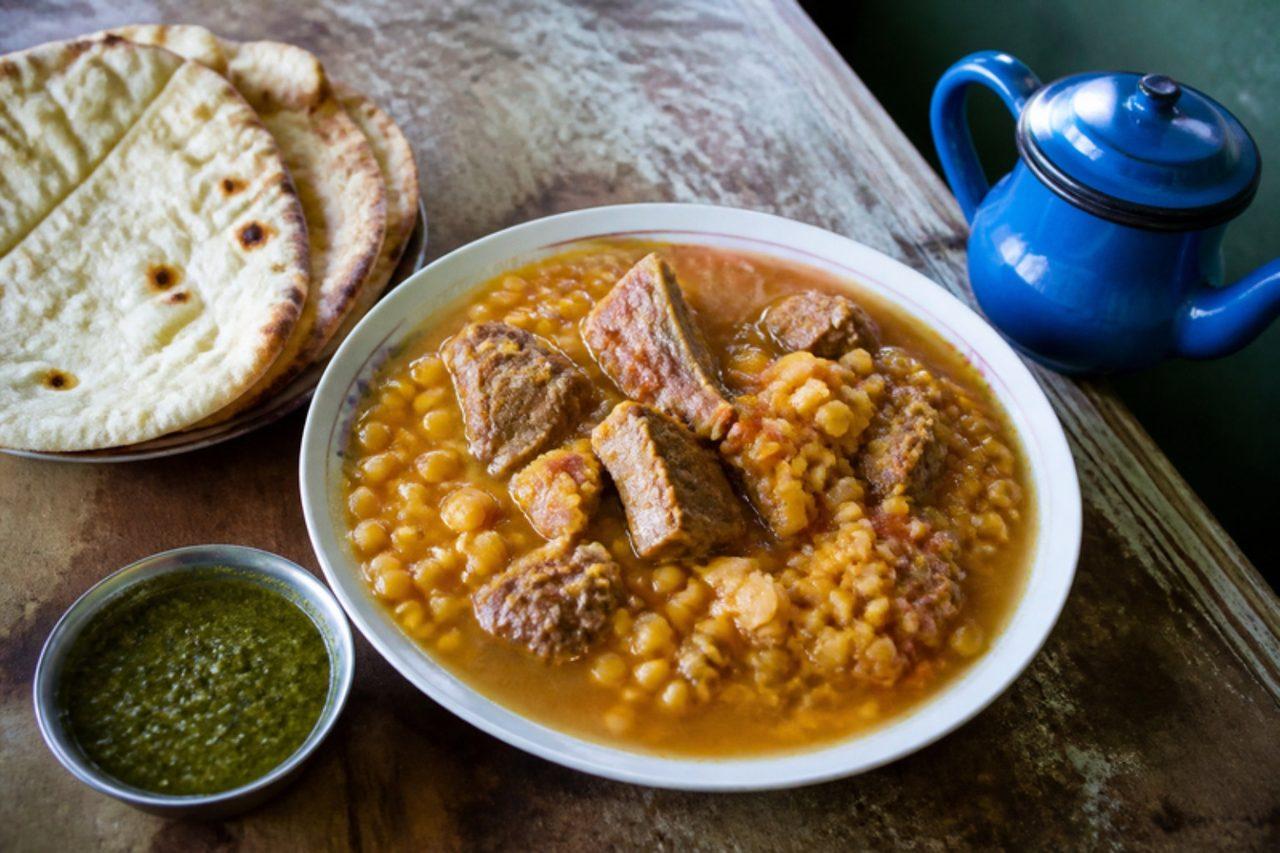
ChainakiTeapot lamb with split peas

In the teahouses of northern and central Afghanistan, from Mazar to the Salang road, every traveller who orders chainaki gets his own small metal teapot packed with lamb, onion, split peas and water, set in the embers beside the samovar from morning until lunch. When it is ready, the broth is poured off over torn naan in a bowl and the soft meat eaten after, with raw onion and green chilli. The taste is simple and pure: clean lamb, sweet onion, a little turmeric and pepper. Rushing it on a high flame toughens the meat and boils the broth cloudy, so the heat should be so low that the liquid only trembles. Chef's tip: a small heavy lidded casserole in a low oven gives exactly the same result as the teapot, with no risk of it boiling dry.

165 minAfghanMeatGluten free
by KrazyBadal 0 views

ChakapuliLamb with tarragon and sour plums

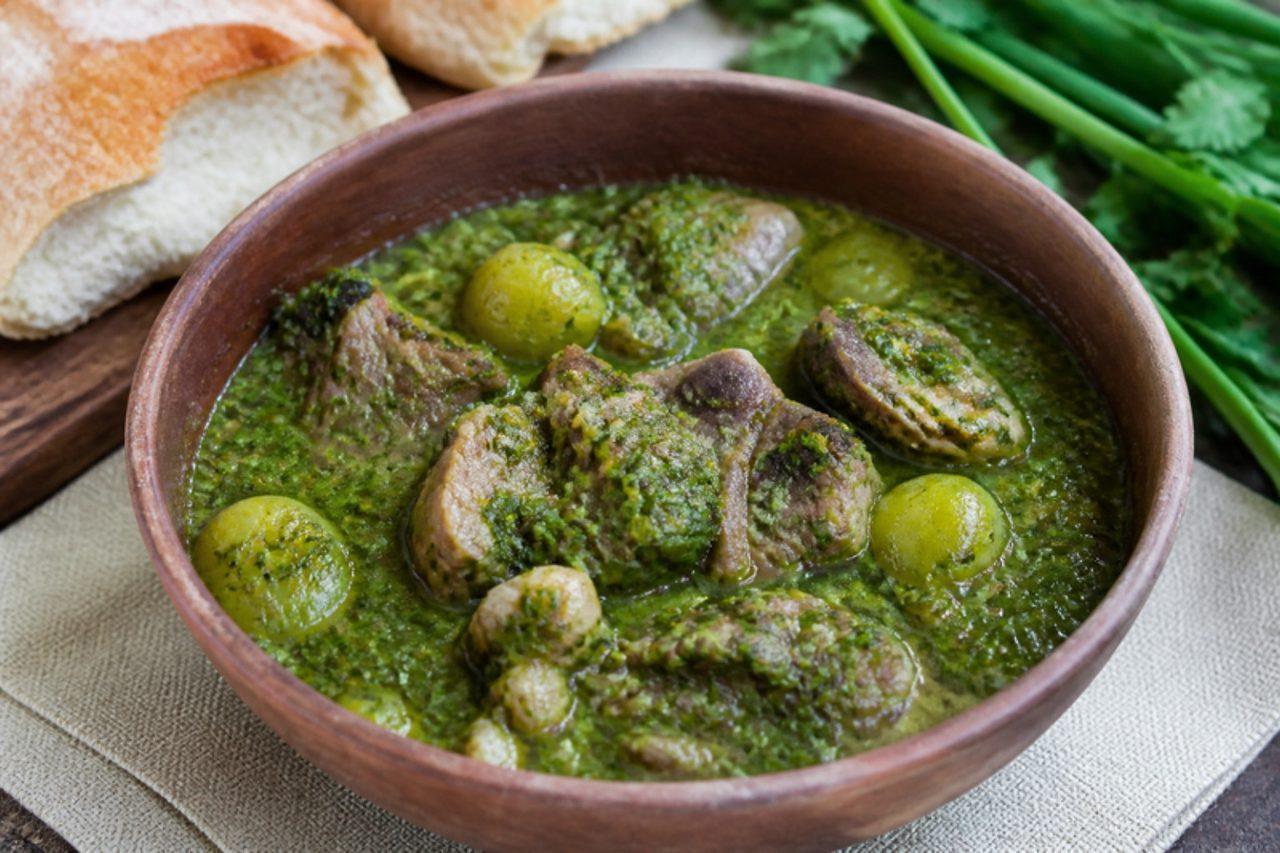
Chakapuli is the Easter dish of Kakheti, cooked when the first tarragon shoots and hard green tkemali plums appear in April: young lamb is stewed in Kakhetian white wine with heaps of tarragon, spring onion and coriander until the broth turns bright green and sour. It is eaten from deep bowls with shoti bread to soak up the juices. The recipe uses white wine, as it is traditionally made; for an alcohol-free pot, use the swap in the ingredient note. A common mistake is putting in all the herbs at the start, which turns them grey; half go in at the end for freshness. Chef's tip: if you can't find sour green plums, a squeeze of lemon and a spoon of tkemali sauce give the same tartness.

120 minGeorgianMeatGluten free
by KrazyBadal 0 views

ChakuMolasses toffee with nuts

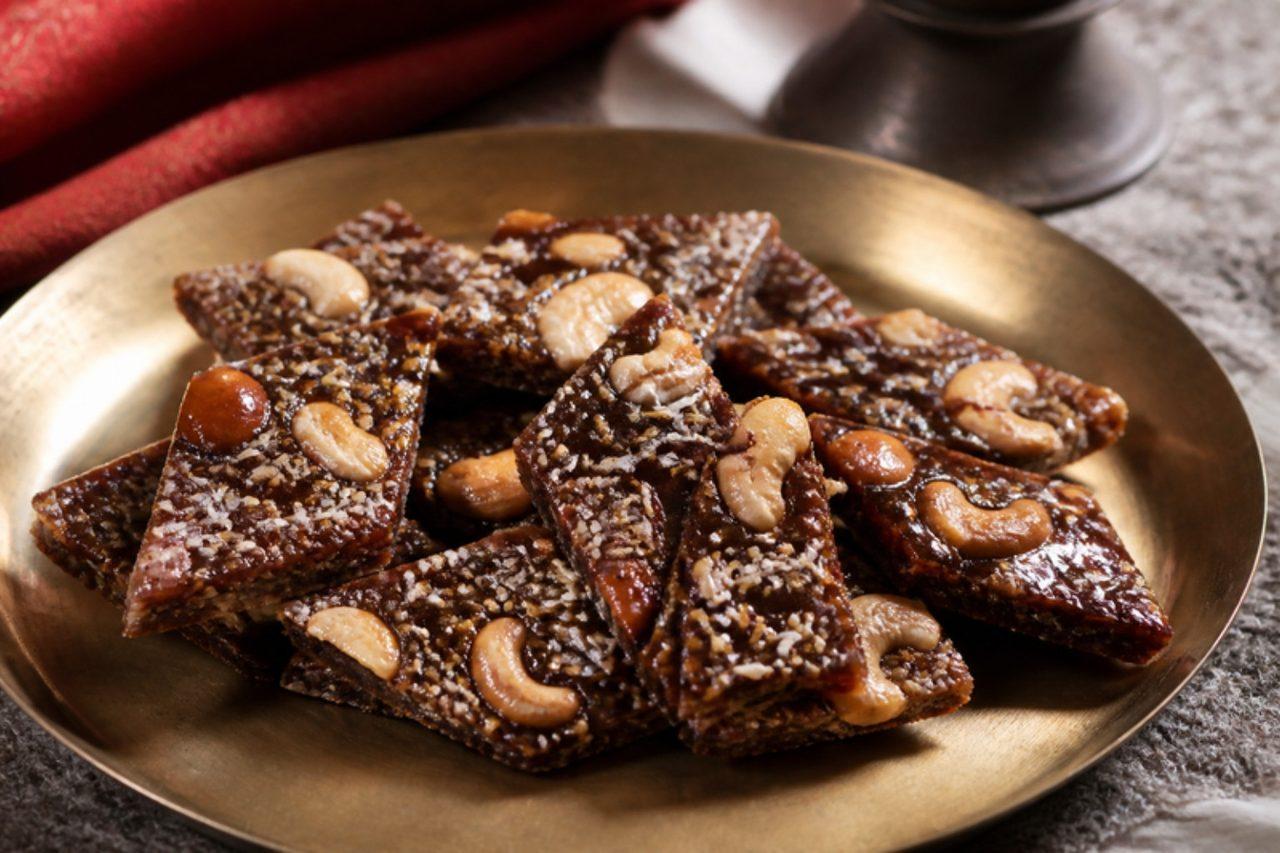
The towns of the Kathmandu Valley smell of hot molasses in early January, as Newar confectioners in Bhaktapur, Thimi and Patan boil sugarcane syrup down into chaku, a dark, glossy toffee that is pulled until it turns light and chewy and then mixed with ghee, cashews, coconut and sesame. On Ghyo Chaku Sanlhu, the Newar name for Maghe Sankranti, it is eaten with ghee and boiled yams to warm the body, and pieces are wrapped and sent to married daughters. At home it is easiest to start from good jaggery. Pulling it off the heat too early is the classic failure, leaving a runny mess that will never set. Chef's tip: once it reaches the hard-ball stage, let the toffee cool on a greased tray just until you can handle it, then stretch and fold it with greased hands for a few minutes until it turns from dark brown to golden and chewy.

by KrazyBadal 0 views

ChalopCold yogurt and cucumber soup

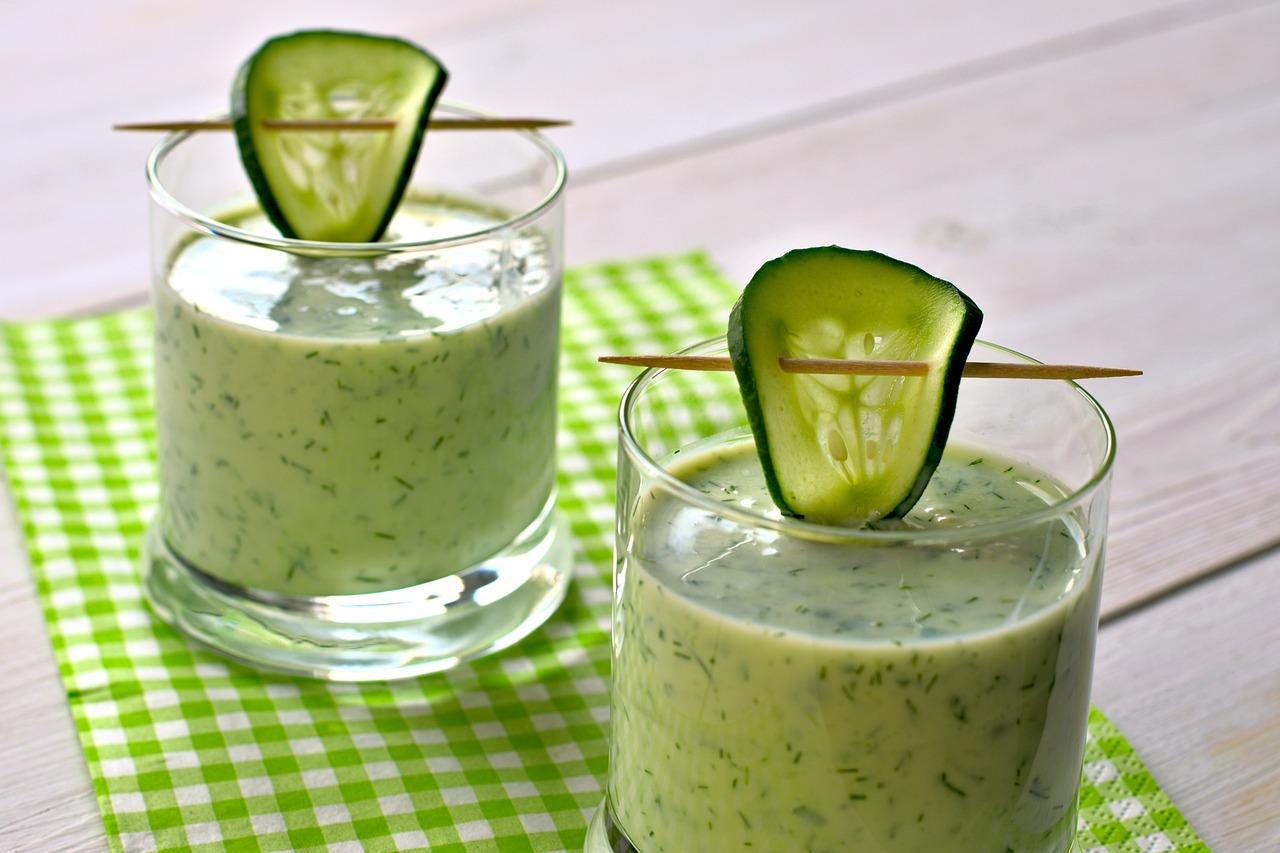
When Tashkent summers reach 40 °C, families eat chalop: chilled katyk or suzma loosened with cold water and filled with diced cucumber, radish and a pile of fresh dill, coriander, basil and spring onion. It is served in bowls with torn non bread, alongside plov or grilled shashlik, and some like a little ice in it. A common mistake is using thin, runny yogurt, which makes the soup watery; start with a thick yogurt and thin it to taste. Chef's tip: salt the cucumbers lightly and leave for 5 minutes before adding them, so they season through and stay crisp.

15 minUzbekSoupsGluten free
by KrazyBadal 0 views

ChamiFresh curd cheese

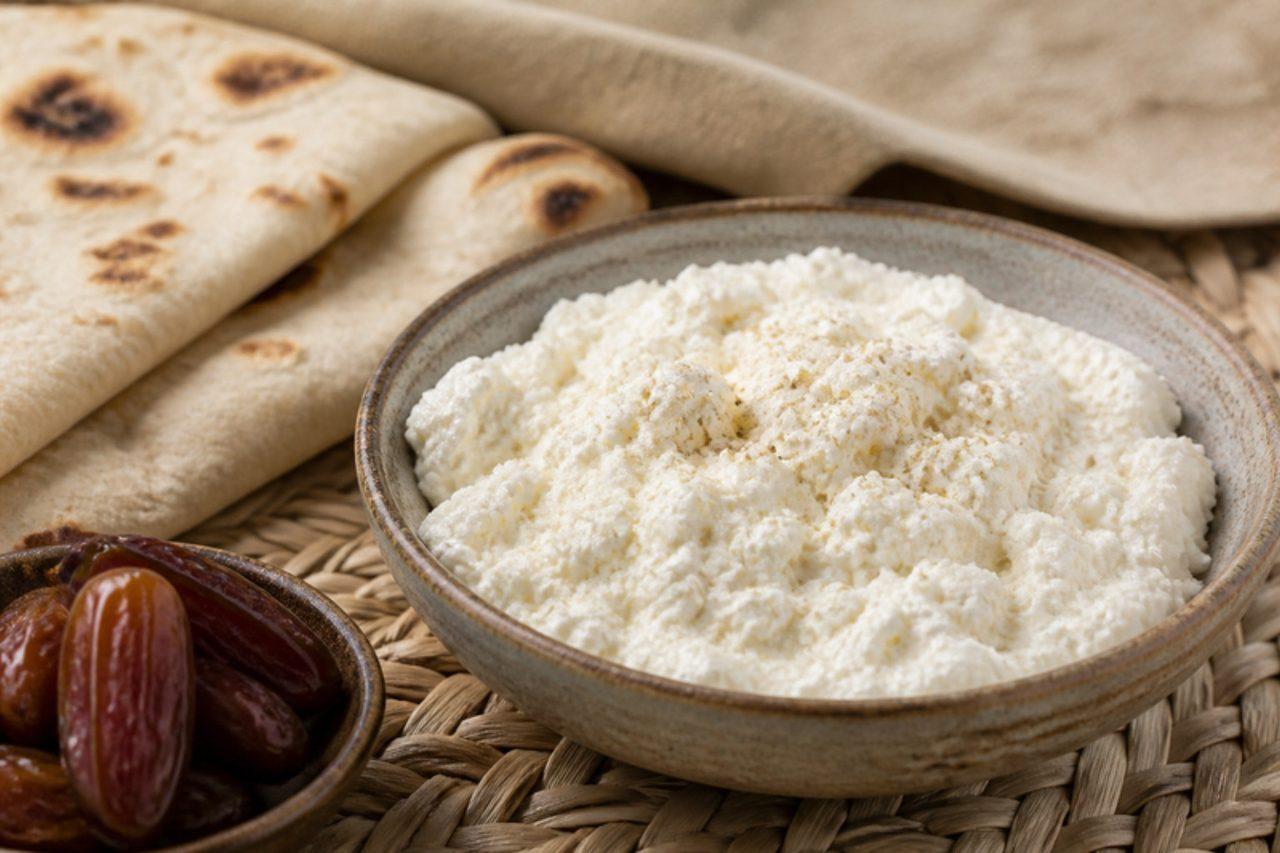
Chami was once made in Emirati desert and coastal homes from the laban left after churning butter, heated until it split into soft, tangy curds. It is still the cheese of a traditional UAE breakfast, spooned next to chebab, dates and a cup of sweet tea, and it tastes like a mild, slightly sour cottage cheese with a crumbly-creamy texture. Because the curds form from the natural acidity of the cultured milk and gentle heat, no rennet is used, so it suits vegetarians. Boiling it hard is the mistake to avoid: the curds turn rubbery and squeaky instead of soft. Chef's tip: stir in a pinch of turmeric or cardamom at the end, as some families do, for a golden colour and a faint perfume.

by KrazyBadal 0 views

Chana daal halwaSplit chickpea halwa

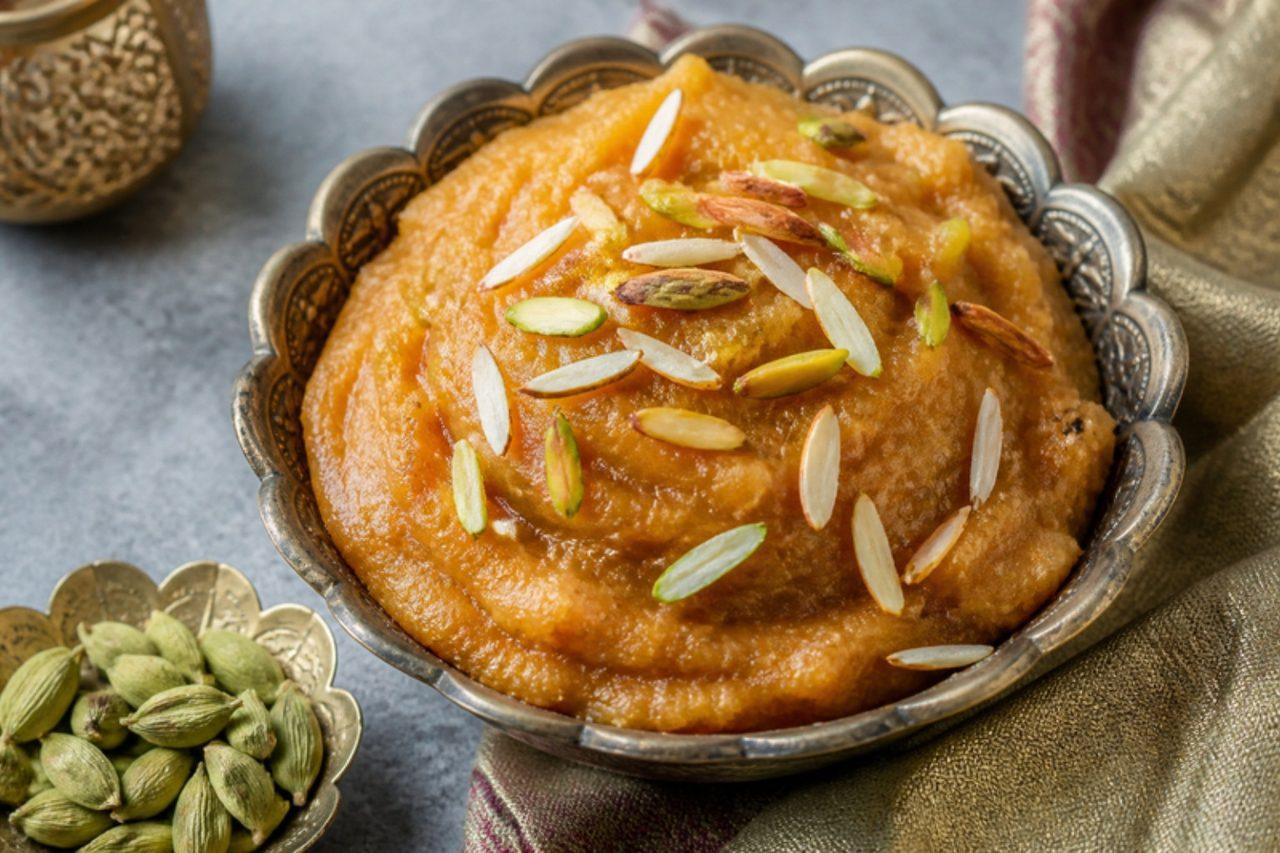
This is the halwa of family gatherings on cold winter evenings and of Shab-e-Barat, when households in Karachi, Lahore and Multan cook trays of sweets to share with neighbours, and among them all it is the one that rewards hard work most. Split chickpeas are soaked overnight, simmered soft in milk, ground to a paste and then fried in ghee for the best part of an hour, until the raw beany taste is replaced by a deep, toasty, almost caramel flavour and a soft, slightly grainy texture. Cardamom, a little khoya and plenty of almonds and pistachios finish it, and it is eaten warm, or pressed into a tray and cut. It keeps well, so many families make a large pot. The fault that most often spoils it is adding the sugar before the dal paste has been fried long enough, which leaves it pasty and heavy. Chef's tip: stir until the paste turns golden and smells like roasted nuts and the ghee begins to seep out again, and only then add the sugar.

by KrazyBadal 0 views

ChanakhiLamb and aubergine clay pot

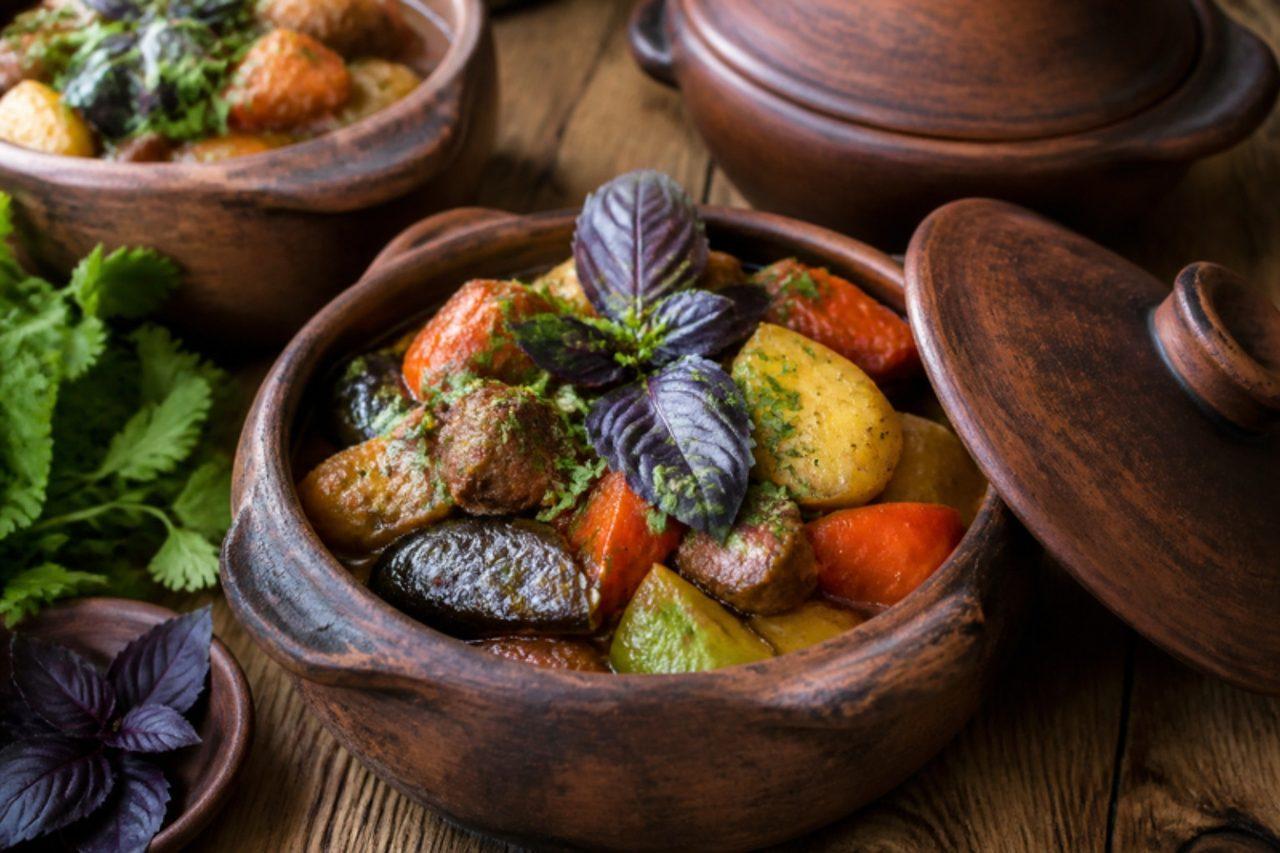
In Tbilisi homes and restaurants chanakhi arrives in its own small clay pot, the lid lifted at the table to release a cloud of steam smelling of lamb, tomato, basil and garlic. Lamb, potato, aubergine, onion and tomato are layered raw with herbs and left to cook slowly in their own juices, so the vegetables soak up the lamb fat and the meat goes spoon-soft. A common mistake is adding too much water; the vegetables release plenty, and a watery pot tastes flat. Chef's tip: put a tomato slice on top of each pot as a lid of its own, which bastes everything below as it melts.

150 minGeorgianMeatGluten free
by KrazyBadal 0 views

Changhua ba-wanPork-filled starch dumplings

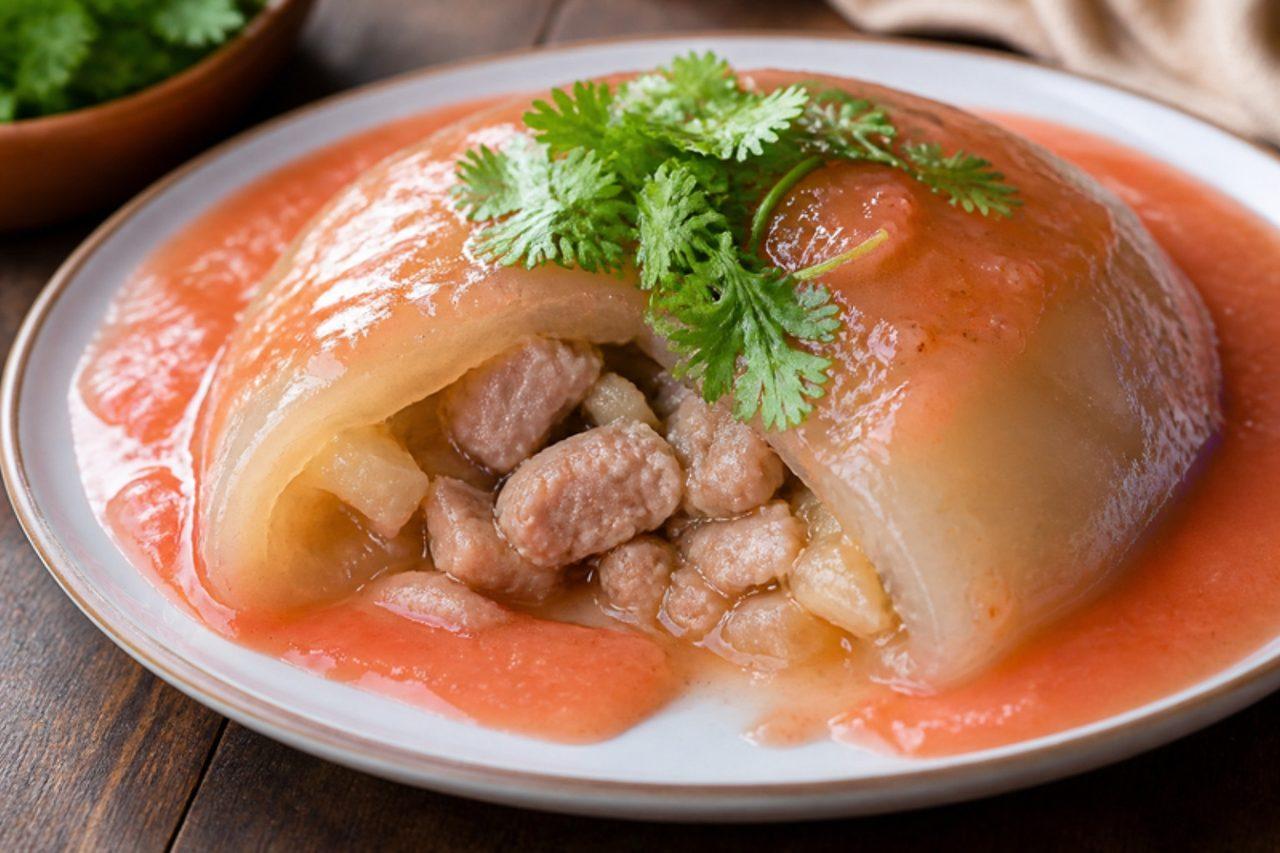
Changhua's old market streets are lined with shops whose woks are full of these dumplings sitting in warm oil, ready to be split open, sauced and eaten as a mid-morning or afternoon snack. The wobbly, translucent skin of sweet potato starch is chewy and slightly sticky, wrapped around a savoury filling of marinated pork, bamboo shoot and shiitake, and the whole thing is drenched in a sweet pink-brown sauce with garlic and coriander. The trickiest part is the wrapper: a dough made only of raw starch cracks and turns gluey, so cook part of it into a paste first. Make it gluten-free by using tamari or gluten-free soy sauce, as here. Chef's tip: oil the saucers well and keep your fingers wet when shaping; the starch dough is sticky, and water lets you smooth it into neat domes.

by KrazyBadal 0 views

ChapshuroMeat-filled griddled bread pies

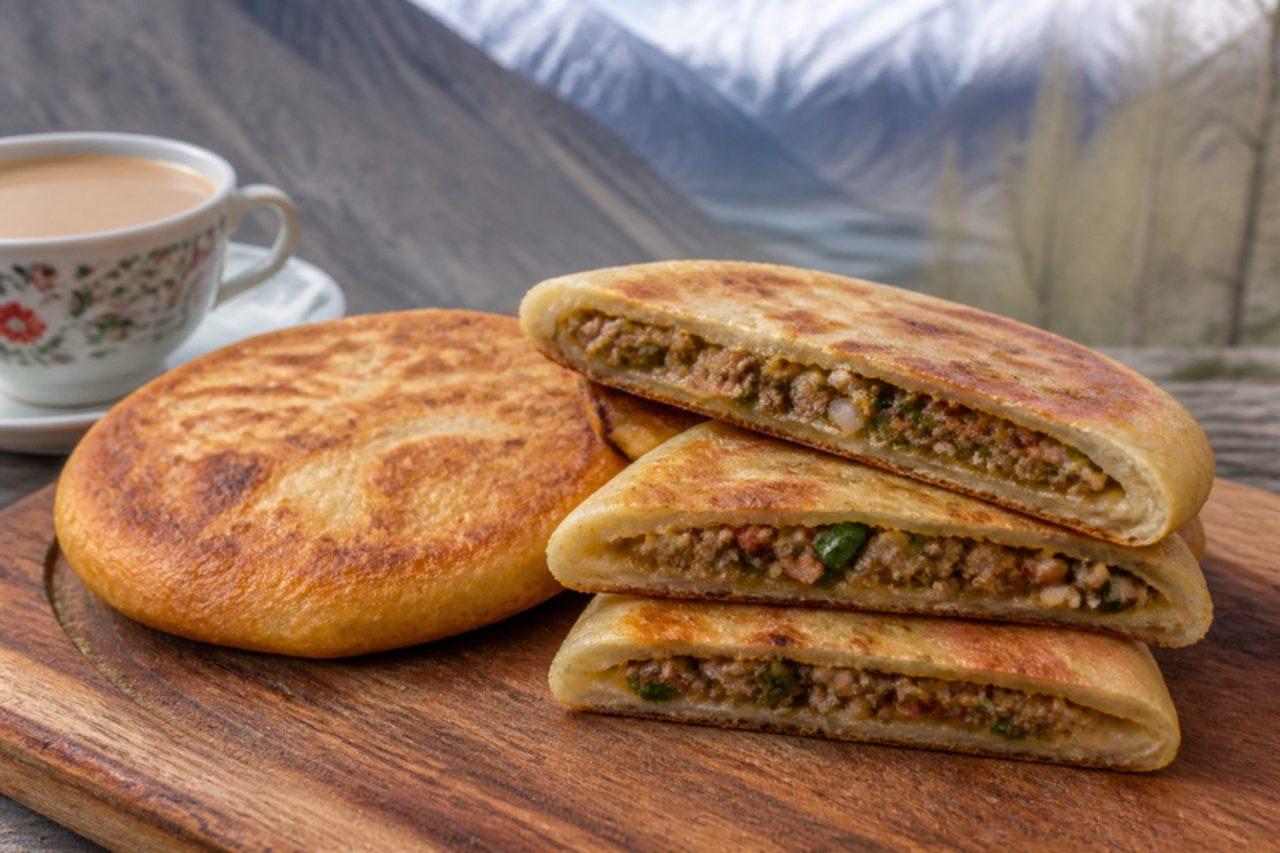
Climb up to Karimabad in Hunza or wander Gilgit's bazaar in the evening and you will smell chapshuro before you see it: round pies of thin wholewheat dough wrapped around raw spiced mince, onion, green chilli and coriander, cooked slowly on a griddle until the crust crisps and the meat inside steams in its own juices. They are cut into wedges like a pizza and eaten hot as a snack or a light lunch, with green tea or apricot juice, and every family has its own level of chilli. The difficulty is heat control: too hot and the crust burns before the filling is cooked through. Use a medium-low flame and turn often. Chef's tip: press the pie flat with your palm once it is on the griddle, so the filling forms a thin, even layer that cooks right through.

by KrazyBadal 0 views

Charmoula sfaxienneSweet-sour onion and raisin sauce

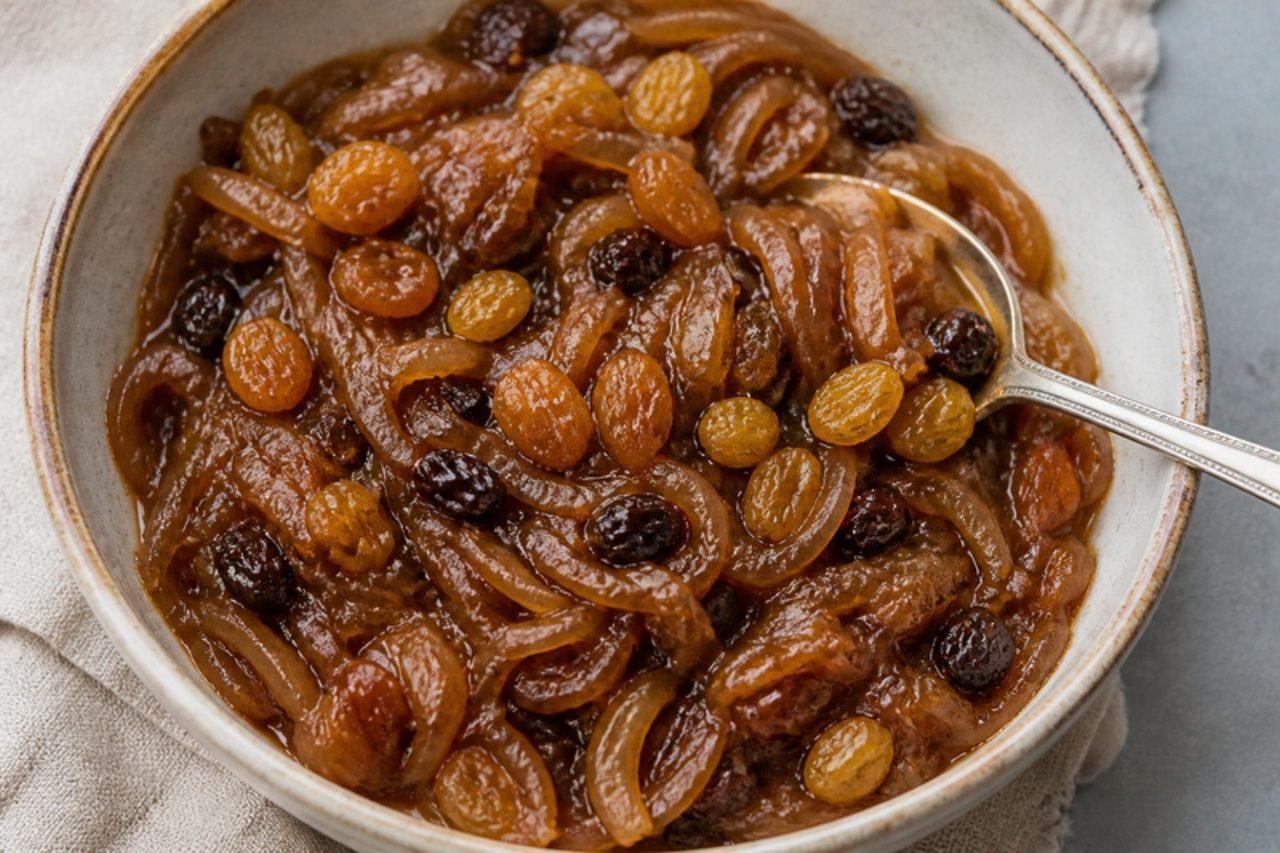
The first meal after Ramadan in Sfax is unlike anywhere else: on the morning of Eid al-Fitr, families eat salted dried fish with charmoula, a thick, almost black sauce of onions and raisins cooked for hours in olive oil with black pepper, cinnamon and cloves. It is sweet, sour and spicy at once, glossy like a chutney, and its strong flavour is meant to wake up a stomach that has fasted for a month. Fish lovers serve it with salted fish; this vegetarian version is lovely with roast vegetables, hard-boiled eggs or simply bread. It keeps for weeks. Chef's tip: cook the onions down slowly until they collapse and caramelise before adding the raisins; hurrying gives a sharp, raw-tasting sauce.

by KrazyBadal 0 views

CharosetApple and walnut paste

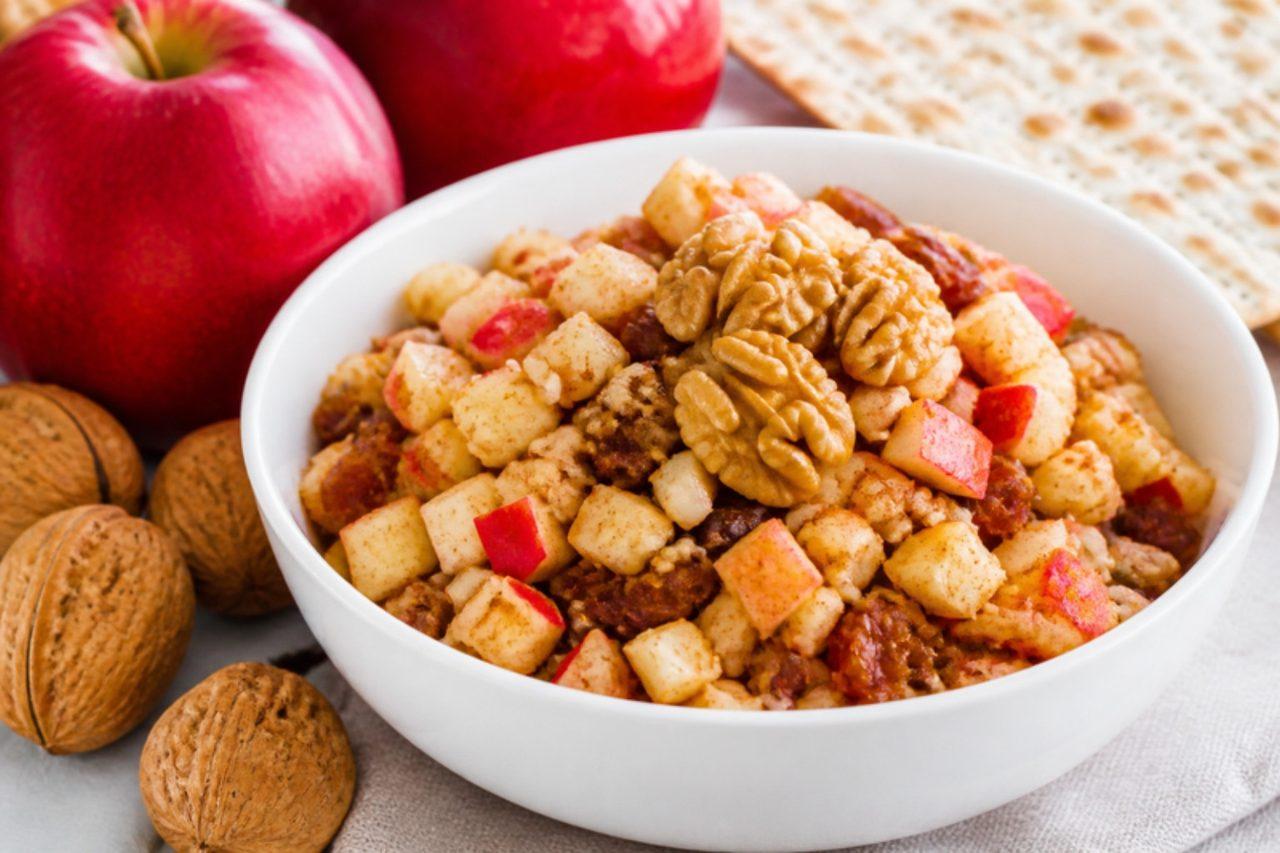
At the Passover seder, Israeli families from Ashkenazi and Sephardic backgrounds alike set out charoset, a sweet brown paste that recalls the mortar the Israelites used as slaves in Egypt. This is the Ashkenazi style: chopped apples and walnuts with cinnamon and sweet red grape juice, coarse and crunchy; Sephardic tables more often blend dates, almonds and dried fruit. Many families use sweet red wine; this recipe is alcohol free, and if you do add wine it is for adults only. It is eaten on matzo with bitter herbs, and leftovers are great on yogurt. The common mistake is pulsing it to a purée: it should keep texture, like rough mortar. Chef's tip: chop the apple last and mix it with the juice at once so it doesn't brown.

by KrazyBadal 0 views

ChäschüechliCheese tartlets

Chäschüechli are the small, warm cheese tartlets of central Switzerland, sold in bakeries in Lucerne and Zug and eaten as a quick lunch with a salad or as a snack at a Fasnacht carnival stand: a crisp shortcrust case filled with a savoury custard of grated mountain cheese, cream, egg and a pinch of nutmeg, baked until puffed and golden. A common mistake is filling the cases to the brim; the custard puffs and spills over. Chef's tip: bake them on the lowest shelf so the bases crisp before the filling sets. Gruyère and Appenzeller are made with animal rennet, so choose a vegetarian Swiss-style cheese.

by KrazyBadal 0 views

CheburekiFried lamb pastry half-moons

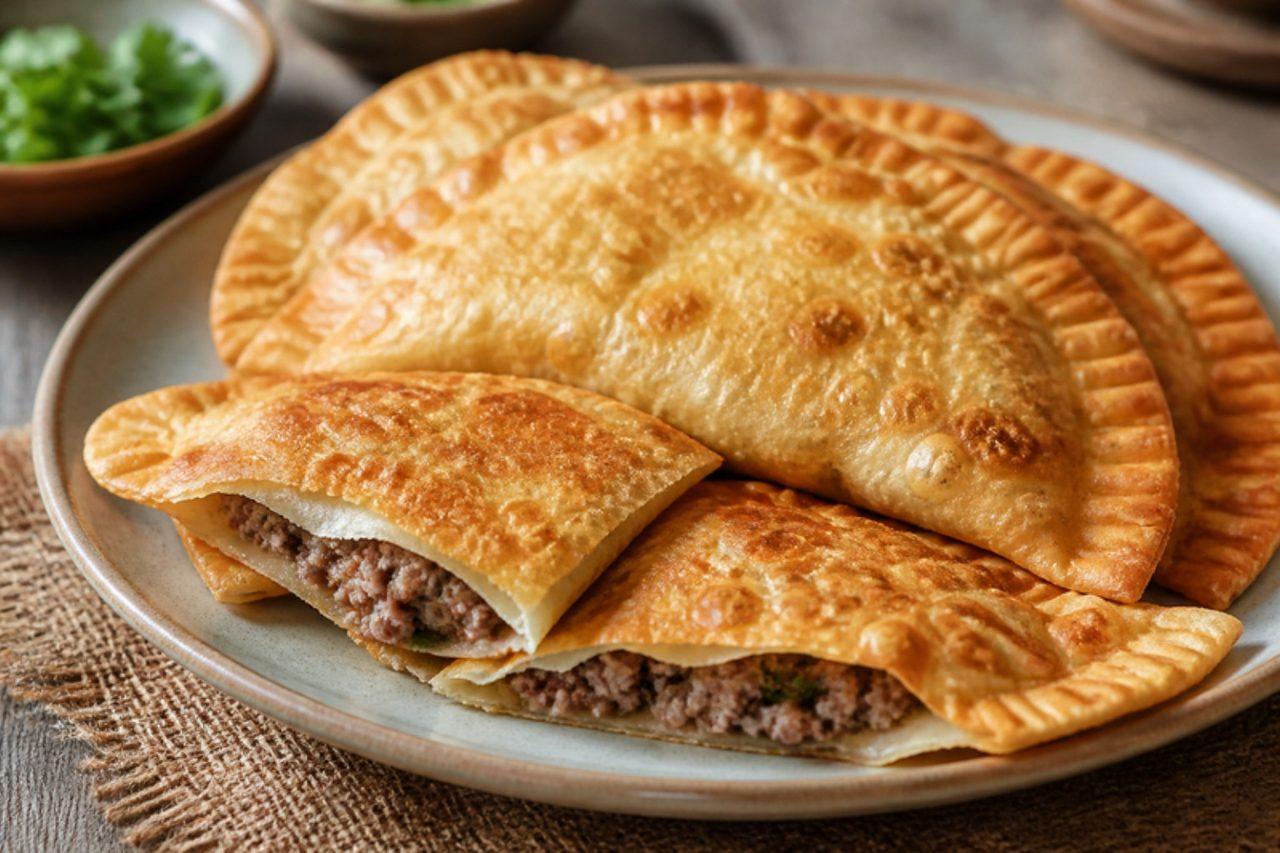
Çiberek, as Crimean Tatars call them, are the great beach and roadside food of Crimea, from Bakhchysarai to Yevpatoria, and Crimean Tatar cafés in Kyiv and Lviv still fry them to order. A thin, blistered pastry, crisp at the edges, holds a filling of minced lamb, grated onion, black pepper and herbs that turns into a rich, peppery broth as it cooks; bite carefully, as it is meant to be juicy. Eat them hot from paper with a glass of ayran or a tomato salad. The mistake most home cooks make is leaving air pockets when sealing, so the pastry bursts and spits in the oil. Some cooks add a splash of vodka to the dough for extra blisters; this version uses none. Chef's tip: stir a few spoons of ice-cold water into the meat until it is almost sloppy; that water becomes the broth that makes a good chebureki.

by KrazyBadal 0 views

Cheeni parathaSugar paratha

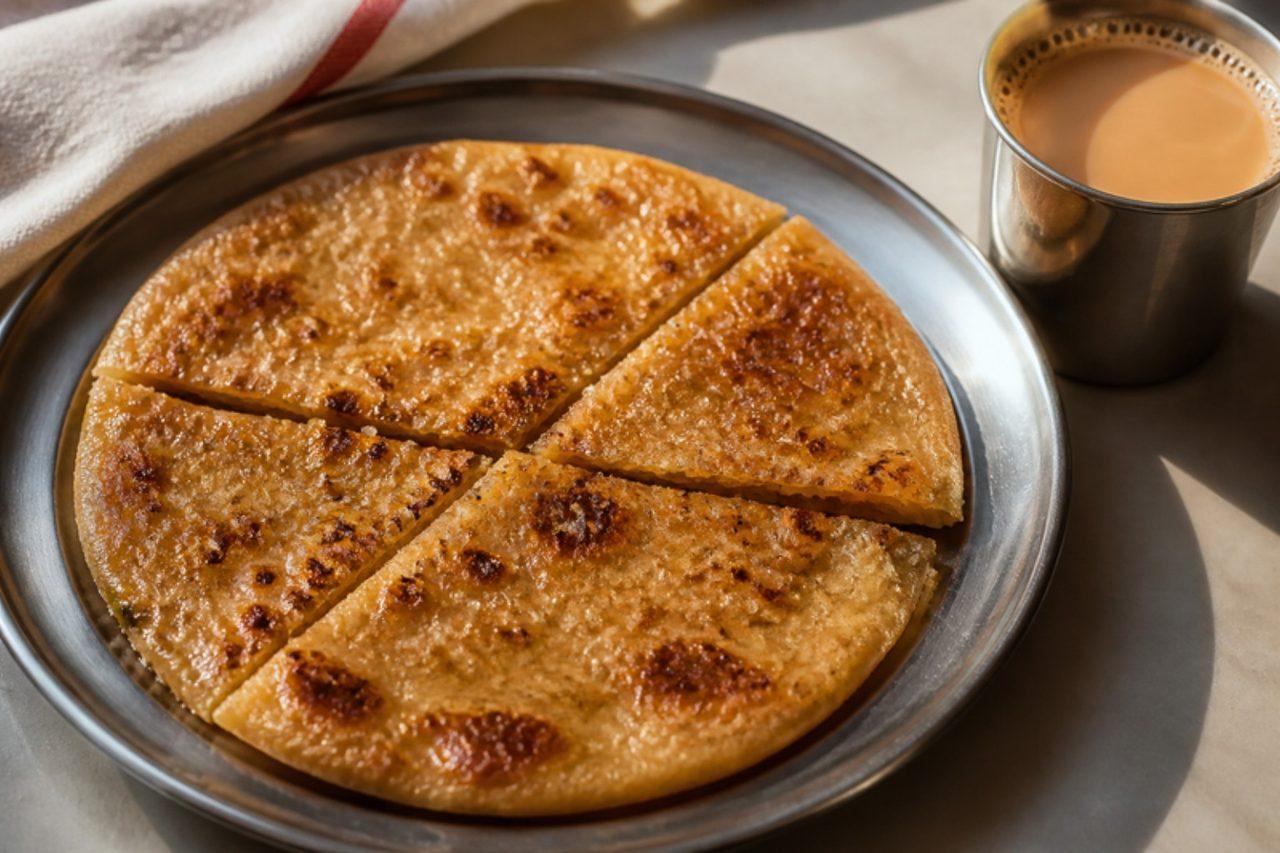
Every Punjabi grandmother has a version of this, usually made from the last ball of dough after the family's parathas are done: sugar sprinkled over ghee, folded inside and rolled out, then cooked until the sugar melts into sticky, caramelised seams. In villages around Sargodha and Faisalabad it is the treat a child gets dunked into a mug of sweet milky tea before school, and in winter it is sometimes made with jaggery instead. The outside should be crisp and blistered, the inside layered and chewy with pockets of melted sugar. The trap is too hot a tawa: the sugar bursts through and burns before the dough has cooked. Chef's tip: seal the edges well when you fold, keep the heat medium, and wipe the tawa between parathas so any escaped sugar does not scorch the next one.

by KrazyBadal 0 views

Chek k'tisBanana and tapioca in coconut milk

Ask for something sweet at a Phnom Penh dessert cart on a rainy-season afternoon and you may be handed a warm cup of chek k'tis: chunks of small, tart-sweet bananas bobbing in coconut milk with clear, chewy tapioca pearls. The coconut milk is sweetened with palm sugar and seasoned with a good pinch of salt, which makes it taste rich rather than cloying, and a knot of pandan gives it a grassy vanilla scent. It is also cooked at home as an offering-day treat and eaten warm or at room temperature. The usual error is using very ripe, spotty bananas, which melt into grey sludge; firm, just-yellow fruit holds its shape and blushes pink as it cooks. Chef's tip: let the coconut milk only shiver, never boil hard, or it splits and turns oily.

by KrazyBadal 0 views

Dominican chenchénCracked corn pilaf

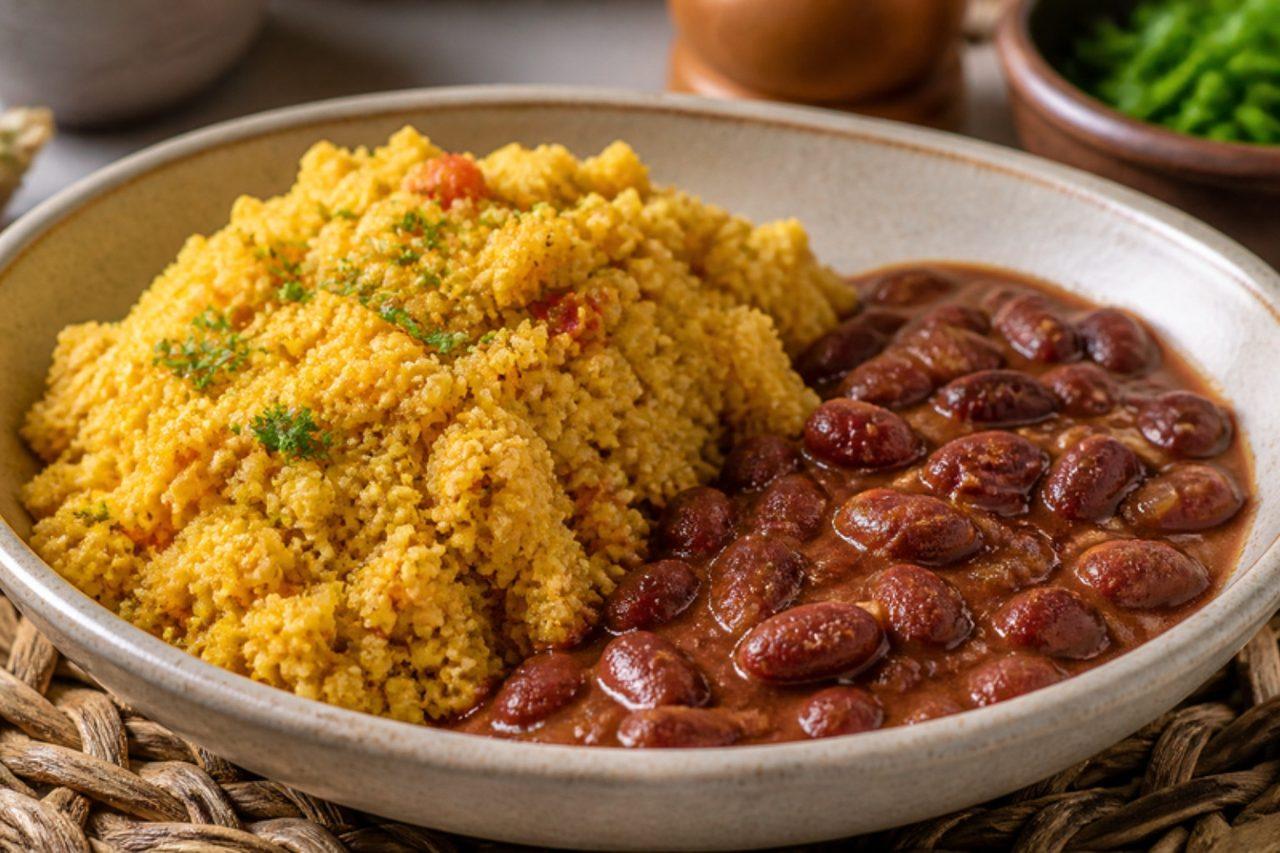
In the south-west of the Dominican Republic, around Barahona and San Juan de la Maguana, chenchén is what goes under the Sunday chivo guisado instead of rice. Cracked dried corn is cooked with coconut milk, onion, garlic, a stick of cinnamon and a little butter until the grains swell and turn fluffy and tender with a gentle sweetness. Here it is served as a side for vegetarian stews or with beans. The common mistake is stirring it constantly like polenta; it should be left covered to steam so the grains stay separate. Chef's tip: toast the cracked corn in the butter for a couple of minutes before adding liquid for a nuttier flavour.

by KrazyBadal 0 views

Cheremsha saladWild garlic salad

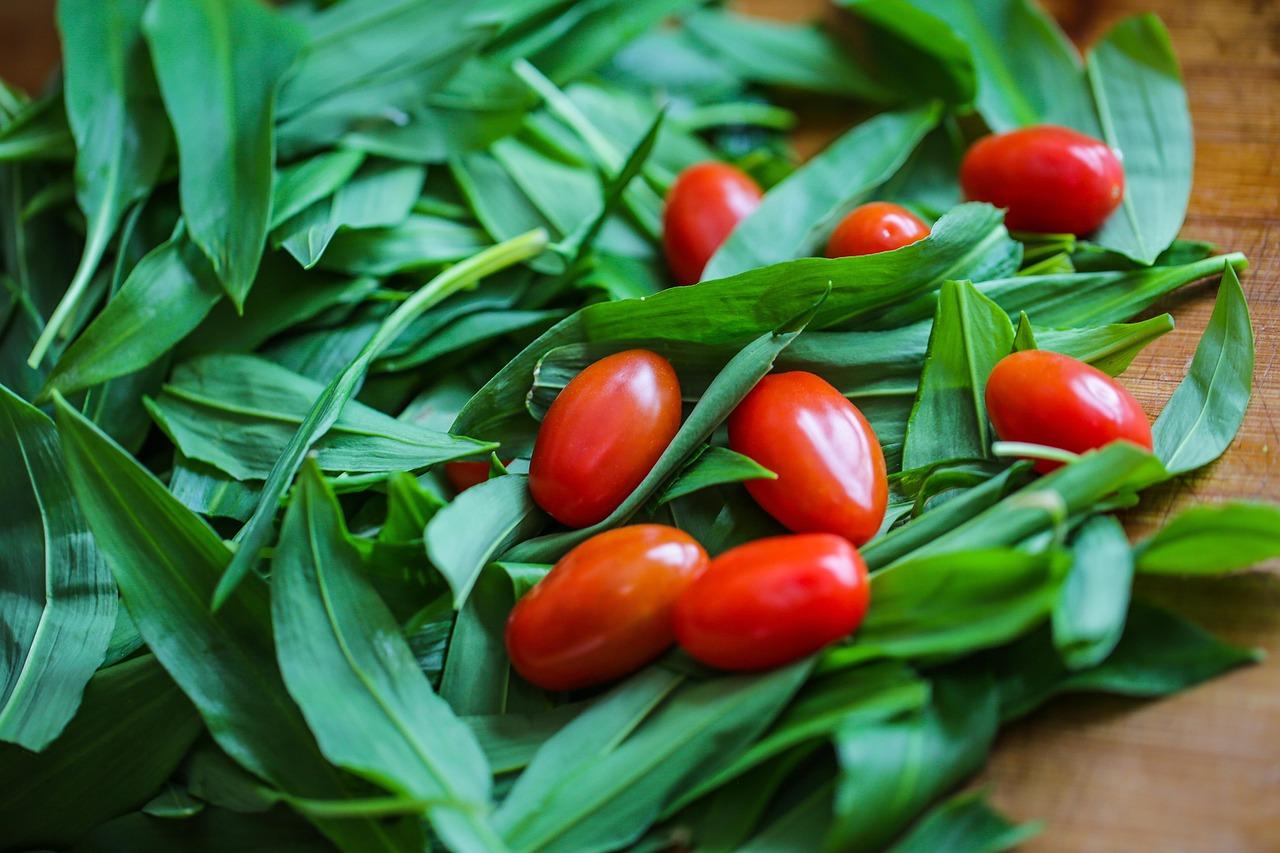
Late April in Novosibirsk and Tomsk brings bunches of cheremsha to every market stall and roadside bucket: the first green vitamins after a long Siberian winter. The broad leaves and juicy stems of wild garlic taste of sweet, mild garlic with a peppery bite, and Siberians eat them simply, chopped with salt and fragrant unrefined sunflower oil, beside boiled potatoes and black bread. Some cooks add chopped egg or sour cream; this vegan version sticks to oil, with cucumber for crunch. Forage only with someone who knows the plant, or buy it: wild garlic has poisonous lookalikes such as lily of the valley, and real leaves smell strongly of garlic when crushed. Where most people go wrong is dressing it too early, so the leaves wilt and weep. Chef's tip: salt the chopped stems first and rub them for a few seconds; it softens their bite and draws out juice that becomes part of the dressing.

by KrazyBadal 0 views

ChevermeSlow-roast lamb

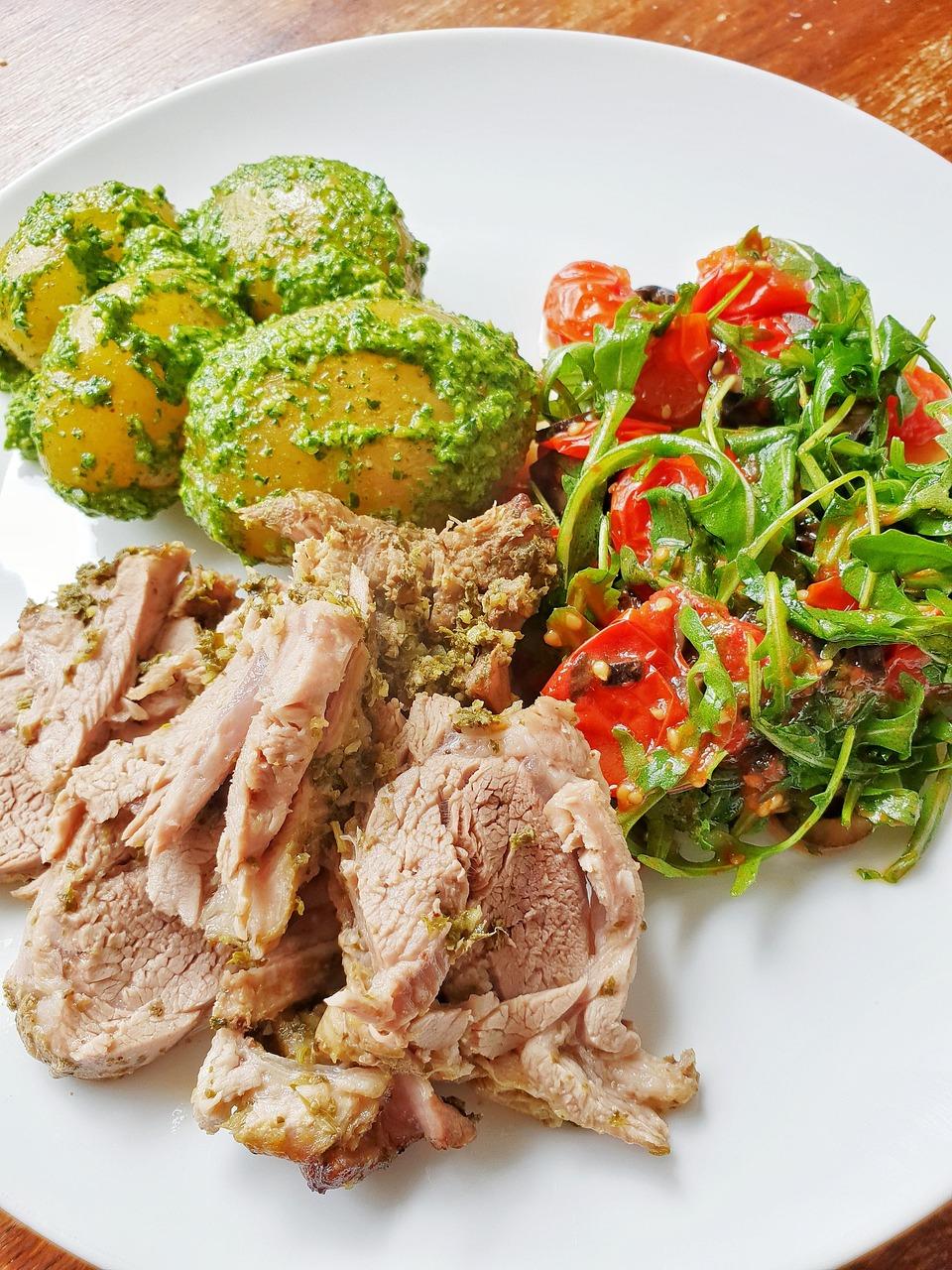
At summer festivals in the Rhodope villages around Smolyan and Chepelare, lamb for cheverme is turned slowly on a spit over beech embers for hours until the outside crackles and the meat slides off the bone, and the carved meat is shared with bread and spring onions. Few home cooks have a spit or a fire pit, so this recipe brings the same idea to a bone-in lamb shoulder or leg: rubbed simply with salt, savory, black pepper, garlic and oil, then roasted low and slow in the oven or in a covered barbecue over indirect heat. The result is crisp-edged, juicy and tender enough to pull apart with a spoon. Serve with spring onions, radishes, a tomato and cucumber salad and bread. The usual slip is too much heat, which tightens the meat instead of melting it. Chef's tip: cheverme is always well done; cook until a probe in the thickest part reads about 90 °C and the bone wiggles loose.

by KrazyBadal 0 views

Chhit rutiLacy rice flour flatbread

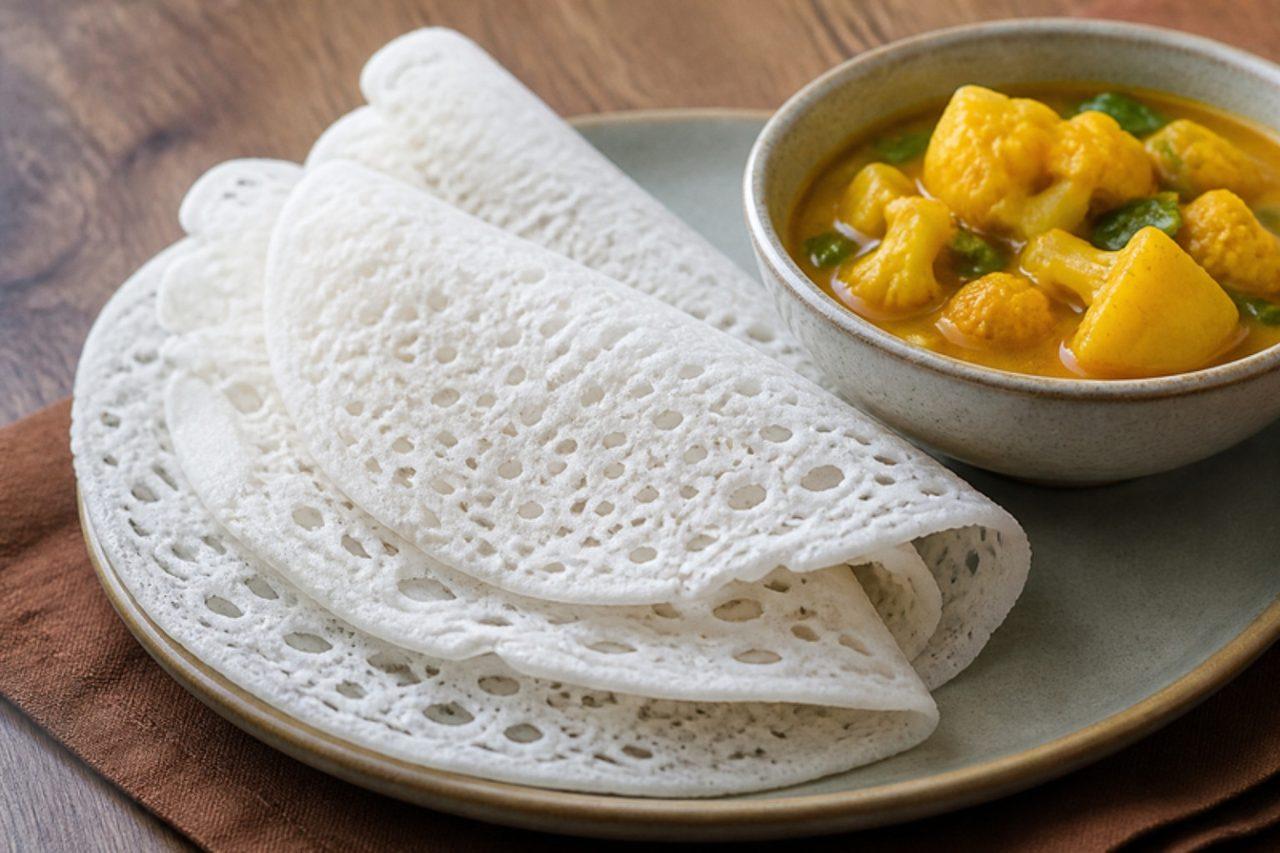
Chhit means a splash or a sprinkle, and that is exactly how this Chittagong bread is made: the cook dips her fingers in a thin rice batter and flicks it across a hot pan in criss-cross lines until it forms a fragile net. It cooks in seconds, is folded into a soft lacy square and stacked under a cloth, and comes out at Eid breakfasts, winter weddings and mezban-season family meals. Chittagonian households usually eat it with a dark beef kala bhuna or duck curry, but it is just as good with a vegetable korma, chhola bhuna or a sweet dish of milk and jaggery. If the batter is too thick it falls in blobs rather than threads, so it should run off your fingers like single cream. Chef's tip: wipe the pan with an oiled cloth between each ruti so the lace lifts cleanly without tearing.

by KrazyBadal 0 views

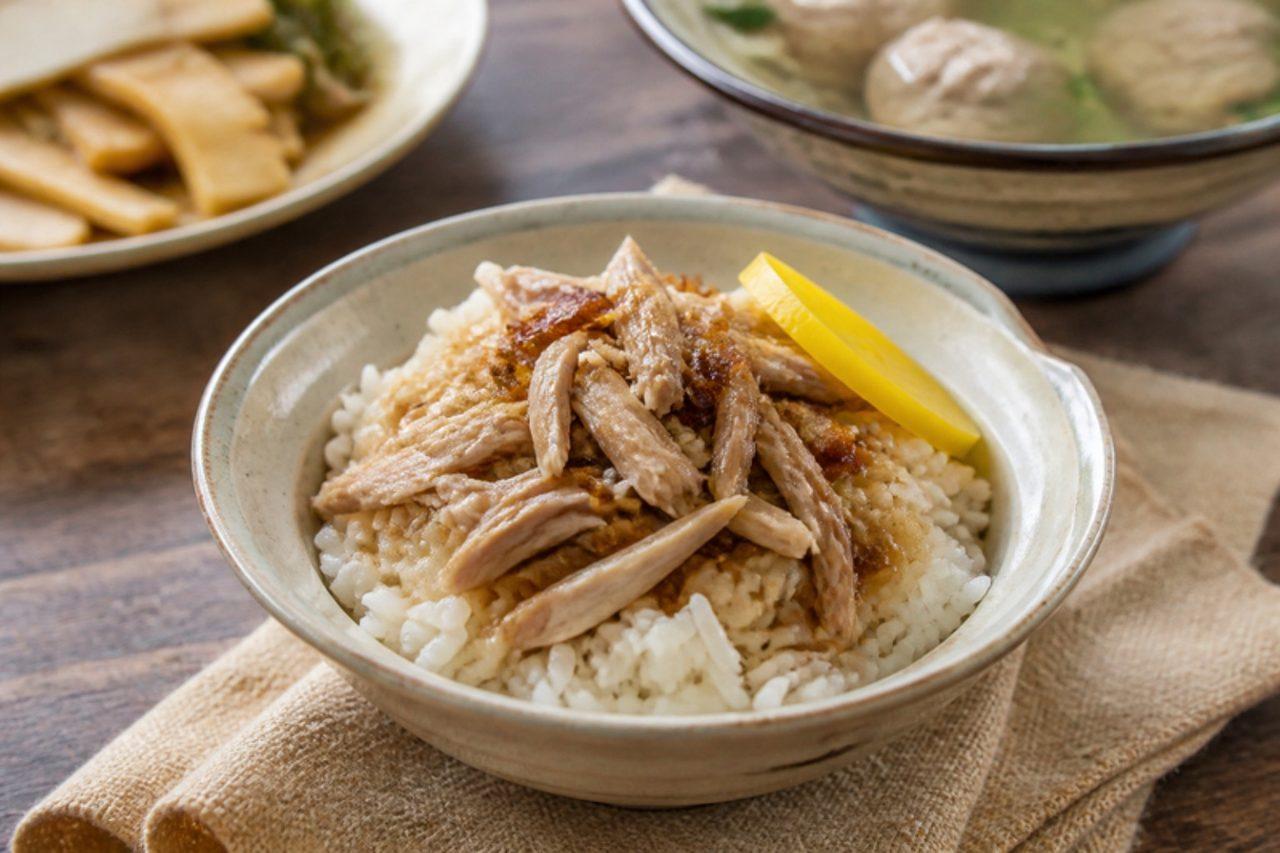
Chiayi turkey riceShredded turkey rice

Chiayi, in the south-central plains, is the town that put turkey on Taiwan's lunch tables: every few streets there is a shop selling small bowls of hot rice heaped with pulled turkey, drizzled with golden turkey-fat shallot oil and a sweet soy sauce, eaten with a yellow pickled radish and a bowl of clear soup. It is lunch, a late breakfast and a midnight bite. The meat should be moist and pull into soft strands, the rice glossy rather than wet. The usual error is boiling the turkey hard, which leaves it dry and stringy; poach it gently and let it cool in the liquid. Chef's tip: render the turkey skin and fat slowly to fry the shallots, so the oil tastes of the bird; use chicken fat or neutral oil if your turkey is lean.

by KrazyBadal 0 views

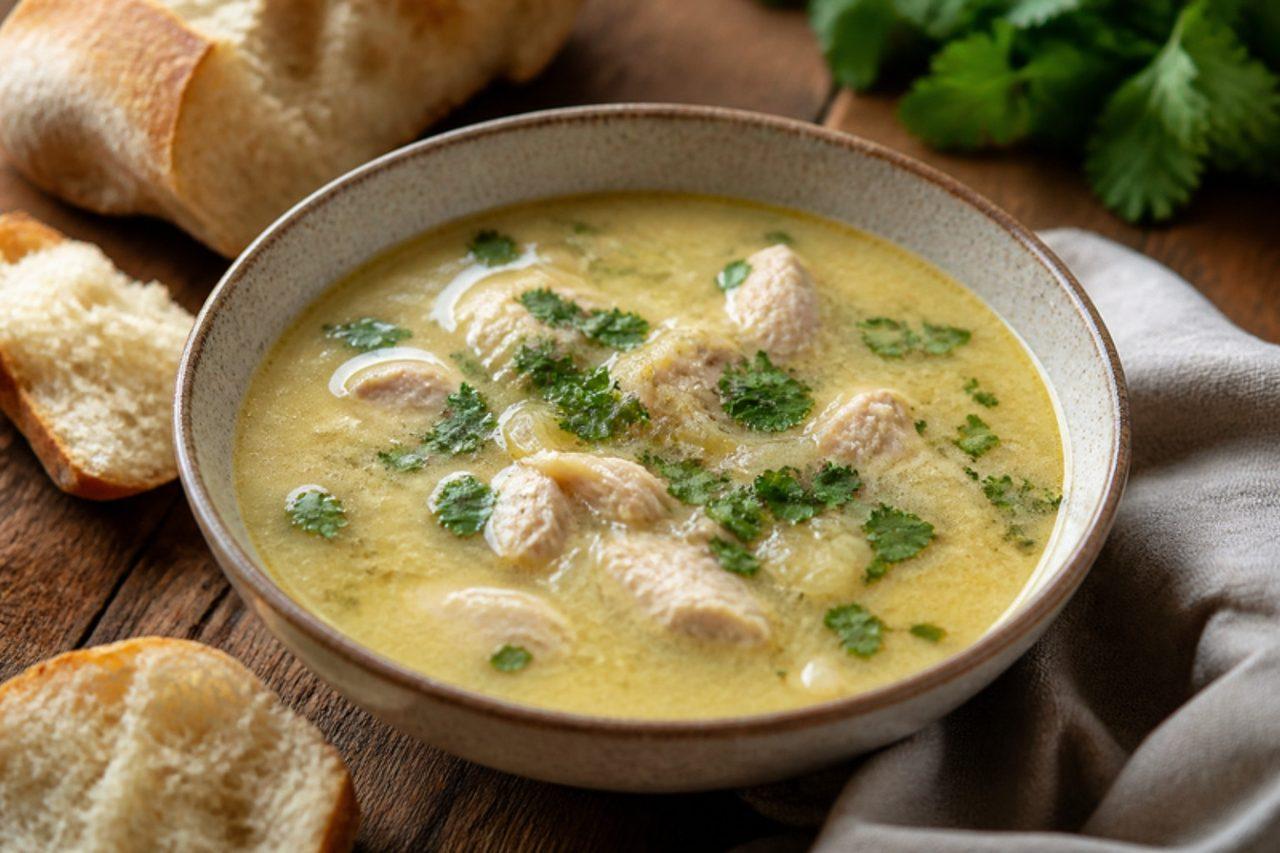
ChikhirtmaChicken and egg yolk soup

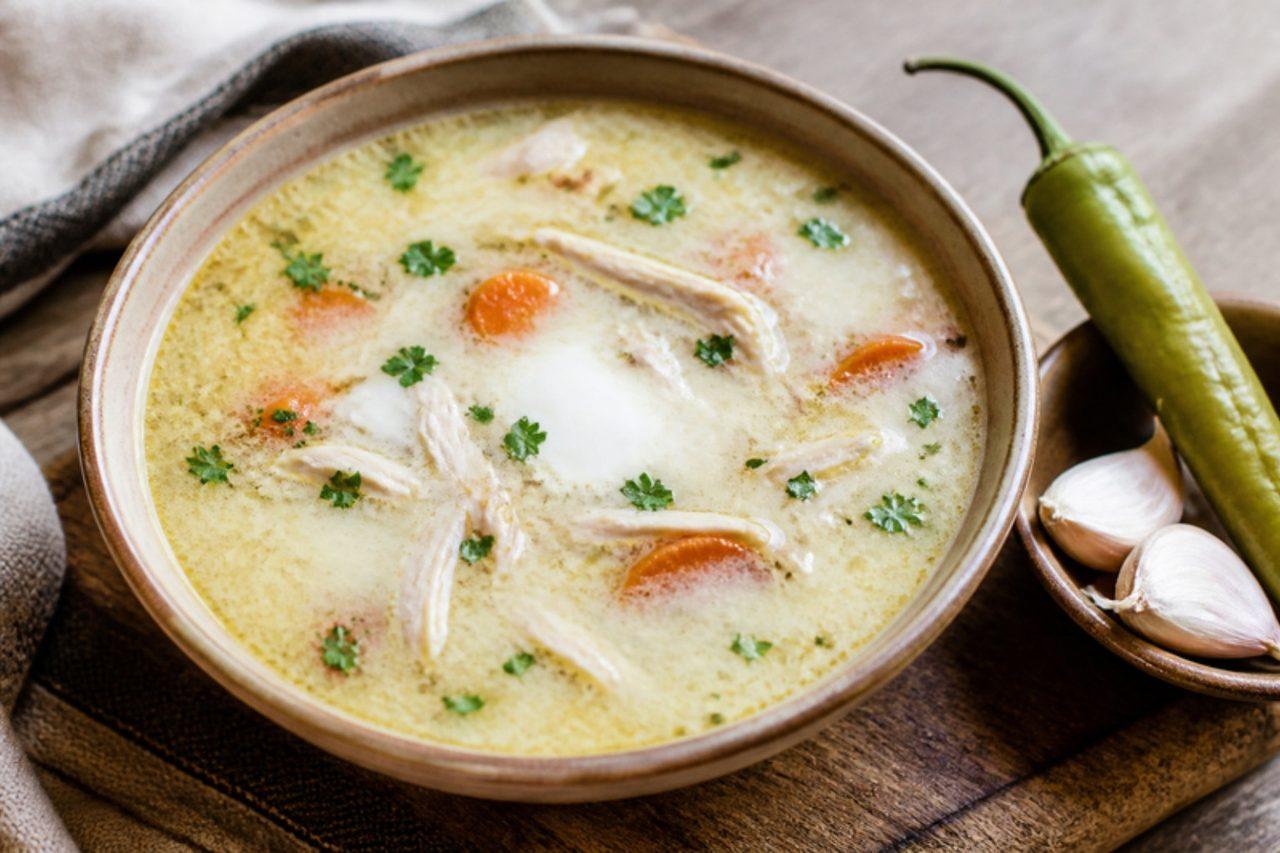
Chikhirtma is Tbilisi's comfort soup, the bowl you are given when you are ill or after a long night at a supra: a golden chicken broth with a lot of slowly fried onion, thickened with flour-free egg yolks beaten with a little vinegar, so it turns silky and pale and tastes gently sour. Coriander and a pinch of saffron or marigold finish it. A common mistake is pouring the yolks into boiling broth, which scrambles them into threads. Chef's tip: temper the yolks with a few ladles of hot broth first and keep the soup below a simmer once they go in; it thickens like custard. Chicken must reach 74 °C before you shred it.

by KrazyBadal 0 views

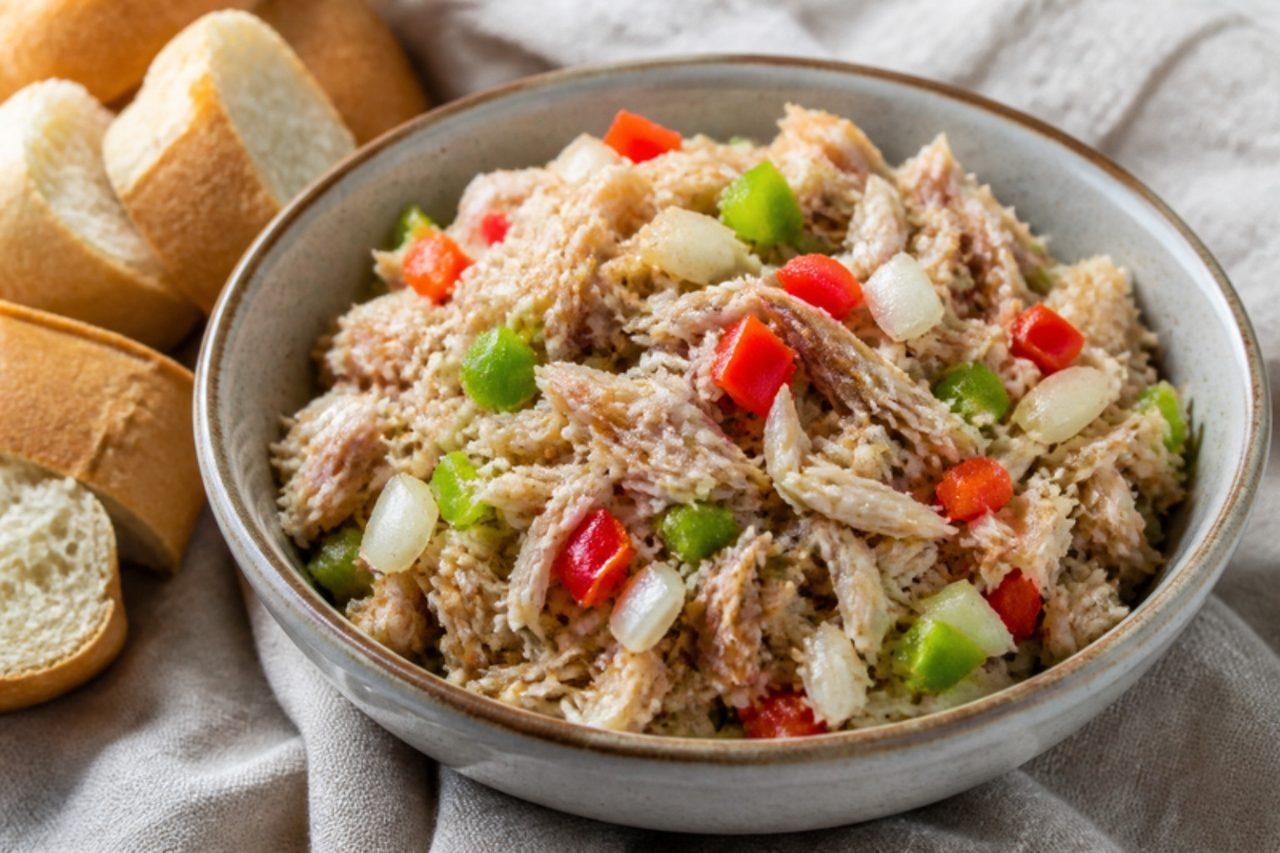
Chiktay aransòShredded smoked herring with peppers

Chiktay is a breakfast and snack dish from Haitian homes and street stalls: smoked herring shredded very finely, then tossed with onion, sweet peppers, garlic, hot pepper and lime in hot oil, served with boiled plantain, bread or cassava bread. It is salty, smoky, sharp and fiery, so a little goes a long way. The common mistake is skipping the soaking, which leaves the dish too salty to enjoy; two quick soaks in boiling water fix that. Pick out the fine bones carefully if your herring isn't boneless. Chef's tip: shred the soaked herring with two forks until it looks like fluffy threads; it absorbs the dressing far better.

by KrazyBadal 0 views

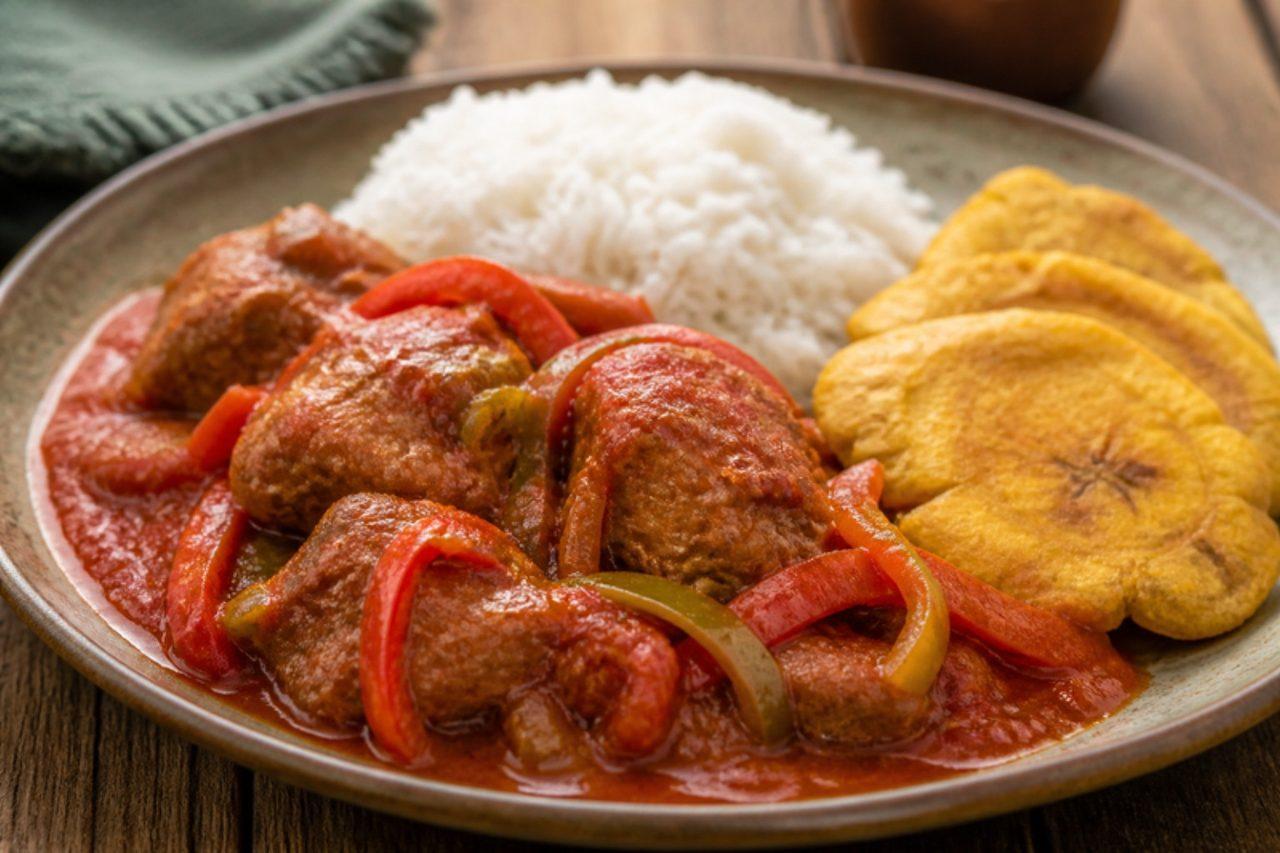
Chilindrón de chivoGoat stew with tomato and peppers

In Oriente, the eastern provinces around Santiago and Holguín, chilindrón de chivo is the dish for a farm celebration: goat marinated in sour orange and garlic, then stewed in a thick sauce of tomato, sweet peppers, cumin, oregano and dry wine until it is tender enough to pull from the bone. It is served with congrí or white rice and yuca. The wine is cooked for a long time; for an alcohol-free stew use stock with a tablespoon of vinegar. Goat is lean and becomes stringy if boiled hard, which is the most common mistake, so keep it at a gentle bubble. Chef's tip: marinate overnight in the fridge; it softens the strong goat flavour and seasons the meat to the bone.

190 minCubanMeatGluten free
by KrazyBadal 0 views

Dominican chimi burgerBurger with cabbage and mayo-ketchup

After dark in Santo Domingo, chimichurri carts (the "chimi" trucks) fire up griddles on street corners and sell these big, messy burgers into the small hours. A garlicky, oregano-seasoned beef patty, sometimes mixed with pork, is griddled and piled into a soft roll with lots of shredded cabbage, onion, tomato and the pink mayo-ketchup sauce. The common mistake is pressing the patty while it cooks, squeezing out the juices; flip it once and leave it. Cook the mince to 71 °C in the centre. Chef's tip: dress the shredded cabbage with a little of the sauce and lime first, so it softens slightly and stays in the bun.

by KrazyBadal 0 views

Chingri bhortaDry-fried shrimp mash

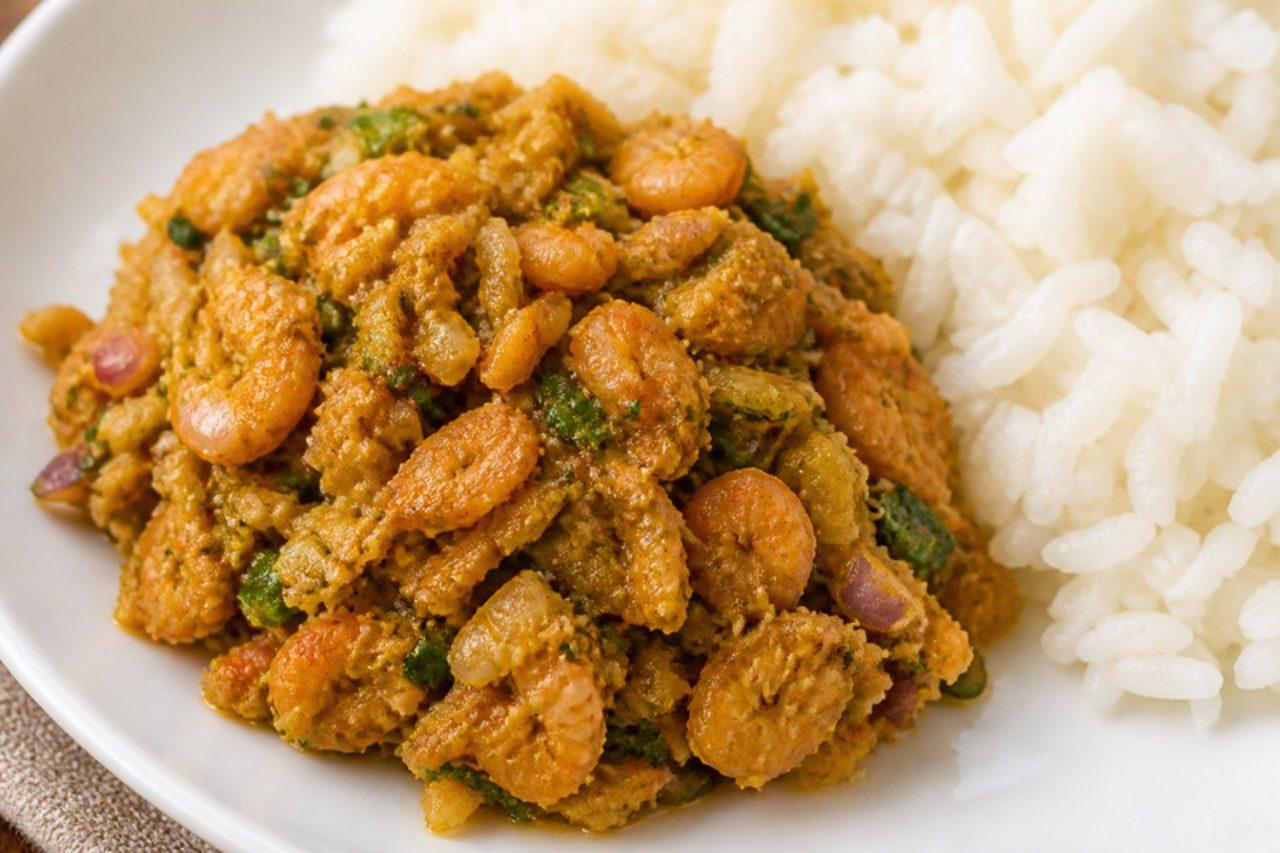
Chingri bhorta is the bhorta most likely to win over newcomers: tiny fresh shrimp, the kind sold by the heap in every bazar, dry-fried until pink and toasty, then mashed by hand with raw onion, green chilli, coriander and a trickle of pungent mustard oil. It is sweet from the shrimp, sharp from the onion and hot from the chilli, and it is eaten in small balls with hot rice, often alongside aloo bhorta and begun bhorta. It takes less than half an hour and works perfectly well with frozen small prawns. A typical error is adding oil to the pan, which stews the shrimp instead of toasting them; dry heat brings out their sweetness. Chef's tip: rub the mash with your fingertips rather than a blender, so it stays rough and the onion keeps its crunch.

by KrazyBadal 0 views

ChirbuliEggs in tomato walnut sauce

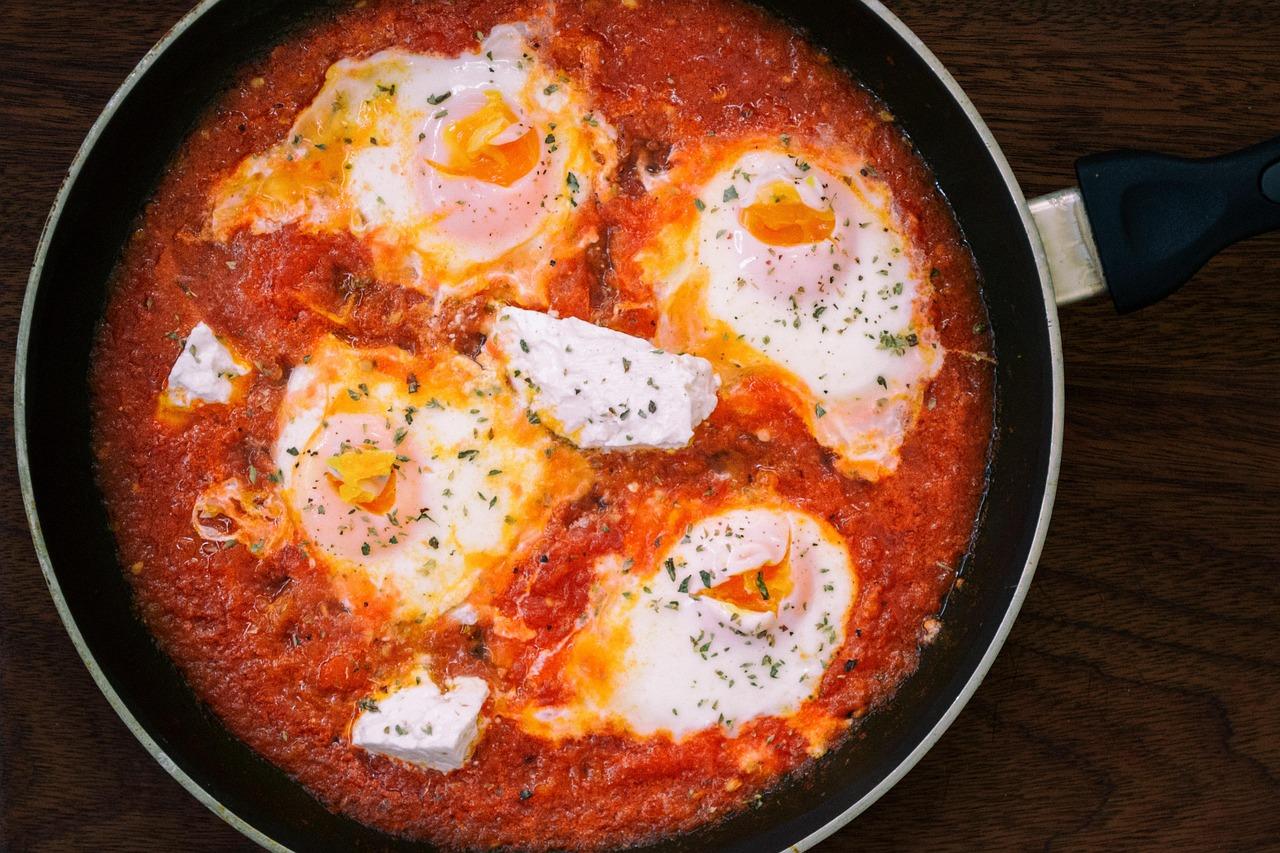
Families in Batumi and the coastal villages of Adjara make chirbuli for slow weekend breakfasts: onions and ripe tomatoes stewed with a spoon of crushed walnuts and plenty of herbs, with eggs cracked into the sauce and cooked until just set, so the yolks run into it. It is a cousin of shakshuka with a Georgian walnut richness, eaten with bread to wipe up the plate. A common mistake is putting the lid on and walking away; the yolks overcook and go chalky in a minute. Chef's tip: grind the walnuts with garlic and coriander seed first, so they melt into the sauce instead of staying gritty.

by KrazyBadal 0 views

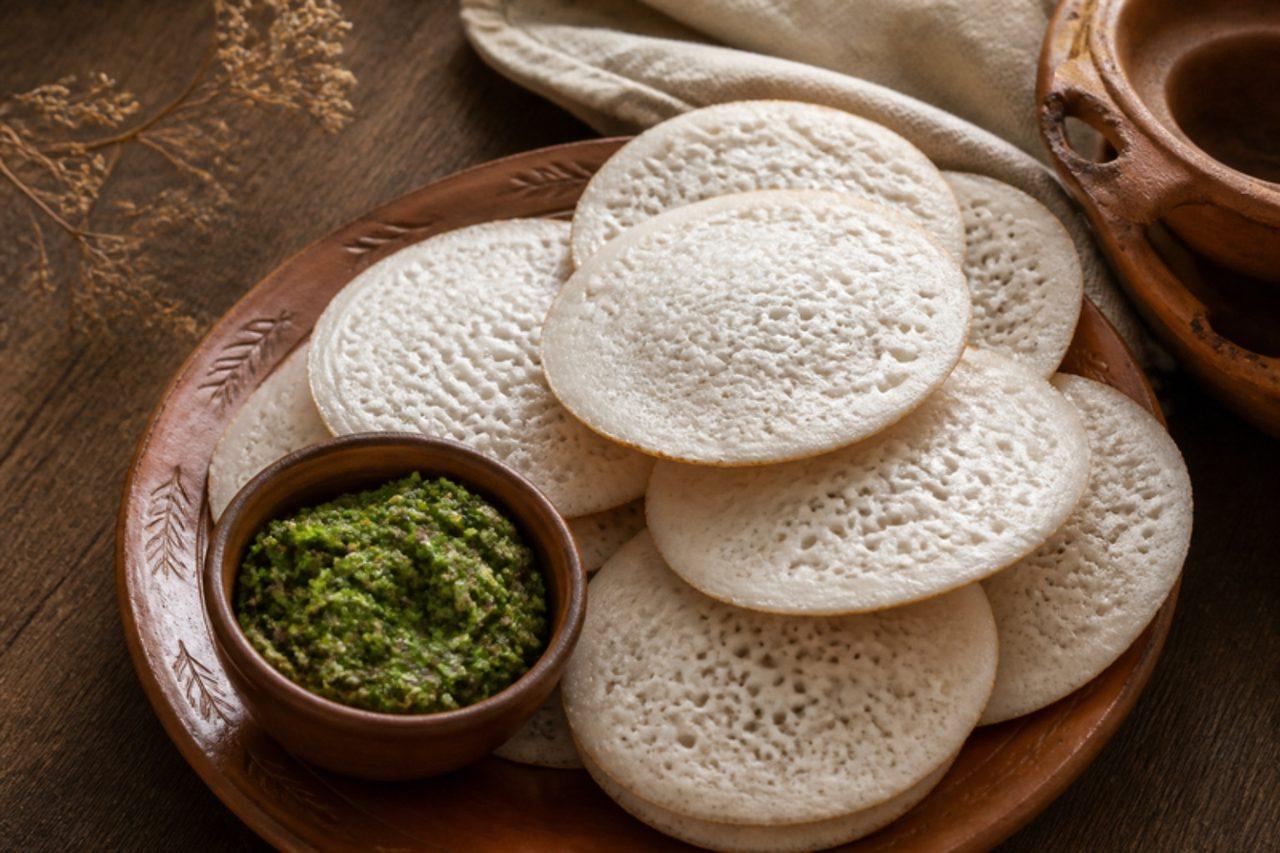
Chitoi pithaSpongy rice flour cakes

As soon as the cold arrives in December, women set up clay stoves on the pavements of Dhaka, Mymensingh and every district town, and chitoi pitha is what they sell: round, white rice cakes steamed and baked in small covered clay moulds, smooth and slightly crisp underneath and full of tiny holes on top. Winter evenings are spent queuing for them, and they are eaten hot with a row of bhortas, mustard, coriander, garlic or dried fish, or with duck curry. At home, leftover chitoi is soaked overnight in milk sweetened with date-palm jaggery to make dudh chitoi for breakfast. A batter that is too thin gives flat, dense cakes; it should be like a thick pancake batter. Chef's tip: blend a spoonful of cooked rice into the batter, which keeps the pitha soft and spongy even after it cools.

by KrazyBadal 0 views

Chiu chow fun guoPork and peanut dumplings

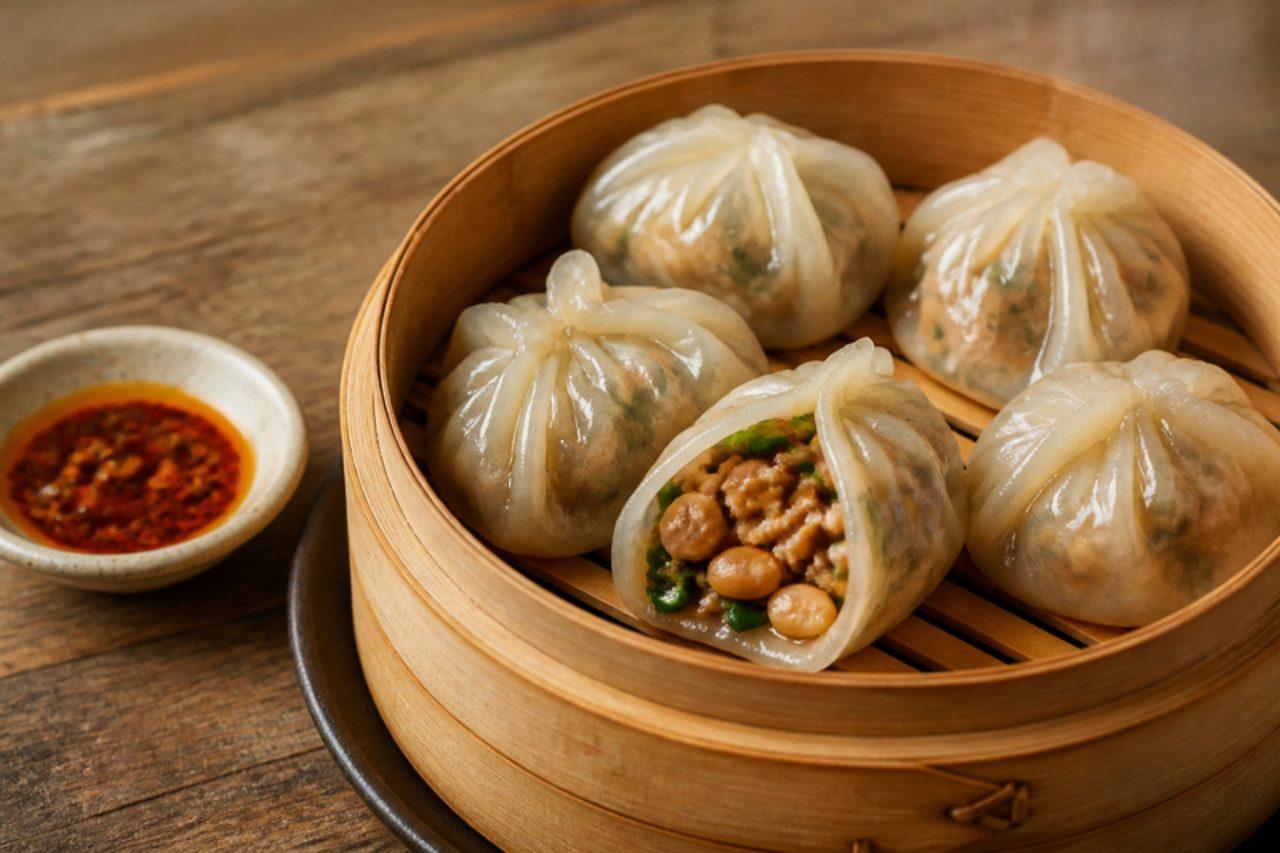
Chiu Chow families who settled around Sheung Wan and Kowloon City brought these chubby half-moon dumplings with them, and Hong Kong teahouses still steam them in bamboo baskets for the morning crowd. The wrapper is a mix of wheat and tapioca starch that turns translucent and slightly elastic, so you can see the filling inside: minced pork, crunchy roasted peanuts, garlic chives, salty preserved radish and a little dried shrimp. Each bite is chewy, savoury and crunchy at once. Dab them with chilli oil or a little Chiu Chow chilli sauce. People often roll the dough too thin, then it tears as it steams; aim for 2 mm and keep it under a damp cloth while you work. Chef's tip: toast the peanuts yourself and add them at the very end so they stay crunchy.

by KrazyBadal 0 views

ChlebíčkyOpen sandwiches

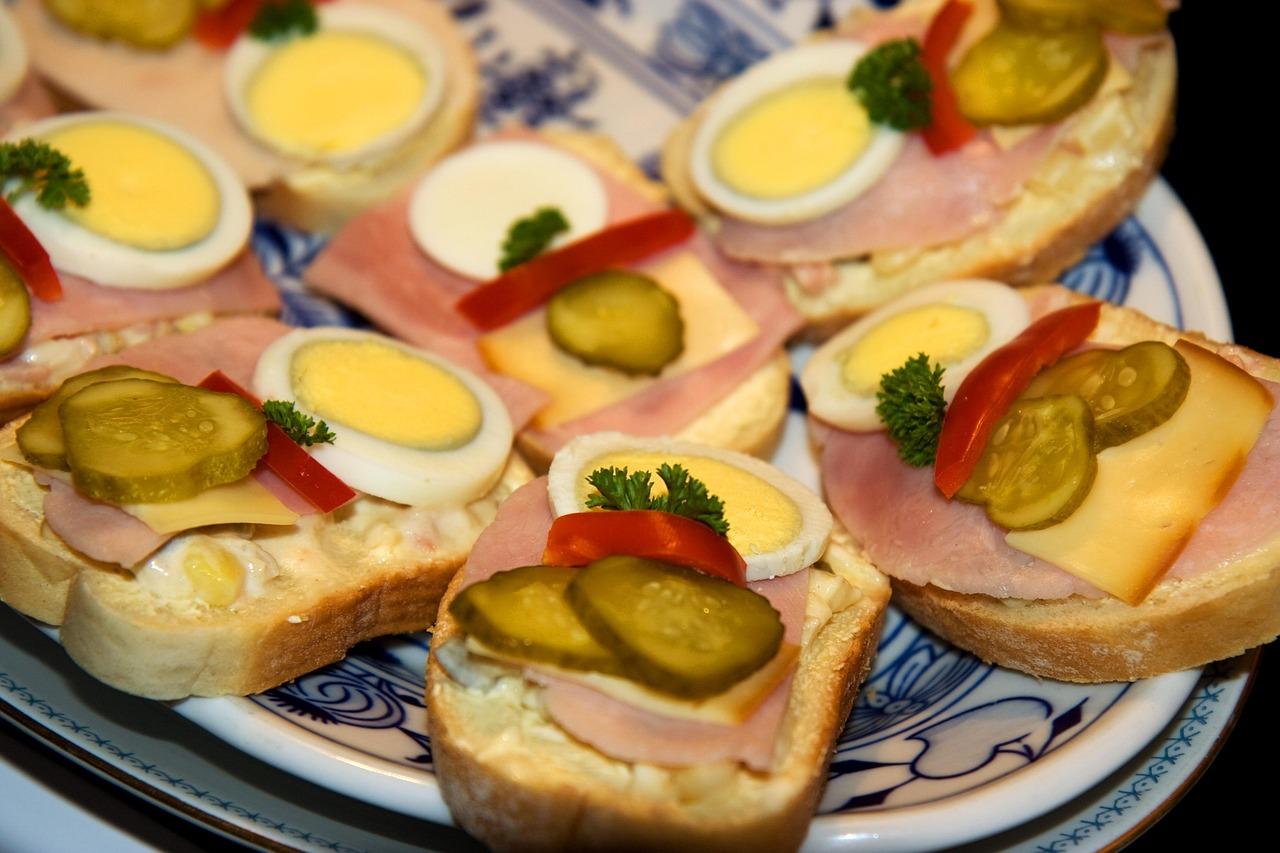
Prague's lahůdky delicatessens have sold chlebíčky since the early twentieth century, and these little open sandwiches are still the first thing laid out for office celebrations, birthdays and New Year's Eve. Diagonal slices of soft white veka bread are spread with potato salad, then decorated with a rolled slice of cooked pork ham, half a hard-boiled egg, cheese, gherkin and a dot of mayonnaise, so each one looks like a small, neat picture. They are creamy, salty and fresh at once. A common mistake is assembling hours ahead on soft bread, which goes soggy; build them no more than an hour before serving and keep them in the fridge, never out for more than 2 hours. Boil the eggs until the yolks are firm. For a meat-free tray, skip the ham and double the egg and cheese. Chef's tip: a firm, day-old baguette slices more cleanly than fresh bread.

by KrazyBadal 0 views

ChomlekClay-pot beef with vegetables

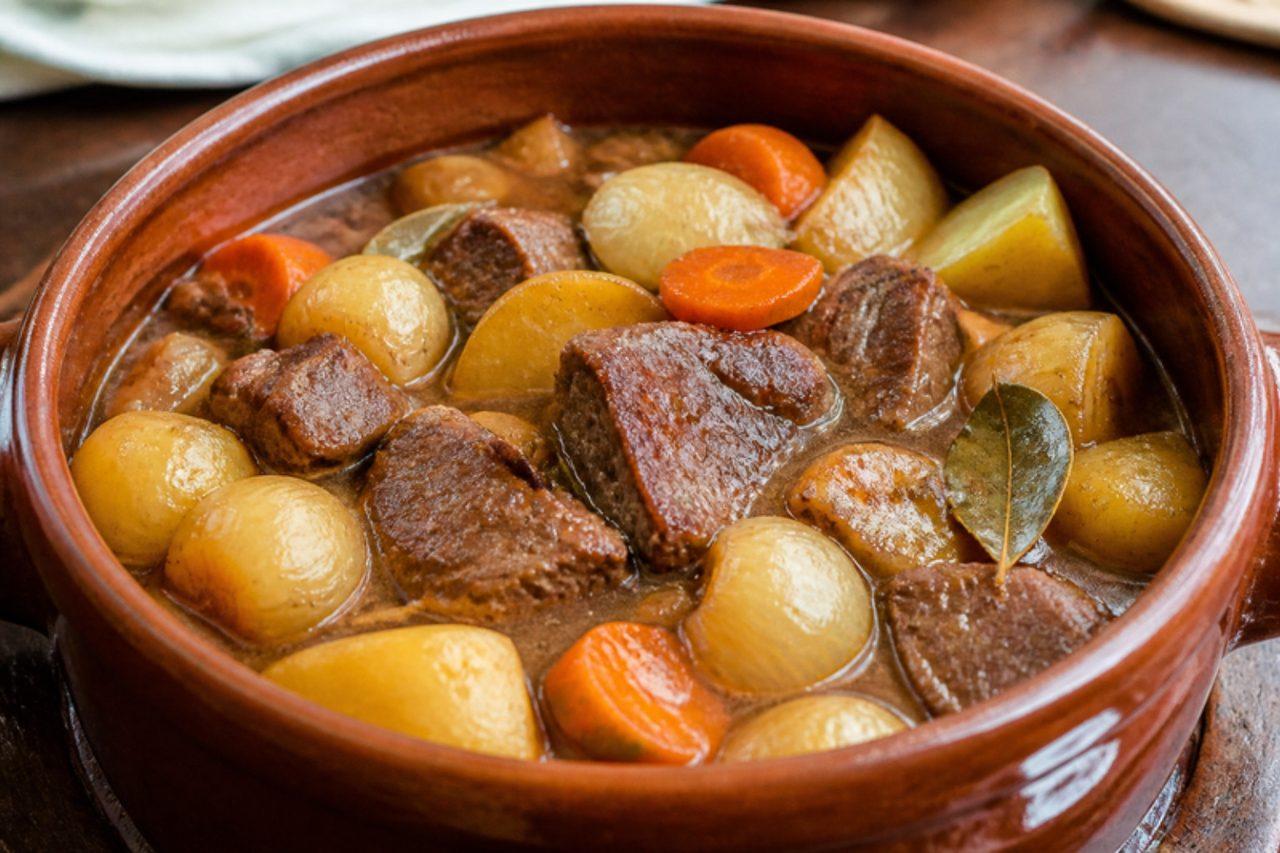
Rhodope housewives once set the chomlek pot in the embers of the hearth in the morning and came back from the fields at dusk to a supper that had cooked itself. Chunks of beef, or pork in some villages, go into the pot with whole small onions, carrots, potatoes, garlic and tomato, seasoned with paprika, allspice, black pepper, bay and savory. Hours of gentle heat make the beef spoon-tender and turn the onions sweet and jammy in a thick red gravy. It is a whole meal in one pot; add pickles or a cabbage salad on the side. Many old recipes pour in a glass of red wine; here a spoon of red wine vinegar gives the same lift with no alcohol. A common mistake is browning in a crowded pan, which leaves the gravy pale, so brown the beef in batches until dark. Chef's tip: soak the small onions in boiling water for two minutes and the skins slip right off.

by KrazyBadal 0 views

ChokladbollarNo-bake chocolate oat balls

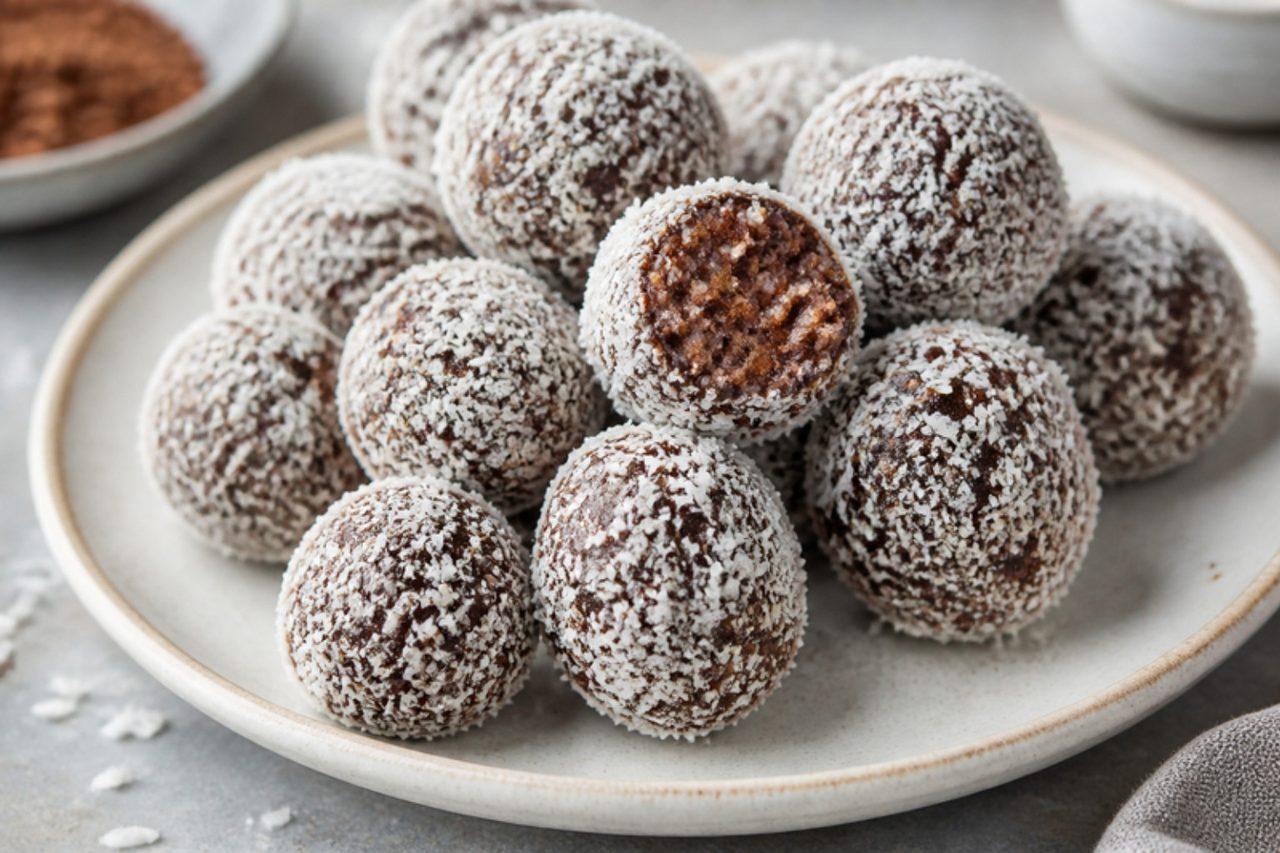
Chokladbollar are the first thing Swedish children learn to make: oats, butter, sugar and cocoa mashed together by hand, rolled into balls and coated in desiccated coconut or pearl sugar, then chilled. They sit in every café cabinet in Sweden for fika, and grown-ups add a spoon of strong coffee to the mix. This version uses milk, with coffee as an option for adults. A common mistake is using soft, melted butter, which makes a greasy mix that won't roll. Chef's tip: use butter at cool room temperature and chill the mix for 20 minutes before rolling.

by KrazyBadal 0 views

ChoregBraided Easter bread

Choreg is baked in Armenian homes for Easter from Yerevan to Beirut, Marseille and Los Angeles: soft, slightly sweet braided loaves scented with mahleb, the ground kernel of a wild cherry, glazed with egg and scattered with nigella or sesame seeds. Families bake big batches on Holy Saturday and share them with neighbours after church. A common mistake is adding too much flour to a sticky dough, which makes dry, heavy bread. Chef's tip: let the dough rise slowly, even overnight in the fridge; the flavour develops and the cold dough is easy to braid.

by KrazyBadal 0 views

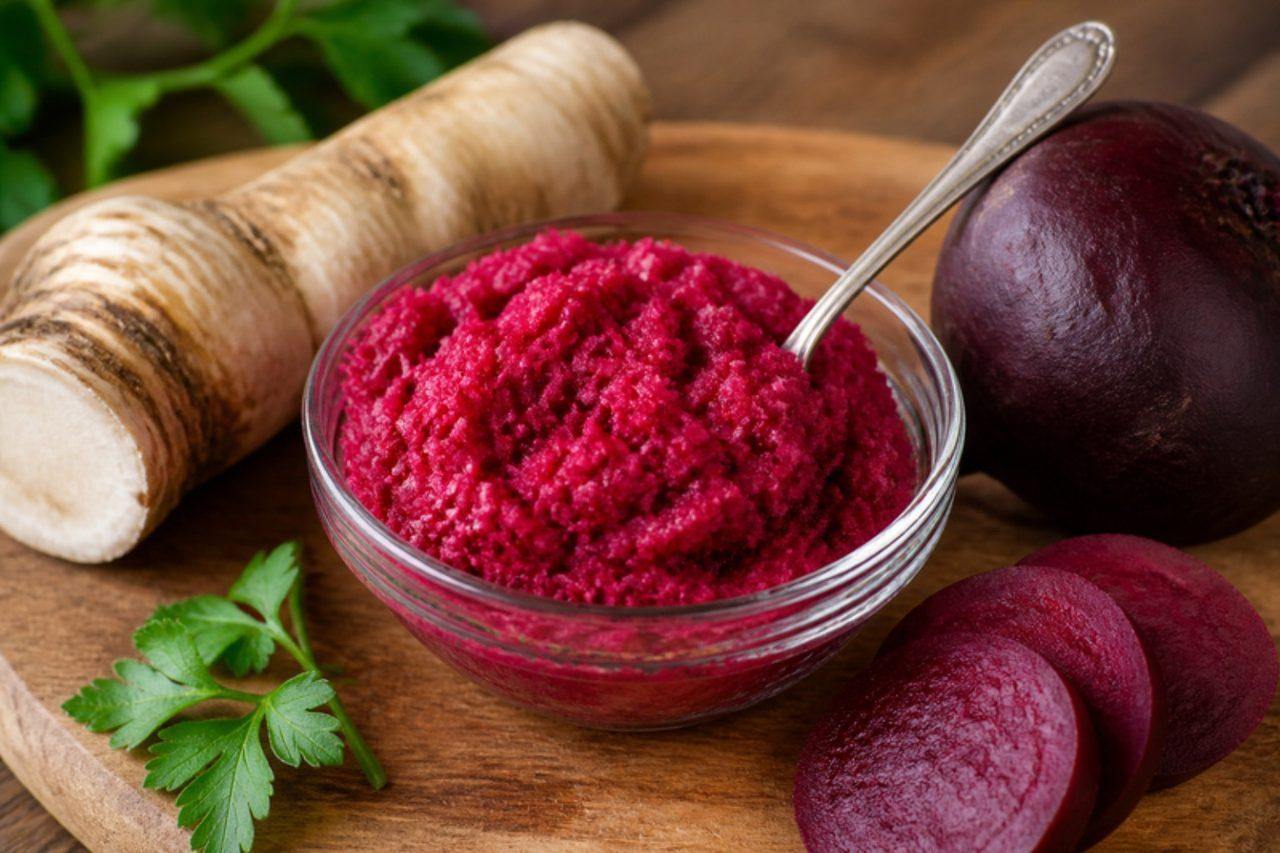
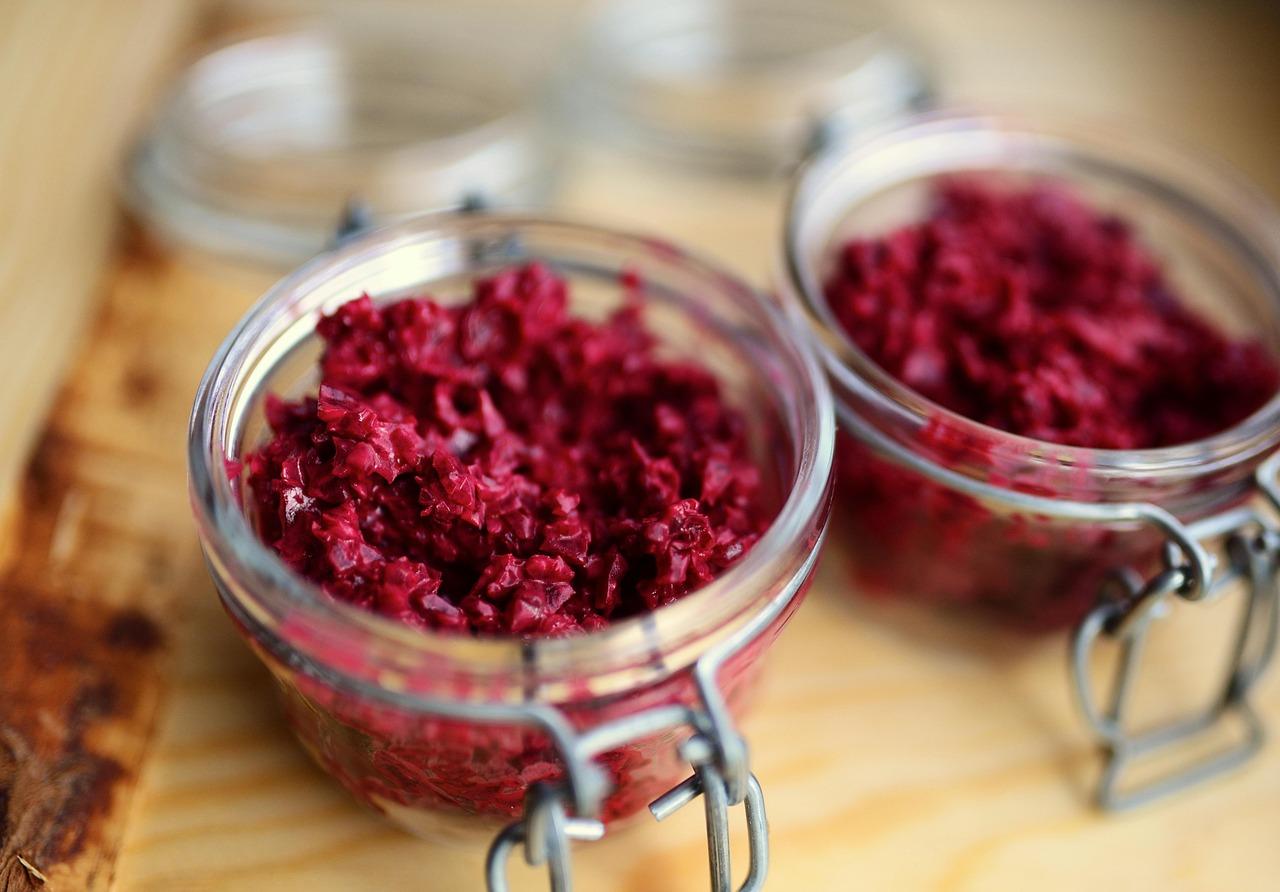
ChrainHorseradish and beetroot relish

On the seder table and beside Shabbat gefilte fish, Ashkenazi families in Israel set out a bowl of chrain, a magenta relish of freshly grated horseradish and cooked beetroot. Its heat goes straight up the nose and clears the head, softened by the earthy sweetness of beet, a pinch of sugar and sharp vinegar. It keeps for weeks in the fridge and also livens up roast vegetables, boiled potatoes and egg salad. The common mistake is grating horseradish in a closed room with your face over the bowl: its fumes sting the eyes badly. Chef's tip: add the vinegar straight after grating, it fixes the heat at its peak; the longer grated horseradish sits without acid, the milder and more bitter it becomes.

by KrazyBadal 0 views

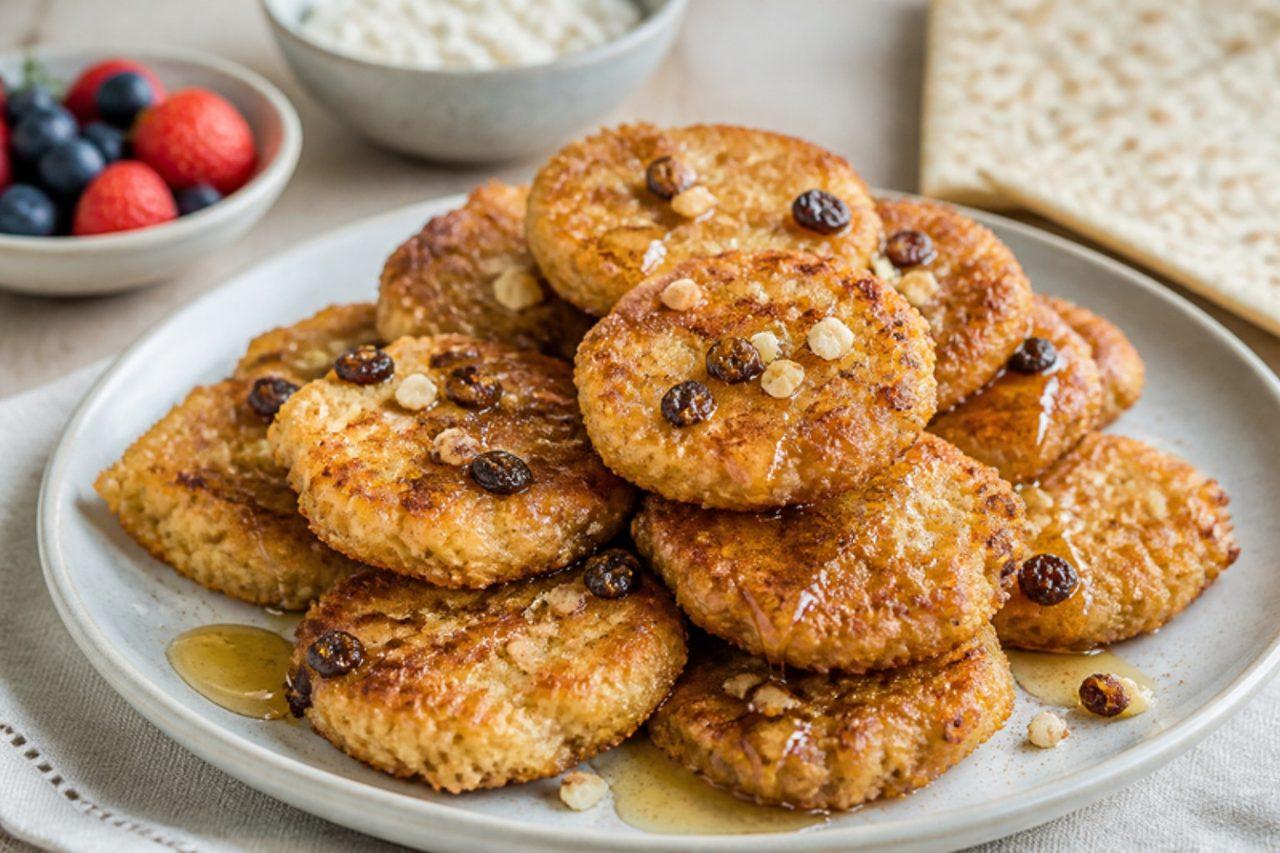
ChremslachMatzo meal fritters

Chremslach are a Galician and Polish Passover sweet still fried in Ashkenazi kitchens in Haifa and Jerusalem during the holiday week, often eaten as a dessert after the seder leftovers or for a festive breakfast. Matzo meal is mixed with eggs, sugar, raisins, chopped almonds and cinnamon into a thick batter, then dropped into hot oil in spoonfuls to make small, puffy fritters, crisp outside and soft inside. Serve them warm, dusted with sugar or drizzled with honey. The common mistake is frying straight away: the matzo meal needs 15 minutes to swell, or the fritters fall apart in the oil. Chef's tip: wet your spoon between fritters so the sticky batter slides off cleanly.

by KrazyBadal 0 views

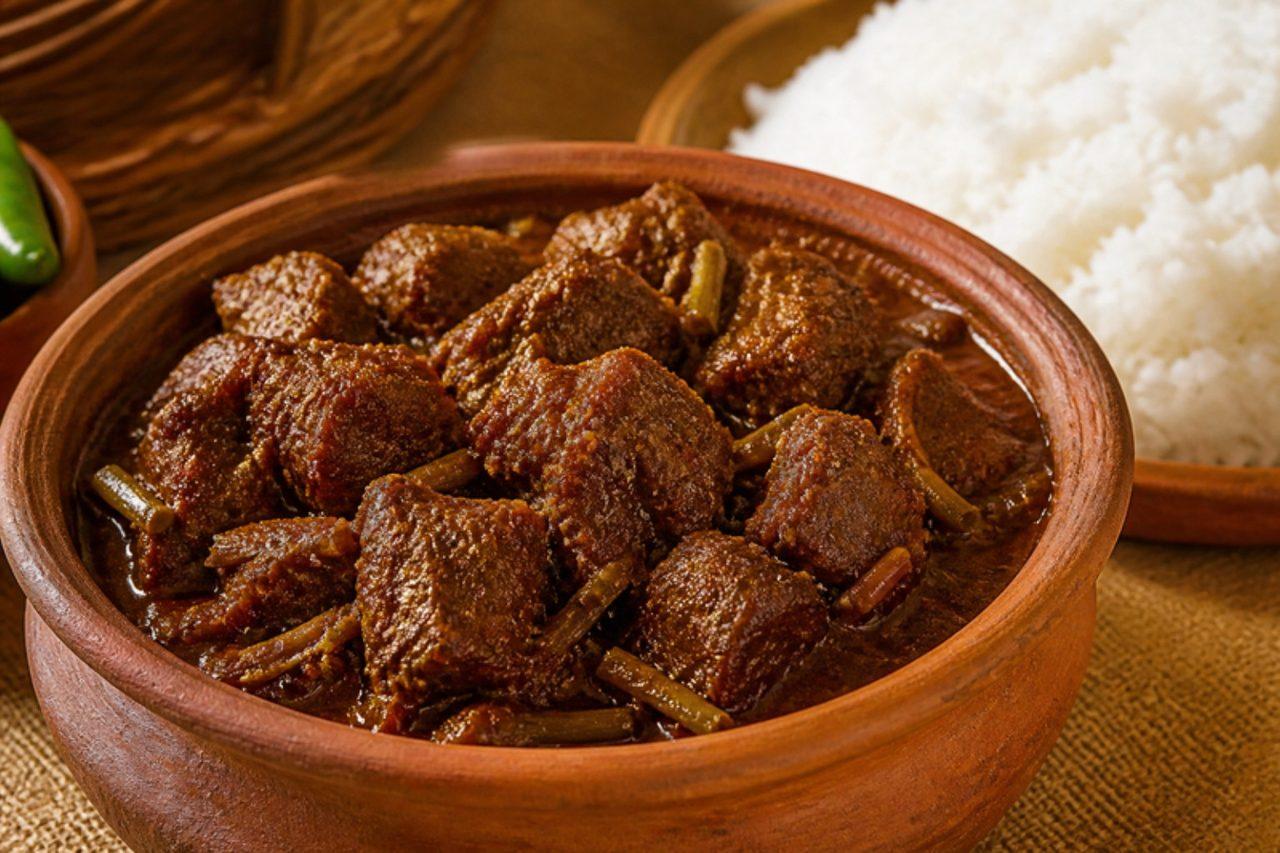
Chuijhal mangshoBeef with chuijhal spice

Few ingredients say Khulna, Jessore and Satkhira like chuijhal, the thick stem and root of a pepper vine that climbs trees in the southwestern districts; chopped into chunks and cooked with meat, it gives a heat that is fragrant, woody and peppery rather than sharp. Roadside hotels between Khulna and Bagerhat are famous for their chuijhal mutton and beef, eaten with plain rice or soft chapatis, and the softened chunks of chuijhal are chewed for their juice at the end. In the UK some Bangladeshi grocers sell it frozen; if you cannot find it, long pepper and black pepper give a fair impression, though not the same aroma. The usual mistake is adding the chuijhal at the start, which cooks out its perfume; it goes in for the last half hour. Chef's tip: peel the tough outer skin from thicker stems, and split them lengthways so the flavour comes out.

by KrazyBadal 0 views

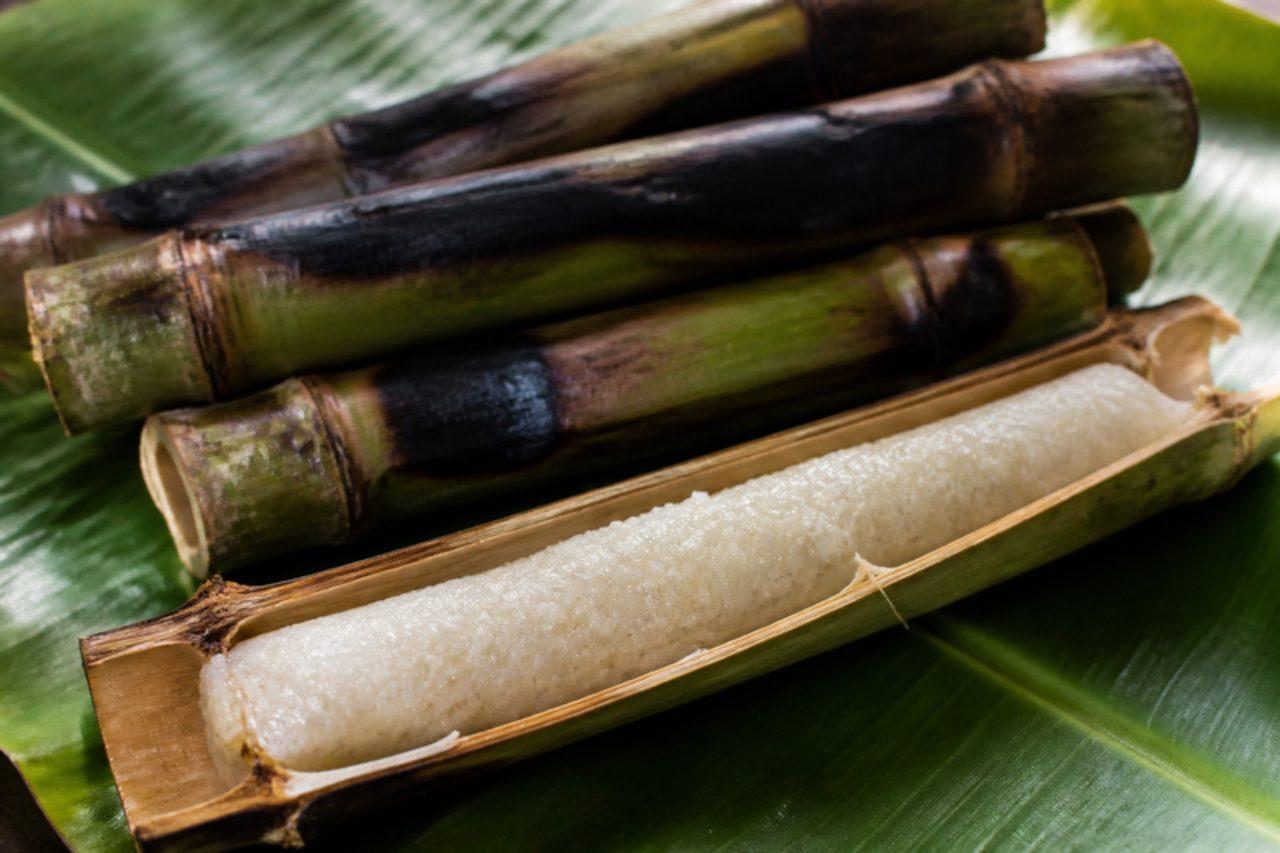
Chunga pithaBamboo-roasted sticky rice

On cold winter nights in Sylhet and Moulvibazar, especially among the Manipuri and Khasi villages near the hills, sticky binni rice is packed into green sections of dolu bamboo with milk, sugar and coconut, plugged with straw and pushed into the embers of a fire. As the bamboo blackens the rice steams inside, and when the tube is split open it slides out as a smooth, glossy log, sweet, milky and faintly smoky. Families eat it hot, sliced into rounds, sometimes with a curl of date-palm jaggery or with fish curry for a savoury contrast. Fresh bamboo is hard to find outside Bangladesh, so this recipe also gives a banana-leaf and foil method that works under a hot grill. Underfilled tubes are the classic misstep: the rice needs room to swell but should be packed to about three-quarters full. Chef's tip: soak the rice for at least 4 hours so it cooks evenly before the outside scorches.

by KrazyBadal 0 views

ChvishtariCornmeal and cheese cakes

Chvishtari belongs to the high villages of Svaneti, around Mestia and Ushguli, where cornmeal and cheese are the winter larder: a stiff cornmeal dough is worked with lots of grated sulguni, shaped into flat cakes and fried or baked so the cheese bubbles out and crisps at the edges. Svan families eat them hot with tea or with a bowl of lobio. A common mistake is using too little cheese; it is the cheese that binds the cornmeal, and a lean dough falls apart in the pan. Chef's tip: wet your hands when shaping, so the dough doesn't stick and the cakes stay smooth. Sulguni is usually made with animal rennet; use a vegetarian cheese.

by KrazyBadal 0 views

Chwee kuehSteamed rice cakes with preserved radish

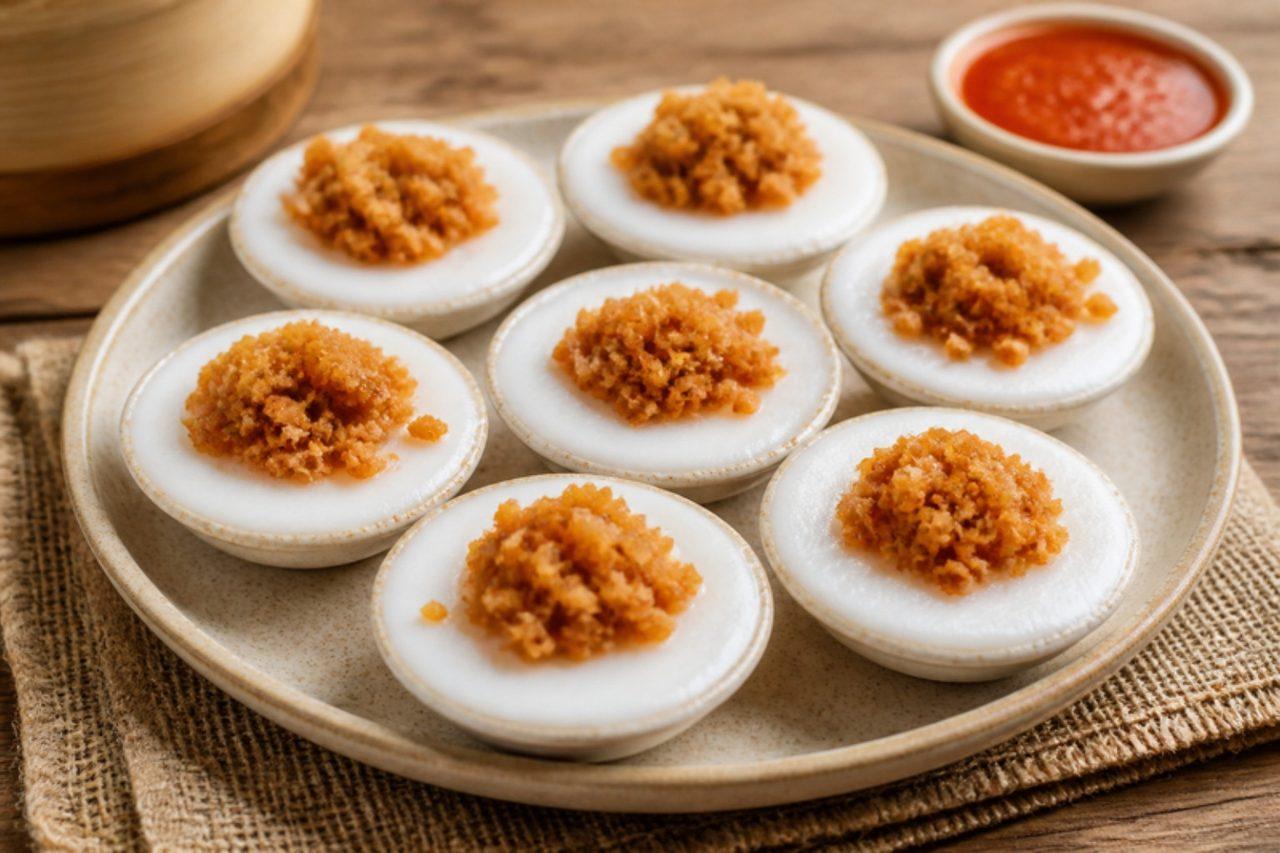
Breakfast queues at Tiong Bahru Market and Ghim Moh hawker centre move fast because chwee kueh is sold by the plateful: four or six flat white rice cakes, each with a shallow dimple holding a spoonful of glossy chye poh, fried preserved radish that is sweet, salty and a little crunchy. The cakes are just set, soft and slightly wobbly, and they are scooped from the moulds with a flat blade and eaten with a dab of sharp red chilli and a cup of kopi. Hawker chye poh is normally simply radish, garlic, oil and sugar, and this version keeps it that way, with no dried shrimp and no shrimp paste in the chilli. The usual mistake is trying to unmould the cakes while they are still warm; hot batter tears and sticks, so let them cool fully in their cups. Chef's tip: heat the empty, oiled moulds in the steamer for 3 minutes before you pour; the hot metal sets the bottom at once and gives you the classic dip in the middle.

by KrazyBadal 0 views

CicvaraKajmak and cornmeal porridge

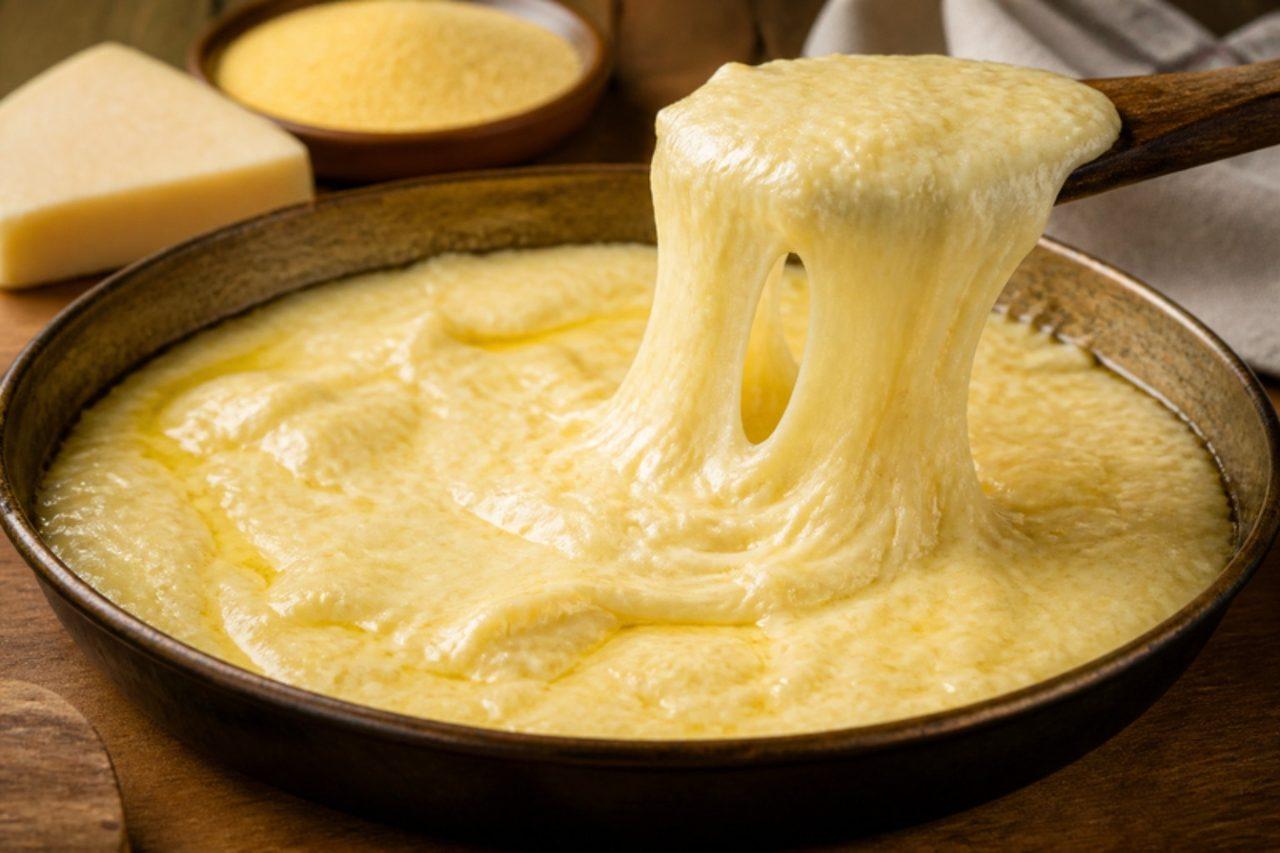
Shepherds' huts on the Durmitor and Sinjajevina plateaus in northern Montenegro gave the Balkans cicvara, a dish of kajmak and young cheese melted slowly with cornmeal until it turns rich, golden and stretchy and butter seeps out at the edges. It is stirred and eaten hot, often at breakfast after early milking, with a cup of cold sour milk or plain yogurt to cut the richness. Young cheese for this is fresh and mild; most is made with rennet, so look for one with vegetarian rennet if you need to, and use clotted cream if you can't get kajmak. A common mistake is turning up the heat to hurry it, which burns the bottom and makes the cheese seize into rubbery lumps. Chef's tip: stir with a wooden spoon in figure-of-eight strokes and keep going until a thread of cheese stretches as you lift it.

by KrazyBadal 0 views

ĆimburEggs cooked on sweet onion

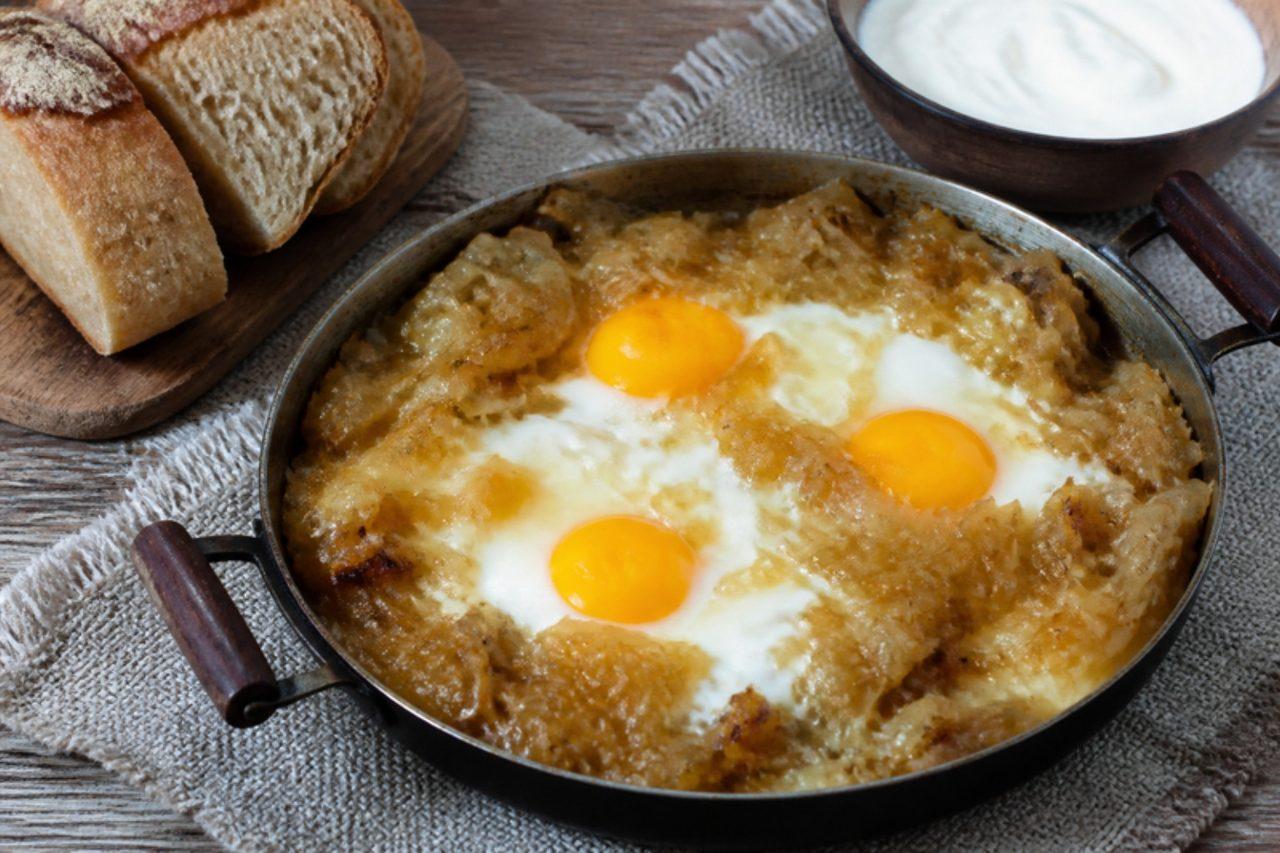
Bosnian home cooks make ćimbur when there are eggs, onions and not much else, and it is a favourite weekend breakfast, or a quick sehur before dawn during Ramadan. Lots of sliced onion is cooked gently in butter until meltingly soft and sweet, then eggs are cracked into little hollows and covered until the whites set, so you scoop up runny yolk, silky onion and a dusting of paprika with warm bread or somun. A bowl of plain yogurt on the side is common. A common mistake is rushing the onions over a high heat, so they scorch on the edges while staying crunchy inside; patience over a medium-low flame is what makes the dish. Chef's tip: if the onions start to catch before they are soft, add a splash of water and keep going.

by KrazyBadal 1 views

Ciorbă de fasole verdeGreen bean soup

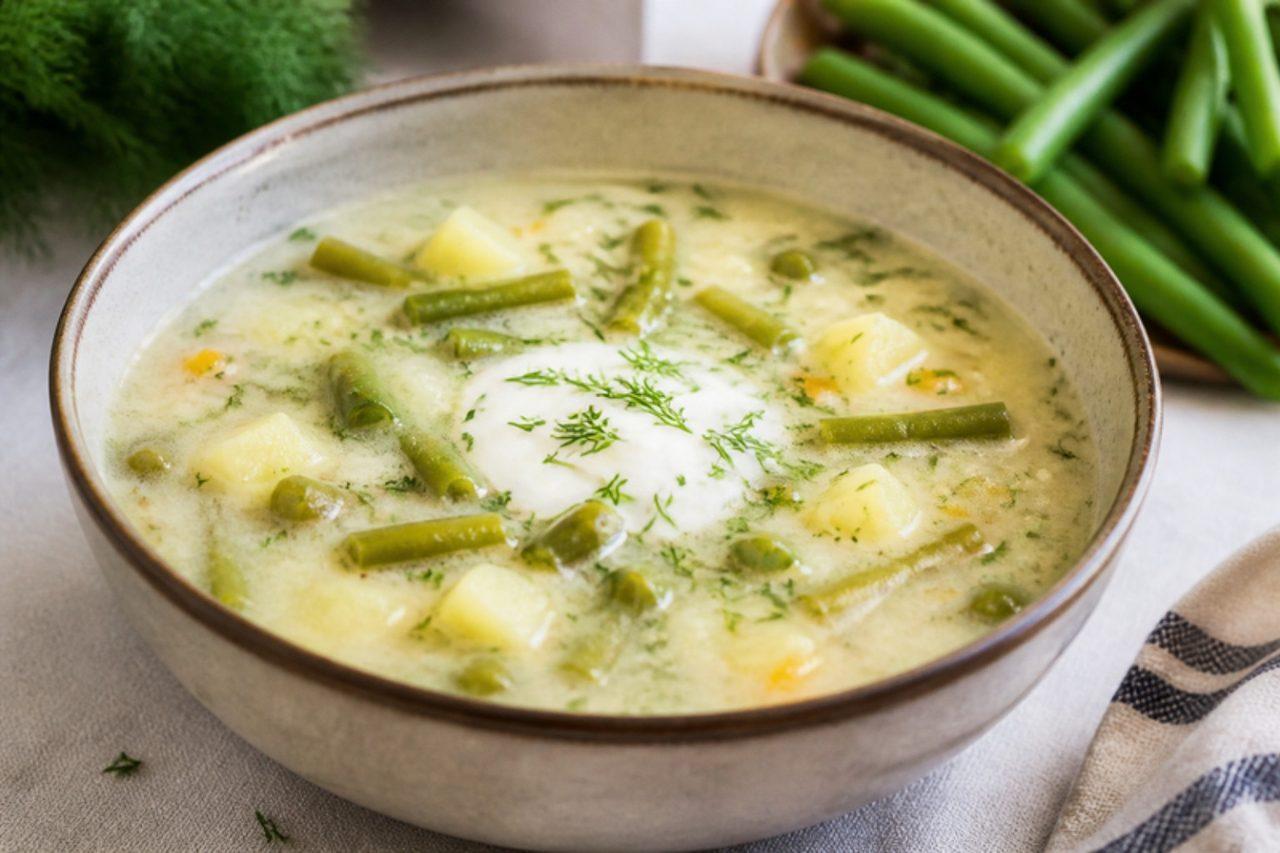
High summer in Transylvania means green beans by the basketful, and both Romanian and Hungarian households around Cluj and Târgu Mureș turn them into this pale, creamy, sour soup, which Hungarian cooks call tejfölös zöldbableves. Beans, potato and a little pepper simmer in a light tomato broth that is soured with vinegar, then finished off the heat with sour cream and a fistful of dill, so every spoonful is tangy, silky and fresh. Serve it hot for lunch with good bread, or with mămăligă for a thicker meal. The classic mistake is tipping cold sour cream straight into the boiling pot, where it curdles into flecks; temper it with hot broth first. Chef's tip: add the vinegar gradually and taste, as the soup should be bright but not sharp.

by KrazyBadal 0 views

Ciorbă de hribiPorcini soup

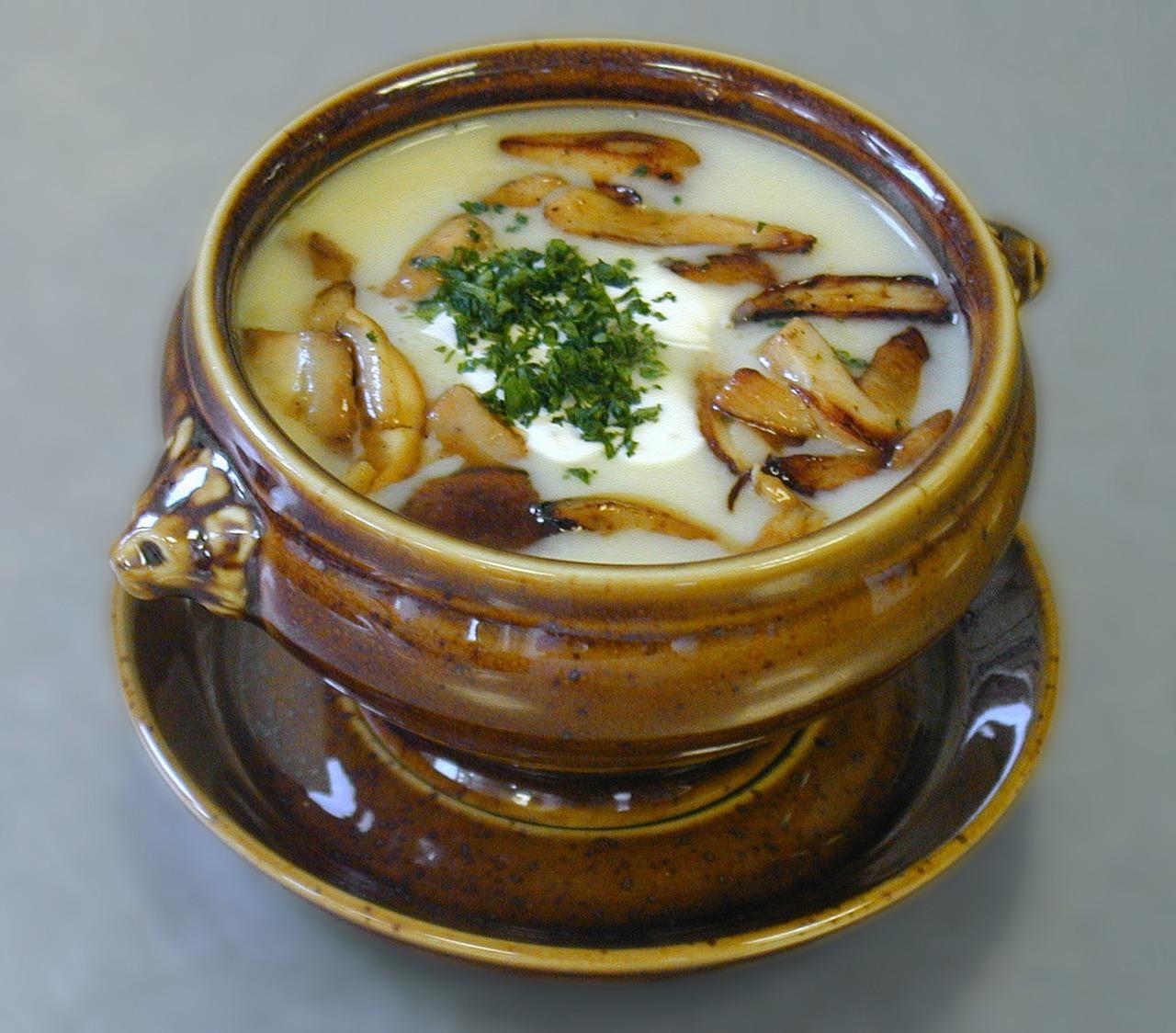
Late summer in the beech and spruce forests of Maramureș sends whole families out with baskets, and the first pot of the season is usually this sour porcini soup. Fresh hribi give it a meaty bite, a handful of dried ones deepen the broth, and a spoon of vinegar plus sour cream turns it into a proper ciorbă: tangy, creamy and smelling of the woods. It is eaten as a first course with a slice of rye bread and a fresh hot pepper on the side, often during the Orthodox fasting weeks in its cream-free form. The usual slip is stirring cold sour cream straight into the pot, where it splits into white flecks; warm it with a ladle of broth first. Chef's tip: keep the soaking water from the dried porcini and pour it in slowly, leaving the last spoonful and its grit behind in the bowl.

by KrazyBadal 0 views

Ciorbă de pește lipoveneascăDelta fish soup

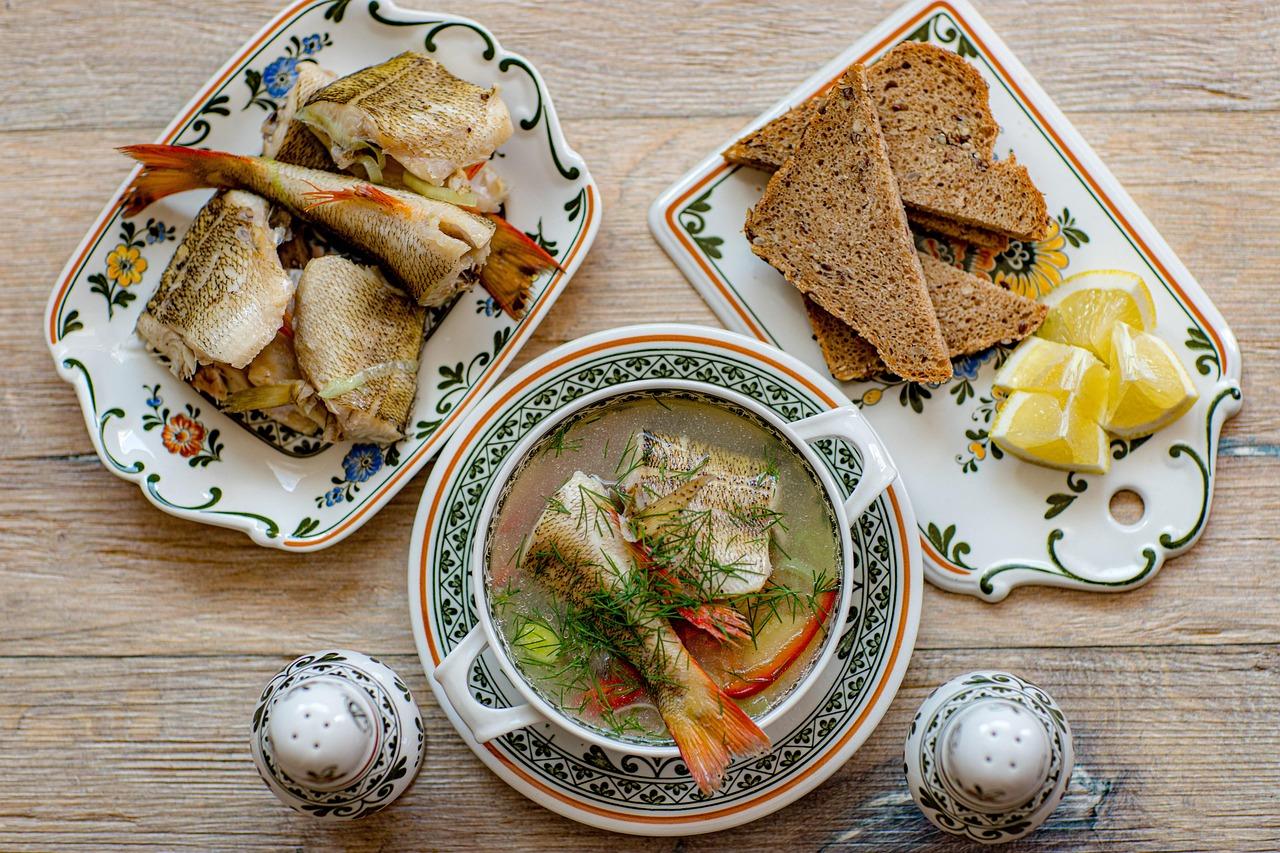
The Lipovans, Russian Old Believers who settled the Danube Delta villages of Jurilovca, Periprava and Mila 23 three centuries ago, cook their fish soup in a cauldron over a fire by the water. A broth is first made from the fish frames and tails with onion and pepper, strained, then the vegetables and thick pieces of several fish go in, usually carp, pike, zander and catfish, so each brings its own texture. The fish is lifted onto a platter and eaten with garlic sauce and mămăligă, while the clear, peppery, tomato-sharp broth is drunk from bowls. Where most cooks go wrong is stirring once the fish is in: it breaks into flakes. Shake the pot instead. Chef's tip: a splash of the cold sauerkraut juice or borș at the end, instead of lemon, gives the sourness Delta cooks prefer.

by KrazyBadal 0 views

Ciorbă de pui cu tarhonChicken soup with tarragon

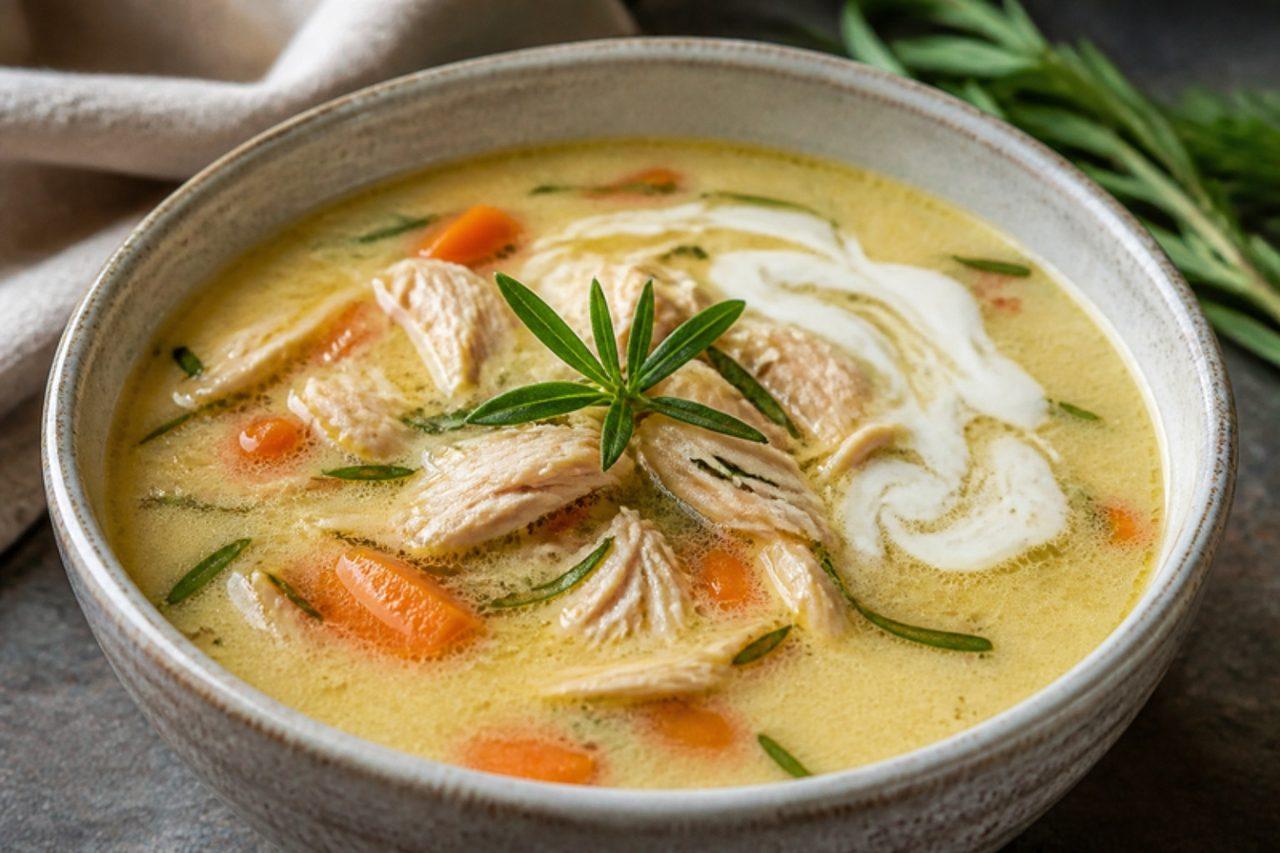
Tarragon grows in almost every garden in Transylvania, from Saxon villages near Sibiu to the Hungarian towns of Harghita, and it is what makes this chicken soup taste of the region. Pieces of chicken simmer with root vegetables and potato, the pot is soured with a splash of vinegar, and at the end sour cream and a big handful of chopped tarragon go in, giving a pale, creamy broth with a gentle aniseed lift. Unlike the egg-thickened soups of Moldavia, this one stays light and brothy. It is eaten as the first course of a Sunday lunch, with fresh bread and a hot pepper. A common mistake is adding the tarragon too early; long cooking turns it bitter and grey, so stir it in just before serving. Chef's tip: a spoon of tarragon pickled in vinegar, as Transylvanian cooks keep it, does the souring and flavouring in one.

by KrazyBadal 0 views

Ciorbă de urziciNettle soup

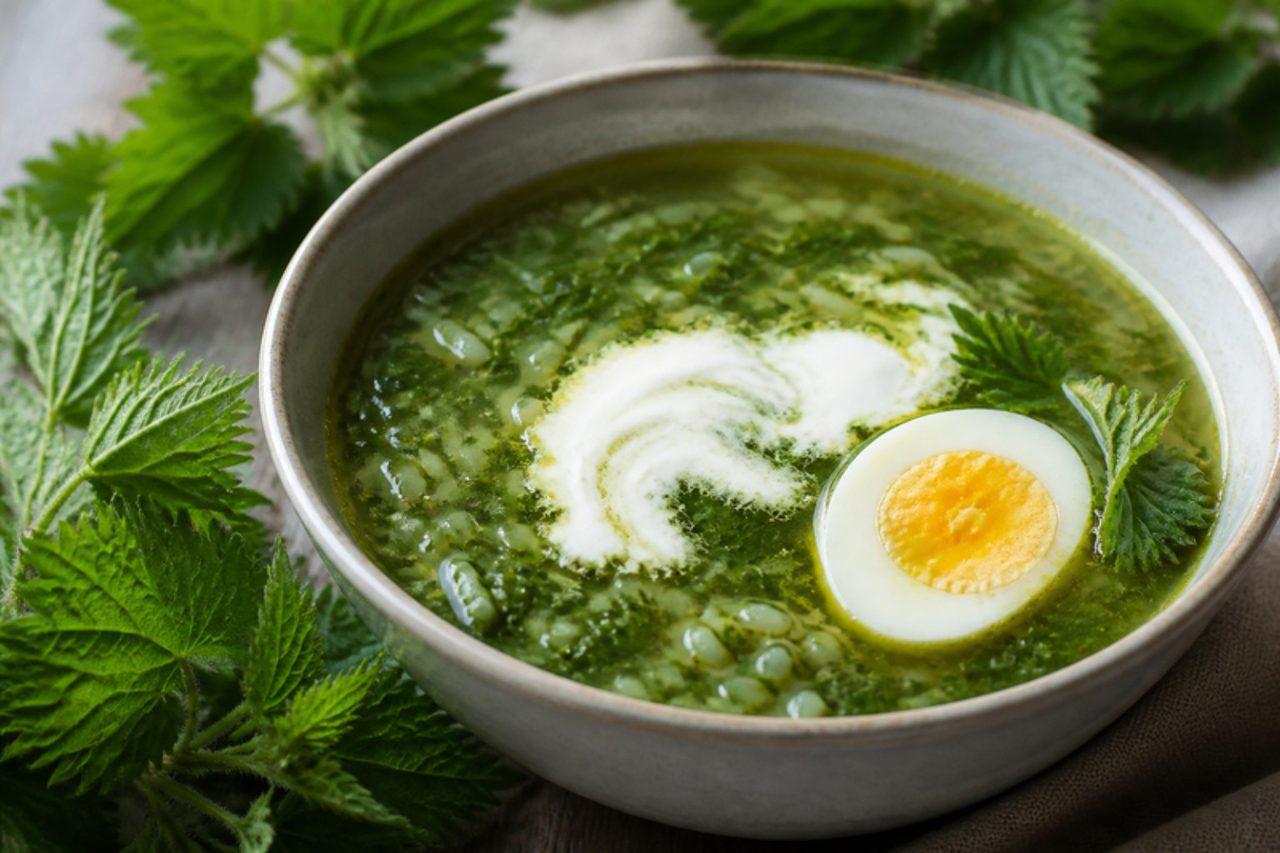
Around Iași and in the Moldavian hills, the first young nettles of March and April arrive just as the long Easter fast begins, and a green, sour ciorbă de urzici is often the first fresh vegetable dish of the year. It is a vegan post dish: nettle tops, spring onions and a little rice simmered together, then soured with borș until the broth is bright and tangy, with a grassy, spinach-like depth. Wear gloves to pick and wash the nettles and use only the young tops, the first four to six leaves; older, flowering plants turn tough and gritty. The classic error is boiling the nettles for too long, which makes them grey and stringy. Chef's tip: add a handful of chopped lovage with the borș, as it gives the soup its unmistakably Moldavian flavour.

by KrazyBadal 0 views

Ciorbă rădăuțeanăSour chicken soup with garlic

Rădăuți, a small town in Bukovina, gave its name to this soup in the 1970s, when a local restaurant cook began treating chicken the way Romanians treat tripe: a clear broth, soured with vinegar and thickened at the end with egg yolks, sour cream and plenty of garlic. The result is pale gold, velvety and tangy, with tender shreds of chicken; many prefer it to the tripe original, and it is a firm favourite at Suceava wedding lunches and the morning after. Serve it with a fresh hot pepper, extra garlic paste and warm bread. The mistake almost everyone makes once is letting the soup boil after the yolks go in, so they scramble; temper them, then keep the pot hot but below a simmer. Chef's tip: add the vinegar a spoon at a time at the very end; it should taste clearly sour but never vinegary.

by KrazyBadal 0 views

Jiz-bizFried lamb offal and potatoes

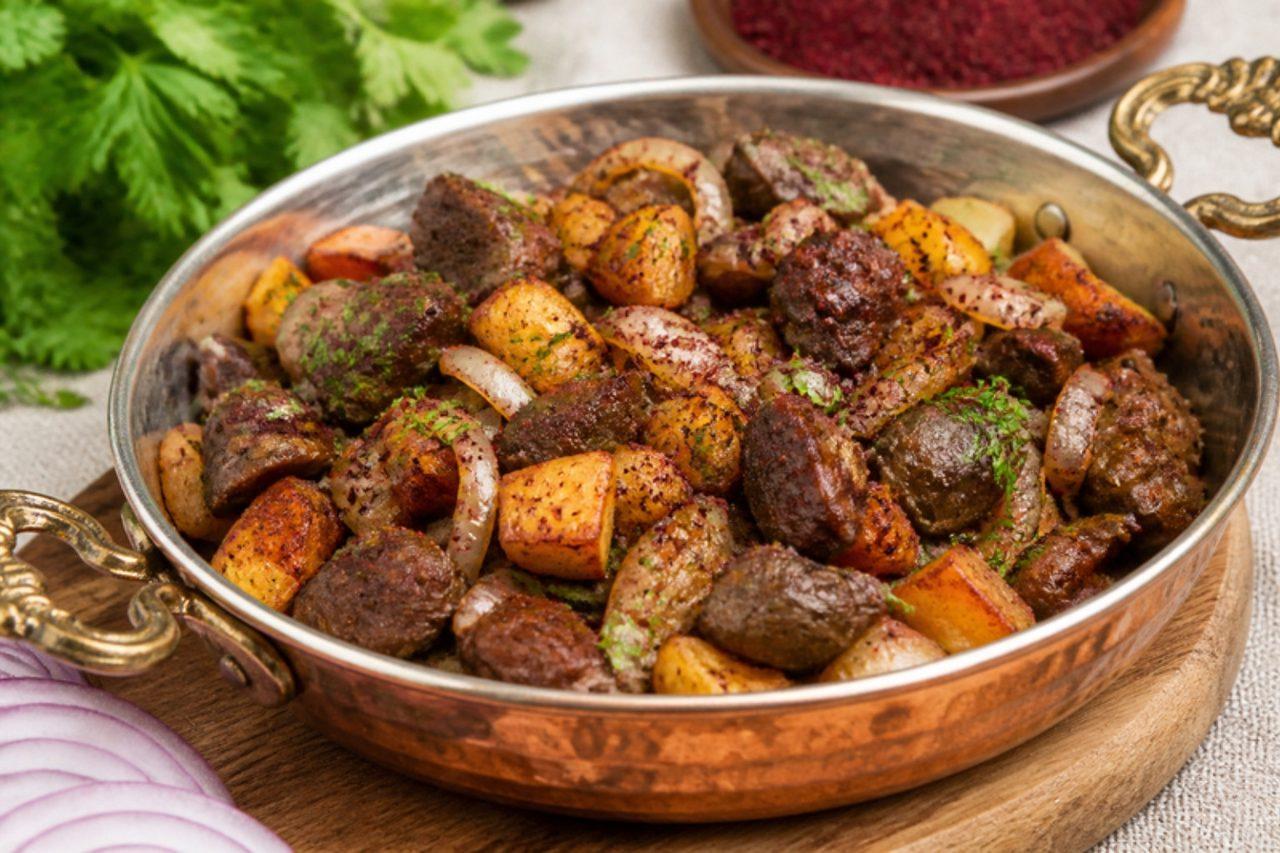
Jiz-biz gets its name from the sound of the pan: lamb heart, liver, kidneys and sweetbreads cut small and fried with potatoes and onions until crisp at the edges. It is a dish of Baku's working cafés and village feast days, made from the parts of the lamb cooked first while the rest is roasting, and finished with sumac and herbs. A common mistake is putting everything in at once; the liver turns grainy before the heart is tender. Chef's tip: fry the potatoes separately until crisp and fold them in at the end, so they keep their crunch. Offal should be cooked until no pink remains, 71 °C.

by KrazyBadal 0 views

ČobanacShepherd's meat stew with paprika

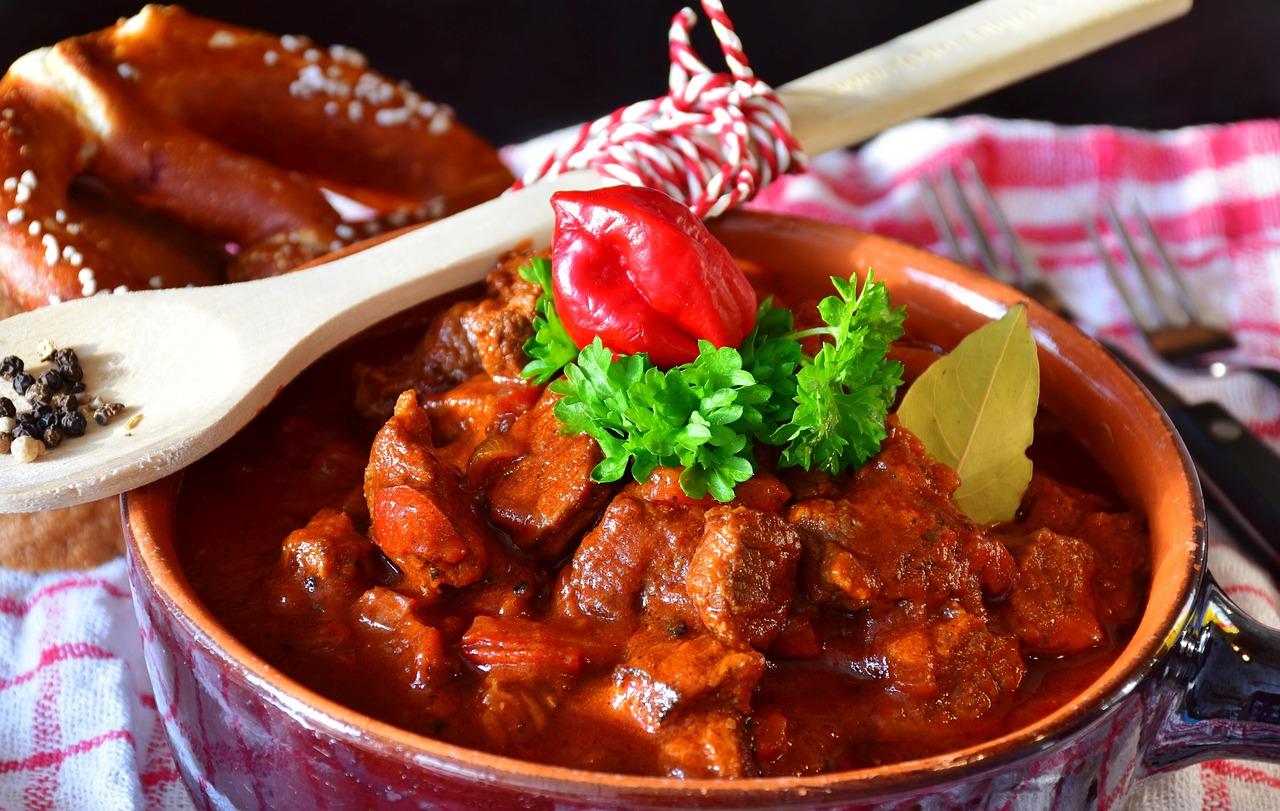
Slavonia, the flat farmland of eastern Croatia, cooks čobanac outdoors in a black cauldron at village fairs and hunting parties, and the smell of paprika drifts across the whole field. Three meats go in, typically beef, pork and venison or wild boar, with mountains of onion, sweet and hot paprika and a few peppers, simmering for hours until the sauce is thick, brick-red and spicy. This dish contains pork. Eat it with crusty bread or polenta. The usual slip is burning the paprika: it turns bitter in seconds, so always take the pot off the heat before stirring it in. Chef's tip: cook it a day ahead; like most stews it tastes deeper the next day.

180 minBalkanMeatGluten freeSpicy
by KrazyBadal 0 views

Čočka na kyseloSour lentils with fried egg

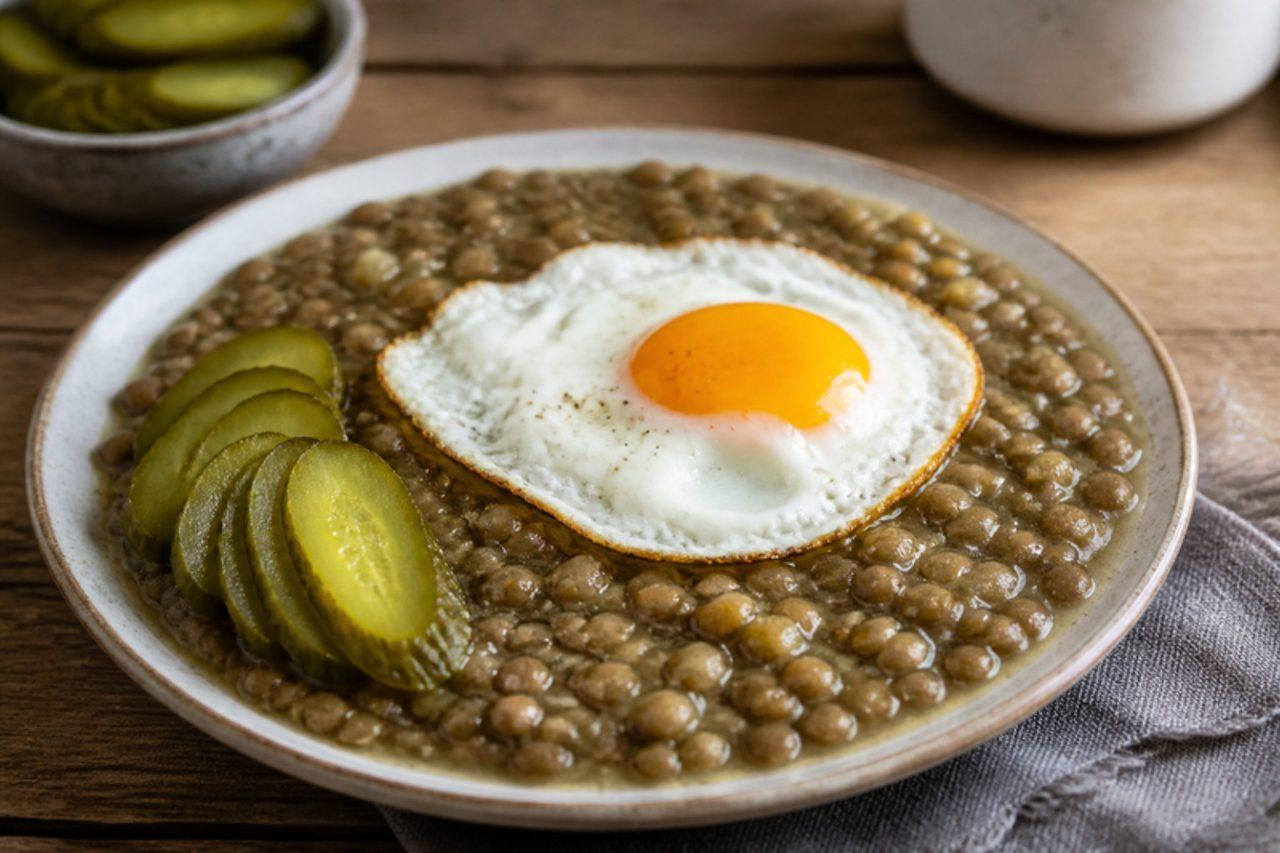
Brown lentils, a good splash of vinegar and a crisp-edged fried egg on top: čočka na kyselo is the Czech school-canteen and workers' lunch that people grow nostalgic about. Bohemian families also eat lentils around New Year, when the small round seeds stand for coins. The lentils are cooked soft, bound in a light roux with fried onion and finished sour and a touch sweet, then served with a sliced pickled gherkin and fresh bread. The texture should be spoonable, not soupy and not stiff. Where most cooks slip up is adding the vinegar too early: acid keeps lentils firm, so they stay hard however long you cook them. Season at the end instead. Chef's tip: a teaspoon of mustard stirred in with the vinegar rounds out the sourness without making it taste of mustard.

by KrazyBadal 0 views

CougnouChristmas brioche

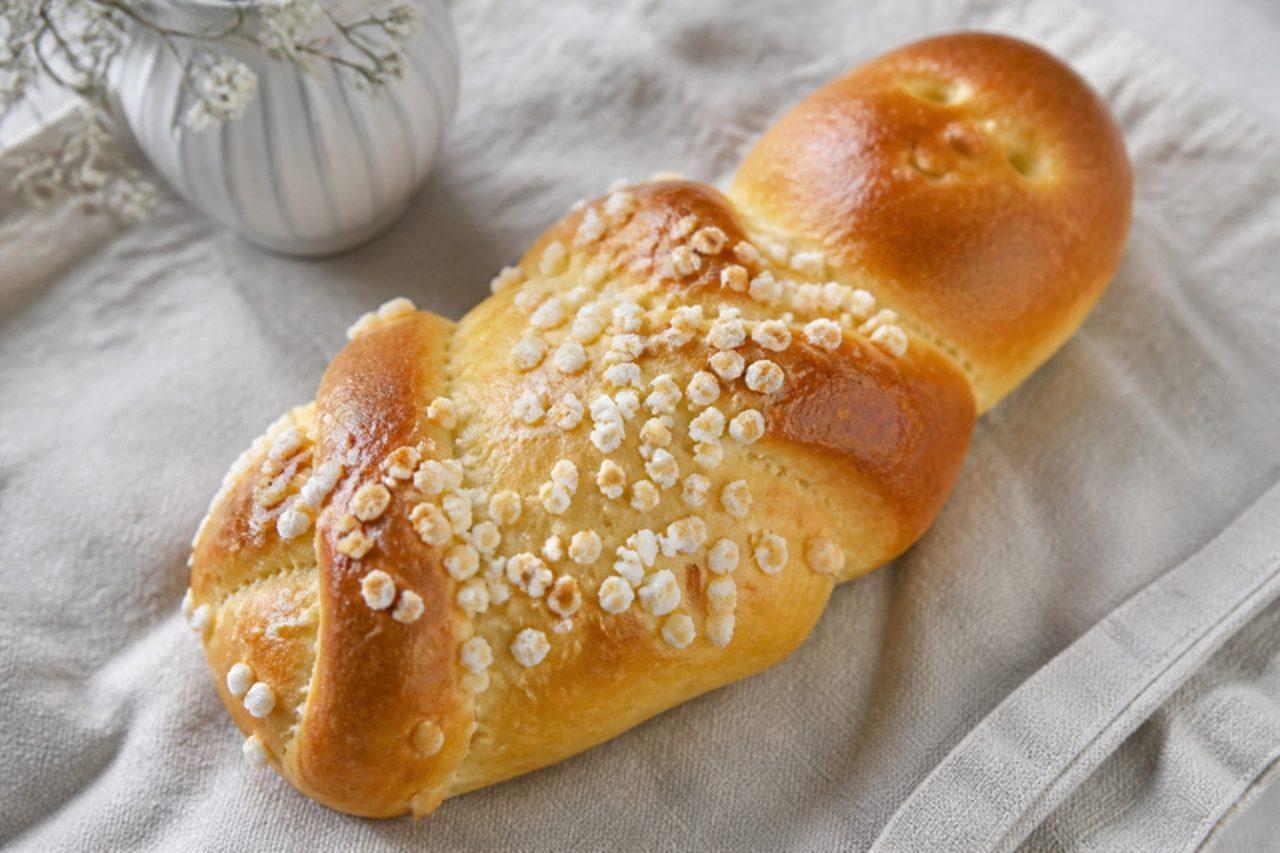
Cougnou, also called cougnolle or bommetje, is the Christmas bread of Wallonia, given to children on Christmas morning: a soft brioche shaped like the infant Jesus in swaddling clothes, with a little clay or sugar medallion pressed into the middle, eaten with hot chocolate. Bakeries in Namur and Charleroi make them from early December. A common mistake is shaping them too small, which dries them in the oven. Chef's tip: make three balls, one large for the body and two small for the head and feet, pressed together tightly so they bake as one.

by KrazyBadal 0 views

Couque de DinantHard honey biscuit

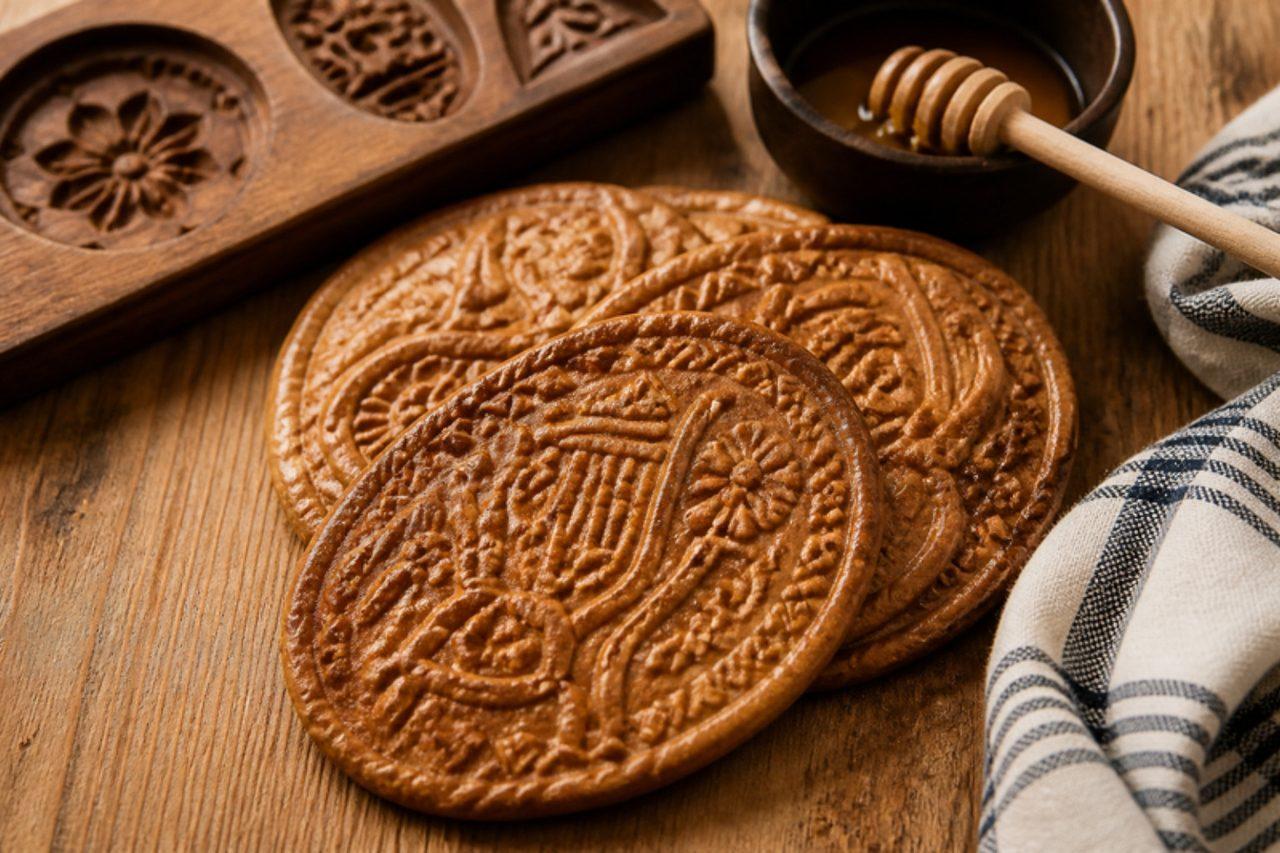
Couques de Dinant are the famously hard honey biscuits of Dinant on the Meuse, made only of flour and honey, pressed into carved wooden moulds showing castles, animals and the town's skyline, and baked so hot that the honey caramelises into a very hard, glossy biscuit. Dinant bakers say they keep for years; locals let a piece melt slowly in the mouth rather than biting. Honey is traditional; golden syrup makes a vegan version. A common mistake is a soft dough; it must be stiff enough to hold the mould's detail. Chef's tip: dust the mould with flour, press hard and tap the dough out sharply.

by KrazyBadal 0 views

CovrigiRomanian pretzel rings

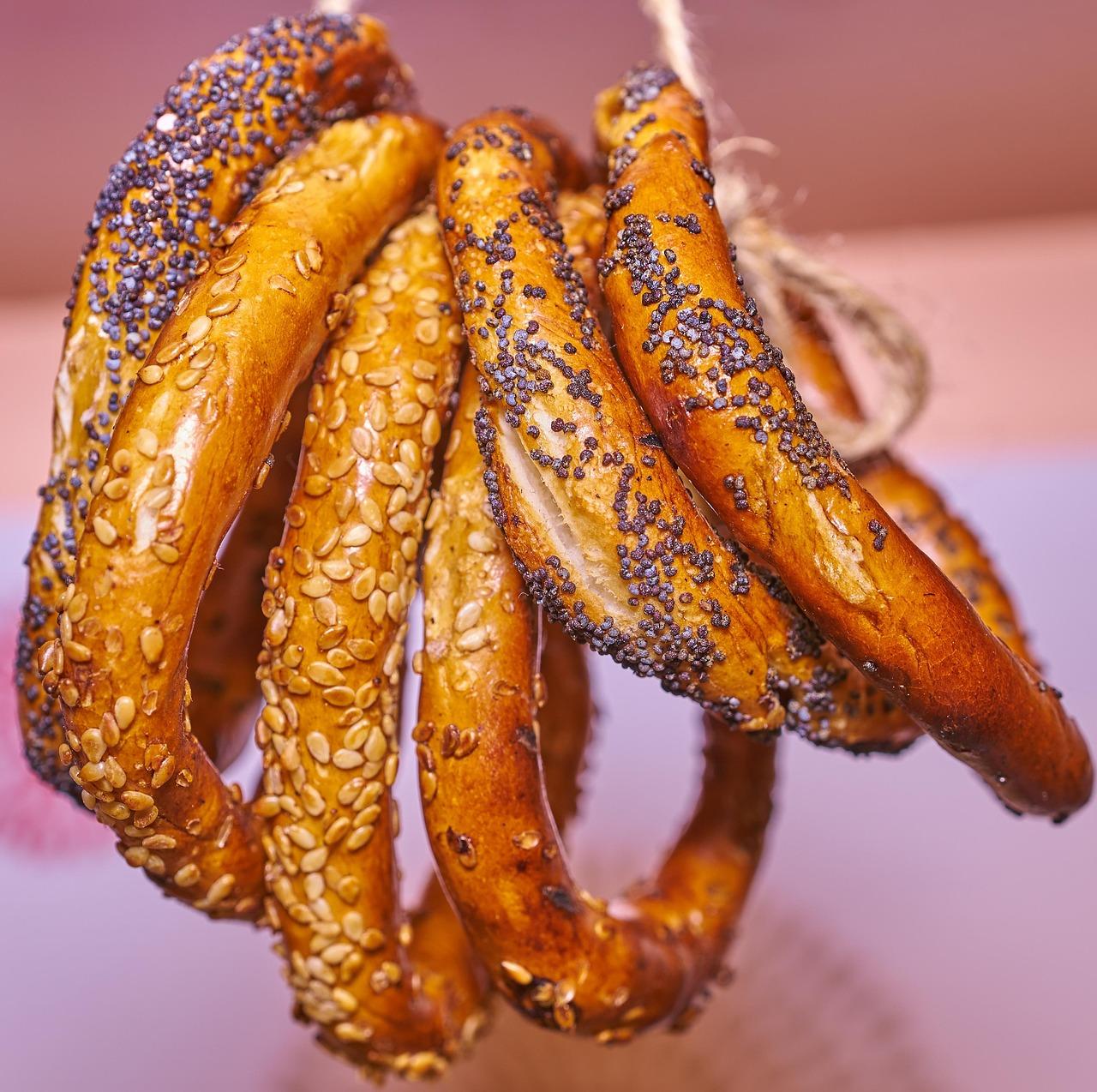
Morning commuters in Bucharest buy them hot from a hole-in-the-wall covrigărie, a paper bag of rings still warm enough to fog the glass; in Buzău, the town most proud of them, people swear by the thin twisted kind. Covrigi are a lean yeast dough with no egg or milk, so they are eaten through the fasting seasons too. Each ring is dipped briefly in boiling soda water, scattered with coarse salt and seeds, then baked until shiny and chewy with a crisp crust. A common mistake is leaving them in the water bath too long, which wrinkles the surface; 20–30 seconds is plenty. Serve them on their own, with a glass of ayran-style yogurt drink or with soup. Chef's tip: shape the rings on a dry, unfloured worktop, as a little grip makes the ropes easier to roll thin and even.

by KrazyBadal 0 views

CramiqueRaisin brioche

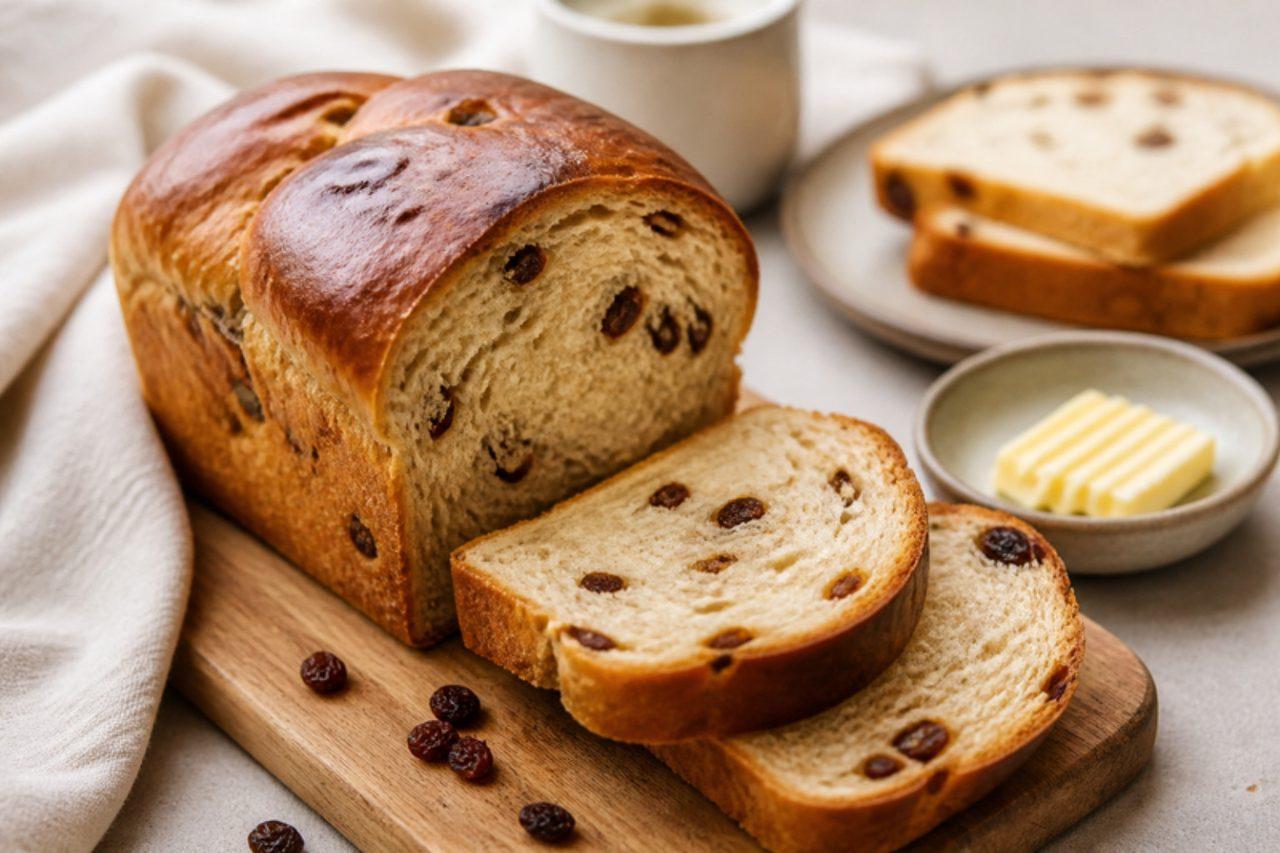
Cramique is the Sunday breakfast loaf of Brussels and Wallonia: a soft, golden brioche packed with raisins, bought from the bakery on Sunday morning and sliced thickly with salted butter. Its sister, craquelin, swaps the raisins for pearl sugar. A common mistake is adding the raisins at the start of kneading, which tears the gluten and turns the dough grey. Chef's tip: soak the raisins in warm tea for 20 minutes, then knead them in only at the end, gently.

by KrazyBadal 0 views

Croûte au fromageWine-soaked bread with Gruyère

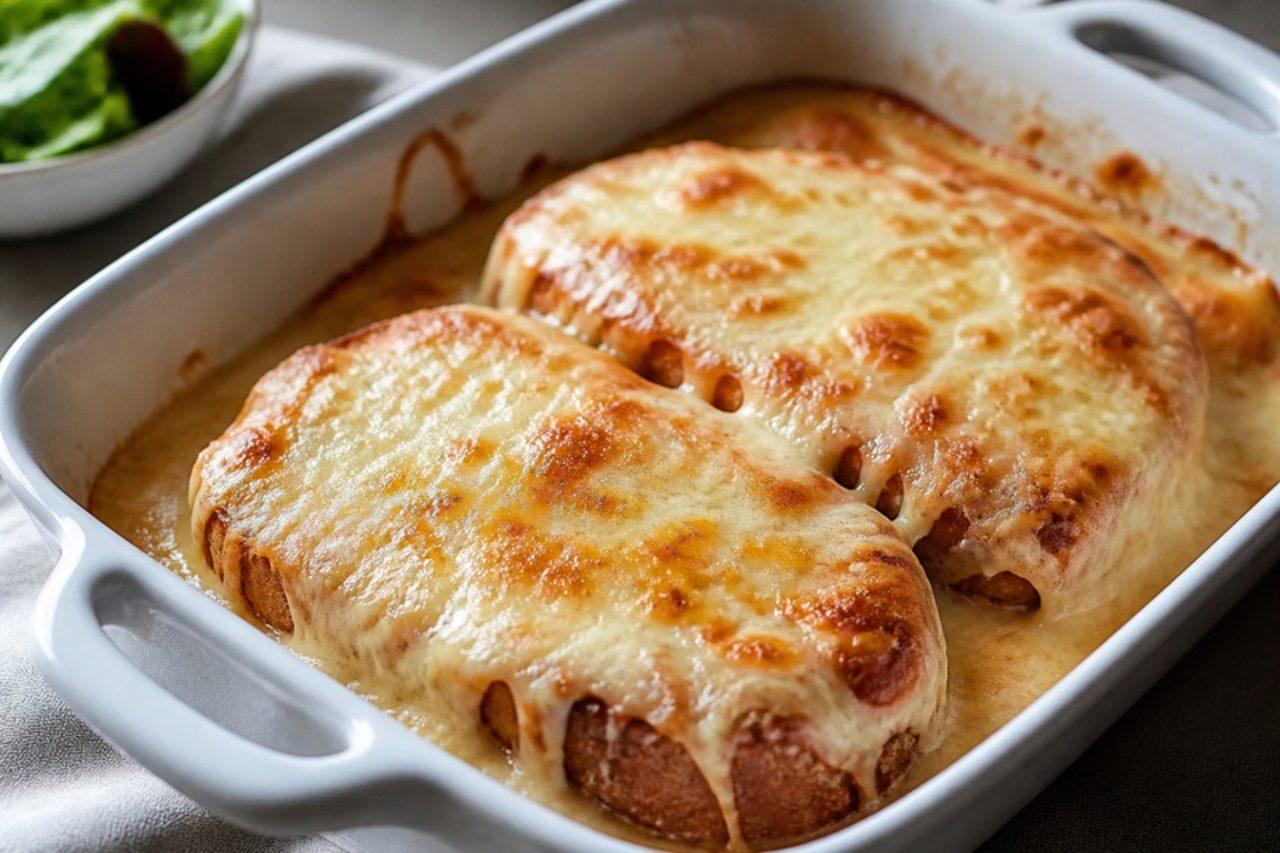
Croûte au fromage is the après-ski supper of Valais and Vaud, served in mountain restaurants from Verbier to Zermatt in sizzling dishes: thick slices of stale bread sprinkled with white wine, rubbed with garlic, heaped with grated Gruyère and baked until bubbling, often with a fried egg on top. This recipe uses white wine, as it traditionally does; for an alcohol-free version, use the swap in the ingredient note. Gruyère is made with animal rennet, so choose a vegetarian Swiss-style cheese. A common mistake is soaking the bread with too much wine, which makes it soggy. Chef's tip: toast the bread first, then sprinkle, so it stays crisp underneath and soft on top.

by KrazyBadal 0 views

Csabai kolbászPaprika pork sausage

Every October the town of Békéscsaba holds a sausage festival where teams grind, season and stuff pork by hand, and the town's name is on Hungary's most famous paprika sausage. The real csabai is smoked over beech and then air-dried for weeks; curing like that needs curing salt, careful temperature and humidity control and a lot of experience, so this recipe makes the same spicy pork mixture as a fresh sausage that is cooked through to 71 °C and never eaten raw. It is fiery, garlicky and deep red from sweet and hot paprika with a warm hint of caraway, and is excellent grilled or pan-fried, with mustard, fresh bread, pickled peppers and raw onion. The usual slip is letting the meat get warm while you work, which smears the fat and gives a dry, crumbly sausage; keep everything ice cold. Chef's tip: fry a small test patty before stuffing to check the salt and heat.

by KrazyBadal 0 views

CsalamádéSweet-sour mixed pickle

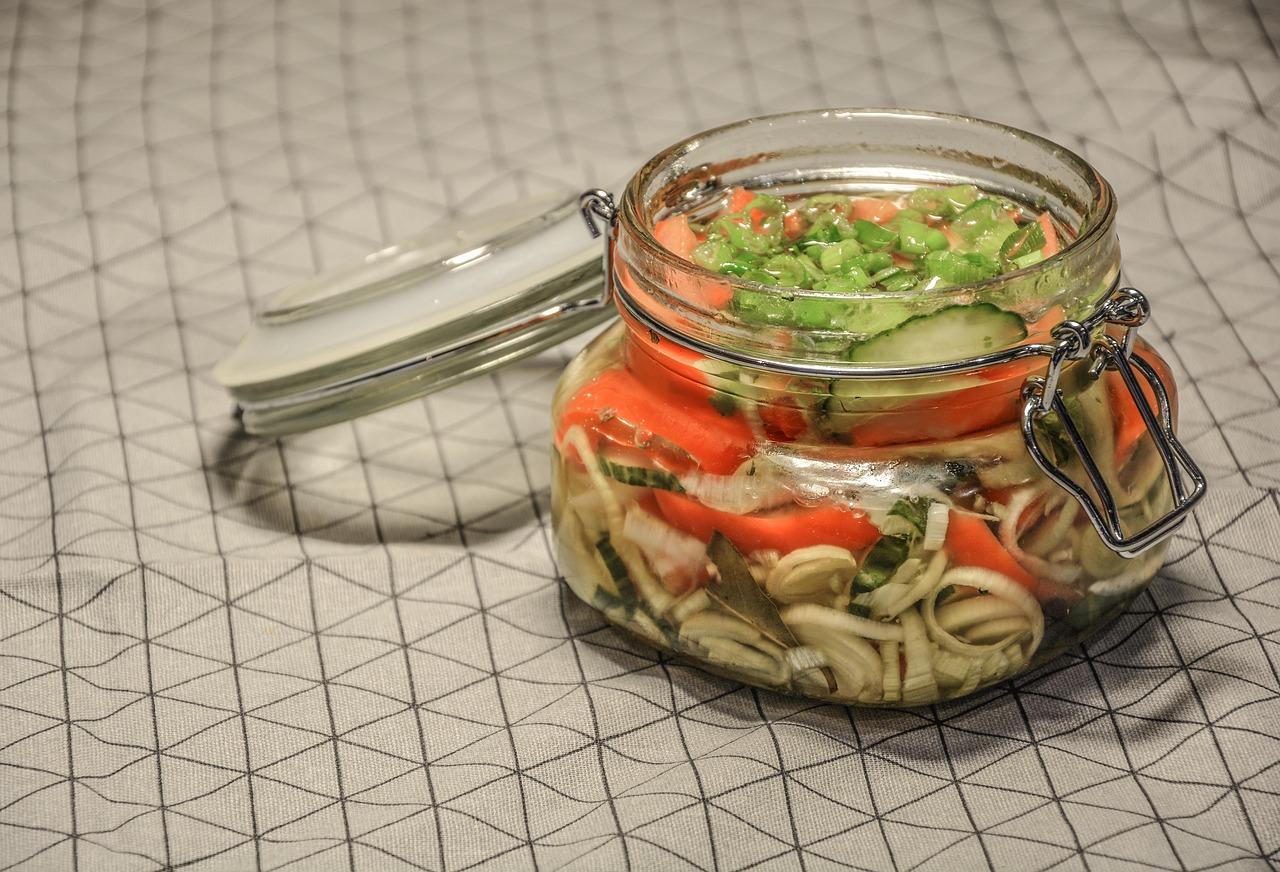
Late August in the Hungarian countryside means a kitchen full of jars: the last cucumbers, a white cabbage and a basket of pale wax peppers all go into csalamádé, the mixed pickle that sits on the table all winter next to pörkölt, sausages and fried meat. It is shredded, crunchy and bright, sweet-sour with a peppery bite, and it makes a fine side to any rich stew. The brine needs vinegar of at least 5% acidity (check the label) to keep the jars safe; never dilute it more than the recipe says. The usual slip is skipping the salting stage, which leaves the vegetables watery and the brine weak; salting draws out their juice first. Store unopened jars in a cool, dark cupboard for up to 6 months if processed, or in the fridge for a month if not; once a jar is open, keep it in the fridge and eat within 2 weeks. Chef's tip: wait at least 2 days before opening, so the flavours settle.

by KrazyBadal 0 views

CuchauleSaffron brioche

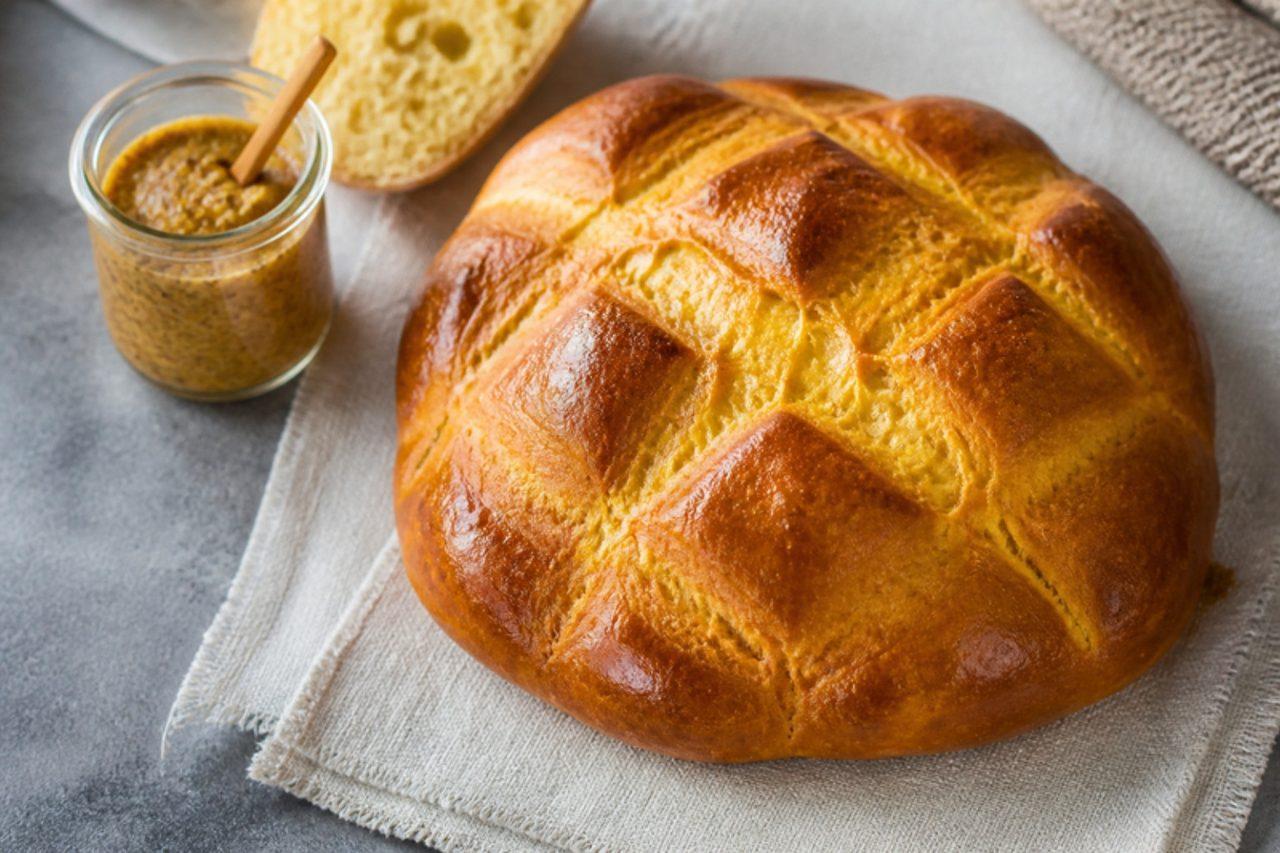
Cuchaule is the golden saffron brioche of the canton of Fribourg, baked for the Bénichon, the autumn feast that marks the herds coming down from the mountains and the end of the harvest. Thick slices are spread with moutarde de Bénichon, a sweet, spicy mustard made with vin cuit (cooked pear syrup), and eaten at the start of a long Bénichon meal. A common mistake is adding saffron threads whole, which leaves the brioche streaky. Chef's tip: steep the saffron in warm milk for 15 minutes before making the dough, so the colour is even and golden all through.

by KrazyBadal 0 views

Cucurucho de cocoCoconut and honey cones

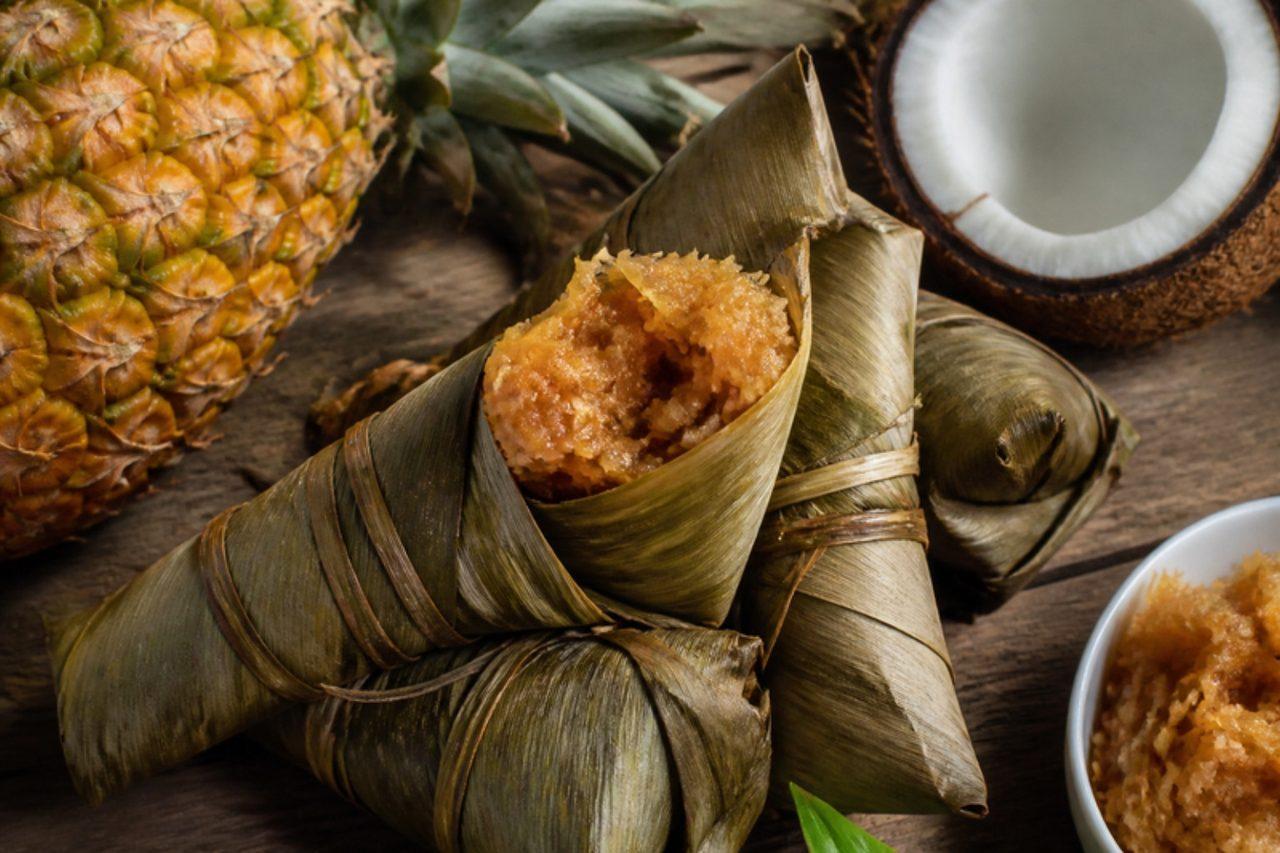
Drive into Baracoa on Cuba's far eastern tip and roadside sellers hold up cucuruchos, cones of dried palm bark packed with grated coconut cooked down with sugar, honey and local fruit such as guava, orange or pineapple. It is sticky, chewy and fragrant, a sweet you eat with your fingers on the road. The mistake is stopping too soon; the mix has to cook until it pulls from the pan, or it weeps in the cone. At home, cones of baking paper or small cups stand in for the palm bark. Chef's tip: use fresh coconut if you can and toast it lightly first, which keeps the shreds chewy rather than soggy.

by KrazyBadal 0 views

Curaçao pastechiCheese turnovers

In Curaçao and Aruba, a paper bag of hot pastechi from a snack truck is breakfast on the way to work or a mid-morning bite with coffee: crisp, blistered half-moons of pastry filled with melted aged Gouda, a legacy of the Dutch on the islands. Other versions hold spiced beef, chicken or tuna; this one is vegetarian. Traditional Gouda is made with animal rennet, so choose a Gouda or other firm cheese labelled vegetarian if that matters to you. The usual mistake is frying too cool, so the pastry soaks up oil instead of blistering. Chef's tip: chill the filled pastechi for 15 minutes before frying so the seams hold.

by KrazyBadal 0 views

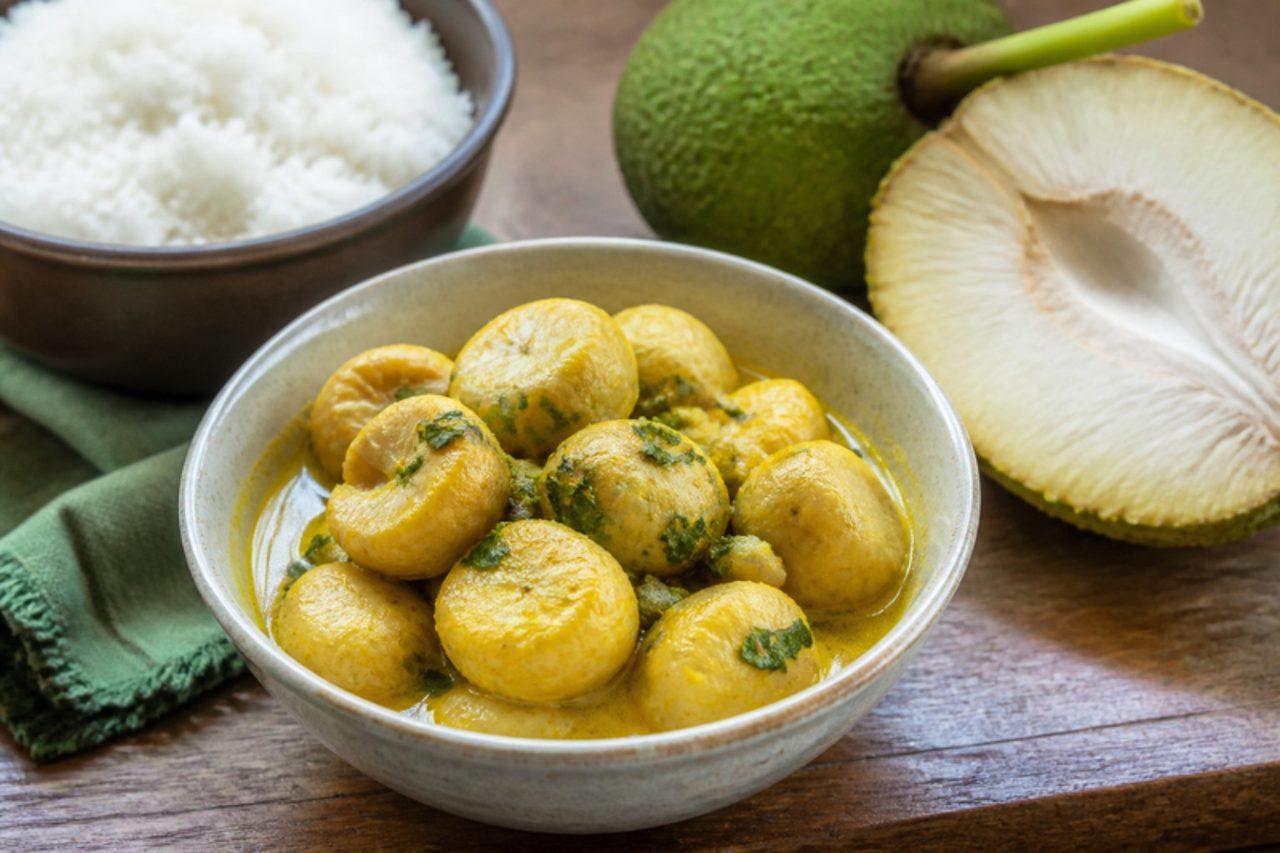
Curry chataigneBreadnut coconut curry

Chataigne, the spiky breadnut cousin of breadfruit, ripens around Divali and Christmas in Trinidad, and its boiled, peeled seeds are curried with coconut milk and roasted geera into a dish many people say tastes almost like meat. It is a fixture at Divali dinners and Hindu functions, eaten with rice or roti. The common mistake is skipping the pre-boil: the seeds stay hard and their thin inner skin stays bitter. Look for chataigne in Caribbean and Asian grocers; tinned jackfruit seeds or chestnuts are the nearest swap. Chef's tip: after boiling, peel off both the shell and the papery brown skin, then split the seeds in half so the curry gets right inside.

by KrazyBadal 0 views

Ćwikła z chrzanemBeetroot and horseradish relish

Easter baskets blessed in Polish churches on Holy Saturday always hold a little horseradish, and on Sunday morning it reappears mixed with beetroot as ćwikła, the bright purple relish passed around with eggs, white sausage, ham and rye bread. Here it is meat-free; spoon it beside eggs, cheese or roast vegetables. It is sweet, sour and sharp enough to clear your nose, and the heat fades over a few days in the fridge. A common mistake is using jarred horseradish cream, which makes it milky and mild; use freshly grated root or plain grated horseradish in vinegar. Chef's tip: grate the horseradish near an open window, or in a food processor, and add it last so its heat stays lively.

by KrazyBadal 0 views

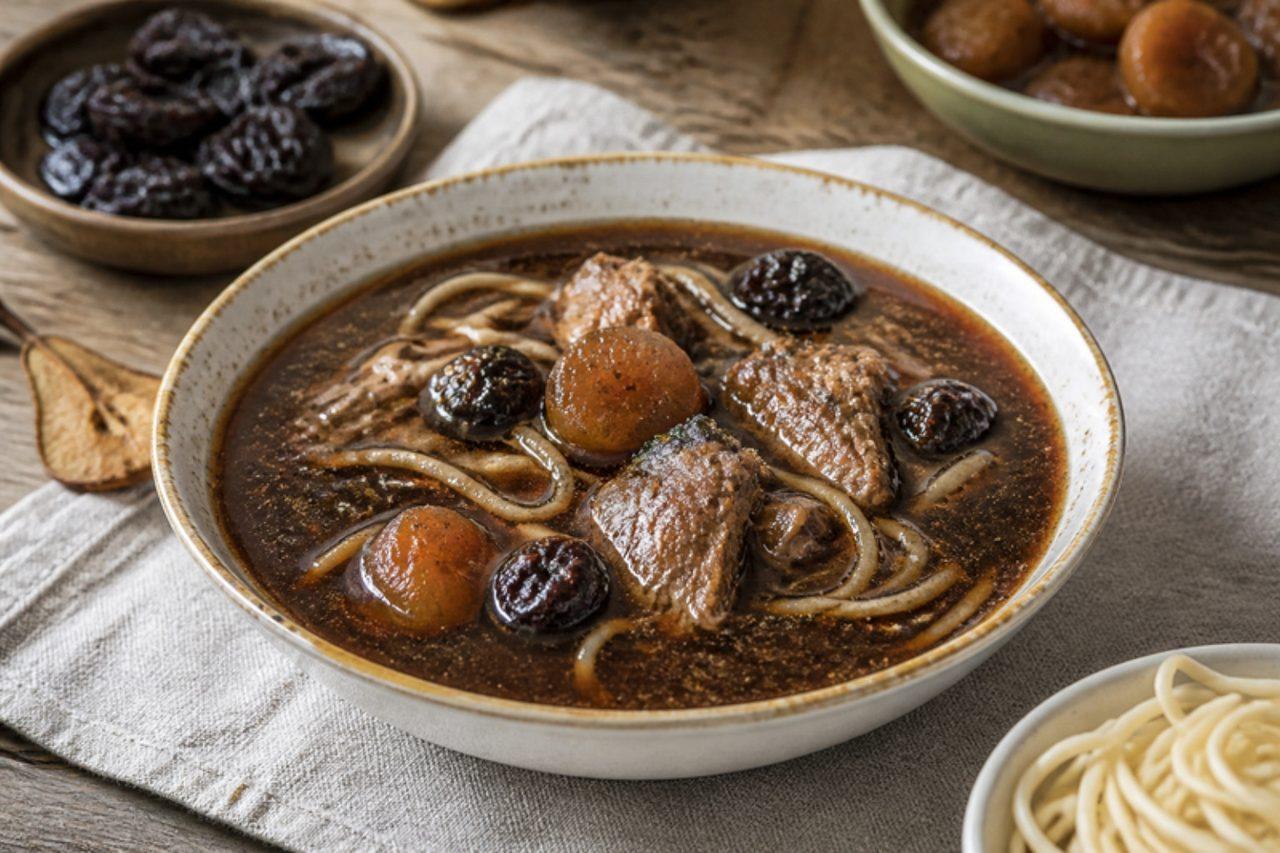
CzerninaSweet-sour duck blood soup

Few soups divide a Polish table like czernina, the dark, glossy duck broth of Greater Poland and Kashubia, tinted chocolate-brown with duck blood and sharpened with vinegar, then sweetened with dried plums, pears and apples. Farm families made it when a duck was killed in autumn, and in old Polish custom a suitor served czernina knew his proposal had been turned down. The taste is rich, sweet-sour and deeply savoury, with fine egg noodles to soak it up. Safety matters here: buy fresh duck blood from a butcher, already mixed with vinegar so it does not clot, keep it at fridge temperature and use it within a day. Undercooked blood is not for pregnant women, young children or anyone with a weakened immune system. People often let the soup boil hard after the blood goes in, and it turns grainy. Chef's tip: temper the blood with hot broth before stirring it into the pot, then heat gently to a steady simmer.

150 minPolishSoups
by KrazyBadal 0 views

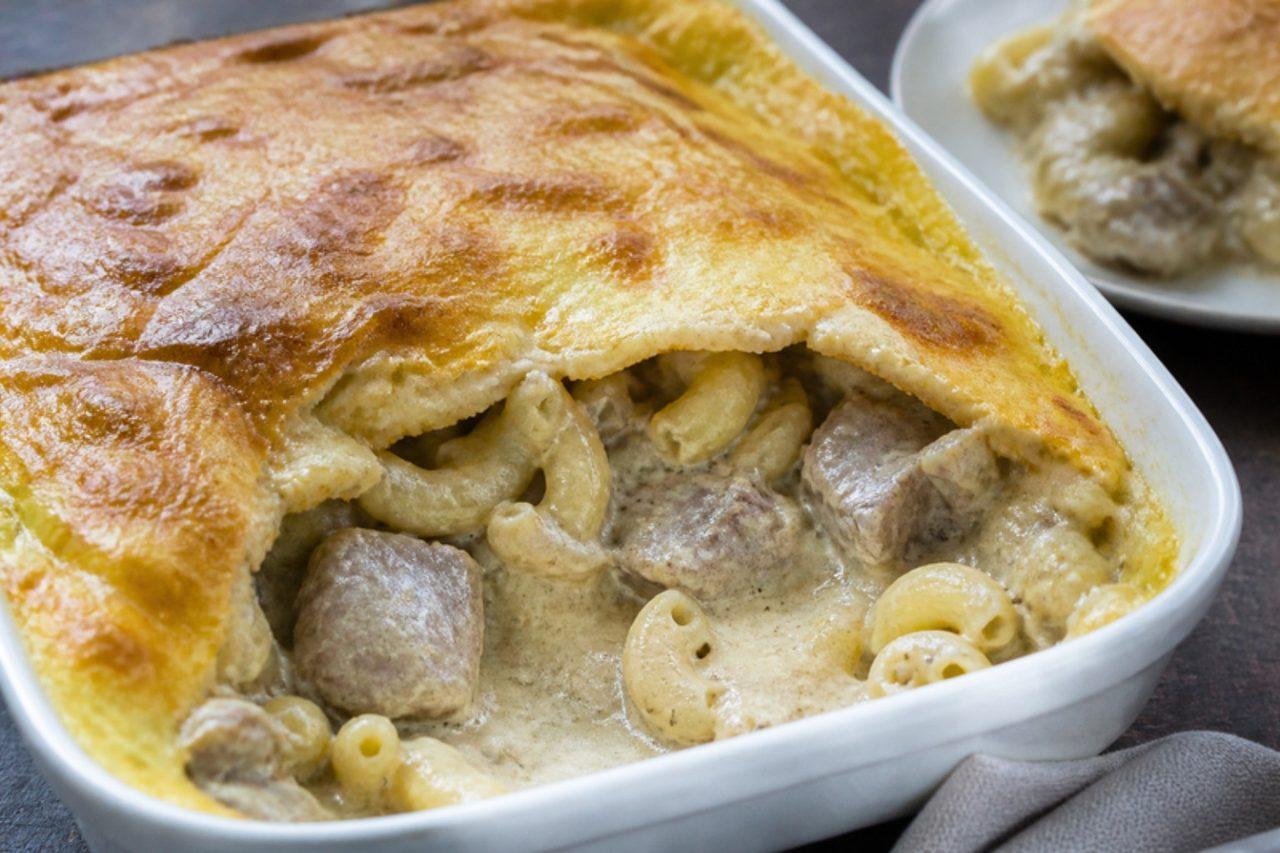
Dabba goshtMutton and macaroni bake

Only a Dawoodi Bohra kitchen would put macaroni into a mutton curry and bake it under a lid of egg, and dabba gosht is the triumphant result, made in Karachi for weddings, Eid and the big communal meals of Muharram. Boneless mutton is simmered until tender in a pale gravy of yogurt and ground cashew, mixed with soft elbow macaroni, poured into a dabba (a tin or deep dish), covered with whisked eggs and baked until golden on top. Inside it is creamy and mild with black pepper and cardamom; the crust is soft and set. The pitfall is overcooking the pasta before it goes in, because it keeps drinking sauce in the oven; boil it two minutes short. Chef's tip: keep the sauce looser than you think it should be when you assemble, as it thickens a lot under the egg.

by KrazyBadal 0 views

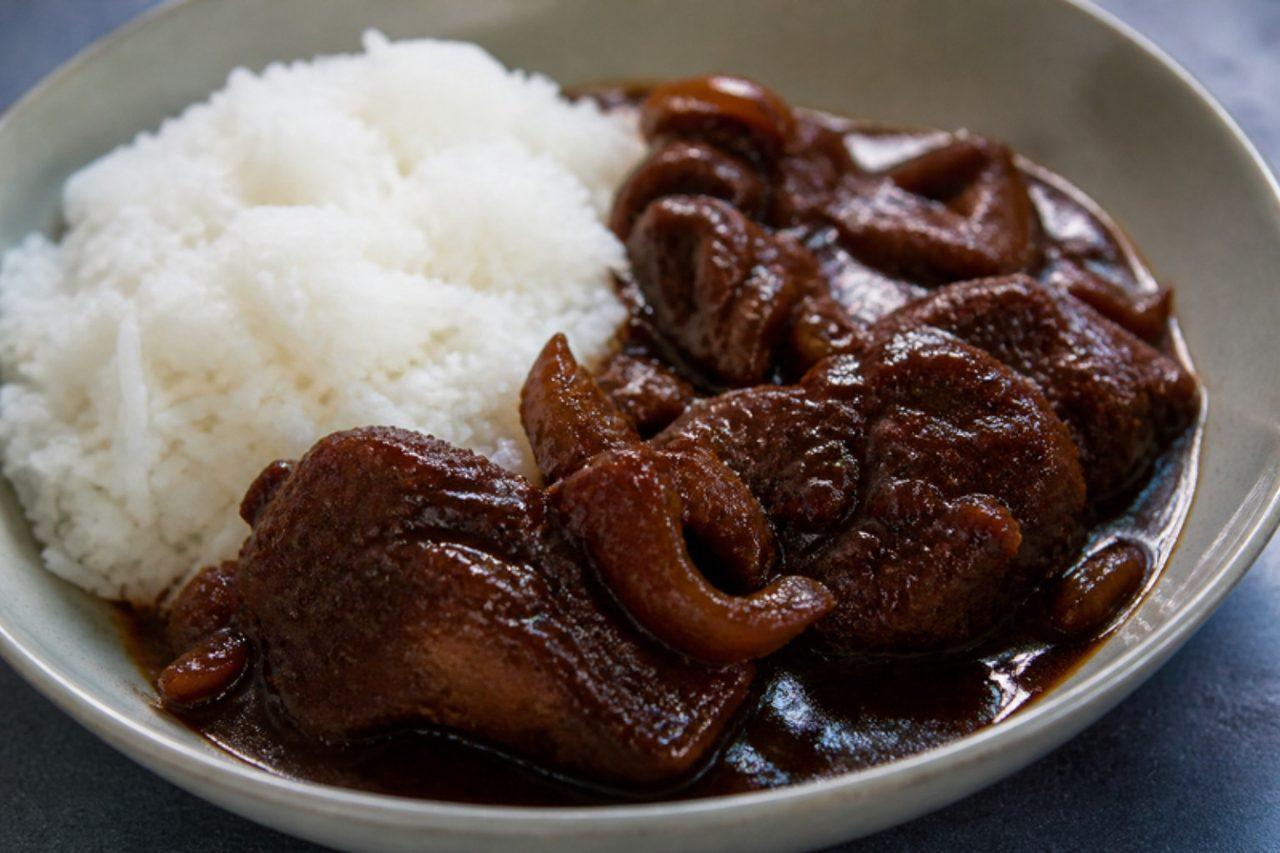
Daging smoorBeef braised in sweet soy

Daging smoor, from the Dutch 'smoren', to braise, is the Indo-Dutch version of Indonesian semur: beef braised for hours in kecap manis sweet soy sauce with onion, garlic, nutmeg, clove and a little tomato, until tender and coated in a dark, glossy, sweet-savoury sauce. It is a Sunday and rijsttafel dish in Indo-Dutch families in The Hague and is served with rice and atjar. A common mistake is a hard boil, which makes the meat tough and the sauce too salty as it reduces. Chef's tip: add the nutmeg at the start and a pinch more at the end, so its warmth runs through and the fresh aroma comes through on top.

170 minDutchCurries
by KrazyBadal 0 views

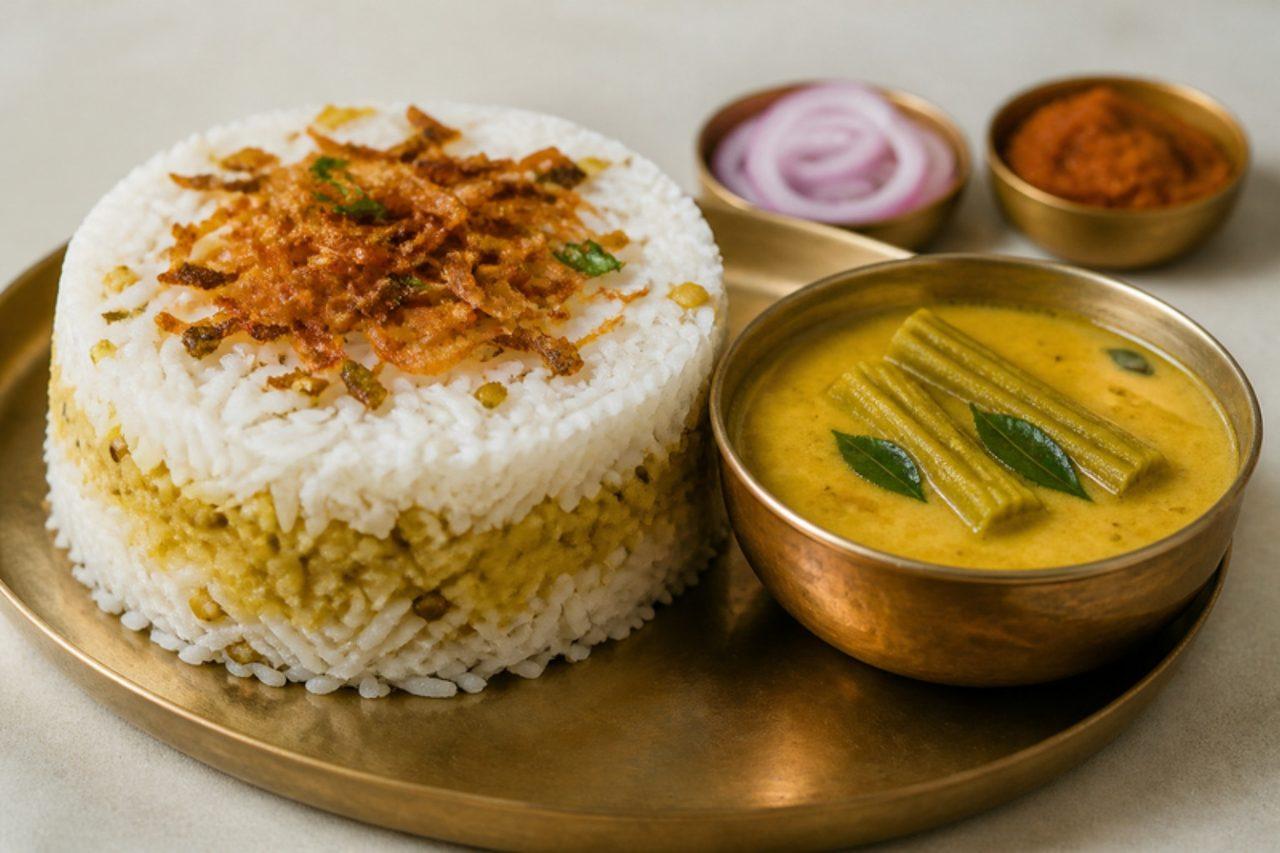
Dal chawal paliduLayered rice and dal

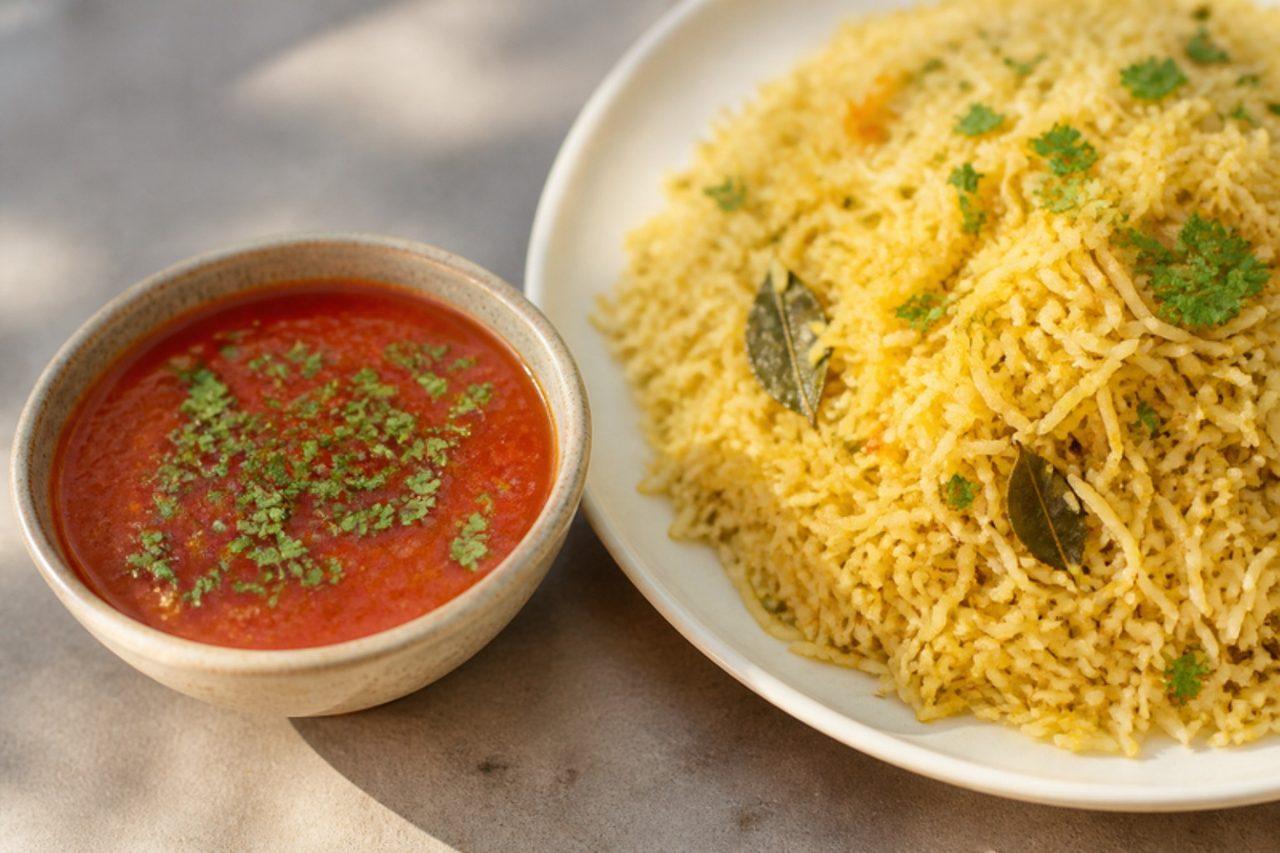
In the Dawoodi Bohra community of Karachi's Saddar and Kharadar, dal chawal palidu is the comfort meal of Sunday lunch and of the shared thaal at community gatherings, and nobody who grew up with it considers it complete without all three parts. Long-grain rice is layered with whole, separate grains of spiced toor dal and crisp fried onion, then steamed, while palidu, a thin, tangy curry made from the dal's own cooking water thickened with gram flour, tempered with mustard seed, curry leaves and garlic and studded with drumsticks, is poured over at the table. It is gentle, sour and deeply savoury. Overcooking the dal is the error to avoid, since it must stay in whole grains for the layers. Chef's tip: drain the toor dal as soon as it is tender and save every drop of the water, because that water is the base of the palidu.

by KrazyBadal 0 views

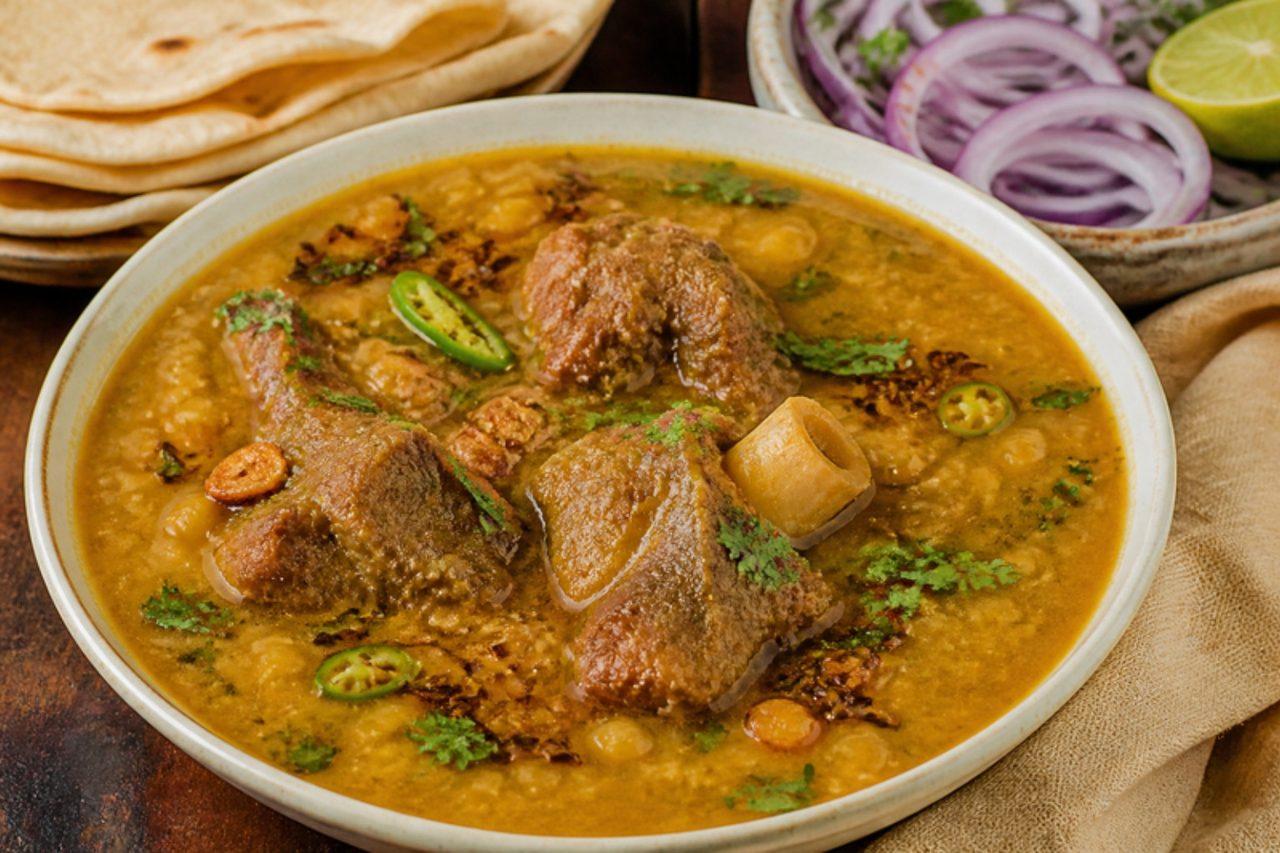
Dal goshtMutton and chickpea stew

Stretching a kilo of mutton to feed a big family is an old Pakistani household skill, and dal gosht is its most loved result: chana dal cooked with the meat until the lentils melt into a thick, golden, peppery gravy that is half curry, half stew. It turns up for Friday lunch in Punjab and for everyday dinners in Karachi Urdu-speaking homes, eaten with hot chapati, rice and a sharp salad of onion and tomato. Done right, some dal stays whole while the rest thickens the gravy. A common slip is adding raw dal to the pot at the same time as the meat; dal cooks faster, so it collapses into paste before the mutton is tender. Chef's tip: finish with a tarka of ghee, cumin and fried garlic for a Sunday version, or leave it plain with oil for an everyday pot that stays dairy free.

by KrazyBadal 0 views

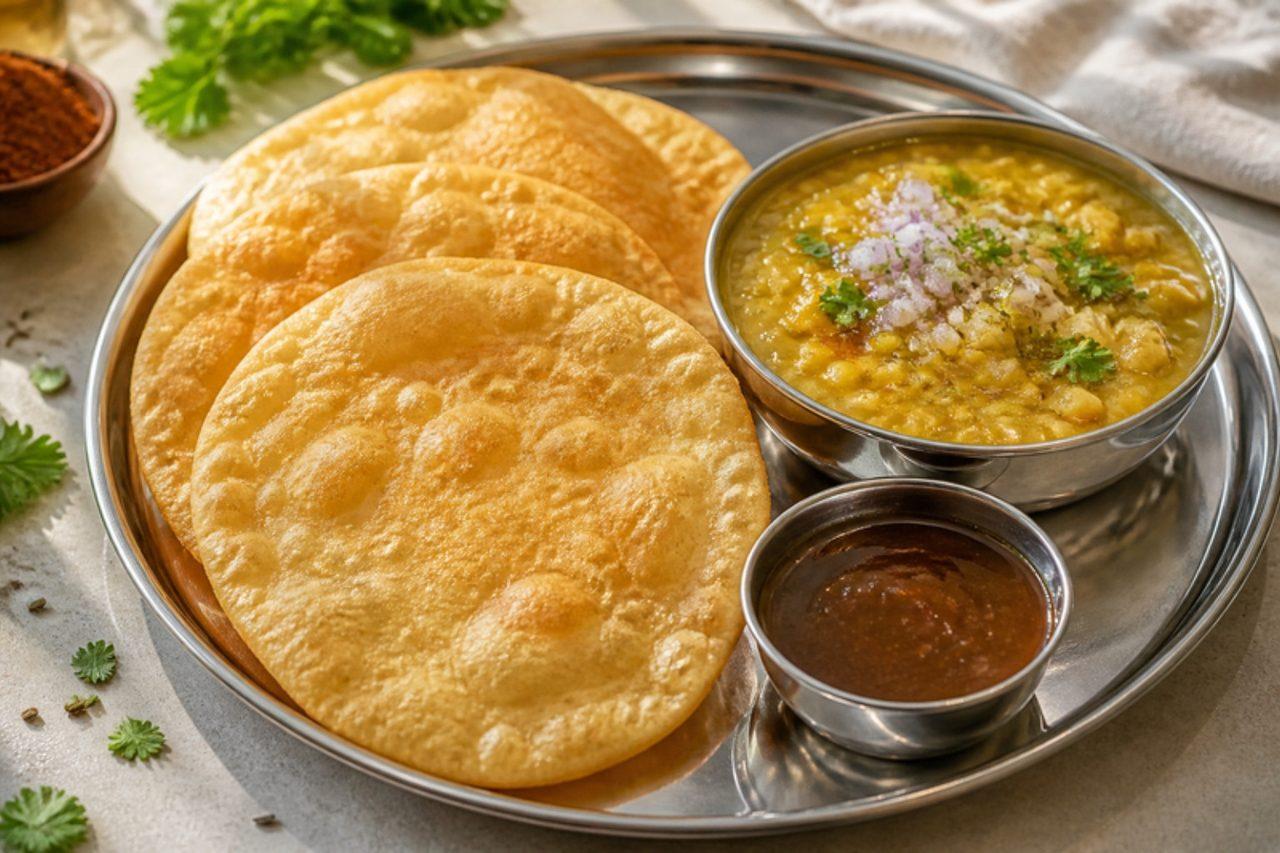
Dal pakwanFried bread with spiced chana dal

Sunday morning in Karachi's old Sindhi neighbourhoods, and in Hyderabad, means a queue at the dal pakwan stall, or a home kitchen hot with frying oil. Pakwan are crisp, bubbly discs of cumin and black-pepper dough, fried until they shatter like a cracker, and they are eaten broken into a bowl of soft, lightly spiced chana dal, then topped with sweet-sour tamarind chutney, raw onion and a dusting of chilli. The contrast of crunchy, soft, sweet and sharp is the whole point, so the parts are kept separate until the last moment. Thick pakwan are the most common disappointment: rolled too thick, they turn chewy instead of crisp. Chef's tip: roll each one as thin as you can and prick it all over with a fork before frying, so it puffs only a little and stays flat and crunchy.

by KrazyBadal 0 views

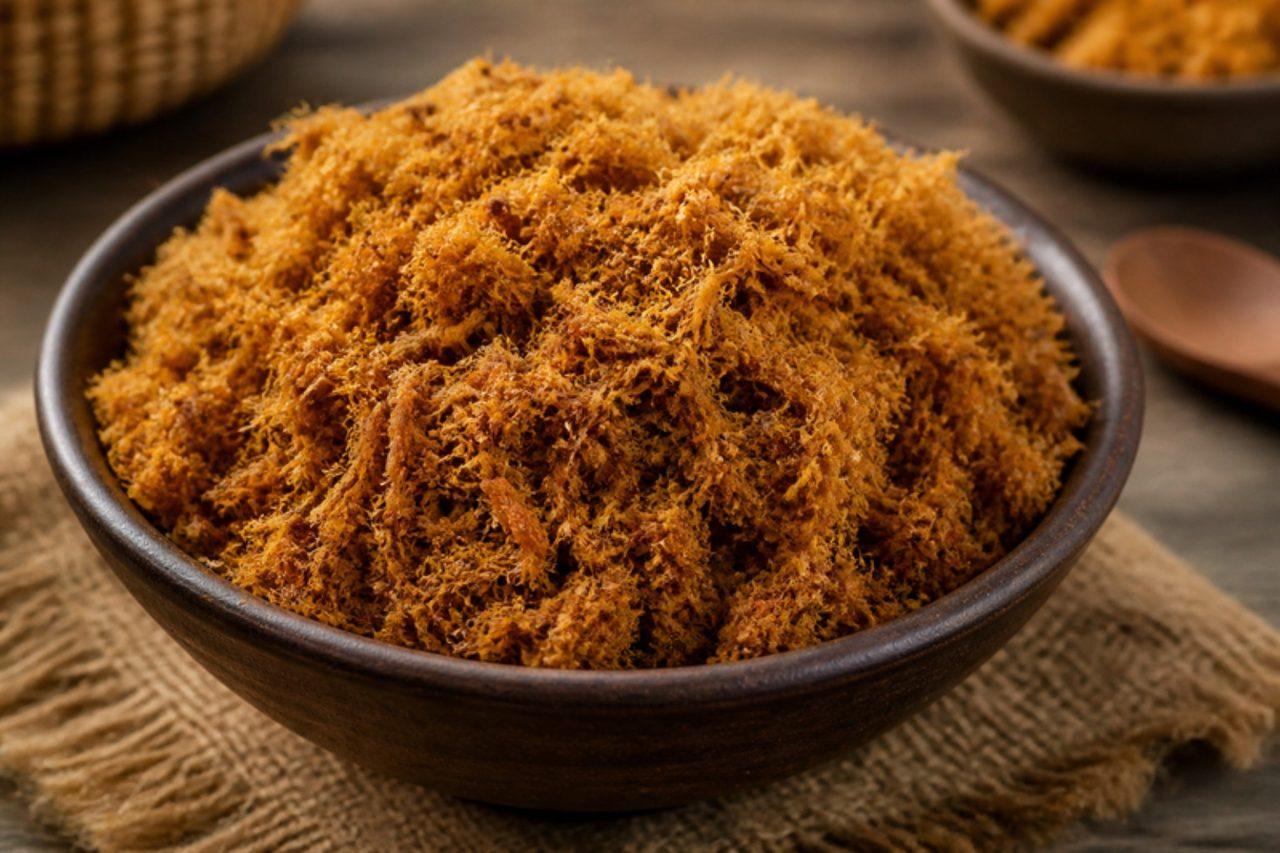
Dambun namaSpiced shredded beef floss

During Ramadan and Eid in Kano, Kaduna and Maiduguri, tins of dambun nama appear on every table: beef boiled tender with onion and ginger, pounded in a mortar until it falls into fine threads, then fried slowly with onion and spices until it is dry, fluffy and golden. It keeps well, which is why it was made before long journeys, and it is eaten as a snack, with rice or tucked into bread. The texture should be like soft wool, not crunchy crumbs. Because the meat is fully cooked before drying, it is safe; store it in the fridge. Chef's tip: let the boiled beef steam dry for ten minutes before pounding, as wet meat clumps in the pan instead of separating into threads, which is the usual mistake.

130 minNigerianMeatGluten free
by KrazyBadal 0 views

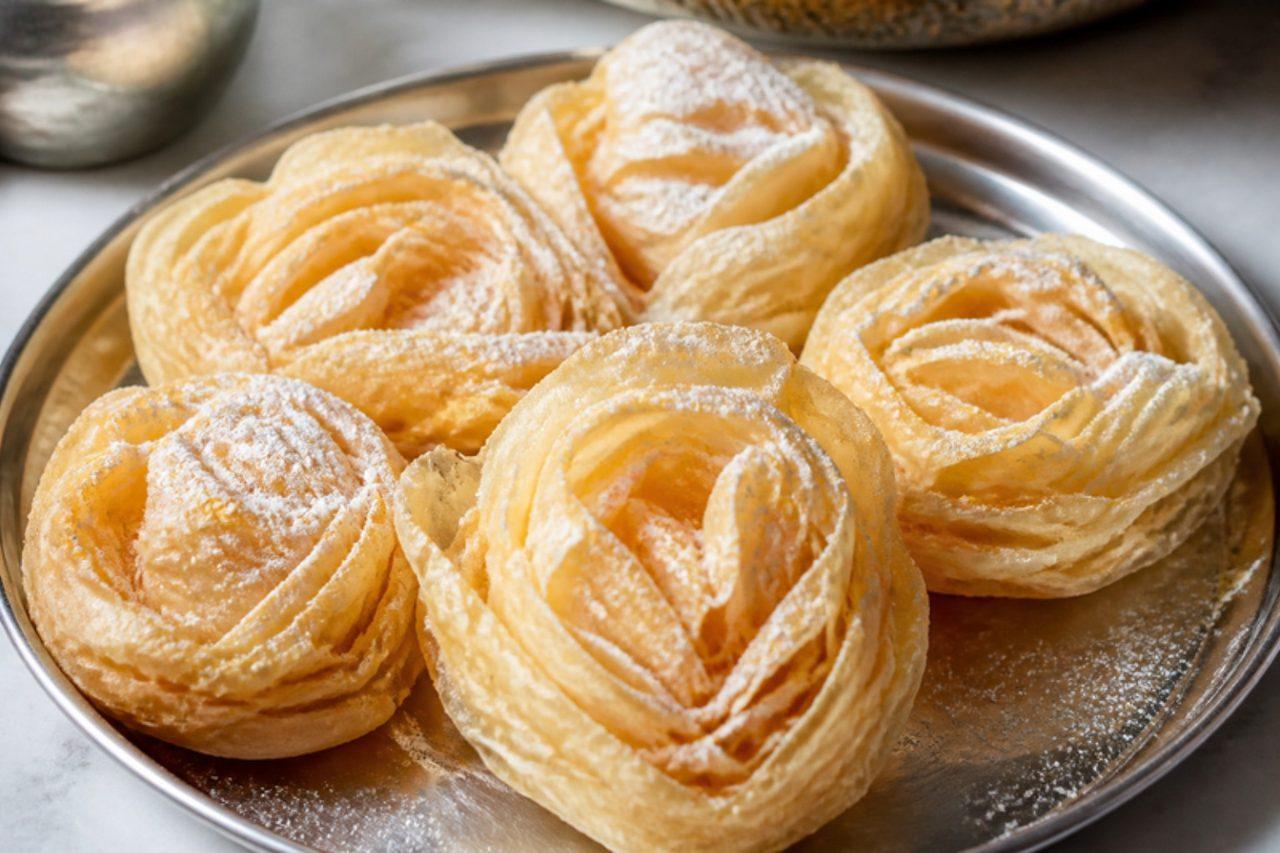
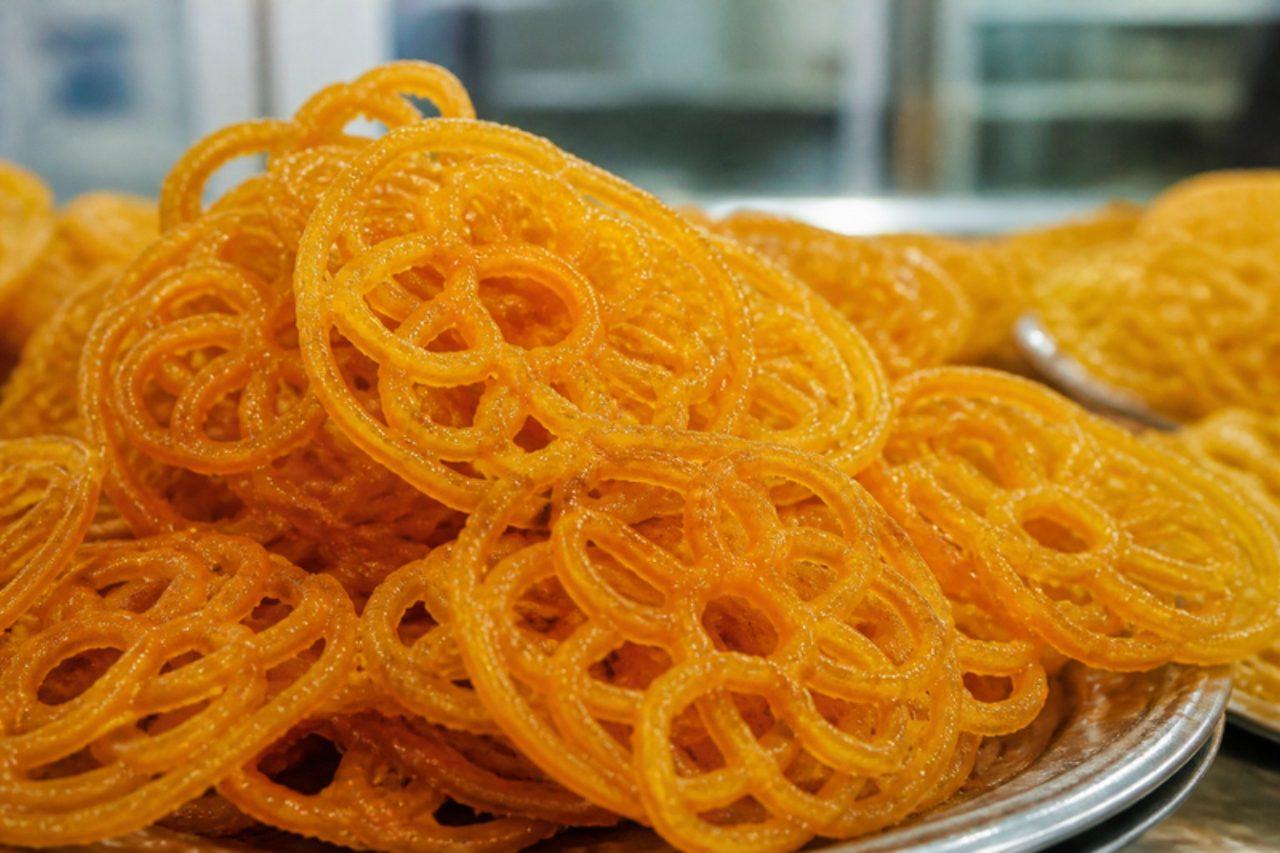
MeshabekLacy syrup-soaked fritters

Damietta, the port city where the Nile meets the Mediterranean, is famous across Egypt for its sweet shops, and meshabek is one of their signatures: lattice wheels of fermented batter piped into hot oil and dunked in syrup. Fresh from the fryer they shatter like glass and drip with sugar; by the next day they soften into something chewy and just as good. Families buy them by the box for Ramadan evenings, visits and holidays. The batter needs an hour to ferment before frying. The common mistake is frying in oil that is not hot enough, which leaves them pale, soft and greasy, so test it first. Chef's tip: a squeeze bottle with a 4 to 5 mm opening gives the neatest, thinnest lines.

by KrazyBadal 0 views

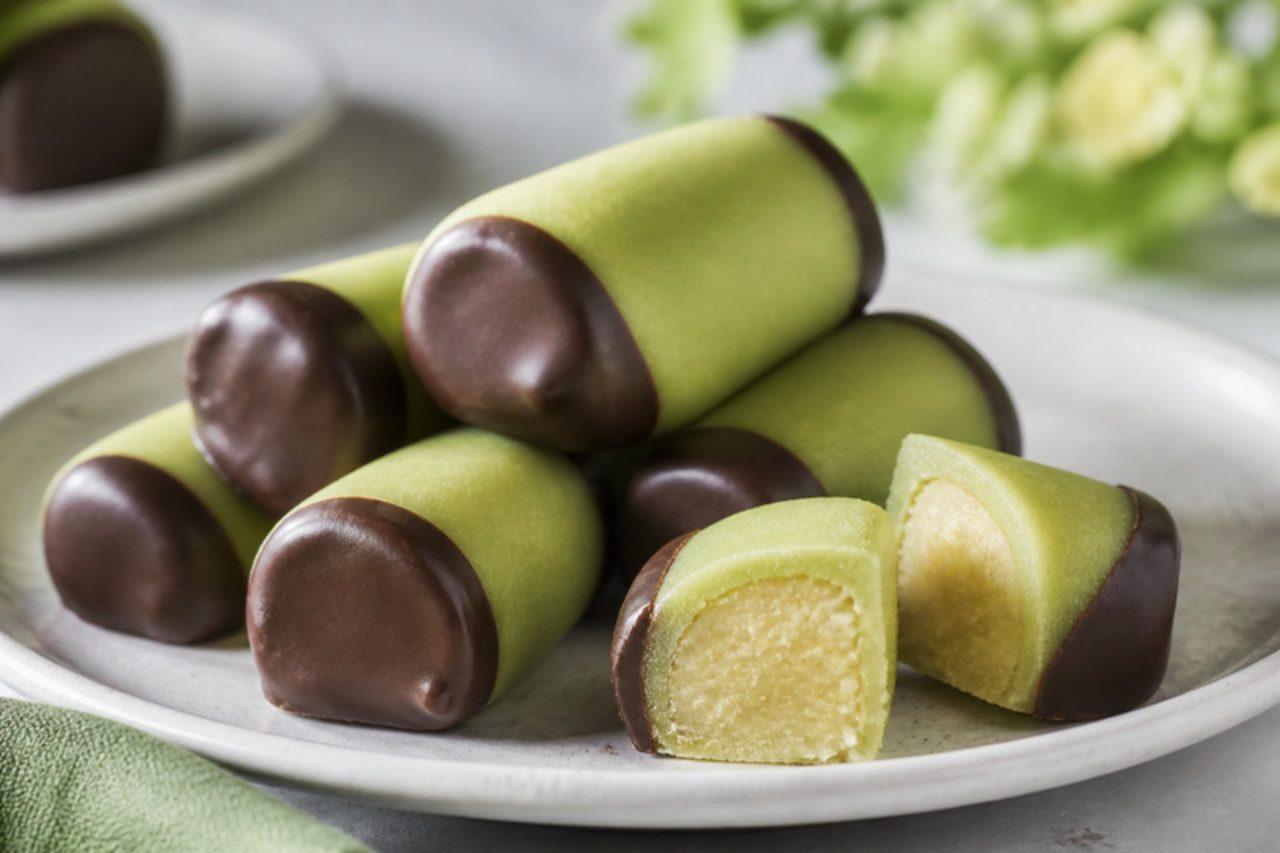
DammsugareMarzipan cake-crumb rolls

The dammsugare, 'vacuum cleaner', got its name because Swedish bakeries invented it to use up crumbs and offcuts of cake swept up at the end of the day: the crumbs are mixed with butter, cocoa and flavouring, rolled into logs, wrapped in bright green marzipan and dipped in dark chocolate at both ends. Bakeries usually flavour the filling with punsch, a sweet arrack liqueur; this version uses vanilla and a little orange, and is alcohol-free. A common mistake is rolling the marzipan too thick, which makes it cloying. Chef's tip: roll the marzipan thin between sheets of baking paper and chill the filled logs before cutting.

by KrazyBadal 0 views

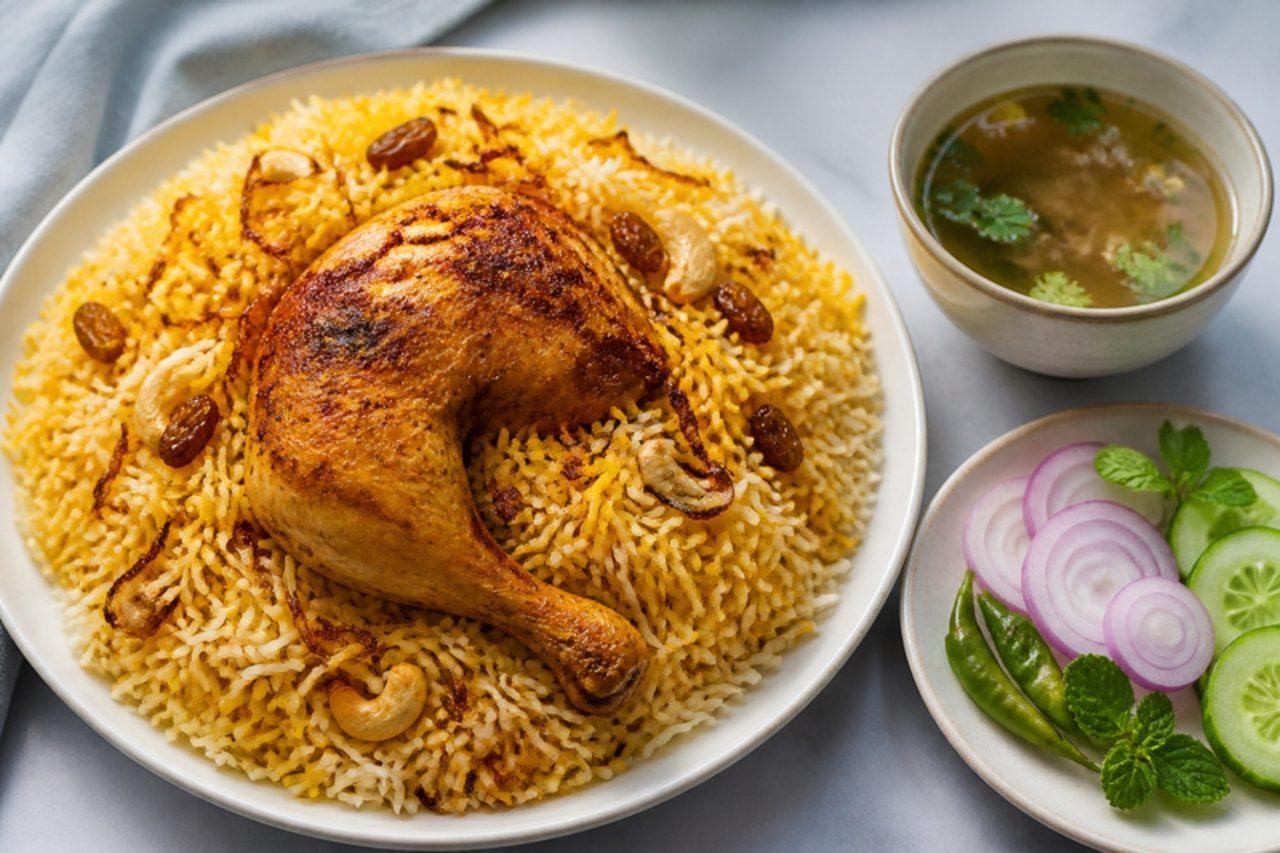
DanbaukChicken biryani

Weddings, birthday donations and the Friday lunch crowd after mosque prayers in downtown Yangon all call for danbauk, the Burmese take on biryani brought by the city's Indian-Muslim families. It is gentler than most South Asian versions: long grains scented with cardamom, cloves and butter, tender yoghurt-marinated chicken hidden underneath, and a crown of fried onions, plump raisins and golden cashews. Every plate comes with a bowl of sour onion, cucumber and green-chilli salad that cuts through the richness, and often a thin sour soup on the side. The usual slip is boiling the rice fully before layering; it then turns to mush during the slow steam, so pull it while each grain still has a chalky white core. Chef's tip: once the pot is sealed, leave the lid alone and dig in from the side at the table so every scoop brings up chicken and rice together.

by KrazyBadal 0 views

DaqqusTomato garlic chilli sauce

Spoon by spoon, daqqus goes over almost every plate of kabsa, mandi and machboos from Riyadh to Kuwait City: a thin, bright sauce of ripe tomato, lots of garlic and hot chilli that cuts through rich rice. Restaurants in Najd serve it in little bowls beside the rice tray, and some families make it raw, others cook it briefly as here, which mellows the garlic and deepens the colour. It should be pourable and tangy, not thick like ketchup. People often overcook it into a paste; keep it loose with a splash of water. It also works with grilled fish and eggs. Chef's tip: grate the tomatoes on a box grater and discard the skins for a silky sauce without blending.

by KrazyBadal 0 views

DaudoHand-cut noodle soup with mutton

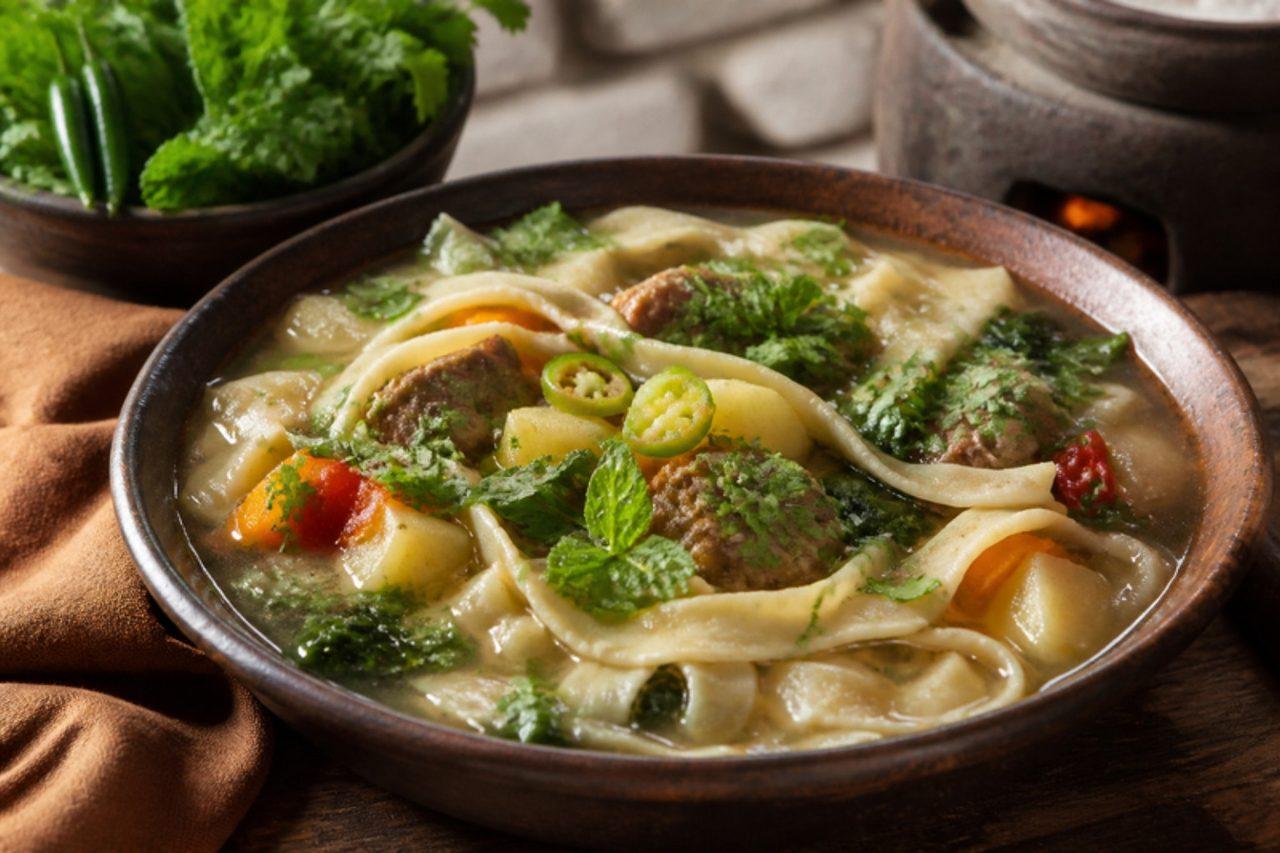
Once snow closes the passes into Hunza and the apricot trees are bare, families gather around a pot of daudo: a mutton broth thick with short, hand-rolled wheat noodles, potatoes, carrots, spinach and plenty of fresh coriander and mint. It is everyday mountain food, eaten for supper from deep bowls and passed to anyone who comes in from the cold, sometimes with a spoonful of local apricot-kernel oil on top. The noodles are rough and chewy, the broth peppery and green with herbs. Adding the noodles too early leaves them swollen and the soup gluey, so keep them for the last few minutes. Chef's tip: for a vegetarian version, simmer the vegetables in a good vegetable stock and add a handful of chickpeas instead of the mutton.

by KrazyBadal 0 views

Roz me'ammarCreamy clay-pot baked rice

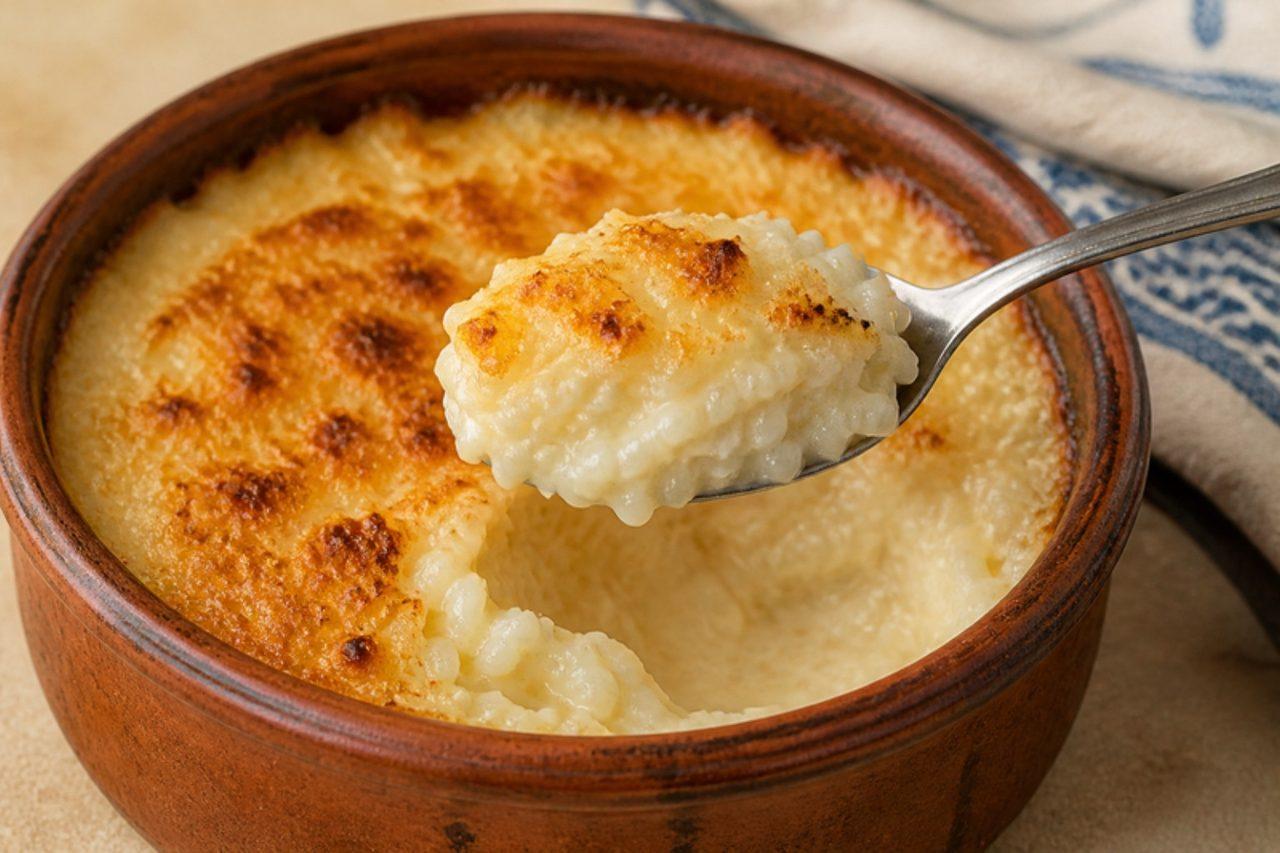
Village kitchens across the Nile Delta, from Menoufia to Sharqia, slide a clay pot of roz me'ammar into the bread oven for feasts, Fridays and Eid lunch. Short-grain rice bakes slowly in milk, cream and butter until it sets into a soft, rich block with a crisp, golden-brown crust on top that everyone fights over. In the Delta it usually comes with roast pigeon or duck; for a meat-free table it is just as good with a sharp salad, pickles and a dish of mish. Stirring it once it is in the oven is the mistake to avoid: it breaks the crust and makes the rice gluey. Chef's tip: use Egyptian or other round, short-grain rice; long-grain rice will not drink up the milk the same way.

by KrazyBadal 0 views

DemikátSheep's cheese soup over bread

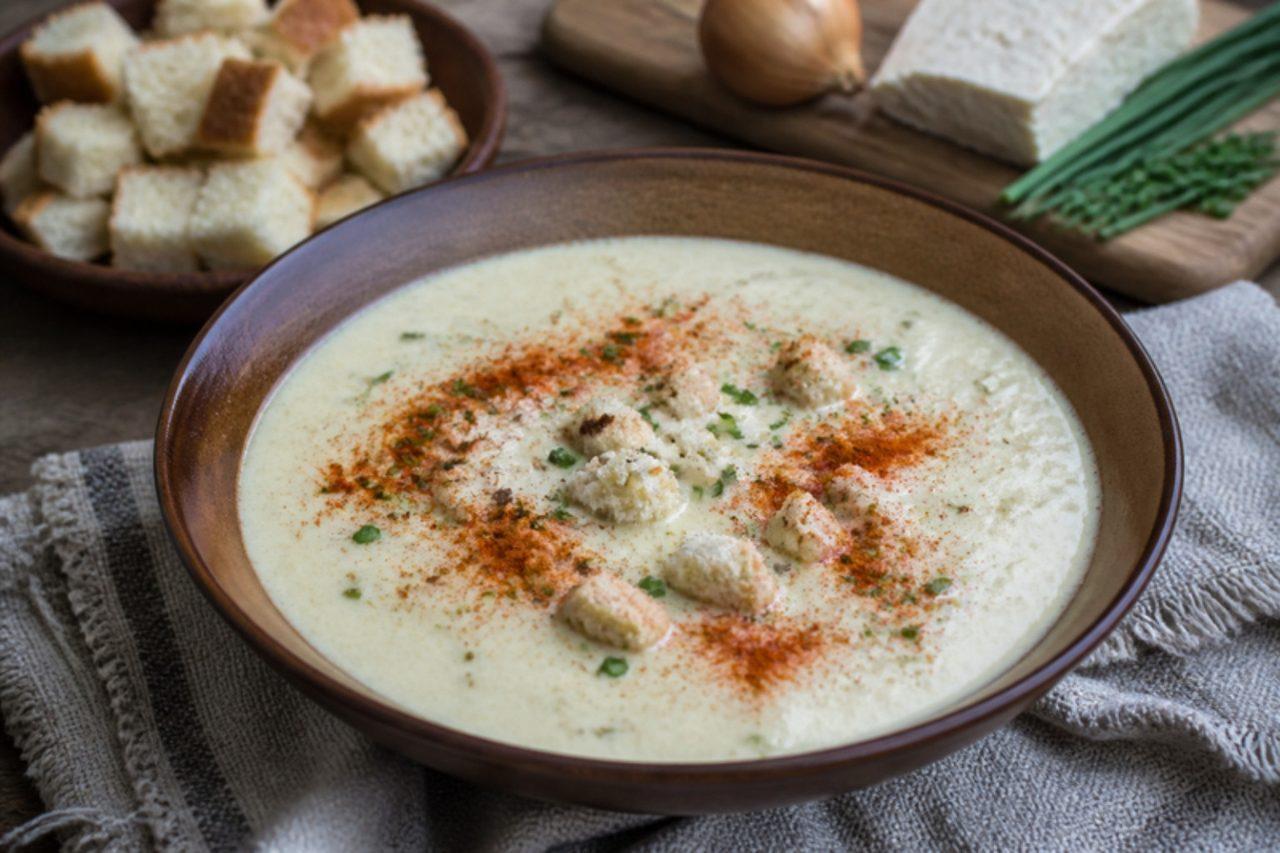
Shepherds in the hills of central Slovakia needed only a kettle of water, a lump of bryndza and a loaf of bread to make demikát, a soup that comes together in a quarter of an hour at the salaš, the summer sheep hut. The soft, salty sheep's cheese is mashed with fried onion, paprika and caraway, loosened with boiling water and poured over chunks of bread, then finished with heaps of chives. It is tangy, creamy and very warming. Bryndza is traditionally made with animal rennet and sometimes from raw milk, so for a vegetarian, safer bowl choose a pasteurised sheep's cheese made with vegetarian rennet (a soft feta-style cheese mashed with a little cream cheese works well). The usual slip is boiling the soup after the cheese goes in, which makes it grainy; just bring it to steaming. Chef's tip: use day-old rye bread, toasted, so it soaks up the broth without falling apart.

20 minCzechSoups
by KrazyBadal 0 views

DhidoBuckwheat flour porridge

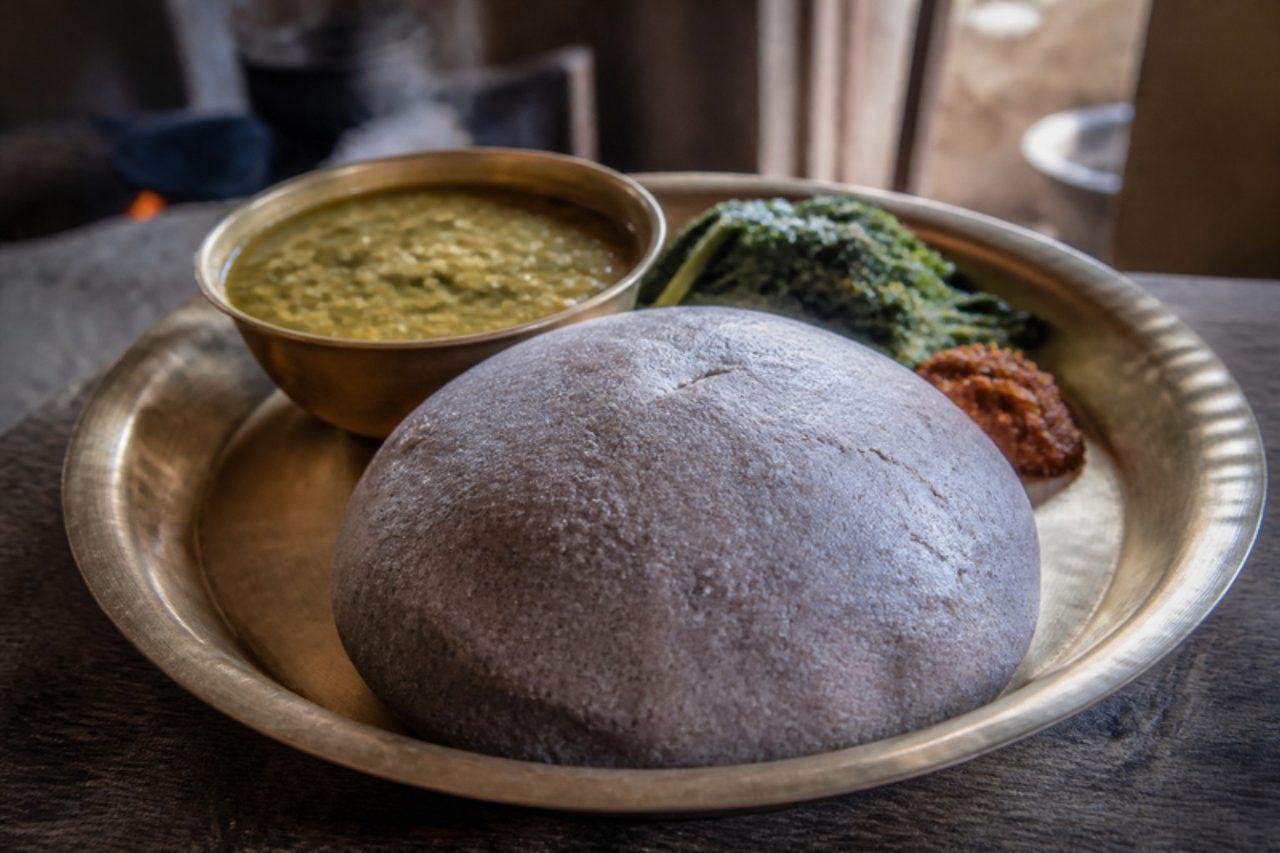
Before rice reached every corner of Nepal, dhido was what filled bellies in the high villages of Jumla, Dolpa, Mustang and the middle hills, and it is now enjoying a comeback in Kathmandu restaurants as a wholesome, gluten-free choice. Buckwheat or millet flour is rained into boiling water and stirred with a flat wooden paddle until it becomes a smooth, heavy, elastic mass, which is eaten with the fingers, pinched off and dipped into a sour vegetable soup, a bowl of lentils or a fiery tomato pickle. It has an earthy, slightly bitter flavour and a satisfying, sticky texture that is meant to be swallowed rather than chewed. Lumps are what ruin it most often, and they come from adding the flour too quickly. Chef's tip: add the flour in a thin stream with one hand while stirring hard with the other, and keep beating for a full 10 minutes once it is all in.

by KrazyBadal 0 views

DhikriSteamed rice flour dough shapes

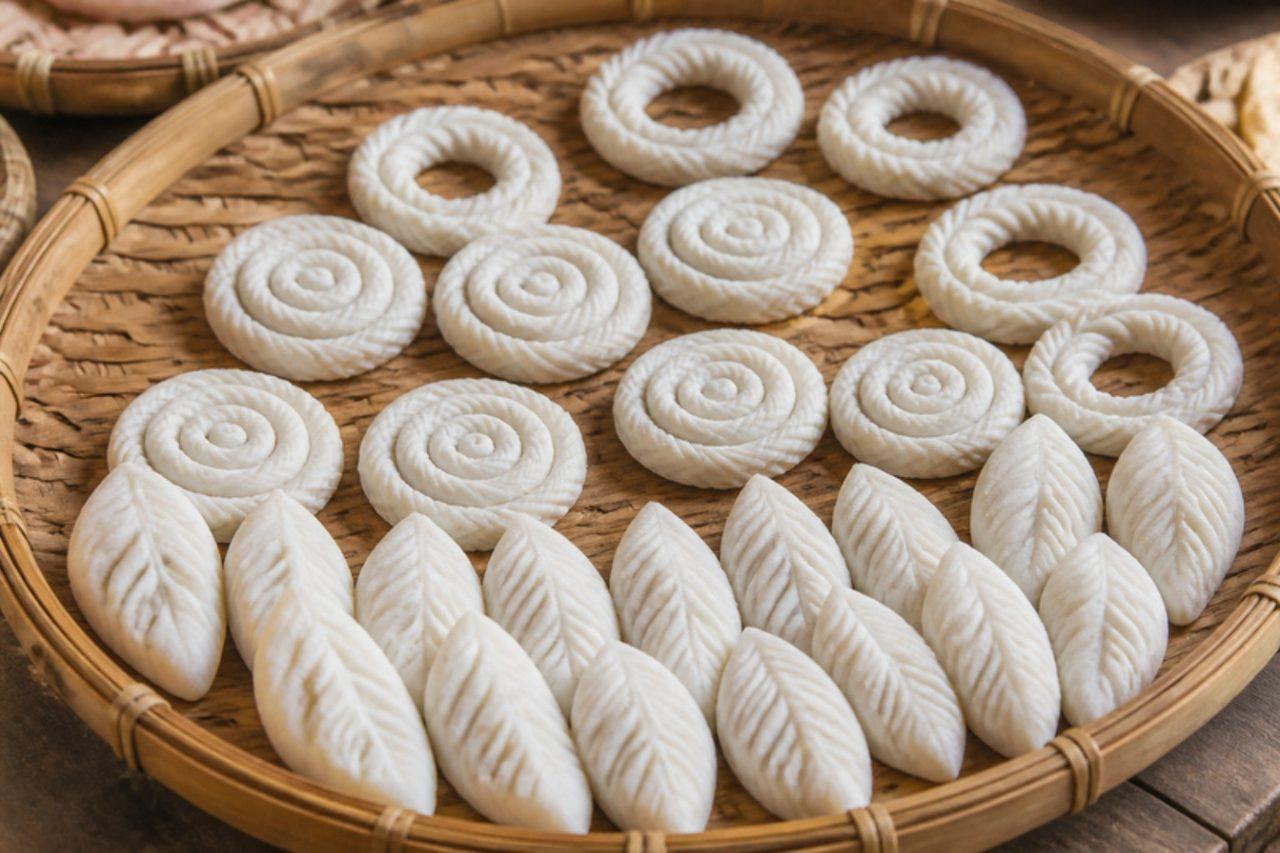
For Maghi, the Tharu new year in mid-January, and for Dashain and Atwari, families in Dang, Bardiya and Kailali sit together on the floor shaping dhikri, long pieces of rice-flour dough rolled and twisted into ropes, spirals, fish, birds and finger-marked ridges before they are steamed. The finished pieces are soft, smooth and chewy, with a clean, sweetish rice flavour that makes them a canvas for whatever is served alongside: a spicy tomato and sesame chutney, a lentil soup, a vegetable curry or, in many homes, a festive meat curry. Leftovers are sliced and fried the next day. The usual mistake is mixing the dough too dry, which cracks as you shape it and steams up hard. Chef's tip: keep the dough covered with a damp cloth while you shape, and dip your fingers in water if it starts to crack.

by KrazyBadal 0 views

DhodhaMilk, wheat and ghee fudge

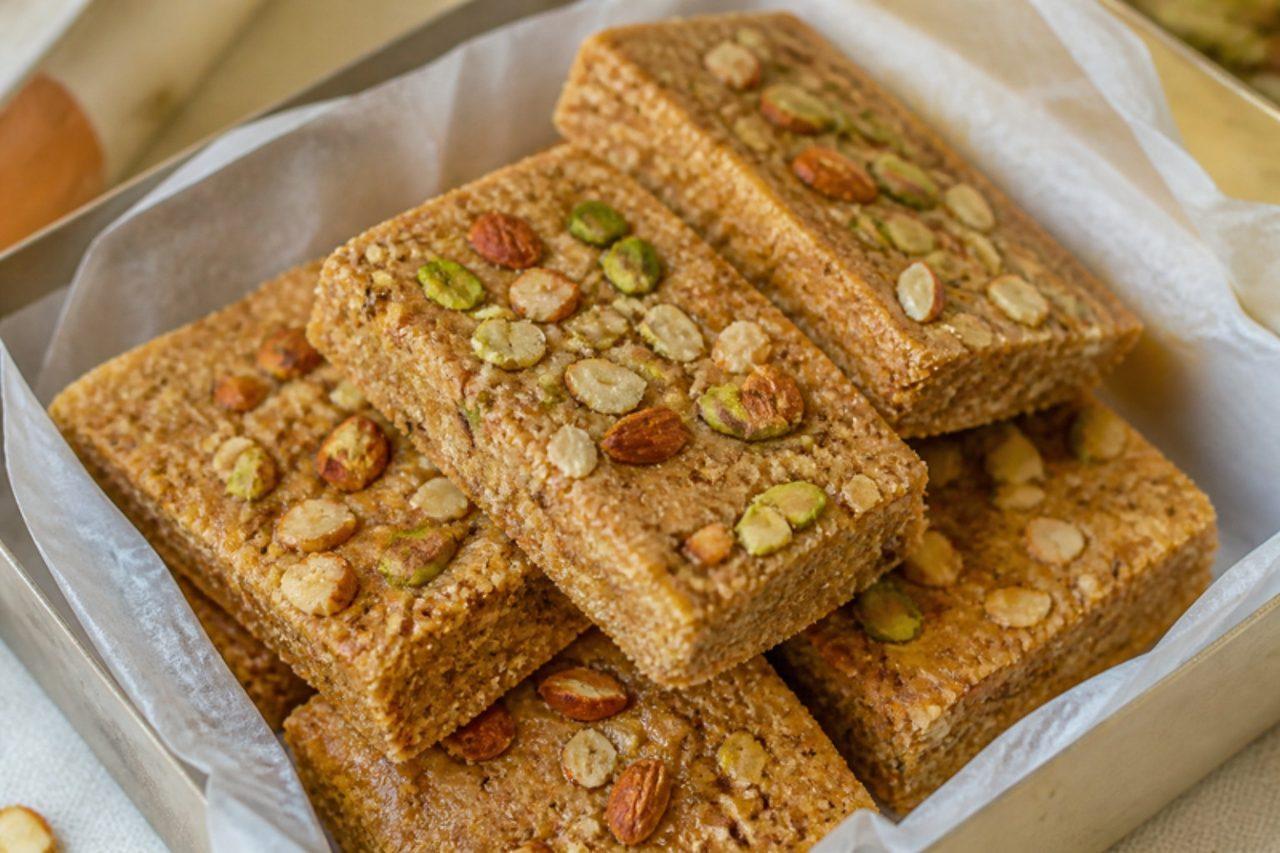
Every bus that stops in Khushab, on the road between Sargodha and the Salt Range, is met by boys carrying boxes of dhodha, the town's famous sweet and a standard gift for anyone visiting family in Punjab. It is lighter in colour and softer than habshi halwa, a moist, crumbly fudge of slowly reduced milk, a little wheat flour, ghee and sugar, packed with almonds, pistachios and walnuts and pressed into slabs about two fingers thick. The flavour is milky and nutty with a gentle caramel note, and it is sliced and eaten with tea, especially in the cold months. Where people slip up is under-reducing the milk, so the dhodha never firms and stays soft like a halwa. Chef's tip: keep stirring after you add the sugar until the mass leaves the sides of the pan cleanly and holds a ridge when you draw the spoon through it, then press it into the tin while still warm.

by KrazyBadal 0 views

DibsDate syrup

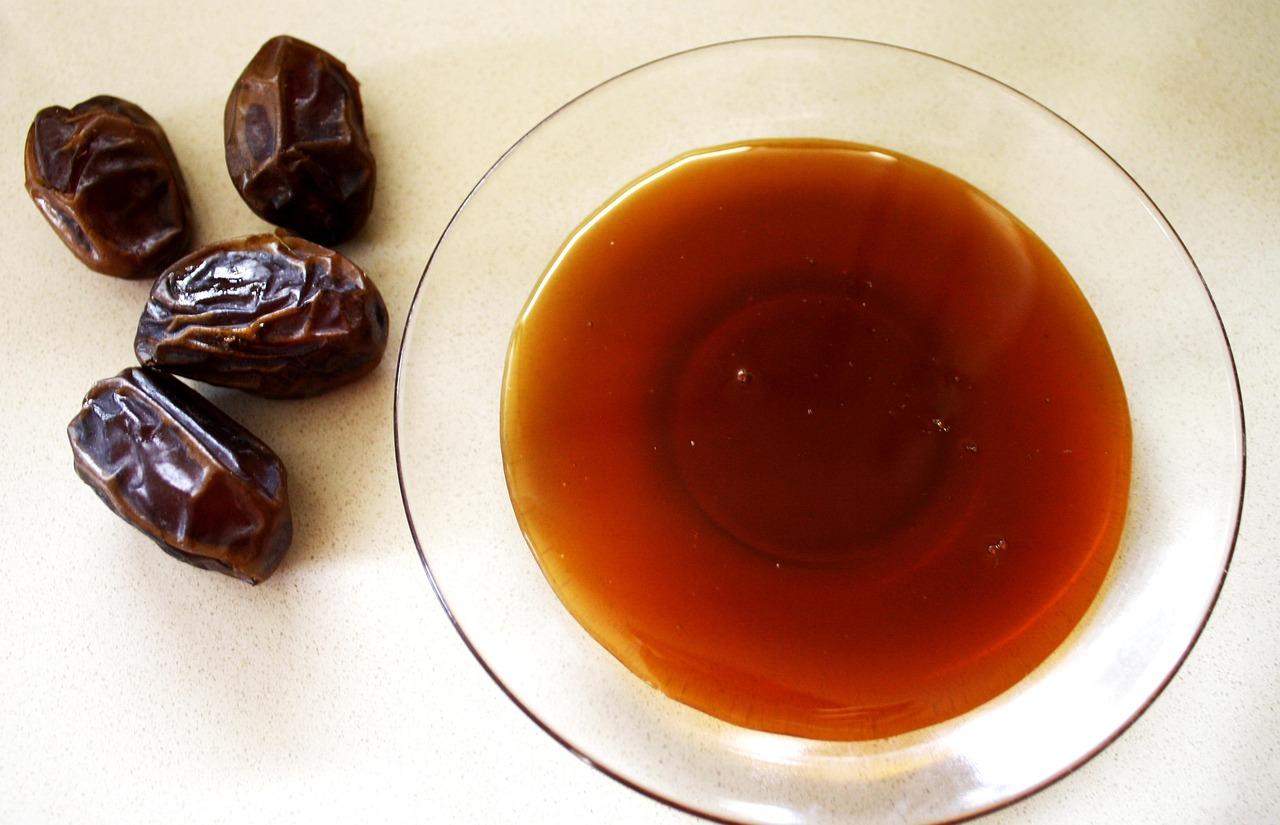
Across the Gulf, from the date gardens of Al-Ahsa to the oases of Oman and the UAE, dibs is the dark, glossy syrup pressed and boiled from ripe dates, and it was the region's sweetener long before sugar was common. It tastes of toffee and dried fruit with a faint bitterness, and families pour it over chebab and khameer, mix it with tahini for dipping bread, and use it in sweets like luqaimat. Making it at home takes time but little effort, and a kilo of dates gives a jar that lasts for months in the fridge. The mistake is boiling the strained juice too hard at the end: it scorches and turns bitter. Chef's tip: squeeze the date pulp in the cloth when it is still warm; you get far more juice than from cold pulp.

by KrazyBadal 0 views

DibyazaApricot and date compote

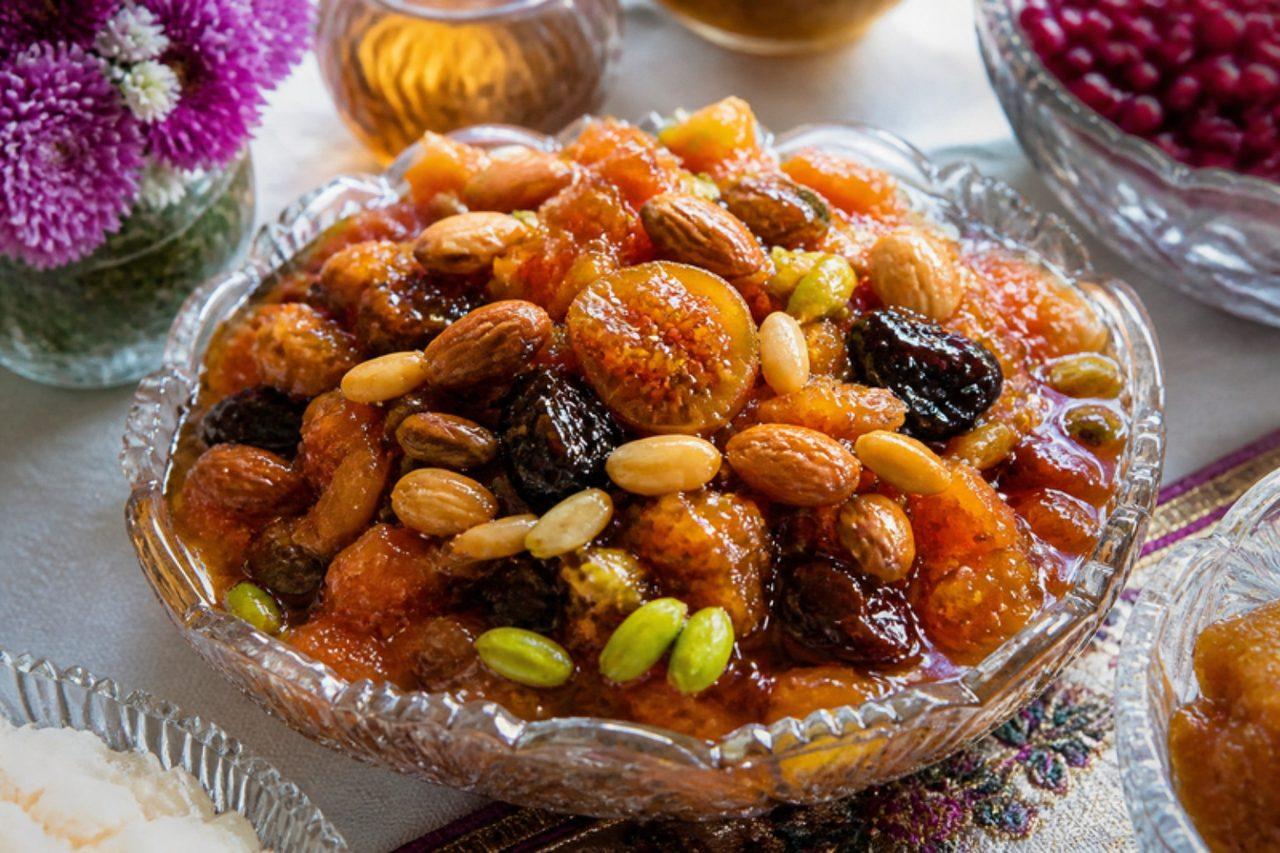
No Eid table in Jeddah or Mecca is complete without a bowl of dibyaza, a thick, glossy compote that old Hejazi families make the night before the festival and serve at breakfast alongside cheese, olives and fresh bread. Sheets of dried apricot paste melt into a tangy orange syrup that wraps around soft dates, figs, prunes and crunchy nuts, so every spoonful is sweet, sour and jammy at once. Some households stir in fried onion for a savoury edge; this version keeps it to fruit and nuts. People often boil it hard and scorch the bottom, because apricot paste catches very easily. Keep the heat low and stir from the base. It keeps for a week in the fridge. Chef's tip: soak the apricot paste in hot water until completely soft before it goes near the heat; it then dissolves smooth instead of leaving rubbery shreds.

by KrazyBadal 0 views

Dimer chopEgg-in-potato croquettes

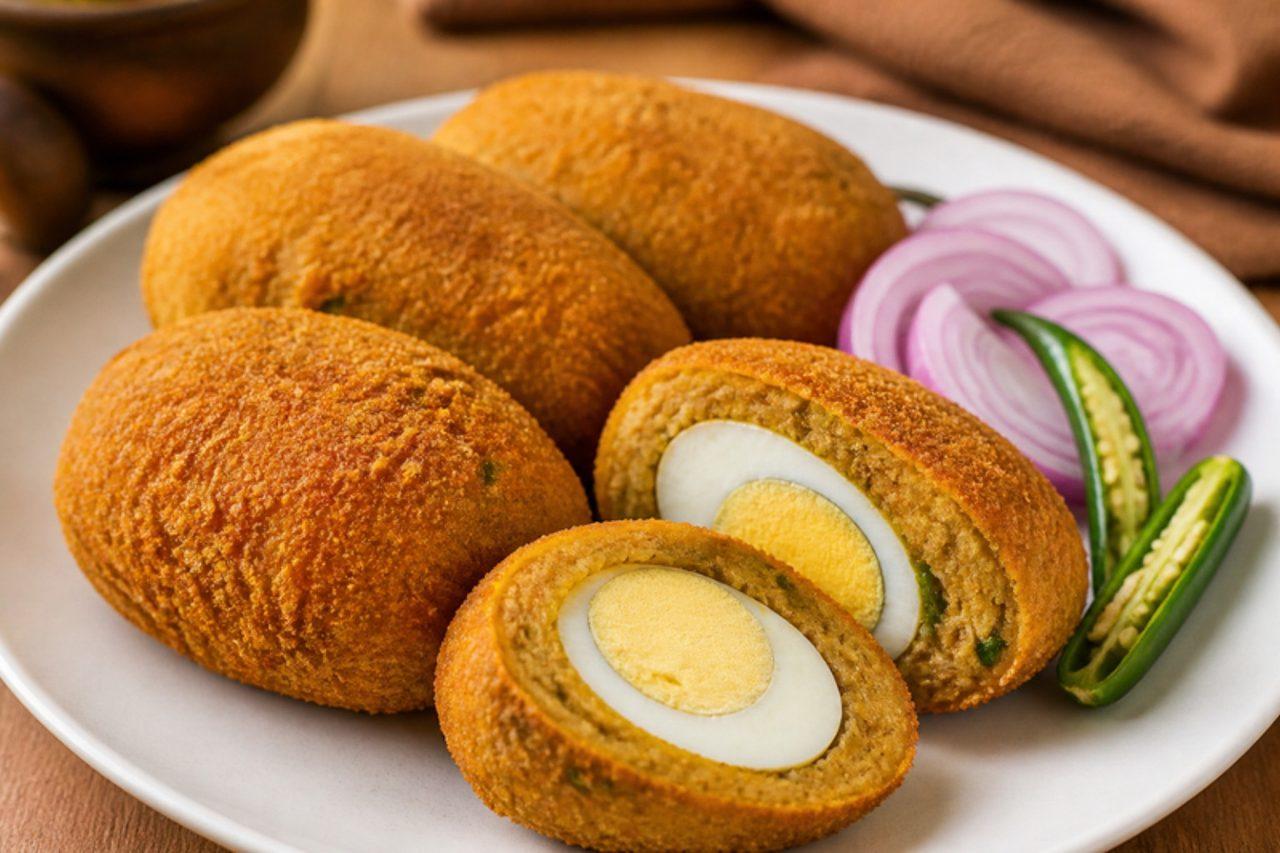
Glass cabinets at Dhaka's sweet shops and snack counters, from New Market to Mirpur, always hold a row of dimer chop, oval golden-crumbed parcels that, when cut, reveal half a boiled egg nested inside a layer of spiced potato. They are bought for afternoon tea, birthday parties and school tiffin and eaten with kasundi mustard sauce, tomato ketchup and a little sliced onion and cucumber. Some versions mix minced meat into the potato; this one keeps it vegetarian, with garam masala, ginger and fried onion for depth. Soft-boiled eggs are a mistake here: they must be fully hard-boiled so the yolk is firm and the chop is safe and easy to wrap. Chef's tip: chill the crumbed chops for 15 minutes before frying so the coating stays put.

by KrazyBadal 0 views

Diram fittiSprouted wheat bread with butter

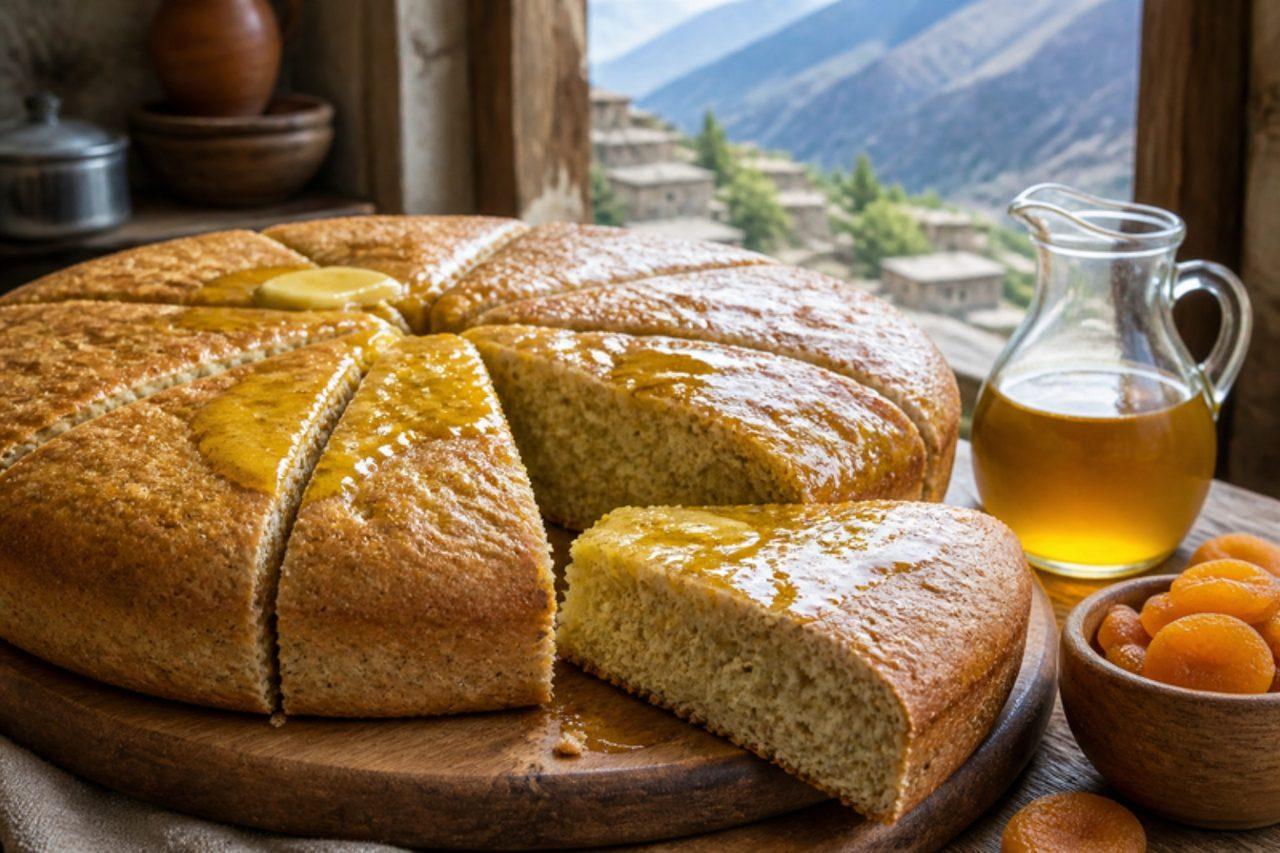
High in the Hunza valley, diram is flour ground from wheat that has been soaked, sprouted and sun-dried, and it gives this thick, round bread a gentle natural sweetness and a faintly malty smell. Diram fitti is cooked slowly in a covered pan, then broken into rough pieces while still hot and drowned in melted butter and a little apricot-kernel oil, so it turns rich, soft and fragrant; in Karimabad and Altit it is made for guests, for festivals such as Ginani at harvest time and to feed someone through a hard winter. It is eaten with the hands, often with salty Hunza tea. Pale, raw centres are the common fault, so cook it slowly with the lid on. Chef's tip: sprouted wheat flour is sold in health-food shops; use only food-grade culinary apricot-kernel oil, or swap in walnut oil or more butter.

by KrazyBadal 0 views

DirkoshDried crisp injera

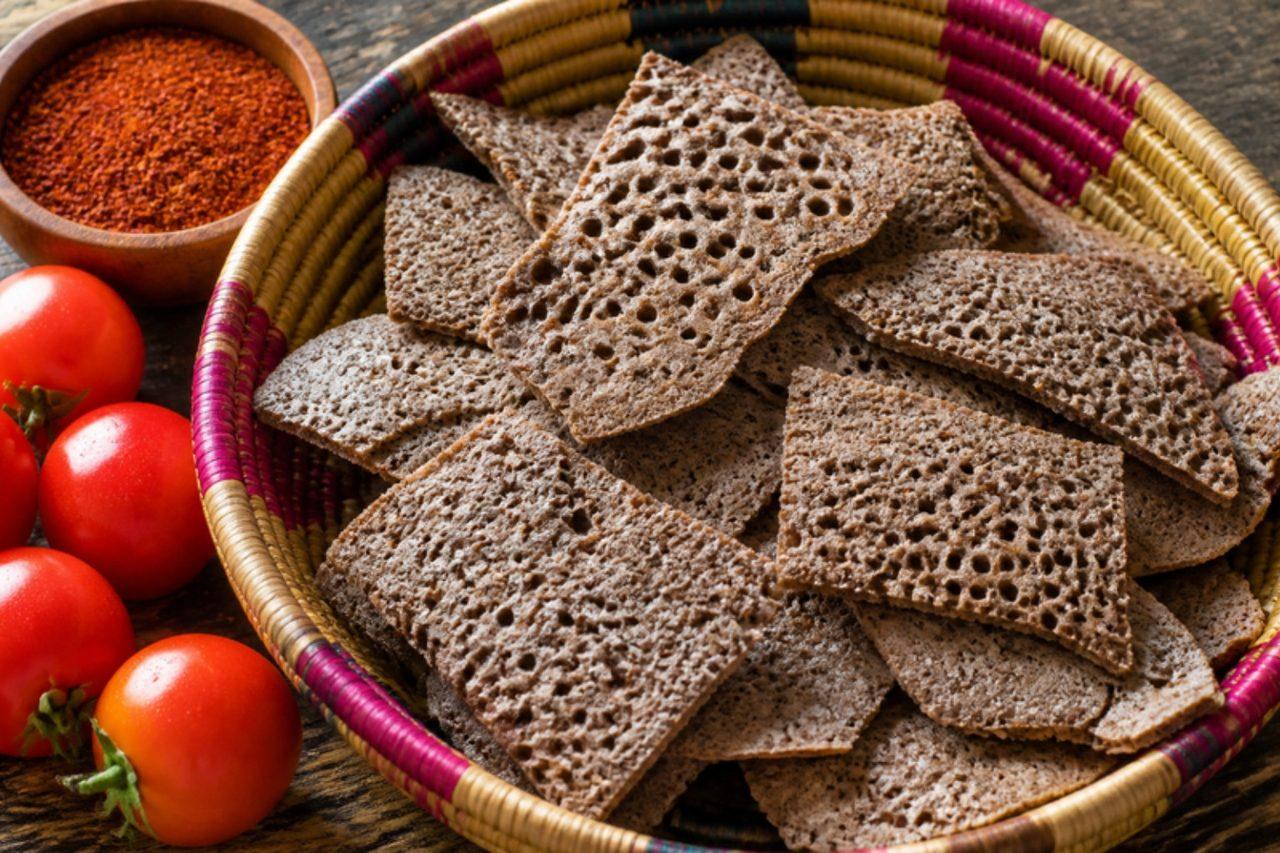
No Ethiopian kitchen throws injera away. Pieces that are past their best are torn up and dried in the sun, on the roof or on a tray by the fire until they snap like crackers, then kept in a sack or tin for weeks. This dirkosh is the backbone of quick meals on Wednesdays, Fridays and during the long Lent fast: a handful softened in a red onion and berbere sauce becomes fasting firfir in ten minutes, and travellers once carried it as food for the road. A low oven does the job at home in a few hours. Chef's tip: tear the injera into pieces no larger than a playing card; big sheets curl and stay leathery in the middle.

by KrazyBadal 0 views

Showing 90 of 9,360 recipes

Page 502 of 1,040