


Skip to content
Beef brisket noodles
Featured recipe

Beef brisket noodles

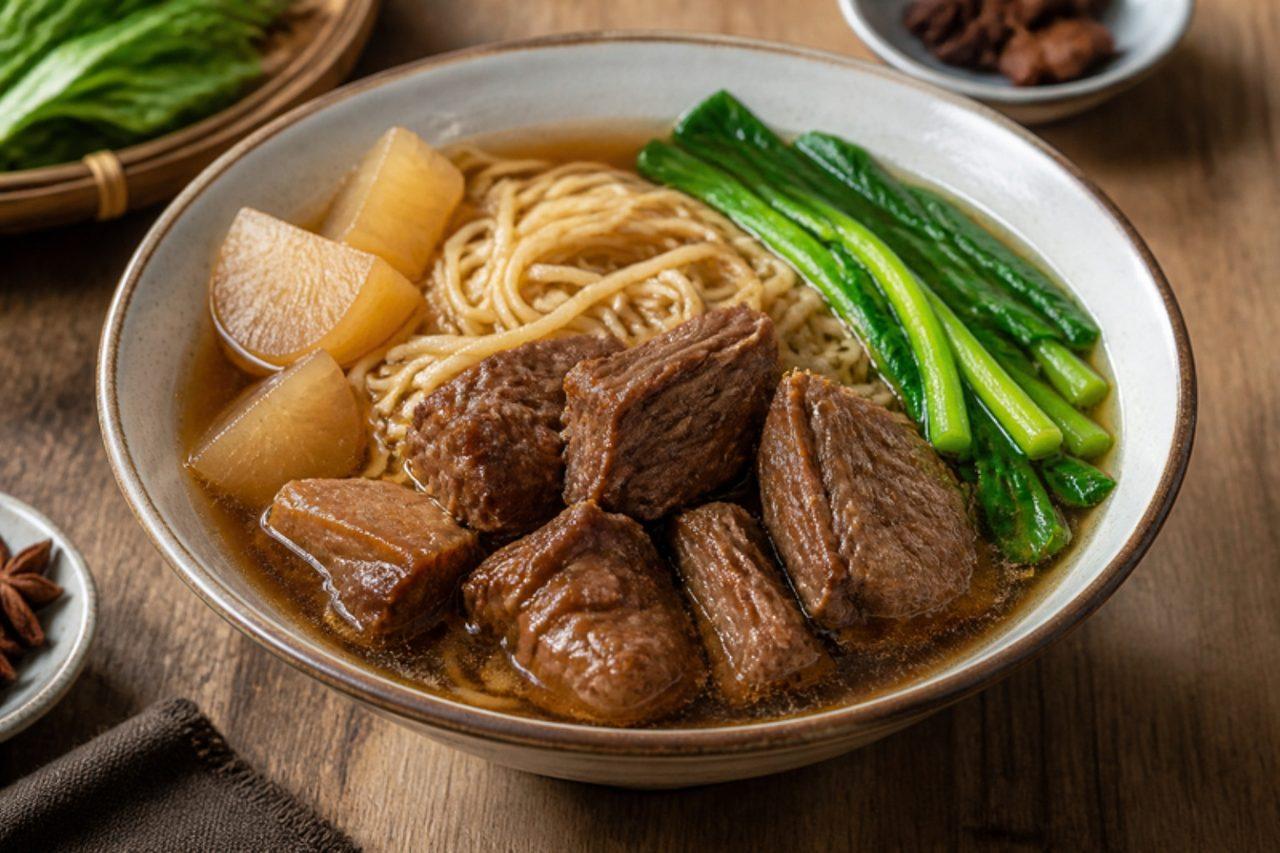
Queues form outside the brisket shops of Central and Sham Shui Po at lunchtime for a bowl of ngau naam min: wobbly chunks of beef brisket, braised for hours with chu hou paste, star anise, cinnamon and dried tangerine peel until the fat and sinew melt, set over springy egg noodles in a separate, clear, peppery broth with daikon. The braise is dark, sticky and aromatic, the broth light and clean, and you dip between them. A slosh of Shaoxing rice wine goes in the braise; an alcohol-free swap is in the ingredient list. Many home cooks cut the brisket before cooking into small cubes, which then shrink and dry out; braise it in big pieces and cut it afterwards. Chef's tip: the braise is better the next day, so make it ahead, chill it and lift off the fat before reheating.

Read more 0 views

What to eat today?

Around the world

Today's trip: Persian

A new country every day, from every cuisine on the site.

Persian

Nazkhatoon

Smoky aubergine with pomegranate 40 minMore from Persian (131) →

This week's collection

Kid-friendly dinners
541 recipes · a new collection every Monday

Latest recipes

Georgia peach cobbler

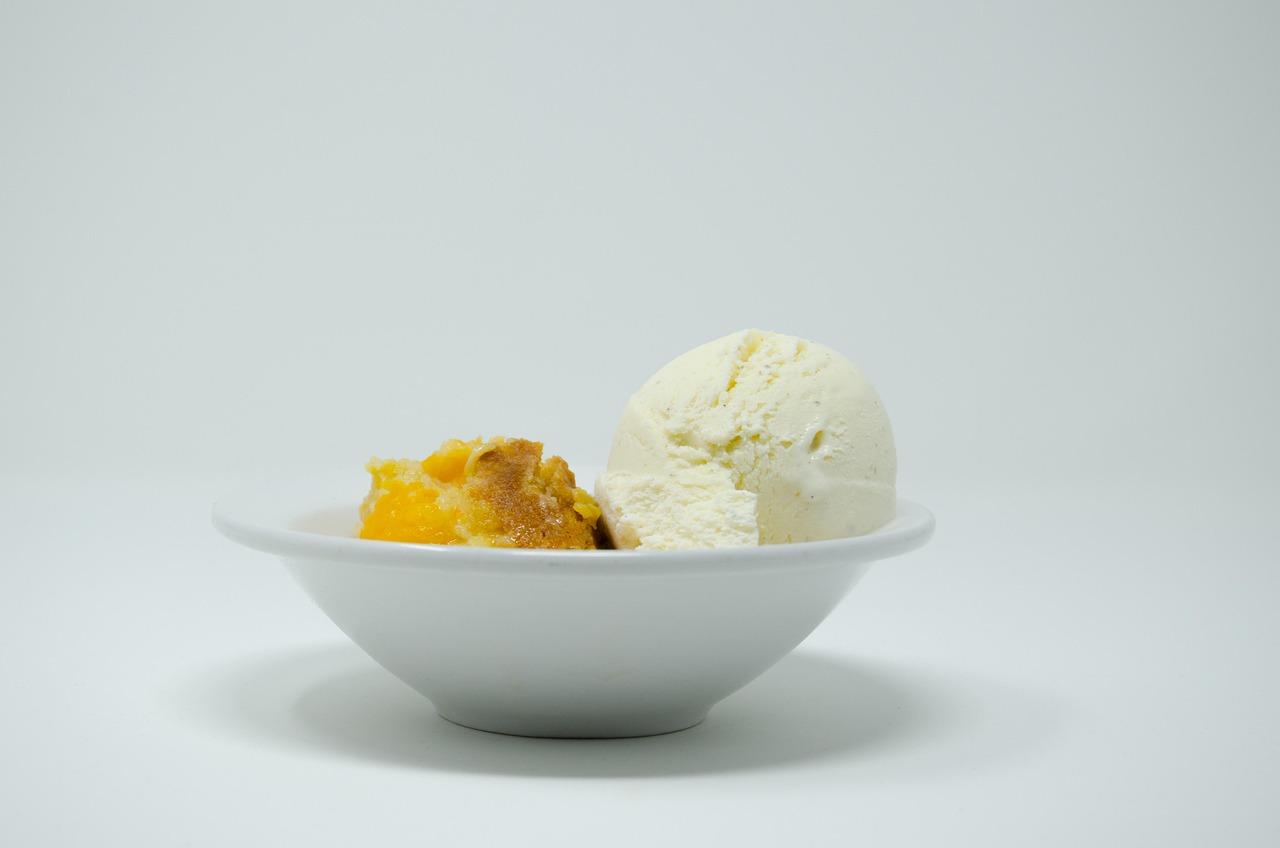
Georgia calls itself the Peach State, and in June and July roadside stands around Fort Valley sell peaches by the basket for this summer cobbler. In the old Southern style, a simple batter is poured over melted butter, then the peaches go on top; as it bakes the batter rises up around the fruit into a golden, cakey crust with crisp edges. Serve warm with vanilla ice cream. Chef's tip: don't stir after the peaches go in; the layers sort themselves out in the oven.

by KrazyBadal 0 views
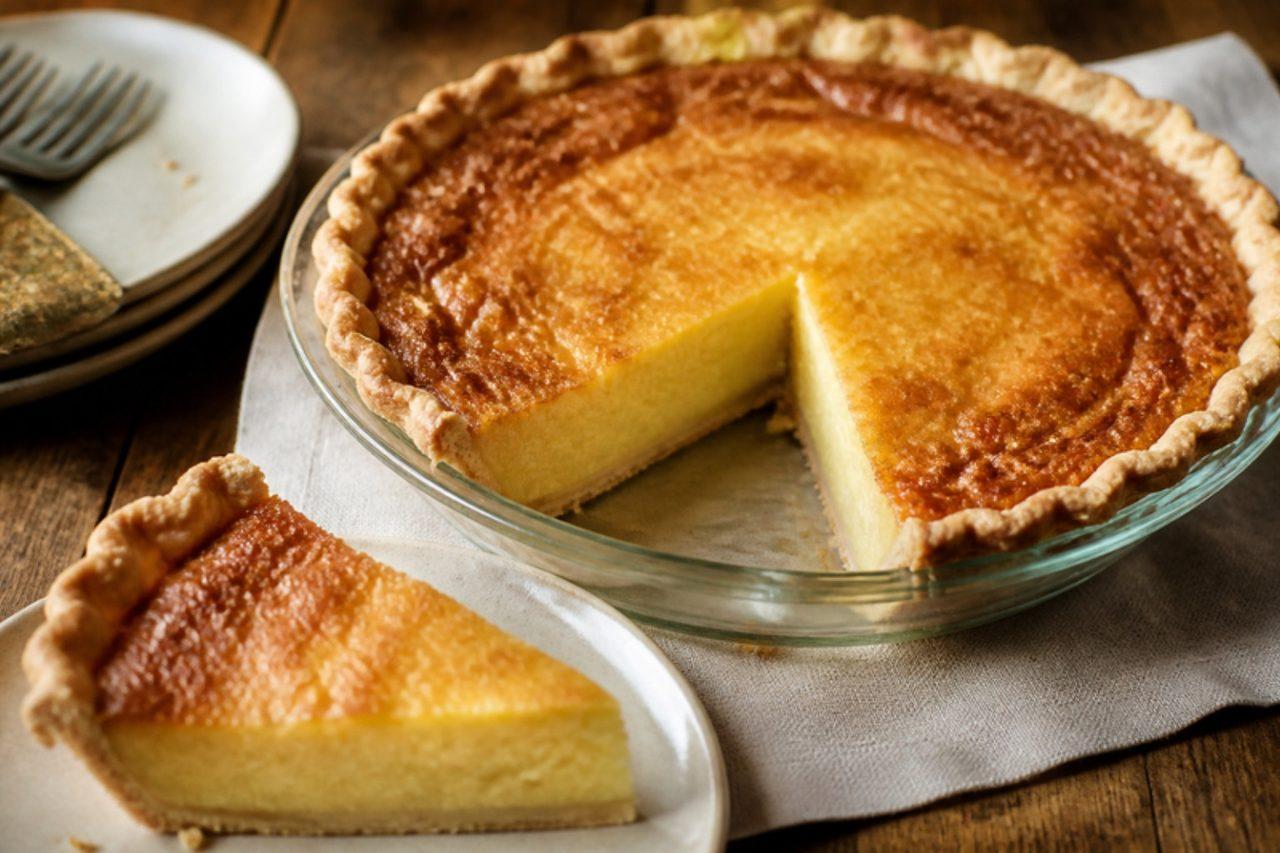
Chess pie

Chess pie is the plain-pantry pie of Virginia, Kentucky and the Carolinas, made with nothing but butter, sugar, eggs and a spoonful of cornmeal, so it was baked year-round when there was no fruit. It sets into a rich, translucent custard with a crackly, golden sugar crust on top. Nobody agrees on the name; one story says a cook called it 'jes' pie'. Chef's tip: the cornmeal and vinegar aren't optional; they stop the very sweet custard from being cloying and help it set.

by KrazyBadal 0 views

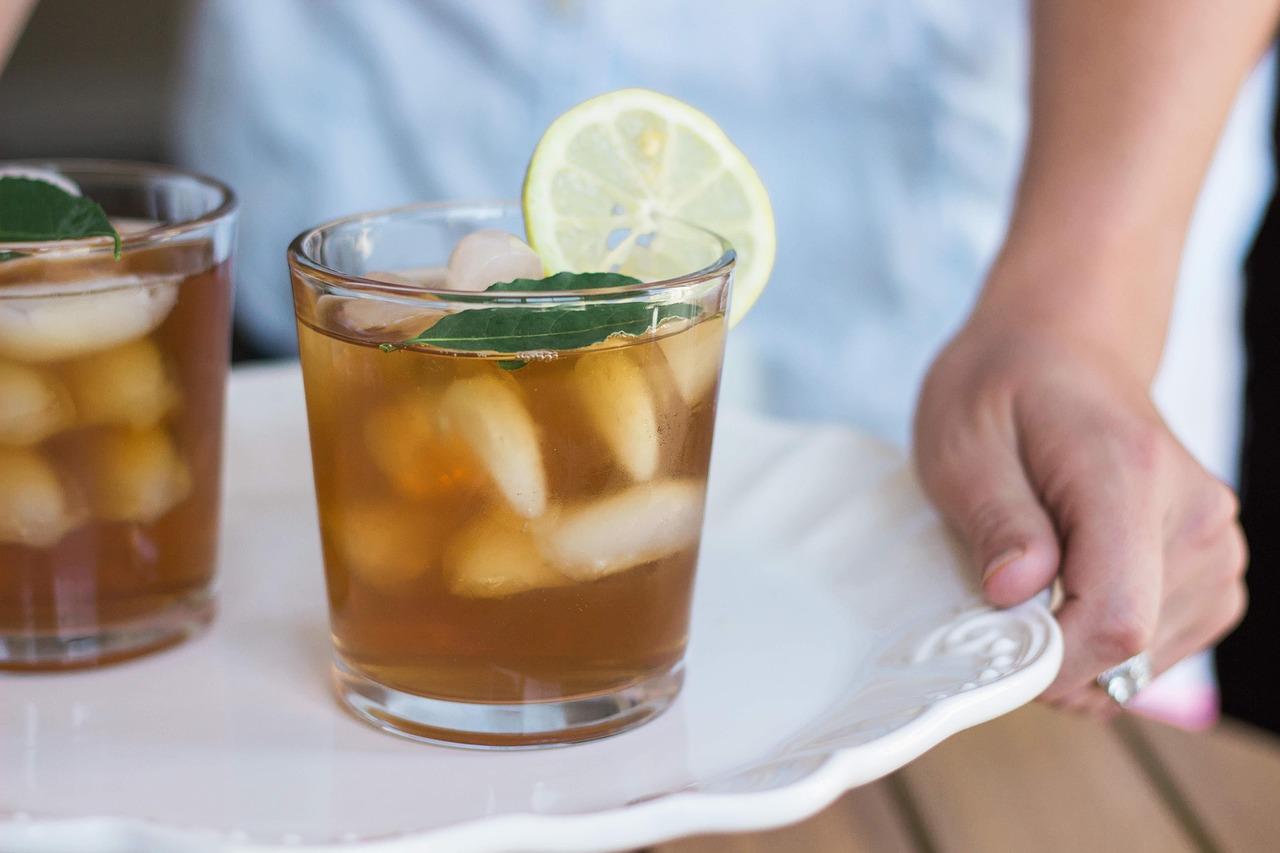
Southern sweet tea

Sweet tea is the house wine of the South, poured by the jug at every barbecue joint, meat-and-three and Sunday lunch from South Carolina to Texas. Strong black tea is sweetened while hot so the sugar dissolves completely, then cooled and poured over plenty of ice with lemon. A pinch of bicarbonate is an old trick that softens bitterness and keeps it clear. Chef's tip: let the tea cool to room temperature before chilling; putting it straight in the fridge hot makes it go cloudy.

by KrazyBadal 0 views

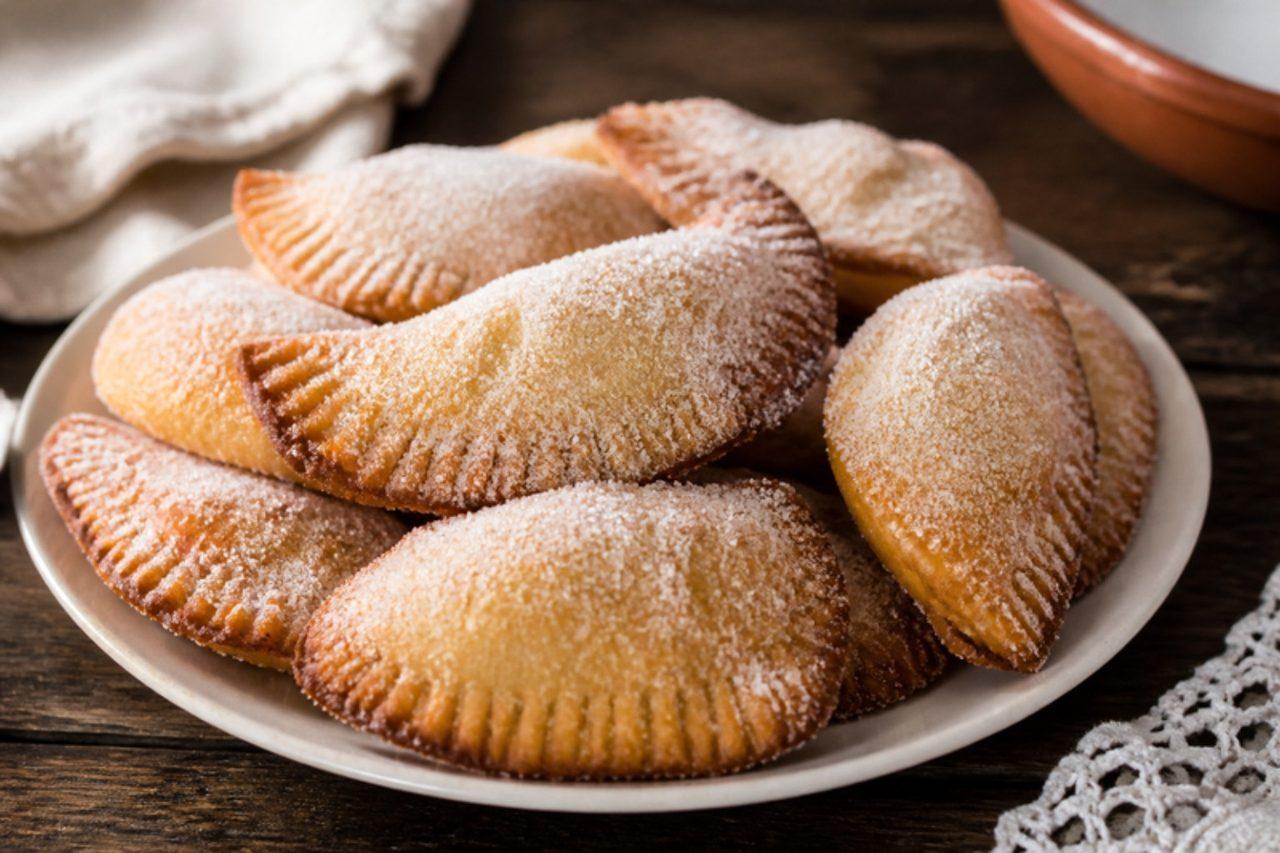
Clarinhas de FãoGourd and egg yolk pastries

Clarinhas come from Fão, a small riverside town near Esposende, where they are sold warm and sugary from bakery counters and at summer fairs on the Cávado estuary. Thin pastry is folded around a filling of candied fig-leaf gourd (doce de chila) thickened with egg yolk, fried until blistered, then rolled in sugar. Chila jam is sold in Portuguese shops; a thick pumpkin jam works well in its place. A common mistake is overfilling the pastries, so the jam bursts through the seams while they fry. Chef's tip: cook the filling until it is firm enough to hold its shape on a spoon, or it will leak and spit in the oil.

by KrazyBadal 0 views

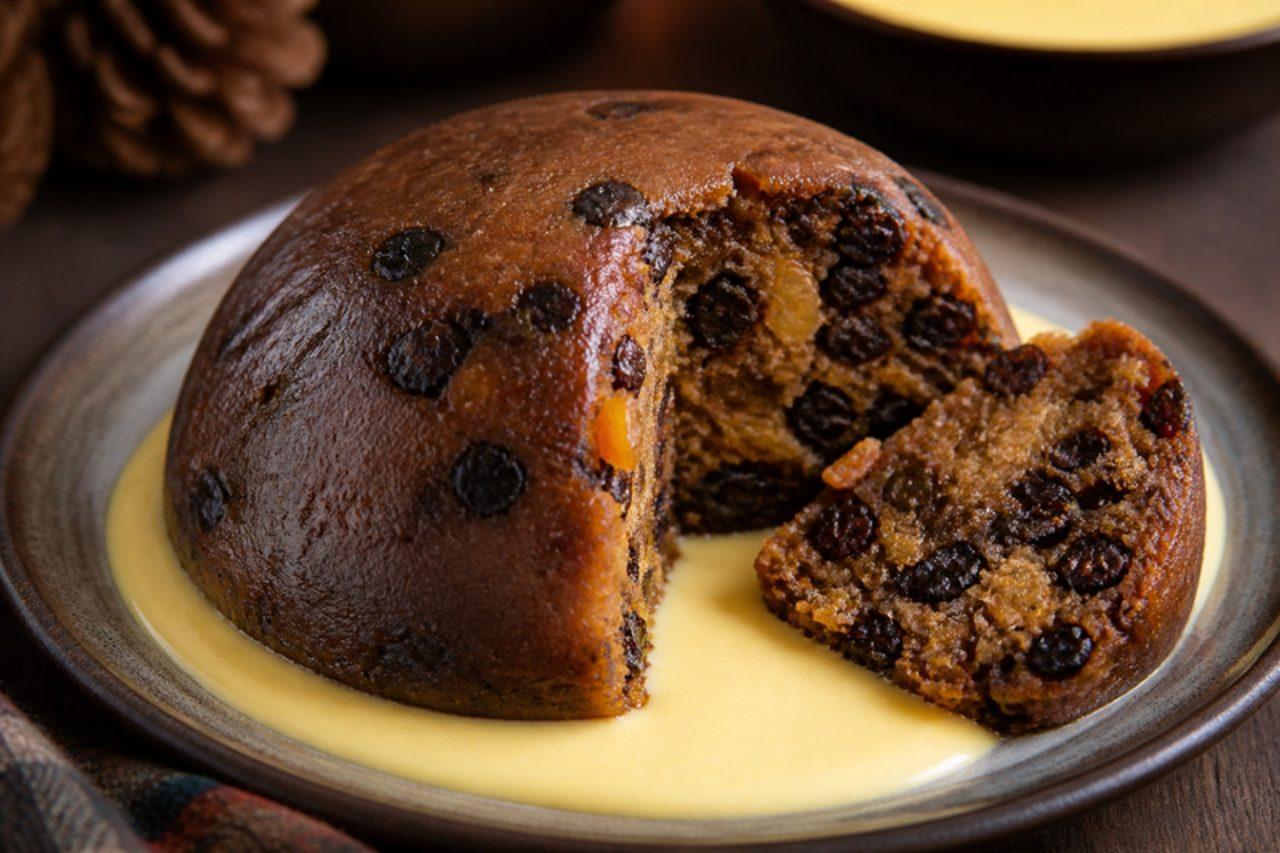
Clootie dumplingBoiled spiced fruit pudding

The clootie dumpling takes its name from the cloot, the cotton cloth it is boiled in, and it is the birthday and Hogmanay pudding of Scottish grannies from Fife to the Borders. It is a dense, dark, spiced fruit pudding with a sticky skin that forms when the floured cloth is dried in front of the oven. Leftover slices are fried for breakfast. Traditional recipes use beef suet; this one uses vegetable suet so it stays vegetarian. Chef's tip: dust the scalded cloth thickly with flour before filling it; that flour is what forms the famous skin.

by KrazyBadal 0 views

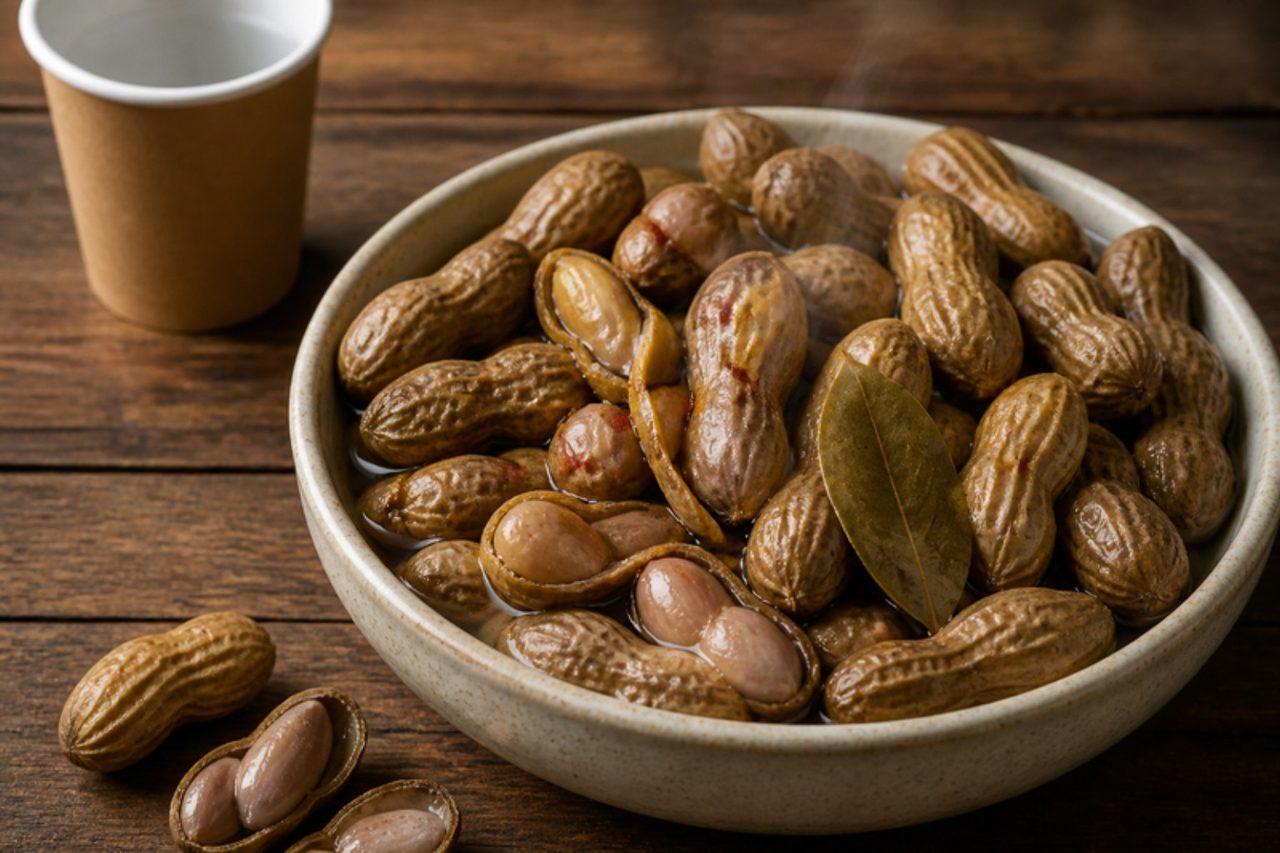
Southern boiled peanuts

Boiled peanuts are sold steaming from roadside stands and petrol stations all along the back roads of South Carolina, Georgia and Alabama, ladled into paper bags in late summer when the green peanut harvest comes in. Raw peanuts are simmered for hours in heavily salted water until soft as cooked beans, salty and earthy. A Cajun-spiced version with chilli is popular too. Chef's tip: taste a peanut every hour; they are done when the kernel is completely soft with no crunch.

by KrazyBadal 0 views

Southern tomato pie

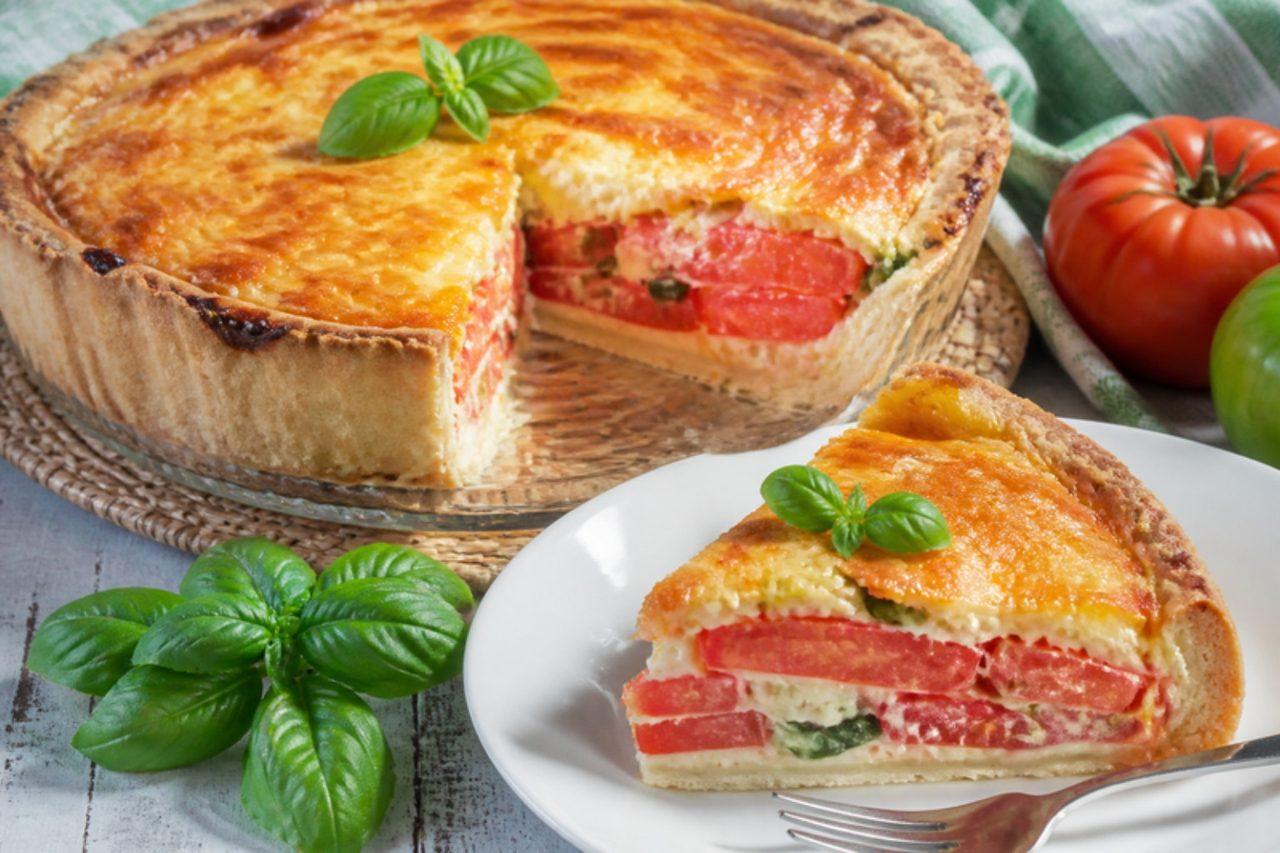
Tomato pie is the high-summer lunch of the Carolinas and Virginia, made when the ripe tomatoes are piling up on the windowsill. Salted, drained tomato slices are layered in a pastry case with basil and spring onion, then covered with a rich topping of cheddar and mayonnaise that bakes golden and bubbly. It is best warm or at room temperature with a green salad. Choose a vegetarian cheddar if needed, as traditional cheddar uses animal rennet. Chef's tip: salting and draining the tomatoes is the difference between a sliceable pie and a soggy one.

by KrazyBadal 0 views

Coca de llandaLemon and olive oil sponge

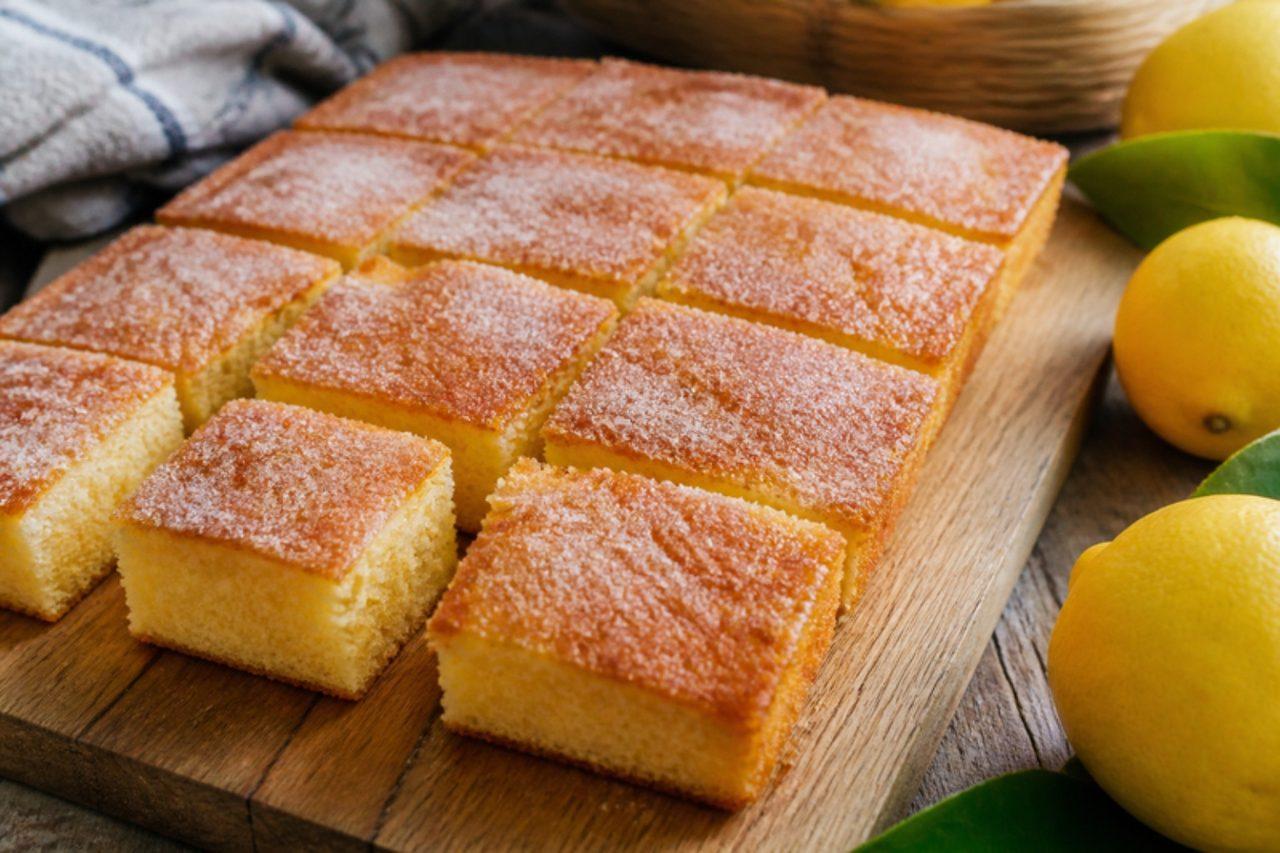
Every Valencian grandmother has a coca de llanda, a plain, fluffy sponge named after the shallow metal tray (llanda) it is baked in, and it turns up at breakfast, at afternoon merienda and in lunchboxes all over the Comunitat Valenciana. Sunflower oil and milk keep it moist for days, lemon zest perfumes it, and a sprinkle of cinnamon sugar on top bakes into a crackly crust. A common mistake is opening the oven in the first 25 minutes, which makes the middle sink. Chef's tip: let the batter rest for 10 minutes in the tin before it goes into the oven; the cinnamon sugar then sits on the surface instead of sinking in.

by KrazyBadal 0 views

Coca de recapteFlatbread with roasted vegetables

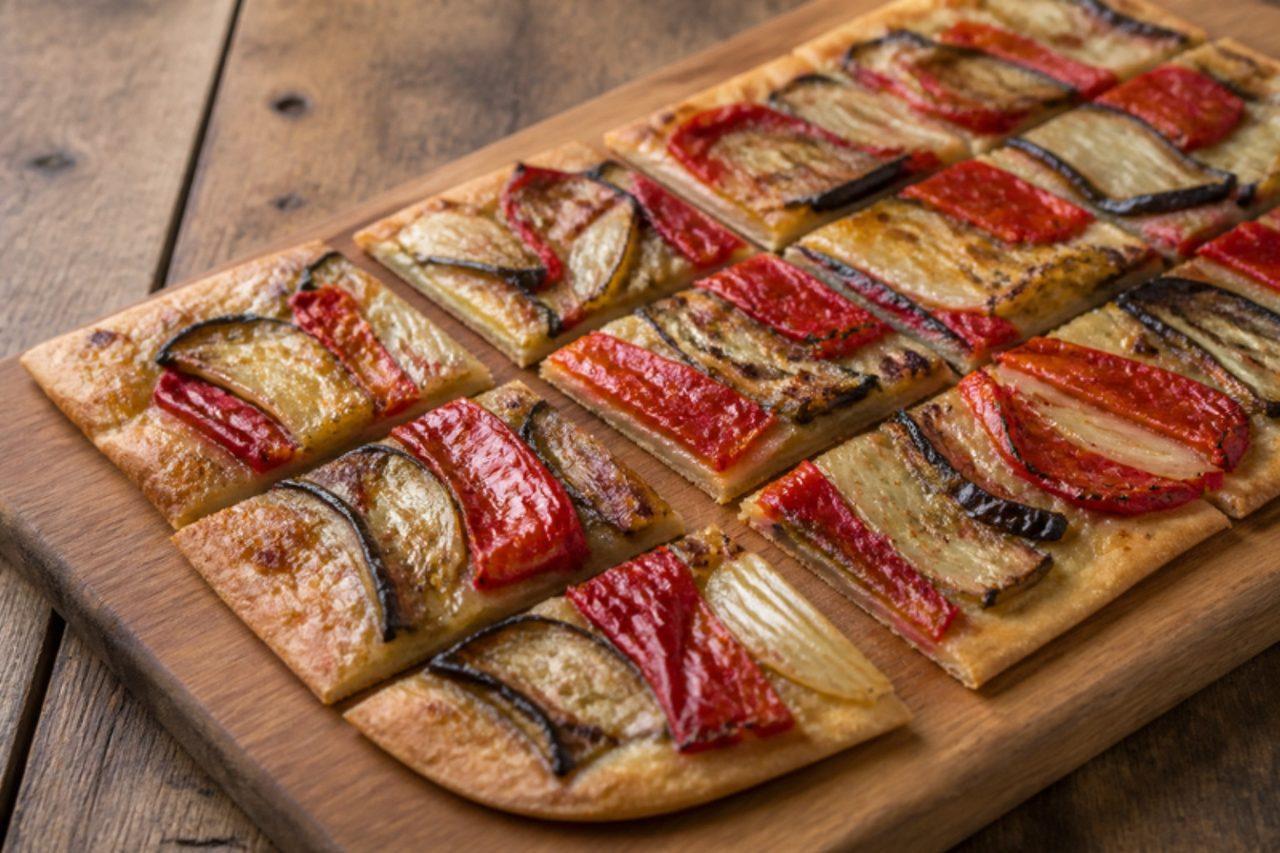
In Lleida and the farmland of inland Catalonia, the coca de recapte was once baked in the village oven on bread day, topped with whatever was in the larder; recapte means provisions. Today bakeries sell long trays of it, and families take slices on Sunday outings. The topping is essentially escalivada: aubergine, red pepper and onion, roasted then laid raw-side-up on the dough. Bakeries often add salted sardines or anchovies; this version is vegetarian. Chef's tip: roast the vegetables only until soft, not falling apart; they cook a second time on the coca.

by KrazyBadal 0 views

Coca de Sant JoanCandied fruit and pine nut brioche

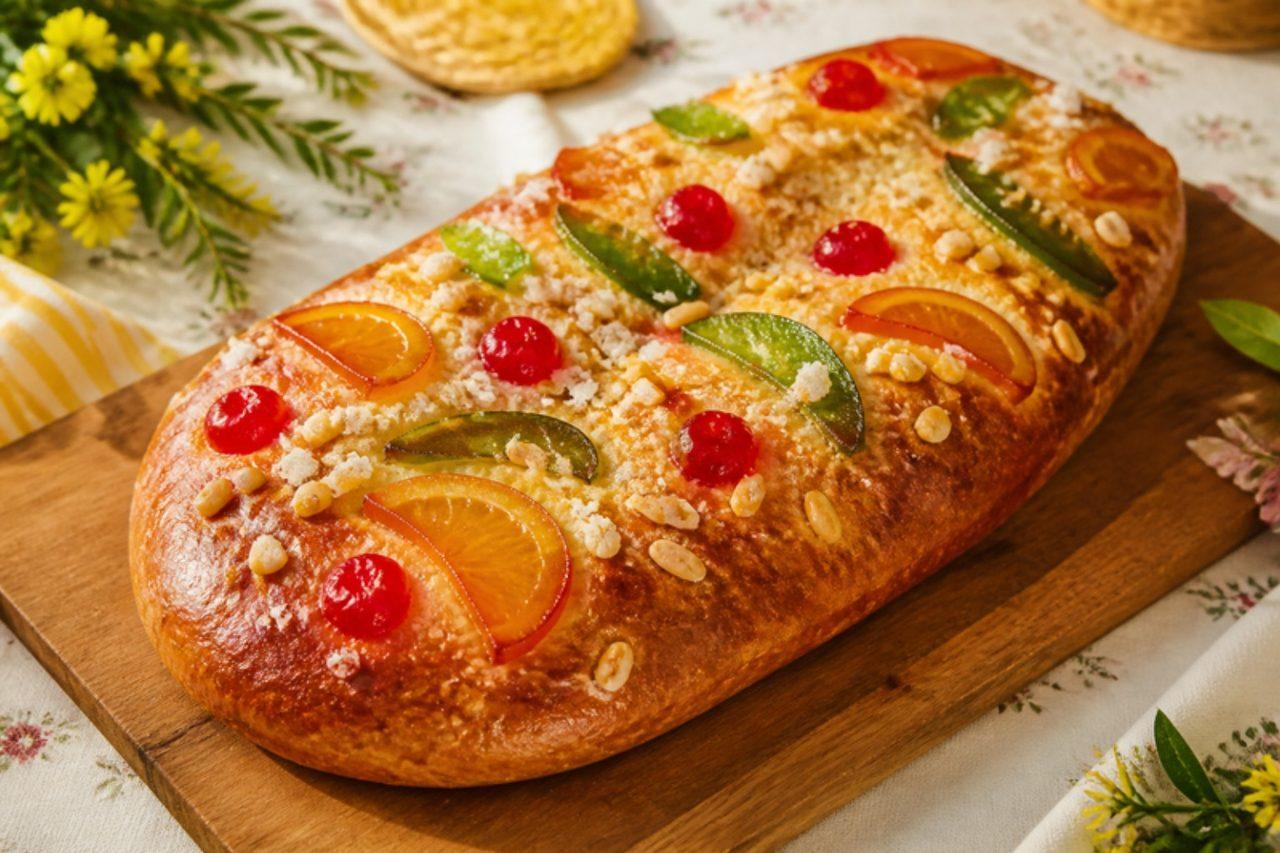
On the night of 23 June, the Revetlla de Sant Joan, Catalonia lights bonfires, sets off firecrackers on every beach and street, and shares a long oval coca: a soft, lemony brioche topped with candied fruit, pine nuts and crunchy sugar. Bakeries sell thousands, but a homemade one, still slightly warm, is something else. Some recipes add a splash of anise liqueur; this one uses aniseed instead. Chef's tip: give the shaped dough a long, slow second rise; a well-proved coca bakes up light, an under-proved one dense.

by KrazyBadal 0 views

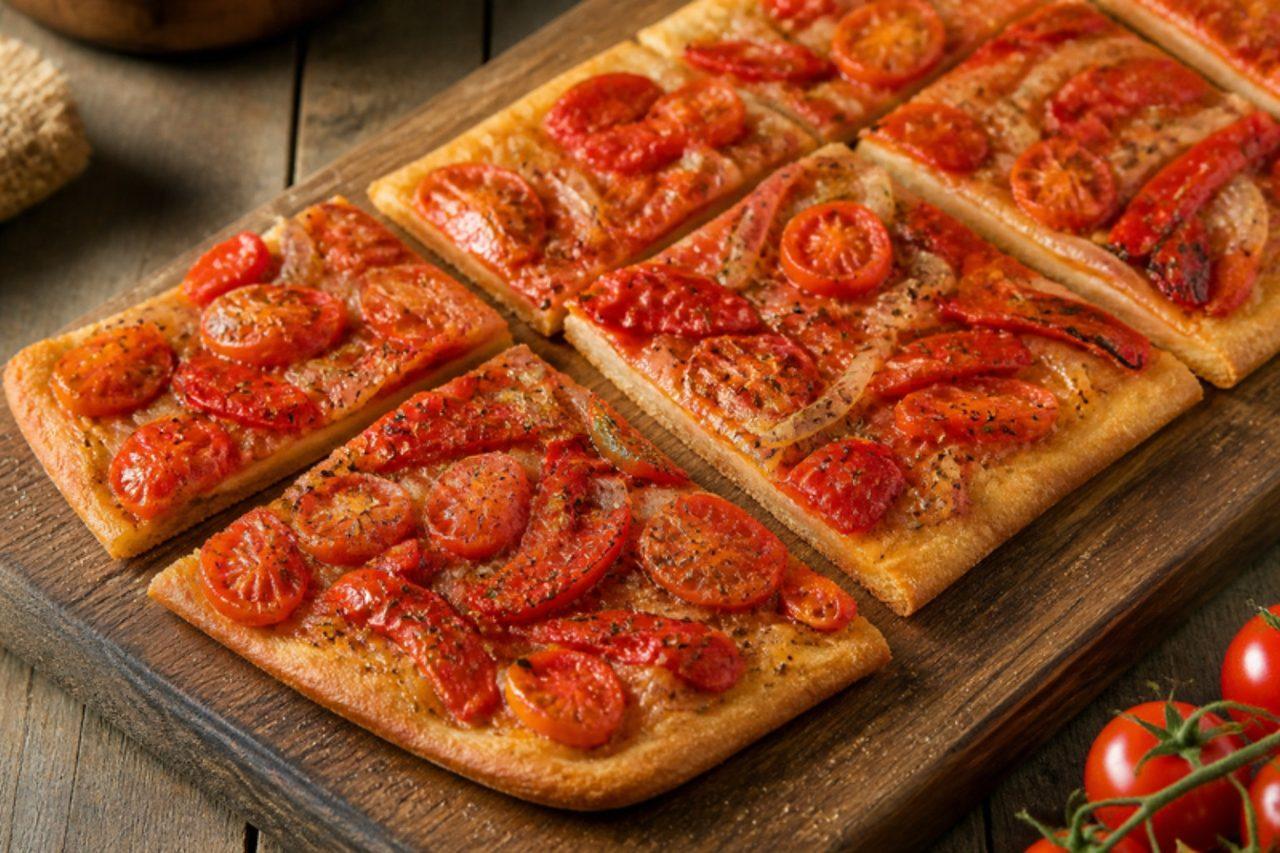
Coca de tomacaRoasted tomato and pepper flatbread

On the night of Sant Joan in late June, Alicante's beaches fill with people eating cocas while the bonfires burn, and coca de tomaca is the plainest and best loved: a thin, olive-oil dough baked under a layer of tomato, red pepper and onion that roasts down to something sweet and jammy. Bakeries in towns like Alcoy and Elche sell it by the slab all year round, and it is just as good cold the next day at a picnic. Many versions add tinned tuna or sardines; this one keeps it vegetable-only, so it is vegan. A common mistake is piling the vegetables on raw and wet, which leaves the base soggy; salt and drain the tomato first. Chef's tip: bake on the lowest shelf so the base crisps before the topping colours.

by KrazyBadal 0 views

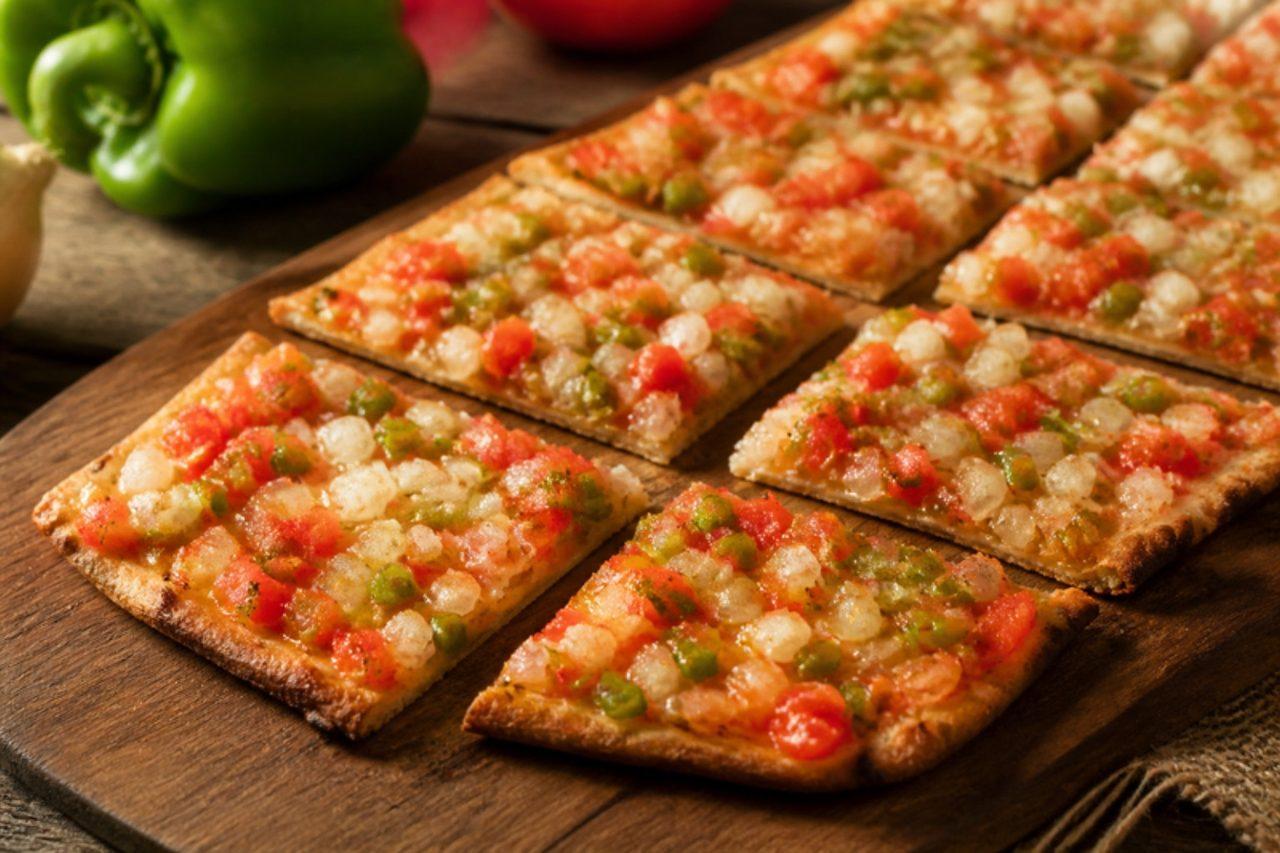
Coca de trempóPepper, tomato and onion flatbread

Bakeries across Mallorca sell coca de trempó by the slab from June to September, and it travels to every beach and village fiesta wrapped in paper. Trempó is the island's summer salad of green pepper, tomato and sweet onion; here it is chopped, drained and baked over a thin, crisp olive-oil dough until the edges of the vegetables just catch. Some bakers work lard into the dough; this version uses olive oil only, so it is vegan. Cut it into squares and eat it warm or cold. Chef's tip: salt and drain the chopped vegetables for 20 minutes before topping, so the base bakes crisp instead of soggy.

by KrazyBadal 0 views

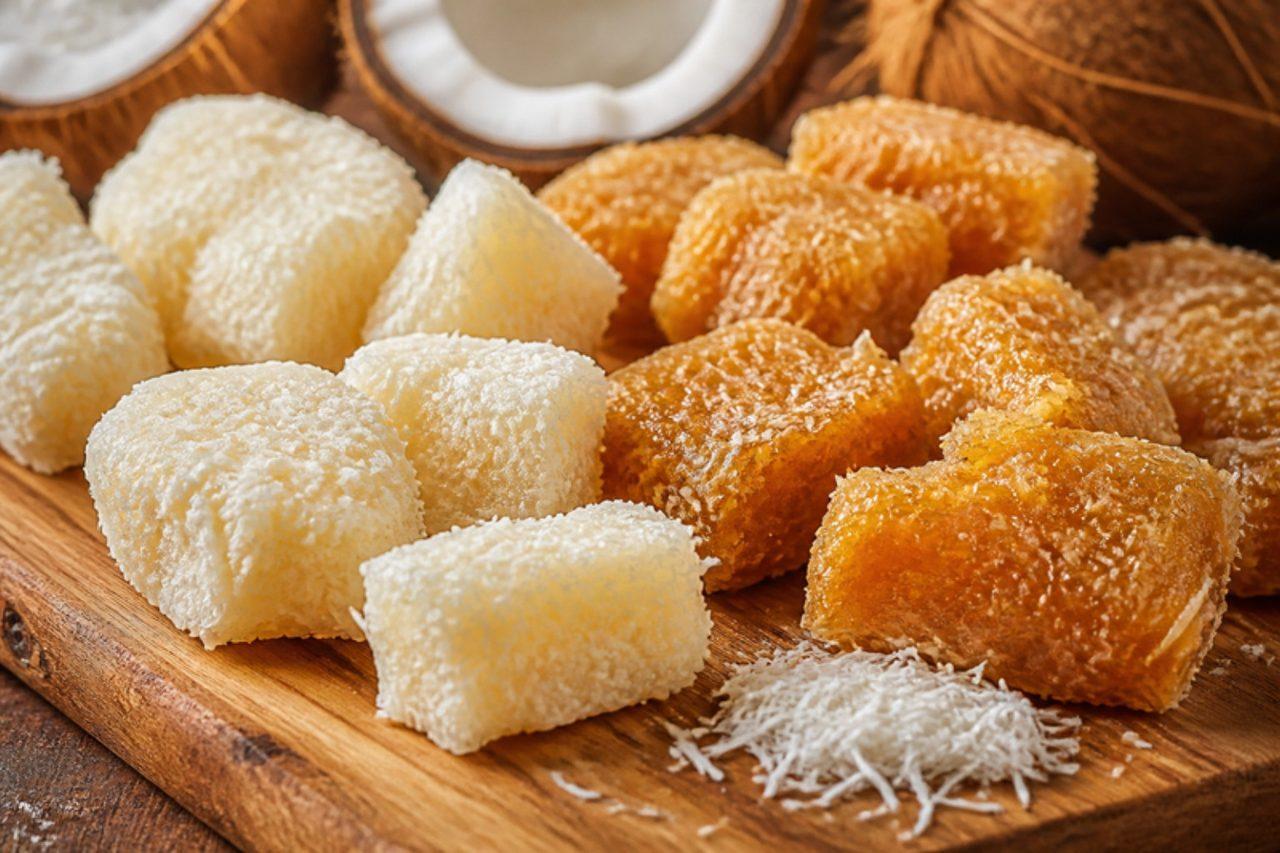
CocadaChewy coconut sweet

Baianas in long white skirts sell cocada from glass-fronted trays in the Pelourinho and on the beaches of Salvador, alongside acarajé, in shades from snow-white to dark caramel. It is the simplest of sweets: fresh coconut cooked in sugar syrup until it binds into chewy, glossy clusters, crisp on the edges and soft inside. Cocada branca keeps the sugar pale; cocada queimada takes the sugar to caramel first, which gives a deeper, slightly bitter edge (see the last step). Freshly grated coconut makes the best texture; frozen grated coconut from Asian or Latin shops is a good second choice. Dropping the mixture too soon is the usual mistake, because it stays sticky and spreads into a flat puddle. Chef's tip: a spoonful should hold its shape on a cold plate before you start dropping the rest.

by KrazyBadal 0 views

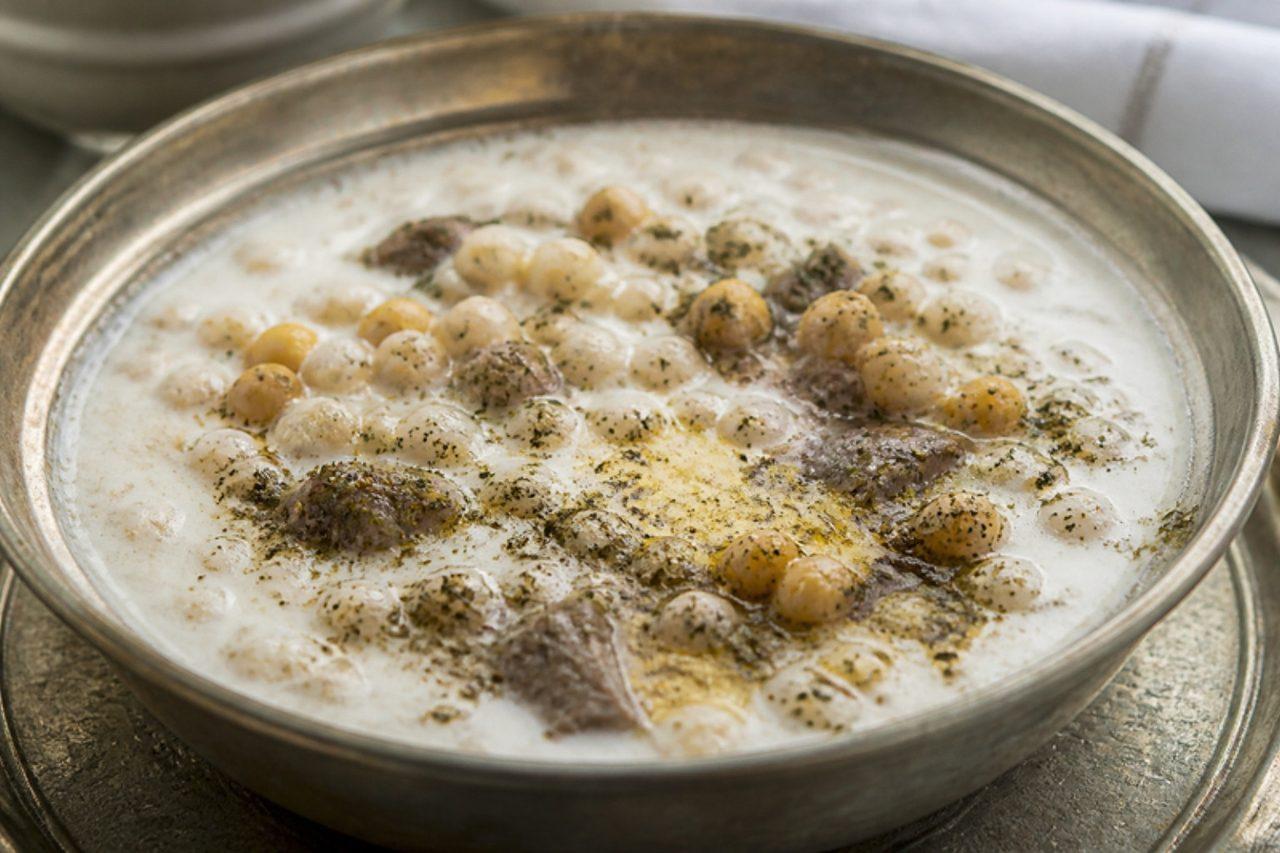
YuvalamaRice dumplings in yoghurt soup

Families in Gaziantep spend the day before Kurban Bayramı rolling thousands of chickpea-sized dumplings for yuvalama, the festive yoghurt soup served on the first morning of the holiday. Little balls of rice dough and tiny lamb meatballs simmer with chickpeas and chunks of lamb in a tangy yoghurt broth, finished with mint butter. It is rich, soothing and very much a feast dish, so make it with friends. The most common mistake is adding the yoghurt straight to a boiling pot: it curdles. Chef's tip: whisk an egg yolk and a spoon of flour into the yoghurt and stir it constantly as it comes up to a simmer.

165 minTurkishMeat
by KrazyBadal 0 views

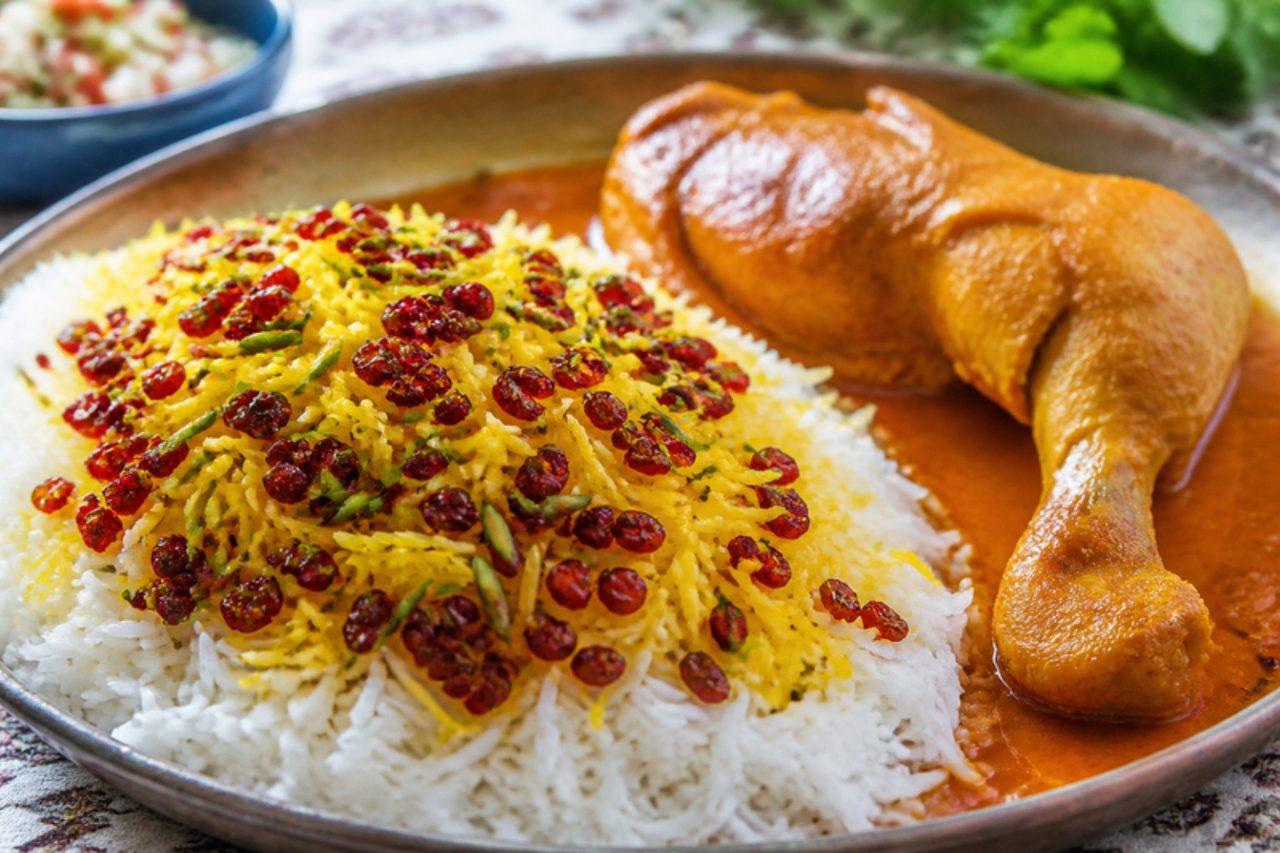
Zereshk polo ba morghBarberry rice with braised chicken

Zereshk polo ba morgh is the rice Iranians cook for guests, weddings and Friday lunches, and its tart red barberries come mostly from the orchards around Birjand in South Khorasan, where the berries are dried on rooftops in autumn. Fluffy steamed basmati is crowned with saffron rice and barberries fried briefly in butter with a little sugar, and served beside chicken braised slowly with onion, tomato and saffron until it is falling off the bone. A common mistake is frying the barberries for more than a minute or two; they burn fast and turn bitter. Chef's tip: sort the barberries on a white plate and remove any tiny stems or grit before soaking.

by KrazyBadal 0 views

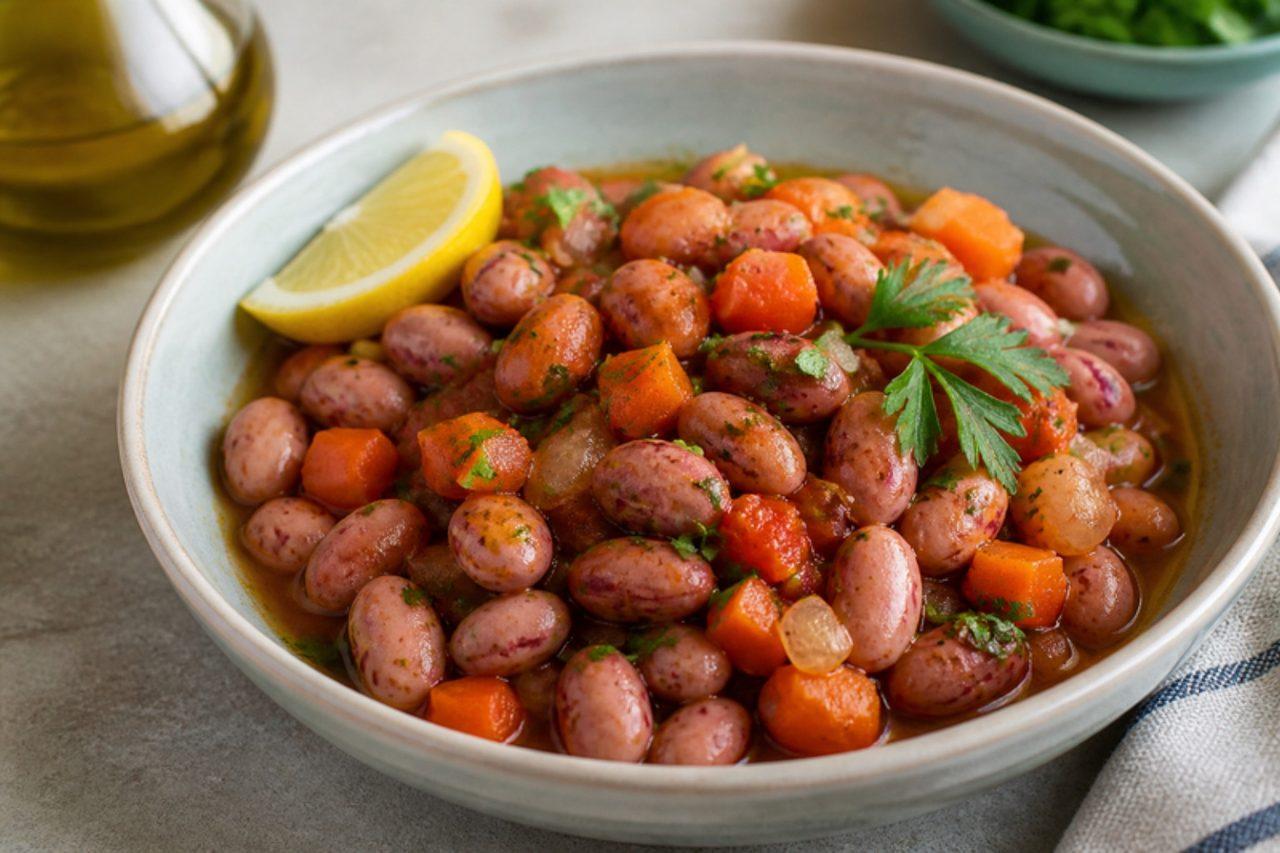
Zeytinyağlı barbunyaBorlotti beans in olive oil

In Istanbul meyhanes and lokanta counters, the zeytinyağlı dishes are the cold olive-oil vegetables served at room temperature, and barbunya is one of the summer favourites when fresh borlotti appear in their speckled pink pods. The beans are braised slowly with onion, carrot, tomato and a little sugar until creamy, then left to cool in their glossy sauce and finished with parsley and lemon. Serve with crusty bread as a meze or a light lunch. Chef's tip: add the salt only once the beans are tender; salting at the start keeps the skins tough.

by KrazyBadal 0 views

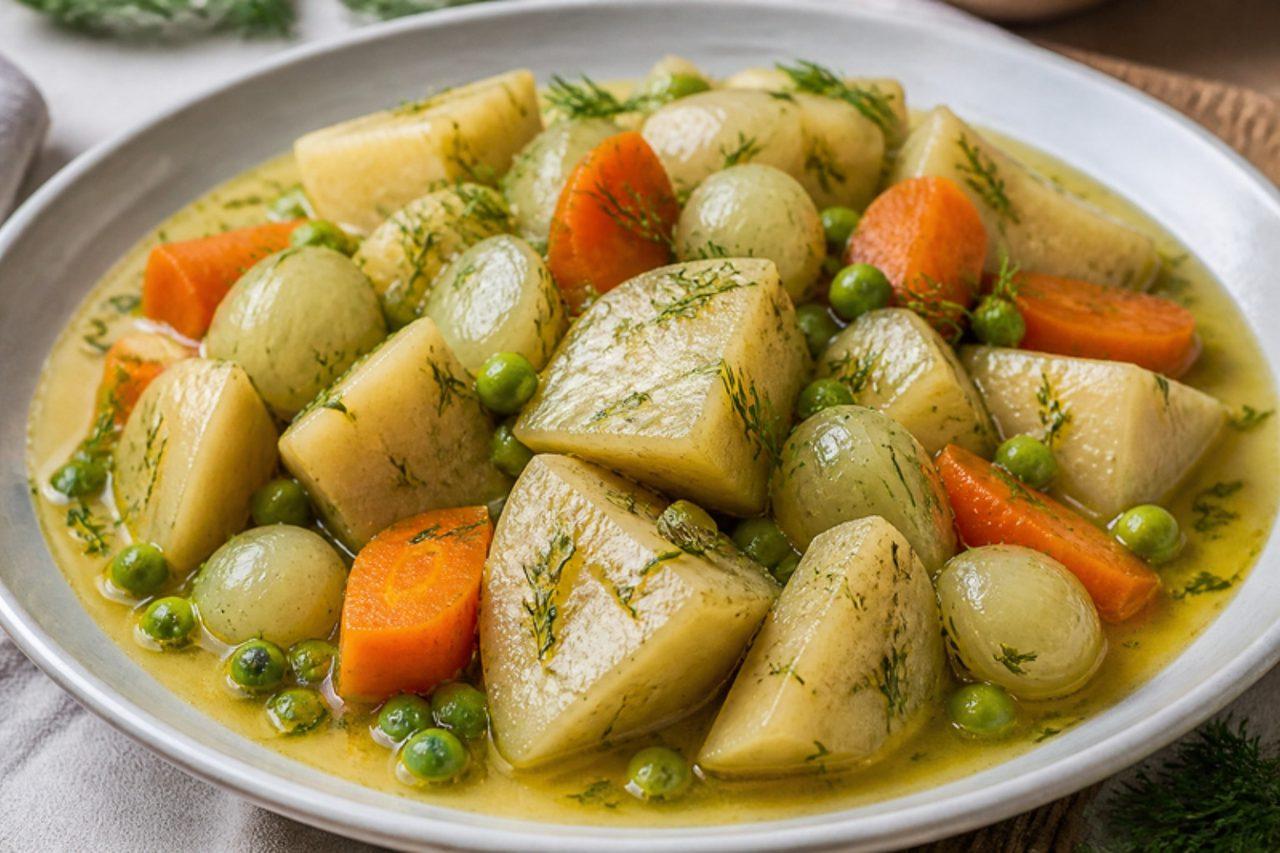
Zeytinyağlı kerevizCeleriac braised in olive oil

When celeriac fills the Kadıköy market stalls in winter, Istanbul home cooks braise thick slices of it in olive oil with orange juice, carrots and baby onions, then serve it cold the next day as a starter. The root turns silky and sweet, the orange gives it a bright, almost marmalade edge, and a little dill keeps it fresh. It sits happily on a meze table or alongside a bowl of lentil soup. Chef's tip: drop the cut celeriac straight into lemon water, otherwise it greys within minutes and never looks as good on the plate.

by KrazyBadal 0 views

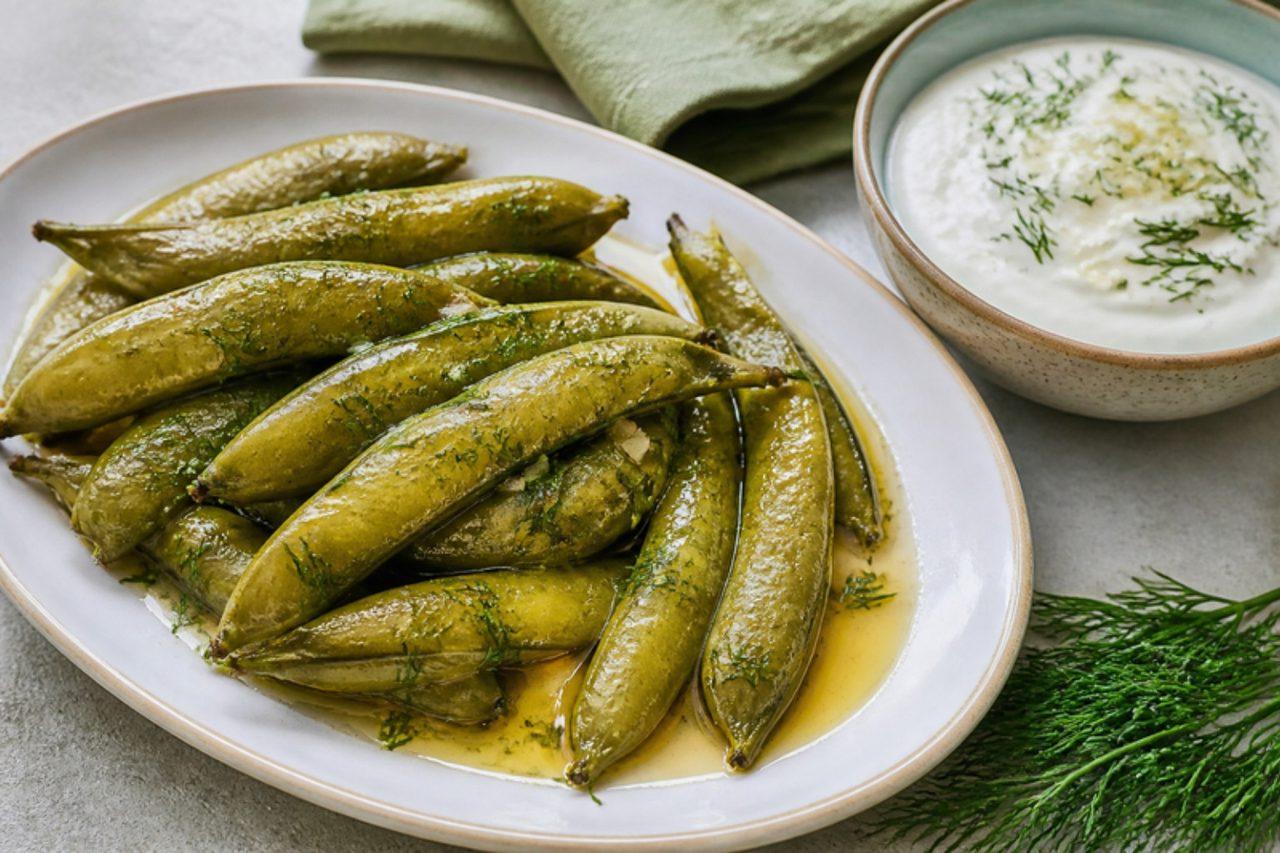
Zeytinyağlı taze baklaBroad beans in olive oil

In April, when the first tender broad beans arrive in İzmir's markets, Aegean cooks braise them whole, pods and all, with onion, dill and olive oil, and serve them cold under a blanket of garlic yoghurt. The pods turn silky and slightly sweet, nothing like the tough shells of older beans. It is one of the true markers of spring on the coast. Chef's tip: rub the pods with lemon and a little flour before cooking; it keeps them green and stops them blackening as they braise.

by KrazyBadal 0 views

Zeytoon parvardehOlives with walnuts and pomegranate

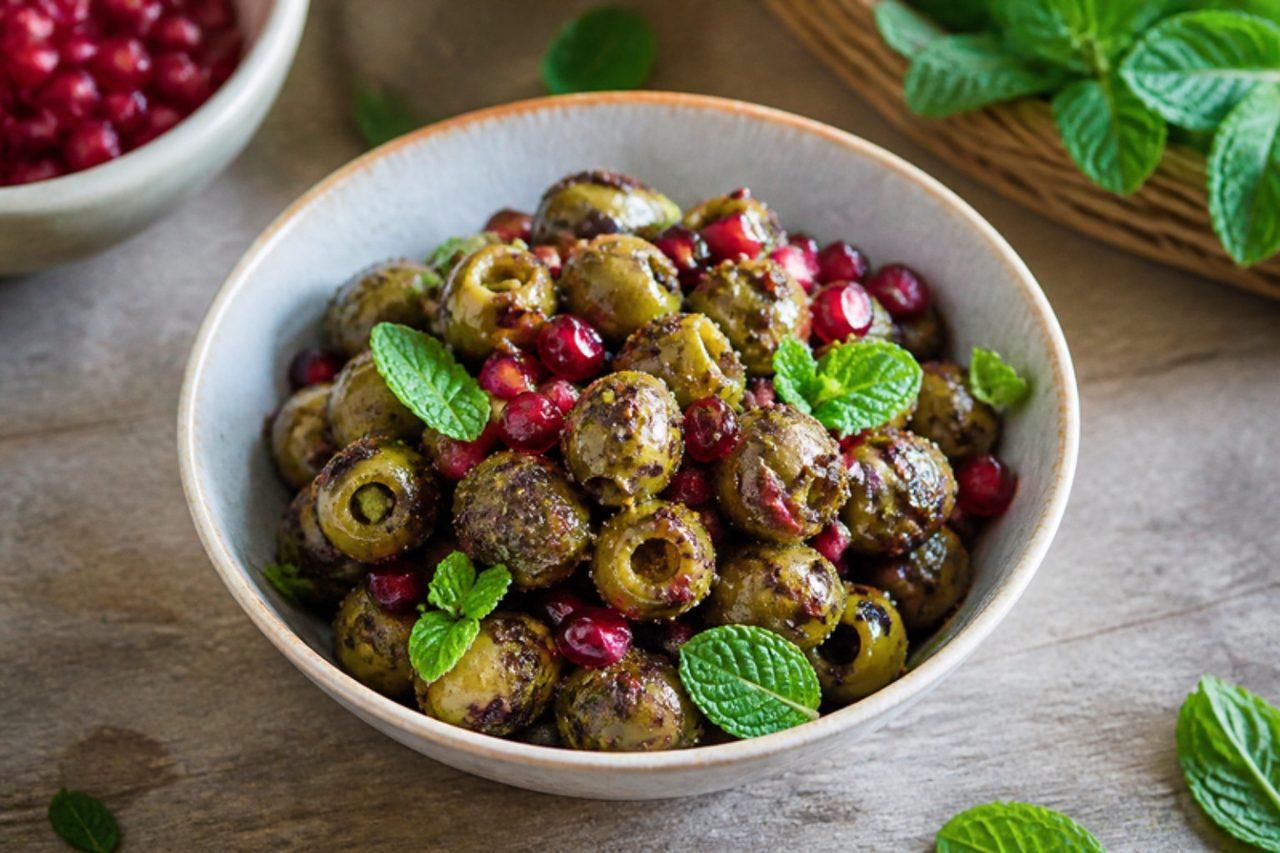
Rudbar, in the olive valleys of southern Gilan, is famous for zeytoon parvardeh, 'nurtured olives': plump green olives tossed in a thick paste of ground walnuts, sour pomegranate molasses, garlic, fresh mint and golpar, then left to mellow for a day or two. Gilanis serve them as a starter or a side with rice and fish, and every visitor to the north brings jars home. The common mistake is using pitted olives in brine straight from the jar without rinsing, which makes the dressing salty and harsh. Chef's tip: rinse the olives and leave them to soak in fresh water for 30 minutes first; they drink up the marinade much better.

by KrazyBadal 0 views

Zibdiyit gambariBaked prawns with tomato and garlic

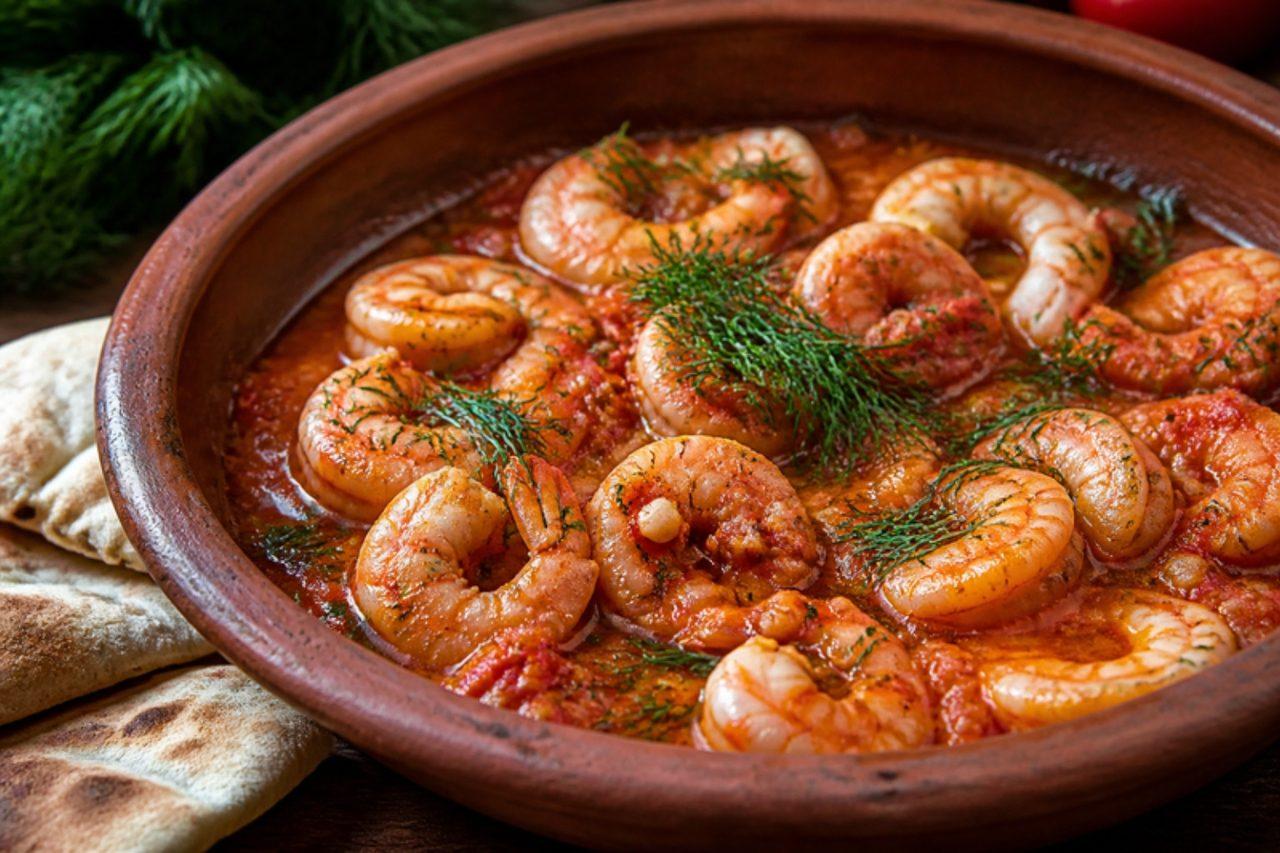
In Gaza's seafront restaurants zibdiyit gambari arrives bubbling in the same clay bowl (zibdiya) in which the sauce was pounded: prawns baked in a fierce tomato sauce full of garlic, green chilli and dill seed, with olive oil pooling at the edges for dipping bread. Families make it at home for special Friday lunches when the catch is good. Common mistake: cooking the prawns as long as the sauce, which makes them tough; they need only a few minutes at the end. Chef's tip: pound the garlic, chilli and dill seed by hand; the rough paste fries into the oil and gives the sauce its punch.

by KrazyBadal 0 views

YouvarlakiaRice meatballs in egg-lemon broth

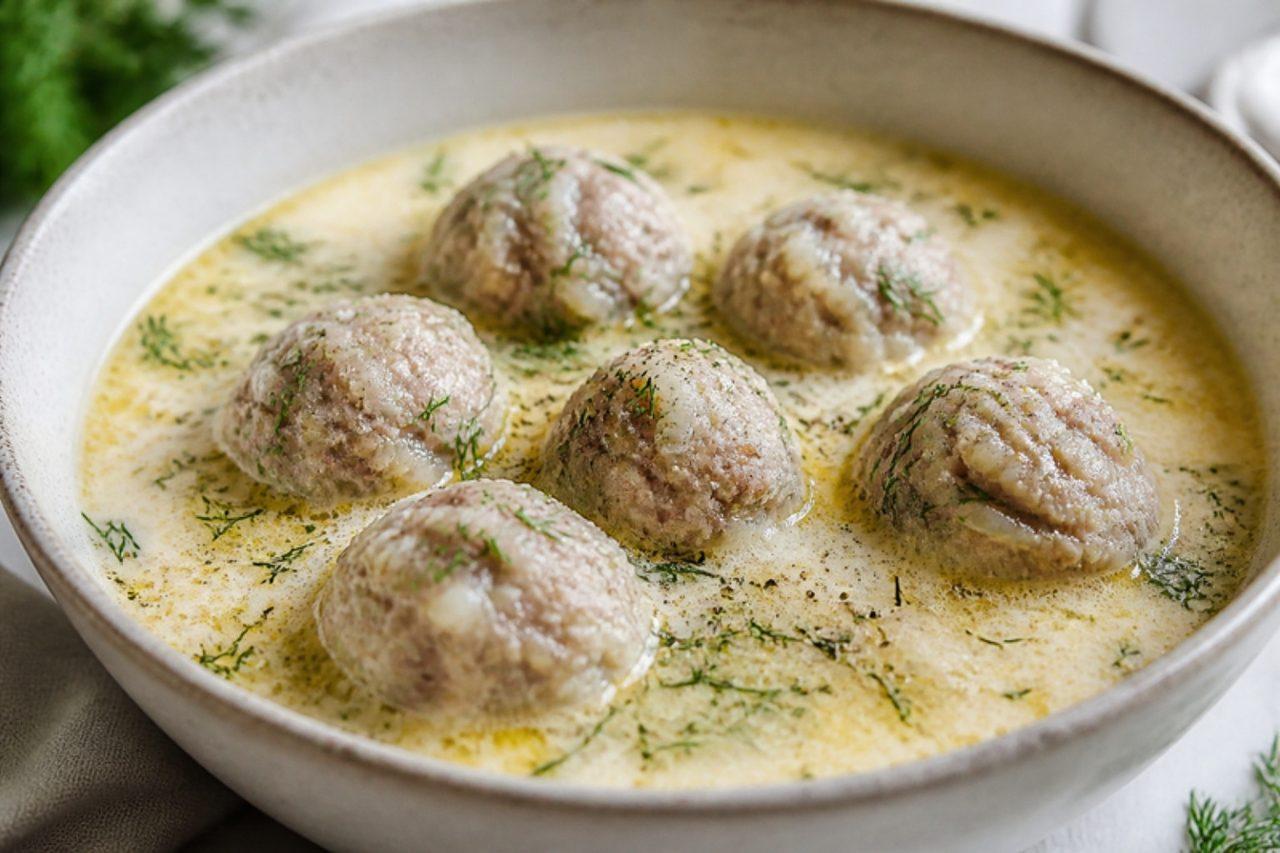
Youvarlakia is the soup Greek mothers, from Tripoli in the Arcadian hills to the Athens suburbs, make for a cold night or anyone feeling under the weather. Little meatballs of beef, rice, onion and herbs poach in a light broth until tender, and the broth is thickened at the end with whisked egg and lemon into a pale, silky avgolemono. It's a meal in a bowl, with bread and feta. Common mistake: boiling the soup after the egg goes in, which curdles it — take the pot off the heat first. Chef's tip: roll the meatballs with wet hands and drop them into simmering, not boiling, broth so they hold together.

70 minGreekSoupsGluten free
by KrazyBadal 0 views

Yorkshire parkinOatmeal and treacle ginger cake

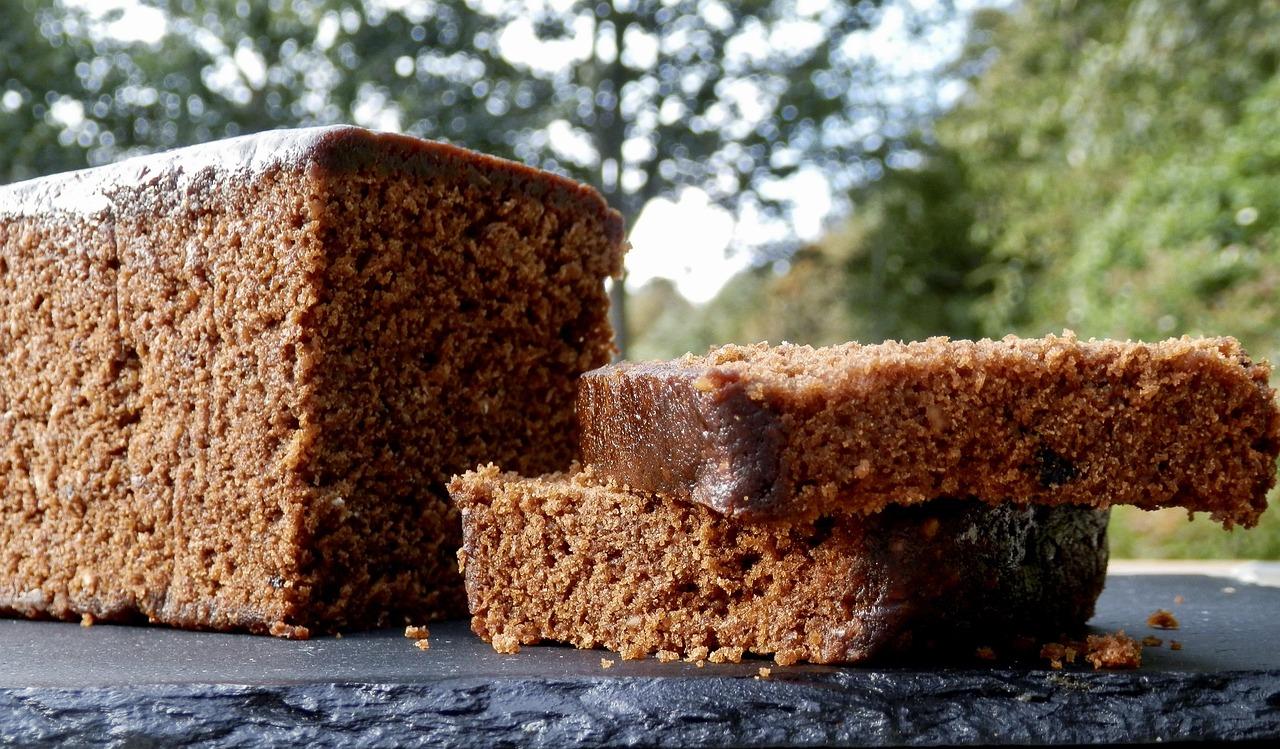
Parkin is the dark ginger cake that West Yorkshire bakes for the 5th of November, cut into squares and handed round at Bonfire Night fires in Leeds, Halifax and Bradford. It is made with oatmeal, black treacle and golden syrup, so it is dense, chewy and gingery rather than light. It gets better with time, turning stickier after a few days in a tin. Chef's tip: wrap it and keep it for three days before cutting; fresh parkin is dry and crumbly by comparison.

by KrazyBadal 0 views

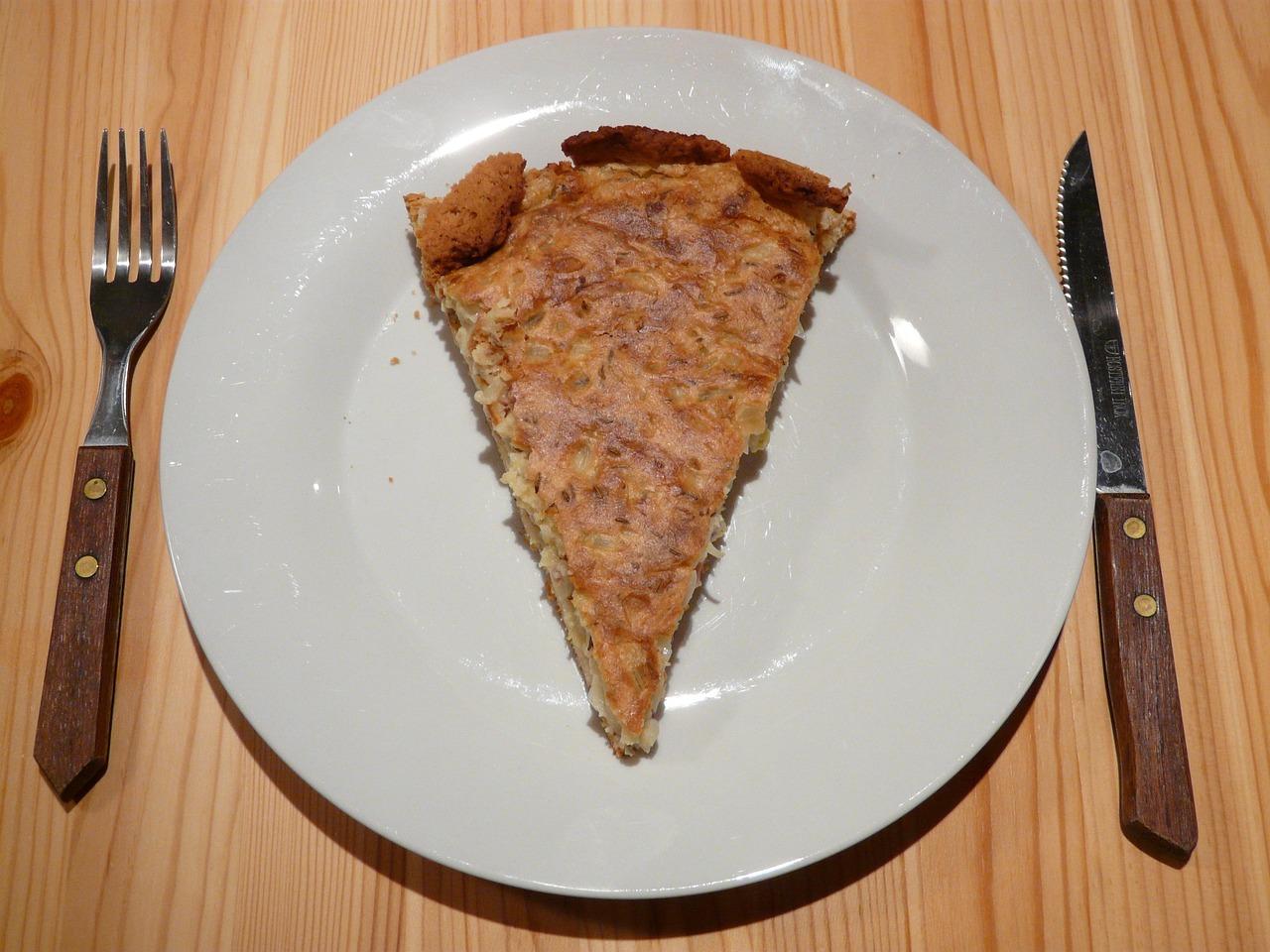
ZwiebelkuchenOnion tart

When the grape harvest starts in Baden and the Württemberg vineyards in September, bakeries pull out trays of Zwiebelkuchen: a thin yeast base piled with slowly softened onions under a sour-cream and egg custard, sprinkled with caraway. It is traditionally eaten warm with Neuer Wein or Federweißer, the young, still-fermenting wine; that is alcoholic, so pour cloudy fresh grape juice or apple juice instead, which tastes just as right. Many bakers add bacon; this version is vegetarian. A common mistake is rushing the onions on a high heat: they need 25 minutes on low until soft and sweet but still pale. Chef's tip: cool the onions before adding the custard, or the eggs start setting in the bowl.

by KrazyBadal 0 views

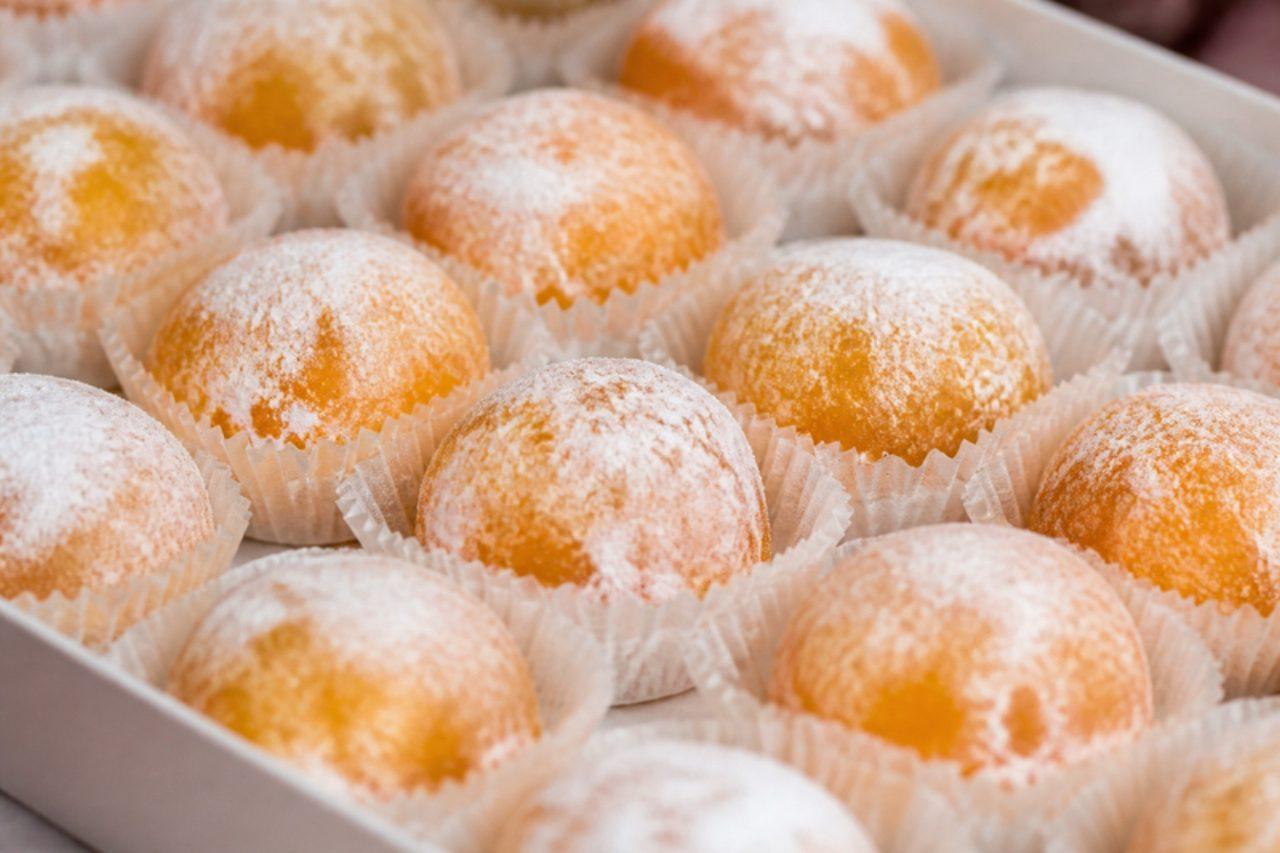
Yemas de ÁvilaSugared egg-yolk sweets

Inside Ávila's medieval walls, little boxes of yemas are the souvenir every visitor carries home: soft, deep-yellow balls of egg yolk cooked with sugar syrup, rolled in sugar and set in paper cases. They are linked with Saint Teresa, the city's famous nun, and are eaten with coffee after lunch, especially around her feast in October. The yolks are cooked until thick, well past the point that makes them safe. Chef's tip: keep the heat low and never stop stirring; yolks scramble in seconds if they catch.

by KrazyBadal 0 views

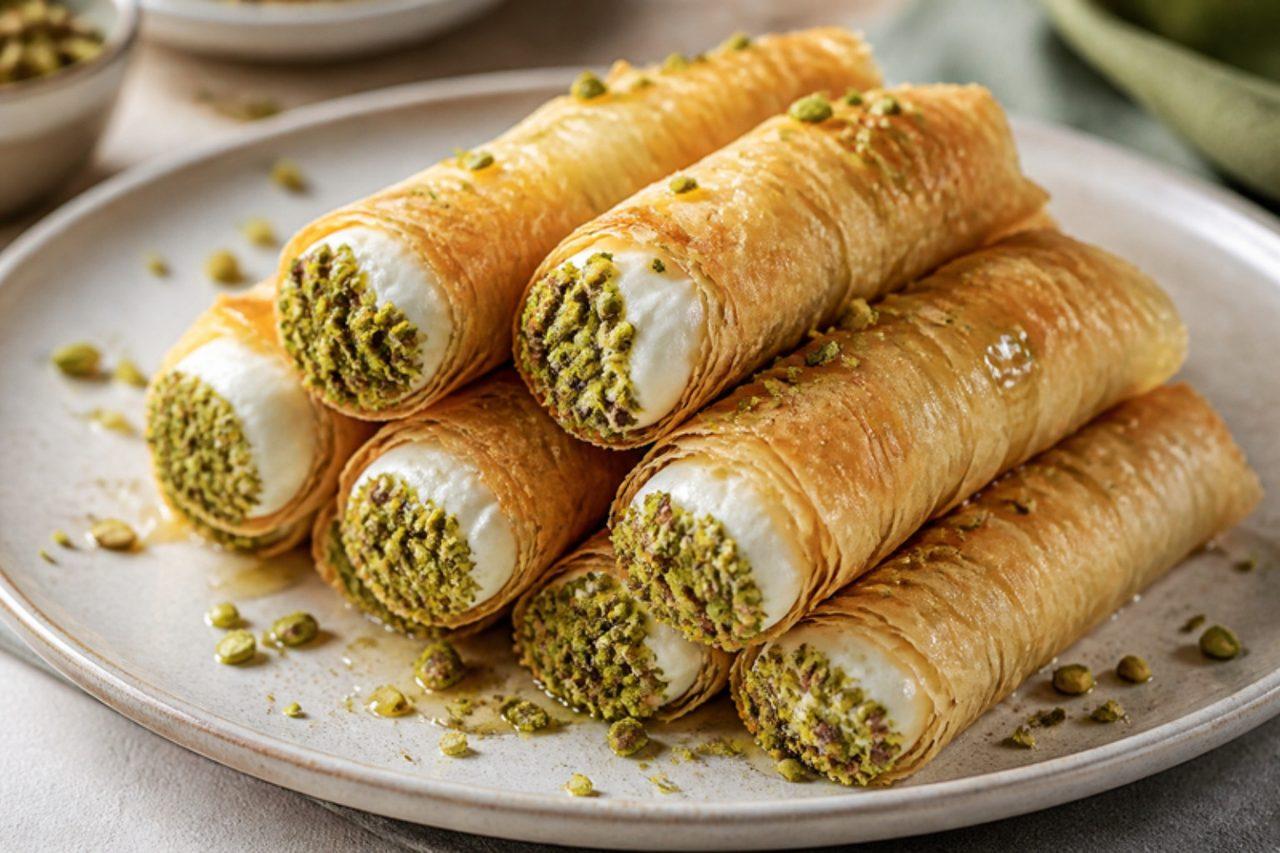
Znoud el sitCream-filled filo fingers

Lebanese sweet shops in Tripoli and Saida fry trays of znoud el sit every evening during Ramadan, and families queue for them after iftar. Filo is rolled around a thick, set milk cream (a home version of ashta), baked or fried until shatteringly crisp, then dipped in cold syrup and dusted with ground pistachios. The contrast of crackling pastry and cool, fragrant cream is the whole point, so eat them within an hour or two of filling. Common mistake: filling with warm cream; it leaks and makes the pastry soggy, so chill it until firm. Chef's tip: brush with clarified butter rather than whole butter — it browns evenly without burning and keeps the rolls crisp longer.

by KrazyBadal 0 views

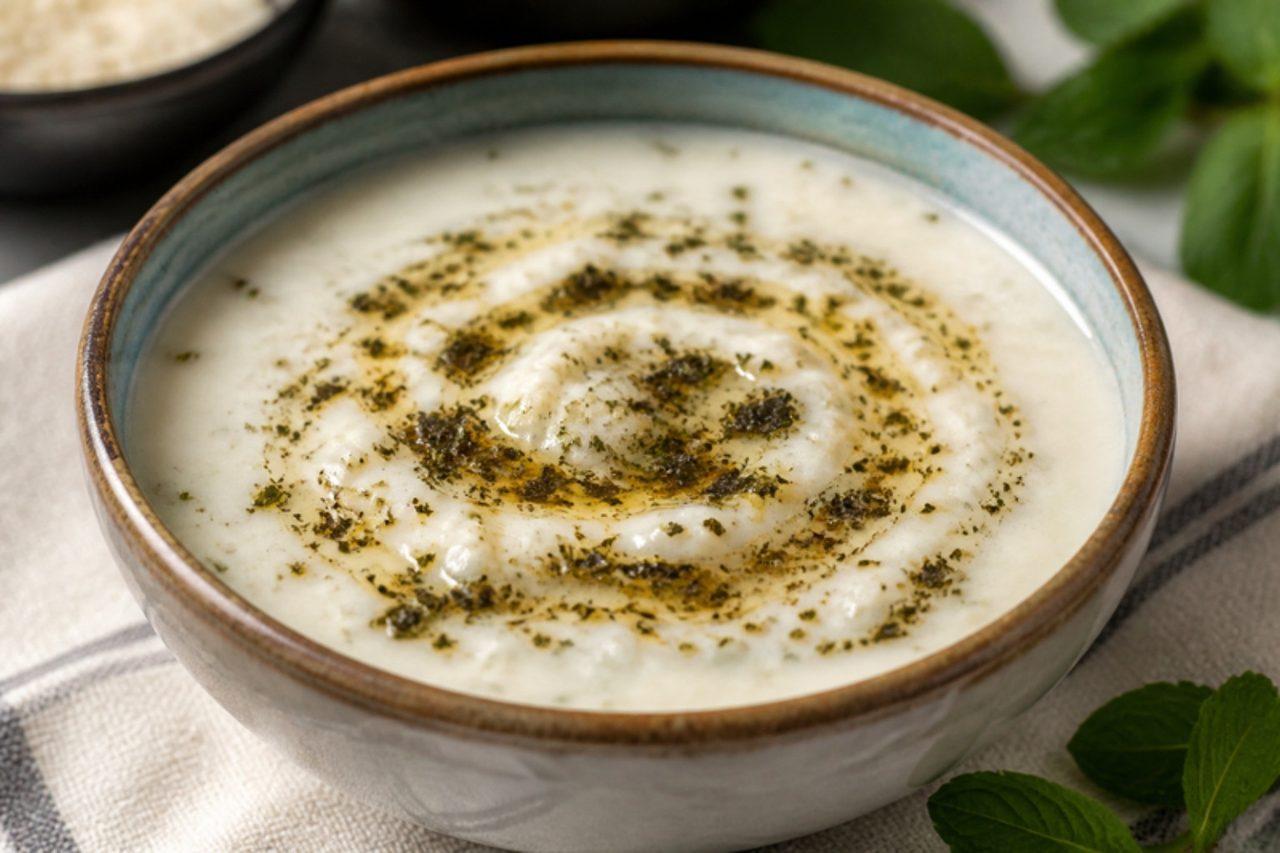
Yayla çorbasıYoghurt, rice and mint soup

Named for the high summer pastures of Anatolia, yayla çorbası is the soup that tradesmen's restaurants in Ankara and Kayseri ladle out from morning onwards: soft rice in a silky, gently sour yoghurt broth, finished with a slick of mint butter. It is light enough for breakfast yet filling with bread, and many families make it when someone is unwell. Common mistake: pouring cold yoghurt straight into the boiling pot, which splits it into grainy curds; temper it first with hot liquid and keep the soup below a boil afterwards. Chef's tip: whisk an egg yolk and a spoon of flour into the yoghurt; they stabilise it and give a velvety body.

by KrazyBadal 0 views

ZorongolloRoast pepper and tomato salad

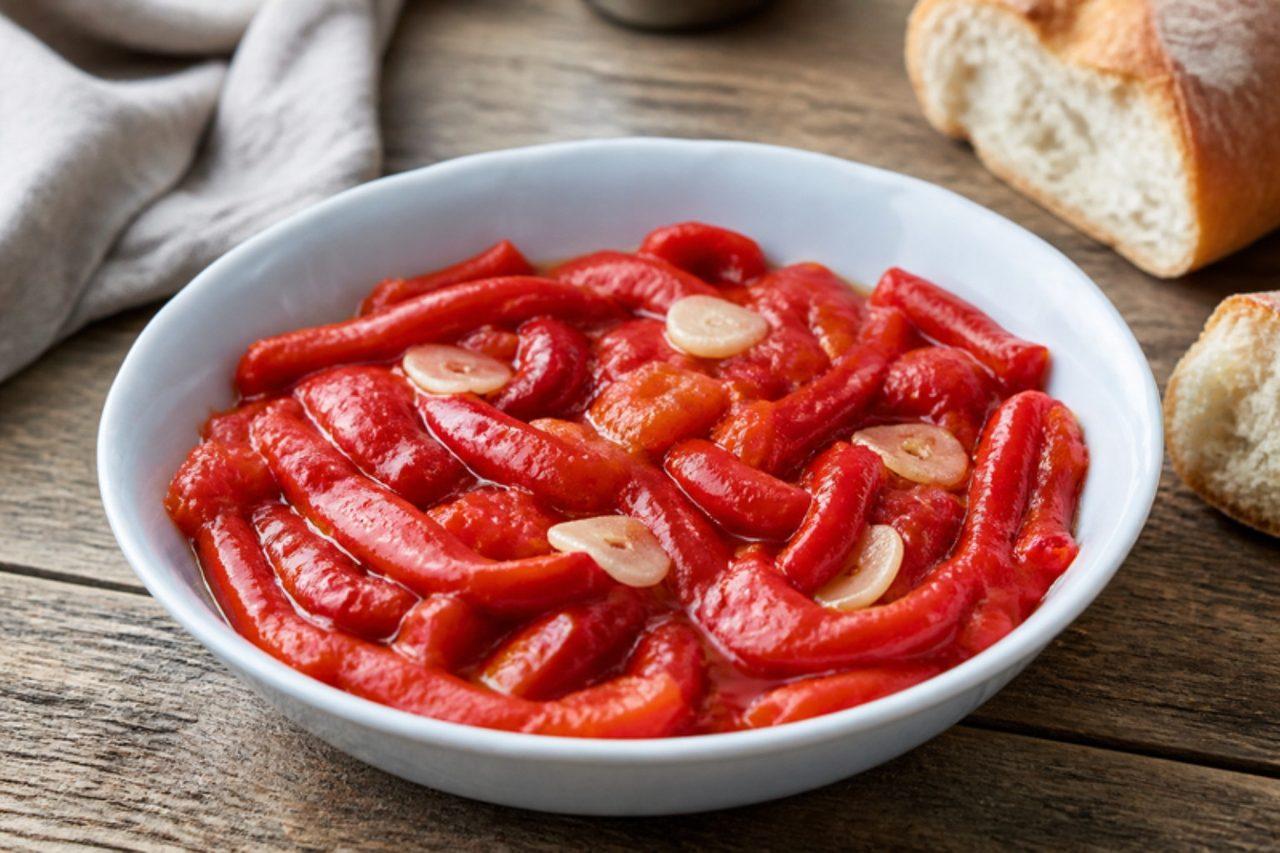
Zorongollo is the summer salad of the Extremaduran countryside around Cáceres and the Vegas del Guadiana, made when red peppers are sweet and cheap. The peppers and tomatoes are roasted until blackened, peeled, torn by hand into strips and soaked in olive oil, garlic and a little vinegar, and it is served on its own with bread or beside grilled meat at summer lunches. It keeps for days in the fridge and improves overnight. Chef's tip: tear the peppers along their natural ridges rather than slicing them, so the strips stay soft and catch more dressing.

by KrazyBadal 0 views

Zorza con patatasMarinated pork with chips and eggs

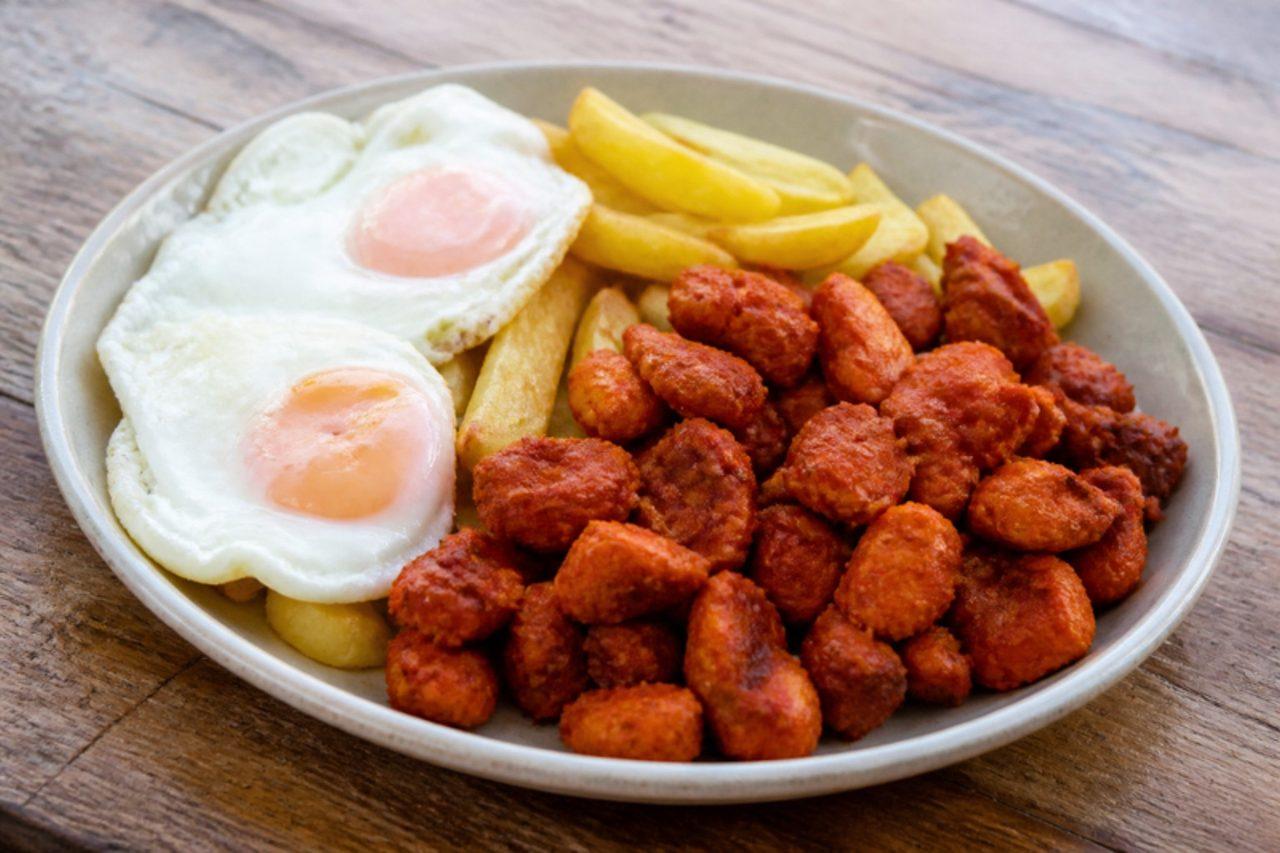
Zorza is the seasoned pork mixture for chorizo before it goes into casings, and in Galicia it was eaten fresh in the days after the winter pig slaughter, fried in a pan with potatoes. This contains pork. Today taverns in Lugo and Ourense serve it with chips and fried eggs, and it is easy to make at home with pork shoulder and lots of paprika. The meat marinates in the fridge, covered, for at least 12 hours. A common mistake is frying it over a fierce heat, which burns the paprika; keep it moderate and stir. Chef's tip: chop the pork by hand into small pieces rather than mincing it finely, for a juicier, more rustic texture.

by KrazyBadal 0 views

Za'atar spice blendThyme, sumac and sesame blend

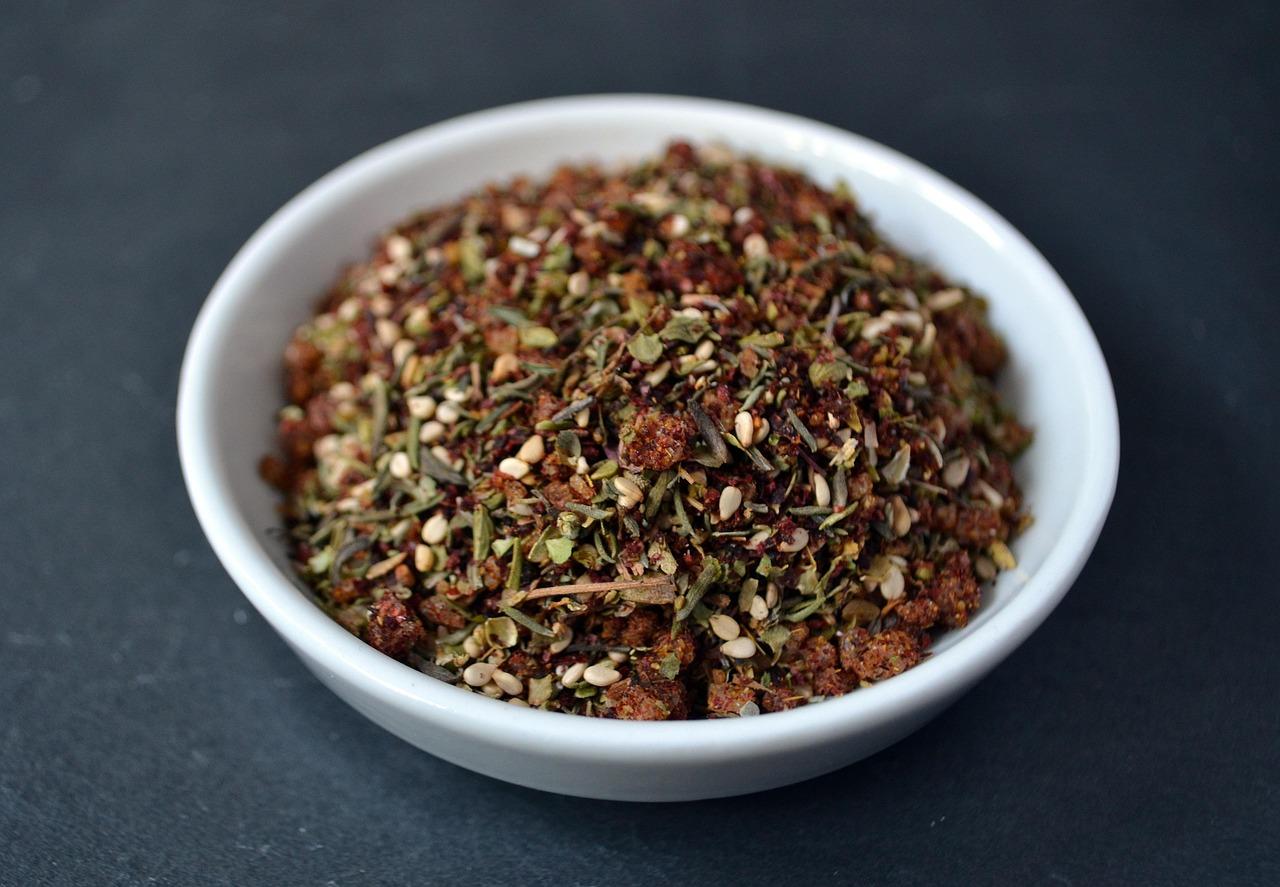
In Palestinian homes za'atar is both a herb and the blend made from it, kept in a jar beside a bowl of olive oil so torn bread can be dipped in one and then the other at breakfast; children grow up on it, and it goes to school in sandwiches. The blend is mostly dried wild za'atar (or thyme and oregano), tangy with sumac, nutty with toasted sesame and seasoned with salt. Common mistake: grinding it to dust; it should be coarse and slightly flaky. Chef's tip: rub the dried leaves with a few drops of olive oil before mixing; it wakes their aroma and helps the sumac cling.

by KrazyBadal 0 views

Zapallitos rellenosStuffed round squash

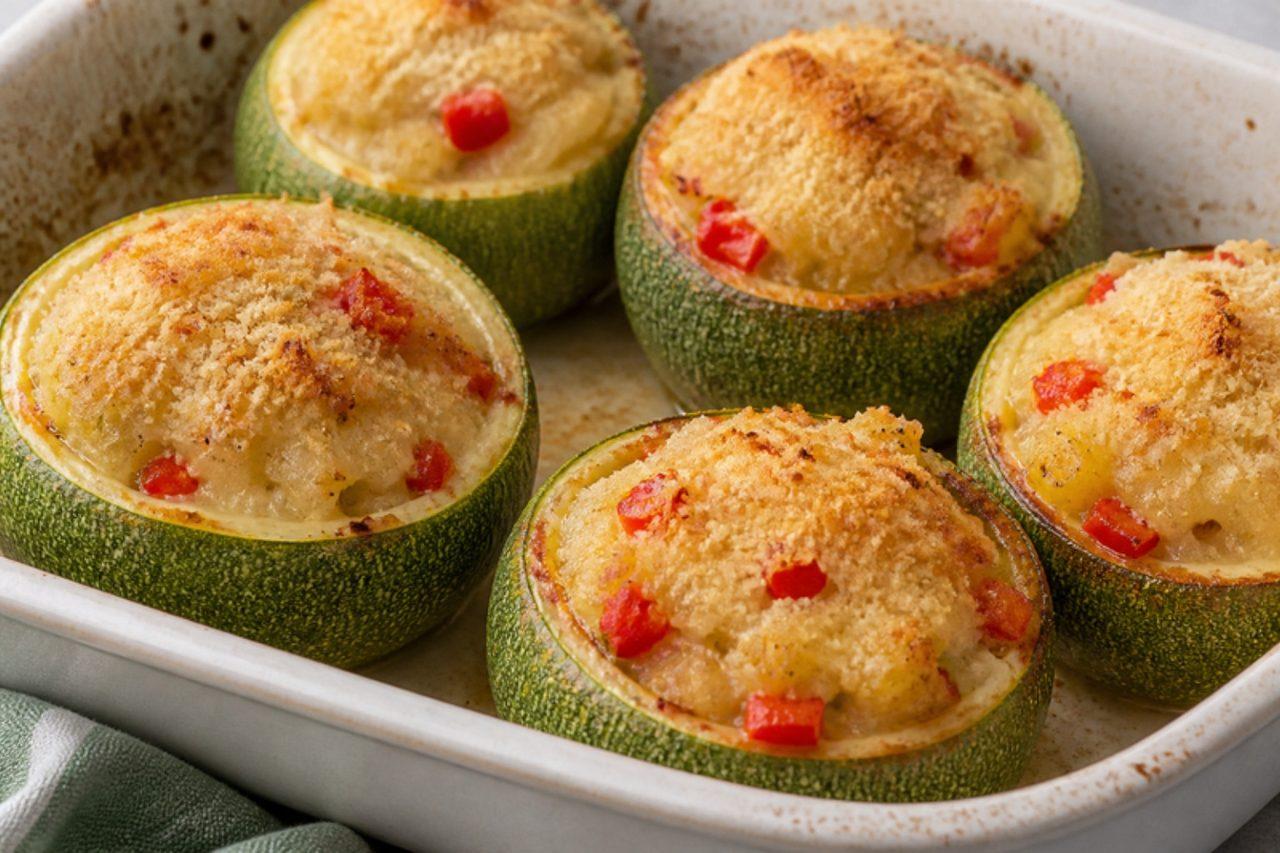
Round green zapallitos, the size of a tennis ball, pile up at every verdulería in Buenos Aires from December to March, and stuffing them is how home cooks turn a cheap summer vegetable into a main course. The shells are blanched, hollowed and refilled with their own flesh fried with onion and red pepper, bound with egg and melting cheese, and topped with breadcrumbs that bake to a crunchy lid. Expect a soft, savoury, slightly creamy filling under a golden crust; serve two per person with a tomato and onion salad or white rice. Overcooking the shells in the first boil is the trap: they collapse in the oven and leak water, so they only get 4 minutes. Round courgettes, eight-ball squash or short fat courgettes all work. The cheeses are usually made with animal rennet; swap in vegetarian versions if needed. Chef's tip: squeeze the chopped flesh in a clean cloth before frying it; drier filling means a firmer, tastier stuffing.

by KrazyBadal 0 views

Zapallo en almíbarCandied squash

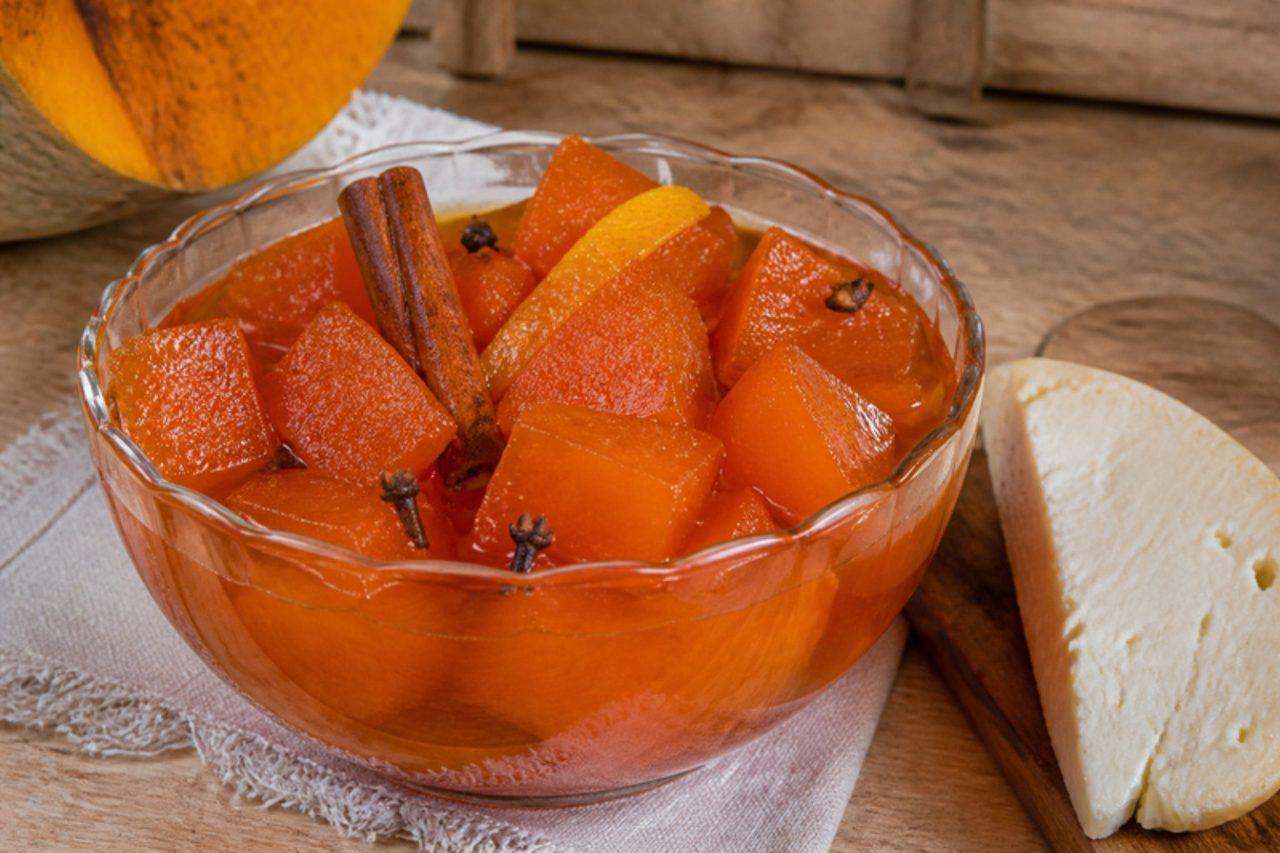
Across the Argentine countryside, when the autumn squash harvest piles up, cooks turn some of it into zapallo en almíbar: cubes of firm orange squash soaked briefly in slaked lime (cal) and then simmered in syrup until they are crisp-skinned outside and tender, almost translucent inside. Farm stalls in Córdoba and Santiago del Estero sell it in jars, and it is eaten as dessert with a slice of cheese, the same idea as postre vigilante. This home version skips the lime and uses a short sugar cure instead, which still keeps the pieces whole. It is vegan as written; serve it with vegan cheese or toasted walnuts to keep it that way. The mistake to avoid is stirring: the squash breaks into purée, so shake the pan instead. Chef's tip: use a dense, dry squash such as Crown Prince or butternut neck, and cook the syrup slowly; if it boils hard the outside candies before the centre softens.

by KrazyBadal 0 views

ZarangolloCourgette and onion with egg

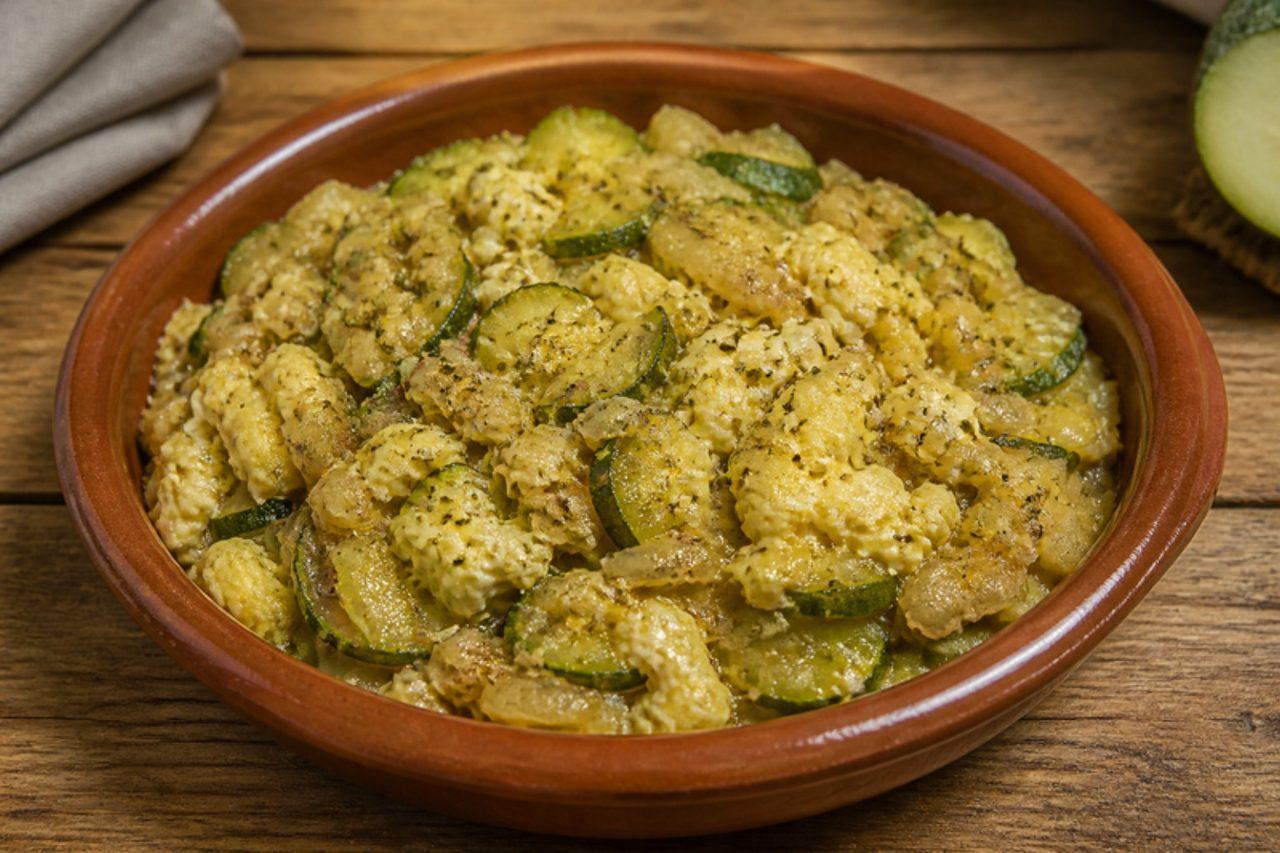
Ask for a tapa in almost any bar in Murcia city and zarangollo will be on the counter in a clay dish, scooped onto bread or eaten with a fork. It comes from the huerta, the irrigated market gardens around the city, where courgettes pile up all summer: they are sliced thin with onion, stewed gently in olive oil until sweet and almost jammy, and then bound with beaten egg. Some families add a little potato, but courgette and onion are the heart of it. Chef's tip: slice the courgettes into thin half-moons so they melt quickly and evenly.

by KrazyBadal 0 views

ZarbPit-roasted lamb, chicken and vegetables

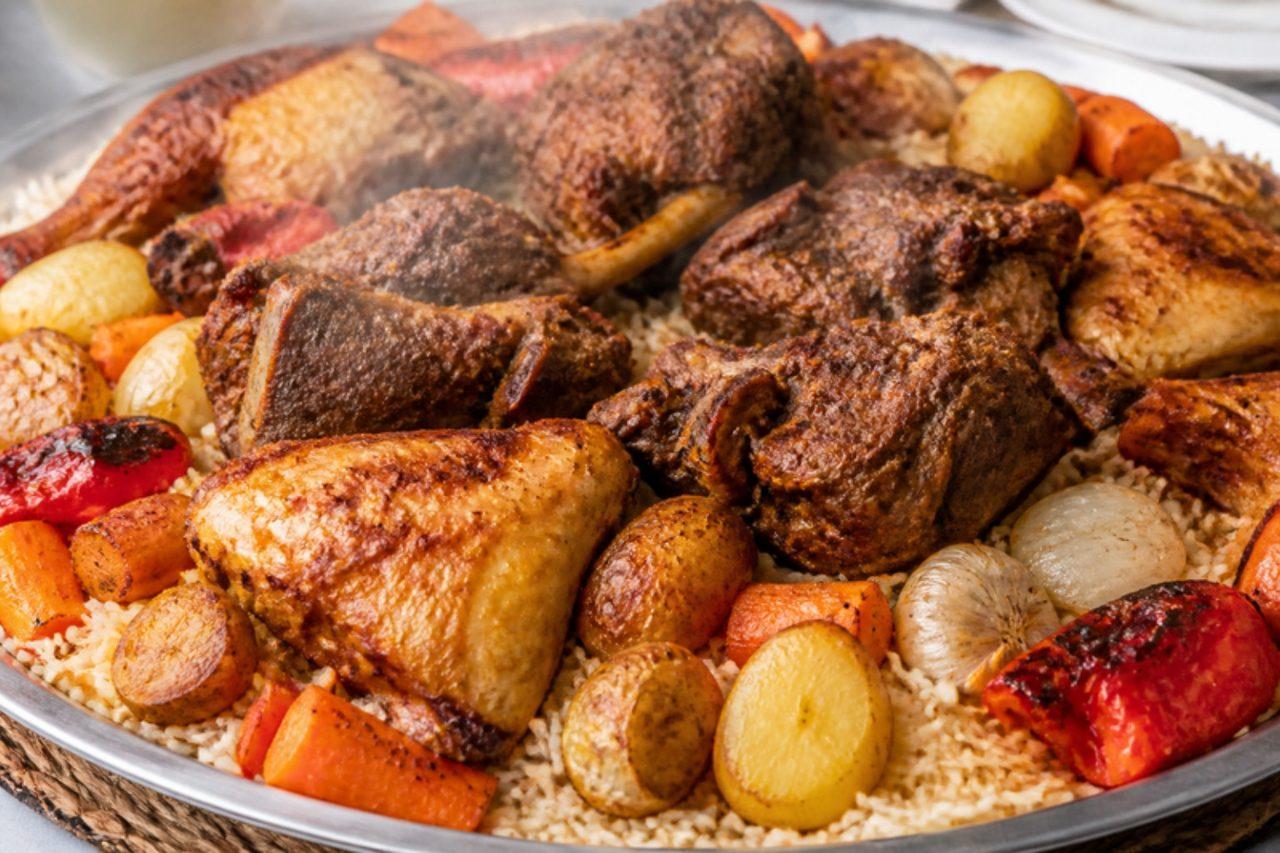
Visitors to the desert camps of Wadi Rum often watch the zarb come up from the sand at sunset: tiered racks of spiced lamb, chicken, potatoes and onions that have steamed for hours in a pit of embers, then lifted out smoky and falling apart. At home you get close with a deep roasting tin sealed tightly with foil, a long, low oven and a short blast of heat at the end. Serve it on a big platter over rice or with shrak, with yoghurt and a tomato salad. The mistake most people make is leaving gaps in the foil, so the steam escapes and the meat dries. Chef's tip: marinate overnight in the fridge and add a little smoked paprika to the spice mix; it brings back the taste of the pit.

by KrazyBadal 0 views

ZwetschgendatschiPlum yeast sheet cake

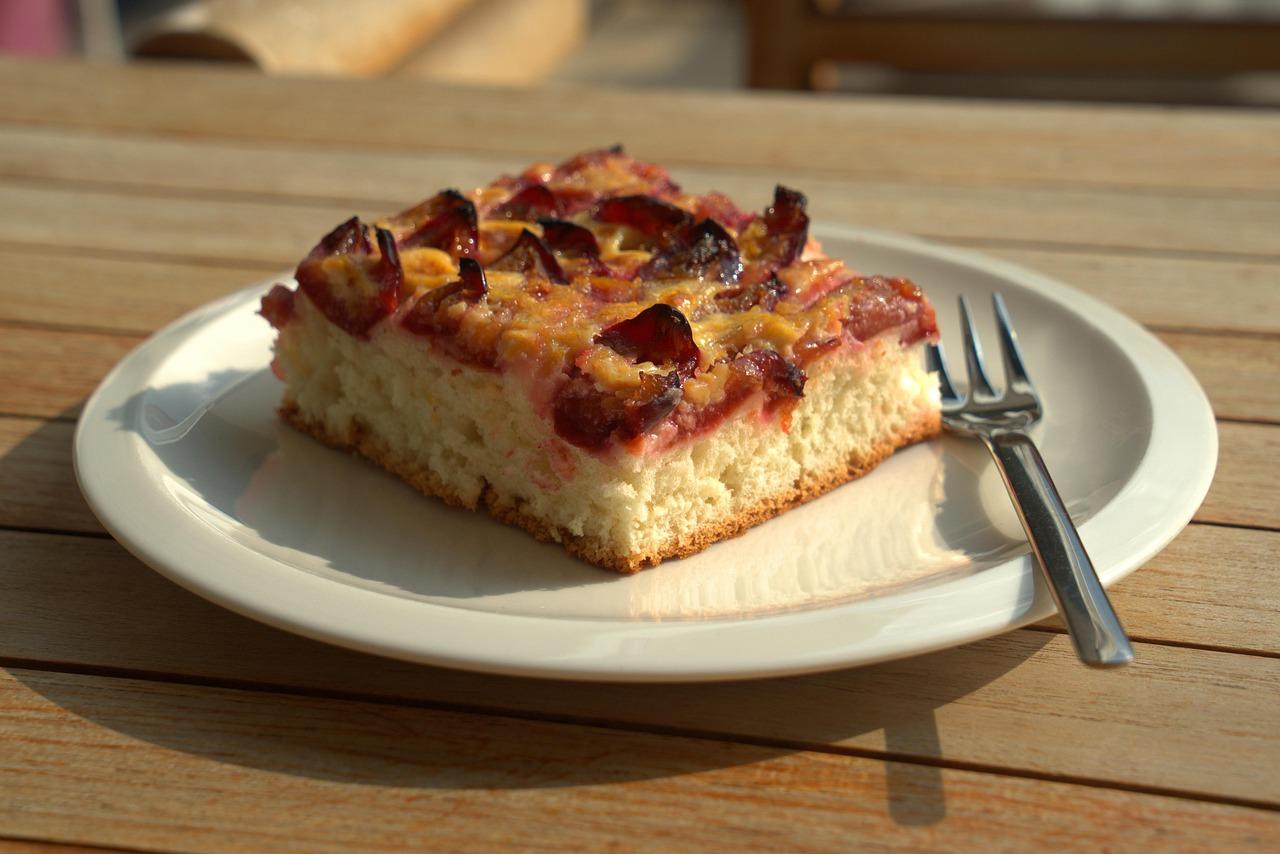
When the late-summer Zwetschgen (small, oval damson-type plums) arrive at the markets of Augsburg and Munich, every Bavarian and Swabian kitchen bakes a Datschi on the biggest tray it owns. A thin, soft yeast dough is covered edge to edge with plum halves stood upright in tight, overlapping rows, so the juices run and caramelise as it bakes. It is eaten in the afternoon, cut in squares, with a big spoon of whipped cream. A common mistake is using large round plums, which flood the dough with juice and leave it soggy; the firm, oval Zwetschgen hold their shape. Chef's tip: scatter a thin layer of fine breadcrumbs or ground almonds over the dough before the plums go on to catch the juice.

115 minGermanBaking
by KrazyBadal 0 views

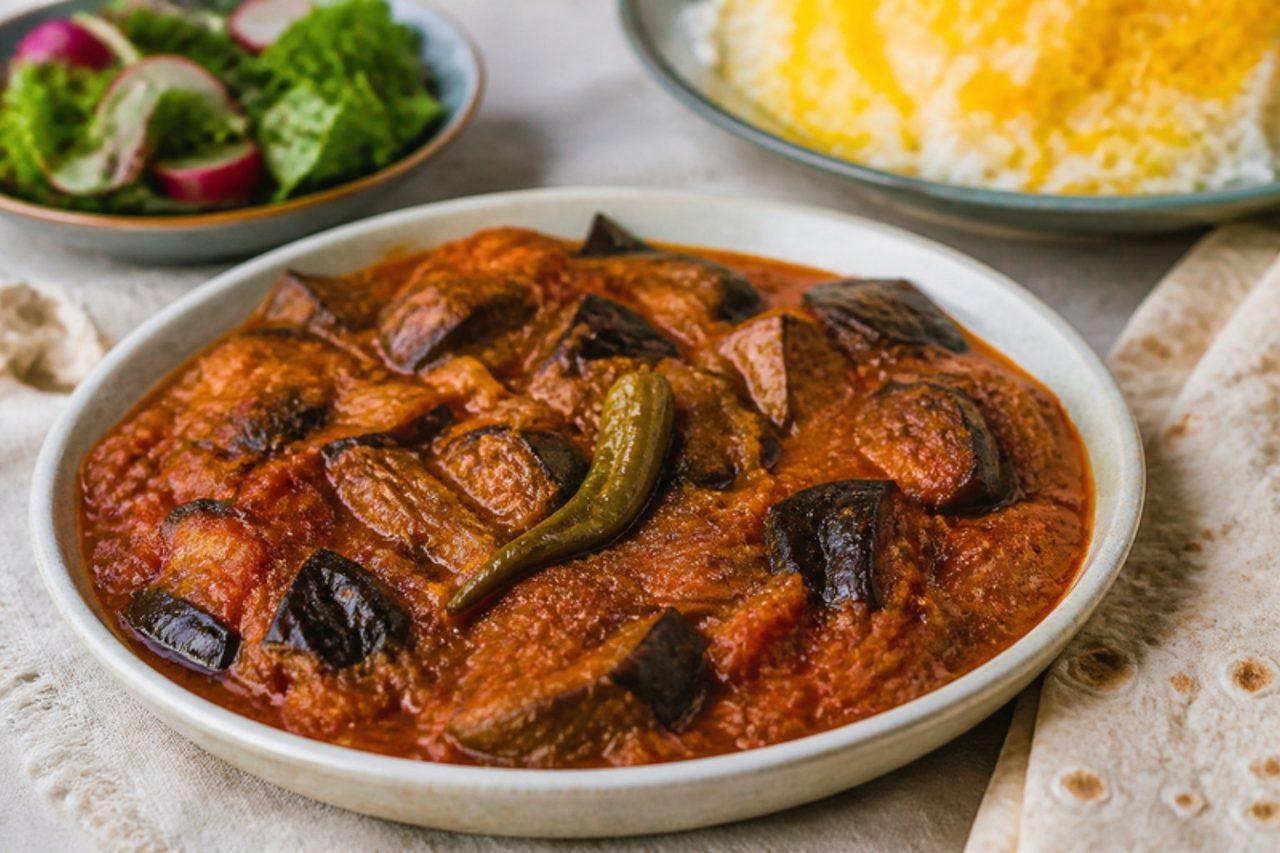
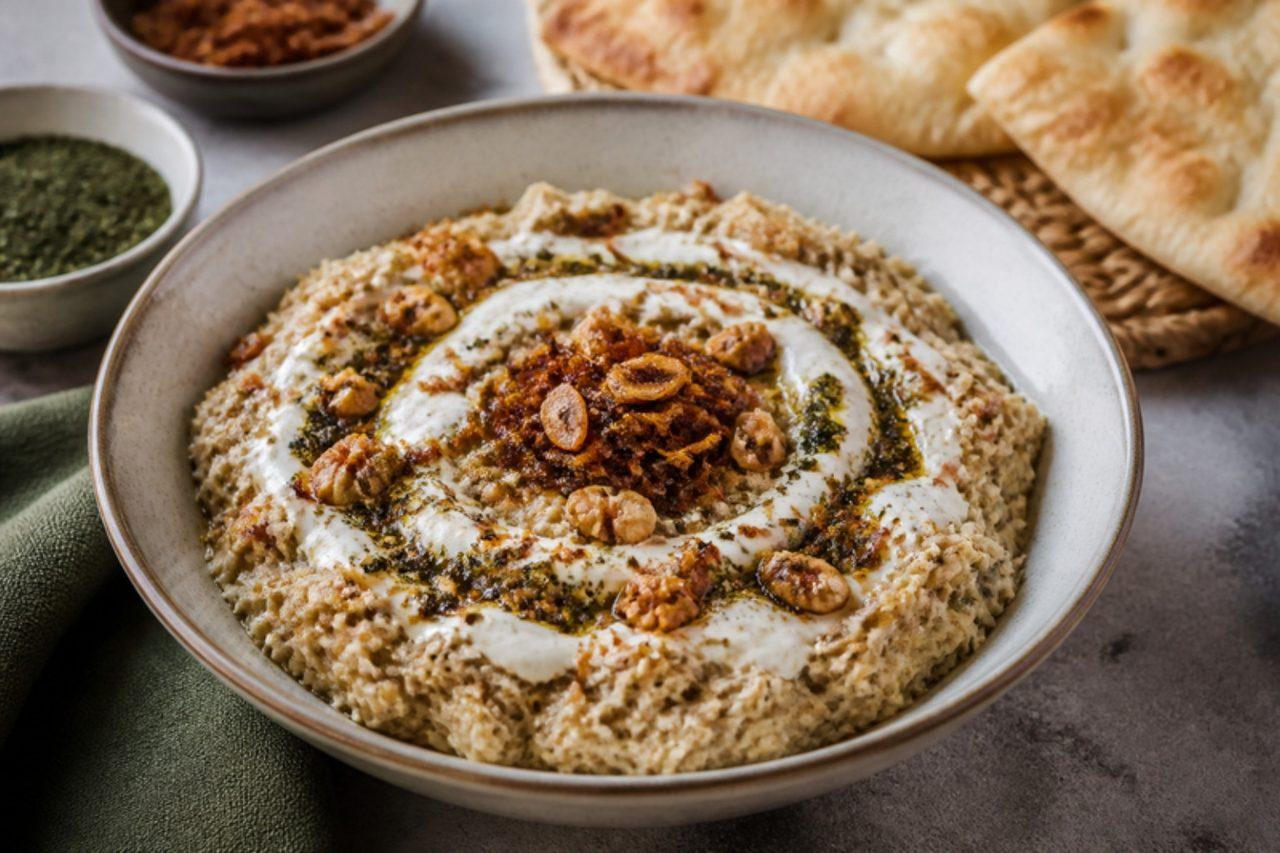
YatimchehAubergine and tomato stew

Yatimcheh means 'little orphan', the joke being that this Isfahan stew has no meat to look after it. Cooks in Isfahan and the towns around Kashan make it in late summer when aubergines are glossy and cheap, frying them until silky and then letting them collapse into onion, garlic, turmeric and ripe tomato. It is eaten warm with plain rice or torn lavash, with a bowl of yogurt and a plate of herbs on the side. A common mistake is frying the aubergine pale: it needs a deep golden colour or the stew tastes flat and spongy. Chef's tip: a spoon of verjuice or lemon juice stirred in at the very end lifts the sweetness of the tomato.

by KrazyBadal 0 views

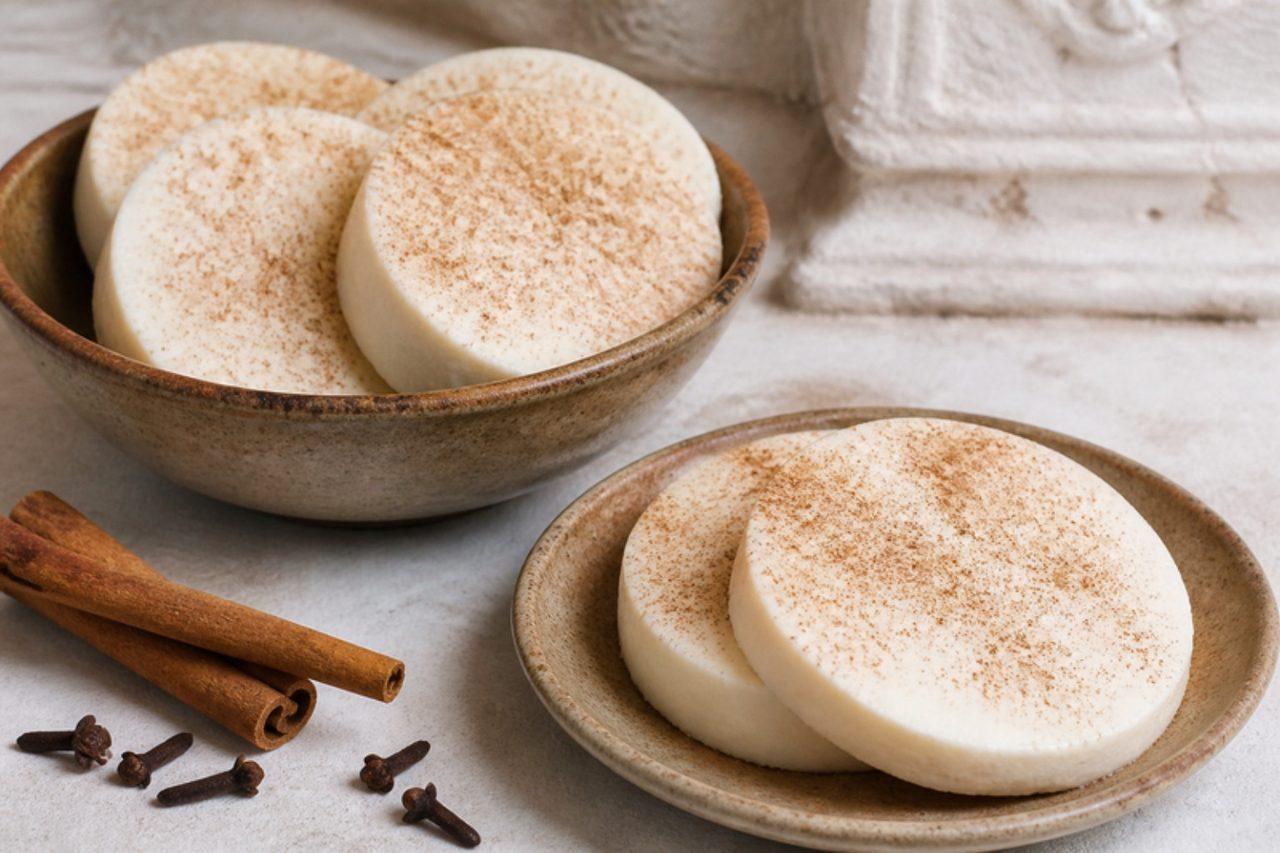
Queso heladoCinnamon coconut milk ice

Despite the name, there's no cheese in it: queso helado is Arequipa's old-fashioned frozen milk dessert, cut into thick rounds that look like a slice of fresh cheese and dusted with ground cinnamon. Vendors in white aprons sell it around the Plaza de Armas and at the Yanahuara viewpoint, traditionally churned in a metal pail spun over ice and salt, and every Arequipeño has a favourite stall. It is creamy, mildly milky and fragrant with cinnamon, clove and grated coconut, less rich than ice cream and slightly icy in a pleasant way. Many recipes thicken it with egg yolks; this one uses evaporated and condensed milk with a little cornflour so it stays egg free. The common error is freezing it untouched, which gives one hard block of ice: stir it every 45 minutes for the first few hours. Allow at least 4 hours of freezing on top of the cooking time, or make it a day ahead. Chef's tip: freeze it in a loaf tin lined with cling film, then lift it out and slice it into rounds for that true street look.

by KrazyBadal 0 views

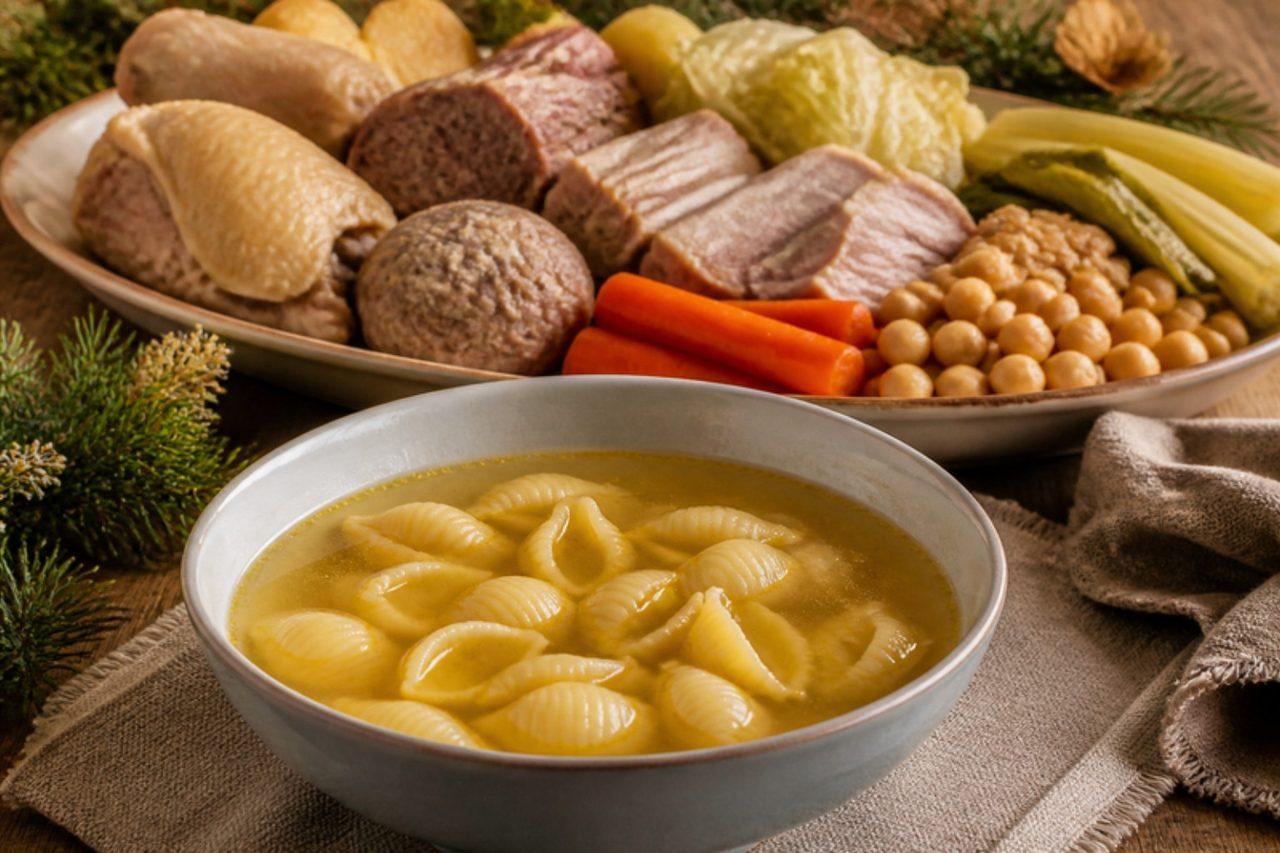
Escudella i carn d'ollaChristmas soup with giant pasta

This contains pork (pork belly and pork mince). On Christmas Day, Catalan families sit down to escudella i carn d'olla, served in two courses: first the broth with giant snail-shaped galets pasta, then the carn d'olla, a platter of the meats, chickpeas and vegetables that made it, including the pilota, a large herby meatball. The pot simmers for hours, and the leftovers become the next day's canelons. Chef's tip: start the meats in cold water and skim patiently as it comes to the boil; it is the only way to a clear, golden broth.

255 minSpanishSoups
by KrazyBadal 1 views

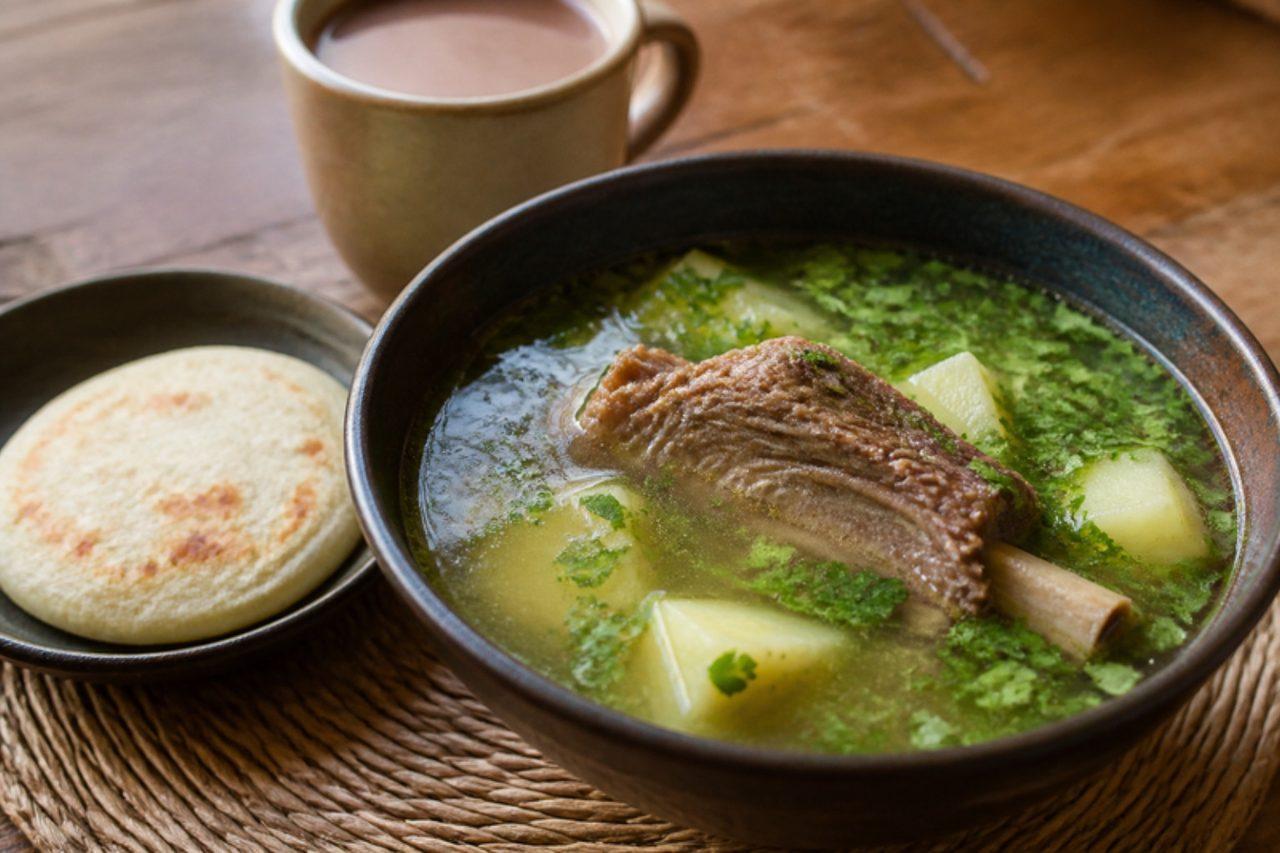
Caldo de costillaBeef rib broth

Bogotá wakes up to caldo de costilla. Cafeterías near markets and bus terminals ladle it out from early morning, and it is the city's famous cure after a late night: beef short ribs simmered until tender in a clear, golden broth with potatoes, onion, garlic and a big handful of coriander. It's simple, beefy and restoring, served with an arepa, a cup of hot chocolate or coffee and maybe a slice of bread. People are tempted to boil it hard to save time; the broth turns cloudy and greasy and the meat tightens, so give it a slow, steady simmer. Chef's tip: make the broth the night before and chill it; you can lift off the solid fat in the morning and simply reheat with the potatoes for a fast, clean breakfast.

by KrazyBadal 0 views

Millionaire's shortbread

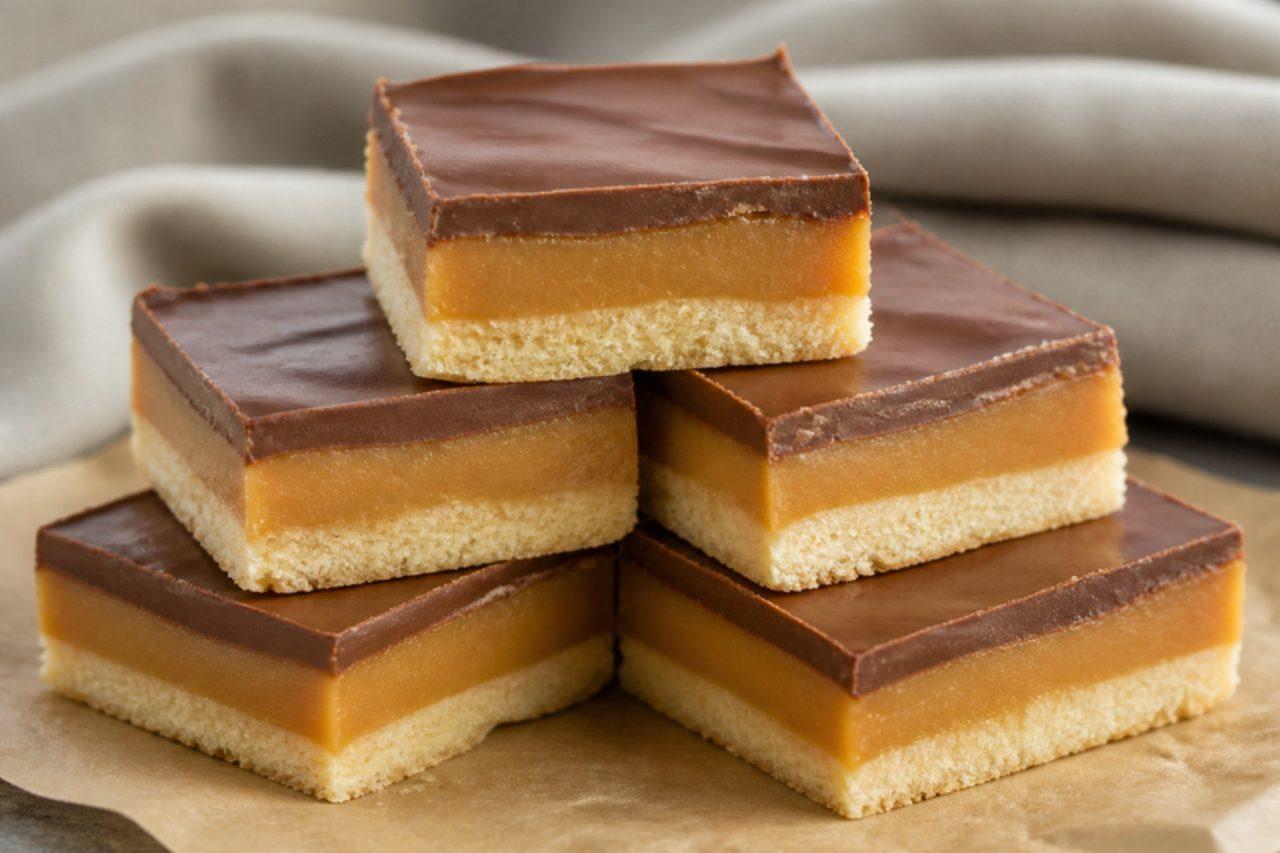
Millionaire's shortbread, called caramel shortcake in much of Scotland and caramel squares across the water in Belfast, is the traybake of school bake sales, cafés and church teas. A crisp shortbread base is covered with thick condensed-milk caramel and a layer of chocolate, rich enough to justify the name. Chef's tip: keep stirring the caramel the whole time it bubbles; it catches on the bottom in seconds.

by KrazyBadal 0 views

Fave e cicorieBroad bean purée with chicory

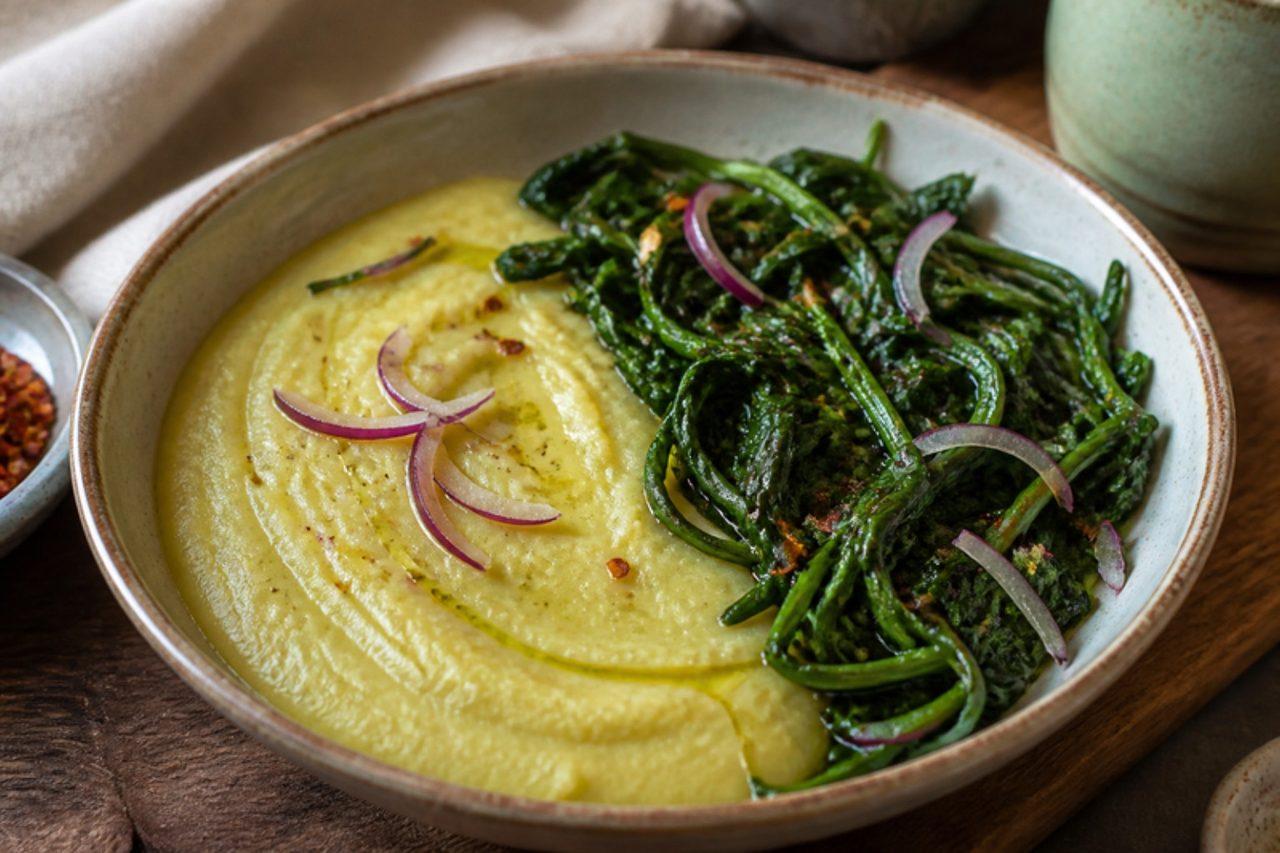
Few plates say Puglia as plainly as this one: a pale, velvety purée of dried broad beans beside a tangle of boiled wild chicory, the two joined by a stream of green olive oil. Families from the Murgia to the Salento cook it on winter weekdays and through Lent, and Bari trattorias still put it on the menu as the true taste of cucina povera. The beans are sweet and earthy, the greens bitter, and every forkful should carry a little of both. Chef's tip: buy dried broad beans that are already skinned and split; they cook to a cream on their own, with no sieving.

by KrazyBadal 0 views

Agua de fresa cremosaCreamy strawberry drink

In Hidalgo, the pulque country north of Mexico City, the pulquerías serve curados: pulque blended with fruit, and the strawberry one is pink, thick and creamy. Home cooks and taquerías make this alcohol-free cousin for the whole family, a strawberry agua fresca blended with evaporated milk, so it is like a light milkshake that you drink with tacos on a hot afternoon. It contains no pulque or alcohol. Chef's tip: use the ripest, darkest strawberries you can find; pale ones give a thin, sour drink.

by KrazyBadal 0 views

Selkirk bannockSultana yeasted loaf

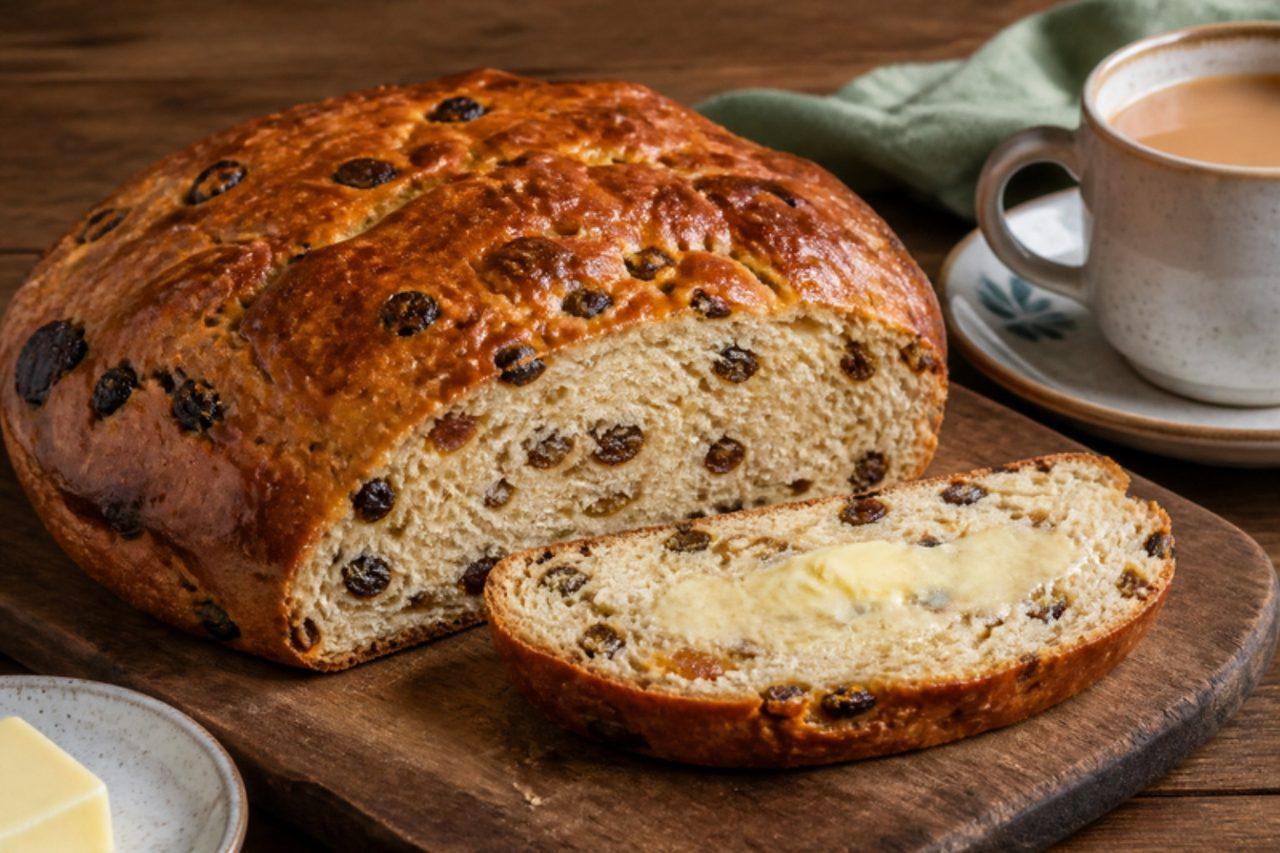
The Selkirk bannock is a round, glossy fruit bread from the Border town of Selkirk, first baked in the 1850s and famously eaten by Queen Victoria at Abbotsford. Unlike a plain oat bannock it is a rich yeast dough that is mostly sultanas, sliced and buttered with afternoon tea. Chef's tip: work the sultanas in only after the dough has risen once, or they tear the gluten and the loaf won't lift.

by KrazyBadal 0 views

Corned beef and cabbage

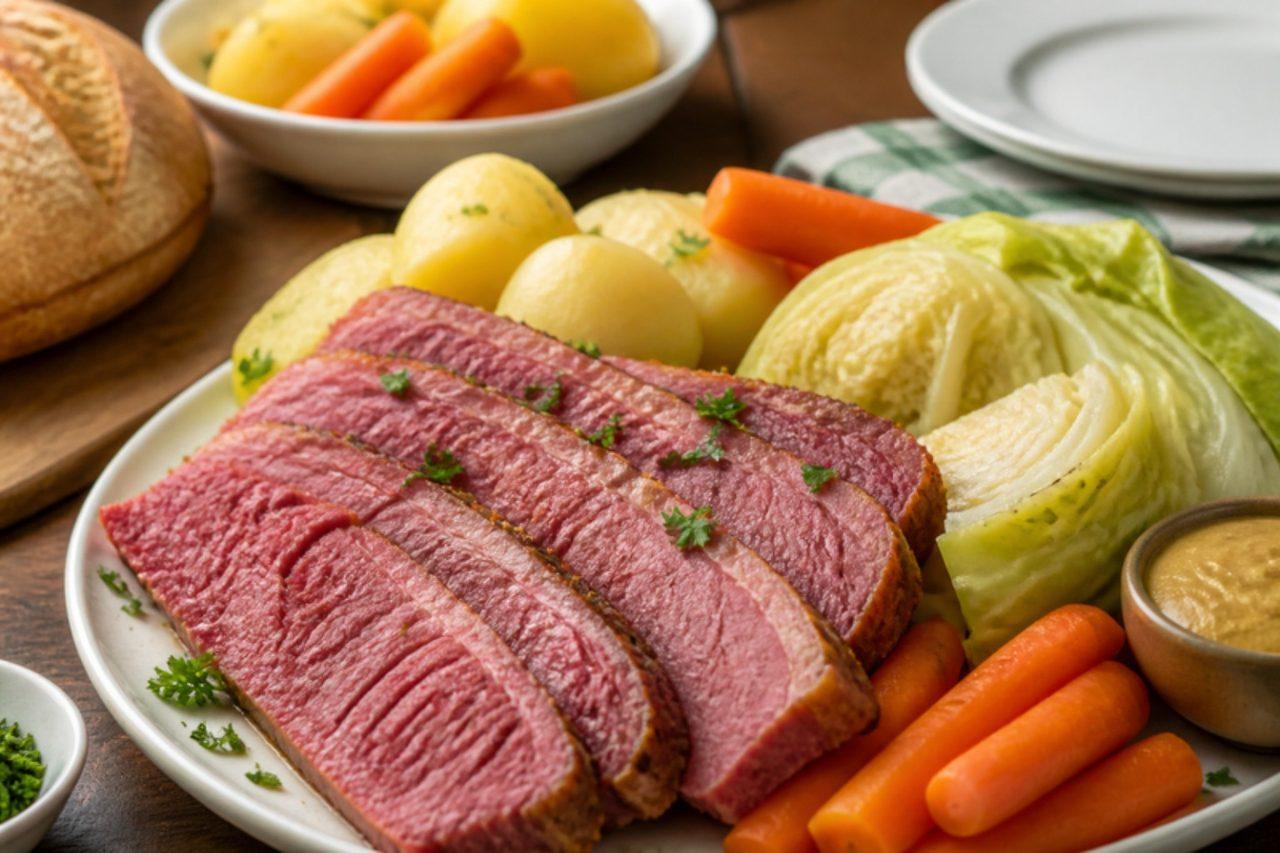
In Boston, Irish families made corned beef the centre of St Patrick's Day, swapping the bacon joint of home for the cheaper brisket sold by Jewish butchers, and New Englanders still call the whole pot a boiled dinner. Salt-cured beef brisket is simmered for hours with spices, then potatoes, carrots and wedges of cabbage cook in the same broth. Serve with grainy mustard. Chef's tip: slice the beef across the grain, thinly; cut along the grain it looks stringy and chews tough.
230 minAmericanMeat
by KrazyBadal 0 views

Rhode Island clam cakes

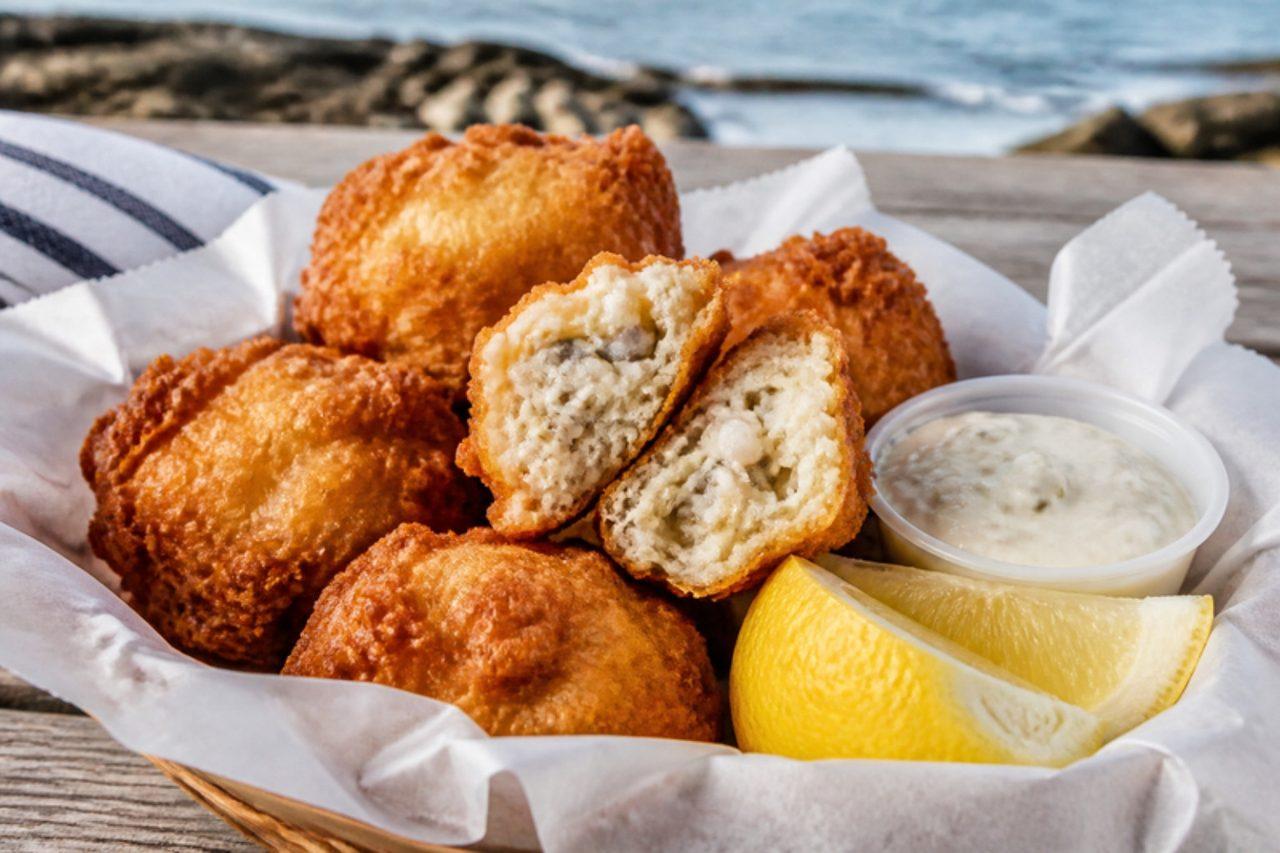
At beach shacks along Narragansett Bay and in Galilee, clam cakes are bought by the paper bag, half a dozen at a time, to dunk in a cup of clear clam chowder. They are not patties but craggy, golden fritters, crisp outside and soft inside, studded with chopped quahog clams. Chef's tip: use the clam juice as part of the liquid; it puts the sea flavour into every bite of batter.

by KrazyBadal 0 views

Palets bretonsSalted butter biscuits

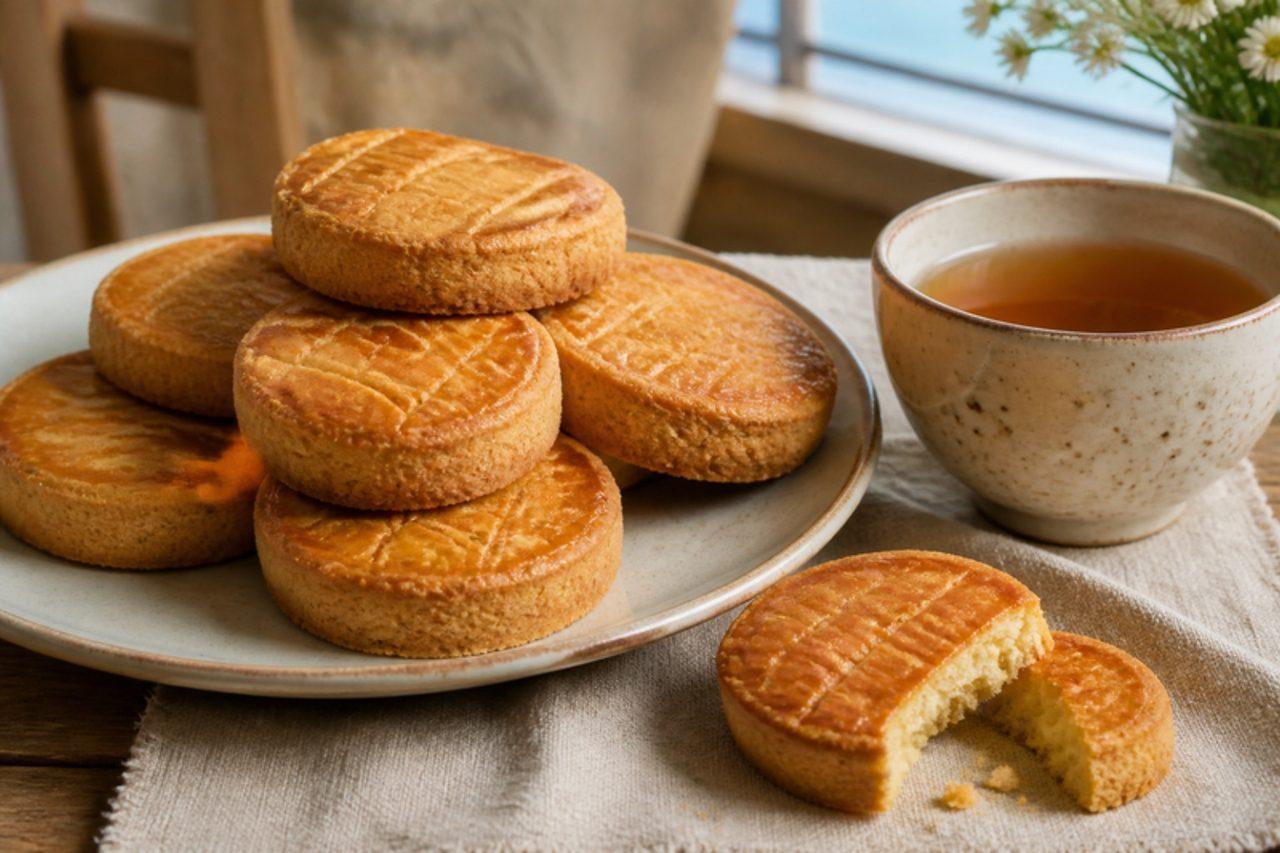
Palets are the thick cousin of the thin Breton galette biscuit: chunky rounds as wide as a small cookie and nearly a centimetre high, crisp on the outside and crumbly within, tasting strongly of salted butter. Bakeries in Pont-Aven and all along the Finistère coast sell them in tins, and Breton families serve them with coffee, with a bowl of cider-poached apples or crumbled over ice cream. Baking them in muffin tins or metal rings keeps their shape and straight edges. Chef's tip: use proper salted butter rather than adding salt to unsalted; the flavour is rounder and the dough handles better.

by KrazyBadal 0 views

Gnocchi à la parisienneChoux dumplings in béchamel

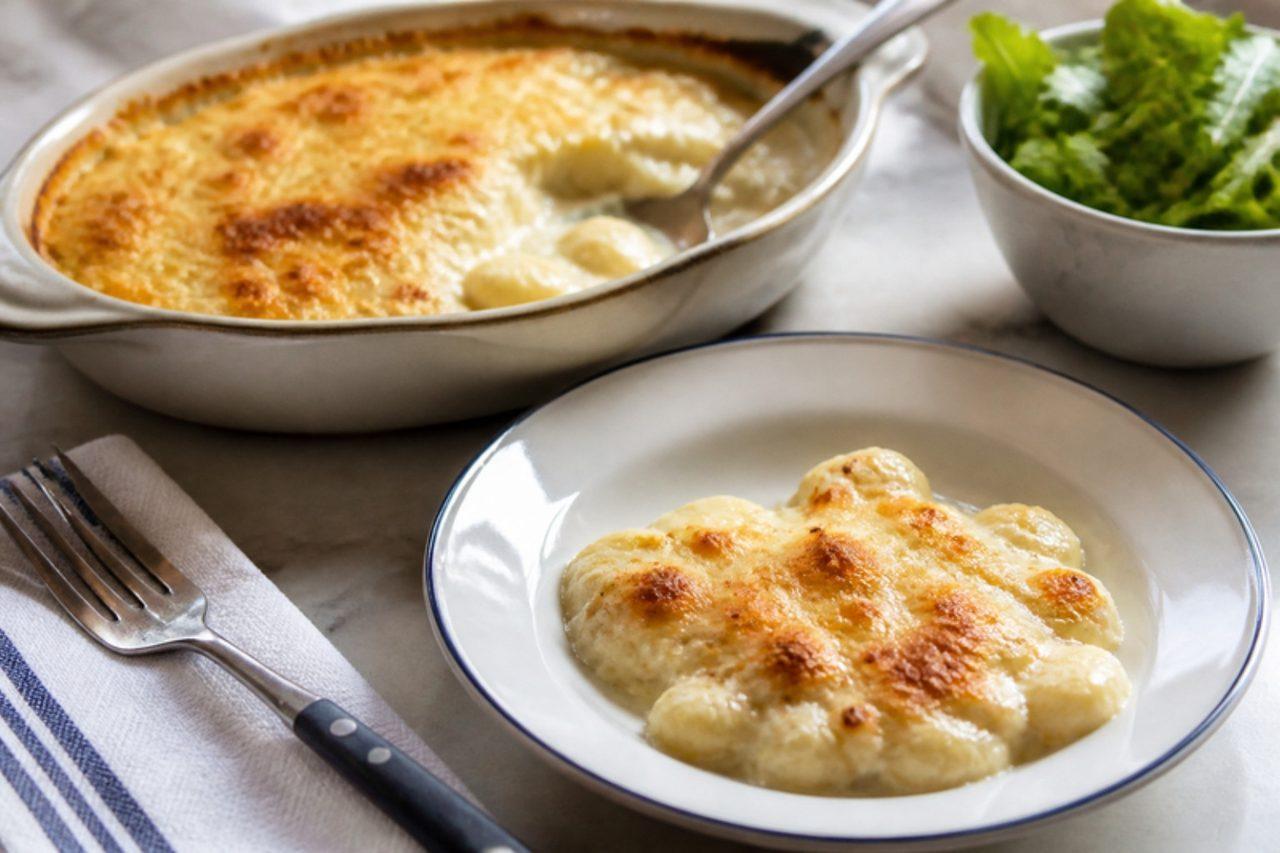
Unlike Italian potato gnocchi, the Paris version is made from choux paste flavoured with cheese and mustard, piped straight into simmering water and cut into little logs with a knife. The poached dumplings go into a dish with béchamel and more cheese and are baked until puffed and golden. It was a classic of old Parisian brasseries and grand-hotel kitchens and still turns up as a comforting supper or a side in bistros. Gruyère and Comté are traditionally made with animal rennet, so use a vegetarian mountain cheese. Chef's tip: dip the knife in hot water between cuts; the paste drops off cleanly instead of stretching into strings.

by KrazyBadal 0 views

Welsh cakes

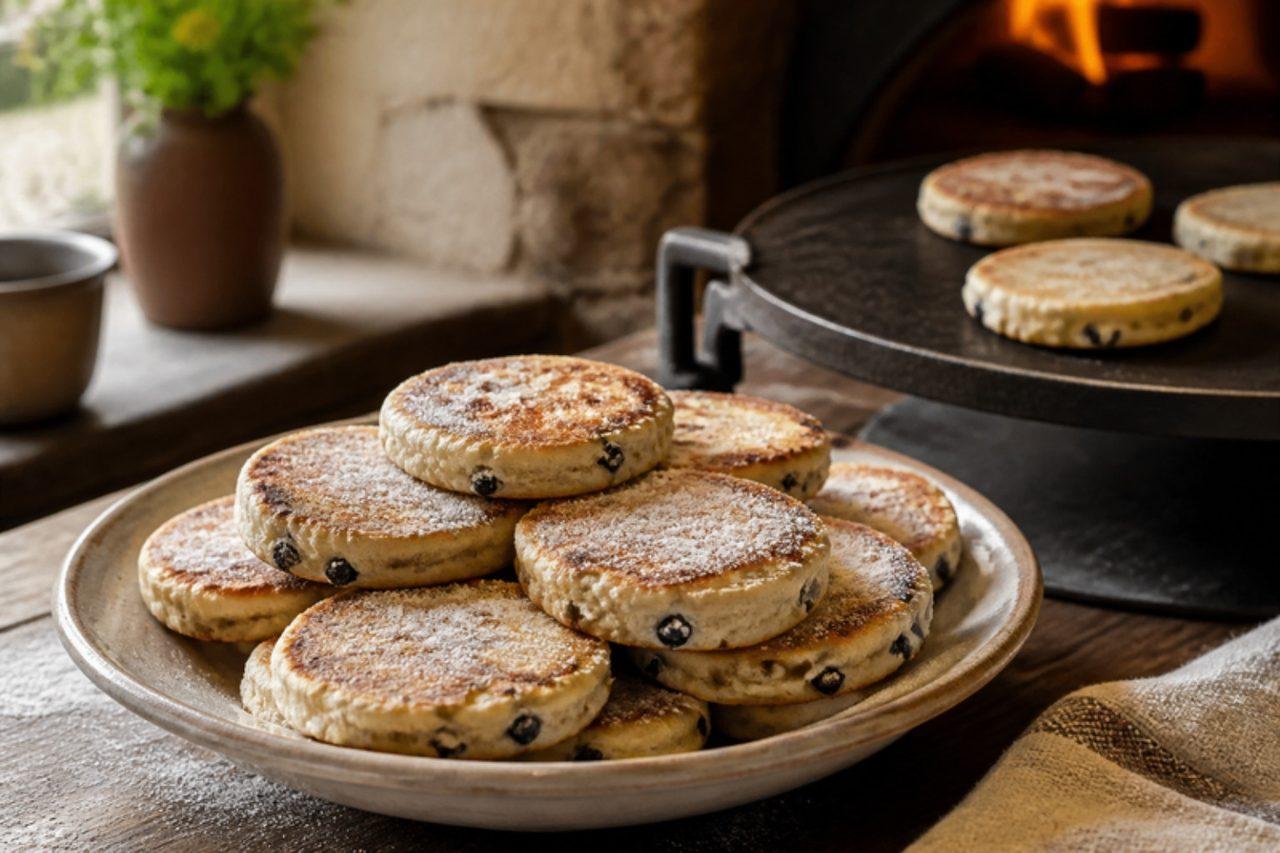
Welsh cakes, picau ar y maen or 'cakes on the stone', are cooked on a cast-iron bakestone in kitchens across Wales and sold warm at markets and rugby matches, and they are a must on St David's Day, 1 March. The dough is like a rich scone with currants and mixed spice, and they are dusted with sugar while hot. Chef's tip: keep the heat medium-low; they need time for the middle to cook before the outside darkens.

by KrazyBadal 0 views

Rosquillas de San IsidroAniseed doughnut rings

Every 15 May, crowds head to the Pradera de San Isidro on Madrid's southern edge for the patron saint's festival, and stalls sell rosquillas by the dozen: plain "tontas" (silly ones) and iced "listas" (clever ones). Many families now bake them at home that week. Old recipes ice the listas with raw egg white; this one uses a lemon and icing-sugar glaze, which is safer and sets just as white. Chef's tip: oil your hands to shape the rings; the dough is soft and sticky by design.

by KrazyBadal 0 views

Gachas dulcesSweet aniseed flour porridge

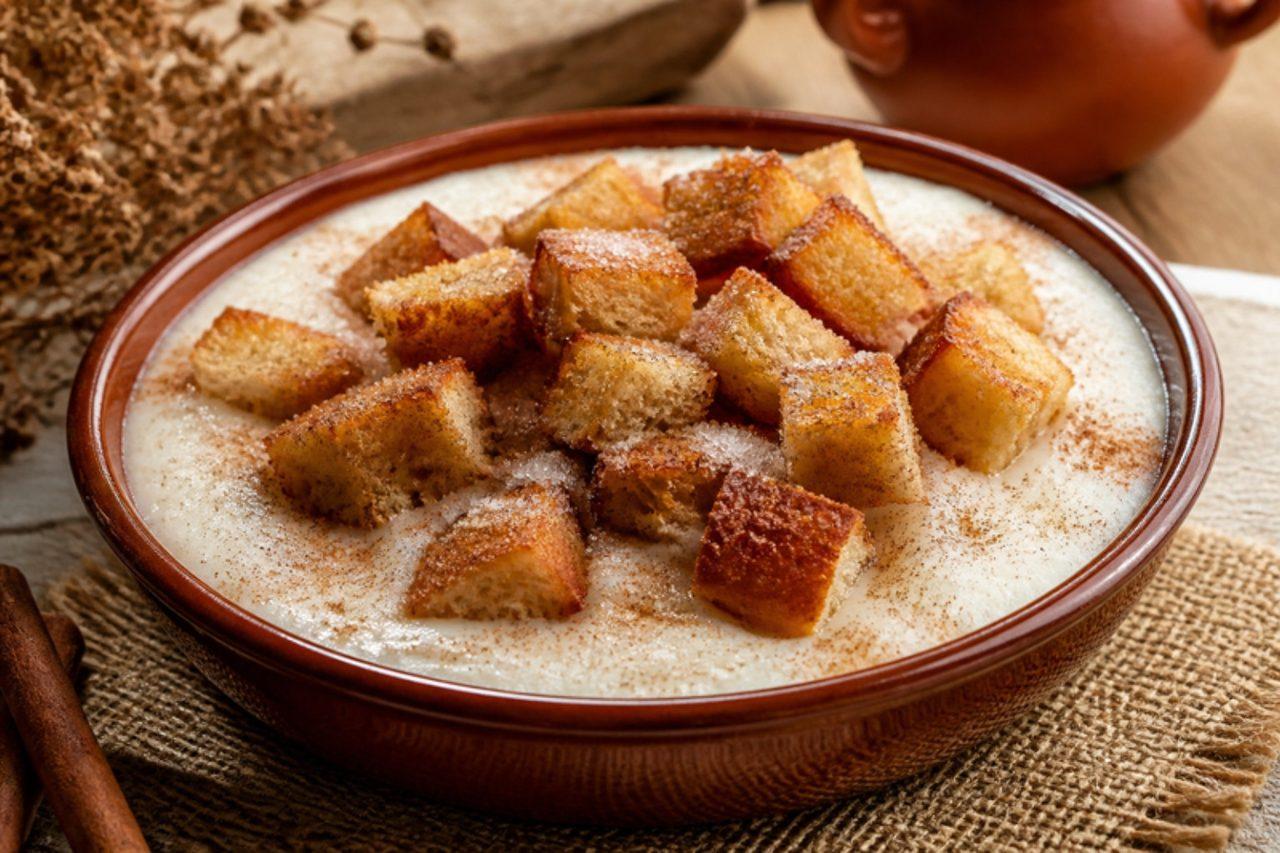
On the night of 31 October and on All Saints' Day, families across La Mancha make sweet gachas: flour toasted in olive oil with aniseed, loosened with milk and sugar into a soft cream, and topped with crisp cubes of fried bread. Each person dips a spoon into the communal dish while the season's first cold nights settle in. Chef's tip: toast the flour in the oil until it smells nutty before adding any milk; raw flour tastes pasty.

by KrazyBadal 0 views

Southern fried catfish

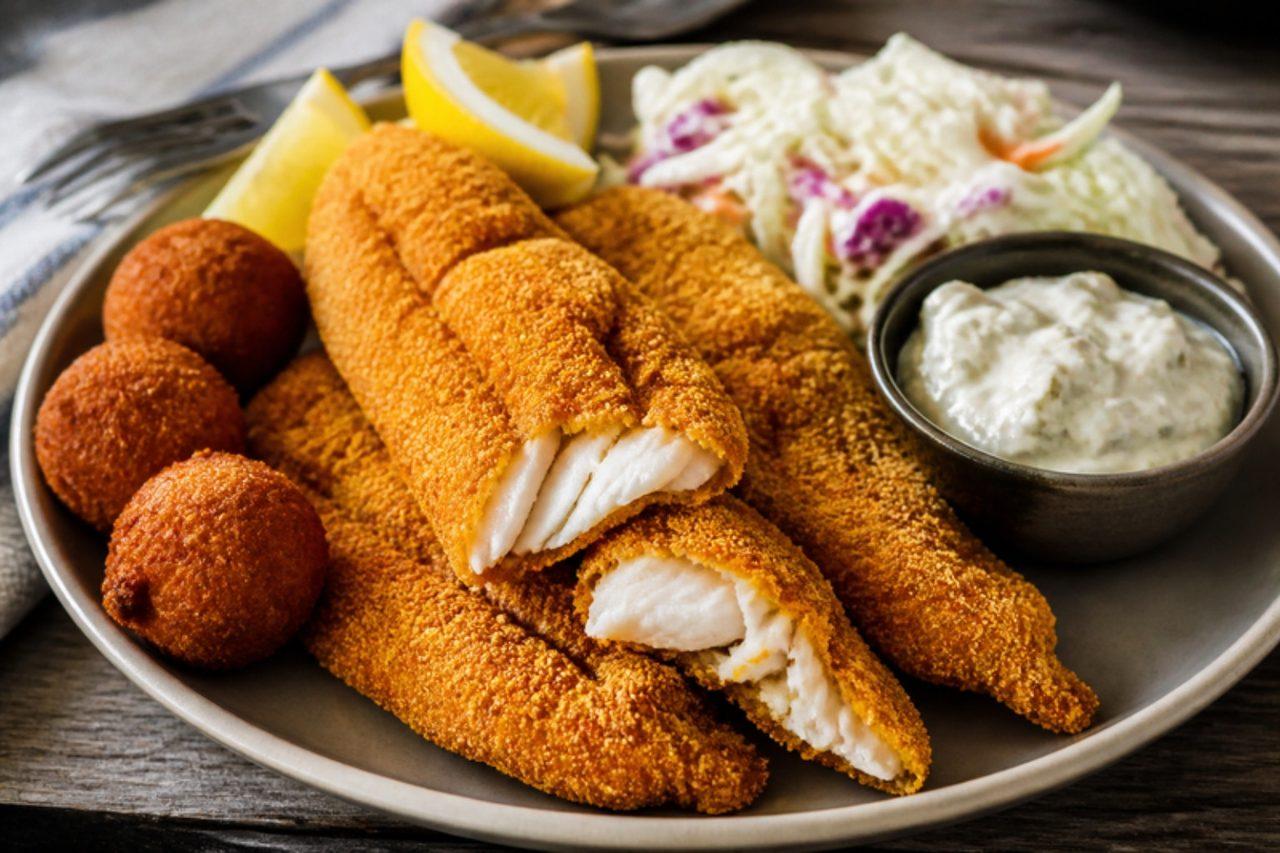
Fried catfish is the Friday night fish-fry and Delta church supper of Mississippi and Arkansas, where much of America's catfish is farmed. Fillets are soaked in seasoned milk or buttermilk, rolled in cornmeal and fried until the crust crackles and the mild, sweet fish inside flakes apart. Serve with hushpuppies, slaw and lemon. Chef's tip: cut thick fillets in half lengthways so they cook in the same time as the crust browns.

by KrazyBadal 0 views

Mar i muntanyaChicken and prawn casserole

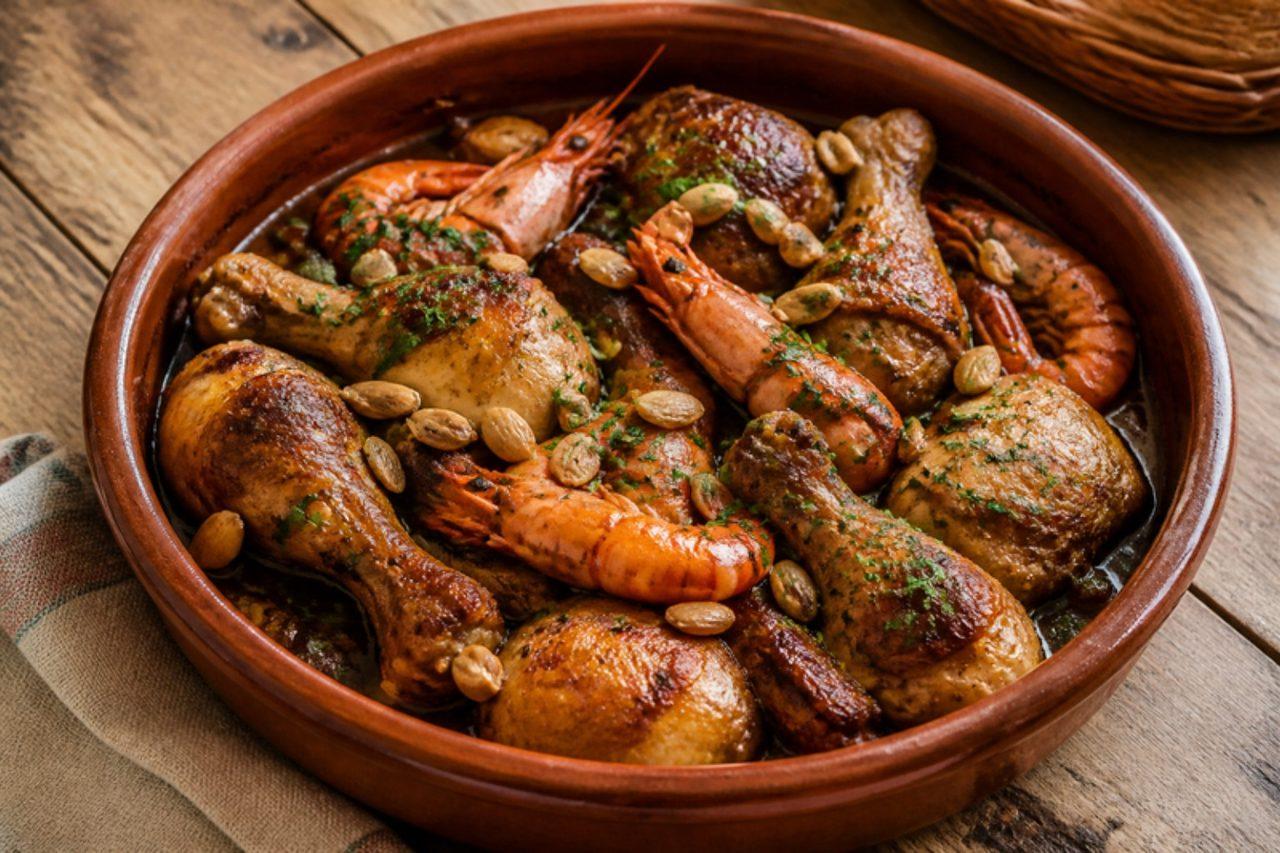
Sea and mountain: the cooks of the Empordà, between the Pyrenees and the Costa Brava, have long put chicken and seafood in one pot, and this version with prawns is the one most families make for a celebration lunch. The sauce is a dark sofrito finished with a picada of almonds, hazelnuts, garlic and a little dark chocolate, which adds depth rather than sweetness. It uses wine; the alcohol-free option is in the ingredient list. Chef's tip: cook the prawns only briefly at the start and return them at the end, so they stay juicy while the chicken braises.

by KrazyBadal 0 views

Broas de batata-doceSweet potato spiced cookies

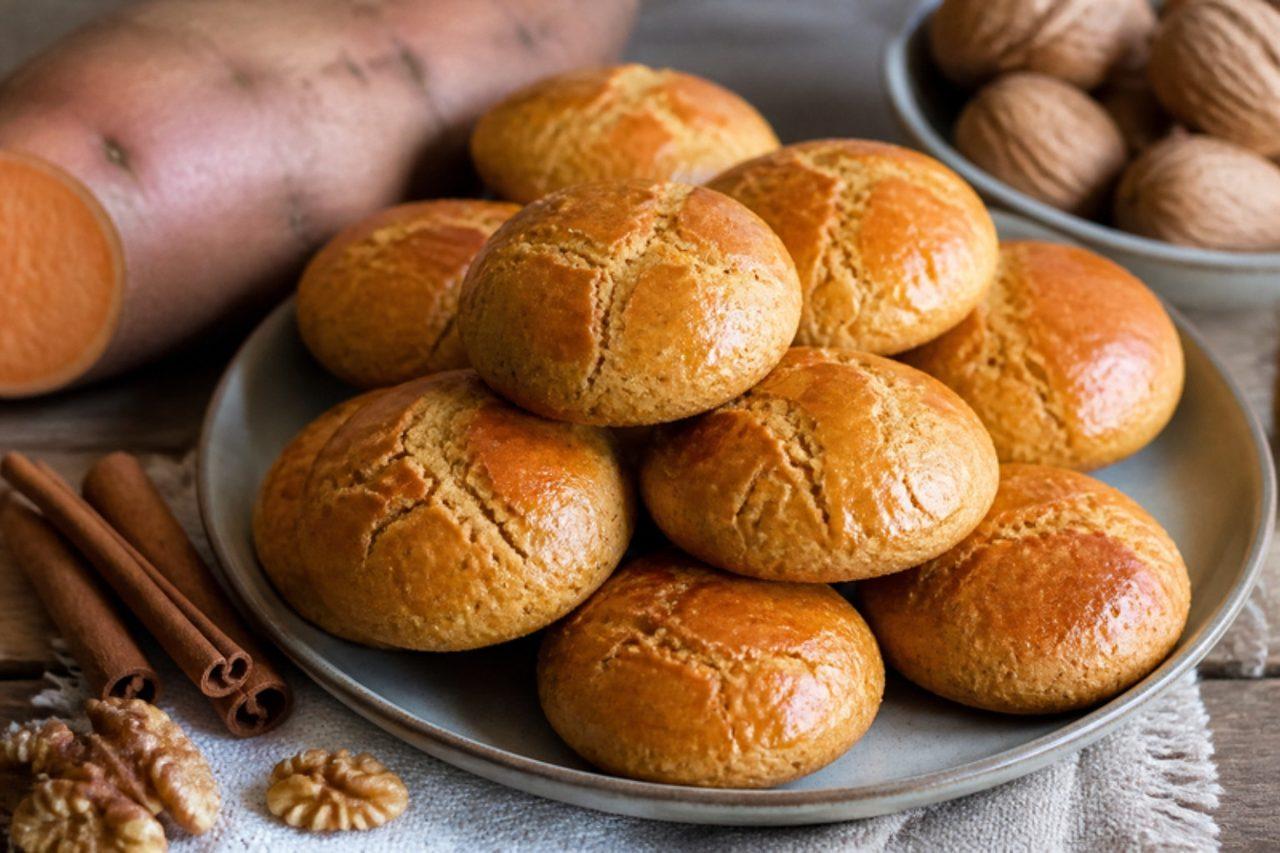
Every December, kitchens across the Beiras fill with the smell of these broas: soft, cakey cookies made with mashed sweet potato, flour, olive oil and honey, spiced with cinnamon and fennel seed and glazed with egg yolk. Families bake big batches to share with neighbours and keep in tins over the holidays. They are only lightly sweet, with a tender crumb and a shiny top. Chef's tip: dry the cooked sweet potato in the pan for a minute before mashing, as watery mash makes a sticky dough that spreads.

by KrazyBadal 0 views

Biscuits and sausage gravy

Biscuits and gravy is the working breakfast of the rural South and Appalachia, served at truck stops in Tennessee and diners in the Virginia mountains: fresh biscuits split open and smothered in a thick white 'sawmill' gravy made from crumbled pork sausage, its fat, flour, milk and plenty of black pepper. Chef's tip: don't drain the sausage fat; it is what thickens and flavours the gravy.

by KrazyBadal 0 views

Cabrito assado à minhotaRoast kid with potatoes

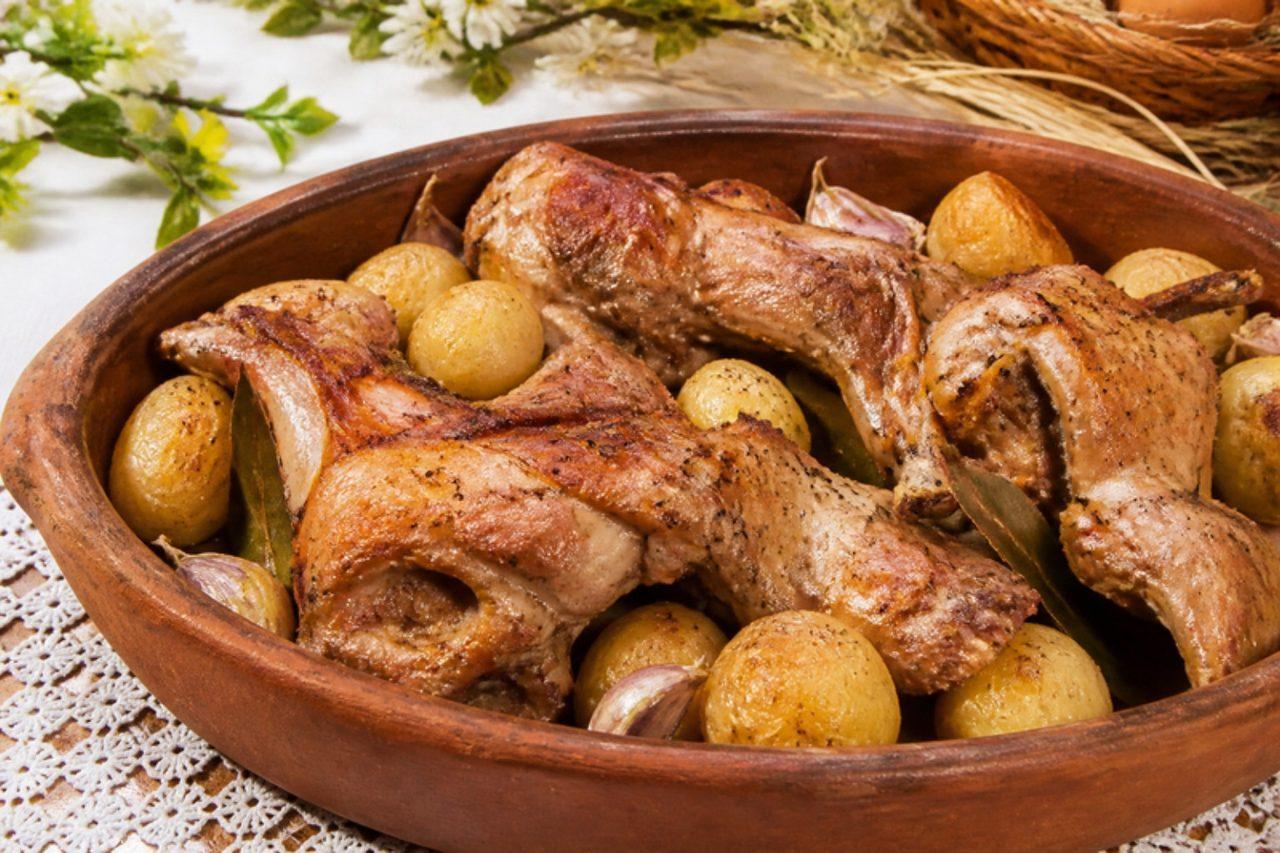
Easter Sunday in the Minho means cabrito: young goat rubbed with garlic, paprika and lard, soaked overnight in white wine and roasted until the meat falls from the bone. Families in Arcos de Valdevez and Monção serve it with roast potatoes and a tray of rice baked in the meat juices. This contains pork (lard and smoked bacon) and uses wine; an alcohol-free option is in the ingredient note. Chef's tip: baste every 20 minutes, as kid is lean and dries out quickly without it.

by KrazyBadal 0 views

Chorizo a la sidraChorizo in cider

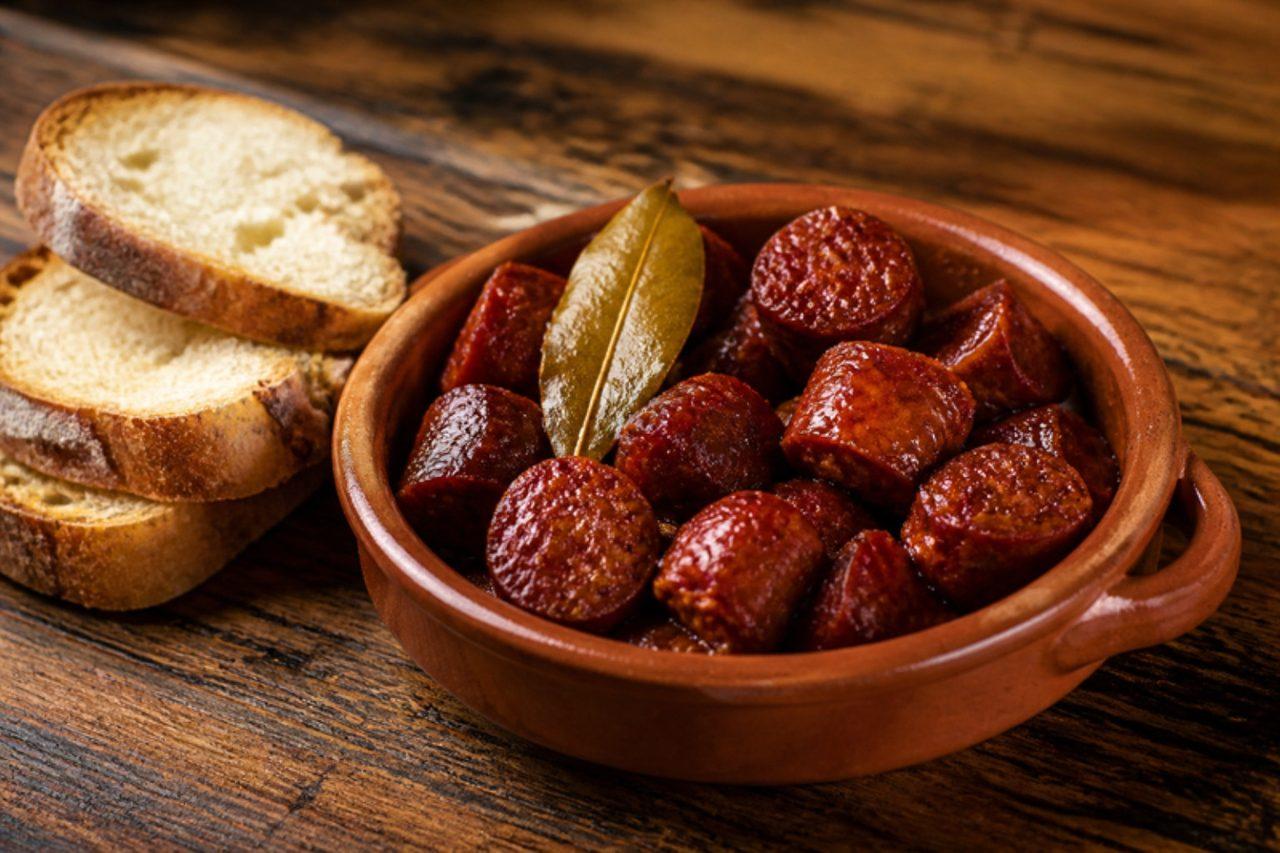
No sidrería in Oviedo's Calle Gascona is without a clay dish of chorizo bubbling in cider, served with bread to mop up the paprika-red juices. It takes minutes, is cheap, and is the first thing ordered while the waiter pours cider from shoulder height. This contains pork (chorizo) and uses dry Asturian cider, which is alcoholic; for an alcohol-free version use cloudy apple juice with a splash of cider vinegar, as noted below. Chef's tip: prick the chorizo all over first so it releases fat into the cider and drinks the cider back in.

by KrazyBadal 0 views

Farçon savoyardBaked potato pudding with prunes

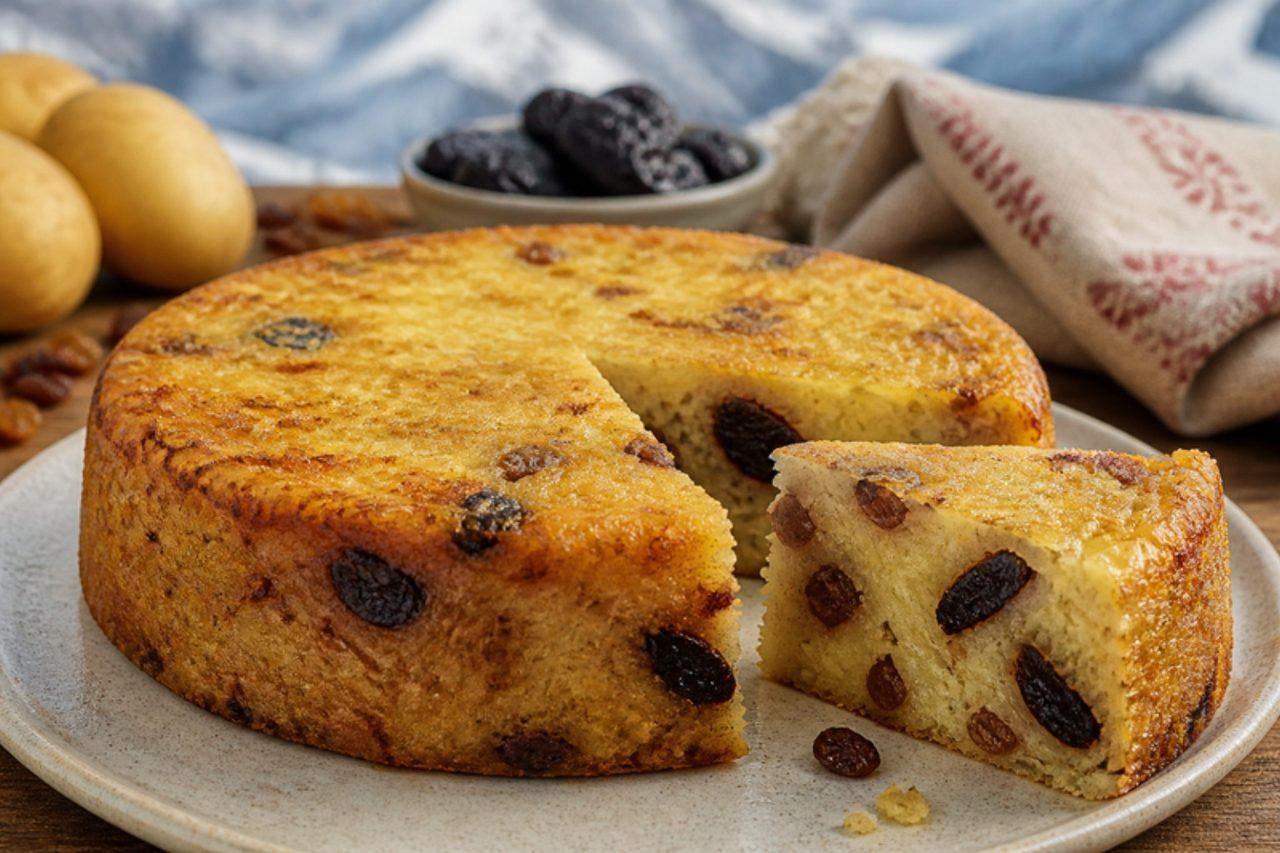
In the Savoyard valleys, especially around Albertville and the Val d'Arly, farçon was the Sunday dish left to cook slowly while the family was at Mass: grated potatoes mixed with eggs, cream, prunes and raisins, set in a tall mould and cooked for hours in a water bath. The result is a sliceable, sweet-and-savoury cake, soft and golden, served with a green salad or as a side at a winter feast. Traditionally the mould is lined with bacon; this version uses a buttered mould instead, so it is vegetarian. Chef's tip: let it rest for 15 minutes in the mould before turning it out; it firms up and slices cleanly.

145 minFrenchSidesGluten free
by KrazyBadal 0 views

FariñesCornmeal porridge with honey

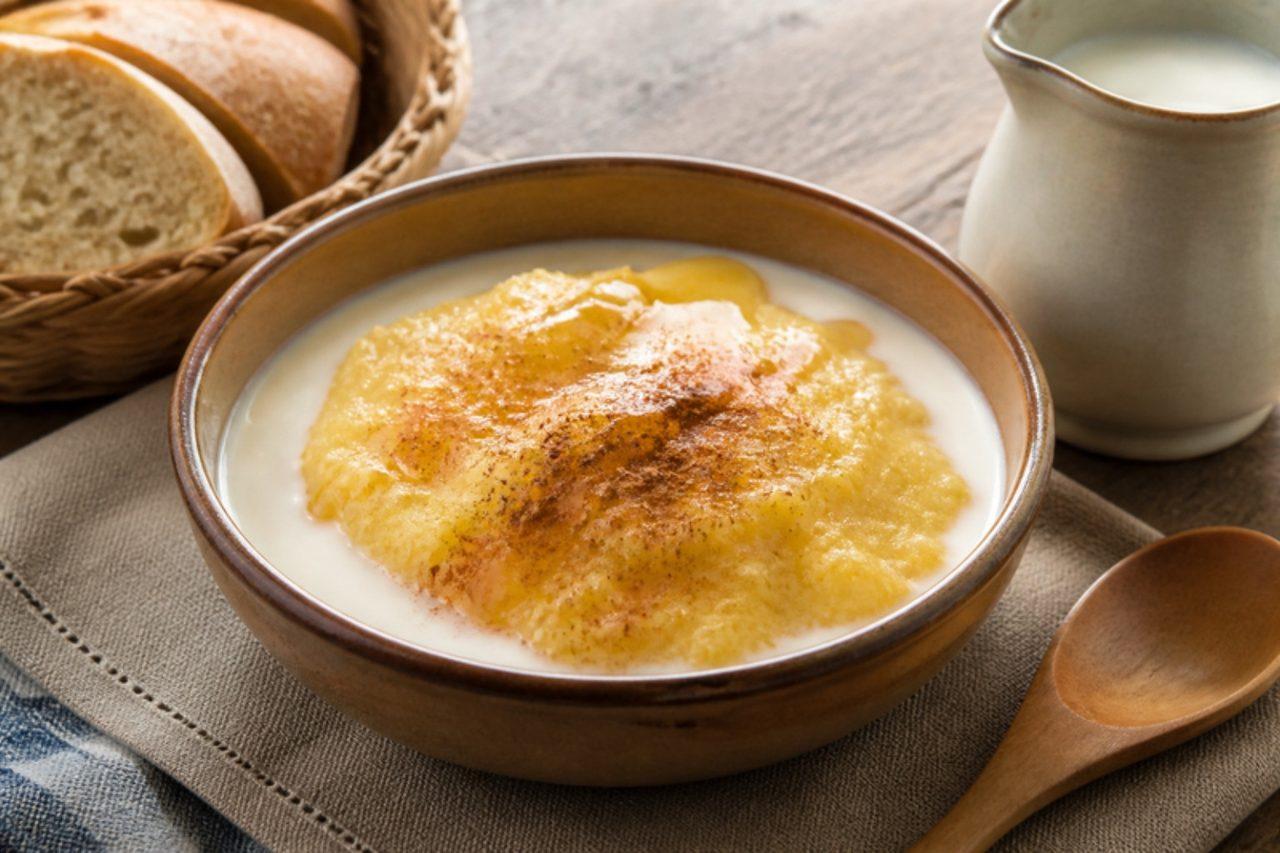
Fariñes, or farrapes in some valleys, fed Asturian farming families through the winter: a pot of maize meal stirred over the fire, eaten for breakfast or as a light supper with cold milk poured over the hot porridge. Today it is comfort food again, offered at rural guesthouses in the Oriente and made at home when the weather turns. The contrast of warm, soft porridge and cold milk is the whole point. Chef's tip: whisk the cornmeal into cold water before it heats so it never forms lumps.

by KrazyBadal 0 views

Merluza a la sidraHake baked in cider

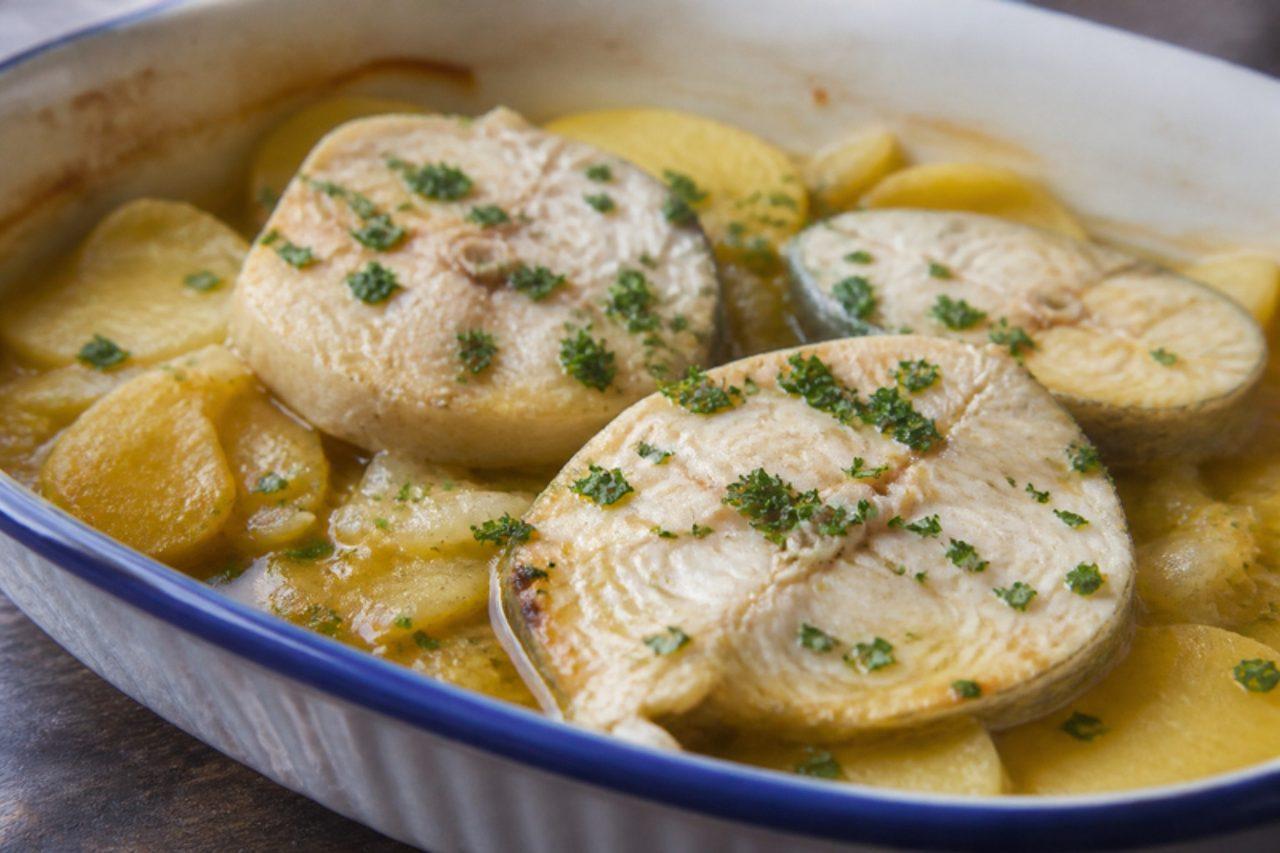
Asturias has two great loves at table, the fish landed at ports like Cudillero and Avilés and the cider pressed from its orchards, and merluza a la sidra brings them together. Families cook it for Sunday lunch, the hake settled on a bed of soft onion and potato with cider poured over, until the sauce turns sweet-sharp. The cider is alcoholic; cloudy apple juice with a little cider vinegar makes a good alcohol-free swap. Chef's tip: add the hake only when the potatoes are nearly tender, so the fish stays juicy.

by KrazyBadal 0 views

Fegato alla venezianaCalf's liver with onions

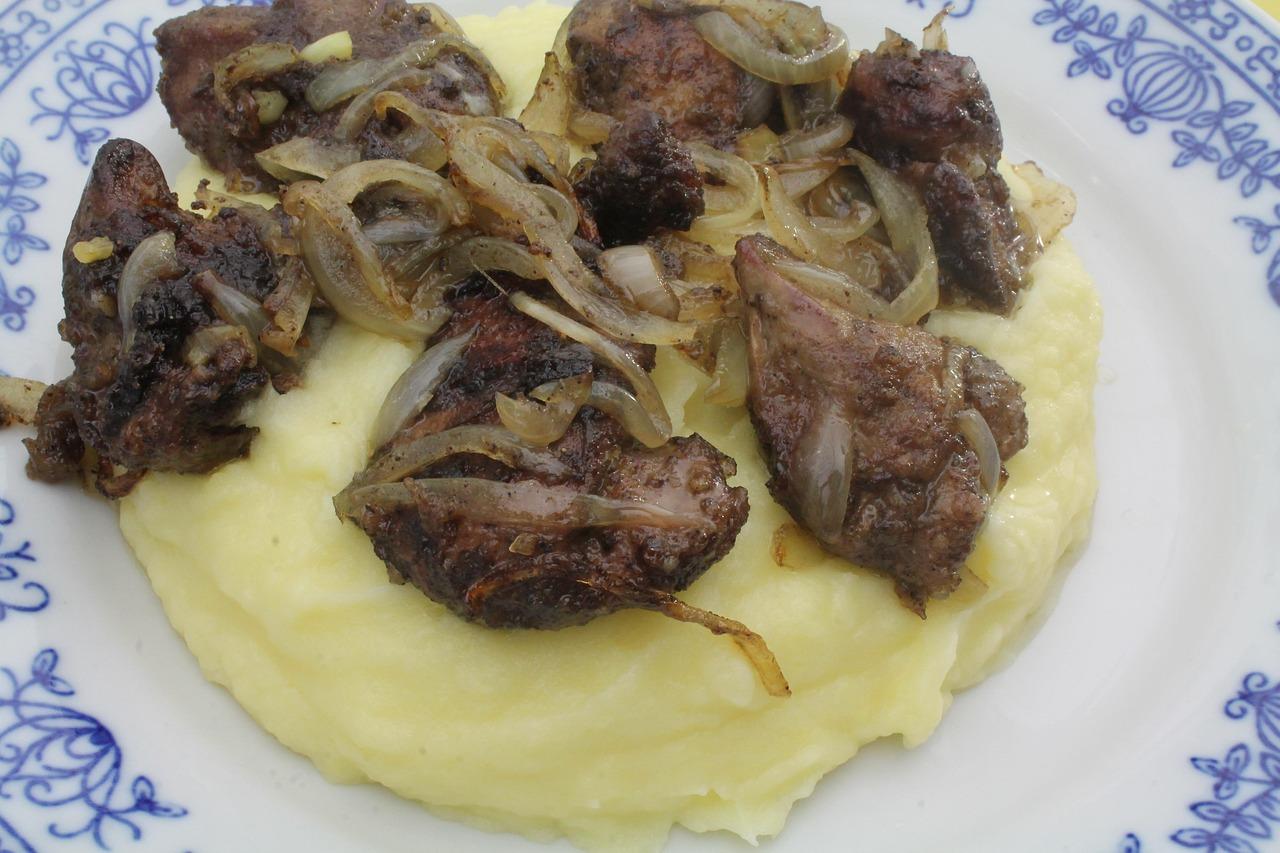
Fegato alla veneziana is one of the oldest dishes in Venice and still a weekday staple in the trattorie around the Rialto market. Mountains of onions are cooked gently until soft and sweet, then thin strips of calf's liver are tossed through them for barely two minutes, so the liver stays tender against the jammy onions, with a splash of vinegar and parsley to finish. The classic partner is soft white or yellow polenta, which soaks up the buttery juices. Chef's tip: slice the liver into thin strips, no thicker than your little finger, so it cooks through in moments without going tough.

by KrazyBadal 0 views

Bollos preñaosChorizo-filled bread rolls

At every Asturian romería, the summer pilgrim fairs held in meadows from Llanes to Cangas del Narcea, stalls sell bollos preñaos by the dozen, warm from the oven, to eat with cider on the grass. The name means "pregnant buns": each soft roll carries a chorizo inside, and its paprika fat seeps into the crumb as it bakes. This contains pork (chorizo). Chef's tip: use semi-cured chorizo sausages that are already safe to eat; raw fresh chorizo may not cook through inside the dough.

by KrazyBadal 0 views

Bara brithTea-soaked fruit loaf

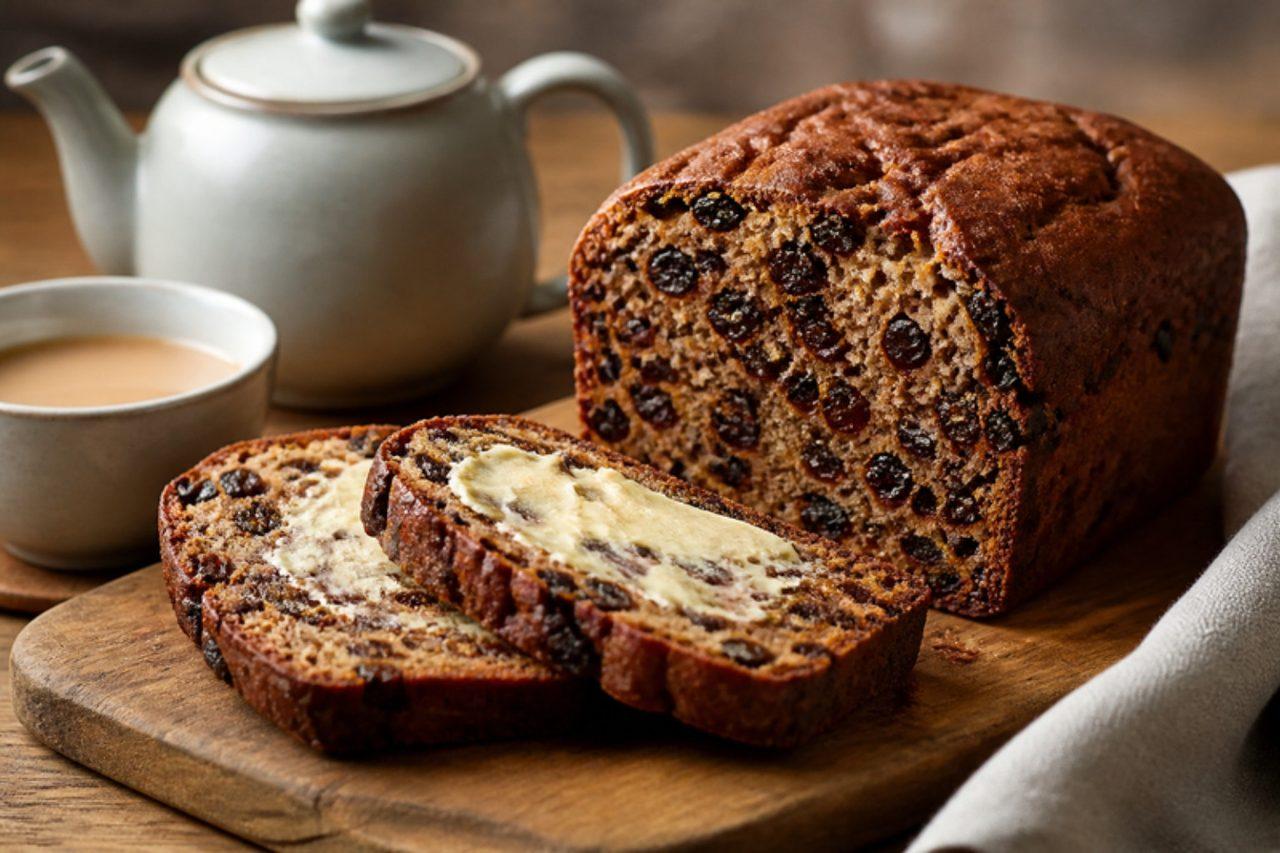
Bara brith means 'speckled bread', and this is the fruit loaf of Welsh farmhouses and tea rooms from Snowdonia to the Gower. Dried fruit is soaked overnight in strong black tea, then mixed with sugar, egg, flour and spice, so it is moist, dark and keeps well without any butter in the mix. Slice it thickly and spread with salted Welsh butter. Chef's tip: wrap it and wait a day before cutting; it gets stickier and slices cleaner.

by KrazyBadal 0 views

Fouace aveyronnaiseOrange blossom brioche crown

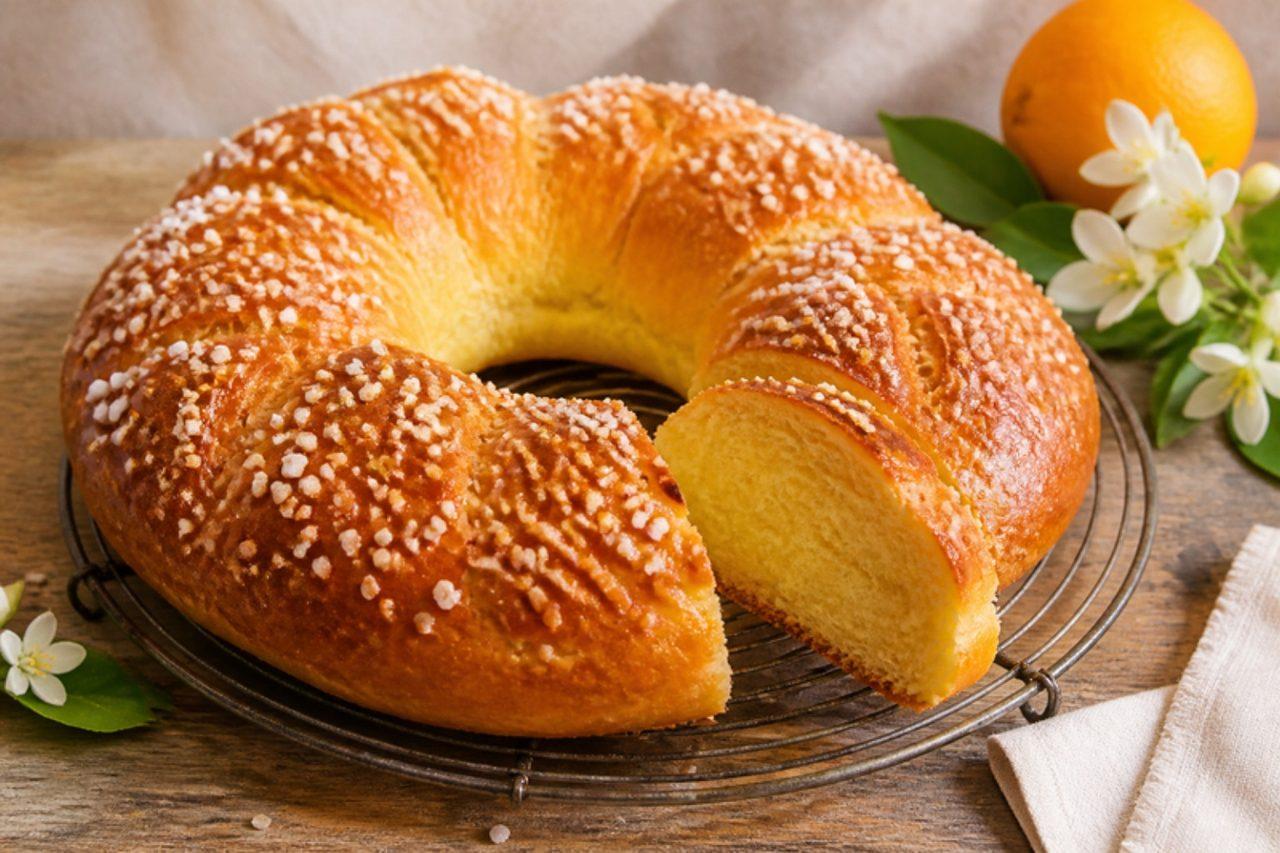
Every village fête in the Aveyron, the old province of Rouergue, has a baker selling fouace: a big golden brioche ring scented with orange flower water and topped with crunchy sugar, carried home in a paper bag to be torn up at breakfast or after Sunday lunch. Laguiole and Rodez bakeries are famous for it, and families bake one for Easter, weddings and christenings. It is softer and less buttery than a Paris brioche, with a light, cottony crumb. Chef's tip: let the shaped crown rise until it is puffy and a fingertip leaves a dent that springs back slowly; underproved fouace tears in the oven.

240 minFrenchBaking
by KrazyBadal 0 views

PiperadePepper and tomato stew

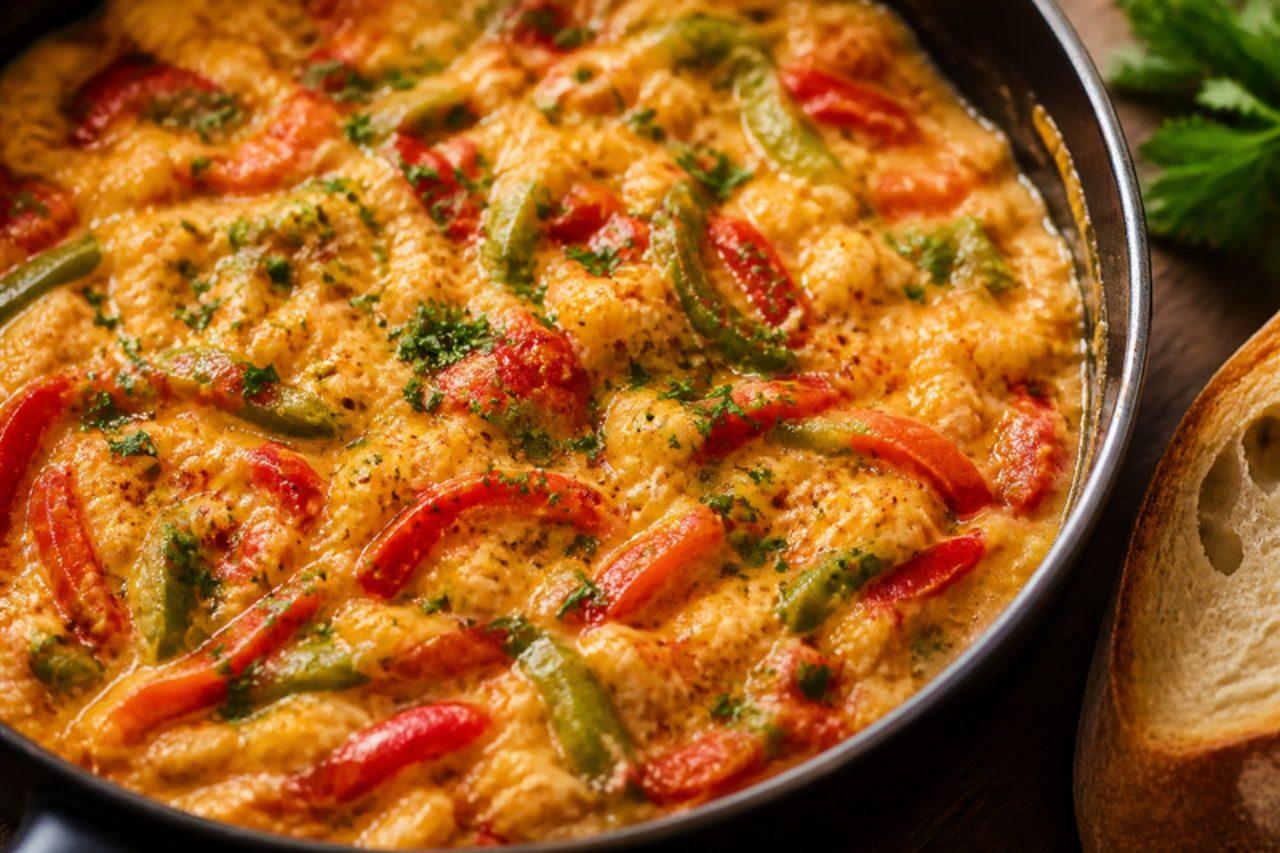
Red, white and green, the colours of the Basque flag, sit in one pan in piperade, the summer dish of Bayonne, Espelette and the villages of the French Basque Country. Green peppers, onions and ripe tomatoes are stewed in olive oil until soft and sweet, then warmed with the region's mild, fruity Espelette pepper. Basque families eat it at lunch with crusty bread, spooned beside rice, or with eggs softly scrambled into it; restaurants often add a slice of Bayonne ham, which this version leaves out. Chef's tip: cook it slowly and let the liquid reduce; a good piperade is jammy, not watery.

by KrazyBadal 0 views

Black Country faggotsPork liver meatballs in gravy

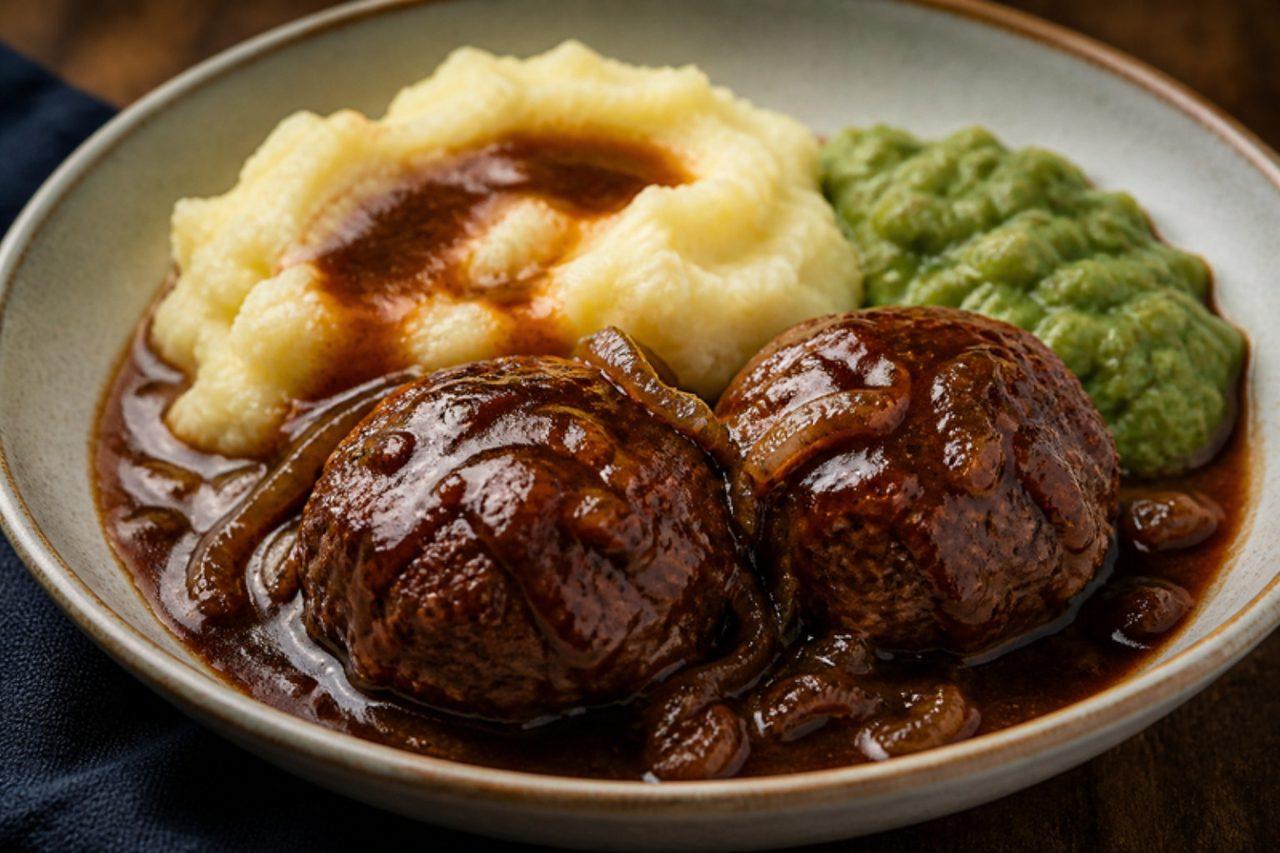
Faggots are the thrifty meatballs of the Black Country, the industrial towns west of Birmingham, sold by butchers and served at chip shops with mushy peas and gravy. They are made from pork liver, pork belly and onion with breadcrumbs, sage and mace, and baked in a deep onion gravy. This is a pork dish. Chef's tip: wrap each faggot in caul fat if your butcher has it; it bastes them and holds them together.

by KrazyBadal 0 views

BoxtyPotato pancakes

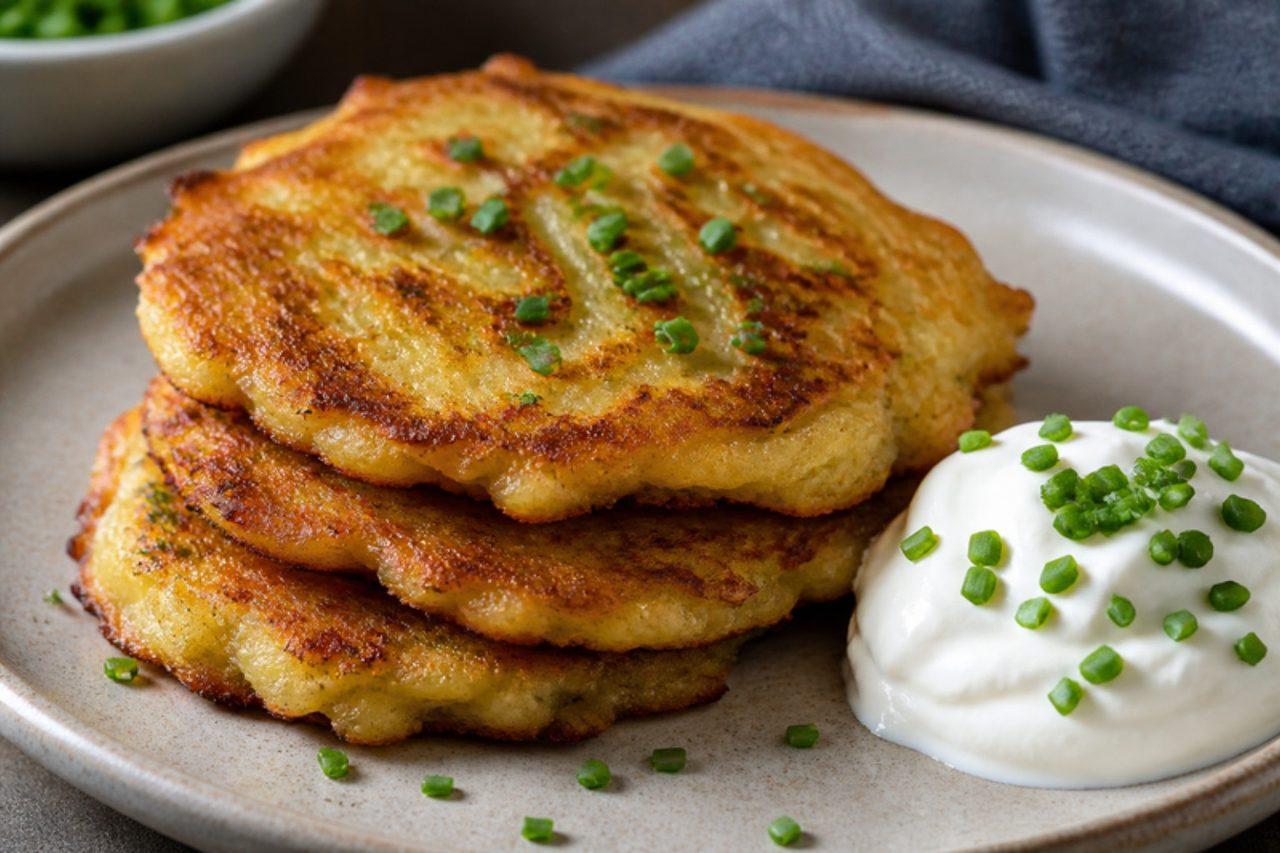
Boxty is the potato pancake of the north midlands, from Leitrim, Cavan and Fermanagh, remembered in the rhyme 'boxty on the griddle, boxty in the pan'. Raw grated potato is mixed with mashed potato, flour and buttermilk, then fried, giving a cake that is crisp and lacy outside and soft and slightly chewy inside. Eat it for breakfast with eggs and tomatoes, or wrapped round a creamy mushroom filling. Chef's tip: squeeze the grated potato hard in a cloth; wet potato gives soggy, grey boxty.

by KrazyBadal 0 views

BoyozFlaky layered breakfast pastry

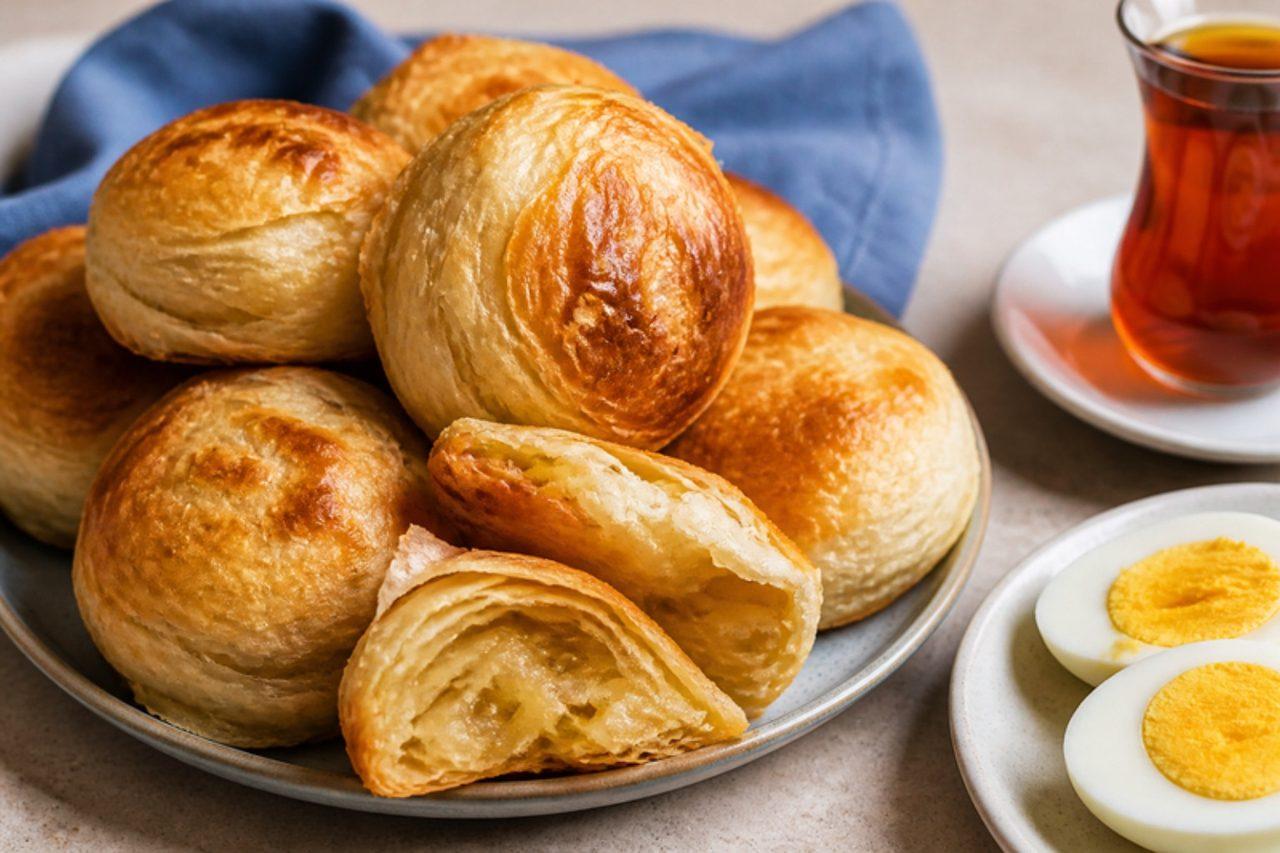
İzmir mornings begin at a boyoz stand in Alsancak or Kemeraltı: a small round pastry of paper-thin, oil-stretched dough, coiled into a snail and baked until the layers shatter, eaten beside a halved hard-boiled egg and a glass of tea. Sephardic Jews brought it to the city centuries ago, and İzmir has guarded it ever since. The dough itself is plain; the magic is in the long rest in oil and the stretching. Chef's tip: let the dough balls sit submerged in oil for a full two hours; they relax so completely that you can stretch them almost transparent without tearing.

by KrazyBadal 0 views

BozghormehPounded lamb and chickpeas with kashk

Bozghormeh is a dish of Kerman, the desert city in south-east Iran, cooked on winter weekends and for family gatherings. Lamb and chickpeas are simmered with turmeric until soft, then pounded together and finished with kashk (salty fermented whey), lots of fried onion and garlic and a dusting of dried mint; it is scooped up with flatbread rather than eaten with rice. The result is creamy, tangy and deeply savoury. A common mistake is boiling after the kashk goes in; it turns grainy, so add it at the end over a low heat. Chef's tip: if you can't find kashk, mix thick Greek yogurt with a pinch of salt and a squeeze of lemon; it's milder but close.

150 minPersianMeat
by KrazyBadal 0 views

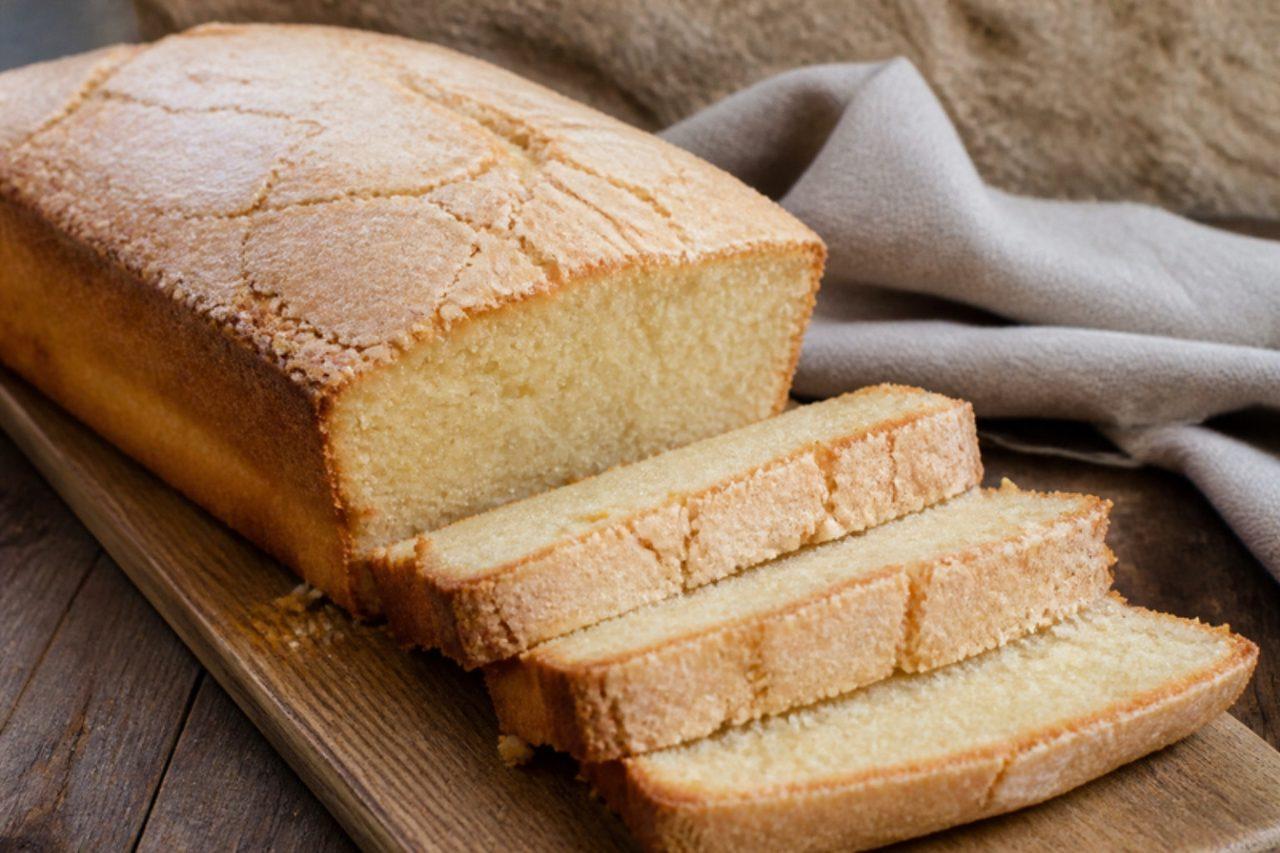
Bica de TrivesButtery cream cake

Pobra de Trives, a mountain town in Ourense, holds a festival every August in honour of its bica, a rich, close-textured cake made with fresh cream and butter from local dairies. It is baked in a rectangular tin, sold in paper and eaten in thick slices with coffee or a glass of milk. The sugar scattered on top bakes into a thin, crackly crust. A common mistake is overmixing once the flour goes in, which makes it tough; fold just until no streaks remain. Chef's tip: whip the egg whites separately and fold them in last for a lighter crumb.

by KrazyBadal 0 views

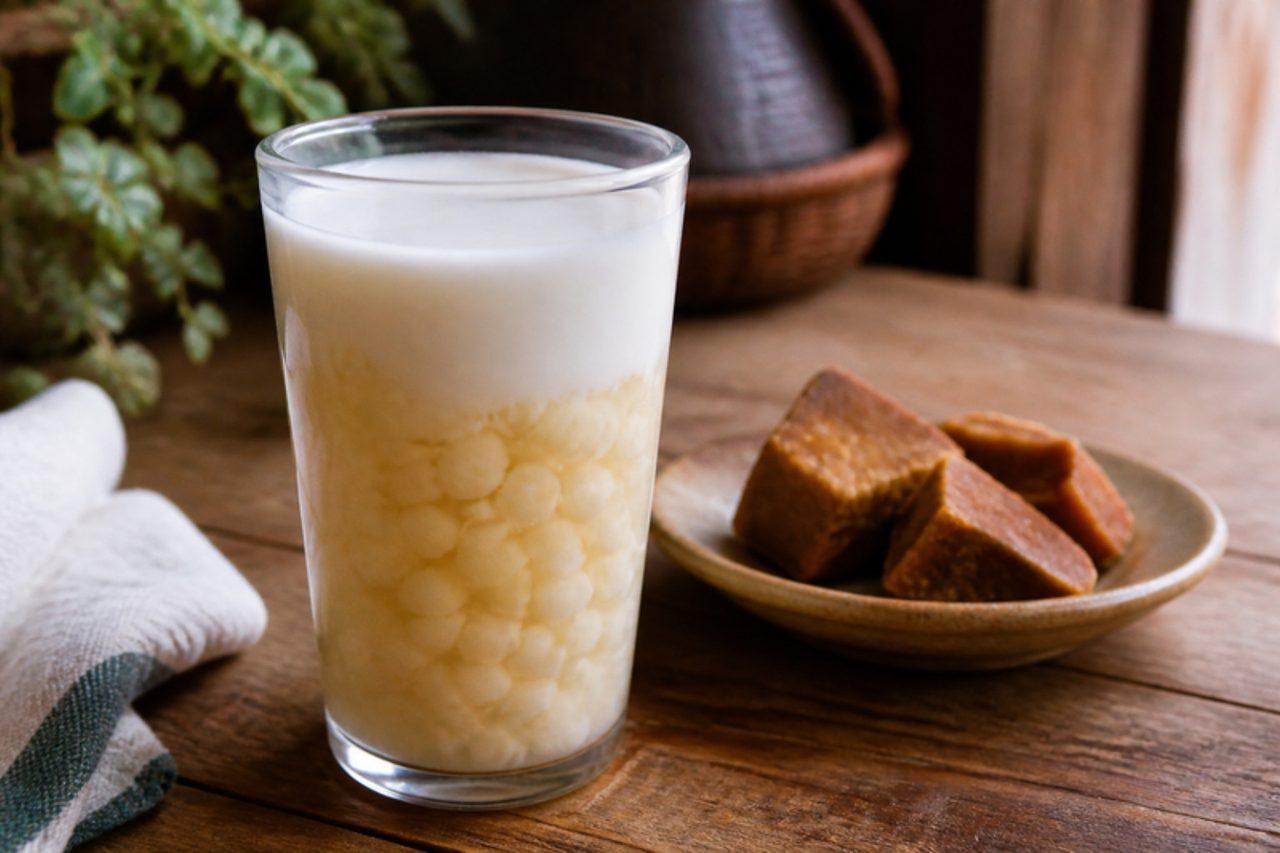
Mazamorra antioqueñaHulled corn with milk

Paisas finish lunch with a glass of mazamorra the way others take dessert: soft, swollen kernels of hulled white corn in their own starchy cooking liquid, topped up with cold milk and eaten with a piece of panela or guava paste to nibble between sips. In Medellín it is sold from carts as well as made in big pots at home for the week, and it is mild, milky and quietly filling. Look for dried hulled white corn (maíz pilado or peto) in Latin American shops. Soak it overnight first. A common mistake is serving it before the corn is fully soft; the kernels should split open and be tender to the bite. Chef's tip: save the thick cooking liquid; it gives the drink its silky body, and the corn keeps in it for 4 days in the fridge.

by KrazyBadal 0 views

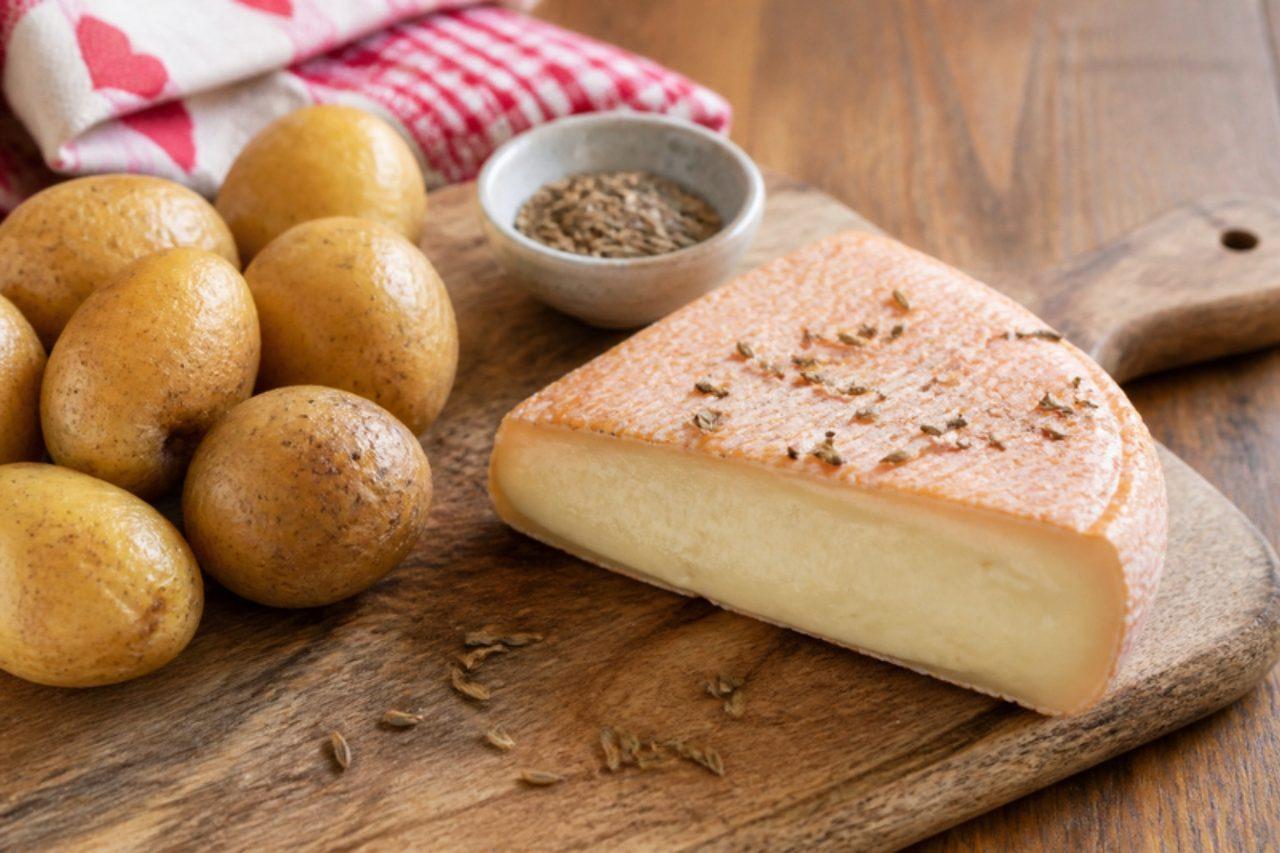
Munster with cumin and potatoes

High in the Vosges above Munster, the farm-inns called fermes-auberges serve their pungent washed-rind cheese in the simplest way: a wedge laid over hot potatoes in their skins, with a little dish of cumin seeds for sprinkling. Alsatians eat it as a winter supper or as the cheese course after a walk in the hills, with a green salad and a glass of something cold. The cheese smells strong but tastes mild and milky once warm, and cumin is its traditional partner. Most Munster is made with animal rennet; for a vegetarian meal choose a vegetarian washed-rind cheese, or a ripe vegetarian brie or reblochon-style cheese. Chef's tip: toast the cumin seeds in a dry pan for a minute before serving; they go from dusty to nutty and lift the whole plate.

by KrazyBadal 0 views

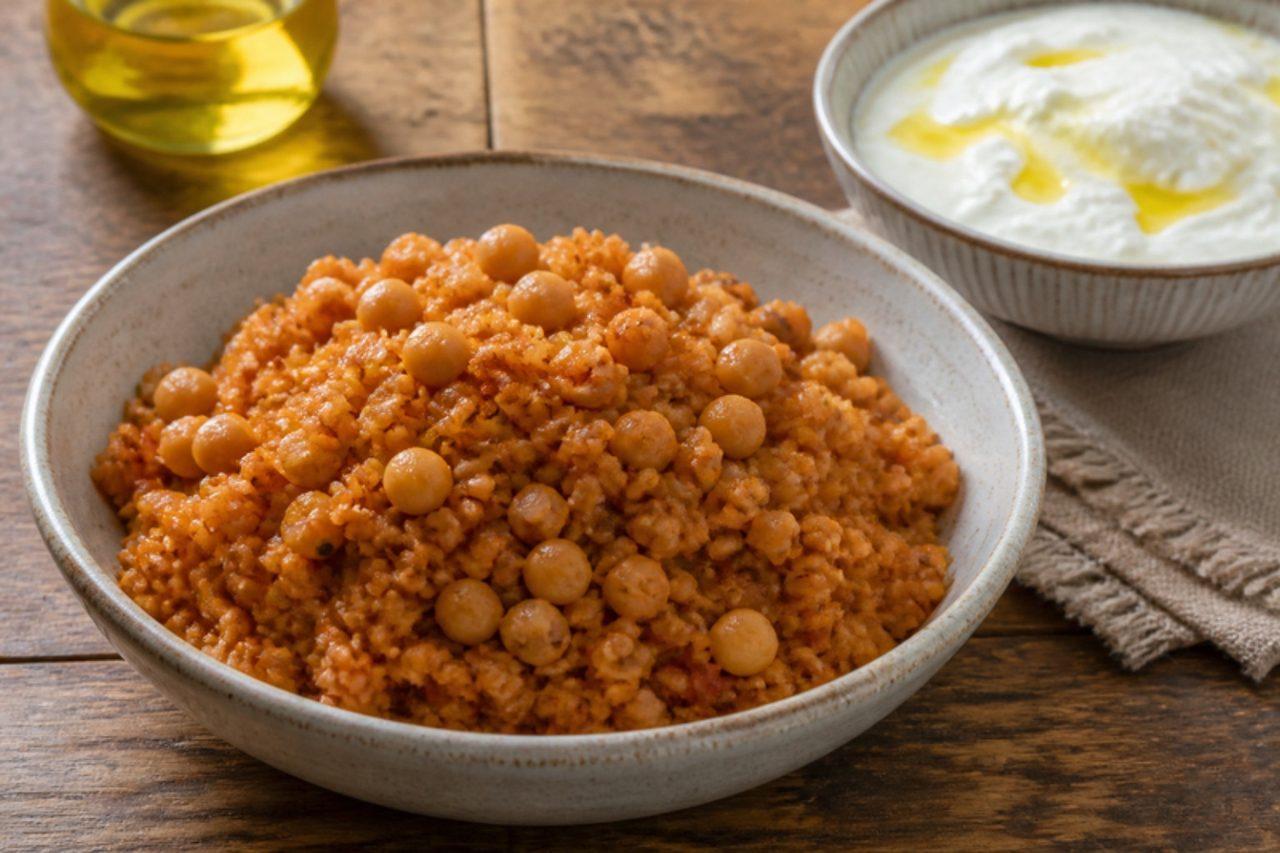
Firik pilavıSmoky green wheat pilaf

Each June farmers around Gaziantep cut wheat while it is still green and burn off the husks in the field, which gives firik its gentle campfire smell. Cooked as a pilaf with onion, pepper paste and a handful of chickpeas, it has a chewy, nutty bite that sits well beside grilled kebabs or simply a bowl of ayran and a tomato salad. It is the everyday grain of the region's home kitchens, cheaper than rice and more filling. Rinse the grains well: grit and bits of chaff are common in firik. Chef's tip: let it rest under a tea towel for ten minutes after cooking; the steam finishes the grains and they separate beautifully.

by KrazyBadal 1 views

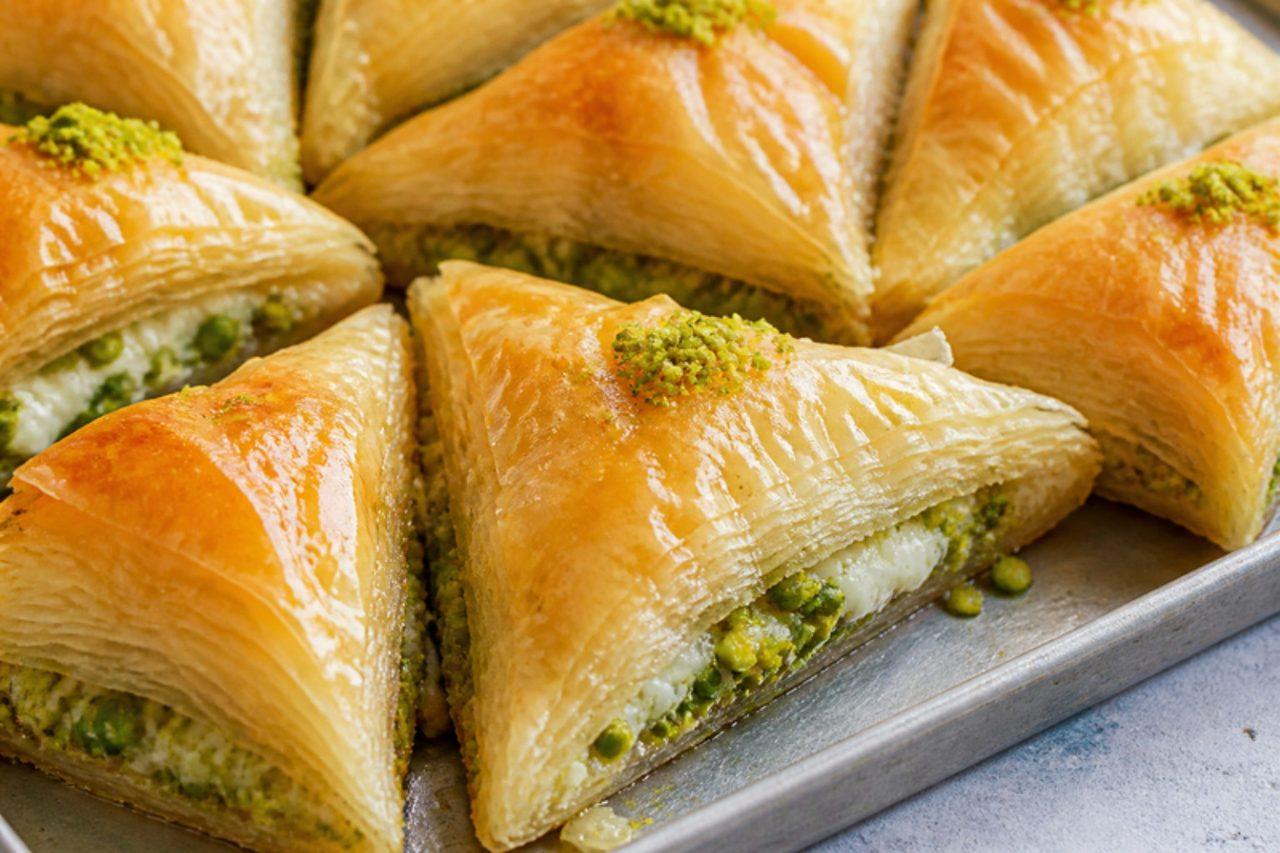
ŞöbiyetSemolina cream and pistachio filo

Gaziantep's baklava shops lay out trays of şöbiyet beside the classic squares: buttery filo triangles hiding a soft semolina cream and a thick seam of pistachio, soaked in cool syrup. Families buy them by the kilo for bayram visits and engagement days, and they are best eaten the day they are made, while the top layers still crackle. Home versions use shop filo and a quick milk cream instead of the clotted cream the masters fold in. Pour cold syrup over hot pastry, never hot over hot, or the layers turn soggy. Chef's tip: chill the cream until it is firm enough to slice; a soft filling oozes out as you fold the triangles.

by KrazyBadal 0 views

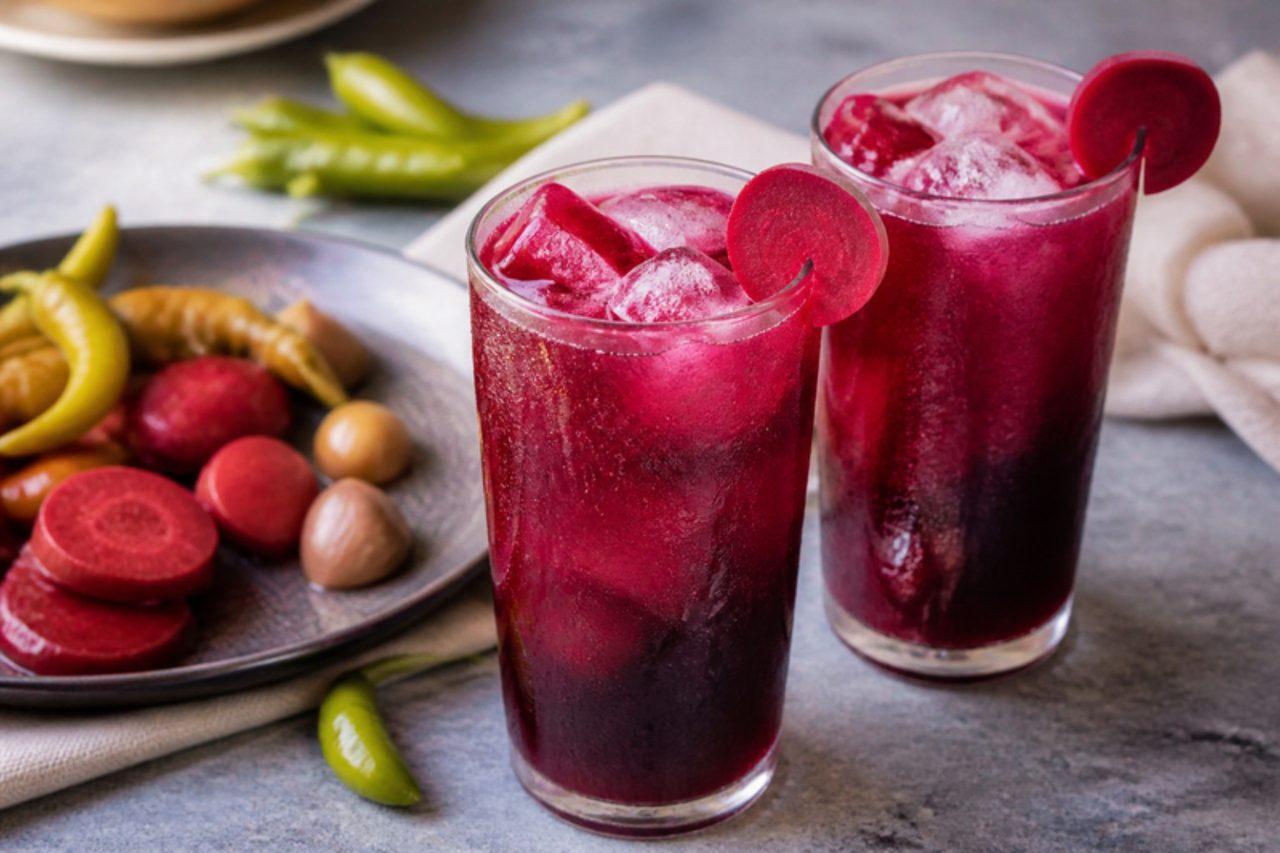
ŞalgamFermented purple carrot drink

Order an Adana kebab in its home city and a tall glass of şalgam arrives with it, deep purple, salty, sour and often fiery. It is made by fermenting black carrots with a little bulgur and salt for a week or more, and the sharpness clears the palate between bites of lamb and grilled onion. Street carts in Adana sell it by the glass in summer. This home version skips the separate bulgur-sour-dough stage the big producers use. Use non-iodised salt: iodised salt can stall the ferment. Chef's tip: taste from day 5; when it is sour enough to make you blink, strain and chill it, because it keeps fermenting at room temperature.

by KrazyBadal 1 views

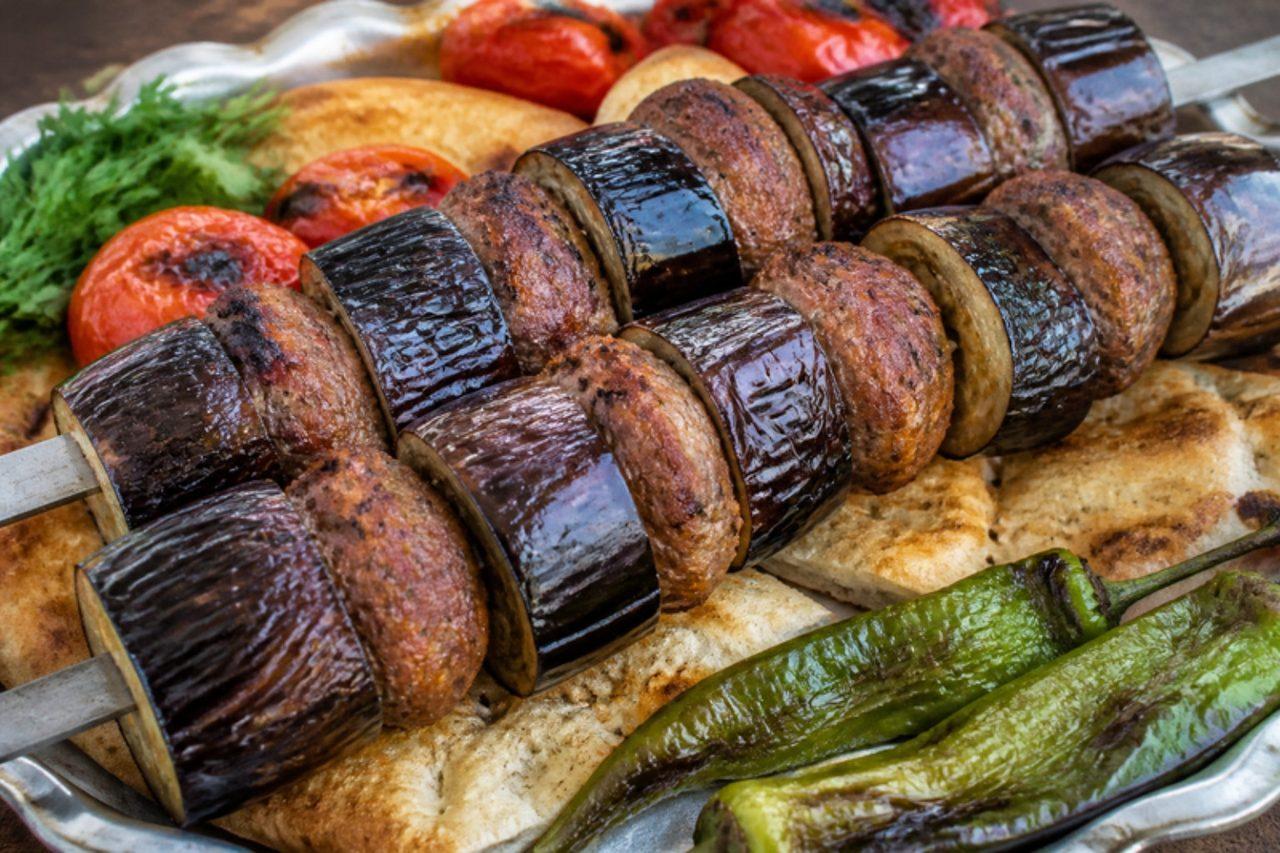
Patlıcan kebabıAubergine and meatball skewers

Late summer in southeastern Turkey, from Urfa to Gaziantep, means patlıcan kebabı: thick rounds of unpeeled aubergine threaded between small patties of spiced lamb, so the fat from the meat bastes the aubergine as it chars. Served on lavaş, the aubergine is pressed with a spoon into the bread and the whole thing is eaten with onions and green chillies. Use small, firm aubergines that won't split on the skewer. Common mistake: cutting the aubergine thinner than the meat; it burns before the köfte is cooked. Chef's tip: peel the charred aubergine skin off on the plate, but leave it on while grilling.

by KrazyBadal 0 views

Gazpachuelo malagueñoHot fish soup with mayonnaise

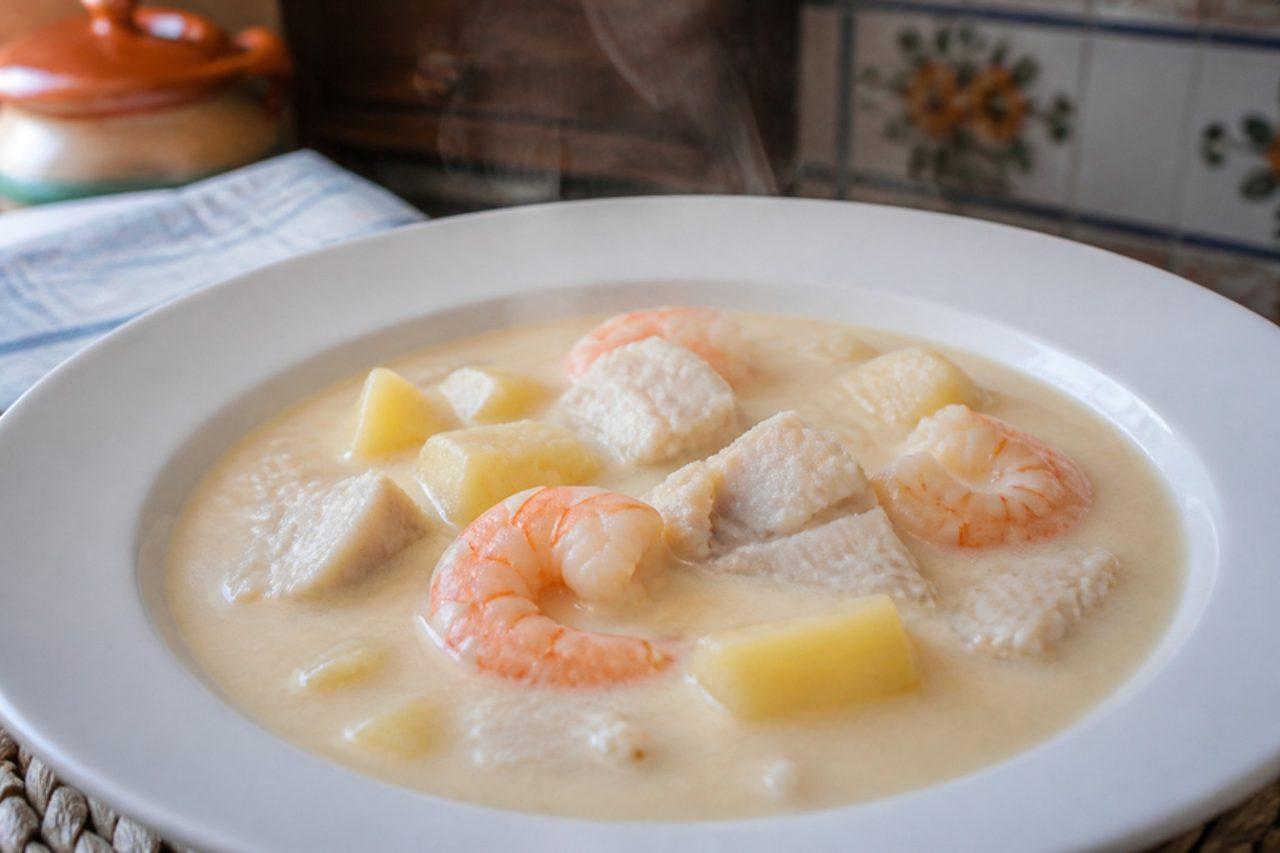
Málaga's fishermen once made gazpachuelo on the beach with whatever the nets brought in, and today it is a winter comfort soup in the city's homes and old-style taverns: a clear broth with potatoes, hake and prawns, slowly poured over a homemade mayonnaise until it turns pale and creamy. Done right it is silky, lemony and light. The eggs in the mayonnaise must be heated through properly, so this method brings the soup to 72 °C at the end without boiling it. Chef's tip: add the broth to the mayonnaise, never the other way round, and at first only a ladle at a time.

by KrazyBadal 0 views

Tatws pum munudBacon and potato stew

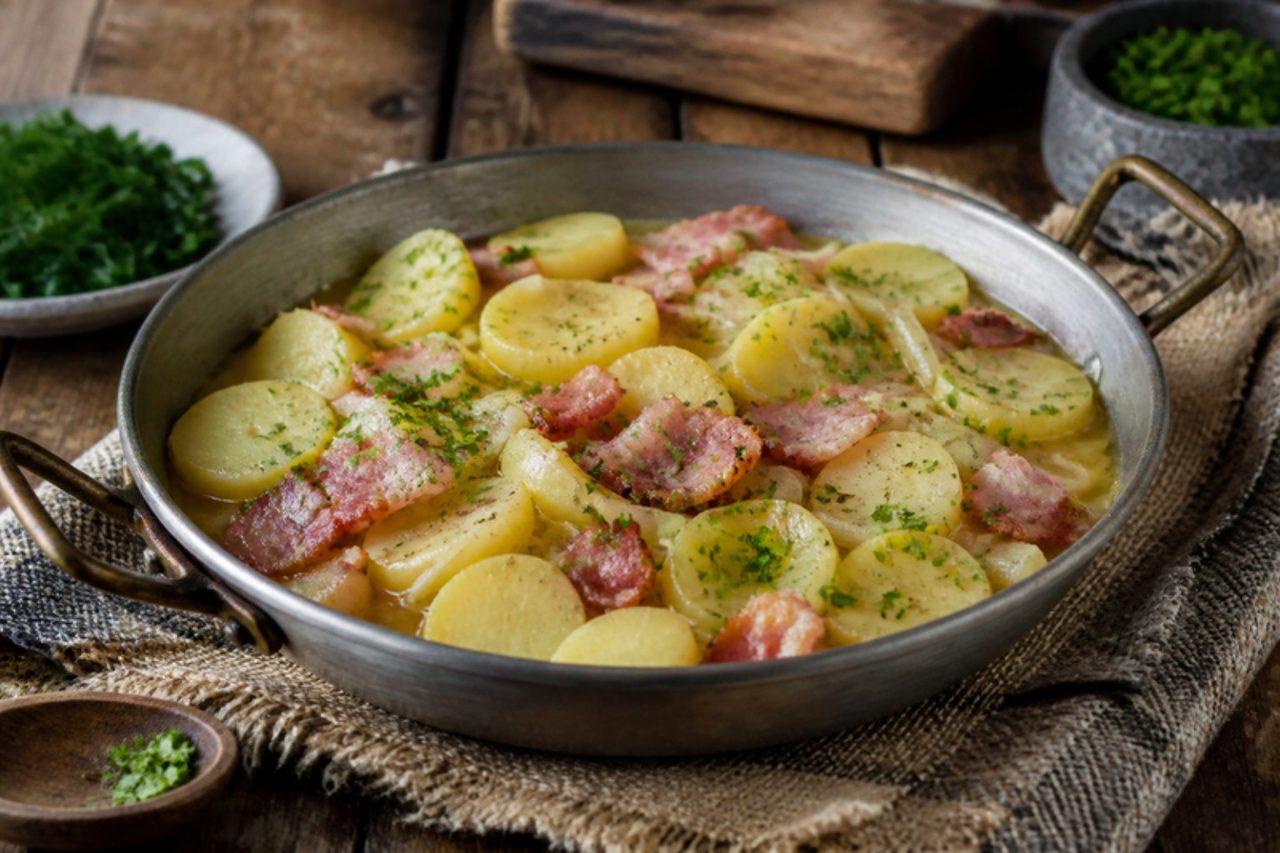
Tatws pum munud means 'five-minute potatoes' in Welsh, a joke, since it takes half an hour, but it was the quick, cheap one-pot supper of North Wales quarry and farm families. Sliced potatoes and onions are simmered on a bed of smoked bacon (pork) in stock until the potatoes are soft and the bottom layer catches and turns golden. Chef's tip: don't stir; shake the pan instead so the layers stay intact and the bottom crisps.

by KrazyBadal 0 views

ChampMashed potato with spring onion

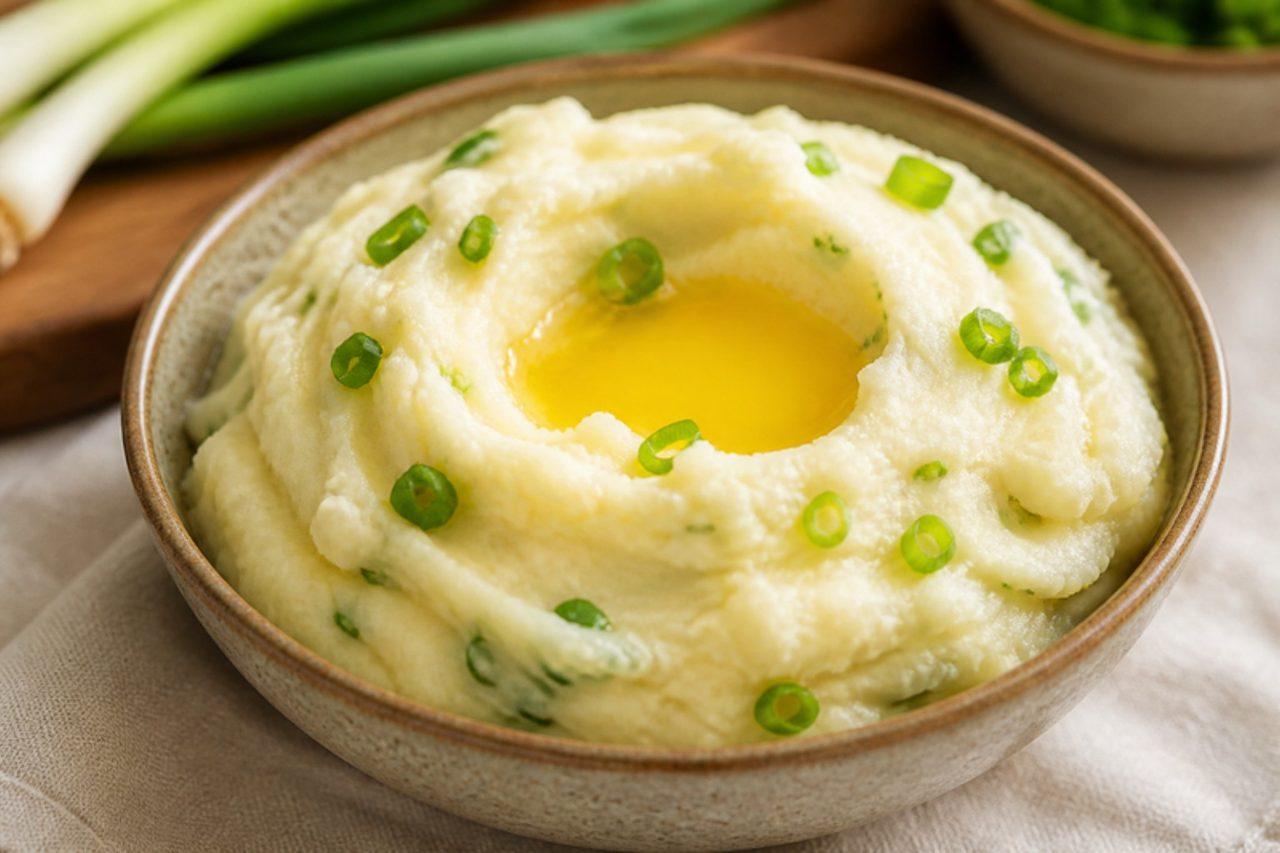
Champ is the creamy mashed potato of Ulster, eaten in farmhouse kitchens from Tyrone to Monaghan, and once pounded in a big pot with a wooden beetle for the whole family. Scallions are steeped in hot milk, then beaten into floury potatoes with salt, pepper and butter, so it is soft, green-flecked and gently oniony. Serve in a mound with a pool of butter in the centre, next to sausages or a pie. Chef's tip: dip each forkful into the butter well, as is done at home; don't stir the butter through.

35 minIrishSidesGluten free
by KrazyBadal 0 views

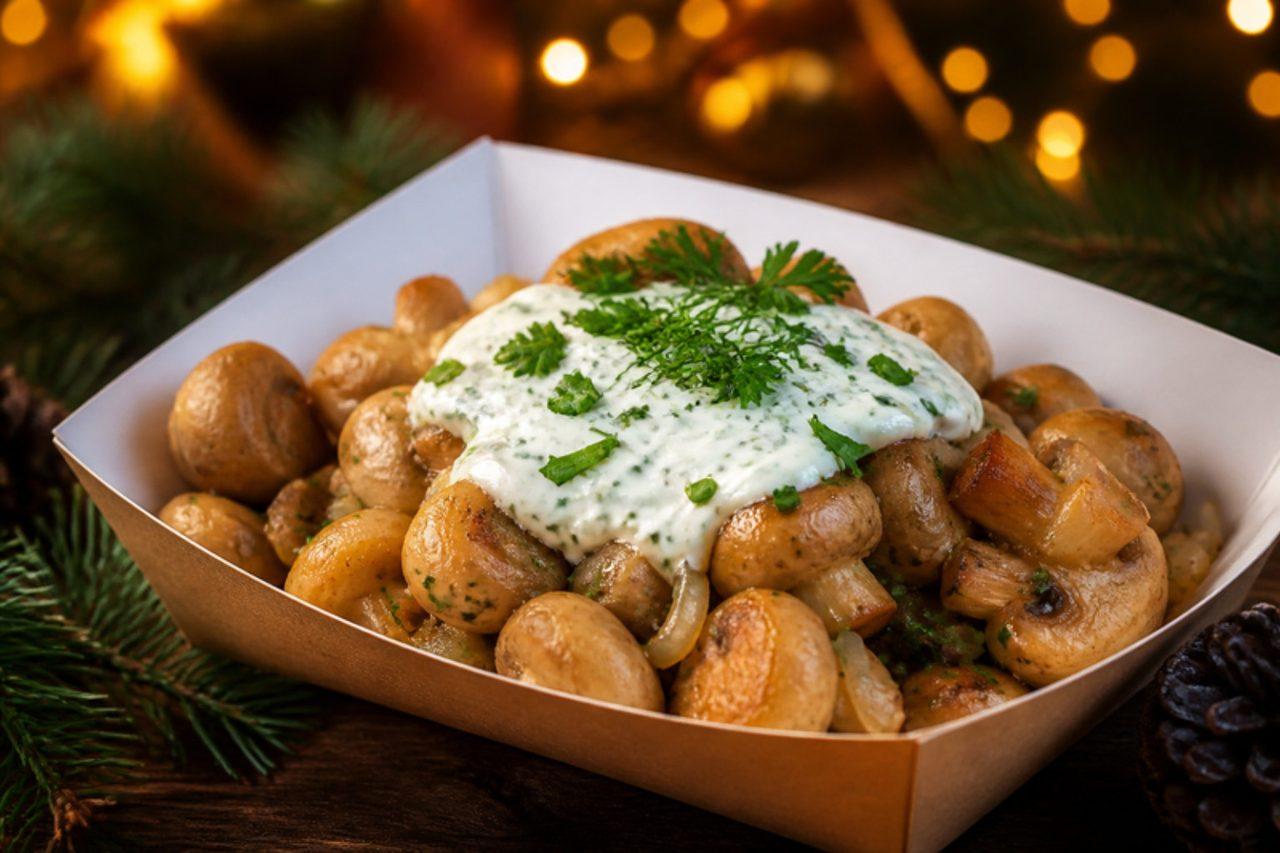
ChampignonpfanneGarlic mushrooms with sour cream sauce

Walk through any German Weihnachtsmarkt, from Cologne's cathedral square to Nuremberg's Hauptmarkt, and you will smell the Champignonpfanne before you see it: a huge flat pan of button mushrooms frying with onion and garlic, scooped into paper boats and topped with a cool herb sauce. It is the market's favourite meat-free snack on a cold December evening, and it takes twenty minutes at home. Serve it with crusty bread or as a side to potato pancakes. The common mistake is piling every mushroom into the pan at once, which makes them stew grey in their own water instead of browning. Chef's tip: salt the mushrooms only once they have coloured; salt added early draws out the liquid and stops the browning.

by KrazyBadal 0 views

ChampúsMote corn and pineapple drink

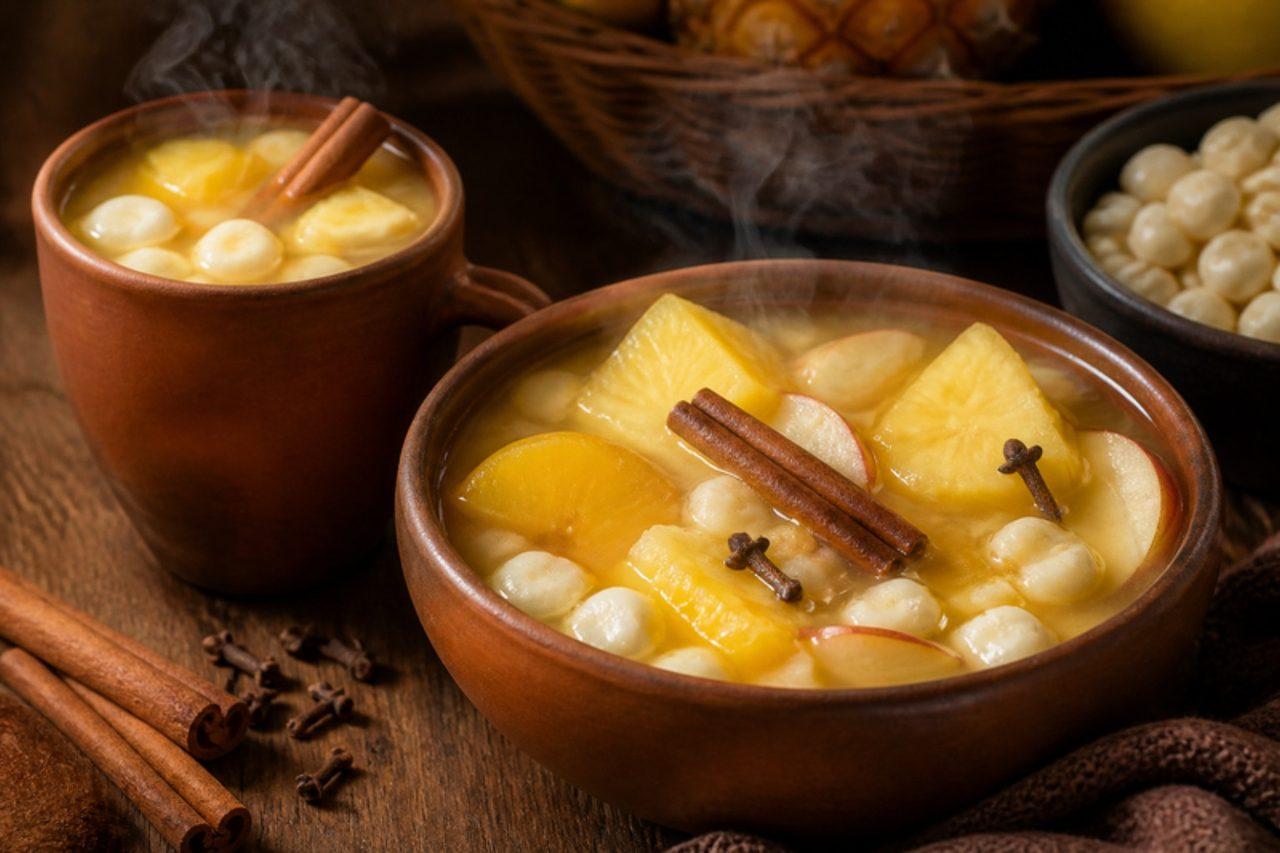
When Lima's grey winter sets in, from June to September, champús sellers set up on street corners with big pots of this thick, fruity drink, ladled warm into glasses and eaten as much as drunk. It's made from mote (hulled white corn), simmered with pineapple, quince or apple, soursop, chancaca and warm spices, then thickened lightly with corn flour, so every spoonful has soft fruit and chewy corn in a spiced, molasses-sweet base. It is close in spirit to mazamorra morada but paler and tangier. The mistake people make is adding the thickener straight into the hot pot, where it forms lumps; always slake it in cold water first and pour it in while stirring. Canned or jarred hominy saves hours; frozen soursop (guanábana) pulp is in Latin shops and can be left out. Serve warm in glasses with spoons. Chef's tip: simmer the pineapple peel and core with the spices for the first 20 minutes, then strain them out; they give much of the flavour.

by KrazyBadal 0 views

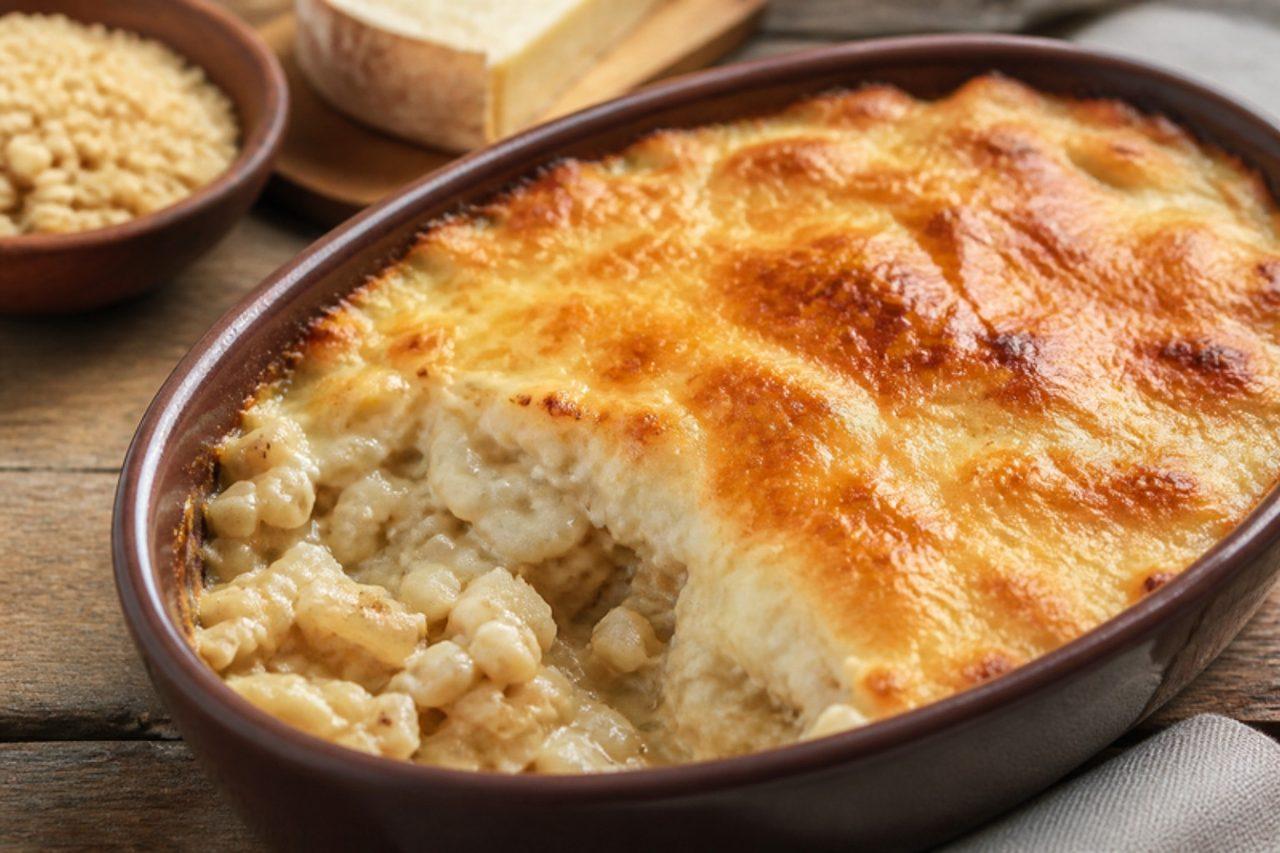
CrozifletteBuckwheat pasta with reblochon

Ski stations across the Savoie, from Val Thorens to the villages above Chambéry, serve croziflette in the same bubbling dish as tartiflette, but with crozets in place of potatoes: tiny square buckwheat pasta that is a speciality of the region. It is warming après-ski food, nutty and rich, eaten with a sharp green salad. Restaurants add lardons; this one uses browned mushrooms for the same savoury depth. Reblochon is a raw-milk cheese made with animal rennet, so use a vegetarian washed-rind or soft rind cheese if you need to. Chef's tip: cook the crozets fully before baking; unlike other pasta, they stay firm and need a good 15–20 minutes.

by KrazyBadal 0 views

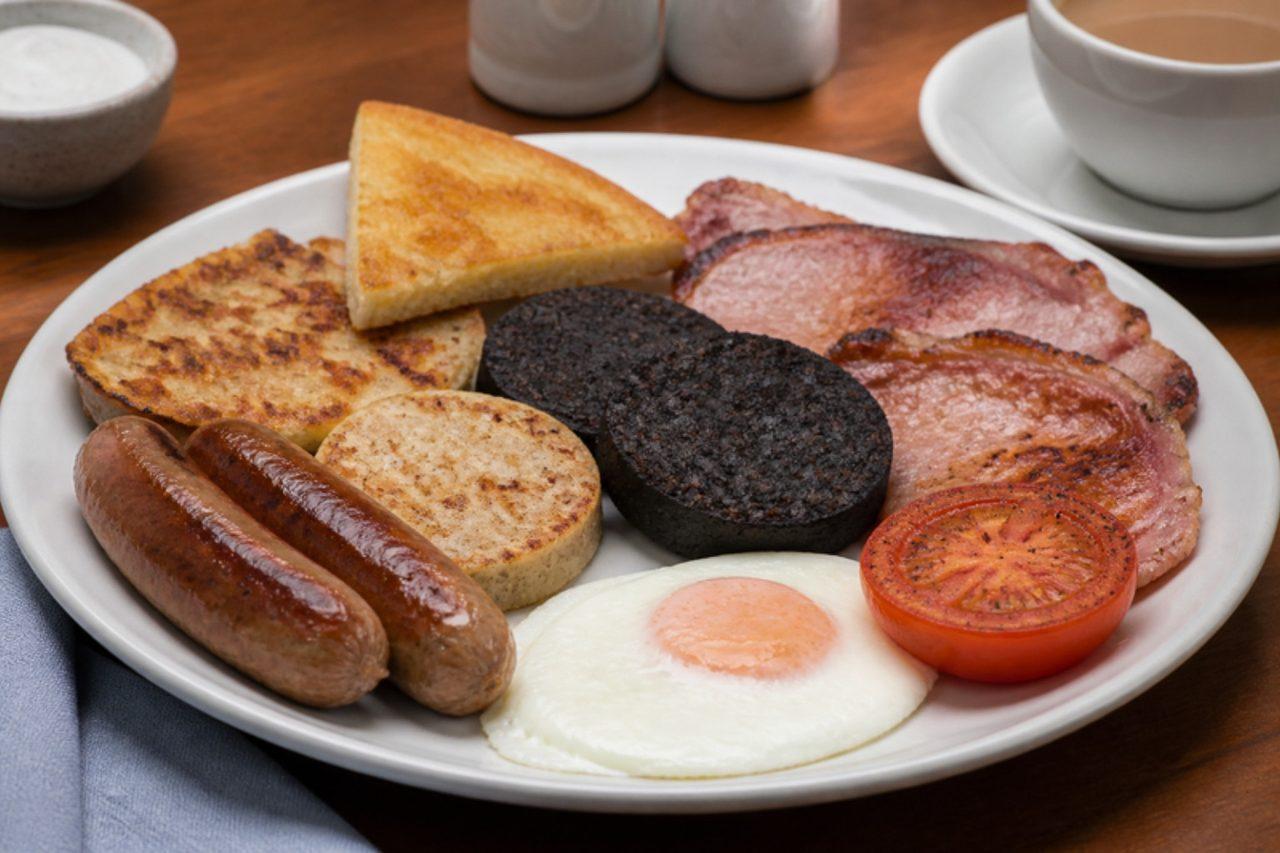
Ulster fry

The Ulster fry is the big weekend breakfast of Northern Ireland, from Belfast cafés to County Down B&Bs, and what sets it apart is the bread: soda farls and potato bread fried golden in the pan juices. Pork sausages, back bacon, black pudding, eggs, tomatoes and mushrooms complete the plate. Chef's tip: cook in order of what takes longest and keep things warm in a low oven, so the eggs go in last and are served soft.

by KrazyBadal 0 views

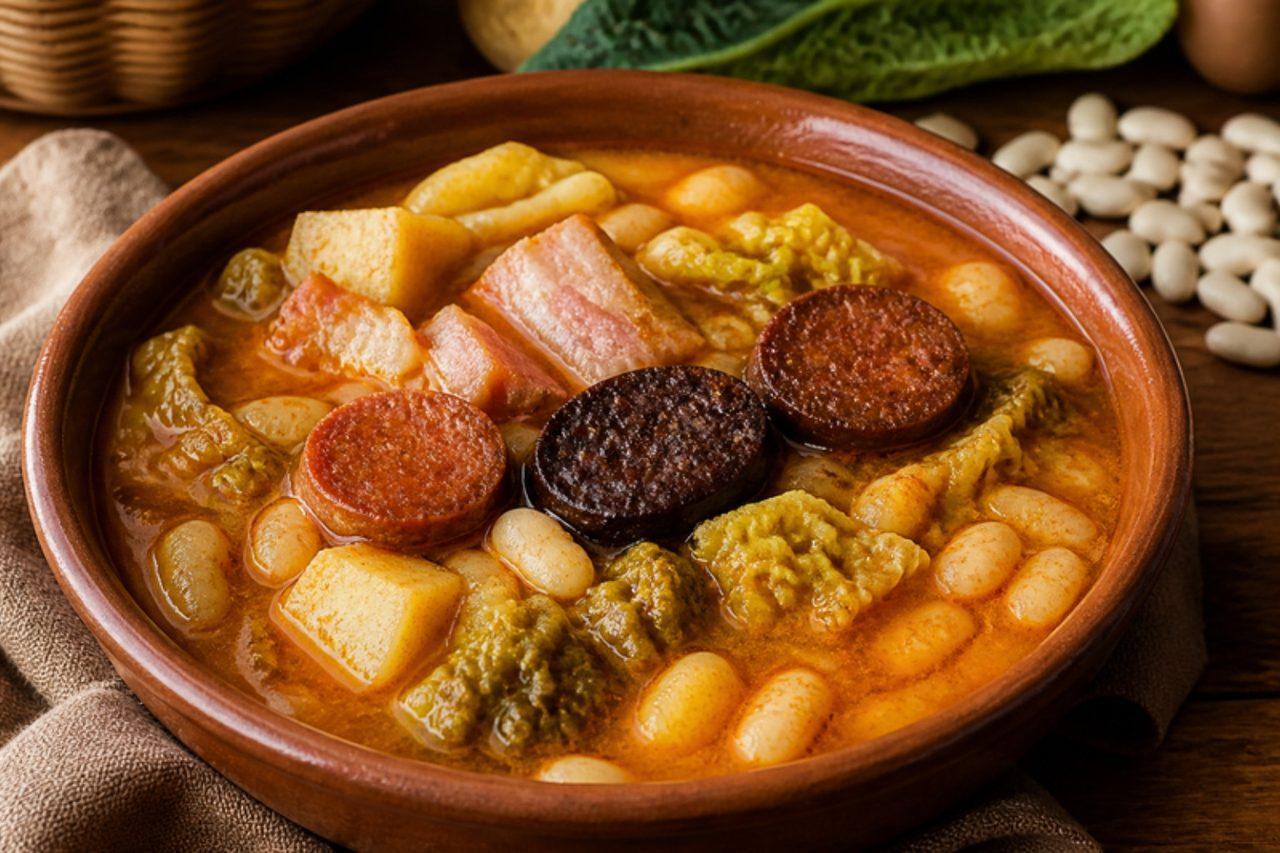
Pote asturianoWhite bean and cabbage stew

Before fabada became famous, pote was what simmered on every Asturian hearth: white beans, dark winter cabbage, potatoes and the cured pork mix the locals call compango. It is still the dish for a cold, wet weekday in the mining valleys around Mieres and Langreo, served from the pot with crusty bread. This contains pork (chorizo, morcilla, pork belly and ham hock). Chef's tip: add the morcilla only for the last 20 minutes and never stir hard after that, or it breaks up and clouds the broth.

185 minSpanishMeat
by KrazyBadal 0 views

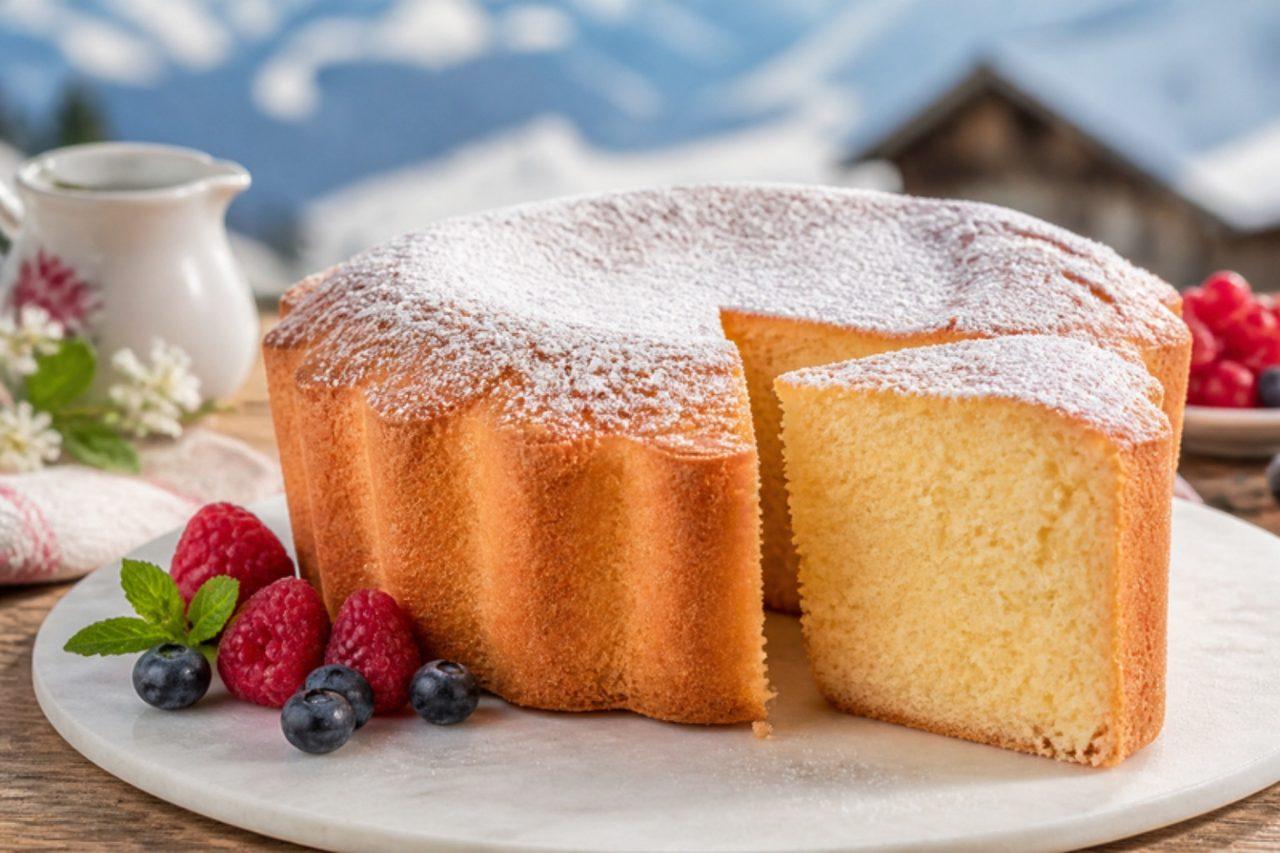
Gâteau de SavoieAiry sponge cake

Legend says a cook at the court of the Counts of Savoy, in Chambéry, invented this sponge in the fourteenth century to impress a visiting emperor, and Savoyard families still bake it in a tall fluted mould for birthdays and Sunday tea. It has no butter and very little flour, using potato starch for a crumb so light it almost dissolves, and it is eaten plain with a dusting of icing sugar, or with jam, fruit compote or a cup of hot chocolate. Chef's tip: fold the whites in three goes with a large metal spoon, cutting down through the middle; you are keeping in the air that makes it rise.

by KrazyBadal 0 views

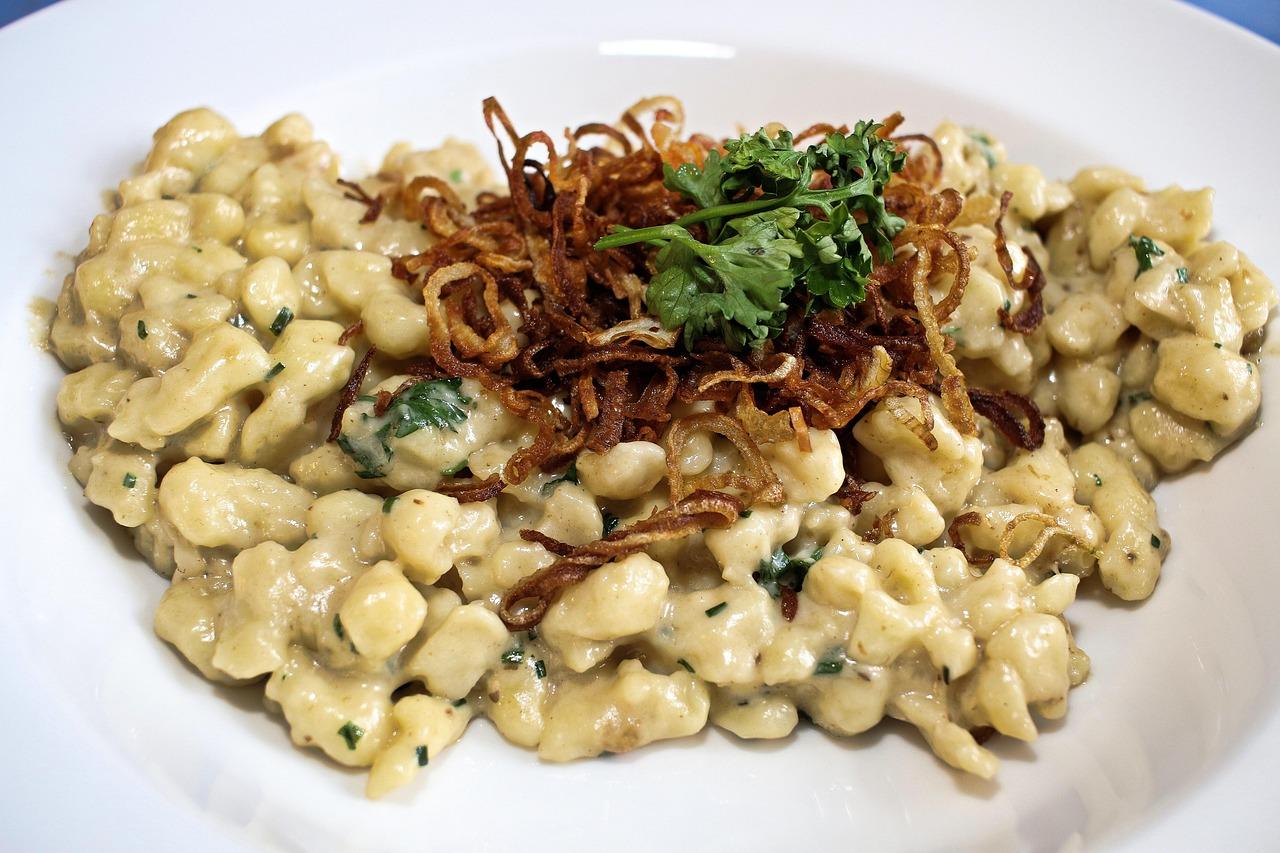
Spätzle à l'alsacienne with browned butter and onionsEgg noodles with browned onions

In Alsace, spätzle (also called knepfle or spaetzle) are the side every winstub, the cosy wine taverns of Strasbourg and the wine route, puts next to a stew, and at home they make a quick supper in their own right. The batter is barely more than flour, eggs and milk, pushed through a spätzle press or a colander with big holes straight into boiling water, so the noodles come out short, soft and irregular. This version skips the cheese of the German käsespätzle: the noodles are tossed in nutty browned butter and topped with a heap of slowly crisped onions, with a green salad alongside. Chef's tip: beat the batter until it forms bubbles and slaps off the spoon in thick ribbons; that elasticity is what gives spätzle their bounce.

by KrazyBadal 0 views

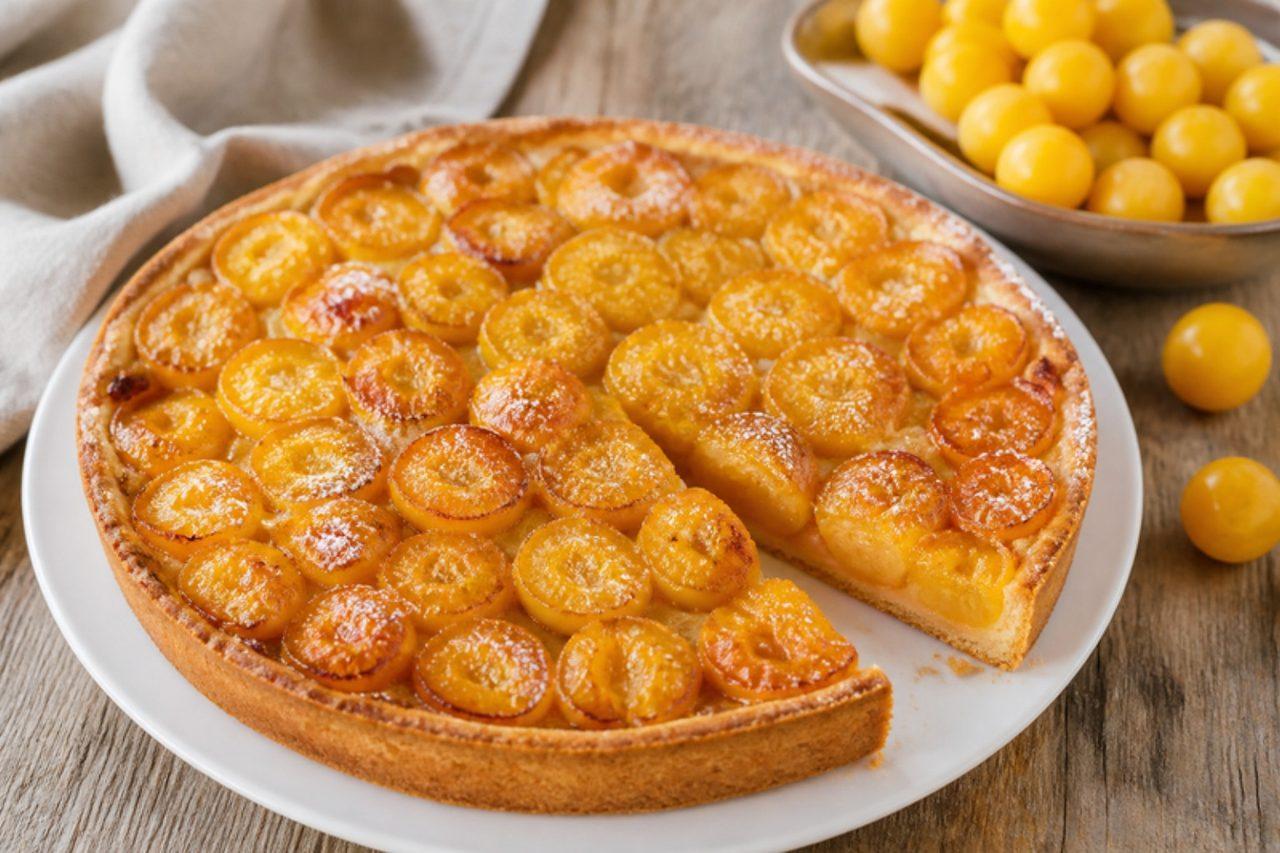
Mirabelle plum tart

Lorraine grows most of the world's mirabelles, small golden plums with a blush of red that ripen for only a few weeks from mid-August, when Metz holds its Mirabelle festival and every pâtisserie in Nancy fills its window with this tart. The plums are halved and packed tightly into a crisp shortcrust, sometimes over a thin layer of almond or semolina to soak up the juice, and they bake into a jammy, honey-sweet layer. Families eat it warm or cold for Sunday dessert or at four-o'clock goûter. Out of season, use small yellow plums or halved apricots. Chef's tip: stand the halves upright and overlapping, cut side up; they shrink as they bake, and a tight layer stops the tart looking bare.

by KrazyBadal 0 views

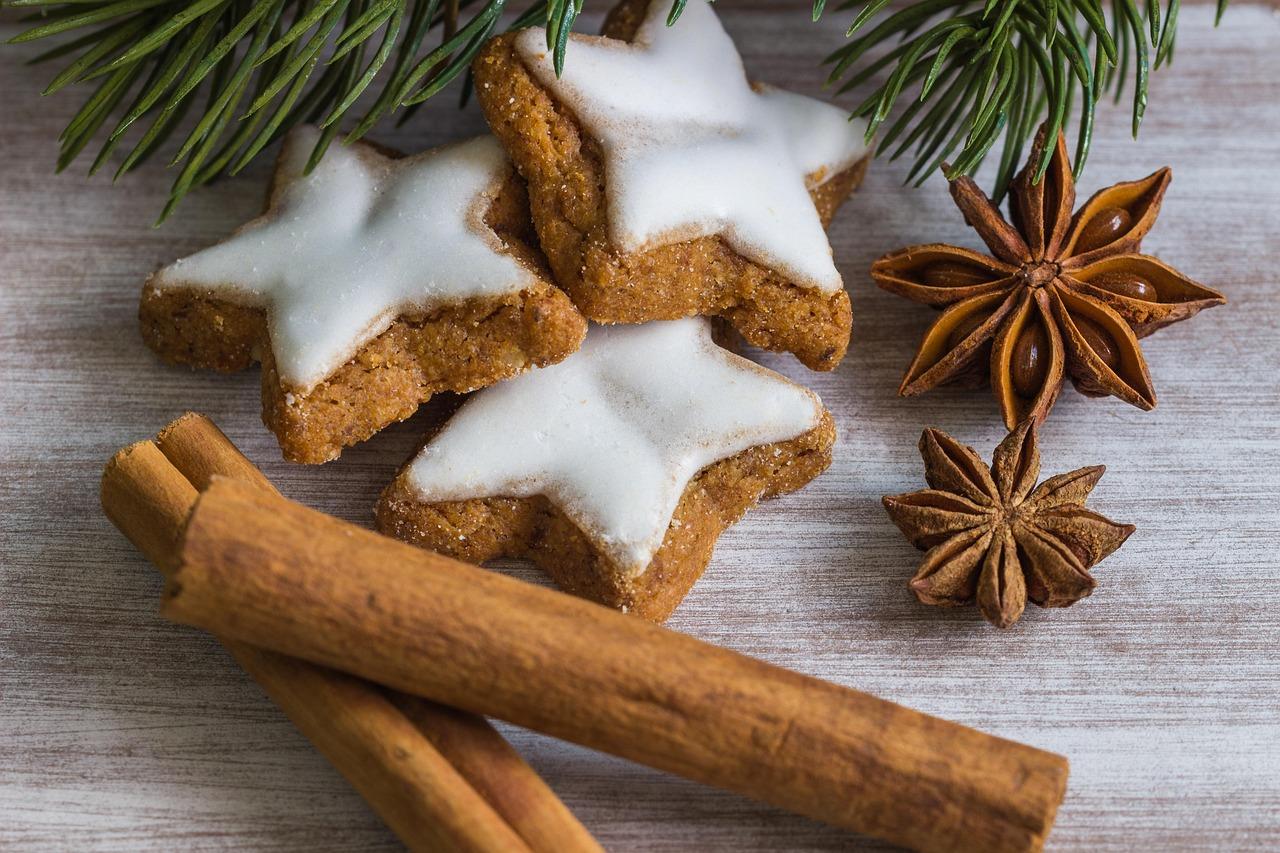
Bredele: Alsatian cinnamon stars

From the start of Advent, kitchens across Alsace turn out bredele, dozens of kinds of little Christmas biscuits kept in tins and offered to every visitor until New Year, while the markets in Strasbourg and Kaysersberg sell them by the bag. Cinnamon stars are among the most loved: chewy almond and cinnamon biscuits with a crisp white meringue top, and no flour at all. They take patience rather than skill and keep for weeks, so families make them early in December. The same dough also works rolled into small balls. Chef's tip: spread the meringue on the rolled sheet before you cut the stars, rather than icing each biscuit; it is far quicker and gives a clean, sharp edge.

by KrazyBadal 0 views

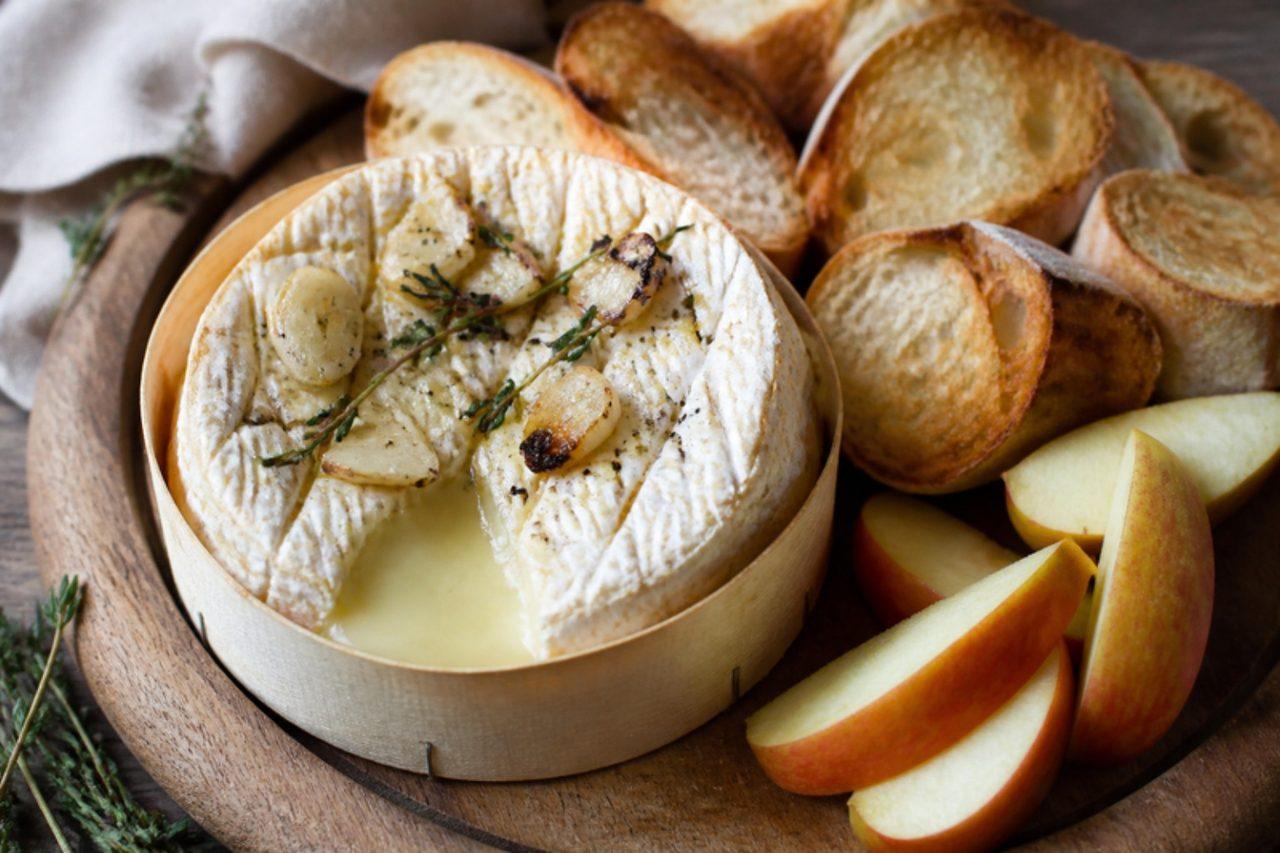
Camembert baked in its box

Normandy dairy farmers have always known that a Camembert just past its best is perfect for the oven, and baked Camembert is now what friends share on cold evenings across the region, from Caen to the Pays d'Auge, with crusty bread, apple slices and boiled potatoes for dipping. The cheese stays in its wooden box, gets scored, studded with garlic and thyme and baked until the inside is liquid under a just-holding rind. It is ready in 20 minutes and makes a light supper with a salad. Real Camembert de Normandie is made with animal rennet; for a vegetarian version use a vegetarian Camembert-style cheese. Chef's tip: take off any plastic wrapping and tie the box with kitchen string if it is stapled; cheap boxes can split in the heat.

by KrazyBadal 0 views

TeurgouleCinnamon rice pudding

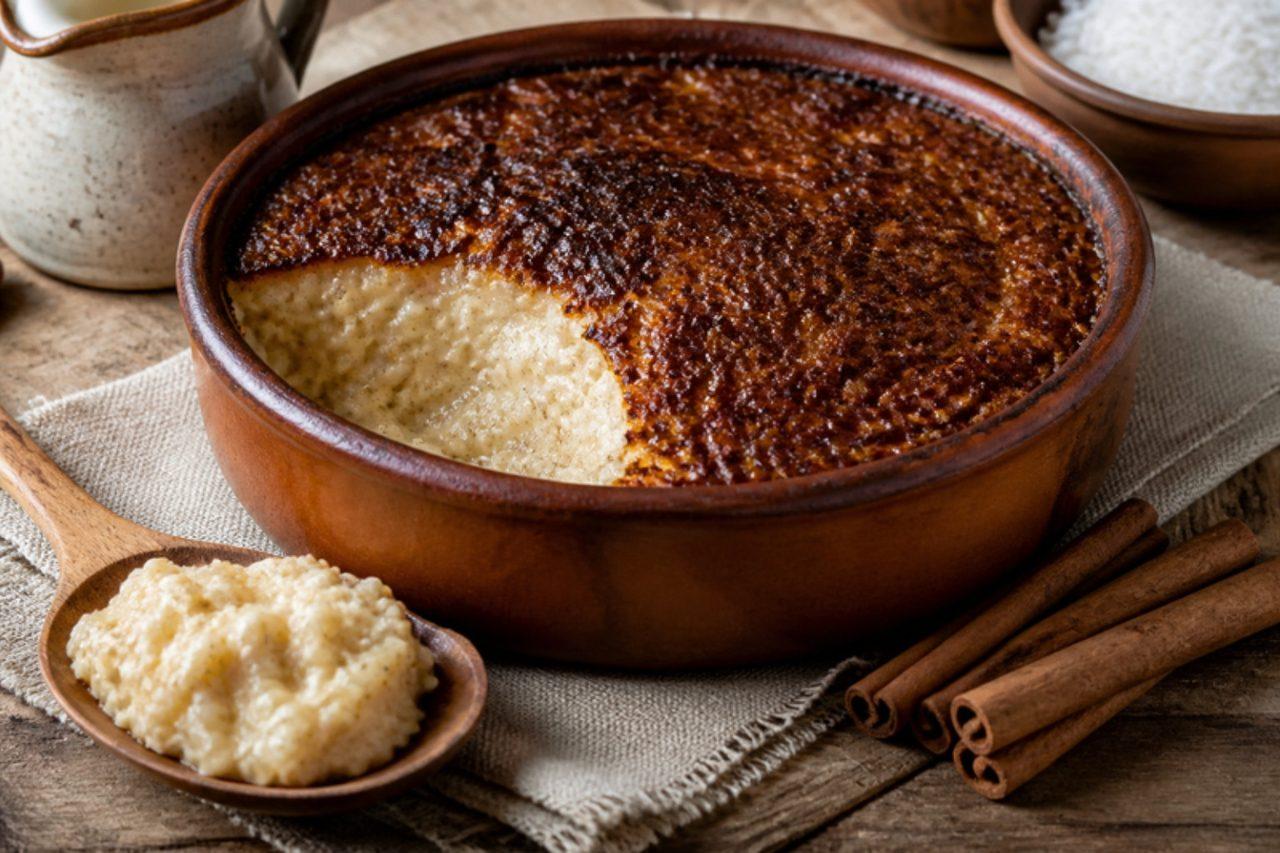
The name means 'twisted mouth' in Norman dialect, after the face you pull if you eat it too hot. Teurgoule comes from the Calvados countryside around Houlgate and Honfleur, where farm women left it in the bread oven overnight after baking; it is still the dessert at village fêtes and family Sundays, served with a slice of brioche-like fallue. Short-grain rice bakes for hours in creamy milk with sugar and cinnamon until it turns thick and pale caramel inside under a dark, almost burnt crust. Use a deep ovenproof dish that holds at least 2 litres. Chef's tip: never stir it once it is in the oven; the crust that forms on top is the best part and seals the creamy pudding underneath.

by KrazyBadal 0 views

Pears baked in pastry

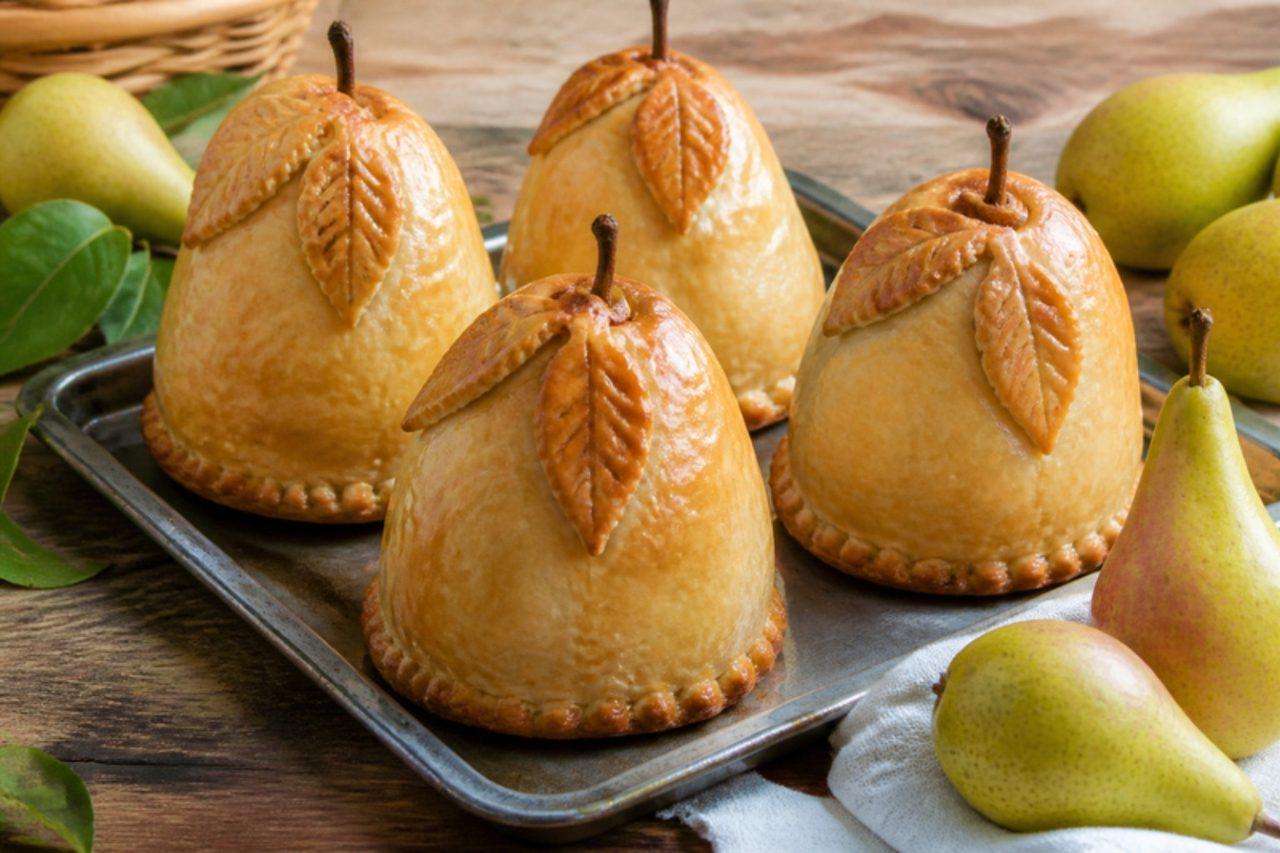
Douillons are what Normandy cooks do with the small, firm pears from their orchards in autumn: each fruit is peeled, cored from the bottom, filled with butter and sugar and wrapped whole in pastry, then baked until the pastry is golden and the pear is meltingly soft inside. In the Pays de Caux and around Rouen they are served warm on cold days, often with a jug of thick Normandy cream. The same trick with apples is called a bourdelot. Choose pears that are ripe but still firm, about 150 g each. Chef's tip: cut the pastry into squares a little bigger than you think and bring the corners up over the top; tidy pleats matter less than a sealed parcel that keeps the juice inside.

by KrazyBadal 0 views

Sablés normandsButter biscuits

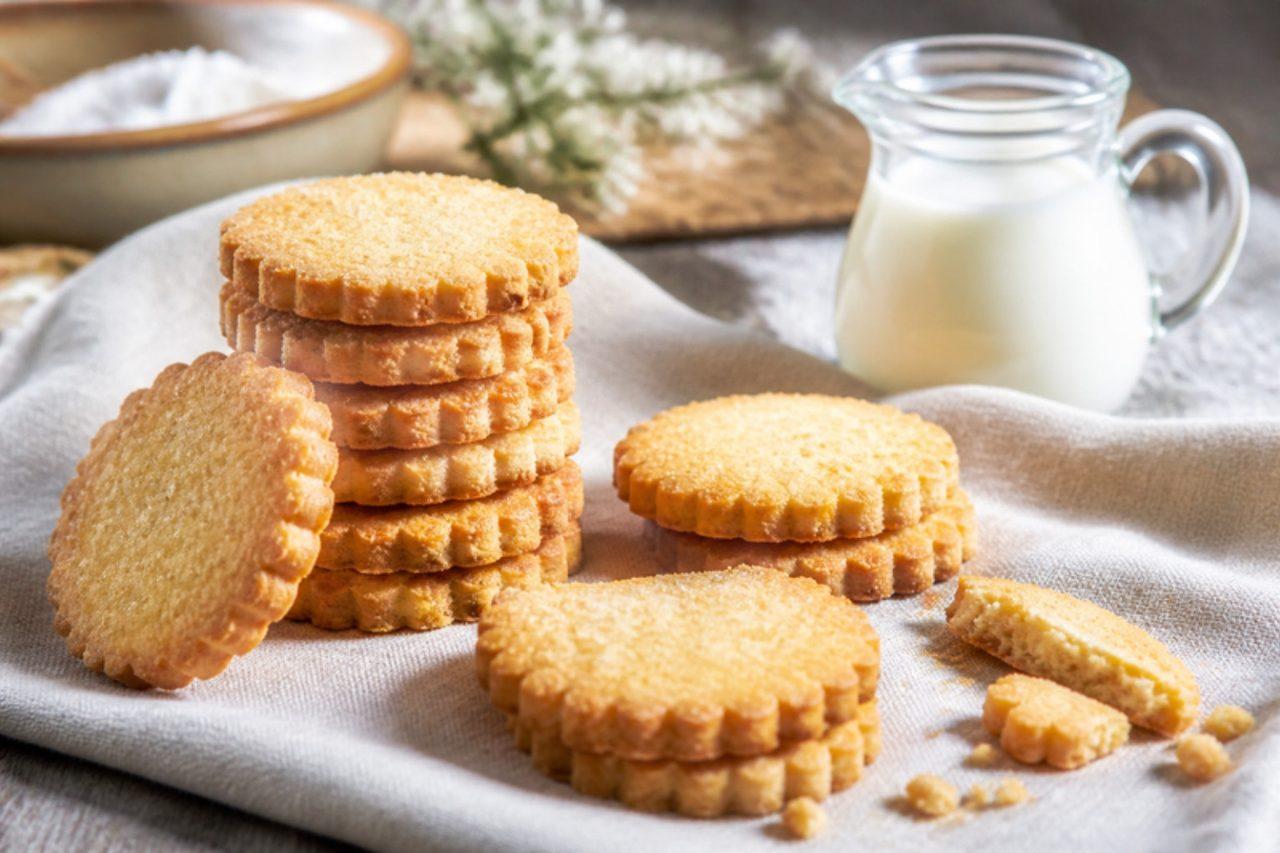
The little town of Lisieux, in the Pays d'Auge, has made sablés since the 1800s, and the word means 'sandy', for the way they crumble on the tongue. They are one of the simplest things a Normandy kitchen bakes: good salted butter, sugar, egg yolks and flour, rolled into a log, sliced and baked pale gold. Normans dip them in coffee or serve them with fruit compote, teurgoule or a bowl of fromage blanc, and children grow up with a tin of them in the cupboard. Chef's tip: work the dough as little as possible once the flour goes in; the less you knead, the more tender and sandy the crumb.

by KrazyBadal 0 views

Showing 90 of 7,888 recipes

Page 503 of 877