


Skip to content
Pesada de nance
Featured recipe

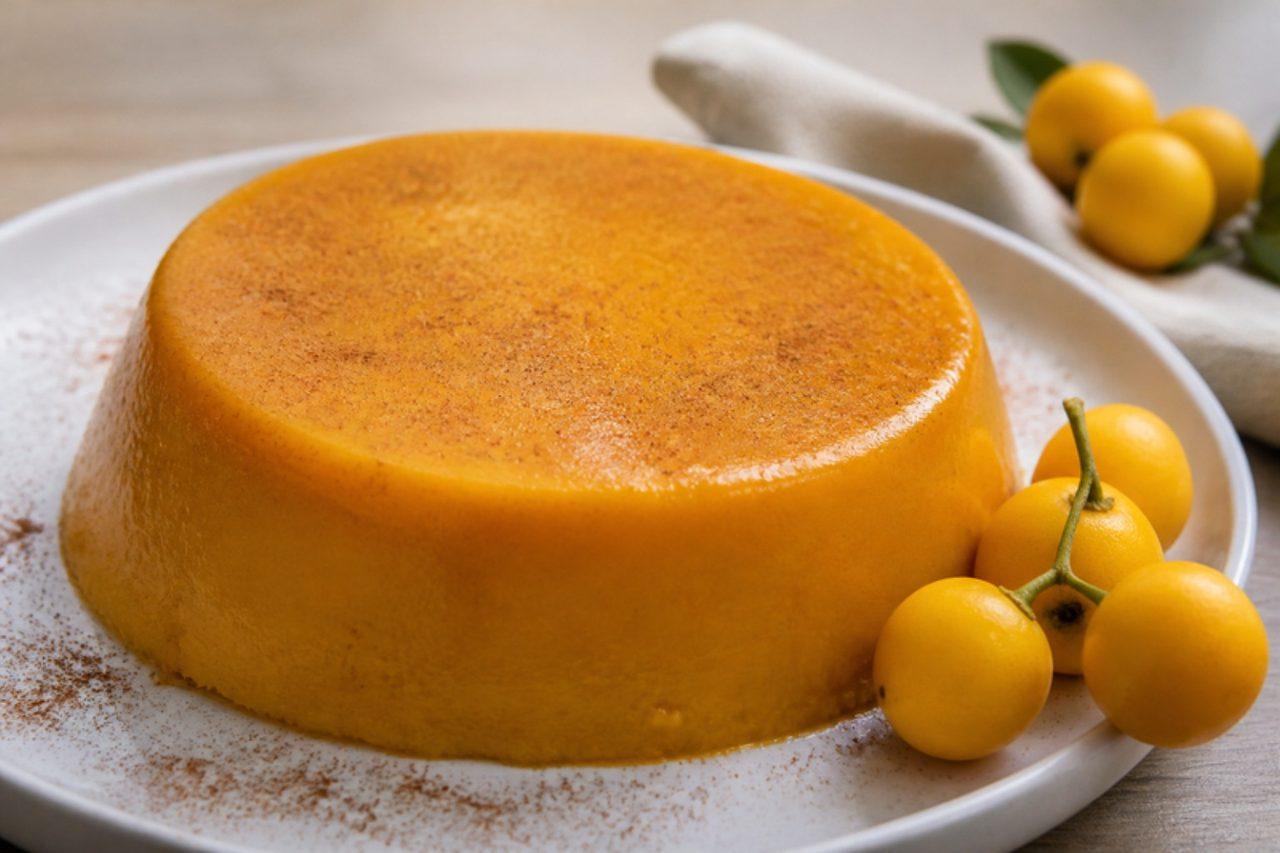
Pesada de nance

Nance fruit pudding

Nance are small yellow fruits with a sharp, almost cheesy aroma, gathered from trees across Panama's countryside in the dry season and sold in bags at roadside stands near Penonomé. Cooked with sugar and thickened with cornflour, they become pesada, a thick, wobbly, sweet-sour pudding eaten cold, sometimes with a slice of white cheese. Look for frozen or jarred nance in Latin American shops. Skipping the sieve is the most common mistake; the stones and skins make it grainy. Chef's tip: dissolve the cornflour in cold juice, never hot, or it forms lumps you can't whisk out.

Read more 0 views

What to eat today?

Around the world

Today's trip: Persian

A new country every day, from every cuisine on the site.

Persian

Nazkhatoon

Smoky aubergine with pomegranate 40 minMore from Persian (131) →

This week's collection

Kid-friendly dinners
537 recipes · a new collection every Monday

Latest recipes

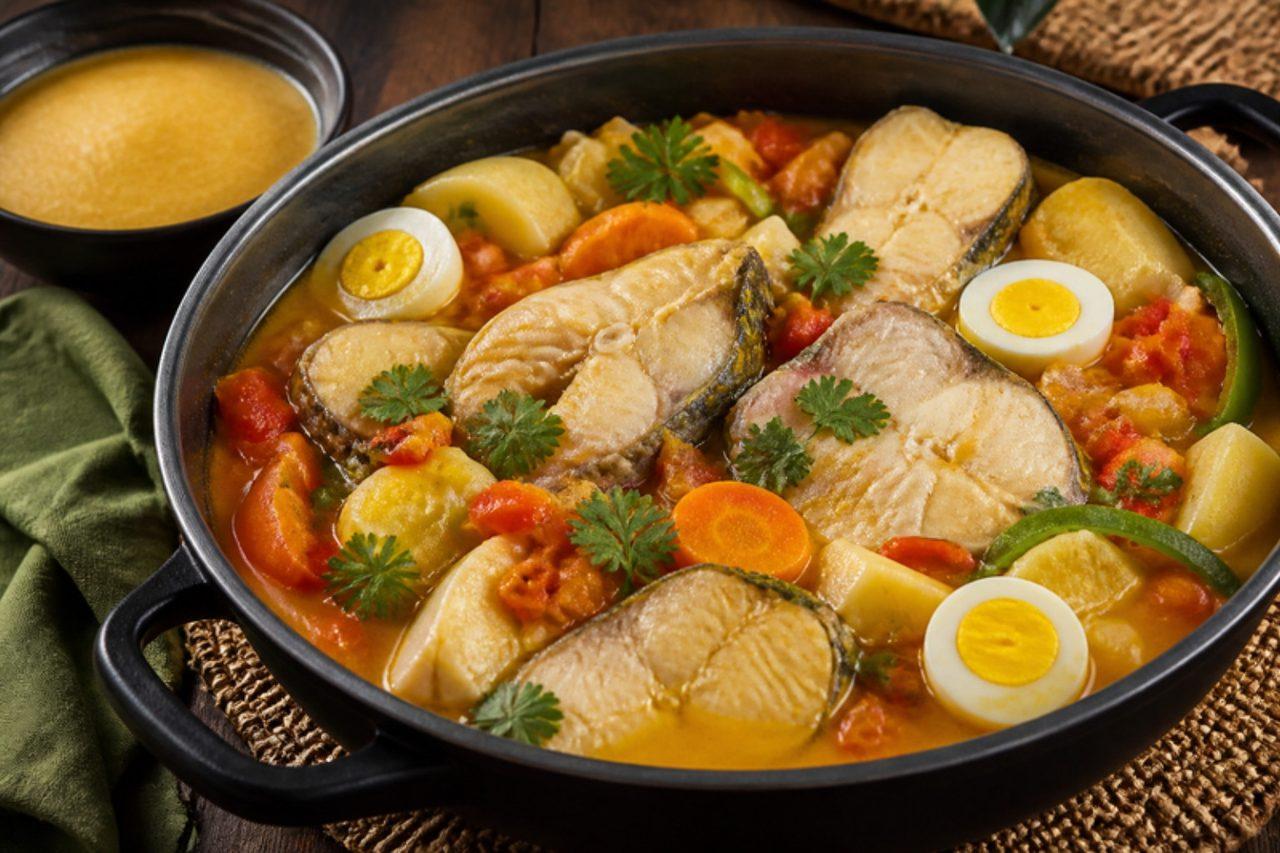
Peixada cearenseFish poached in coconut broth

Fortaleza's beach restaurants, the barracas on Praia do Futuro, build a whole Sunday around peixada: thick steaks of firm white fish poached in a coconut broth with potatoes, carrots, chayote, cabbage and peppers, crowned with halved boiled eggs. The fish is mild and juicy, the broth fragrant with coriander, and half of it is ladled off and thickened with cassava flour into pirão, a soft, savoury porridge eaten alongside with white rice and pepper sauce. A common mistake is putting the fish in with the vegetables from the start, so it breaks up before the potatoes are done; the vegetables get a head start. Use snapper, sea bass, hake or another firm white fish in steaks. Chef's tip: stir the farinha into the hot broth off the heat, a little at a time, and whisk hard; it is the only way to get a smooth, lump-free pirão.

by KrazyBadal 0 views

Tacos de canastaSteamed basket tacos

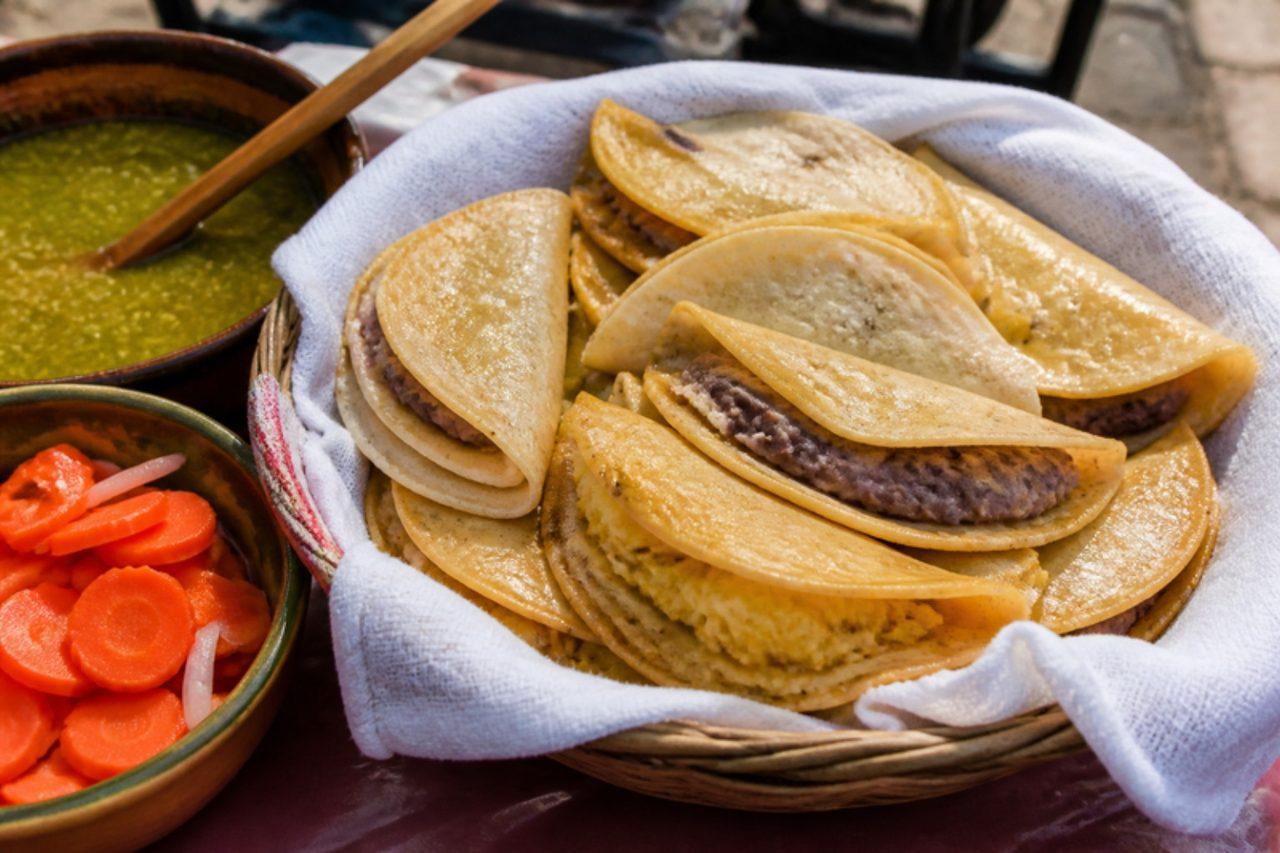
From about nine in the morning, bicycles with a wicker basket strapped behind the seat roll into Mexico City offices and street corners, and the cry of 'tacos de canasta' goes up. Inside the basket, wrapped in cloth and plastic, a hundred small tacos have steamed in their own heat for hours, so the tortillas turn soft, glossy and slightly sticky with chilli-red oil. They are cheap, sold by the handful, and eaten with green salsa from a jar on the bike. The usual fillings are potato, refried beans, adobo and chicharrón prensado (pressed pork rind); this recipe makes the two vegetarian ones and leaves out the pork. Chef's tip: an insulated cool box lined with a tea towel does the same job as the basket and keeps them hot for two hours.

by KrazyBadal 0 views

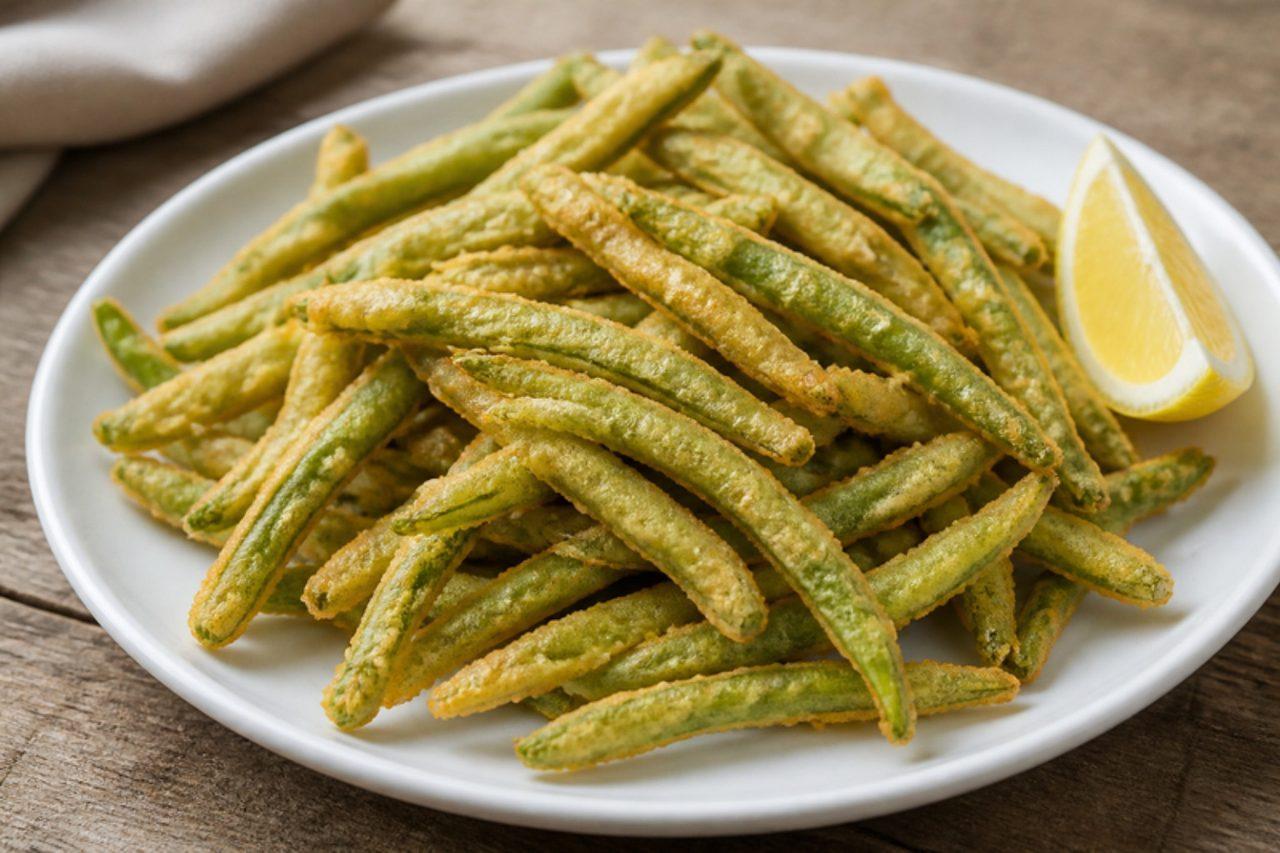
Peixinhos da hortaBattered green beans

Order a round of petiscos in an old Lisbon tasca and a plate of these often lands first: flat green beans in a thin, crackly batter, eaten with the fingers alongside a cold drink. The name means 'little fish from the garden', because on meatless church days the beans stood in for fried sardines. Portuguese missionaries are often credited with carrying the idea of batter-fried food to Japan in the 1500s, where it may have grown into tempura. Serve them hot, with lemon wedges and a pinch of flaky salt. Chef's tip: dry the blanched beans completely on a towel; any water left on them stops the batter sticking and makes the oil spit.

by KrazyBadal 0 views

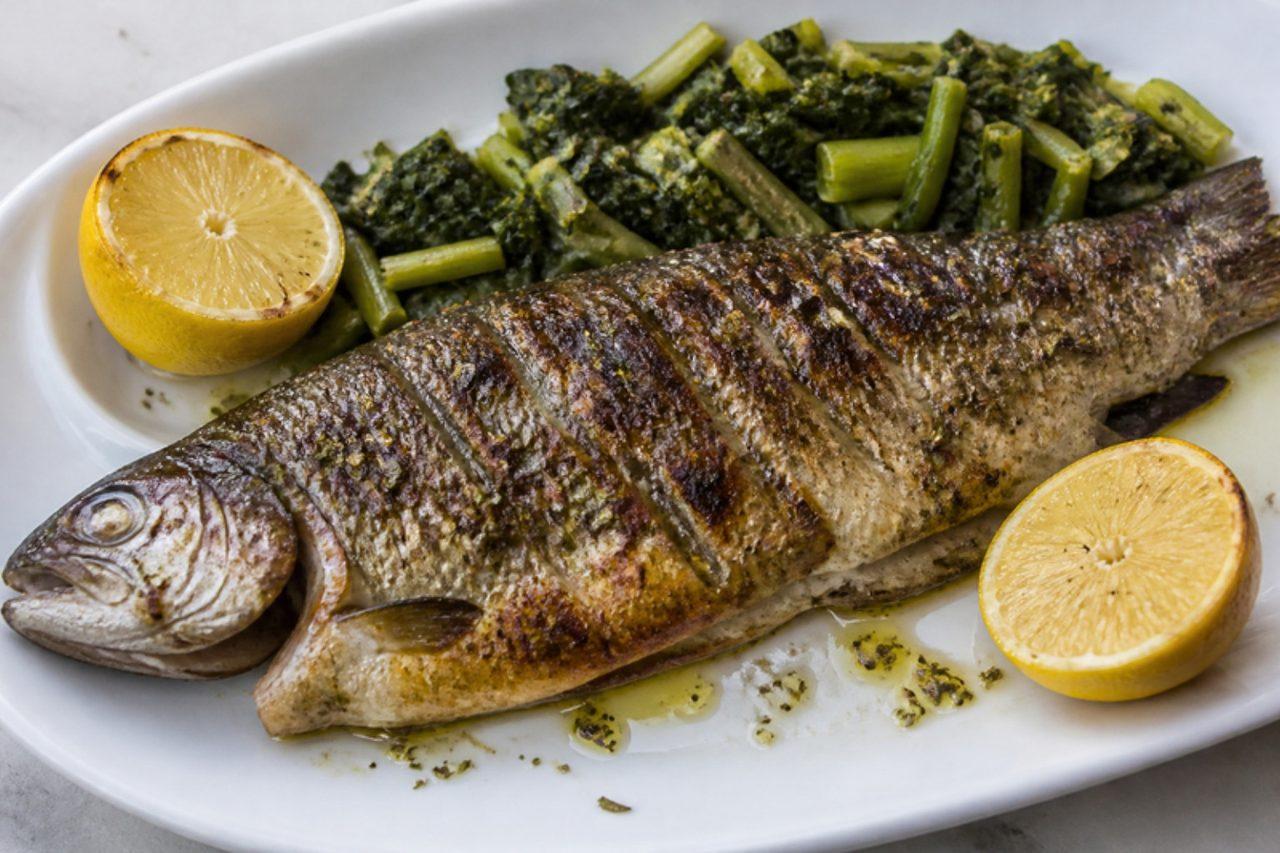
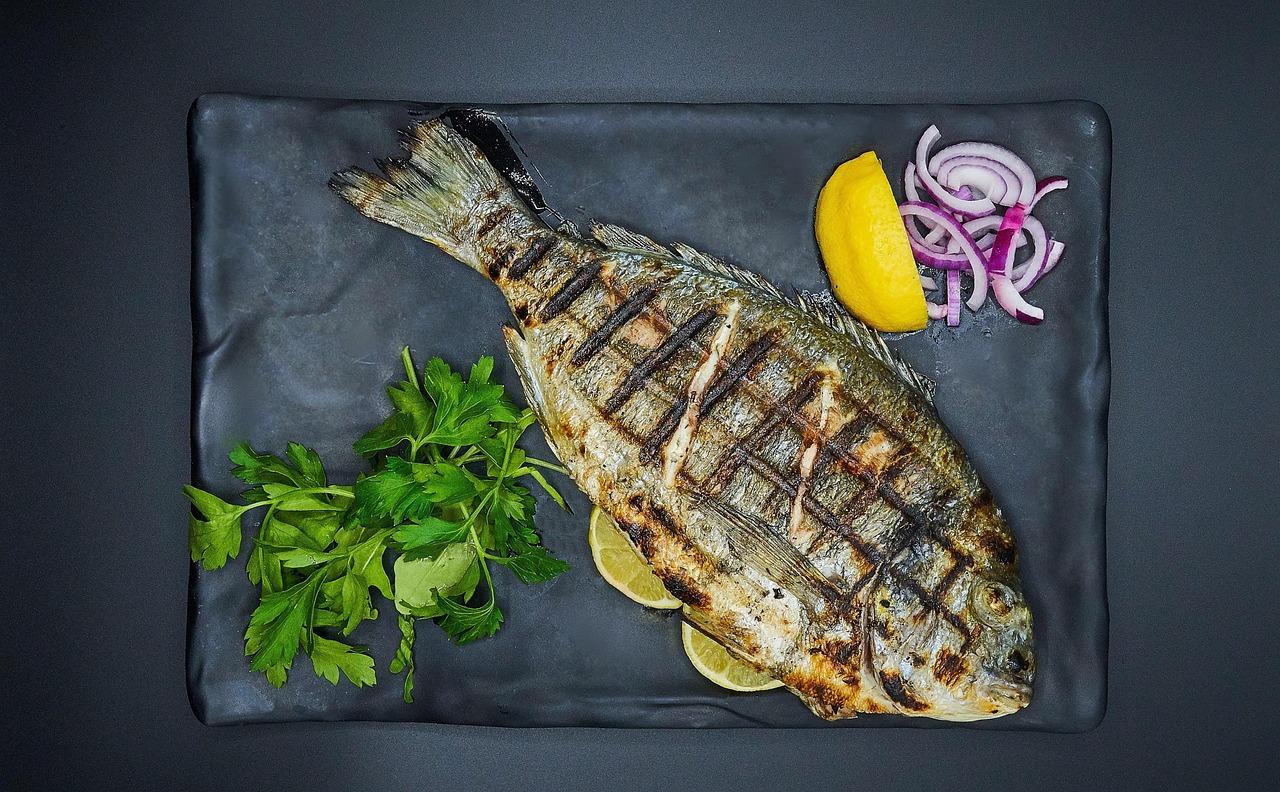
Pestrofa sti skaraGrilled whole trout

Trout farms line the cold rivers of Tzoumerka and the springs of the Louros, and the tavernas beside them grill the fish whole over charcoal, served with ladolemono, horta and chips. At home a hot grill pan or overhead grill does the job: the skin blisters and crisps while the flesh stays moist and pink-white. Common mistake: turning the fish too early, so the skin tears — leave it until it lifts away by itself. Chef's tip: slash the skin twice on each side so the heat reaches the thick part near the head and the fish cooks evenly.

25 minGreekFishGluten free
by KrazyBadal 0 views

Pejelagarto asadoGrilled fish with green salsa

In Tabasco, pejelagarto, a prehistoric-looking freshwater gar from the rivers and lagoons, is skewered and grilled whole over wood in its armoured skin, then eaten with tortillas, lime and fierce chile amashito at roadside stands around Villahermosa. The fish is almost never sold outside the region, so this is a practical version using any firm white fish, such as snapper, sea bass or thick hake fillets, grilled until smoky and served with a bright green tomatillo salsa. Serrano or bird's eye chillies stand in for amashito. Serve with warm corn tortillas for tacos. Chef's tip: oil the fish, not the grill bars, and leave it alone for the first few minutes so the skin releases by itself.

by KrazyBadal 0 views

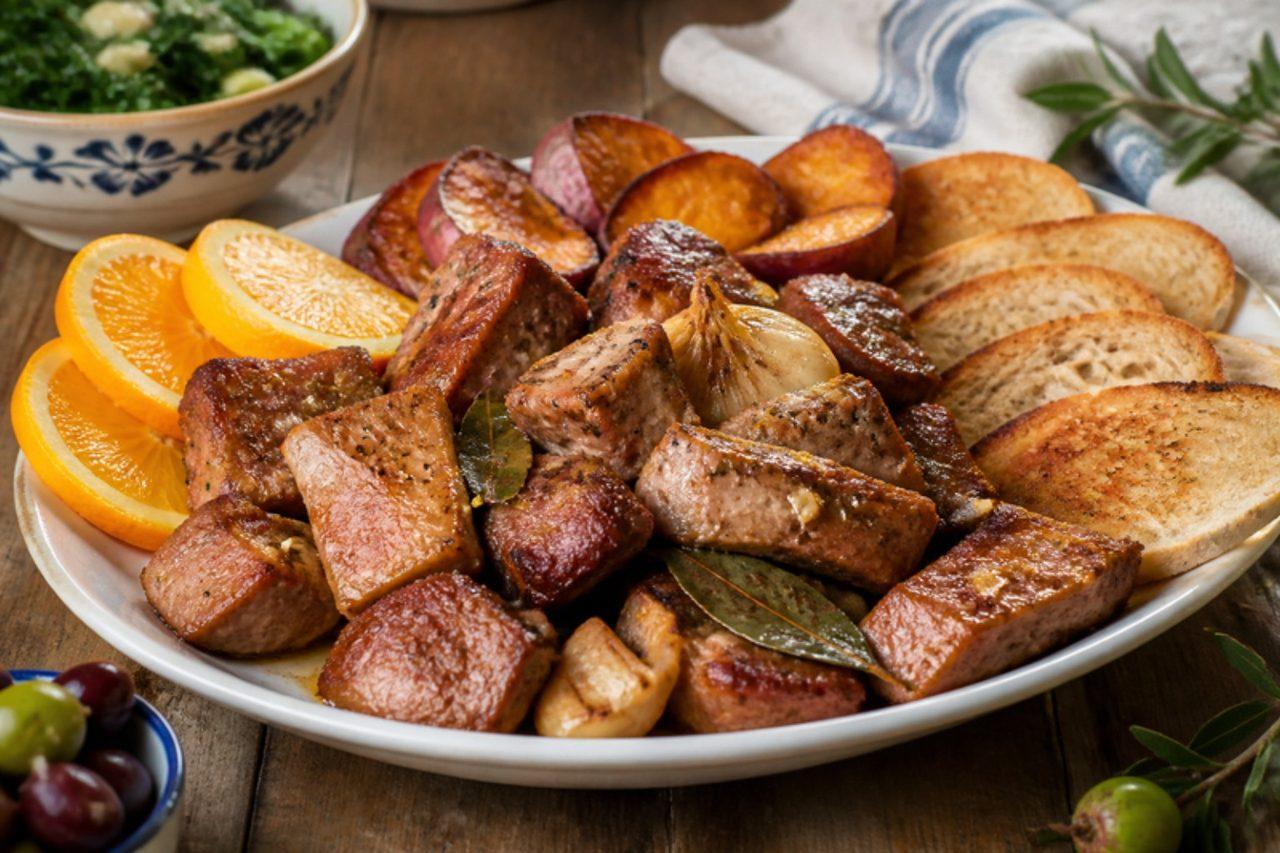
Carne de vinha d'alhosPork marinated in wine and garlic

No Madeiran Christmas is complete without carne de vinha d'alhos: chunks of pork soaked for days in wine, vinegar, garlic and bay, then simmered and fried until browned and tangy. Families start it after the December pig-killing, and the leftovers fill bread rolls for days. Portuguese sailors carried the idea to Goa, where it became vindaloo. This contains pork and uses white wine; for an alcohol-free version use 250 ml water instead of the wine, as many Madeiran households do. Chef's tip: fry thick slices of bread in the pan juices at the end; they are the cook's reward.

by KrazyBadal 0 views

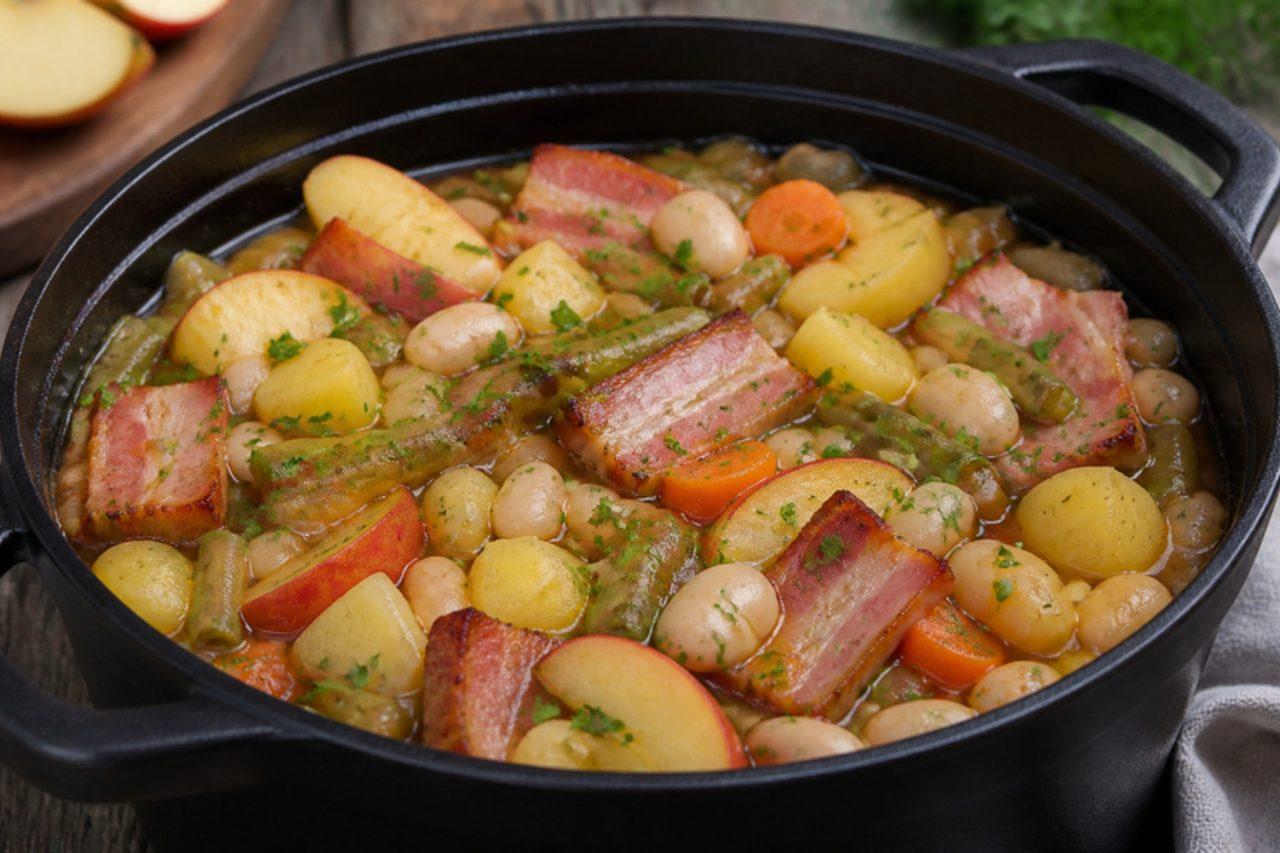
Westfälisches BlindhuhnBean, apple and bacon stew

Blindhuhn, "blind hen", is a late-summer pot from the farms of Westphalia and the Münsterland, made when the garden and orchard give green beans, carrots, apples and pears all at once. It is called blind hen because, as farmers joked, even a blind hen finds a grain in it: the pot holds a bit of everything. White beans, vegetables and fruit cook together with smoked streaky bacon into a sweet-savoury one-pot supper. Leave out the bacon and add a spoon of smoked paprika for a vegetarian pot. Chef's tip: add the apples and pears only for the last 15 minutes so they stay in soft pieces instead of melting away.

by KrazyBadal 0 views

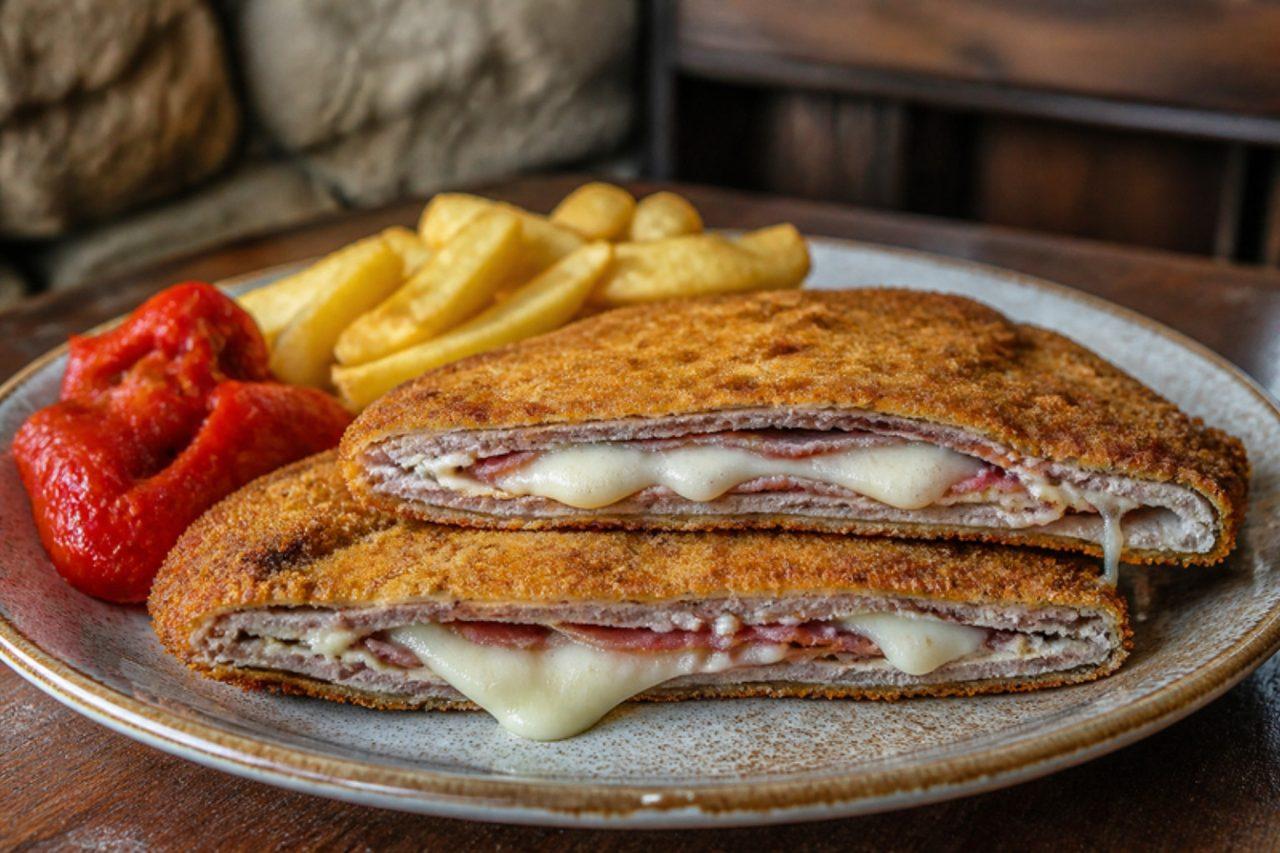
CachopoBreaded veal with ham and cheese

Asturias takes cachopo so seriously that Oviedo holds an annual contest for the best one, and some restaurants serve versions big enough to hang off the plate. At home it is a Friday-night or Sunday treat: two thin veal steaks enclosing serrano ham and a good melting cheese, breaded and fried, then cut at the table so the cheese oozes. This contains pork (serrano ham). Serve with chips and roasted green peppers. Chef's tip: chill the assembled cachopo for 20 minutes before frying so the crumb sets and the edges stay sealed.

by KrazyBadal 0 views

Pellkartoffeln mit Quark und LeinölJacket potatoes with herb quark

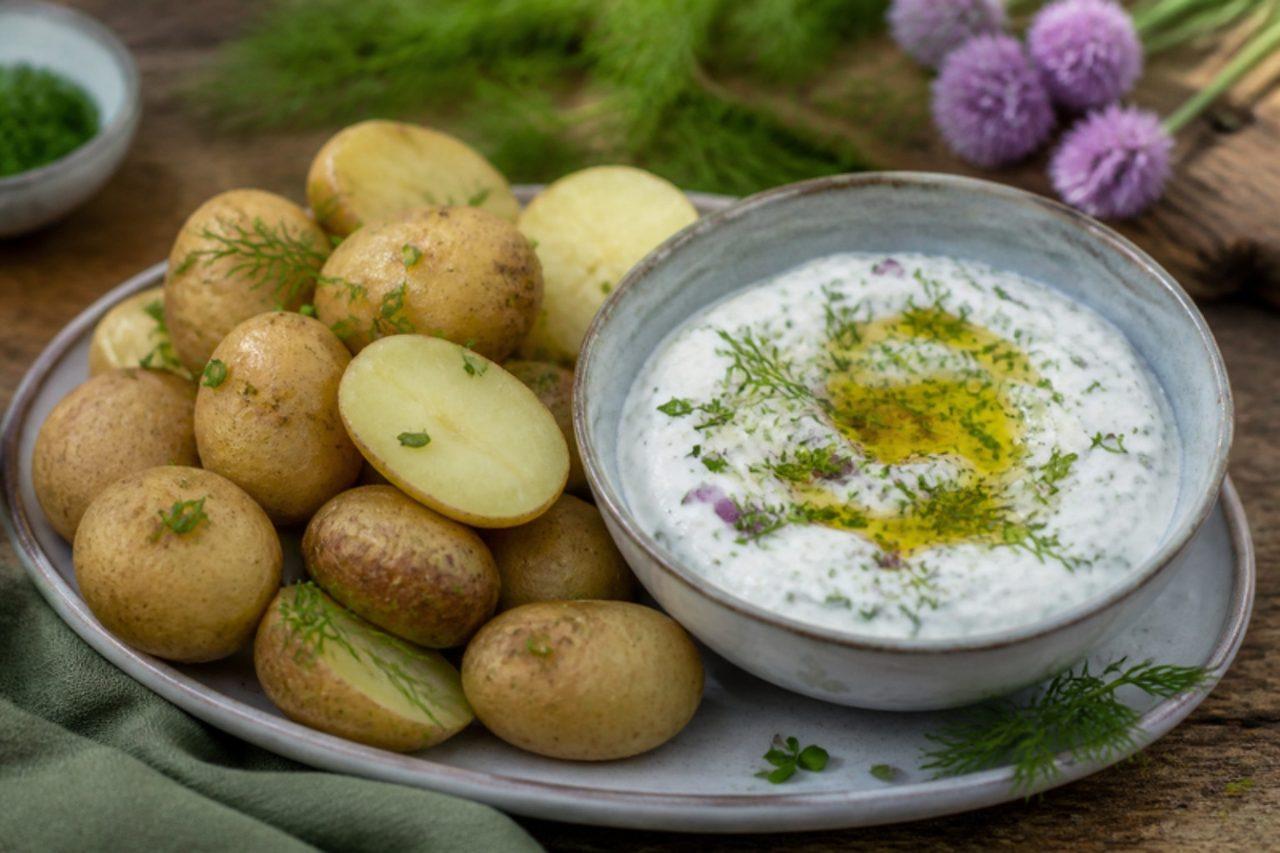
Ask anyone from the Spreewald, the river-and-forest country south-east of Berlin, for the taste of home and many will name this: small potatoes boiled in their skins, a bowl of cold herb quark and a thread of golden, nutty linseed oil poured over the top. It is a weekday supper in Brandenburg and Berlin, cheap, quick and surprisingly filling, often with a Spreewald gherkin on the side. Fresh linseed oil tastes of hay and walnuts; old oil turns bitter and fishy, so buy a small bottle and keep it in the fridge. A common mistake is peeling the potatoes before boiling; cooking them in their skins keeps them firm and flavourful. Chef's tip: beat a splash of milk or sparkling water into the quark, which makes it light and creamy instead of stodgy.

by KrazyBadal 0 views

BoozaStretchy mastic ice cream

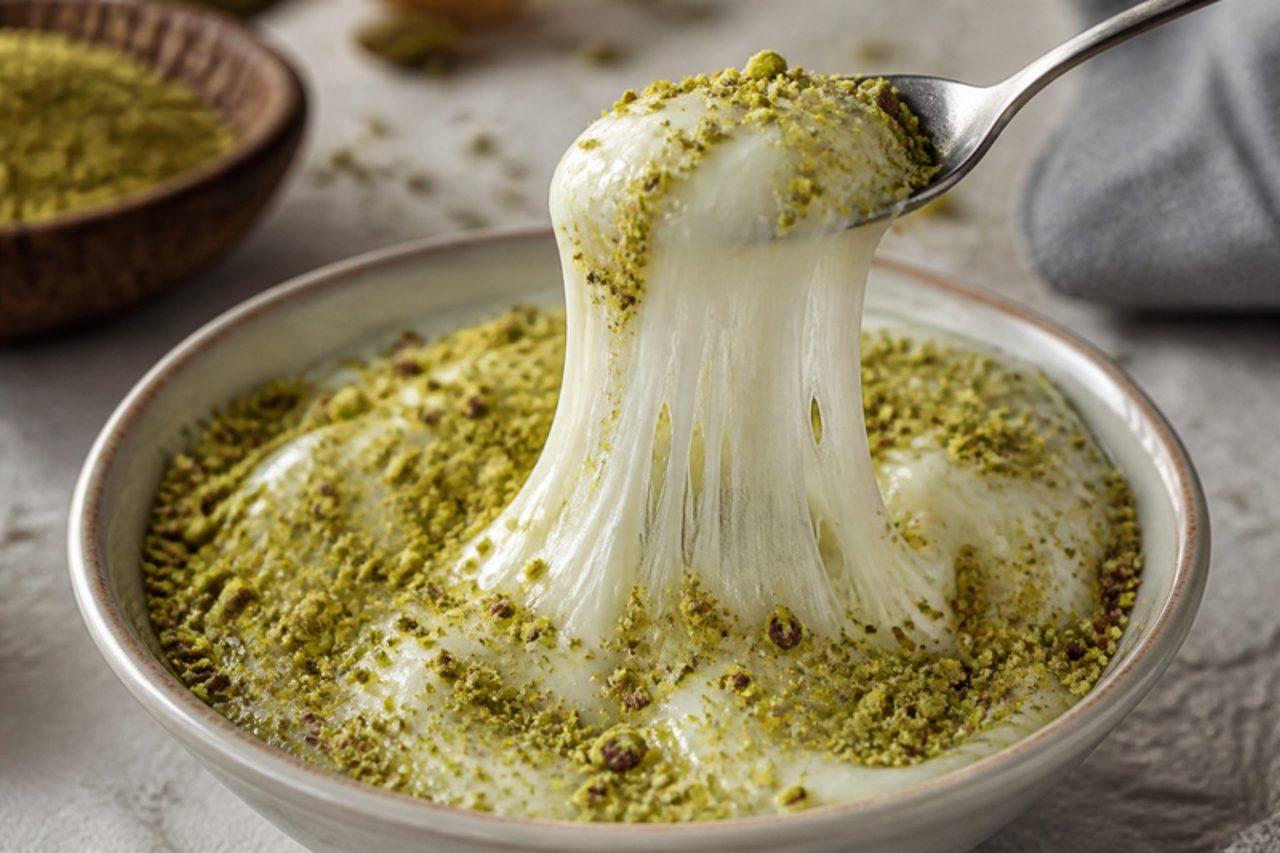
In the covered Hamidiyeh souk in Damascus, men pound booza in frozen metal drums with long wooden pestles, and the thump of the mallets is part of the show. The ice cream is milky, chewy and elastic, thanks to sahlab (orchid-root flour) and mastic, then rolled in crushed pistachios. This home version thickens the milk with sahlab powder or cornflour and beats it as it freezes to get that stretch. Serve in scoops or slices, plain or with a spoon of rose syrup. Common mistake: grinding the mastic alone, which turns gummy; always pound it with a spoonful of sugar. Chef's tip: real sahlab gives the true chew, but a mix of cornflour and a pinch of guar gum gets very close.

by KrazyBadal 0 views

ChanfanaGoat braised in red wine

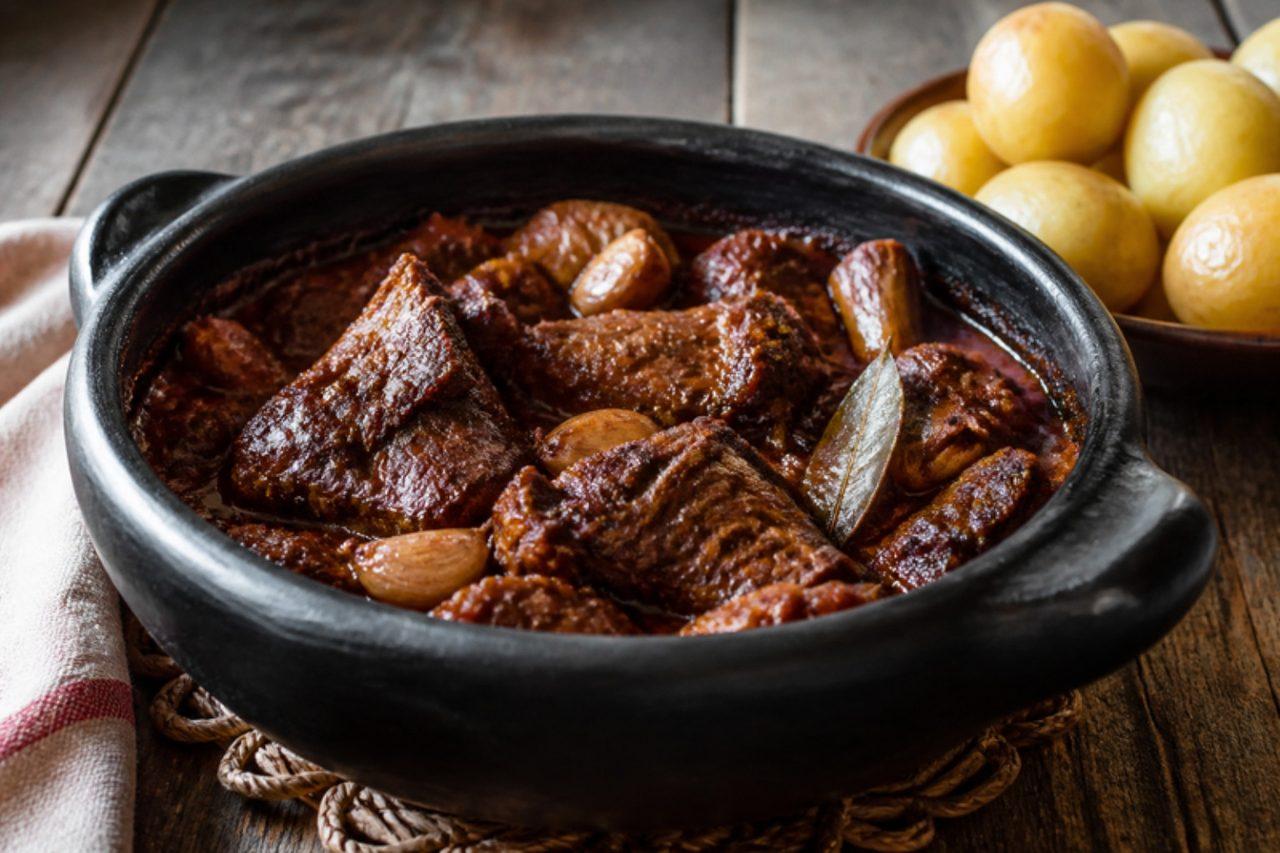
Chanfana belongs to the hill towns south of Coimbra, Miranda do Corvo and Lousã above all, where older goats were once cooked for village feasts in black clay pots sealed and left overnight in the bread oven. The meat braises in red wine with garlic, paprika, bay and cloves until it falls apart in a dark, rich sauce. It is a weekend and festival dish, served with boiled potatoes. The dish is cooked in red wine and not all of the alcohol cooks off; for an alcohol-free version use the substitute in the ingredient note. Chef's tip: marinate it for a full day; the long soak both flavours and tenderises the goat.

by KrazyBadal 0 views

Ankara tavasıBraised lamb on orzo pilaf

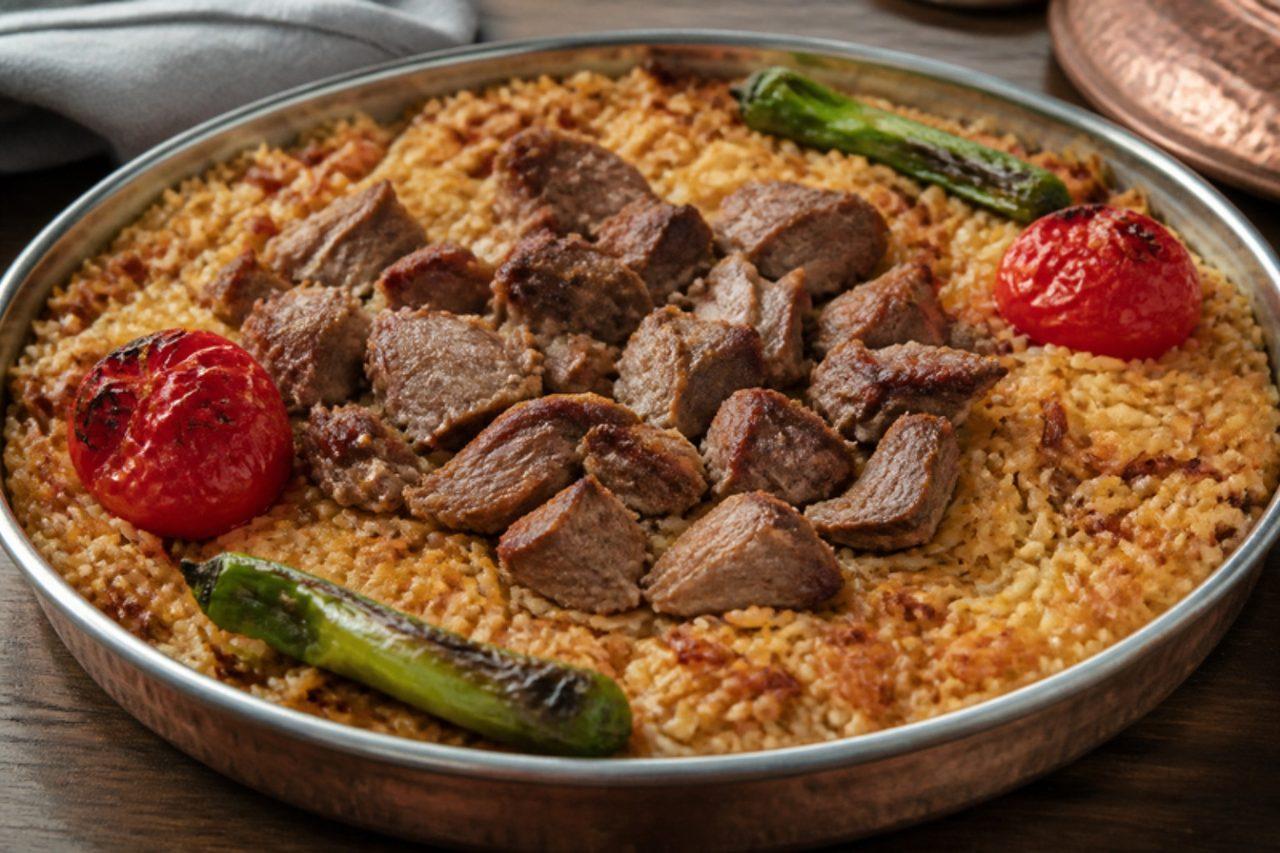
Ankara's signature dish is a tava, a baking pan, in which tender braised lamb is laid over a pilaf of rice and orzo and finished in the oven so the top grains go crisp and the meat juices soak right through. Old Ankara families serve it for guests and at festival lunches, with a bowl of cacık and pickles. Common mistake: using fully cooked pilaf, which dries out and turns hard in the oven; cook the rice only halfway. Chef's tip: save every spoon of the lamb's braising liquid; it's what flavours and finishes cooking the rice underneath.

150 minTurkishMeat
by KrazyBadal 0 views

Camu camuCamu camu berry juice

Camu camu are small purple-red berries that grow on bushes along the flooded riverbanks of the Peruvian Amazon, and in Iquitos and Pucallpa they are sold as frozen pulp and blended into a sharp, pink refresco at juice bars and lunch places. The flavour is intensely sour, more than lime, with a faint cherry note, and the berries are famous for containing far more vitamin C than oranges. It is the drink people order with a heavy plate of tacacho or rice. Never boil camu camu or make the juice hours ahead: heat and air quickly fade its colour and much of the vitamin C, so blend it cold and drink it soon. Frozen pulp or freeze-dried powder from health-food and Latin shops are the forms you'll find abroad. Chef's tip: start with half the pulp and add more to taste; it's strong enough that a little goes a long way.

by KrazyBadal 0 views

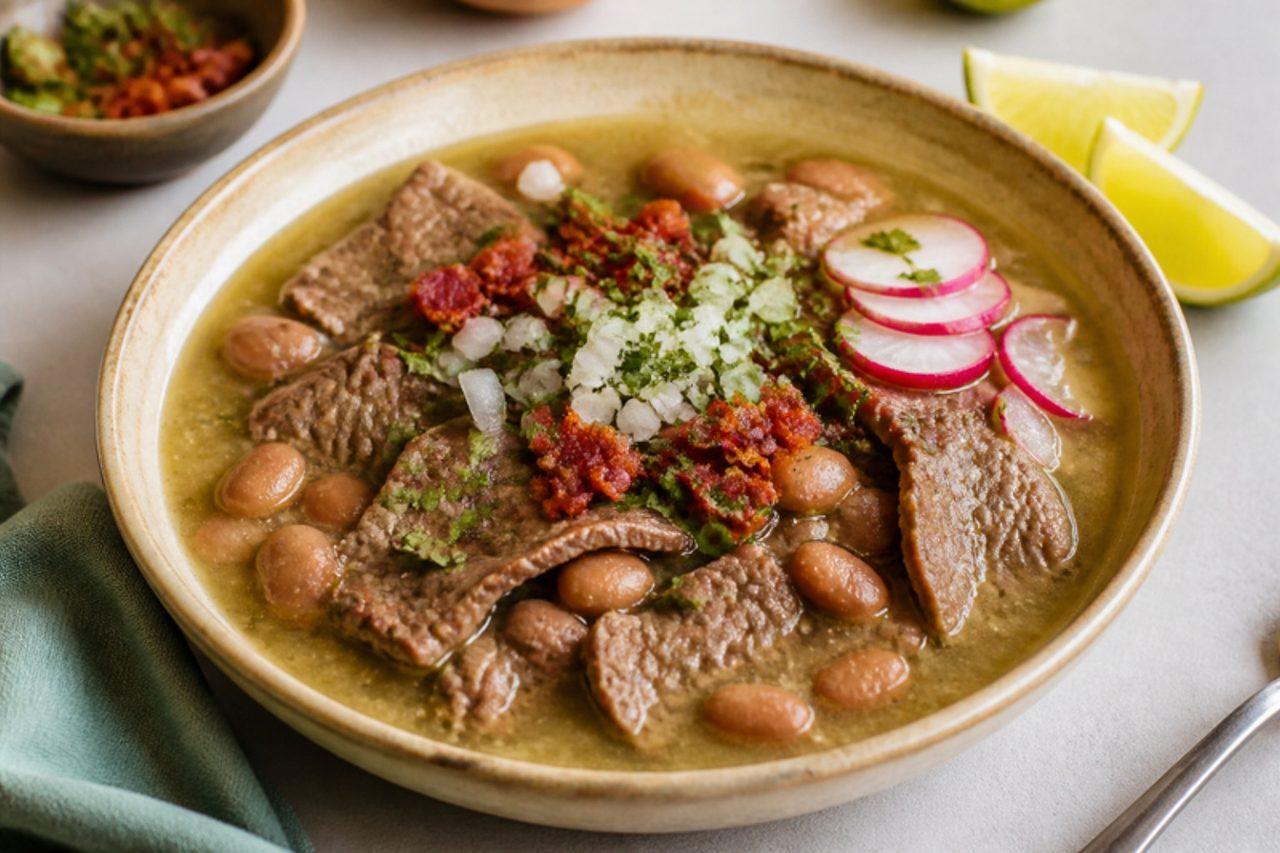
Carne en su jugoBeef in tomatillo broth

Carne en su jugo, 'meat in its juice', belongs to Guadalajara, where whole restaurants are devoted to it and families go for a big bowl at weekend lunchtime. Paper-thin slices of beef cook in a sharp, green broth of tomatillo, chilli and coriander, with soft pinto beans spooned in and crisp bacon scattered over, so it is also a pork dish. Each bowl is finished at the table with chopped onion, coriander, radishes and plenty of lime, and eaten with warm corn tortillas. Chef's tip: put the steak in the freezer for 30 minutes before slicing; firm meat is far easier to cut into the thin pieces the dish needs.

by KrazyBadal 0 views

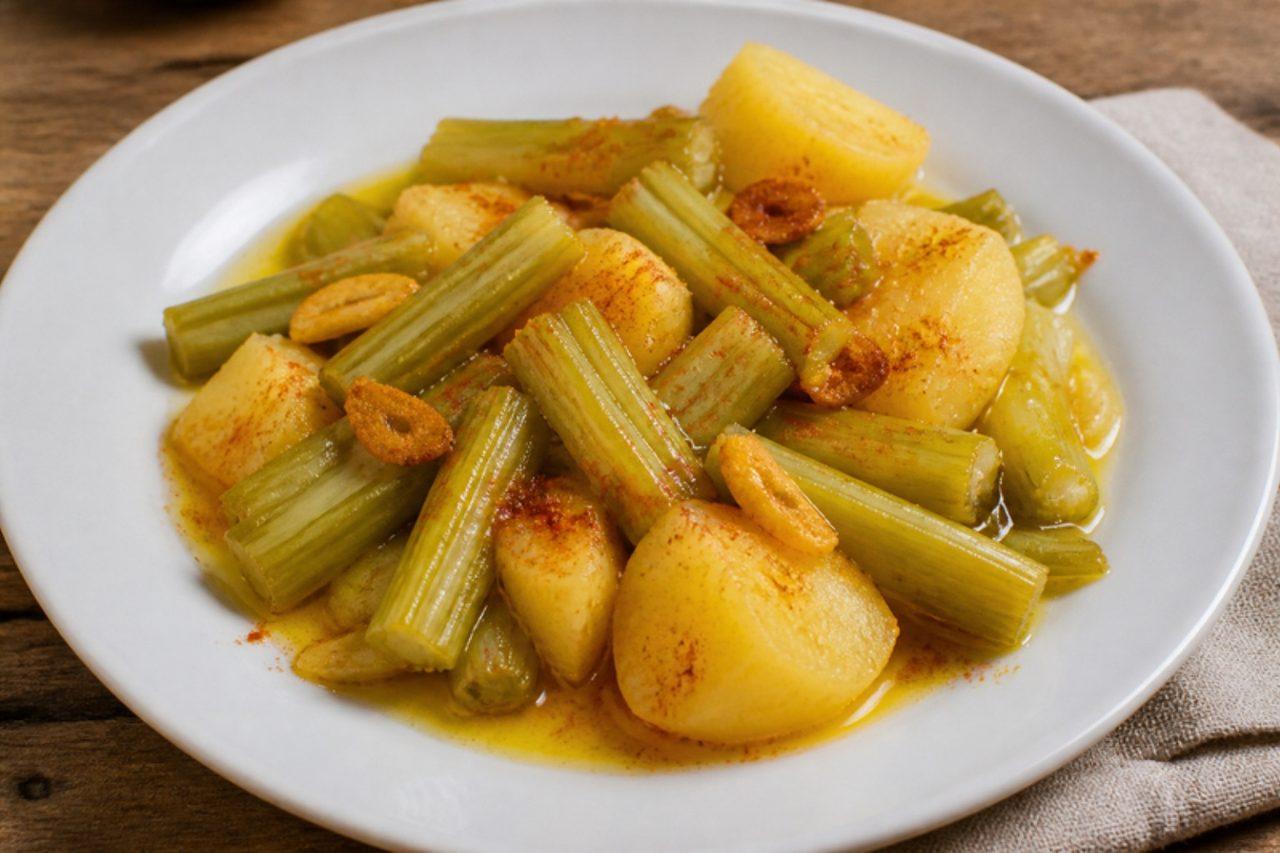
Borraja con patatasBorage and potatoes with garlic oil

Borage grows all along the Ebro valley, and in Zaragoza it is almost a point of pride: markets sell bundles of the thick, hairy stalks from autumn to spring, and borraja con patatas is a weeknight supper in thousands of Aragonese homes. Boiled until tender, the stalks taste mild and green, a little like a cross between cucumber and chard, and the floury potatoes soak up a simple dressing of olive oil and fried garlic. It is vegan and gluten free. A common mistake is skipping the cleaning: the fine hairs and stringy outer fibres must come off, or the dish feels prickly. If you can't get borage, chard stalks are the closest stand-in. Chef's tip: fry the garlic in the oil slowly, off a high flame, and pour it over sizzling hot so it sings when it hits the vegetables.

by KrazyBadal 0 views

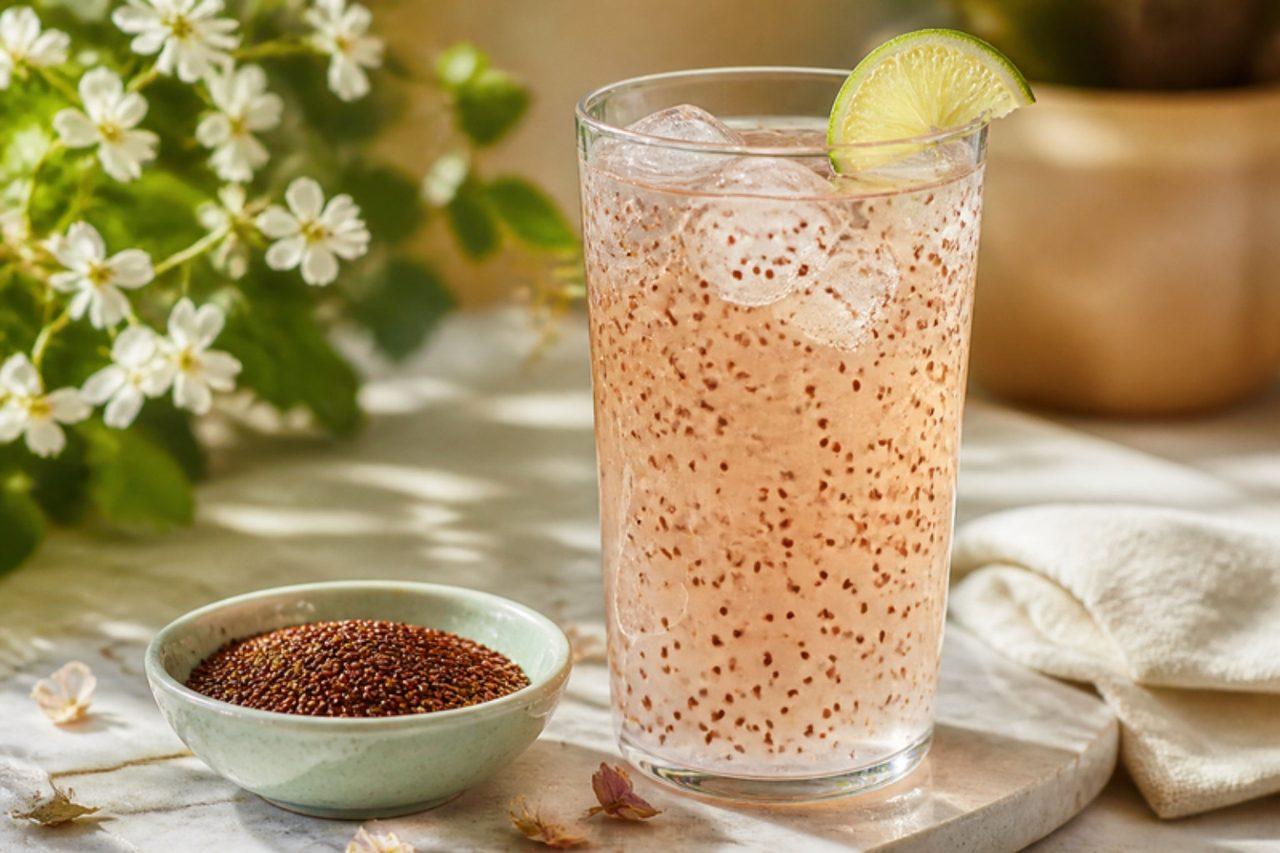
Sharbat-e khakshirIced rosewater drink with seeds

Khakshir are the tiny reddish seeds of flixweed, and in Yazd, Kashan and across the hot centre of Iran a glass of khakshir sharbat is what people drink on scorching summer afternoons and to break the fast on long Ramadan days. The seeds swell slightly and float through sweet iced water perfumed with rosewater, giving a gentle crunch; some add a squeeze of lime or a little sour cherry syrup. Find khakshir at Iranian grocers. Chef's tip: rinse the seeds in several changes of water and pour off anything that floats; dust and grit come away with it.

by KrazyBadal 0 views

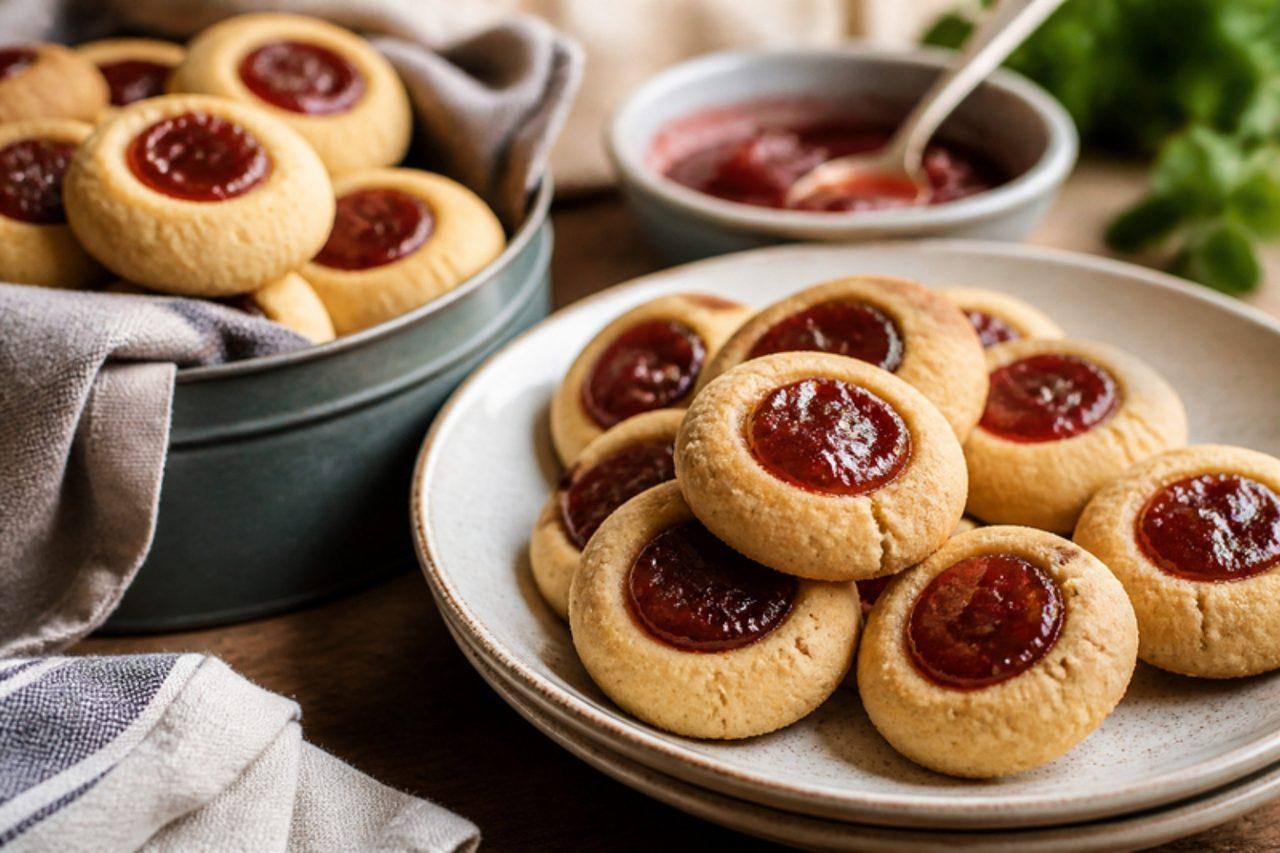
Pepas de membrilloQuince jam cookies

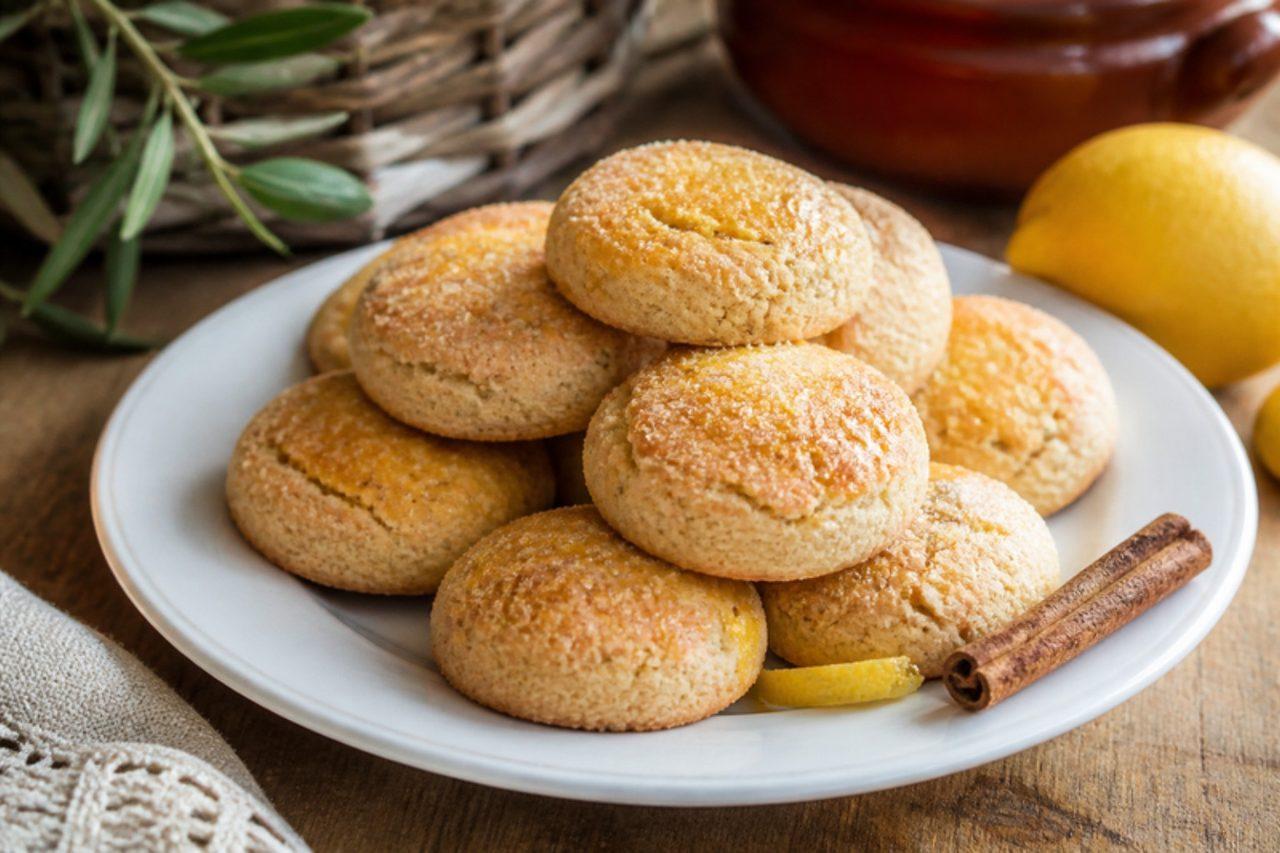
Pepas are the little round cookies with a jewel of quince jam in the middle that Argentine kiosks sell by the bag and grandmothers keep in a tin for the mate round. They are tender and crumbly, not crisp, with just enough sugar that the tart, dark membrillo stands out. Children love pressing the thumbprint and filling it, which makes them a good first baking job, and they keep for a week in an airtight jar. Kiosk versions are often made with margarine; butter tastes far better. Overbaking is the usual problem: take them out while the tops are still pale and only the bottoms are golden, because they firm up as they cool. Chef's tip: use quince paste softened with a spoonful of hot water and pipe it from a small bag; a spoon leaves smears on the dough that burn.

by KrazyBadal 0 views

Peperoni cruschiCrisp fried dried peppers

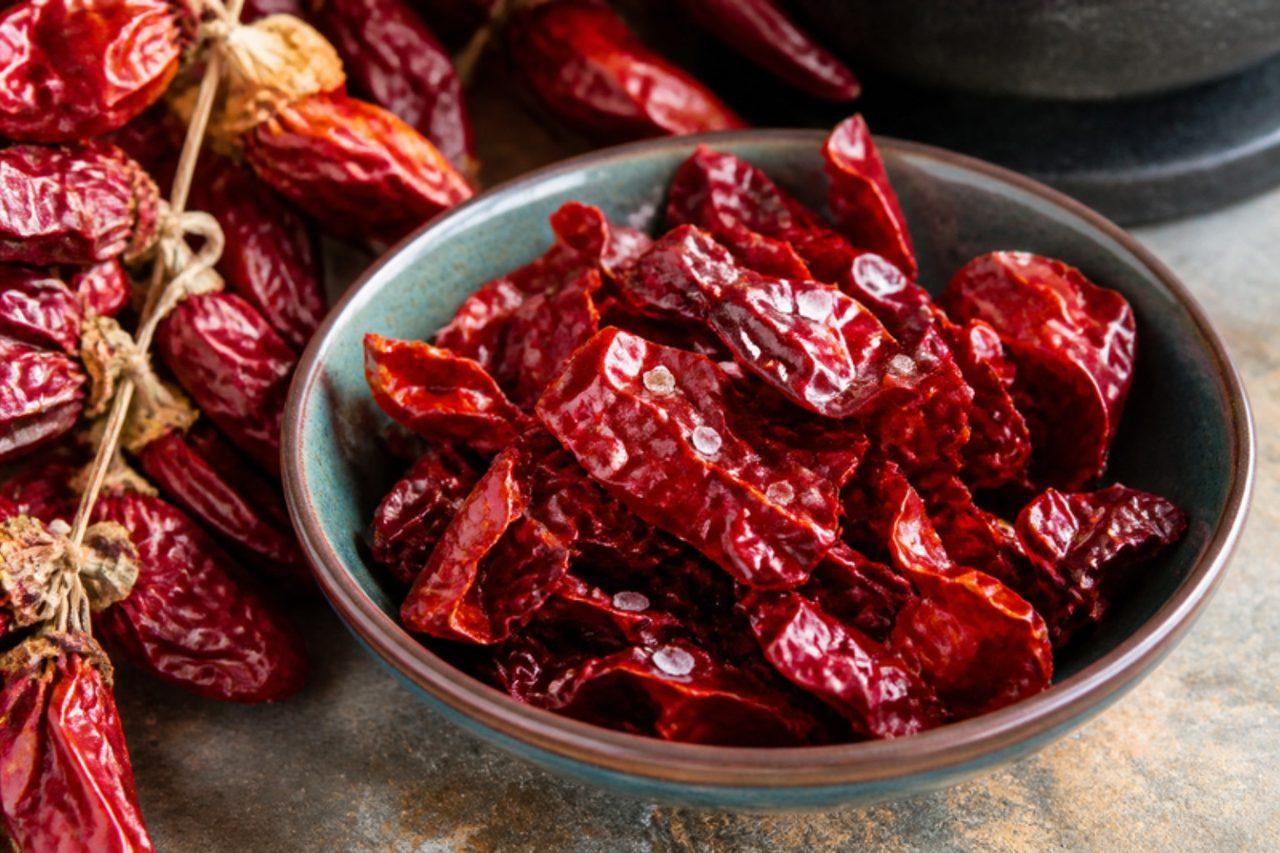
In late summer the villages around Senise, in southern Basilicata, hang long garlands of thin red peppers from balconies to dry in the sun. Once dried, a few seconds in hot oil turns them into peperoni cruschi: glassy, brittle and sweet with a faint smoky note, eaten like crisps or crumbled over pasta, beans, fried eggs and mashed potatoes. Lucanians call them their red gold and keep a jar of them on the table all winter. Chef's tip: get the oil hot but not smoking and count to five; the colour should stay bright red.

by KrazyBadal 0 views

AşureWheat, bean and dried fruit pudding

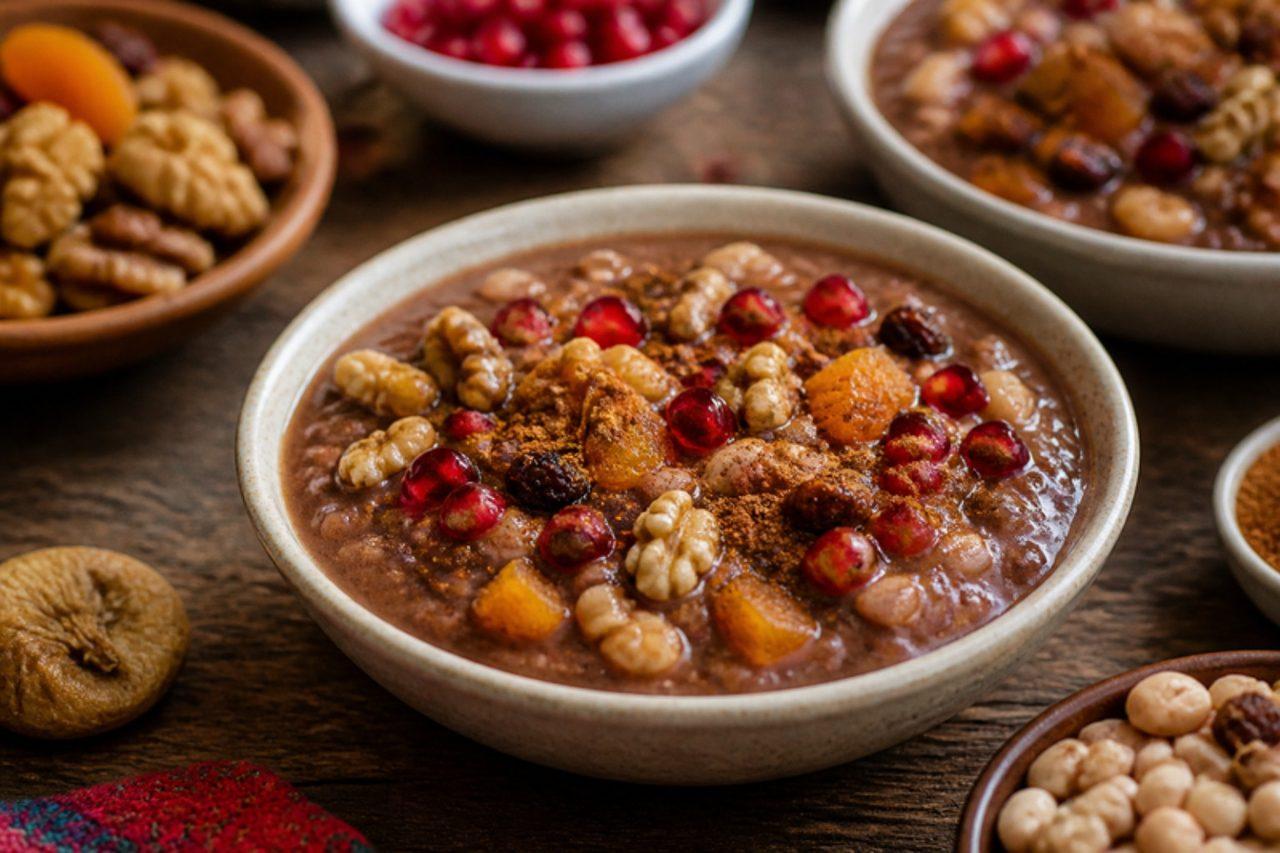
In the month of Muharram, kitchens all over Anatolia, especially in conservative Konya and Sivas, boil great pots of aşure and send bowls to every neighbour, regardless of faith, so the sweet is as much about sharing as eating. Legend says it was cooked on Noah's ark from the last of the stores, which is why it combines whole wheat, chickpeas, white beans, dried apricots, figs and raisins in a thick, gently sweet pudding. It's topped with walnuts, pomegranate and cinnamon. Common mistake: adding sugar before the wheat is fully tender; sugar firms the grains and they never soften. Chef's tip: soak the wheat and pulses overnight and cook the wheat in its soaking water for the creamiest result.

by KrazyBadal 0 views

PepitoriaRice with goat offal

Santander's famous plate of cabrito (roast kid goat), sold in Bucaramanga, Barichara and the canyon towns, always comes with pepitoria next to it: rice cooked with the kid's chopped heart, liver and kidneys, a refrito of onion and tomato, and blood, which turns it a deep reddish-brown and gives it a rich, mineral flavour, a little like a soft black pudding. It's a dish that uses the whole animal, and it is worth trying if you like morcilla. Ask a halal, Caribbean or specialist butcher for very fresh goat offal and fresh blood (pig blood works if goat isn't available); keep both cold and cook them the same day. Offal must be cooked right through, and the blood until it has set and darkened with no liquid red left. The usual misstep is adding the blood too early, so that it scorches on the bottom; it goes in when the rice is nearly done. Chef's tip: if blood is impossible to find, double the offal and add 1 tsp extra achiote; you'll get a lighter but still very good rice.

by KrazyBadal 0 views

Tabakh rohoLamb and summer vegetable stew

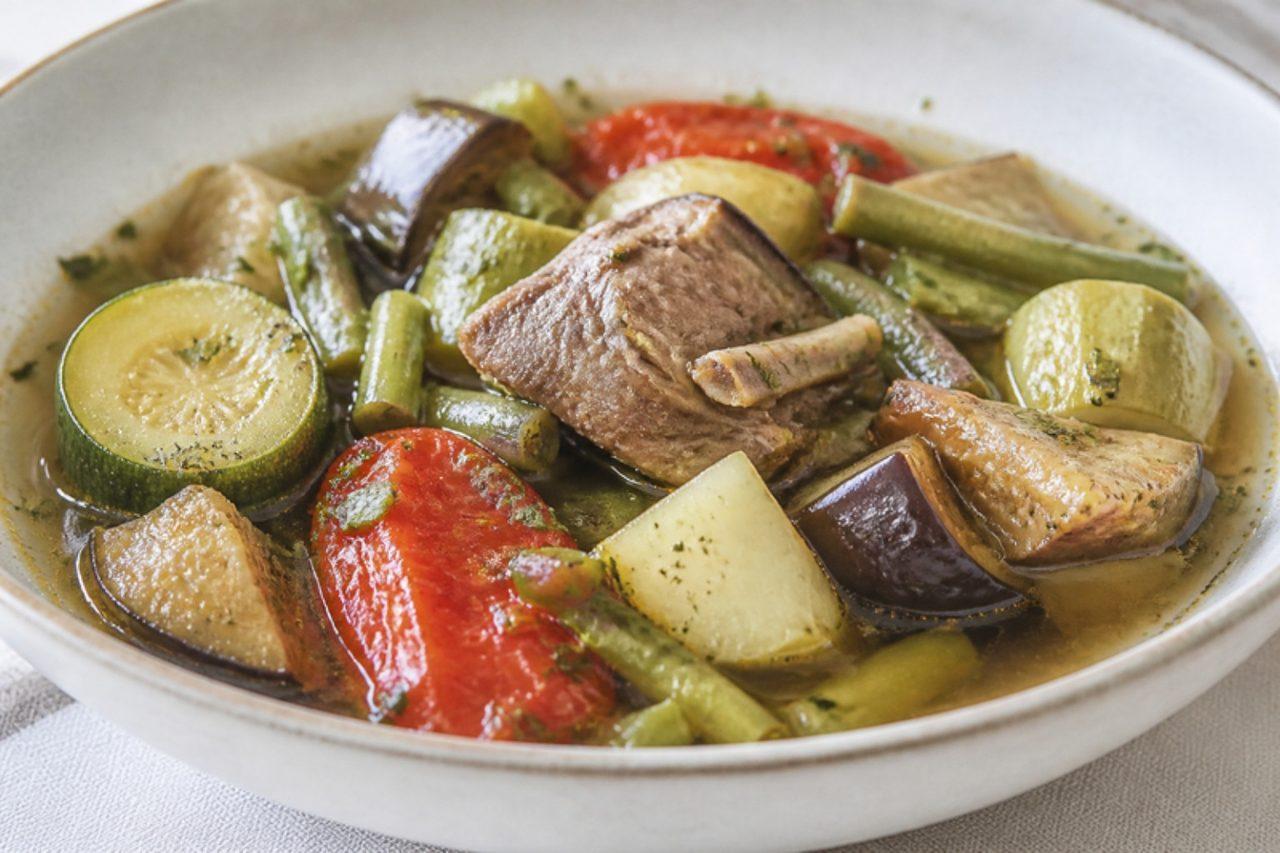
Tabakh roho means 'it cooks itself', and this Damascus summer stew does just that: chunks of lamb, aubergine, courgette, potatoes, peppers and tomatoes are layered in a pot with garlic and dried mint and left to simmer quietly until everything is soft and the juices have mingled. Home cooks make it in July and August when the vegetables are cheapest, and it is eaten with rice or bread. Common mistake: stirring it — the layers should stay intact so each vegetable keeps its shape. Chef's tip: put the potatoes at the bottom where the heat is strongest and the tomatoes on top so their juices baste everything below.

115 minSyrianMeatGluten free
by KrazyBadal 0 views

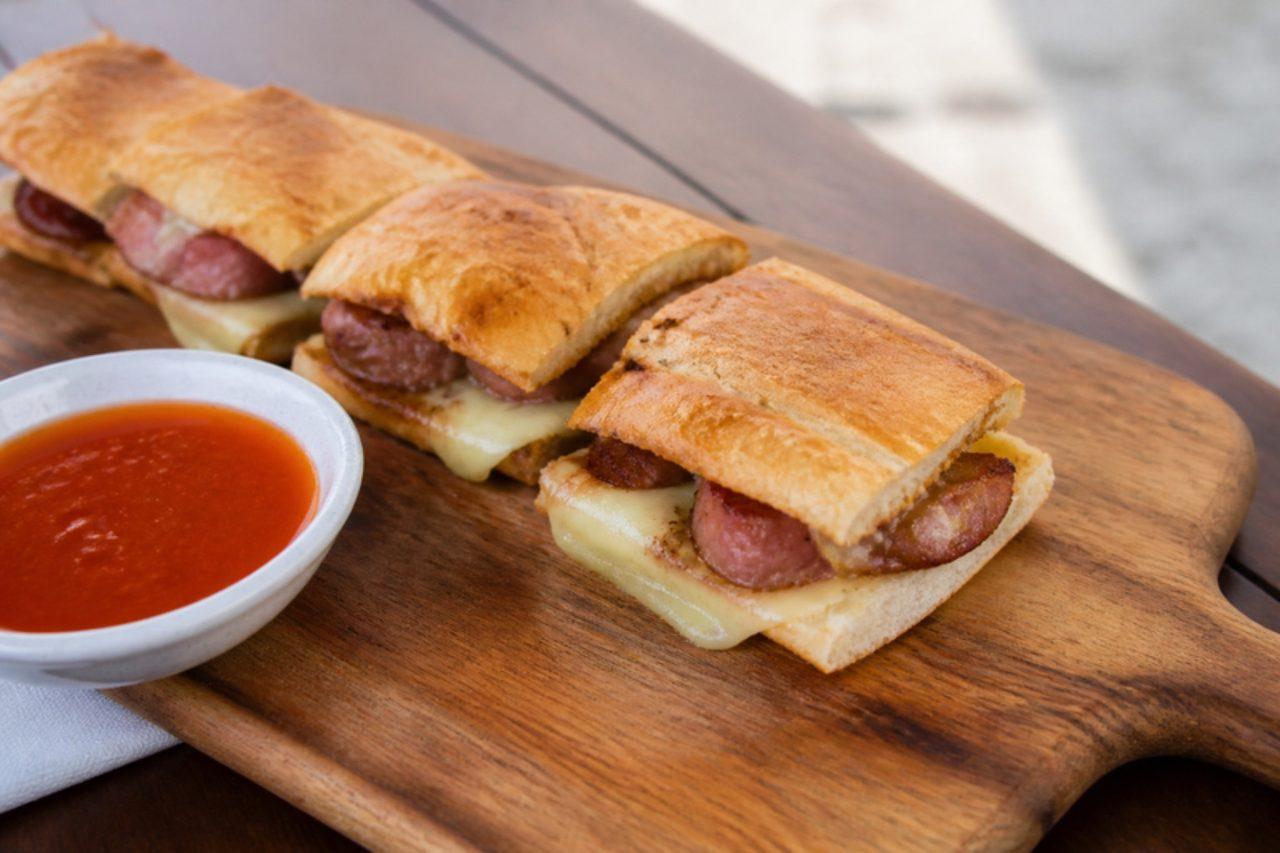
CachorrinhoCheese and sausage pressed sandwich

This is Porto's late-night snack, born in the bars around the Praça dos Poveiros in the 1960s and still eaten standing at the counter after a football match. A thin sausage goes into a slim roll with cheese, the whole thing is toasted flat in a press until it shatters, then cut into bite-sized pieces and doused in a hot, tangy sauce. This contains pork (pork frankfurters). Chef's tip: brush the outside of the bread with butter before pressing, so it goes evenly golden and crisp.

by KrazyBadal 0 views

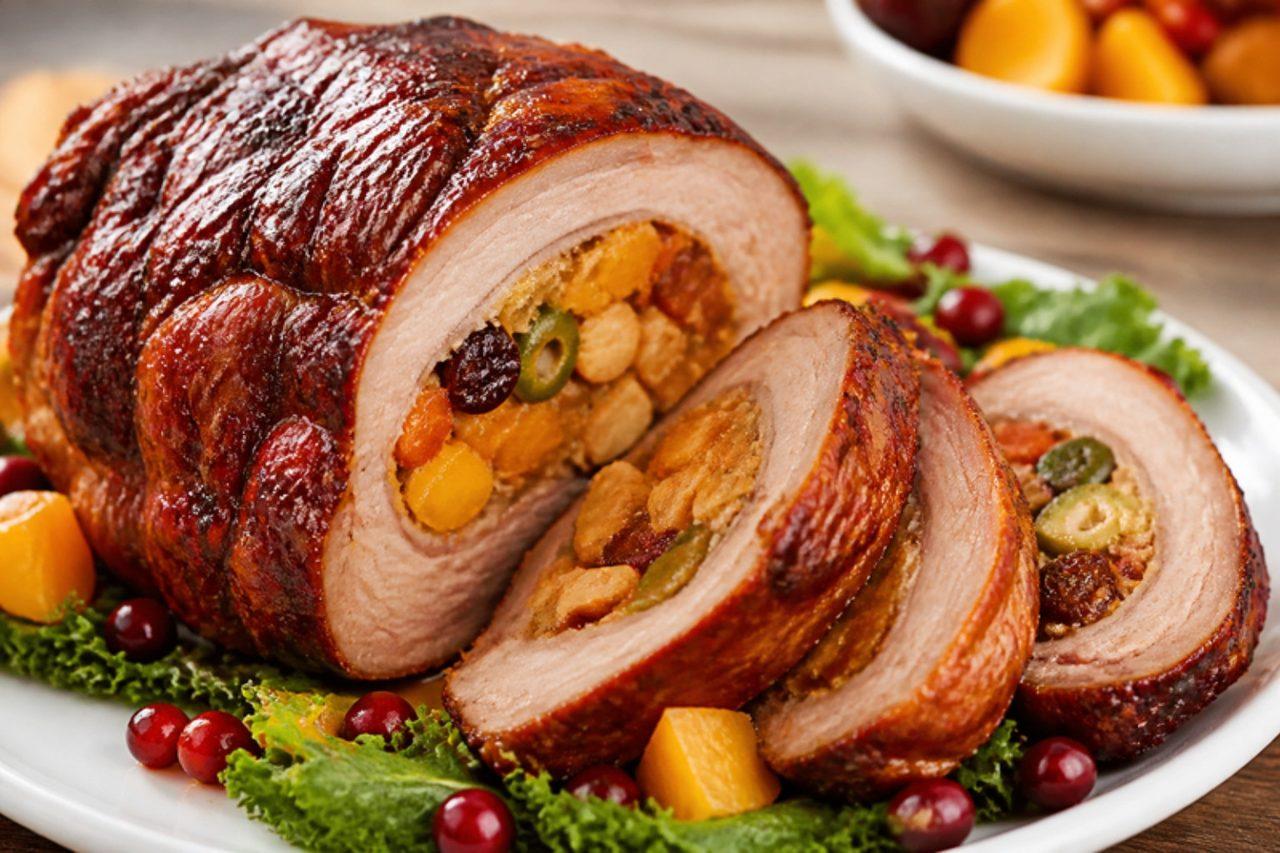
Relleno de cerdoStuffed pork shoulder with plantain

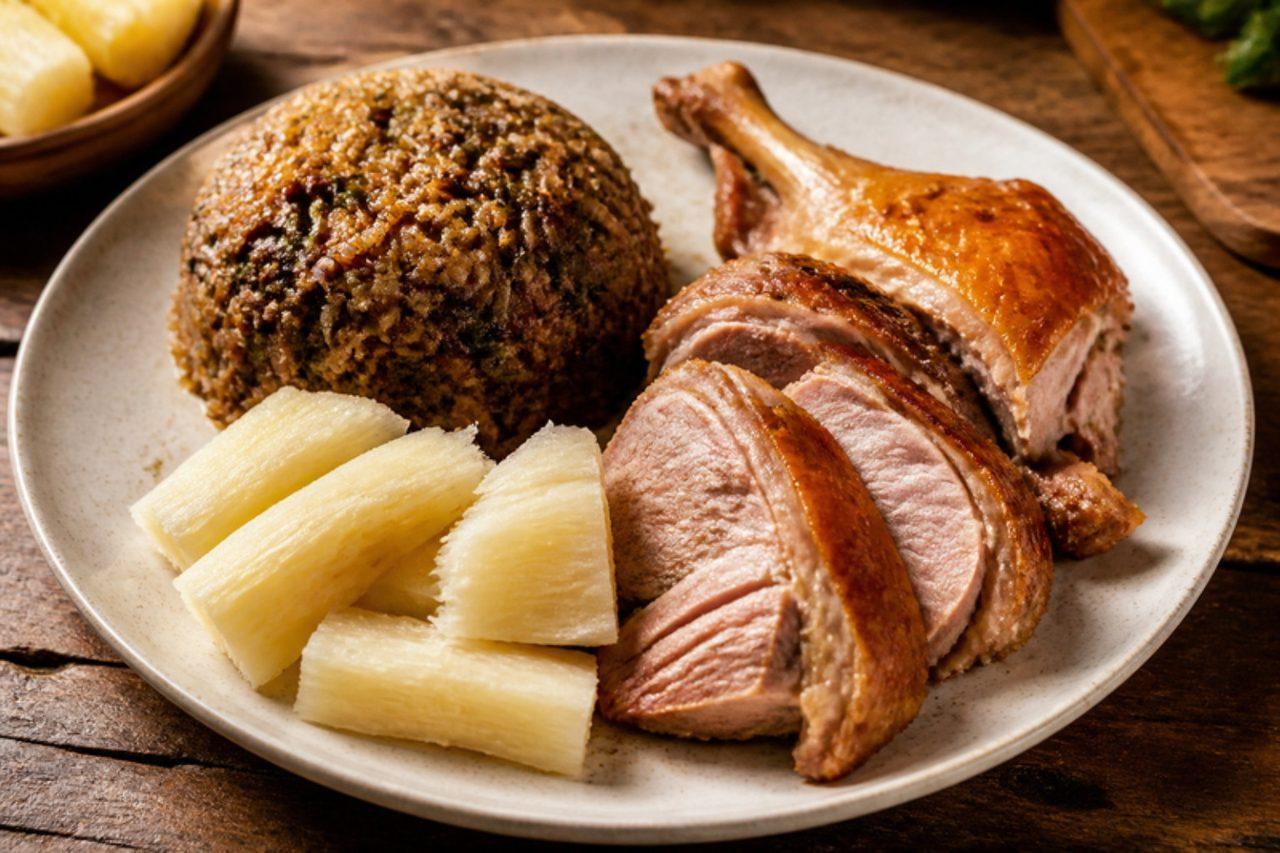
In Guerrero's Tierra Caliente, around Ciudad Altamirano, relleno de cerdo is the centrepiece of weddings and saints' days: a whole pig is stuffed with fruit, vegetables and its own chopped meat, rubbed with chilli and roasted for hours, then served in tortas or tacos. This home version is a pork dish for an ordinary oven, using a boned pork shoulder rubbed with a guajillo adobo and rolled around a stuffing of ripe plantain, potato, carrot, olives, raisins and almonds, so you get the same sweet, salty and spicy mix. Slice it thickly with its juices, warm tortillas, rice and pickled jalapeños. Chef's tip: ask the butcher to butterfly the shoulder evenly to about 3 cm thick; an even slab rolls neatly and cooks at the same rate all through.

300 minMexicanMeatGluten free
by KrazyBadal 0 views

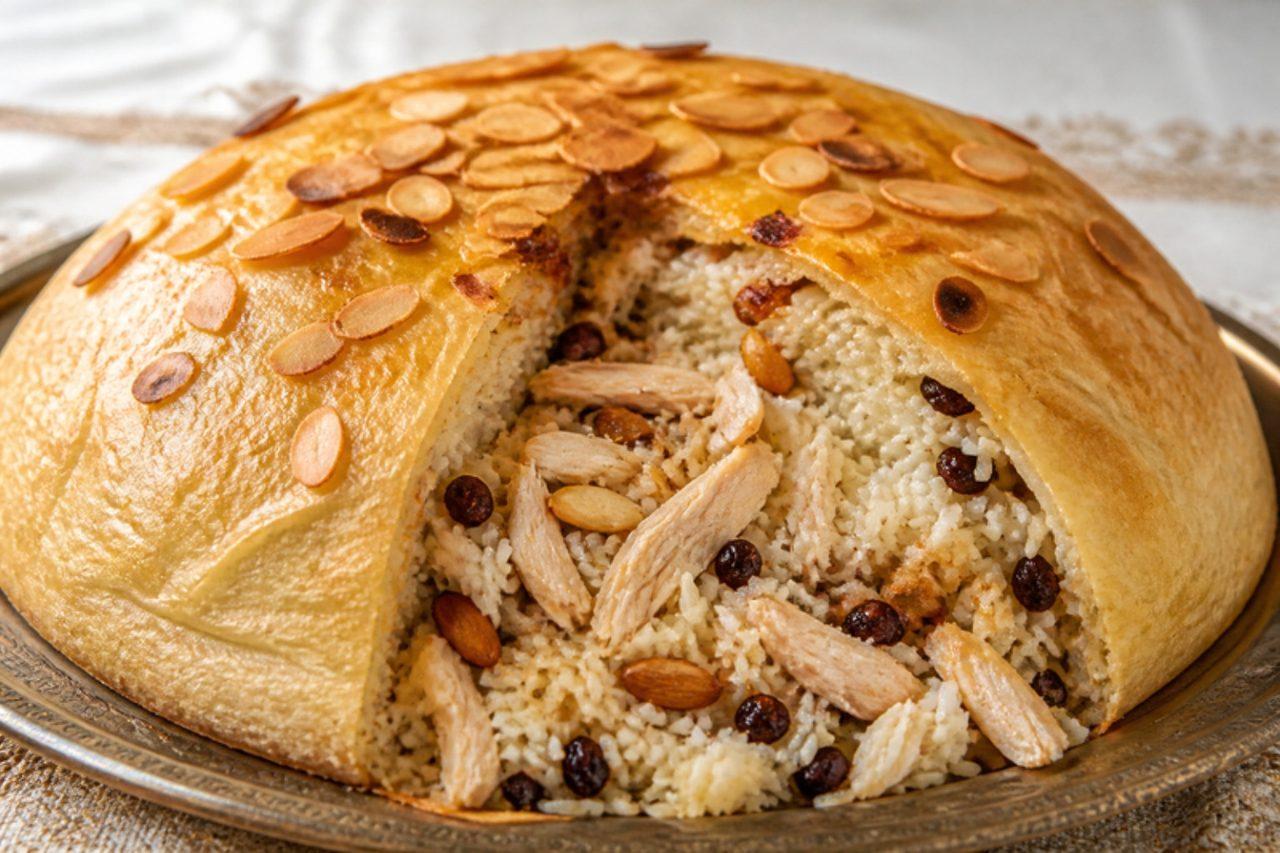
Perde pilavıChicken pilaf in pastry dome

At weddings in Siirt, perde pilavı is carried out whole and cut open at the table: a dome of buttery pastry 'curtain' (perde) hiding rice cooked with shredded chicken, toasted almonds, currants and black pepper. Each part carries a wish for the couple: the rice for plenty, the almonds for children, the pastry for a home that holds together. It makes a spectacular centrepiece for any celebration. Common mistake: a wet filling; the base of the pastry turns soggy, so cook the rice until just dry. Chef's tip: scatter almonds over the buttered tin before the pastry goes in; they become a jewelled top when you turn it out.

by KrazyBadal 0 views

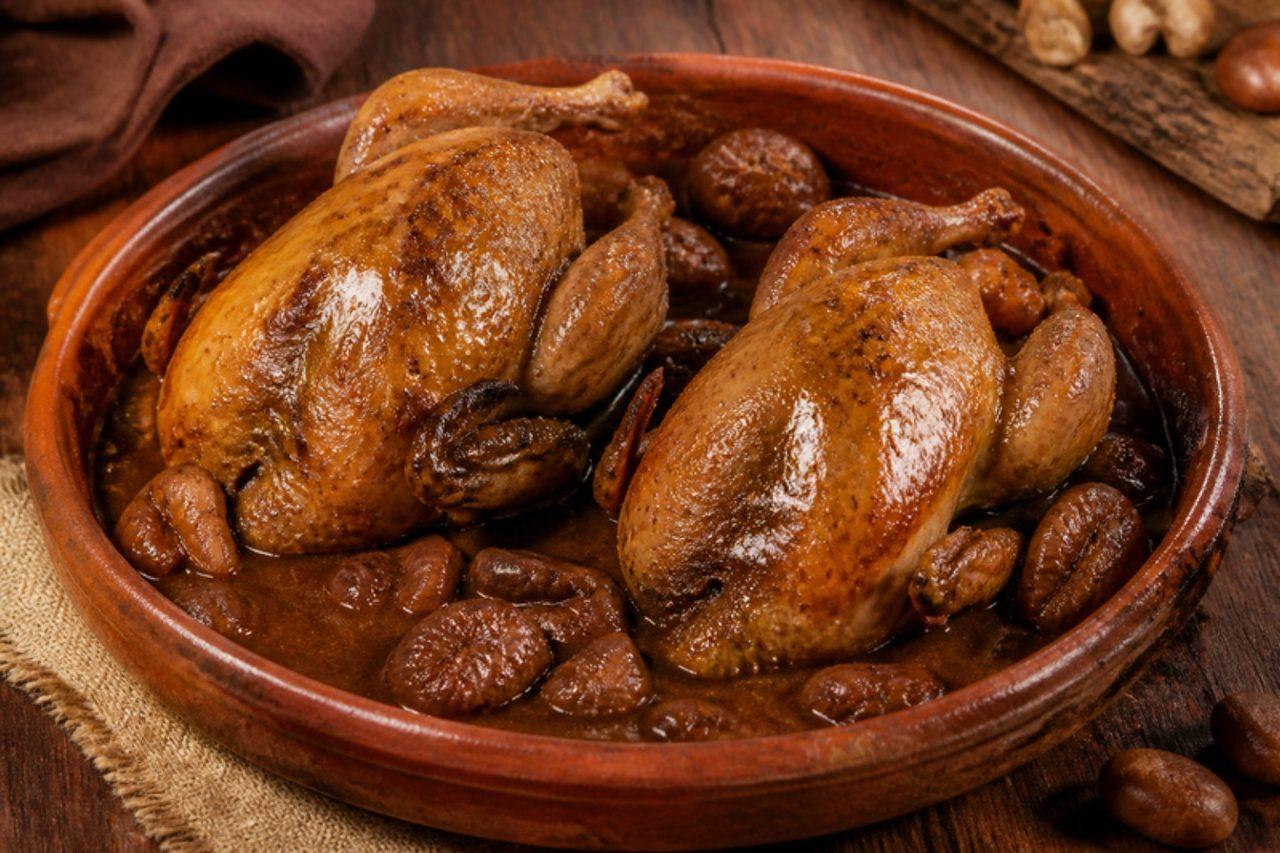
Perdiz al modo de AlcántaraStuffed partridge braised in port

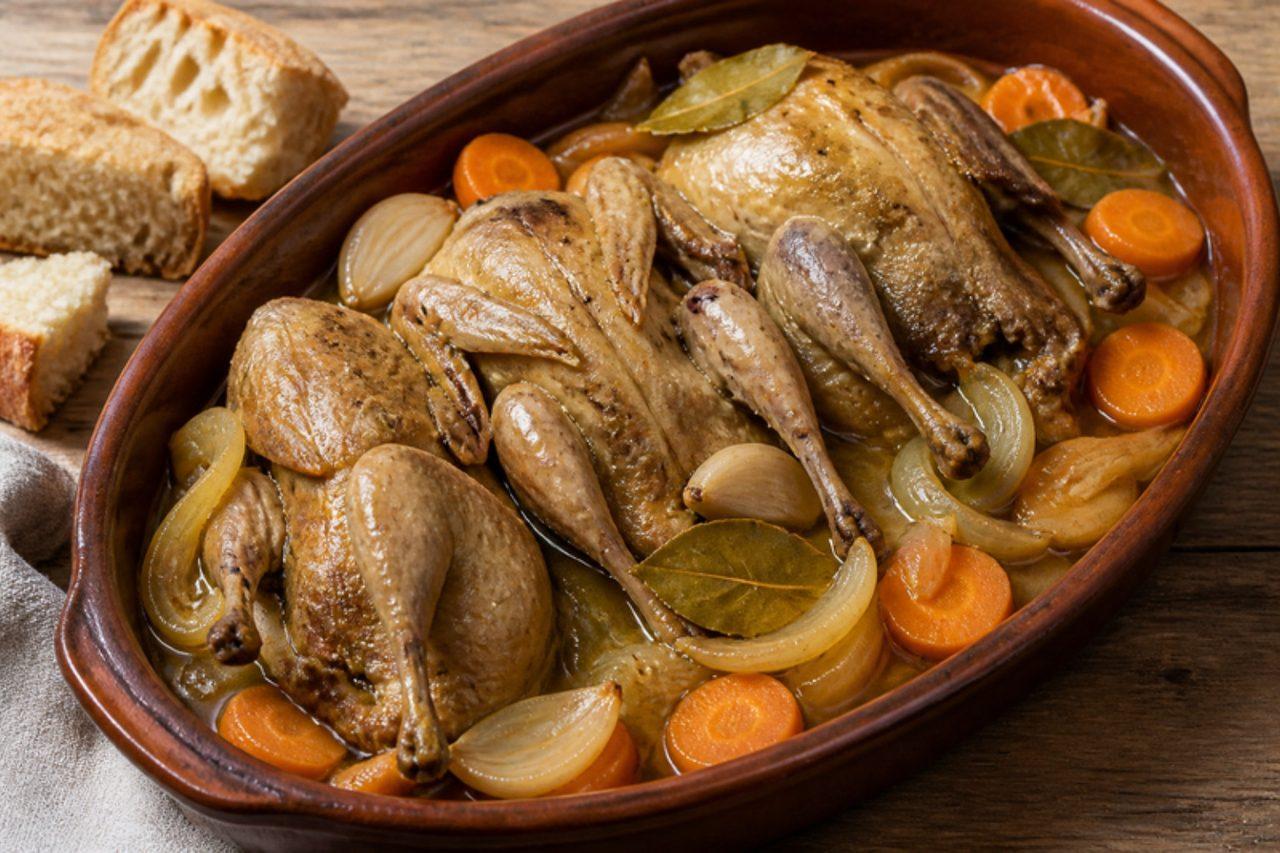
This is the famous dish of the monastery of San Benito at Alcántara, near the Portuguese border. The story goes that French troops looted the library in 1807, and its recipe for partridges stuffed with liver and truffle, marinated for days in port, ended up in French cookbooks, which is why Escoffier listed it. Today it is a dish for autumn hunting-season dinners in Extremadura. Our home version uses chicken livers, mushrooms and an overnight marinade. The dish uses port; for an alcohol-free version, use red grape juice with 1 tbsp of red wine vinegar. Chef's tip: a few slices of black truffle in the stuffing make it truly special, but well-browned mushrooms are a fine everyday substitute.

110 minSpanishMeatGluten free
by KrazyBadal 0 views

Perdiz de escabechePickled partridge

Partridge shooting season fills the cork-oak plains of the Alentejo with hunters in autumn and winter, and escabeche was how their families kept the birds: browned in olive oil, then cooked slowly in vinegar with onion, garlic, bay and peppercorns, and left in the cool larder for days. Today it is made in the fridge and served cold or at room temperature as a starter, with bread and a green salad. A common mistake is serving it straight away; it needs at least a day for the sour, garlicky flavour to soak in. Chef's tip: use good olive oil, since it sets around the birds and is served as part of the dish.

by KrazyBadal 0 views

RepápalosBread fritters in sweet milk

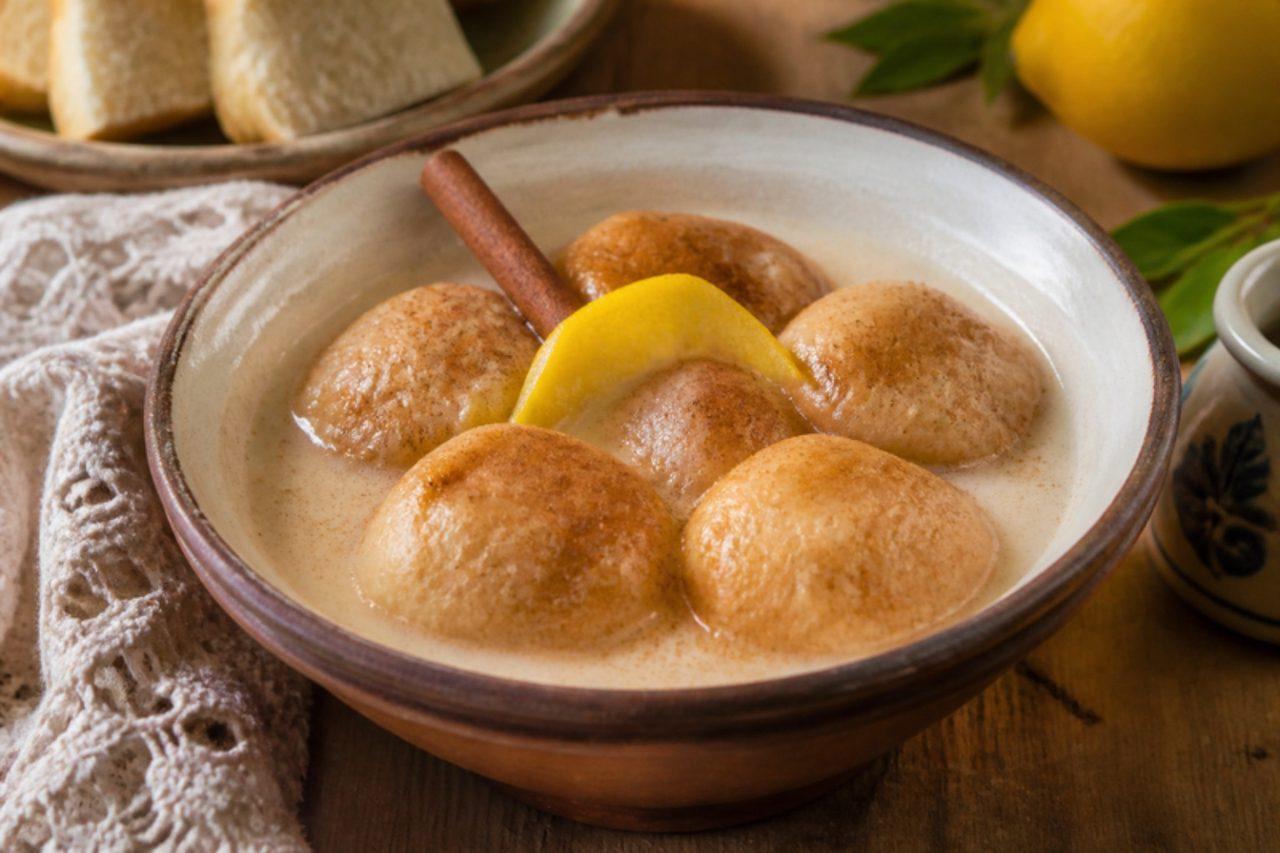
Repápalos belong to the kitchens of Extremaduran villages, where nothing was wasted: stale bread crumbs are mixed with egg into small dumplings, fried until golden, then simmered in milk scented with cinnamon and lemon until they swell and soften. They turn up at Easter and in Lent, and on winter afternoons when there was bread to use up, and they are eaten warm or cold from a deep dish with plenty of the sweet milk. Chef's tip: use bread that is at least two days old; fresh bread makes heavy, doughy fritters.

by KrazyBadal 0 views

Zeytinyağlı barbunyaBorlotti beans in olive oil

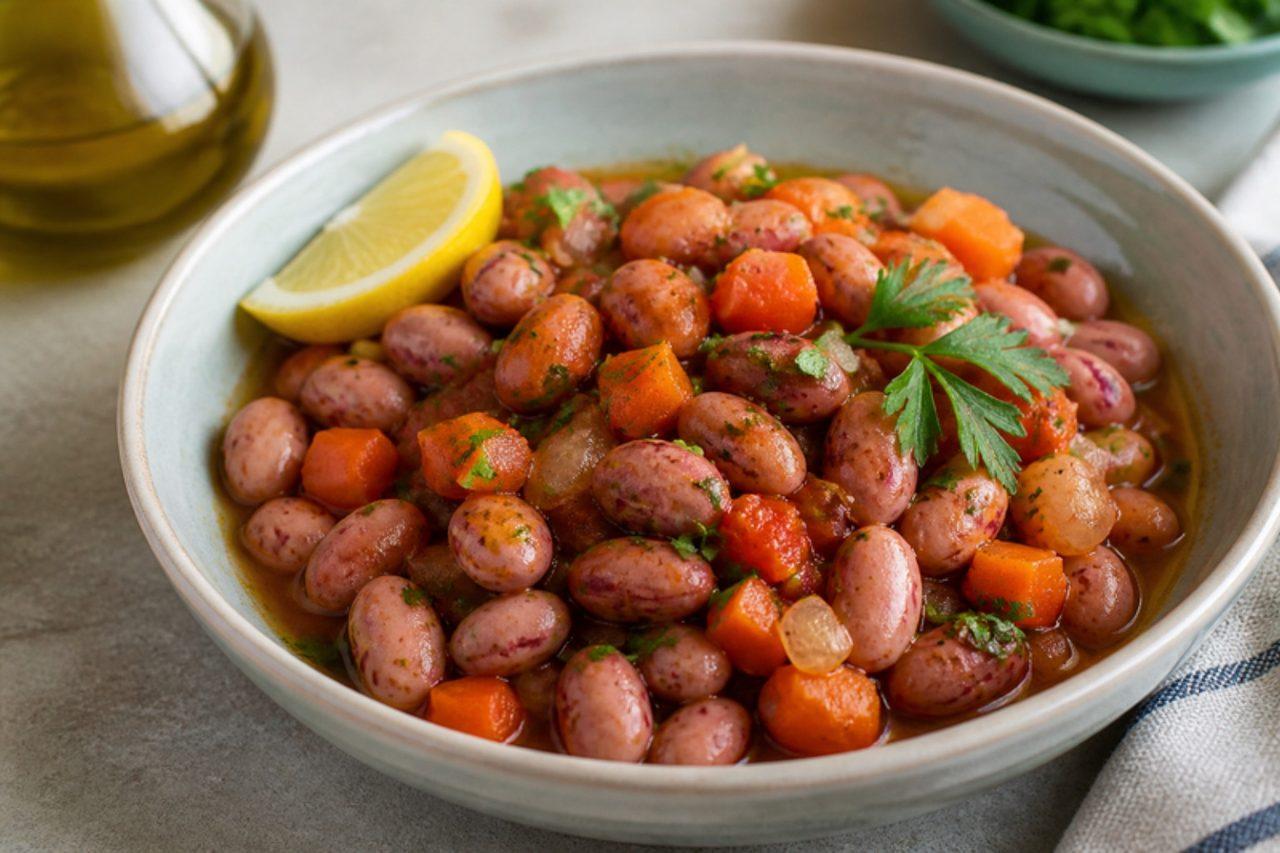
In Istanbul meyhanes and lokanta counters, the zeytinyağlı dishes are the cold olive-oil vegetables served at room temperature, and barbunya is one of the summer favourites when fresh borlotti appear in their speckled pink pods. The beans are braised slowly with onion, carrot, tomato and a little sugar until creamy, then left to cool in their glossy sauce and finished with parsley and lemon. Serve with crusty bread as a meze or a light lunch. Chef's tip: add the salt only once the beans are tender; salting at the start keeps the skins tough.

by KrazyBadal 0 views

Sharbat-e beh limooQuince and lime syrup drink

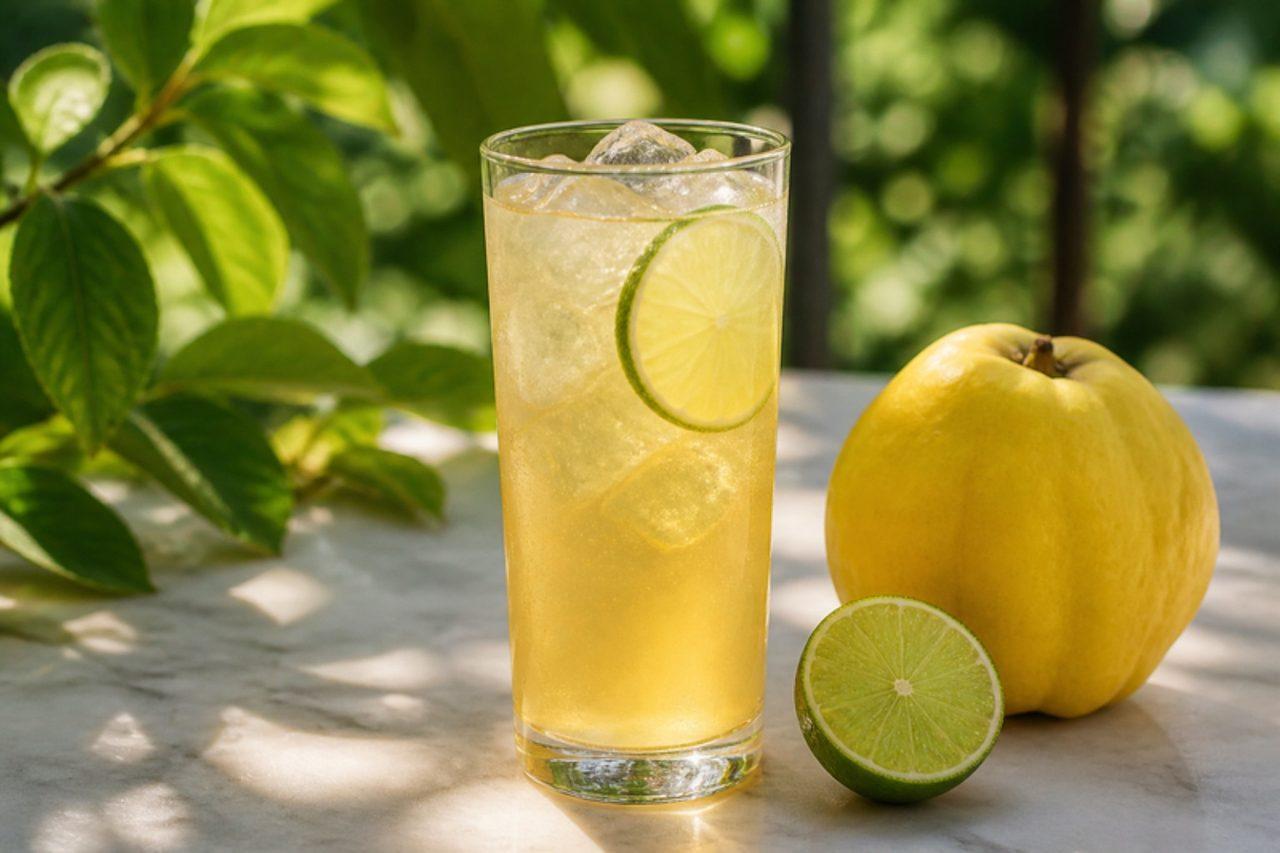
Quince and lime syrup is an old-fashioned Persian cooler, the drink grandmothers in Isfahan and Tehran bring out on hot afternoons, said to settle the stomach and cool the body. Grated quince simmered in syrup turns from cream to a soft rosy amber and gives a floral, almost honeyed scent; fresh lime juice cuts through the sweetness. Diluted with iced water, it is lovely after a heavy meal of rice and stew. Chef's tip: cook the grated quince gently for the full time; the colour only turns pink after long, slow simmering.

by KrazyBadal 0 views

PerrunillasCinnamon and lemon lard cookies

Perrunillas are the cookies of Extremaduran grandmothers, baked in village ovens for Christmas, weddings and the days after the matanza, when fresh lard was plentiful. They are thick, pale and so short they crumble the moment you bite, with a crackly sugar top, and they are eaten with coffee or a glass of milk in the afternoon. This contains pork (pork lard), so they are not vegetarian. Chef's tip: beat the lard and sugar for a good few minutes until very pale and fluffy; that air is what makes them light.

by KrazyBadal 0 views

Sharbat-e albalooSour cherry syrup drink

In early summer, when sour cherries arrive from the orchards around Karaj and Mashhad, families make a big batch of sharbat-e albaloo, the deep ruby syrup that is mixed with iced water for guests through the hot months. It is sweet, sharp and very refreshing, and the cooked cherries left over are not wasted: they go into albaloo polo, the cherry rice. A splash of the syrup also goes over shaved ice or yogurt. Chef's tip: stop cooking as soon as the syrup coats a spoon thinly; overcooked syrup loses its fresh cherry flavour and tastes of jam.

by KrazyBadal 0 views

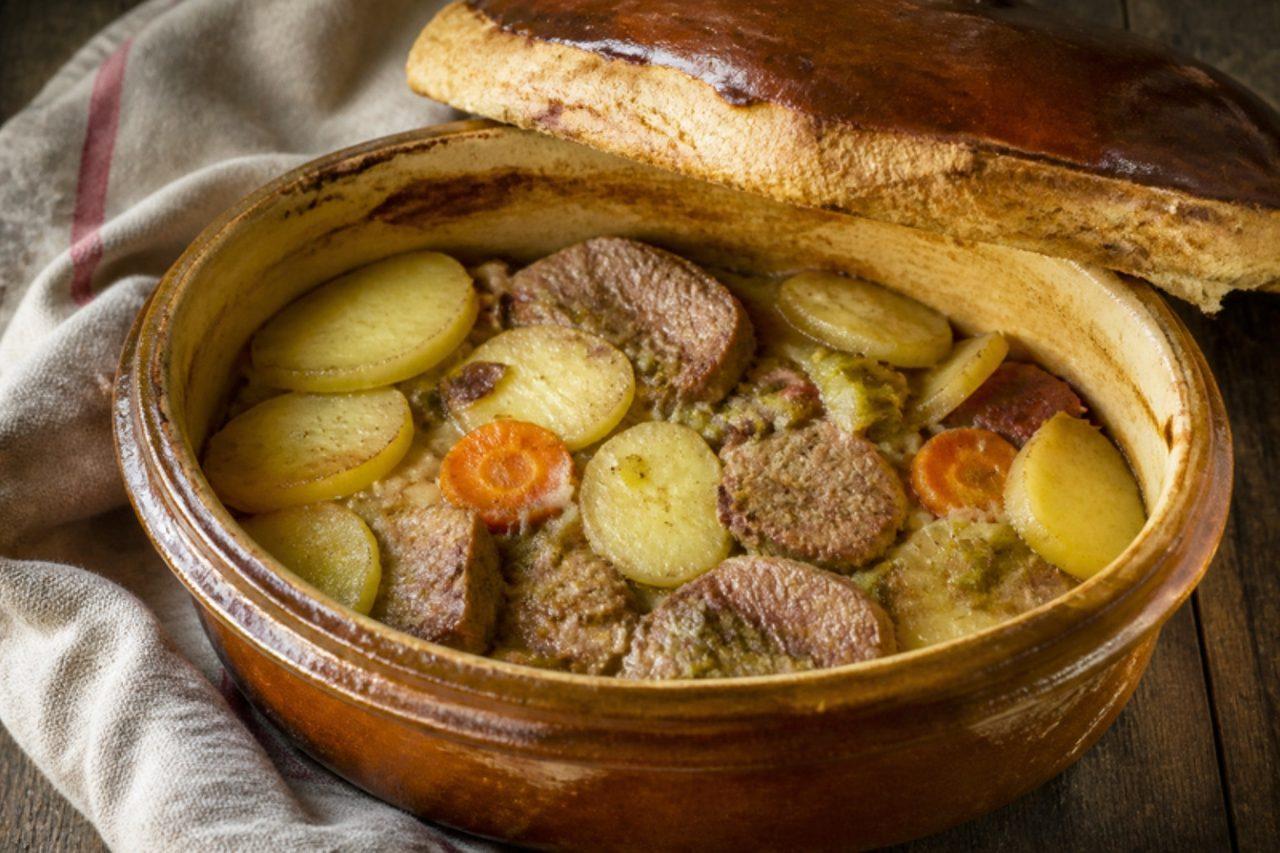
BaeckeoffeThree-meat and potato bake

Baeckeoffe means "baker's oven" in Alsatian, and in villages around Strasbourg and Colmar the dish was once carried to the baker's dying oven on a Monday to cook slowly while the week's washing was done. Pork shoulder, lamb and beef are marinated overnight in dry Alsace white wine with onion, garlic and herbs, then layered with potatoes in a lidded earthenware dish whose rim is sealed with a strip of flour-and-water dough. After three hours the potatoes have drunk up the wine and meat juices and the three meats fall apart under a spoon. The dish uses wine, but an alcohol-free version with stock is given in the ingredient notes; serve it straight from the pot with a green salad. Chef's tip: break the dough seal at the table, because the burst of steam and the smell of wine and thyme are half the pleasure.

950 minFrenchMeat
by KrazyBadal 0 views

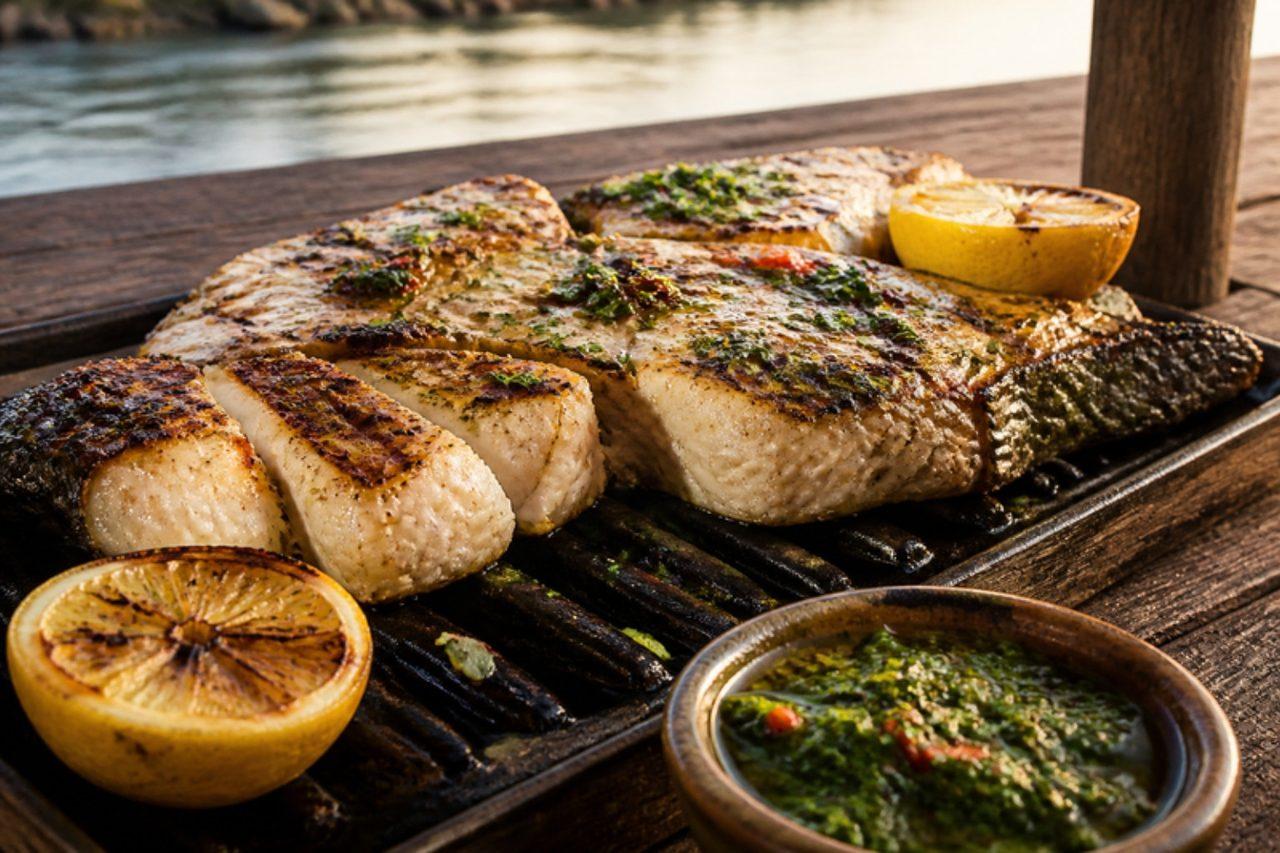
Surubí a la parrillaGrilled catfish steaks

The surubí, a big spotted catfish of the Paraná, has firm, almost meaty white flesh with no fine bones, which is why riverside parrillas in Corrientes, Goya and Esquina cut it into thick steaks and throw it on the grill like beef. A short soak in lemon, garlic and oil, plenty of salt, and live coals are all it asks. Serve with boiled cassava or potatoes, salsa criolla and a cold lemonade. Outside Argentina, buy thick steaks of another firm catfish, or of monkfish or swordfish. The usual mistake is trying to flip the fish too soon: it tears and sticks until a crust has formed and it lets go of the grate by itself. Chef's tip: oil the fish rather than the grill, and rub the hot bars with half a lemon just before the steaks go on.

by KrazyBadal 0 views

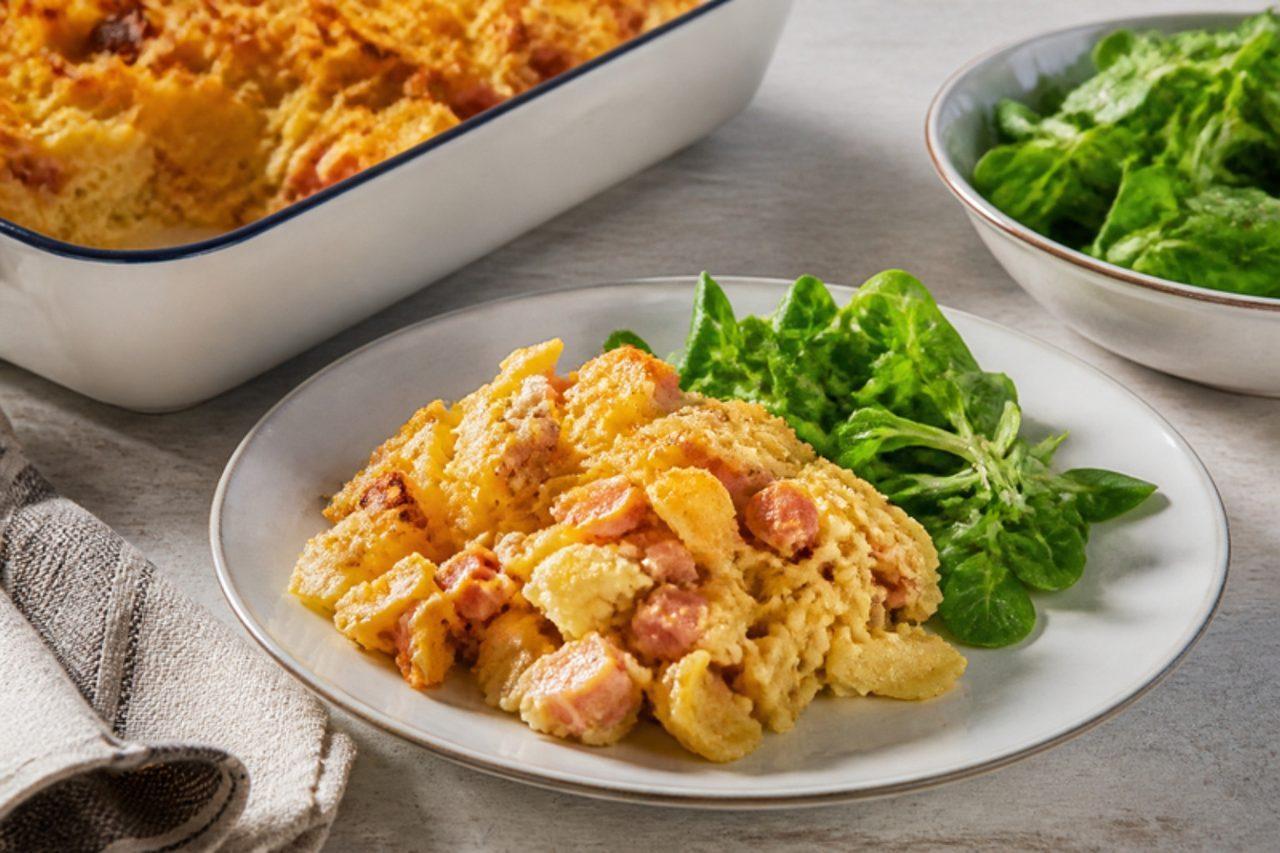
SchinkenfleckerlBaked pasta squares with ham

Schinkenfleckerl is the comfort bake of Viennese homes and school canteens, a simple dish that came to Vienna from Bohemian cooks in the days of the old empire. Small pasta squares are folded into a mix of butter, egg yolks, sour cream and diced cooked ham, lightened with whisked egg whites and baked until the top is golden and the edges crunchy. Swap the ham, which is pork, for 250 g fried mushrooms for a vegetarian version. Chef's tip: cook the pasta a minute short and rinse it cold, so it does not go soft in the oven.

by KrazyBadal 0 views

VincisgrassiBaked lasagne with meat ragù

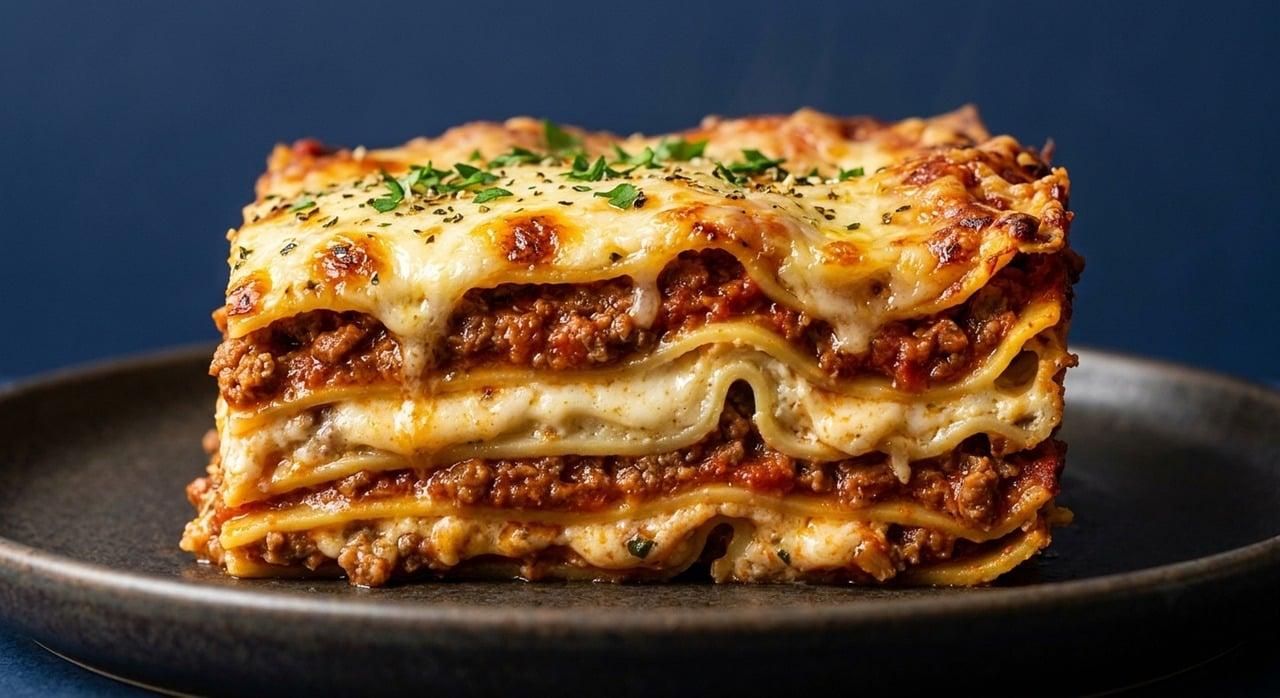
Macerata, in the hills of the Marche, claims vincisgrassi as its own, and families still bake a tray for Sunday lunch, Christmas and Carnival. It is richer than the lasagne most people know: thin egg pasta sheets layered with a slow ragù of pork, veal and chicken livers, a nutmeg-scented béchamel and plenty of parmigiano, baked until the top is crusted and golden. Many cooks splash in white wine and a little Marsala; this version uses dry white wine, with an alcohol-free swap in the ingredient list, and the chicken livers are optional if you'd rather leave them out. Serve it in modest squares, followed by a crisp green salad. Chef's tip: make the ragù the day before and assemble cold, so the layers set firmly and slice cleanly.

by KrazyBadal 0 views

Suquet de peixFish and potato stew with picada

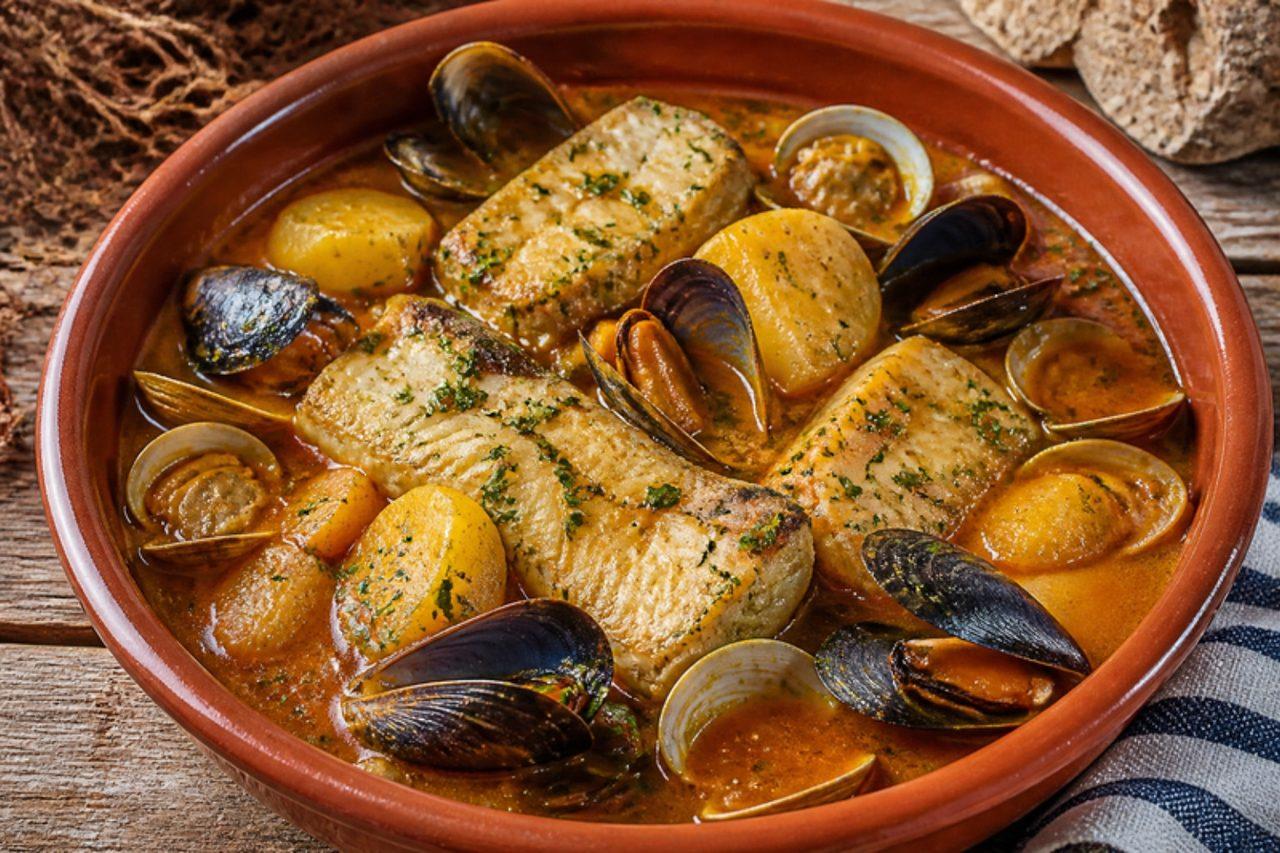
Fishermen from Cadaqués, Palamós and the other Costa Brava ports made suquet on board with the fish that would not sell: rockfish, monkfish, hake, a few prawns, simmered with potatoes in a sofrito and thickened at the end with a picada of garlic, almonds, parsley and fried bread. Now it is a weekend lunch in harbour restaurants, served straight from the pan. The potatoes must release their starch so the broth turns into a light, silky sauce. Chef's tip: 'crack' the potatoes rather than slicing them: cut part way, then snap off the pieces; the rough edges give up more starch.

by KrazyBadal 0 views

Reshteh poloRice with toasted noodles and dates

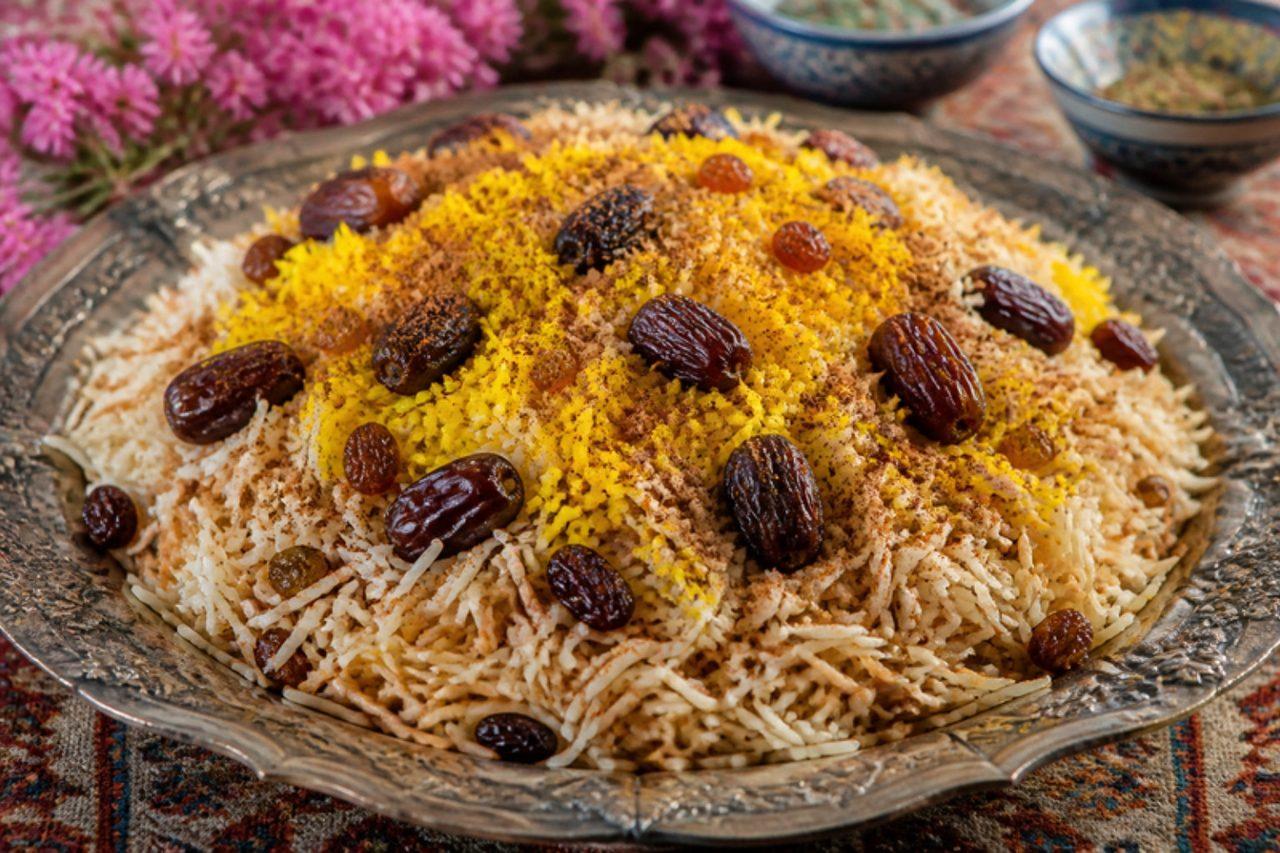
On the last evening before Nowruz, and on the first night of the new year in many Tehran households, a platter of reshteh polo is set out so the family can 'take hold of the reins' of their luck for the year ahead; the noodles are the reins. Long-grain rice is par-boiled with toasted reshteh (thin, salty Persian noodles), layered with buttery dates, raisins and cinnamon and steamed until each grain separates, with a golden tahdig crust underneath. Meat is often served alongside, but the polo itself is meat-free. A common mistake is skipping the noodle toasting, which leaves them pale and gummy. Chef's tip: wrap the lid in a clean tea towel while the rice steams so condensation doesn't drip back and make the rice wet.

by KrazyBadal 0 views

SupangleChocolate pudding on sponge

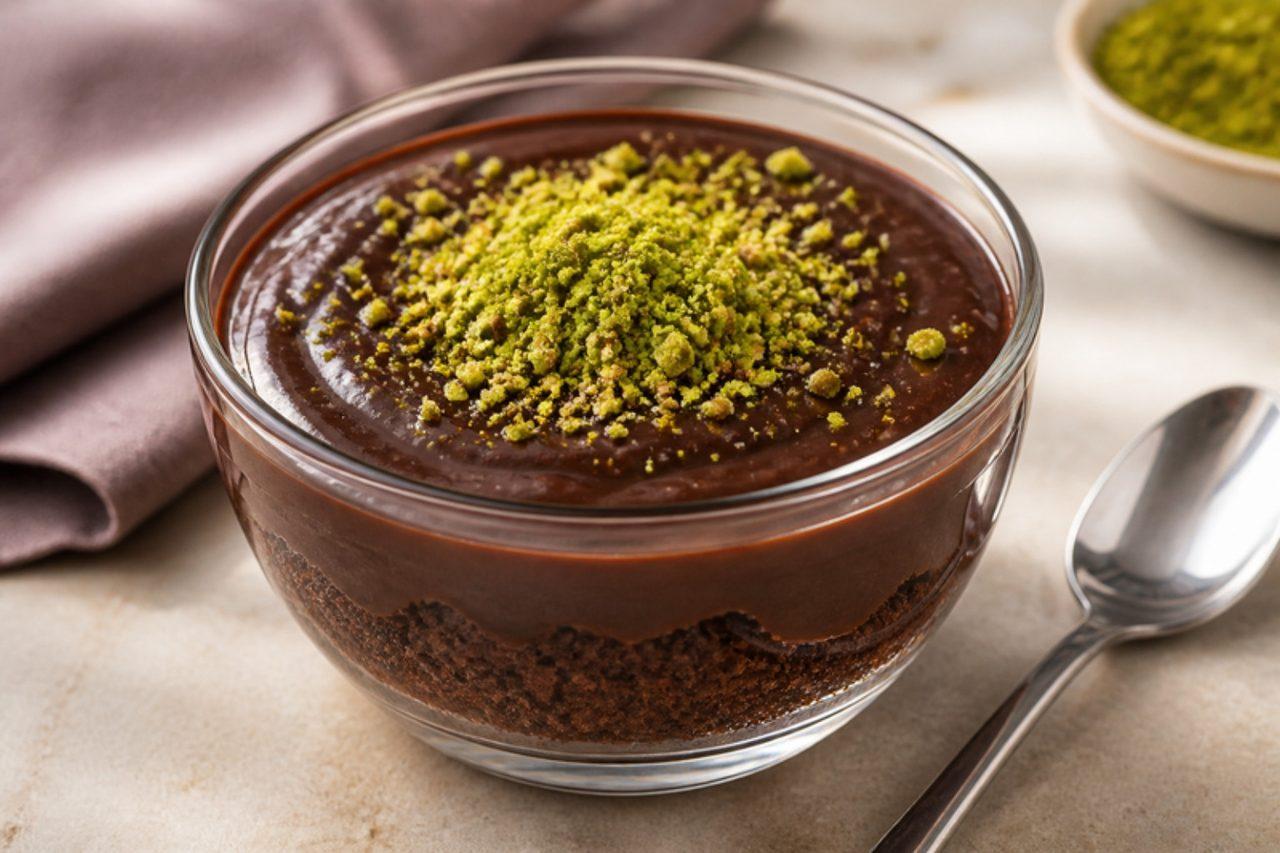
Supangle is the chocolate pudding of Turkish pudding shops and school canteens, a favourite of children from Istanbul to Ankara: a thick, dark cocoa custard set in a bowl, traditionally with a piece of sponge cake or biscuit hidden at the bottom to soak up the edges. Served cold with grated chocolate or pistachios on top, it is rich but not heavy. Use proper dark chocolate as well as cocoa for depth. Common mistake: adding the chocolate before the pudding has thickened; it can seize and turn grainy. Chef's tip: whisk the butter in at the very end, off the heat, for a glossy, almost shiny surface.

by KrazyBadal 0 views

Pescaíto fritoMixed fried fish

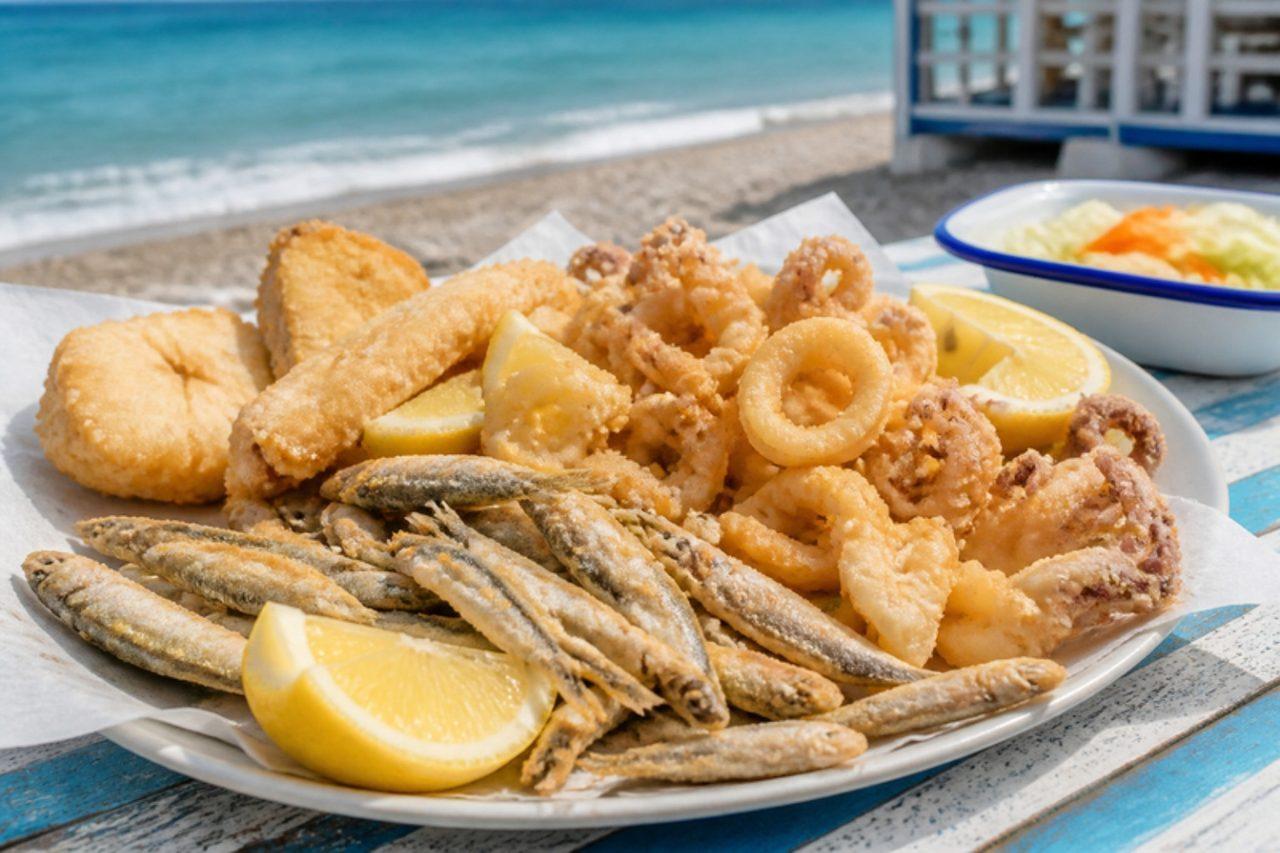
On the beaches of Pedregalejo and El Palo in Málaga, chiringuito cooks shake small fish in flour and fry them by the basketful: whole fresh anchovies (boquerones), rings of squid, strips of dogfish and little red mullet, served piled on paper with lemon. The secret is a coarse frying flour, partly durum semolina, and very clean, hot oil, so each piece comes out crisp and dry. Eat it at once, at the table, with a cold drink and a salad. Chef's tip: shake off every bit of loose flour in a sieve before frying; excess flour burns and makes the oil dark and bitter.

by KrazyBadal 0 views

Pesque de quinuaCreamy quinoa with cheese

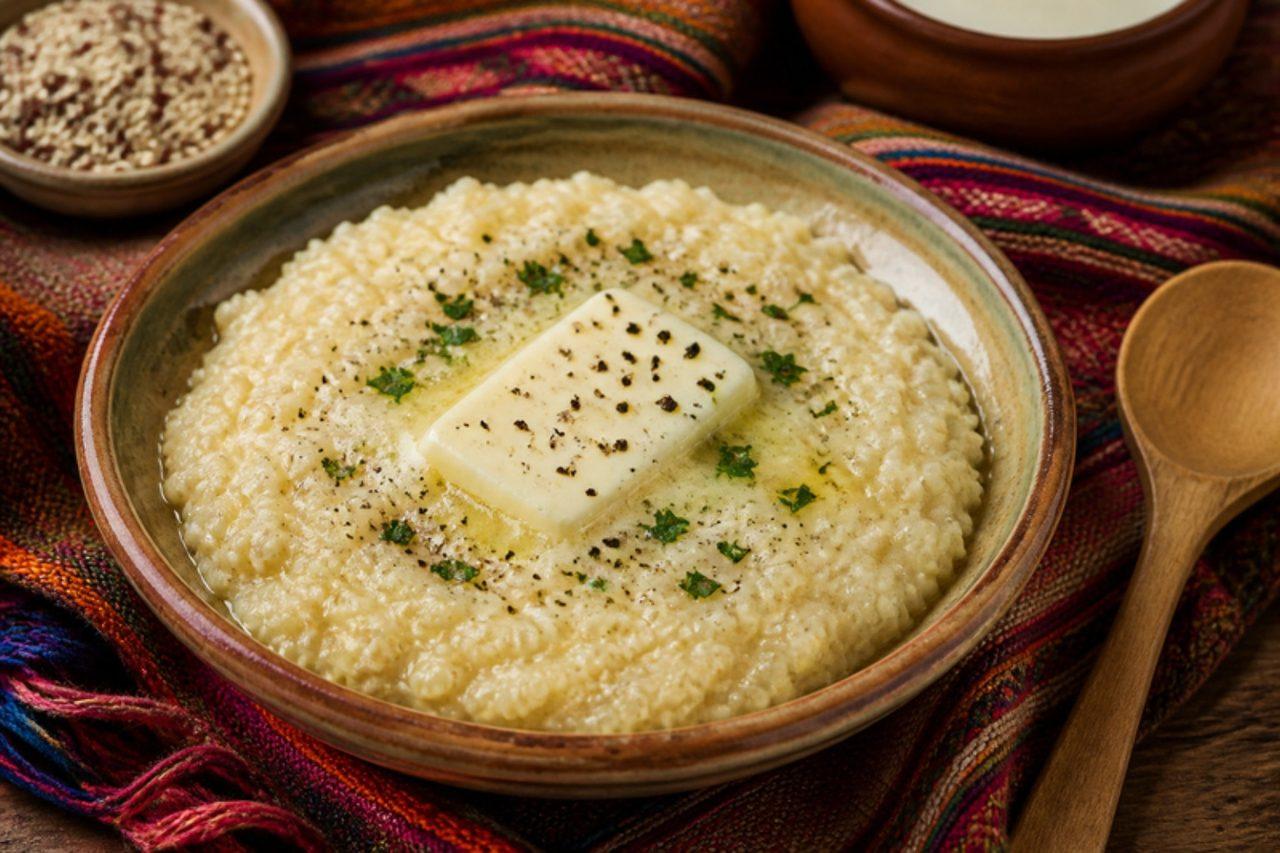
Up on the Altiplano around Lake Titicaca, where quinoa grows at almost 4,000 metres, pesque is everyday food: quinoa cooked until it collapses, then beaten with milk, a knob of butter and crumbled fresh cheese until it looks like a loose, savoury risotto. Puno families eat it for a warming lunch or supper, often with a glass of milk poured over or a fried egg on top, and in the cold dry air it is exactly what the body wants. It is soft, nutty and mildly salty. The step people skip is rinsing the quinoa, and the natural saponins then leave a soapy, bitter edge; rub it under running water until the foam stops. Serve with a tomato salad or a spoon of uchucuta for some heat. Andean fresh cheese is usually set with animal rennet, so choose a vegetarian fresh cheese if needed. Chef's tip: cook the quinoa in a little more water than usual and leave it a few minutes longer than for a salad, so it turns creamy and the grains burst.

by KrazyBadal 0 views

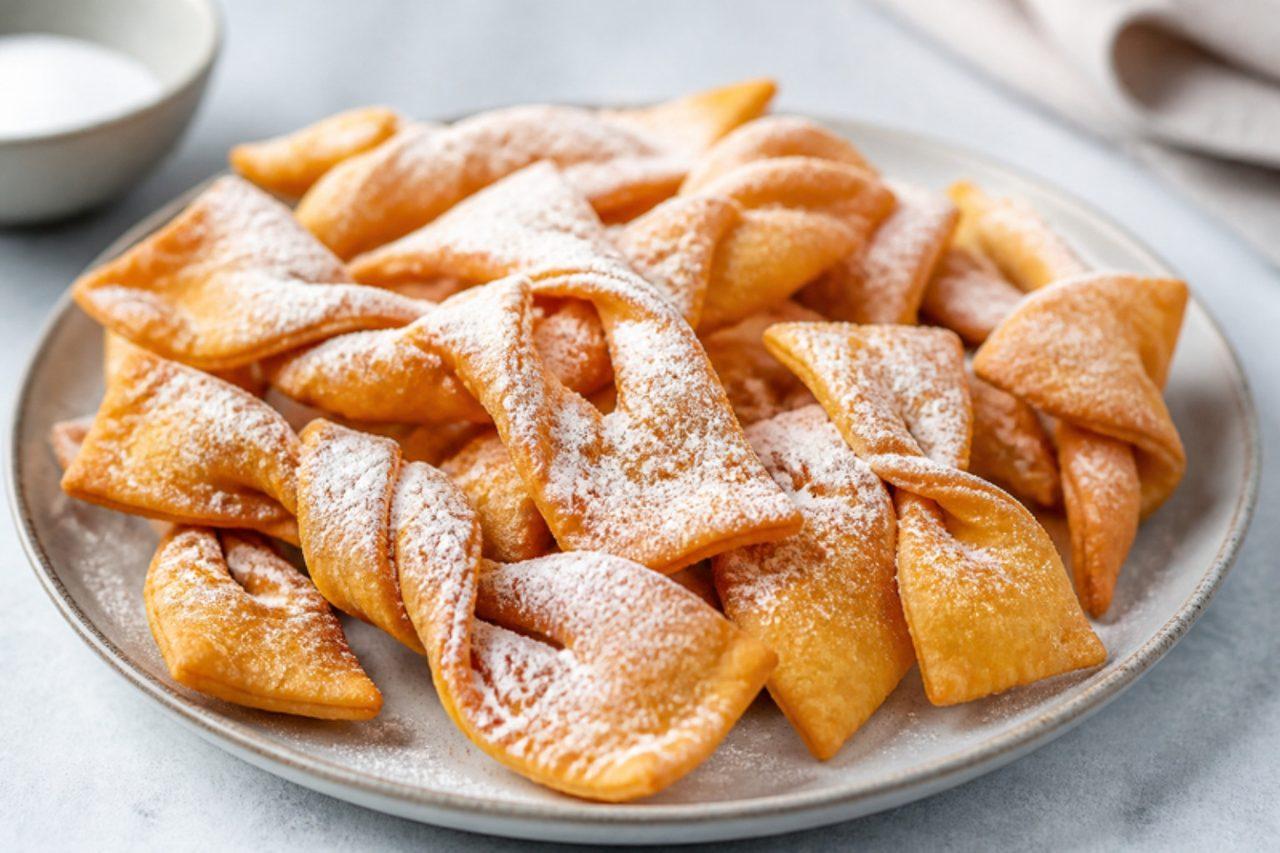
PestiñosAnise fritters in honey

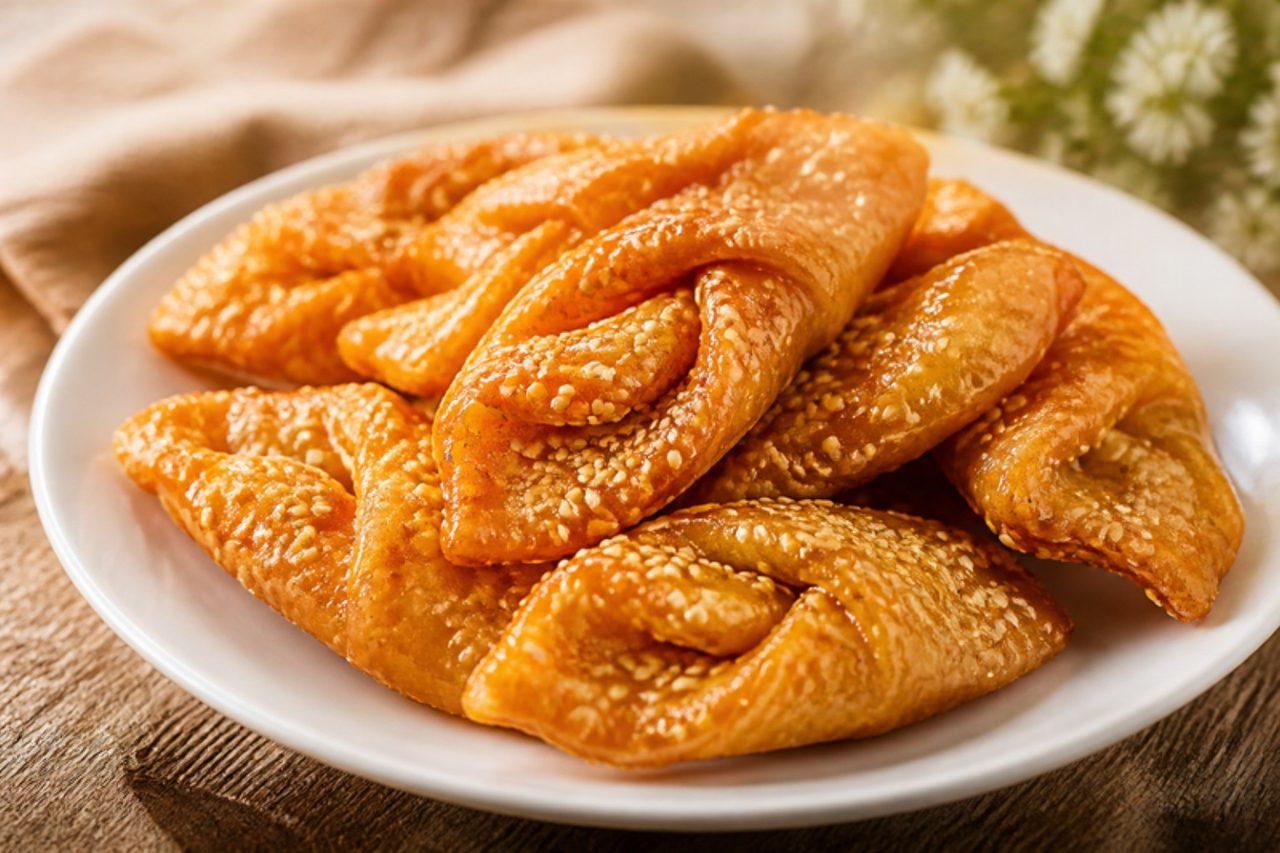
When Holy Week and Christmas come round, convent turnstiles and village kitchens from Cádiz to Granada fill trays with pestiños: little folded parcels of dough flavoured with sesame, anise and orange, fried until crisp and blistered and then dipped in honey. The dough traditionally takes a splash of white wine, which makes it bubble and crunch; orange juice works too, and is the alcohol-free option in the list. A common mistake is frying them in oil that is too hot, which browns the outside before the folds of dough cook through and crisp. Chef's tip: roll the dough really thin; thick pestiños stay doughy in the middle and soak up oil.

by KrazyBadal 0 views

Carne de sol com macaxeiraSalted beef with cassava

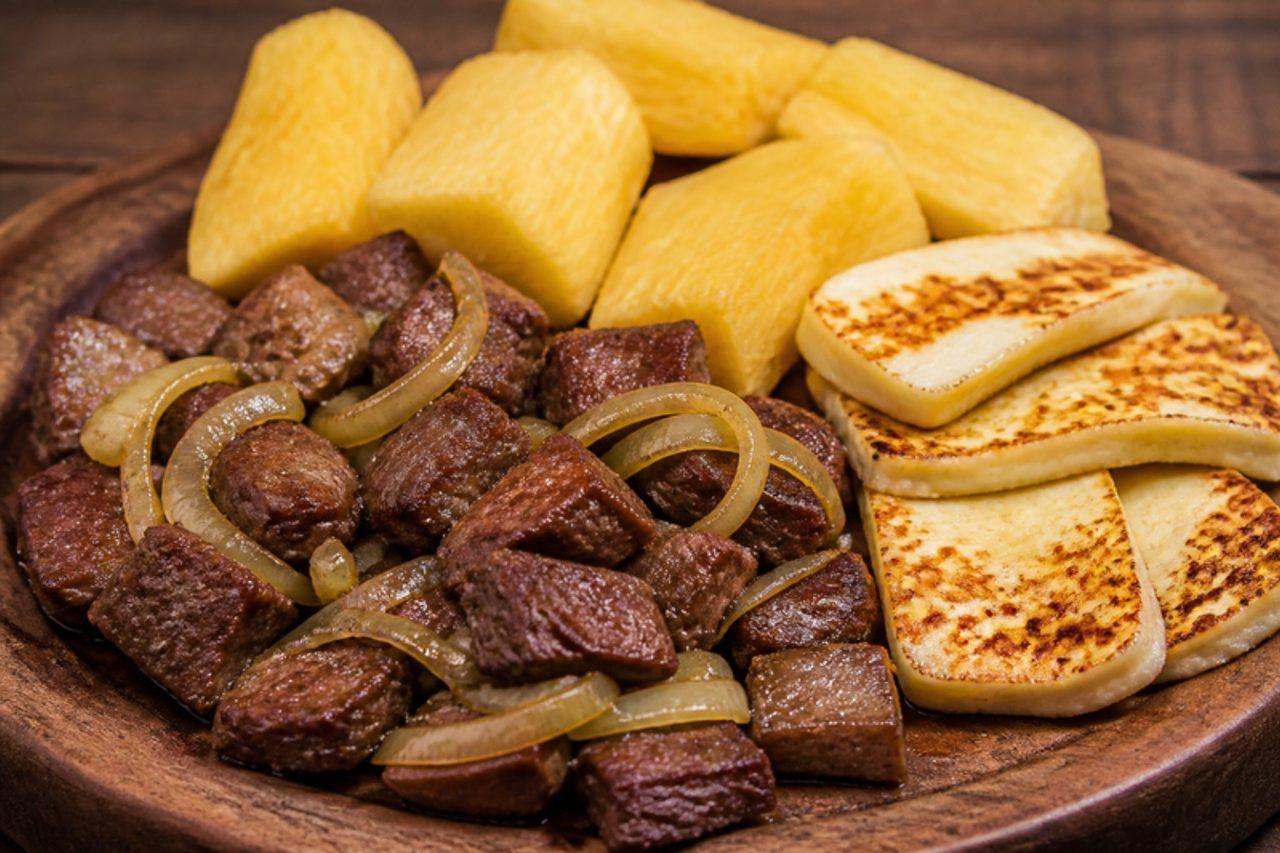
Out in the sertão, beef was salted and hung in airy shade to cure, and the result, carne de sol, is now the pride of restaurants from Natal to Caruaru, where it arrives sizzling on an iron plate with boiled macaxeira (cassava) glossed in clarified butter, grilled squares of coalho cheese and a dish of feijão verde. The meat is firm, faintly salty and deeply beefy, the cassava soft and buttery, the cheese squeaky and browned. If you can't buy carne de sol from a Brazilian butcher, salt the beef yourself in the fridge for 24 hours (step 1), so allow an extra day. The mistake people make is frying the beef straight from the salt; a 30-minute soak in cold water keeps it pleasantly seasoned rather than harsh. The beef is cut into chunks and fried, so cook it to your taste: pink in the middle or well done are both fine for whole-muscle beef. Chef's tip: fry the beef in small batches in a really hot pan so it browns rather than stews in its own juice.

by KrazyBadal 0 views

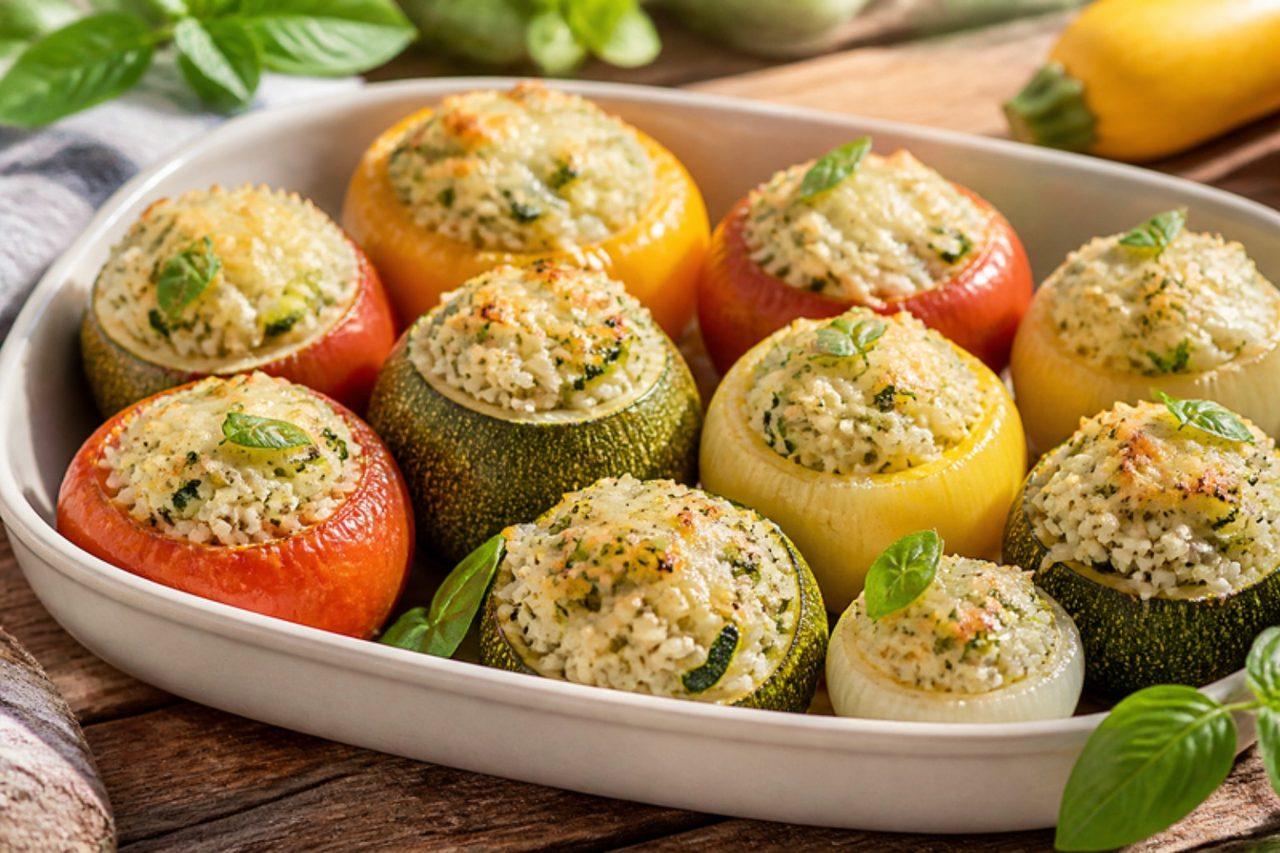
Petits farcis niçoisStuffed vegetables with rice and herbs

From June to September the traiteurs around the cours Saleya market in Nice sell trays of petits farcis: round courgettes, tomatoes and onions hollowed out, refilled and baked until wrinkled and caramelised at the edges. Niçois families often use up leftover daube in the stuffing; this meatless version, common on Fridays and at summer picnics, uses rice, herbs, the vegetables' own flesh and Parmesan. Parmesan is made with animal rennet, so use a vegetarian hard cheese if that matters to you. They are as good at room temperature the next day as hot from the oven. Chef's tip: choose vegetables of a similar size, so they all finish cooking at the same moment.

by KrazyBadal 0 views

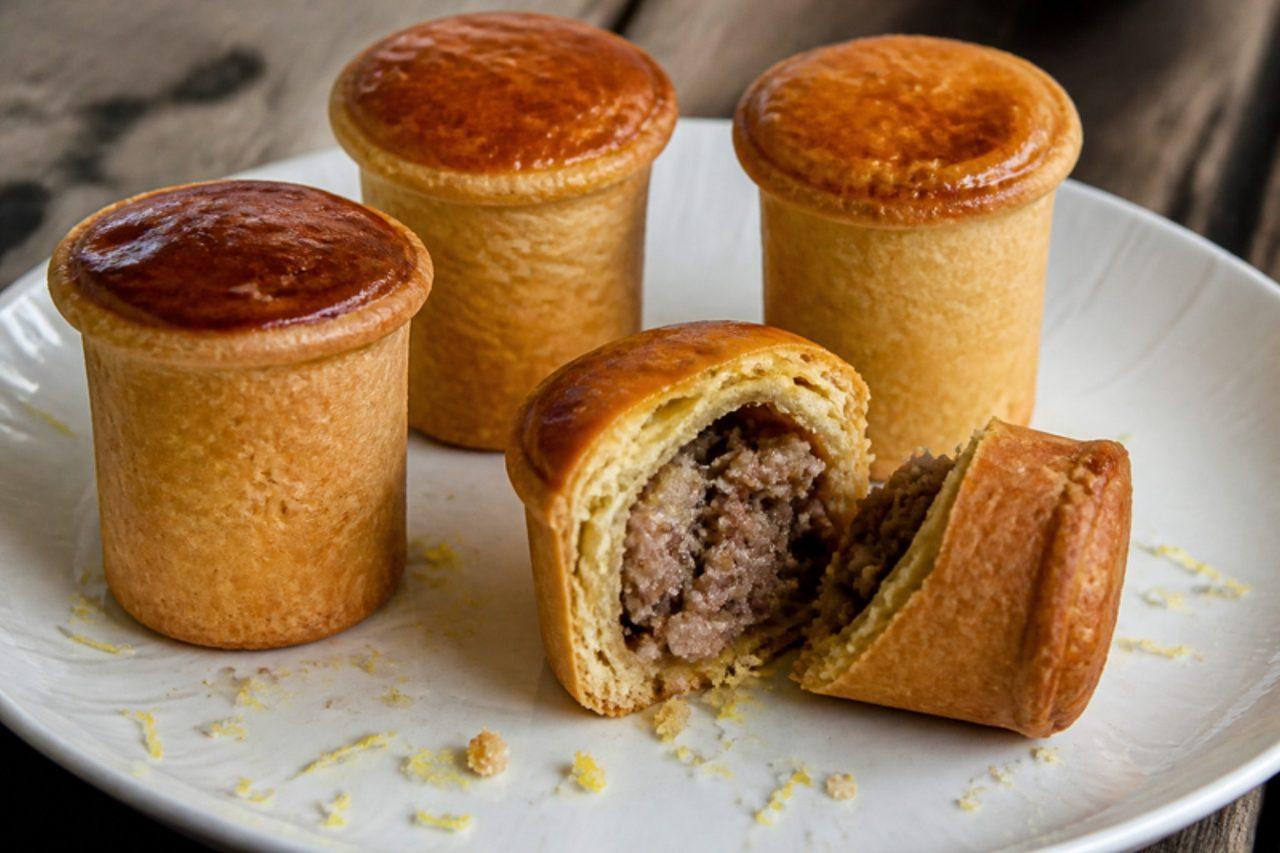
Petits pâtés de PézenasSweet spiced lamb pies

Pézenas, the old Languedoc town of Molière, is famous for these little pies shaped like cotton reels, sold warm from its bakeries all winter and especially around Christmas. Local legend links them to the Indian cooks of Lord Clive, who stayed nearby in 1768, which would explain the unexpected sweet-savoury filling of minced lamb, brown sugar and lemon zest. They have a crisp, sturdy hot-water crust and a juicy, gently sweet centre with a hint of spice. Eat them warm as a starter, with a green salad, or as a mid-morning snack the way Piscénois do. Chef's tip: shape the pastry while it is still warm and supple; once it cools it cracks instead of folding.

by KrazyBadal 0 views

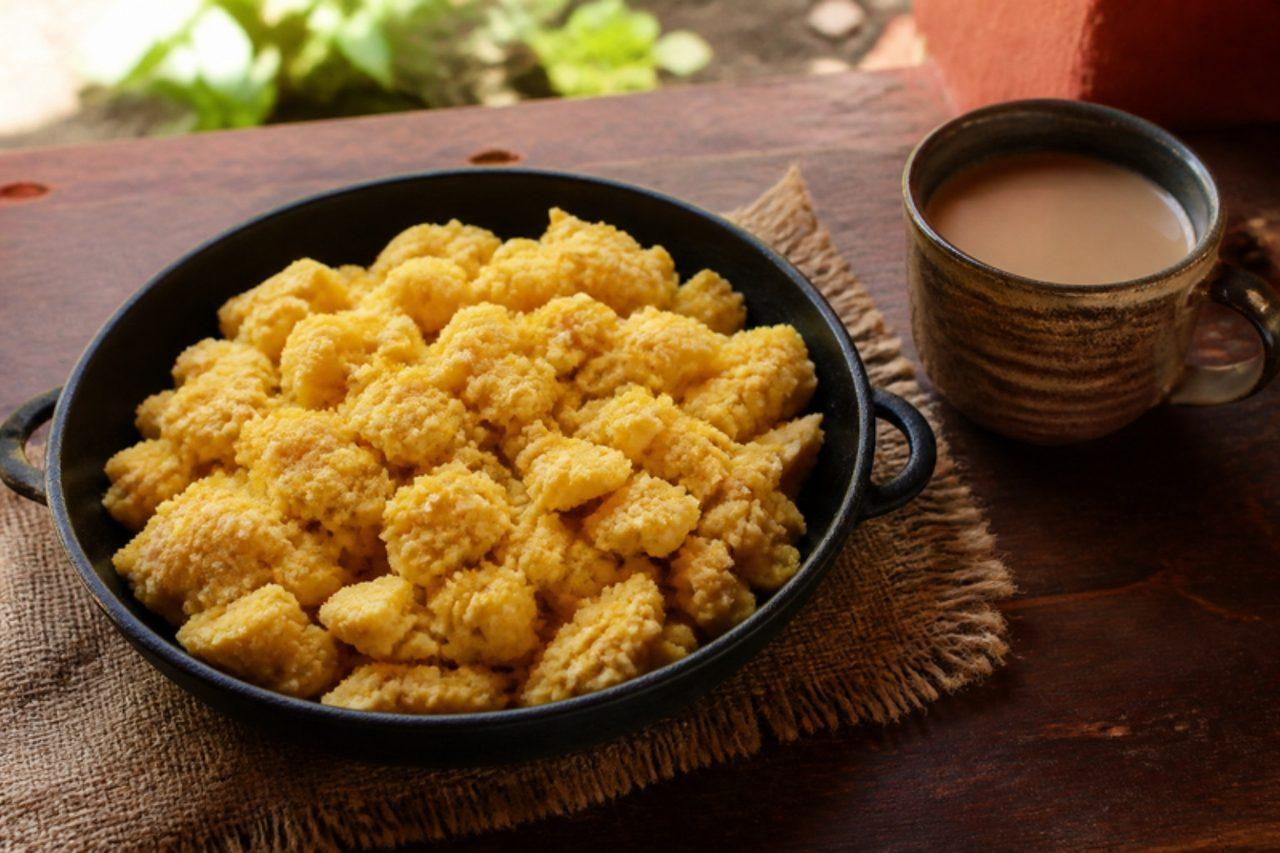
ReviroFried flour and egg scramble

For field workers in the yerba-mate plantations of Misiones, the morning starts with reviro: a simple dough of flour, egg, water and salt fried in plenty of fat and then broken up with a spatula as it cooks, until it becomes a pile of crisp, golden, irregular crumbs with soft centres. It is filling, cheap and very good dunked in a mug of mate cocido or milky coffee, and it shares its roots with the Guaraní and Paraguayan kitchen across the river. Traditionally it is fried in lard or beef fat; this version uses butter and oil so it is vegetarian. Turning it too early is the classic blunder: the batter needs to fry undisturbed until a crust forms, or it turns into a pale, doughy mash. Chef's tip: keep chopping and turning with the edge of a metal spatula for the last 10 minutes; the more edges you make, the more crunch you get.

by KrazyBadal 0 views

Showing 45 of 7,762 recipes

Show more recipes

Page 504 of 863