


Skip to content
Rodanchas
Featured recipe

Rodanchas

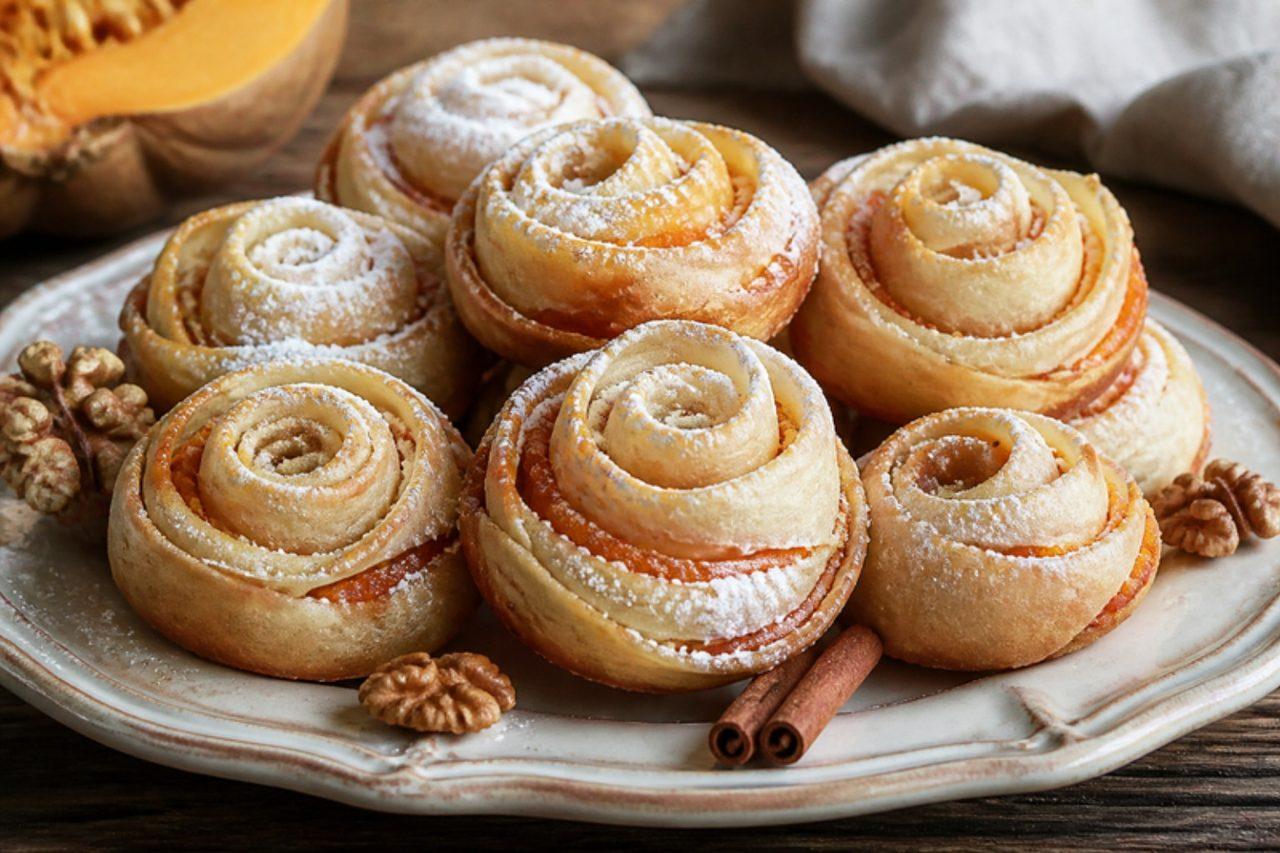
Pumpkin pastry roses

Rodanchas are the Rosh Hashanah pastries of Sephardic families from Turkey and Rhodes, baked in Jerusalem and Bat Yam because pumpkin, kalabasa, is one of the new-year blessings. A thin oil dough is spread with sweet spiced pumpkin and rolled into coils that open like roses in the oven. They are crisp at the edges and soft and jammy inside, eaten with coffee after the festive meal or for breakfast. The mistake is a watery filling, which soaks the dough and stops the roses holding their shape. Chef's tip: roast the pumpkin rather than boiling it, then cook the purée in a pan until it is thick enough for a spoon to leave a trail.

Read more 0 views

What to eat today?

Around the world

Today's trip: Paraguayan

A new country every day, from every cuisine on the site.

Paraguayan

Cocido quemado

Burnt sugar mate drink 14 minMore from Paraguayan (27) →

This week's collection

Kid-friendly dinners
537 recipes · a new collection every Monday

Latest recipes

PfeffernüsseHoney spice biscuits

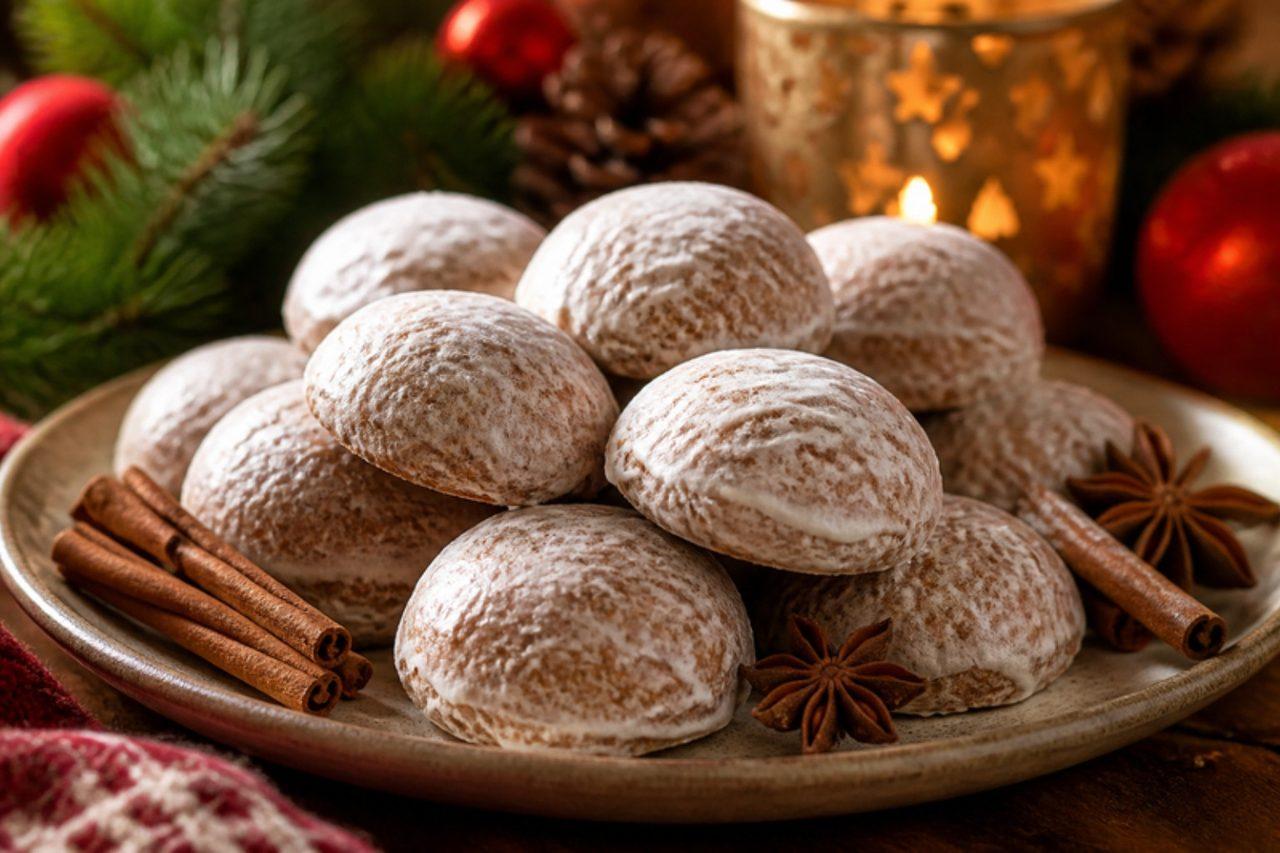
Pfeffernüsse are small domed biscuits baked in German homes through Advent, especially in the north and in Saxony, and sold in bags at Christmas markets everywhere. They are made with honey and a warm spice mix, and in old recipes the 'pepper' in the name meant exotic spices in general, though a pinch of real black pepper adds a lovely bite. A thin white glaze sets crisp over a chewy centre. The mistake many people make is eating them straight away; they are hard at first and need a few days in a tin with a slice of apple to soften. Chef's tip: warm the honey only until runny, never boiling, or the biscuits turn tough.

by KrazyBadal 0 views

PfefferpotthastPeppery beef and onion stew

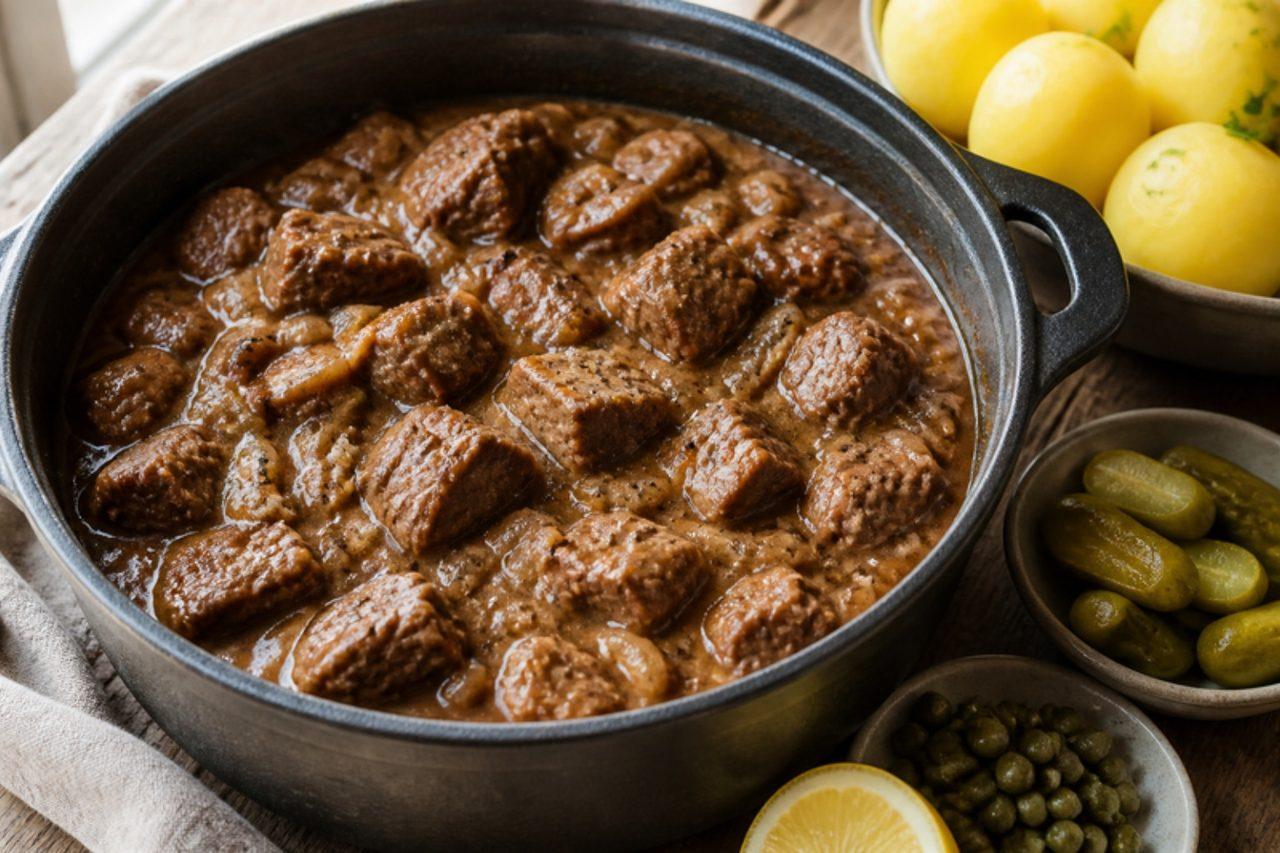
Pfefferpotthast is one of the oldest dishes of Westphalia, written about in Dortmund as far back as the 14th century and still cooked in the Münsterland and the Ruhr for big family meals. Beef is stewed with almost as much onion as meat, plenty of black pepper, cloves and bay, then thickened with breadcrumbs and sharpened with lemon and capers. Pickled gherkins and boiled potatoes go alongside. Chef's tip: grind the pepper coarsely and add half at the start and half at the end, so you get both deep warmth and a fresh bite.

by KrazyBadal 0 views

PfitzaufEgg-batter puffs with apple sauce

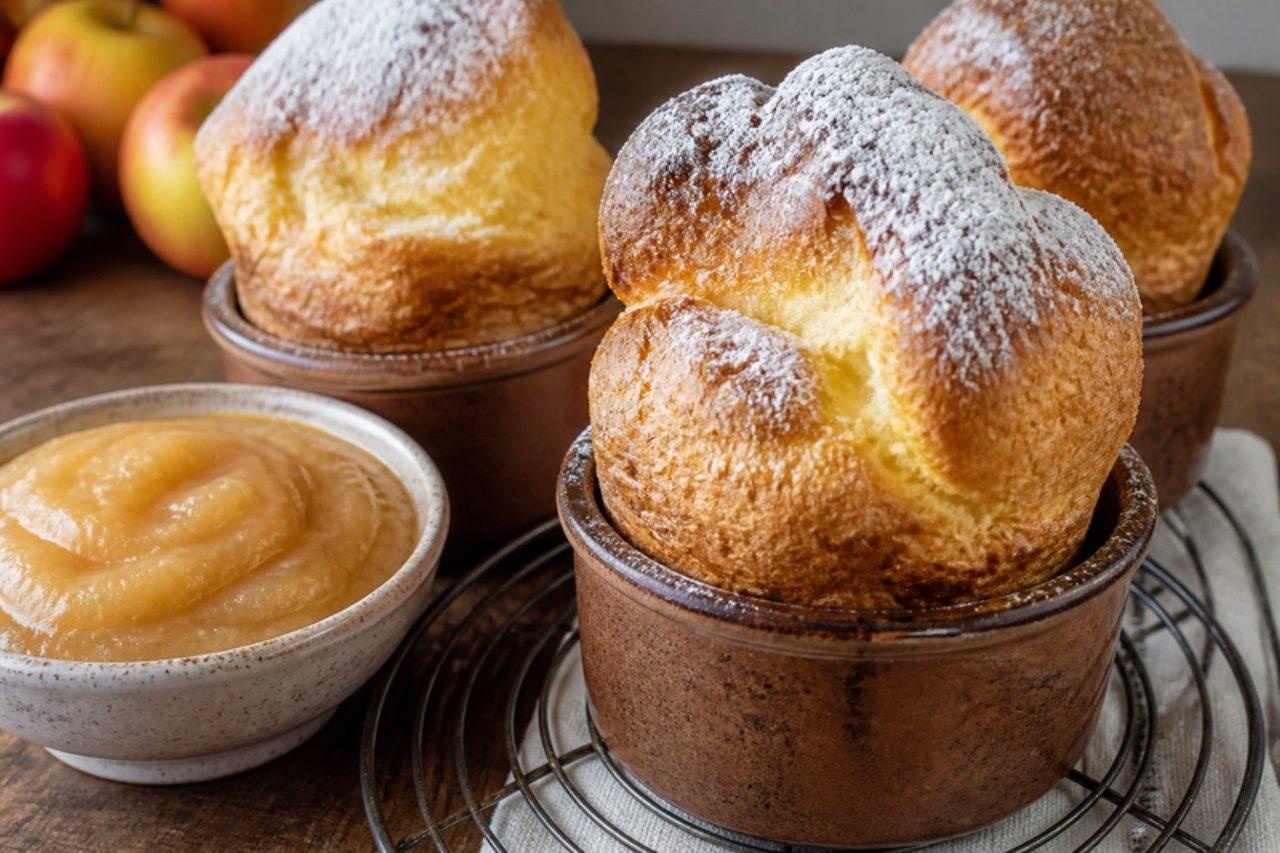
Pfitzauf is a Swabian Sunday-afternoon treat: a thin egg and milk batter poured into a heavy clay or tin mould with deep cups, which rises in the oven like a soufflé and 'pfitzt auf', pops up, far above the rim. Grandmothers on the Swabian Alb served it hot with apple sauce or vanilla sauce, sometimes with stewed cherries. A muffin tin or popover tin works too. The classic mistake is opening the oven during baking: the puffs collapse and never come back. Chef's tip: get the buttered tin really hot in the oven before pouring in the batter; the shock of heat is what makes them climb.

by KrazyBadal 0 views

Sancocho canarioSalt fish with potatoes and mojo

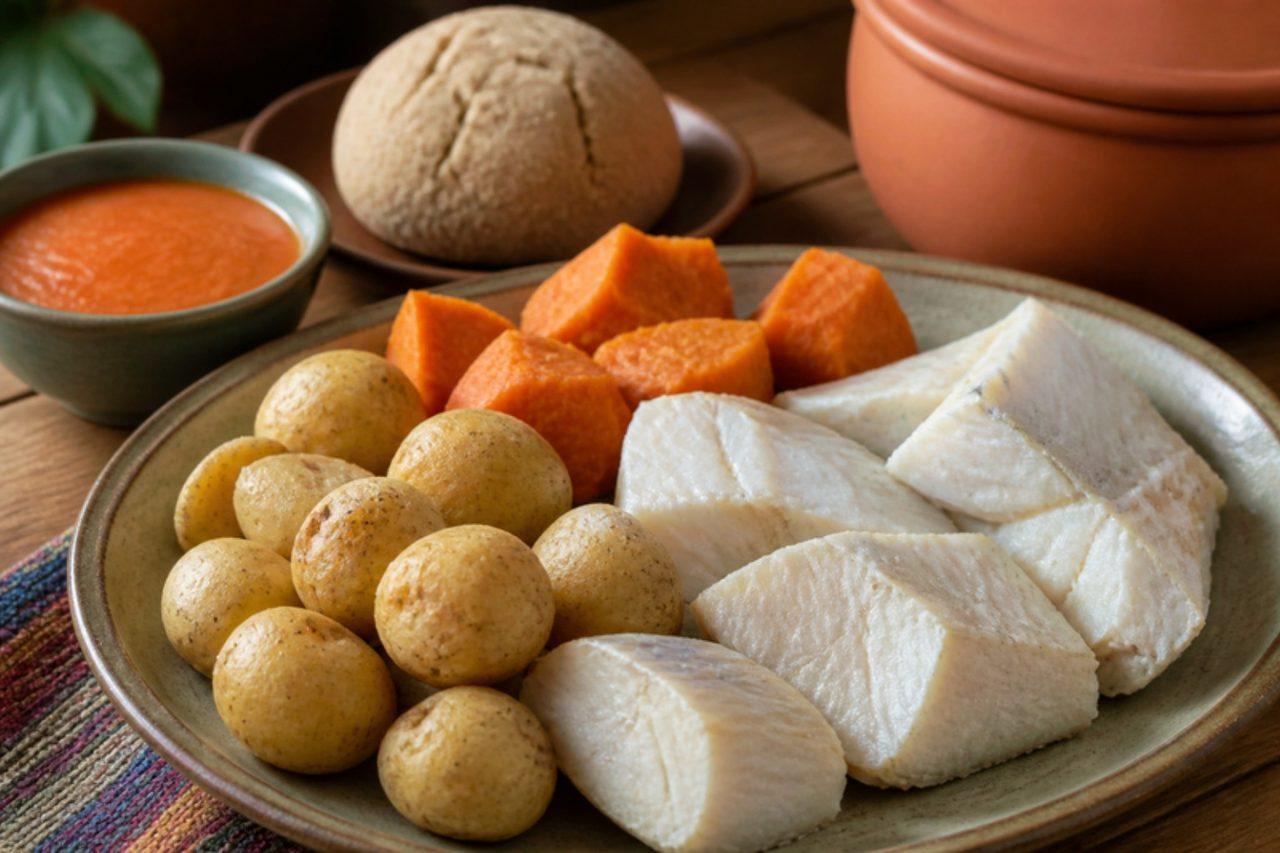
Sancocho is the Canary Islands' Good Friday dish and a Sunday favourite in Gran Canaria, where whole families sit down to a platter of desalted cherne (wreckfish), boiled potatoes and sweet potatoes, red mojo poured over the top and a ball of pella de gofio on the side. Salted cherne is soaked for a day or two in the fridge to draw out the salt, then poached gently. If you cannot find cherne, salt cod or fresh hake works well. Chef's tip: before cooking, poach a small flake in boiling water for a minute and taste it; it should be pleasantly seasoned, like well-salted fresh fish, and if it is still briny, soak a few hours more.

by KrazyBadal 0 views

ShámbarWheat, bean and smoked pork soup

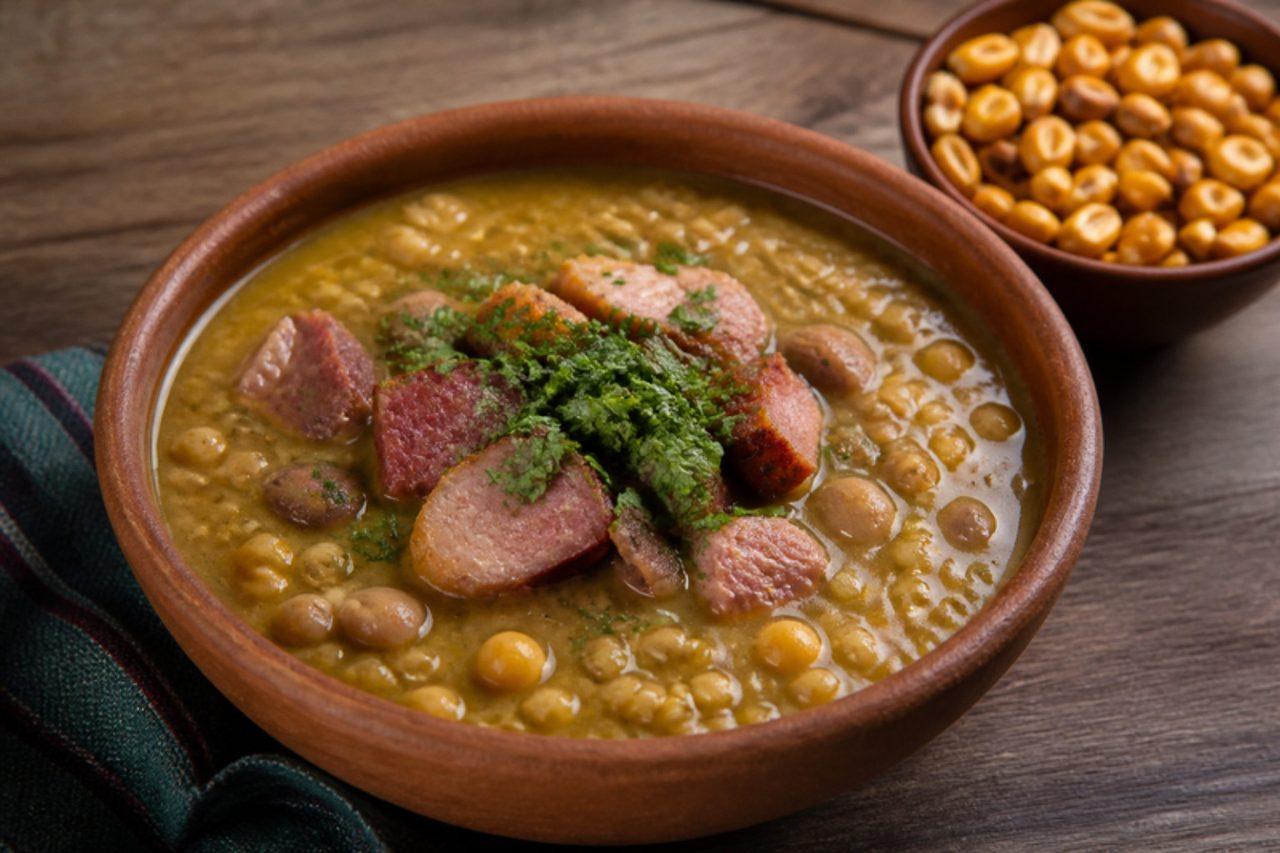
Mondays in Trujillo mean shámbar: market stalls and huariques across the city put out pots of this thick, smoky soup of cracked wheat, chickpeas, broad beans, peas and canary beans, cooked with smoked ham hock, pork ribs and pork skin, then stirred through with a fried paste of ají panca and garlic and a handful of mint. It is earthy, porky and rib-sticking, and each bowl gets a scoop of crunchy cancha just before eating. Soak the beans and the wheat overnight. People often cook everything together from the start, and the peas turn to mush before the chickpeas soften; cook the hardest pulses first. Chef's tip: toast the wheat in a dry pan before soaking it; it gives the soup a nutty depth the locals look for.

by KrazyBadal 0 views

Chimia de uvaThick grape spread

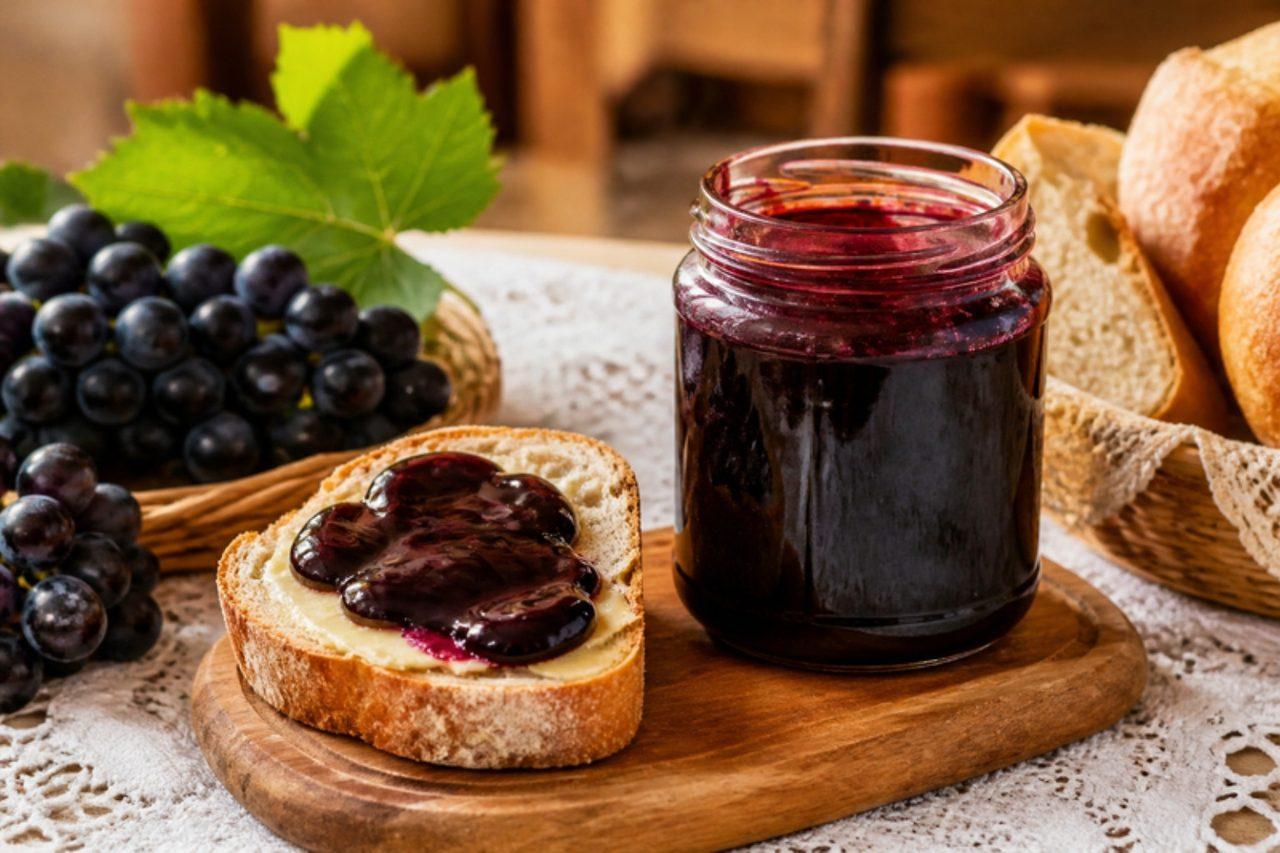
German immigrants who settled the valleys around Santa Cruz do Sul and São Leopoldo in the 1800s brought their Schmier, and the word slowly turned Portuguese as chimia. It is a dark, thick fruit spread cooked down from whatever the backyard gives: grapes, figs, plums, pumpkin or banana. Colonial cafés in the Vale do Rio Pardo set out a pot of it beside cuca, cheese and cold meats at the café colonial, and at home it goes on thick slices of pão caseiro, often with a smear of nata (thick cream) underneath. This version uses dark grapes, cooked whole and sieved, so it keeps the deep colour of the skins. People often stop cooking too soon; a runny chimia soaks straight into the bread instead of sitting on top. Chef's tip: test it on a cold saucer from the freezer; when a line drawn through it stays open, it is ready.

by KrazyBadal 0 views

Verdinas con mariscoGreen beans with prawns and clams

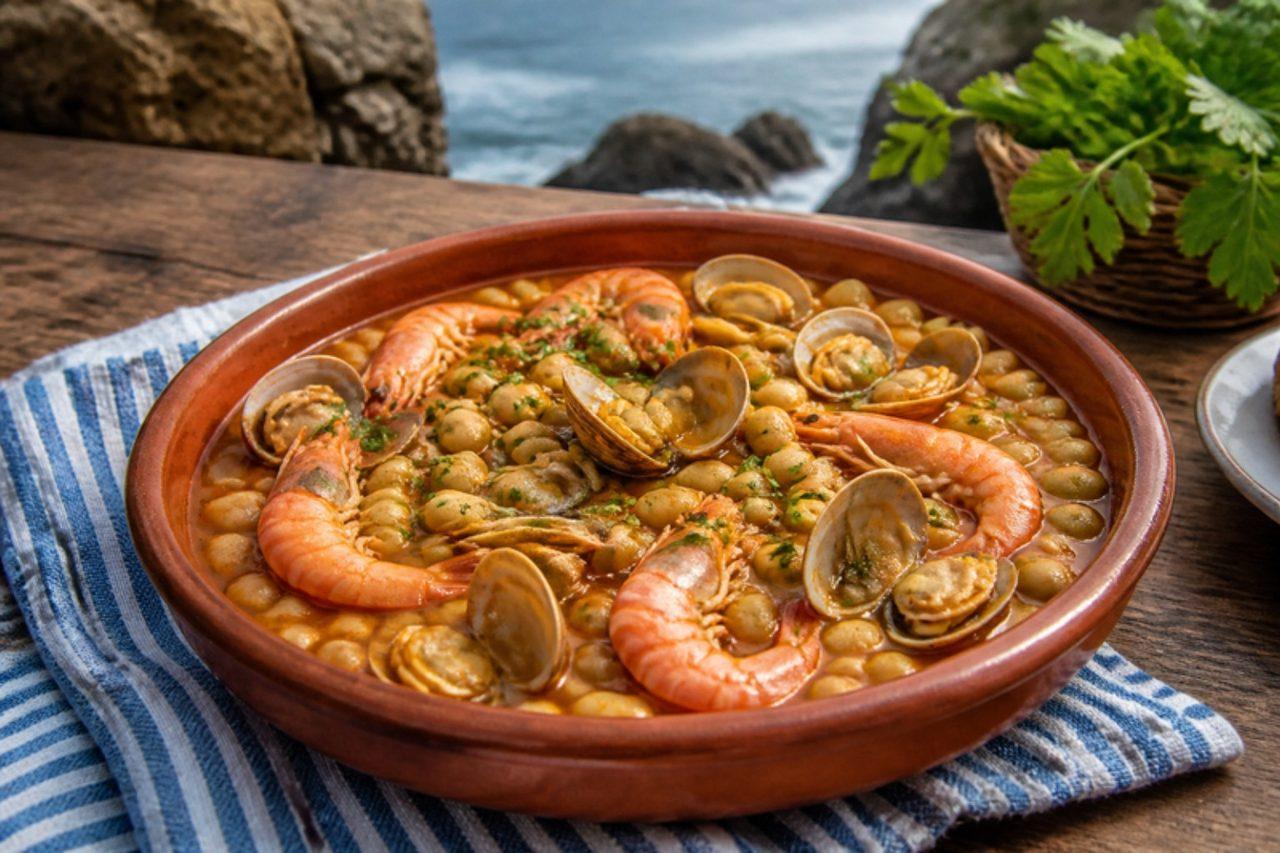
Verdinas are small, pale-green dried beans grown around Llanes in eastern Asturias, prized for their thin skins and buttery texture; seaside restaurants there pair them with whatever shellfish came in that morning. It is a newer dish than fabada, lighter and greener, often eaten in summer on the terraces above the harbour. If you can't find verdinas, French flageolet beans are the nearest match. Chef's tip: make a quick stock from the prawn shells and heads; it gives the beans far more flavour than plain water.

120 minSpanishFishGluten free
by KrazyBadal 0 views

Butifarra soledeñaSmall boiled beef and pork sausages

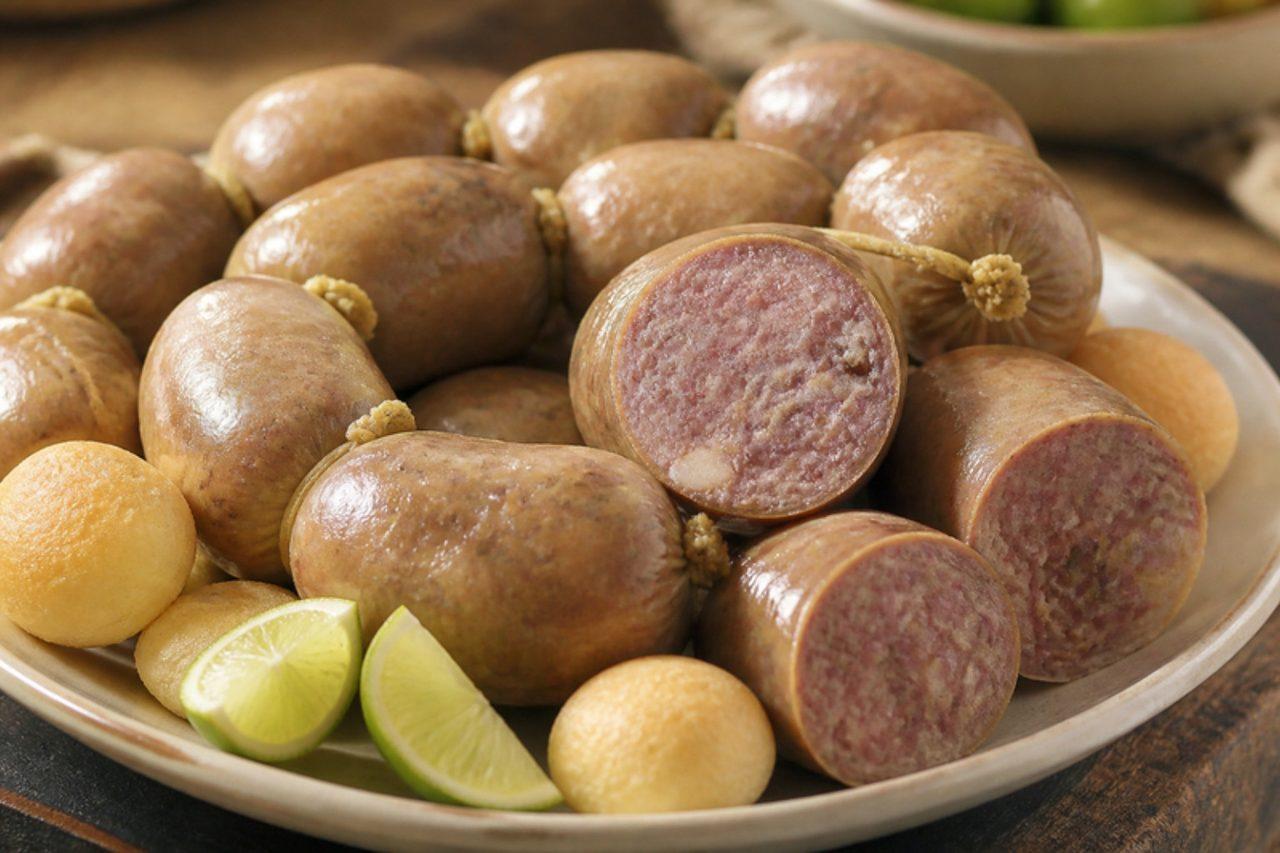
Around Barranquilla, the street call of 'butifarra, butifarra' comes from vendors pushing carts out of Soledad, the town that made these little sausages famous; there's even a festival for them every July. They are small, round links of beef and pork seasoned with nothing more than salt and plenty of black pepper, boiled rather than grilled, so they stay tender, juicy and pale. Sellers squeeze lime over them and hand them out with a bollo de yuca, a firm steamed cassava roll. They are simple, peppery and a little sour from the lime. Using lean meat is the usual mistake: without the pork fat they turn dry and grainy. Chef's tip: tie the links into small, round balls about 4 cm across and boil them gently; a rolling boil splits the casings.

by KrazyBadal 0 views

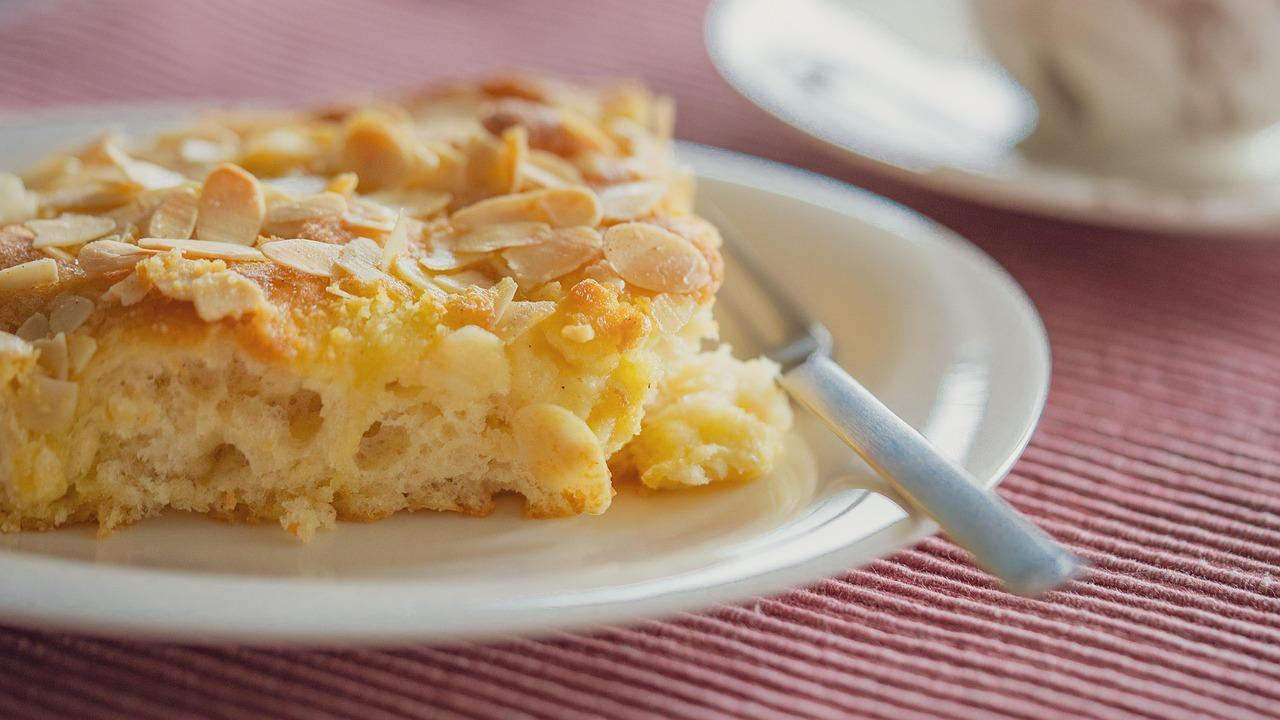
ButterkuchenButter and almond yeast cake

Butterkuchen is the cake of northern German celebrations: in Lower Saxony, Bremen and Holstein it is baked on huge trays for funerals, weddings and christenings, which is why it is also called Freudenkuchen, joy cake. A thin, soft yeast base is dimpled all over with your fingertips, the holes filled with butter, then the whole thing showered with sugar and flaked almonds. In the oven the butter and sugar melt into little caramel pools. A common mistake is making the dimples too shallow, so the butter just runs off; press right down to the tray. Chef's tip: as soon as the cake comes out, spoon a few tablespoons of cream over it; it soaks in and keeps the base tender for two days.

110 minGermanBaking
by KrazyBadal 0 views

Showing 9 of 7,762 recipes

Show more recipes

Page 507 of 863