Skip to content
Pastel mandi'o
Featured recipe

Pastel mandi'o

Cassava turnovers with beef

Pastel mandi'o are the golden half-moons sold at bus stations and street stalls all over Paraguay, especially in Asunción and around Holy Week: a soft dough of cooked cassava (mandi'o in Guaraní) and a little corn flour, wrapped round minced beef with onion, pepper, boiled egg and cumin, then fried. The mistake is a wet cassava dough that sticks and tears; drain the cassava well and add starch until it is smooth and pliable. Chef's tip: shape them between two sheets of cling film, which stops the soft dough sticking to the worktop.

Read more 0 views

What to eat today?

Around the world

Today's trip: Paraguayan

A new country every day, from every cuisine on the site.

Paraguayan

Buñuelos de algas

Sea lettuce fritters 35 minMore from Paraguayan (27) →

This week's collection

Kid-friendly dinners
537 recipes · a new collection every Monday

Latest recipes

Mollejas a la parrillaGrilled sweetbreads

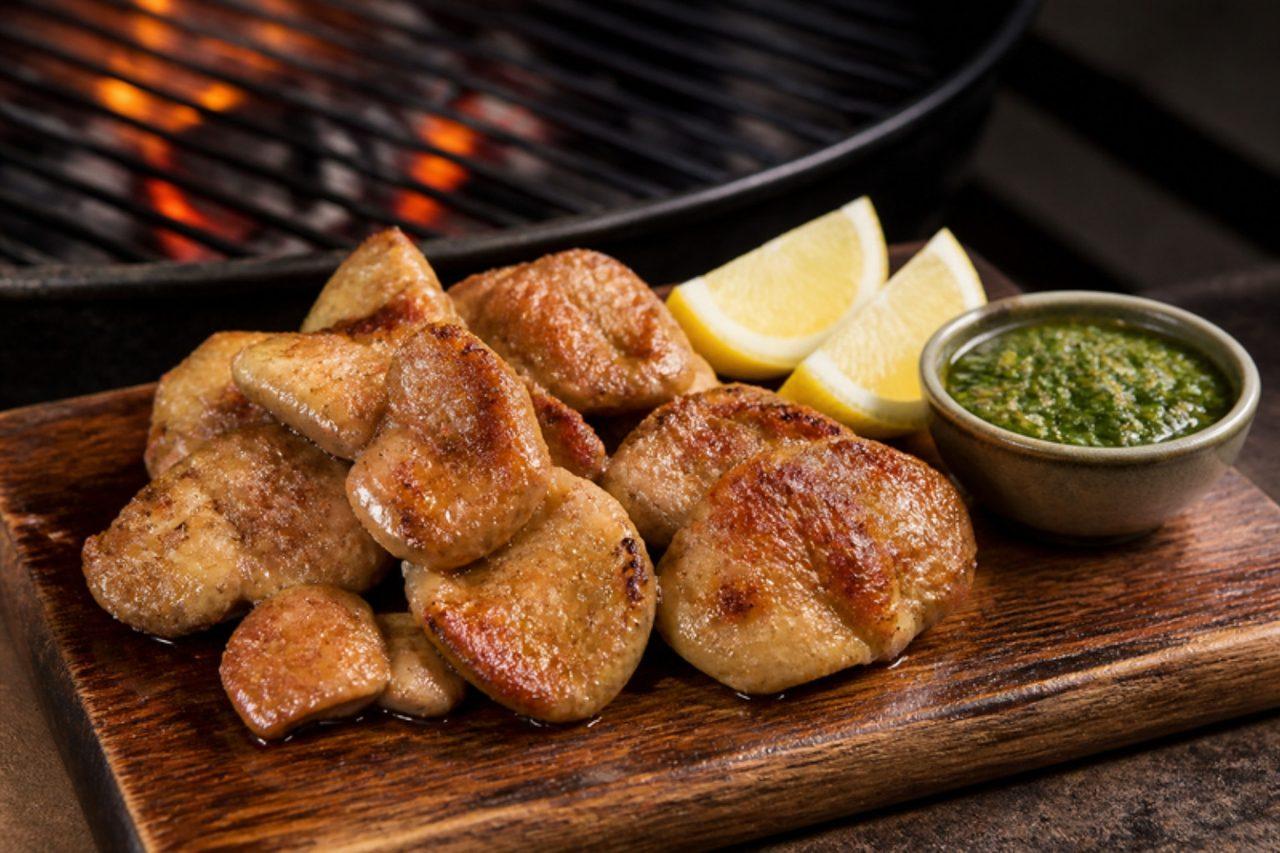
Order an asado in any Argentine parrilla and the mollejas arrive early, before the big cuts, crusty and golden outside, soft and almost custardy within, with nothing but lemon. They are the thymus glands of young cattle, mild in flavour and rich in texture, and parrilleros treat them as a treat for the guests who hang around the grill. Ask a butcher for veal sweetbreads (heart sweetbreads are the plumpest) and cook them the day you buy them. Grilling them hot and fast is the common mistake: the outside chars while the centre stays raw and rubbery. As offal, they must be cooked right through, to at least 71 °C in the middle. Chef's tip: a brief blanch firms them, makes the membrane easy to peel and means the grill only has to crisp them.

by KrazyBadal 0 views

Molletes de AntequeraSoft flat breakfast rolls

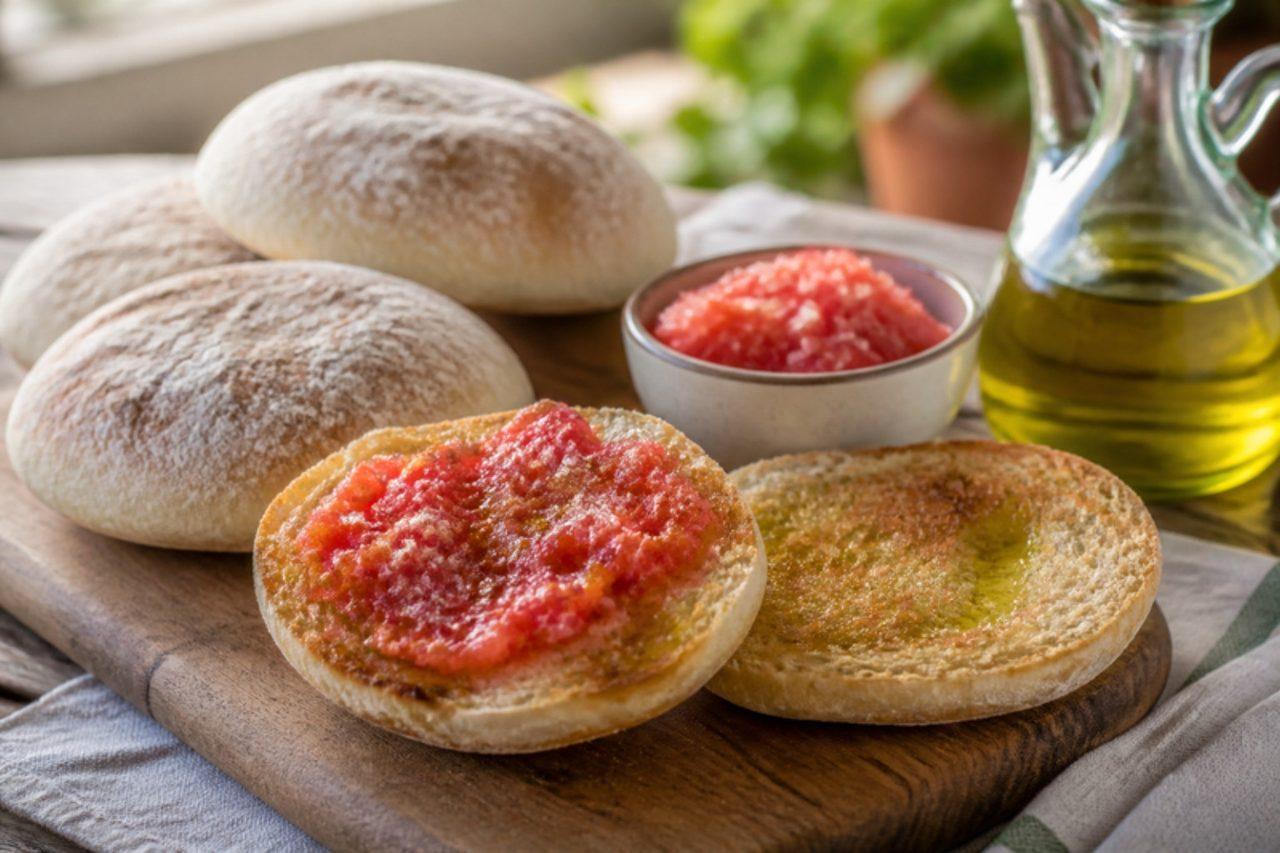
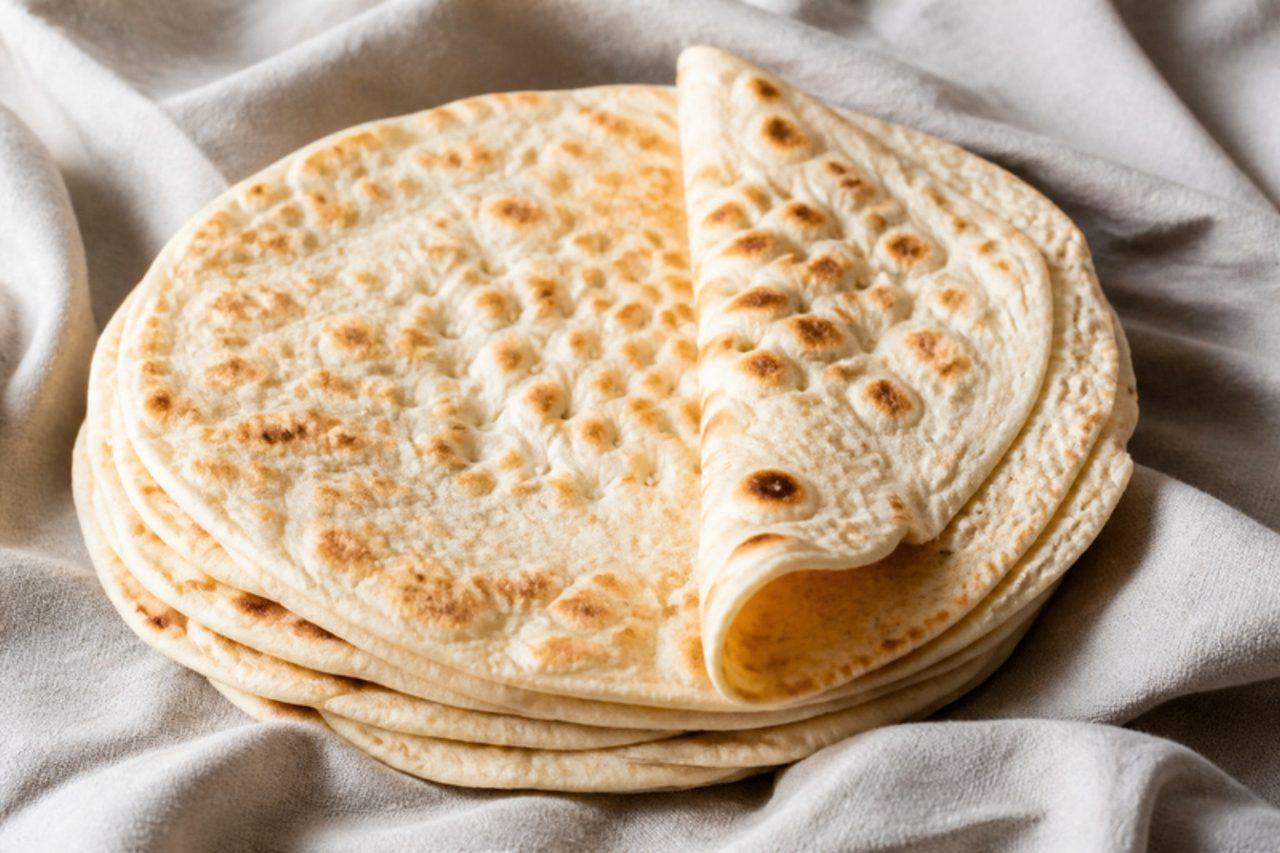
Ask for breakfast in any café between Málaga and Seville and someone will offer you a mollete: a flat, pale, floury roll from Antequera, split, toasted and spread with olive oil and crushed tomato. Bakers there bake them hot and fast so the crust stays thin and soft and the crumb is open and moist. They freeze well, so it is worth making a batch on a slow weekend morning. A common mistake is baking them until golden; molletes should come out pale and soft, with only a faint blush of colour. Chef's tip: bake them at the very top heat for only about 10 minutes; if they brown, they have gone too long and will be crusty rather than soft.

by KrazyBadal 0 views

MolotesFried potato and chorizo masa turnovers

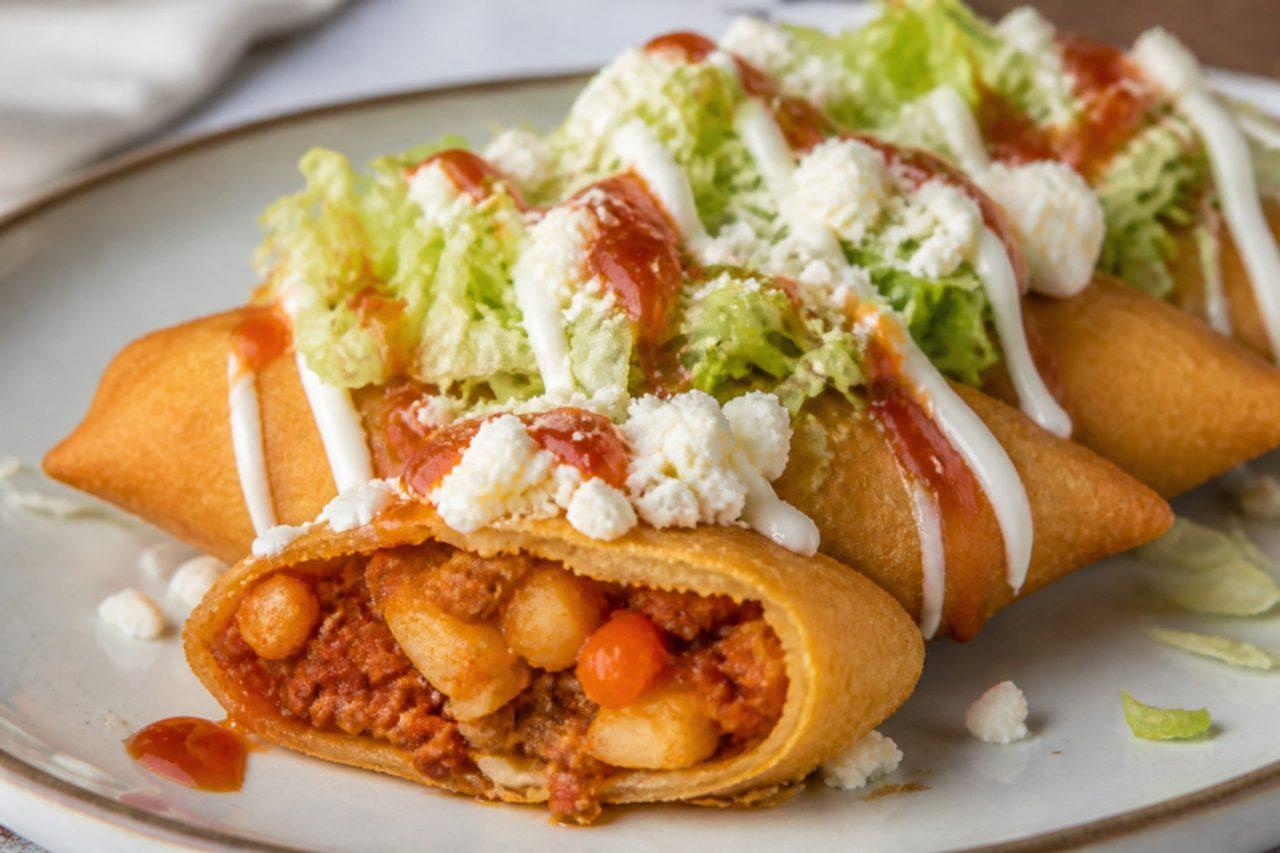
Around Puebla's zócalo and in the evening stalls outside its churches, molotes are fried to order: masa turnovers rolled into long spindles with pointed ends, crisp and blistered outside and soft inside. The favourite filling is potato mashed with pork chorizo, though stalls also sell them with tinga, quesillo or huitlacoche. They are eaten hot from a paper plate, split open and spooned with salsa, cream and crumbled cheese, as an evening snack or a light supper. Chef's tip: press the dough between two sheets of plastic cut from a freezer bag, so the thin disc lifts off cleanly and doesn't tear when you fold it.

by KrazyBadal 0 views

Mona de PascuaEaster brioche with egg

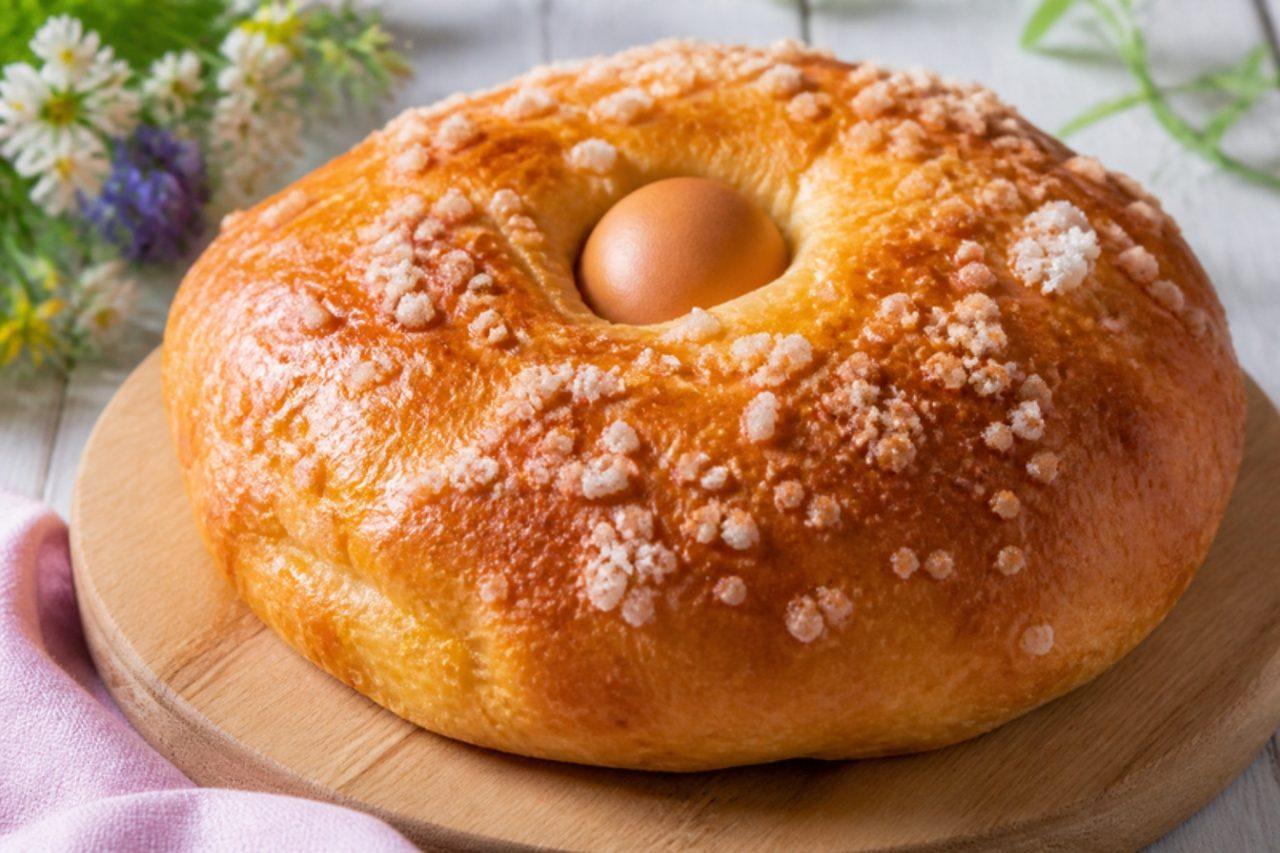
On Easter Monday, families across the Valencian Community head out to the countryside or the beach to "menjar-se la mona": they eat an orange-scented sweet brioche, often with a whole egg baked on top, and children crack the egg on a friend's forehead. The bun is soft and fluffy, glazed and sprinkled with sugar or coloured aniseed sprinkles. Here the eggs are hard-boiled first, so they are cooked through whatever the size of your bun. A common mistake is adding all the flour at once to a sticky dough; it softens as you knead, so hold back the last 50 g until you've kneaded for a few minutes. Chef's tip: make the starter the evening before and the dough on the day; the slow start gives a lighter crumb that stays soft for two days.

by KrazyBadal 0 views

MondeghiliFried beef and mortadella meatballs

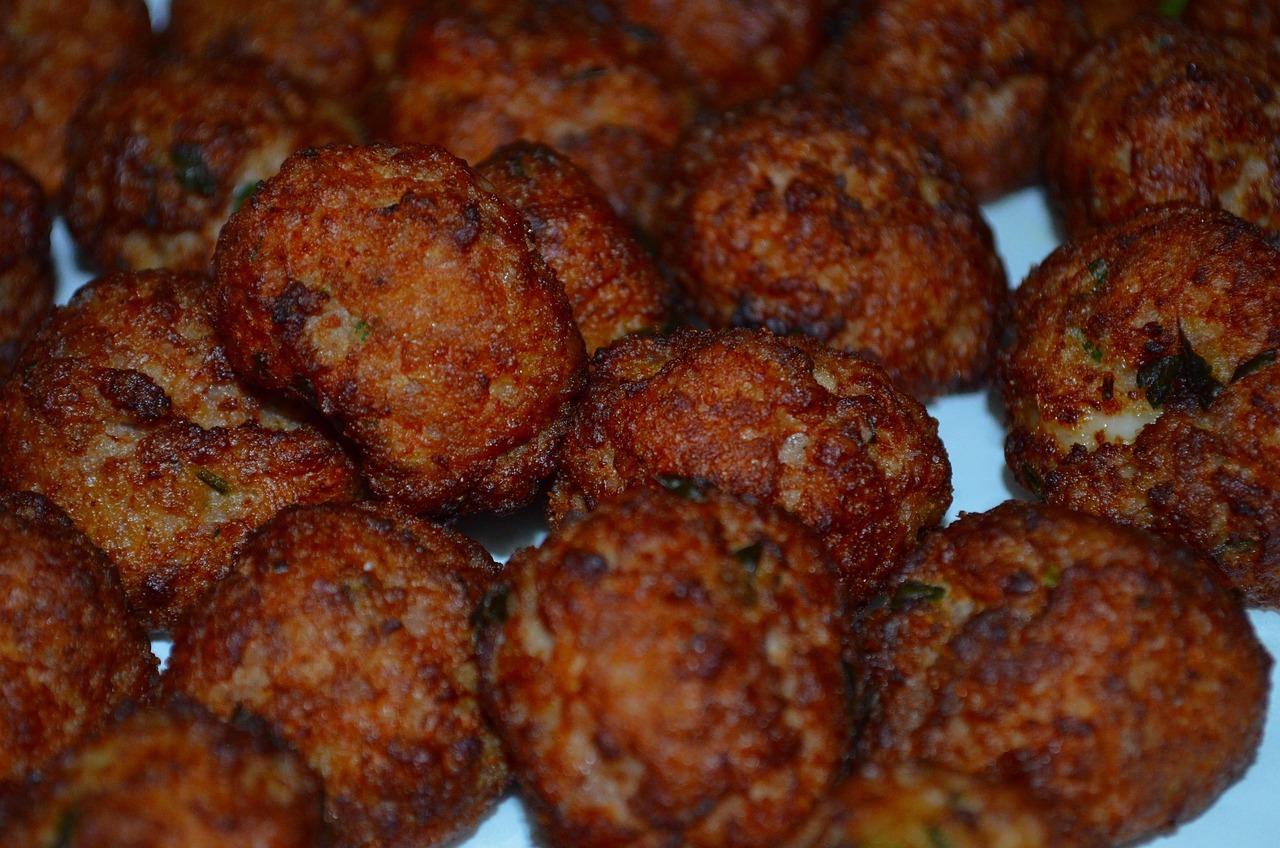
Mondeghili are the thrifty meatballs of Milan, invented to use up the beef left from a pot of bollito misto and now a fixture on the aperitivo counters of the city's bars. The cooked beef is minced with mortadella, a soft pork sausage, then bound with milk-soaked bread, egg, grana and lemon zest, flattened slightly and fried in butter until crisp and brown. They are best warm, with a squeeze of lemon, a spoonful of green sauce or simply a cold drink before dinner. Leftover roast beef or veal works just as well as boiled meat. Chef's tip: flatten each ball a little before frying; they cook through evenly and get more of that crunchy crust.

by KrazyBadal 0 views

Moqueca de ovosEggs in coconut and tomato sauce

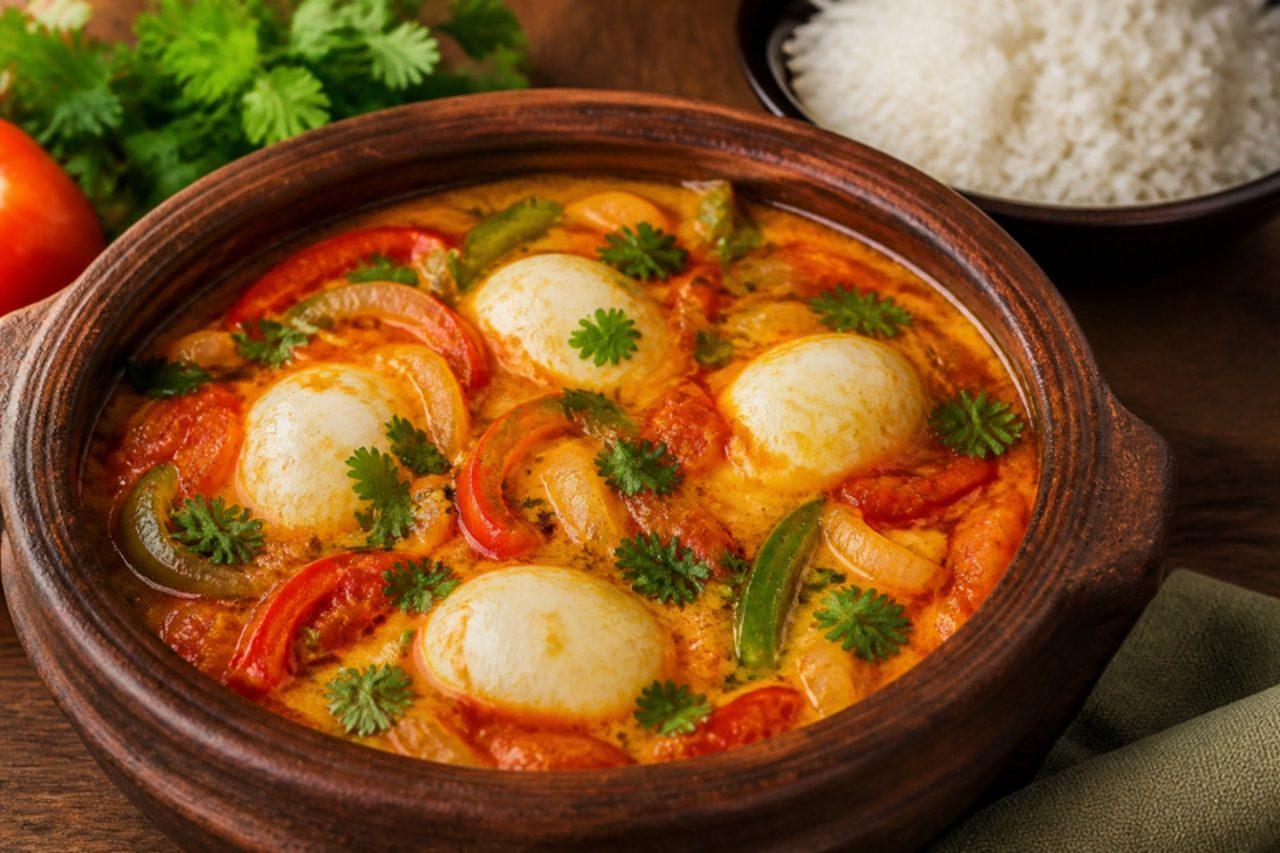
When fish money runs short or it is a meatless Friday, Bahian kitchens make moqueca with eggs instead: the same orange sauce of coconut milk, tomato, peppers, coriander and dendê palm oil, with whole eggs poached right in it until the whites set and the yolks stay soft. It is everyday food in Salvador and the Recôncavo, cooked in a clay pan and carried straight to the table with white rice, farofa de dendê and a spoon of pimenta sauce for those who want heat. The sauce is mellow, slightly sweet from the peppers and rich from the coconut, and the runny yolks thicken it on the plate. The usual mistake is stirring after the eggs go in; they break and turn the sauce cloudy, so cover the pan and leave it alone. Chef's tip: add half the dendê at the start and the rest just before the eggs; heated too long it loses its nutty, floral perfume and only the colour remains.

by KrazyBadal 0 views

Moraba-ye bahar narenjBitter orange blossom jam

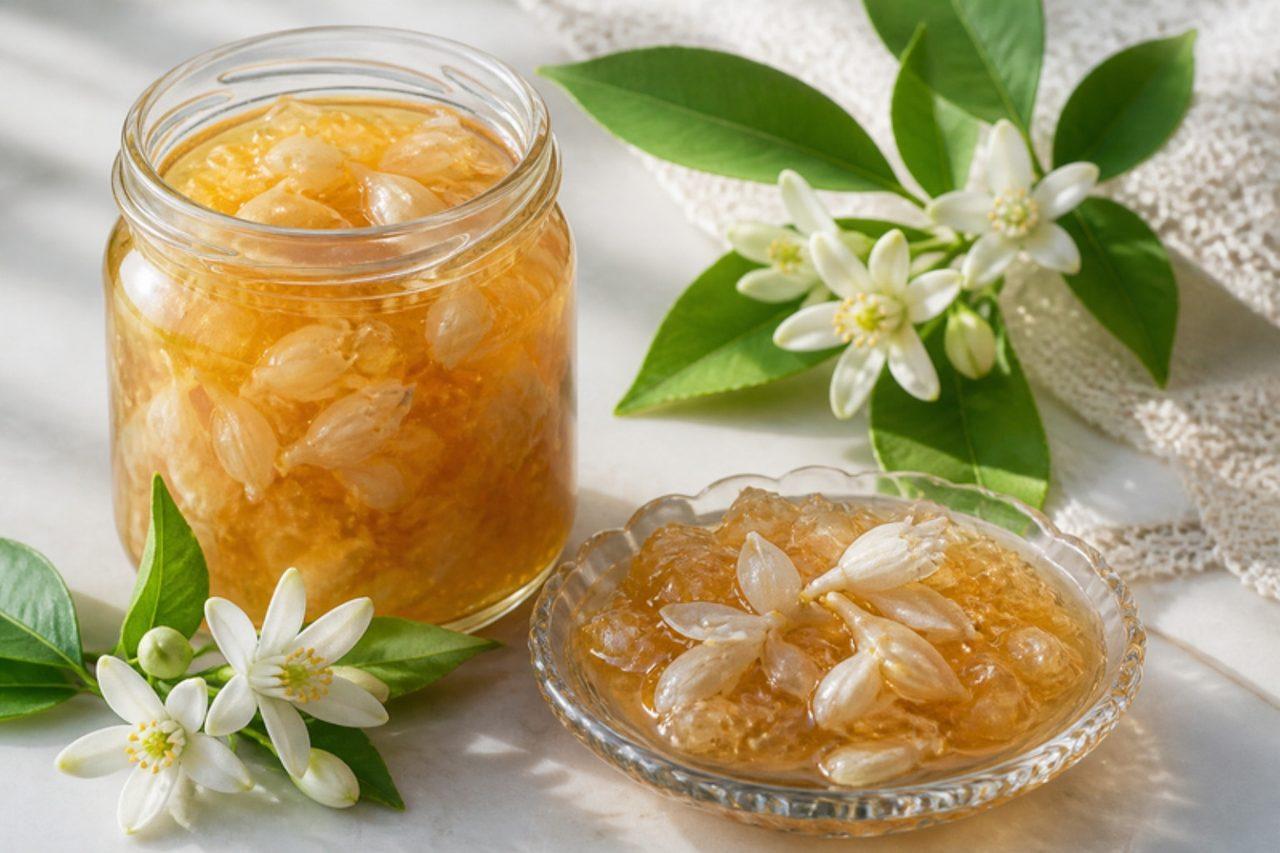
When the bitter orange trees lining Shiraz's streets bloom in April, the whole city smells of blossom, and households gather the fallen petals to make this pale golden jam for the year ahead. It is spooned onto bread with fresh cheese at breakfast, or stirred into tea. The petals are bitter, so they are blanched and soaked several times before they meet the syrup. A common mistake is cutting the soaking short, which leaves the jam harsh. Chef's tip: add the lemon juice only at the end; it keeps the petals bright and stops the syrup from crystallising.

by KrazyBadal 0 views

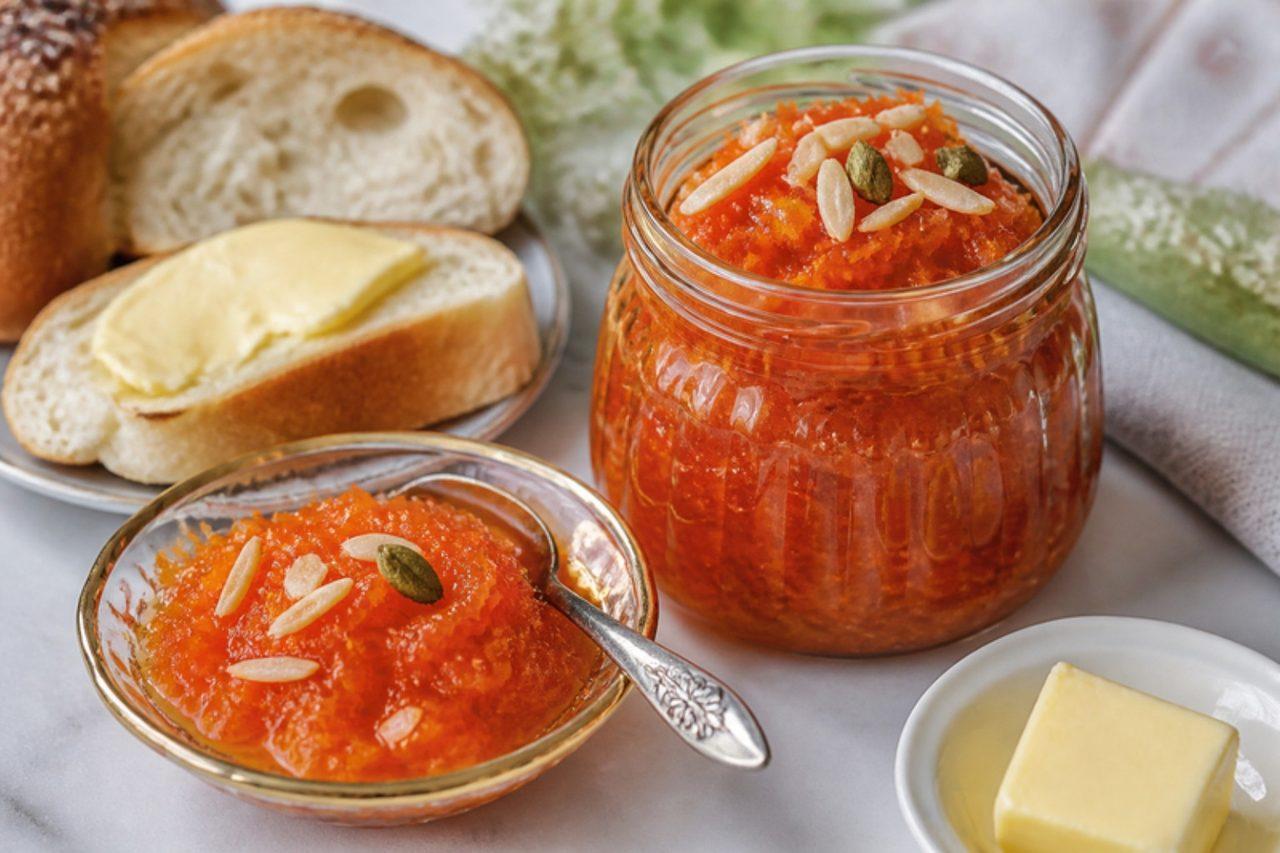
Moraba-ye haveejCarrot jam with cardamom and almonds

Moraba-ye havij is the bright orange jam on Iranian breakfast tables, spread on warm barbari or sangak with butter or a slice of white cheese, especially in winter when carrots are at their sweetest. Thin shreds of carrot are candied in a light syrup with cardamom and orange peel, then finished with rosewater and slivered almonds, so every spoonful is chewy, glossy and fragrant. It is made in every region, and families argue over how thick the syrup should be. Chef's tip: cut the carrots into fine matchsticks rather than grating them; grated carrot turns to mush and clouds the syrup.

by KrazyBadal 0 views

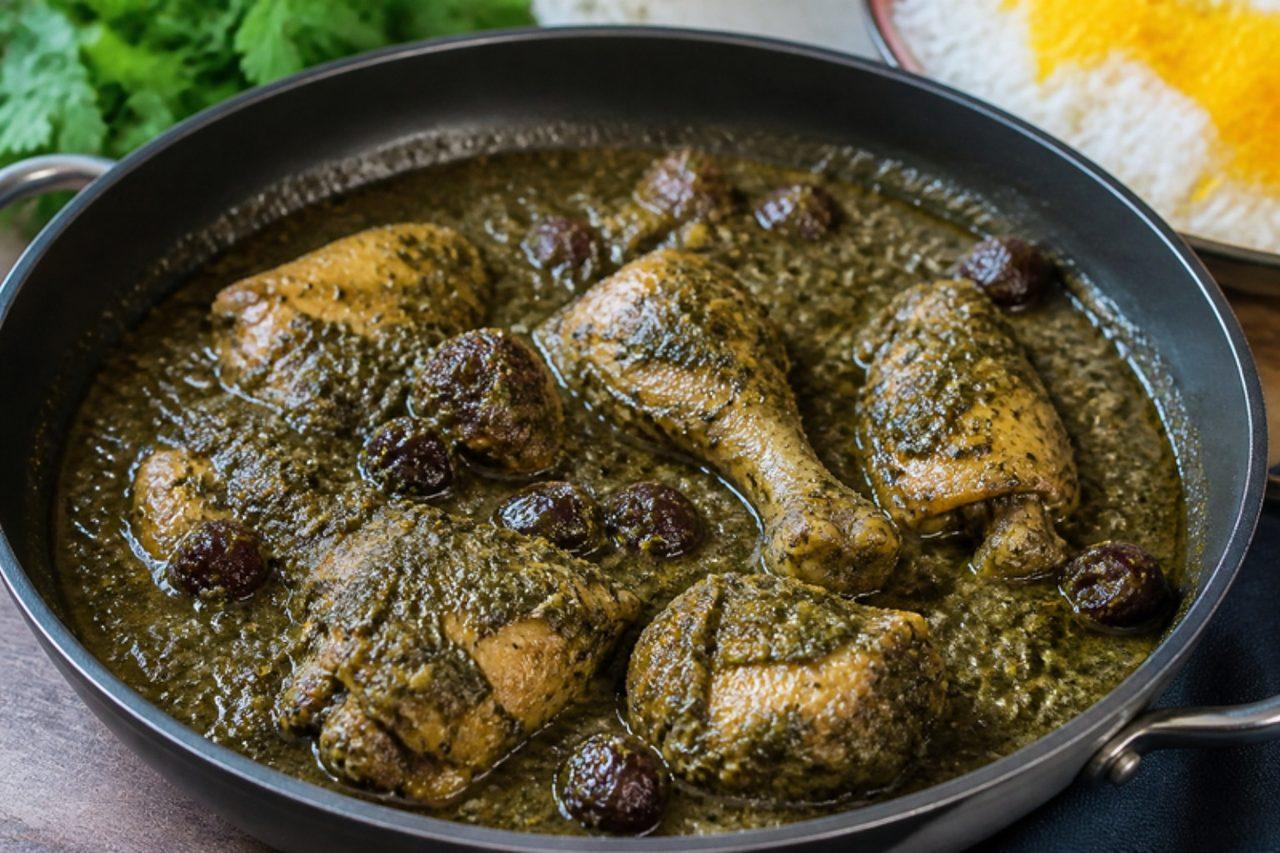
Morgh-e torshChicken with walnuts and sour plums

Morgh-e torsh is everyday Sunday cooking in Rasht and the villages of Gilan, where gardens overflow with herbs and the cooking leans sour rather than sweet. Chicken pieces are browned, then braised with a mountain of chopped coriander, parsley, mint and garlic chives, ground walnuts and sour plums, finished with verjuice or lemon until the sauce turns a deep olive green. It is eaten with kateh, the simple Caspian rice. A common mistake is adding the herbs raw to the pot; fry them first until dark and fragrant, or the sauce tastes grassy. Chef's tip: a beaten egg stirred in at the very end is how many Gilani grandmothers thicken and enrich the sauce.

by KrazyBadal 0 views

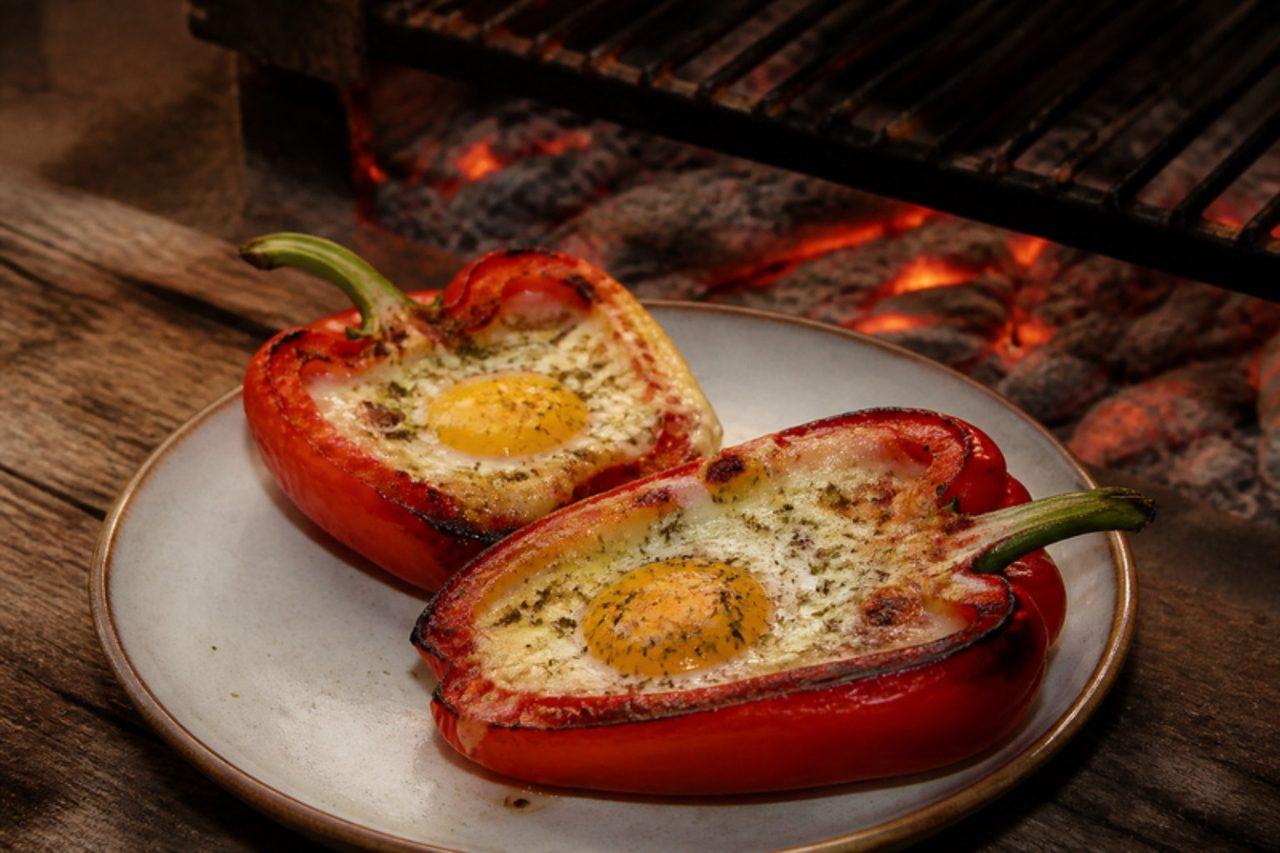
Morrones con huevo a la parrillaGrilled peppers with egg and cheese

While the meat rests on the cooler side of the parrilla, many asadores put halved red peppers cut side up over the coals, let them soften and char, then crack an egg into each one with a piece of cheese and a pinch of oregano. The pepper becomes a little dish: sweet, smoky and juicy, with a just-set egg and molten cheese in the middle. It is one of the classic starters at an Argentine asado, eaten with bread before the steak arrives, and it makes a good vegetarian main for anyone who skips the meat. The mistake is cracking the egg into a raw pepper: the egg overcooks before the pepper softens, so grill the shells first. Cook until the white is completely set. Queso cremoso or mozzarella is usually made with animal rennet; pick a vegetarian one if needed. Chef's tip: cover the peppers with a foil tent or a lid once the egg goes in; the trapped heat sets the top of the egg without burning the base.

by KrazyBadal 0 views

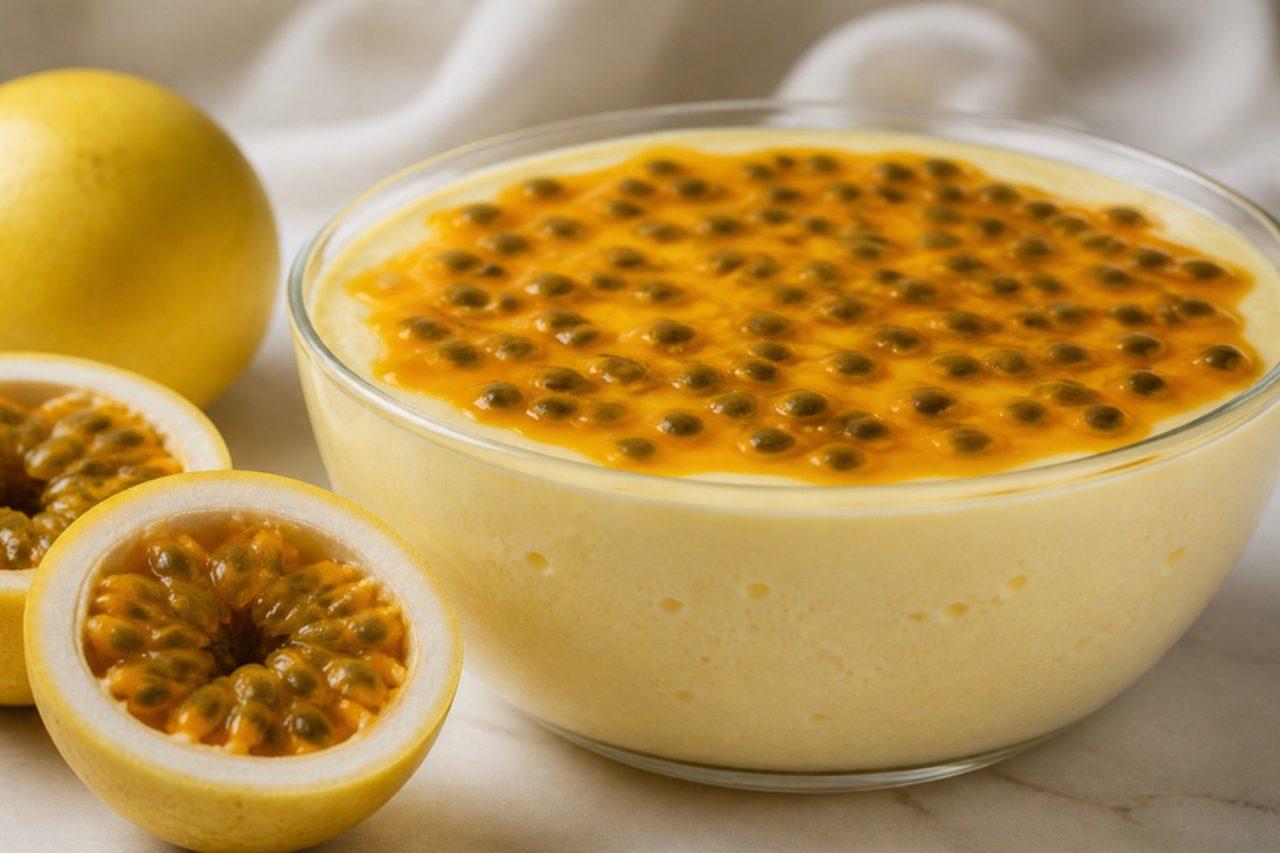
Mousse de maracujáPassion fruit mousse

Three ingredients, a blender and a fridge: Brazilian home cooks from Recife to Curitiba lean on mousse de maracujá for Sunday lunch dessert because it takes ten minutes and nobody ever refuses it. The acid in passion-fruit juice thickens condensed milk and cream almost instantly, so it sets into a light, tangy, pale yellow mousse without gelatin, topped with the glossy black seeds and pulp. Sharp and sweet at once, it is perfect after a feijoada or a barbecue. Buy wrinkly, heavy passion fruit, which are the ripest and juiciest; frozen unsweetened pulp works too. The trap is diluting the juice: any added water stops the mousse setting, so use pure strained juice. Chef's tip: keep back the pulp of one fruit, warm it for a minute with a spoonful of sugar, and pour it over the mousse just before serving for shine.

by KrazyBadal 0 views

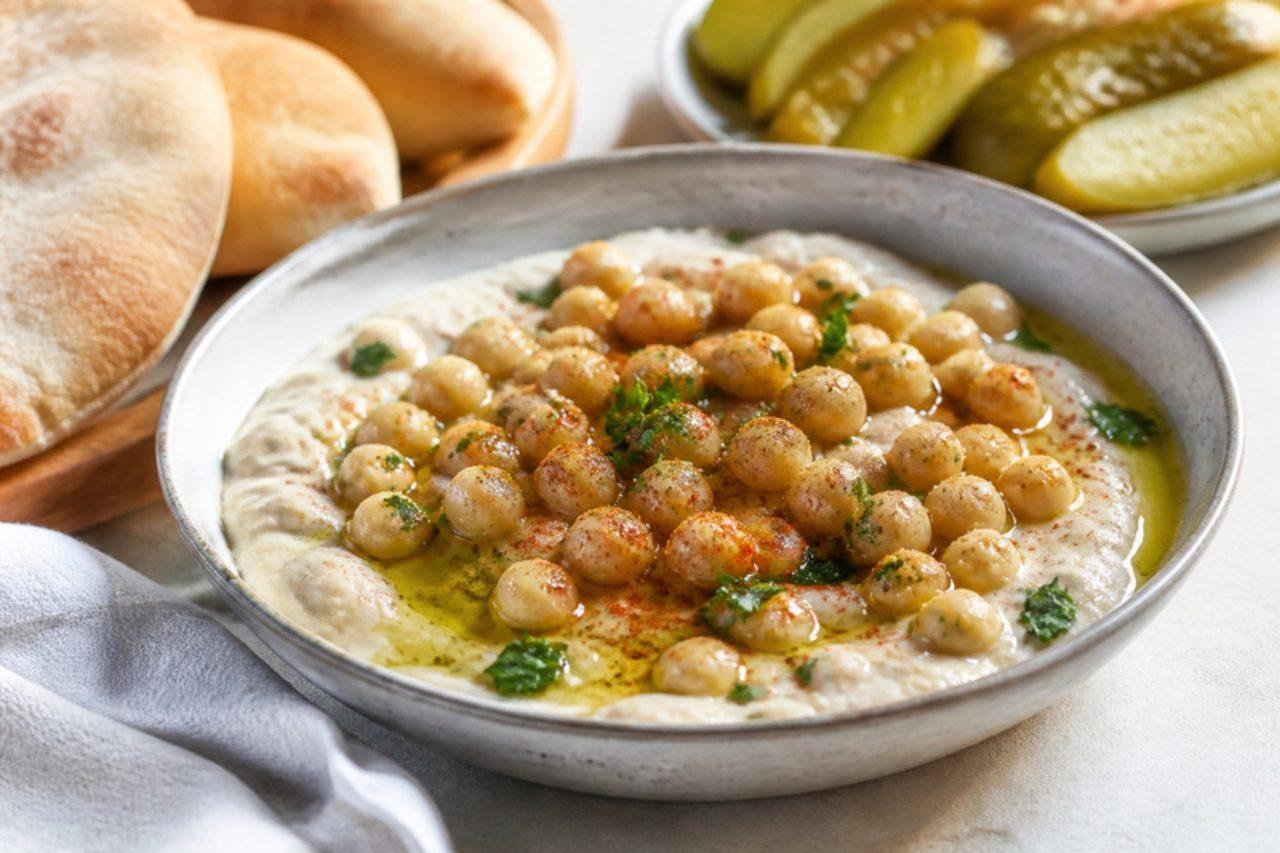
MsabbahaWhole chickpeas in tahini sauce

Hummus shops in Jerusalem's Old City and in Nablus open before dawn, and alongside the smooth hummus they ladle out msabbaha: whole, just-cooked chickpeas bathed in a loose, garlicky tahini and lemon sauce, still warm. It is a working breakfast, eaten with raw onion wedges, green chilli and plenty of bread, and it is just as popular in south Lebanon. The texture is the point, soft chickpeas in a creamy pool rather than a purée. The common mistake is making the tahini sauce too thick; it should pour like double cream so it seeps around every chickpea. Chef's tip: crush a handful of the hot chickpeas into the sauce before you spoon it over; it makes the msabbaha richer and creamier.

by KrazyBadal 0 views

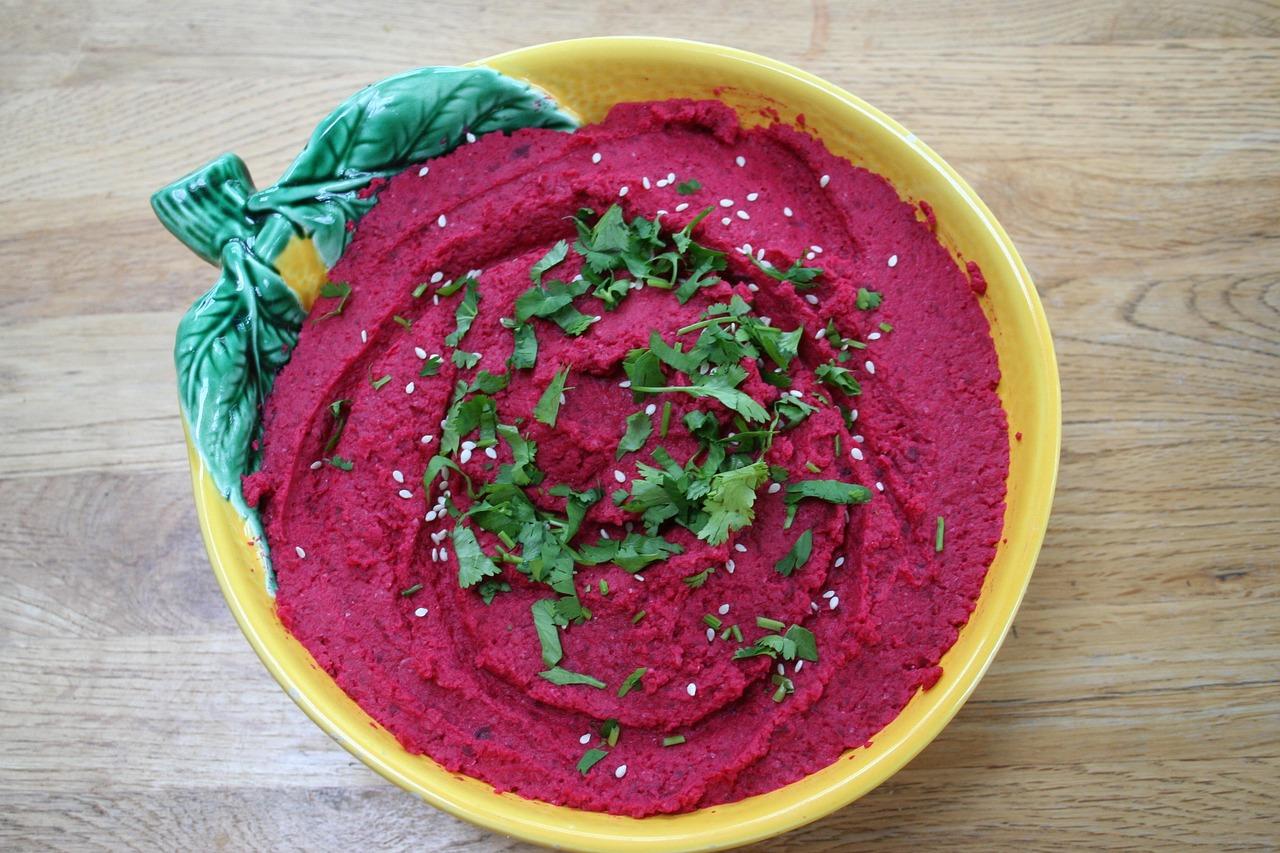
Mtabbal shamandarBeetroot and tahini dip

Beirut's modern mezze bars made mtabbal shamandar a fixture next to hummus and moutabal: roasted beetroot blended with tahini, garlic, lemon and a little yoghurt into a magenta dip that is earthy, nutty and bright. It is quick to make and keeps well, so it is good for a weekend spread with warm flatbread, crisp cucumbers and radishes. Common mistake: boiling the beetroot, which waters it down; roasting in foil concentrates the sweetness. Chef's tip: add the lemon a little at a time and taste — beetroot varies a lot in sweetness, and the dip should taste lively, not sugary. Use plant yoghurt to make it vegan.

by KrazyBadal 0 views

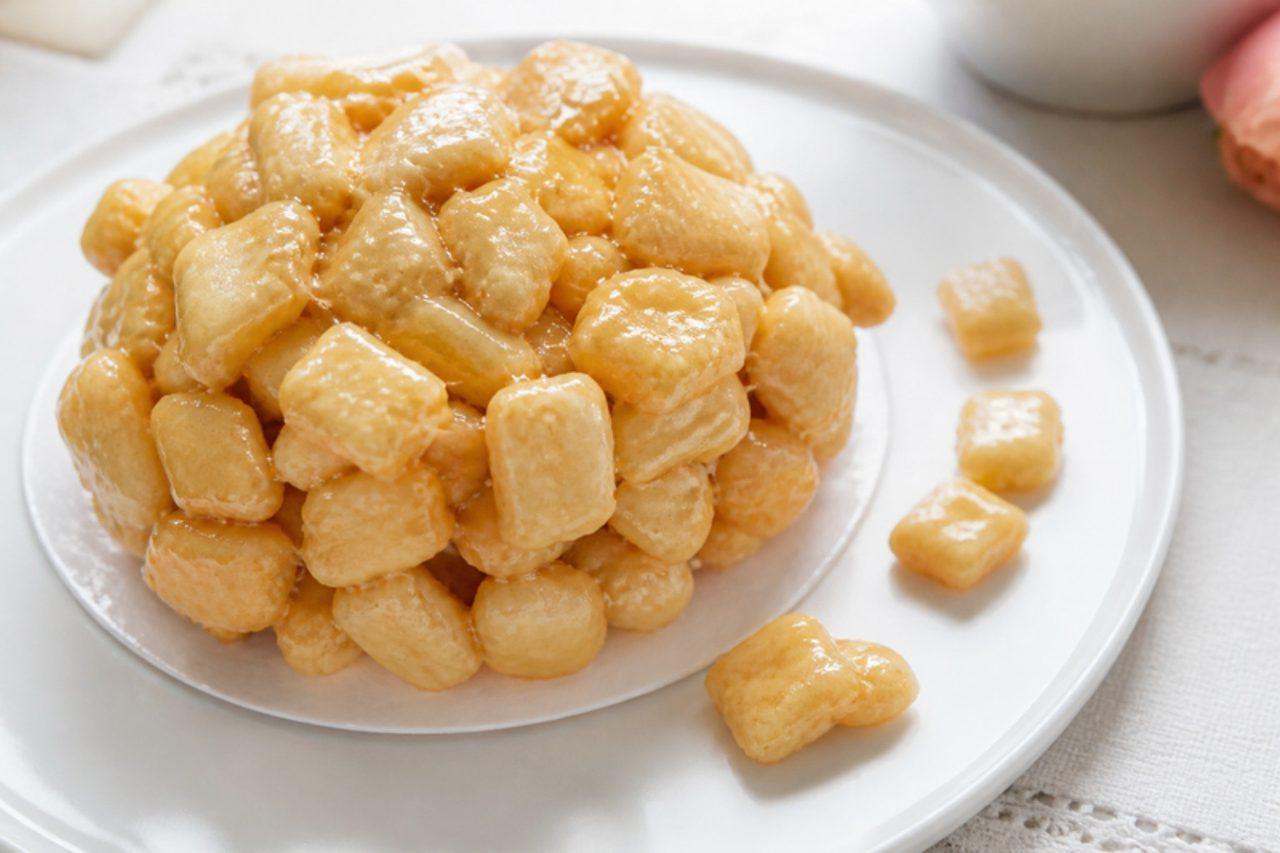
Muéganos de HuamantlaFried dough in piloncillo syrup

Huamantla, in Tlaxcala, is known for its August fair, when the streets are carpeted with coloured sawdust and flowers, and for muéganos: little cubes of fried dough glued together with dark piloncillo syrup into a sticky cluster, often pressed onto a round wafer. Visitors buy them in stacks from sweet shops around the main square. The dough is crisp and light, the syrup spiced with cinnamon and clove. Chef's tip: cut the dough into small, even cubes so they all fry golden at the same time.

by KrazyBadal 0 views

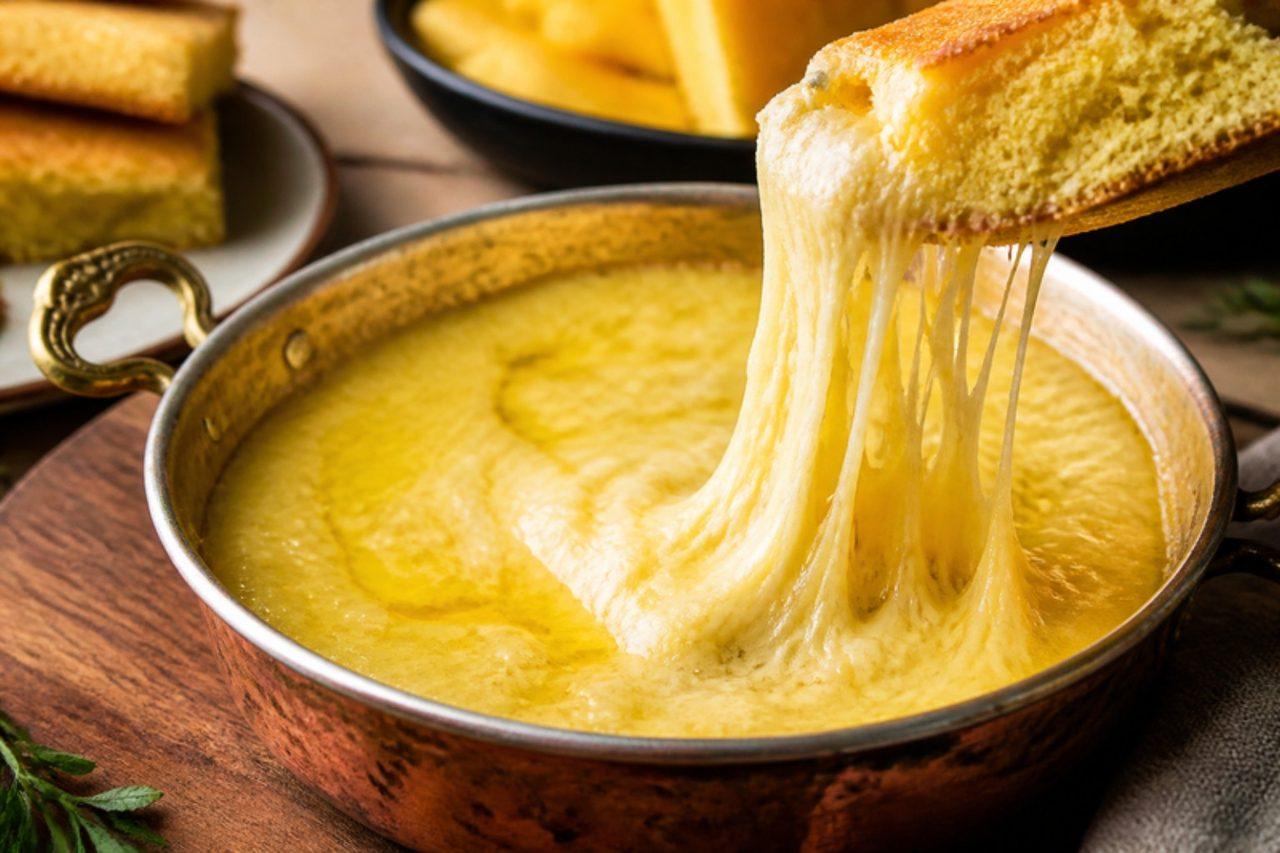
MuhlamaCornmeal, butter and melted cheese

Up in the yayla summer pastures above Trabzon and Rize, breakfast often arrives as one blackened pan set in the middle of the table, with everyone tearing bread and dragging it through. Muhlama is butter, coarse cornmeal and a young stringy cheese stirred together until the cheese melts into long, glossy threads and a pool of golden butter rises to the top. Eat it straight from the pan with cornbread or crusty bread, black tea and a plate of tomatoes and cucumbers. Common mistake: adding the cheese before the cornmeal has toasted in the butter, which leaves a raw, gritty taste and stops the oil separating. The Black Sea cheese (Trabzon or Kolot) and kaşar are usually made with animal rennet; a vegetarian mozzarella-style cheese works well. Chef's tip: don't stir once the cheese has gone in until it has fully melted, then stir in one direction only; that is what gives the long, elastic strands.

by KrazyBadal 0 views

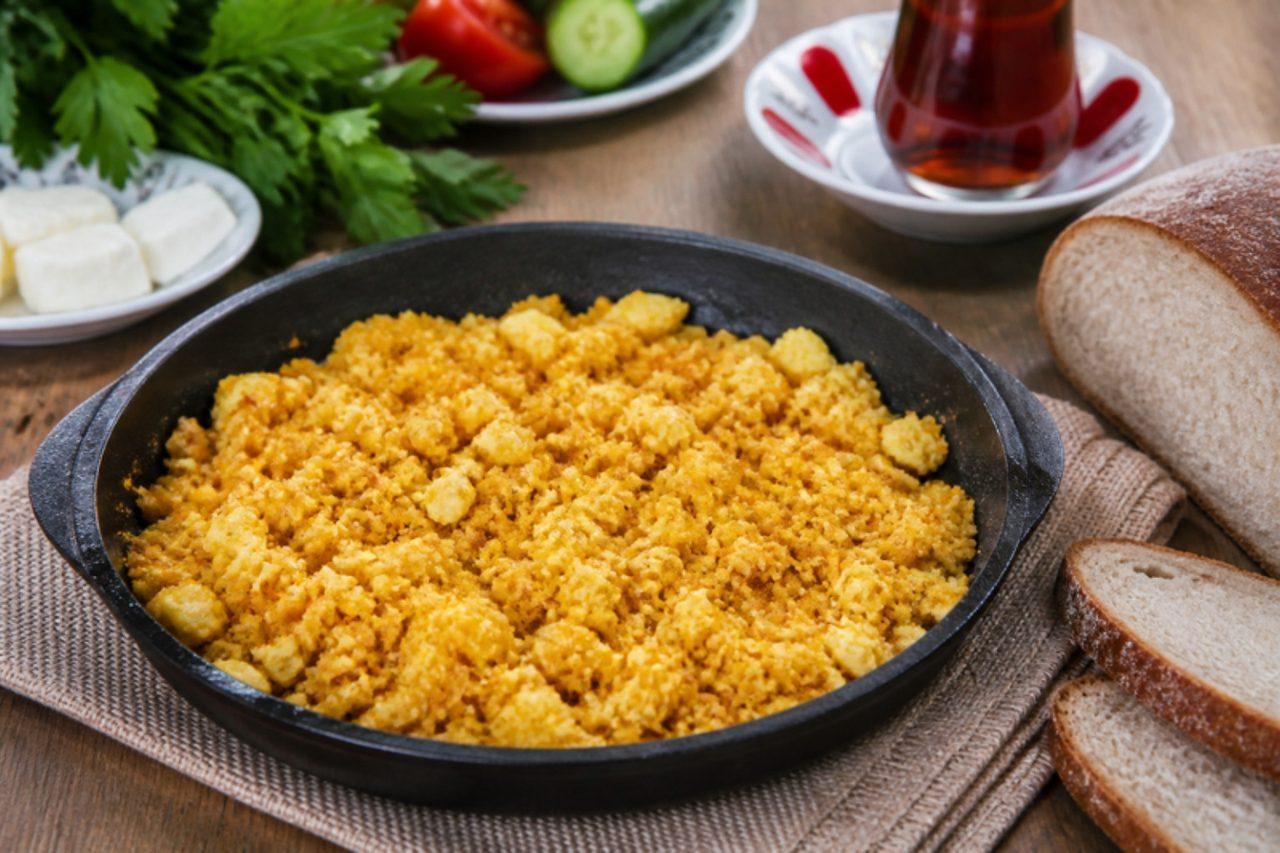
MurtuğaButter-toasted flour with egg

A Van breakfast is famously huge, with herb cheese, honey, kaymak and olives, and in winter it often includes a pan of murtuğa: flour slowly toasted in plenty of butter until golden, then scrambled together with eggs into rich, crumbly nuggets. It's a dish from cold mountain homes where a filling breakfast had to last until evening, eaten hot with bread or on its own with tea. Common mistake: rushing the flour on a high heat so it scorches before it cooks through; keep it low and keep stirring. Chef's tip: beat the eggs with a splash of water before adding them; they spread through the flour more evenly and stay softer.

by KrazyBadal 0 views

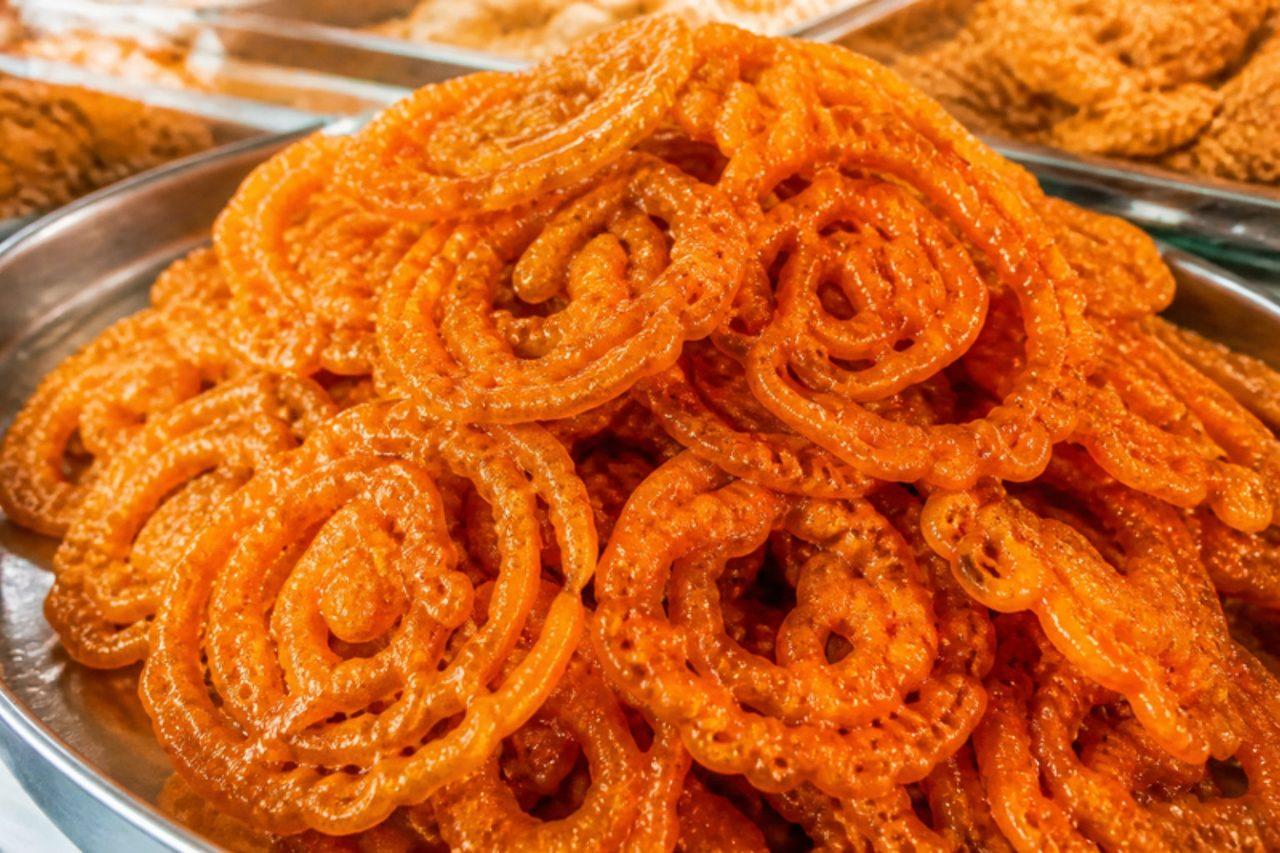
MushabbakFried batter spirals in syrup

Glass counters in the souks of Nablus and Damascus are stacked with mushabbak, crisp latticed spirals of fried batter dunked in syrup until they glisten. They are bought by the bag for Christian and Muslim feast days, for Ramadan evenings and for no reason at all, and are best eaten within hours while the shells still crack. A lightly fermented batter piped into hot oil gives the hollow, crunchy rings. The mistake to avoid is oil that is not hot enough: the batter soaks up fat and the spirals turn heavy and limp. Chef's tip: the syrup must be cold and the mushabbak hot; dip, count to three and lift, and they stay crisp for hours.

by KrazyBadal 0 views

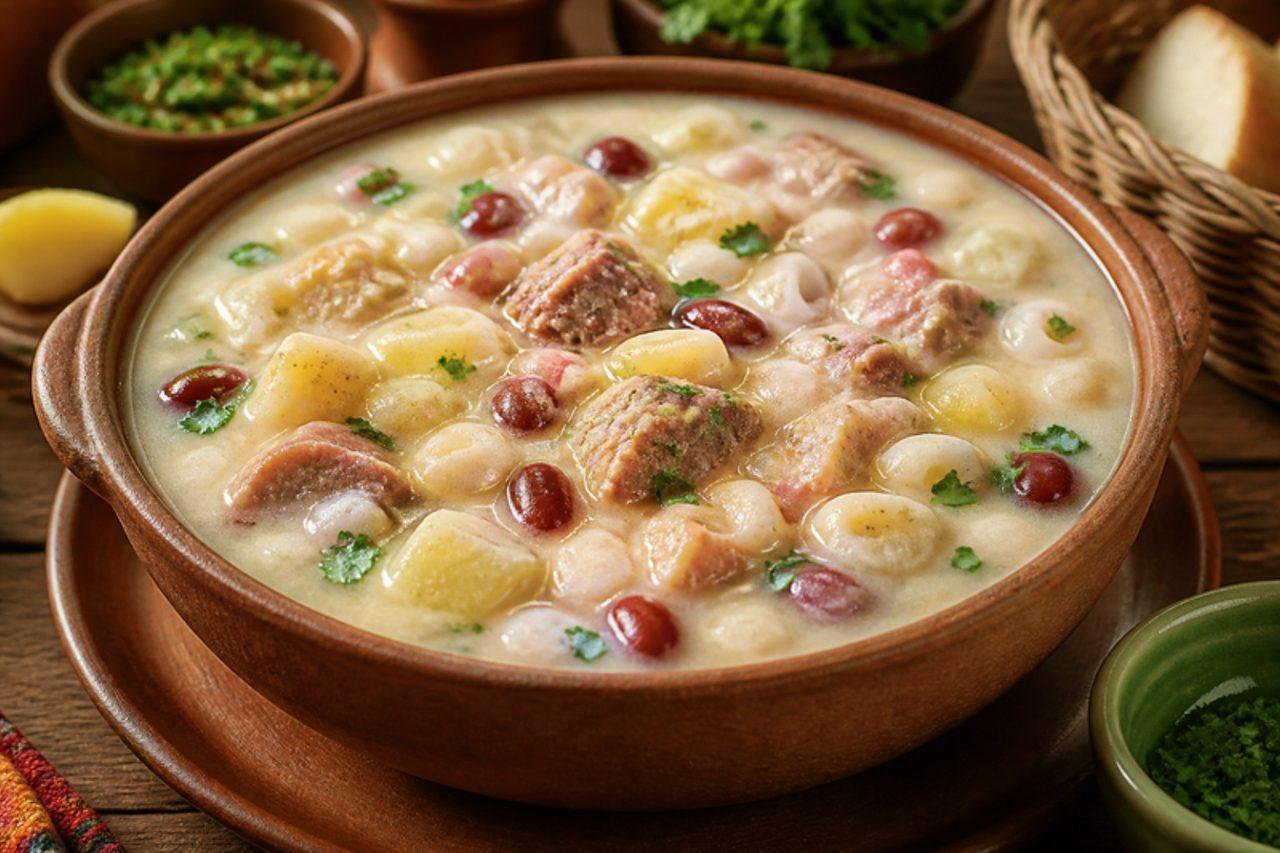
Mute santandereanoHominy and tripe soup

Bucaramanga's Mercado Central and the Sunday family tables of Santander serve mute, a big, thick soup that takes most of a day: hominy corn, honeycomb beef tripe and pork ribs, plus red beans, potatoes, pumpkin, cabbage and a handful of short pasta, all simmered until thick, rich and savoury. It is filling enough to be lunch on its own, eaten with avocado, ají and a piece of arepa. The tripe must be bought cleaned and bleached from the butcher and then simmered for two hours until tender; undercooked tripe is the most common complaint, as it stays chewy and tastes strong. This version uses cooked or tinned hominy and beans to save the overnight soaking. Chef's tip: rub the tripe with lime and salt and rinse it twice before cooking; it removes any farmyard smell and keeps the broth clean-tasting.

by KrazyBadal 0 views

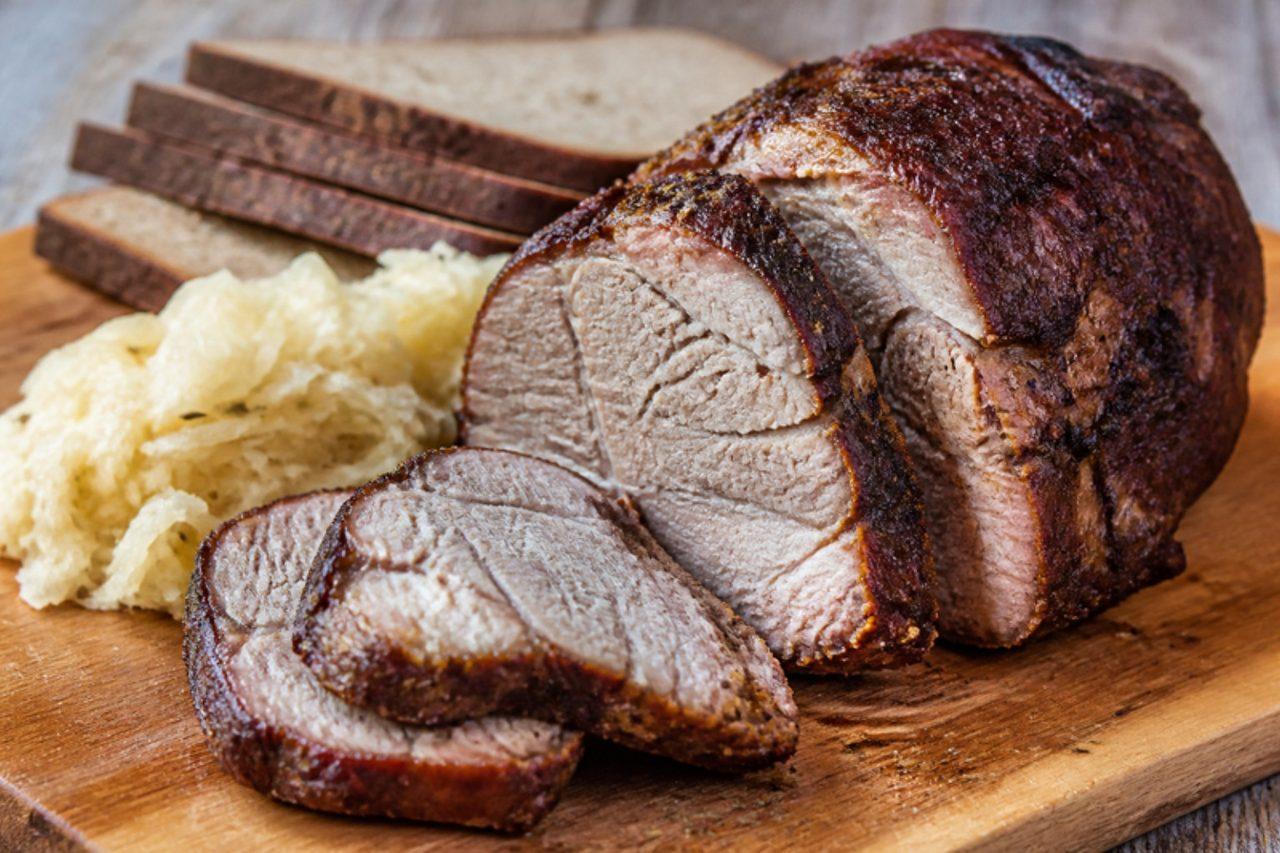
MutzbratenMarjoram roast pork shoulder

Mutzbraten is the fairground roast of eastern Thuringia, from Schmölln and the Altenburg area, where big chunks of pork shoulder are rubbed with salt, pepper and lots of marjoram, threaded on skewers and hung in an iron cage over a birch-wood fire. It is sold sliced with sauerkraut and a slice of rye bread at markets and village festivals. At home a lidded kettle barbecue with birch or other mild wood chips gives a close result; an oven version is in the steps. Chef's tip: marinate overnight, as the marjoram needs time to work its way into the meat.

170 minGermanMeatGluten free
by KrazyBadal 0 views

NabatSaffron rock sugar crystals

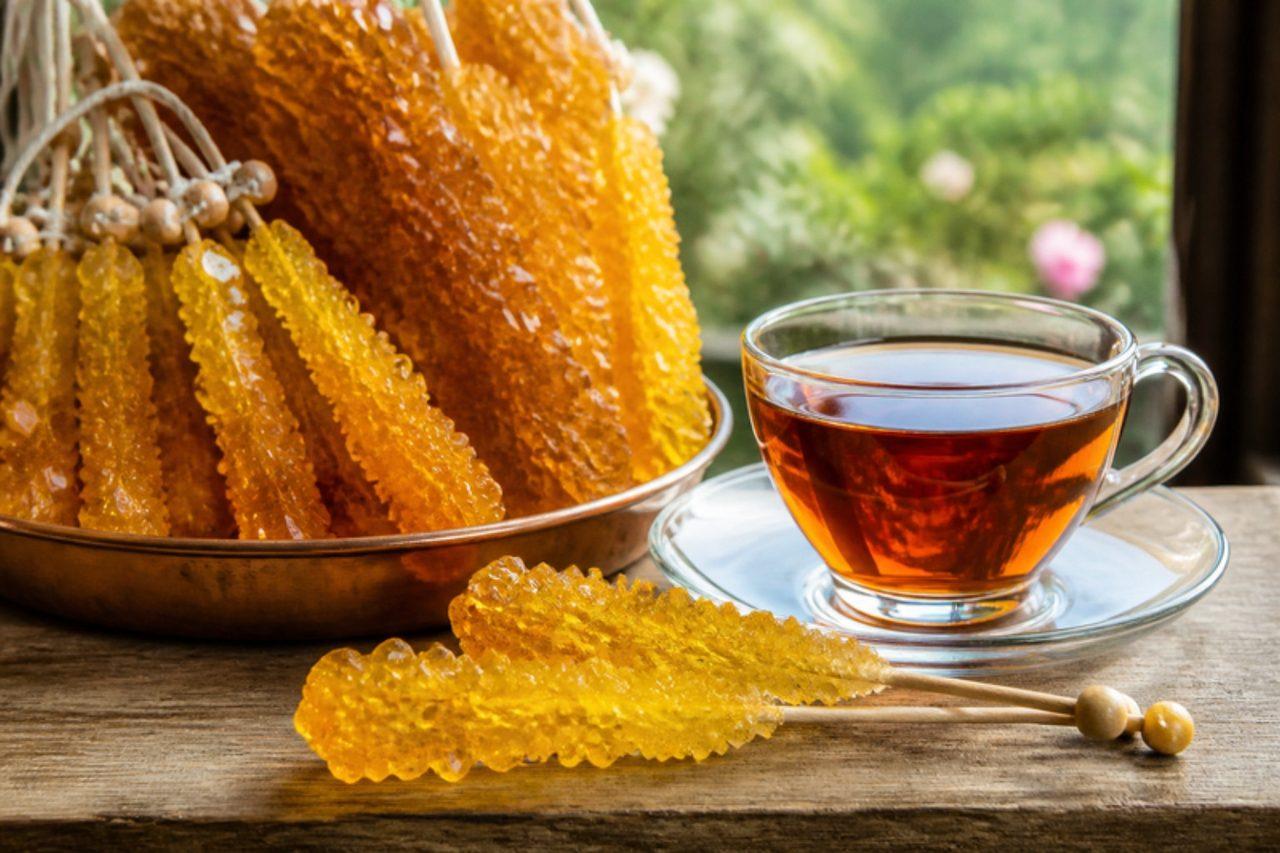
Golden saffron nabat on a stick is the souvenir pilgrims bring back from Mashhad, and across Iran a stick of it is stirred into hot tea for an upset stomach, after a fright or simply instead of a sugar cube. The crystals grow slowly on cotton strings in a saturated syrup over two or three days, and making it at home is a pleasant, slow kitchen project. A common mistake is moving or knocking the jar: every jolt sets off fine sugar grit instead of big crystals. Chef's tip: roll the wet strings in a little sugar and let them dry before hanging them; the seed crystals give the new ones something to grow on.

by KrazyBadal 0 views

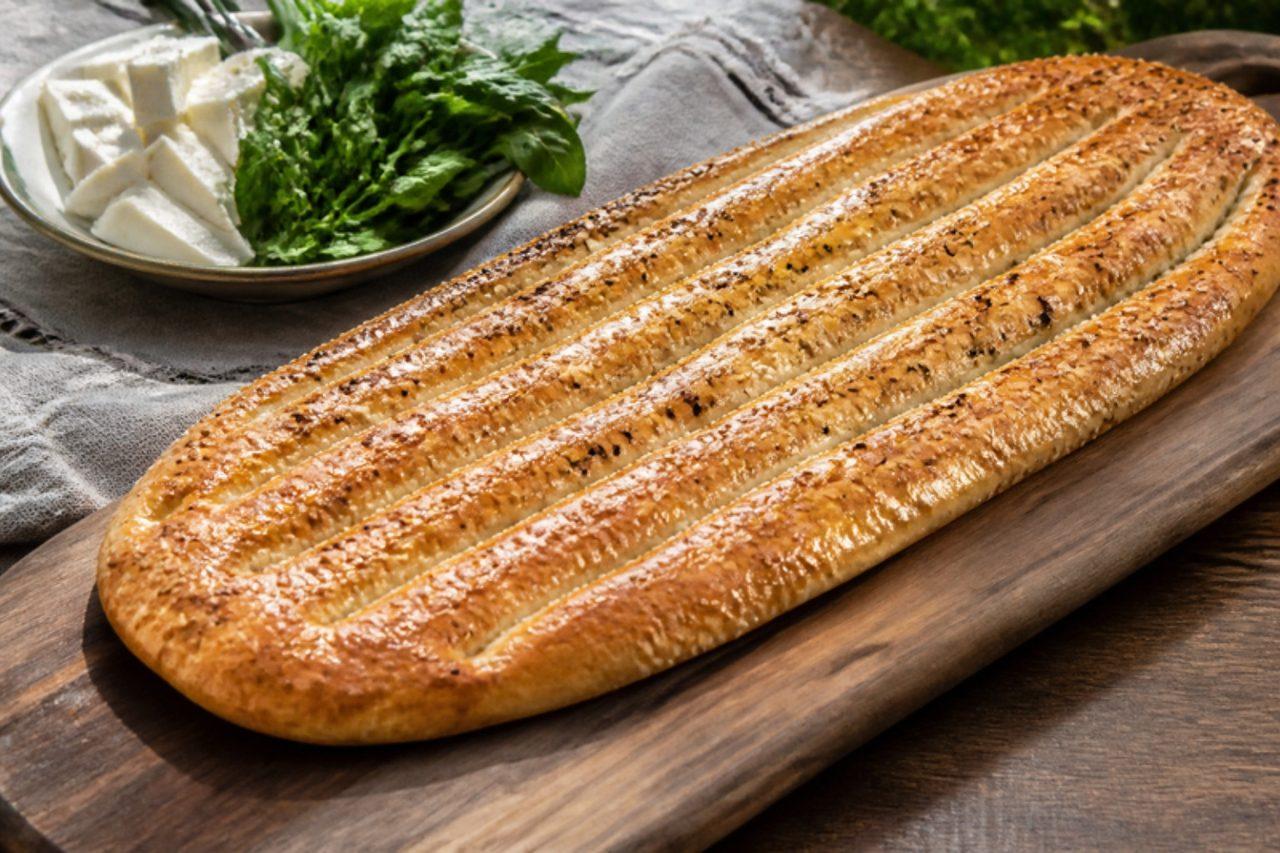
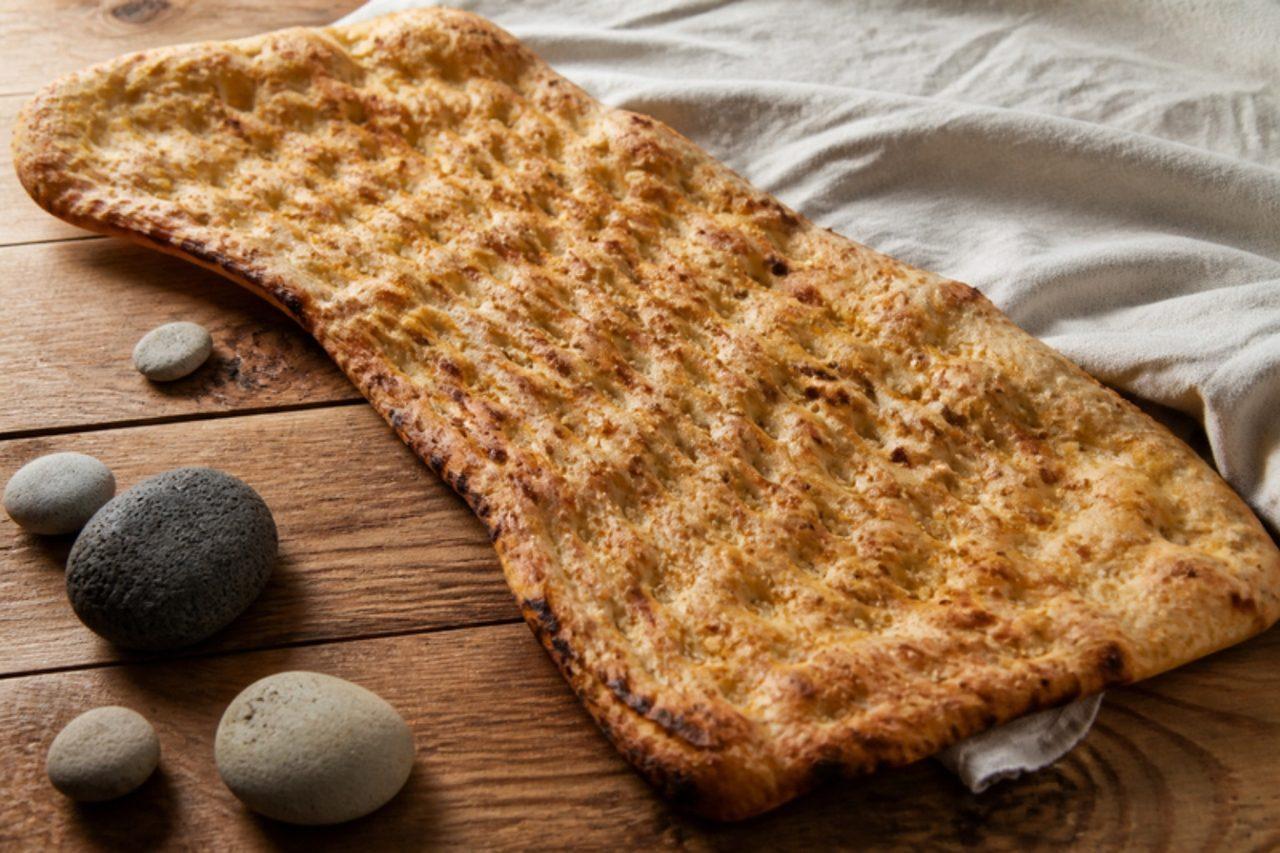
Nan-e barbariThick grooved flatbread

Barbari is Tehran and Tabriz's breakfast bread: a long, thick oval with deep lengthwise grooves, its top glazed golden-brown and scattered with sesame and nigella. Bakeries sell it hot from early morning, and it goes home to be torn and eaten with feta, walnuts, herbs, butter and jam or a glass of sweet tea. Its secret is the roomal, a quick paste of flour, baking soda and water brushed on before baking, which gives the shiny, crackly crust. The usual mistake is pressing the grooves too shallow, so they puff out in the oven and the bread loses its shape. Chef's tip: press your fingertips right down to the work surface when making the grooves, and don't worry if it looks too flat; it rises in the oven.

by KrazyBadal 0 views

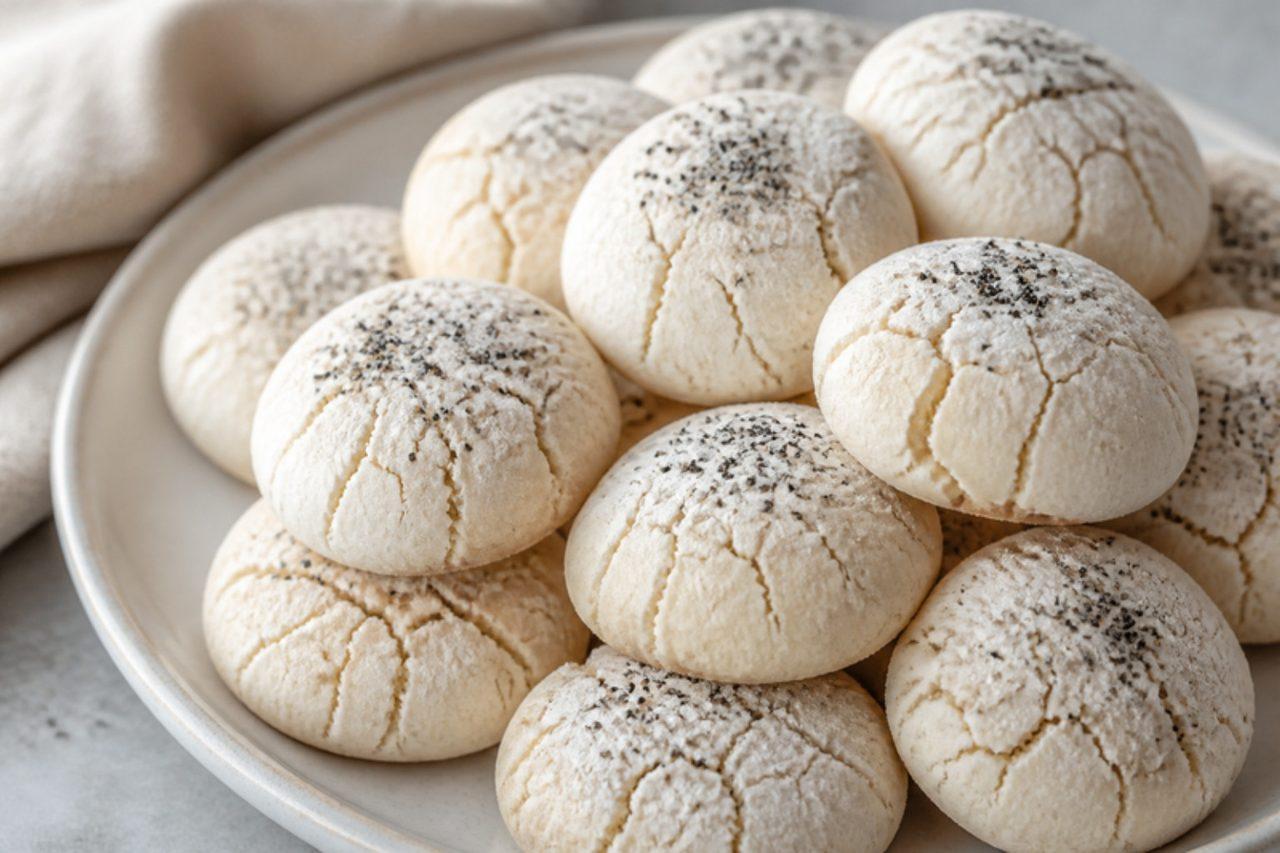
Nan-e berenjiRice-flour cookies

Kermanshah in western Iran is famous for its nan-e berenji, and in the weeks before Nowruz bakeries there pack them by the boxful for guests who come visiting through the holiday. Made with rice flour, they are pale, crumbly and melt on the tongue, scented with cardamom and rosewater and sprinkled with a few poppy seeds. Many families make the dough a day ahead. The common mistake is letting them colour in the oven; they should come out white with only the faintest gold underneath. Chef's tip: rest the dough in the fridge for at least an hour so the rice flour hydrates; otherwise the cookies crack and spread.

by KrazyBadal 0 views

Nan-e gerdooyiWalnut cookies

In the run-up to Nowruz, when Tabriz, Tehran and Qazvin families are spring-cleaning and baking for the round of holiday visits, nan-e gerdooyi are among the first cookies to go into the tin. They are made with chopped walnuts held together by egg yolks and sugar, no flour at all, so they bake crisp at the edge and soft and chewy in the middle. A common mistake is grinding the walnuts to a paste; they should be chopped into small pieces so the cookies have texture and don't turn oily. Chef's tip: leave a good gap between them on the tray; they spread to about twice their size.

by KrazyBadal 0 views

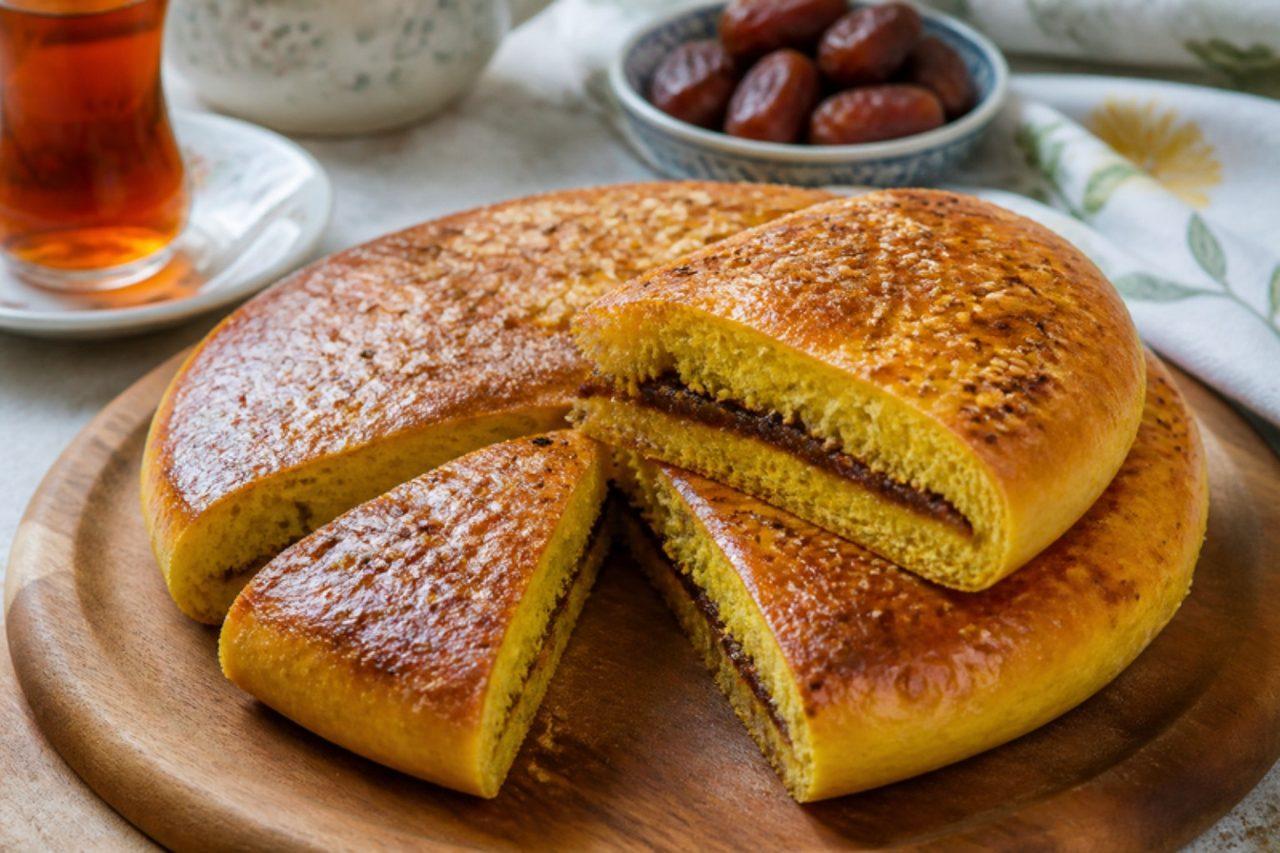
Nan-e komajSweet date-filled bread

In Khorasan and Kerman, nan-e komaj is the bread of guests and holidays: thick, soft, golden with turmeric, scented with cumin and layered with a ribbon of date paste and cinnamon. In villages around Mashhad it is baked in big rounds for Nowruz and religious feasts and cut into wedges with tea. It is sweet but not cake-like, sitting somewhere between bread and pastry. A common mistake is spreading the date paste right to the edge, which lets it leak and burn on the tray. Chef's tip: soften the dates with a spoon of hot water and a little butter before spreading; stiff date paste tears the dough.

by KrazyBadal 0 views

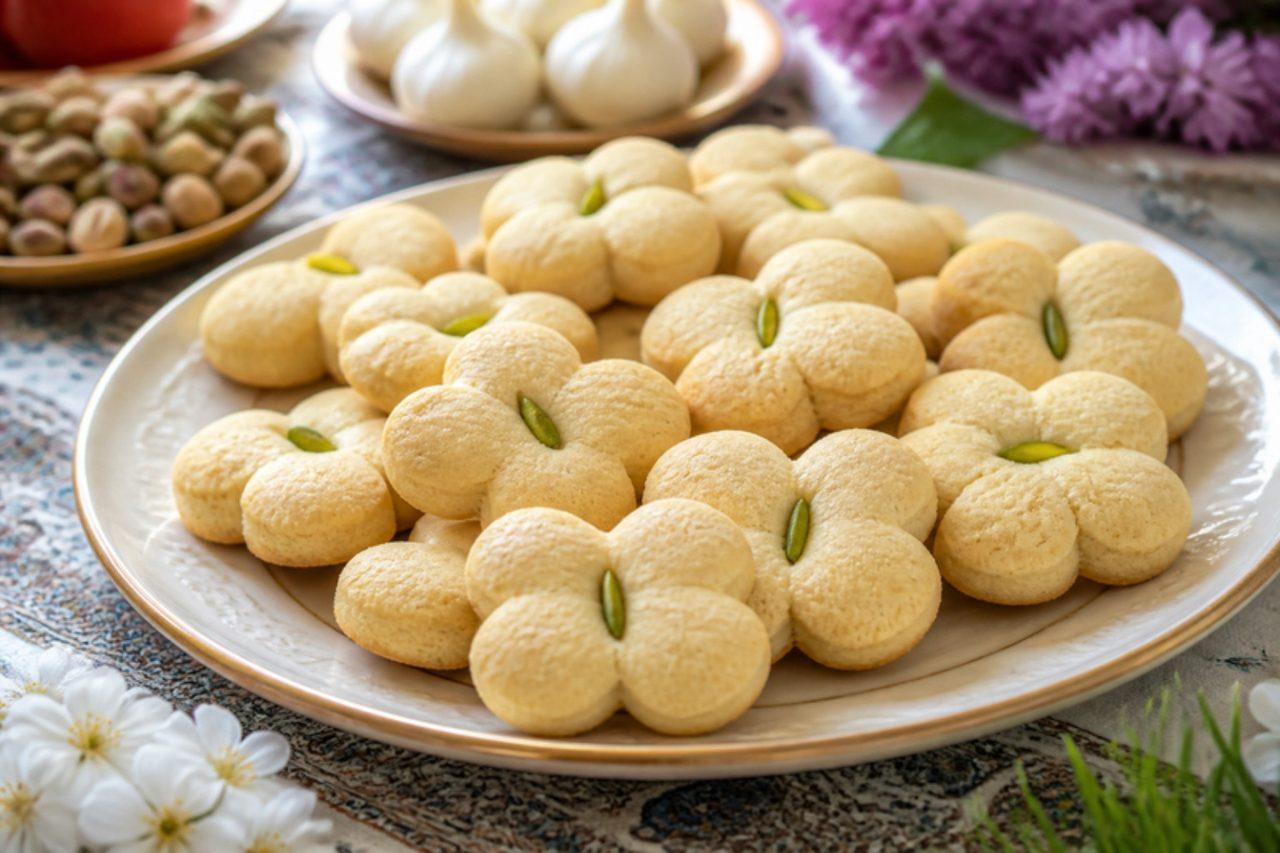
Nan-e nokhodchiChickpea flour cookies

No Nowruz tea tray in Tehran or Qazvin looks complete without a pile of tiny four-leafed nan-e nokhodchi, each topped with a sliver of pistachio. They are made from flour of roasted chickpeas, so they taste nutty and slightly savoury under the sugar, and they dissolve almost instantly on the tongue. Bakers make them by the thousand in March, but they are simple at home with a small clover cutter. The common mistake is using raw gram flour, which tastes beany and bitter; the flour must be from roasted chickpeas, or toasted first. Chef's tip: knead the dough longer than you think, 8–10 minutes, until it turns smooth and pale; that is what gives the melting texture.

by KrazyBadal 0 views

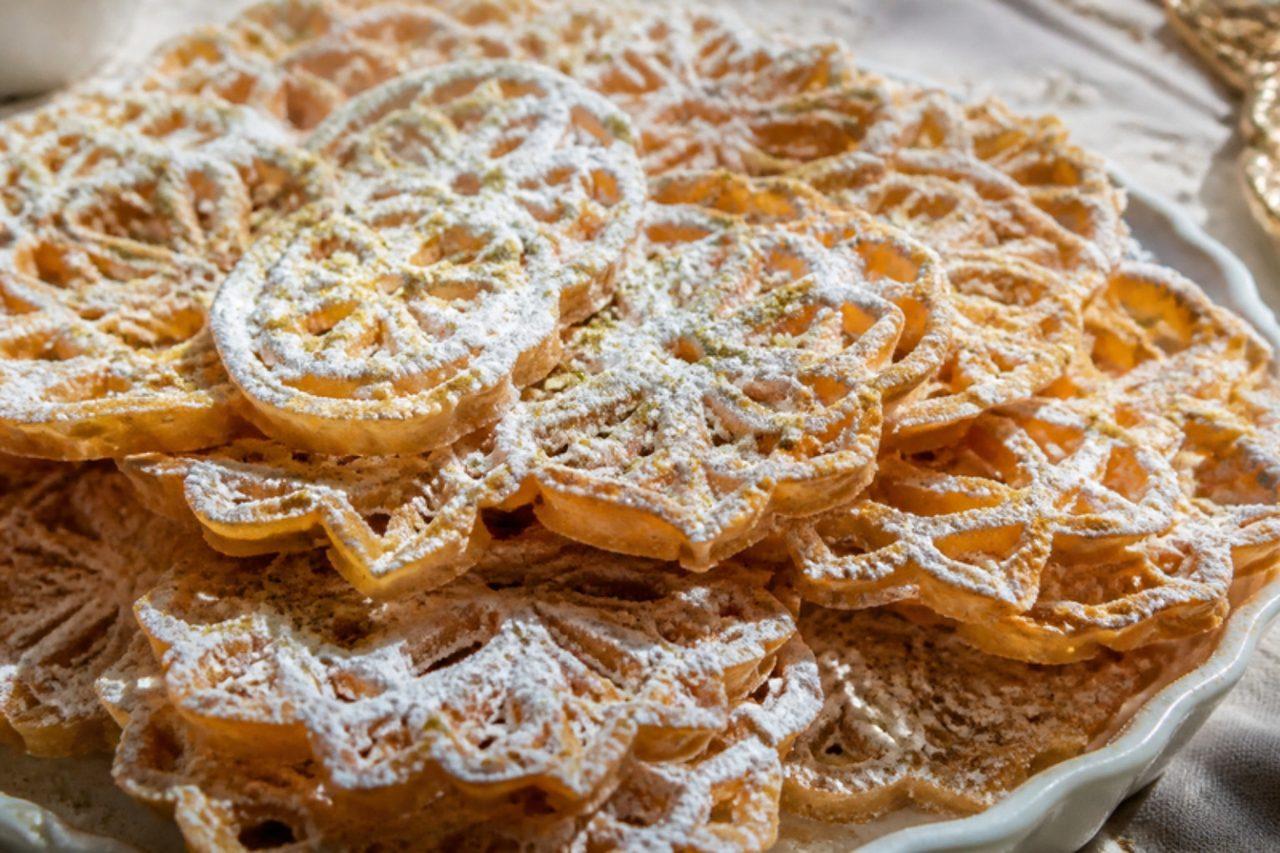
Nan-e panjerehFried rosette pastries

Nan-e panjereh, 'window bread', is the most delicate pastry on a Nowruz table, and in Tehran and Isfahan it is usually made at home with a flower-shaped iron passed down through the family. A thin batter of egg, milk and flour flavoured with rosewater clings to the hot iron, then drops off into the oil as a crisp, lacy rosette that shatters at the first bite. The usual mistake is dipping the iron too deep; the batter must come only to the top edge, or the rosette won't release. Chef's tip: dip the iron back into the hot oil for 30 seconds before every rosette so the batter sets the moment it touches the metal.

by KrazyBadal 0 views

Nan-e sangakPebble-baked whole-wheat flatbread

Sangak means 'little stone': at bakeries in Tehran the dough is stretched onto a sloping bed of hot river pebbles inside a domed oven, and customers queue at dawn to carry home metre-long sheets folded over their arms, picking off the stones still stuck to the bread. It is a dimpled, chewy whole-wheat flatbread with a slight sourness and a toasted, blistered crust, eaten with cheese and herbs for breakfast or alongside kebabs. At home a tray of clean pebbles or a baking steel does the job. The common mistake is a stiff dough; sangak dough is very soft, almost a thick batter, which is what gives it its holes. Chef's tip: wet your hands well when stretching the dough onto the stones so it slides into a thin sheet without tearing.

by KrazyBadal 0 views

Nan-e taftoonThin tandoor flatbread

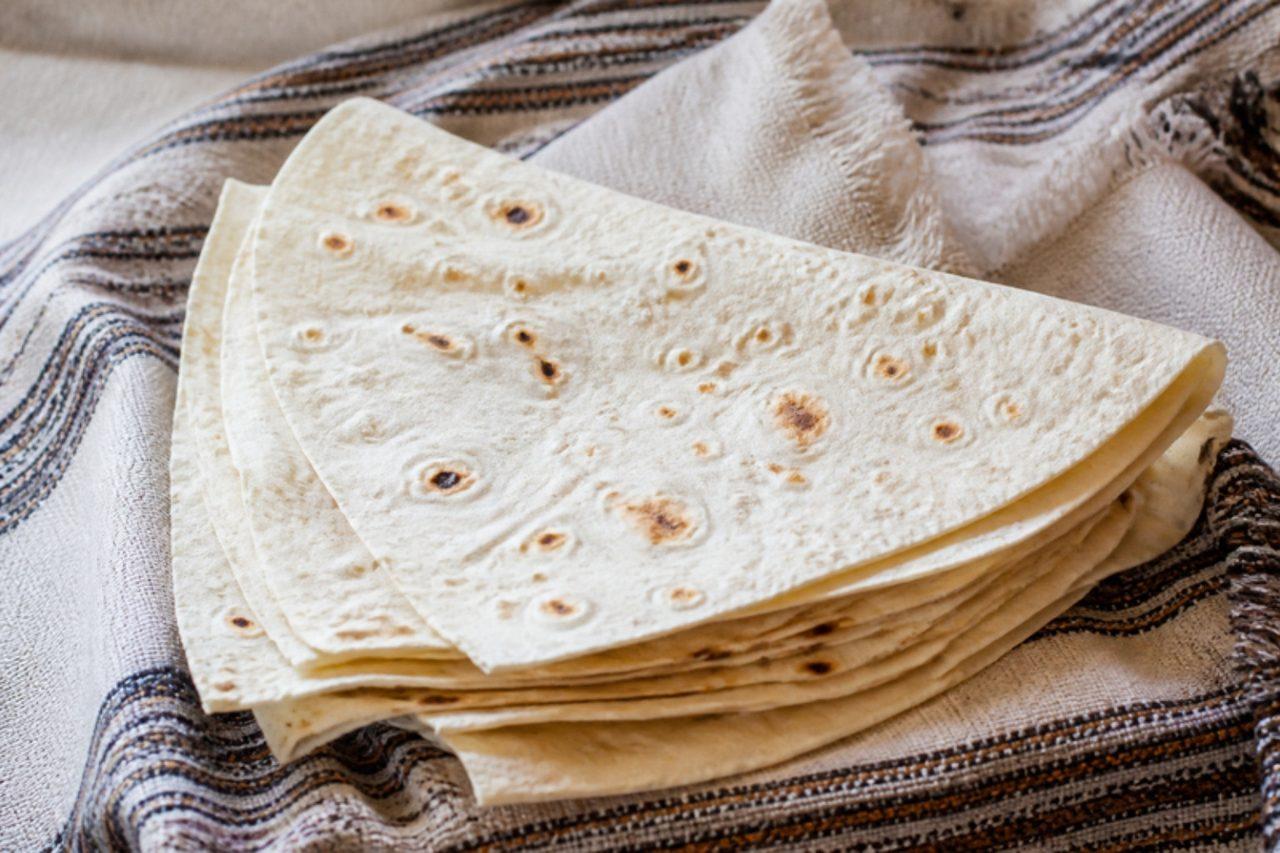
Taftoon is the everyday bread of many Iranian towns, from Qazvin to Kerman: thin, soft and slightly bubbly, slapped onto the hot clay wall of a tanoor and peeled off a minute later, then piled on the sofreh at lunch to wrap herbs and cheese or to scoop up stews. It is softer and thinner than barbari but less papery than lavash. A heavy pan or upturned wok on the hob gives very good results at home. The common mistake is rolling it unevenly; thin patches burn while thick ones stay doughy. Chef's tip: stack the breads in a tea towel as they come off the heat; the trapped steam keeps them soft and foldable.

by KrazyBadal 0 views

Nan-e tiriPaper-thin rolled bread

In the Zagros mountains of Lorestan and among the Bakhtiari nomads, women roll out nan-e tiri with a long, thin rod (the tir) until the dough is almost see-through, then flip it onto a domed iron saj over a wood fire. It cooks in seconds and is stacked high, and because it dries so thin it keeps for weeks and is softened with a sprinkle of water before eating. It needs only flour, water and salt. The usual mistake is resting the dough too little; it fights back and shrinks when rolled. Chef's tip: wind the dough around a long thin rolling pin as you roll and unroll it, as the Lori bakers do; it stretches the dough evenly without tearing.

by KrazyBadal 0 views

Nan-e YazdiCardamom and rosewater cupcakes

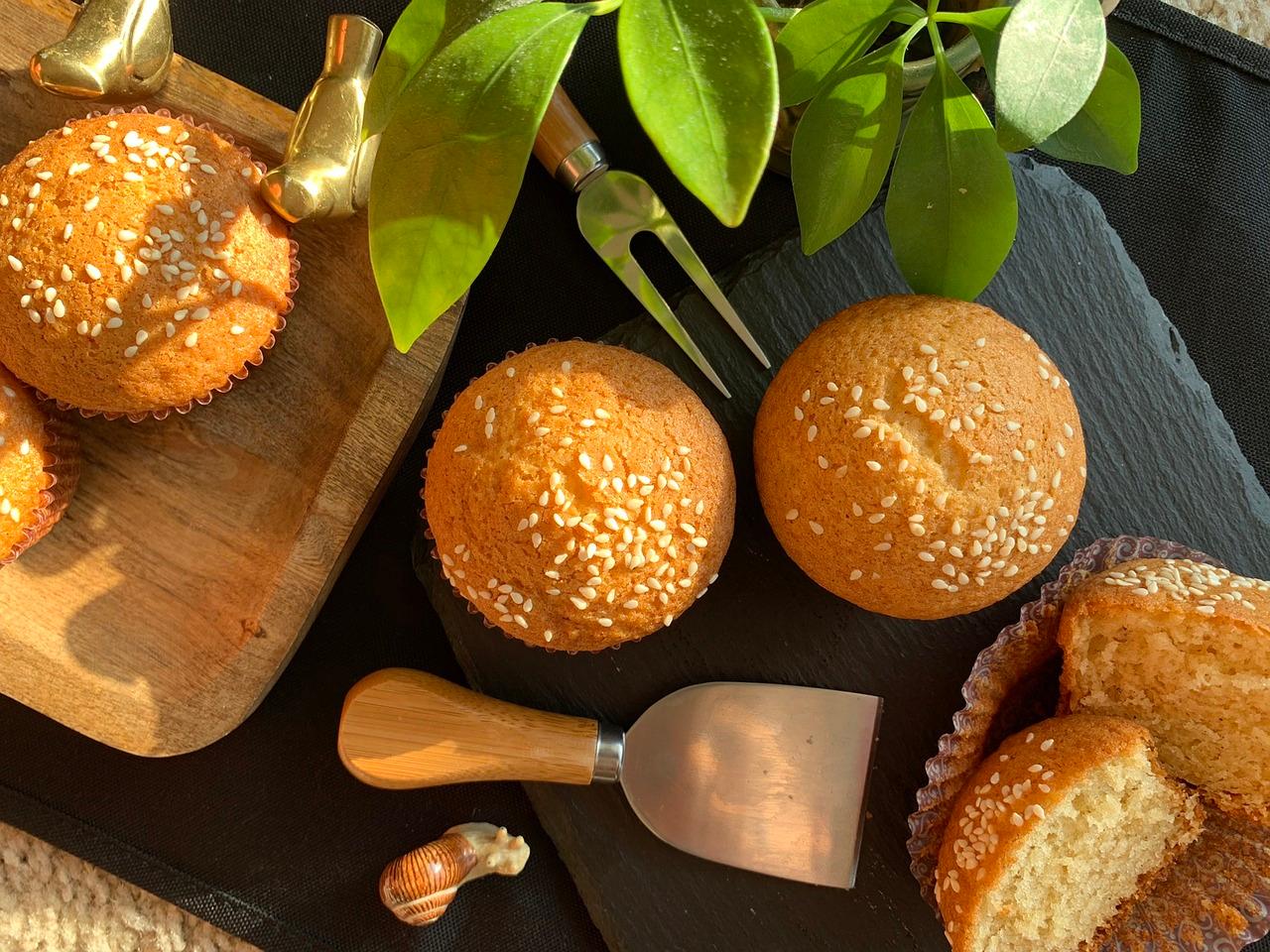
Nan-e Yazdi, often called Yazdi cakes, are the small domed cupcakes every Iranian bakery sells for breakfast and afternoon tea, first made in Yazd and now loved in Tehran and far beyond. The crumb is soft and a little dense, perfumed with cardamom and rosewater, and the tops are scattered with pistachio or sesame before baking. Children eat them dunked in milk. A common mistake is overbeating after the flour goes in, which makes the cakes tough and peaked; fold just until smooth. Chef's tip: rest the batter in the fridge for an hour before baking for a taller, crackled dome.

by KrazyBadal 0 views

Navajas á pranchaGriddled razor clams

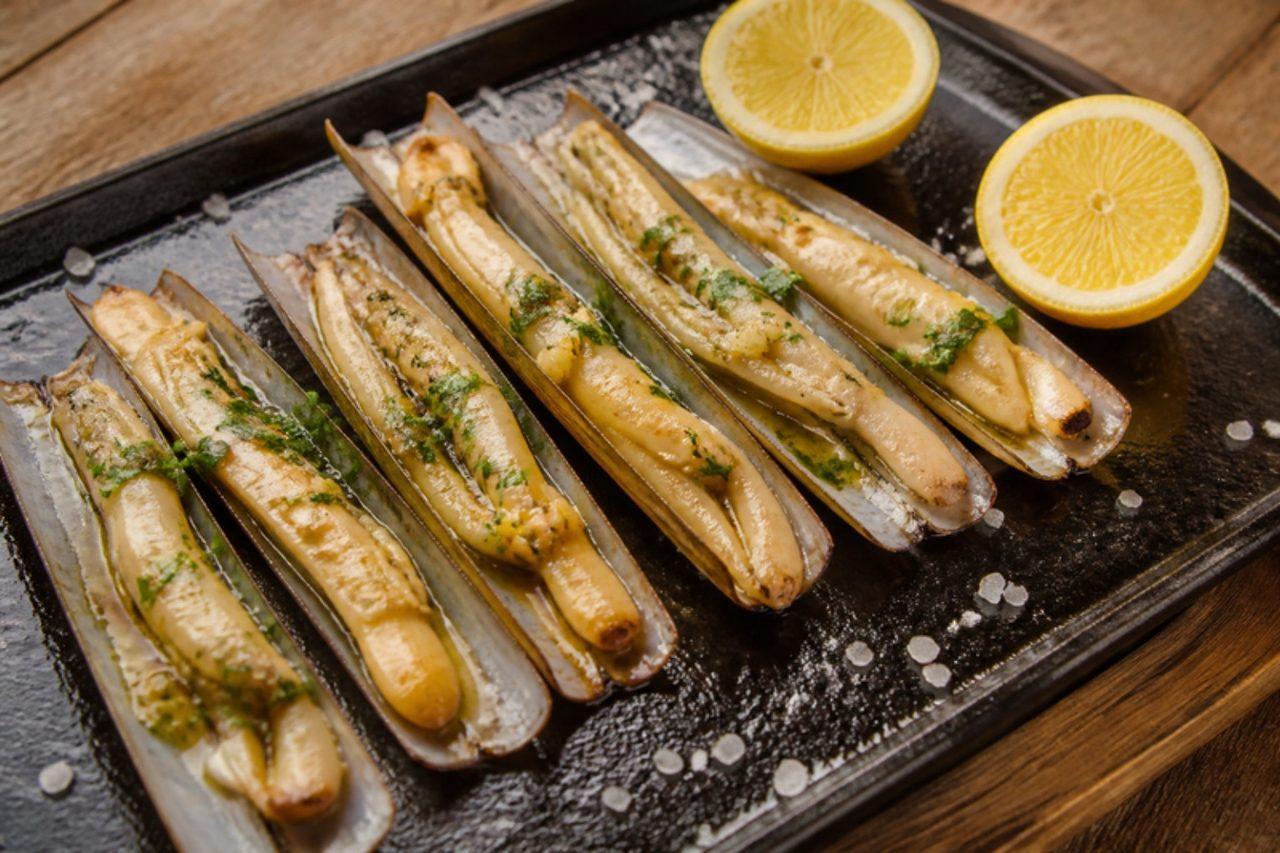
Razor clams are pulled from the sandy beds of the Galician rías, and in the seafood bars of Vigo and A Coruña they arrive straight from the griddle, opened up and glistening with garlic oil. They take two minutes to cook and are eaten with the fingers. Live razor clams twitch or pull in when touched: throw away any with cracked or broken shells, or that don't react at all. A common mistake is leaving them on the heat after they open, which turns the meat rubbery. Chef's tip: lay them all hinge side down in the same direction so they open evenly and the juices stay in the shells.

by KrazyBadal 0 views

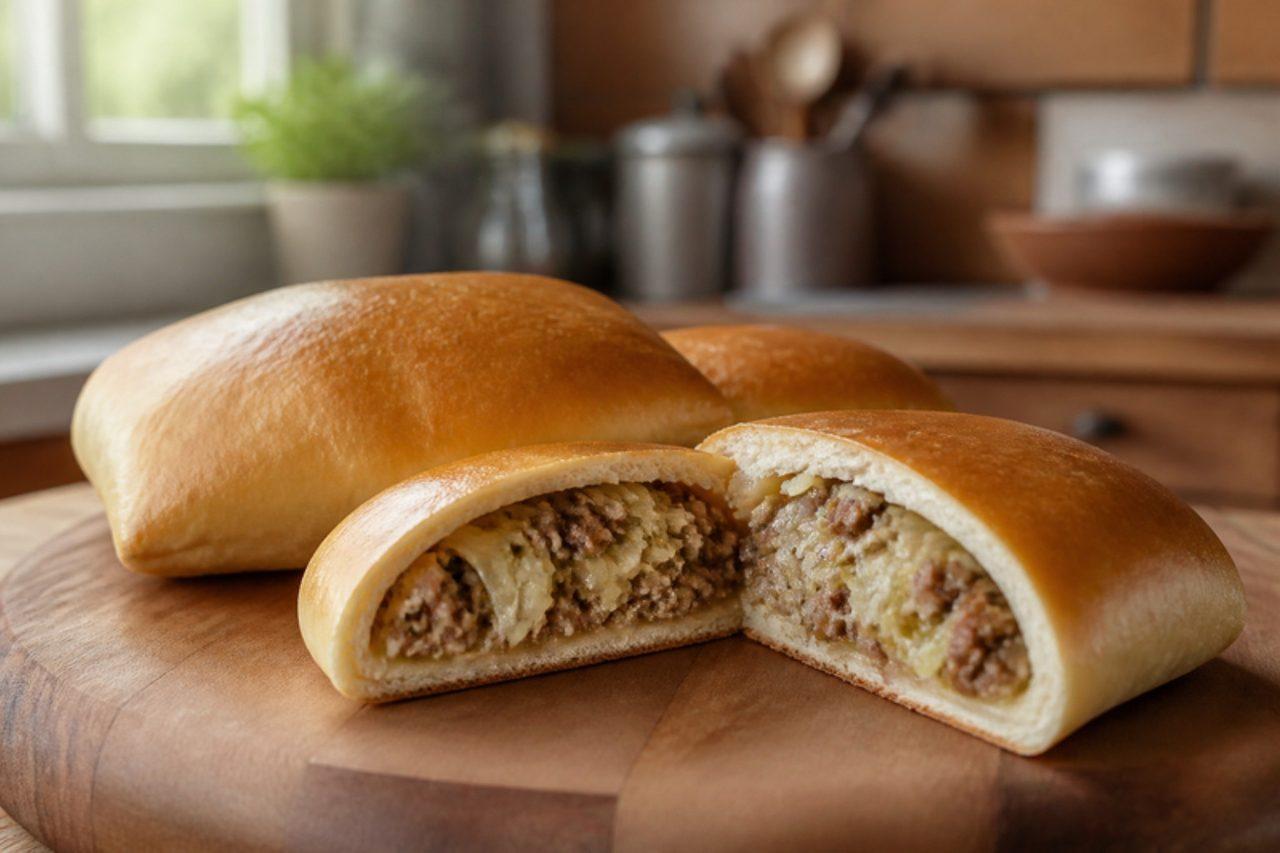
Nebraska runzasBeef and cabbage bread pockets

Runzas came to Nebraska with Volga German settlers, who called them bierocks, and today they are the state's fast food, packed for Cornhusker football games and long drives across the plains. A soft, slightly sweet bread dough is wrapped around a peppery filling of beef mince, onion and cabbage and baked into a rectangular pocket. Chef's tip: let the filling cool and drain it in a sieve before filling; hot, wet filling makes the dough soggy and tear.

by KrazyBadal 0 views

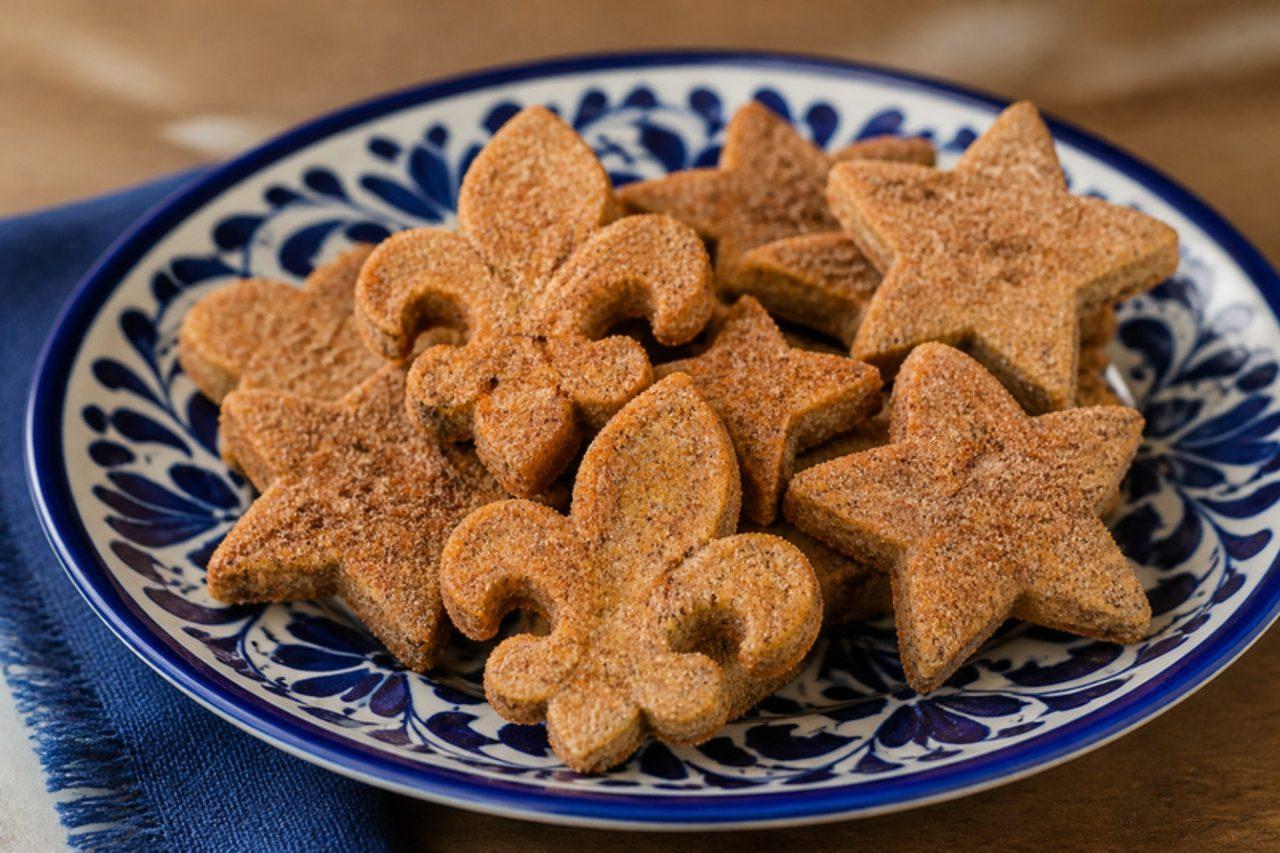
New Mexico biscochitosAnise cinnamon cookies

Biscochitos are New Mexico's official state cookie, baked by the thousand at Christmas, weddings and baptisms in Hispanic homes from Las Cruces to Taos. They are crumbly, short and scented with anise seed, cut into stars or fleurs-de-lis and dipped in cinnamon sugar. Grandmothers use lard, which gives the classic texture; this version uses butter so it stays vegetarian. Traditional recipes add a splash of brandy; here orange juice is used instead. Chef's tip: lightly crush the anise seeds to release the flavour.

by KrazyBadal 0 views

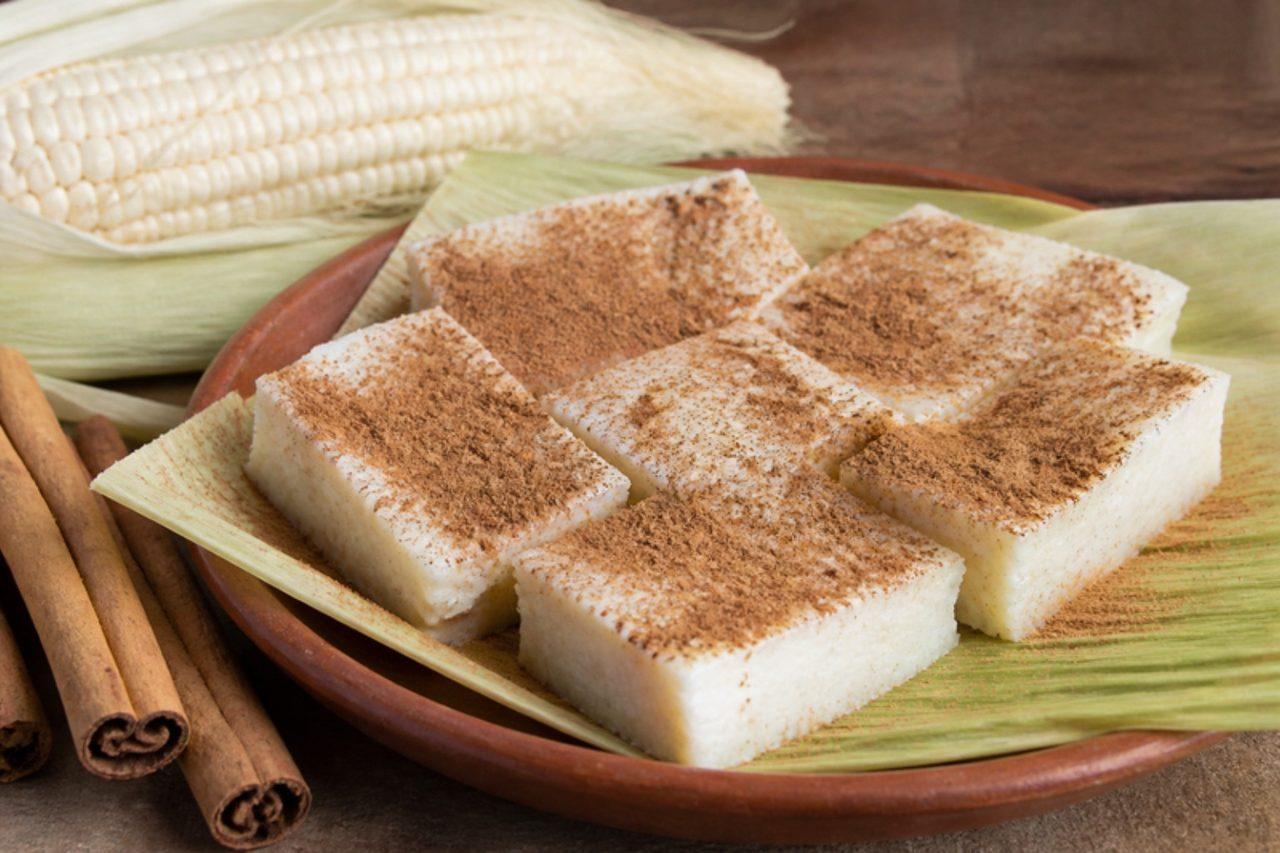
NicuatoleCorn and cinnamon pudding

Nicuatole is a Zapotec sweet sold in little squares from glass cases at Oaxacan markets and at village fiestas, often with a bright pink top coloured with cochineal. It is made from corn masa cooked with water, sugar and cinnamon until it thickens enough to set when cool, a cousin of atole you can cut with a knife. The texture is soft, slightly bouncy and cool, and it is eaten as an afternoon treat. We give a coconut-milk option and use beetroot juice or a natural red food colouring instead of cochineal (which comes from insects) for the red layer. Chef's tip: cook it until the spoon leaves a clear path across the pan base for a full second; undercooked nicuatole never sets.

by KrazyBadal 0 views

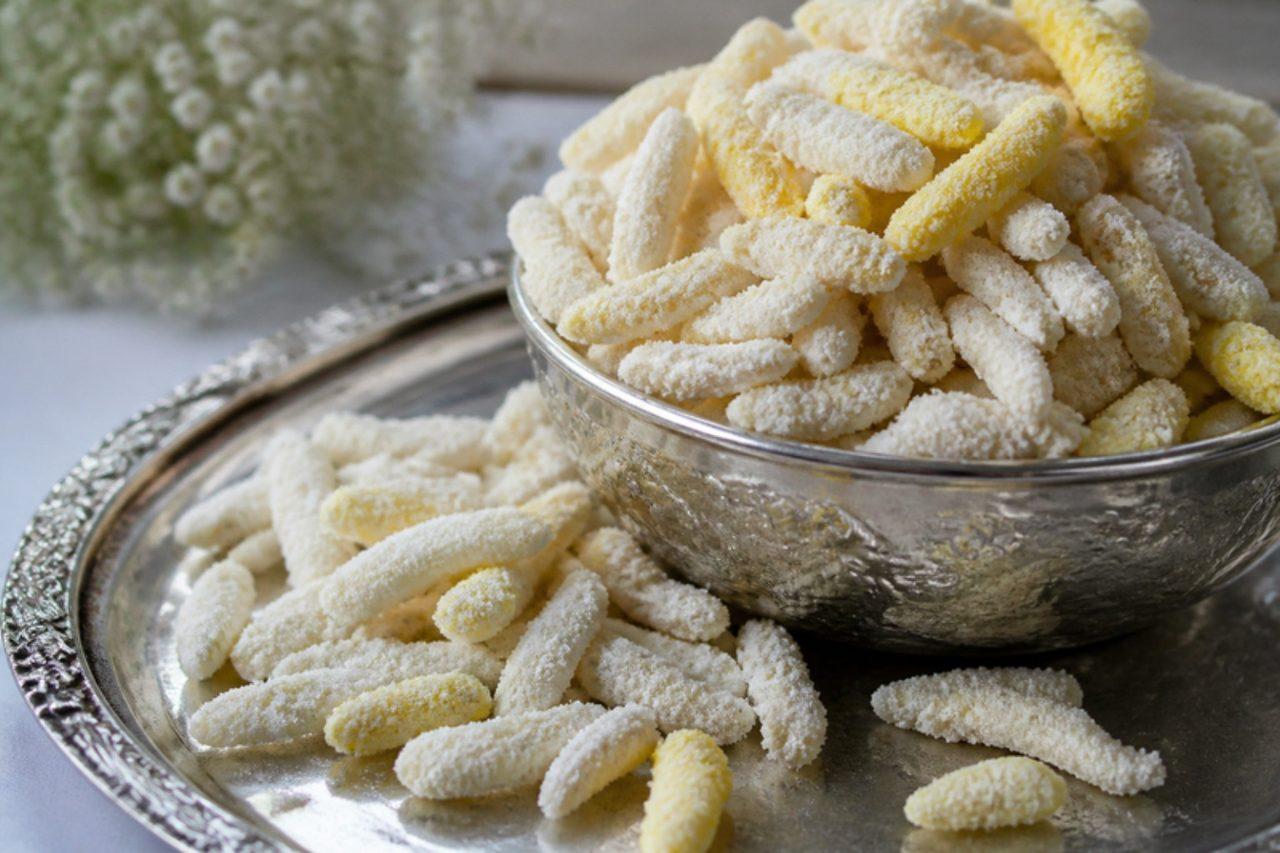
NoghlSugar-coated almond slivers

Noghl, the craggy white sugar-coated slivers of almond, is the confection of celebration in Iran, and the town of Urmia in West Azerbaijan is its home. It is showered over newlyweds at weddings, offered to guests at Nowruz and set beside tea on special days. Professionals build the spiky coat in a rotating copper pan over many hours; this home version does the same job in a wide pan, adding the rosewater syrup a little at a time. The usual mistake is adding too much syrup at once, which glues the almonds into a lump instead of building the knobbly crust. Chef's tip: keep the almonds moving constantly and wait until each coat is completely dry before the next.

by KrazyBadal 0 views

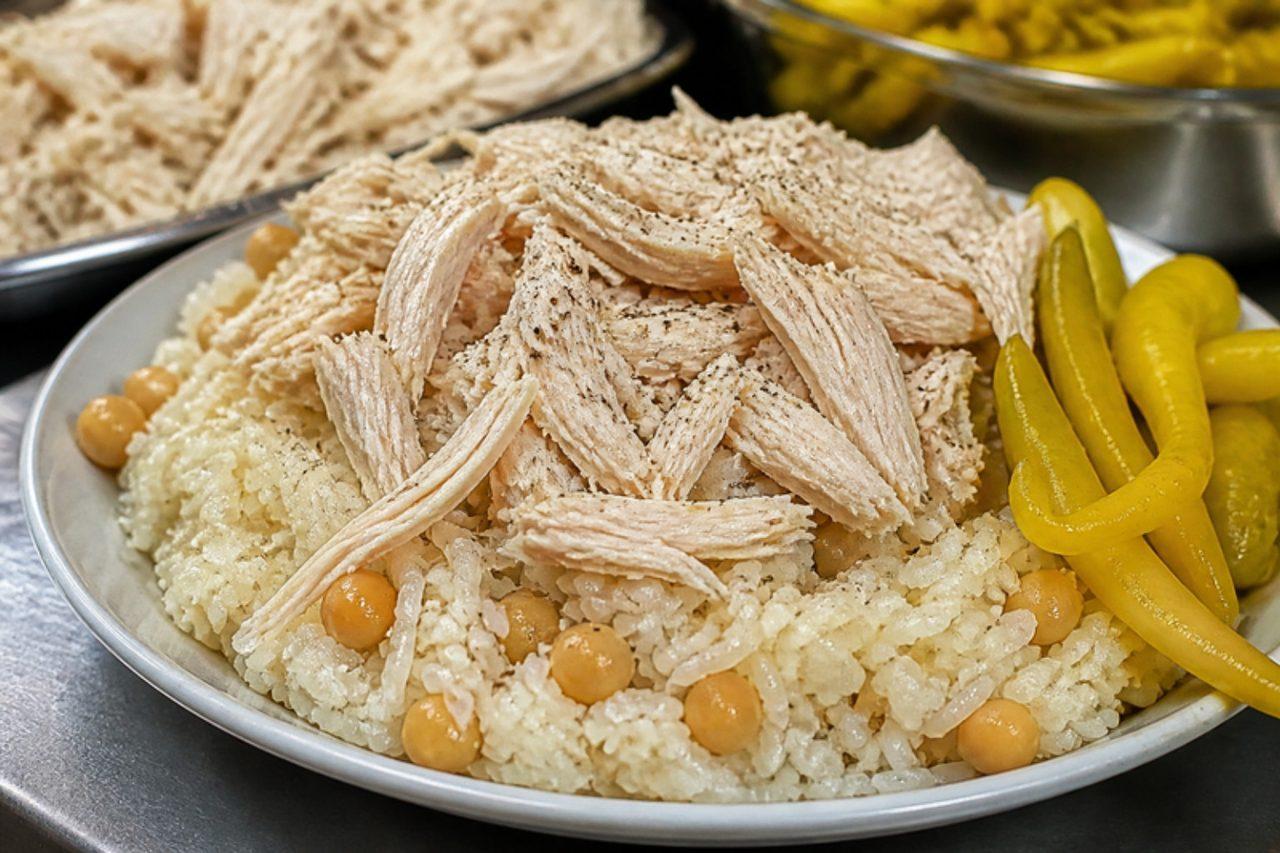
Tavuk pilavChicken and chickpea rice

Glass-fronted carts parked outside Istanbul's ferry piers and office blocks sell tavuk pilav from early morning: rice cooked in rich chicken stock with butter and chickpeas, heaped into a dish and topped with shredded chicken, black pepper and a pickled pepper on the side. Workers eat it standing up with a glass of ayran. At home it is just as easy and makes a whole chicken go a long way. Common mistake: stirring the rice while it steams; it breaks and turns sticky. Chef's tip: wash the rice until the water runs clear and soak it in warm salted water for 30 minutes; every grain stays separate and glossy.

by KrazyBadal 0 views

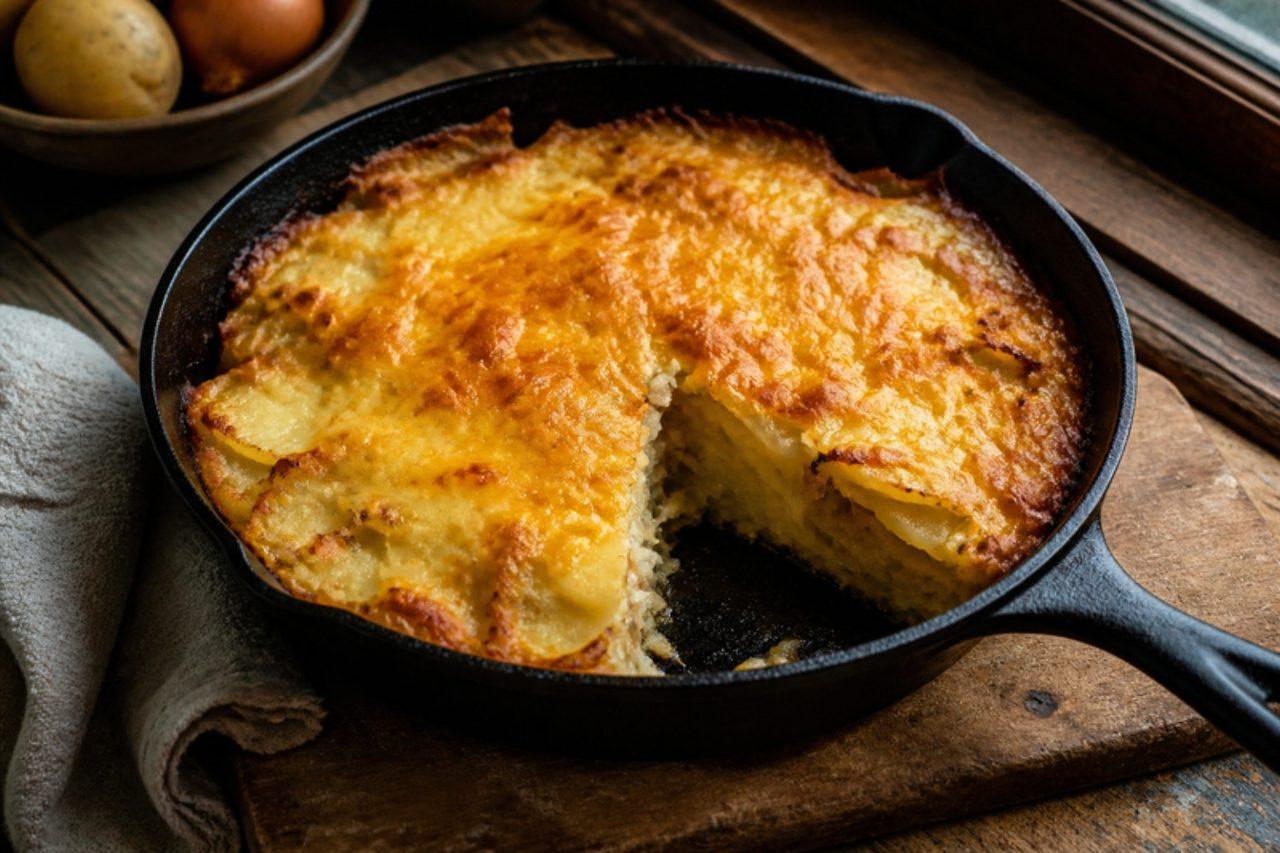
Northumberland pan haggertyLayered potato, onion and cheese

Pan haggerty is a frugal supper from Northumberland and the Durham pit villages, made in a single heavy frying pan from thin layers of potato, onion and grated cheese. The bottom turns crisp and brown while the top melts under the grill, and it is eaten straight from the pan with pickles. Cheddar is often made with animal rennet, so use a vegetarian cheddar. Chef's tip: slice the potatoes paper-thin and dry them in a tea towel; wet slices steam instead of browning.

by KrazyBadal 0 views

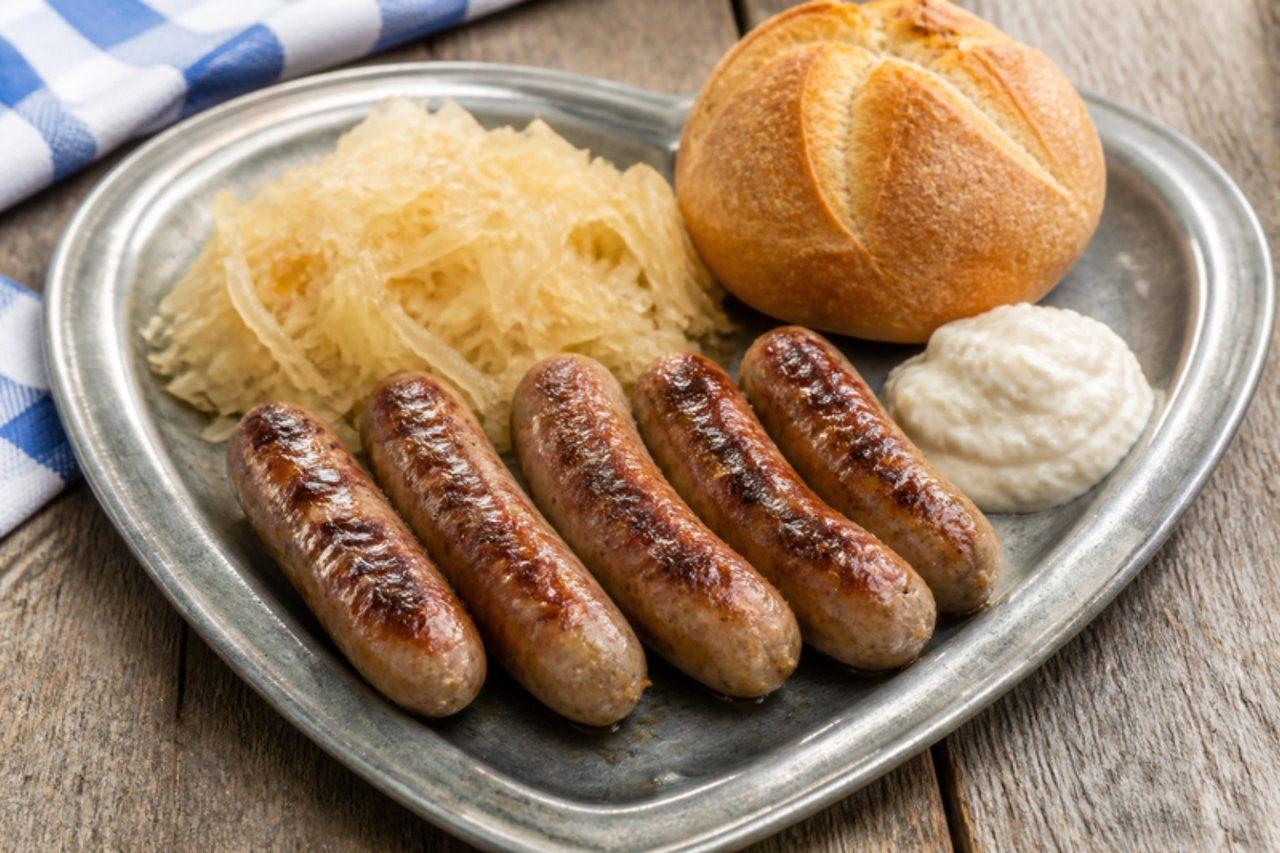
Nürnberger RostbratwürsteSmall marjoram pork sausages

Nuremberg's little pork sausages are barely longer than a finger, grilled over beechwood in the old town's sausage kitchens and sold three at a time in a crusty roll, 'Drei im Weggla', at the Christmas market and all year round. They are delicate, coarse-ground and fragrant with marjoram, mace and lemon zest, and at a sit-down meal six or twelve come on a pewter plate with sauerkraut and horseradish. Making them at home needs a mincer with a sausage nozzle and narrow sheep casings, and is a satisfying weekend project. Vegetarians can buy small vegetarian bratwursts and grill them with the same sides. Chef's tip: keep the meat and mincer ice-cold; warm fat smears and the sausages turn crumbly.

75 minGermanMeat
by KrazyBadal 0 views

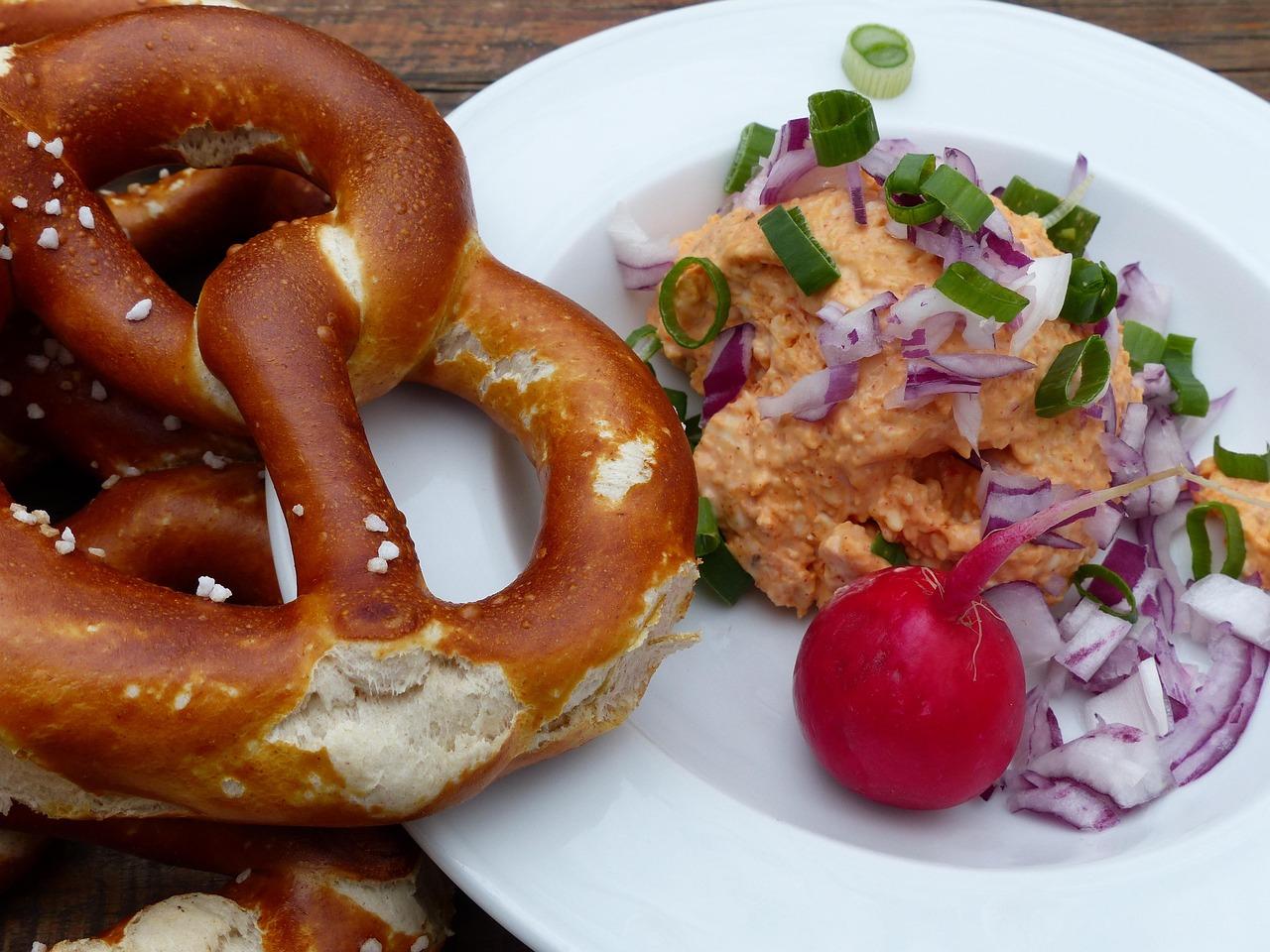
ObatzdaBeer-garden cheese spread

Obatzda is what a Munich beer garden puts beside a giant soft pretzel: overripe Camembert mashed with soft butter, sweet paprika, caraway and raw onion until it turns a creamy, rusty orange. It is a thrifty spread that grew up in Bavarian taverns as a way to use cheese that had gone a little too far, and it is still eaten in the afternoon sun with radishes and dark bread. Camembert is usually made with animal rennet, so pick one labelled vegetarian if that matters to you. A common mistake is blitzing it in a processor, which makes it gluey; mash with a fork so a few soft lumps stay. Chef's tip: make it an hour ahead and chill it, then let it stand 15 minutes before serving, so the paprika flavour blooms and it spreads easily.

by KrazyBadal 0 views

OcopaPeanut, huacatay and cheese sauce

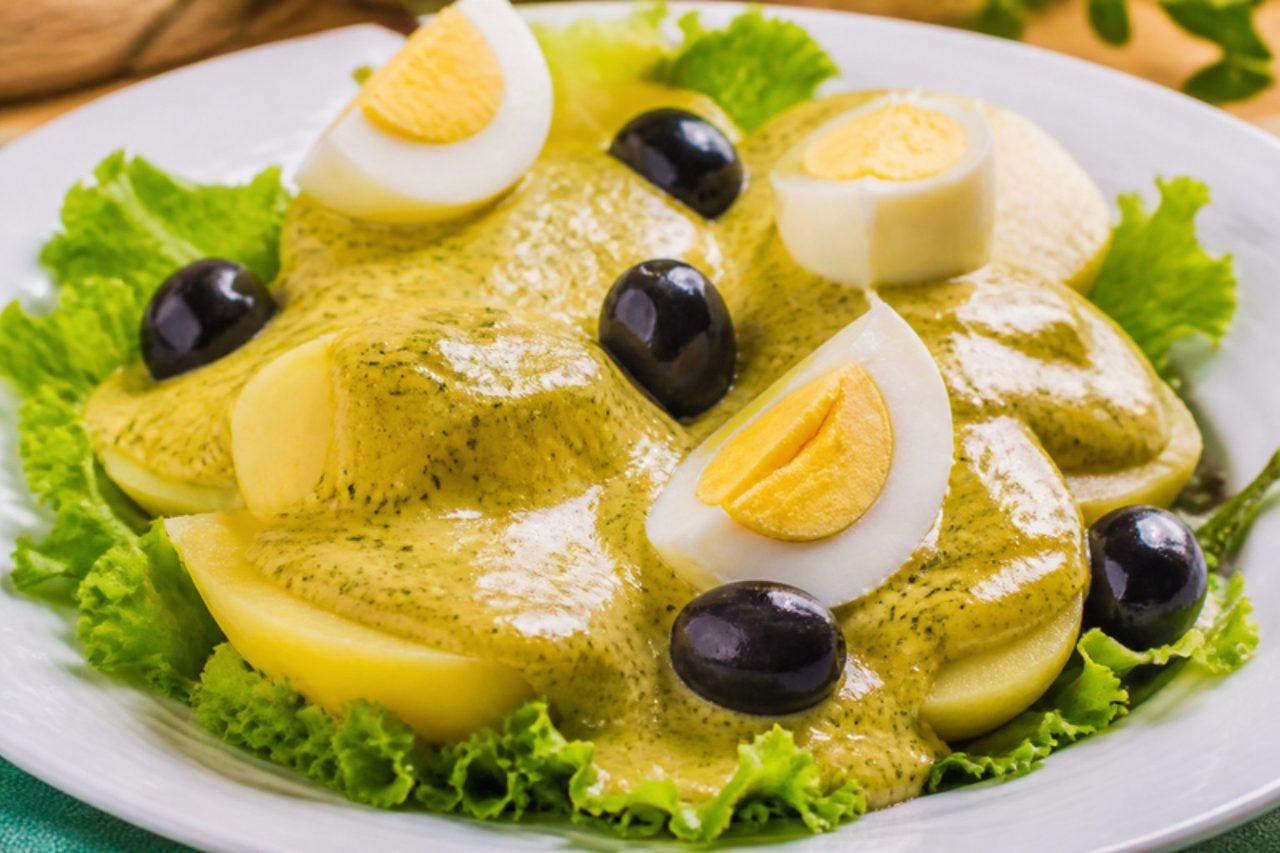
Arequipa's picanterías put ocopa on the table as a starter, a pale olive sauce spooned thickly over sliced boiled potatoes, and the smell of toasted chillies and huacatay (black mint) is what sets it apart from Lima's huancaína. The chillies are dried ají mirasol, charred in a dry pan, which gives a smoky, raisin-like warmth rather than sharp heat, and toasted peanuts make the sauce nutty and almost velvety. Many cooks thicken it with crackers; this version uses only peanuts and cheese, so it stays gluten free. Serve it at room temperature with yellow potatoes, a black olive and a few lettuce leaves, plus a halved boiled egg for anyone who eats eggs. The mistake people make is toasting the onion and chillies black, which turns the sauce bitter; they should be blistered in spots only. Queso fresco is often made with animal rennet, so look for a vegetarian fresh cheese. Chef's tip: huacatay paste comes in jars from Latin shops; without it, use a small handful of mint plus a few tarragon leaves.

by KrazyBadal 0 views

Oeufs en meurettePoached eggs in red wine sauce

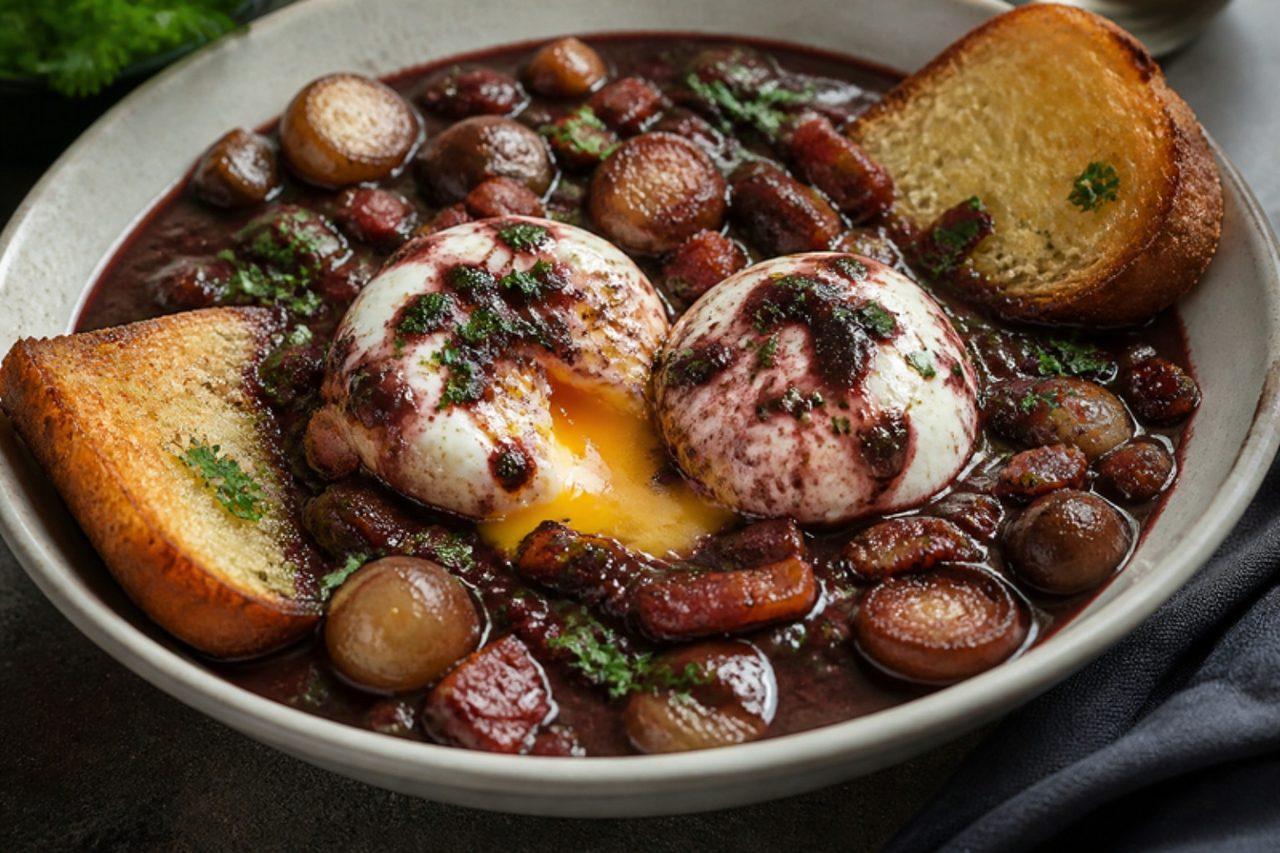
In Burgundy, between Dijon and Beaune, a meurette is any dish cooked in red wine sauce, and oeufs en meurette is the one served as a starter in village restaurants and at weekend lunches. Eggs are poached in a reduced, glossy sauce of red wine, shallots and stock, then served with crisp smoked pork lardons, button mushrooms and garlic-rubbed croutons to dip into the yolks. The sauce is deep, winey and savoury; the eggs make it rich. The dish uses red wine, and an alcohol-free version is in the notes. The yolks stay runny, so use pasteurised eggs for pregnant women, young children, older people or anyone with a weakened immune system, or poach the eggs until the yolks are set. Chef's tip: poach the eggs in water with a dash of vinegar rather than in the wine itself, so the whites stay white.

by KrazyBadal 0 views

OfenschlupferBaked bread pudding with apples

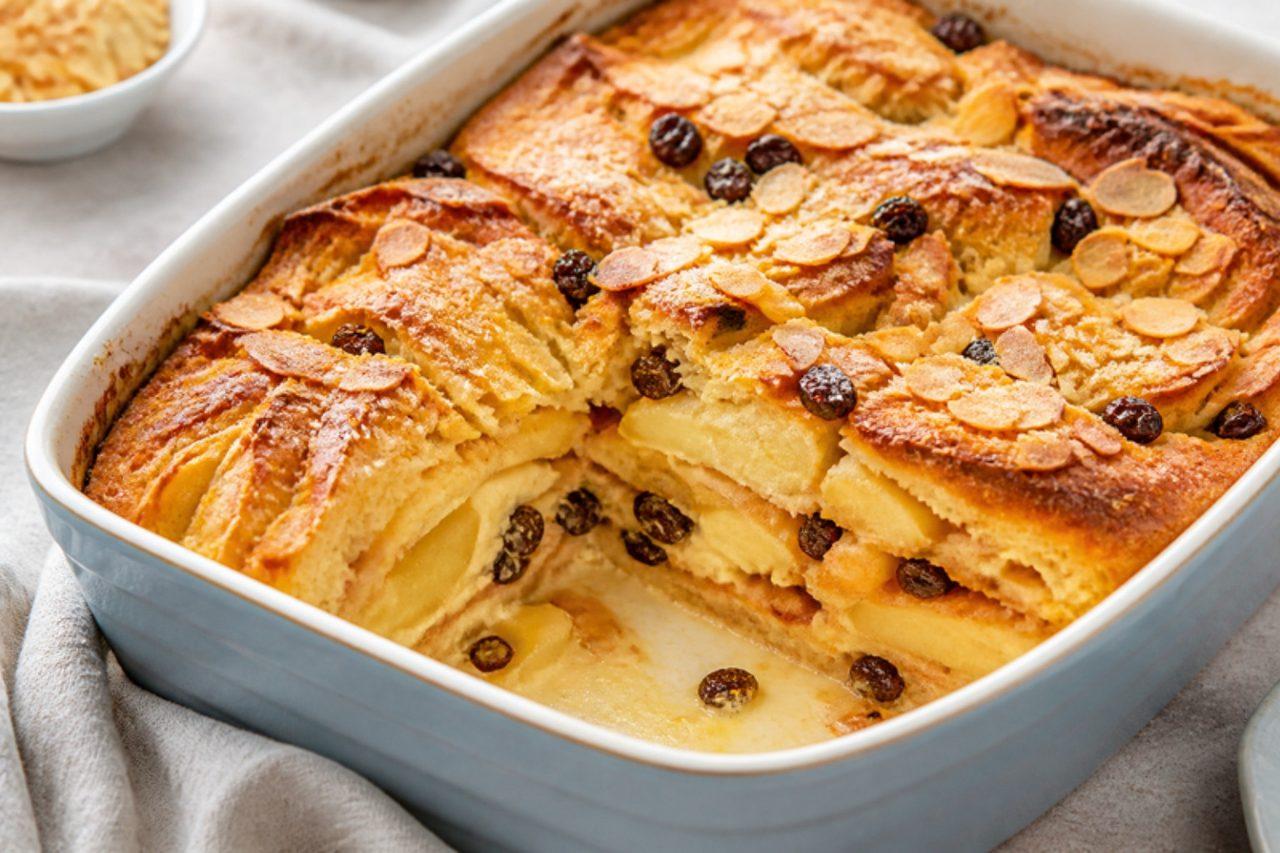
Ofenschlupfer, literally 'oven-crawler', is how Swabian farmhouse kitchens used up stale rolls on a Friday: slices of bread layered with apples, raisins and a little cinnamon in a deep dish, soaked in vanilla egg milk and baked until puffed and golden. Some families pour in a splash of rum; this version doesn't. It was once eaten as a sweet main course after a bowl of soup and is still served warm with vanilla sauce in Stuttgart cafés. A common mistake is baking it straight after pouring in the custard, which leaves dry patches on top; let it soak for 20 minutes. Chef's tip: dot the top with butter and a spoon of sugar for a crackly, caramelised crust.

by KrazyBadal 0 views

Olho de sograCoconut-stuffed prunes

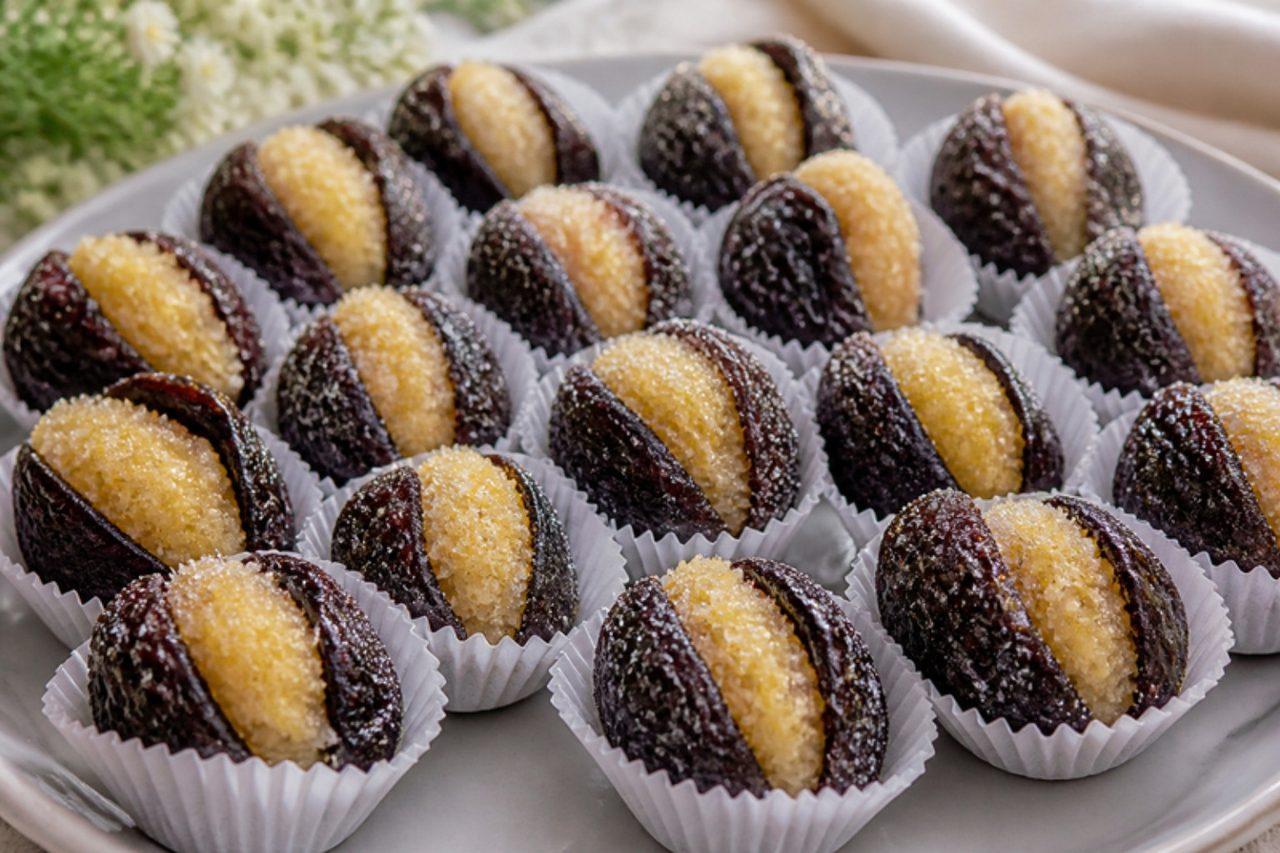
The 'mother-in-law's eye' is a slightly teasing party sweet from the docinhos tradition of weddings and birthdays: a prune slit open and filled with a pale coconut fudge, so it looks like a dark eyelid around a white eye. It shows up on Brazilian sweet tables from Rio to Porto Alegre, often finished with a single clove for the pupil and rolled in crystal sugar. Chewy, sticky prune against creamy, coconutty filling makes it less cloying than many docinhos. Older recipes add egg yolks to the filling; this one is egg free. Stuffing them while the filling is still warm is a frequent mistake; it smears and the shape is lost. Chef's tip: choose large, soft pitted prunes and open them like a book with a small knife, without cutting all the way through.

by KrazyBadal 0 views

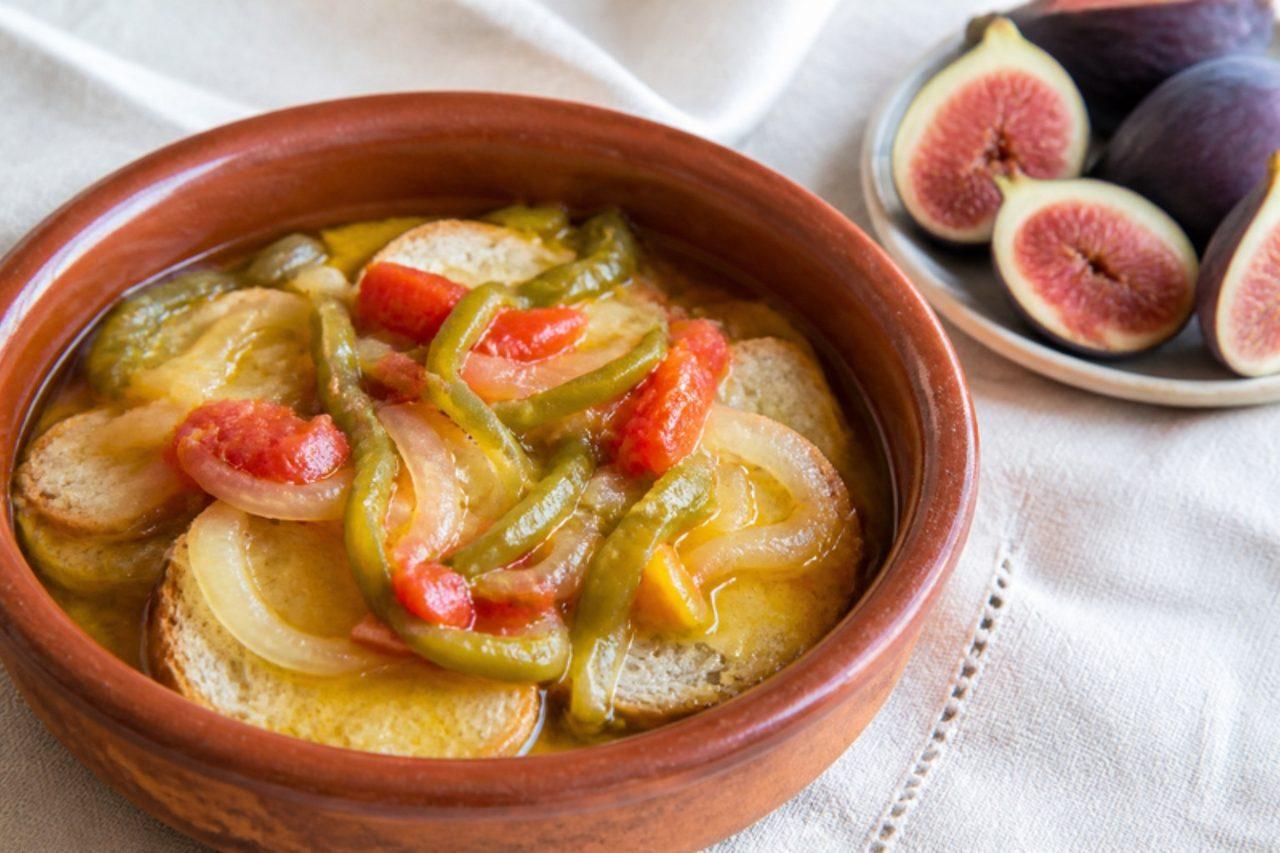
OliaiguaOnion, pepper and tomato soup

The name is simply oli i aigua, oil and water, and that is how Menorcan farm workers started it: a pan of olive oil, a little water and whatever the vegetable patch offered, poured over slices of hard bread. Today oliaigua amb tomàtigues is a July and August supper all over the island, from Ciutadella to Maó, slow-cooked onion, green pepper and ripe tomato in a light broth. Menorcans eat it with fresh figs or grapes on the side, which sounds odd and works beautifully. Chef's tip: the bread must be stale and sliced paper-thin, so it softens in the broth without dissolving into paste.

by KrazyBadal 0 views

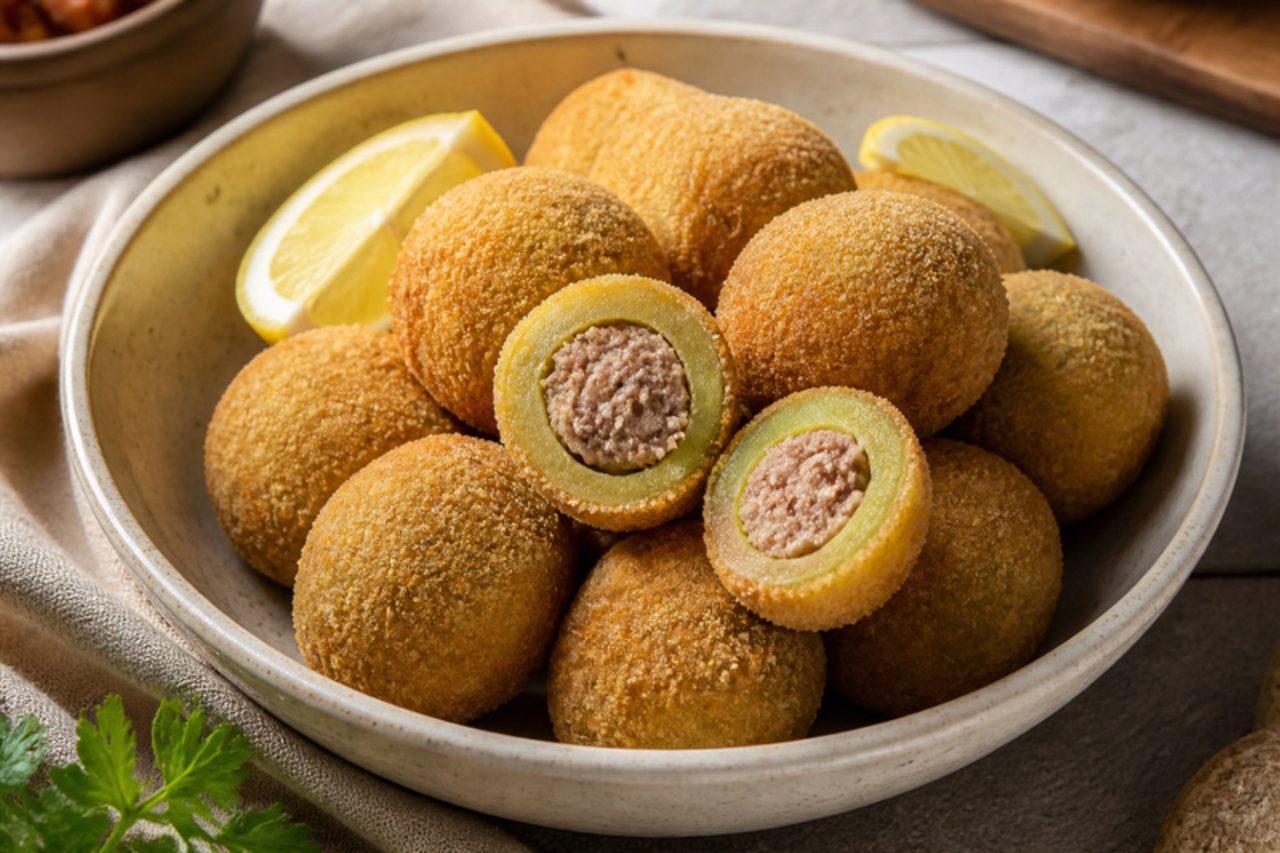
Olive all'ascolanaStuffed fried olives

Olive all'ascolana are the pride of Ascoli Piceno in the Marche, sold in paper cones at street fairs and piled on platters of fritto misto at every celebration in the region. Large, mild green olives are cut from their stones in a spiral, wrapped around a filling of pork, beef and chicken cooked with soffritto and a splash of white wine, then breaded and fried until crunchy. The real Ascolana tenera olive is hard to find outside Italy, so any large, mild green olive in brine is a practical substitute. The filling uses white wine, and the note gives an alcohol-free option. Serve hot, with lemon wedges and other fried titbits or a glass of something cold. Chef's tip: rinse and soak the olives before stuffing them; if they are too salty they overwhelm the delicate meat filling.

by KrazyBadal 0 views

Showing 45 of 7,762 recipes

Show more recipes

Page 512 of 863