


Skip to content
Tikin xic
Featured recipe

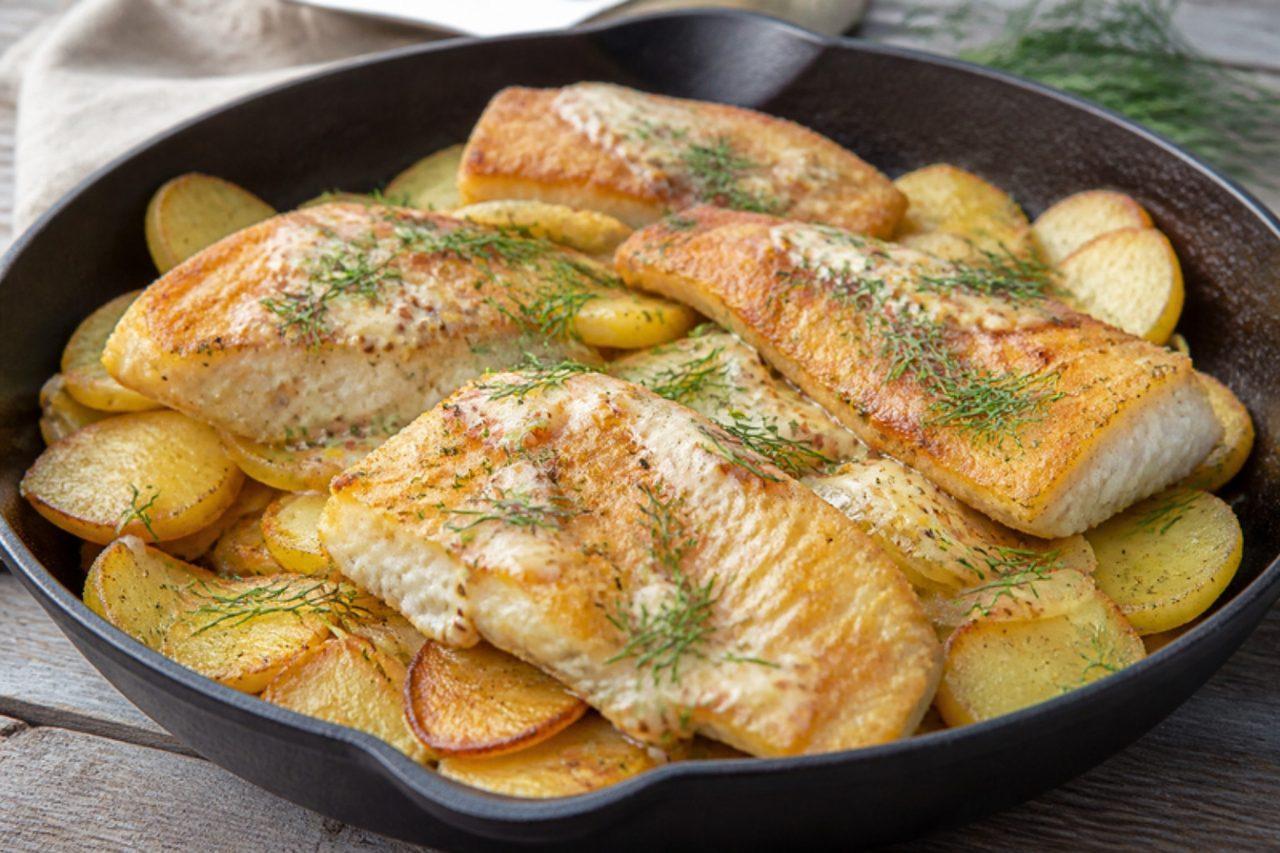
Tikin xic

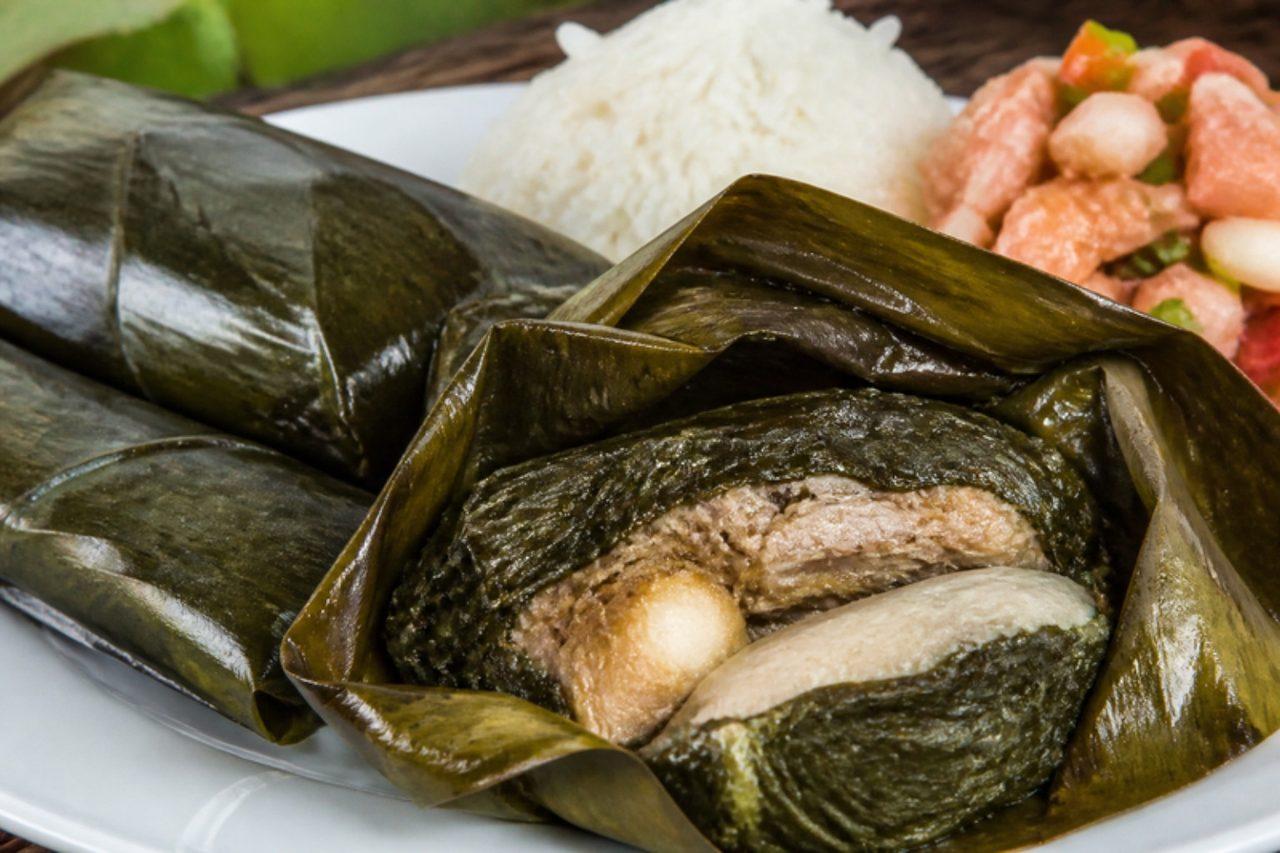
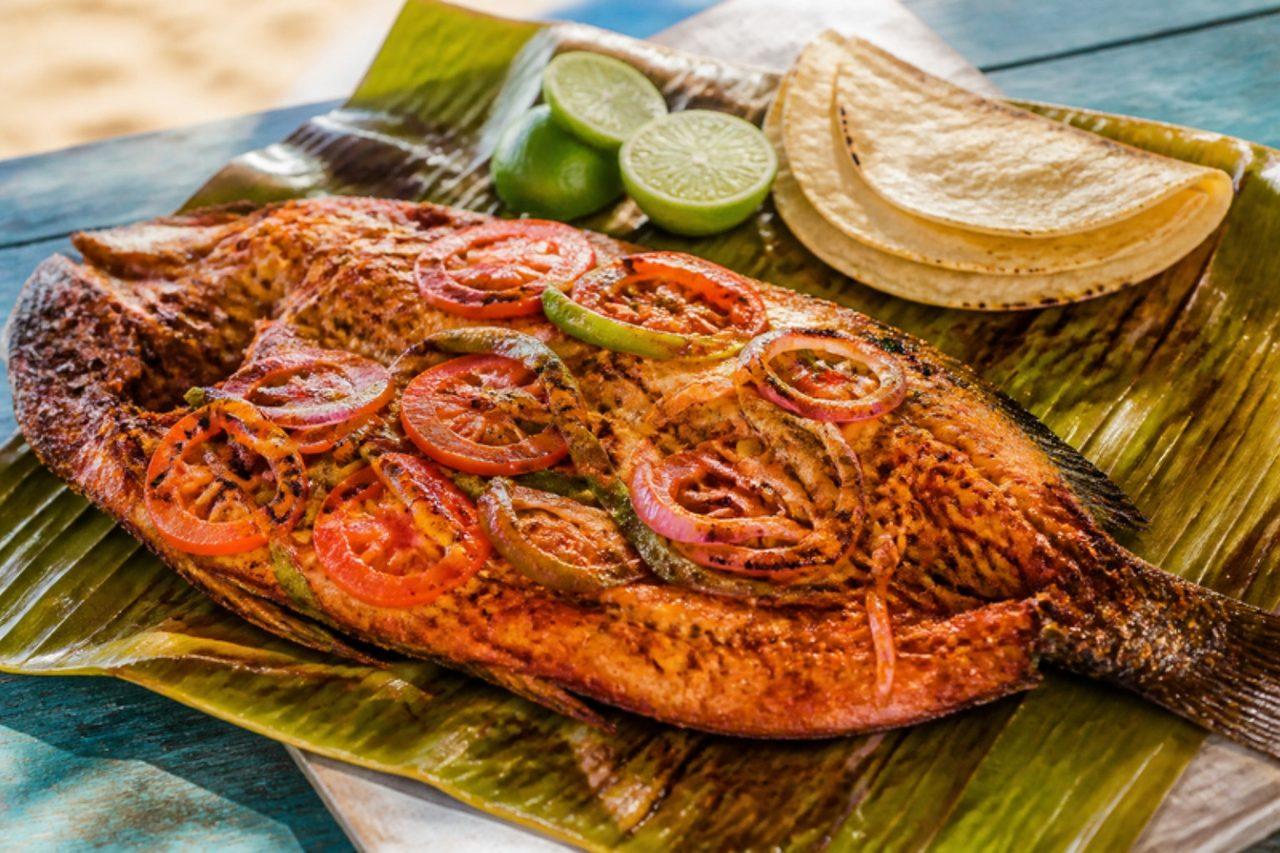
Achiote fish in banana leaf

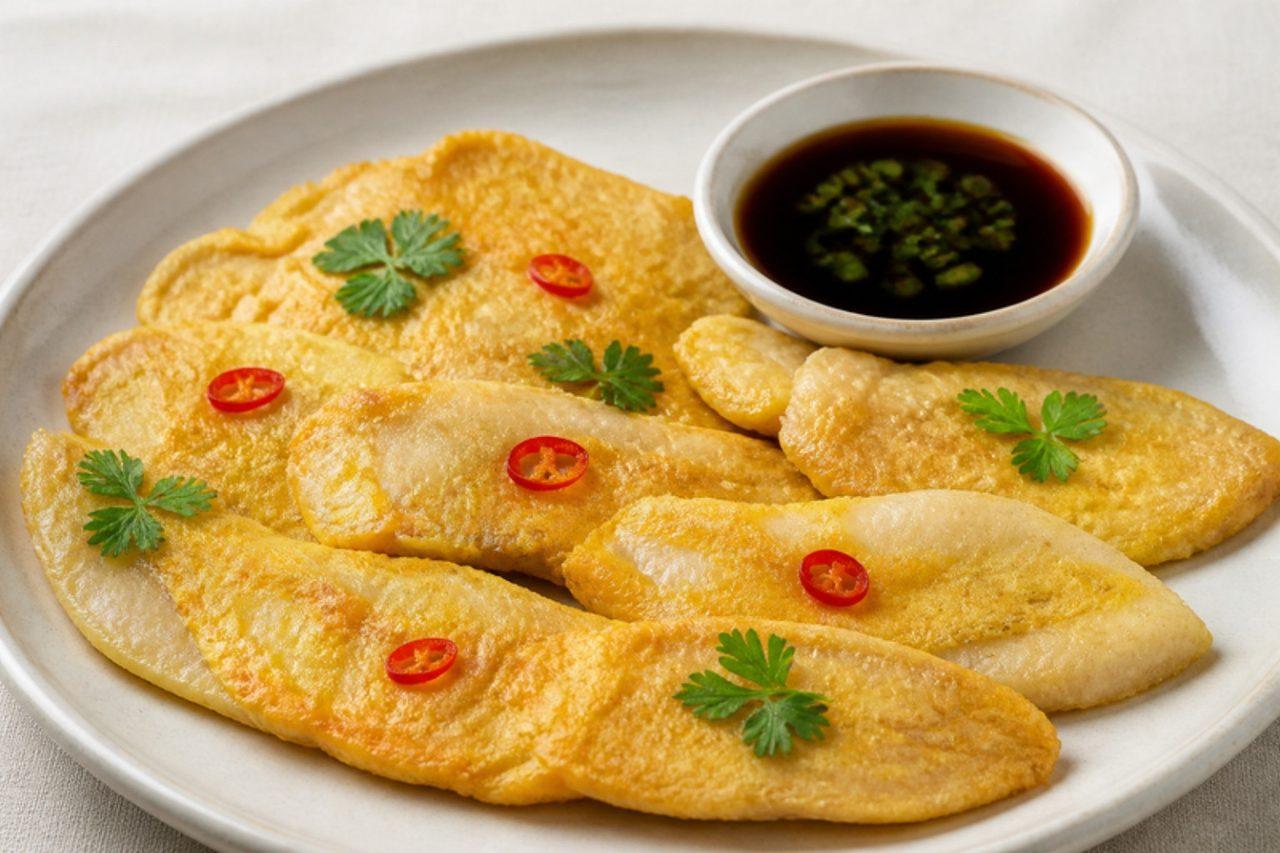
Beach restaurants on the coasts of Quintana Roo and Campeche cook tikin xic over charcoal: a butterflied whole fish, or thick fillets, rubbed with brick-red achiote and bitter orange, laid on banana leaves under tomato, onion and pepper and grilled until smoky. The flesh stays moist and turns a deep orange, tangy and earthy rather than hot. Seville orange is the traditional sour; orange and lime juice together stand in well. Serve it with corn tortillas, rice, pickled red onion and habanero salsa so everyone can make tacos at the table. Chef's tip: cook the fish skin side down without turning; the banana leaf protects it and keeps the achiote from scorching.

Read more 0 views

What to eat today?

Around the world

Today's trip: Persian

A new country every day, from every cuisine on the site.

Persian

Nazkhatoon

Smoky aubergine with pomegranate 40 minMore from Persian (131) →

This week's collection

Kid-friendly dinners
578 recipes · a new collection every Monday

Latest recipes

Gosh-e filFried elephant ear pastries

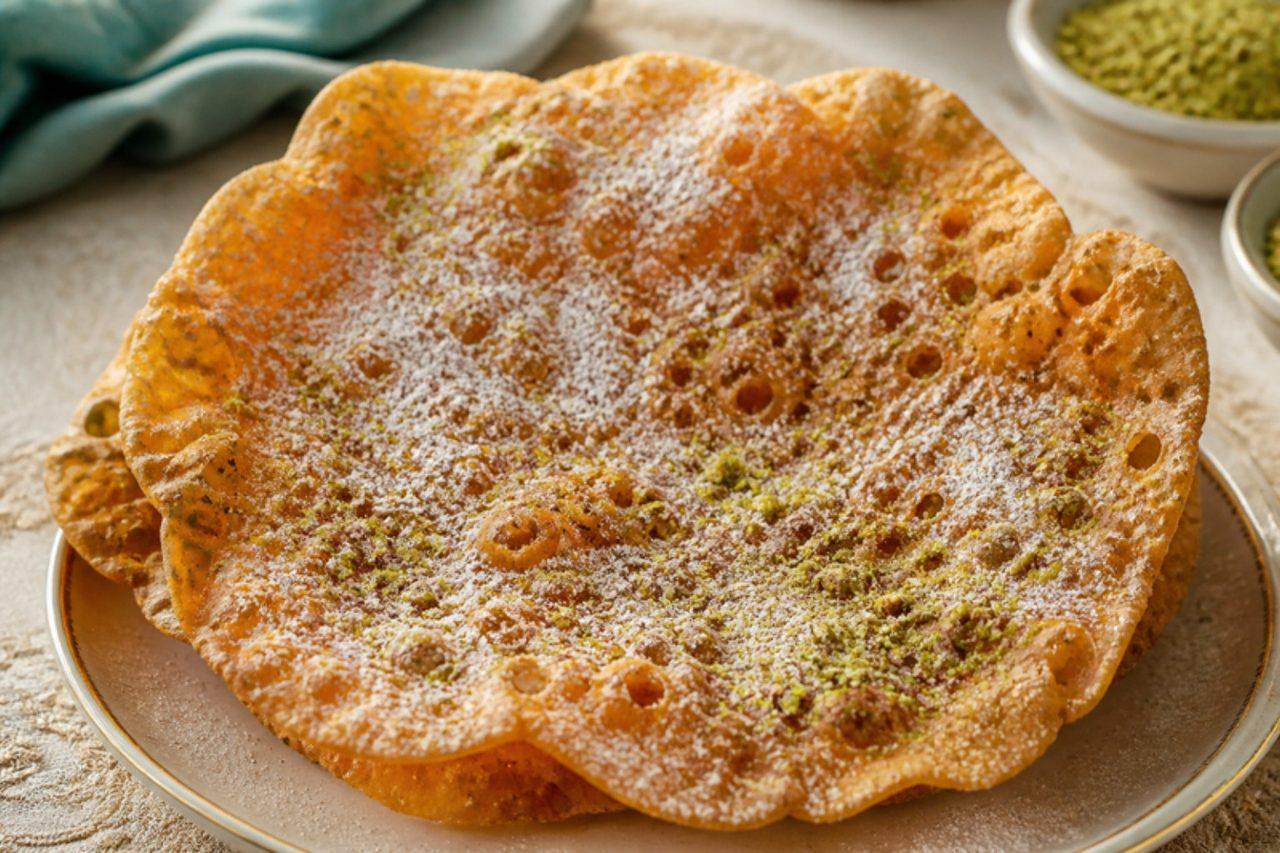
Gosh-e fil, elephant's ear, is the big, bubbly, paper-thin fried pastry sold from bakery windows in Tehran and Shiraz in the days before Nowruz, and made at home for Ramadan evenings. A soft egg and yogurt dough is rolled almost see-through, pinched into a fan shape and fried until it blisters, then showered with icing sugar, cardamom and ground pistachio. They are best the day they are made, with glasses of black tea. Chef's tip: rest the dough properly; relaxed dough rolls thin without shrinking back.

by KrazyBadal 0 views

Bolo Souza LeãoCassava and coconut cake

Named after a sugar-planter family of nineteenth-century Pernambuco, this cake is closer to a set pudding than a sponge: fresh grated cassava, coconut milk, a clove-scented syrup, butter and a generous number of egg yolks, baked slowly in a water bath until glossy and firm. In Recife it is a centrepiece at weddings, christenings and Christmas, sliced thin and eaten at room temperature with coffee. The texture is smooth, slightly sticky and very rich, so a small piece is enough. Use only sweet cassava (aipim/macaxeira) and bake it fully; cassava must never be eaten raw. The mistake people make is not squeezing the grated cassava dry, which leaves the cake watery and grey in the centre. Chef's tip: strain the batter through a fine sieve before baking; it removes the fibres and gives that silky, flan-like slice.

by KrazyBadal 0 views

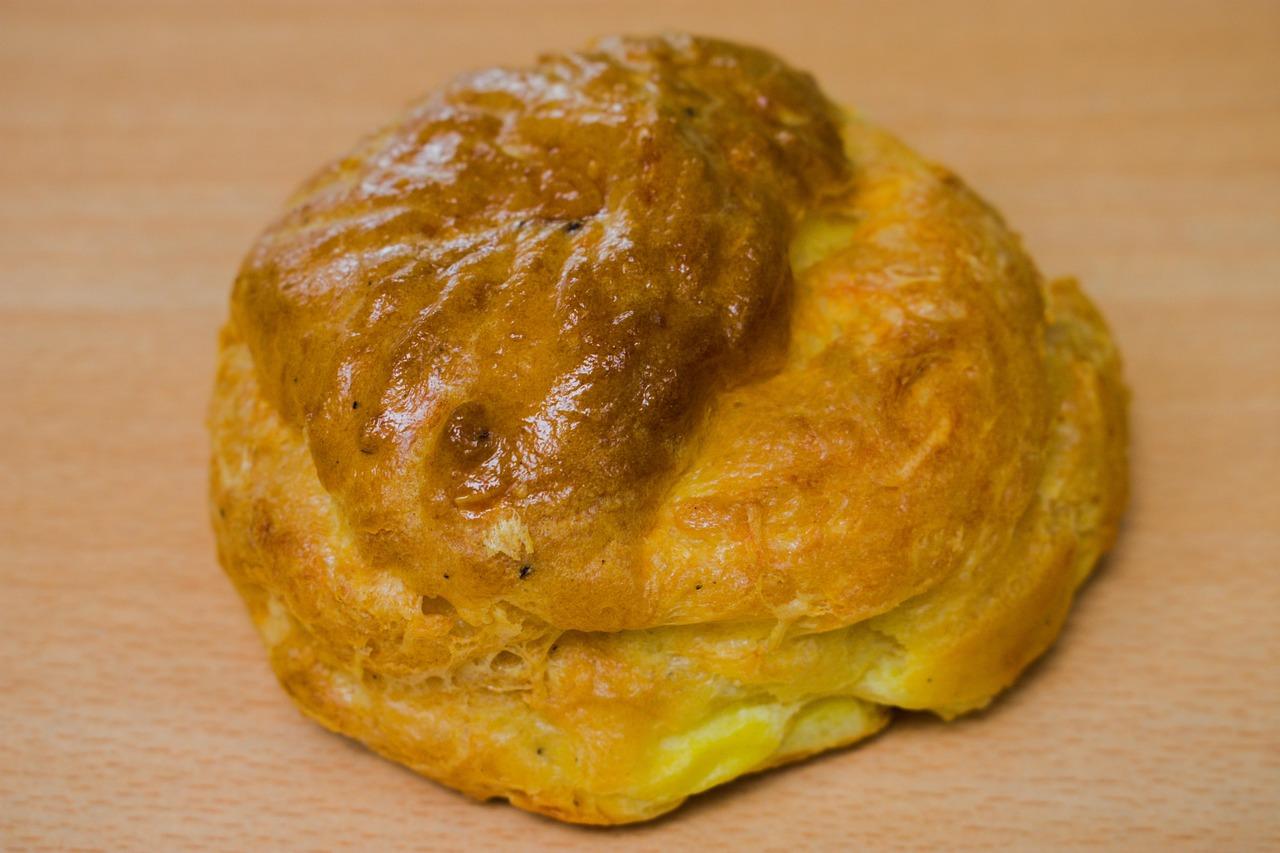
GougèresCheese choux puffs

In the wine villages of Burgundy, around Beaune and Chablis, a basket of gougères lands on the table the moment guests sit down: small golden choux puffs, crisp outside and hollow and cheesy within. They are handed round at cellar tastings, christenings and Sunday aperitifs, and they are best eaten warm, within ten minutes of leaving the oven. The dough is the same as for profiteroles, but salted, peppered and beaten with grated Comté or Gruyère. Both cheeses are traditionally made with animal rennet, so use a vegetarian hard mountain-style cheese if you need to. Chef's tip: dry the dough on the heat until it leaves a thin film on the bottom of the pan; drier dough takes more egg and puffs higher.

by KrazyBadal 0 views

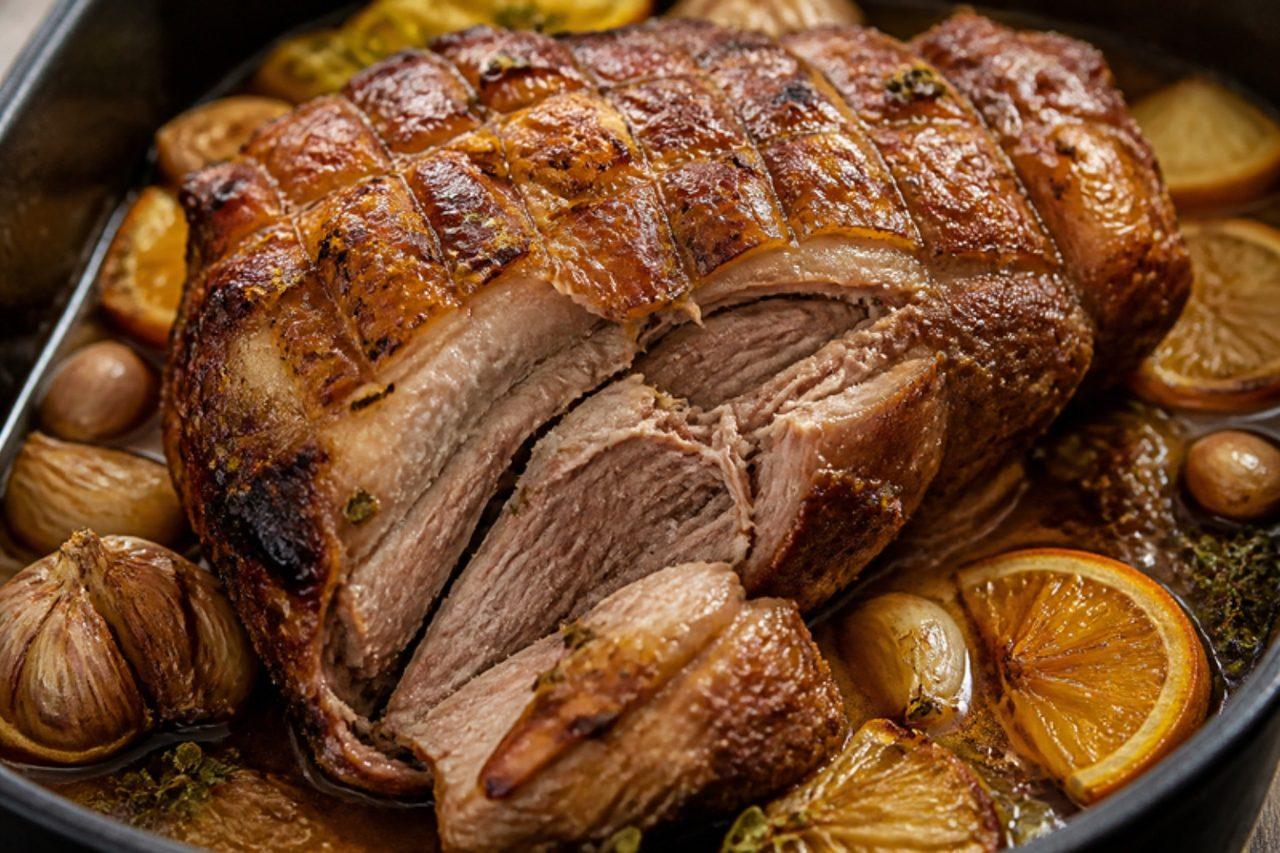
GourounopoulaSlow-roast pork shoulder with orange

At the summer festivals of Messinia, whole young pigs are roasted overnight in bakers' wood ovens, then sold by the kilo at stalls with bread and pickled peppers. This home version uses a bone-in pork shoulder, rubbed with garlic, orange zest, oregano and chilli, left in the fridge overnight, and roasted low and slow until the meat pulls apart and the crackling shatters. Serve with lemon potatoes and a cabbage salad. Common mistake: wet skin — dry it well and salt it the night before, or it never crackles. Chef's tip: start covered at a low heat and finish uncovered at a high heat; that's how the meat stays juicy and the skin turns glassy.

290 minGreekMeatGluten free
by KrazyBadal 0 views

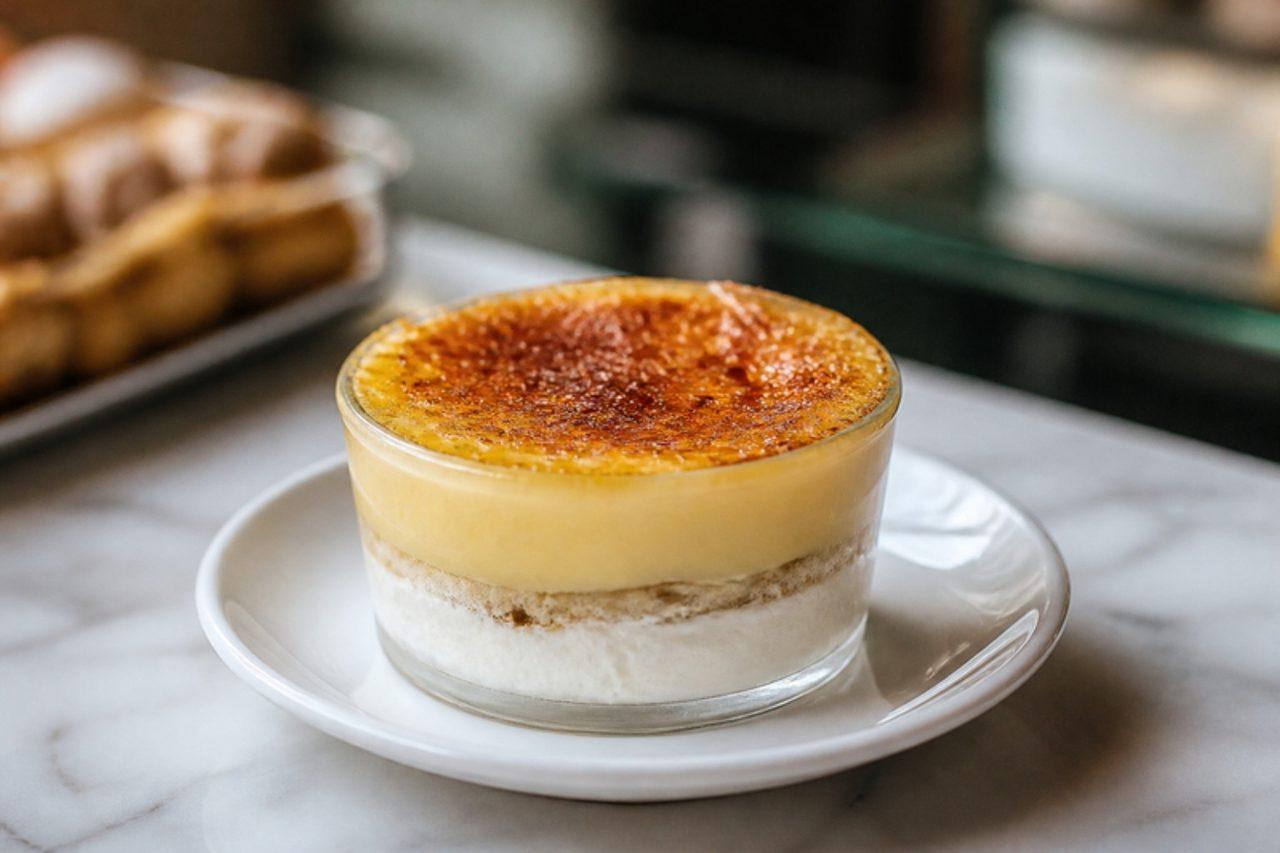
GoxuaLayered cream, sponge and custard dessert

The name means 'sweet' or 'delicious' in Basque, and goxua was created in Vitoria-Gasteiz in the 1970s, where cafés still serve it in small glasses or terracotta pots. From the bottom up you get whipped cream, a disc of sponge soaked in syrup, thick vanilla pastry cream and a crackling layer of burnt sugar. It is a make-ahead dessert for a Sunday lunch, since the layers need to chill. A common mistake is spooning in custard that is still warm, which melts the cream into a puddle. Chef's tip: caramelise the top just before serving, so the sugar crust is still glassy when the spoon goes in.

by KrazyBadal 0 views

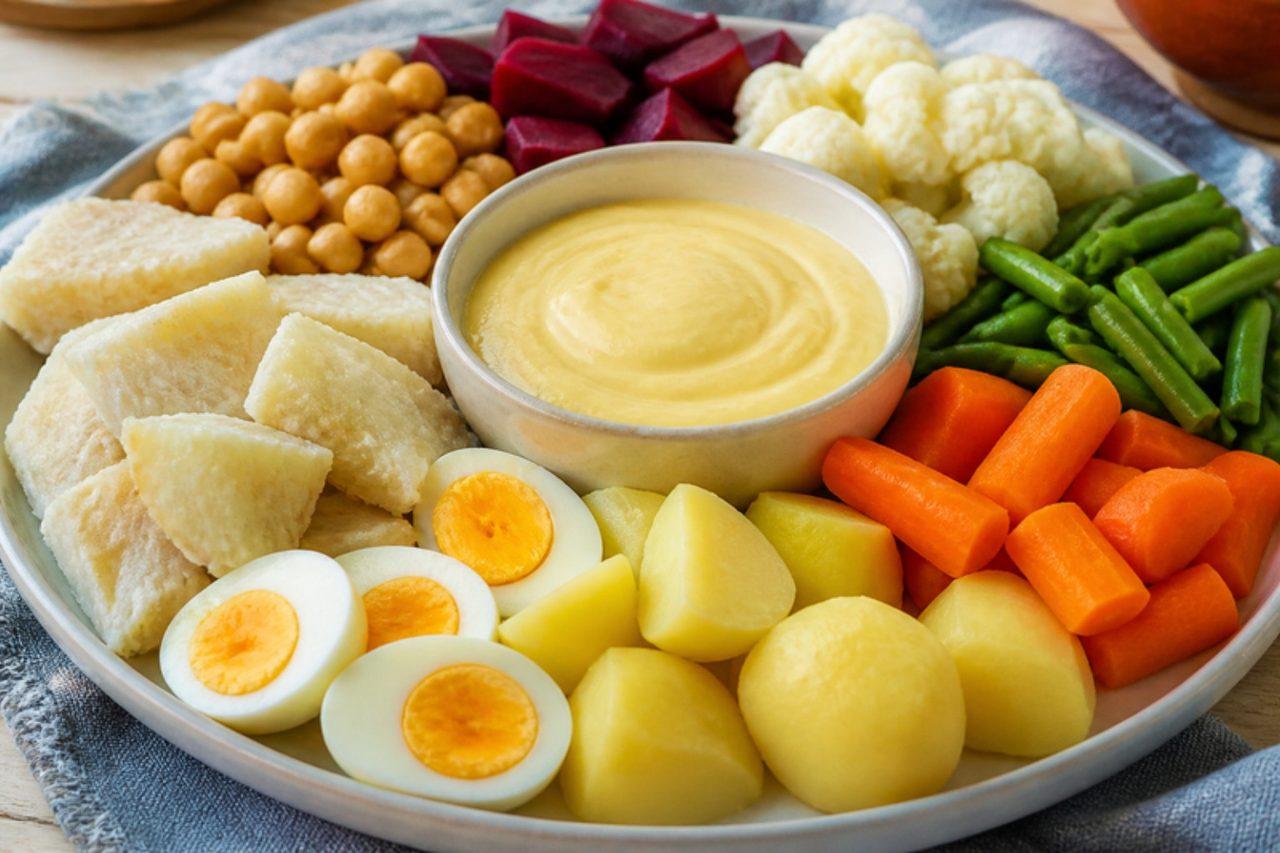
Grand aïoliSalt cod and vegetables with aioli

Across Provence, a grand aïoli is the lunch for Fridays, the meatless day, and for summer village fêtes, when long tables are laid under the plane trees and the platters go round. Poached salt cod, boiled potatoes, carrots, green beans, beetroot and hard-boiled eggs are piled up around a bowl of aïoli, the pungent, golden garlic mayonnaise that gives the meal its name. It is plain food made thrilling by that sauce, so use your best olive oil. The salt cod needs 24–36 hours soaking in the fridge, so start early. Because the aïoli is made with raw egg yolk, use pasteurised egg yolks if you are serving pregnant women, young children, older people or anyone with a weakened immune system. Chef's tip: start the aïoli with a pinch of salt and pounded garlic, and add the oil drop by drop until it thickens.

85 minFrenchFishGluten free
by KrazyBadal 0 views

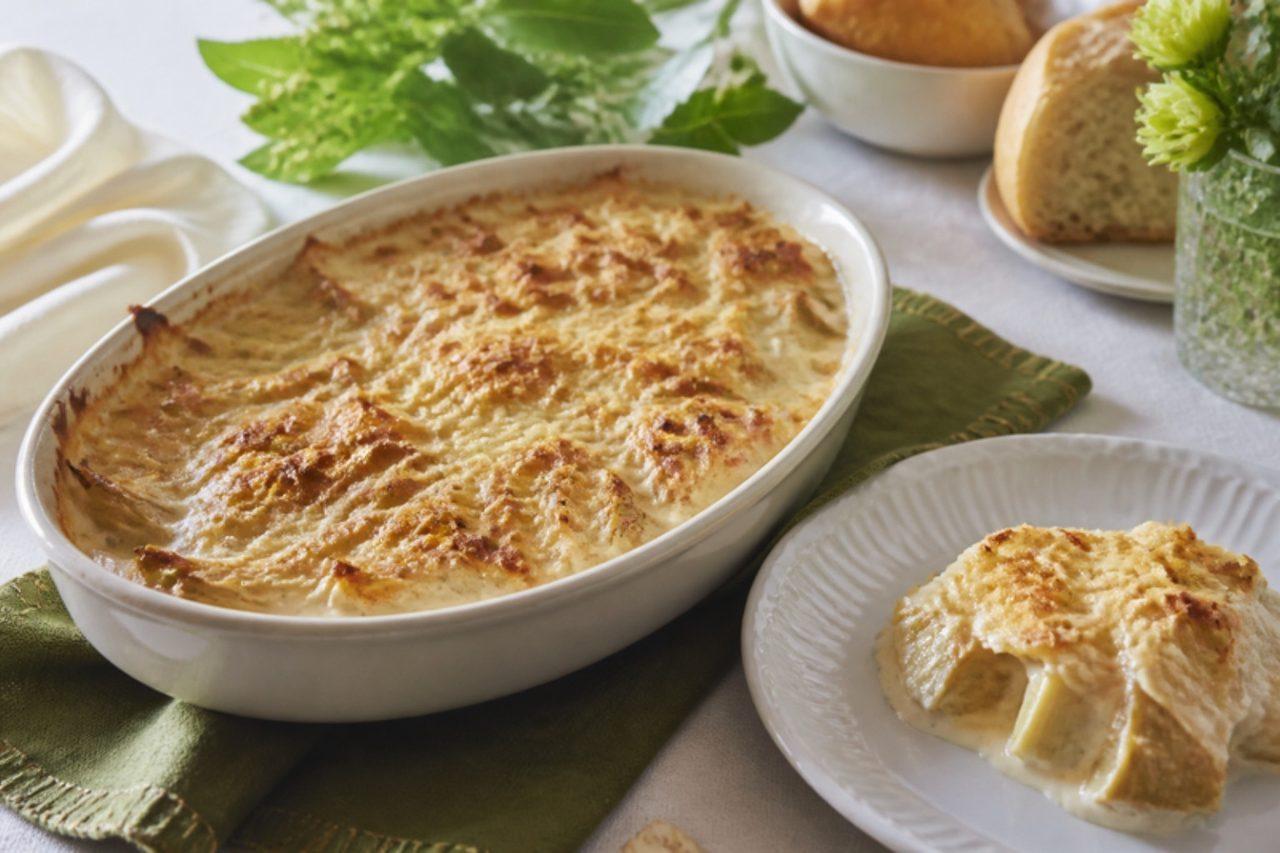
Gratin de cardonsCardoon gratin

Cardoons, the tall silvery cousin of the artichoke, are a Christmas vegetable in Lyon and the Dauphiné; market stalls on the Quai Saint-Antoine sell them in December, and the gratin goes on the table at the réveillon dinner. The stalks taste gently of artichoke and celery and turn meltingly soft under a nutmeg béchamel. Lyon cooks often add bone marrow; this version leaves it out and uses vegetable stock in the sauce. Gruyère is usually made with animal rennet, so choose a vegetarian alternative if needed. If you cannot find cardoons, celery hearts work, though they cook faster. Chef's tip: drop each peeled stalk straight into lemon water; cardoons blacken within minutes in the air.

105 minFrenchSides
by KrazyBadal 0 views

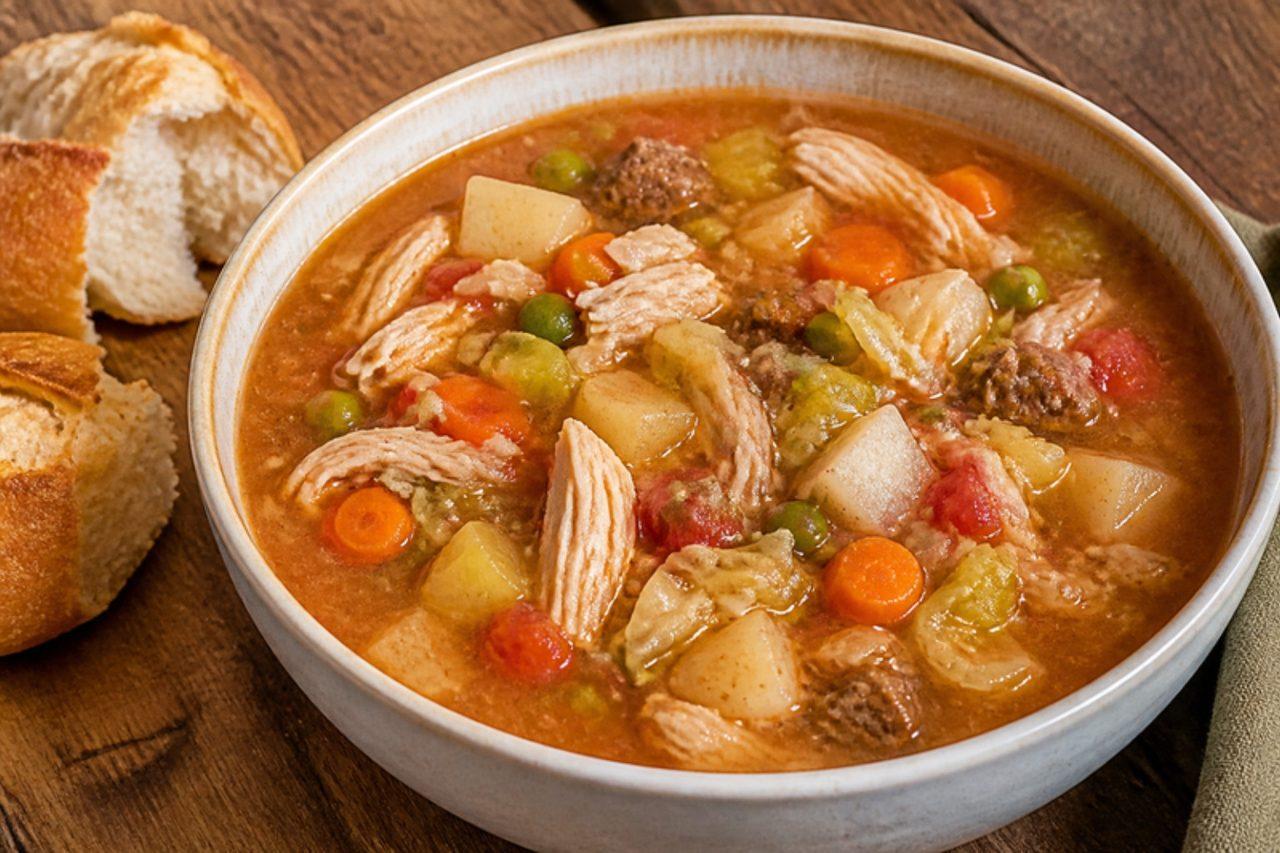
Green Bay chicken booyahChicken and vegetable stew

Booyah is the great community stew of north-east Wisconsin, brought by Belgian and French-Canadian settlers around Green Bay; church picnics and fire stations cook it in huge kettles over wood fires all day and sell it by the quart at fall festivals and Packers tailgates. It is a thick, peppery stew of chicken, a little beef and lots of vegetables, cooked until the chicken falls apart. Chef's tip: cook it long and slow and stir it often; a good booyah is thick enough that the spoon nearly stands up.

by KrazyBadal 0 views

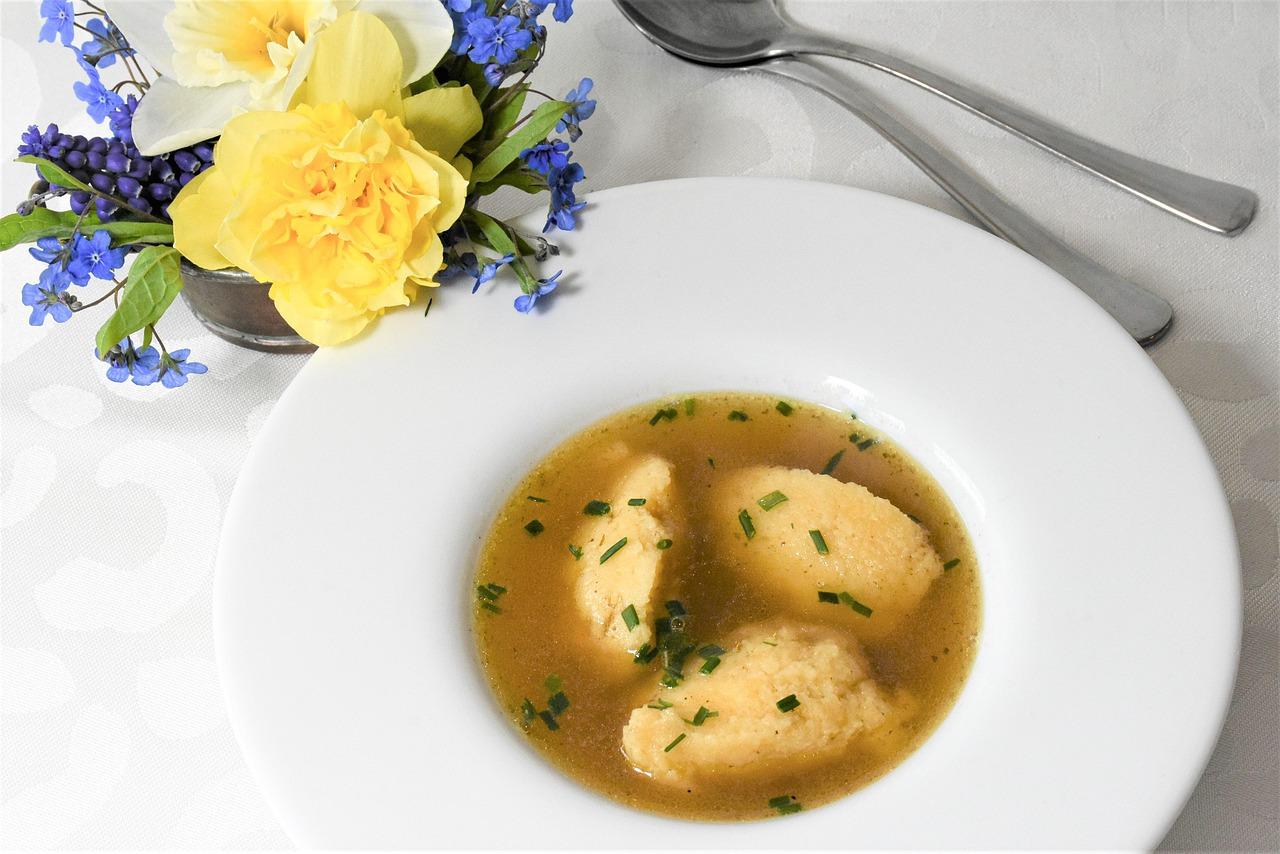
GrießnockerlsuppeBeef broth with semolina dumplings

Grießnockerlsuppe is the soup that opens a proper Austrian Sunday lunch, from Viennese grandmothers' tables to village inns in Upper Austria: a clear, deeply savoury beef broth with three or four soft, oval semolina dumplings that should be fluffy enough to cut with a spoon. The broth is made from beef shin and bones, simmered slowly with charred onion; broth left over from Tafelspitz works perfectly too. Chef's tip: let the semolina mix rest for 15 minutes before shaping; the grains swell and the dumplings hold together without going heavy.

by KrazyBadal 0 views

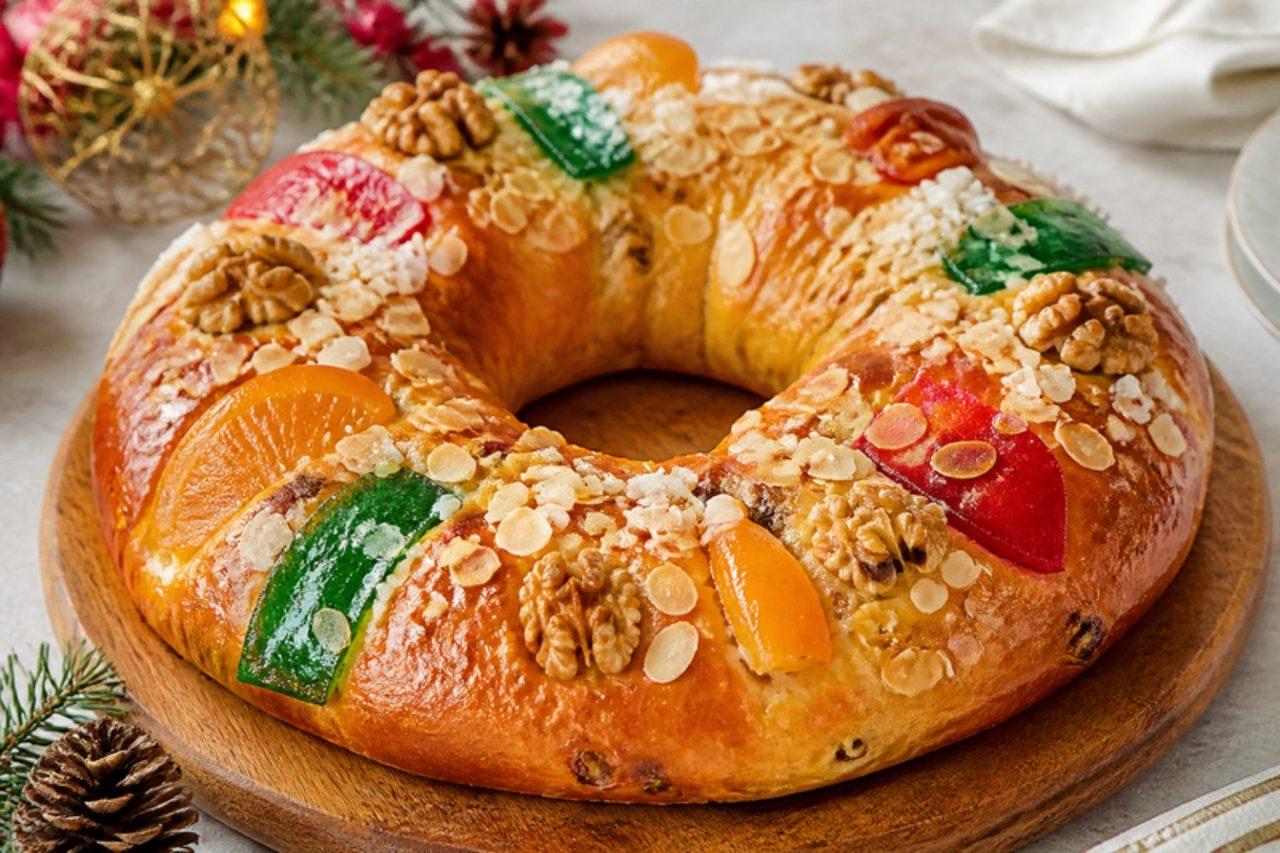
Bolo-reiCandied fruit and nut king cake

From early December to Twelfth Night every Lisbon pastelaria stacks its counter with these glossy rings, crowned with candied fruit and sugar, and families buy one for Christmas Eve and another for the Day of the Kings. A Lisbon confectioner brought the idea from France in the nineteenth century and it became the centre of the Portuguese Christmas table. Traditionally the raisins are soaked in port wine, which contains alcohol; orange juice works just as well. Old recipes hid a dried broad bean inside, and whoever found it bought next year's cake; we leave it out, as it is a choking hazard for children. Chef's tip: let the dough rise slowly in a cool place, even overnight in the fridge; the rich, buttery dough needs time to taste of anything.

by KrazyBadal 0 views

Grüne SoßeSeven-herb green sauce with eggs

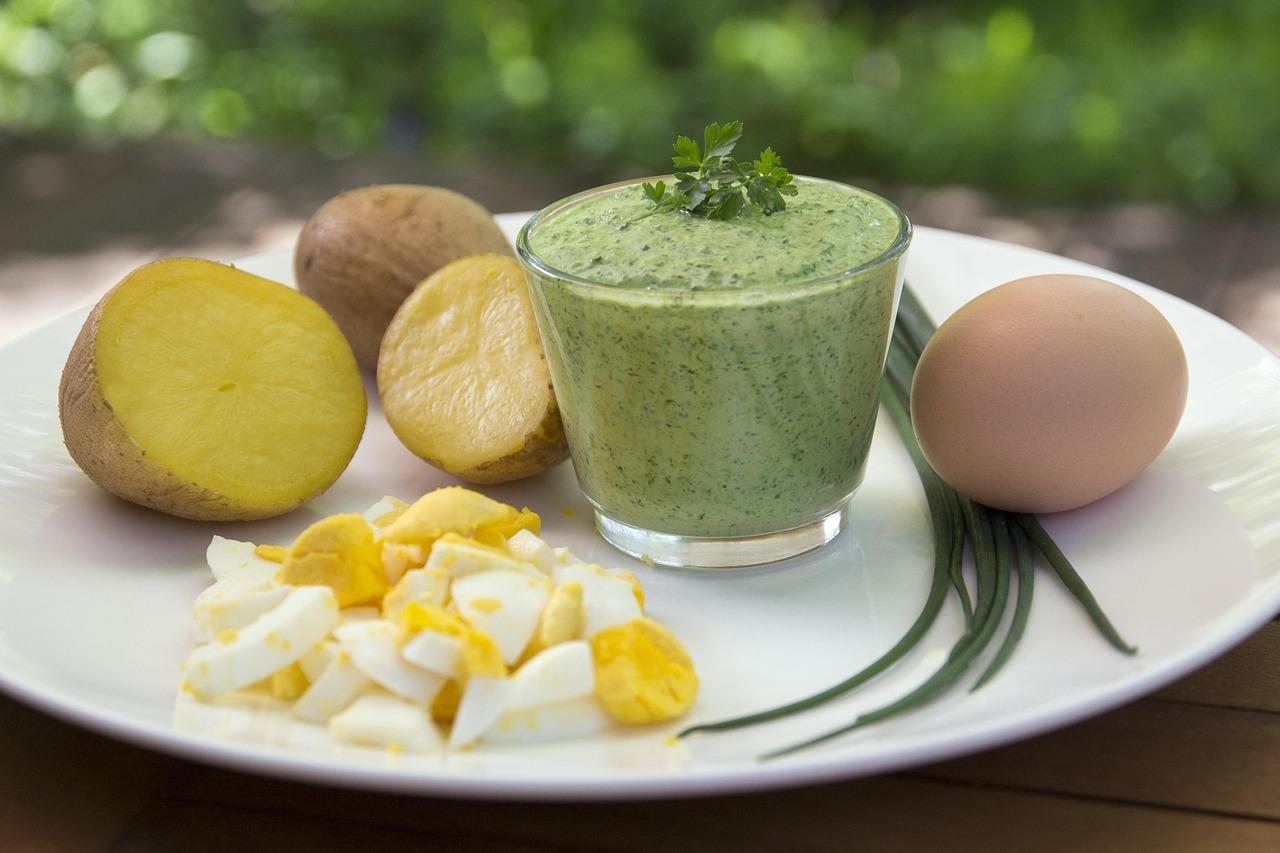
Grüne Soße, or Grie Soß in Frankfurt dialect, arrives in spring when market stalls in Hesse sell paper bundles of exactly seven herbs: borage, chervil, cress, parsley, burnet, sorrel and chives. Blended into sour cream and yoghurt, they make a cold, bright, grassy sauce that is eaten with halved boiled eggs and new potatoes, traditionally on Maundy Thursday. It is a whole meal, light but filling. If you can't find the herb bundle, any mix of soft herbs with some sorrel for sourness works. A common mistake is blending the herbs to a smooth purée in a hot blender, which turns them dull and bitter; chop or pulse briefly. Chef's tip: make the sauce an hour ahead and chill it so the herbs flavour the cream fully.

by KrazyBadal 0 views

Grumbeersupp mit QuetschekuchePotato soup with plum cake

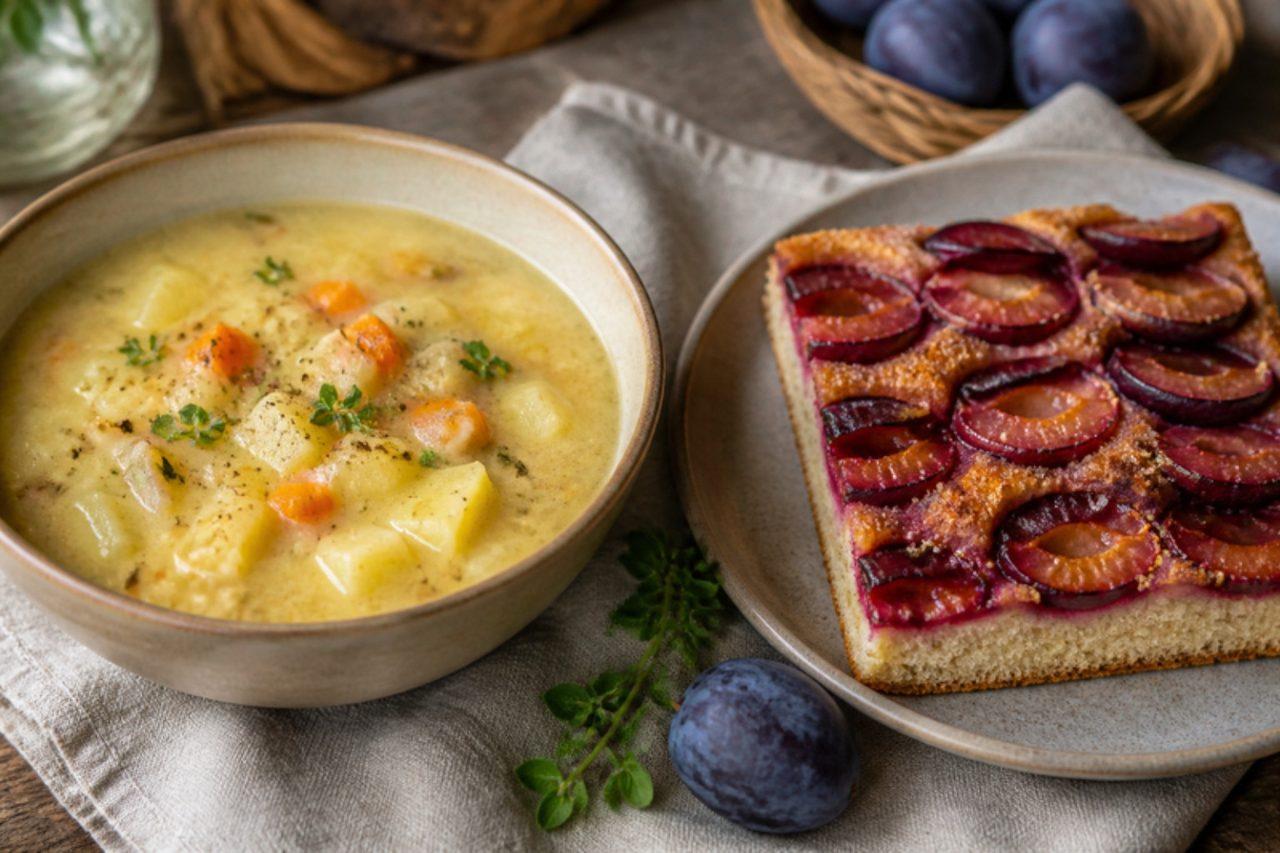
In the Palatinate, between the Rhine and the vineyards of the Weinstraße, September brings a pairing that puzzles outsiders: a bowl of creamy potato soup served with a slice of plum tray cake on the side, and you dip the cake as you go. It is a plain, cheap farmhouse supper for plum season, and the sweet-sour fruit against the soft, marjoram-scented soup is the whole joy. This version makes a small tray of yeasted plum cake while the soup simmers. A common mistake is sweetening the soup; it should stay savoury so the cake can do the sweet work. Chef's tip: use dark, oval Zwetschgen plums, which hold their shape; round dessert plums go watery.

by KrazyBadal 0 views

GuacamayasPork crackling and salsa rolls

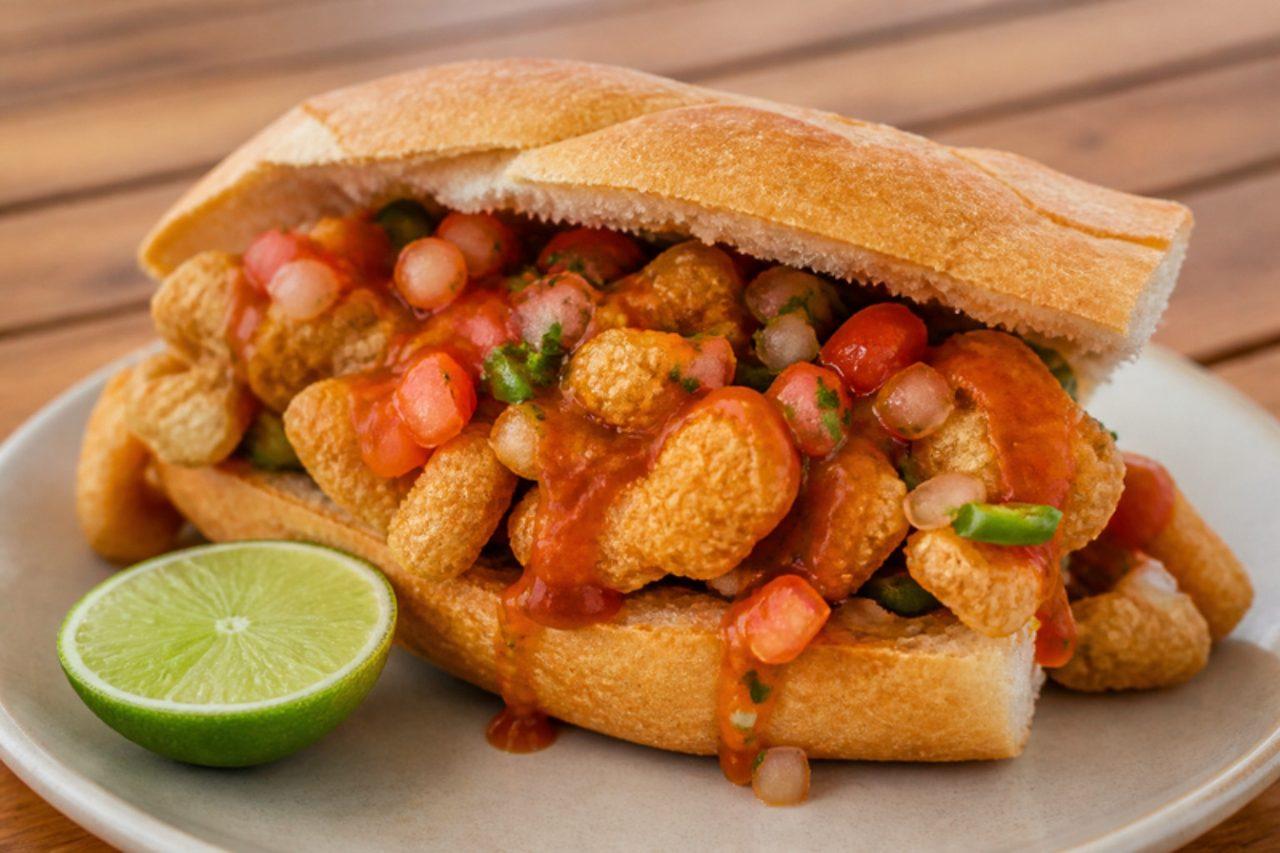
Guacamayas are León's street snack, sold from carts outside schools and in the city centre of this Guanajuato town from the afternoon on. A crusty bolillo is split and stuffed with crisp pork chicharrón, piled with a juicy pico de gallo of tomato, onion and chilli, and soaked with a hot red salsa and lime, so the crackling softens at the edges but stays crunchy in the middle. Some stands add avocado or a smear of beans. It is a quick, no-cook pork dish, best eaten standing up with a cold drink. Chef's tip: dress the chicharrón with salsa and lime only seconds before eating; left to sit, it turns soft and chewy.

by KrazyBadal 0 views

Bolo formigueiroVanilla sponge with chocolate sprinkles

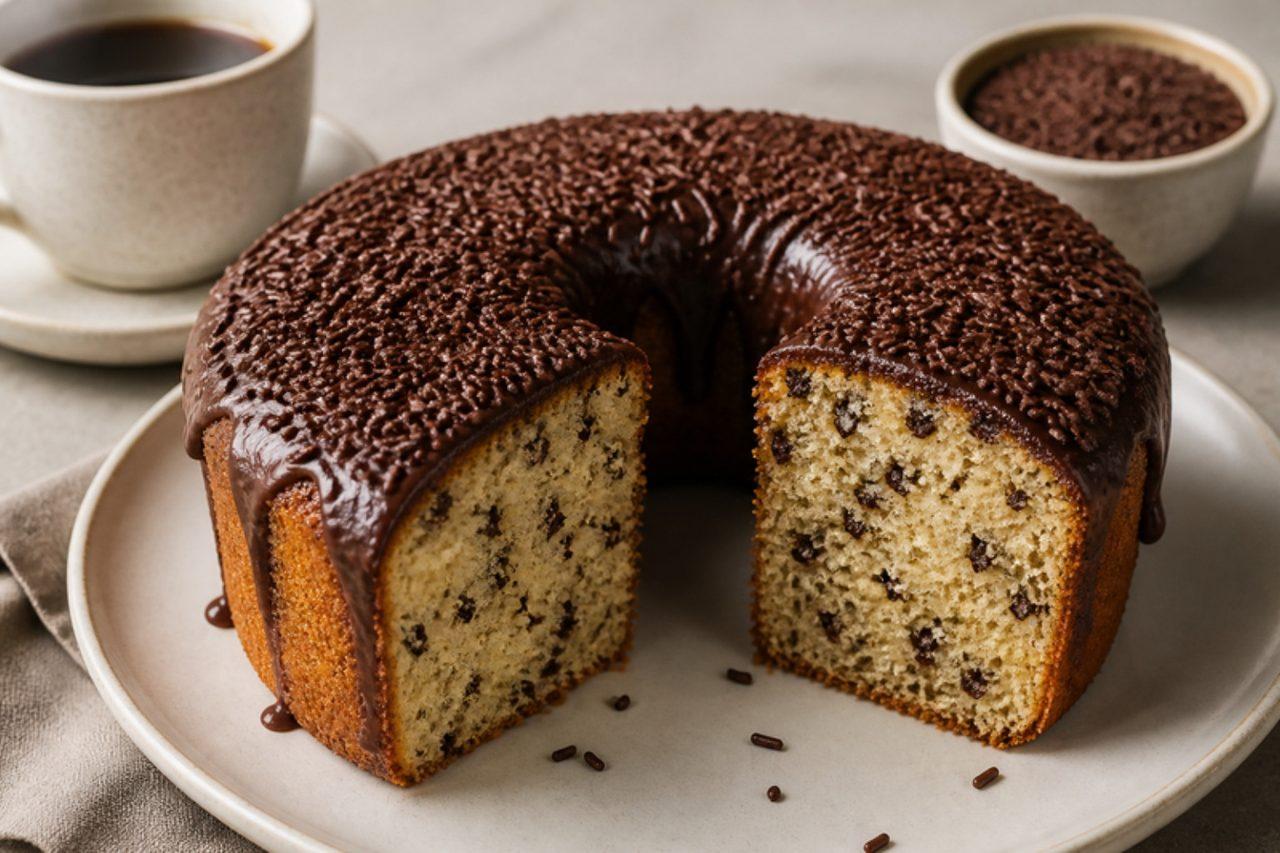
Slice into a bolo formigueiro and the crumb is dotted with dark specks, like ants on a sandy anthill, which is where the name comes from. This is the cake a Brazilian kid would want at merenda time: a soft, buttery vanilla sponge with chocolate sprinkles (granulado) folded through, often finished with a simple chocolate glaze and more sprinkles on top. Padarias and lanchonetes from São Paulo to Belo Horizonte sell it by the slice with a coffee. The cake contains wheat flour, eggs and milk. People often stir the sprinkles into the batter at the start, so they melt and turn the cake muddy grey. Chef's tip: fold the sprinkles in last, with a light hand, and use the chocolate kind (not candy-coloured), which hold their shape in the oven.

by KrazyBadal 0 views

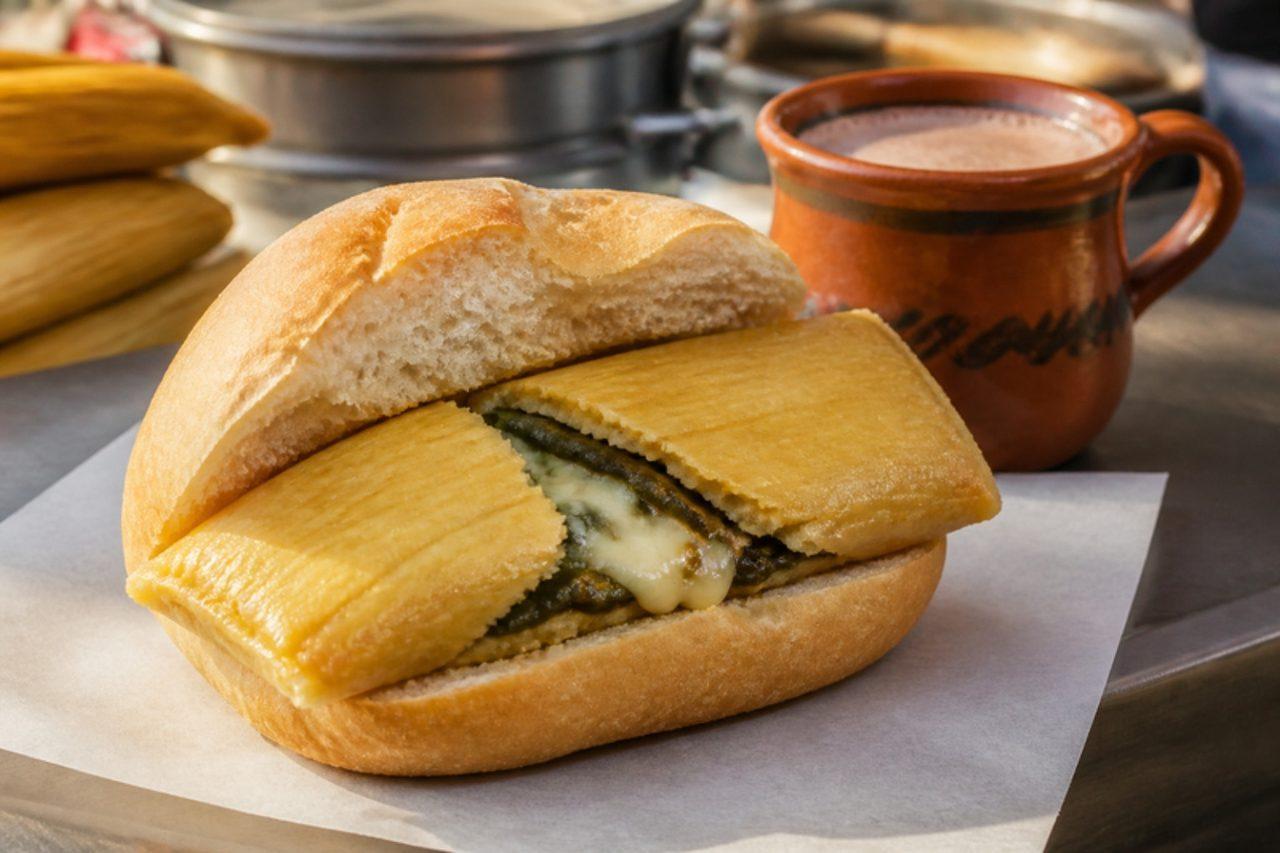
GuajolotaTamal in a bread roll

Commuters in Mexico City grab a guajolota at the tamal stand by the bus stop at seven in the morning: a crusty bolillo roll split open with a whole steaming tamal pushed inside, sometimes with a smear of green salsa, eaten with a cup of atole. It is starch in starch, cheap and filling enough to last until lunch. The name means 'turkey hen', a joke about how stuffed it is. This recipe makes eight vegetarian tamales of roasted poblano strips and melting cheese (rajas con queso); four go into rolls and the rest freeze well. Shop-bought vegetarian tamales work if you are short of time. Chef's tip: warm the bolillo on the comal while the tamal rests, so the crust crackles against the soft masa.

by KrazyBadal 0 views

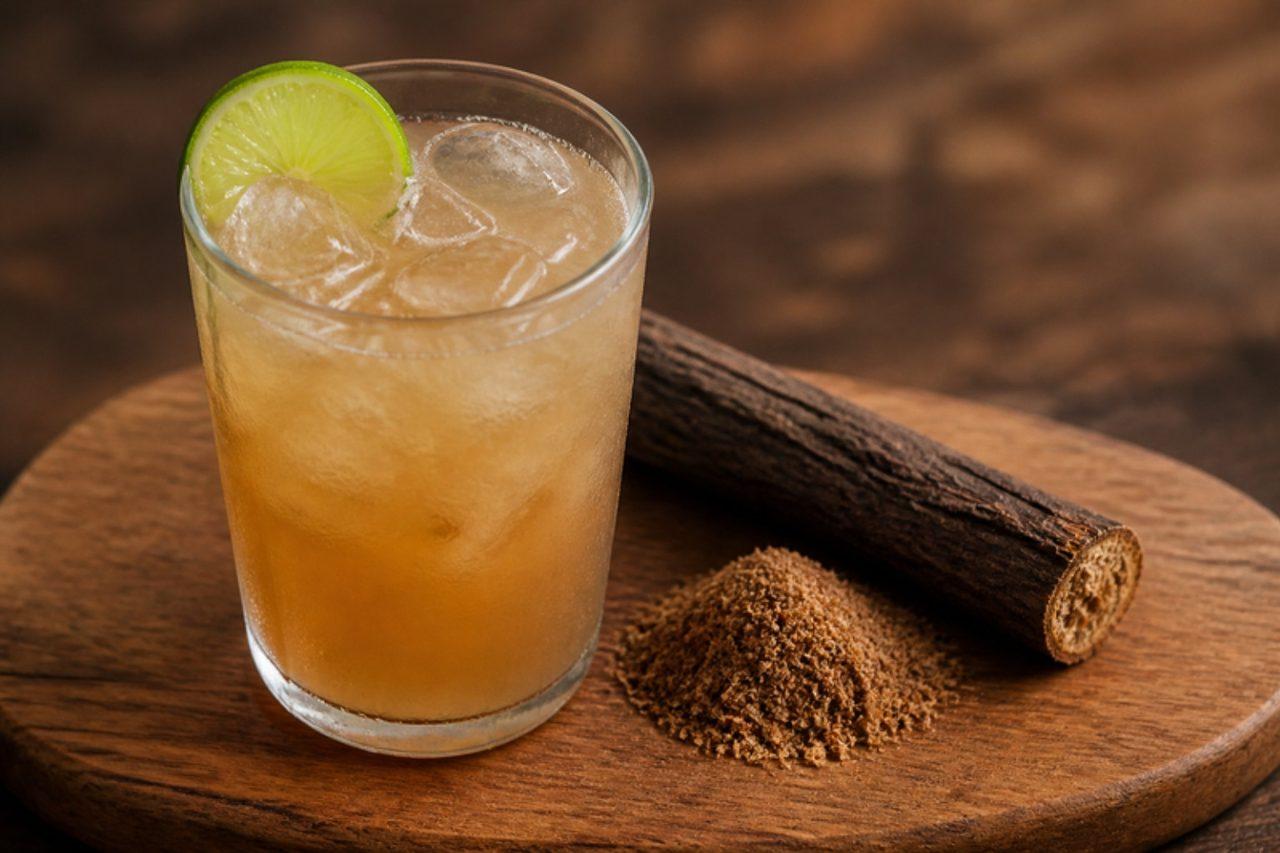
Guaraná raladoGrated guaraná drink

Long before fizzy guaraná, people in Mato Grosso started the day with this: a hard, dark stick of roasted guaraná seed paste grated into a glass of cold water with sugar and stirred well. Cuiabá's older generation still drink it at breakfast or in the heat of the afternoon, and market stalls sell the sticks along with the traditional grater, the dried tongue of the pirarucu fish (a fine microplane works just as well). It tastes bitter-earthy, a little like cocoa without the fat, and the caffeine is strong. Because guaraná contains more caffeine than coffee, keep to one glass a day, and avoid it for children, during pregnancy or if you are sensitive to caffeine. The usual error is grating far too much, which makes it bitter and overpowering; a level teaspoon per glass is plenty. Chef's tip: let it stand for a minute after stirring so the powder hydrates, then stir again before drinking.

by KrazyBadal 0 views

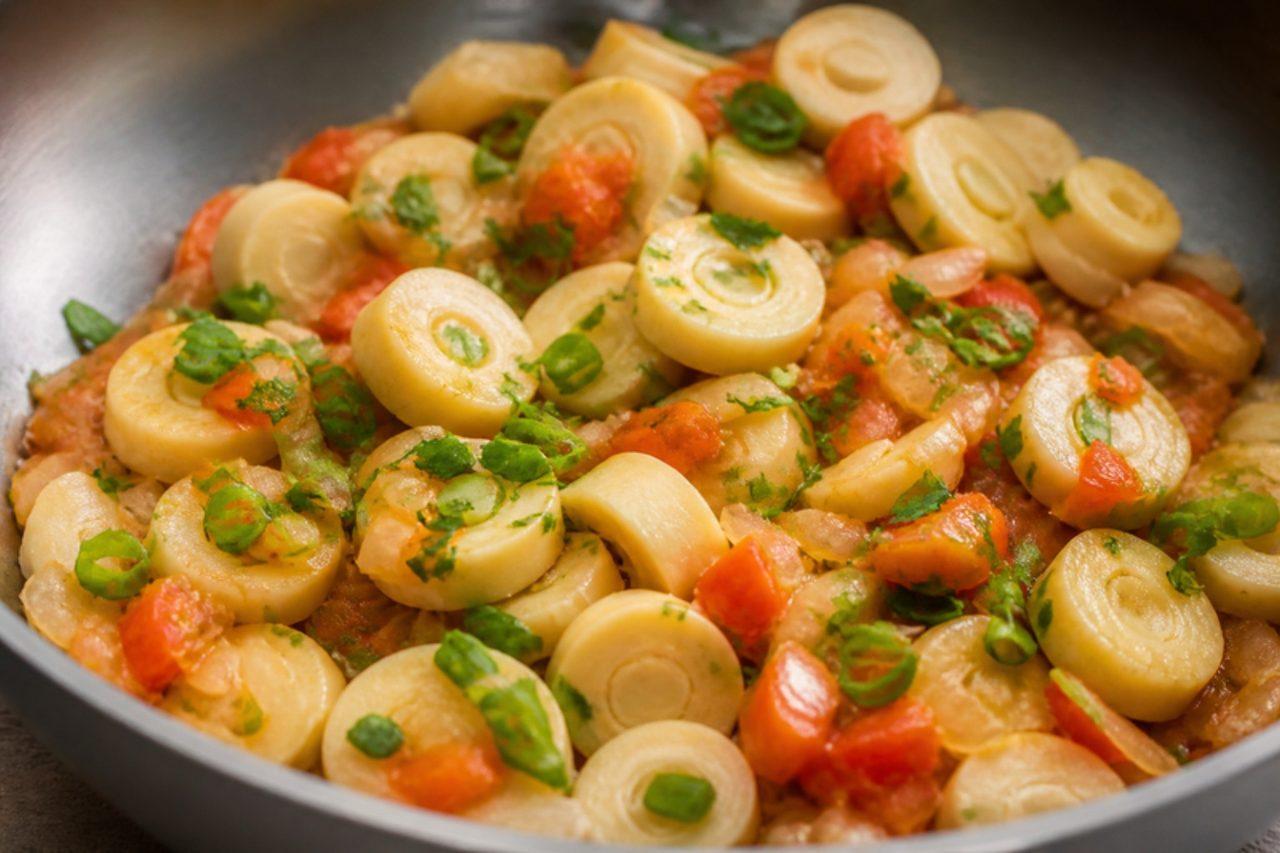
Guariroba refogadaSautéed bitter palm heart

Goiás is the one place in Brazil where people seek out bitterness in a palm heart: guariroba, from a cerrado palm, tastes like a cross between artichoke, chicory and jiló, and Goiânia's lunch counters serve it braised with tomato and onion beside rice, beans and pequi. The pale slices turn tender and silky, and the sharp, clean bitterness is softened by the sweet tomato base. Fresh guariroba is sold in Goiás markets, and jars or frozen packs in some Brazilian shops; elsewhere use ordinary palm heart with a handful of sliced chicory or radicchio for the bitterness. Cooks unfamiliar with it often boil it first to tame the bitterness, but that washes out the flavour that makes the dish; sauté it directly instead. Chef's tip: slice it thinly across the grain, because thick pieces stay fibrous however long you cook them.

by KrazyBadal 0 views

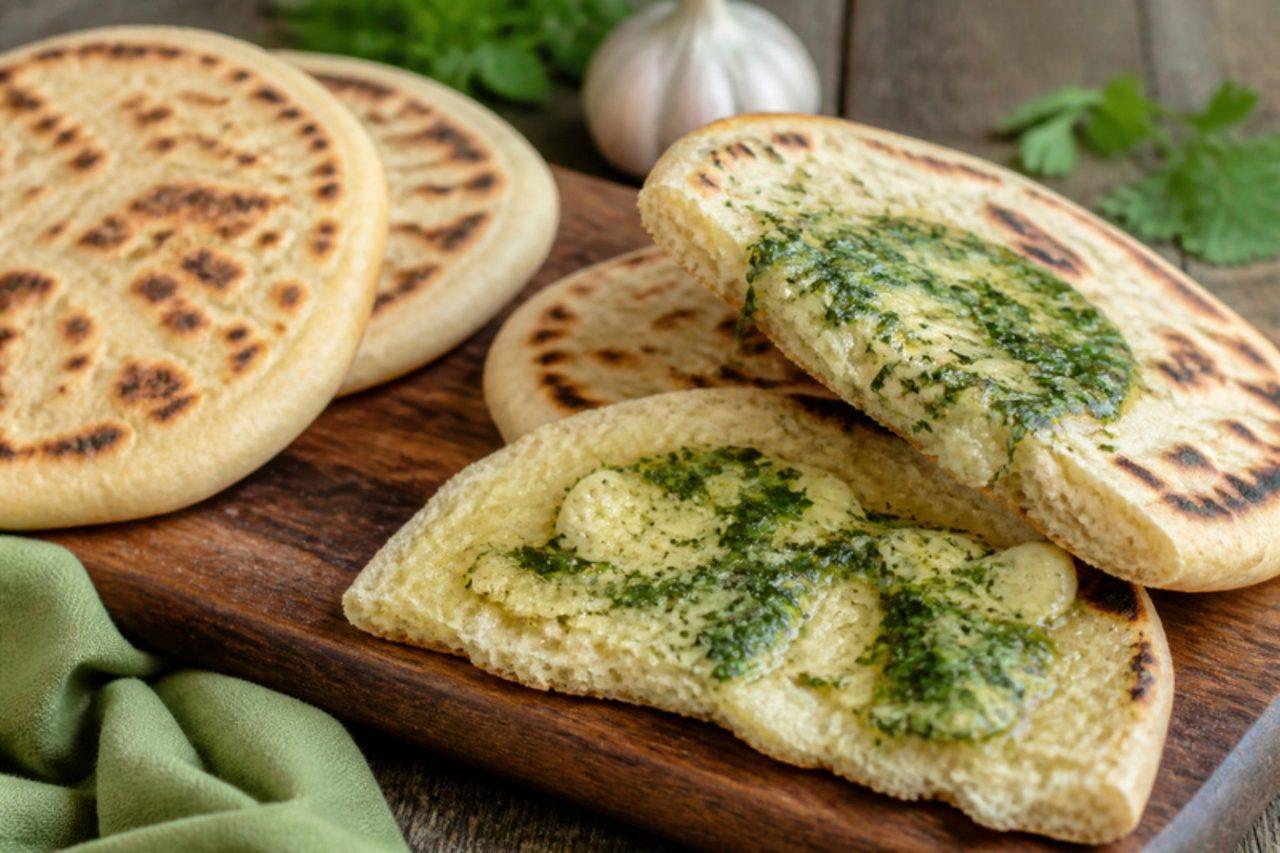
Bolo do cacoSweet potato flatbread with garlic butter

Every street stall at the Funchal flower festival and every village arraial on Madeira has a hot stone griddle going, turning out these flat, chewy rounds of bread made with sweet potato. They are split while hot, spread with garlic and parsley butter and eaten on their own, or stuffed with a skewer's worth of espetada. The name comes from the caco, the basalt slab they were first baked on, but a heavy frying pan does the job at home. Chef's tip: cook them low and slow; a hot pan burns the crust before the thick middle is done.

by KrazyBadal 0 views

Bolo de roloGuava paste roll cake

Cut a slice of bolo de rolo and you see a tight spiral of a dozen hair-thin layers, alternating pale butter sponge and dark red guava. It is Pernambuco's proudest cake, protected as a cultural heritage of the state, sold in Recife's bakeries and airport shops in long boxes and served at birthdays and with coffee in the afternoon. The batter is rich with butter and eggs, spread so thinly it bakes in minutes; each sheet is brushed with melted guava paste and rolled around the last. It takes patience rather than skill. The classic slip is spreading the batter too thick, which gives a fat swiss roll instead of fine stripes; you should almost see the paper through it. Chef's tip: roll each layer while it is still hot from the oven, on a clean cloth dusted with sugar, because the thin sponge cracks as soon as it cools.

by KrazyBadal 0 views

Bolo de milho verdeSweetcorn cake

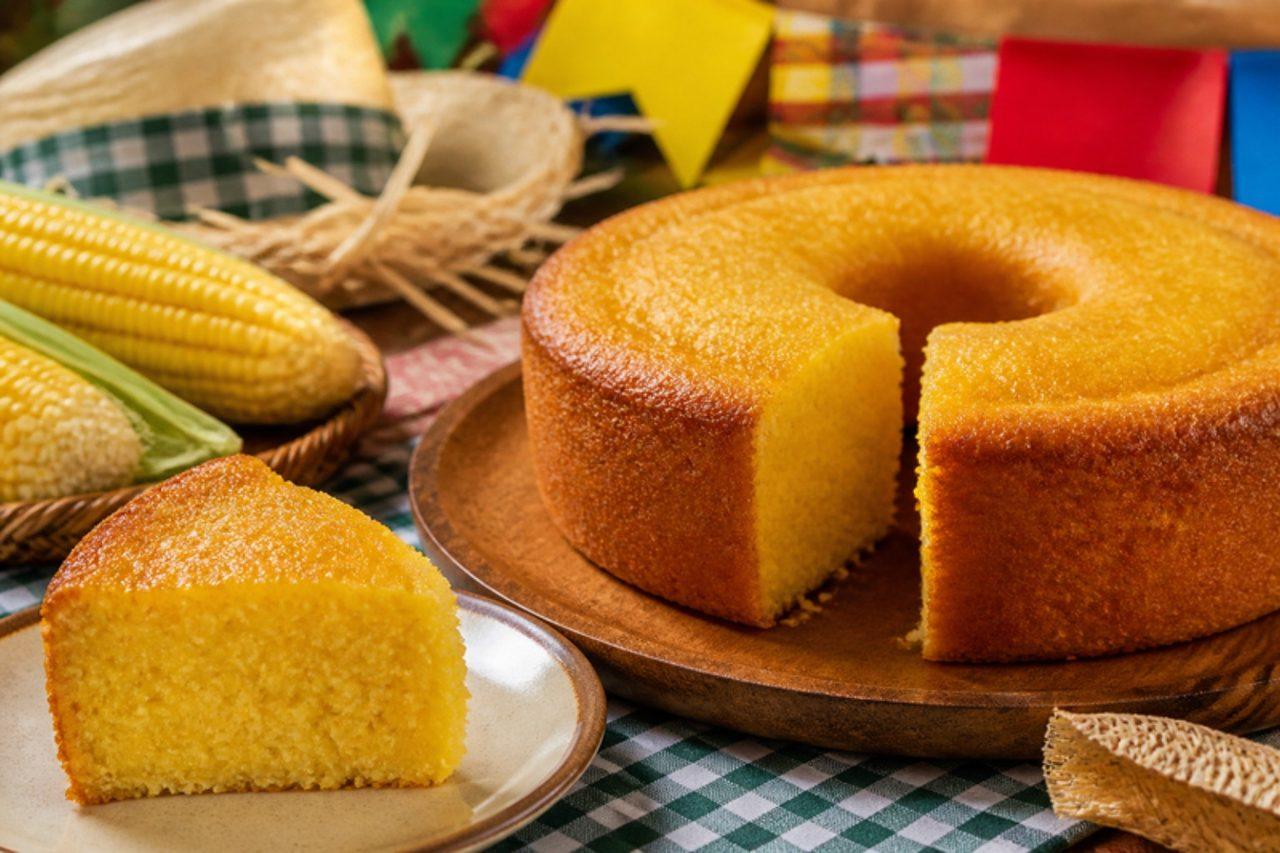
Almost every Brazilian padaria keeps a tray of bolo de milho verde by the till, and in June it multiplies across festa junina stalls, sliced into squares and wrapped in napkins. Everything goes into a blender: sweetcorn kernels, eggs, milk, oil, sugar and a little fine cornmeal, so the cake comes out yellow, dense and moist, almost custardy in the middle, with real corn flavour. It is made without wheat flour, which keeps it gluten free as long as your baking powder is. Eat it with afternoon coffee or warm from the tin. Opening the oven early is where it usually goes wrong; this batter is heavy and sinks if the door opens before 35 minutes. Chef's tip: leave the cake in the tin for 20 minutes after baking; it finishes setting as it cools and comes out in clean slices.

by KrazyBadal 0 views

Bolo de mel da MadeiraSpiced molasses cake with nuts

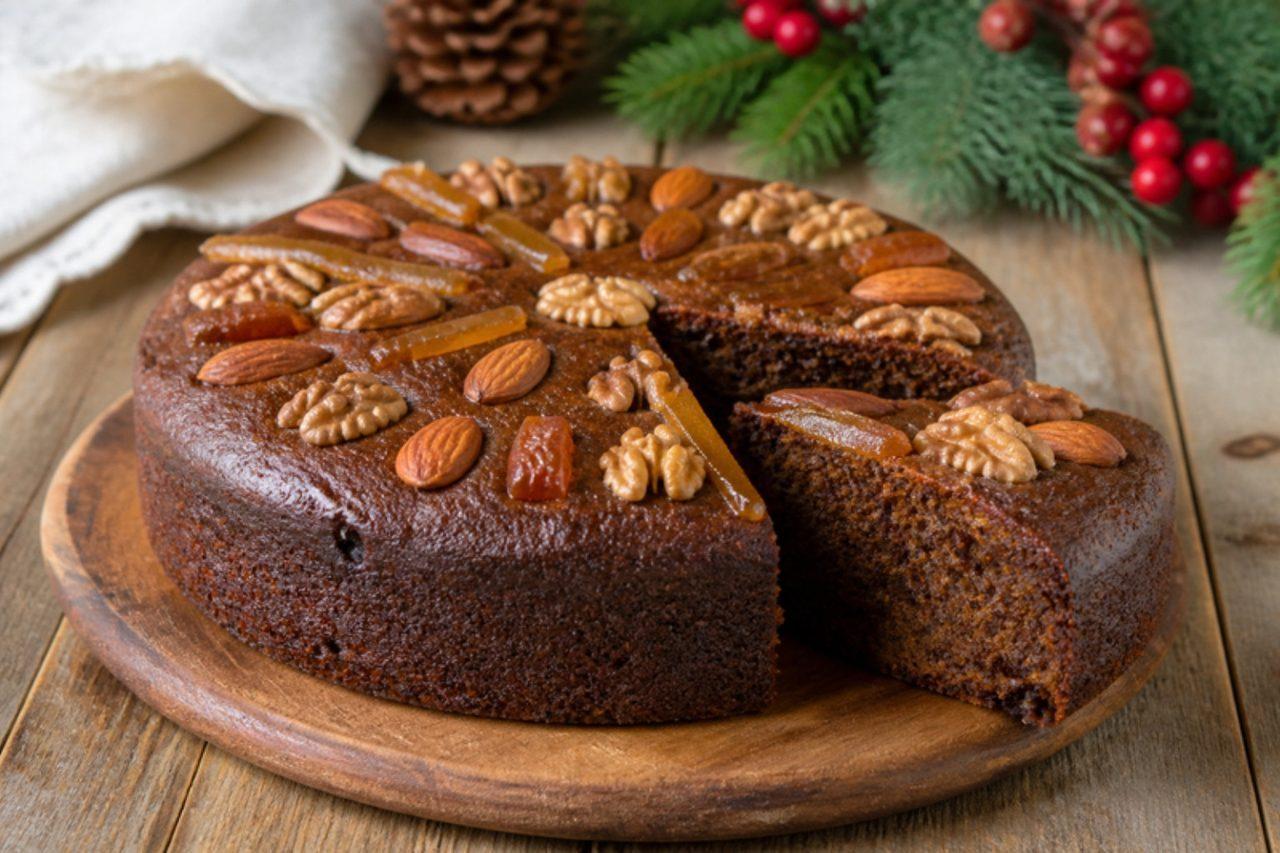
Madeiran families bake bolo de mel on 8 December so it can mellow in time for Christmas, and a well-wrapped one is said to keep until the following year. It is dense, almost black and fragrant with cinnamon, clove and aniseed, sweetened with mel de cana, the island's sugarcane molasses, and studded with walnuts, almonds and candied peel. Tradition says it should be broken by hand, never cut with a knife. Many old recipes use some lard; this one uses butter only. Chef's tip: wrap it in foil and wait at least a week before eating; the spices and molasses soften and blend as it rests.

by KrazyBadal 0 views

Bolo de mandiocaGrated cassava and coconut cake

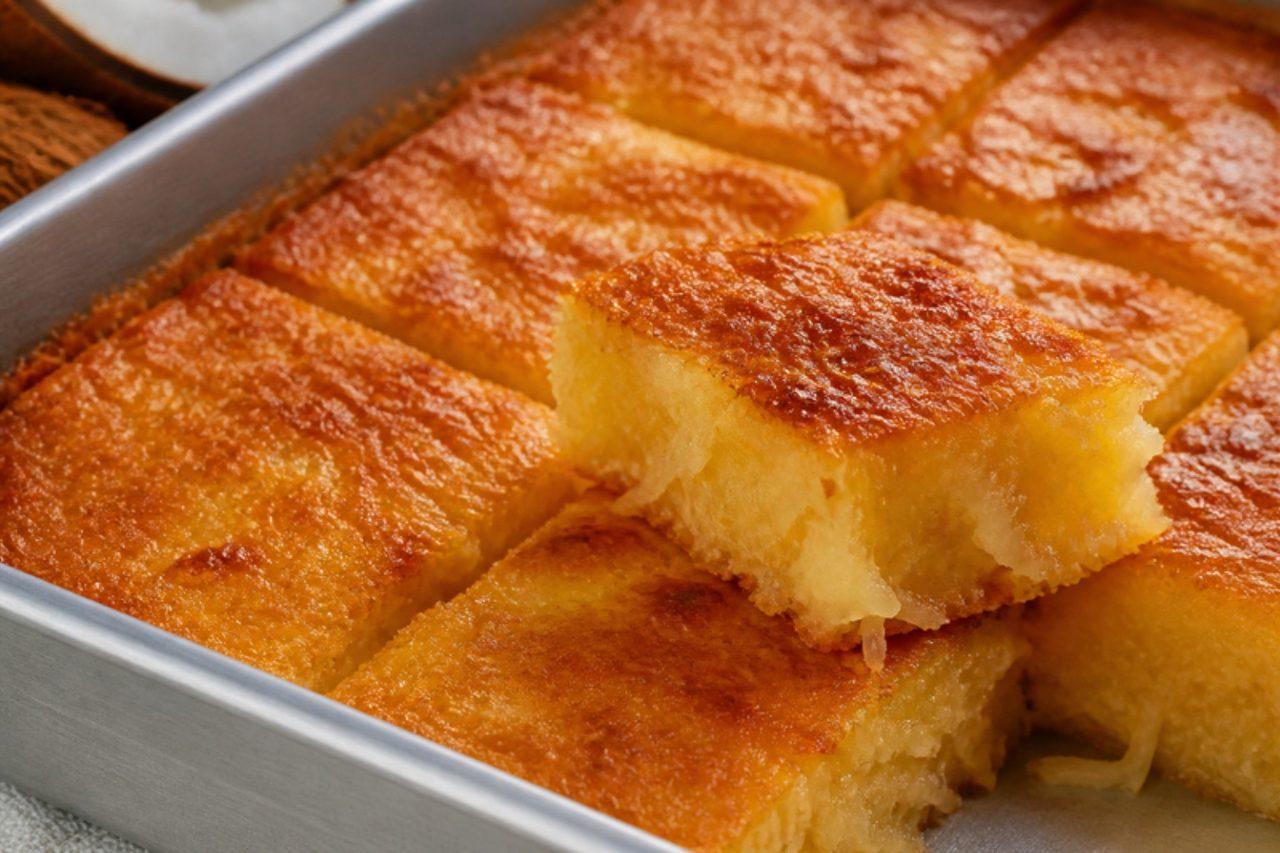
Grated raw cassava makes a cake unlike any flour cake: heavy, sticky and pudding-like, with a chewy golden crust and a moist, almost translucent middle. Bolo de mandioca (or bolo de aipim in Rio) is baked all over Brazil, sold by the slice at roadside stands in the interior of Bahia and Minas, and is a regular at June festivals next to the corn cakes. Coconut milk and grated coconut make it fragrant, butter makes it rich. Fresh cassava is sold in Latin, African and Caribbean shops; frozen peeled cassava is fine once thawed. Raw cassava must be fully cooked, and baking this long is enough. A classic error is blending in the fibrous core of the root, which leaves woody threads in the cake; cut it out first. Chef's tip: squeeze a little of the liquid out of the grated cassava in a cloth before mixing, and the cake gets a firmer, more cake-like texture without turning dry.

by KrazyBadal 0 views

Tiella bareseBaked rice, potatoes and mussels

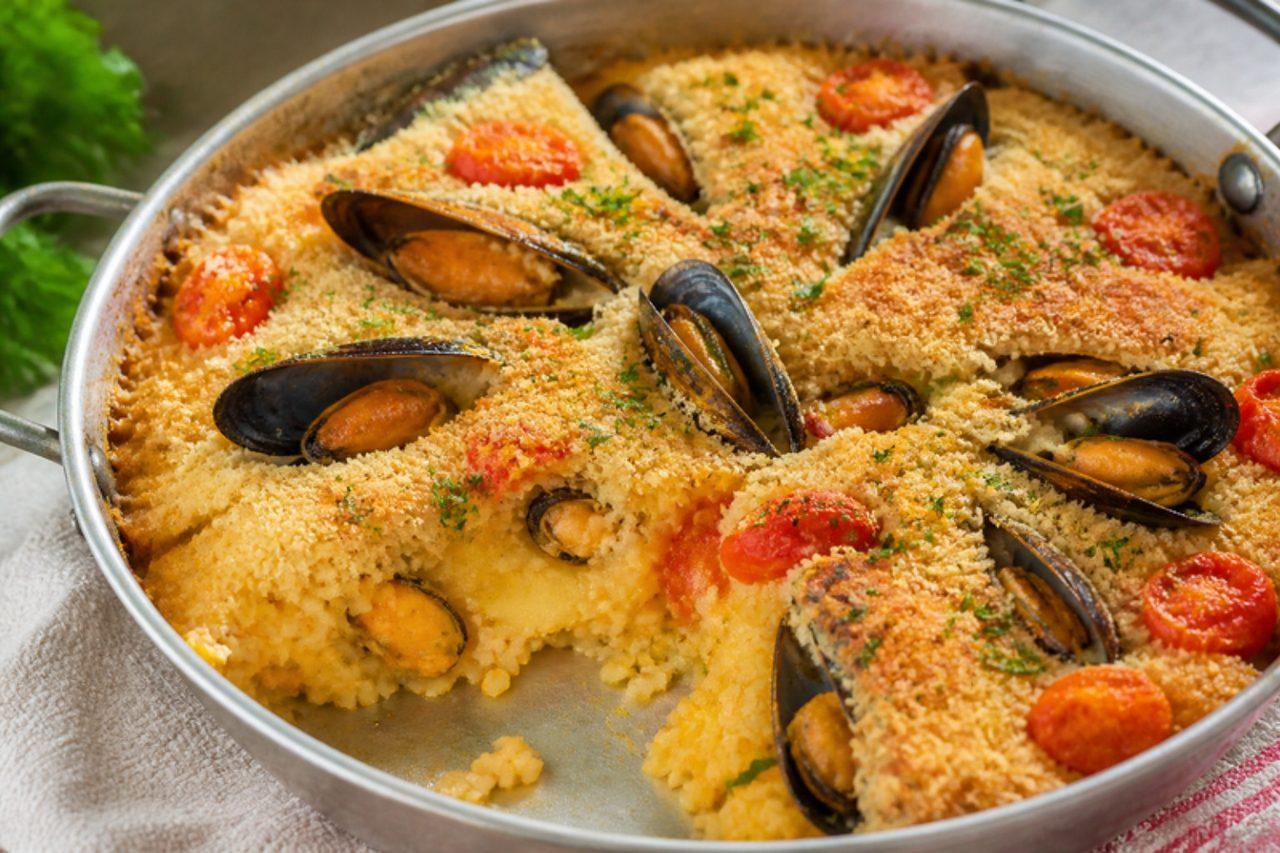
Every family in Bari has its own tiella, also called riso, patate e cozze, and it turns up at Sunday lunches and summer gatherings along the Puglian coast. Layers of thinly sliced potato, raw rice, mussels opened on the half shell, onion, tomato, parsley and pecorino are packed into a deep baking dish, then baked with water until the rice has drunk up the sea-salty juices and the top is crisp. It's served warm, as a one-dish meal, followed by a salad. Chef's tip: open the mussels raw with a knife over a bowl and keep every drop of their liquid; it seasons the rice better than any stock.

by KrazyBadal 0 views

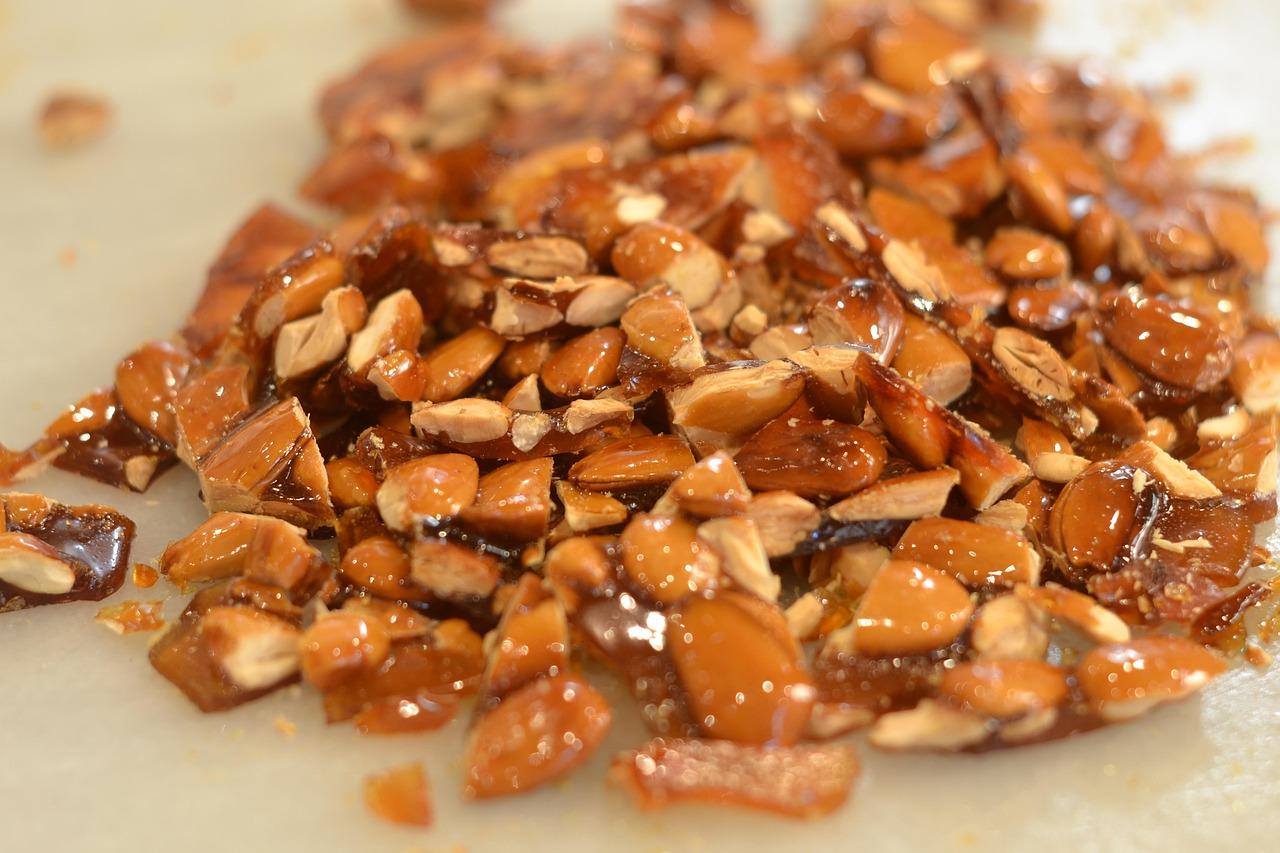
GuirlacheAlmond brittle

Every December, the old confectioners of Zaragoza stack trays of guirlache in their windows: snapped slabs of toasted almonds held in a dark, glassy caramel, sometimes speckled with tiny coloured sugar sprinkles on top. It is eaten after Christmas dinner alongside turrón and dried fruit, and it keeps for weeks in a tin. Made only from almonds, sugar and a few drops of lemon, it is vegan and gluten free. A common mistake is stirring the caramel while the sugar melts, which makes it crystallise into grainy lumps; swirl the pan instead. Chef's tip: warm the almonds in the oven before they go into the caramel; cold nuts make it seize and set before you can spread it.

by KrazyBadal 0 views

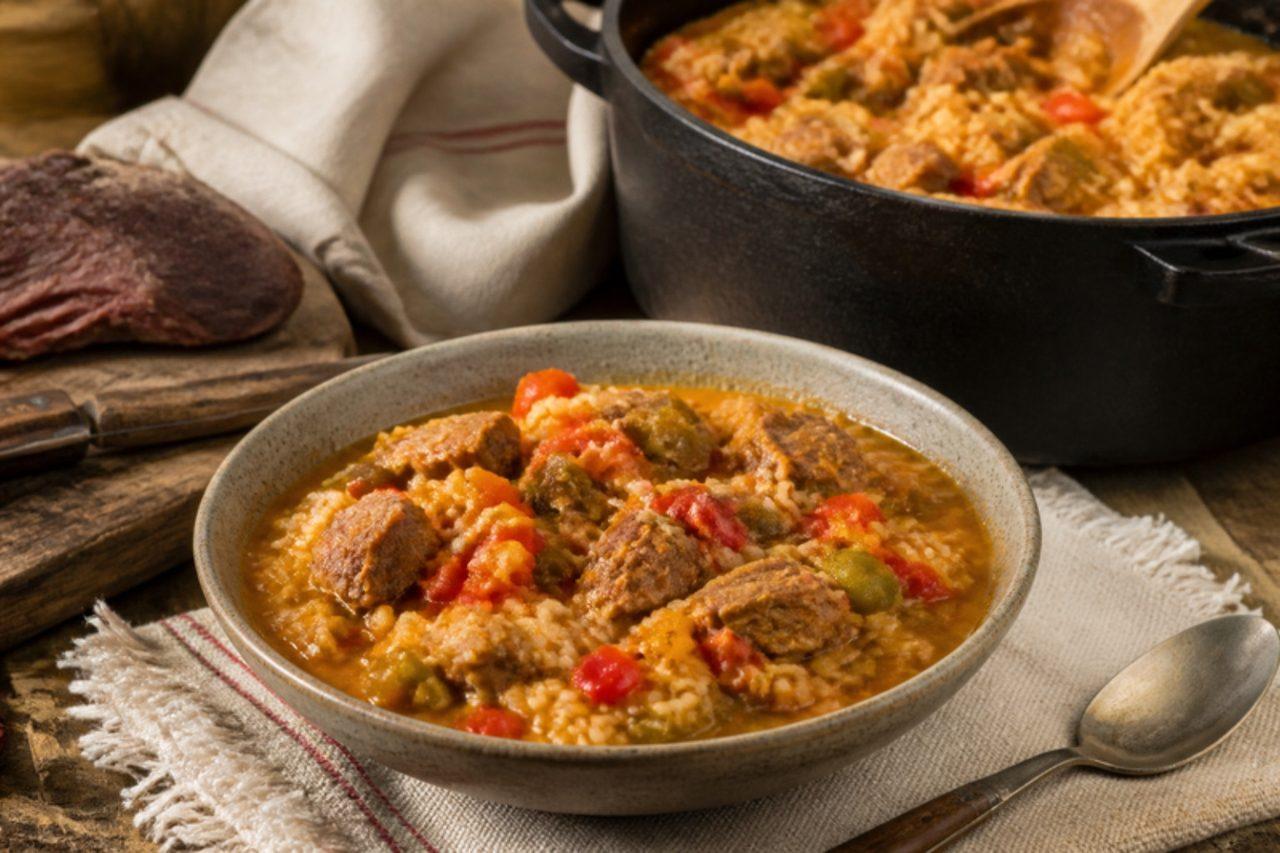
Guiso carreroRice and dried beef stew

The carreros who hauled goods across Corrientes in ox carts needed food that kept for weeks, so they cooked rice in a single pot with charqui, sun-dried salted beef, plus whatever onion and pepper they carried. The guiso is still made in Corrientes homes and at country gatherings: rice swollen in a paprika-tinted broth, stringy shreds of beef with a deep, cured flavour, and a texture somewhere between a soupy risotto and a pilaf. Eat it hot from the pot with bread or chipá. Charqui is sold in Latin American shops; Brazilian carne seca works the same way. Forgetting to soak the dried beef is the classic mistake: it stays leathery and turns the whole pot too salty. Chef's tip: fry the soaked, shredded charqui in the oil before the vegetables; the caramelised edges give the broth its smoky depth. Plan for an overnight soak.

by KrazyBadal 0 views

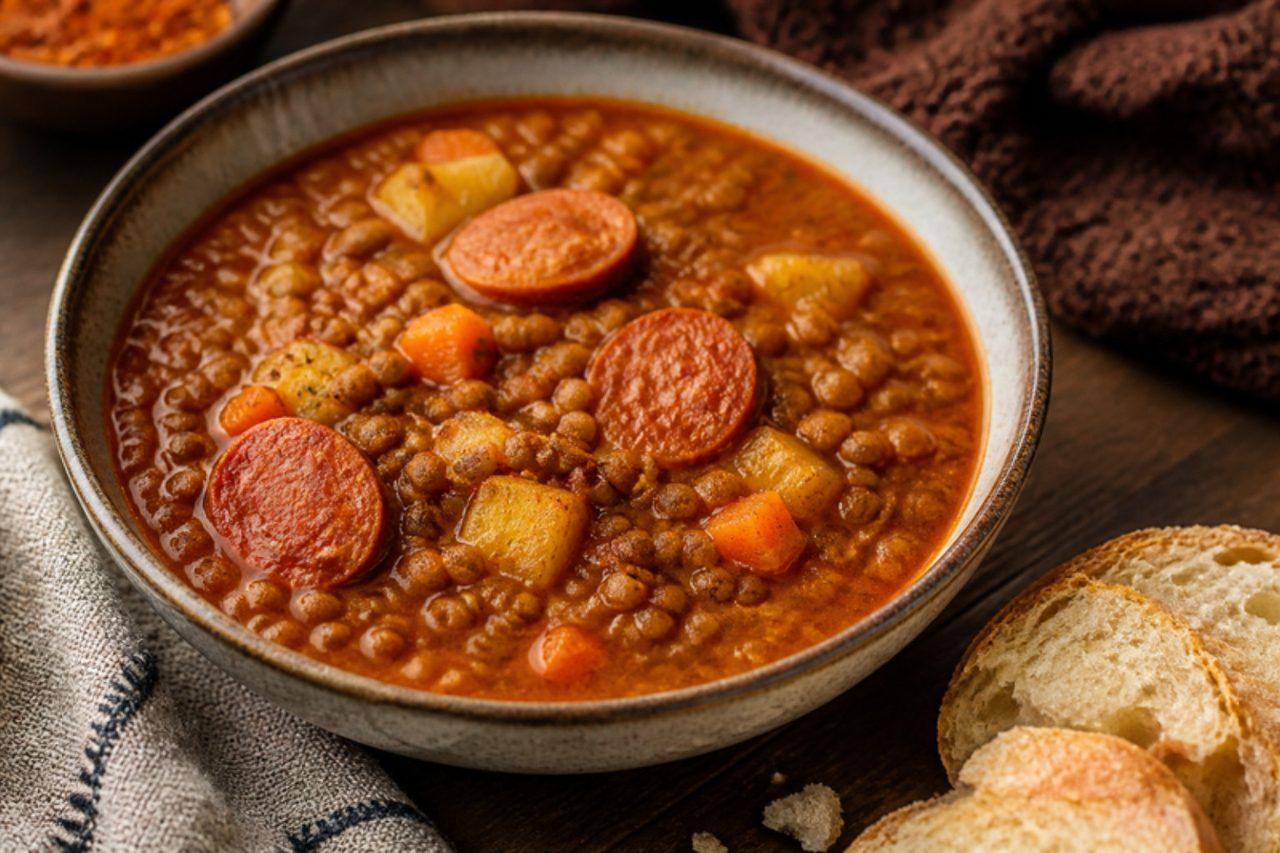
Guiso de lentejasLentil and chorizo stew

When the pampero wind blows cold off the plains, Buenos Aires turns to guiso de lentejas, a thick, smoky lentil stew that every school canteen, worker's diner and grandmother makes, traditionally on 20 June (Flag Day) and through the winter. It is built on pork: chorizo colorado (paprika sausage) and pancetta, browned first so their fat flavours the sofrito, then simmered with lentils, potato, squash, tomato and plenty of pimentón. The lentils should keep their shape in a sauce thick enough for a spoon to stand up, and crusty bread is a must alongside. Make sure the sausage is cooked through to 71 °C, which it will be after the long simmer. Seasoning with salt at the start is a common error, as the pork is salty and the stew reduces, so taste at the end. For a vegetarian version, skip the meats, use smoked paprika and add more squash. Chef's tip: make it a day ahead; like most guisos it thickens and tastes better reheated.

by KrazyBadal 0 views

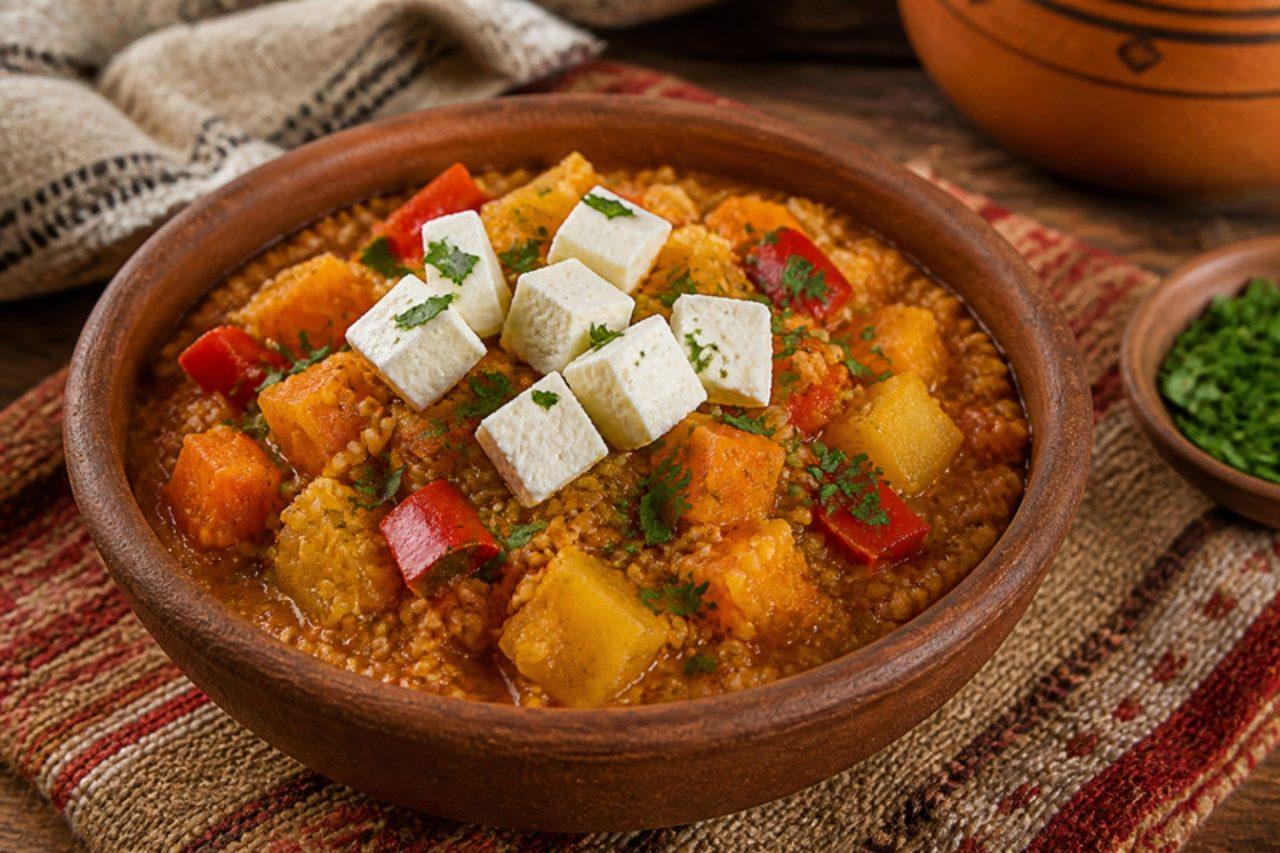
Guiso de quinoaQuinoa and squash stew

High in the Quebrada de Humahuaca, where quinoa has been grown on terraces for centuries, a pot of guiso de quinoa is the sort of thing served at a comedor beside the road or in a family kitchen on a cold evening at 3,000 metres. The grain cooks in a cumin-scented broth with potato, squash and red pepper until it bursts and thickens everything into a spoonable stew, and cubes of fresh cheese go in at the end to soften. Serve it in deep bowls with a spoon of llajua or chilli sauce and bread. Skipping the rinse is the mistake that spoils it: quinoa is coated in saponins that taste soapy and bitter, so wash it until the water runs clear. Queso fresco is often made with animal rennet; use a vegetarian fresh cheese, or leave it out for a vegan stew. Chef's tip: toast the rinsed quinoa in the oil for two minutes before the liquid goes in; it brings out a nutty flavour.

by KrazyBadal 0 views

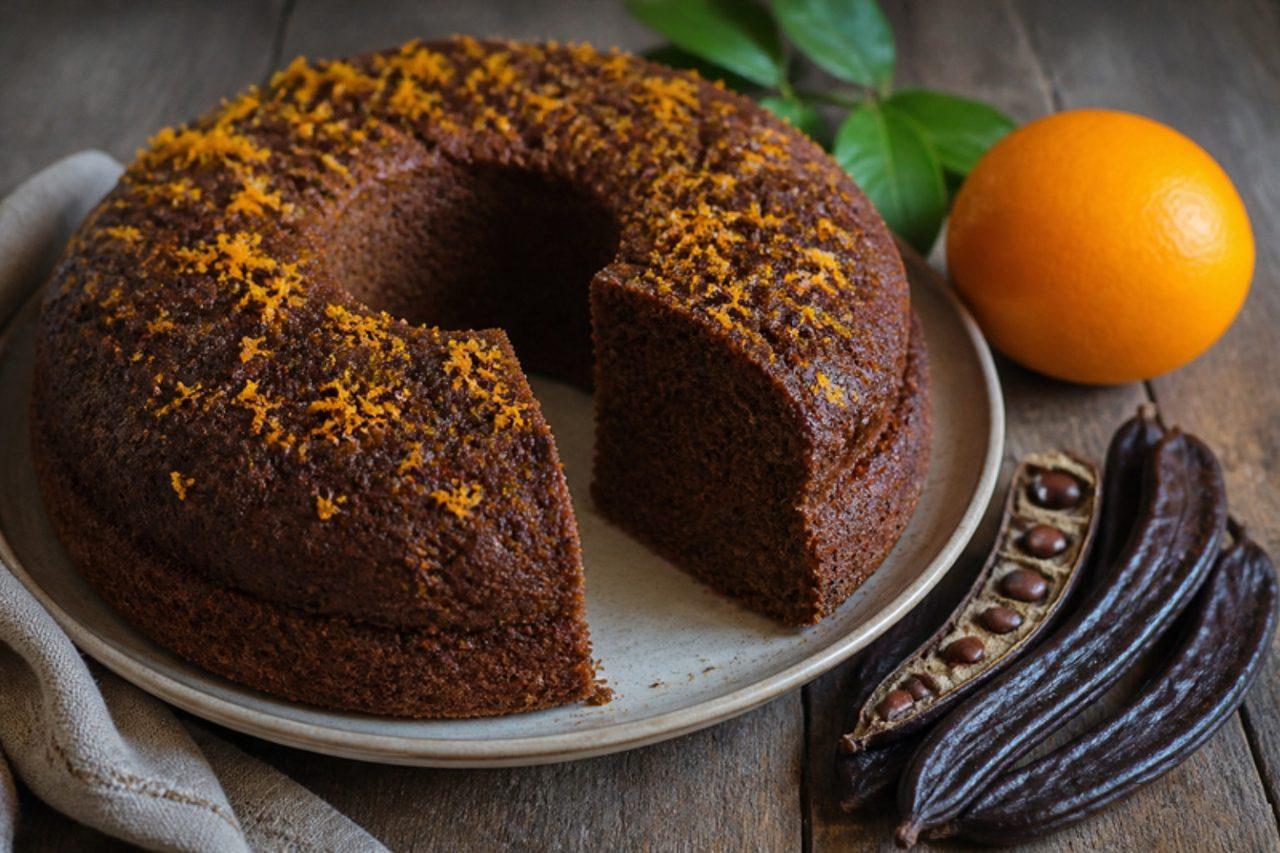
Bolo de alfarrobaCarob and orange cake

Carob trees grow all through the dry Barrocal hills behind the Algarve coast, and the toasted pods are ground into a sweet, cocoa-coloured flour that local bakers have used for generations. This cake, sold by the slice in cafés around Loulé and São Brás de Alportel, is made with olive oil and orange, so it stays moist for days. It has a gentle caramel, almost malty taste rather than a chocolate one. A common mistake is using too much carob; it is sweet and earthy and turns bitter when overdone, so stick to the amount given. Chef's tip: sieve the carob flour with the wheat flour, because it lumps easily and leaves dry pockets in the crumb.

by KrazyBadal 0 views

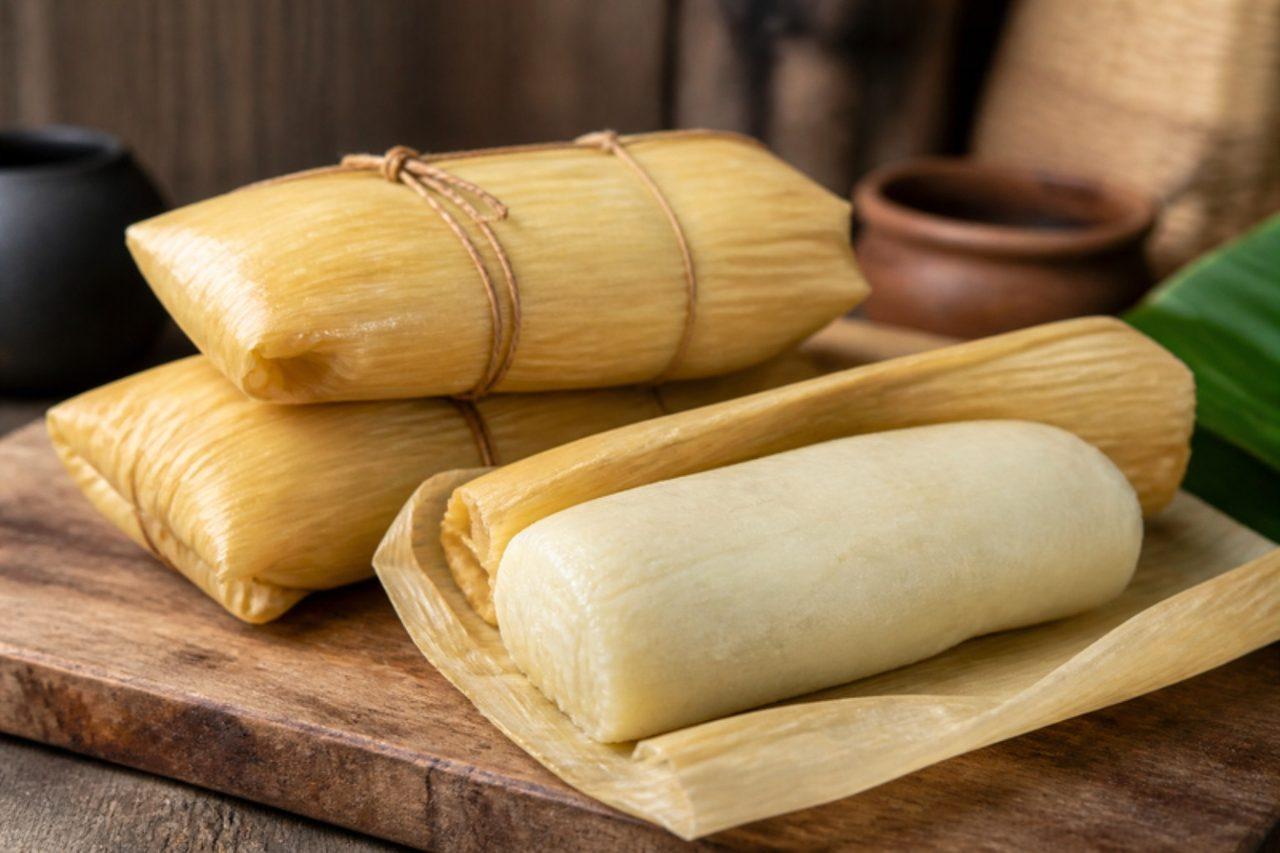
Bollo de yucaBoiled cassava bundles

Along the Caribbean coast from Cartagena to Santa Marta, the bollo de yuca is a staple to set beside fried fish, a bowl of soup or a slice of fresh white cheese. Raw cassava is grated, kneaded with a little salt and sometimes a few anise seeds, then wrapped and boiled until it turns translucent and pleasantly chewy, with a mild, slightly sweet flavour. Market sellers stack them by the dozen, and they keep well, so many households buy enough for several days. Cassava must always be fully cooked and peeled down past the pink inner layer, since the raw root contains natural toxins that cooking removes. Squeezing the grated cassava too hard is the error that ruins it: bone-dry dough gives tough, rubbery bollos, so you only want to press out the loose juice. Frozen grated cassava from Latin or African shops works well. Chef's tip: wet your hands before rolling the logs, because the starch sticks to dry palms.

by KrazyBadal 0 views

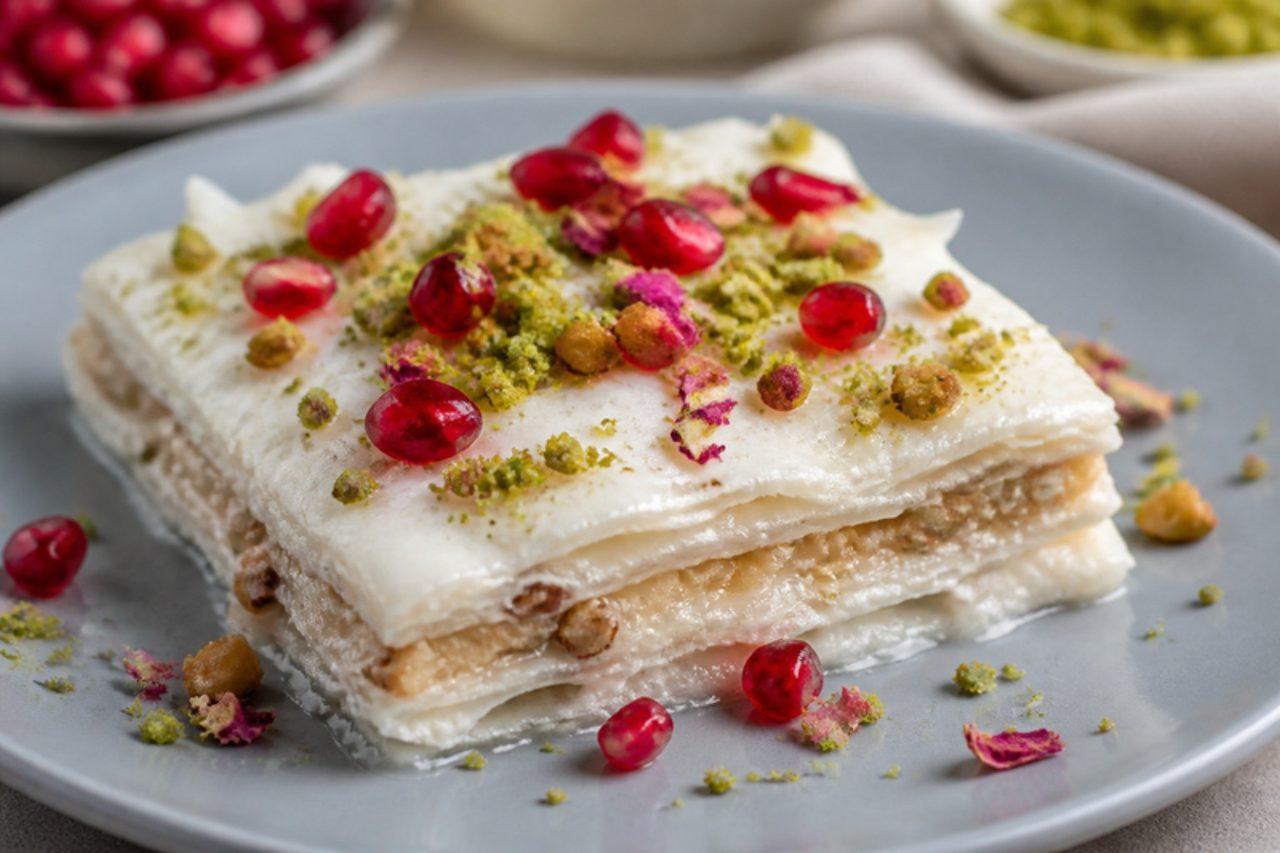
GüllaçRose milk wafer dessert

As soon as Ramadan begins, bakeries from Konya to Istanbul stack up packets of güllaç, the dried, almost transparent starch sheets that give this dessert its name. Soaked layer by layer in warm sweetened milk scented with rosewater, then filled with walnuts, the sheets turn soft and silky, and the dessert is served chilled after the iftar meal, often topped with pomegranate seeds. Common mistake: drenching the sheets in hot milk, which makes them dissolve into mush; the milk should be just warm. Chef's tip: make it at least 4 hours ahead, ideally overnight; it firms up enough to cut into clean slices.

by KrazyBadal 0 views

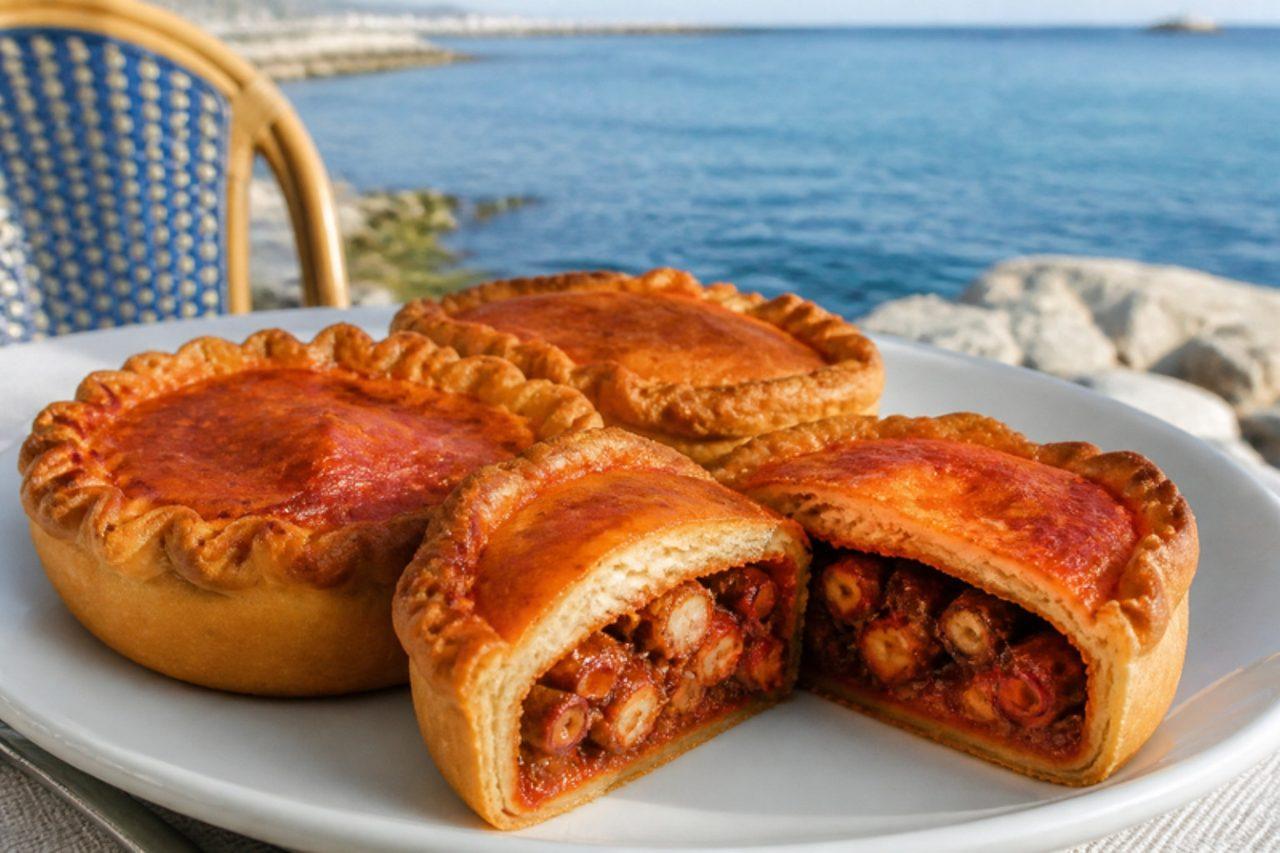
Tielle sétoiseSpicy octopus and tomato pie

The fishing port of Sète eats tielles everywhere: from bakeries along the canals, at the market on the Halles square, and on the quays during the summer water-jousting festival. Brought by Italian fishing families from Gaeta, the pie wraps a spicy, slow-cooked filling of octopus, onions and tomato in a soft olive-oil bread dough with a fluted, crimped edge. It is chewy, rich and properly peppery, and just as good cold as warm. Cut it into wedges as a snack or serve it with a green salad for lunch. Chef's tip: cook the filling until it is thick enough to hold a line when you drag a spoon through it, or the base will go soggy.

by KrazyBadal 0 views

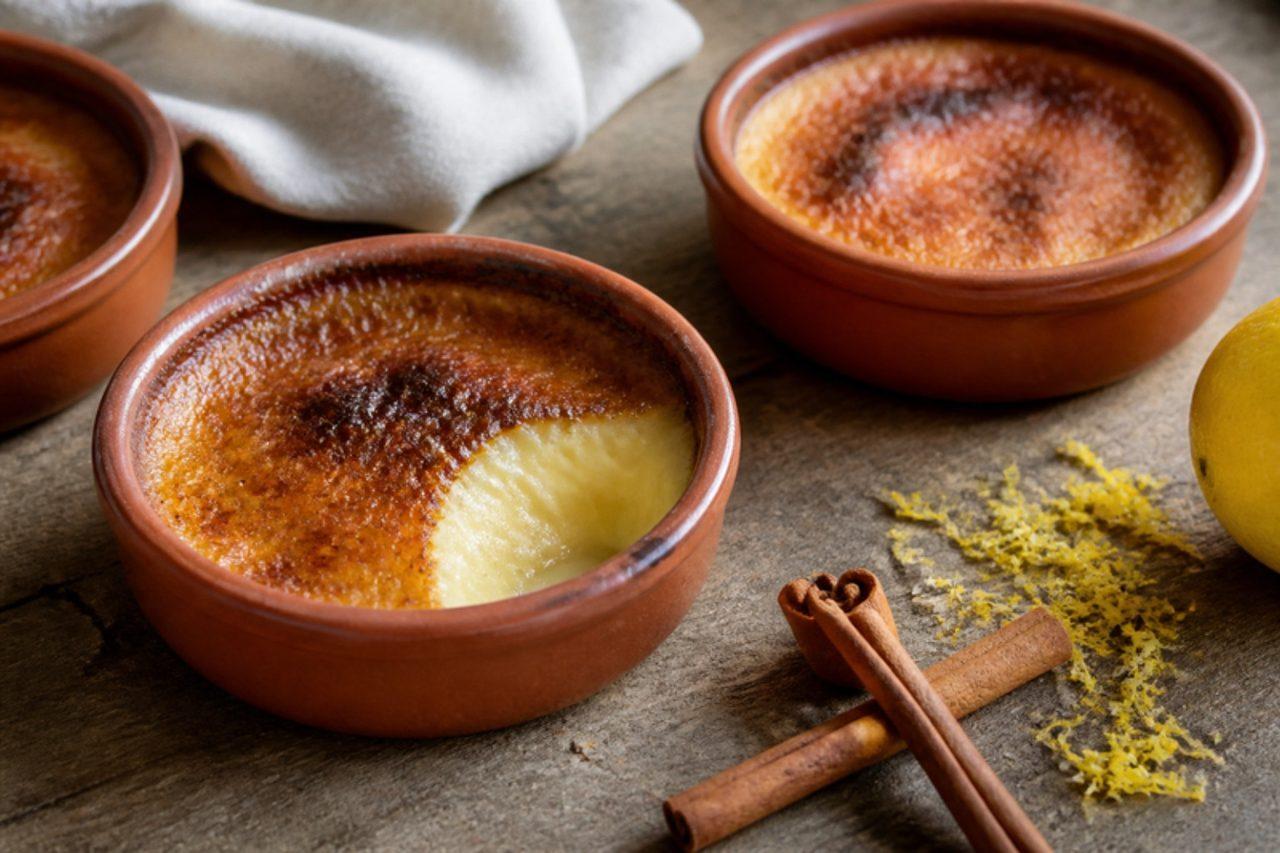
Tigelada da BeiraCinnamon milk custard

In Beira Baixa villages such as Oleiros and Proença-a-Nova, tigelada is baked in unglazed clay bowls heated in the wood oven until they are red hot, so the custard puffs up, cracks and browns on top while staying soft and slightly spongy inside. It is sold at festivals and markets across the region and is a common finish to a Sunday lunch. Terracotta dishes work best at home, but small ceramic ovenproof dishes do the job. Chef's tip: heat the empty dishes in the oven first; pouring cold batter into a hot dish is what makes it rise and form its typical crust.

by KrazyBadal 0 views

Bolinho de estudanteTapioca and coconut fried fingers

Baianas de acarajé sell these next to their black-eyed pea fritters, and the name, 'student's cake', comes from how cheap and filling they are for schoolchildren in Salvador. A dough of granulated tapioca soaked in hot milk and coconut milk with grated coconut is shaped into short fingers, fried until the outside shatters, and rolled while still warm in cinnamon sugar. Inside they stay chewy and moist, a little like a coconut doughnut. Eat them with afternoon coffee, or make a tray for a festa junina. A common error is frying before the tapioca has fully absorbed the liquid, which makes the fingers burst open in the oil; give the dough its full 30-minute rest. Chef's tip: keep a bowl of water by you and wet your hands while shaping, so the sticky dough rolls into smooth fingers that fry evenly.

by KrazyBadal 0 views

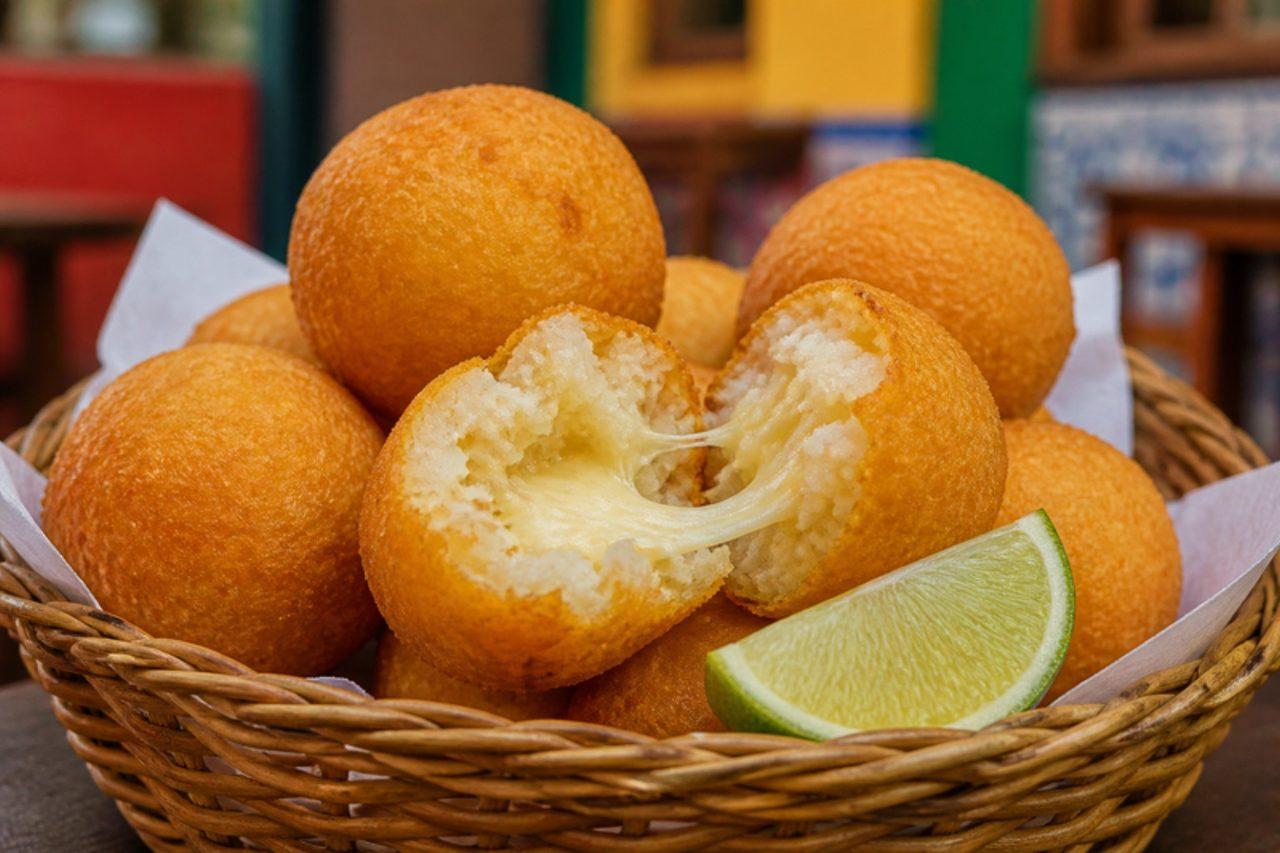
Bolinho de aipimCheese-stuffed cassava balls

Order a round of chope in a Rio boteco and a plate of these usually follows: golf-ball-sized fritters of mashed aipim (cassava) with a molten cheese centre, crisp and craggy outside, soft and stretchy within. Places like the bars of Tijuca and Botafogo fill them with everything from dried beef to shrimp, but cheese is the classic veggie order. The cassava dough needs no egg or flour to bind it, so they are naturally gluten free. Use a mozzarella or Minas cheese made with microbial rennet to keep them vegetarian. They go wrong when the cassava is mashed while wet: the balls soften and split in the oil. Drain it very well and let the steam escape. Chef's tip: chill the shaped balls for 30 minutes before frying, so the cheese stays inside and the crust sets before the centre melts.

by KrazyBadal 0 views

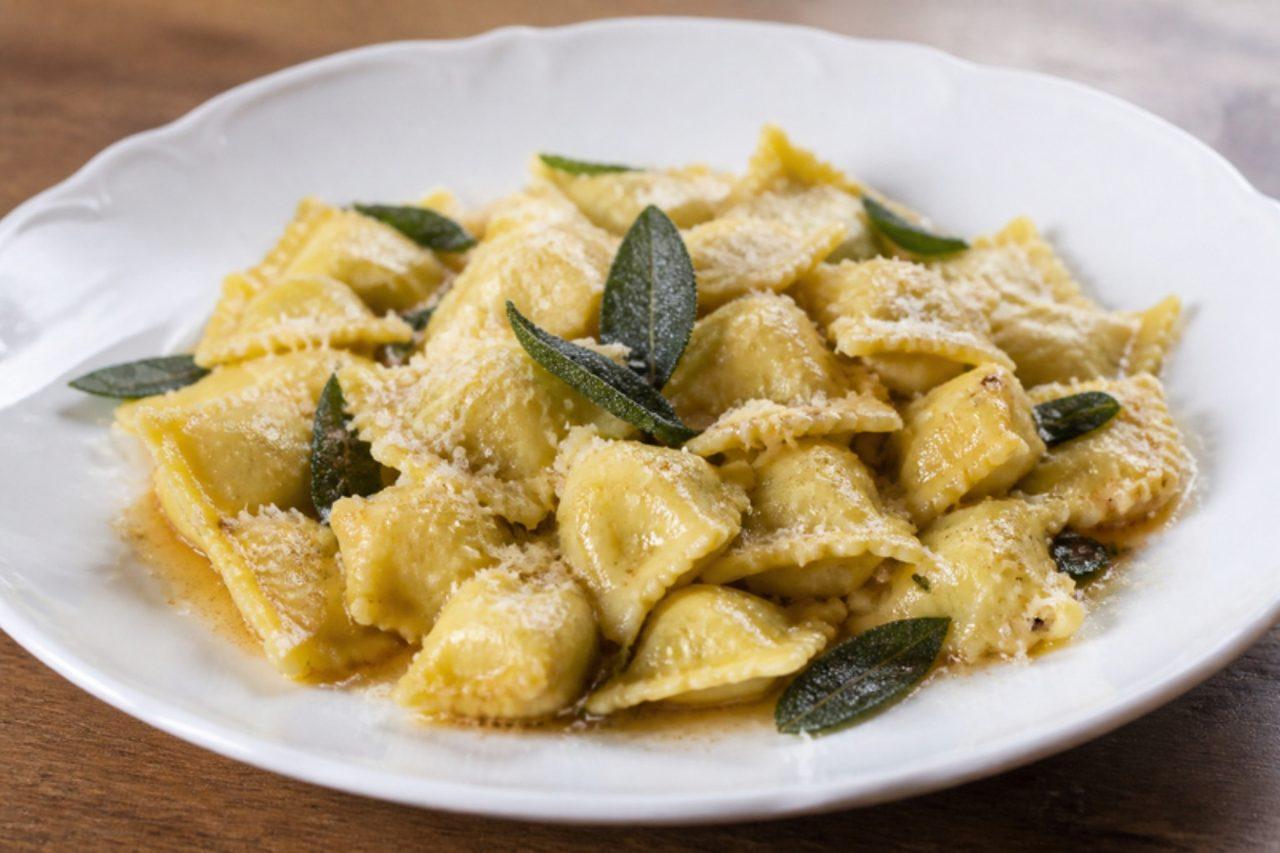
Agnolotti del plinSmall pinched meat pasta parcels

In the Langhe and Monferrato hills of Piedmont, agnolotti del plin are the Sunday and feast-day pasta, made from whatever roast was left from the day before and pinched shut with a quick twist of the fingers (plin means pinch in dialect). Each parcel is barely a mouthful of thin egg pasta around a savoury filling of roast veal, pork shoulder and beef with a little cabbage, egg and parmigiano, so this is a pork dish as well as a veal one. In the trattorie of Alba they arrive either glossed with butter and sage or simply dressed in the reduced roasting juices, sometimes with no plate at all, served in a napkin. They want nothing alongside except a green salad afterwards. Chef's tip: keep the filling quite firm and the blobs small, no bigger than a hazelnut, or the pasta will not seal tightly around them.

by KrazyBadal 0 views

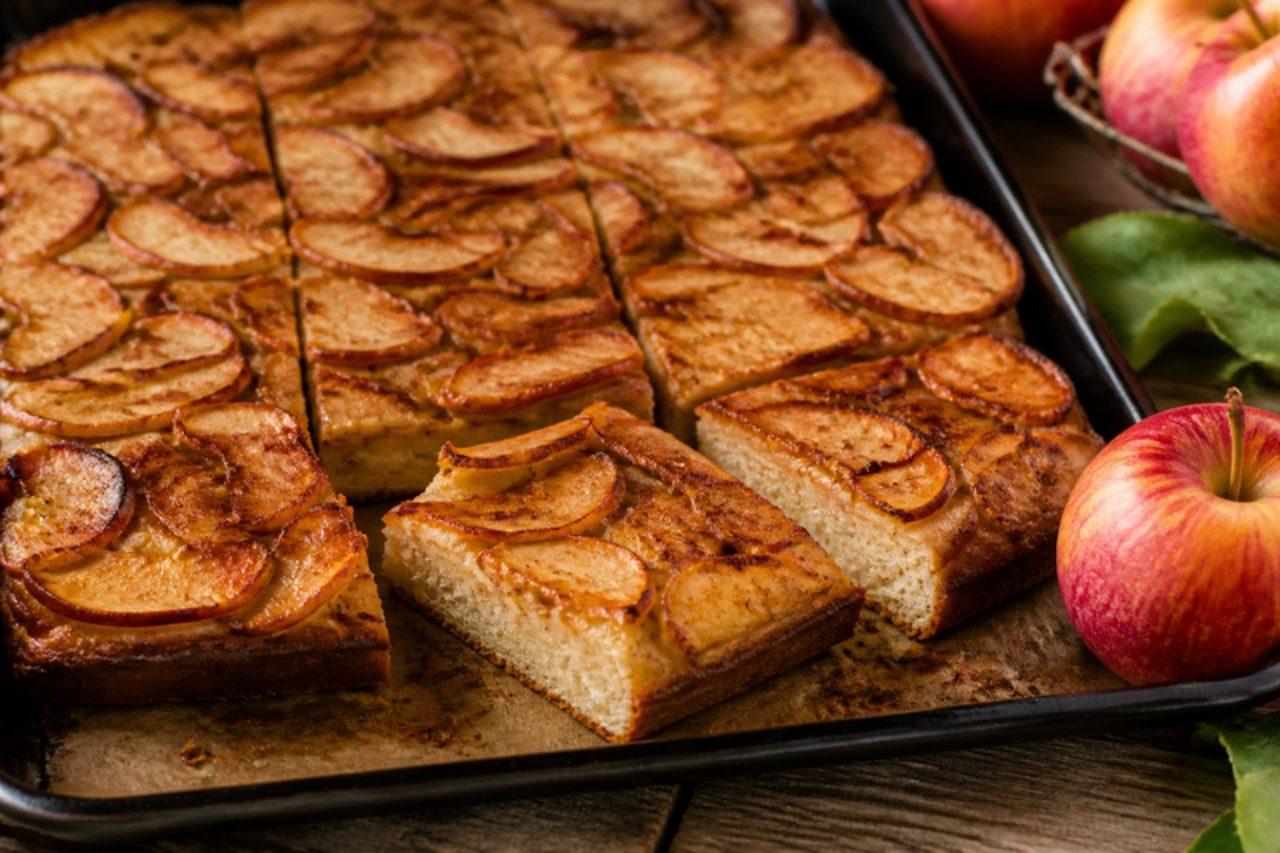
Boleima de maçãApple and cinnamon cake

In Portalegre, in the hills of the north Alentejo, boleima was born on baking day: a piece of the bread dough was set aside, enriched with olive oil, sugar and cinnamon, layered with sliced apples and baked in the cooling oven. It is not a delicate cake but a flat, moist, fragrant slab with caramelised edges, eaten at Christmas and at coffee time in autumn. It has no egg, butter or milk. A common mistake is slicing the apples thick, which leaves them hard while the dough is done; cut them thin. Chef's tip: give the dough a long, slow rise; that is where the bread-like flavour comes from.

by KrazyBadal 0 views

Bolas de fraileDulce de leche doughnuts

Friars' balls, to translate them literally, are a fixture of the Buenos Aires panadería counter among the facturas that porteños buy by the dozen on Sunday morning: soft, round yeast doughnuts, fried golden, rolled in sugar and split or piped with dulce de leche or crema pastelera. Children dive for them first. Inside they are light and fluffy, outside slightly crisp and sweet, and they are at their best within a few hours, with mate or coffee with milk. Oil that is too hot is the mistake: the outsides brown in seconds and the centres stay raw and doughy, so keep it at 170 °C and fry slowly. A thermometer helps a lot. Pastry cream is the other classic filling if you prefer it. Chef's tip: let the shaped balls rise on individual squares of baking paper and slide them into the oil on the paper; they keep their round shape and the paper peels off after a few seconds.

by KrazyBadal 0 views

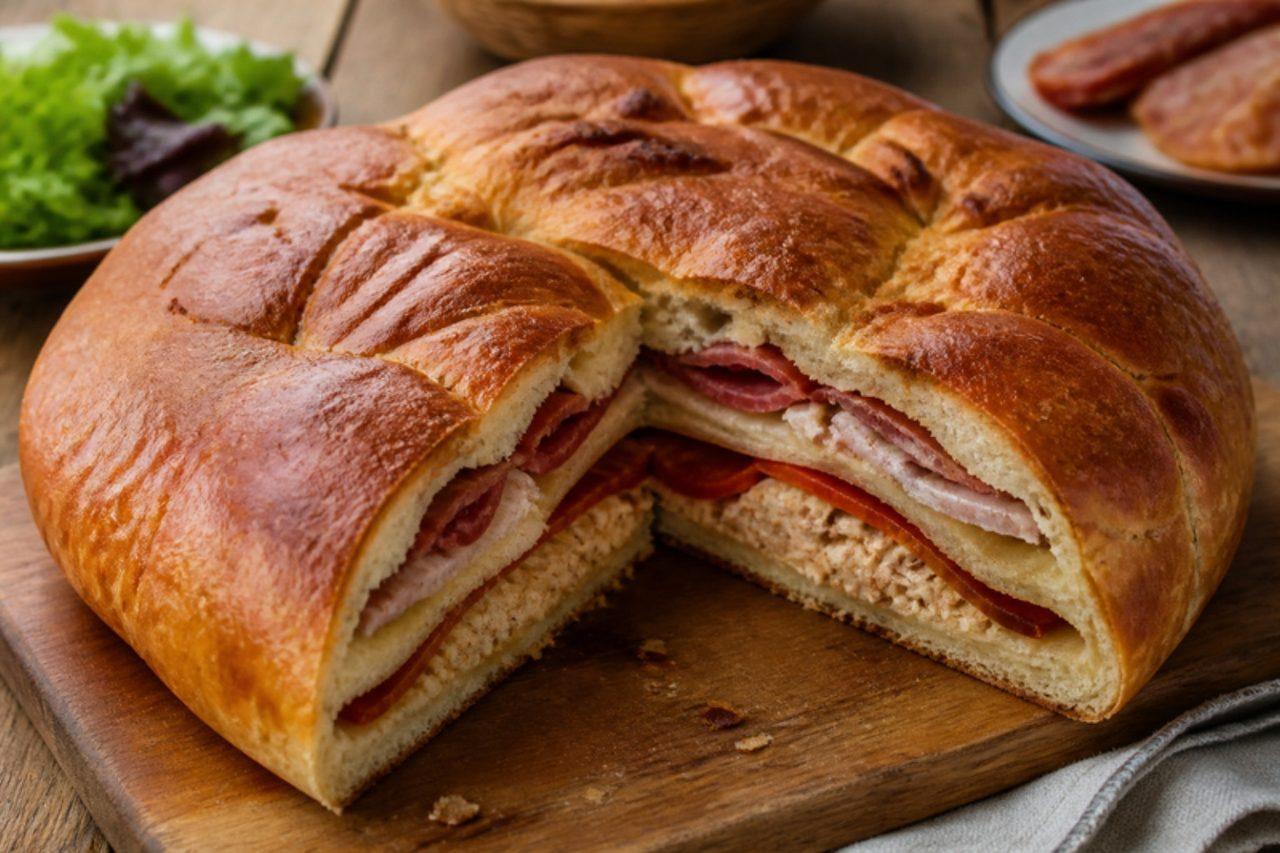
Bola de LamegoBread stuffed with ham and sausage

Lamego, the cathedral town above the Douro, is famous for its cured hams, and its bola is a bread baked with them inside: a soft, slightly rich yeasted dough layered with presunto, chouriço, salpicão and often chicken or veal. It is taken on picnics, to the pilgrimage of Nossa Senhora dos Remédios in September, and sold by the slice in local cafés. This contains pork (presunto and chouriço). Chef's tip: let the bola cool for an hour before slicing; the juices from the meats settle into the crumb.

by KrazyBadal 0 views

Tikin xicAchiote fish in banana leaf

Beach restaurants on the coasts of Quintana Roo and Campeche cook tikin xic over charcoal: a butterflied whole fish, or thick fillets, rubbed with brick-red achiote and bitter orange, laid on banana leaves under tomato, onion and pepper and grilled until smoky. The flesh stays moist and turns a deep orange, tangy and earthy rather than hot. Seville orange is the traditional sour; orange and lime juice together stand in well. Serve it with corn tortillas, rice, pickled red onion and habanero salsa so everyone can make tacos at the table. Chef's tip: cook the fish skin side down without turning; the banana leaf protects it and keeps the achiote from scorching.

by KrazyBadal 0 views

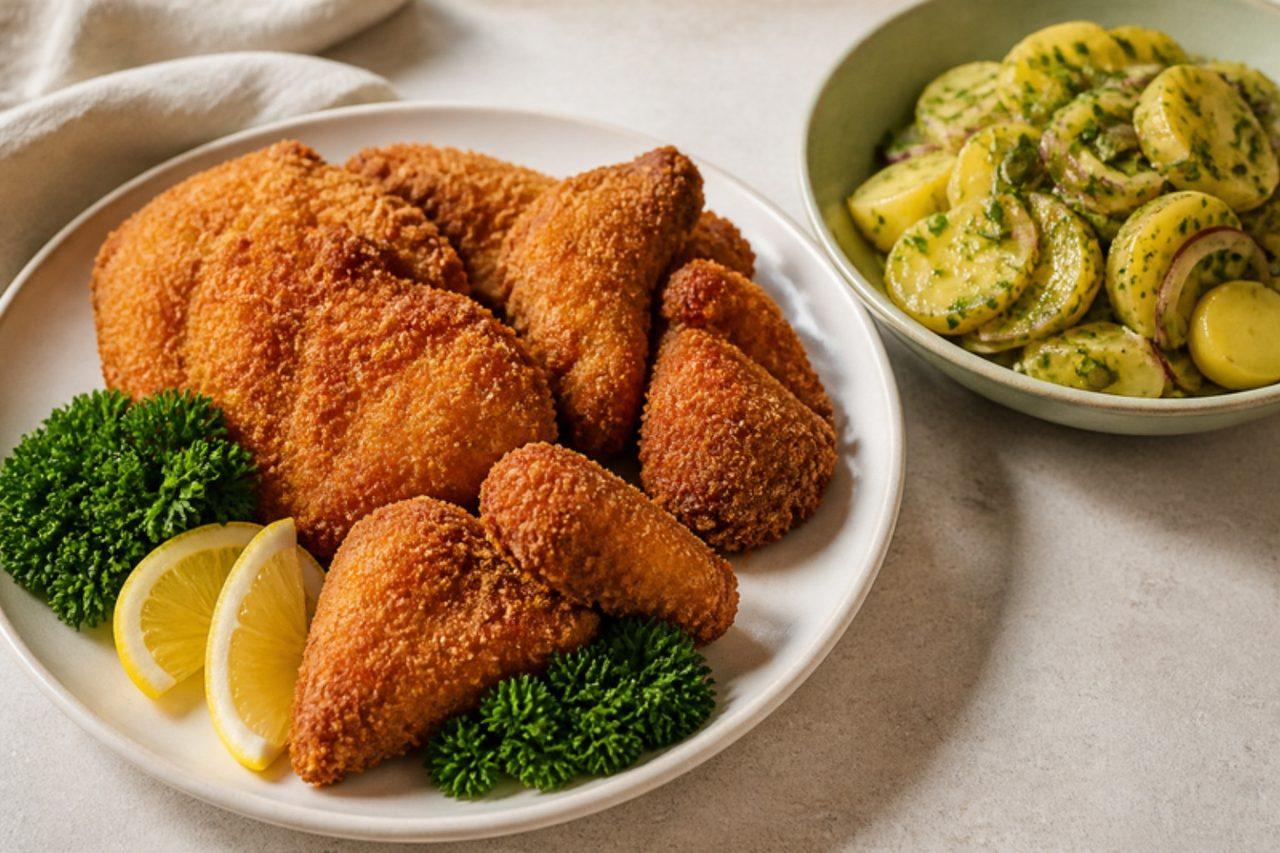
BackhendlCrumbed fried chicken

Backhendl, crumbed fried chicken, was the treat of 19th-century Viennese Sunday outings to the Prater and the wine villages, and it is still the star of Styrian taverns, served with lemon and a lukewarm potato salad glossy with pumpkin seed oil. Chicken pieces on the bone are seasoned with lemon, coated in flour, egg and fine breadcrumbs and fried slowly so the crust puffs and stays crisp while the meat cooks through. Chef's tip: fry at a moderate heat, not a fierce one; bone-in pieces need time for the centre to reach a safe temperature before the crumbs burn.

by KrazyBadal 0 views

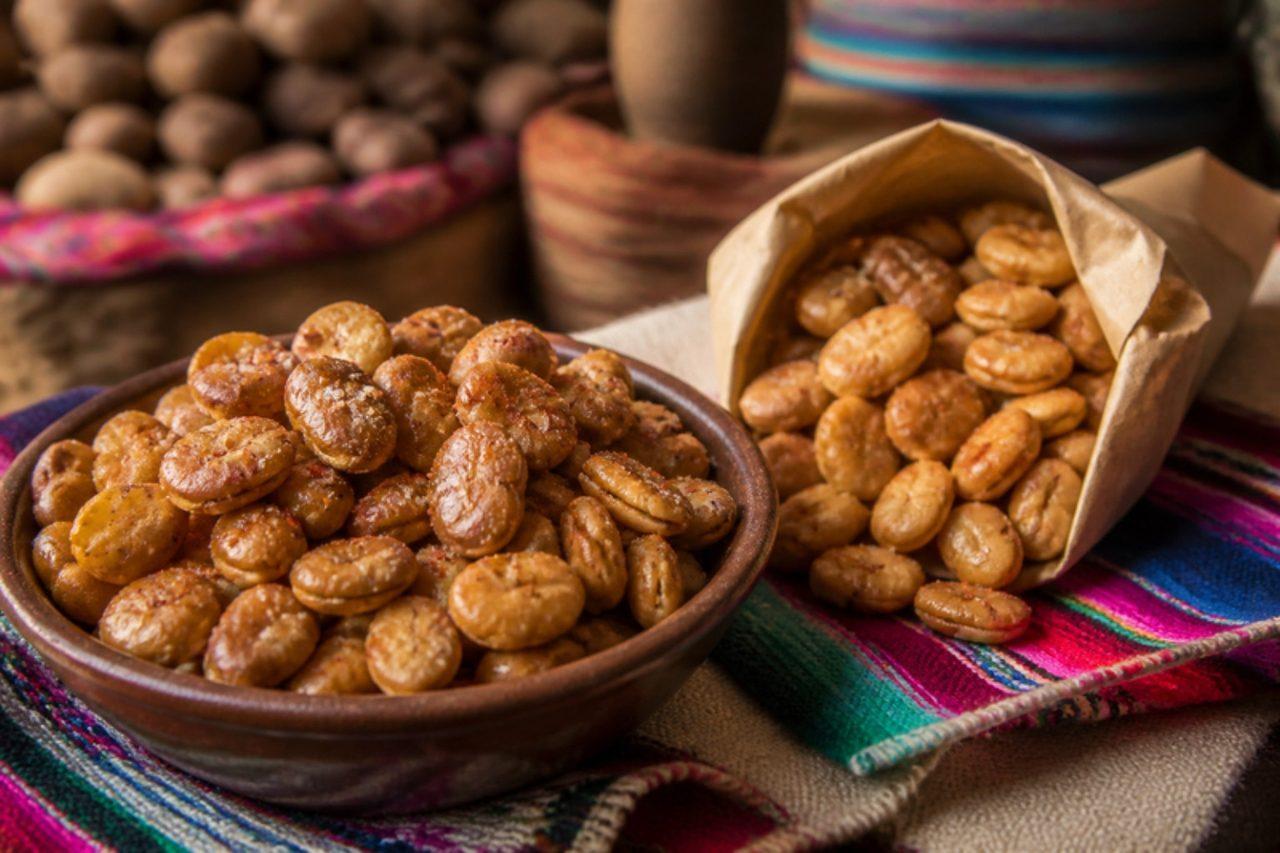
Habas tostadasFried dried broad beans

Paper cones of habas tostadas are sold by the scoop at markets from Huancayo to Puno, piled next to cancha and roasted peanuts, and they disappear by the handful at football matches, on long bus rides and with a cold drink in the evening. Dried broad beans are soaked, dried and fried until they crack open, turning golden and crisp outside with a slightly mealy, nutty centre. Most sellers leave the skins on, which gives them their bite. The beans need an overnight soak before you start, so plan a day ahead. The mistake to avoid is frying them still wet from the soak: the oil spits dangerously and the beans steam instead of crisping, so dry them thoroughly on a towel. Eat them on their own or put a bowl out with olives and pickled onions. Chef's tip: fry them twice, first at a lower heat to cook the centre, then hotter for the crunch, and salt them the moment they come out of the oil.

by KrazyBadal 0 views

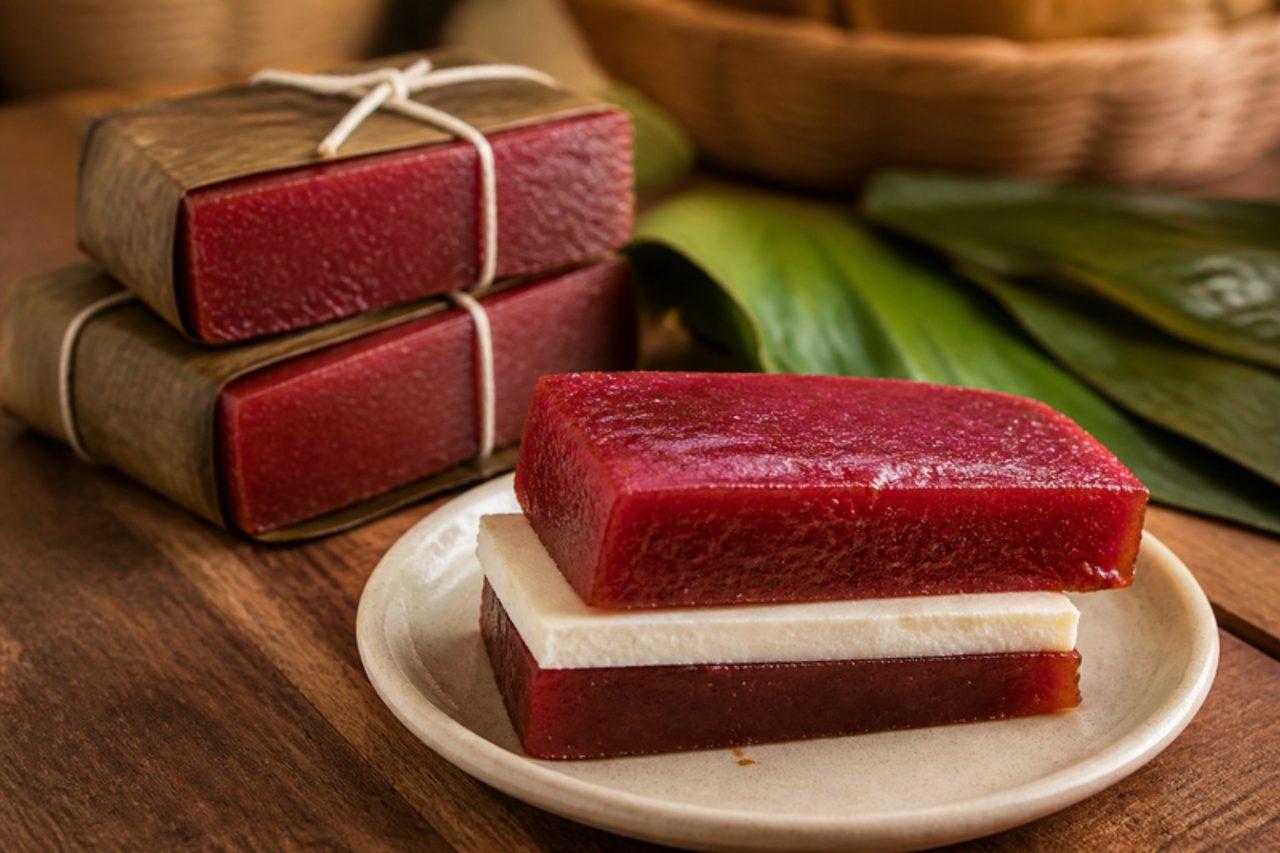
Bocadillo veleñoGuava and panela paste

Vélez, a hill town in Santander, has given its name to Colombia's favourite sweet. Bocadillo veleño is guava pulp cooked down with panela and sugar until it sets into a firm, sliceable paste, deep red and fruity with a caramel edge, then cut into bars and wrapped in dried bijao leaves. It is the snack of bus journeys and school lunchboxes, and with a slice of fresh white cheese it becomes the classic pairing Colombians call a matrimonio. Plan for overnight setting. Stopping the cooking too early is the familiar mistake: the paste looks thick in the pan but stays soft and weeps once cool, so cook until it pulls away from the pan and a spoon drawn across the bottom leaves a clear track. Long sleeves are a good idea; it splutters. Bijao leaves are hard to find abroad; banana leaves or baking paper work. Chef's tip: use pink-fleshed guavas for colour, and add the lime early so the pectin sets firm.

by KrazyBadal 0 views

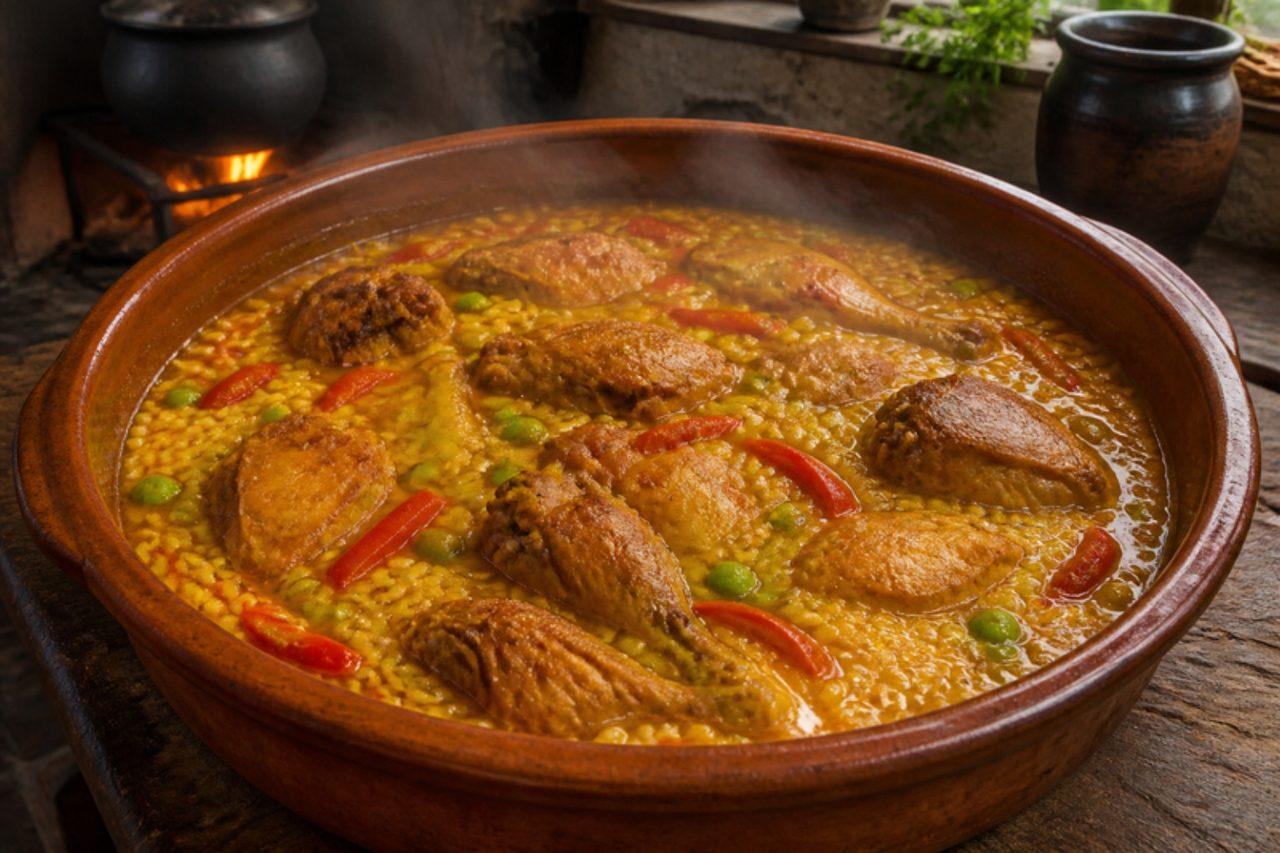
Arroz con pitu de caleyaSoupy rice with chicken

A pitu de caleya is a cockerel raised free in the lanes, or caleyas, of rural Asturias; its firm, flavourful meat needs long stewing, and families around Villaviciosa and Grado still cook it for feast days. The stew is often finished as a soupy rice, so the deep chicken juices go into every grain. Use the best free-range chicken you can find. The braise includes dry white wine; replace it with extra stock and a squeeze of lemon if you want it alcohol-free. Chef's tip: brown the chicken slowly and deeply; that colour is where the flavour of the whole pot comes from.

by KrazyBadal 1 views

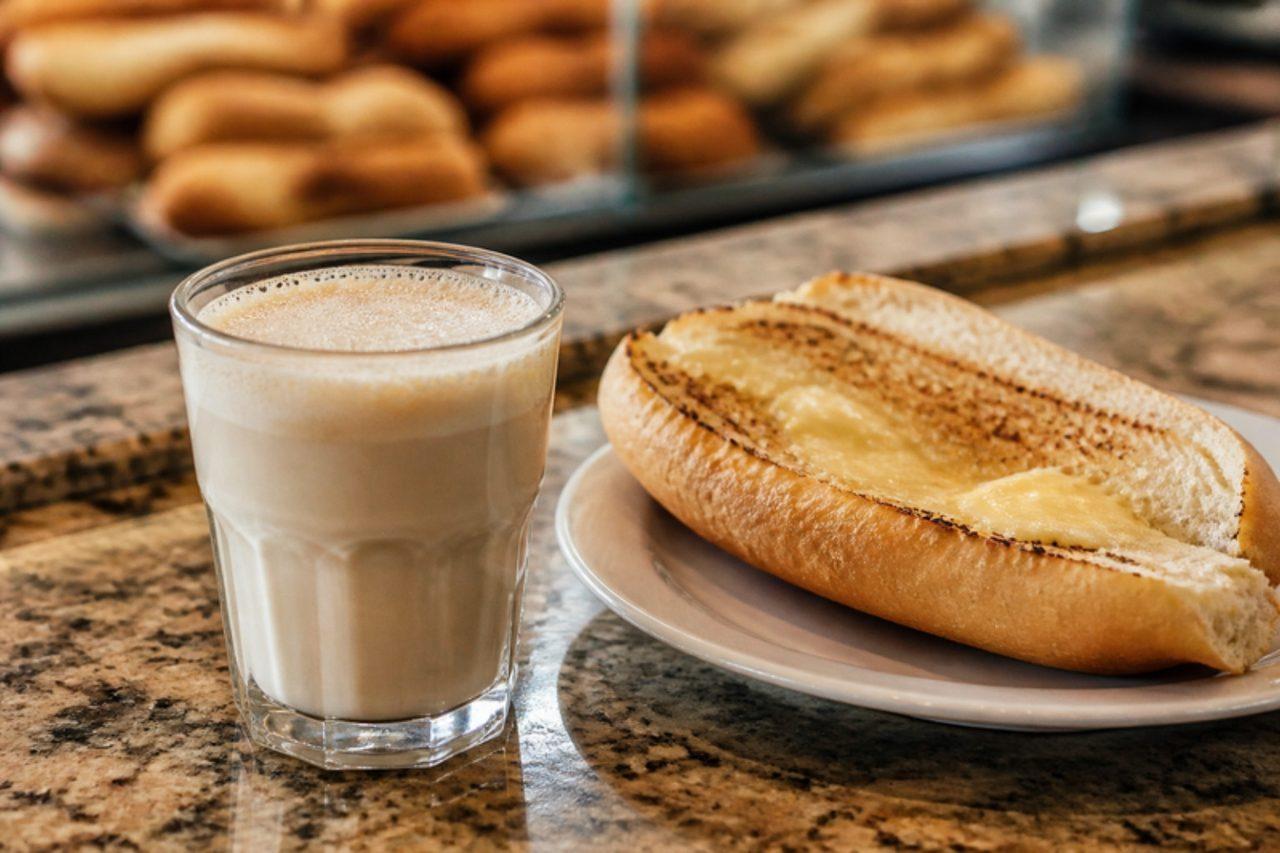
PingadoHot milk with coffee

Order 'um pingado' at the balcão of any São Paulo padaria at 7 in the morning and the attendant pours hot milk into a ridged glass tumbler (the copo americano) and 'drips' in a splash of strong coffee, hence the name. It is milkier and gentler than a média (half coffee, half milk), creamy and lightly sweet, usually drunk standing up with a pão na chapa, a toasted buttered roll. At home you need strong filter coffee and milk heated until steaming. Scalding the milk is the frequent mistake, as boiled milk tastes flat and forms a skin. Chef's tip: froth the hot milk for a few seconds with a whisk or by pouring it back and forth between two jugs before adding the coffee, as padaria machines do.

by KrazyBadal 1 views

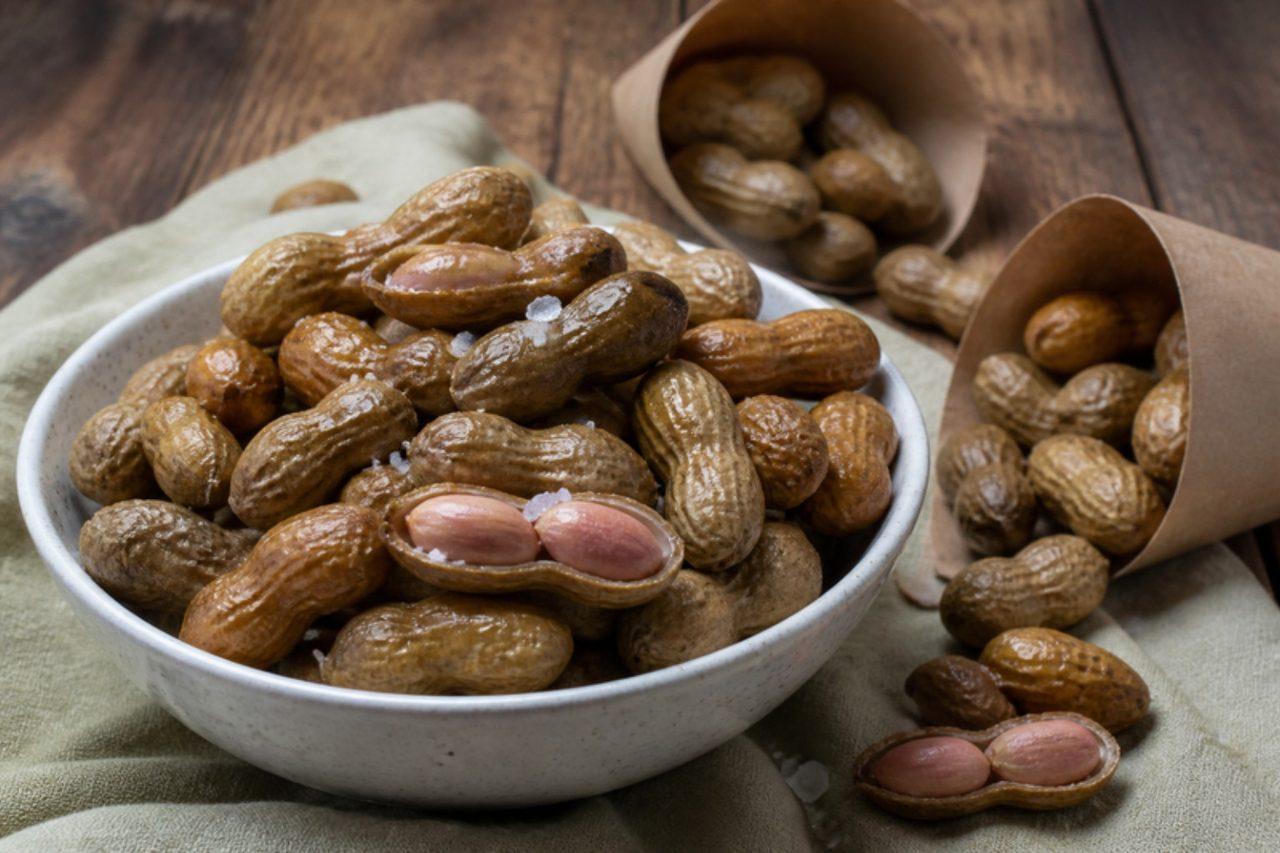
Amendoim cozidoBoiled peanuts

Steaming paper bags of boiled peanuts are sold in São João squares from Campina Grande to the interior of São Paulo, and families cook pots of them at home when the fresh peanut harvest comes in around June. Boiled in the shell in well-salted water, the peanuts turn soft, juicy and almost bean-like, with a savoury, slightly sweet taste quite different from roasted peanuts. You crack them open with your fingers and slurp the salty water out with the nut. You need raw peanuts in the shell, either fresh (green) or dried; roasted ones never soften. Under-salting is the beginner's slip: the shell blocks a lot of salt, so the water should taste like the sea. Chef's tip: let the peanuts sit in their cooking water for 30 minutes off the heat before draining, so the salt soaks through to the nut.

by KrazyBadal 0 views

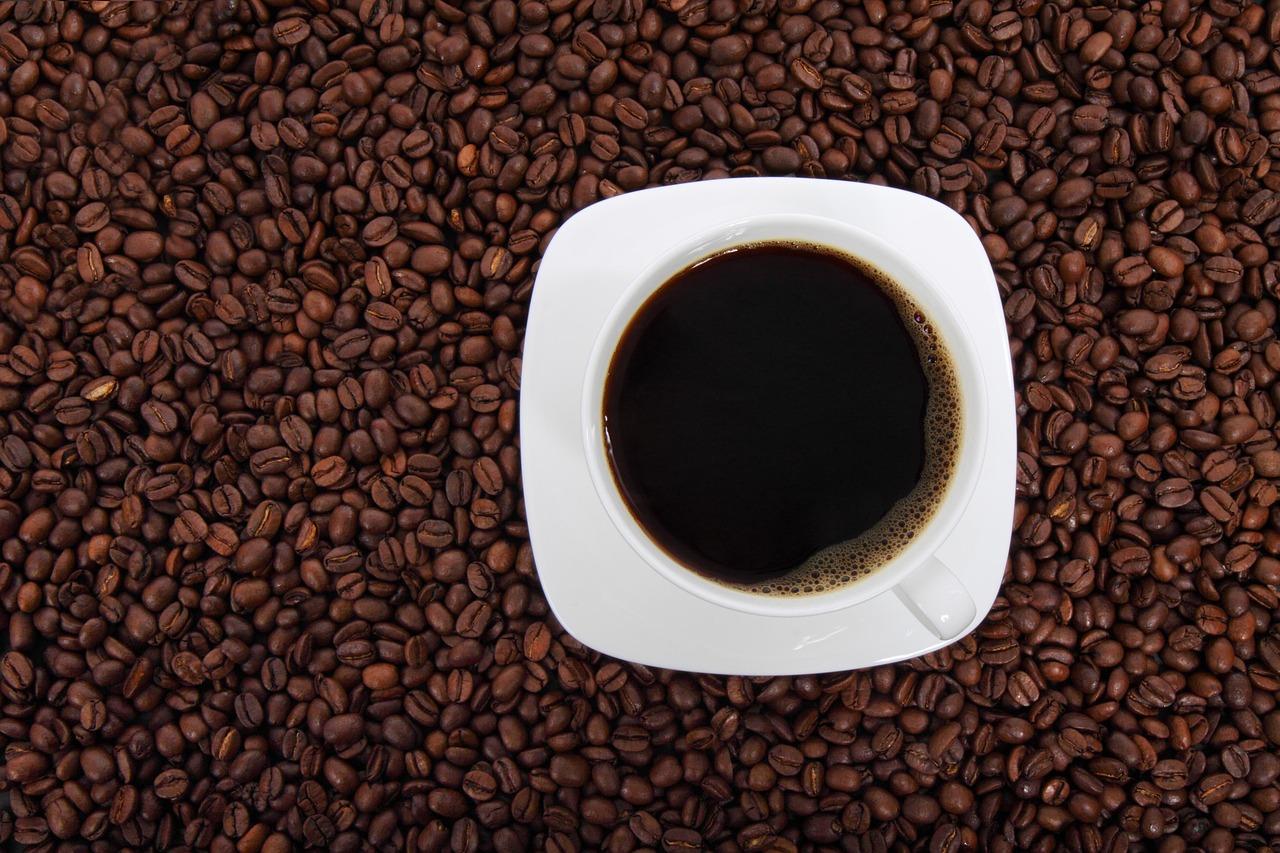
TintoBlack coffee with panela

Ask for a tinto anywhere in Colombia and you get a small cup of black coffee, never red wine. Street vendors carry it in thermos flasks through the plazas of Manizales, Pereira and Bogotá, and offices, bus stations and farm kitchens in the coffee region brew pots of it all day. It is light, hot and gently sweet, often made by simmering ground coffee with water and a little panela, then straining it through a cloth bag. The usual error is boiling the coffee hard, which makes it harsh and bitter; let it come to the boil only once. Chef's tip: let the grounds settle for a minute off the heat before straining, so the cup stays clear.

by KrazyBadal 0 views

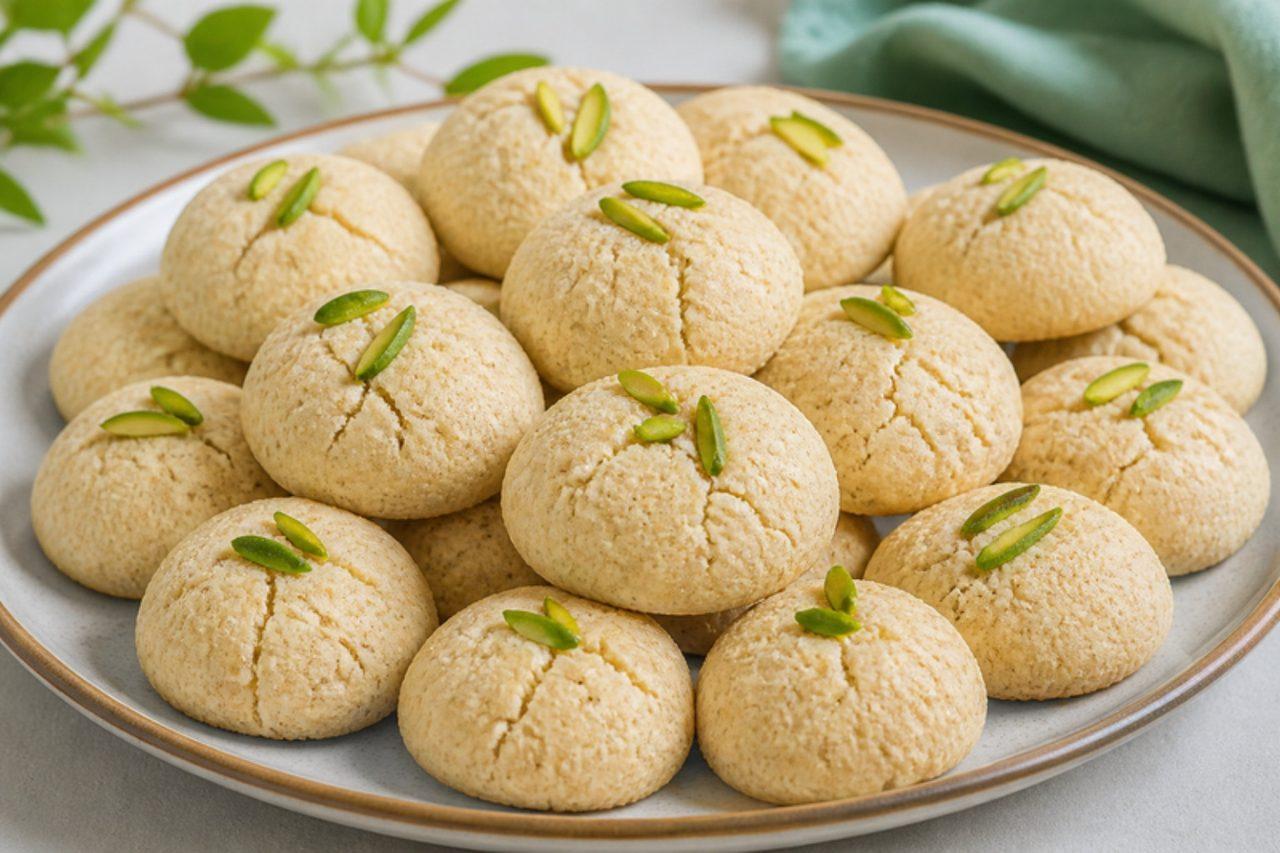
Haji badamAlmond and cardamom cookies

Haji badam are the small, pale almond cookies of Yazd, crisp at the edge and soft and chewy inside, baked for Nowruz and kept in tins for guests through the new year. They need only ground almonds, sugar, egg yolk and cardamom, so they are naturally gluten-free. Each one is rolled into a ball and pinched or pressed with a pistachio sliver. A common mistake is baking them until golden all over: pull them when only the bottoms colour, or they go hard and dry. Chef's tip: let the dough rest in the fridge for 30 minutes, which makes it much easier to roll without cracking.

by KrazyBadal 0 views

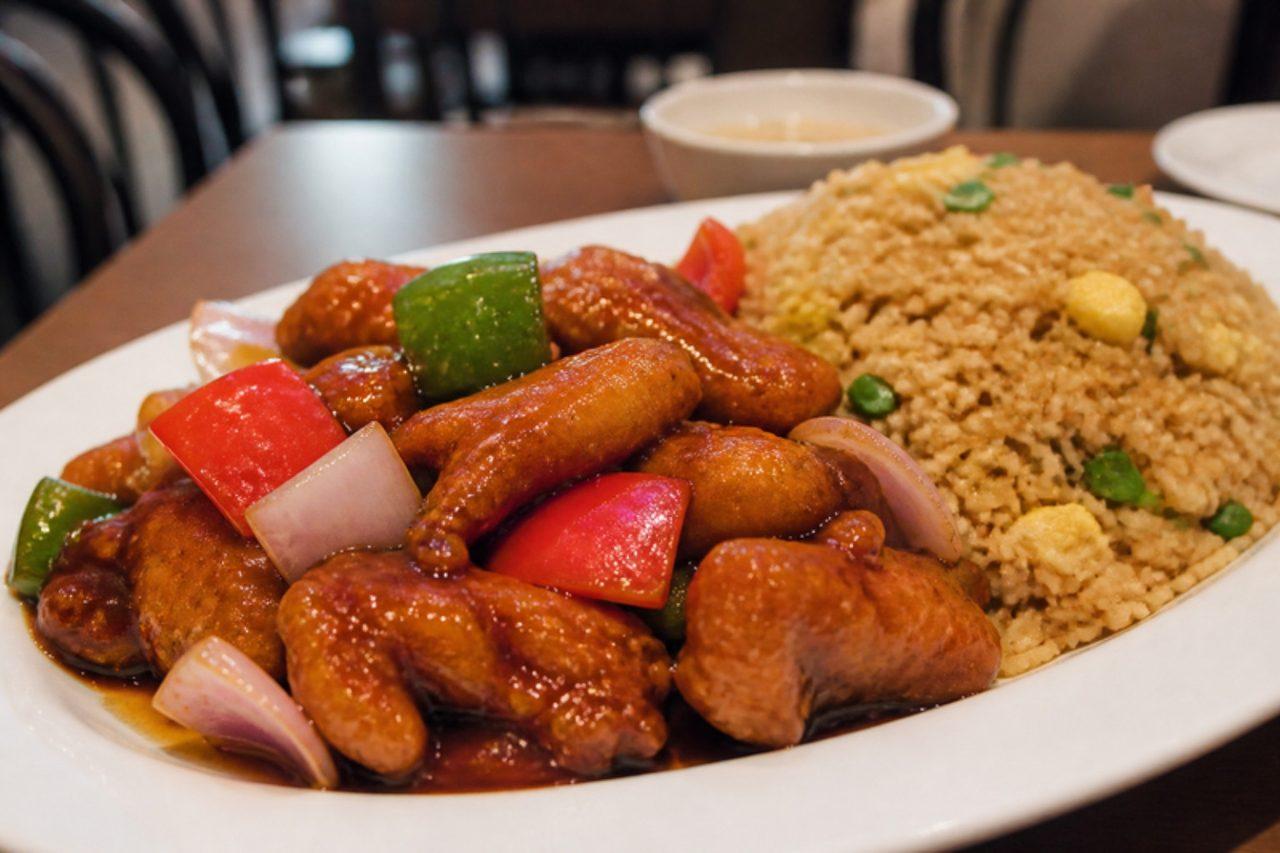
TipakayChicken in sweet-sour tamarind sauce

Sweet, tangy and a little sticky, tipakay is the chifa order for people who like their sauce on the fruity side: battered pieces of chicken fried crisp, then dressed in a dark, glossy sauce built on tamarind, panela and soy, with strips of red and green pepper and onion that keep some crunch. It is one of the most popular platters in Lima's family-run chifas, eaten with white rice or chaufa. Its sauce is darker and less candy-sweet than kam lu's, with tamarind's sour depth. The mistake most home cooks make is letting the peppers stew until soft; give them only a minute in the wok so they stay bright. Chef's tip: taste the sauce before thickening and balance it: more lime if it's cloying, a pinch more panela if it's too sour.

by KrazyBadal 0 views

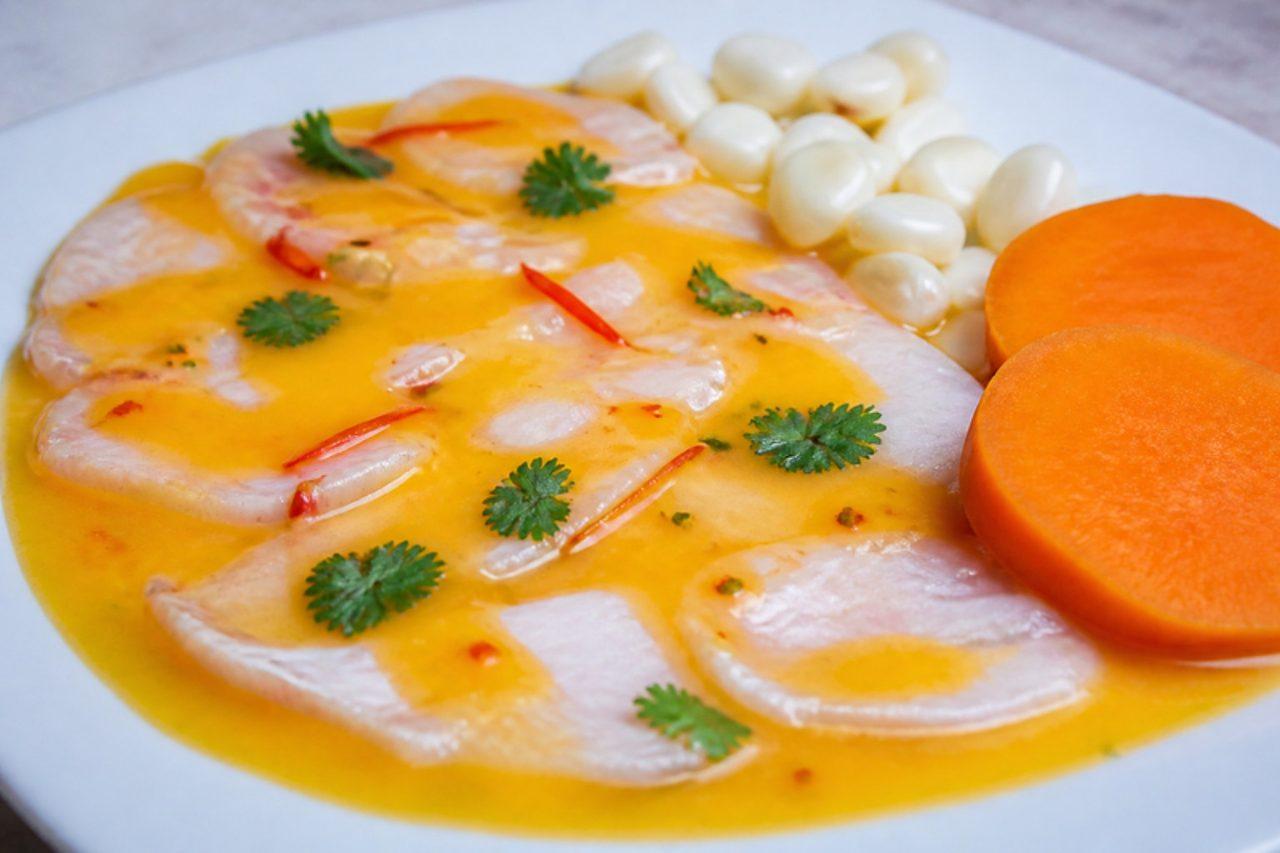
TiraditoSliced fish in ají amarillo sauce

Lima's Japanese-Peruvian cooks turned ceviche on its head with tiradito: instead of cubes soaked in lime, the fish is cut thin like sashimi, laid flat and dressed at the last minute, so it stays silky with only the surface turning white. The sauce here is the classic golden one, ají amarillo blended with lime, garlic and ginger, fruity and medium hot. It is served as a starter in cevicherías and upmarket Miraflores restaurants with boiled sweet potato and corn. Because the fish is eaten almost raw, this version uses sashimi-grade fish frozen at −20 °C for 24 hours first (allow for that), kept cold and eaten the moment it is dressed; it is not for pregnant women, young children or anyone with a weakened immune system. The mistake people make is dressing it ahead: after ten minutes the lime cooks it through and it turns chalky. Chef's tip: chill the plates in the freezer for 10 minutes before you lay out the fish; it keeps the slices firm while you work.

by KrazyBadal 0 views

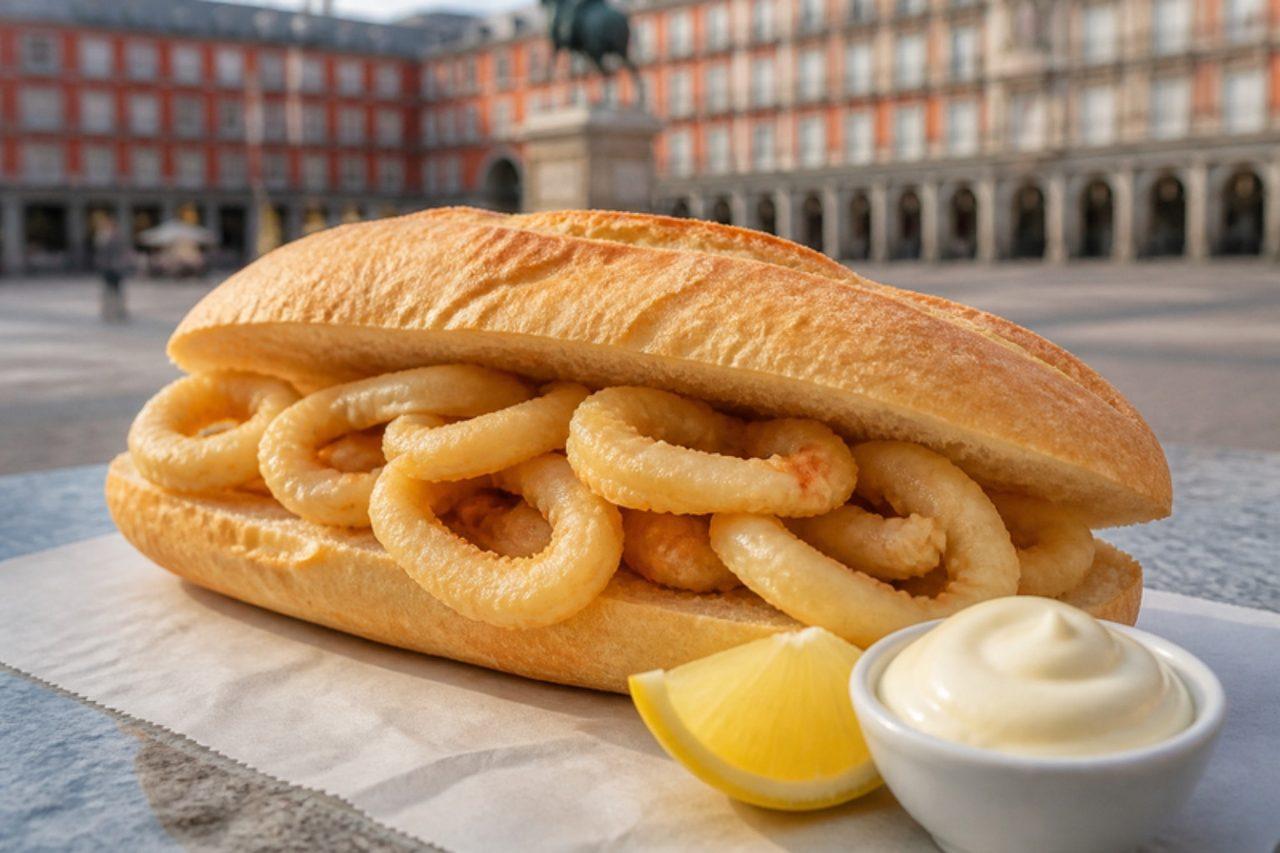
Bocadillo de calamaresFried squid sandwich

Madrid sits hundreds of kilometres from the sea, yet its most famous snack is a crusty roll stuffed with hot fried squid rings, eaten standing at the bars around the Plaza Mayor at any hour. Locals order one with a cold drink at the counter and squeeze over a little lemon; some add a smear of mayonnaise. Chef's tip: fry the squid in very hot oil and for barely a minute, so it stays tender inside a crisp coat.

by KrazyBadal 0 views

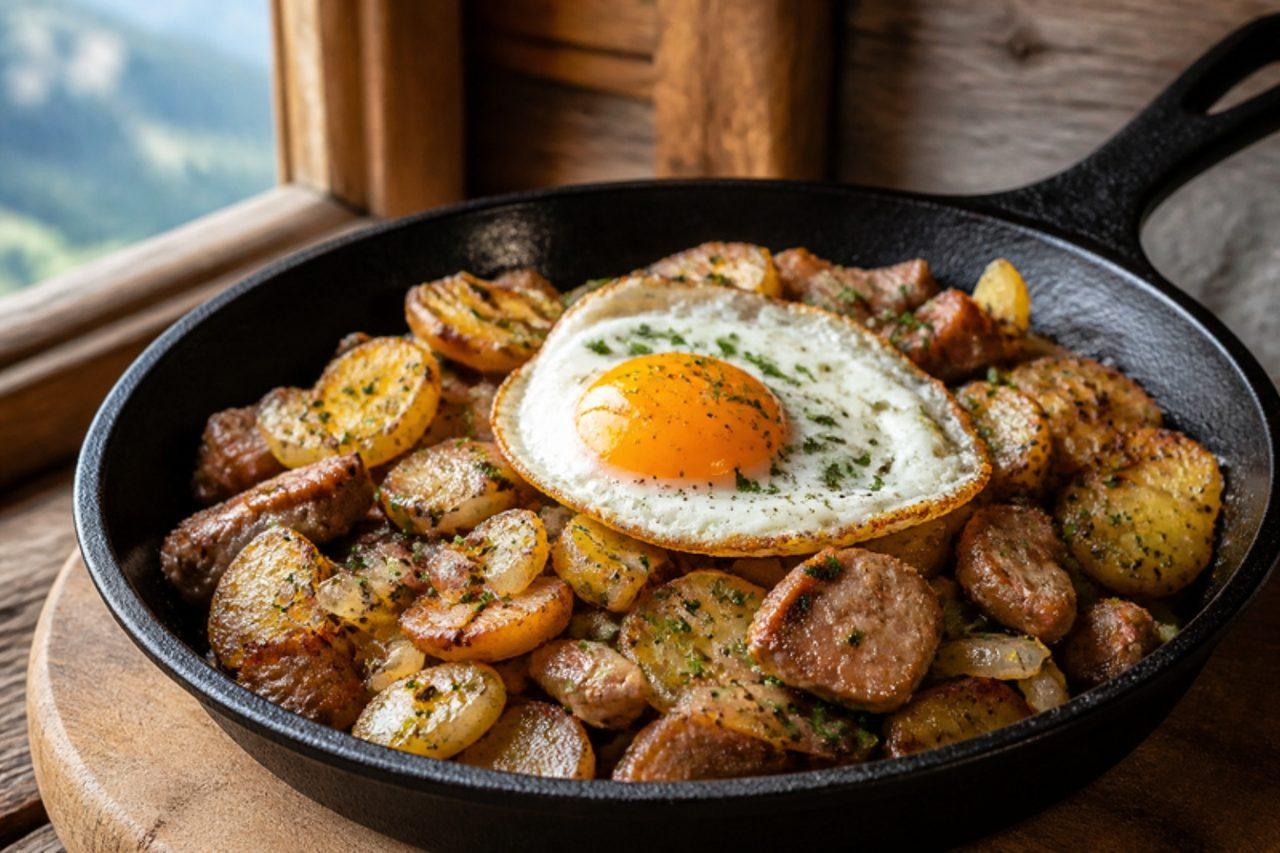
Tiroler GröstlFried potato and pork with egg

Tiroler Gröstl is what Tyrolean mountain huts serve to skiers and hikers coming in from the cold, and what farmhouse kitchens around Innsbruck make on Monday from Sunday's roast. Cold boiled potatoes are fried until crusty with onions, then tossed with cubes of leftover roast pork or smoked pork, caraway and marjoram, and crowned with a fried egg. It is made in one big pan and brought to the table in it. Chef's tip: let the potatoes fry undisturbed for the first few minutes; the brown crust is the whole dish.

by KrazyBadal 0 views

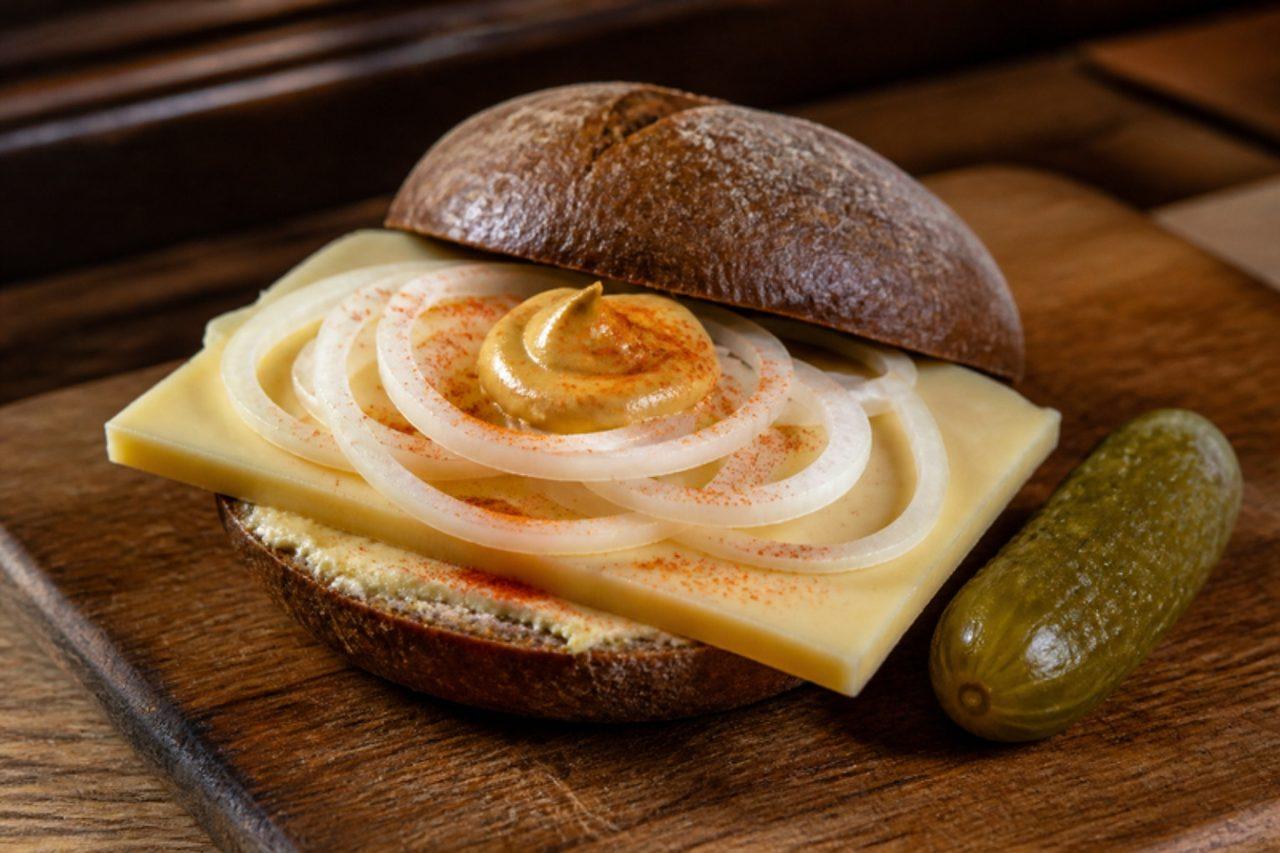
Halve HahnRye roll with Gouda and mustard

Order a Halve Hahn in a Cologne brewpub and you will not get half a chicken, whatever the name says: you get a buttered rye roll, a slab of aged Gouda, sharp mustard and raw onion rings. It is the standard snack on the long wooden tables of the Altstadt, eaten with a small glass of the local beer, though it is just as good with apple juice spritzer. The point is the contrast of crusty rye, nutty crystalline cheese and the bite of onion and mustard. Aged Gouda is usually made with animal rennet, so look for one labelled vegetarian or made with microbial rennet. A common mistake is slicing the cheese thin like a sandwich; the Cologne way is a slice as thick as your finger. Chef's tip: take the cheese out of the fridge 30 minutes ahead so its flavour opens up.

by KrazyBadal 0 views

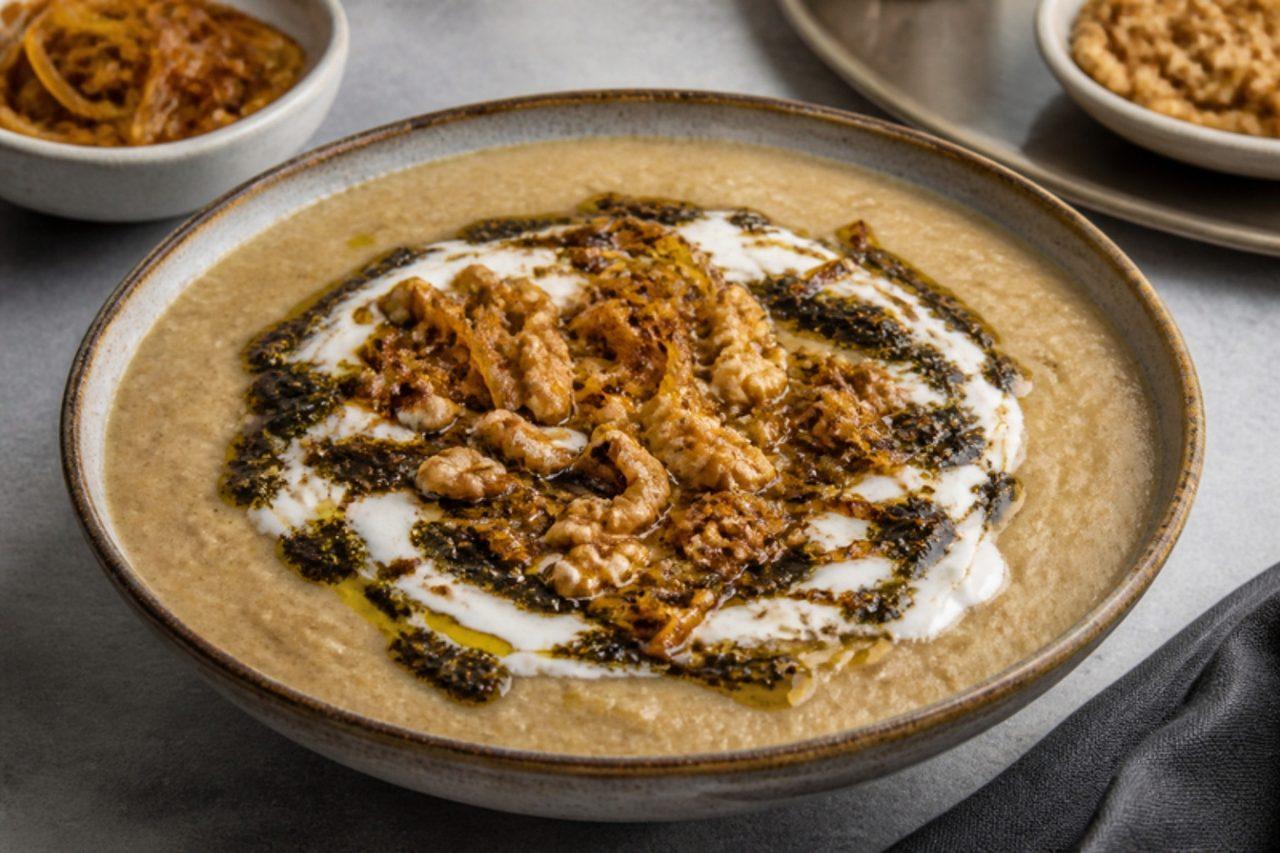
Halim bademjanAubergine, wheat and lentil porridge

In Kashan and Isfahan, halim bademjan is the thick, savoury porridge served at religious vows and at long family lunches in autumn, ladled onto a platter and drawn over with patterns of kashk, fried mint and crisp onion. Usually it is cooked with lamb that is pounded into the grains; this vegetarian version keeps the soaked wheat and green lentils, which give the same velvety body. The texture should be smooth enough to spread but still hold a spoon line. Kashk is a fermented whey product made without rennet, so the dish is vegetarian; sour cream thinned with lemon is the nearest swap. A common mistake is not soaking the wheat overnight, which leaves the halim gritty. Chef's tip: mash the aubergine into the grains with a wooden pestle rather than a blender, so you keep some threads of texture.

by KrazyBadal 0 views

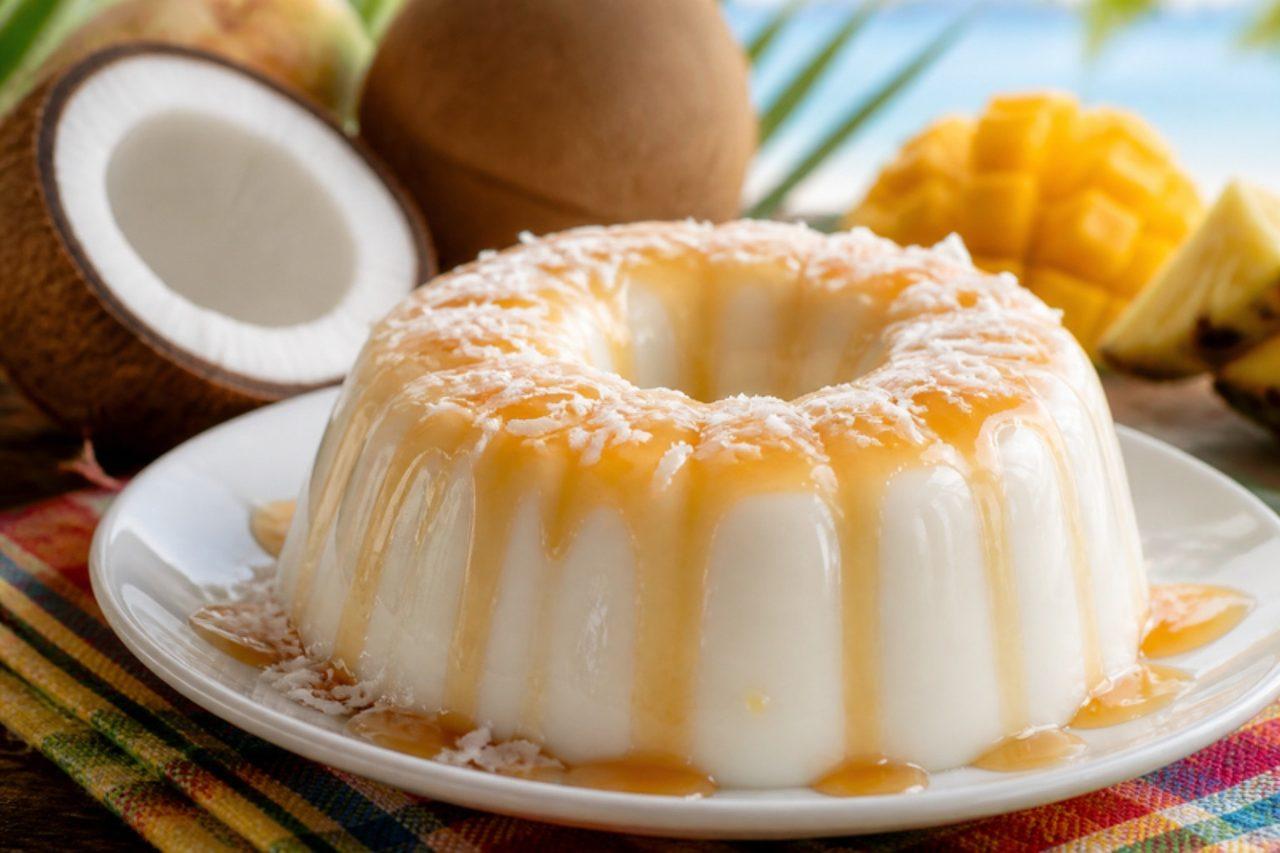
Blanc-manger cocoCoconut dessert

In Martinique, blanc-manger coco is the cool, wobbly dessert that closes a Christmas or Sunday family lunch: coconut milk and sweetened condensed milk scented with lime zest, cinnamon, vanilla and nutmeg, set and turned out of a mould. Many island cooks set it with gelatine, which is not vegetarian; this recipe uses agar-agar, a seaweed setting agent, so it is meat-free and holds well even in the heat. Serve it chilled with passion fruit or a guava coulis. Chef's tip: once the agar is in, keep the mixture boiling for 2 full minutes; agar only sets after it has been properly boiled.

by KrazyBadal 0 views

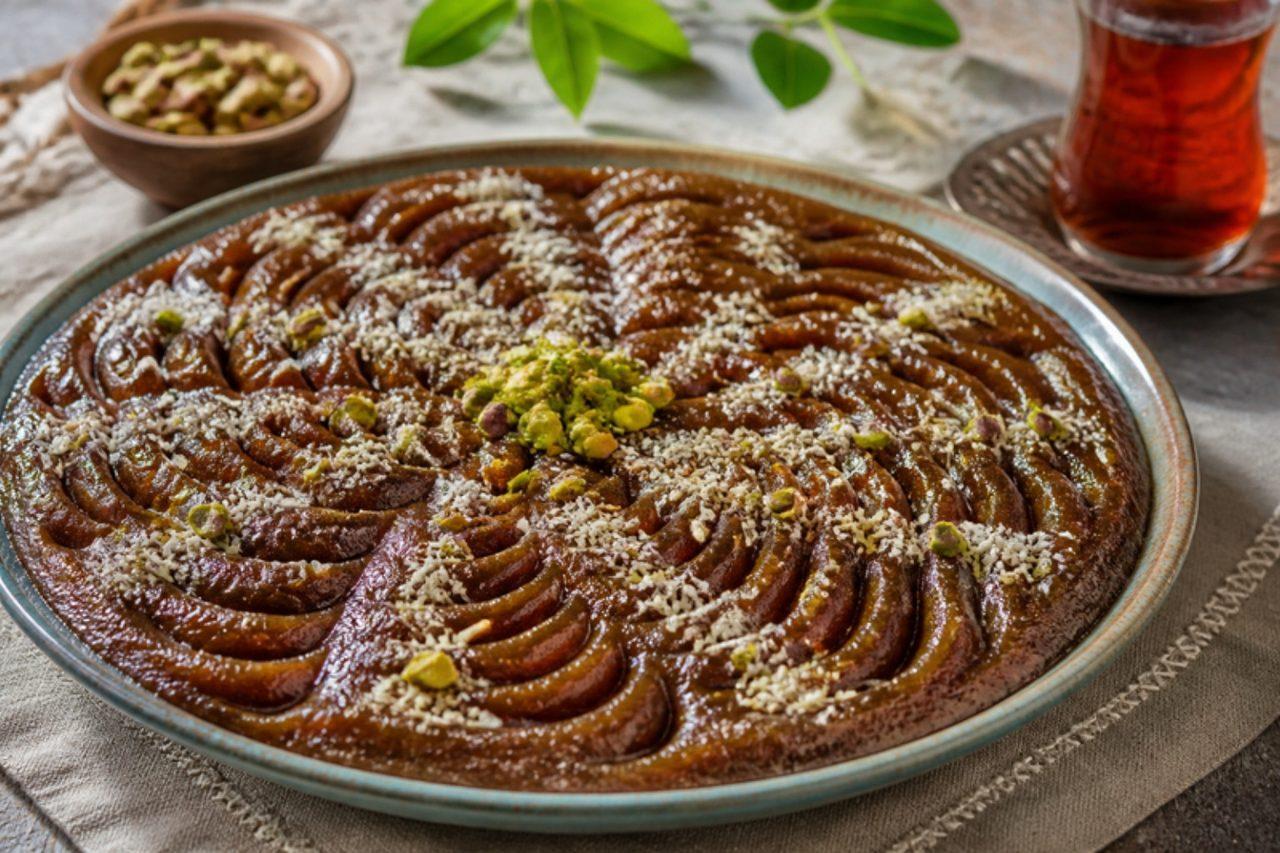
Halva-ye khormaDate halva

Along the Gulf coast, in Bushehr, Ahvaz and Abadan, halva-ye khorma is made from the year's soft dates and served at breakfast with bread, at funerals and on Thursday evenings in memory of the dead. Flour is toasted slowly until nutty, then beaten with warm date paste, saffron, cardamom and rosewater into a dense, glossy halva that is pressed into a dish and decorated. A common mistake is adding cold date paste to the hot flour, which seizes into lumps; warm the dates first. Chef's tip: keep stirring until the halva leaves the sides of the pan in one smooth ball, which means it will slice neatly once cool.

by KrazyBadal 0 views

Halvas FarsalonCaramelised almond halva

Farsala, a market town on the Thessalian plain, is famous across Greece for its halva: not the sesame kind but a chewy, translucent sweet of cornflour, sugar and butter, cooked until it caramelises, then baked until the top turns glassy amber. Shops sell it by the slab at fairs and on Sundays, and visitors take it home to Athens. Common mistake: stopping too early, when it's still pale and starchy — keep stirring until it pulls away from the pan in one golden mass. Chef's tip: use a heavy non-stick pan and a strong wooden spoon; it gets very thick, and you'll be glad of both.

by KrazyBadal 0 views

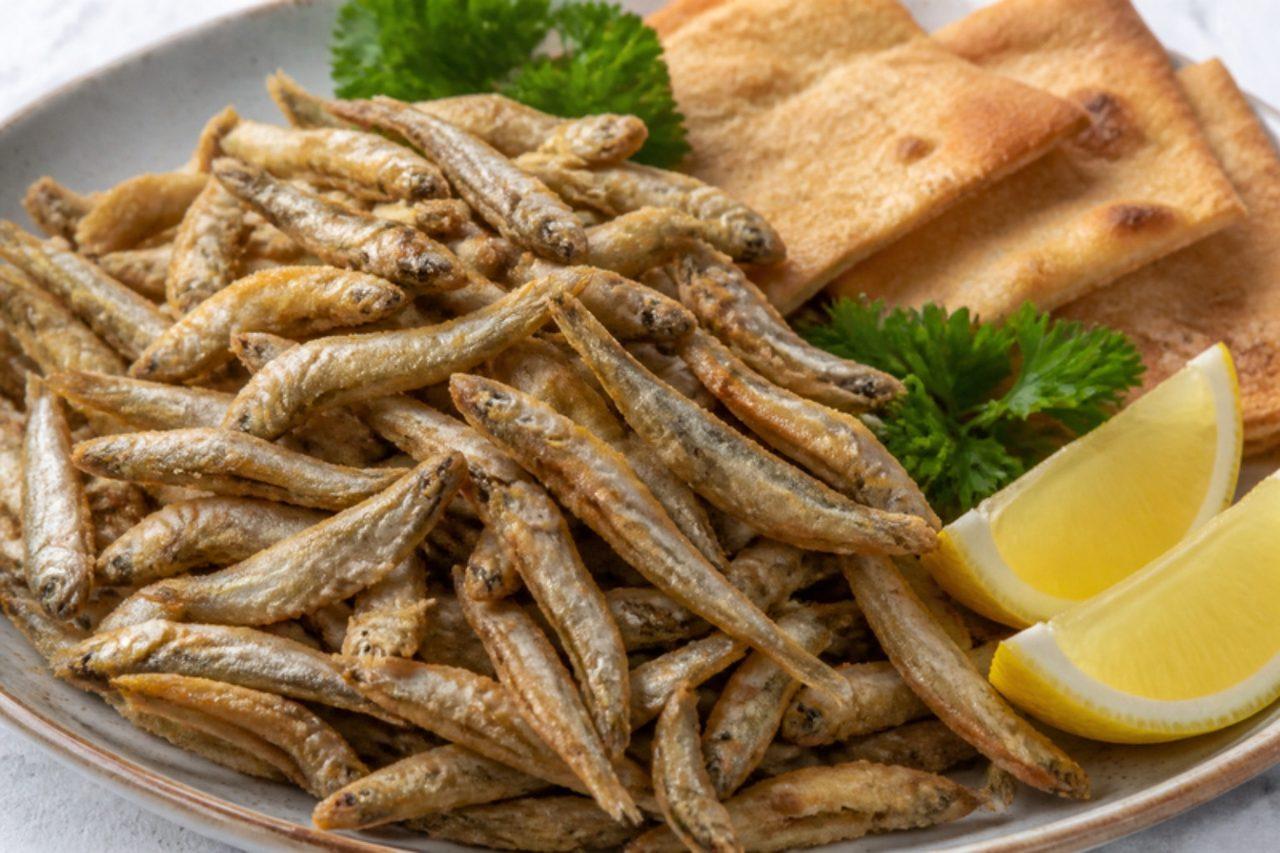
BizriFried whitebait

Fish restaurants on the harbours of Byblos, Batroun and Tyre bring bizri to the table within minutes of ordering: a heap of tiny whitebait, dusted in seasoned flour and fried so crisp you eat them whole, heads and all, with a squeeze of lemon. It is a mezze for sharing with fattoush, tahini sauce and fried pitta, usually while waiting for the bigger grilled fish. Buy the fish very fresh and keep it on ice until it goes into the pan. The common mistake is crowding the pan, which drops the oil temperature and leaves the fish greasy and soft. Chef's tip: toss the damp fish in flour in a sieve and shake off every bit of excess; a thin coating fries glassy-crisp.

by KrazyBadal 0 views

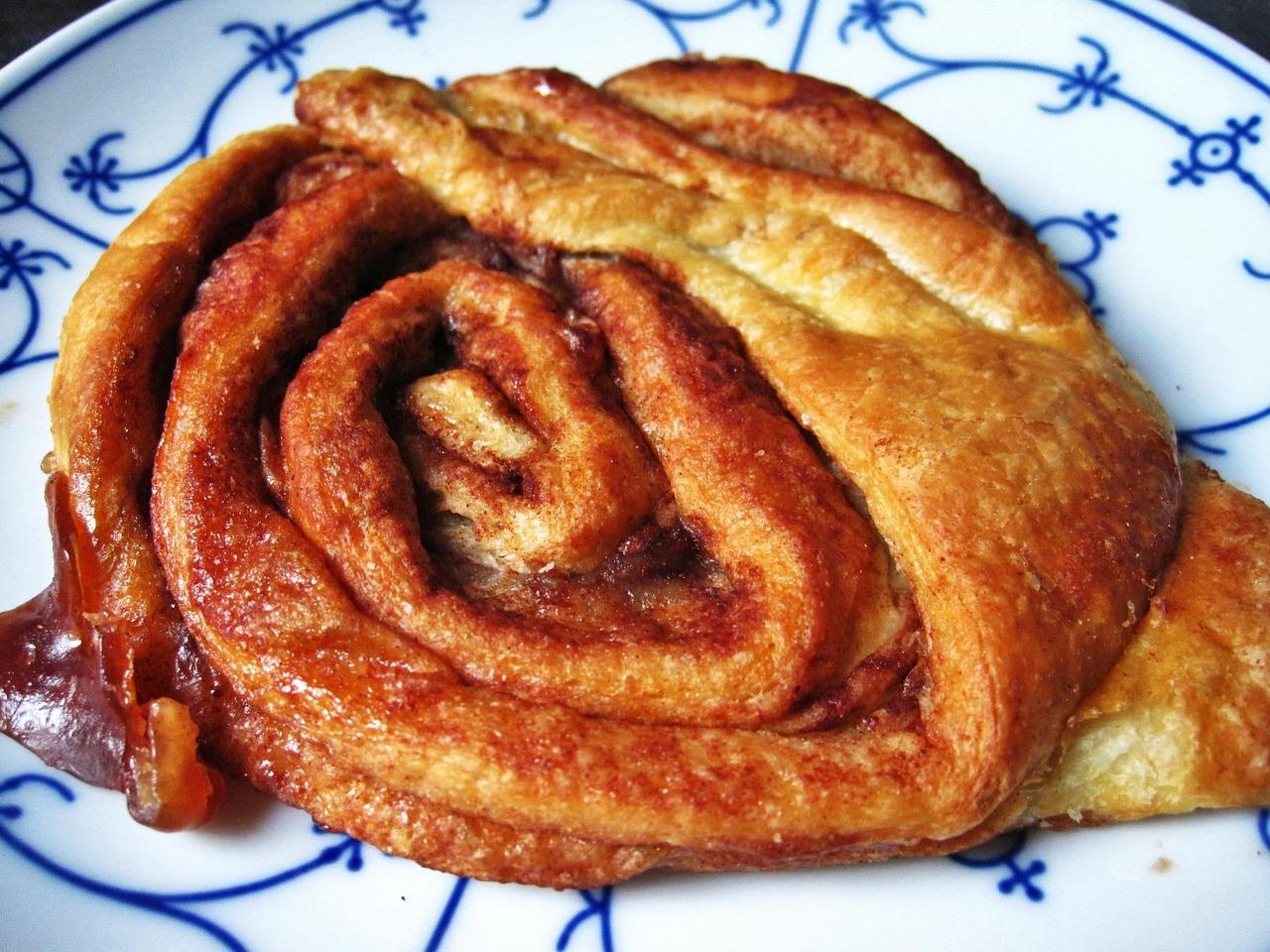
FranzbrötchenCinnamon butter pastries

No Hamburg bakery opens without a tray of Franzbrötchen: flaky, buttery yeast pastry rolled with cinnamon sugar, cut into pieces and pressed down hard in the middle with a wooden spoon handle so the spirals splay out into a squashed butterfly. The sugar caramelises underneath into a sticky, crunchy base. They are breakfast with coffee on the way to work and a Sunday treat at the harbour. The common mistake is letting the butter go soft while laminating: it oozes out and you get bread, not layers. Chef's tip: chill the dough between every fold, and press the shape down firmly before the final rise or it will spring back in the oven.

by KrazyBadal 0 views

Hamburger PannfischFish and potatoes in mustard sauce

Pannfisch began as the thrifty Monday supper of Hamburg's harbour families, made from the odds and ends of the weekend's fish and the cold potatoes from Sunday. Chunks of white fish are fried golden and laid over crisp Bratkartoffeln, with a creamy mustard sauce poured round, and today it is a fixture of the fish restaurants along the Elbe. Use whatever firm white fish is good: cod, saithe, haddock or plaice. Chef's tip: boil the potatoes the day before and chill them; cold potatoes fry crisp instead of breaking up.

45 minGermanFish
by KrazyBadal 0 views

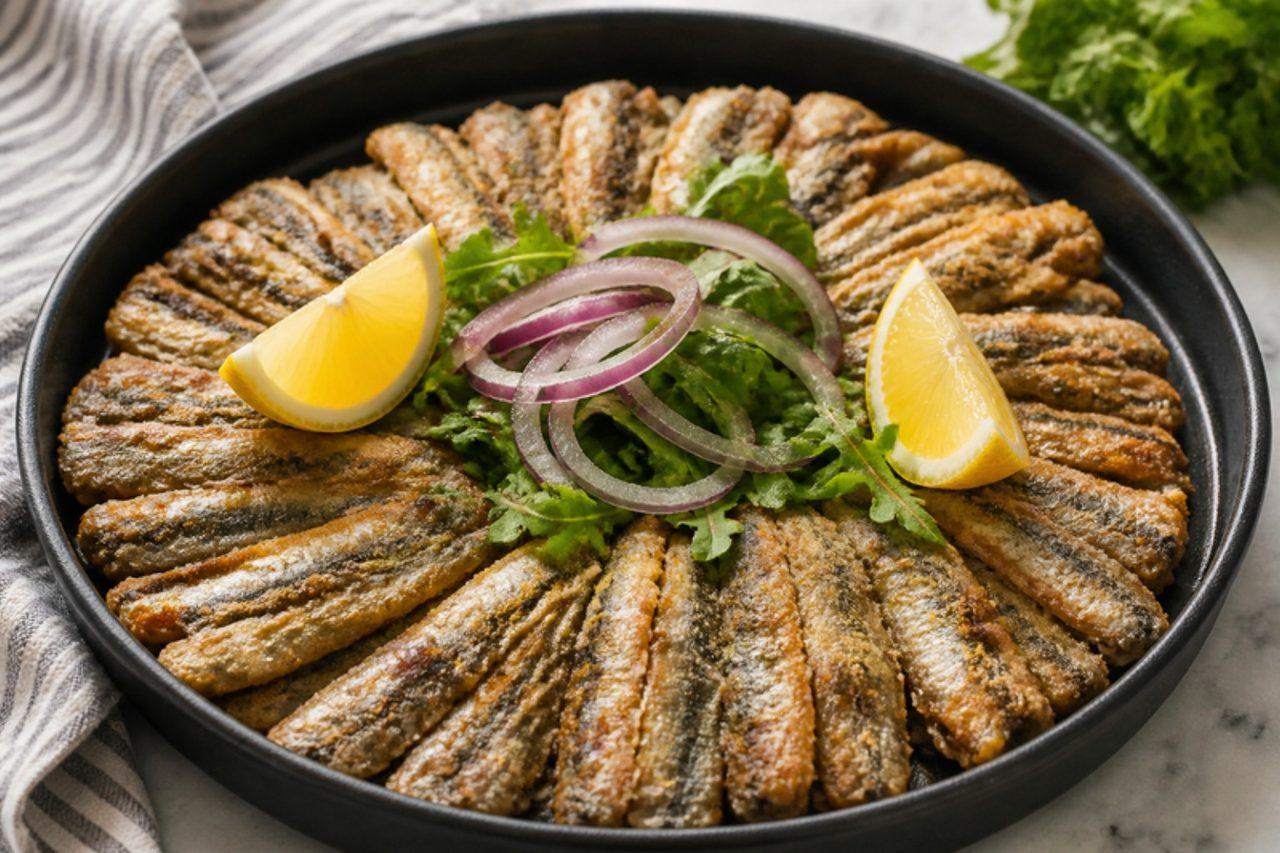
Hamsi tavaFried anchovies

When the first winter storms push shoals of anchovy along the coast, fish markets from Samsun to Hopa are heaped with silver hamsi and the whole region seems to smell of frying. Hamsi tava is the simplest way to eat them: heads off, butterflied, dusted in cornmeal and laid in a hot pan in a neat circle, then flipped like a cake. They come out crisp outside and soft and sweet within, with red onion, rocket, lemon and cornbread alongside. Common mistake: crowding the pan, which steams the fish and leaves the coating soggy. Cook until the flesh is opaque and flakes from the backbone. Chef's tip: shake off every bit of loose cornmeal; a thin coat is what stays crunchy.

by KrazyBadal 0 views

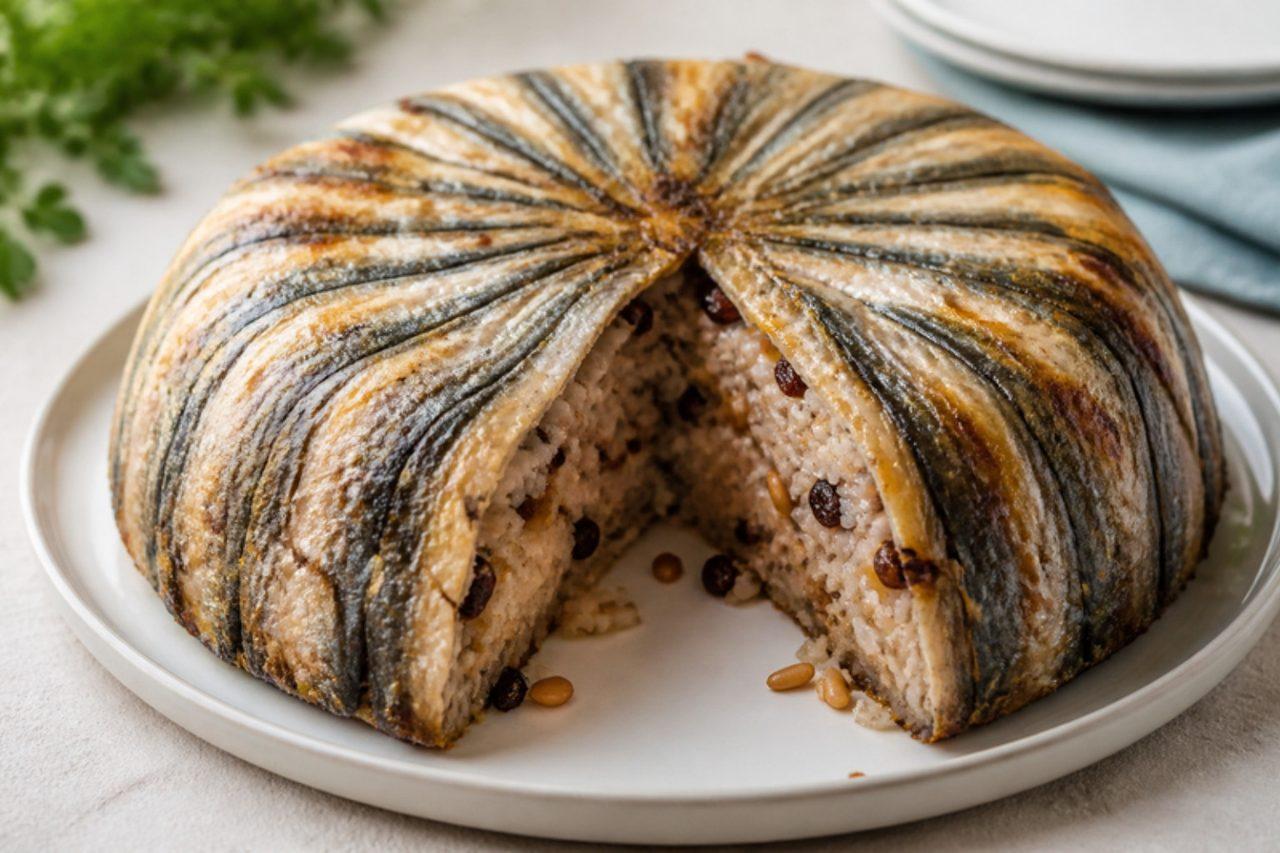
Hamsili pilavAnchovy-wrapped rice bake

Hamsili pilav is the showpiece of a Trabzon or Rize winter table: a dome of rice cooked with currants, pine nuts, allspice and dill, packed into a tin lined with butterflied anchovies, more fish laid over the top, and baked until the skins turn crisp. Turned out and cut like a cake, it shows silver fish outside and fragrant rice within, and families make it for guests and New Year gatherings. Serve with a sharp salad and lemon. Common mistake: fully cooking the rice before baking, which turns it mushy; it should still have a bite when it goes into the tin. Bake until the fish is opaque and flakes. Chef's tip: lay the anchovies skin side down against the tin, overlapping like roof tiles, so no rice escapes.

100 minTurkishFishGluten free
by KrazyBadal 0 views

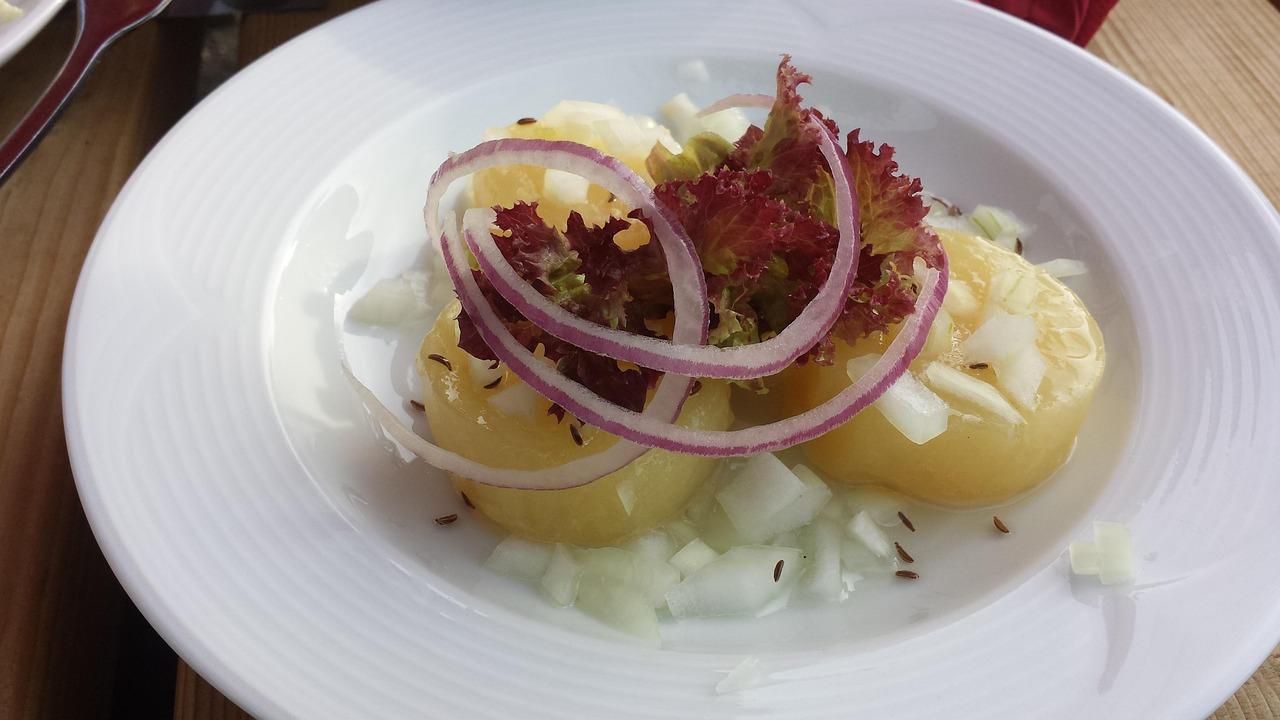
Handkäs mit MusikMarinated sour-milk cheese

Handkäs mit Musik is the bar snack of Frankfurt's Sachsenhausen cider taverns, where it is served on a small plate beside a glass of apple wine; apple juice or a sour apple spritzer is the alcohol-free match. Handkäse is a small, firm, low-fat sour-milk cheese, ripened until it turns glassy and translucent at the edge, and the 'music' is the marinade of onion, vinegar, oil and caraway it soaks in. It is eaten with a knife and fork on buttered rye bread. Most Handkäse is made without rennet, using acid alone, but check the label if you are strict. A common mistake is serving it straight away: the cheese needs at least an hour in the marinade. Chef's tip: choose a cheese that is still chalky white in the very middle, which gives a mix of creamy and fresh textures.

by KrazyBadal 0 views

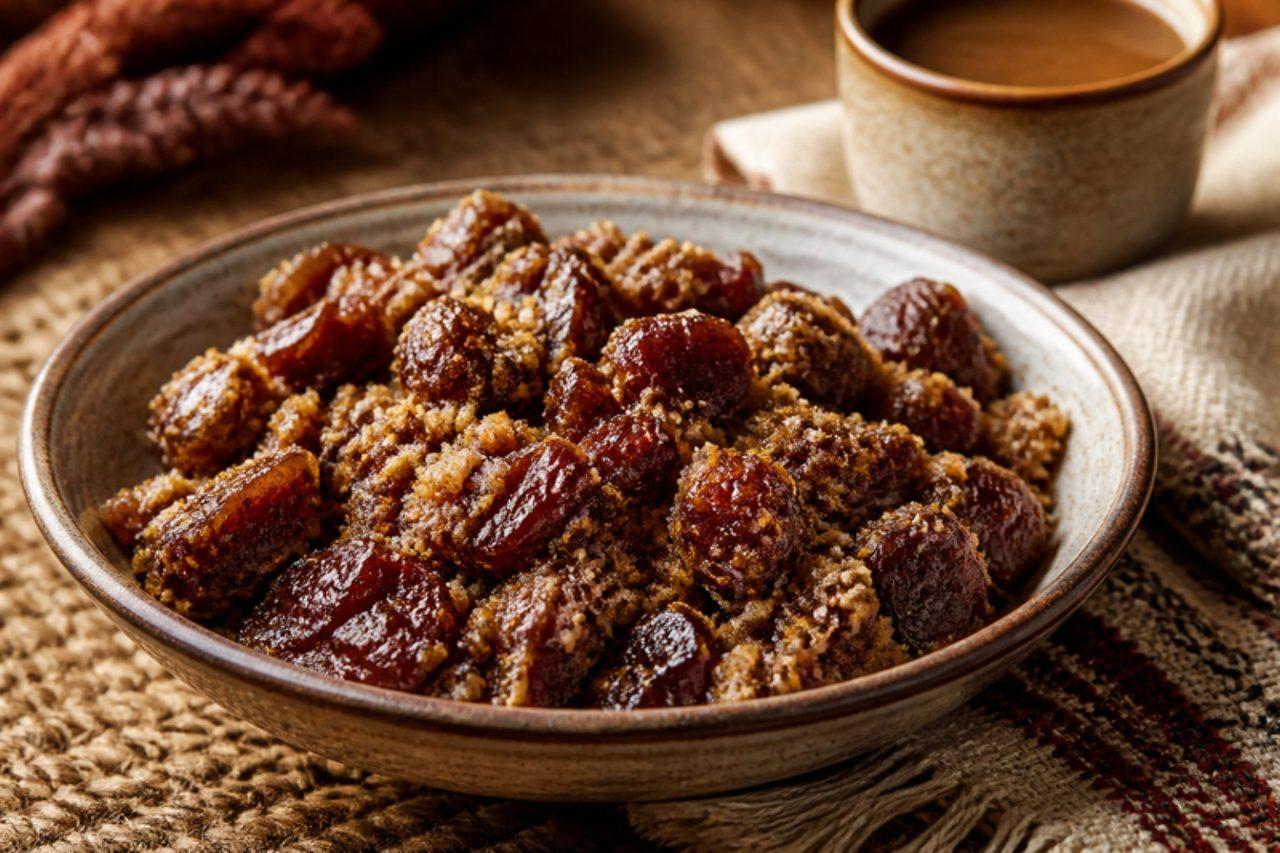
HaneenehWarm dates with breadcrumbs and ghee

Haneeneh is desert comfort food from the Bedouin tents of the Jordanian Badia: soft dates mashed into hot samneh with crumbs of yesterday's flatbread, scented with cardamom and pressed into a rich, fudgy sweet. It is made for guests, for new mothers and for cold mornings before herding, eaten by hand with black tea or Arabic coffee. It takes ten minutes and uses only store-cupboard things. The mistake to avoid is cooking the dates too long once they meet the ghee; they turn stiff and chewy instead of jammy. Chef's tip: toast the crumbs in the ghee first until nutty, then add the dates off the heat so the mixture stays soft.

by KrazyBadal 0 views

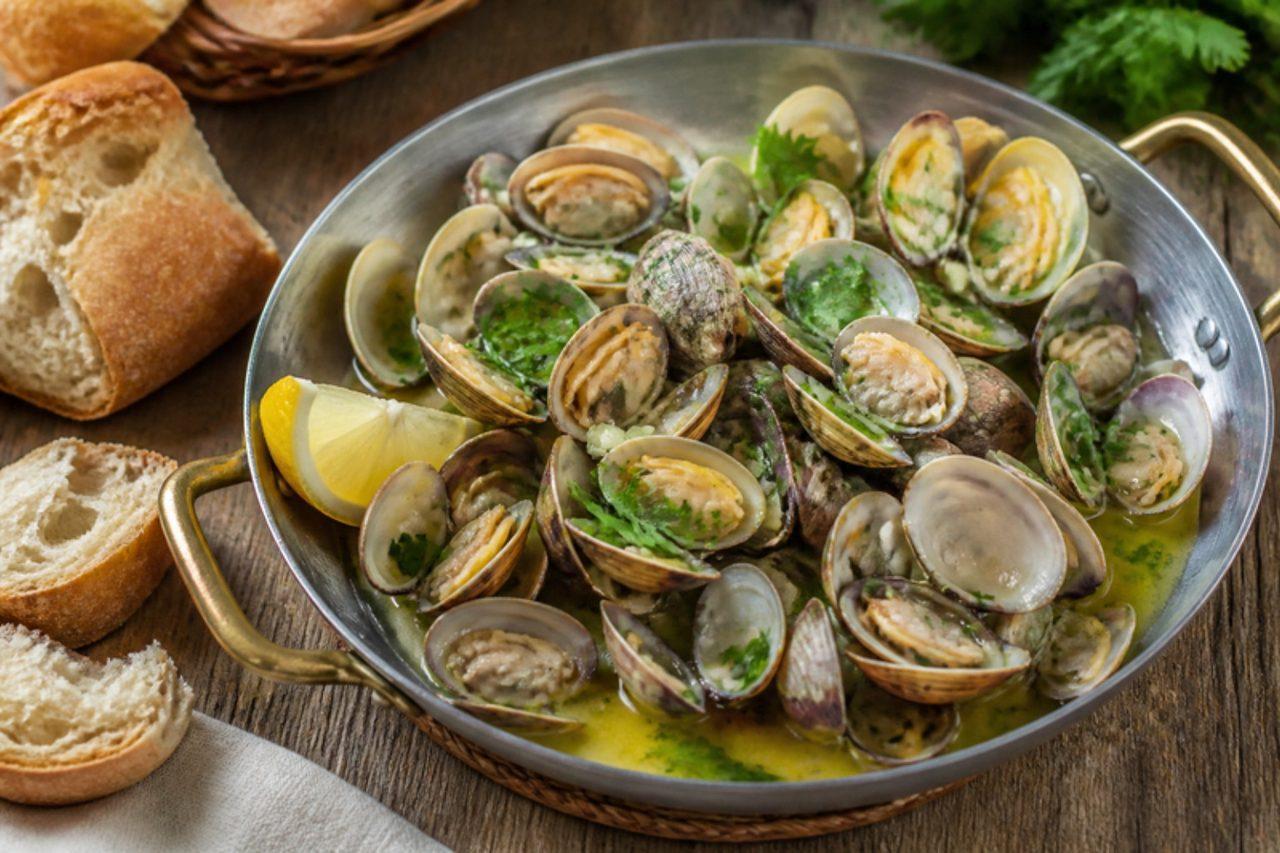
Amêijoas à Bulhão PatoClams with garlic and coriander

A Lisbon seafood beer hall wouldn't be one without a steaming bowl of these on every other table, with bread for the juices that pool in the bottom. The dish is named after the nineteenth-century poet Raimundo Bulhão Pato, a keen cook and hunter who is said to have loved it. It is only clams, olive oil, a lot of garlic, fresh coriander and lemon, so the shellfish must be lively and well cleaned. Many cooks add a splash of white wine, which contains alcohol; water or a little extra lemon juice works fine. Chef's tip: add the coriander at the very end, off the heat, so it stays bright and fragrant.

by KrazyBadal 0 views

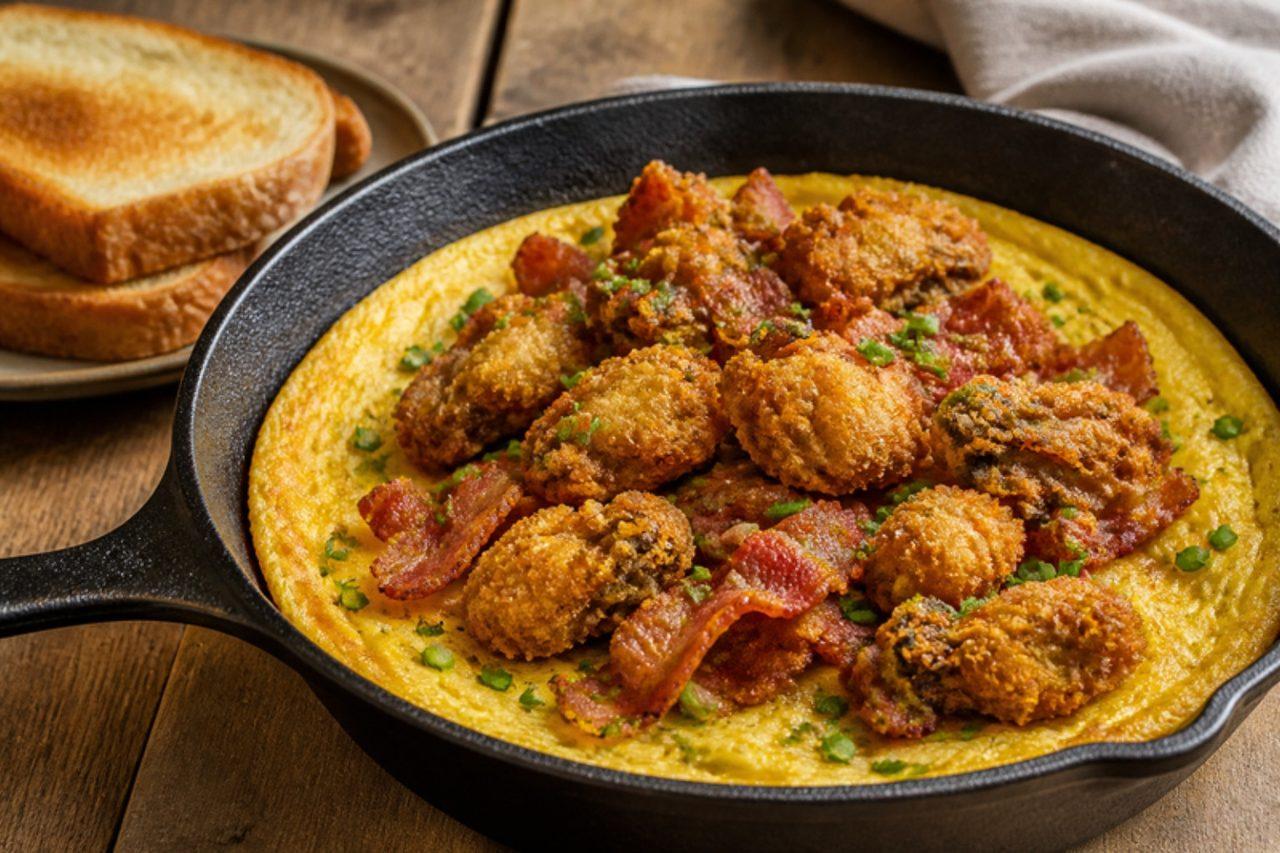
Hangtown fryOyster and bacon omelette

The Hangtown fry is said to have been ordered by a miner who struck gold near Placerville, then nicknamed Hangtown, in 1849, asking for the dearest dish in the house: oysters shipped up from San Francisco Bay, bacon (pork) and eggs, which were rare and costly in the gold fields. Today it is brunch at old San Francisco grills. Crisp crumbed oysters and bacon are set in a soft omelette. Chef's tip: fry the oysters before they meet the egg so their coating stays crisp.

by KrazyBadal 0 views

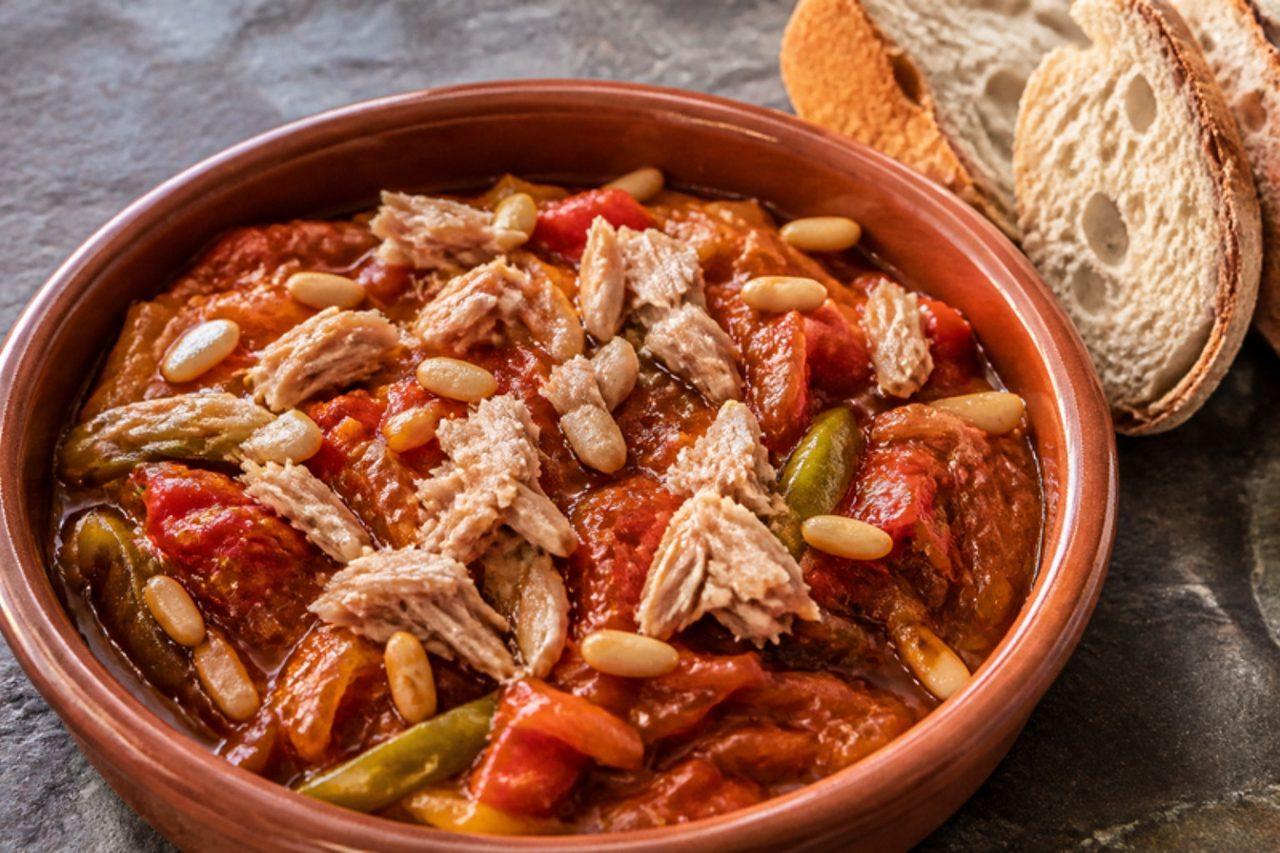
TitainaTomato, pepper and tuna stew

Titaina comes from the Cabanyal, the tiled fishermen's neighbourhood by Valencia's beach, where it is still served as a tapa in the old bars and spooned onto bread at home on summer evenings. Green peppers, onion and ripe tomatoes are cooked down in olive oil with toasted pine nuts until sweet, then mixed with tuna. Fishermen used tonyina de sorra, salt-cured tuna belly; this version uses good tinned tuna in olive oil, which is already cooked and easy to find. A common mistake is cooking it fast on a high heat: it needs a slow 40 minutes so the vegetables melt instead of fry. Chef's tip: add a pinch of sugar only if your tomatoes are sharp, and stir in the tuna at the very end so it stays in flakes.

by KrazyBadal 0 views

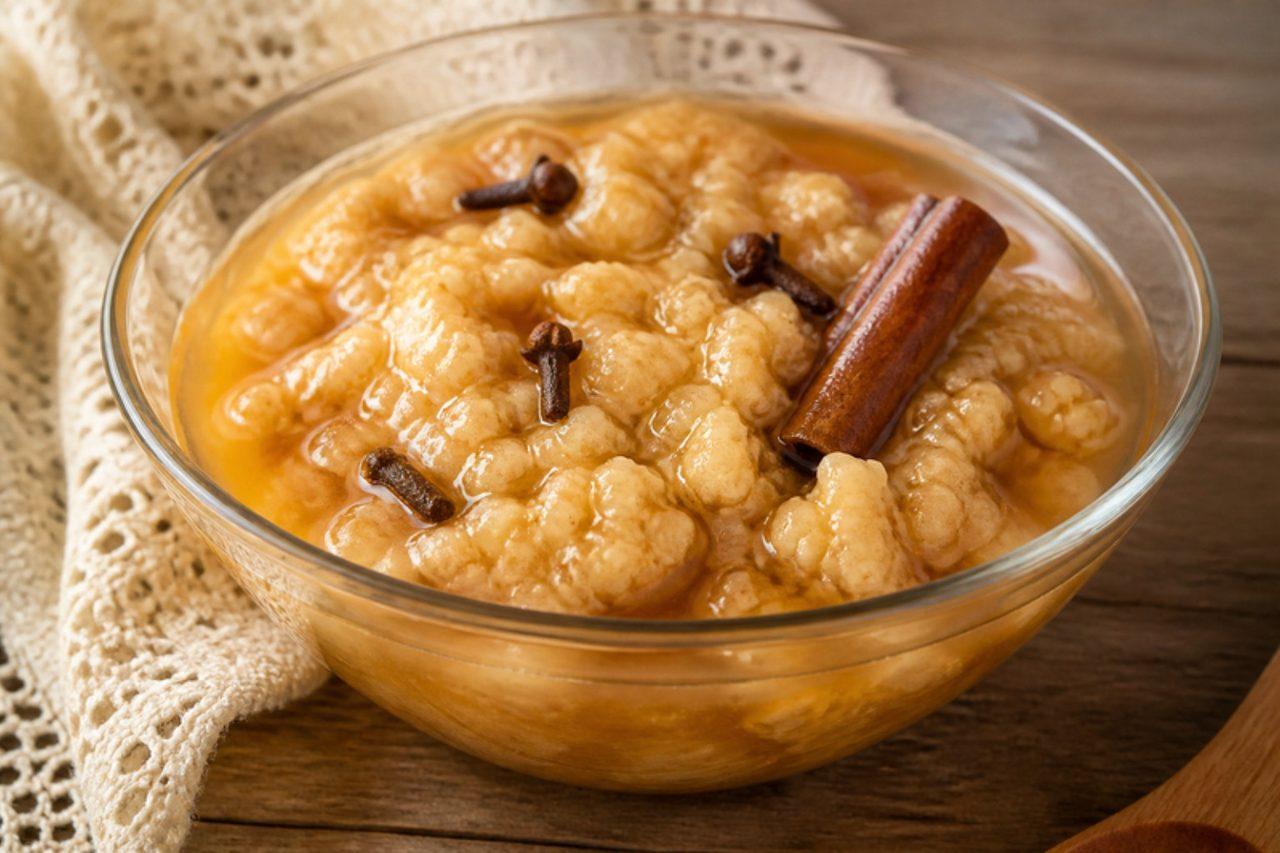
AmbrosiaSweet milk and egg curds

Found in glass jars at farm-shop counters in Minas Gerais and on the dessert tables of gaúcho family lunches, ambrosia is an old Portuguese-rooted sweet that turns milk, eggs and sugar into soft, golden curds bathed in a caramel-coloured syrup. The eggs are poured into the sweet milk and then left to set and simmer for an hour with clove and cinnamon, so the curds form large and tender rather than scrambled. Cold from the fridge it is creamy, eggy and fragrant, rather like a rustic crème caramel broken into pieces. Serve small bowls with a slice of fresh cheese or nothing at all. Where most people go wrong is stirring as soon as the eggs go in; that breaks the curd into grainy crumbs, so wait until it has set before moving it gently. Chef's tip: a squeeze of lemon juice into the milk before the eggs helps the curds form quickly and keeps them in large, tender clouds.

by KrazyBadal 0 views

Bizcochos de achiraAchira starch cheese biscuits

Achira is a canna plant whose root gives a fine, silky starch, and in Huila and Tolima it becomes bizcochos: crunchy, cheesy little sticks and rings that dissolve on the tongue. They are sold in long plastic bags at roadside stands near Neiva, Altamira and the Magdalena valley, and they travel everywhere as a snack with coffee or a cold drink. Look for achira flour in Colombian shops; arrowroot powder is the nearest substitute, while tapioca starch gives a chewier result. The cheese is traditionally a dry, aged curd made with animal rennet, so pick a vegetarian hard cheese. The usual mistake is pulling them from the oven too early: they look done but go soft as they cool. Chef's tip: bake them right through until dry and only lightly coloured; they should snap cleanly once cold.

by KrazyBadal 0 views

Bizcochitos de grasaSavoury beef fat biscuits

A paper bag of bizcochitos de grasa sits next to the mate gourd in kitchens, offices and roadside service stations across Argentina, from Buenos Aires to the Andes. These little rounds, a couple of bites each, are layered with beef fat, so they flake and crumble, salty and plain enough to eat by the dozen with bitter mate in the afternoon. The fat is rendered beef fat (grasa vacuna), so they are not vegetarian; ask your butcher for dripping or render suet yourself. A dough worked too warm is the mistake that robs them of their layers; the fat melts into it instead of staying in sheets. Chef's tip: chill the dough for 10 minutes between folds whenever it starts to feel greasy, and prick each round right through so it puffs in flakes rather than domes.

by KrazyBadal 0 views

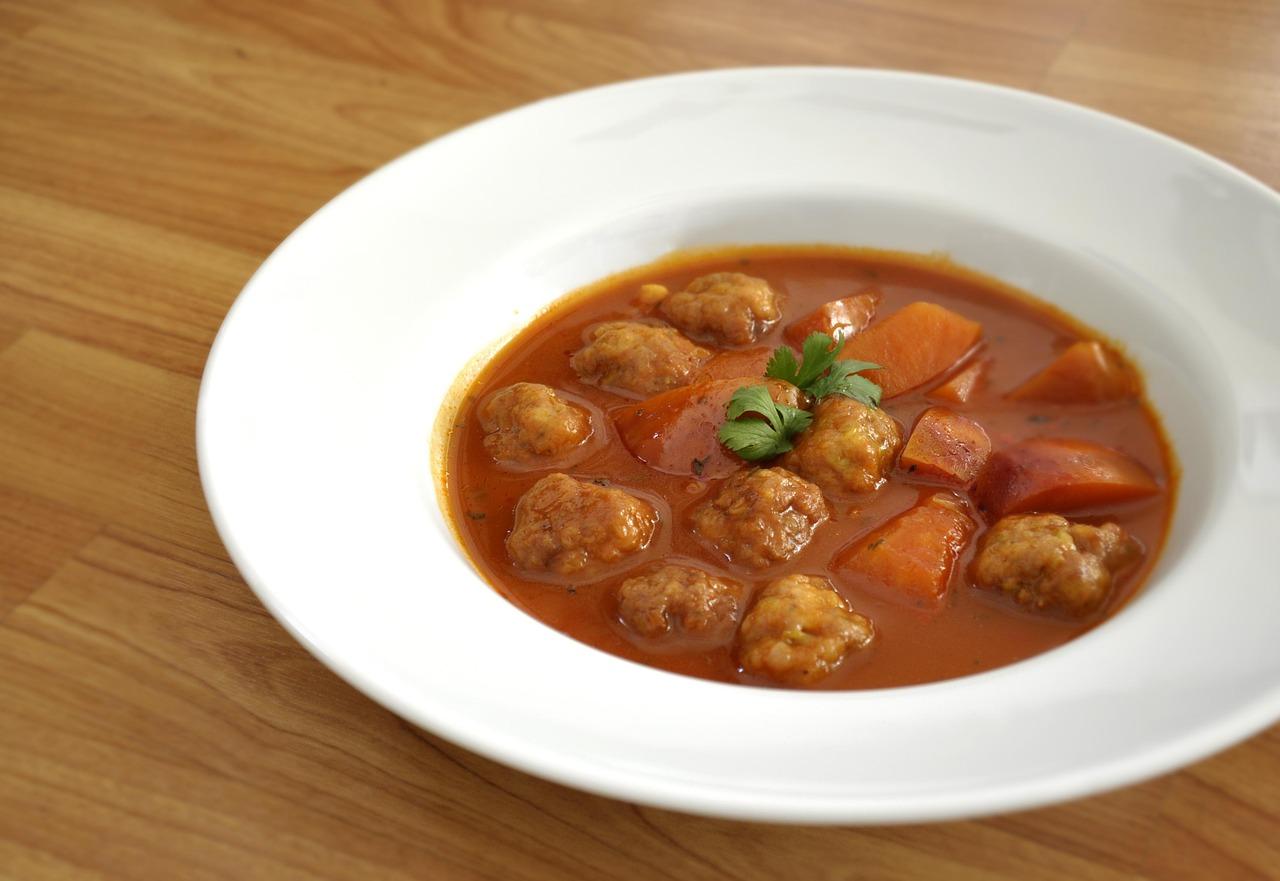
Harput köftesiBulgur meatballs in tomato broth

Harput is the old hilltop town above Elazığ, and its köfte are a soup and a main course at once: firm balls of fine bulgur kneaded with lean beef mince and spices, simmered in a tomato and pepper broth with chickpeas. They're eaten at home on winter evenings, the broth mopped up with bread. Common mistake: not kneading long enough; the bulgur and meat need to become a smooth, stretchy paste or the köfte fall apart in the broth. Simmer until the köfte are firm and cooked through to 71 °C. Chef's tip: add a few ice cubes while kneading; cold keeps the meat binding the bulgur together.

by KrazyBadal 0 views

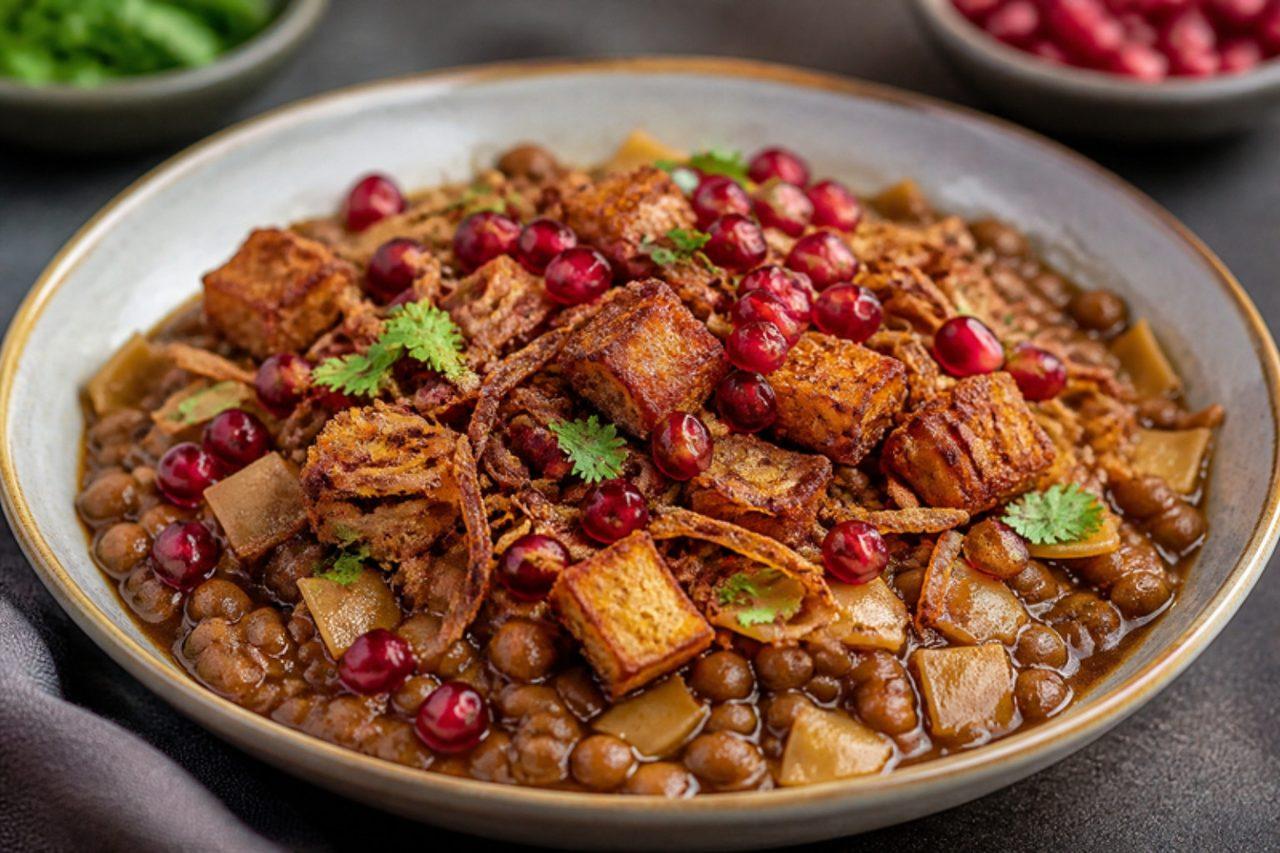
Harrak osbaoLentils with pasta and tamarind

The name means 'he burnt his finger', and the Damascene story goes that it is so good people can't wait for it to cool. Brown lentils and fresh pasta are cooked together in a sour sauce of tamarind and pomegranate molasses, then topped with coriander, garlic, crisp fried onions and fried bread so every bite is soft, tangy and crunchy at once. It is a Lenten and summer favourite in Damascus, served at room temperature with flatbread. Common mistake: frying the croutons and onions too early; they go soft on top of the lentils, so add them just before serving. Chef's tip: use a mix of pomegranate molasses and tamarind for a rounder sourness than either alone.

by KrazyBadal 0 views

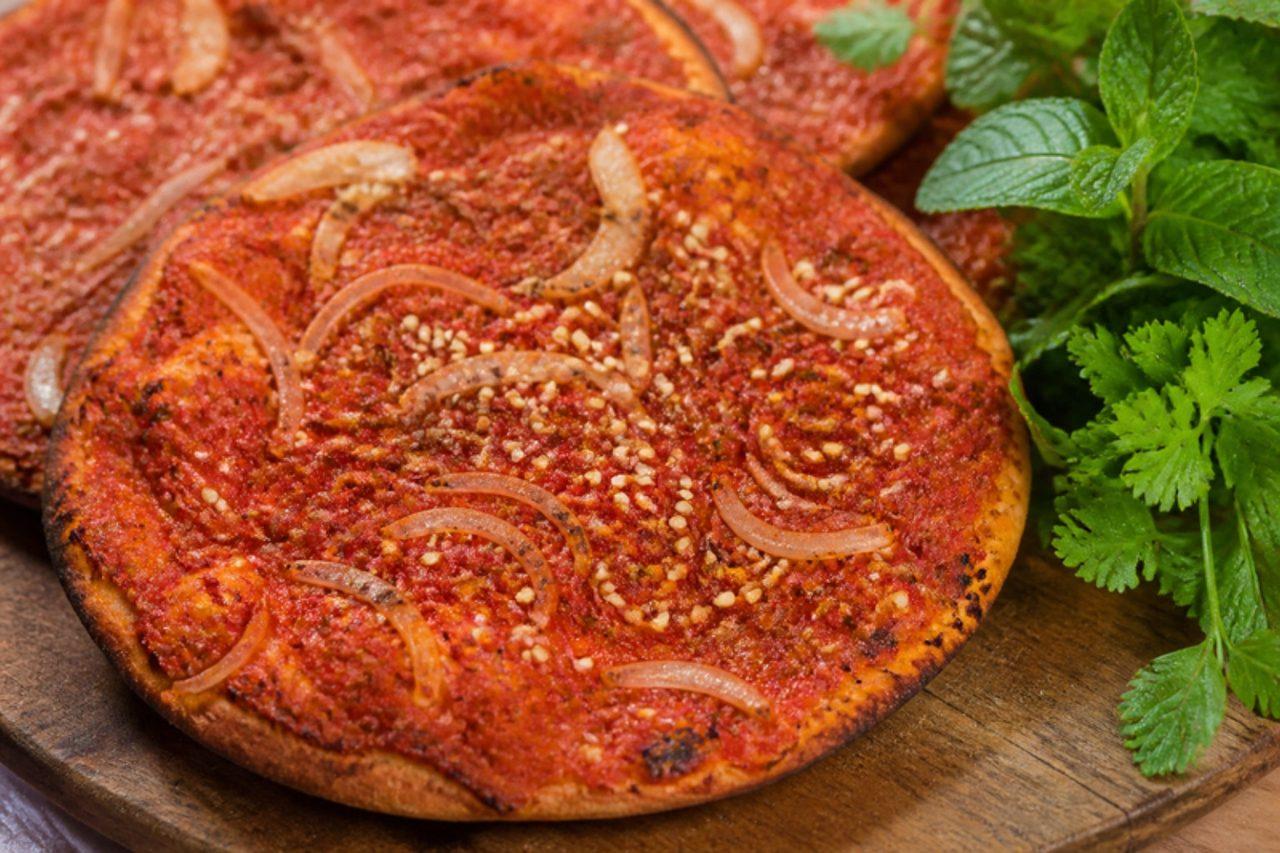
Biberli ekmekPepper paste flatbread

Antakya's neighbourhood bakeries take trays of topping from customers each morning and bake biberli ekmek in the wood oven to order: soft flatbreads smeared with a spiced paste of red pepper, onion, parsley, cumin and sesame. It is breakfast, a school snack and a picnic bread all in one, often eaten with a glass of tea and a few olives. Some families add a little crumbled cheese, but the classic is meat-free and dairy-free. Spread the topping thin; a thick layer stays raw and wet in the middle. Chef's tip: bake on the hottest preheated tray you have so the base blisters before the topping dries out.

by KrazyBadal 0 views

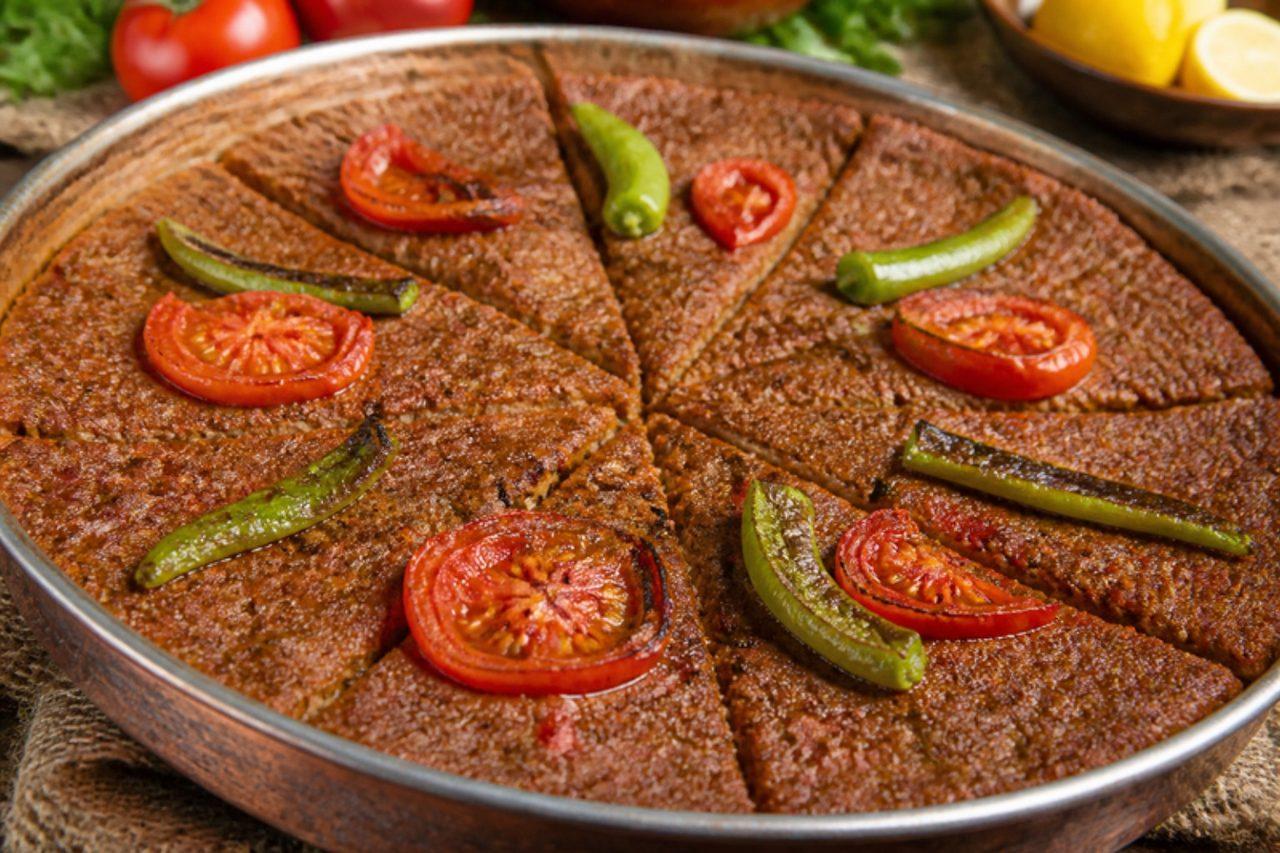
Tepsi kebabıBaked spiced lamb tray

In Antakya people still carry their tepsi kebabı to the neighbourhood bakery: a round copper tray of spiced lamb mince spread thin, scored into wedges and covered with sliced tomatoes, peppers and onions. The bread oven turns it juicy and crusty, and it comes home with a stack of hot flatbread. It is weekend lunch for the family, eaten with a parsley and onion salad and a bowl of yoghurt. Common mistake: pressing the meat more than 2 cm thick; it stews instead of roasting. Chef's tip: add a ladle of tomato water halfway through baking so the juices around the edges turn into a glossy sauce for dipping bread.

by KrazyBadal 0 views

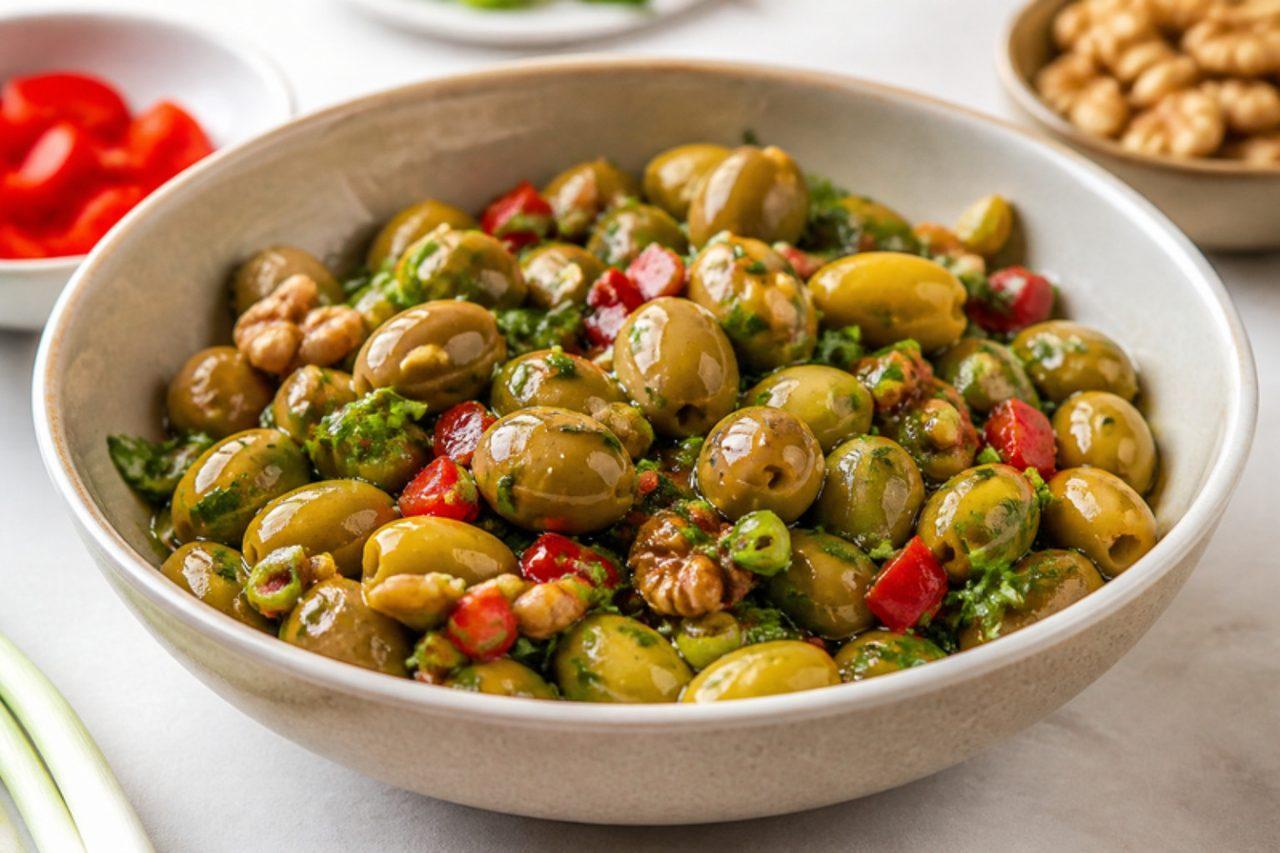
Hatay zeytin salatasıGreen olive and walnut salad

Hatay grows olives on every hillside towards the Syrian border, and its meyhanes and breakfast tables always have a bowl of this salad: green olives tossed with walnuts, spring onion, tomato, parsley, pepper paste and pomegranate molasses. It is salty, sour and sweet at once, and sits happily next to cheese, eggs and flatbread in the morning or as a meze in the evening. Pit and chop the olives yourself; jarred sliced olives are too soft. Rinse very salty olives first, or the salad is overwhelming. Chef's tip: dress it an hour ahead so the olives soak up the molasses, but add the tomatoes and herbs just before serving.

by KrazyBadal 0 views

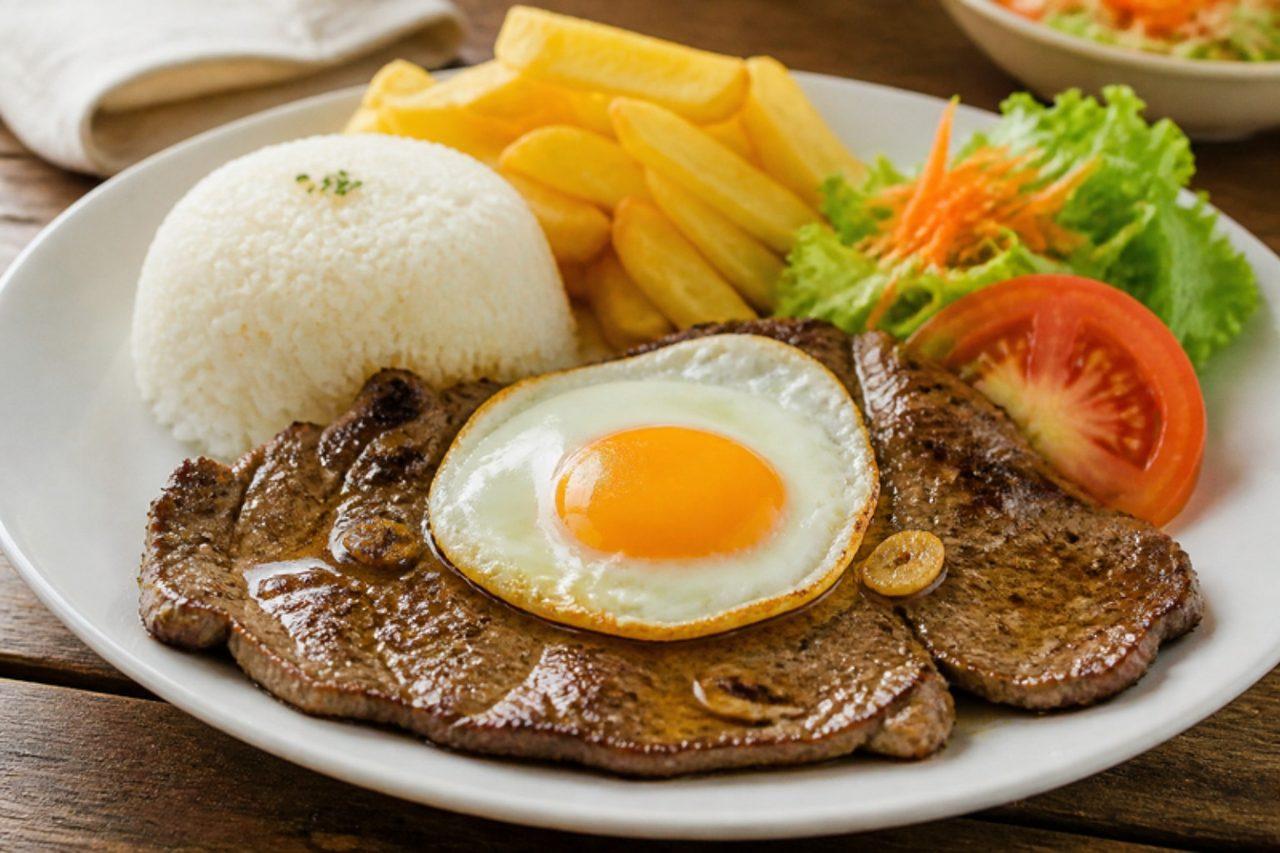
BitoqueSteak with fried egg and chips

Bitoque is the dish Portuguese office workers order when they can't decide: on every café lunch menu in Lisbon there is a thin steak in a garlicky pan sauce, a fried egg sliding over it, and chips, rice and a little salad heaped alongside. It is cheap, filling and quick, and a good one depends on a properly hot pan and a runny yolk that mixes into the sauce. Some cooks splash in beer; this version keeps it alcohol-free with stock. A common mistake is crowding the pan, which stews the steaks instead of searing them. Chef's tip: fry the eggs in the steak pan's garlicky fat so they pick up its flavour.

by KrazyBadal 0 views

LaulauSteamed pork and fish bundles

Laulau is one of the oldest dishes of Native Hawaiian cooking: fatty pork and salted butterfish are wrapped in young taro (lūʻau) leaves, tied in a ti-leaf parcel and steamed for hours until the leaves turn soft as cooked spinach and the pork is meltingly tender. It is the centrepiece of a plate with poi, lomi lomi salmon and haupia at lūʻau and family celebrations. Taro leaves must be cooked a long time, as they irritate the throat when undercooked; if you can't find them, use large spinach leaves and wrap in banana leaves or foil. Chef's tip: steam the bundles for the full four hours; shortcutting leaves the taro leaves scratchy.

by KrazyBadal 0 views

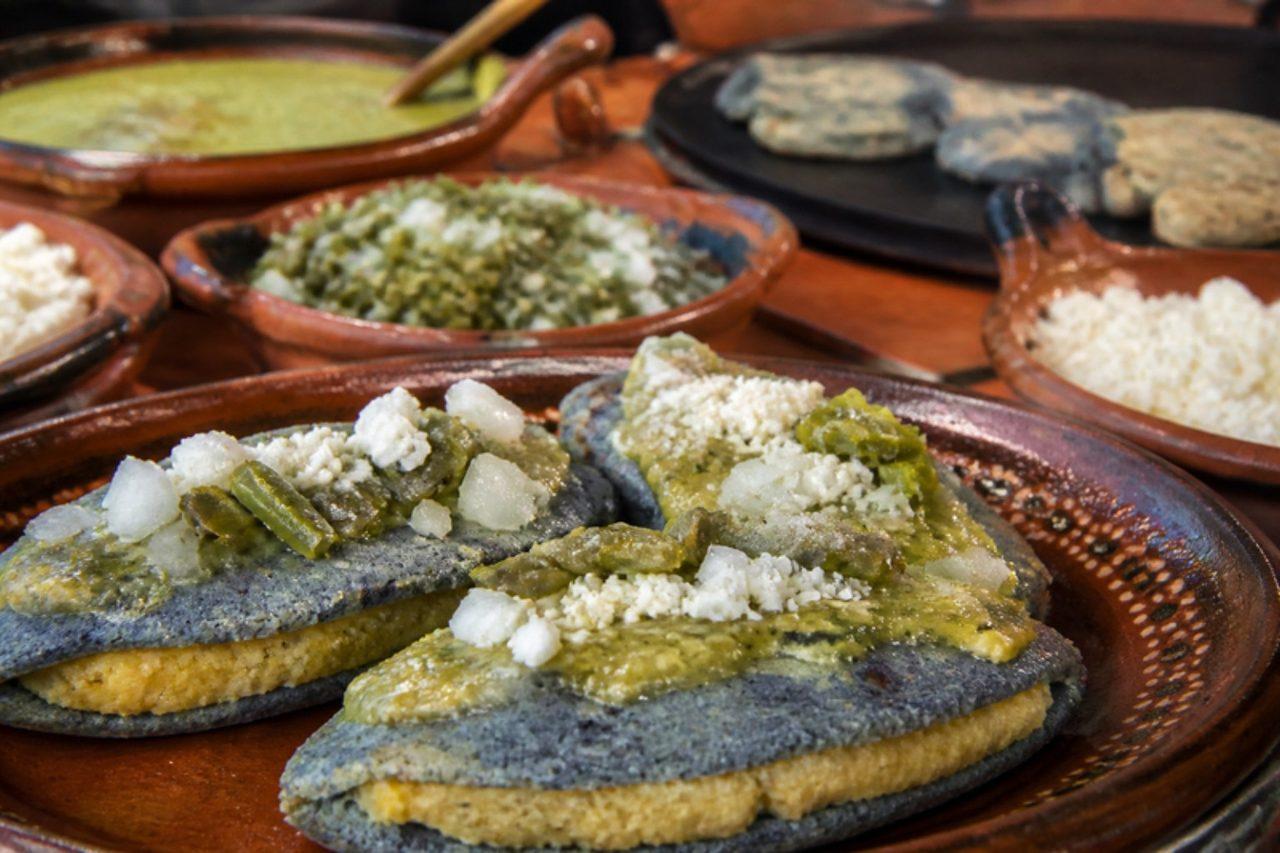
Tlacoyos de habaStuffed blue corn cakes

Walk out of almost any Metro station in Mexico City in the morning and you will find a woman on a low stool patting out tlacoyos on a clay comal: thick, oval cakes of blue or white corn masa with a seam of bean or fava purée hidden inside, topped with cactus, salsa and crumbly cheese. They are bought hot, eaten standing up, and are one of the oldest street foods in the valley, older than the city itself. This version is filled with garlicky fava purée (habas) and topped with a quick nopal salad and salsa verde. Leave off the cheese and it is vegan. Chef's tip: keep the purée stiff, like mashed potato; a loose filling bursts through the masa when you flatten it.

by KrazyBadal 0 views

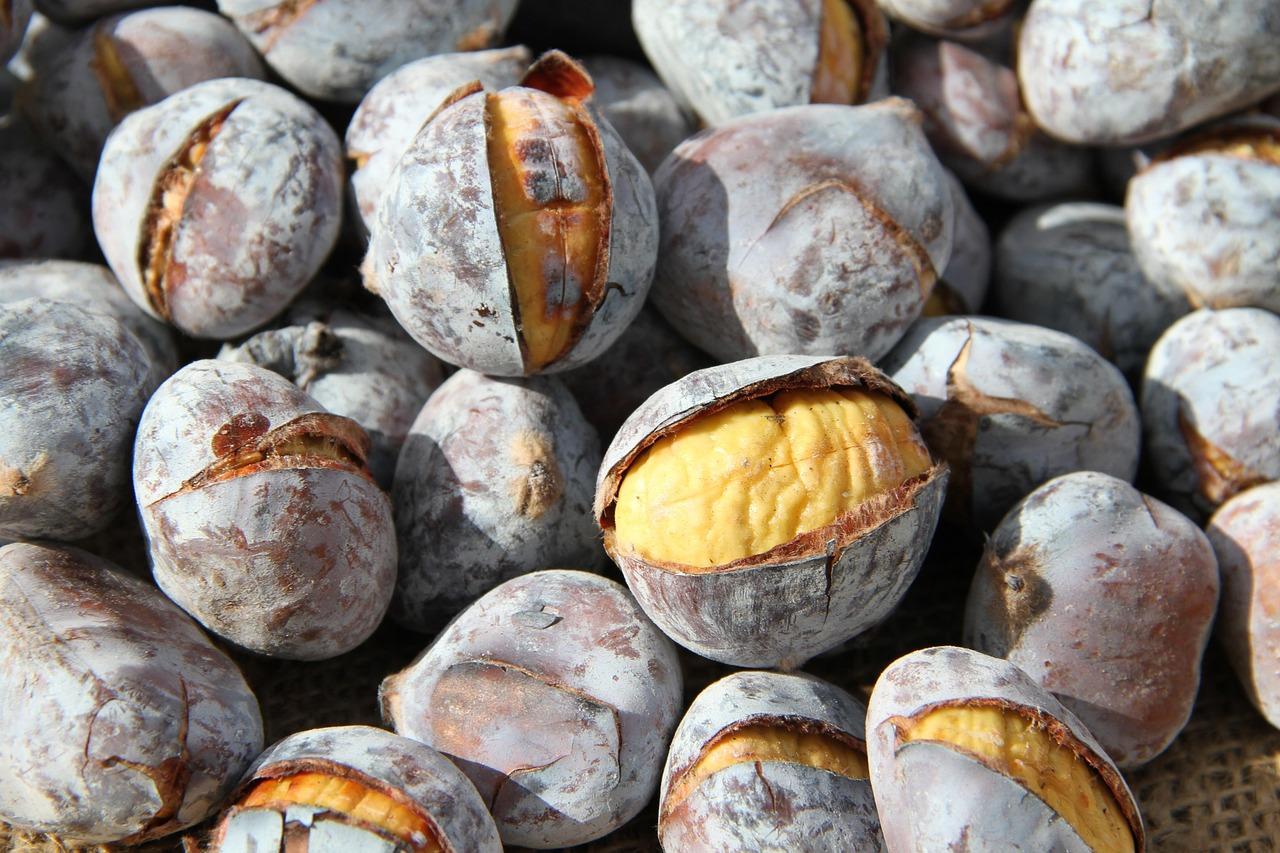
Heiße MaronenRoasted chestnuts

From late October the Maronibrater set up their black drum ovens on street corners in Vienna, Salzburg and every German Christmas market, and the smoky smell of roasting chestnuts means winter has properly begun. Hot chestnuts in a paper cone warm your hands first and your stomach second. At home a hot oven and a bowl of water give the same soft, sweet, slightly charred result. The commonest mistake is not scoring the shells deeply enough: steam builds up inside and the chestnuts can burst in the oven. Chef's tip: wrap the roasted chestnuts in a tea towel for 5 minutes before peeling; the steam loosens the bitter inner skin so it comes away with the shell.

by KrazyBadal 0 views

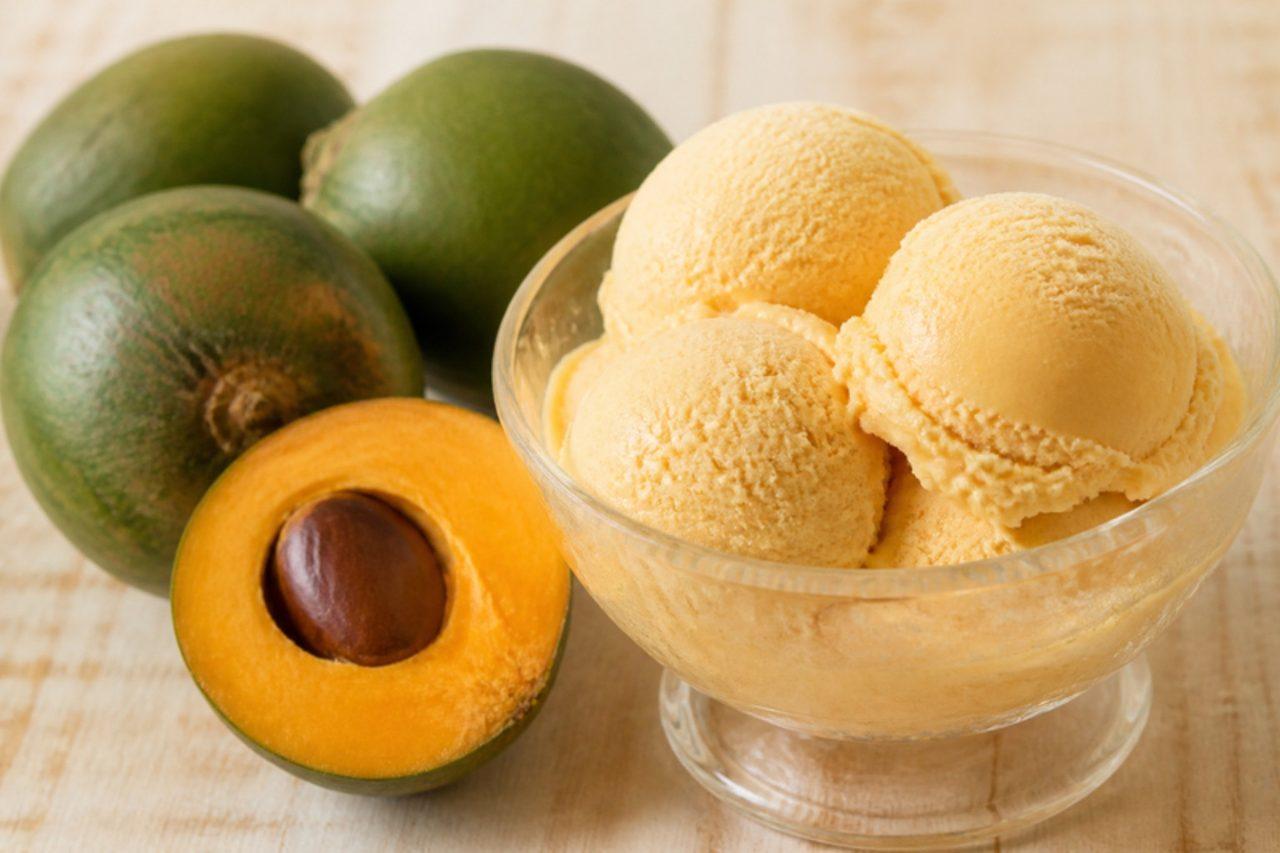
Helado de lúcumaLúcuma ice cream

Ask anyone in Lima, Cusco or Trujillo for the national ice-cream flavour and they will say lúcuma, the green-skinned Andean fruit with dry, golden-orange flesh that tastes of butterscotch, maple and sweet potato. Every ice-cream parlour, supermarket freezer and street cart sells it, and it's also folded into cakes and milkshakes. This no-churn version needs no machine: frozen lúcuma pulp (or lúcuma powder, both in Latin shops and health-food stores) is whisked into condensed milk, then folded into whipped cream and frozen. It comes out smooth, rich and naturally caramel-coloured. The mistake is over-whipping the cream to stiff peaks, which makes the ice cream grainy and buttery; stop at soft peaks. It needs at least 6 hours in the freezer, so make it the day before. Serve with a slice of chocolate cake or on its own. Chef's tip: a pinch of salt and a few drops of lime sharpen lúcuma's mellow flavour so it doesn't taste flat when frozen.

by KrazyBadal 0 views

Helado de pailaHand-spun blackberry sorbet

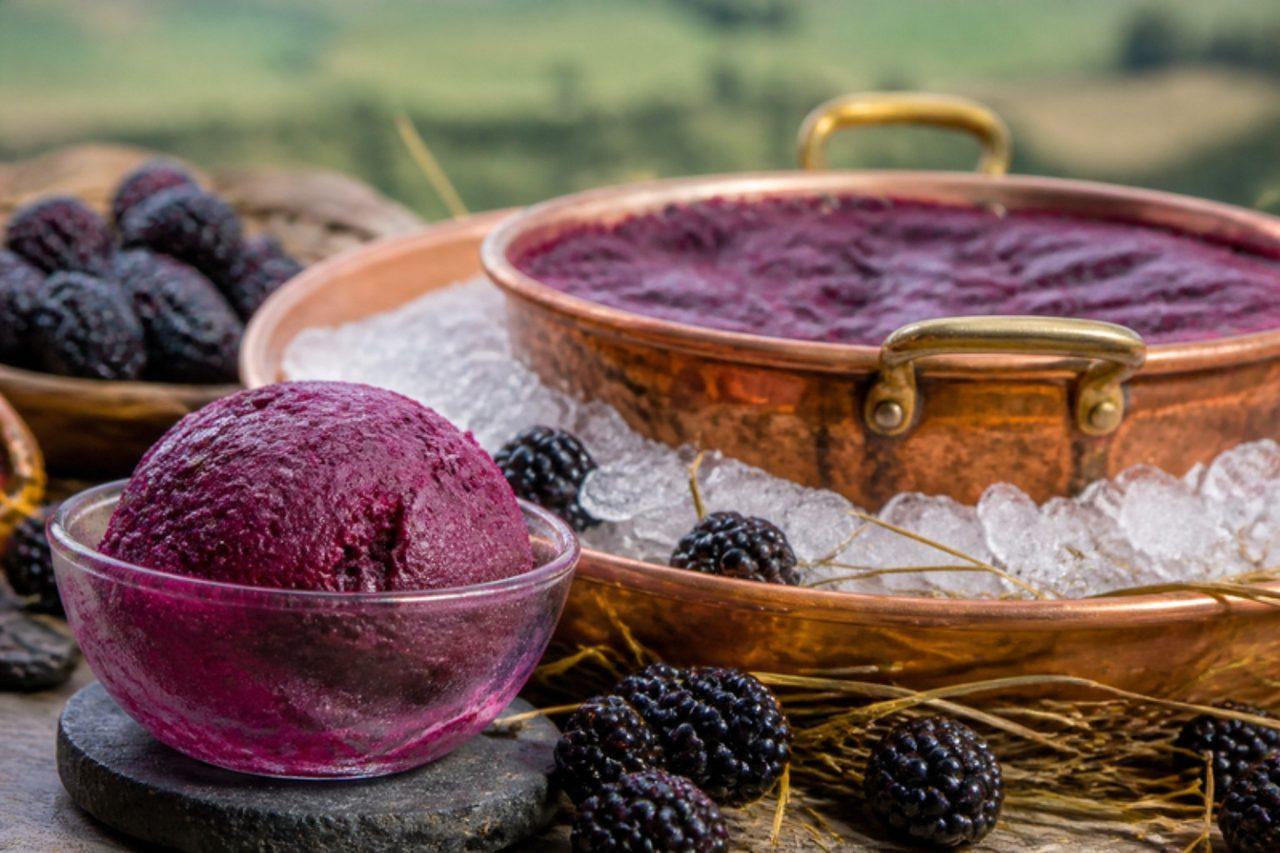
Watching helado de paila being made is half the pleasure. In Pasto and Ipiales, and over the border in Ecuador, a wide copper or steel pan (the paila) spins on a bed of ice and salt in a straw-lined barrel, while the maker scrapes the fruit juice from the sides with a wooden paddle until it turns into a light, intensely fruity sorbet. Mora, lulo and naranjilla are the favourite flavours. At home a wide steel bowl sitting in a larger bowl of salted ice does the same job, and the hand-churning takes about 30 minutes, so get everyone to take turns. The base must be cold before it goes into the bowl; a warm base never freezes properly and turns into slush. Andean blackberries are tart and bright; ordinary blackberries with extra lime work. Chef's tip: keep scraping the frozen layer off the sides and folding it in, every 20–30 seconds; that motion is what makes the texture smooth.

by KrazyBadal 0 views

TlatlapasBean, fava and pea soup

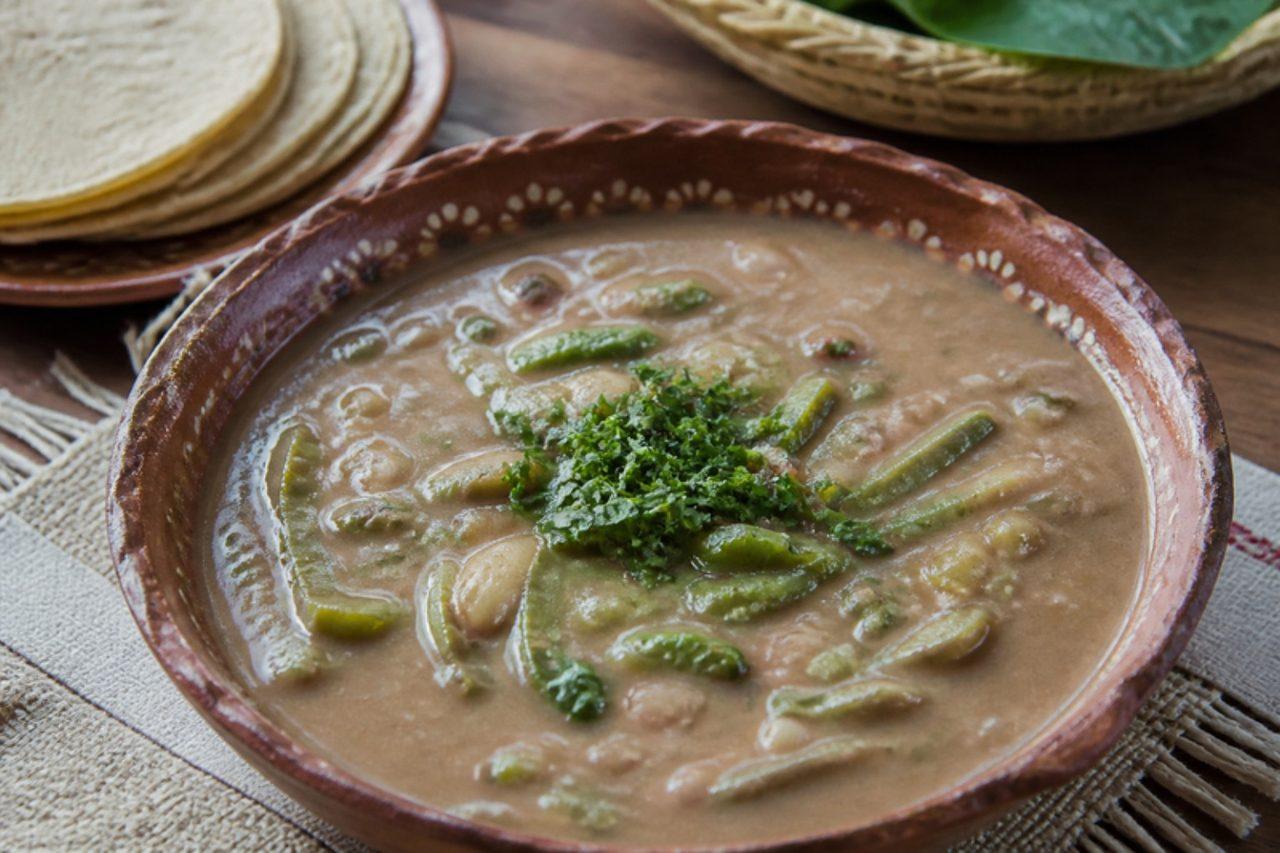
In the villages of Tlaxcala, tlatlapas is the Lenten and rainy-season soup: dried beans, fava and peas are toasted on a comal, ground to a coarse flour and simmered into a thick, earthy purée seasoned with dried chilli, epazote and strips of cactus. It is a peasant dish with pre-Hispanic roots, cheap, filling and full of protein, eaten with corn tortillas and a squeeze of lime. Using split beans keeps the cooking under an hour. Chef's tip: toast the pulses until golden and nutty, not dark; burnt ones turn the whole pot bitter.

by KrazyBadal 0 views

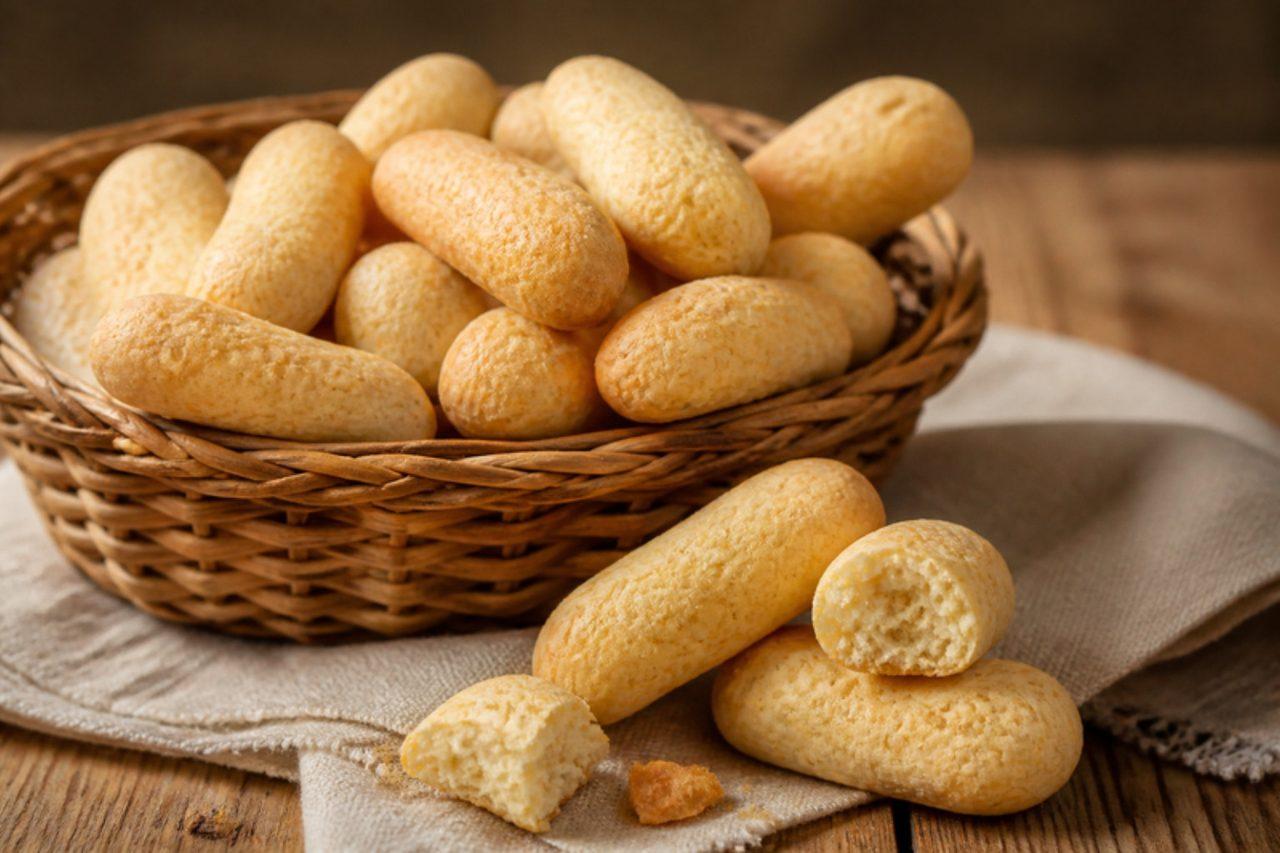
Biscoito de polvilhoCrunchy cassava starch rings

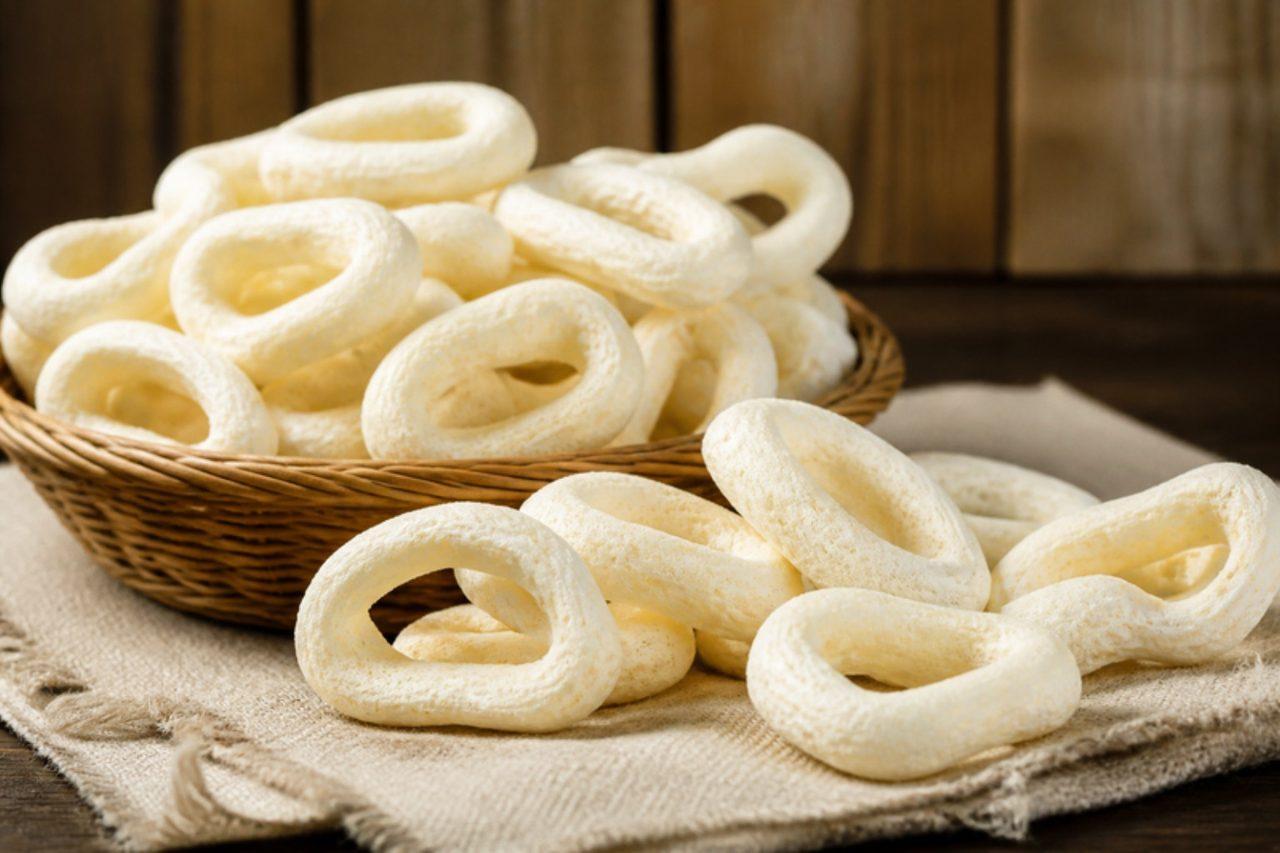
Light enough to float off the plate, these rings are sold by the bagful at bus stations, beaches and football grounds all over Brazil, but they belong to Minas Gerais, where sour cassava starch (polvilho azedo) has been made for centuries. Scalding the starch with hot milk, water and oil and then beating in eggs gives a sticky paste that puffs in a hot oven into crisp, airy, slightly tangy shells. Mineiros eat them with coffee in the afternoon or nibble them all day. Bake them in a hot oven and do not open the door: the rings collapse into flat, hard discs if the heat drops in the first 20 minutes. Chef's tip: the paste should pipe like thick mayonnaise; add a spoon of water if it is too stiff, because a soft dough is what makes the biscuits hollow.

by KrazyBadal 0 views

Birria de resChilli-braised beef

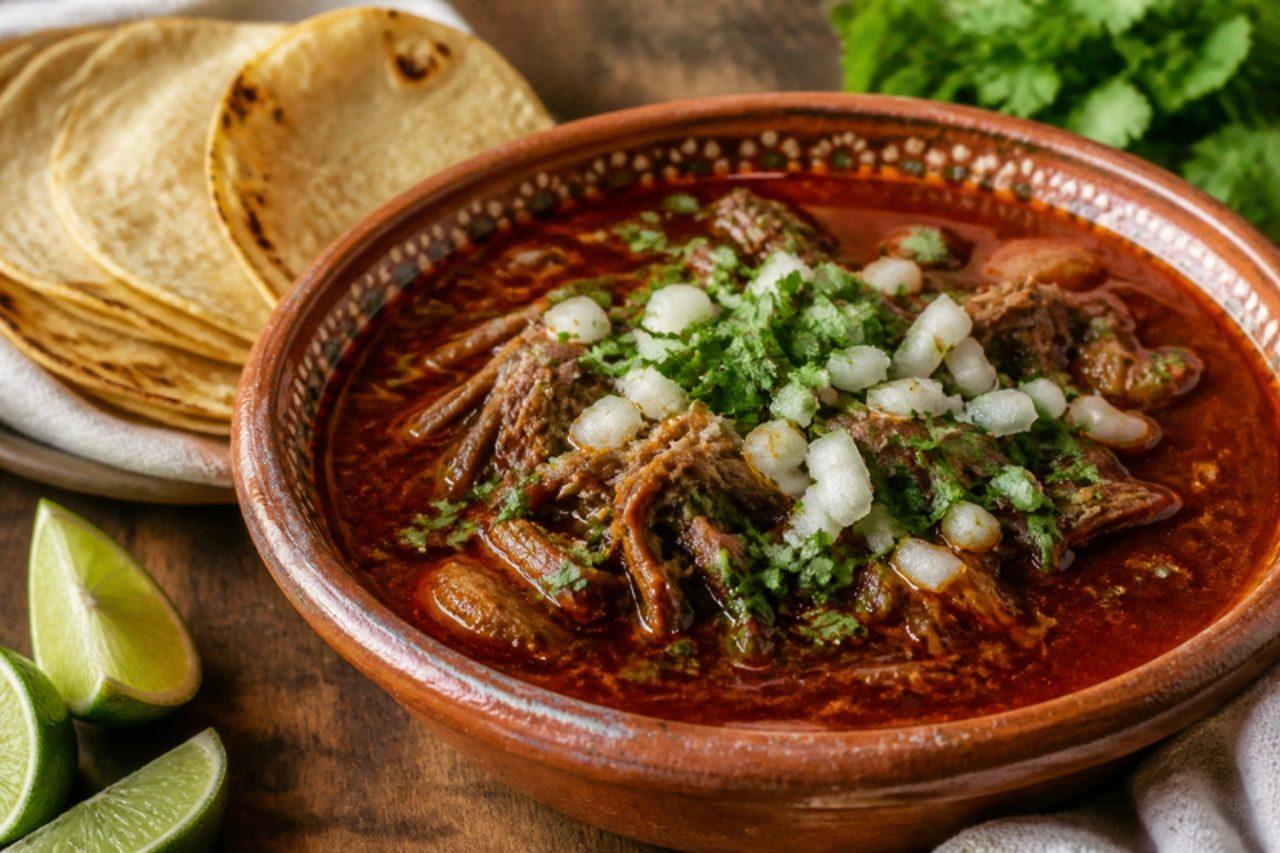
Birria comes from Jalisco, where it is the dish of weddings, baptisms and Sunday mornings after a long night, ladled out at market stalls in Guadalajara from dawn. Beef on the bone is rubbed with a paste of guajillo and ancho chillies, vinegar, garlic and warm spices, left overnight in the fridge, then braised for hours until it falls into soft, glossy strands. The cooking liquid becomes the consommé: sip it from a cup, spoon it over the meat in a bowl, or dip tortillas in its red fat and fry them with the beef and a little cheese for crisp-edged tacos. Serve with chopped onion, coriander, lime and a fiery chile de árbol salsa. Chef's tip: skim the red fat off the top of the finished consommé and keep it for frying the tortillas; it gives the tacos their colour and crunch.

285 minMexicanMeatGluten freeSpicy
by KrazyBadal 0 views

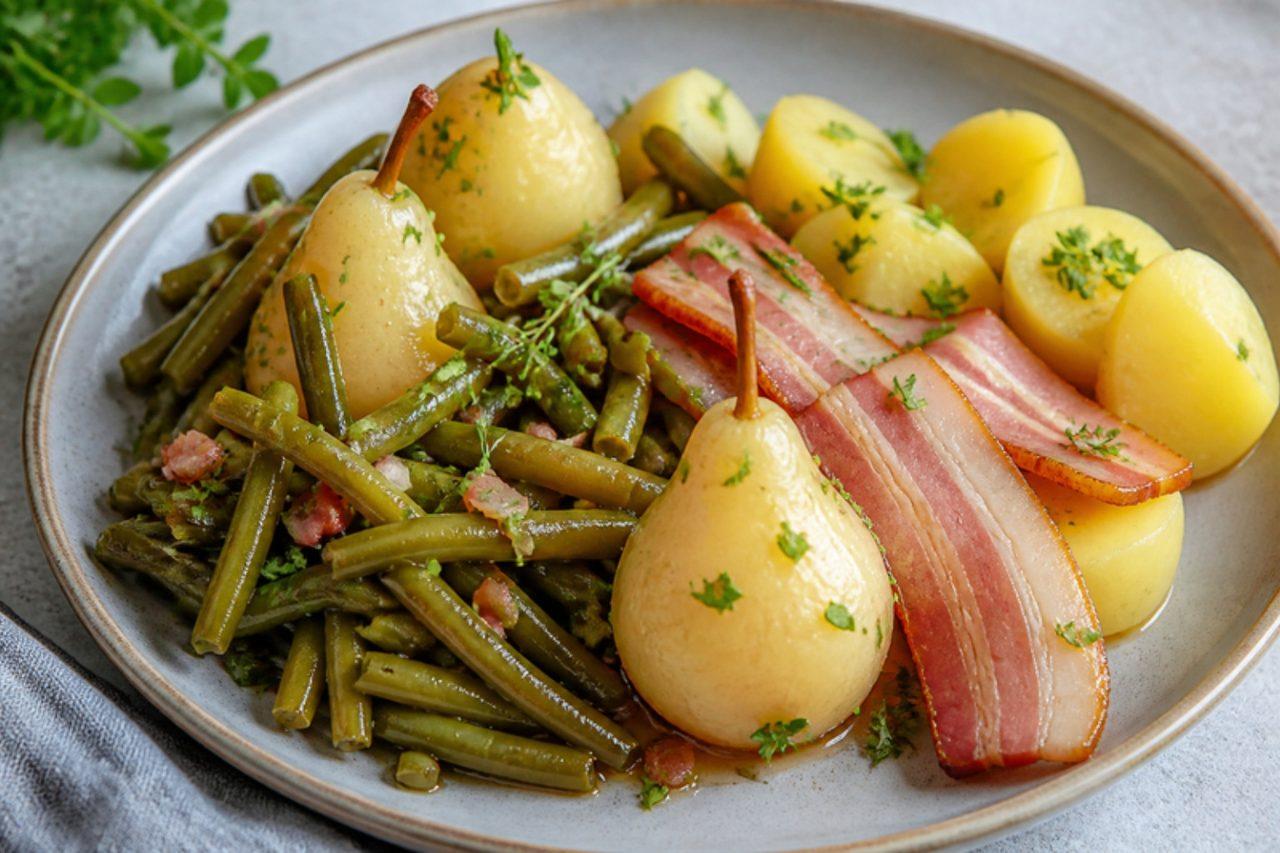
Birnen, Bohnen und SpeckGreen beans, pears and smoked bacon

Birnen, Bohnen und Speck is late-summer cooking from Hamburg and Schleswig-Holstein, made in August when green beans and small, firm cooking pears ripen at the same time in the Vierlande market gardens. A piece of smoked pork belly bacon is simmered until tender, and its smoky broth then cooks the beans, whole pears and potatoes, with summer savory to tie the sweet and salty together. It is one pot, served straight from the stove with the bacon sliced on top. Chef's tip: choose pears that are still hard; ripe dessert pears collapse into the beans.

90 minGermanMeatGluten free
by KrazyBadal 0 views

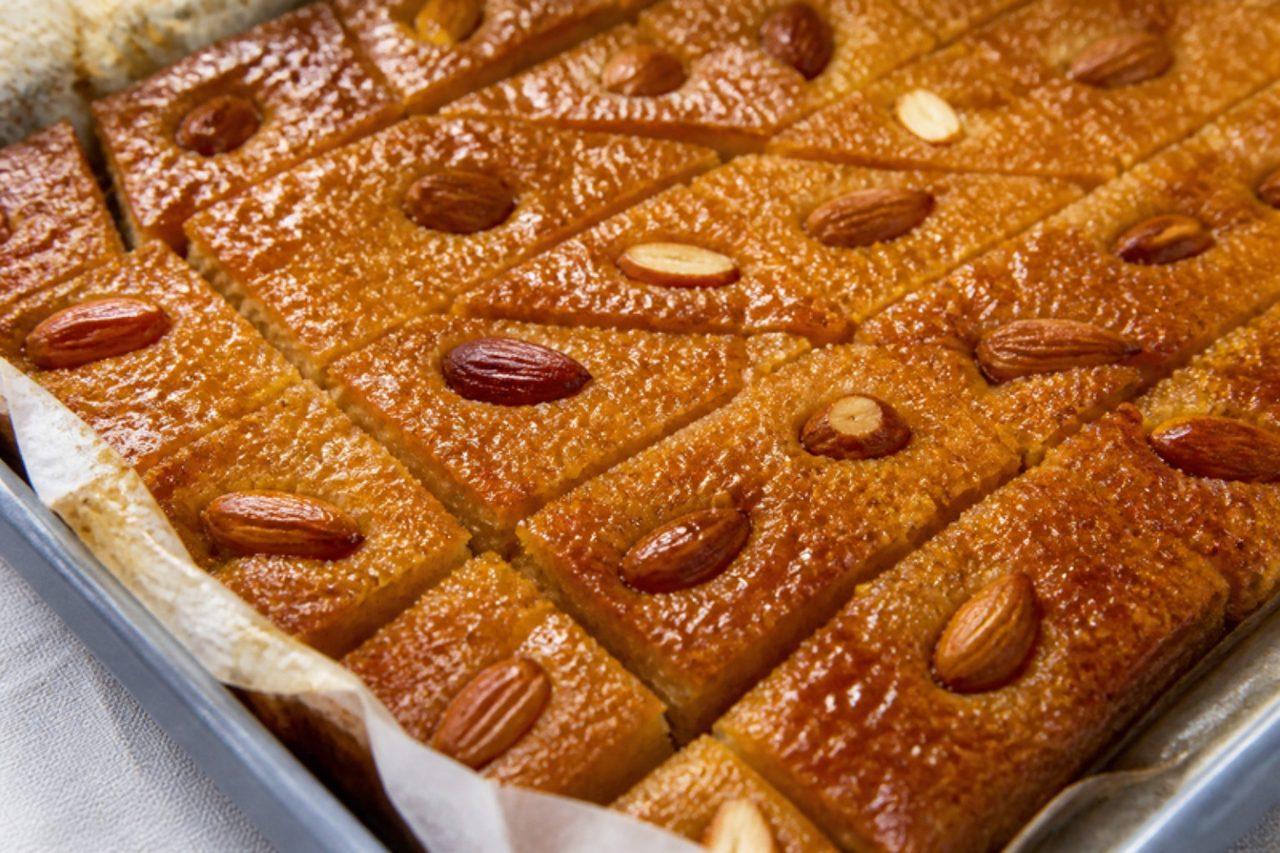
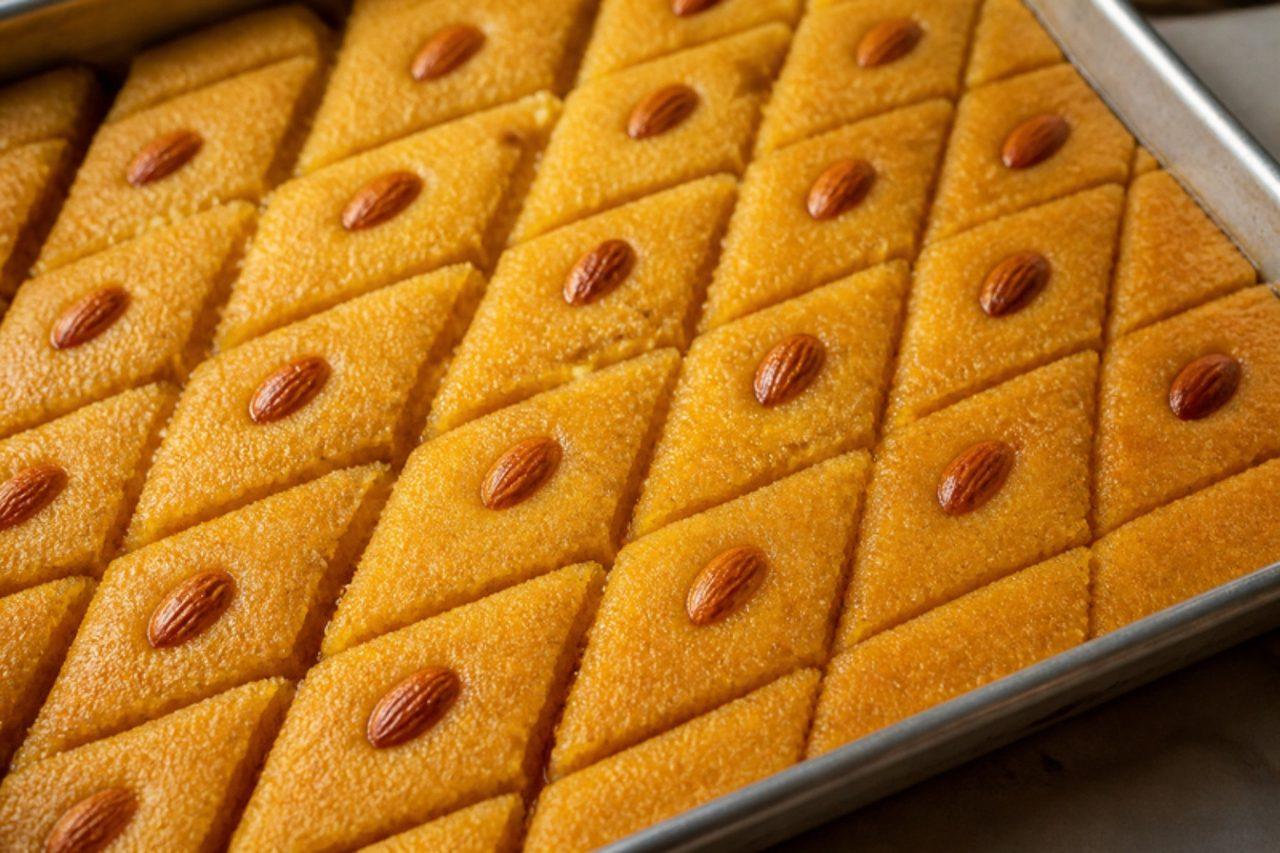
HilbehFenugreek semolina cake

Hilbeh is the tray cake Jordanian grandmothers bake in winter and for visits after childbirth, when fenugreek is believed to warm and strengthen. Soaked fenugreek seeds swell into soft, jelly-coated beads that dot a dense semolina crumb, giving a gently bitter, maple-like scent that the hot syrup softens. Cut into diamonds, each topped with an almond, it sits on the coffee table beside Arabic coffee from Irbid to Aqaba. The mistake people make is using the seeds dry: they stay hard and bitter, so boil and soak them first. Chef's tip: pour cold syrup over the cake the moment it leaves the oven; hot-on-cold soaks in evenly and keeps the top from going soggy.

by KrazyBadal 0 views

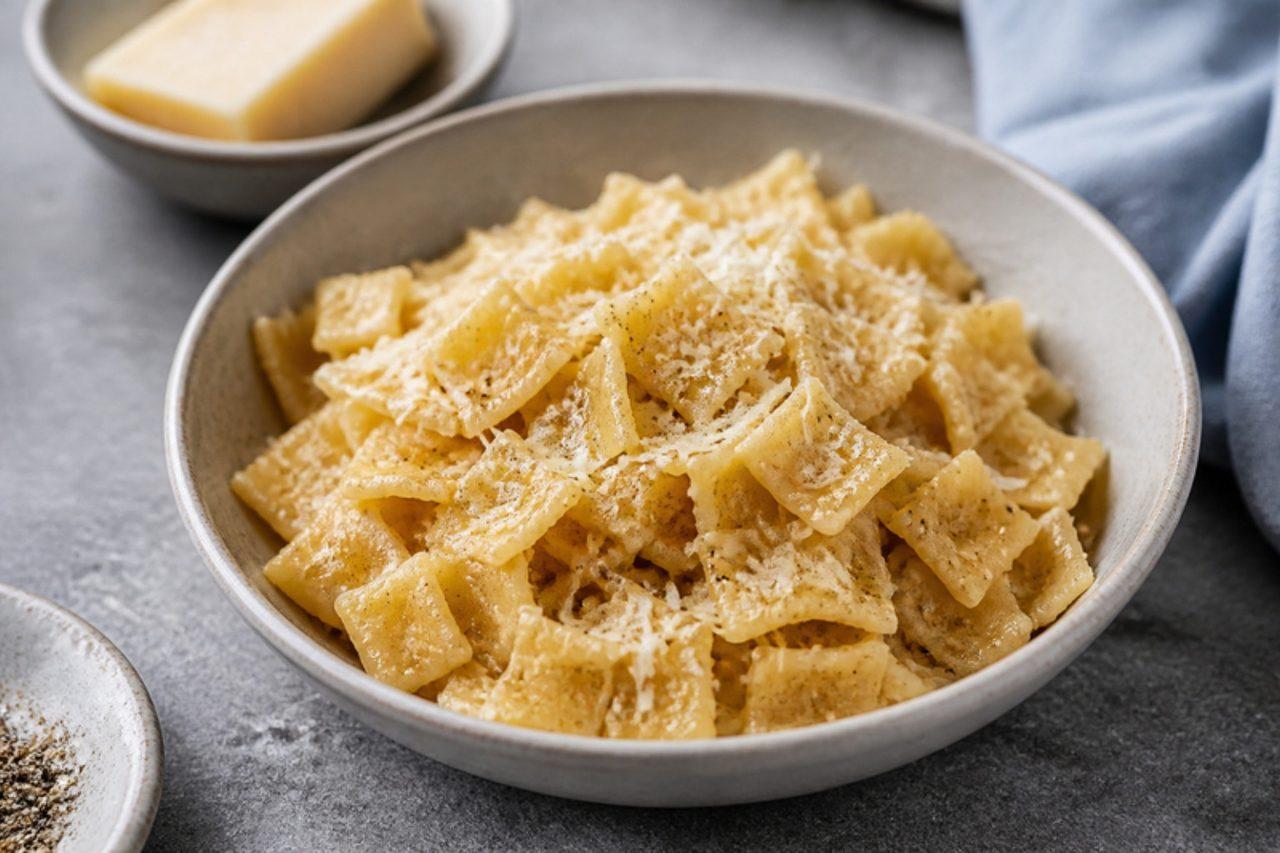
HilopitesEgg pasta with butter and cheese

In late summer, when sheep's milk and eggs are plentiful, the women of Epirus and Thessaly gather to make hilopites: a stiff egg-and-milk dough rolled thin, dried on cloths and cut into tiny squares, then stored in sacks for winter. They're cooked like any pasta, in stock with chicken or simply tossed with sizzling butter and grated cheese, which is how children in Ioannina eat them. This recipe makes a fresh batch and serves it the simple way. Kefalotyri and myzithra are often made with animal rennet; choose a vegetarian hard cheese if needed. Common mistake: cutting the sheets while still soft, so the squares stick — dry them until leathery first. Chef's tip: dried fully, they keep for months in a jar.

by KrazyBadal 0 views

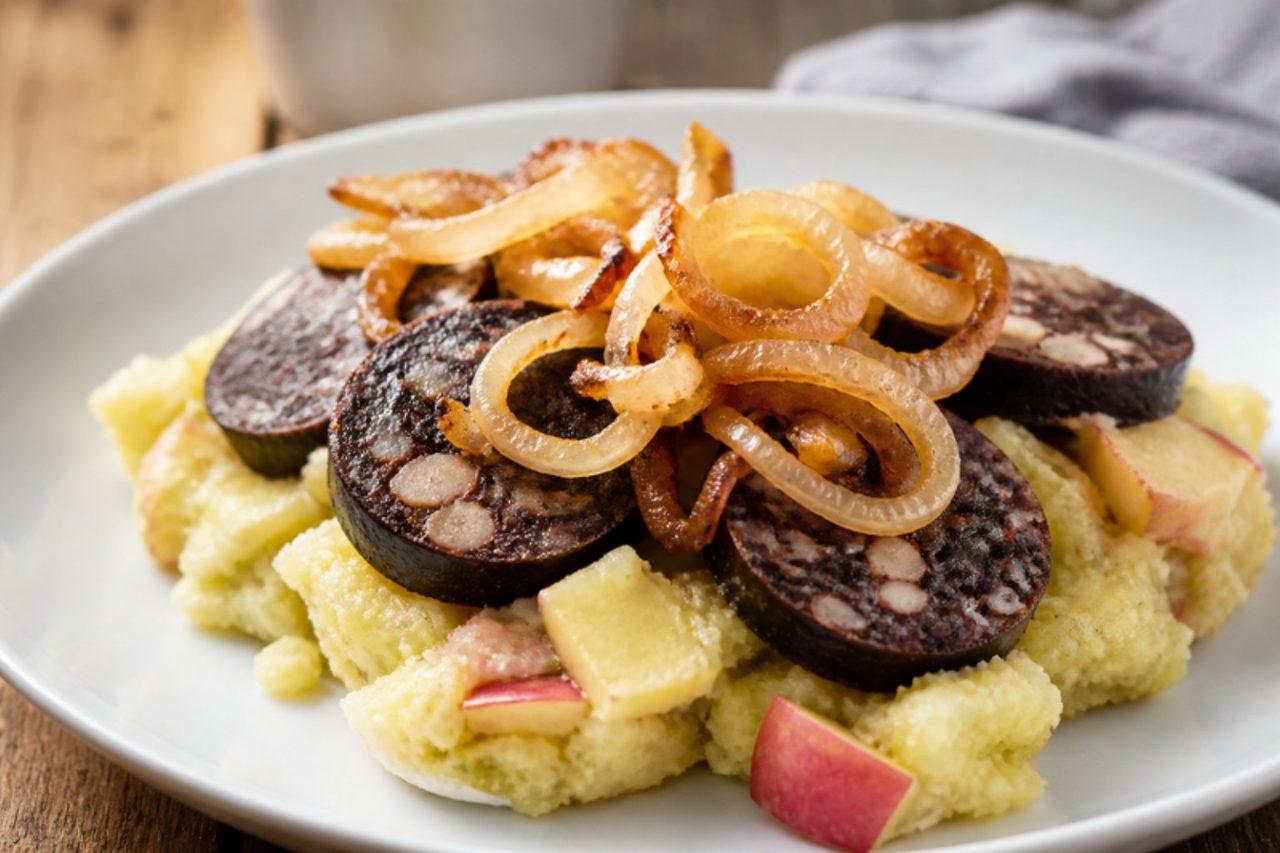
Himmel un ÄädApple potato mash with black pudding

Himmel un Ääd is Cologne dialect for "heaven and earth": apples from the trees above and potatoes from the ground below, mashed together and topped with slices of fried Flönz, the soft Rhineland black pudding, and crisp onions. It is a classic in Cologne's brewery taverns, especially around Carnival and in autumn when the apples are new. For a vegetarian plate, skip the blood sausage and add extra fried onions and a fried egg. Chef's tip: use a sharp apple like Boskop or Bramley, which balances the rich sausage much better than a sweet one.

45 minGermanMeatGluten free
by KrazyBadal 0 views

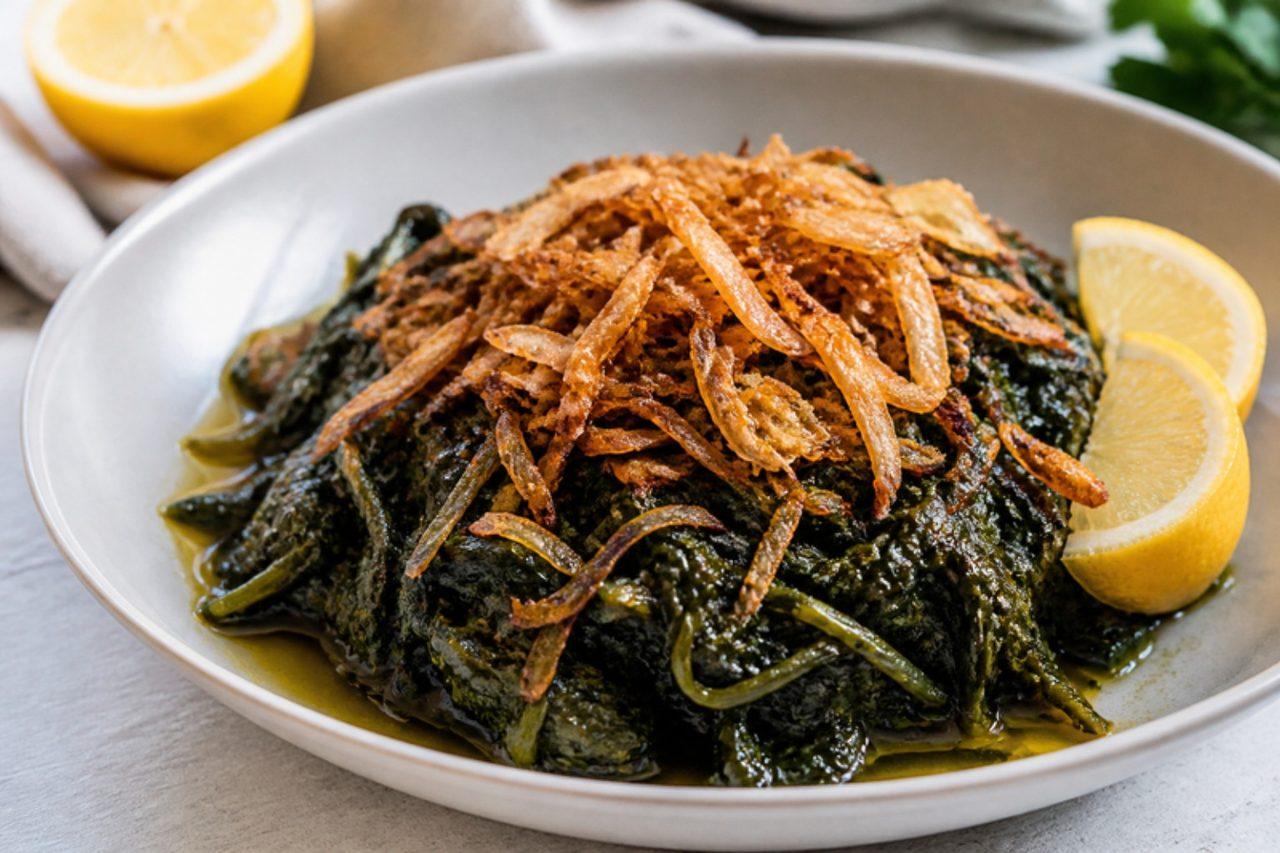
HindbehDandelion greens with fried onions

Each spring, people in the Lebanese hills go out with a knife and a bag to gather wild chicory and dandelion for hindbeh, a Lenten favourite in Christian homes and a regular on mezze tables all year. The bitter greens are blanched, squeezed and fried with garlic in olive oil, then piled with a tangle of deeply browned, crisp onions and served with lemon wedges. The bitterness, the sweetness of the onions and the sharp lemon balance each other, and it is eaten at room temperature with bread. Cultivated dandelion or curly endive from a greengrocer works well. Common mistake: not squeezing the greens dry; water stops them frying and dilutes the oil. Chef's tip: fry the onions slowly and pull them out a shade lighter than you want — they keep darkening on the paper.

by KrazyBadal 0 views

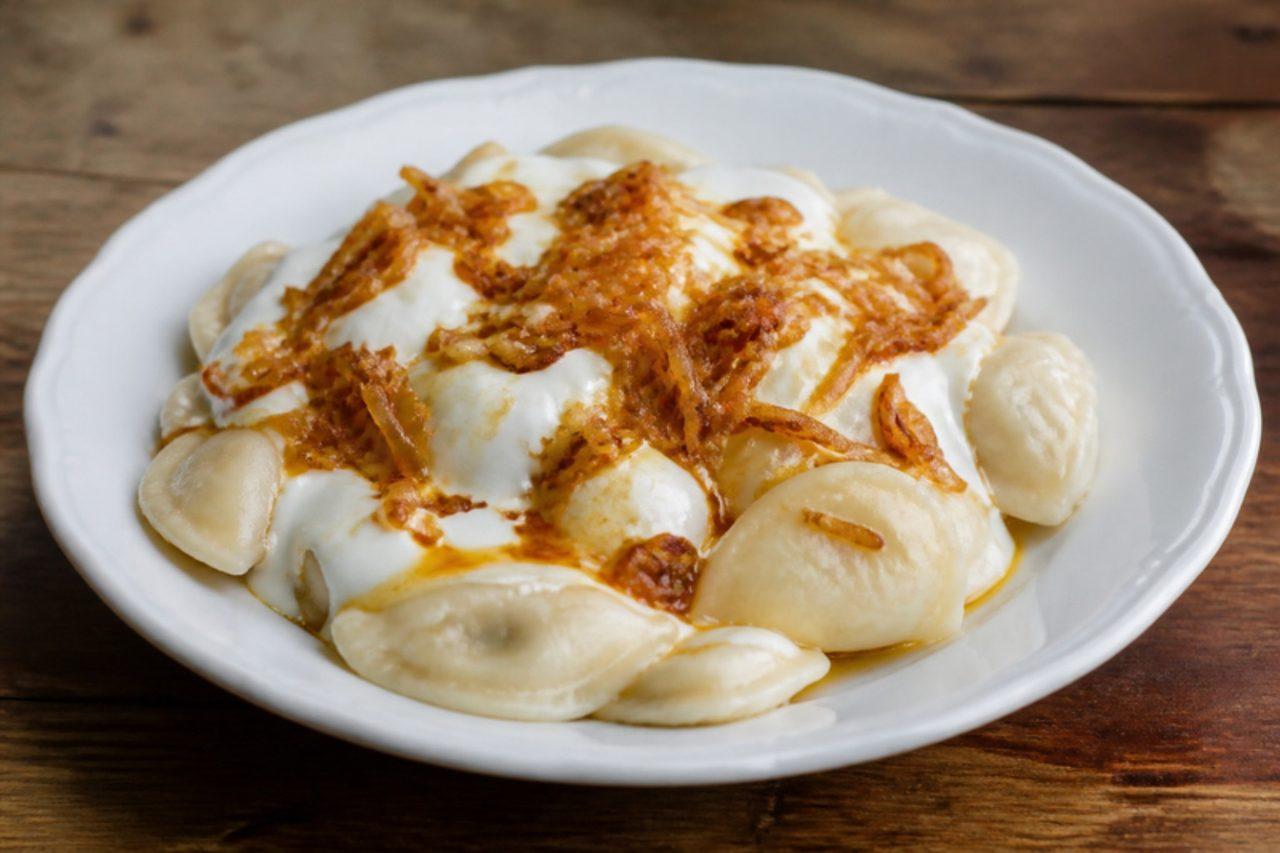
HingelPotato dumplings with browned butter

Hingel is the comfort food of Kars and Ardahan, on Turkey's high north-eastern border, where long winters made potatoes and butter everyday staples. Half-moon dumplings are filled with mashed potato and onion, boiled, then smothered in caramelised onions, garlic yoghurt and plenty of browned butter, much like manti but larger and softer. Common mistake: a wet potato filling that leaks through the seams; dry the boiled potatoes in the pan for a minute before mashing. Chef's tip: fry the onions slowly in the same butter you pour over at the end; it picks up their sweetness.

by KrazyBadal 0 views

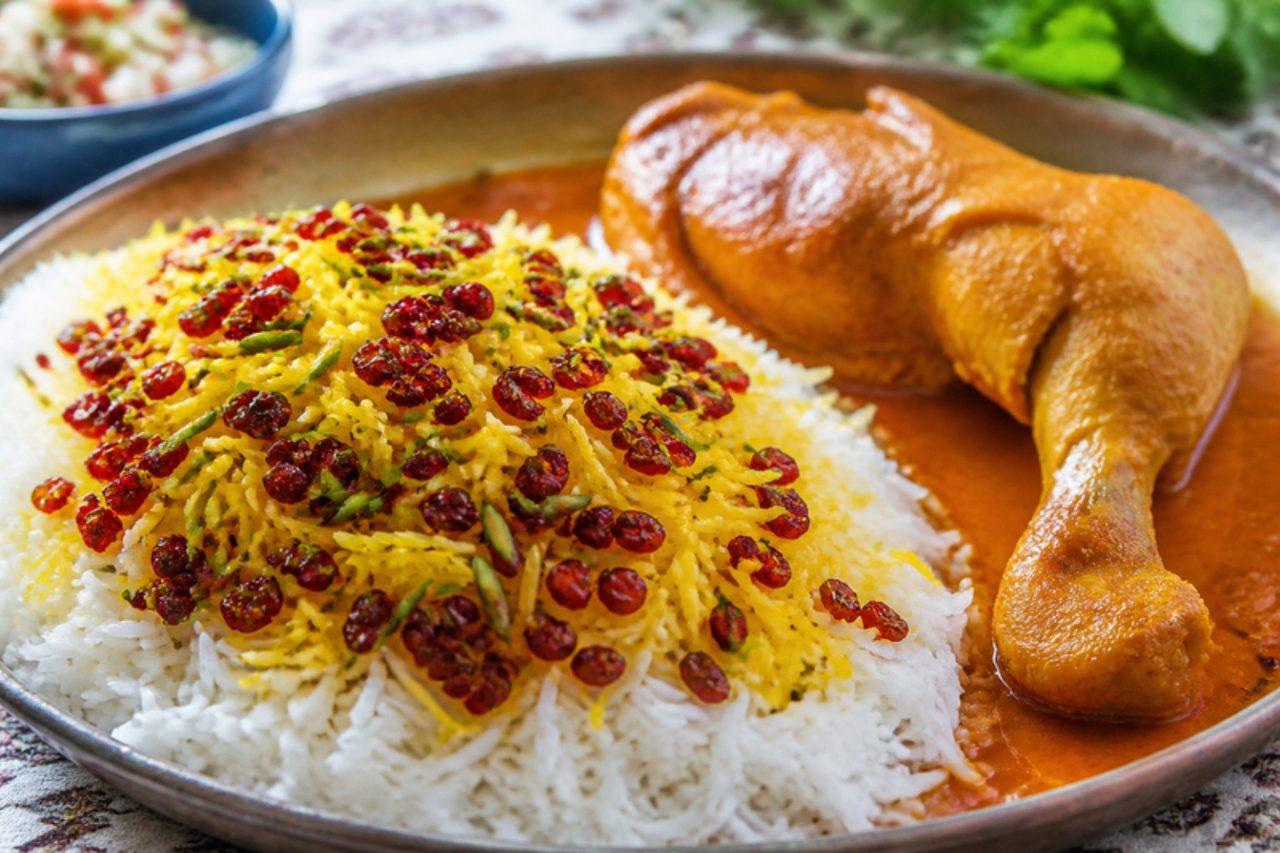
Zereshk polo ba morghBarberry rice with braised chicken

Zereshk polo ba morgh is the rice Iranians cook for guests, weddings and Friday lunches, and its tart red barberries come mostly from the orchards around Birjand in South Khorasan, where the berries are dried on rooftops in autumn. Fluffy steamed basmati is crowned with saffron rice and barberries fried briefly in butter with a little sugar, and served beside chicken braised slowly with onion, tomato and saffron until it is falling off the bone. A common mistake is frying the barberries for more than a minute or two; they burn fast and turn bitter. Chef's tip: sort the barberries on a white plate and remove any tiny stems or grit before soaking.

by KrazyBadal 0 views

Showing 90 of 8,120 recipes

Page 518 of 903