


Skip to content
Papa rellena
Featured recipe

Papa rellena

Stuffed potato croquettes

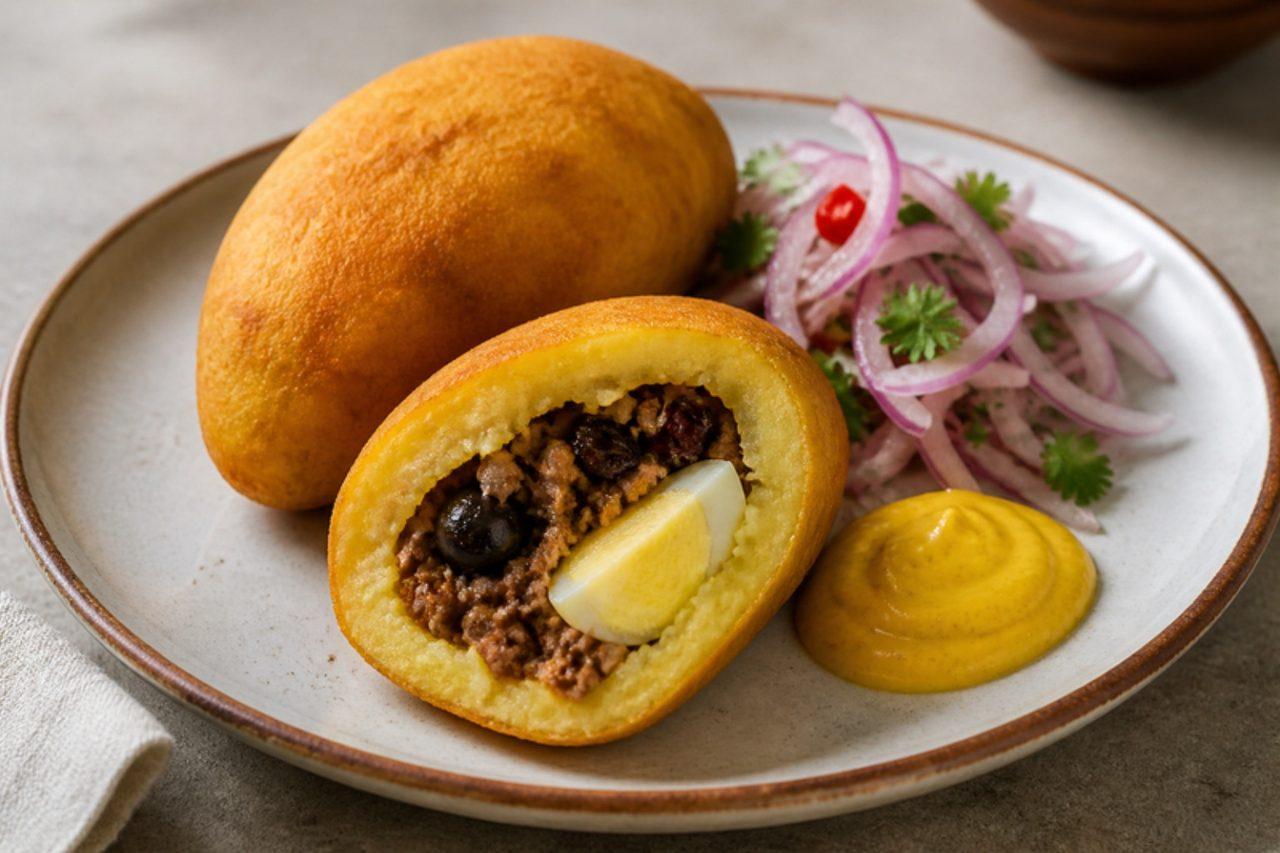
Torpedo-shaped and golden, papas rellenas sit stacked in the glass cases of Lima's sangucherías and market stalls, and they are just as often made at home on a weekday to use up a pot of mash. The shell is plain yellow potato with a crisp, thin crust; inside is a picadillo of minced beef with onion, ají panca, cumin, sliced egg, black olives and a few raisins for sweetness. They are eaten warm with a heap of salsa criolla and a spoon of ají sauce. The usual mistake is working the potato while it is still hot and wet: it turns gluey and splits in the oil, so let it steam dry and cool before shaping. Chef's tip: dust your hands and the croquettes with rice flour rather than wheat flour; it gives a thinner, crisper shell and keeps them gluten free. For a meat-free version, swap the beef for chopped mushrooms fried hard until dry.

Read more 0 views

What to eat today?

Around the world

Today's trip: Persian

A new country every day, from every cuisine on the site.

Persian

Dizi

Lamb and chickpea stew 245 minMore from Persian (131) →

This week's collection

Kid-friendly dinners
537 recipes · a new collection every Monday

Latest recipes

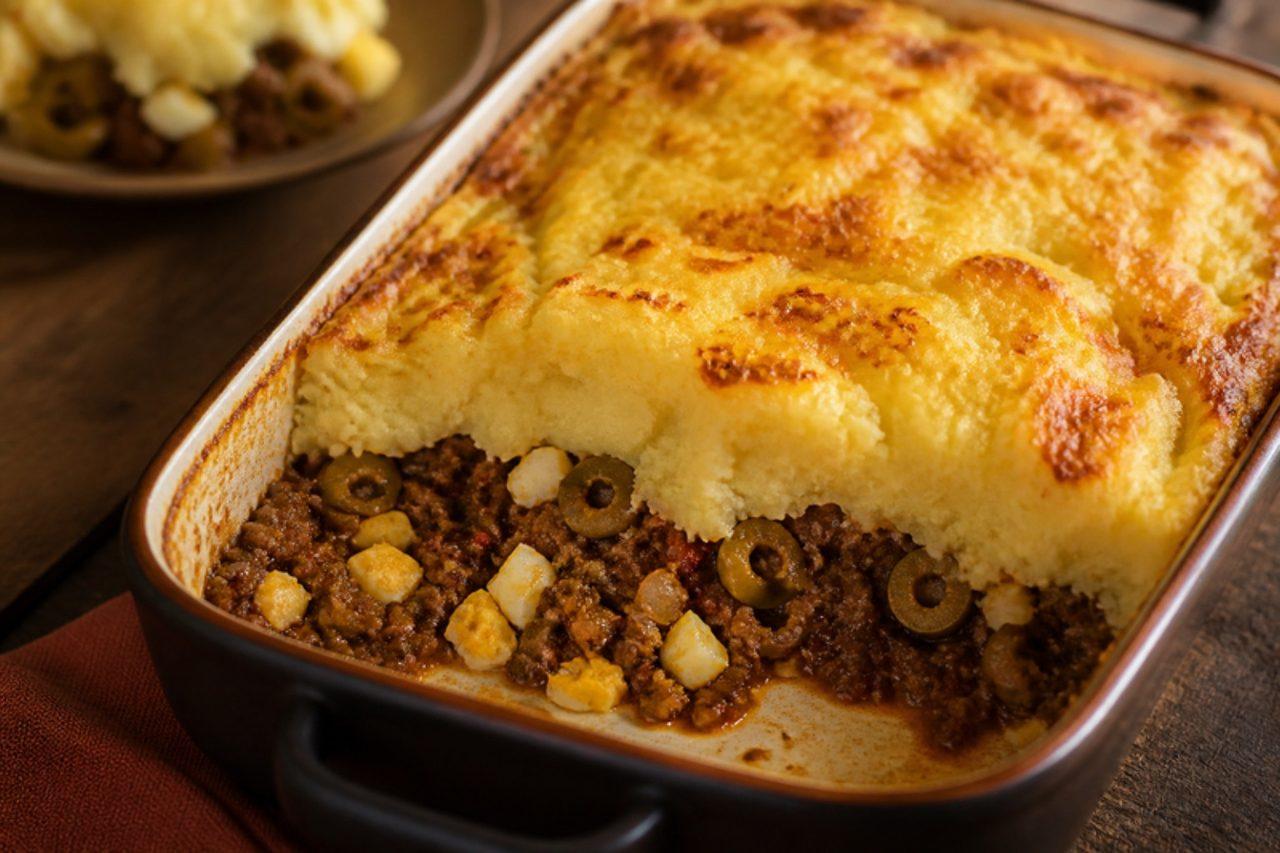
Pastel de papasBeef and mashed potato pie

Midweek family dinners in Buenos Aires often come out of the oven in a deep dish: pastel de papas, the Argentine answer to cottage pie. The beef picadillo is cooked the way it is for empanadas, with onion, red pepper, paprika and cumin, then studded with green olives, chopped boiled egg and sometimes raisins for a sweet-salty bite, all under a thick, creamy mash browned with cheese or sugar on top. It is a dish of school lunches and Sunday leftovers, served with a green salad. Mince must reach 71 °C, which it will long before the potato crust browns; just make sure no pink remains when you cook the filling. A runny filling is the usual letdown, as it seeps into the mash, so cook it until the pan is almost dry. Chef's tip: sprinkle a teaspoon of sugar over the mash before baking, as many Argentine cooks do; it caramelises into a thin, crackly golden crust.

by KrazyBadal 0 views

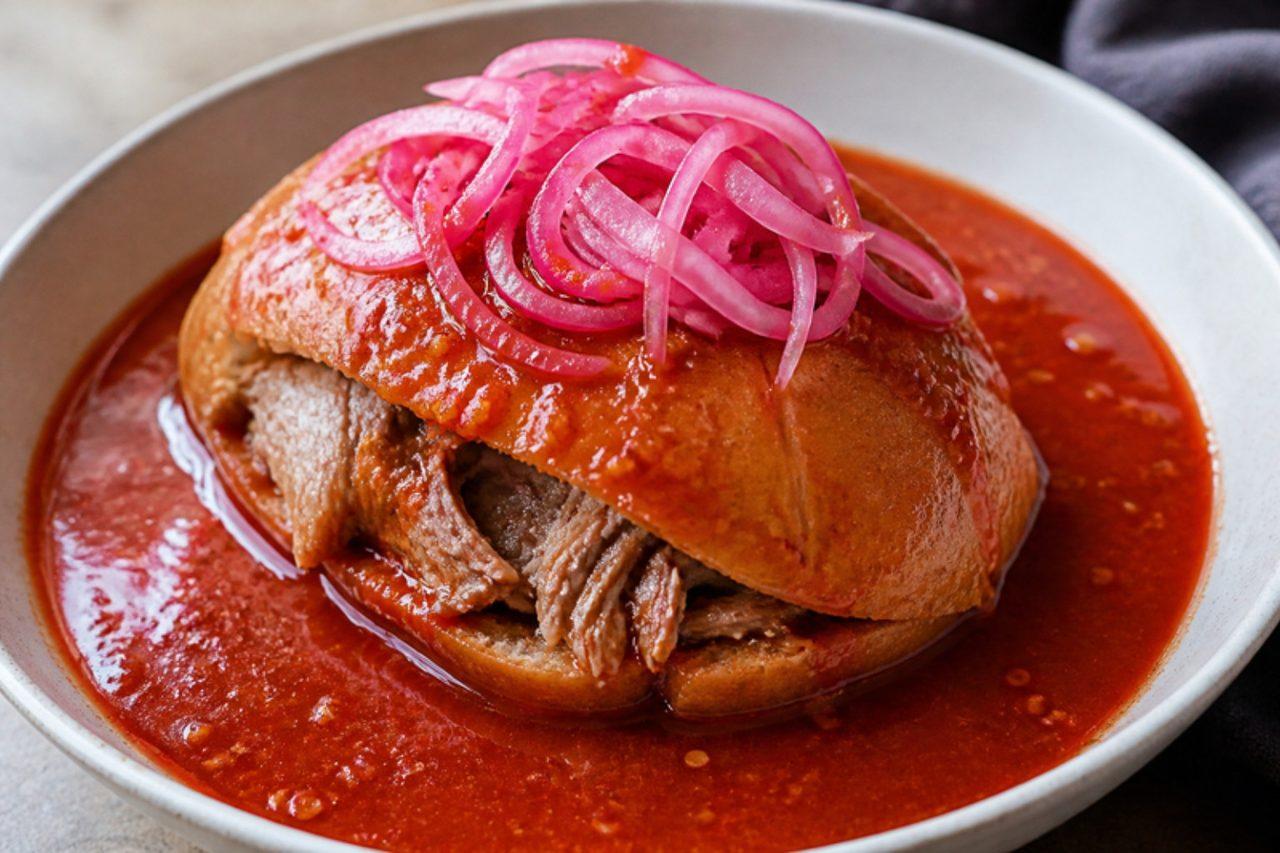
Tortas ahogadasPork rolls in tomato sauce

Guadalajara's great hangover cure, the torta ahogada is sold from street stands and small fondas all over the city from mid-morning. A crusty roll is split, packed with pork carnitas, then 'drowned' in a thin, mild tomato sauce and splashed with a ferociously hot chile de árbol salsa; you can order it half-drowned or fully submerged, and eat it with a plastic bag over your hand or with a knife and fork. The local birote salado, a sourdough roll with a hard crust, rarely exists outside Jalisco, so use the crustiest small baguettes or sourdough rolls you can find. Pickled red onions and a few radishes are the classic side. Chef's tip: let the rolls go a day stale and toast the cut sides; a firm, dry crumb soaks up sauce without turning to mush.

by KrazyBadal 0 views

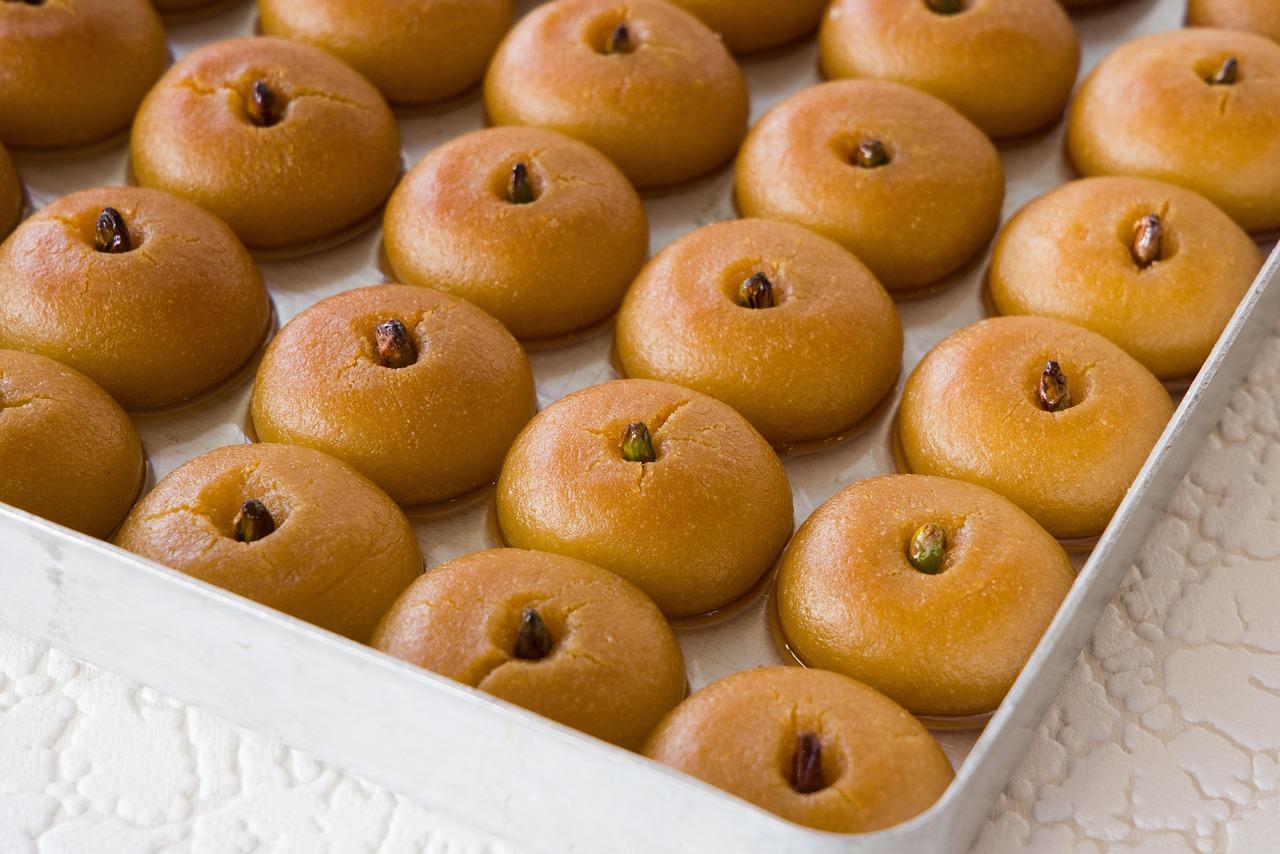
ŞekerpareSemolina almond cookies in syrup

Şekerpare is the cookie that every Turkish household bakes for bayram visits, when trays are passed to relatives and neighbours along with coffee and cologne for the hands. Soft, buttery rounds of semolina dough are each topped with an almond, baked until golden and then soaked in syrup until they are tender all the way through but still hold their shape. They keep for days and taste better on the second. Common mistake: cold syrup on cold cookies, which never soaks in; one of them must be hot. Chef's tip: bake until the bases are properly golden; pale cookies turn mushy when they meet the syrup.

by KrazyBadal 0 views

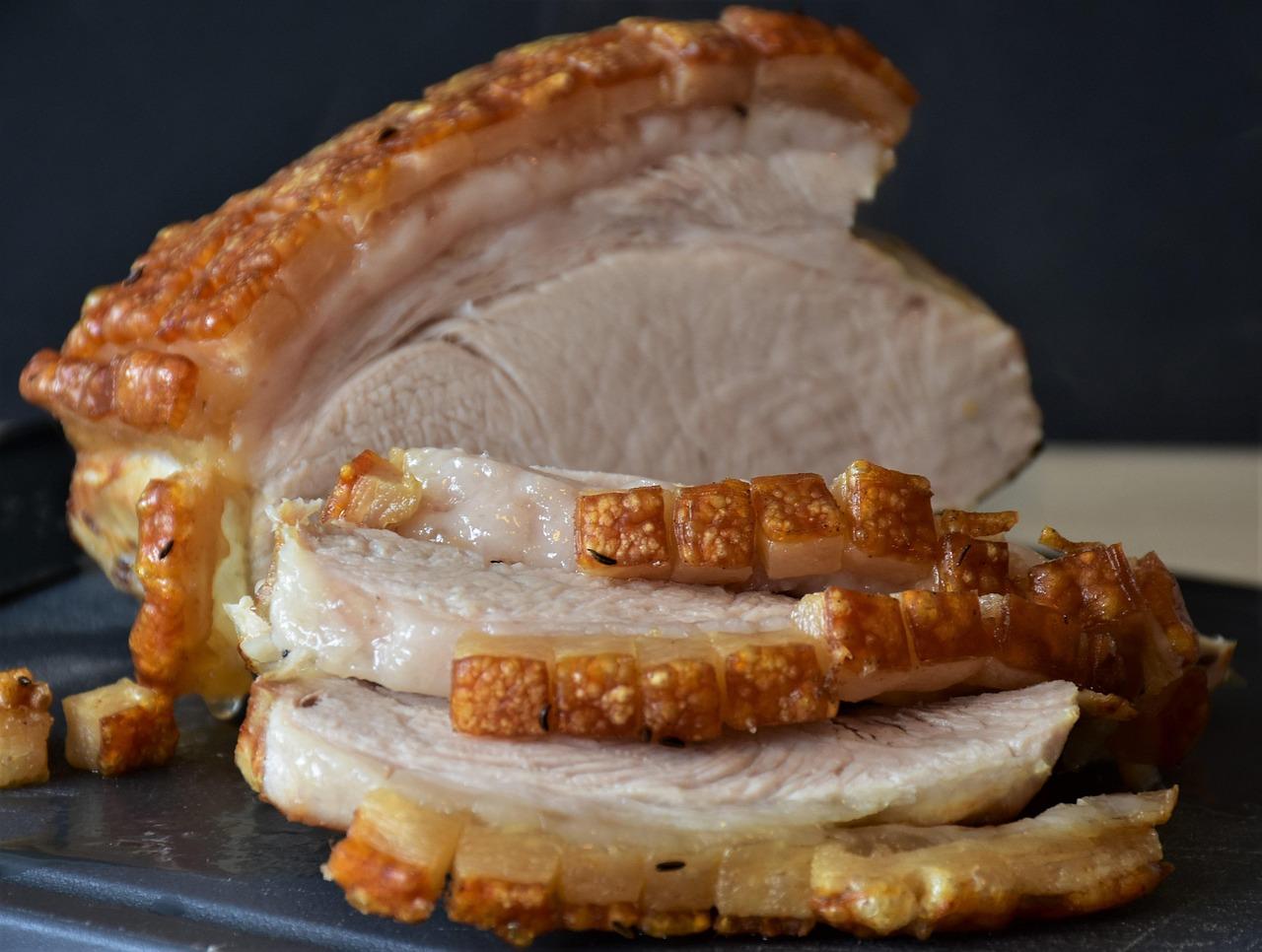
PorcedduRoast suckling pig

Porceddu is Sardinia's feast: a whole suckling pig spit-roasted for hours beside an open wood fire at weddings, village saints' days and Ferragosto, then laid on a bed of myrtle branches so the hot meat soaks up their scent. The skin turns glass-crisp and the pork underneath is soft and juicy. Suckling pig and fresh myrtle are hard to find outside Sardinia, so this home-oven version uses a skin-on piece of pork belly or shoulder, with bay leaves and rosemary standing in for myrtle. Serve with bread, roast potatoes and a salad. Chef's tip: salt the dried skin and leave it uncovered in the fridge overnight; dry skin is the secret to real crackling.

200 minItalianMeatGluten free
by KrazyBadal 0 views

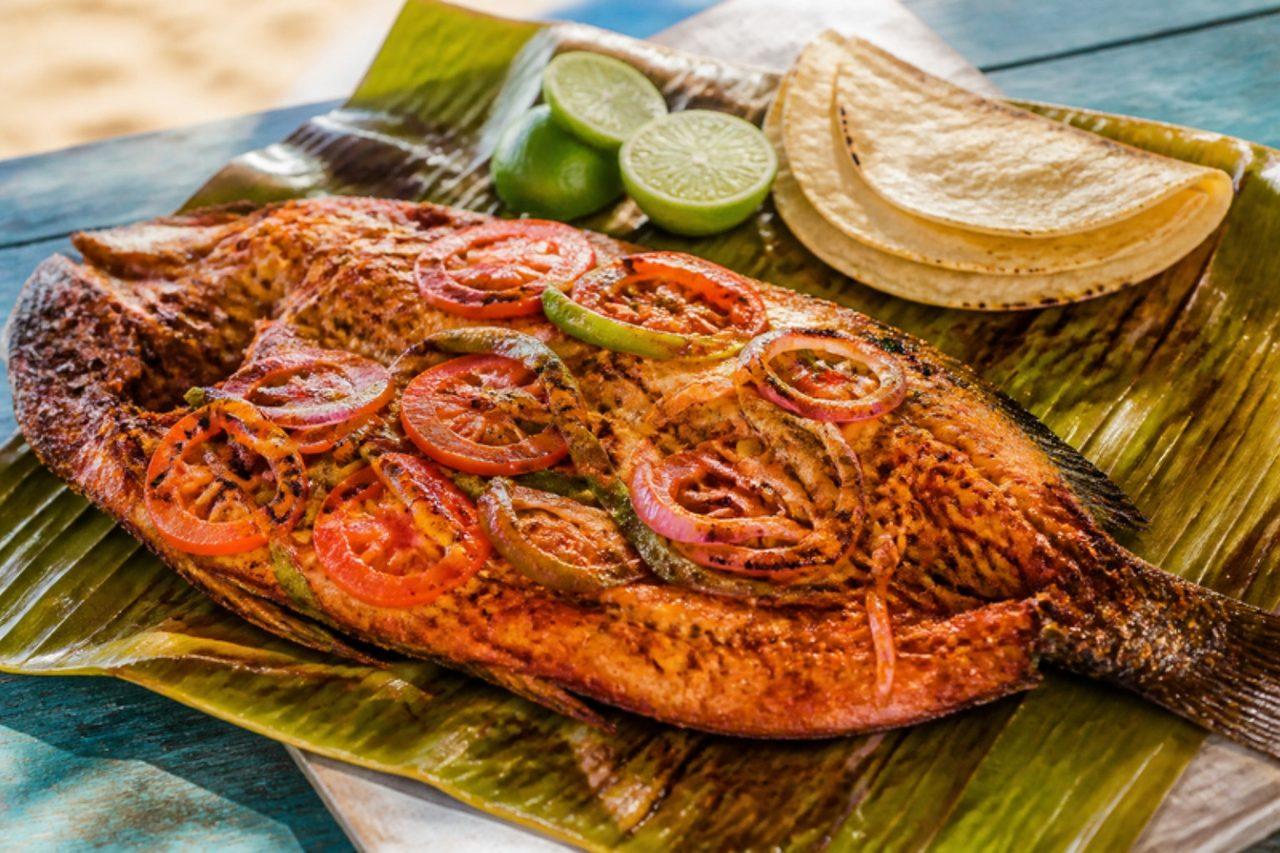
Tikin xicAchiote fish in banana leaf

Beach restaurants on the coasts of Quintana Roo and Campeche cook tikin xic over charcoal: a butterflied whole fish, or thick fillets, rubbed with brick-red achiote and bitter orange, laid on banana leaves under tomato, onion and pepper and grilled until smoky. The flesh stays moist and turns a deep orange, tangy and earthy rather than hot. Seville orange is the traditional sour; orange and lime juice together stand in well. Serve it with corn tortillas, rice, pickled red onion and habanero salsa so everyone can make tacos at the table. Chef's tip: cook the fish skin side down without turning; the banana leaf protects it and keeps the achiote from scorching.

by KrazyBadal 0 views

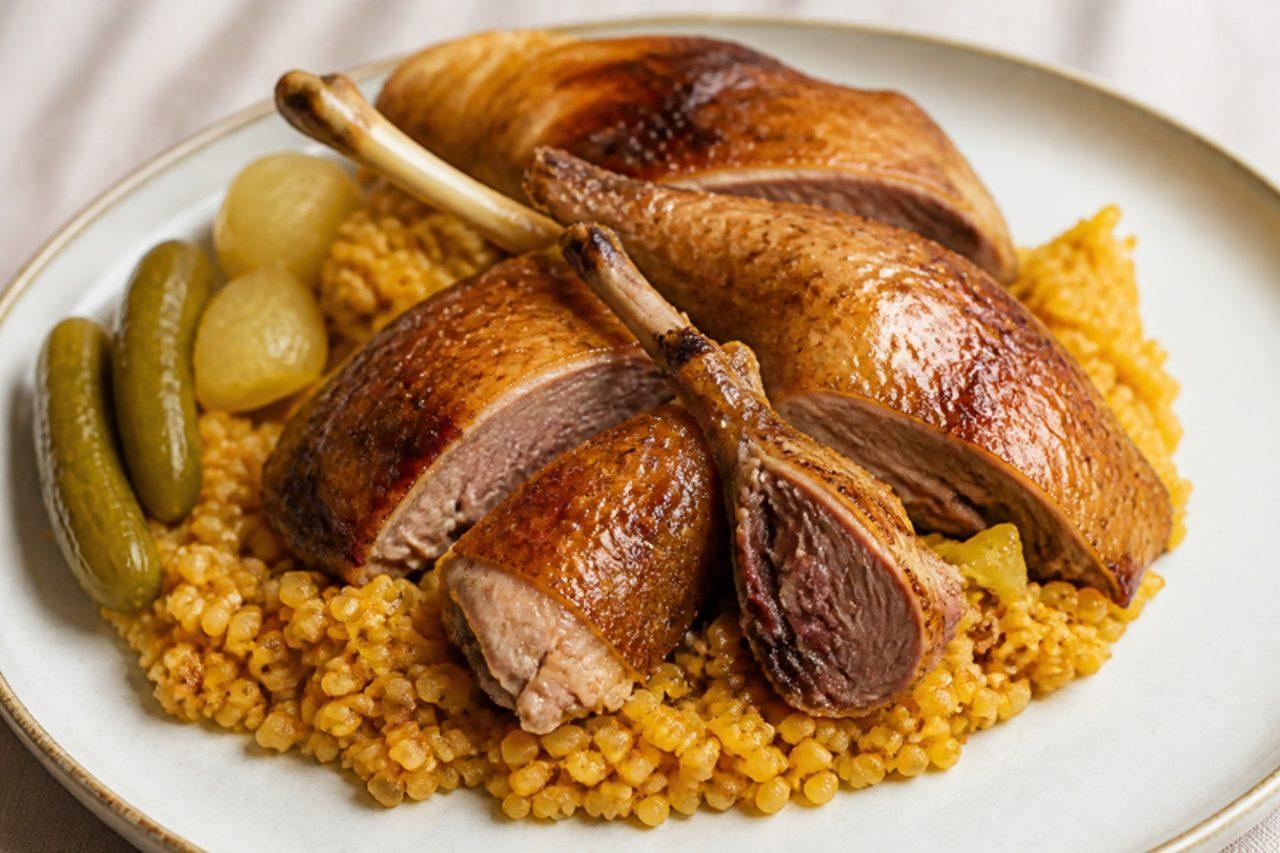
Kars kazıRoast goose with bulgur pilaf

In Kars, geese are raised all summer, slaughtered in the first frosts, salted and hung in the cold air, then roasted through the winter for weddings and long family dinners. The crisp-skinned meat is served on a bed of bulgur pilaf cooked in the goose's rich fat and broth, and nothing else is needed but pickles and ayran. This home version uses a fresh goose, salted for a day in the fridge. Common mistake: not pricking the skin, which traps the fat and leaves the skin flabby. Roast until the thickest part of the thigh reaches 74 °C and the juices run clear. Chef's tip: pour off the fat during roasting and keep it; a spoonful in the pilaf and the rest for roast potatoes.

240 minTurkishMeat
by KrazyBadal 0 views

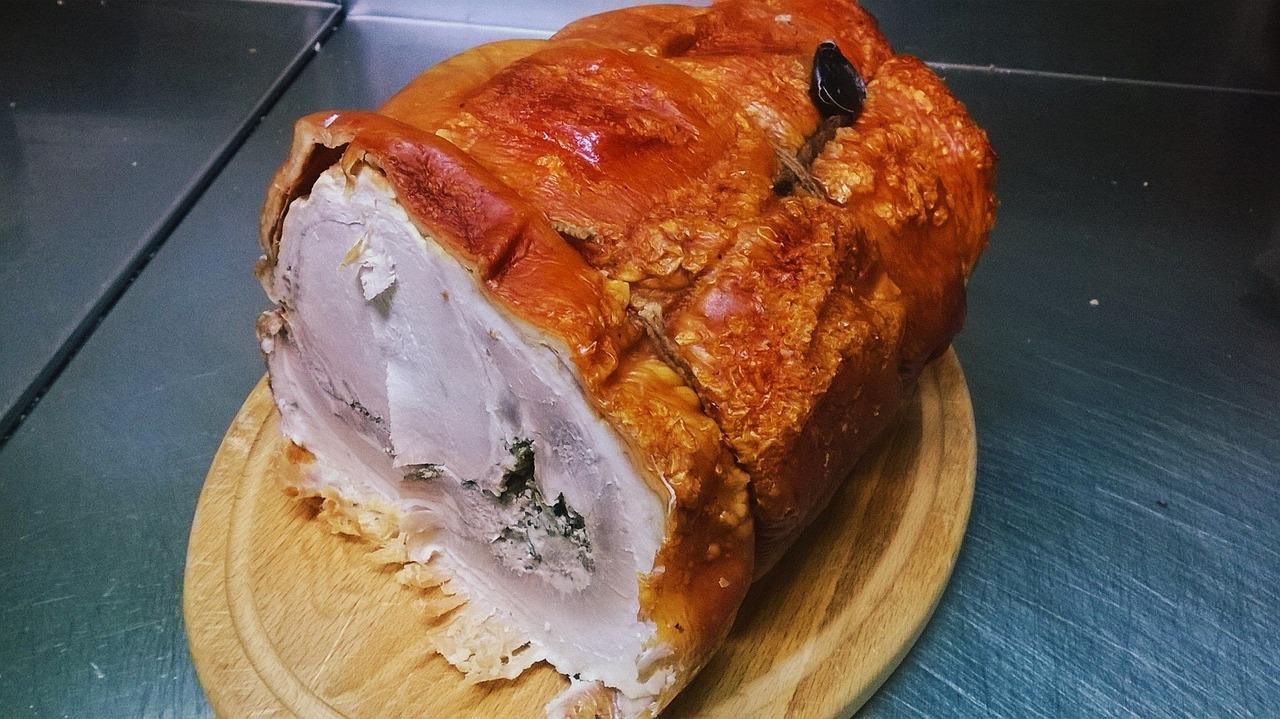
PorchettaHerb-stuffed roast pork belly

Porchetta is the street food of central Italy: in Ariccia, in the hills south of Rome, and across Umbria, vans at markets and village festivals carve thick slices of this slow-roasted pork, stuffed with garlic, rosemary, fennel and pepper, straight into crusty rolls. Whole pigs are used there; at home, a piece of pork belly rolled around the loin gives the same juicy meat, herby centre and shatteringly crisp crackling. Serve it in rolls, or hot in slices with roast potatoes and greens, and the leftovers are just as good cold. Chef's tip: leave the tied roll uncovered in the fridge overnight; a dry skin is what turns into blistered crackling.

280 minItalianMeat
by KrazyBadal 0 views

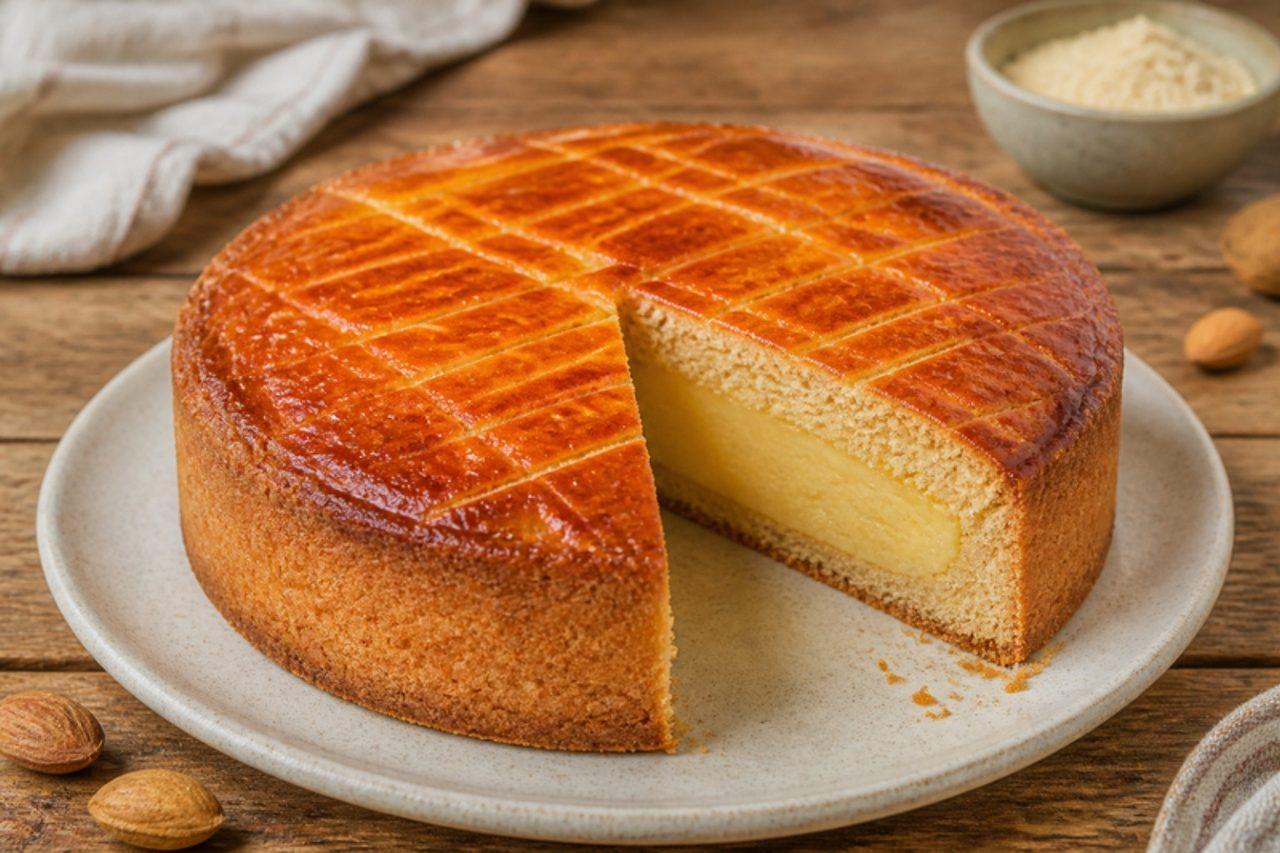
Pastel vascoAlmond cake with pastry cream

Bakeries across the French Basque province of Labourd, from Cambo-les-Bains to Saint-Jean-de-Luz, sell this round cake by the slice, and the village of Itxassou has long filled it with black cherry jam instead of cream. The dough sits between a biscuit and a shortcake, rich with butter and ground almonds, and it hides a thick layer of vanilla pastry cream. Some bakers add a spoon of rum to the cream; this one leaves it out. A common mistake is baking it too pale, so the crust stays soft: wait for a deep golden top. Chef's tip: chill the dough well, as it is very soft and much easier to roll when cold.

by KrazyBadal 0 views

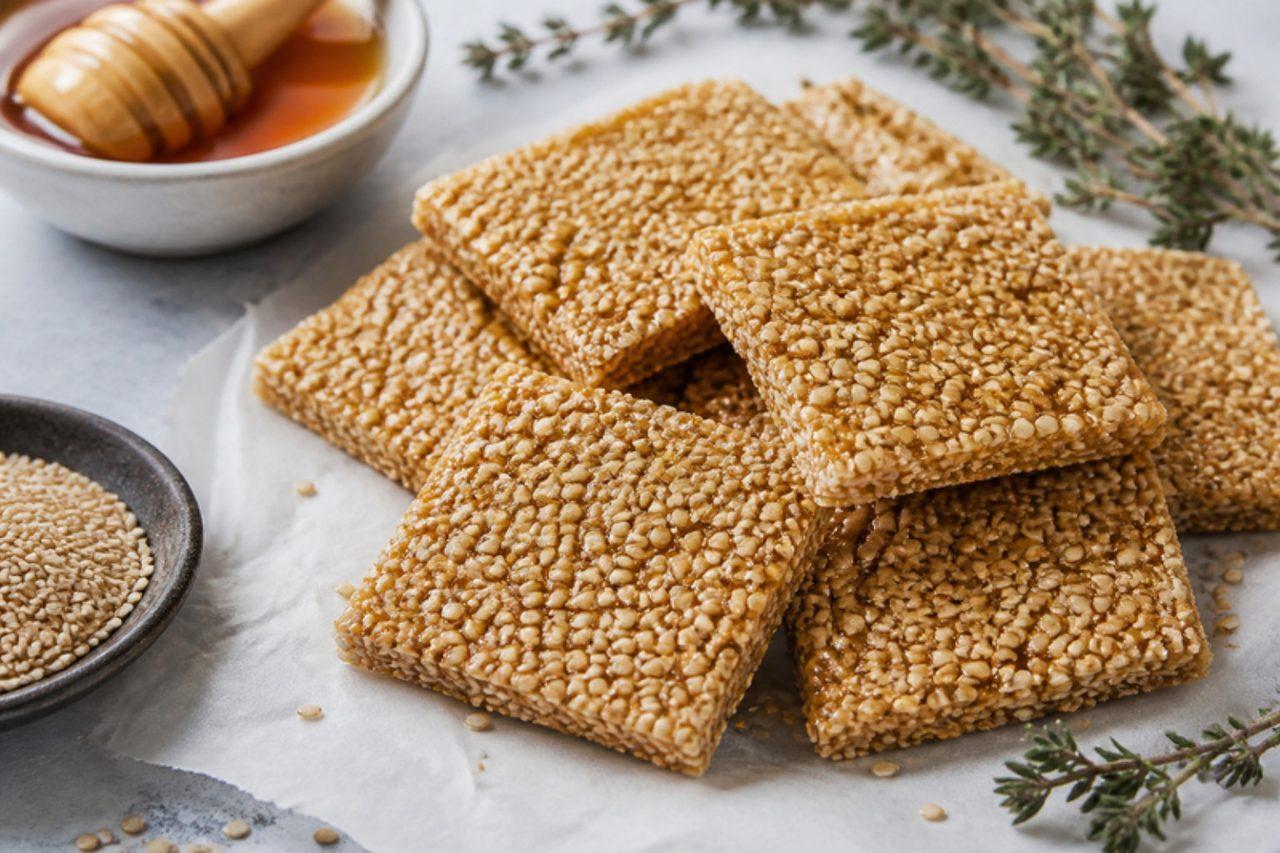
PasteliSesame honey bars

Pasteli is one of the oldest sweets in Greece, and on islands like Sifnos and Andros it is still made in the home kitchen for weddings and feast days, sometimes cut into diamonds and served on lemon leaves. Toasted sesame seeds are bound in hot honey and set into a thin sheet that snaps cleanly but softens slightly as you chew, tasting of nuts and wild thyme. Common mistake: taking the honey off the heat too early, which leaves bars that stay sticky and bend instead of snapping. Chef's tip: test a drop of the honey in cold water; when it sets into a firm ball you can press without it flattening, it's ready.

by KrazyBadal 0 views

Tsai tou vounouMountain tea with honey and lemon

Bunches of dried sideritis, the woolly-leaved herb Greeks call mountain tea, hang in village kitchens from Mount Olympus to Taygetos, and a pot is brewed at the first sniffle of winter or after a long walk. The tea is pale gold with a gentle lemony, earthy, slightly floral taste, and it is drunk with honey, a slice of lemon and sometimes a cinnamon stick. Common mistake: brewing it like black tea with boiling water for a minute; it needs a gentle simmer to draw out flavour. Chef's tip: break the dried stems into the pot along with the flowers; the flower heads hold most of the aroma, the stems add body.

by KrazyBadal 0 views

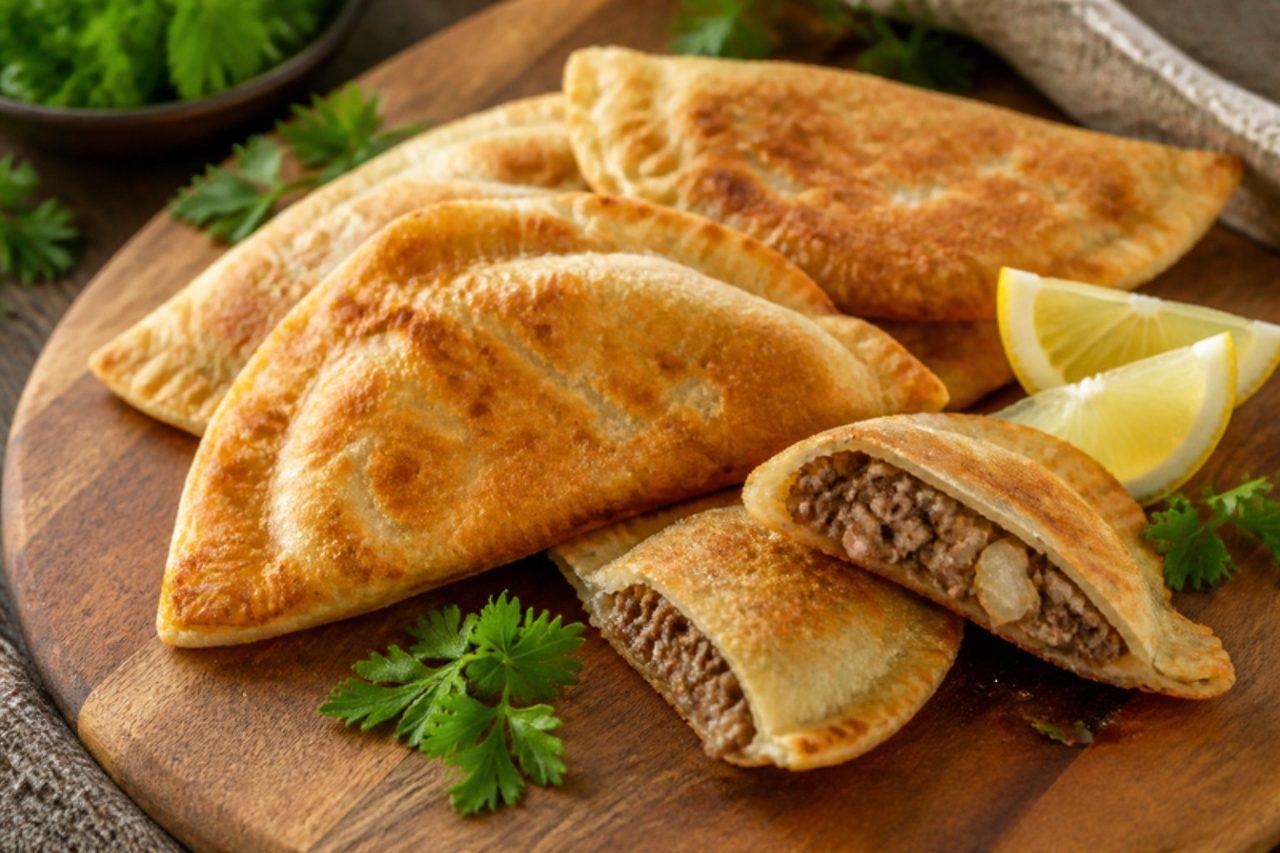
SembusekSpiced mince flatbread pies

Mardin's stone bakeries fill their ovens with sembusek on weekend mornings: thin rounds of dough folded over a filling of minced meat, onion, parsley and pepper paste, sealed into half-moons and baked until crisp and freckled. Families make big batches for picnics and Ramadan, and eat them warm with ayran or a glass of tea. The meat goes in raw and cooks inside the pastry, so roll the dough thin enough to cook through. Common mistake: a wet filling that makes the base soggy; squeeze the grated onion hard. Chef's tip: brush the tops with a little water and butter as they come out of the oven so they soften just enough to fold over a bite of salad.

by KrazyBadal 0 views

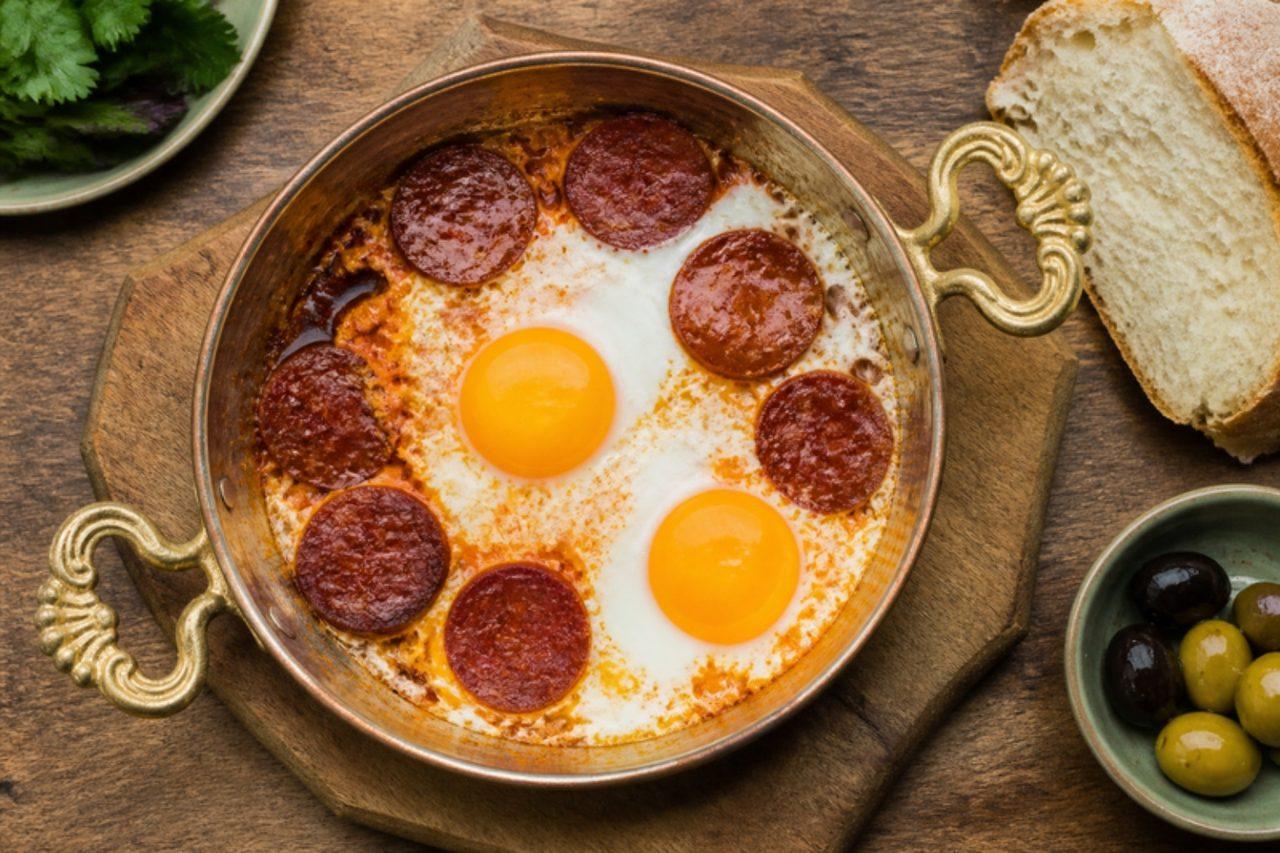
Sucuklu yumurtaSpicy sausage with eggs

No Turkish weekend breakfast spread feels complete without a sizzling sahan of sucuklu yumurta carried to the table: slices of garlicky, cumin-spiced beef sucuk fried in their own red fat, with eggs cracked over and cooked just until the whites set. Everyone tears bread and dips it straight into the pan, between bites of cheese, olives and tomato. Sucuk is a cured beef sausage; cook it thoroughly. Common mistake: frying the sucuk on high heat, which burns the spices and makes the slices curl and harden. Chef's tip: add a teaspoon of water to the pan once the sucuk has released its fat; it stops the slices burning and helps cook the egg tops.

by KrazyBadal 0 views

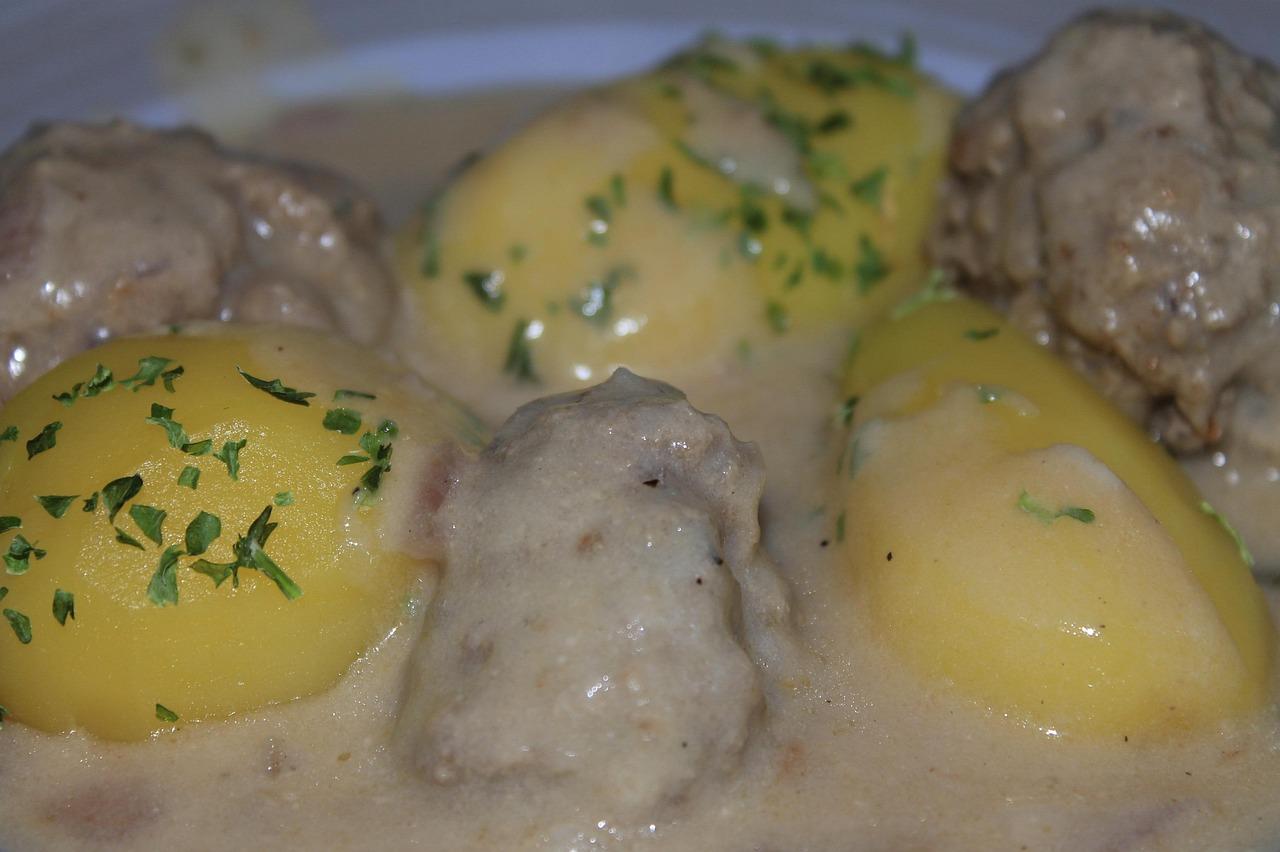
Königsberger KlopseVeal meatballs in caper sauce

Königsberger Klopse come from old East Prussia, but today they are cooked all over Berlin and eastern Germany as a weekday family dinner and a school-canteen favourite. Soft meatballs of veal, or veal mixed with pork, are poached in broth, then served in a creamy, lemony white sauce dotted with capers, with boiled potatoes and beetroot salad. A little anchovy in the meat is traditional and gives a savoury depth without tasting of fish. Chef's tip: poach, never boil, the meatballs; a gentle simmer keeps them light and stops them breaking.

60 minGermanMeat
by KrazyBadal 0 views

Pastelitos criollosFried quince pastries

Every 25 May, when Argentina marks the 1810 revolution, bakeries and school kitchens from Buenos Aires to Tucumán turn out trays of pastelitos: two squares of flaky dough stacked into a star, filled with dulce de membrillo or dulce de batata, fried until the layers fan open and then dipped in syrup. They are eaten warm with mate or hot chocolate, shattering crisp outside and sticky in the middle. Lard is the traditional fat in both the dough and the frying pan; this version uses butter or vegetable shortening for laminating and sunflower oil for frying, so it stays vegetarian. Expect a hard but rewarding job: the dough is folded like a quick puff pastry. Oil that is too hot is the classic error, browning the outside before the inner layers have opened, so keep it around 160 °C. Chef's tip: pinch the four corners of the top square down onto the gaps of the bottom one and press with a wet fingertip, or the star unfolds in the oil and the filling leaks.

by KrazyBadal 0 views

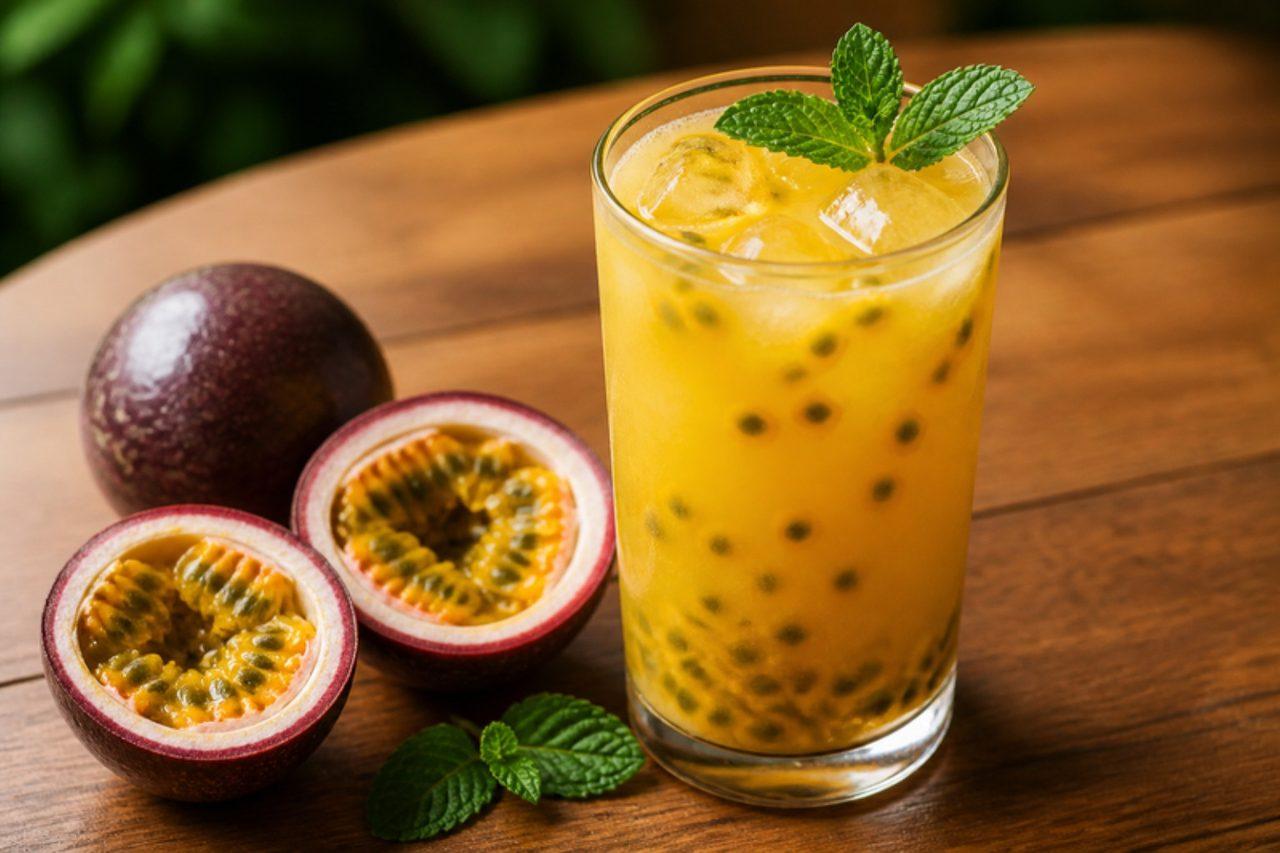
Suco de maracujáPassion fruit juice

Brazilian lunch counters, the pratos feitos joints known as PFs, list suco de maracujá on every chalkboard, and many people order it for its famously calming effect after a long morning. Yellow passion fruit is blended briefly with cold water, strained and sweetened, which gives a vivid, perfumed, very tart drink that goes with rice, beans and a grilled steak just as well as with a beach snack. Use wrinkled, heavy fruit for the most juice, or frozen unsweetened pulp from Latin shops. Over-blending is the slip people make: crushed seeds turn the juice gritty and bitter. Chef's tip: blend the pulp with only a little of the water first, in a couple of short pulses, strain, then add the rest of the water and the sugar.

by KrazyBadal 0 views

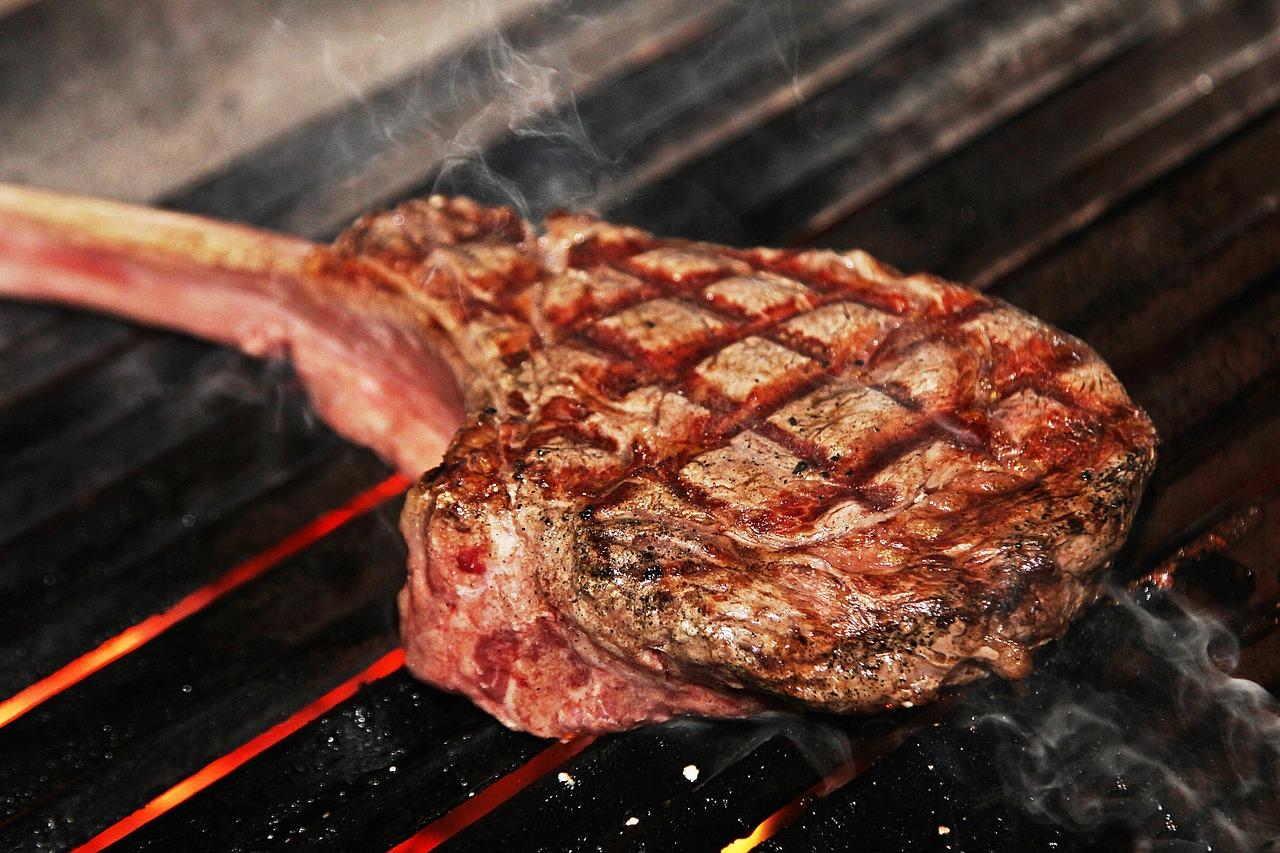
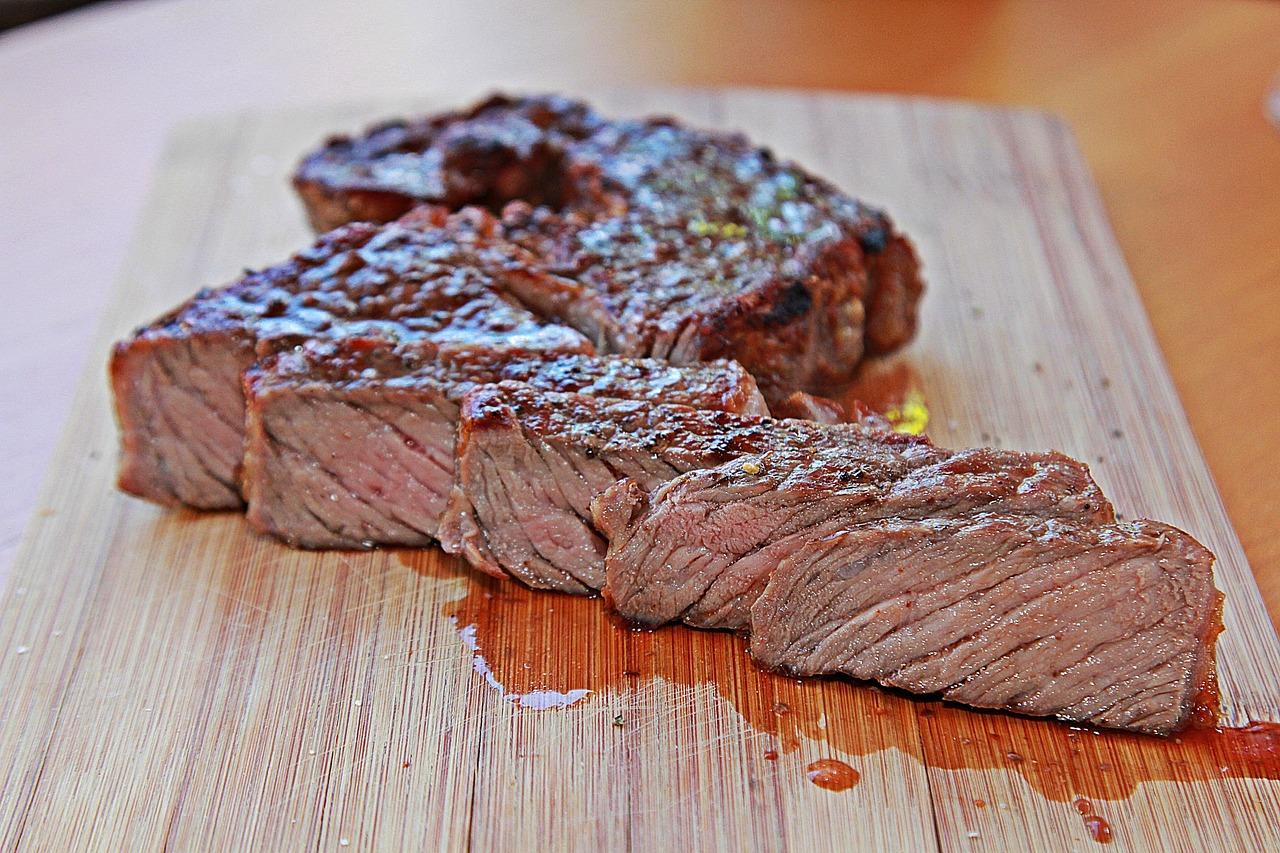
TxuletaGrilled aged rib steak

In the cider houses of Astigarraga and Hernani, the January-to-April season ends every meal with a txuleta: a huge bone-in rib steak from an older cow, aged for weeks, seared over oak coals and sliced at the table. It is eaten very pink inside with plenty of coarse salt and a plate of fried green peppers. A rare whole steak is generally safe when the outside is well seared, because bacteria sit on the surface, but for pregnant women, young children or anyone with a weakened immune system, cook it to at least 63 °C in the centre. A common mistake is cooking a fridge-cold steak, which burns outside before the middle warms. Chef's tip: salt only once the first side is seared, so the surface stays dry and crusts well.

by KrazyBadal 0 views

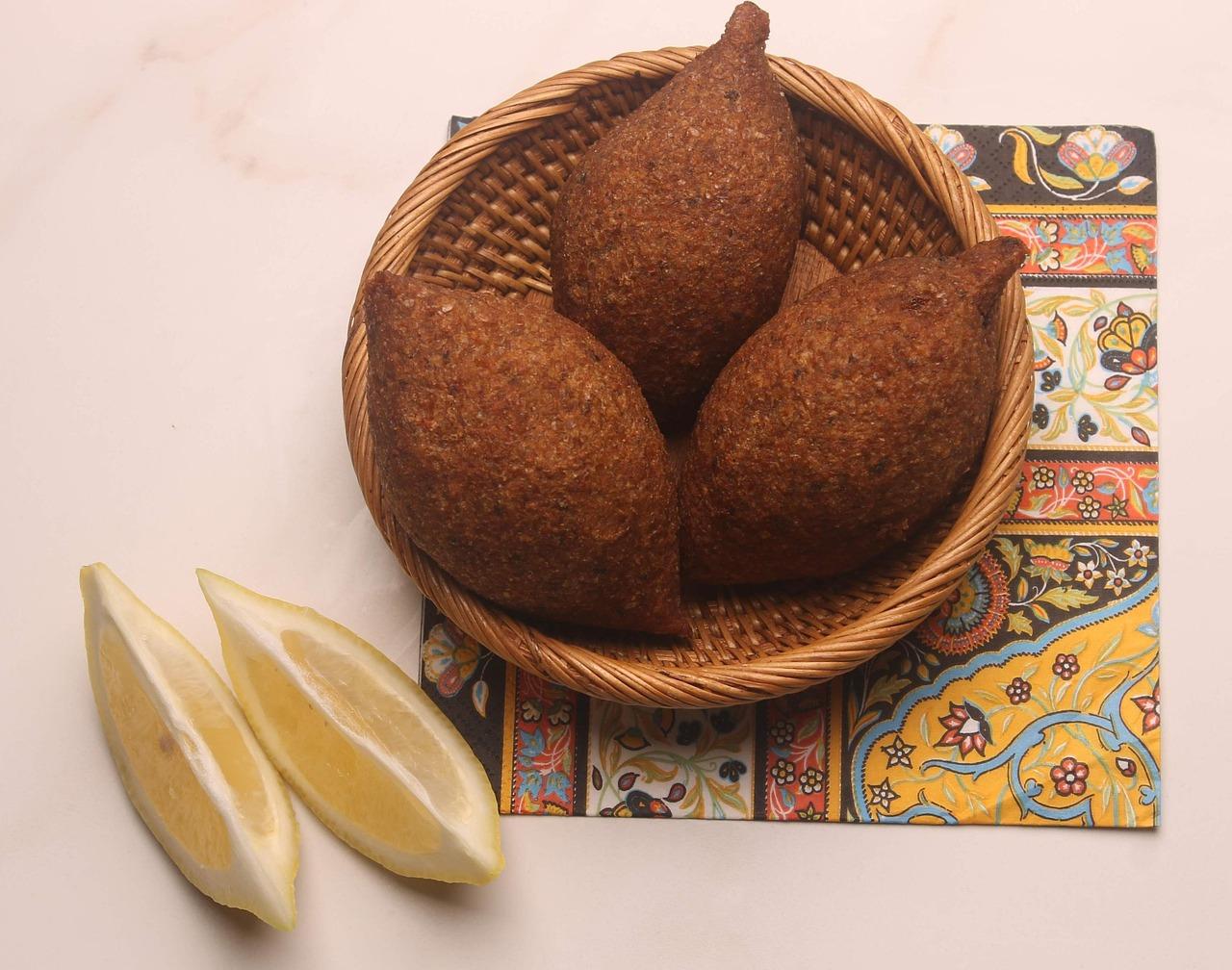
İçli köfteStuffed bulgur shells

Making içli köfte is the test of a southeastern Turkish cook: a thin, even shell of bulgur dough is hollowed out on a finger and filled with mince fried with onion, walnuts and spices, then sealed into a pointed torpedo. Families in Mardin, Urfa and Diyarbakır make dozens before bayram, freezing them to fry for guests. Crisp outside, juicy inside, they are served hot with lemon. Common mistake: a thick shell; it cracks in the oil and tastes doughy. Chef's tip: keep a bowl of iced water by you and wet your fingers constantly; the dough becomes smooth and stretches thin without tearing.

115 minTurkishMeat
by KrazyBadal 0 views

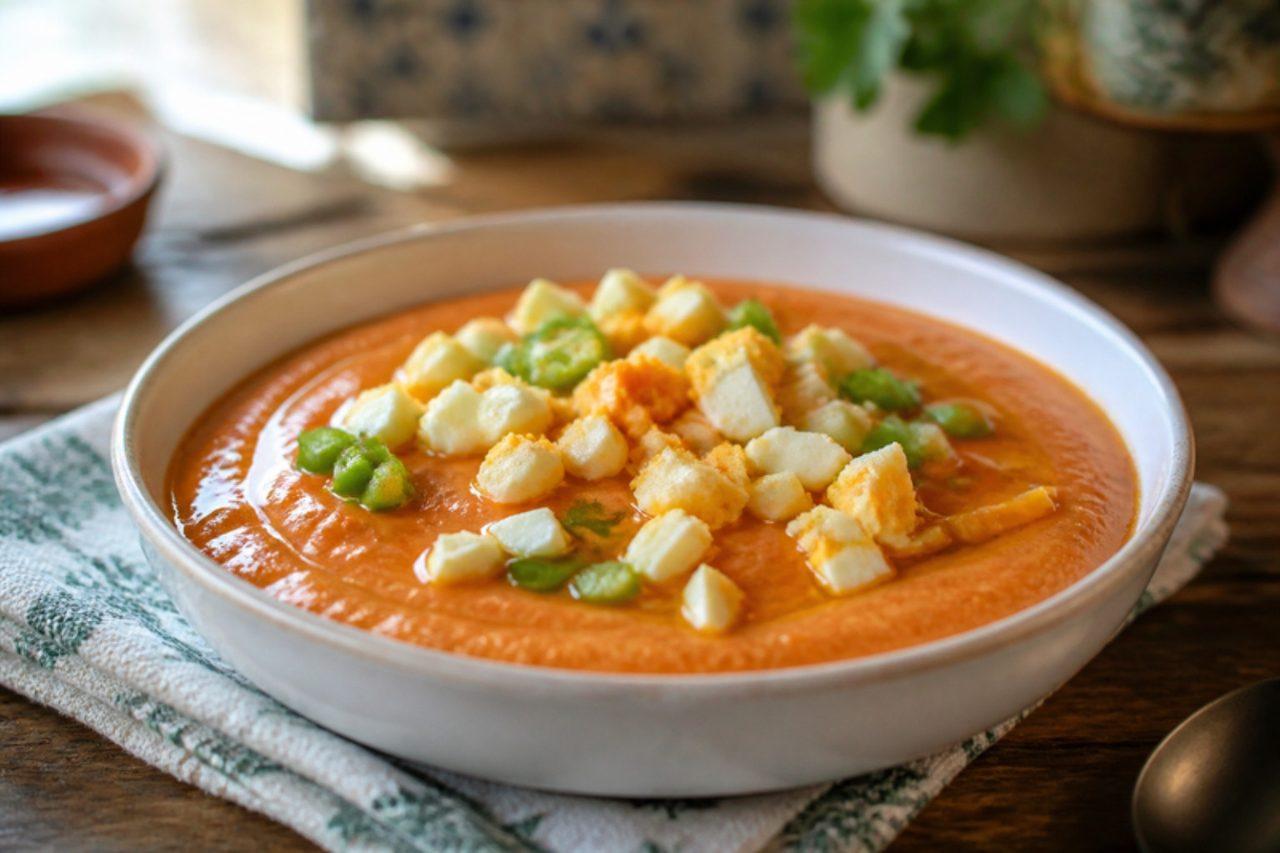
Porra antequeranaThick chilled tomato and bread soup

In Antequera, north of Málaga, porra comes to the table so thick that a spoon stands up in it, and bars in the old town serve it from May until the first autumn rains as a starter or a light supper. It is a cousin of salmorejo, but with green pepper and more garlic, and the town tops it with chopped egg and a thread of oil. Locally the garnish also includes tuna and cured ham; this version keeps it vegetarian with egg and diced pepper. A common mistake is thinning it with water to make it go further: porra should be spooned, never sipped. Chef's tip: use only the reddest, softest tomatoes of the summer, because a pale tomato makes a pink, flat-tasting porra however much oil you add.

by KrazyBadal 0 views

Suco de cupuaçuCupuaçu juice

Cupuaçu is a big, brown, furry-skinned fruit from the cacao family, and in Belém and Manaus its white pulp shows up in ice cream, sweets and above all juice, sold in every lanchonete and at the Ver-o-Peso market. The pulp is thick, creamy and intensely aromatic, with a flavour somewhere between pineapple, banana and chocolate, and very tart, so it is blended with water and sugar into a frothy, almost milkshake-like juice. Look for frozen cupuaçu pulp in Brazilian and Latin shops. Many cafés blend it with milk instead of water; that version is no longer vegan or dairy free. Too little blending is the usual problem, because the fibrous pulp stays stringy. Chef's tip: blend the pulp from frozen, in chunks, with the sugar and a little water first until smooth, then add the rest of the water.

by KrazyBadal 0 views

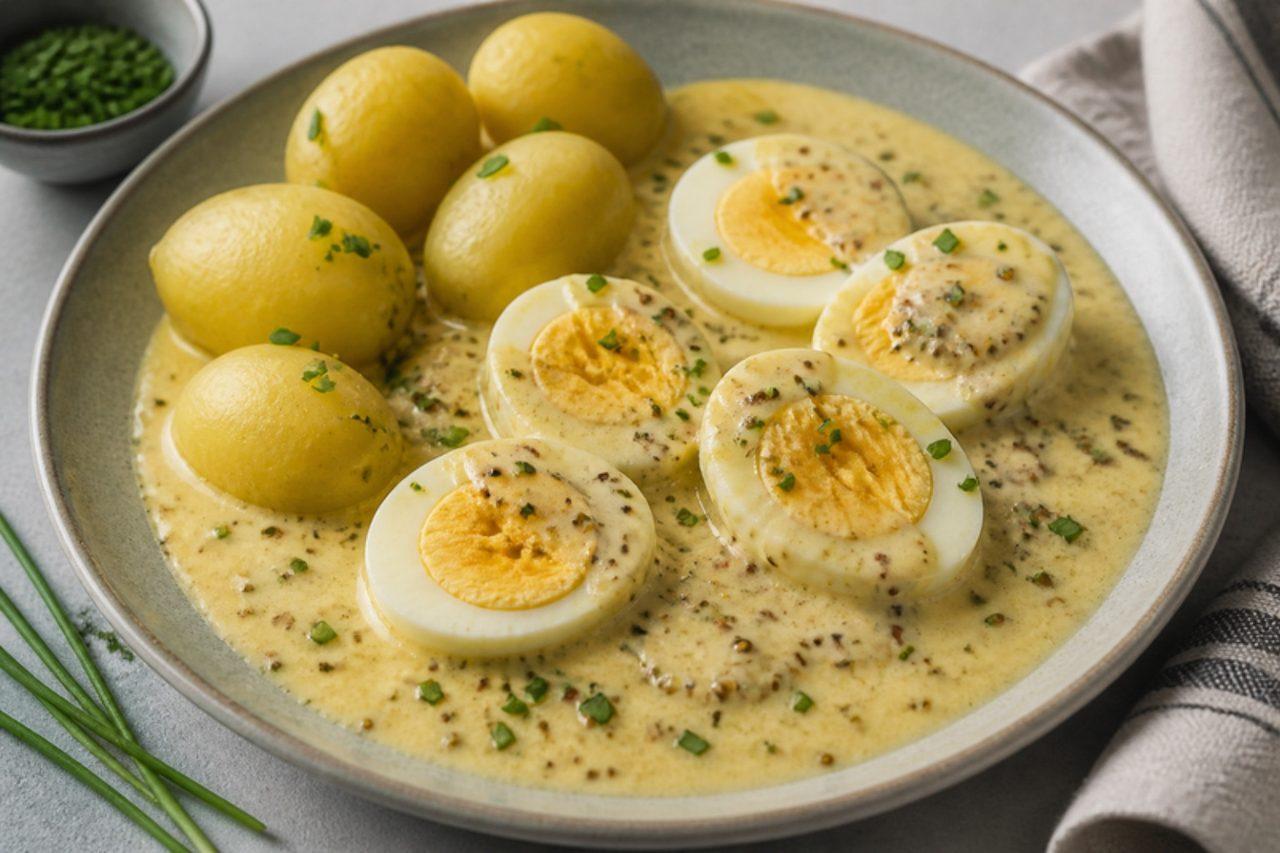
SenfeierEggs in mustard sauce

Senfeier is a dish many people who grew up in Berlin, Saxony or anywhere in the old East remember from school canteens and Friday suppers: halved hard-boiled eggs in a smooth, pale mustard sauce, with boiled or mashed potatoes to soak it up. It is cheap, fast and comforting, and the sauce is a simple butter-and-flour roux loosened with stock and milk, then sharpened with two kinds of mustard. A common mistake is boiling the sauce hard after the mustard goes in, which makes it taste flat and grainy; add it off the heat. Chef's tip: a spoon of the gherkin pickling liquid at the end lifts the whole sauce.

by KrazyBadal 0 views

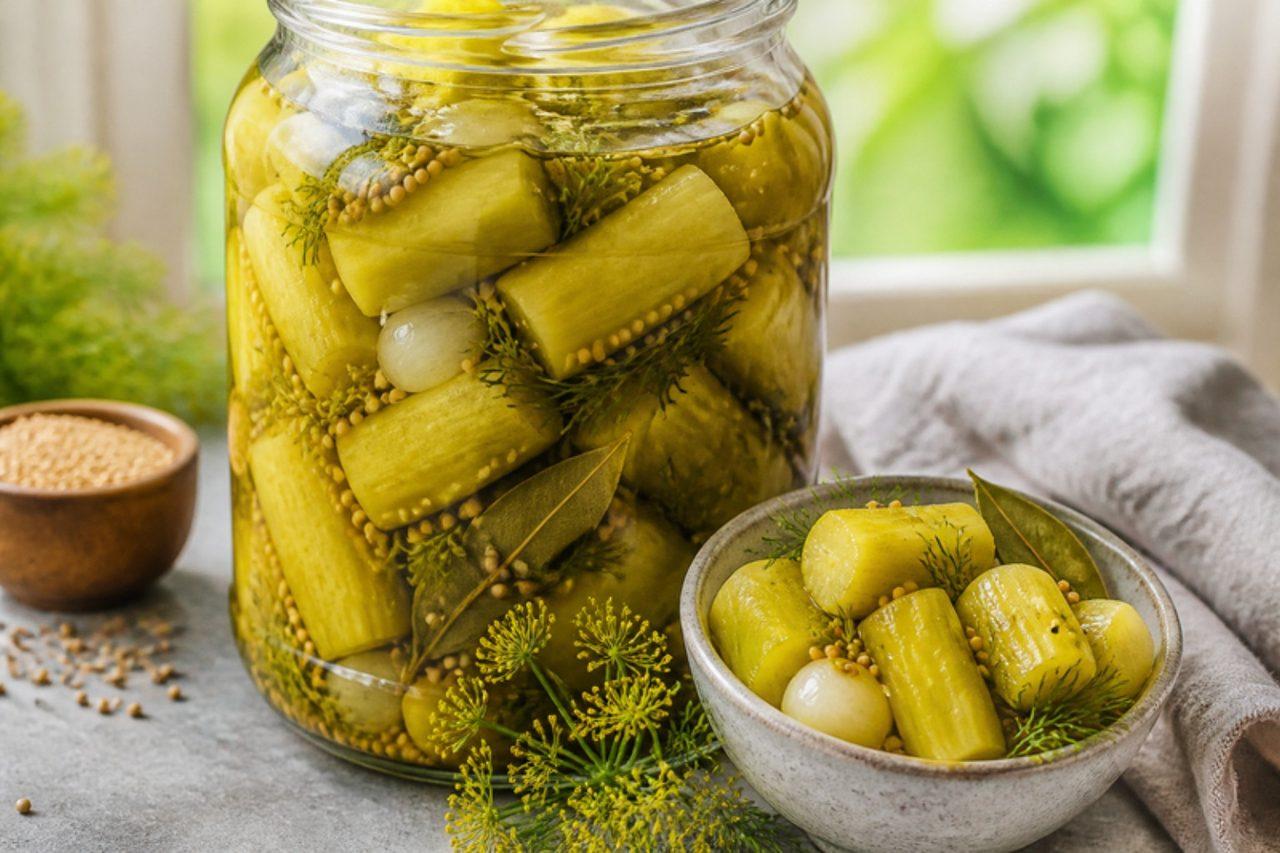
SenfgurkenMustard pickled cucumber

Senfgurken are the big, pale golden chunks of peeled cucumber that German families put up in late summer, when the fat yellow-skinned 'Schmorgurken' are cheap at markets from Brandenburg to the Rhineland. Pickled in sweet vinegar with mustard seeds, dill and onion, they are served through the winter with cold cuts, cheese boards, potato salad or a plate of fried eggs and potatoes. Unlike gherkins they are soft-crunchy and mellow. The mistake is skipping the overnight salting, which leaves the cucumbers watery so they dilute the vinegar and spoil sooner. Chef's tip: scrape out every bit of the seedy core with a teaspoon; it is what turns soft and slimy in the jar.

by KrazyBadal 0 views

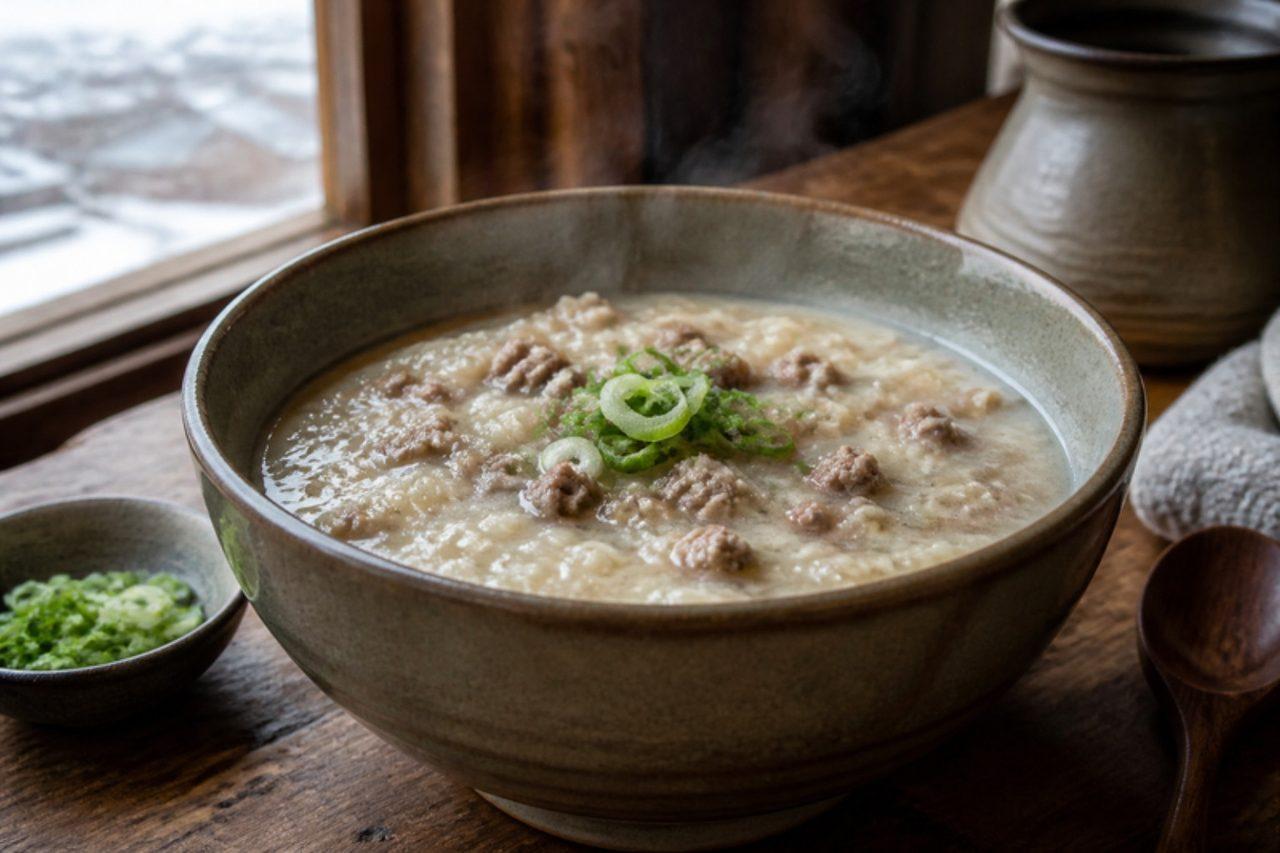
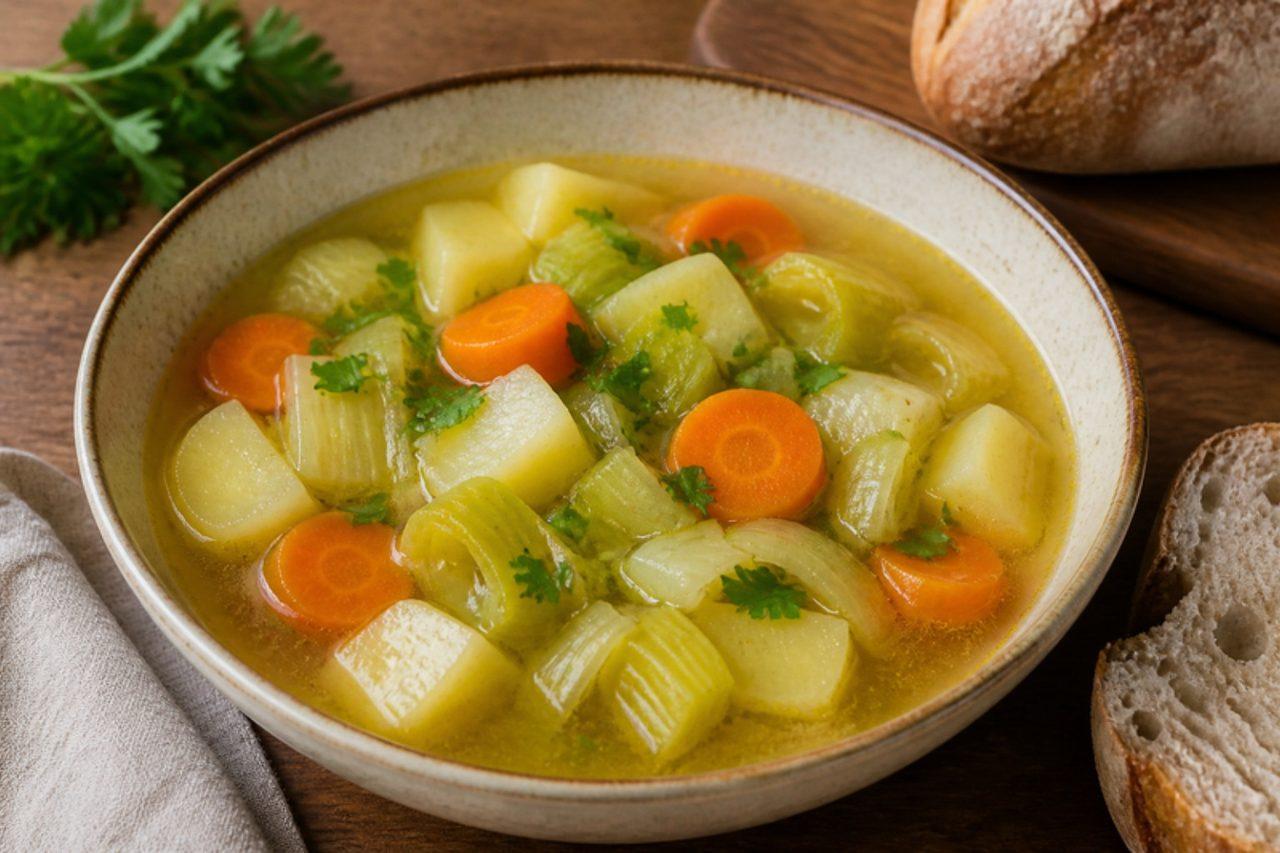
PorrusaldaLeek, potato and carrot soup

In Basque kitchens from Bilbao to Tolosa, porrusalda (literally 'leek broth') is what families cook in the quiet days after Christmas, when everyone wants something plain and warming. Leeks are the star, simmered with potatoes and carrots until the broth turns pale gold and slightly thick. Many households flake in desalted salt cod at the end; this version keeps it vegetarian with water or vegetable stock, so it is also vegan. A common mistake is slicing the potatoes neatly: snap them into rough chunks instead, so they release starch and give the broth body. Chef's tip: cook the leeks slowly in the oil before any liquid goes in, until they smell sweet, because that is where the flavour comes from.

by KrazyBadal 0 views

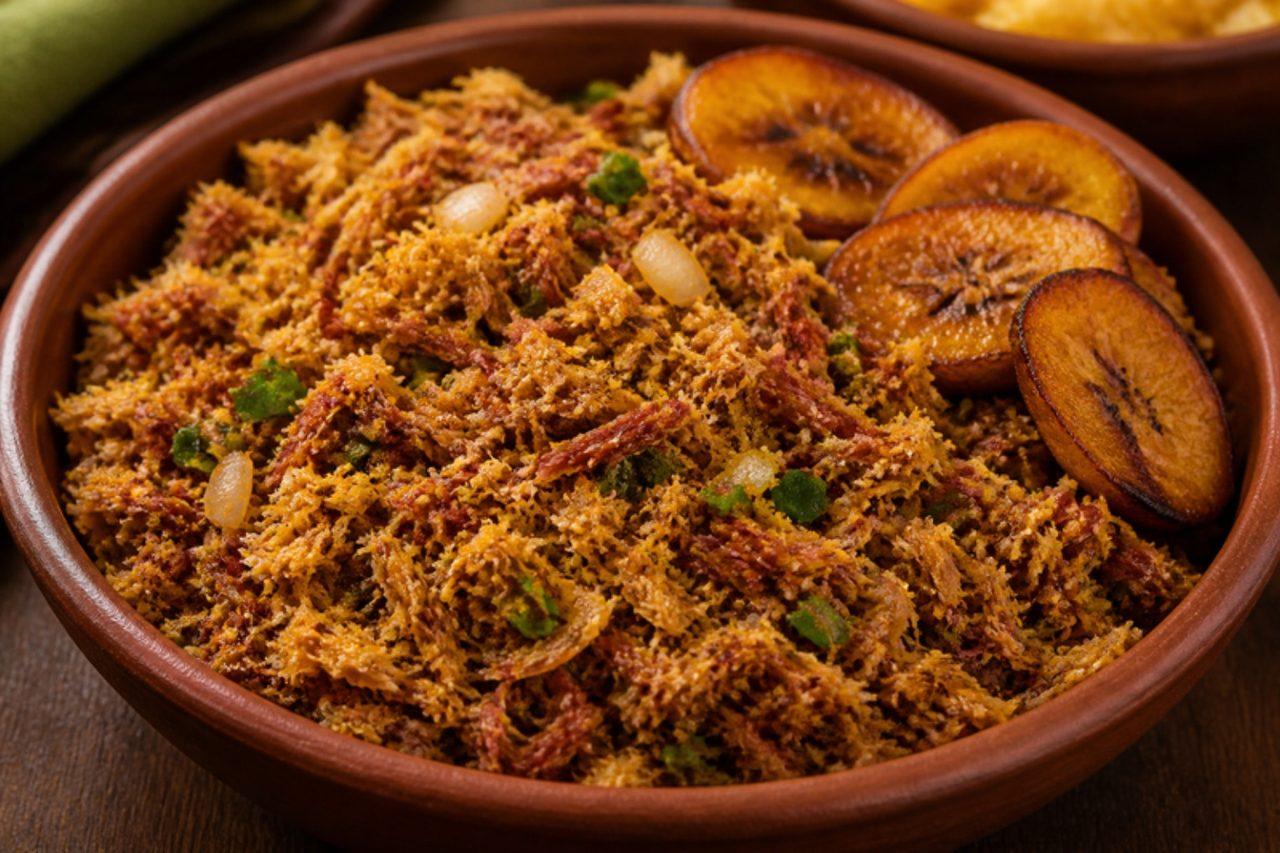
Paçoca de carne de solPounded dried beef with cassava flour

Not the peanut sweet of the same name: in Ceará, Piauí and Maranhão, paçoca is a savoury, fluffy tangle of fried carne de sol pounded with toasted cassava flour and onion in a big wooden pilão. Cowboys of the sertão carried it on long rides because it keeps for days, and today it is served at roadside restaurants and at home with baião de dois, boiled macaxeira, ripe banana and a cold glass of cajá juice. It should be dry, crumbly and full of crisp beef threads, salty and deeply savoury. The thing that goes wrong most often is adding the cassava flour to a wet pan, which turns it into paste; the beef must be fried really dry first. Without a pilão, a large mortar or short pulses in a food processor do the job. Chef's tip: let the pounded paçoca rest for ten minutes before serving; the farinha soaks up the beef fat and the texture turns soft and fluffy.

by KrazyBadal 0 views

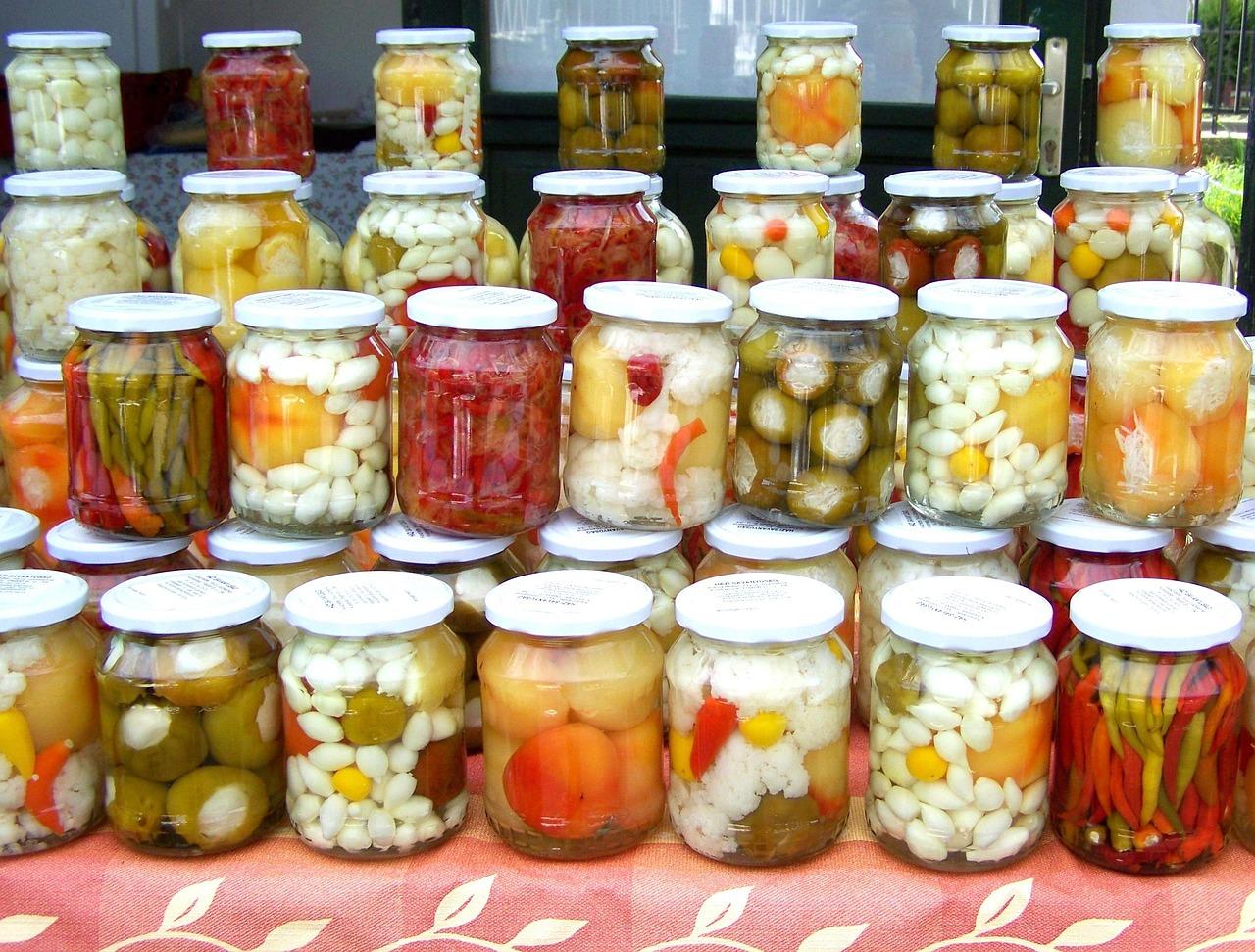
Karışık turşuMixed vegetable pickle

Every autumn Turkish kitchens line up jars of karışık turşu, and in Istanbul pickle shops (turşucu) sell it by the glass with its sour juice to drink. Crunchy cabbage, carrots, cucumbers, green peppers and cauliflower are packed with garlic and chickpeas in a salted, vinegar-spiked brine and left to sour for a couple of weeks. It sits beside bean stews, pilaf and kebab at almost every home meal. Common mistake: iodised table salt, which clouds the brine and softens the vegetables; use rock or pickling salt. Chef's tip: a few dried chickpeas in the jar help the fermentation get going, as Turkish grandmothers swear.

by KrazyBadal 0 views

Posta mirandesaGrilled veal steak

The Mirandesa is a dark, long-horned breed raised on the plateau around Miranda do Douro, and a posta is a slab of its veal or young beef, cut about 4 cm thick and grilled over oak embers with nothing but coarse salt. Restaurants in Miranda and Bragança serve it sliced on a board with a simple sauce of olive oil, garlic and vinegar, plus potatoes and salad. It is all about the meat, so ask the butcher for a thick, well-marbled piece. Chef's tip: salt the steak only just before it goes on the grill, with coarse salt, and turn it only once.

by KrazyBadal 0 views

Pacu assadoRoast whole river fish

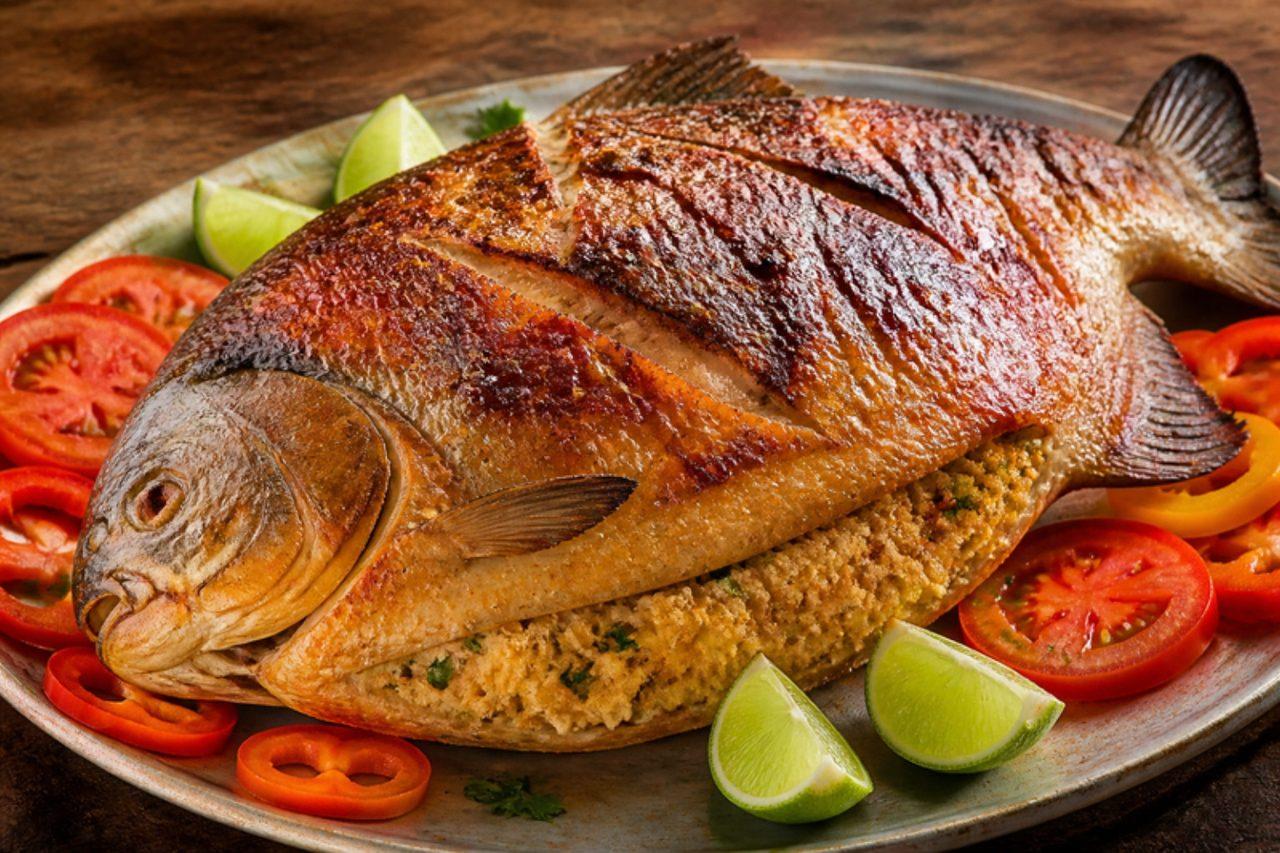
Cuiabá's fish restaurants and weekend riverside lunches in the Pantanal put a whole pacu on the table, stuffed with farofa and roasted until the skin is golden and crisp. Pacu is a round, fat-rich river fish with sweet, juicy flesh; ask your fishmonger for whole sea bream, pompano or a large tilapia if pacu is not available. The stuffing is cassava flour toasted with onion, garlic, pepper, tomato and herbs, and it soaks up the fish juices as it cooks. Serve with white rice, a tomato vinagrete and lime. The mistake to watch for is over-roasting until the flesh dries out; check at the backbone and stop when it is just opaque. Pacu has fine Y-shaped bones in the belly, so eat carefully. Chef's tip: cut deep slashes on both sides and push a little lime-garlic paste into them; it seasons the thick flesh and helps it cook evenly.

by KrazyBadal 0 views

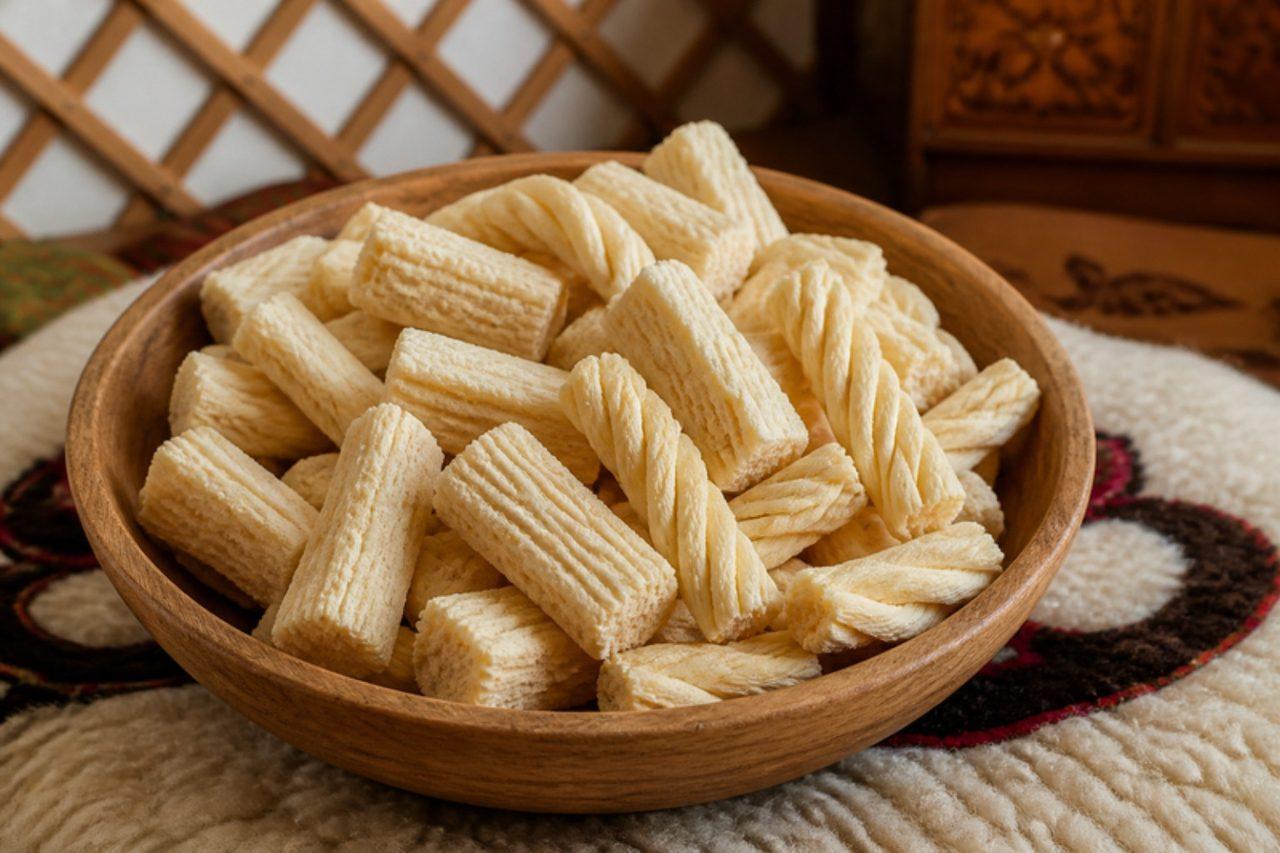
Turrón de Doña PepaAnise biscuit sticks in spiced syrup

Every October, the month of the Señor de los Milagros processions in Lima, bakeries and street sellers pile their trays with turrón de Doña Pepa: layers of crumbly anise-flavoured sticks drenched in a dark syrup of chancaca cooked with fruit and spices, topped with a storm of coloured sprinkles. Popular lore credits it to Josefa Marmanillo, a woman from the Cañete valley who is said to have made it in thanks after the procession. It is sticky, crunchy and soft at once, with orange and clove in the syrup. Its downfall is usually runny syrup that soaks the sticks into mush; it needs to reach a thick, threading stage before it goes on. Chancaca is sold as cones or blocks in Latin shops; panela or dark muscovado also work. Some coloured sprinkles contain gelatin, so check the label. Chef's tip: make it a day ahead; the syrup sets and the sticks soften just enough to slice neatly.

by KrazyBadal 0 views

Postre de guanábanaSoursop cream dessert

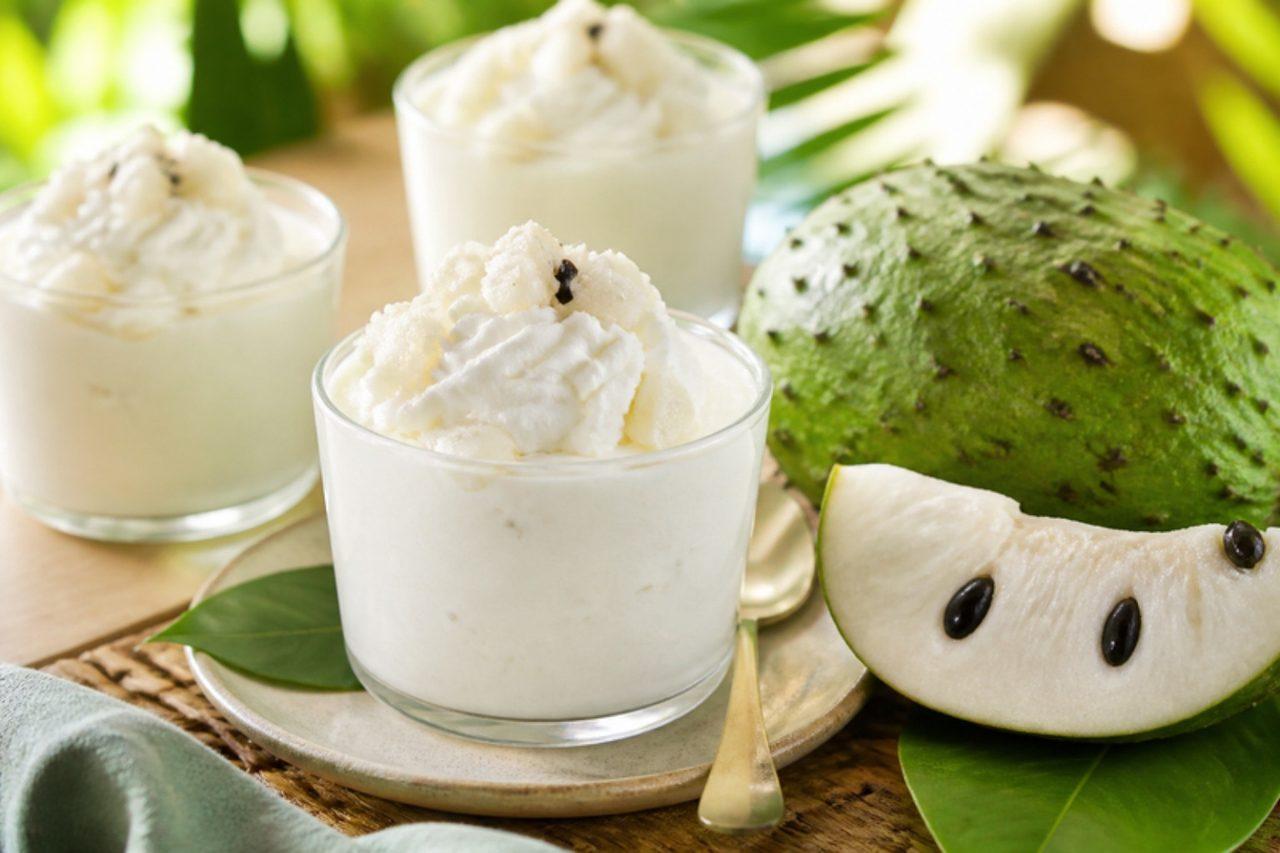
Soursop has a perfume all its own, somewhere between pineapple, banana and citrus, with a creamy white flesh, and Colombians turn it into this no-bake fridge dessert for birthdays, Sunday lunches and Christmas tables. Soursop pulp is blended with condensed milk and lime, then folded through whipped cream and chilled until it sets into a light, mousse-like cream that is sweet, tangy and fragrant. It is served in glasses or one big dish, sometimes with crumbled biscuits on top; leave them out to keep it gluten free. Frozen soursop pulp is sold in Latin American shops and is easier than fresh fruit. If you start from a whole fruit, the error people make is blending the seeds, which are inedible and add bitterness; pick every one out by hand. Plan for at least 4 hours of chilling. Chef's tip: keep back a few spoonfuls of pulp and swirl them over the top just before serving for a sharper finish.

by KrazyBadal 0 views

Sequência de camarãoPrawn feast in several styles

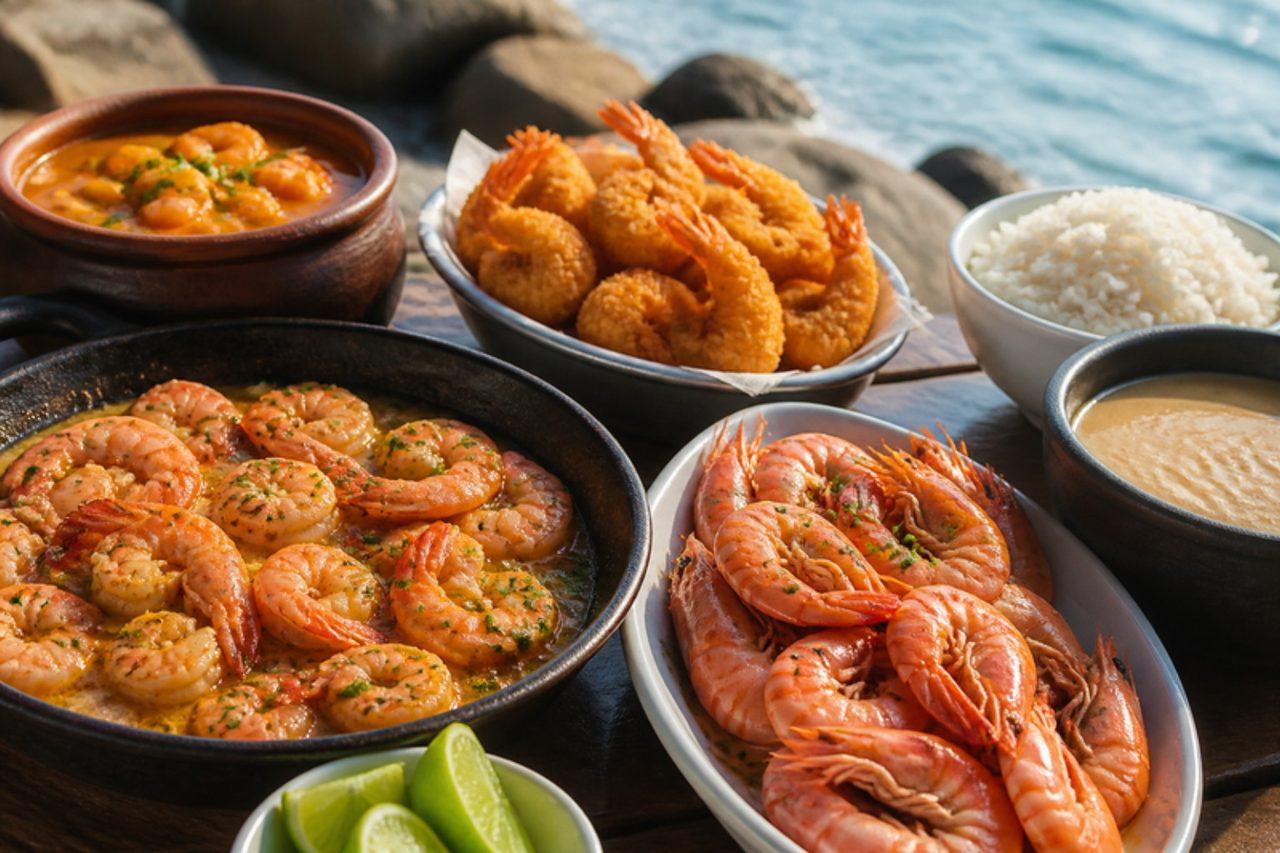
Around the Lagoa da Conceição and the old fishing village of Santo Antônio de Lisboa, Florianópolis restaurants serve sequência de camarão, a parade of prawn dishes that keeps arriving until you give up: prawns fried in garlic oil, crisp breaded prawns, a light prawn stew with tomato and coconut milk, and pirão made from the shells, with rice and salad. This home version brings the four together for a long lunch. Prawns must be very fresh and kept cold, and every batch is cooked only until pink and opaque right through. The usual mistake is cooking all the prawns at once and serving them lukewarm; the sequence works because each dish arrives hot. Make the stew and pirão first and keep them warm, then fry at the last minute. Chef's tip: buy shell-on prawns and simmer the heads and shells for the pirão; it gives the whole meal its sea flavour.

by KrazyBadal 0 views

Postre de natasMilk skin dessert

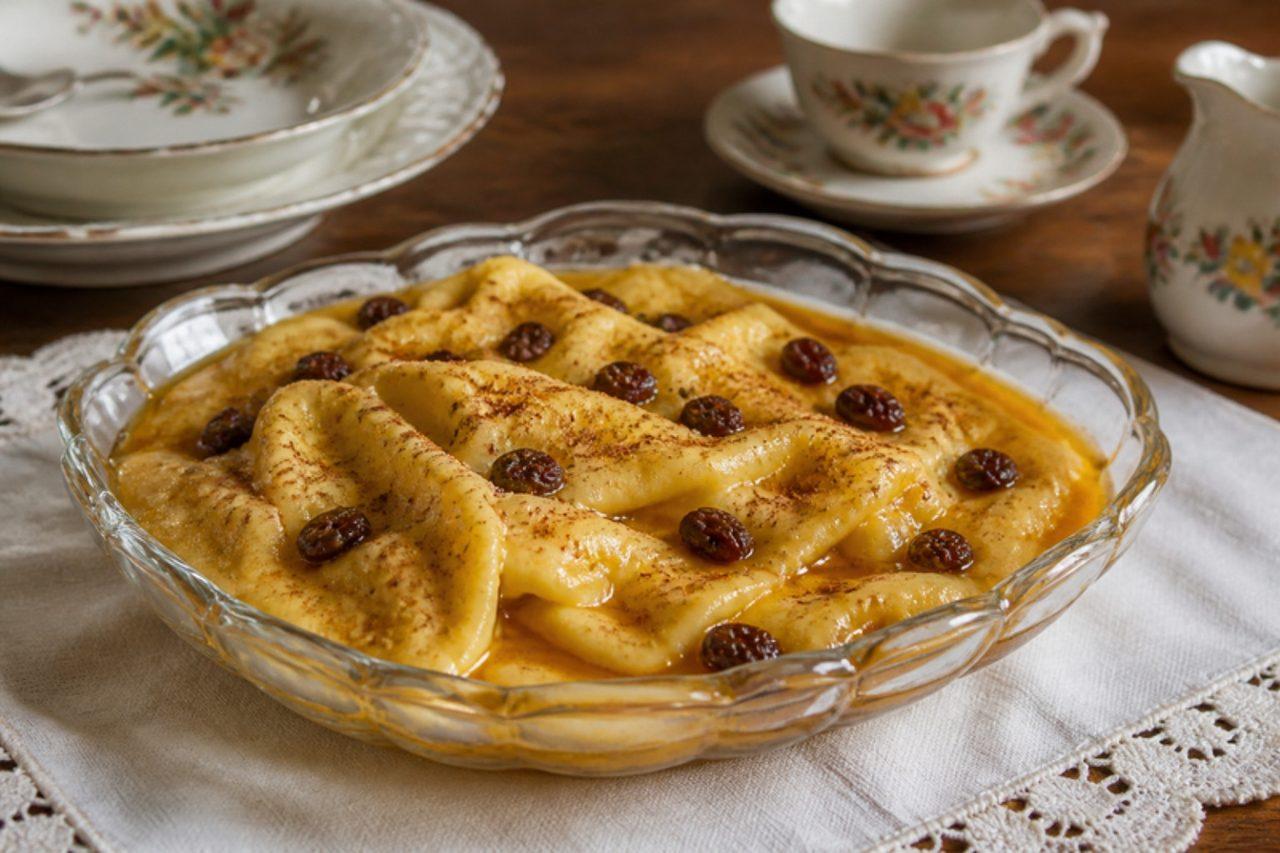
Postre de natas comes from colonial Santa Fe de Bogotá, when farm milk was boiled every day and the thick skins (natas) that formed on top were saved rather than wasted. Today it is a dessert for Christmas and family gatherings: soft, creamy ribbons of milk skin in a pale golden, cinnamon-scented custard dotted with raisins, served cold in small bowls. It takes patience rather than skill. Use full-fat, ideally non-homogenised milk, which forms thicker skins. Stirring the milk while the natas form is the common slip: it breaks them up so nothing can be lifted off. Older recipes add a splash of brandy or sherry; this one leaves it out. Chef's tip: lift each skin with a slotted spoon into a bowl and keep going; the more natas you collect, the more texture the dessert has. Chill for at least 4 hours before serving.

by KrazyBadal 0 views

SericaiaCinnamon baked egg custard

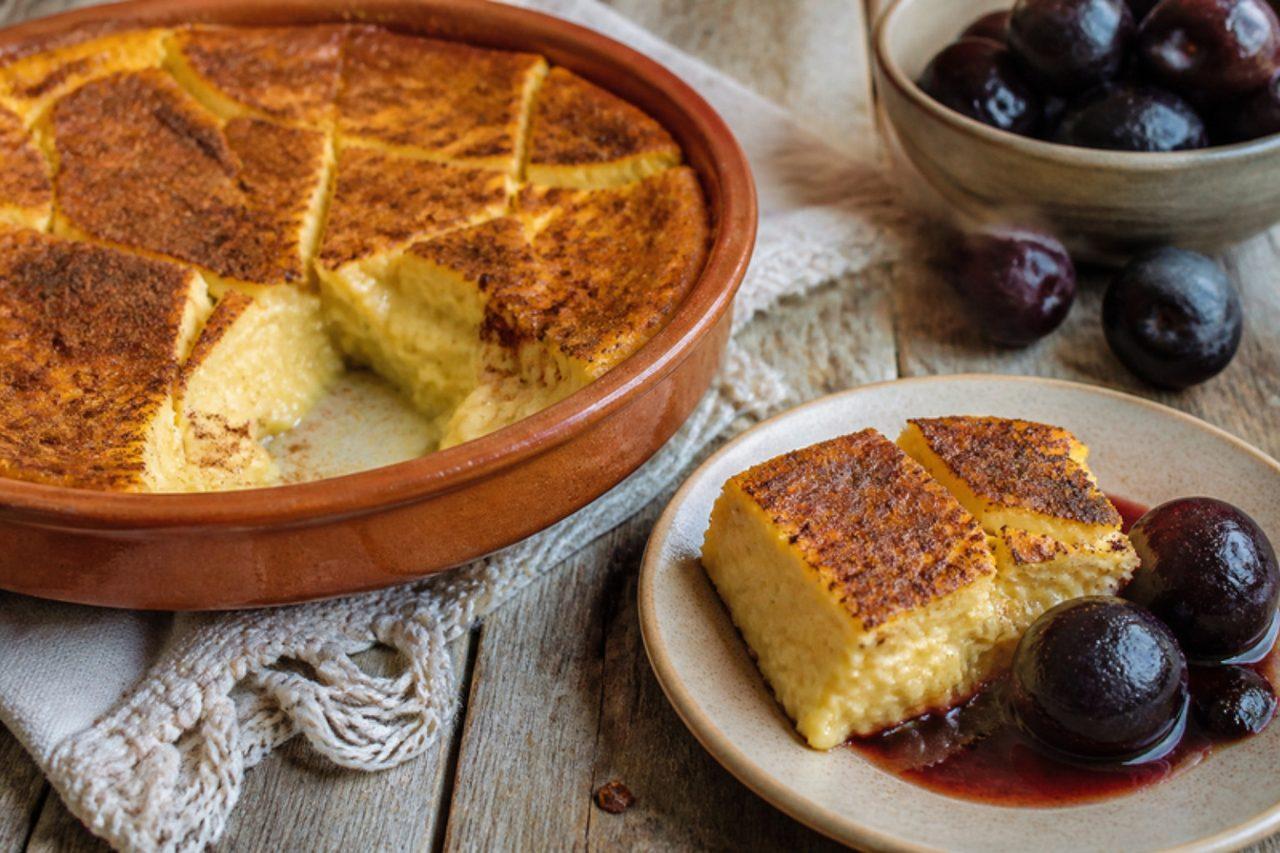
Sericaia is the pride of Elvas, on the Spanish border, and of Alentejo convent baking: a light custard of eggs, milk and sugar lifted with beaten whites, spooned into a clay dish, dusted with cinnamon and baked until it puffs and splits into deep cracks. It is always served with Elvas plums in syrup, whose sharpness cuts the sweetness; any good plums poached in syrup will do. It is a Sunday and festive dessert across the region. A common mistake is spreading the mixture smooth: drop it in large spoonfuls so it bakes into the craggy, cracked top that defines it. Chef's tip: cook the yolk custard until really thick before folding in the whites; a thin custard collapses in the oven.

by KrazyBadal 0 views

Pastes de Real del MonteBeef and potato pasties

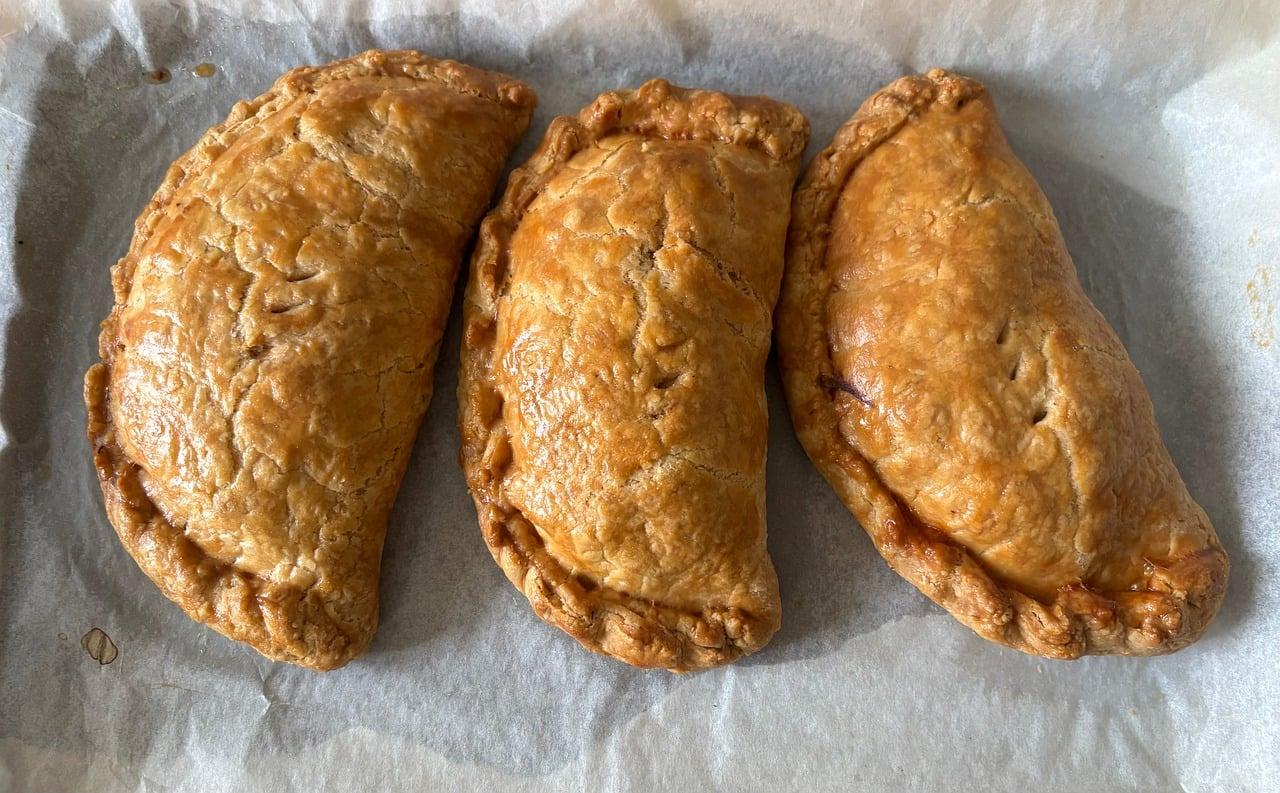
Cornish miners arrived in the silver mines around Real del Monte and Pachuca in the 1820s, and their pasties stayed: today the hilltop town in Hidalgo has paste shops on every street, selling them warm from the oven to visitors and locals all day. The classic filling is close to the original, diced beef, potato, onion and parsley seasoned with plenty of pepper, sealed in a short, buttery crust and baked until the juices turn to gravy inside; Mexican kitchens added a little chilli and many other fillings, including chicken in mole, which you can use instead of the beef. Eat them with a hot salsa or alone, with coffee. Chef's tip: cut the beef and potato small and evenly, about 1 cm; it all cooks raw inside the pastry, so even pieces are what make it tender.

by KrazyBadal 0 views

Turrón de JijonaSoft almond and honey nougat

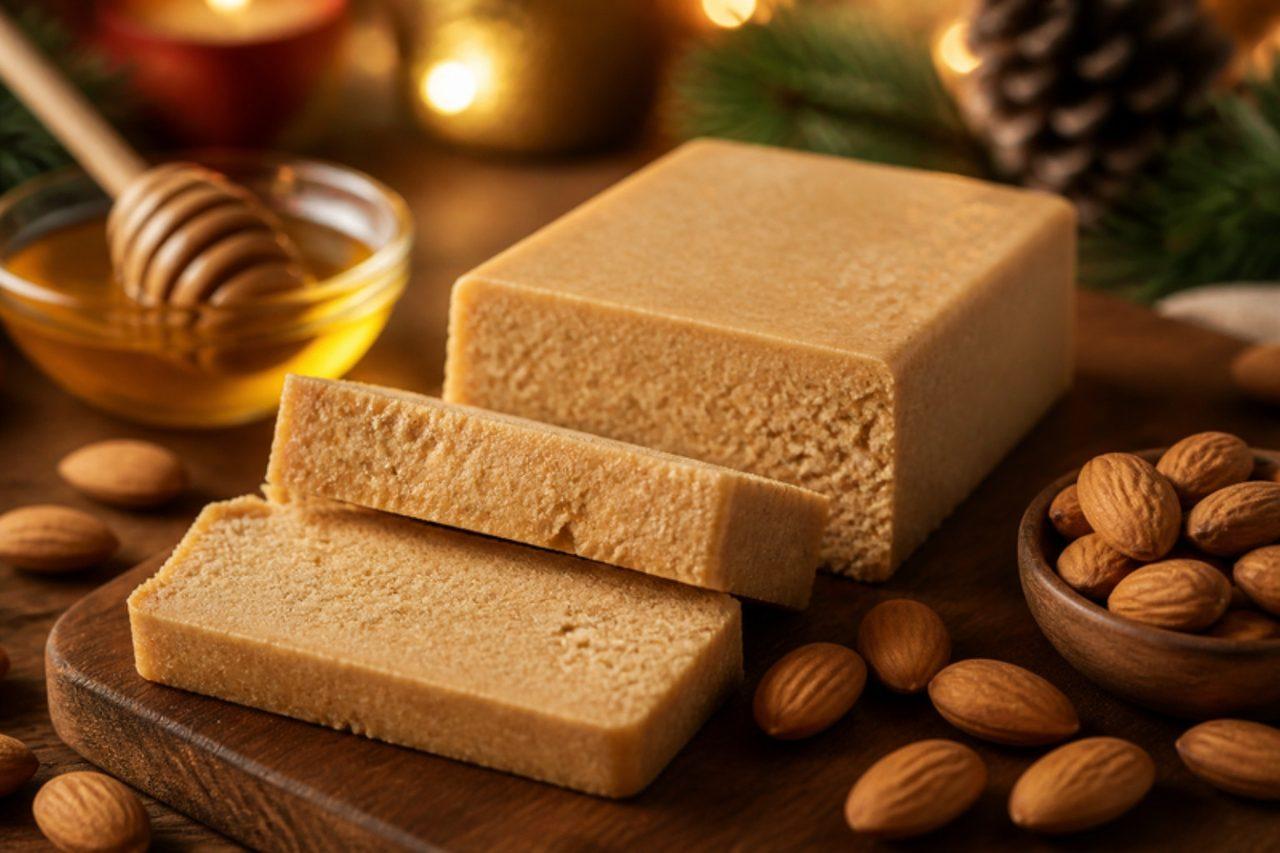
The hill town of Jijona (Xixona) in Alicante has been grinding almonds and honey into turrón for centuries, and its soft, beige, slightly oily bars are on almost every Spanish table between Christmas Eve and Twelfth Night. Unlike hard Alicante turrón, Jijona turrón is a smooth almond paste that crumbles and melts in the mouth, deeply nutty with a floral sweetness from the honey. A common mistake is under-toasting the almonds; pale almonds give a bland, grey paste, so take them to a light, even gold. This version uses honey and egg white, so it is vegetarian but not vegan. Chef's tip: press the warm paste into its mould under a weight and leave it a full two days before slicing; it firms up and the oil settles evenly through it.

by KrazyBadal 0 views

Postre vigilanteCheese with quince paste

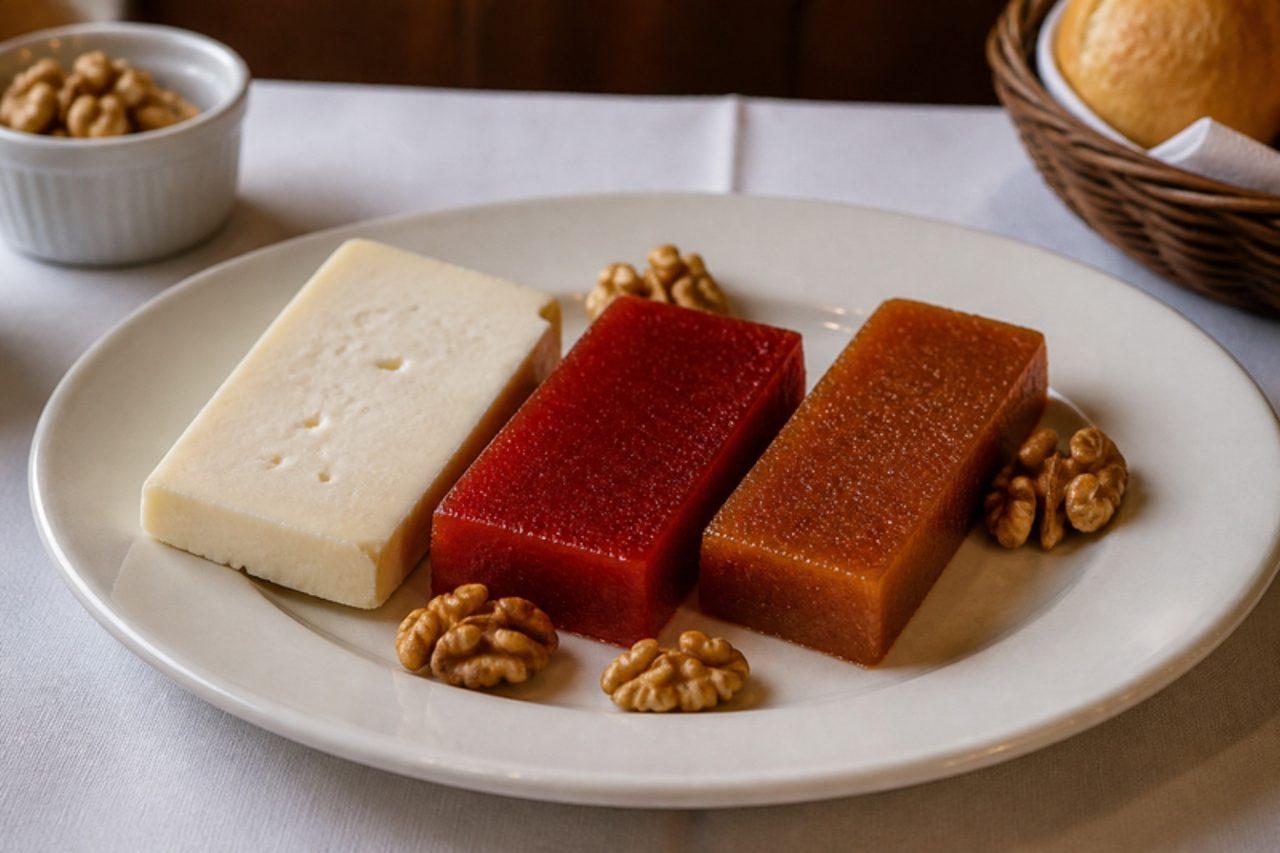
Ask for dessert in an old Buenos Aires bodegón and the waiter will rattle off flan, budín and, inevitably, vigilante: a thick slab of soft, mild cheese laid beside an equal slab of dulce de membrillo or dulce de batata. The name, "policeman", is said to come from the beat officers who ordered it as a cheap sweet in early twentieth-century cafés; Uruguayans call the same plate Martín Fierro. It is salty against sweet, creamy against firm, and takes five minutes. The traditional cheese is fresh queso cremoso or cuartirolo, or a firmer port salut; a young Havarti or mild Gouda is the best stand-in abroad. Like many soft cheeses, these are often made with animal rennet, so check the label for a vegetarian (microbial-rennet) cheese. The usual error is cutting the slabs thin like a cheese board; vigilante is about generous, equal bricks. Chef's tip: take the cheese out of the fridge 20 minutes ahead; cold cheese tastes of nothing next to the paste.

by KrazyBadal 0 views

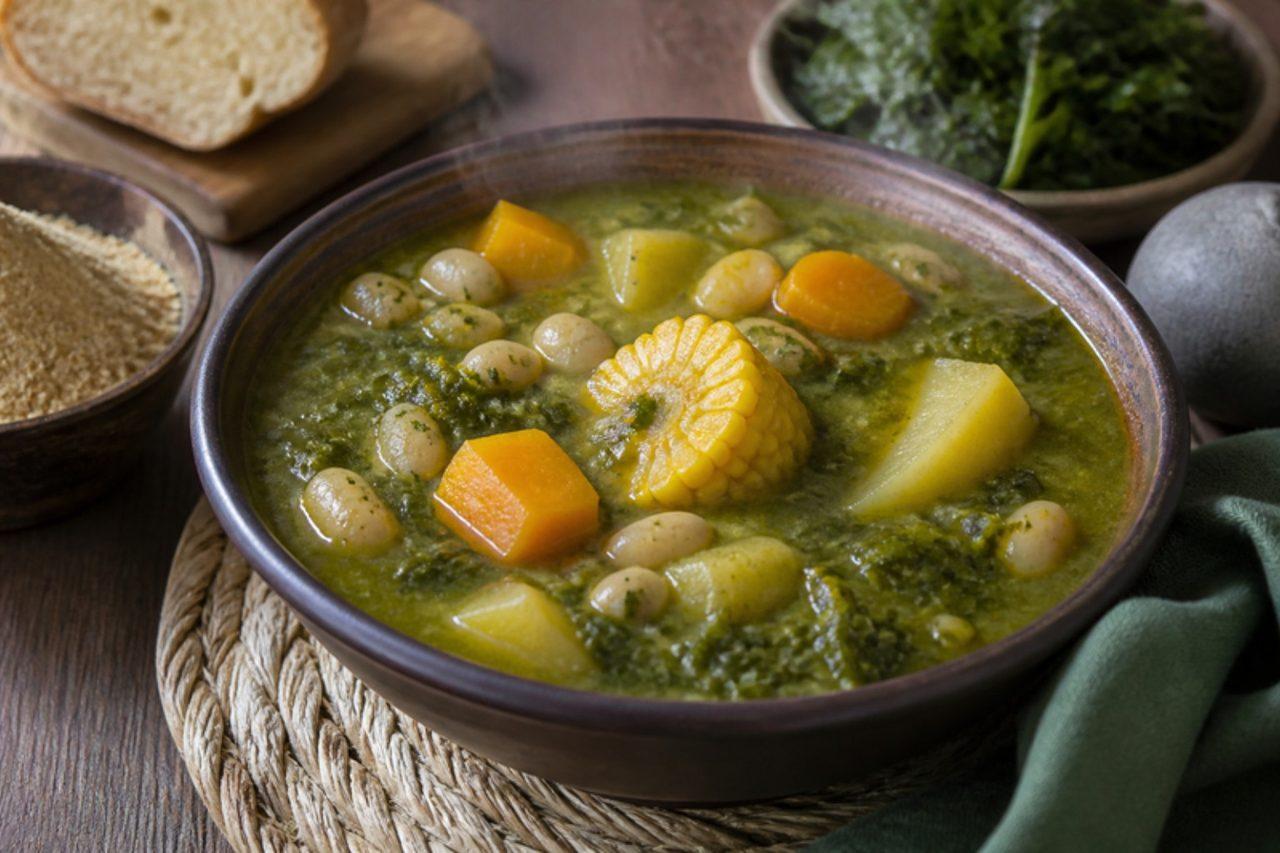
Potaje de berrosWatercress and bean stew

Watercress grows wild in the irrigation channels and ravines of Tenerife and La Palma, and in the cool months it goes into potaje de berros, a thick, green, cumin-scented stew that islanders eat by the bowlful with a spoon of gofio stirred in. It is a cheap, filling family supper, and a good one to make ahead. Pork ribs or belly often go in for flavour; this version leaves them out and is vegan, relying on garlic, cumin and paprika instead. Chef's tip: cook the watercress for most of the time, not just at the end, so it collapses into the broth and gives the stew its earthy depth.

by KrazyBadal 0 views

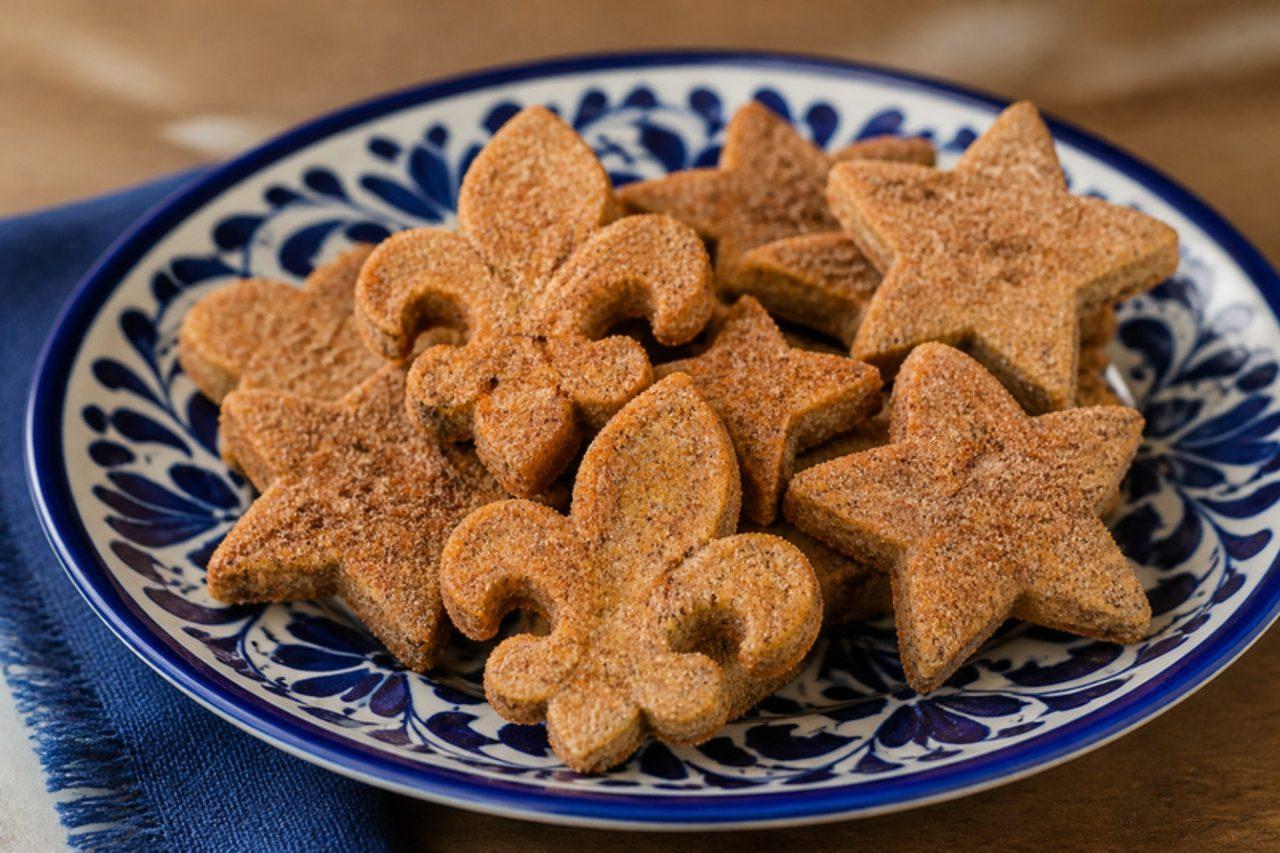
New Mexico biscochitosAnise cinnamon cookies

Biscochitos are New Mexico's official state cookie, baked by the thousand at Christmas, weddings and baptisms in Hispanic homes from Las Cruces to Taos. They are crumbly, short and scented with anise seed, cut into stars or fleurs-de-lis and dipped in cinnamon sugar. Grandmothers use lard, which gives the classic texture; this version uses butter so it stays vegetarian. Traditional recipes add a splash of brandy; here orange juice is used instead. Chef's tip: lightly crush the anise seeds to release the flavour.

by KrazyBadal 0 views

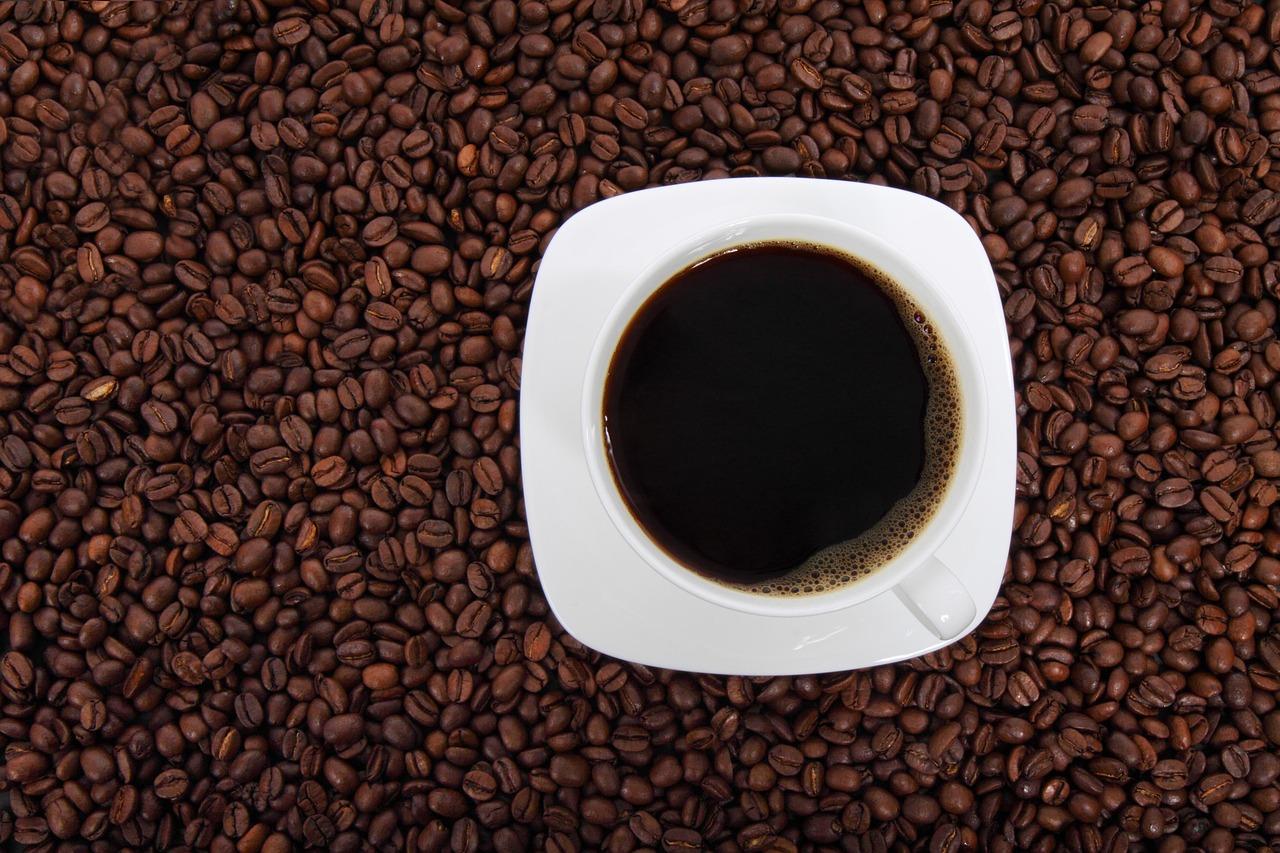
TintoBlack coffee with panela

Ask for a tinto anywhere in Colombia and you get a small cup of black coffee, never red wine. Street vendors carry it in thermos flasks through the plazas of Manizales, Pereira and Bogotá, and offices, bus stations and farm kitchens in the coffee region brew pots of it all day. It is light, hot and gently sweet, often made by simmering ground coffee with water and a little panela, then straining it through a cloth bag. The usual error is boiling the coffee hard, which makes it harsh and bitter; let it come to the boil only once. Chef's tip: let the grounds settle for a minute off the heat before straining, so the cup stays clear.

by KrazyBadal 0 views

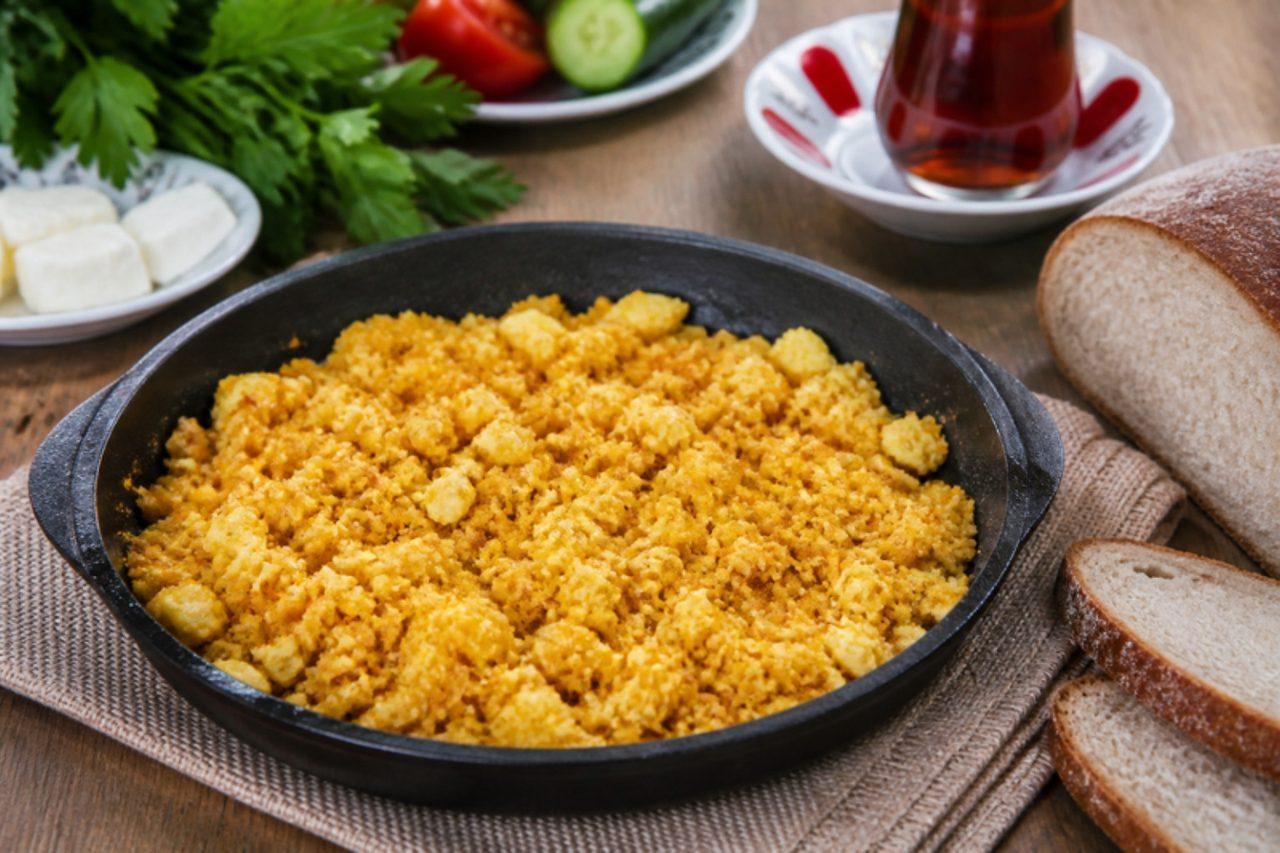
MurtuğaButter-toasted flour with egg

A Van breakfast is famously huge, with herb cheese, honey, kaymak and olives, and in winter it often includes a pan of murtuğa: flour slowly toasted in plenty of butter until golden, then scrambled together with eggs into rich, crumbly nuggets. It's a dish from cold mountain homes where a filling breakfast had to last until evening, eaten hot with bread or on its own with tea. Common mistake: rushing the flour on a high heat so it scorches before it cooks through; keep it low and keep stirring. Chef's tip: beat the eggs with a splash of water before adding them; they spread through the flour more evenly and stay softer.

by KrazyBadal 0 views

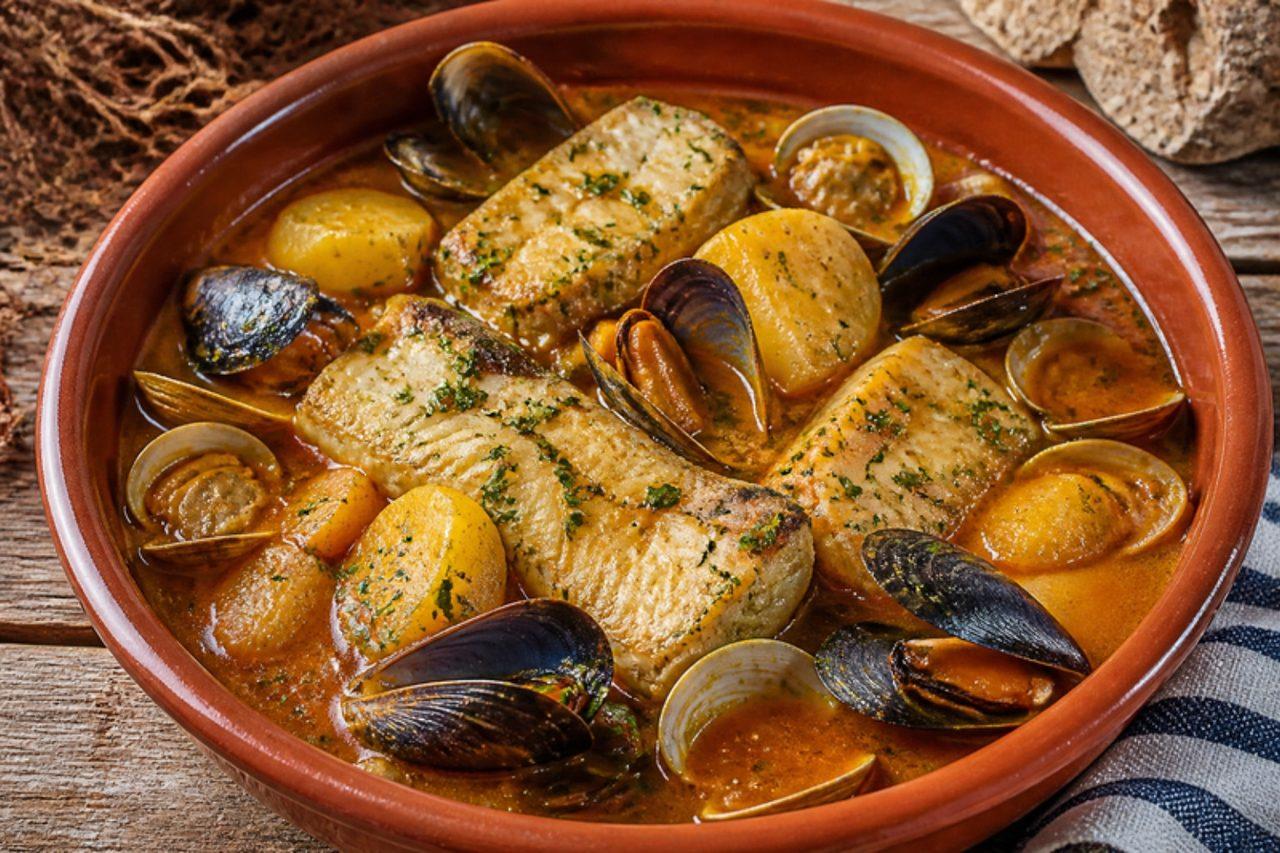
Suquet de peixFish and potato stew with picada

Fishermen from Cadaqués, Palamós and the other Costa Brava ports made suquet on board with the fish that would not sell: rockfish, monkfish, hake, a few prawns, simmered with potatoes in a sofrito and thickened at the end with a picada of garlic, almonds, parsley and fried bread. Now it is a weekend lunch in harbour restaurants, served straight from the pan. The potatoes must release their starch so the broth turns into a light, silky sauce. Chef's tip: 'crack' the potatoes rather than slicing them: cut part way, then snap off the pieces; the rough edges give up more starch.

by KrazyBadal 0 views

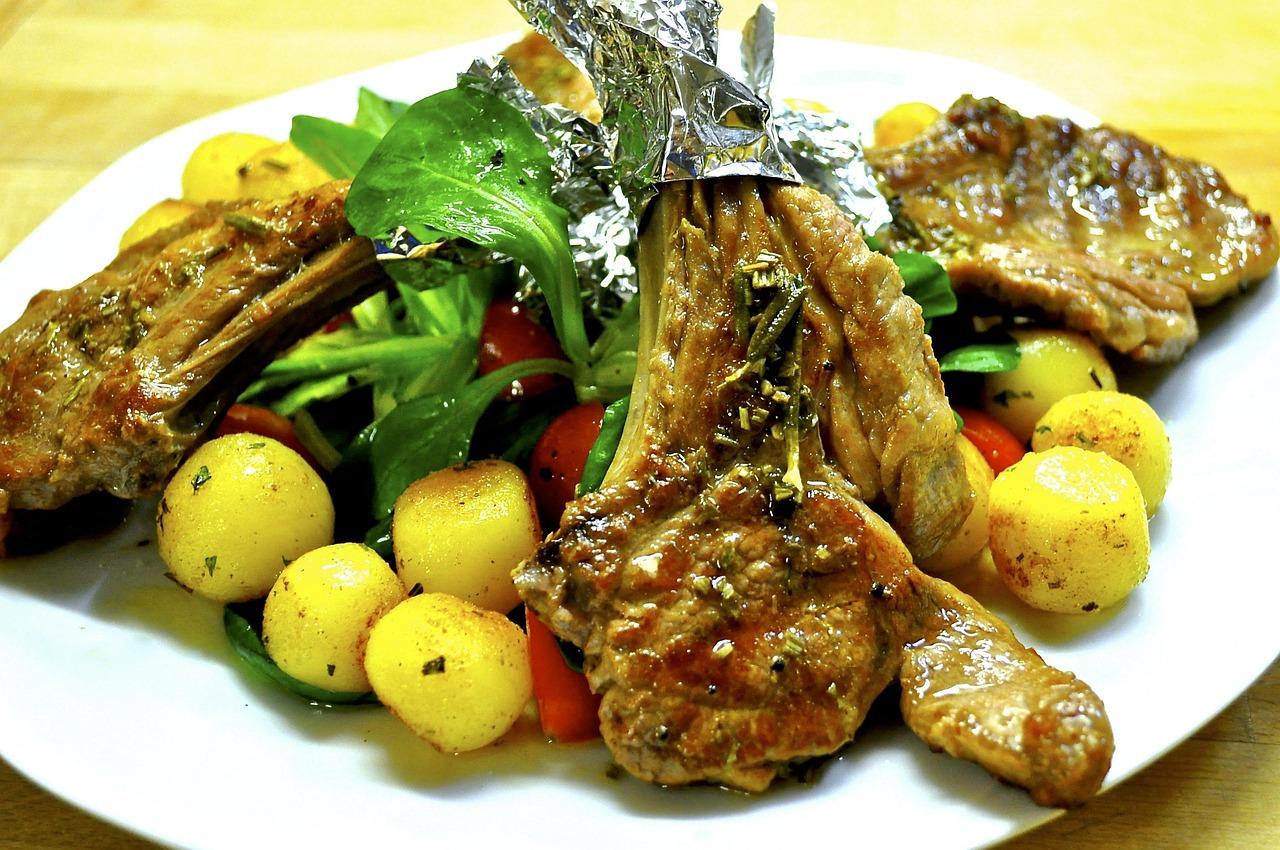
PaidakiaGrilled lamb chops

In the mountain villages around Athens and in Roumeli, families drive out on Sunday to psistaries where paidakia are sold by the kilo: thin lamb rib chops grilled over charcoal until the fat crackles, then showered with lemon, salt and oregano and eaten with your fingers. Chips, a horiatiki salad and tzatziki complete the meal. Common mistake: marinating them for hours in lemon, which makes the meat mushy; season simply and add lemon after grilling. Chef's tip: leave a thin rim of fat on each chop and grill fat-side first for a minute; it renders and bastes the meat.

20 minGreekMeatGluten free
by KrazyBadal 0 views

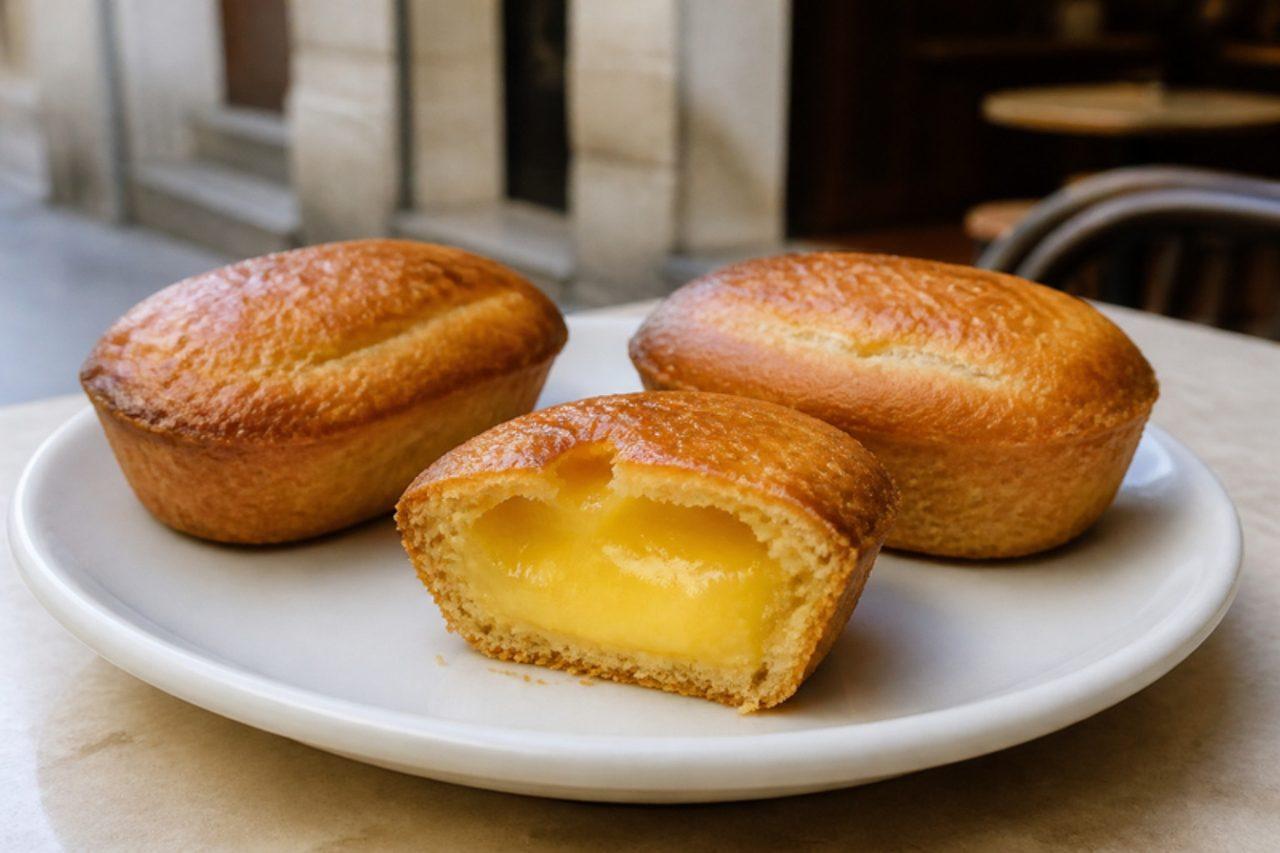
PasticciottoCustard-filled shortcrust pastries

In Lecce the day starts at the bar with a pasticciotto still warm from the oven: a little oval of crumbly, golden shortcrust split open to reveal thick lemon-scented custard. It is said to come from a pastry shop in nearby Galatina in the 1700s, and the whole Salento eats it at breakfast, after Sunday Mass and with a caffè in ghiaccio in summer. The traditional pastry is made with lard; this version uses butter, which keeps it short and crisp. Chef's tip: make the custard first and chill it well; cold, thick custard stays put inside the pastry while it bakes.

by KrazyBadal 0 views

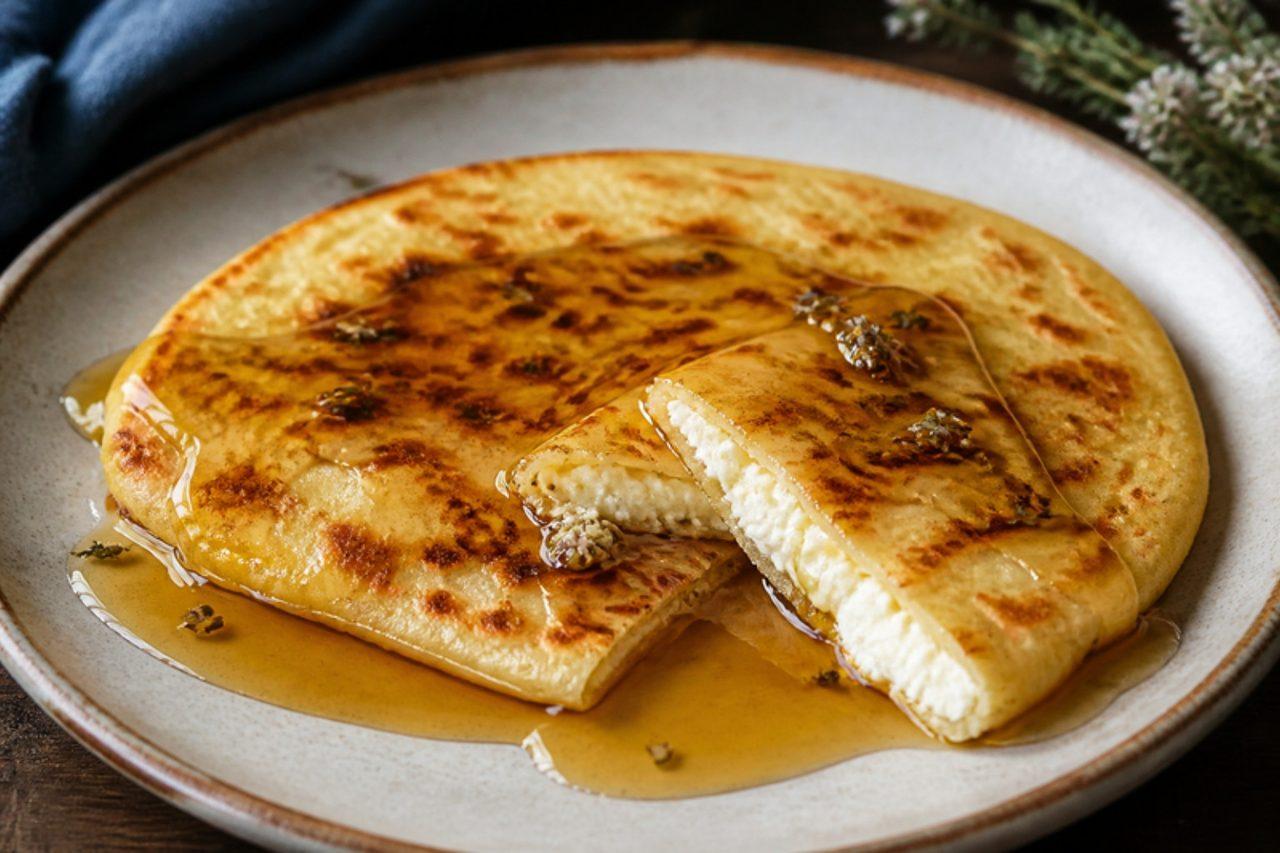
Sfakiani pitaCheese pancakes with honey

Shepherds in the mountains of Sfakia, on Crete's wild south coast, made these with what they had on hand: flour, oil, a ball of fresh cheese and the thyme honey from their hives. A soft dough is wrapped around the cheese, rolled out as thin as a plate and cooked in a dry pan, then eaten hot with honey running over it, for breakfast or as a late sweet with Greek coffee. Village cooks often add a splash of raki to the dough; here lemon juice does the same job and keeps it alcohol-free. The cheese is fresh mizithra, or use ricotta, which is usually rennet-free. Common mistake: cooking over too high a heat, which scorches the outside before the thin layer of cheese inside warms through. Chef's tip: roll from the centre outwards and give the disc a quarter turn each time so the cheese spreads evenly to the edge.

by KrazyBadal 0 views

Potée auvergnatePork, cabbage and sausage pot

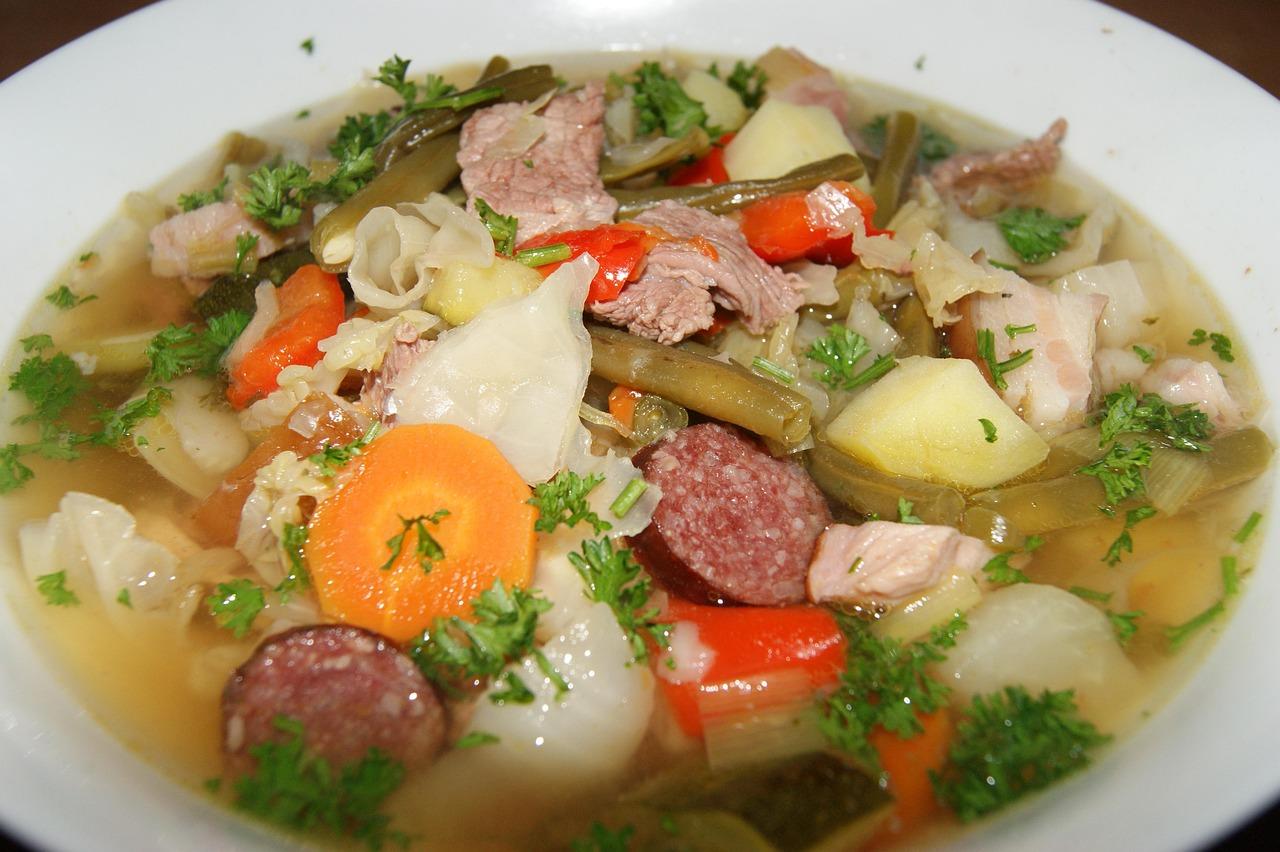
High in the Massif Central, potée auvergnate is what farmhouses put on the stove when the first frosts arrive: a pork dish of salt pork belly and smoked pork sausage simmered slowly with savoy cabbage, carrots, turnips and potatoes. The broth comes out clear, smoky and gently salty, and the vegetables soak up all that pork flavour while keeping their shape. In the Cantal it is served in two rounds, the broth poured over slices of toasted country bread first, then the meat and vegetables on a big platter with strong mustard and gherkins. Chef's tip: soak the salt pork first and taste the broth before you add any salt; between the belly and the sausage it rarely needs more.

180 minFrenchMeat
by KrazyBadal 0 views

Potée lorraineSmoked pork and white bean pot

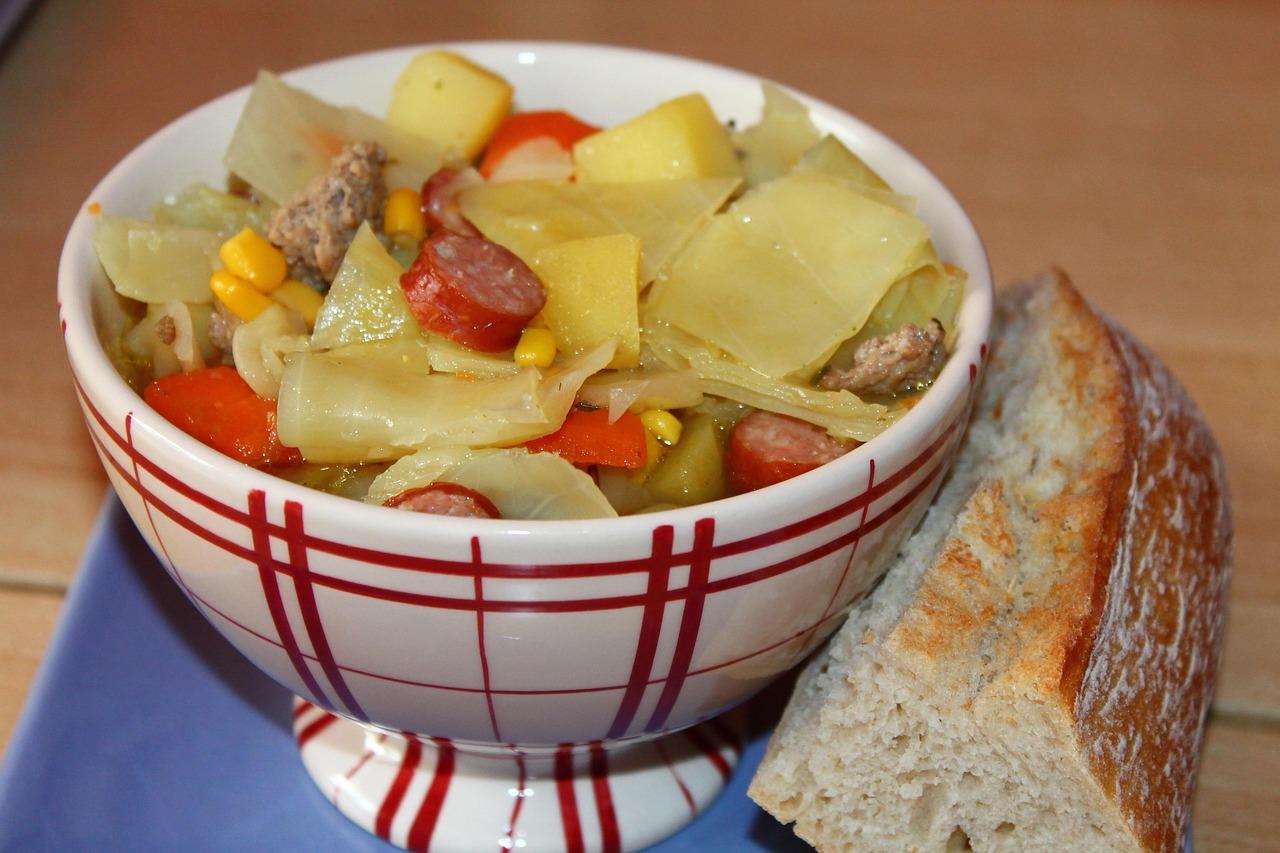
In Lorraine farmhouses around Nancy and the Vosges foothills, the potée simmered on the stove through winter and fed the household after a cold morning outside. It is a pork dish through and through: smoked pork shoulder, smoked belly and a garlic sausage gently poached with a whole green cabbage, carrots, turnips, leeks and white beans until the broth is smoky and the vegetables melt. The broth is ladled out first, sometimes over toasted bread, and the meat and vegetables follow with mustard and gherkins. Chef's tip: blanch the cabbage for five minutes before adding it to the pot, which takes away its sulphurous edge and keeps the broth sweet.

180 minFrenchMeat
by KrazyBadal 0 views

LadeniaTomato and onion olive-oil flatbread

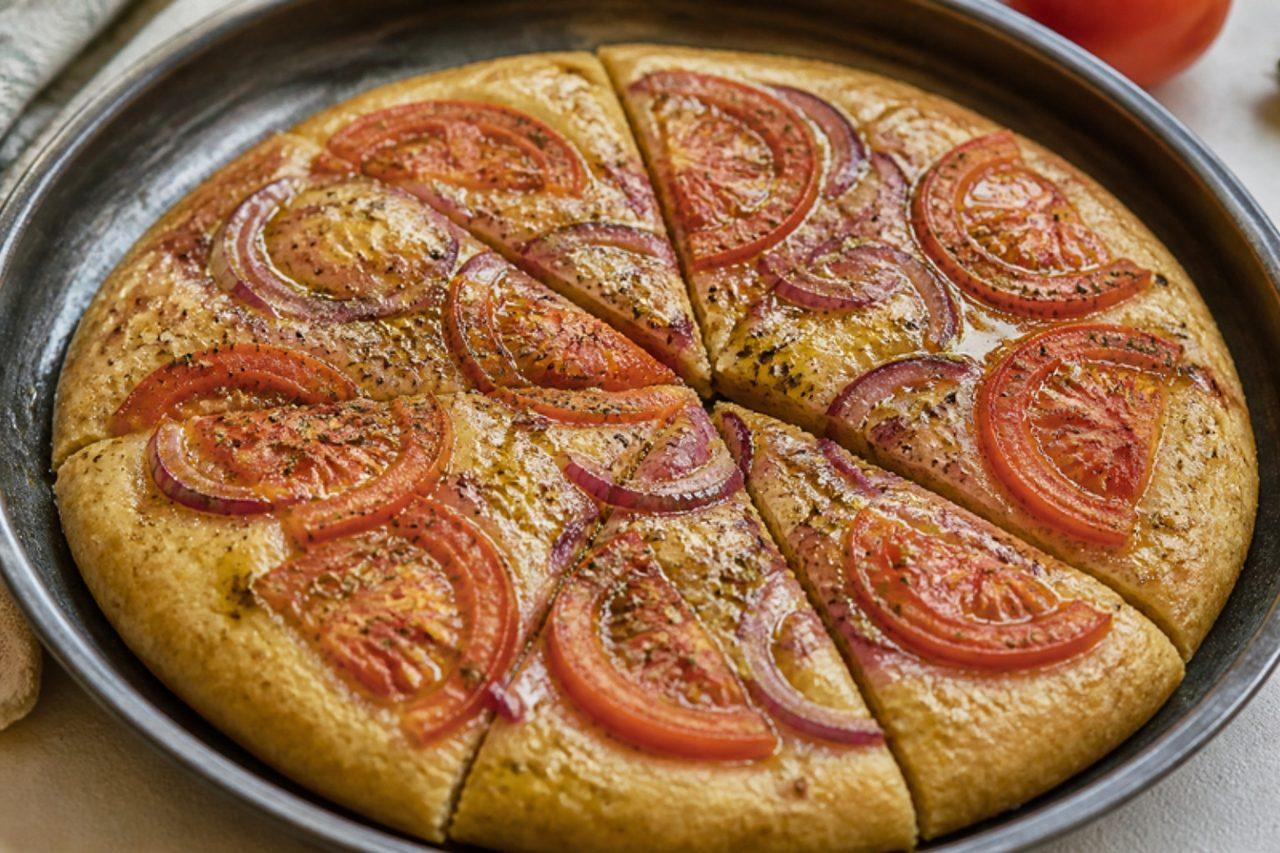
On tiny Kimolos, a short boat ride from Milos, ladenia was the bread women baked in the village oven on bread-making day, pressing dough into a tray, covering it with tomato and onion and soaking it in olive oil. It is soft and airy inside with a crisp, oily base, a little like a focaccia, and is eaten warm or cold, cut into squares, with olives and cheese. Common mistake: piling on wet tomato, which sinks the dough; slice it thin and salt it first. Chef's tip: use your fingertips to press deep dimples into the risen dough so the oil and tomato juices pool and soak in.

by KrazyBadal 0 views

Showing 45 of 7,762 recipes

Show more recipes

Page 513 of 863