


Skip to content
Malakwang
Featured recipe

Malakwang

Sour greens in peanut paste

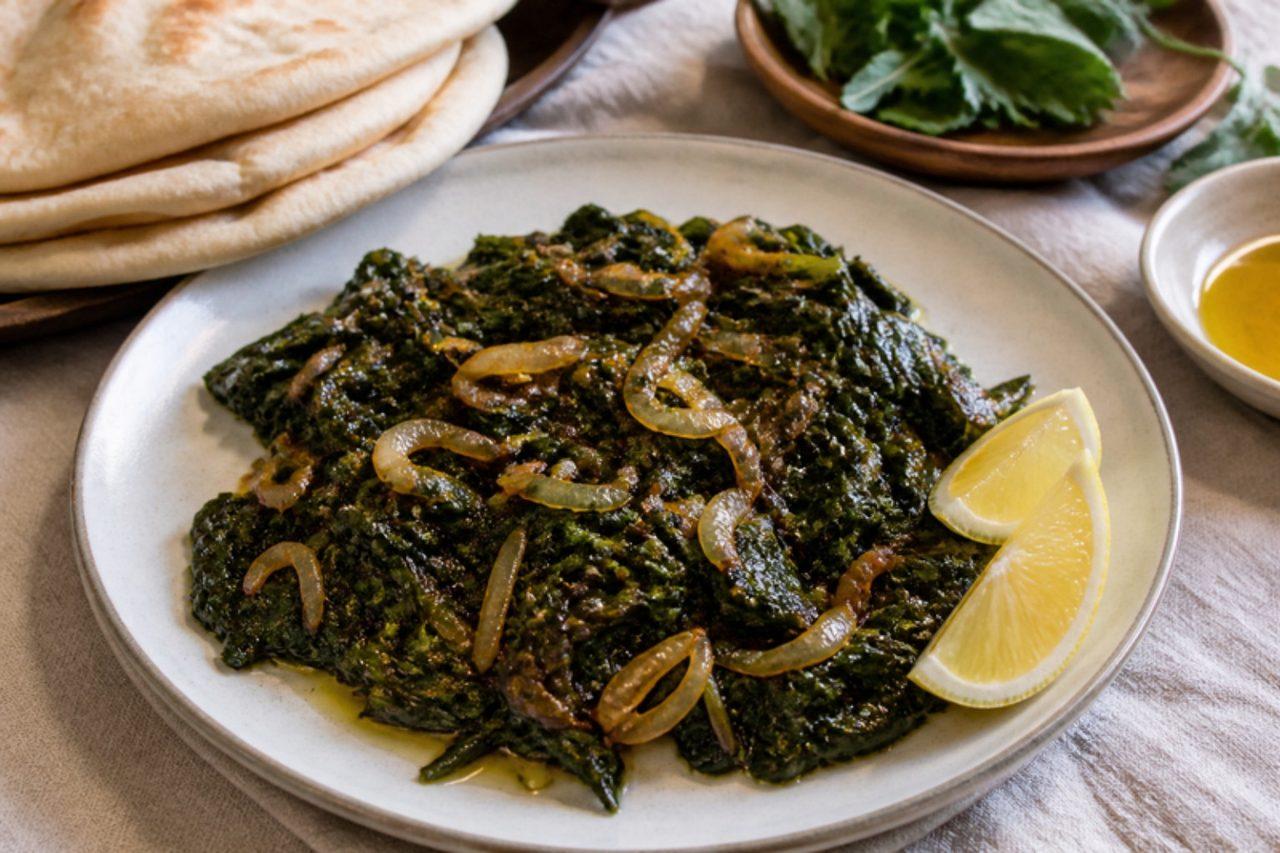
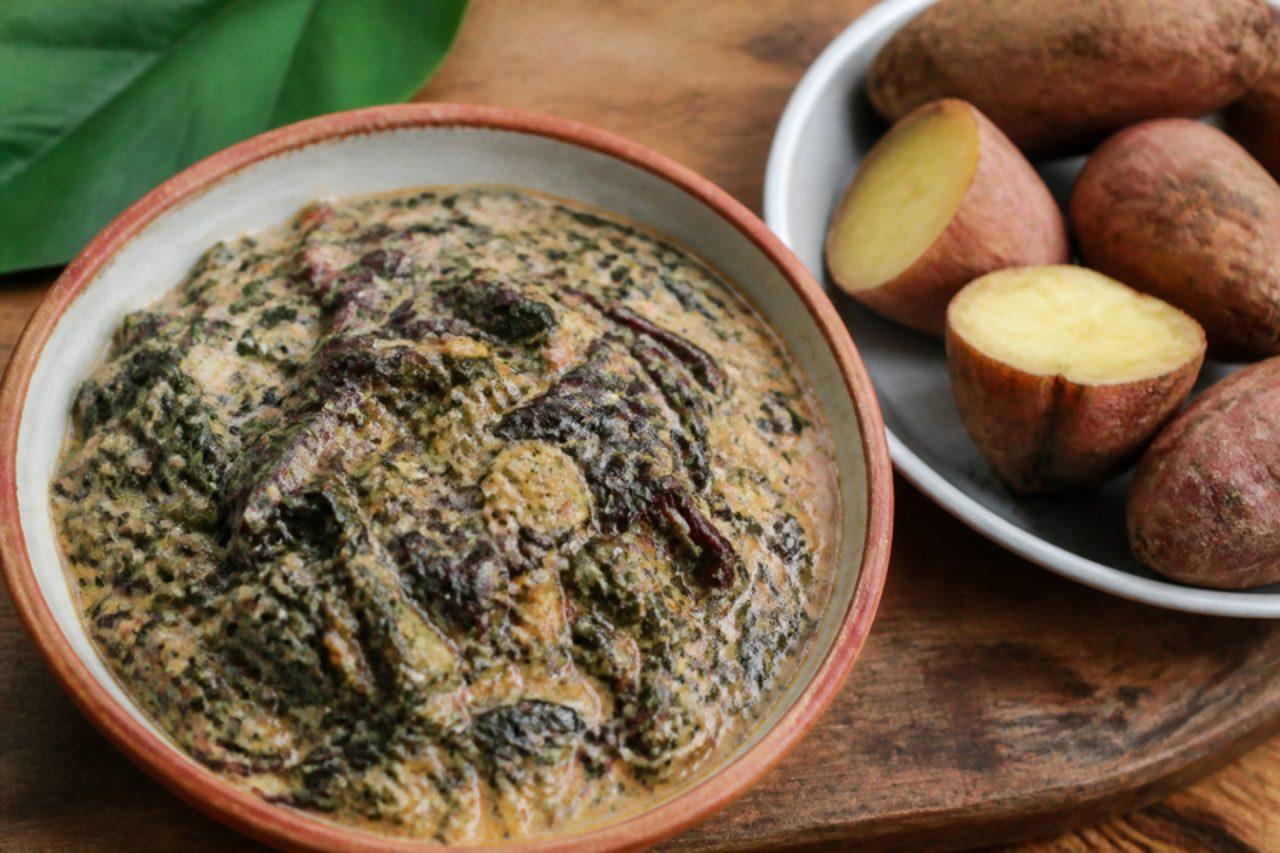
Gulu and the villages of Acholiland wait for the rains, when malakwang, the tart young leaves of the roselle hibiscus, come into the markets in big bundles. Simmered down with onion and tomato and finished with roasted peanut or sesame paste, they make a thick, dark green, sharply sour and richly nutty sauce that tastes of lemon and cream at once. It is eaten with boiled sweet potatoes, cassava or millet bread at a family meal. Look for fresh or frozen roselle leaves at African grocers, or the same leaf sold as gongura or sorrel leaves in Indian shops; spinach with lime juice is a fallback. Chef's tip: let the leaves collapse fully before the paste goes in, otherwise their sourness stays raw and harsh.

Read more 0 views

What to eat today?

Around the world

Today's trip: Paraguayan

A new country every day, from every cuisine on the site.

Paraguayan

Buñuelos de algas

Sea lettuce fritters 35 minMore from Paraguayan (27) →

This week's collection

Kid-friendly dinners
537 recipes · a new collection every Monday

Latest recipes

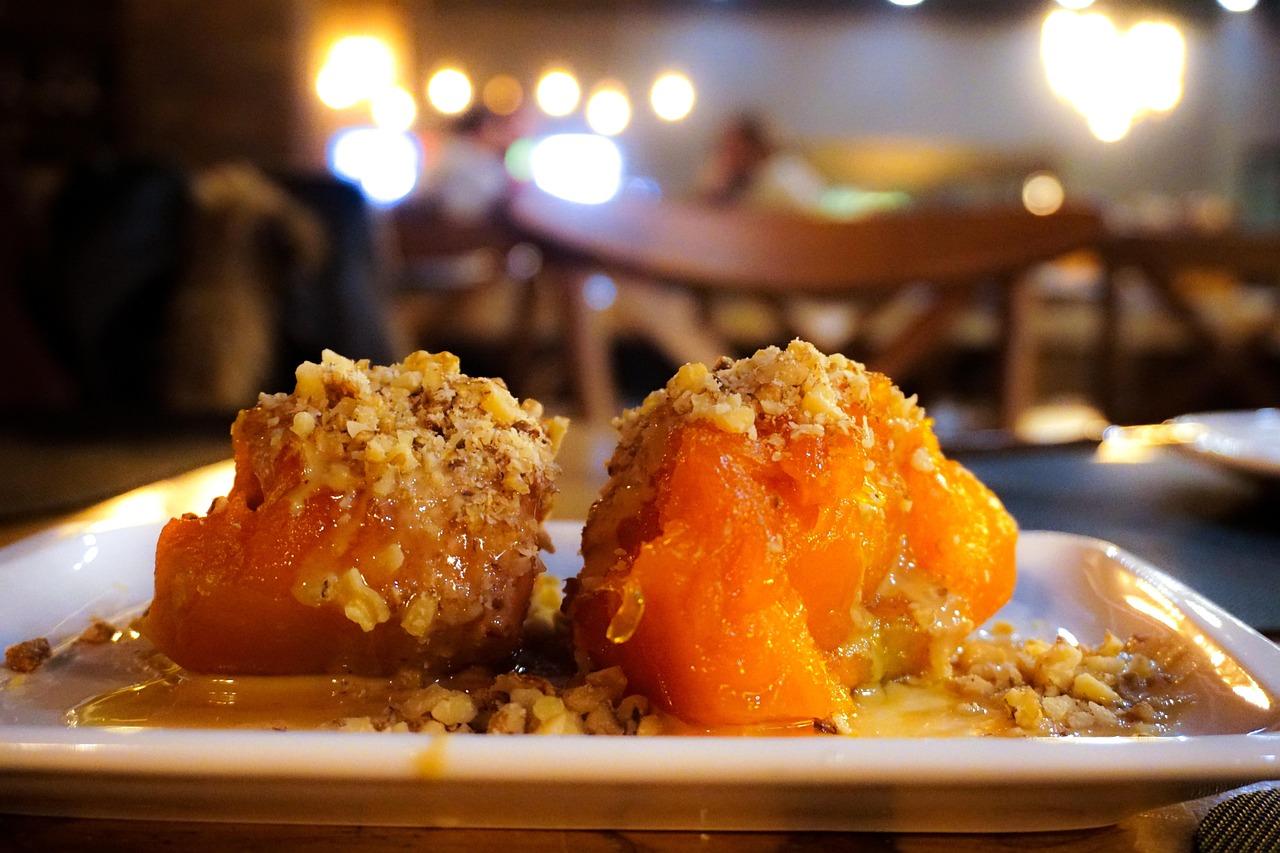
Kabak tatlısıCandied pumpkin with tahini and walnuts

When the big winter squashes come in from the fields around Konya and Ankara, home cooks cut them into thick wedges, bury them in sugar overnight and let the pumpkin cook slowly in the syrup it releases. The pieces turn glossy, deep orange and tender while holding their shape, and they're served cold with a drizzle of tahini and crushed walnuts. It's one of the few Turkish sweets made without any water at all. Common mistake: stirring the pot, which breaks the wedges; shake the pan gently instead. Chef's tip: cook it lid on for the first half and lid off for the second, so the syrup reduces to a thick glaze.

by KrazyBadal 0 views

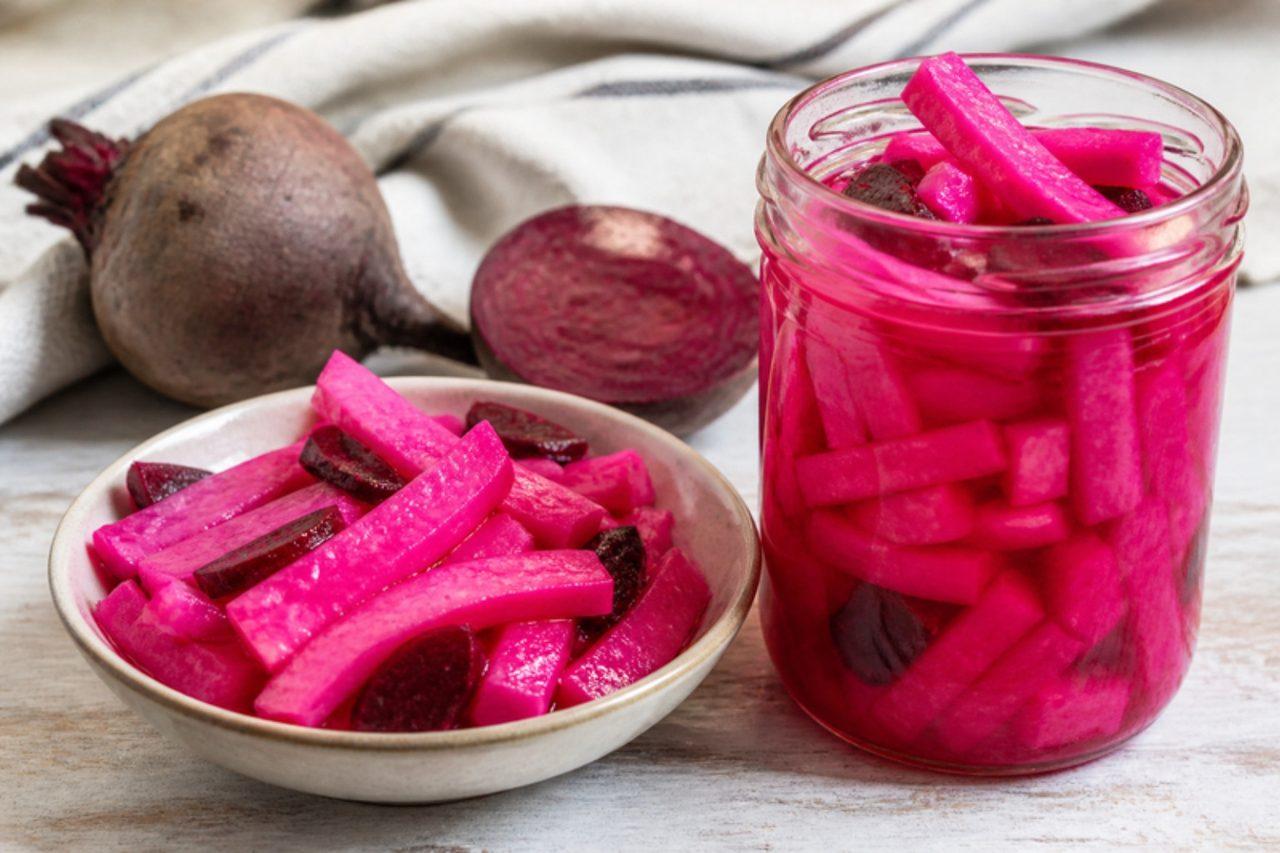
Kabees lifitPickled pink turnips

No falafel or shawarma wrap in Beirut is complete without a few batons of kabees lifit, the crunchy, vinegary pickled turnips that glow pink from a slice of raw beetroot in the jar. Lebanese families put them up in autumn when turnips are young and sweet, and a bowl sits on the mezze table next to olives and green chillies. They are sharp, salty and crisp, and cut through grilled meats, fried kibbeh and hummus. Common mistake: using iodised table salt, which clouds the brine; use pure fine salt or sea salt. Chef's tip: choose small, firm turnips with smooth skins — big woody ones stay bitter however long they pickle.

by KrazyBadal 0 views

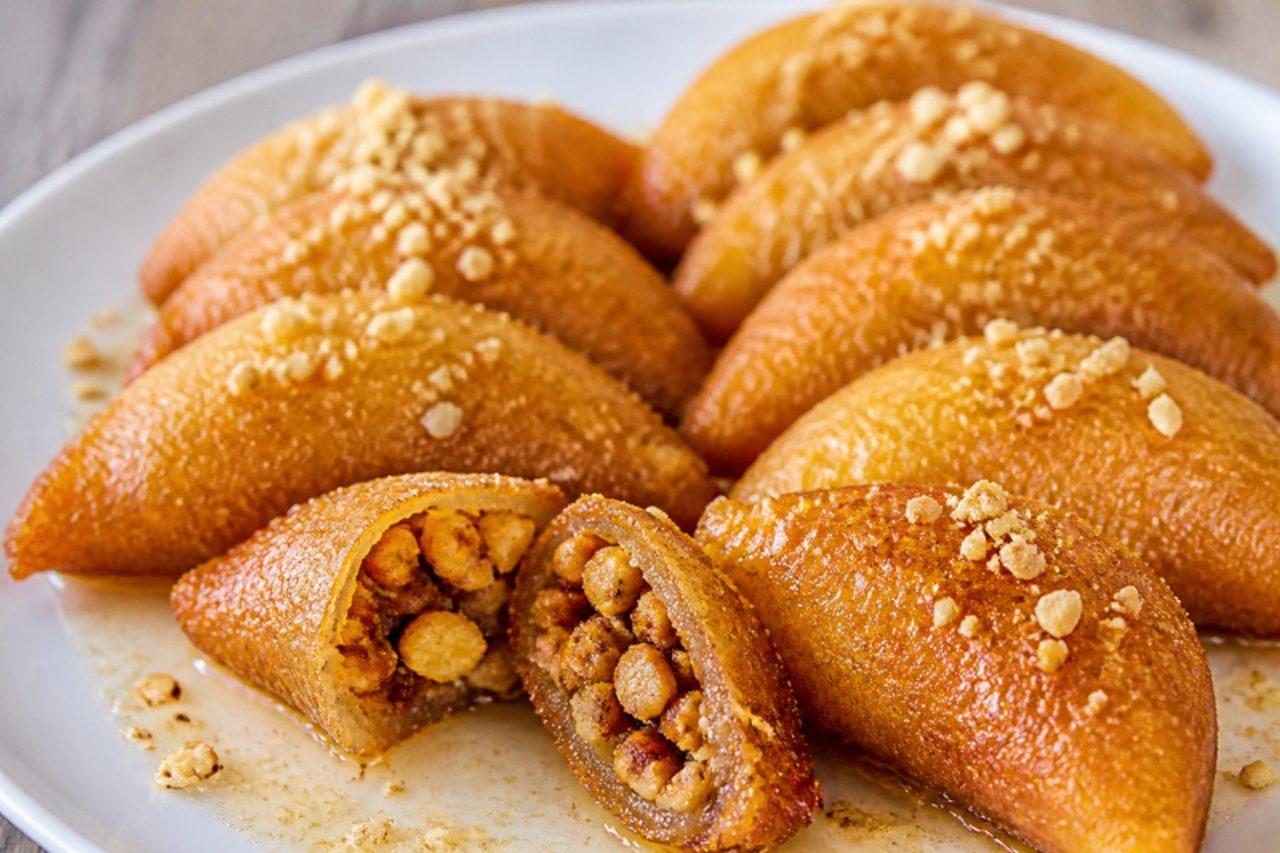
Kadayıf dolmasıWalnut pancakes in syrup

In Erzurum, kadayıf means not shredded pastry but small, spongy pancakes cooked on one side only. For kadayıf dolması they're filled with walnuts, folded into half-moons, fried golden and plunged into syrup, and they are the city's pride on festival days and at weddings. The outside is crisp and syrupy, the inside soft and nutty. Common mistake: cooking the pancakes on both sides; the uncooked, bubbly top is what sticks the edges together. Chef's tip: the syrup must be cold and the dolma hot straight from the oil, so they absorb syrup without going soggy.

by KrazyBadal 0 views

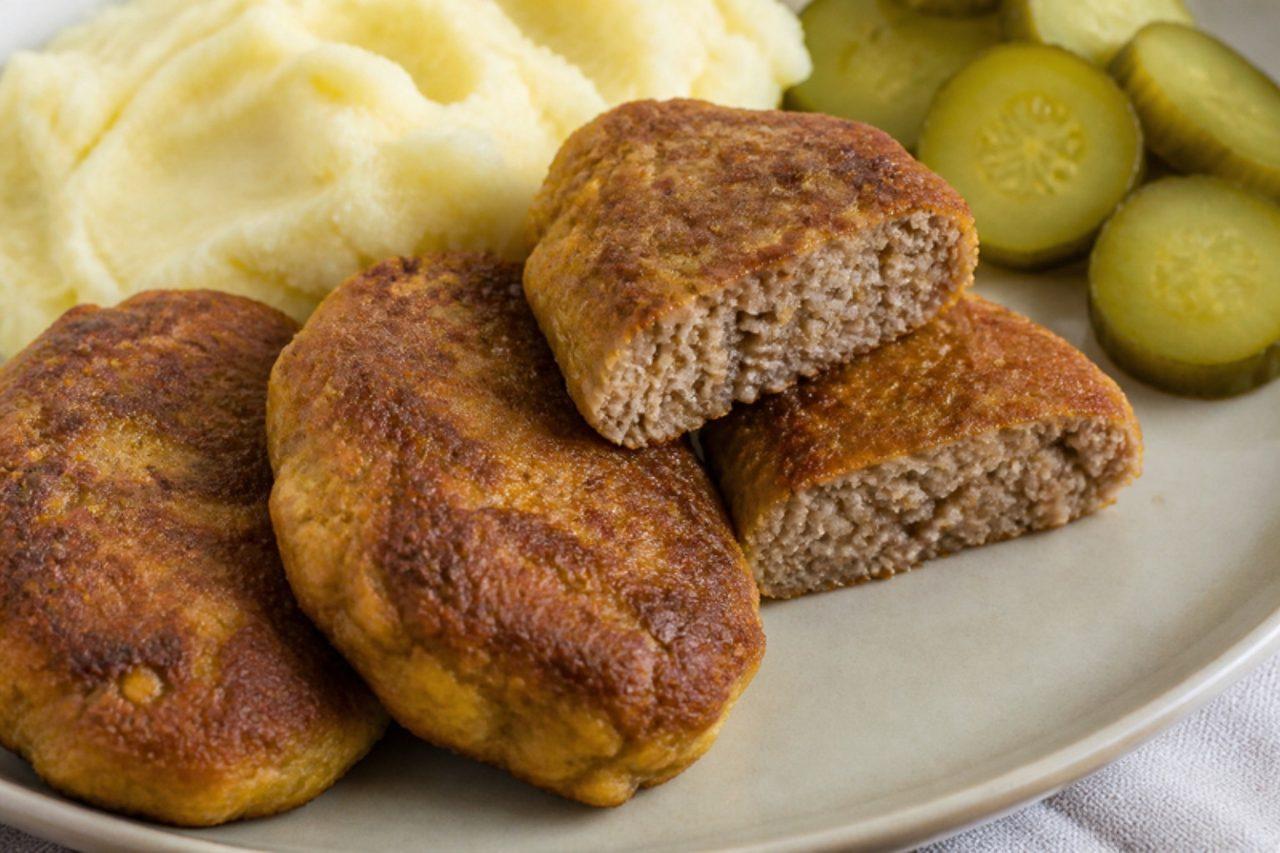
Kadınbudu köfteFried rice and mince patties

The name means 'lady's thigh', a playful Ottoman-era compliment to their plump, tender shape, and these köfte still appear in Istanbul home kitchens and old lokantas for Friday lunch. Half the meat is cooked with onion first, then mixed with raw mince, rice and herbs, so the köfte are unusually soft and moist. They are dipped in egg and fried golden, and served with a simple tomato salad and pilaf or mashed potato. Chef's tip: the rice must be fully cooked and cooled before mixing, or the köfte crack and fall apart in the pan.

by KrazyBadal 0 views

Kärntner KasnudelnCurd cheese filled pasta half-moons

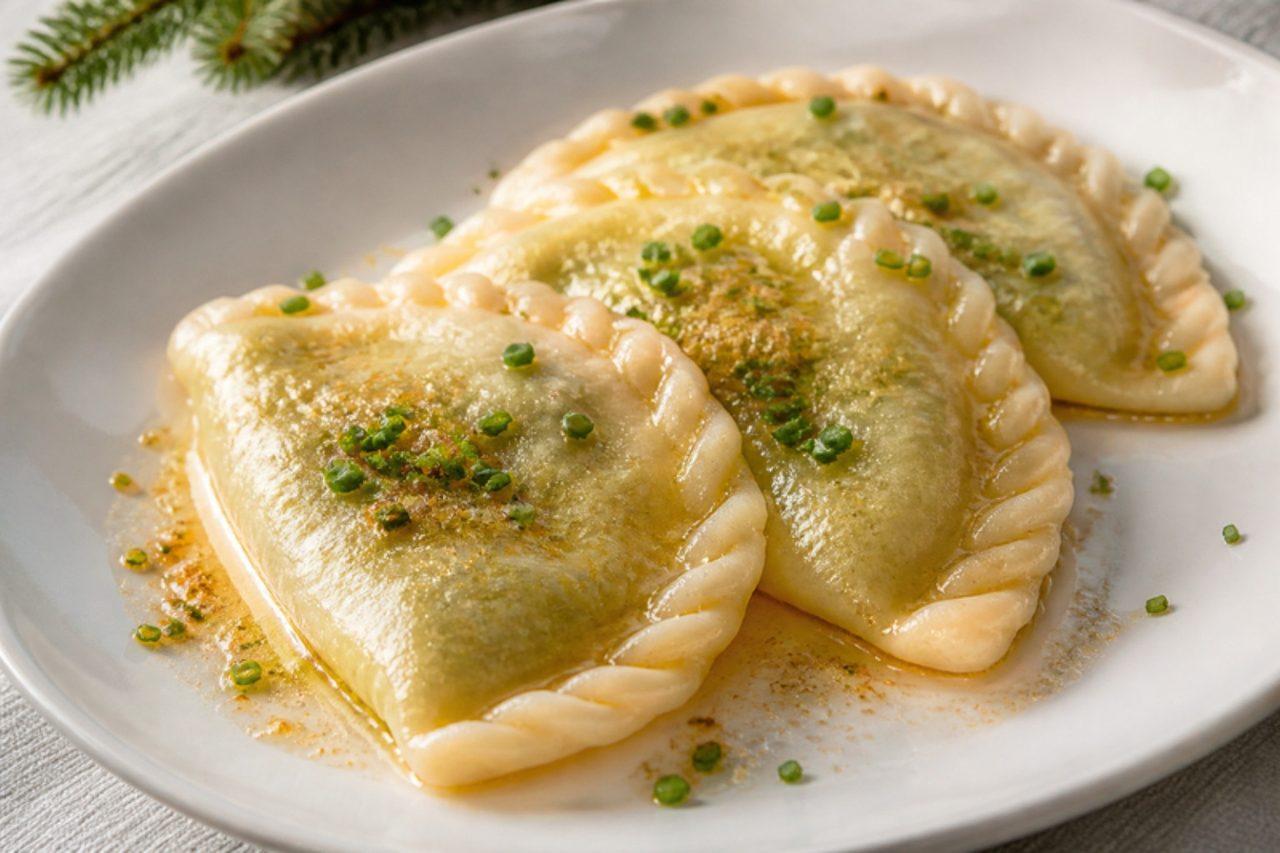
Kasnudeln are the pride of Carinthia in Austria's south, where every village claims the best filling and where they are eaten on Fridays and at church fairs. Big half-moons of thin noodle dough are stuffed with crumbly curd cheese, floury potato, onion and fresh mint, then sealed with a braided edge called 'krendeln' that keeps the filling in as they simmer. They are served with a generous pour of brown butter and chives, often with a green salad. A common mistake is rolling the dough too thick: it should be thin enough to see your hand through, or the folded edges turn stodgy. Carinthian Topfen is usually made without animal rennet, but check the label and pick a vegetarian quark. Chef's tip: if crimping feels tricky, press the edges with a fork first, then practise the braid on the last few.

by KrazyBadal 0 views

Kağıt kebabıLamb and vegetables baked in parchment

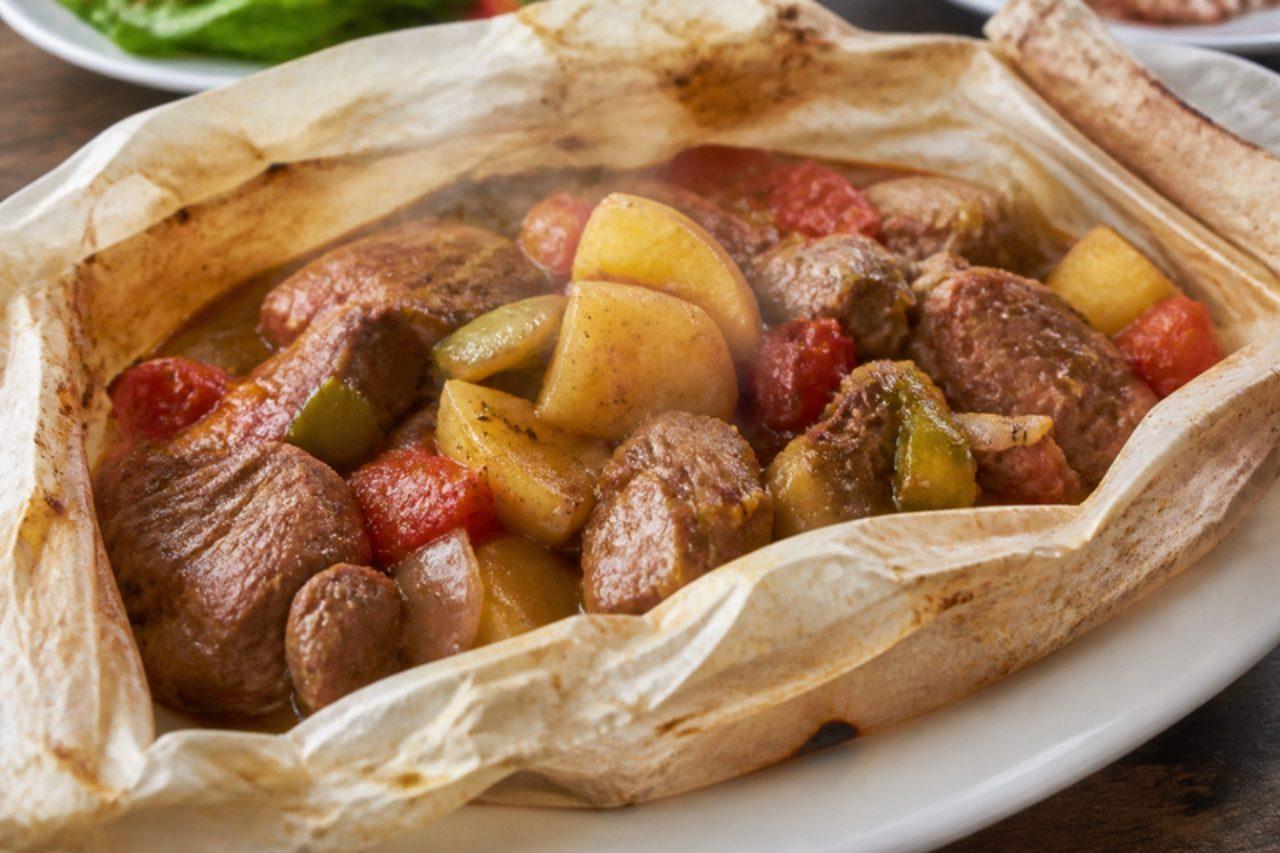
Malatya cooks wrap cubes of lamb with tomatoes, peppers, shallots and garlic in greaseproof paper and bake them slowly, so the meat steams in its own juices and the parcel puffs up like a pillow. At the table each person tears open their own package to a cloud of fragrant steam. It's a festive dish for guests, served with bulgur pilaf and a yoghurt salad. Common mistake: wrapping loosely so the juices leak and the meat dries; fold and crimp the edges tightly. Chef's tip: brown the lamb quickly before wrapping; it gives a deeper flavour than raw meat steamed alone.

120 minTurkishMeatGluten free
by KrazyBadal 0 views

Kahu sekanjabinLettuce with mint vinegar syrup

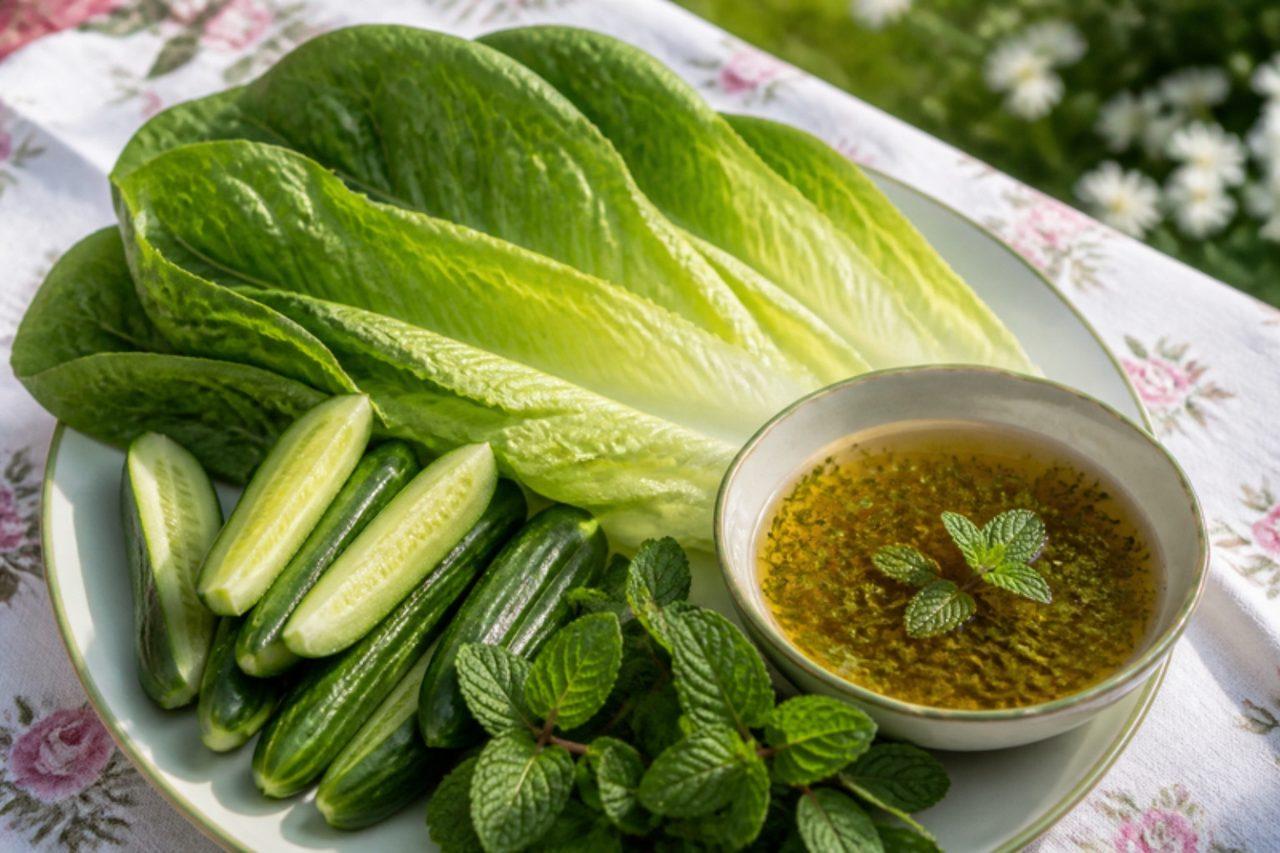
On Sizdah Bedar, the thirteenth day of the new year, Iranian families leave the city for parks and riverbanks around Tehran and Isfahan, and the picnic cloth almost always holds a jar of sekanjabin and a head of crisp romaine. The syrup is an ancient one: sugar and vinegar simmered together and steeped with fresh mint, sweet-sour and cooling. You tear off a lettuce leaf, dip it and crunch. The usual mistake is boiling the syrup too long, which turns it into hard toffee once cold. Chef's tip: keep the lettuce in iced water until the moment you serve; the colder and crisper the leaf, the better the contrast with the syrup.

by KrazyBadal 0 views

KakaviaMixed fish and potato soup

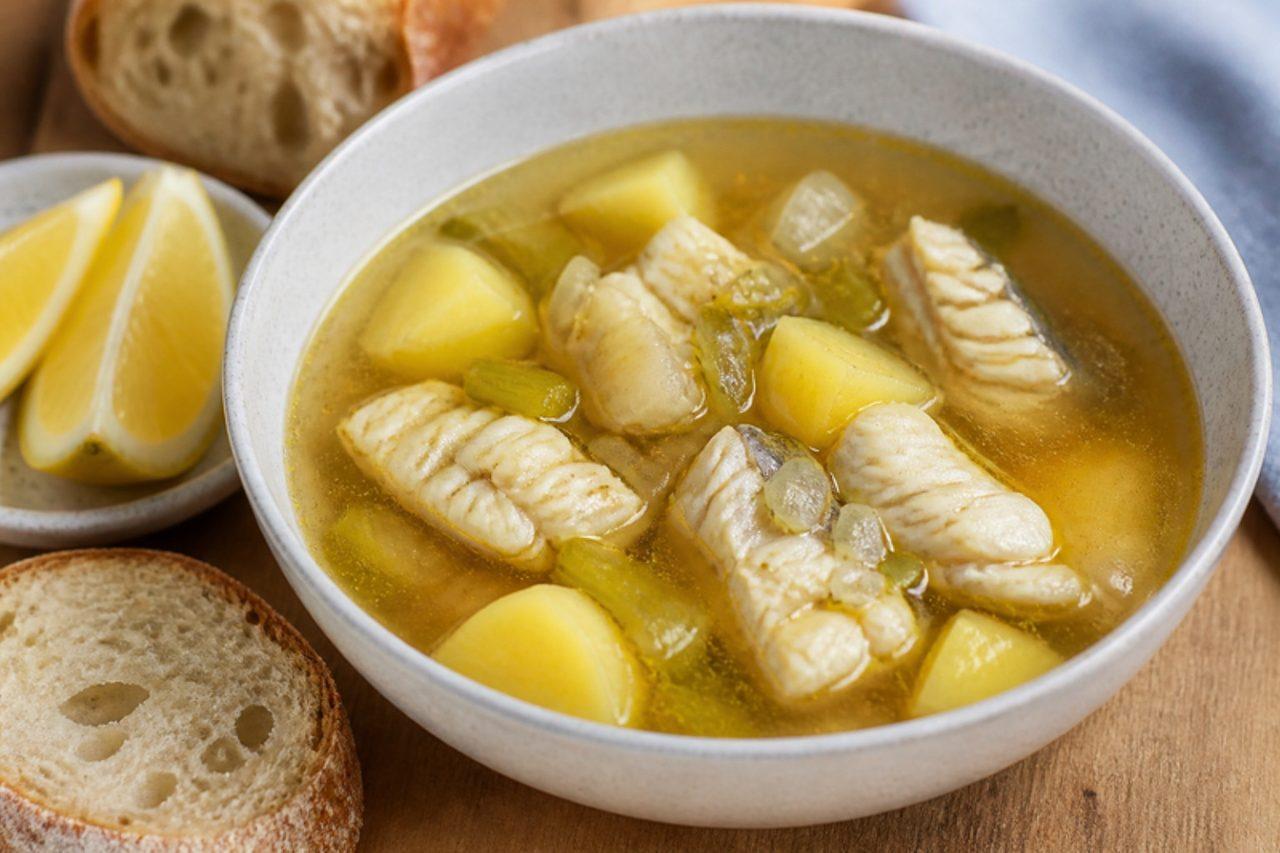
Kakavia takes its name from the three-legged pot fishermen in the Cyclades set on the beach, filling it with the small, bony fish they couldn't sell, seawater, onions, potatoes and a generous pour of olive oil. Today island tavernas and families make it with a mix of firm white fish, and serve the broth first with lemon, then the fish and potatoes on a platter. It is clean, golden and comforting, best with crusty bread. Common mistake: stirring once the fish goes in, which breaks it into shreds; shake the pot instead. Chef's tip: simmer the heads and bones first for the broth, then poach the fillets in it briefly so they stay in whole pieces.

80 minGreekSoupsGluten free
by KrazyBadal 0 views

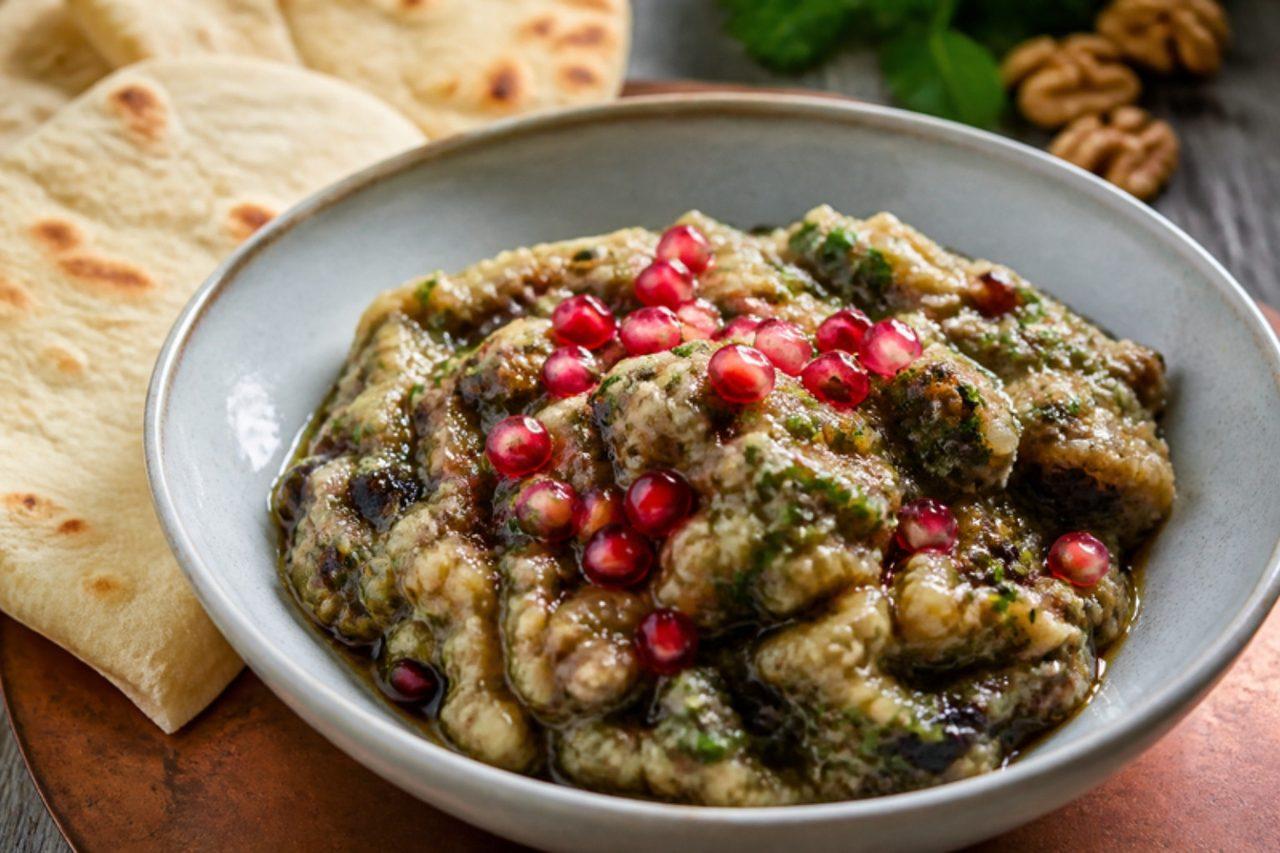
Kal kababSmoky aubergine with walnuts and pomegranate

Kal kabab comes from the rice-growing plains around Rasht, where late-summer aubergines are charred straight on the embers and mashed with a green, sour mixture of herbs, walnuts, garlic and sour pomegranate paste. Unlike Tehran's creamy kashk-e bademjan it has no dairy and is eaten cool, as a starter or side with kateh and grilled food, scooped up with bread. Golpar, ground Persian hogweed seed, adds a resinous edge. A common mistake is pulling the aubergines off the flame too early: they must collapse completely and the skin must blacken all over, or the flesh is bitter and the dish lacks smoke. Chef's tip: pound the walnuts, garlic and herbs to a paste before adding the aubergine, so the sour green flavour runs through every bite.

by KrazyBadal 0 views

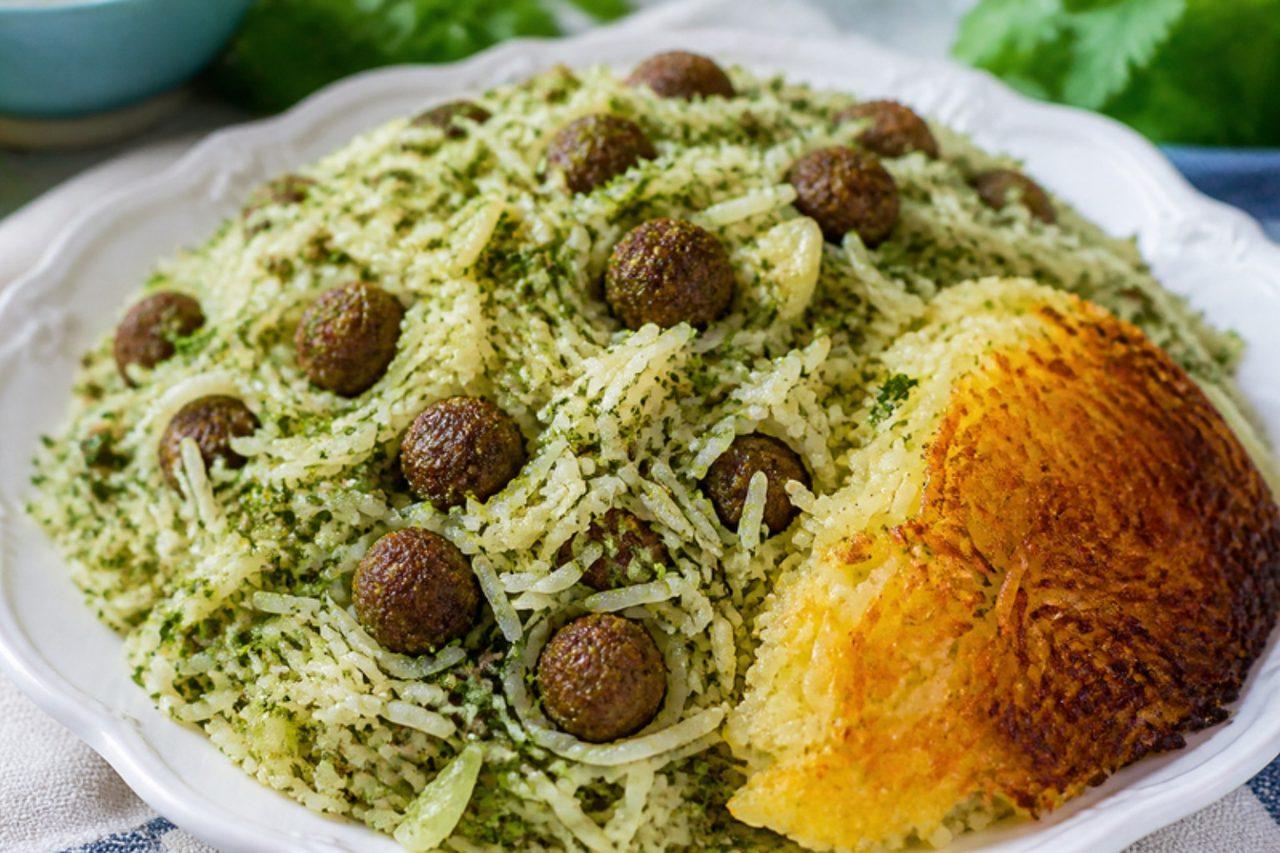
Kalam polo ShiraziCabbage and herb rice with meatballs

Kalam polo is the rice that Shirazi families cook from late autumn into spring, when white cabbage is sweet and the herb sellers of the Vakil Bazaar pile up basil, tarragon and dill. Shredded cabbage is fried until caramel-brown, mixed with a big handful of herbs and a touch of cumin, then layered through basmati with tiny meatballs no bigger than a chickpea and steamed into a fragrant, green-flecked pilaf. For a vegetarian pot, leave the meatballs out and add a handful of cooked chickpeas. Serve with Shirazi salad and yogurt. A common mistake is frying the cabbage too briefly; it must turn golden and sweet, or it gives the rice a sulphurous taste. Chef's tip: dry the chopped herbs on a tea towel before frying so they crisp instead of stew.

by KrazyBadal 0 views

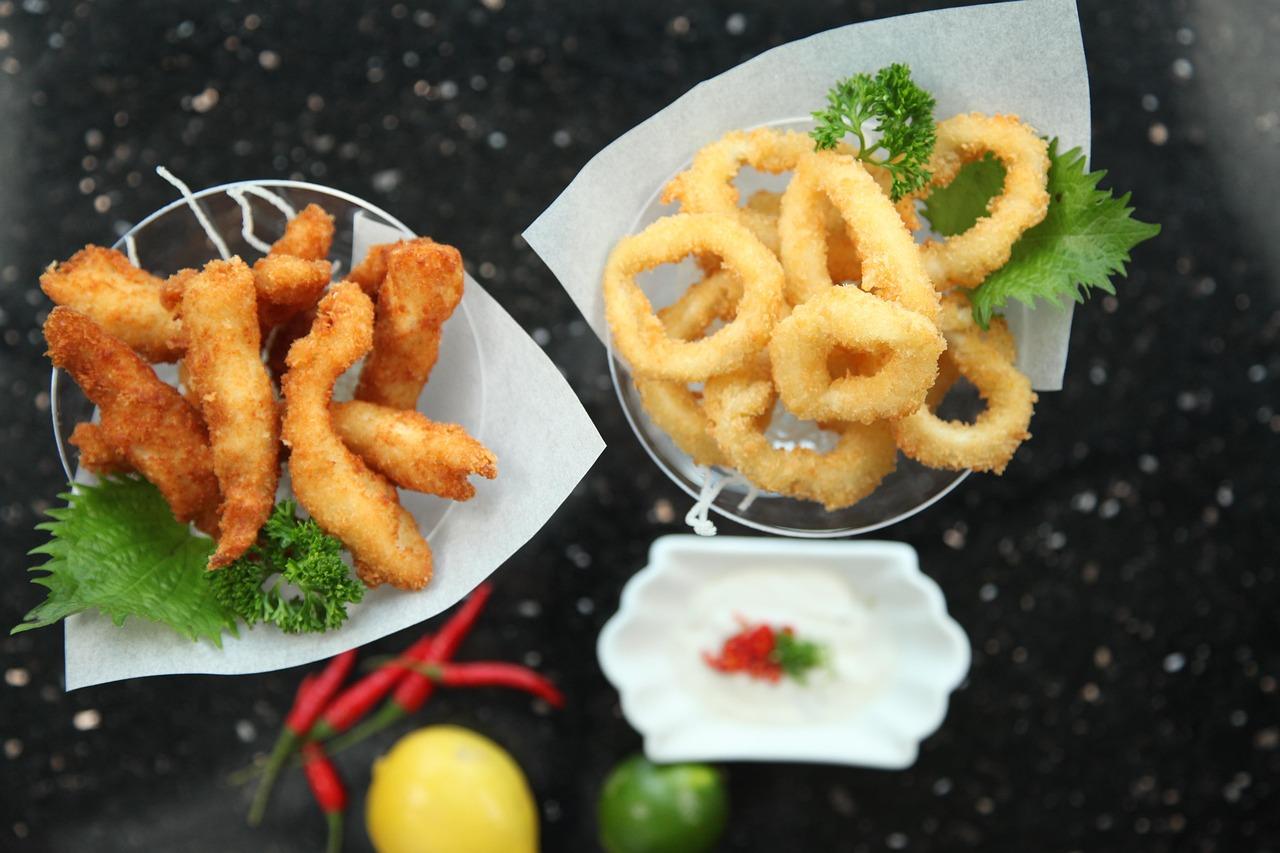
Kalamar tavaFried squid with walnut sauce

On the waterfront in Bodrum and in every Aegean fish meyhane, a plate of kalamar tava arrives hot among the cold meze: tender rings of squid in a light, crisp coat, with a bowl of tarator, a thick sauce of walnuts, bread, garlic and lemon, for dipping. The trick is speed; squid is tender after a minute or two in the oil and rubbery after five. Chef's tip: soak the rings in milk or fizzy mineral water for half an hour in the fridge; it tenderises them and helps the coating cling.

by KrazyBadal 0 views

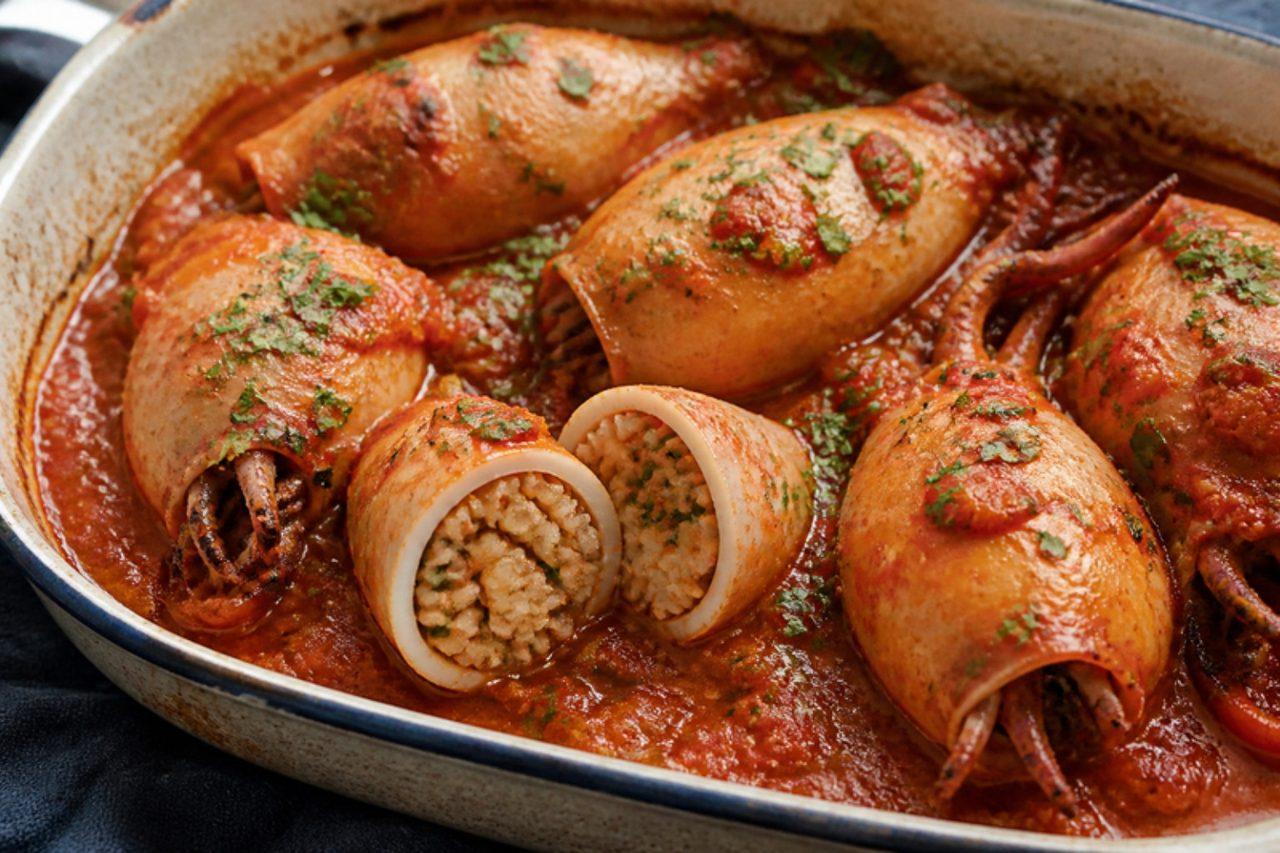
Kalamarakia gemistaRice-stuffed squid in tomato

Stuffed squid is Lenten and summer food all over the Cyclades: the bodies are filled with rice, onion, the chopped tentacles, dill, mint and pine nuts, then baked in a light tomato sauce until the squid is tender and the rice has drunk up the juices. Families on Paros and Naxos make a tray for a Friday or a feast day of the Virgin in August, and serve it warm with bread and a salad. Common mistake: packing the squid full; the rice swells and splits them, so fill only two-thirds. Chef's tip: close each squid with a toothpick through the opening, threaded like a stitch.

100 minGreekFishGluten free
by KrazyBadal 0 views

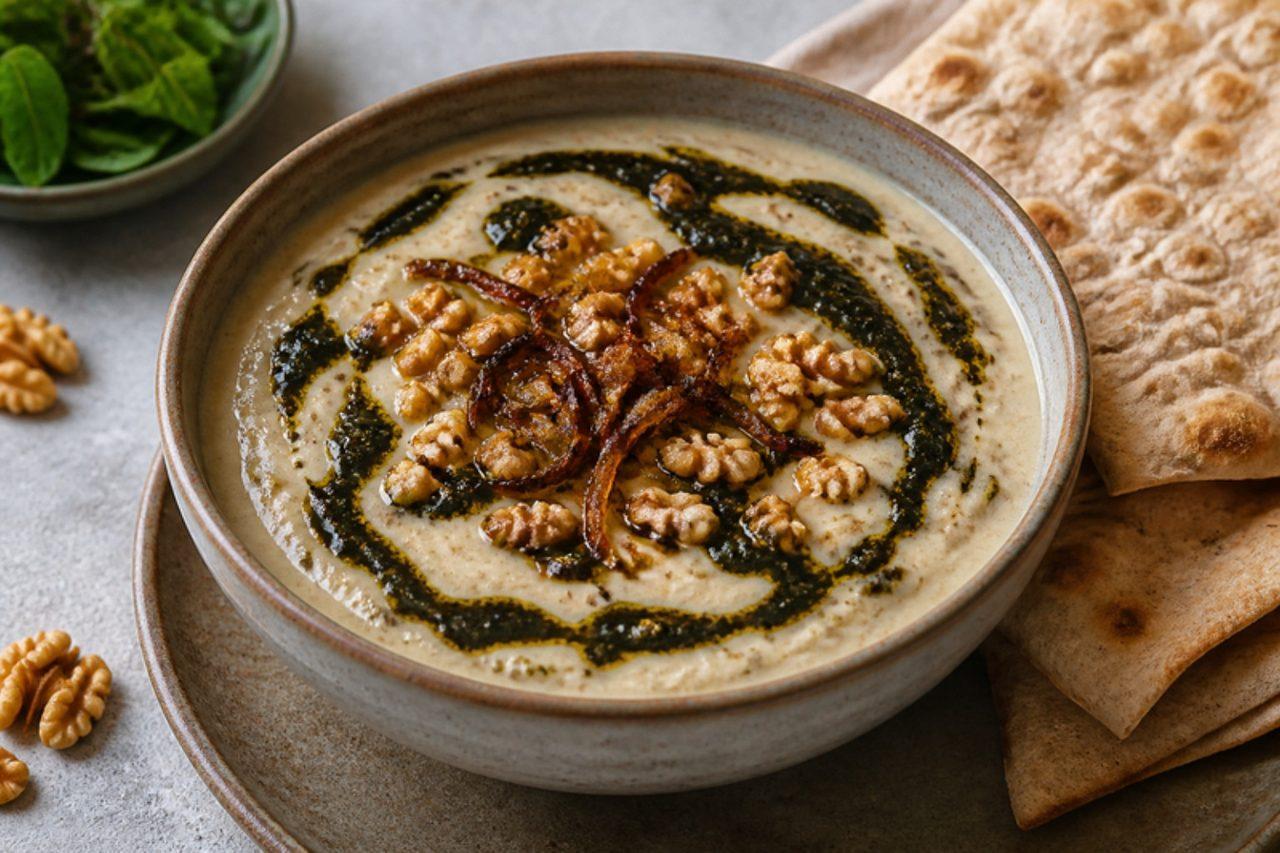
Kaleh jooshKashk, walnut and mint soup

Kaleh joosh is the fast, frugal soup of the Azerbaijani villages around Tabriz and of central Iran, cooked when the cupboard holds kashk, walnuts and onions. Kashk, the tangy fermented whey that gives so many Persian dishes their savoury depth, is simmered with deeply fried onions and ground walnuts, then crowned with sizzling dried mint and turmeric oil. It is eaten from a shared bowl, scooped up with torn bread rather than spoons, often on cold evenings. A common mistake is boiling the kashk hard, which can make it split and grainy; keep it at a gentle bubble. Chef's tip: taste your kashk before salting, as brands vary wildly in saltiness.

by KrazyBadal 0 views

KalimotxoRed wine and cola

Kalimotxo contains alcohol (red wine), so the classic version is for adults only; an alcohol-free version is given below. The story goes that it was mixed in 1972 at a fiesta in Algorta, near Bilbao, when the wine bought for the stall turned out to be poor and cola was added to save it. Today it is the drink of every Basque summer fiesta, from Bilbao's Aste Nagusia to village squares, poured into big plastic cups. A common mistake is mixing warm wine and flat cola, which tastes heavy and sweet: both should be fridge-cold and the cola freshly opened. Chef's tip: pour the cola slowly down the side of the glass so it keeps its fizz.

by KrazyBadal 0 views

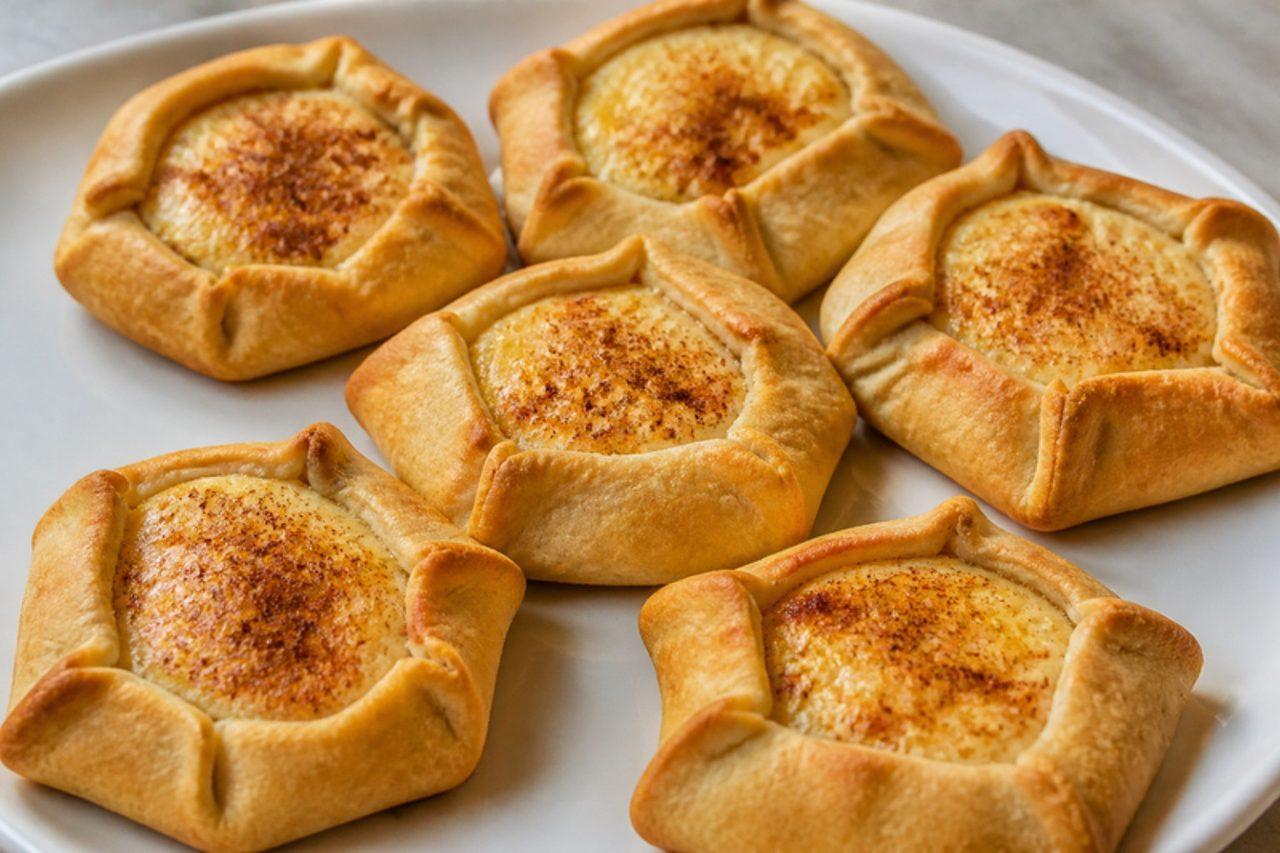
KalitsouniaSweet cheese pastries

Come Holy Week, Cretan kitchens from Chania to Sitia fill trays with kalitsounia, little open pastries whose edges are pinched into stars around a mound of fresh whey cheese. They come out with crisp, slightly sandy pastry and a soft, barely sweet filling that tastes of milk, cinnamon and orange zest, and they are eaten at Easter breakfast, offered to visitors with coffee and packed for the drive back to the village. On the island the filling is fresh mizithra or anthotyro; drained ricotta is the easiest stand-in and is usually made without animal rennet. Common mistake: using wet cheese straight from the tub, which floods the pastry and leaves the bases soggy. Chef's tip: drain the cheese overnight in a sieve lined with kitchen paper so the filling bakes up light and holds its dome.

by KrazyBadal 0 views

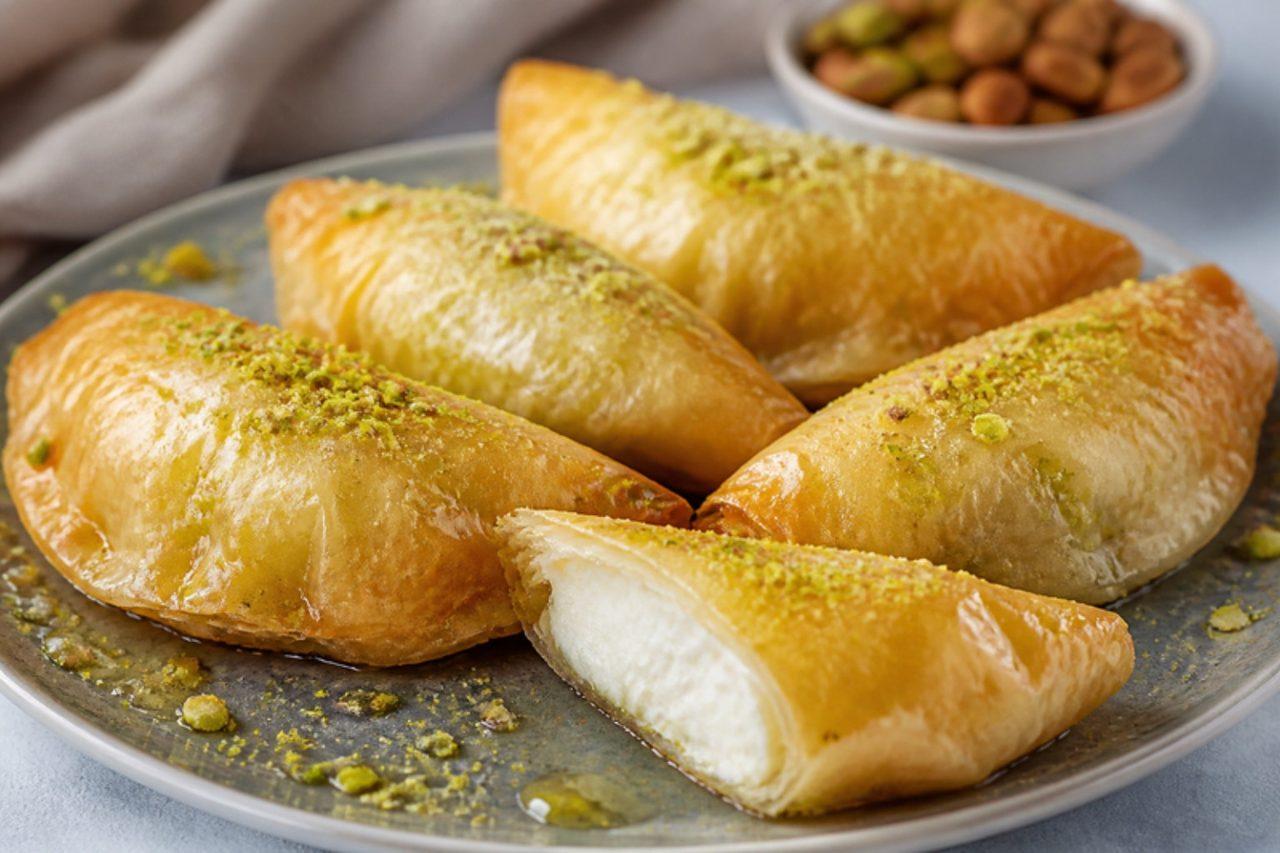
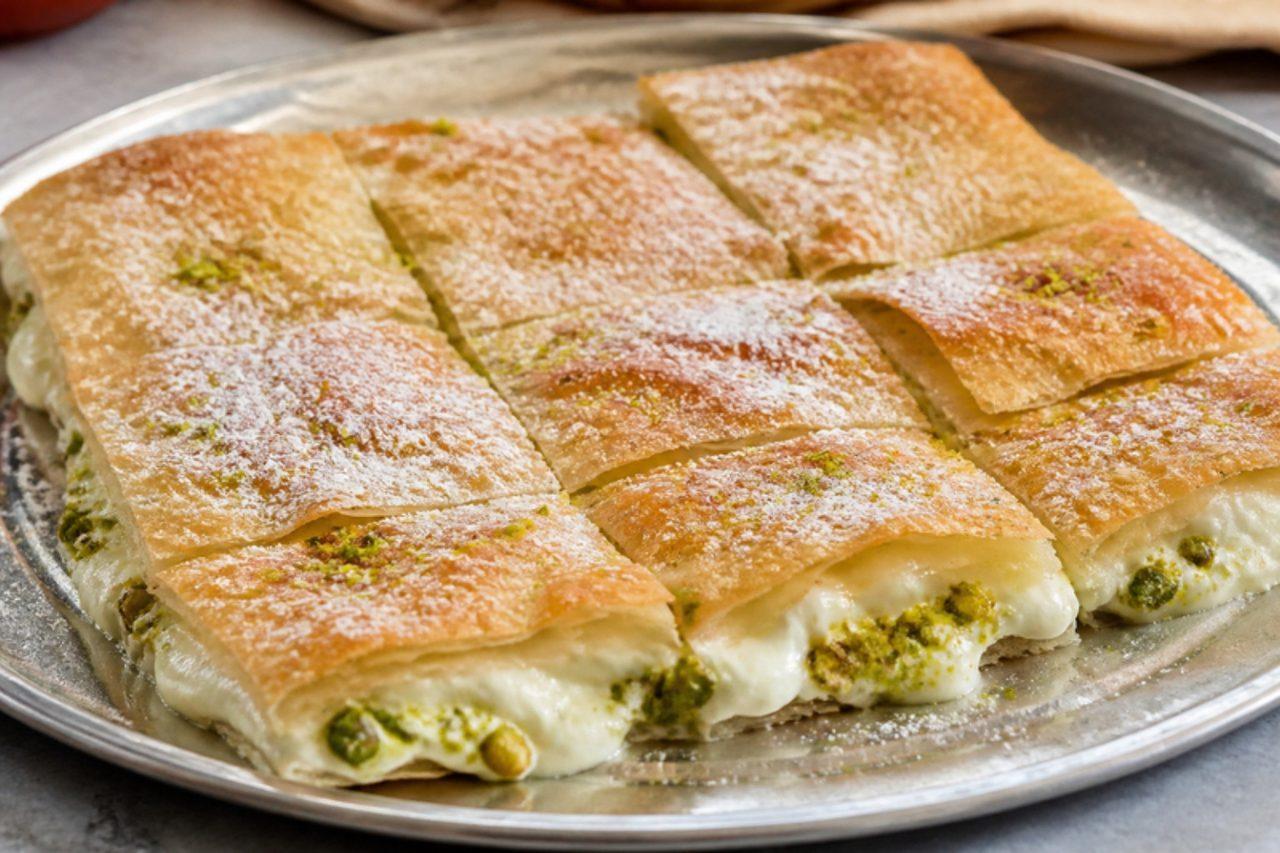
KallajCream-filled pastry parcels in syrup

Kallaj appears in the sweet shops of Beirut and Tripoli only during Ramadan, when bakers sell paper-thin starch sheets to wrap around cream or cheese and fry for after iftar. Home cooks recreate it with filo: square parcels of thick milk cream, baked until they crackle, then soaked briefly in rose and orange-blossom syrup and finished with pistachios. Serve them warm, a few minutes after the syrup goes on, while the outside is still crisp. Common mistake: drowning them in syrup and leaving them to sit; spoon it over just before serving. Chef's tip: a cheese version — fill with half mozzarella, half unsalted ricotta — is just as traditional; choose a vegetarian-rennet mozzarella if you need it.

by KrazyBadal 0 views

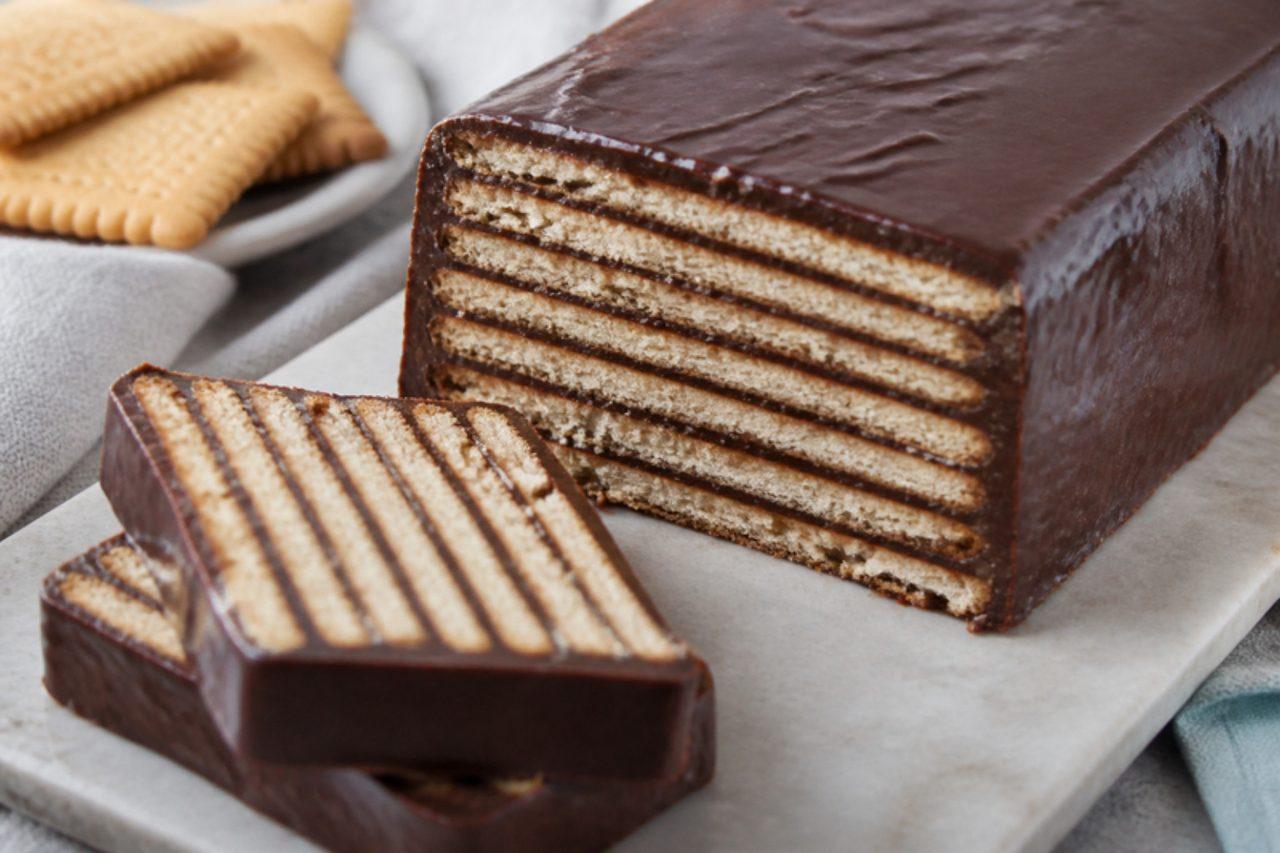
Kalter HundNo-bake chocolate biscuit loaf

Kalter Hund, the 'cold dog', is the no-bake party cake of West German childhoods, set in a loaf tin in the fridge and sliced into stripes of crisp biscuit and dark chocolate at every 1970s birthday. Recipes from Hamburg to Bavaria differ only in the details; old ones used coconut fat and raw egg, while this version uses dark chocolate, cream and a little coconut oil, so there is nothing raw in it. A common mistake is pouring the chocolate too hot, which softens the biscuits into mush; it should be just warm. Chef's tip: line the tin with cling film overhanging the sides, then you can lift the whole loaf out and slice it with a hot knife.

by KrazyBadal 0 views

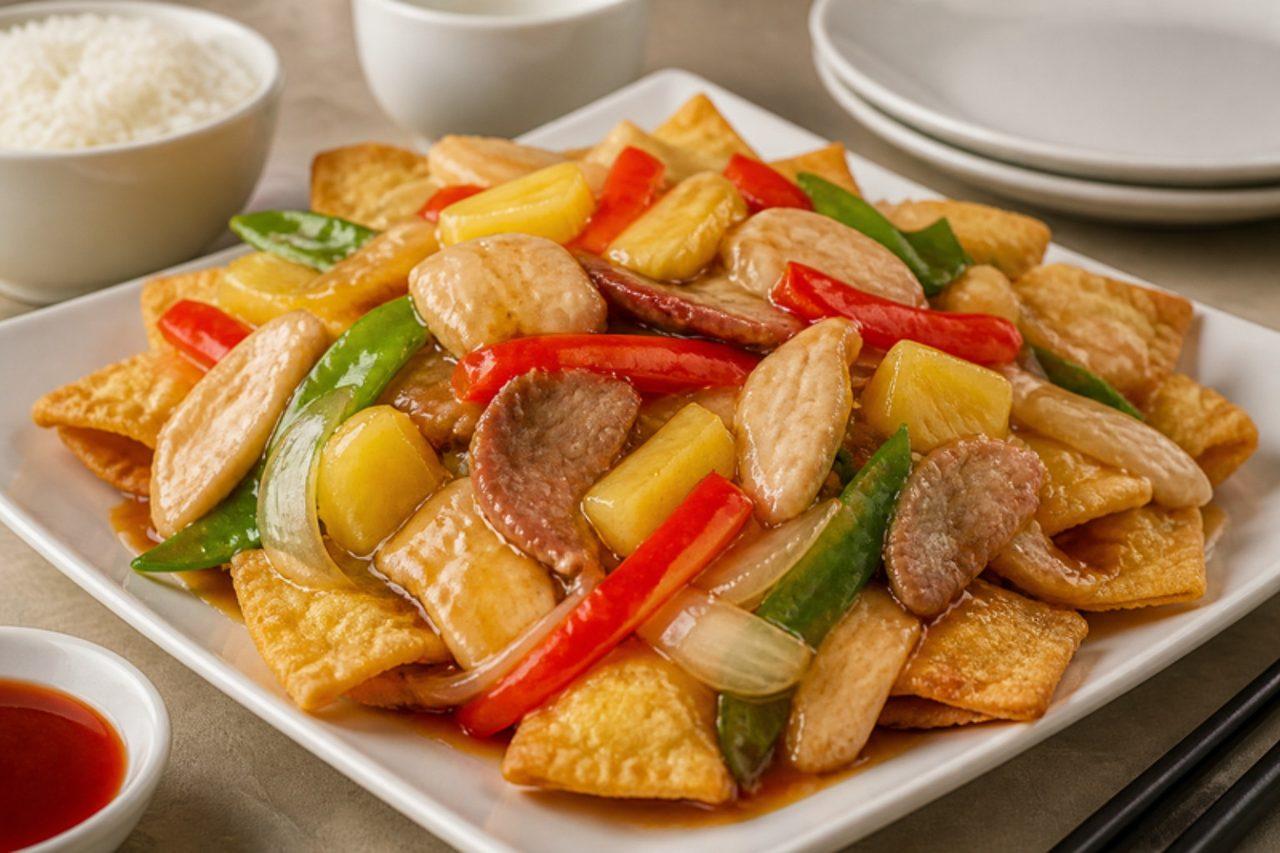
Kam lu wantánFried wontons in sweet-sour sauce

Brought to the table as a sharing platter at big chifa lunches in Lima, kam lu wantán is a gleeful mix of textures: golden fried wontons filled with ginger-spiked pork, smothered in a bright, sweet-and-sour sauce full of sliced chicken, pork, pineapple, peppers, carrot, snow peas and bok choy. The wontons shatter at the edges and soften where the sauce soaks in, so eat it fast. It works as a starter for a crowd or a main with rice. The mistake to avoid is making the sauce too thick and gloopy; it should flow over the wontons, not sit on them like jam. Chef's tip: fry the wontons at the last minute and pour the sauce over at the table so the crunch survives.

by KrazyBadal 0 views

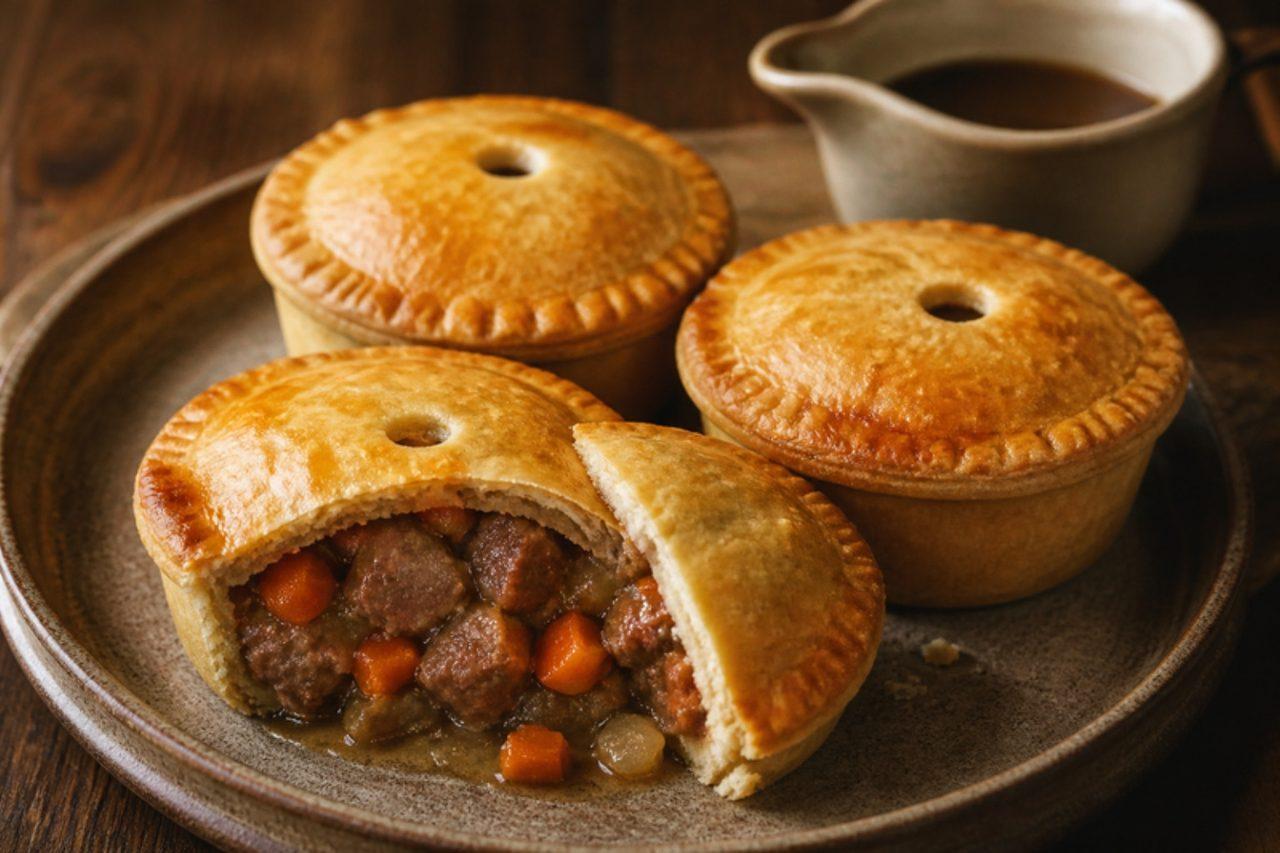
Kerry Dingle piesSmall mutton pies

Dingle pies are small, round mutton pies made in west Kerry for the Puck Fair in Killorglin, for fishermen going to sea, and for farmers at the mart, often reheated in a bowl of the mutton broth. A firm hot-water-crust pastry holds a peppery filling of lamb or mutton, onion and carrot, so they travel well and are eaten by hand or with gravy. Chef's tip: shape the pastry while it is still warm; hot-water crust cracks and won't mould once it cools.

120 minIrishMeat
by KrazyBadal 0 views

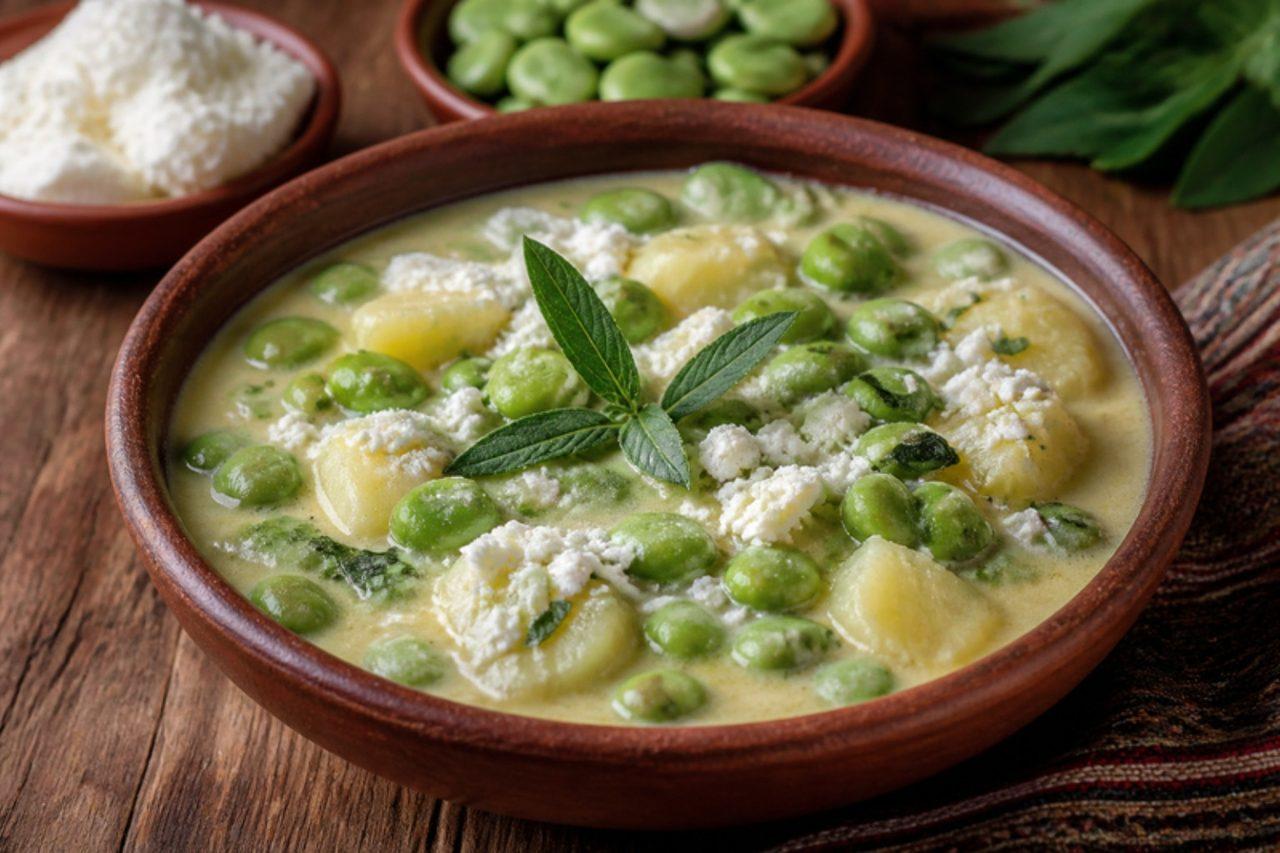
KapchiBroad beans in cheese sauce

Kapchi (sometimes spelled capchi) comes from the Quechua for something like 'dressed' or 'creamed', and around Cusco it turns up when the fresh broad beans are in season: green habas, potatoes and soft fresh cheese simmered with milk until the sauce turns thick and pale, with ají and a handful of huacatay. Market stalls in San Pedro sell it with rice, and families make it at Easter as a meatless dish. It is gentle and creamy with a herby, slightly minty finish, and the beans stay sweet and tender. The trap is boiling the sauce once the cheese is in; it splits into curds and goes watery, so keep it at a bare simmer. Serve with white rice or boiled potatoes and a spoon of uchucuta. The same recipe works with sliced mushrooms instead of beans, which Cusco cooks also do. Queso fresco is usually set with animal rennet, so pick a vegetarian fresh cheese if you need to. Chef's tip: peel the beans of their pale inner skins after blanching; it takes ten minutes and makes the dish far silkier.

by KrazyBadal 0 views

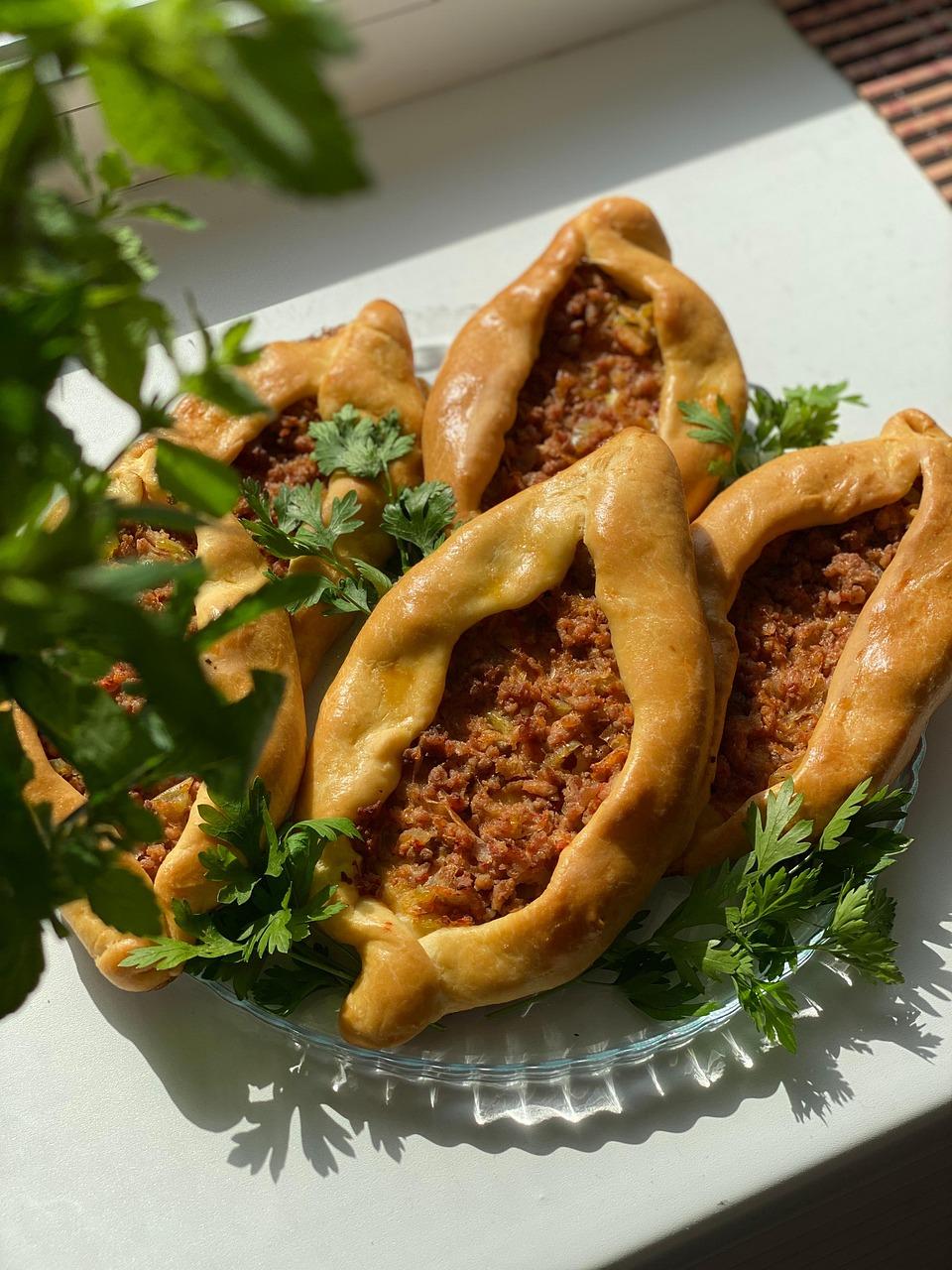
Karadeniz kıymalı pideBeef-filled flatbread boat

Pide salons in Samsun, Trabzon and Rize stretch their dough into long boats, pinch the ends into points and fill them with minced beef, onion, tomato and peppers, then slide them into a wood oven for a few minutes. At home a very hot oven and a heavy tray get you close: a crisp, chewy rim, a juicy filling and a brush of butter as it comes out. Slice across into strips and eat with ayran and a sharp shepherd's salad. Common mistake: a wet filling, which soaks the base; squeeze the chopped tomato and let the mince sit on the dough raw so its juices cook into the bread. The mince must reach 71 °C. Chef's tip: crack an egg into the middle for the last 3 minutes if you like it the Samsun way.

by KrazyBadal 0 views

Karadeniz mısır ekmeğiGolden cornbread

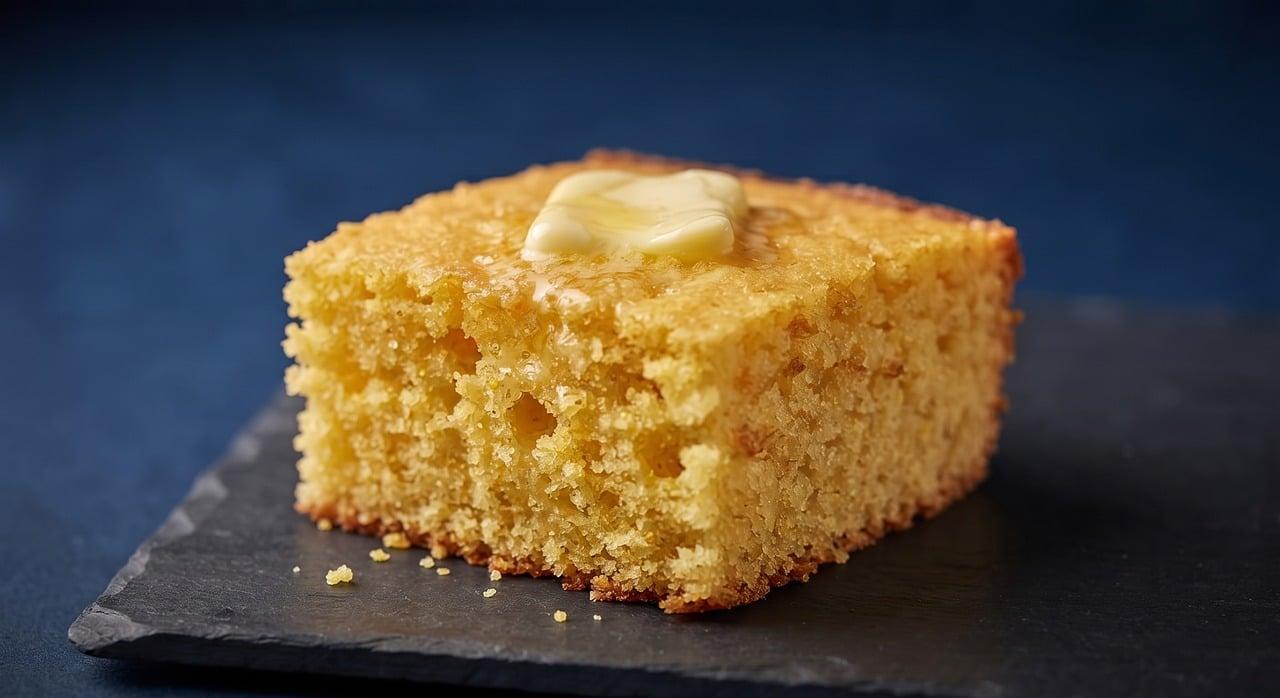
Along the Black Sea coast from Samsun to Artvin, cornbread was the everyday loaf long before wheat bread was common, and it still sits beside bowls of collard soup and plates of fried anchovies. This version is the simple household one: fine cornmeal scalded with hot water and milk, a little wheat flour and egg for lift, baked in a well-oiled pan until the crust cracks and the inside stays moist and slightly sweet. Cut it into wedges and eat it warm with butter, cheese or crumbled into soup. Common mistake: using cold water, which leaves the cornmeal gritty; scalding it first softens the grains. Chef's tip: heat the oiled pan in the oven before the batter goes in, so the base sizzles and forms a crisp, shiny crust.

by KrazyBadal 0 views

Karalahana çorbasıCollard greens and bean soup

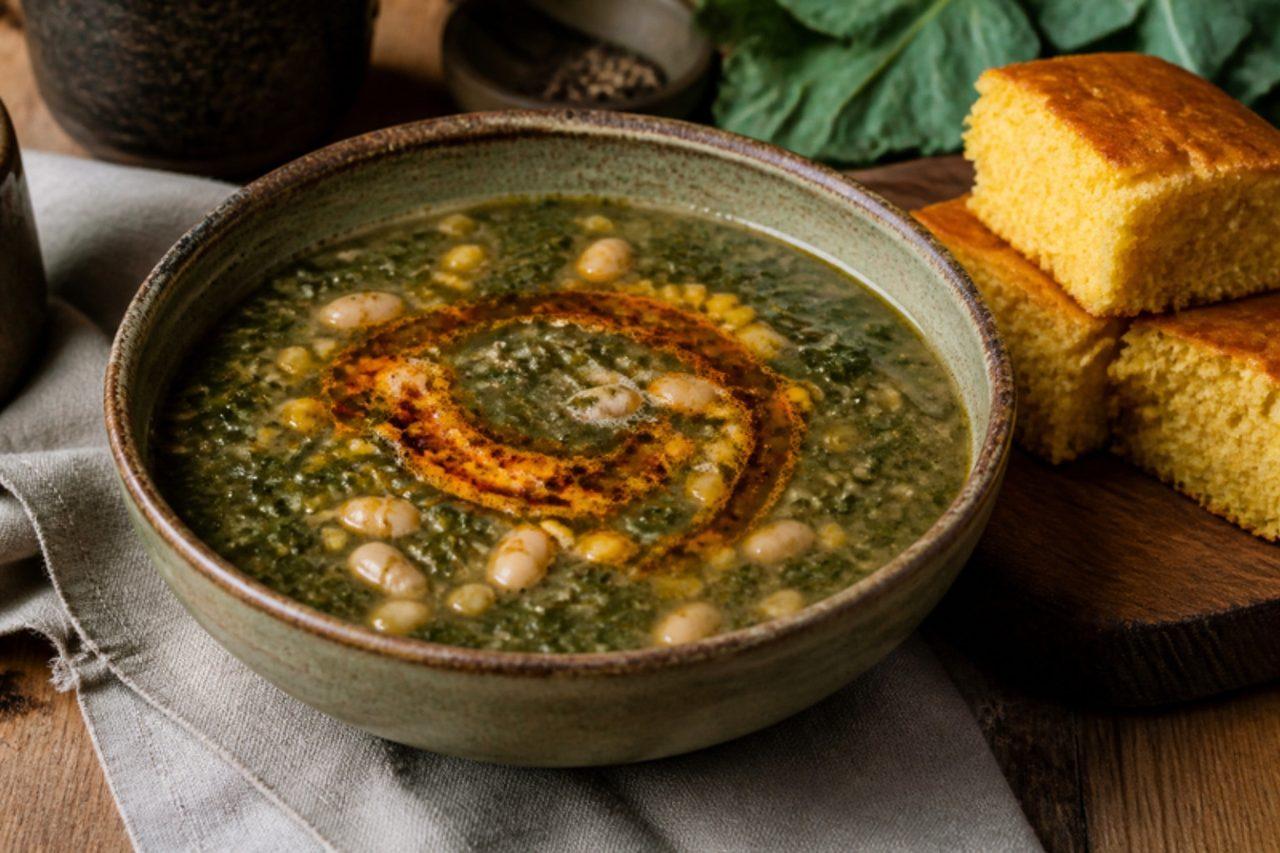
Dark, ribbed karalahana is the cabbage of the eastern Black Sea, and in Trabzon and Rize winter kitchens it goes into a thick soup that is somewhere between a broth and a stew. Shredded leaves simmer with borlotti beans, onion and a spoon of pepper paste, then a handful of cornmeal is whisked in at the end to give the soup body and a gentle sweetness. It is served with cornbread, a wedge of onion and a few chilli pickles. Common mistake: leaving the tough central ribs in; they never soften and make the soup stringy. Chef's tip: the soup is noticeably better the next day, so make it ahead and loosen it with a little hot water when you reheat.

by KrazyBadal 0 views

Karalahana sarmasıStuffed collard leaf rolls

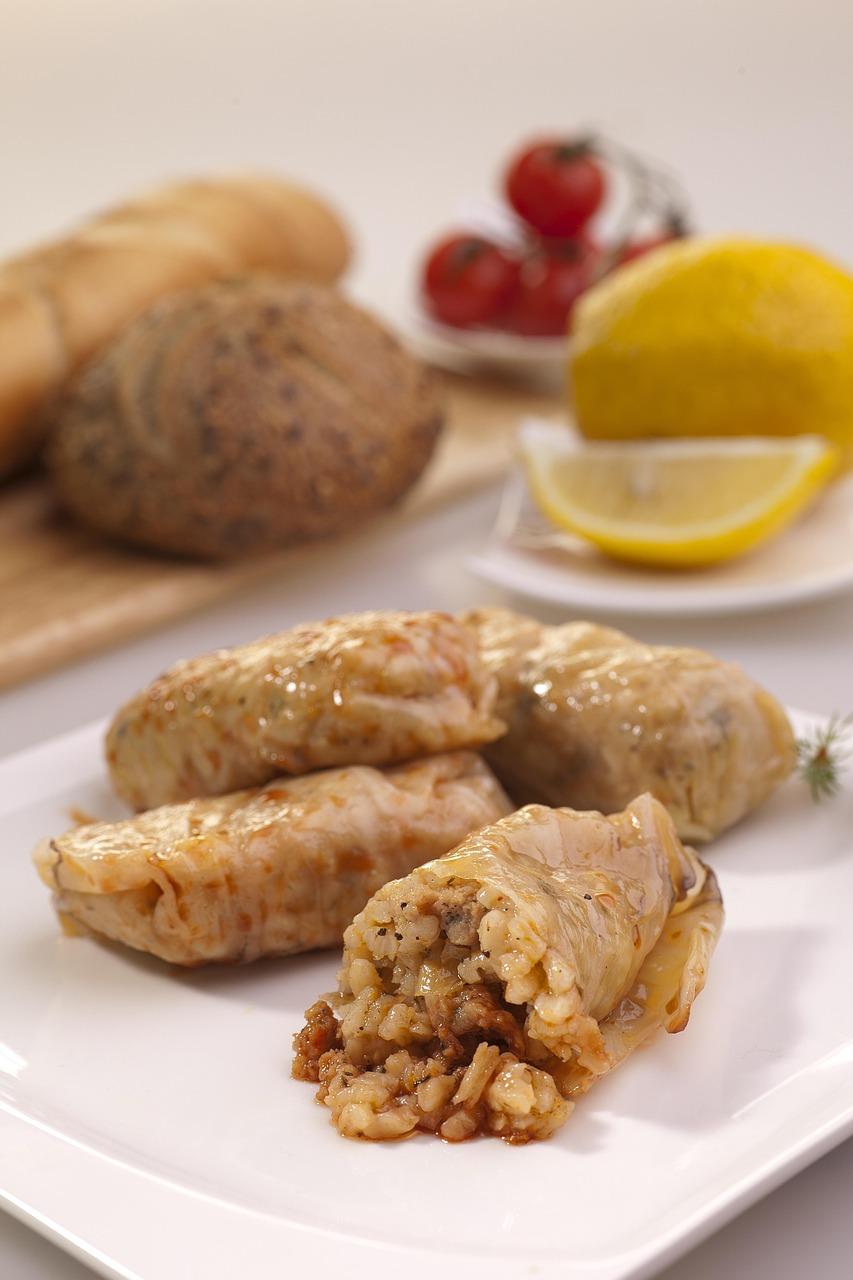
In Trabzon and Artvin kitchens the big dark leaves of karalahana are blanched and wrapped around a filling of minced beef, rice, onion and plenty of mint and dill, then packed into a pot and simmered with a little tomato and butter. The rolls are thicker and chewier than vine-leaf sarma, with an earthy taste that suits cold weather, and they're served with a bowl of garlicky yoghurt. Common mistake: leaving the thick central vein on the leaf; shave it flat with a knife or the rolls split. Simmer until the filling is cooked through to 71 °C and the rice is soft. Chef's tip: lay any torn leaves in the base of the pot so the rolls never touch the bottom and scorch.

100 minTurkishMeatGluten free
by KrazyBadal 0 views

KardinalschnittenMeringue and sponge coffee slices

Kardinalschnitten, 'cardinal slices', were created in Vienna with the colours of the Church in mind: white meringue and yellow sponge baked side by side in stripes. In Viennese cafés they are a light, summery choice with an afternoon coffee. Two baked sheets of alternating stripes sandwich a soft coffee cream, and the result is crisp, airy and cool at the same time. A common mistake is overfilling with cream that has not been stabilised; it squeezes out when you cut. Here a little mascarpone keeps the cream firm without gelatine. Chef's tip: pipe the meringue stripes first and the sponge in the gaps after, so the sponge does not spread flat.

by KrazyBadal 0 views

Karışık turşuMixed vegetable pickle

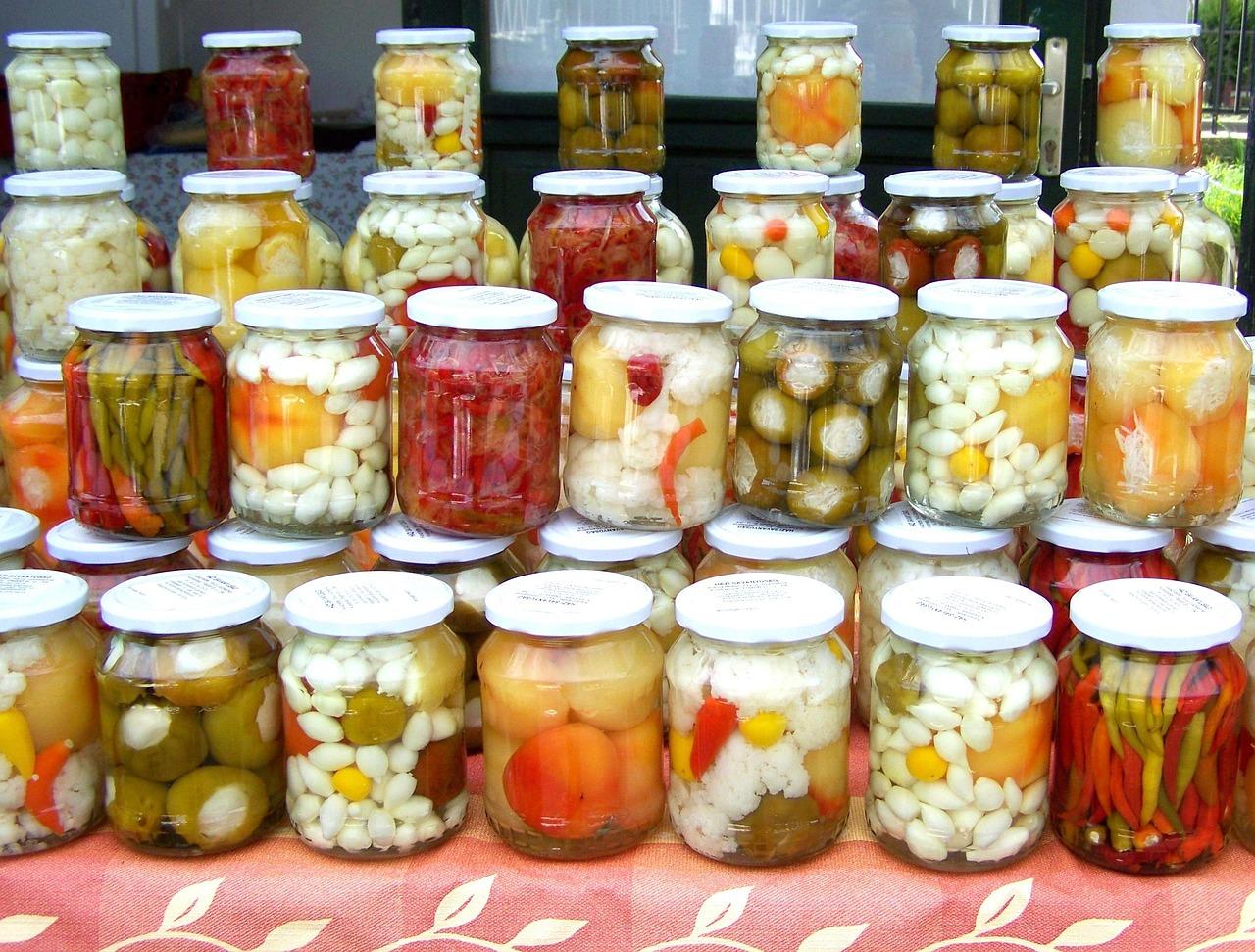
Every autumn Turkish kitchens line up jars of karışık turşu, and in Istanbul pickle shops (turşucu) sell it by the glass with its sour juice to drink. Crunchy cabbage, carrots, cucumbers, green peppers and cauliflower are packed with garlic and chickpeas in a salted, vinegar-spiked brine and left to sour for a couple of weeks. It sits beside bean stews, pilaf and kebab at almost every home meal. Common mistake: iodised table salt, which clouds the brine and softens the vegetables; use rock or pickling salt. Chef's tip: a few dried chickpeas in the jar help the fermentation get going, as Turkish grandmothers swear.

by KrazyBadal 0 views

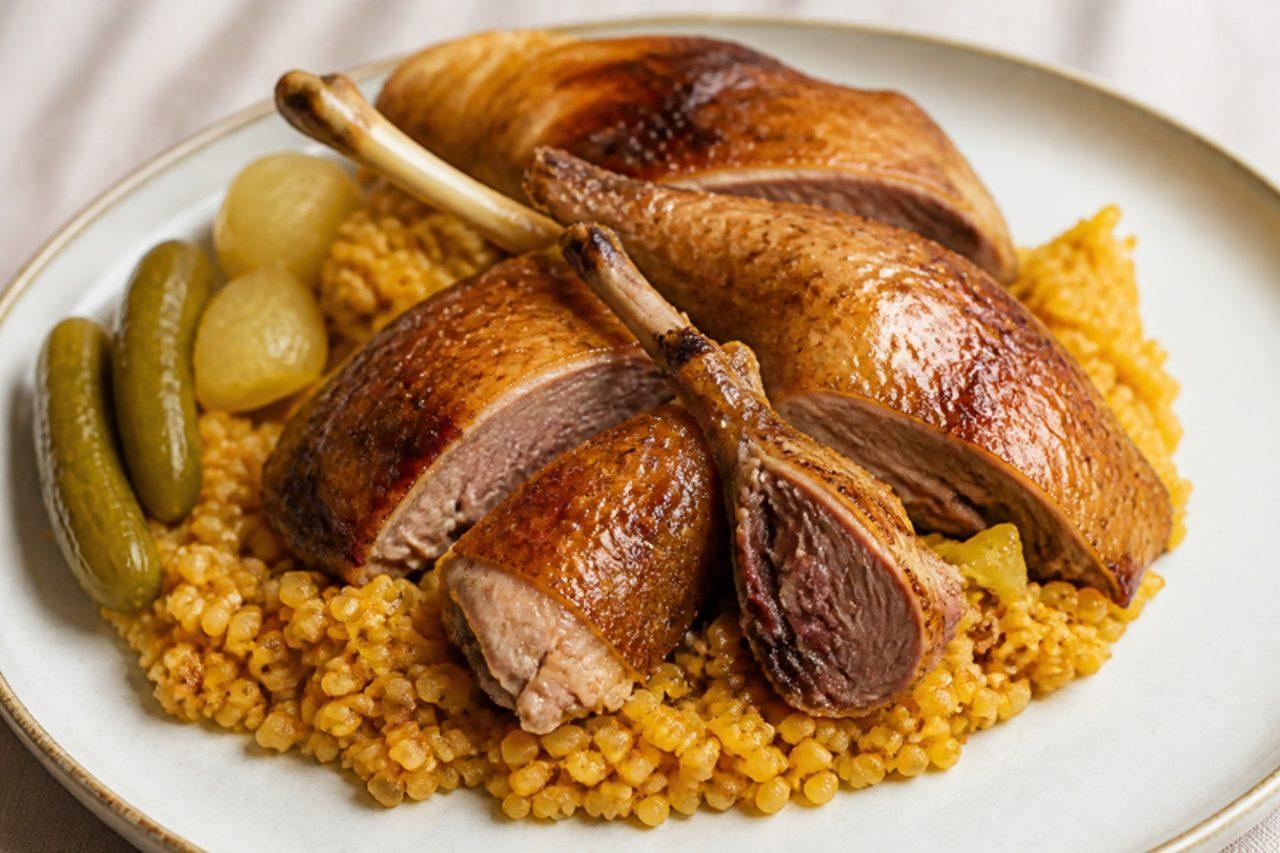
Kars kazıRoast goose with bulgur pilaf

In Kars, geese are raised all summer, slaughtered in the first frosts, salted and hung in the cold air, then roasted through the winter for weddings and long family dinners. The crisp-skinned meat is served on a bed of bulgur pilaf cooked in the goose's rich fat and broth, and nothing else is needed but pickles and ayran. This home version uses a fresh goose, salted for a day in the fridge. Common mistake: not pricking the skin, which traps the fat and leaves the skin flabby. Roast until the thickest part of the thigh reaches 74 °C and the juices run clear. Chef's tip: pour off the fat during roasting and keep it; a spoonful in the pilaf and the rest for roast potatoes.

240 minTurkishMeat
by KrazyBadal 0 views

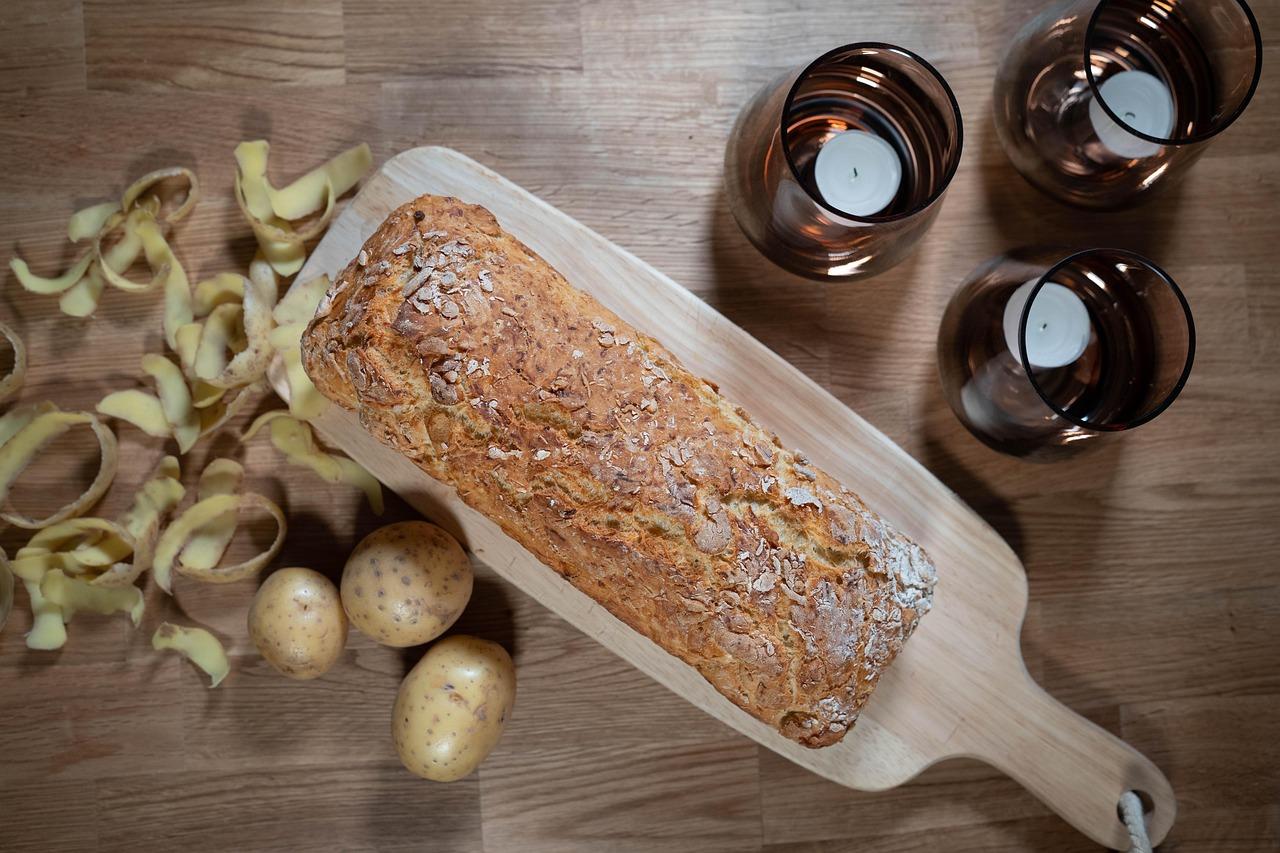
KartoffelbrotPotato bread

Kartoffelbrot was born of thrift in the potato regions of the Palatinate, Thuringia and Brandenburg, when bakers stretched scarce flour with boiled potatoes. The happy result is a loaf with a thin, crackly crust and a soft, moist, slightly sweet crumb that stays fresh for four or five days. It is a favourite for Sunday breakfast, for toast, and for sandwiches with butter and chives. A common mistake is using warm, wet mash, which makes the dough sloppy; the potatoes should be floury, mashed dry and completely cool. Chef's tip: save 100 ml of the potato cooking water and use it in the dough instead of plain water, for an even softer crumb.

by KrazyBadal 0 views

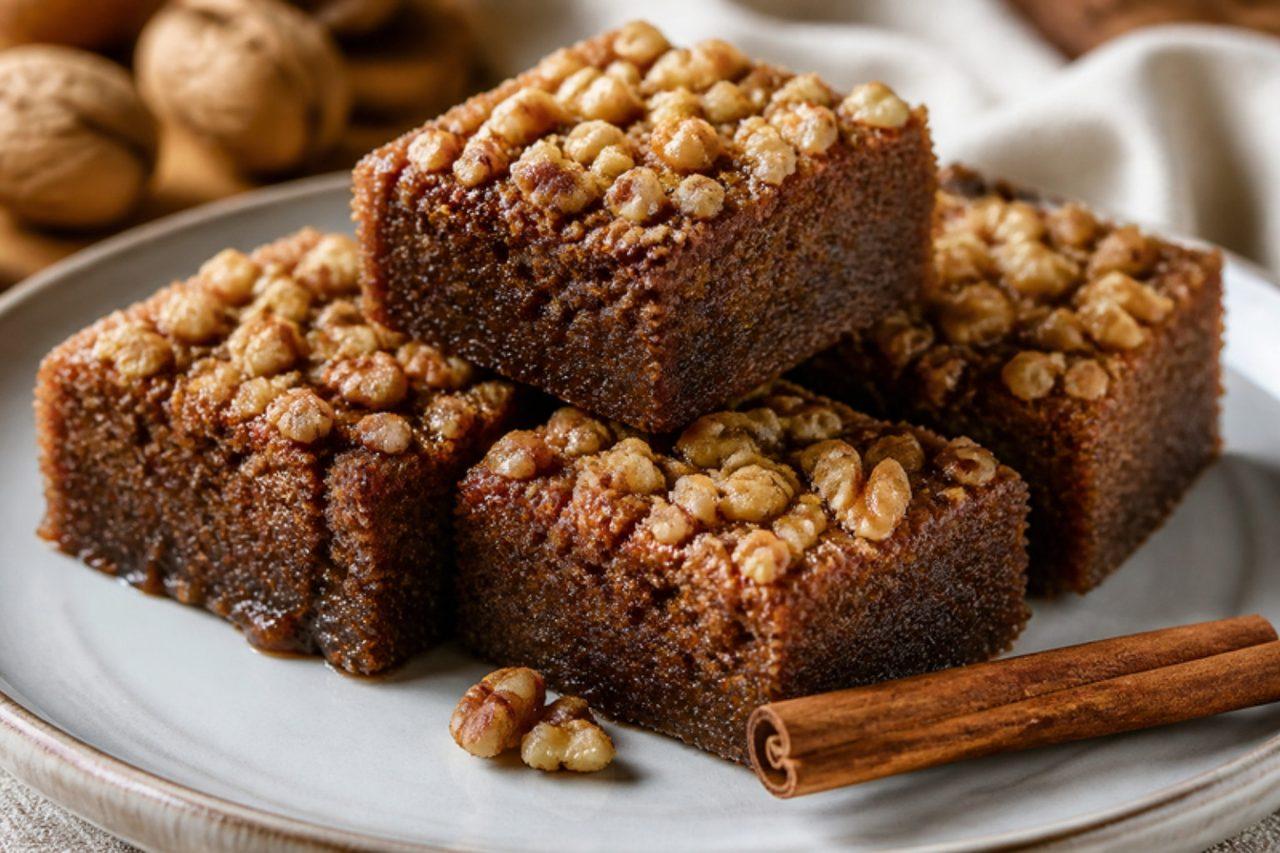
KarydopitaSpiced walnut syrup cake

Karydopita is the cake Greek households bake for name days and Sunday visitors, cut into diamonds and set out with coffee or a scoop of vanilla ice cream. Ground walnuts and dried breadcrumbs replace much of the flour, giving a moist, dense crumb fragrant with cinnamon and clove, then the hot cake drinks up a cool syrup. Common mistake: pouring hot syrup over a hot cake, which leaves it soggy at the bottom and dry on top. Chef's tip: let it sit for at least 3 hours after syruping; it slices more cleanly and tastes even better the next day.

by KrazyBadal 0 views

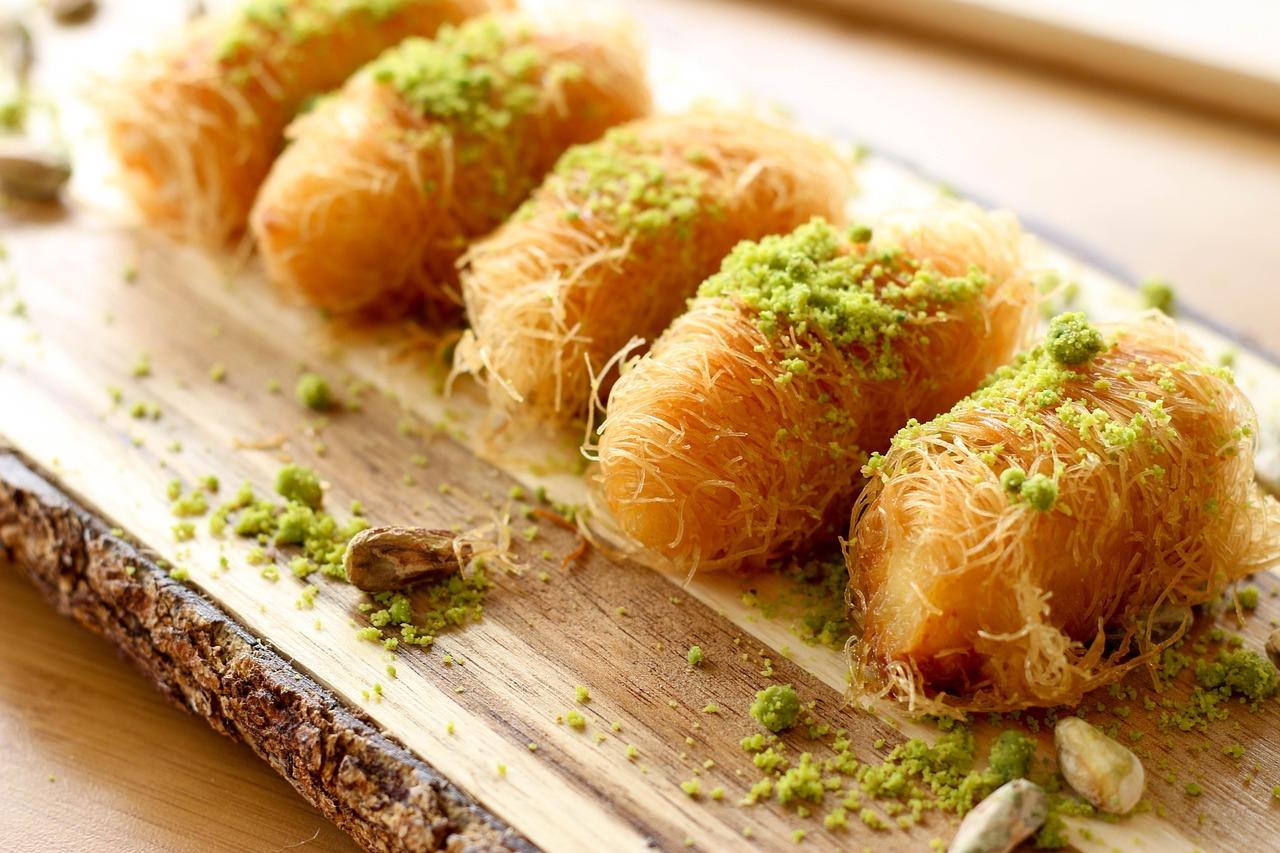
KataifiShredded pastry rolls with walnuts

Ioannina's old pastry shops, by the lake and under the castle walls, are known for their syrup sweets, and kataifi rolls are the ones locals buy for Christmas and Easter visits. Fine threads of kataifi pastry are wrapped around a cinnamon-walnut filling, drenched in butter and baked crisp, then soaked in cool syrup so they stay crunchy on top and sticky beneath. Serve at room temperature with Greek coffee. Common mistake: pouring hot syrup on hot pastry, which turns it soggy — one of the two must be cool. Chef's tip: tease the pastry threads apart with your fingers before rolling; matted clumps bake hard.

by KrazyBadal 0 views

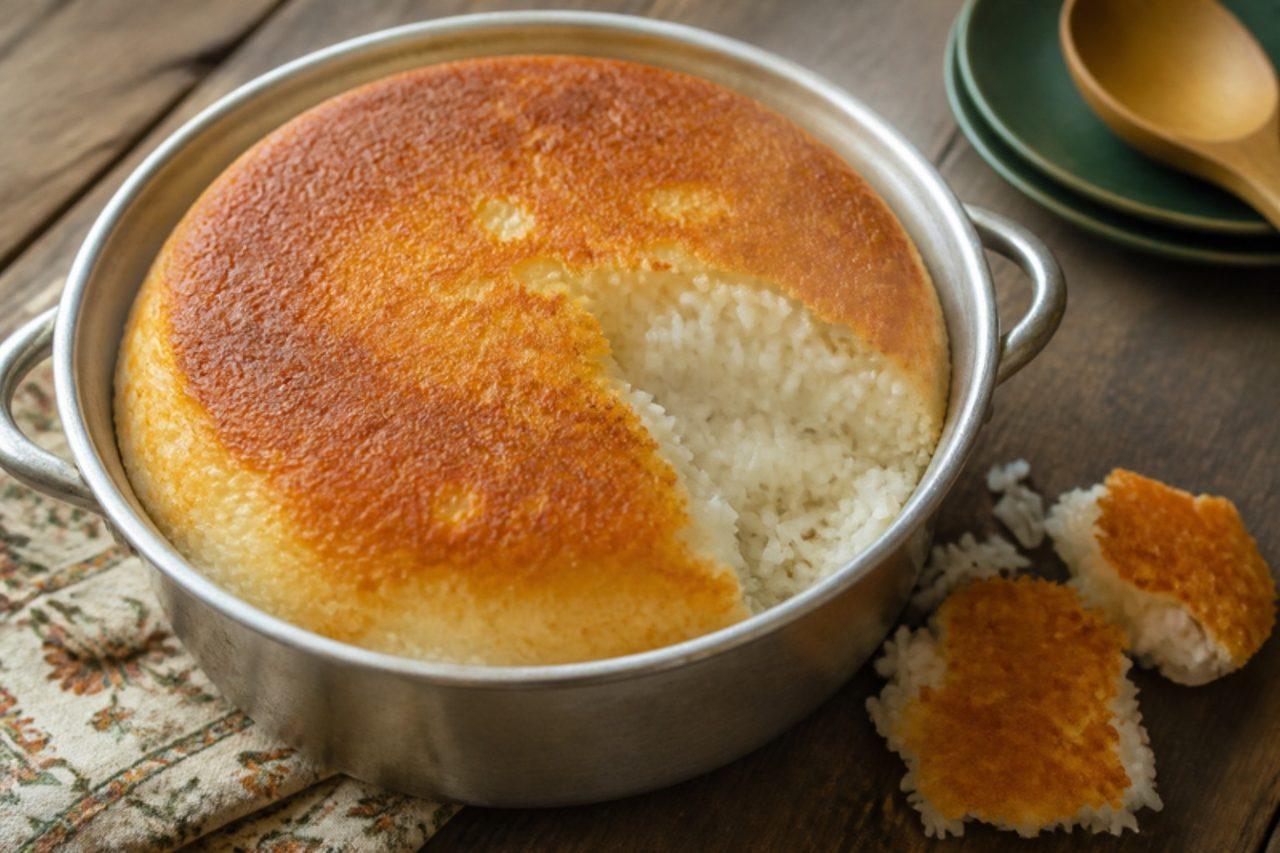
KatehSoft buttery rice

Along the Caspian coast in Gilan and Mazandaran, kateh is the daily rice: no par-boiling and draining as in Tehran's chelow, just rice, water, salt and butter cooked together until the water vanishes and the grains settle into a soft, slightly sticky cake with a golden crust underneath. Northern families eat it at almost every meal with fish, mirza ghasemi or baghala ghatogh, and children love the buttery bottom. The common mistake is lifting the lid and stirring once the water has been absorbed, which breaks the grains and stops the crust forming. Chef's tip: use a heavy non-stick pot and add the butter only after the water has boiled down; it seeps through and fries the base.

by KrazyBadal 0 views

KatmerClotted cream and pistachio pastry

In Gaziantep the morning starts at a katmer counter: a baker slaps a ball of dough into a sheet so thin you can read through it, scatters it with pistachios, sugar and kaymak, folds it into a parcel and bakes it on a hot iron plate. Eaten straight away, it shatters at the edges and stays creamy in the middle, and locals drink strong tea with it. At home a heavy frying pan stands in for the iron plate. The usual mistake is stretching the dough before it has rested; it tears instead of going translucent, so give it the full hour under oiled cling film. Chef's tip: grind the pistachios only to coarse sand, not powder, so they stay bright green and give each bite some crunch.

by KrazyBadal 0 views

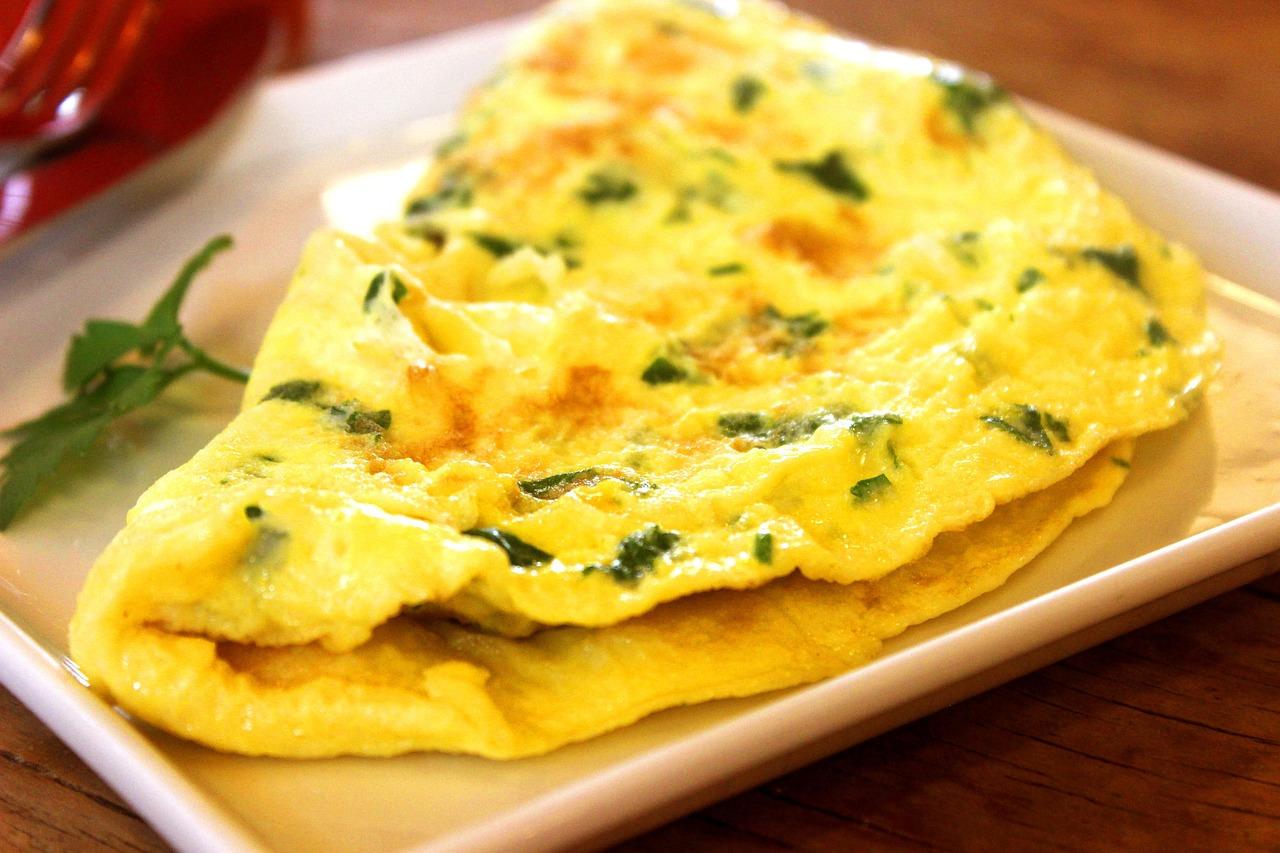
KayganaHerb egg pancake

In Trabzon and Rize homes, kaygana is what appears when breakfast needs stretching: eggs beaten with a little flour and milk and a big handful of spring onion, dill and parsley, then poured thin into a buttered pan. It sits halfway between an omelette and a crêpe, soft in the middle with lacy, browned edges. Fold it onto a plate with cheese, olives, tomatoes and tea, or roll it up for a packed lunch. Common mistake: a pan that isn't hot enough, so the batter soaks up butter and turns leathery instead of puffing. Chef's tip: let the batter rest for 10 minutes; the flour hydrates and the kaygana flips without tearing.

by KrazyBadal 0 views

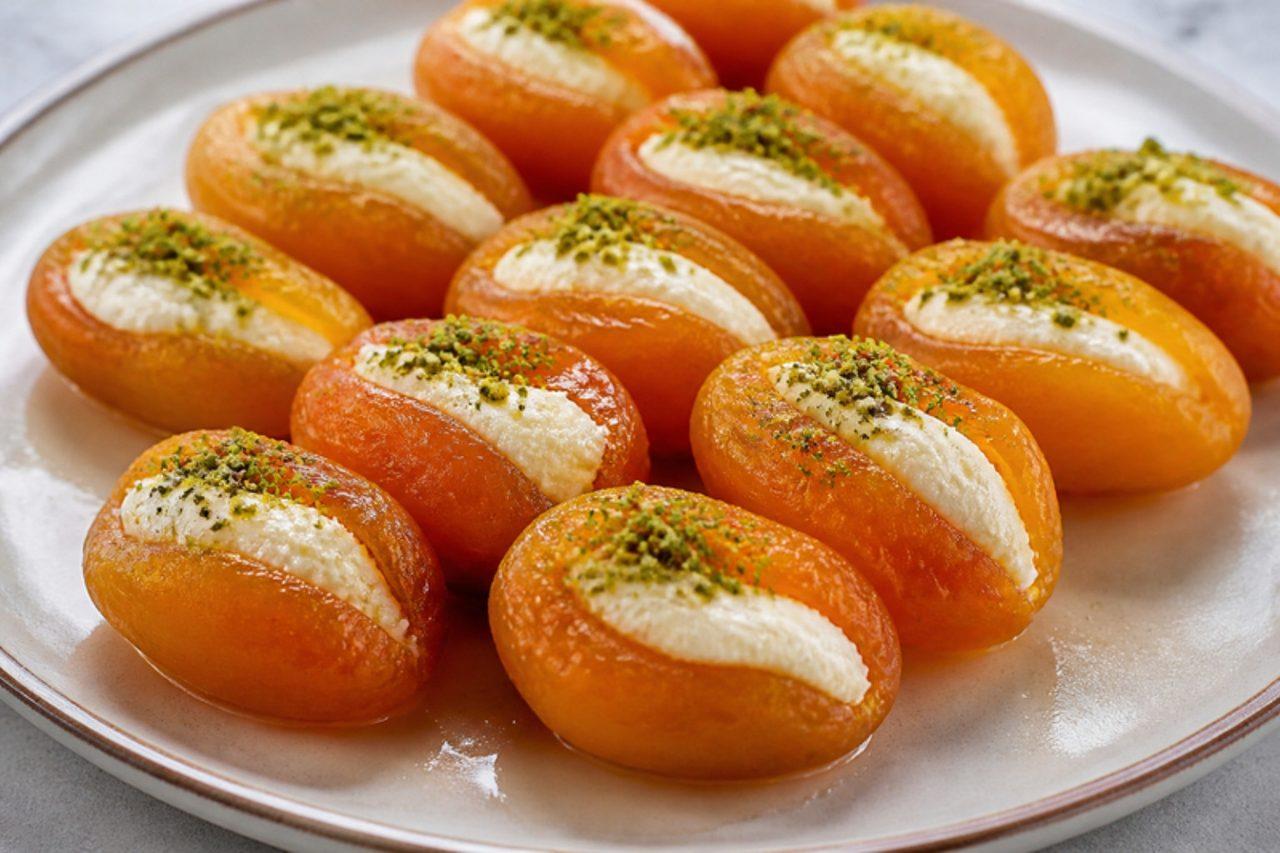
Kayısı tatlısıCream-filled poached apricots

Malatya grows more apricots than anywhere else on earth, and its sweet shops make the most of the sun-dried fruit with kayısı tatlısı: plump dried apricots soaked, poached in a light syrup until glossy, then split and filled with thick kaymak and topped with bright green pistachio. They're served chilled in small dishes at the end of a meal or with coffee. Common mistake: boiling them hard, which bursts the skins; they need only a gentle simmer. Chef's tip: choose the soft, pale, whole dried apricots rather than the sulphured orange halves; they fill neatly and taste of honey.

by KrazyBadal 0 views

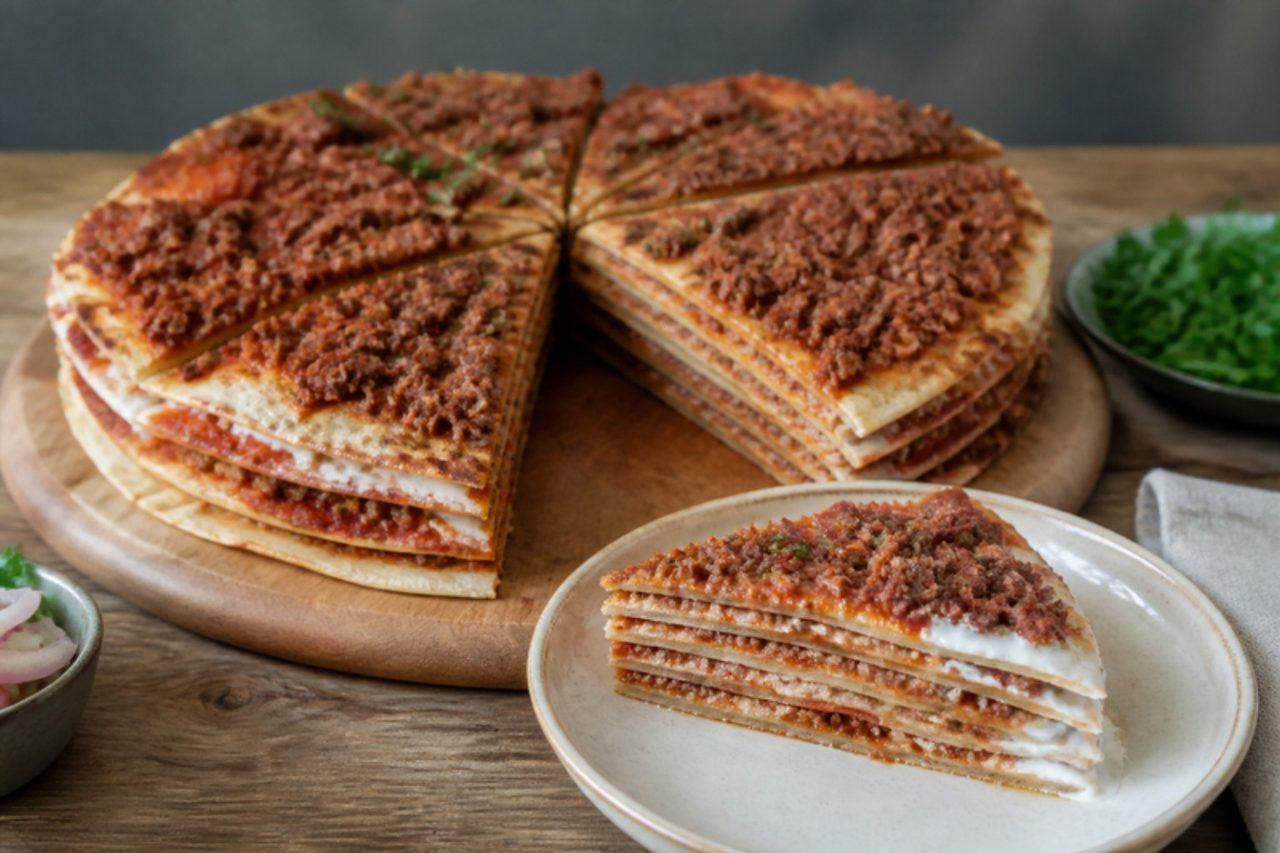
Kayseri yağlamasıLayered flatbread with mince

Kayseri families make yağlama for big gatherings and festival days: a tower of soft, thin flatbreads cooked on a griddle, each layer spread with a tomatoey beef mince sauce and garlic yoghurt, then cut into wedges like a cake. It sits somewhere between a lasagne and a stack of pancakes, and everyone eats it warm with ayran and pickles. Common mistake: letting the breads dry out while you cook the rest; keep them under a damp cloth so they stay pliable. The mince should be simmered until cooked through to 71 °C. Chef's tip: build the stack quickly while everything is hot, then rest it five minutes so the layers settle and cut cleanly.

by KrazyBadal 0 views

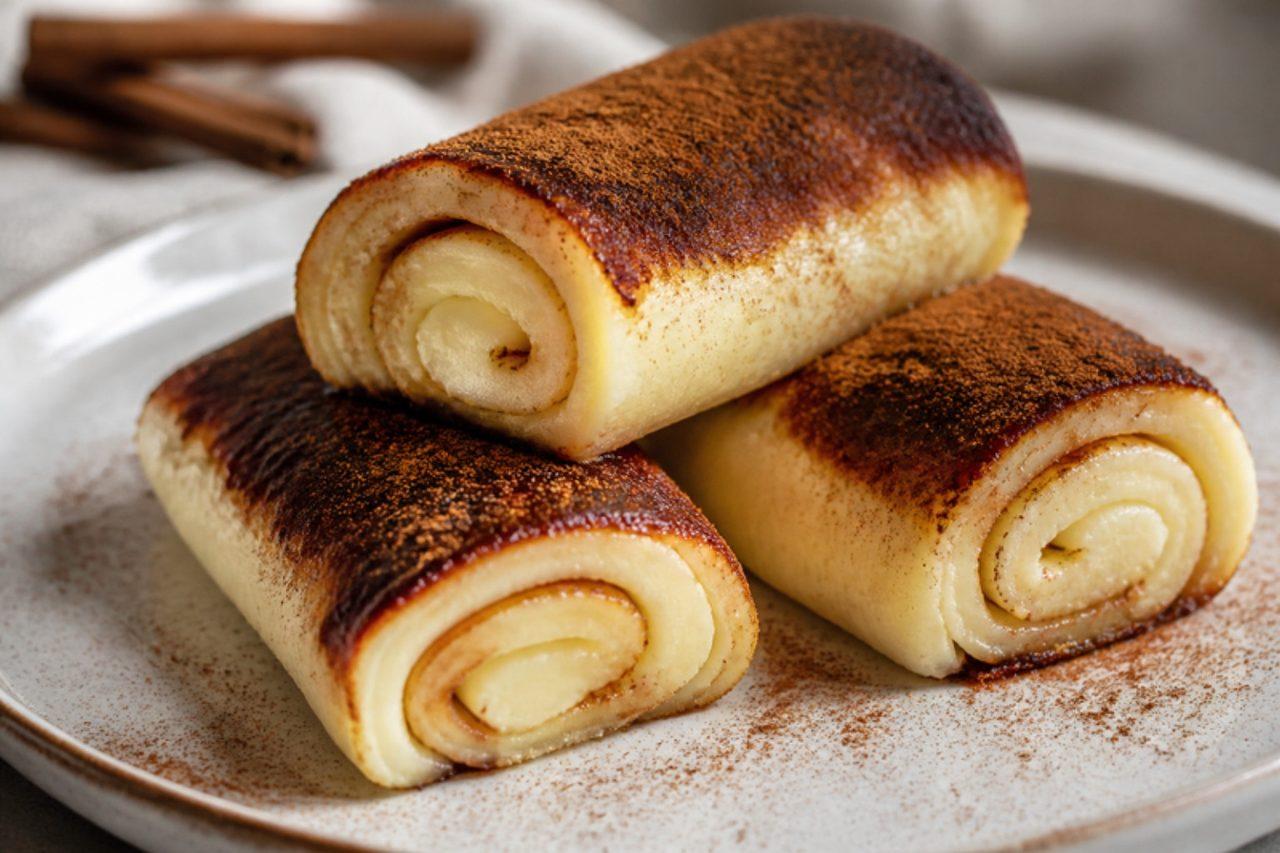
KazandibiCaramelised milk pudding

Kazandibi means 'bottom of the cauldron', and in the old pudding shops of Istanbul's Beyoğlu and Fatih it is cut from a big tray whose base was caramelised on purpose over a flame. The square is rolled up so the burnished, faintly bitter top hides a soft, cool vanilla pudding inside. Serve it chilled with a dusting of cinnamon and a glass of tea. The traditional palace version had shredded chicken in it; this everyday version is purely milk, rice flour and sugar. Chef's tip: use a heavy-based, non-stick pan or tin and give the sugar a full deep amber before the pudding goes in, because pale caramel just tastes sweet rather than toasty.

by KrazyBadal 0 views

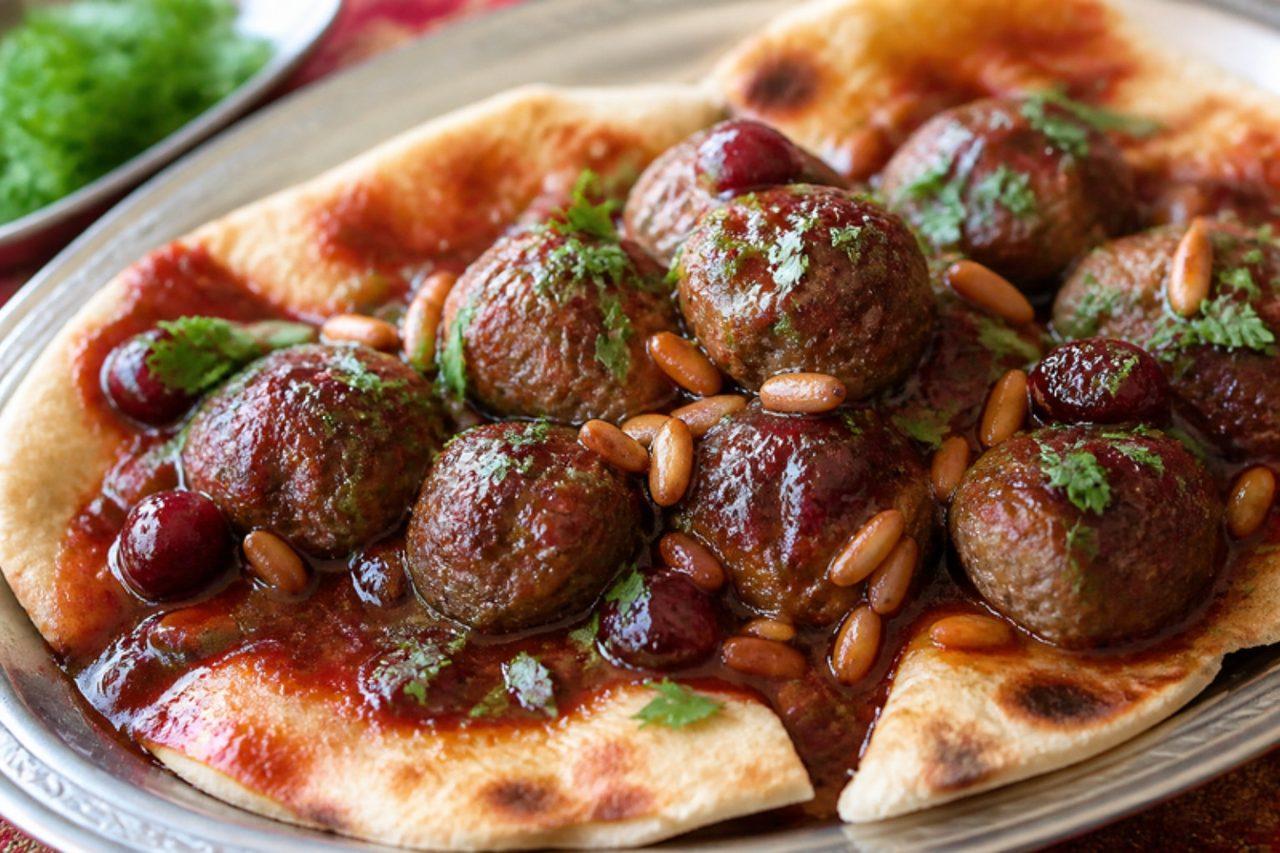
Kebab karazLamb meatballs in sour cherry sauce

Kebab karaz is Aleppo's most celebrated dish, cooked in early summer when the small, sour cherries (wild mahaleb cherries in the old days) come into season. Little grilled or fried lamb meatballs are simmered briefly in a deep red, sweet-sour cherry sauce, then served on pieces of flatbread that soak up the juices, scattered with parsley and pine nuts. It is rich, fruity and quite unlike anything else in the Levant. Common mistake: using sweet cherries alone — the sauce turns jammy; you need sour cherries, or sweet ones sharpened with lemon and pomegranate molasses. Chef's tip: frozen pitted sour cherries work perfectly all year round.

60 minSyrianMeat
by KrazyBadal 0 views

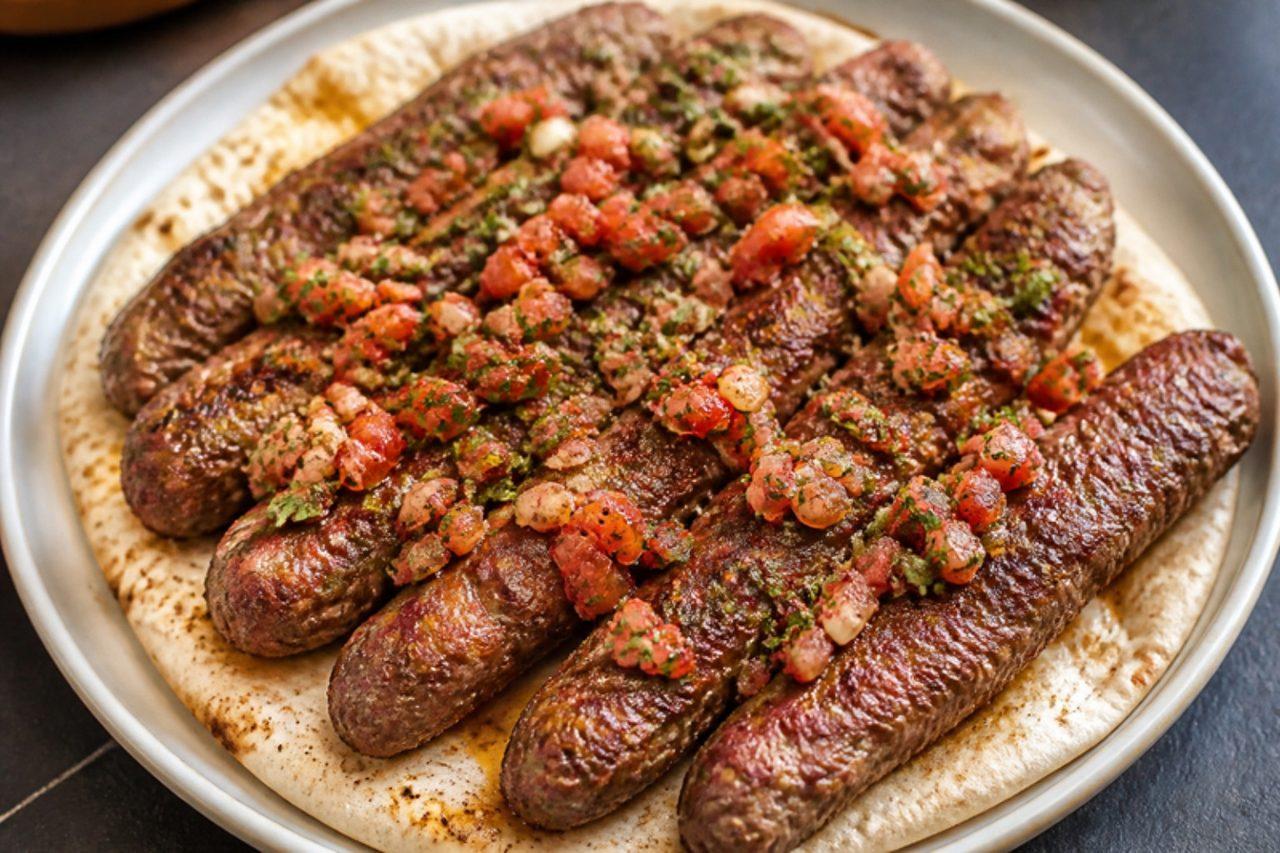
Kebab khashkhashLamb kebabs with spicy tomato topping

In Aleppo's grill houses, kebab khashkhash comes to the table sizzling: long, juicy skewers of lamb mince with pepper paste and chilli, laid over flatbread and covered with a hot, chunky sauce of tomatoes, garlic, chilli and parsley that soaks into the bread. It is bold and fiery, eaten with grilled tomatoes and green chillies and a cold glass of ayran. Common mistake: using lean mince — kebabs need around 20% fat to stay juicy on the grill. Chef's tip: chill the shaped skewers for 30 minutes before grilling so the meat clings and doesn't slip off.

45 minSyrianMeatSpicy
by KrazyBadal 0 views

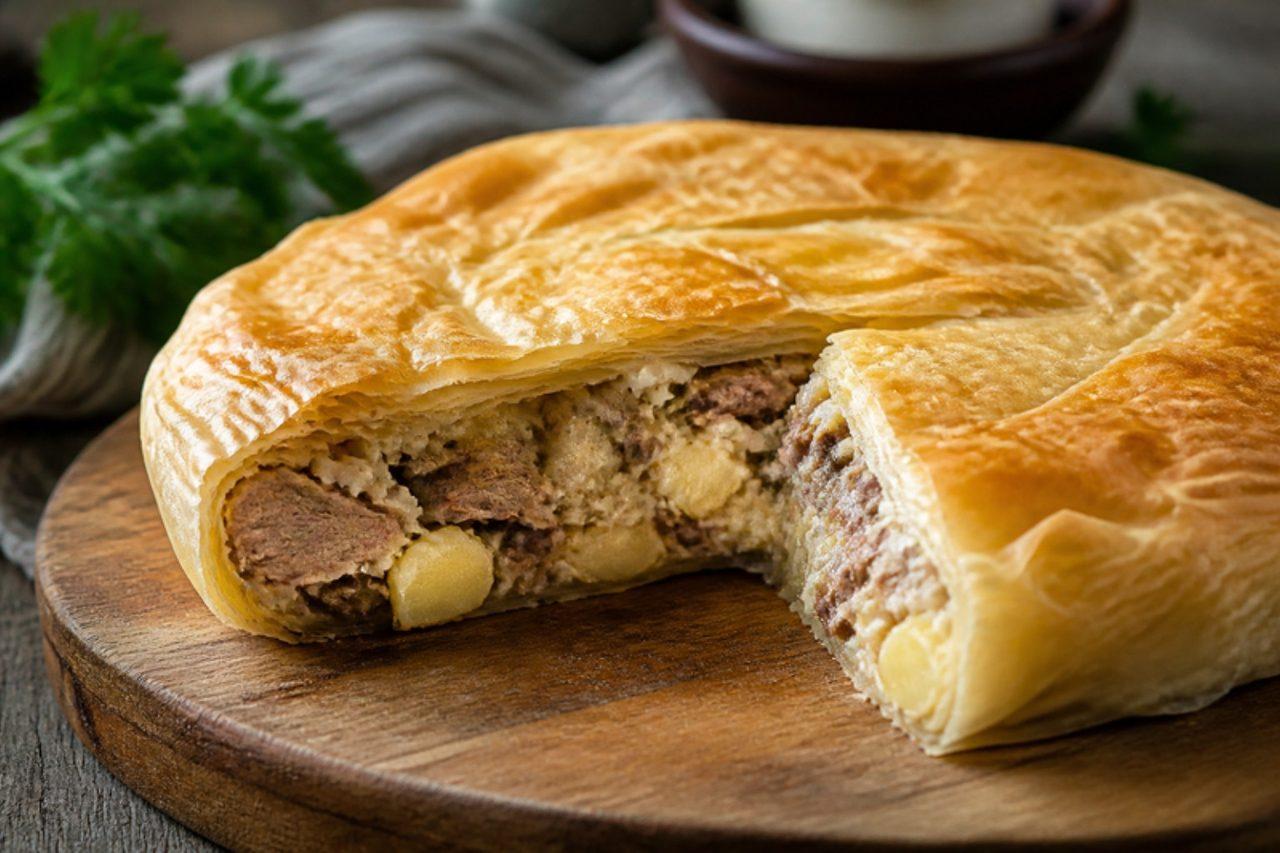
Kefalonian kreatopitaLamb, rice and potato pie

On Kefalonia, kreatopita is baked for Carnival Sunday, just before Lent, and for big family days: a deep pie of lamb and pork pieces (not mince) mixed with rice, potatoes, tomato, garlic, mint and grated cheese, enclosed in a thick homemade-style crust or filo. It's hearty, fragrant and meant to feed a crowd, warm or at room temperature. This version uses lamb shoulder and pork shoulder. Many island cooks splash in wine; here the moisture comes from stock and tomato, so it's alcohol-free. Common mistake: dicing the meat too large, so it isn't tender when the pastry is done — keep it to 2 cm. Chef's tip: let the filling sit in the fridge overnight so the rice soaks up the juices and the flavours meld.

145 minGreekMeat
by KrazyBadal 0 views

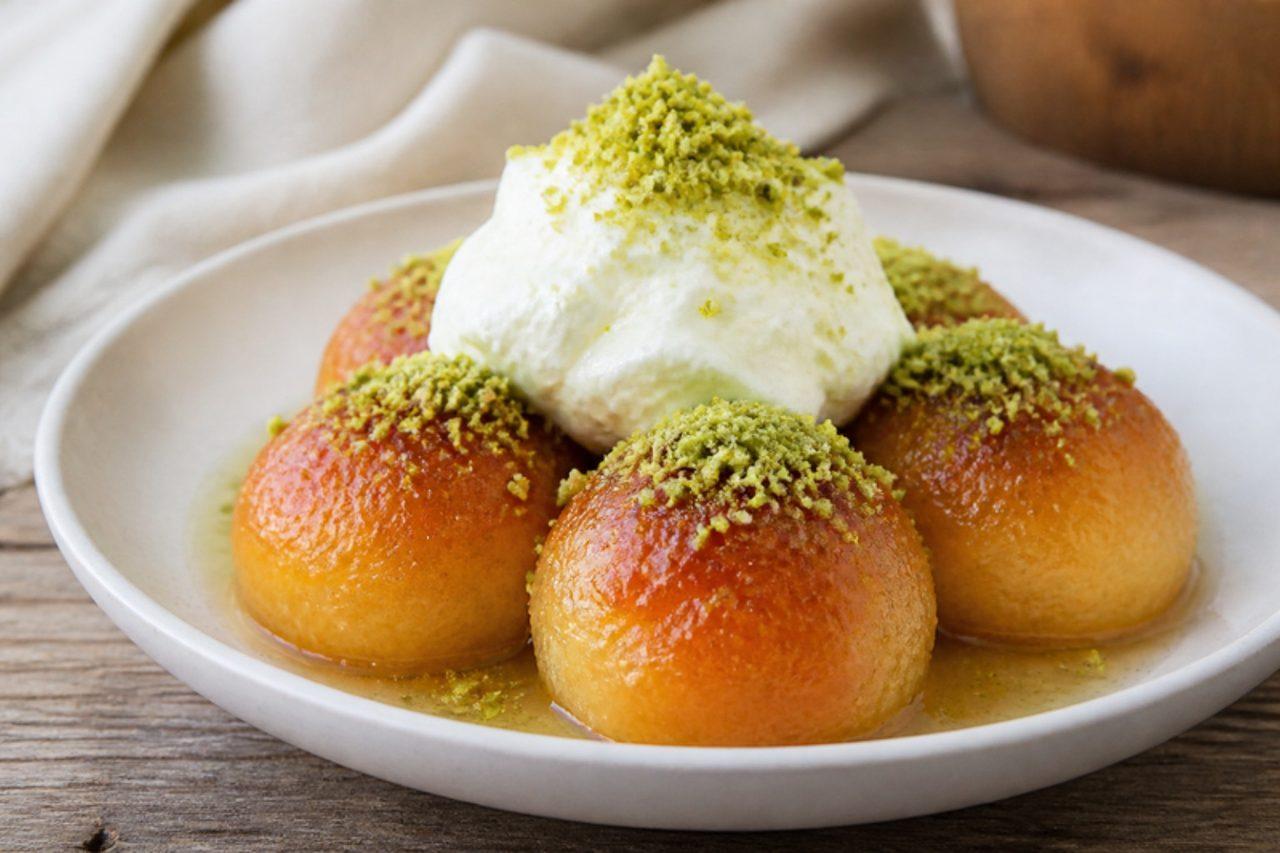
Kemalpaşa tatlısıCheese dumplings in syrup

Named after the town of Mustafakemalpaşa near Bursa, these small golden rounds are made from a soft unsalted cheese, semolina and flour, baked dry and then simmered in syrup until they swell and soak it up like sponges. In Bursa they are eaten after a plate of İskender, warm with a spoon of clotted cream or a scattering of pistachio. They are lighter than they look, with a faint cheesy tang under the sweetness. Chef's tip: let the syrup cool to lukewarm and the dumplings be at room temperature; if both are hot the dumplings collapse into mush.

by KrazyBadal 0 views

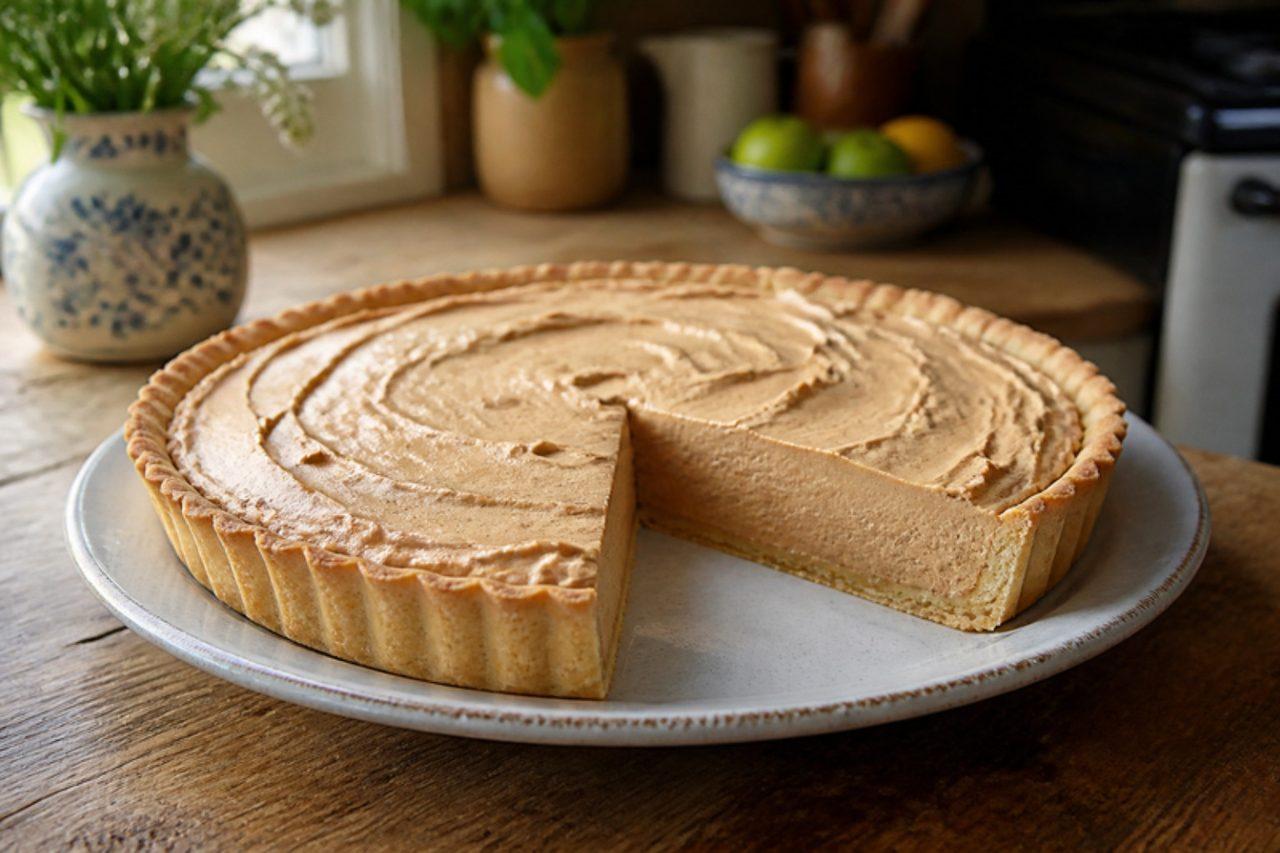
Kentish gypsy tartEvaporated milk and muscovado tart

Gypsy tart is the school-dinner pudding of Kent, remembered fondly by anyone who grew up in Margate, Maidstone or the Medway towns. Evaporated milk is whisked with dark muscovado sugar until it doubles into a toffee-coloured mousse, poured into a pastry case and baked just long enough to set into a fluffy, sticky, intensely sweet filling. Chef's tip: chill the evaporated milk overnight; cold milk whips up much more volume.

by KrazyBadal 0 views

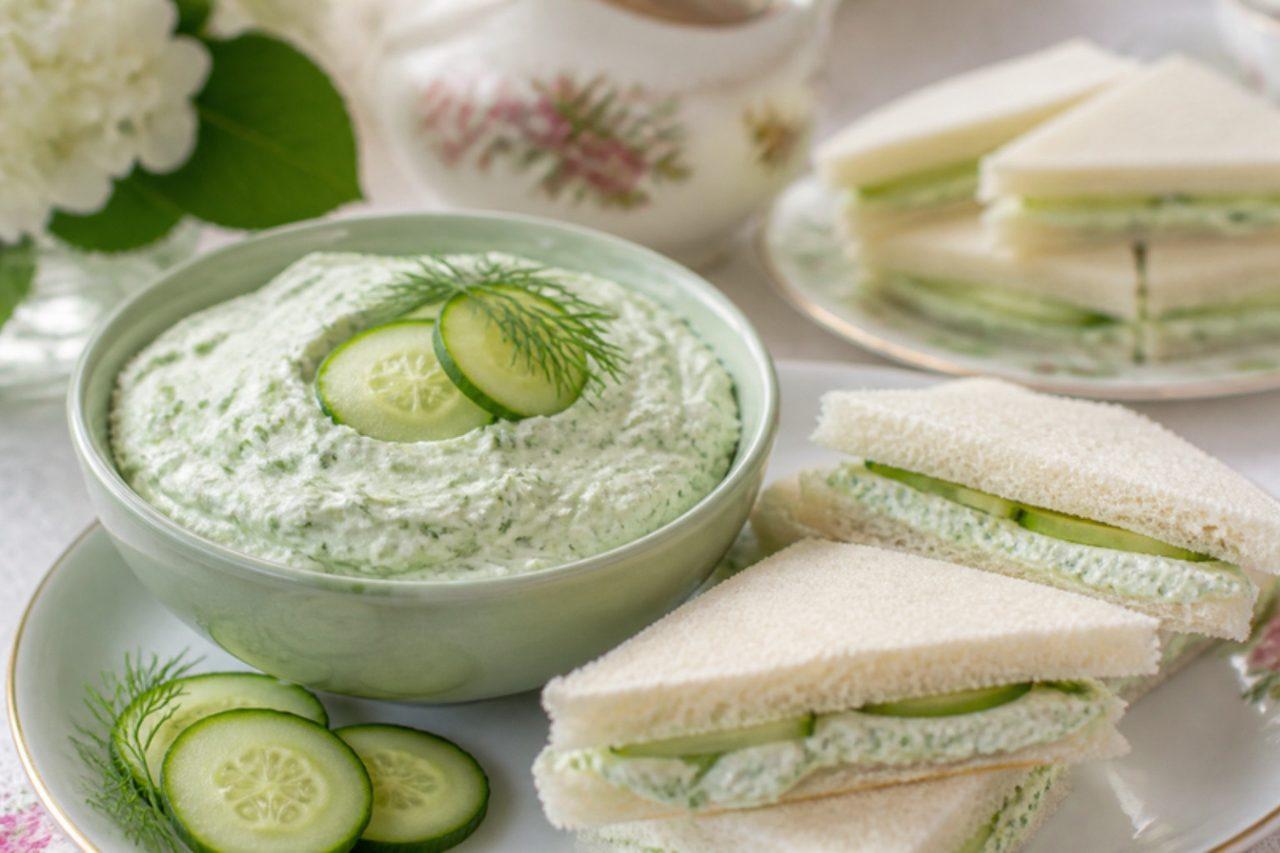
Kentucky Benedictine spreadCucumber and cream cheese spread

Benedictine was created by Louisville caterer Jennie Benedict around 1900 and is still spread on crustless tea sandwiches at Kentucky Derby parties and church luncheons all over the state. Grated cucumber and onion are squeezed dry and beaten into cream cheese, so the spread is cool, fresh and mildly oniony, traditionally tinted the palest green. Serve on white bread or as a dip with crackers and celery. Chef's tip: squeeze the cucumber in a clean tea towel until no more drips come out; wet cucumber makes it runny.

by KrazyBadal 0 views

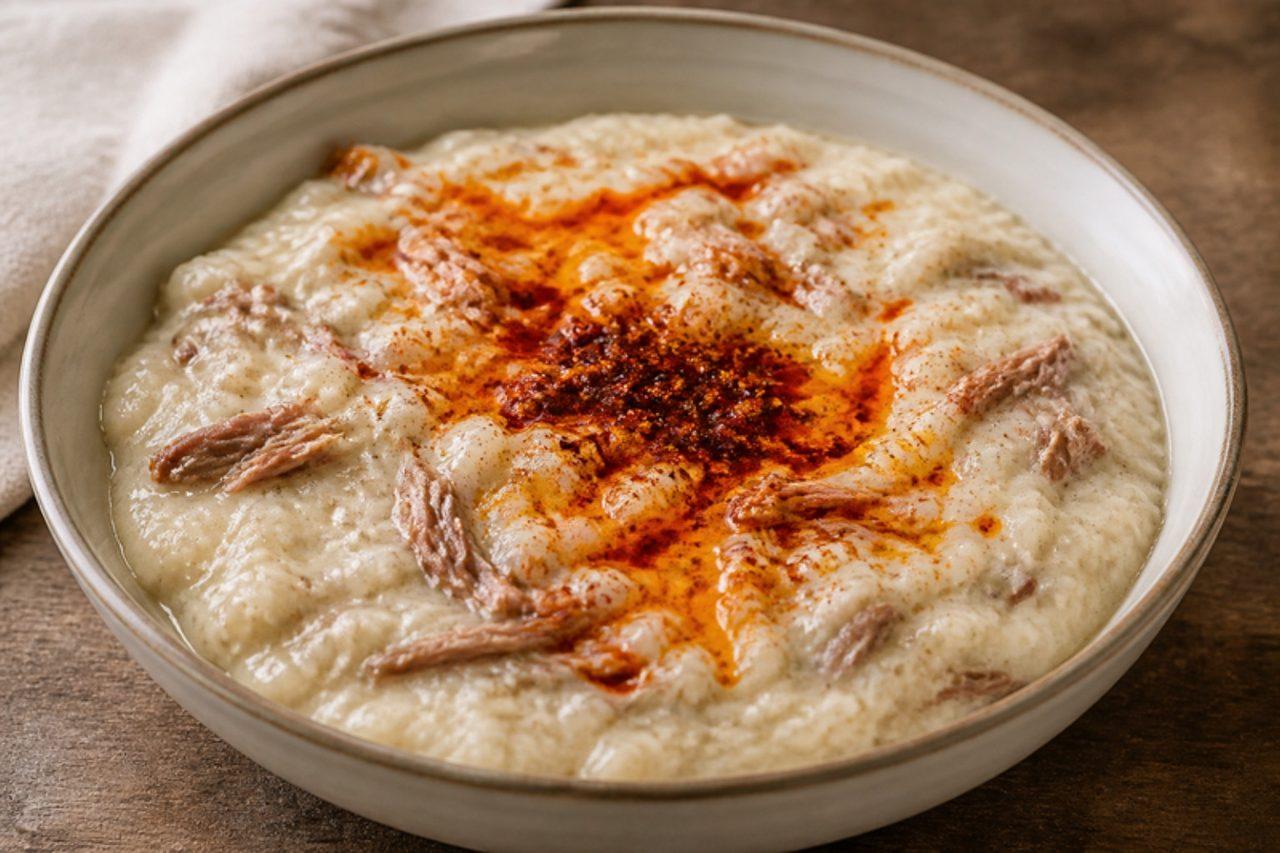
KeşkekWheat and lamb porridge

Keşkek is cooked in huge cauldrons for weddings, circumcision feasts and religious holidays across Central Anatolia, from Çorum to Sivas, while villagers take turns beating it with long wooden paddles. Whole wheat and lamb on the bone simmer together for hours until the meat falls apart, then everything is beaten into a thick, stretchy porridge and topped with sizzling butter and chilli. Its tradition is listed by UNESCO as intangible heritage. Common mistake: skimping on the beating; vigorous mashing is what turns it from grainy stew into a smooth, elastic keşkek. Chef's tip: a potato masher followed by a wooden spoon does the job at home; beat in hot broth a ladle at a time if it gets stiff.

200 minTurkishMeat
by KrazyBadal 0 views

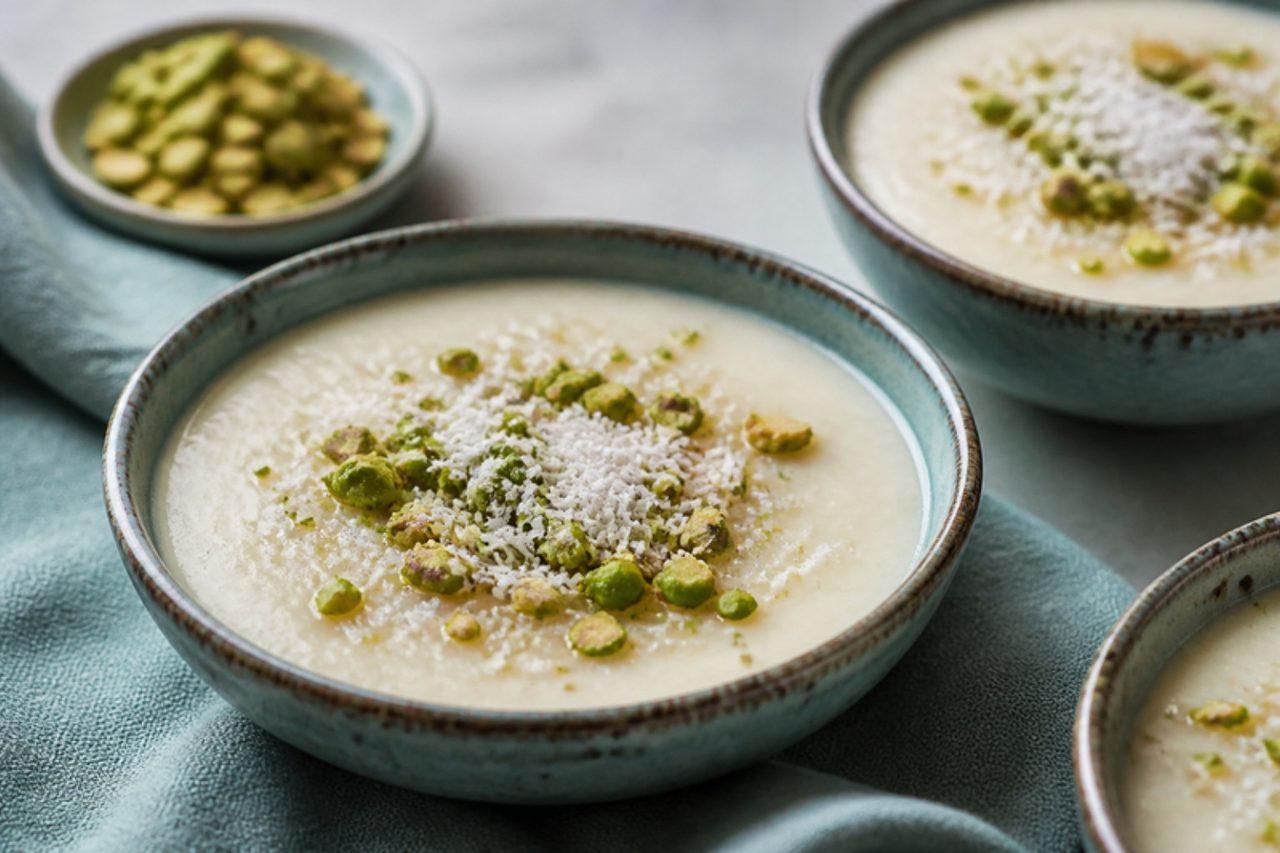
KeşkülAlmond milk pudding

Keşkül takes its name from the bowl that wandering dervishes carried for alms, and it has been on Istanbul pudding-shop counters (muhallebici) since Ottoman times. Ground almonds simmered in milk give it a delicate nutty flavour and a faint grain, set with a little rice flour and cornflour into a soft, spoonable pudding. Turks eat it chilled as an afternoon treat or after a light supper, topped with pistachio and desiccated coconut. The usual mistake is stopping the whisking as it thickens; it catches on the base and tastes scorched. Chef's tip: steep the ground almonds in the warm milk for 15 minutes before you start cooking for a much deeper almond flavour.

by KrazyBadal 0 views

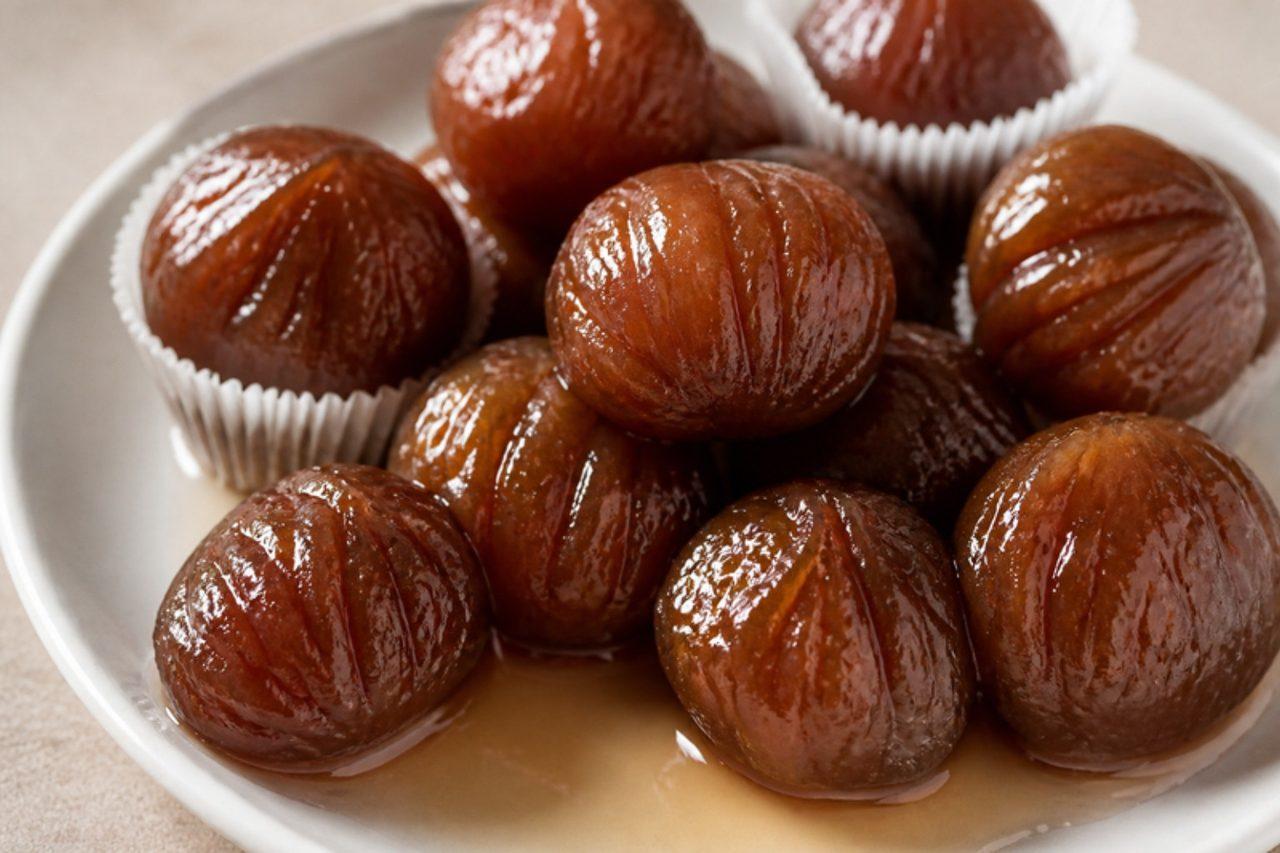
Kestane şekeriCandied chestnuts

Bursa sits beneath the chestnut forests of Uludağ, and every sweet shop in the old covered market sells kestane şekeri in neat gold boxes, especially as gifts in autumn and at the new year. Peeled chestnuts are poached and then candied over several days in a vanilla syrup until they turn dense, glossy and tender right through. It takes patience rather than skill. Chef's tip: wrap each chestnut in a square of muslin before poaching; it holds the fragile nuts together through the repeated syrup baths.

by KrazyBadal 0 views

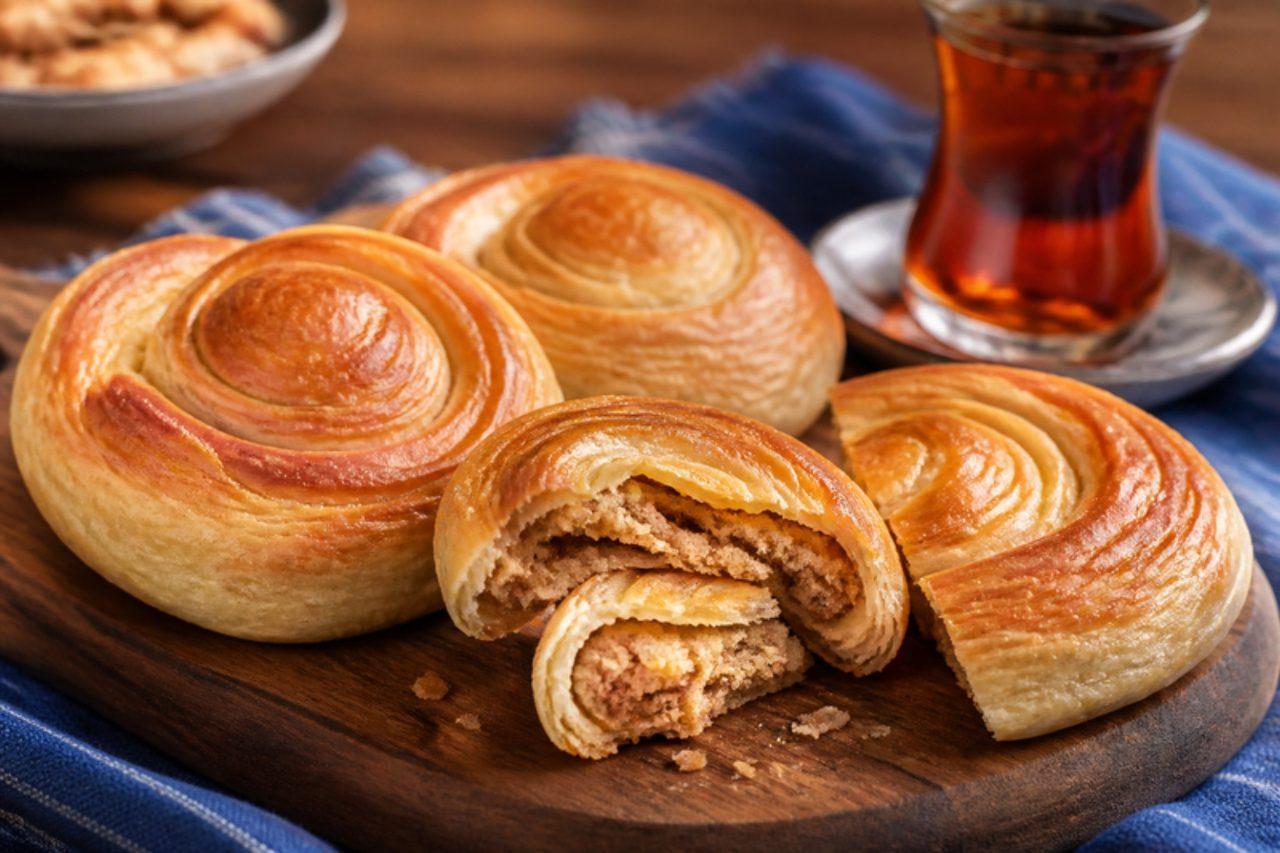
KeteToasted flour butter rolls

Bakeries in Erzurum and Kars sell kete by the dozen for breakfast and long bus journeys: soft yeasted rolls coiled around a filling of flour toasted in butter until it smells of biscuits. Inside, the layers turn flaky and tender, and the crust is glazed with egg and sesame. They are eaten with strong tea, white cheese and olives, and keep well for a few days. Common mistake: under-toasting the flour for the filling; it should go a pale sandy gold and smell nutty, or the centre tastes raw. Chef's tip: roll the dough thin before spreading the filling and coiling it; thin layers bake into the flaky swirl that makes kete special.

by KrazyBadal 0 views

KharroubCarob drink

Through Ramadan, street vendors in Jerusalem's Old City and in Nablus walk the alleys with brass urns of kharroub on their backs, clacking cups to announce the cold carob drink that breaks the fast. Made by soaking crushed carob pods (or more easily from carob molasses), it is dark, chocolatey-caramel in taste, lightly sweet and very refreshing over ice. Common mistake: boiling the pods hard, which makes the drink bitter and cloudy; soak and simmer gently. Chef's tip: a few drops of orange-blossom water just before serving lifts the earthy carob flavour.

by KrazyBadal 0 views

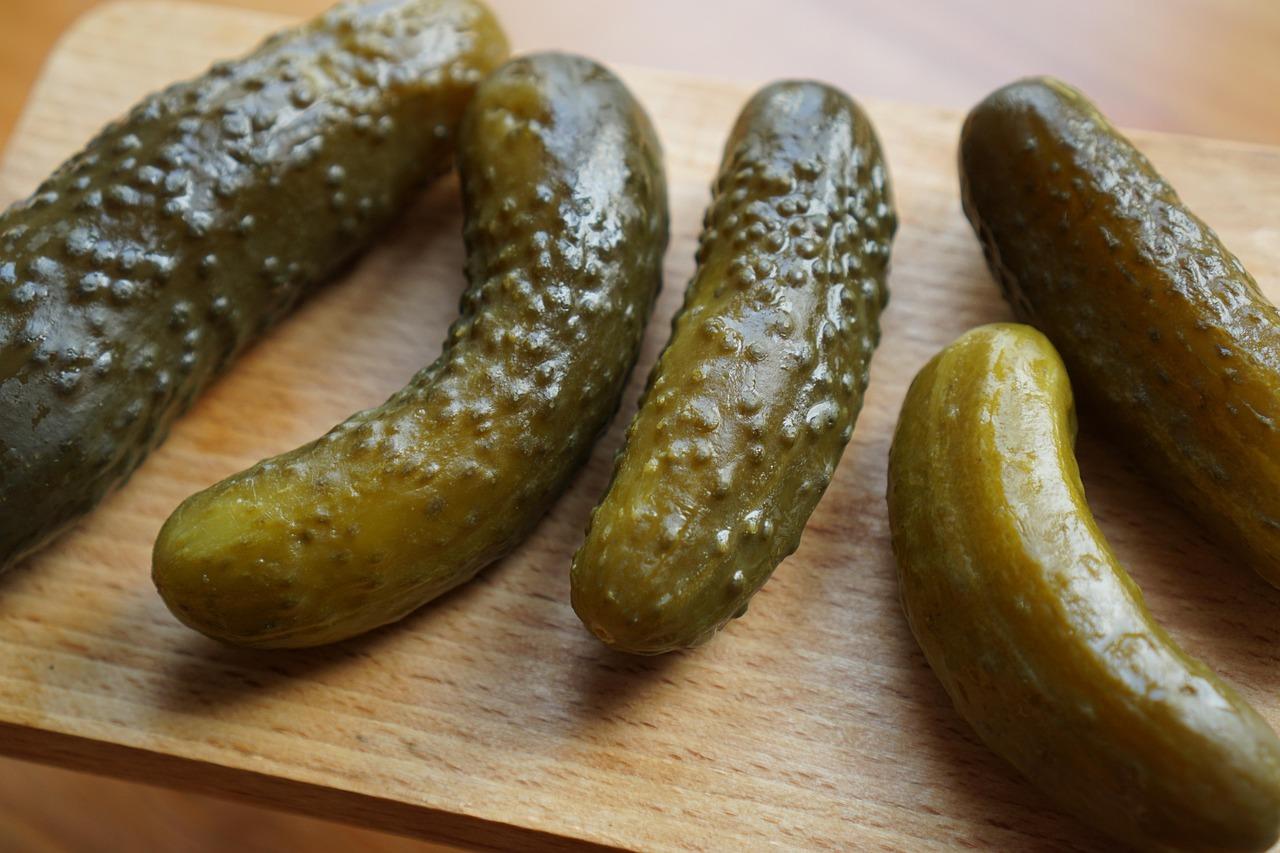
Khiar shoorBrined cucumber pickles

Khiar shoor, salty cucumber, is the pickle that turns up in every Iranian sandwich shop: sliced into olivieh and kalbas rolls in Tehran, eaten whole beside a plate of polo, or offered from a jar with bread and cheese. Small, firm Persian cucumbers are packed upright with garlic, dill, tarragon and chilli, then covered with a vinegar-sharpened brine. They are ready in about ten days and stay snappy for months. Chef's tip: pickle the cucumbers within a day of buying them; even a few days in the fridge makes them hollow inside.

by KrazyBadal 0 views

Khoresh mastChilled saffron yoghurt with lamb

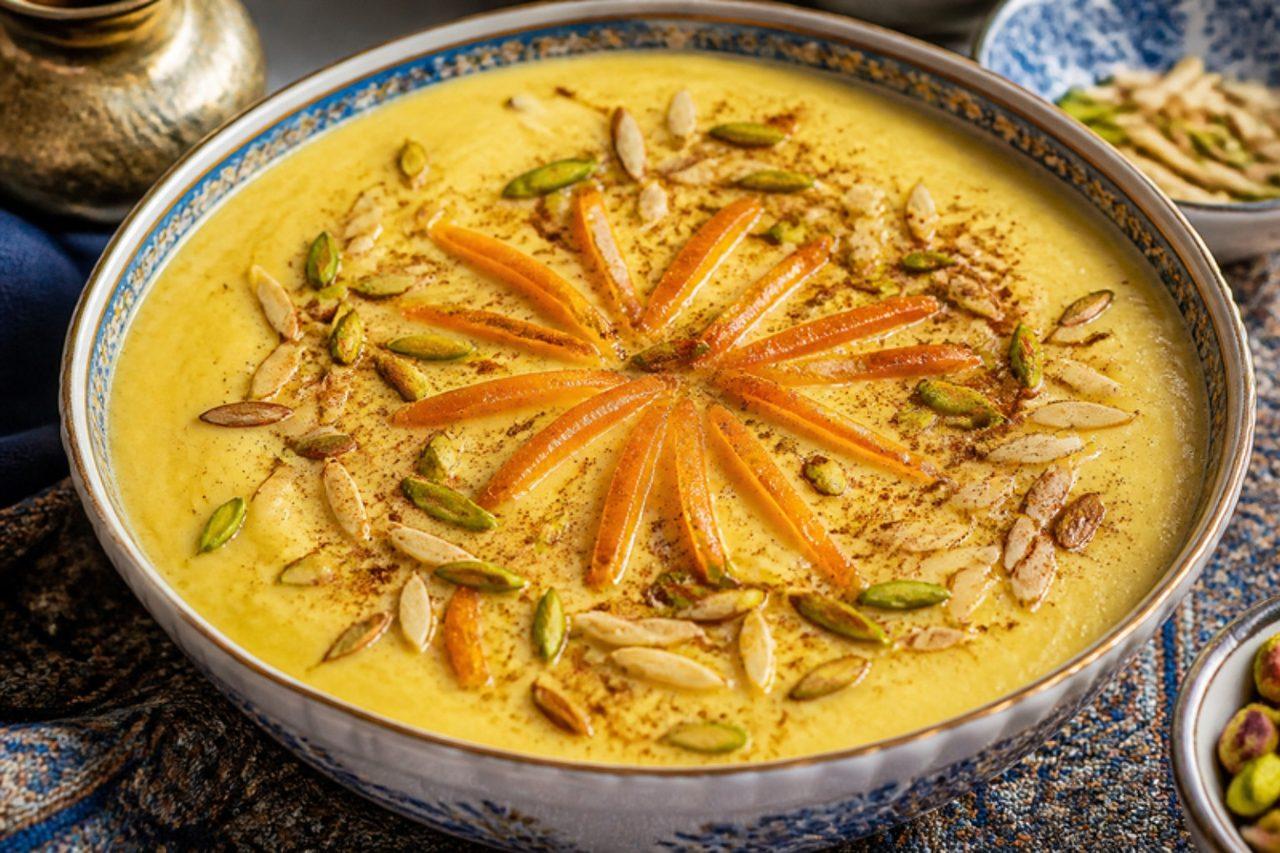
Khoresh mast is one of the strangest and most loved dishes of Isfahan: despite the name 'yogurt stew', it is served cold as a sweet side dish or dessert at weddings, funerals and Ramadan iftars. Lamb neck is cooked until it shreds into fine threads, then stirred into thick yogurt with egg yolk, sugar, saffron and orange-peel strips over a low heat until it sets into a golden, spoonable pudding that tastes of saffron and rosewater with a faint savoury depth. A common mistake is letting the yogurt boil; it splits into curds, so keep it below a simmer and stir constantly. Chef's tip: pound the cooked meat in a mortar until it is as fine as wool; you should feel the texture but not see pieces of meat.

by KrazyBadal 0 views

KhubeizehSautéed mallow greens

After the winter rains, mallow (khubeizeh) springs up along field edges and roadsides in Palestine, and families gather bags of it for a humble, much-loved dish: the leaves chopped and wilted with lots of onion fried in olive oil, sometimes with a handful of bulgur or rice to stretch it. It is eaten warm with bread and lemon, soft and earthy like spinach with a slightly silky texture. If you can't forage mallow, use chard or spinach with a little baby kale. Common mistake: drowning the greens in water; they release their own and only need a splash. Chef's tip: brown half the onions deeply and keep the rest soft; you get sweetness and crunch together.

by KrazyBadal 0 views

Khubz taboonDimpled flatbread

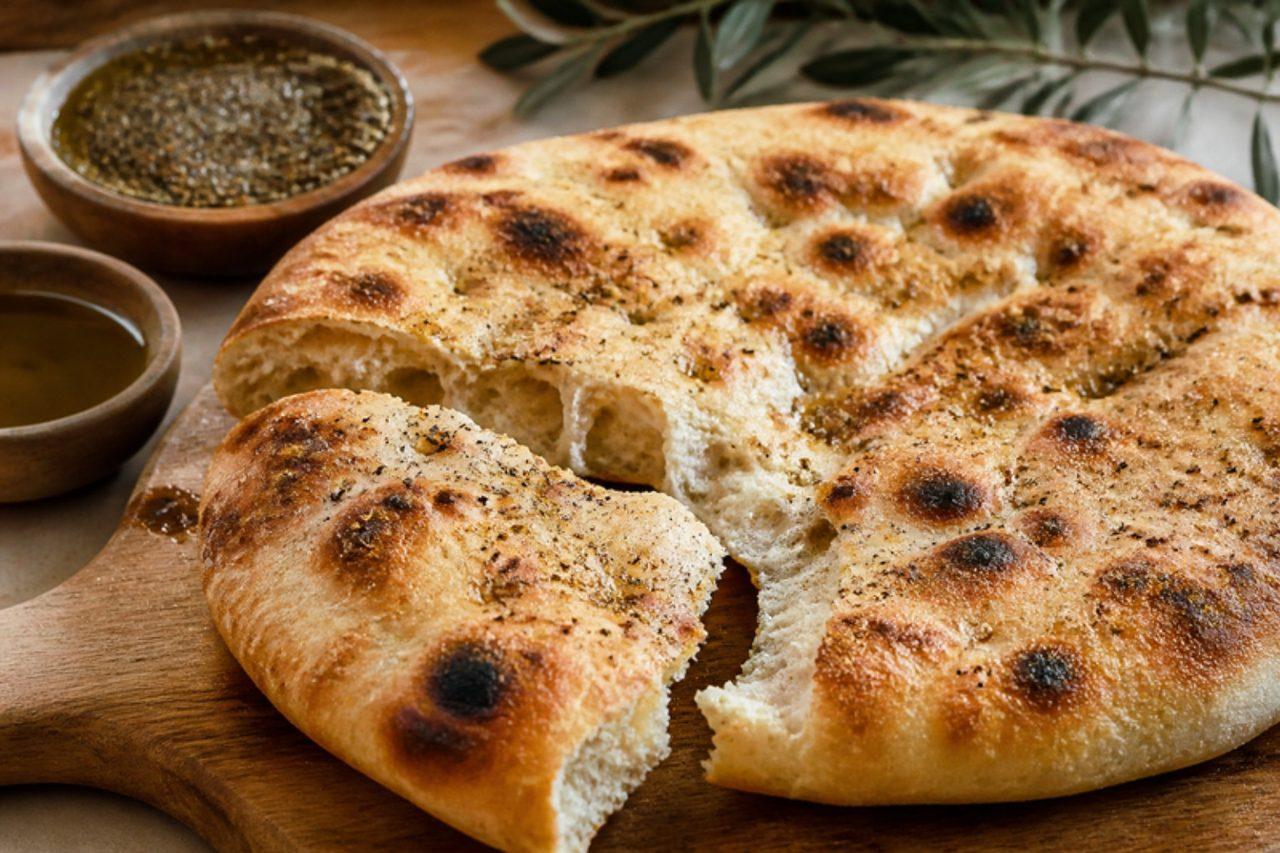
In Palestinian villages the taboon is a small clay oven lined with hot pebbles, and the bread baked on them comes out round, chewy and pocked with dimples where the stones pressed in. Women still bake it at dawn in the Galilee and around Nablus, and it is the bread that wraps musakhan, gets dipped in olive oil and za'atar, and is torn for breakfast with labneh. At home, a tray of clean pebbles or a very hot baking steel gets you close. Common mistake: rolling it too thin, which makes a cracker; it should be about 1 cm thick. Chef's tip: a little wholemeal flour and an overnight rest in the fridge give the nutty, slightly sour taste of village bread.

by KrazyBadal 0 views

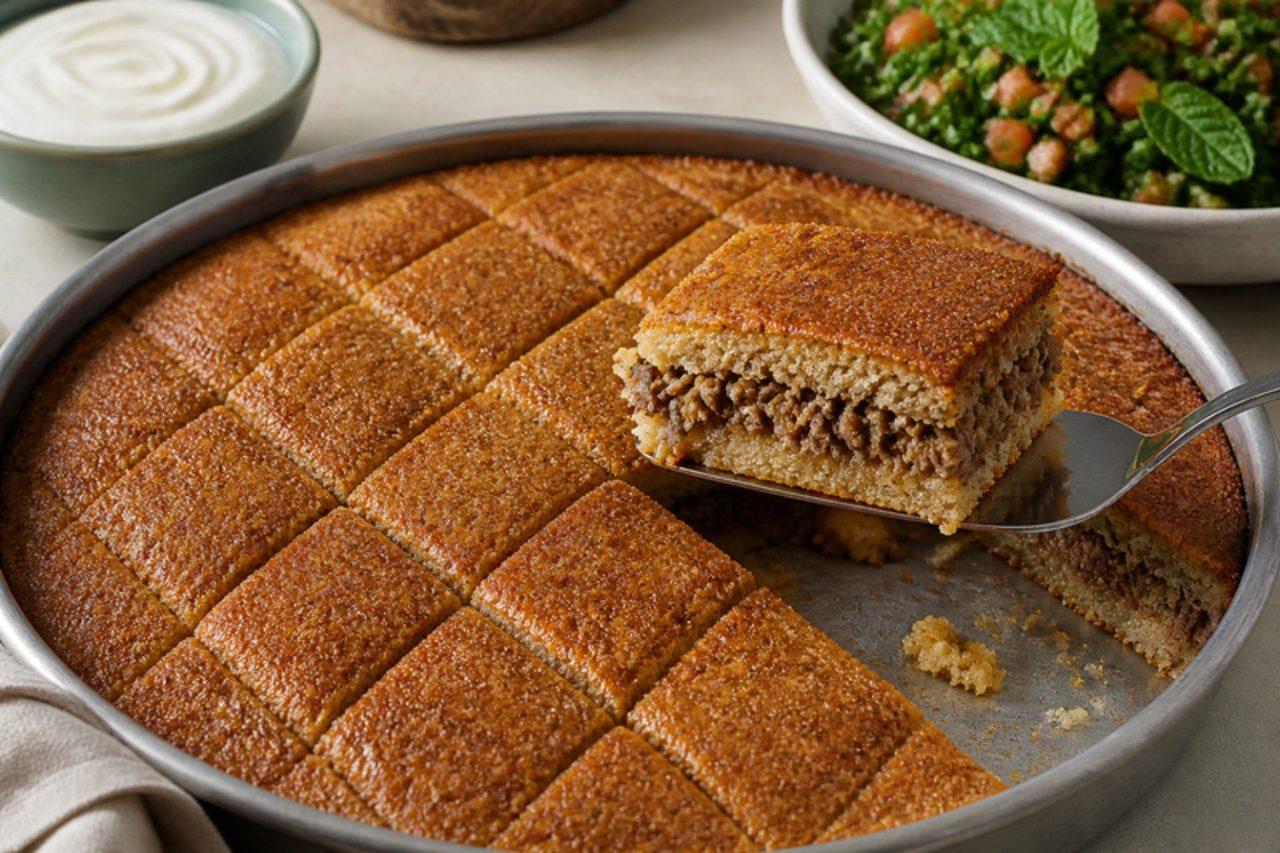
Kibbeh bil saniehBaked tray kibbeh

When a Lebanese family is expecting a crowd for Sunday lunch, out comes the round tray of kibbeh bil sanieh, cut into diamonds before baking so everyone can lift a neat piece. Two layers of lamb and fine bulgur kneaded with onion and spices sandwich a filling of minced lamb fried with onions and toasted pine nuts; the top bakes crisp and brown while the inside stays moist. Serve it warm or at room temperature with yoghurt, cucumber salad or fattoush. Common mistake: using coarse bulgur, which won't bind; you need fine bulgur (number 1). Chef's tip: dip your hands in iced water while you press the top layer — it smooths the surface and stops the mixture sticking.

by KrazyBadal 0 views

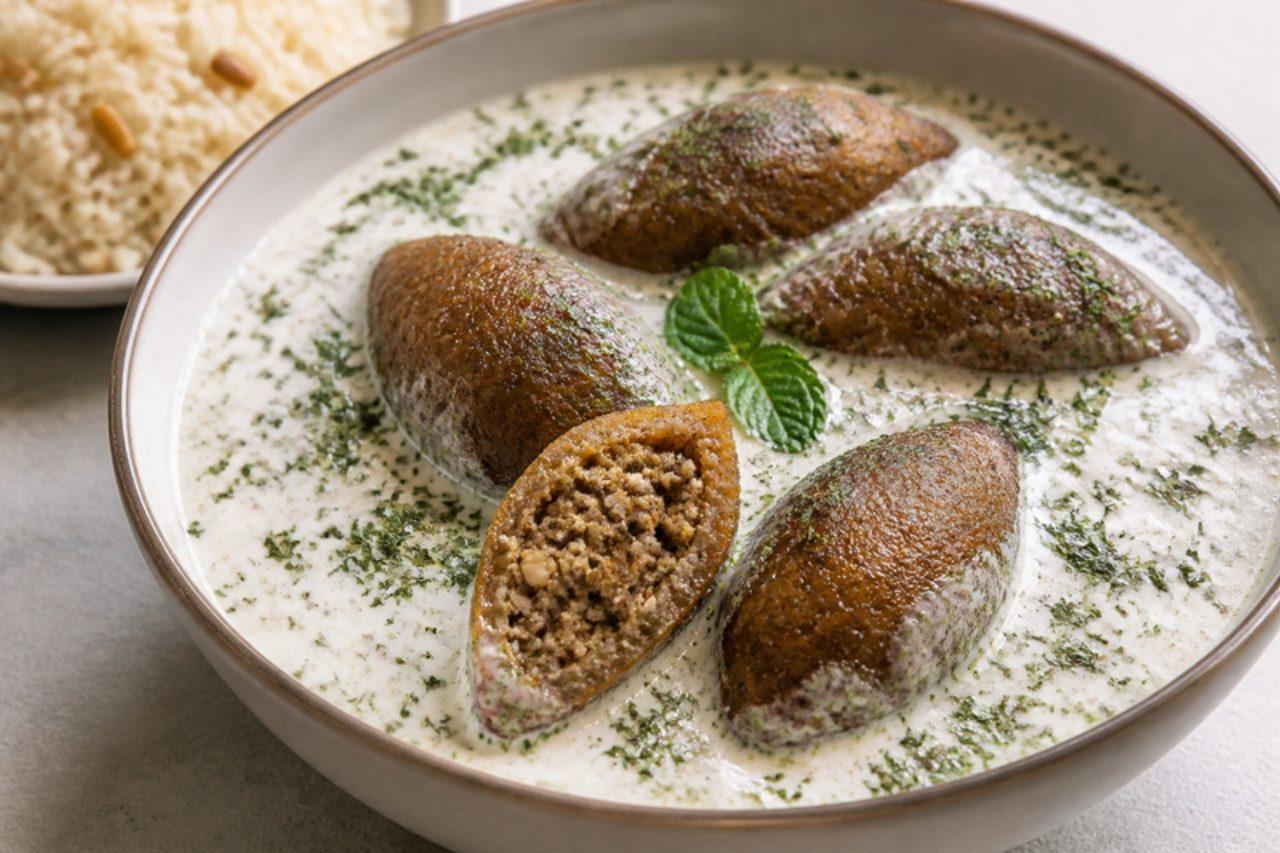
Kibbeh labaniehKibbeh in garlic yoghurt sauce

In Lebanese homes, kibbeh labanieh is the dish that turns a batch of stuffed kibbeh into a comforting winter supper: the little torpedo-shaped shells of bulgur and lamb, filled with spiced mince and pine nuts, are poached in a silky yoghurt sauce scented with garlic and dried mint. It is eaten hot, ladled over vermicelli rice. The yoghurt has to be stabilised with cornflour and stirred in one direction while it heats, or it splits. Common mistake: letting the sauce boil hard before it has thickened; it curdles instantly. Chef's tip: make the kibbeh balls a day ahead and freeze them on a tray — they hold their shape better in the sauce.

by KrazyBadal 0 views

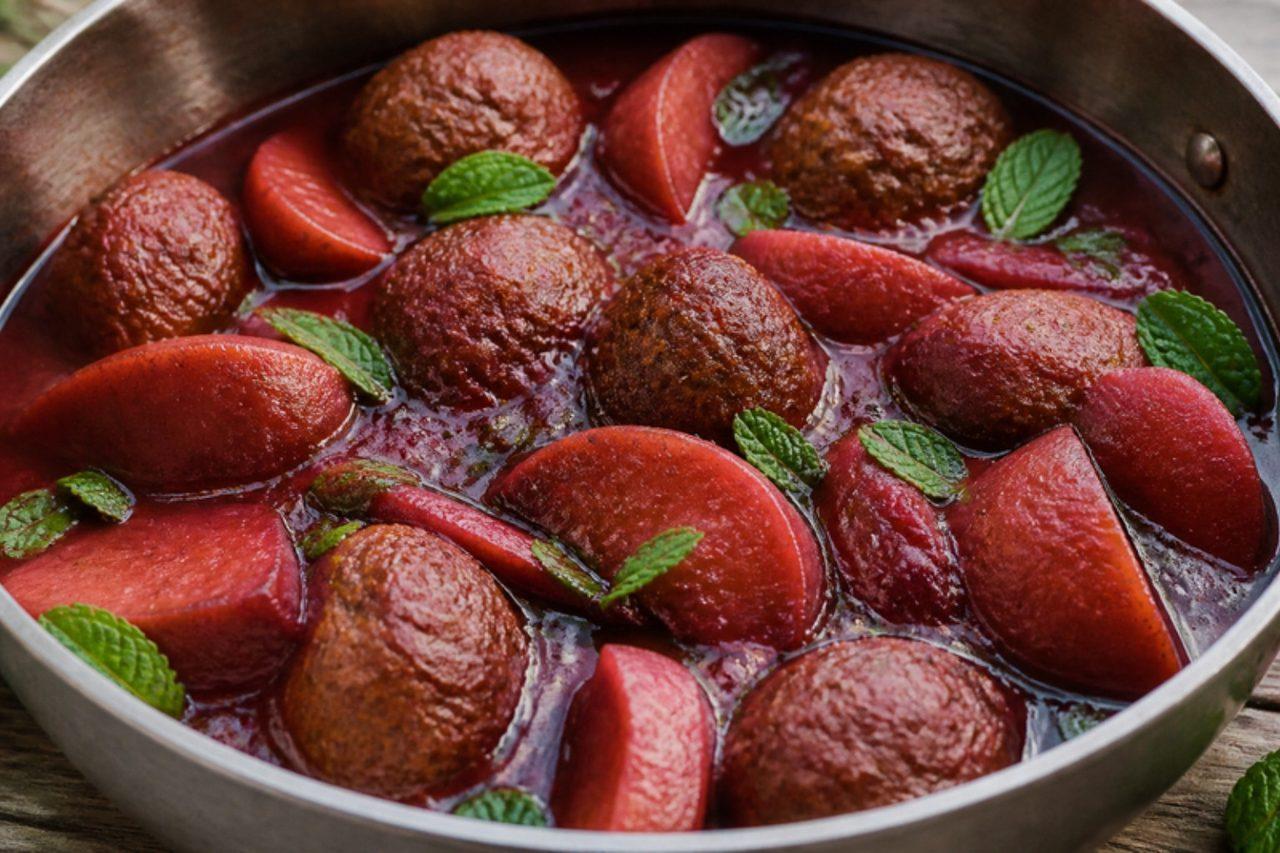
Kibbeh safarjaliehKibbeh with quince in pomegranate sauce

Aleppo is known as the city of a hundred kibbehs, and kibbeh safarjalieh is its autumn showpiece, made when quinces turn golden in the markets. Stuffed kibbeh are simmered with chunks of quince and a little lamb in a sauce sharpened with pomegranate molasses and lemon and scented with dried mint. The fruit softens and blushes pink, and the sauce is sweet, sour and fragrant all at once. Serve with plain rice or bread. Common mistake: cutting the quince too early; it browns fast, so drop each piece into lemon water as you go. Chef's tip: leave the quince skin on — it holds the pieces together and helps colour the sauce.

110 minSyrianMeat
by KrazyBadal 0 views

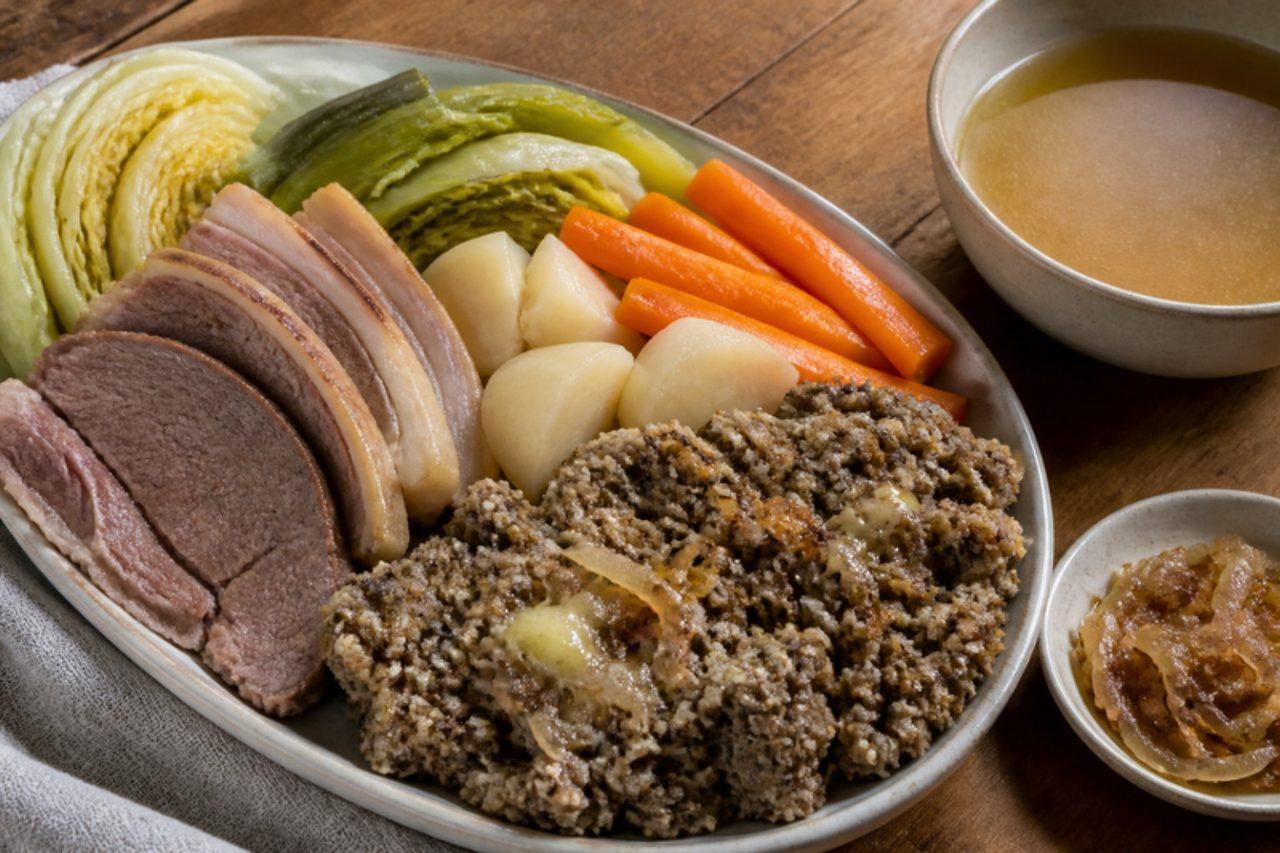
Kig ha farzBeef and pork with buckwheat pudding

Kig ha farz, "meat and stuffing" in Breton, belongs to the Léon country of north Finistère, where it is still the big shared dish of village fêtes, rugby-club dinners and family gatherings. Beef shin and salt pork belly simmer for hours with cabbage, carrots, leeks and turnips, and in the same pot sits a cotton bag of buckwheat batter that cooks into a dense, nutty pudding. The pudding is crumbled and served with the meats and vegetables, often with lipig, a sauce of shallots melted in butter. Chef's tip: tie the cloth bag loosely, leaving room for the batter to double, or the pudding turns heavy and rubbery.

250 minFrenchMeat
by KrazyBadal 0 views

King kongLayered biscuit with manjar blanco

Named, the story goes, after the giant ape because of its size when the film reached Peru, the king kong is Lambayeque's proudest sweet: thick, crumbly biscuit layers stacked with manjar blanco, a sticky pineapple jam and a peanut fudge, then cut into heavy slabs. Shops in Lambayeque and Chiclayo sell them by the kilo in boxes, and travellers carry them home as gifts. It is very sweet, buttery and dense, so a slice goes a long way with black coffee. This home version makes the manjar blanco from condensed and evaporated milk to save hours, then turns half of it into the peanut layer. The usual mistake is overbaking the biscuit until it is hard; take it out as soon as the edges are pale gold, as it firms up while it cools. It is a project, so make the fillings first and let them cool. Chef's tip: wrap the finished king kong and leave it overnight before cutting; the layers settle and soften into each other.

by KrazyBadal 0 views

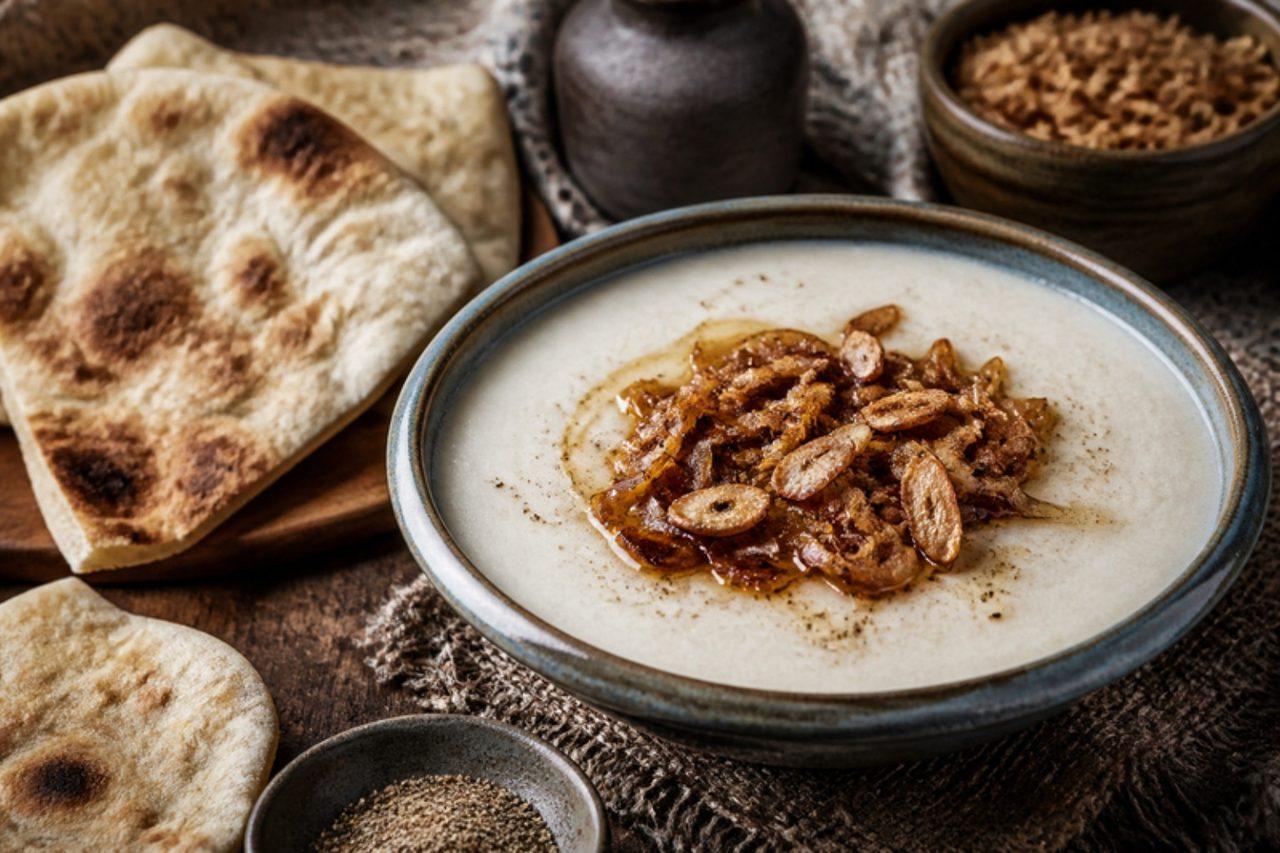
Shorbet kishkFermented yoghurt and wheat soup

In the Bekaa Valley, late summer means spreading bulgur fermented with yoghurt on rooftops to dry, then rubbing it into kishk powder that keeps the family through winter. On a cold morning that powder becomes shorbet kishk, a thick, tangy, porridge-like soup eaten for breakfast with radishes, spring onions and flatbread to scoop it up. Meat-eaters often add preserved lamb (awarma); this version keeps it vegetarian with plenty of garlic and onion fried in olive oil. Kishk powder is sold in Middle Eastern grocers. Common mistake: adding the powder to hot water; it clumps, so always whisk it into cold water first. Chef's tip: finish with a spoonful of garlic sizzled in oil and a pinch of dried mint poured over each bowl.

by KrazyBadal 0 views

KispiñoSteamed quinoa cakes

Pressed in a fist so each one carries the marks of the cook's fingers, kispiño are small, dense quinoa cakes from the Puno highlands, steamed and then left to dry so they keep for weeks on journeys, herding trips and pilgrimages. Traditional ones are bound with a little lime water (from cal, the mineral) and fat; this home version uses oil and a pinch of aniseed and sugar, so they're vegan and pleasantly savoury-sweet. They're firm and chewy, a little like a grain cake, and good with hot tea, coca tea or a soup on a cold day. The common mistake is making the dough too wet, so the cakes slump in the steamer; it should feel like damp sand that holds its shape when squeezed. Ground quinoa is quinoa flour; grind your own from rinsed, dried and toasted grain, or buy it ready ground. Chef's tip: toast the ground quinoa in a dry pan first until it smells nutty, which takes away any bitterness.

by KrazyBadal 0 views

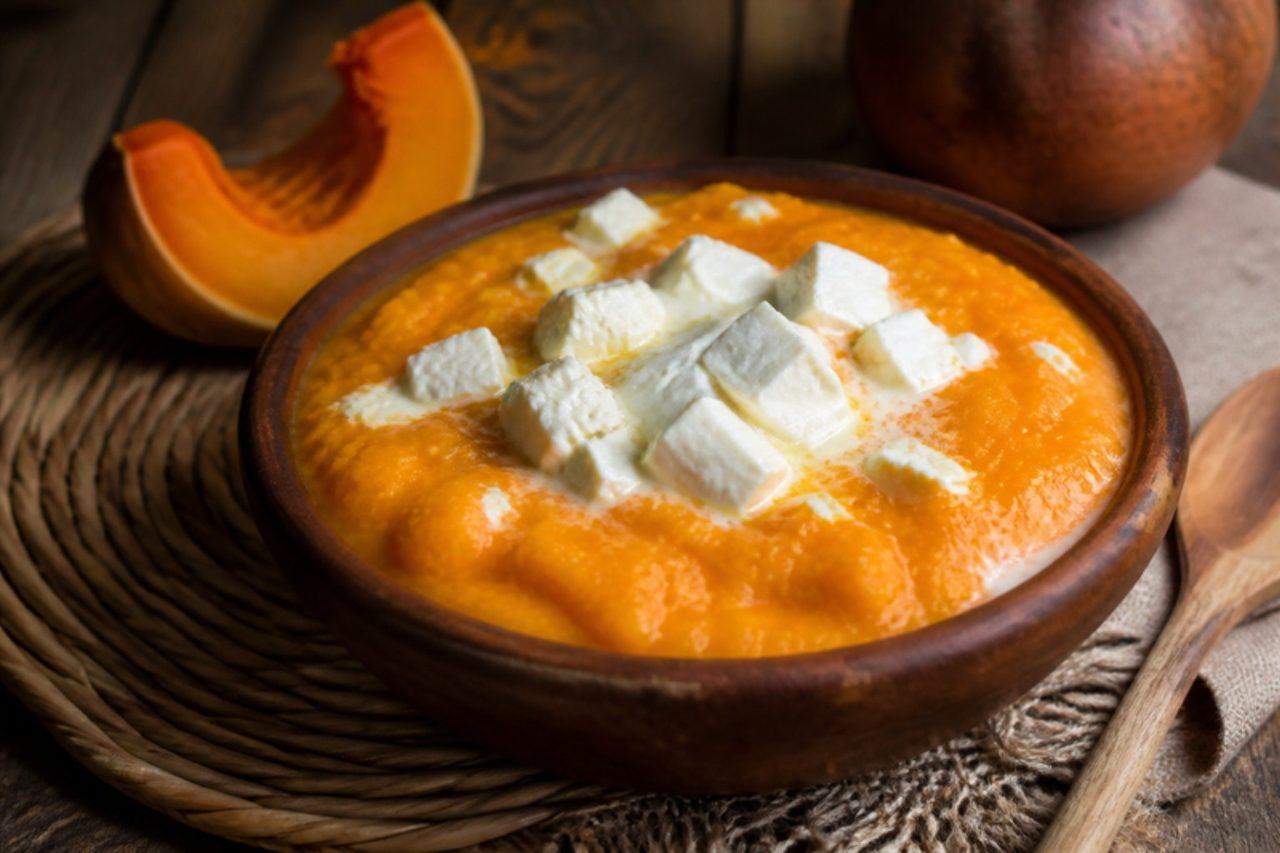
KiveveSquash purée with cheese

Kiveve (also written quibebe) is Guaraní food, cooked across Corrientes and Paraguay as a side for grilled meat or a supper on its own: ripe squash is simmered with onion until it falls apart, then thickened with a spoonful of cornmeal and enriched with milk and fresh cheese until it is smooth, orange and as soft as polenta, slightly sweet and slightly salty. Correntinos often serve it with chipá or sopa paraguaya on the side. The cornmeal is easy to get wrong: added all at once to a hot pot, it clumps into dry little lumps, so slake it first in cold milk and pour it in while stirring. Queso fresco or queso criollo is usually made with animal rennet; choose a vegetarian fresh cheese if needed. Chef's tip: use the deepest orange squash you can find, ideally a ripe Argentine anco or a kabocha; a pale squash gives a watery, bland kiveve.

by KrazyBadal 0 views

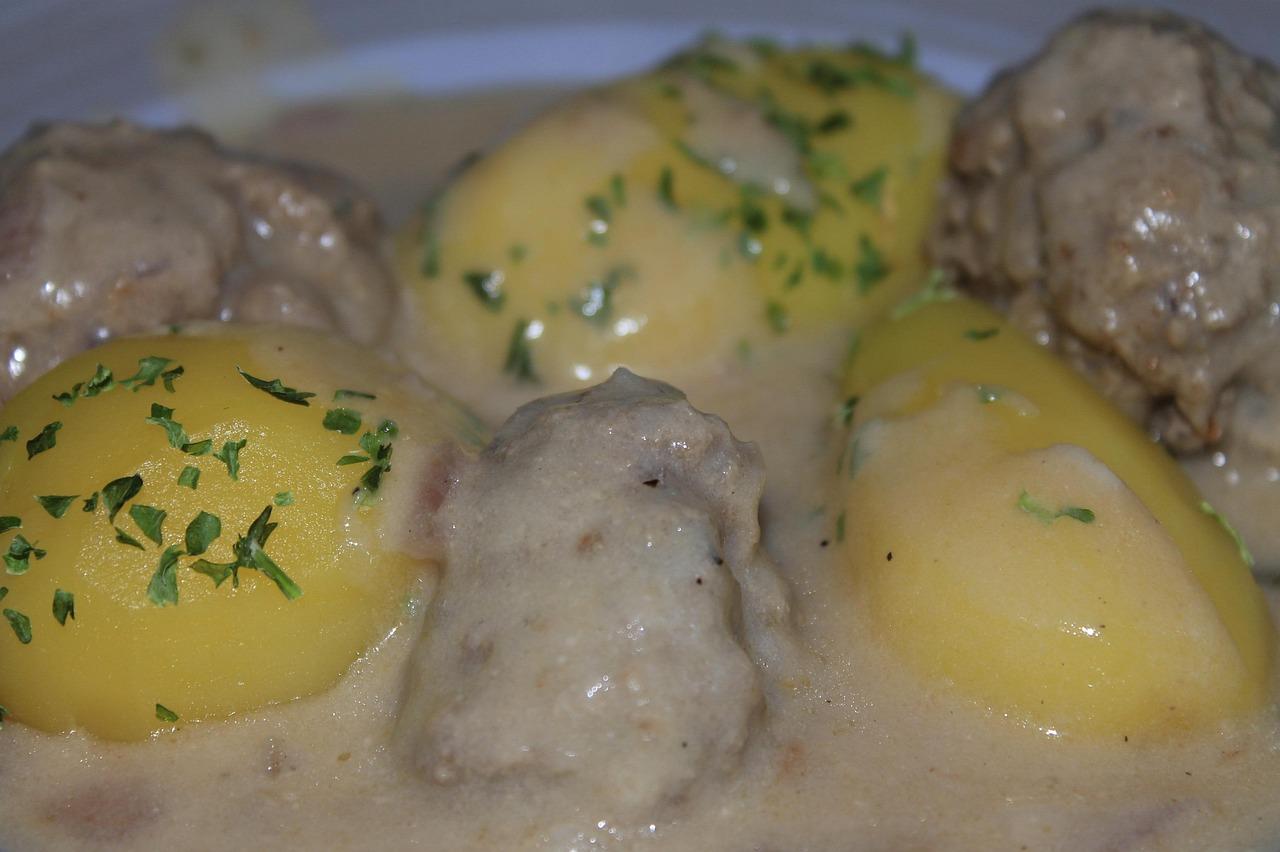
Königsberger KlopseVeal meatballs in caper sauce

Königsberger Klopse come from old East Prussia, but today they are cooked all over Berlin and eastern Germany as a weekday family dinner and a school-canteen favourite. Soft meatballs of veal, or veal mixed with pork, are poached in broth, then served in a creamy, lemony white sauce dotted with capers, with boiled potatoes and beetroot salad. A little anchovy in the meat is traditional and gives a savoury depth without tasting of fish. Chef's tip: poach, never boil, the meatballs; a gentle simmer keeps them light and stops them breaking.

60 minGermanMeat
by KrazyBadal 0 views

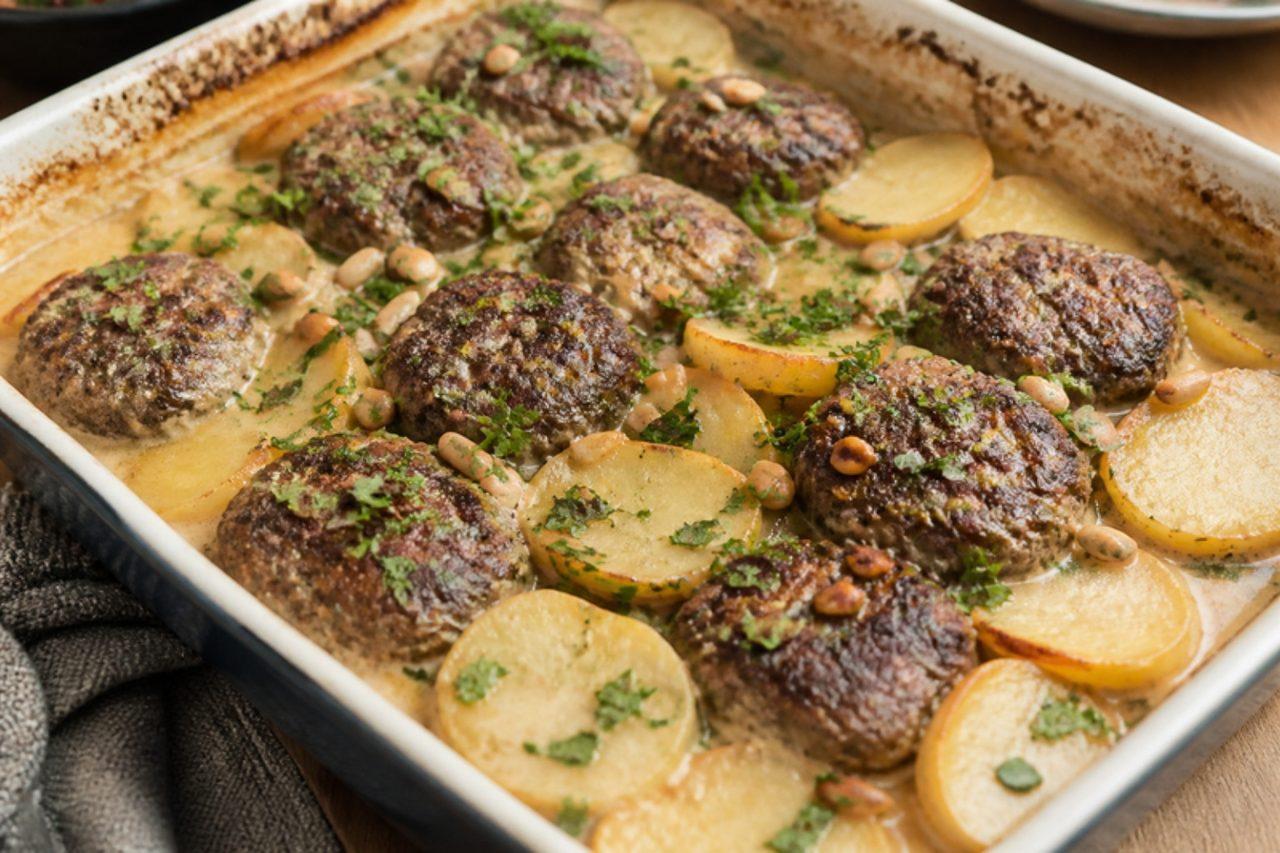
Kofta bi tahiniKofta and potatoes in tahini sauce

Kofta bi tahini is a family tray-bake from Jerusalem, Nazareth and the West Bank, the kind of dinner that goes into the oven on a weeknight and comes out bubbling and golden: parsley-flecked lamb and beef kofta fingers, sliced potatoes and onions, all covered in a tangy, garlicky tahini sauce. Rice with vermicelli and a chopped salad go alongside. Common mistake: making the tahini sauce too thick; it should pour like single cream, as it thickens a lot in the oven. Chef's tip: brown the kofta and potatoes before they meet the sauce; it keeps the kofta firm and stops the potatoes turning soggy.

by KrazyBadal 0 views

Kokoras krasatosChicken in red wine with pasta

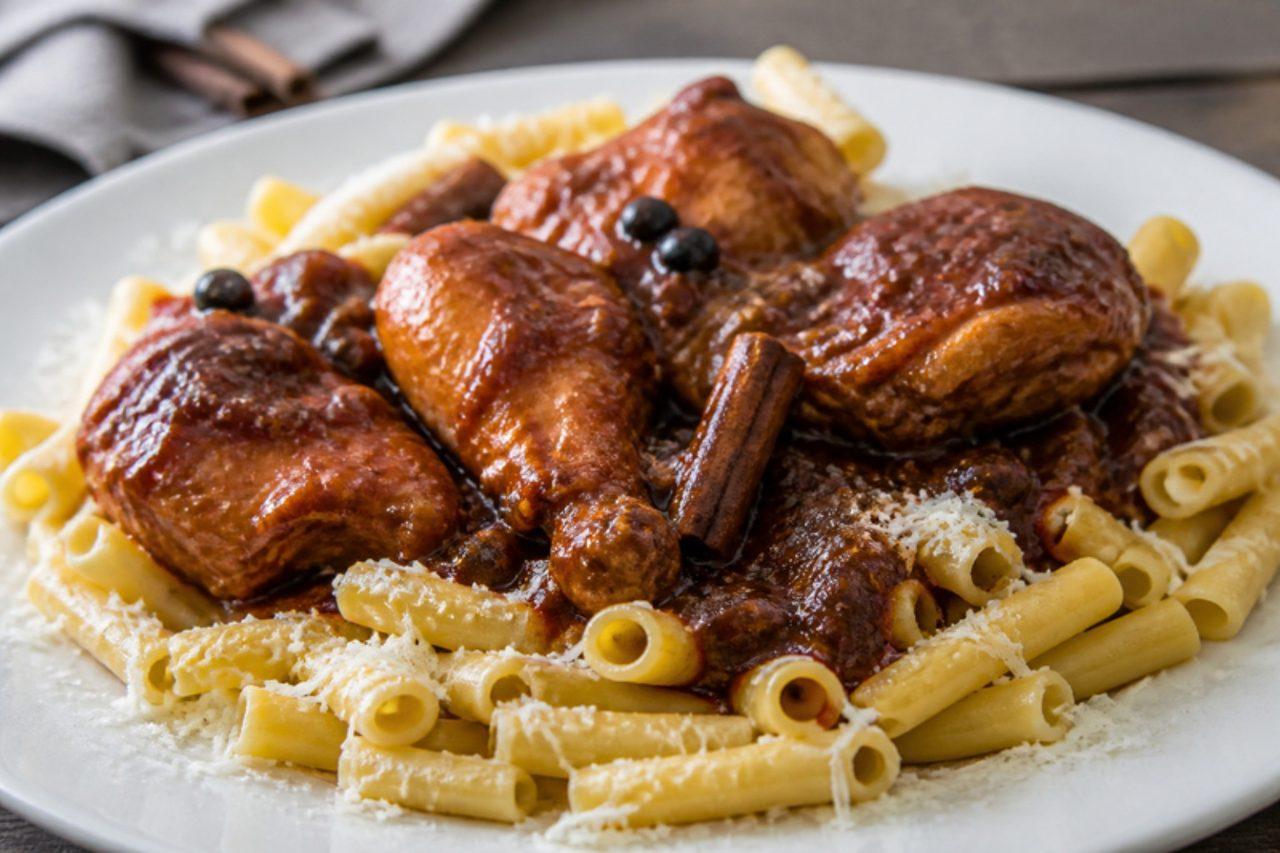
Sunday in a Peloponnese village often meant a rooster from the yard, braised for hours in the local Nemea red with tomato, cinnamon, cloves and allspice until the sauce turned deep, glossy and fragrant. It goes over thick spaghetti or hilopites with plenty of grated cheese. This dish contains red wine; for an alcohol-free version use the same amount of red grape juice with 2 tablespoons of red wine vinegar. A supermarket chicken works well, cooked for less time. Common mistake: skipping the browning — the dark crust on the skin flavours the whole sauce. Chef's tip: let the wine bubble hard for 2 minutes before the tomato goes in, so its raw edge cooks off.

110 minGreekChicken
by KrazyBadal 0 views

KolompehDate and walnut pastries

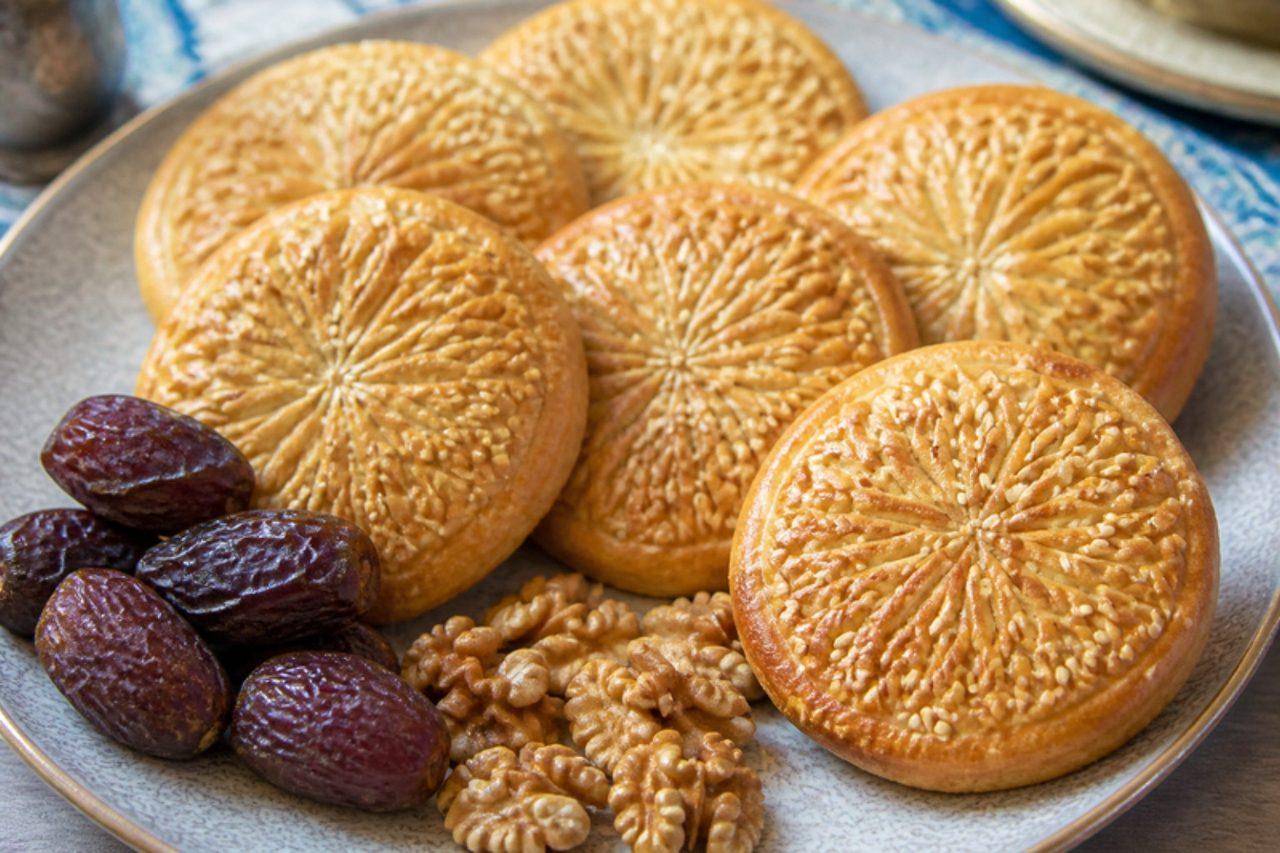
Kolompeh is the pride of Kerman, a flat, round pastry stamped with a pattern on top and filled with date paste spiced with cardamom, cinnamon and a little fennel seed. Kermanis bake it for Nowruz and for guests, and it keeps well enough to travel, which is why tins of it go home with every visitor. The pastry is short and tender with a hint of sweetness. A common mistake is making the date filling too wet, which seeps through the pastry; it should be a stiff paste you can roll into a ball. Chef's tip: warm the dates for a few seconds before mashing, and they turn into a smooth paste in moments.

by KrazyBadal 0 views

Showing 63 of 7,762 recipes

Show more recipes

Page 517 of 863