


Skip to content
Patatnik
Featured recipe

Patatnik

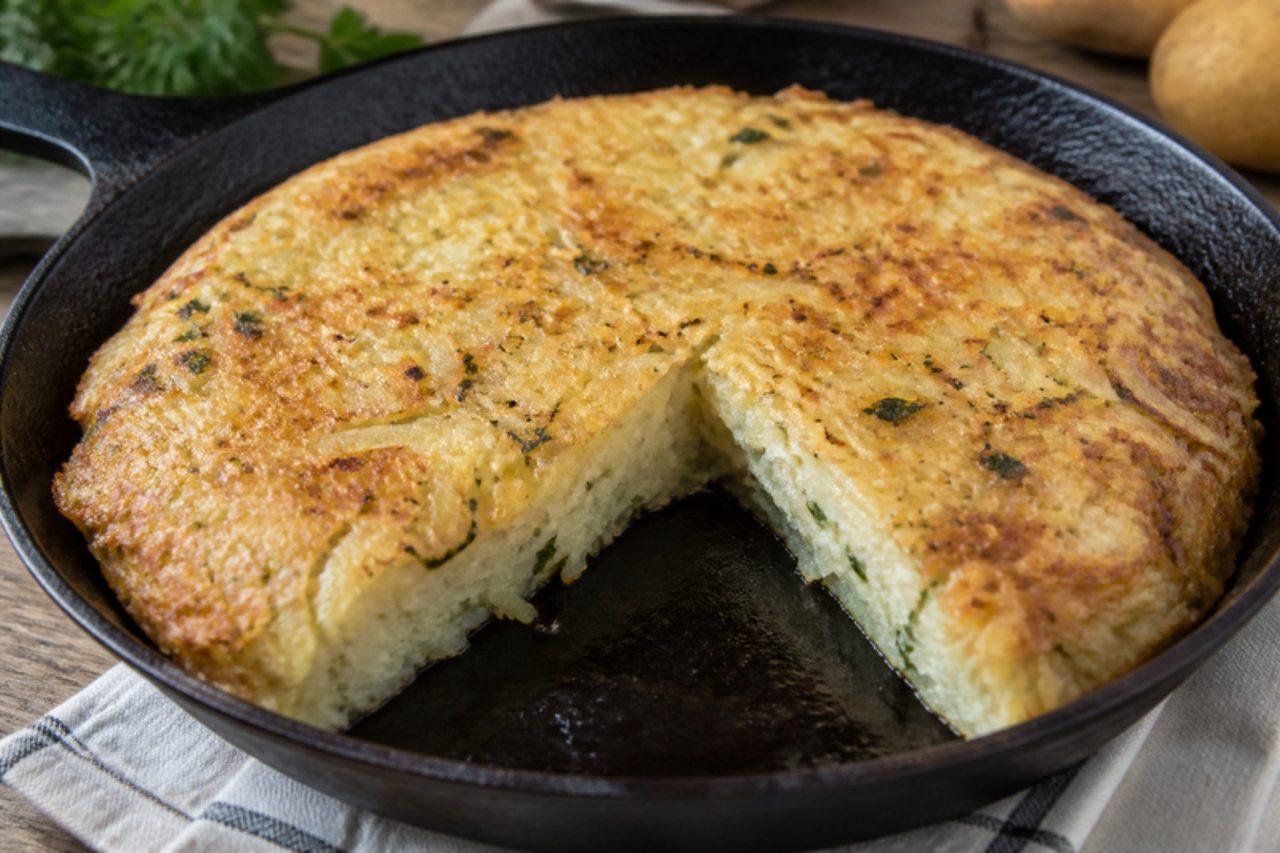
Grated potato and cheese cake

Up in the Rhodope Mountains around Smolyan and Chepelare, where potatoes grow better than almost anything else, patatnik is the dish every mountain inn puts on its menu. Grated potato is salted and squeezed, mixed with onion, crumbled white cheese, egg and plenty of dried spearmint (dzhodzhen), then cooked slowly in a heavy pan like a thick cake and turned once. The outside is a crisp, golden crust, the inside soft, salty and herby. Eat it hot in wedges with a bowl of thick sheep's yogurt and a tomato salad. Sirene is often made with animal rennet, so use a white cheese labelled vegetarian. The classic error is turning the heat up to hurry it, which burns the crust while the middle stays raw; it needs a low flame and patience. Chef's tip: slide the cake onto a plate, cover with a second plate and flip, then slide it back into the pan with a little more butter.

Read more 0 views

What to eat today?

Around the world

Today's trip: Paraguayan

A new country every day, from every cuisine on the site.

Paraguayan

Buseca

Tripe and white bean stew 185 minMore from Paraguayan (27) →

This week's collection

Kid-friendly dinners
537 recipes · a new collection every Monday

Latest recipes

Patates lemonatesLemon-oregano roast potatoes

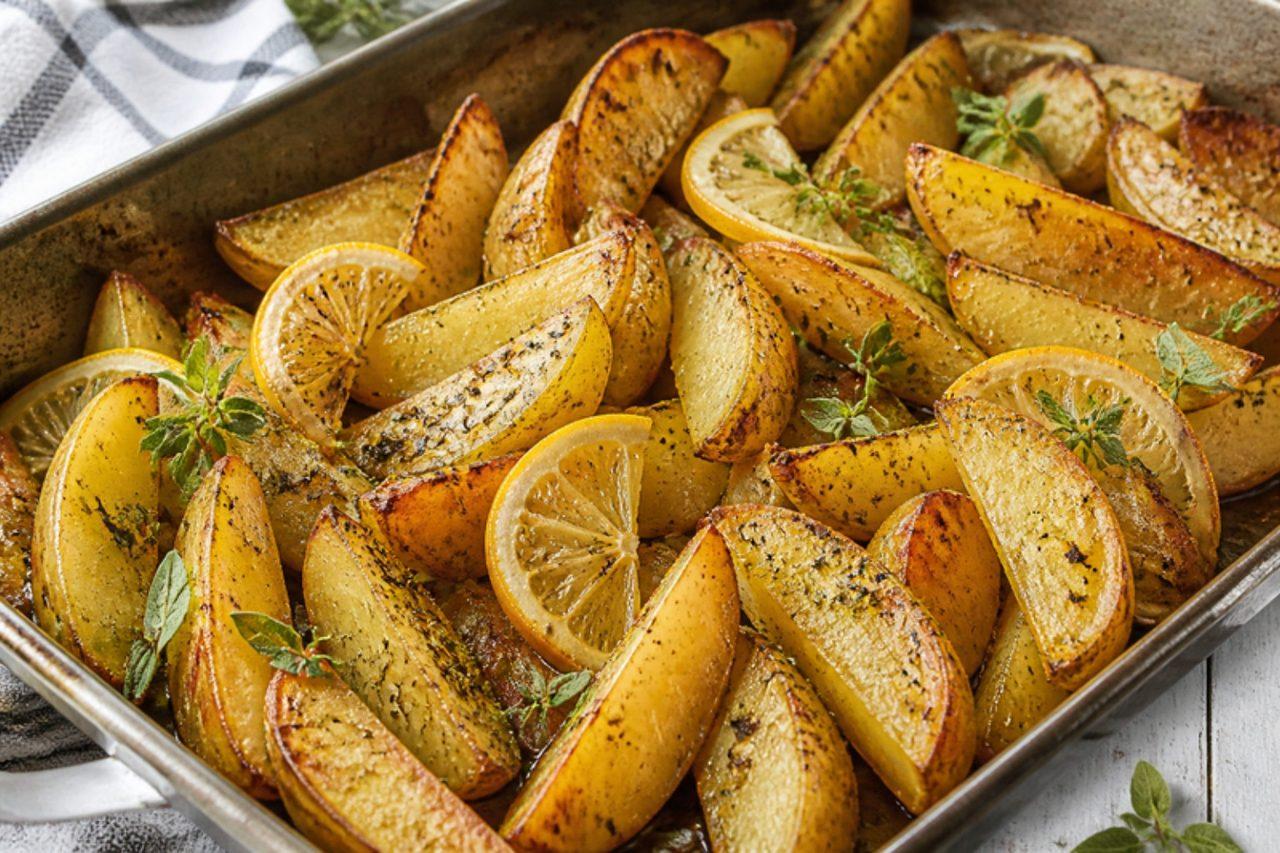
These are the potatoes that come out of Peloponnese bakers' ovens alongside Sunday roasts, and that every Greek grandmother has a firm opinion on. Wedges roast in a bath of lemon juice, olive oil, garlic and oregano; the liquid soaks into the potatoes, then evaporates, leaving them sticky, golden and tangy, with fluffy middles. Serve with roast chicken or lamb, or with feta, a salad and bread for a meatless lunch. Common mistake: crowding the tin, so the potatoes steam instead of browning. Chef's tip: add a final squeeze of fresh lemon as they come out of the oven; the cooked juice loses its brightness.

90 minGreekSidesVeganGluten free
by KrazyBadal 0 views

Patatesli kol böreğiPotato and onion filo coil

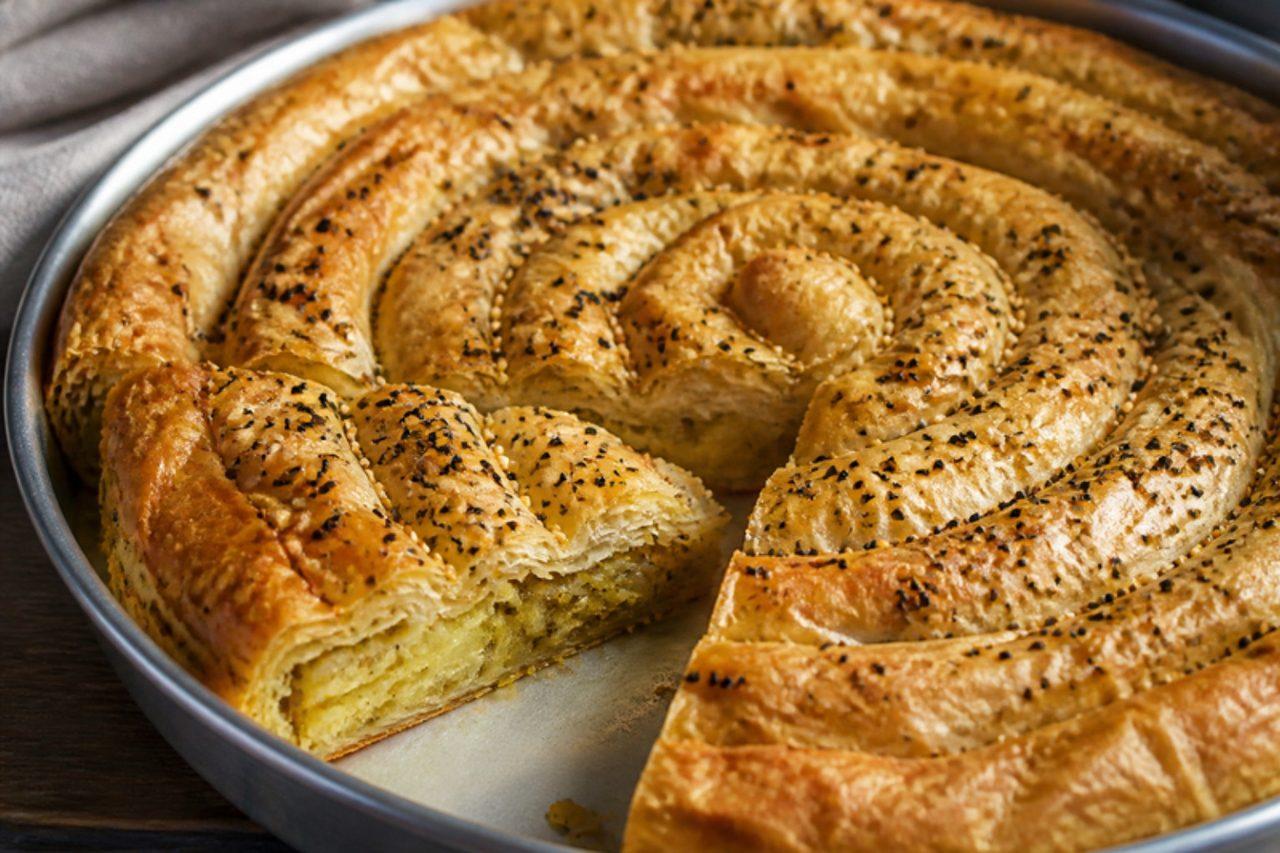
Kol böreği is the long 'arm' börek that Istanbul neighbourhood bakeries coil into round trays and sell by weight in the morning, and the potato version is the one home cooks make for guests at five o'clock tea. Thin sheets of yufka are brushed with a milk and oil wash, rolled around a peppery potato and onion filling, then coiled and baked until shatteringly crisp outside and soft within. Serve it warm with tea or ayran. Chef's tip: let the filling cool completely before rolling; warm potato steams the pastry from inside and makes it soggy.

by KrazyBadal 0 views

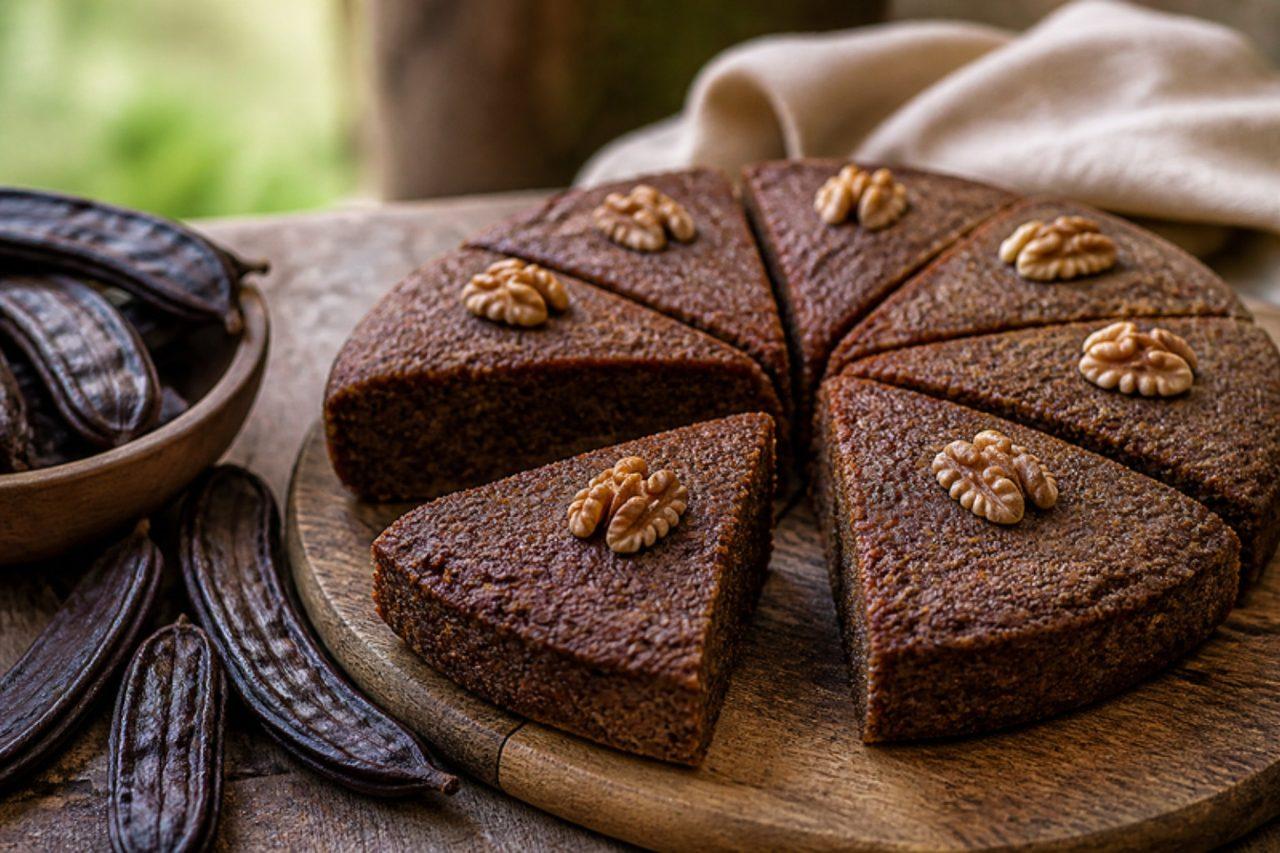
PatayAlgarroba pod cake

Long before sugar reached the dry northwest, the pods of the algarrobo tree were the region's sweetness, and patay is the oldest way of keeping them: the pods are ground, the flour is moistened and pressed into a cake that dries into something dense, fudgy and naturally sweet, with notes of cocoa, coffee and caramel. In Santiago del Estero you still buy it in round slabs at markets and roadside stalls, to eat with mate or to crumble into milk. Harina de algarroba comes from the South American Prosopis tree; look for it in health-food shops or online, and mesquite flour is the same family and works well. Mediterranean carob flour is different and tastes more bitter. Too much water is the way most first attempts go wrong: the cake should be pressed from a damp, crumbly mix, not a batter, or it bakes up gummy. Chef's tip: sieve the flour twice; algarroba flour clumps, and lumps stay as hard grains.

by KrazyBadal 0 views

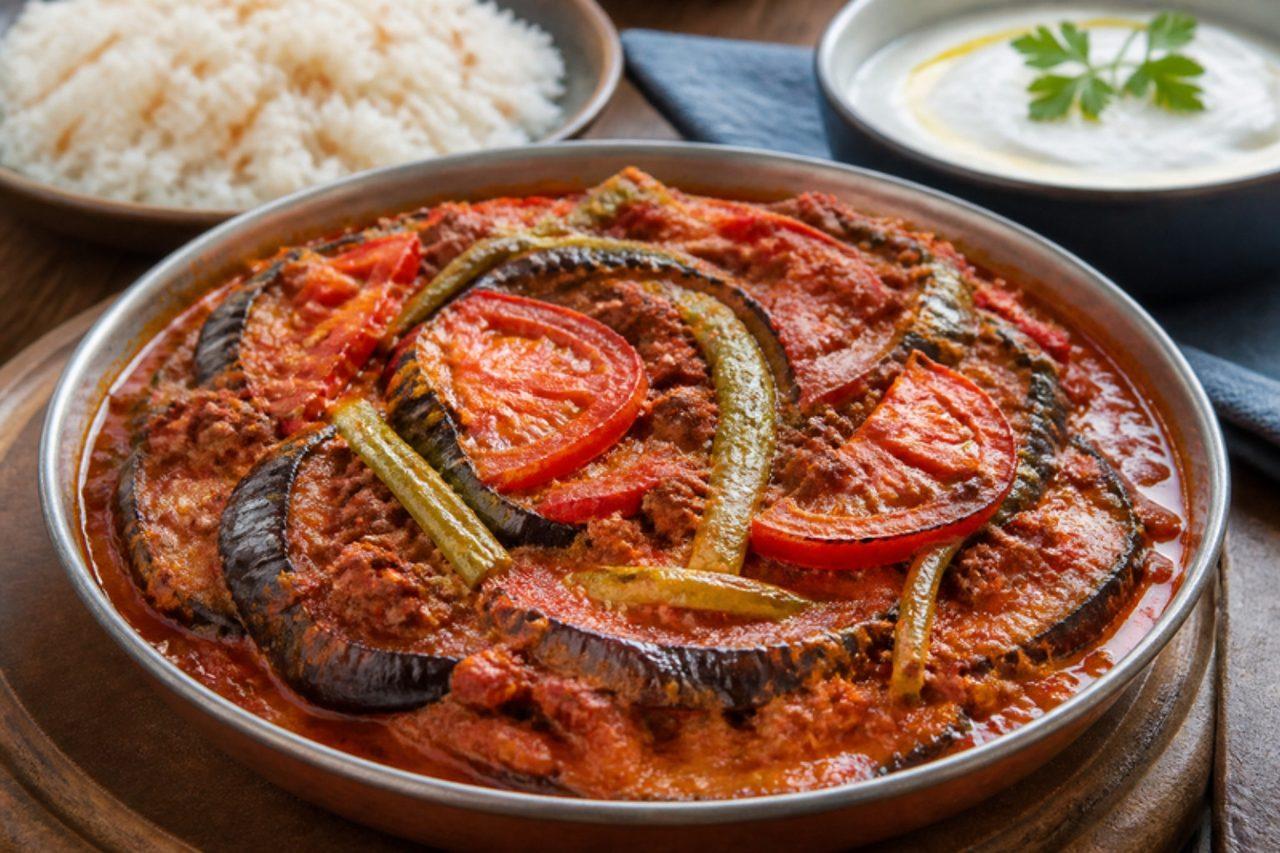
Patlıcan musakkaAubergine and mince stew

Turkish musakka has little in common with the Greek bake: there is no béchamel and no potato, just fried aubergine and a mince sauce with peppers and tomato, layered in a pan and simmered until the aubergine melts. It is a summer favourite in home kitchens from İzmir to Ankara, served warm with rice pilaf and a bowl of cacık. Salting and draining the aubergine stops it drinking too much oil. Common mistake: frying the aubergine pale; it needs to be properly golden or it turns slimy in the sauce. Chef's tip: bake the aubergine slices brushed with oil at 220 °C instead of frying if you want a lighter dish.

by KrazyBadal 0 views

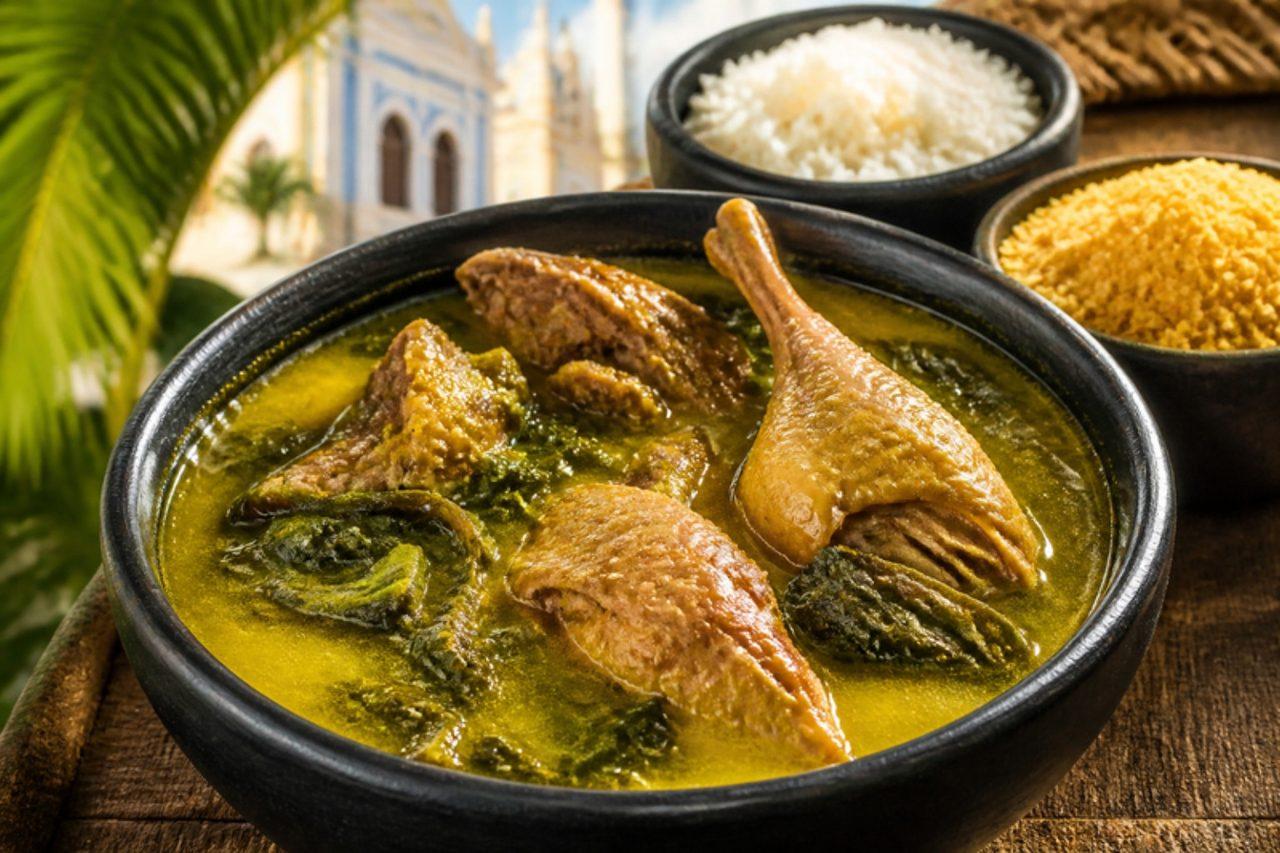
Pato no tucupiDuck in cassava tucupi broth

Belém eats pato no tucupi above all at the Círio de Nazaré lunch in October, but restaurants around the Ver-o-Peso serve it year round. Duck is marinated, roasted until the skin is brown, then simmered in tucupi, the yellow, sour broth pressed from wild cassava, with garlic, culantro and basil, and finished with jambu, a leaf that makes lips tingle and go pleasantly numb. The flavour is tart, savoury and electric. Raw tucupi is toxic: buy only commercial tucupi sold frozen or bottled in Brazilian shops, which has already been cooked, and still boil it as below. Jambu is sold frozen there too, or as fresh paracress (Szechuan buttons). Allow an overnight marinade in the fridge. A frequent mistake is skipping the roast and just boiling the duck, which leaves the skin flabby and the broth greasy. Serve with white rice and farinha d'água. Chef's tip: blanch the jambu separately and add it at the end so it stays green and keeps its buzz.

by KrazyBadal 0 views

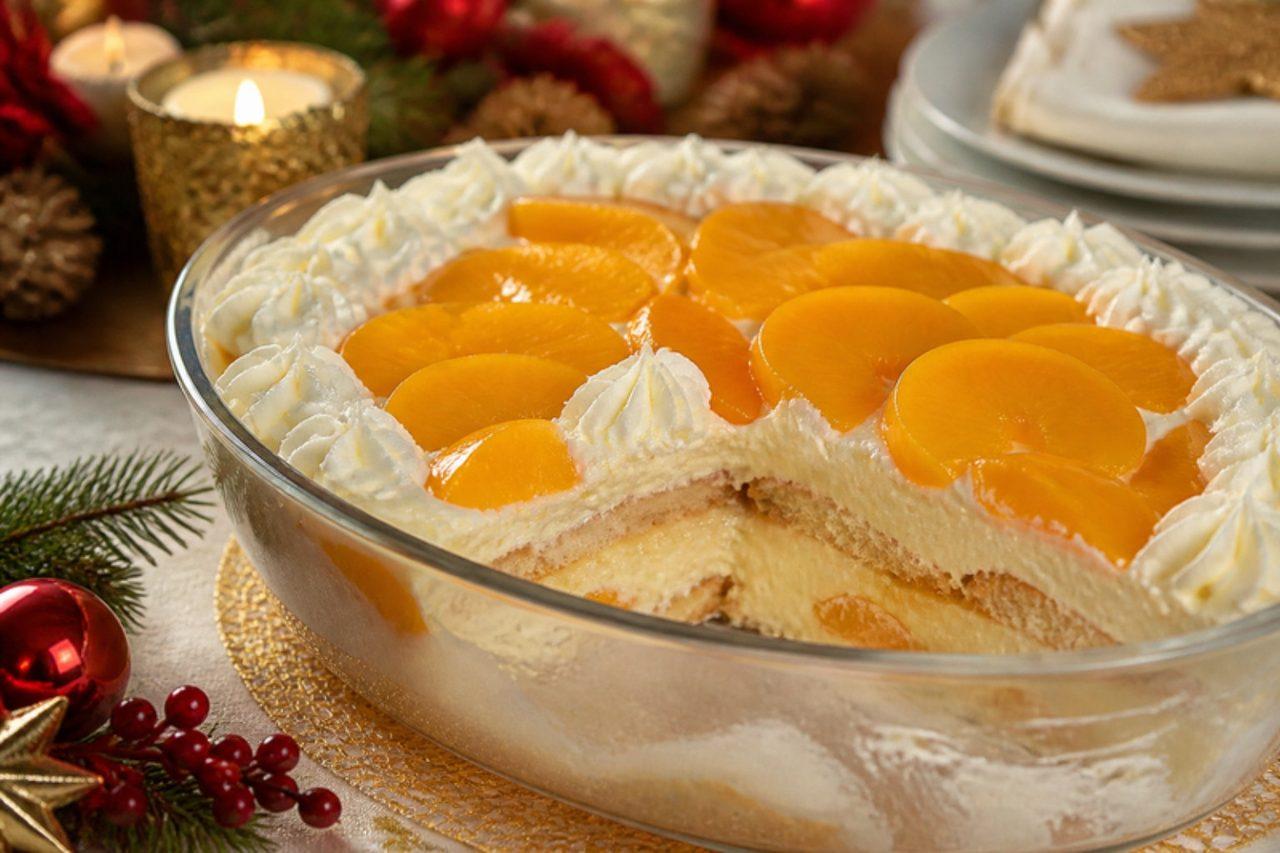
Pavê de pêssegoLayered peach biscuit dessert

No Brazilian Christmas or New Year table feels complete without a glass dish of pavê in the fridge, and the old joke at every family supper is 'é pavê ou pra comer?' ('is it pavê or is it for eating?'). Rows of Maria or champagne biscuits are softened in milk or peach syrup, then layered with a thick vanilla custard made from condensed milk and egg yolks, sliced peaches and a cloud of whipped cream. It is cool, creamy and fruity, a relief after a heavy ceia. Chocolate pavê is just as common: replace the peaches with a chocolate layer, as in the tip. Too much soaking liquid is the classic fault, and the dessert collapses into a pool in the base. Chef's tip: dip each biscuit for a single count in the syrup; they keep softening overnight in the custard. For chocolate pavê, stir 100 g melted dark chocolate into half the custard and layer it in place of the peaches.

by KrazyBadal 0 views

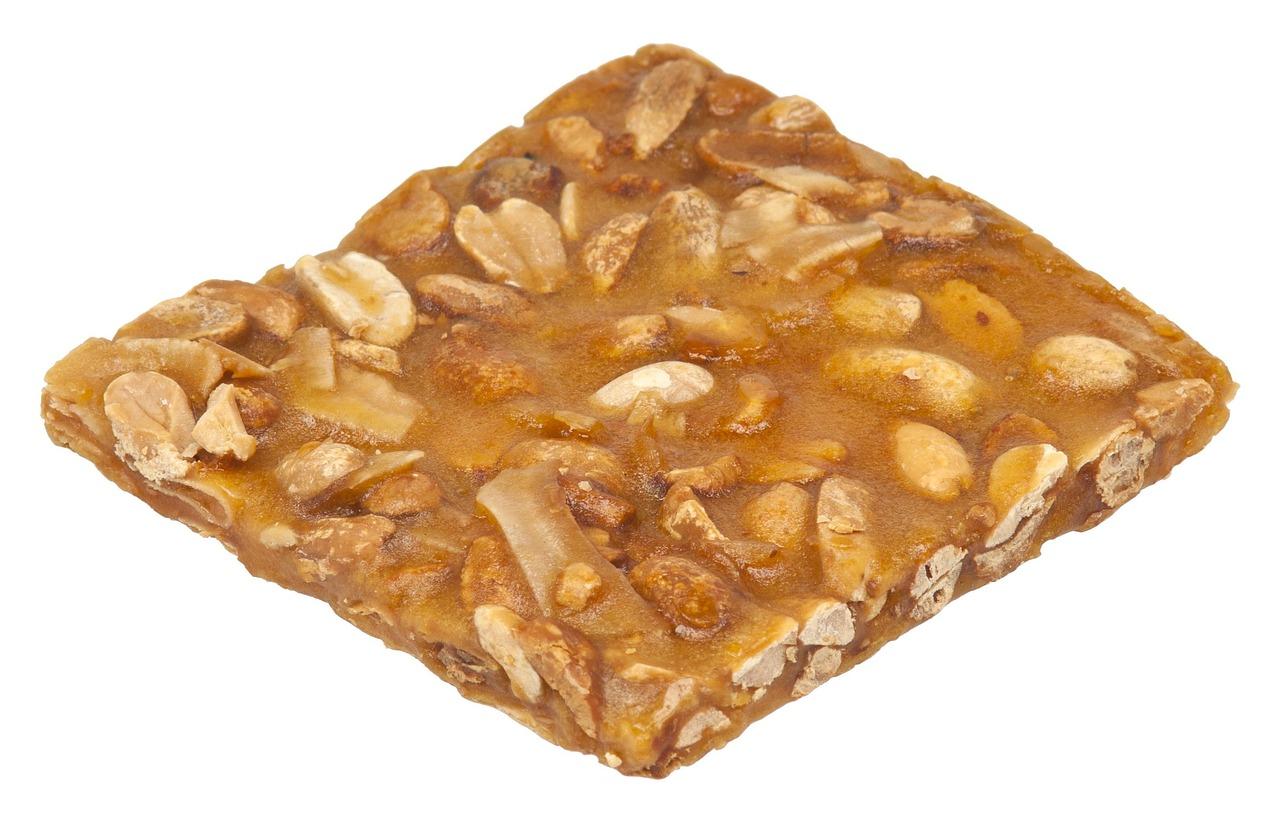
Pé de molequePeanut brittle

Lumpy, glossy slabs of peanut set in dark sugar are sold in every rodoviária snack bar and handed round at festa junina, wrapped in cellophane or set in little paper cups. The name, 'street-kid's foot', probably comes from the cobbled look of the top. Piracicaba in São Paulo state is famous for it, and in the Northeast the same name can mean a cassava cake, so expect confusion. This is the crunchy southeastern style: roasted peanuts cooked into rapadura (unrefined cane sugar) until it caramelises and clings. Rapadura or panela is sold in Latin shops; dark muscovado is a fine substitute. People burn it by walking away; once the peanuts go in, the sugar darkens in seconds. Chef's tip: have the oiled tray ready before you start, because the mixture sets almost as soon as it leaves the heat.

by KrazyBadal 0 views

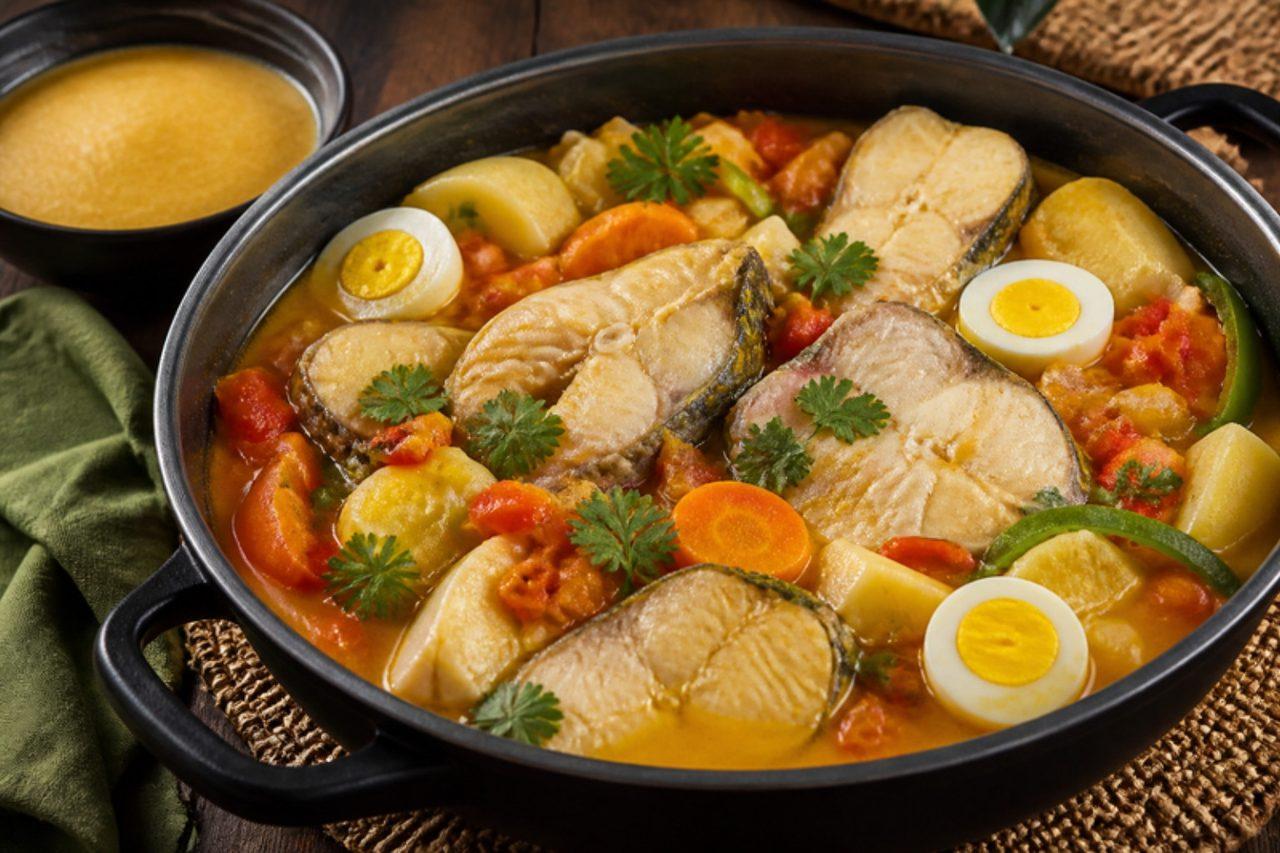
Peixada cearenseFish poached in coconut broth

Fortaleza's beach restaurants, the barracas on Praia do Futuro, build a whole Sunday around peixada: thick steaks of firm white fish poached in a coconut broth with potatoes, carrots, chayote, cabbage and peppers, crowned with halved boiled eggs. The fish is mild and juicy, the broth fragrant with coriander, and half of it is ladled off and thickened with cassava flour into pirão, a soft, savoury porridge eaten alongside with white rice and pepper sauce. A common mistake is putting the fish in with the vegetables from the start, so it breaks up before the potatoes are done; the vegetables get a head start. Use snapper, sea bass, hake or another firm white fish in steaks. Chef's tip: stir the farinha into the hot broth off the heat, a little at a time, and whisk hard; it is the only way to get a smooth, lump-free pirão.

by KrazyBadal 0 views

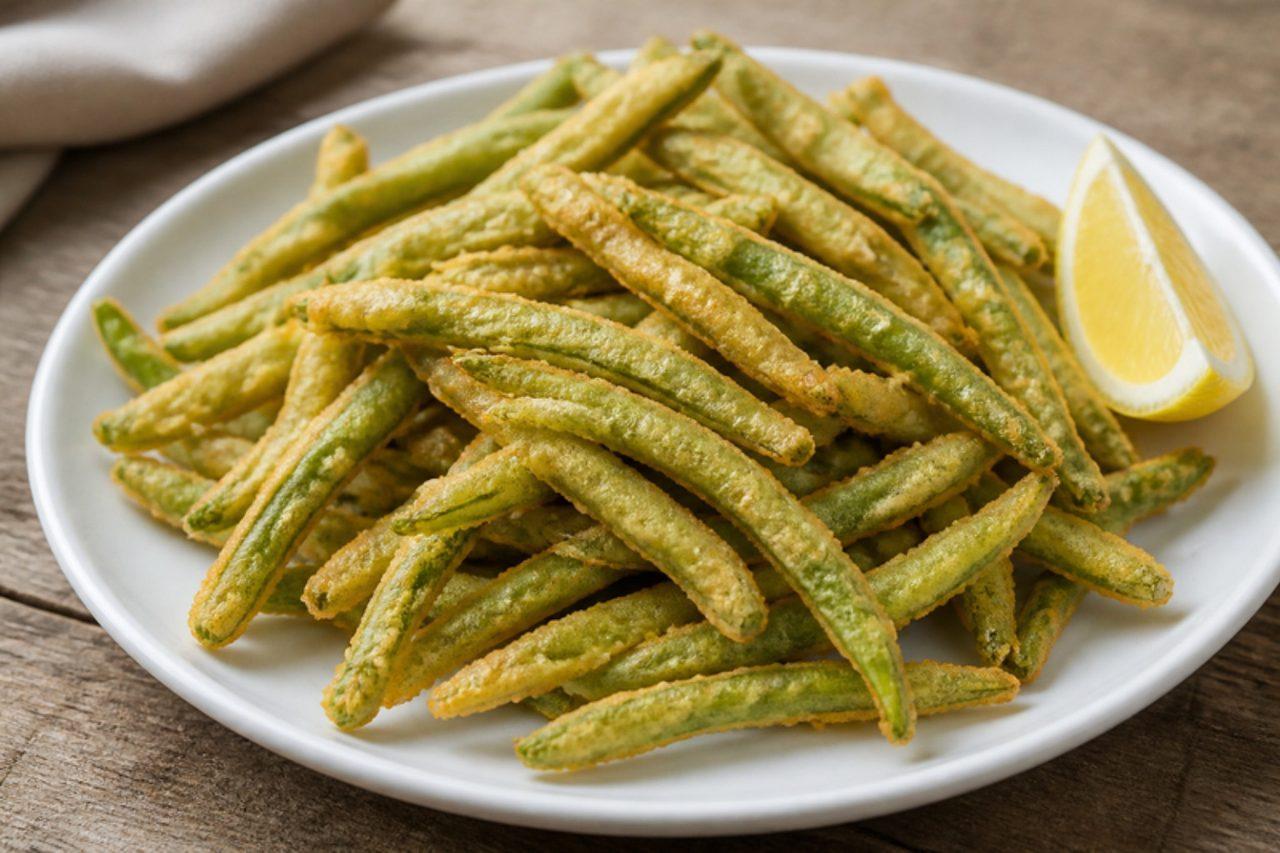
Peixinhos da hortaBattered green beans

Order a round of petiscos in an old Lisbon tasca and a plate of these often lands first: flat green beans in a thin, crackly batter, eaten with the fingers alongside a cold drink. The name means 'little fish from the garden', because on meatless church days the beans stood in for fried sardines. Portuguese missionaries are often credited with carrying the idea of batter-fried food to Japan in the 1500s, where it may have grown into tempura. Serve them hot, with lemon wedges and a pinch of flaky salt. Chef's tip: dry the blanched beans completely on a towel; any water left on them stops the batter sticking and makes the oil spit.

by KrazyBadal 0 views

Showing 9 of 7,762 recipes

Show more recipes

Page 516 of 863