


Skip to content
All-way potato salad
Featured recipe

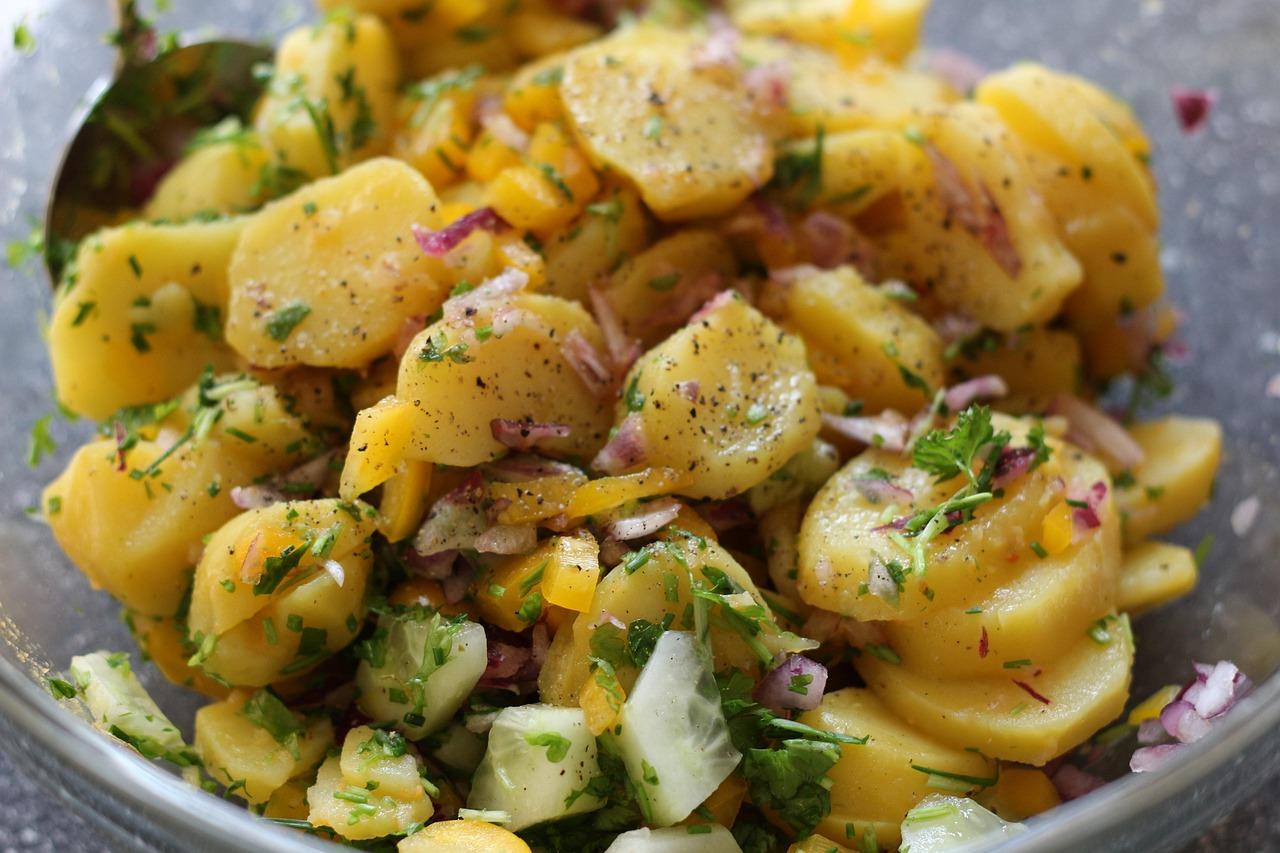
All-way potato salad

Warm new potatoes boiled in their skins and tossed in one of three dressings: creamy parsley sour cream, a tangy basil vinaigrette, or a fresh 'greeny' dressing of cottage cheese and herbs. Each dressing is enough for 500 g of potatoes, so make one, or make all three for a party. Serve the salad chilled on a bed of lettuce with a spoonful of single cream on top.

Read more 1 views

What to eat today?

Around the world

Today's trip: Persian

A new country every day, from every cuisine on the site.

Persian

Ash-e doogh

Yogurt soup with rice and chickpeas 60 minMore from Persian (131) →

This week's collection

Kid-friendly dinners
537 recipes · a new collection every Monday

Latest recipes

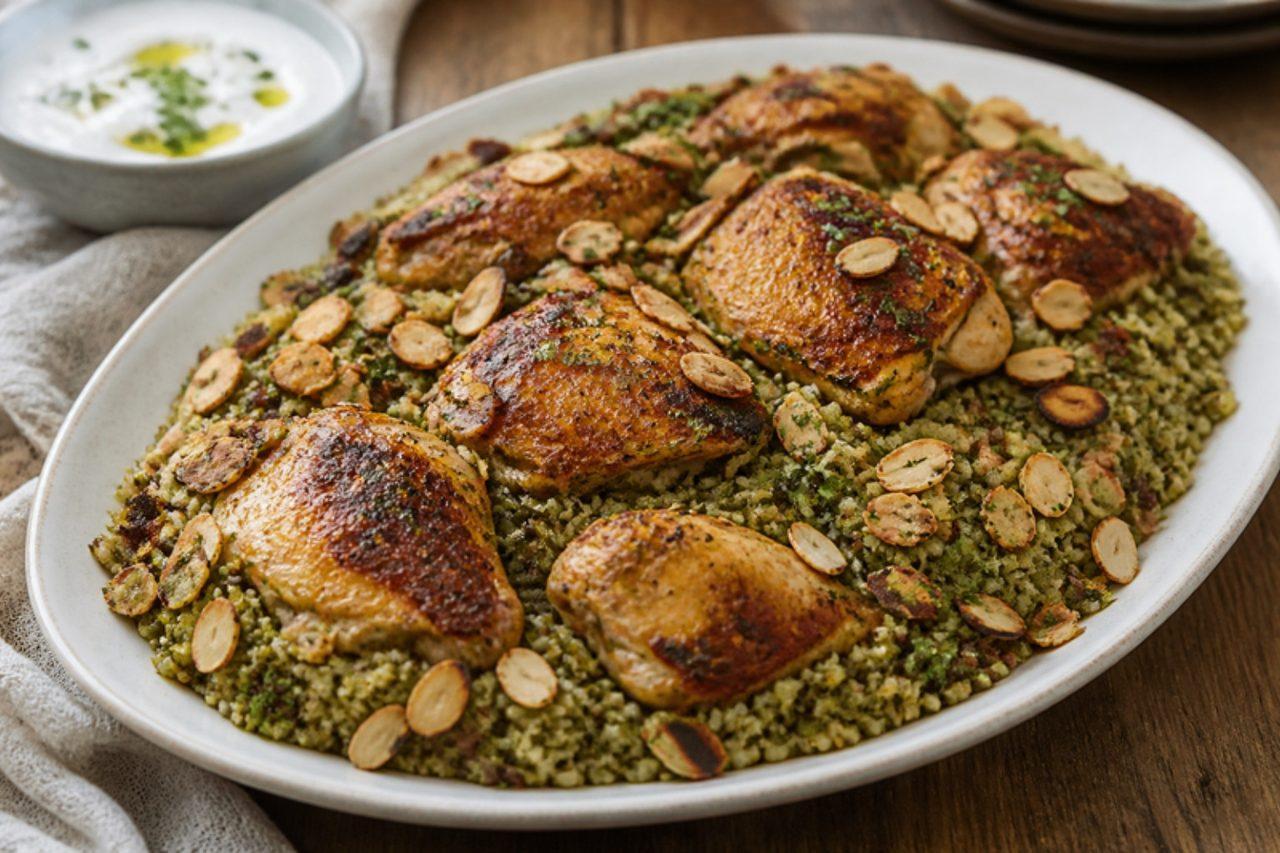
Freekeh bil djajChicken with smoked green wheat

Freekeh — young green wheat harvested and roasted over fire in the fields of Hauran and the Syrian countryside — has a smoky, nutty taste that makes this dish special. Chicken is poached with whole spices, and its broth is used to cook the freekeh into a fluffy pilaf, then everything is topped with the browned chicken and toasted almonds. It is a dish for Sunday gatherings and Eid, served with yoghurt and cucumber. Common mistake: not picking over the freekeh; it often has tiny stones and husks, so spread it on a tray and check. Chef's tip: brown the poached chicken in butter or under the grill before serving for colour and crisp skin.

by KrazyBadal 0 views

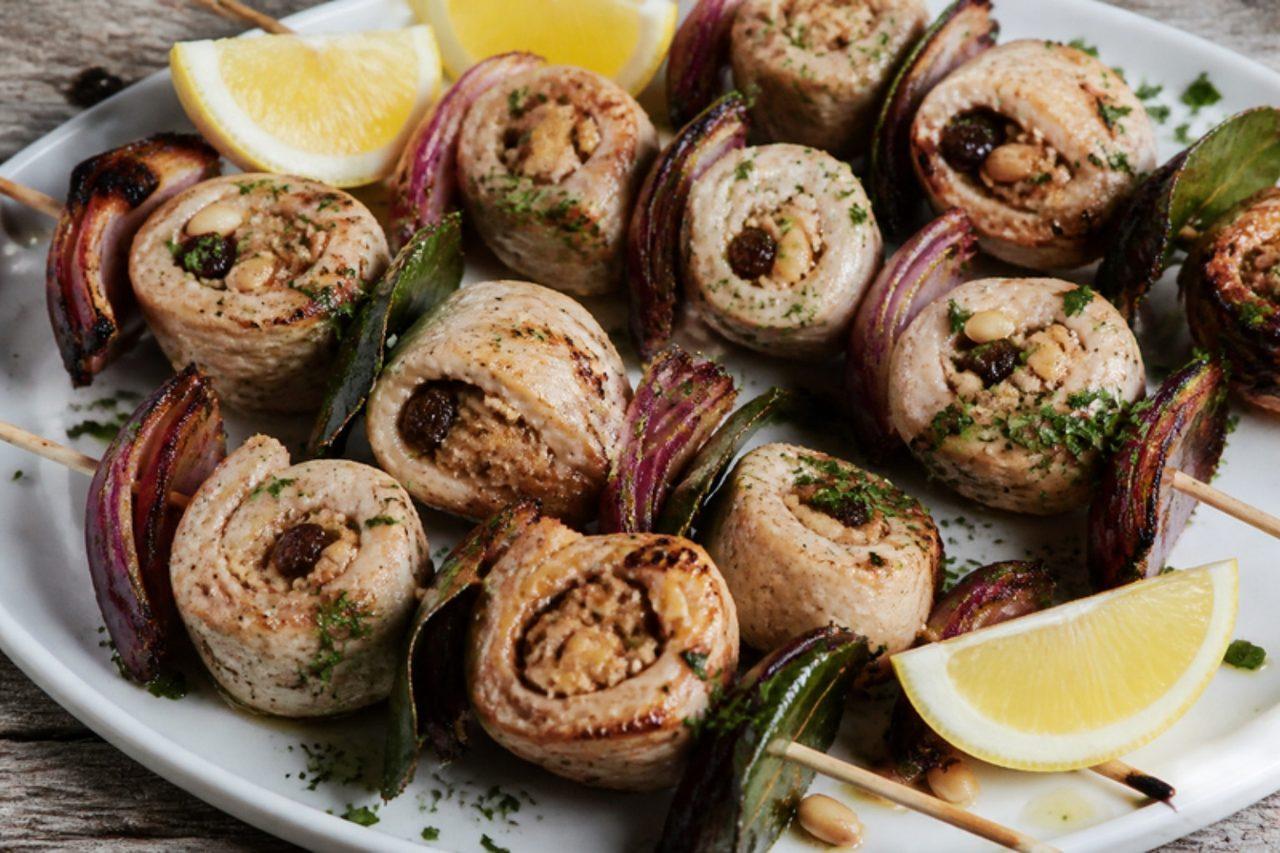
Involtini di pesce spadaSwordfish rolls

Swordfish has been hunted in the Strait of Messina for centuries, and in early summer, when the boats with their tall lookout towers are out, the city's cooks roll thin slices around a filling of toasted breadcrumbs, pine nuts, raisins, lemon and parsley. Threaded onto skewers with bay leaves and onion, they are grilled or baked until just opaque, sweet-salty and fragrant. Serve with lemon wedges and a fennel and orange salad. Swordfish is high in mercury, so pregnant women and young children should limit how often they eat it; thin slices of tuna loin work too. Chef's tip: ask the fishmonger to slice the swordfish as thinly as possible, then pound it gently between sheets of cling film to 3 mm.

by KrazyBadal 0 views

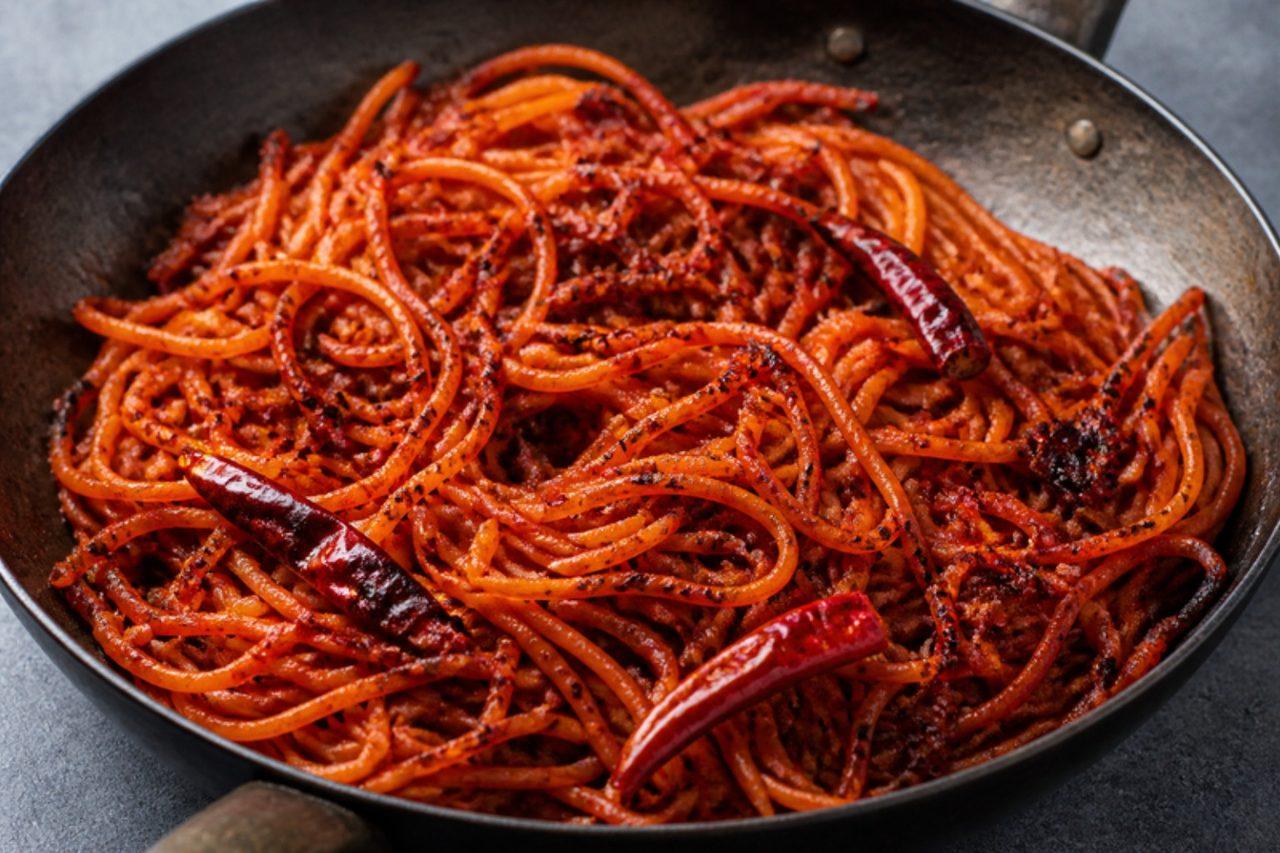
Spaghetti all'assassinaCharred spicy spaghetti

Spaghetti all'assassina was born in a Bari restaurant in the late 1960s and has become the city's cult late-night pasta. The raw spaghetti go straight into a hot iron pan with garlic, chilli and tomato, and are cooked like a risotto, a ladle of tomato broth at a time, until some strands blacken and turn crunchy while others stay chewy. It is smoky, sweet and properly hot, and Baresi argue about how burnt it should be. Chef's tip: use a wide iron or steel frying pan, never non-stick; you want the pasta to stick a little and scorch.

by KrazyBadal 0 views

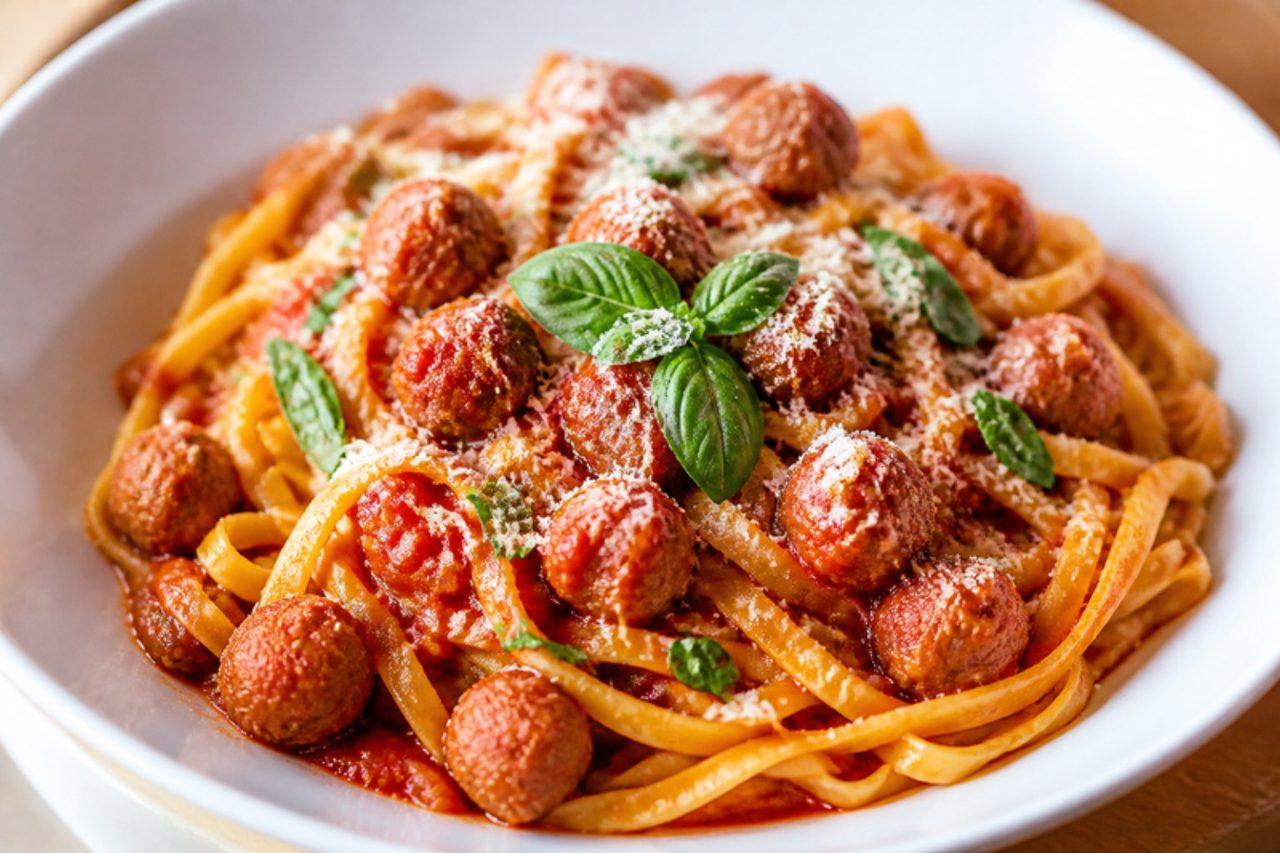
Spaghetti alla chitarra con le pallottineSpaghetti with tiny meatballs

In Teramo, in northern Abruzzo, Sunday lunch and village festivals often start with chitarra pasta and pallottine, meatballs no bigger than a chickpea. The pasta is cut on a chitarra, a wooden frame strung with wires, which gives square-edged strands with a rough surface that grips the sauce. The tiny beef meatballs are simmered right in a light tomato sauce, so every forkful has a few. Serve with grated pecorino and nothing else; this is a dish of patience rather than complication. Chef's tip: roll the meatballs with damp hands on a tray; at this size you'll make well over a hundred, so put the radio on.

by KrazyBadal 0 views

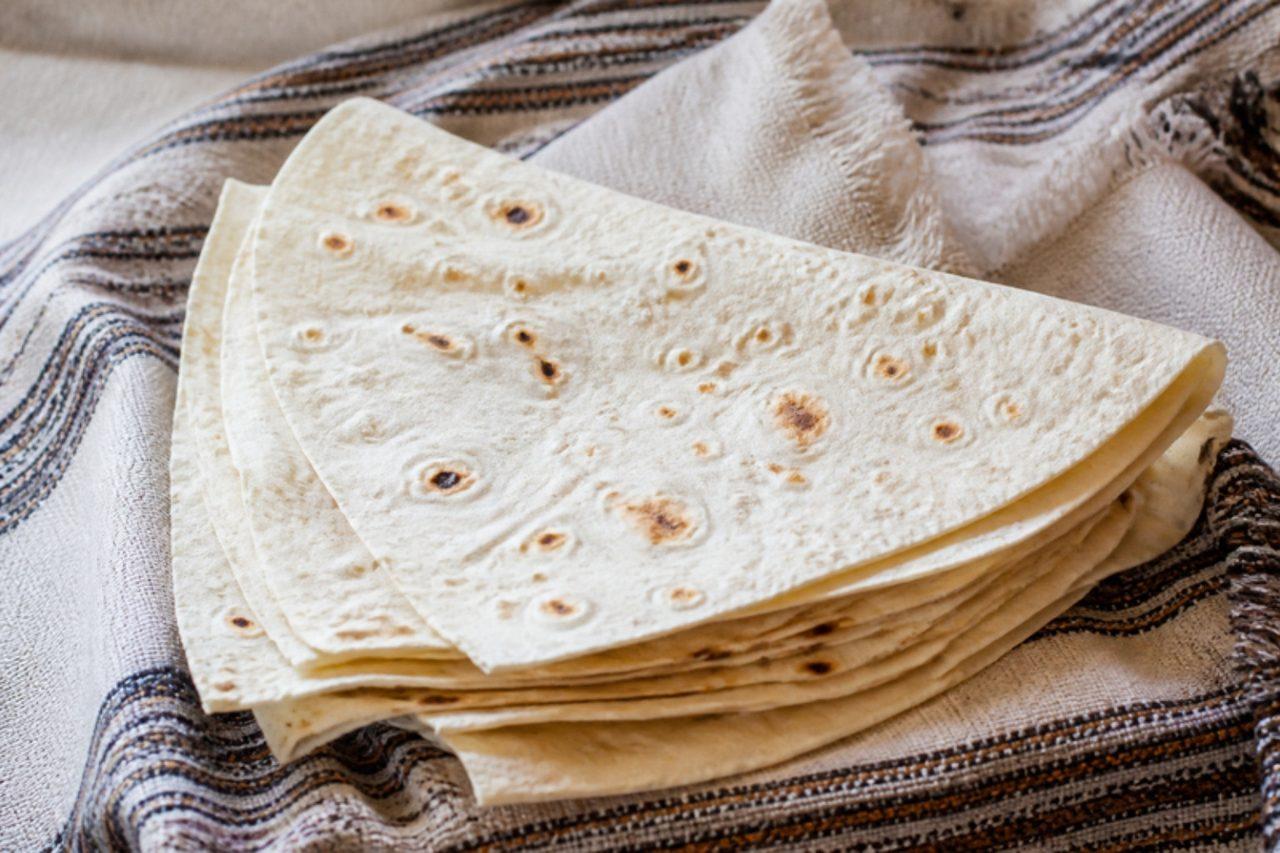
Nan-e tiriPaper-thin rolled bread

In the Zagros mountains of Lorestan and among the Bakhtiari nomads, women roll out nan-e tiri with a long, thin rod (the tir) until the dough is almost see-through, then flip it onto a domed iron saj over a wood fire. It cooks in seconds and is stacked high, and because it dries so thin it keeps for weeks and is softened with a sprinkle of water before eating. It needs only flour, water and salt. The usual mistake is resting the dough too little; it fights back and shrinks when rolled. Chef's tip: wind the dough around a long thin rolling pin as you roll and unroll it, as the Lori bakers do; it stretches the dough evenly without tearing.

by KrazyBadal 0 views

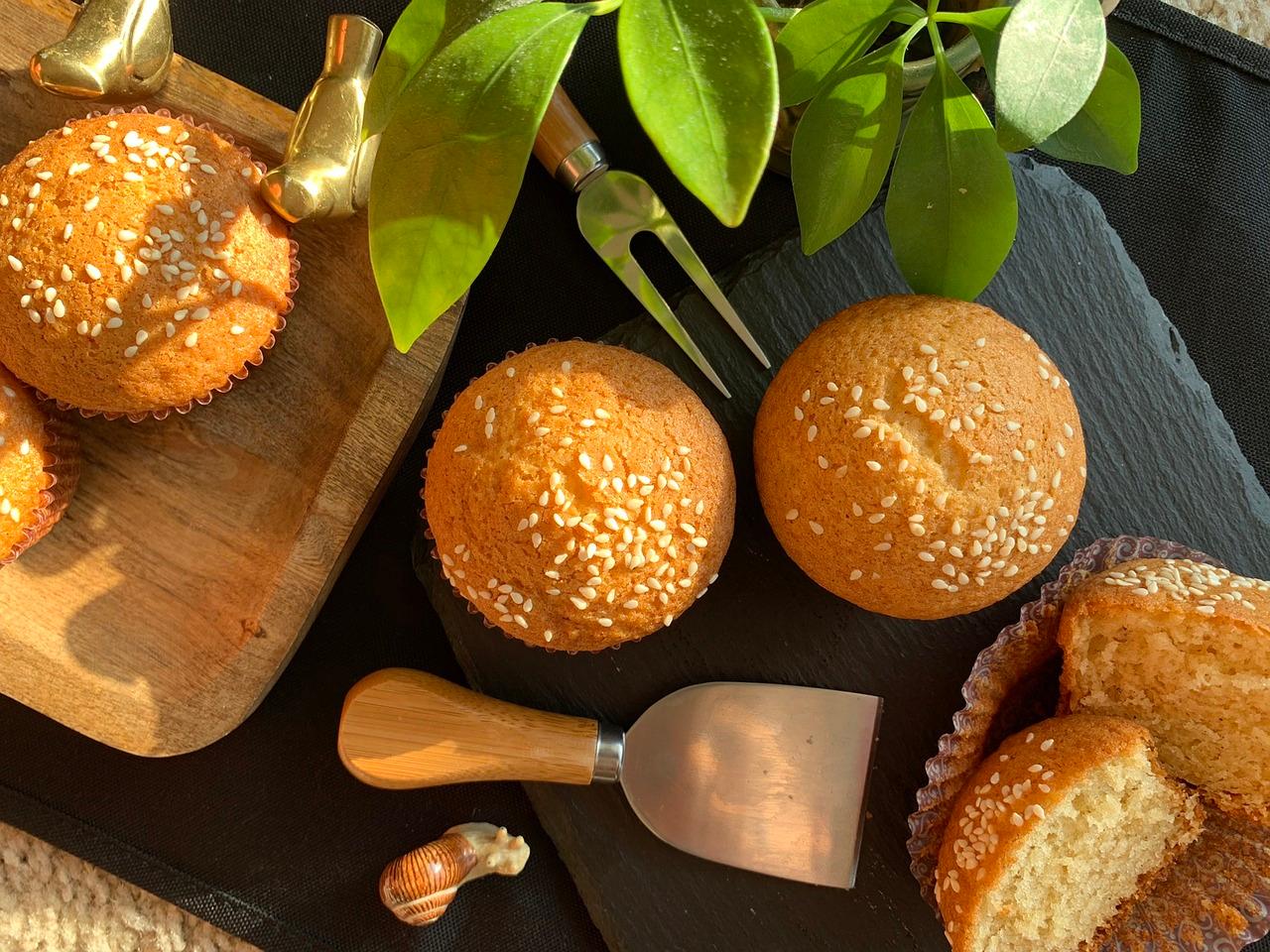
Nan-e YazdiCardamom and rosewater cupcakes

Nan-e Yazdi, often called Yazdi cakes, are the small domed cupcakes every Iranian bakery sells for breakfast and afternoon tea, first made in Yazd and now loved in Tehran and far beyond. The crumb is soft and a little dense, perfumed with cardamom and rosewater, and the tops are scattered with pistachio or sesame before baking. Children eat them dunked in milk. A common mistake is overbeating after the flour goes in, which makes the cakes tough and peaked; fold just until smooth. Chef's tip: rest the batter in the fridge for an hour before baking for a taller, crackled dome.

by KrazyBadal 0 views

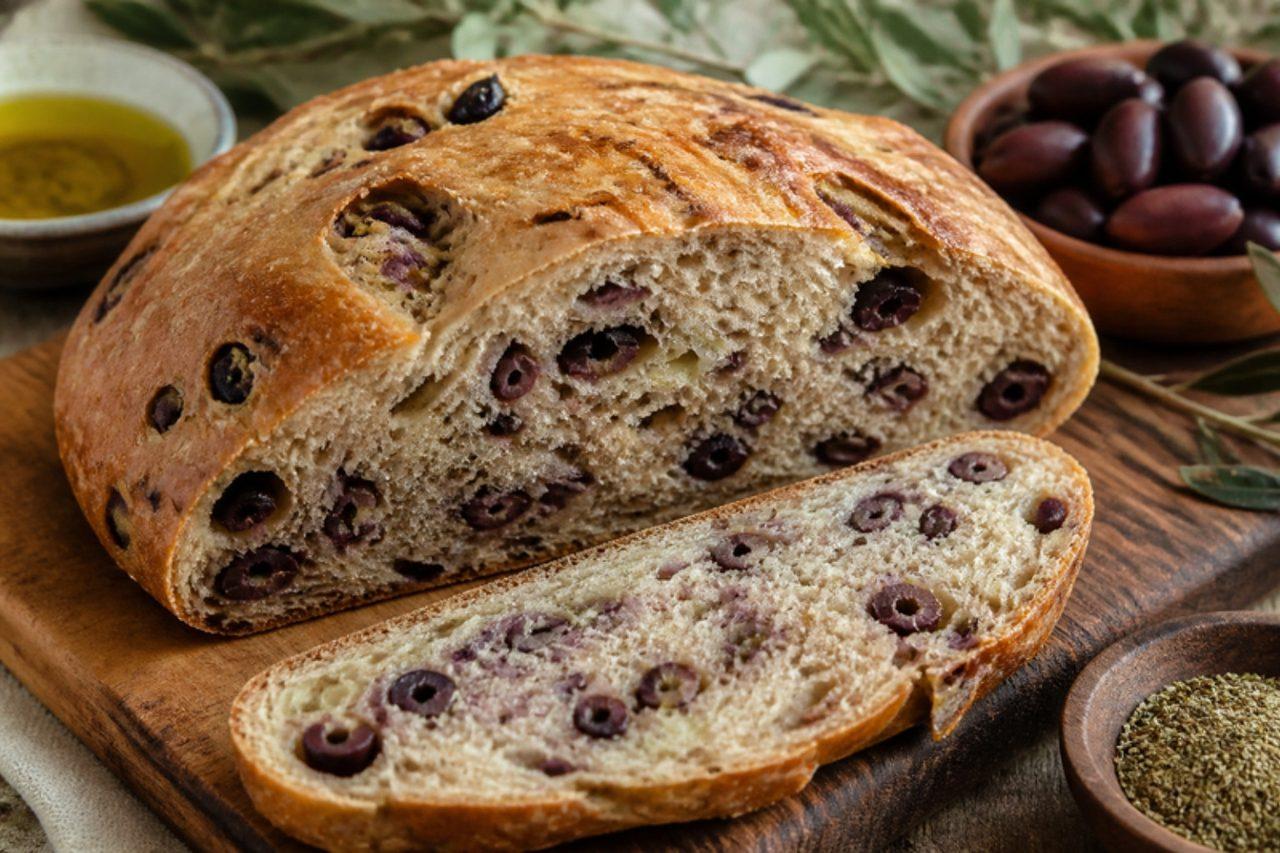
EliopsomoOlive bread

Around Kalamata, where the almond-shaped black olives ripen in groves running down to the Messinian gulf, bakers make eliopsomo for the long fasting weeks of Lent, when bread, olives and oil are lunch. The dough is rich with olive oil and folded with a generous handful of chopped Kalamata olives, soft-fried onion and dried oregano, then baked into a crusty round with a soft, purple-flecked crumb. Slice it with tomatoes and cucumber or dip into soups. Common mistake: adding wet, brined olives straight from the jar — drain and pat them dry, or the dough turns sticky and grey. Chef's tip: fold the olives in after the first rise so they don't break up while kneading.

by KrazyBadal 0 views

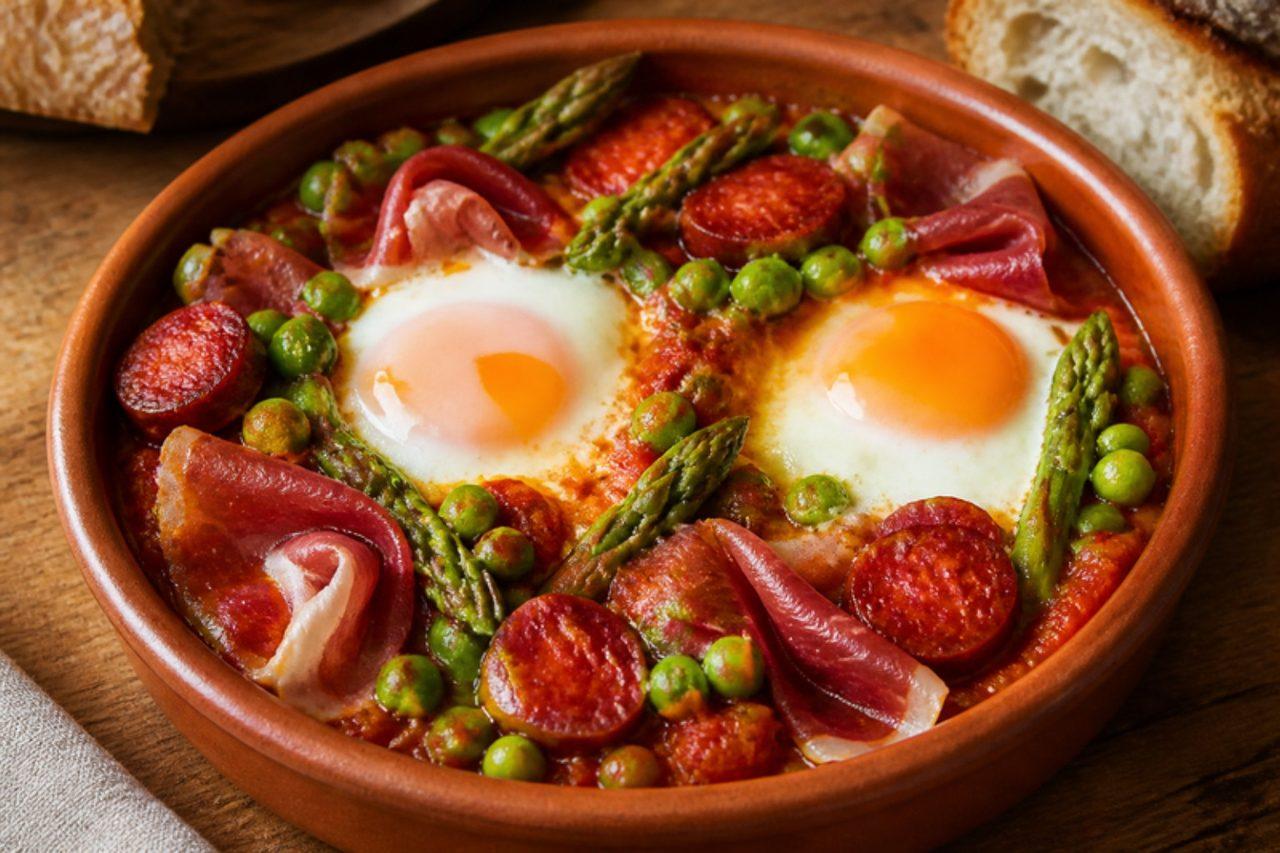
Huevos a la flamencaBaked eggs with chorizo and peas

This contains pork (chorizo and serrano ham). Seville has served huevos a la flamenca since at least the nineteenth century, and its old taverns still bring it to the table in individual clay dishes: eggs baked on a tomato sofrito, ringed with peas, asparagus tips, slices of chorizo and ham and strips of red pepper, as colourful as a flamenco dress. It makes a fine lunch with crusty bread. Chef's tip: warm the dishes with the sofrito before adding the eggs, so the whites set quickly from below while the yolks stay soft.

by KrazyBadal 0 views

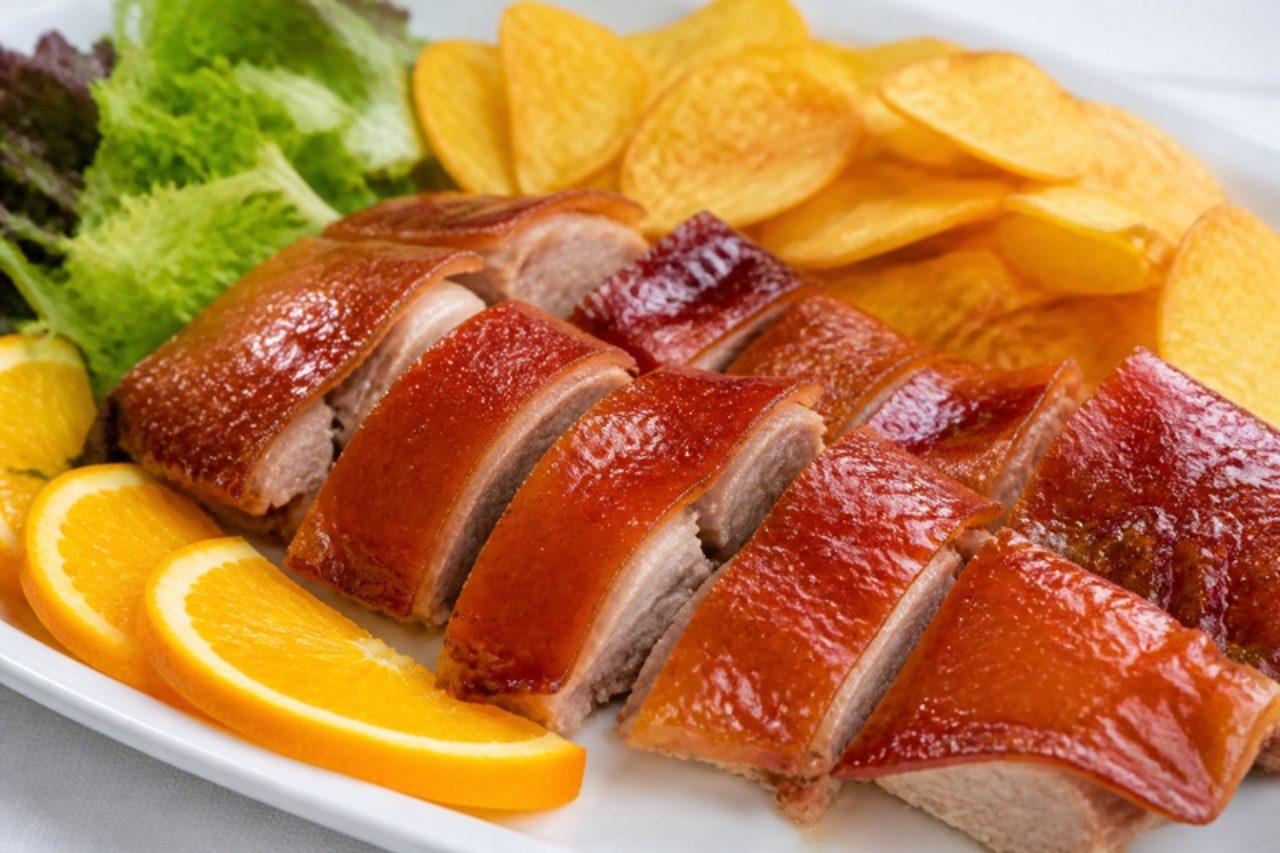
Leitão à BairradaRoast suckling pig

Along the old Lisbon–Porto road through the Bairrada, around Mealhada, restaurant after restaurant roasts suckling pigs whole in wood ovens, and people drive for hours for a Sunday lunch of it. This contains pork (suckling pig and lard). The inside is rubbed with a fierce paste of lard, garlic, black pepper and bay, while the skin roasts to a glassy, crackling sheet. It is served cold or warm with sliced oranges, crisp potato chips and a green salad. A half or quarter pig from a specialist butcher fits a home oven. Chef's tip: keep the skin completely dry and paste only the inside, as any fat or water on the skin stops it crackling.

by KrazyBadal 0 views

Leipziger LercheAlmond marzipan tartlets

Leipziger Lerchen began as real roast larks stuffed with herbs, sold in Leipzig until the King of Saxony banned songbird hunting in 1876. The city's bakers answered with a pastry that kept the name: a shortcrust tartlet filled with almond-marzipan cream, a cherry or jam hidden in the middle like the bird's heart, and two crossed strips of pastry on top like the string that tied it. Today you find them in every Leipzig café, especially at the Christmas market. A common mistake is overfilling the cases, so the filling bubbles over and the cross sinks. Chef's tip: chill the lined tins for 15 minutes before filling so the pastry keeps sharp edges.

by KrazyBadal 0 views

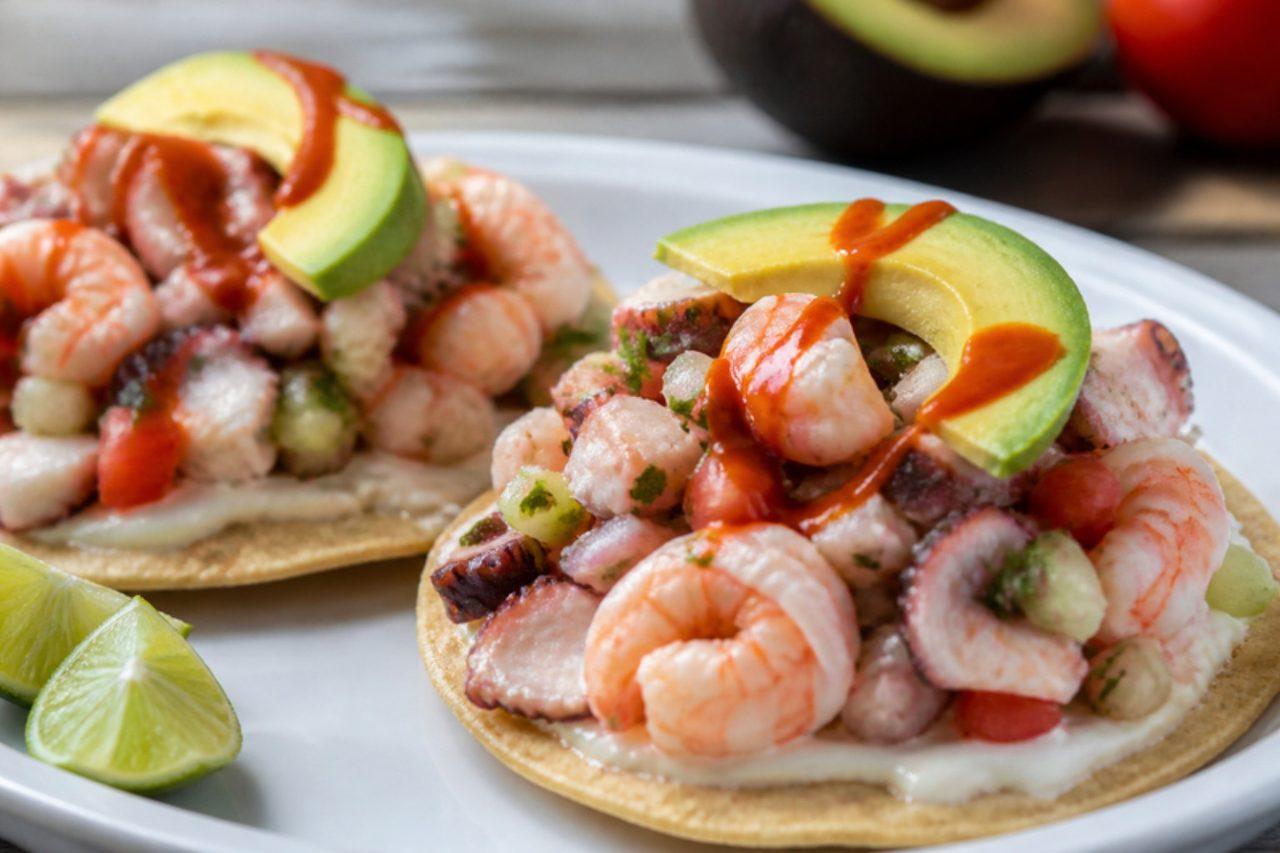
Tostadas de mariscosPrawn and octopus tostadas

Walk past the fish market in Ensenada and the seafood carts are already busy by mid-morning, piling crisp corn tostadas high with a lime-bright mix of prawns, octopus, tomato, onion and coriander. They are eaten standing up with a squeeze of lime and a few drops of hot sauce, often as the first stop of a weekend in Baja. This version uses only cooked seafood: prawns poached until pink and opaque, and octopus bought ready-cooked from a fishmonger or deli counter. The mix is cold, juicy and crunchy, with creamy avocado on top. Chef's tip: assemble each tostada right before it is eaten, as even five minutes of waiting softens the shell.

by KrazyBadal 0 views

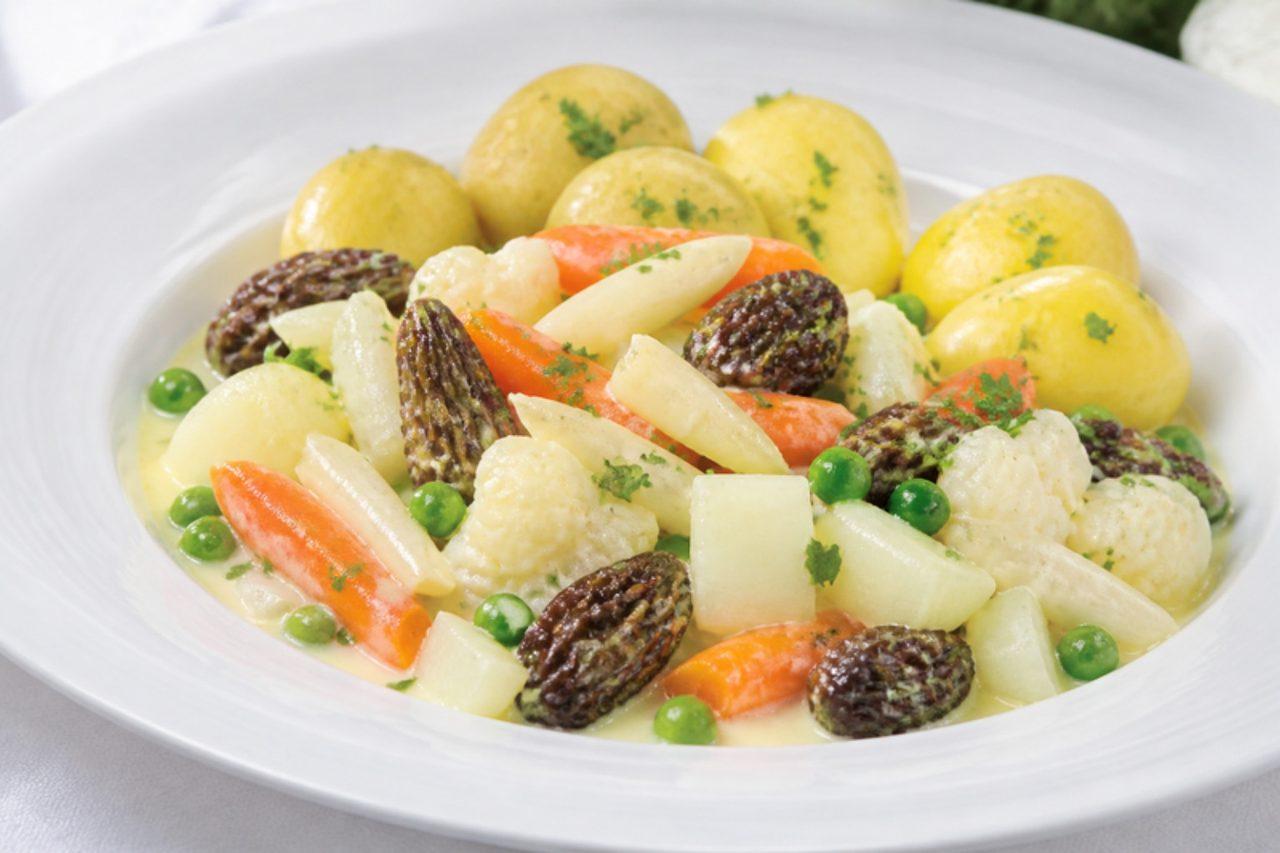
Leipziger AllerleiSpring vegetables with morels

Leipziger Allerlei is Leipzig's showpiece of spring: young carrots, peas, asparagus, kohlrabi and cauliflower, each cooked separately until just tender, then brought together in a light butter sauce with morel mushrooms. The traditional dish also includes crayfish and bread dumplings; this vegetarian version keeps the morels and vegetables, which were always the heart of it, and serves it with new potatoes. Dried morels are easiest to find and give a deep, smoky flavour. A common mistake is boiling everything together in one pot, which turns the dish muddy and over-soft. Chef's tip: save the vegetable cooking water and morel soaking liquid; together they make the stock for the sauce.

by KrazyBadal 0 views

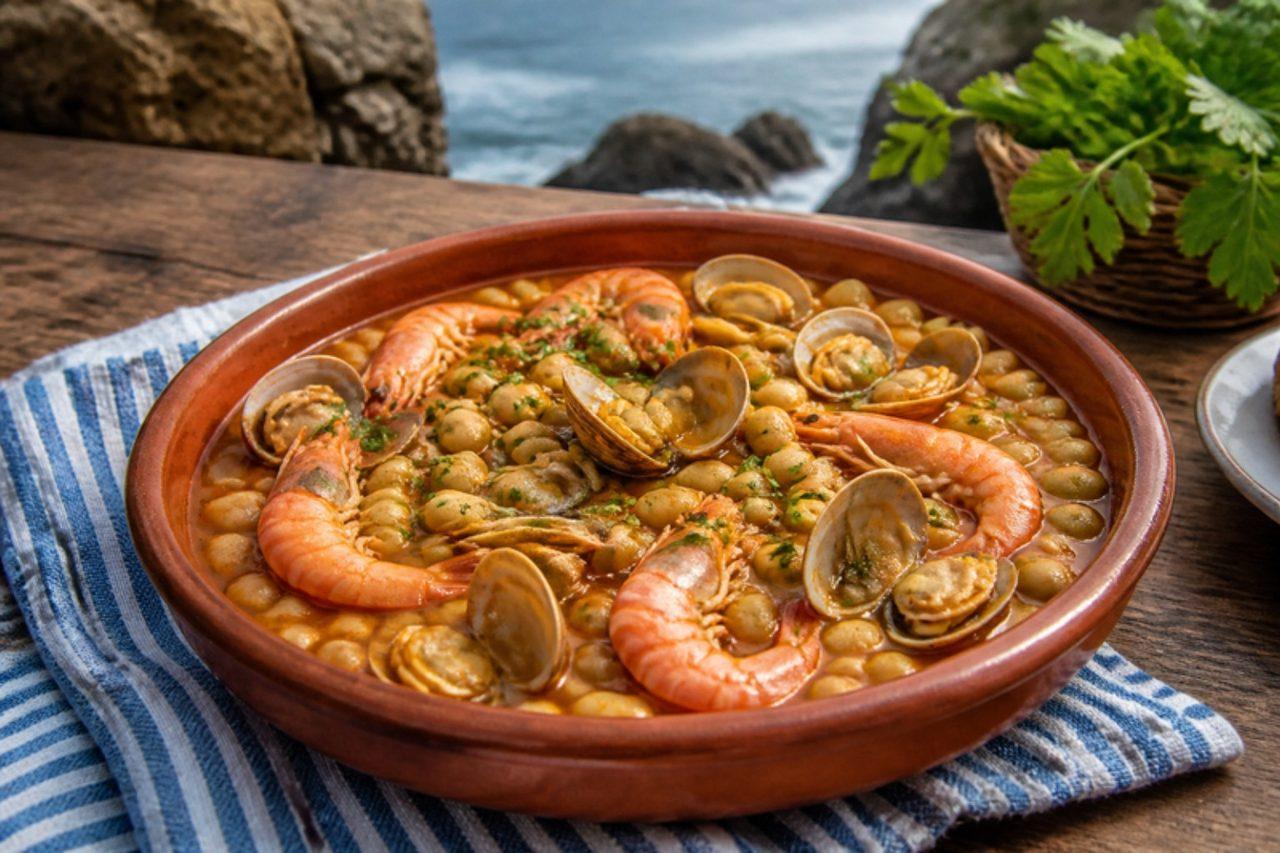
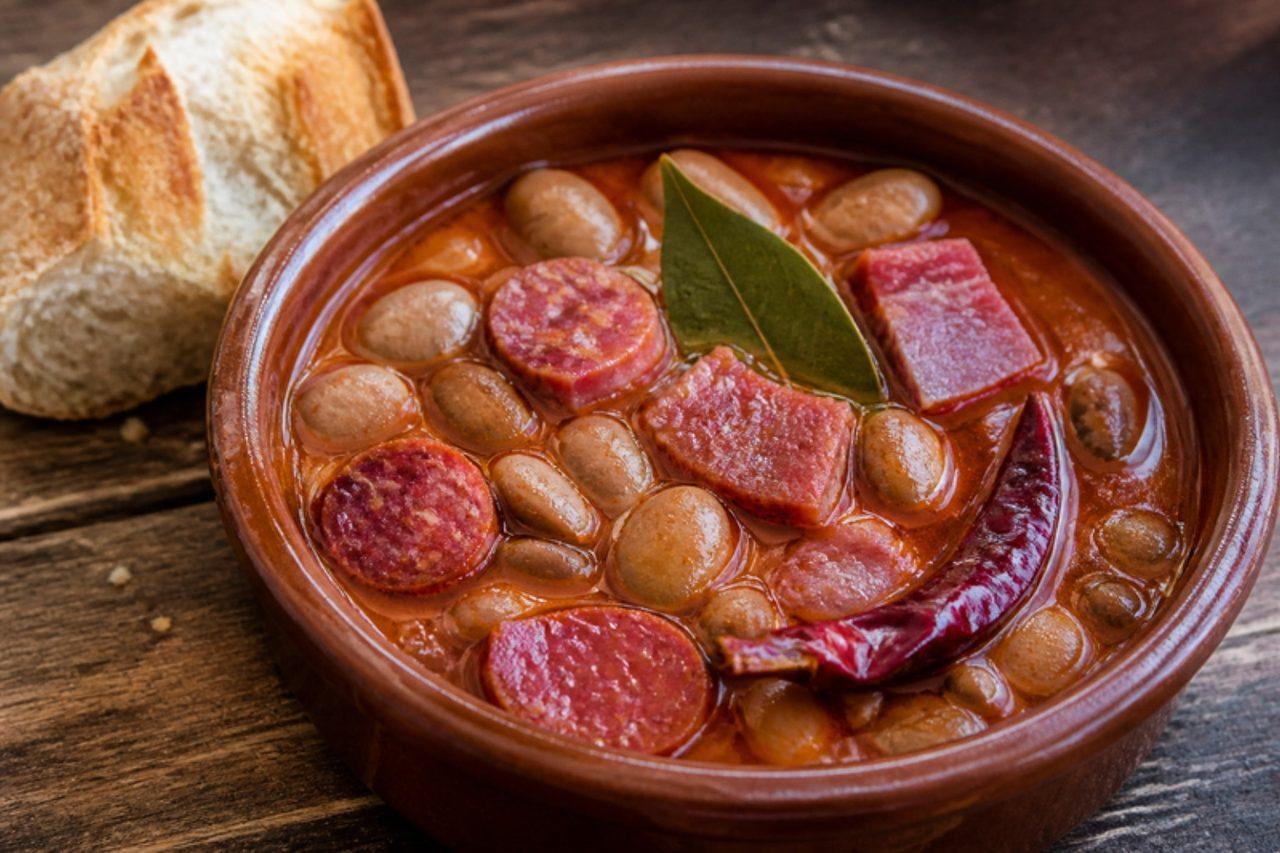
Verdinas con mariscoGreen beans with prawns and clams

Verdinas are small, pale-green dried beans grown around Llanes in eastern Asturias, prized for their thin skins and buttery texture; seaside restaurants there pair them with whatever shellfish came in that morning. It is a newer dish than fabada, lighter and greener, often eaten in summer on the terraces above the harbour. If you can't find verdinas, French flageolet beans are the nearest match. Chef's tip: make a quick stock from the prawn shells and heads; it gives the beans far more flavour than plain water.

120 minSpanishFishGluten free
by KrazyBadal 0 views

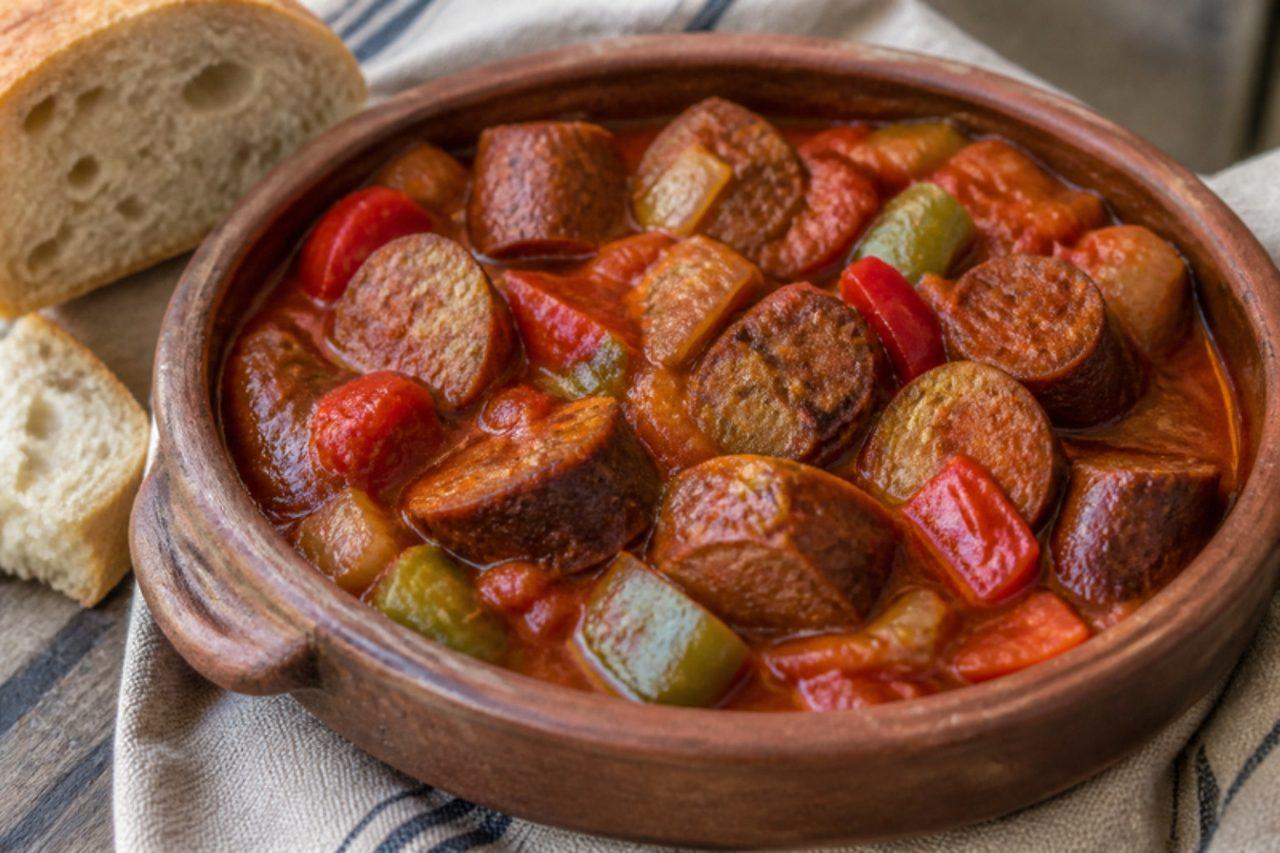
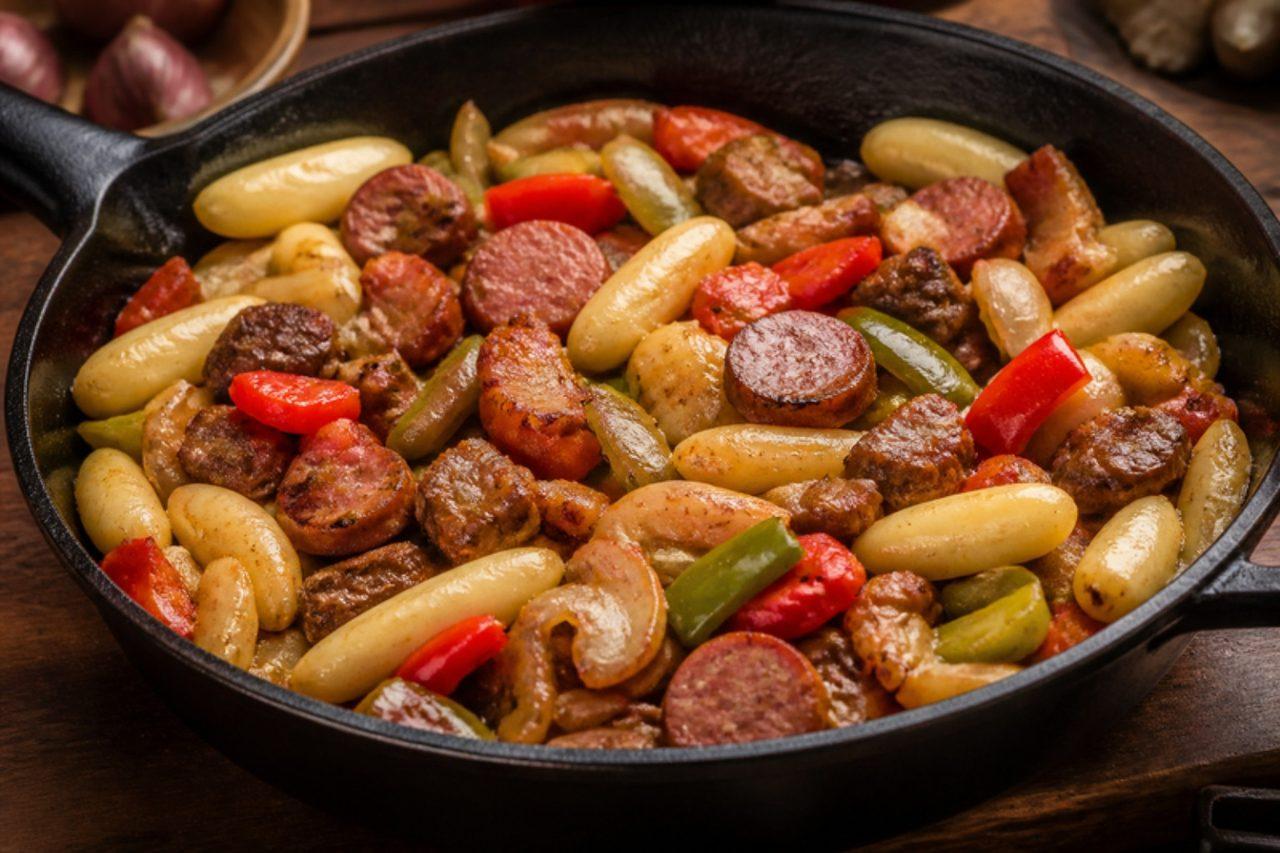
SpetzofaiSausage and pepper stew

Spetzofai is the dish shepherds in the Pelion mountains near Volos cooked over the fire: spicy village pork sausages sliced and stewed with long green and red peppers in a thick tomato sauce. Now it's on every tsipouro-bar menu in Volos, served sizzling in a clay dish with bread and feta. Use coarse pork sausages with leek or orange peel if you can find them. Common mistake: cooking the peppers to mush — they should be soft but still hold their shape. Chef's tip: brown the sausage slices hard first; the fat they leave flavours the peppers.

55 minGreekMeatGluten freeSpicy
by KrazyBadal 0 views

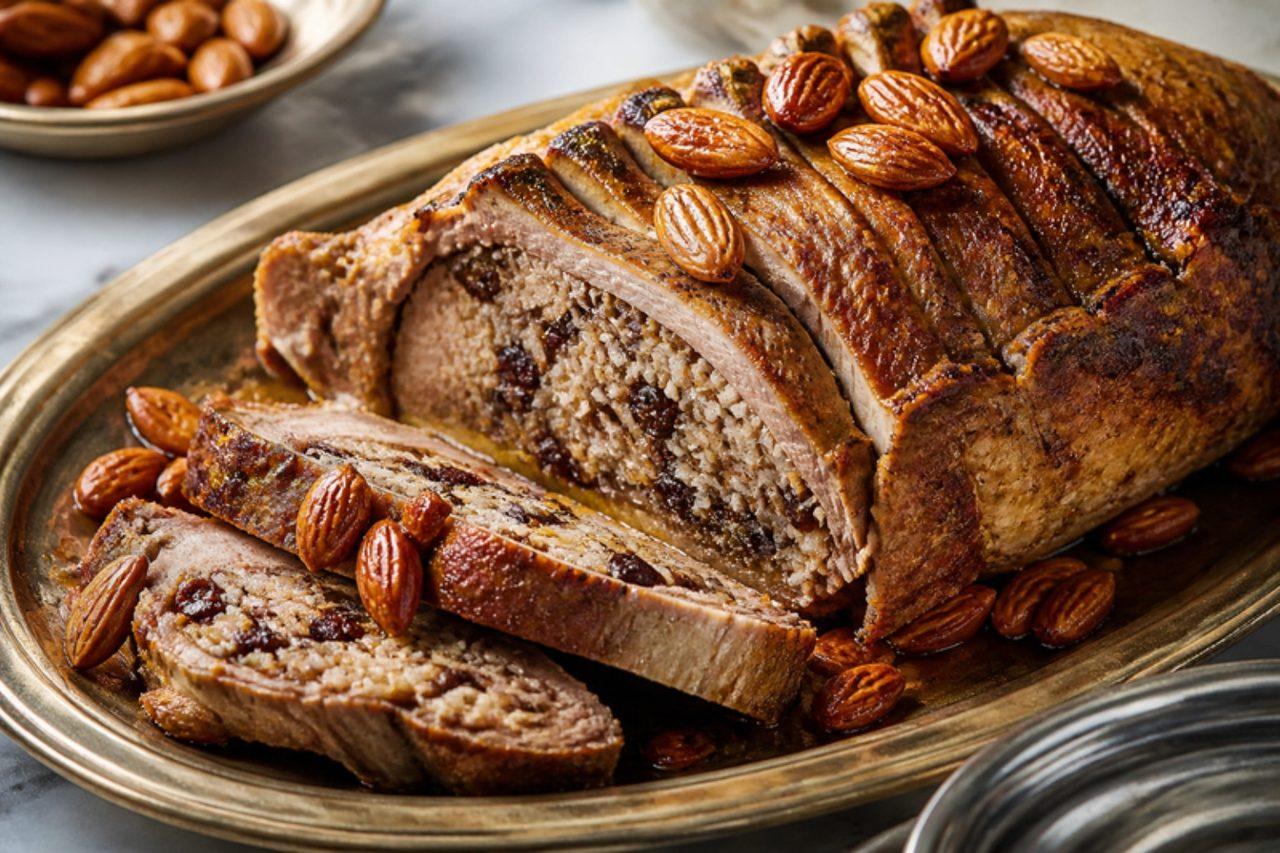
Kaburga dolmasıRice-stuffed lamb breast

In Mardin and Diyarbakır, a stuffed lamb breast is the centrepiece of bayram and wedding tables: the butcher cuts a pocket between the ribs and the meat, which is filled with rice cooked with almonds, currants, allspice and cinnamon, sewn shut and baked slowly until the meat falls from the bones. The rice inside soaks up all the lamb juices. Ask the butcher to open the pocket for you. Common mistake: packing the rice tightly when it is raw; it needs room to swell or the pocket splits. Chef's tip: roast it covered for most of the time, then uncover and turn the heat up at the end for crackling-crisp fat.

250 minTurkishMeatGluten free
by KrazyBadal 0 views

MichironesBroad beans with chorizo and ham

Michirones are dried broad beans slowly simmered with pork, bay and hot chilli until soft and spicy, and in Murcia they are the tapa of cold months, ladled into small bowls in the city's bars with a spoon stuck in. The beans need a long soak and a long cook, so bars make a big pot in the morning that lasts all day. This contains pork (chorizo, panceta and a cured ham bone). Chef's tip: wait until the end to add salt, because the ham bone and chorizo season the broth as they cook.

195 minSpanishMeatSpicy
by KrazyBadal 0 views

Entrevero de pinhãoPine nut and mixed meat stir-fry

In the cold highlands of Santa Catarina, Lages throws a Festa do Pinhão every winter, and the star is entrevero: a huge pan of beef, pork loin, pork sausage and bacon fried with onions, peppers, tomato and pinhão, the large, starchy seeds of the Araucaria pine. The name means a jumble, and that is what it is, cooked in stages on a wide pan over the fire and eaten straight away. Pinhão tastes like a cross between a chestnut and a potato; vacuum-packed cooked chestnuts are the best stand-in. There is plenty of pork here, so cook every strip through. The pitfall is throwing everything in at once, which stews the meat; add each meat in turn so it browns. Chef's tip: cook the pinhão in a pressure cooker, then peel it while still warm, when the shell and the bitter inner skin come off easily.

by KrazyBadal 0 views

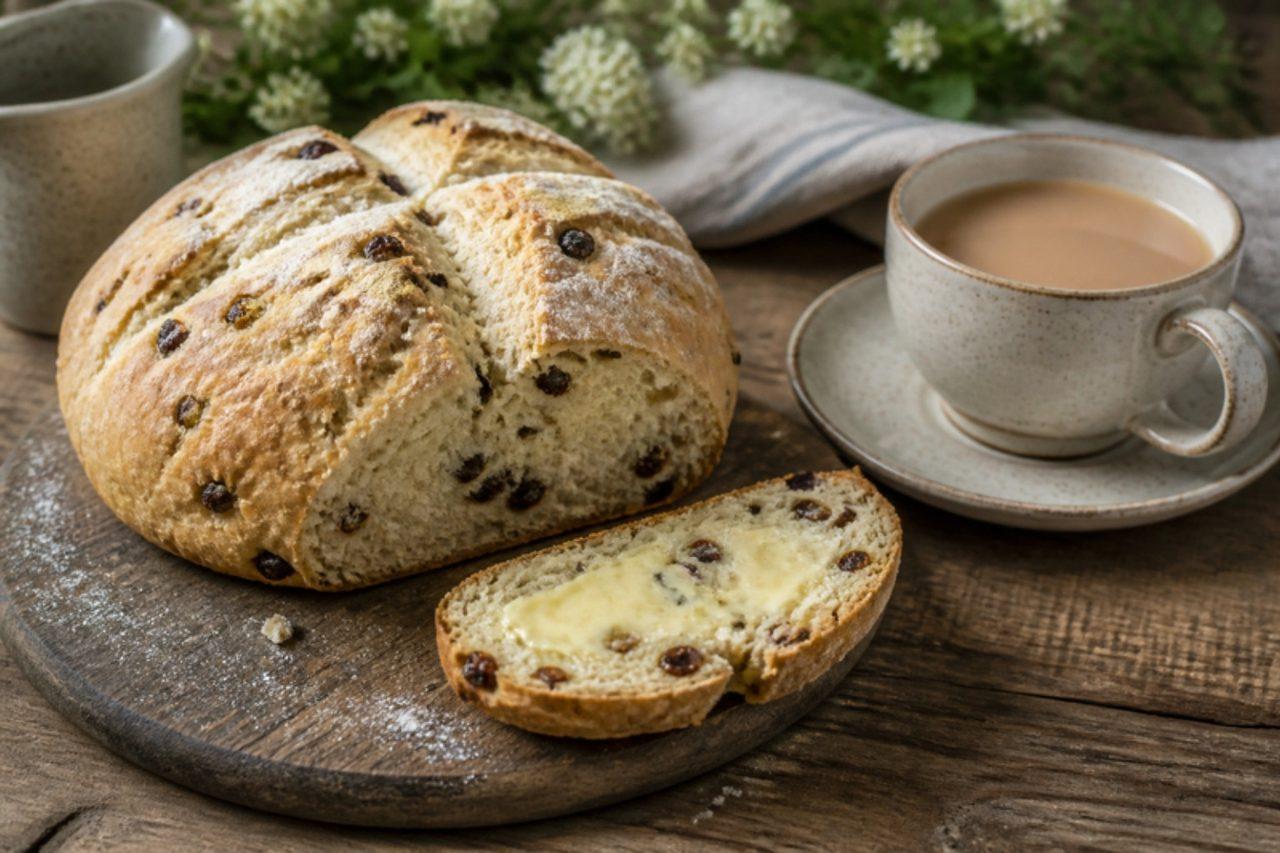
Spotted dogRaisin soda bread

Spotted dog, or 'spotted dick' and 'railway cake' in parts of Leinster, is white soda bread with a handful of raisins and a little sugar, the sweet loaf Irish grandmothers bake for the afternoon tea or Sunday visitors. It is soft, slightly cakey and best warm, split and buttered. Chef's tip: toss the dried fruit in the flour first so it stays spread through the loaf instead of sinking.

by KrazyBadal 0 views

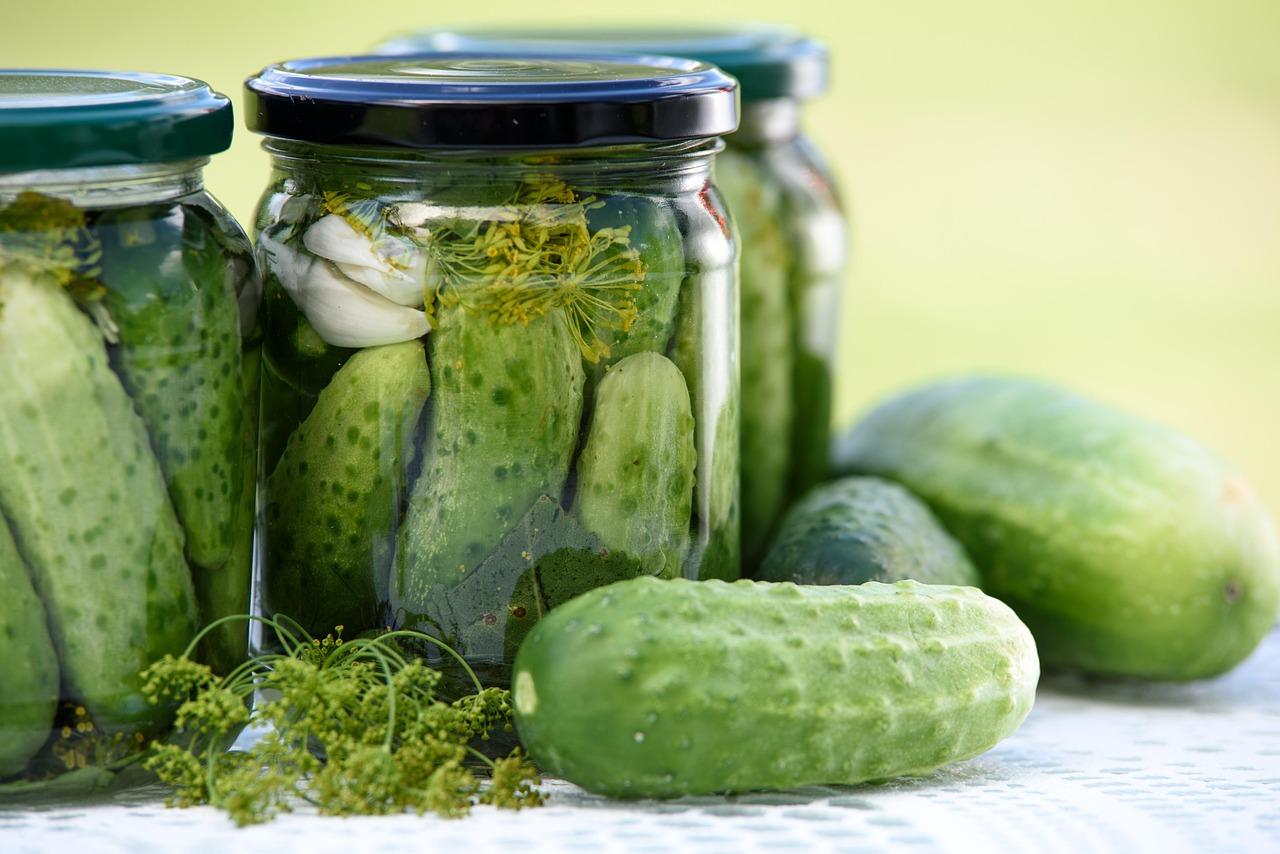
Spreewälder GurkenDill-fermented gherkins

In the Spreewald, the forest and canal country south-east of Berlin, cucumbers have been fermented in barrels of dill brine for centuries, and in late summer the riverbanks are lined with stalls selling them by the jar. These salt-fermented gherkins are sour, garlicky and crunchy, eaten as a snack, alongside sandwiches or with jacket potatoes and quark. No vinegar is used: lactic fermentation does the souring. The most common mistake is letting cucumbers poke above the brine, where mould can start. Chef's tip: choose small, firm, freshly picked cucumbers and add a few vine or oak leaves; their tannins keep the gherkins crisp.

by KrazyBadal 0 views

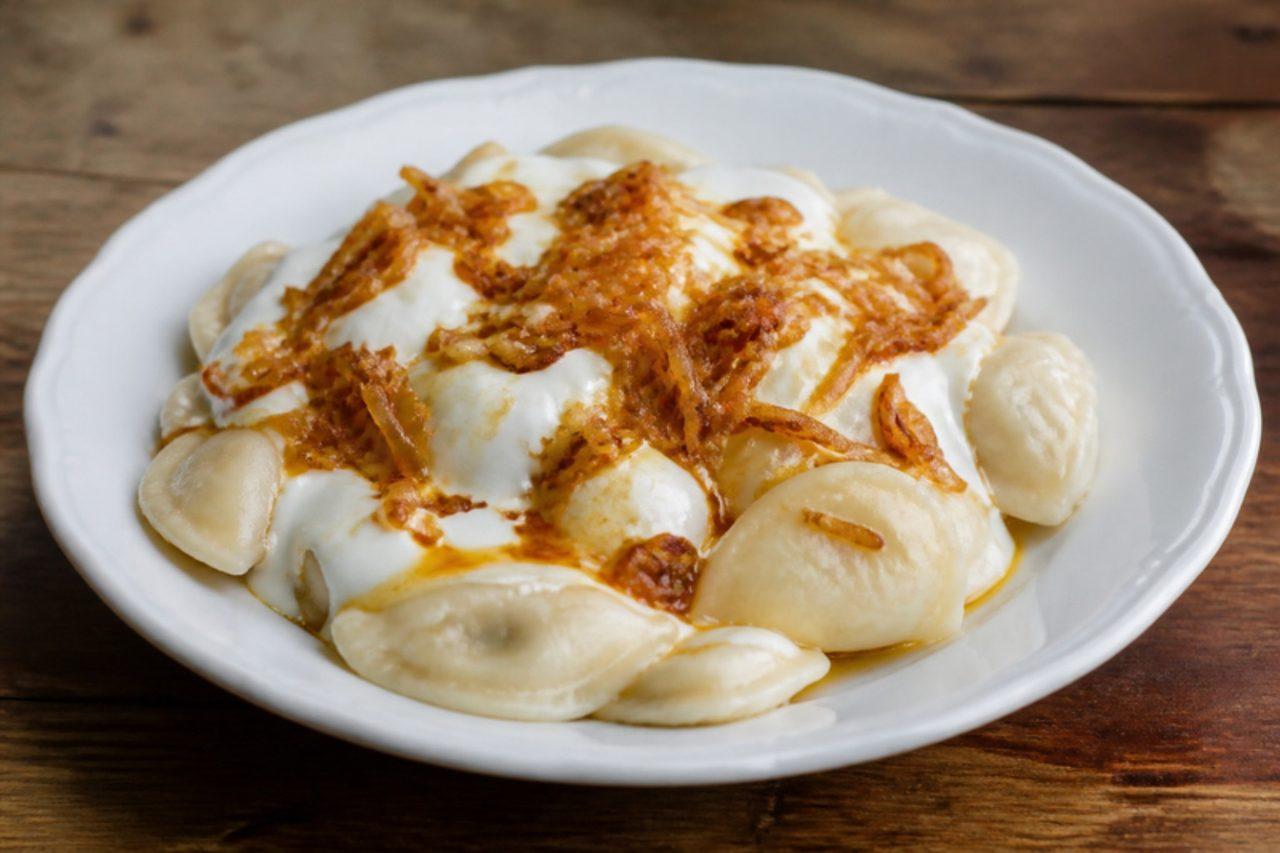
HingelPotato dumplings with browned butter

Hingel is the comfort food of Kars and Ardahan, on Turkey's high north-eastern border, where long winters made potatoes and butter everyday staples. Half-moon dumplings are filled with mashed potato and onion, boiled, then smothered in caramelised onions, garlic yoghurt and plenty of browned butter, much like manti but larger and softer. Common mistake: a wet potato filling that leaks through the seams; dry the boiled potatoes in the pan for a minute before mashing. Chef's tip: fry the onions slowly in the same butter you pour over at the end; it picks up their sweetness.

by KrazyBadal 0 views

Iowa Dutch lettersAlmond pastry S-shapes

Every May the small town of Pella, Iowa, celebrates its Dutch settlers with the Tulip Time festival, and the bakeries on the square sell these flaky pastry 'letters', traditionally shaped as an S for Sinterklaas. A log of sweet almond paste is rolled in rough puff pastry, curved into an S, brushed with egg and sugar and baked until crackly. Chef's tip: seal the pastry seam well and bake seam-side down, or the almond filling bubbles out.

by KrazyBadal 0 views

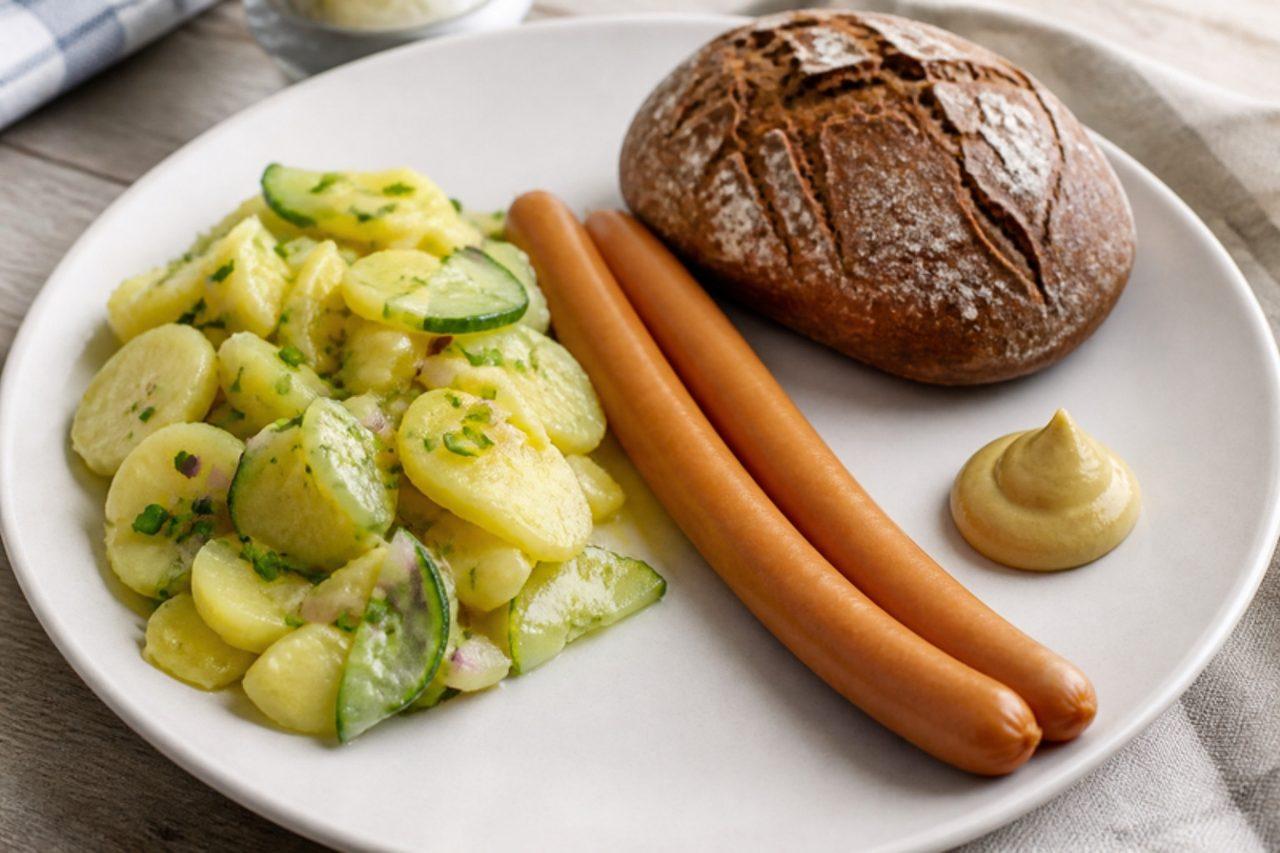
Frankfurter WürstchenFrankfurter sausages with potato salad

Real Frankfurter Würstchen are slim, delicately smoked pure-pork sausages from the Frankfurt region, sold in pairs and eaten at Christmas markets, family suppers and Christmas Eve, when many Hessian families have them with potato salad. They come ready-cooked, so the only skill is warming them gently until they are hot without bursting. Here they go with a warm Hessian potato salad dressed with stock, vinegar, onion and chives, plus mustard and rye bread. Vegetarians can warm vegetarian sausages the same way and keep the salad. Chef's tip: dress the potatoes while they are still warm; they drink up the dressing and turn silky instead of sitting in it.

45 minGermanMeat
by KrazyBadal 0 views

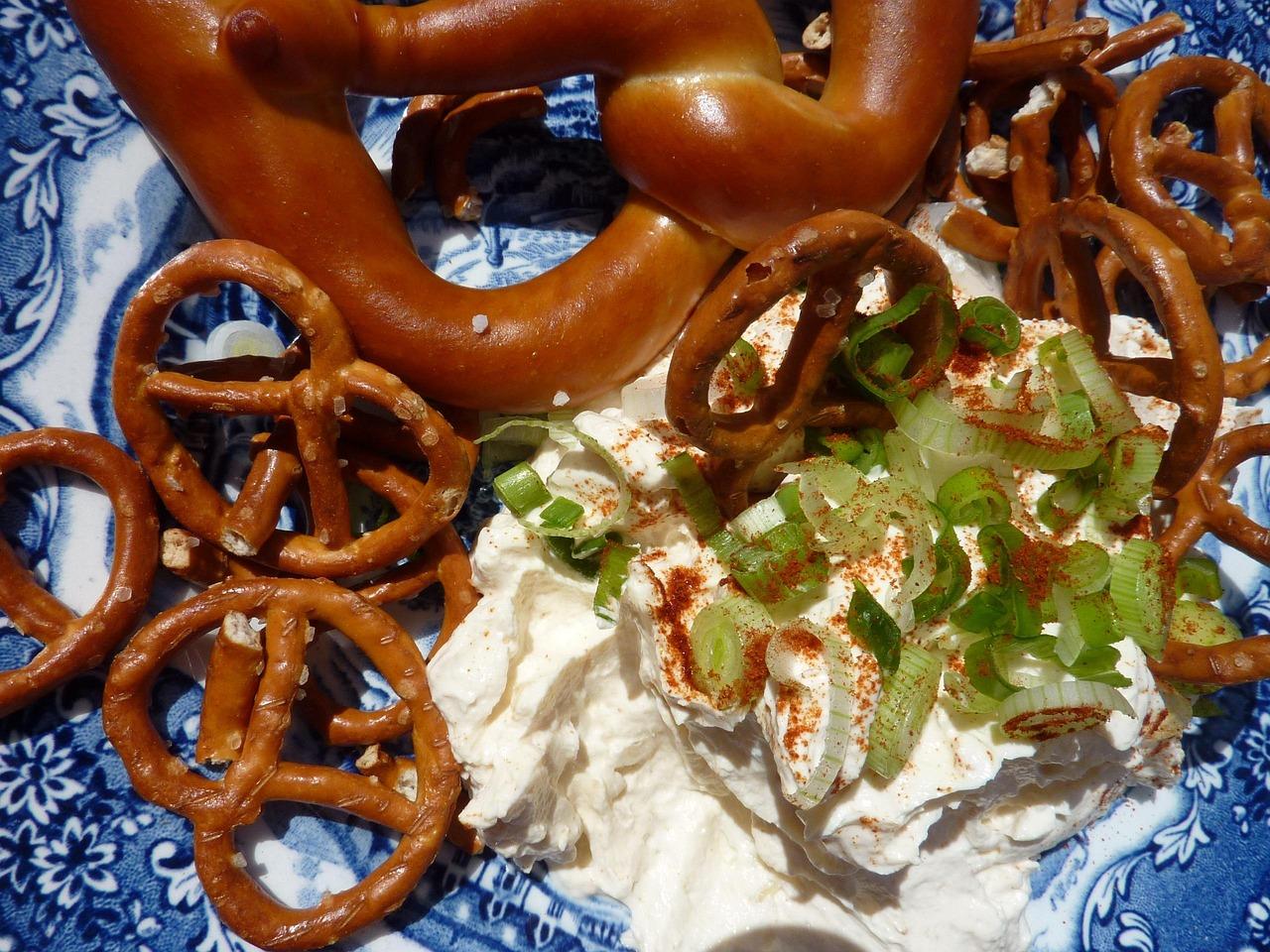
SpundekäsWhipped quark and cream cheese dip

In Mainz and the wine villages of Rhine-Hesse, Spundekäs is what lands on the table at a wine festival or in a Straußwirtschaft, the pop-up taverns winemakers open in their courtyards in late summer. It is a light, airy whip of quark and cream cheese, sharpened with onion, garlic and plenty of sweet paprika, and it is scooped up with soft pretzels or Laugenbrezel. The name comes from the cone-shaped wooden 'Spund' it was once pressed into. A common mistake is using watery quark straight from the tub, which makes a runny dip; drain it first. Chef's tip: make it a couple of hours ahead so the onion softens into the cheese, then dust with fresh paprika just before serving.

by KrazyBadal 0 views

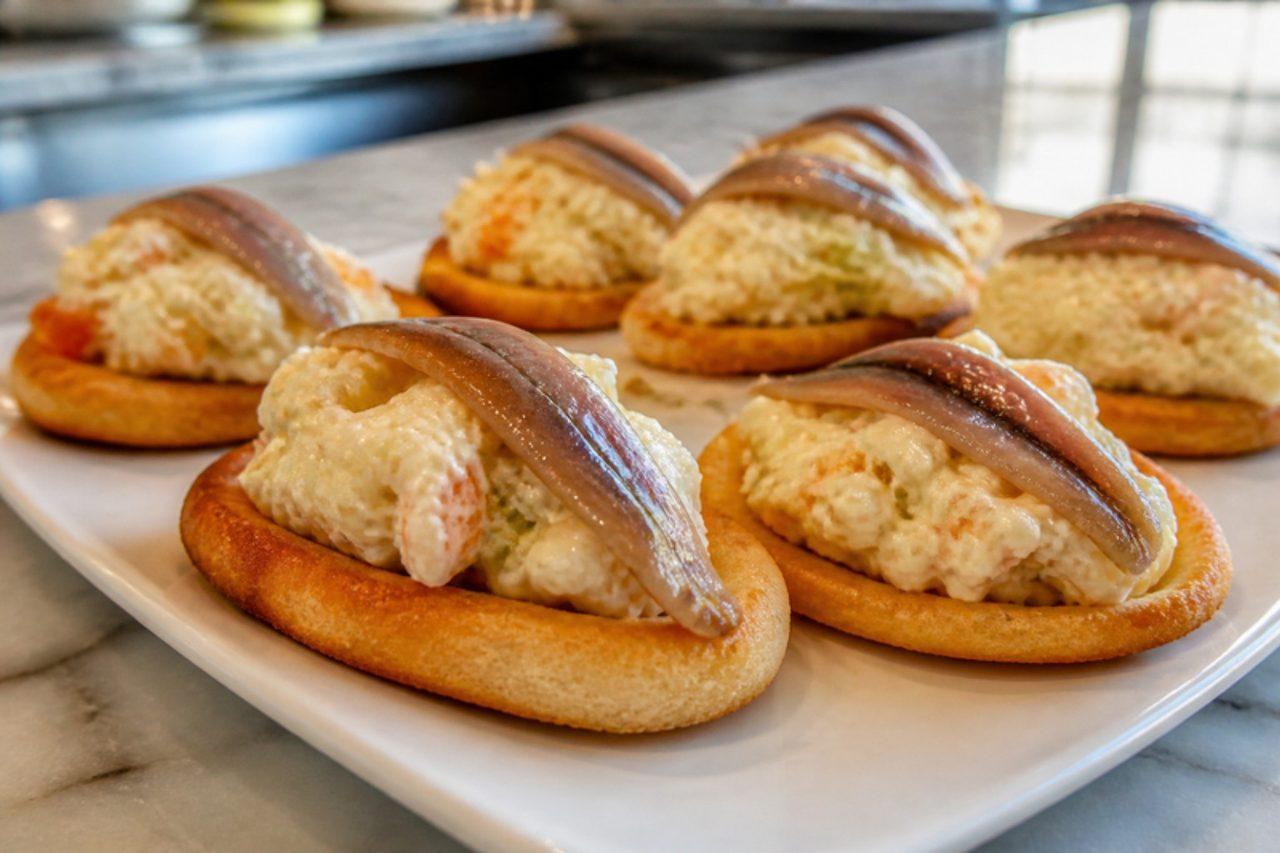
MarinerasRussian salad and anchovy bread rings

No pre-lunch drink in Murcia is complete without a marinera: a crunchy ring-shaped breadstick, the rosquilla, piled with ensaladilla rusa (potato, carrot and peas in mayonnaise) and crowned with an anchovy. Bar counters in the city line them up from midday, alongside the marinero, topped with a vinegar-cured fresh anchovy, and the bicicleta, which has no fish at all. This version uses salted anchovy fillets in oil and shop-bought mayonnaise, which is made with pasteurised egg. If you use vinegar-cured fresh anchovies instead, they are raw fish: buy them frozen first, and they are not for pregnant women, young children or anyone with a weakened immune system. Chef's tip: assemble them at the last moment so the rings stay crunchy.

by KrazyBadal 0 views

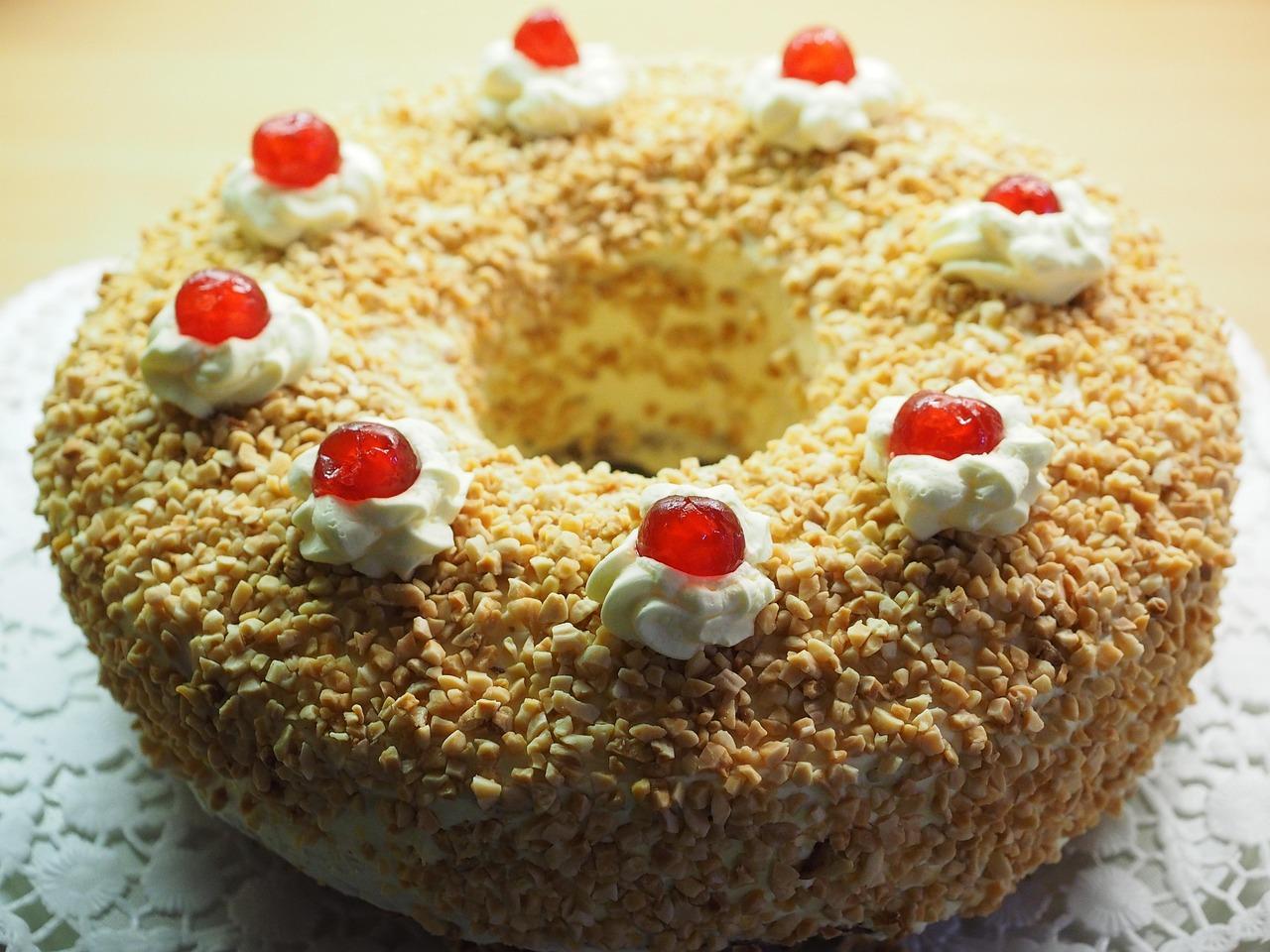
Frankfurter KranzButtercream ring cake with nut brittle

Frankfurter Kranz is the crown of Frankfurt's coffee tables, shaped like the crowns of the emperors once crowned in the city's cathedral and still made for birthdays and Sunday visits all over Hesse. A buttery ring cake is cut into three layers, filled with redcurrant jam and vanilla buttercream, then coated all over with golden almond brittle, the jewels being little rosettes topped with red cherries. Older recipes splash the layers with kirsch; this one is made without alcohol. A common mistake is spreading the buttercream when the custard and butter are at different temperatures, which makes it curdle; both must be at room temperature. Chef's tip: bake the cake a day ahead and chill it; cold layers cut cleanly and don't crumble into the cream.

150 minGermanBaking
by KrazyBadal 0 views

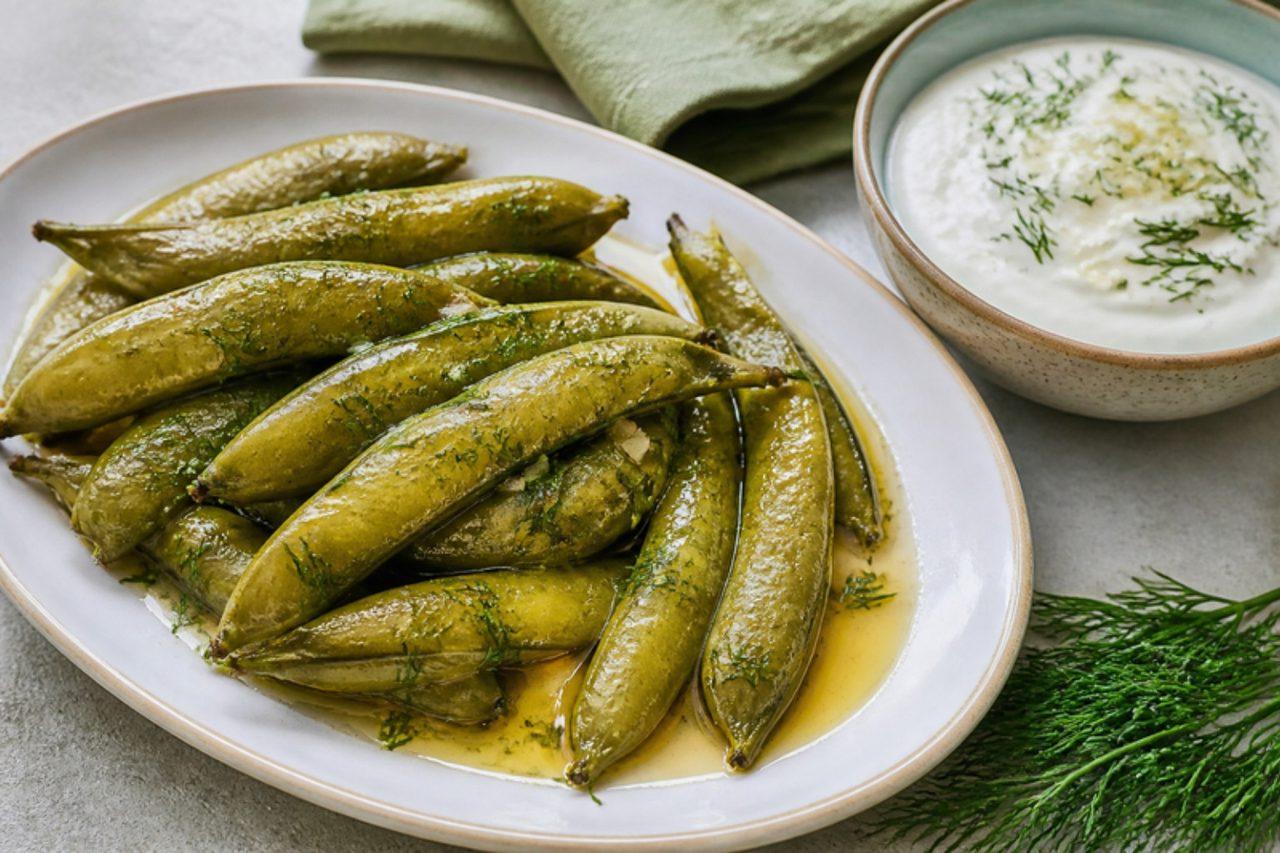
Zeytinyağlı taze baklaBroad beans in olive oil

In April, when the first tender broad beans arrive in İzmir's markets, Aegean cooks braise them whole, pods and all, with onion, dill and olive oil, and serve them cold under a blanket of garlic yoghurt. The pods turn silky and slightly sweet, nothing like the tough shells of older beans. It is one of the true markers of spring on the coast. Chef's tip: rub the pods with lemon and a little flour before cooking; it keeps them green and stops them blackening as they braise.

by KrazyBadal 0 views

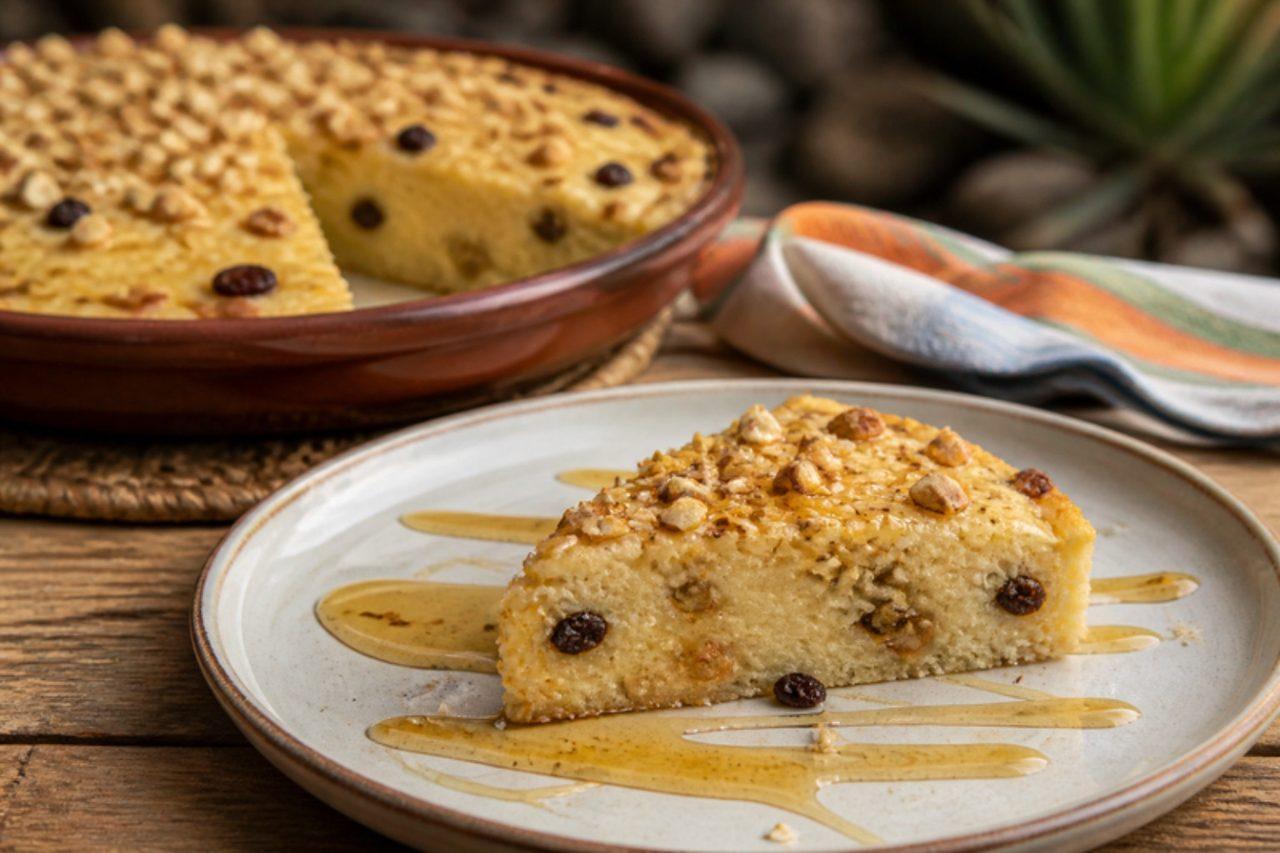
FrangolloCornmeal and milk pudding

Frangollo was once poor people's food on Lanzarote and La Palma, coarse cornmeal (millo) cooked in milk to stretch a meal; now it is the pudding grandmothers make for Carnival and Christmas, sold in slabs at village fiestas. The cornmeal is cooked slowly with milk, sugar, lemon peel and cinnamon, then enriched with butter, egg, raisins and almonds, left to set and cut into squares. It is often finished with a drizzle of palm honey from La Gomera. Chef's tip: stir constantly and use a heavy pan, because thick cornmeal catches on the bottom in seconds.

by KrazyBadal 0 views

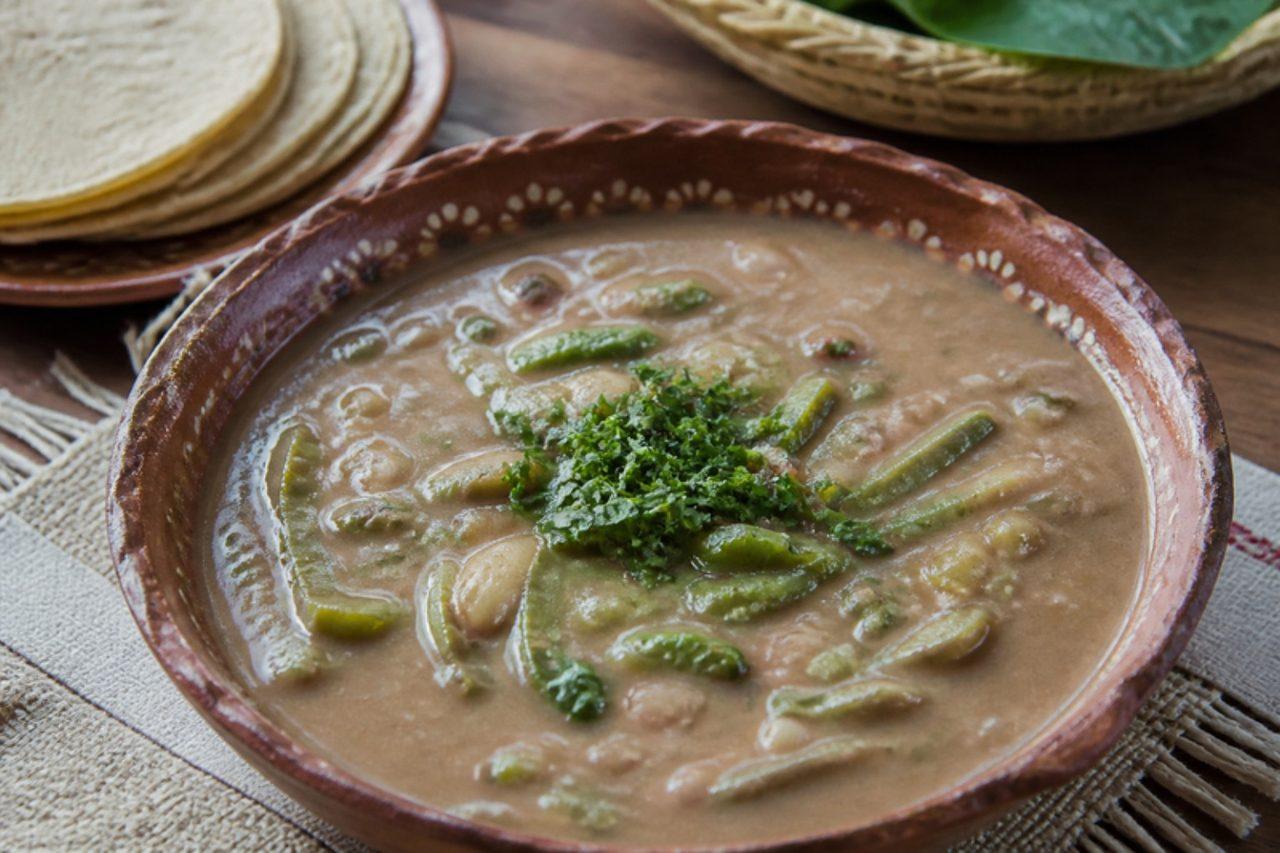
TlatlapasBean, fava and pea soup

In the villages of Tlaxcala, tlatlapas is the Lenten and rainy-season soup: dried beans, fava and peas are toasted on a comal, ground to a coarse flour and simmered into a thick, earthy purée seasoned with dried chilli, epazote and strips of cactus. It is a peasant dish with pre-Hispanic roots, cheap, filling and full of protein, eaten with corn tortillas and a squeeze of lime. Using split beans keeps the cooking under an hour. Chef's tip: toast the pulses until golden and nutty, not dark; burnt ones turn the whole pot bitter.

by KrazyBadal 0 views

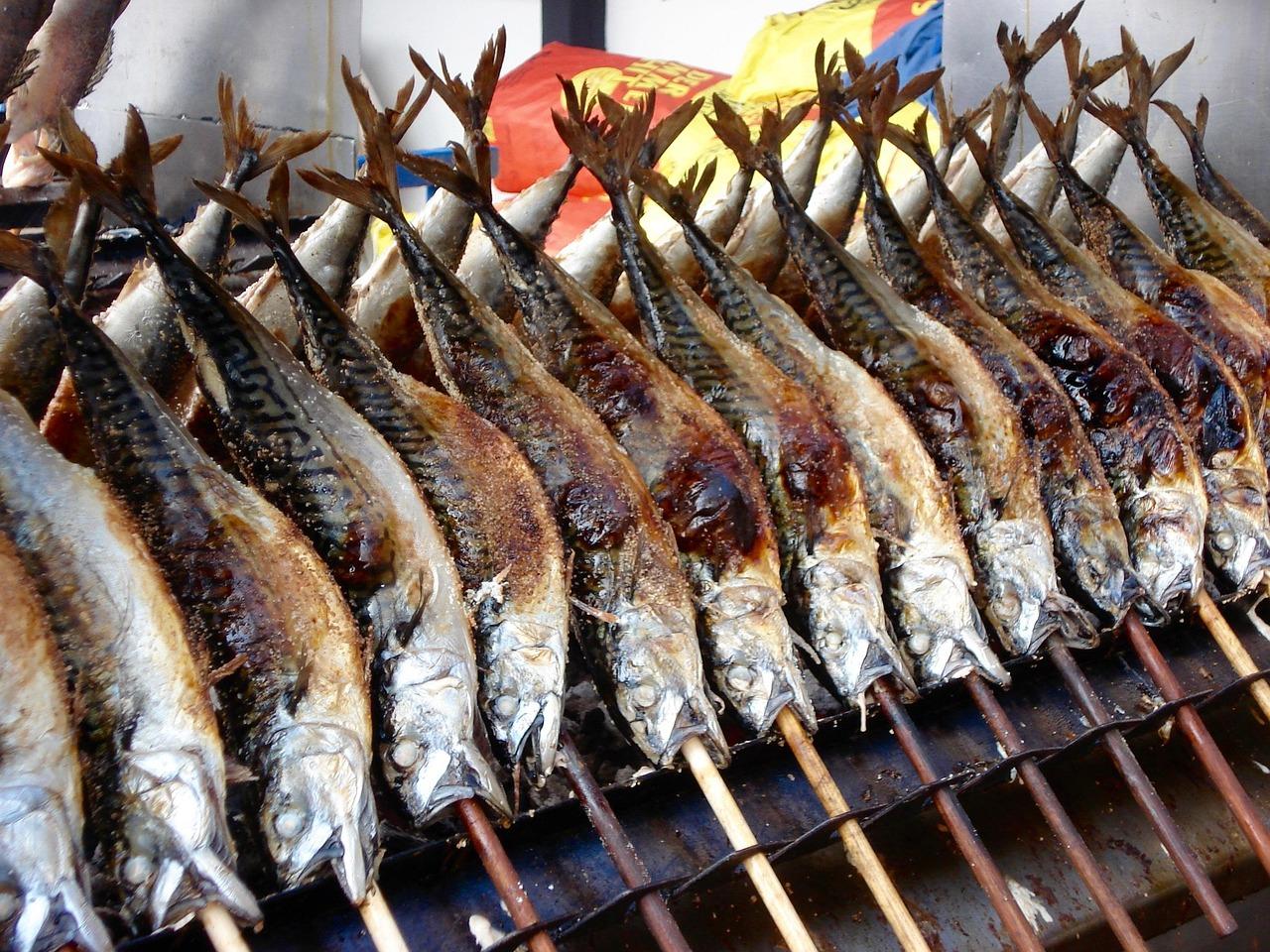
SteckerlfischMackerel grilled on a stick

Steckerlfisch, fish on a stick, is the smell of a Munich beer garden on a summer evening and of the Oktoberfest stalls: whole mackerel or lake whitefish threaded lengthways onto long wooden sticks, brushed with spiced oil and turned slowly in front of glowing charcoal. The skin turns crisp and golden and the flesh stays moist; it is eaten with fingers, a pretzel and a wedge of lemon. On a home barbecue the sticks are laid across the grill instead of stood around the fire. Chef's tip: grill over medium, not fierce, heat and be patient; the skin should blister slowly or it sticks and tears.

40 minGermanFishGluten free
by KrazyBadal 0 views

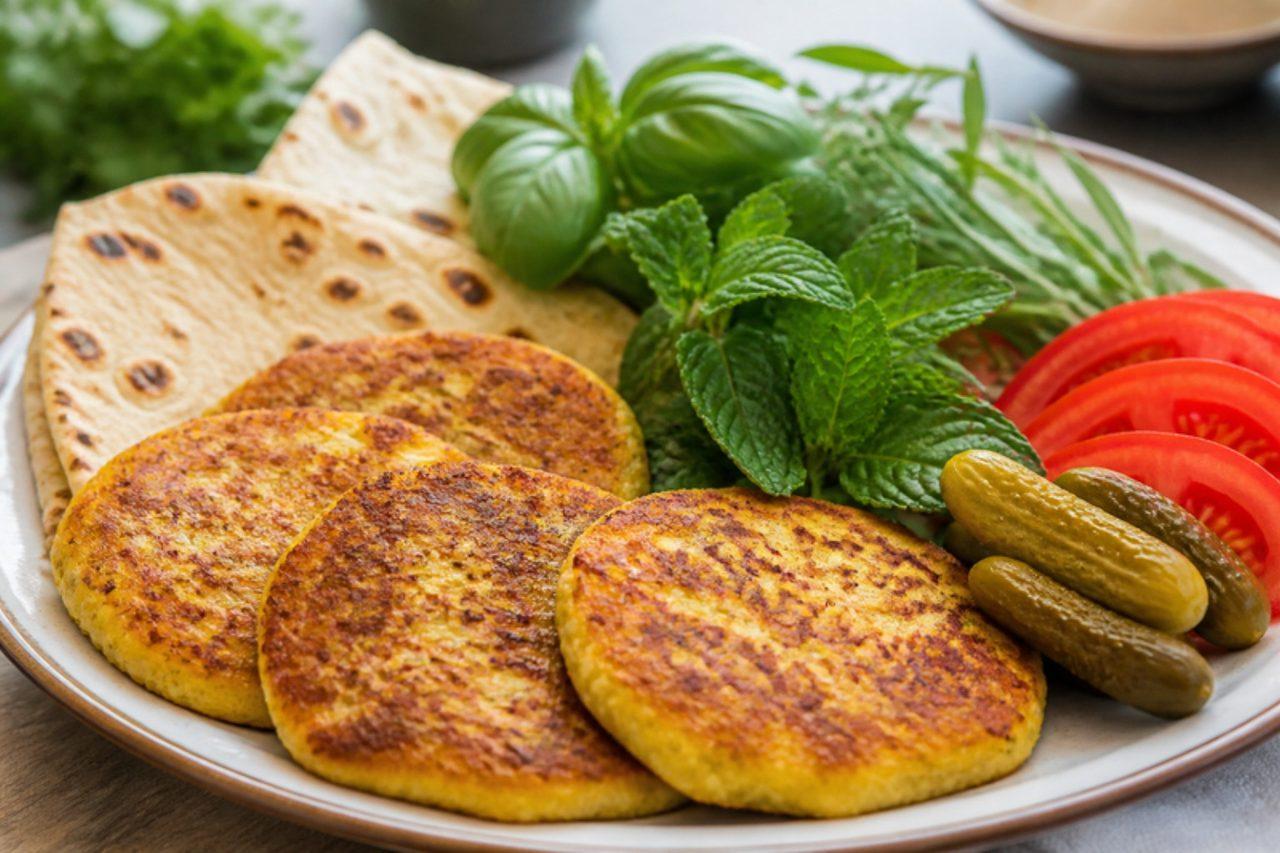
Kuku sibzaminiPotato and egg patties

Kuku sibzamini is what Tehran schoolchildren unwrap at lunchtime: little golden patties of grated potato, egg and onion, eaten cold or warm, folded into lavash or sangak with herbs, tomato and a few slices of khiar shoor. They also turn up at picnics in the parks on Friday mornings, because they travel well and taste good at any temperature. Grated raw onion and turmeric give the flavour; a spoon of flour holds them together. The common mistake is leaving the grated potato wet, so the patties spit, soak up oil and fall apart. Chef's tip: squeeze the potato and onion hard in a tea towel; the drier the mix, the crisper the edges.

by KrazyBadal 0 views

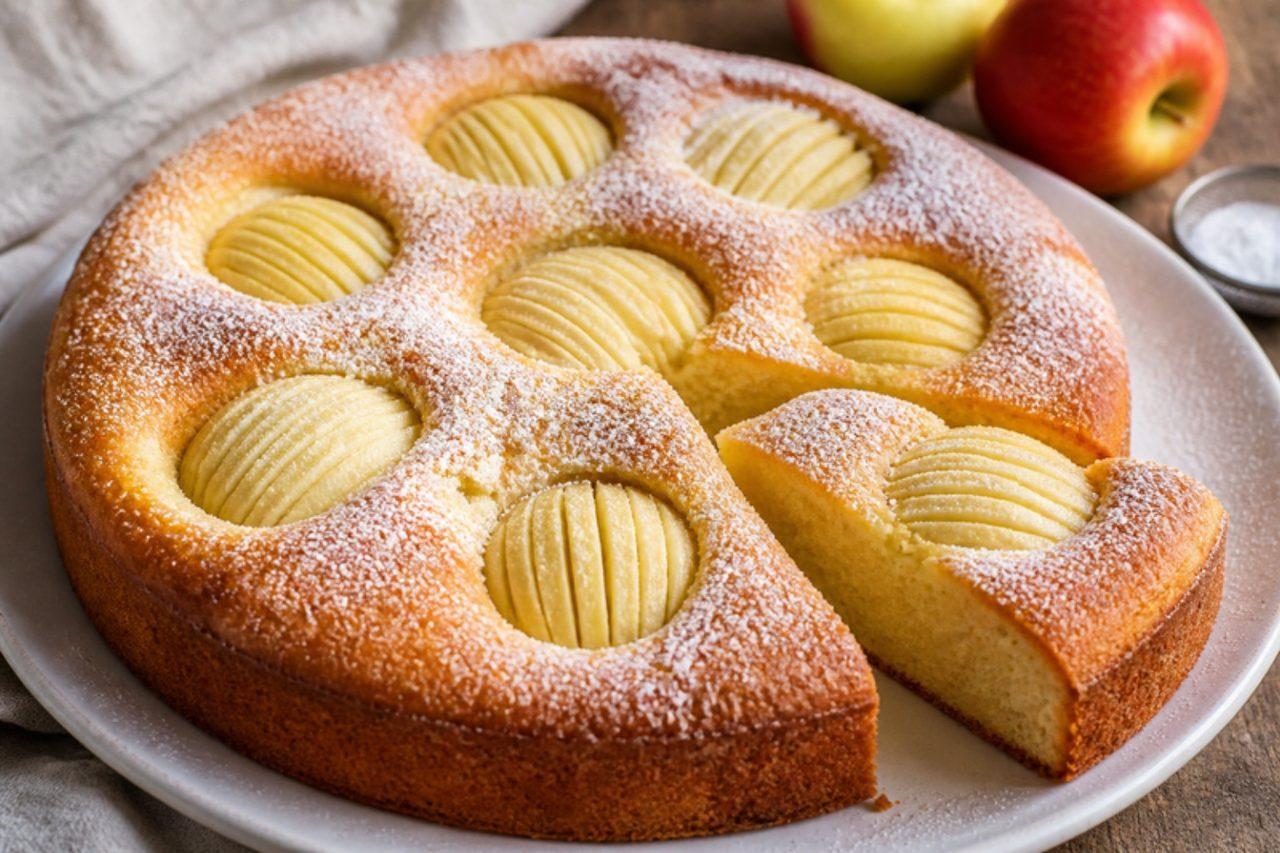
Versunkener ApfelkuchenSunken apple sponge

Versunkener Apfelkuchen, the sunken apple cake, is the quickest cake in the German home repertoire, made on autumn weekends when the first Boskoop and Elstar apples come in from the orchards of the Altes Land near Hamburg and Lake Constance. Peeled apple halves are scored like a fan and pressed into a rich lemon sponge, which rises up around them as it bakes until they seem to sink in. Children love it still warm with whipped cream. A common mistake is cutting the scores too deep, so the apples fall apart; cut about two-thirds of the way through. Chef's tip: brush the apples with apricot jam the moment the cake comes out of the oven; it gives a shiny bakery glaze and keeps them from drying.

by KrazyBadal 0 views

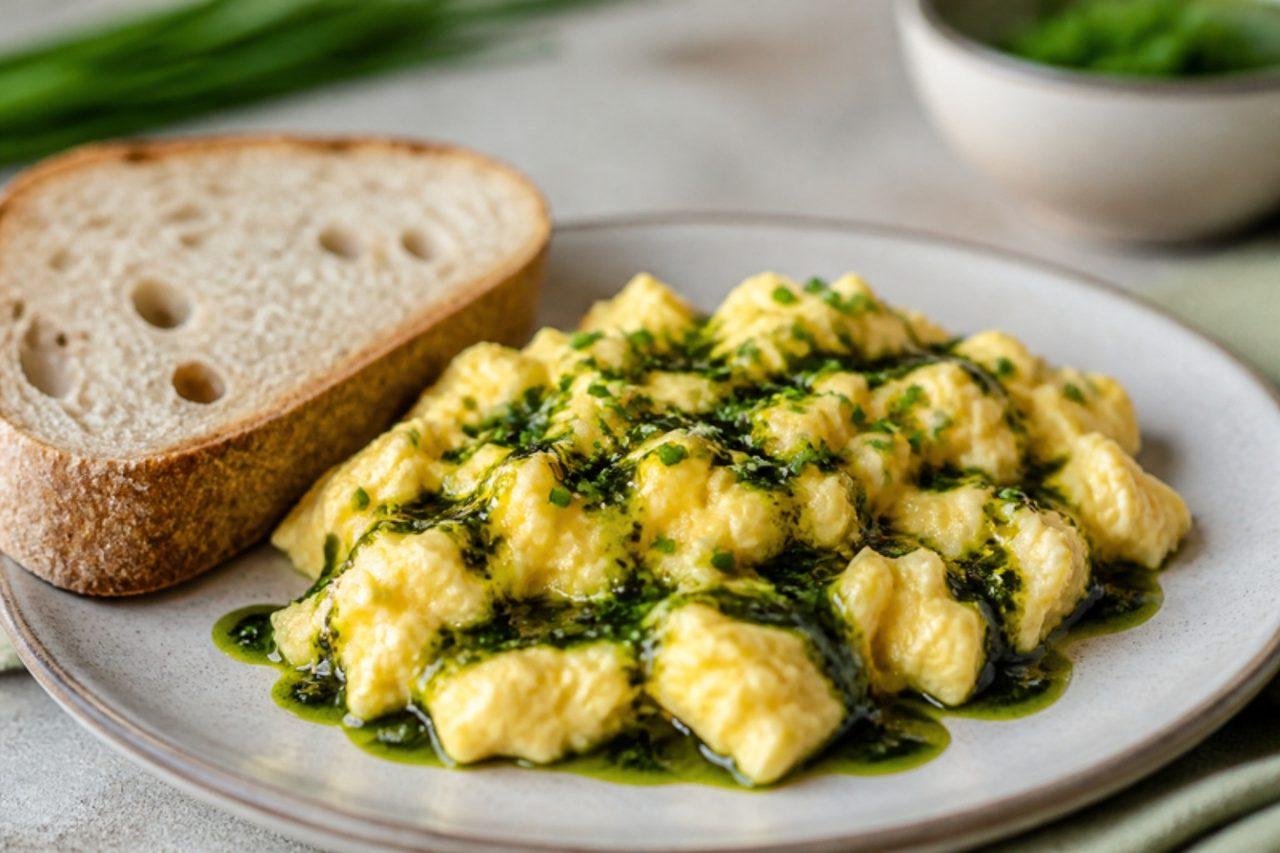
Steirische Kernöl-EierspeisScrambled eggs with pumpkin seed oil

Eierspeis is the Austrian word for scrambled eggs, and in Styria they get a final drizzle of the region's dark green pumpkin seed oil. It is a farmhouse breakfast or a late-night snack after a long evening in a Graz wine bar, eaten straight from the small pan it was cooked in with a slice of rye bread. The eggs are soft and creamy in big folds, and the oil adds a toasted, nutty depth that tastes almost like brown butter. A common mistake is stirring too fast on a high heat, which gives small dry crumbs instead of soft curds. Chef's tip: salt the eggs a few minutes before cooking; it helps them set more tenderly.

by KrazyBadal 0 views

Steirische KürbiscremesuppeCreamy pumpkin soup

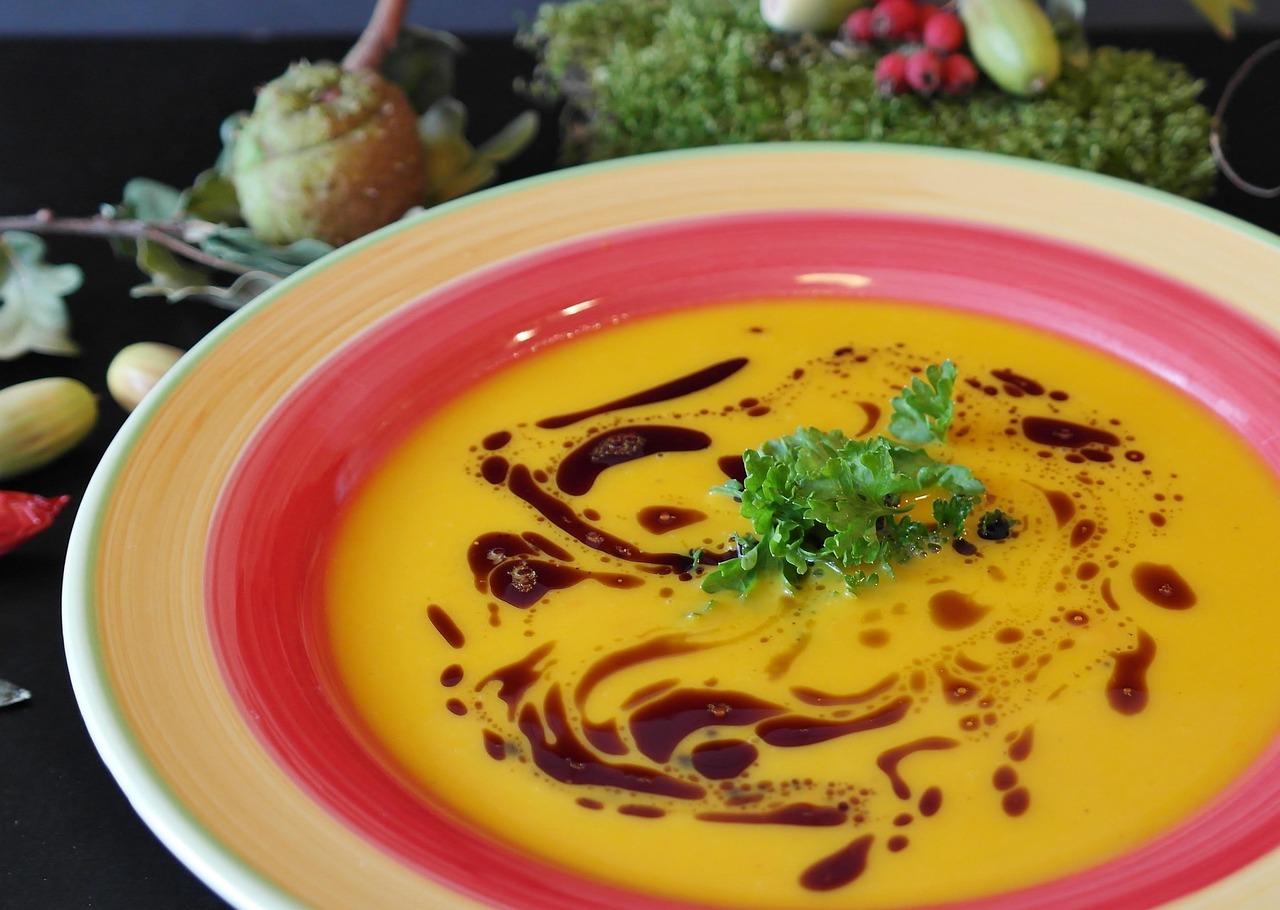
When the pumpkin fields of Styria turn orange in October, every inn from Graz to the Slovenian border puts this soup on the board. It is velvety and gently sweet, with a little nutmeg and a dash of vinegar for lift, and comes to the table with a swirl of almost black pumpkin seed oil and a scattering of toasted seeds. Serve it as a starter before a Sunday roast or with crusty bread for supper. A common mistake is boiling the soup hard after the cream goes in, which can split it and dull the colour. Check the stock if you need it gluten free. Chef's tip: toast the seeds dry in a pan until they puff and pop; it takes 3 minutes and doubles the nutty flavour.

by KrazyBadal 0 views

Steirischer KäferbohnensalatRunner bean pumpkin oil salad

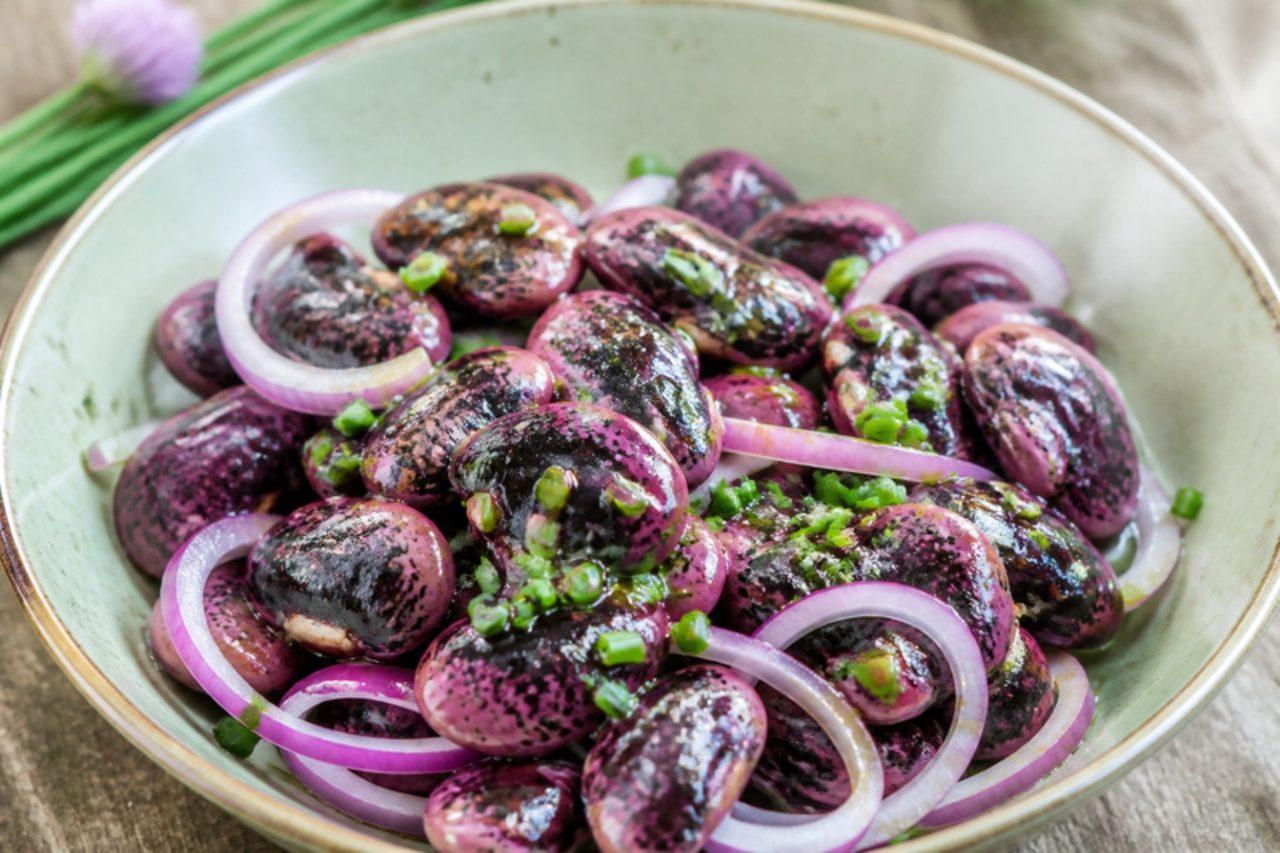
In the hills of south-east Styria, fat purple-speckled runner beans called Käferbohnen, 'beetle beans', are dried every autumn and turned into this simple salad. It is a fixture of the Buschenschank, the farm wine taverns where you sit outdoors with a board of bread, cheese and spreads. The beans are soft and creamy, the red onion and cider vinegar sharp, and the dark green pumpkin seed oil gives a deep, toasty, nutty flavour. A common mistake is dressing cold beans straight from the fridge; dress them lukewarm so they soak up the vinegar. Chef's tip: add the pumpkin seed oil last and do not heat it; it turns bitter when warm.

by KrazyBadal 0 views

Steirisches WurzelfleischPork simmered with root vegetables

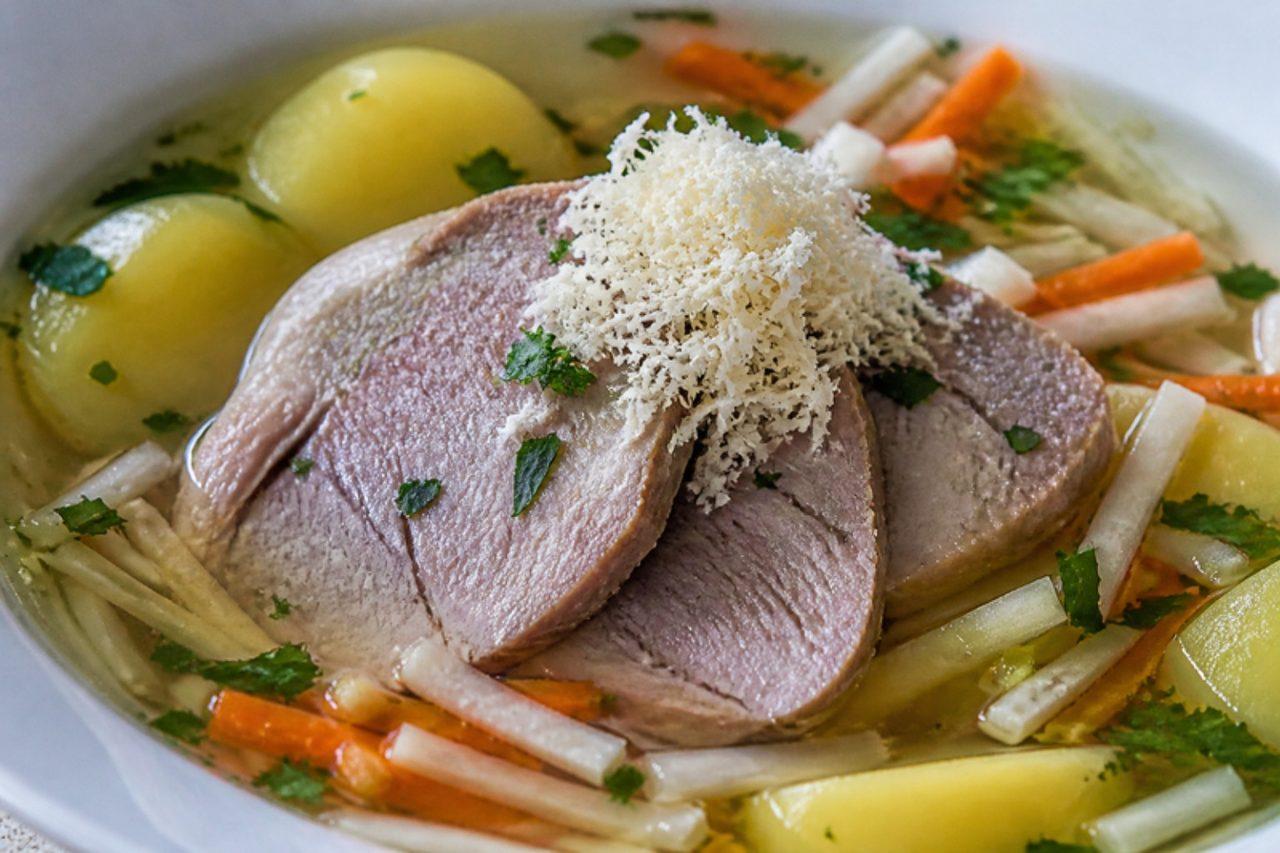
Wurzelfleisch, 'root meat', is a winter dish from the farms of Styria in south-east Austria, cooked in November and December when pigs were killed and the cellar was full of carrots, celeriac and parsley root. Pork shoulder is simmered in a lightly sour broth, then served in deep plates with thin strips of root vegetables, boiled potatoes and a snowfall of freshly grated horseradish. It is a gentle, clean-tasting dish, quite unlike a roast. Chef's tip: grate the horseradish at the table; it loses its bite within minutes.

130 minAustrianMeatGluten free
by KrazyBadal 0 views

Horta vrastaBoiled greens with lemon and oil

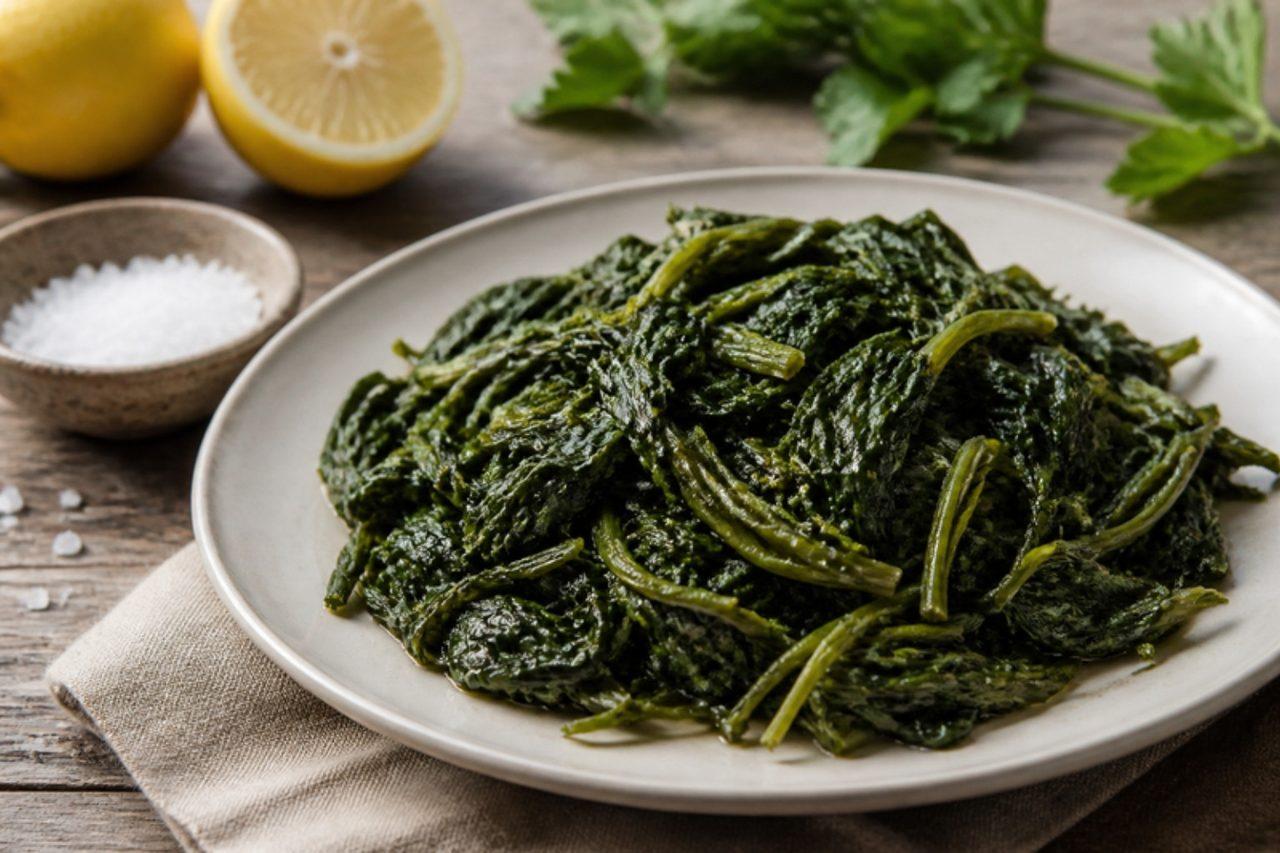
In Greek villages women still go out with a knife and a bag after the first autumn rains to gather horta: dandelion, wild chicory, amaranth, mustard greens. Boiled and dressed with the best olive oil and lemon, they are served warm or cool with almost every meal, from fried fish in a seaside taverna to a fasting-day plate of beans. The taste is pleasantly bitter and grassy. Common mistake: boiling them to khaki; cook only until the stems are tender and the leaves still deep green. Chef's tip: salt the cooking water generously like pasta water and dress the greens while warm, so they drink up the oil and lemon.

25 minGreekSidesVeganGluten free
by KrazyBadal 0 views

Tlacoyos de habaStuffed blue corn cakes

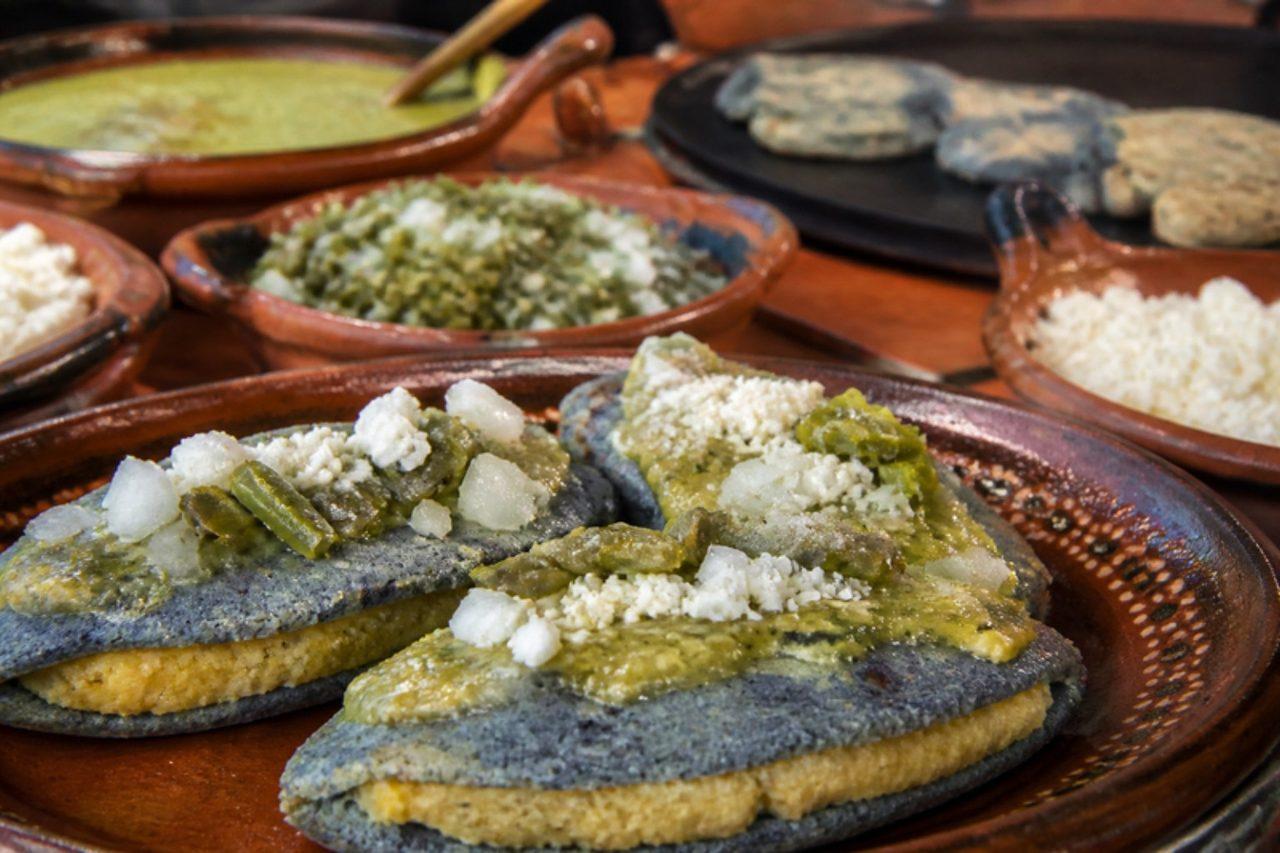
Walk out of almost any Metro station in Mexico City in the morning and you will find a woman on a low stool patting out tlacoyos on a clay comal: thick, oval cakes of blue or white corn masa with a seam of bean or fava purée hidden inside, topped with cactus, salsa and crumbly cheese. They are bought hot, eaten standing up, and are one of the oldest street foods in the valley, older than the city itself. This version is filled with garlicky fava purée (habas) and topped with a quick nopal salad and salsa verde. Leave off the cheese and it is vegan. Chef's tip: keep the purée stiff, like mashed potato; a loose filling bursts through the masa when you flatten it.

by KrazyBadal 0 views

Frango no púcaroClay-pot chicken with port and ham

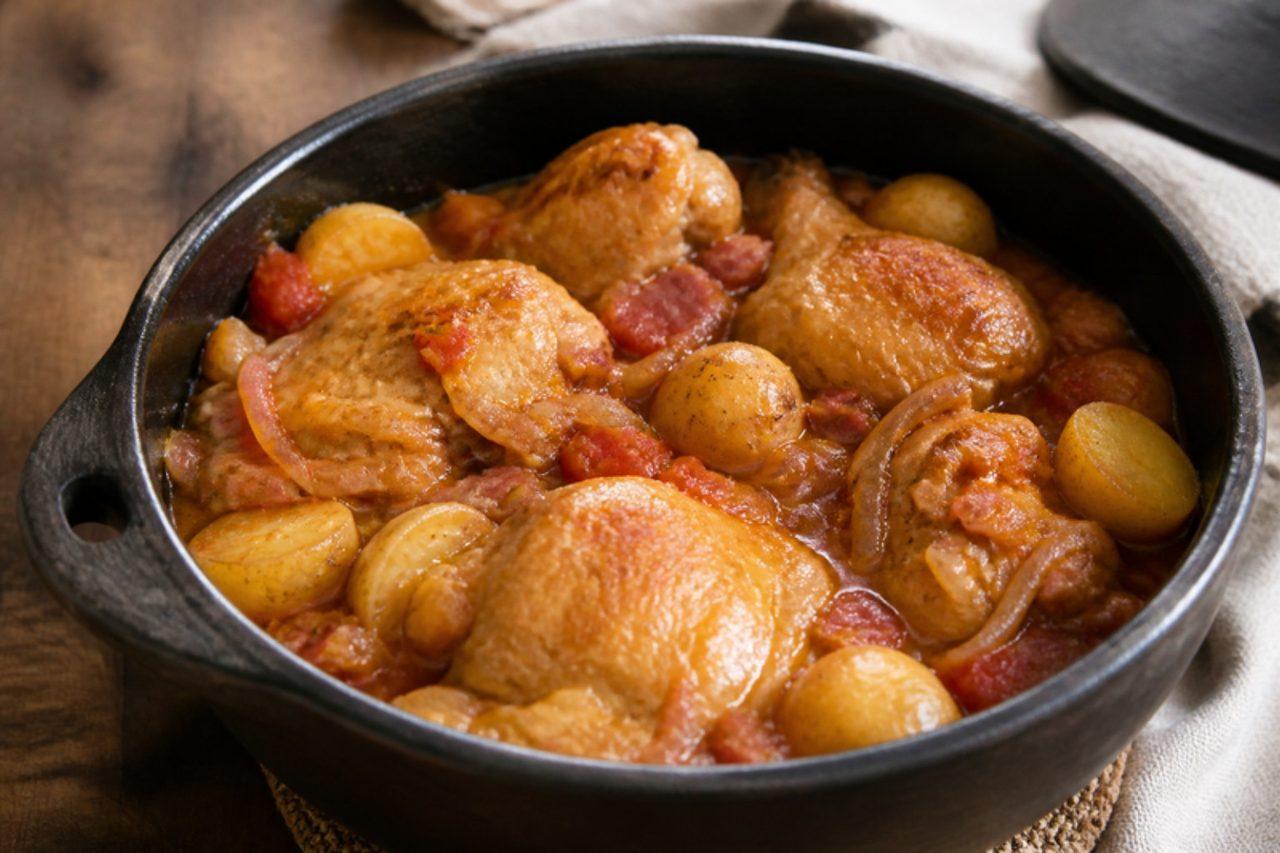
The monks of the great abbey at Alcobaça, on the edge of the Beira Litoral, are credited with this dish of chicken slow-cooked in a púcaro, a lidded clay pot, with onions, tomatoes, garlic, cured ham and bacon, a splash of port and white wine. Local restaurants still serve it bubbling in the pot with fried or boiled potatoes. This contains pork (presunto and smoked bacon), and it uses port and white wine; an alcohol-free version is given in the ingredient notes. Chef's tip: brown the chicken well before it goes into the pot, as the sealed lid keeps the colour from developing later.

by KrazyBadal 0 views

Espetada madeirenseGarlic and bay beef skewers

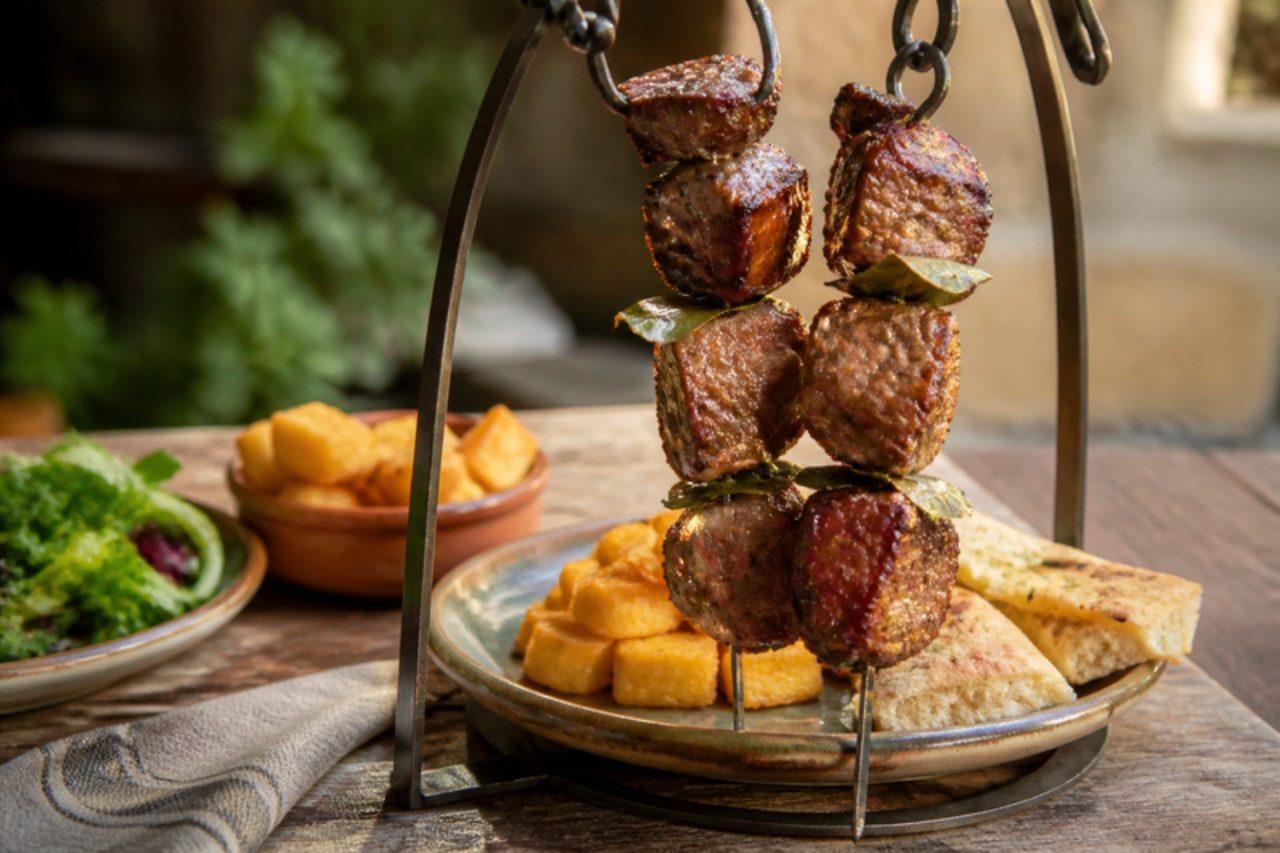
In Estreito de Câmara de Lobos, on the hillsides above Funchal, the September wine harvest ends with espetada: big cubes of beef rubbed with garlic, salt and crushed bay, threaded onto bay branches and roasted over a wood fire. Restaurants hang the long skewers from hooks above the table, so everyone slides off their own pieces. It is eaten with bolo do caco, milho frito and a salad. Chef's tip: cut the beef into large 4 cm cubes, which stay juicy in the middle while the outside chars.

by KrazyBadal 0 views

GloriasPecan and goat milk caramels

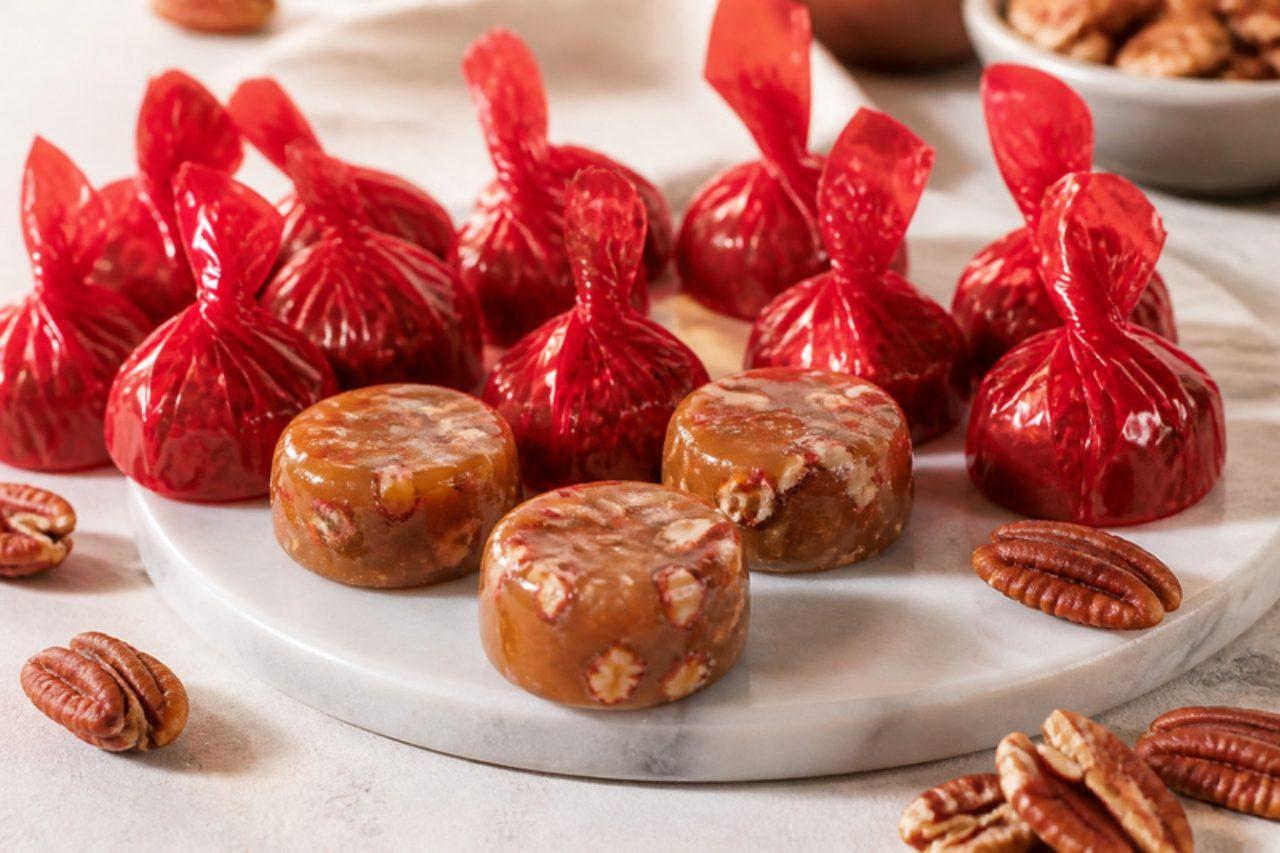
Linares, a small town in Nuevo León, is famous across Mexico for glorias: soft, chewy balls of goat's milk caramel packed with pecans, each wrapped in a twist of red cellophane. They are bought by the box at roadside sweet shops on the way to Monterrey and handed out at weddings and Christmas. Goat's milk gives them a gentle tang; a mix of goat's and cow's milk is milder. Chef's tip: the last ten minutes need constant stirring, as the caramel thickens and catches fast.

by KrazyBadal 0 views

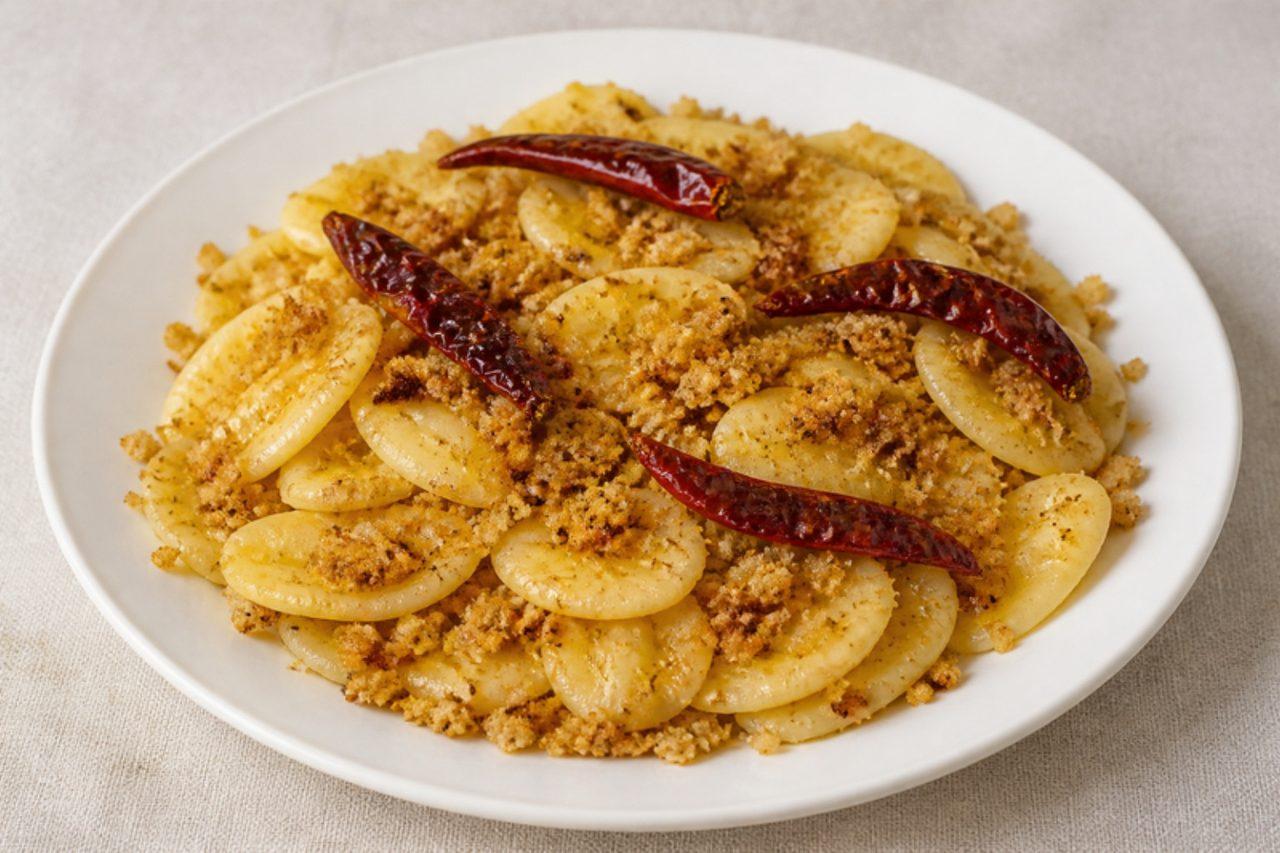
Strascinati con mollica e peperoni cruschiPasta with breadcrumbs and crisp peppers

Strascinati get their name from the way they are made: a piece of semolina dough is dragged (strascinato) across a wooden board under two or three fingers, so it curls into a wide, ridged shell. In the hill towns of Basilicata they are rolled on Sunday mornings and tossed with the simplest dressing of the poor kitchen, olive oil, garlic, breadcrumbs fried until crunchy and crushed peperoni cruschi, the sweet dried peppers of Senise. The crumbs stand in for cheese, which once was a luxury. Chef's tip: fry the breadcrumbs separately and add them at the table, so they are still crackling when you eat.

by KrazyBadal 0 views

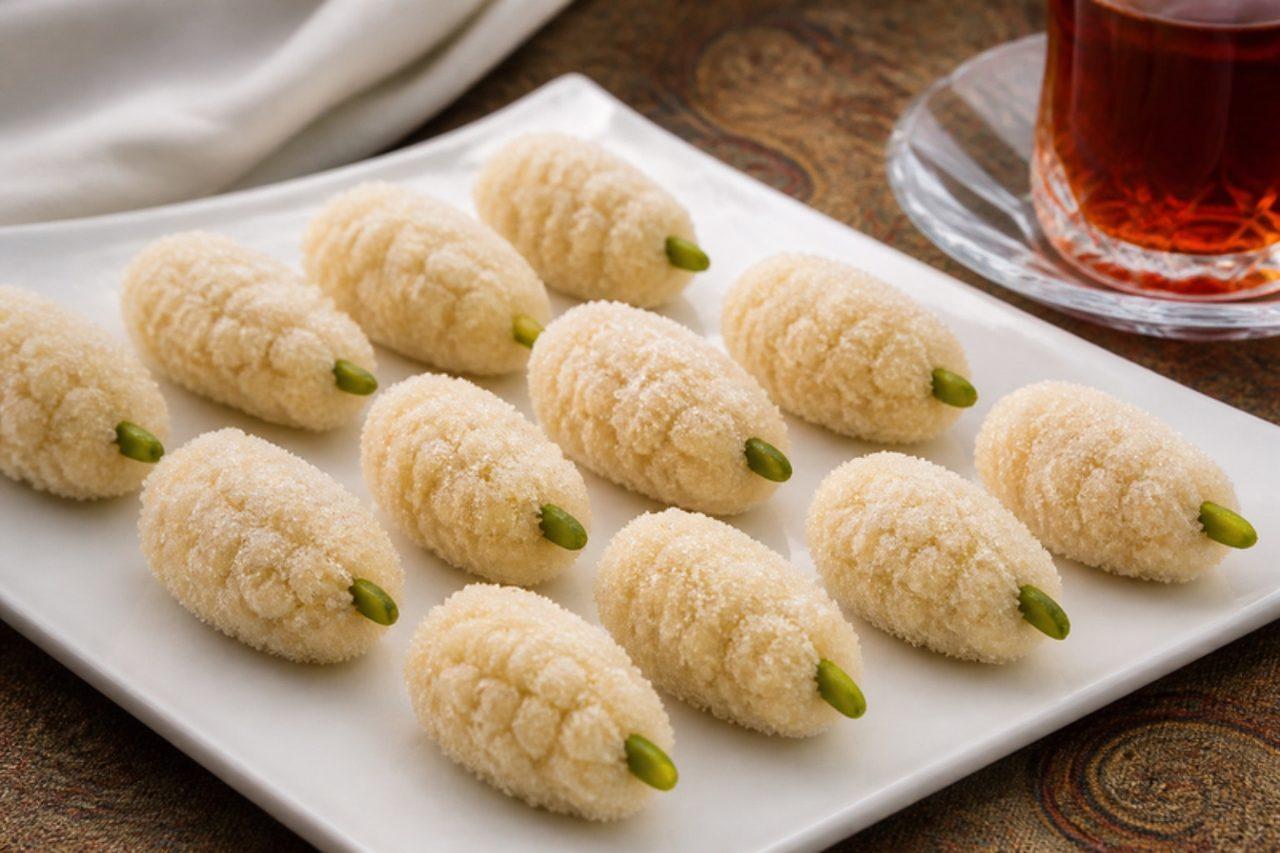
TootAlmond rosewater marzipan

Little white toot sit on silver dishes at Nowruz and at weddings in Tehran and Isfahan, shaped and named after the pale mulberries that grow all over Iran. They are a soft, fragrant almond paste bound with rosewater, rolled in sugar and finished with a sliver of pistachio for the stalk. No cooking is needed, so children can help shape them. Chef's tip: add the rosewater a spoonful at a time; the paste should just hold when squeezed, and a wet paste won't keep its mulberry bumps.

by KrazyBadal 0 views

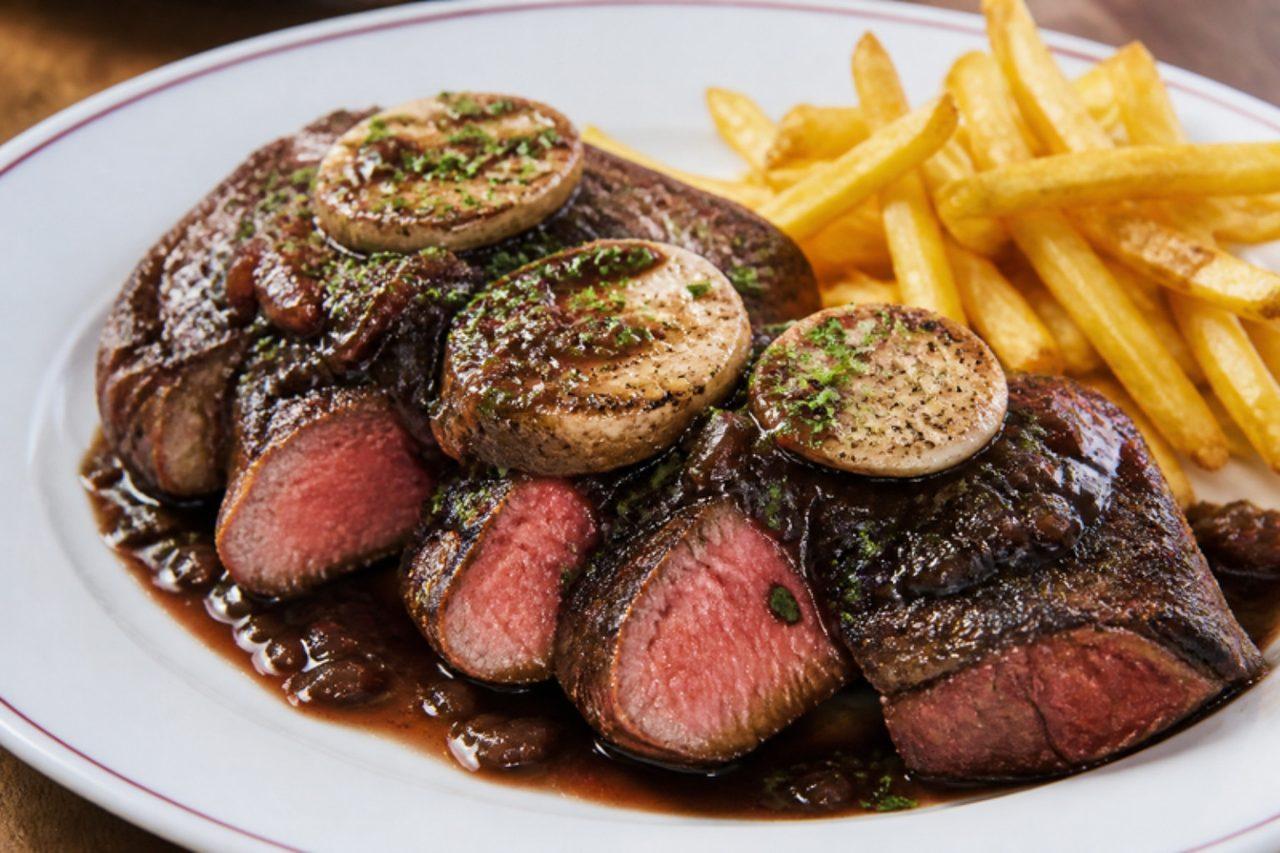
Entrecôte bordelaiseRib steak in red wine sauce

Bordeaux's brasseries, from the quays of the Garonne to the old Chartrons wine-merchant quarter, still grill entrecôte over vine cuttings and serve it with sauce bordelaise: shallots, thyme and red wine reduced to a syrup, then enriched with stock and cold butter. Poached bone marrow, folded in at the end, is the old-school touch and well worth trying. The sauce is glossy, deep and a little sweet against the well-browned, juicy steak. The sauce uses red wine; the ingredient note gives an alcohol-free version. Serve with frites or sautéed potatoes and a crisp green salad. Chef's tip: let the steaks sit out of the fridge for 30 minutes before cooking so the centre cooks evenly.

50 minFrenchMeat
by KrazyBadal 0 views

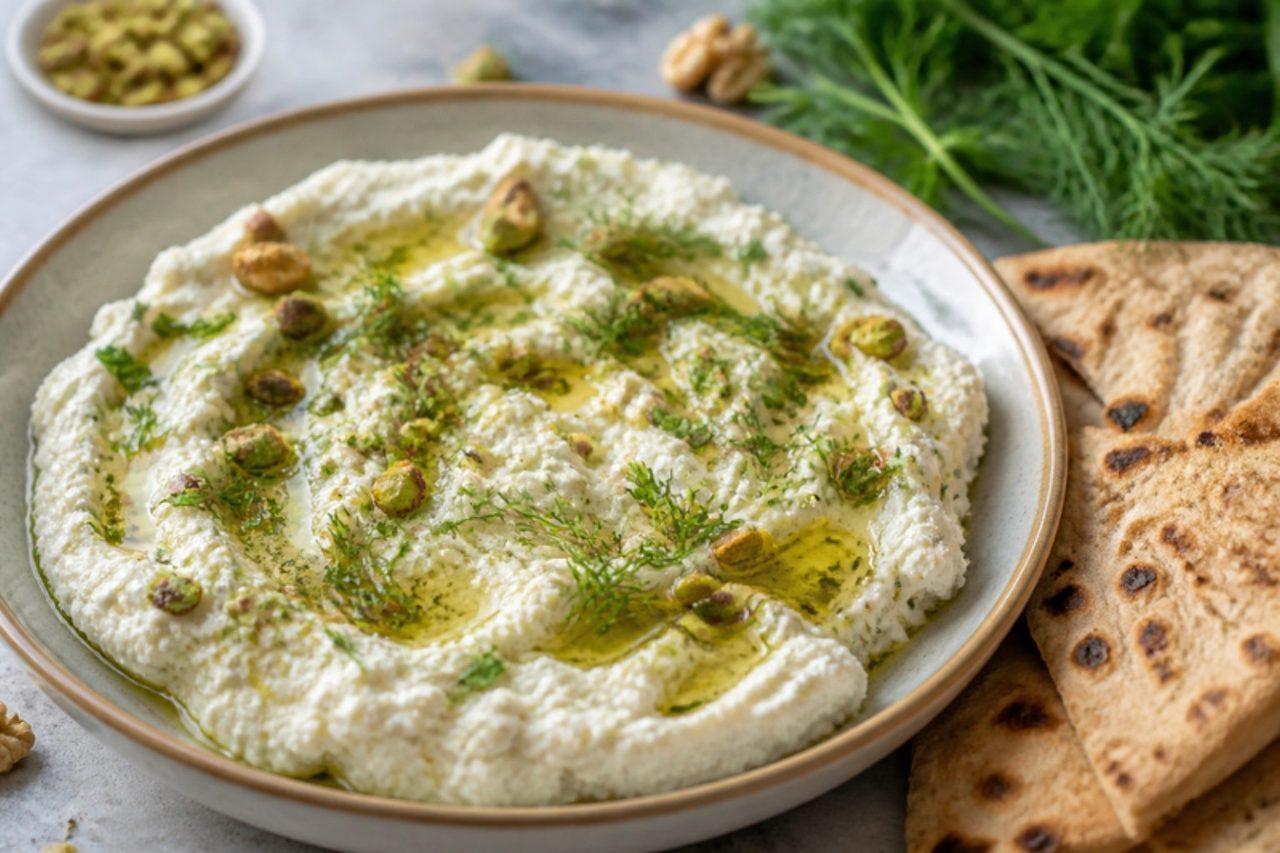
Girit ezmesiFeta, walnut and herb spread

Girit ezmesi takes its name from the Cretan Muslims who settled in Alaçatı and Çeşme a century ago, and it is still a fixture of every meze table in those whitewashed streets. Soft white cheese is mashed with olive oil, walnuts, garlic, plenty of herbs and a dusting of hot pepper into a rough, salty spread that begs for warm bread. Feta and beyaz peynir are often made with animal rennet, so choose a vegetarian one if you need to. Chef's tip: mash by hand with a fork rather than blending; it should stay textured, with visible pieces of walnut and herb.

by KrazyBadal 0 views

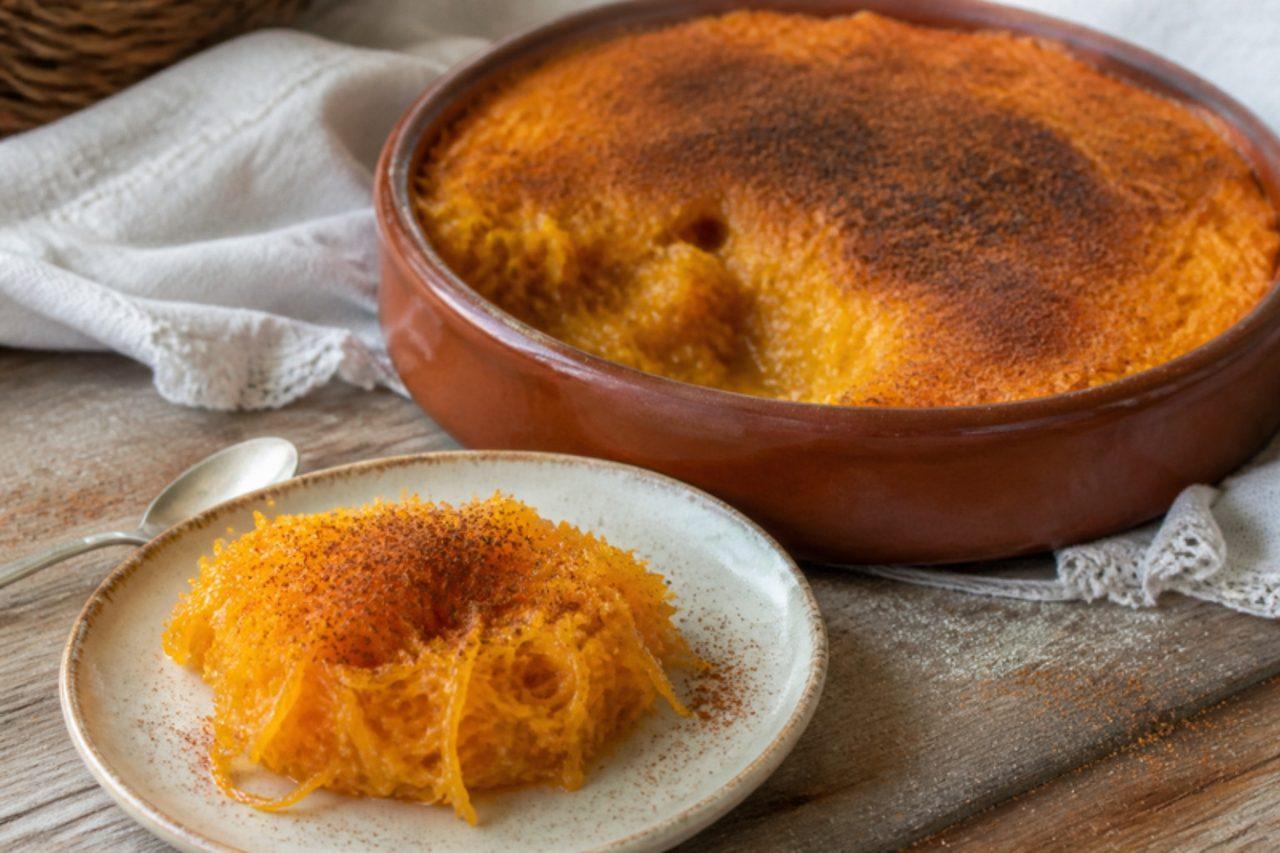
EncharcadaEgg-yolk threads in syrup

Alentejo convents, Évora's among them, used the yolks left over from egg whites used to starch linen and clarify wine, and encharcada, 'drenched', is one of their richest creations. Egg yolks are poured into boiling syrup, where they set into soft, golden threads and curds, then everything is dusted with cinnamon and browned under a hot grill. It is very sweet, so serve small portions in little dishes, at Christmas or a family celebration. A common mistake is stirring the yolks as they hit the syrup, which turns them into scrambled bits; let them set for a few seconds first, then lift them gently. Chef's tip: strain the yolks first, so no stringy white clings to them.

by KrazyBadal 0 views

Showing 45 of 7,762 recipes

Show more recipes

Page 516 of 863