


Skip to content
Idaho fry sauce
Featured recipe

Idaho fry sauce

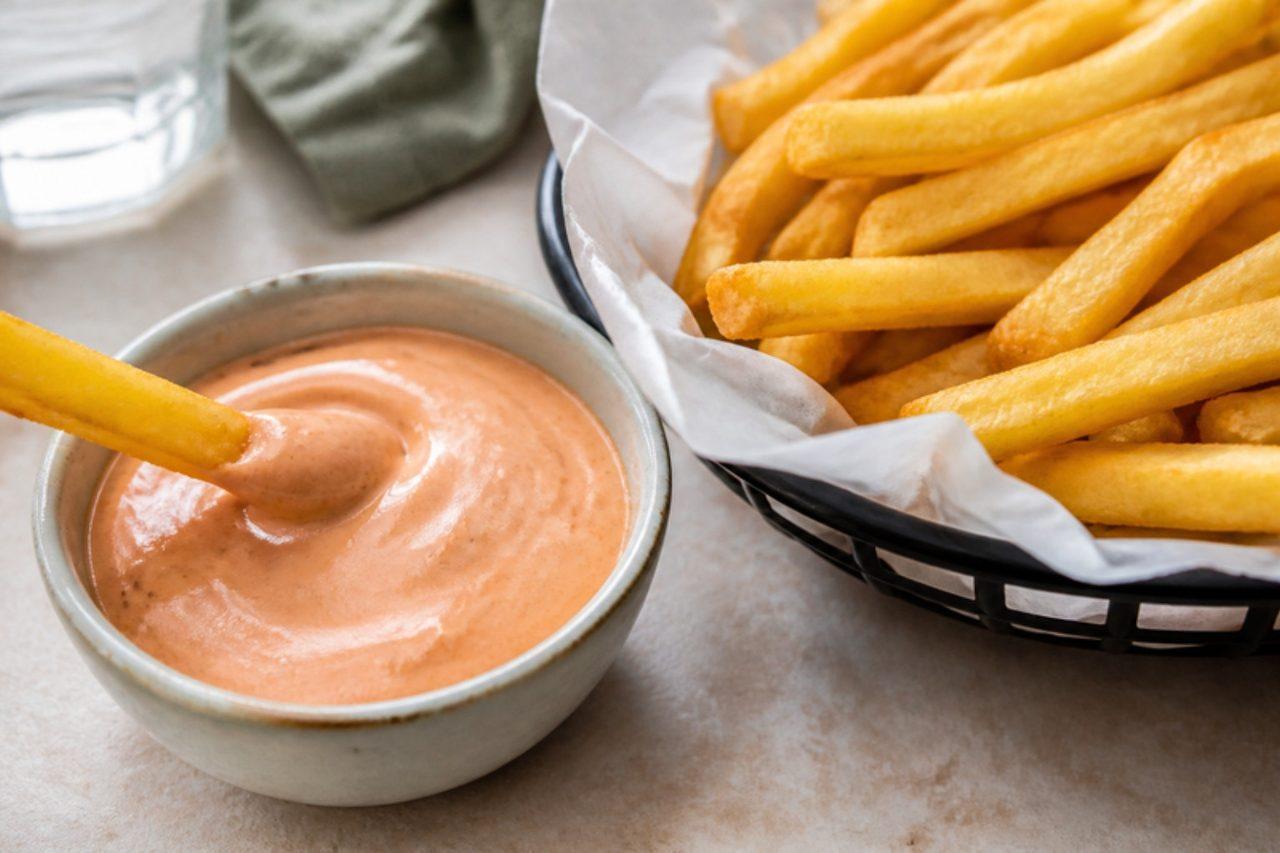
In Idaho and neighbouring Utah you don't get your fries without fry sauce, the pale pink dip that drive-ins and burger stands across the potato state put out in paper cups. It is mayonnaise and ketchup at heart, sharpened with a little pickle brine, garlic and smoked paprika, and it goes on chips, burgers and onion rings. Chef's tip: make it an hour ahead and chill it, so the garlic and paprika have time to bloom.

Read more 0 views

What to eat today?

Around the world

Today's trip: Paraguayan

A new country every day, from every cuisine on the site.

Paraguayan

Cocido quemado

Burnt sugar mate drink 14 minMore from Paraguayan (27) →

This week's collection

Kid-friendly dinners
537 recipes · a new collection every Monday

Latest recipes

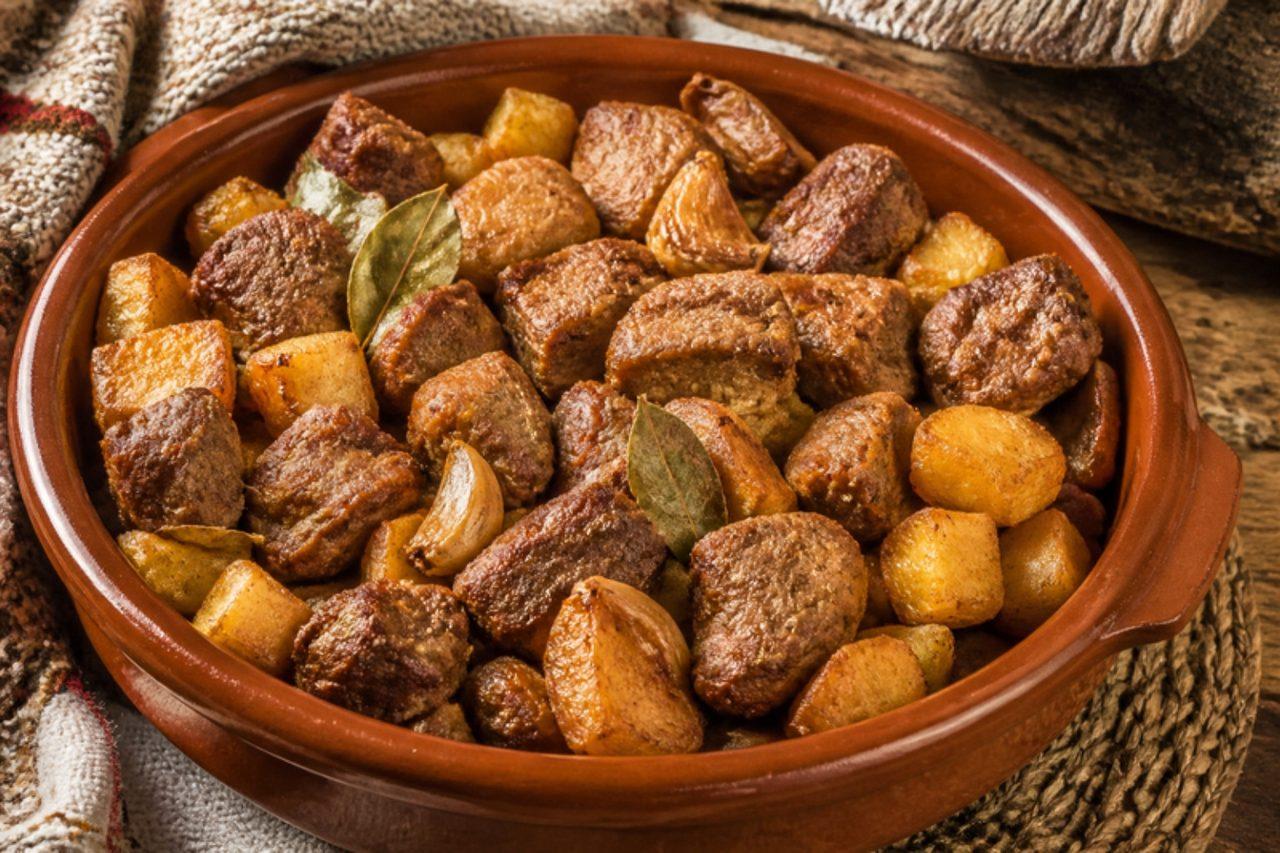
Rojões à minhotaMarinated fried pork with potatoes

Rojões are the centrepiece of a Minho winter feast, traditionally cooked in the weeks after the family pig was killed and still served in Braga and Ponte de Lima restaurants with arroz de sarrabulho alongside. This contains pork (pork shoulder and lard). Chunks of pork shoulder spend a night in white wine, garlic, paprika and bay, then cook slowly in their own fat until the outsides are crusty and the insides tender. The dish uses wine; an alcohol-free option is given in the ingredient list. A common mistake is crowding the pan, so the pork stews in its juices instead of browning in its own fat. Chef's tip: dry the pork well after marinating, or it will stew rather than brown.

by KrazyBadal 0 views

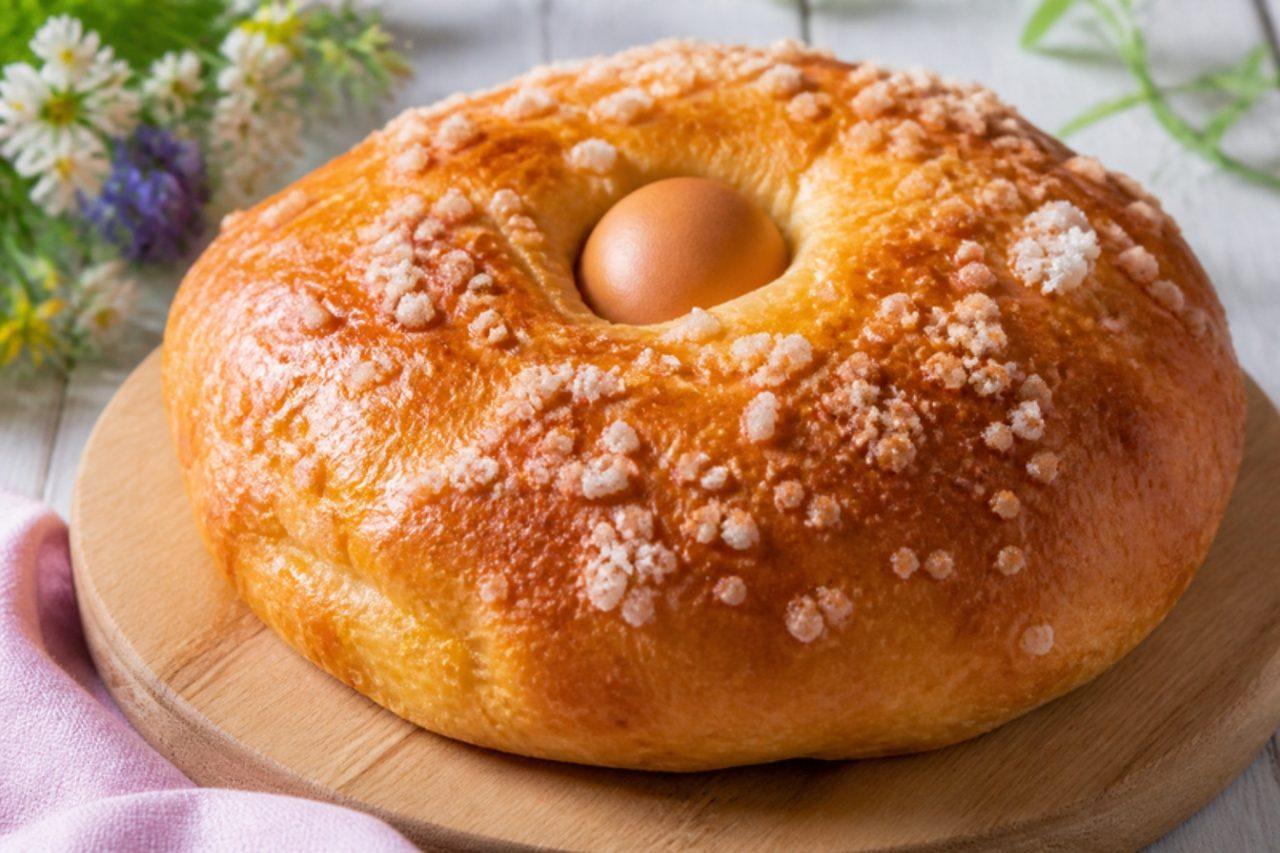
Mona de PascuaEaster brioche with egg

On Easter Monday, families across the Valencian Community head out to the countryside or the beach to "menjar-se la mona": they eat an orange-scented sweet brioche, often with a whole egg baked on top, and children crack the egg on a friend's forehead. The bun is soft and fluffy, glazed and sprinkled with sugar or coloured aniseed sprinkles. Here the eggs are hard-boiled first, so they are cooked through whatever the size of your bun. A common mistake is adding all the flour at once to a sticky dough; it softens as you knead, so hold back the last 50 g until you've kneaded for a few minutes. Chef's tip: make the starter the evening before and the dough on the day; the slow start gives a lighter crumb that stays soft for two days.

by KrazyBadal 0 views

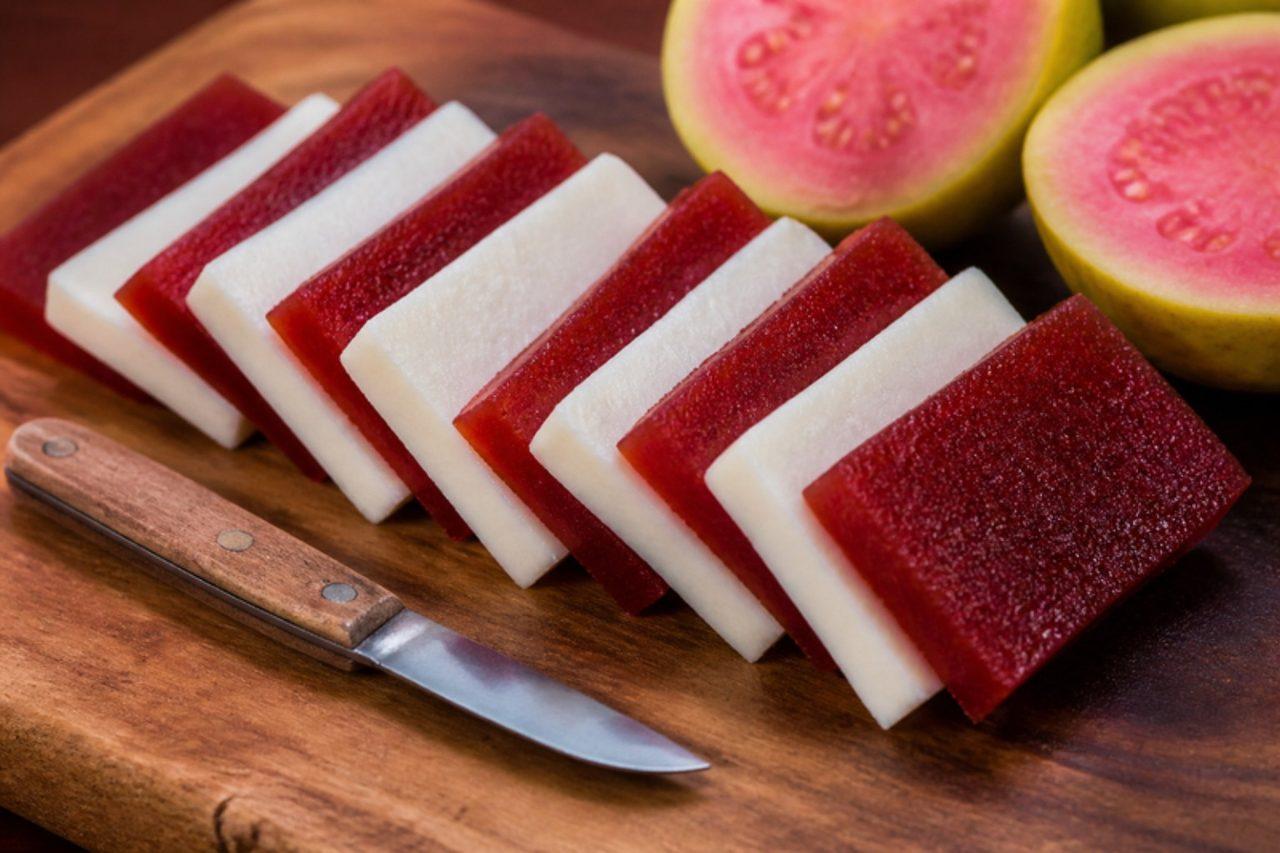
Romeu e JulietaGuava paste with fresh cheese

Two ingredients, no cooking, and a name every Brazilian knows: Romeo is the dark red goiabada, Juliet the mild white queijo Minas frescal, and they are always eaten together. Mineiros serve it after lunch on a saucer, at the end of a feast in a roadside restaurant, or as a mid-afternoon snack with coffee; the sweet, dense guava and the cool, milky, lightly salty cheese balance each other perfectly. Variations melt the guava into a warm sauce over the cheese, or bake both inside a pastry. Queijo Minas frescal is often made with animal rennet, so pick one labelled vegetarian, or use a young vegetarian farmer's cheese or paneer-style fresh cheese. The usual fault is cutting the guava thicker than the cheese, which buries Juliet; keep both slices the same size. Chef's tip: take the cheese out of the fridge 15 minutes ahead so it tastes of fresh milk rather than cold rubber.

by KrazyBadal 0 views

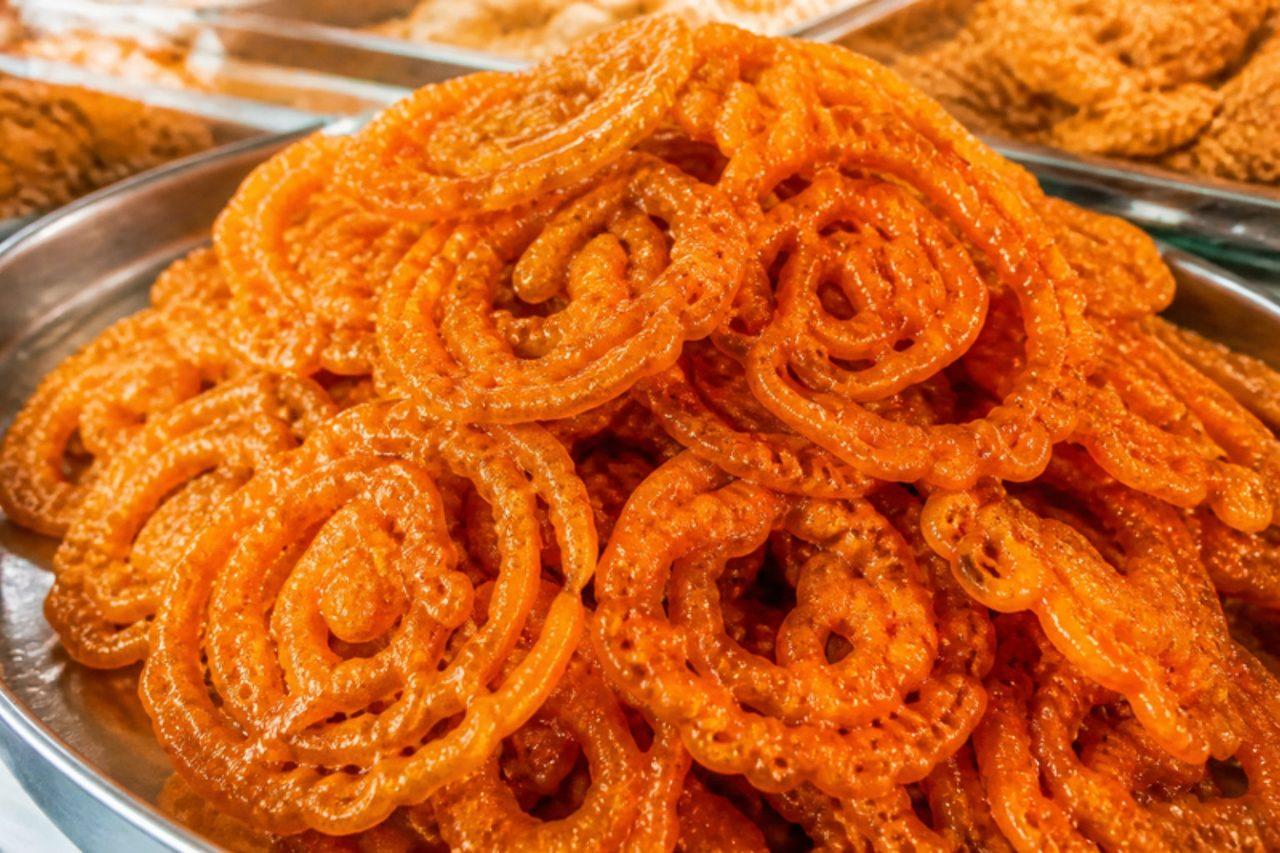
MushabbakFried batter spirals in syrup

Glass counters in the souks of Nablus and Damascus are stacked with mushabbak, crisp latticed spirals of fried batter dunked in syrup until they glisten. They are bought by the bag for Christian and Muslim feast days, for Ramadan evenings and for no reason at all, and are best eaten within hours while the shells still crack. A lightly fermented batter piped into hot oil gives the hollow, crunchy rings. The mistake to avoid is oil that is not hot enough: the batter soaks up fat and the spirals turn heavy and limp. Chef's tip: the syrup must be cold and the mushabbak hot; dip, count to three and lift, and they stay crisp for hours.

by KrazyBadal 0 views

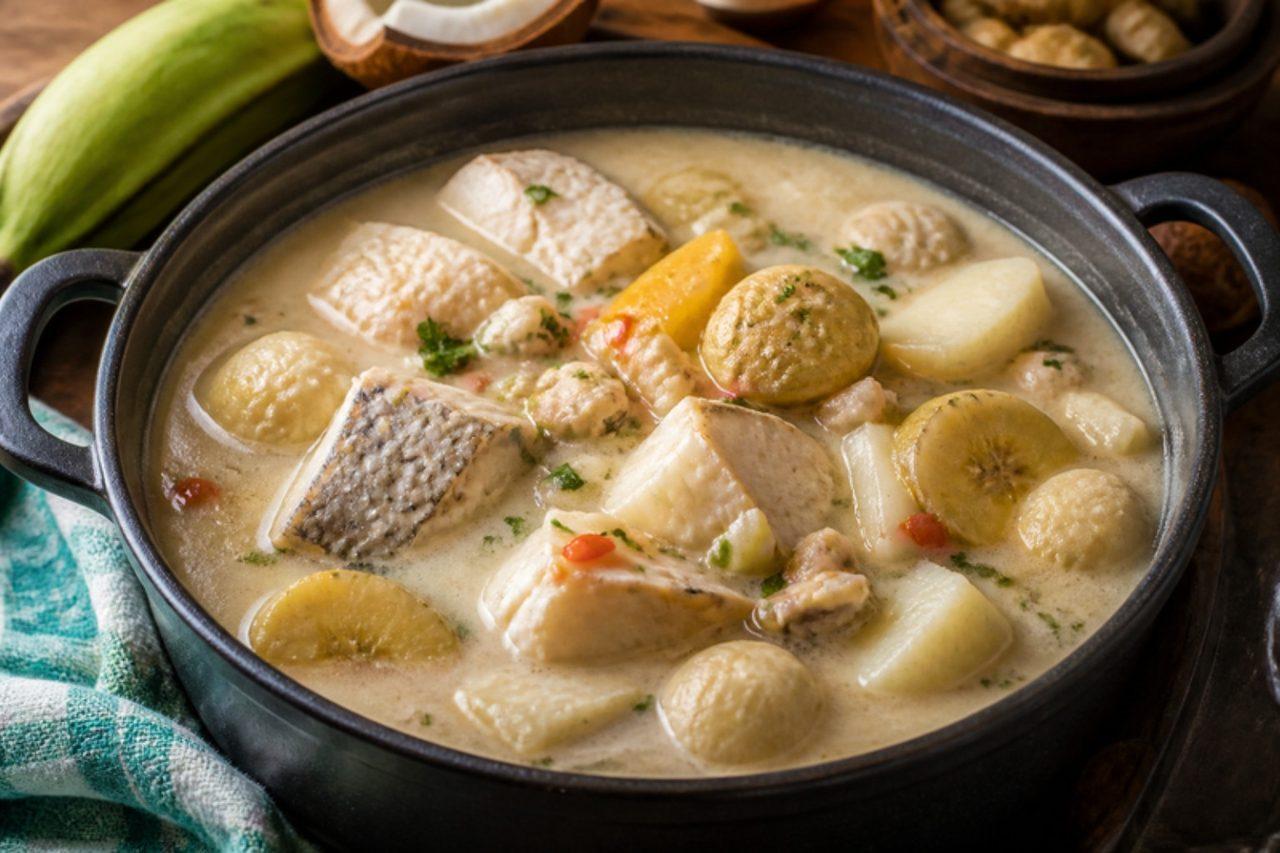
RondónCoconut fish and conch stew

The English-speaking Raizal islanders of San Andrés and Providencia call it rundown, and it is cooked for a crowd on weekends and at beach gatherings: coconut milk boiled down until it 'runs down' and starts to release its oil, with cassava, green plantain, breadfruit or sweet potato, flour dumplings, salted pig tail and, on top, fish and conch steamed in the creamy broth. Pork appears as the salted tail, which seasons the pot. The broth is rich, coconut-sweet and herby with thyme, with a perfume of whole Scotch bonnet that gives aroma rather than fire as long as it doesn't burst. Start the day before: the pig tail needs overnight soaking. A common mistake is stirring once the fish goes in, which breaks it up; layer it and let the steam do the work. Chef's tip: queen conch is protected in much of the Caribbean, so buy only legally sourced frozen conch, or swap in large raw prawns added with the fish.

by KrazyBadal 0 views

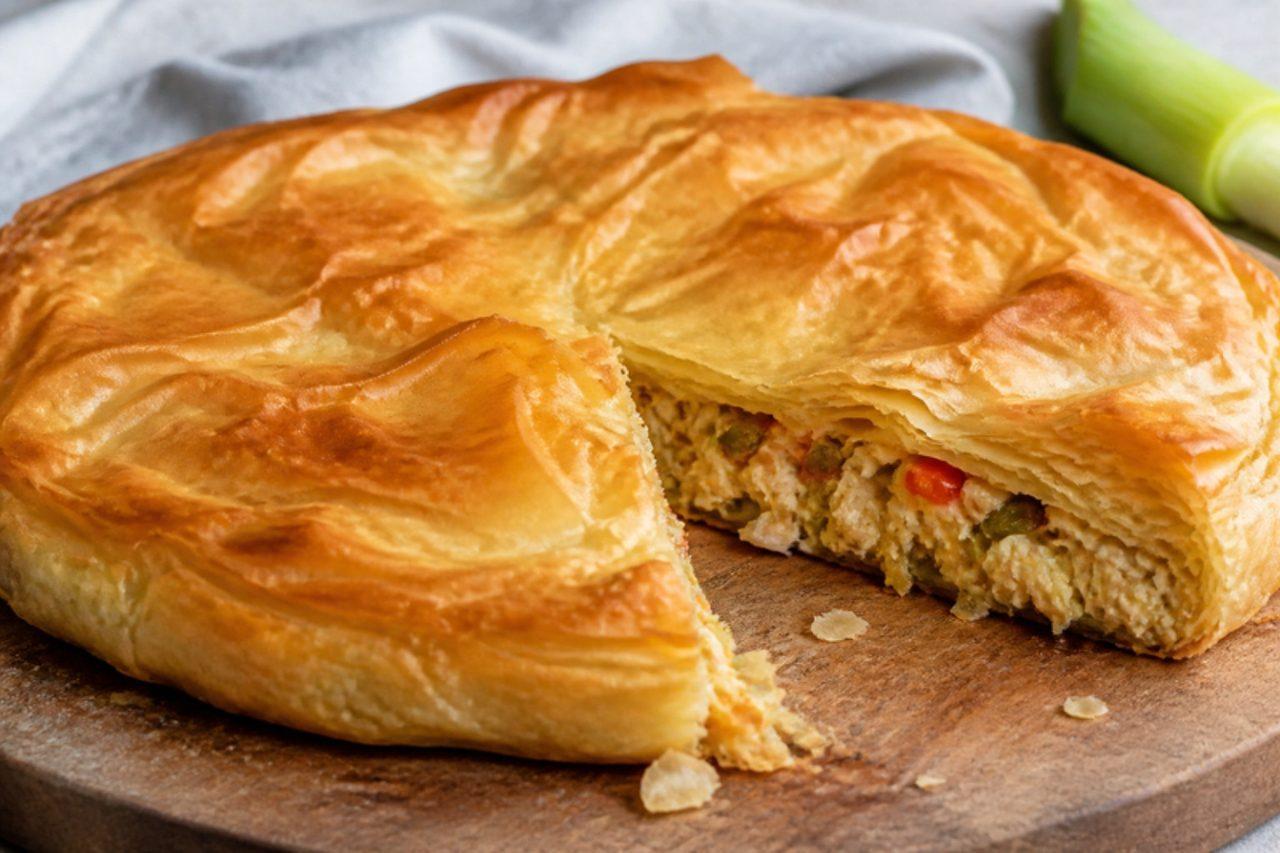
KotopitaChicken and leek pie

Epirus is Greece's pie country, and kotopita is the one served at Sunday lunch and family celebrations in Ioannina, cut into deep golden squares. Chicken is poached until tender, shredded and folded into a filling of soft leeks, peppers, eggs and two cheeses, then baked between layers of buttered filo. A salad is all you need alongside. Common mistake: adding the eggs to hot filling, which scrambles them — cool it first. Chef's tip: cook the poaching stock down by half and stir a few spoons into the filling; it keeps the chicken moist without making the pastry wet.

140 minGreekChicken
by KrazyBadal 0 views

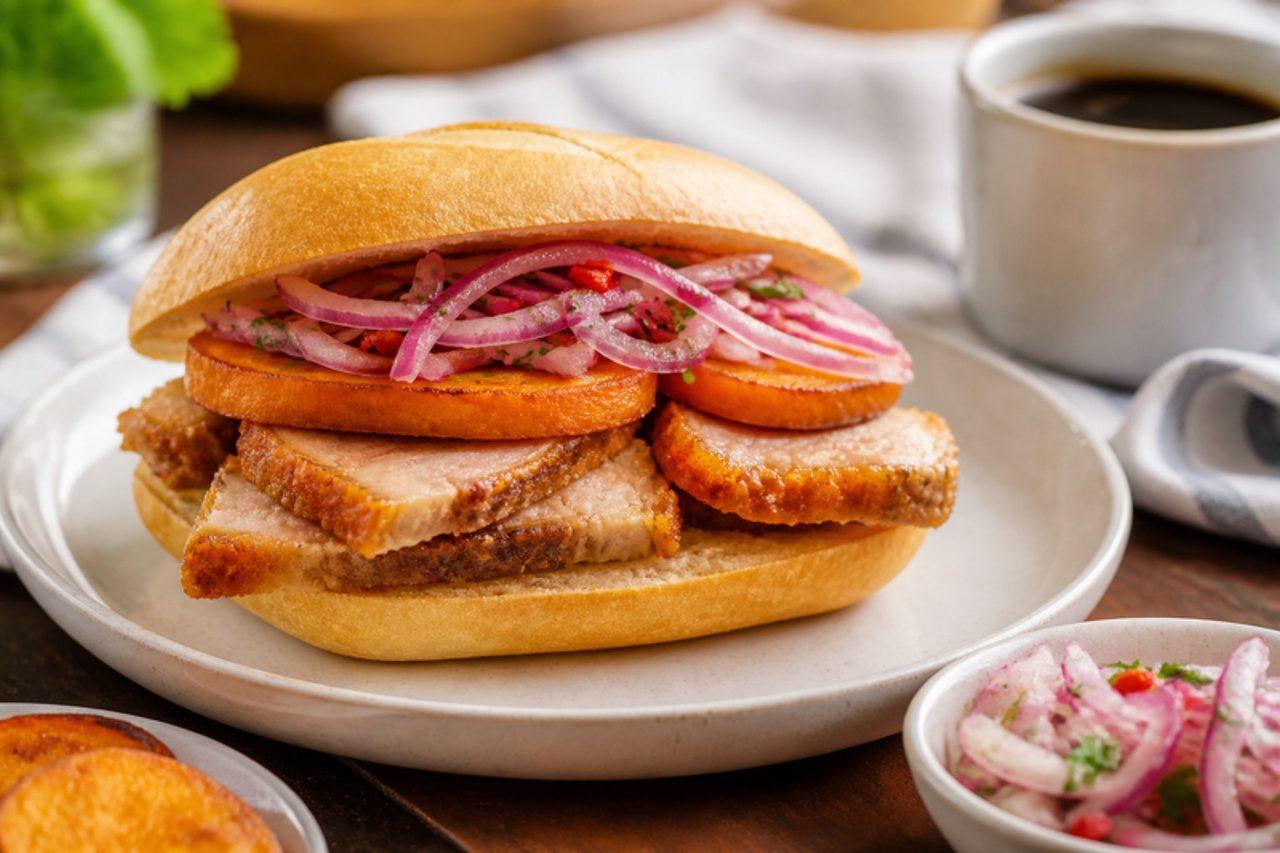
Pan con chicharrónCrisp pork sandwich

Sunday mornings in Lima mean a queue at the neighbourhood sanguchería or a stop at Barranco's old cafés for this: a crusty pan francés roll stuffed with chicharrón, pork that has been simmered in salted water until the water evaporates and then fried in its own fat, layered with slices of fried sweet potato and a crown of salsa criolla. The pork is crisp at the edges, juicy inside, the sweet potato sweet and soft, the onion sharp and cold. It comes with coffee or a hot drink. The usual mistake is frying the pork in extra oil from the start; the water has to boil off first so the meat renders and fries in its own fat, otherwise it stays pale and tough. Chef's tip: use pork belly mixed with shoulder for the right balance of crackle and meat.

by KrazyBadal 0 views

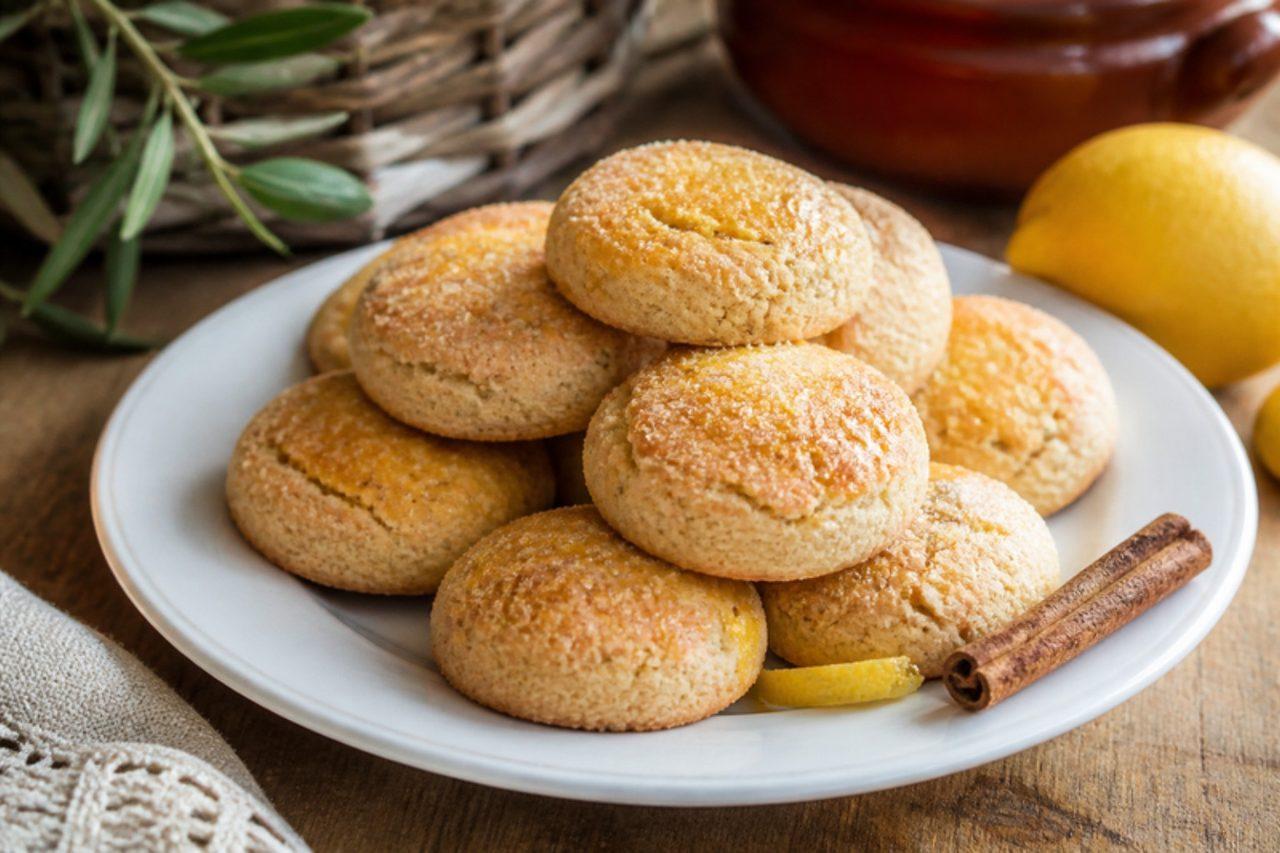
PerrunillasCinnamon and lemon lard cookies

Perrunillas are the cookies of Extremaduran grandmothers, baked in village ovens for Christmas, weddings and the days after the matanza, when fresh lard was plentiful. They are thick, pale and so short they crumble the moment you bite, with a crackly sugar top, and they are eaten with coffee or a glass of milk in the afternoon. This contains pork (pork lard), so they are not vegetarian. Chef's tip: beat the lard and sugar for a good few minutes until very pale and fluffy; that air is what makes them light.

by KrazyBadal 0 views

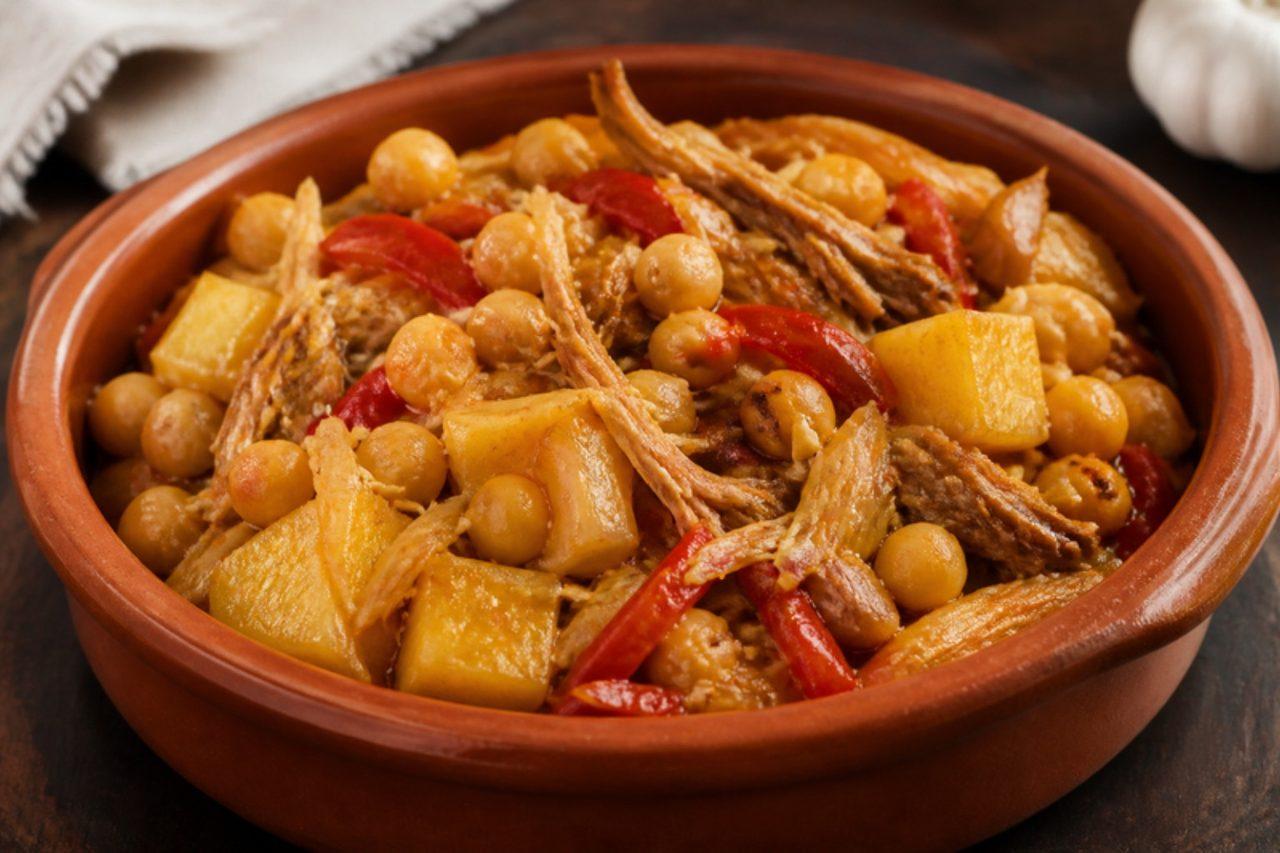
Ropa vieja canariaChickpea, beef and chicken fry-up

The 'old clothes' of the name are the leftover meats from Sunday's puchero, shredded and fried the next day with chickpeas, potatoes, peppers and tomato; it is a different dish from the Cuban ropa vieja, and on the islands it is Monday lunch and a fixture of bar menus in Las Palmas. Some versions include pork; this one uses beef and chicken, poached from scratch if you have no leftovers. A splash of white wine is common; it is optional and the dish is complete without it. Chef's tip: fry the chickpeas until a few catch and crisp, because those browned bits make the dish.

100 minSpanishMeatGluten free
by KrazyBadal 0 views

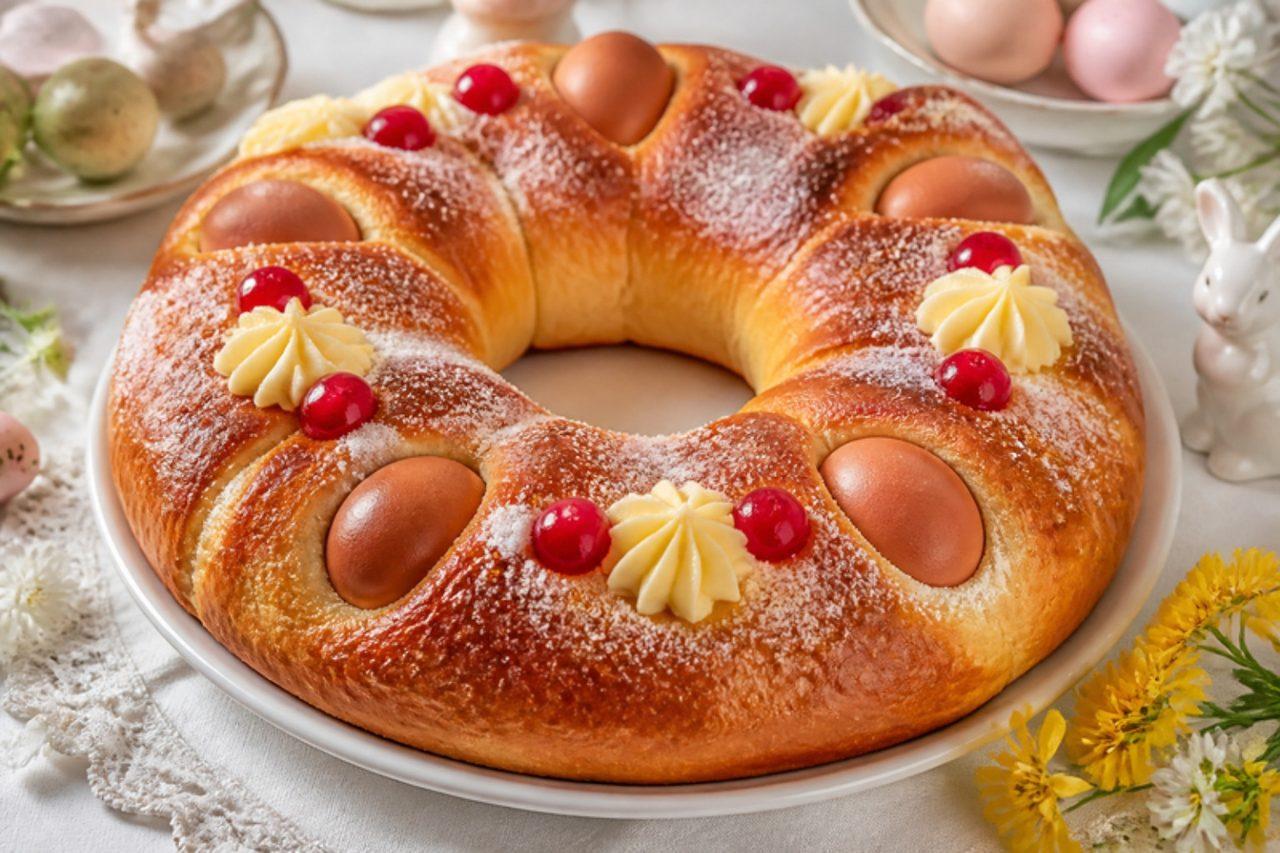
Rosca de PascuaEaster ring bread

Argentine Easter Sunday breakfast centres on the rosca de Pascua, a ring of soft, orange-scented brioche-like dough laid with stripes of pastry cream, candied cherries and pearl sugar, with whole boiled eggs pressed into the dough as a symbol of new life. Bakeries in every barrio stack them in the window from Holy Thursday, and families share it with coffee or mate after the Easter egg hunt. The crumb is fluffy and pale yellow, and the custard bakes into soft, golden ridges. Because the eggs bake for 30 minutes on top of their boiling, they are fully cooked; many people keep them for decoration and peel them later. The mistake to avoid is piping the pastry cream too thick, which slides off as the ring rises; thin lines give neat ridges. Chef's tip: cook the custard until it is very thick and chill it before piping, and brush the ring with egg before (not after) the cream goes on.

by KrazyBadal 0 views

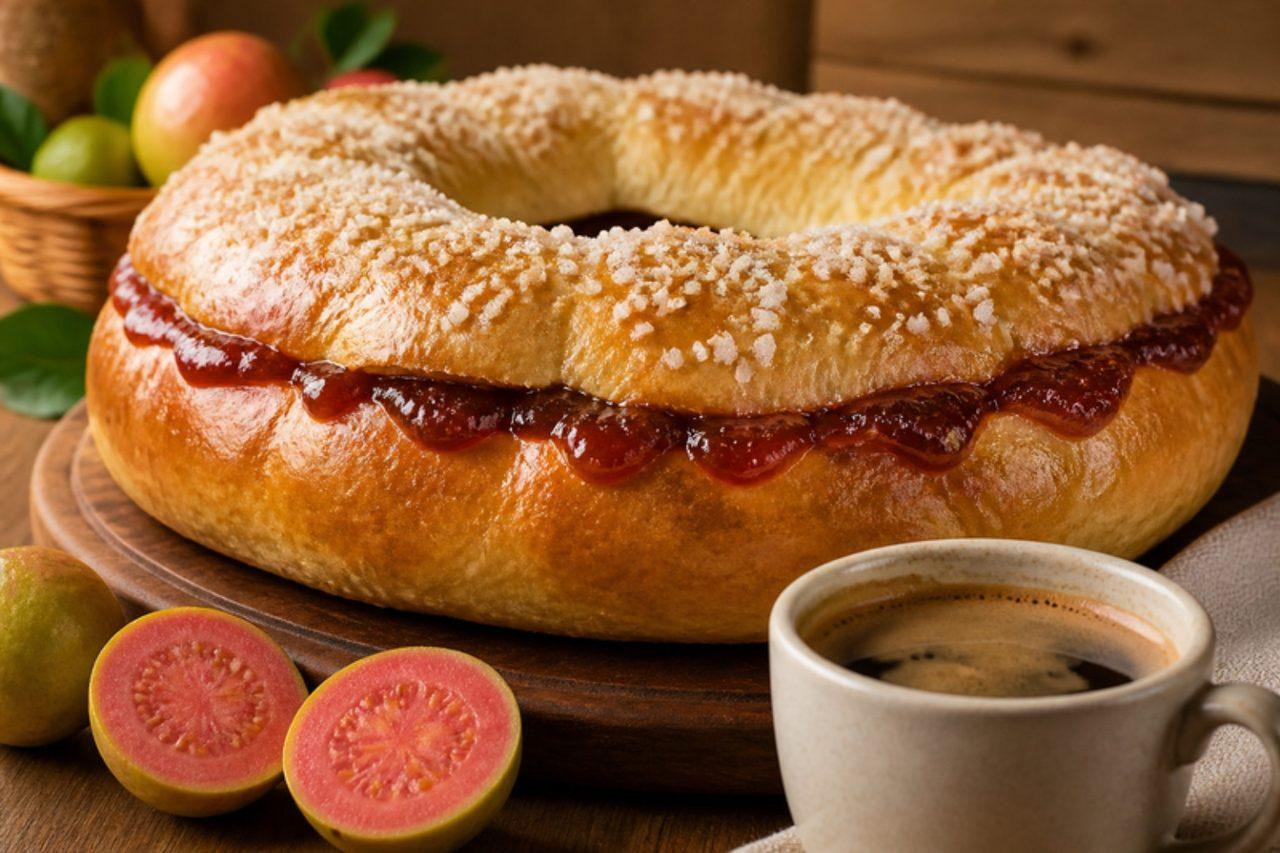
RoscónGuava-filled sweet bread ring

Every Bogotá bakery has a tray of roscones by the counter: soft, enriched bread rings glazed and sprinkled with sugar, hiding a seam of melted guava paste inside. They are eaten at onces, the afternoon coffee break, or for breakfast with hot chocolate, and they are a favourite thing to bring when visiting. The dough is a gently sweet milk-and-butter bread, close to a brioche but lighter. Chunks of guava paste that are too big are what normally goes wrong: they melt, burst the seam and burn on the tray, so cut it into thin batons and seal the dough firmly around them. Plan about 2 hours, most of it rising time. Look for guava paste (bocadillo or goiabada) in Latin shops; quince paste works in a pinch. Chef's tip: brush with the egg wash twice, once before the second rise and once before baking, for a deep, shiny crust that holds the sugar.

by KrazyBadal 0 views

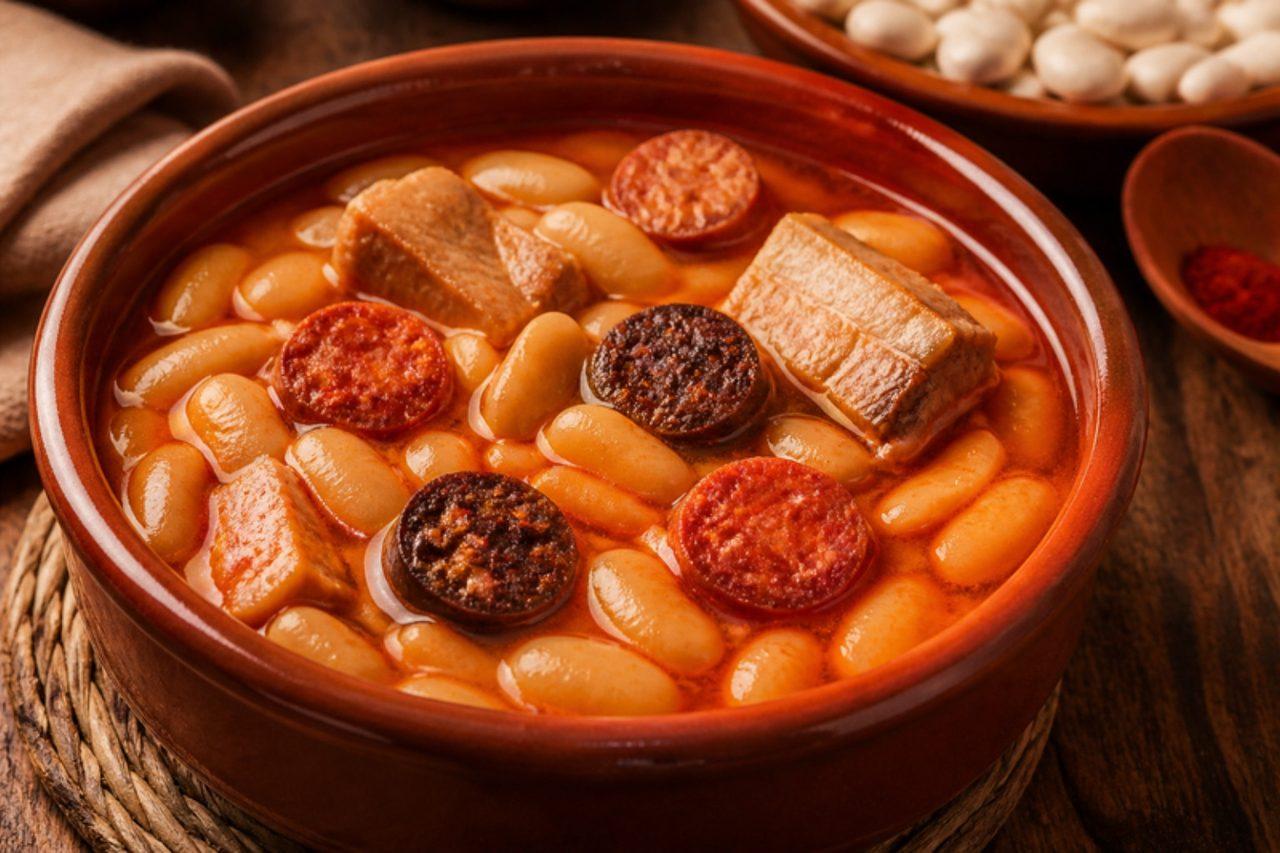
Judiones de La GranjaButter beans with chorizo and pork

In La Granja de San Ildefonso, the royal summer palace in the hills above Segovia, local farmers grow judiones, enormous flat white beans with skin so thin they melt on the tongue. Restaurants in the town and in Segovia stew them with chorizo, morcilla and pork for cold-weather lunches, followed by a roast. This contains pork (chorizo, morcilla and pork rib or ear). Large butter beans or Greek gigantes work well elsewhere. Chef's tip: never stir the beans; shake the pot instead, so they stay whole.

170 minSpanishMeat
by KrazyBadal 0 views

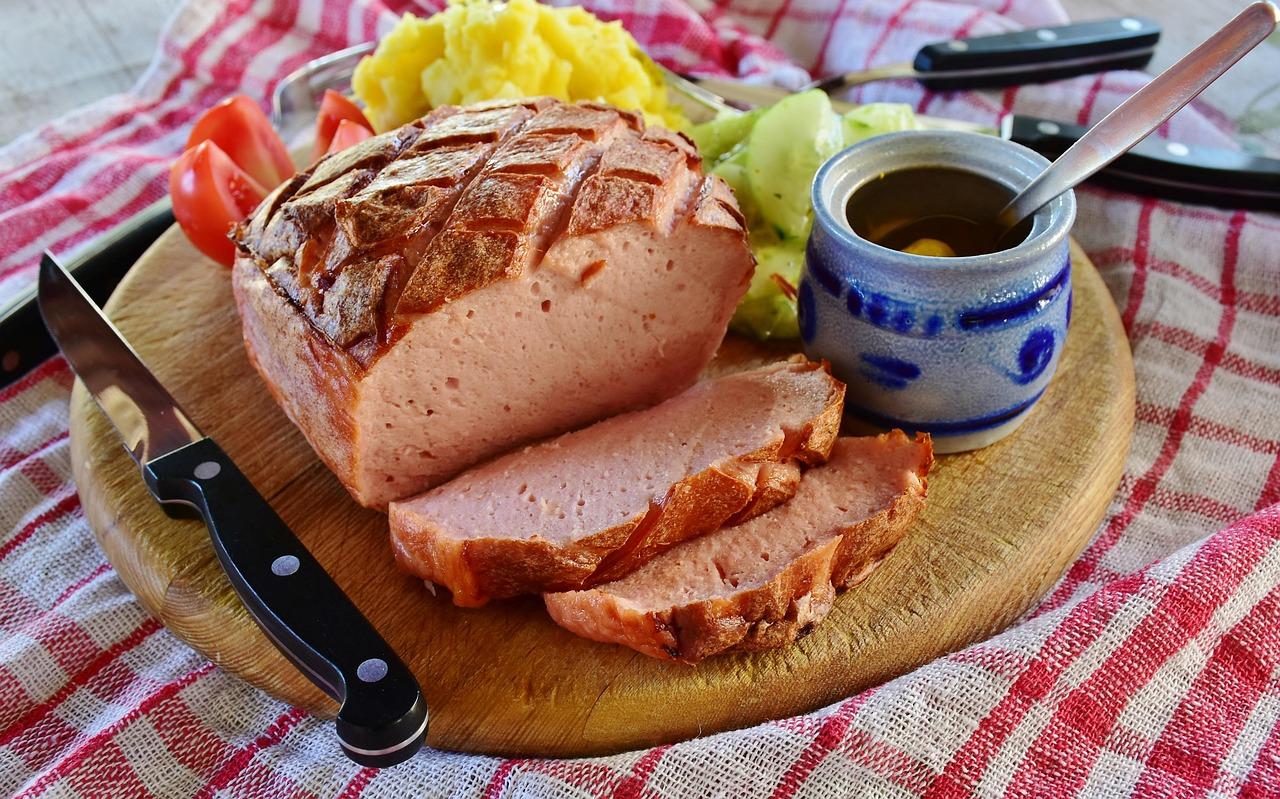
LeberkäseBaked pork and beef loaf

Despite its name, Bavarian Leberkäse contains neither liver nor cheese: it is a smooth, finely ground loaf of pork and beef baked until it has a dark, crunchy crust. In Munich it is the mid-morning snack, a thick warm slice folded into a crusty roll with sweet mustard and eaten standing at the butcher's counter. Made at home without curing salt, the inside bakes pale grey rather than pink, which is normal. Chef's tip: everything, including the bowl of the food processor, must be ice-cold; if the mix warms above about 12 °C the fat separates and the loaf turns crumbly.

115 minGermanMeat
by KrazyBadal 0 views

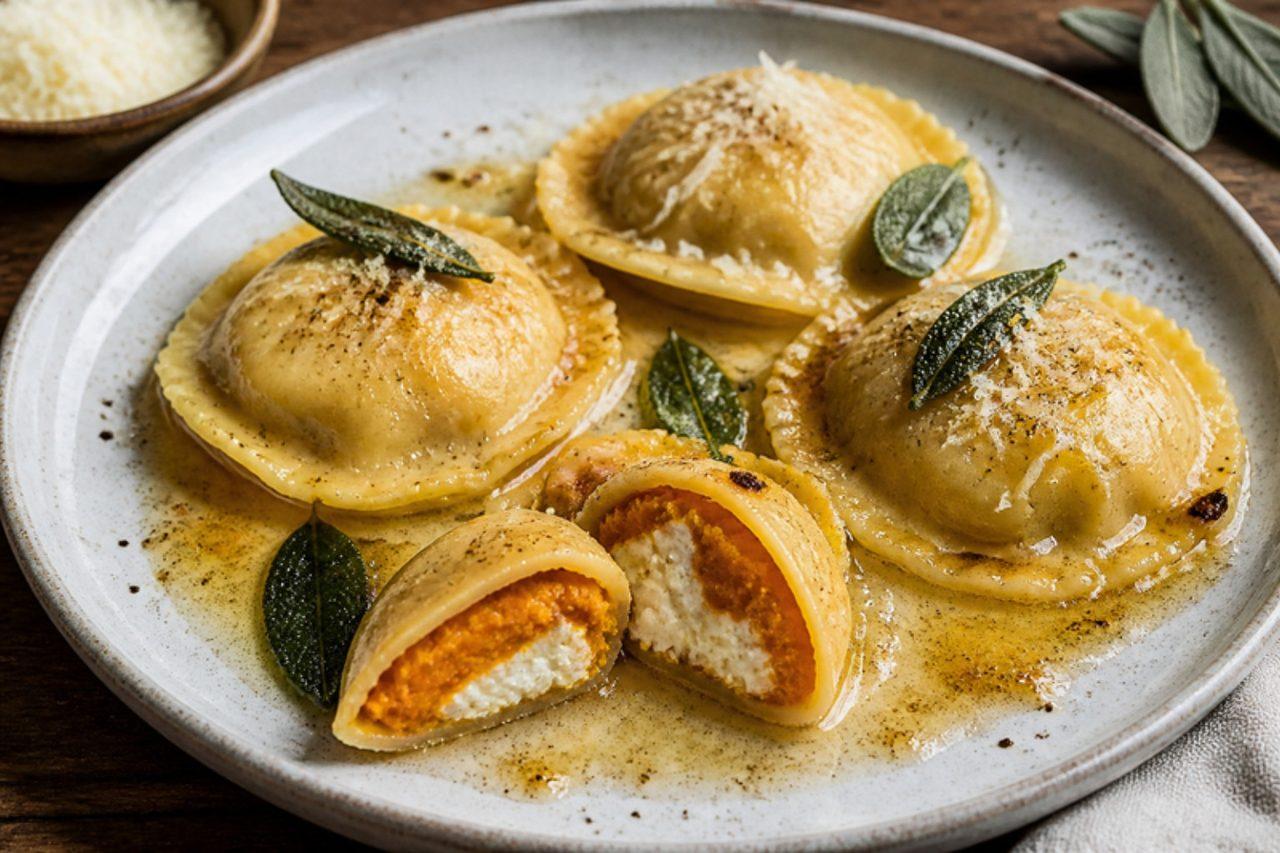
Sorrentinos de calabazaSquash and ricotta pasta parcels

Mar del Plata claims the sorrentino, a big round stuffed pasta about the size of a jam-jar lid that Italian-Argentine cooks made their own in the mid-20th century; despite the name, you won't find it in Sorrento. Every fresh-pasta shop in Buenos Aires province sells them by the dozen on Sunday mornings, and the squash version, with roasted calabaza, ricotta and nutmeg, is the most loved. The filling is sweet and soft, the pasta thin but sturdy, and the sauce is either brown butter with sage or a plain tomato filetto. The classic mistake is boiled squash: it carries too much water, the filling weeps and the parcels burst in the pot, so the squash is roasted until dry and caramelised. Grated hard cheese is usually made with animal rennet; choose a vegetarian hard cheese if needed. Chef's tip: chill the filling until firm before you shape it; a cold, stiff filling is far easier to seal without air pockets.

by KrazyBadal 0 views

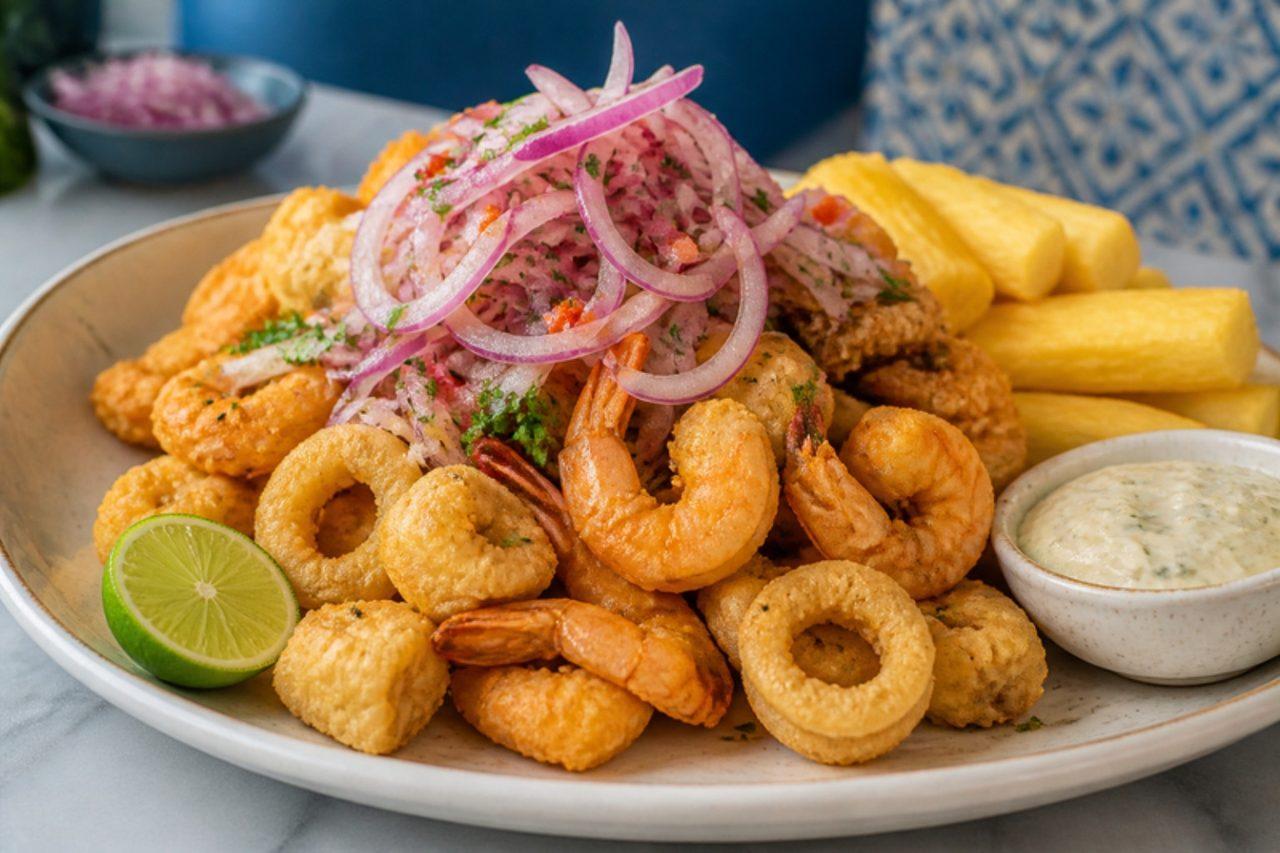
Jalea mixtaMixed fried seafood with cassava

Ordered to share at a Lima cevichería on a Sunday, jalea mixta arrives as a tall golden pile: chunks of white fish, squid rings and prawns, all in a light, crackly coat, on top of fried cassava and buried under a fresh tangle of salsa criolla. The contrast is the point, hot and crunchy underneath, cold, sour and sharp on top, with tartar sauce or ají on the side and cold drinks all round. A frequent mistake is crowding the oil, which drops its temperature and gives you a soggy, greasy coat; fry in small batches and let the oil come back up between them. Chef's tip: boil the cassava first and let it steam dry before frying; it turns fluffy inside and shatteringly crisp outside.

by KrazyBadal 0 views

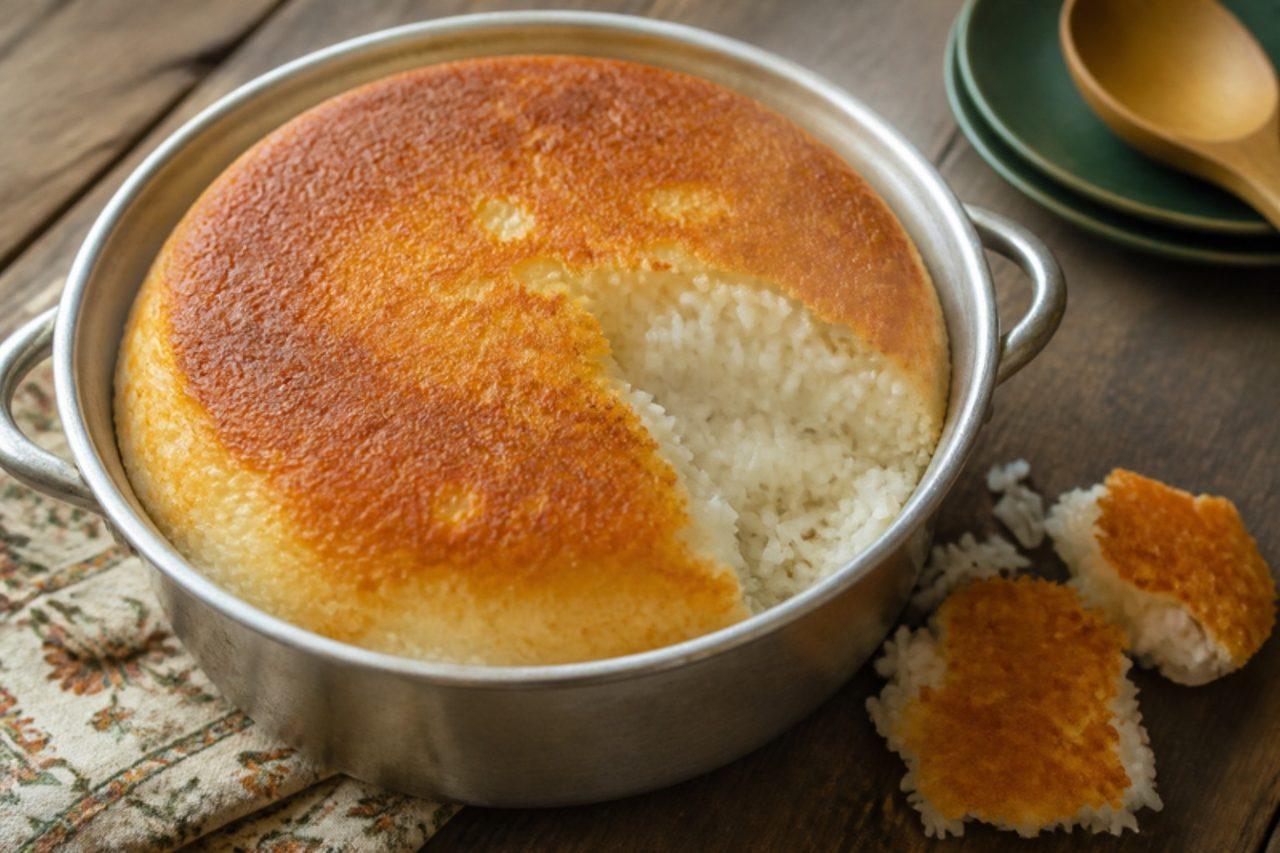
KatehSoft buttery rice

Along the Caspian coast in Gilan and Mazandaran, kateh is the daily rice: no par-boiling and draining as in Tehran's chelow, just rice, water, salt and butter cooked together until the water vanishes and the grains settle into a soft, slightly sticky cake with a golden crust underneath. Northern families eat it at almost every meal with fish, mirza ghasemi or baghala ghatogh, and children love the buttery bottom. The common mistake is lifting the lid and stirring once the water has been absorbed, which breaks the grains and stops the crust forming. Chef's tip: use a heavy non-stick pot and add the butter only after the water has boiled down; it seeps through and fries the base.

by KrazyBadal 0 views

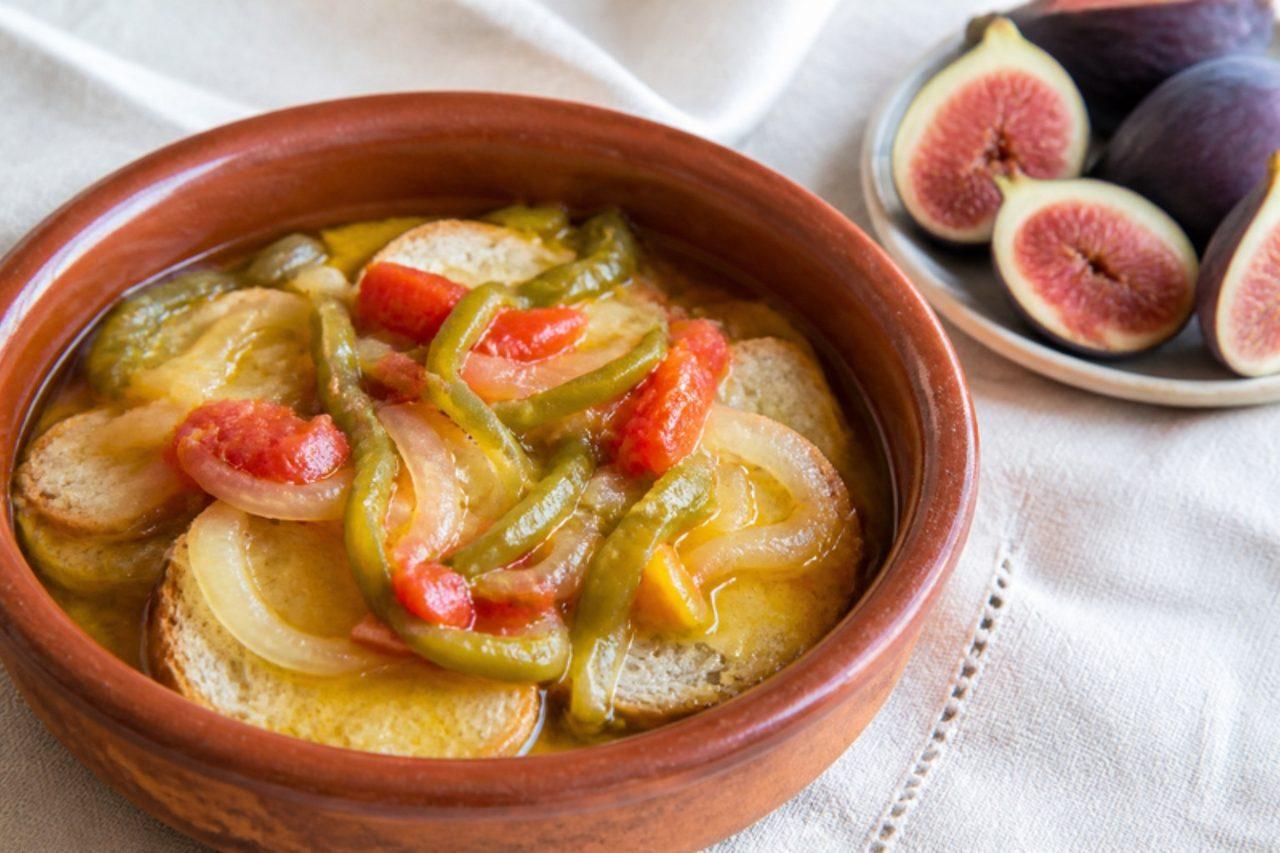
OliaiguaOnion, pepper and tomato soup

The name is simply oli i aigua, oil and water, and that is how Menorcan farm workers started it: a pan of olive oil, a little water and whatever the vegetable patch offered, poured over slices of hard bread. Today oliaigua amb tomàtigues is a July and August supper all over the island, from Ciutadella to Maó, slow-cooked onion, green pepper and ripe tomato in a light broth. Menorcans eat it with fresh figs or grapes on the side, which sounds odd and works beautifully. Chef's tip: the bread must be stale and sliced paper-thin, so it softens in the broth without dissolving into paste.

by KrazyBadal 0 views

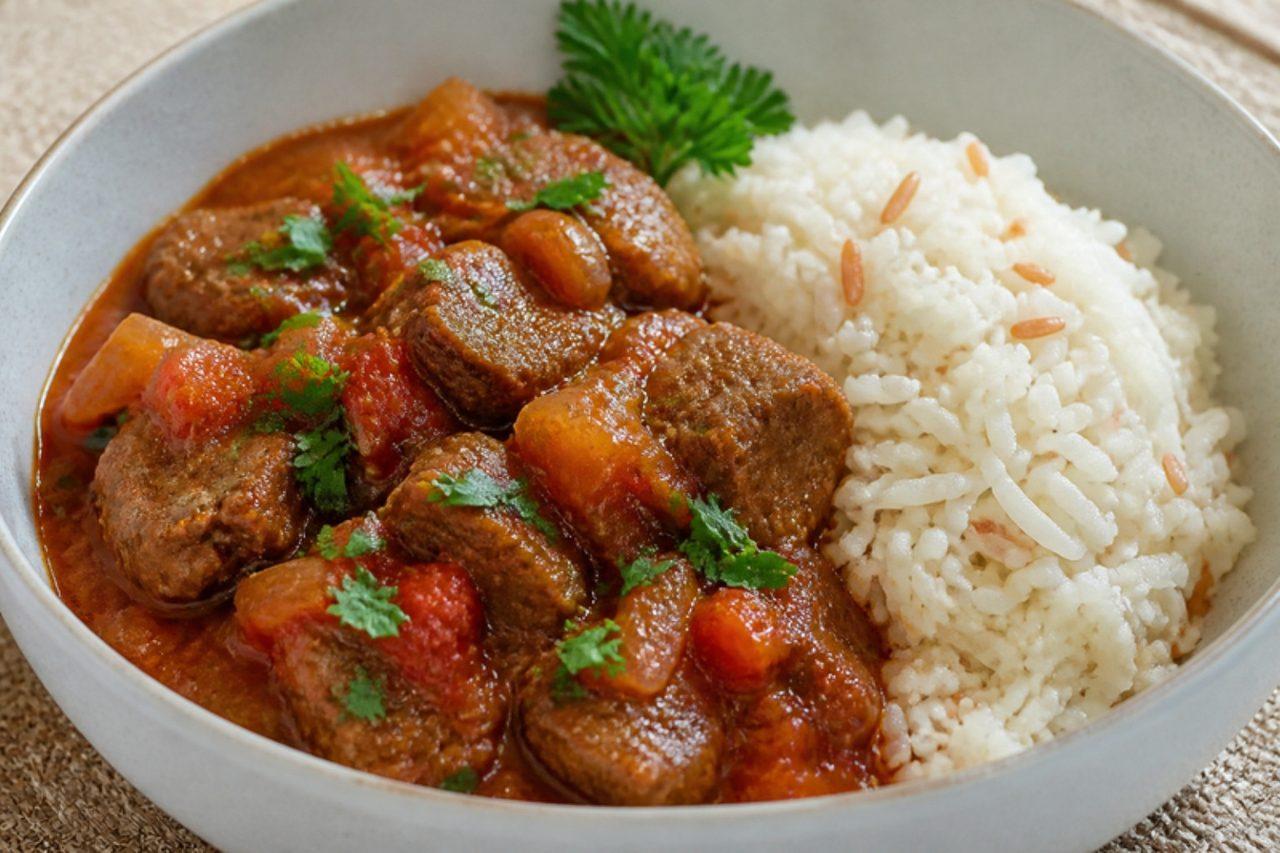
Tas kebabıBraised beef with rice

Despite the name, tas kebabı never sees a grill: it is a bowl ('tas') of beef braised slowly with lots of onion, tomato and a little pepper paste until the meat is soft and the sauce is rich and glossy. It is a mainstay of esnaf lokantası, the tradesmen's restaurants where workers eat a hot lunch from steam trays, and is served over buttery rice pilaf or alongside mashed potato. Common mistake: crowding the pan when browning, so the beef boils grey. Chef's tip: cook the onions down until jammy before the tomato goes in; they melt into the sauce and give it body without any flour.

125 minTurkishMeatGluten free
by KrazyBadal 0 views

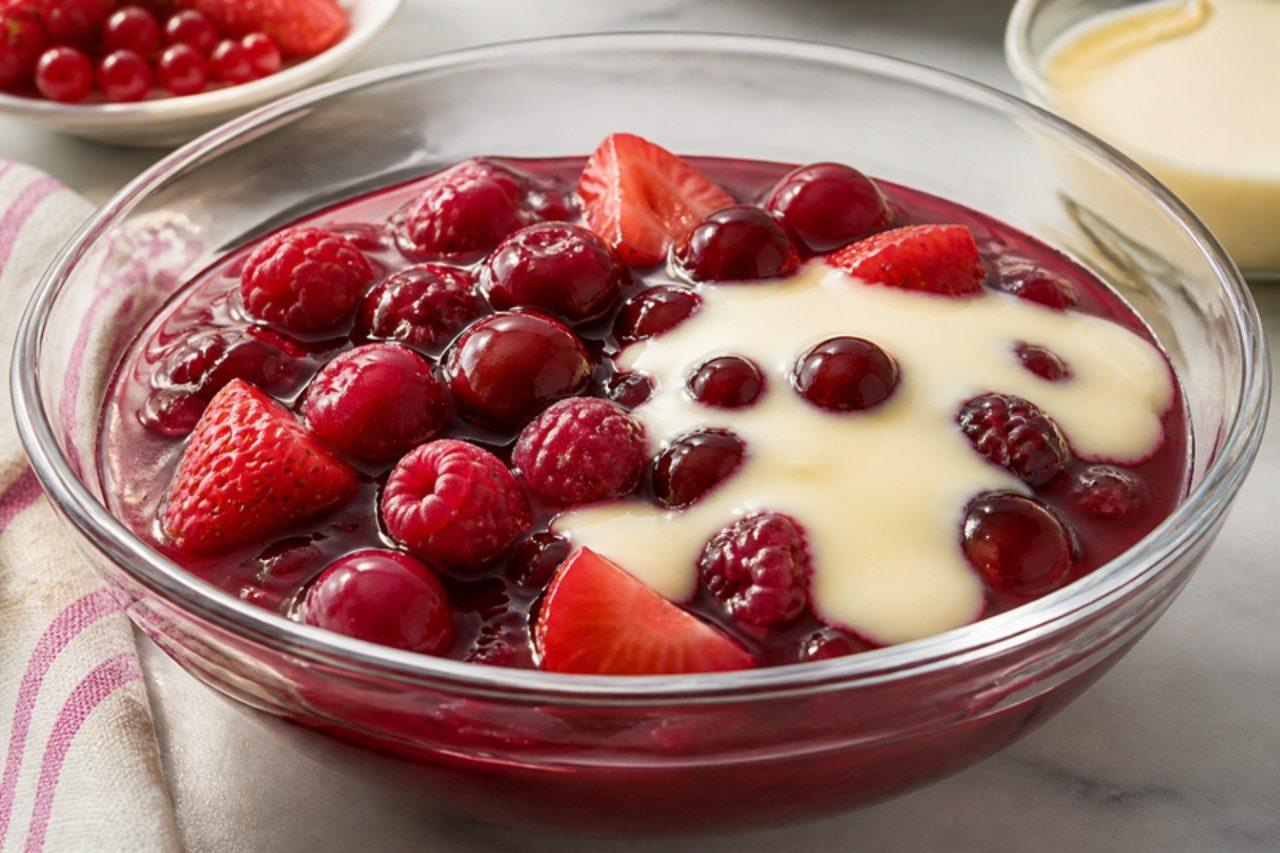
Rote GrützeRed berry pudding

Rote Grütze is the summer dessert of Hamburg, Schleswig-Holstein and Lower Saxony, made when the gardens are full of redcurrants, raspberries and sour cherries. The fruit is cooked briefly, thickened with a little cornflour and chilled until it sets to a glossy, spoonable jelly, tart and deep red, with whole berries still in it. Northerners pour cold vanilla sauce or plain cream over it; with a plant-based vanilla sauce it is fully vegan. A common mistake is boiling all the berries: add the soft raspberries last, off the heat, so they keep their shape. Chef's tip: frozen mixed berries work beautifully out of season, and their juice gives an even deeper colour.

by KrazyBadal 0 views

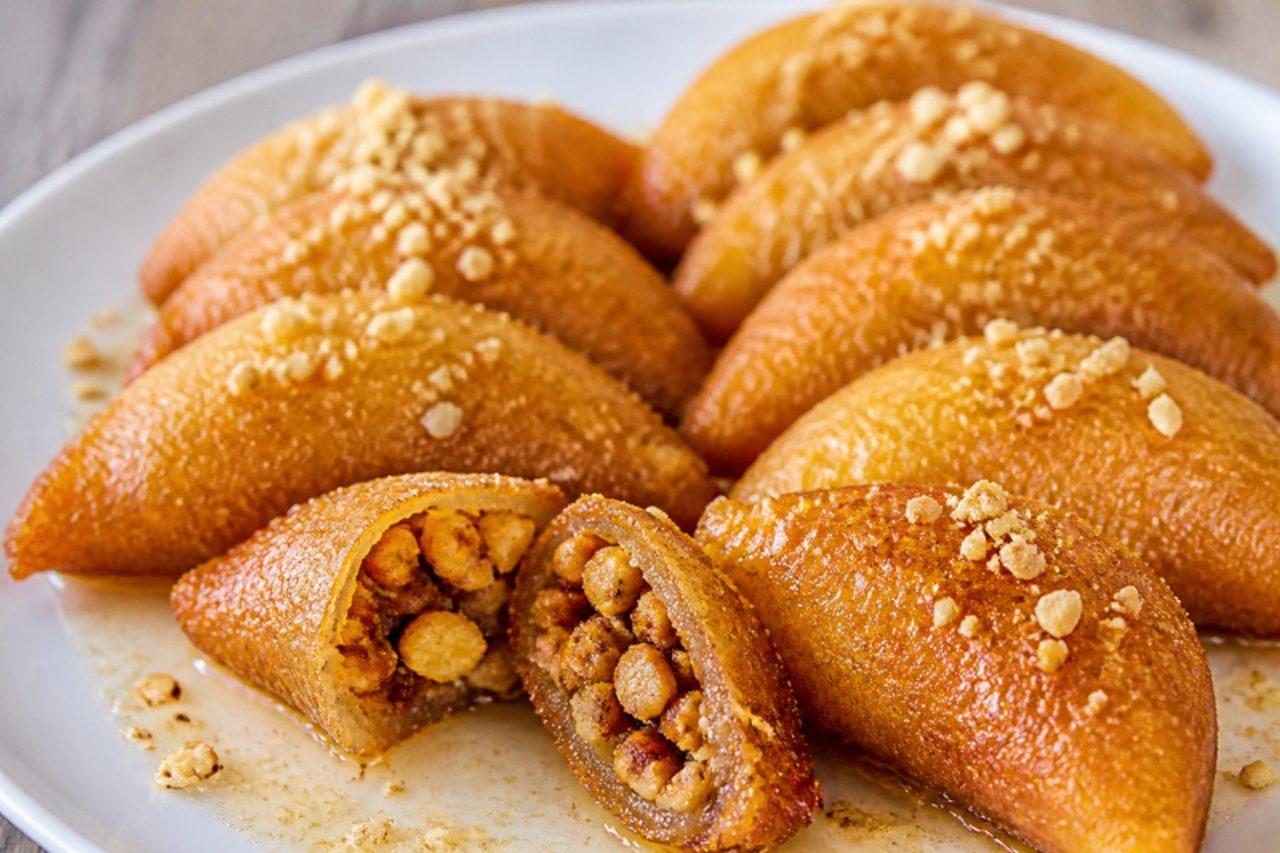
Kadayıf dolmasıWalnut pancakes in syrup

In Erzurum, kadayıf means not shredded pastry but small, spongy pancakes cooked on one side only. For kadayıf dolması they're filled with walnuts, folded into half-moons, fried golden and plunged into syrup, and they are the city's pride on festival days and at weddings. The outside is crisp and syrupy, the inside soft and nutty. Common mistake: cooking the pancakes on both sides; the uncooked, bubbly top is what sticks the edges together. Chef's tip: the syrup must be cold and the dolma hot straight from the oil, so they absorb syrup without going soggy.

by KrazyBadal 0 views

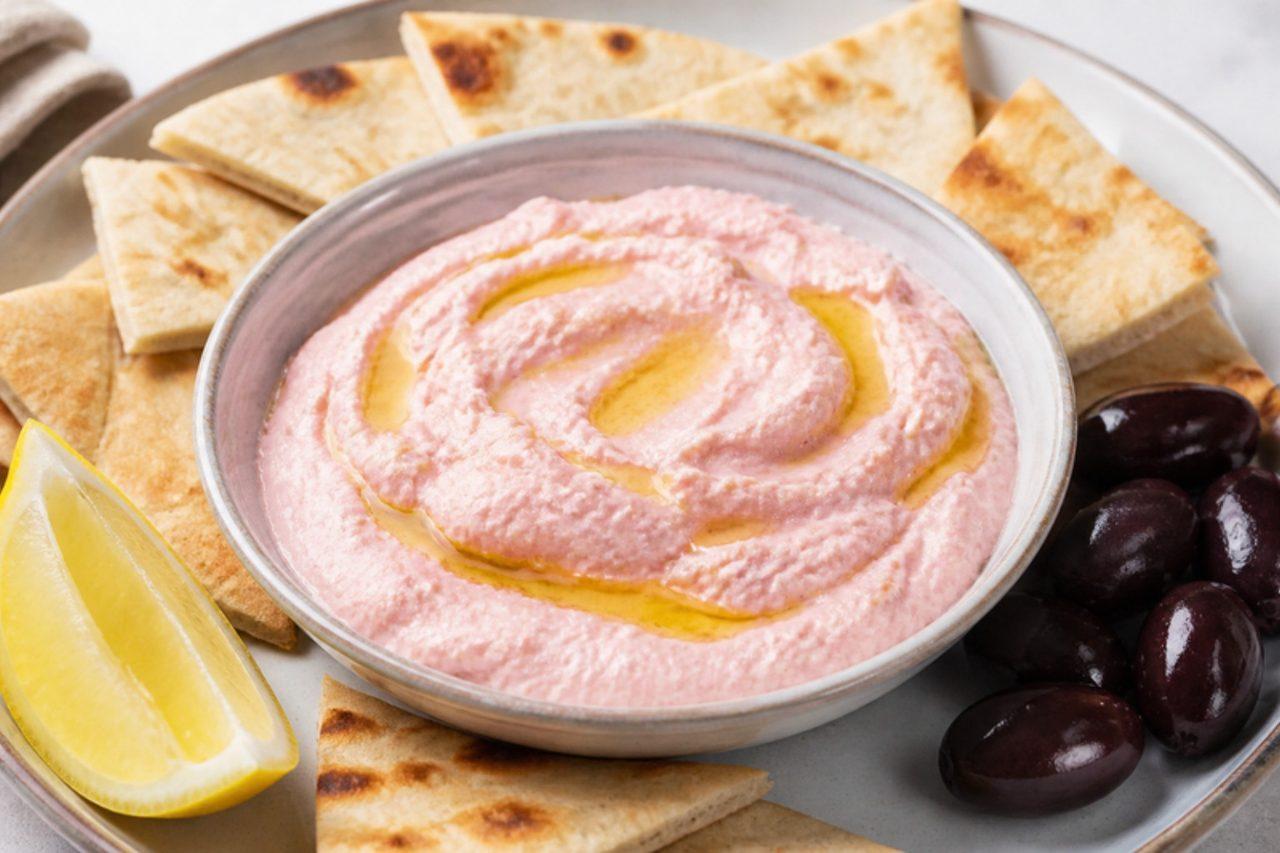
TaramosalataFish roe dip

Taramosalata is the star of Clean Monday, the first day of Greek Lent, scooped onto torn lagana at picnics while children fly kites, and it stays on taverna meze tables all year. The real thing is beige-pink, not bright pink, made from salted cured carp or cod roe (tarama) beaten with soaked bread, onion, lemon and oil into a salty, briny, mousse-like dip. Because tarama is cured rather than cooked, buy pasteurised roe for a safer version; even so, this dip is not for pregnant women, young children or anyone with a weakened immune system. Common mistake: adding the oil too fast, which splits it. Chef's tip: use white tarama if you can find it; it is less salty and lets the lemon shine.

by KrazyBadal 0 views

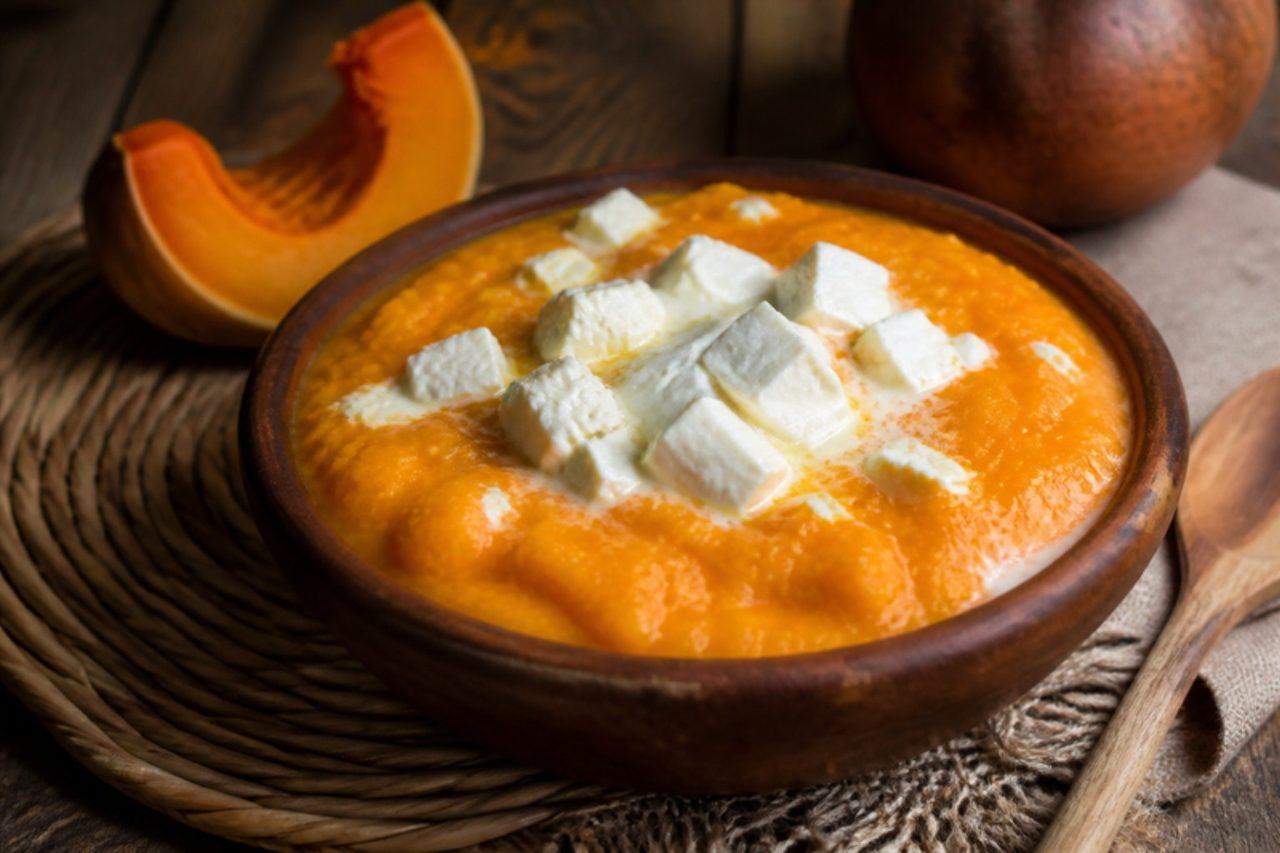
KiveveSquash purée with cheese

Kiveve (also written quibebe) is Guaraní food, cooked across Corrientes and Paraguay as a side for grilled meat or a supper on its own: ripe squash is simmered with onion until it falls apart, then thickened with a spoonful of cornmeal and enriched with milk and fresh cheese until it is smooth, orange and as soft as polenta, slightly sweet and slightly salty. Correntinos often serve it with chipá or sopa paraguaya on the side. The cornmeal is easy to get wrong: added all at once to a hot pot, it clumps into dry little lumps, so slake it first in cold milk and pour it in while stirring. Queso fresco or queso criollo is usually made with animal rennet; choose a vegetarian fresh cheese if needed. Chef's tip: use the deepest orange squash you can find, ideally a ripe Argentine anco or a kabocha; a pale squash gives a watery, bland kiveve.

by KrazyBadal 0 views

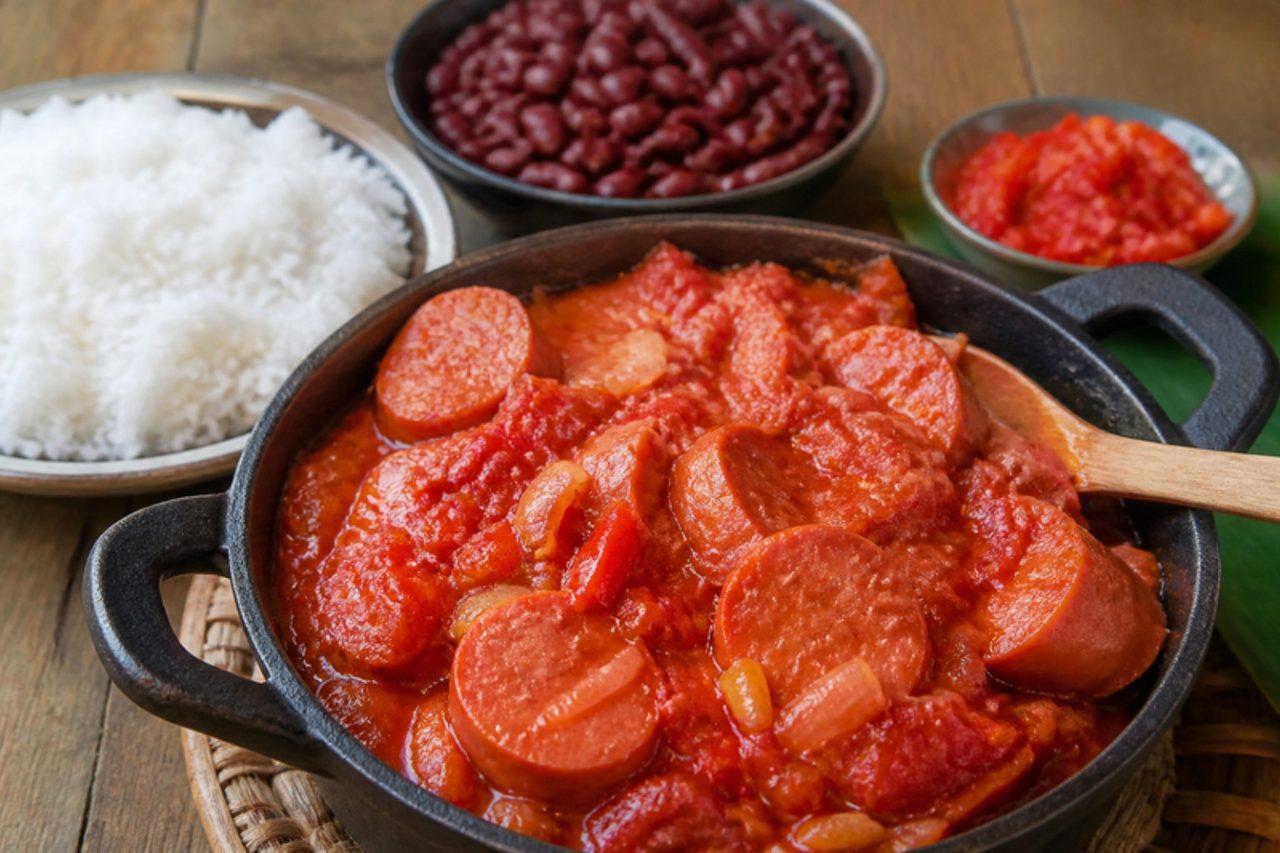
Rougail saucissesSmoked sausages in spicy tomato sauce

On Réunion Island, rougail saucisses is the everyday favourite cooked in a big cast-iron pot for family lunches, beach picnics and Sunday gatherings, and it is a pork dish built on smoked pork sausages. The sausages are blanched, browned, then simmered in a thick sauce of onions, ripe tomatoes, garlic, ginger, turmeric and fresh chilli until everything turns rich and slightly smoky. It is always served Creole-style with white rice and grains (red beans stewed with garlic and thyme) and, for those who like heat, a spoonful of fresh tomato-chilli rougail on the side. Chef's tip: blanch the sausages first; it removes excess salt and fat so the sauce tastes clean and bright.

85 minFrenchMeatSpicy
by KrazyBadal 0 views

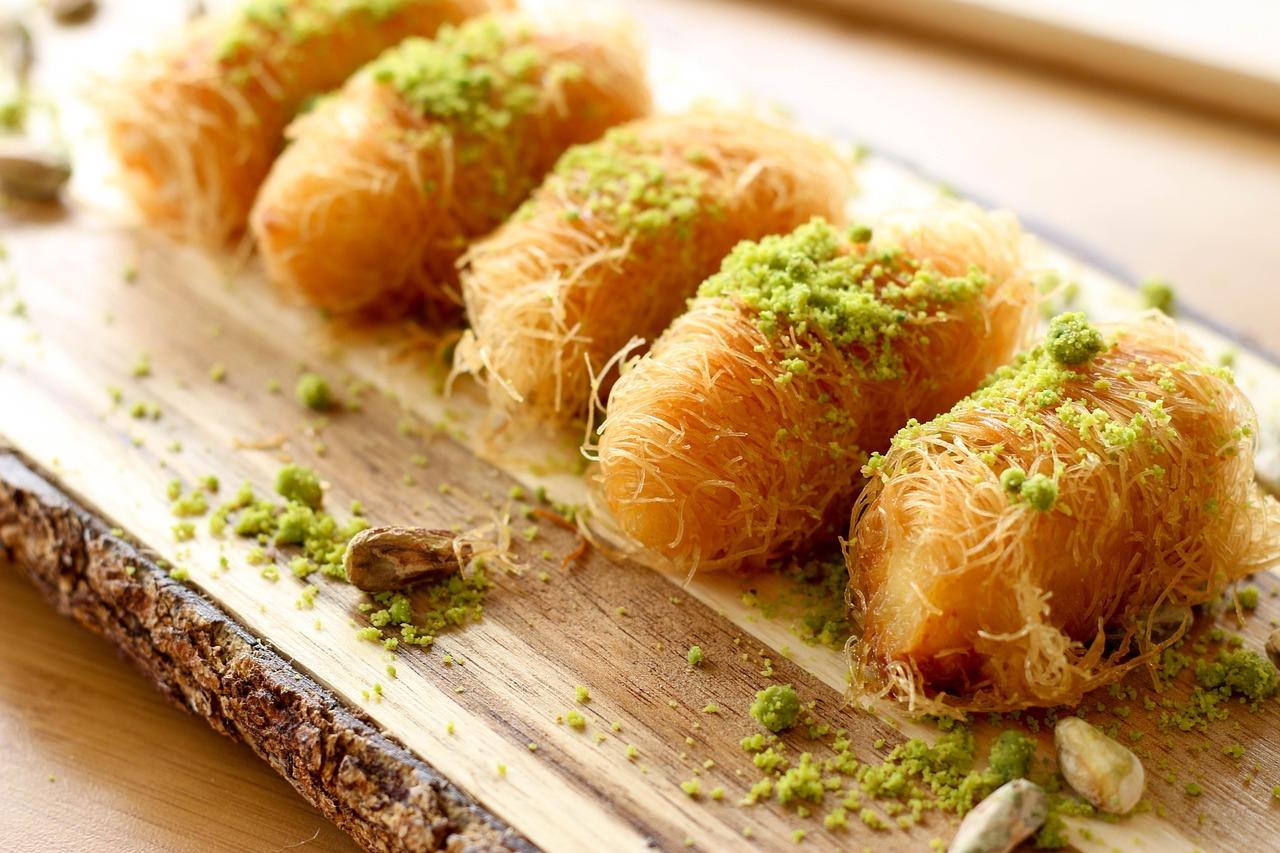
KataifiShredded pastry rolls with walnuts

Ioannina's old pastry shops, by the lake and under the castle walls, are known for their syrup sweets, and kataifi rolls are the ones locals buy for Christmas and Easter visits. Fine threads of kataifi pastry are wrapped around a cinnamon-walnut filling, drenched in butter and baked crisp, then soaked in cool syrup so they stay crunchy on top and sticky beneath. Serve at room temperature with Greek coffee. Common mistake: pouring hot syrup on hot pastry, which turns it soggy — one of the two must be cool. Chef's tip: tease the pastry threads apart with your fingers before rolling; matted clumps bake hard.

by KrazyBadal 0 views

Olive all'ascolanaStuffed fried olives

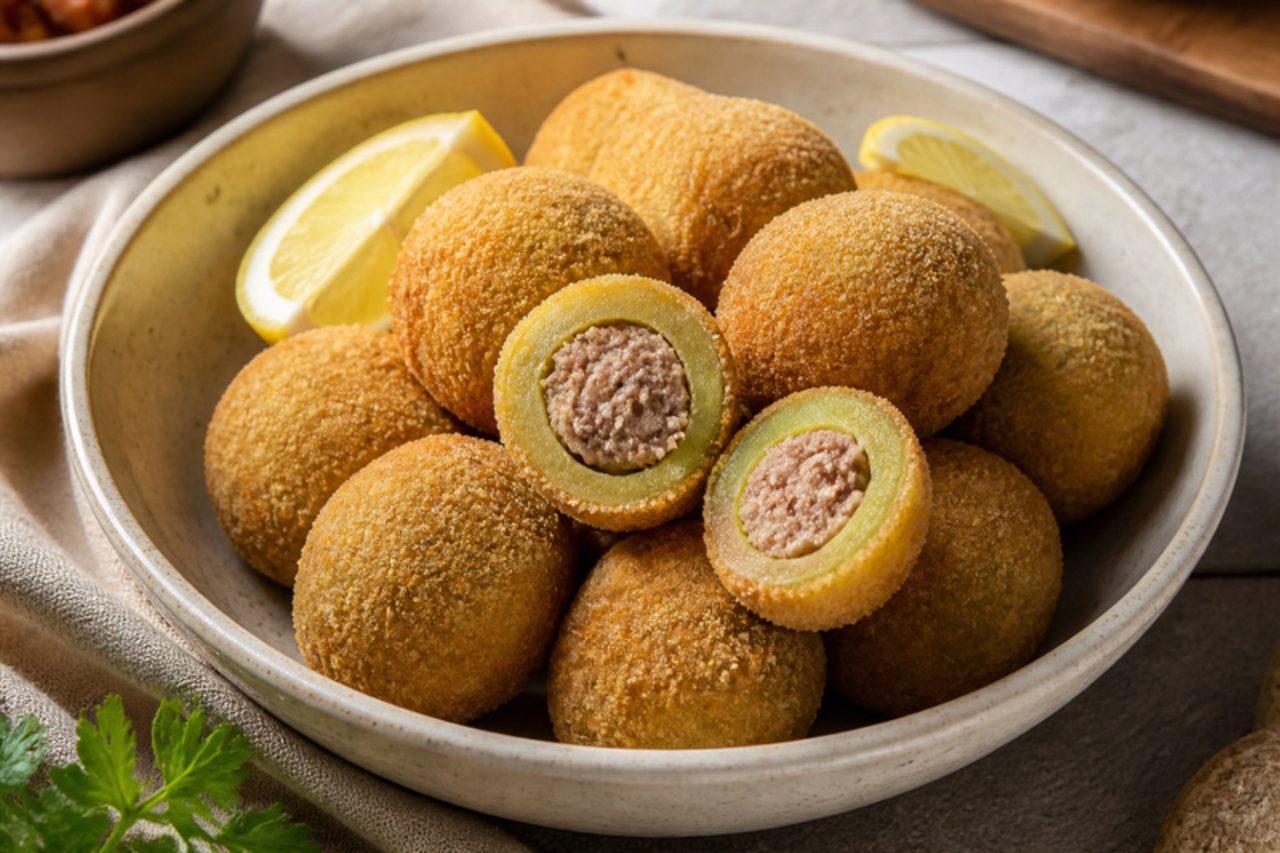
Olive all'ascolana are the pride of Ascoli Piceno in the Marche, sold in paper cones at street fairs and piled on platters of fritto misto at every celebration in the region. Large, mild green olives are cut from their stones in a spiral, wrapped around a filling of pork, beef and chicken cooked with soffritto and a splash of white wine, then breaded and fried until crunchy. The real Ascolana tenera olive is hard to find outside Italy, so any large, mild green olive in brine is a practical substitute. The filling uses white wine, and the note gives an alcohol-free option. Serve hot, with lemon wedges and other fried titbits or a glass of something cold. Chef's tip: rinse and soak the olives before stuffing them; if they are too salty they overwhelm the delicate meat filling.

by KrazyBadal 0 views

Lahanodolmades avgolemonoStuffed cabbage in egg-lemon sauce

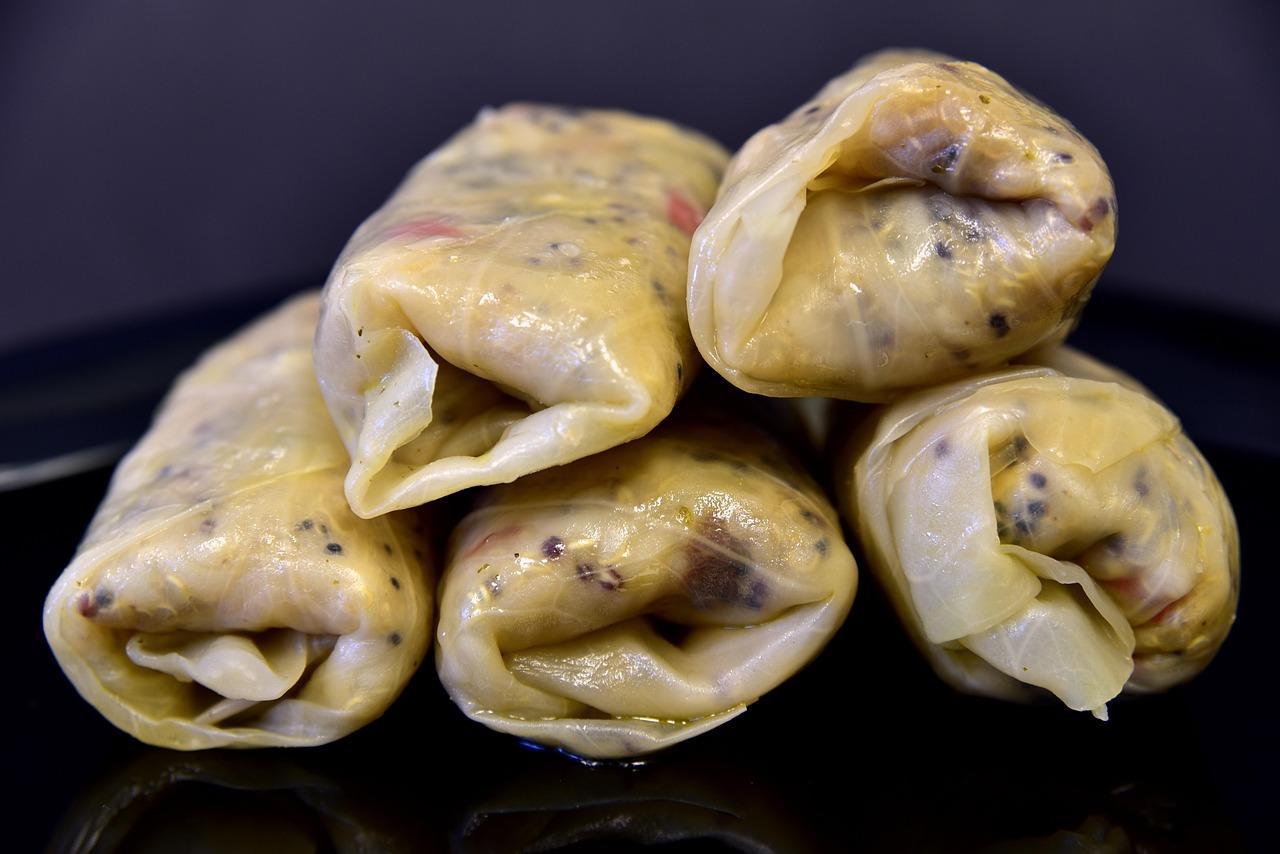
When the first frosts hit Macedonia and the cabbages in the market grow huge and sweet, families in Thessaloniki and Serres spend a Saturday rolling lahanodolmades for the week ahead. Blanched leaves wrap a filling of minced pork and beef with rice, onion and dill; they simmer slowly in a covered pot and the broth is thickened with egg and lemon into a pale, silky sauce. Eat them hot with bread and a dollop of yoghurt. Common mistake: boiling the sauce after adding the eggs, which scrambles it — keep it below a simmer. Chef's tip: line the pot with torn outer leaves so the rolls never stick or scorch.

120 minGreekMeatGluten free
by KrazyBadal 0 views

RubacãoRice with cowpeas and dried beef

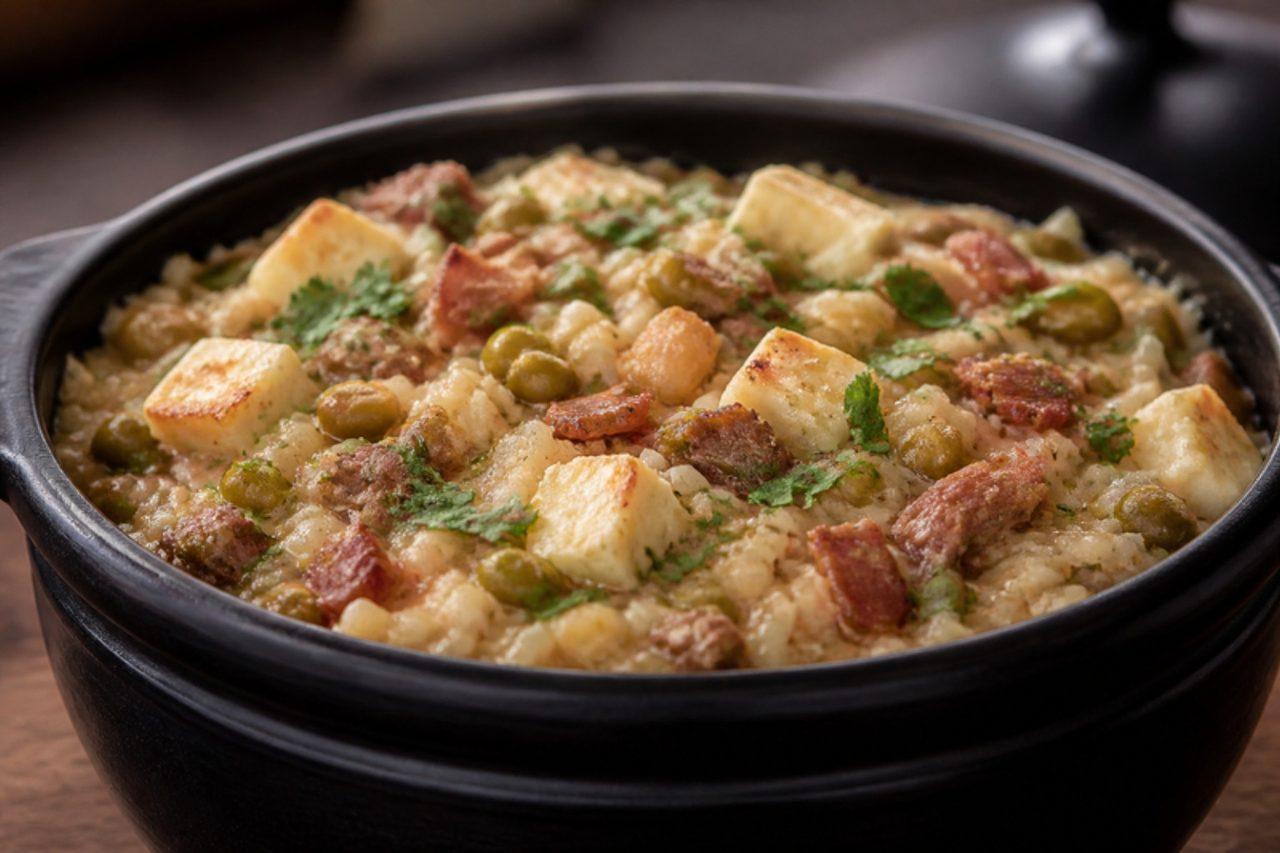
Paraíba's cousin of baião de dois, rubacão (also spelt rubação) is cooked for long family lunches in João Pessoa and Campina Grande, and it is a fixture of the São João season in June. Rice and freshly shelled green cowpeas (feijão verde) cook together with dried beef and smoky bacon, then coalho cheese and cream are folded through so the pot turns soft, creamy and stretchy, salty from the meat and sweet from the beans. Serve it on its own with a tomato salad and pepper sauce; it is a meal in one pot. If you use charque or carne seca, it needs soaking overnight in the fridge. The pitfall to avoid is adding the cheese while the pot is on the flame, which turns it rubbery; fold it in off the heat and let the steam soften it. Chef's tip: save the bean cooking water and use it to cook the rice; it gives the dish its earthy colour and flavour.

by KrazyBadal 0 views

Pescaíto fritoMixed fried fish

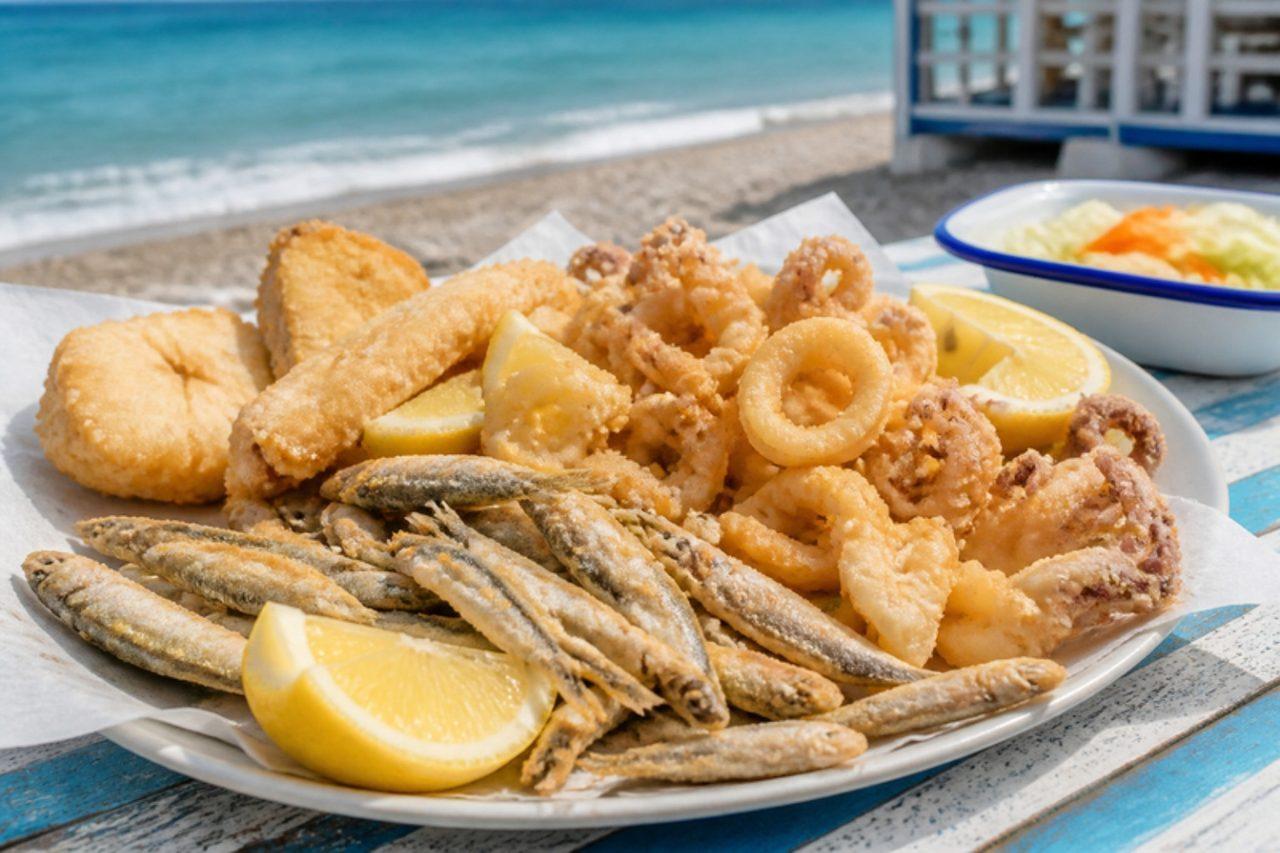
On the beaches of Pedregalejo and El Palo in Málaga, chiringuito cooks shake small fish in flour and fry them by the basketful: whole fresh anchovies (boquerones), rings of squid, strips of dogfish and little red mullet, served piled on paper with lemon. The secret is a coarse frying flour, partly durum semolina, and very clean, hot oil, so each piece comes out crisp and dry. Eat it at once, at the table, with a cold drink and a salad. Chef's tip: shake off every bit of loose flour in a sieve before frying; excess flour burns and makes the oil dark and bitter.

by KrazyBadal 0 views

Pesque de quinuaCreamy quinoa with cheese

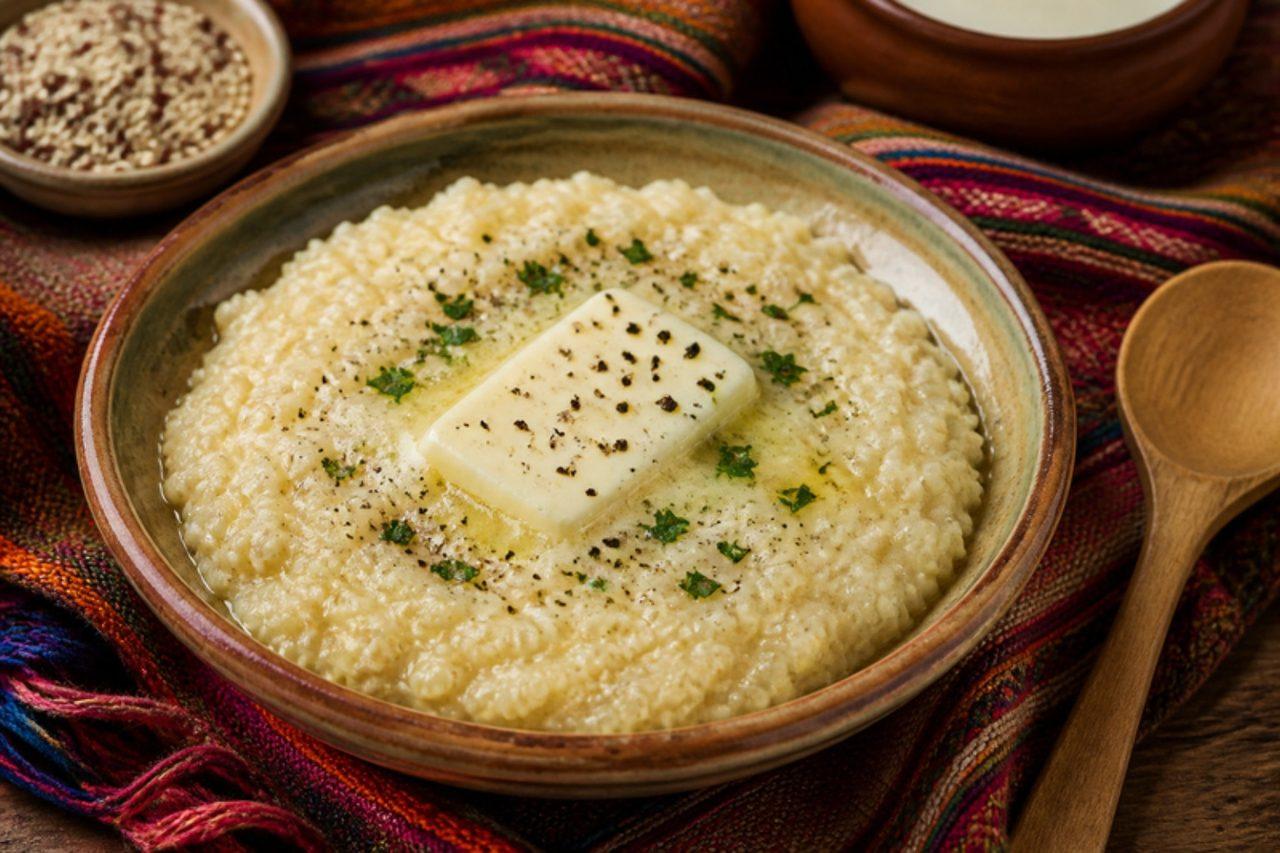
Up on the Altiplano around Lake Titicaca, where quinoa grows at almost 4,000 metres, pesque is everyday food: quinoa cooked until it collapses, then beaten with milk, a knob of butter and crumbled fresh cheese until it looks like a loose, savoury risotto. Puno families eat it for a warming lunch or supper, often with a glass of milk poured over or a fried egg on top, and in the cold dry air it is exactly what the body wants. It is soft, nutty and mildly salty. The step people skip is rinsing the quinoa, and the natural saponins then leave a soapy, bitter edge; rub it under running water until the foam stops. Serve with a tomato salad or a spoon of uchucuta for some heat. Andean fresh cheese is usually set with animal rennet, so choose a vegetarian fresh cheese if needed. Chef's tip: cook the quinoa in a little more water than usual and leave it a few minutes longer than for a salad, so it turns creamy and the grains burst.

by KrazyBadal 0 views

PestiñosAnise fritters in honey

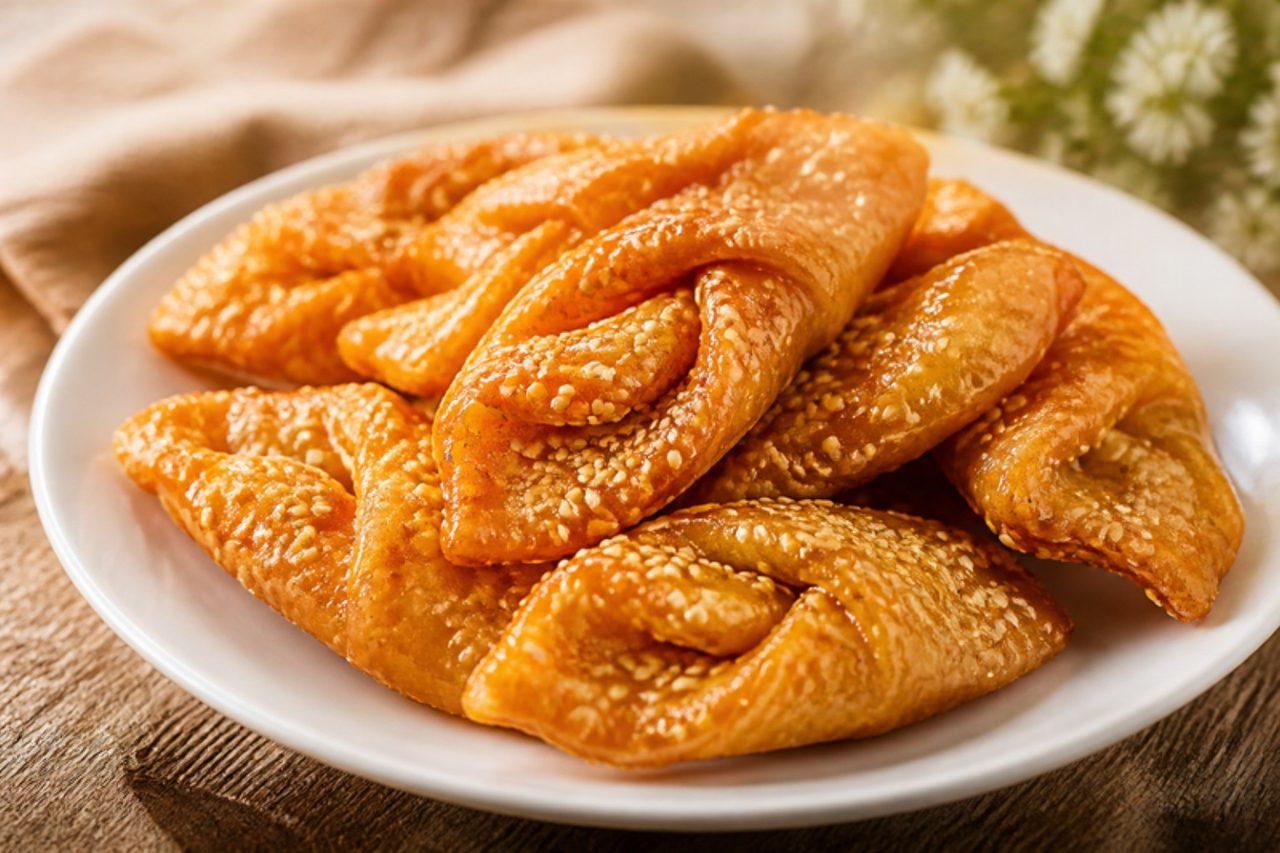
When Holy Week and Christmas come round, convent turnstiles and village kitchens from Cádiz to Granada fill trays with pestiños: little folded parcels of dough flavoured with sesame, anise and orange, fried until crisp and blistered and then dipped in honey. The dough traditionally takes a splash of white wine, which makes it bubble and crunch; orange juice works too, and is the alcohol-free option in the list. A common mistake is frying them in oil that is too hot, which browns the outside before the folds of dough cook through and crisp. Chef's tip: roll the dough really thin; thick pestiños stay doughy in the middle and soak up oil.

by KrazyBadal 0 views

Lacón con grelosCured pork shoulder with turnip tops

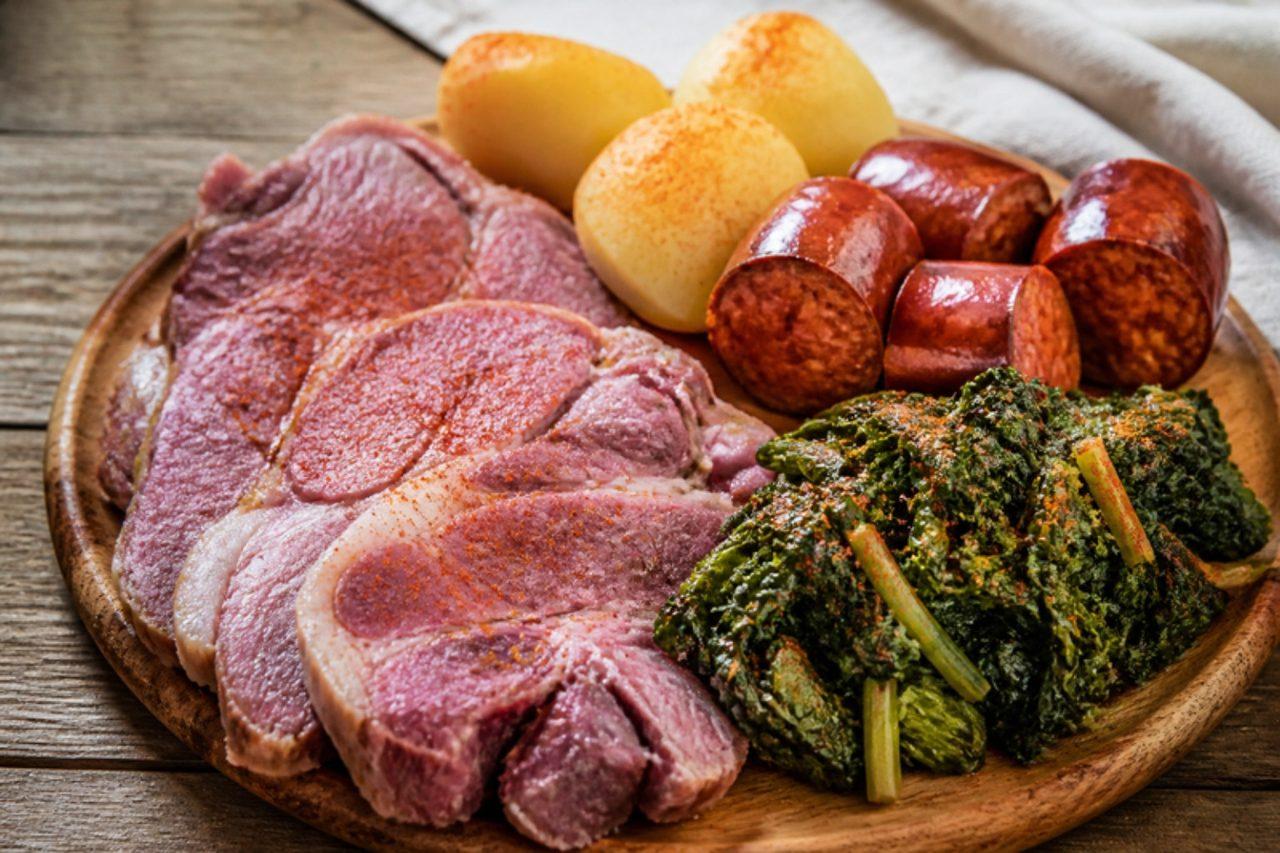
Lacón con grelos is the great dish of Entroido, the Galician carnival, when restaurants in Lugo and A Coruña serve platters of it to tables of friends. This contains pork (cured pork shoulder and chorizo). The lacón is soaked, then simmered with chorizo, and turnip tops and potatoes are cooked in the same rich broth. It's served with olive oil and a sprinkle of paprika. A common mistake is skipping the soaking, which leaves the meat far too salty to eat. Chef's tip: save the cooking liquid, as it makes the base for a caldo the next day.

170 minSpanishMeatGluten free
by KrazyBadal 0 views

Petits farcis niçoisStuffed vegetables with rice and herbs

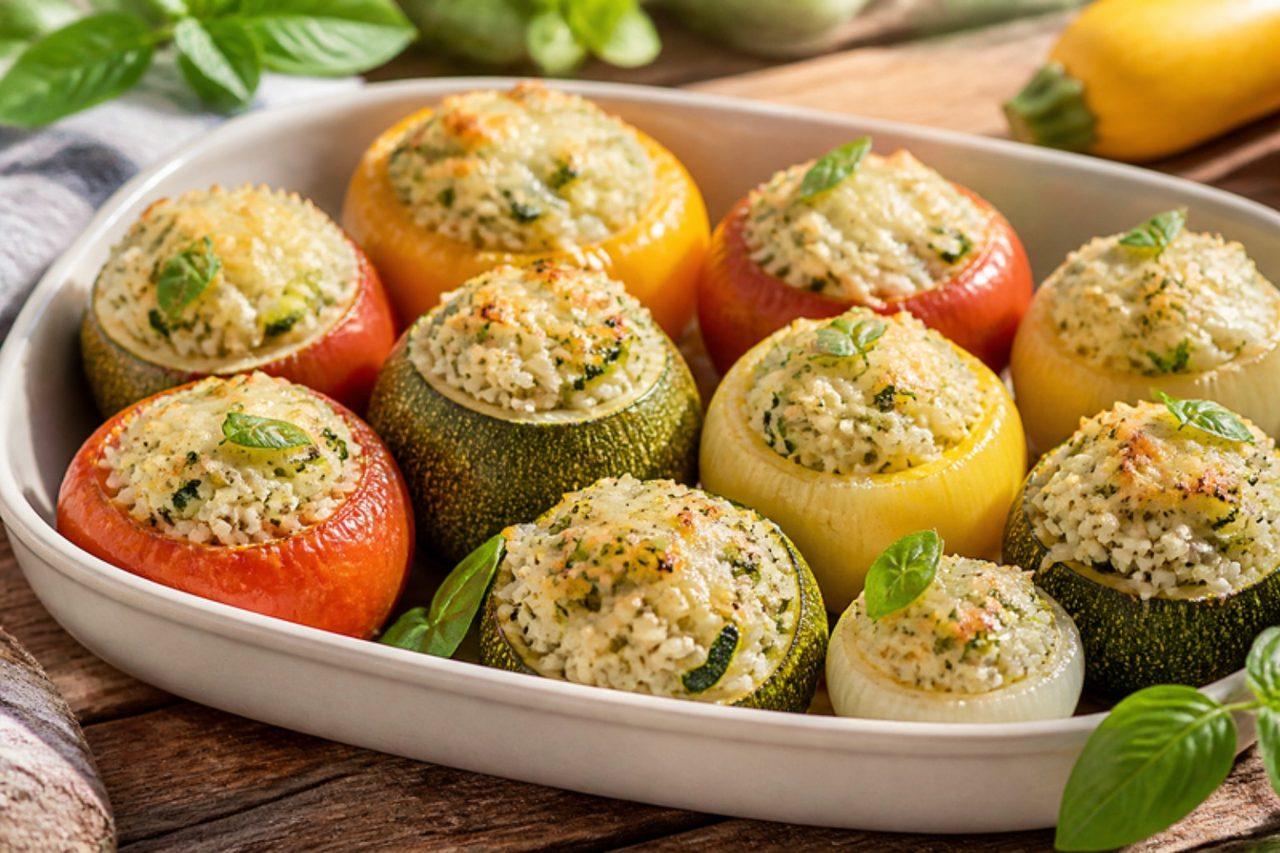
From June to September the traiteurs around the cours Saleya market in Nice sell trays of petits farcis: round courgettes, tomatoes and onions hollowed out, refilled and baked until wrinkled and caramelised at the edges. Niçois families often use up leftover daube in the stuffing; this meatless version, common on Fridays and at summer picnics, uses rice, herbs, the vegetables' own flesh and Parmesan. Parmesan is made with animal rennet, so use a vegetarian hard cheese if that matters to you. They are as good at room temperature the next day as hot from the oven. Chef's tip: choose vegetables of a similar size, so they all finish cooking at the same moment.

by KrazyBadal 0 views

RumbledethumpsPotato, cabbage and onion bake

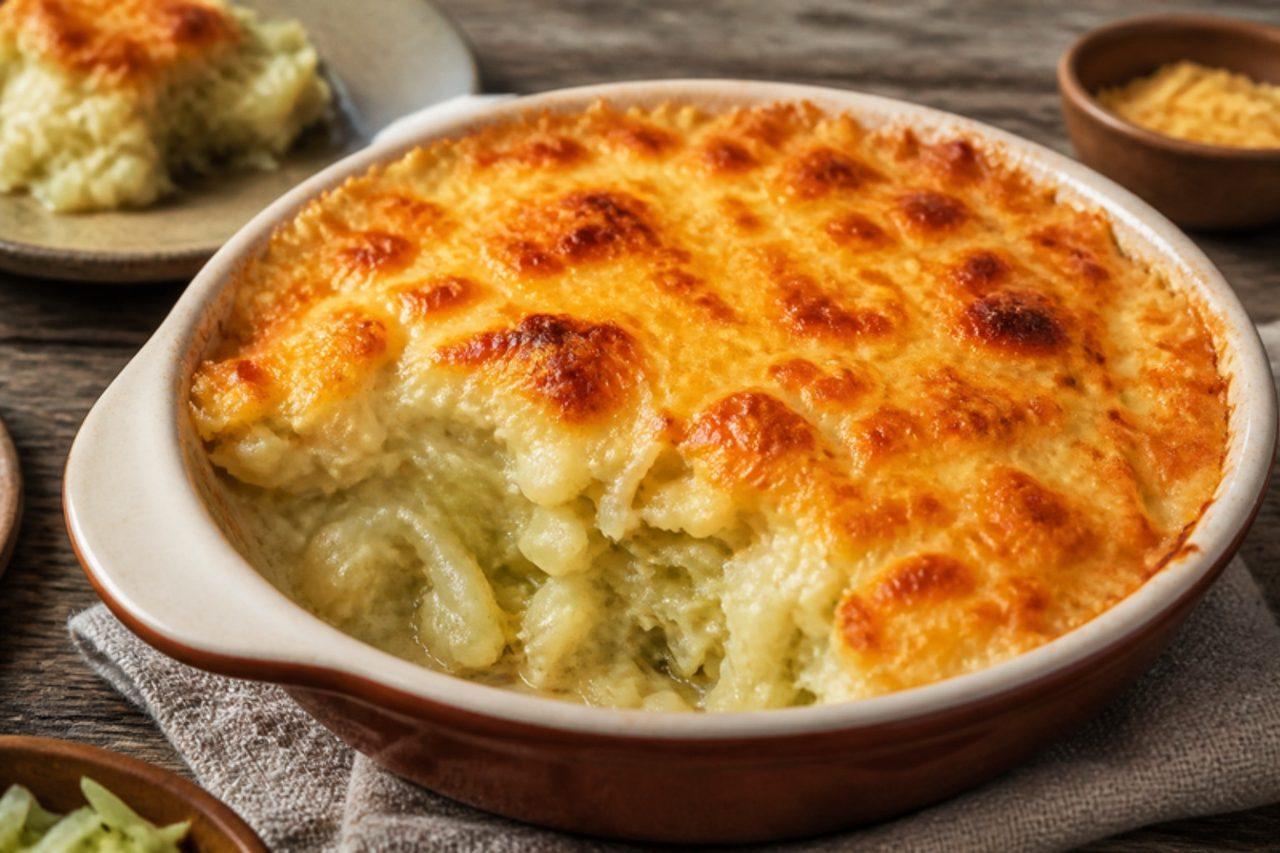
Rumbledethumps comes from the Scottish Borders, a thrifty supper of mashed potato, buttery cabbage and onion baked under a crust of cheddar, usually made with the Sunday roast leftovers on a Monday night. The name is said to come from the rumbling and thumping of the pans. Traditional cheddar is often made with animal rennet, so use a vegetarian cheddar if that matters to you. Chef's tip: cook the cabbage only until bright and just tender so it keeps some bite in the bake.

by KrazyBadal 0 views

RummaniyehLentil and aubergine stew with pomegranate

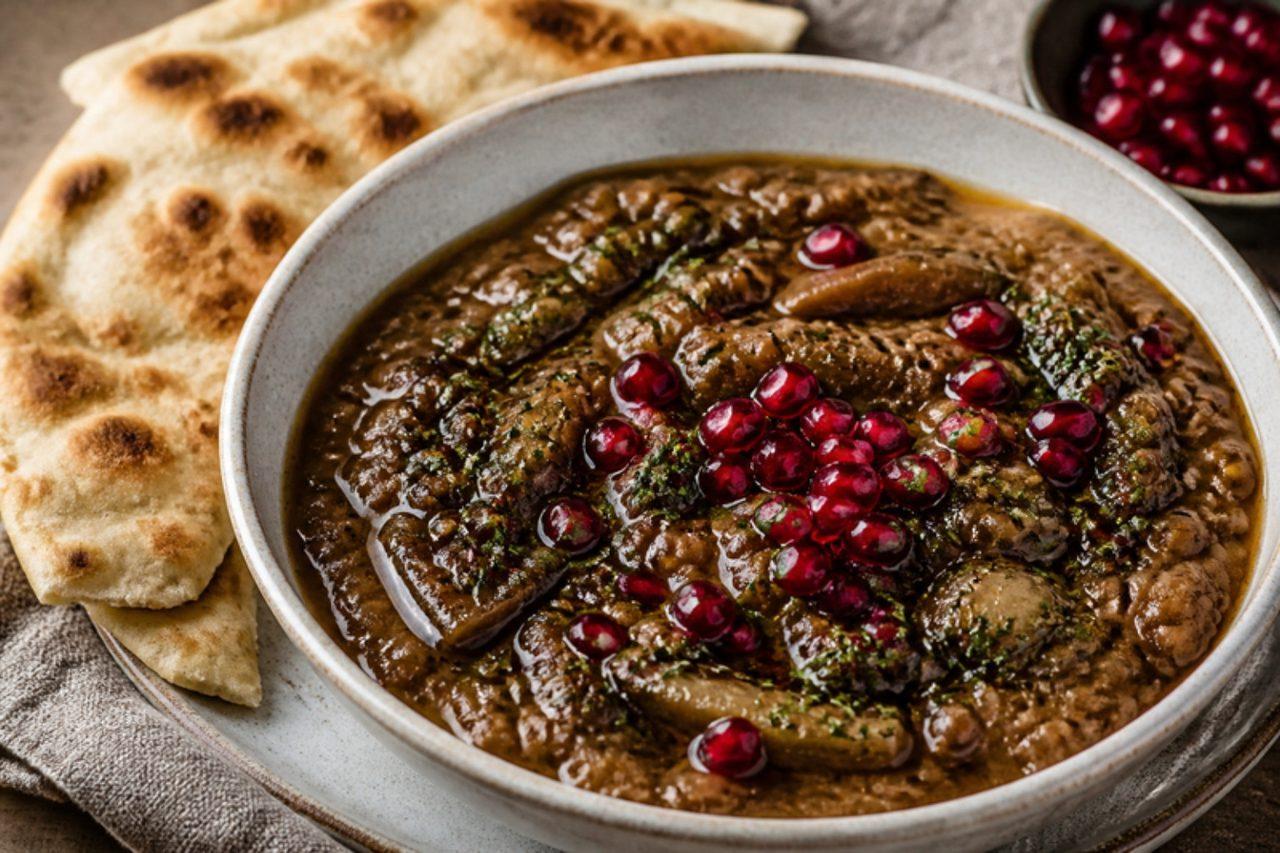
Rummaniyeh, from rumman (pomegranate), is a Gazan autumn dish made when the pomegranates ripen: brown lentils and cubes of aubergine cooked to a thick, earthy stew, soured with pomegranate juice and molasses, enriched with tahini and finished with a sizzling oil of garlic, dill and chilli. It is eaten warm or at room temperature, scooped up with bread, and keeps well for days. Common mistake: adding the tahini over a high heat, where it seizes and turns grainy; stir it in off the boil. Chef's tip: fry the garlic and dill only until the garlic is pale gold; brown garlic tastes bitter against the sour fruit.

by KrazyBadal 0 views

Petits pâtés de PézenasSweet spiced lamb pies

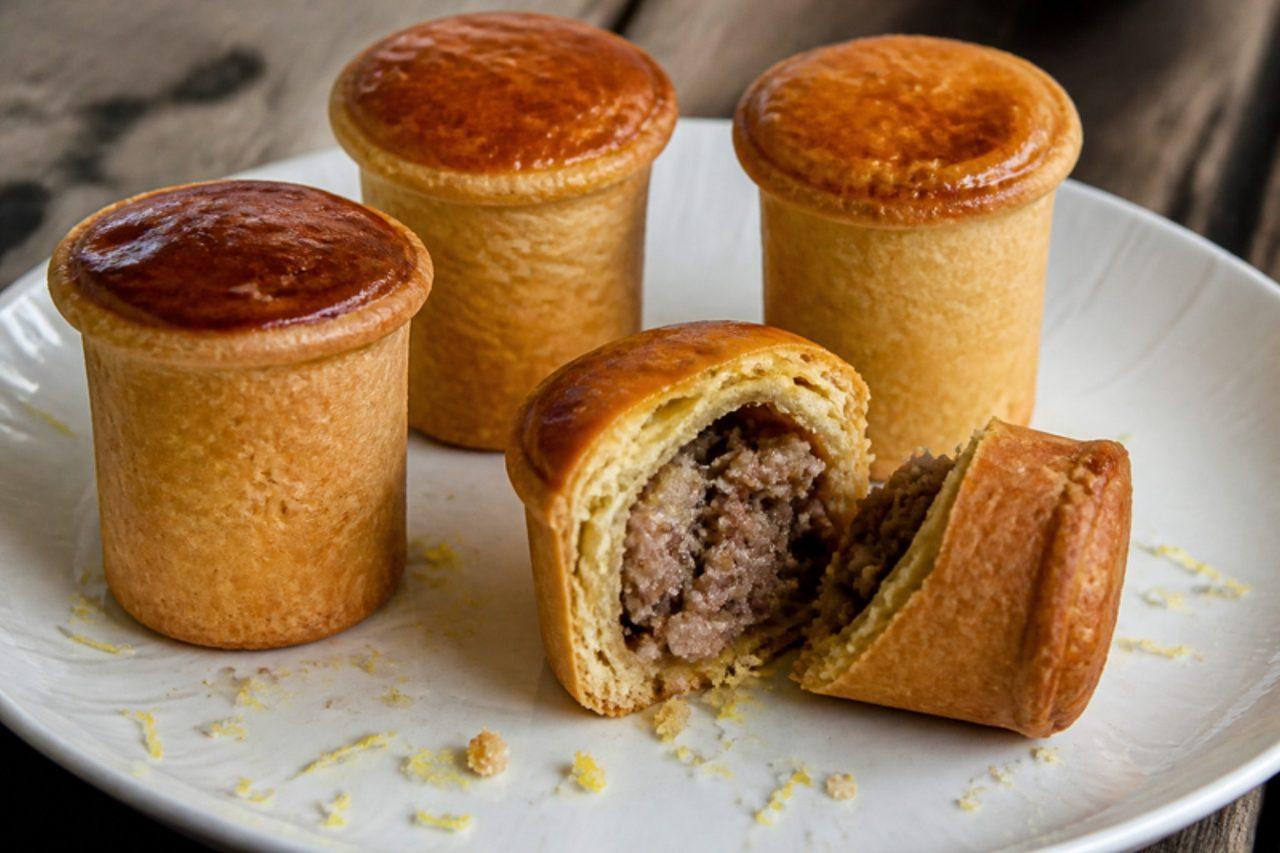
Pézenas, the old Languedoc town of Molière, is famous for these little pies shaped like cotton reels, sold warm from its bakeries all winter and especially around Christmas. Local legend links them to the Indian cooks of Lord Clive, who stayed nearby in 1768, which would explain the unexpected sweet-savoury filling of minced lamb, brown sugar and lemon zest. They have a crisp, sturdy hot-water crust and a juicy, gently sweet centre with a hint of spice. Eat them warm as a starter, with a green salad, or as a mid-morning snack the way Piscénois do. Chef's tip: shape the pastry while it is still warm and supple; once it cools it cracks instead of folding.

by KrazyBadal 0 views

Sosis bandariSpicy sausage and tomato sandwich

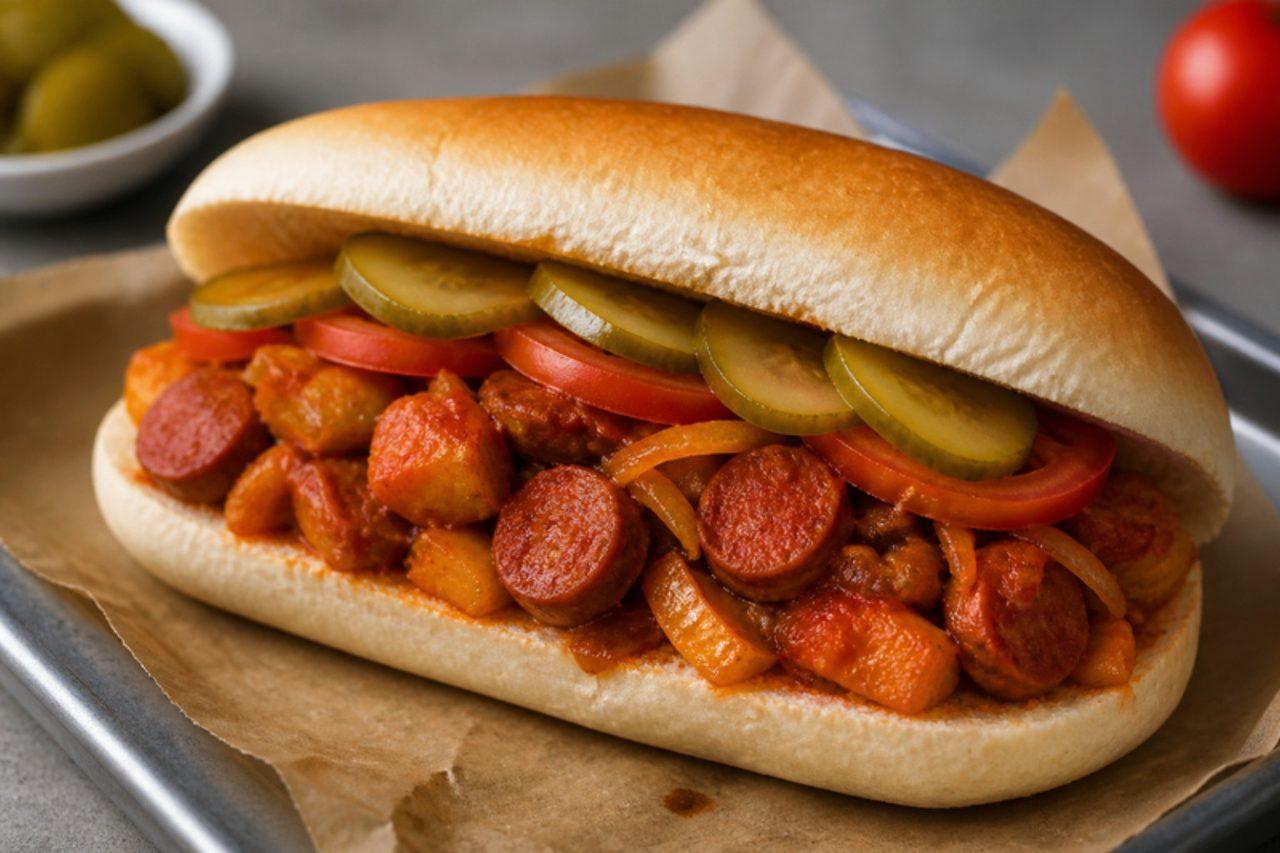
Sosis bandari, 'port-style sausage', began in the Gulf ports of Bushehr and Bandar Abbas and is now the late-night snack of sandwich shops all over Iran, from Tehran to Shiraz. Sliced beef or chicken frankfurter-style sausages (Iranian sausages are never pork) are fried with lots of onion, potato, tomato paste and chilli until sticky and hot, then stuffed into a soft baguette with pickles and tomato. It is spicy, greasy in the best way and ready in minutes. A common mistake is crowding the pan; the onion steams instead of browning, so use your widest pan. Chef's tip: a pinch of curry powder and a squeeze of lemon at the end is how the bandari shops give it their southern kick.

by KrazyBadal 0 views

Sopa de beldroegasPurslane and potato soup

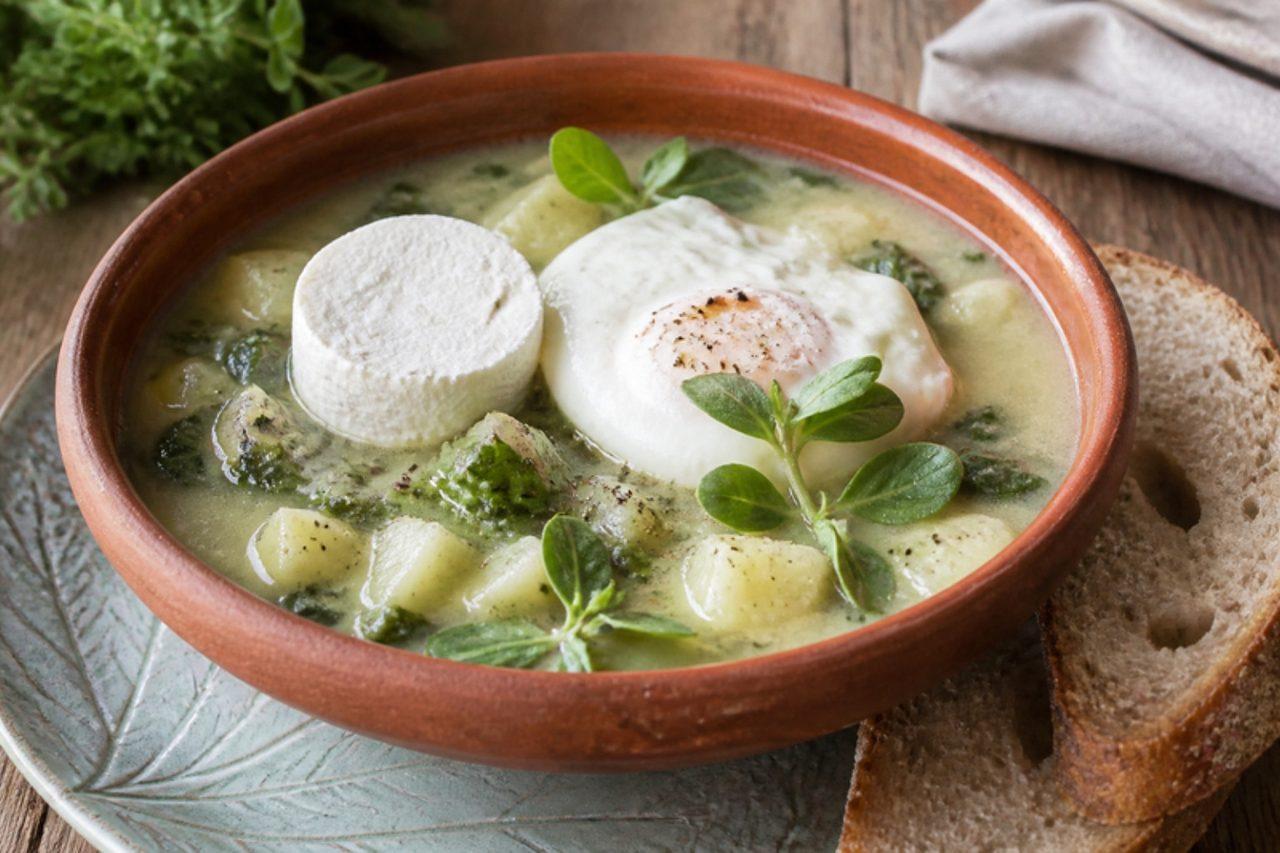
Purslane grows wild between the rows of Alentejo vegetable gardens in summer, and country cooks pick it for this lemony, slightly peppery soup: potatoes and purslane simmered with garlic and olive oil, then finished with eggs poached in the broth and slices of fresh goat's cheese that soften in the heat. It is served over bread, as so many Alentejo soups are. The fresh cheese is usually made with animal rennet; choose a soft goat's cheese or ricotta made with vegetarian rennet if you need to. If you can't find purslane, watercress or spinach make a fair stand-in. Chef's tip: add the cheese only in the last minute, so it warms and softens but doesn't melt away.

by KrazyBadal 0 views

Peynir helvasıCheese and semolina halva

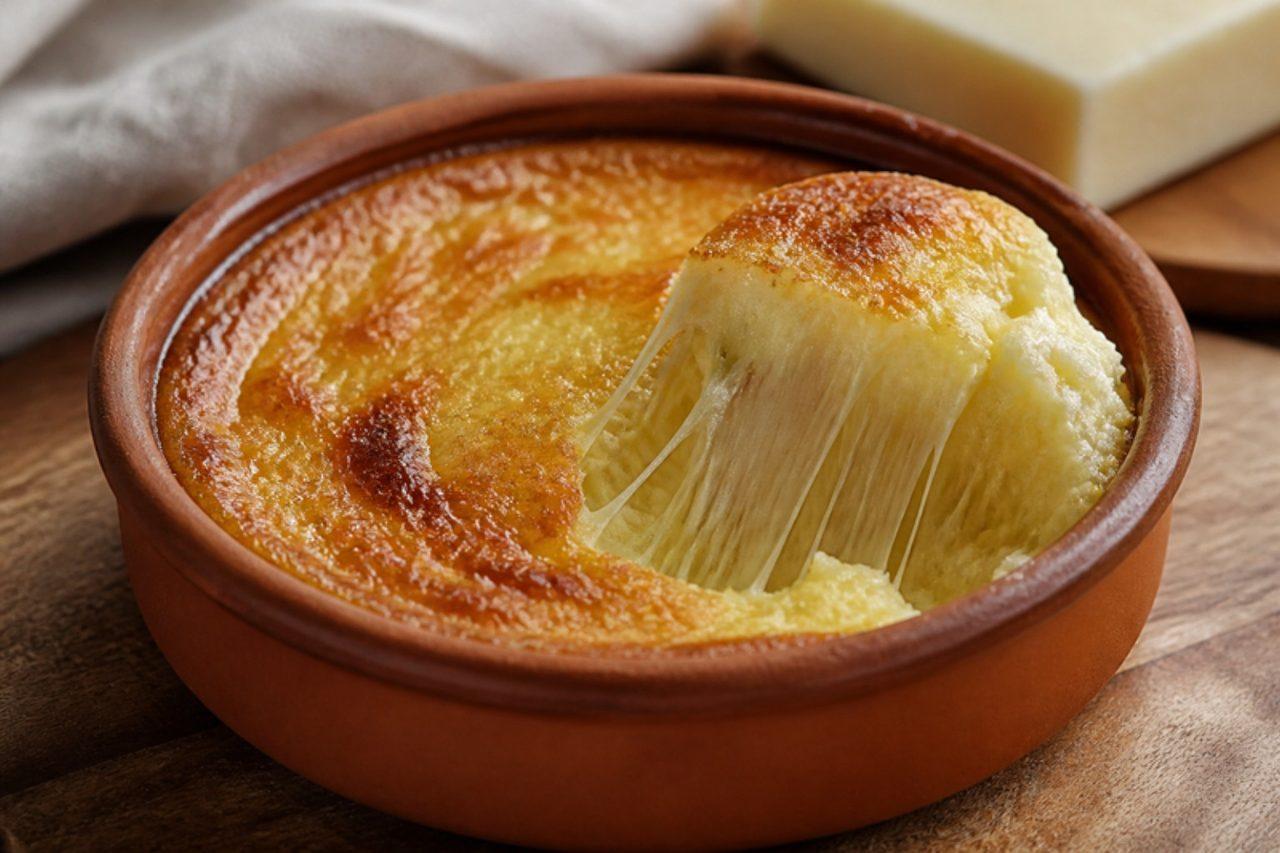
Around Çanakkale and the Dardanelles, peynir helvası is a soft, oven-browned halva made with fresh unsalted cheese, semolina, butter and sugar, sold warm in clay dishes at the market cafés. The top caramelises in spots, the inside stays creamy and stretchy, and the flavour sits somewhere between cheesecake and halva. Eat it warm on its own or with a glass of tea after a fish lunch. Chef's tip: use a mild, fresh, unsalted cheese and squeeze it well; salty or wet cheese gives a sour, runny halva.

by KrazyBadal 0 views

Nebraska runzasBeef and cabbage bread pockets

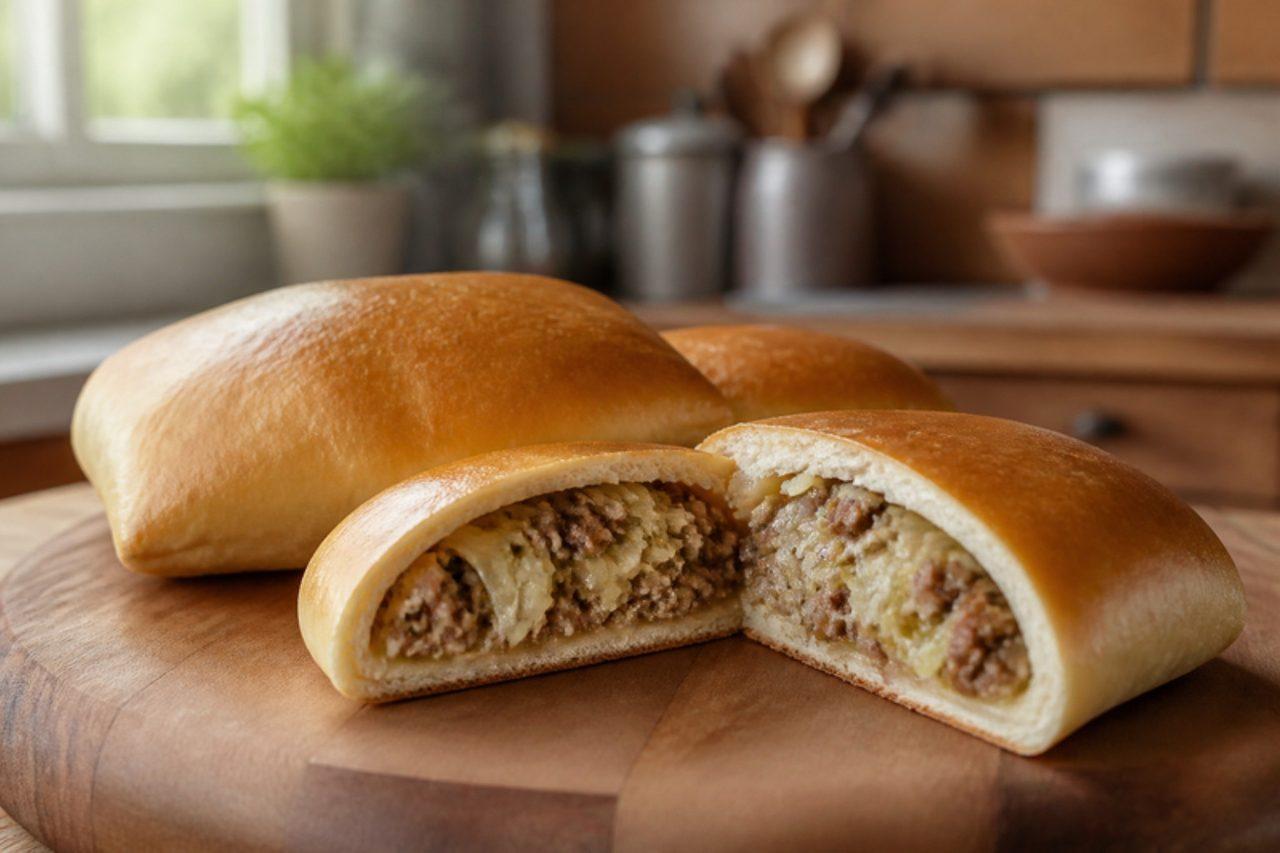
Runzas came to Nebraska with Volga German settlers, who called them bierocks, and today they are the state's fast food, packed for Cornhusker football games and long drives across the plains. A soft, slightly sweet bread dough is wrapped around a peppery filling of beef mince, onion and cabbage and baked into a rectangular pocket. Chef's tip: let the filling cool and drain it in a sieve before filling; hot, wet filling makes the dough soggy and tear.

by KrazyBadal 0 views

PfeffernüsseHoney spice biscuits

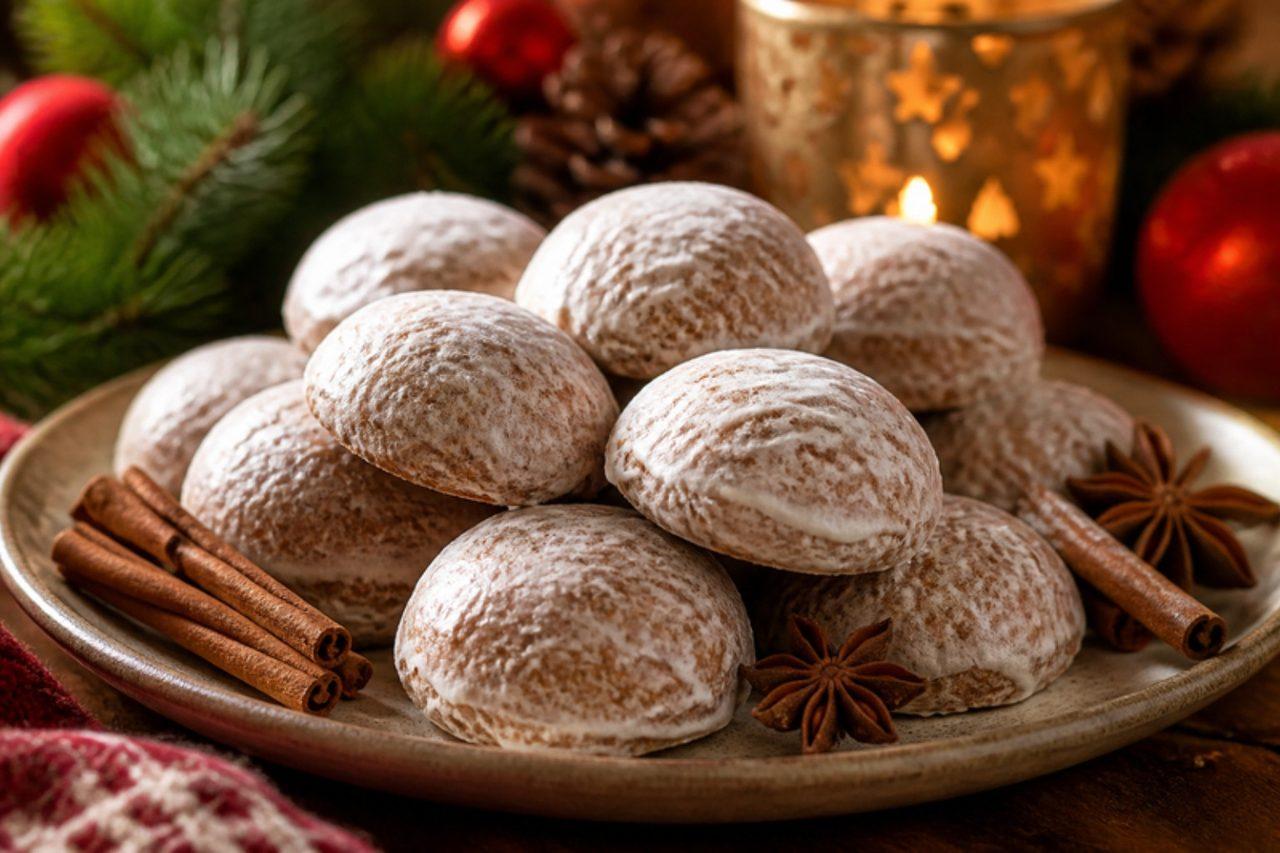
Pfeffernüsse are small domed biscuits baked in German homes through Advent, especially in the north and in Saxony, and sold in bags at Christmas markets everywhere. They are made with honey and a warm spice mix, and in old recipes the 'pepper' in the name meant exotic spices in general, though a pinch of real black pepper adds a lovely bite. A thin white glaze sets crisp over a chewy centre. The mistake many people make is eating them straight away; they are hard at first and need a few days in a tin with a slice of apple to soften. Chef's tip: warm the honey only until runny, never boiling, or the biscuits turn tough.

by KrazyBadal 0 views

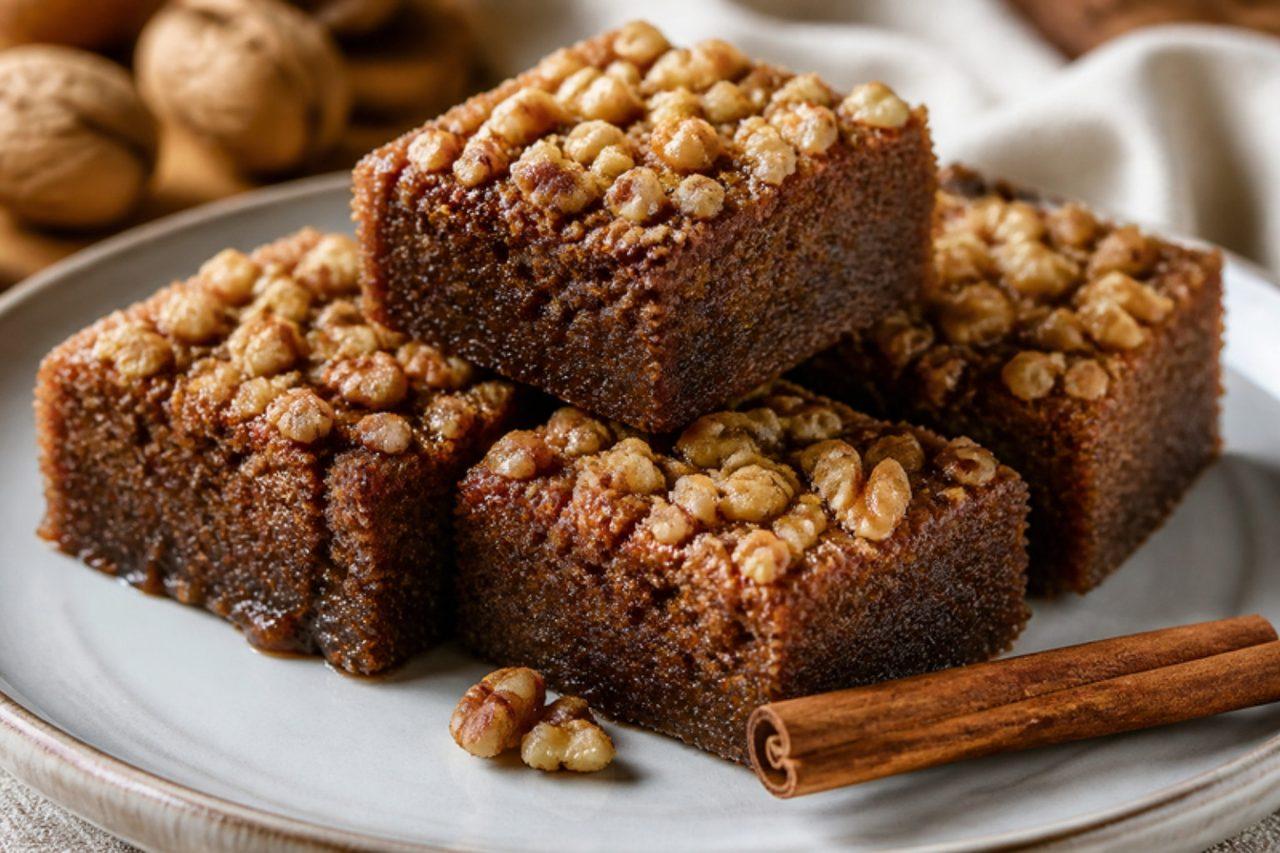
KarydopitaSpiced walnut syrup cake

Karydopita is the cake Greek households bake for name days and Sunday visitors, cut into diamonds and set out with coffee or a scoop of vanilla ice cream. Ground walnuts and dried breadcrumbs replace much of the flour, giving a moist, dense crumb fragrant with cinnamon and clove, then the hot cake drinks up a cool syrup. Common mistake: pouring hot syrup over a hot cake, which leaves it soggy at the bottom and dry on top. Chef's tip: let it sit for at least 3 hours after syruping; it slices more cleanly and tastes even better the next day.

by KrazyBadal 0 views

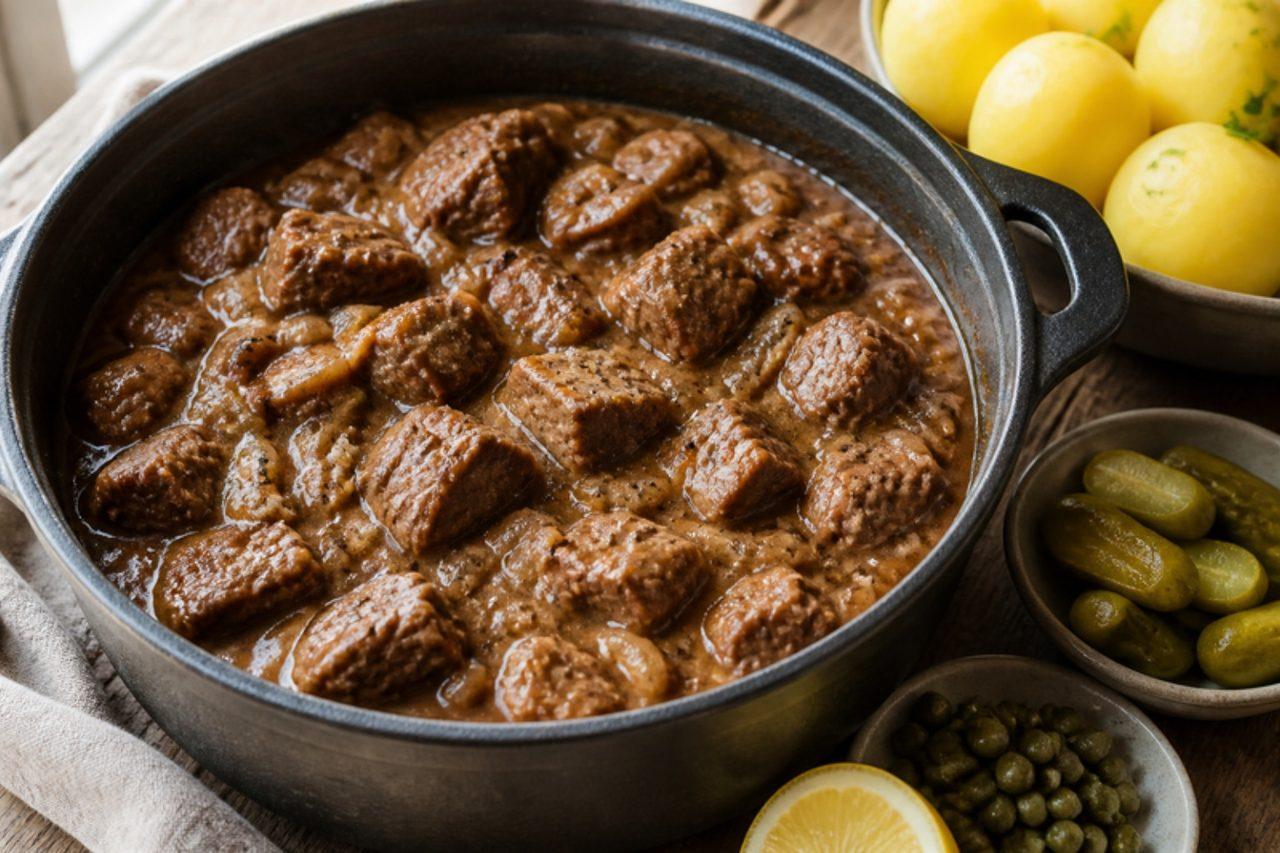
PfefferpotthastPeppery beef and onion stew

Pfefferpotthast is one of the oldest dishes of Westphalia, written about in Dortmund as far back as the 14th century and still cooked in the Münsterland and the Ruhr for big family meals. Beef is stewed with almost as much onion as meat, plenty of black pepper, cloves and bay, then thickened with breadcrumbs and sharpened with lemon and capers. Pickled gherkins and boiled potatoes go alongside. Chef's tip: grind the pepper coarsely and add half at the start and half at the end, so you get both deep warmth and a fresh bite.

by KrazyBadal 0 views

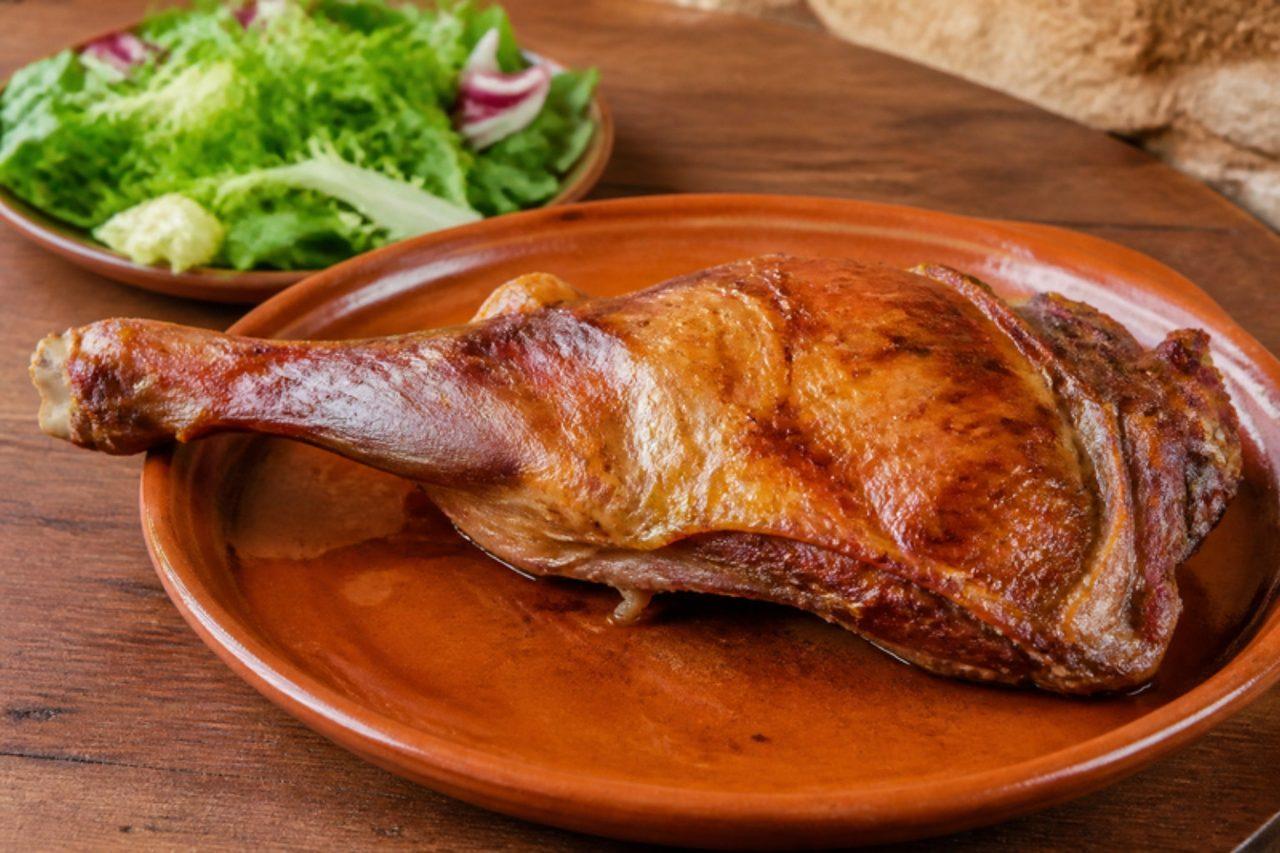
Lechazo asadoRoast milk-fed lamb

Along the Duero valley, in towns like Aranda de Duero, Sepúlveda and Peñafiel, wood-fired asadores roast quarters of lechazo, lamb fed only on its mother's milk, in clay dishes with nothing but water and salt. Families drive out for it on a Sunday and eat it with bread and a salad of lettuce and onion. A little lard is rubbed on in some asadores; this contains pork (lard), or use olive oil. Milk-fed lamb is small and pale; spring lamb works but needs longer. Chef's tip: don't add herbs or garlic; the delicate flavour is the point.

130 minSpanishMeatGluten free
by KrazyBadal 0 views

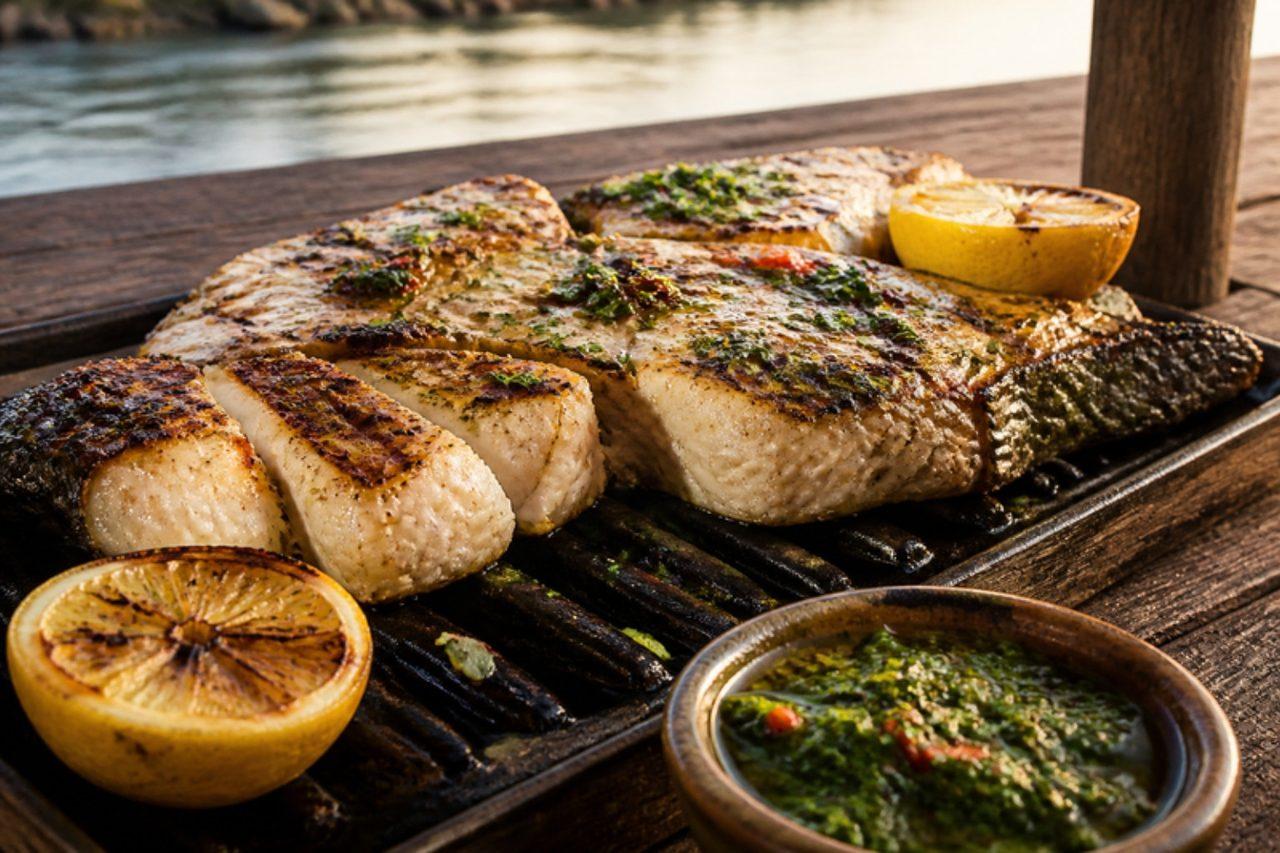
Surubí a la parrillaGrilled catfish steaks

The surubí, a big spotted catfish of the Paraná, has firm, almost meaty white flesh with no fine bones, which is why riverside parrillas in Corrientes, Goya and Esquina cut it into thick steaks and throw it on the grill like beef. A short soak in lemon, garlic and oil, plenty of salt, and live coals are all it asks. Serve with boiled cassava or potatoes, salsa criolla and a cold lemonade. Outside Argentina, buy thick steaks of another firm catfish, or of monkfish or swordfish. The usual mistake is trying to flip the fish too soon: it tears and sticks until a crust has formed and it lets go of the grate by itself. Chef's tip: oil the fish rather than the grill, and rub the hot bars with half a lemon just before the steaks go on.

by KrazyBadal 0 views

PfitzaufEgg-batter puffs with apple sauce

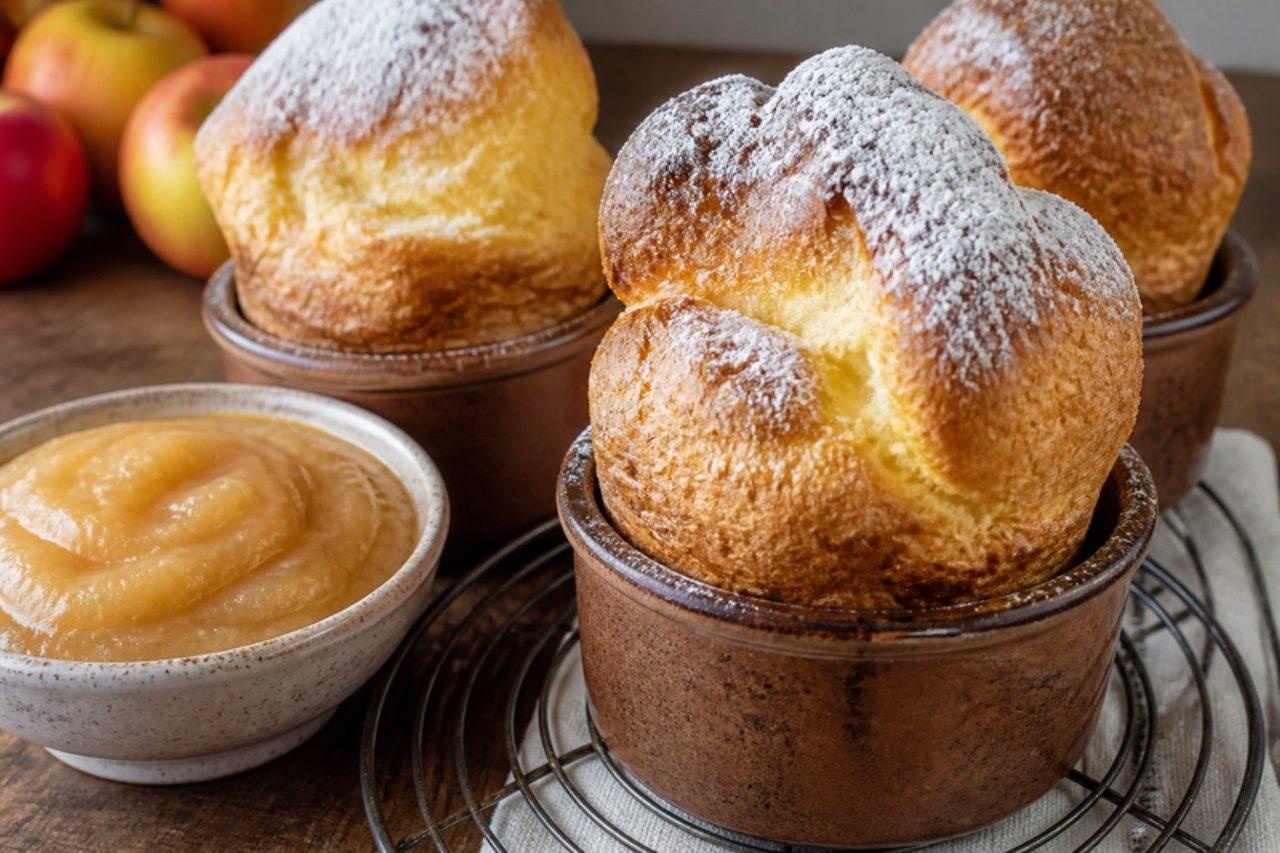
Pfitzauf is a Swabian Sunday-afternoon treat: a thin egg and milk batter poured into a heavy clay or tin mould with deep cups, which rises in the oven like a soufflé and 'pfitzt auf', pops up, far above the rim. Grandmothers on the Swabian Alb served it hot with apple sauce or vanilla sauce, sometimes with stewed cherries. A muffin tin or popover tin works too. The classic mistake is opening the oven during baking: the puffs collapse and never come back. Chef's tip: get the buttered tin really hot in the oven before pouring in the batter; the shock of heat is what makes them climb.

by KrazyBadal 0 views

Showing 45 of 7,762 recipes

Show more recipes

Page 518 of 863