


Skip to content
Proziaki
Featured recipe

Proziaki

Soda flatbreads

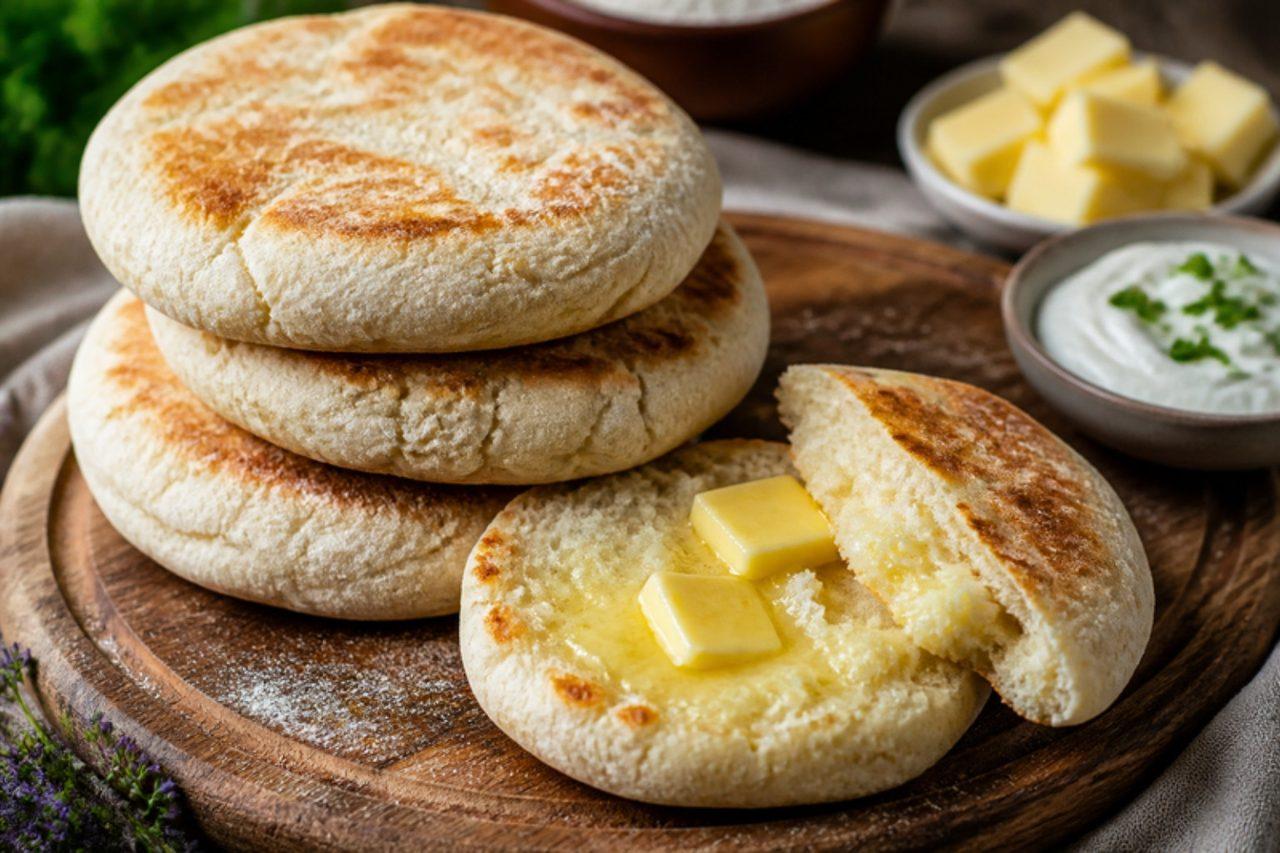
Farm kitchens around Rzeszów and Krosno made proziaki when there was no time to wait for yeast: sour milk, flour and a spoon of soda, patted into rounds and cooked on the hot iron top of the stove. They rise into soft, scone-like breads about 2 cm thick, lightly charred outside, with a tender, faintly tangy crumb, and they are split while hot and spread with butter or jam, or eaten with soup. A common mistake is overworking the dough, which knocks out the gas and makes them tough. Chef's tip: keep the pan on a medium-low heat; if they brown in under 3 minutes, the middle will still be doughy.

Read more 0 views

What to eat today?

Around the world

Today's trip: Paraguayan

A new country every day, from every cuisine on the site.

Paraguayan

Cocido quemado

Burnt sugar mate drink 14 minMore from Paraguayan (27) →

This week's collection

Kid-friendly dinners
537 recipes · a new collection every Monday

Latest recipes

QizhaNigella seed cake

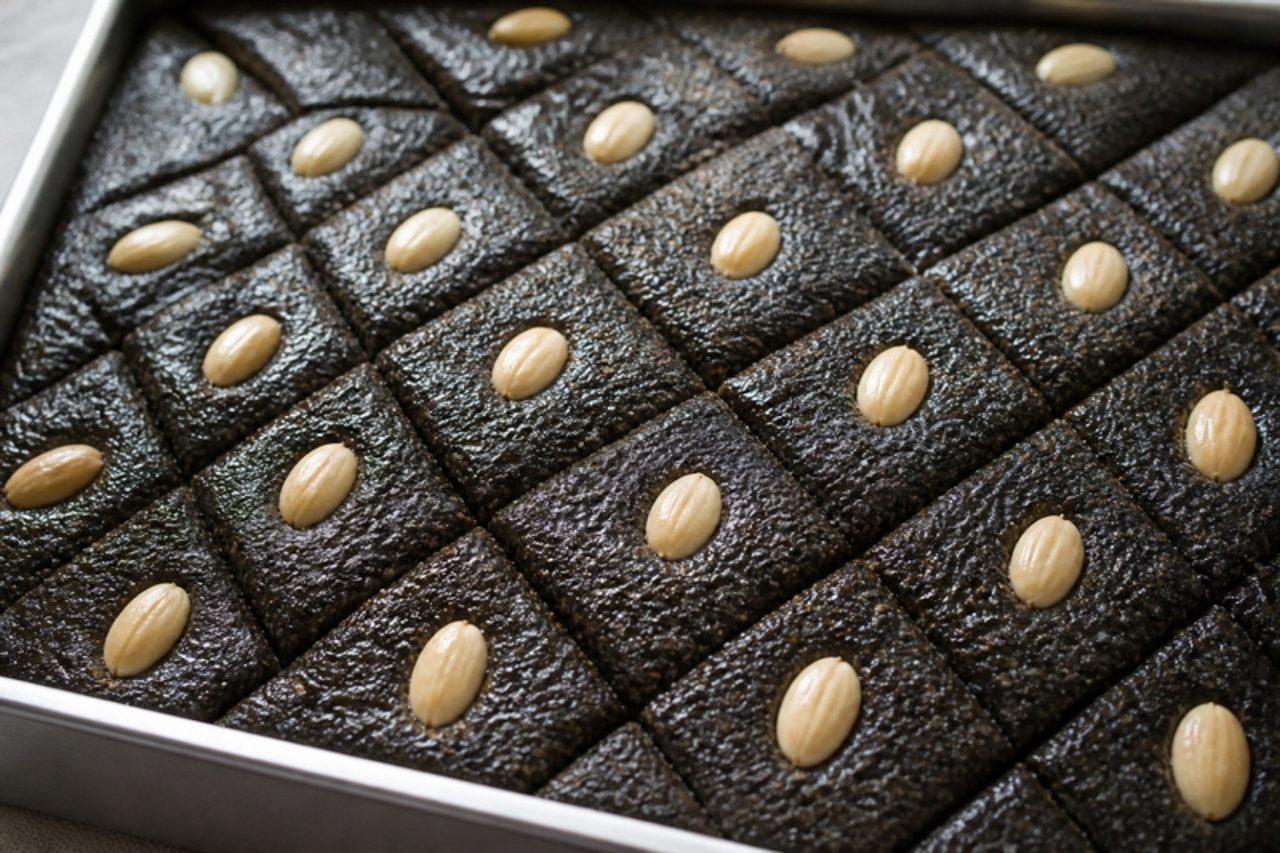
Qizha is Gaza's own sweet: a dense, near-black semolina cake made with a paste of roasted nigella seeds, eaten especially in winter and during Ramadan, when bakeries in Gaza City stack trays of it. It tastes nutty and slightly bitter, a little like dark sesame, softened by syrup and topped with almonds or pistachios. Nigella paste is sold in some Middle Eastern shops; if you can't find it, grind toasted nigella with tahini as below. Common mistake: over-toasting the nigella, which turns it acrid; stop as soon as it smells fragrant. Chef's tip: rest the mixed batter for 30 minutes before baking so the semolina swells and the cake slices cleanly.

by KrazyBadal 0 views

Sopa seca chinchanaSpaghetti in basil chicken broth

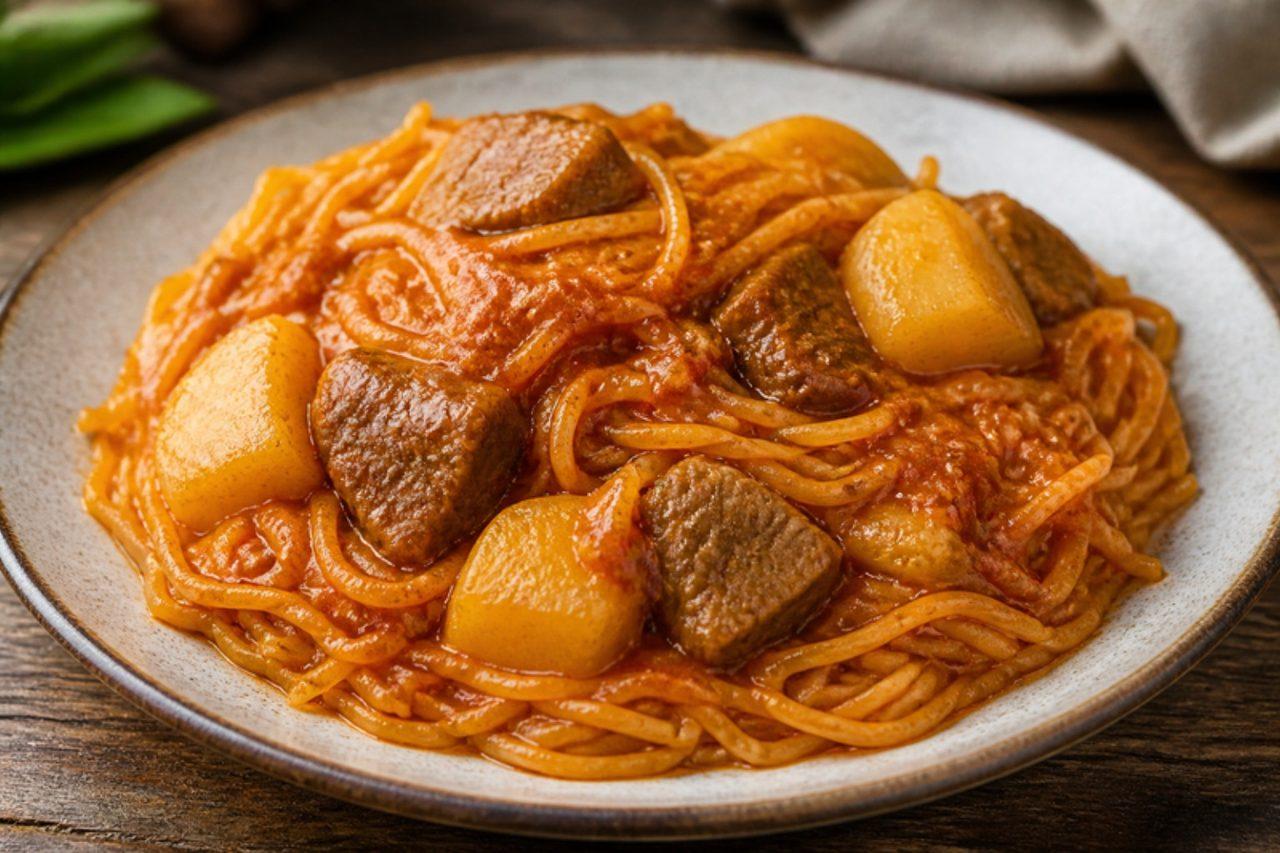
Despite the name, there is no soup in a bowl: sopa seca is spaghetti cooked like a risotto in a well-seasoned chicken broth with basil, ají panca and tomato until every drop is absorbed and the noodles turn reddish-green and fragrant. In Chincha and Ica it always arrives on the same plate as carapulcra, the two together forming the famous festive 'matrimonio', with a chicken thigh on top. Expect soft, very savoury pasta with a mild warmth from the chilli. Where it goes wrong is pouring in all the broth at once, which leaves the pasta swimming and mushy; add it in stages, as for risotto. Chef's tip: blend the basil with a little oil and stir it in only in the last minutes, so it stays green instead of turning brown.

by KrazyBadal 0 views

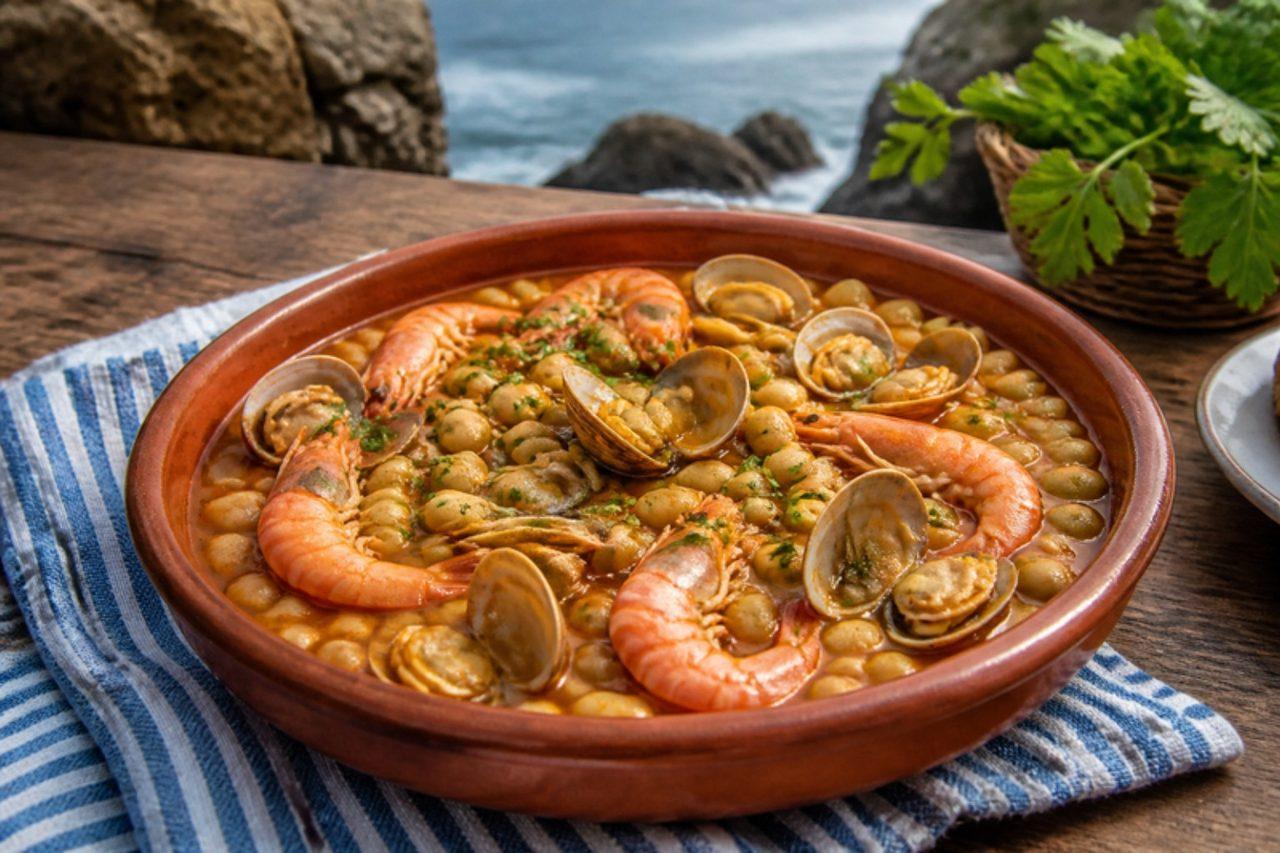
Verdinas con mariscoGreen beans with prawns and clams

Verdinas are small, pale-green dried beans grown around Llanes in eastern Asturias, prized for their thin skins and buttery texture; seaside restaurants there pair them with whatever shellfish came in that morning. It is a newer dish than fabada, lighter and greener, often eaten in summer on the terraces above the harbour. If you can't find verdinas, French flageolet beans are the nearest match. Chef's tip: make a quick stock from the prawn shells and heads; it gives the beans far more flavour than plain water.

120 minSpanishFishGluten free
by KrazyBadal 0 views

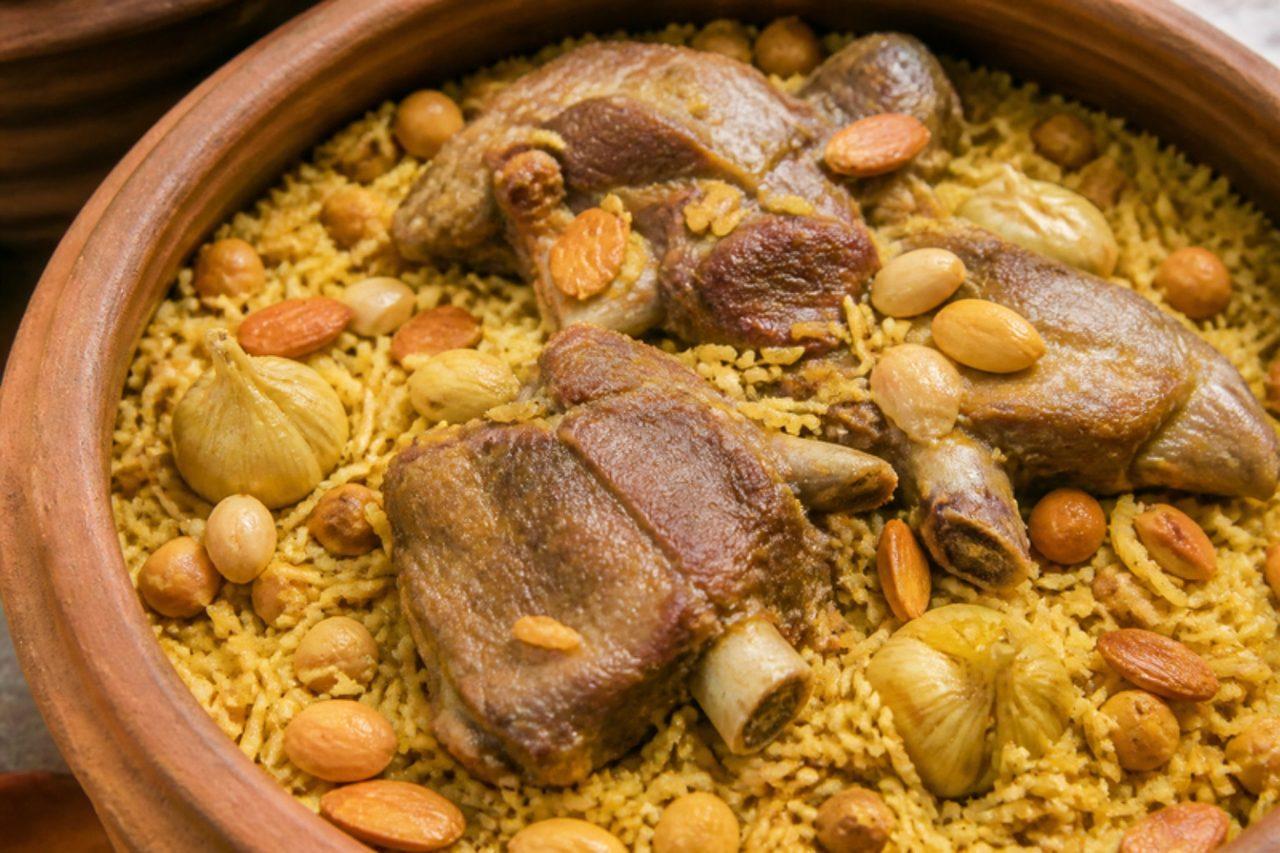
QidraLamb and rice clay-pot

Qidra takes its name from the tall copper or clay pot it is cooked in, which in Hebron is sealed and carried to the neighbourhood bakery to cook slowly in the bread oven for Friday lunch, weddings and Eid. The rice is golden with turmeric and cumin, studded with whole garlic cloves and chickpeas, and the lamb underneath turns meltingly tender. At home, a heavy lidded casserole in the oven does the job. Common mistake: lifting the lid to stir, which breaks the rice and lets the steam escape. Chef's tip: soak the rice for 30 minutes and use only as much broth as the recipe says; the sealed pot loses almost nothing.

by KrazyBadal 0 views

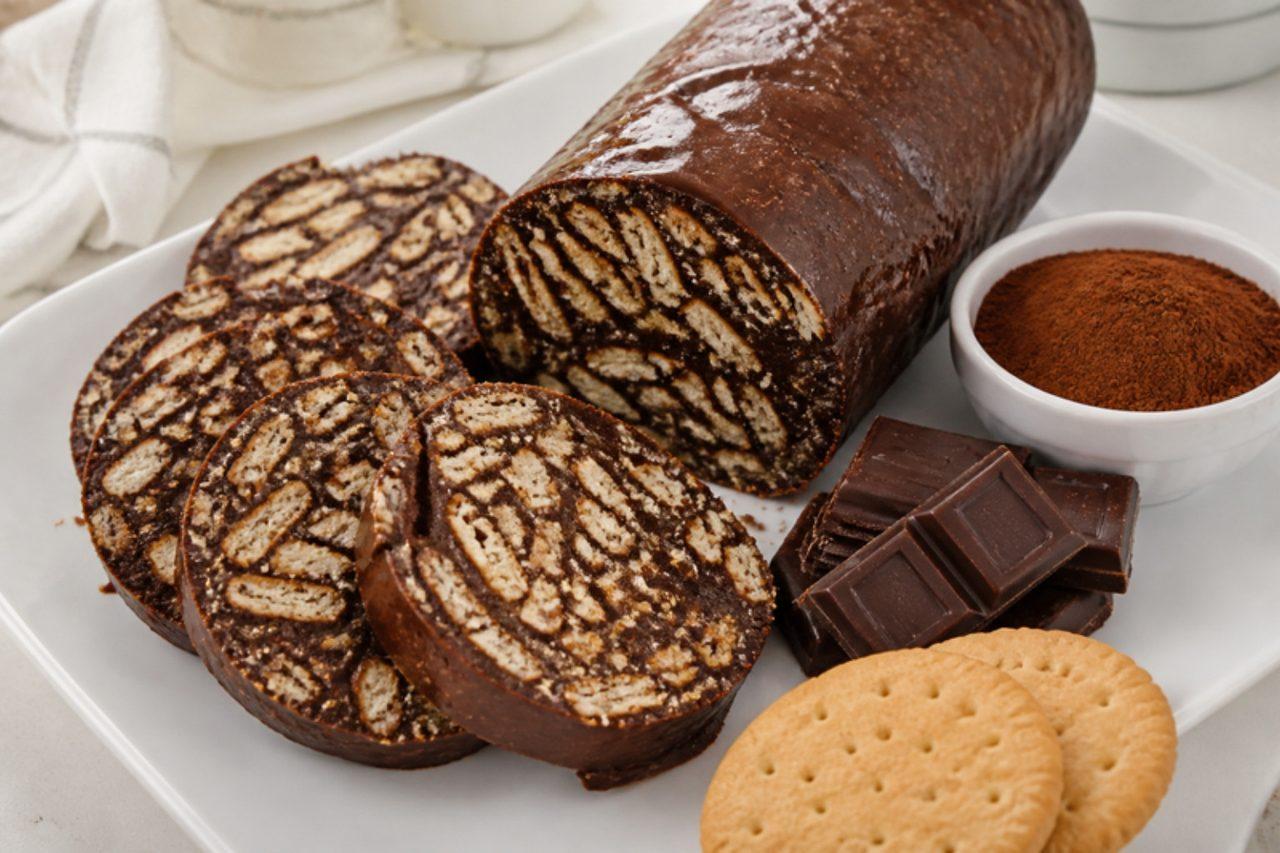
Salame de chocolateNo-bake chocolate biscuit log

Every Portuguese child seems to have helped make one: crushed Maria-style tea biscuits folded through rich chocolate, rolled into a log, chilled and dusted with icing sugar until each slice looks like salami. It turns up at birthday parties, in café display cases around Lisbon and on Christmas dessert tables. The traditional mix uses raw eggs; this version leaves them out and sets with melted chocolate and butter instead, so there is nothing raw in it. A splash of port is often added, which contains alcohol; leave it out or use milk. A common mistake is crushing the biscuits to crumbs; leave some larger pieces, or the slices lose their marbled look. Chef's tip: break the biscuits by hand into pieces the size of a fingernail; crumbs turn it into fudge and you lose the salami look.

by KrazyBadal 0 views

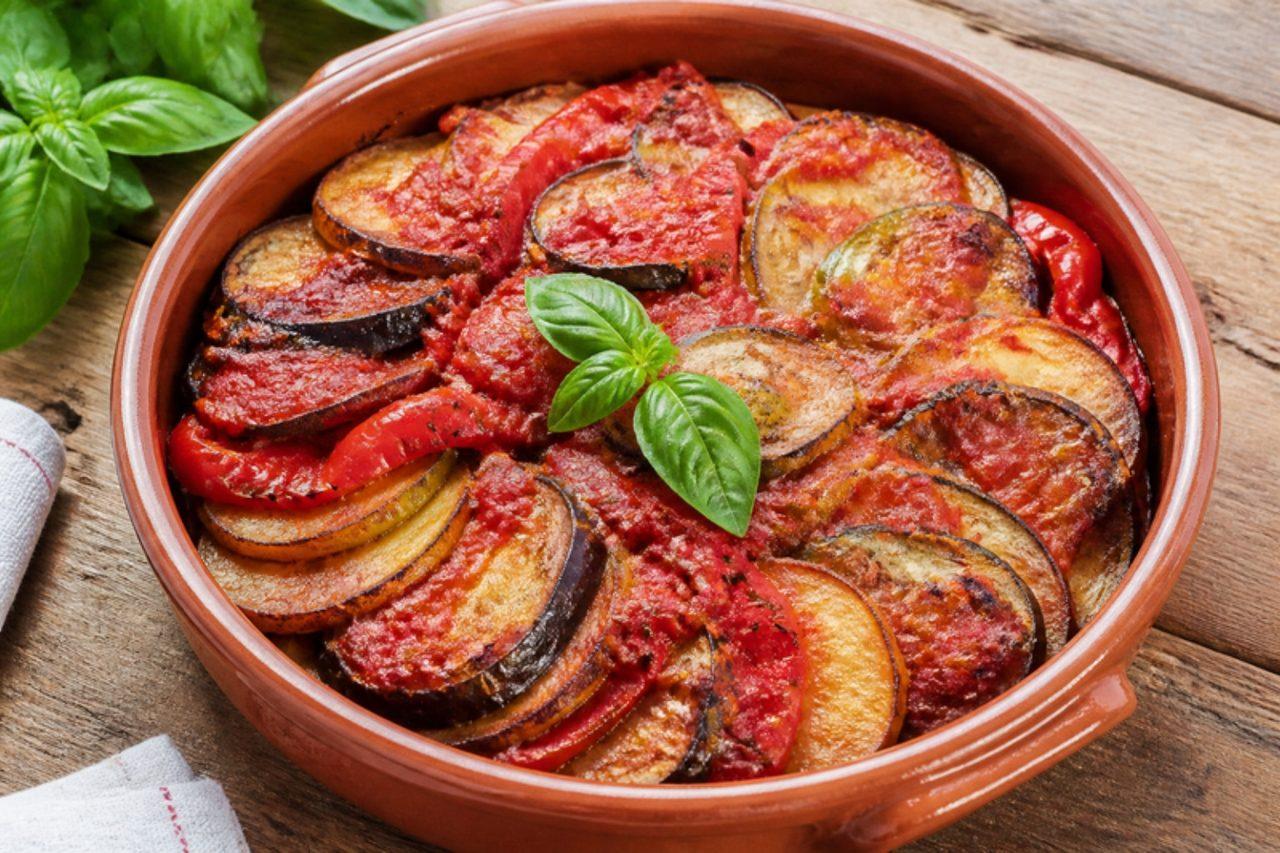
TumbetLayered potato, aubergine and pepper bake

Come August, every Mallorcan village kitchen has a clay greixonera of tumbet cooling on the counter, made with the aubergines and peppers that pile up at the Saturday markets in Sineu and Santanyí. Potato, aubergine and red pepper are each fried on their own, stacked in layers and blanketed with a thick, garlicky tomato sauce, then baked until it all settles together. Islanders eat it warm or at room temperature, as a meal with bread or beside grilled fish or lamb. It tastes even better the next day. Chef's tip: fry each vegetable in its own batch and drain it on paper, because every layer needs its own browned edges and nothing should arrive in the dish swimming in oil.

by KrazyBadal 0 views

PepitoriaRice with goat offal

Santander's famous plate of cabrito (roast kid goat), sold in Bucaramanga, Barichara and the canyon towns, always comes with pepitoria next to it: rice cooked with the kid's chopped heart, liver and kidneys, a refrito of onion and tomato, and blood, which turns it a deep reddish-brown and gives it a rich, mineral flavour, a little like a soft black pudding. It's a dish that uses the whole animal, and it is worth trying if you like morcilla. Ask a halal, Caribbean or specialist butcher for very fresh goat offal and fresh blood (pig blood works if goat isn't available); keep both cold and cook them the same day. Offal must be cooked right through, and the blood until it has set and darkened with no liquid red left. The usual misstep is adding the blood too early, so that it scorches on the bottom; it goes in when the rice is nearly done. Chef's tip: if blood is impossible to find, double the offal and add 1 tsp extra achiote; you'll get a lighter but still very good rice.

by KrazyBadal 0 views

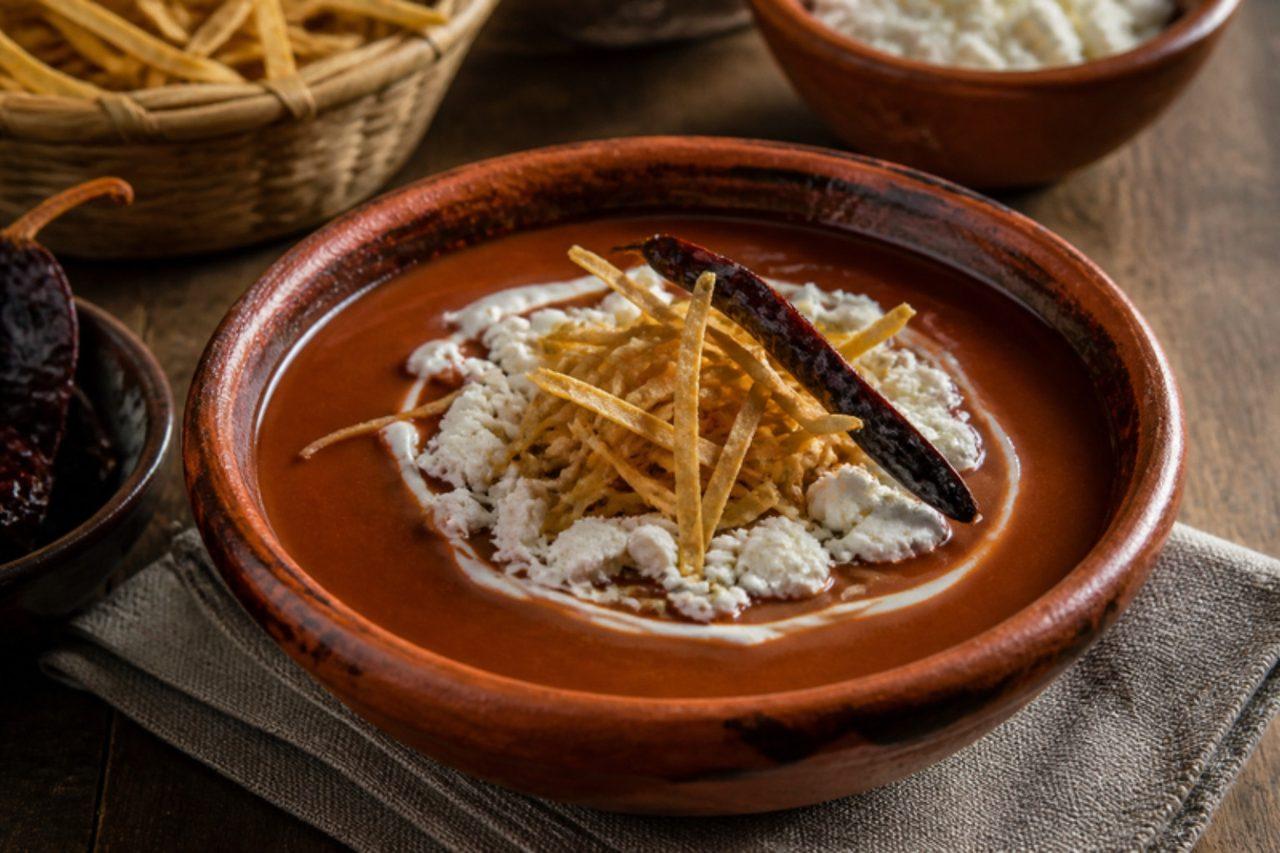
Sopa tarascaBean and tomato soup

Named after the Tarascan (Purépecha) people of Michoacán, sopa tarasca is the soup served in the restaurants around the plazas of Pátzcuaro and Morelia, especially on cool highland evenings. It is a smooth, brick-red purée of beans, tomato and ancho chilli, poured over crisp tortilla strips and finished with cream, fresh cheese and fried chilli rings. Some versions use chicken stock; this one uses vegetable stock and loses nothing. Fresh cheese may be made with animal rennet, so use a vegetarian one if needed. Chef's tip: fry the blended soup base in hot oil before adding the stock; it cooks out the raw tomato taste and deepens the colour.

by KrazyBadal 0 views

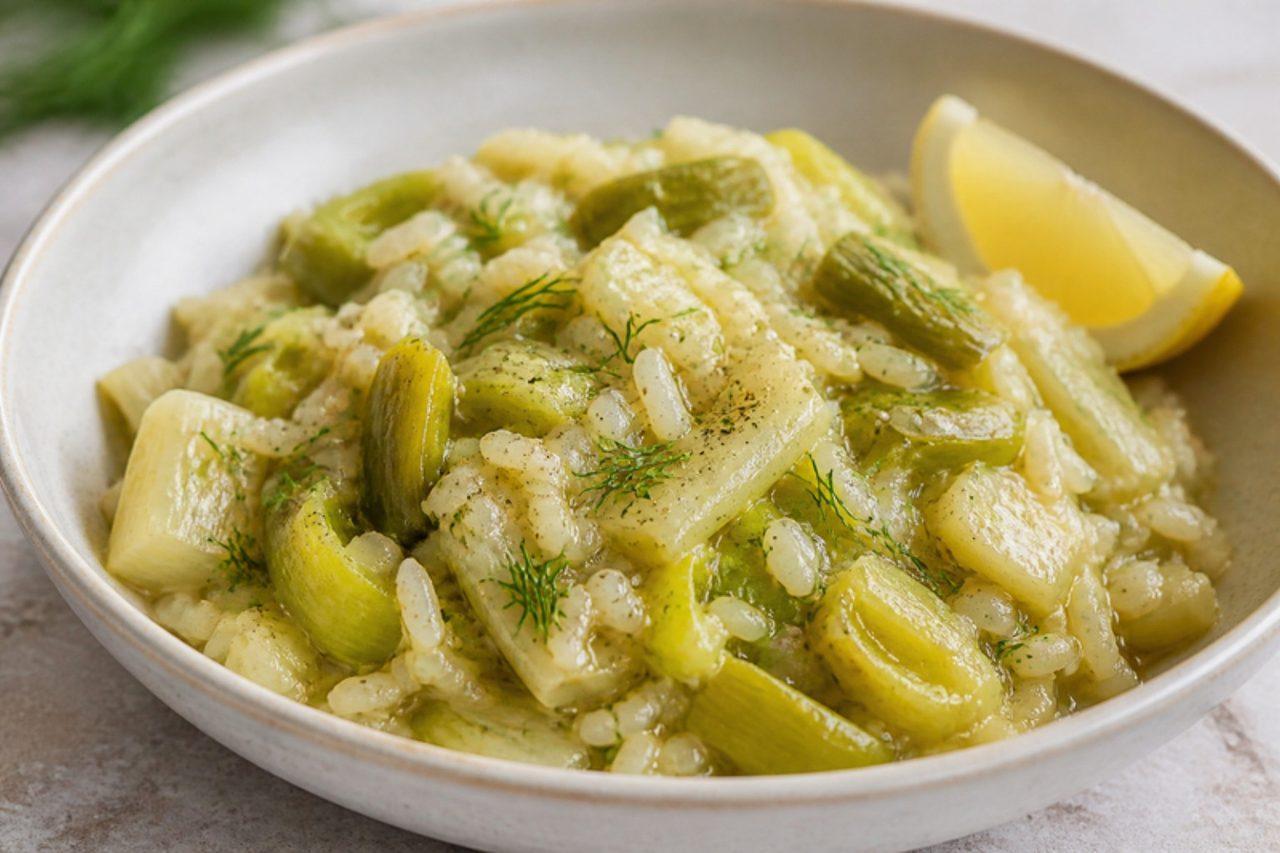
PrasorizoLeek and rice with lemon

Prasorizo is the cheap, comforting pot that northern Greek kitchens turn to through the Lenten weeks and the cold months, when leeks are at their best and meat is off the table. Leeks are stewed in plenty of olive oil until meltingly soft, then rice simmers in the same pot until creamy and loose, finished with dill and a sharp squeeze of lemon. It is eaten warm, never piping hot, with feta (or a vegan alternative) and olives on the side. Common mistake: stirring like risotto, which turns it gluey — stir once or twice and let it bubble. Chef's tip: be generous with the oil; in a ladera dish the olive oil is the sauce.

by KrazyBadal 0 views

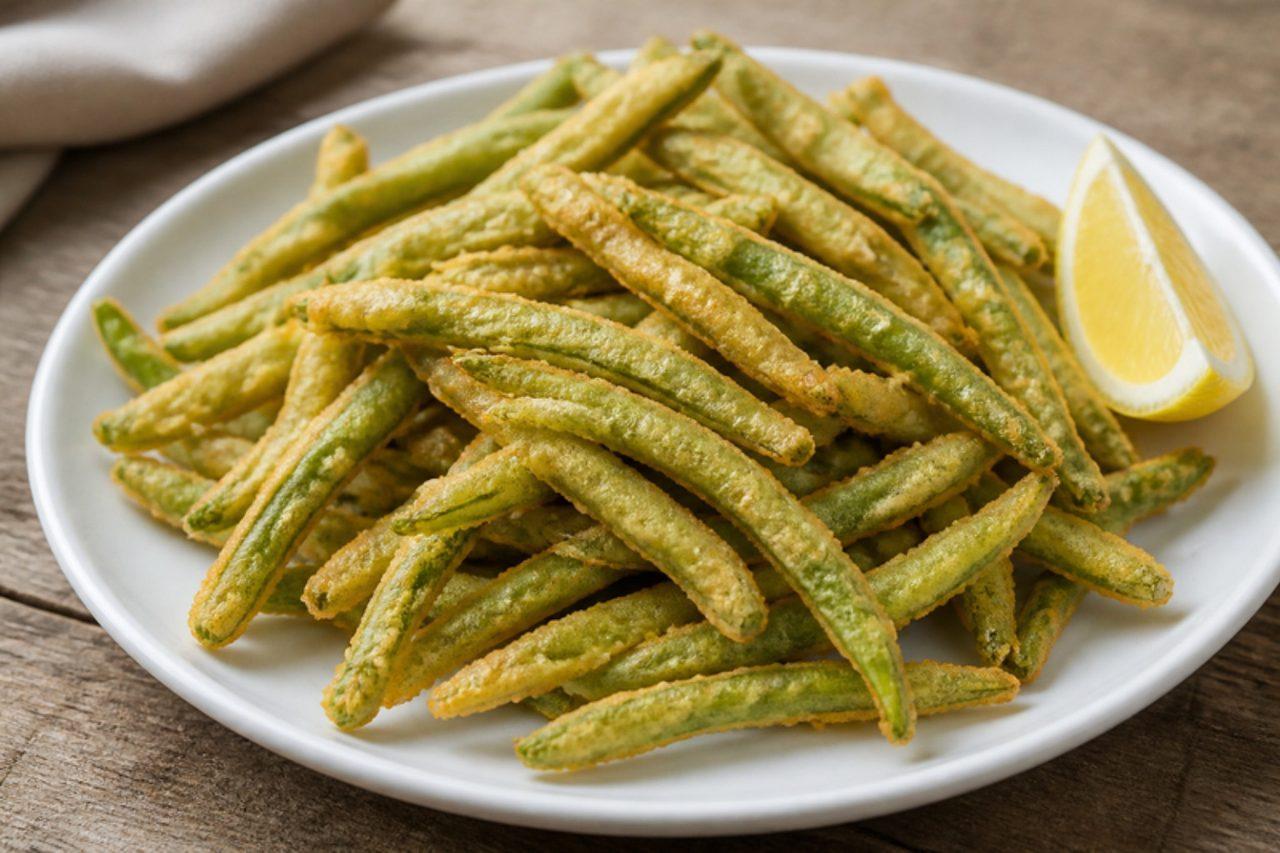
Peixinhos da hortaBattered green beans

Order a round of petiscos in an old Lisbon tasca and a plate of these often lands first: flat green beans in a thin, crackly batter, eaten with the fingers alongside a cold drink. The name means 'little fish from the garden', because on meatless church days the beans stood in for fried sardines. Portuguese missionaries are often credited with carrying the idea of batter-fried food to Japan in the 1500s, where it may have grown into tempura. Serve them hot, with lemon wedges and a pinch of flaky salt. Chef's tip: dry the blanched beans completely on a towel; any water left on them stops the batter sticking and makes the oil spit.

by KrazyBadal 0 views

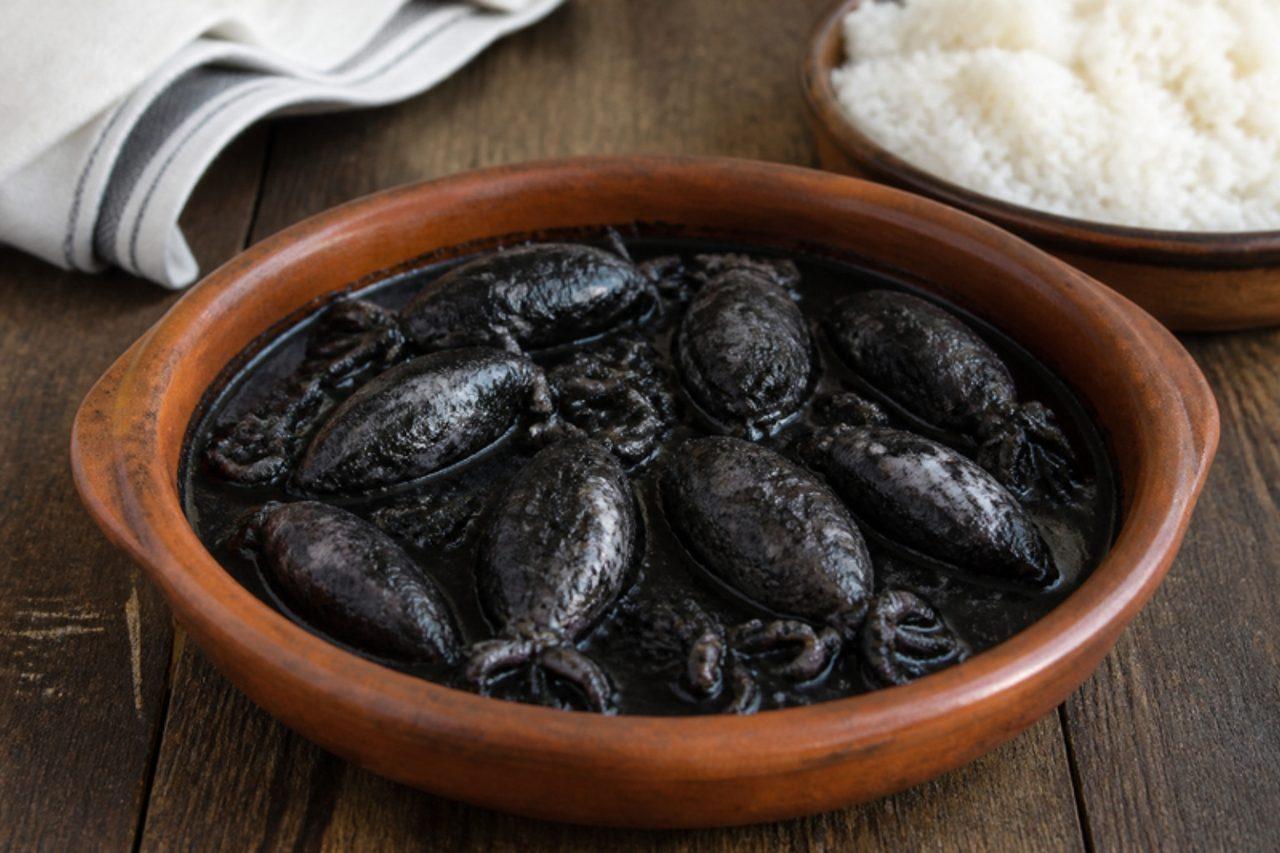
Txipirones en su tintaBaby squid in ink sauce

Along the Basque coast from Getaria to Hondarribia, little squid caught on hand lines in late summer are stuffed with their own tentacles and stewed in a sauce made inky black with their ink. In bars and homes it is served with plain white rice or fried bread to soak up the sauce. Cleaning the squid takes a little patience, but the stew itself is simple. A common mistake is browning the onions: they should stay soft and sweet, or the sauce tastes harsh. Chef's tip: buy extra ink sachets from the fishmonger, as the ink in small squid is rarely enough for a deep colour.

by KrazyBadal 0 views

Qamar al-dinApricot drink

Damascus is famous for its apricots, and much of the summer harvest is pressed into thin orange sheets of apricot leather called qamar al-din. In Ramadan, almost every Syrian home soaks a sheet overnight and blends it into a thick, velvety drink to break the fast — it is sweet, slightly tart and full of energy after a long day. Serve it chilled, sometimes with a few soaked pine nuts on top. Common mistake: blending without soaking long enough; the leather needs time to soften or the drink is gritty. Chef's tip: add a splash of orange blossom water and a squeeze of lemon to wake up the apricot flavour.

by KrazyBadal 0 views

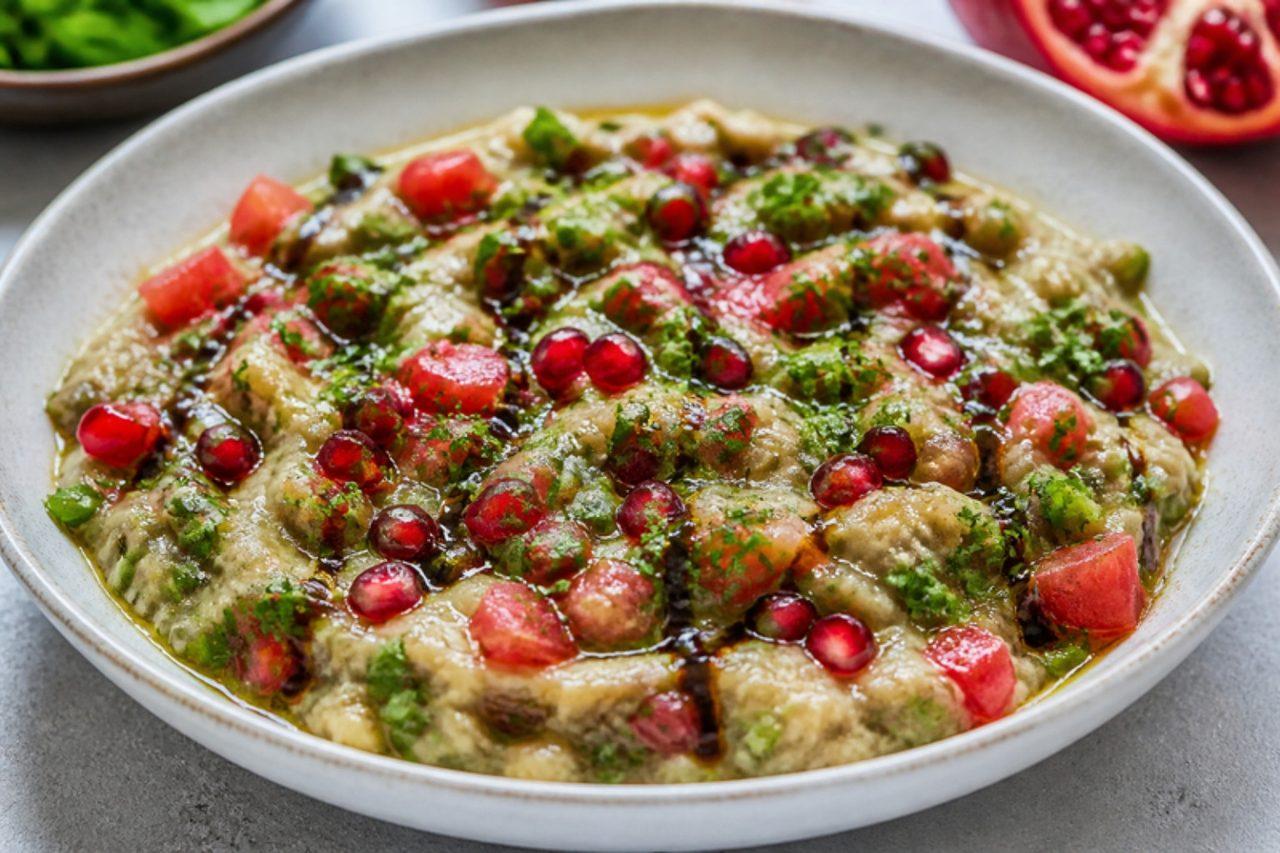
Salatet el rahebSmoky aubergine salad

Mezze restaurants along the Lebanese coast serve salatet el raheb as the fresh, chunky cousin of baba ghanoush: the aubergine is charred until smoky, then chopped rather than puréed and tossed with tomato, peppers, spring onion, parsley and a sharp dressing of lemon and pomegranate molasses. There is no tahini, so it is light and summery and sits well next to grilled halloumi or kebabs. Common mistake: leaving the aubergine juices in; drain the flesh in a sieve or the salad turns watery. Chef's tip: char the aubergines directly over a gas flame or on a barbecue rather than in the oven — the smoky flavour is the soul of the dish.

by KrazyBadal 0 views

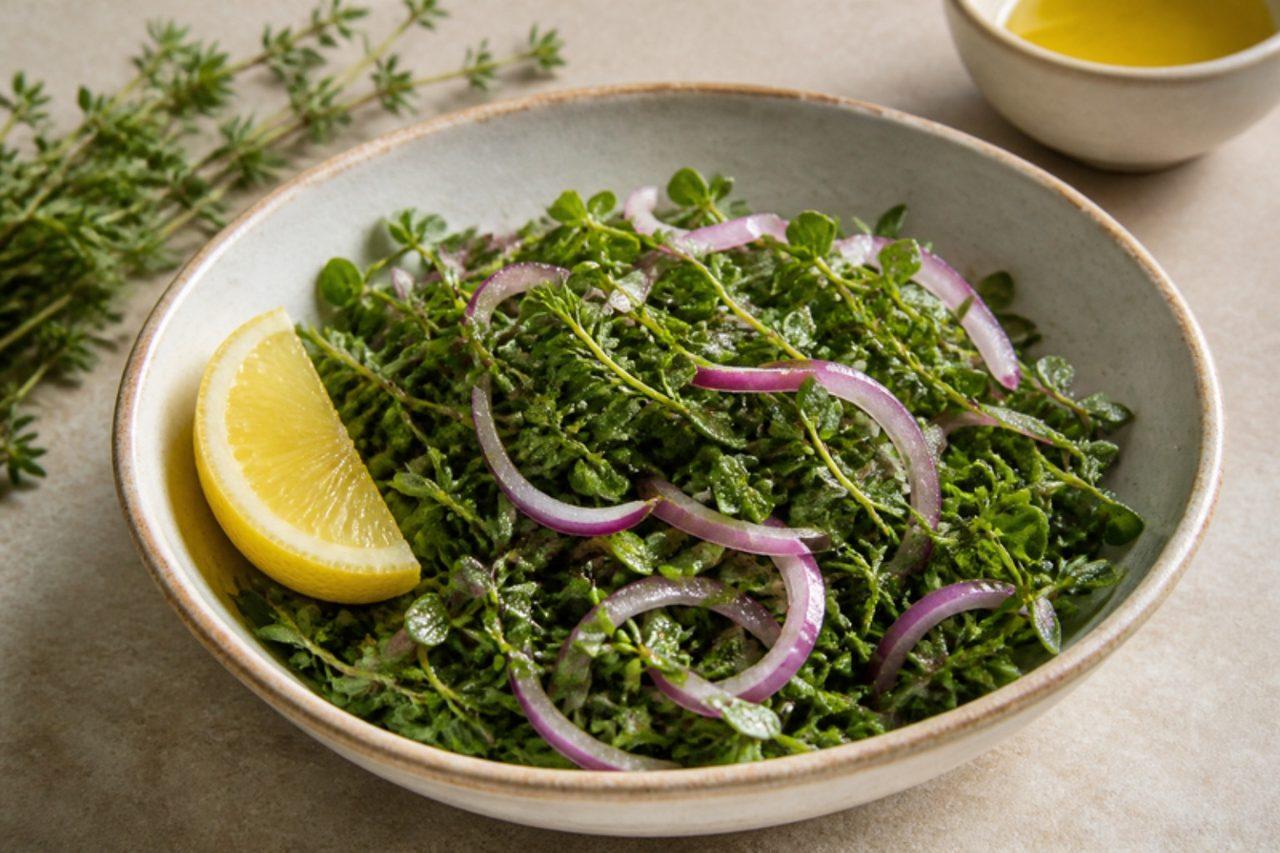
Salatet za'atar akhdarFresh thyme leaf salad

In spring, Palestinian families pick young za'atar (wild hyssop-thyme) from the hills of the West Bank and the Galilee, and the tender leaves are tossed raw with onion, lemon and the year's new olive oil. The salad is sharp, piney and peppery, eaten as part of breakfast with labneh, olives and warm taboon bread, or beside grilled meat. If you can't find fresh za'atar, a mix of fresh oregano, thyme and a little marjoram comes close. Common mistake: chopping the leaves; keep them whole so they stay perky and don't turn dark. Chef's tip: rub the sliced onion with sumac and salt for 5 minutes first; it softens its bite and turns it a pretty pink.

by KrazyBadal 0 views

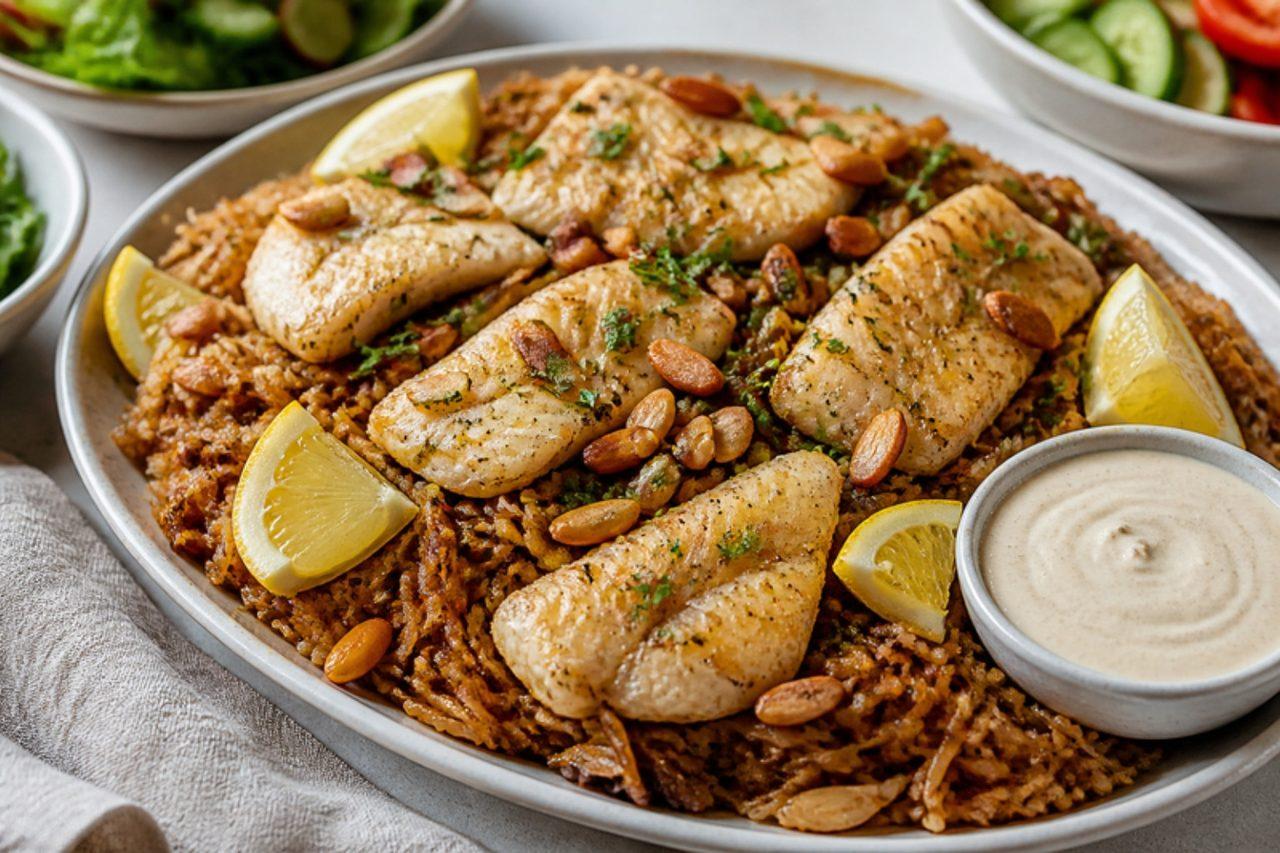
SayadiehFish and caramelised onion rice

In the port towns of Saida, Tyre and Batroun, sayadieh is what fishermen's families cook with the day's white fish: rice simmered in a deep brown stock made from very dark caramelised onions and cumin, topped with flakes of fried fish, toasted almonds and pine nuts. The rice is savoury and faintly sweet from the onions, and it comes with a tahini-lemon sauce (tarator) on the side. Common mistake: stopping the onions too early — they need to be almost mahogany for the right colour and taste. Chef's tip: simmer the fish trimmings in the onion stock for 20 minutes before cooking the rice; it doubles the sea flavour.

by KrazyBadal 0 views

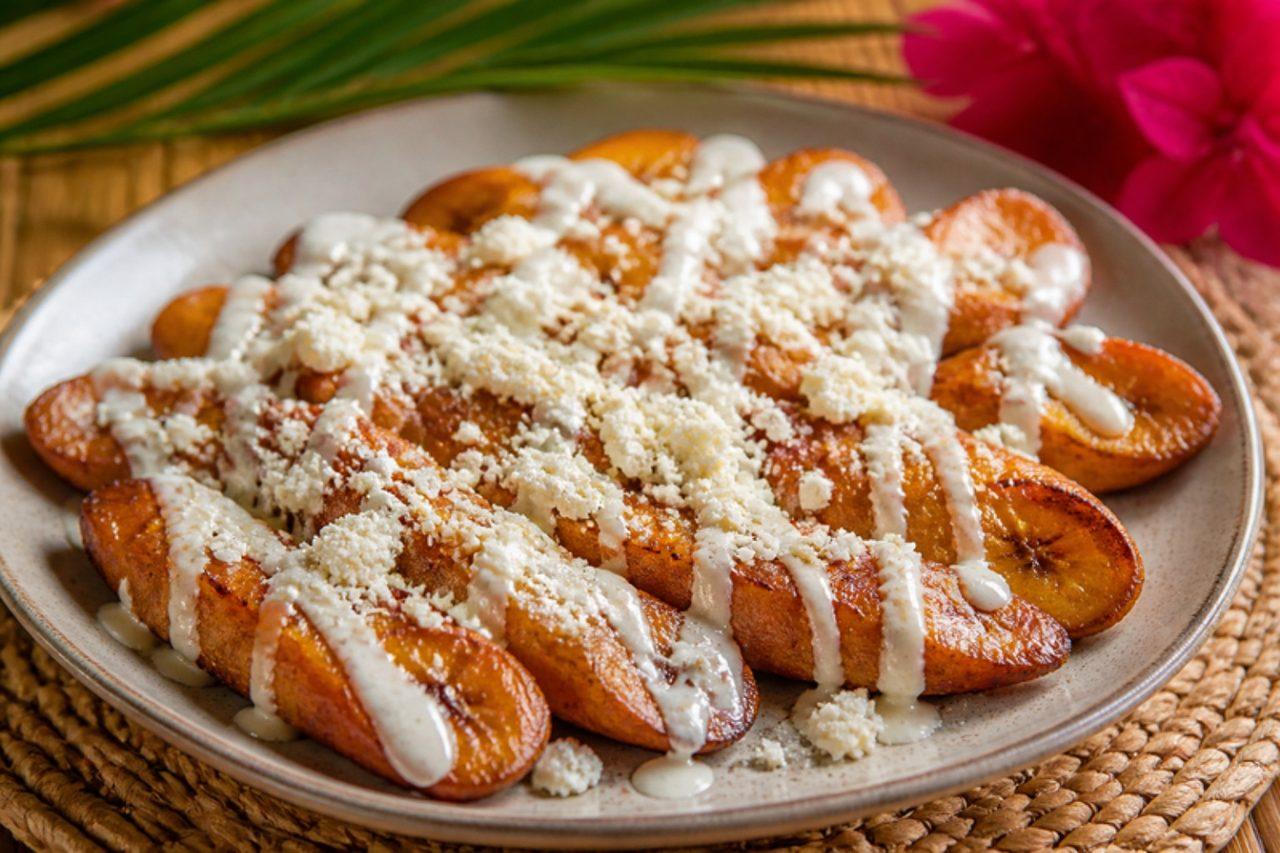
Plátanos fritos con cremaFried plantain with cream

Tabasco grows more plantain than almost anywhere in Mexico, and in Villahermosa homes fried ripe plantain arrives with breakfast eggs, alongside rice and black beans at lunch, or on its own as a sweet-savoury supper. The local touch is to finish the hot, caramelised slices with a spoon of tangy crema and a snow of crumbled fresh cheese, so you get sweet, salty and sour in one bite. Chef's tip: wait until the skins are almost black; yellow plantains taste starchy and never caramelise.

by KrazyBadal 0 views

Versunkener ApfelkuchenSunken apple sponge

Versunkener Apfelkuchen, the sunken apple cake, is the quickest cake in the German home repertoire, made on autumn weekends when the first Boskoop and Elstar apples come in from the orchards of the Altes Land near Hamburg and Lake Constance. Peeled apple halves are scored like a fan and pressed into a rich lemon sponge, which rises up around them as it bakes until they seem to sink in. Children love it still warm with whipped cream. A common mistake is cutting the scores too deep, so the apples fall apart; cut about two-thirds of the way through. Chef's tip: brush the apples with apricot jam the moment the cake comes out of the oven; it gives a shiny bakery glaze and keeps them from drying.

by KrazyBadal 0 views

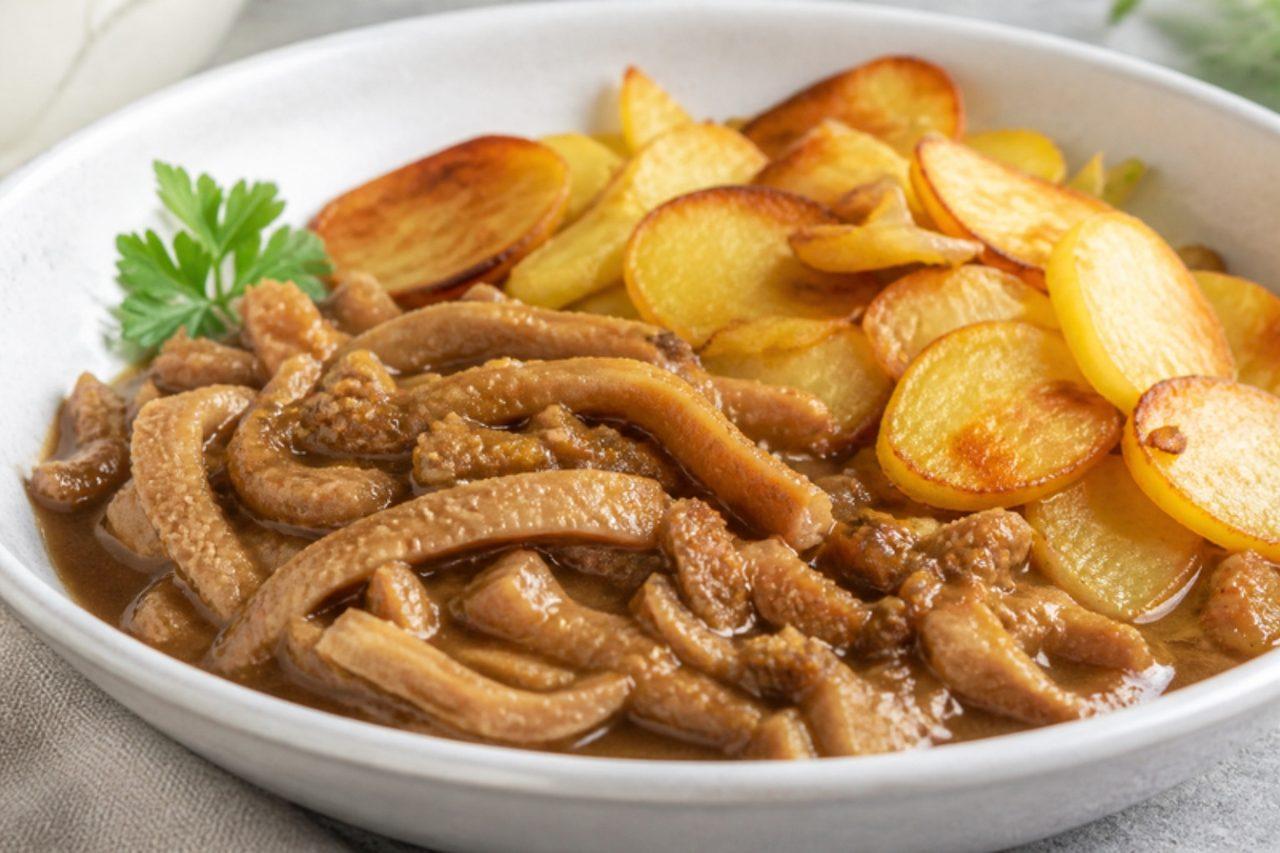
Saure KuttelnTripe in tangy vinegar sauce

Saure Kutteln is old-fashioned Swabian comfort food, still served at Stuttgart's Wasen fairs, in country inns around Reutlingen and Tübingen and by butchers who make it every Thursday. Thin strips of beef tripe are simmered in a dark roux sauce sharpened with vinegar, bay and juniper, and eaten with crisp fried potatoes. Buy tripe that the butcher has already cleaned and blanched. Some cooks add red wine; this version uses only vinegar and stock. Chef's tip: brown the roux slowly until it smells of toasted nuts, because it gives the sauce its colour and depth.

120 minGermanMeat
by KrazyBadal 0 views

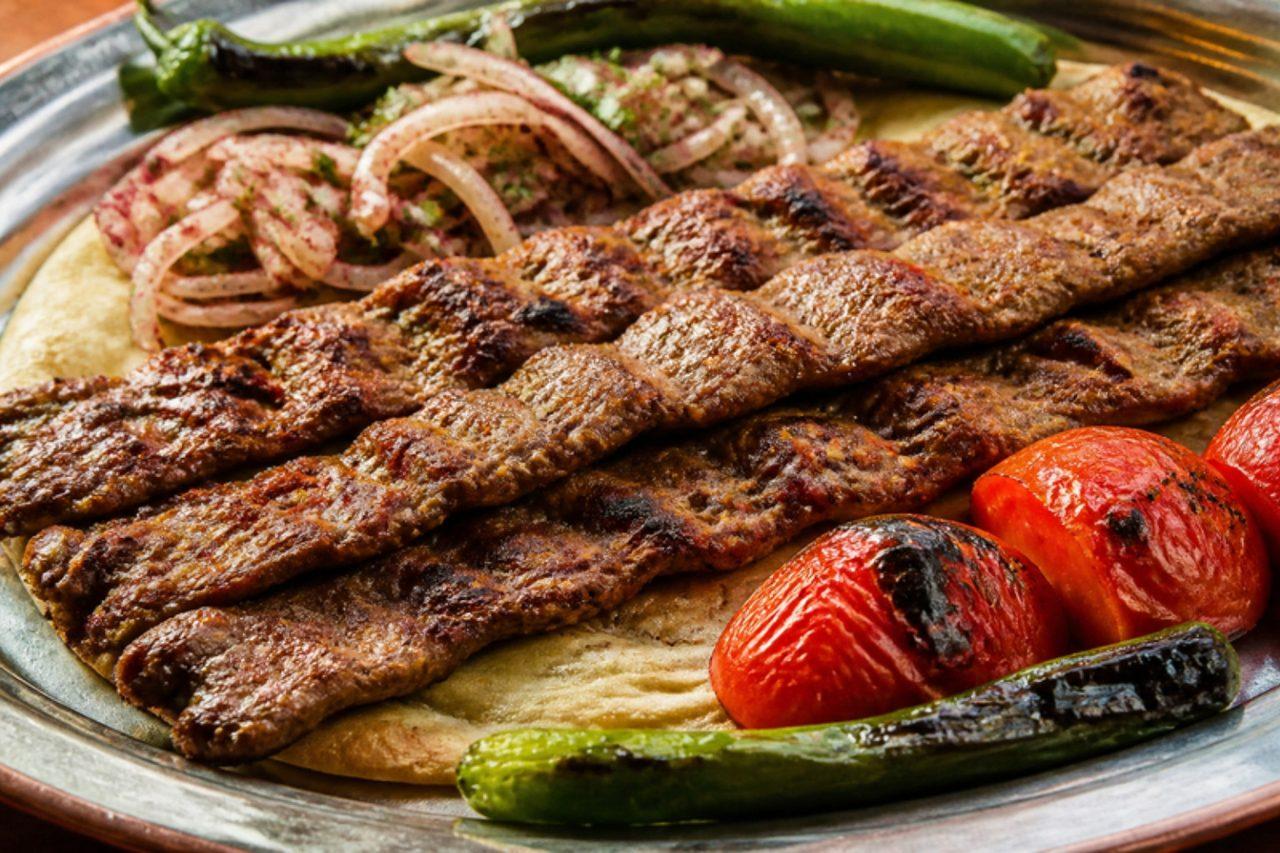
Simit kebabıBulgur and lamb mince skewers

In Gaziantep 'simit' means fine bulgur, not the sesame ring, and the city's kebab grills knead it into spicy lamb mince before shaping long flat skewers over charcoal. The bulgur soaks up the juices, so the kebab is tender inside with a crisp, charred crust. Serve on lavaş or thin flatbread with grilled tomatoes, peppers and a heap of sumac onions. Knead the mixture for a full ten minutes; under-kneaded meat falls off the skewer. Chef's tip: chill the shaped skewers for 30 minutes before grilling so they keep their shape over the heat.

by KrazyBadal 0 views

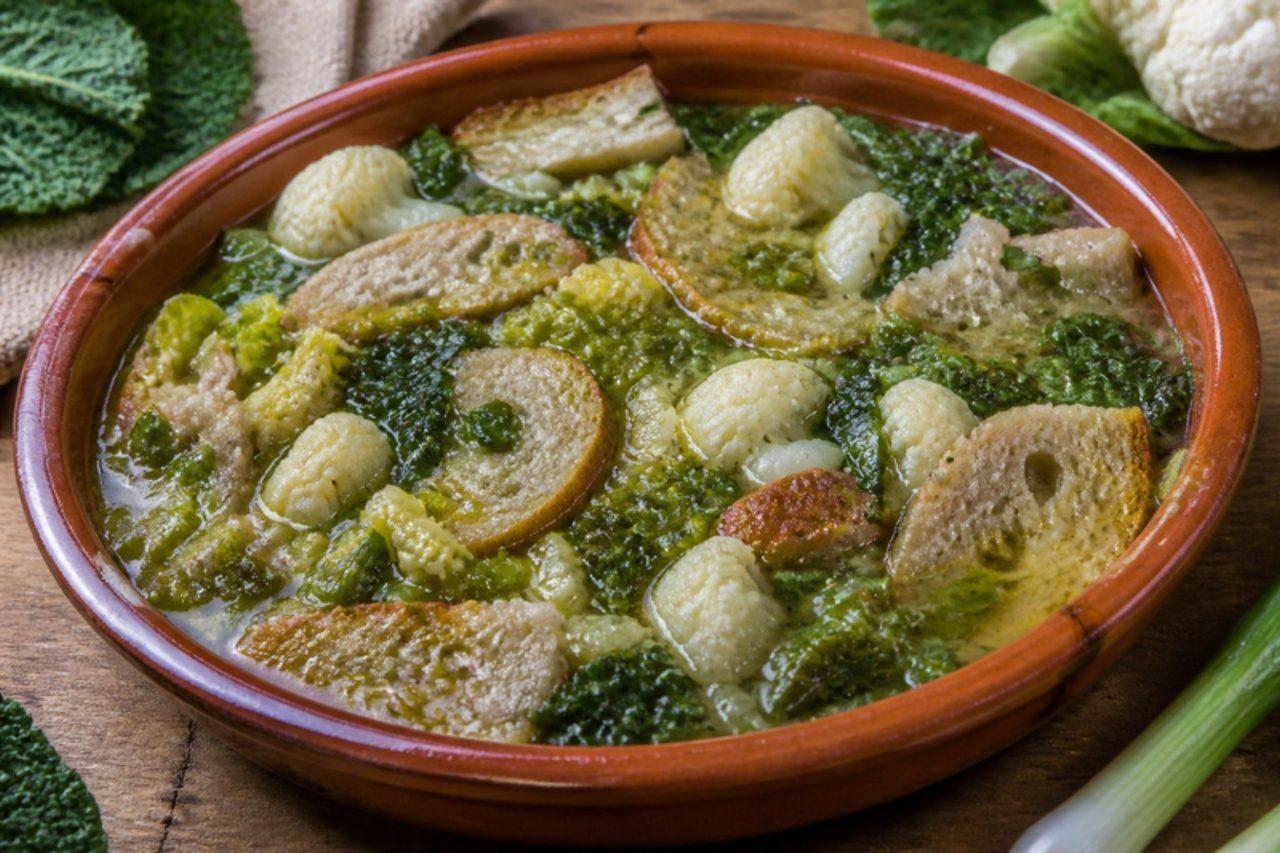
Sopes mallorquinesCabbage broth with brown bread

Sopes are a winter ritual in Mallorca, simmered in a wide clay greixonera and eaten for breakfast by country people and for Sunday lunch by everyone else. Cabbage, chard, cauliflower, artichoke and mushrooms cook in a garlicky, paprika-tinted broth, which is then poured over wafer-thin slices of dry brown bread until it soaks it all up into a spoonable mass, more stew than soup. Pork ribs often go in; this version is all vegetables. Serve with pickled chillies and black olives on the side. Chef's tip: buy the bread sliced for sopes at a bakery or slice a hard loaf on a mandolin, as thin bread is the whole texture of the dish.

by KrazyBadal 0 views

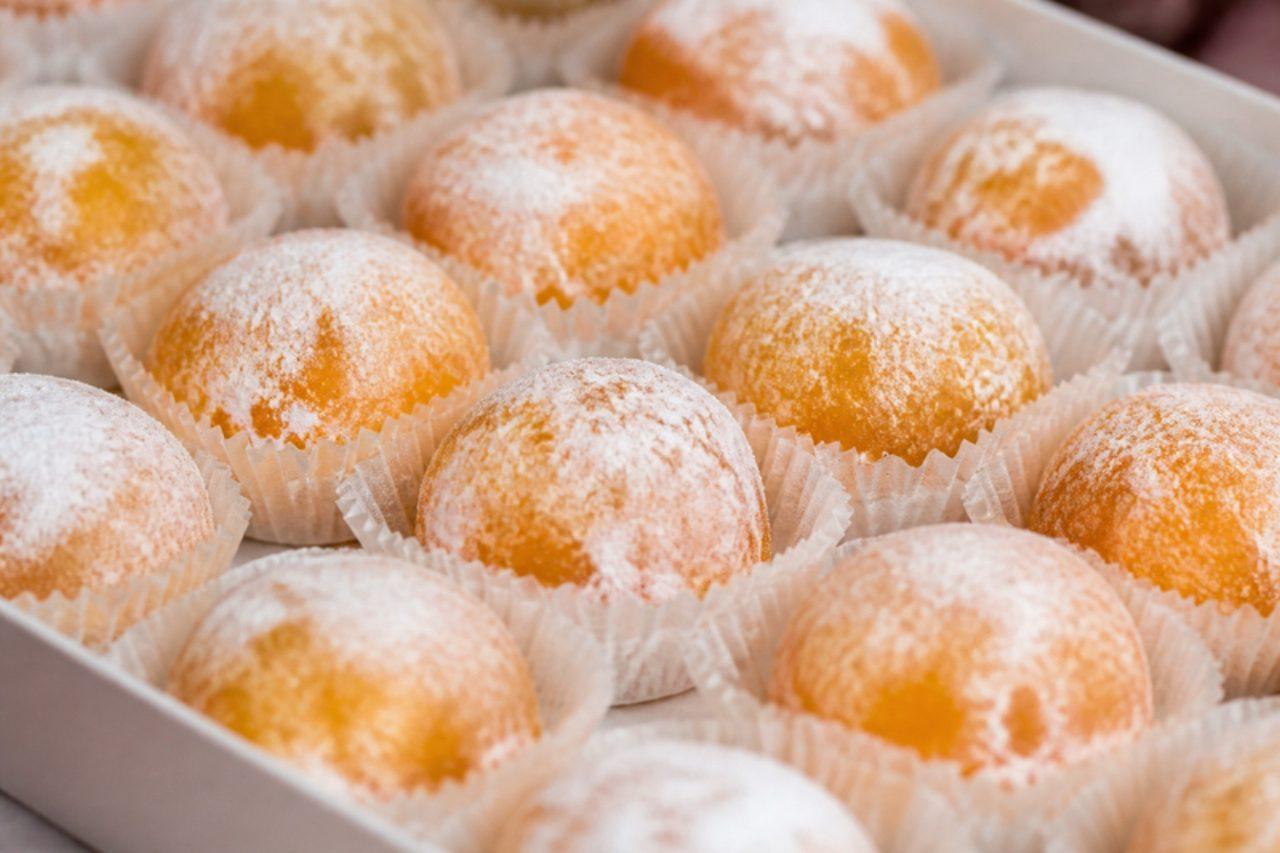
Yemas de ÁvilaSugared egg-yolk sweets

Inside Ávila's medieval walls, little boxes of yemas are the souvenir every visitor carries home: soft, deep-yellow balls of egg yolk cooked with sugar syrup, rolled in sugar and set in paper cases. They are linked with Saint Teresa, the city's famous nun, and are eaten with coffee after lunch, especially around her feast in October. The yolks are cooked until thick, well past the point that makes them safe. Chef's tip: keep the heat low and never stop stirring; yolks scramble in seconds if they catch.

by KrazyBadal 0 views

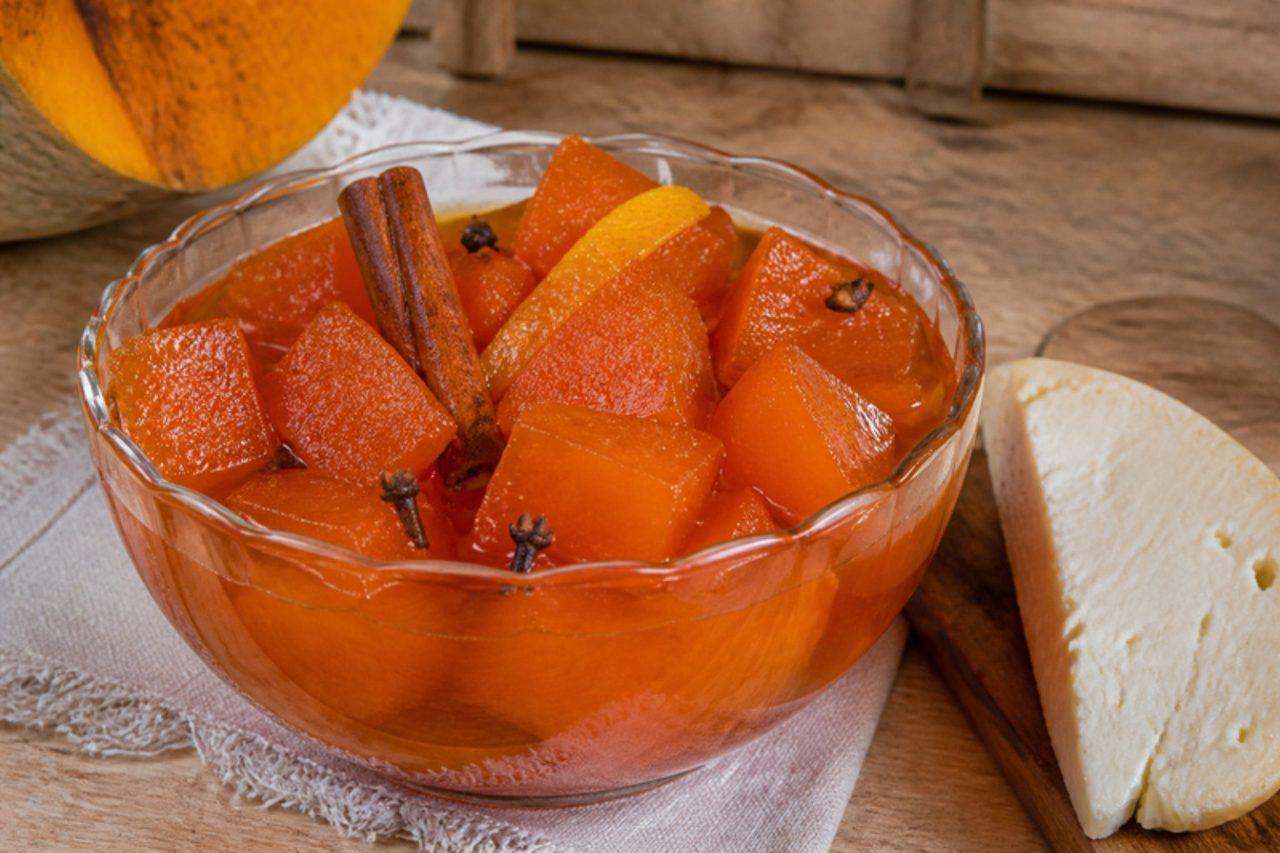
Zapallo en almíbarCandied squash

Across the Argentine countryside, when the autumn squash harvest piles up, cooks turn some of it into zapallo en almíbar: cubes of firm orange squash soaked briefly in slaked lime (cal) and then simmered in syrup until they are crisp-skinned outside and tender, almost translucent inside. Farm stalls in Córdoba and Santiago del Estero sell it in jars, and it is eaten as dessert with a slice of cheese, the same idea as postre vigilante. This home version skips the lime and uses a short sugar cure instead, which still keeps the pieces whole. It is vegan as written; serve it with vegan cheese or toasted walnuts to keep it that way. The mistake to avoid is stirring: the squash breaks into purée, so shake the pan instead. Chef's tip: use a dense, dry squash such as Crown Prince or butternut neck, and cook the syrup slowly; if it boils hard the outside candies before the centre softens.

by KrazyBadal 0 views

Pudim de pãoCaramel bread pudding

Nothing went to waste in old Minho farmhouses, and yesterday's bread became this: a dense, sliceable pudding soaked in sweet milk, scented with lemon and cinnamon and turned out under a dark caramel. You will find it on the dessert trolley of family restaurants in Braga and Guimarães, especially at Sunday lunch. It is firmer than a crème caramel, with a fine, cake-like texture. A common mistake is baking it in an oven that is too hot, which makes the custard bubble and turn spongy instead of silky. Chef's tip: chill it overnight before turning it out, so it slices cleanly and the caramel turns to a pourable sauce.

by KrazyBadal 0 views

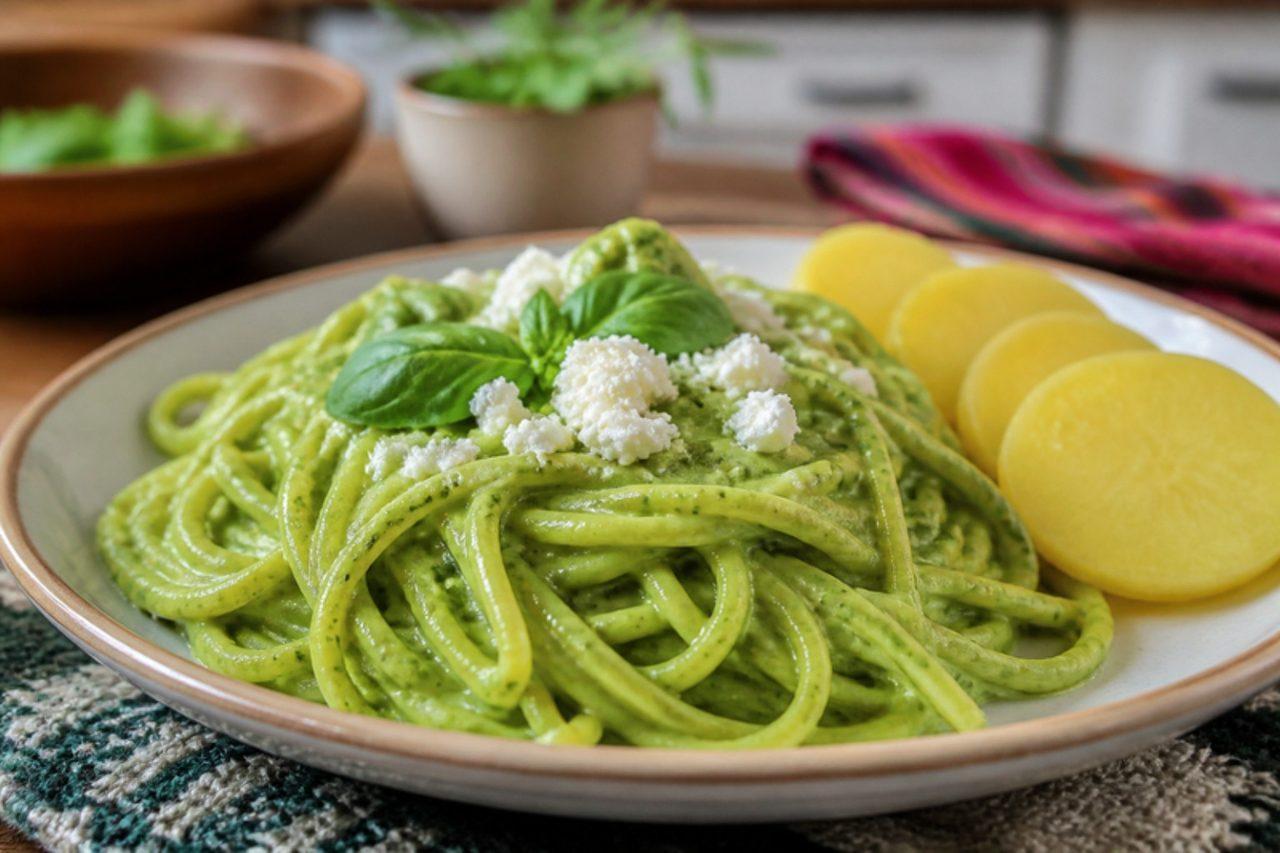
Tallarines verdesSpaghetti with basil and spinach sauce

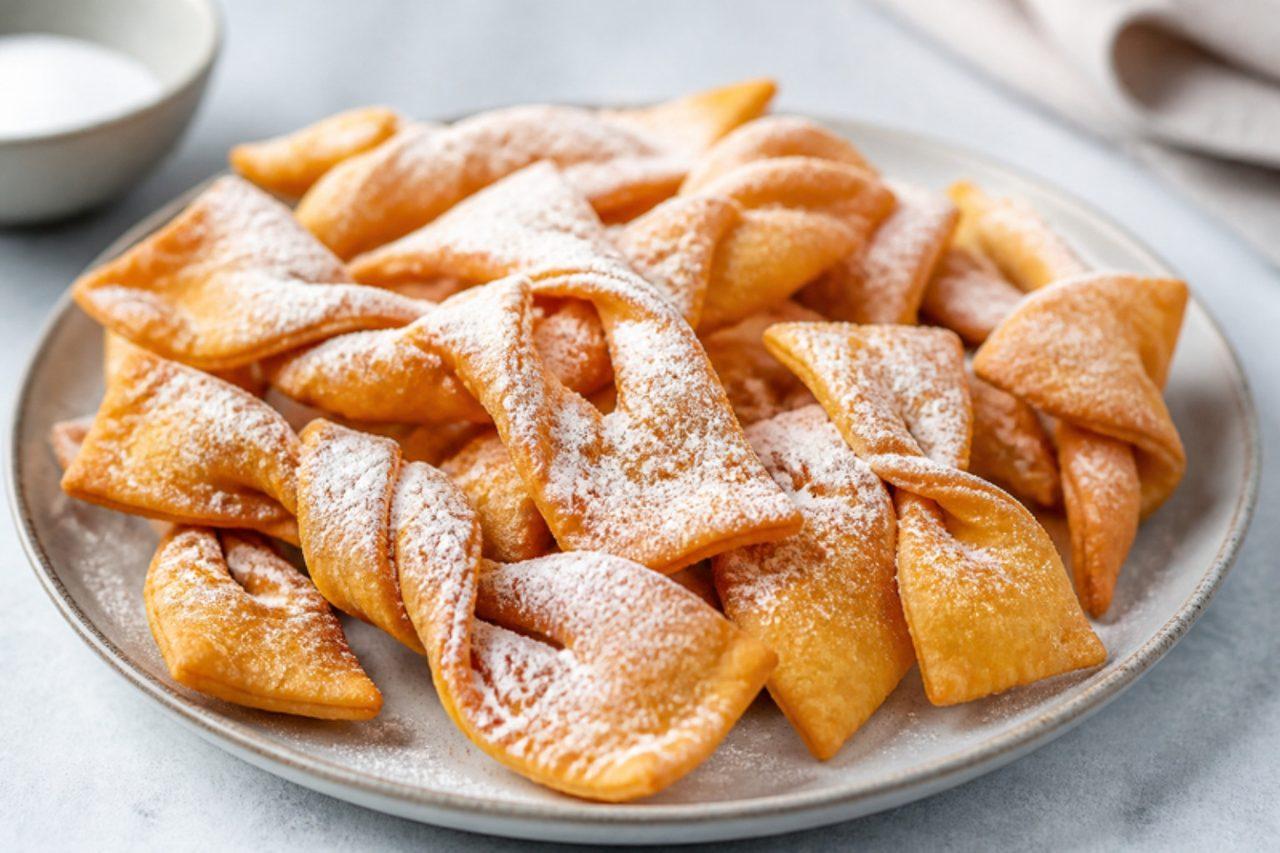
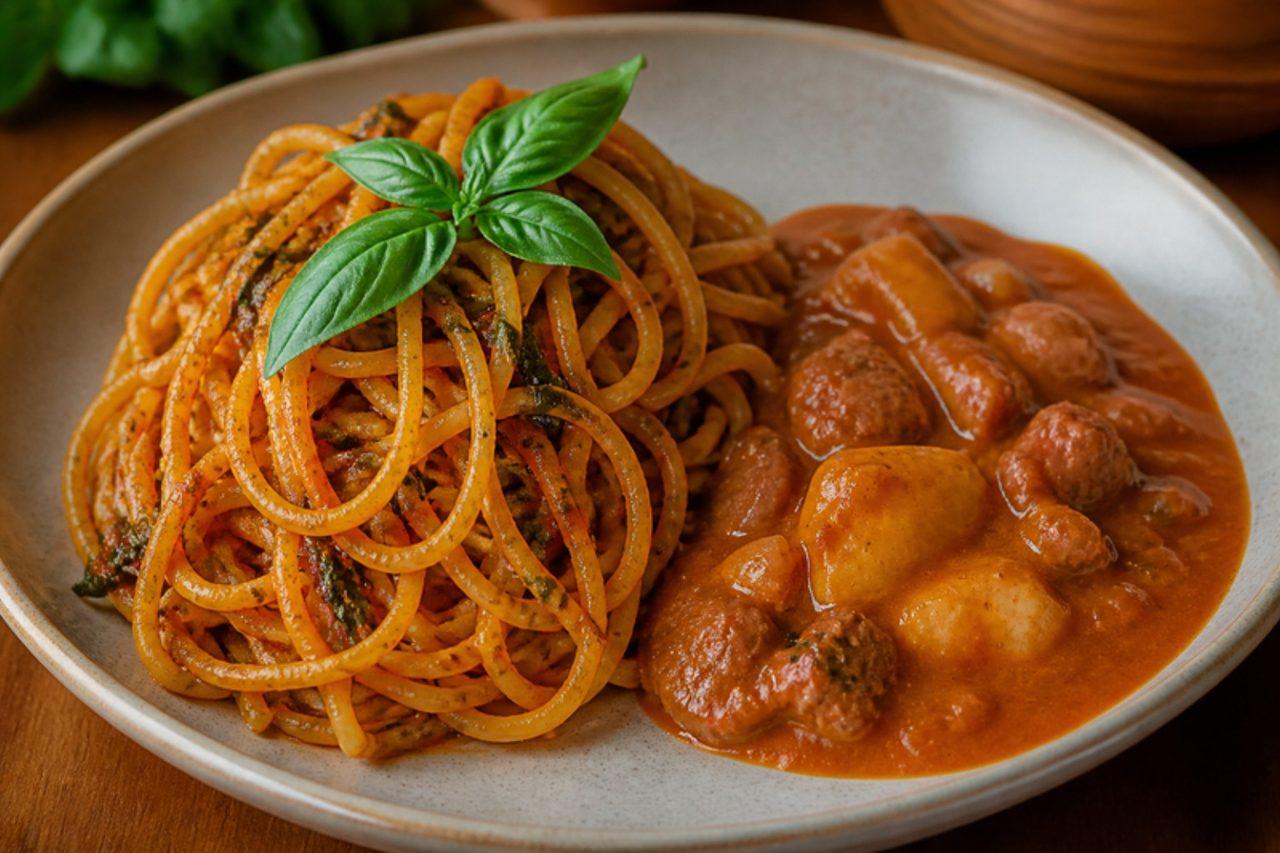
Peru's answer to pesto came from Italian-Ligurian families who settled in Lima and Callao, and it was quickly rebuilt with what Peruvian kitchens had: spinach to stretch the basil, queso fresco instead of hard cheese, and a can of evaporated milk to make it creamy. Menú restaurants in Lima serve it on weekdays, often with a breaded steak or a fried egg beside it, and the sauce turns out milder, softer and greener than the Genoese original. This version stays vegetarian: serve it with a tomato and onion salad, or crown each plate with a fried egg if you eat them. The classic mistake is boiling the leaves too long, which turns the sauce khaki and dull; they need only 20 seconds in hot water. Note that queso fresco is usually made with animal rennet, so choose a vegetarian (microbial-rennet) fresh cheese if that matters to you. Chef's tip: blend the sauce with the evaporated milk while the leaves are still cold from their ice bath and it will stay bright for the whole meal.

by KrazyBadal 0 views

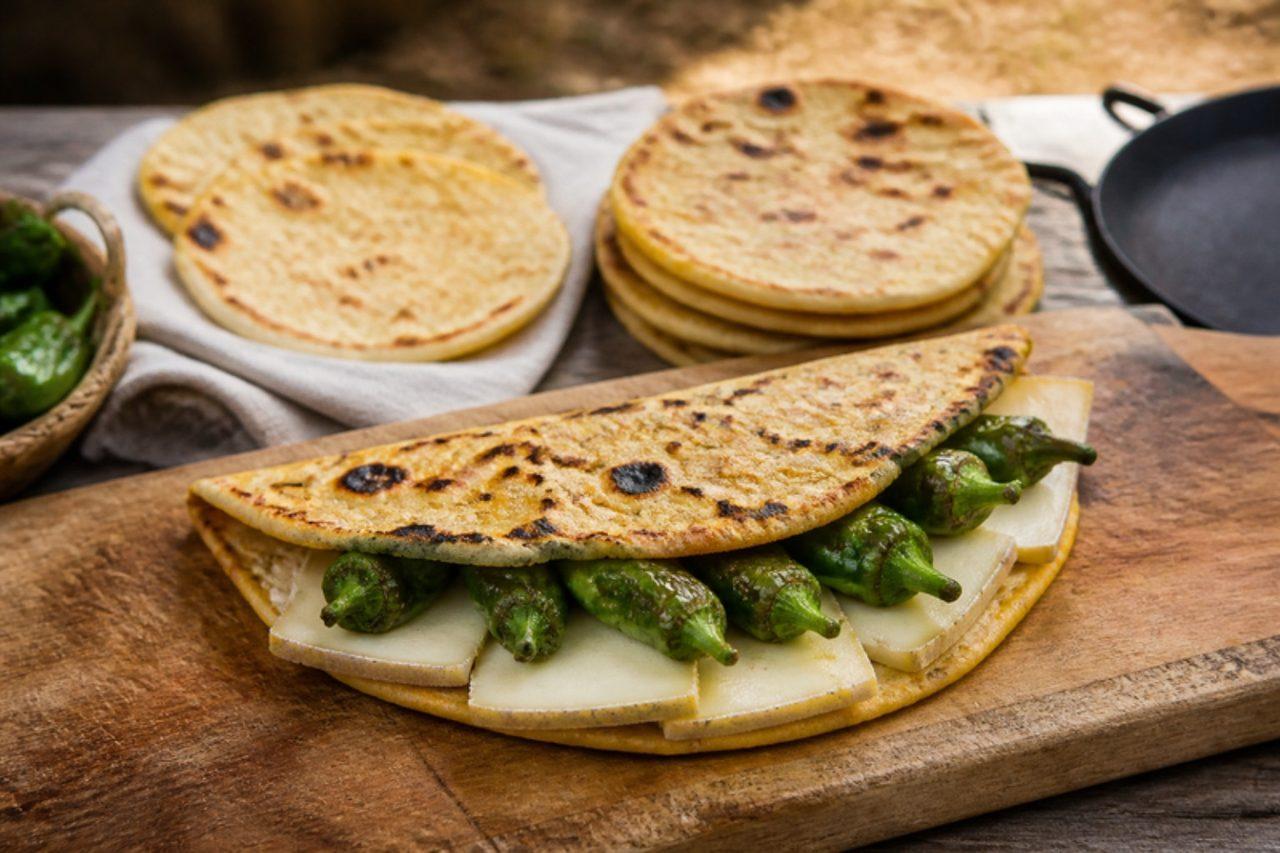
TaloGriddled corn flatbread

At Bilbao's and San Sebastián's Santo Tomás fair each 21 December, queues form at stalls where cooks pat out talos and slap them onto hot iron plates. The dough is nothing more than finely ground maize flour, warm water and salt, and the flatbreads were once the everyday bread of Basque farms. This vegetarian version is folded around melting cheese; Idiazabal, the classic choice, is made with animal rennet, so pick a vegetarian sheep's cheese if you need to. A common mistake is a dough that is too dry, which cracks at the edges when you press it out. Chef's tip: keep your hands wet while shaping, and the discs will come out smooth and round.

by KrazyBadal 0 views

Saucisse de Morteau aux lentillesSmoked sausage with lentils

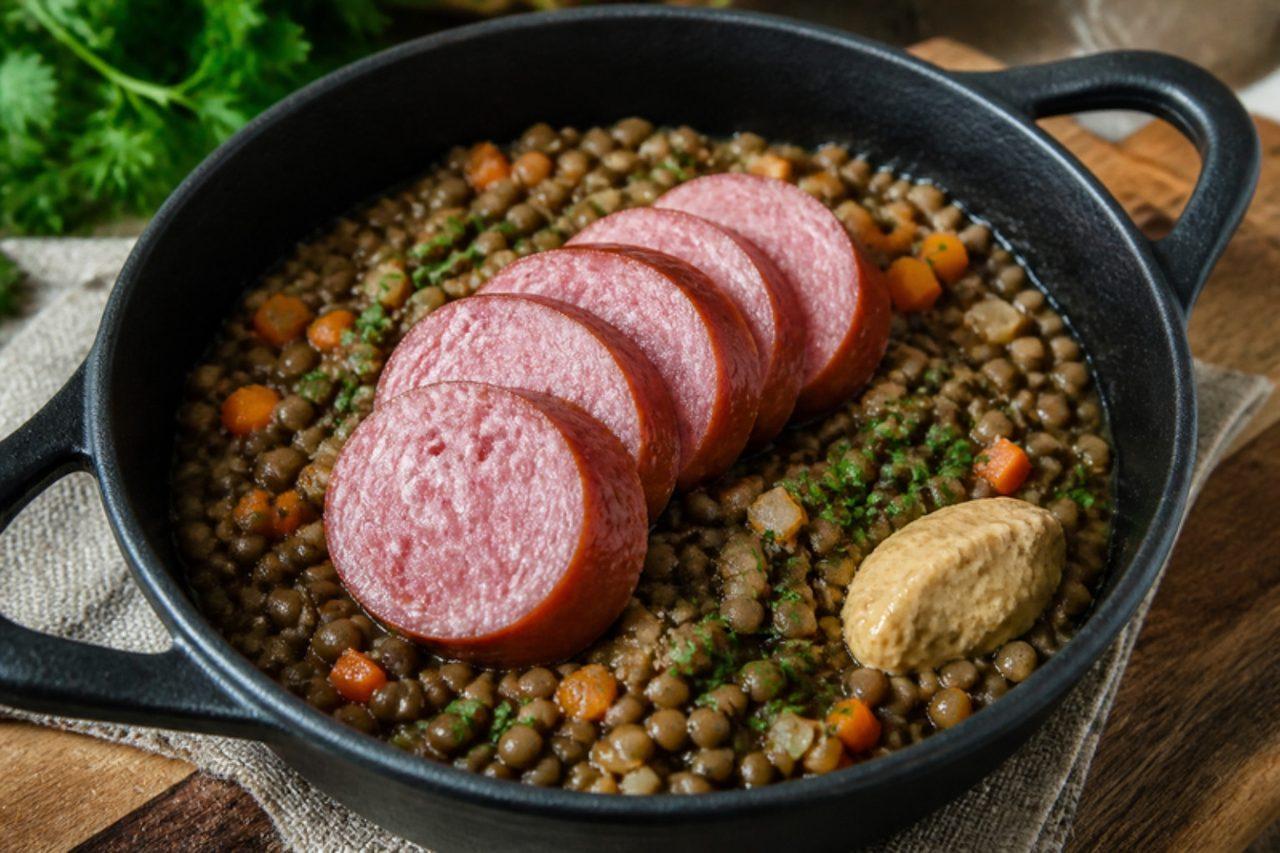
The Morteau sausage is the pride of the Haut-Doubs in Franche-Comté: a pure pork sausage slow-smoked over resinous pine in the tall chimneys of mountain farmhouses, recognisable by the little wooden peg at one end. On winter weekdays it is simmered with small green lentils, carrots and onions, so the lentils soak up its smoky, garlicky juices while staying whole and nutty. Slice the sausage thickly over the lentils and serve with Dijon mustard and a green salad. If you can't buy Morteau, use another good smoked pork sausage. Chef's tip: never prick a Morteau before cooking, or the juices that should flavour the lentils will leak out into the water and be lost.

65 minFrenchMeatGluten free
by KrazyBadal 0 views

Tamales de chipilínChipilín leaf tamales

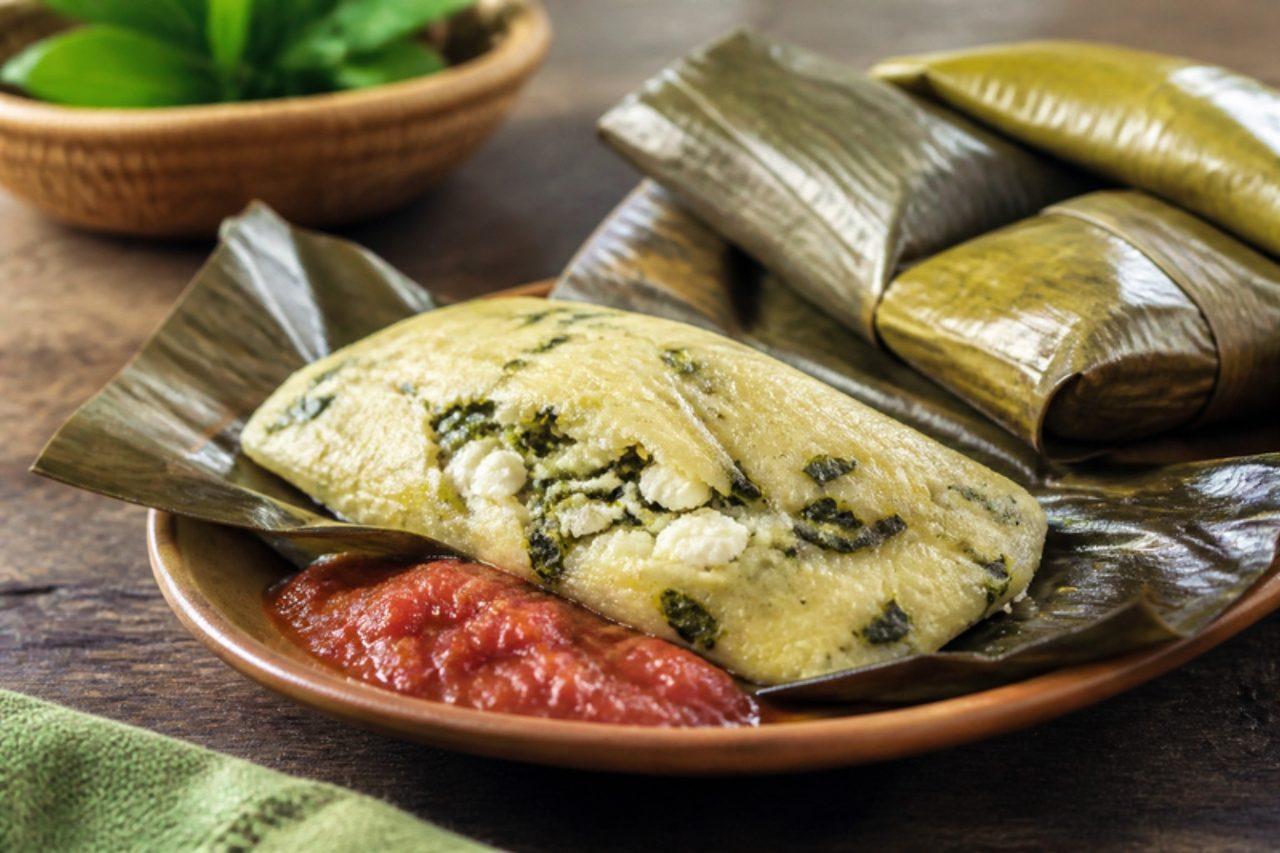
Chipilín is a small-leaved wild legume that grows along the fields of Chiapas and Tabasco, and its grassy, faintly bitter leaves turn up in soups, rice and, most of all, these tamales. In Tuxtla Gutiérrez and San Cristóbal they are sold from steaming pots in the early evening and taken home for supper with hot chocolate or atole: soft, pale green-speckled masa wrapped around a cube of fresh cheese, often with a spoon of tomato salsa. Cooks there beat the masa with lard; vegetable shortening gives the same light texture. Frozen chipilín is sold at Central American grocers; spinach with a few watercress leaves is a fair stand-in. Chef's tip: strip the leaves from the stems by pinching and pulling down; stems make the masa stringy.

by KrazyBadal 0 views

Showing 27 of 7,762 recipes

Show more recipes

Page 518 of 863