Skip to content
Fakes
Featured recipe

Fakes

Lentil soup

Fakes (say 'fah-KES') is the weekday soup of Greek homes, often made on a Wednesday or Friday, the traditional fasting days. Small brown lentils are simmered with onion, garlic, carrot, tomato and bay until thick and soft, then brightened at the table with red wine vinegar. It is cheap, filling and ready in well under an hour. Greeks eat it with olives, a wedge of feta for those who eat dairy, raw onion and bread. Chef's tip: add the vinegar off the heat just before eating, not while it cooks; boiling it is the usual mistake and flattens the sharp lift it is meant to give.

Read more 0 views

What to eat today?

Around the world

Today's trip: Persian

A new country every day, from every cuisine on the site.

Persian

Ash-e doogh

Yogurt soup with rice and chickpeas 60 minMore from Persian (131) →

This week's collection

Kid-friendly dinners
537 recipes · a new collection every Monday

Latest recipes

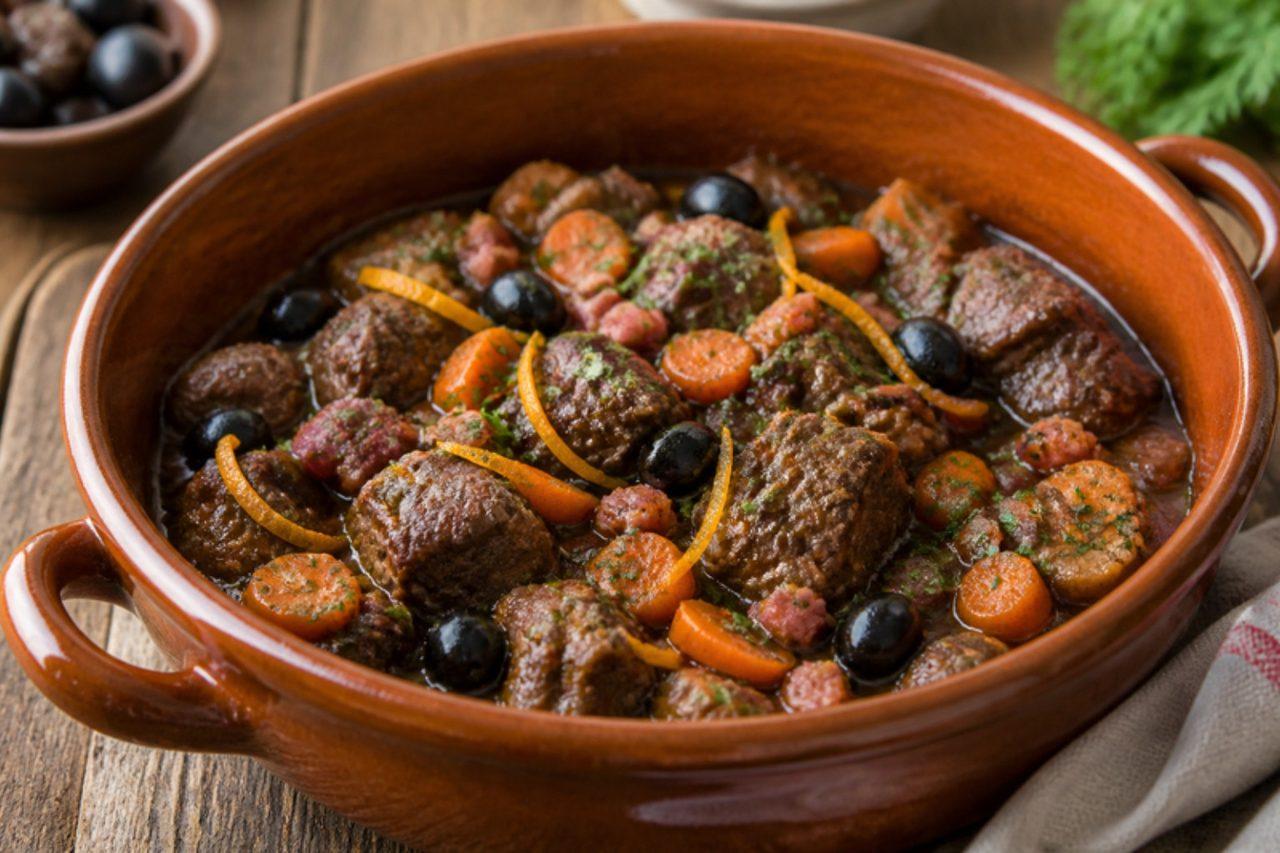
Daube provençaleRed wine beef stew with olives

In Provence the daube is the Sunday and winter-feast dish, traditionally simmered all morning in a pot-bellied clay daubière at the edge of the fire. Chunks of beef are marinated overnight in the fridge with red wine, garlic, herbs and a strip of orange peel, then braised slowly with black olives until the sauce turns dark, glossy and fragrant with citrus. It uses red wine, and the ingredient note gives an alcohol-free version; the optional smoked lardons make it a pork dish too. In Avignon and Nice the leftover sauce dresses macaroni (the macaronade), but polenta or plain boiled potatoes are just as good. Chef's tip: make it a day ahead; it tastes even better reheated, and the fat is easy to lift off once cold.

250 minFrenchMeatGluten free
by KrazyBadal 0 views

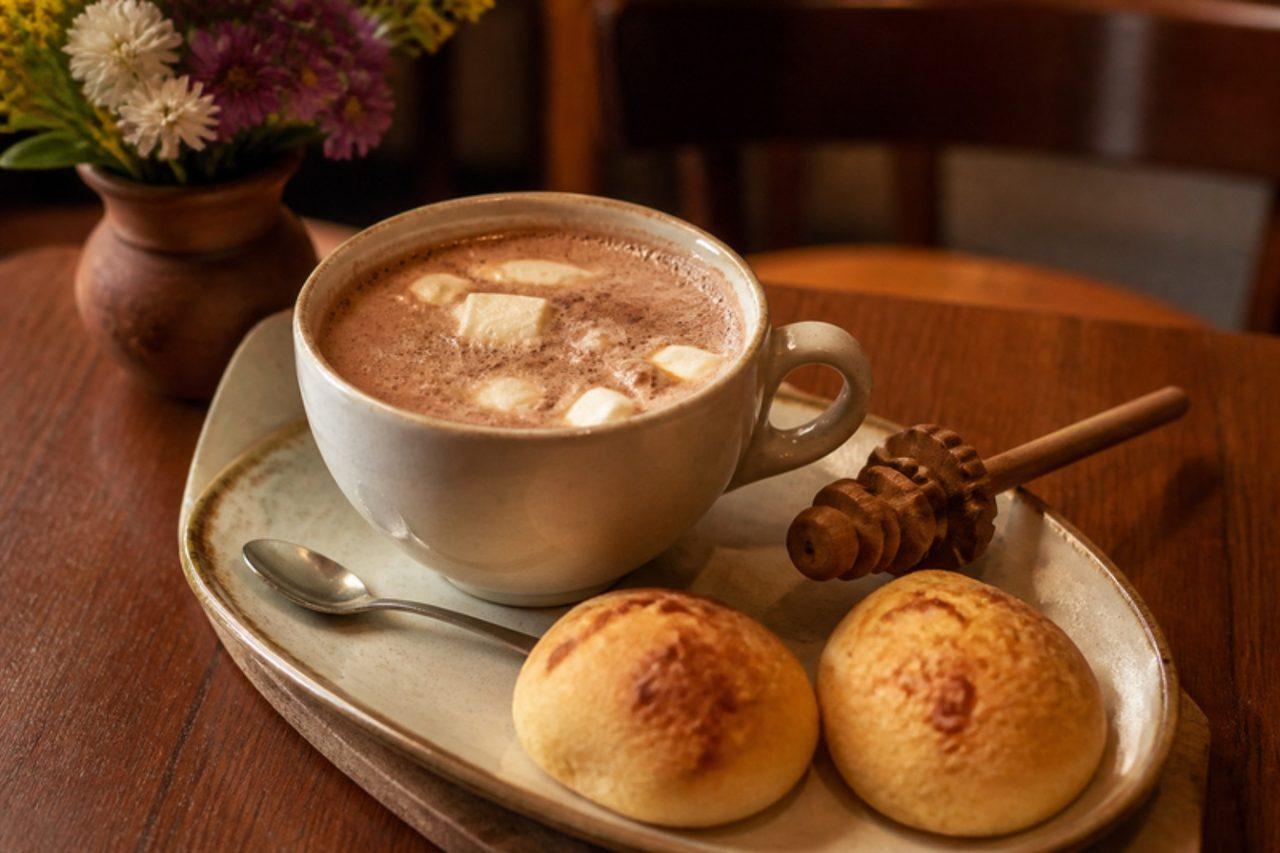
Chocolate santafereñoHot chocolate with cheese

Old Bogotá, once Santafé, built an afternoon ritual around hot chocolate. In the café-restaurants of La Candelaria it comes in a big cup, frothed with a wooden molinillo, with a plate of white cheese, almojábanas and buttered bread on the side. The surprise for visitors is the cheese: cubes go straight into the hot chocolate, softening into stretchy strings that are fished out with a spoon, a salty contrast to the sweet, spiced drink. Colombian table chocolate comes in bars already sweetened and often flavoured with cinnamon and clove; dark chocolate plus sugar and spice is a fair swap. The usual cheese, queso campesino or doble crema, is normally set with animal rennet, so choose a vegetarian (microbial-rennet) mozzarella-style cheese. Boiling the chocolate hard is the misstep that makes it grainy and scorched; keep it at a gentle simmer. Chef's tip: no molinillo? Whisk briskly with a balloon whisk or a milk frother until there's a thick foam.

by KrazyBadal 0 views

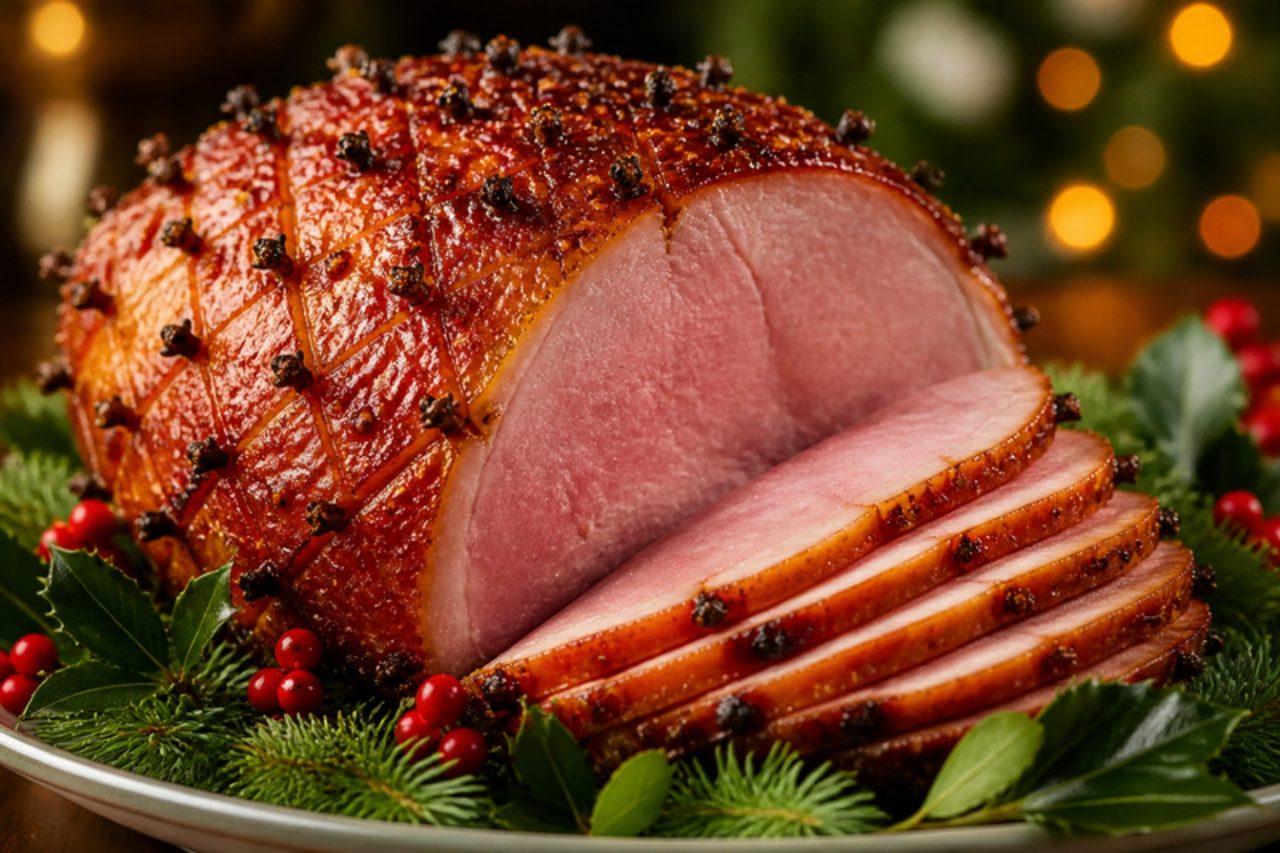
Limerick ham with cider glaze

Limerick was once famous across Europe for its hams, cured in the city's bacon factories, and a glazed ham is still the centrepiece of the Irish Christmas table next to the turkey. This is a gammon joint, which is pork: simmered gently in cider with an onion and spices, then studded with cloves and glazed in a hot oven until sticky and dark. Serve hot with mash and parsley sauce, or cold for St Stephen's Day sandwiches. The cider contains alcohol, which mostly cooks off; for an alcohol-free version use cloudy apple juice. Chef's tip: score the fat in a neat diamond pattern only through the fat, not the meat, so the glaze grips without the meat drying.

200 minIrishMeatGluten free
by KrazyBadal 0 views

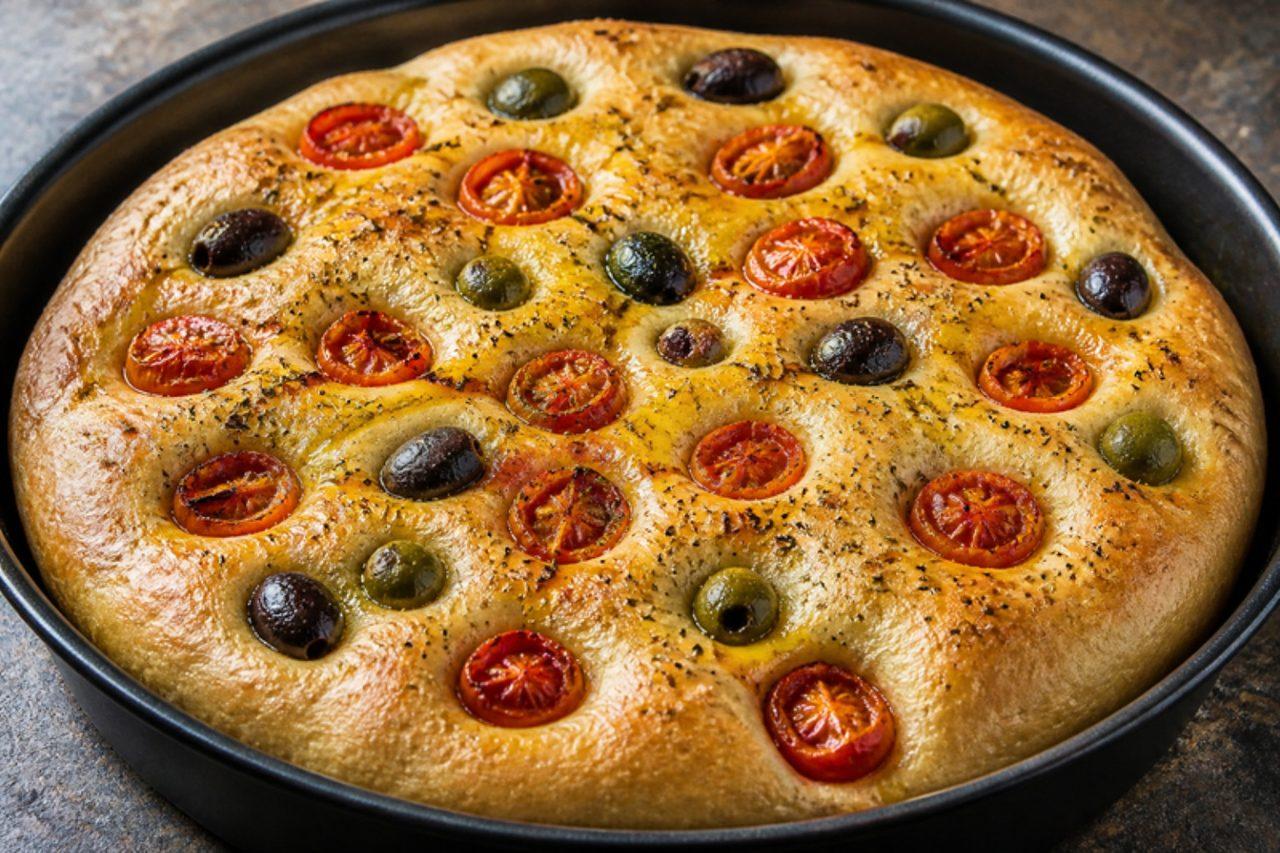
Focaccia baresePotato focaccia with tomatoes

Bari's focaccia is made with boiled potato and durum semolina in the dough, which gives it a tender, almost creamy crumb under a base that fries in olive oil until crisp. It is baked in round iron pans, studded with squashed cherry tomatoes and olives, and sold by the slice at every bakery in the city from mid-morning, warm, folded in paper. On the beach in summer it goes round in squares with a cold drink. This is the Bari version, quite different from a plain herb focaccia or the cheese-filled focaccia of Recco. Chef's tip: be generous with oil in the pan; that layer is what turns the underside golden and crunchy.

by KrazyBadal 0 views

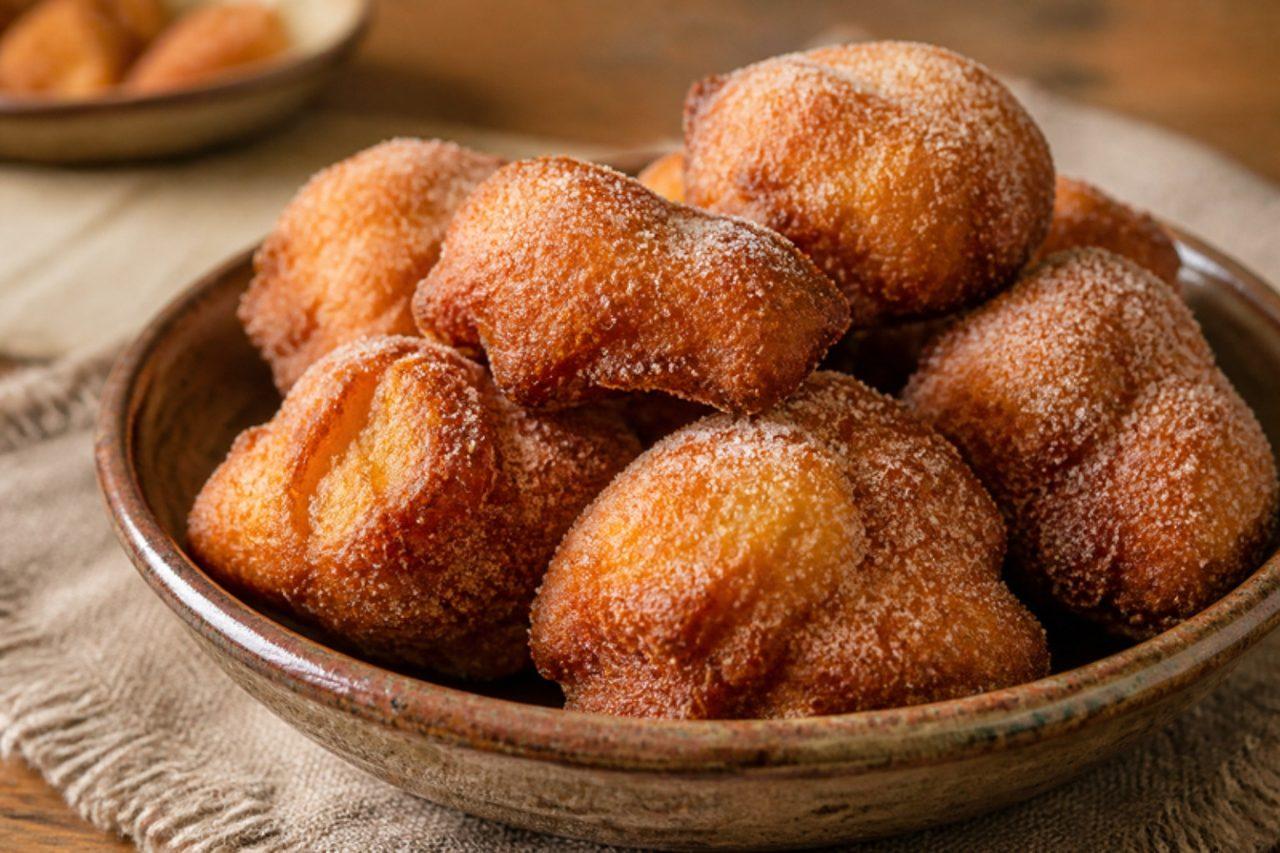
Buñuelos de calabazaPumpkin doughnuts

When the Fallas bonfires go up in Valencia each March, every other street corner has a stall frying bunyols de carabassa: rough, ring-shaped pumpkin doughnuts pulled from the oil by the dozen and eaten standing up, usually with a cup of thick hot chocolate. The dough is little more than yeasted flour and cooked pumpkin, which keeps the inside soft and faintly orange and the outside crisp and blistered. They contain no egg, milk or butter, so they are suitable for vegans. A common mistake is adding flour until the dough feels like bread dough; it should be sticky and slack, almost a thick batter, or the doughnuts come out heavy. Chef's tip: keep a bowl of water beside the pan and wet your hands before shaping each one; the dough then slides off your fingers into the oil instead of clinging to them.

by KrazyBadal 0 views

Bunyols de l'EmpordàAnise fritters

During Lent, bakeries and grandmothers across the Empordà in Girona fry bunyols: light, irregular rings of enriched yeast dough flavoured with anise and lemon, dusted with sugar while hot. Families make them together, poking a hole in each ball with wet fingers as it goes into the oil. The dough traditionally takes a splash of anise liqueur; the alcohol-free option, milk infused with aniseed, is in the ingredient list. Chef's tip: keep a bowl of water by the pan and wet your fingers before shaping each one; the dough then stretches cleanly instead of sticking.

by KrazyBadal 0 views

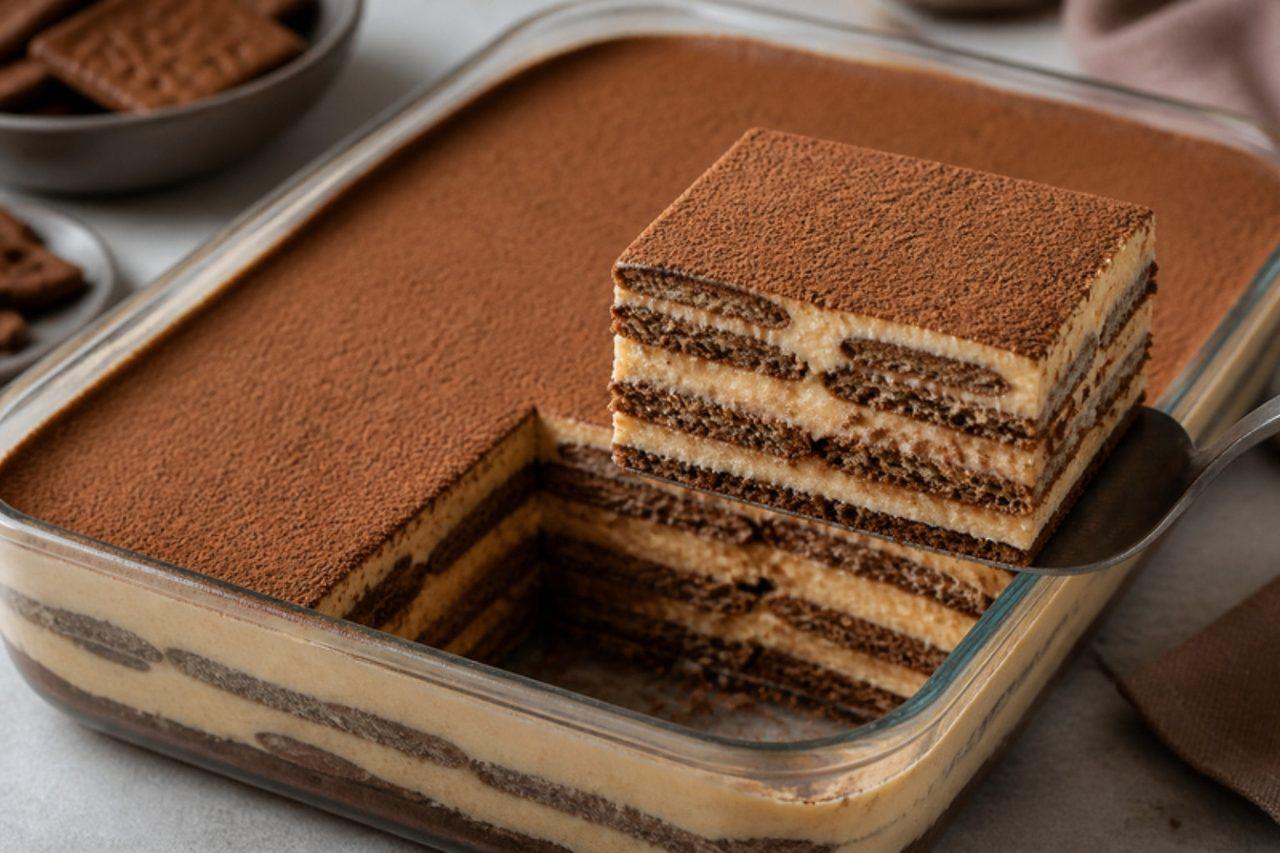
ChocotortaNo-bake chocolate biscuit cake

Born in 1980s Buenos Aires as an advertising idea and adopted by the whole country, chocotorta is the cake children ask for at every birthday and the easiest dessert in the Argentine repertoire. Chocolate biscuits are dipped briefly in milk (adults often use coffee), layered with a cream of dulce de leche beaten with cream cheese, and left overnight until the biscuits turn soft and cake-like. It is rich, sweet and a little tangy, and slices cleanly straight from the fridge. Any plain crisp chocolate biscuit works; rectangular ones make the neatest layers. The mistake to avoid is soaking the biscuits too long: a one-second dip is plenty, or they collapse into mush before you can lay them down. Chef's tip: assemble it a day ahead in a loaf tin lined with cling film; overnight chilling is what turns it from biscuits and cream into cake.

by KrazyBadal 0 views

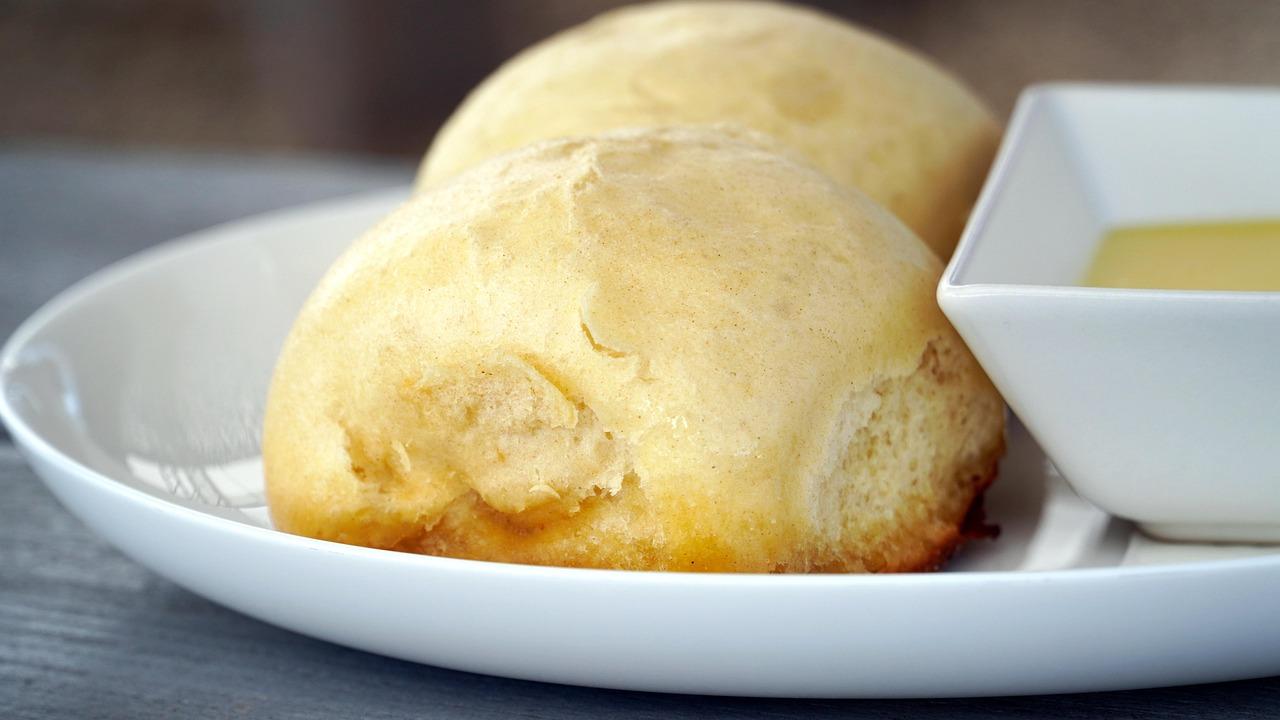
DampfnudelnSteamed yeast dumplings with vanilla sauce

Dampfnudeln are a Friday supper in Bavaria and the Palatinate, from the days when meatless Fridays meant a sweet main course. Soft yeast buns are packed into a heavy pan with milk, butter and a little sugar, the lid goes on, and they steam until fluffy on top while the liquid boils away and leaves a salty-sweet caramel crust underneath. They come to the table with warm vanilla sauce. The famous mistake is lifting the lid too early: the steam escapes and the buns collapse. Chef's tip: listen to the pan instead of looking; when the bubbling turns to a crackle, the crust is forming and you have about 3 minutes left.

by KrazyBadal 0 views

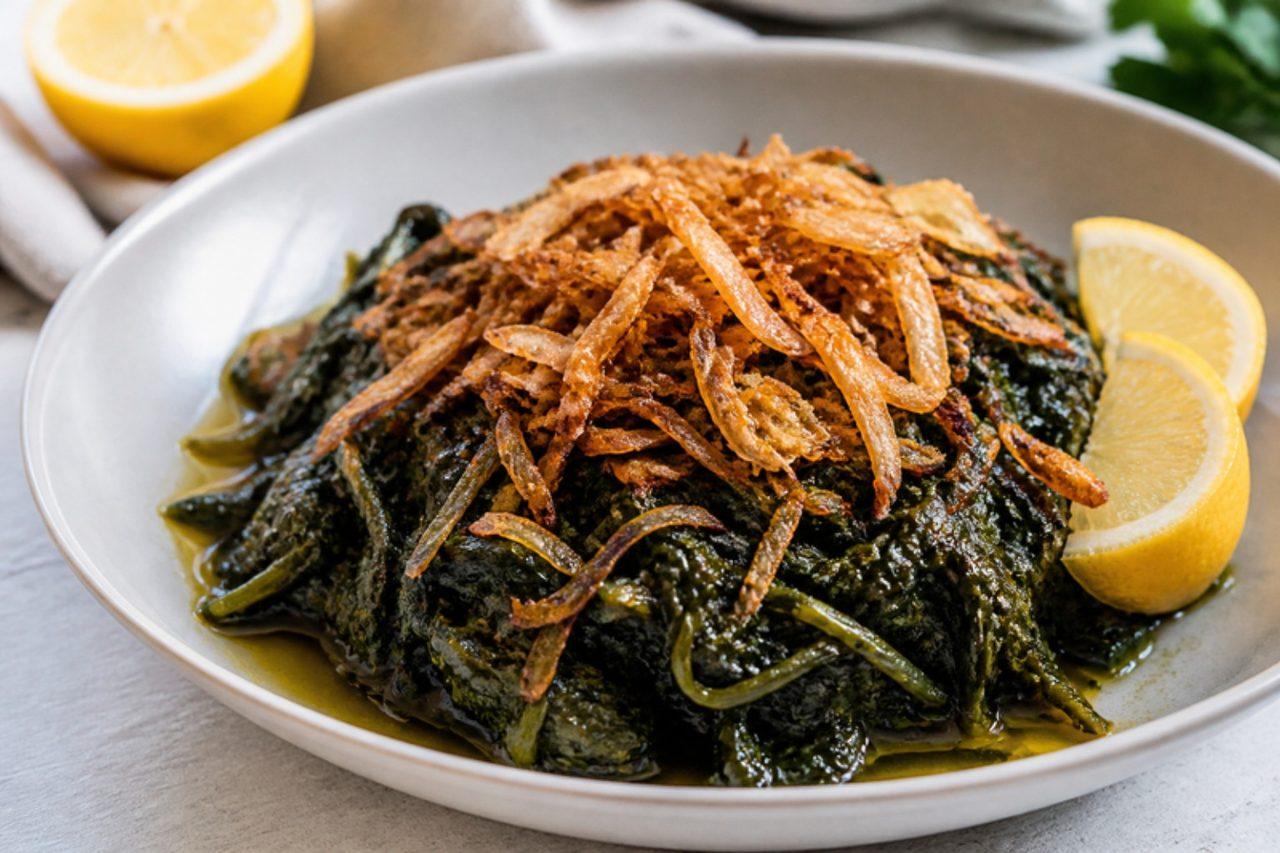
HindbehDandelion greens with fried onions

Each spring, people in the Lebanese hills go out with a knife and a bag to gather wild chicory and dandelion for hindbeh, a Lenten favourite in Christian homes and a regular on mezze tables all year. The bitter greens are blanched, squeezed and fried with garlic in olive oil, then piled with a tangle of deeply browned, crisp onions and served with lemon wedges. The bitterness, the sweetness of the onions and the sharp lemon balance each other, and it is eaten at room temperature with bread. Cultivated dandelion or curly endive from a greengrocer works well. Common mistake: not squeezing the greens dry; water stops them frying and dilutes the oil. Chef's tip: fry the onions slowly and pull them out a shade lighter than you want — they keep darkening on the paper.

by KrazyBadal 0 views

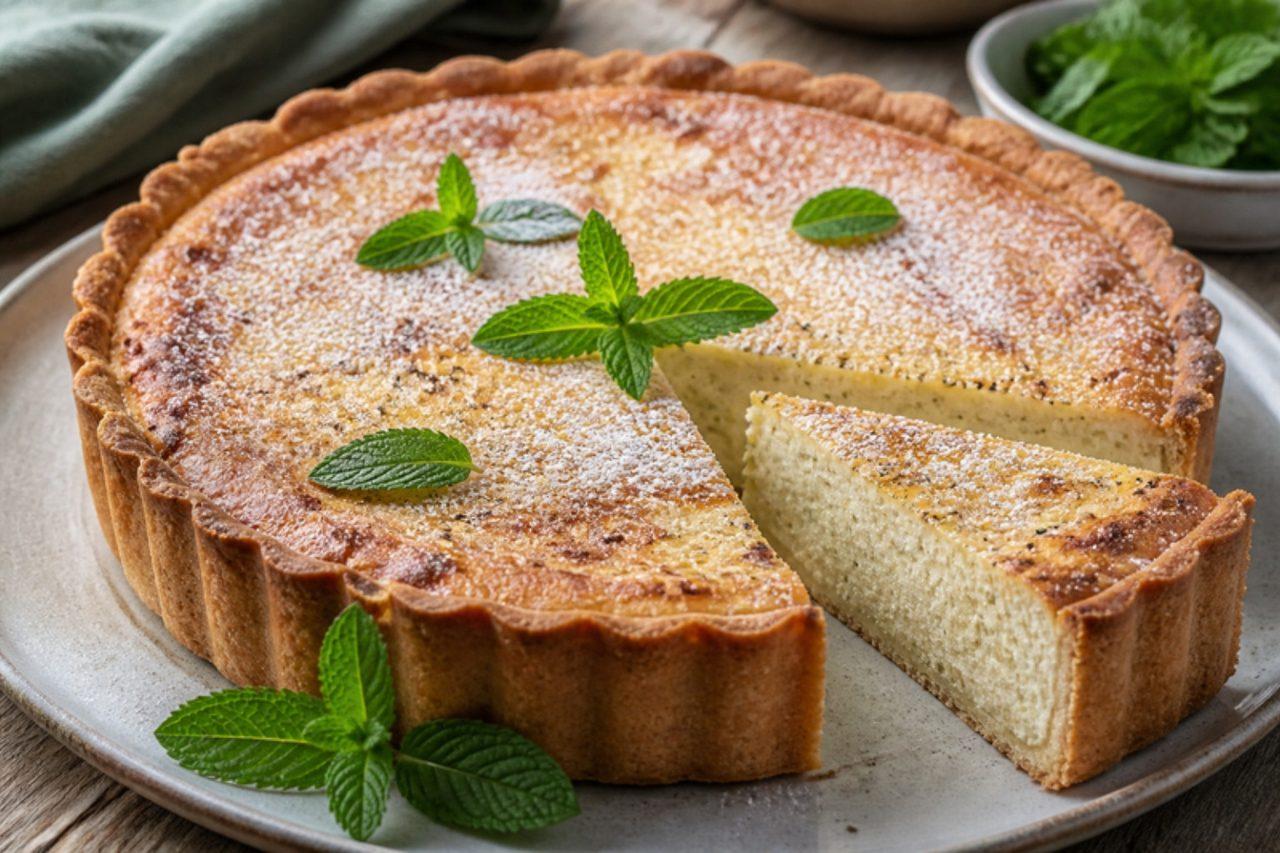
FlaóFresh cheese and mint pie

Flaó is what Ibiza and Formentera bake for Easter Sunday: a shallow pie whose filling of fresh sheep's or goat's cheese, eggs and sugar is perfumed with spearmint (hierbabuena), set in a crust flavoured with anise. Families still take theirs to the village baker to be fired, and it appears on café counters in Sant Antoni and Eivissa town through spring. Traditional island fresh cheese is made with animal rennet; look for a vegetarian fresh goat's cheese or use ricotta made with a vegetarian coagulant. Many cooks add a splash of anise liqueur to the dough; this version uses crushed anise seed and water, so it has no alcohol. Chef's tip: tear the mint leaves rather than chop them, and press half into the filling and lay half on top, so every bite gets it.

by KrazyBadal 0 views

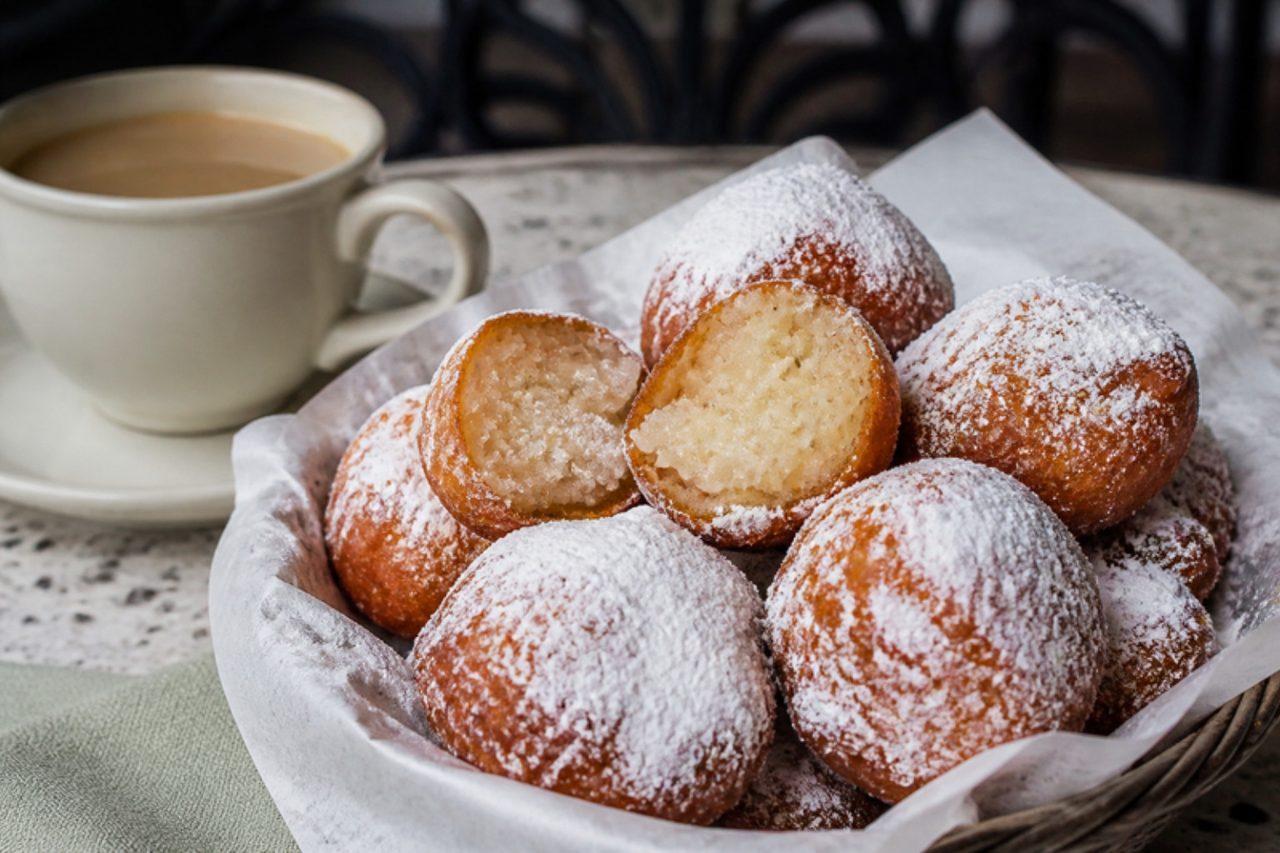
Creole calasSweet rice fritters

Calas are little fritters of cooked rice, egg and nutmeg that were once sold hot in the early mornings of the French Quarter by free and enslaved Black women calling 'Belle cala, tout chaud!'. Many saved the earnings to buy their freedom. Today they appear at Creole brunches and on Mardi Gras mornings, dusted with sugar or drizzled with cane syrup. Chef's tip: use cold, day-old rice, which holds the batter together; fresh warm rice makes the fritters fall apart.

by KrazyBadal 0 views

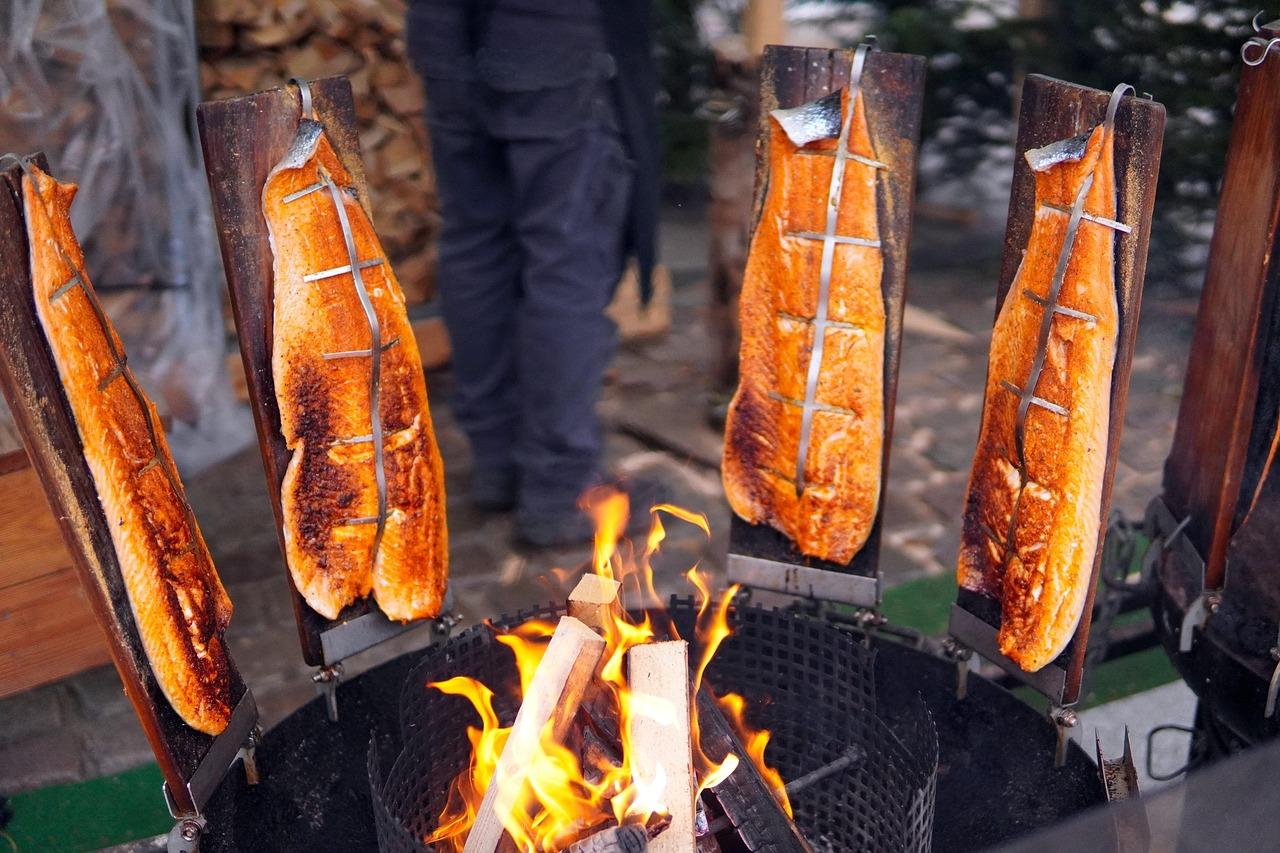
FlammlachsPlank-roasted salmon

At German Christmas markets, from Nuremberg to Cologne, whole sides of salmon are nailed to wooden boards and stood around an open beech fire until smoky and just cooked, then served in a roll or on a plate with a mustard-dill sauce. At home you get close with a soaked wooden plank on a covered barbecue, or in a hot oven with a little smoked salt. A short dry brine in the fridge seasons the fish right through. Chef's tip: take the salmon off while the very centre is only just opaque; it carries on cooking on the hot plank.

50 minGermanFishGluten free
by KrazyBadal 0 views

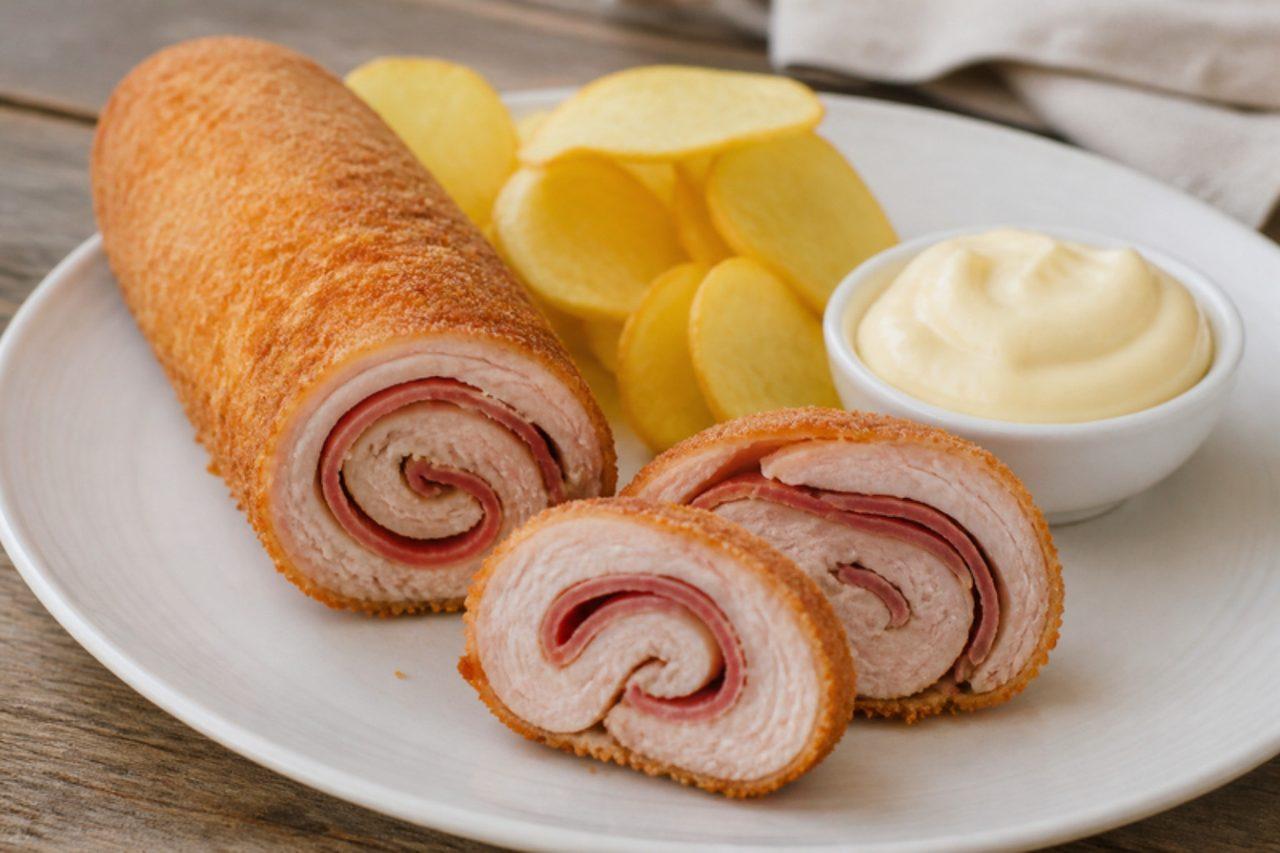
Flamenquín cordobésCrumbed pork and ham rolls

This contains pork (pork loin and serrano ham). In Córdoba, flamenquín is the bar food of choice: a long roll of thin pork loin wrapped around cured ham, crumbed and fried, then sliced and served with chips and mayonnaise. Locals argue over the name, but agree on the order: plenty of chips and something cold to drink, usually at lunch. Chef's tip: chill the crumbed rolls for 30 minutes before frying; the coating sets and stays on in the oil.

by KrazyBadal 0 views

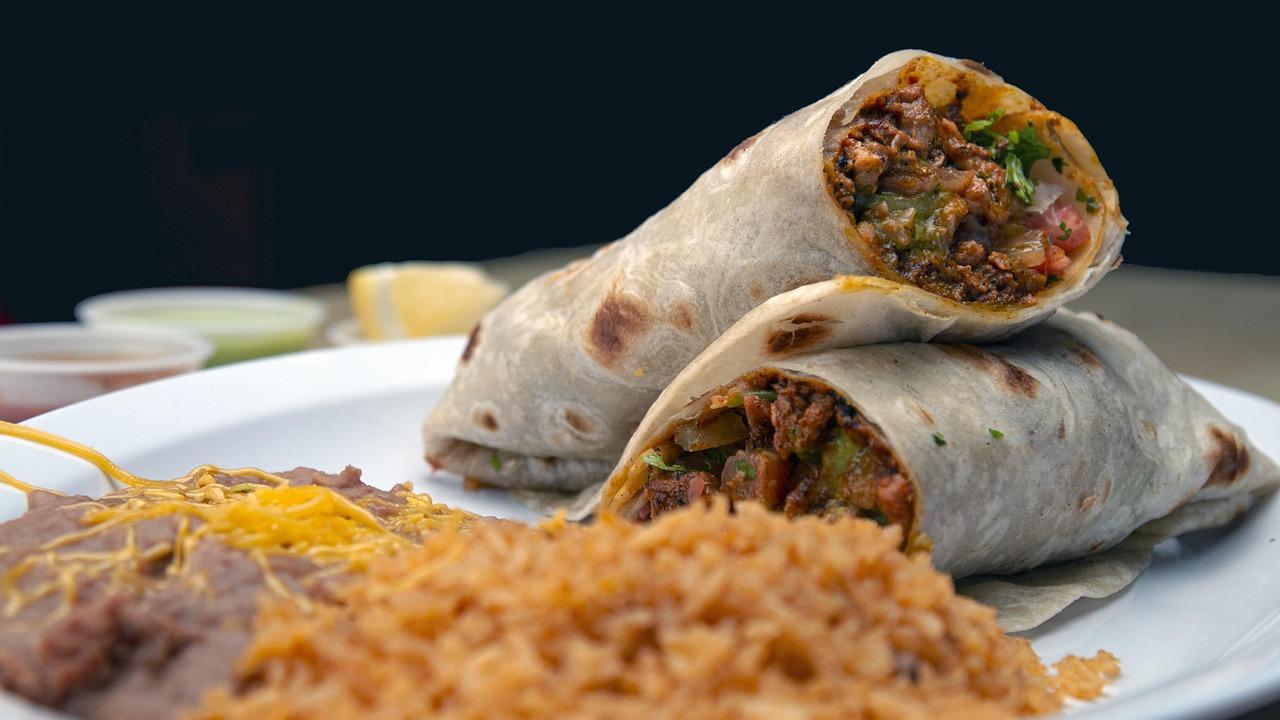
Burritos de chile coloradoRed chilli beef burritos

Ciudad Juárez is where the burrito as most of the world knows it began, but the ones sold from Juárez street stands and lunch counters are slim: a thin flour tortilla rolled tightly around a single filling, eaten two or three at a time. Chile colorado, beef braised in a smooth red sauce of dried chillies, is the favourite, earthy and mildly hot, with the meat soft enough to pull apart. Serve them with nothing but a little extra sauce and some pickled jalapeños. Chef's tip: keep the stew thick, like a paste that coats the meat, or the tortillas turn soggy before you can roll them.

by KrazyBadal 0 views

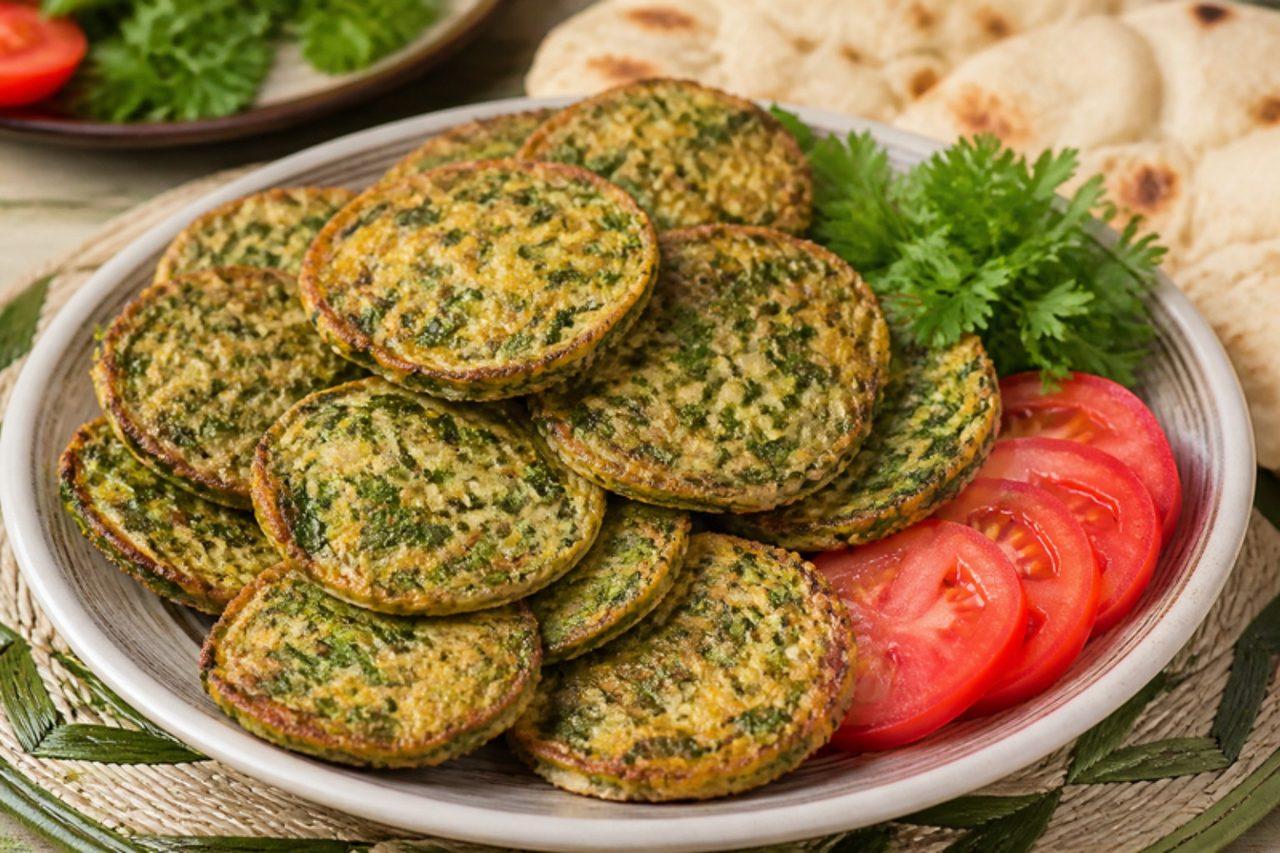
IjjehHerb omelette cakes

Ijjeh is the quick supper of Palestinian and Levantine homes: eggs beaten with so much parsley, mint and spring onion that they turn green, spiced with a little cinnamon and allspice, then fried as thick little patties. They are tucked into warm bread with tomatoes and pickles for school lunches, or served on a breakfast spread with olives and labneh. Common mistake: frying in too little oil over a high heat, so the outsides burn before the herbs inside cook. Chef's tip: a spoonful of flour and a pinch of baking powder make them puff and stay soft when eaten cold the next day.

by KrazyBadal 0 views

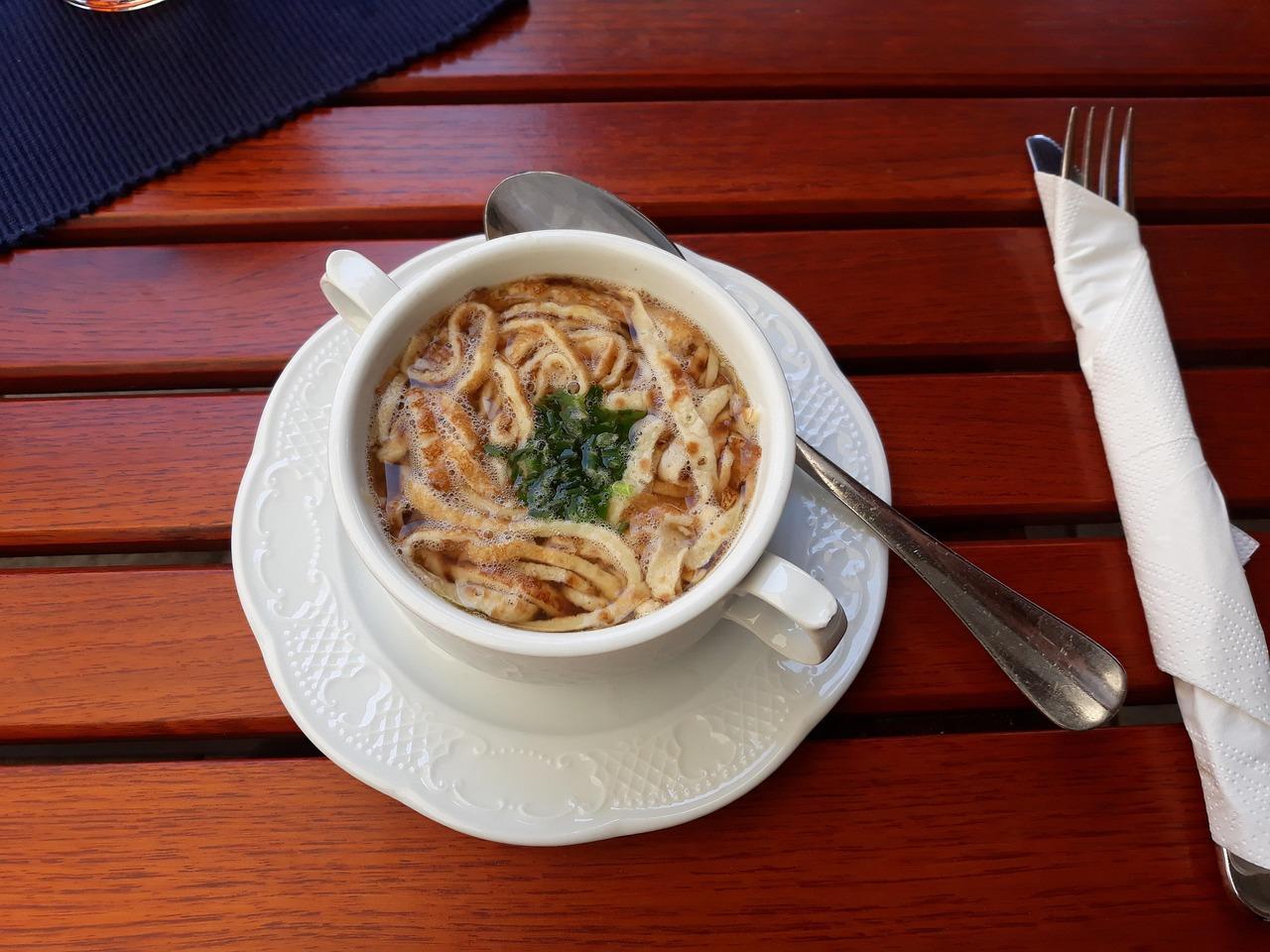
FlädlesuppeBeef broth with pancake strips

In Swabia, Flädlesuppe opens Sunday lunch, wedding dinners and many a Stuttgart inn meal: a clear, golden beef broth with thin ribbons of pancake, the Flädle, and a scatter of chives. The broth is simmered slowly from beef shin and a bone, and the pancakes are cooked, rolled up and sliced like noodles. For a vegetarian version, make the same pancakes and serve them in a strong vegetable broth with browned onion. Chef's tip: never let the broth boil hard; a lazy simmer keeps it clear instead of cloudy.

170 minGermanSoups
by KrazyBadal 0 views

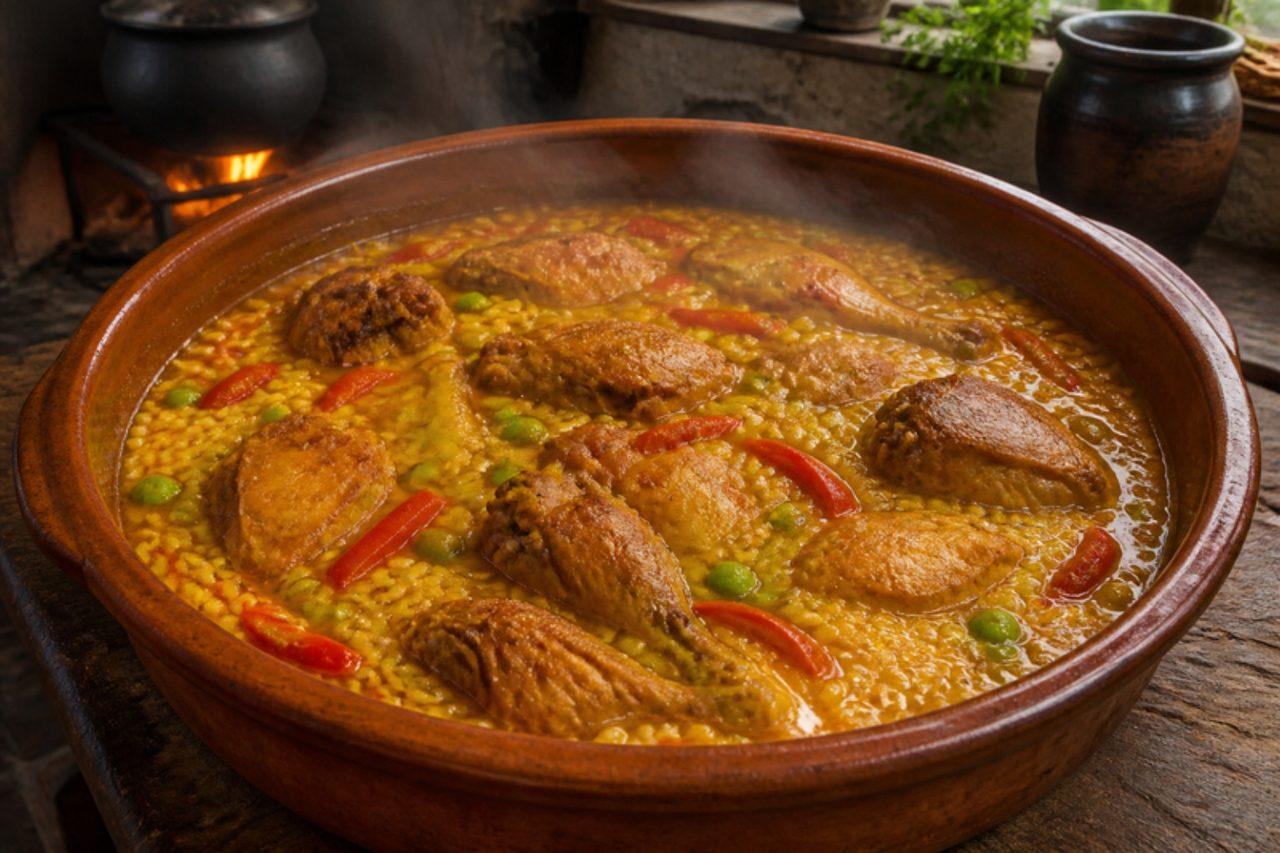
Arroz con pitu de caleyaSoupy rice with chicken

A pitu de caleya is a cockerel raised free in the lanes, or caleyas, of rural Asturias; its firm, flavourful meat needs long stewing, and families around Villaviciosa and Grado still cook it for feast days. The stew is often finished as a soupy rice, so the deep chicken juices go into every grain. Use the best free-range chicken you can find. The braise includes dry white wine; replace it with extra stock and a squeeze of lemon if you want it alcohol-free. Chef's tip: brown the chicken slowly and deeply; that colour is where the flavour of the whole pot comes from.

by KrazyBadal 1 views

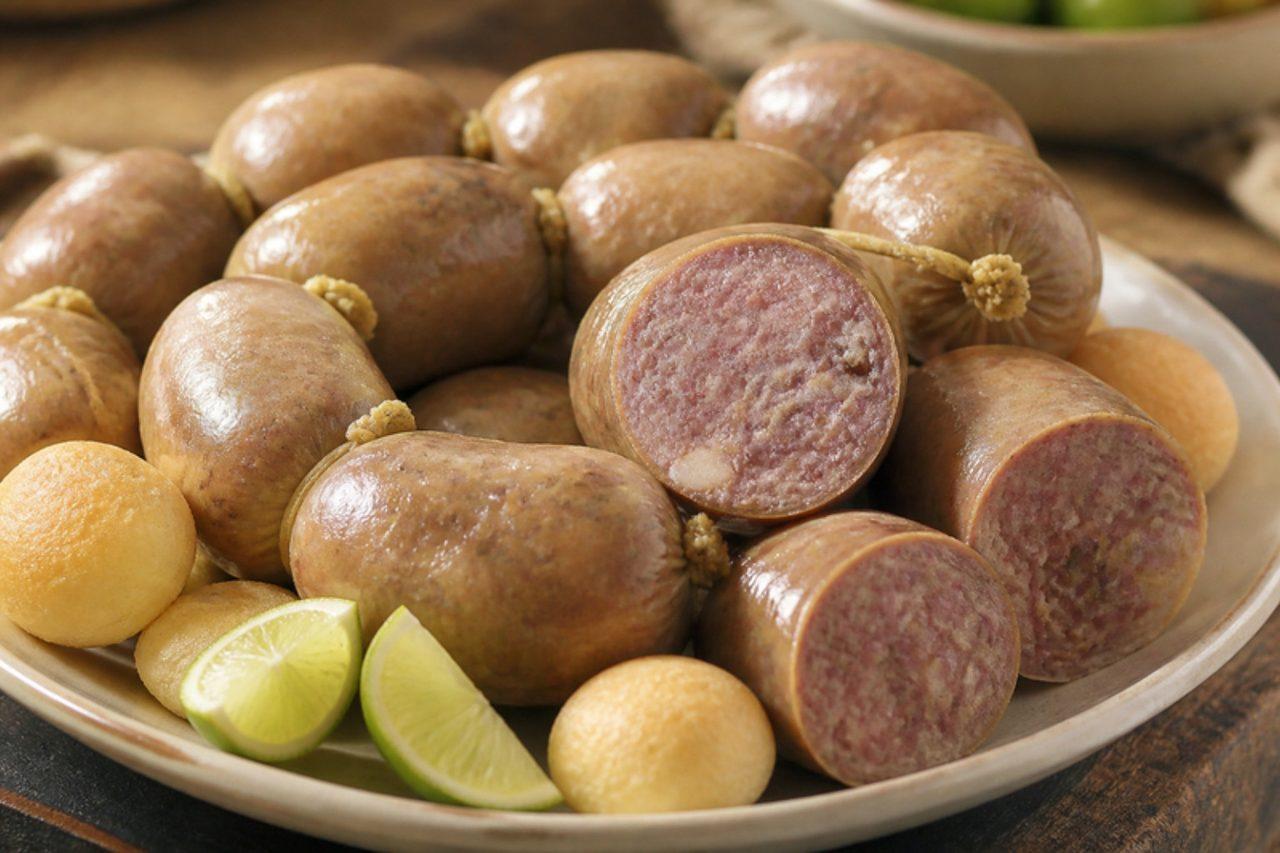
Butifarra soledeñaSmall boiled beef and pork sausages

Around Barranquilla, the street call of 'butifarra, butifarra' comes from vendors pushing carts out of Soledad, the town that made these little sausages famous; there's even a festival for them every July. They are small, round links of beef and pork seasoned with nothing more than salt and plenty of black pepper, boiled rather than grilled, so they stay tender, juicy and pale. Sellers squeeze lime over them and hand them out with a bollo de yuca, a firm steamed cassava roll. They are simple, peppery and a little sour from the lime. Using lean meat is the usual mistake: without the pork fat they turn dry and grainy. Chef's tip: tie the links into small, round balls about 4 cm across and boil them gently; a rolling boil splits the casings.

by KrazyBadal 0 views

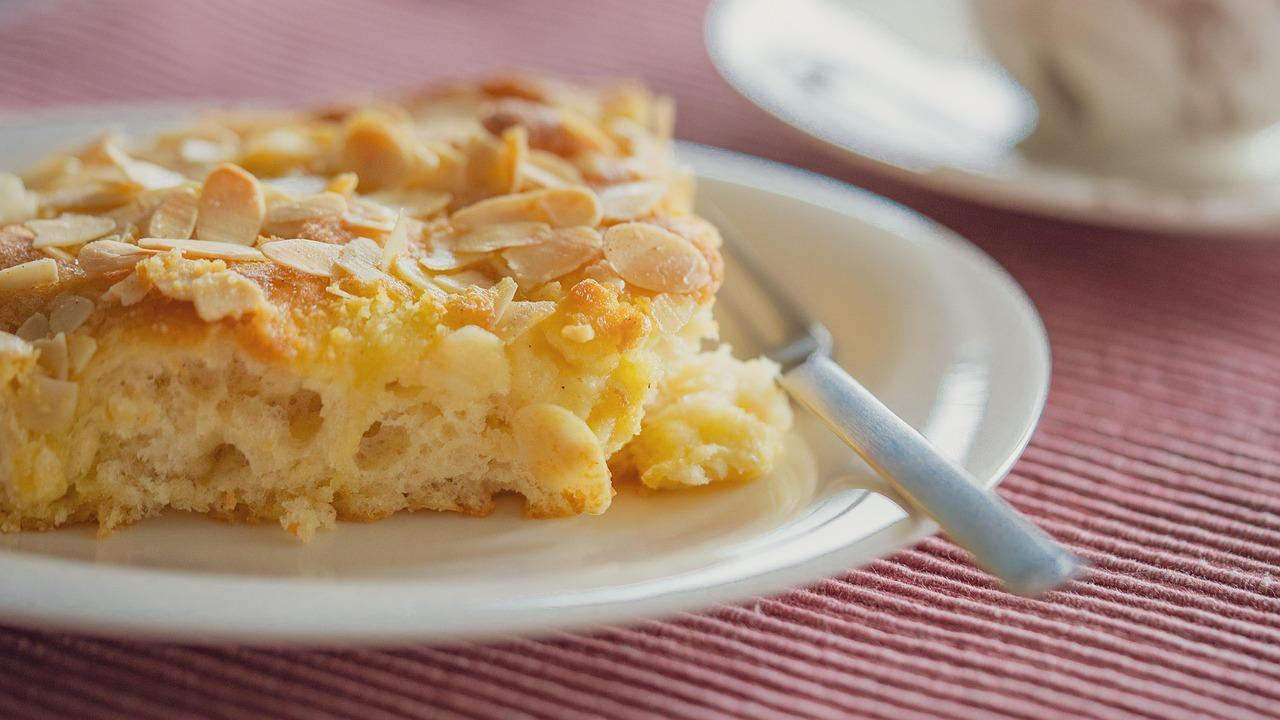
ButterkuchenButter and almond yeast cake

Butterkuchen is the cake of northern German celebrations: in Lower Saxony, Bremen and Holstein it is baked on huge trays for funerals, weddings and christenings, which is why it is also called Freudenkuchen, joy cake. A thin, soft yeast base is dimpled all over with your fingertips, the holes filled with butter, then the whole thing showered with sugar and flaked almonds. In the oven the butter and sugar melt into little caramel pools. A common mistake is making the dimples too shallow, so the butter just runs off; press right down to the tray. Chef's tip: as soon as the cake comes out, spoon a few tablespoons of cream over it; it soaks in and keeps the base tender for two days.

110 minGermanBaking
by KrazyBadal 0 views

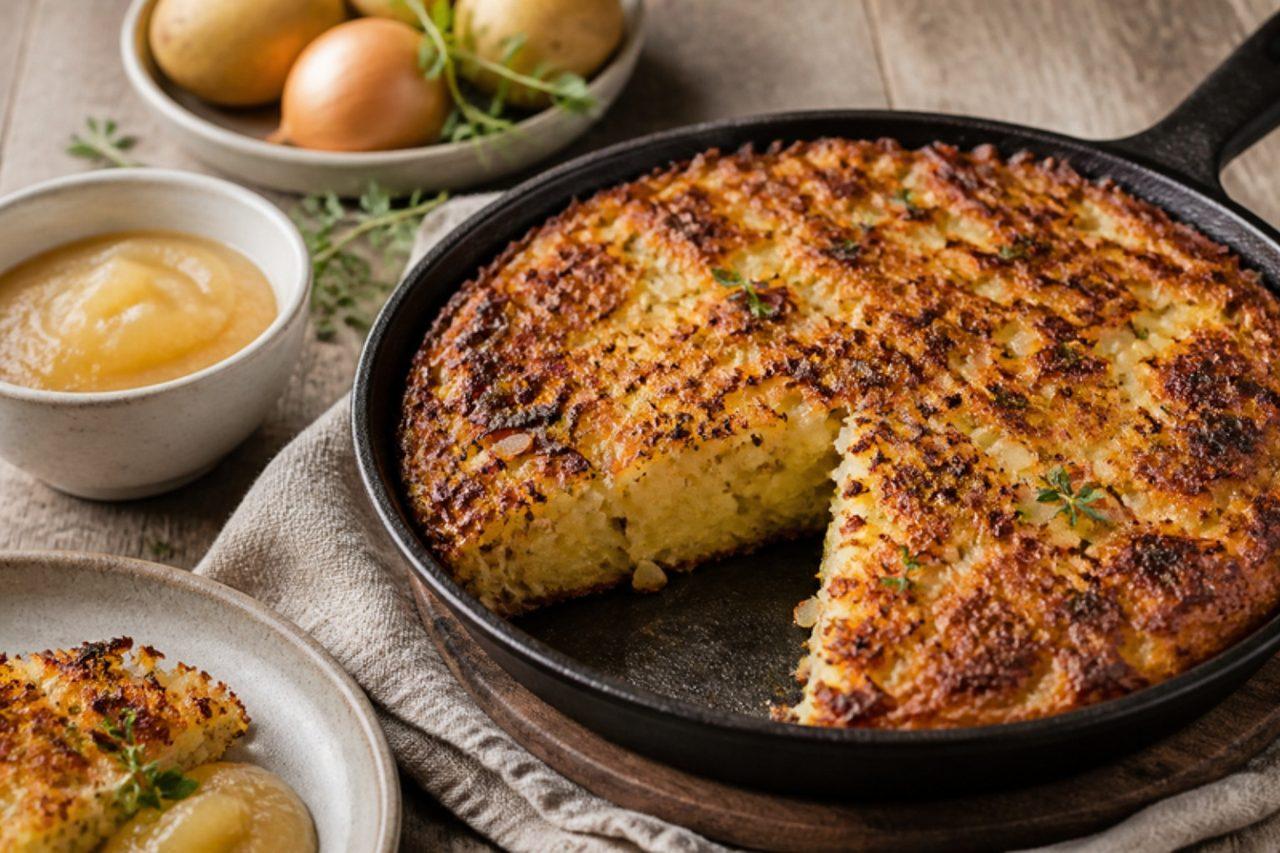
ButtermilchgetzenButtermilk and onion potato bake

Getzen is the potato dish of the Erzgebirge, the Ore Mountains on Saxony's border with Bohemia, where miners' families lived on potatoes, linseed oil and buttermilk. Grated raw potato and mashed cooked potato are mixed with buttermilk, onion and a little egg, then baked in a hot, well-greased pan until the base and edges form a thick brown crust while the middle stays soft and slightly tangy. It is eaten hot, cut in wedges, with apple sauce or a dark berry compote, and often with a glass of cold buttermilk. A common mistake is a cool oven, which gives a pale, soggy bake. Chef's tip: heat the fat in the tin in the oven before you pour in the mixture so the crust starts forming at once.

by KrazyBadal 0 views

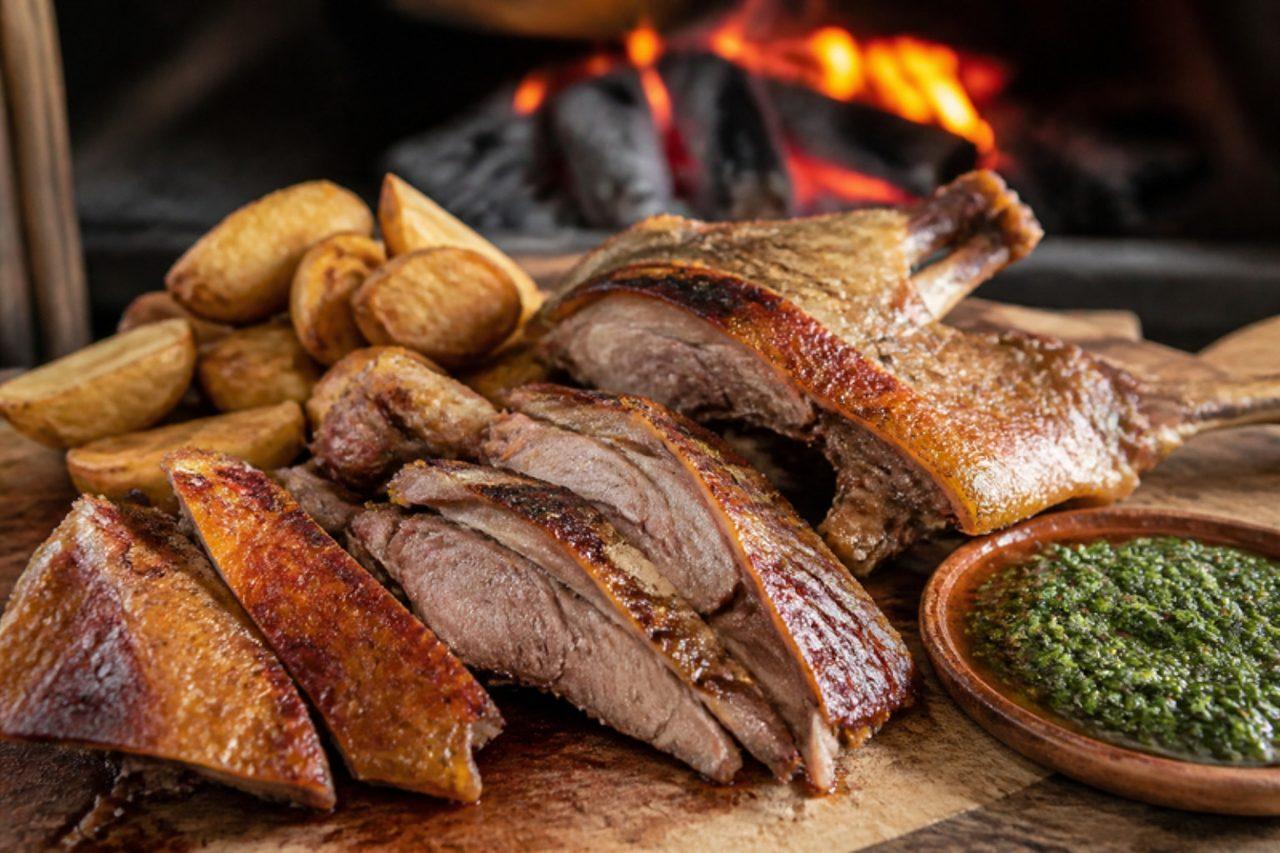
Cordero al asadorSpit-roasted lamb

Southern Patagonia raises sheep on vast estancias, and when the shearing ends or a fiesta comes round in Santa Cruz or Chubut, a whole lamb goes on the asador: an iron cross pushed into the ground beside a fire of lenga or ñire wood. Lambs fed on wild steppe grasses taste clean and faintly herbal, so the seasoning is only salt and a brine to baste, and the result is crackling skin over meat that falls into juicy strands. Serve with chimichurri, a simple salad and bread. Order a whole lamb of 10–12 kg dressed weight from a butcher. Rushing it with a big flame near the meat is the commonest error; the heat must be steady and gentle. Chef's tip: give it about three hours with the ribs to the fire and only the last hour or so skin side, then check the thickest part of the leg reads at least 63 °C (Patagonian cooks take it to about 70 °C, cooked through).

by KrazyBadal 0 views

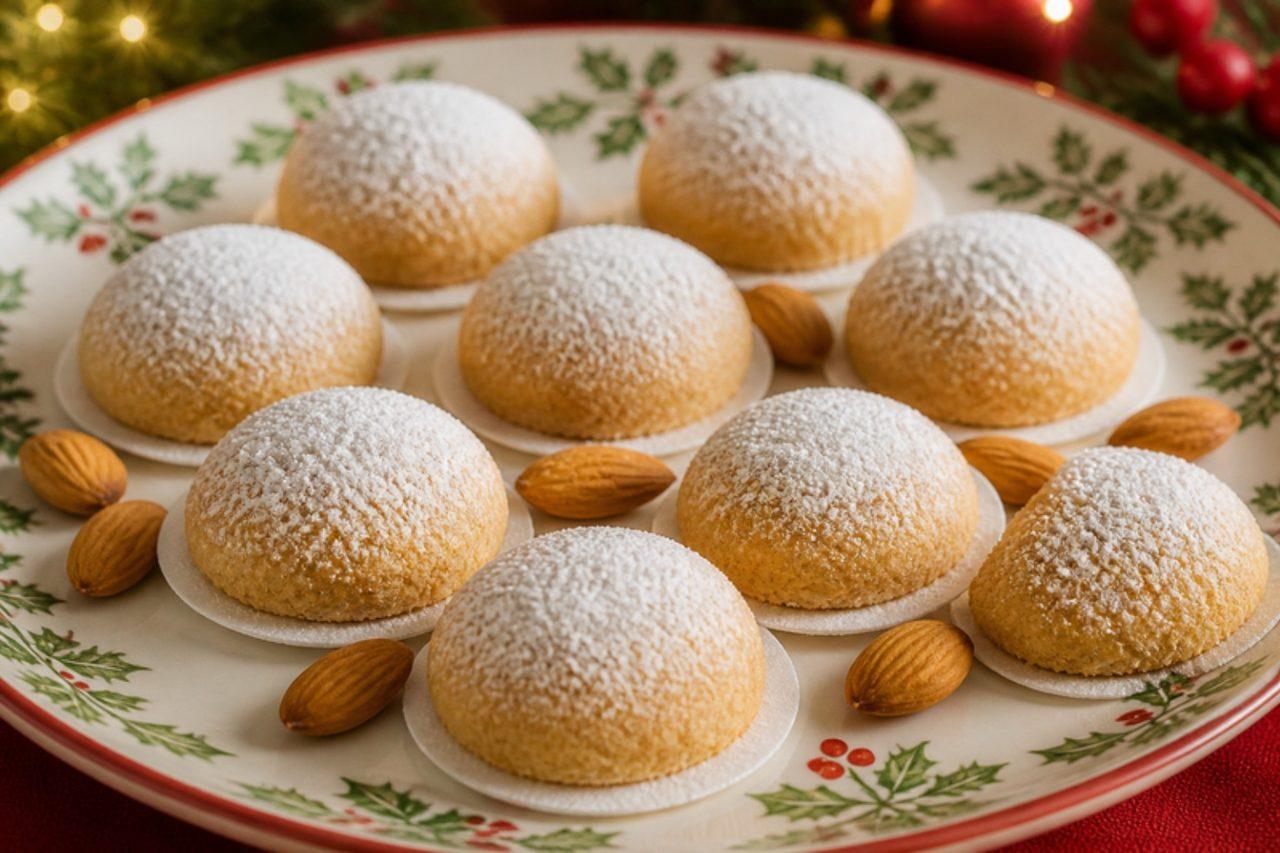
CordialesAlmond and candied pumpkin cakes

Murcian Christmas tables always have a plate of cordiales, small domed cakes of ground almond and egg with a spoonful of cabello de ángel, the stringy candied squash jam, hidden in the middle. They are sold in every pastry shop in Murcia from December and baked at home in the weeks before Christmas, traditionally on a round of edible wafer so they lift cleanly off the tray. They should be crisp at the very tips and soft and moist inside. Chef's tip: make them a day ahead; the almond paste firms up and the flavour deepens.

by KrazyBadal 0 views

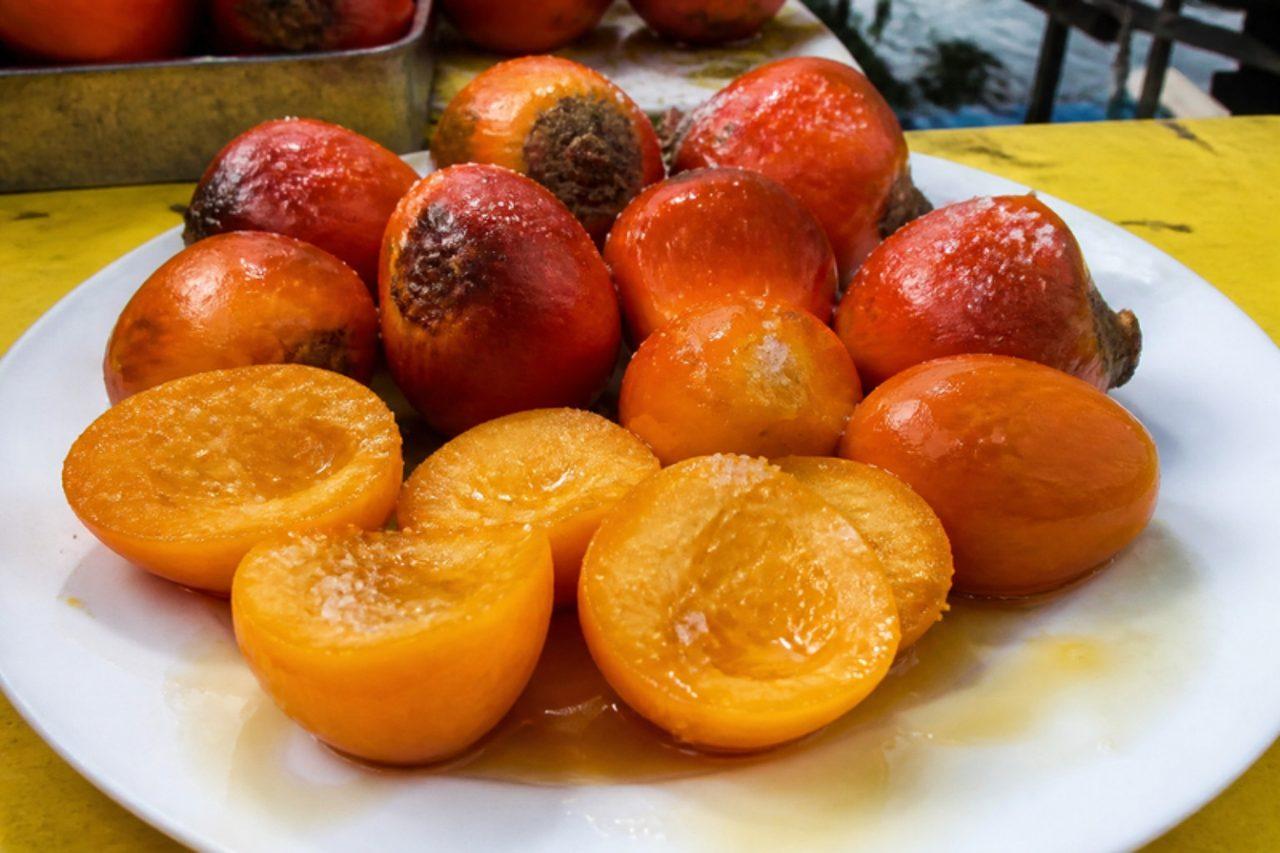
ChontaduroBoiled peach-palm fruit

Street vendors in Cali, Buenaventura and Tumaco push carts piled with bright orange and red chontaduro, peeled to order and sprinkled with salt, then drizzled with honey. The fruit of the peach palm, it has a dense, floury flesh somewhere between roasted chestnut, squash and boiled egg yolk, and a savoury-sweet flavour that people from the Pacific coast swear by as an energy food. At home, the fruit must be cooked, as raw peach palm is unpleasant and irritating to the throat. Fresh fruit appears in Latin American shops in season; frozen or jarred cooked chontaduro is easier to find and only needs warming. Undercooking is the common slip: the flesh stays fibrous and scratchy, so keep boiling until it crumbles easily. This is vegetarian but not vegan because of the honey; panela syrup is a vegan swap. Chef's tip: cut the fruit in half and remove the stone before salting, so the seasoning reaches the warm flesh.

by KrazyBadal 0 views

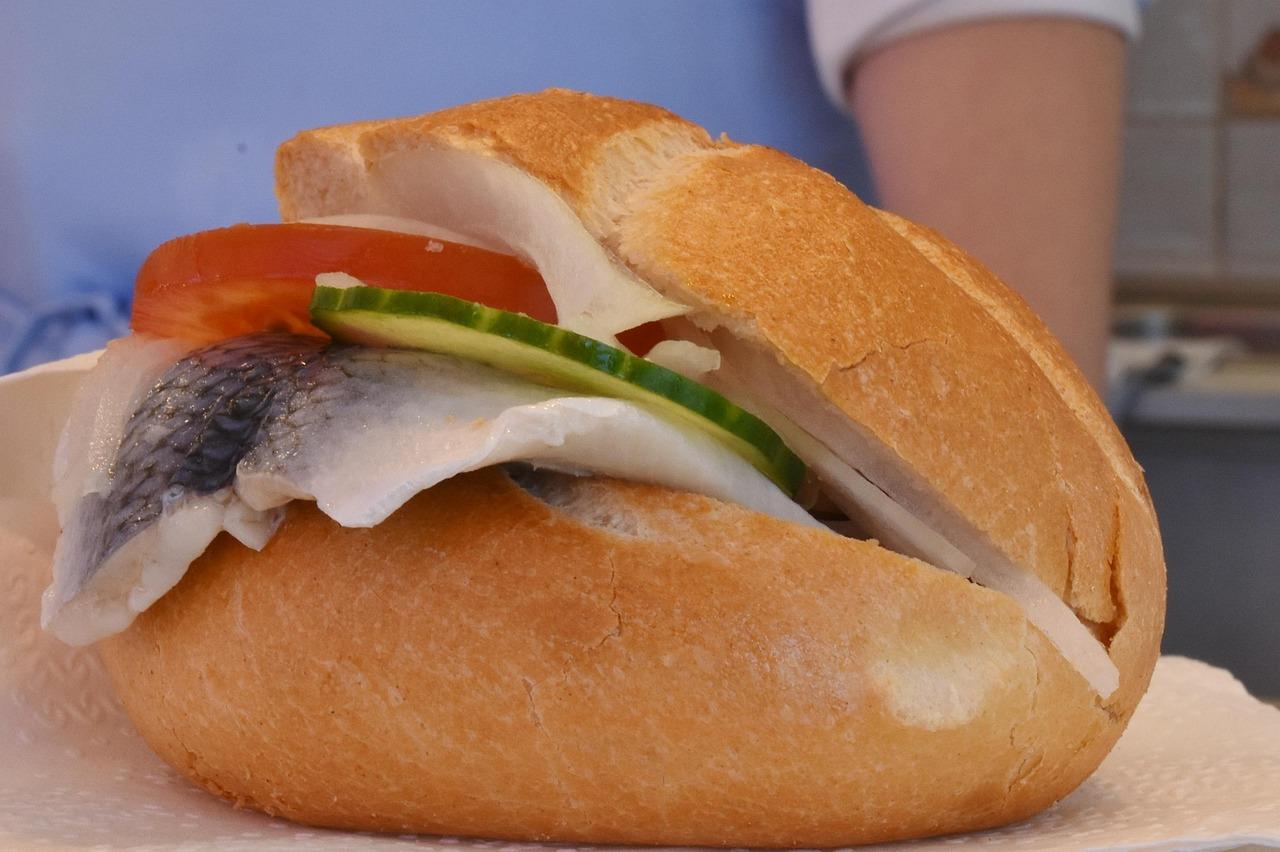
FischbrötchenHerring roll with onion and gherkin

Fischbrötchen are what people eat standing up at the Landungsbrücken piers in Hamburg, on the Sunday fish market, or from a kiosk on the dyke at any North Sea harbour. A crusty white roll is filled with sharp marinated herring, raw onion rings, gherkin and a little crisp lettuce, and eaten in a few bites with the wind in your face. The herring is cured, not cooked, so use commercially prepared Bismarck-style marinated herring from the chilled counter, which has been frozen before curing as the law requires; it is not for pregnant women, young children or anyone with a weakened immune system. Chef's tip: slice the onion paper-thin and rinse it in cold water for a minute so it stays crunchy but stops shouting over the fish.

10 minGermanFish
by KrazyBadal 0 views

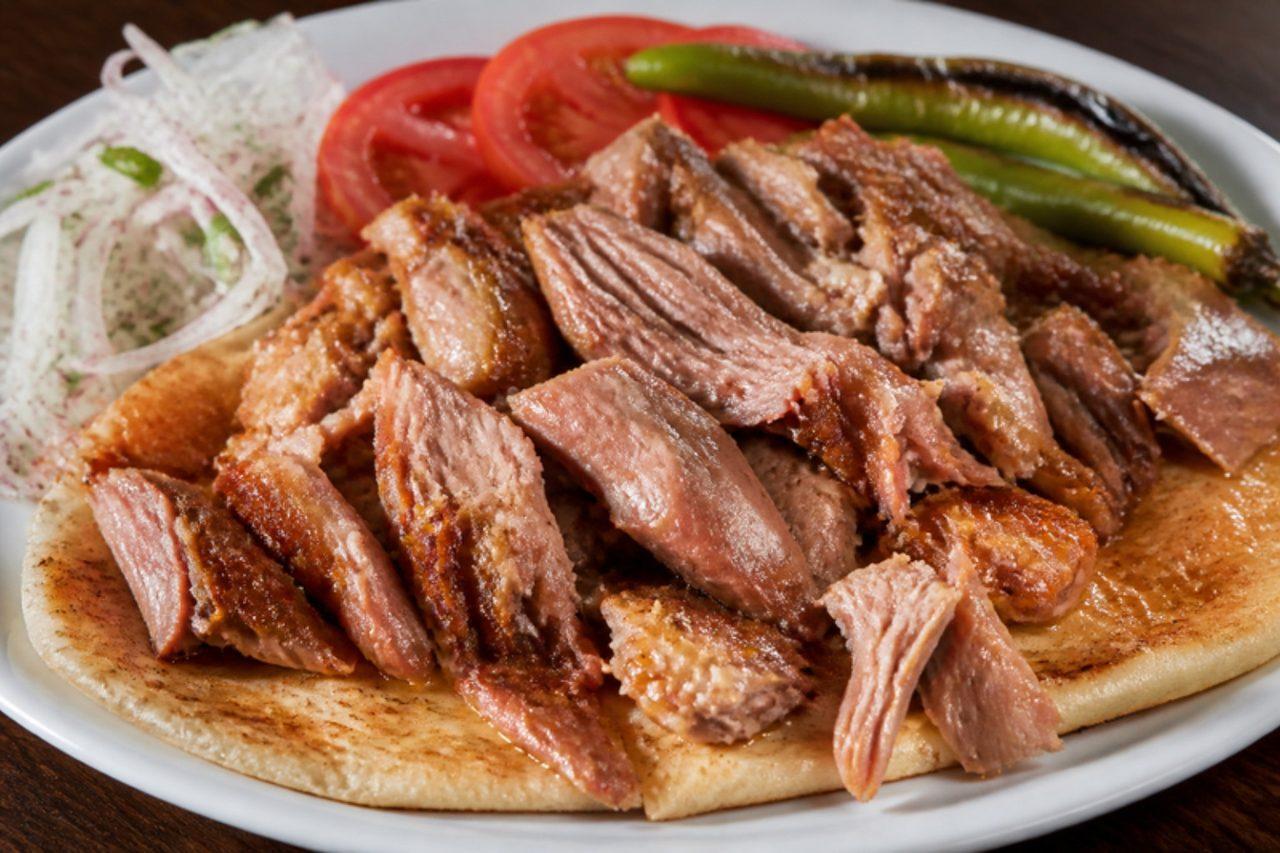
Fırın kebabıSlow-roasted lamb on bread

Konya's fırın kebabı comes from the city's old tandır ovens, where whole sides of lamb hung for hours until the meat collapsed and the fat crisped. Served on a sheet of thin pide with the cooking juices soaked in, a raw onion on the side and a jug of ayran, it is a Sunday treat and a wedding dish. A low home oven and a tightly covered tray give the same soft, juicy result. Common mistake: uncovering it too soon; the lamb needs steamy, sealed heat for hours before it gets its final browning. Chef's tip: rest the cooked lamb on the bread, not on a board; the bread drinks up every drop of juice.

255 minTurkishMeat
by KrazyBadal 0 views

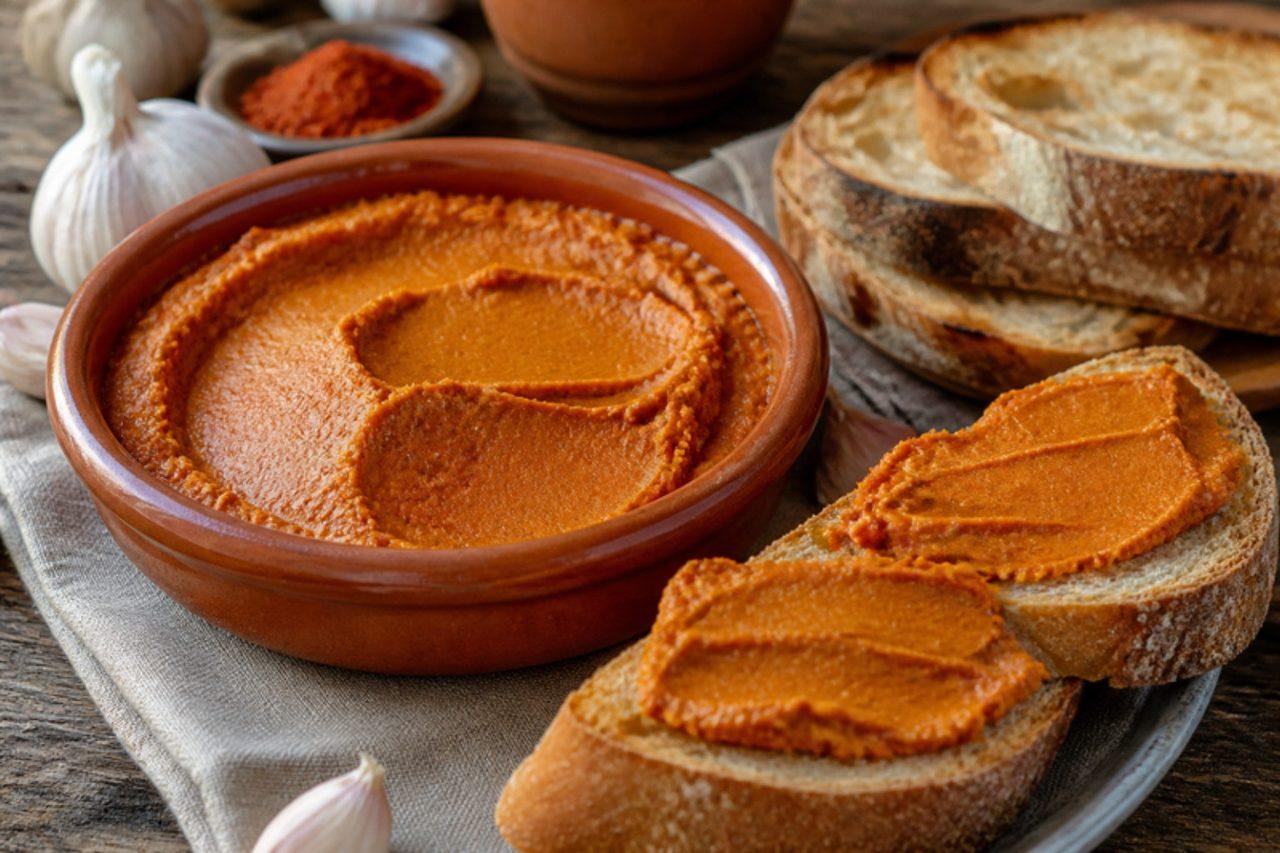
CachuelaSpiced pork liver spread

Cachuela belongs to the matanza, the winter pig slaughter that once filled every village in Extremadura with family and neighbours for several days. The fresh liver was cooked straight away with lard, onion, garlic and plenty of pimentón, then mashed into a coarse, spicy spread for breakfast on toast. People still make it in Badajoz and Cáceres homes through the cold months, and it keeps for a few days in the fridge. This contains pork (pork liver and pork lard). Chef's tip: cook the liver through but not a minute longer; overcooked liver turns grainy and bitter.

by KrazyBadal 0 views

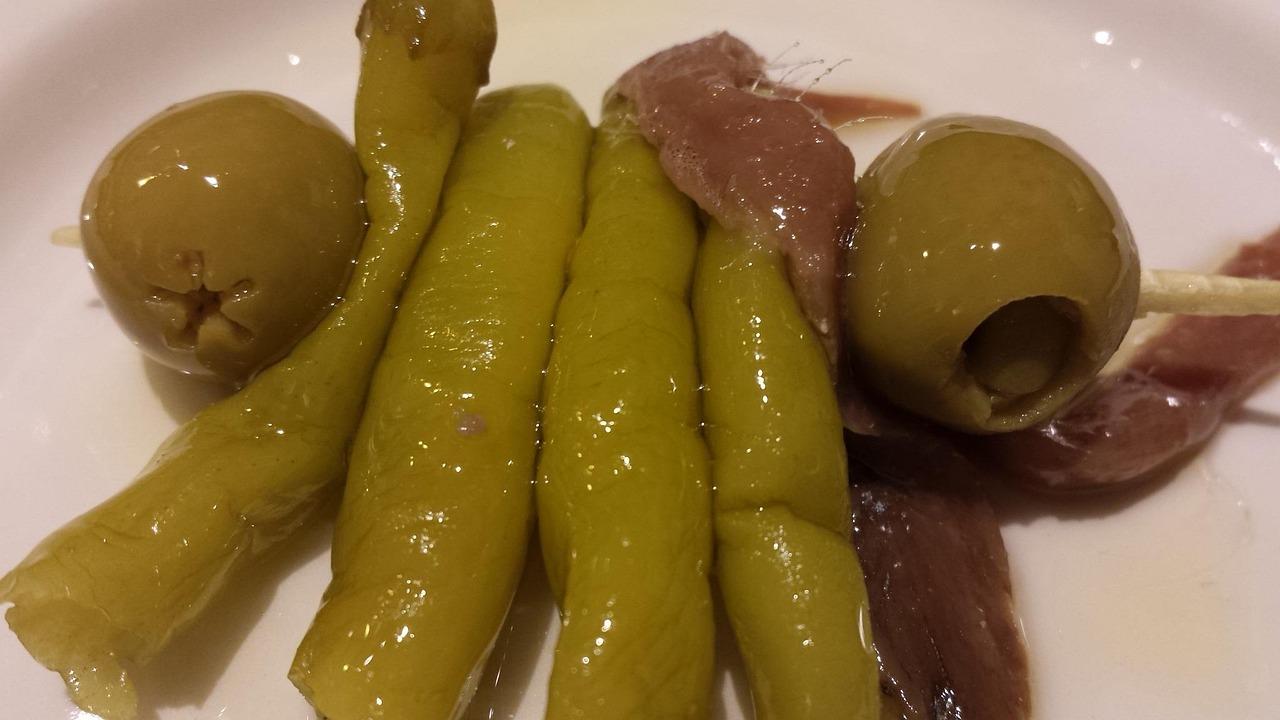
GildaOlive, anchovy and pepper skewer

The gilda was born in a San Sebastián bar in the late 1940s and named after the screen heroine of the film of the same name: green, salty and a little spicy, as the regulars put it. Every Basque bar counter still has a plate of them, eaten in one bite with a glass of something cold before lunch. Salted anchovies in oil are cured, not cooked, so they are not for pregnant women, young children or anyone with a weakened immune system; for a safer version use good tinned tuna in oil instead. A common mistake is using fresh anchovies marinated in vinegar (boquerones), which are raw and too soft for the stick. Chef's tip: thread the anchovy in a wave between the olives so each bite gets a bit of everything.

by KrazyBadal 0 views

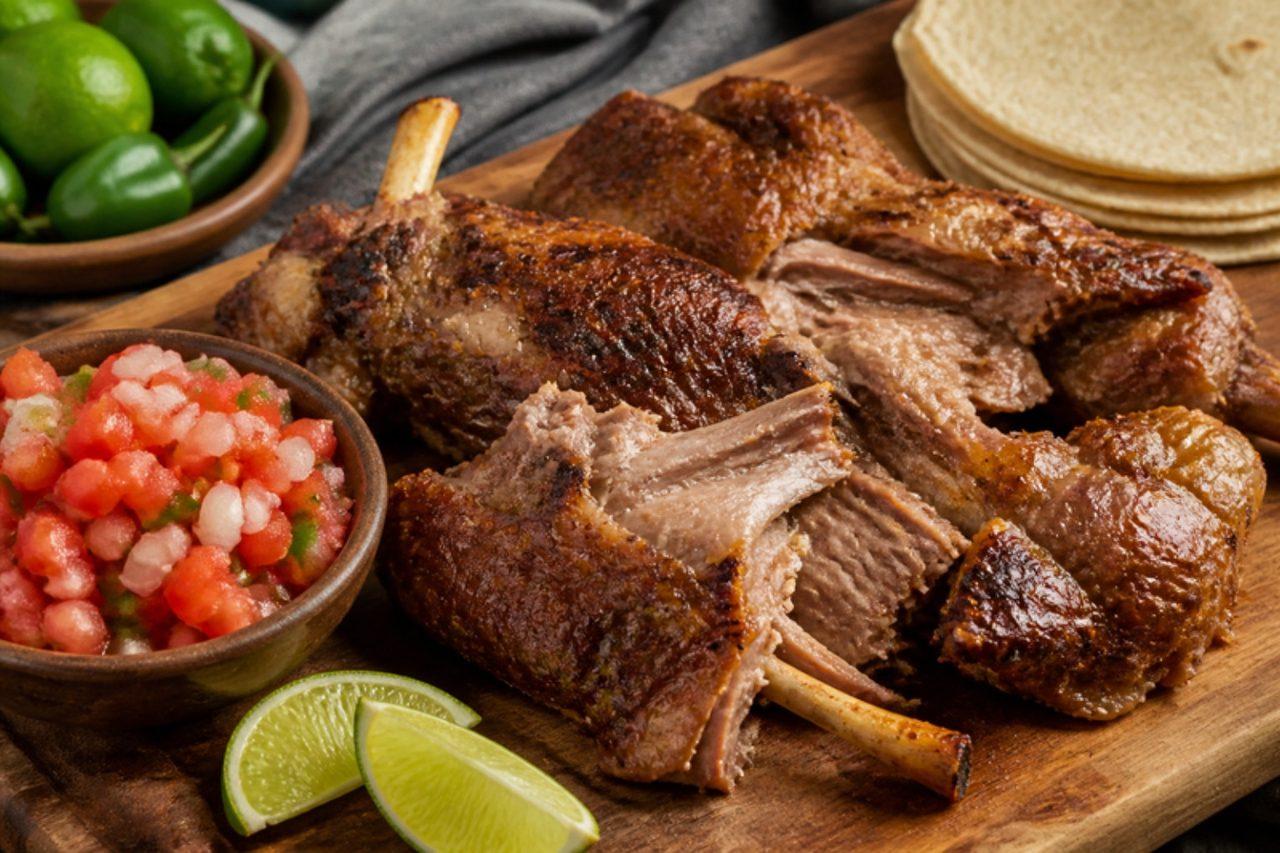
Cabrito al pastorSlow-roasted young goat

Monterrey is the capital of cabrito: young milk-fed goat spread on a stake and roasted slowly beside glowing wood embers, the speciality of the city's big grill restaurants and of weekend family feasts in Nuevo León. The meat is pale, delicate and juicy with crackly, salty skin, and it comes with salsa, flour tortillas, guacamole and a bowl of frijoles charros. Kid goat is hard to find, so this home-oven version also works with a bone-in lamb shoulder, which is a little fattier but just as good; ask a halal or specialist butcher for goat. Chef's tip: roast it covered and low first, then uncover and blast it at the end; starting at high heat is what dries out lean goat.

240 minMexicanMeatGluten free
by KrazyBadal 0 views

Cacciucco alla livorneseSpicy mixed fish stew

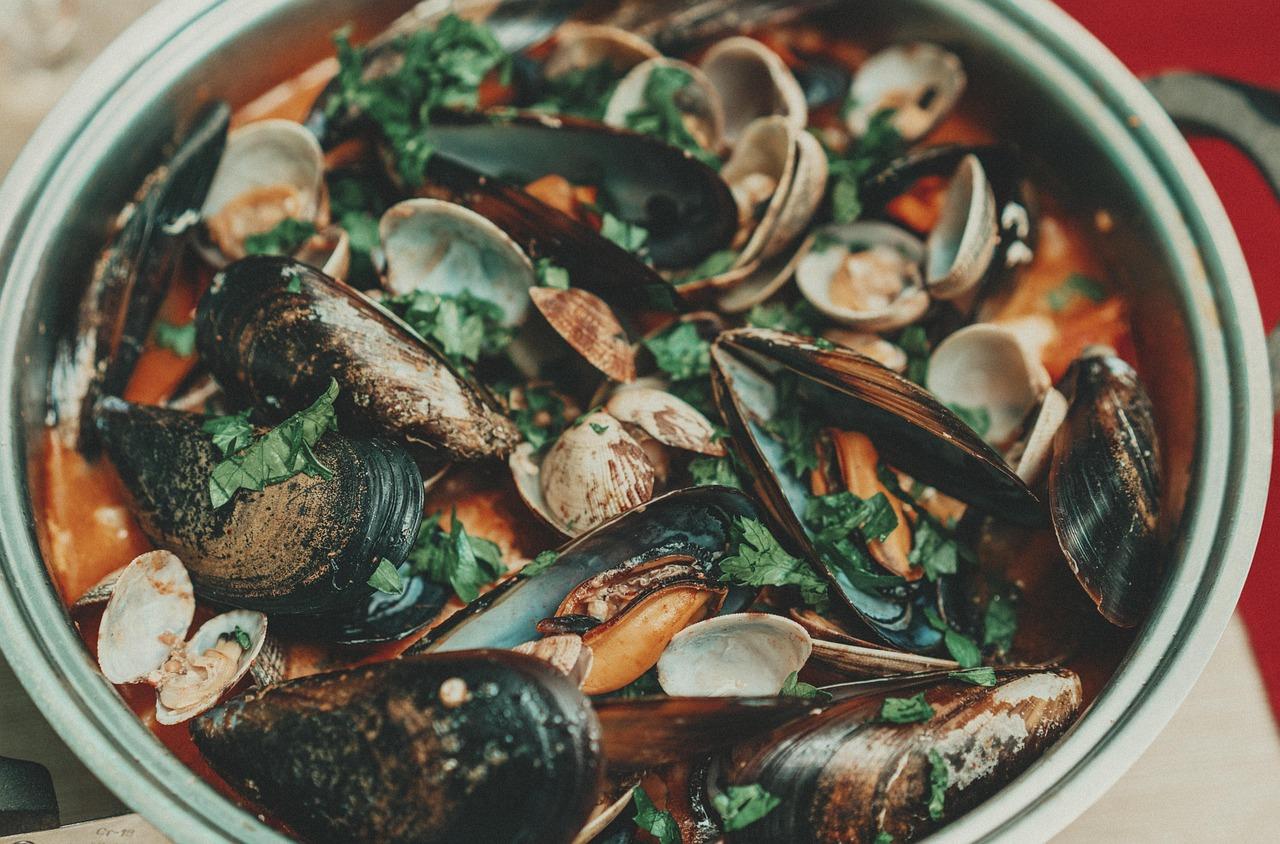
Cacciucco is the great fish stew of Livorno, the port city on the Tuscan coast, where it is said to need at least five kinds of seafood, one for each C in its name. Fishermen once made it with the unsold catch; today the harbour trattorie ladle it, thick and fiery with chilli, over slices of toasted bread rubbed with garlic. This version uses firm white fish, squid, mussels, clams and prawns cooked in tomato and red wine; the wine is traditional, and the note gives an alcohol-free option. Serve it as a whole meal, with more garlic toast on the side. Chef's tip: add the seafood in stages, from the firmest to the most delicate, so nothing turns rubbery.

by KrazyBadal 0 views

CachangaThin fried bread

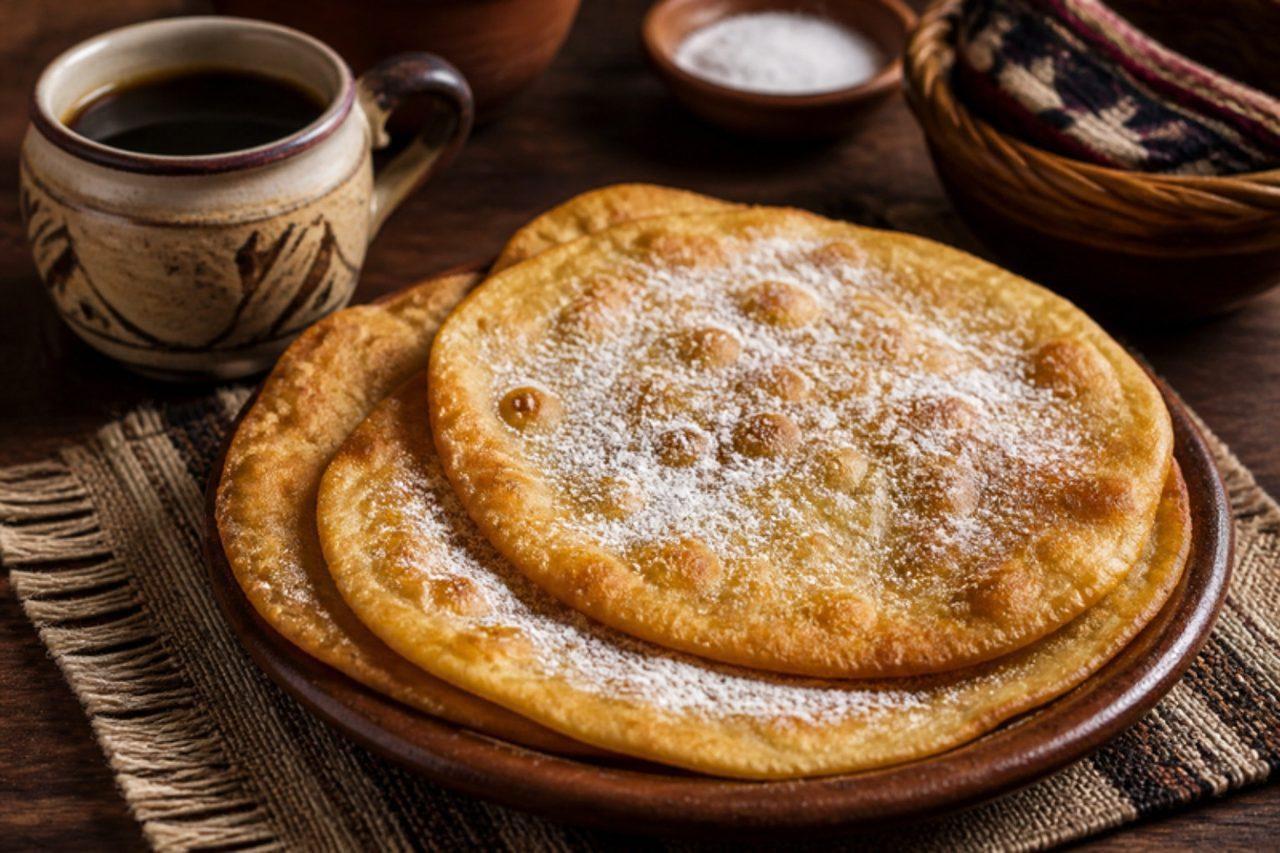
On cold mornings at markets in Puno, Juliaca and Arequipa, women stretch rounds of dough over their knuckles and drop them into big pans of hot oil, and cachangas come out puffed, blistered and golden, to be dusted with sugar and eaten with a cup of coffee, hot chocolate or api. The bread is thin, chewy in the middle and crisp at the edges, a cousin of the sopaipilla. Some cooks leave them plain and eat them with cheese. The commonest problem is oil that isn't hot enough: the dough soaks up fat and turns heavy instead of puffing. Keep it at 180 °C and fry one at a time. The dough uses butter and milk, so it is vegetarian but not vegan; swap both for oil and water if needed. Chef's tip: rest the dough for 20 minutes before rolling so it stretches thin without springing back.

by KrazyBadal 0 views

Choquinhos com tintaBaby cuttlefish in ink

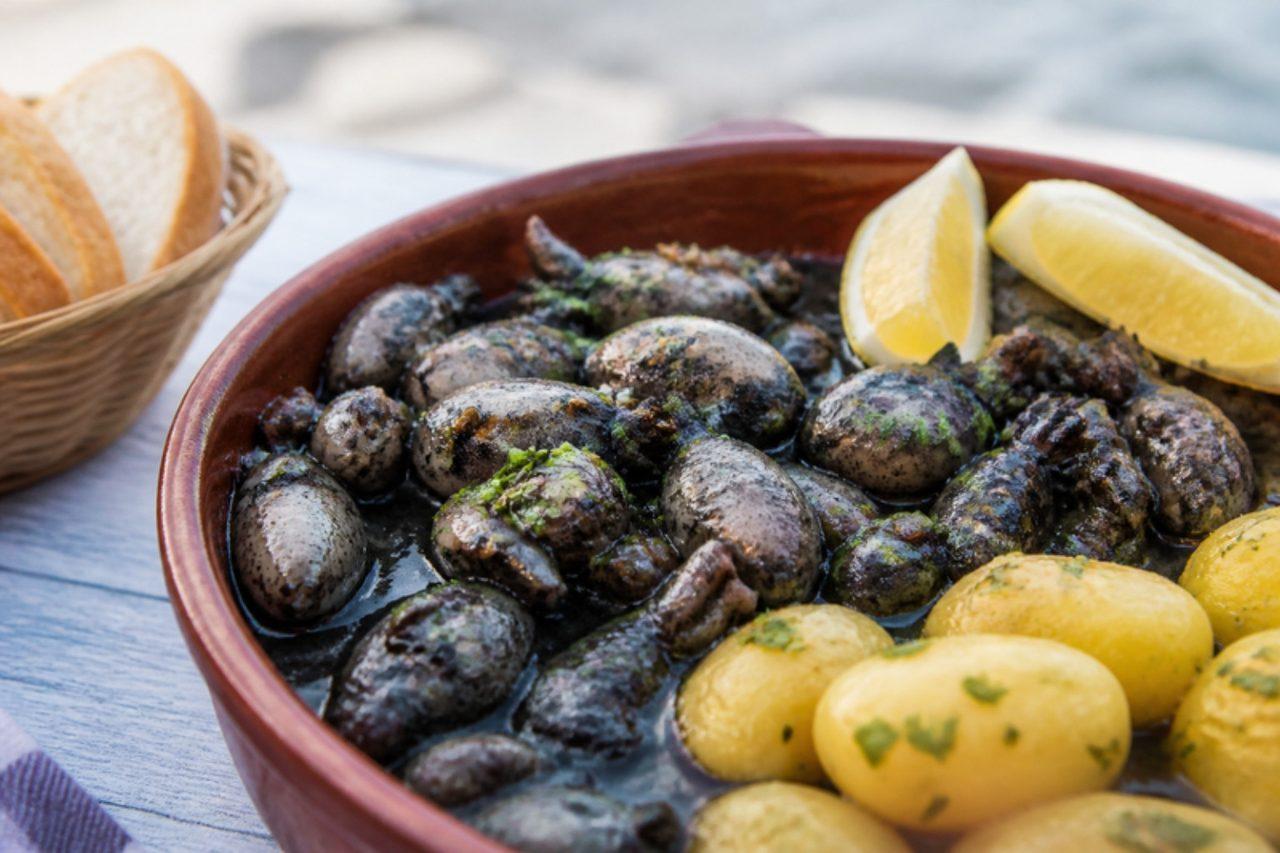
Setúbal claims fried cuttlefish, but the Algarve has its own treasure: choquinhos, cuttlefish no bigger than a thumb, sautéed whole in garlicky olive oil until their ink turns the pan glossy black. Seafood bars in Olhão and Faro serve them in small clay dishes, to be eaten with toothpicks and bread for mopping. The recipe uses a splash of white wine; use water with a squeeze of lemon instead for an alcohol-free version. Chef's tip: cook in a very hot pan in two batches, so the cuttlefish sizzle rather than stew.

by KrazyBadal 0 views

CachelosBoiled potatoes with paprika oil

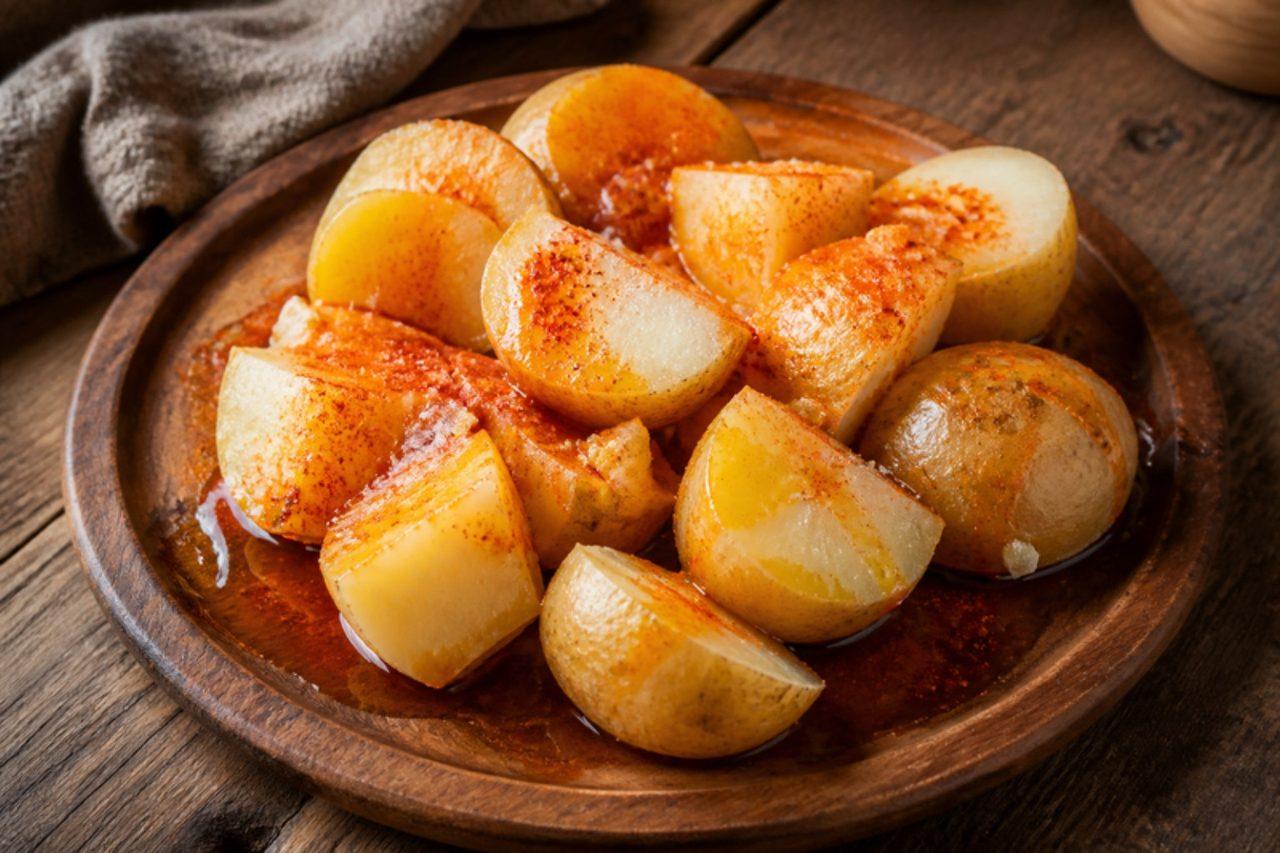
At Galician fairs, and above all at O Carballiño's octopus festival every August, octopus is served on wooden plates with cachelos: potatoes boiled in their skins, cut into chunks and splashed with olive oil, coarse salt and paprika. They are just as good on their own, as a side for grilled fish or meat. A common mistake is adding paprika to sizzling oil, where it burns in seconds and turns bitter; warm the oil, take it off the heat, then stir it in. Chef's tip: boil the potatoes with a bay leaf and plenty of salt, and leave the skins on, so they stay whole and full of flavour.

by KrazyBadal 0 views

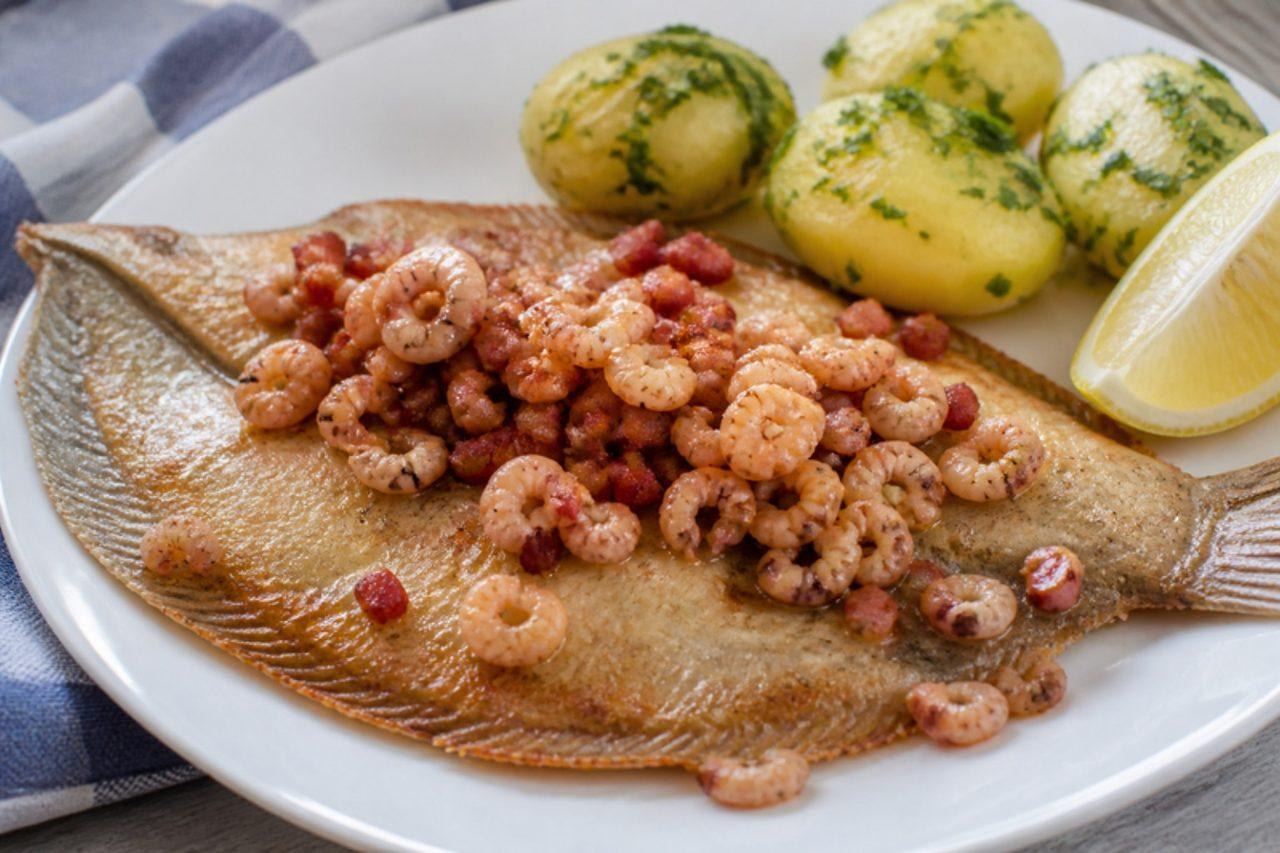
Finkenwerder ScholleFried plaice with bacon and shrimps

Finkenwerder was a fishing village on an Elbe island, and the way its fishermen cooked plaice is now Hamburg's signature fish dish, eaten from May to autumn when plaice is plump. A whole fish is dusted and fried in butter, then covered with crisp cubes of smoked pork belly bacon and a handful of tiny brown North Sea shrimps warmed in the same pan, and served with parsley potatoes and cucumber salad. The bacon is pork; leave it out and add capers for a pork-free plate. Chef's tip: score the dark skin side lightly twice so the fish stays flat in the pan and cooks evenly to the bone.

40 minGermanFishGluten free
by KrazyBadal 0 views

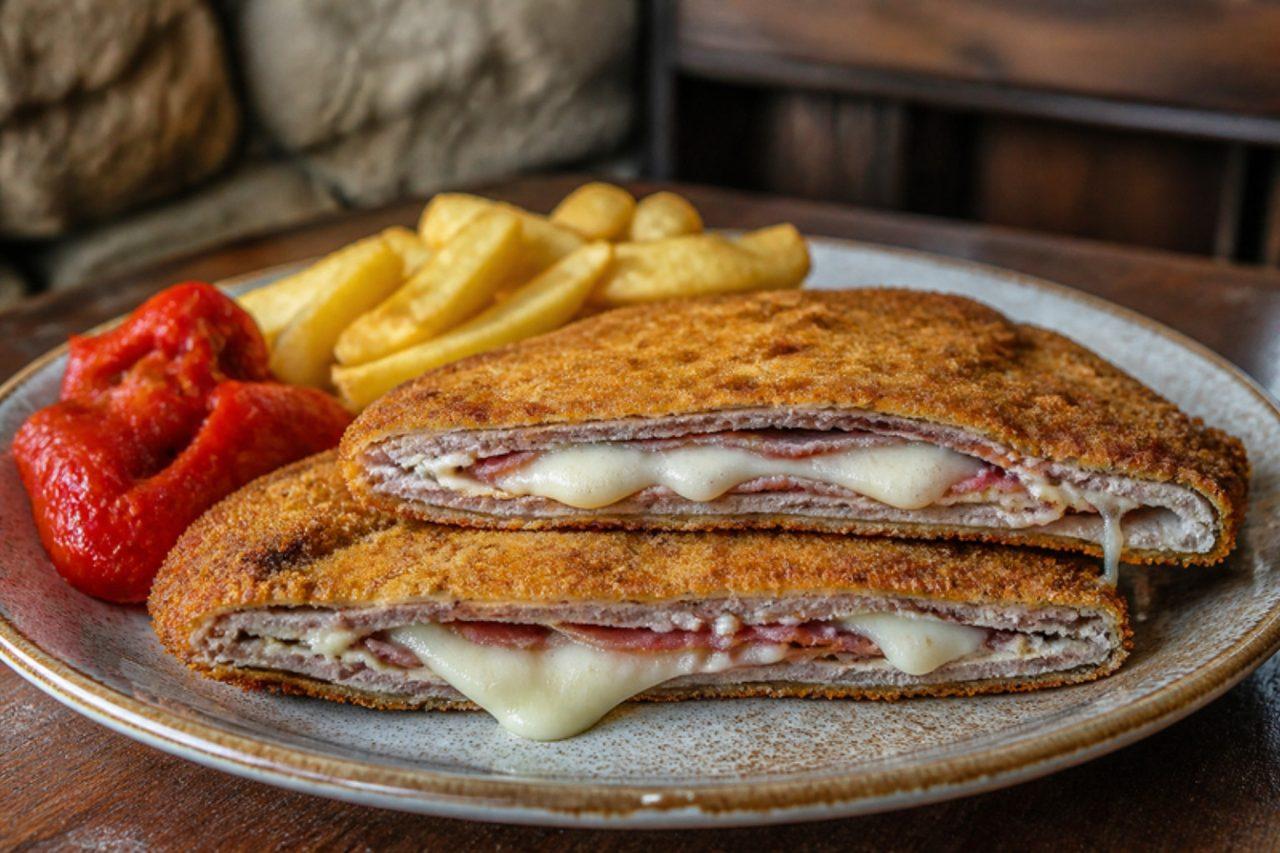
CachopoBreaded veal with ham and cheese

Asturias takes cachopo so seriously that Oviedo holds an annual contest for the best one, and some restaurants serve versions big enough to hang off the plate. At home it is a Friday-night or Sunday treat: two thin veal steaks enclosing serrano ham and a good melting cheese, breaded and fried, then cut at the table so the cheese oozes. This contains pork (serrano ham). Serve with chips and roasted green peppers. Chef's tip: chill the assembled cachopo for 20 minutes before frying so the crumb sets and the edges stay sealed.

by KrazyBadal 0 views

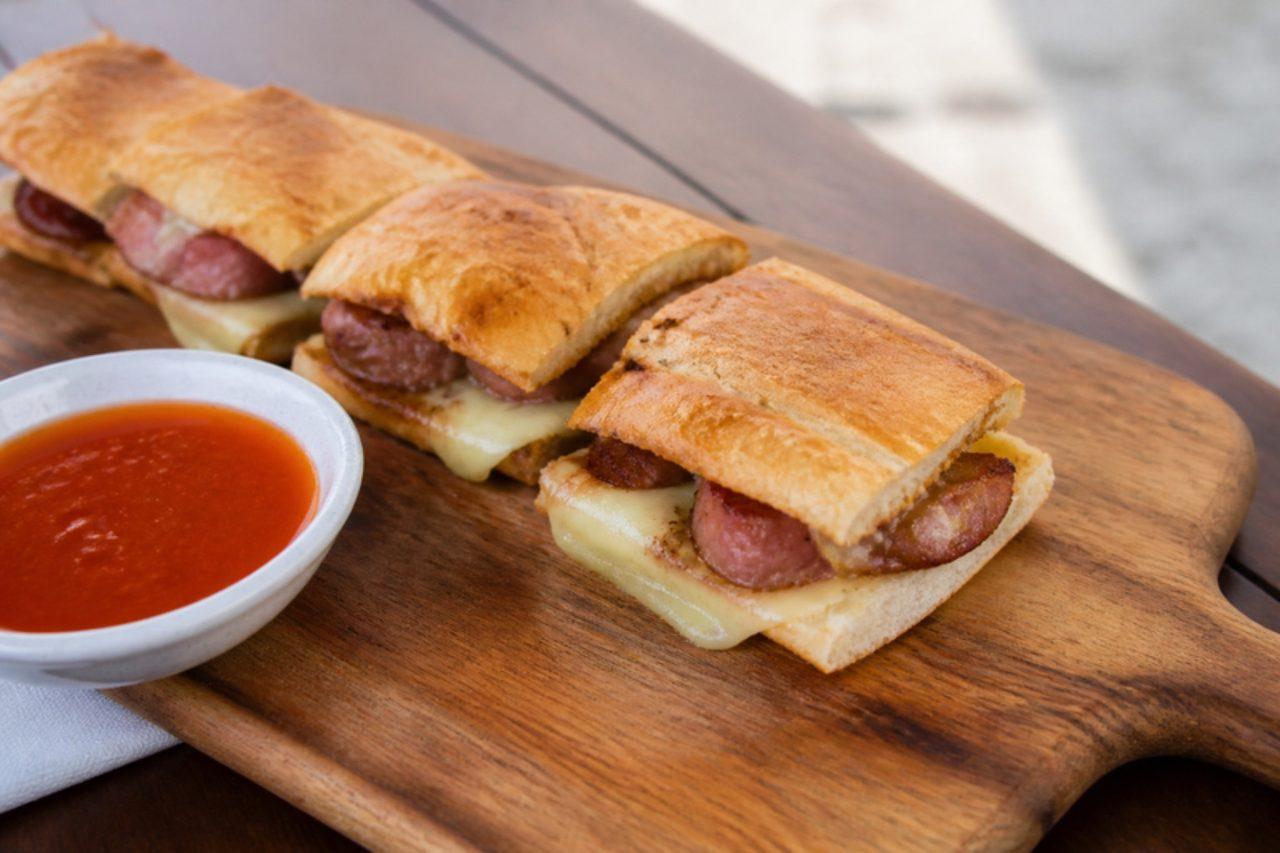
CachorrinhoCheese and sausage pressed sandwich

This is Porto's late-night snack, born in the bars around the Praça dos Poveiros in the 1960s and still eaten standing at the counter after a football match. A thin sausage goes into a slim roll with cheese, the whole thing is toasted flat in a press until it shatters, then cut into bite-sized pieces and doused in a hot, tangy sauce. This contains pork (pork frankfurters). Chef's tip: brush the outside of the bread with butter before pressing, so it goes evenly golden and crisp.

by KrazyBadal 0 views

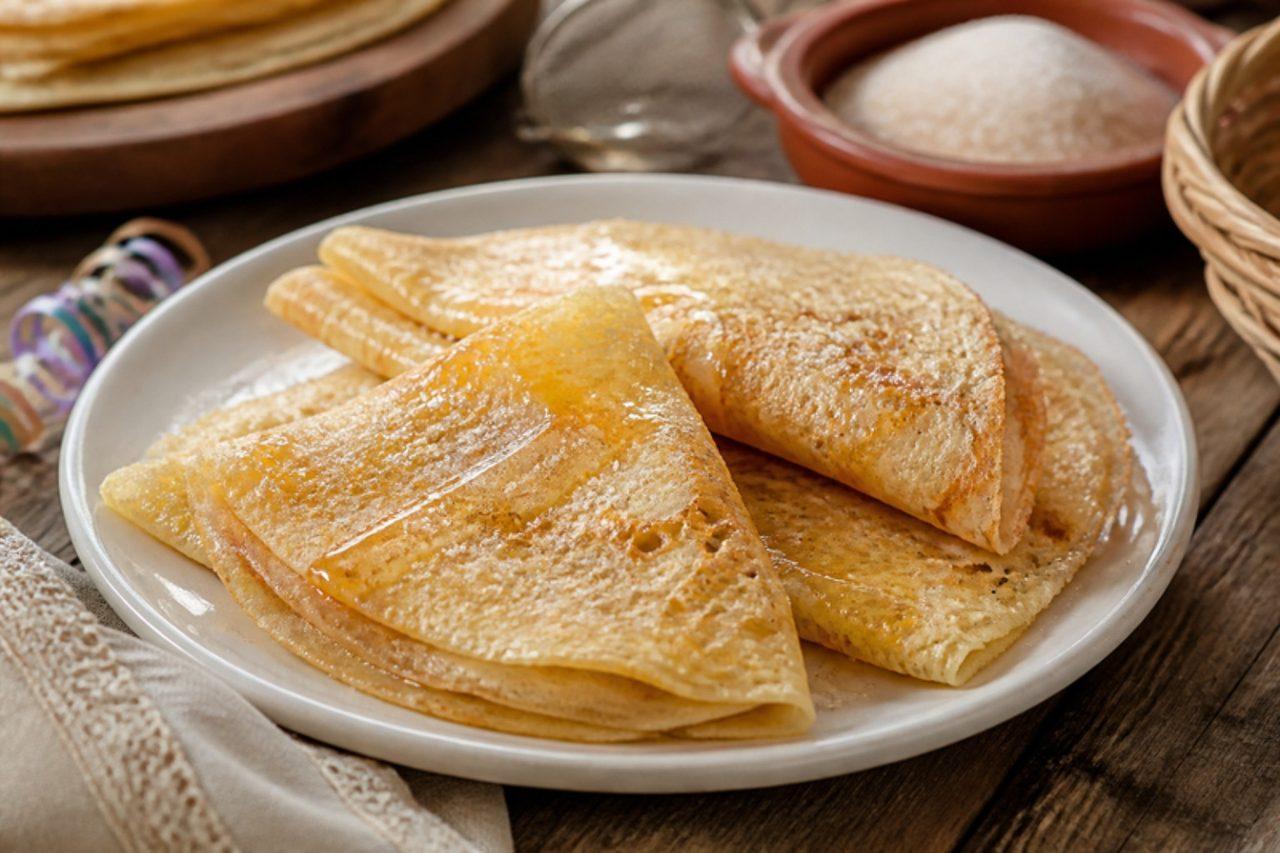
FilloasThin Galician crêpes

When Entroido, the Galician carnival, comes round in February, kitchens in Lugo and Ourense fill with stacks of filloas, paper-thin pancakes cooked on a hot iron pan. In the countryside the pan was greased with a piece of pork fat and some villages still make a version with pig's blood at slaughter time; this sweet version uses butter and is vegetarian. They are rolled or folded and eaten with sugar, honey or a spoon of cream. A common mistake is a batter that is too thick: it should be as thin as single cream, so it runs across the pan in a lacy sheet. Chef's tip: rest the batter in the fridge for at least 30 minutes so the flour relaxes and the filloas don't tear.

by KrazyBadal 0 views

Showing 36 of 7,762 recipes

Show more recipes

Page 522 of 863