


Skip to content
Ful nabit
Featured recipe

Ful nabit

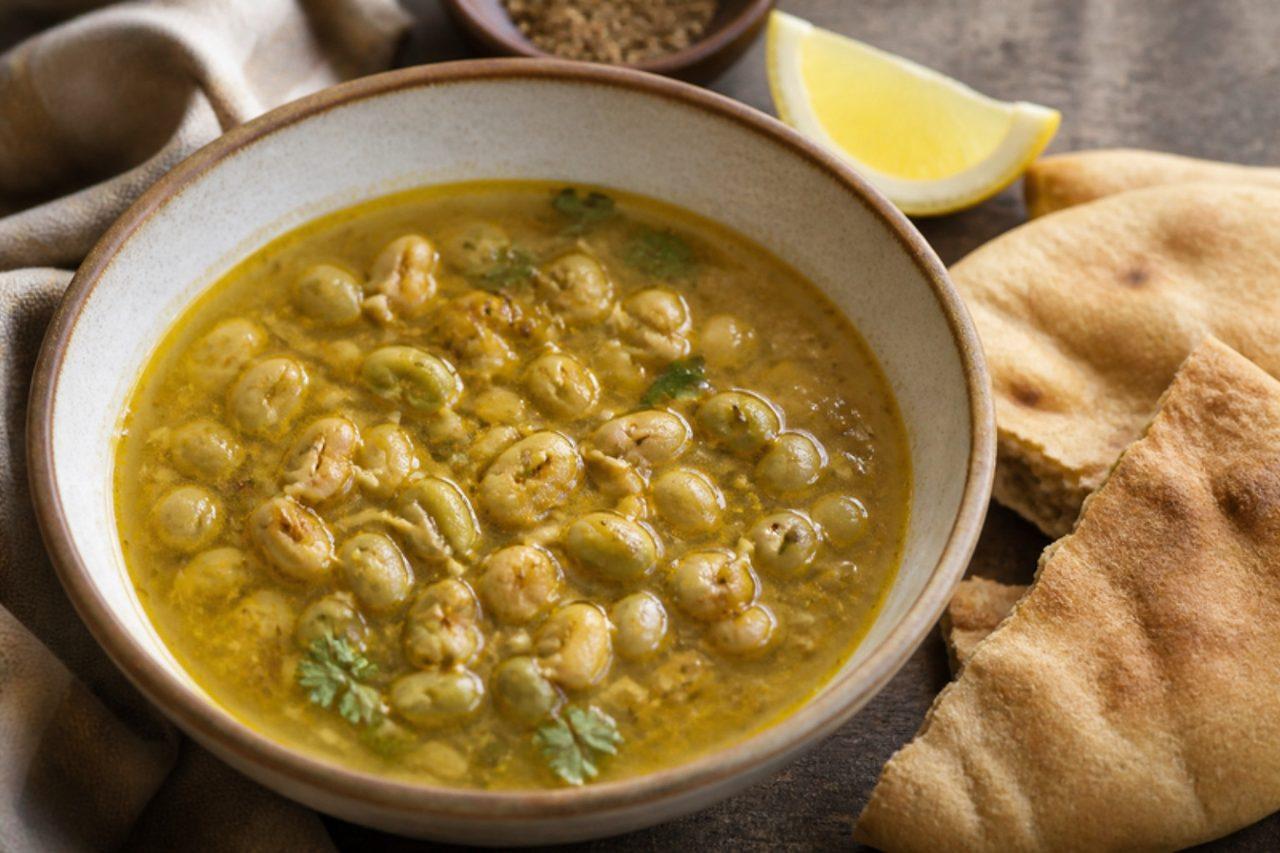
Sprouted fava bean soup

Sprouted beans are ladled out with their cooking liquor in Cairo homes when the weather turns cold or someone is feeling run down, and Egyptians swear by the broth as a pick-me-up. The beans are soaked and left to sprout for a few days, then simmered with onion, garlic and cumin into a light, earthy soup that is sharpened at the table with plenty of lemon. You can eat the beans with a spoon or pop them from their skins. Allow 3 to 4 days for sprouting, although the hands-on work is only about 20 minutes. People with G6PD deficiency (favism) must not eat fava beans. Chef's tip: stop the sprouting when the shoots are about 1 cm long; longer sprouts taste grassy and bitter.

Read more 2 views

What to eat today?

Around the world

Today's trip: Persian

A new country every day, from every cuisine on the site.

This week's collection

Kid-friendly dinners
537 recipes · a new collection every Monday

Latest recipes

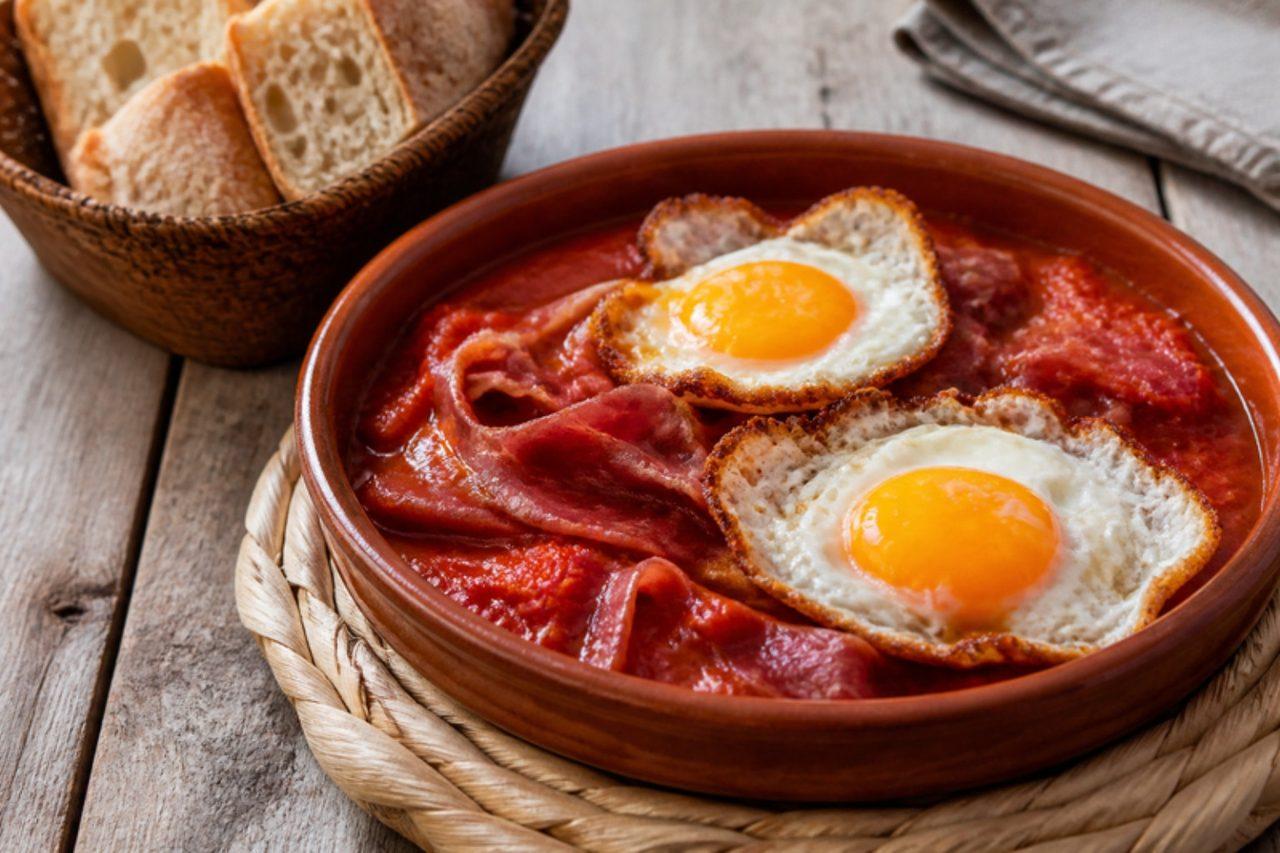
Magras con tomateCured ham in tomato sauce

Teruel is famous for its cured hams, and magras con tomate is how Aragonese home cooks have long turned a few thick slices into supper: the ham is fried briefly, then simmered in a homemade tomato sauce and served with fried eggs and bread for dipping. It is a typical dinner in the Bajo Aragón and at bar counters in Zaragoza's old Tubo district. This contains pork (cured ham). A common mistake is frying the ham too long; it hardens and turns very salty, so give it barely a minute a side. Use hand-cut slices about 5 mm thick if you can. If you serve the eggs with runny yolks, they are not for pregnant women, young children or anyone with a weakened immune system; fry them until the yolks are firm for those diners. Chef's tip: don't salt the sauce until the ham has been in it for a few minutes.

by KrazyBadal 0 views

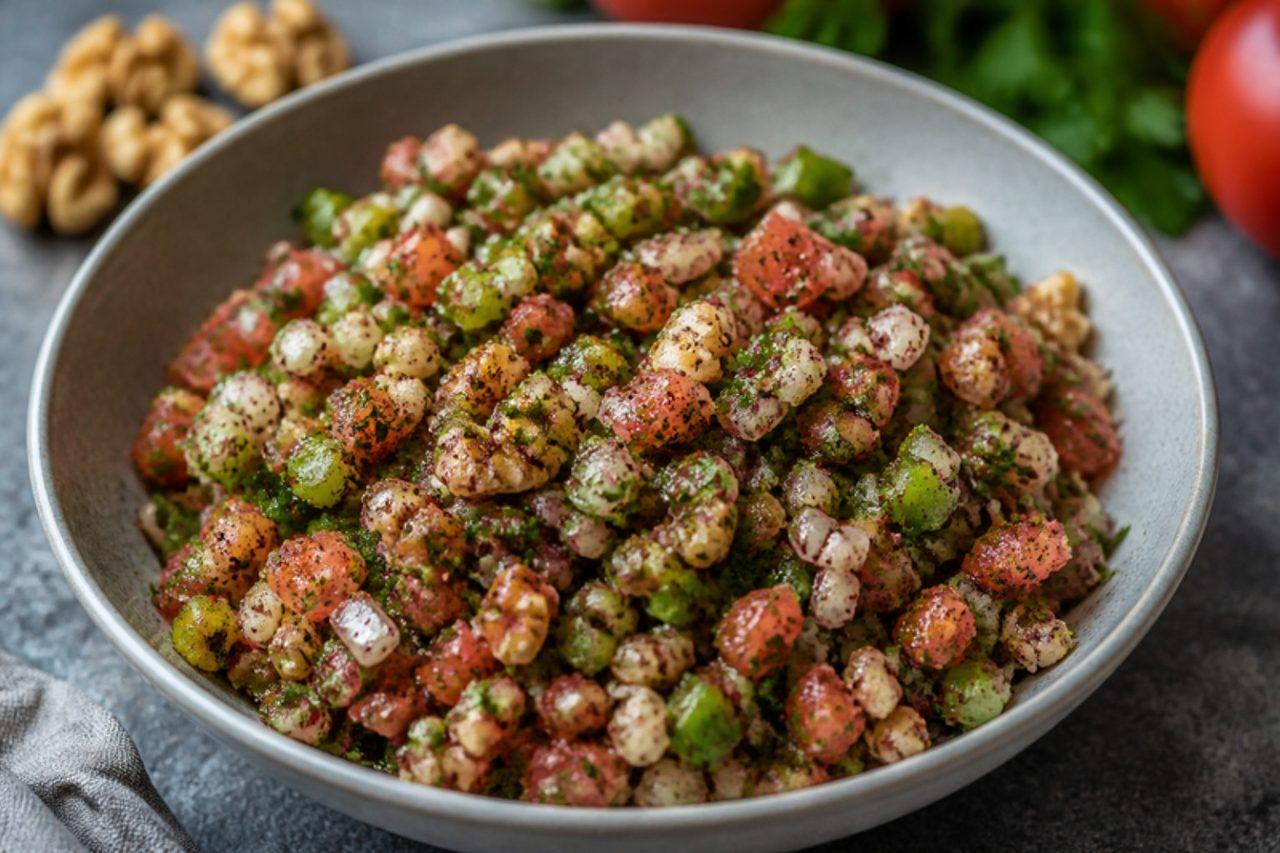
Gavurdağı salatasıTomato, pepper and walnut salad

Named after the mountains east of Gaziantep, this is the salad that lands on every kebab-house table in the city, chopped so fine it is almost a relish. Tomatoes, onion, green pepper and parsley meet toasted walnuts, sumac and a sour-sweet dressing of pomegranate molasses and olive oil. It cuts through rich grilled meat or bulgur, and is just as good scooped up with flatbread as a meze. Dress it just before serving; if it sits, the salt pulls water from the tomatoes and it swims. Chef's tip: deseed the tomatoes and dice everything to the size of a lentil so each spoonful has a bit of all of it.

by KrazyBadal 0 views

Mona de PascuaEaster brioche with egg

On Easter Monday, families across the Valencian Community head out to the countryside or the beach to "menjar-se la mona": they eat an orange-scented sweet brioche, often with a whole egg baked on top, and children crack the egg on a friend's forehead. The bun is soft and fluffy, glazed and sprinkled with sugar or coloured aniseed sprinkles. Here the eggs are hard-boiled first, so they are cooked through whatever the size of your bun. A common mistake is adding all the flour at once to a sticky dough; it softens as you knead, so hold back the last 50 g until you've kneaded for a few minutes. Chef's tip: make the starter the evening before and the dough on the day; the slow start gives a lighter crumb that stays soft for two days.

by KrazyBadal 0 views

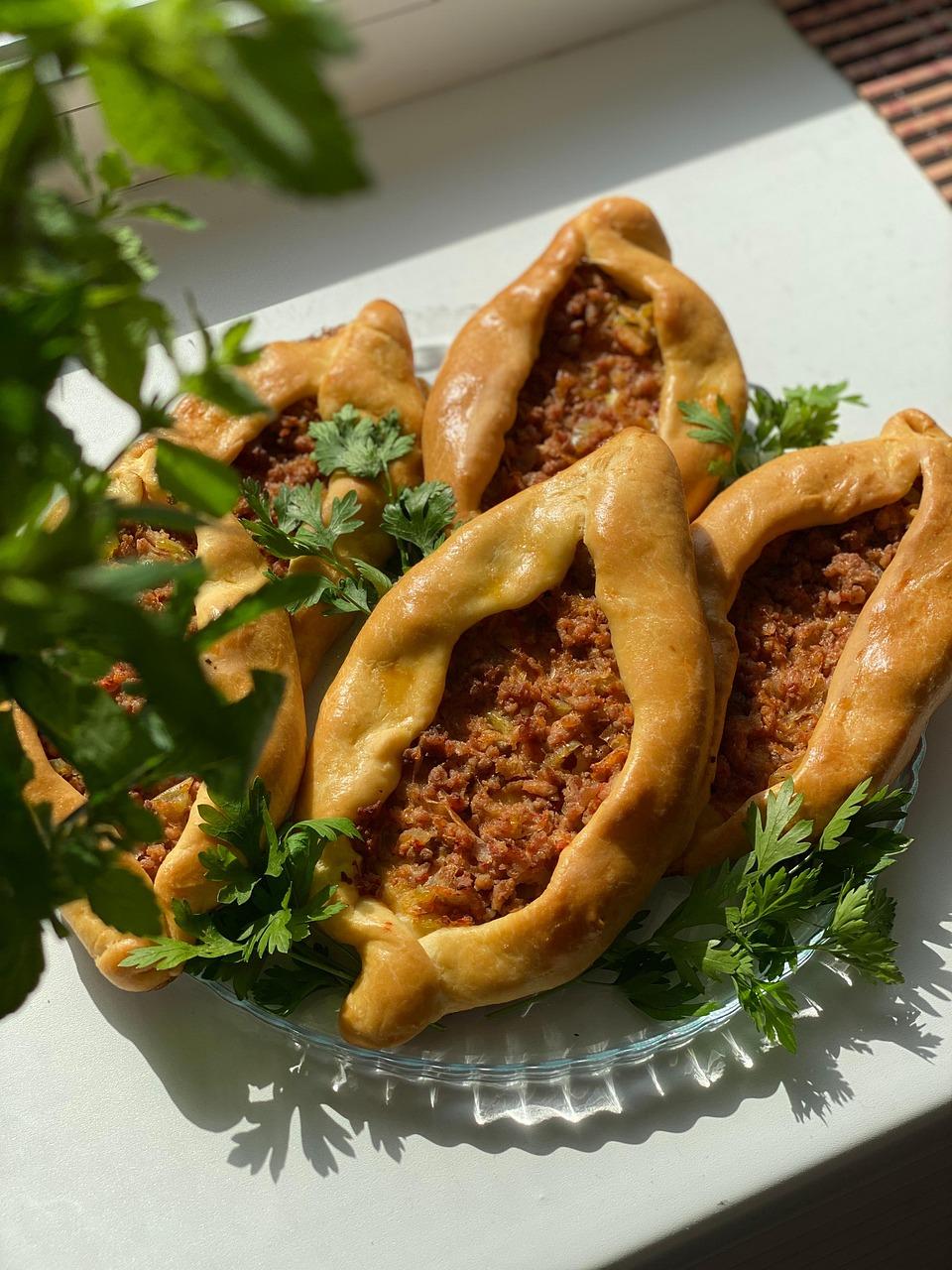
Karadeniz kıymalı pideBeef-filled flatbread boat

Pide salons in Samsun, Trabzon and Rize stretch their dough into long boats, pinch the ends into points and fill them with minced beef, onion, tomato and peppers, then slide them into a wood oven for a few minutes. At home a very hot oven and a heavy tray get you close: a crisp, chewy rim, a juicy filling and a brush of butter as it comes out. Slice across into strips and eat with ayran and a sharp shepherd's salad. Common mistake: a wet filling, which soaks the base; squeeze the chopped tomato and let the mince sit on the dough raw so its juices cook into the bread. The mince must reach 71 °C. Chef's tip: crack an egg into the middle for the last 3 minutes if you like it the Samsun way.

by KrazyBadal 0 views

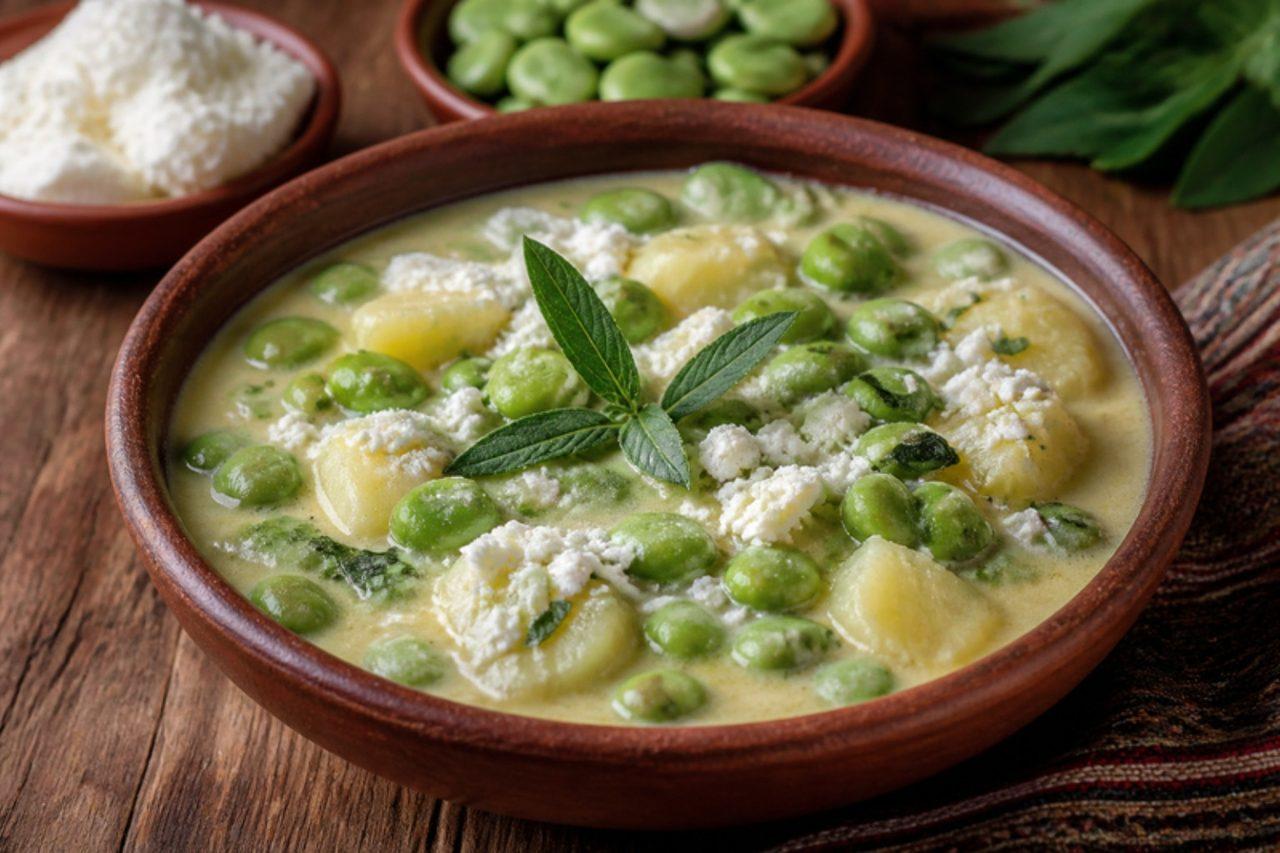
KapchiBroad beans in cheese sauce

Kapchi (sometimes spelled capchi) comes from the Quechua for something like 'dressed' or 'creamed', and around Cusco it turns up when the fresh broad beans are in season: green habas, potatoes and soft fresh cheese simmered with milk until the sauce turns thick and pale, with ají and a handful of huacatay. Market stalls in San Pedro sell it with rice, and families make it at Easter as a meatless dish. It is gentle and creamy with a herby, slightly minty finish, and the beans stay sweet and tender. The trap is boiling the sauce once the cheese is in; it splits into curds and goes watery, so keep it at a bare simmer. Serve with white rice or boiled potatoes and a spoon of uchucuta. The same recipe works with sliced mushrooms instead of beans, which Cusco cooks also do. Queso fresco is usually set with animal rennet, so pick a vegetarian fresh cheese if you need to. Chef's tip: peel the beans of their pale inner skins after blanching; it takes ten minutes and makes the dish far silkier.

by KrazyBadal 0 views

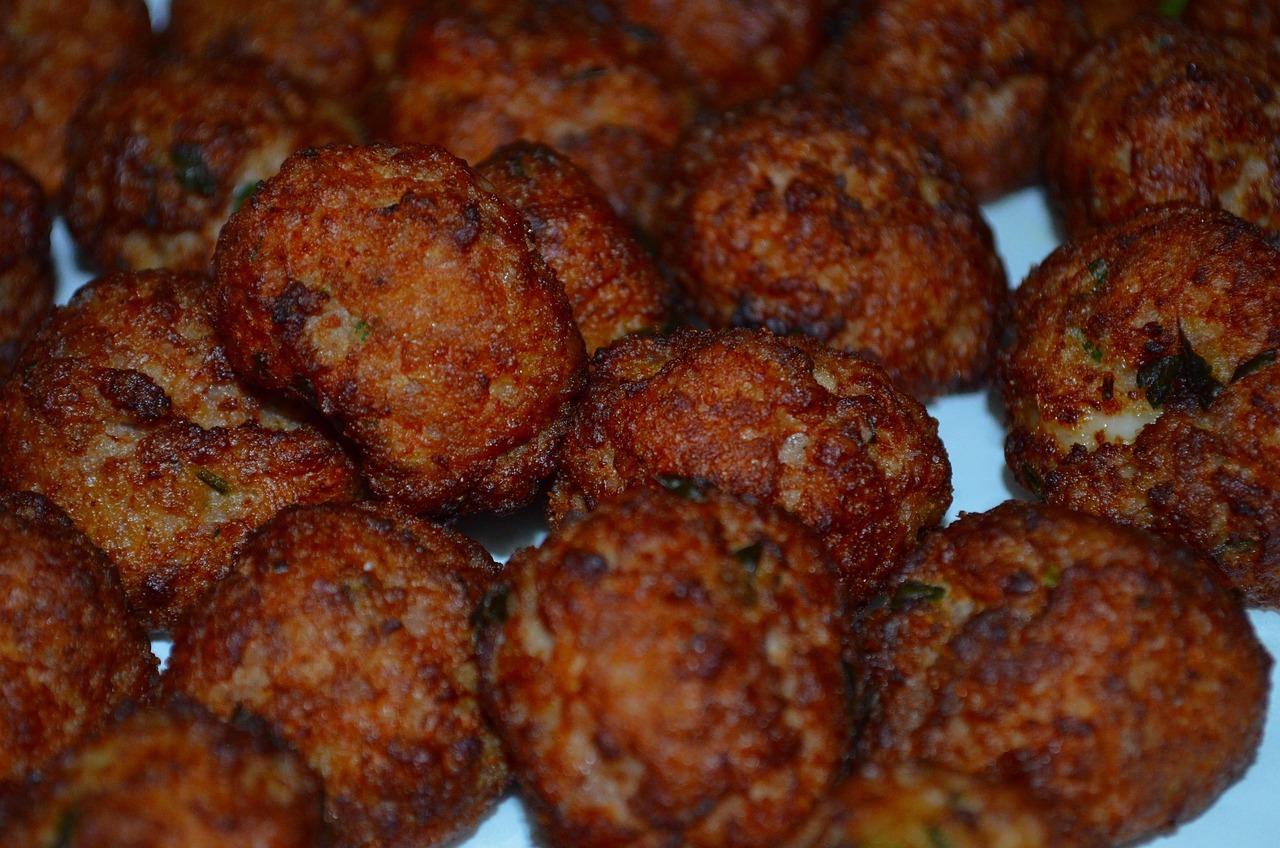
MondeghiliFried beef and mortadella meatballs

Mondeghili are the thrifty meatballs of Milan, invented to use up the beef left from a pot of bollito misto and now a fixture on the aperitivo counters of the city's bars. The cooked beef is minced with mortadella, a soft pork sausage, then bound with milk-soaked bread, egg, grana and lemon zest, flattened slightly and fried in butter until crisp and brown. They are best warm, with a squeeze of lemon, a spoonful of green sauce or simply a cold drink before dinner. Leftover roast beef or veal works just as well as boiled meat. Chef's tip: flatten each ball a little before frying; they cook through evenly and get more of that crunchy crust.

by KrazyBadal 0 views

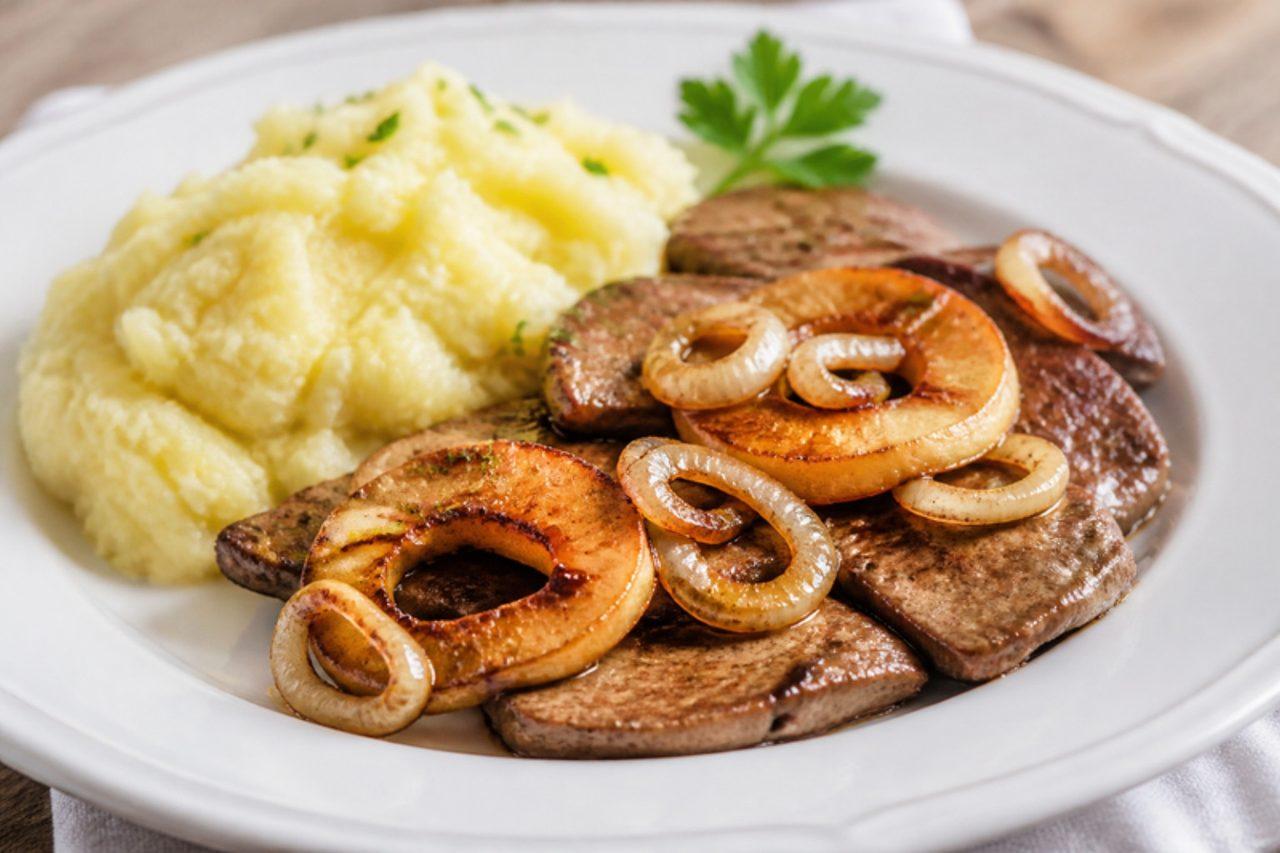
Leber Berliner ArtFried liver with apple and onions

Leber Berliner Art is a dish of old Berlin dining rooms and corner restaurants: thin slices of calf's liver fried in butter and piled with soft, sweet onion rings and golden apple rings, served with creamy mashed potato. The sweet apple and onion balance the rich liver, and the whole plate is on the table in half an hour. For safety the liver here is cooked through, which keeps it tender as long as the slices are thin and the pan is hot. Chef's tip: salt the liver only after frying; salt draws out juices and makes it tough.

30 minGermanMeat
by KrazyBadal 0 views

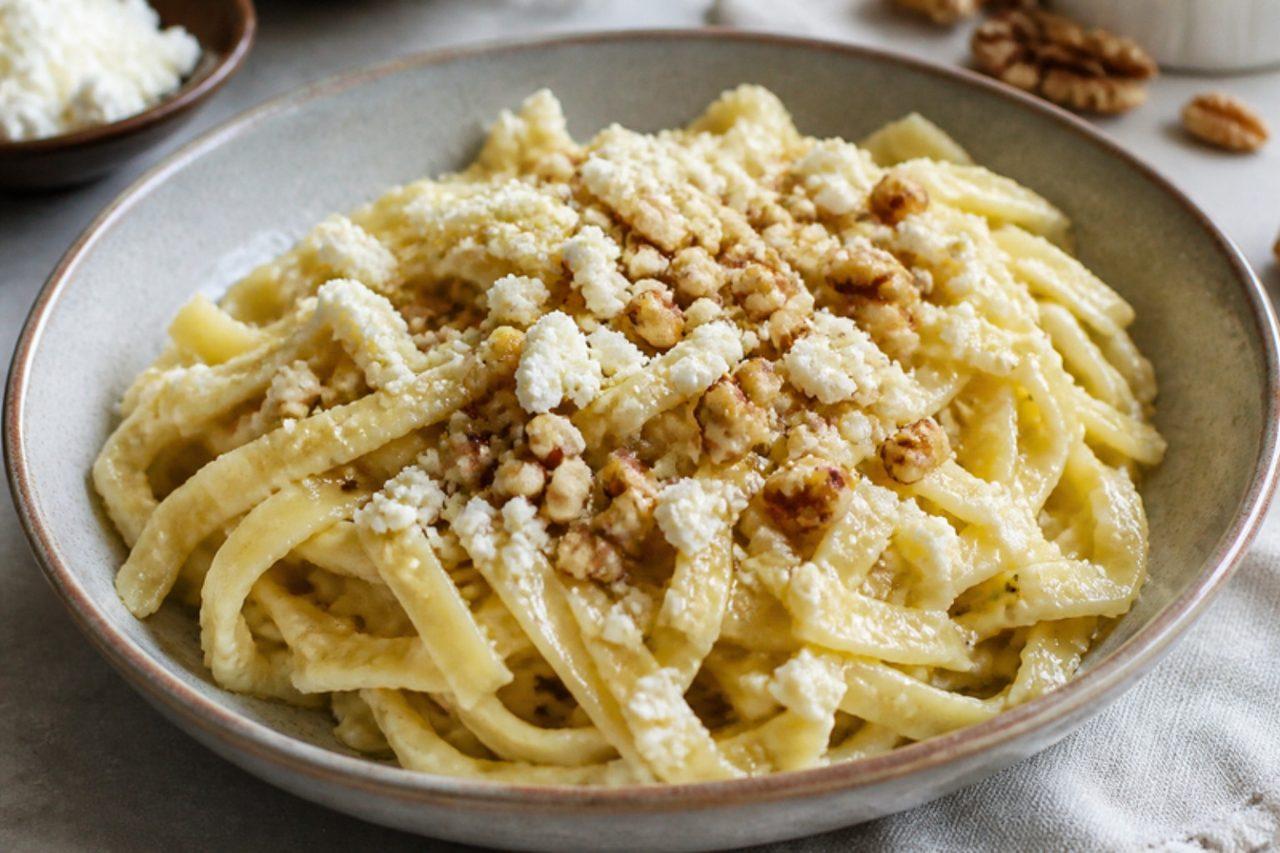
Ev eriştesiEgg noodles with walnuts

Late summer in Sivas, Tokat and Kayseri villages means erişte days, when neighbours roll out huge sheets of egg dough, cut them into ribbons and dry them on cloths to last the winter. Freshly cut, they cook in minutes and are tossed with browned butter, toasted walnuts and crumbled white cheese, a simple dish that tastes of the farm. Common mistake: cutting the noodles before the rolled sheet has dried a little, so they stick into a clump; let it sit 15–20 minutes until leathery. Feta-style white cheese is often made with animal rennet; use a vegetarian one if needed. Chef's tip: toast a few raw noodles in the butter until golden before the boiled ones go in; they add a lovely crunch.

by KrazyBadal 0 views

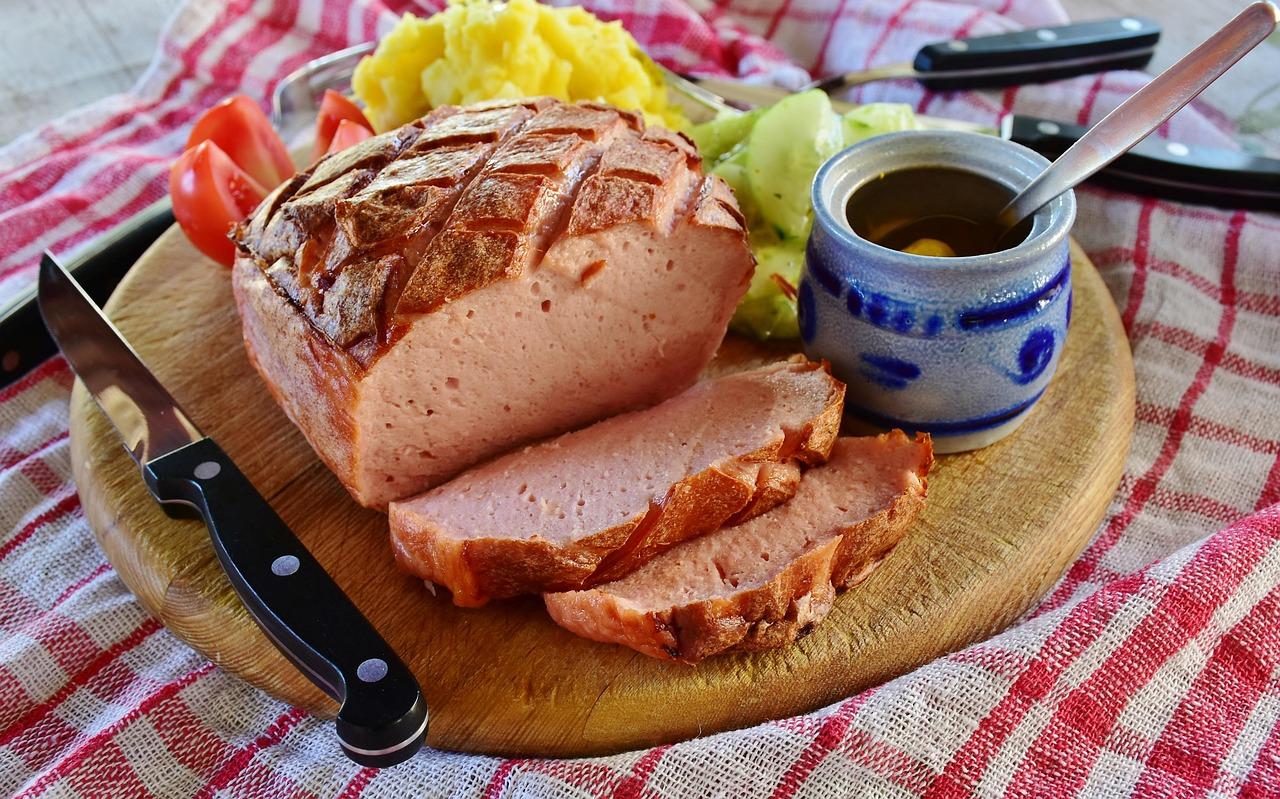
LeberkäseBaked pork and beef loaf

Despite its name, Bavarian Leberkäse contains neither liver nor cheese: it is a smooth, finely ground loaf of pork and beef baked until it has a dark, crunchy crust. In Munich it is the mid-morning snack, a thick warm slice folded into a crusty roll with sweet mustard and eaten standing at the butcher's counter. Made at home without curing salt, the inside bakes pale grey rather than pink, which is normal. Chef's tip: everything, including the bowl of the food processor, must be ice-cold; if the mix warms above about 12 °C the fat separates and the loaf turns crumbly.

115 minGermanMeat
by KrazyBadal 0 views

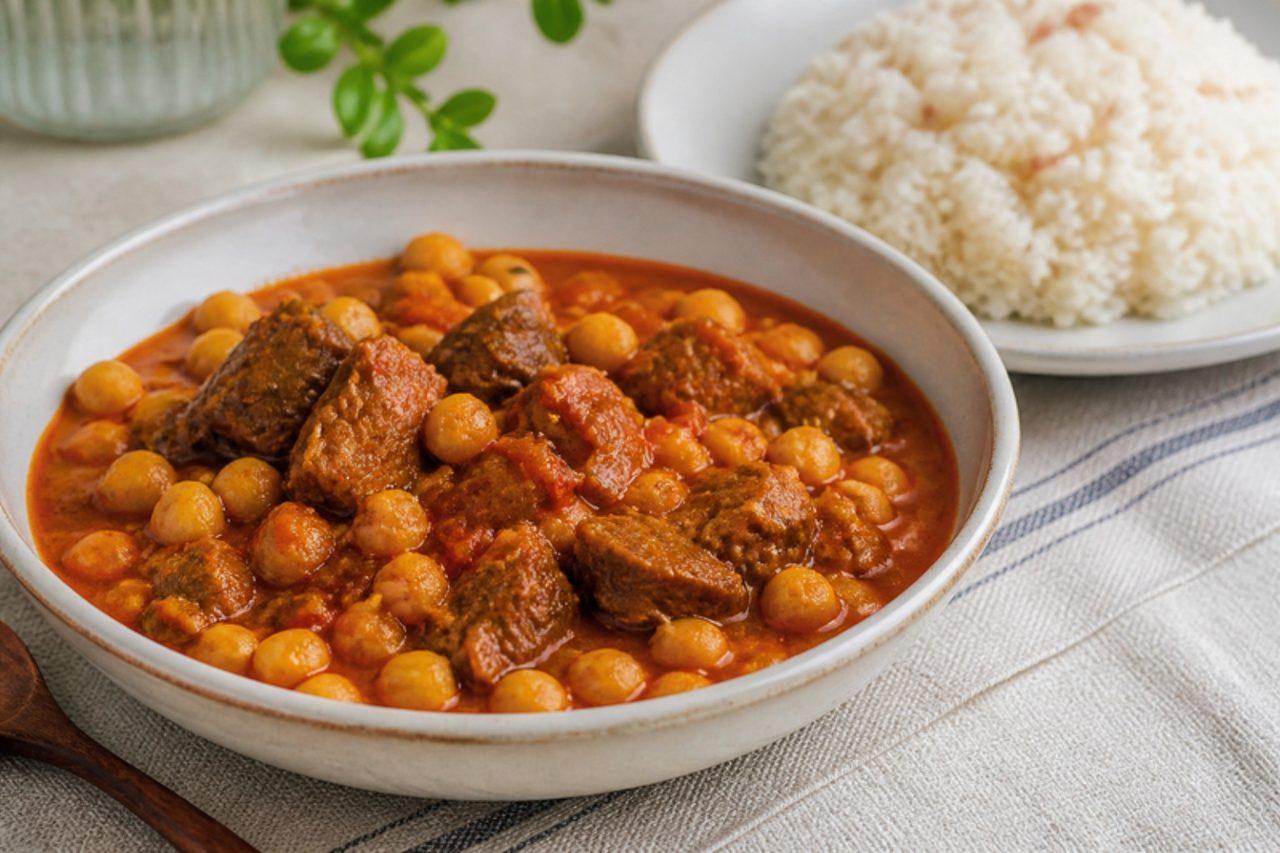
Etli nohutLamb and chickpea stew

Ask anyone in Turkey for the taste of a school lunch or a lokanta set menu and many will say etli nohut with pilav: chickpeas simmered with cubes of lamb, onion, tomato and pepper paste until the sauce is thick and the chickpeas creamy. Spooned over buttery rice with a few pickles alongside, it is cheap, filling and better the next day. Soaking dried chickpeas overnight makes the biggest difference. Common mistake: adding salt and tomato paste before the chickpeas are tender, which keeps them hard. Chef's tip: brown the lamb in batches so it sears instead of stewing in its own juice; that crust flavours the whole pot.

115 minTurkishMeatGluten free
by KrazyBadal 0 views

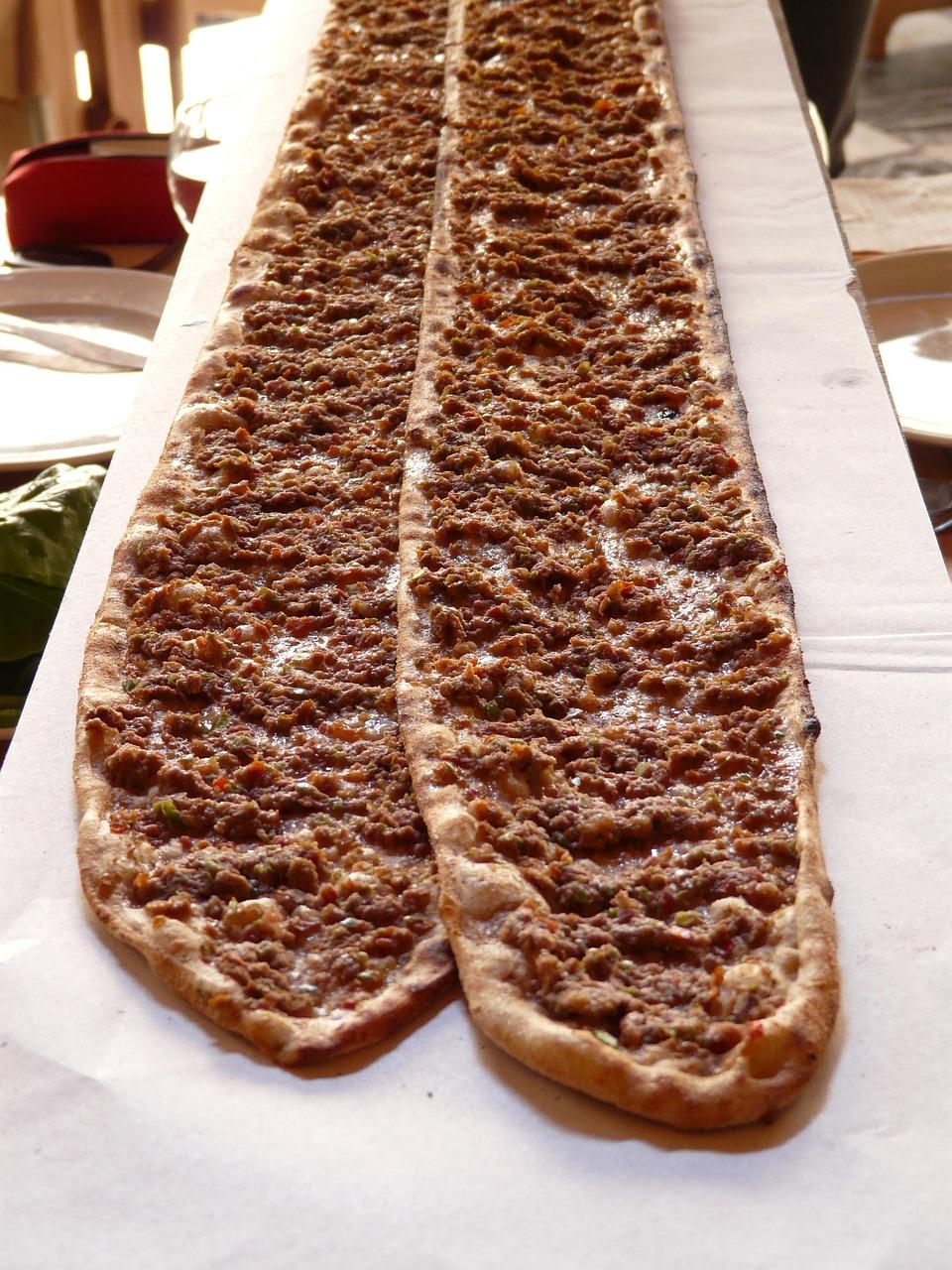
Etli ekmekThin flatbread with lamb mince

In Konya, etli ekmek is the city's own fast food: dough stretched into a strip almost a metre long and thin as card, spread with hand-chopped lamb or beef, onion, tomato and pepper, baked for a few minutes in a stone oven and cut into squares with a pizza wheel. Unlike lahmacun, the topping is generous and the bread is crisp all the way through. At home, make shorter strips on a hot tray and serve with ayran, lemon and a heap of parsley and onion. Common mistake: piling the topping thick, which keeps the base soft; spread it thin right to the edges. The meat must reach 71 °C. Chef's tip: chop the mince again on a board with the onion and peppers; it spreads thinner and cooks faster.

by KrazyBadal 0 views

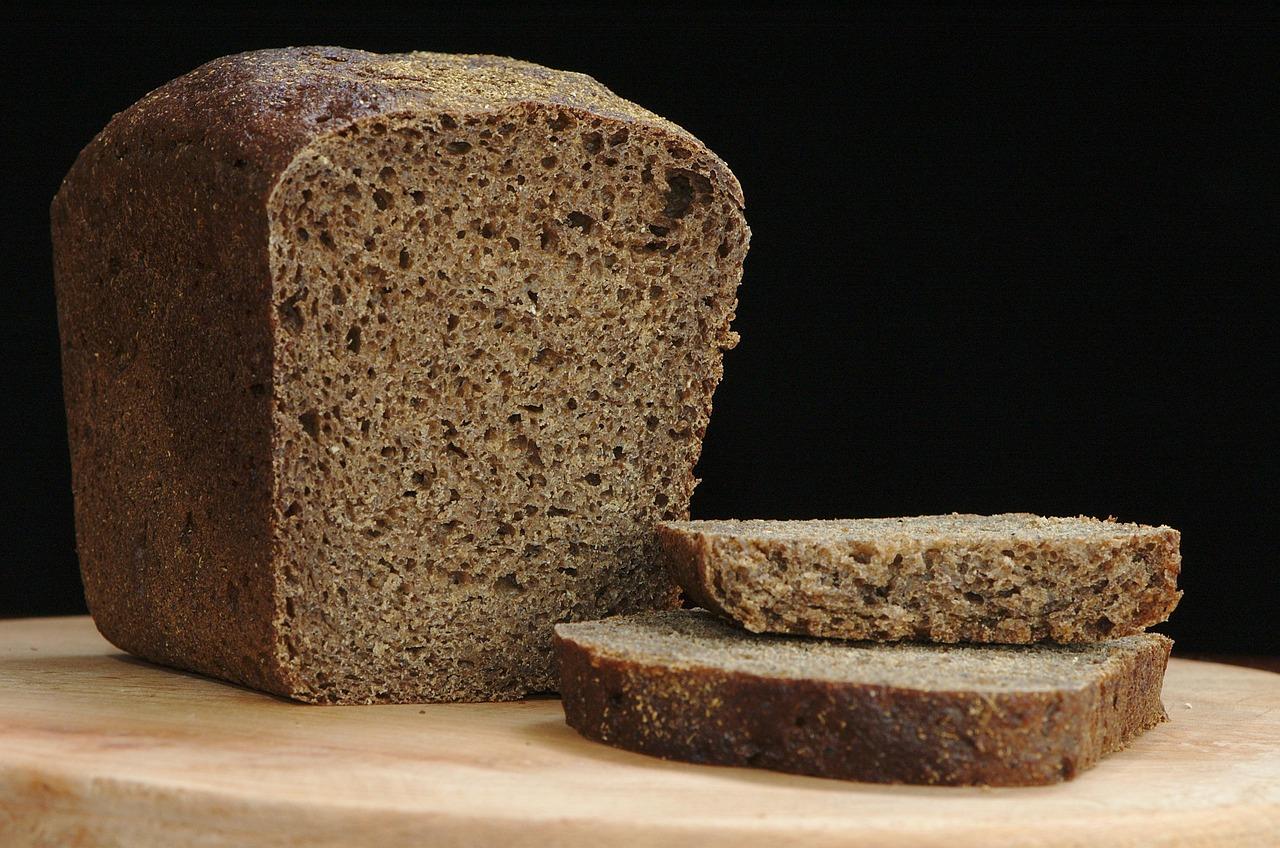
VollkornbrotSeeded whole-rye loaf

Vollkornbrot is the dense, seedy tin loaf of northern Germany, from Hamburg to Bremen, sliced thin and eaten for breakfast or packed for work in a lunchbox with cheese, cucumber or a smear of quark. It is almost all whole rye: cracked grains, rye meal and a mix of sunflower seeds, linseed and sesame, all soaked overnight so the bread stays moist for a week. There is no shaping and no kneading, which makes it easier than it looks. A common mistake is cutting it warm, which leaves the knife and the slices gummy. Chef's tip: let the loaf cool in the tin for 10 minutes, then turn it out and wrap it in a tea towel overnight; the crust softens slightly and the crumb sets evenly.

by KrazyBadal 0 views

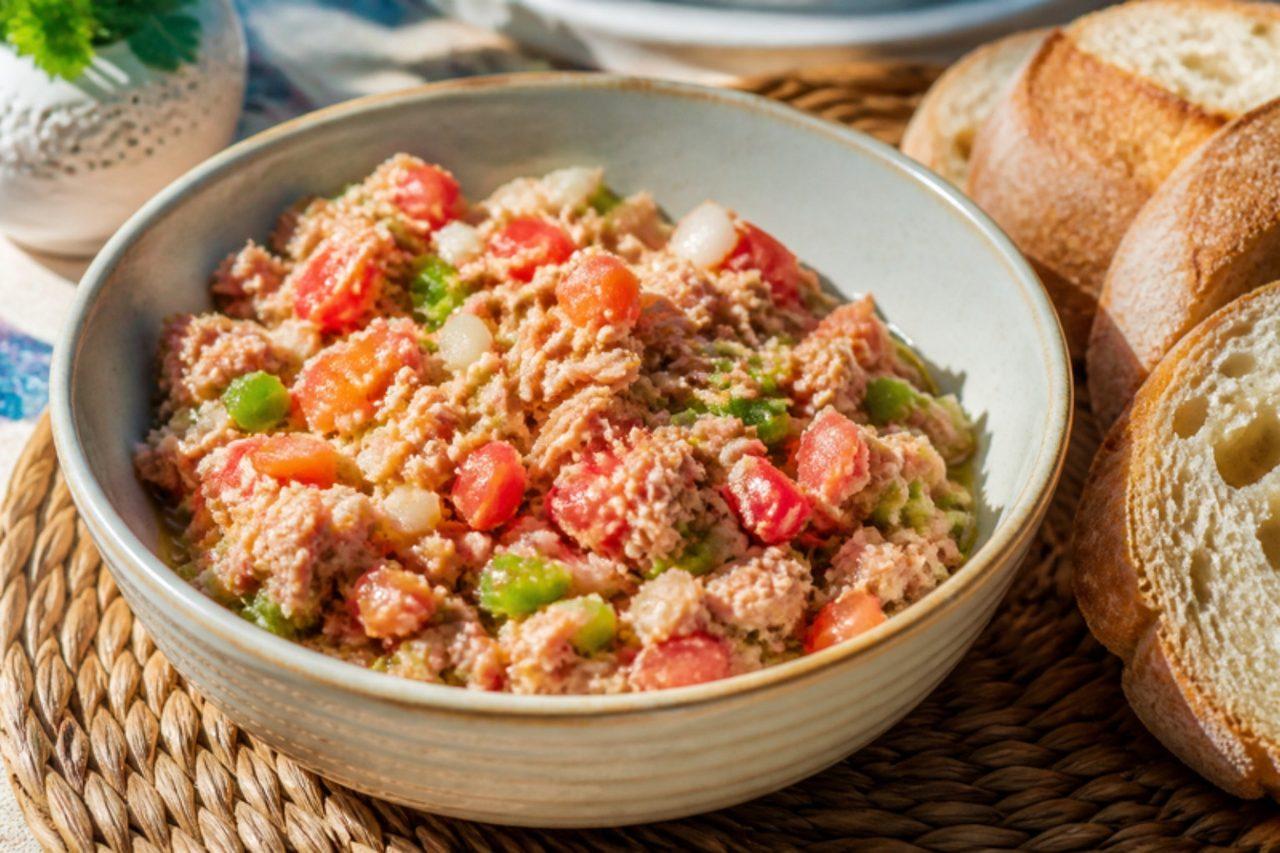
Estupeta de atumShredded tuna salad

Vila Real de Santo António and Tavira grew rich on tuna, and estupeta is what the fishing families made from the salted belly: shredded into threads and tossed with tomato, green pepper and onion in a sharp olive-oil dressing. Today it appears every summer in tascas along the Guadiana as a starter with bread and cold drinks. The traditional salted tuna is cured, not cooked, so it is not for pregnant women, young children or anyone with a weakened immune system; this version uses fresh tuna poached until cooked through, which anyone can eat. Chef's tip: shred the tuna with two forks while it is still warm, as it pulls into finer threads.

by KrazyBadal 0 views

VyssinadaSour cherry drink

Before fizzy drinks arrived, a tall glass of vyssinada was what you ordered in a Volos or Larissa kafeneio on an August afternoon: sour cherry syrup topped with iced water, sweet and sharp and bright red. Families in Thessaly still make a cordial from the summer cherry crop and keep the bottles in the fridge for weeks. Common mistake: squashing the cherries too hard through the sieve, which clouds the syrup — let the juice drip. Chef's tip: top with sparkling water and a squeeze of lemon for a lighter, livelier glass.

by KrazyBadal 0 views

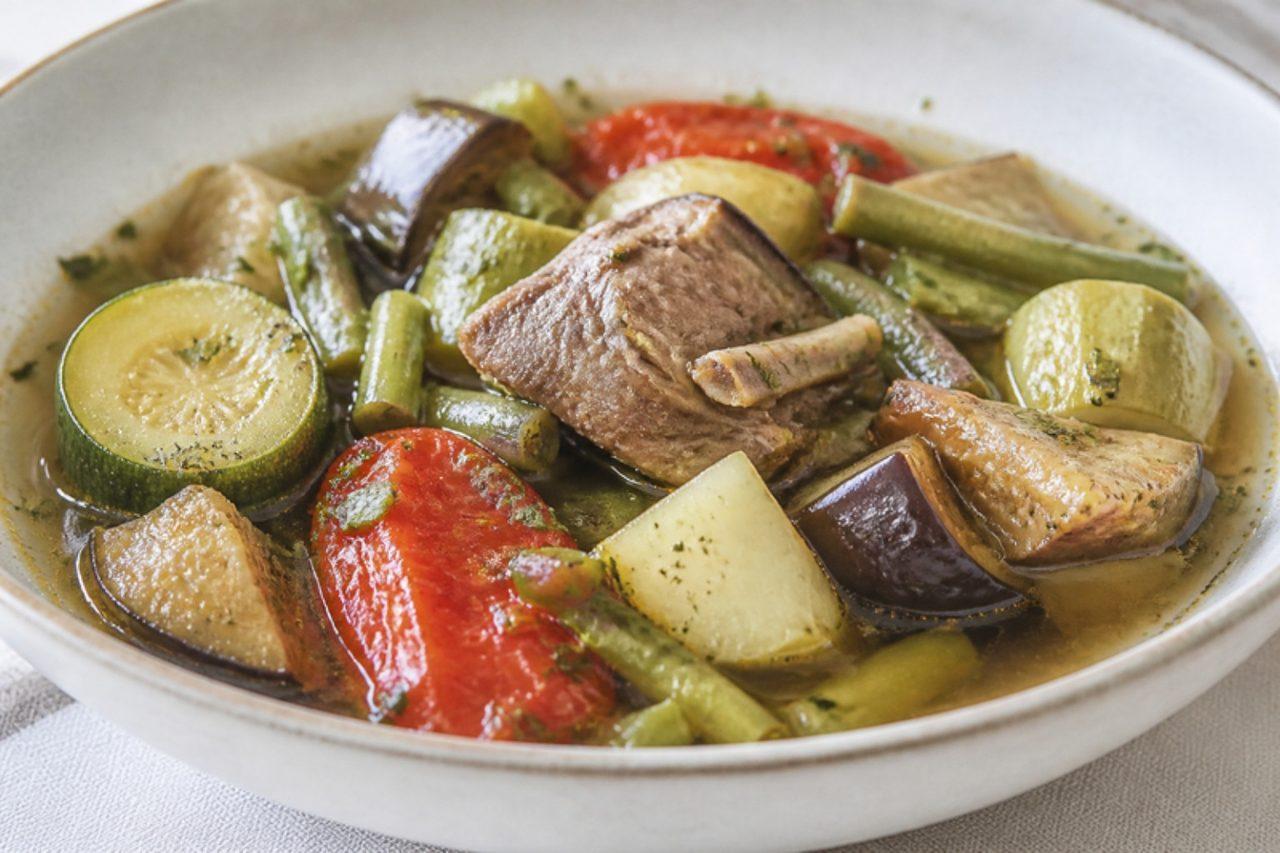
Tabakh rohoLamb and summer vegetable stew

Tabakh roho means 'it cooks itself', and this Damascus summer stew does just that: chunks of lamb, aubergine, courgette, potatoes, peppers and tomatoes are layered in a pot with garlic and dried mint and left to simmer quietly until everything is soft and the juices have mingled. Home cooks make it in July and August when the vegetables are cheapest, and it is eaten with rice or bread. Common mistake: stirring it — the layers should stay intact so each vegetable keeps its shape. Chef's tip: put the potatoes at the bottom where the heat is strongest and the tomatoes on top so their juices baste everything below.

115 minSyrianMeatGluten free
by KrazyBadal 0 views

Vyssino glykoSour cherry spoon sweet

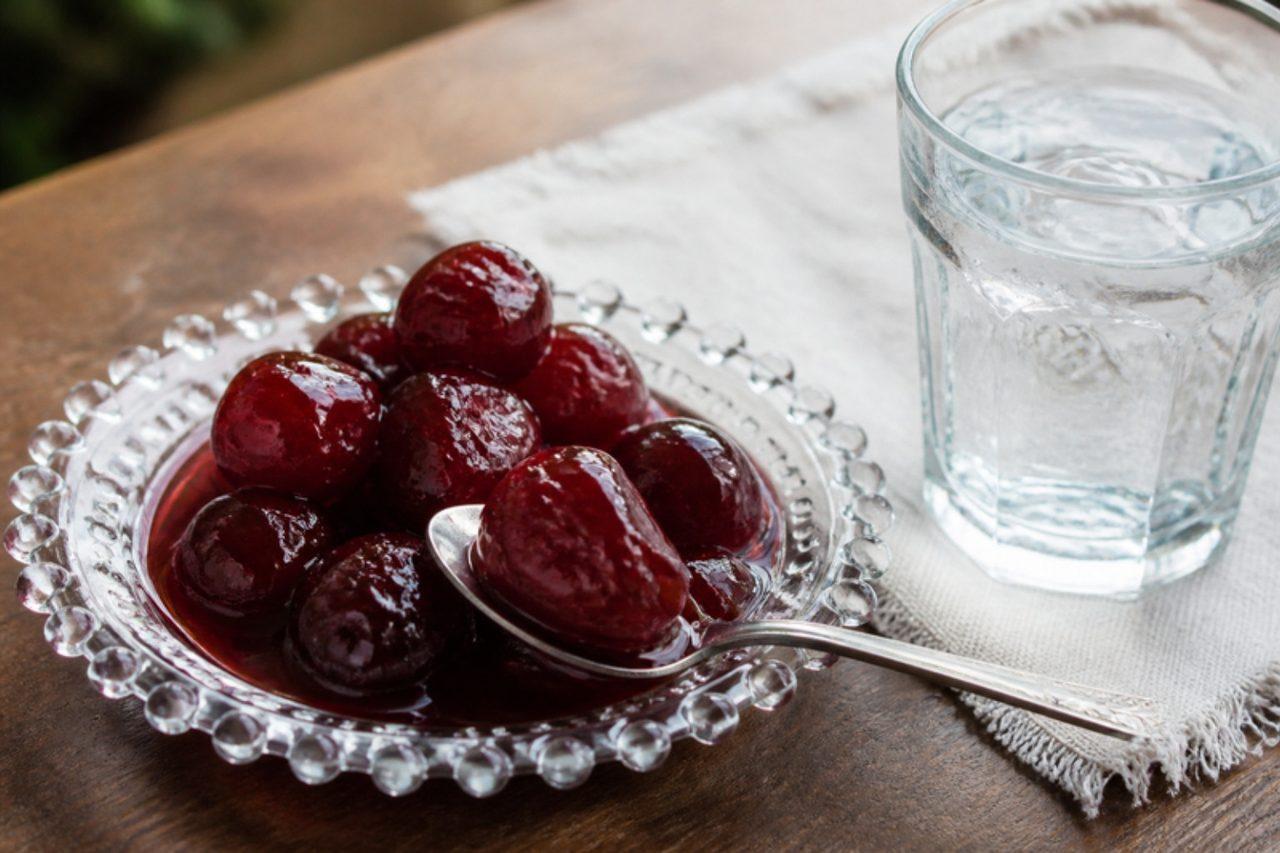
In the mountain villages of Pelion, above Volos, every pantry holds jars of spoon sweets, and the sour cherry one is the jewel: whole stoned cherries in a thick, ruby syrup, offered to visitors on a tiny plate with a glass of cold water. It also spoons beautifully over Greek yoghurt or vanilla ice cream, and the syrup makes vyssinada, a summer drink. Common mistake: boiling too long, which shrivels the cherries and turns the syrup to toffee — test it on a cold saucer. Chef's tip: macerate the stoned cherries in sugar overnight; they release their juice and stay plump.

by KrazyBadal 0 views

Lechazo asadoRoast milk-fed lamb

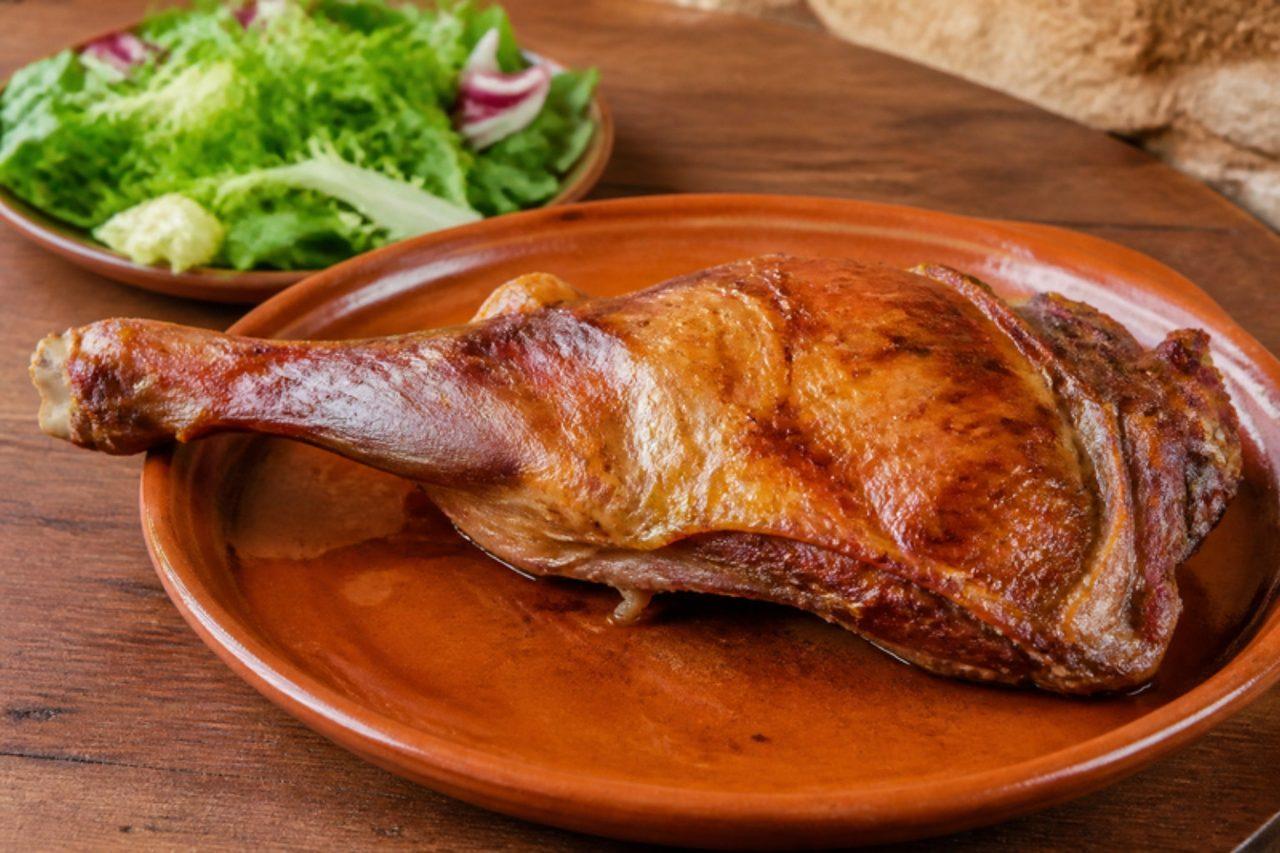
Along the Duero valley, in towns like Aranda de Duero, Sepúlveda and Peñafiel, wood-fired asadores roast quarters of lechazo, lamb fed only on its mother's milk, in clay dishes with nothing but water and salt. Families drive out for it on a Sunday and eat it with bread and a salad of lettuce and onion. A little lard is rubbed on in some asadores; this contains pork (lard), or use olive oil. Milk-fed lamb is small and pale; spring lamb works but needs longer. Chef's tip: don't add herbs or garlic; the delicate flavour is the point.

130 minSpanishMeatGluten free
by KrazyBadal 0 views

MajariscoPlantain mash with seafood

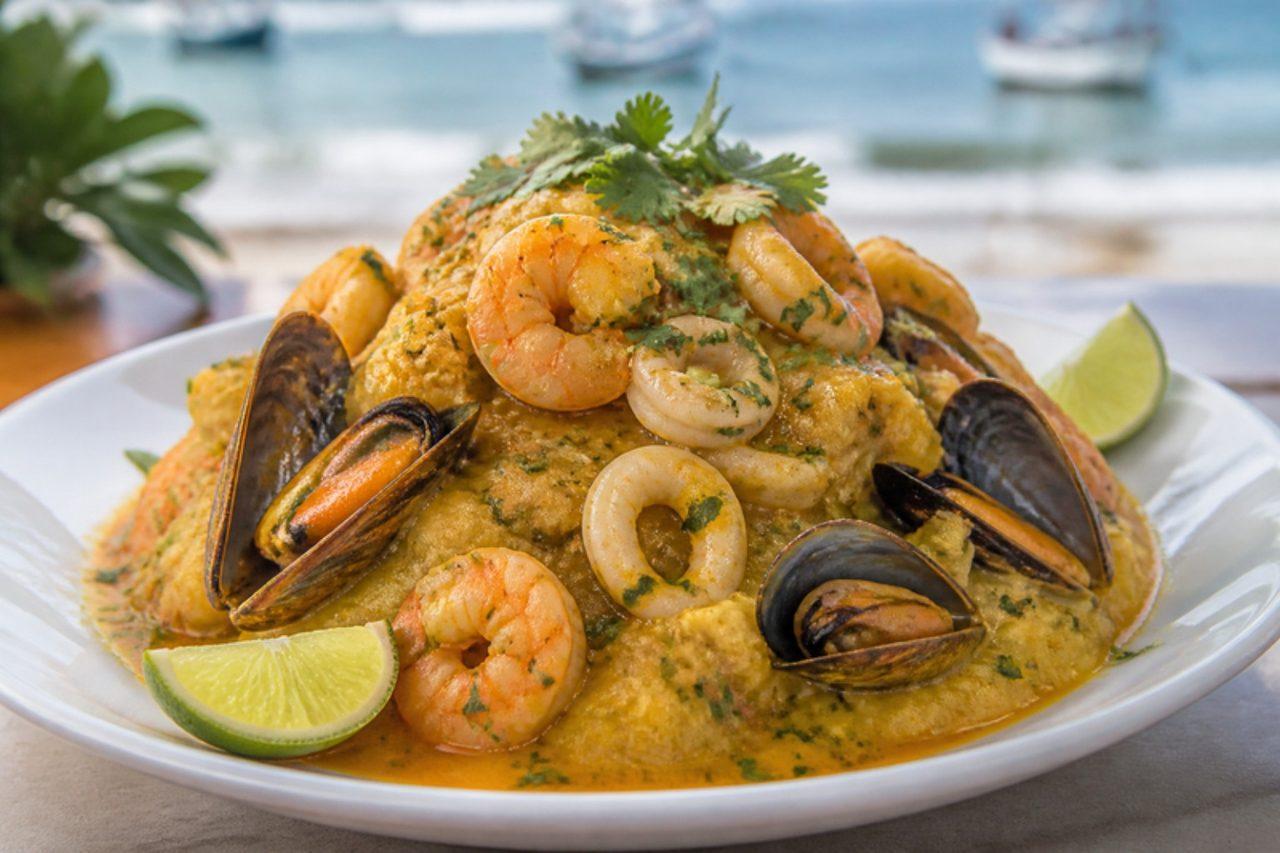
Its name blends 'majado' (mashed plantain) and 'marisco' (seafood), and along the coast of Piura and Tumbes, near the Ecuadorian border, it's what cevicherías and beach restaurants serve when you want something hot and filling. Mashed green plantain is folded into a sauce of garlic, onion, ají and seafood juices, with prawns, squid and mussels running through it, so every forkful is creamy, garlicky and briny. Serve it with lime and salsa criolla. Mussels must be alive: tap any open ones and discard those that don't close, and discard any that stay shut after cooking. Overcooking the seafood is the most frequent mistake; it goes in at the end, just until pink and opaque. Chef's tip: keep the mussel cooking liquid and use it to loosen the mash; it's pure seafood flavour.

by KrazyBadal 0 views

Estofado de llamaBraised llama stew

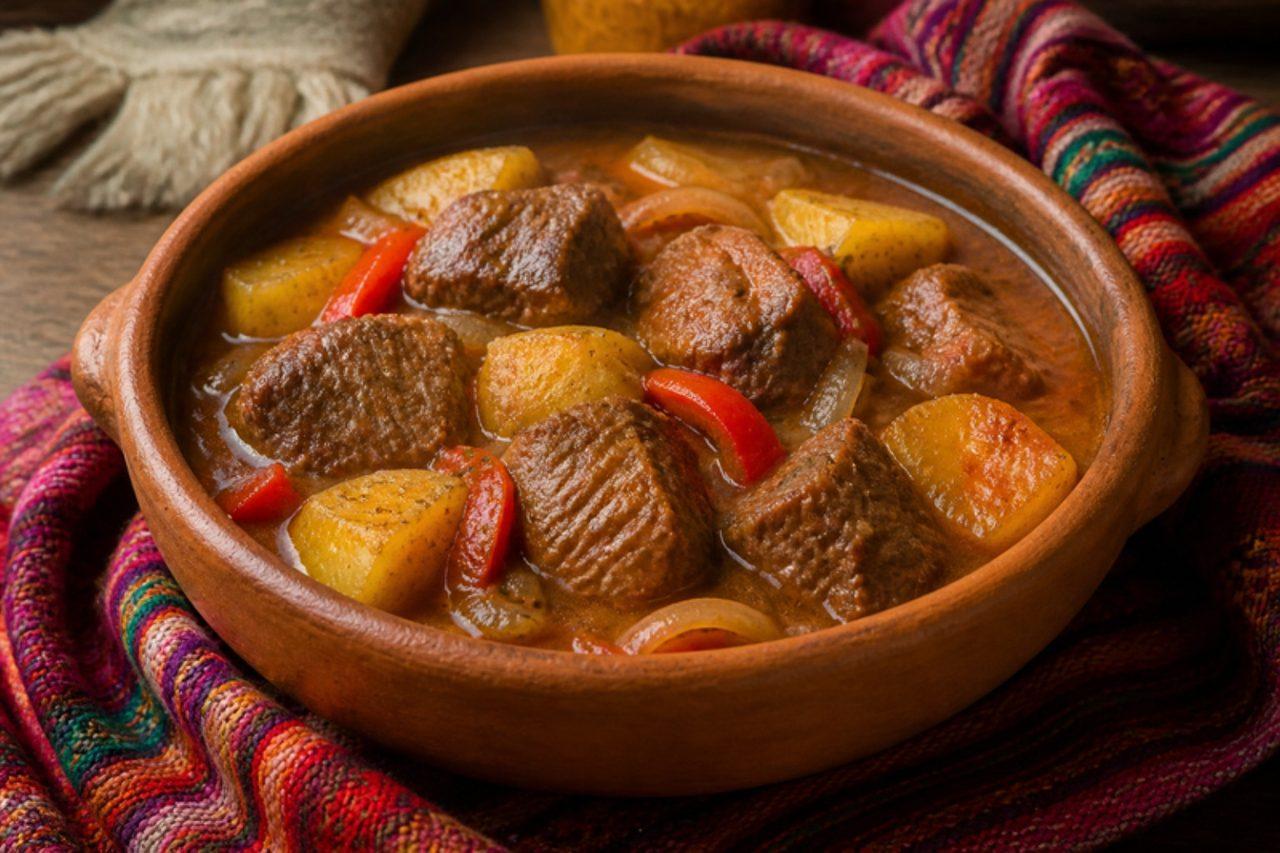
Llama herds have grazed the Puna of Jujuy for thousands of years, and in Purmamarca, Tilcara and Humahuaca restaurants now proudly serve their meat to visitors, most often as a slow estofado. The meat is very lean, dark red and mild, a little like venison, and it is braised with onion, red pepper, tomato, cumin, ají molido and a sprig of muña or oregano until tender, then served with Andean potatoes, quinoa or rice. Outside the Andes, llama is sold by a few specialist game and alpaca farms; lean venison or beef topside are the closest substitutes. Treat it like beef and braise it until fork-tender. Because the meat has almost no fat, the common mistake is cooking it at a rolling boil, which makes it dry and stringy: keep the heat low and the lid on. Chef's tip: dust the meat lightly with a little cornflour before browning; it protects the lean pieces and thickens the sauce without making it heavy.

by KrazyBadal 0 views

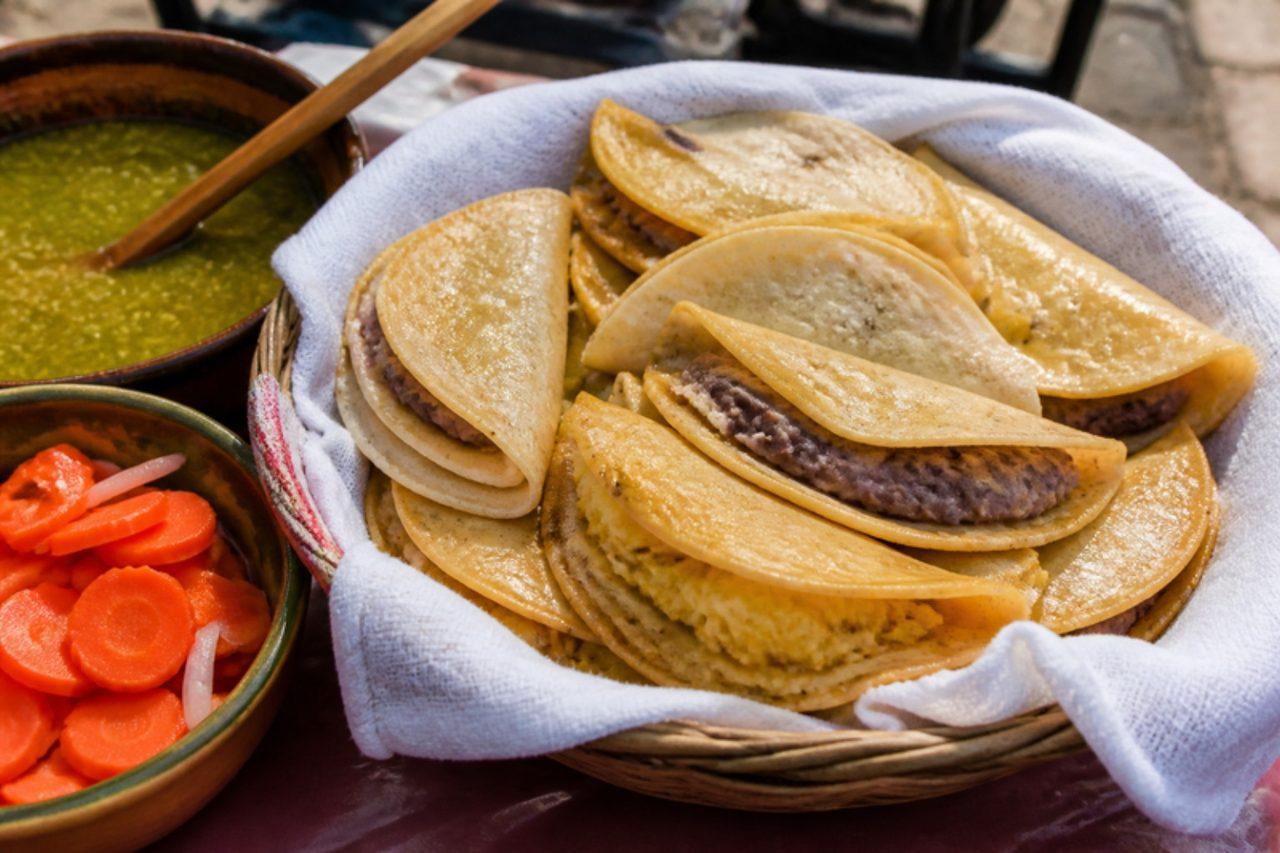
Tacos de canastaSteamed basket tacos

From about nine in the morning, bicycles with a wicker basket strapped behind the seat roll into Mexico City offices and street corners, and the cry of 'tacos de canasta' goes up. Inside the basket, wrapped in cloth and plastic, a hundred small tacos have steamed in their own heat for hours, so the tortillas turn soft, glossy and slightly sticky with chilli-red oil. They are cheap, sold by the handful, and eaten with green salsa from a jar on the bike. The usual fillings are potato, refried beans, adobo and chicharrón prensado (pressed pork rind); this recipe makes the two vegetarian ones and leaves out the pork. Chef's tip: an insulated cool box lined with a tea towel does the same job as the basket and keeps them hot for two hours.

by KrazyBadal 0 views

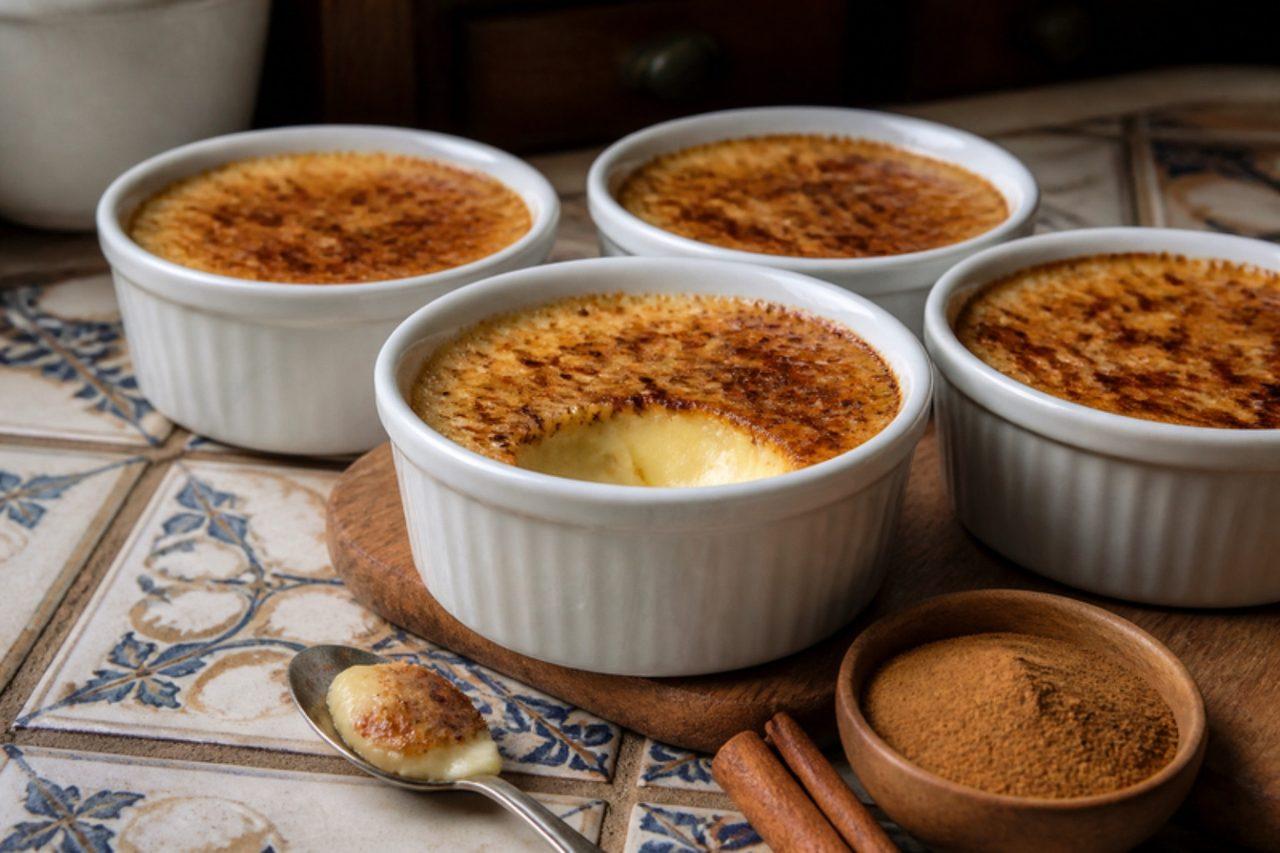
Leche asadaBaked milk custard

A fixture of Lima's set-lunch menus and school canteens, leche asada is the plainer sibling of flan: milk, eggs, sugar and vanilla baked in a dish until set, with no caramel layer, so the top browns into a freckled skin that's the best part. It is lighter and a little less smooth than crème caramel, faintly scented with cinnamon and lemon zest, and served cold in squares or straight from little ramekins. Many cooks rush it in a hot oven, which makes the custard bubble and weep watery holes; bake it low and in a water bath, and only brown the top at the end. It makes a gentle end to a heavy meal and keeps for three days in the fridge. Chef's tip: strain the custard and skim off the foam before baking for a smooth, even set.

by KrazyBadal 0 views

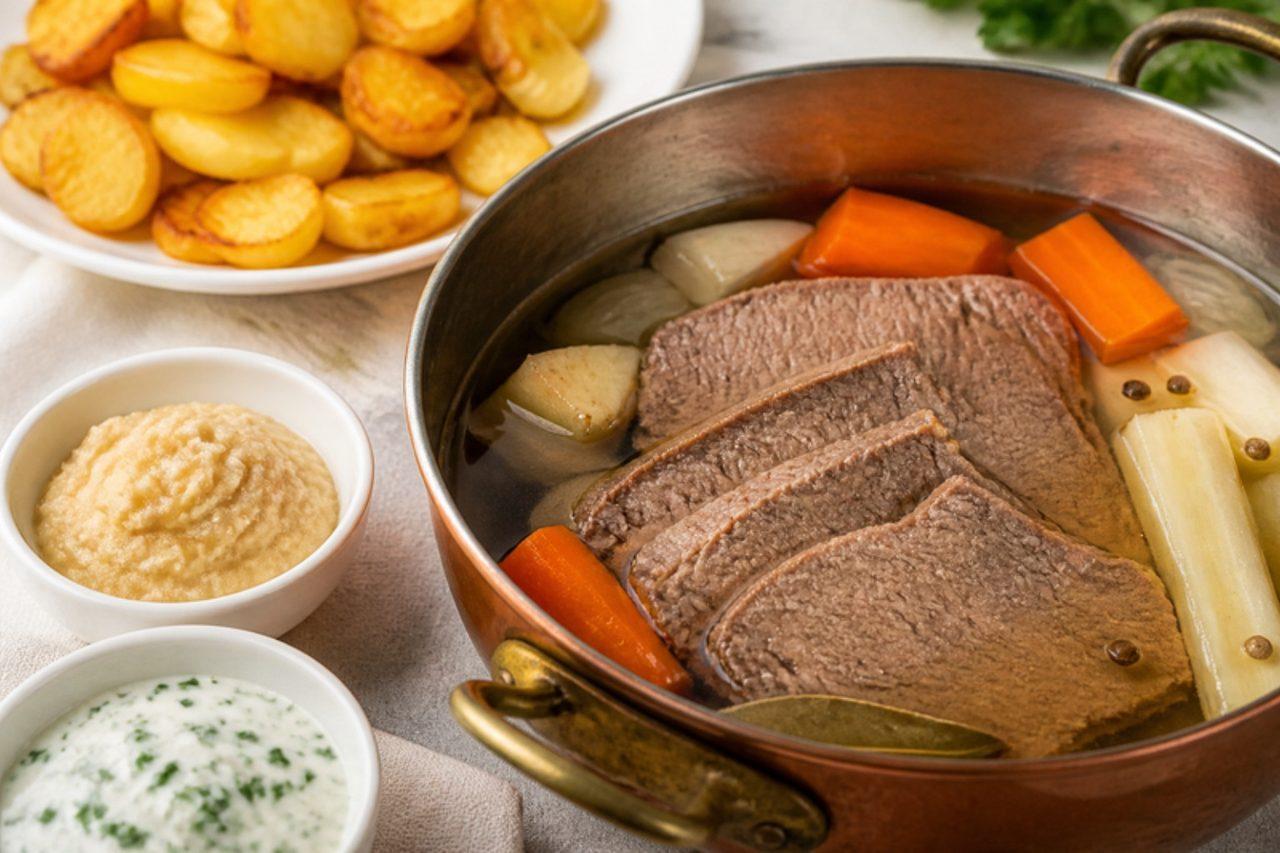
TafelspitzSimmered beef with apple horseradish

Tafelspitz is Vienna's grand Sunday lunch, the dish the old Beisl taverns and the city's famous beef restaurants built their names on. A whole piece of beef top rump is barely simmered with root vegetables for hours, then served in three acts: first the clear golden broth, then the sliced beef with crisp roast potatoes, sharp Apfelkren (grated apple and horseradish) and a cool chive sauce. Keep any leftover broth for Grießnockerlsuppe or Frittatensuppe. Chef's tip: never let the pot bubble; a slow tremble keeps the meat juicy and the broth clear.

210 minAustrianMeatGluten free
by KrazyBadal 0 views

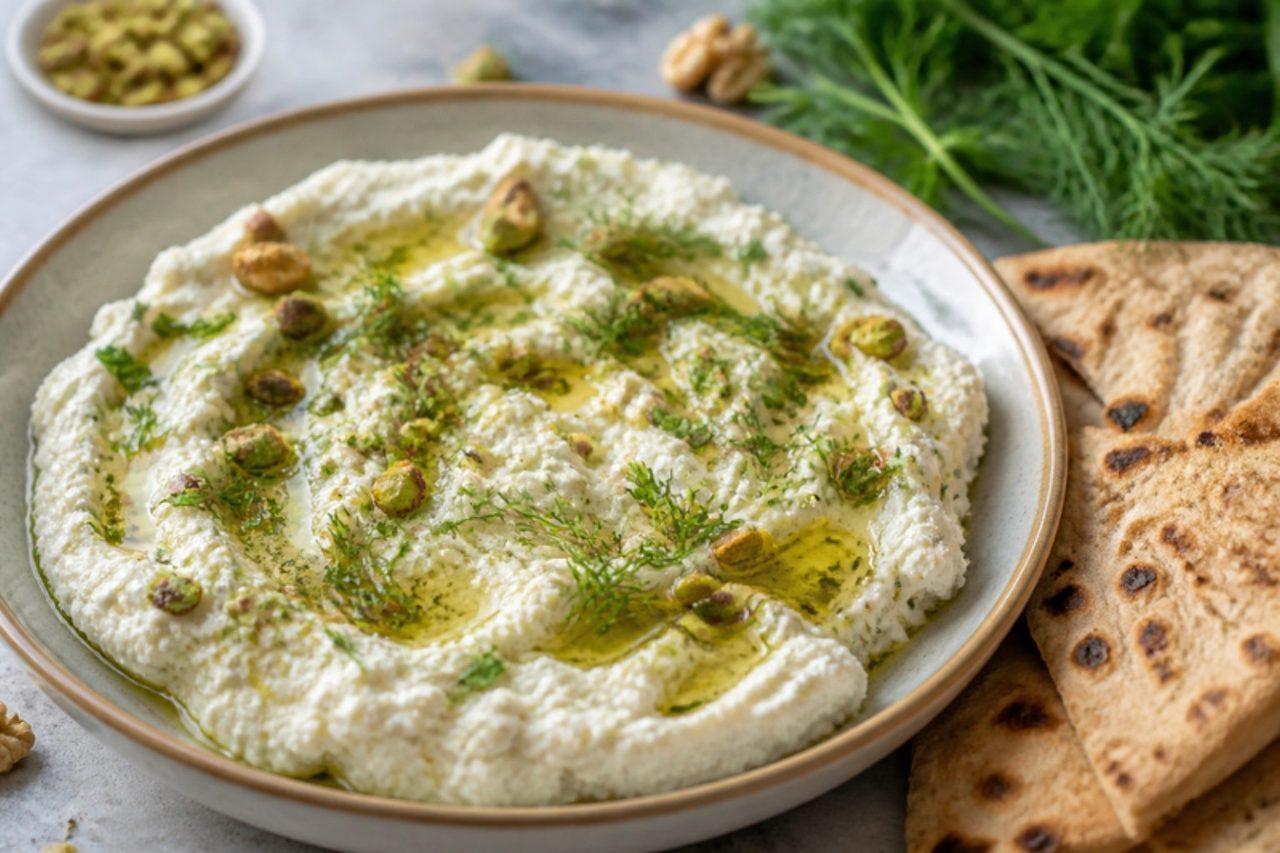
Girit ezmesiFeta, walnut and herb spread

Girit ezmesi takes its name from the Cretan Muslims who settled in Alaçatı and Çeşme a century ago, and it is still a fixture of every meze table in those whitewashed streets. Soft white cheese is mashed with olive oil, walnuts, garlic, plenty of herbs and a dusting of hot pepper into a rough, salty spread that begs for warm bread. Feta and beyaz peynir are often made with animal rennet, so choose a vegetarian one if you need to. Chef's tip: mash by hand with a fork rather than blending; it should stay textured, with visible pieces of walnut and herb.

by KrazyBadal 0 views

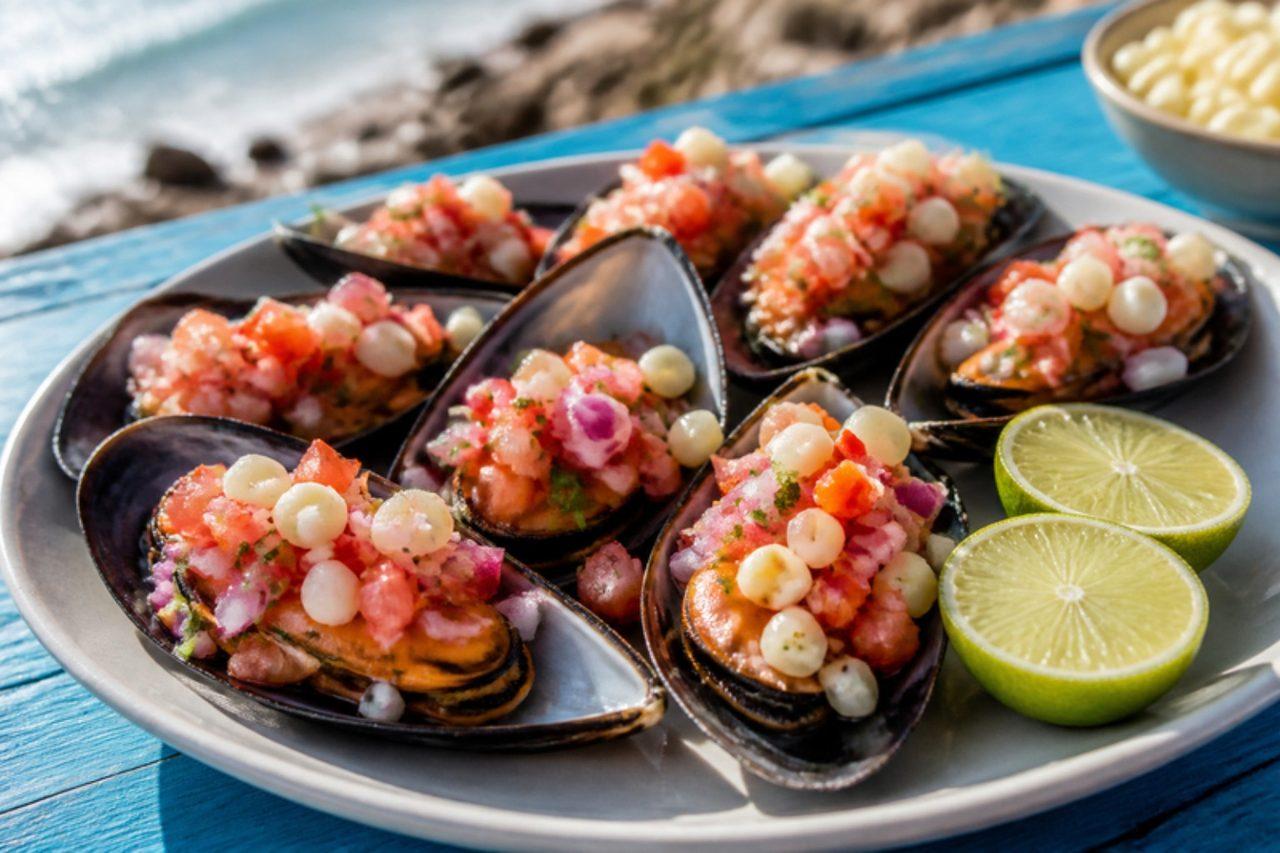
Choros a la chalacaCold mussels with corn salsa

Named for the people of Callao, Lima's port, choros a la chalaca are what you order with friends at a seafront cevichería on a hot afternoon: steamed mussels, chilled, each on its half shell under a bright, wet salsa of red onion, tomato, Andean corn, rocoto and lime. Cool, sweet, briny and sharp, they are eaten with your fingers in two bites, often before a ceviche or a jalea. Here the mussels are fully steamed open first, so nothing is served raw. People often overcook them while waiting for the last stubborn shells, which leaves the rest rubbery; lift them out as soon as each one opens. Chef's tip: dress the salsa no more than 15 minutes ahead, and spoon a little of the juice onto every mussel; that juice is the whole point of the dish.

by KrazyBadal 0 views

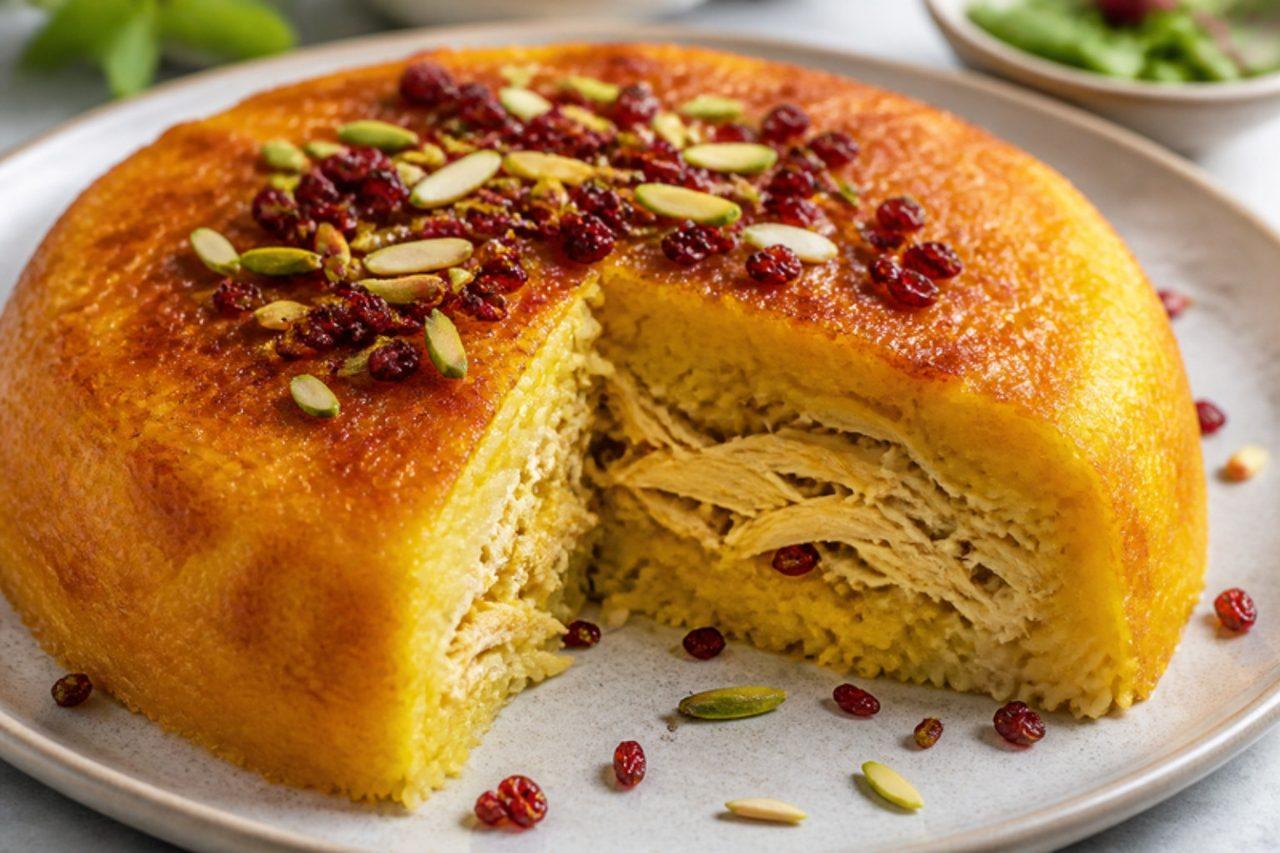
Tah-chinSaffron rice cake with chicken

Tah-chin is the showpiece of a Tehran dinner party: a round cake of saffron rice set with yogurt and egg, turned out of its dish so the thick golden crust sits on top like a lid, with a layer of tender chicken hidden inside. Families make it for birthdays, Nowruz visits and any day guests are coming, and the barberries scattered over the top add tart red jewels. The crust should crack like a crisp biscuit while the rice inside stays soft. A common mistake is skimping on the resting time after baking; turned out too early, the cake slumps and the crust sticks. Chef's tip: marinate the cooked chicken in a spoon of the yogurt mixture while the rice boils, so the filling is as well seasoned as the rice.

by KrazyBadal 0 views

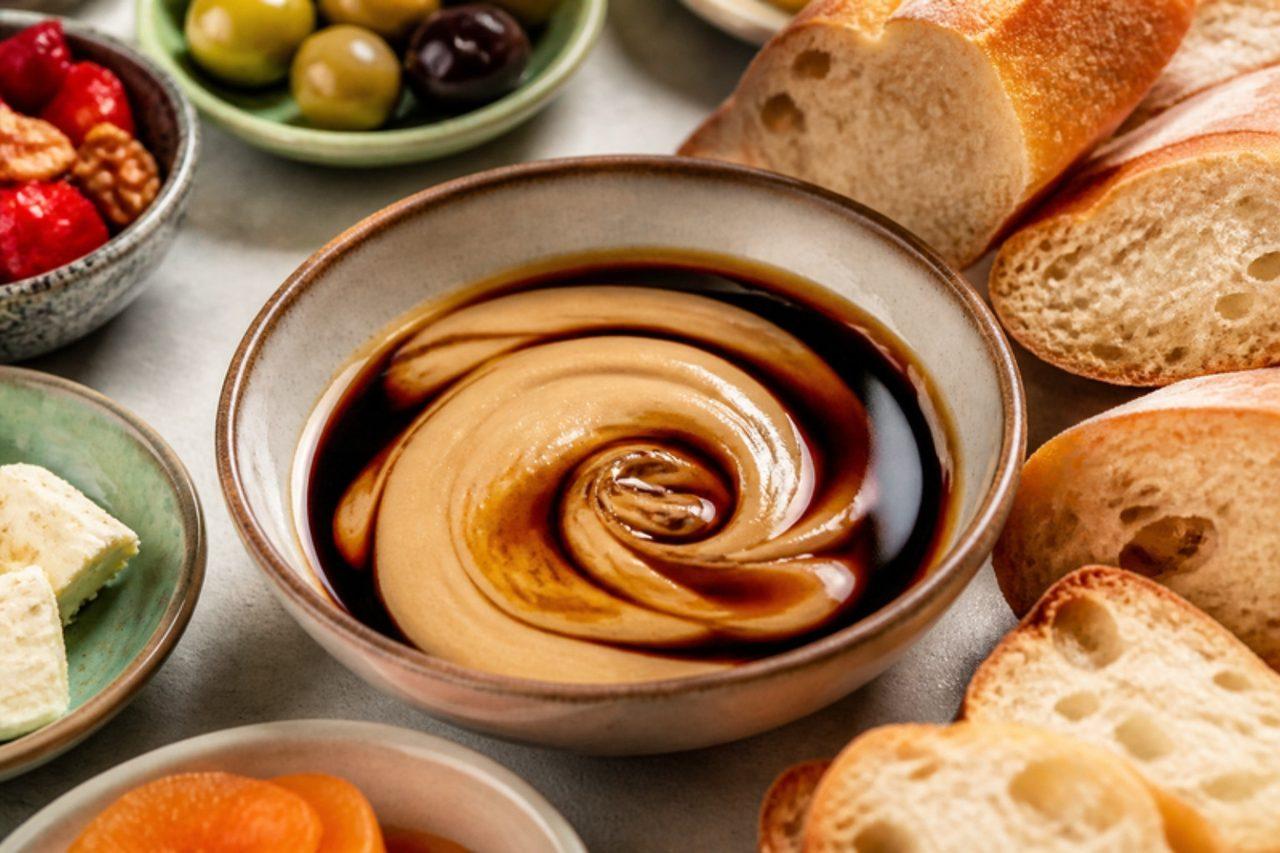
Tahin pekmezTahini and grape molasses

Tahin pekmez is the simplest thing on a Turkish breakfast table and one of the most loved: tahini and dark grape molasses (pekmez) swirled together on a plate and mopped up with bread. In Central Anatolia and the Aegean, where grapes are boiled down each autumn, grandparents swear by it as a warming winter food. Stirred thoroughly, it becomes a thick, glossy spread that tastes of caramel and sesame. Common mistake: using tahini straight from the bottom of the jar; stir it well first or it is stiff and bitter. Chef's tip: add a few drops of lemon juice and keep stirring; the mixture suddenly thickens and lightens like a nut butter.

by KrazyBadal 0 views

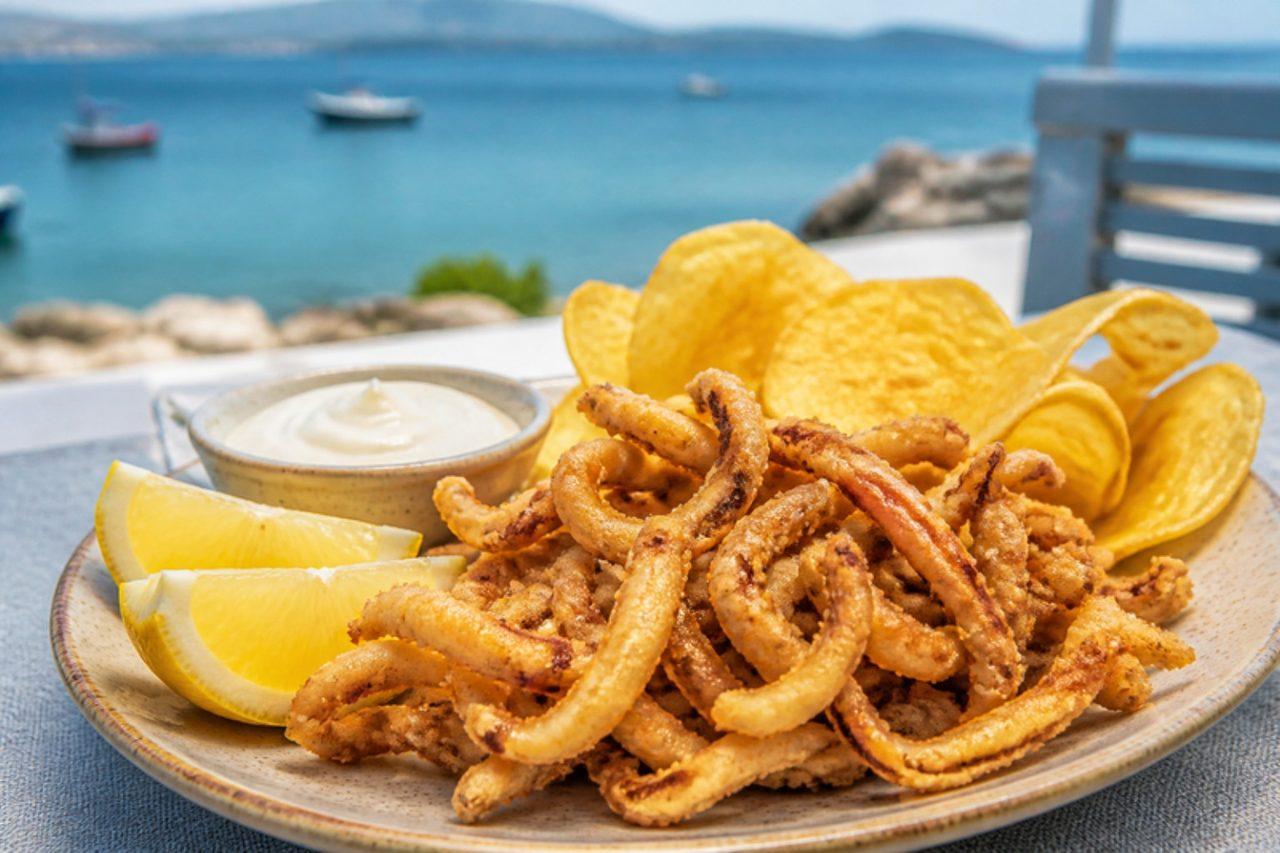
Choco fritoFried cuttlefish with chips

Across the river from Lisbon, the fishing port of Setúbal claims choco frito as its own, and there are whole streets of grill-houses serving it with chips, salad and lemon. Thick strips of cuttlefish are marinated in garlic, lemon and a little white wine, floured and fried until golden and tender. The wine contains alcohol; extra lemon juice with a splash of water does the job. A common mistake is frying too long: cuttlefish goes from tender to rubbery in a minute or two. Chef's tip: score the inside of the cuttlefish in a fine crisscross before cutting it into strips, so it stays tender and grips the flour.

by KrazyBadal 0 views

Showing 27 of 7,762 recipes

Show more recipes

Page 525 of 863