


Skip to content
Deniz börülcesi salatası
Featured recipe

Deniz börülcesi salatası

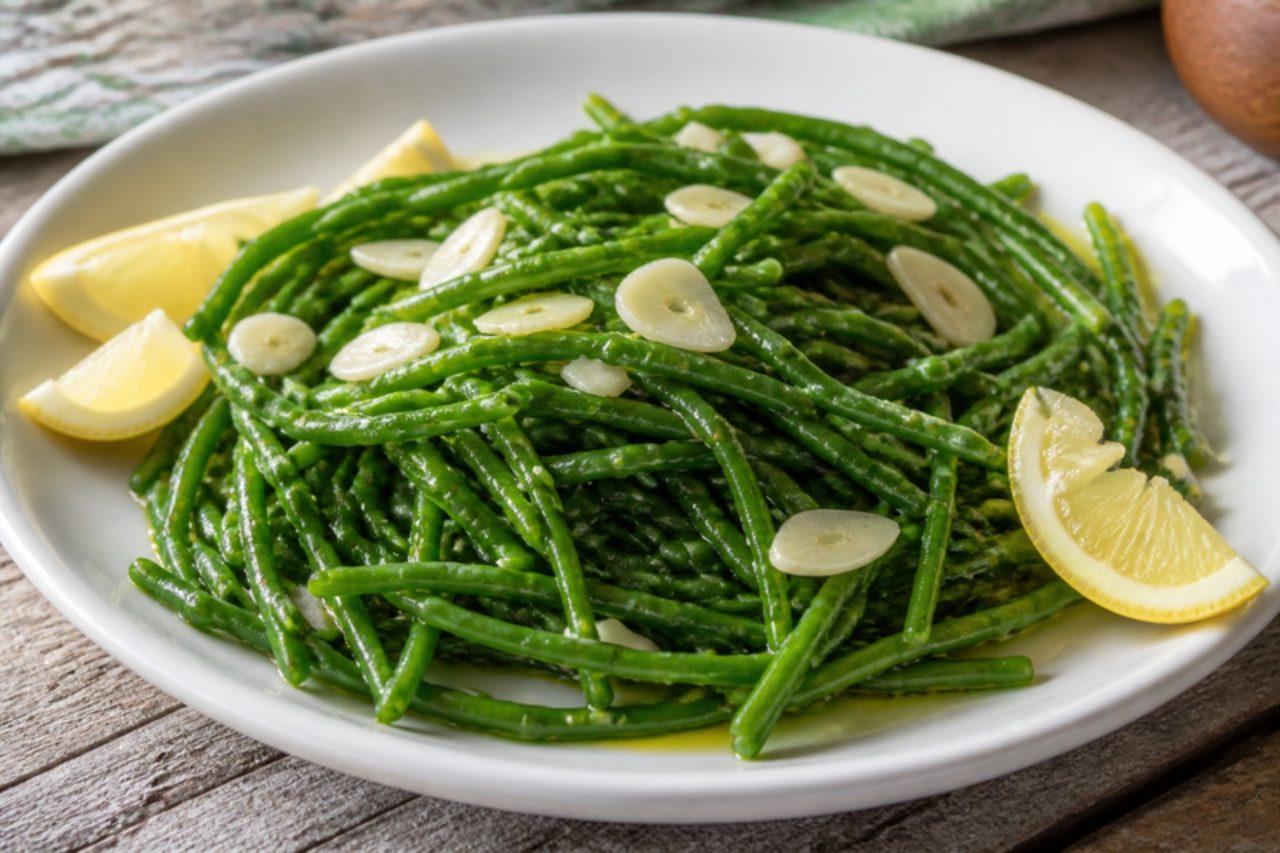
Samphire salad with garlic and lemon

Along the Aegean coast from Ayvalık down to Bodrum, every meze tray in early summer carries a tangle of deniz börülcesi, the salty, crunchy samphire gathered from the marshes. It is blanched, pulled off its woody cores, then dressed with plenty of garlic, lemon and olive oil and served cold beside grilled fish. It tastes of the sea in the best way. Chef's tip: don't salt the cooking water or the dressing; samphire carries all the salt it needs.

Read more 0 views

What to eat today?

Around the world

Today's trip: Persian

A new country every day, from every cuisine on the site.

Persian

Homemade kashk

Fermented yogurt whey 90 minMore from Persian (131) →

This week's collection

Kid-friendly dinners
541 recipes · a new collection every Monday

Latest recipes

Pappardelle al ragù di cinghialePappardelle with wild boar ragù

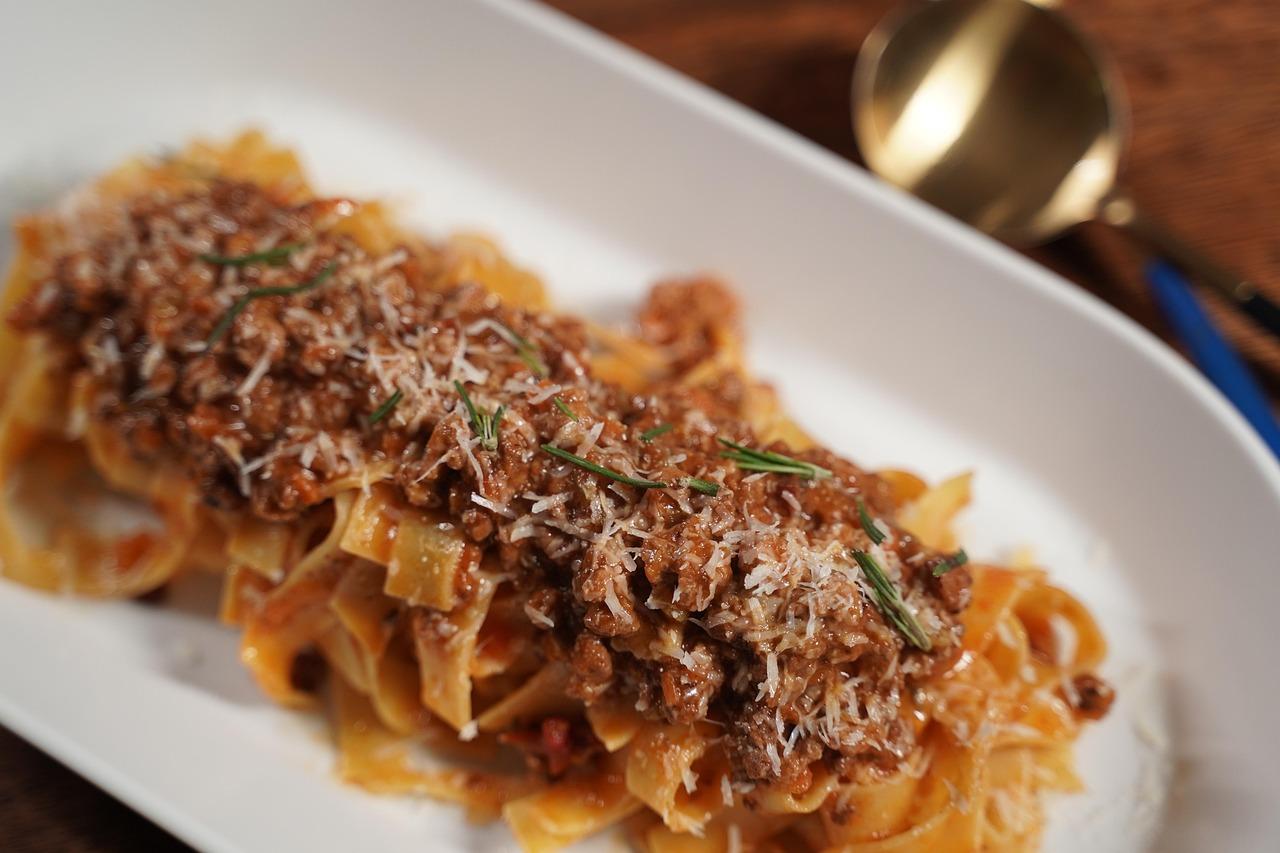
Wild boar roam the Maremma, the wooded south-west corner of Tuscany, and in autumn, when the hunting season opens, every country trattoria serves pappardelle with a dark, gamey boar ragù. The meat is marinated overnight in red wine with juniper and herbs, then simmered slowly with tomato until it falls into shreds and coats the wide egg ribbons. Wild boar is hard to find outside game butchers, so pork shoulder is a good substitute, giving a milder but still rich ragù; either way the sauce also uses pancetta, making it a pork dish. It uses red wine, and the note gives an alcohol-free option. Chef's tip: shred the meat with two forks rather than mincing it; the uneven strands cling to the pappardelle far better.

by KrazyBadal 0 views
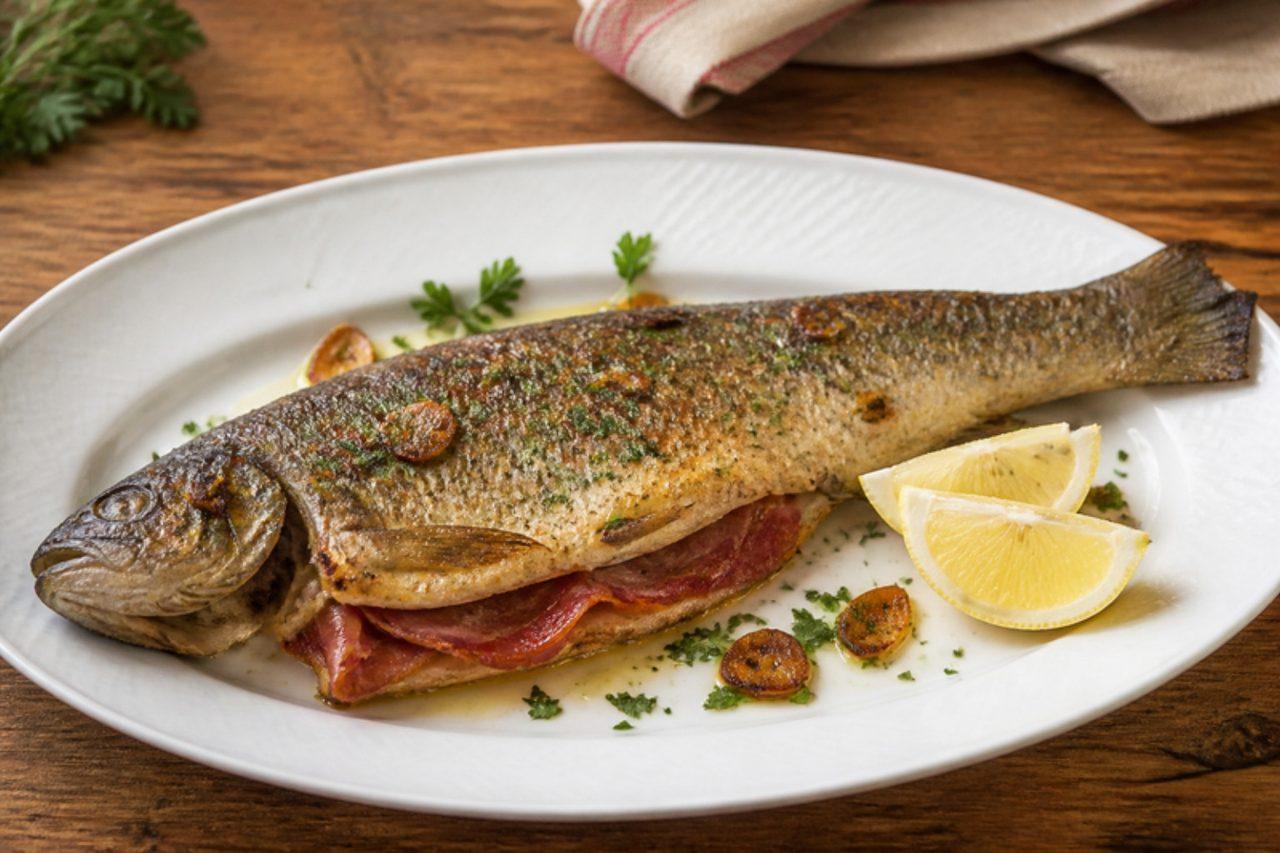
Trucha a la navarraTrout with cured ham

The trout streams of the Navarrese Pyrenees, the Irati above Burguete and the Bidasoa among them, gave this dish to the whole of Spain, and it is still the summer lunch in the mountain inns where anglers stay. The fish is opened, a slice of cured ham laid inside, then floured and fried in olive oil so the ham's salt seasons the flesh. This contains pork (serrano ham). Serve it with boiled potatoes or a green salad. Chef's tip: cook in two pans or two batches rather than crowding one, so the skin crisps instead of steaming.

by KrazyBadal 0 views

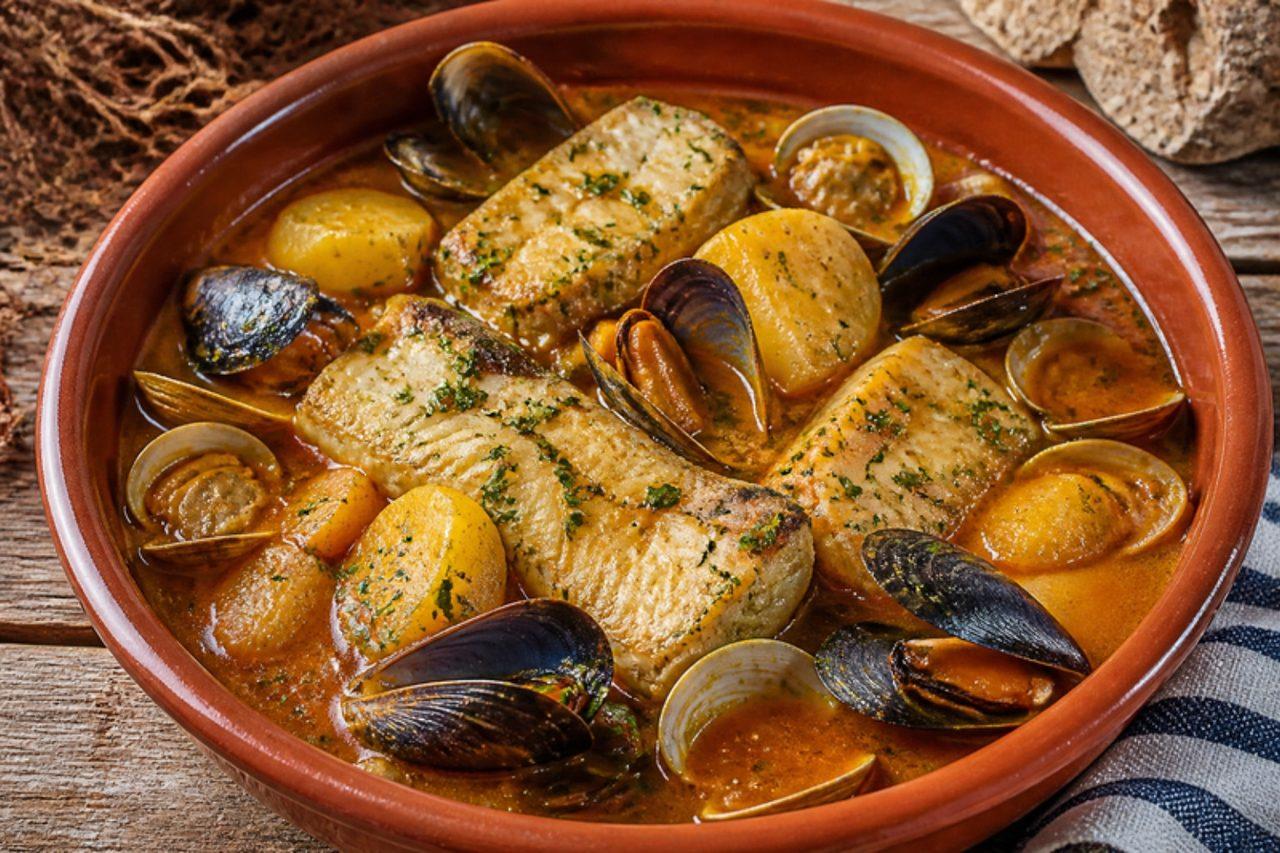
Suquet de peixFish and potato stew with picada

Fishermen from Cadaqués, Palamós and the other Costa Brava ports made suquet on board with the fish that would not sell: rockfish, monkfish, hake, a few prawns, simmered with potatoes in a sofrito and thickened at the end with a picada of garlic, almonds, parsley and fried bread. Now it is a weekend lunch in harbour restaurants, served straight from the pan. The potatoes must release their starch so the broth turns into a light, silky sauce. Chef's tip: 'crack' the potatoes rather than slicing them: cut part way, then snap off the pieces; the rough edges give up more starch.

by KrazyBadal 0 views

LemonanaFrozen mint lemonade

From café terraces in Ramallah and Jaffa to juice bars along Hamra Street in Beirut, summer means tall glasses of lemonana: lemons and fistfuls of fresh mint blended with ice into a sharp, sweet, electric-green slush. It is the drink handed to you after a walk through the market at noon, and it cools a mezze lunch like nothing else. Everything goes in a blender, but the mint must be fresh and plentiful. The common mistake is blending the mint for too long, which bruises it and turns the drink murky and grassy. Chef's tip: make a lemon-sugar syrup first and chill it; dissolved sugar sweetens evenly and lets you blend for only a few seconds.

by KrazyBadal 0 views

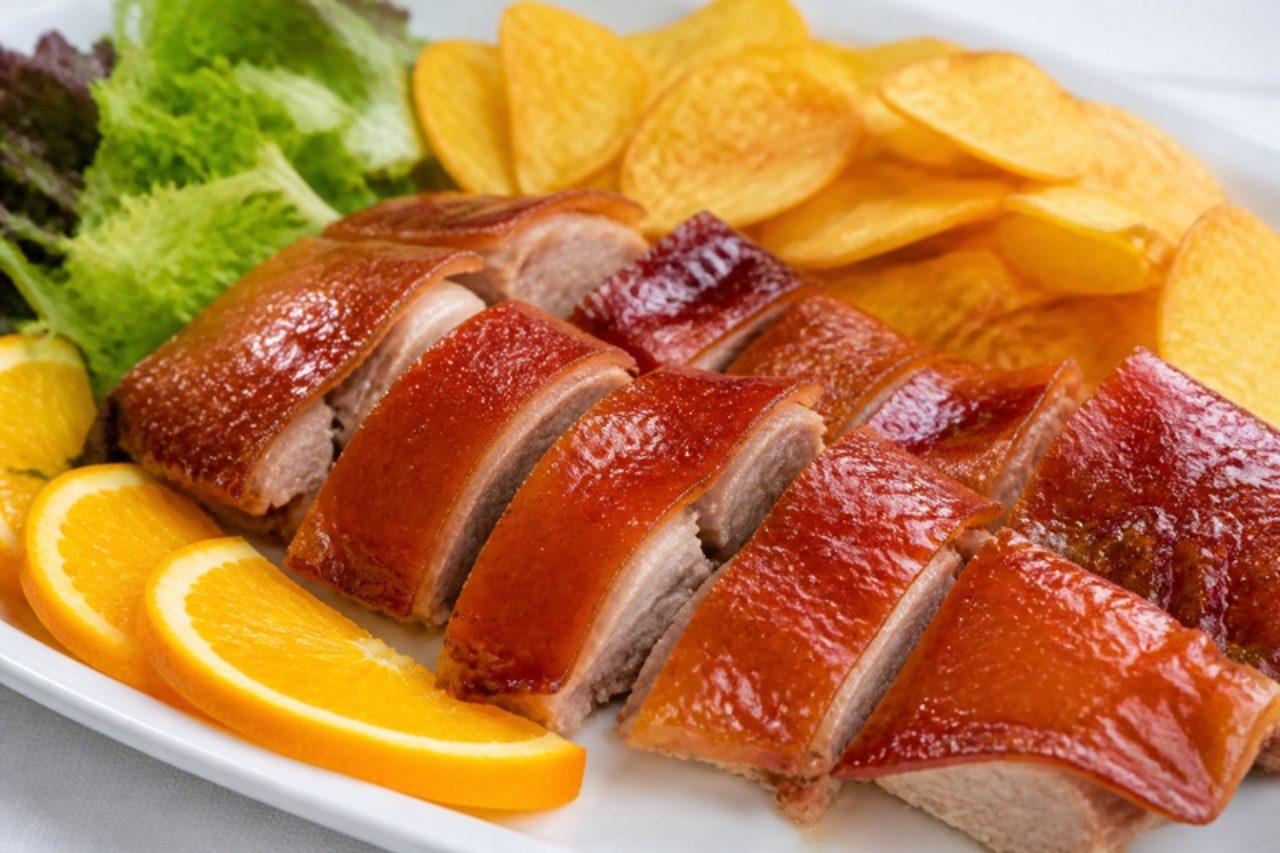
Leitão à BairradaRoast suckling pig

Along the old Lisbon–Porto road through the Bairrada, around Mealhada, restaurant after restaurant roasts suckling pigs whole in wood ovens, and people drive for hours for a Sunday lunch of it. This contains pork (suckling pig and lard). The inside is rubbed with a fierce paste of lard, garlic, black pepper and bay, while the skin roasts to a glassy, crackling sheet. It is served cold or warm with sliced oranges, crisp potato chips and a green salad. A half or quarter pig from a specialist butcher fits a home oven. Chef's tip: keep the skin completely dry and paste only the inside, as any fat or water on the skin stops it crackling.

by KrazyBadal 0 views

Leipziger LercheAlmond marzipan tartlets

Leipziger Lerchen began as real roast larks stuffed with herbs, sold in Leipzig until the King of Saxony banned songbird hunting in 1876. The city's bakers answered with a pastry that kept the name: a shortcrust tartlet filled with almond-marzipan cream, a cherry or jam hidden in the middle like the bird's heart, and two crossed strips of pastry on top like the string that tied it. Today you find them in every Leipzig café, especially at the Christmas market. A common mistake is overfilling the cases, so the filling bubbles over and the cross sinks. Chef's tip: chill the lined tins for 15 minutes before filling so the pastry keeps sharp edges.

by KrazyBadal 0 views

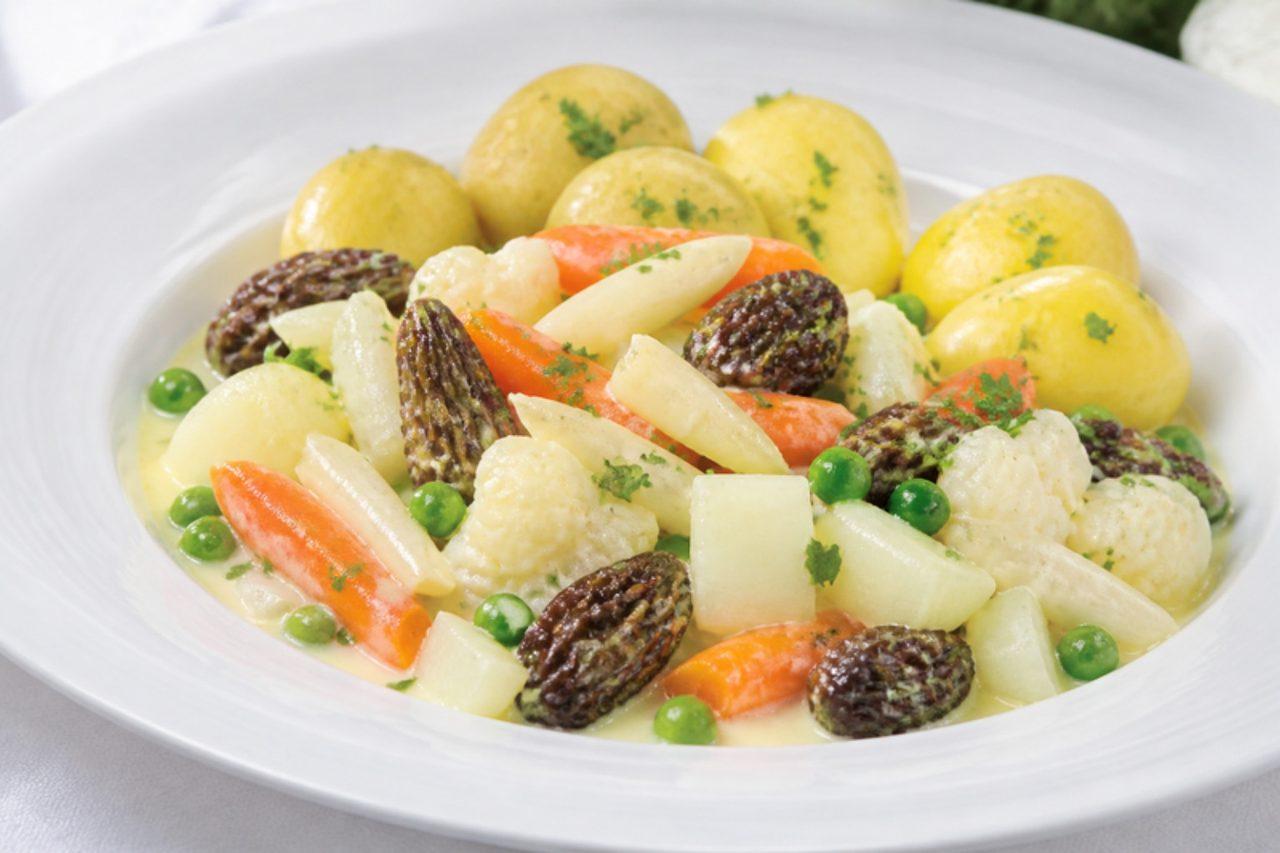
Leipziger AllerleiSpring vegetables with morels

Leipziger Allerlei is Leipzig's showpiece of spring: young carrots, peas, asparagus, kohlrabi and cauliflower, each cooked separately until just tender, then brought together in a light butter sauce with morel mushrooms. The traditional dish also includes crayfish and bread dumplings; this vegetarian version keeps the morels and vegetables, which were always the heart of it, and serves it with new potatoes. Dried morels are easiest to find and give a deep, smoky flavour. A common mistake is boiling everything together in one pot, which turns the dish muddy and over-soft. Chef's tip: save the vegetable cooking water and morel soaking liquid; together they make the stock for the sauce.

by KrazyBadal 0 views

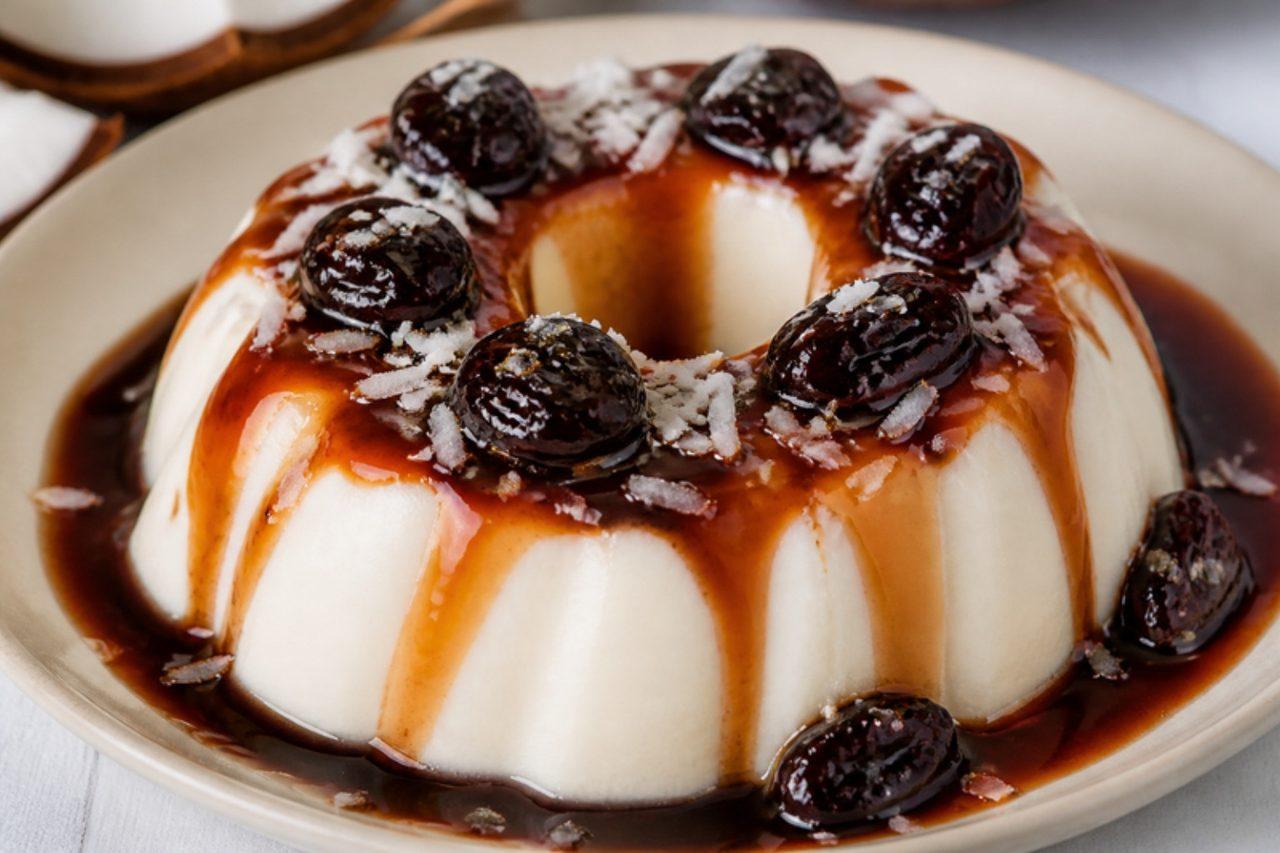
Manjar de cocoCoconut blancmange with prune syrup

Sunday lunch at a grandmother's in Rio, Minas or Pernambuco often ends with a manjar, a snowy ring of coconut blancmange turned out of its mould and drowned in glossy, nearly black prune syrup. It is smooth and cool, with a soft wobble, the mild sweet coconut cream set off by the deep, winey taste of the prunes. The dessert is set with cornflour alone, so it is gluten free, and it has to be made at least 4 hours ahead. Under-cooking the cornflour is what usually goes wrong: the manjar tastes chalky and breaks when turned out. Chef's tip: wet the mould with cold water instead of greasing it, then shake out the drops; the manjar slides out cleanly with a coconut taste unspoilt by oil.

by KrazyBadal 0 views

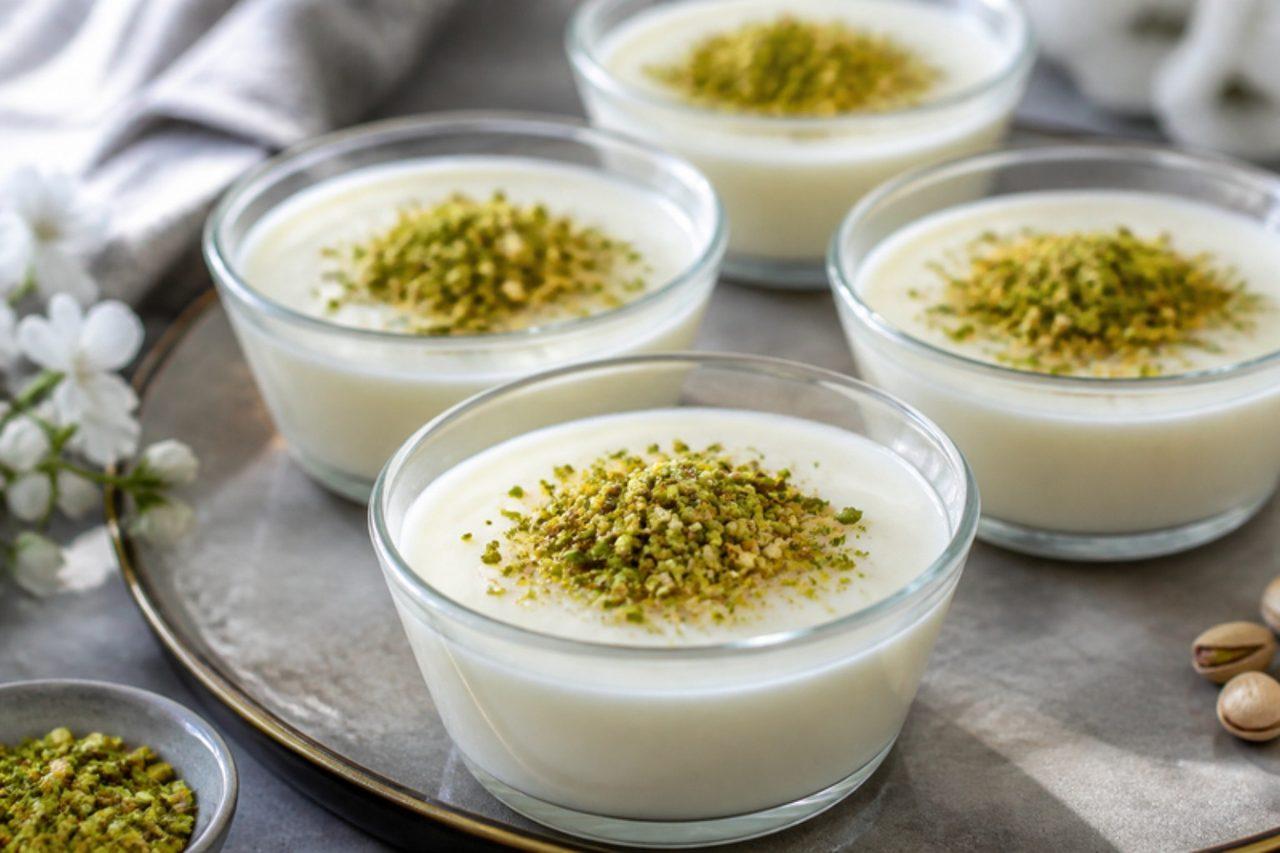
Sakızlı muhallebiMastic milk pudding

Çeşme looks across the water to Chios, the island where mastic trees weep their resin, and the town's pudding shops have long used it to perfume a simple, wobbly milk pudding. The flavour is hard to describe: piney, a little floral, very fresh against cold creamy milk. It is the dessert to order after a long fish lunch in Alaçatı. Chef's tip: grind the mastic with a teaspoon of sugar in a mortar; on its own it gums up into sticky lumps.

by KrazyBadal 0 views

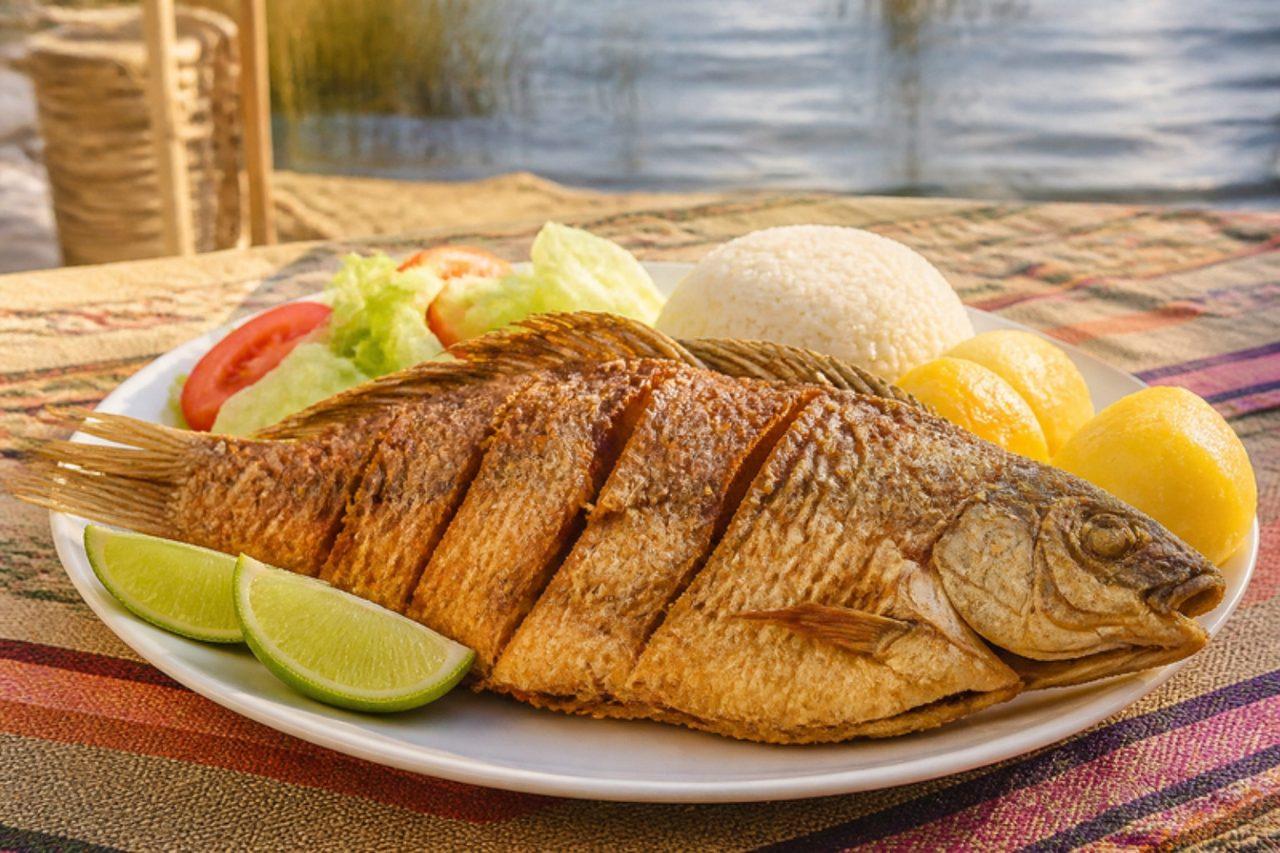
Trucha fritaFried trout with potatoes and rice

Rainbow trout farmed in the cold, clear water of Lake Titicaca is what you eat in Puno, at lakeside restaurants and on the floating islands: a whole fish, dusted in flour and fried until the skin crackles, with boiled Andean potatoes, rice, a simple salad and lime. The flesh is pink-white, sweet and moist; nothing else is needed. Ask your fishmonger to gut and scale the trout. The most common mistake is moving the fish too early, which tears the skin; leave it until it releases from the pan by itself. Chef's tip: slash the thick part of each side twice before flouring, so the fish cooks evenly and the skin crisps right up to the head.

by KrazyBadal 0 views

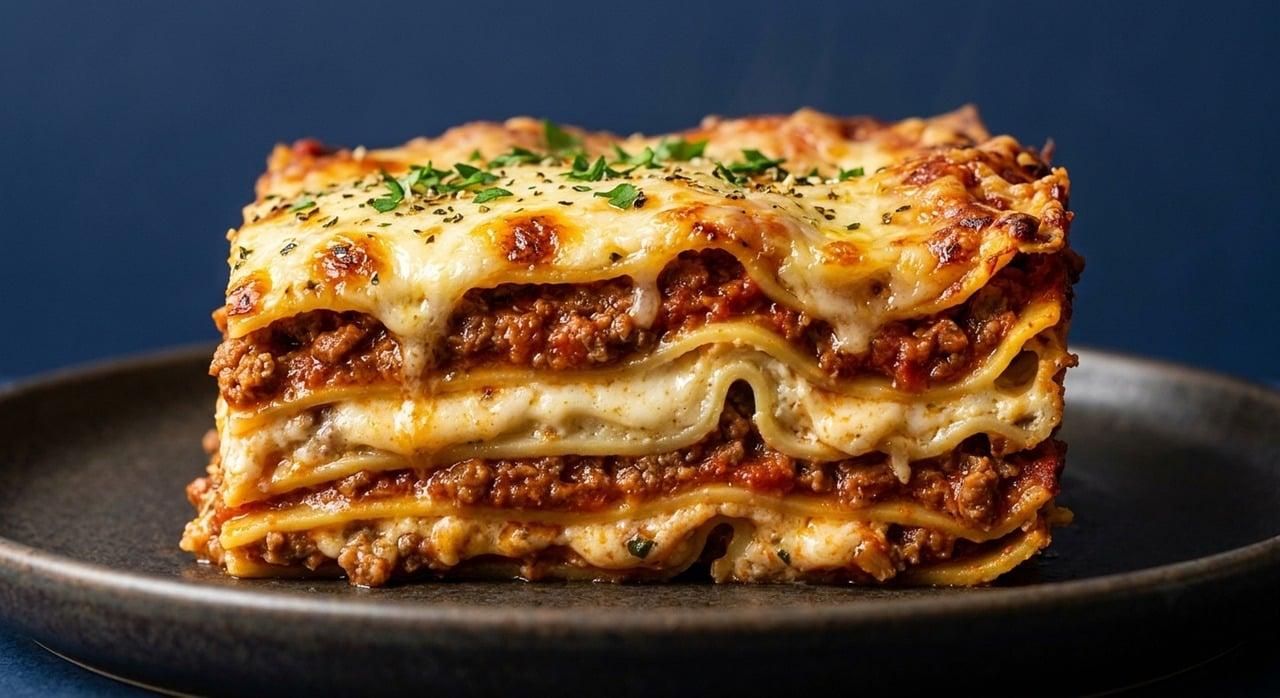
VincisgrassiBaked lasagne with meat ragù

Macerata, in the hills of the Marche, claims vincisgrassi as its own, and families still bake a tray for Sunday lunch, Christmas and Carnival. It is richer than the lasagne most people know: thin egg pasta sheets layered with a slow ragù of pork, veal and chicken livers, a nutmeg-scented béchamel and plenty of parmigiano, baked until the top is crusted and golden. Many cooks splash in white wine and a little Marsala; this version uses dry white wine, with an alcohol-free swap in the ingredient list, and the chicken livers are optional if you'd rather leave them out. Serve it in modest squares, followed by a crisp green salad. Chef's tip: make the ragù the day before and assemble cold, so the layers set firmly and slice cleanly.

by KrazyBadal 0 views

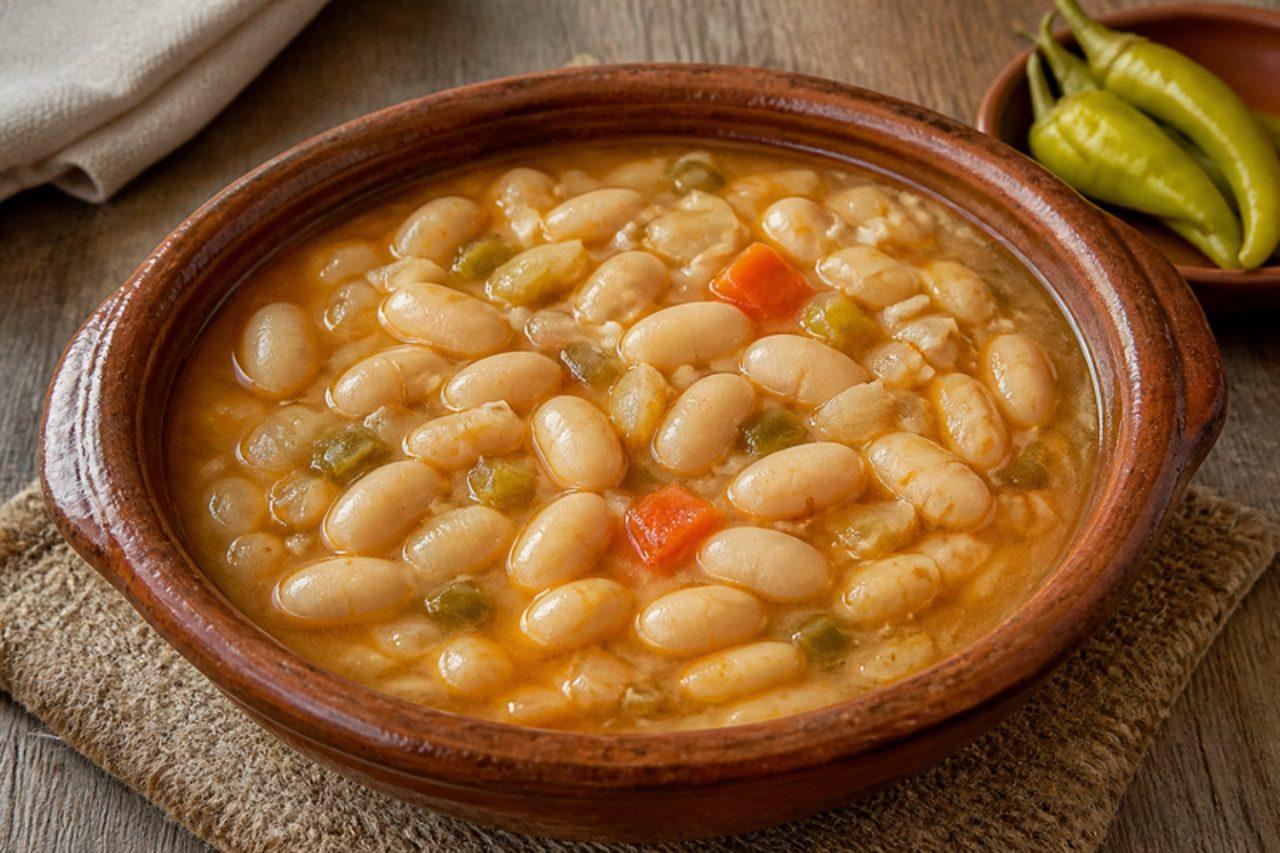
Pochas a la navarraFresh white beans with vegetables

Pochas are white beans picked in late summer before they dry, when the pods have gone soft and yellowish, and in Navarre September means bowls of them in every village from Sangüesa to the Ribera. Because they are fresh they need no soaking and cook in about 40 minutes into something creamy, sweet and gentle. Many homes add chorizo or quail; this version keeps to the vegetables and is vegan. Pickled guindilla chillies on the side are the usual partner. Chef's tip: if you can't find fresh pochas, frozen ones are sold in Spanish shops and are very good.

by KrazyBadal 0 views

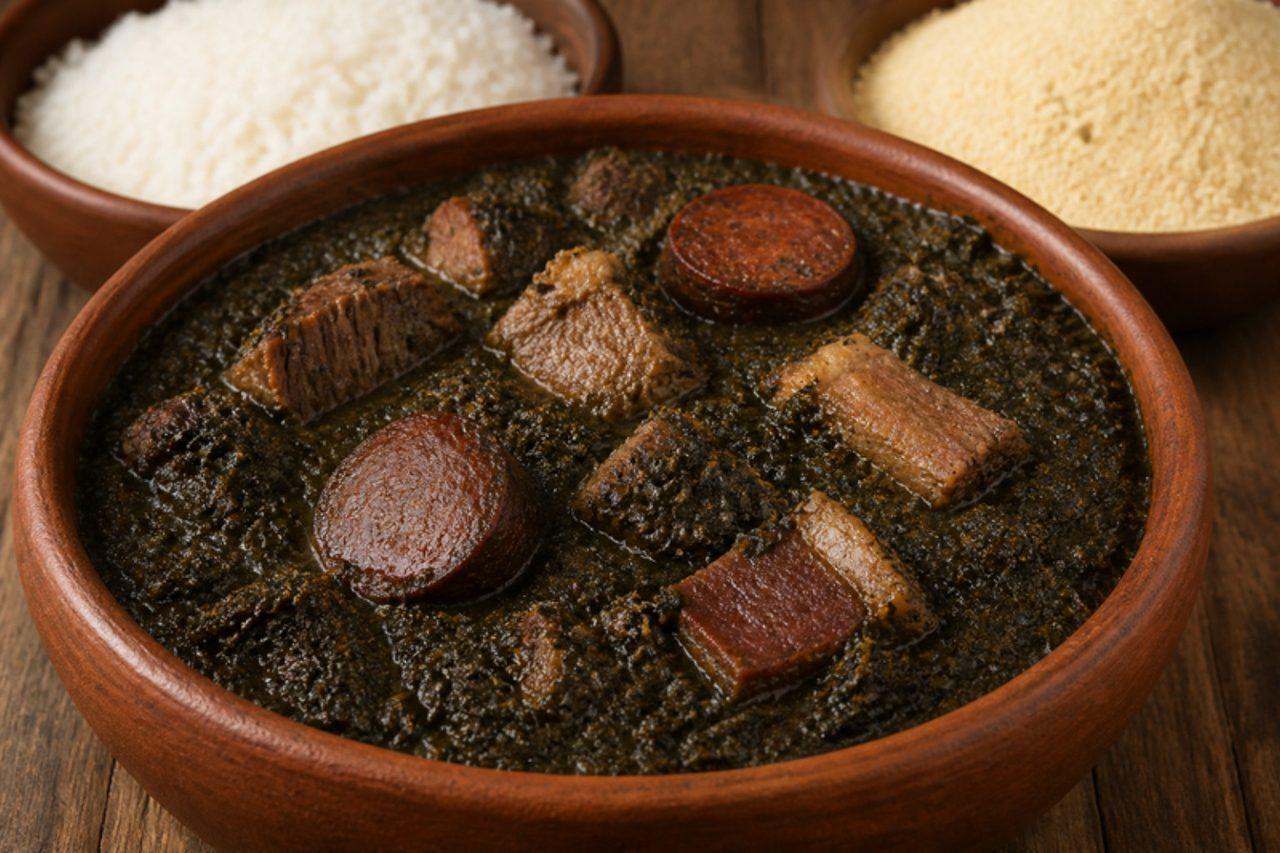
ManiçobaManioc leaf and smoked pork stew

Black-green, smoky and rich, maniçoba is the dish Belém cooks for the Círio de Nazaré in October, when families gather after the great procession, and it is sold all year at the Ver-o-Peso market. Its base is maniva, ground manioc leaves, which contain natural cyanide and must be cooked for days before they are safe; in Pará cooks simmer it for up to a week. Never use raw or home-ground manioc leaves for this dish. Buy only ready-cooked ground maniva (sold frozen in Brazilian shops and labelled pre-cooked), and follow the pack's further cooking time if it is longer than ours. The leaves are then simmered for hours with the cuts of a feijoada: salted pork ribs, smoked bacon, smoked pork sausage, beef jerky and pig's trotter, until the meat falls apart into a thick, smoky, faintly bitter stew. Serve it with white rice, farinha d'água and pimenta-de-cheiro. Plan ahead: the salted meats need soaking overnight. The usual mistake is adding the meat too early, so it disintegrates. Chef's tip: maniçoba tastes even better reheated the next day.

by KrazyBadal 0 views

Truchas de batataSweet potato and almond pastries

Despite the name, there is no trout in these: truchas are crisp half-moon pastries that Tenerife and Gran Canaria fry by the hundred in the week before Christmas, and they are what neighbours bring each other on Christmas Eve. The filling is mashed sweet potato with ground almonds, sugar, lemon zest, cinnamon and anise, wrapped in a thin olive-oil dough. Some families add a spoon of anise liqueur or sweet wine to the dough; this version uses neither and is vegan. Chef's tip: let the filling cool completely and keep it thick, or the steam softens the dough and it bursts in the oil.

by KrazyBadal 0 views

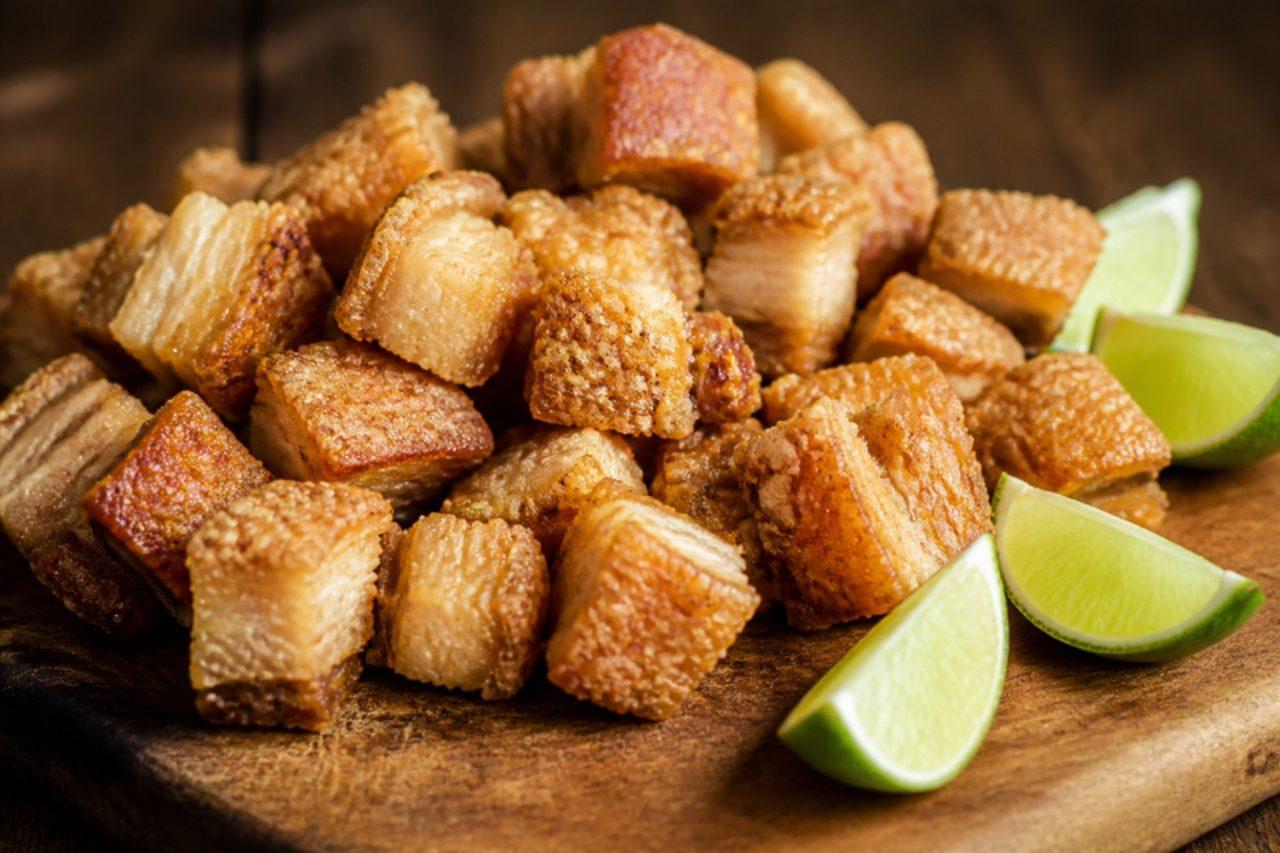
TorresmoPork crackling

Every boteco in Minas Gerais keeps a tray of torresmo by the counter: chunks of pork belly with the skin on, fried so slowly the fat melts out, then blasted in hot fat until the skin bursts into crackling bubbles. Done right, each piece has a shatteringly crisp, blistered top, a layer of soft fat and a strip of juicy meat. Mineiros eat it as a snack with lime and with feijão tropeiro, tutu or couve at lunch. The classic error is frying wet skin in very hot fat at once, which gives hard, glassy skin and dangerous spitting; dry it well and fry it twice. Use a deep, heavy pot, never fill it more than a third with fat, and keep children away from it. Chef's tip: after the first slow fry, let the pieces cool completely, even overnight in the fridge; the drier the skin, the bigger the puff.

by KrazyBadal 0 views

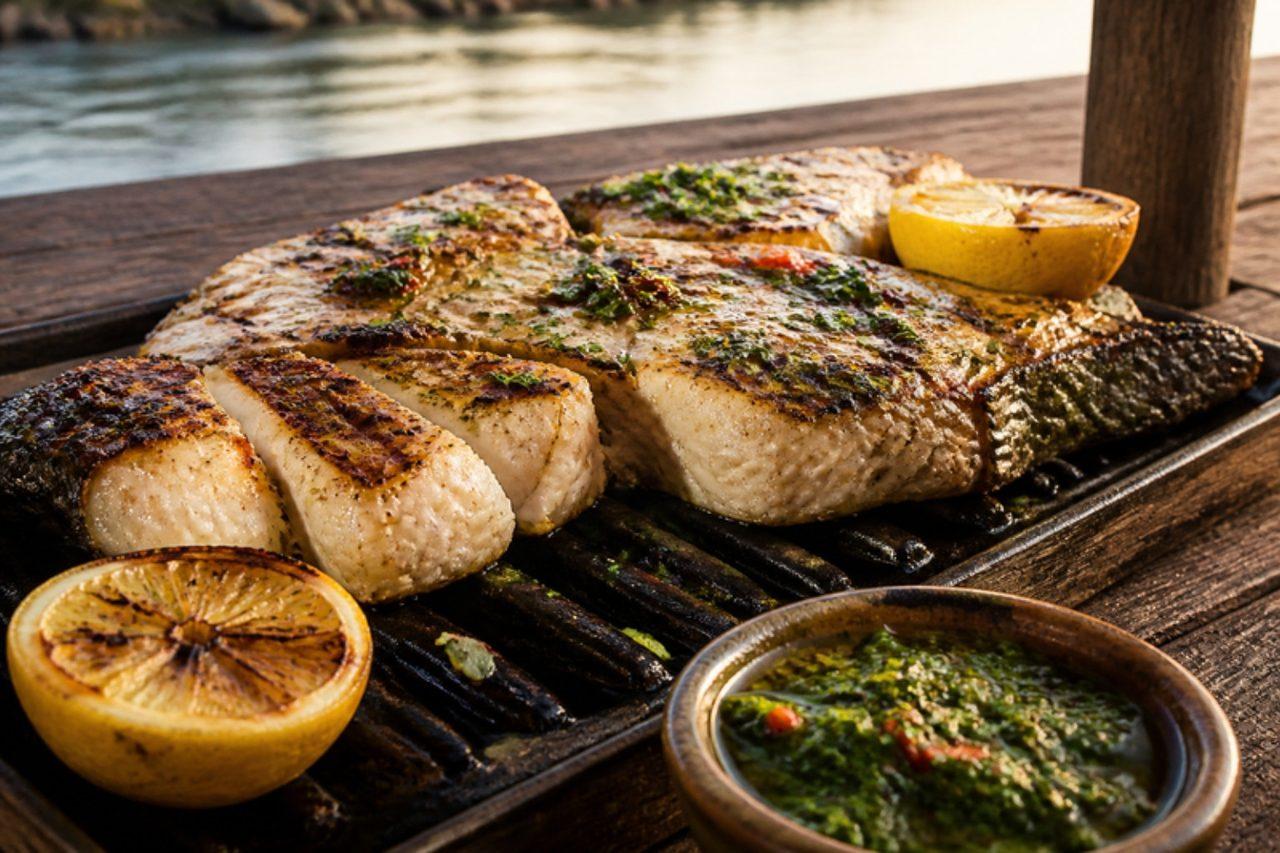
Surubí a la parrillaGrilled catfish steaks

The surubí, a big spotted catfish of the Paraná, has firm, almost meaty white flesh with no fine bones, which is why riverside parrillas in Corrientes, Goya and Esquina cut it into thick steaks and throw it on the grill like beef. A short soak in lemon, garlic and oil, plenty of salt, and live coals are all it asks. Serve with boiled cassava or potatoes, salsa criolla and a cold lemonade. Outside Argentina, buy thick steaks of another firm catfish, or of monkfish or swordfish. The usual mistake is trying to flip the fish too soon: it tears and sticks until a crust has formed and it lets go of the grate by itself. Chef's tip: oil the fish rather than the grill, and rub the hot bars with half a lemon just before the steaks go on.

by KrazyBadal 0 views

Travesseiros de SintraAlmond cream puff pastries

Travesseiro means pillow, and these long, sugar-dusted pastries from Sintra look just like one, plump with a soft almond cream. They were first sold at a café in the town in the mid-twentieth century and are now the second pastry, after queijadas, that every visitor carries home. Eat them warm, when the pastry shatters and the filling is still loose. Using shop-bought all-butter puff pastry makes them a fair home project. Chef's tip: cook the almond cream until it is thick enough to hold a trail from the spoon, then chill it; warm filling melts the butter in the pastry and stops it puffing.

by KrazyBadal 0 views

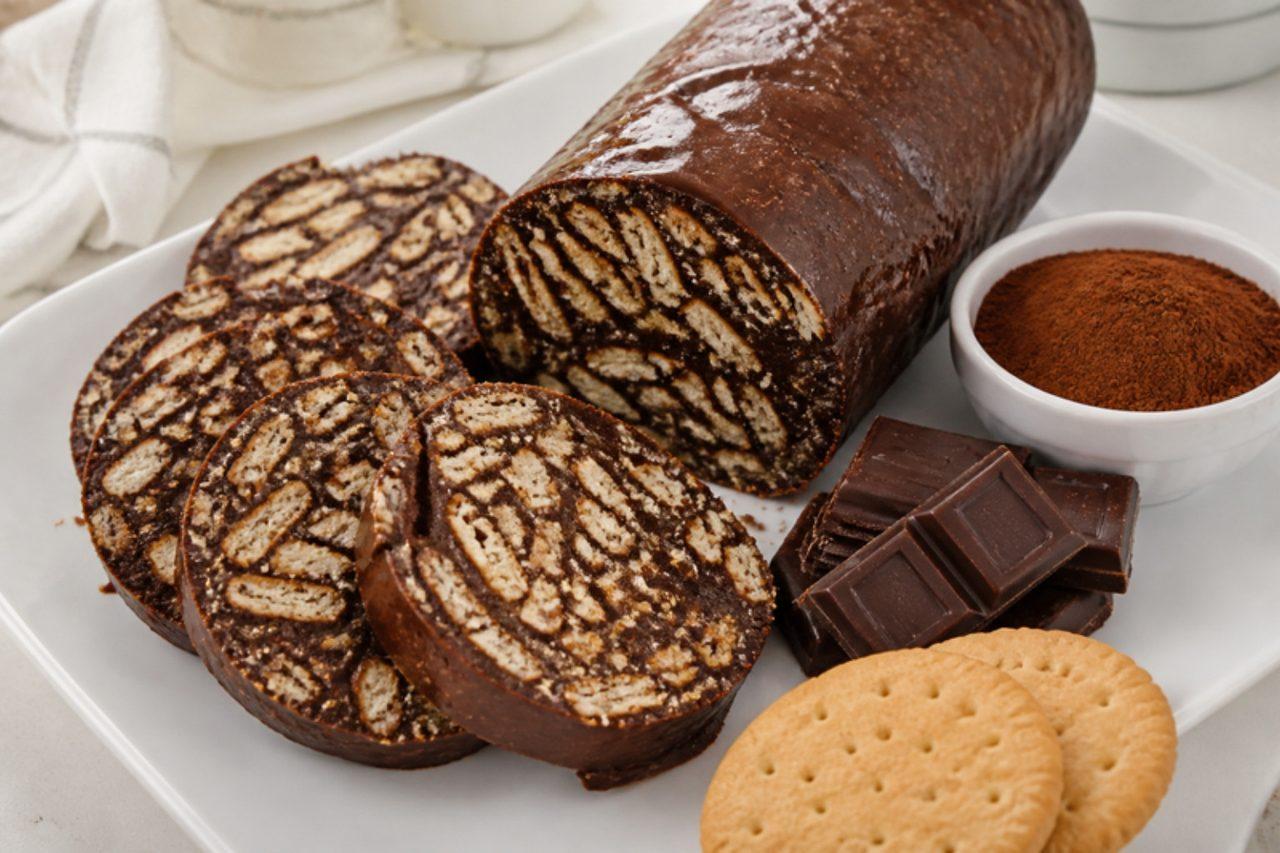
Salame de chocolateNo-bake chocolate biscuit log

Every Portuguese child seems to have helped make one: crushed Maria-style tea biscuits folded through rich chocolate, rolled into a log, chilled and dusted with icing sugar until each slice looks like salami. It turns up at birthday parties, in café display cases around Lisbon and on Christmas dessert tables. The traditional mix uses raw eggs; this version leaves them out and sets with melted chocolate and butter instead, so there is nothing raw in it. A splash of port is often added, which contains alcohol; leave it out or use milk. A common mistake is crushing the biscuits to crumbs; leave some larger pieces, or the slices lose their marbled look. Chef's tip: break the biscuits by hand into pieces the size of a fingernail; crumbs turn it into fudge and you lose the salami look.

by KrazyBadal 0 views

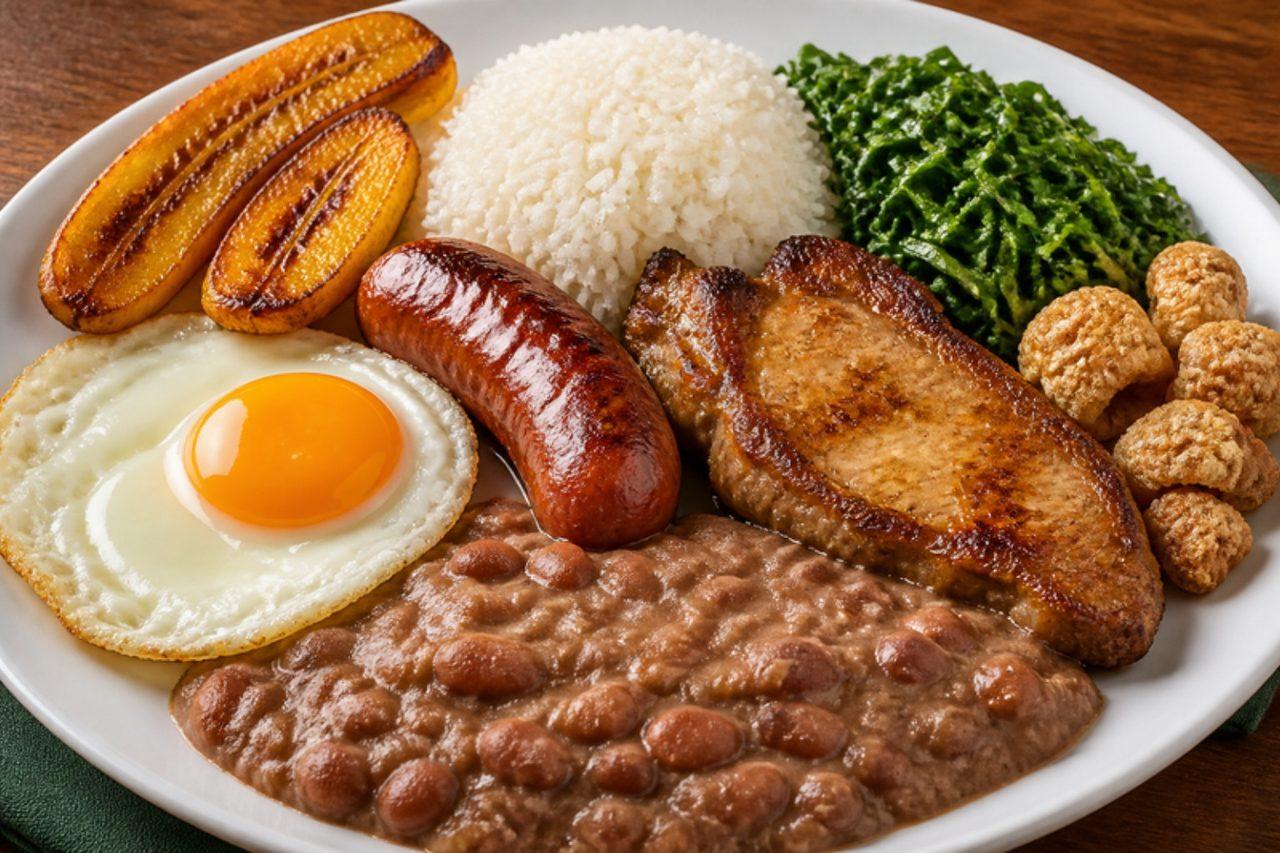
Virado à paulistaBeans, pork chop and sausage plate

Monday in São Paulo means virado à paulista: the city's lunch counters and botequins have served it as the prato do dia at the start of the week for generations. The plate goes back to the bandeirantes' travel food, and today it is a feast of pork: beans cooked down and thickened with cassava flour into a soft tutu, a pork chop, a grilled pork sausage, a crackling of torresmo if you like, a fried egg, garlicky collard greens, rice and fried banana. It is hearty, salty and sweet in turns. A common mistake is serving the pork chop well past done and dry; a whole pork chop is safe at 63 °C with a 3-minute rest, and juicy at that point. Some restaurants bread the banana; frying it plain keeps the plate gluten free. Chef's tip: cook the beans with a little bacon and let them sit for a few minutes after adding the farinha; it keeps thickening as it stands.

by KrazyBadal 0 views

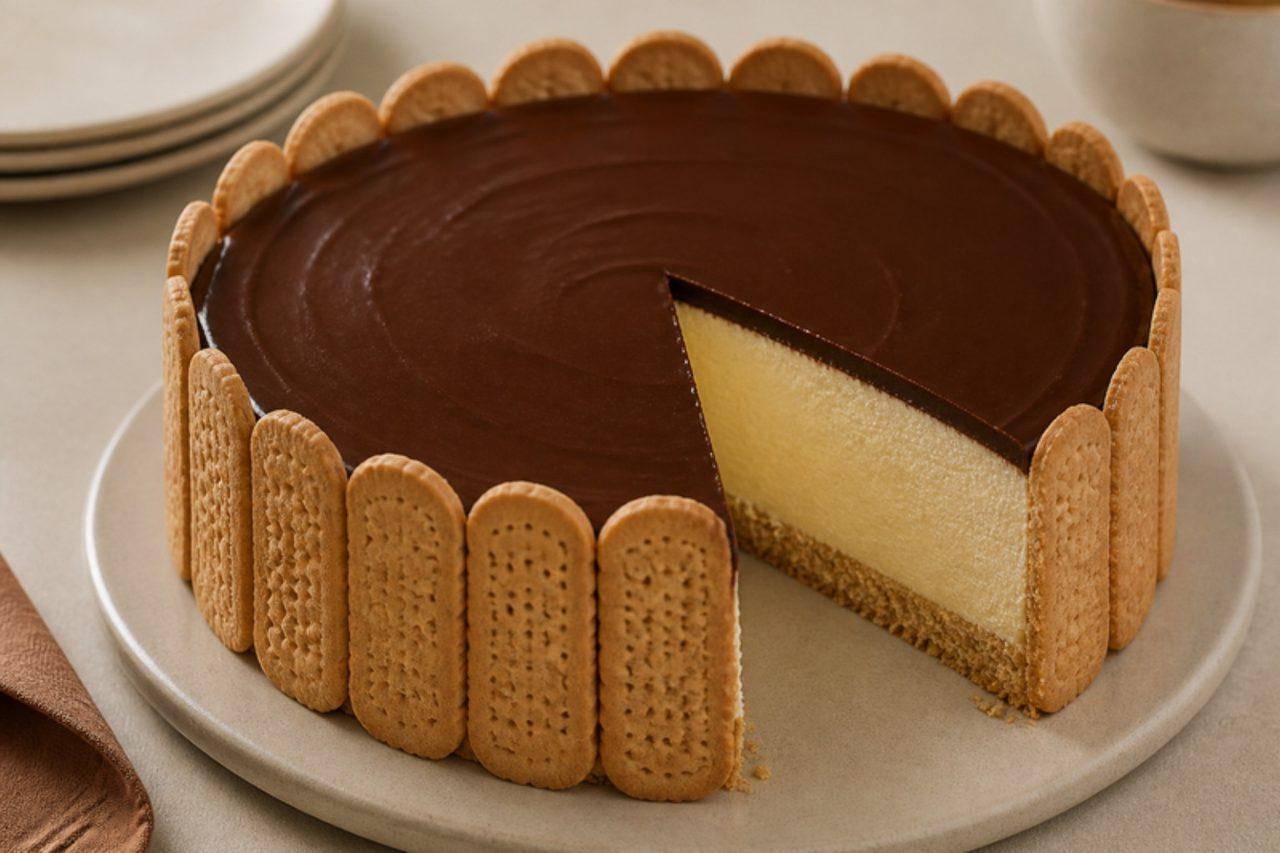
Torta holandesaChilled biscuit and ganache tart

Despite the name, the 'Dutch tart' is a Brazilian invention, created in a confeitaria in Campinas, São Paulo state, in the 1990s and now sold in bakeries and churrascarias all over the country. A crunchy biscuit base holds a tall layer of light vanilla buttercream, sealed with dark chocolate ganache, and the sides are fenced with chocolate-dipped biscuits stood on their edges. Served cold, it is rich, creamy and crunchy at once, cut in thin slices with coffee. Some versions set the cream with gelatin; this one gets its body from butter and whipped cream only. Warm ganache poured straight on is the commonest mistake, since it melts the cream underneath into streaks. Chef's tip: let the ganache cool until it is just pourable and barely warm to a fingertip, about 30 °C, before pouring it over the chilled tart.

by KrazyBadal 0 views

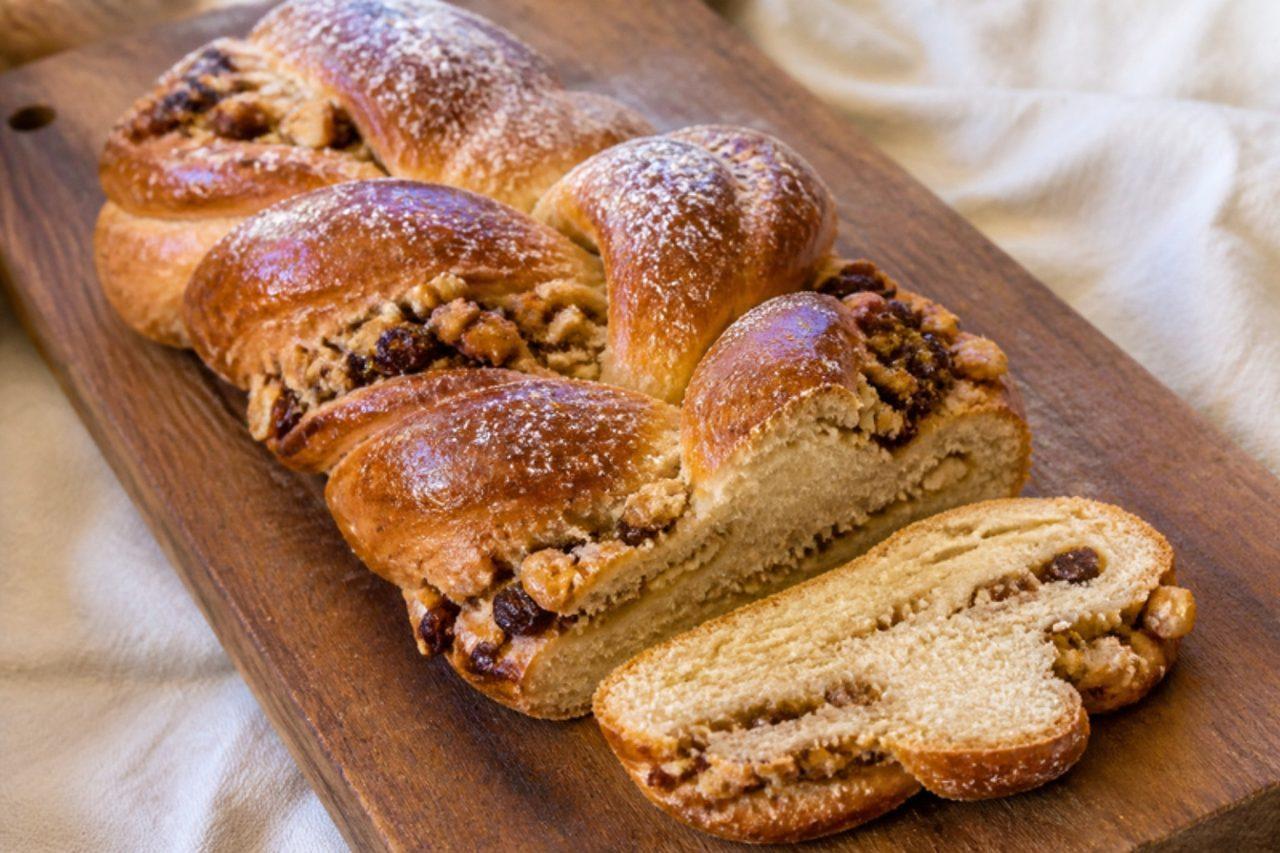
Trenza de AlmudévarNut and raisin braided bread

Almudévar, a small town between Zaragoza and Huesca, gave its name to a braid that is now sold all over Aragon and given as a present at Christmas: a golden plaited loaf, layered with chopped nuts and liqueur-soaked raisins and brushed with syrup until it shines. The town's bakeries use a laminated, puff-like dough that takes a day; this home version uses a buttery brioche rolled around the filling and cut and braided so the layers show. The raisins are traditionally soaked in rum or brandy; use warm orange juice for an alcohol-free loaf. A common mistake is braiding too tightly, which squeezes out the filling and stops the dough rising. Chef's tip: chill the filled roll for 15 minutes before cutting it lengthways; the butter firms and the cut is much cleaner.

by KrazyBadal 0 views

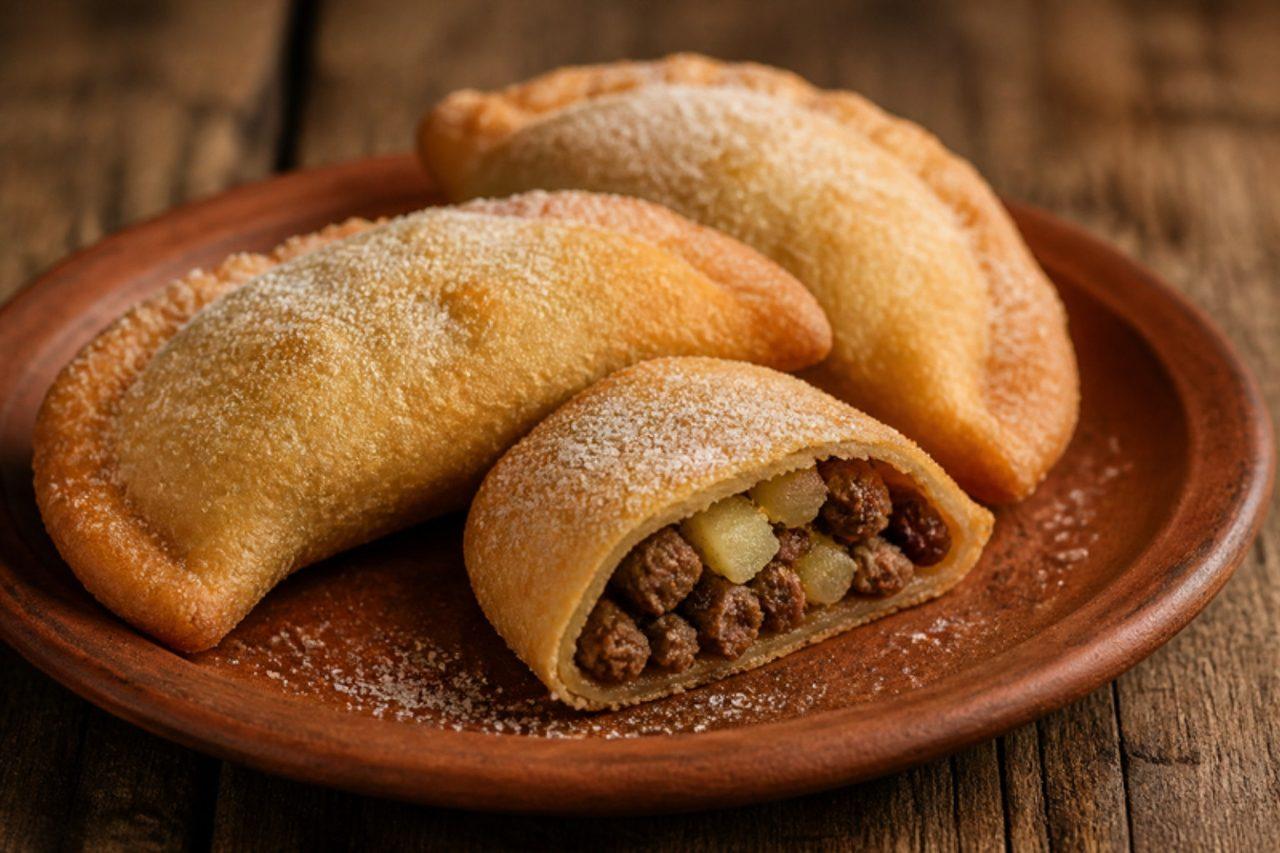
Empanadas cordobesas

Sweet and salty is the whole point here. Córdoba's empanadas hold a filling of beef, onion, a little potato, raisins and olives, and the moment they come out of the fryer they get a sprinkle of sugar that melts into the crackly crust. They turn up at birthday parties, school fundraisers and the patriotic holidays of 25 May and 9 July, often next to a bowl of locro. If the sugar on top sounds odd, try one: the contrast with the cumin and paprika is the local hallmark. The error that ruins them is frying in oil that isn't hot enough, which leaves them pale and greasy; keep it at 175 °C. Chef's tip: dust with sugar within seconds of draining, while the surface is still glistening, or it won't stick.

by KrazyBadal 0 views

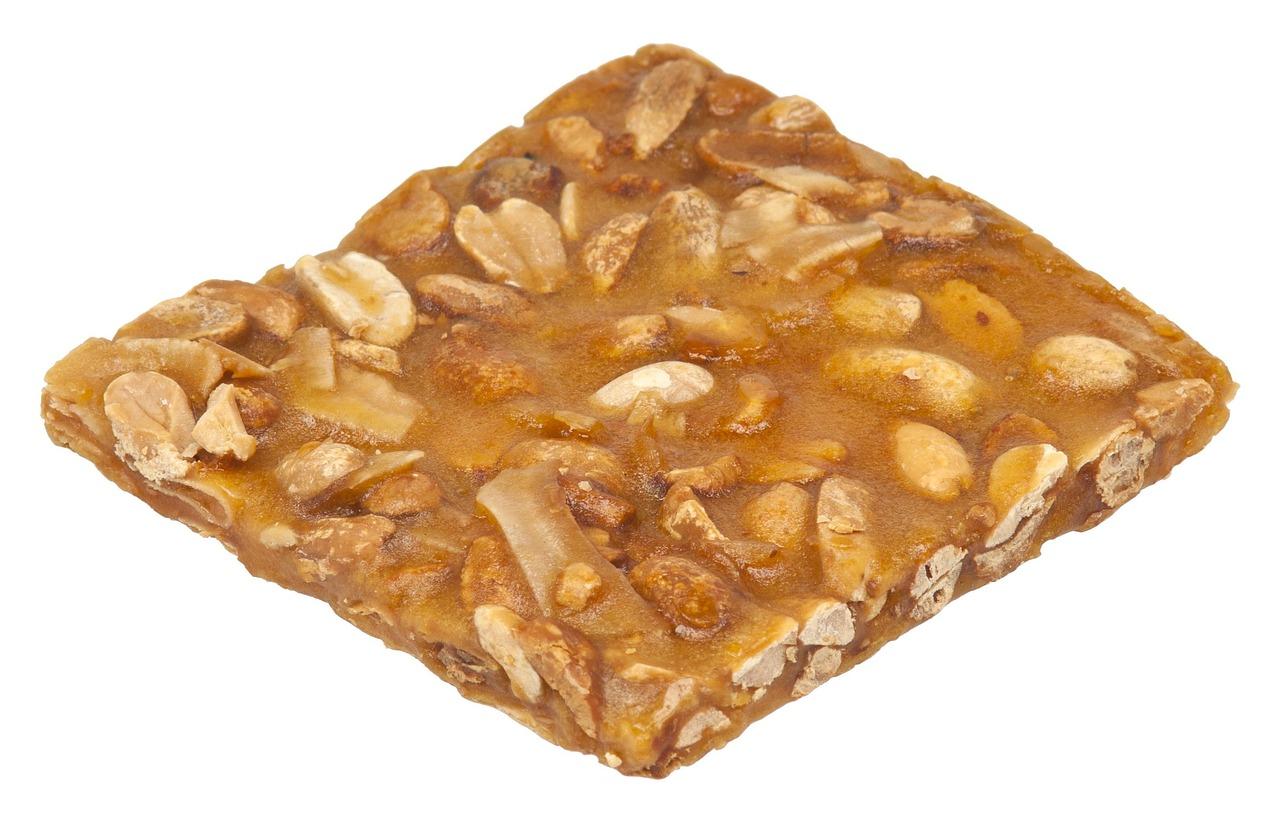
Pé de molequePeanut brittle

Lumpy, glossy slabs of peanut set in dark sugar are sold in every rodoviária snack bar and handed round at festa junina, wrapped in cellophane or set in little paper cups. The name, 'street-kid's foot', probably comes from the cobbled look of the top. Piracicaba in São Paulo state is famous for it, and in the Northeast the same name can mean a cassava cake, so expect confusion. This is the crunchy southeastern style: roasted peanuts cooked into rapadura (unrefined cane sugar) until it caramelises and clings. Rapadura or panela is sold in Latin shops; dark muscovado is a fine substitute. People burn it by walking away; once the peanuts go in, the sugar darkens in seconds. Chef's tip: have the oiled tray ready before you start, because the mixture sets almost as soon as it leaves the heat.

by KrazyBadal 0 views

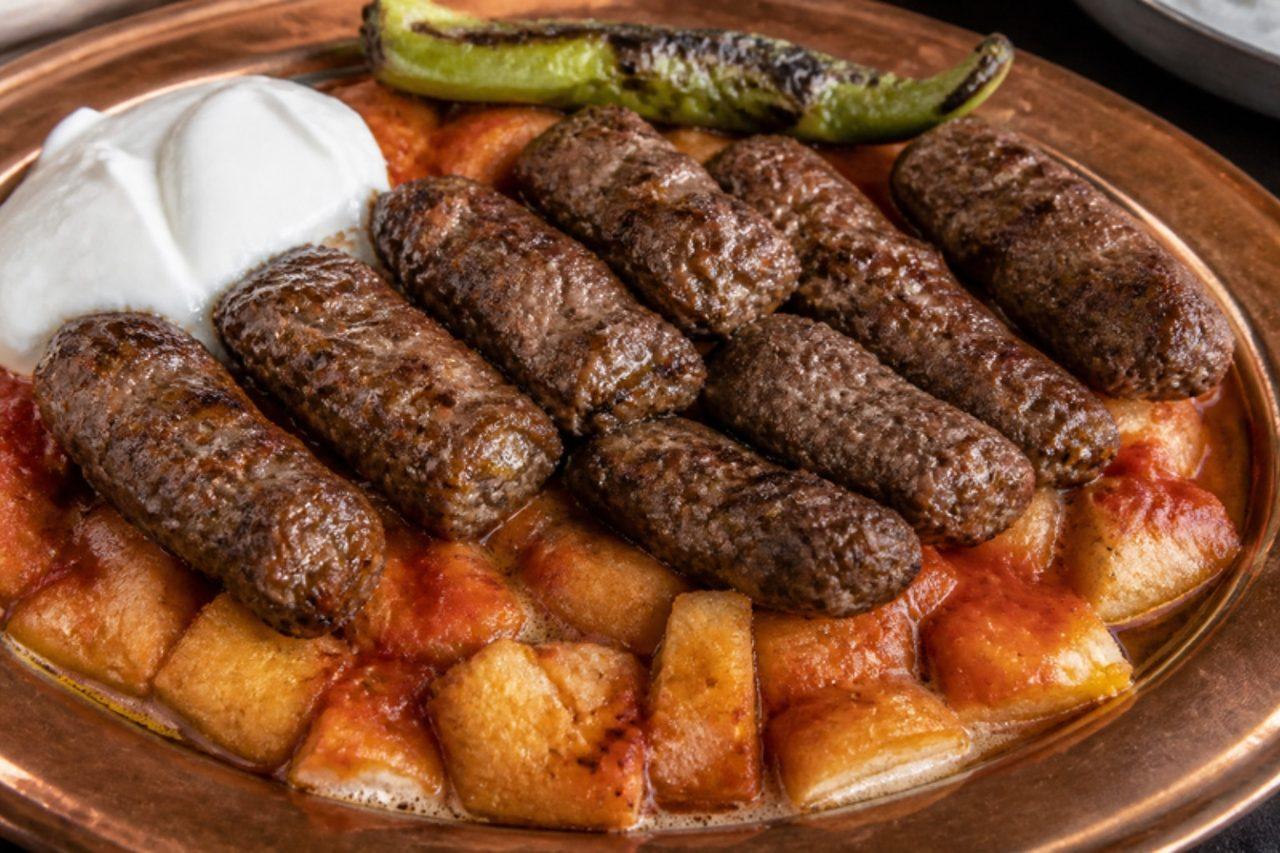
Pideli köfteGrilled meatballs on flatbread

Bursa, the city that gave the world İskender, has its own everyday answer for those who don't want doner: pideli köfte, served in workers' lokantas around the Ulu Cami. Small grilled köfte are laid over cubes of soft pide, drenched in a thin tomato sauce, then finished at the table with browned butter poured over so it hisses, with thick yoghurt on the side. It is rich, messy and very satisfying. Chef's tip: warm the pide in the oven before adding the sauce, so it soaks up the juices but keeps some chew.

by KrazyBadal 0 views

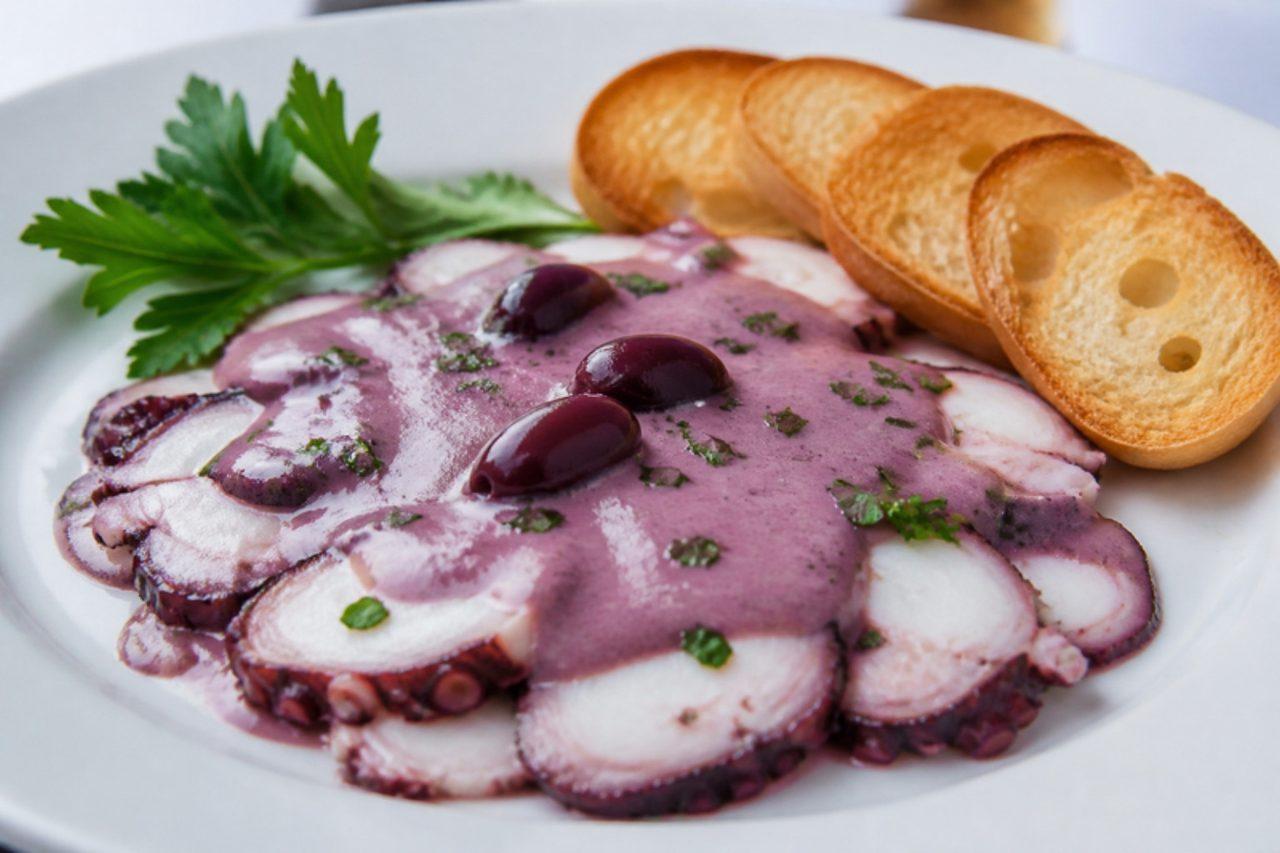
Pulpo al olivoOctopus with olive mayonnaise

Created in Lima in the 1950s by a Japanese-Peruvian chef, pulpo al olivo is now a fixture of Nikkei restaurants and smart cevicherías: paper-thin rounds of tender, cold octopus covered with a smooth violet mayonnaise of Botija olives, the big, dark, fruity olives of the southern coast. It is cool, rich and briny, eaten as a starter with lime and a drizzle of olive oil. Allow 1 hour for chilling after cooking. Tough octopus is the usual let-down, and the fix is simple: use frozen octopus (freezing tenderises it) and simmer gently, never at a rolling boil. Because the sauce is an egg emulsion, make it with a pasteurised egg, or use a good ready-made mayonnaise. Chef's tip: slice the octopus while it's cold and firm; warm octopus slices raggedly.

by KrazyBadal 0 views

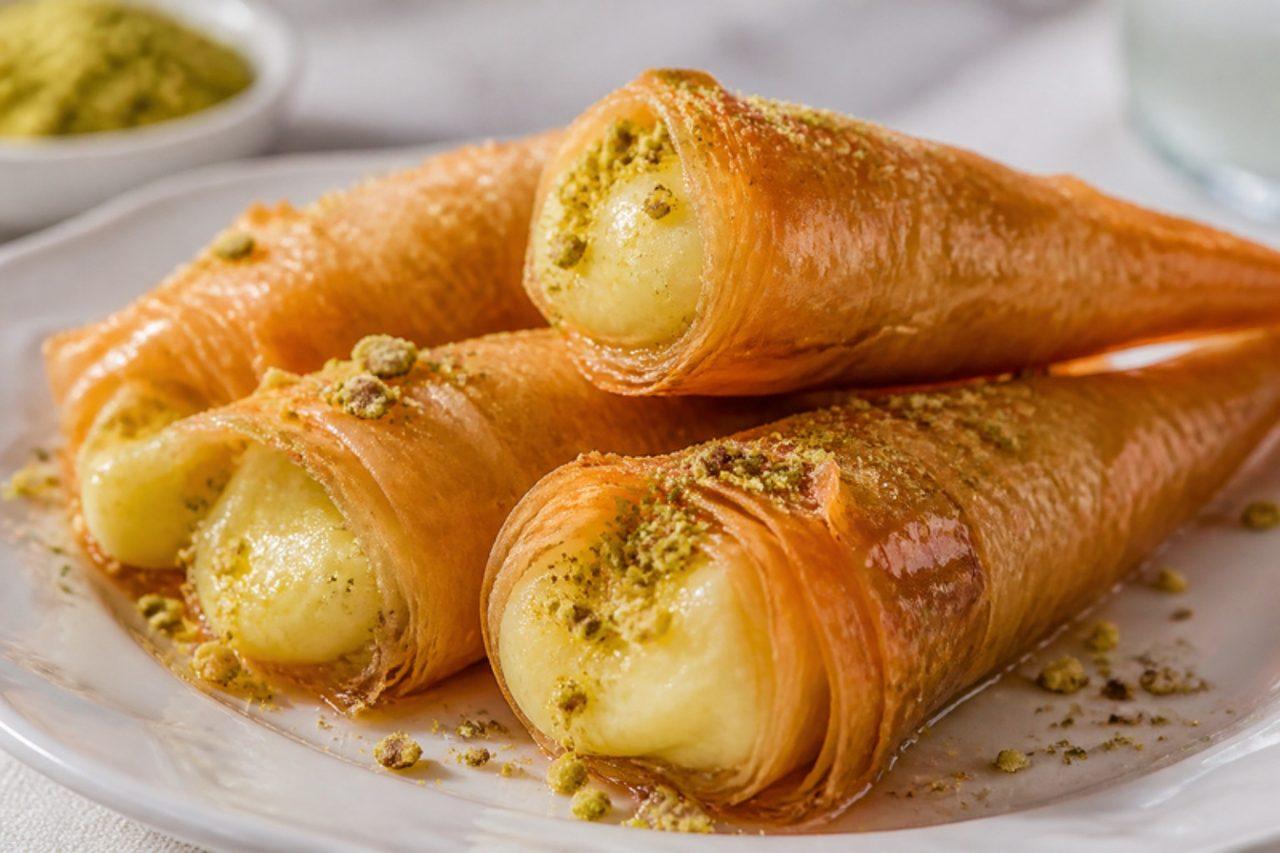
Trigona PanoramatosCustard-filled filo cones in syrup

Up in Panorama, the hillside suburb above Thessaloniki, pastry shops fill crisp filo triangles to order, and people carry boxes of them down to the city for Sunday visits and name days. Each cone is baked until it shatters, dunked for a second in lemony syrup, then piped full of a cold, light custard cream. The contrast is the point: brittle, buttery shell against soft, barely sweet filling, best within a couple of hours. Common mistake: filling the cones while the syrup is still warm, which melts the cream and turns the pastry limp. Chef's tip: roll each cone around a cone-shaped metal mould or a twist of foil so it keeps a wide, open mouth for piping.

by KrazyBadal 0 views

PickertFried yeasted potato loaf with raisins

Pickert is the bread of Lippe and the Teutoburg Forest in eastern Westphalia, made where wheat was scarce and potatoes plentiful: grated raw potato, flour, eggs and yeast baked into a dense, moist loaf, studded with raisins. Locals slice it the next day and fry the slices in butter until crisp, then eat them for breakfast or supper with plum butter, sugar beet syrup, jam or, for meat eaters, liver sausage. This vegetarian version serves it with jam and syrup. A common mistake is not squeezing the potatoes, which leaves the loaf soggy in the middle. Chef's tip: bake it a day ahead; cold Pickert slices cleanly and fries far better than warm.

by KrazyBadal 0 views

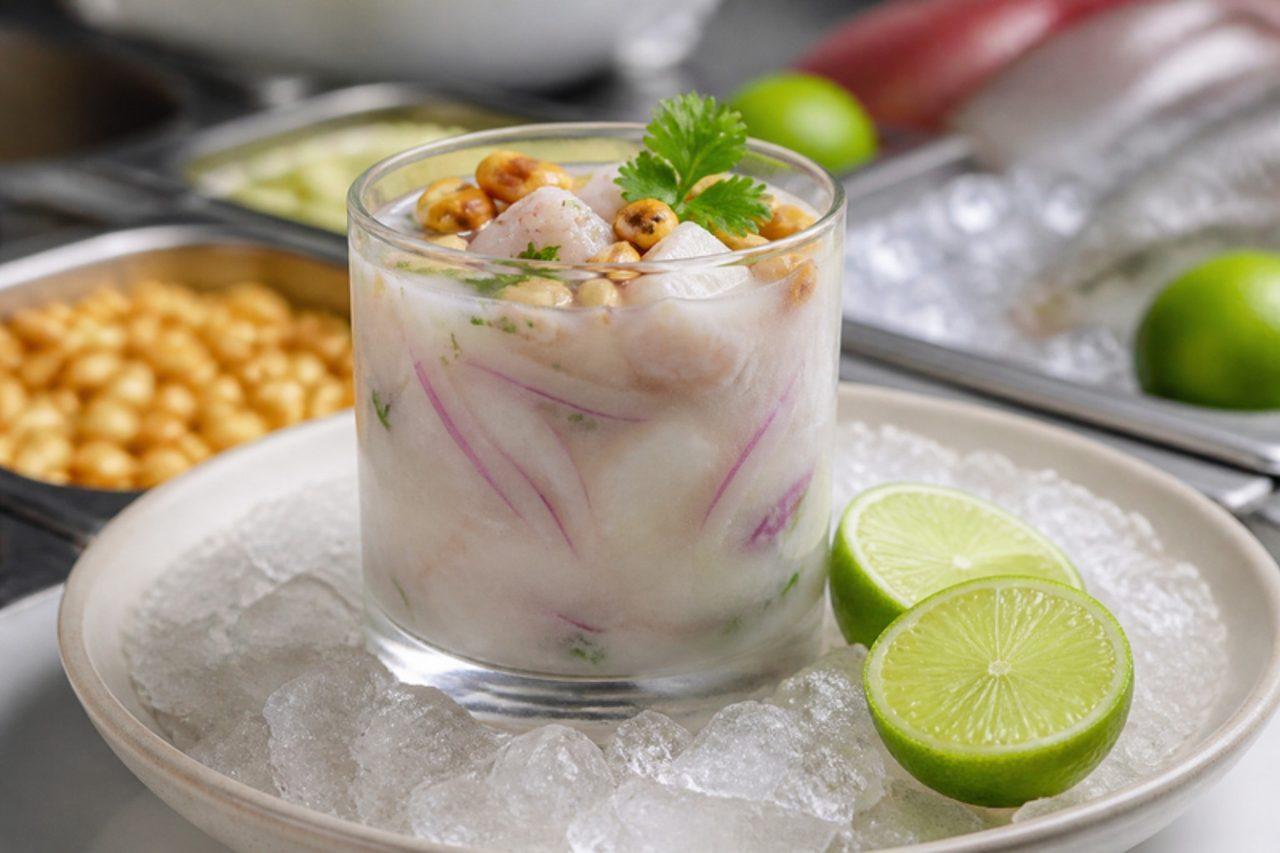
Leche de tigreCitrus ceviche marinade

Every cevichería along Lima's coast, from Chorrillos to the market stalls of Surquillo, sells this as a pick-me-up before lunch: a small glass of milky, lime-sharp juice blitzed with fish, celery, ginger and ají limo, with a few cubes of fish and kernels of cancha floating on top. It is cold, salty, very sour and fiery, and people swear by it the morning after a long night. Because the fish is cured only by lime, this safer version uses very fresh white fish that has been frozen at −20 °C for 24 hours first, keeps everything ice cold and is drunk at once; it is not for pregnant women, young children or anyone with a weakened immune system. The common mistake is blending the lime with the fish for too long, which makes the juice bitter, so pulse only briefly. Chef's tip: squeeze the limes by hand, gently, without pressing the pith; the last hard squeeze is what turns leche de tigre bitter.

by KrazyBadal 0 views

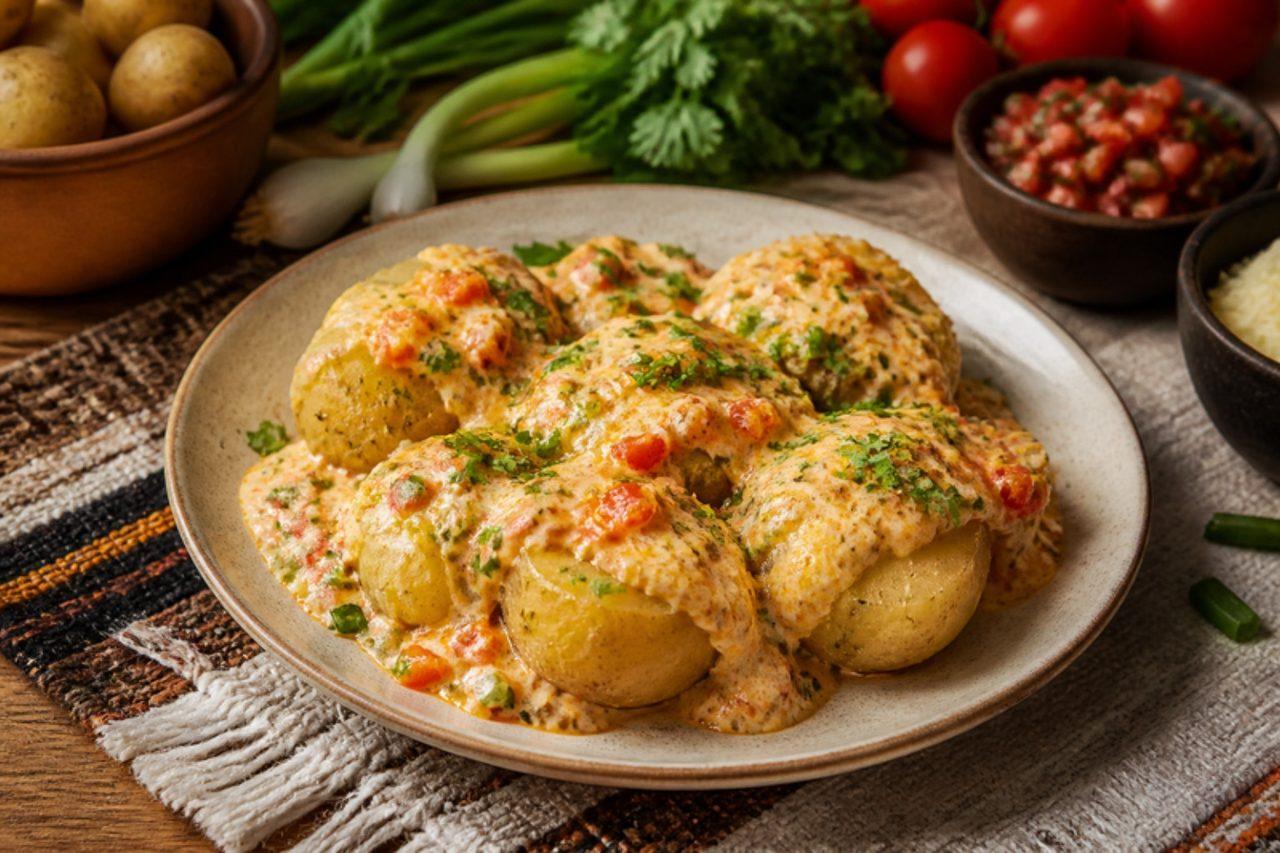
Papas chorreadasPotatoes in tomato cheese sauce

Chorreadas means drenched, and that is the idea: in farmhouse kitchens of Boyacá and Cundinamarca, whole boiled potatoes get a hot, loose sauce of tomato and long spring onion poured over them, enriched with milk and stretchy fresh cheese. It is comfort food from the cold highlands, served beside grilled meat on Sundays or on its own with an arepa and a mug of aguapanela on a weeknight. Colombians use queso campesino or doble crema, both usually made with animal rennet; a vegetarian mozzarella or other microbial-rennet melting cheese works perfectly. The mistake to avoid is adding the cheese to a boiling sauce, which makes it split and turn stringy; keep the heat low. Chef's tip: let the tomato and onion cook until really soft and jammy before the milk goes in, so the sauce tastes sweet and deep rather than raw.

by KrazyBadal 0 views

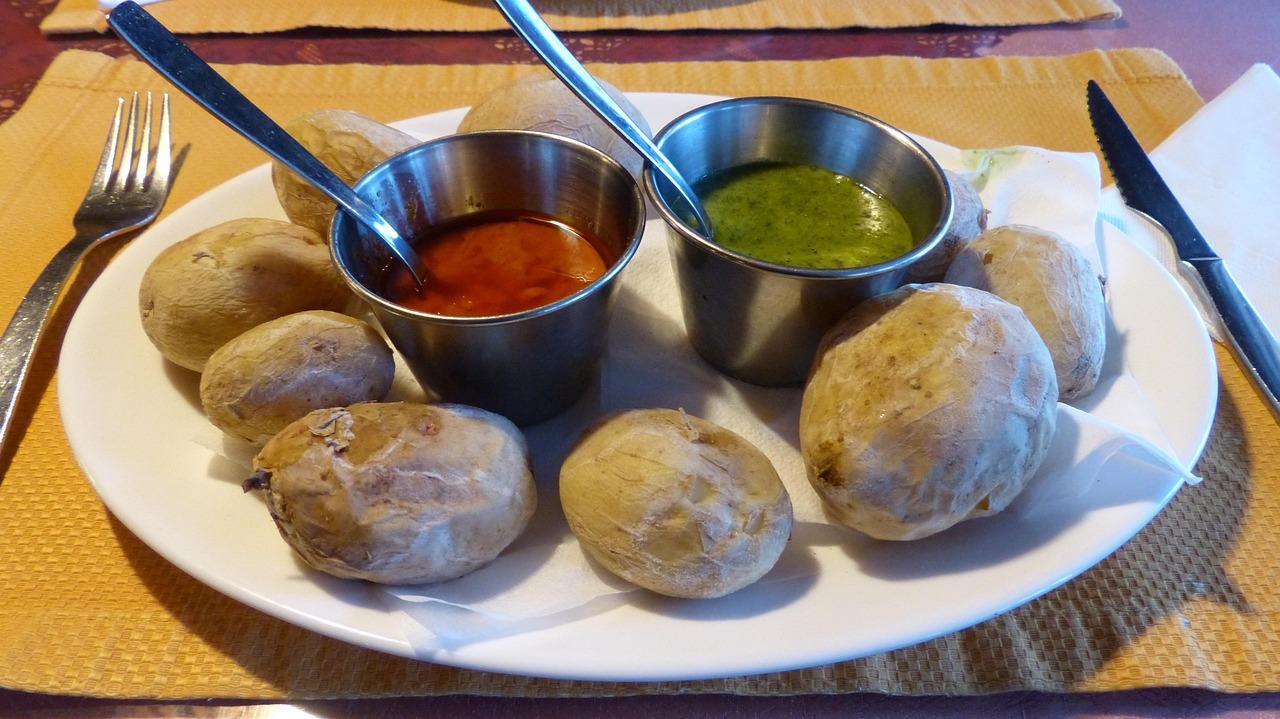
Papas arrugadas con mojo picónWrinkled potatoes with red pepper sauce

No meal in the Canary Islands seems complete without a bowl of papas arrugadas, small potatoes boiled in water as salty as the Atlantic until their skins wrinkle and frost over with white salt. In every guachinche, the pop-up wine-farm eateries in the hills of northern Tenerife, they arrive with a pot of mojo picón, a thick, garlicky sauce of dried red peppers, cumin, paprika and vinegar. Eat them skin and all, dragged through the mojo. Chef's tip: once drained, put the pot back on a low heat and shake it for a minute or two, as that drying is what forms the wrinkles and the salt crust.

by KrazyBadal 0 views

Mingau de tapiocaTapioca and coconut porridge

Before the buses fill up, mingau sellers set out tall aluminium pots on Salvador's street corners and ladle out tapioca porridge into plastic cups for workers on the way in. It is thick, spoon-coating and gently sweet, made with granulated tapioca or small pearls cooked in milk and coconut milk with cinnamon and clove, and finished with a dusting of cinnamon. At home it is a quick breakfast, a soothing supper for children and the classic thing to give someone who is unwell. Many vendors also sell mingau de milho and de puba from neighbouring pots. Where people go wrong is adding the tapioca to boiling milk without soaking it first; it clumps and stays chalky in the middle. Chef's tip: take the pan off the heat while it still looks a little loose, because the tapioca keeps drinking up liquid and the porridge sets thicker within minutes.

by KrazyBadal 0 views

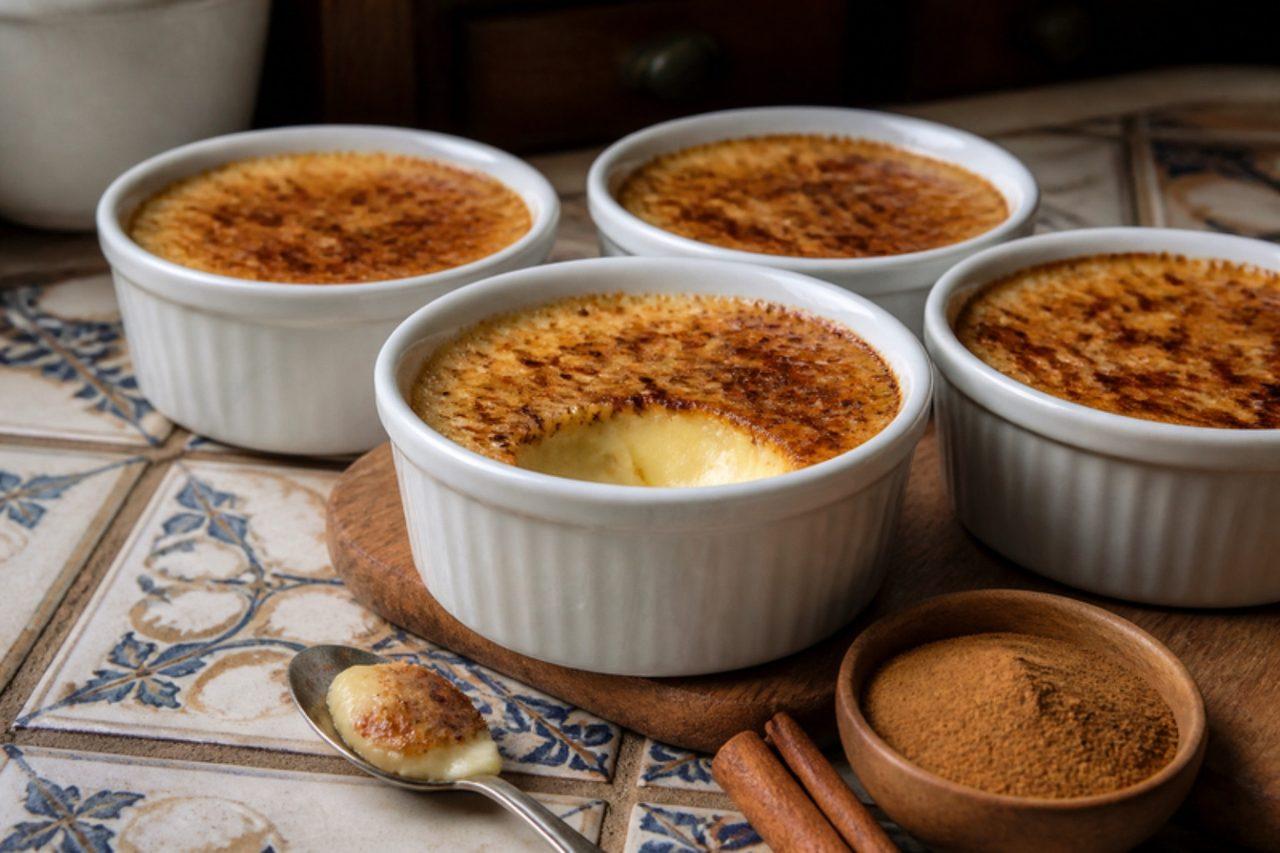
Leche asadaBaked milk custard

A fixture of Lima's set-lunch menus and school canteens, leche asada is the plainer sibling of flan: milk, eggs, sugar and vanilla baked in a dish until set, with no caramel layer, so the top browns into a freckled skin that's the best part. It is lighter and a little less smooth than crème caramel, faintly scented with cinnamon and lemon zest, and served cold in squares or straight from little ramekins. Many cooks rush it in a hot oven, which makes the custard bubble and weep watery holes; bake it low and in a water bath, and only brown the top at the end. It makes a gentle end to a heavy meal and keeps for three days in the fridge. Chef's tip: strain the custard and skim off the foam before baking for a smooth, even set.

by KrazyBadal 0 views

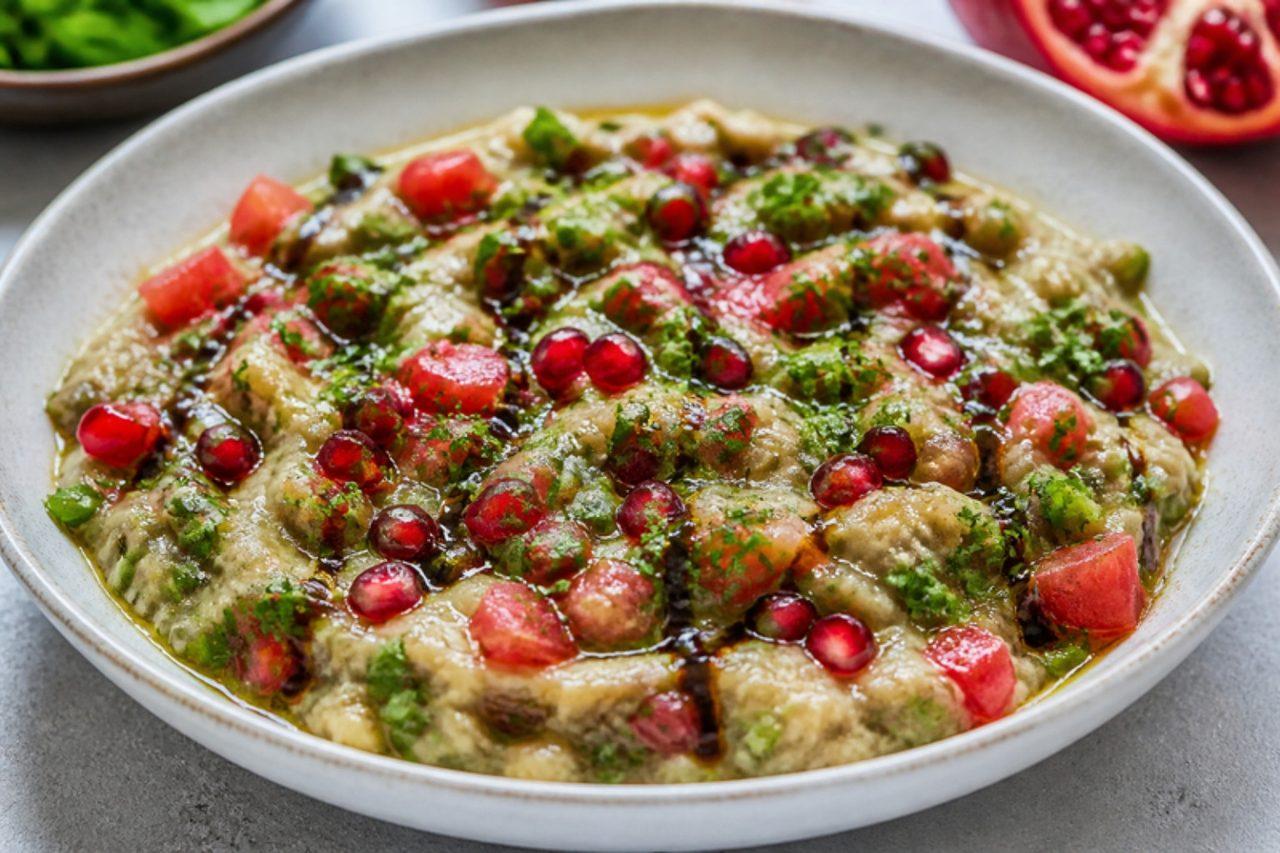
Salatet el rahebSmoky aubergine salad

Mezze restaurants along the Lebanese coast serve salatet el raheb as the fresh, chunky cousin of baba ghanoush: the aubergine is charred until smoky, then chopped rather than puréed and tossed with tomato, peppers, spring onion, parsley and a sharp dressing of lemon and pomegranate molasses. There is no tahini, so it is light and summery and sits well next to grilled halloumi or kebabs. Common mistake: leaving the aubergine juices in; drain the flesh in a sieve or the salad turns watery. Chef's tip: char the aubergines directly over a gas flame or on a barbecue rather than in the oven — the smoky flavour is the soul of the dish.

by KrazyBadal 0 views

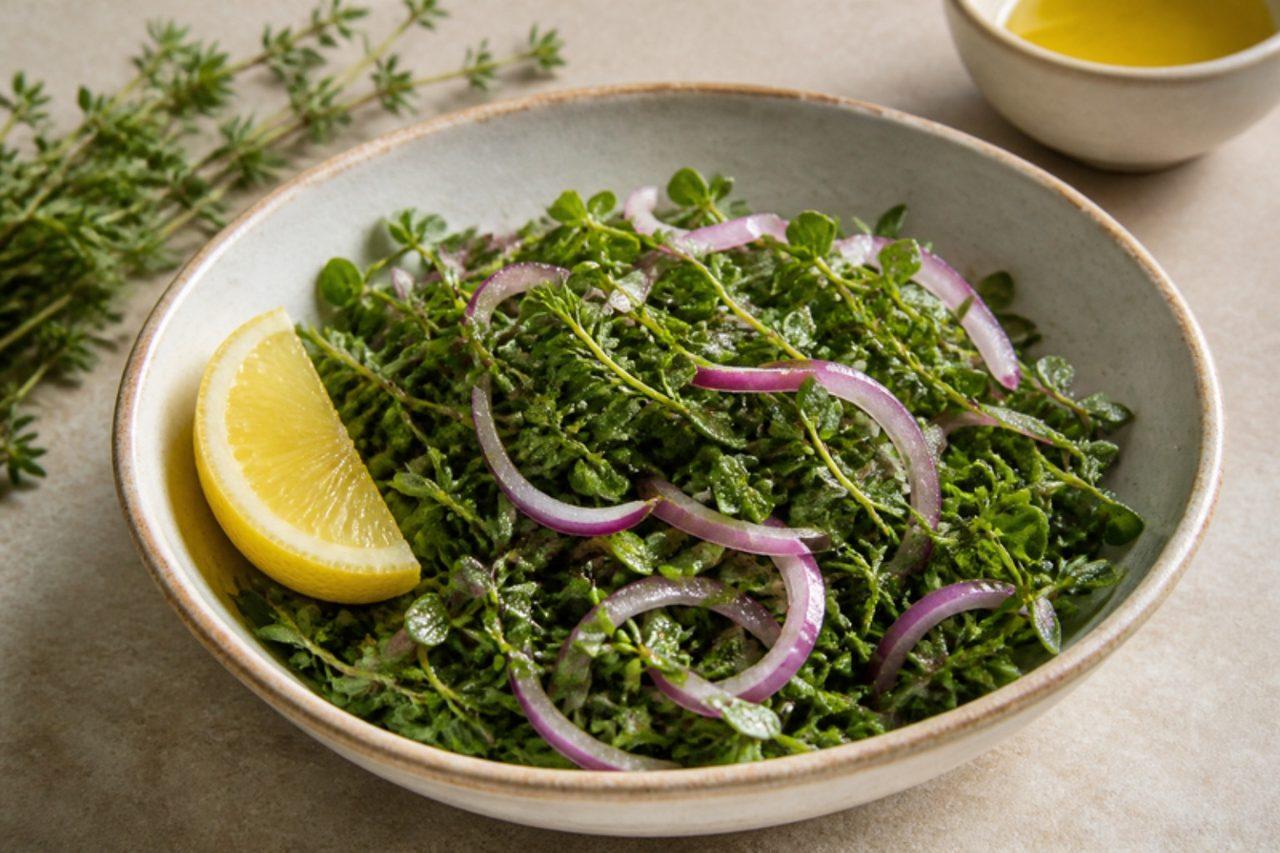
Salatet za'atar akhdarFresh thyme leaf salad

In spring, Palestinian families pick young za'atar (wild hyssop-thyme) from the hills of the West Bank and the Galilee, and the tender leaves are tossed raw with onion, lemon and the year's new olive oil. The salad is sharp, piney and peppery, eaten as part of breakfast with labneh, olives and warm taboon bread, or beside grilled meat. If you can't find fresh za'atar, a mix of fresh oregano, thyme and a little marjoram comes close. Common mistake: chopping the leaves; keep them whole so they stay perky and don't turn dark. Chef's tip: rub the sliced onion with sumac and salt for 5 minutes first; it softens its bite and turns it a pretty pink.

by KrazyBadal 0 views

SalchipapaFries with sliced sausage

Late at night outside the bars and football stadiums of Bogotá and Medellín, carts and fast-food counters sell salchipapa by the plastic tray: hot chips topped with fried slices of hot dog sausage, drowned in salsa rosada (ketchup mixed with mayonnaise), mustard and grated cheese, sometimes with a squirt of pineapple sauce. Kids love it, and it's an easy Friday-night dinner at home: salty, crisp and soft at once, with the sweet-tangy pink sauce tying everything together. The way it goes wrong is soggy fries; double frying keeps them crisp under all that sauce. Chef's tip: slice the sausages on the diagonal and fry them until they curl and blister at the edges; the crisp bits make the dish.

by KrazyBadal 0 views

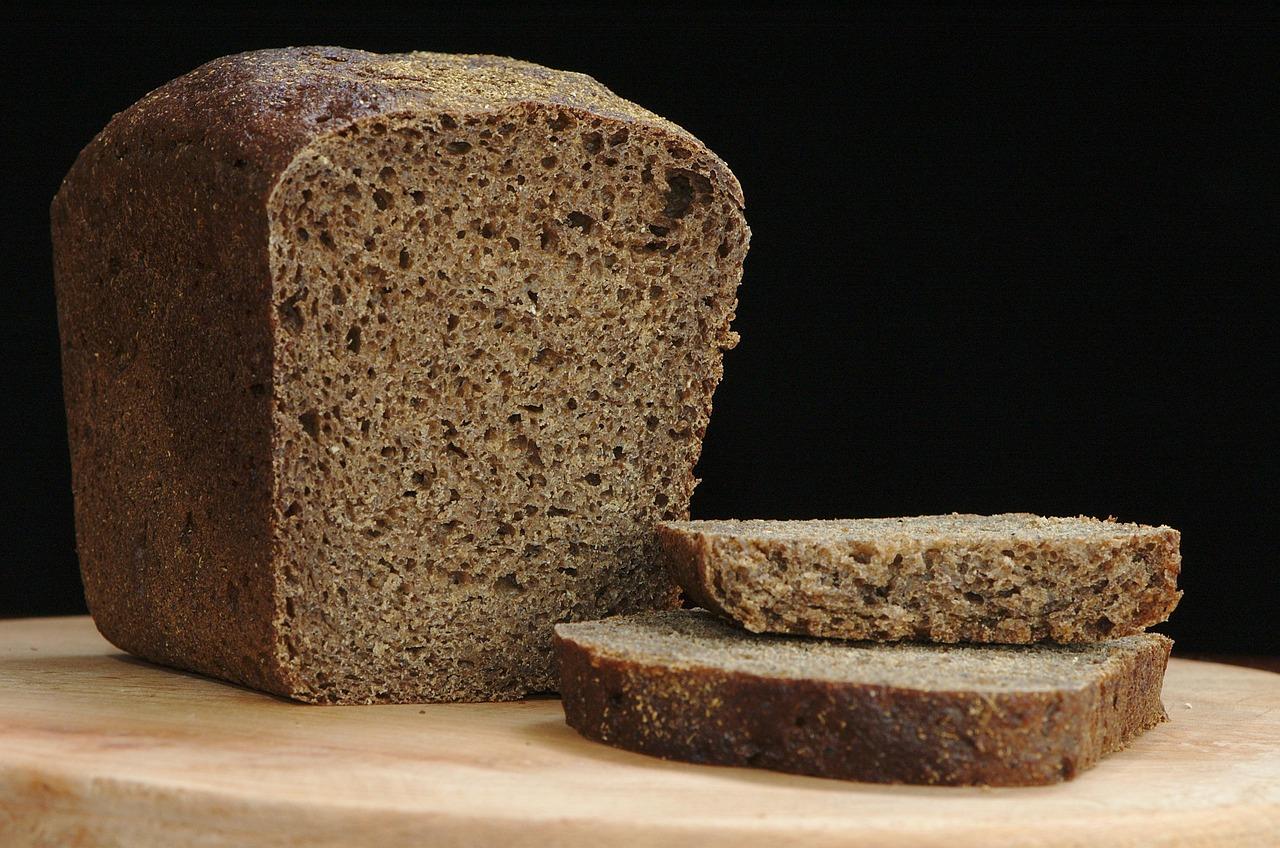
VollkornbrotSeeded whole-rye loaf

Vollkornbrot is the dense, seedy tin loaf of northern Germany, from Hamburg to Bremen, sliced thin and eaten for breakfast or packed for work in a lunchbox with cheese, cucumber or a smear of quark. It is almost all whole rye: cracked grains, rye meal and a mix of sunflower seeds, linseed and sesame, all soaked overnight so the bread stays moist for a week. There is no shaping and no kneading, which makes it easier than it looks. A common mistake is cutting it warm, which leaves the knife and the slices gummy. Chef's tip: let the loaf cool in the tin for 10 minutes, then turn it out and wrap it in a tea towel overnight; the crust softens slightly and the crumb sets evenly.

by KrazyBadal 0 views

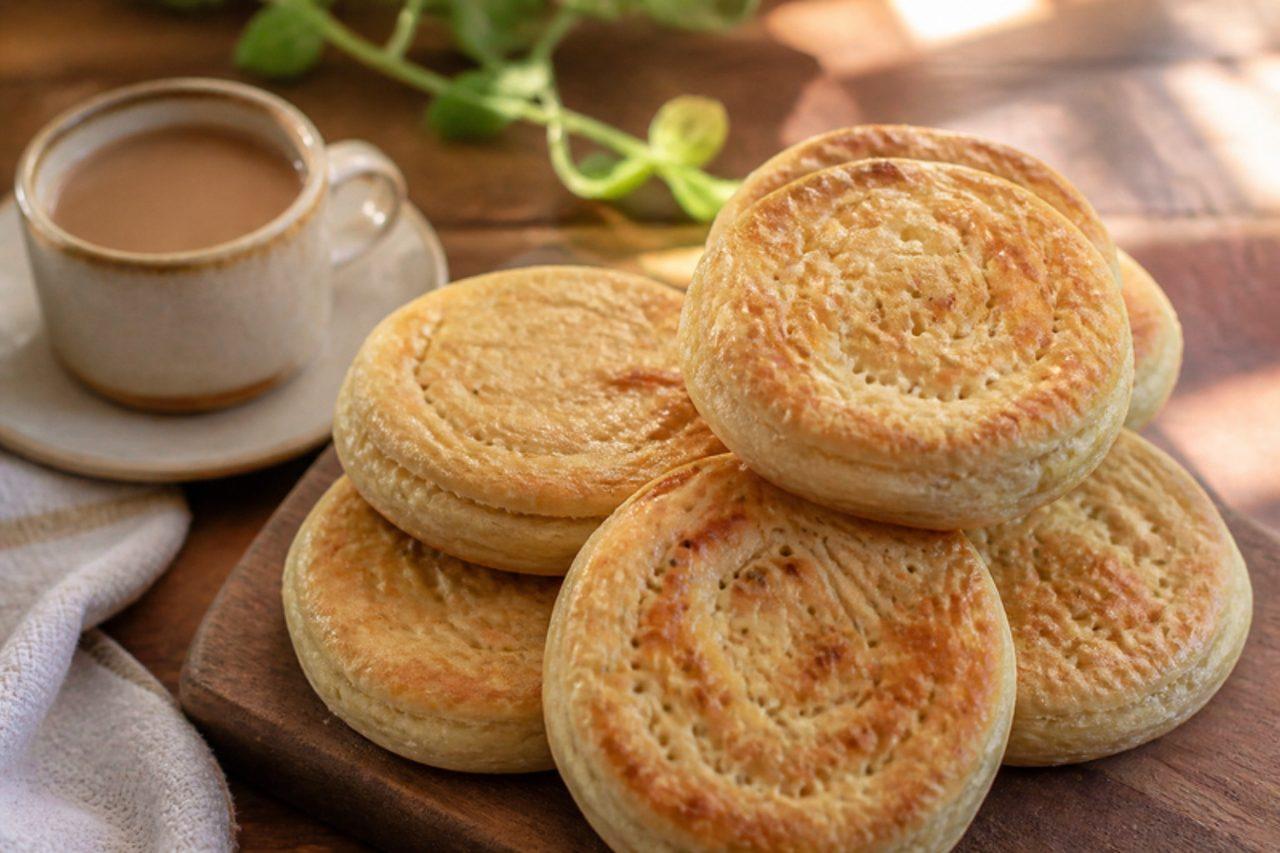
Tortitas mendocinasFlaky round breakfast breads

Every panadería in Mendoza fills a tray with tortitas in the early morning, and they go out in paper bags to be eaten warm with mate, split and spread with butter, quince paste or a slice of cheese. They are flat, round, slightly salty breads, soft and layered in the middle and crisp at the edges, with the fork marks that give them away. The traditional fat is beef lard (grasa), which makes them very short; here butter or vegetable shortening takes its place to keep them vegetarian, and both give a good flaky result. The mistake to avoid is rolling them thin like crackers: they should be a generous centimetre thick, or they bake hard and dry. Chef's tip: fold the dough in three twice before the final roll, like a quick puff pastry; those folds give tortitas their layers.

by KrazyBadal 0 views

VyssinadaSour cherry drink

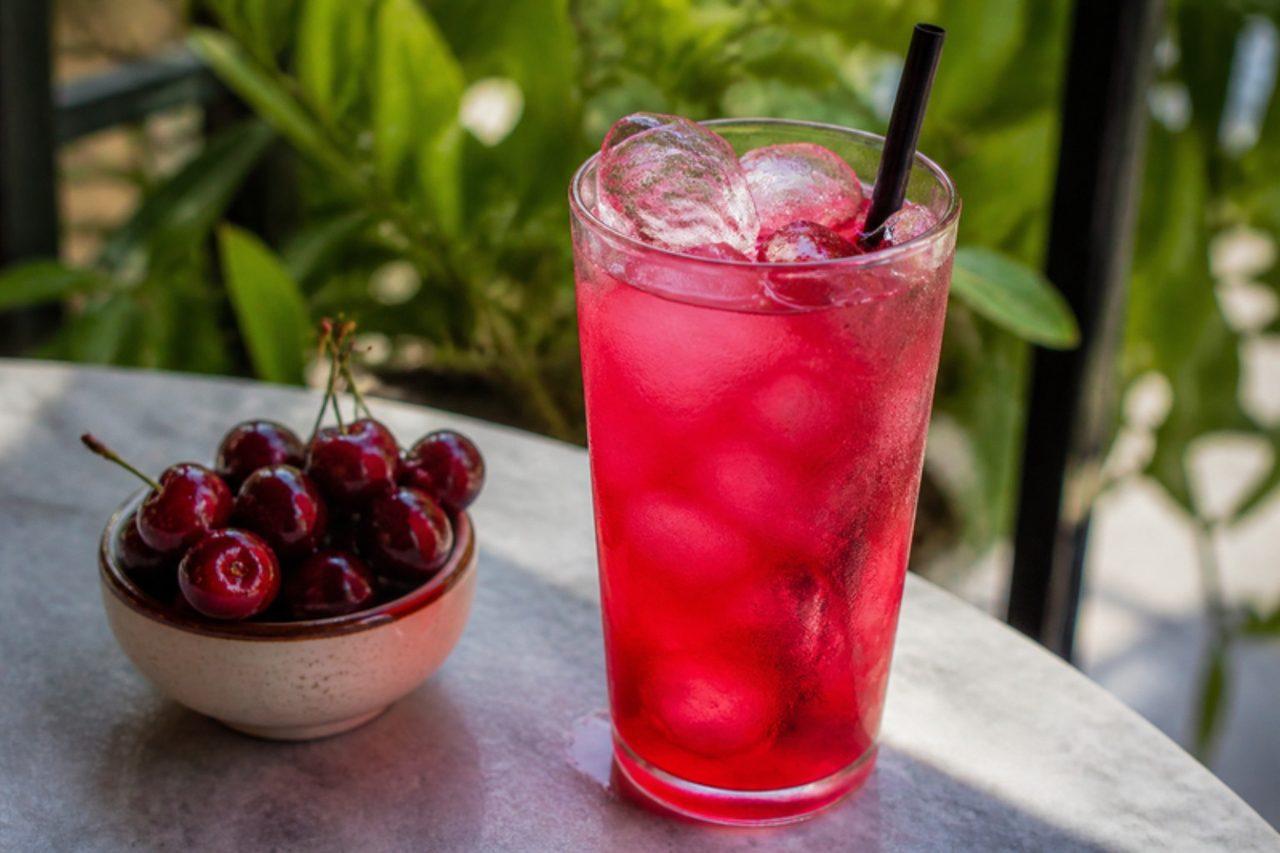
Before fizzy drinks arrived, a tall glass of vyssinada was what you ordered in a Volos or Larissa kafeneio on an August afternoon: sour cherry syrup topped with iced water, sweet and sharp and bright red. Families in Thessaly still make a cordial from the summer cherry crop and keep the bottles in the fridge for weeks. Common mistake: squashing the cherries too hard through the sieve, which clouds the syrup — let the juice drip. Chef's tip: top with sparkling water and a squeeze of lemon for a lighter, livelier glass.

by KrazyBadal 0 views

Vyssino glykoSour cherry spoon sweet

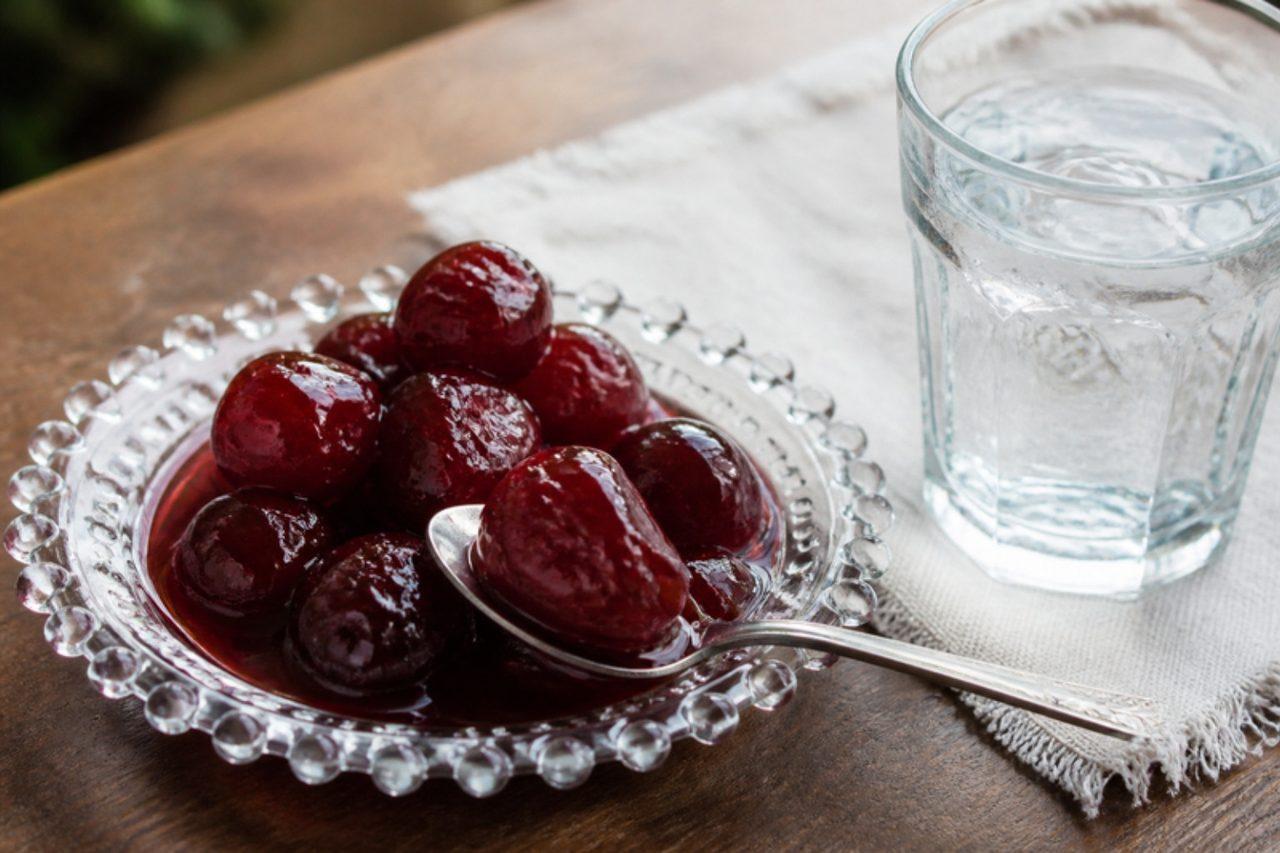
In the mountain villages of Pelion, above Volos, every pantry holds jars of spoon sweets, and the sour cherry one is the jewel: whole stoned cherries in a thick, ruby syrup, offered to visitors on a tiny plate with a glass of cold water. It also spoons beautifully over Greek yoghurt or vanilla ice cream, and the syrup makes vyssinada, a summer drink. Common mistake: boiling too long, which shrivels the cherries and turns the syrup to toffee — test it on a cold saucer. Chef's tip: macerate the stoned cherries in sugar overnight; they release their juice and stay plump.

by KrazyBadal 0 views

Tabakh rohoLamb and summer vegetable stew

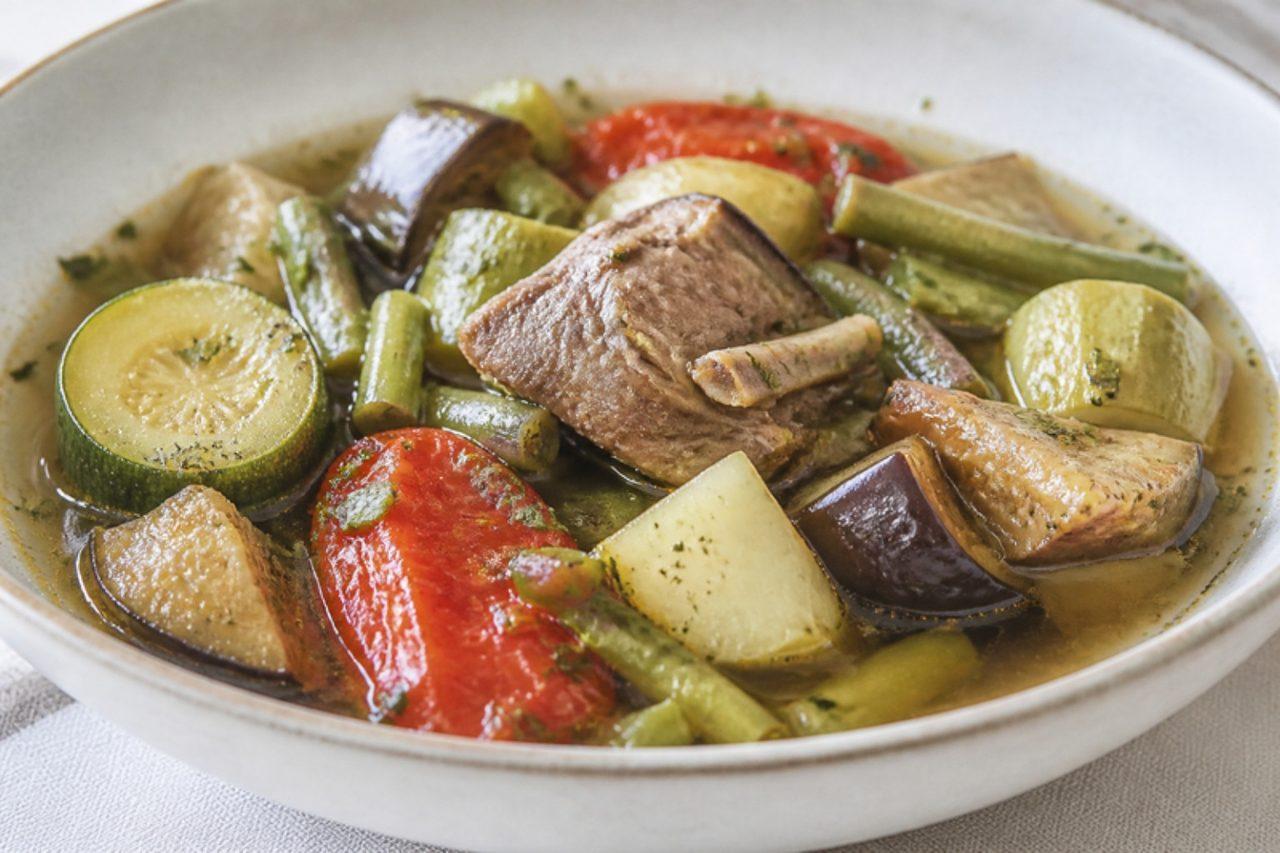
Tabakh roho means 'it cooks itself', and this Damascus summer stew does just that: chunks of lamb, aubergine, courgette, potatoes, peppers and tomatoes are layered in a pot with garlic and dried mint and left to simmer quietly until everything is soft and the juices have mingled. Home cooks make it in July and August when the vegetables are cheapest, and it is eaten with rice or bread. Common mistake: stirring it — the layers should stay intact so each vegetable keeps its shape. Chef's tip: put the potatoes at the bottom where the heat is strongest and the tomatoes on top so their juices baste everything below.

115 minSyrianMeatGluten free
by KrazyBadal 0 views

Sally Lunn bunsBrioche-style bun

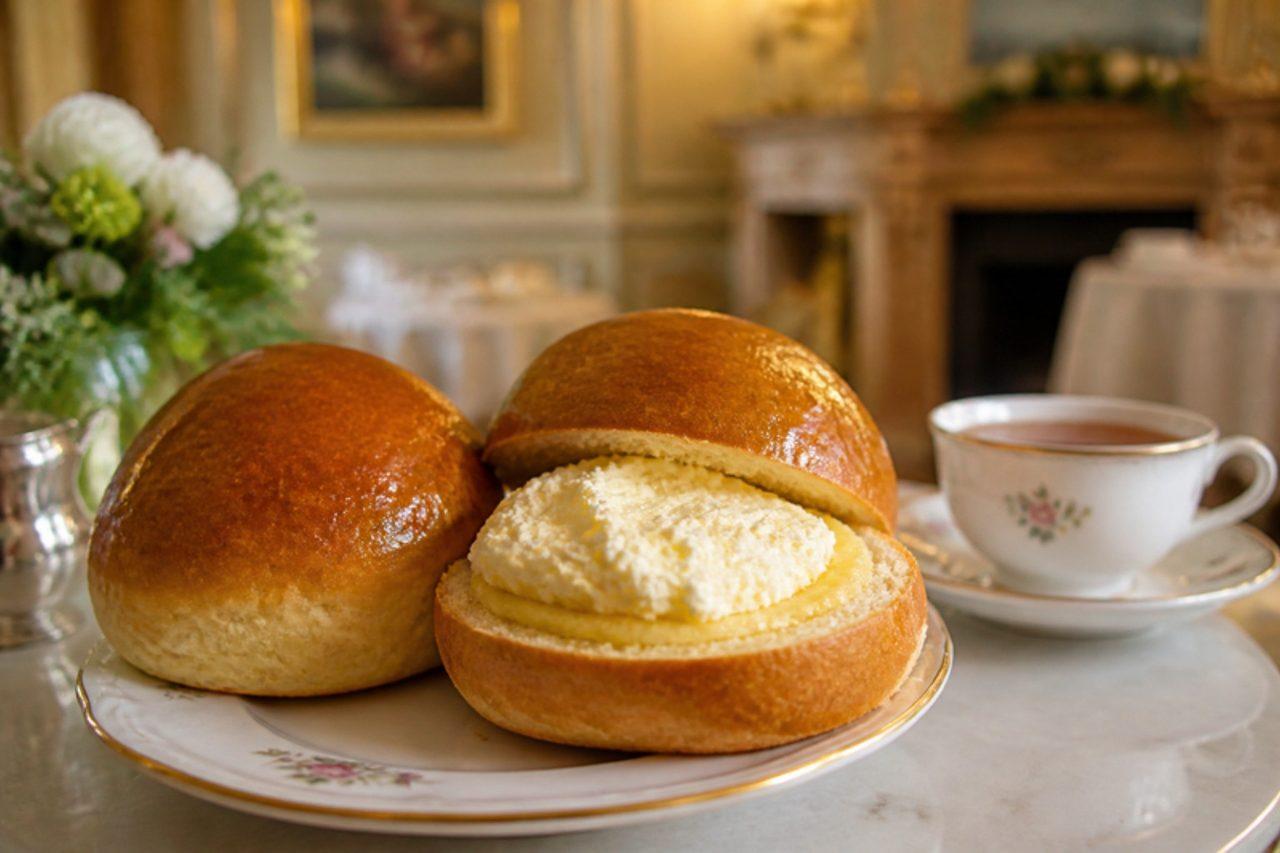
The Sally Lunn is a huge, airy, enriched bun from the Georgian city of Bath, where an old house by the Abbey still serves it split and toasted, sweet with cinnamon butter or savoury with cheese. The dough is soft, with plenty of egg, butter and cream, so it bakes up light like brioche. Chef's tip: the dough is very soft; use a cake tin to hold its shape rather than shaping it freehand.

by KrazyBadal 0 views

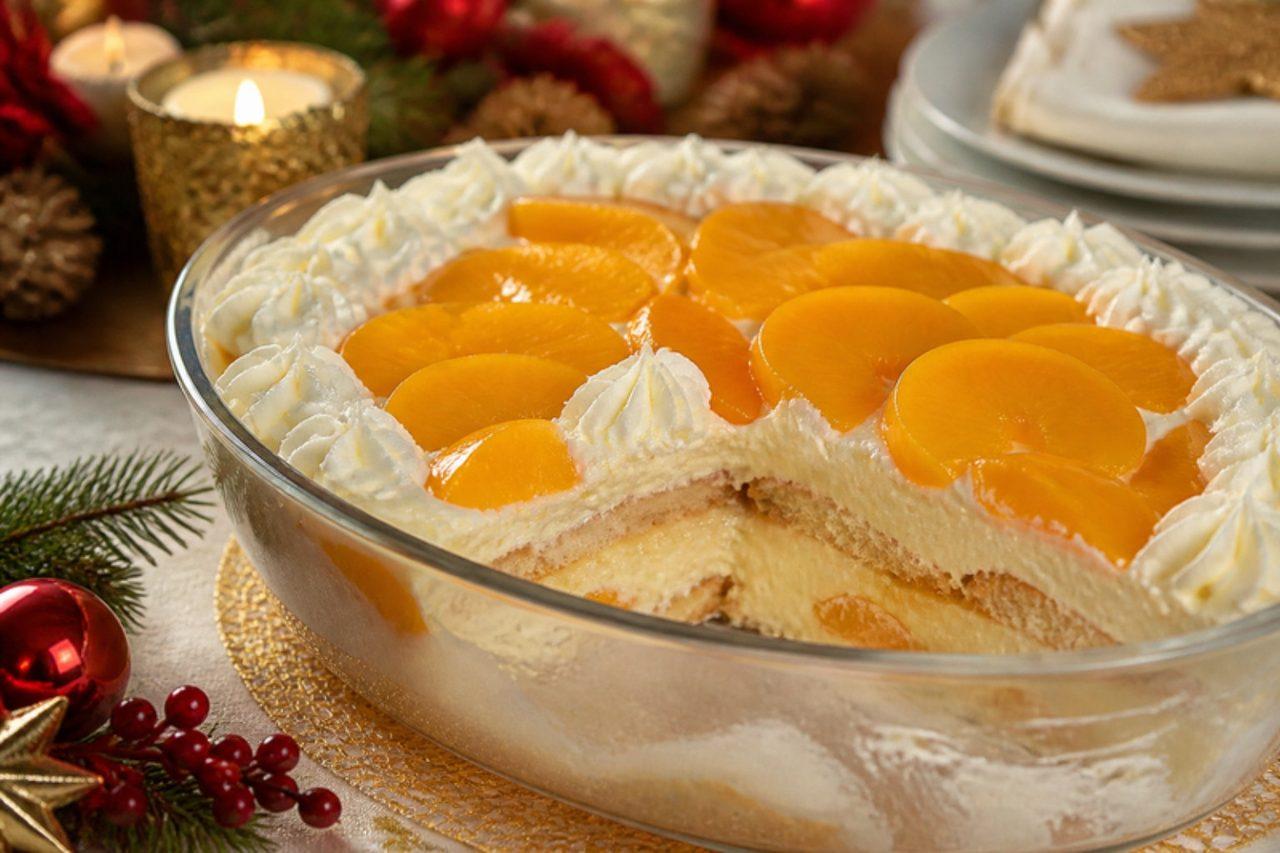
Pavê de pêssegoLayered peach biscuit dessert

No Brazilian Christmas or New Year table feels complete without a glass dish of pavê in the fridge, and the old joke at every family supper is 'é pavê ou pra comer?' ('is it pavê or is it for eating?'). Rows of Maria or champagne biscuits are softened in milk or peach syrup, then layered with a thick vanilla custard made from condensed milk and egg yolks, sliced peaches and a cloud of whipped cream. It is cool, creamy and fruity, a relief after a heavy ceia. Chocolate pavê is just as common: replace the peaches with a chocolate layer, as in the tip. Too much soaking liquid is the classic fault, and the dessert collapses into a pool in the base. Chef's tip: dip each biscuit for a single count in the syrup; they keep softening overnight in the custard. For chocolate pavê, stir 100 g melted dark chocolate into half the custard and layer it in place of the peaches.

by KrazyBadal 0 views

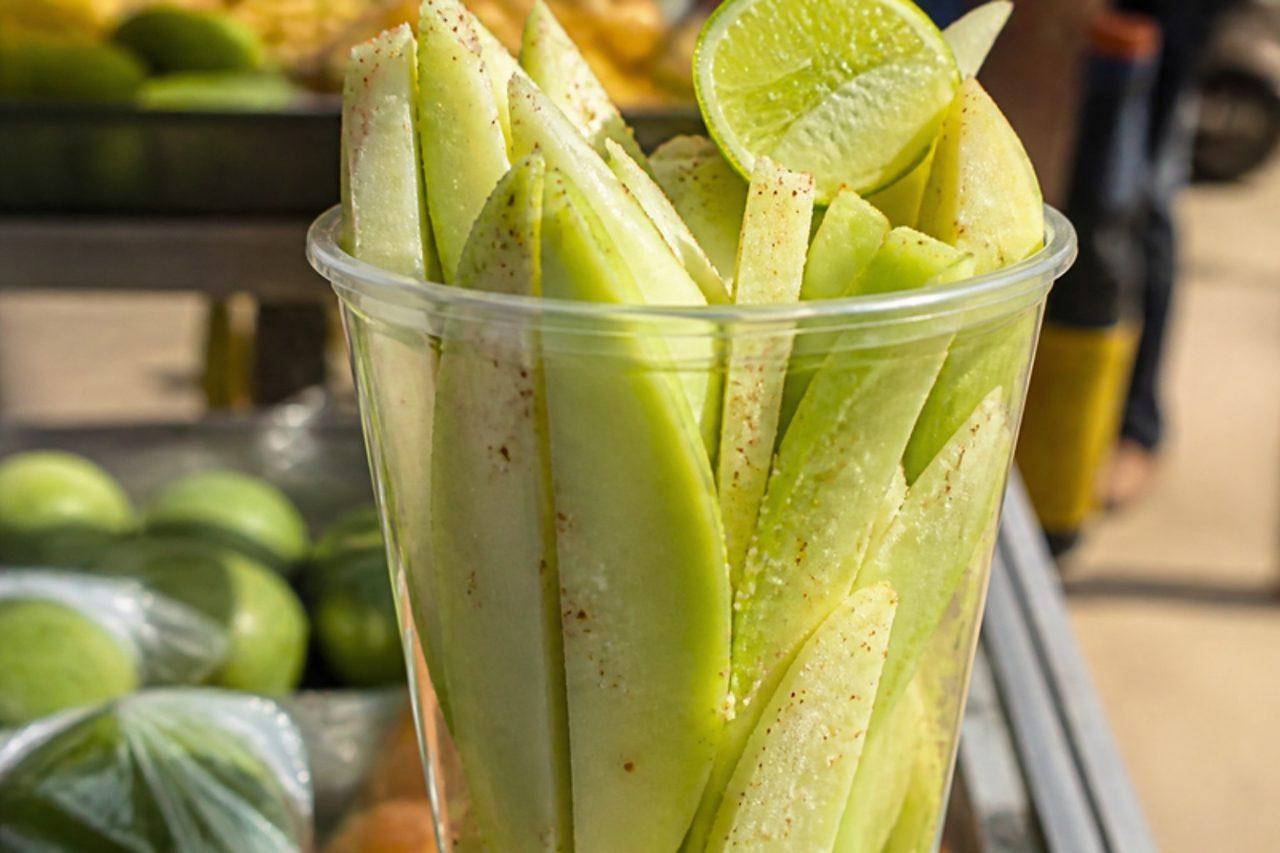
Mango bicheGreen mango with salt and lime

Paper and plastic cones of mango biche are sold from street carts in Cali, Barranquilla and Bogotá, especially around schools, parks and bus stops. Biche means unripe: the mango is still hard and pale green inside, so it is crunchy and mouth-puckeringly sour, and the vendor cuts it into long strips and shakes on salt, lime and black pepper, sometimes a pinch of chilli. It is a refreshing, almost savoury snack, eaten in the afternoon heat. Choosing a mango that has started to ripen is the slip that spoils it: the flesh should be firm and white-green with no yellow, or it turns soft and sweet. Look for green mangoes in Asian and Latin shops. Chef's tip: chill the mango for 30 minutes before cutting; the strips stay crisp and the salt and lime cling better.

by KrazyBadal 0 views

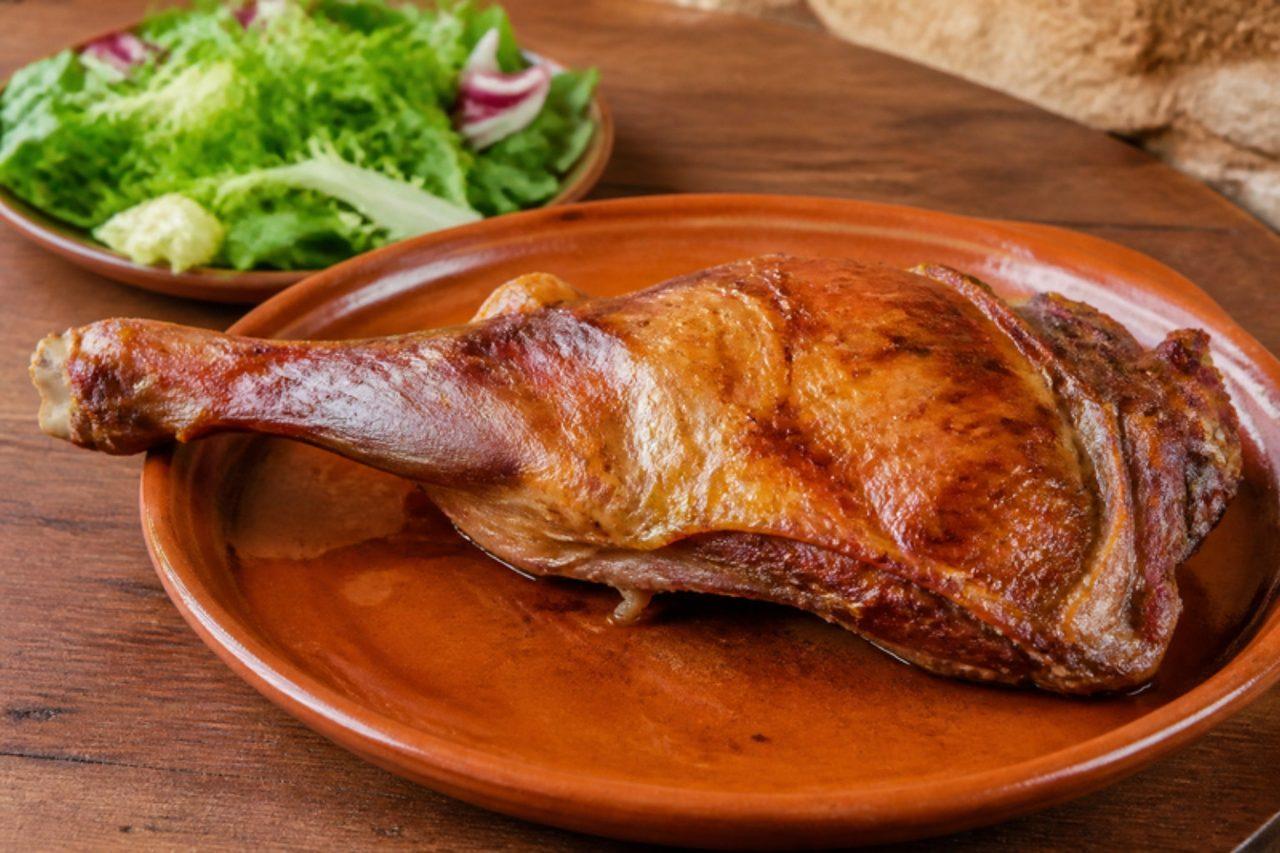
Lechazo asadoRoast milk-fed lamb

Along the Duero valley, in towns like Aranda de Duero, Sepúlveda and Peñafiel, wood-fired asadores roast quarters of lechazo, lamb fed only on its mother's milk, in clay dishes with nothing but water and salt. Families drive out for it on a Sunday and eat it with bread and a salad of lettuce and onion. A little lard is rubbed on in some asadores; this contains pork (lard), or use olive oil. Milk-fed lamb is small and pale; spring lamb works but needs longer. Chef's tip: don't add herbs or garlic; the delicate flavour is the point.

130 minSpanishMeatGluten free
by KrazyBadal 0 views

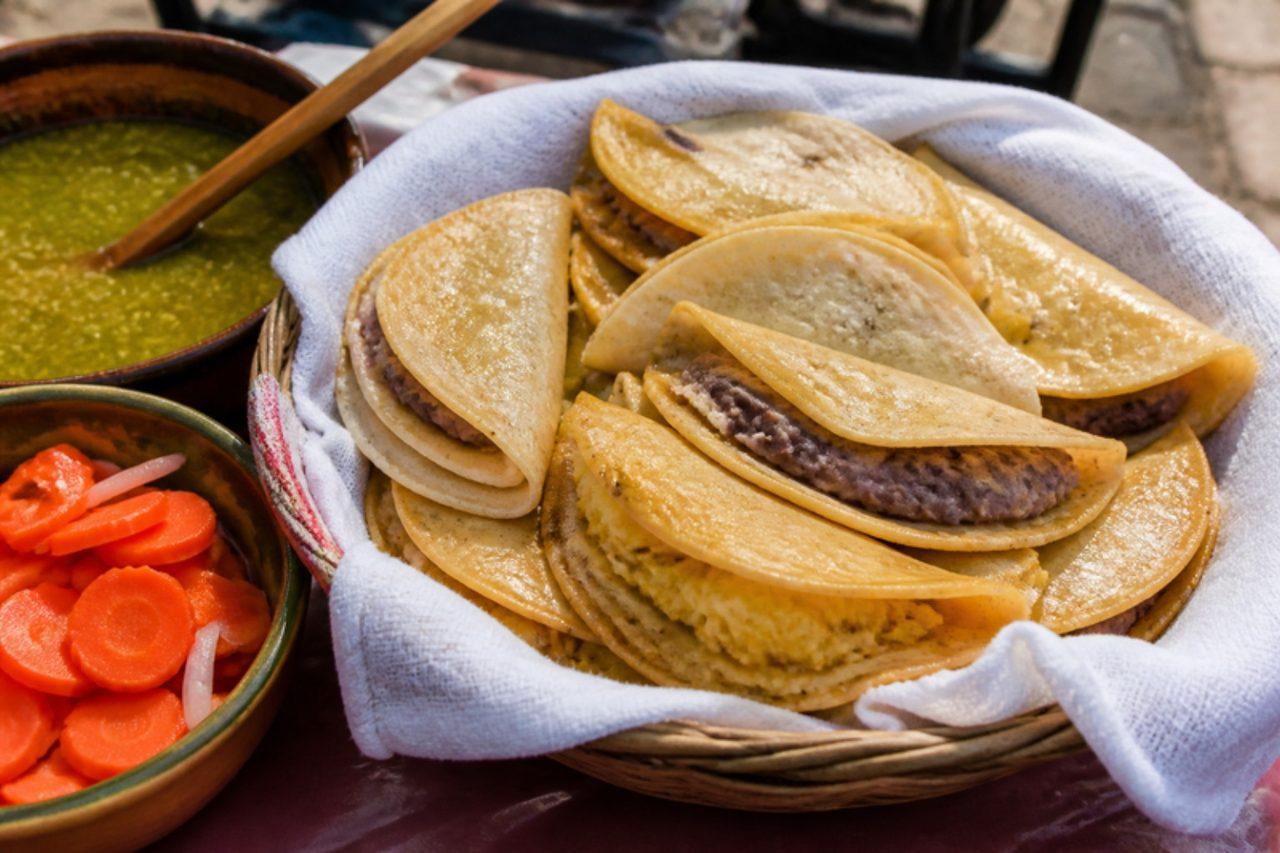
Tacos de canastaSteamed basket tacos

From about nine in the morning, bicycles with a wicker basket strapped behind the seat roll into Mexico City offices and street corners, and the cry of 'tacos de canasta' goes up. Inside the basket, wrapped in cloth and plastic, a hundred small tacos have steamed in their own heat for hours, so the tortillas turn soft, glossy and slightly sticky with chilli-red oil. They are cheap, sold by the handful, and eaten with green salsa from a jar on the bike. The usual fillings are potato, refried beans, adobo and chicharrón prensado (pressed pork rind); this recipe makes the two vegetarian ones and leaves out the pork. Chef's tip: an insulated cool box lined with a tea towel does the same job as the basket and keeps them hot for two hours.

by KrazyBadal 0 views

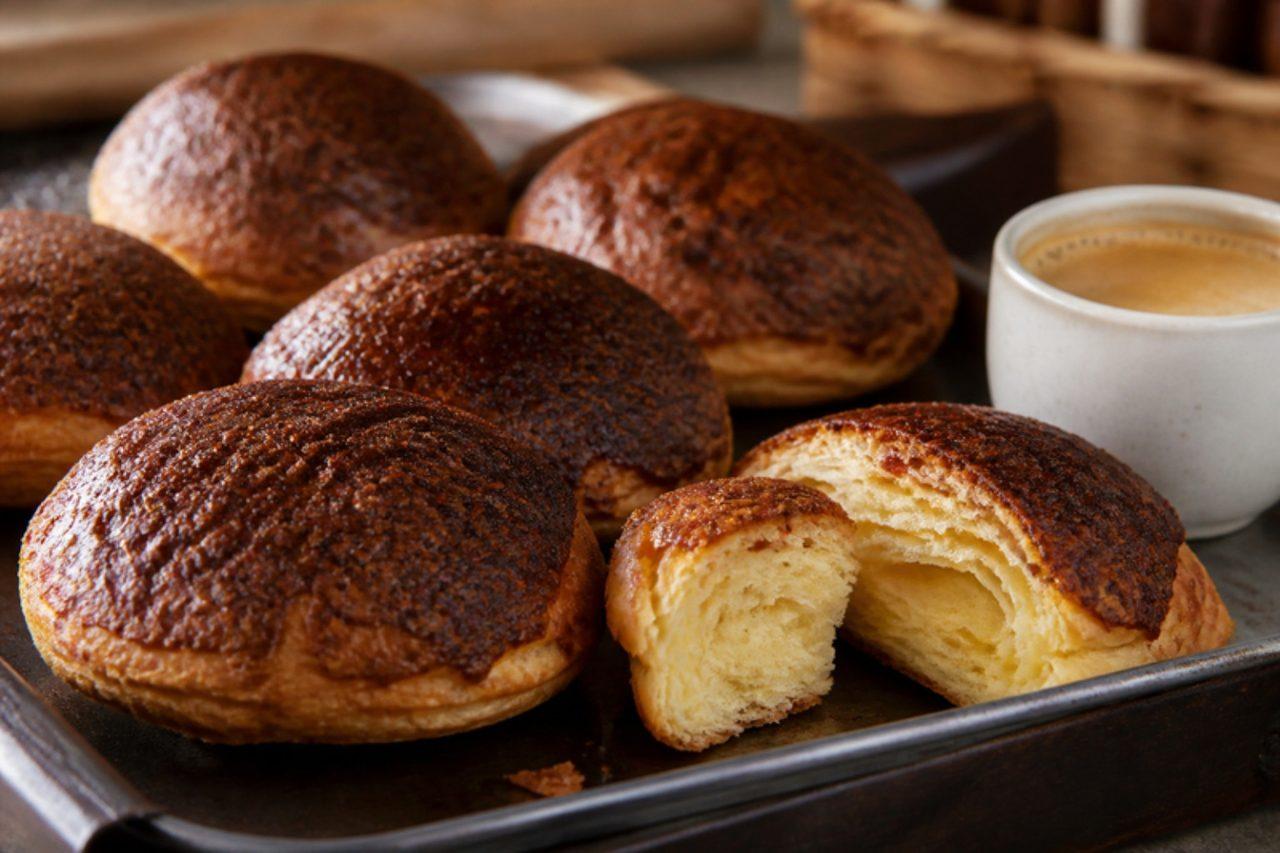
Tortitas negrasBrown sugar-topped buns

Black cakes, the name means, though only their tops are dark: tortitas negras are flat, round, flaky buns covered with a thick crust of dark brown sugar that melts in the oven and sets crunchy and toffee-like. They are among the cheapest and most popular facturas in Buenos Aires bakeries, eaten from a paper bag at breakfast or as a merienda with mate, and everyone fights over the sugary edges. The dough is a lightly laminated yeast dough, between bread and puff pastry. Bakeries often use lard or margarine; this version uses butter and stays vegetarian. Being stingy with the sugar is the classic misstep: a thin layer just melts into the dough and disappears, so pile it on thickly and press it down. Chef's tip: brush the rounds with water, not egg, before adding the sugar; the water melts the sugar into a crisp, crackling shell.

by KrazyBadal 0 views

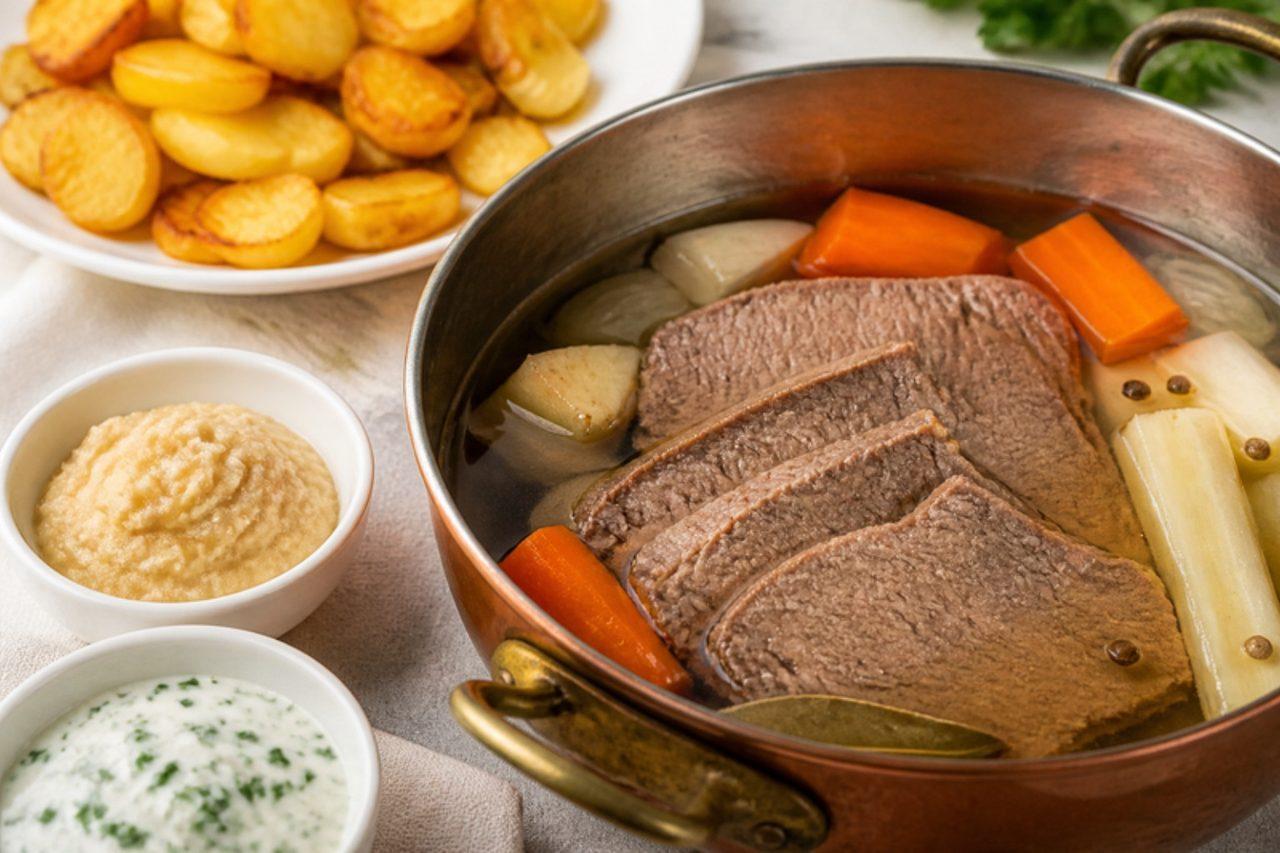
TafelspitzSimmered beef with apple horseradish

Tafelspitz is Vienna's grand Sunday lunch, the dish the old Beisl taverns and the city's famous beef restaurants built their names on. A whole piece of beef top rump is barely simmered with root vegetables for hours, then served in three acts: first the clear golden broth, then the sliced beef with crisp roast potatoes, sharp Apfelkren (grated apple and horseradish) and a cool chive sauce. Keep any leftover broth for Grießnockerlsuppe or Frittatensuppe. Chef's tip: never let the pot bubble; a slow tremble keeps the meat juicy and the broth clear.

210 minAustrianMeatGluten free
by KrazyBadal 0 views

FastnachtsPotato doughnuts

On Fastnacht Day, the Tuesday before Lent, bakeries and church kitchens across south-central Pennsylvania fry thousands of these square potato doughnuts to use up the fat and sugar before the fast. Mashed potato in the yeast dough makes them light but slightly dense and moist. They are eaten plain, sugared, or split and spread with molasses. Chef's tip: cut them into squares with a knife and make a slit in the middle of each; that is the traditional Fastnacht, and there are no scraps to re-roll.

by KrazyBadal 0 views

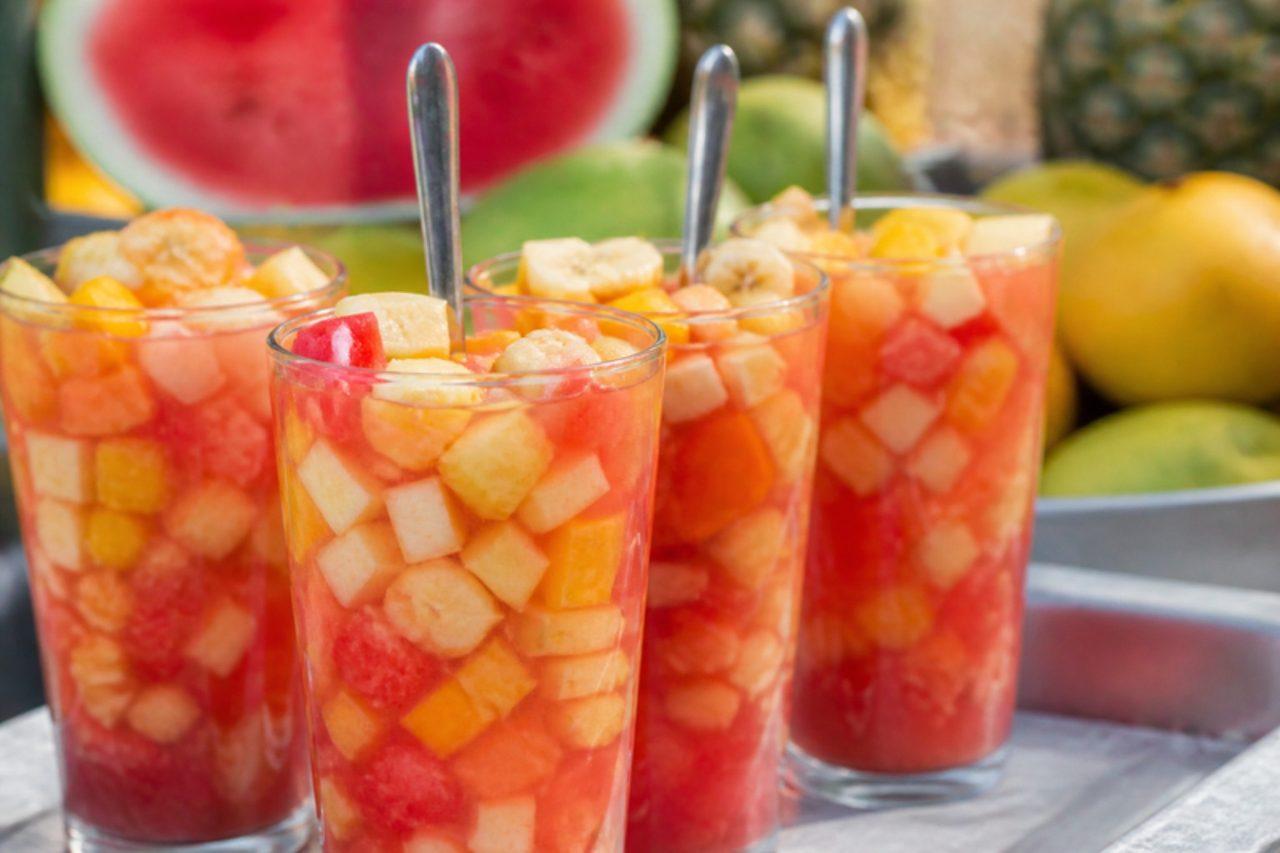
Salpicón de frutasDiced fruit in watermelon juice

Salpicón is what Caleños grab at fruit stands and in the parks of San Antonio when the afternoon heat sets in: a tall cup of tiny, jewel-like cubes of papaya, pineapple, mango, banana and apple, swimming in freshly blended watermelon juice, eaten with a spoon and drunk to the last drop. Some stalls top it up with a fizzy orange or lemon soda; this version keeps it to fresh juice. It is sweet, cool and very refreshing. The mistake people make is cutting the fruit too big; the joy is in tiny cubes you can drink through the juice. Chef's tip: blend and strain the watermelon just before serving and keep everything ice cold; watermelon juice loses its fresh taste within an hour.

by KrazyBadal 0 views

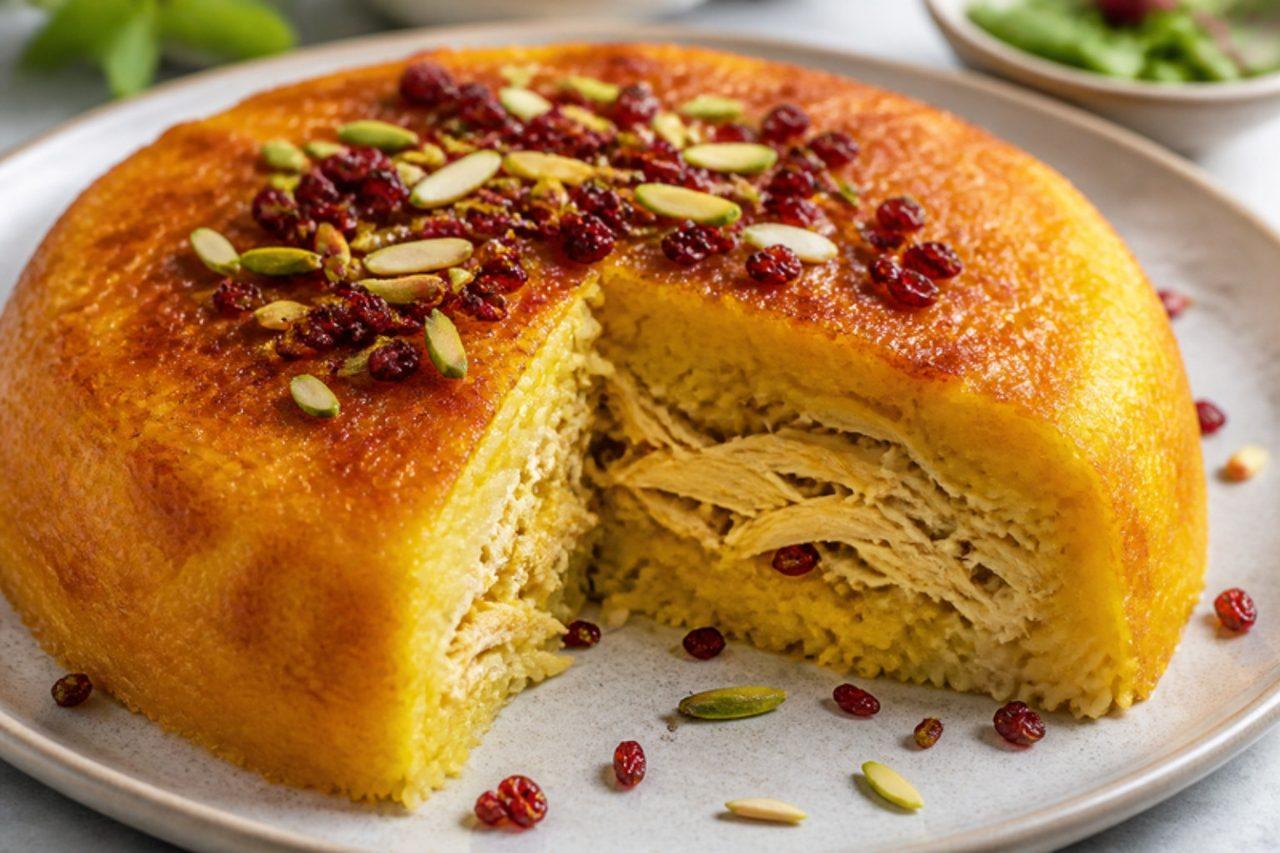
Tah-chinSaffron rice cake with chicken

Tah-chin is the showpiece of a Tehran dinner party: a round cake of saffron rice set with yogurt and egg, turned out of its dish so the thick golden crust sits on top like a lid, with a layer of tender chicken hidden inside. Families make it for birthdays, Nowruz visits and any day guests are coming, and the barberries scattered over the top add tart red jewels. The crust should crack like a crisp biscuit while the rice inside stays soft. A common mistake is skimping on the resting time after baking; turned out too early, the cake slumps and the crust sticks. Chef's tip: marinate the cooked chicken in a spoon of the yogurt mixture while the rice boils, so the filling is as well seasoned as the rice.

by KrazyBadal 0 views

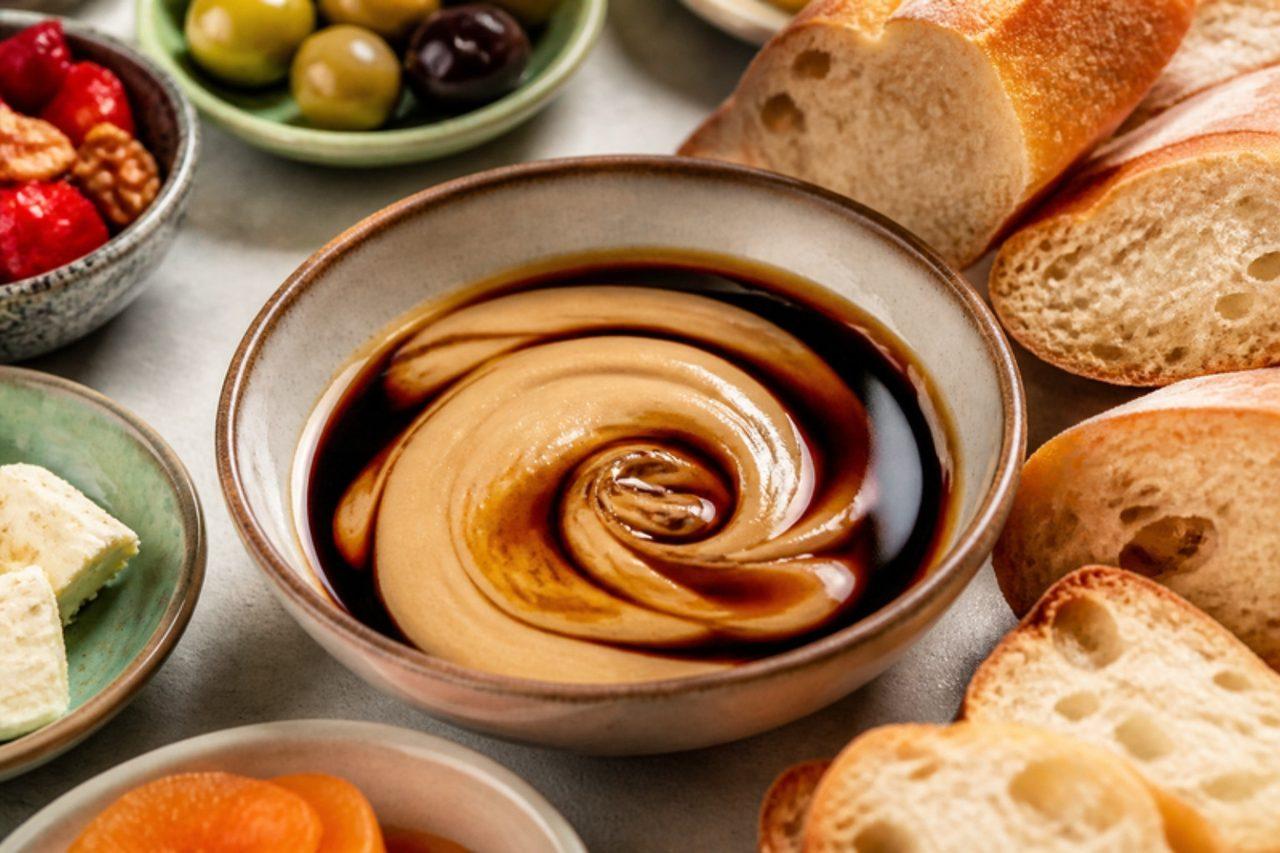
Tahin pekmezTahini and grape molasses

Tahin pekmez is the simplest thing on a Turkish breakfast table and one of the most loved: tahini and dark grape molasses (pekmez) swirled together on a plate and mopped up with bread. In Central Anatolia and the Aegean, where grapes are boiled down each autumn, grandparents swear by it as a warming winter food. Stirred thoroughly, it becomes a thick, glossy spread that tastes of caramel and sesame. Common mistake: using tahini straight from the bottom of the jar; stir it well first or it is stiff and bitter. Chef's tip: add a few drops of lemon juice and keep stirring; the mixture suddenly thickens and lightens like a nut butter.

by KrazyBadal 0 views

Petits pâtés de PézenasSweet spiced lamb pies

Pézenas, the old Languedoc town of Molière, is famous for these little pies shaped like cotton reels, sold warm from its bakeries all winter and especially around Christmas. Local legend links them to the Indian cooks of Lord Clive, who stayed nearby in 1768, which would explain the unexpected sweet-savoury filling of minced lamb, brown sugar and lemon zest. They have a crisp, sturdy hot-water crust and a juicy, gently sweet centre with a hint of spice. Eat them warm as a starter, with a green salad, or as a mid-morning snack the way Piscénois do. Chef's tip: shape the pastry while it is still warm and supple; once it cools it cracks instead of folding.

by KrazyBadal 0 views

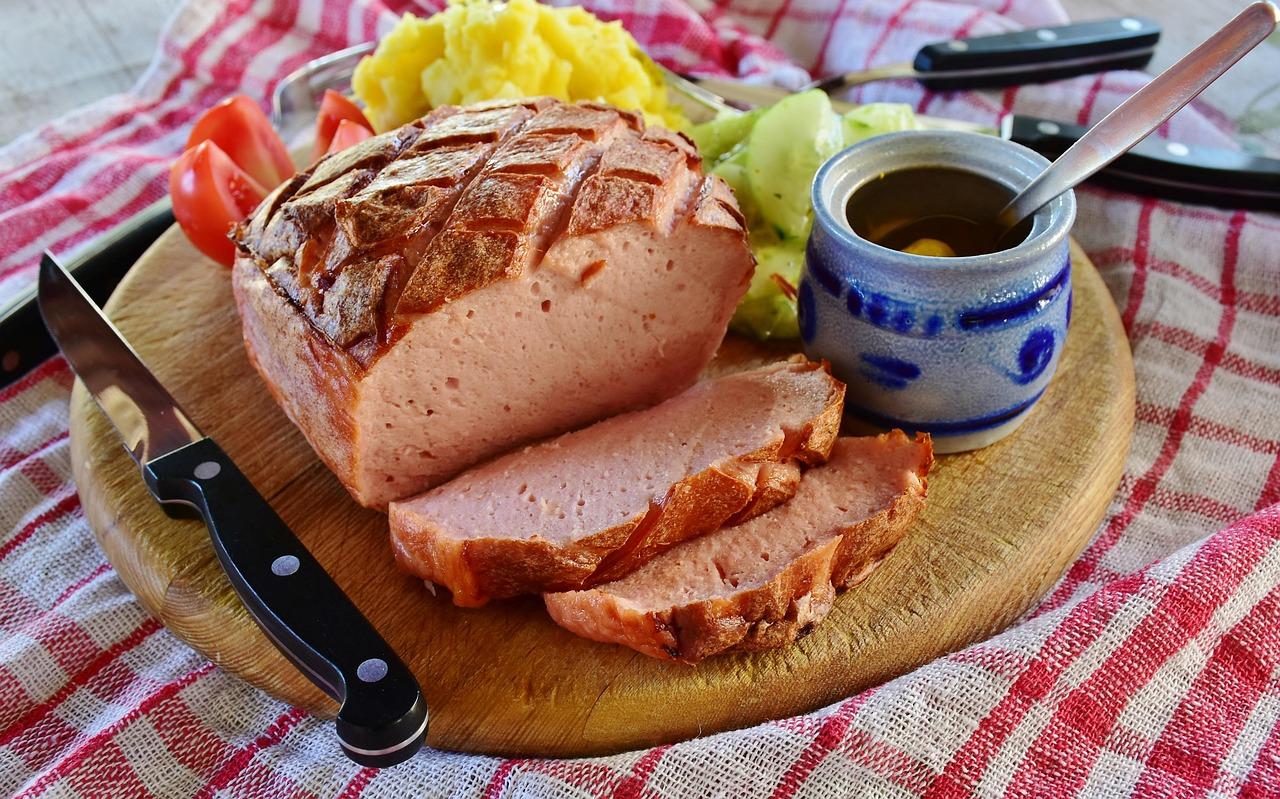
LeberkäseBaked pork and beef loaf

Despite its name, Bavarian Leberkäse contains neither liver nor cheese: it is a smooth, finely ground loaf of pork and beef baked until it has a dark, crunchy crust. In Munich it is the mid-morning snack, a thick warm slice folded into a crusty roll with sweet mustard and eaten standing at the butcher's counter. Made at home without curing salt, the inside bakes pale grey rather than pink, which is normal. Chef's tip: everything, including the bowl of the food processor, must be ice-cold; if the mix warms above about 12 °C the fat separates and the loaf turns crumbly.

115 minGermanMeat
by KrazyBadal 0 views

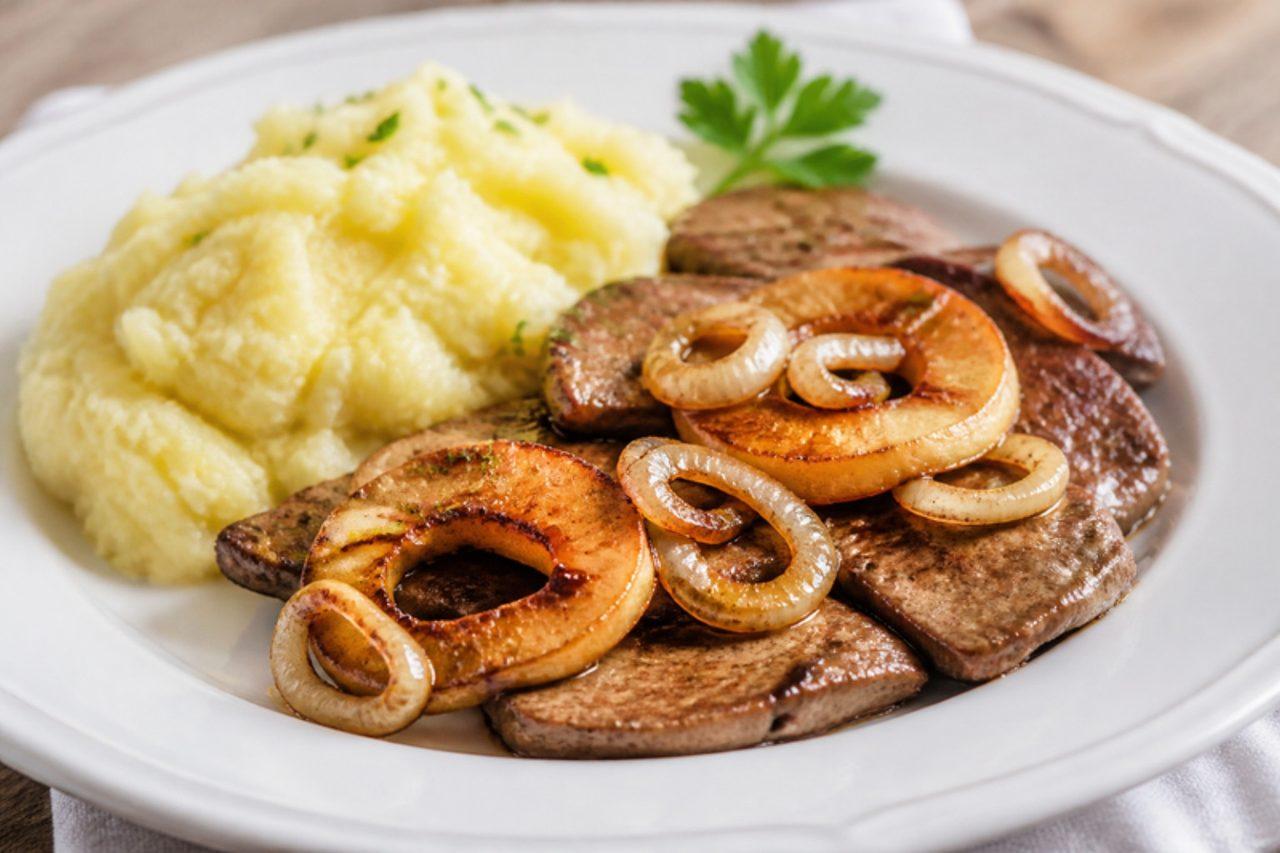
Leber Berliner ArtFried liver with apple and onions

Leber Berliner Art is a dish of old Berlin dining rooms and corner restaurants: thin slices of calf's liver fried in butter and piled with soft, sweet onion rings and golden apple rings, served with creamy mashed potato. The sweet apple and onion balance the rich liver, and the whole plate is on the table in half an hour. For safety the liver here is cooked through, which keeps it tender as long as the slices are thin and the pan is hot. Chef's tip: salt the liver only after frying; salt draws out juices and makes it tough.

30 minGermanMeat
by KrazyBadal 0 views

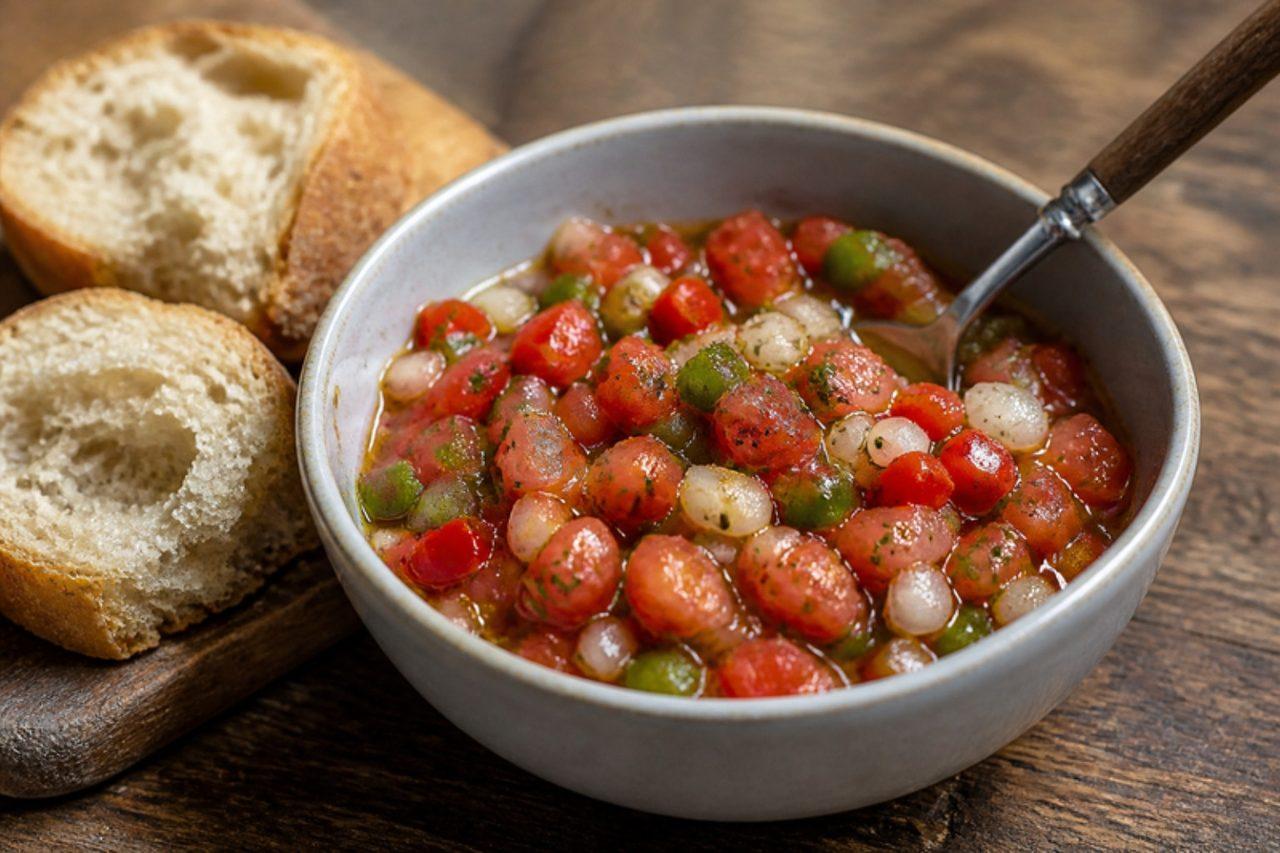
Salsa criollaTomato, onion and pepper relish

Chimichurri gets the fame, but at a Sunday asado anywhere from Buenos Aires to Salta the other bowl on the table is salsa criolla: tomato, onion and red and green pepper cut into small, even dice, dressed with vinegar, oil, oregano and salt, and left to sit until the juices pool. It is spooned over steak, chorizo and provoleta, piled into choripán, and eaten with grilled vegetables, and it brings freshness and acid to rich, smoky food. Expect crunch, a clean sour note and a mild sweetness from the peppers. Chopping it all in a food processor is the mistake: it turns watery and pulpy, so take the time to dice by hand. Some cooks use only red onion, others add spring onion or a pinch of chilli; adjust to taste. Chef's tip: dress the onion with the vinegar and salt first for 10 minutes before adding the rest; it softens the raw bite without losing the crunch.

by KrazyBadal 0 views

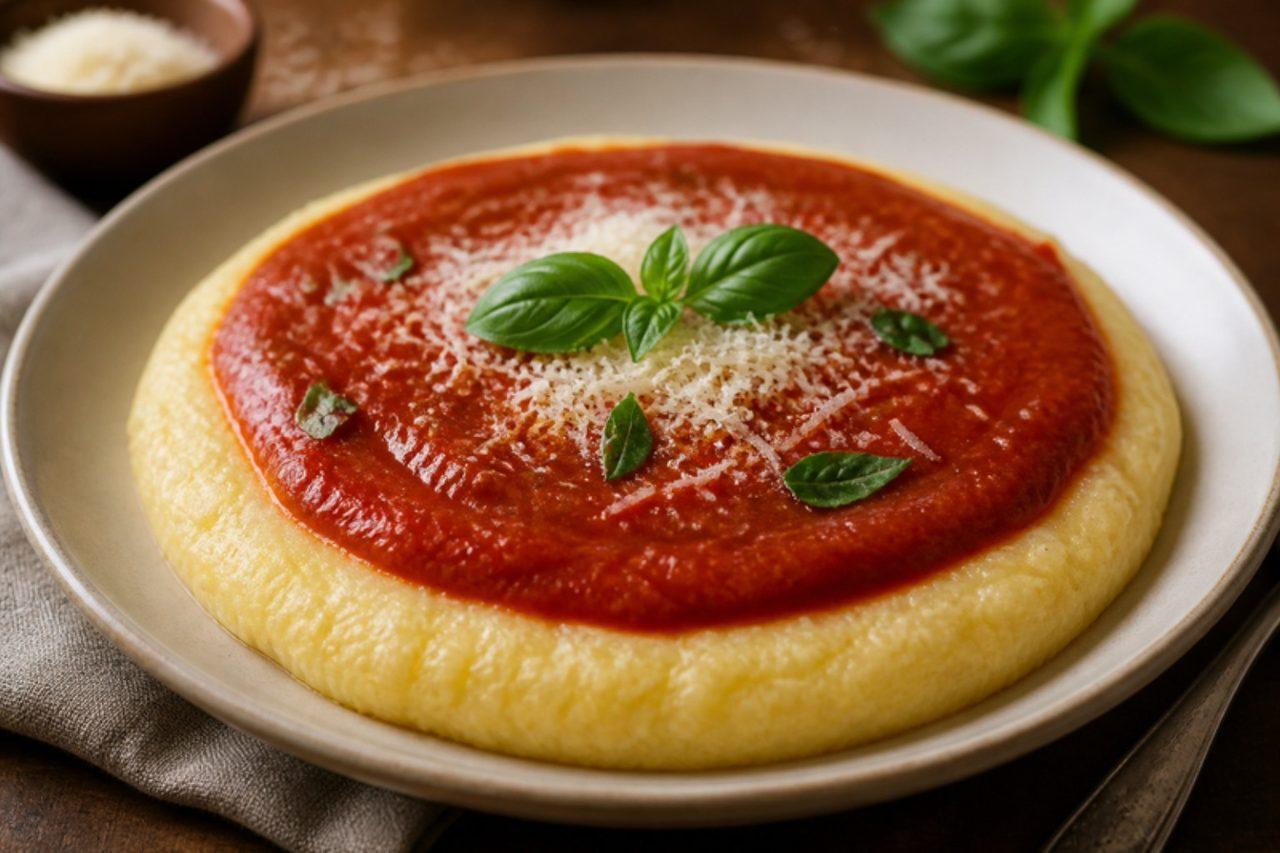
Polenta con tucoPolenta with tomato sauce

Tuco is what Argentines call the red sauce of their Italian grandparents, and spooned over a mound of soft polenta it is one of the most ordinary, best-loved cold-weather suppers in Buenos Aires and across the pampas. On Sundays the sauce often gets a piece of beef; this is the everyday meatless version, with onion, red pepper, carrot, bay and a long simmer that turns the tomato sweet and deep. The polenta is enriched with butter and cheese until it falls off the spoon like thick custard. The most common mistake is pouring the cornmeal into the water all at once, which gives you lumps you will never beat out, so rain it in slowly while whisking. Grated hard cheese is usually made with animal rennet; choose a vegetarian one if needed. Chef's tip: make the tuco first and let it rest off the heat while the polenta cooks; even 15 minutes of standing rounds out its flavour.

by KrazyBadal 0 views

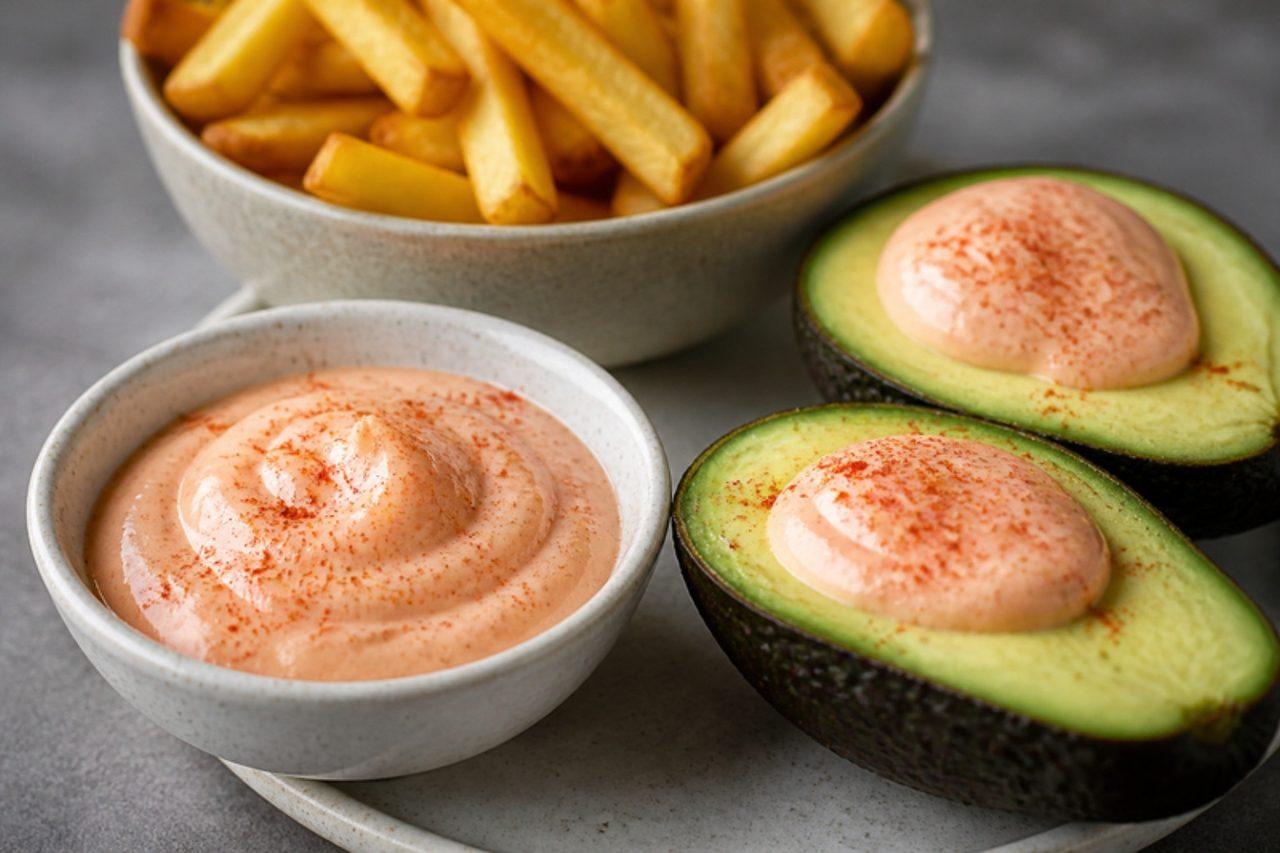
Salsa golfMayonnaise and ketchup sauce

Mar del Plata's golf club gave its name to this sauce in the 1920s, so the story goes, and Argentines have been mixing mayonnaise and ketchup ever since. It is the pink sauce of the 1970s cocktail party and the seaside: spooned into half avocados (palta a la golf), over hearts of palm, onto a cold hard-boiled egg, beside fries or into a prawn cocktail, and every family has its own ratio. A drop of lemon and a dash of mustard lift it from a simple mix to something tangy and creamy. Too much ketchup is the misstep that turns it sweet and orange; it should be a soft salmon pink. Use shop-bought mayonnaise, which is made with pasteurised egg; if you make your own, use pasteurised eggs. Check the labels of the mayonnaise, ketchup and mustard if you need it gluten free. Chef's tip: let it sit in the fridge for 15 minutes before serving; the flavours blend and it thickens slightly.

by KrazyBadal 0 views

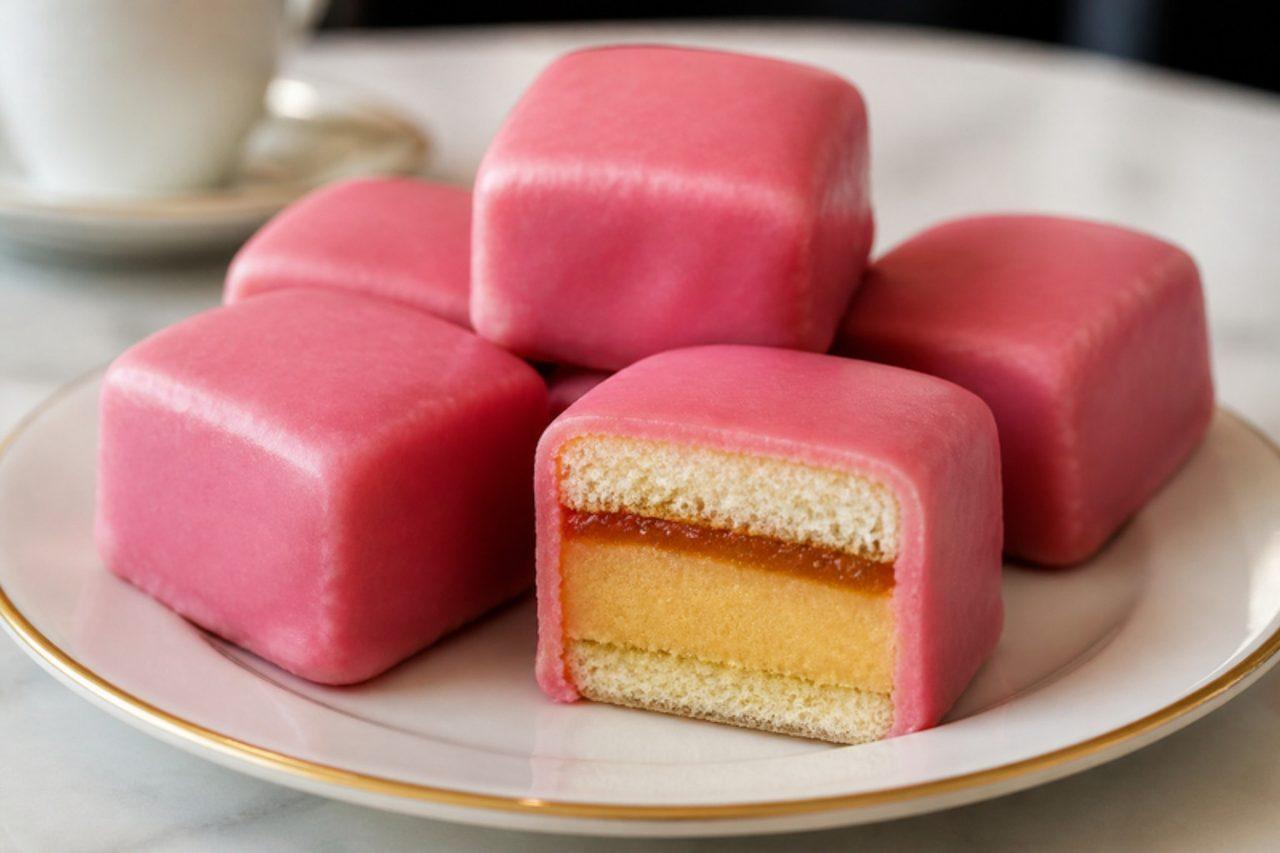
PunschkrapfenPink-iced sponge cubes

Punschkrapfen are the bright pink cubes that glow from every Viennese Konditorei counter, especially in winter. Traditionally the filling of sponge crumbs, jam and chocolate is soaked in rum punch, which gives the cake its name, so the classic version contains alcohol. This recipe makes the alcohol-free version with orange juice and strong black tea, which keeps the fruity, warming flavour that children can eat too; to make the traditional one, swap 40 ml of the orange juice for dark rum. The sponge is moist and dense, the icing sweet and crackly. A common mistake is skipping the overnight press; the cubes fall apart when cut. Many pink colourings use carmine, made from insects, so choose a plant-based one such as beetroot red. Chef's tip: cut with a knife dipped in hot water and wiped between each cut for clean edges.

by KrazyBadal 0 views

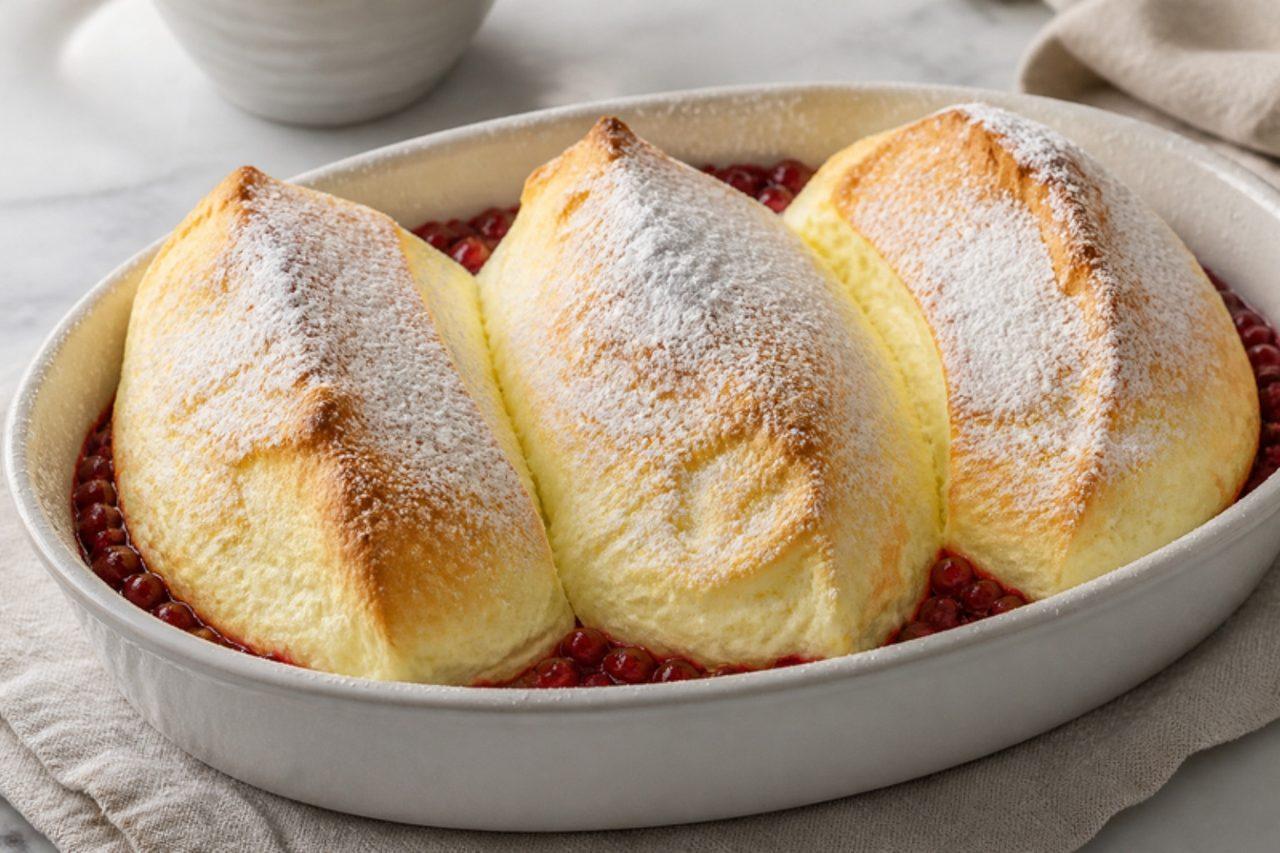
Salzburger NockerlSweet soufflé peaks

Salzburger Nockerl is the dessert Salzburg serves to visitors after a concert or a walk through the old town: three golden, sugar-dusted peaks said to stand for the hills around the city. Under the airy egg-white soufflé is a layer of tart lingonberries or redcurrants, warmed with vanilla milk in the baking dish. It is meant to be shared from the dish and eaten the moment it leaves the oven, before it sinks. This version uses cornflour instead of wheat flour, so it is gluten free. A common mistake is over-folding the yolks into the whites; streaks are fine, and too much stirring makes it collapse. Chef's tip: keep the oven door shut until the end; the peaks are ready when they are golden outside but still creamy inside.

by KrazyBadal 0 views

Pupunha cozidaBoiled peach-palm fruit

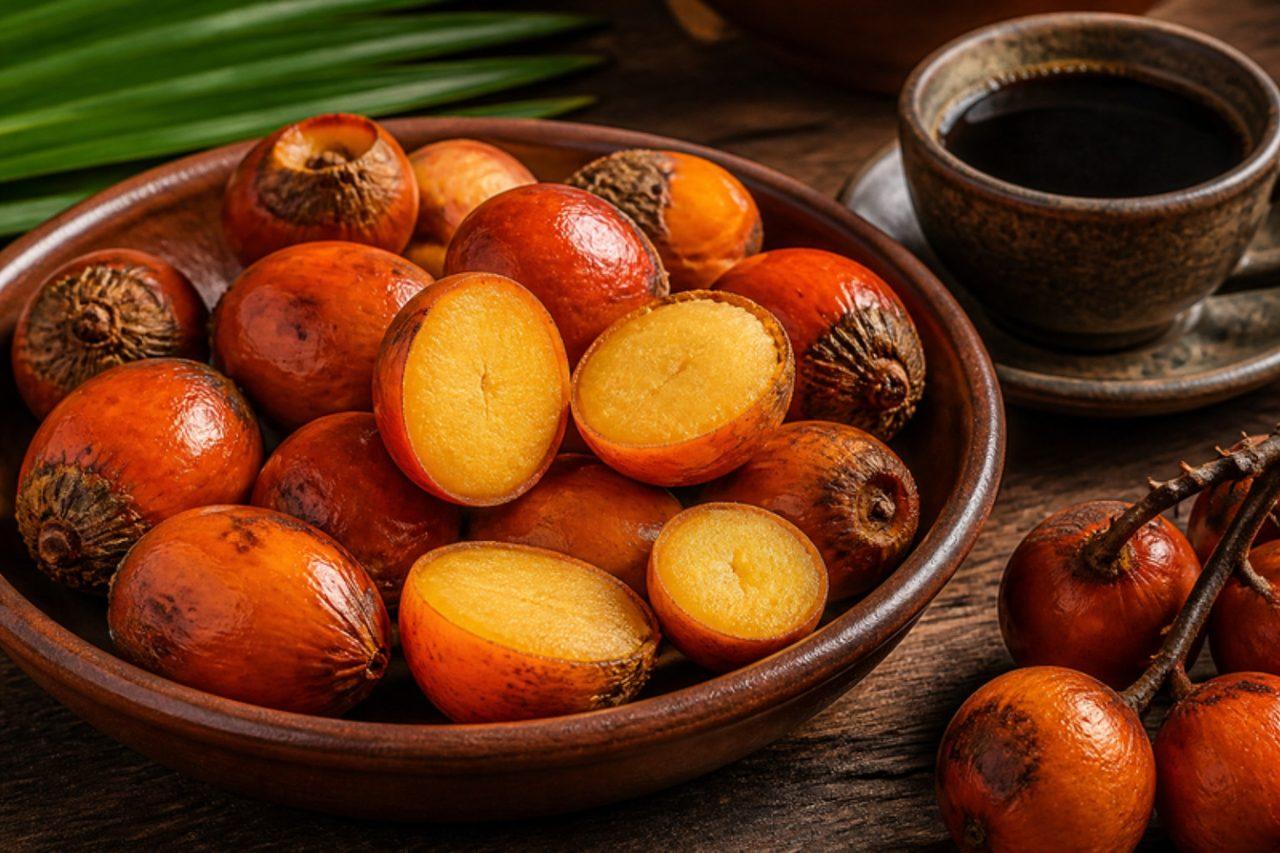
From Belém to Manaus, the breakfast table in pupunha season (roughly December to April) holds a bowl of these orange and red palm fruits, boiled in salted water and peeled at the table. Their flesh is dense, starchy and slightly oily, somewhere between chestnut, sweet potato and egg yolk, and it is eaten with black coffee or café com leite, sometimes with a smear of butter or a drizzle of honey. Street sellers and markets sell them cooked in bunches. Look for fresh or frozen pupunha (chontaduro) in Brazilian and Colombian shops. The fruit must be cooked; raw it irritates the mouth. The common misstep is cooking it too briefly, which leaves the flesh hard and astringent; it needs a long boil until a knife meets no resistance. Chef's tip: cook more than you need and slice the leftovers into salads or fry them in oil like chips the next day.

by KrazyBadal 0 views

Polenta fritaFried polenta sticks

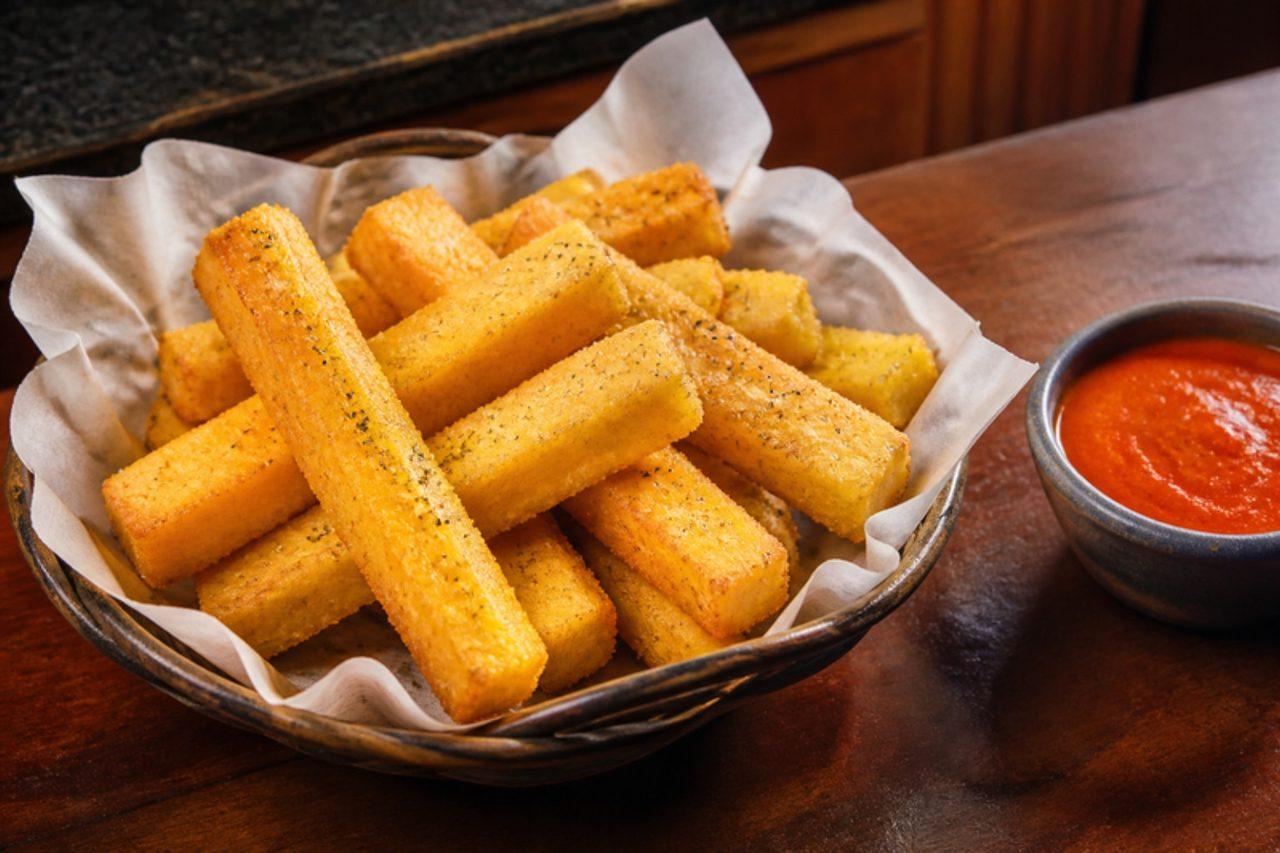
Italian immigrants brought polenta to São Paulo, and the city's bars and cantinas turned the leftovers into one of its best snacks: thick sticks of set polenta, deep-fried until the outside is crunchy and bubbled and the inside stays soft and creamy. They arrive in paper-lined baskets in Bixiga cantinas and corner botecos alike, sprinkled with salt, to be eaten with a cold drink; some places dust them with grated cheese, which makes them no longer vegan. Kids love them as a side with tomato sauce. They fall apart in the oil when the polenta is too soft, so cook it until very thick and let it set completely in the fridge. Chef's tip: dry the cut sticks on kitchen paper and fry in small batches, so the oil temperature stays high and the crust forms at once.

by KrazyBadal 0 views

SamanuSprouted wheat pudding

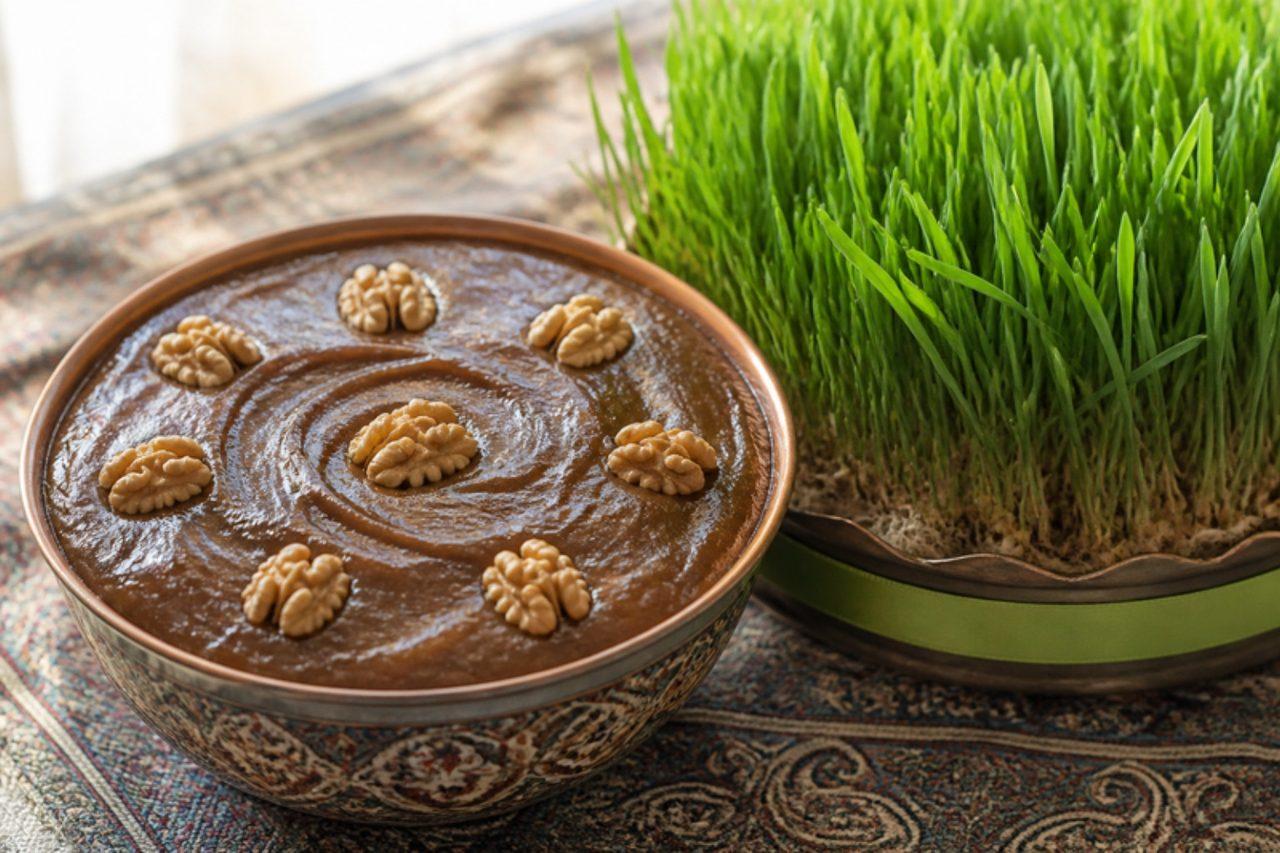
Samanu is one of the seven 's' items on the Nowruz haft-sin table, standing for strength and abundance, and in many neighbourhoods of Tehran and Shiraz women still gather to stir the great pot through the night, singing and taking turns. It is made from nothing but sprouted wheat juice and flour, cooked very slowly for many hours until the natural malt sugars caramelise into a thick, toffee-brown, gently sweet pudding. This home version uses a smaller batch, but it still takes days of sprouting and a long, patient simmer. The common mistake is turning the heat up to rush it, which scorches the base and makes the samanu bitter. Chef's tip: drop a few clean walnut halves into the pot near the end; tradition says whoever finds one in their bowl will have a lucky year.

by KrazyBadal 0 views

Königsberger KlopseVeal meatballs in caper sauce

Königsberger Klopse come from old East Prussia, but today they are cooked all over Berlin and eastern Germany as a weekday family dinner and a school-canteen favourite. Soft meatballs of veal, or veal mixed with pork, are poached in broth, then served in a creamy, lemony white sauce dotted with capers, with boiled potatoes and beetroot salad. A little anchovy in the meat is traditional and gives a savoury depth without tasting of fish. Chef's tip: poach, never boil, the meatballs; a gentle simmer keeps them light and stops them breaking.

60 minGermanMeat
by KrazyBadal 0 views

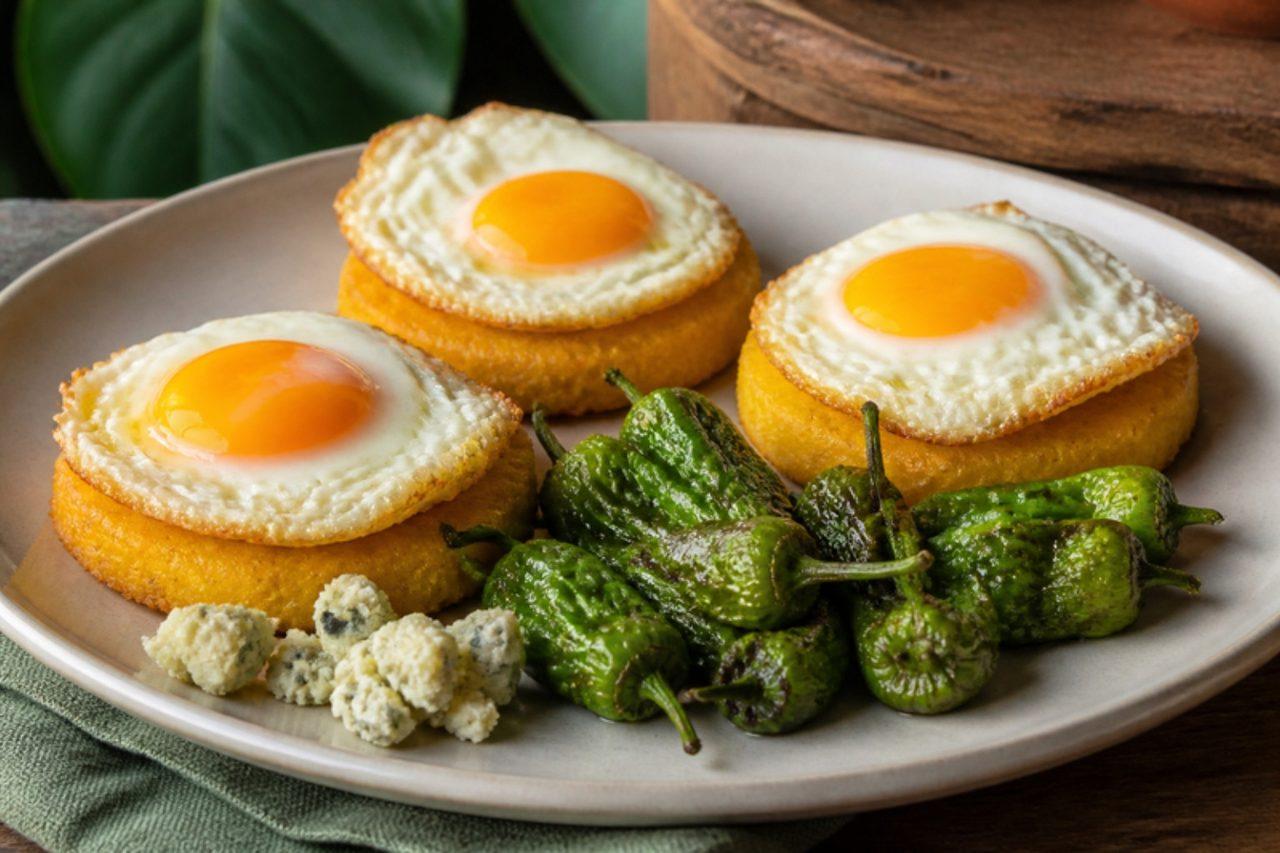
Tortos de maízCorn cakes with fried eggs

In the cider houses of Asturias, tortos arrive as a starter: small discs of corn dough fried until crisp outside and soft within, usually piled with something rich on top. Inland farms once ate them in place of bread, since maize grew far better than wheat in the damp valleys. This meat-free version tops each torto with a fried egg and blistered green peppers, with a little crumbled cabrales for those who want it; cabrales is usually made with animal rennet, so use a vegetarian blue cheese if that matters to you. Chef's tip: knead the dough with hot water and let it rest; cold water gives a crumbly dough that cracks in the pan.

by KrazyBadal 0 views

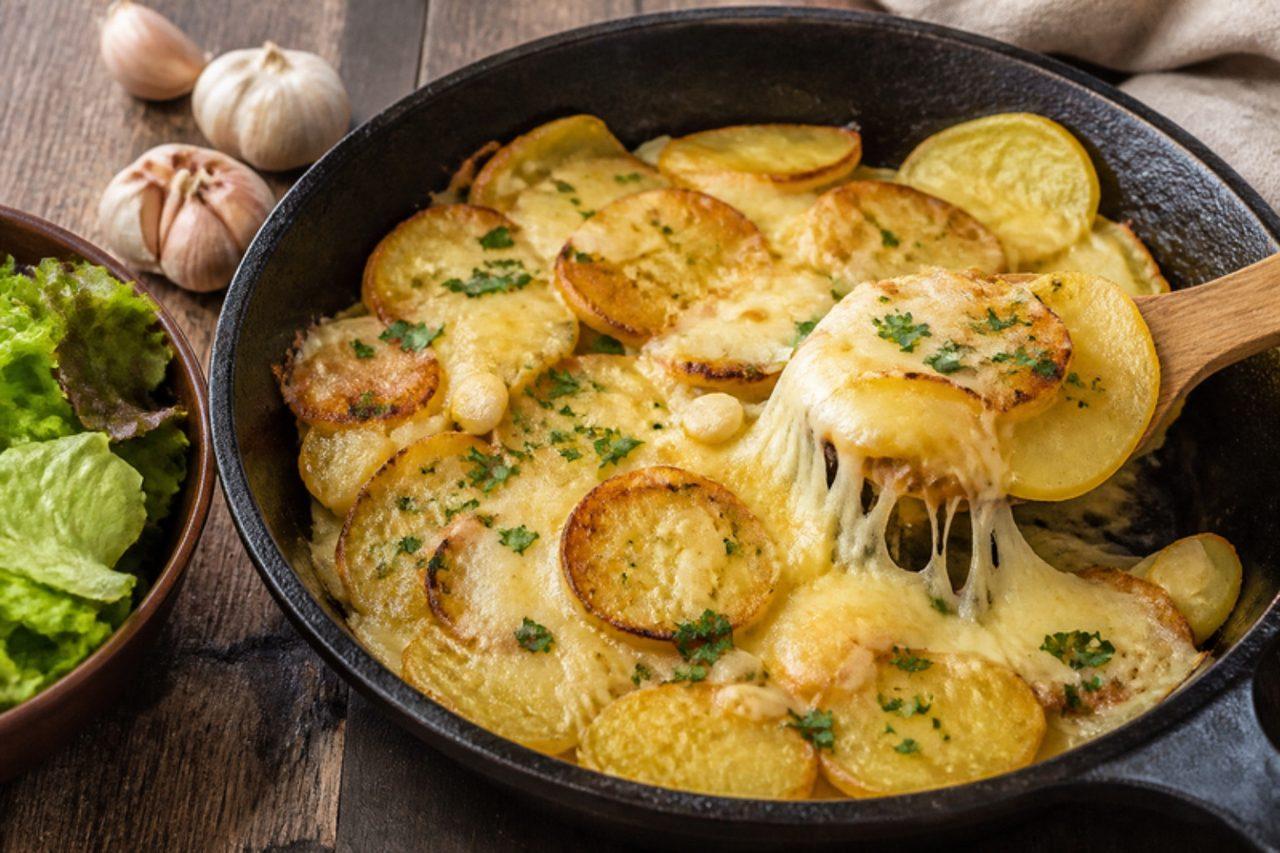
TruffadeFried potatoes with Cantal cheese

Truffade is cattle-herders' food from the volcanic mountains of the Cantal, cooked in a big pan over the fire in the stone burons where Salers cows spend the summer. Potato slices are fried until tender and lightly golden, then folded with thin slices of young tomme fraîche du Cantal until the cheese melts into strings, and the whole thing is eaten with a green salad, nothing else. Herders used lard; this version uses butter and oil, so it is vegetarian. Tomme du Cantal is made with animal rennet; a young vegetarian cheese that melts well, such as a mild Lancashire-style or vegetarian mozzarella, also works. Chef's tip: slice the potatoes as thin as a coin so they cook through before they burn.

by KrazyBadal 0 views

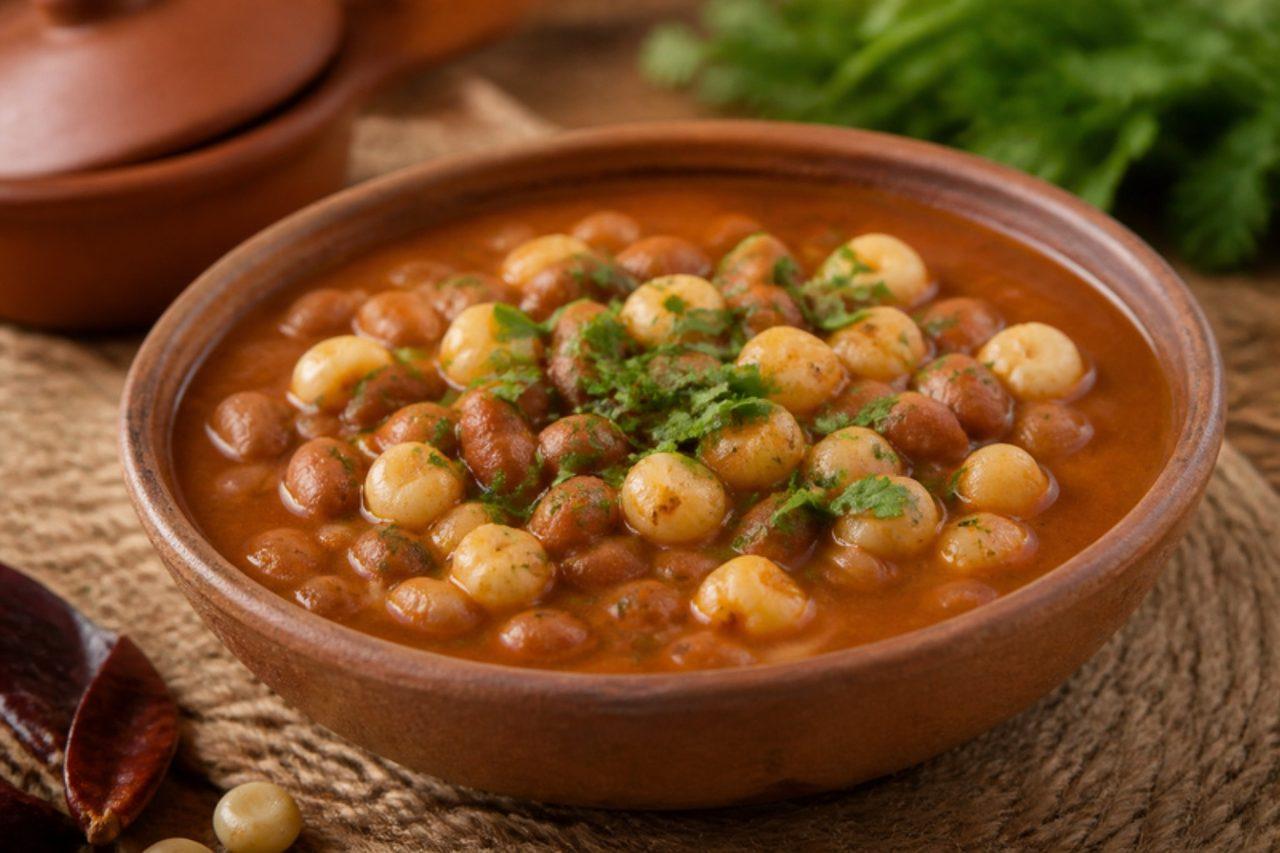
PurtumuteBean and white corn stew

High-jungle towns like Chachapoyas and Moyobamba, in the cloud-forest regions of Amazonas and San Martín, serve purtumute at festivals and family gatherings: a thick pot of beans and big white mote corn kernels simmered with onion, garlic, chilli and plenty of chopped culantro. Some versions add cheese or pork crackling; this one keeps it vegan, letting the creamy beans and chewy corn carry the dish. It is filling and earthy with a fresh green finish, and it is served in bowls with ají on the side and a plantain or a little rice. The dried beans need an overnight soak, which isn't included in the times. The usual mistake is adding salt and the sofrito too early, which can stop the beans from softening; season once they are tender. Canned or jarred white hominy works for the mote. Chef's tip: mash a ladle of the beans against the side of the pot near the end; it thickens the stew without any flour.

by KrazyBadal 0 views

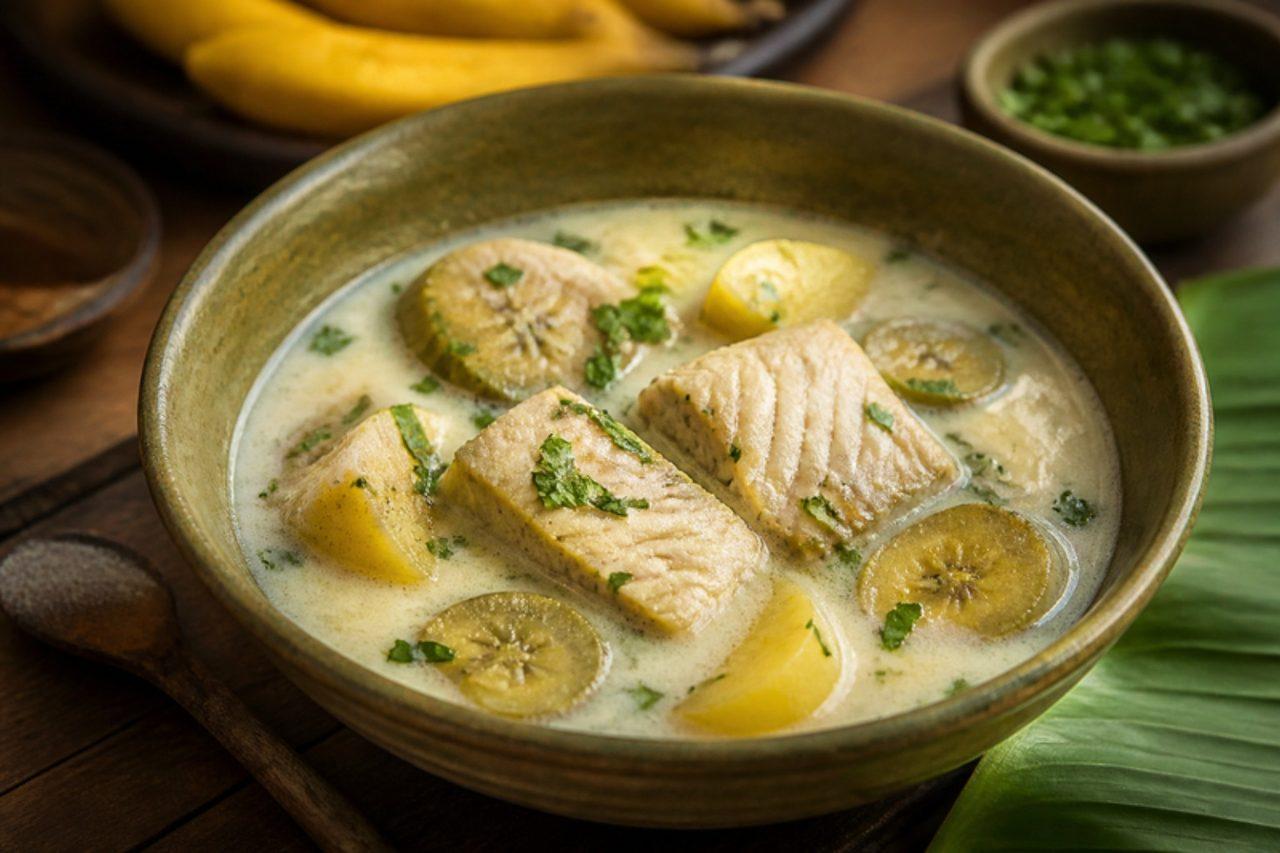
PusandaoCoconut broth with salted fish

Down the Nariño coast, in Tumaco and the river villages towards Ecuador, pusandao is everyday food built from what keeps: salted fish (or salted pork), green plantain, potato and the milk of fresh coconuts. The fish is soaked to draw out the salt, then simmered with the vegetables in a thin coconut broth scented with chillangua, the coast's culantro. Plantain and potato soften and thicken the liquid into something soupy and comforting, salty-sweet and gently herbal; it is eaten for lunch with a squeeze of lime and nothing else needed. Plan on an overnight soak for the fish. The pitfall is boiling the coconut milk from the start, which makes it greasy and grainy; cook the plantain in water first and add the coconut milk for the last few minutes. Chef's tip: salt cod is the easiest substitute for the coast's salted fish; for the pork version, use salted pork ribs soaked overnight and boiled until tender before adding the plantain.

by KrazyBadal 0 views

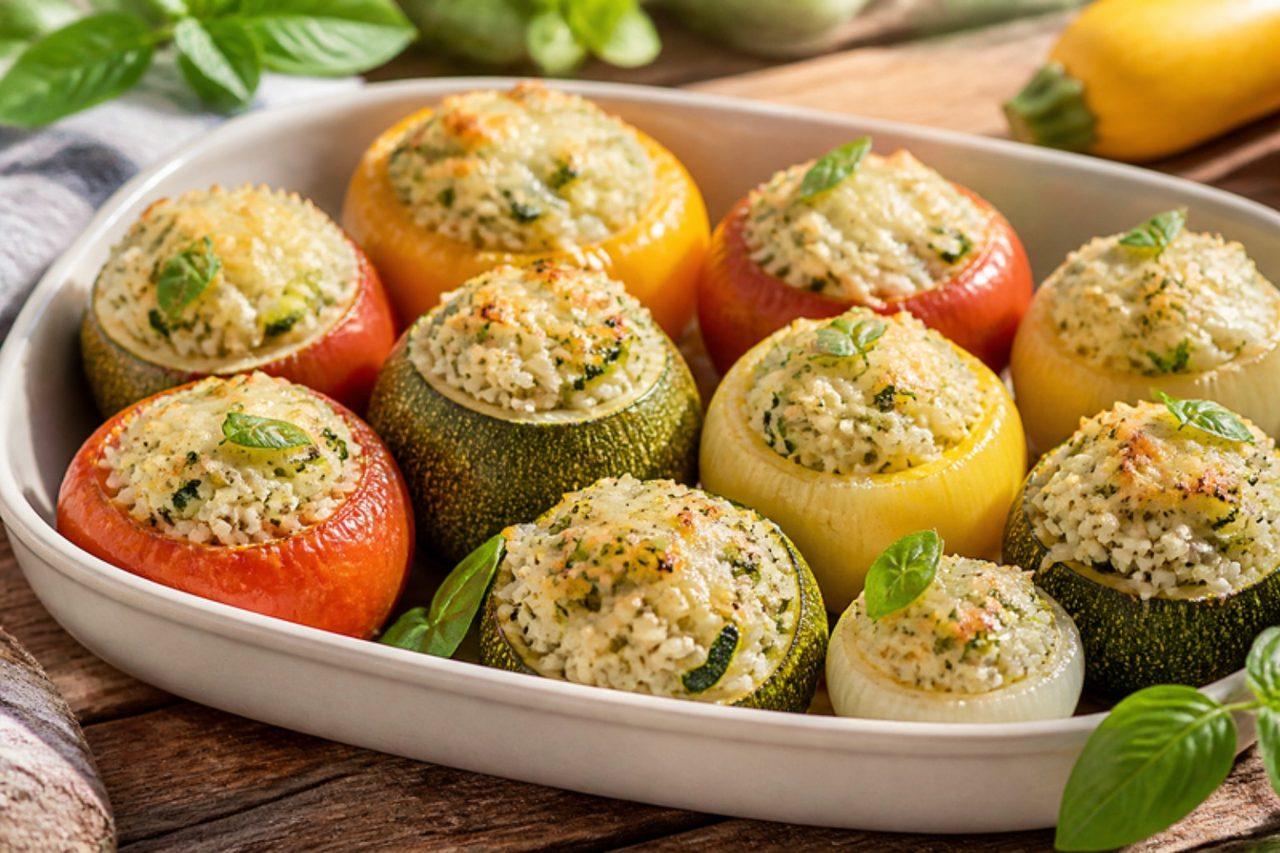
Petits farcis niçoisStuffed vegetables with rice and herbs

From June to September the traiteurs around the cours Saleya market in Nice sell trays of petits farcis: round courgettes, tomatoes and onions hollowed out, refilled and baked until wrinkled and caramelised at the edges. Niçois families often use up leftover daube in the stuffing; this meatless version, common on Fridays and at summer picnics, uses rice, herbs, the vegetables' own flesh and Parmesan. Parmesan is made with animal rennet, so use a vegetarian hard cheese if that matters to you. They are as good at room temperature the next day as hot from the oven. Chef's tip: choose vegetables of a similar size, so they all finish cooking at the same moment.

by KrazyBadal 0 views

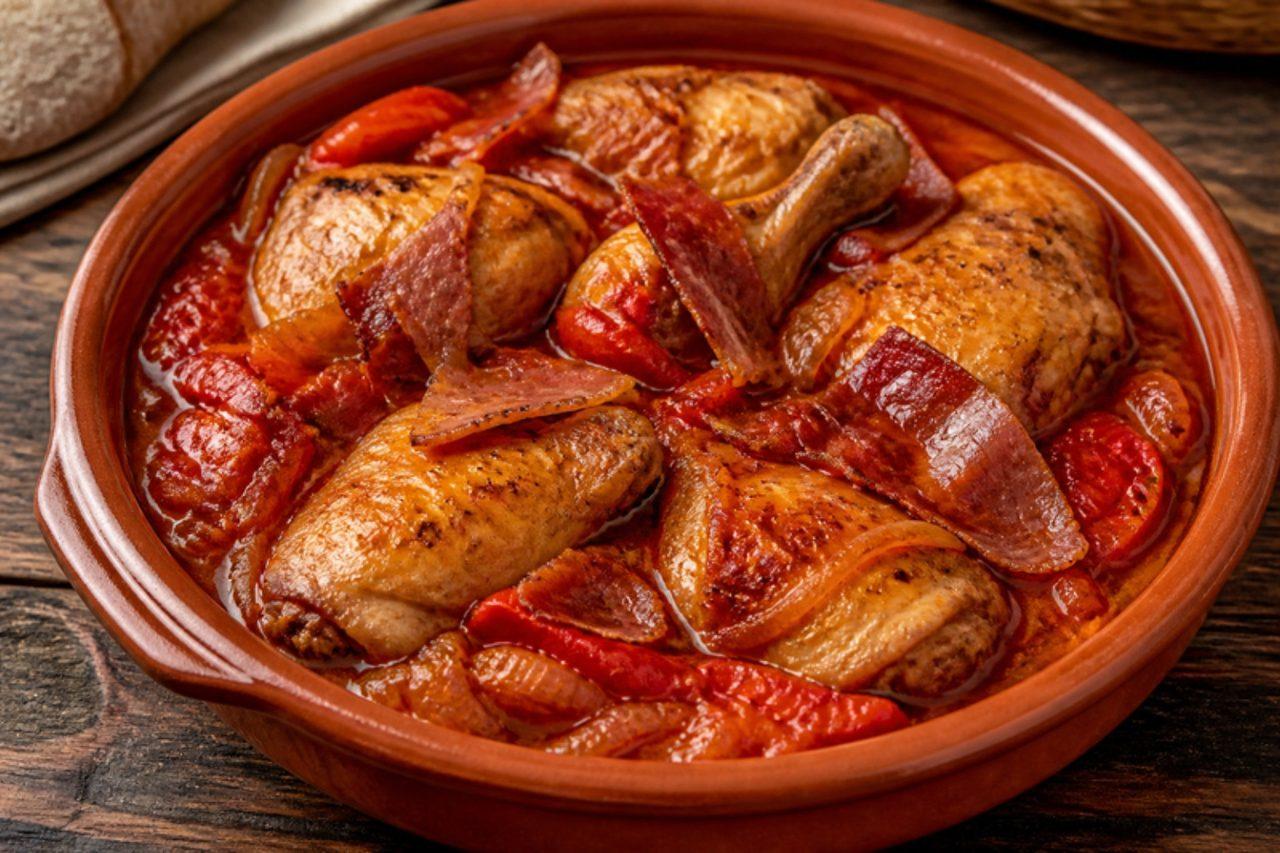
Pollo al chilindrónChicken with pepper, tomato and ham

Chilindrón is the red sauce that Aragon is known for across Spain: sweet red peppers, onion and tomato cooked down slowly with serrano ham until thick and glossy. Chicken is the most common partner (lamb is the other), and a big pot of it is a typical dish at summer village fiestas in the Pyrenees foothills and at family meals all year. This contains pork (cured serrano ham). The recipe uses a little white wine; use chicken stock instead for no alcohol. A common mistake is hurrying the sofrito: the peppers need a slow 20 minutes to soften and sweeten before the chicken goes back in. Chef's tip: if you have roasted red peppers or a spoonful of choricero pepper paste, stir some in for a deeper, smokier colour.

by KrazyBadal 0 views

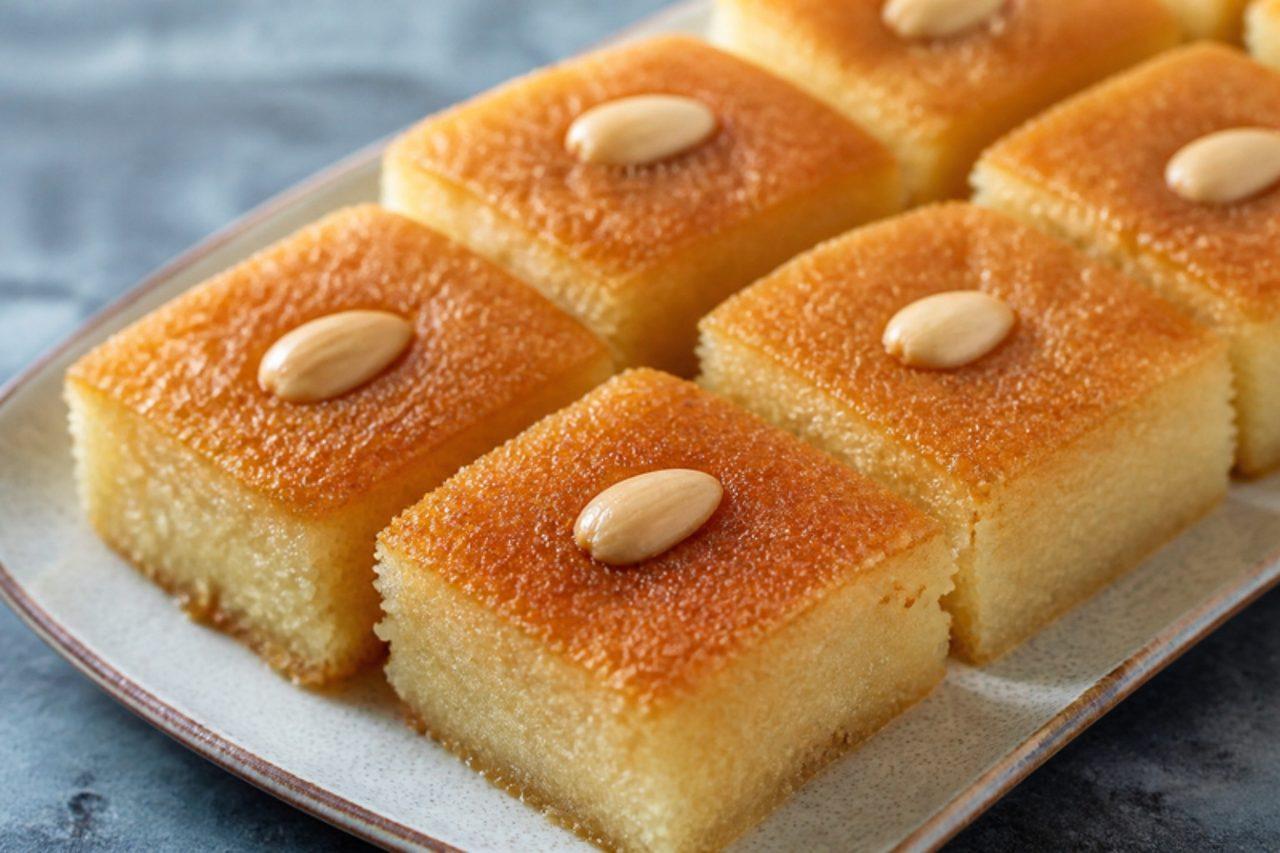
ŞambaliSemolina yoghurt cake in syrup

Walk through İzmir's Kemeraltı bazaar and you'll see huge copper trays of şambali, cut into diamonds, each topped with a blanched almond and glistening with syrup. It is a dense, moist semolina cake made with yoghurt, sold by street vendors and old pastry shops, sometimes with a spoon of kaymak on top. Plainer than it looks and dangerously easy to eat. Chef's tip: rest the batter for a few hours, or overnight, so the semolina softens fully; otherwise the cake is gritty.

by KrazyBadal 0 views

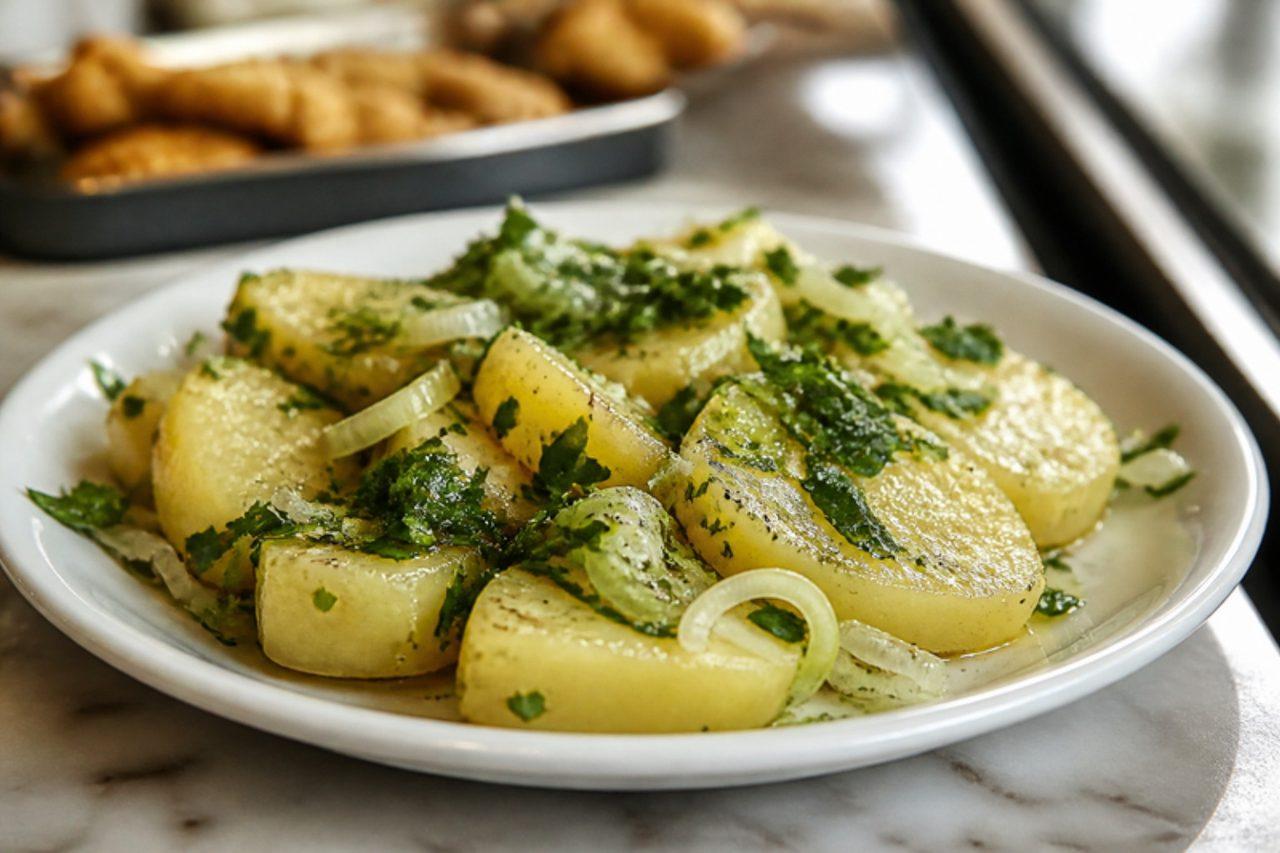
Papas aliñásPotato salad with sherry vinegar

Every tapas bar around the Plaza de Abastos in Cádiz keeps a tray of papas aliñás on the counter, and gaditanos eat them as a cold tapa on summer evenings with a glass of something cold. The potatoes are dressed while still warm, so they drink up the sherry vinegar and oil, then rest until they taste sharp, green and soft. Bars usually lay tuna and boiled egg on top; this version is fully plant-based and keeps all the flavour in the dressing. Chef's tip: choose waxy potatoes and cut them only after cooking, so they keep their shape when you toss them.

by KrazyBadal 0 views

Papas a la provenzalFries with garlic and parsley

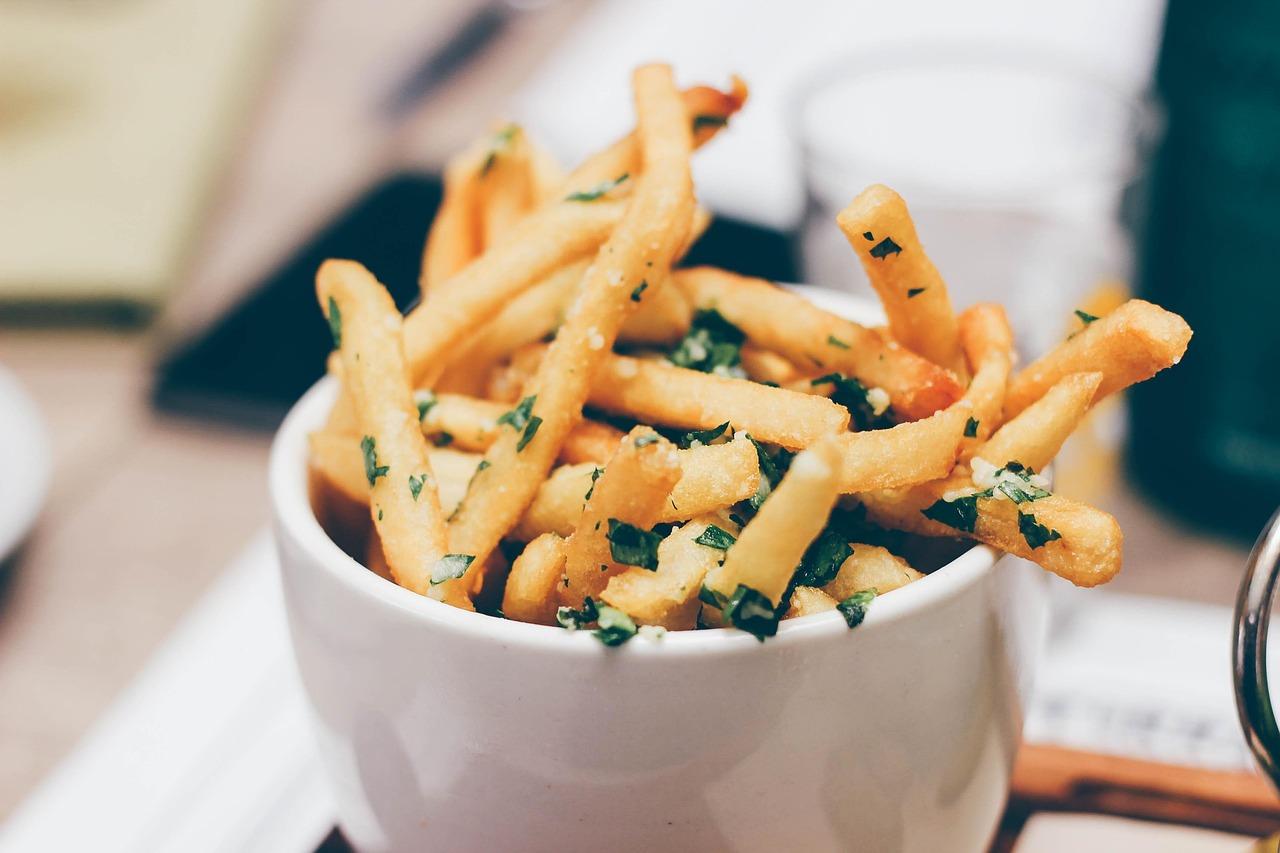
Bodegones, the old-school Buenos Aires canteens with jamón hanging from the ceiling and waiters in white jackets, serve mountains of papas fritas, and the upgrade everyone orders is "a la provenzal": crisp chips tossed while still sizzling in a mix of finely chopped raw garlic and parsley. The heat of the potatoes takes the edge off the garlic, so it turns fragrant rather than fiery, and the parsley stays bright green. They go with milanesas, grilled steak or a plate of fried eggs. Adding the garlic to the frying oil is the error many make: it burns in seconds and turns bitter; it goes on only after frying. This method fries the chips twice for a crunch that lasts; for an oven version, toss the chips with 3 tbsp oil and roast at 220 °C for 35 minutes, turning once, then dress them the same way. Chef's tip: rinse and dry the cut potatoes very well; surface starch and water are what make chips limp.

by KrazyBadal 0 views

WeißwurstfrühstückWhite sausage with sweet mustard

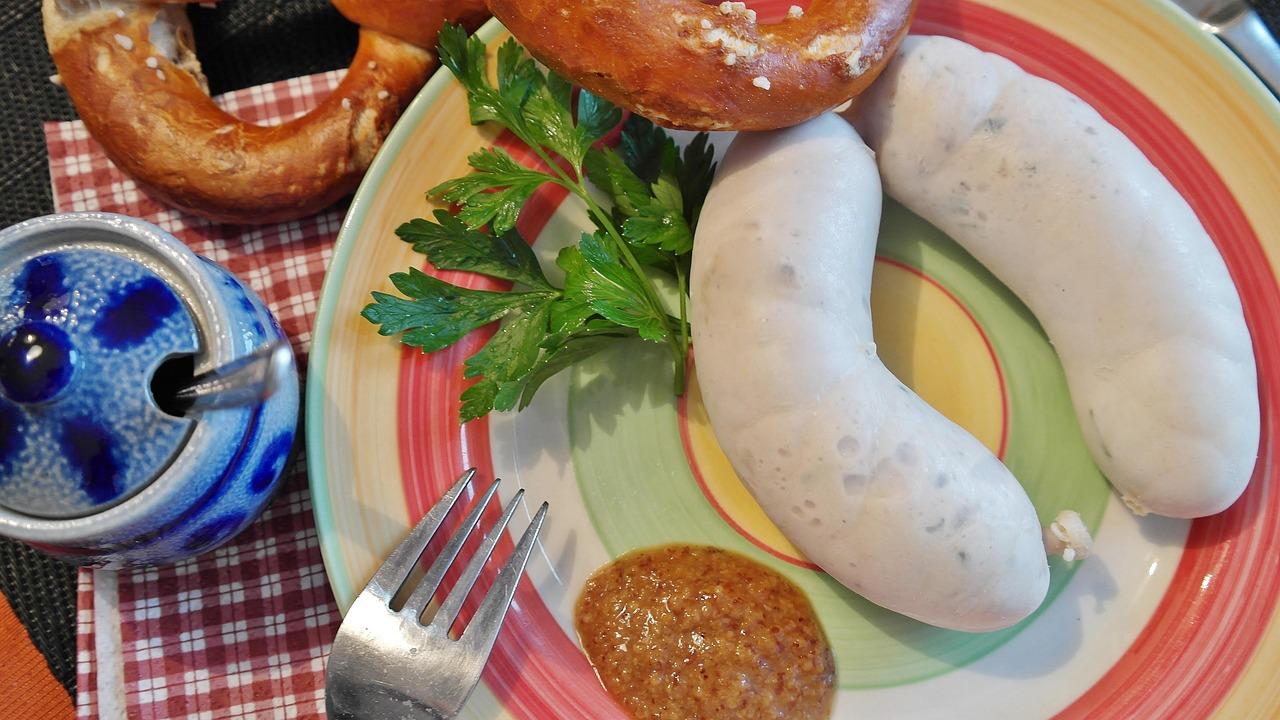
In Munich the Weißwurst breakfast is a late-morning ritual, eaten between ten o'clock and noon in beer halls and butcher's cafés, with soft pretzels and a pot of sweet Bavarian mustard. The pale sausages of veal and pork back fat, flavoured with parsley, lemon and mace, are bought fresh from the butcher and gently heated, never boiled, then the skin is peeled off at the table. Making the mustard yourself is the easy, rewarding part. Vegetarians can heat plant-based white sausages the same way and keep the mustard and pretzel. Chef's tip: keep the water just below a simmer; boiling splits the skins and the sausages go grey and dry.

40 minGermanMeat
by KrazyBadal 0 views

Pato no tucupiDuck in cassava tucupi broth

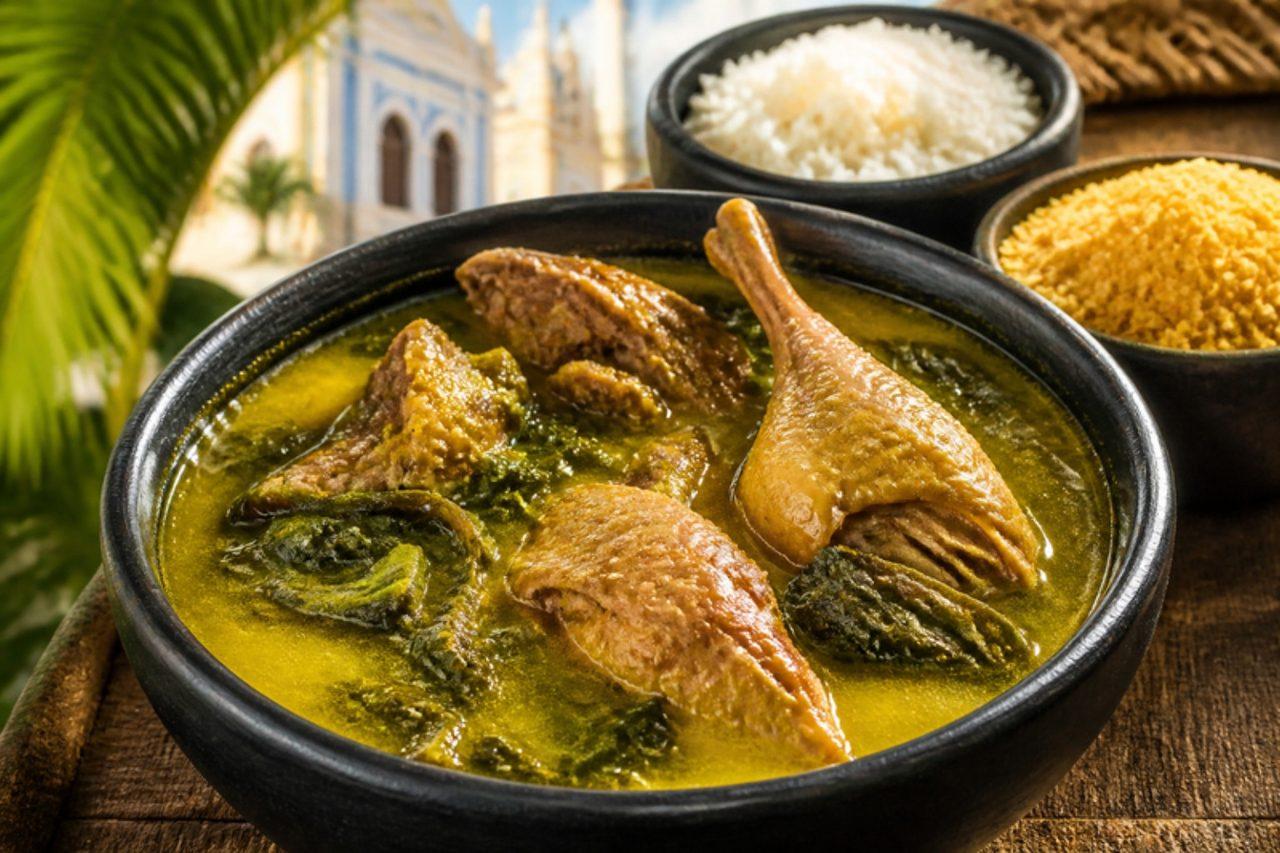
Belém eats pato no tucupi above all at the Círio de Nazaré lunch in October, but restaurants around the Ver-o-Peso serve it year round. Duck is marinated, roasted until the skin is brown, then simmered in tucupi, the yellow, sour broth pressed from wild cassava, with garlic, culantro and basil, and finished with jambu, a leaf that makes lips tingle and go pleasantly numb. The flavour is tart, savoury and electric. Raw tucupi is toxic: buy only commercial tucupi sold frozen or bottled in Brazilian shops, which has already been cooked, and still boil it as below. Jambu is sold frozen there too, or as fresh paracress (Szechuan buttons). Allow an overnight marinade in the fridge. A frequent mistake is skipping the roast and just boiling the duck, which leaves the skin flabby and the broth greasy. Serve with white rice and farinha d'água. Chef's tip: blanch the jambu separately and add it at the end so it stays green and keeps its buzz.

by KrazyBadal 0 views

Welsh cawlLamb and leek broth

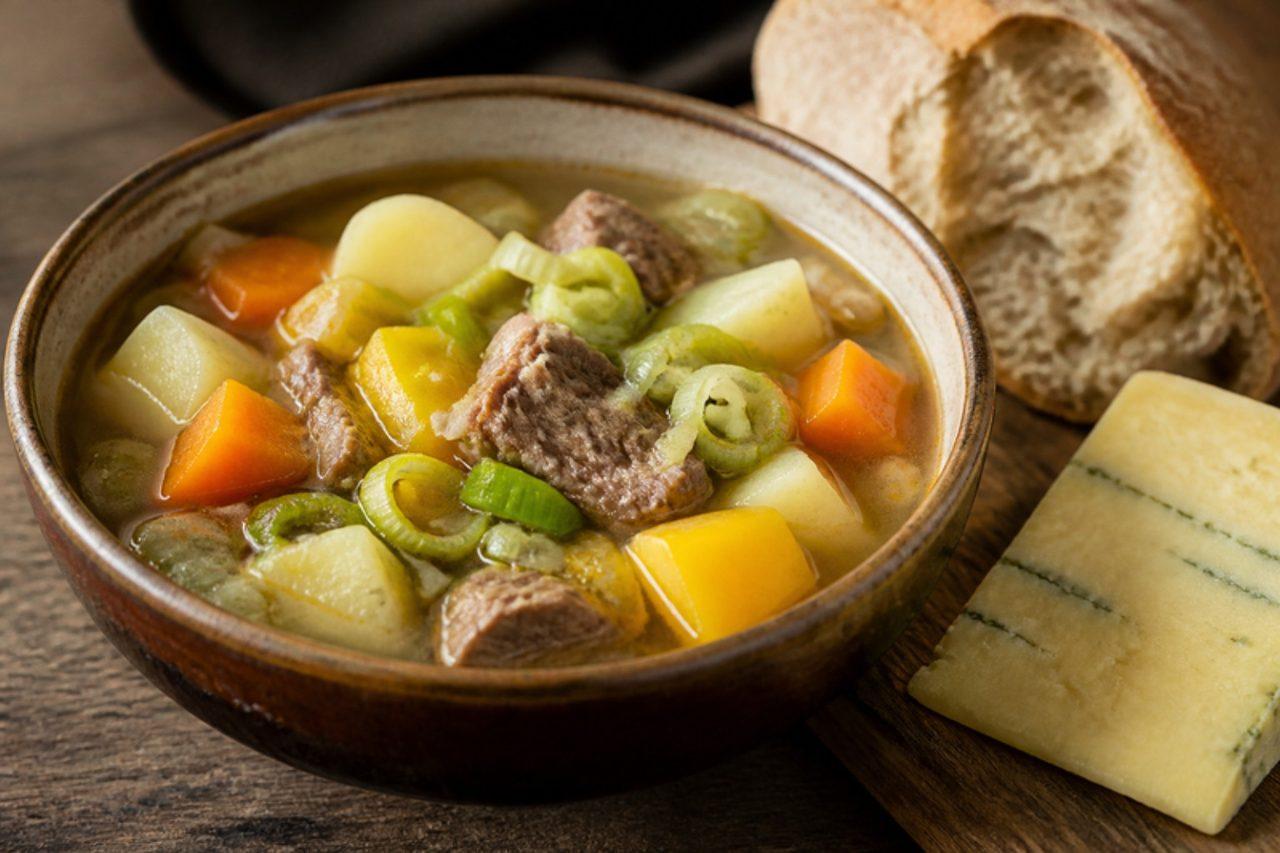
Cawl is the national dish of Wales, a slow broth of lamb on the bone, swede, carrots, potatoes and leeks that farmhouses kept simmering through the winter, and which is eaten with bread and a hunk of Caerphilly on St David's Day. Many families serve the broth first and the meat and vegetables after, and say cawl tastes best on the second day. Chef's tip: chill it overnight and lift off the fat that sets on top for a cleaner broth.

170 minBritishSoupsGluten free
by KrazyBadal 0 views

Levrek buğulamaSteamed sea bass with tomatoes

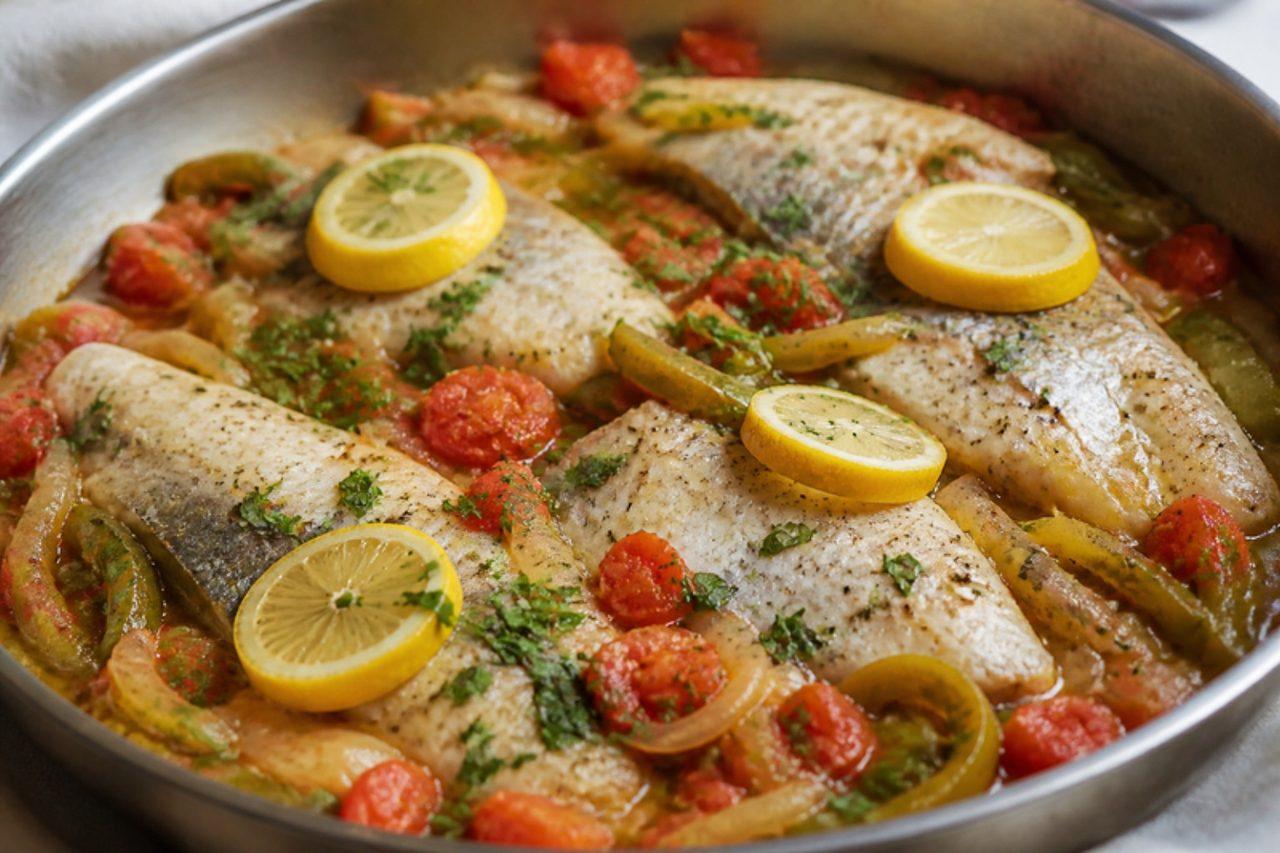
Buğulama means 'steamed', and in the fish restaurants of Urla and Foça it is how gentle white fish like sea bass are cooked when the cook wants them to taste of themselves: laid over onions, tomatoes and peppers, covered and left to steam in their own juices with a little lemon and bay. The result is soft, moist fish in a light, fragrant broth to mop up with bread. Serve with a green salad and boiled potatoes. Chef's tip: keep the heat low once the lid goes on; the fish should barely tremble, not boil.

by KrazyBadal 0 views

Pan de milloGalician cornbread

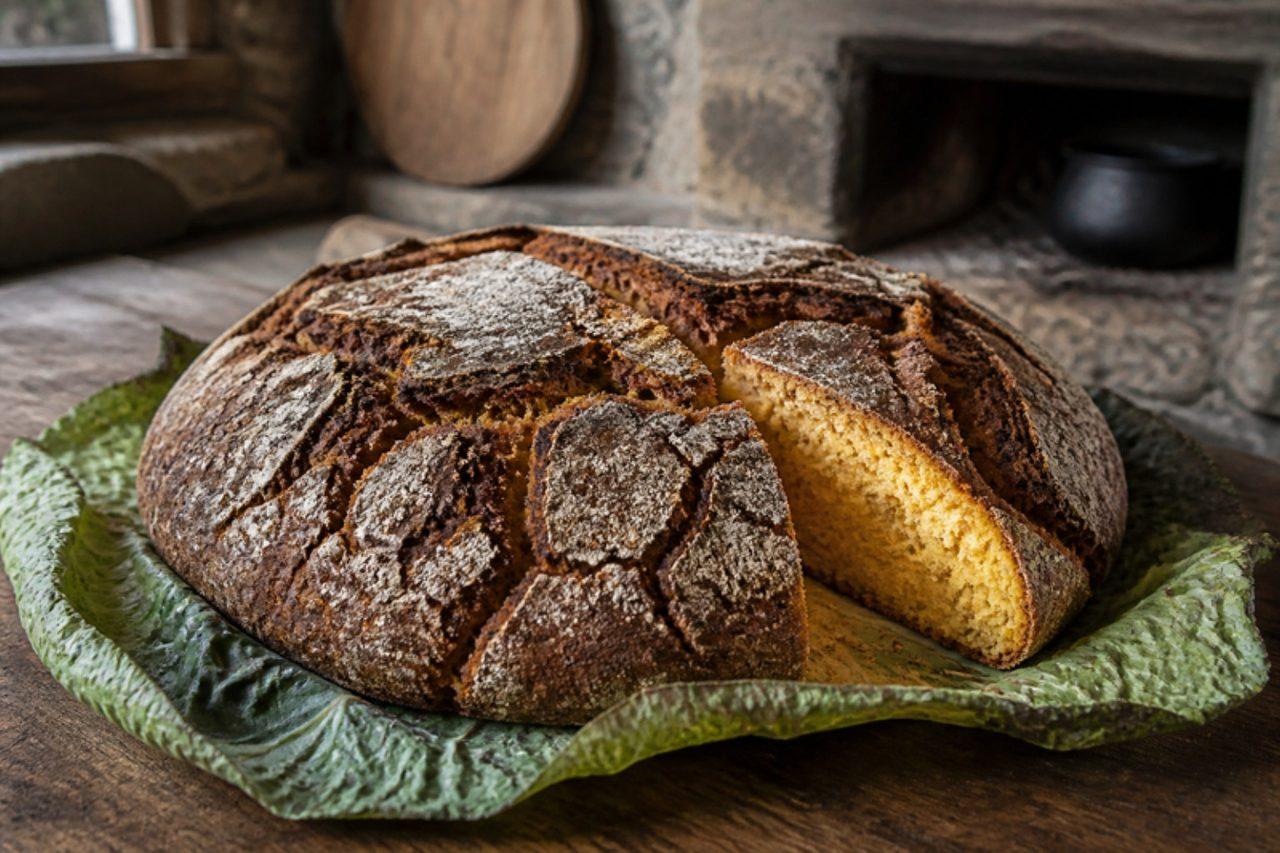
In the inland villages of Lugo and Ourense, and in the Deza area of Pontevedra, pan de millo, also called broa, was the everyday bread before wheat became common, baked in wood ovens and sometimes on a cabbage leaf. It is heavy, moist and slightly sweet inside, with a thick, cracked crust, and it is eaten with caldo, cheese or simply olive oil. Maize flour has no gluten of its own, so this version mixes in some wheat flour to help it rise; it is vegan. A common mistake is expecting a light loaf: it should feel heavy and close-textured. Chef's tip: scald the maize flour with boiling water first, which makes the crumb tender and stops it crumbling.

by KrazyBadal 0 views

Silesian StreuselkuchenCrumble-topped yeast cake

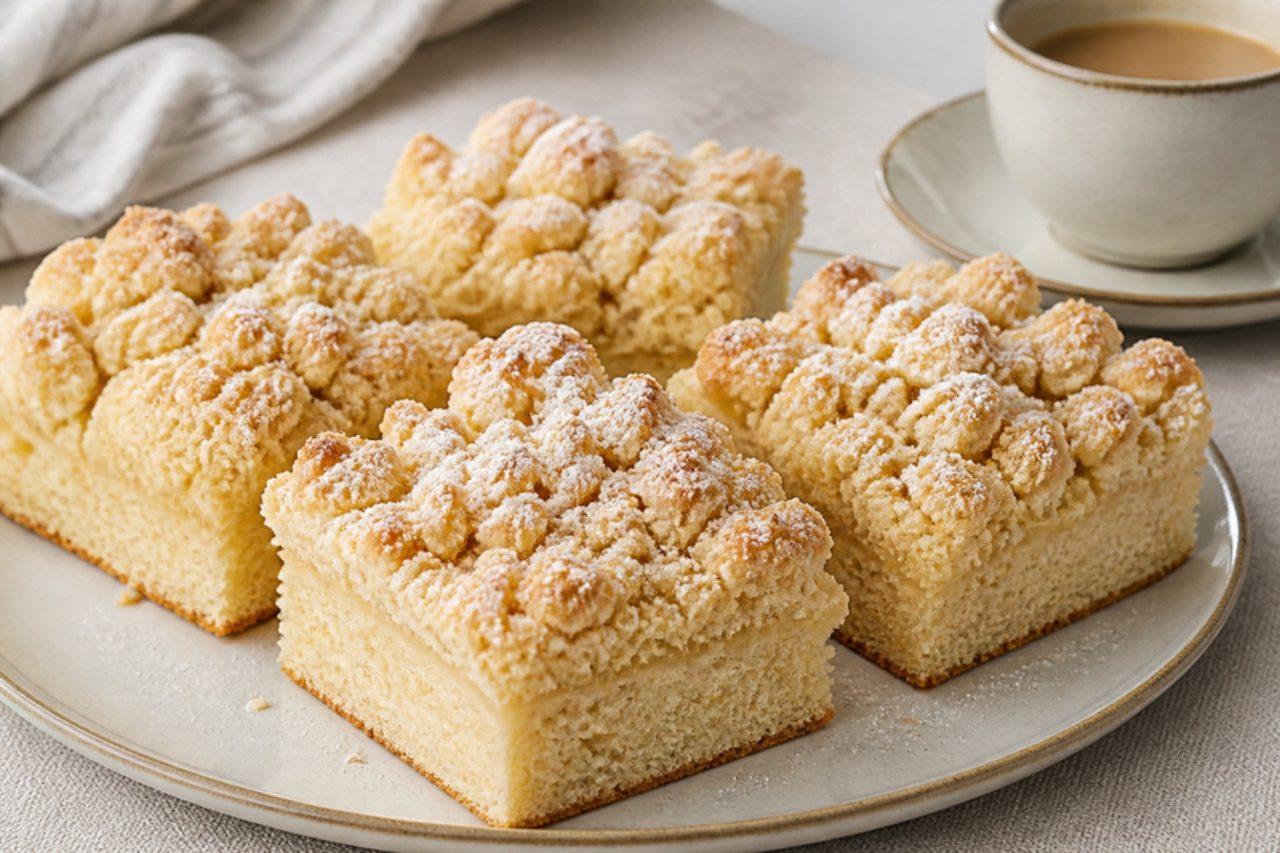
Streuselkuchen came west with families from Silesia, where a tray of it was baked for every wedding and church fair, and it is now sold in every German bakery. The point is the crumble: big, buttery, vanilla-scented lumps sitting almost as thick as the soft yeast base underneath. It is served plain with coffee in the afternoon, often a day old, when the streusel has gone crisp and the base slightly chewy. A common mistake is rubbing the streusel to fine sand; it should be squeezed into clumps the size of hazelnuts. Chef's tip: use cold, cubed butter and chill the finished streusel for 20 minutes before scattering it, so the lumps keep their shape in the oven.

120 minGermanBaking
by KrazyBadal 0 views

ŞıllıkWalnut crepes in lemon syrup

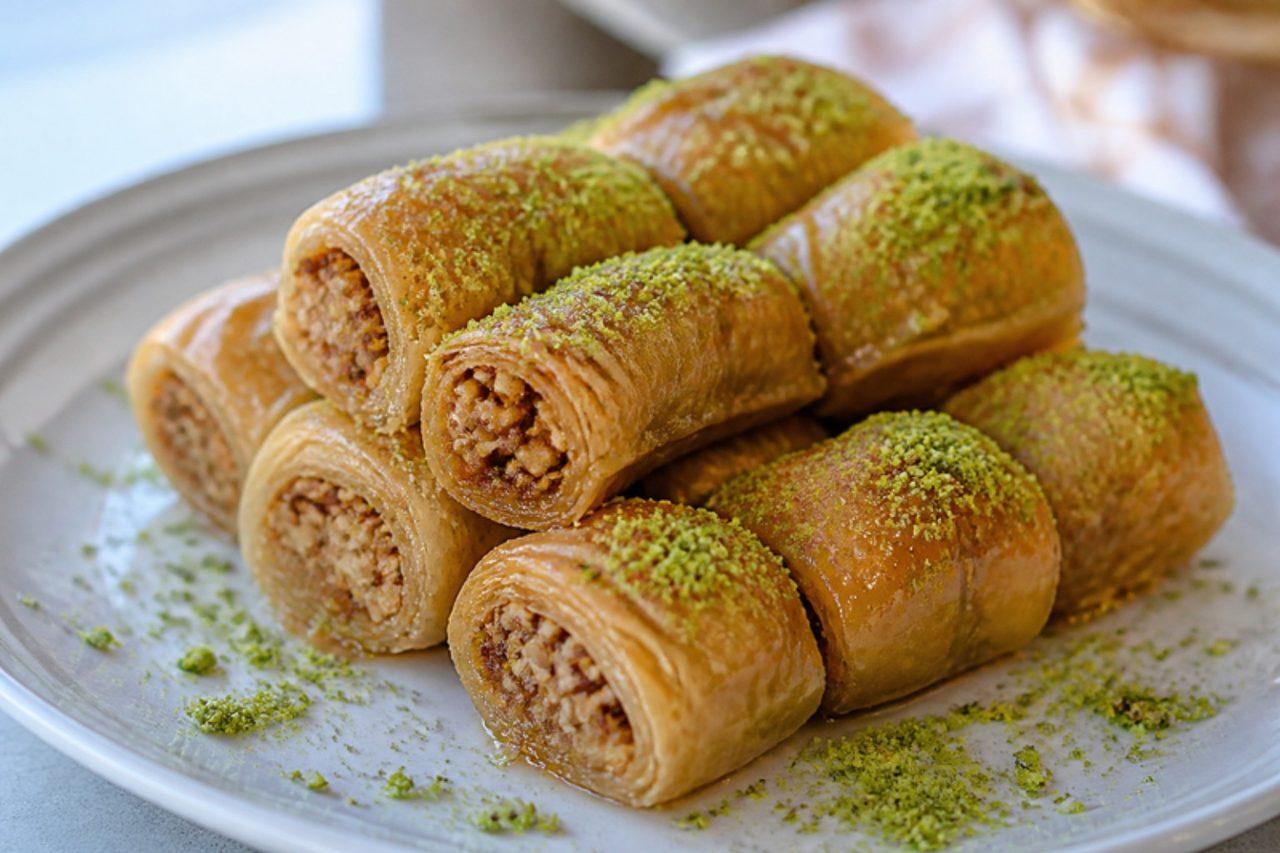
Şıllık is a home sweet of Şanlıurfa, made for guests and special Fridays: lacy crepes cooked on a hot sac or flat pan, filled with sugared walnuts, rolled up and doused in syrup until soft and sticky. Rich with butter and cut into short logs, it is eaten warm with a tiny cup of bitter mırra coffee to balance the sweetness. The batter should be as thin as single cream; thick batter gives rubbery pancakes. Chef's tip: syrup and crepes should be at different temperatures, so pour cooled syrup over the warm rolls, which drink it up without falling apart.

by KrazyBadal 0 views

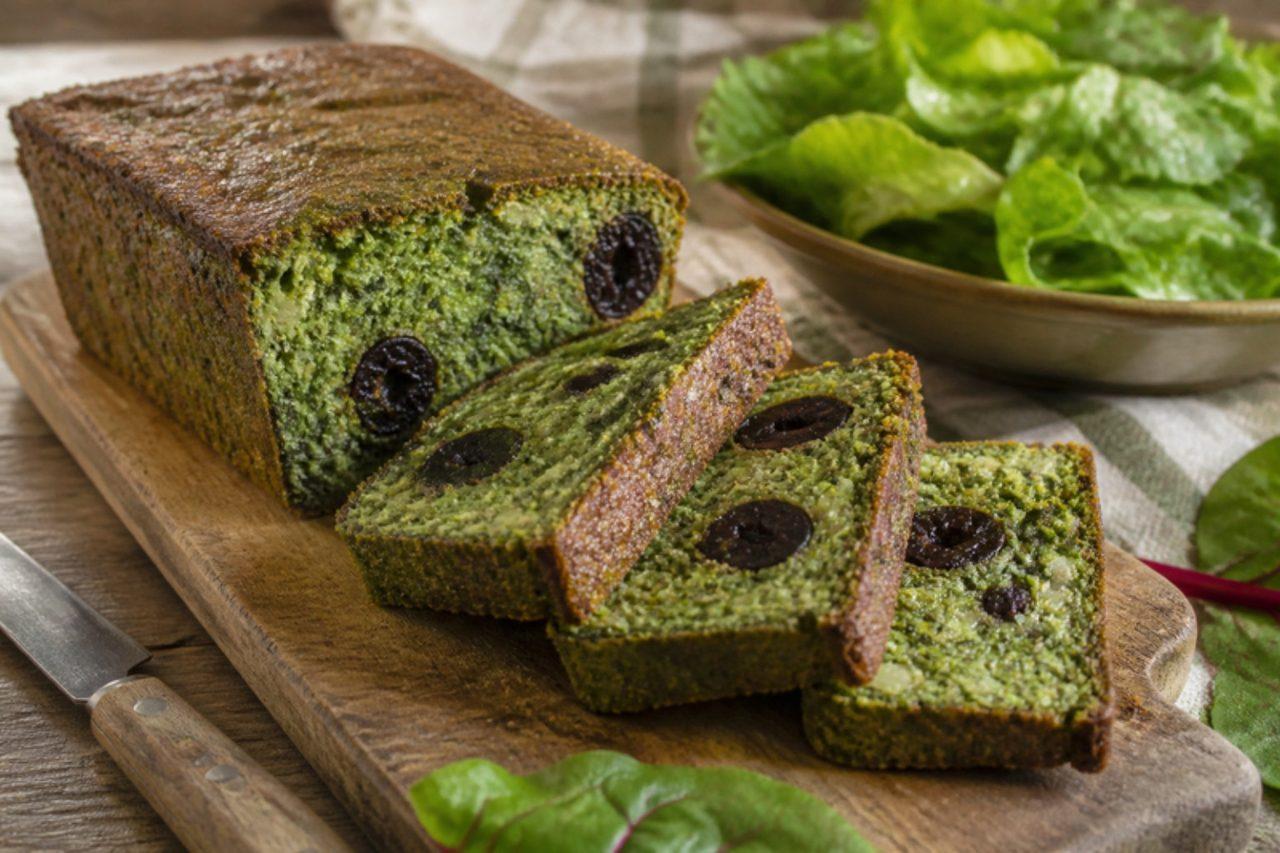
PountiChard and prune loaf

Farm kitchens in the Cantal and the Aveyron uplands bake pounti as a way to use the garden's chard and a few prunes from the cupboard: a soft savoury loaf, green-flecked and studded with dark sweet fruit, served warm with a salad for supper or cold in slices for a picnic. It is traditionally made with bacon or ham; this version leaves the meat out and adds a little smoked paprika for the same savoury edge. Chef's tip: wring the blanched chard really dry, or the loaf will be soggy in the middle.

by KrazyBadal 0 views

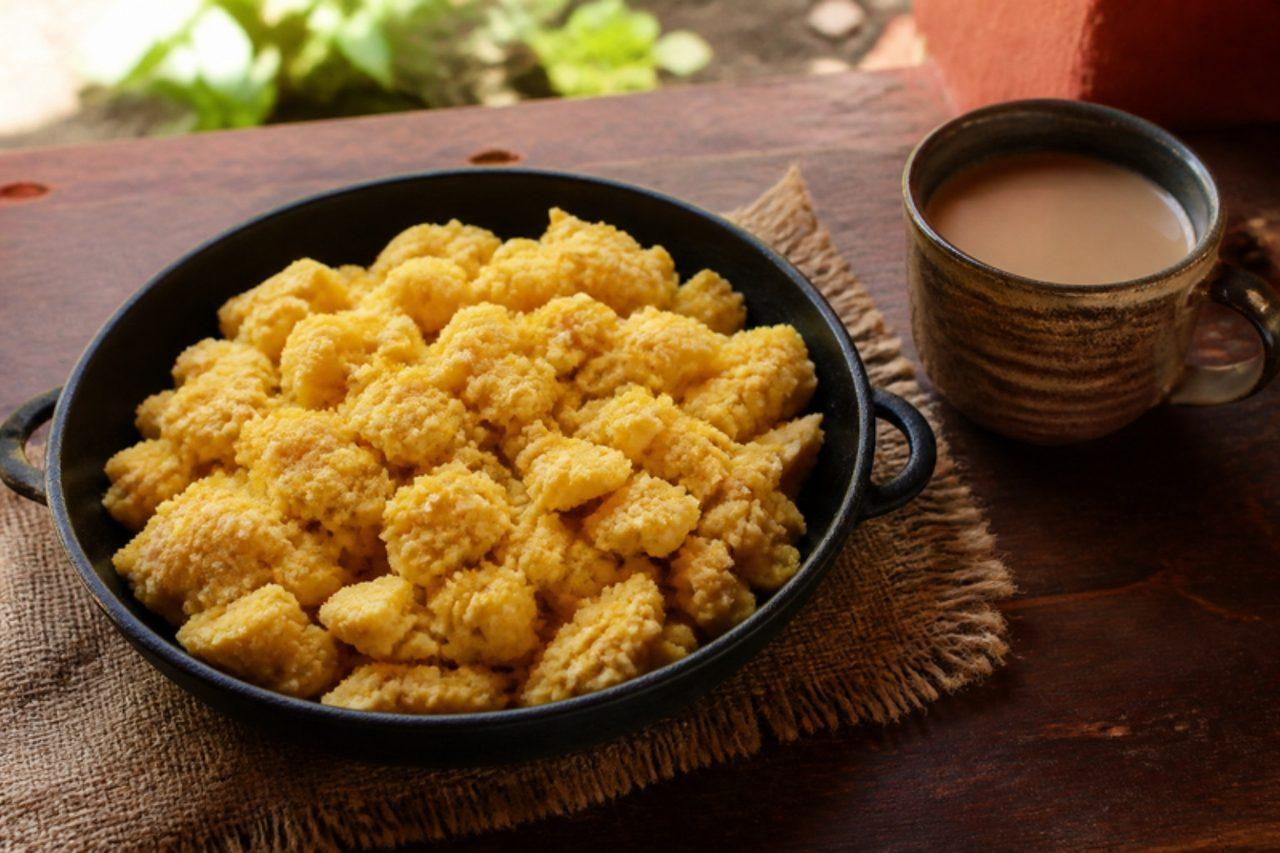
ReviroFried flour and egg scramble

For field workers in the yerba-mate plantations of Misiones, the morning starts with reviro: a simple dough of flour, egg, water and salt fried in plenty of fat and then broken up with a spatula as it cooks, until it becomes a pile of crisp, golden, irregular crumbs with soft centres. It is filling, cheap and very good dunked in a mug of mate cocido or milky coffee, and it shares its roots with the Guaraní and Paraguayan kitchen across the river. Traditionally it is fried in lard or beef fat; this version uses butter and oil so it is vegetarian. Turning it too early is the classic blunder: the batter needs to fry undisturbed until a crust forms, or it turns into a pale, doughy mash. Chef's tip: keep chopping and turning with the edge of a metal spatula for the last 10 minutes; the more edges you make, the more crunch you get.

by KrazyBadal 0 views

Showing 81 of 7,888 recipes

Show more recipes

Page 531 of 877