


Skip to content
Mangalore buns
Featured recipe

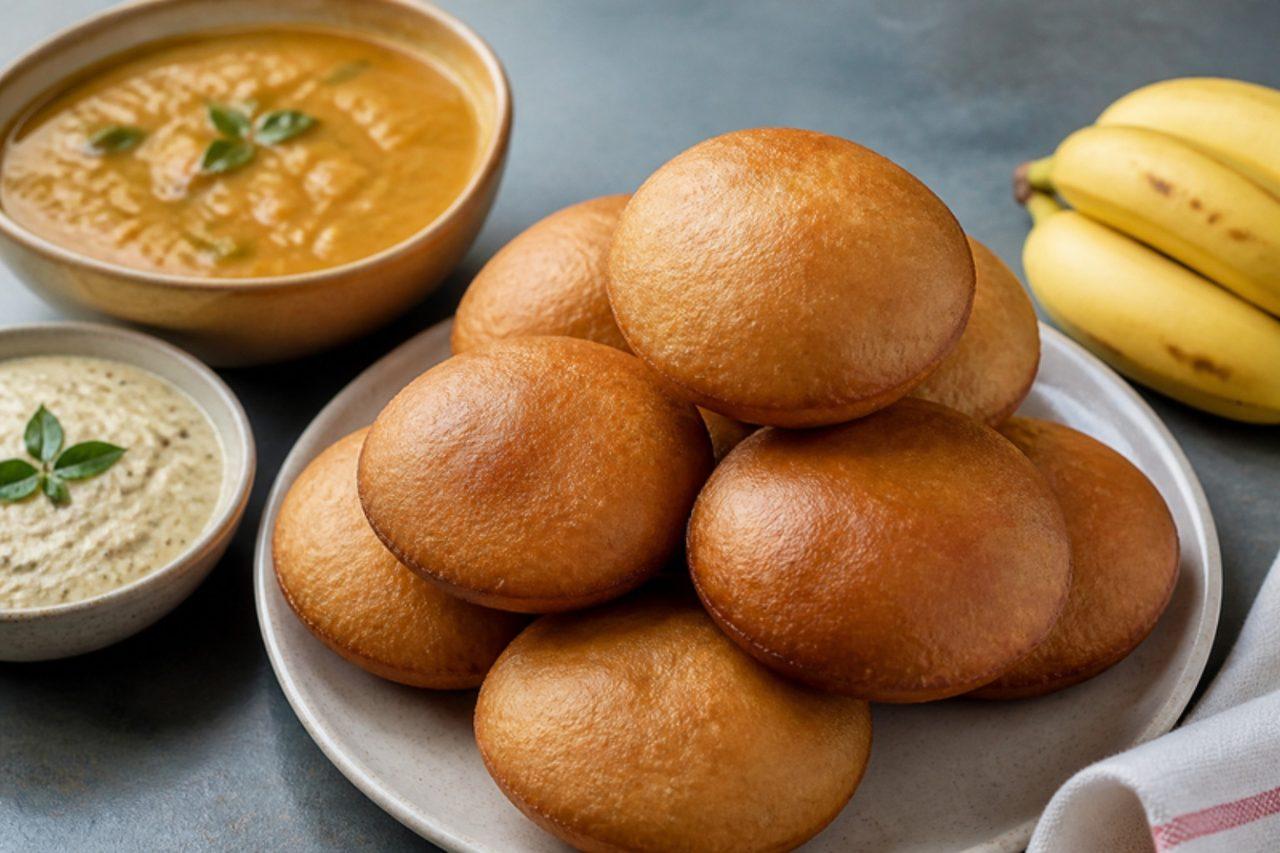
Mangalore buns

Sweet banana puris

Despite the name, Mangalore buns are not baked at all: they are thick, soft puris made from a dough of overripe bananas, sugar, yogurt and flour, left for hours to turn slightly tangy, then deep-fried until they balloon. Every Udupi restaurant in coastal Karnataka has them on the breakfast board, served with coconut chutney and sambar, and children love them on their own. They are lightly sweet with a hint of cumin and a soft, bready inside. Chef's tip: use bananas with black-flecked skins; underripe bananas give a dense, pale bun that won't brown.

Read more 0 views

What to eat today?

Around the world

Today's trip: Paraguayan

A new country every day, from every cuisine on the site.

Paraguayan

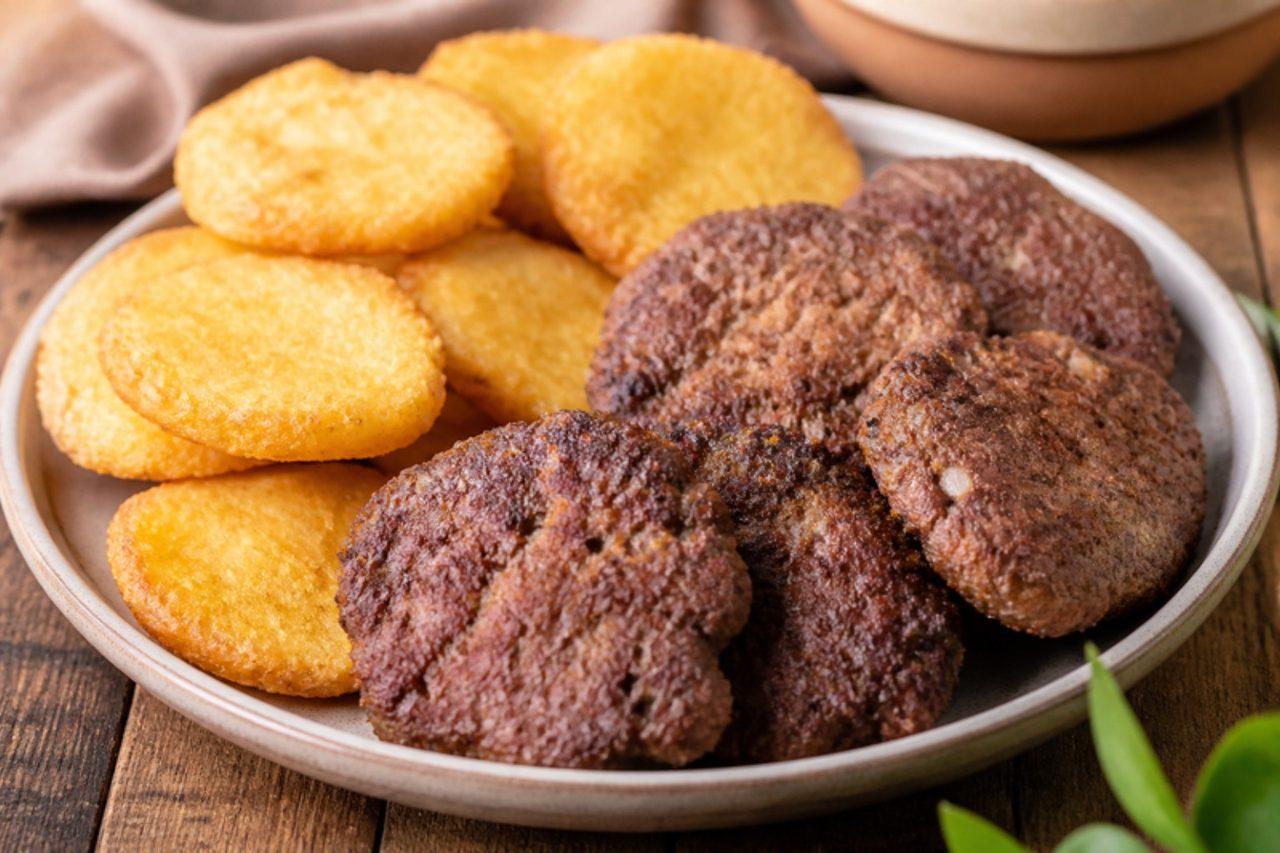
Payaguá mascada

Cassava and beef patties 55 minMore from Paraguayan (27) →

This week's collection

Kid-friendly dinners
537 recipes · a new collection every Monday

Latest recipes

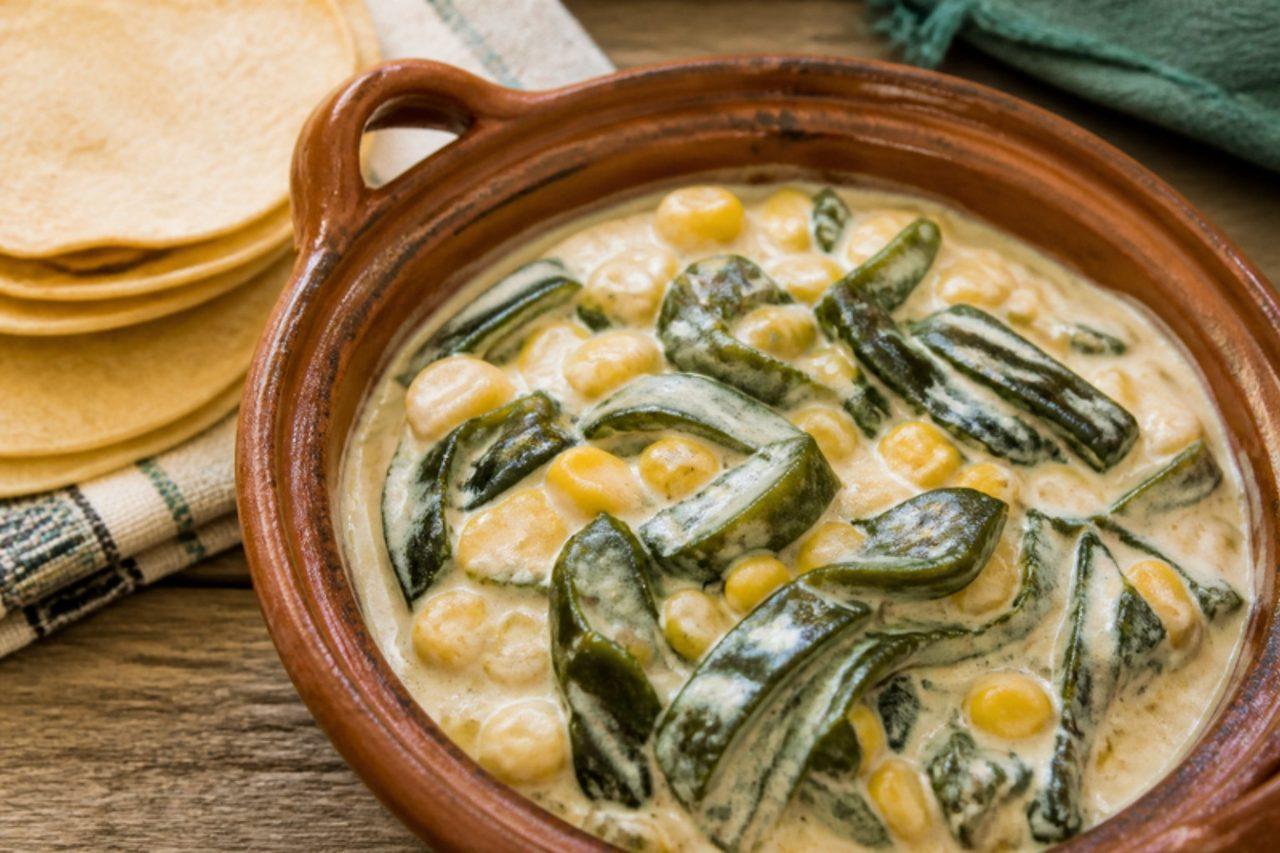
Rajas con cremaPoblano strips in cream

Rajas means strips, and in Puebla they mean poblano chillies, the dark green pepper the state is named after, charred, peeled and sliced, then simmered with onion, sweetcorn and cream. Poblanos are mild with a grassy, gently smoky bite, so the dish is rich rather than fiery. It turns up on Puebla tables as a side for rice, as a taco filling at fondas, or in a tamal for breakfast. Some cooks melt in Chihuahua or Oaxaca cheese, which may be made with animal rennet; use a vegetarian melting cheese if needed. Chef's tip: sweat the peeled chillies in a covered bowl for 10 minutes; the steam lifts the skins off cleanly without rinsing away the smoky flavour.

by KrazyBadal 0 views
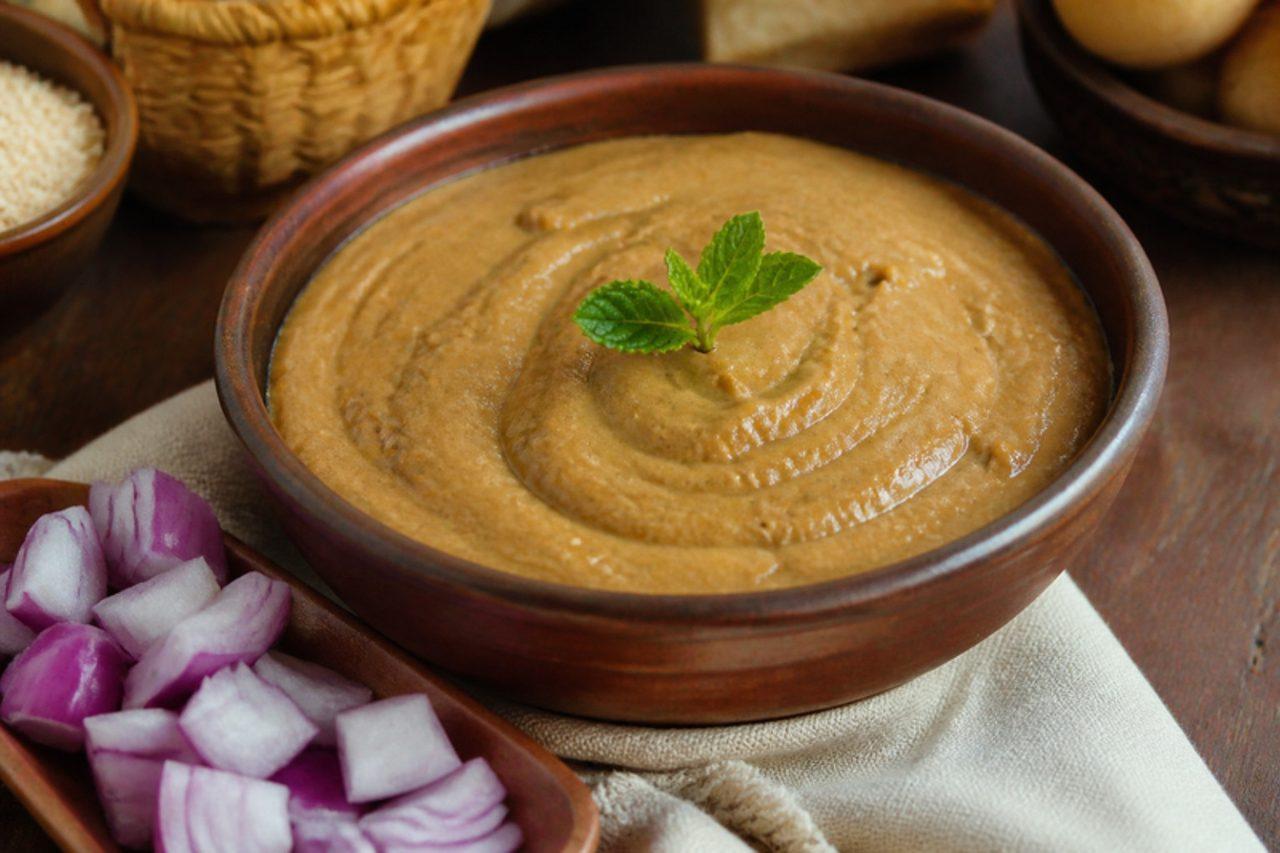
Gofio escaldadoToasted grain flour paste in broth

Gofio, flour ground from toasted maize or wheat, has fed the Canary Islands since before the Spanish arrived, and a bowl of escaldado is its simplest, most comforting form. Hot broth is beaten into the gofio until it turns into a soft, savoury paste flecked with mint, eaten by scooping it up on chunks of raw red onion. In fishing towns the broth is usually fish stock left from a sancocho; this version uses vegetable broth so it is vegan. Pure maize gofio is gluten free, but most blends contain wheat, so check the bag. Chef's tip: add the broth gradually while you beat, as dumping it in at once makes stubborn lumps.

by KrazyBadal 0 views

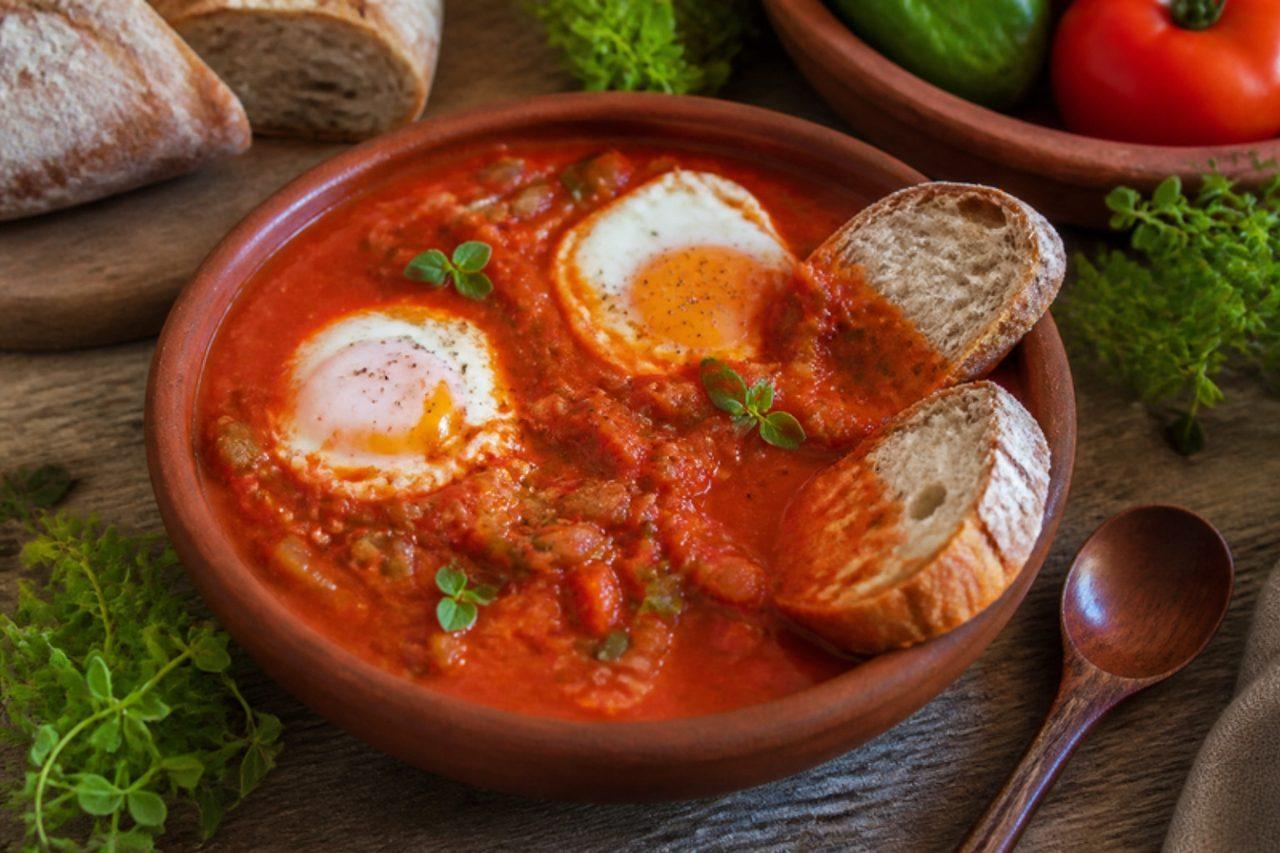
Sopa de tomate à alentejanaTomato soup with poached eggs

In the Alentejo, high summer means tomatoes ripening faster than anyone can eat them, and this is what farm families do with the glut: a thick, oily stew-soup of tomato, onion and green pepper, with eggs poached right in the pot and the whole thing spooned over slices of stale country bread. It is a supper dish, eaten in deep plates on hot evenings, often with grapes or melon afterwards. Many households slip in chouriço; this version keeps it vegetarian. A common mistake is using watery salad tomatoes; you need very ripe, deep-red ones for a soup that tastes of anything. Chef's tip: cook the onion slowly until truly sweet before the tomatoes go in; that sweetness carries the whole dish.

by KrazyBadal 0 views

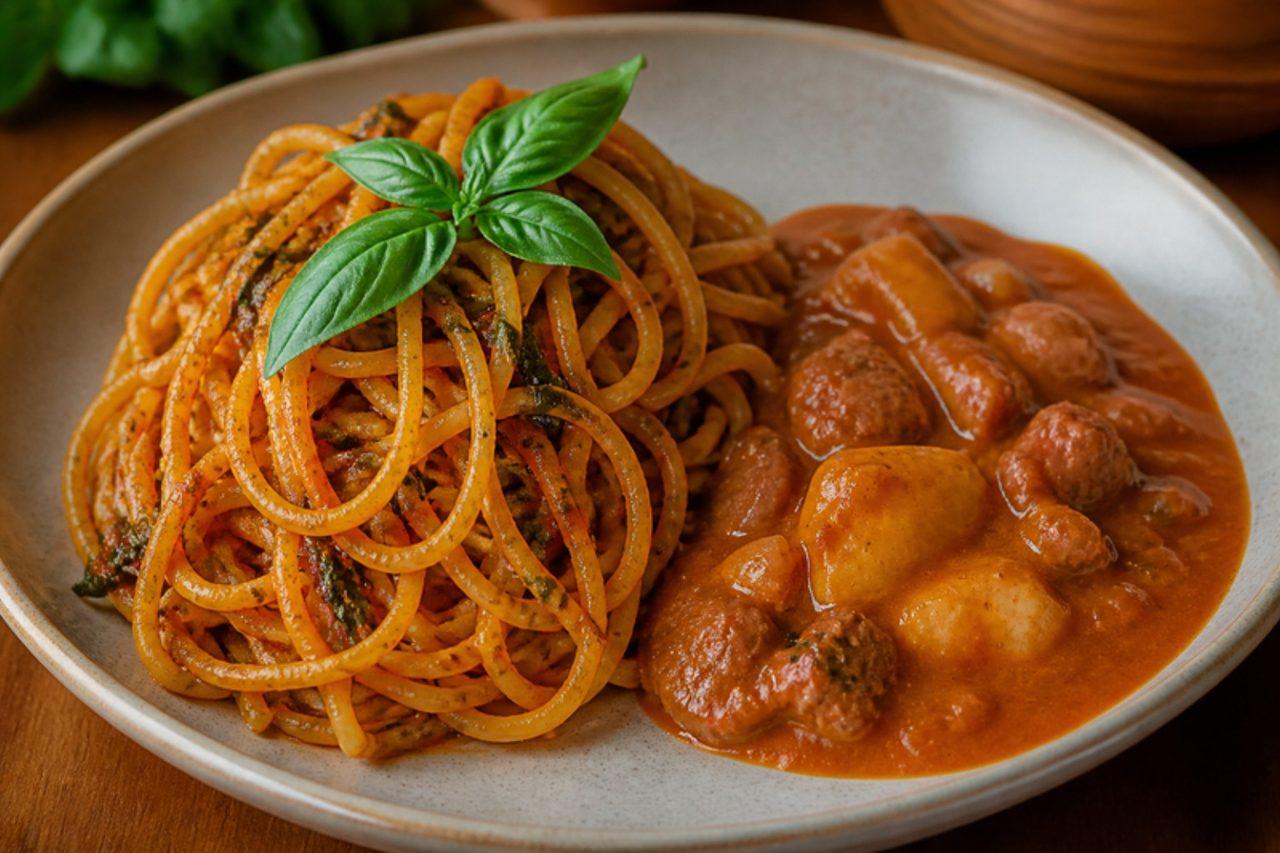
Sopa seca chinchanaSpaghetti in basil chicken broth

Despite the name, there is no soup in a bowl: sopa seca is spaghetti cooked like a risotto in a well-seasoned chicken broth with basil, ají panca and tomato until every drop is absorbed and the noodles turn reddish-green and fragrant. In Chincha and Ica it always arrives on the same plate as carapulcra, the two together forming the famous festive 'matrimonio', with a chicken thigh on top. Expect soft, very savoury pasta with a mild warmth from the chilli. Where it goes wrong is pouring in all the broth at once, which leaves the pasta swimming and mushy; add it in stages, as for risotto. Chef's tip: blend the basil with a little oil and stir it in only in the last minutes, so it stays green instead of turning brown.

by KrazyBadal 0 views

Rancho à minhotaChickpea, meat and macaroni stew

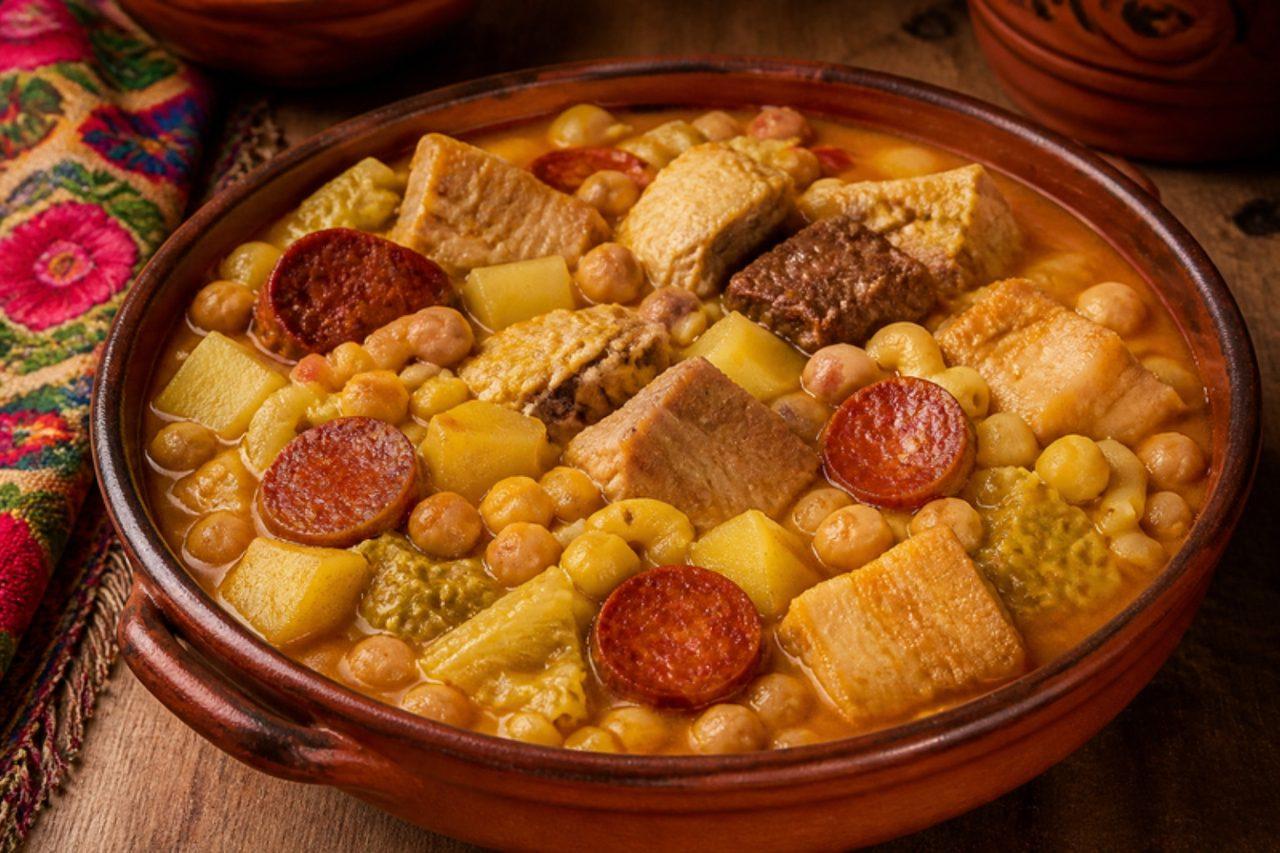
Rancho was the food of farmhands at harvest time around Viana do Castelo: one huge pot of chickpeas, beef, pork, chicken and chouriço, with cabbage, potatoes and short macaroni cooked in the broth to stretch it further. It is now a winter favourite in family restaurants, eaten from deep plates with plenty of the cooking liquid. This contains pork (pork belly and chouriço). Chef's tip: add the pasta only ten minutes before serving and keep the stew loose, as the macaroni soaks up broth fast.

by KrazyBadal 0 views

RanfañoteToasted bread dessert in spiced syrup

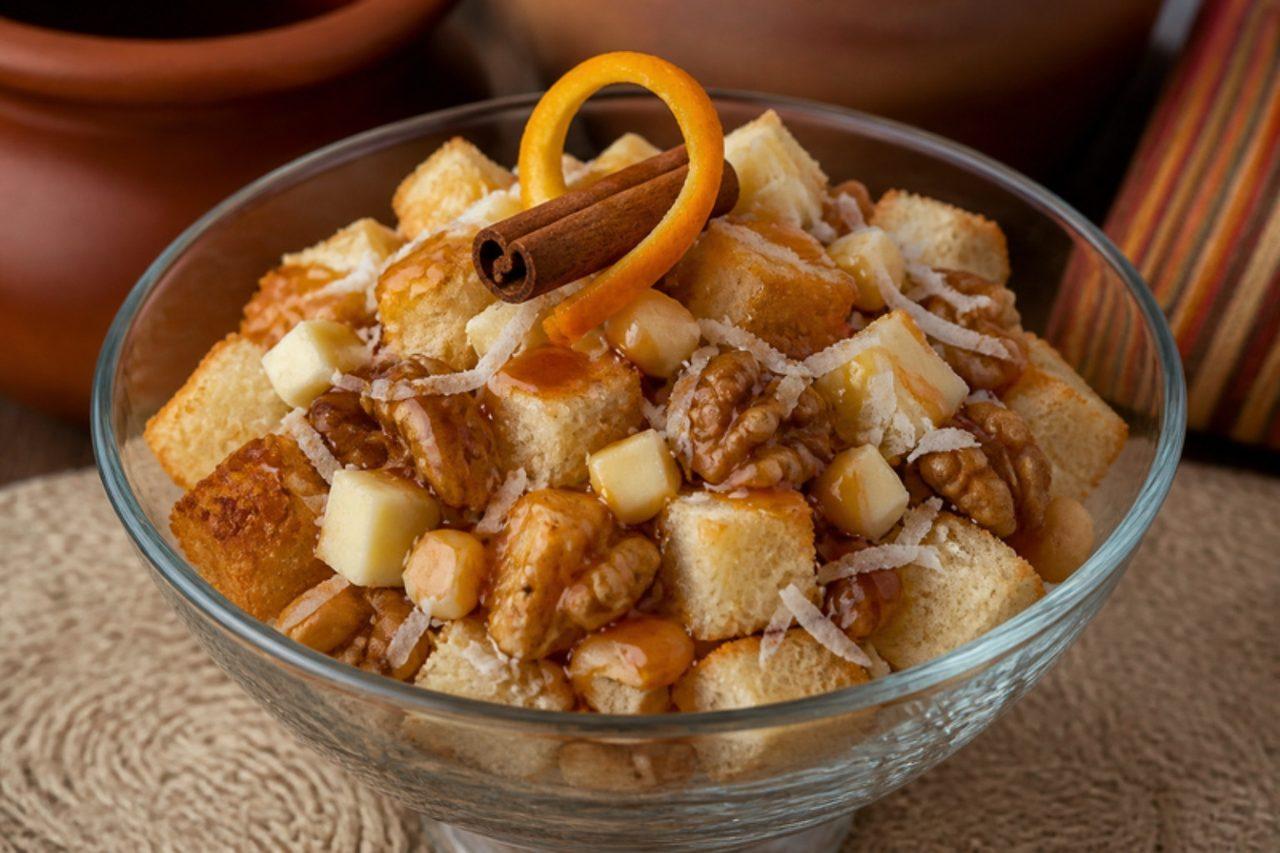
Made from leftovers in colonial Lima by Afro-Peruvian cooks, ranfañote is one of the city's oldest sweets and turns up today at criollo food fairs and at old-style dessert stalls in Barrios Altos. Cubes of day-old bread are toasted crisp, then layered with walnuts, coconut, raisins and little cubes of fresh cheese and drenched in a thick chancaca syrup scented with cinnamon, clove and orange peel. The cheese is not a typo: its saltiness cuts the syrup, and the contrast of crunchy bread, chewy fruit and soft cheese is the point. It is eaten warm or at room temperature on its own. The common error is pouring thin syrup over the bread, which drowns it; the syrup should be thick like honey. Queso fresco is generally made with animal rennet, so choose a vegetarian fresh cheese if you need to. Chef's tip: toast the bread in the oven rather than frying it; it stays crisp longer under the syrup and is less greasy.

by KrazyBadal 0 views

RanginakWalnut-stuffed dates with butter flour

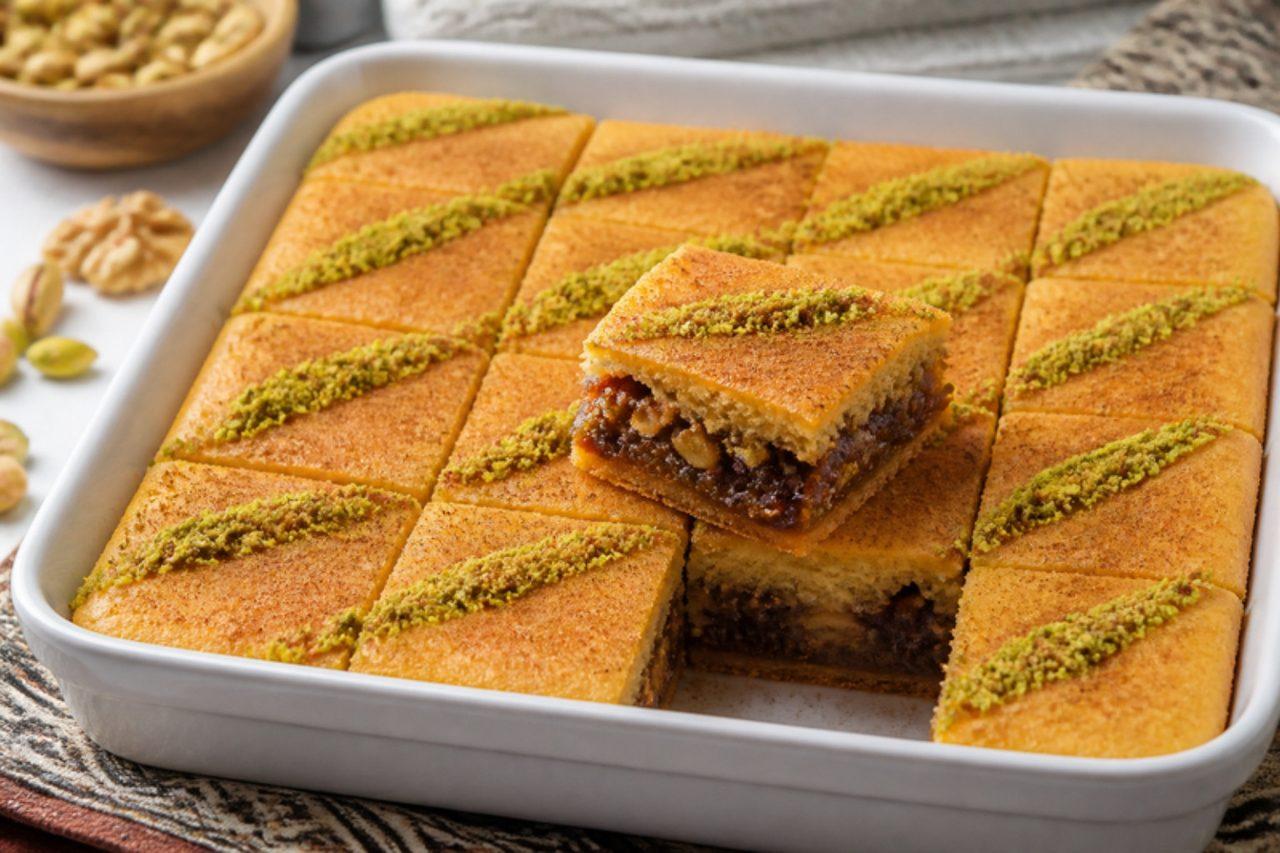
Ranginak is the date sweet of the south, made in Shiraz, Bushehr and Kerman in late summer when the new dates arrive and served in squares with bitter tea, and also at mourning gatherings and Ramadan iftar. Soft dates are stuffed with walnuts, packed into a dish and covered with flour slowly toasted in butter until it smells of biscuits, then dusted with cinnamon and pistachio. A common mistake is toasting the flour on too high a heat: it scorches before it turns nutty, so stir it patiently over a low flame. Chef's tip: use soft, moist dates such as Kabkab or Medjool; dry dates go hard once the butter sets.

by KrazyBadal 0 views

Sopa tarascaBean and tomato soup

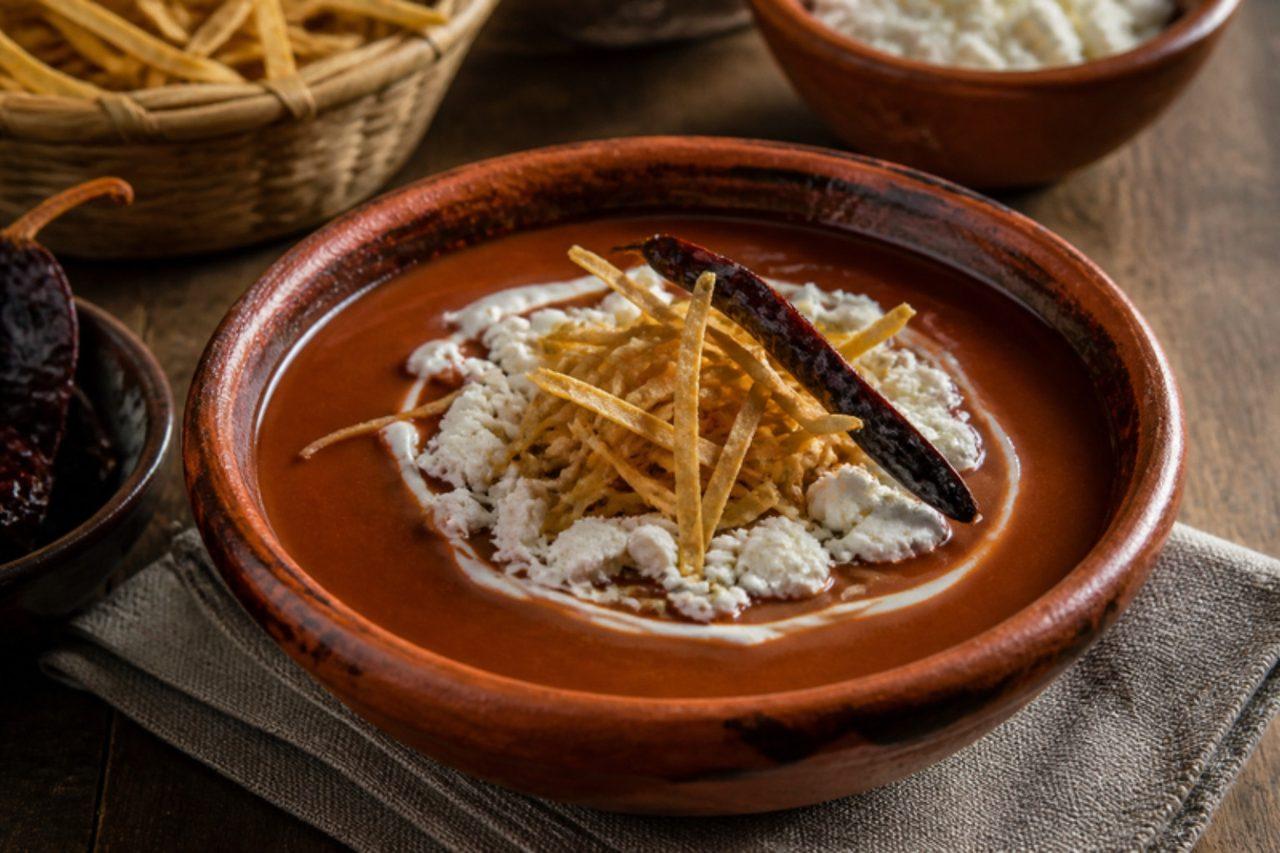
Named after the Tarascan (Purépecha) people of Michoacán, sopa tarasca is the soup served in the restaurants around the plazas of Pátzcuaro and Morelia, especially on cool highland evenings. It is a smooth, brick-red purée of beans, tomato and ancho chilli, poured over crisp tortilla strips and finished with cream, fresh cheese and fried chilli rings. Some versions use chicken stock; this one uses vegetable stock and loses nothing. Fresh cheese may be made with animal rennet, so use a vegetarian one if needed. Chef's tip: fry the blended soup base in hot oil before adding the stock; it cooks out the raw tomato taste and deepens the colour.

by KrazyBadal 0 views

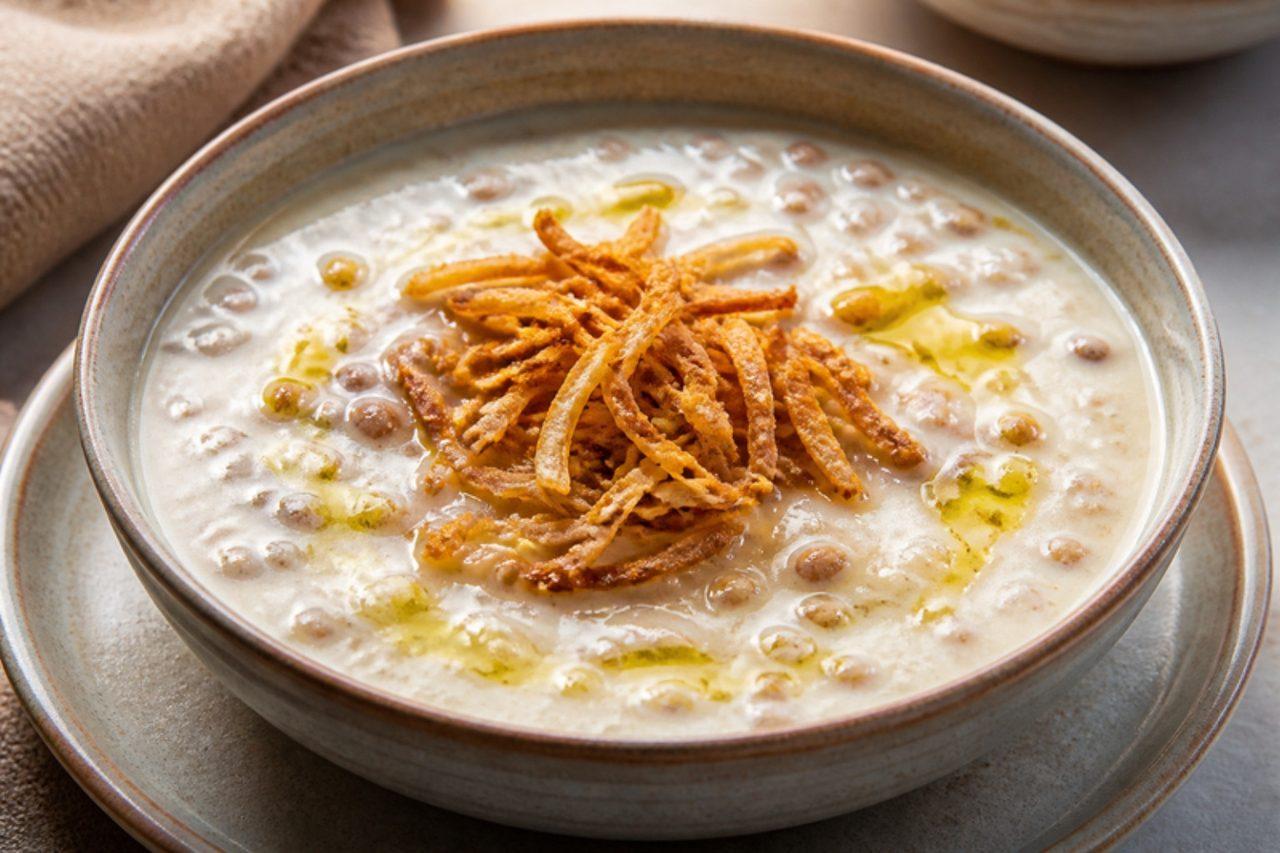
RashoofLentil and cracked wheat yoghurt soup

In the stone villages around Karak and Tafileh, rashoof is what simmers on cold, wet evenings: brown lentils and coarse bulgur cooked soft, then enriched with jameed, the dried salted yoghurt that is also the soul of mansaf. The result is thick, sour and comforting, almost a porridge, finished with a heap of onions fried golden in samneh. Jameed is sold in hard balls or as a liquid in Middle Eastern shops; thick strained yoghurt with a little extra salt makes a fine stand-in. The classic mistake is letting the soup boil hard once the yoghurt goes in, which makes it split into grainy curds. Chef's tip: temper the yoghurt with a ladle of hot soup first and stir in one direction over a low heat; it stays silky.

by KrazyBadal 0 views

Showing 9 of 7,762 recipes

Show more recipes

Page 530 of 863