


Skip to content
Ka'ak bi ajwa
Featured recipe

Ka'ak bi ajwa

Date-filled cookie rings

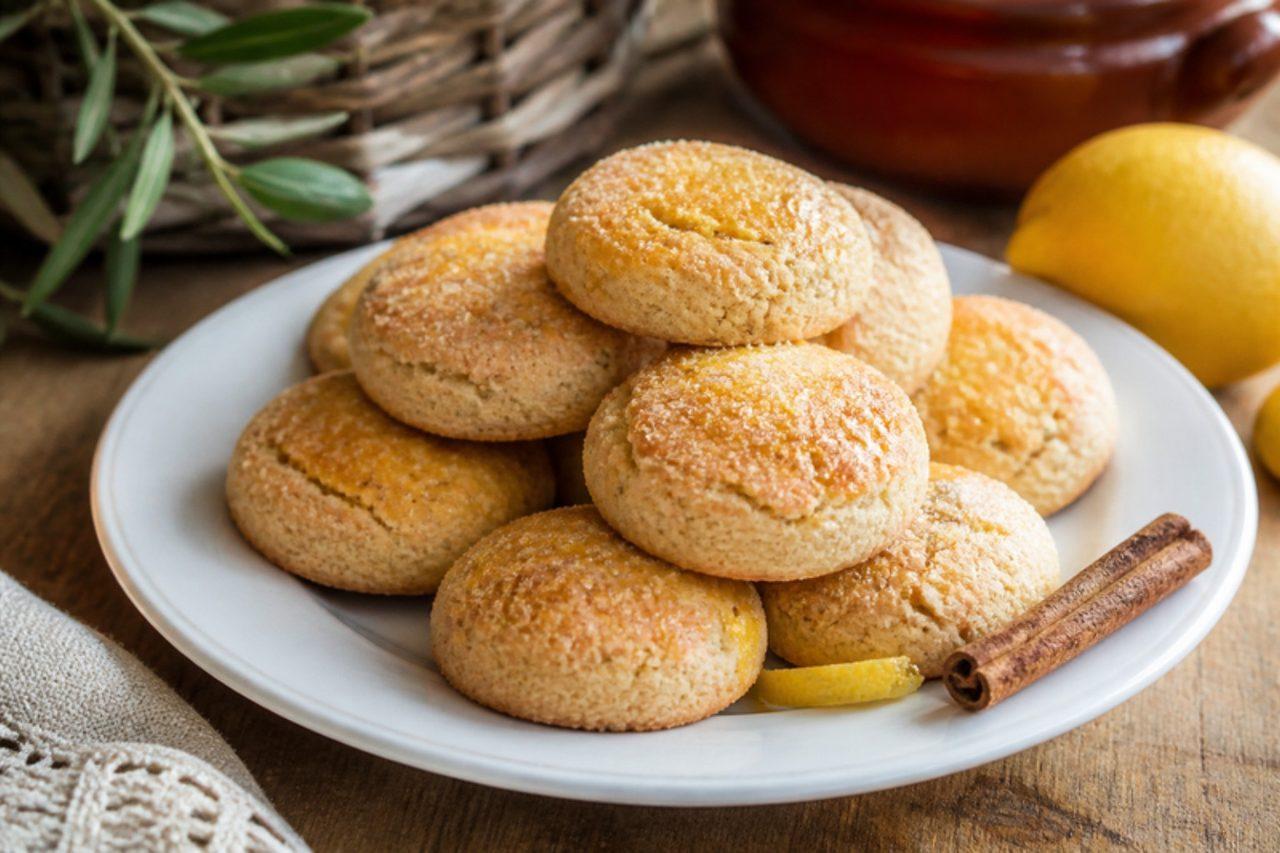
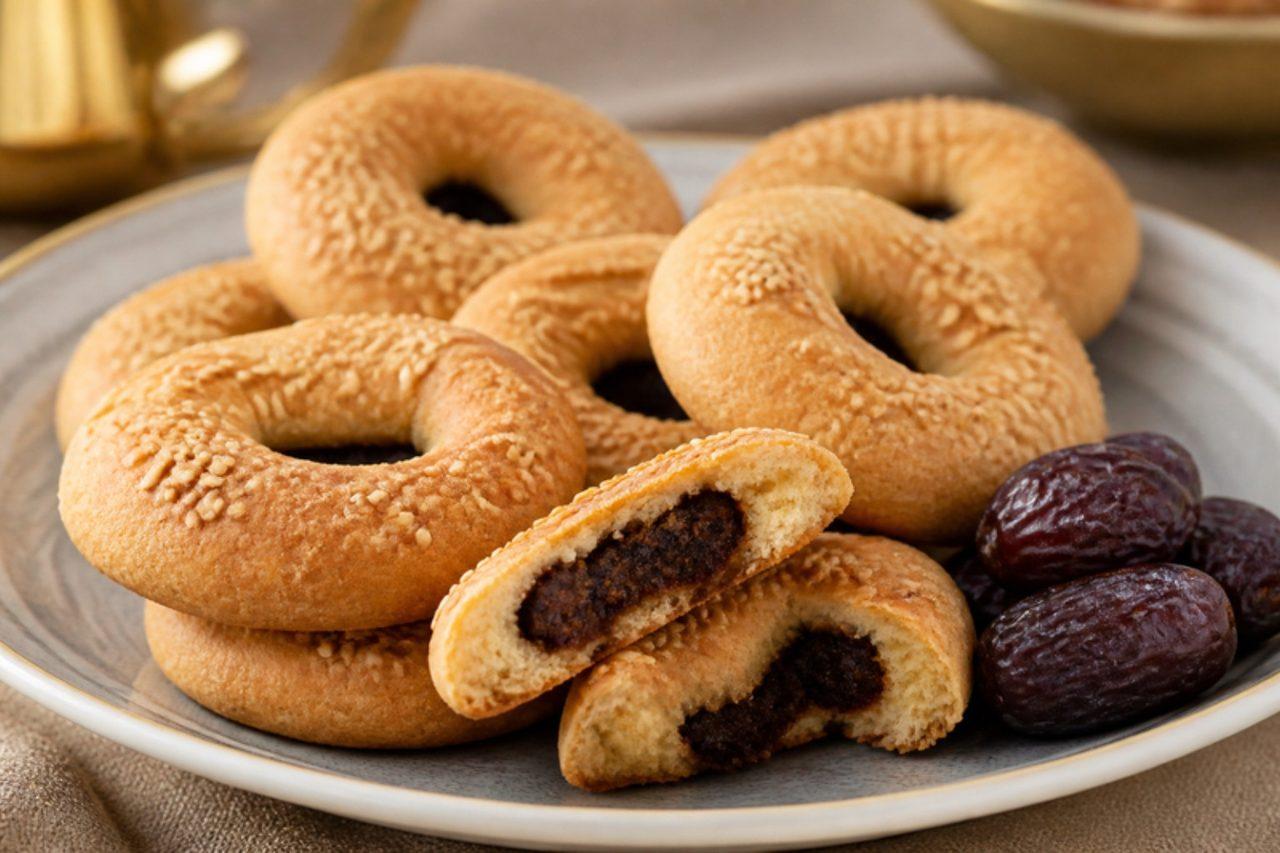
In the last nights of Ramadan, Jordanian kitchens turn into small bakeries, and trays of ka'ak bi ajwa go into neighbourhood ovens ready for Eid morning. A crumbly semolina pastry scented with anise and mahlab is wrapped round a rope of date paste, closed into rings and baked pale gold, then offered to every visitor with bitter Arabic coffee. Children usually do the rolling. The common mistake is overworking the dough after the butter goes in, which makes the cookies hard rather than sandy. Chef's tip: rest the semolina and butter mixture overnight before adding the liquid; the grains drink the fat and the ka'ak melt in the mouth.

Read more 0 views

What to eat today?

Around the world

Today's trip: Persian

A new country every day, from every cuisine on the site.

This week's collection

Kid-friendly dinners
541 recipes · a new collection every Monday

Latest recipes

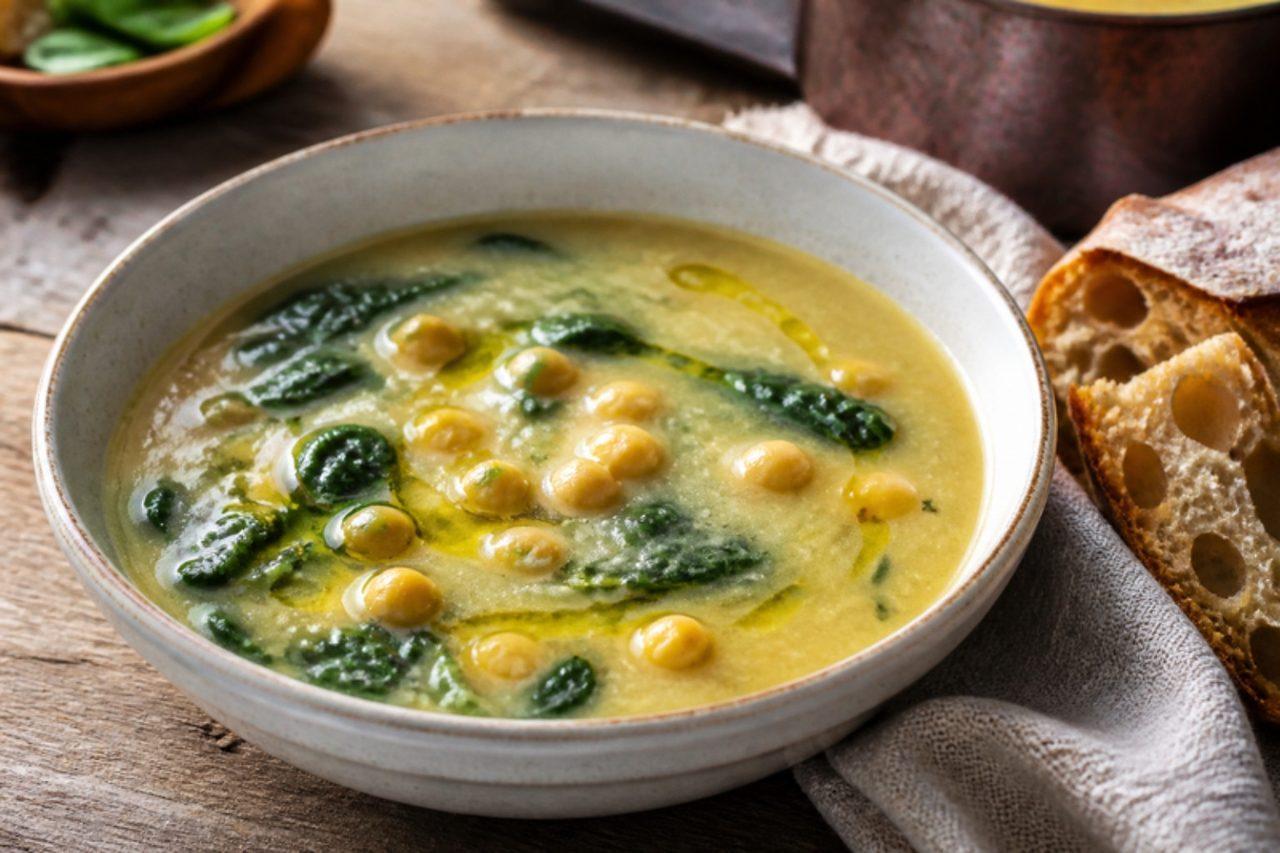
Sopa de grão com espinafresChickpea and spinach soup

This is everyday food in the villages of the Beira interior, where chickpeas are a winter store-cupboard standby and a big pot of soup starts most lunches and suppers. Part of the chickpeas are blended with potato and onion for a creamy base, the rest left whole, and fresh spinach is stirred in at the end. It is filling, cheap and ready in under an hour. A common mistake is boiling the spinach in the soup for too long; add it at the end and cook it only until it wilts. Chef's tip: add the spinach only at the last minute, as long cooking turns it grey and bitter.

by KrazyBadal 0 views

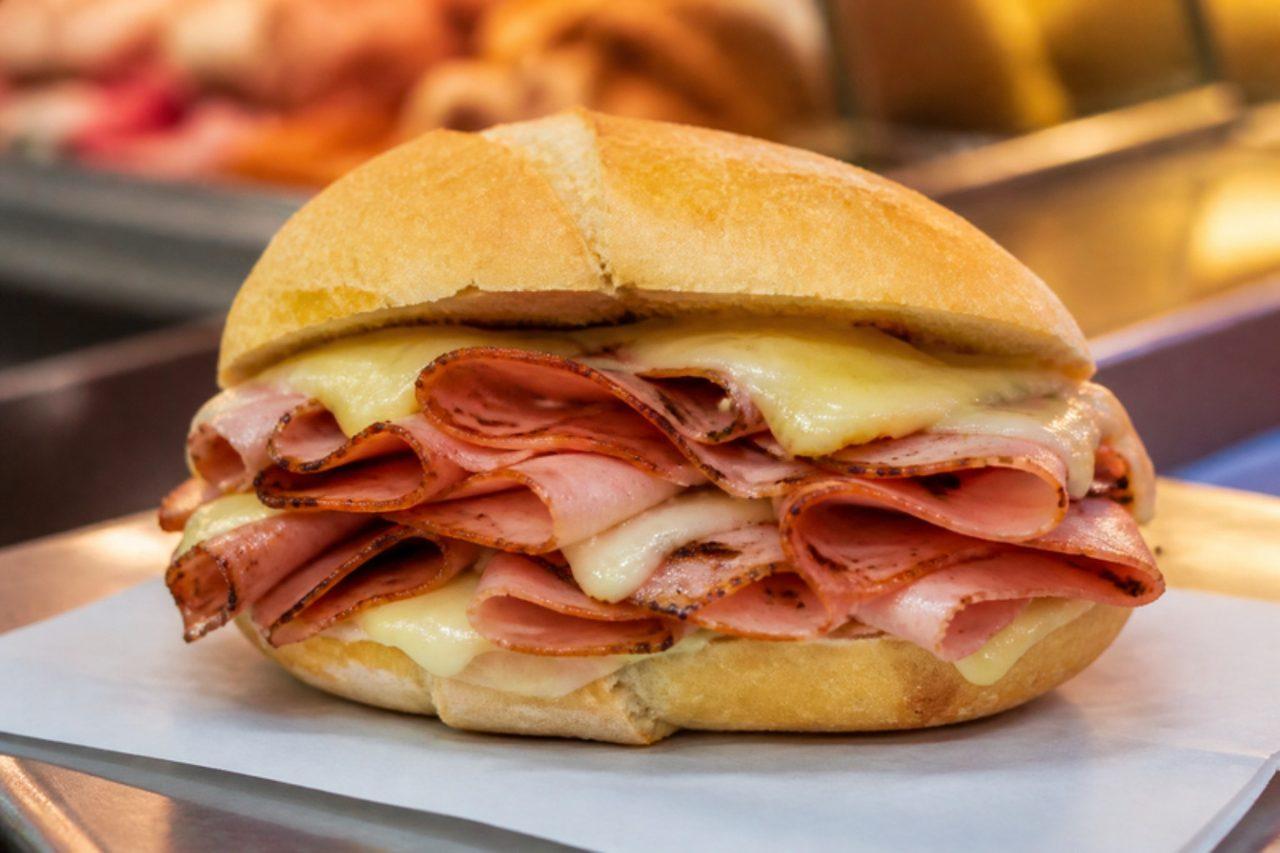
Sanduíche de mortadelaFried mortadella and cheese roll

Tourists queue for it at the Mercado Municipal in São Paulo, where the sandwich counters on the mezzanine fold slice after slice of mortadella onto a hot griddle until the stack is taller than the bread. Mortadella is a cooked pork sausage, and warming it this way crisps the edges, softens the fat and makes it taste sweeter and more peppery; a layer of melted provolone or mild cheese glues it together inside a crusty French roll. It is gloriously over the top, best eaten with both hands and a paper napkin. The mistake most people make is stacking cold mortadella flat, which stays rubbery; fold the slices loosely so the heat gets between them. Chef's tip: ask for the mortadella sliced very thin, almost see-through; thin slices ruffle up and give the sandwich its height and tenderness.

by KrazyBadal 0 views

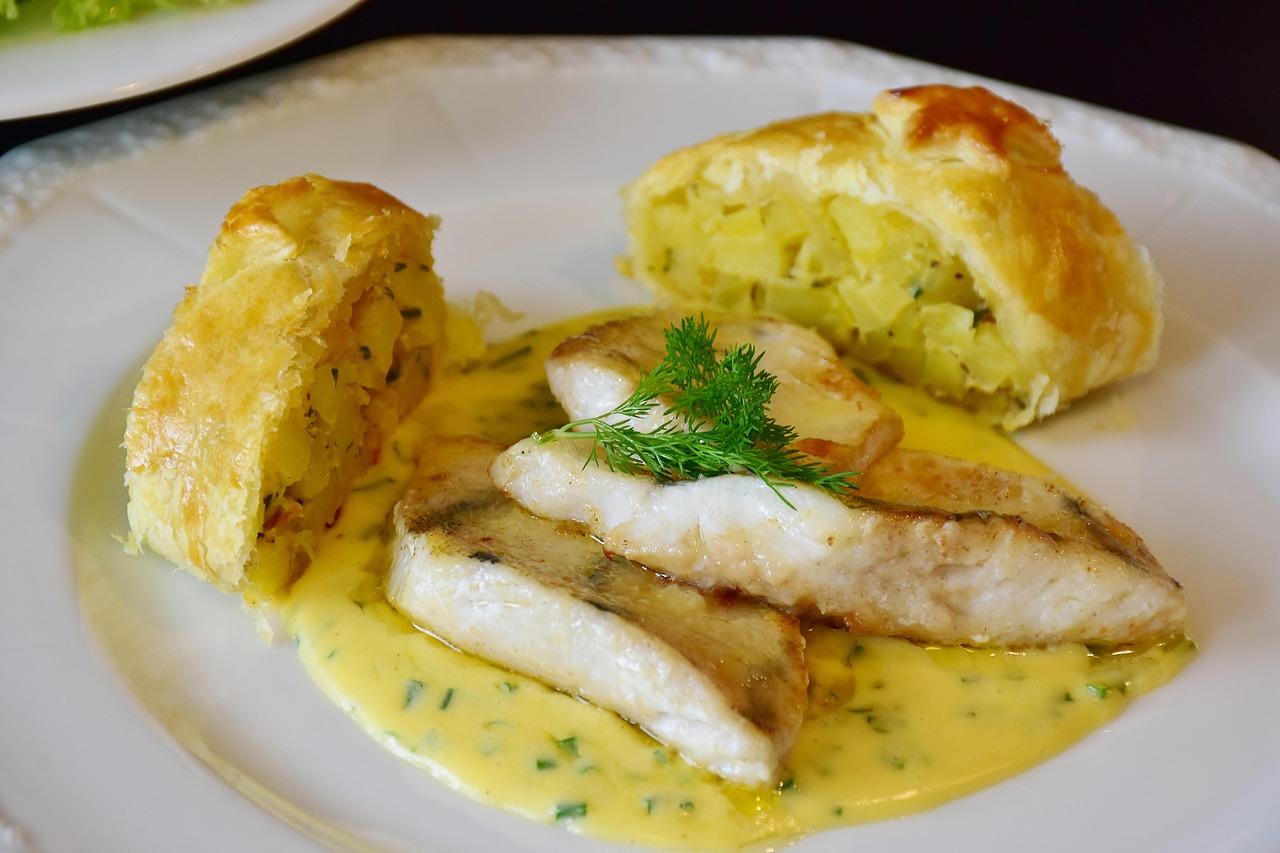
Sandre au beurre blancPike-perch with butter sauce

Beurre blanc was first whisked up on the banks of the Loire near Nantes, and riverside restaurants from Anjou to the Muscadet vineyards still serve it with sandre, the firm, mild pike-perch of the river. The sauce is nothing but shallots reduced in white wine and vinegar, then mounted with cold butter into a pale, foamy emulsion that tastes sharp and creamy at once. The crisp-skinned fish sits on top, with steamed potatoes or leeks alongside. The reduction uses dry white wine; an alcohol-free option is in the notes. If you can't find pike-perch, sea bass or hake fillets are good substitutes. Chef's tip: keep the butter fridge-cold and add it a few cubes at a time, and the sauce will never split.

30 minFrenchFishGluten free
by KrazyBadal 0 views

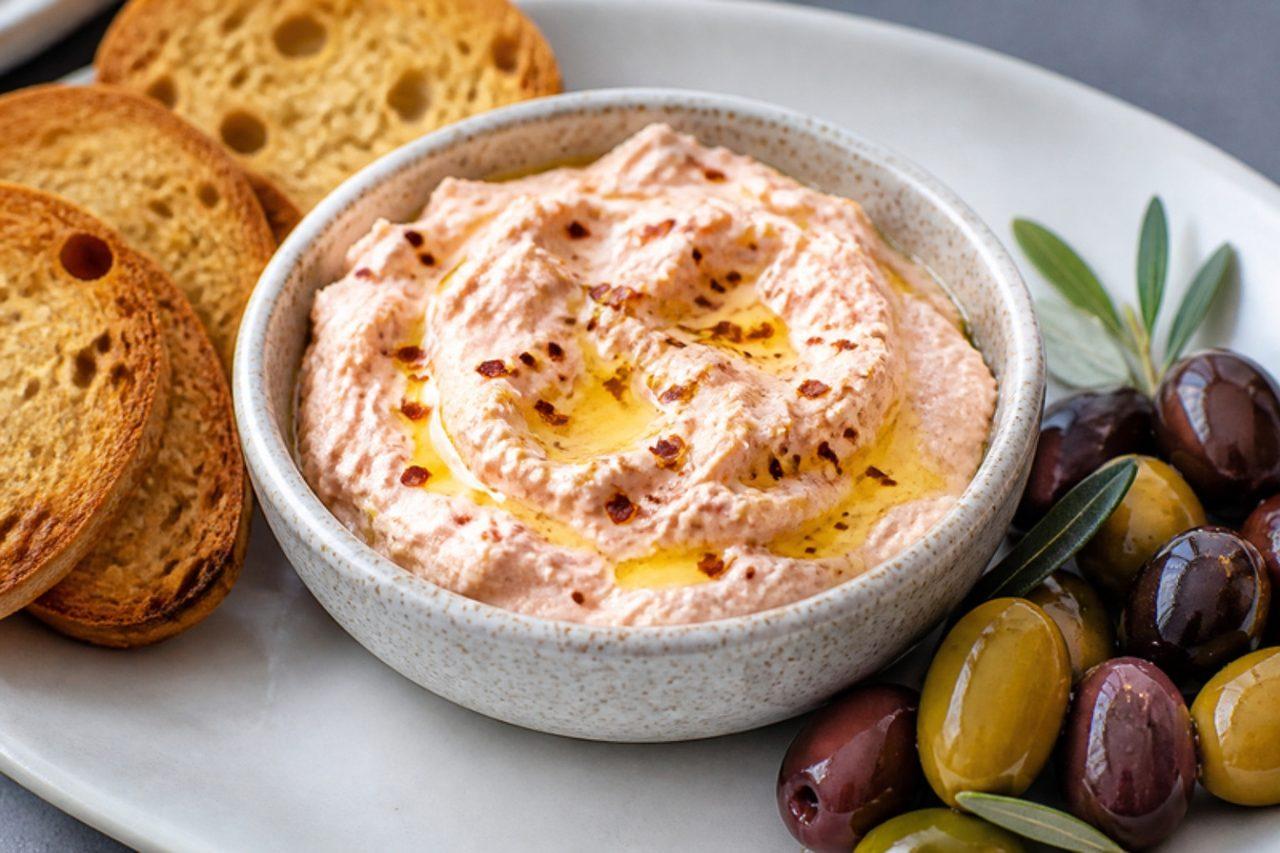
KopanistiPeppery whipped cheese spread

On Mykonos and its neighbouring islands, cheesemakers once worked soft cheese by hand for weeks until it ripened into kopanisti, sharp, salty and peppery enough to prickle the tongue. On the island it is spread on barley rusks with a drizzle of oil as a meze with drinks before dinner. This home version beats feta with a little soft cheese, chilli and pepper, then leaves it in the fridge for two days to mellow and sharpen. Feta is traditionally made with animal rennet; choose a vegetarian feta if you need to. Common mistake: blending it to a smooth purée; it should stay a little rough. Chef's tip: cover the surface with a thin layer of olive oil while it rests, so it doesn't dry out or pick up fridge flavours.

by KrazyBadal 0 views

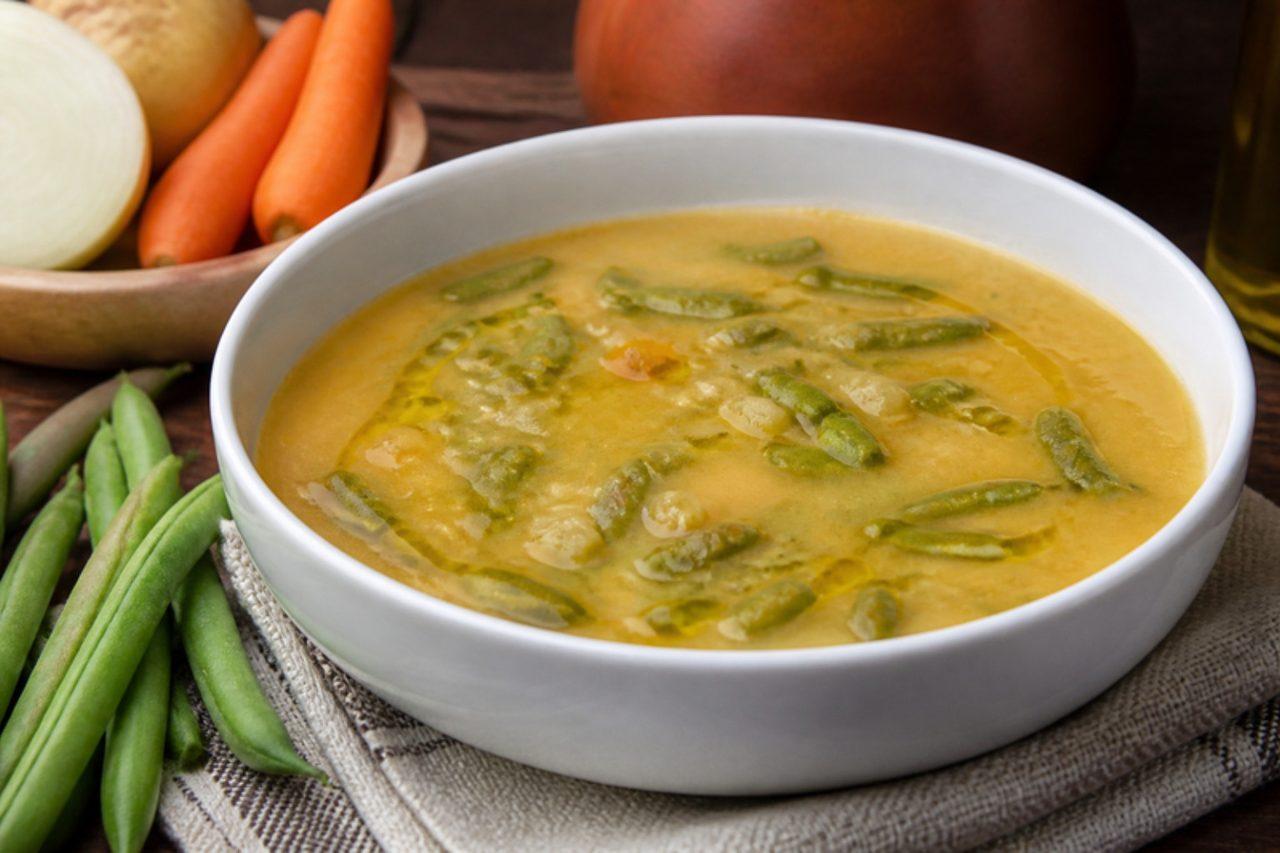
Sopa de feijão verdeGreen bean and potato soup

From June to September, Minho kitchen gardens are heavy with runner and flat beans, and this soup is what most families make with them, served as the first course of an ordinary weekday lunch. A smooth base of potato, onion and carrot is puréed, then the beans, cut into thin diagonal slivers, are simmered in it until just tender. It is thick, mild and comforting, finished with a thread of olive oil. A common mistake is adding the green beans with the potatoes; they turn grey and soft, so add them only for the last few minutes. Chef's tip: slice the beans very thinly on a slant, as Minho cooks do, so they cook evenly and every spoonful gets some.

by KrazyBadal 0 views

Pepas de membrilloQuince jam cookies

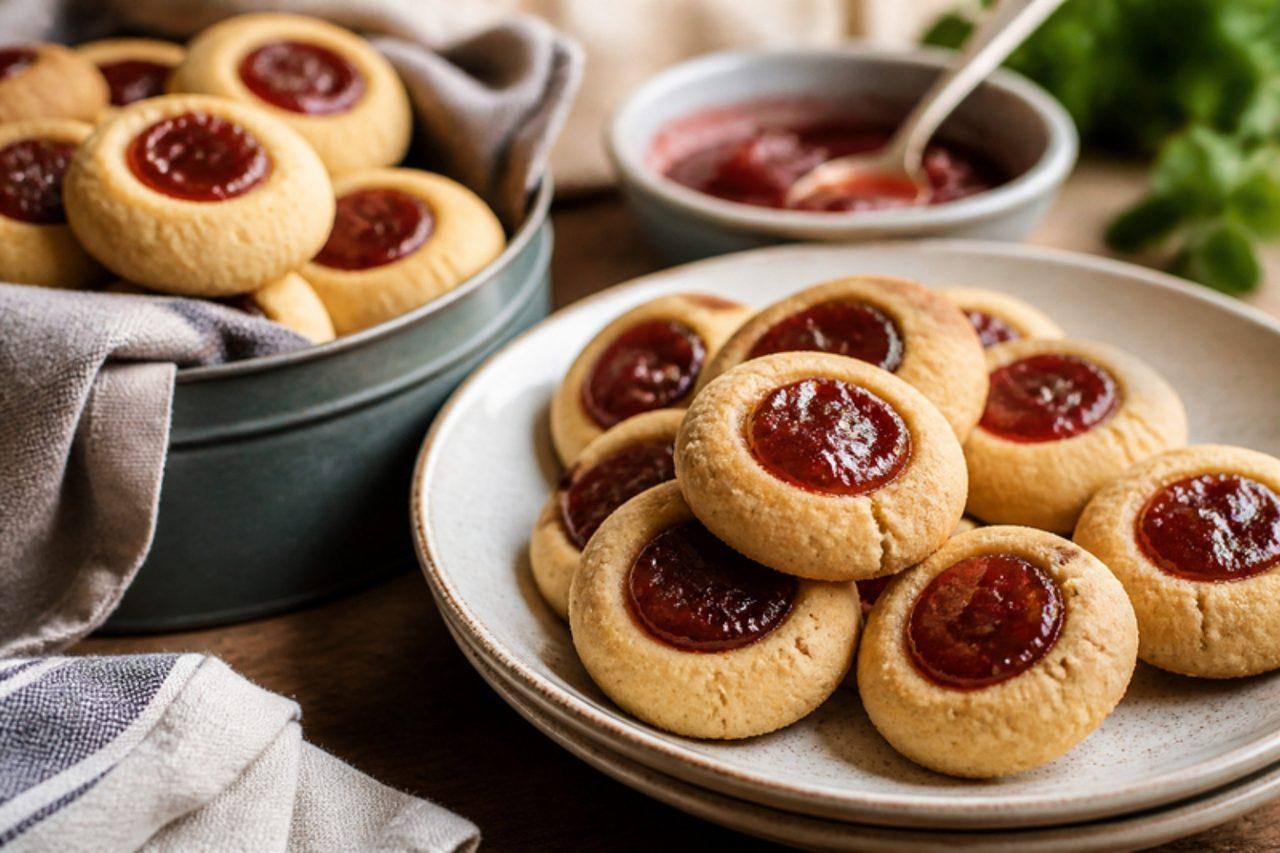
Pepas are the little round cookies with a jewel of quince jam in the middle that Argentine kiosks sell by the bag and grandmothers keep in a tin for the mate round. They are tender and crumbly, not crisp, with just enough sugar that the tart, dark membrillo stands out. Children love pressing the thumbprint and filling it, which makes them a good first baking job, and they keep for a week in an airtight jar. Kiosk versions are often made with margarine; butter tastes far better. Overbaking is the usual problem: take them out while the tops are still pale and only the bottoms are golden, because they firm up as they cool. Chef's tip: use quince paste softened with a spoonful of hot water and pipe it from a small bag; a spoon leaves smears on the dough that burn.

by KrazyBadal 0 views

Peperoni cruschiCrisp fried dried peppers

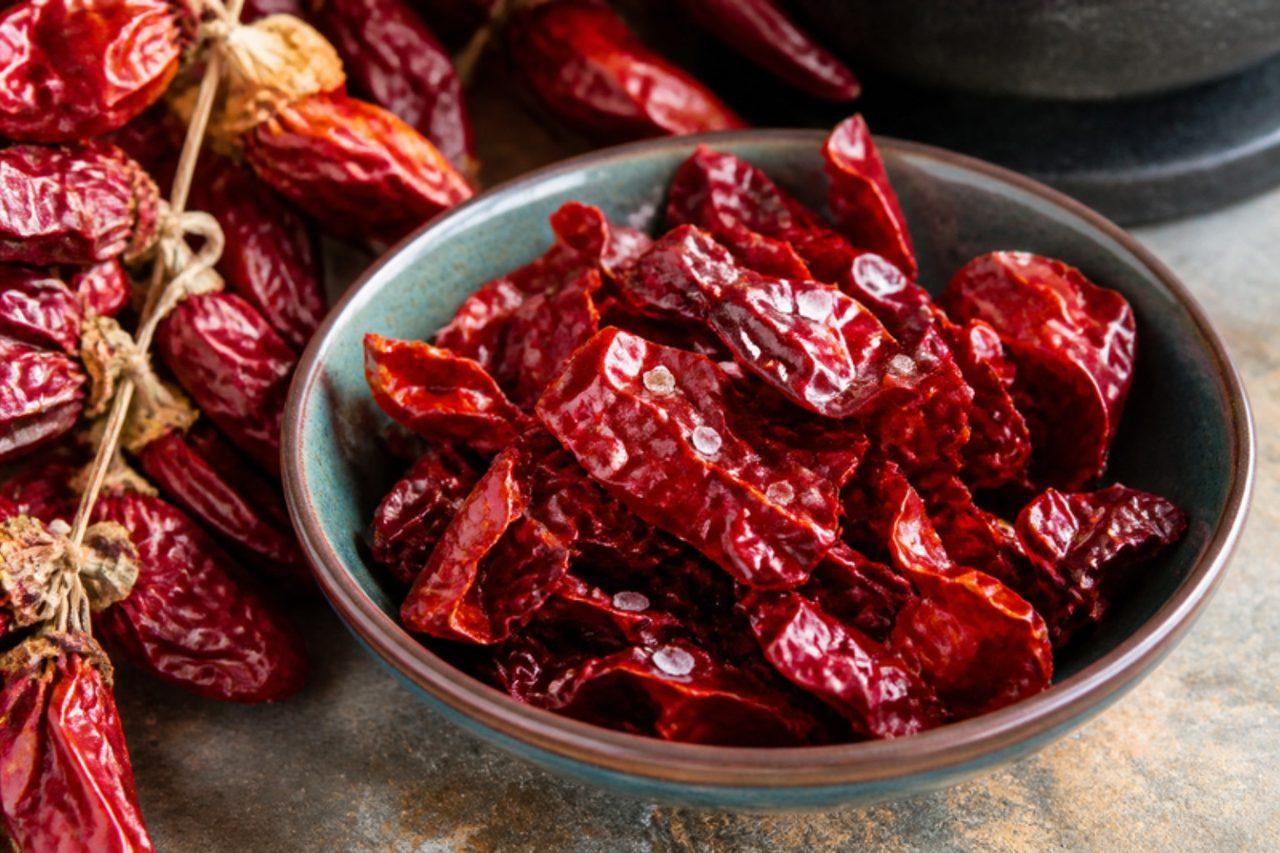
In late summer the villages around Senise, in southern Basilicata, hang long garlands of thin red peppers from balconies to dry in the sun. Once dried, a few seconds in hot oil turns them into peperoni cruschi: glassy, brittle and sweet with a faint smoky note, eaten like crisps or crumbled over pasta, beans, fried eggs and mashed potatoes. Lucanians call them their red gold and keep a jar of them on the table all winter. Chef's tip: get the oil hot but not smoking and count to five; the colour should stay bright red.

by KrazyBadal 0 views

Xis gaúchoLoaded pressed burger

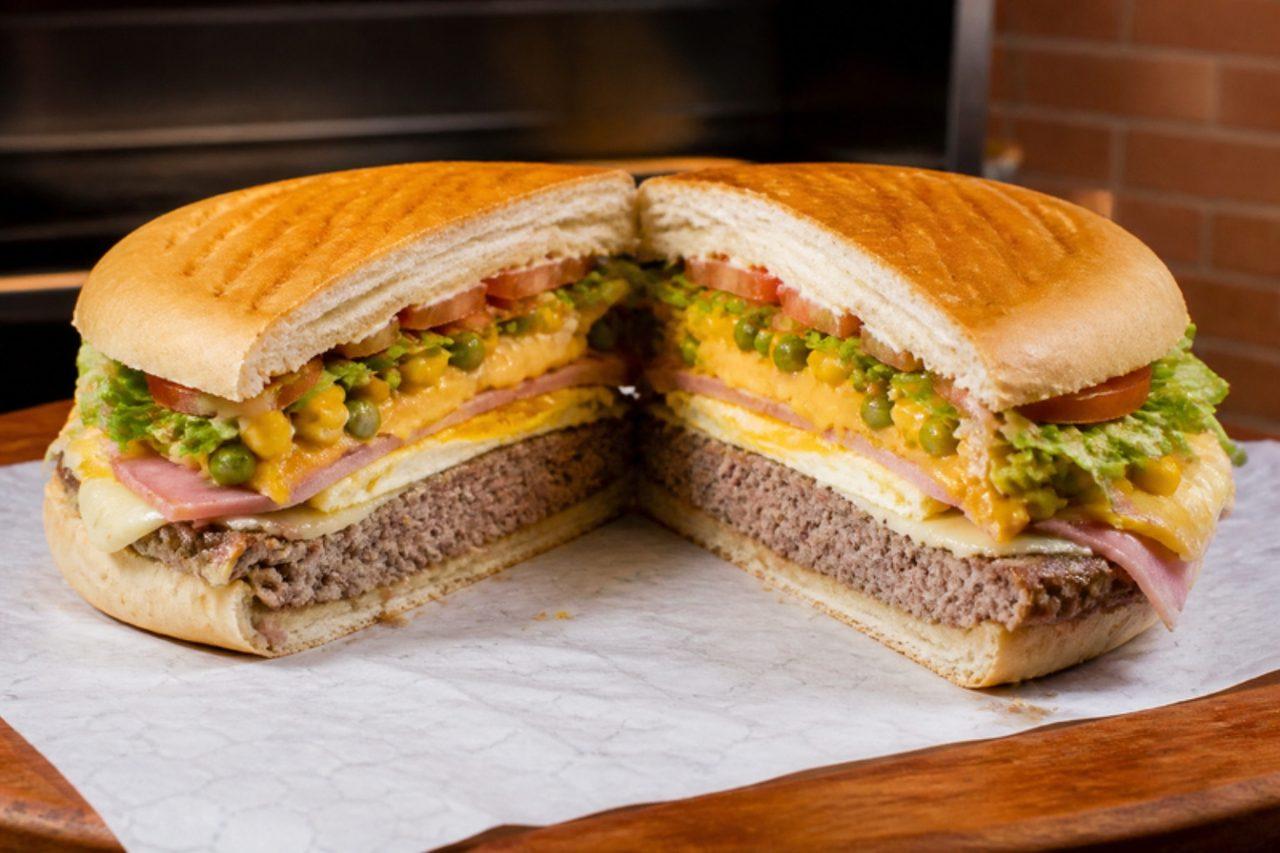
Porto Alegre's lancherias and late-night food trucks press the xis (the Portuguese name for the letter X, which sounds like 'cheese', as in X-burger) on a hot griddle with a heavy lid until a giant round bun is flat, crisp and holding everything together: a beef patty, a fried egg, ham, melted cheese, sweetcorn, peas, lettuce, tomato and lots of mayonnaise. It is huge, messy and much loved after a night out or a football match, usually cut in half and shared. Its pork element is the ham. The common mistake is stacking it too high before pressing, so the fillings slide out; spread them in flat even layers right to the edges. Minced beef must be cooked through to 71 °C with no pink in the middle. Chef's tip: press the assembled sandwich under a heavy pan with a weight on top if you have no sandwich press, and turn it once.

by KrazyBadal 0 views

PepitoriaRice with goat offal

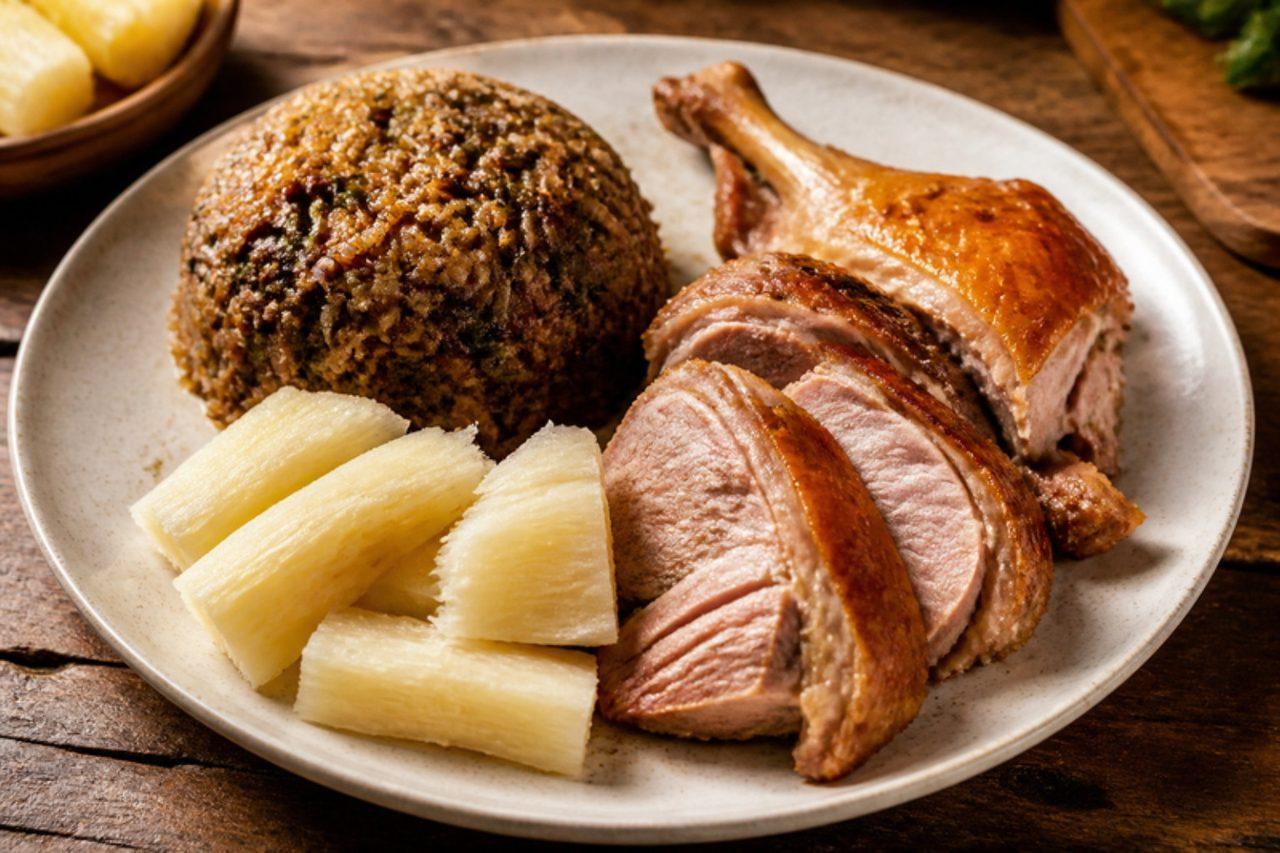
Santander's famous plate of cabrito (roast kid goat), sold in Bucaramanga, Barichara and the canyon towns, always comes with pepitoria next to it: rice cooked with the kid's chopped heart, liver and kidneys, a refrito of onion and tomato, and blood, which turns it a deep reddish-brown and gives it a rich, mineral flavour, a little like a soft black pudding. It's a dish that uses the whole animal, and it is worth trying if you like morcilla. Ask a halal, Caribbean or specialist butcher for very fresh goat offal and fresh blood (pig blood works if goat isn't available); keep both cold and cook them the same day. Offal must be cooked right through, and the blood until it has set and darkened with no liquid red left. The usual misstep is adding the blood too early, so that it scorches on the bottom; it goes in when the rice is nearly done. Chef's tip: if blood is impossible to find, double the offal and add 1 tsp extra achiote; you'll get a lighter but still very good rice.

by KrazyBadal 0 views

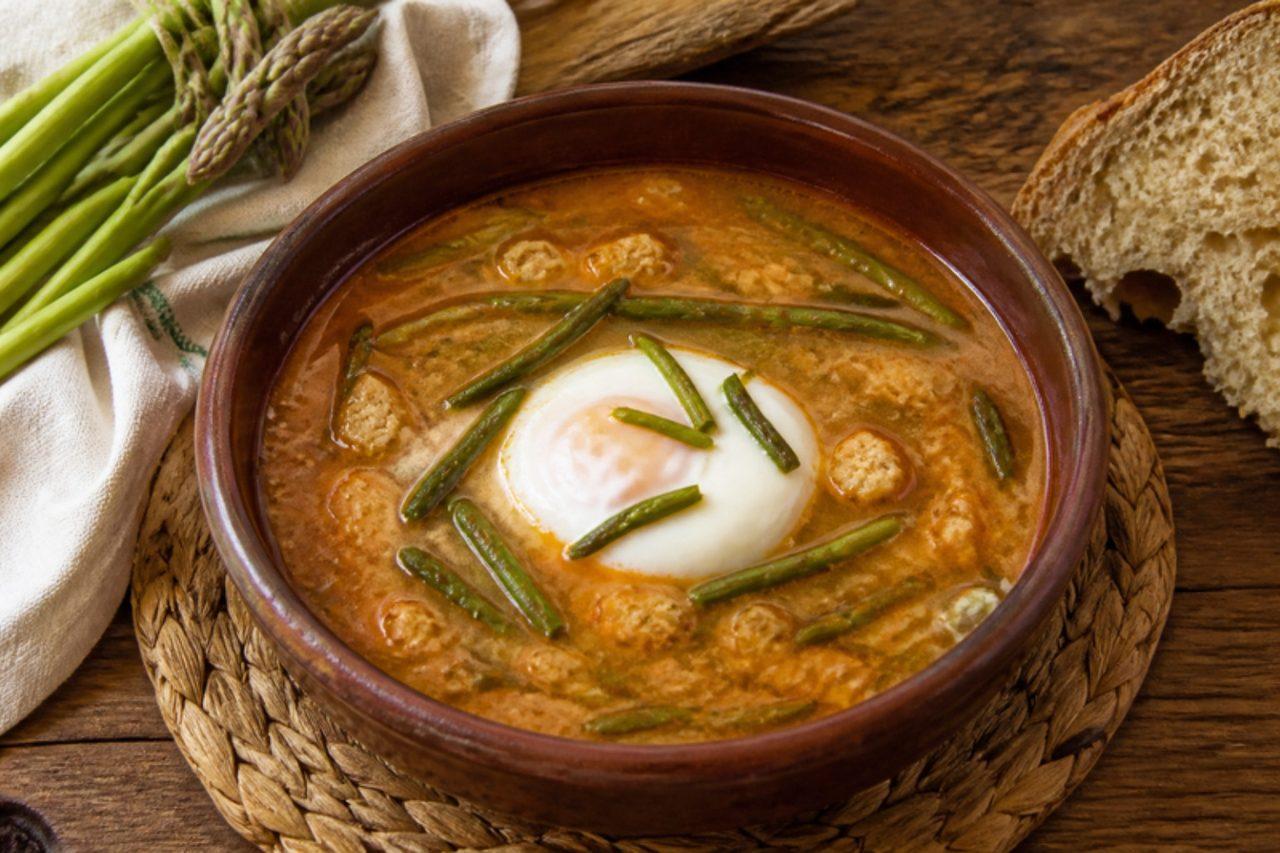
Sopa de espárragos triguerosWild asparagus and bread soup

In March and April people across Extremadura walk the field margins and olive groves picking thin, bitter wild asparagus, and much of the haul goes into this soup. The spears are fried with garlic and smoky pimentón de la Vera, simmered with water, thickened with thin slices of stale bread, and an egg is poached in the pot for each person. It is a country supper for chilly spring evenings. Thin green asparagus from the shops works well. Chef's tip: take the pan off the heat before adding the paprika, so it doesn't scorch.

by KrazyBadal 0 views

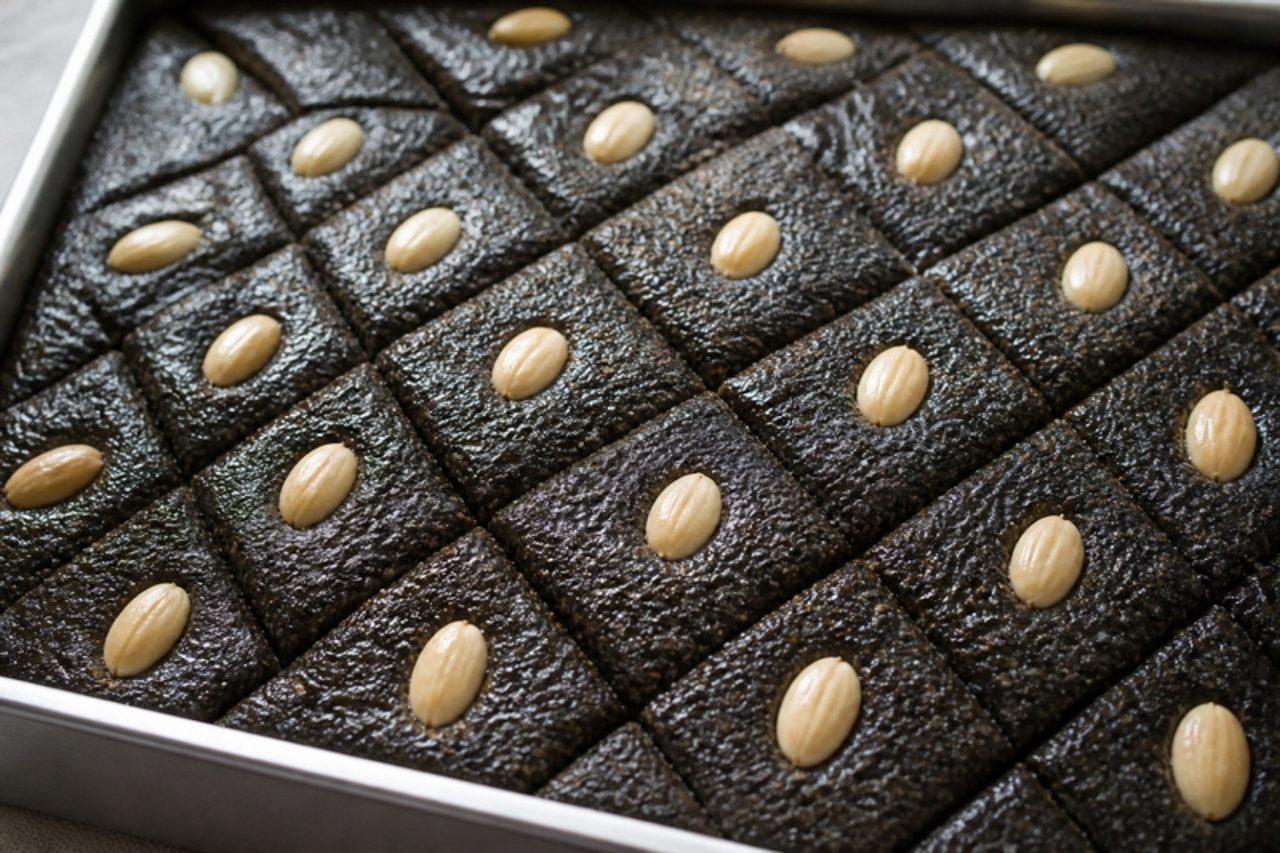
QizhaNigella seed cake

Qizha is Gaza's own sweet: a dense, near-black semolina cake made with a paste of roasted nigella seeds, eaten especially in winter and during Ramadan, when bakeries in Gaza City stack trays of it. It tastes nutty and slightly bitter, a little like dark sesame, softened by syrup and topped with almonds or pistachios. Nigella paste is sold in some Middle Eastern shops; if you can't find it, grind toasted nigella with tahini as below. Common mistake: over-toasting the nigella, which turns it acrid; stop as soon as it smells fragrant. Chef's tip: rest the mixed batter for 30 minutes before baking so the semolina swells and the cake slices cleanly.

by KrazyBadal 0 views

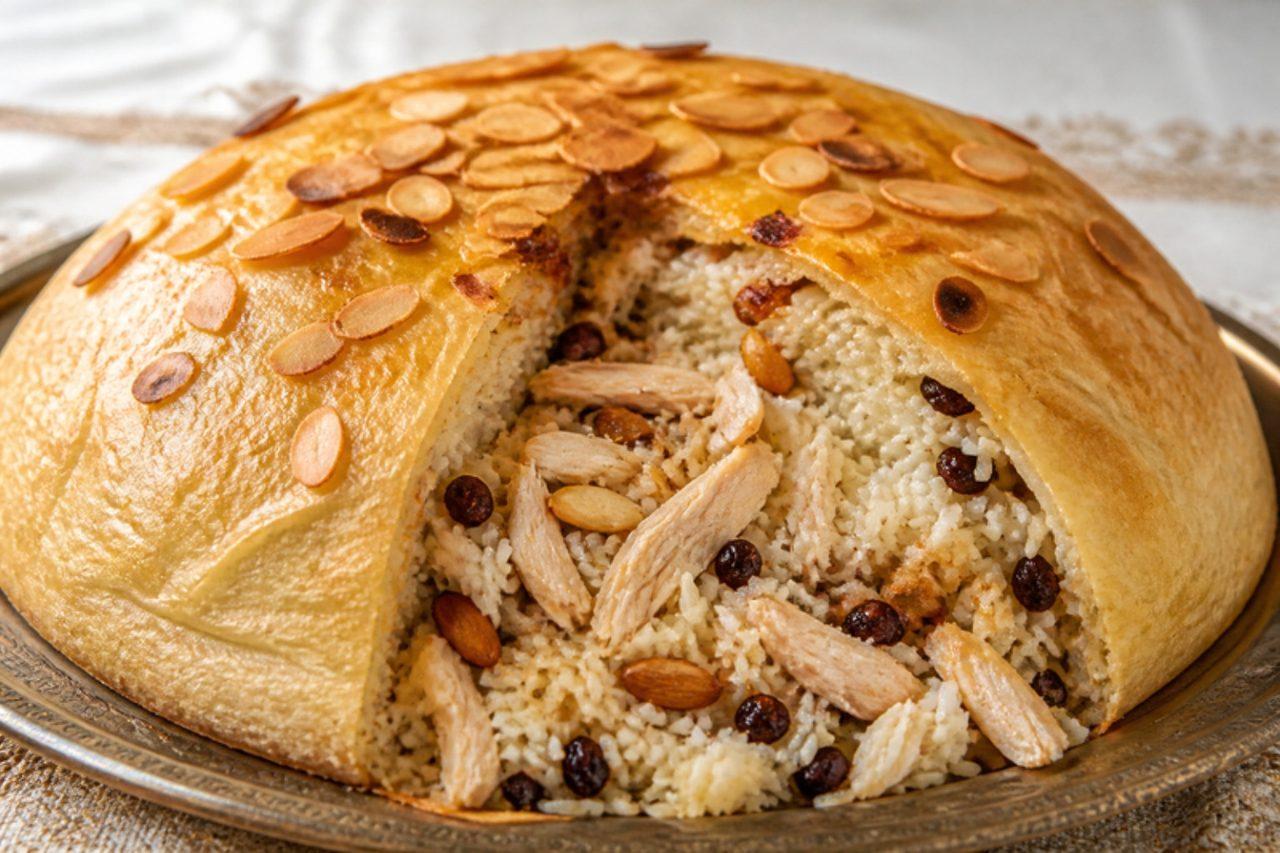
Perde pilavıChicken pilaf in pastry dome

At weddings in Siirt, perde pilavı is carried out whole and cut open at the table: a dome of buttery pastry 'curtain' (perde) hiding rice cooked with shredded chicken, toasted almonds, currants and black pepper. Each part carries a wish for the couple: the rice for plenty, the almonds for children, the pastry for a home that holds together. It makes a spectacular centrepiece for any celebration. Common mistake: a wet filling; the base of the pastry turns soggy, so cook the rice until just dry. Chef's tip: scatter almonds over the buttered tin before the pastry goes in; they become a jewelled top when you turn it out.

by KrazyBadal 0 views

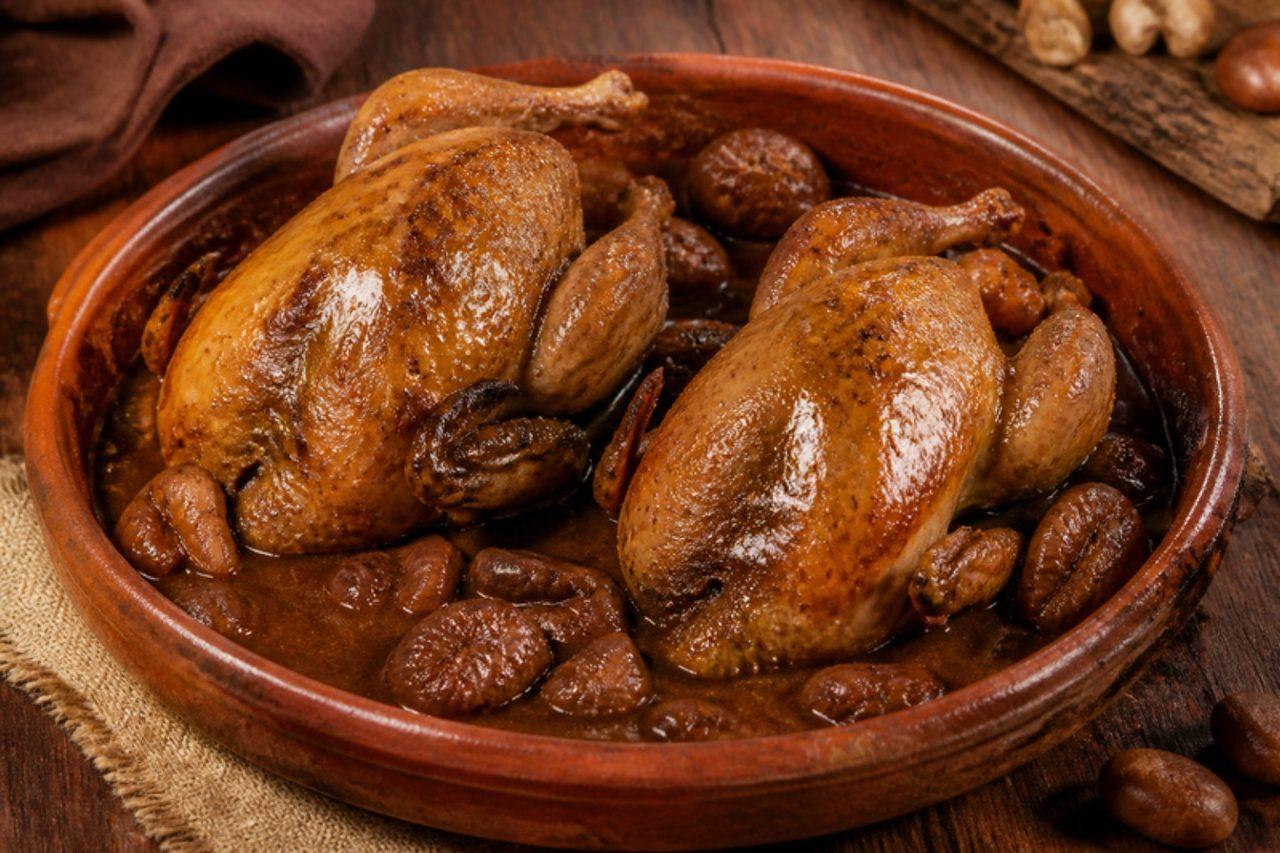
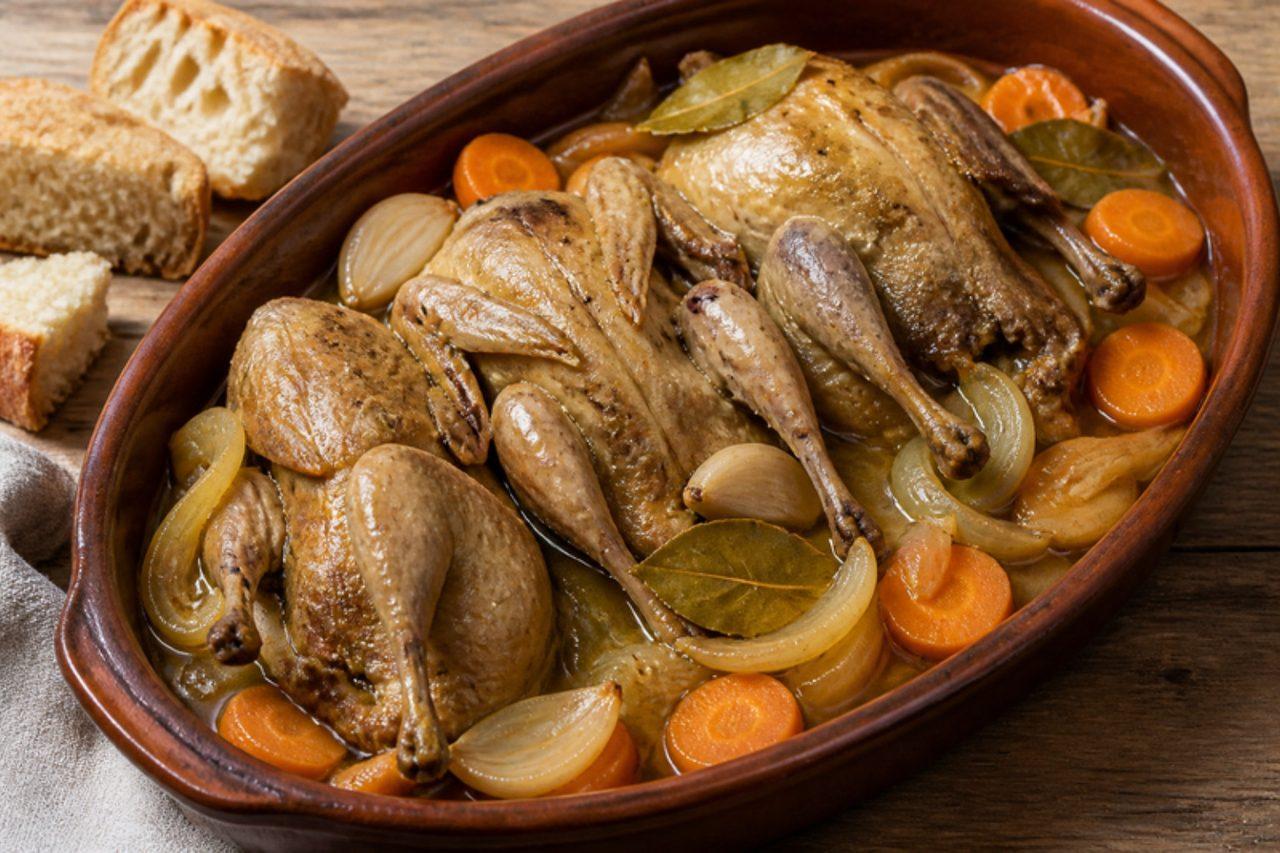
Perdiz al modo de AlcántaraStuffed partridge braised in port

This is the famous dish of the monastery of San Benito at Alcántara, near the Portuguese border. The story goes that French troops looted the library in 1807, and its recipe for partridges stuffed with liver and truffle, marinated for days in port, ended up in French cookbooks, which is why Escoffier listed it. Today it is a dish for autumn hunting-season dinners in Extremadura. Our home version uses chicken livers, mushrooms and an overnight marinade. The dish uses port; for an alcohol-free version, use red grape juice with 1 tbsp of red wine vinegar. Chef's tip: a few slices of black truffle in the stuffing make it truly special, but well-browned mushrooms are a fine everyday substitute.

110 minSpanishMeatGluten free
by KrazyBadal 0 views

Perdiz de escabechePickled partridge

Partridge shooting season fills the cork-oak plains of the Alentejo with hunters in autumn and winter, and escabeche was how their families kept the birds: browned in olive oil, then cooked slowly in vinegar with onion, garlic, bay and peppercorns, and left in the cool larder for days. Today it is made in the fridge and served cold or at room temperature as a starter, with bread and a green salad. A common mistake is serving it straight away; it needs at least a day for the sour, garlicky flavour to soak in. Chef's tip: use good olive oil, since it sets around the birds and is served as part of the dish.

by KrazyBadal 0 views

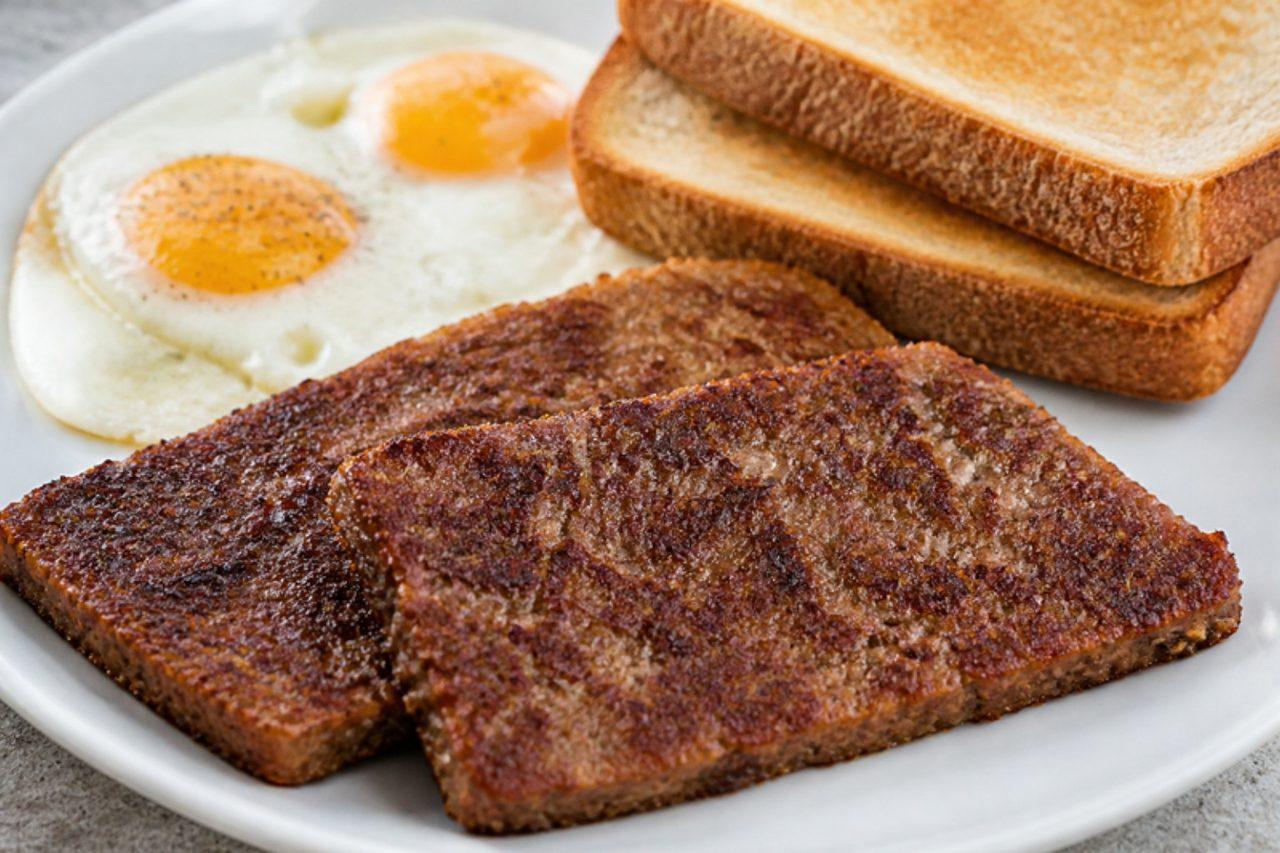
Cincinnati goettaPork, beef and oat slices

Goetta is Cincinnati's breakfast meat, brought by German immigrants who stretched a little pork and beef with steel-cut oats; the city even holds a summer Goettafest beside the Ohio River. Pork mince, beef mince and pinhead oats are simmered with onion and spices into a thick loaf, chilled, then sliced and fried until crisp and brown outside and soft within. Serve with eggs and toast. Chef's tip: fry the slices in a dry, hot non-stick pan and leave them alone for 5 minutes; turning too early makes them crumble.

by KrazyBadal 0 views

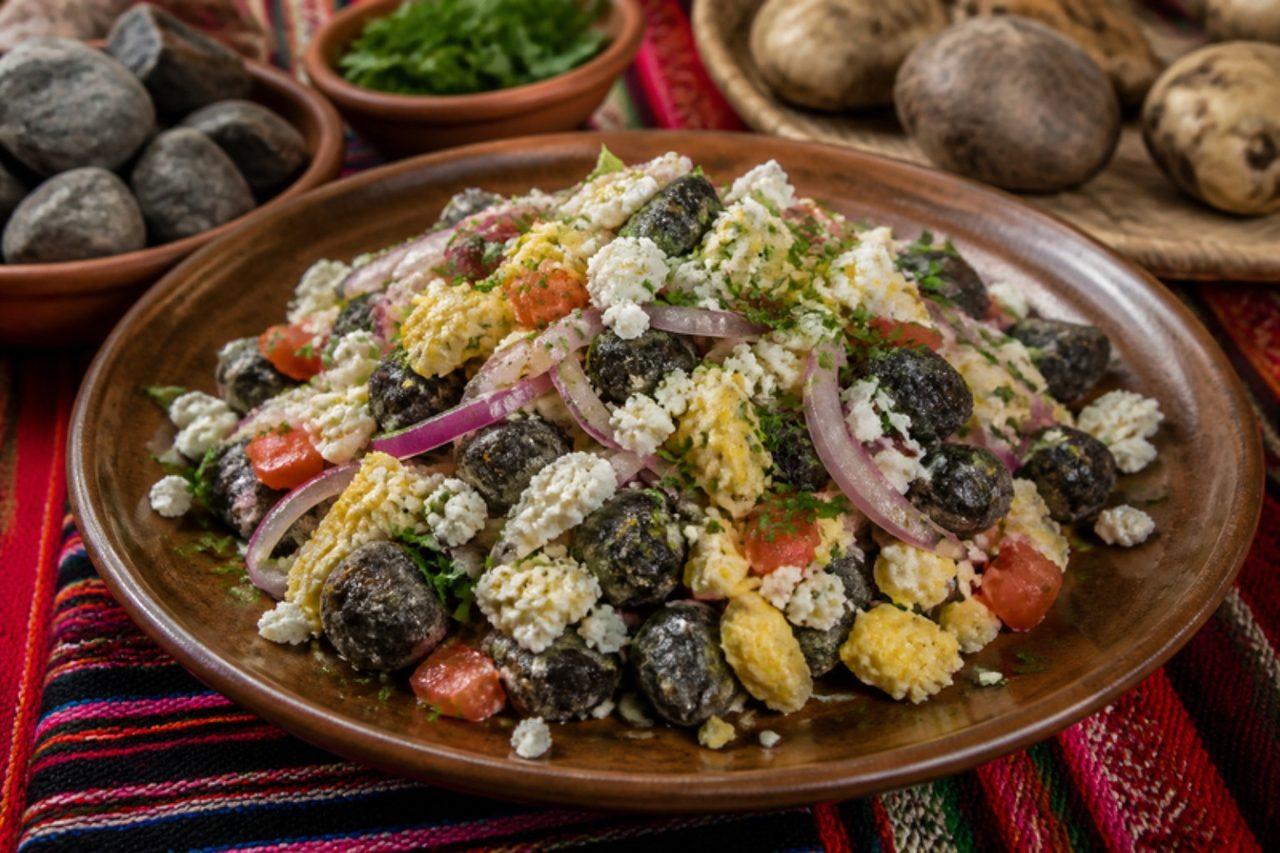
Chuño phutiFreeze-dried potatoes with egg and cheese

Chuño are potatoes freeze-dried the ancient way on the Altiplano: left out on frosty nights, trampled to squeeze out the water and dried in the high sun, so they keep for years. In Puno and across the border in Bolivia, they are soaked, crumbled and fried with onion, then scrambled with egg and fresh cheese to make phuti, a hearty breakfast or supper eaten with a hot tea. The texture is dense and slightly chewy, and the flavour earthy and a little tangy. Chuño is sold dried in Andean shops; it must soak overnight (ideally 24 hours, with the water changed) and then be peeled, which adds time before you start. The mistake is not soaking or rinsing enough: under-soaked chuño smells strong and stays hard in the middle. Serve with a fresh tomato salsa or uchucuta. Fresh cheese is usually made with animal rennet, so use a vegetarian one if needed. Chef's tip: squeeze the soaked chuño hard between your palms before crumbling; the drier it is, the better it fries.

by KrazyBadal 0 views

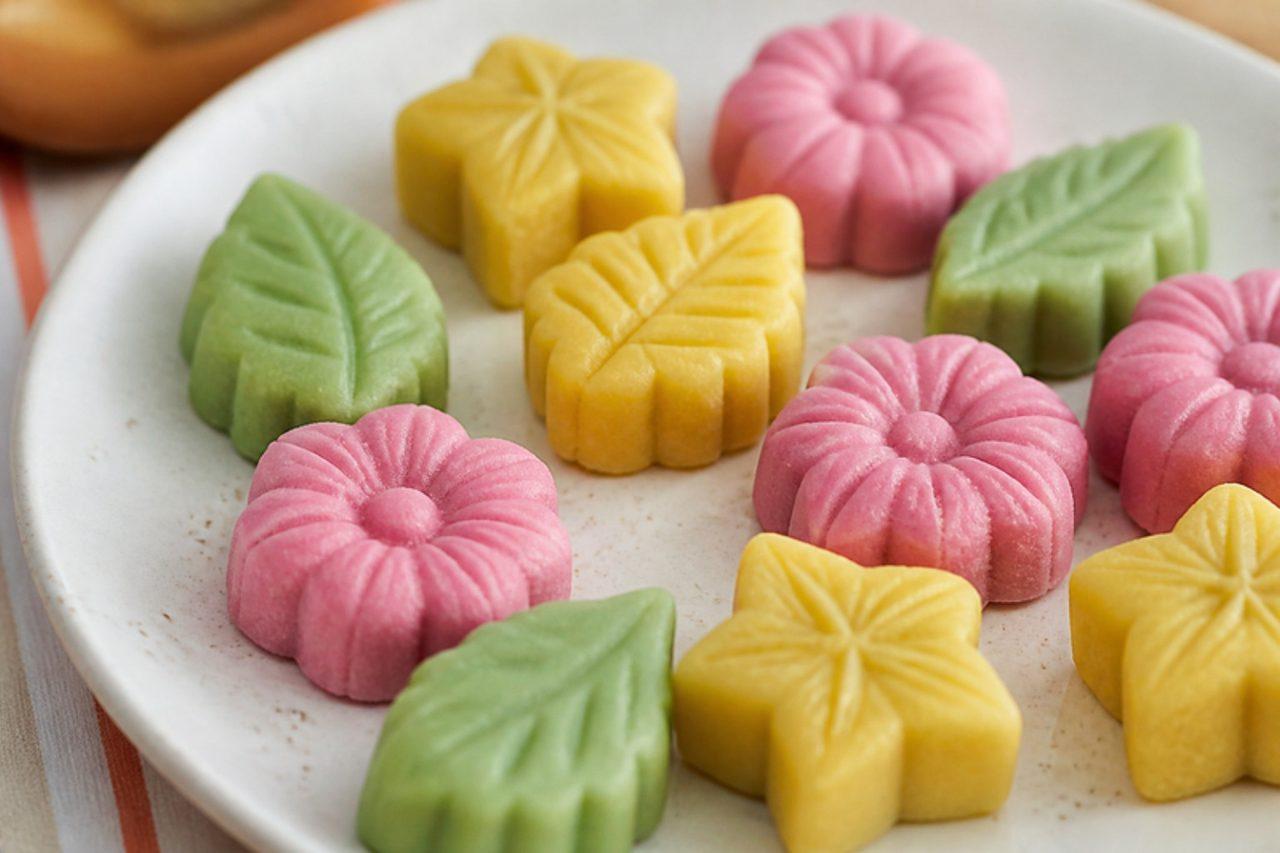
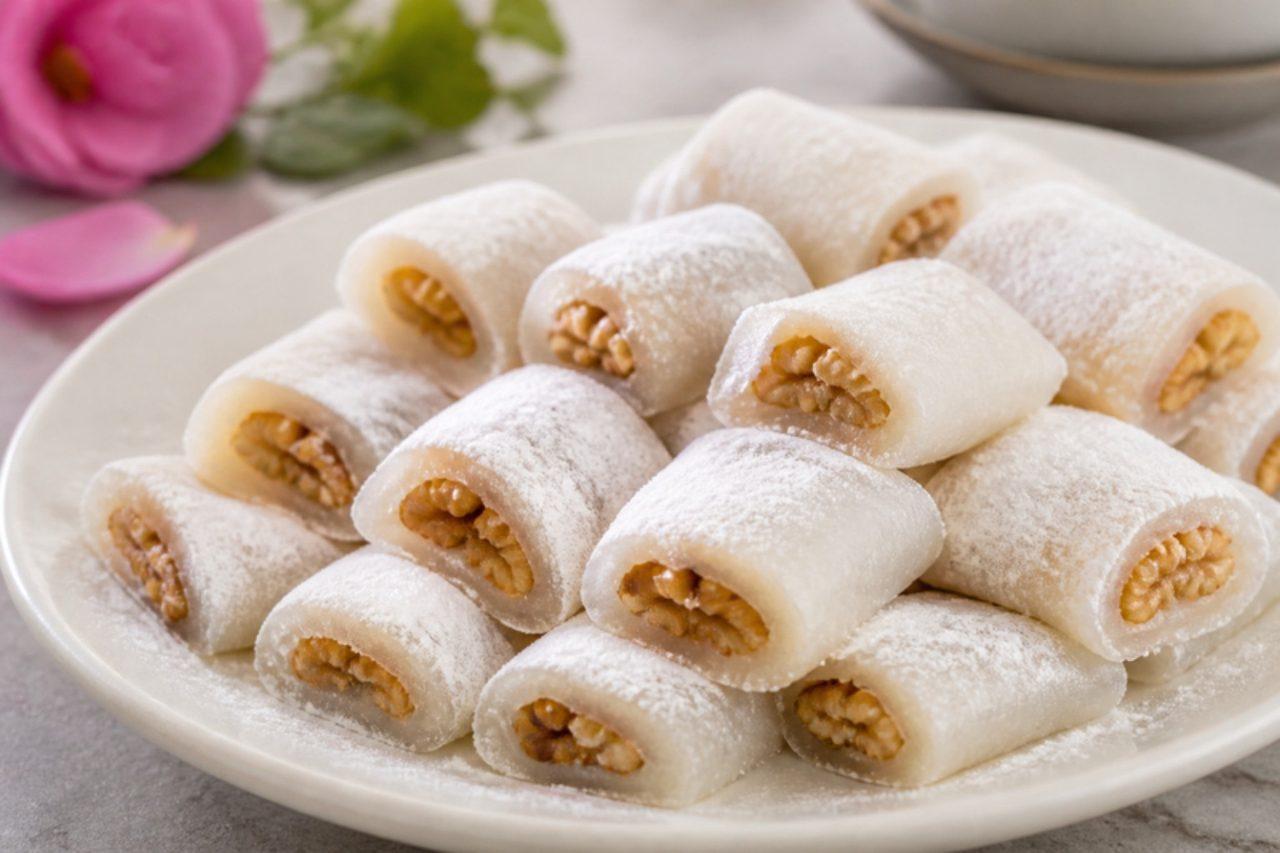
BasloghRosewater starch sweet with walnuts

Baslogh is one of the soft confections that fill the sweet shops of Tabriz's covered bazaar, especially before Nowruz and at Ramadan: a pale, wobbly slab of starch cooked in rose-scented syrup, studded with walnuts, cut into squares and dusted so it does not stick. It is related to Turkish lokum but softer and less sweet, eaten with tea in the afternoon. A common mistake is stopping the cooking too early; undercooked baslogh never sets and weeps syrup. Chef's tip: cook until the paste turns translucent and pulls away from the pan in one mass, which takes longer than you expect.

by KrazyBadal 0 views

PerrunillasCinnamon and lemon lard cookies

Perrunillas are the cookies of Extremaduran grandmothers, baked in village ovens for Christmas, weddings and the days after the matanza, when fresh lard was plentiful. They are thick, pale and so short they crumble the moment you bite, with a crackly sugar top, and they are eaten with coffee or a glass of milk in the afternoon. This contains pork (pork lard), so they are not vegetarian. Chef's tip: beat the lard and sugar for a good few minutes until very pale and fluffy; that air is what makes them light.

by KrazyBadal 0 views

Kibbeh bil saniehBaked tray kibbeh

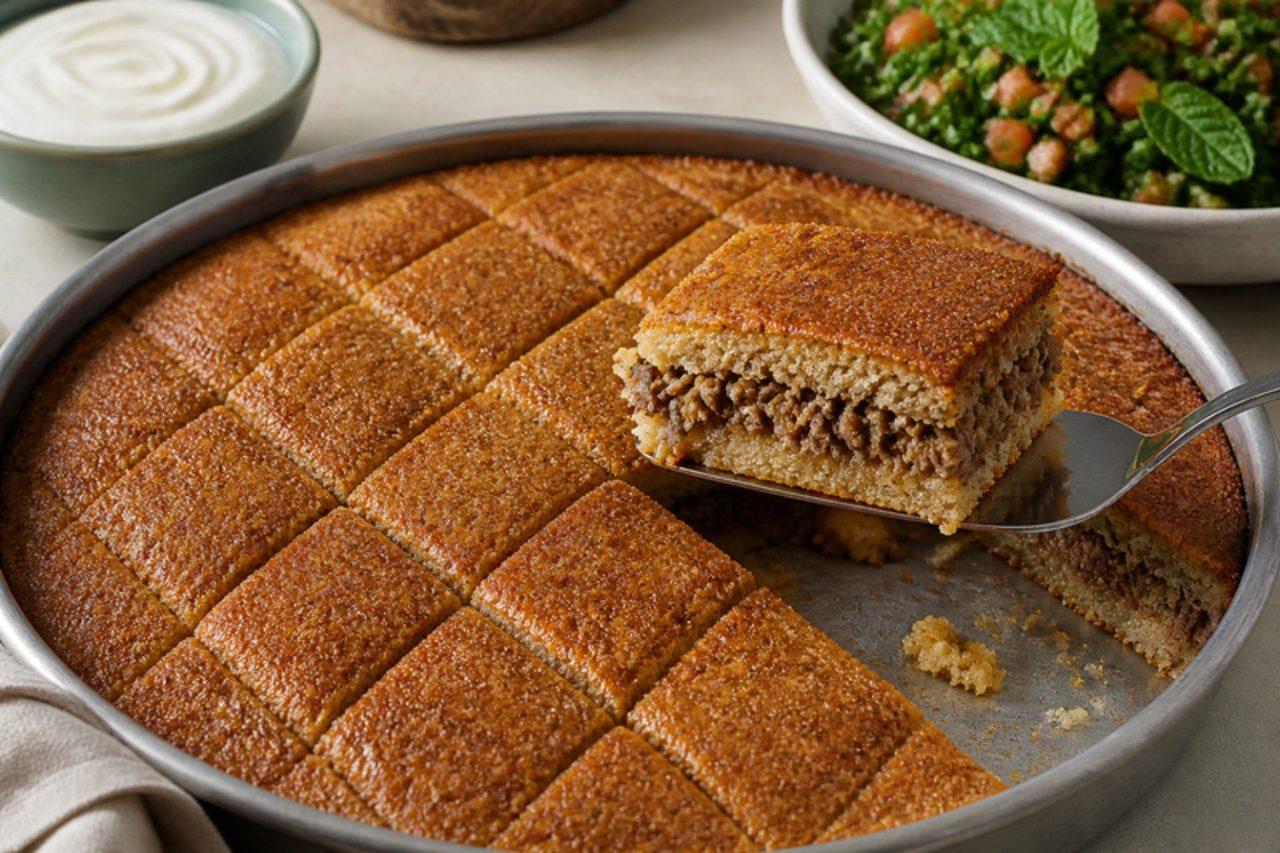
When a Lebanese family is expecting a crowd for Sunday lunch, out comes the round tray of kibbeh bil sanieh, cut into diamonds before baking so everyone can lift a neat piece. Two layers of lamb and fine bulgur kneaded with onion and spices sandwich a filling of minced lamb fried with onions and toasted pine nuts; the top bakes crisp and brown while the inside stays moist. Serve it warm or at room temperature with yoghurt, cucumber salad or fattoush. Common mistake: using coarse bulgur, which won't bind; you need fine bulgur (number 1). Chef's tip: dip your hands in iced water while you press the top layer — it smooths the surface and stops the mixture sticking.

by KrazyBadal 0 views

Sopa de castanhasChestnut and bean soup

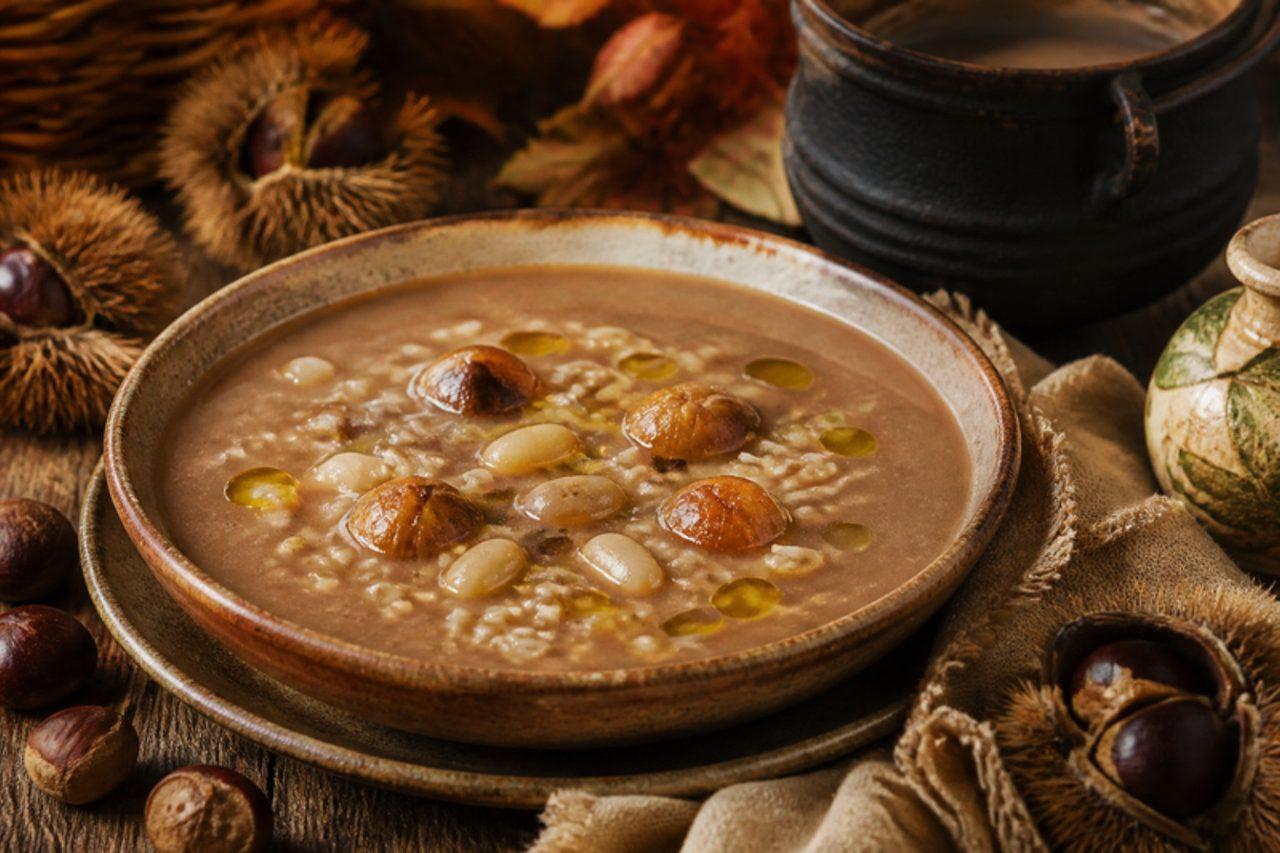
Before potatoes reached the high plateaus of Trás-os-Montes, chestnuts were the staple, and in villages around Bragança and Vinhais this thick soup is still made in November, when the magusto festivals roast the new crop. Farm versions are cooked with a piece of cured pork; this one is meat-free, built on dried or cooked chestnuts, white beans, onion and a little rice, finished with olive oil. It is sweet, nutty and filling enough for supper. Chef's tip: mash a third of the chestnuts into the broth to thicken it and leave the rest in pieces.

by KrazyBadal 0 views

Sopa de capelettiMeat pasta in chicken broth

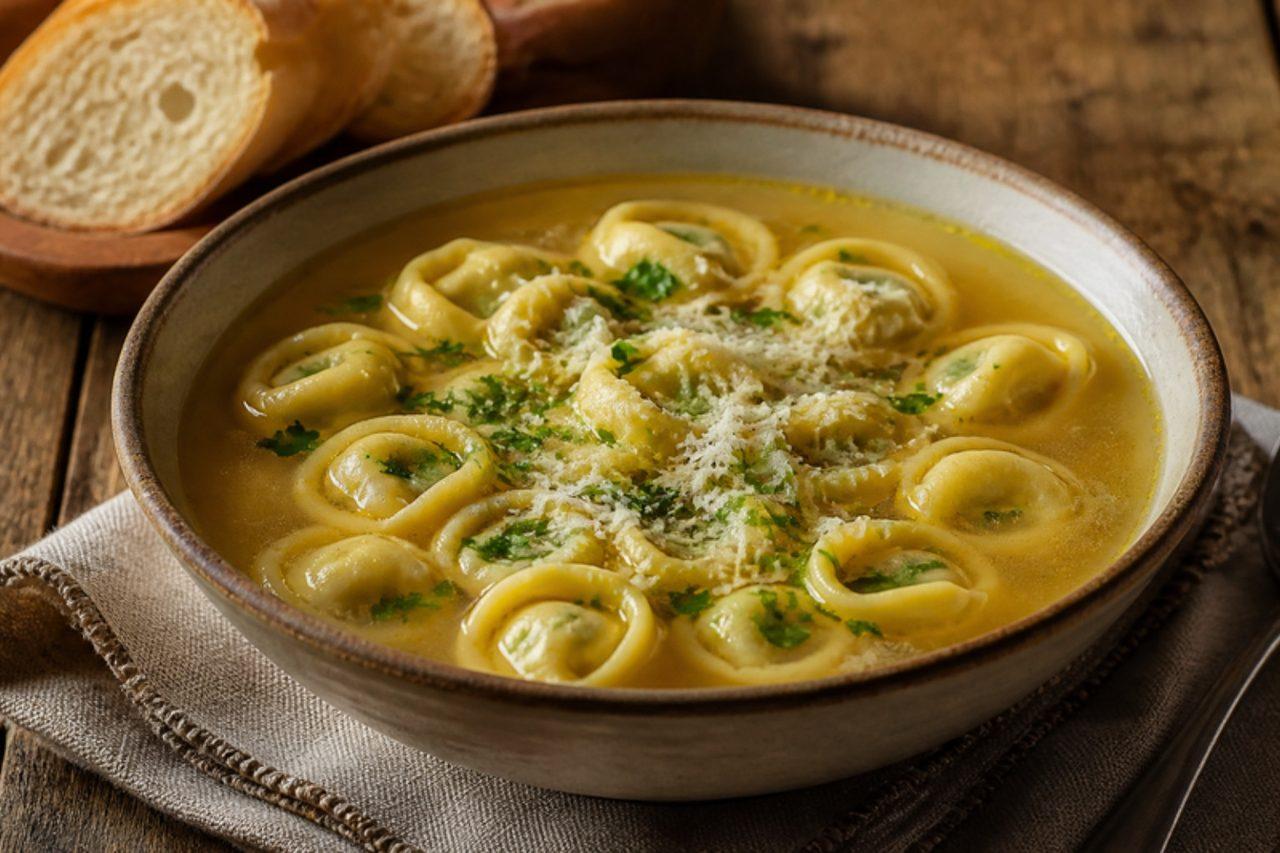
Winter nights in Bento Gonçalves, Caxias do Sul and the wine valleys of the Serra Gaúcha call for sopa de capeletti, the Italian immigrants' soup that is still served at the start of every big Sunday lunch at galeterias and family tables. Small hats of fresh egg pasta, filled with chicken, Parmesan and nutmeg, are cooked in a clear, golden, deeply savoury chicken broth and finished with more grated cheese. It is light but nourishing, and the broth should taste concentrated enough to stand on its own. The trap people fall into is boiling the broth hard, which turns it cloudy and greasy; keep it at a lazy simmer. You can freeze the shaped capeletti on a floured tray and cook them from frozen. Chef's tip: roll the dough until you can just see the shadow of your hand through it; thick capeletti turn stodgy in the soup.

by KrazyBadal 0 views

King kongLayered biscuit with manjar blanco

Named, the story goes, after the giant ape because of its size when the film reached Peru, the king kong is Lambayeque's proudest sweet: thick, crumbly biscuit layers stacked with manjar blanco, a sticky pineapple jam and a peanut fudge, then cut into heavy slabs. Shops in Lambayeque and Chiclayo sell them by the kilo in boxes, and travellers carry them home as gifts. It is very sweet, buttery and dense, so a slice goes a long way with black coffee. This home version makes the manjar blanco from condensed and evaporated milk to save hours, then turns half of it into the peanut layer. The usual mistake is overbaking the biscuit until it is hard; take it out as soon as the edges are pale gold, as it firms up while it cools. It is a project, so make the fillings first and let them cool. Chef's tip: wrap the finished king kong and leave it overnight before cutting; the layers settle and soften into each other.

by KrazyBadal 0 views

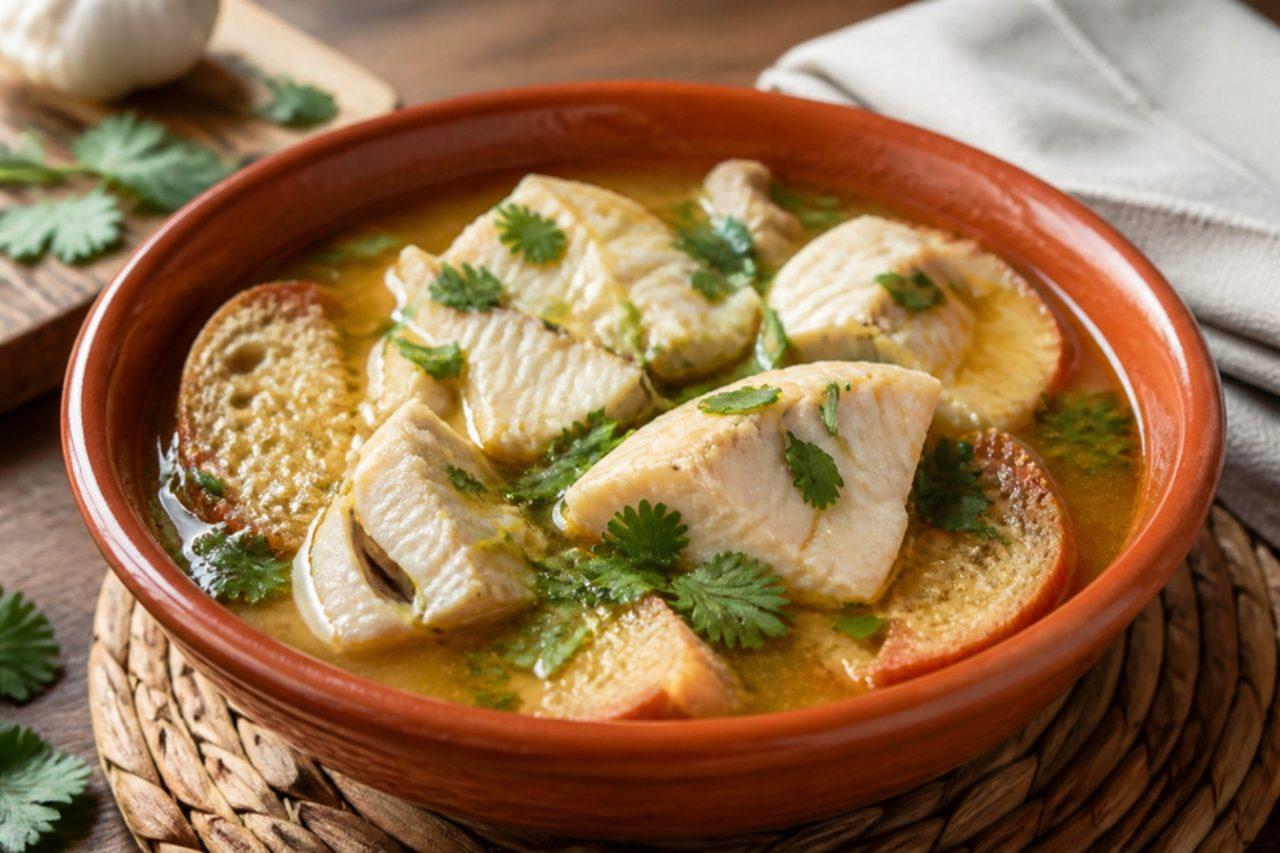
Sopa de caçãoDogfish soup with bread

Far from the sea, the Alentejo still has a fish soup it calls its own: firm dogfish simmered in a broth heavy with garlic and fresh coriander, thickened slightly with flour and sharpened with vinegar, then poured over bread. Families make it on Fridays and in Lent, and some village restaurants serve it every week. Dogfish and other small sharks are overfished in many waters; buy it only from a certified source, or use monkfish, a firm and sustainable white fish. A common mistake is boiling the fish hard, which makes it stringy; let it poach gently. Chef's tip: add the vinegar only at the very end, off the heat, so its sharpness stays fresh.

by KrazyBadal 0 views

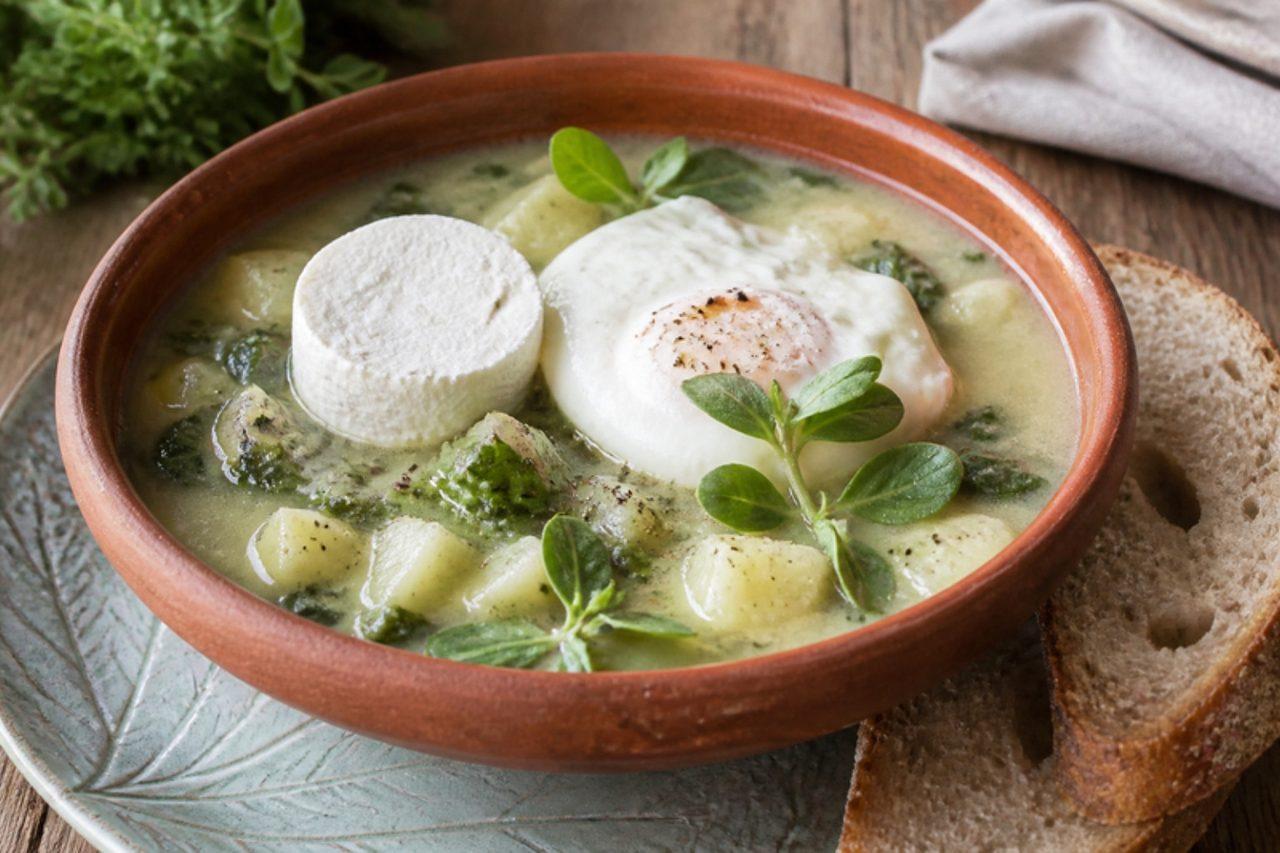
Sopa de beldroegasPurslane and potato soup

Purslane grows wild between the rows of Alentejo vegetable gardens in summer, and country cooks pick it for this lemony, slightly peppery soup: potatoes and purslane simmered with garlic and olive oil, then finished with eggs poached in the broth and slices of fresh goat's cheese that soften in the heat. It is served over bread, as so many Alentejo soups are. The fresh cheese is usually made with animal rennet; choose a soft goat's cheese or ricotta made with vegetarian rennet if you need to. If you can't find purslane, watercress or spinach make a fair stand-in. Chef's tip: add the cheese only in the last minute, so it warms and softens but doesn't melt away.

by KrazyBadal 0 views

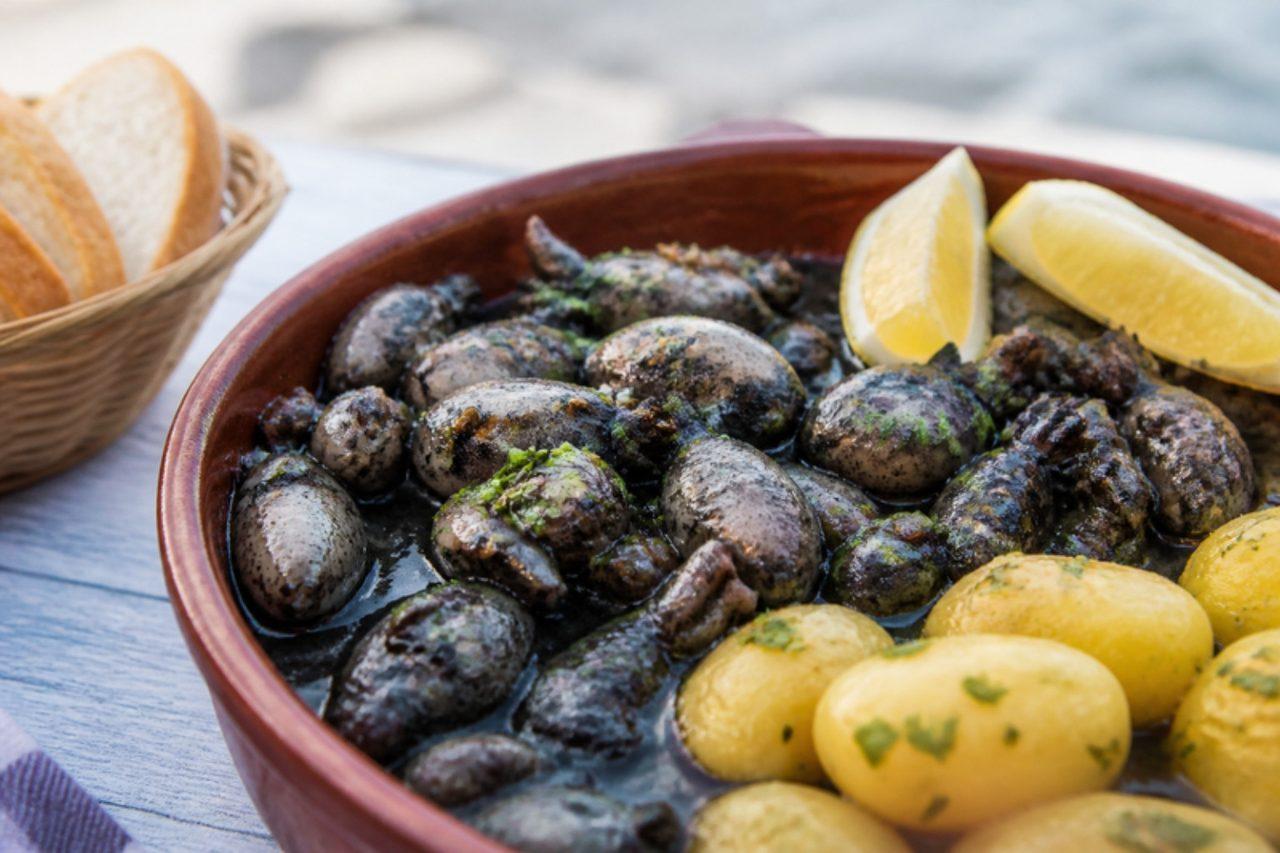
Choquinhos com tintaBaby cuttlefish in ink

Setúbal claims fried cuttlefish, but the Algarve has its own treasure: choquinhos, cuttlefish no bigger than a thumb, sautéed whole in garlicky olive oil until their ink turns the pan glossy black. Seafood bars in Olhão and Faro serve them in small clay dishes, to be eaten with toothpicks and bread for mopping. The recipe uses a splash of white wine; use water with a squeeze of lemon instead for an alcohol-free version. Chef's tip: cook in a very hot pan in two batches, so the cuttlefish sizzle rather than stew.

by KrazyBadal 0 views

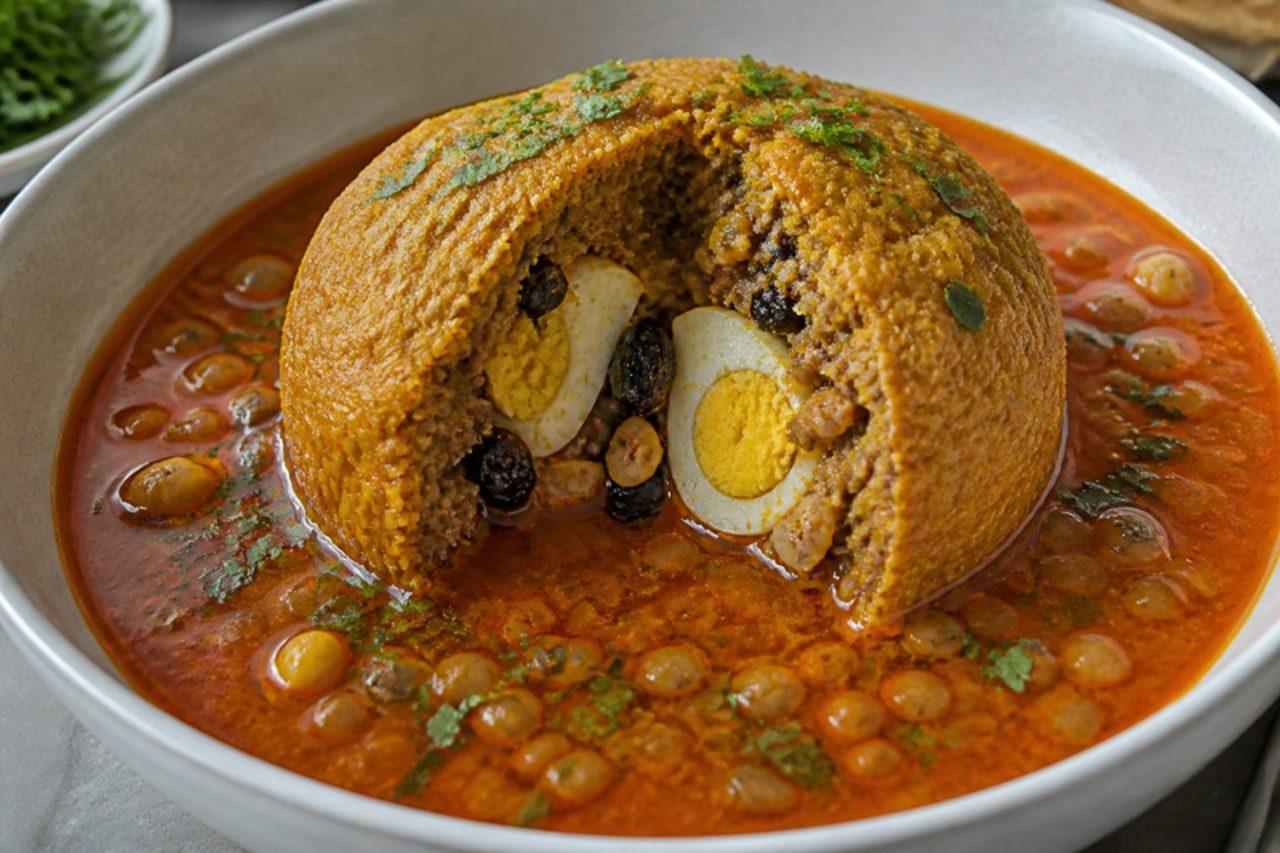
Koofteh TabriziGiant stuffed meatballs in tomato broth

Koofteh Tabrizi is the pride of Tabriz in Iranian Azerbaijan, a meatball so big that one feeds a person, made for guests and for cold winter evenings in the north-west. Lamb or beef mince is kneaded with rice, yellow split peas and lots of herbs, then wrapped around a hidden heart of hard-boiled egg, prunes, walnuts and barberries and simmered in a tomato-saffron broth. At the table the broth is ladled over bread first, then the koofteh is cut open. A common mistake is under-kneading: the mixture must be worked until sticky, or the ball splits in the pot. Chef's tip: lower the meatballs into broth that is barely trembling, not boiling, and don't touch them for the first 20 minutes while they firm up.

150 minPersianMeatGluten free
by KrazyBadal 0 views

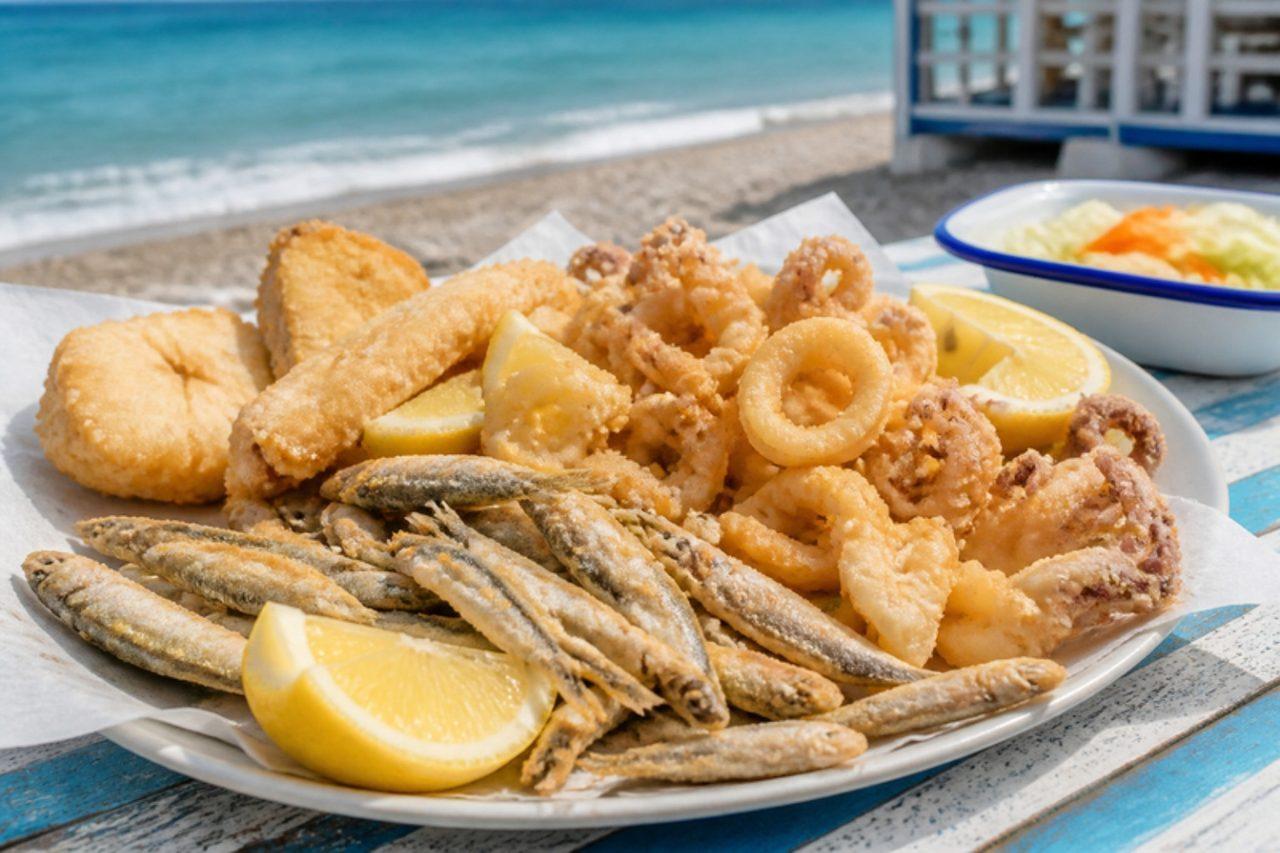
Pescaíto fritoMixed fried fish

On the beaches of Pedregalejo and El Palo in Málaga, chiringuito cooks shake small fish in flour and fry them by the basketful: whole fresh anchovies (boquerones), rings of squid, strips of dogfish and little red mullet, served piled on paper with lemon. The secret is a coarse frying flour, partly durum semolina, and very clean, hot oil, so each piece comes out crisp and dry. Eat it at once, at the table, with a cold drink and a salad. Chef's tip: shake off every bit of loose flour in a sieve before frying; excess flour burns and makes the oil dark and bitter.

by KrazyBadal 0 views

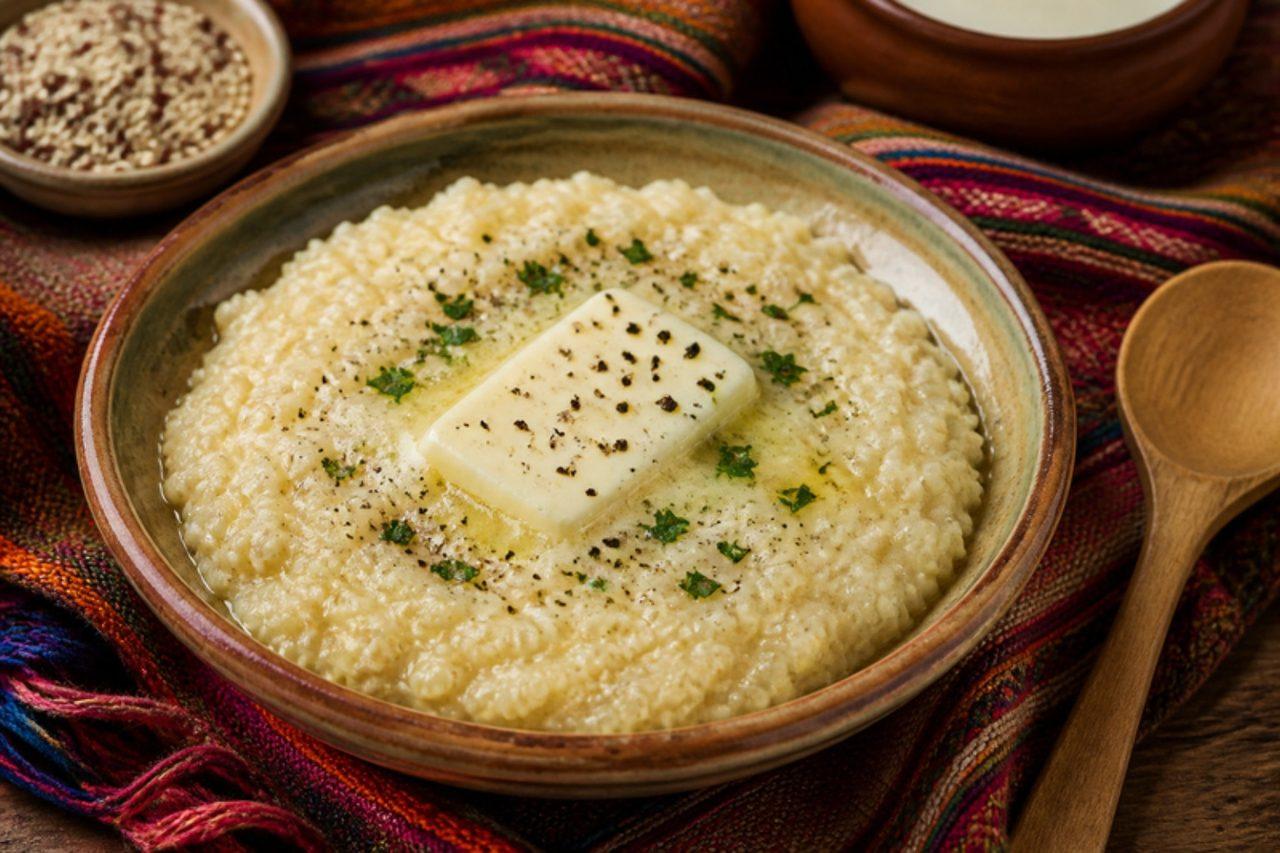
Pesque de quinuaCreamy quinoa with cheese

Up on the Altiplano around Lake Titicaca, where quinoa grows at almost 4,000 metres, pesque is everyday food: quinoa cooked until it collapses, then beaten with milk, a knob of butter and crumbled fresh cheese until it looks like a loose, savoury risotto. Puno families eat it for a warming lunch or supper, often with a glass of milk poured over or a fried egg on top, and in the cold dry air it is exactly what the body wants. It is soft, nutty and mildly salty. The step people skip is rinsing the quinoa, and the natural saponins then leave a soapy, bitter edge; rub it under running water until the foam stops. Serve with a tomato salad or a spoon of uchucuta for some heat. Andean fresh cheese is usually set with animal rennet, so choose a vegetarian fresh cheese if needed. Chef's tip: cook the quinoa in a little more water than usual and leave it a few minutes longer than for a salad, so it turns creamy and the grains burst.

by KrazyBadal 0 views

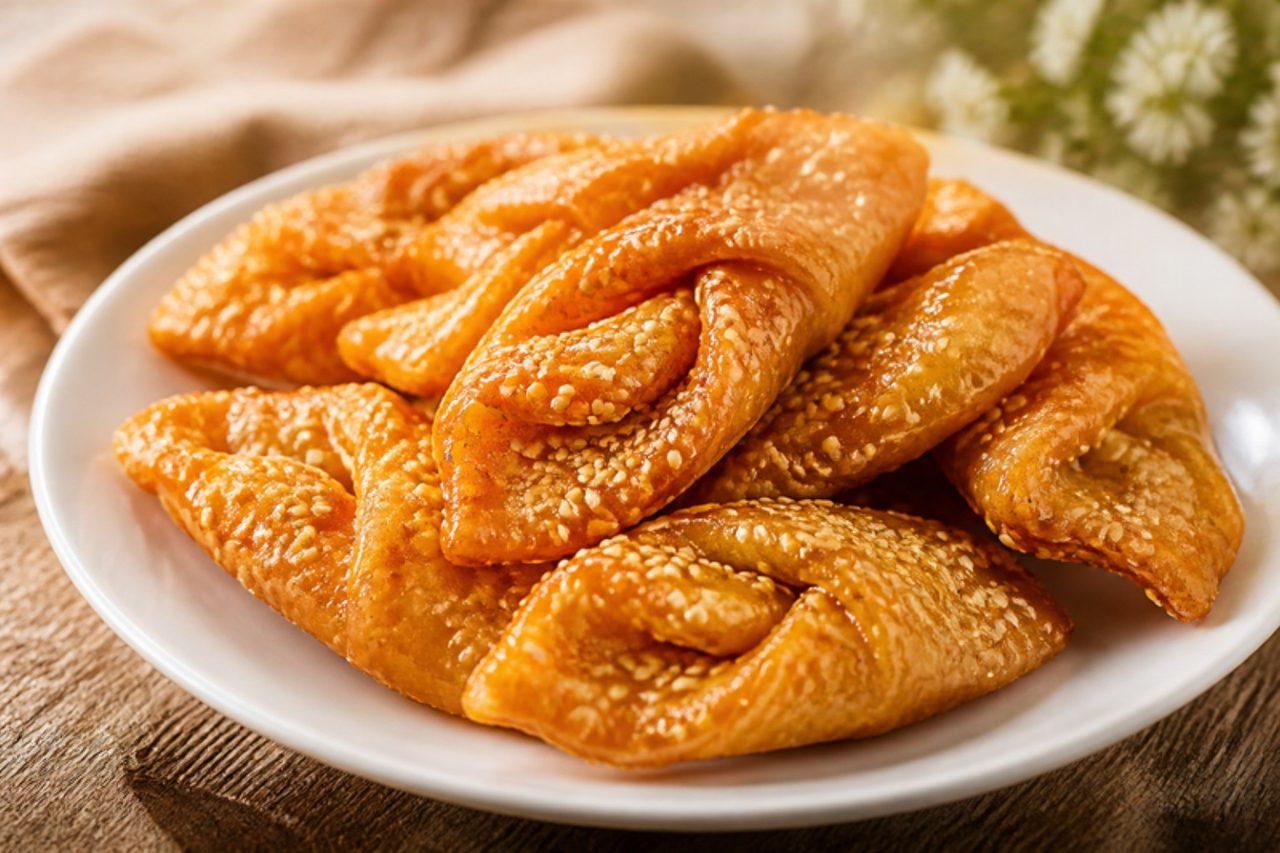
PestiñosAnise fritters in honey

When Holy Week and Christmas come round, convent turnstiles and village kitchens from Cádiz to Granada fill trays with pestiños: little folded parcels of dough flavoured with sesame, anise and orange, fried until crisp and blistered and then dipped in honey. The dough traditionally takes a splash of white wine, which makes it bubble and crunch; orange juice works too, and is the alcohol-free option in the list. A common mistake is frying them in oil that is too hot, which browns the outside before the folds of dough cook through and crisp. Chef's tip: roll the dough really thin; thick pestiños stay doughy in the middle and soak up oil.

by KrazyBadal 0 views

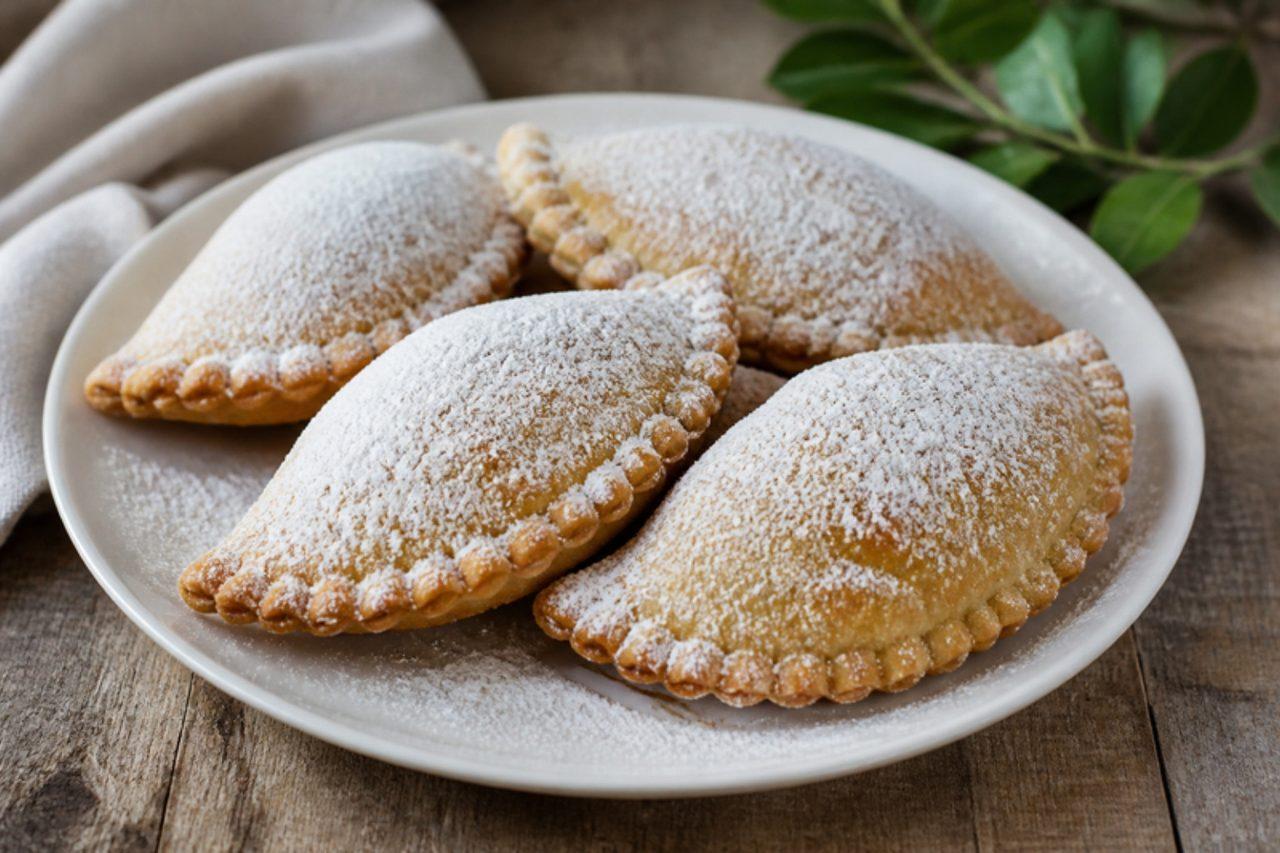
RobiolsCurd cheese or jam half-moon pastries

Robiols belong to Easter week in Mallorca, when grandmothers and grandchildren shape them by the trayful alongside crespells and panades. They are soft, crumbly half-moons of pastry with a frilled edge, filled with brossat (a fresh curd cheese like ricotta), cabell d'àngel pumpkin jam or apricot jam, and showered with sugar. Traditional dough uses pork lard; this vegetarian version uses butter and olive oil. Ricotta can be made with or without animal rennet, so check the label if that matters. Chef's tip: keep the dough cool and handle it as little as possible, because a short, tender crumb is what makes a robiol.

by KrazyBadal 0 views

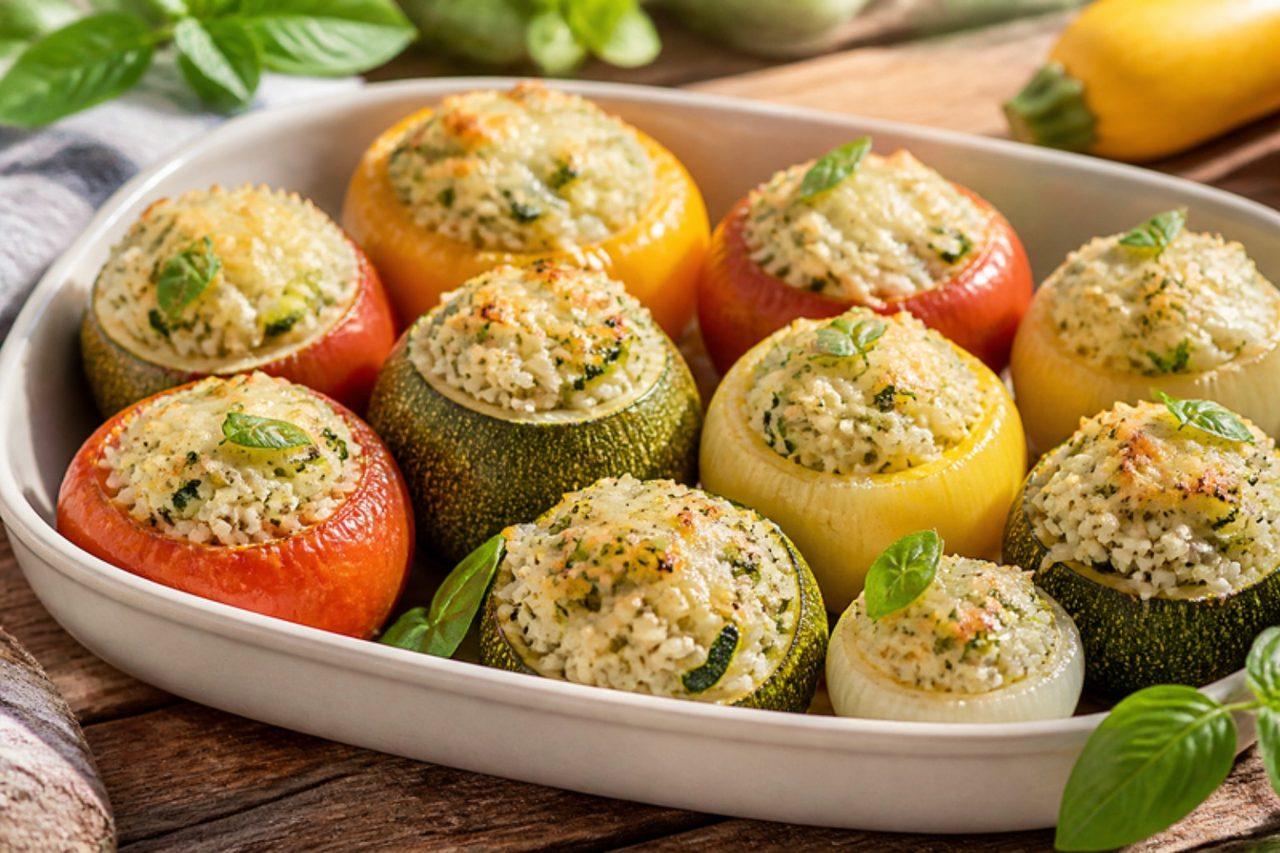
Petits farcis niçoisStuffed vegetables with rice and herbs

From June to September the traiteurs around the cours Saleya market in Nice sell trays of petits farcis: round courgettes, tomatoes and onions hollowed out, refilled and baked until wrinkled and caramelised at the edges. Niçois families often use up leftover daube in the stuffing; this meatless version, common on Fridays and at summer picnics, uses rice, herbs, the vegetables' own flesh and Parmesan. Parmesan is made with animal rennet, so use a vegetarian hard cheese if that matters to you. They are as good at room temperature the next day as hot from the oven. Chef's tip: choose vegetables of a similar size, so they all finish cooking at the same moment.

by KrazyBadal 0 views

Petits pâtés de PézenasSweet spiced lamb pies

Pézenas, the old Languedoc town of Molière, is famous for these little pies shaped like cotton reels, sold warm from its bakeries all winter and especially around Christmas. Local legend links them to the Indian cooks of Lord Clive, who stayed nearby in 1768, which would explain the unexpected sweet-savoury filling of minced lamb, brown sugar and lemon zest. They have a crisp, sturdy hot-water crust and a juicy, gently sweet centre with a hint of spice. Eat them warm as a starter, with a green salad, or as a mid-morning snack the way Piscénois do. Chef's tip: shape the pastry while it is still warm and supple; once it cools it cracks instead of folding.

by KrazyBadal 0 views

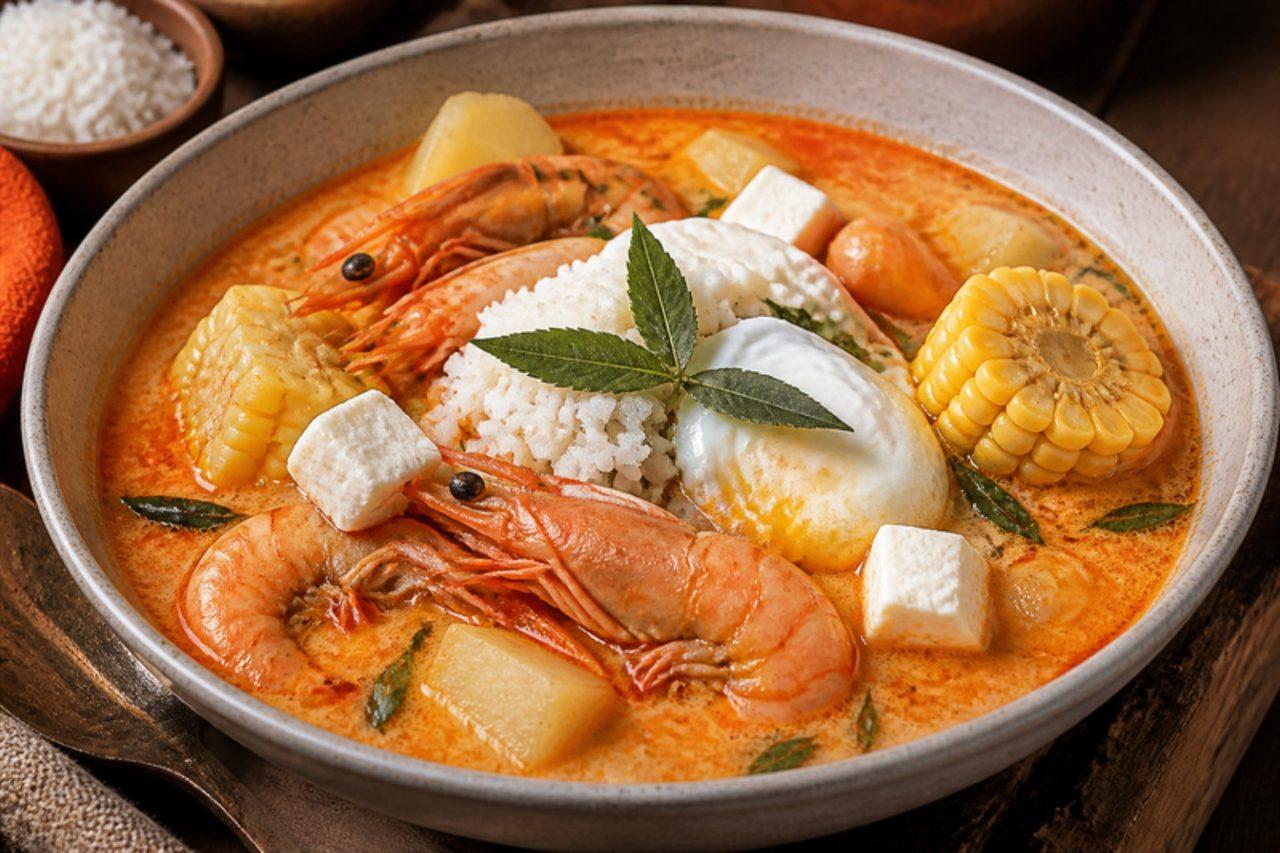
Chupe de camaronesPrawn chowder

Arequipa's picanterías serve one chupe on each day of the week, and the prawn one, made with crayfish-like camarones from the Majes and Ocoña rivers, is the grandest, especially on Fridays in Lent. It is a big orange chowder: a broth made from the prawn shells and heads, coloured with ají panca, filled with potatoes, corn, broad beans and a little rice, then softened with evaporated milk and fresh cheese, with an egg poached in each bowl. Rich, sweet and gently spicy, it needs nothing but bread. Large shell-on prawns stand in well for river prawns. Many cooks boil the prawns from the start and they turn to rubber; add them at the end and cook only until pink and opaque. Chef's tip: fry the heads and shells in the oil first and press them hard; the orange fat that comes out is what gives chupe its colour and depth.

by KrazyBadal 0 views

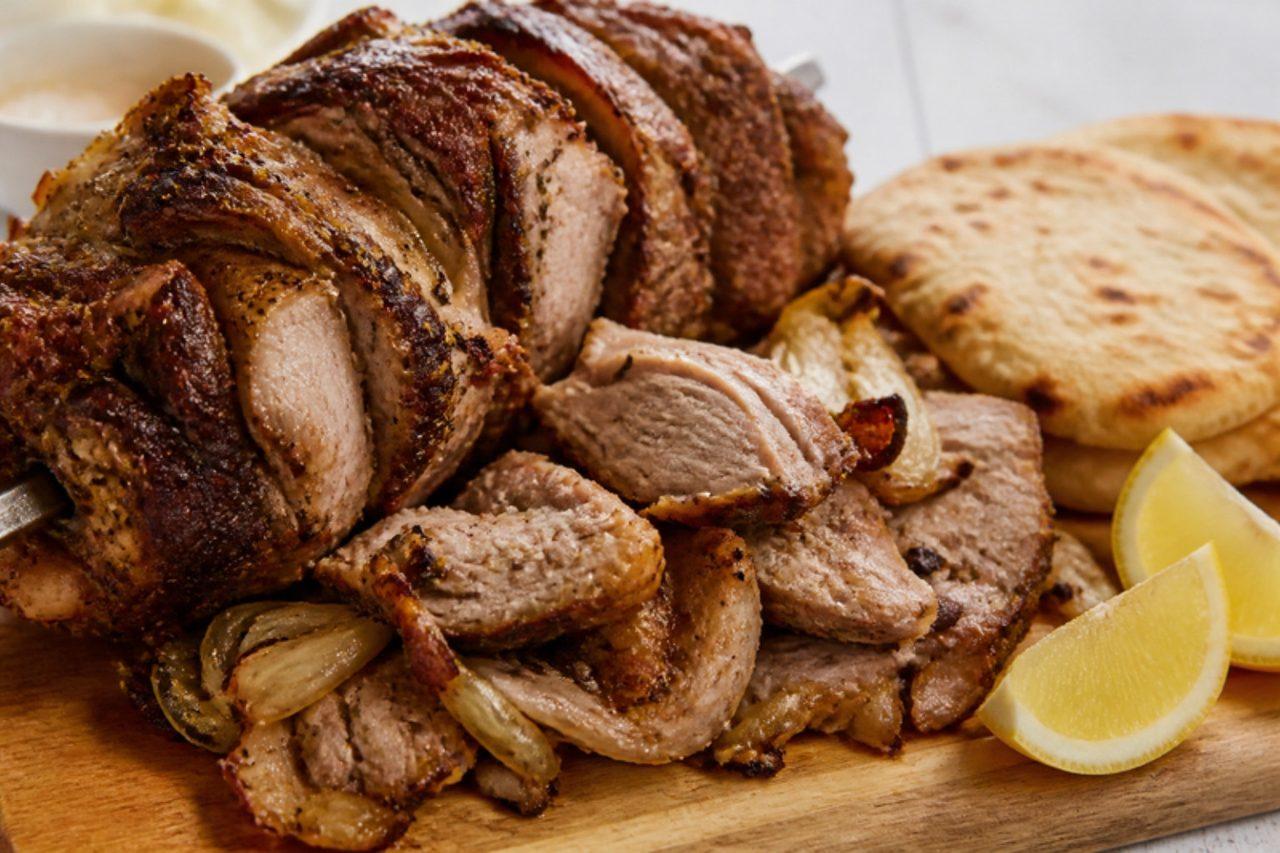
KontosouvliRoast marinated pork chunks

On Easter Sunday and at village saints'-day fairs across Epirus, a long spit of fat pork chunks threaded with onion and peppers turns for hours over embers, and slices are handed out with bread and salad. This oven version gives the same smoky-edged, juicy pork shoulder: chunks marinated overnight in the fridge with lemon, garlic, oregano and paprika, then threaded on skewers and roasted low before a fierce finish. Serve with pitta, tzatziki and roast potatoes. Common mistake: using lean pork loin, which dries out — shoulder or neck with its fat is essential. Chef's tip: sit the skewers across a deep tin so the fat drips away and the meat browns all round.

145 minGreekMeatGluten free
by KrazyBadal 0 views

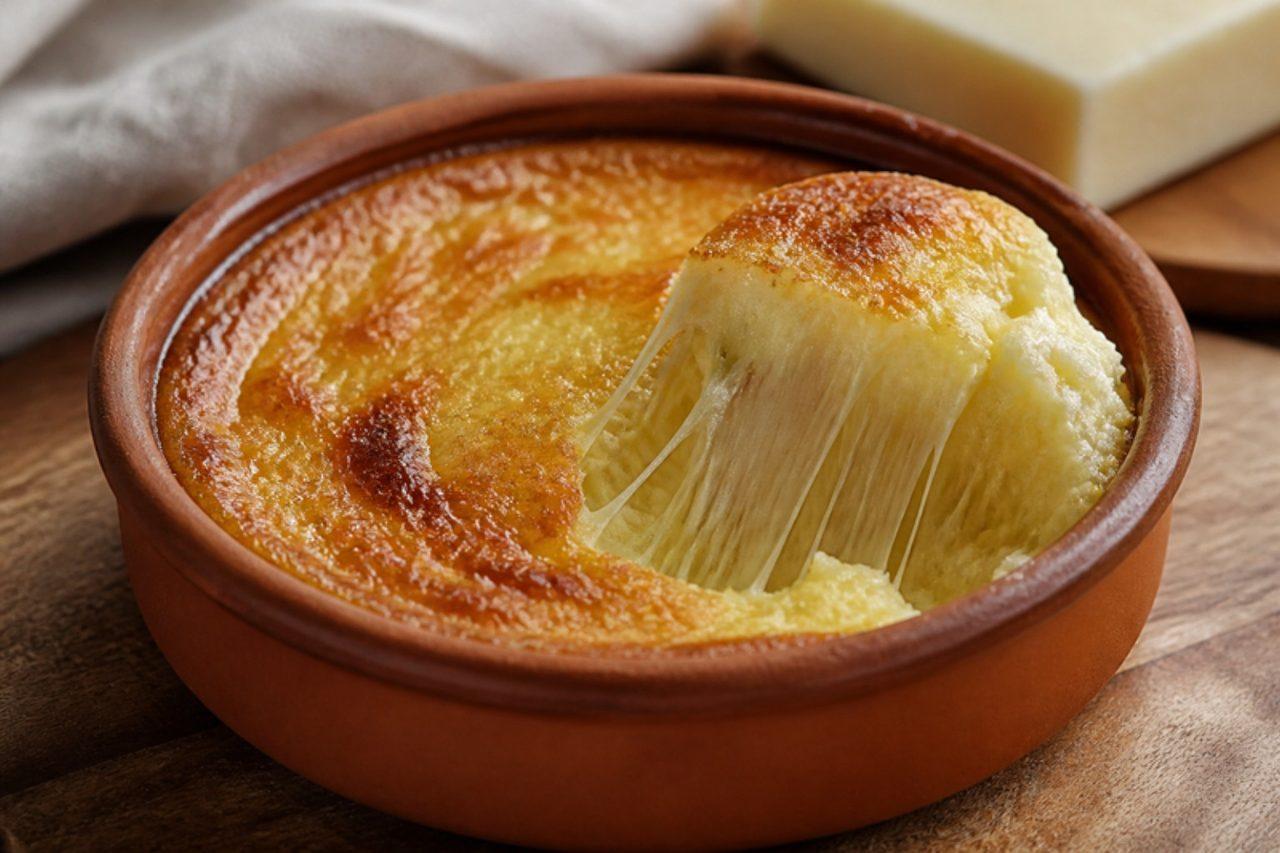
Peynir helvasıCheese and semolina halva

Around Çanakkale and the Dardanelles, peynir helvası is a soft, oven-browned halva made with fresh unsalted cheese, semolina, butter and sugar, sold warm in clay dishes at the market cafés. The top caramelises in spots, the inside stays creamy and stretchy, and the flavour sits somewhere between cheesecake and halva. Eat it warm on its own or with a glass of tea after a fish lunch. Chef's tip: use a mild, fresh, unsalted cheese and squeeze it well; salty or wet cheese gives a sour, runny halva.

by KrazyBadal 0 views

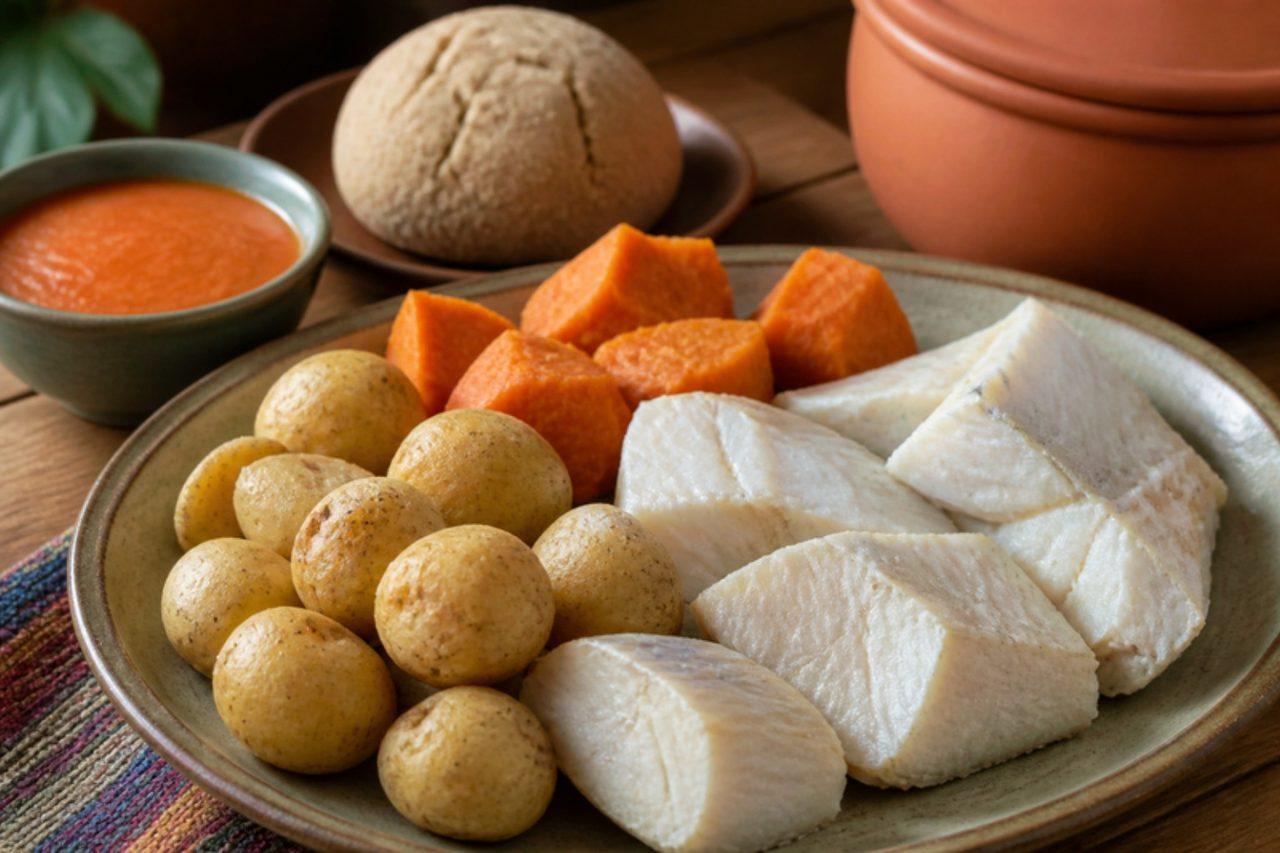
Sancocho canarioSalt fish with potatoes and mojo

Sancocho is the Canary Islands' Good Friday dish and a Sunday favourite in Gran Canaria, where whole families sit down to a platter of desalted cherne (wreckfish), boiled potatoes and sweet potatoes, red mojo poured over the top and a ball of pella de gofio on the side. Salted cherne is soaked for a day or two in the fridge to draw out the salt, then poached gently. If you cannot find cherne, salt cod or fresh hake works well. Chef's tip: before cooking, poach a small flake in boiling water for a minute and taste it; it should be pleasantly seasoned, like well-salted fresh fish, and if it is still briny, soak a few hours more.

by KrazyBadal 0 views

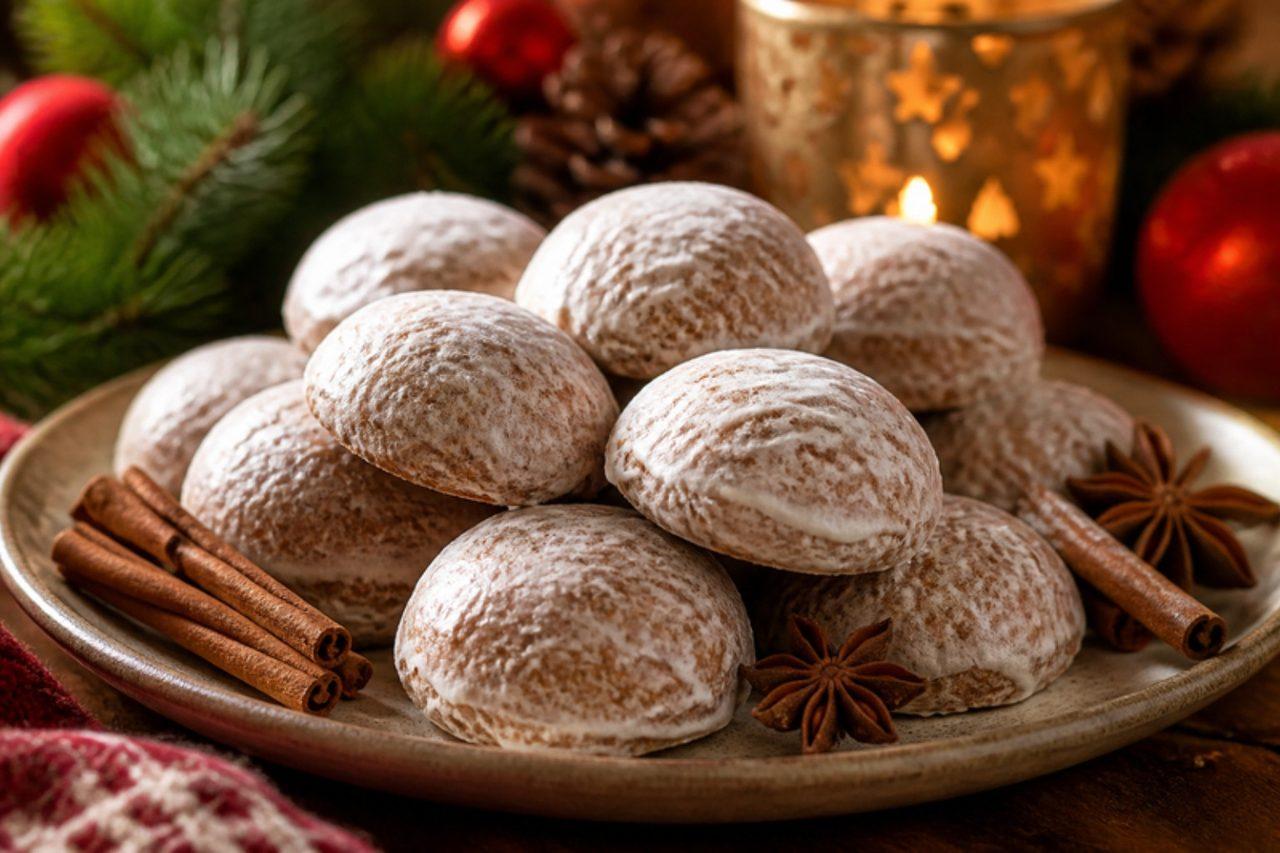
PfeffernüsseHoney spice biscuits

Pfeffernüsse are small domed biscuits baked in German homes through Advent, especially in the north and in Saxony, and sold in bags at Christmas markets everywhere. They are made with honey and a warm spice mix, and in old recipes the 'pepper' in the name meant exotic spices in general, though a pinch of real black pepper adds a lovely bite. A thin white glaze sets crisp over a chewy centre. The mistake many people make is eating them straight away; they are hard at first and need a few days in a tin with a slice of apple to soften. Chef's tip: warm the honey only until runny, never boiling, or the biscuits turn tough.

by KrazyBadal 0 views

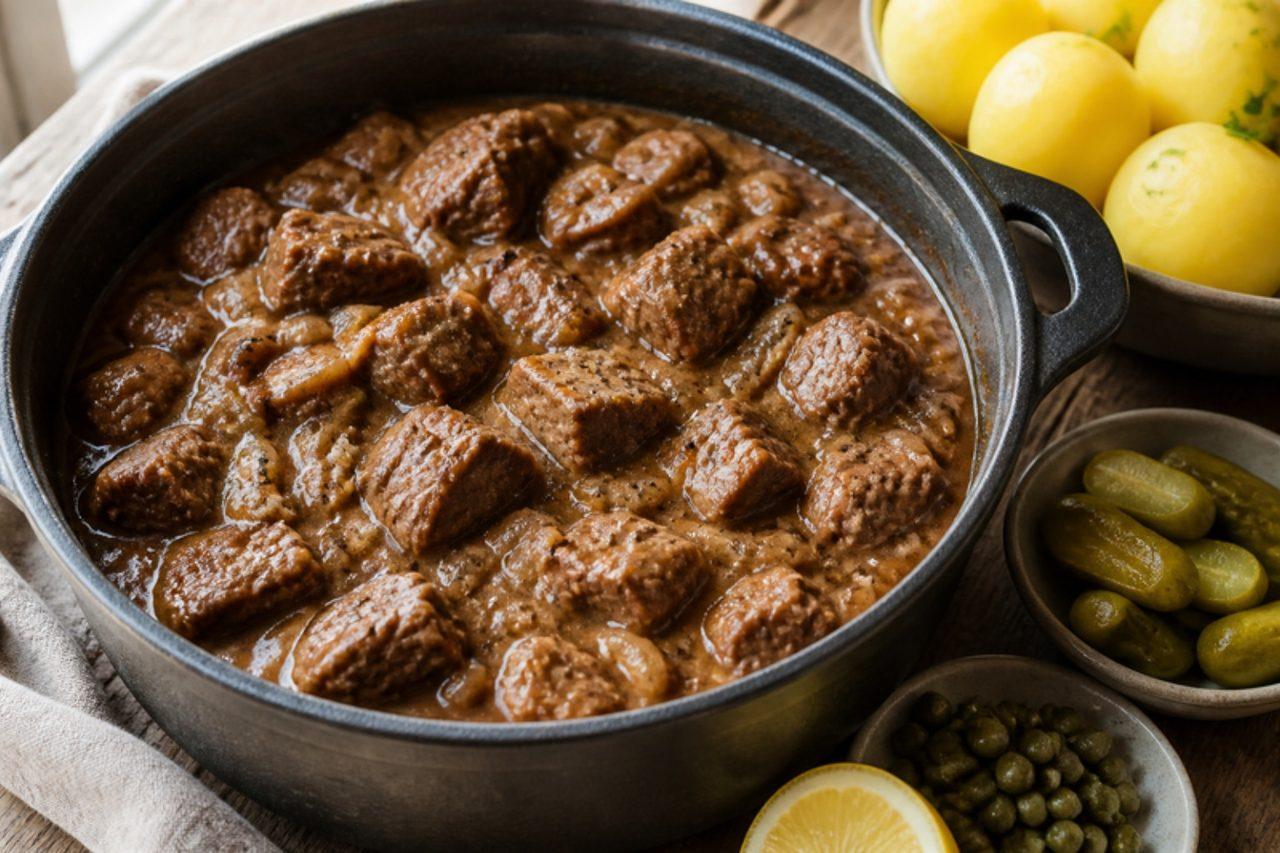
PfefferpotthastPeppery beef and onion stew

Pfefferpotthast is one of the oldest dishes of Westphalia, written about in Dortmund as far back as the 14th century and still cooked in the Münsterland and the Ruhr for big family meals. Beef is stewed with almost as much onion as meat, plenty of black pepper, cloves and bay, then thickened with breadcrumbs and sharpened with lemon and capers. Pickled gherkins and boiled potatoes go alongside. Chef's tip: grind the pepper coarsely and add half at the start and half at the end, so you get both deep warmth and a fresh bite.

by KrazyBadal 0 views

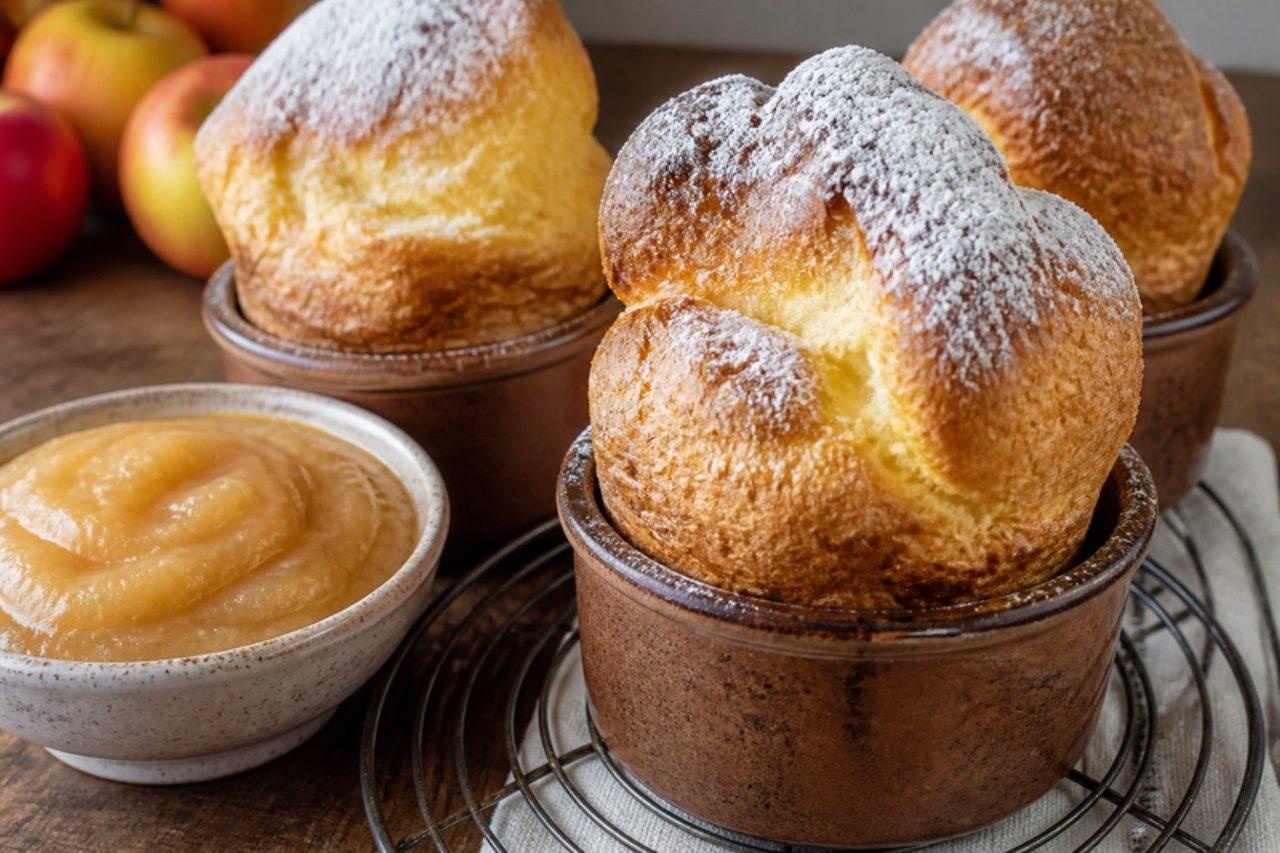
PfitzaufEgg-batter puffs with apple sauce

Pfitzauf is a Swabian Sunday-afternoon treat: a thin egg and milk batter poured into a heavy clay or tin mould with deep cups, which rises in the oven like a soufflé and 'pfitzt auf', pops up, far above the rim. Grandmothers on the Swabian Alb served it hot with apple sauce or vanilla sauce, sometimes with stewed cherries. A muffin tin or popover tin works too. The classic mistake is opening the oven during baking: the puffs collapse and never come back. Chef's tip: get the buttered tin really hot in the oven before pouring in the batter; the shock of heat is what makes them climb.

by KrazyBadal 0 views

Bicho-de-péStrawberry brigadeiro balls

Pink balls of fudge in a paper cup, sitting in a row between the chocolate brigadeiros: that is bicho-de-pé, a fixture of children's parties in São Paulo and Rio. The odd name comes from a tiny burrowing flea, which the speckled pink sweet supposedly resembles, but it tastes nothing but fruity and creamy. Brazilian cooks usually flavour it with strawberry gelatin powder, which is not vegetarian; this version uses freeze-dried strawberry powder, which gives a brighter, real-fruit flavour and a natural pink. Find freeze-dried strawberries in supermarket baking aisles and crush them yourself. Over-thickening is the commonest mistake: cooked too long, the brigadeiro turns hard and sugary once cold. Chef's tip: take the pan off the heat as soon as the mixture slides away from the base as one piece; it firms more as it cools.

by KrazyBadal 0 views

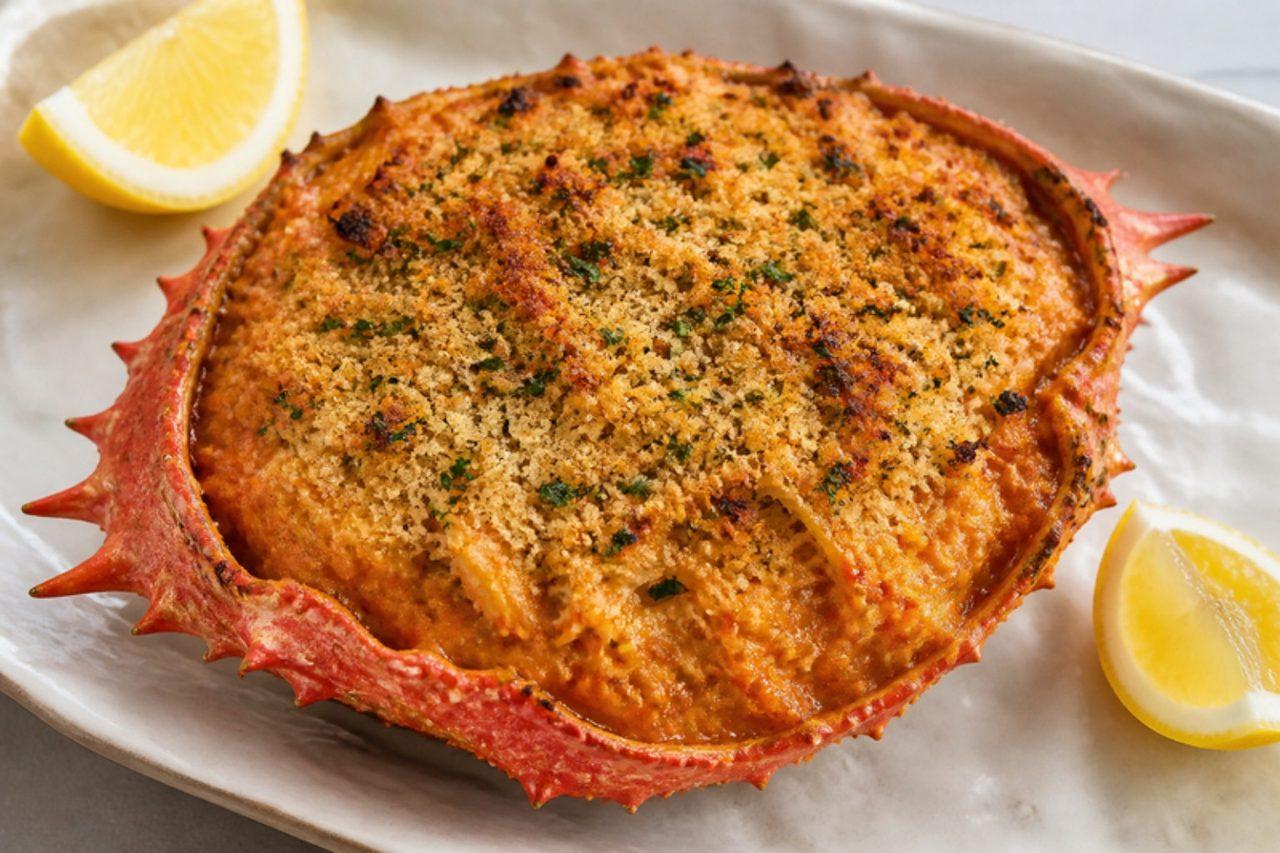
Txangurro a la donostiarraBaked spider crab

In San Sebastián the spider crab (txangurro) is a winter treat, at its best from November to April, and the old bars of the Parte Vieja serve it bubbling hot in the shell. The picked crab meat is mixed with a slow sofrito of onion, leek, carrot and tomato, often splashed with brandy, then topped with breadcrumbs and butter and browned. This recipe uses brandy; leave it out or use the same amount of crab cooking water for an alcohol-free version. A common mistake is a wet filling that boils under the crumbs; cook the sofrito down until thick. Chef's tip: use a cooked crab from the fishmonger on the day you buy it, and scrub the shell well if you plan to serve in it.

by KrazyBadal 0 views

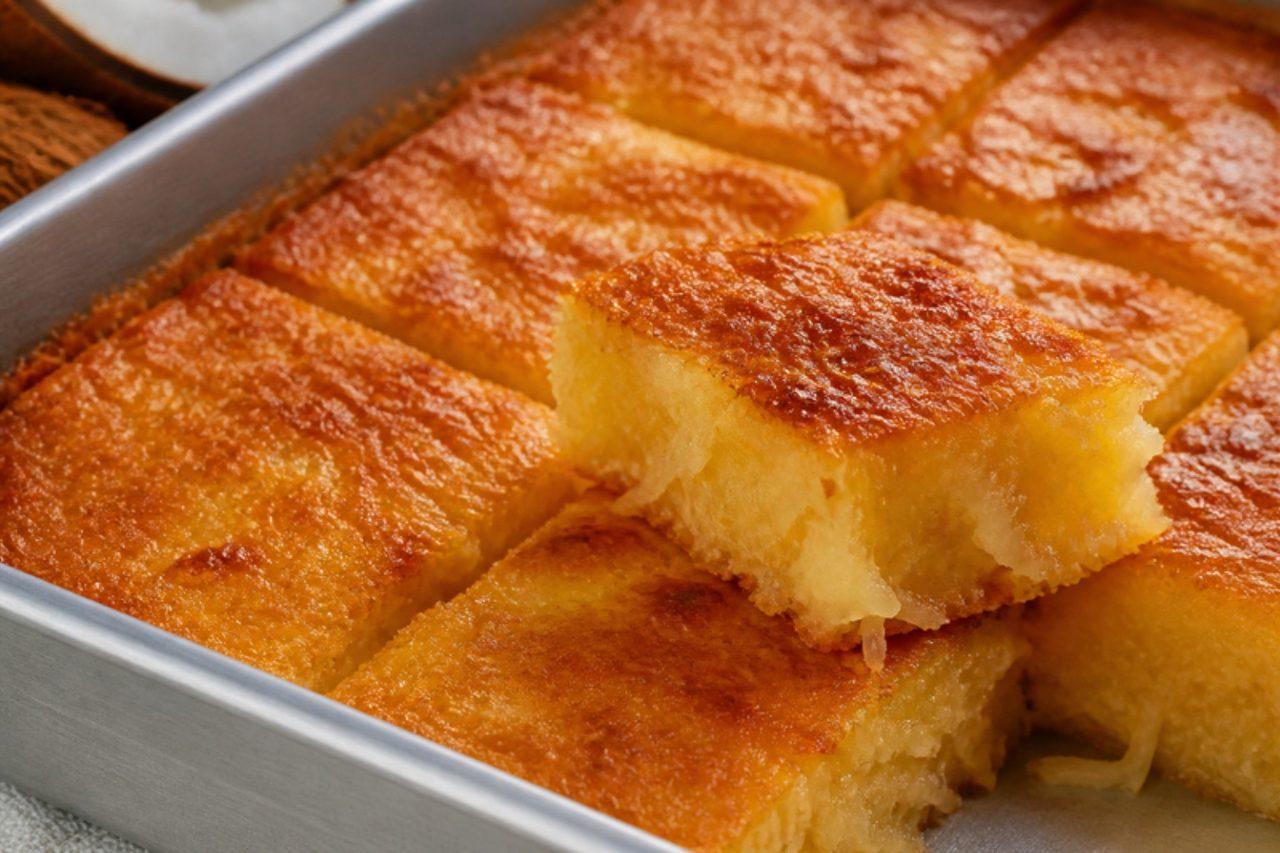
Bolo de mandiocaGrated cassava and coconut cake

Grated raw cassava makes a cake unlike any flour cake: heavy, sticky and pudding-like, with a chewy golden crust and a moist, almost translucent middle. Bolo de mandioca (or bolo de aipim in Rio) is baked all over Brazil, sold by the slice at roadside stands in the interior of Bahia and Minas, and is a regular at June festivals next to the corn cakes. Coconut milk and grated coconut make it fragrant, butter makes it rich. Fresh cassava is sold in Latin, African and Caribbean shops; frozen peeled cassava is fine once thawed. Raw cassava must be fully cooked, and baking this long is enough. A classic error is blending in the fibrous core of the root, which leaves woody threads in the cake; cut it out first. Chef's tip: squeeze a little of the liquid out of the grated cassava in a cloth before mixing, and the cake gets a firmer, more cake-like texture without turning dry.

by KrazyBadal 0 views

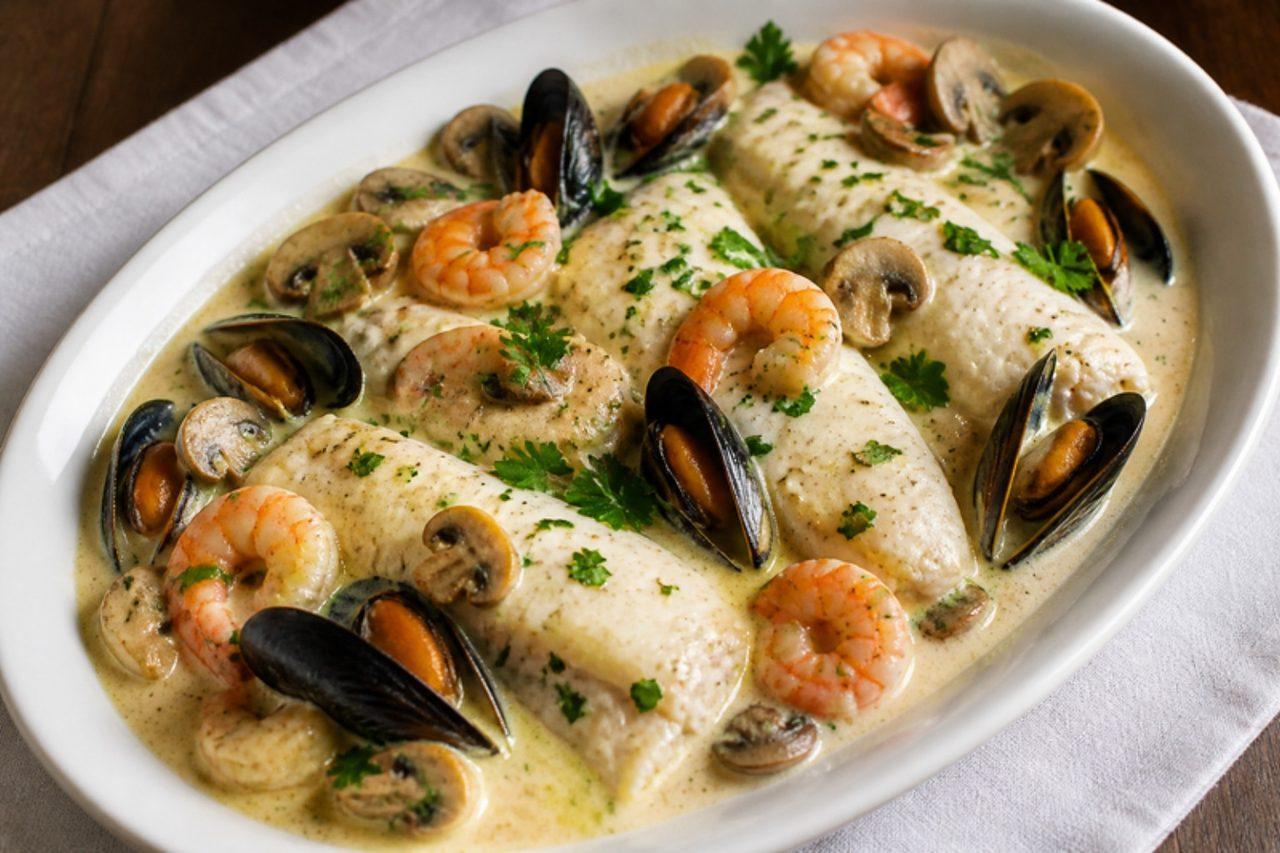
Sole normandeSole with mussels in cider cream

Sole normande was born in the fish restaurants of the Normandy coast, from Dieppe to Honfleur, where the catch, the local cream and cider met on one plate; Paris chefs later made it a grand-restaurant classic. Folded sole fillets are gently poached in cider and fish stock, then served under a silky, ivory cream sauce made from the poaching liquid and mussel juices, with mussels, pink prawns and button mushrooms around them. It is delicate and rich, best with plain boiled potatoes or rice to soak up the sauce. It uses dry cider or white wine; the notes give an alcohol-free option. Chef's tip: plaice or lemon sole fillets work perfectly well and cost far less than Dover sole.

55 minFrenchFishGluten free
by KrazyBadal 0 views

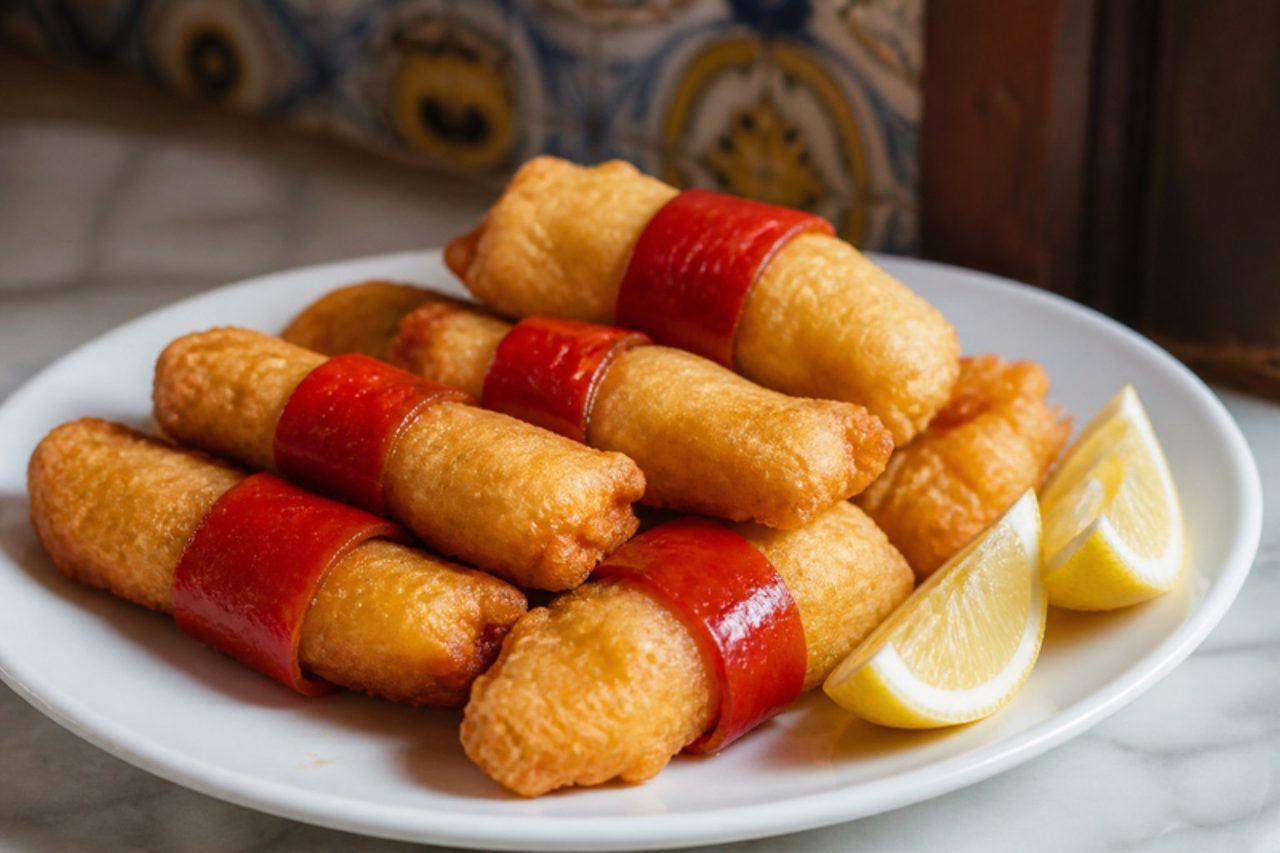
Soldaditos de PavíaBattered salt cod fingers

Madrid's old taverns near Puerta del Sol have fried these golden fingers of salt cod for well over a century, and they are still eaten standing at the bar with a small glass of something cold. Legend says the orange-red strip of pepper recalls the uniforms of soldiers in a Pavía regiment. The cod is soaked for two days to remove the salt, then fried until hot through, so it is fully cooked. Chef's tip: use cold sparkling water in the batter for a lighter, crunchier coat.

by KrazyBadal 0 views

SohanSaffron pistachio brittle

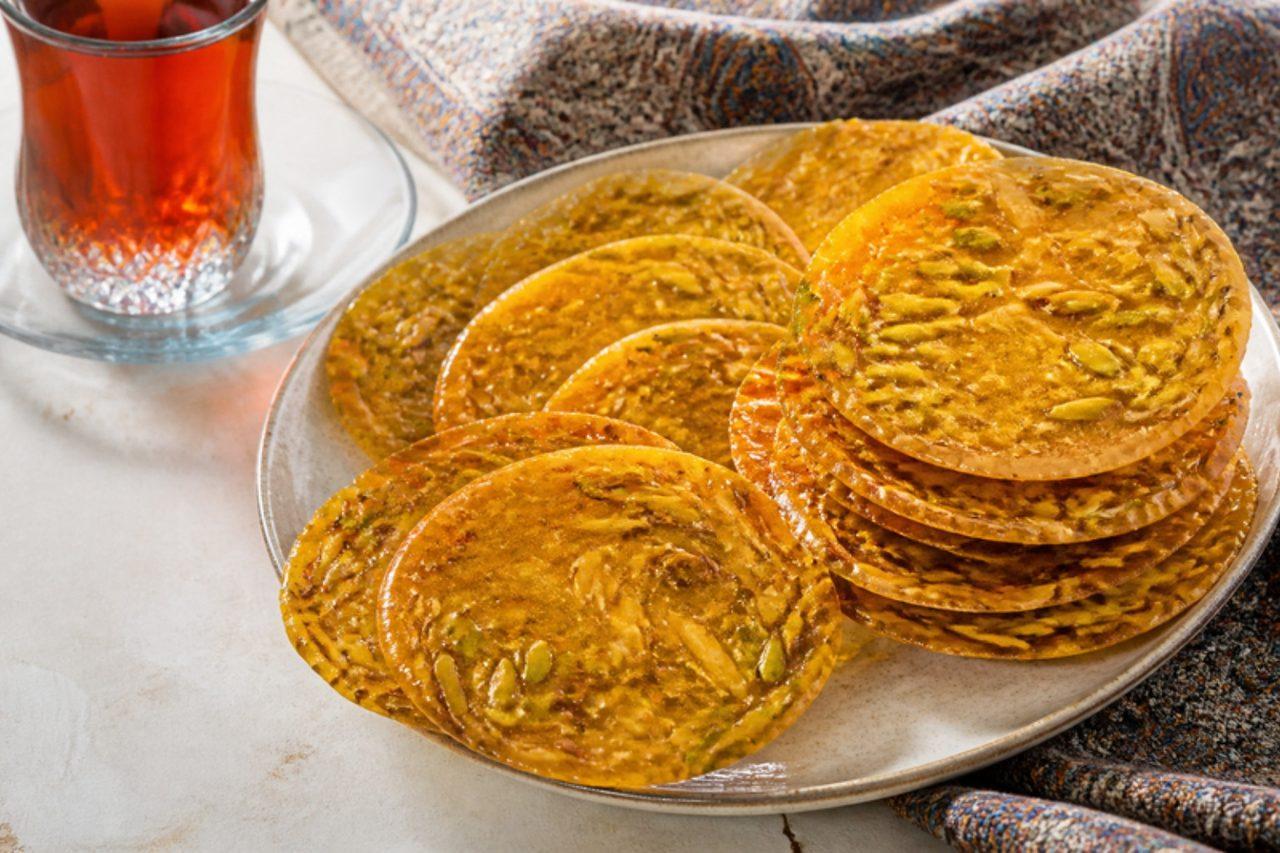
Pilgrims leaving the shrine city of Qom carry home round tins of sohan, and boxes of it are passed around at Nowruz visits all over Iran. It is a buttery, snapping brittle flavoured with saffron, cardamom and rosewater, built on sprouted wheat flour, which gives a gentle malty sweetness, and studded with slivered pistachios and almonds. Each disc shatters and then melts. Chef's tip: have every nut and flavouring measured beside the stove before you start; the last stage moves fast and the sugar won't wait.

by KrazyBadal 0 views

SofritoVeal in garlic and vinegar sauce

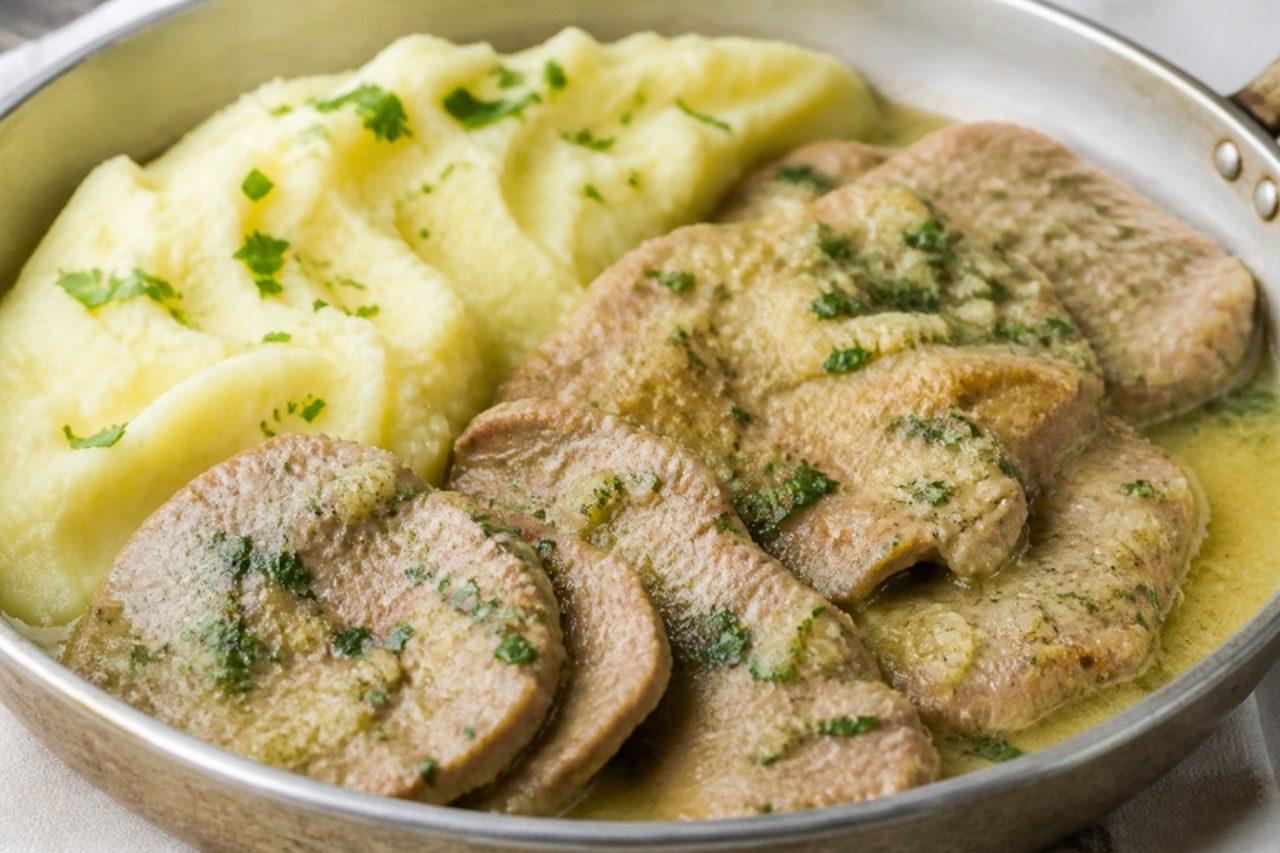
Not to be confused with the Spanish base sauce, Corfu's sofrito is a dish of thinly sliced veal or young beef, floured and browned, then gently simmered in a sharp, pale sauce of garlic, vinegar and parsley until tender. Corfiot tavernas serve it with creamy mashed potato or rice to soak up the garlicky juices, especially on Sundays and name days. Some cooks add white wine; this version uses only vinegar and stock, so it's alcohol-free. Common mistake: letting the garlic brown, which makes the sauce bitter — it should stay pale. Chef's tip: flatten the slices with a rolling pin so they cook evenly and soak up the sauce.

75 minGreekMeat
by KrazyBadal 0 views

Vaca atoladaBeef ribs with cassava

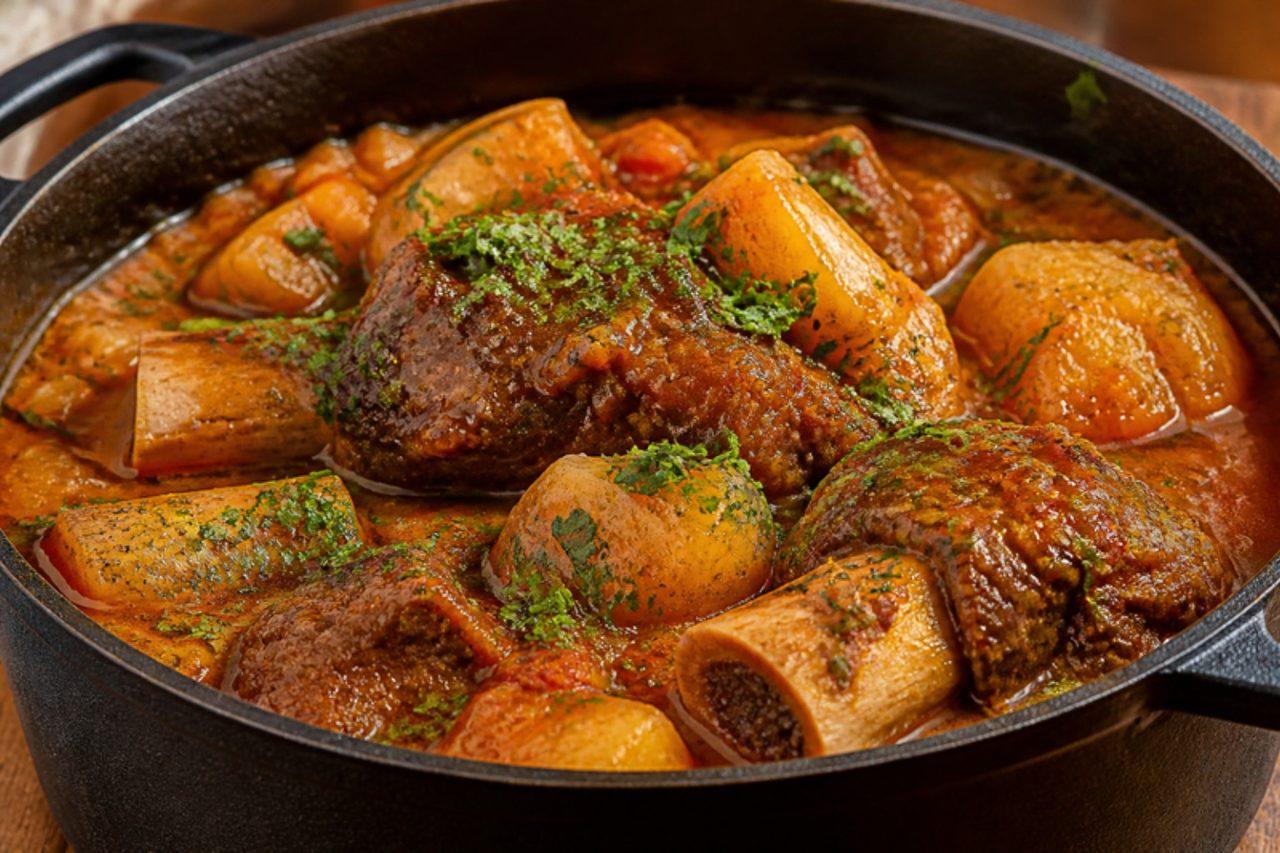
The name means cow stuck in the mud, and the picture is right: meaty beef ribs sunk in a thick stew of cassava that has half collapsed into the sauce. Vaca atolada comes from the cattle country of Minas Gerais and is a cold-night favourite at fazenda kitchens and comida mineira restaurants, served on its own or with white rice and a sharp pepper sauce. The ribs are browned, then braised slowly with onion, tomato, garlic and bay until the meat slips off the bone, and the cassava goes in for the last hour to thicken everything. People most often go wrong by adding the cassava at the start, so it dissolves completely; it should be soft but still in chunks. Cassava must be cooked right through and never eaten raw. Chef's tip: brown the ribs hard and deglaze the pan well; that dark crust is where most of the flavour comes from.

by KrazyBadal 0 views

Soda farlsGriddled soda bread

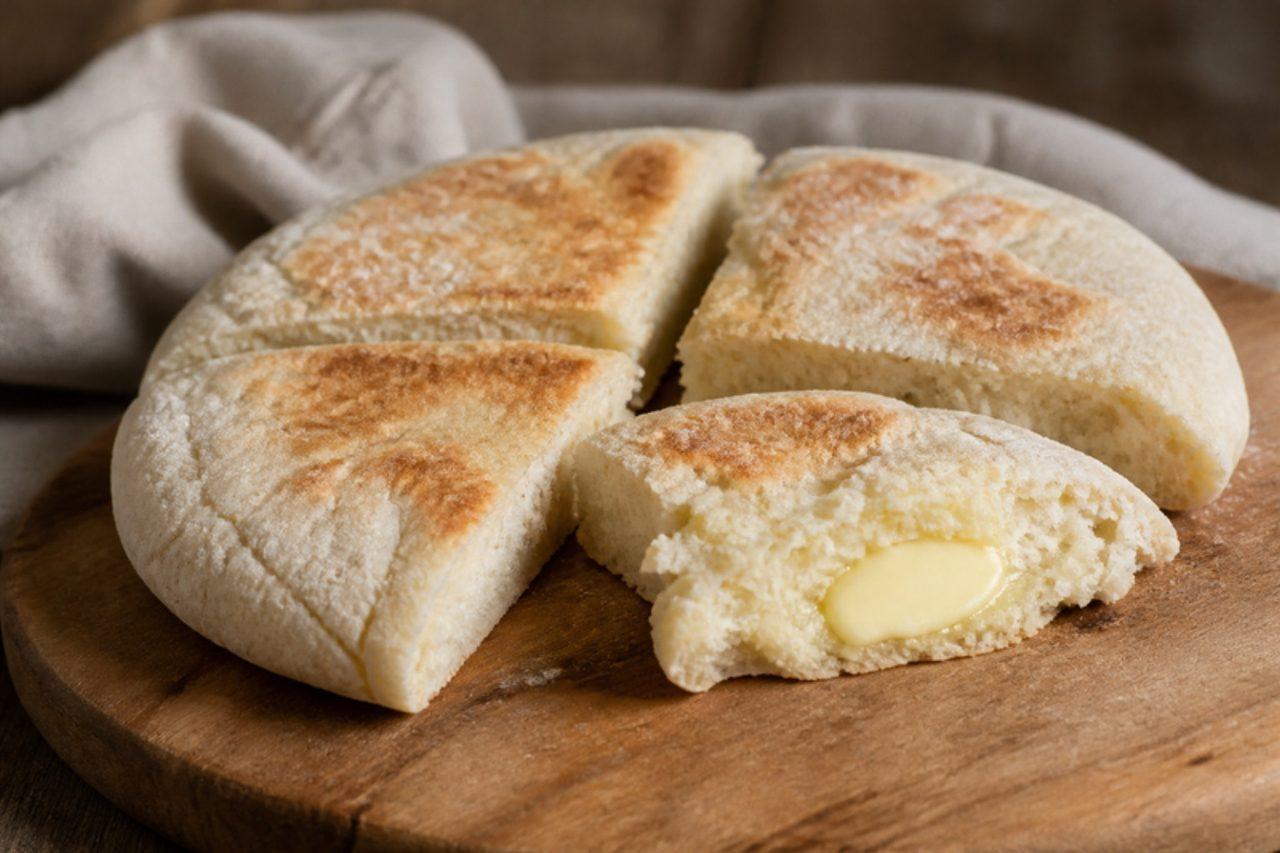
Soda farls are the griddle bread of Northern Ireland, cooked on a flat pan rather than baked, and split and fried in the Ulster fry or eaten warm with butter and jam. Plain flour, bicarbonate of soda and buttermilk make a quick, light dough that is shaped into a round and cut into four farls. Chef's tip: get the griddle hot before the dough is mixed; the soda starts working as soon as the buttermilk goes in.

by KrazyBadal 0 views

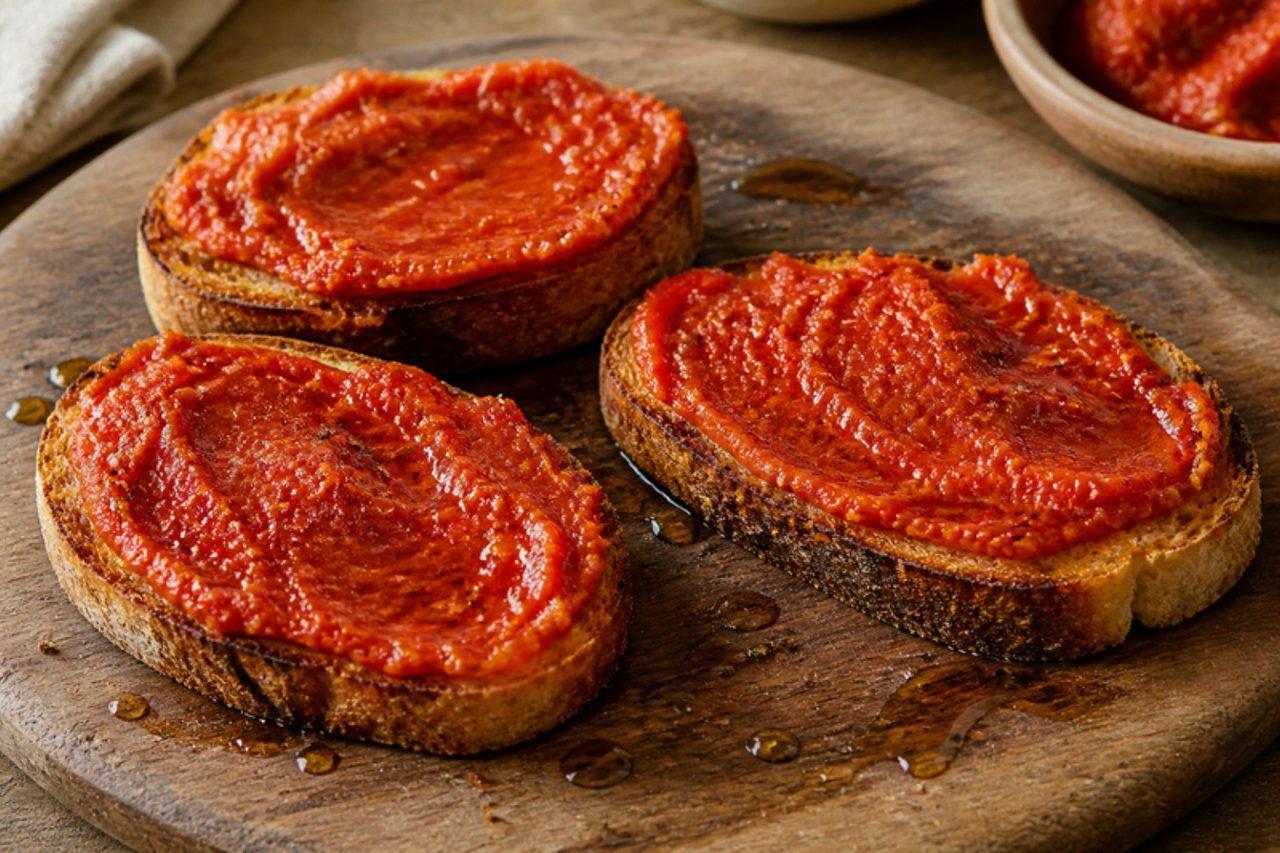
Sobrassada amb melToasted bread with sausage and honey

Sweet and salty sobrassada toast is the snack Mallorcan bars put out with a cold drink, and it often closes a winter meal at home. Sobrassada is the island's soft, spreadable cured sausage of pork and paprika. This contains pork. Spread on country bread, warmed until it melts and sizzles, and finished with a thread of honey, it takes five minutes. Sobrassada is a raw cured meat, so eaten unheated it is not for pregnant women, young children or anyone with a weakened immune system; this recipe grills it until piping hot. Chef's tip: spread it thinly right to the edges, so it crisps instead of pooling in the middle.

by KrazyBadal 0 views

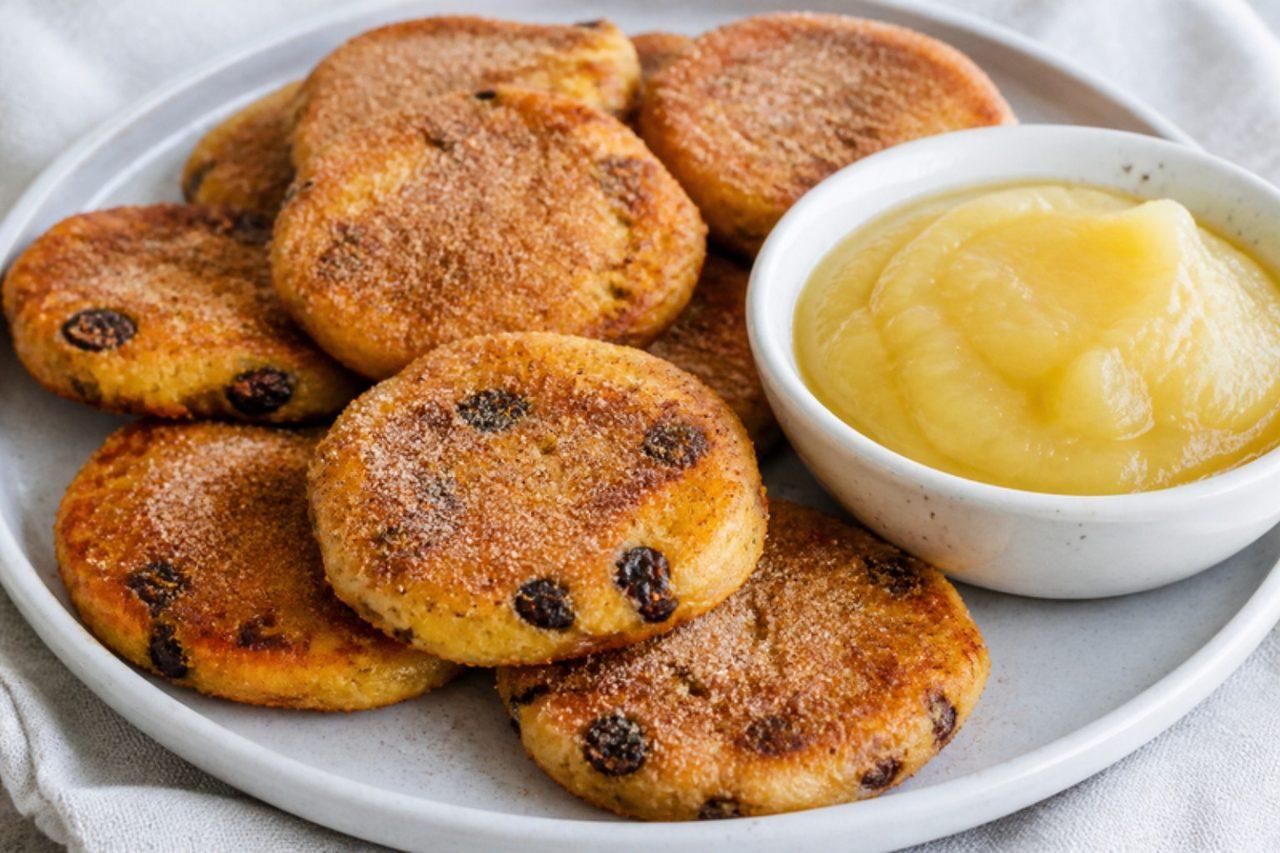
QuarkkeulchenPotato and quark pancakes

Quarkkeulchen are the sweet little pancakes of Saxony, the kind a Dresden or Leipzig grandmother makes on a Saturday afternoon from yesterday's boiled potatoes: mashed potato, quark, egg, a little flour and sugar, lemon zest and raisins, shaped into small thick discs and fried in butter until golden. They are crisp outside, soft and slightly tangy inside, and come dusted with cinnamon sugar beside a bowl of apple sauce. A common mistake is using freshly boiled warm potatoes, which make a sticky dough; use cold ones from the day before. Chef's tip: soak the raisins in hot water for 10 minutes so they plump up and don't burn in the pan.

by KrazyBadal 0 views

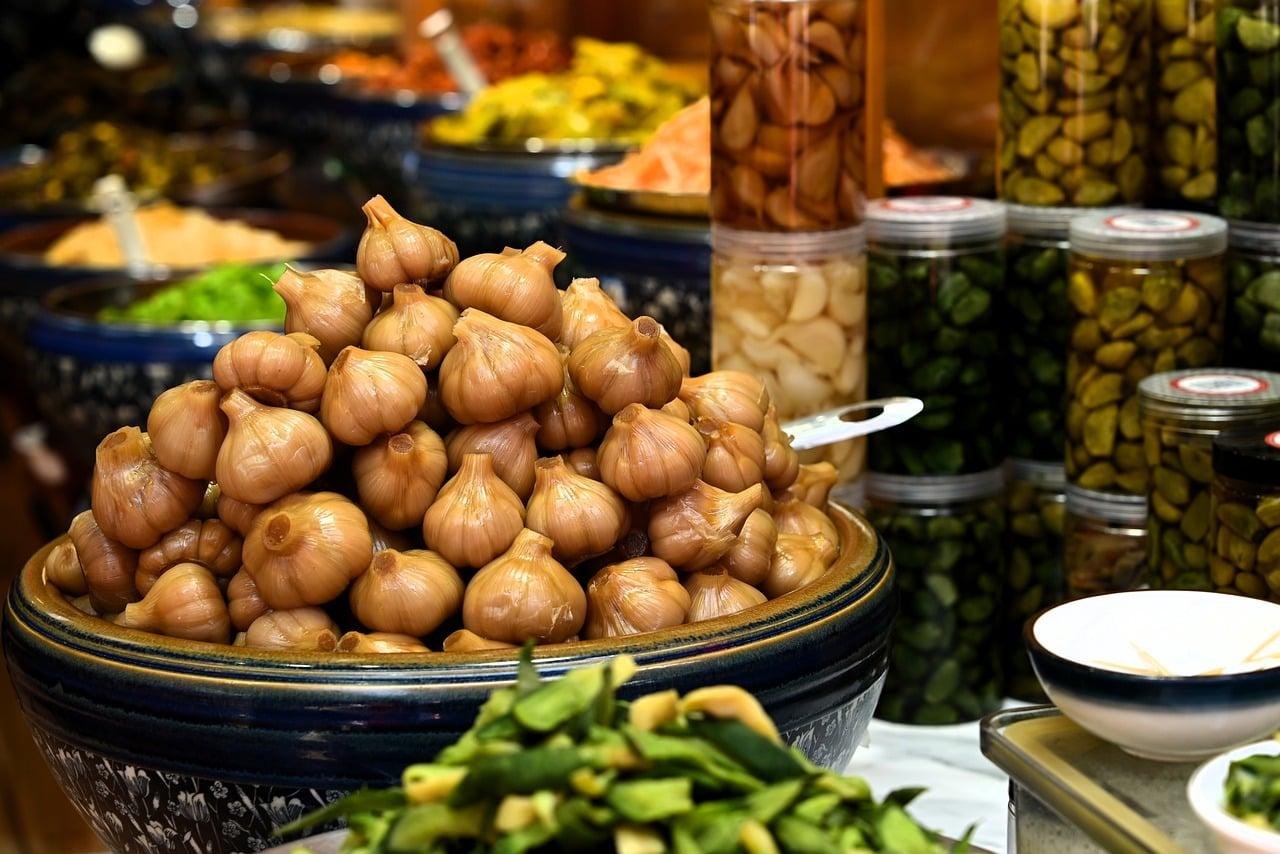
Sir torshiGarlic pickled in vinegar

Along the Caspian coast in Gilan and Mazandaran, almost every larder has a jar of sir torshi tucked at the back, and the older it is the prouder the cook. Whole heads of garlic sit in vinegar for months, sometimes seven years, until the cloves turn amber, then nearly black, and lose all their harshness; they become soft, sweet-sour and almost jammy. A clove or two goes on the side of a plate of rice and khoresh, mirza ghasemi or a bowl of ash. Chef's tip: use firm, dry, mature garlic with tight skins; fresh green garlic goes slimy instead of mellow.

by KrazyBadal 0 views

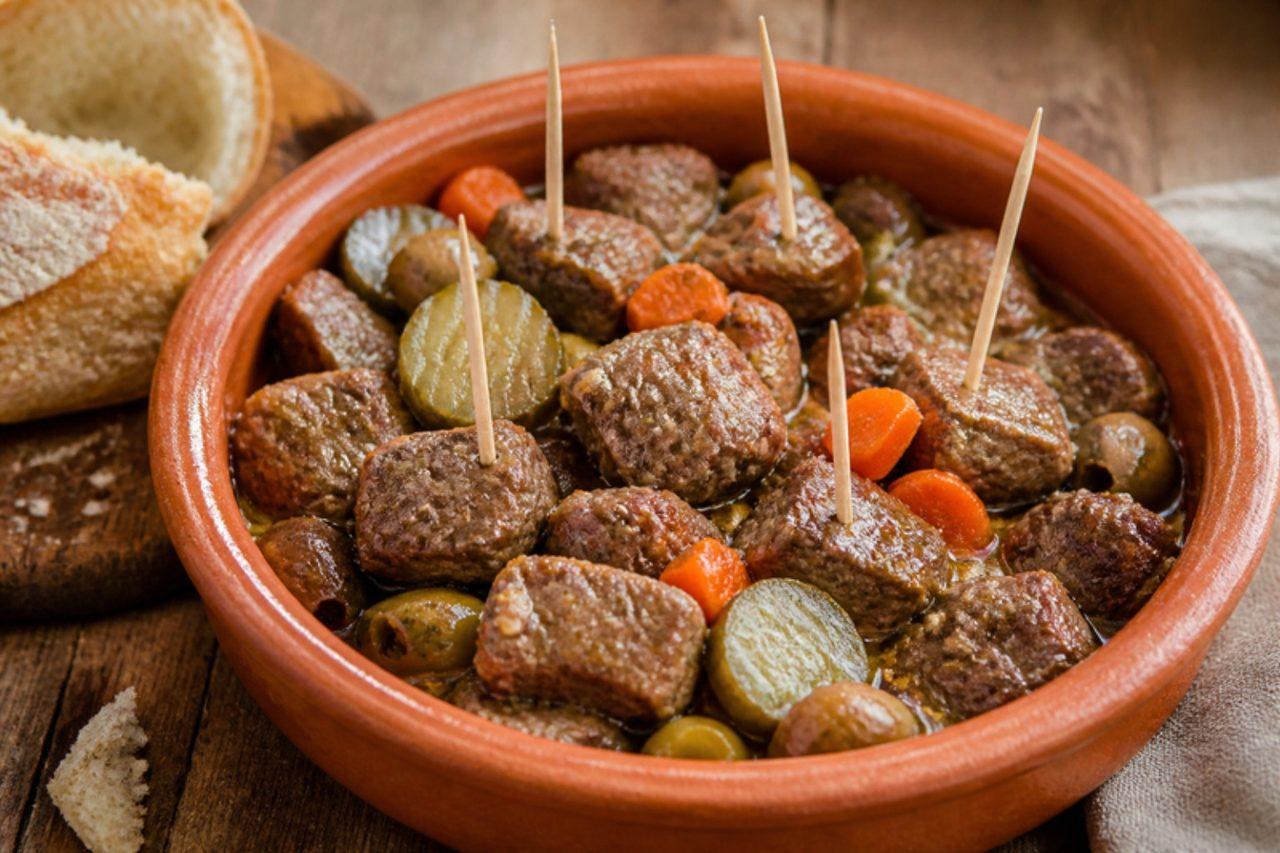
Pica-pauBeef in garlic mustard sauce

Pica-pau means woodpecker, and that is how you eat it: a crowd round a shared dish in a Lisbon cervejaria, pecking cubes of beef out of the sauce with toothpicks and dunking bread into the rest. The beef is seared quickly, then bathed in garlic, butter, mustard and a splash of white wine, and finished with tangy pickled vegetables. The wine contains alcohol; use stock with a teaspoon of vinegar instead. A common mistake is putting in all the meat at once: it stews grey instead of browning. Chef's tip: cut the beef into small, even 2 cm cubes so every piece browns fast and stays tender.

by KrazyBadal 0 views

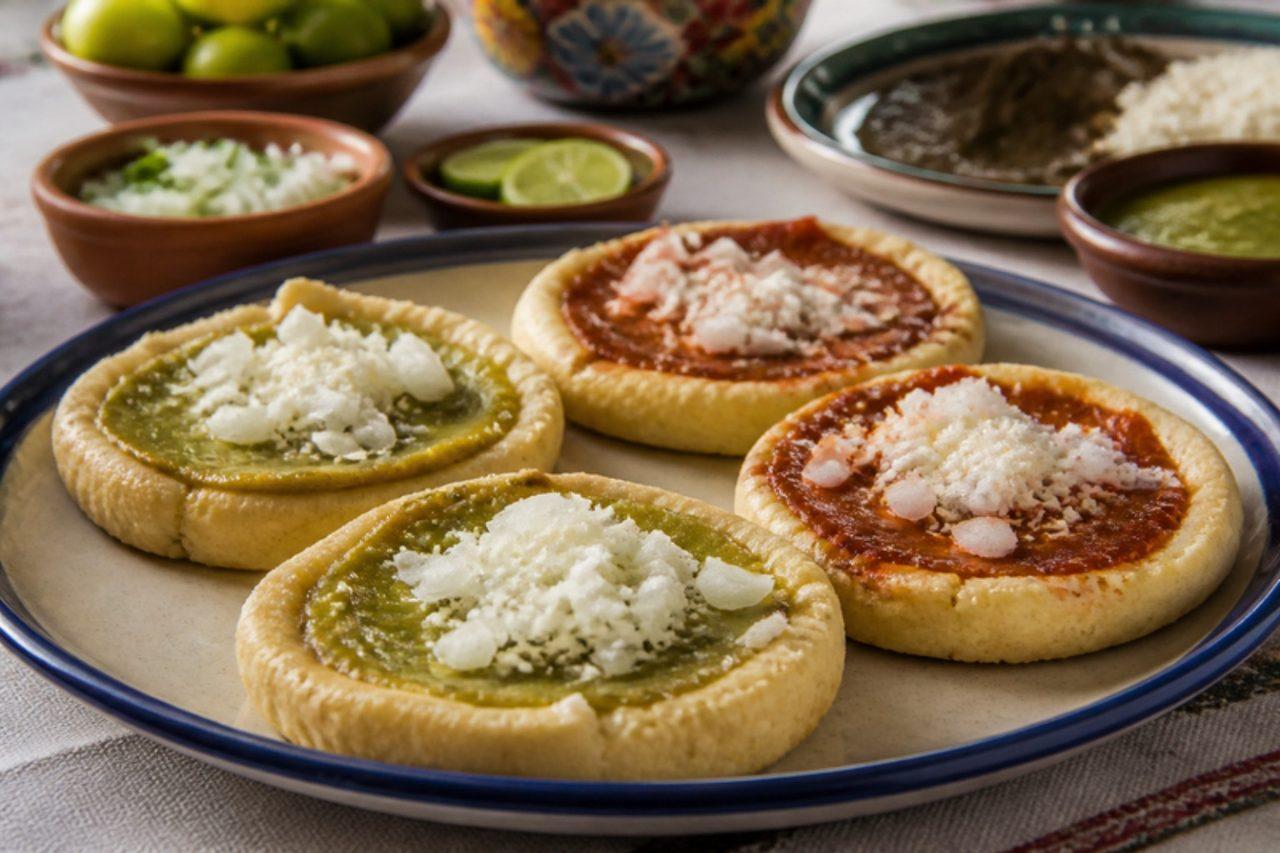
Picadas veracruzanasMasa cakes with salsa

Breakfast in the port of Veracruz and in Xalapa often starts with picadas at a market fonda or a café by the harbour: palm-sized rounds of fresh masa, cooked on the comal, then pinched all around while hot (picar means to pinch) to make little ridges that catch the salsa. Half are spooned with red salsa and half with green, then scattered with onion and crumbled cheese, and eaten with black coffee. Cooks there drizzle them with hot pork lard; this recipe uses a little oil instead. Chef's tip: wet your fingertips in cold water before pinching, so you can work the hot masa without burning yourself.

by KrazyBadal 0 views

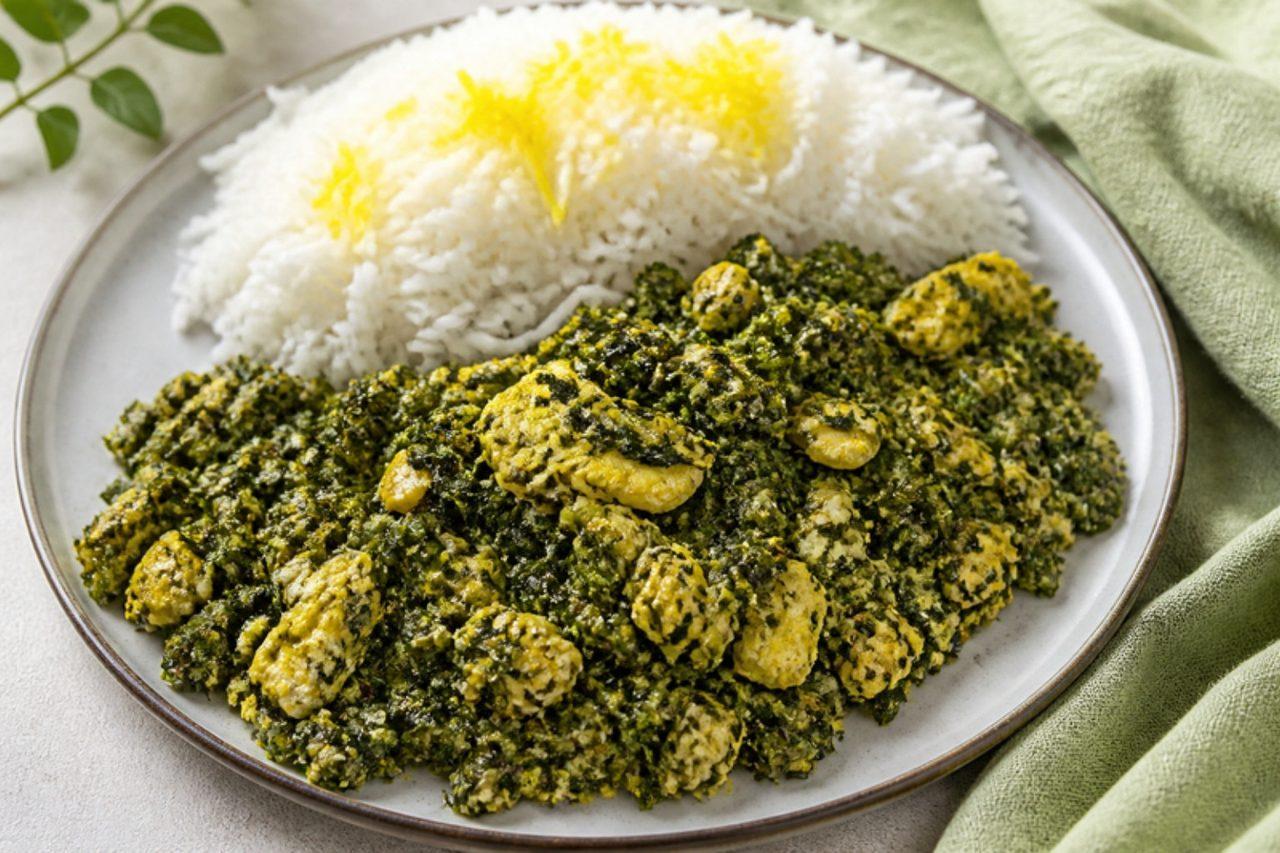
Sir ghelyehFried green garlic with eggs

In early spring, when the rice fields of Gilan are still wet and the markets of Rasht fill with bundles of green garlic, families make sir ghelyeh: young garlic stems and leaves fried slowly with herbs and turmeric, then set with eggs. It is a quick lunch with kateh rice, eaten with a pickle on the side, and it smells of the whole season. The common mistake is frying the green garlic on a high heat, which burns the edges and leaves it bitter instead of sweet. Out of season, use the swap in the ingredients. Chef's tip: a small splash of verjuice or lemon juice just before the eggs go in lifts the whole pan.

by KrazyBadal 0 views

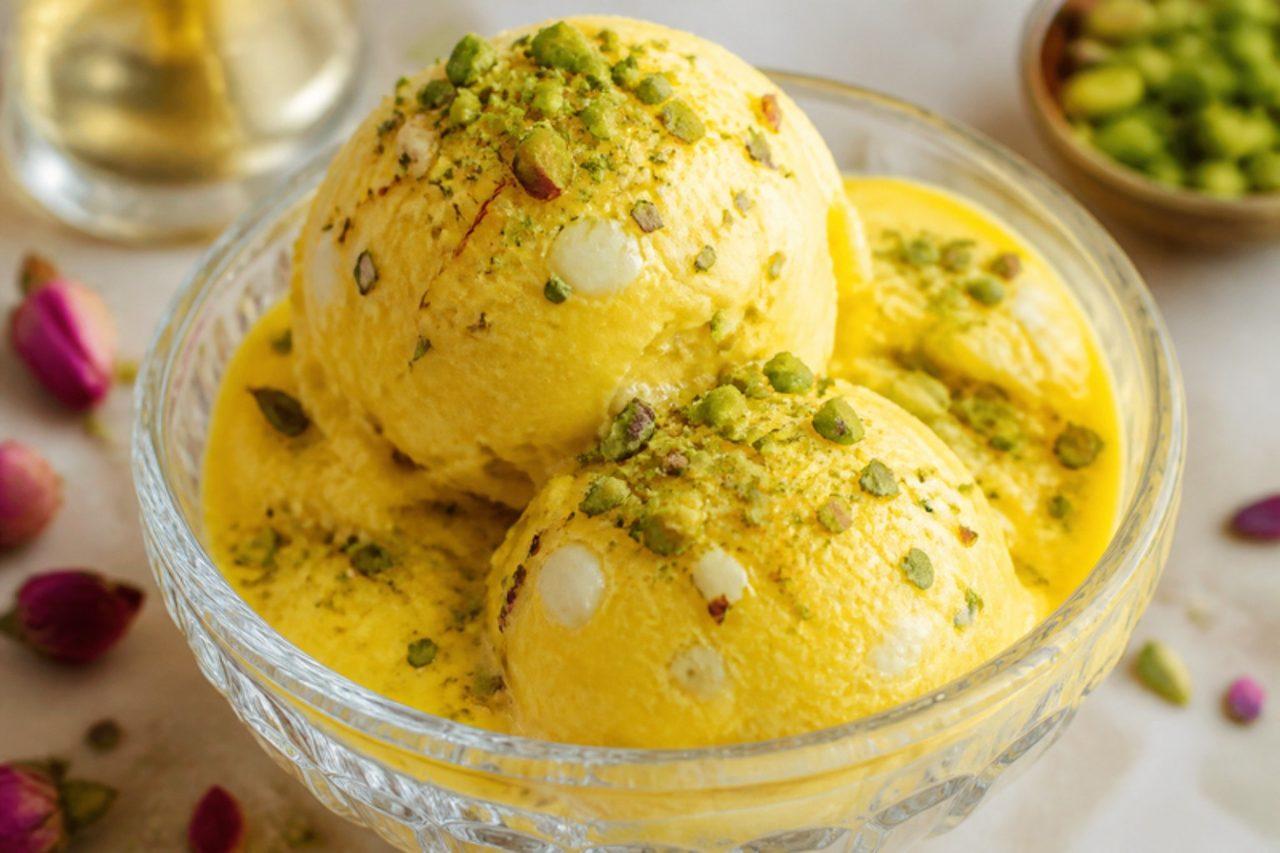
Bastani sonnatiSaffron rosewater ice cream

On summer evenings in Tehran, queues form outside old ice-cream shops for bastani sonnati, scooped between two thin wafers or into a glass beside faloodeh. The custard is rich with egg yolks and coloured deep gold with saffron, perfumed with rosewater and studded with pistachios and little shards of frozen cream that melt on the tongue. This home version uses an ice-cream machine or a fork-and-freezer method. Chef's tip: freeze the cream chips in a thin sheet the day before, so they are hard enough to stay as separate shards when folded in.

by KrazyBadal 0 views

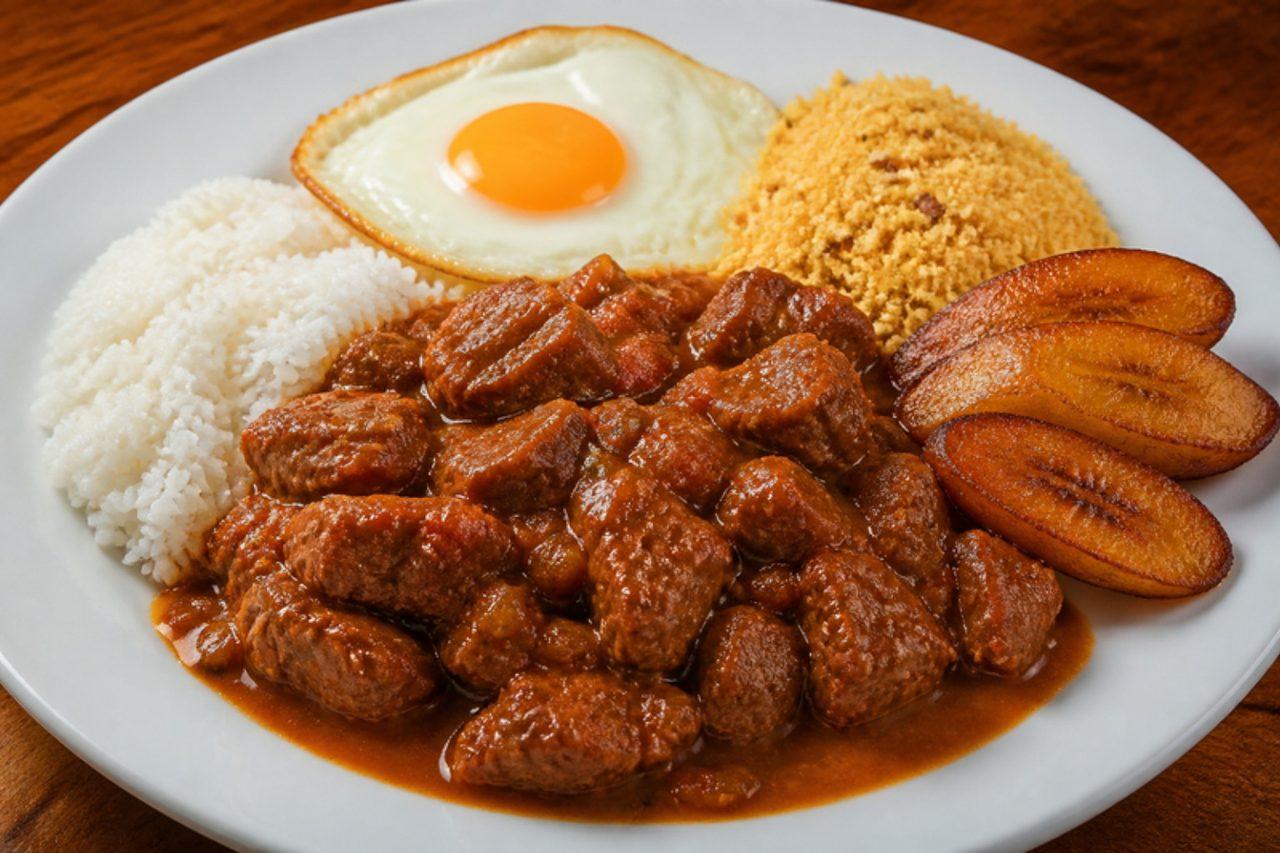
Picadinho cariocaDiced beef stew with rice

Diced small and simmered in a glossy tomato gravy, picadinho is the plate Rio de Janeiro orders at lunch counters and old bars in Centro, and the one cariocas cook at home when they want comfort. The tender cubes of beef come with white rice, a fried egg with a runny yolk, farofa and slices of banana, and every forkful mixes a bit of everything: savoury, sweet, crisp and soft. The everyday mistake is crowding the pan, so the beef boils grey instead of browning; fry it in batches. Cook the eggs until the whites are fully set; if you are serving pregnant women, young children or older people, cook the yolks firm too. Chef's tip: cut the beef into 1.5 cm cubes; any larger and it is a stew, any smaller and it dries out.

by KrazyBadal 0 views

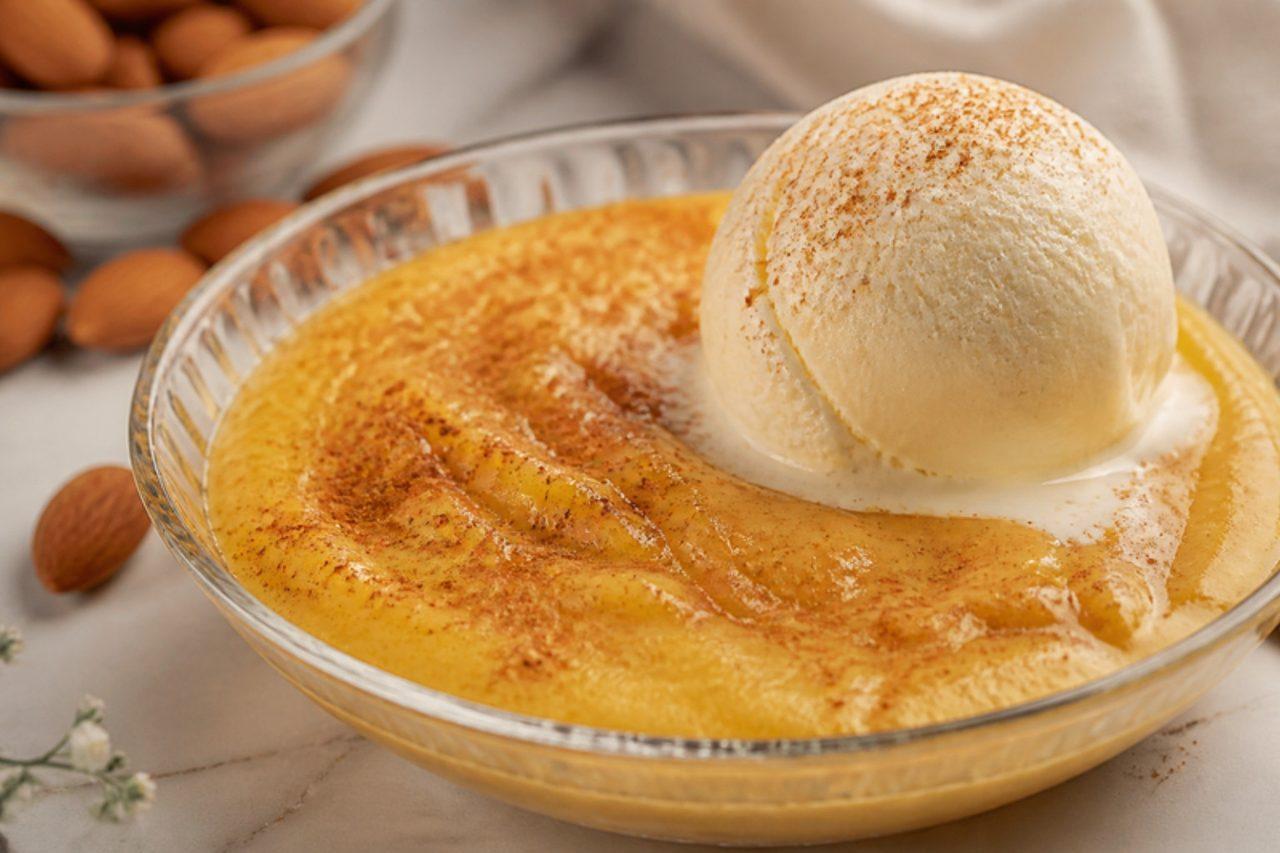
Bienmesabe canarioAlmond and egg-yolk cream

High in the mountains of Gran Canaria, the village of Tejeda is ringed by almond trees, and its pastry shops are famous for bienmesabe, 'it tastes good to me'. Finely ground almonds are cooked in a sugar syrup with lemon zest and cinnamon, then enriched with egg yolks into a thick, golden cream. Islanders eat it by the spoonful, over vanilla ice cream or layered on sponge; it is the dessert brought out in late January and February, when the Almond Blossom Festival fills the village. Chef's tip: temper the yolks with a little hot syrup before adding them, so they thicken the cream smoothly instead of scrambling.

by KrazyBadal 0 views

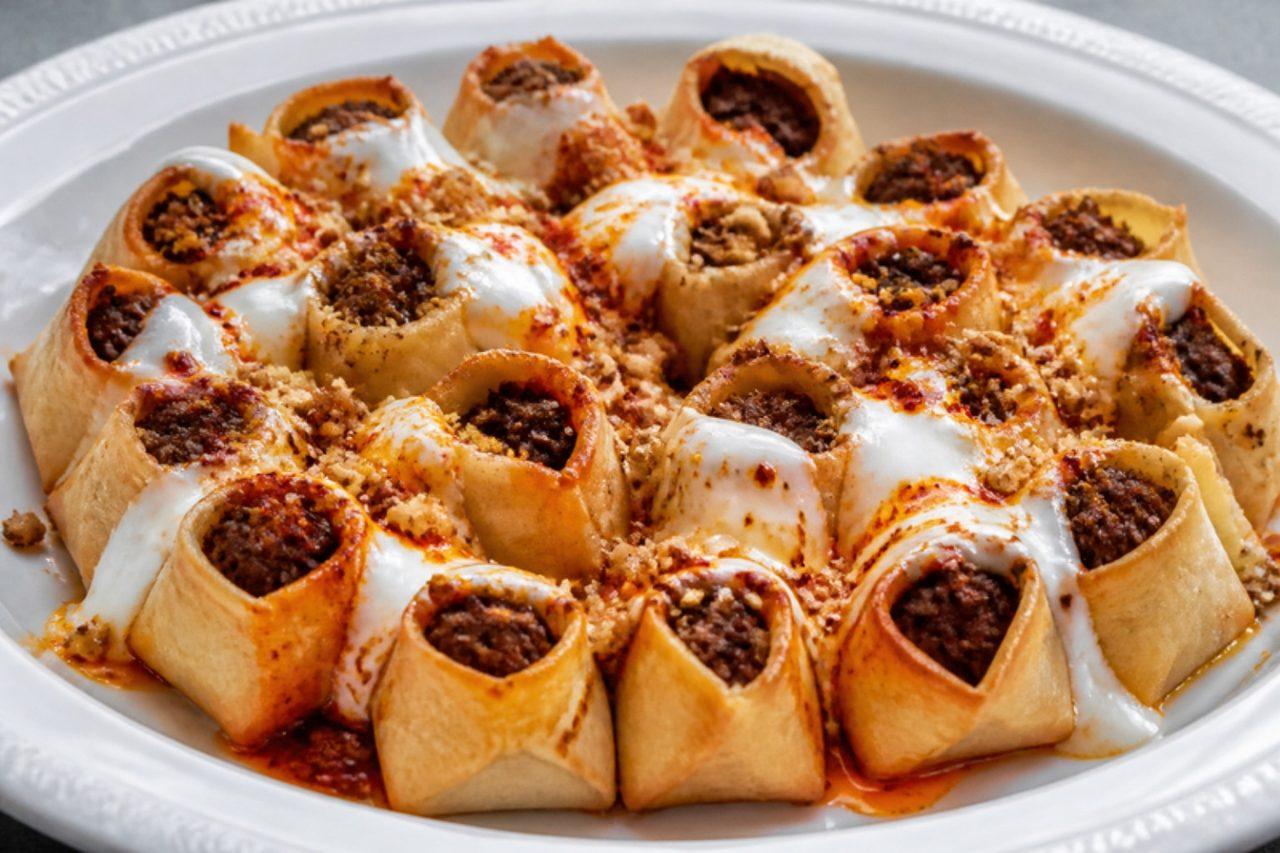
Sinop mantısıOpen beef dumplings with yoghurt

Sinop's mantı are not the tiny sealed parcels of Kayseri but larger squares pinched at the corners, filled with spiced beef mince and served in a deep plate with garlic yoghurt, crushed walnuts and a sizzling spoon of chilli butter. In the port town they are a cold-weather lunch, and the walnuts are what make them Sinop's own. Common mistake: boiling them too hard so they burst; keep the water at a lively simmer and cook until the filling is firm and reaches 71 °C. Chef's tip: let the dough rest a full 30 minutes; a relaxed dough rolls thin without springing back and the dumplings cook evenly.

by KrazyBadal 0 views

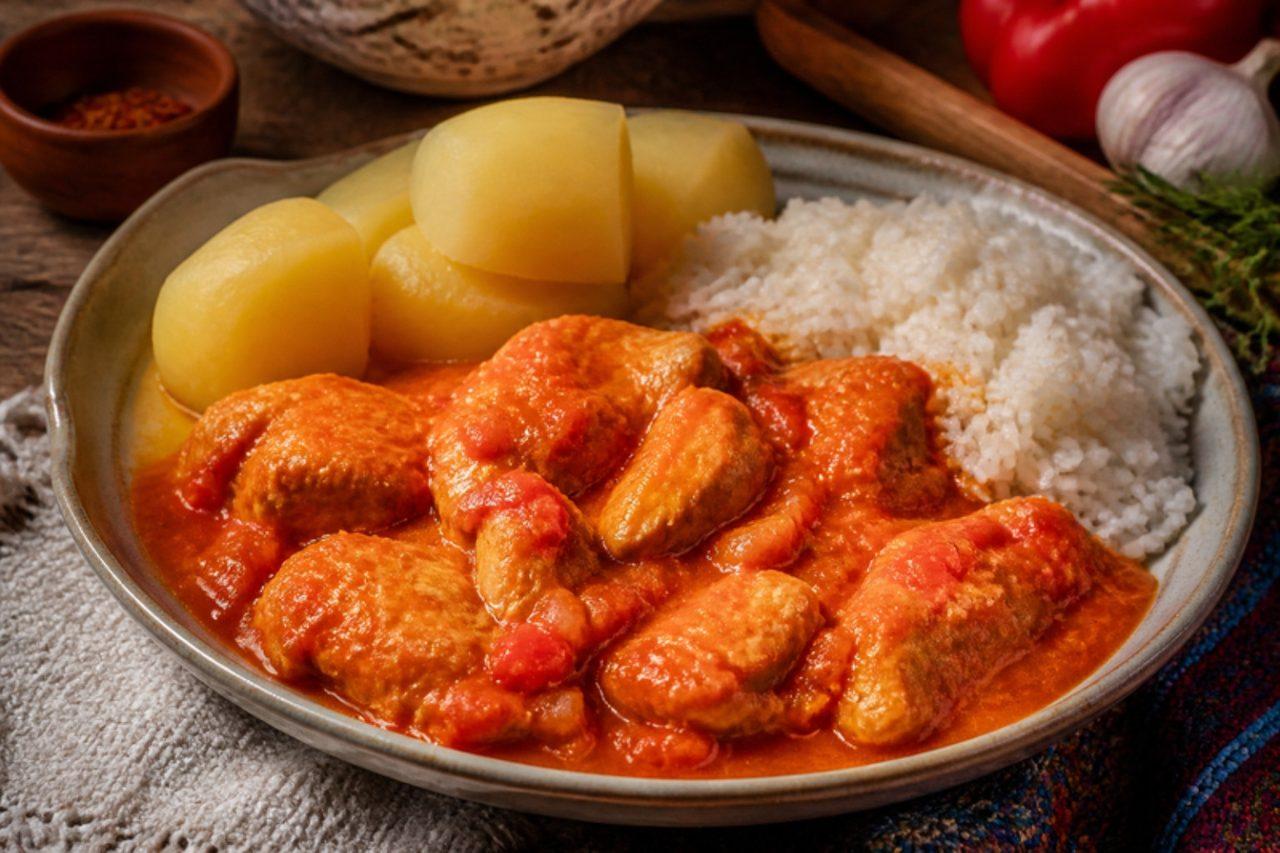
Picante de polloChicken in red chilli sauce

High up in Jujuy, picante de pollo is the dish cooks make for weddings, patronal feast days and Carnival in the Quebrada de Humahuaca, and the small comedores near the markets of San Salvador serve it every Sunday. Chicken pieces are first poached, then finished in a vivid red sauce of ají colorado (ground dried red chilli), lots of onion, tomato and garlic, thickened with the broth; on the plate it goes with white rice, boiled Andean potatoes and often a scattering of crunchy fried potato sticks (papas fritas en bastón) or chopped tomato and onion. It is warming rather than fiery, with a deep earthy chilli flavour. The chicken must reach 74 °C at the bone. Burning the ground chilli is the usual mistake: add it to the pan off the heat or over a gentle flame, or it turns bitter in seconds. Chef's tip: let the stew sit for 15 minutes before serving; the chicken absorbs the red sauce and the colour deepens.

by KrazyBadal 0 views

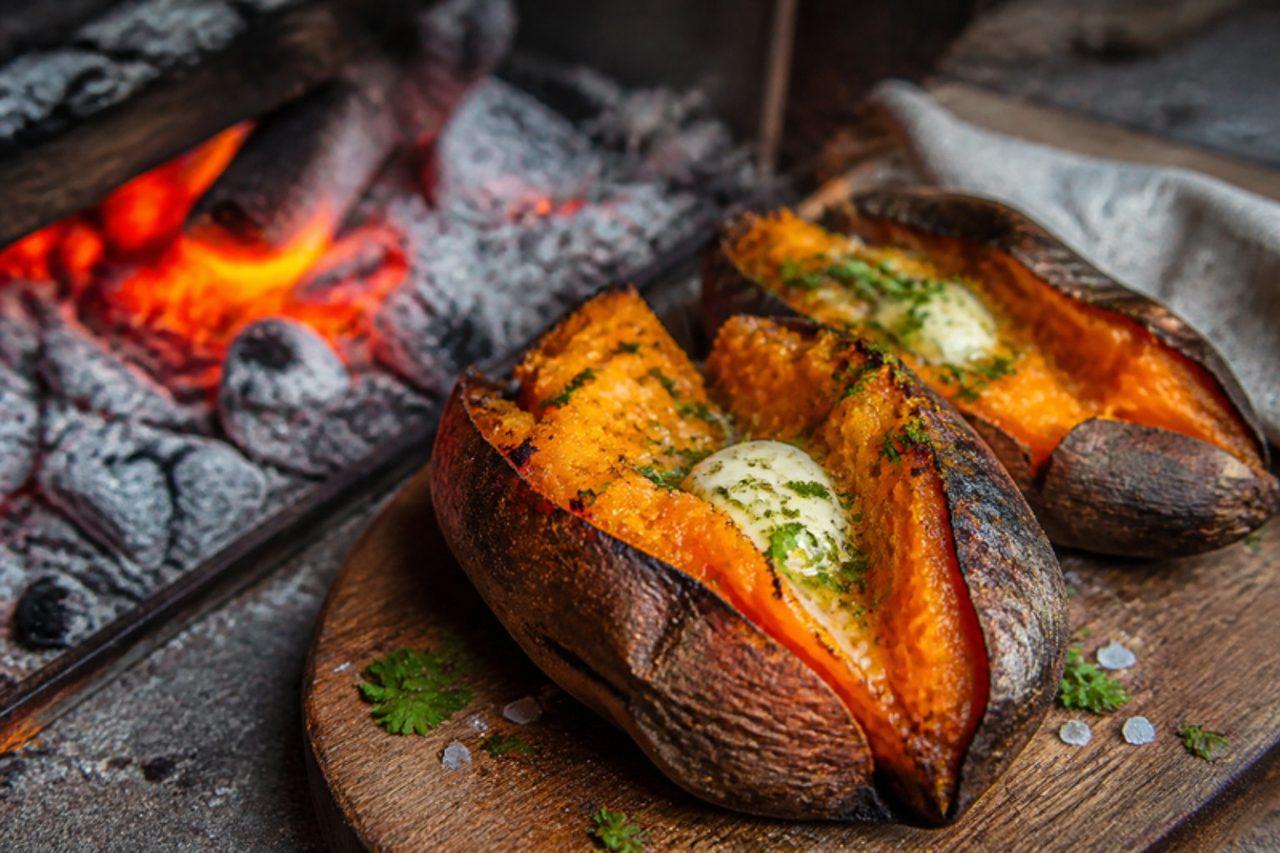
Batatas al rescoldoEmber-roasted sweet potatoes

Long after the meat comes off, the fire of an Argentine asado still has work to do. Sweet potatoes pushed into the glowing embers (el rescoldo) at the start of the cook come out an hour later with charred, papery skins and flesh that is soft, sticky and almost caramelised, with a smoky edge. They are split open at the table, filled with butter and coarse salt and eaten as a side to the asado or as supper by the fire on a camping trip. Burying them in live flames is the trap: the skin blackens right through while the inside stays hard, so wait for a bed of settled embers and ash. Wrapping them in foil gives softer skins and less risk if you are new to it, and an oven at 200 °C does a fine job indoors. Chef's tip: choose sweet potatoes of the same thickness, around 250 g each, so they cook evenly together.

by KrazyBadal 0 views

Manjar de cocoCoconut blancmange with prune syrup

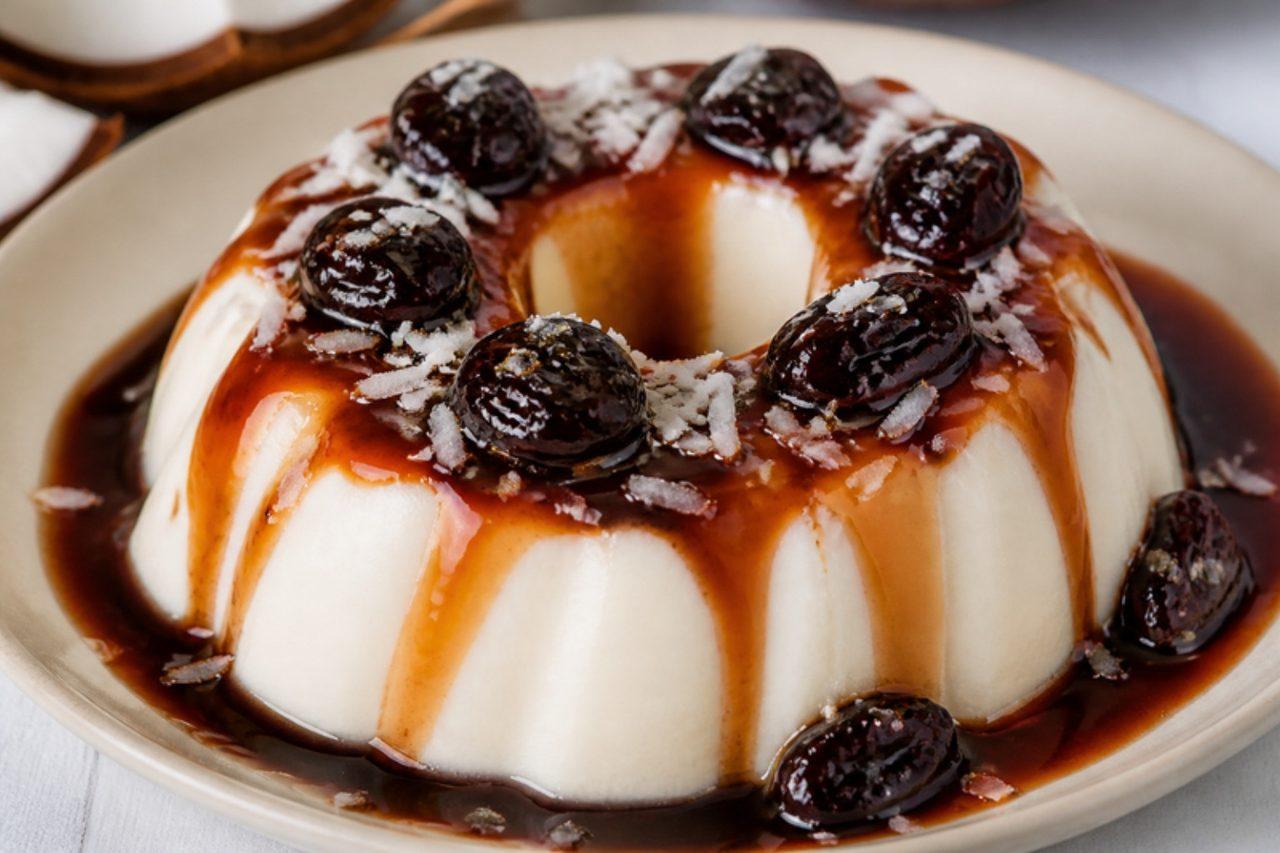
Sunday lunch at a grandmother's in Rio, Minas or Pernambuco often ends with a manjar, a snowy ring of coconut blancmange turned out of its mould and drowned in glossy, nearly black prune syrup. It is smooth and cool, with a soft wobble, the mild sweet coconut cream set off by the deep, winey taste of the prunes. The dessert is set with cornflour alone, so it is gluten free, and it has to be made at least 4 hours ahead. Under-cooking the cornflour is what usually goes wrong: the manjar tastes chalky and breaks when turned out. Chef's tip: wet the mould with cold water instead of greasing it, then shake out the drops; the manjar slides out cleanly with a coconut taste unspoilt by oil.

by KrazyBadal 0 views

PickertFried yeasted potato loaf with raisins

Pickert is the bread of Lippe and the Teutoburg Forest in eastern Westphalia, made where wheat was scarce and potatoes plentiful: grated raw potato, flour, eggs and yeast baked into a dense, moist loaf, studded with raisins. Locals slice it the next day and fry the slices in butter until crisp, then eat them for breakfast or supper with plum butter, sugar beet syrup, jam or, for meat eaters, liver sausage. This vegetarian version serves it with jam and syrup. A common mistake is not squeezing the potatoes, which leaves the loaf soggy in the middle. Chef's tip: bake it a day ahead; cold Pickert slices cleanly and fries far better than warm.

by KrazyBadal 0 views

ManiçobaManioc leaf and smoked pork stew

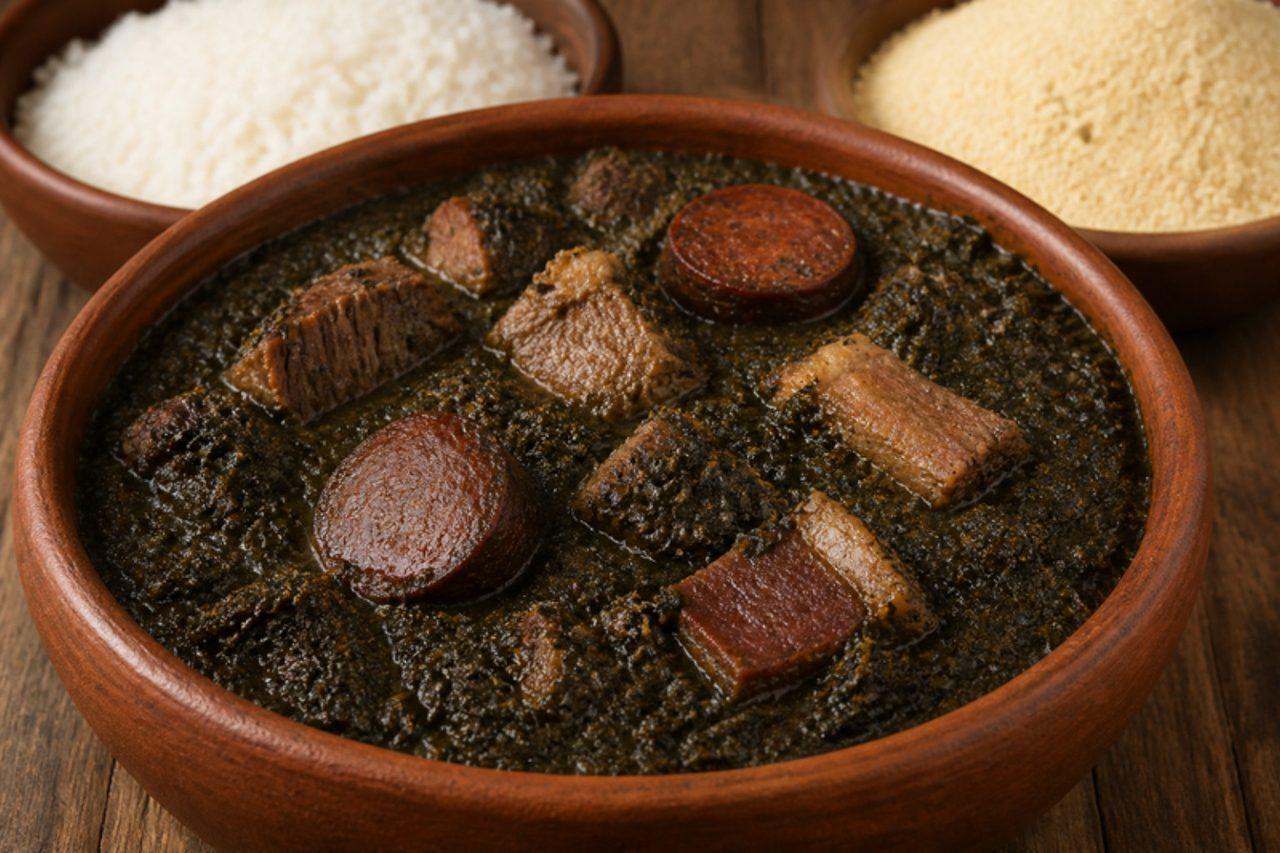
Black-green, smoky and rich, maniçoba is the dish Belém cooks for the Círio de Nazaré in October, when families gather after the great procession, and it is sold all year at the Ver-o-Peso market. Its base is maniva, ground manioc leaves, which contain natural cyanide and must be cooked for days before they are safe; in Pará cooks simmer it for up to a week. Never use raw or home-ground manioc leaves for this dish. Buy only ready-cooked ground maniva (sold frozen in Brazilian shops and labelled pre-cooked), and follow the pack's further cooking time if it is longer than ours. The leaves are then simmered for hours with the cuts of a feijoada: salted pork ribs, smoked bacon, smoked pork sausage, beef jerky and pig's trotter, until the meat falls apart into a thick, smoky, faintly bitter stew. Serve it with white rice, farinha d'água and pimenta-de-cheiro. Plan ahead: the salted meats need soaking overnight. The usual mistake is adding the meat too early, so it disintegrates. Chef's tip: maniçoba tastes even better reheated the next day.

by KrazyBadal 0 views

Showing 63 of 7,888 recipes

Show more recipes

Page 535 of 877