


Skip to content
Mint and onion chutney
Featured recipe

Mint and onion chutney

Onions fried gently until soft and sweet, then blended with fresh mint, green chilli and lemon juice. It's a mellow, fresh-tasting chutney that is great with bhajias, samosas, kebabs and tikka, or spread in sandwiches.

Read more 1 views

What to eat today?

Around the world

Today's trip: Paraguayan

A new country every day, from every cuisine on the site.

Paraguayan

Chipa

Cheese bread rings 50 minMore from Paraguayan (27) →

This week's collection

Kid-friendly dinners
537 recipes · a new collection every Monday

Latest recipes

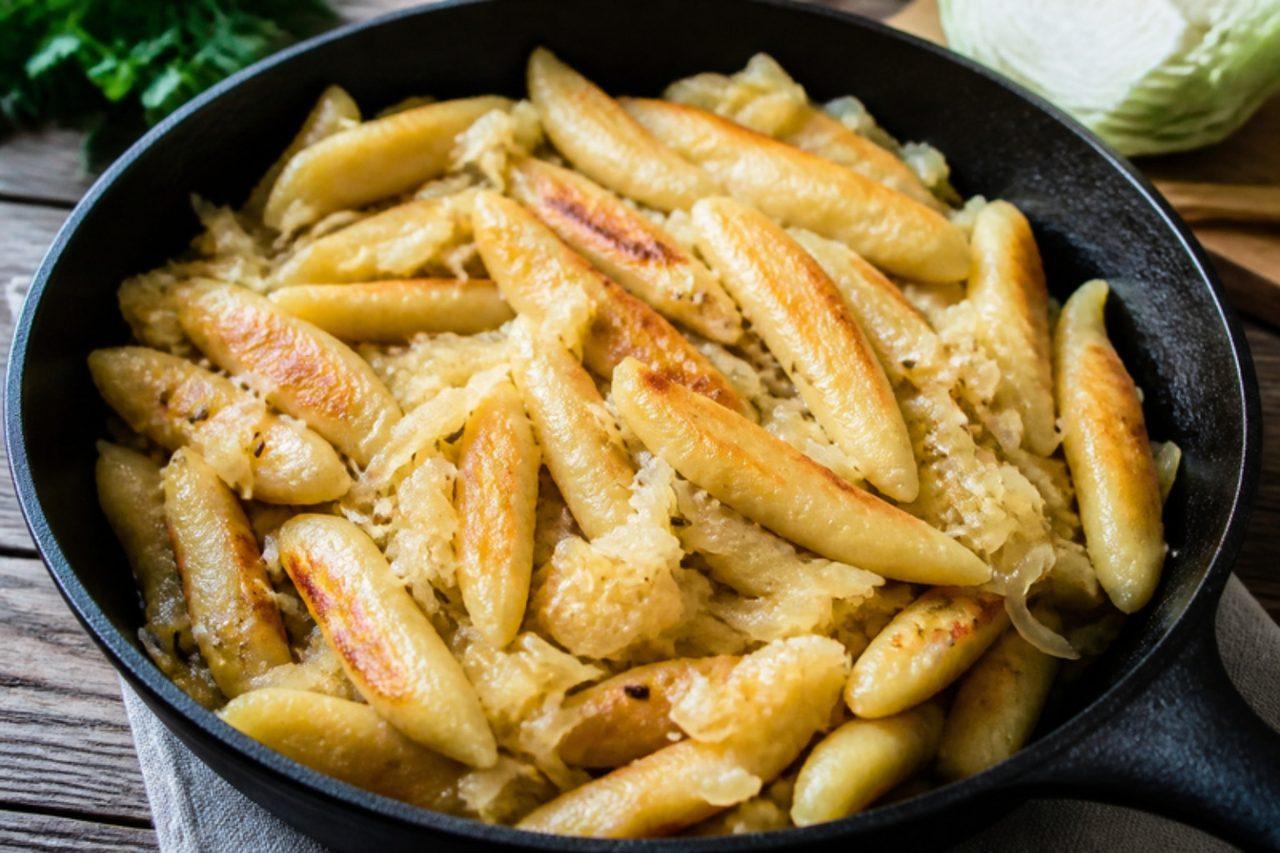
SchupfnudelnPotato noodles with sauerkraut

Schupfnudeln are thick little potato noodles, rolled between the palms into pointed fingers, that turn up at every Christmas market and village festival in Baden-Württemberg, fried in a huge pan with sauerkraut. At home they are a winter supper on their own or a side for roasts. The dough is the same family as gnocchi, but the noodles are boiled first and then fried until browned on the outside. A common mistake is using freshly boiled hot potatoes and too much flour: they need to be cold and dry, so plan to cook them the day before. Chef's tip: rinse the sauerkraut only if it is very sharp; otherwise its tang is what balances the butter.

by KrazyBadal 0 views

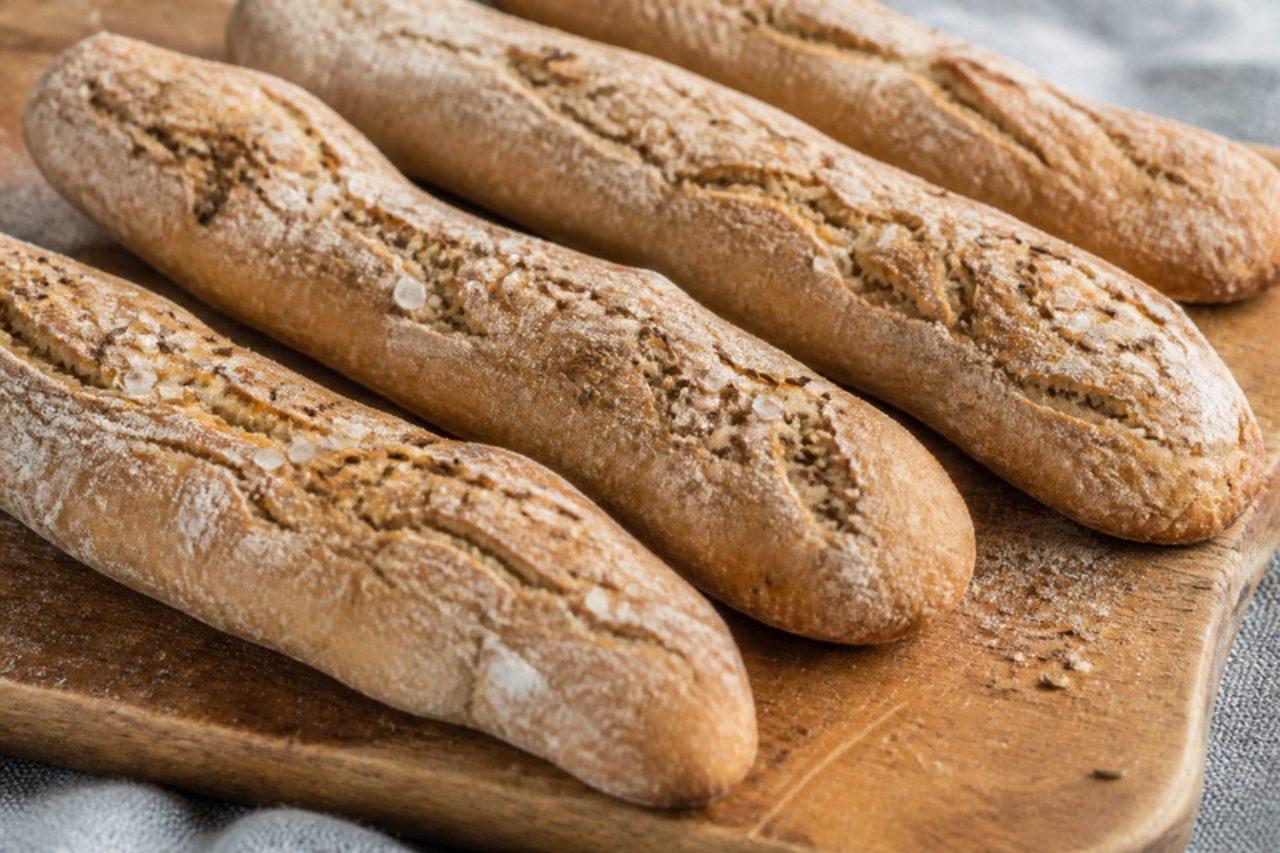
Schwäbische SeelenSpelt caraway rolls

Seelen, meaning 'souls', are the long, pale spelt rolls of Upper Swabia, around Biberach and Ravensburg, said to have first been baked for All Souls' Day. Today they are an everyday bakery item, eaten split with butter or alongside a bowl of soup, and they turn up at every Swabian beer garden. The dough is very wet, so the rolls are pulled into shape rather than rolled, giving an open, chewy crumb under a thin crust crusted with salt and caraway. A common mistake is adding extra flour to make the dough easier to handle, which turns them into ordinary bread rolls. Chef's tip: keep a bowl of cold water beside you and wet your hands before every piece; the dough won't stick and you can stretch each soul straight onto the tray.

by KrazyBadal 0 views

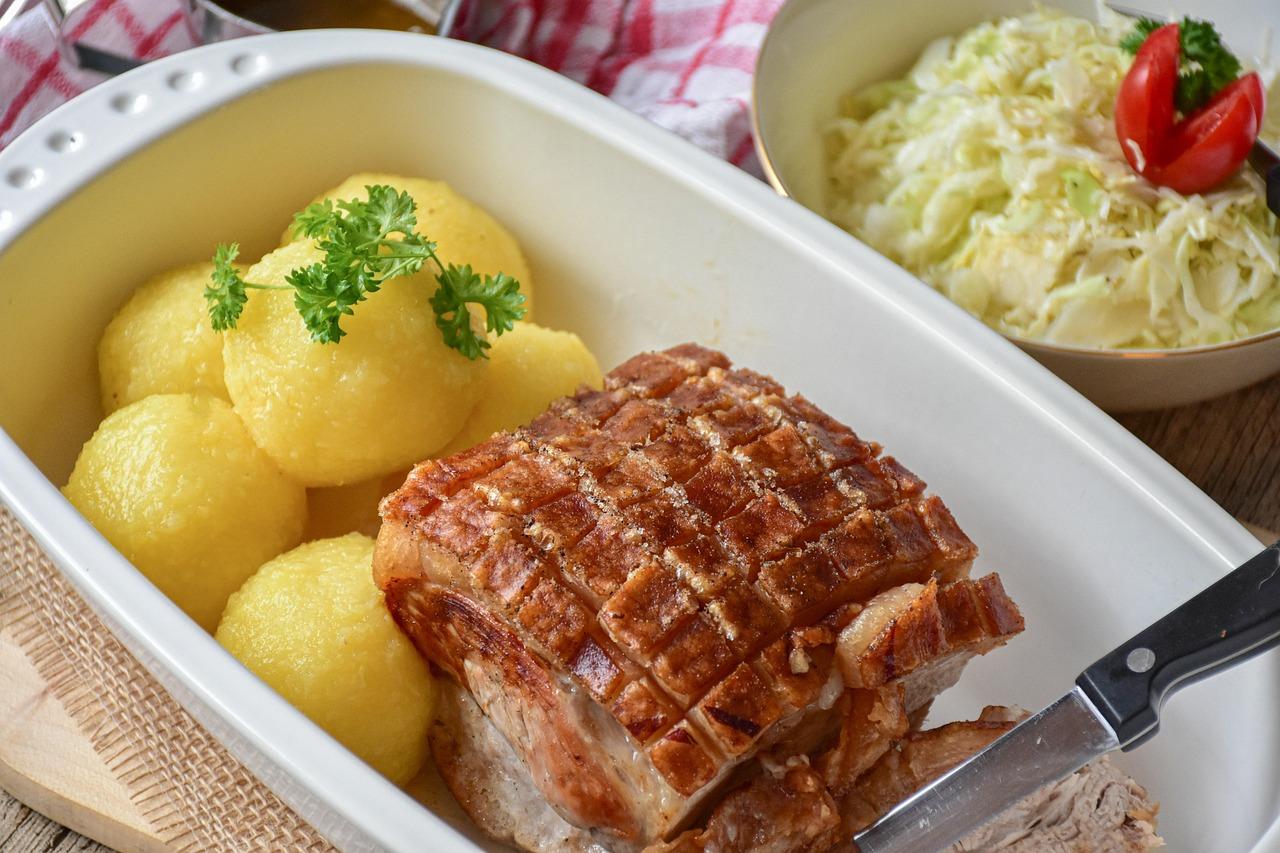
SchweinebratenRoast pork with crackling

Schweinebraten is the Sunday roast of Bavaria, the dish a Munich family sits down to after church and the one every village inn chalks up on its board. This is pork shoulder with its rind still on, roasted on a bed of onion, carrot and celeriac while the rind blisters into crackling, and the gravy is built from the roasting juices and a bottle of dark beer. The beer contains alcohol; most cooks off but not all, so use alcohol-free dark beer, or the same amount of beef stock with 1 tsp dark molasses, for a gravy without it. Serve with bread or potato dumplings and warm cabbage salad. Chef's tip: score the rind through to the fat but not into the meat, or juices leak up and the crackling turns leathery.

190 minGermanMeat
by KrazyBadal 0 views

SchweinshaxeRoast pork knuckle

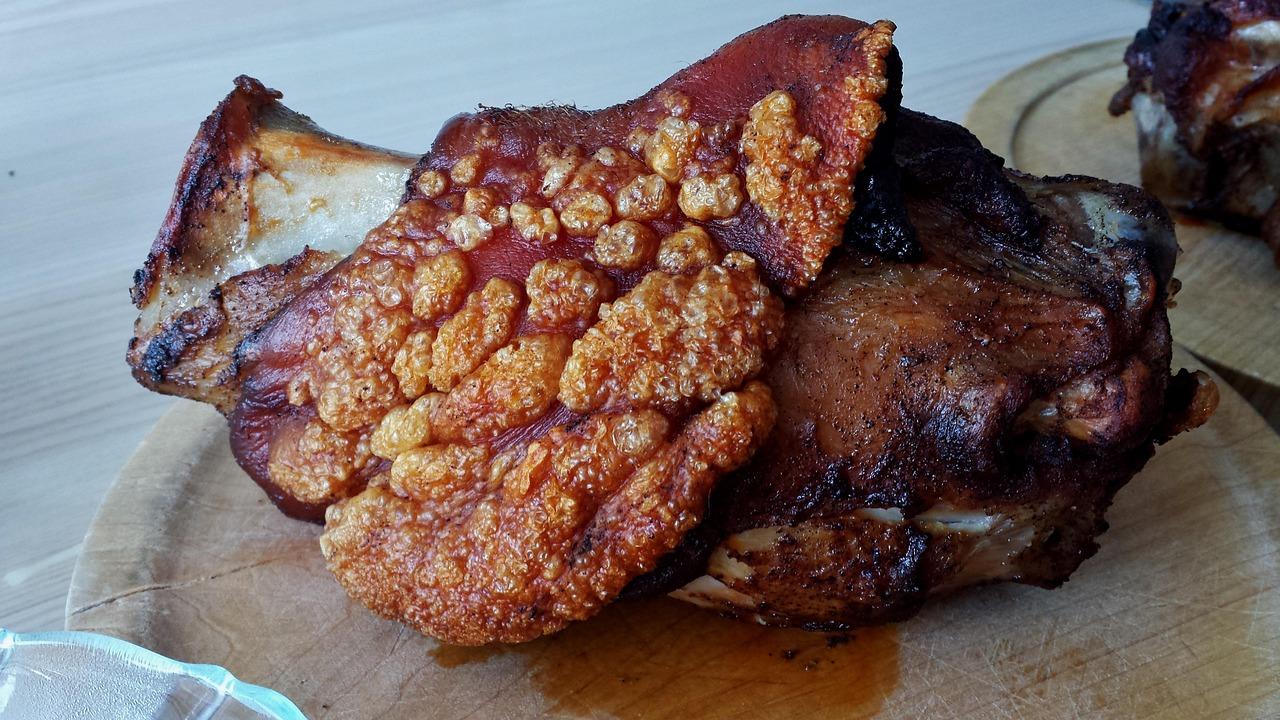
In Munich beer halls and Upper Bavarian village inns, a Schweinshaxe arrives as a whole roast pork knuckle, crackling glassy on the outside and the meat falling off the bone, usually with a potato dumpling and a spoon of sauerkraut. At home it is a weekend dish for cold months: the fresh (not cured) pork hocks are simmered first, then roasted hard so the skin puffs. Ask the butcher for hind knuckles, which carry more meat than front ones. Chef's tip: dry the simmered skin with kitchen paper and leave it uncovered for 20 minutes before roasting; dry skin is the secret to crackling that shatters.

190 minGermanMeatGluten free
by KrazyBadal 0 views

Scottish tabletButter fudge

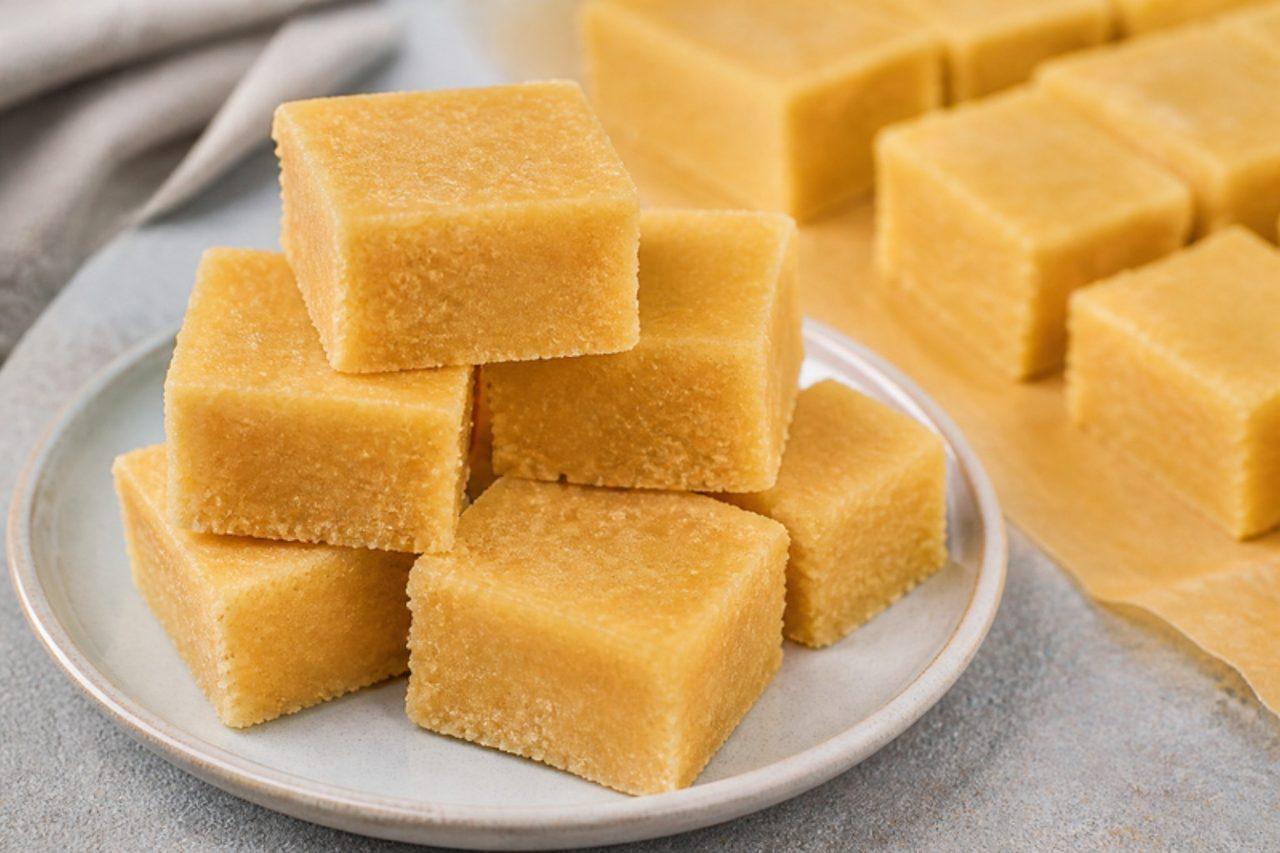
Tablet is harder and grainier than fudge, a sugary square sold at every church fête, Highland games and corner shop in Scotland and taken home in paper bags by visitors. Sugar, butter, milk and condensed milk are boiled to the soft-ball stage and beaten until they crystallise, giving that crumbly, melting snap. Chef's tip: beat it hard off the heat until it loses its gloss and drags on the spoon; stop too early and you have soft fudge.

by KrazyBadal 0 views

Lancashire cheese and onion pie

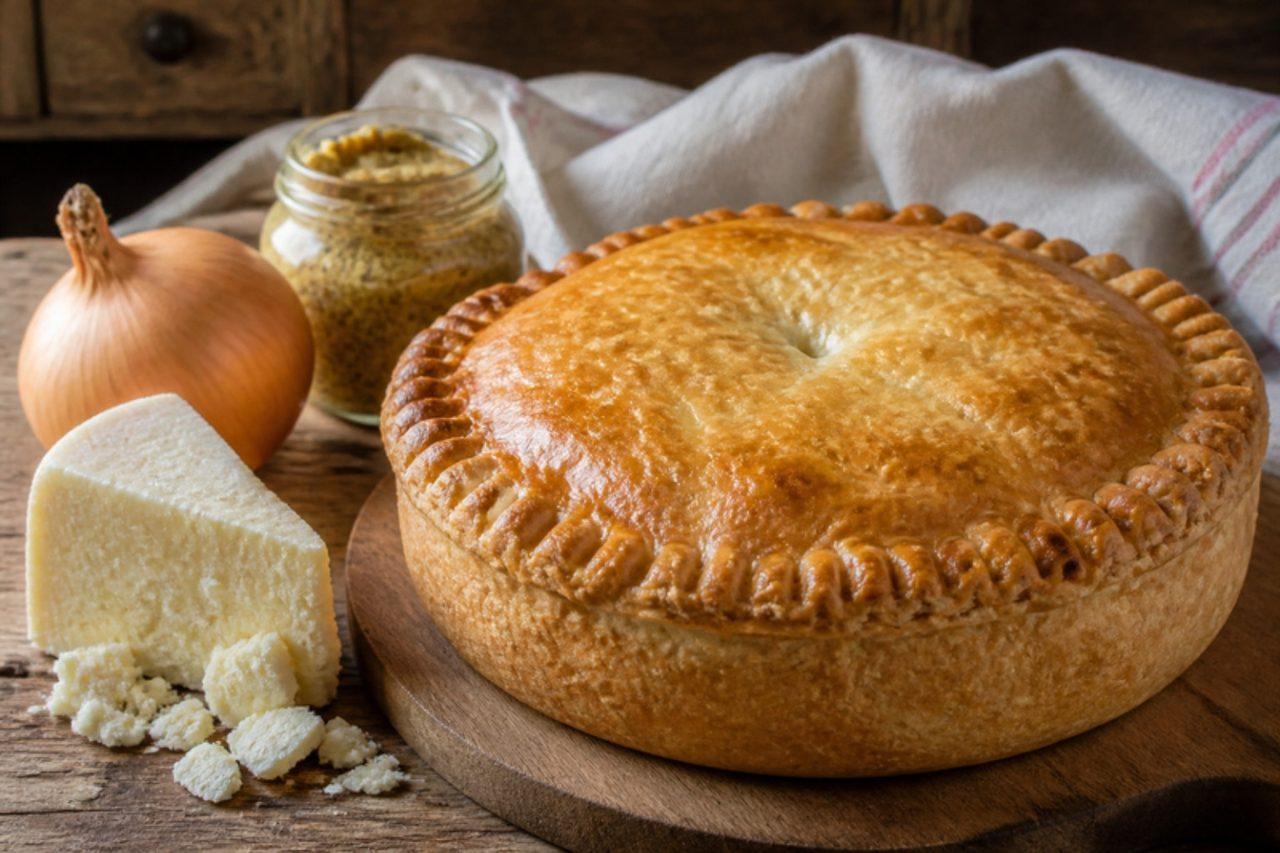
This is the pie of the Lancashire chippy and the Bolton market stall, a vegetarian staple of the North West long before the word was common. Sliced onions and potato are softened, then mixed with plenty of crumbly Lancashire cheese and baked in shortcrust until the filling is creamy and tangy. Traditional Lancashire is usually made with animal rennet, so choose a vegetarian Lancashire or a vegetarian crumbly cheese. Serve with mushy peas or beans. Chef's tip: let the onions cool before mixing in the cheese, or it melts into oil before the pie is baked.

by KrazyBadal 0 views

Seco de cabritoBraised kid goat with coriander

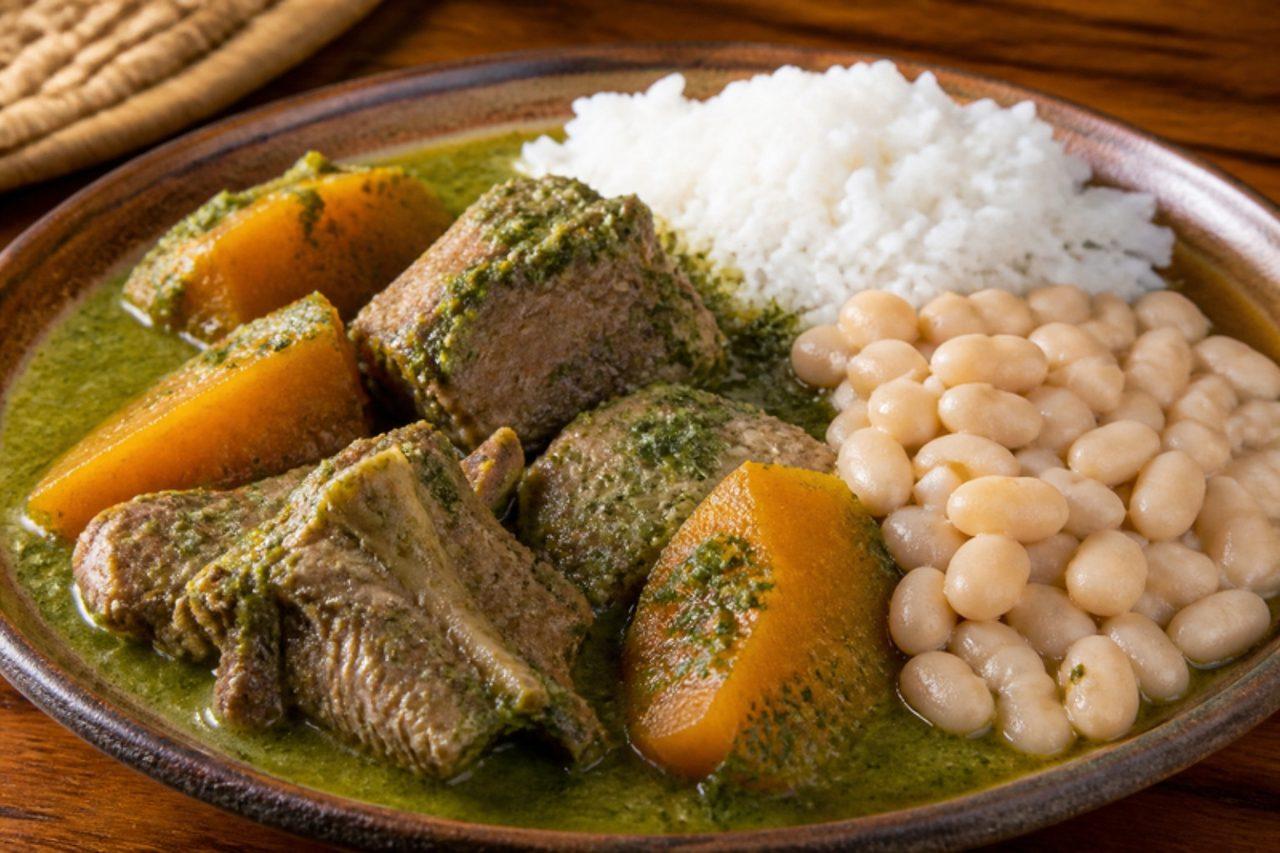
Ask anyone in Chiclayo or Lambayeque for the north's great Sunday dish and seco de cabrito comes up first: young goat, marinated in garlic and vinegar, then braised slowly in a deep green sauce of blended coriander, ají amarillo and chicha de jora, with grated loche, the local aromatic squash. The meat turns tender and the sauce is herby, sour and warm. It comes to the table with white rice and frejoles (stewed canary beans) and a sharp salsa criolla. Chicha de jora is a fermented maize beer and contains alcohol; the alcohol-free swap in the ingredients keeps the tang. Lamb shoulder stands in well for kid. People often blend the coriander with the stems discarded, but the stems carry the most flavour, so use the whole bunch. Chef's tip: add half the coriander at the start and half 10 minutes before the end, so the sauce stays bright green.

by KrazyBadal 0 views

Seco de chabeloPlantain mash with dried beef

Piura's picanterías, near the dry northern border, serve this rough, savoury mash at lunch: green plantains, roasted or boiled and pounded, mixed with fried strips of carne seca (salted dried beef) and a quick sofrito of onion, tomato and ají amarillo. It is dense, salty and smoky, with the plantain's starchy sweetness, and is eaten with salsa criolla and fried ripe plantain or chifles (plantain crisps). The legend says it was invented for a soldier called Chabelo in the War of the Pacific. Use carne seca or cecina from Latin shops, or unseasoned beef jerky. Pounding the plantains smooth is the classic mistake: chabelo should be lumpy and rustic. Chef's tip: soak the dried beef in warm water for 30 minutes and taste a piece; if it's still very salty, change the water and soak again.

by KrazyBadal 0 views

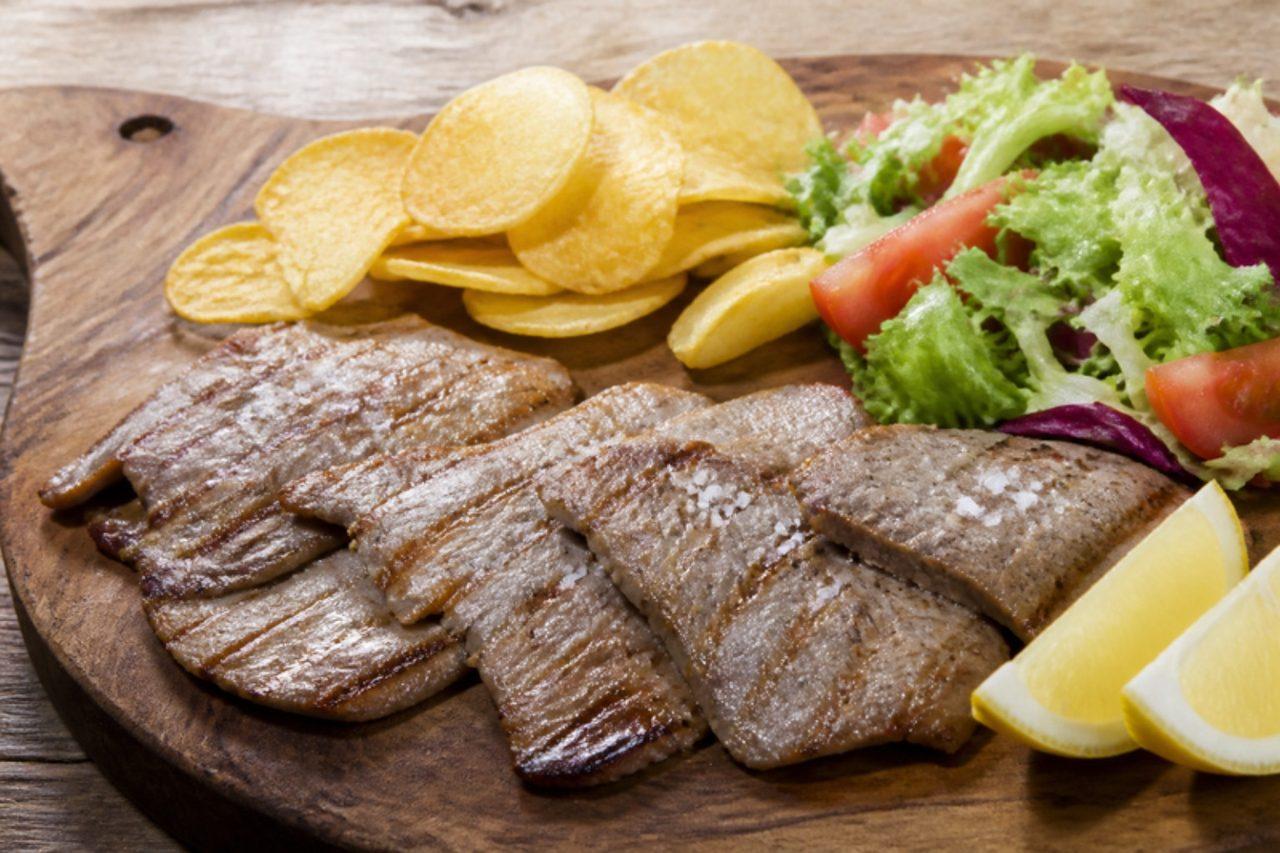
Secretos de porco pretoGrilled black pork

The secreto is a thin, marbled cut hidden between the shoulder fat and the loin of the Alentejo black pig, the free-ranging breed that fattens on acorns under the cork oaks. Butchers once kept it for themselves; now it is on every Alentejo grill menu, served with fried potatoes, migas or a salad of orange and onion. This contains pork. It needs only salt, garlic and a hot grill, since the fat inside bastes it as it cooks. A common mistake is moving the meat around: leave it on the grill so it builds a crisp, browned crust. Chef's tip: let the meat come to room temperature for 20 minutes before cooking, so it browns evenly and stays juicy.

by KrazyBadal 0 views

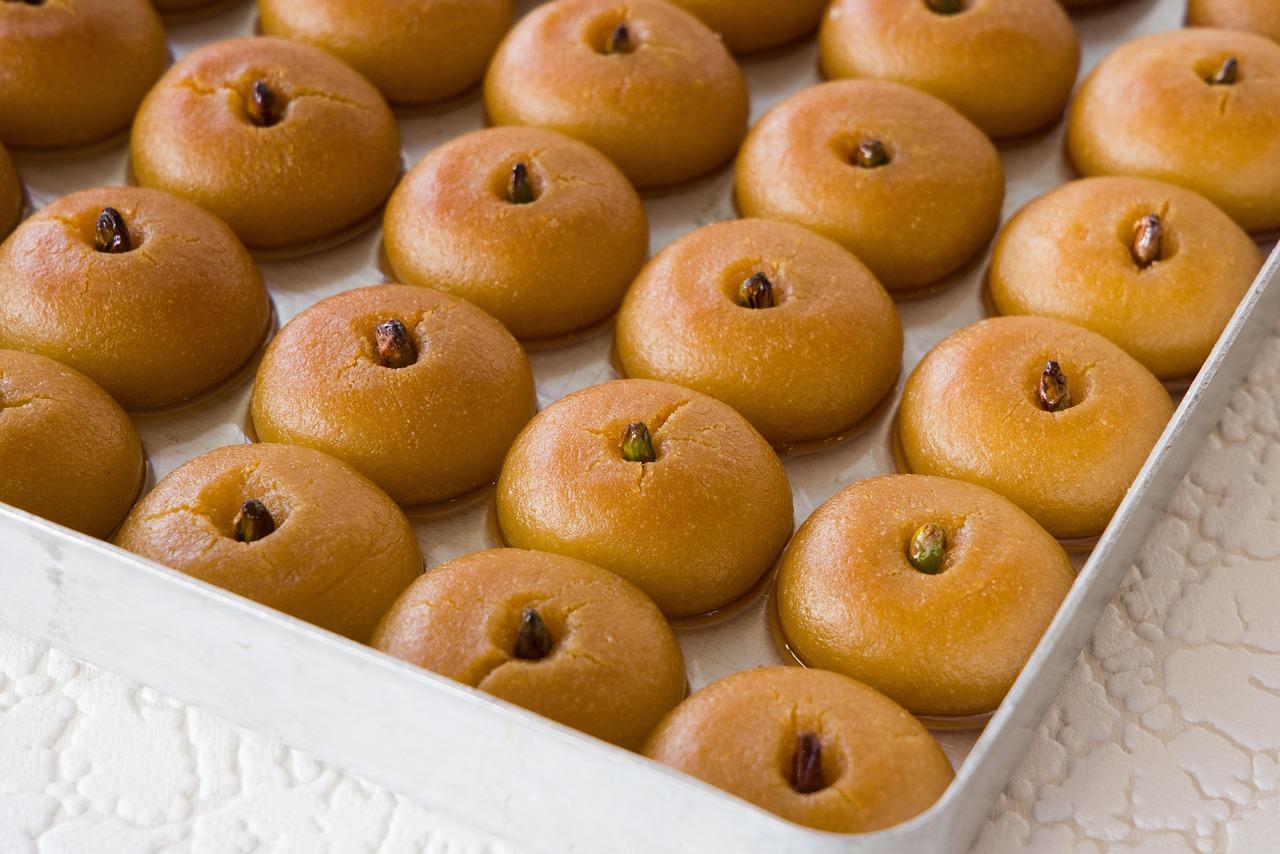
ŞekerpareSemolina almond cookies in syrup

Şekerpare is the cookie that every Turkish household bakes for bayram visits, when trays are passed to relatives and neighbours along with coffee and cologne for the hands. Soft, buttery rounds of semolina dough are each topped with an almond, baked until golden and then soaked in syrup until they are tender all the way through but still hold their shape. They keep for days and taste better on the second. Common mistake: cold syrup on cold cookies, which never soaks in; one of them must be hot. Chef's tip: bake until the bases are properly golden; pale cookies turn mushy when they meet the syrup.

by KrazyBadal 0 views

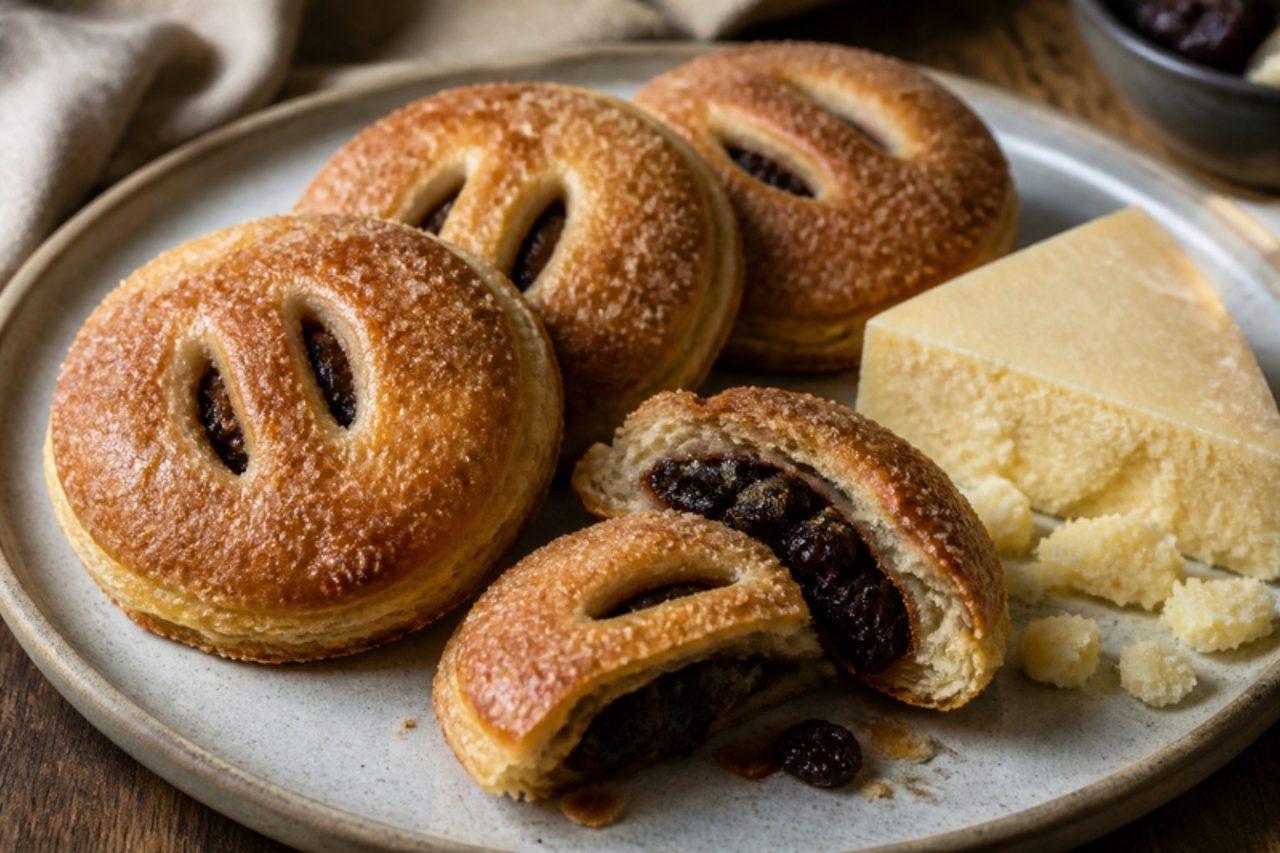
Eccles cakes

From the town of Eccles near Manchester, these flat pastry cakes are filled with butter-soaked currants and peel, slashed three times on top and baked until sugary and crackly. Lancashire people eat them with a slice of crumbly Lancashire cheese, the sweet and salty pairing locals swear by. Chef's tip: chill the filled cakes for 20 minutes before baking, so the pastry stays flaky and the filling doesn't leak.

by KrazyBadal 0 views

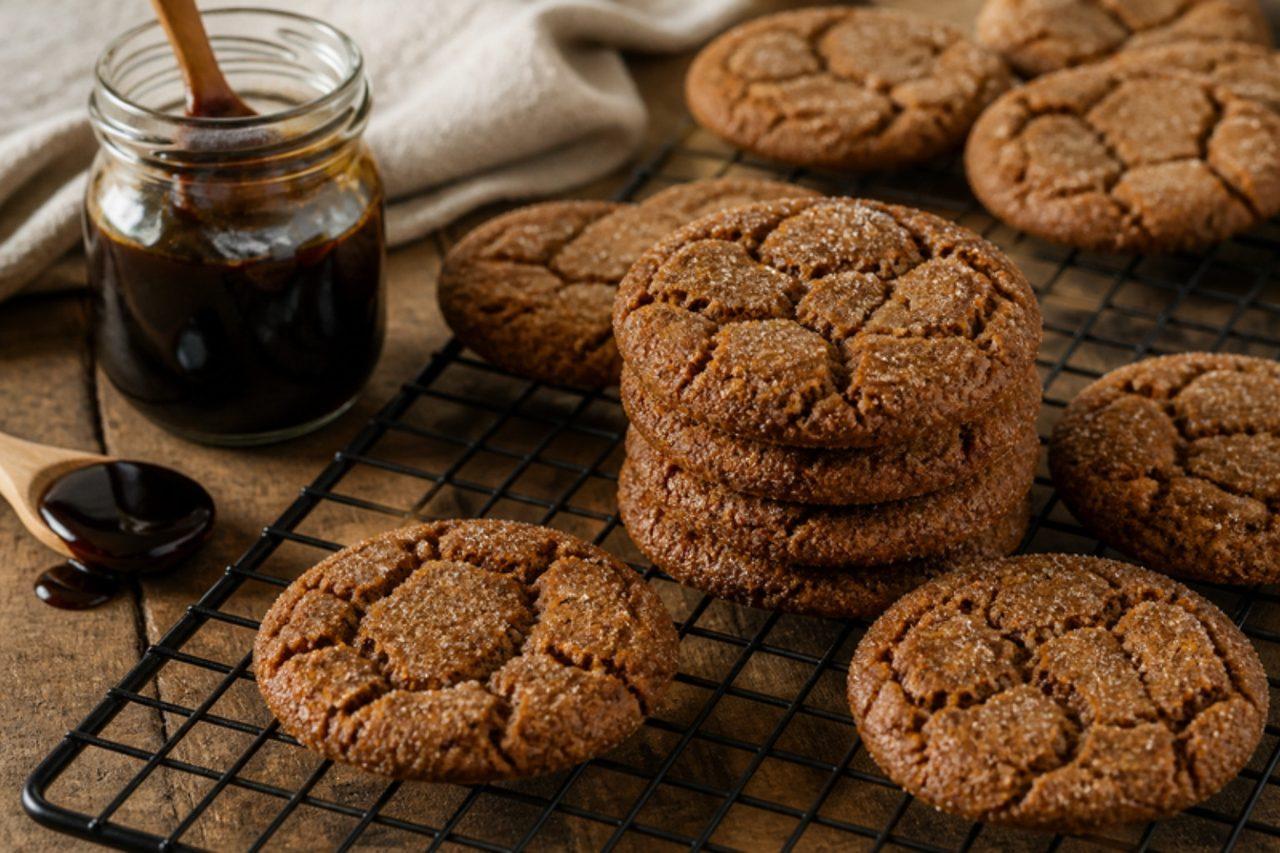
Sorghum molasses cookies

Every autumn, small farms across Kentucky and Tennessee still press sorghum cane and boil the juice into a thin, tangy syrup, and these soft spice cookies are how many mountain families use it at Christmas. Rolled in sugar, they bake with crackled tops and chewy middles, tasting of ginger and that distinctive earthy sweetness. Molasses works if you can't find sorghum. Chef's tip: chill the dough so the balls hold their shape and crack rather than spreading flat.

by KrazyBadal 0 views

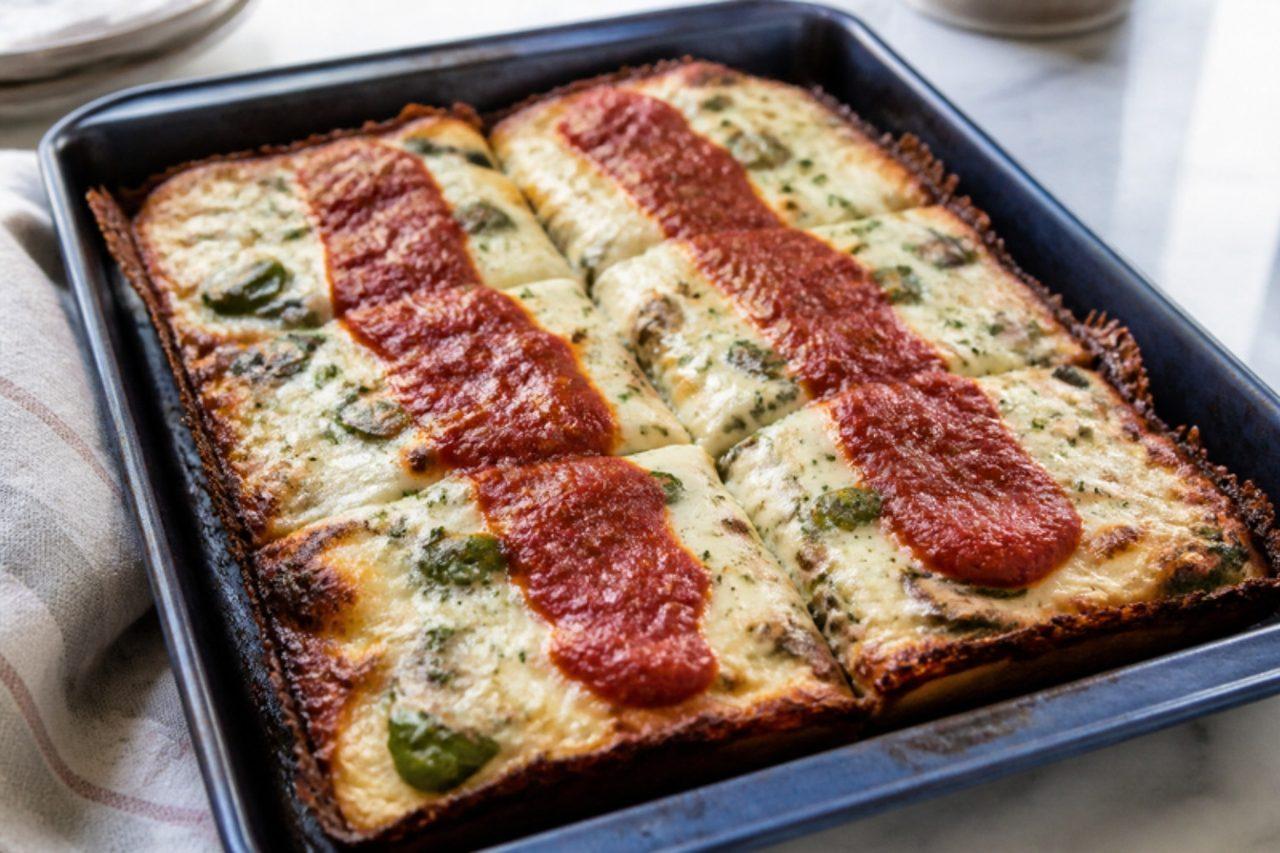
Detroit-style pizza

Detroit-style pizza started in an east-side bar in 1946, baked in the blue steel trays used in the city's car factories. The airy focaccia-like crust is topped edge to edge with cubed cheese, which melts down the sides into a crunchy, lacy, caramelised frame, and the tomato sauce goes on last in two stripes. The local brick cheese is hard to find, so use half mild cheddar, half mozzarella, both with vegetarian rennet. Chef's tip: push the cheese right into the corners and against the tin; that is where the famous burnt-cheese crust comes from.

by KrazyBadal 0 views

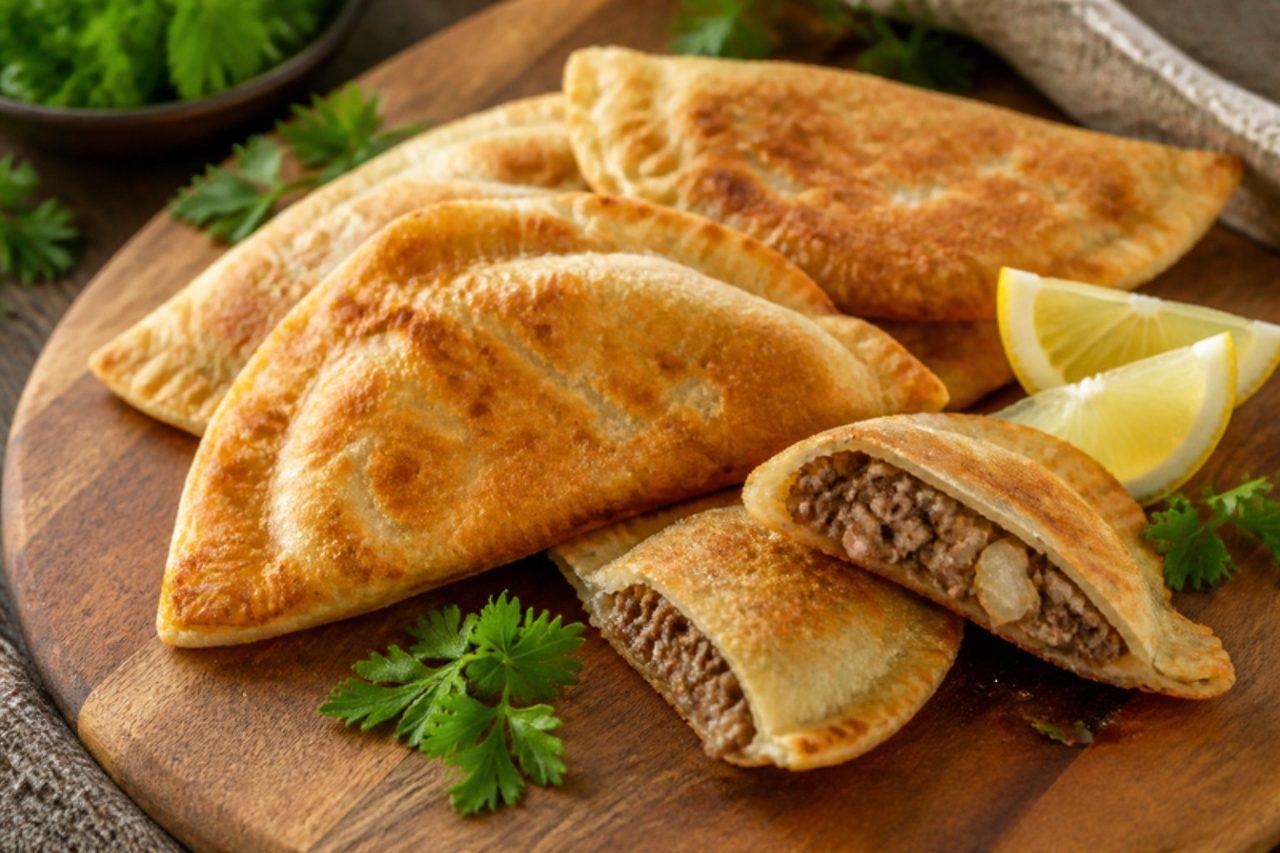
SembusekSpiced mince flatbread pies

Mardin's stone bakeries fill their ovens with sembusek on weekend mornings: thin rounds of dough folded over a filling of minced meat, onion, parsley and pepper paste, sealed into half-moons and baked until crisp and freckled. Families make big batches for picnics and Ramadan, and eat them warm with ayran or a glass of tea. The meat goes in raw and cooks inside the pastry, so roll the dough thin enough to cook through. Common mistake: a wet filling that makes the base soggy; squeeze the grated onion hard. Chef's tip: brush the tops with a little water and butter as they come out of the oven so they soften just enough to fold over a bite of salad.

by KrazyBadal 0 views

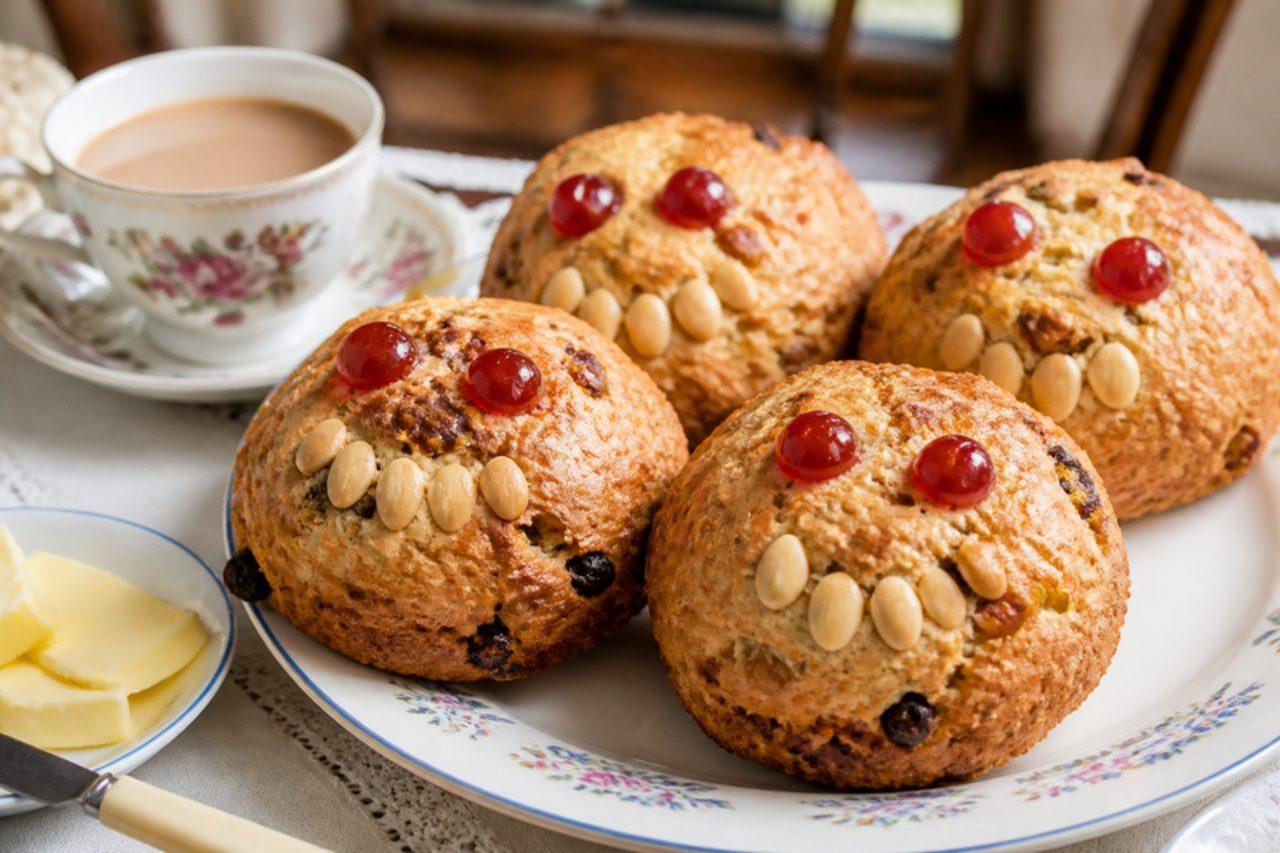
Yorkshire fat rascals

Fat rascals are big, rough, fruit-studded cakes from the North York Moors, halfway between a scone and a rock cake, and the famous Harrogate tea rooms made them a visitor's treat. Each one gets a face of glacé cherries and blanched almonds before baking. Eat them warm, split and buttered, with a pot of tea. Chef's tip: work the dough as little as possible, just until it holds; overmixed rascals bake up tough.

by KrazyBadal 0 views

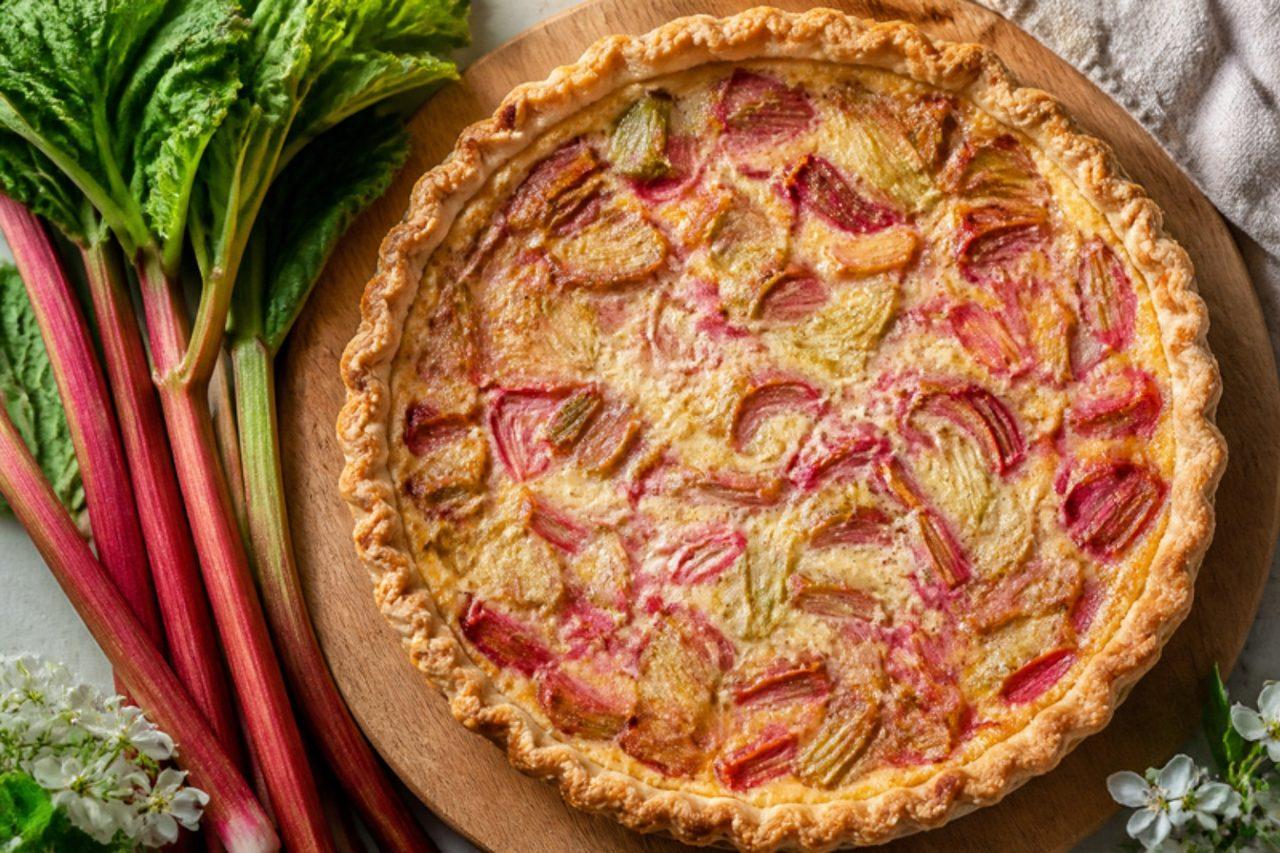
Rhubarb custard pie

Farm wives across Minnesota, Iowa and the Dakotas called rhubarb 'pie plant', because the first stalks in May went straight into this pie after a long winter without fresh fruit. Chopped rhubarb is baked in a sweet egg custard, so each slice is soft, creamy and tart at the same time. It turns up at Memorial Day picnics and church bake sales. Chef's tip: toss the rhubarb with the sugar and flour and let it sit 10 minutes before adding the eggs; it starts drawing out juice and the custard sets more evenly.

by KrazyBadal 0 views

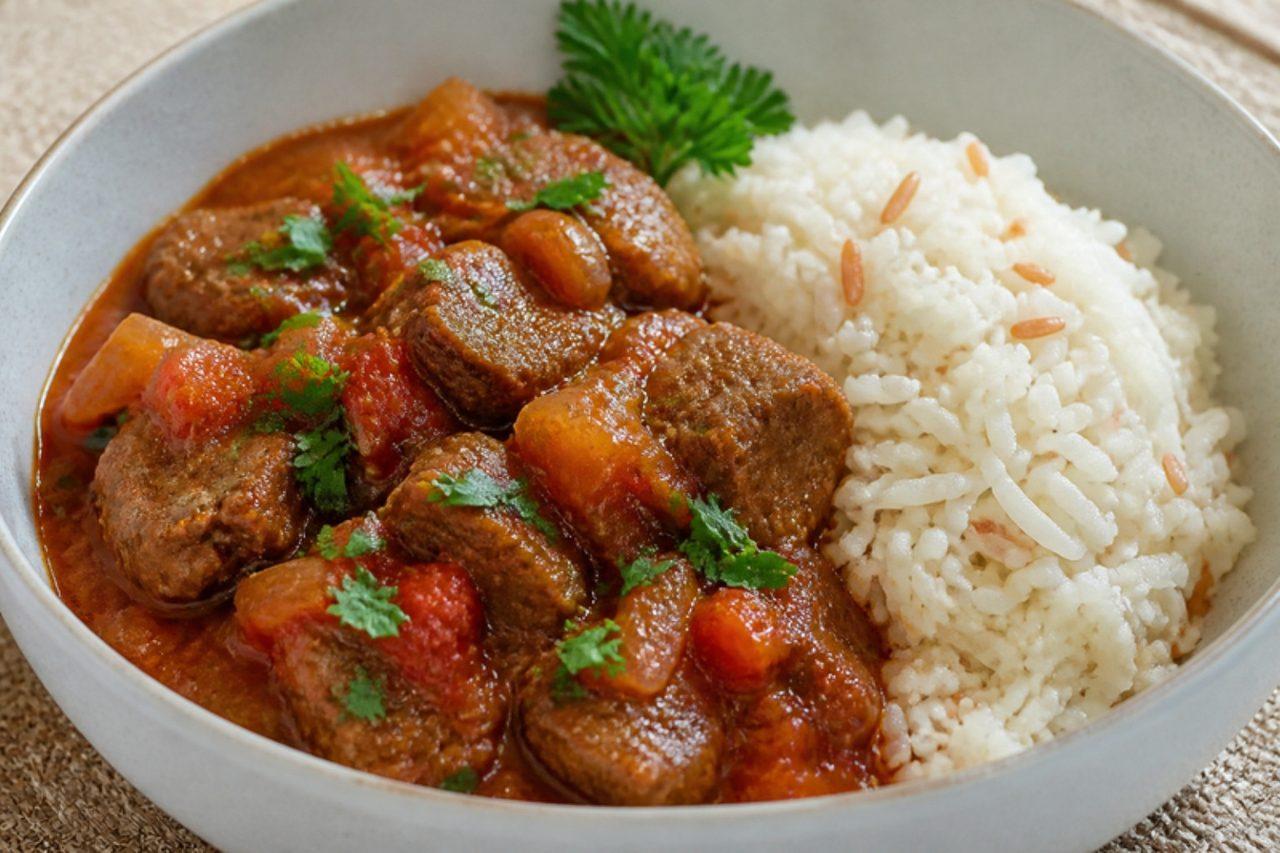
Tas kebabıBraised beef with rice

Despite the name, tas kebabı never sees a grill: it is a bowl ('tas') of beef braised slowly with lots of onion, tomato and a little pepper paste until the meat is soft and the sauce is rich and glossy. It is a mainstay of esnaf lokantası, the tradesmen's restaurants where workers eat a hot lunch from steam trays, and is served over buttery rice pilaf or alongside mashed potato. Common mistake: crowding the pan when browning, so the beef boils grey. Chef's tip: cook the onions down until jammy before the tomato goes in; they melt into the sauce and give it body without any flour.

125 minTurkishMeatGluten free
by KrazyBadal 0 views

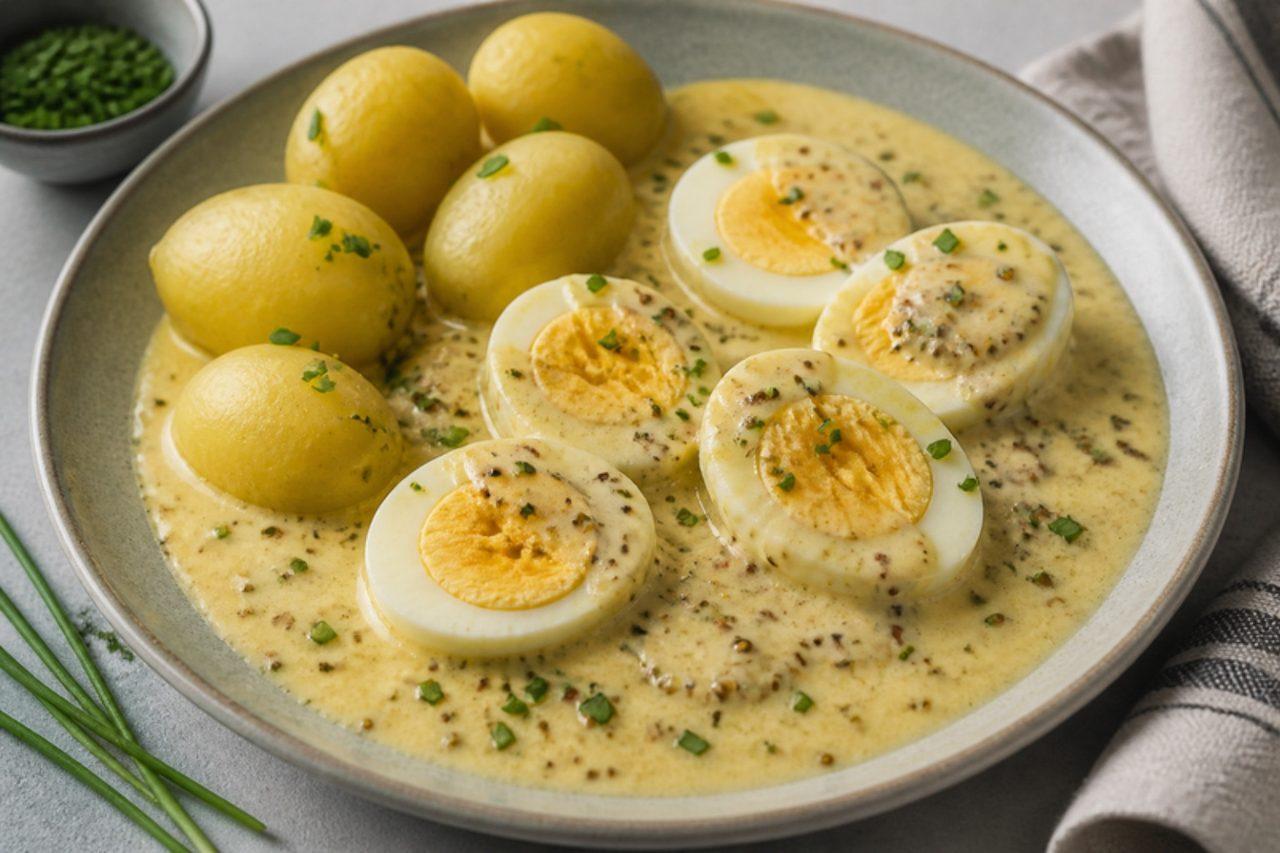
SenfeierEggs in mustard sauce

Senfeier is a dish many people who grew up in Berlin, Saxony or anywhere in the old East remember from school canteens and Friday suppers: halved hard-boiled eggs in a smooth, pale mustard sauce, with boiled or mashed potatoes to soak it up. It is cheap, fast and comforting, and the sauce is a simple butter-and-flour roux loosened with stock and milk, then sharpened with two kinds of mustard. A common mistake is boiling the sauce hard after the mustard goes in, which makes it taste flat and grainy; add it off the heat. Chef's tip: a spoon of the gherkin pickling liquid at the end lifts the whole sauce.

by KrazyBadal 0 views

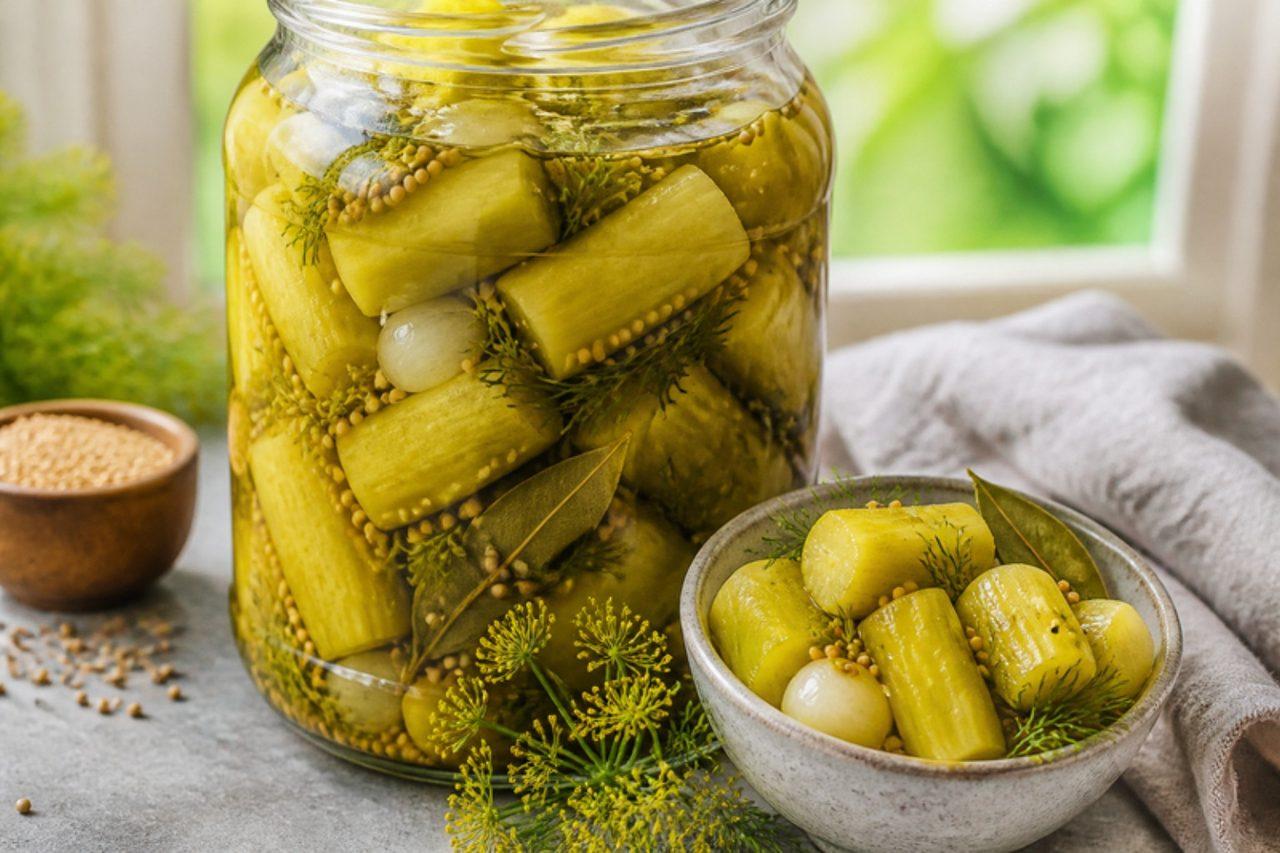
SenfgurkenMustard pickled cucumber

Senfgurken are the big, pale golden chunks of peeled cucumber that German families put up in late summer, when the fat yellow-skinned 'Schmorgurken' are cheap at markets from Brandenburg to the Rhineland. Pickled in sweet vinegar with mustard seeds, dill and onion, they are served through the winter with cold cuts, cheese boards, potato salad or a plate of fried eggs and potatoes. Unlike gherkins they are soft-crunchy and mellow. The mistake is skipping the overnight salting, which leaves the cucumbers watery so they dilute the vinegar and spoil sooner. Chef's tip: scrape out every bit of the seedy core with a teaspoon; it is what turns soft and slimy in the jar.

by KrazyBadal 0 views

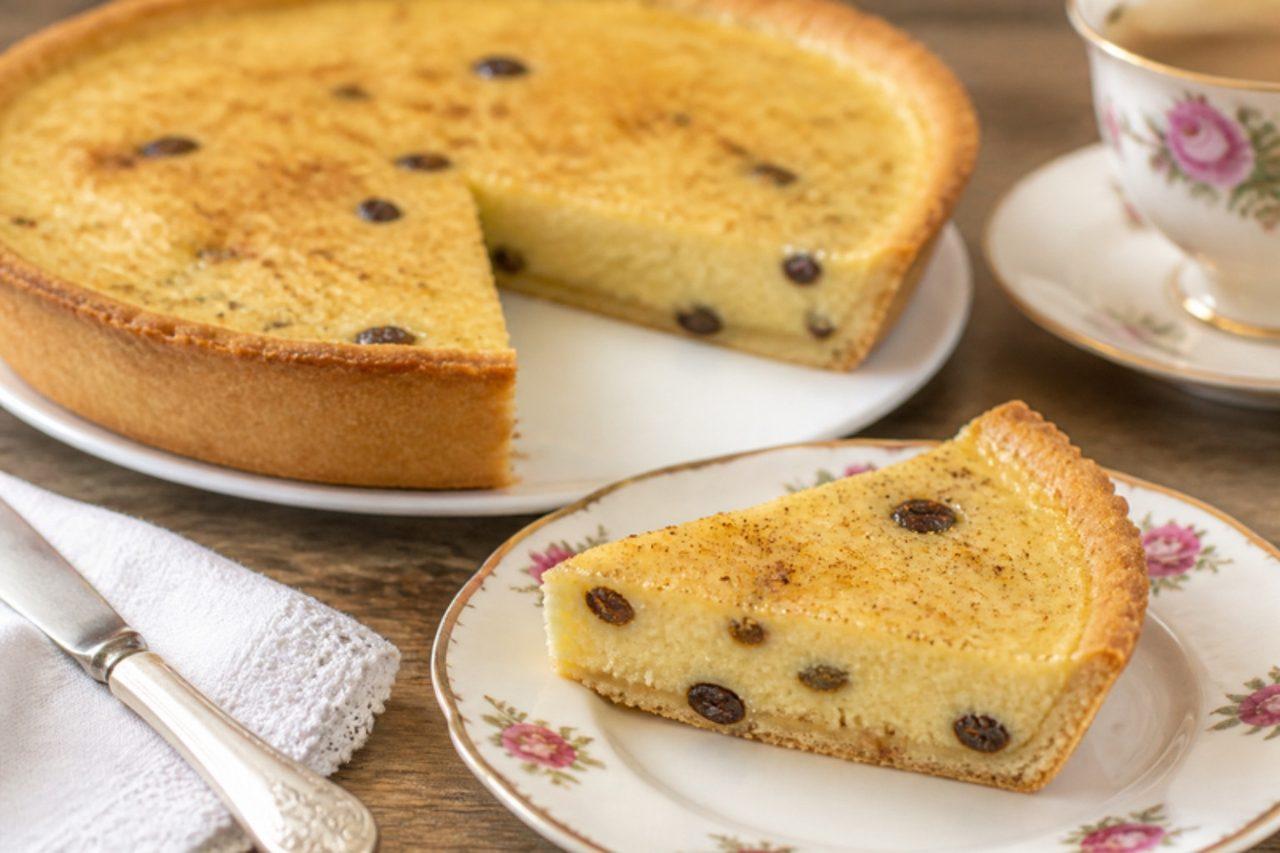
Yorkshire curd tart

Curd tart is the Yorkshire tea-shop tart that was made at Whitsuntide, when farms had more milk than they could drink and turned it into fresh curds. The filling of curd cheese, eggs, currants and a good pinch of allspice is set in shortcrust, so it is creamy, slightly grainy and lightly spiced, a cousin of cheesecake. Market cafés from York to Ripon still sell it by the slice. Chef's tip: use proper curd cheese or well-drained ricotta; soft cream cheese makes it heavy and smooth instead of crumbly.

by KrazyBadal 0 views

Christmas pudding

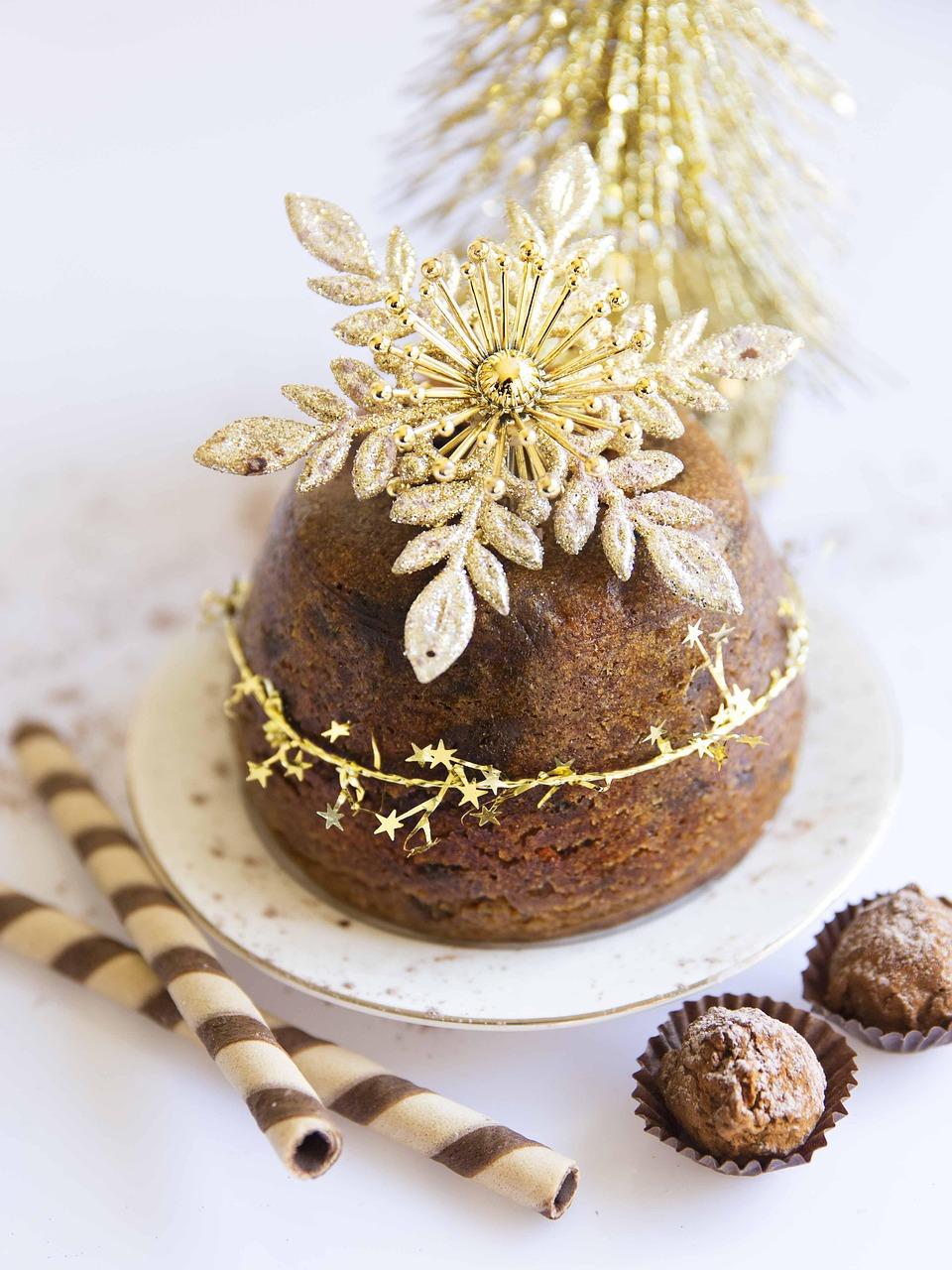
The Christmas pudding is the dark, fruit-packed pudding that ends Christmas dinner in English homes, traditionally mixed on Stir-up Sunday in late November when every family member stirs and makes a wish. This one uses vegetarian suet and is soaked with brandy or stout, so it contains alcohol; for an alcohol-free pudding use the same amount of strong black tea or orange juice. It is set alight at the table with warmed brandy (skip that for alcohol-free) and served with brandy butter or custard. Chef's tip: steam it again for 2 hours on the day; the second steaming darkens and enriches it.

by KrazyBadal 0 views

Piccalilli

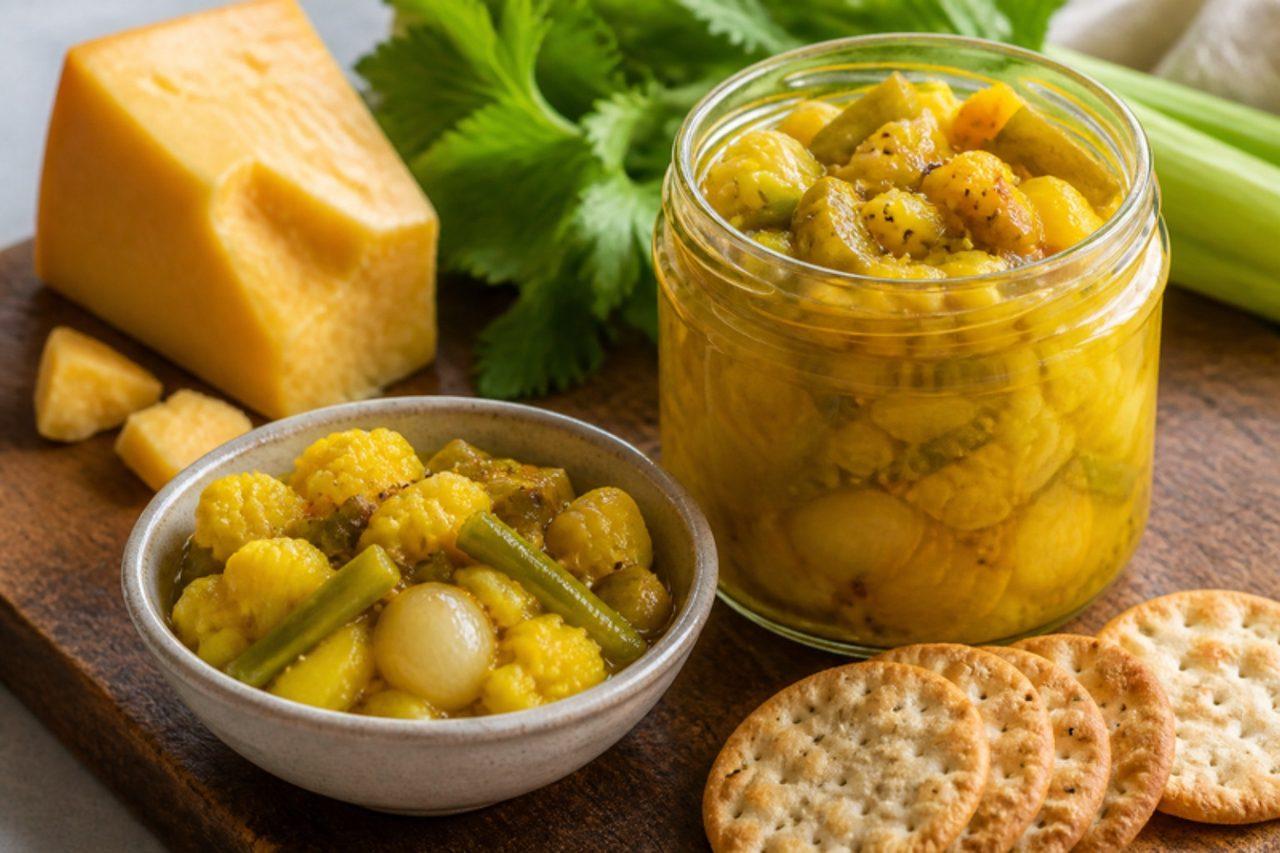
Piccalilli is the bright yellow pickle of the English ploughman's lunch, the Boxing Day cold cuts and the cheese board, and it has been made in farmhouse kitchens since the 18th century, when Indian pickles inspired it. Crunchy cauliflower, beans and onions are salted, then folded into a sweet, sharp sauce of mustard, turmeric and vinegar. Chef's tip: salt the vegetables overnight; it draws out water and keeps them crunchy for months.

by KrazyBadal 0 views

Saimin

Saimin was born in the sugar plantation camps of Hawaii, where Chinese, Japanese and Filipino workers shared pots and combined their noodle soups into one, and it is still sold everywhere from old Kauaʻi diners to the snack bars at Little League games. Springy wheat noodles sit in a clear dashi and shrimp broth, topped with sliced char siu (roast pork), pink fish cake, egg and spring onion. Chef's tip: cook the noodles separately and rinse them, so their starch doesn't cloud the clear broth.

by KrazyBadal 0 views

North Shore garlic shrimp

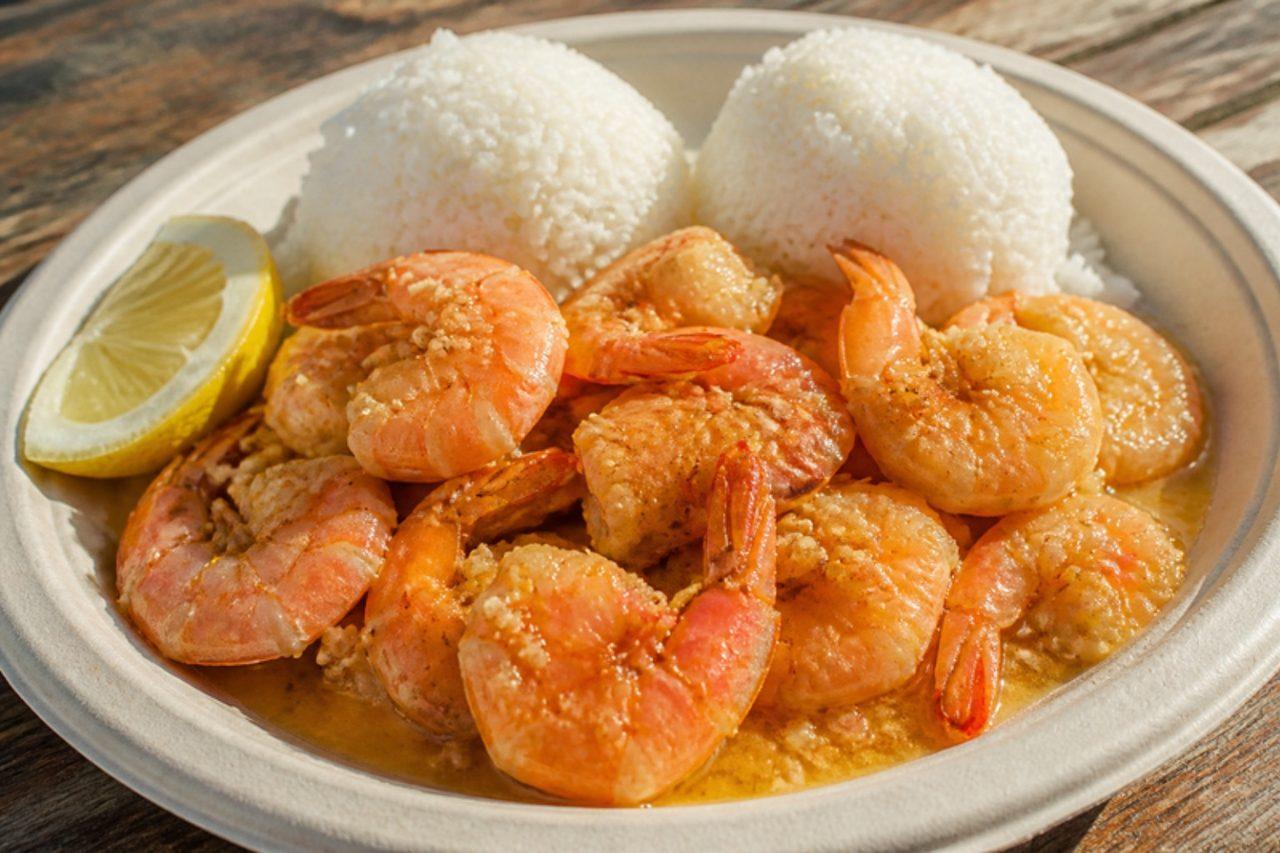
The shrimp trucks parked along Kamehameha Highway in Kahuku, on Oʻahu's North Shore, serve this on paper plates to surfers and day-trippers: shell-on prawns from the local farms fried in a heap of garlic and butter until the shells are crisp enough to eat, with two scoops of rice and lemon. Chef's tip: dust the prawns in a little cornflour before frying; it helps the garlic butter cling and the shells crisp.

by KrazyBadal 0 views

TascalateToasted corn and cacao drink

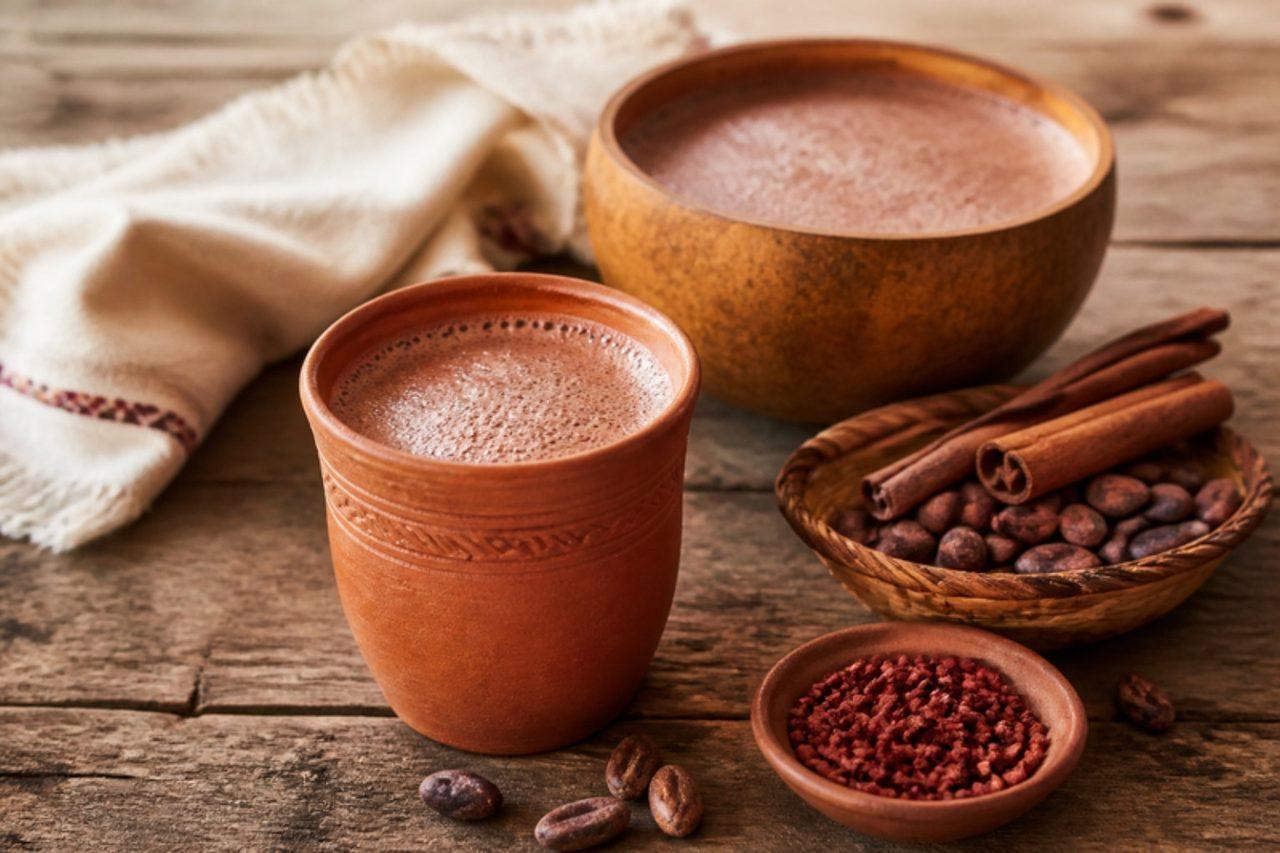
Tascalate is the drink of the Chiapas central valley, sold in Chiapa de Corzo and Tuxtla in tall glasses at markets and given to guests at fiestas. A powder of toasted tortillas, cacao, pine nuts, sugar, cinnamon and a little achiote is whisked into cold water or milk, so it is orange-brown, thick and nutty with a sweet chocolate finish. The powder keeps for weeks, so make a jar. Made with water it is vegan. Chef's tip: toast the tortillas until they snap cleanly; any softness leaves the powder clumpy.

by KrazyBadal 0 views

Sequência de camarãoPrawn feast in several styles

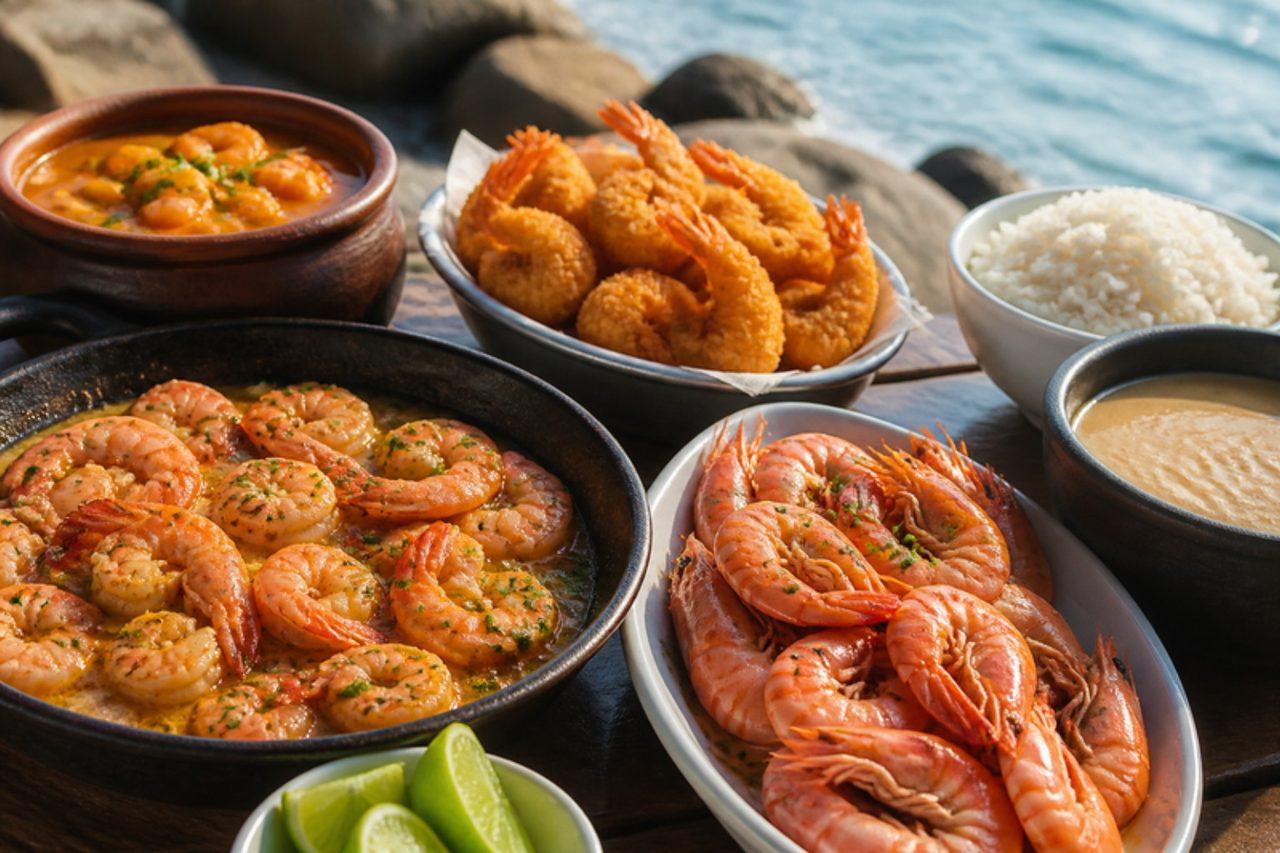
Around the Lagoa da Conceição and the old fishing village of Santo Antônio de Lisboa, Florianópolis restaurants serve sequência de camarão, a parade of prawn dishes that keeps arriving until you give up: prawns fried in garlic oil, crisp breaded prawns, a light prawn stew with tomato and coconut milk, and pirão made from the shells, with rice and salad. This home version brings the four together for a long lunch. Prawns must be very fresh and kept cold, and every batch is cooked only until pink and opaque right through. The usual mistake is cooking all the prawns at once and serving them lukewarm; the sequence works because each dish arrives hot. Make the stew and pirão first and keep them warm, then fry at the last minute. Chef's tip: buy shell-on prawns and simmer the heads and shells for the pirão; it gives the whole meal its sea flavour.

by KrazyBadal 0 views

SericaiaCinnamon baked egg custard

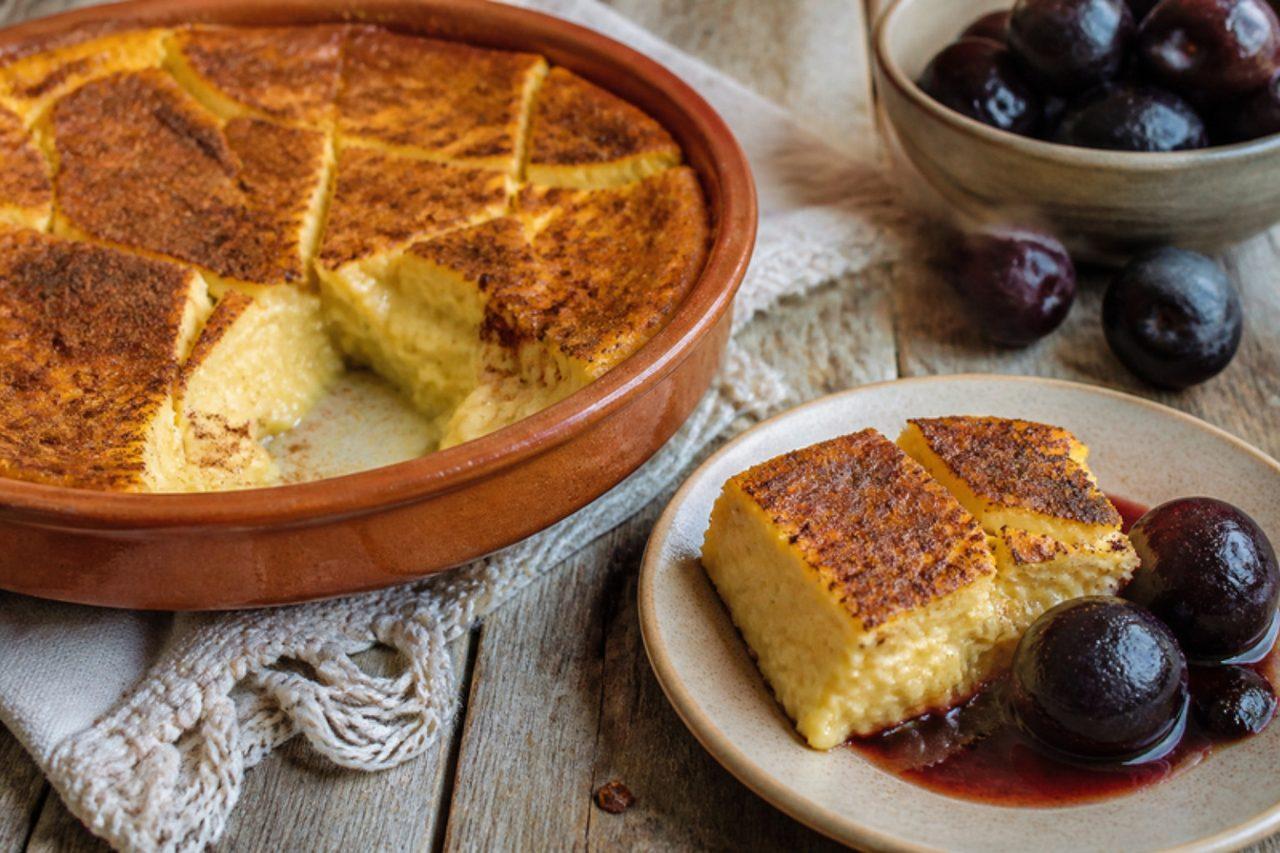
Sericaia is the pride of Elvas, on the Spanish border, and of Alentejo convent baking: a light custard of eggs, milk and sugar lifted with beaten whites, spooned into a clay dish, dusted with cinnamon and baked until it puffs and splits into deep cracks. It is always served with Elvas plums in syrup, whose sharpness cuts the sweetness; any good plums poached in syrup will do. It is a Sunday and festive dessert across the region. A common mistake is spreading the mixture smooth: drop it in large spoonfuls so it bakes into the craggy, cracked top that defines it. Chef's tip: cook the yolk custard until really thick before folding in the whites; a thin custard collapses in the oven.

by KrazyBadal 0 views

Chicago deep-dish pizza

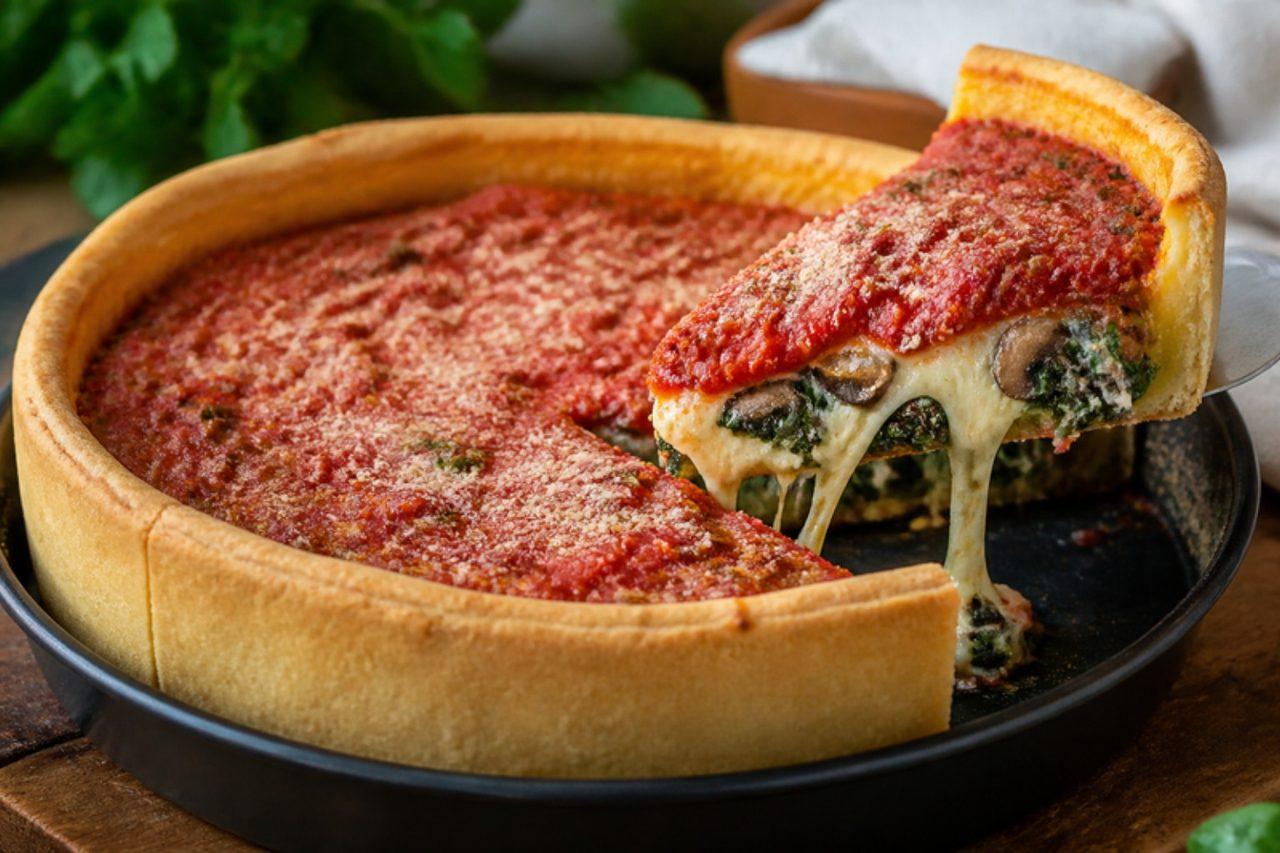
Deep-dish pizza was born in Chicago's River North in the 1940s and is still the dish visitors queue for downtown: a tall, flaky, buttery crust baked in a steel pan, filled with a thick layer of mozzarella and vegetables, and finished with chunky crushed tomato on top so the cheese doesn't burn during the long bake. You eat it with a knife and fork. Mozzarella is often made with animal rennet, so choose a vegetarian one. Chef's tip: laminate the dough with soft butter and roll it up like a cinnamon roll; that is what gives the crust its flaky, biscuit-like layers.

by KrazyBadal 0 views

Salt-rising bread

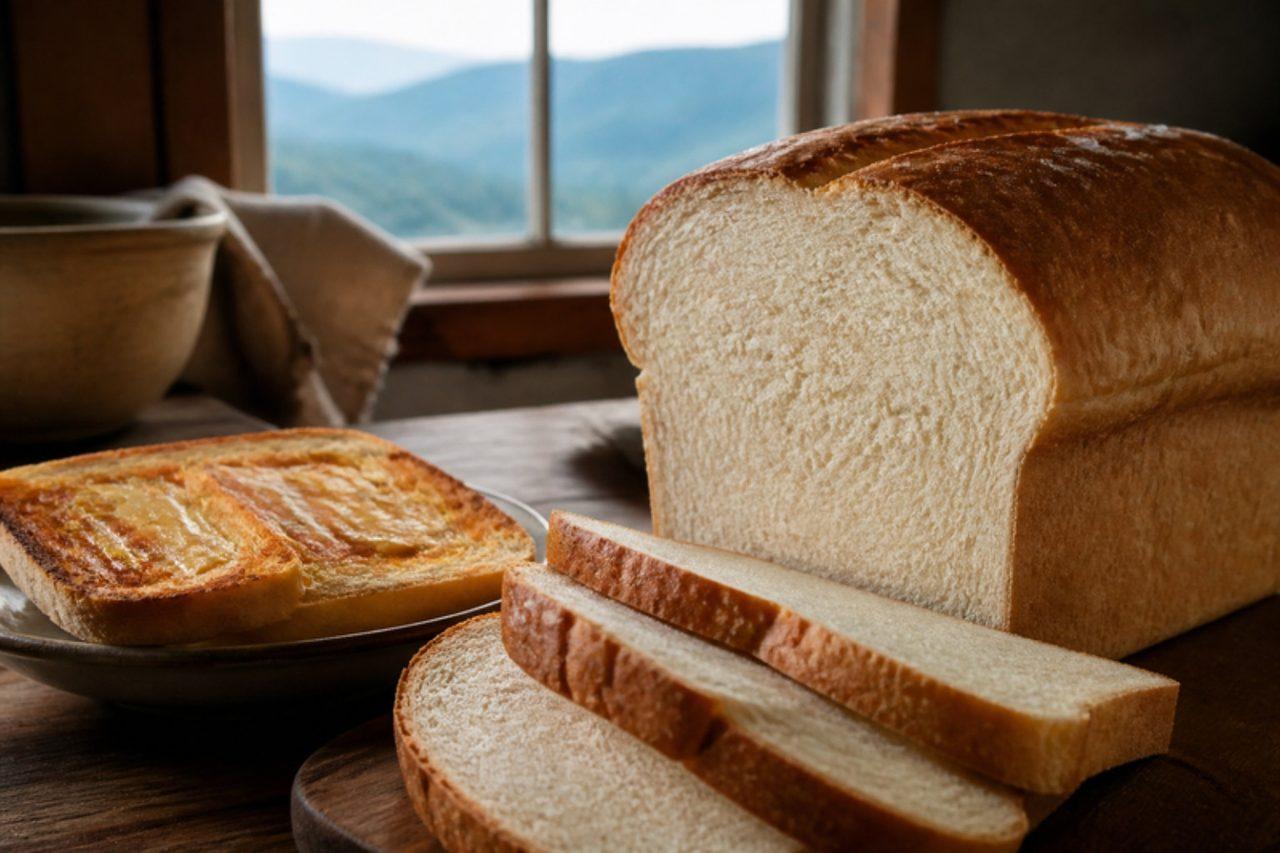
Salt-rising bread was baked by settlers in the Appalachian mountains of West Virginia and western Pennsylvania who had no yeast; a starter of potato, cornmeal and milk is kept very warm until wild bacteria make it bubble. The loaf is dense, fine-textured and famous for its cheesy, tangy smell, and is best toasted and buttered. Chef's tip: the starter needs a steady 38–40 °C, so stand it in an oven with only the light on, and check it is truly bubbling before going on.

by KrazyBadal 0 views

Lowcountry boil

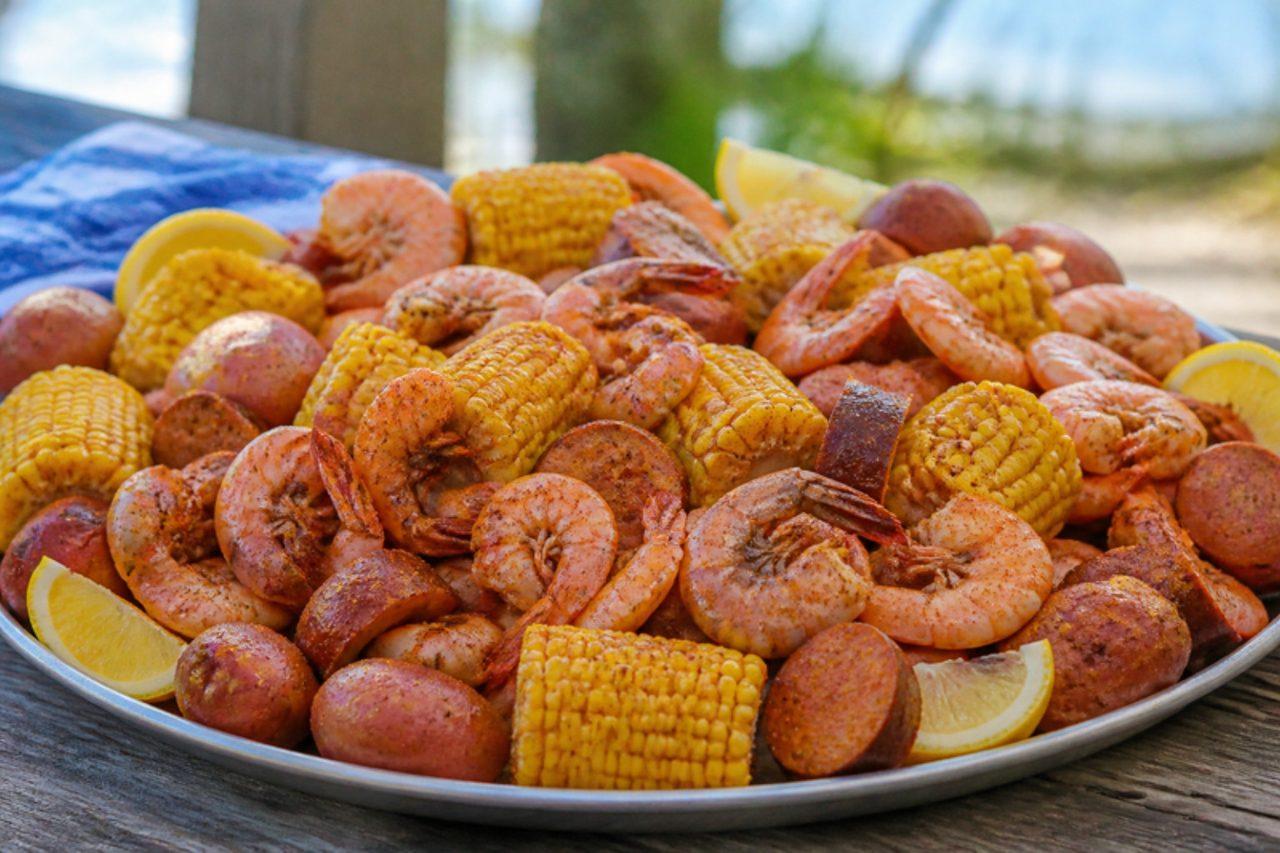
Lowcountry boil, also called Frogmore stew after a village on St Helena Island, South Carolina, is the one-pot party of the Carolina and Georgia coast: new potatoes, corn cobs, smoked pork sausage and fresh shrimp boiled in spiced water, drained and tipped straight onto a newspaper-covered table for everyone to dig in. It is summer food for beach houses, church picnics and Fourth of July. Chef's tip: add everything in stages, timed so the shrimp go in last for only a few minutes.

by KrazyBadal 0 views

Torshi limooSalt-pickled limes

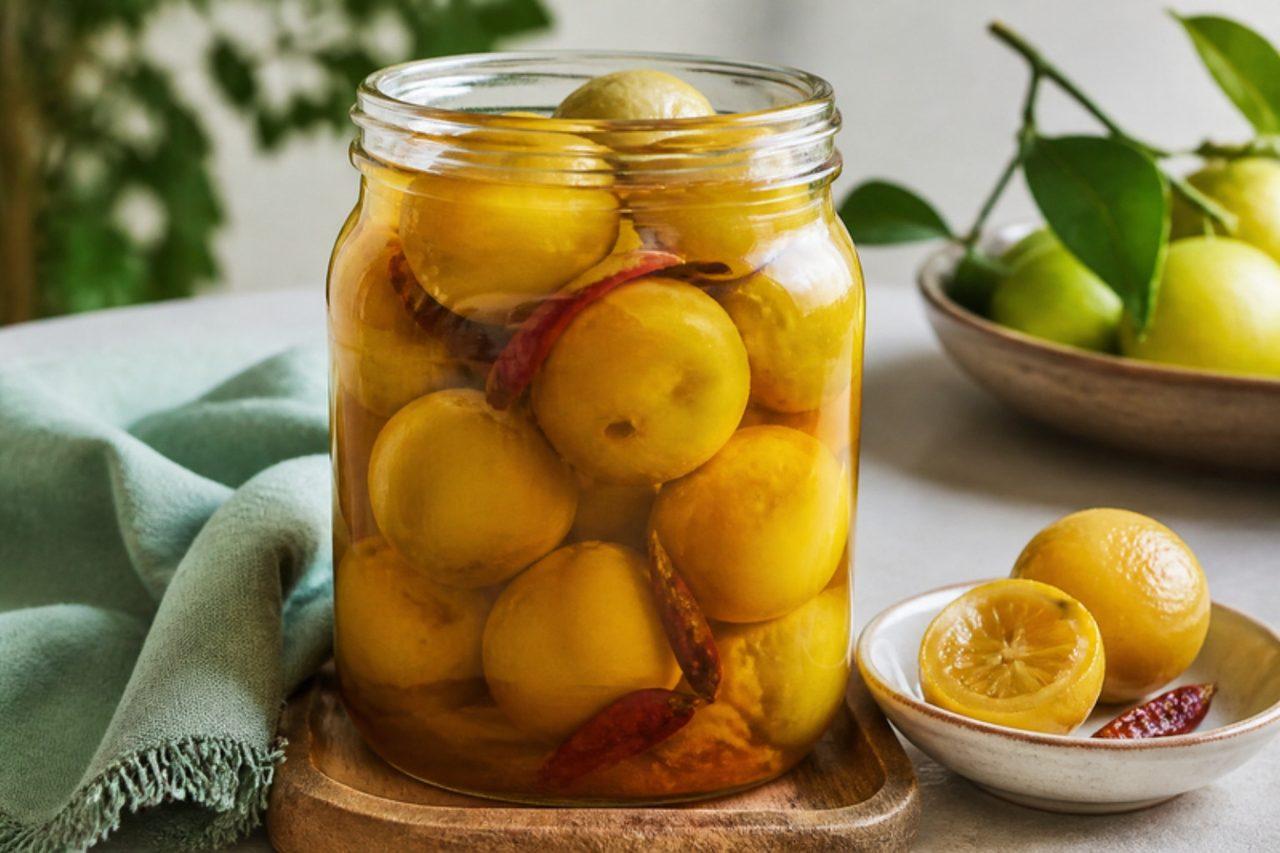
In Shiraz and down towards the Gulf ports, small thin-skinned limes are packed into jars with salt and more lime juice, then forgotten on a sunny shelf until the peel softens and turns translucent. The result is sour, salty and faintly bitter, and a little goes a long way: a sliver alongside fish and rice in Bushehr, chopped into a salad, or mashed into a stew. It is related to the Gulf habit of drying limes, but stays soft and juicy. Chef's tip: choose small, thin-skinned limes; thick-skinned ones stay bitter and tough however long you wait.

by KrazyBadal 0 views

Sfakiani pitaCheese pancakes with honey

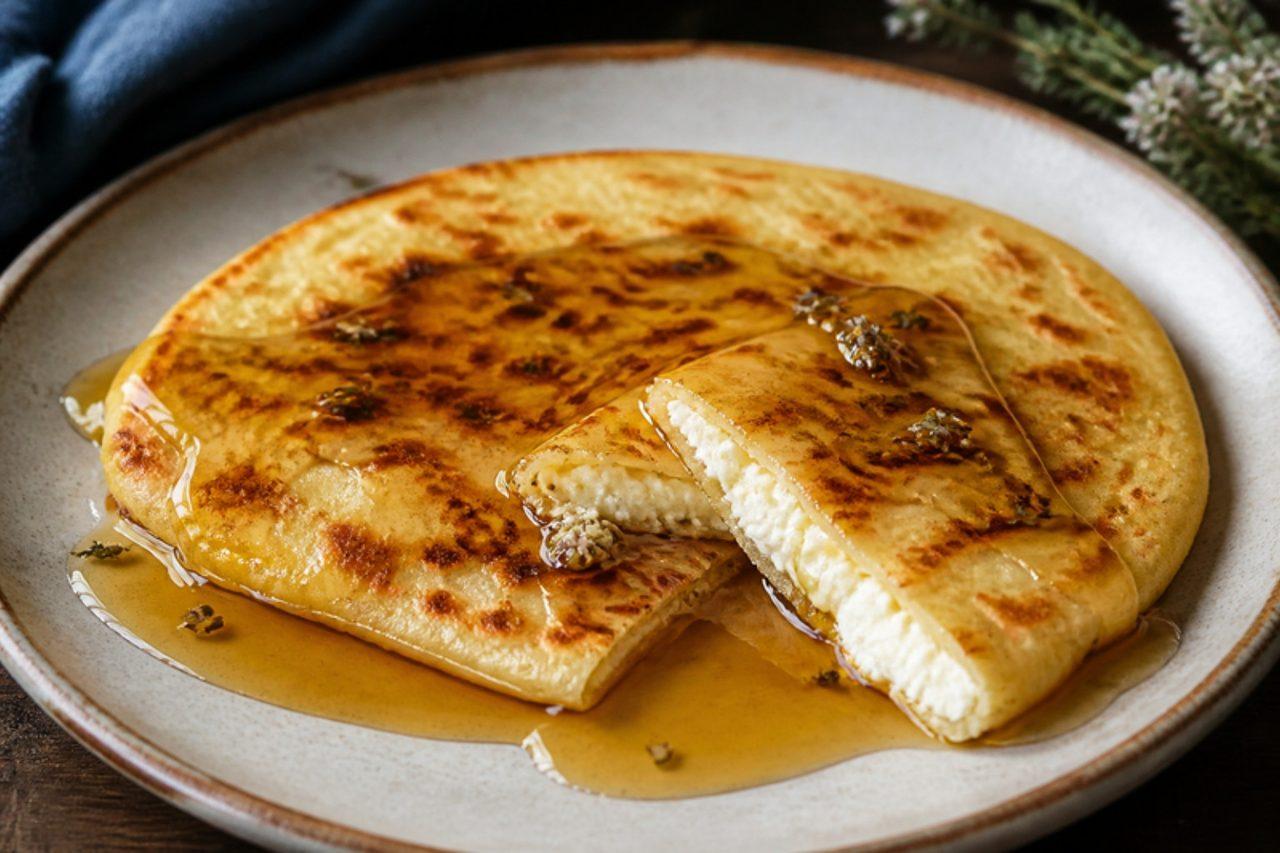
Shepherds in the mountains of Sfakia, on Crete's wild south coast, made these with what they had on hand: flour, oil, a ball of fresh cheese and the thyme honey from their hives. A soft dough is wrapped around the cheese, rolled out as thin as a plate and cooked in a dry pan, then eaten hot with honey running over it, for breakfast or as a late sweet with Greek coffee. Village cooks often add a splash of raki to the dough; here lemon juice does the same job and keeps it alcohol-free. The cheese is fresh mizithra, or use ricotta, which is usually rennet-free. Common mistake: cooking over too high a heat, which scorches the outside before the thin layer of cheese inside warms through. Chef's tip: roll from the centre outwards and give the disc a quarter turn each time so the cheese spreads evenly to the edge.

by KrazyBadal 0 views

SfougatoCourgette and cheese oven omelette

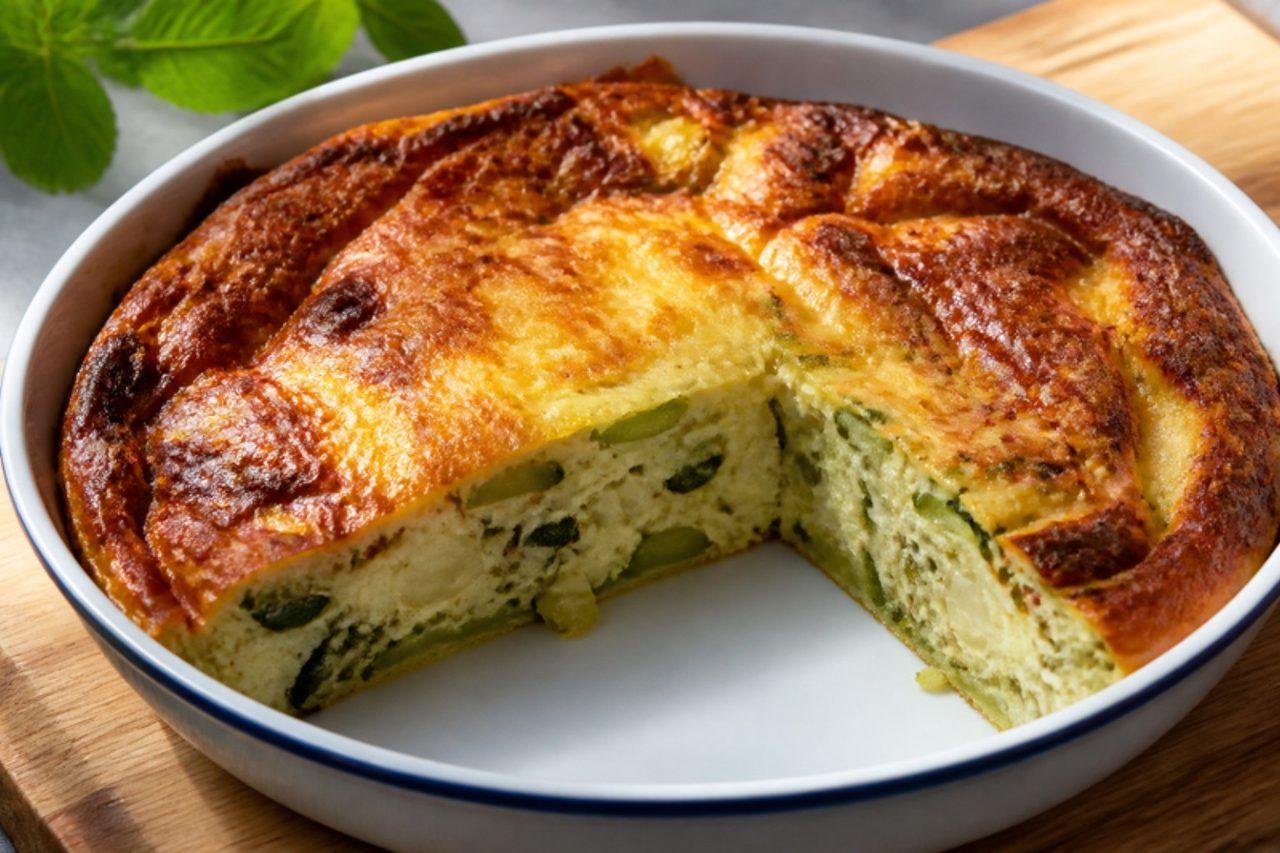
Sfougato means 'sponge', which is just how this island oven omelette looks when it comes out puffed and golden; in the Cyclades and the Dodecanese it's the summer answer to too many courgettes. Grated courgette, spring onion and mint are softened in olive oil, mixed with eggs and cheese and baked, then cut into squares for lunch with bread and tomatoes or packed for a day at the beach. Kefalotyri and feta are usually made with animal rennet, so use vegetarian versions if you need to. Common mistake: leaving the courgettes wet, which gives a watery, rubbery omelette. Chef's tip: let the softened vegetables cool for a few minutes before adding the eggs so they don't scramble at the edges.

by KrazyBadal 0 views

ShaabiyatCream-filled filo triangles in syrup

Shaabiyat is one of the jewels of Aleppo's pastry shops, made in huge trays for weddings and for Eid visits: buttery filo folded into triangles around a cool, thick milk cream, baked until golden and shatteringly crisp, then splashed with syrup and topped with ground pistachio. The cream stays cool and soft inside the crackling layers. Serve within a few hours of baking. Common mistake: letting the filo dry out while you work — keep the sheets under a damp tea towel. Chef's tip: syrup must be cold and the pastry hot when they meet, so it soaks in without making the layers soggy.

by KrazyBadal 0 views

Shai bil maramiyaSage tea

Offer a guest tea in a Palestinian home and it will most likely come in small glasses, sweet, strong and fragrant with maramiya, the soft-leaved sage that grows on every terrace and is said to settle the stomach after a heavy meal. In winter the leaves are dried; in spring they are picked fresh. Common mistake: boiling the sage with the tea, which brings out a medicinal bitterness; it goes in after the heat is off. Chef's tip: bruise the sage leaves between your fingers before dropping them in, and let them steep only 2–3 minutes.

by KrazyBadal 0 views

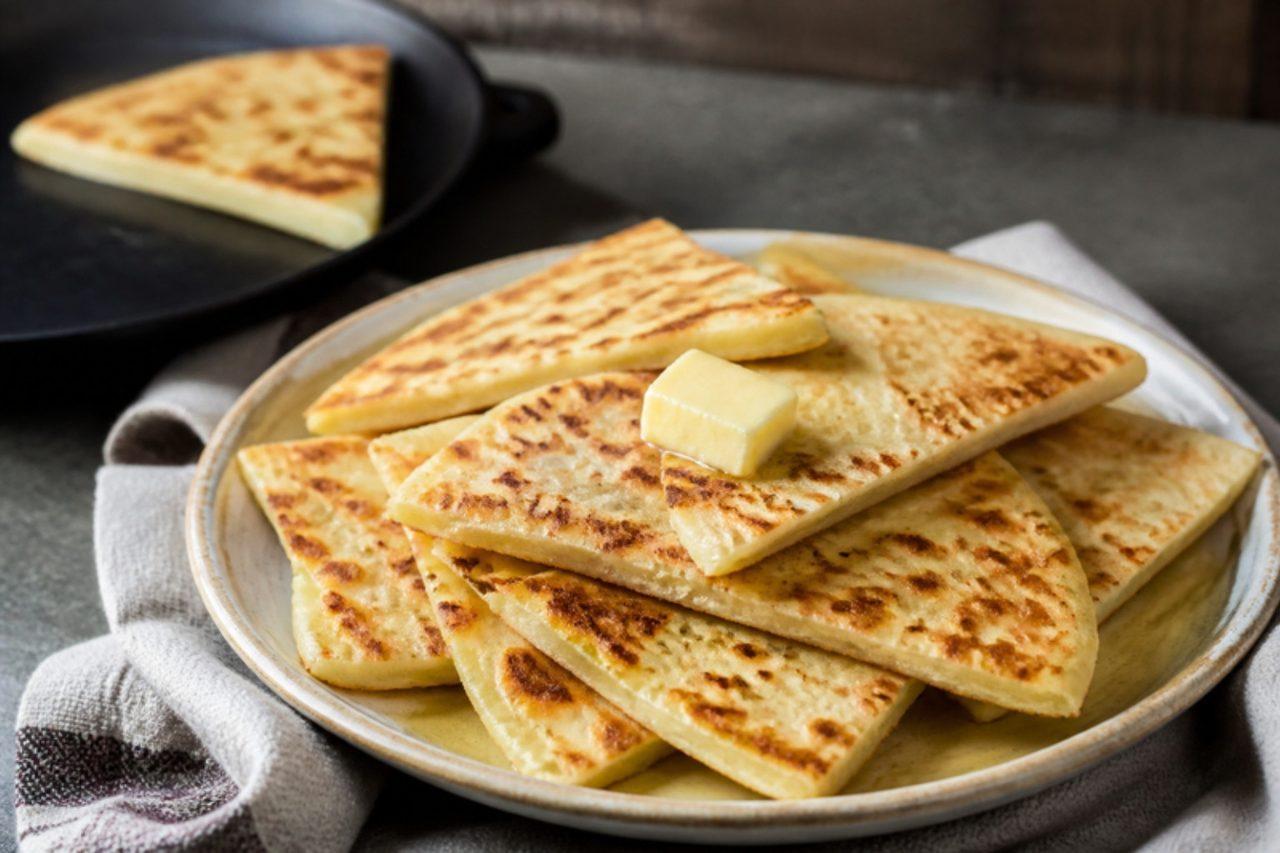
Tattie sconesPotato griddle scones

Tattie scones are thin triangles of mashed potato and flour cooked on a dry girdle, part of a full Scottish breakfast and sold in packs in every Glasgow bakery. They are soft, slightly chewy and speckled brown, and are best fried in butter and eaten with eggs or rolled round a filling. Chef's tip: use the potato while warm; cold mash needs more flour and makes them heavy.

by KrazyBadal 0 views

Showing 36 of 7,762 recipes

Show more recipes

Page 534 of 863