


Skip to content
Chraime
Featured recipe

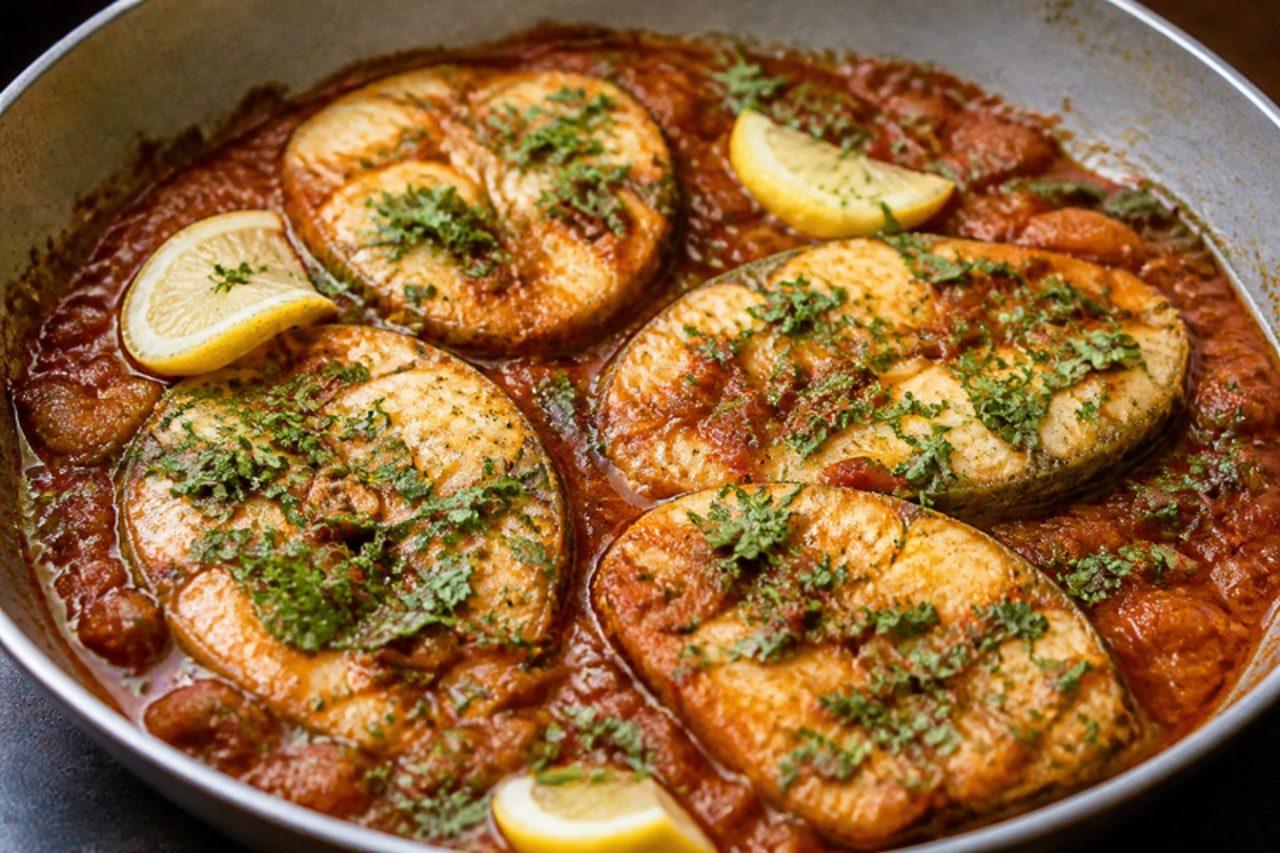
Chraime

Fish in spicy garlic paprika sauce

Friday night in Moroccan and Libyan Jewish homes, from Casablanca to Tripoli and now Paris and Tel Aviv, often begins with a plate of chraime before the main course. Thick fish steaks simmer in a brick-red sauce built from a frightening amount of garlic, sweet and hot paprika, chilli, caraway and cumin, loosened with oil and a squeeze of lemon. It is spicy, garlicky and very savoury, and the oily sauce begs to be mopped up with challah or other good bread. It is also eaten cold the next day. Chef's tip: cook the spices in the oil over a low heat until they smell toasty but not dark; burnt paprika tastes acrid and you cannot rescue it.

Read more 1 views

What to eat today?

Around the world

Today's trip: Paraguayan

A new country every day, from every cuisine on the site.

Paraguayan

Chipa

Cheese bread rings 50 minMore from Paraguayan (27) →

This week's collection

Kid-friendly dinners
537 recipes · a new collection every Monday

Latest recipes

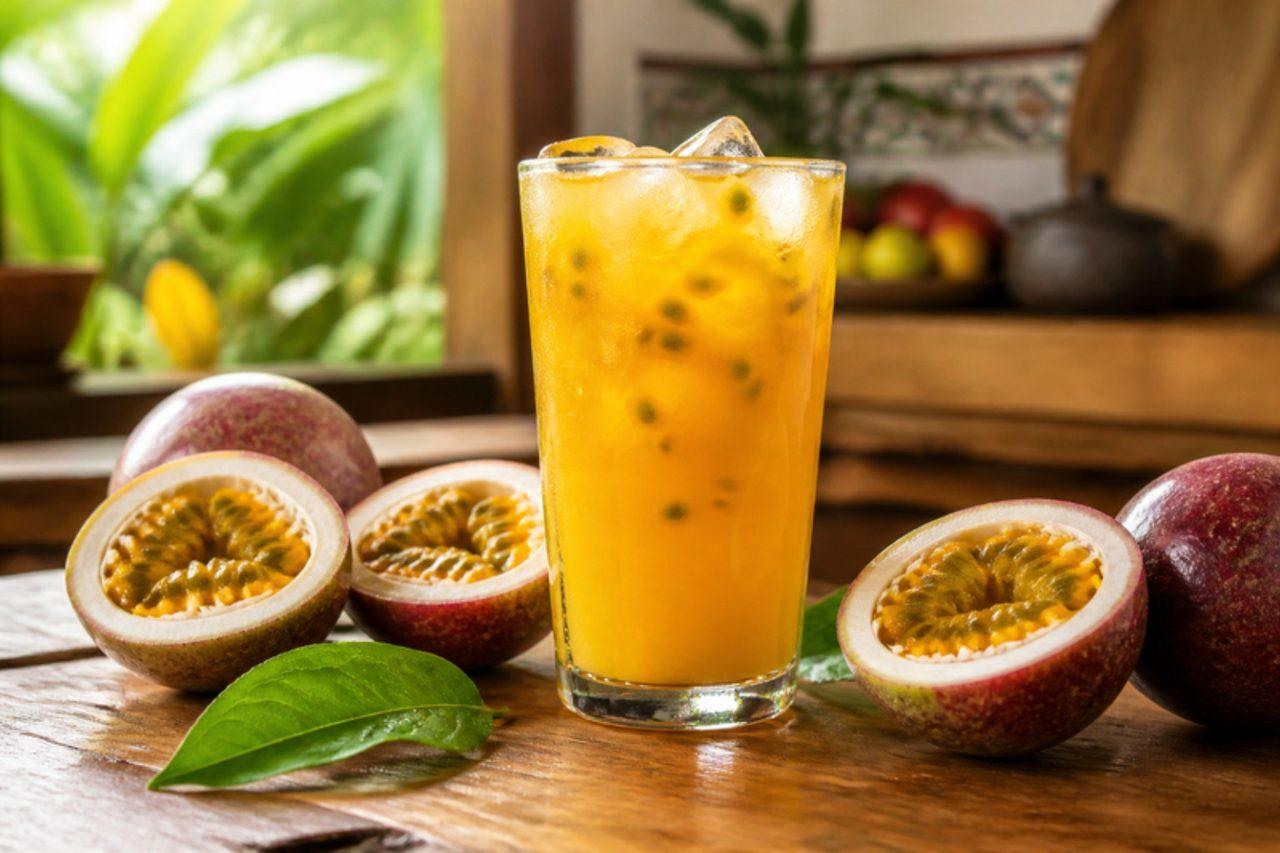
Jugo de maracuyáPassion fruit juice

Passion fruit grows easily in the warm valleys of Colombia, and maracuyá juice is the default glass at many lunch tables, from Huila to the coast. It is intensely aromatic and sharp, so it needs plenty of water and sugar, and it is served over ice; a milk version is made too, but the water one is the more refreshing. Street juice stands blend it fresh all day, and it pairs especially well with fried fish, rice and patacones, or any spicy dish. People tend to over-blend it, crushing the black seeds into gritty, bitter bits; just pulse until the pulp lets go of the seeds, then strain. Frozen passion fruit pulp from Latin shops is a good, cheaper option and needs no straining. Chef's tip: scoop the pulp from wrinkled, heavy fruit; the more wrinkled the skin, the sweeter and more fragrant the fruit inside.

by KrazyBadal 0 views

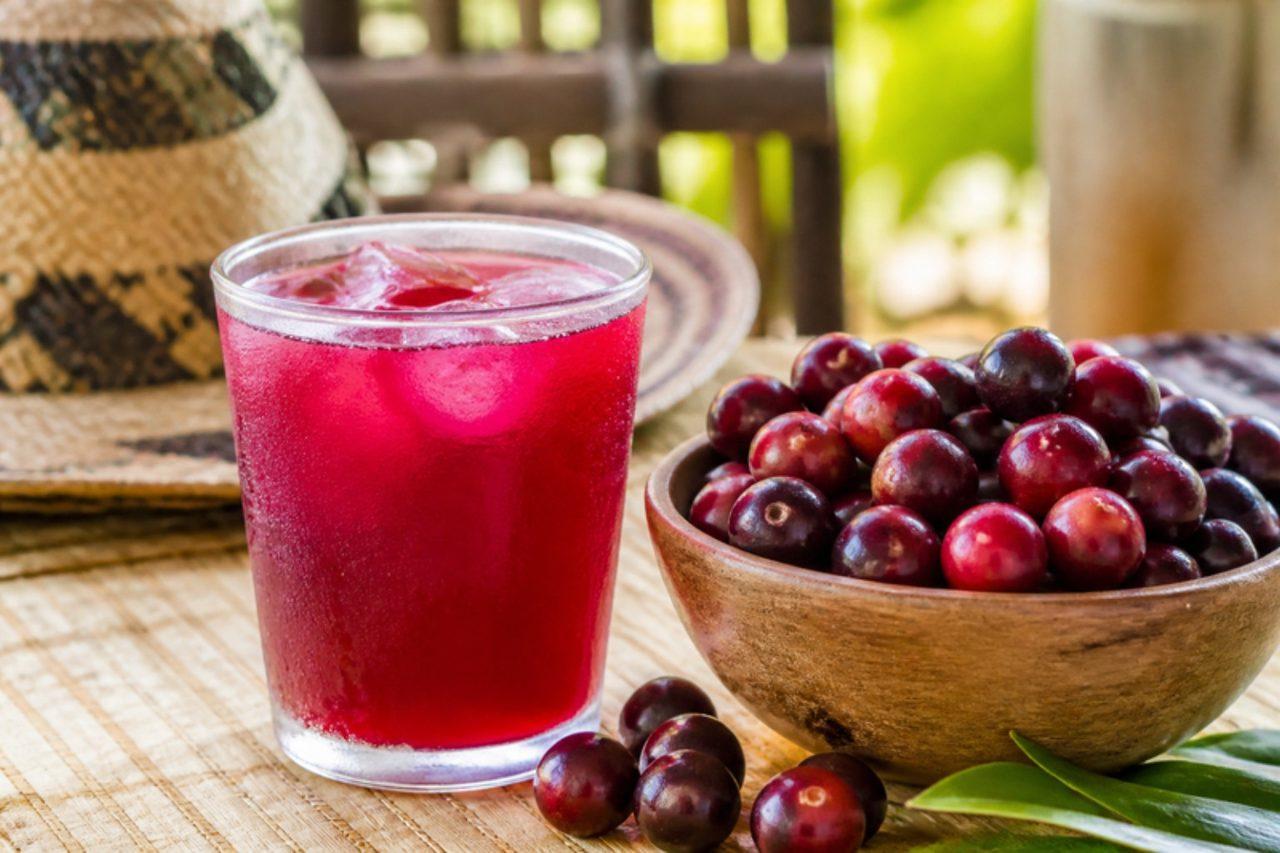
Jugo de corozoCorozo palm fruit juice

Corozo is a tiny, glossy red-black palm fruit that grows wild across Colombia's Caribbean lowlands, and in Sincelejo, Montería and Cartagena it is boiled into a deep wine-red juice that is tart, slightly bitter and very refreshing. It is sold in bags from street coolers and served with lunch at home, especially in the dry season when the fruit is plentiful. The fruit is mostly stone and skin, so it is boiled to release the colour and flavour, then mashed and strained. Blending the whole fruit is the trap here: the hard stones can break a blender and add bitterness, so only mash them. Frozen corozo pulp is sold in some Latin shops; there is no true substitute, but tart cherry juice with a squeeze of lime gives a similar colour and sourness. Chef's tip: dissolve the sugar while the juice is still warm, then chill well; it tastes sharper and brighter cold.

by KrazyBadal 0 views

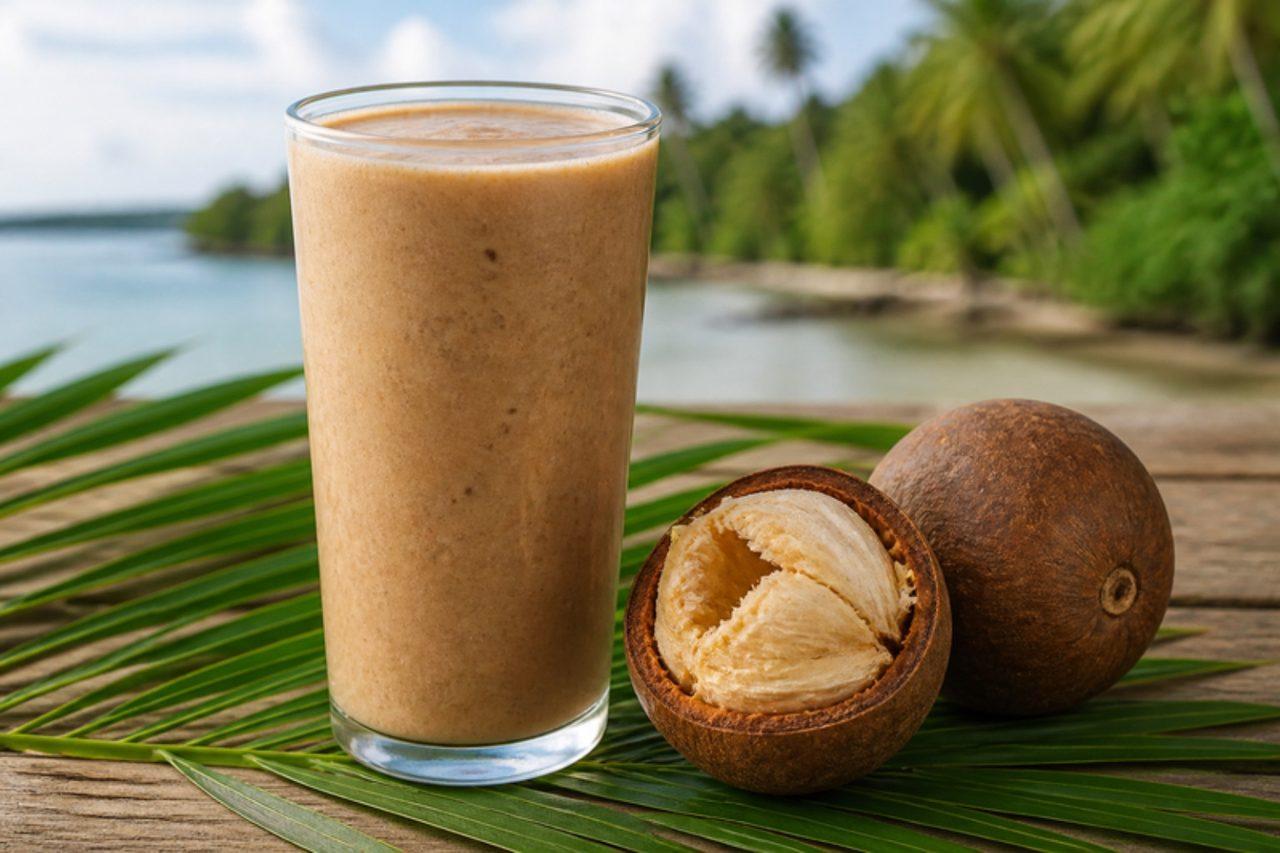
Jugo de borojóBorojó fruit milk shake

Borojó is the pride of the Chocó: a heavy brown fruit with a dense, sticky pulp and a sour, almost tamarind-like flavour. In Quibdó it is sold as pulp at the market and blended into thick shakes at juice stalls, and it carries a folk reputation as a restorative, sometimes jokingly called juice of love. Blended with cold milk and sugar it becomes creamy, tangy and filling, more a small meal than a drink. Outside Colombia, look for frozen borojó pulp in Latin American shops; there is no real substitute, though a mix of tamarind paste and banana gives a rough idea. Using too much pulp is easy to do, and the shake turns into a paste that will not go through a straw, so start with the amount below and thicken to taste. Chef's tip: blend the pulp with a little milk first to loosen it, then add the rest; borojó is so dense it can stall a blender.

by KrazyBadal 0 views

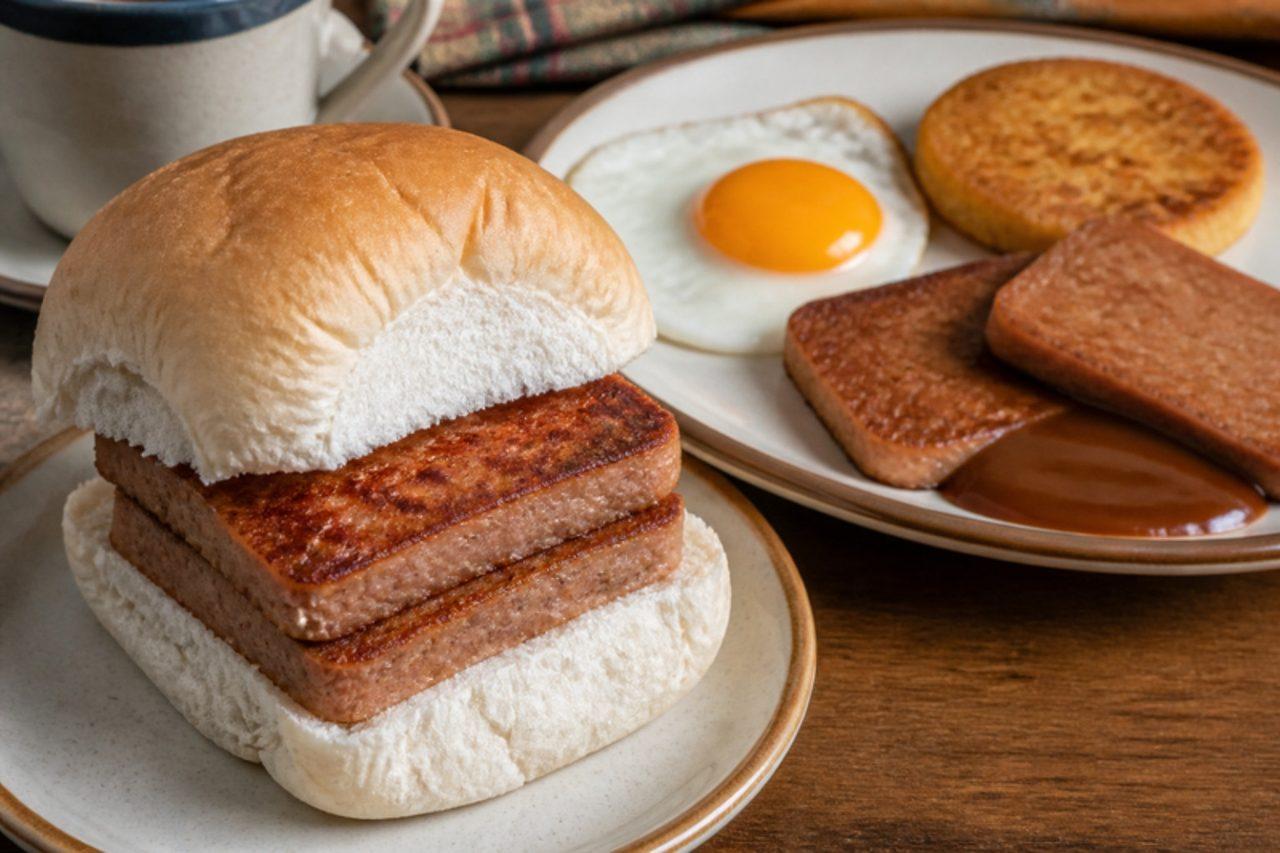
Lorne sausageSquare beef and pork sausage

Lorne sausage, better known in Scotland simply as square sausage or slice, is a skinless loaf of seasoned beef and pork mince that is cut into squares and fried for the full Scottish breakfast, or slapped in a morning roll with brown sauce. It is easy to make at home and freezes well. Chef's tip: freeze the shaped block for an hour before slicing; it cuts into neat, thin squares.

by KrazyBadal 0 views

Pipoca doceCaramelised popcorn

Pink, sticky and crunchy, sweet popcorn is the smell of a São João fairground and of the pipoqueiro carts outside schools and squares all year. The popcorn pops directly in a sugar syrup, so every kernel gets a thin, glassy, crackly shell; a few drops of red colouring turn it the classic festival pink. It takes about 10 minutes, so it is a favourite to make with kids watching from a safe distance. Use a plant-based red colouring if you want it vegan, as some red colourings are made from insects. Many cooks add too much colouring or sugar, which makes a sticky clump that never goes crisp. Chef's tip: shake the pan constantly once the popping slows, then tip it out immediately onto a tray and separate the kernels with two forks while still hot.

by KrazyBadal 0 views

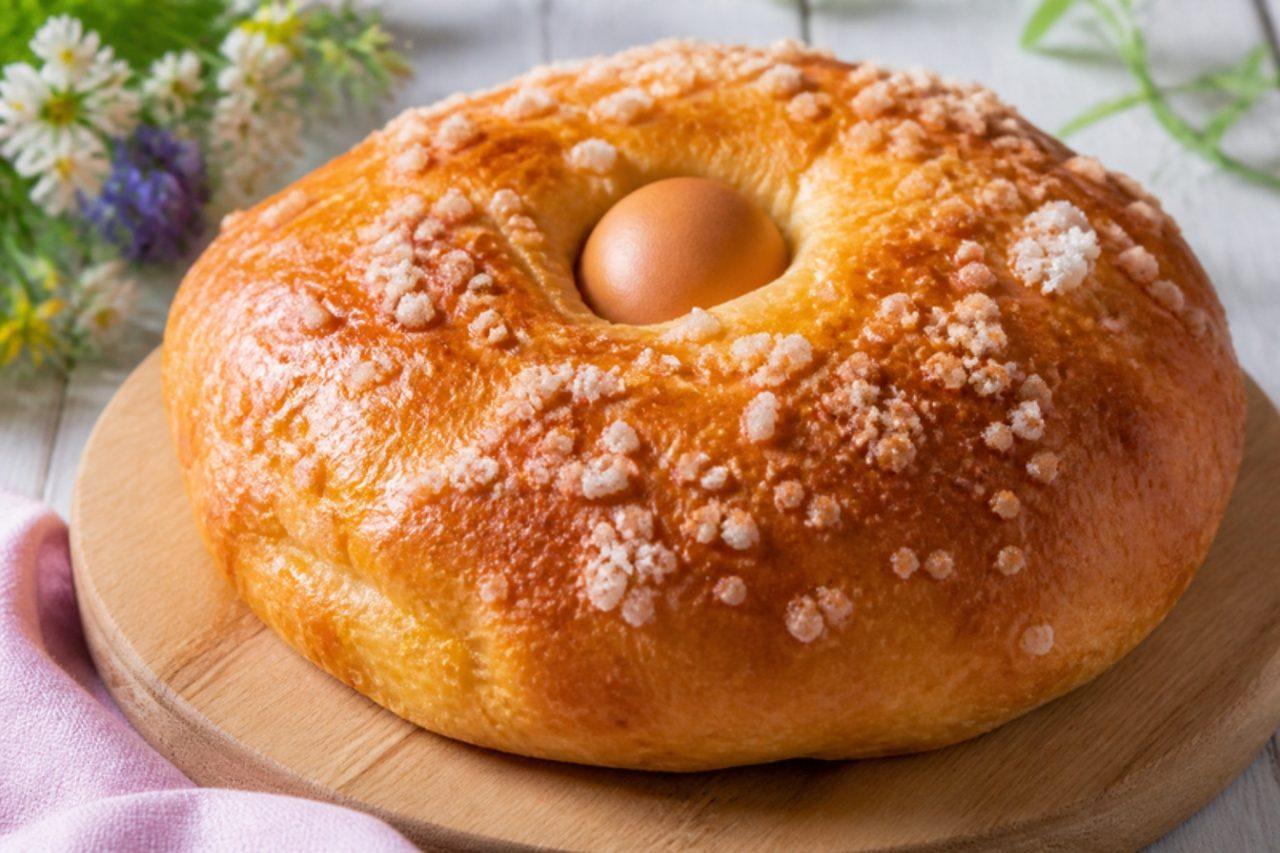
Mona de PascuaEaster brioche with egg

On Easter Monday, families across the Valencian Community head out to the countryside or the beach to "menjar-se la mona": they eat an orange-scented sweet brioche, often with a whole egg baked on top, and children crack the egg on a friend's forehead. The bun is soft and fluffy, glazed and sprinkled with sugar or coloured aniseed sprinkles. Here the eggs are hard-boiled first, so they are cooked through whatever the size of your bun. A common mistake is adding all the flour at once to a sticky dough; it softens as you knead, so hold back the last 50 g until you've kneaded for a few minutes. Chef's tip: make the starter the evening before and the dough on the day; the slow start gives a lighter crumb that stays soft for two days.

by KrazyBadal 0 views

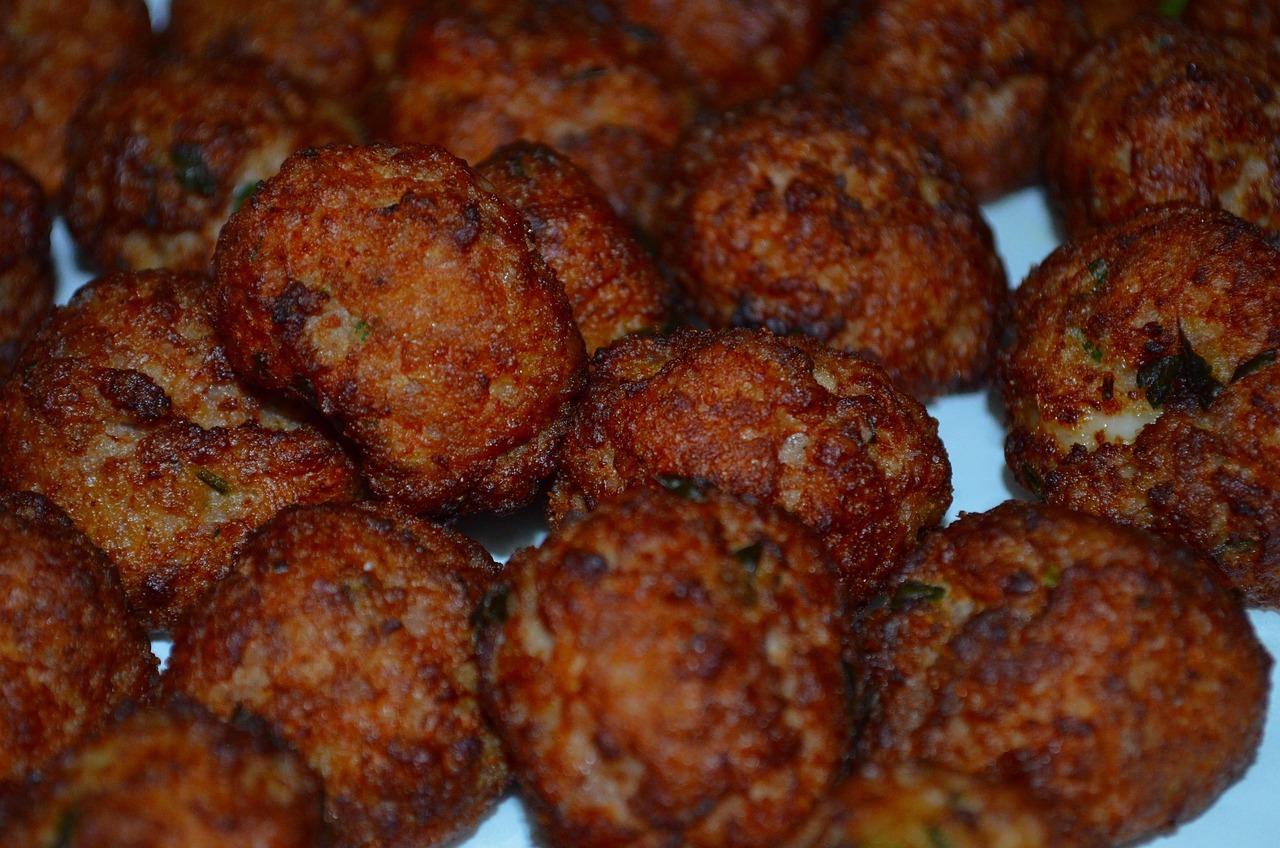
MondeghiliFried beef and mortadella meatballs

Mondeghili are the thrifty meatballs of Milan, invented to use up the beef left from a pot of bollito misto and now a fixture on the aperitivo counters of the city's bars. The cooked beef is minced with mortadella, a soft pork sausage, then bound with milk-soaked bread, egg, grana and lemon zest, flattened slightly and fried in butter until crisp and brown. They are best warm, with a squeeze of lemon, a spoonful of green sauce or simply a cold drink before dinner. Leftover roast beef or veal works just as well as boiled meat. Chef's tip: flatten each ball a little before frying; they cook through evenly and get more of that crunchy crust.

by KrazyBadal 0 views

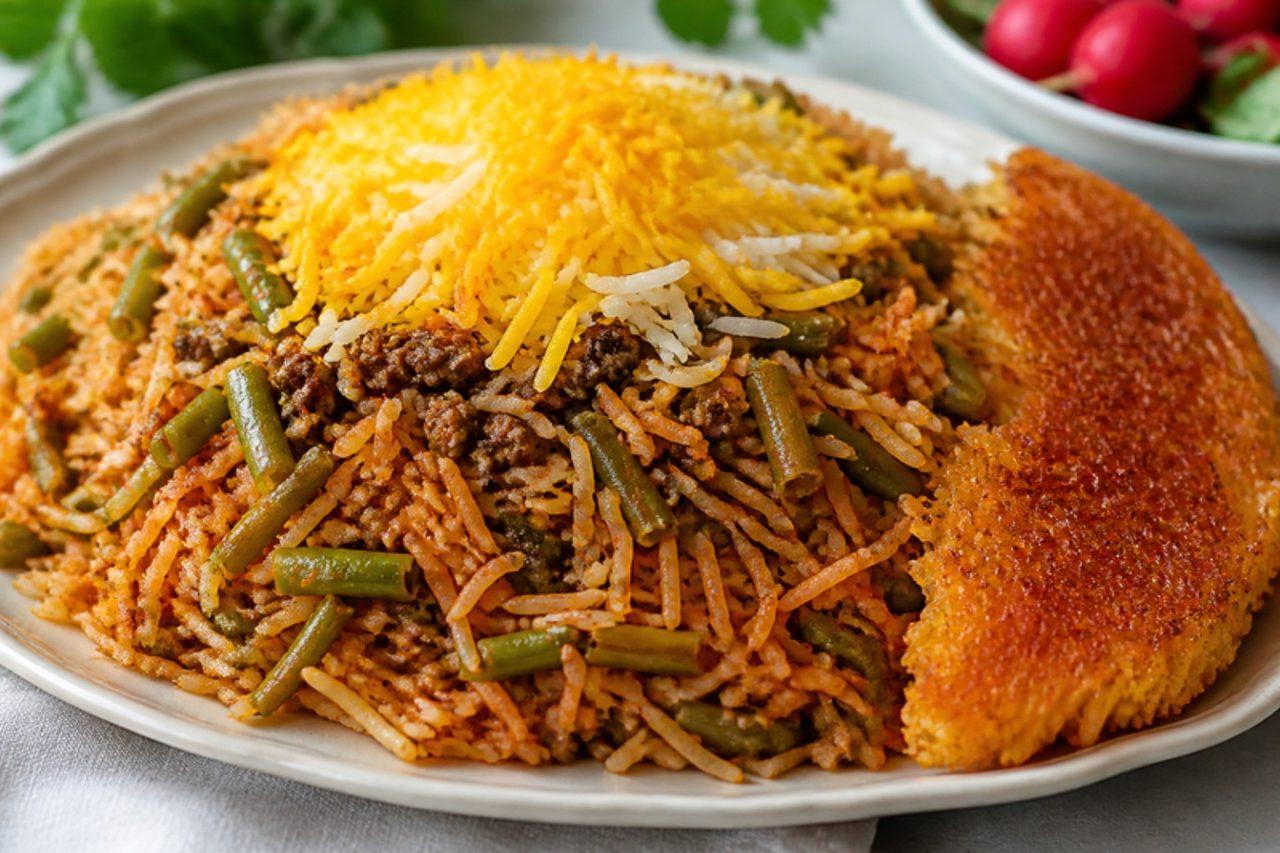
Loobia poloGreen bean rice with spiced lamb

Loobia polo is a weeknight favourite in Tehran homes, the rice dish children ask for when they come home from school and the one packed for picnics on the slopes of Darband. Parboiled basmati is layered with a sauce of minced lamb or beef, short pieces of green bean, tomato paste and a warm hint of cinnamon, then steamed slowly until every grain is stained a soft orange and a crisp tahdig forms underneath. For a meat-free pot, swap the mince for diced potato and keep everything else the same. Serve with mast-o khiar, salad shirazi and torshi. A common mistake is adding the beans raw to the rice layers: brown them in the sauce first or they stay squeaky and pale. Chef's tip: let the tomato paste fry in the oil until it turns brick red before adding water; that is where the deep, sweet flavour comes from.

by KrazyBadal 0 views

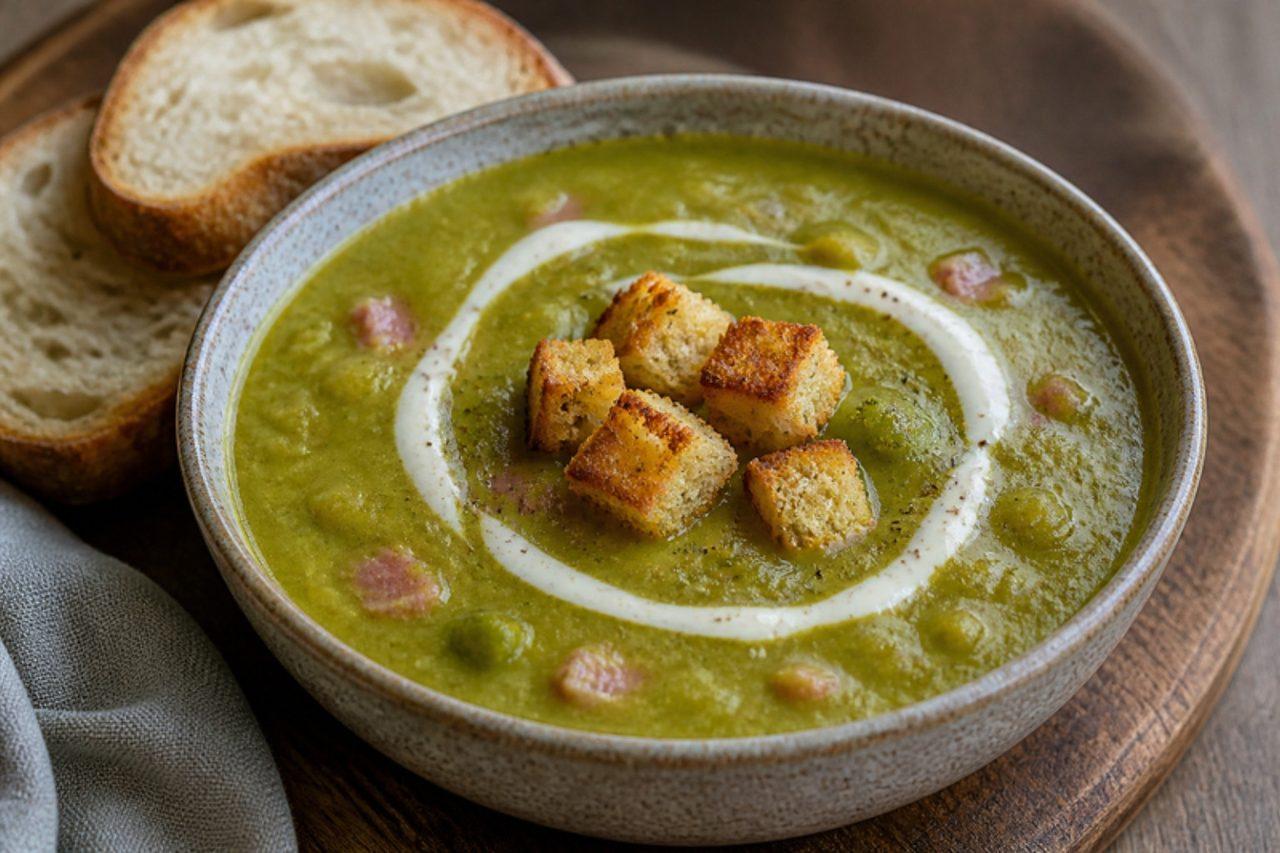
London particularSplit pea and ham soup

London particular is a thick, yellow-green soup of split peas and smoked pork ham hock, named after the pea-souper smogs that once smothered the city. It was a cheap winter warmer in Victorian London eating houses and is still on menus in pubs and cafés when the weather turns. The hock gives a deep smoky saltiness and shreds of soft meat. Chef's tip: skim the grey foam off as the water first boils, for a cleaner taste.

135 minBritishSoupsGluten free
by KrazyBadal 0 views

Lomito completoLoaded tenderloin sandwich

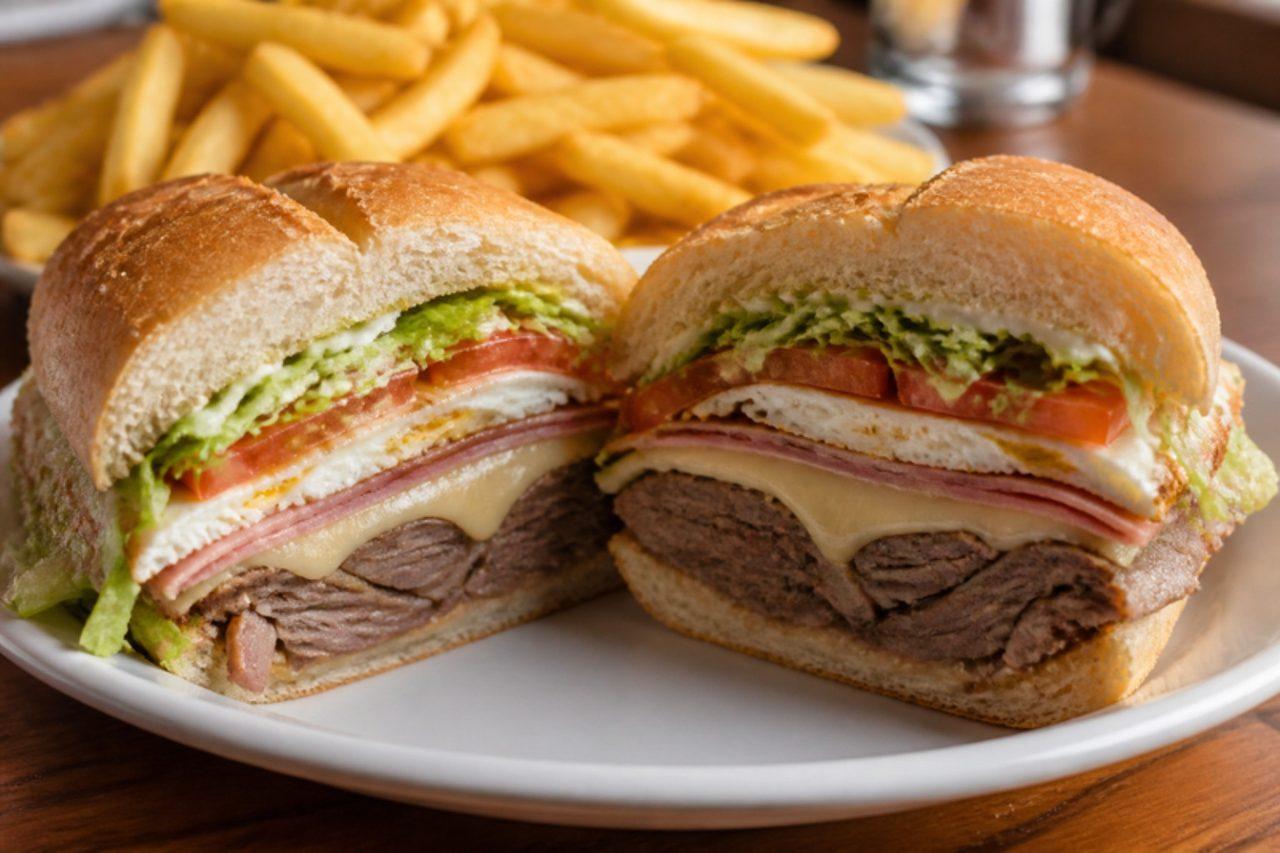
Córdoba claims the lomito as its own, and at lomiterías and late-night carts in the city it comes completo: thin, quick-seared slices of beef tenderloin piled into a big soft roll with cooked ham (pork), melting cheese, a fried egg, lettuce, tomato and mayonnaise. It is messy, juicy and filling, the classic end to a night out or a Saturday football match, usually with chips on the side. The meat is only a few millimetres thick, so it cooks in a minute; Córdoba grills cook it through, but as a whole steak you can leave it a little pink to taste. The big error is a lukewarm pan, which boils the thin beef grey instead of searing it. Chef's tip: lay the cheese on the ham in the hot pan to melt while the egg fries, so everything goes into the toasted roll hot at once.

by KrazyBadal 0 views

Lomi lomi salmonSalmon, tomato and onion relish

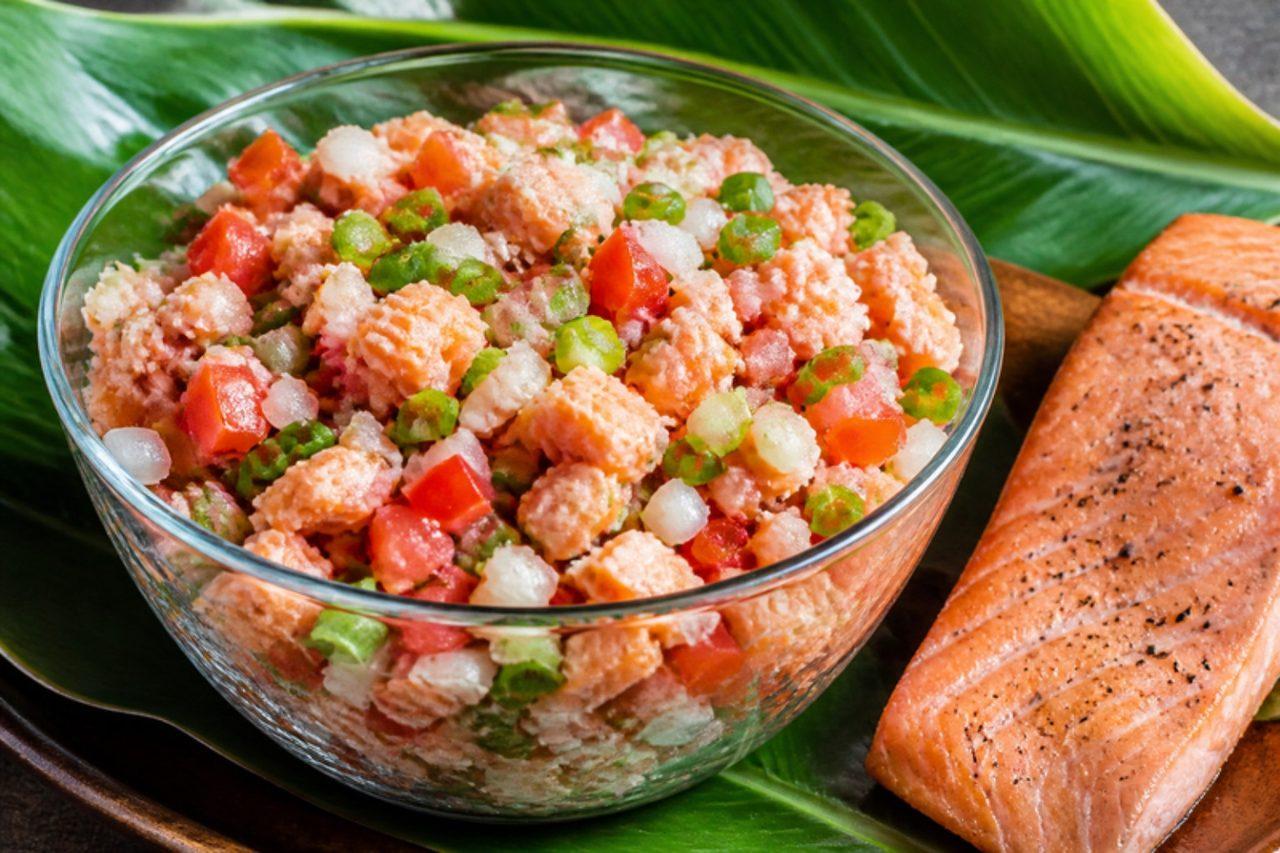
Lomi means to massage: at Hawaiian lūʻau and graduation parties, salted salmon is squeezed by hand with diced tomatoes, sweet onion and spring onions into a cold, juicy relish that cuts through rich kalua pig and poi. It arrived with salted salmon traded from the Pacific Northwest by nineteenth-century whalers. The traditional version uses raw salt-cured salmon, which is not for pregnant women, young children or anyone with a weakened immune system; this safer version gently poaches the salmon first. Chef's tip: chill everything well and drain the tomatoes, so the relish stays bright rather than watery.

by KrazyBadal 0 views

LokumTurkish delight

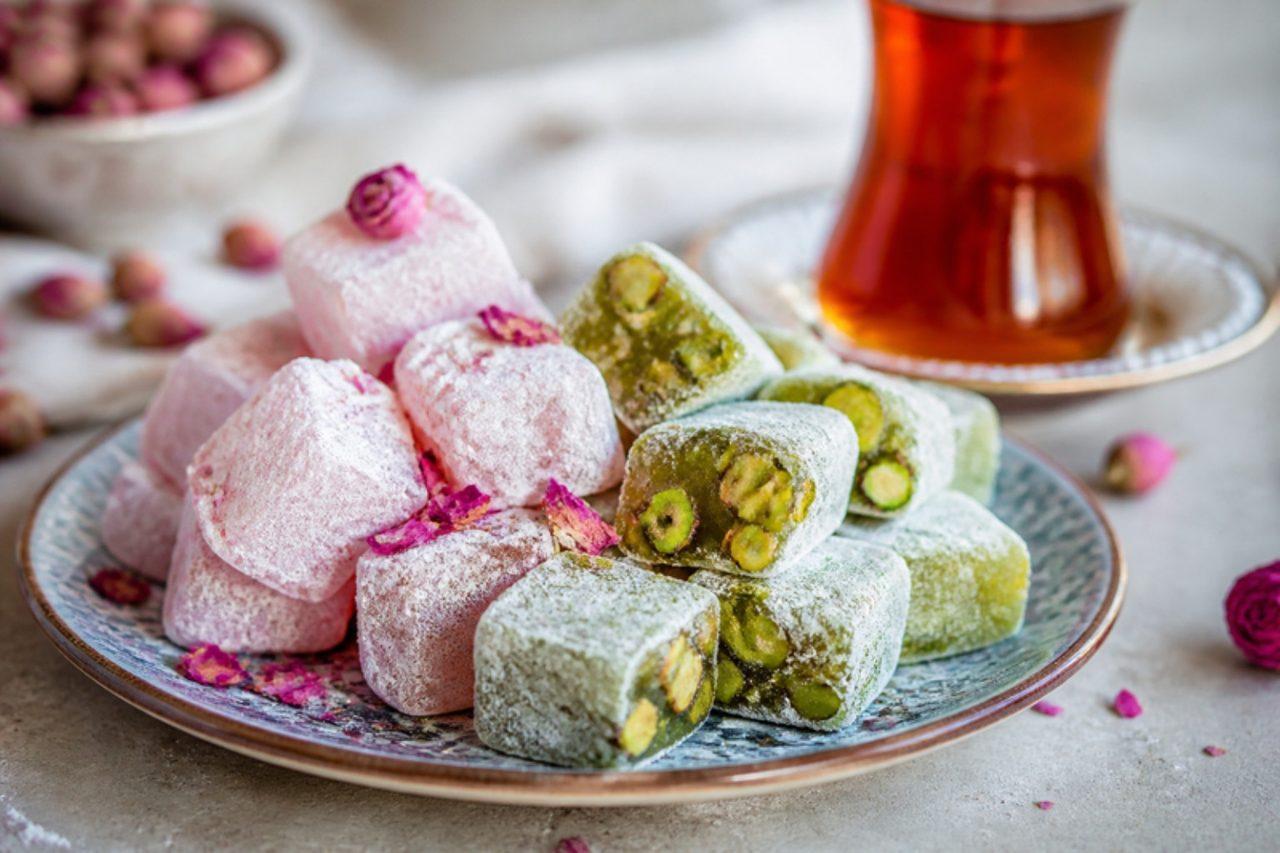
Istanbul's confectioners have been cooking lokum since the 18th century, and boxes of it still go to every host, office and family on holiday visits. Real lokum is nothing more than sugar syrup, lemon and cornflour, stirred for an hour until it turns translucent, firm and springy, then scented with rosewater and studded with pistachios. It is a test of patience, not skill. Common mistake: stopping too soon; undercooked lokum is sticky and never sets cleanly. Chef's tip: it is ready when a little dropped into cold water forms a soft, pliable ball and the mixture is the colour of pale honey.

by KrazyBadal 0 views

Hatay zeytin salatasıGreen olive and walnut salad

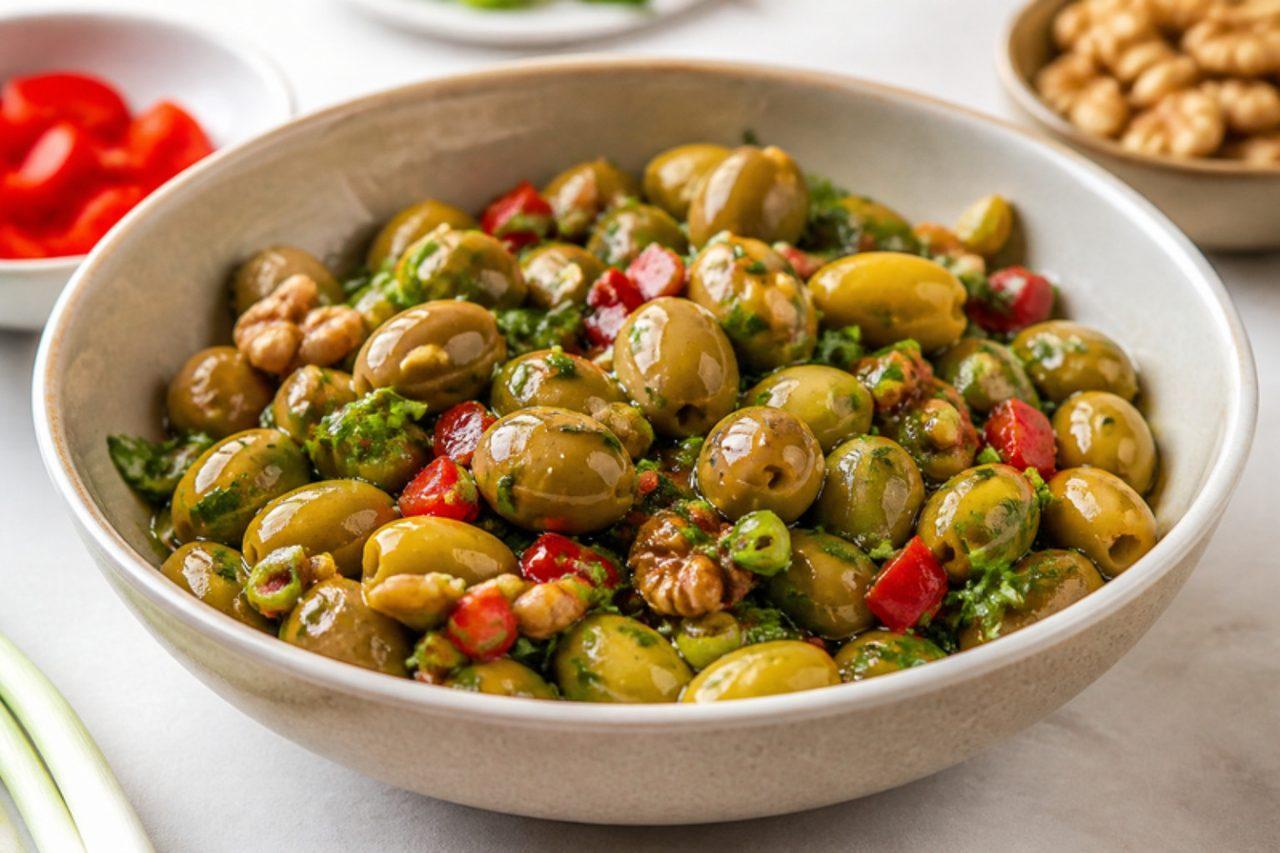
Hatay grows olives on every hillside towards the Syrian border, and its meyhanes and breakfast tables always have a bowl of this salad: green olives tossed with walnuts, spring onion, tomato, parsley, pepper paste and pomegranate molasses. It is salty, sour and sweet at once, and sits happily next to cheese, eggs and flatbread in the morning or as a meze in the evening. Pit and chop the olives yourself; jarred sliced olives are too soft. Rinse very salty olives first, or the salad is overwhelming. Chef's tip: dress it an hour ahead so the olives soak up the molasses, but add the tomatoes and herbs just before serving.

by KrazyBadal 0 views

Kerry Dingle piesSmall mutton pies

Dingle pies are small, round mutton pies made in west Kerry for the Puck Fair in Killorglin, for fishermen going to sea, and for farmers at the mart, often reheated in a bowl of the mutton broth. A firm hot-water-crust pastry holds a peppery filling of lamb or mutton, onion and carrot, so they travel well and are eaten by hand or with gravy. Chef's tip: shape the pastry while it is still warm; hot-water crust cracks and won't mould once it cools.

120 minIrishMeat
by KrazyBadal 0 views

Sharbat-e beh limooQuince and lime syrup drink

Quince and lime syrup is an old-fashioned Persian cooler, the drink grandmothers in Isfahan and Tehran bring out on hot afternoons, said to settle the stomach and cool the body. Grated quince simmered in syrup turns from cream to a soft rosy amber and gives a floral, almost honeyed scent; fresh lime juice cuts through the sweetness. Diluted with iced water, it is lovely after a heavy meal of rice and stew. Chef's tip: cook the grated quince gently for the full time; the colour only turns pink after long, slow simmering.

by KrazyBadal 0 views

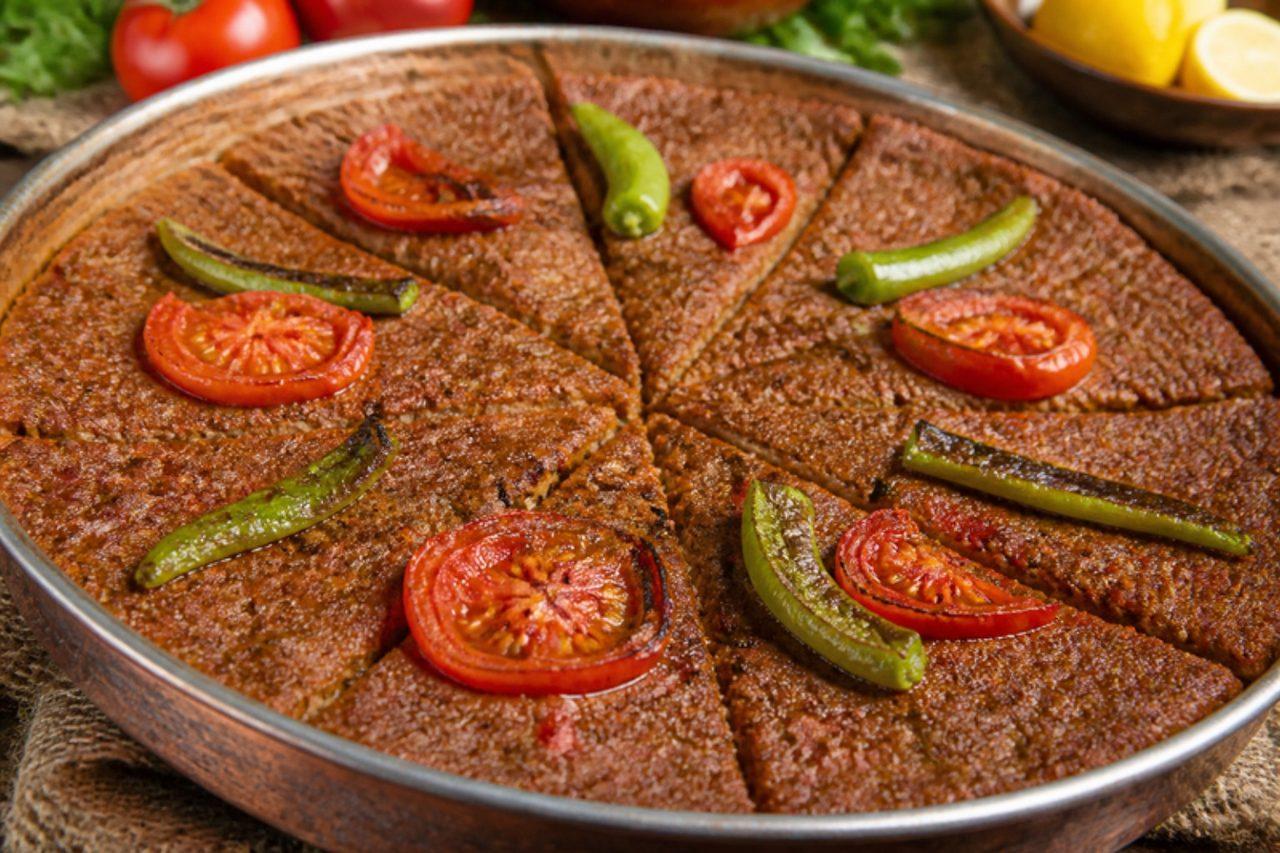
Tepsi kebabıBaked spiced lamb tray

In Antakya people still carry their tepsi kebabı to the neighbourhood bakery: a round copper tray of spiced lamb mince spread thin, scored into wedges and covered with sliced tomatoes, peppers and onions. The bread oven turns it juicy and crusty, and it comes home with a stack of hot flatbread. It is weekend lunch for the family, eaten with a parsley and onion salad and a bowl of yoghurt. Common mistake: pressing the meat more than 2 cm thick; it stews instead of roasting. Chef's tip: add a ladle of tomato water halfway through baking so the juices around the edges turn into a glossy sauce for dipping bread.

by KrazyBadal 0 views

Sharbat-e albalooSour cherry syrup drink

In early summer, when sour cherries arrive from the orchards around Karaj and Mashhad, families make a big batch of sharbat-e albaloo, the deep ruby syrup that is mixed with iced water for guests through the hot months. It is sweet, sharp and very refreshing, and the cooked cherries left over are not wasted: they go into albaloo polo, the cherry rice. A splash of the syrup also goes over shaved ice or yogurt. Chef's tip: stop cooking as soon as the syrup coats a spoon thinly; overcooked syrup loses its fresh cherry flavour and tastes of jam.

by KrazyBadal 0 views

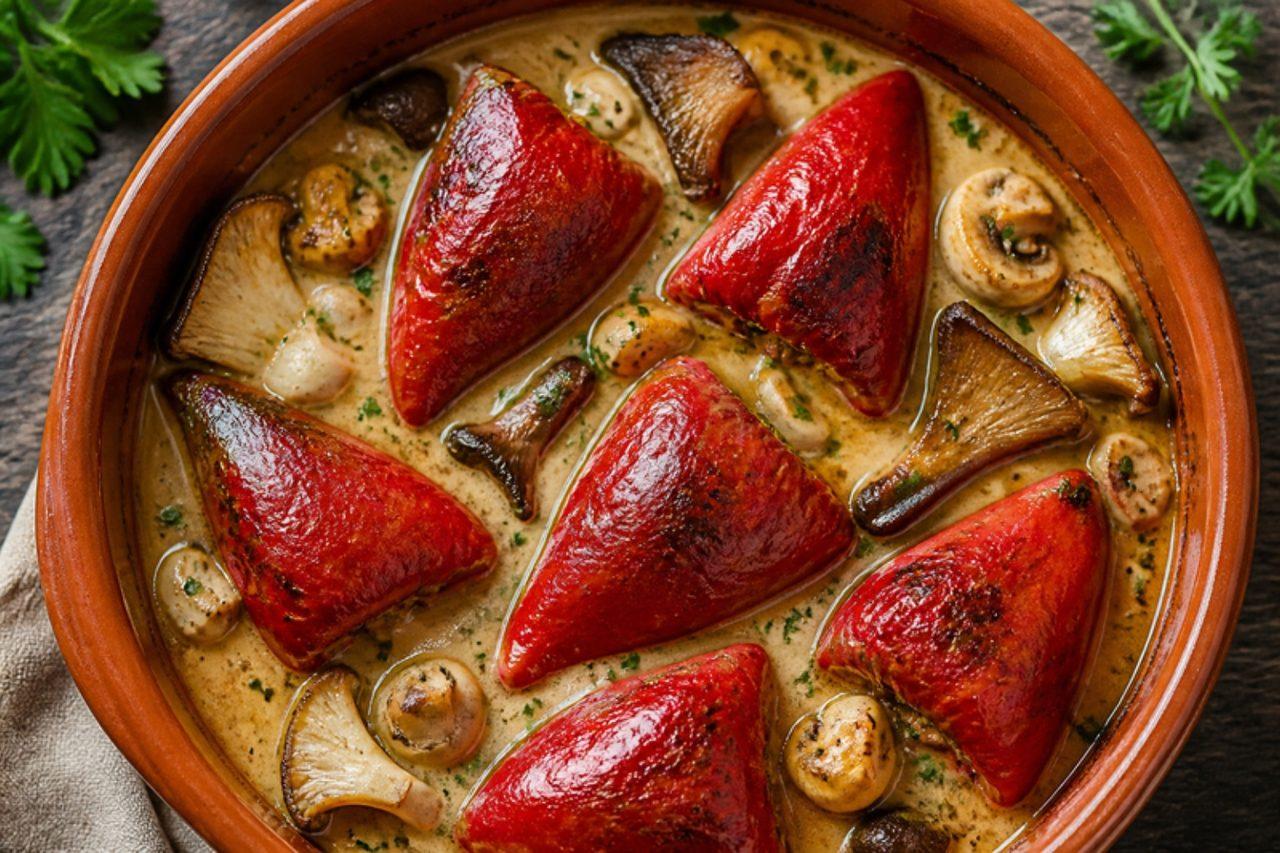
Piquillos rellenos de setasPeppers stuffed with mushrooms

Lodosa, on the Ebro in southern Navarre, roasts its little pointed piquillo peppers over wood, peels them by hand and jars them under its own protected name. When the autumn rains bring mushrooms up in the Navarrese hills, the peppers get stuffed with a thick mushroom béchamel, coated and fried, and served as a starter at family lunches or as a pintxo in the old town of Pamplona. A smooth sauce made from a few extra peppers goes underneath. Chef's tip: chill the filling until it is firm enough to scoop, which makes filling the soft peppers far easier.

by KrazyBadal 0 views

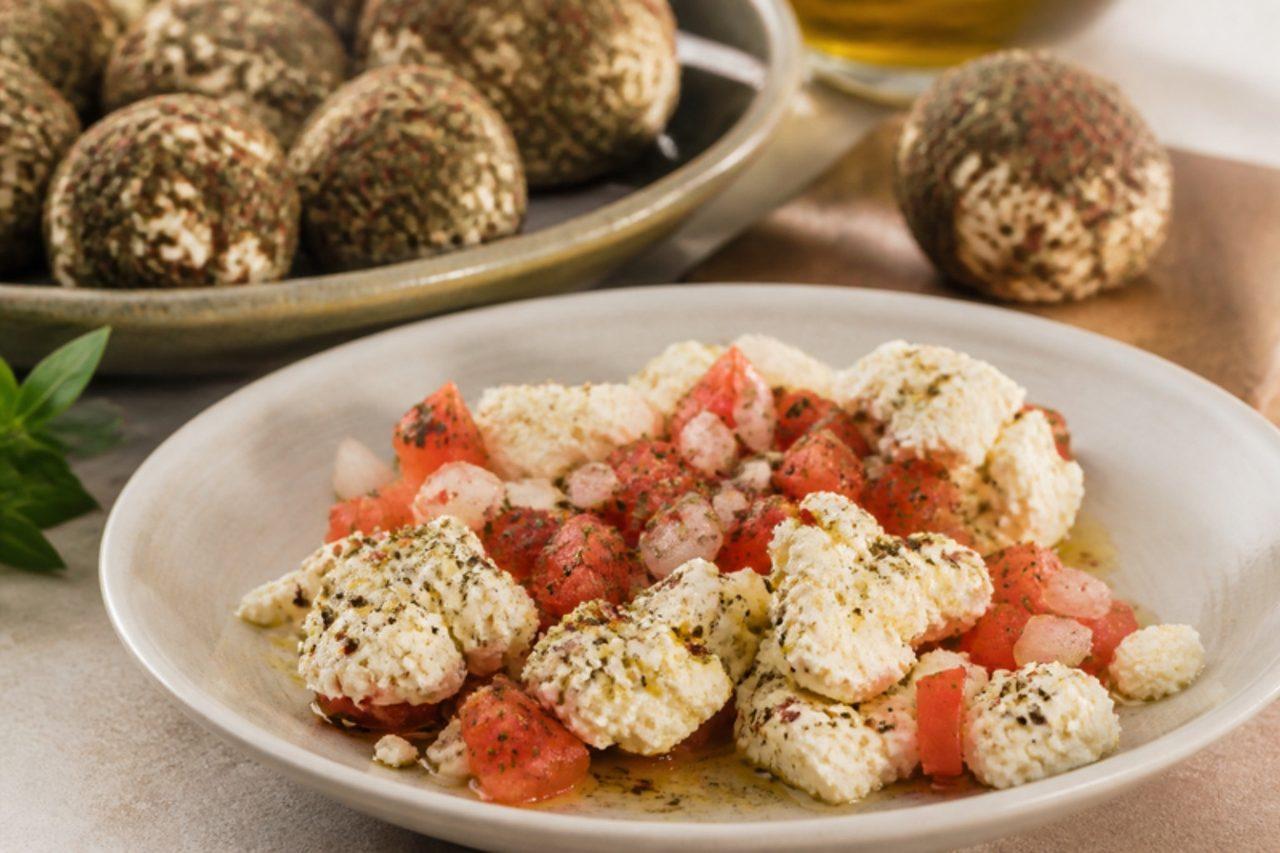
ShanklishAged yoghurt cheese balls

Up in the mountain villages of northern Lebanon and around Tartus on the Syrian coast, families once made shanklish at the end of summer to keep milk through the winter. This home version starts from strained yoghurt (labneh), seasoned and dried into firm balls, then coated in za'atar and Aleppo pepper for a tangy, crumbly cheese with a herby crust. Crumble it over chopped tomato and onion, drown it in olive oil and eat it with bread for breakfast or as mezze. Because it is made from labneh rather than rennet cheese, it is fully vegetarian. Common mistake: rolling the balls while the labneh is still soft; it must be firm enough to hold a thumbprint. Chef's tip: dry the balls uncovered in the fridge for two extra days if you like a sharper, more crumbly cheese.

by KrazyBadal 0 views

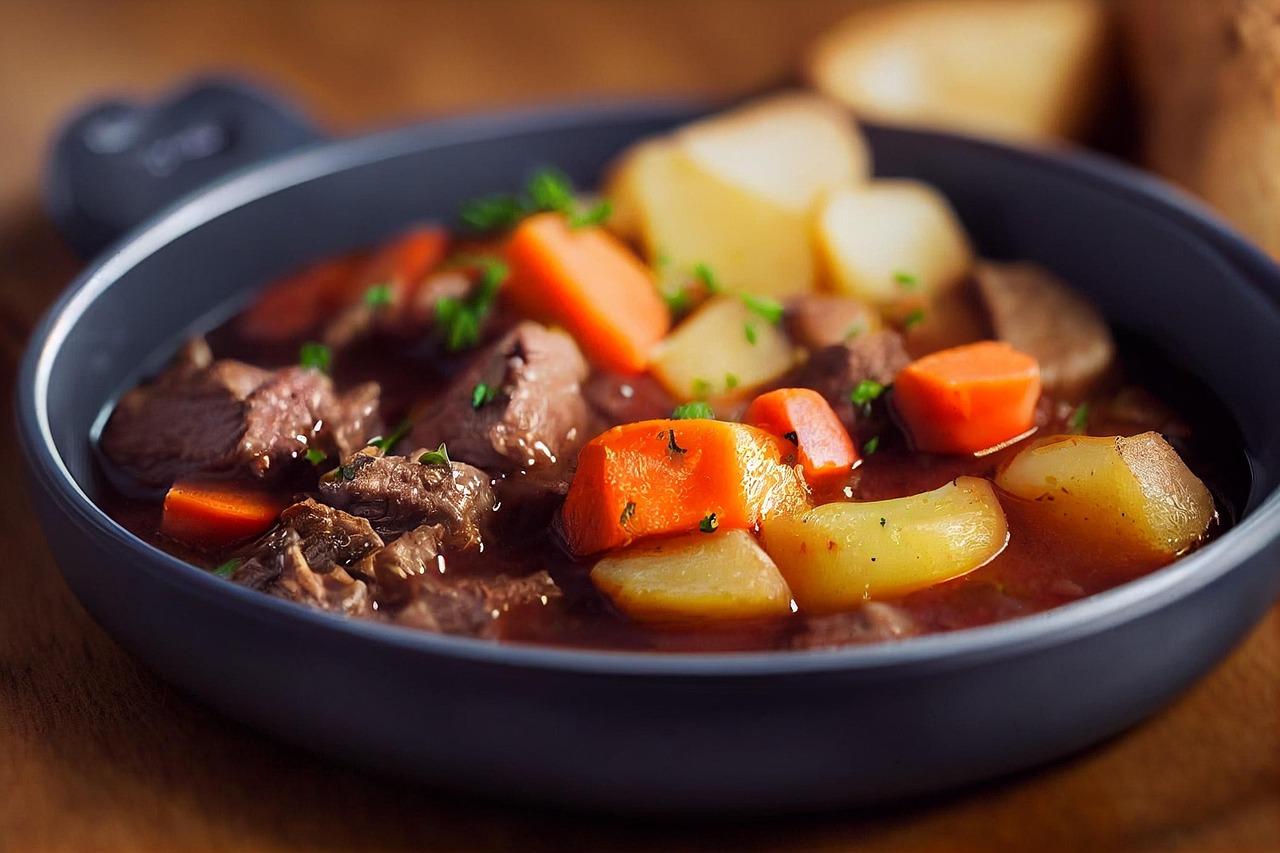
Liverpool scouseBeef and lamb stew

Scouse is so central to Liverpool that its people are named after it; the thick stew of meat, potatoes and onions was carried from the Baltic by sailors and cooked for dockers' families, and city restaurants still celebrate Global Scouse Day each February. Some of the potatoes cook down into the gravy, making it thick and hearty. Serve it with pickled red cabbage or beetroot and crusty bread. Chef's tip: cut half the potatoes small so they collapse and thicken the stew, and leave the rest in chunks.

170 minBritishMeat
by KrazyBadal 0 views

RosinenstutenRaisin milk loaf

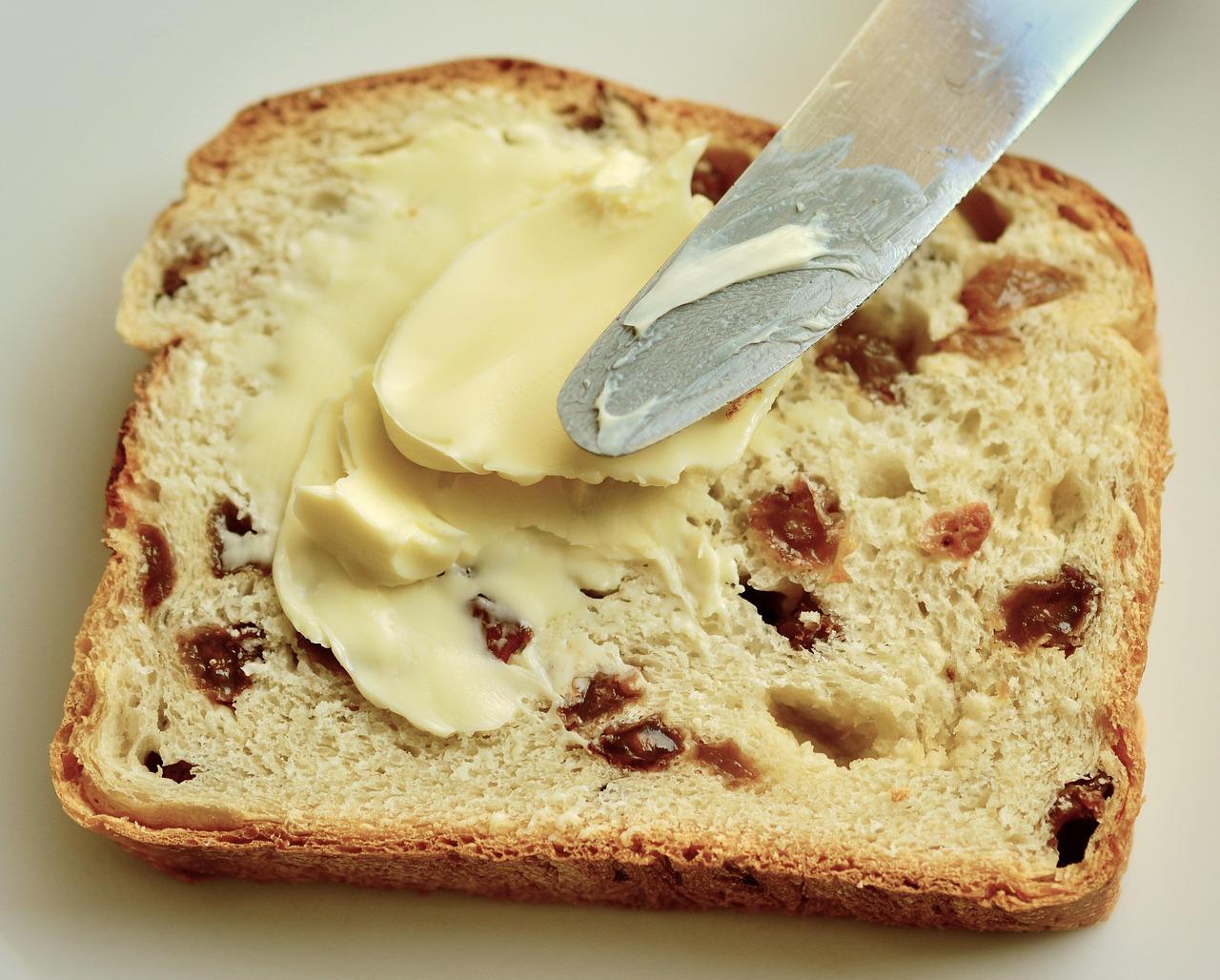
Rosinenstuten is the soft, slightly sweet raisin loaf that Westphalian and Rhineland families buy for Sunday breakfast and for christenings, where a giant one was once the traditional gift. It is baked in a long tin, sliced thick and spread with good butter, sometimes with a layer of cheese on top, which sounds odd and works beautifully. The crumb is fine and fluffy and the crust soft and shiny. A common mistake is adding dry raisins straight to the dough; they burn on the crust and steal moisture. Chef's tip: soak the raisins in hot water for 15 minutes, pat them dry and knead them in only at the very end, gently, so the dough stays light.

190 minGermanBaking
by KrazyBadal 0 views

Trigona PanoramatosCustard-filled filo cones in syrup

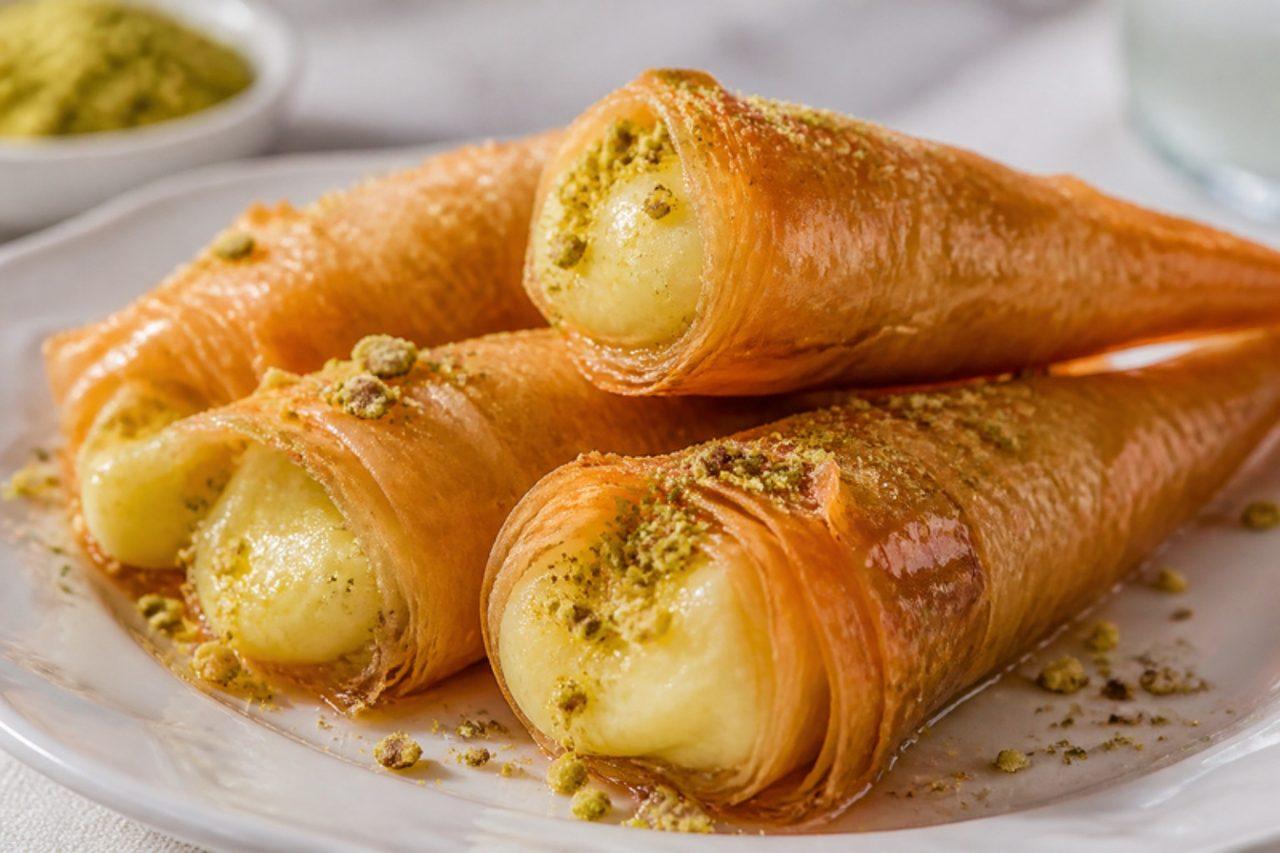
Up in Panorama, the hillside suburb above Thessaloniki, pastry shops fill crisp filo triangles to order, and people carry boxes of them down to the city for Sunday visits and name days. Each cone is baked until it shatters, dunked for a second in lemony syrup, then piped full of a cold, light custard cream. The contrast is the point: brittle, buttery shell against soft, barely sweet filling, best within a couple of hours. Common mistake: filling the cones while the syrup is still warm, which melts the cream and turns the pastry limp. Chef's tip: roll each cone around a cone-shaped metal mould or a twist of foil so it keeps a wide, open mouth for piping.

by KrazyBadal 0 views

Pirarucu de casacaLayered dried fish, farofa and plantain

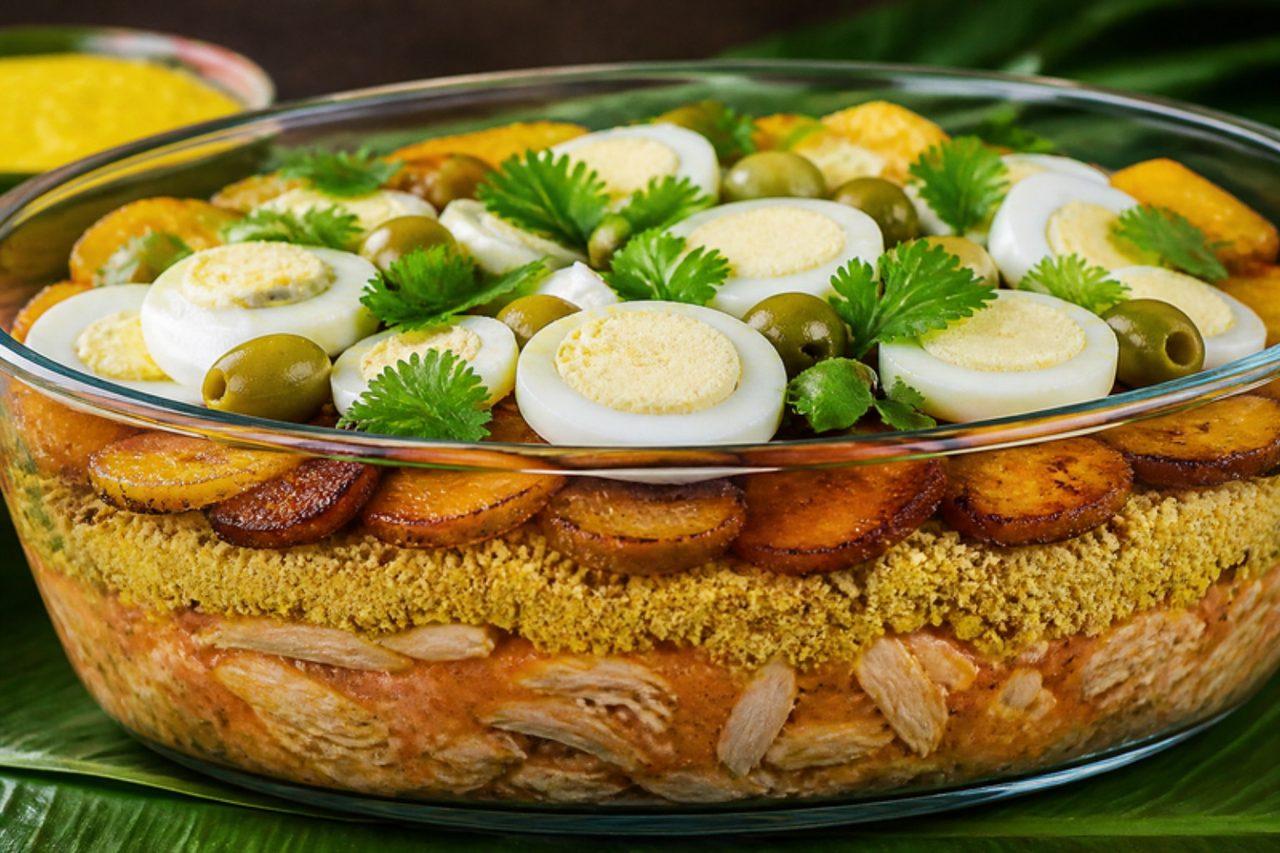
A party dish from Manaus and the Amazonas interior, pirarucu de casaca (pirarucu in a coat) is built in a big dish for birthdays and Christmas: a bed of buttery-looking farofa, a layer of shredded salt pirarucu cooked with tomato and coconut milk, golden slices of fried plantain, more farofa, and a scattering of raisins, olives, egg and herbs. Each spoonful is salty, sweet and crunchy at once. Pirarucu, the giant Amazon fish, is sold salted and dried like cod; salt cod is the easy substitute. Allow 24 hours to soak the fish in the fridge. A common slip-up is under-soaking, which makes the dish too salty to eat; taste a flake before you cook. Chef's tip: use very ripe, black-skinned plantain, fried slowly, so it caramelises and balances the salt of the fish.

by KrazyBadal 0 views

Trenza de AlmudévarNut and raisin braided bread

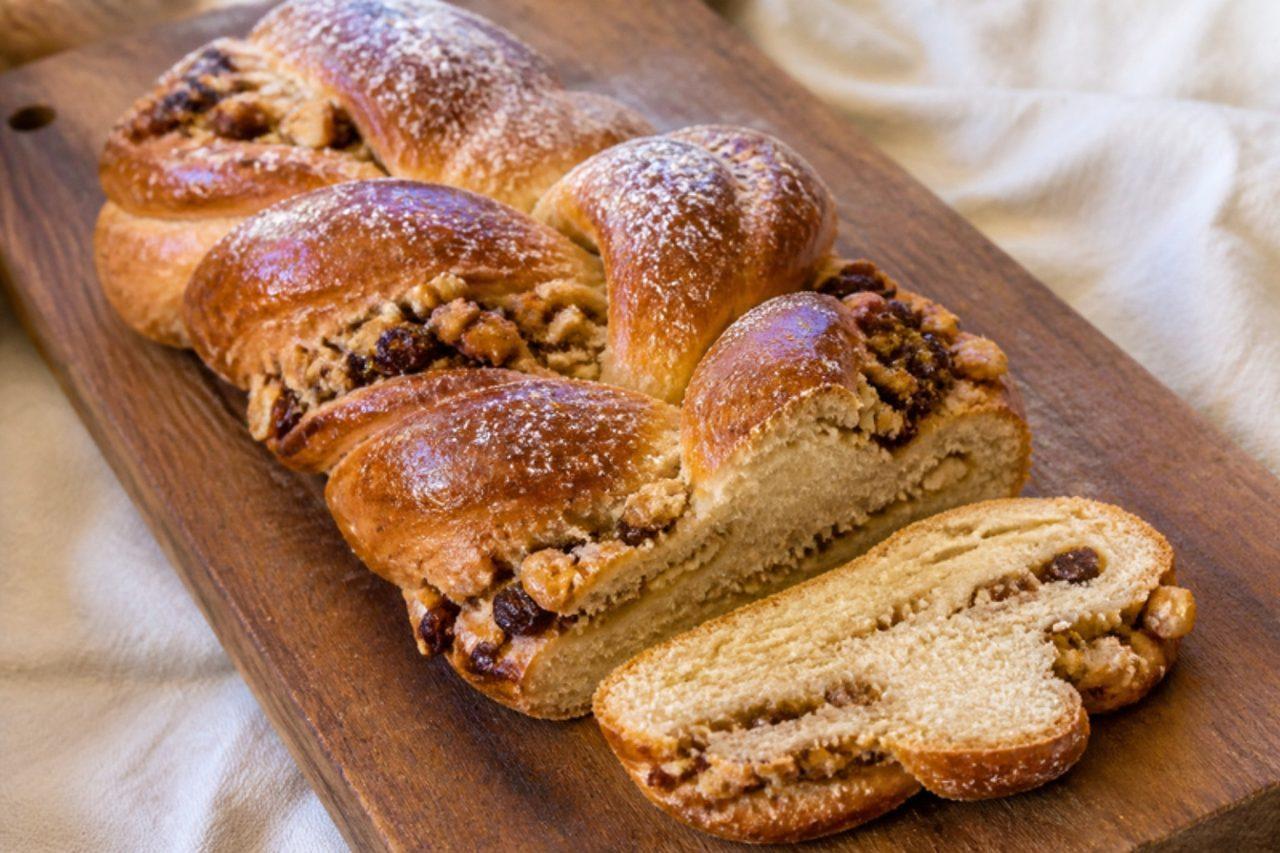
Almudévar, a small town between Zaragoza and Huesca, gave its name to a braid that is now sold all over Aragon and given as a present at Christmas: a golden plaited loaf, layered with chopped nuts and liqueur-soaked raisins and brushed with syrup until it shines. The town's bakeries use a laminated, puff-like dough that takes a day; this home version uses a buttery brioche rolled around the filling and cut and braided so the layers show. The raisins are traditionally soaked in rum or brandy; use warm orange juice for an alcohol-free loaf. A common mistake is braiding too tightly, which squeezes out the filling and stops the dough rising. Chef's tip: chill the filled roll for 15 minutes before cutting it lengthways; the butter firms and the cut is much cleaner.

by KrazyBadal 0 views

Moqueca de ovosEggs in coconut and tomato sauce

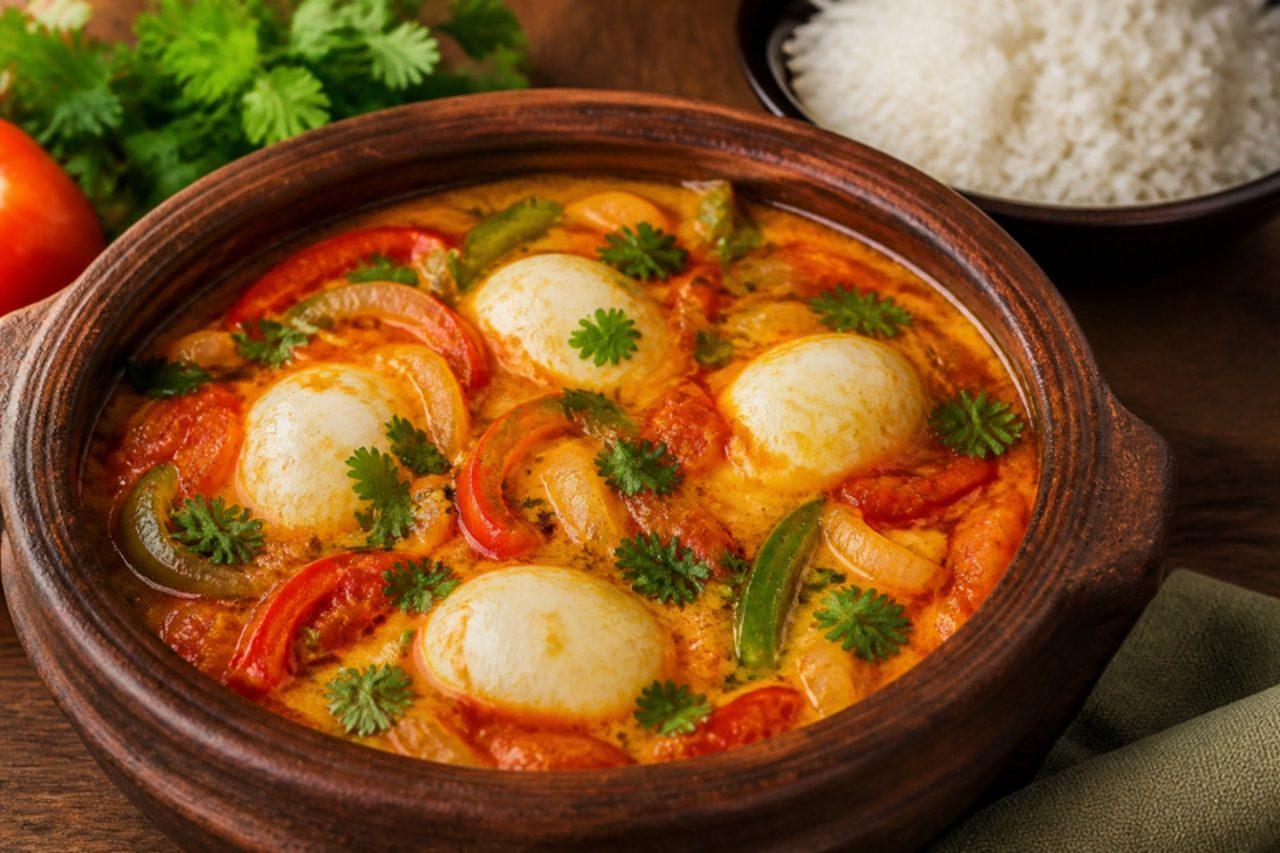
When fish money runs short or it is a meatless Friday, Bahian kitchens make moqueca with eggs instead: the same orange sauce of coconut milk, tomato, peppers, coriander and dendê palm oil, with whole eggs poached right in it until the whites set and the yolks stay soft. It is everyday food in Salvador and the Recôncavo, cooked in a clay pan and carried straight to the table with white rice, farofa de dendê and a spoon of pimenta sauce for those who want heat. The sauce is mellow, slightly sweet from the peppers and rich from the coconut, and the runny yolks thicken it on the plate. The usual mistake is stirring after the eggs go in; they break and turn the sauce cloudy, so cover the pan and leave it alone. Chef's tip: add half the dendê at the start and the rest just before the eggs; heated too long it loses its nutty, floral perfume and only the colour remains.

by KrazyBadal 0 views

Moraba-ye bahar narenjBitter orange blossom jam

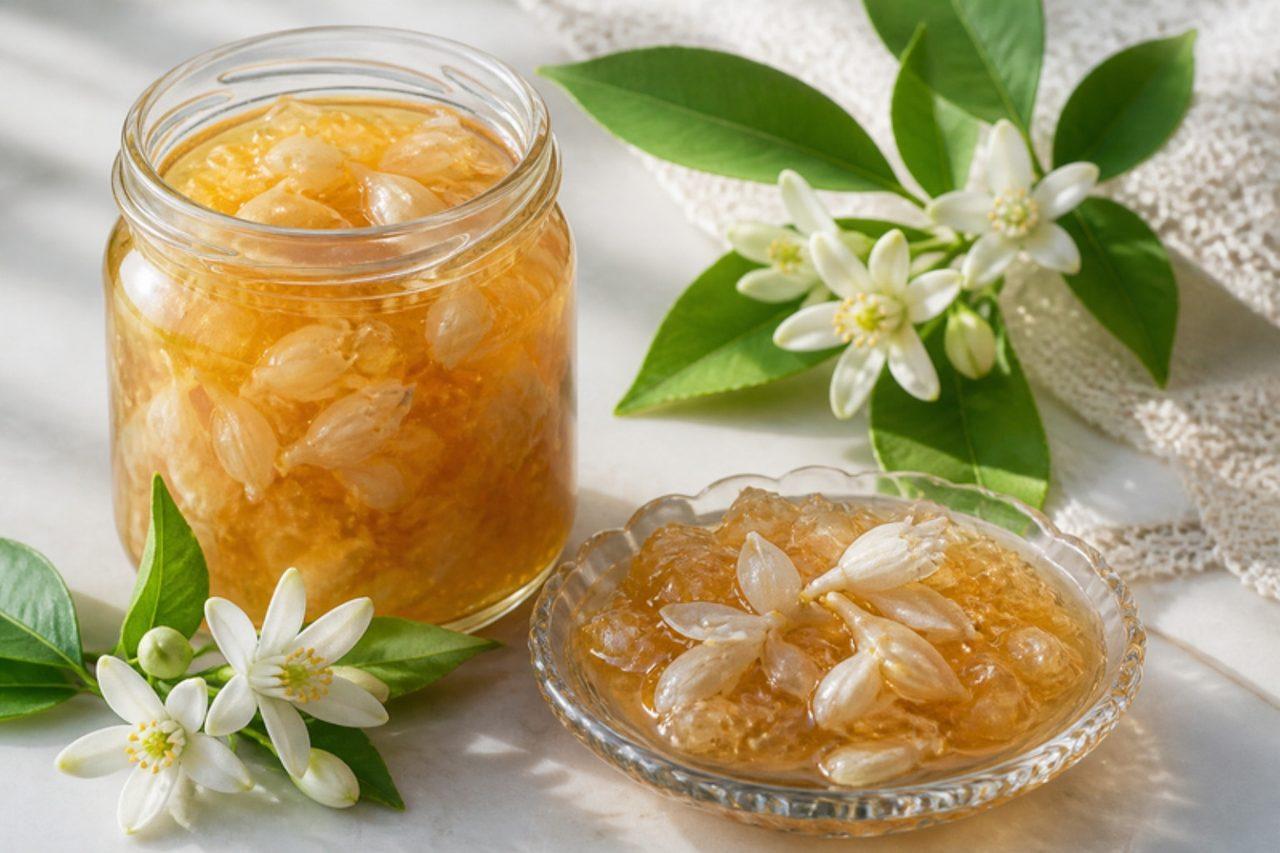
When the bitter orange trees lining Shiraz's streets bloom in April, the whole city smells of blossom, and households gather the fallen petals to make this pale golden jam for the year ahead. It is spooned onto bread with fresh cheese at breakfast, or stirred into tea. The petals are bitter, so they are blanched and soaked several times before they meet the syrup. A common mistake is cutting the soaking short, which leaves the jam harsh. Chef's tip: add the lemon juice only at the end; it keeps the petals bright and stops the syrup from crystallising.

by KrazyBadal 0 views

Moraba-ye haveejCarrot jam with cardamom and almonds

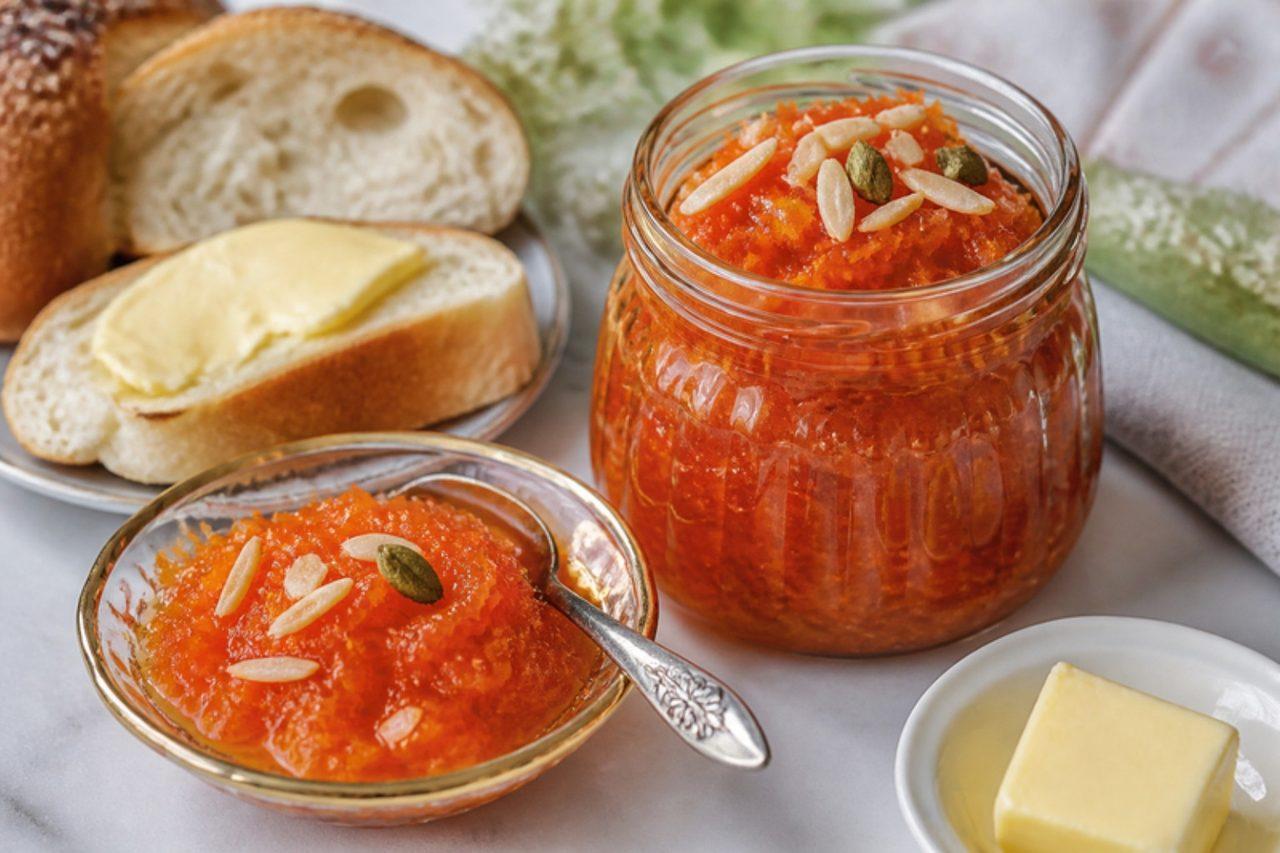
Moraba-ye havij is the bright orange jam on Iranian breakfast tables, spread on warm barbari or sangak with butter or a slice of white cheese, especially in winter when carrots are at their sweetest. Thin shreds of carrot are candied in a light syrup with cardamom and orange peel, then finished with rosewater and slivered almonds, so every spoonful is chewy, glossy and fragrant. It is made in every region, and families argue over how thick the syrup should be. Chef's tip: cut the carrots into fine matchsticks rather than grating them; grated carrot turns to mush and clouds the syrup.

by KrazyBadal 0 views

Biberli ekmekPepper paste flatbread

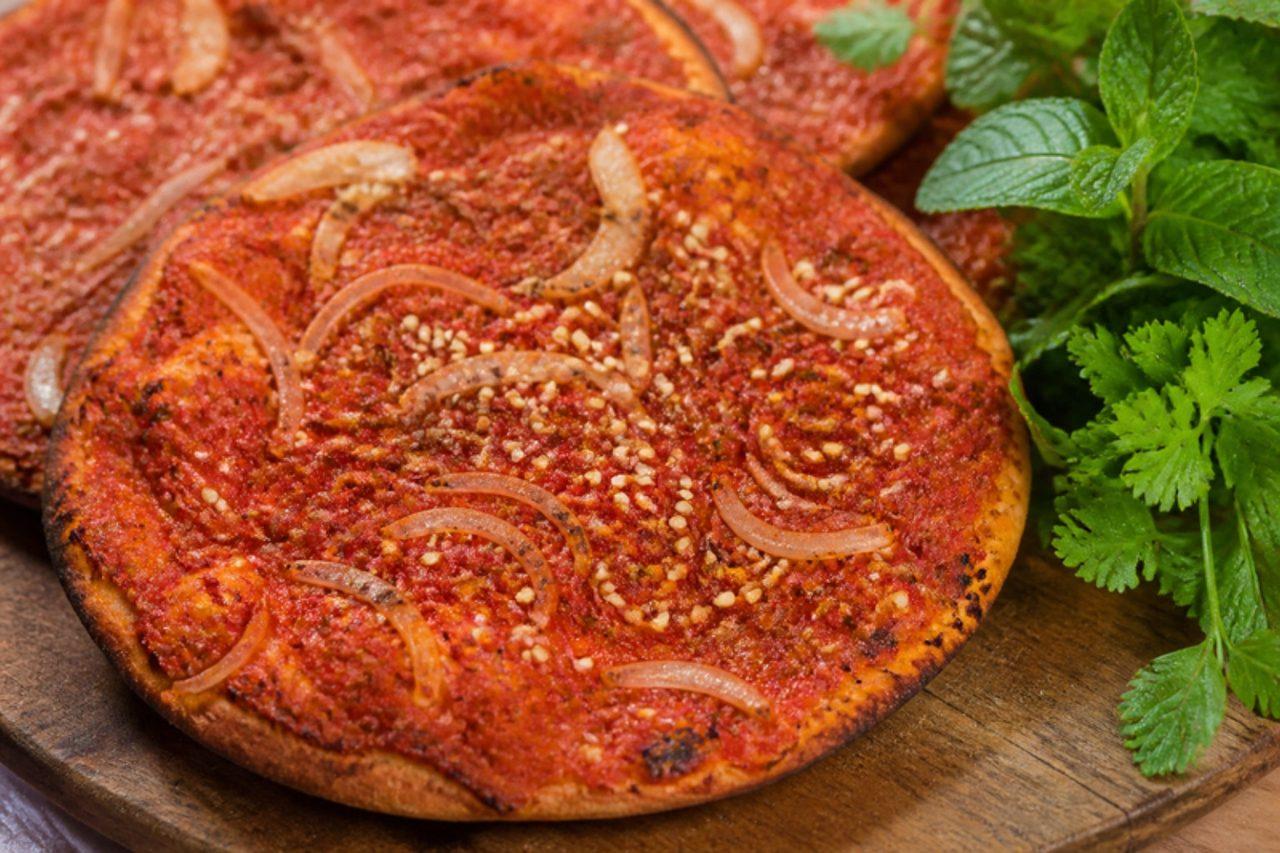
Antakya's neighbourhood bakeries take trays of topping from customers each morning and bake biberli ekmek in the wood oven to order: soft flatbreads smeared with a spiced paste of red pepper, onion, parsley, cumin and sesame. It is breakfast, a school snack and a picnic bread all in one, often eaten with a glass of tea and a few olives. Some families add a little crumbled cheese, but the classic is meat-free and dairy-free. Spread the topping thin; a thick layer stays raw and wet in the middle. Chef's tip: bake on the hottest preheated tray you have so the base blisters before the topping dries out.

by KrazyBadal 0 views

Tortos de maízCorn cakes with fried eggs

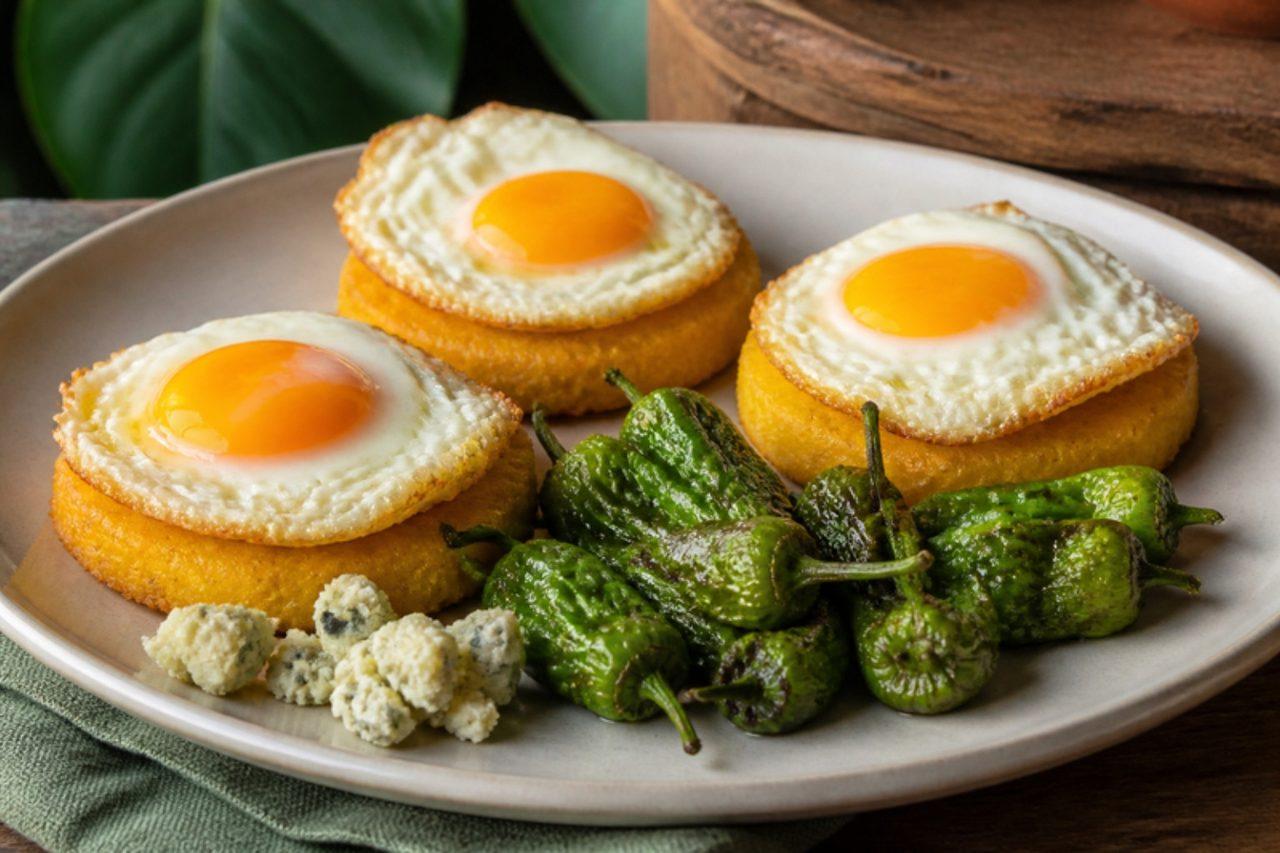
In the cider houses of Asturias, tortos arrive as a starter: small discs of corn dough fried until crisp outside and soft within, usually piled with something rich on top. Inland farms once ate them in place of bread, since maize grew far better than wheat in the damp valleys. This meat-free version tops each torto with a fried egg and blistered green peppers, with a little crumbled cabrales for those who want it; cabrales is usually made with animal rennet, so use a vegetarian blue cheese if that matters to you. Chef's tip: knead the dough with hot water and let it rest; cold water gives a crumbly dough that cracks in the pan.

by KrazyBadal 0 views

ReviroFried flour and egg scramble

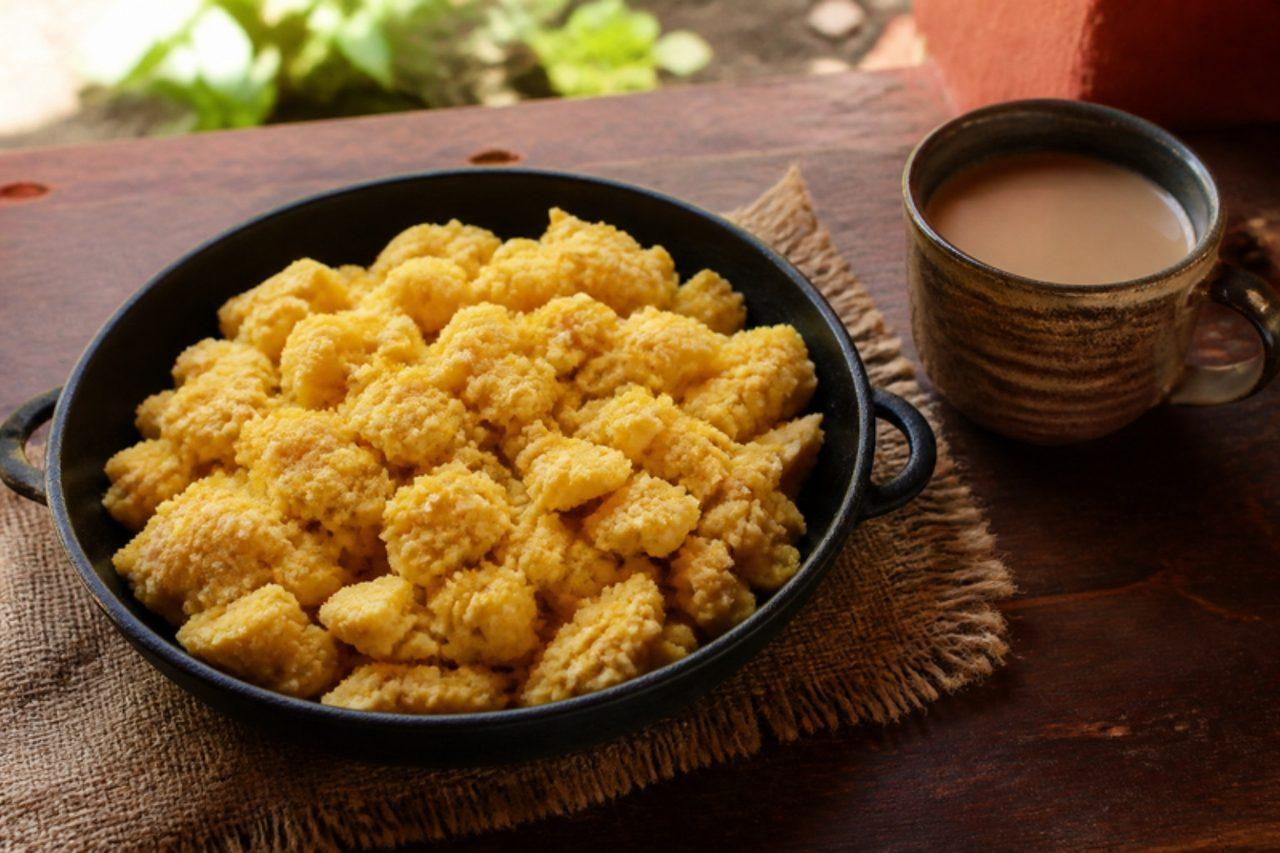
For field workers in the yerba-mate plantations of Misiones, the morning starts with reviro: a simple dough of flour, egg, water and salt fried in plenty of fat and then broken up with a spatula as it cooks, until it becomes a pile of crisp, golden, irregular crumbs with soft centres. It is filling, cheap and very good dunked in a mug of mate cocido or milky coffee, and it shares its roots with the Guaraní and Paraguayan kitchen across the river. Traditionally it is fried in lard or beef fat; this version uses butter and oil so it is vegetarian. Turning it too early is the classic blunder: the batter needs to fry undisturbed until a crust forms, or it turns into a pale, doughy mash. Chef's tip: keep chopping and turning with the edge of a metal spatula for the last 10 minutes; the more edges you make, the more crunch you get.

by KrazyBadal 0 views

Tortitas negrasBrown sugar-topped buns

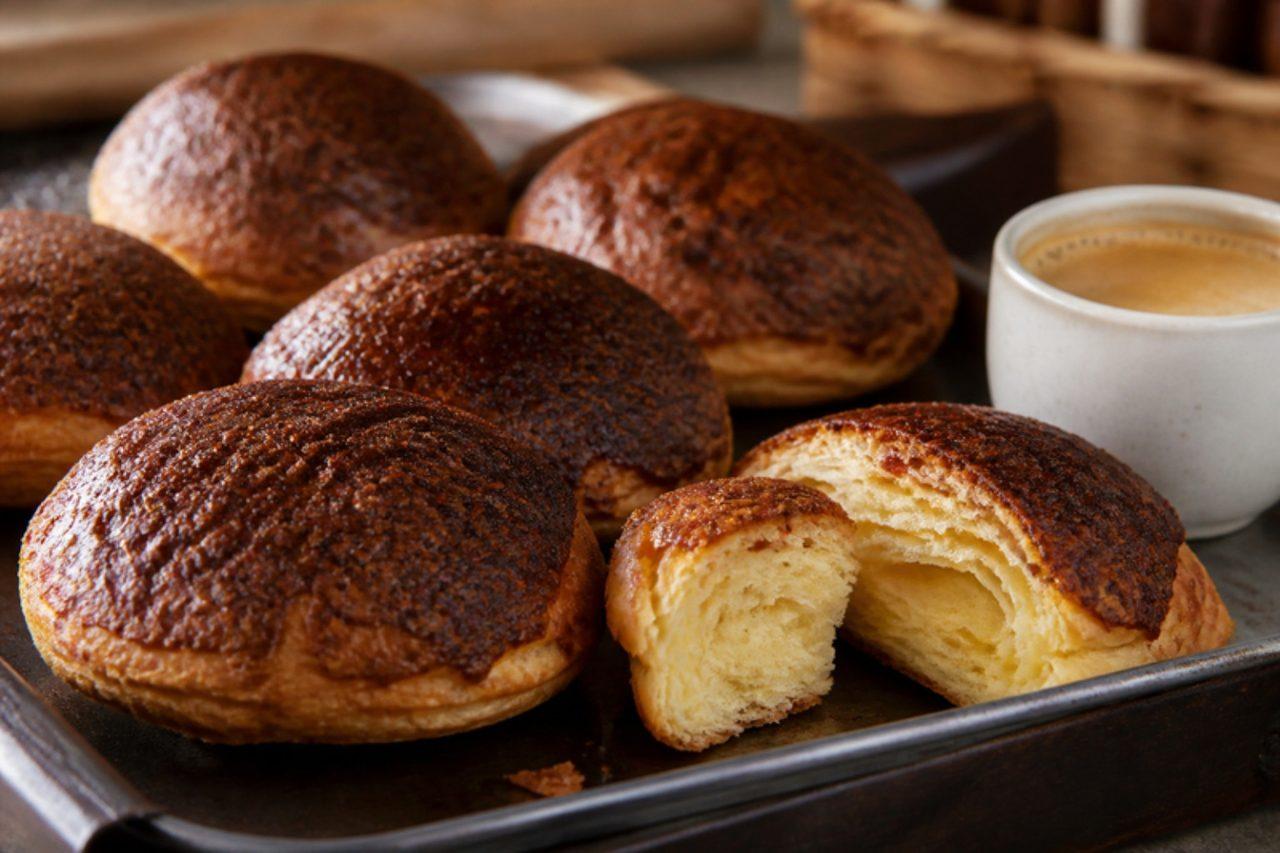
Black cakes, the name means, though only their tops are dark: tortitas negras are flat, round, flaky buns covered with a thick crust of dark brown sugar that melts in the oven and sets crunchy and toffee-like. They are among the cheapest and most popular facturas in Buenos Aires bakeries, eaten from a paper bag at breakfast or as a merienda with mate, and everyone fights over the sugary edges. The dough is a lightly laminated yeast dough, between bread and puff pastry. Bakeries often use lard or margarine; this version uses butter and stays vegetarian. Being stingy with the sugar is the classic misstep: a thin layer just melts into the dough and disappears, so pile it on thickly and press it down. Chef's tip: brush the rounds with water, not egg, before adding the sugar; the water melts the sugar into a crisp, crackling shell.

by KrazyBadal 0 views

Morgh-e torshChicken with walnuts and sour plums

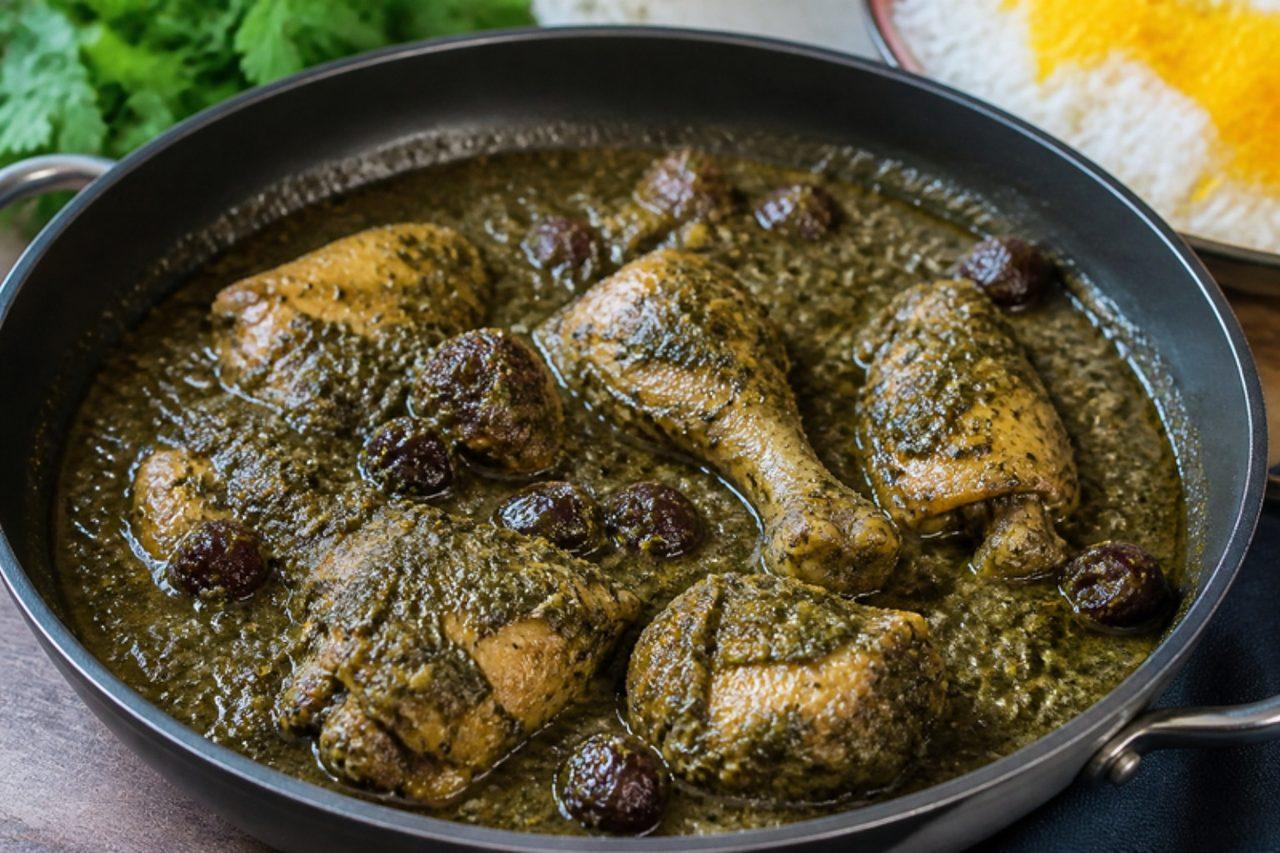
Morgh-e torsh is everyday Sunday cooking in Rasht and the villages of Gilan, where gardens overflow with herbs and the cooking leans sour rather than sweet. Chicken pieces are browned, then braised with a mountain of chopped coriander, parsley, mint and garlic chives, ground walnuts and sour plums, finished with verjuice or lemon until the sauce turns a deep olive green. It is eaten with kateh, the simple Caspian rice. A common mistake is adding the herbs raw to the pot; fry them first until dark and fragrant, or the sauce tastes grassy. Chef's tip: a beaten egg stirred in at the very end is how many Gilani grandmothers thicken and enrich the sauce.

by KrazyBadal 0 views

İrmik helvasıSemolina halva with pine nuts

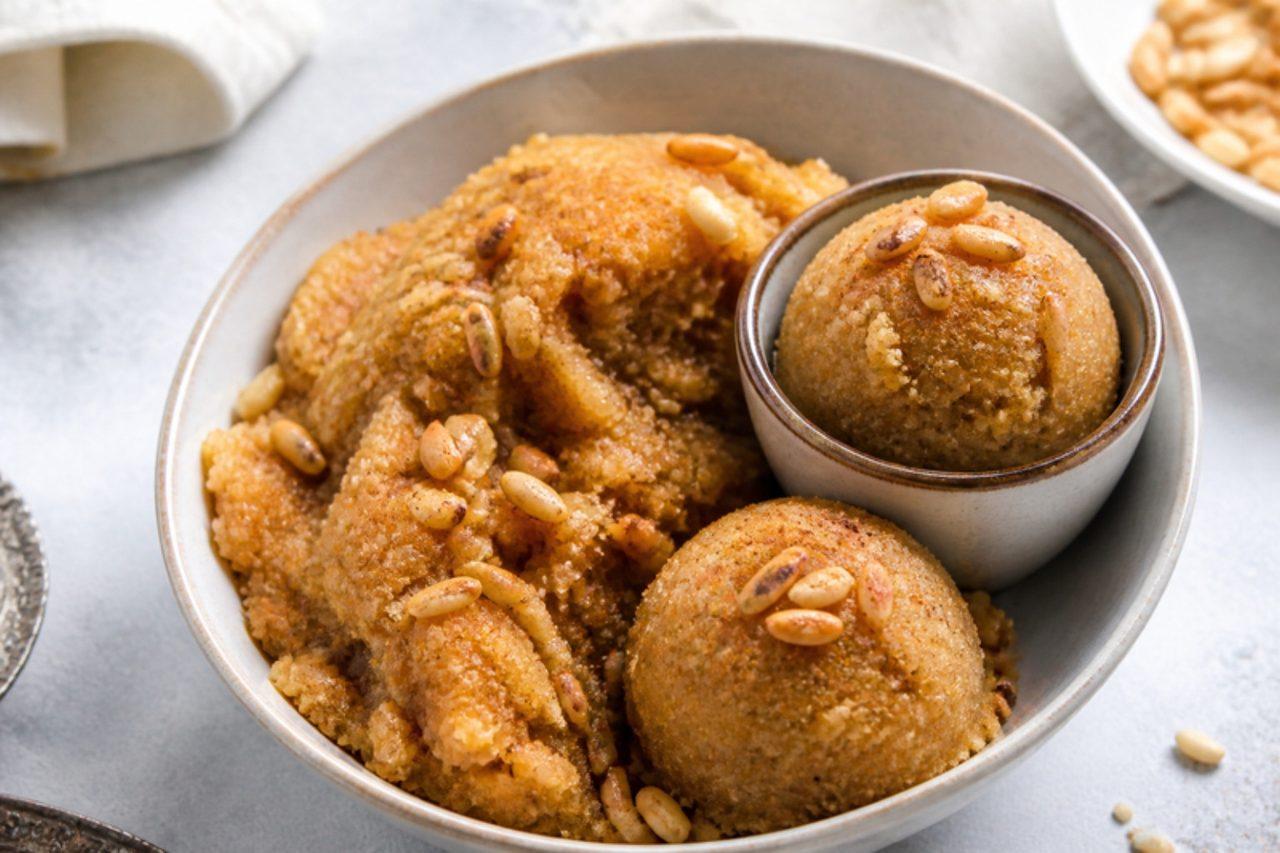
Across Turkey, the smell of semolina toasting in butter means something is happening: a new baby, a mevlit prayer gathering, or the forty days after a funeral, when neighbours are sent plates of warm helva. It is also simply a Friday-night family sweet. The semolina is stirred with pine nuts in butter until it is the colour of hazelnuts, then hissing hot milk and sugar are poured in and the pan rests until every grain swells. Common mistake: rushing the roasting over a high heat; it browns unevenly and tastes raw inside. Chef's tip: press the warm helva into a small cup and turn it out for neat domes, then dust with cinnamon.

by KrazyBadal 0 views

Pirpirim çorbasıPurslane, bean and bulgur soup

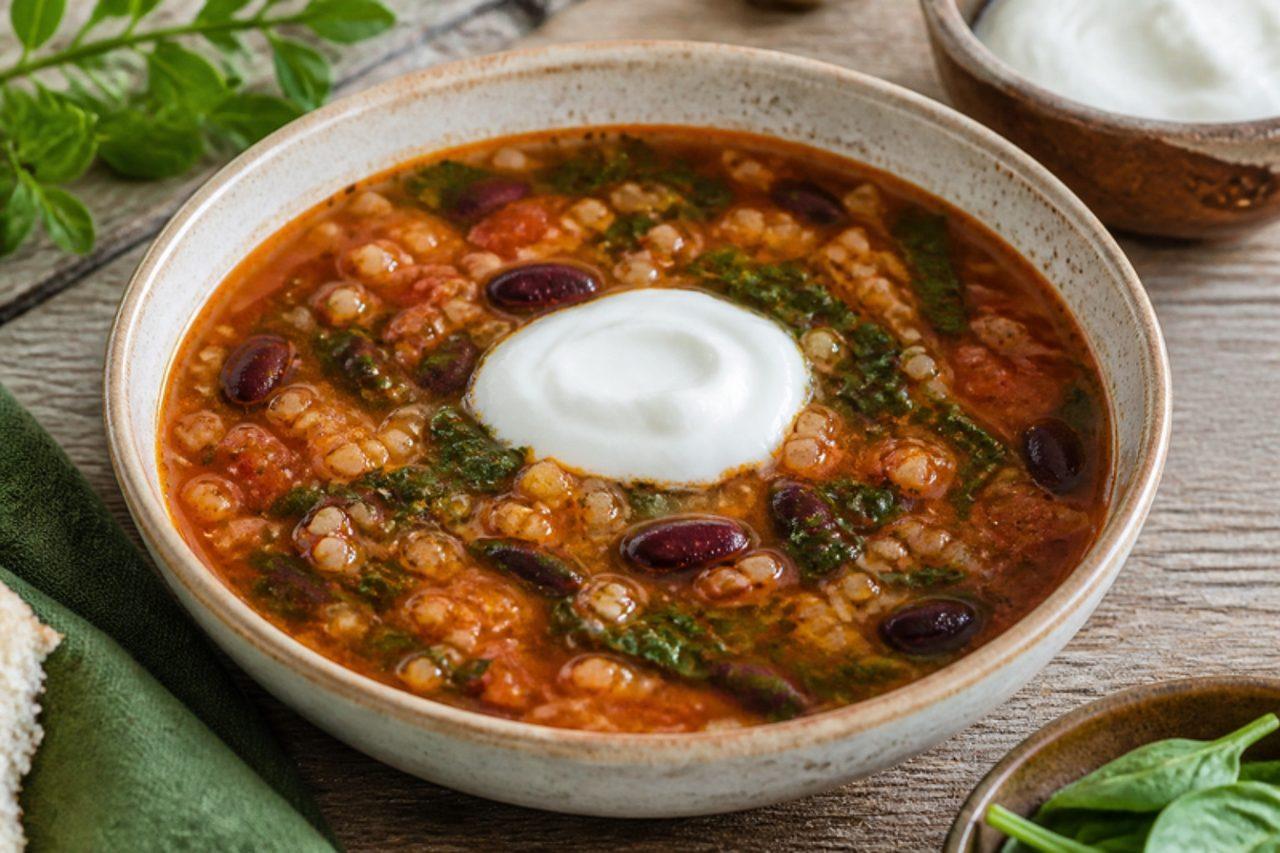
Purslane grows wild between the tea rows and maize fields of Giresun and Ordu, and in high summer it ends up in pirpirim çorbası, a lemony, slightly tangy soup thickened with cracked wheat and soft white beans. Families make it in big pots on hot days because it is just as good served lukewarm as piping hot. The fleshy leaves turn silky, the bulgur gives a gentle chew and a spoon of yoghurt on top makes it a full lunch. Common mistake: adding the purslane too early so it turns slimy and grey; it needs only 10 minutes. Chef's tip: keep a few raw sprigs back and stir them in at the end for crunch and a fresh green colour.

by KrazyBadal 0 views

Tortitas mendocinasFlaky round breakfast breads

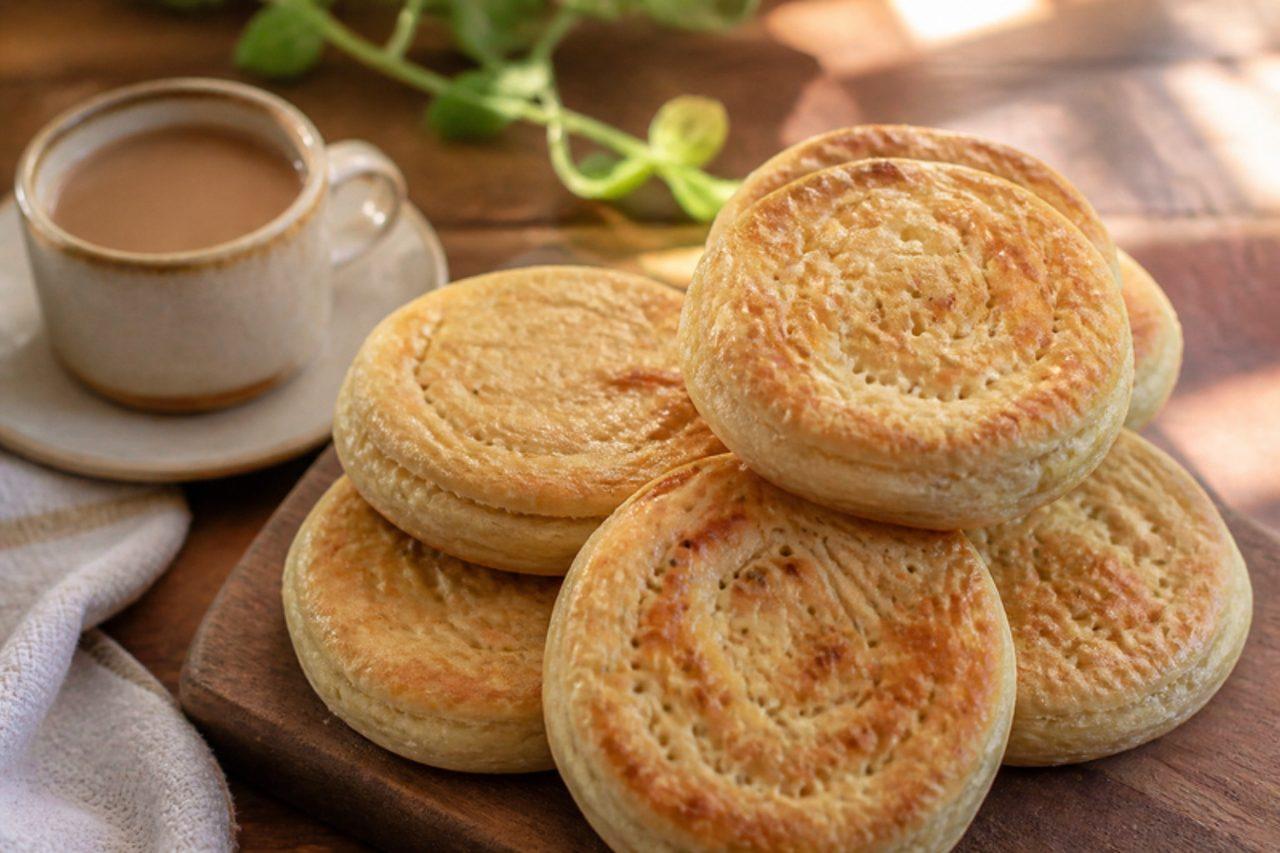
Every panadería in Mendoza fills a tray with tortitas in the early morning, and they go out in paper bags to be eaten warm with mate, split and spread with butter, quince paste or a slice of cheese. They are flat, round, slightly salty breads, soft and layered in the middle and crisp at the edges, with the fork marks that give them away. The traditional fat is beef lard (grasa), which makes them very short; here butter or vegetable shortening takes its place to keep them vegetarian, and both give a good flaky result. The mistake to avoid is rolling them thin like crackers: they should be a generous centimetre thick, or they bake hard and dry. Chef's tip: fold the dough in three twice before the final roll, like a quick puff pastry; those folds give tortitas their layers.

by KrazyBadal 0 views

Tortitas de Santa ClaraShortbread with pumpkin seed cream

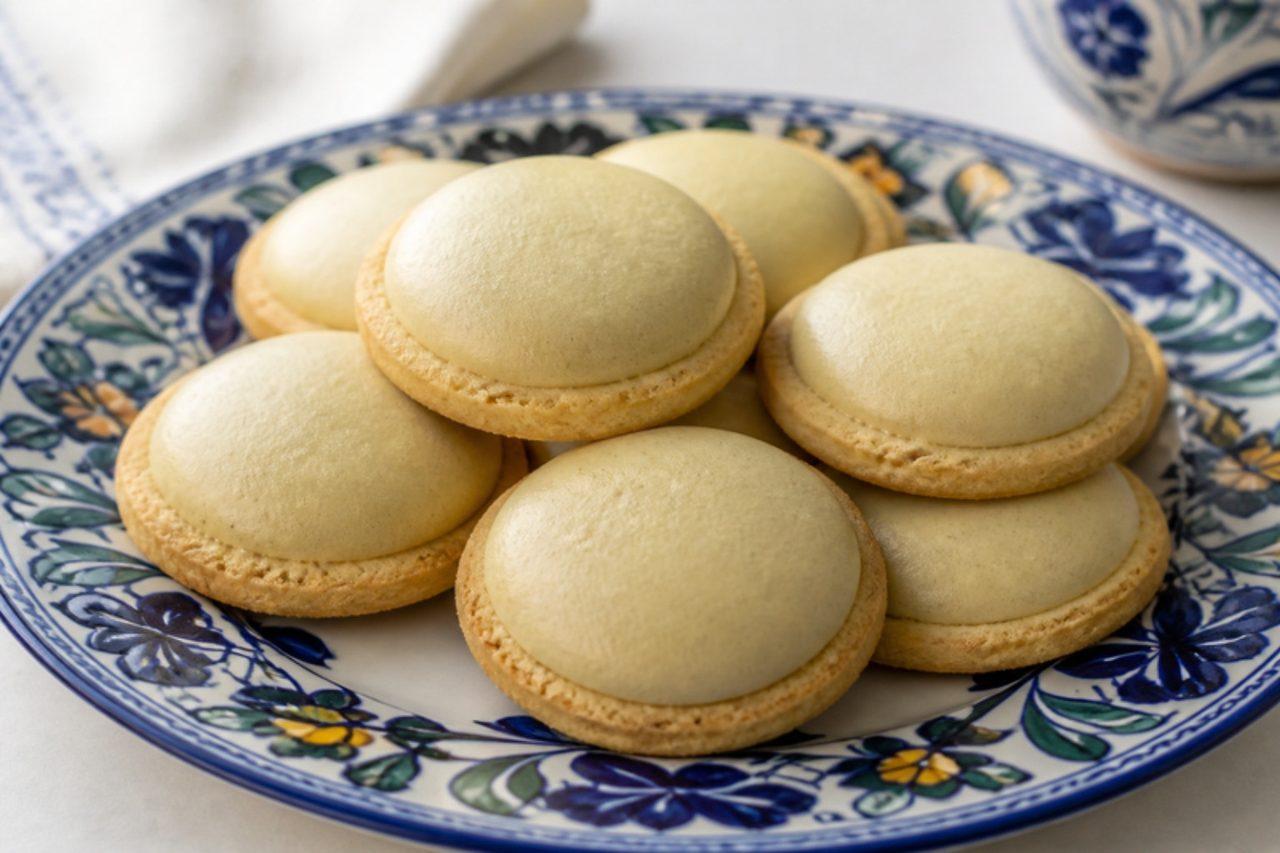
The nuns of the Santa Clara convent in Puebla are credited with this biscuit, and the city's Calle de los Dulces still sells it in boxes stacked beside camotes and jamoncillos. It is a crumbly, lightly sweet shortbread round, covered with a thick, pale cream made from ground pumpkin seeds, sugar and milk, which sets to a soft fudge-like layer. They are eaten with coffee in the afternoon and taken home as a gift from Puebla. Chef's tip: grind the peeled pumpkin seeds as fine as you can before cooking; any coarse bits make the topping gritty.

by KrazyBadal 0 views

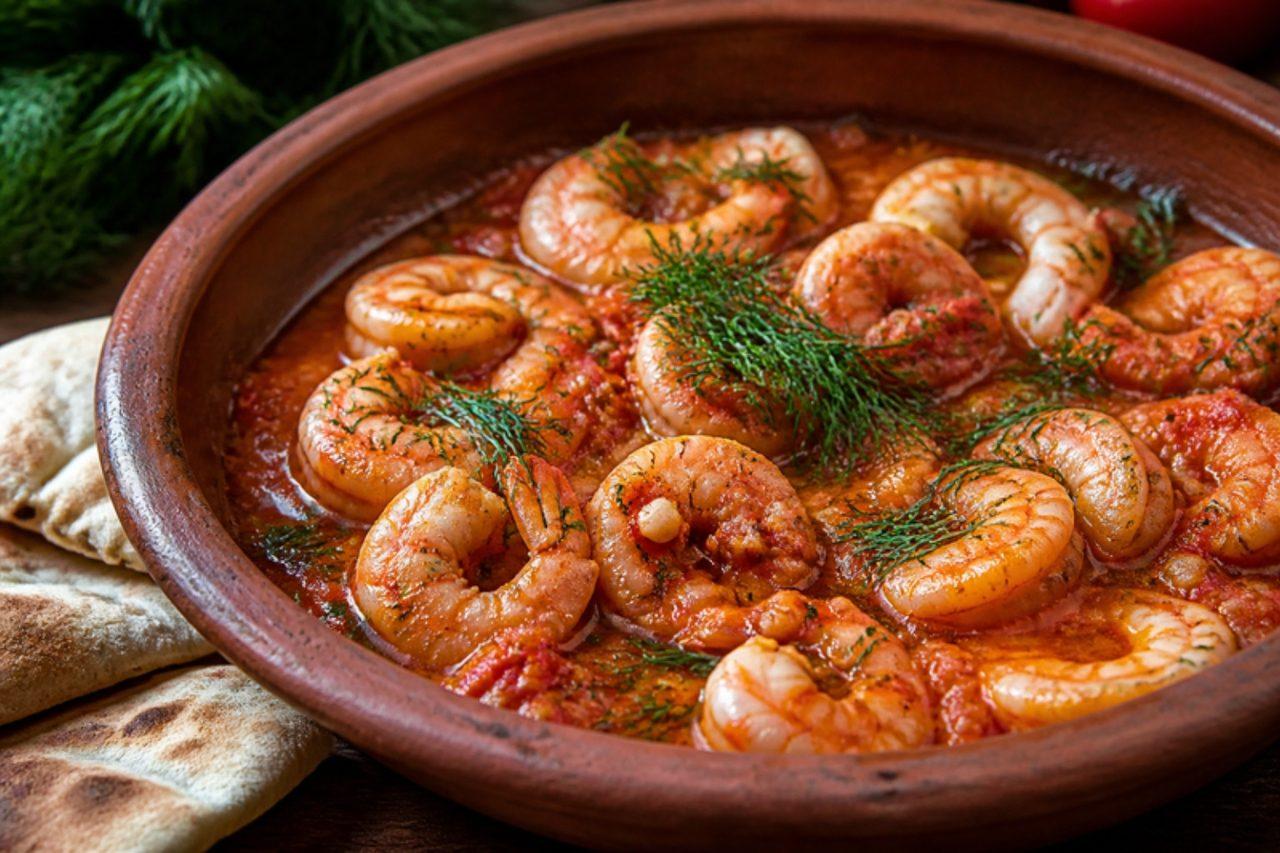
Zibdiyit gambariBaked prawns with tomato and garlic

In Gaza's seafront restaurants zibdiyit gambari arrives bubbling in the same clay bowl (zibdiya) in which the sauce was pounded: prawns baked in a fierce tomato sauce full of garlic, green chilli and dill seed, with olive oil pooling at the edges for dipping bread. Families make it at home for special Friday lunches when the catch is good. Common mistake: cooking the prawns as long as the sauce, which makes them tough; they need only a few minutes at the end. Chef's tip: pound the garlic, chilli and dill seed by hand; the rough paste fries into the oil and gives the sauce its punch.

by KrazyBadal 0 views

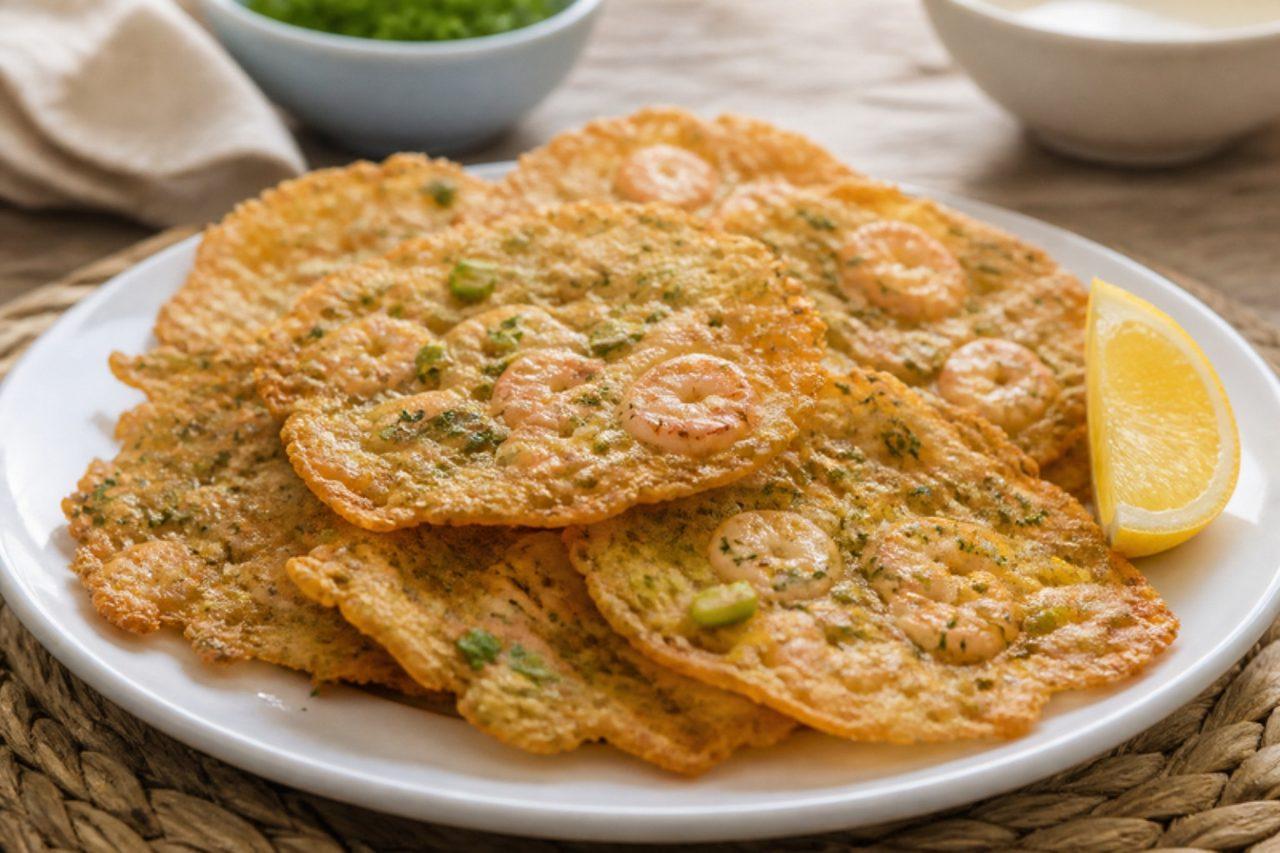
Tortillitas de camaronesShrimp and chickpea-flour fritters

Around the Bay of Cádiz, especially in San Fernando and Sanlúcar de Barrameda, tortillitas de camarones are fried to order in bars and eaten with fingers: thin, lacy fritters of chickpea flour, spring onion and parsley studded with tiny whole shrimp. The local camarones are eaten shell and all; outside the bay, small raw peeled prawns, roughly chopped, work well. The batter must be as thin as single cream, so it spreads into a crisp lace in the oil. Chef's tip: keep the batter in the fridge until the last moment; cold batter hitting hot oil gives the most delicate lace.

by KrazyBadal 0 views

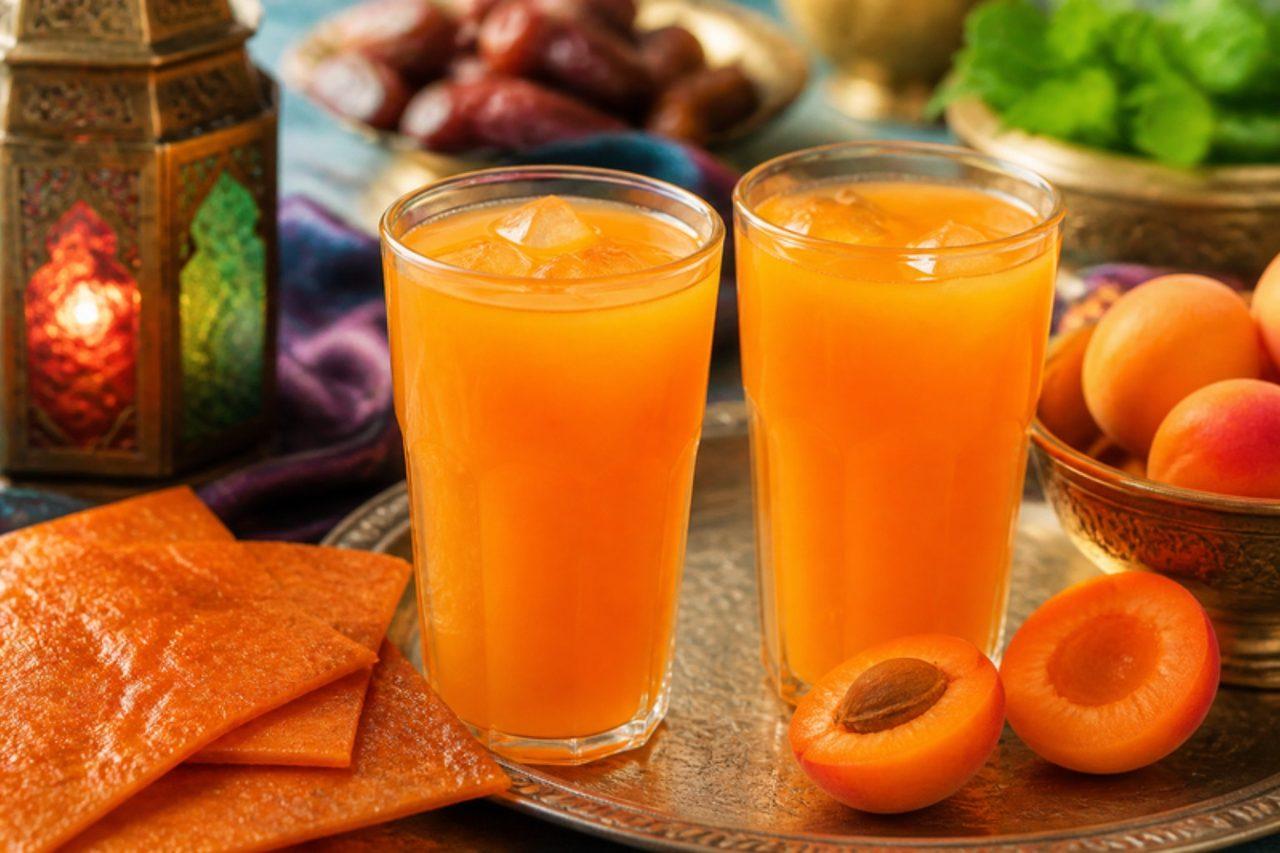
Qamar al-dinApricot drink

Damascus is famous for its apricots, and much of the summer harvest is pressed into thin orange sheets of apricot leather called qamar al-din. In Ramadan, almost every Syrian home soaks a sheet overnight and blends it into a thick, velvety drink to break the fast — it is sweet, slightly tart and full of energy after a long day. Serve it chilled, sometimes with a few soaked pine nuts on top. Common mistake: blending without soaking long enough; the leather needs time to soften or the drink is gritty. Chef's tip: add a splash of orange blossom water and a squeeze of lemon to wake up the apricot flavour.

by KrazyBadal 0 views

Tortas de VianaSponge roll with egg-yolk cream

In the pastry shops along Viana do Castelo's old streets, tortas are sold rolled and sliced, a feather-light sponge wrapped around a glossy egg-yolk cream. They turn up on festival weekends in August, when the town fills for the Romaria d'Agonia, and as an afternoon treat with coffee the rest of the year. The sponge contains only eggs, sugar and a little flour, so it bends without cracking if you roll it warm. Chef's tip: roll the sponge in sugared paper straight from the oven and let it cool in that shape, then unroll and fill.

by KrazyBadal 0 views

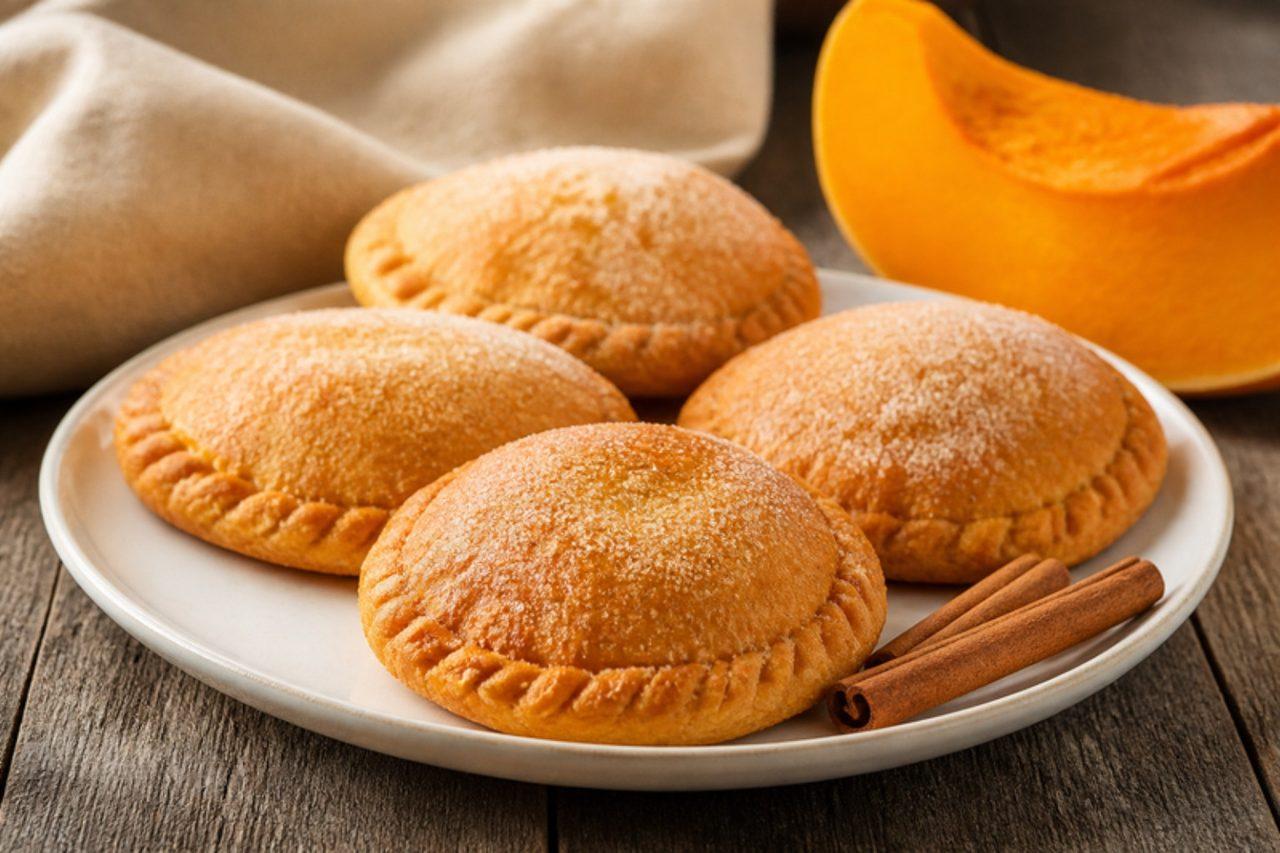
Tortas de almaPumpkin and almond pastries

In the province of Teruel, especially around Calamocha and the Jiloca valley, tortas de alma are made at the end of autumn when the pumpkins come in: crisp, flaky olive-oil pastry folded over "alma", a sweet filling of pumpkin cooked down with sugar, almond and cinnamon. They are eaten with coffee at the village festivals and given away by the dozen at All Saints and Christmas. Recipes vary from house to house; this one keeps to the simple, widely made version. A common mistake is a runny filling, which leaks and burns on the tray; cook it until it is thick enough to hold a clean line. Chef's tip: make the filling a day ahead and chill it; cold alma is far easier to spoon onto the pastry.

by KrazyBadal 0 views

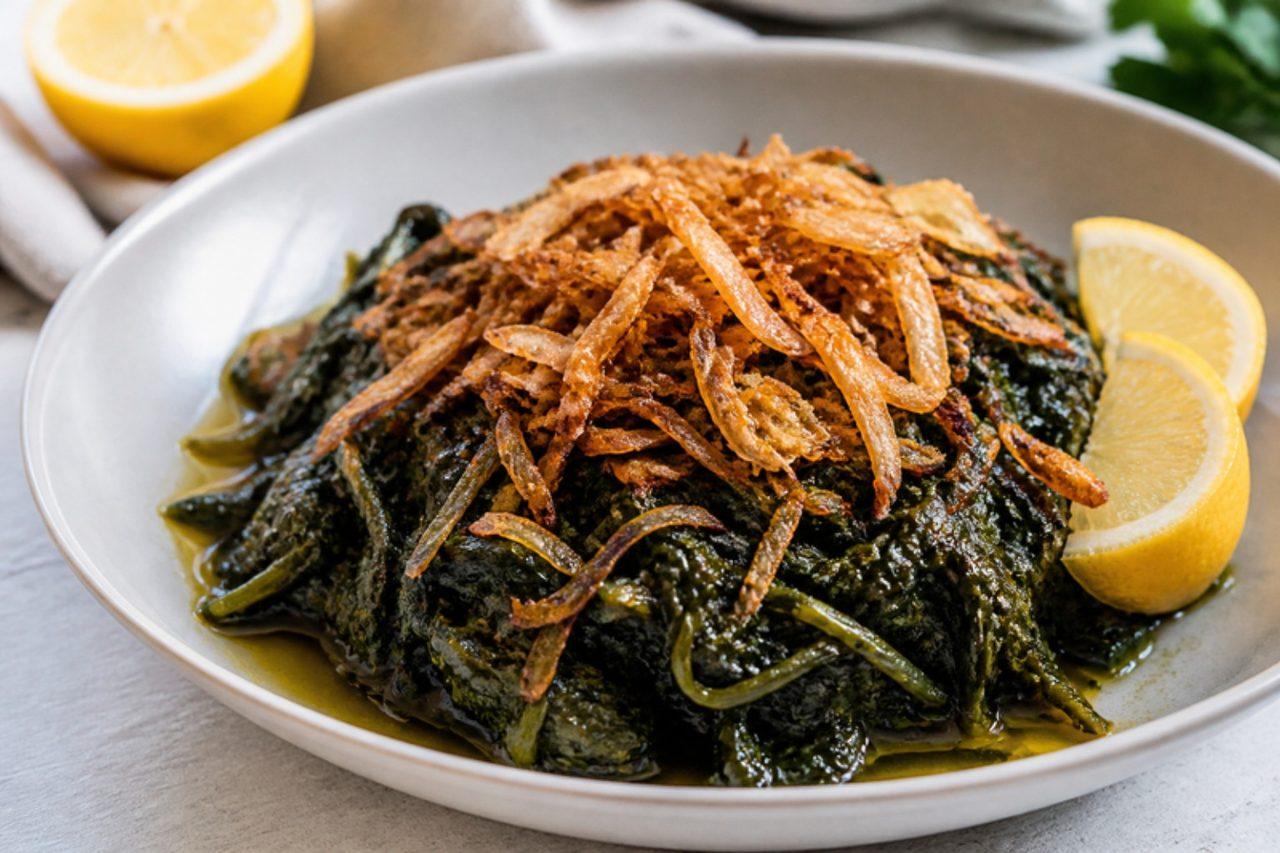
HindbehDandelion greens with fried onions

Each spring, people in the Lebanese hills go out with a knife and a bag to gather wild chicory and dandelion for hindbeh, a Lenten favourite in Christian homes and a regular on mezze tables all year. The bitter greens are blanched, squeezed and fried with garlic in olive oil, then piled with a tangle of deeply browned, crisp onions and served with lemon wedges. The bitterness, the sweetness of the onions and the sharp lemon balance each other, and it is eaten at room temperature with bread. Cultivated dandelion or curly endive from a greengrocer works well. Common mistake: not squeezing the greens dry; water stops them frying and dilutes the oil. Chef's tip: fry the onions slowly and pull them out a shade lighter than you want — they keep darkening on the paper.

by KrazyBadal 0 views

Morrones con huevo a la parrillaGrilled peppers with egg and cheese

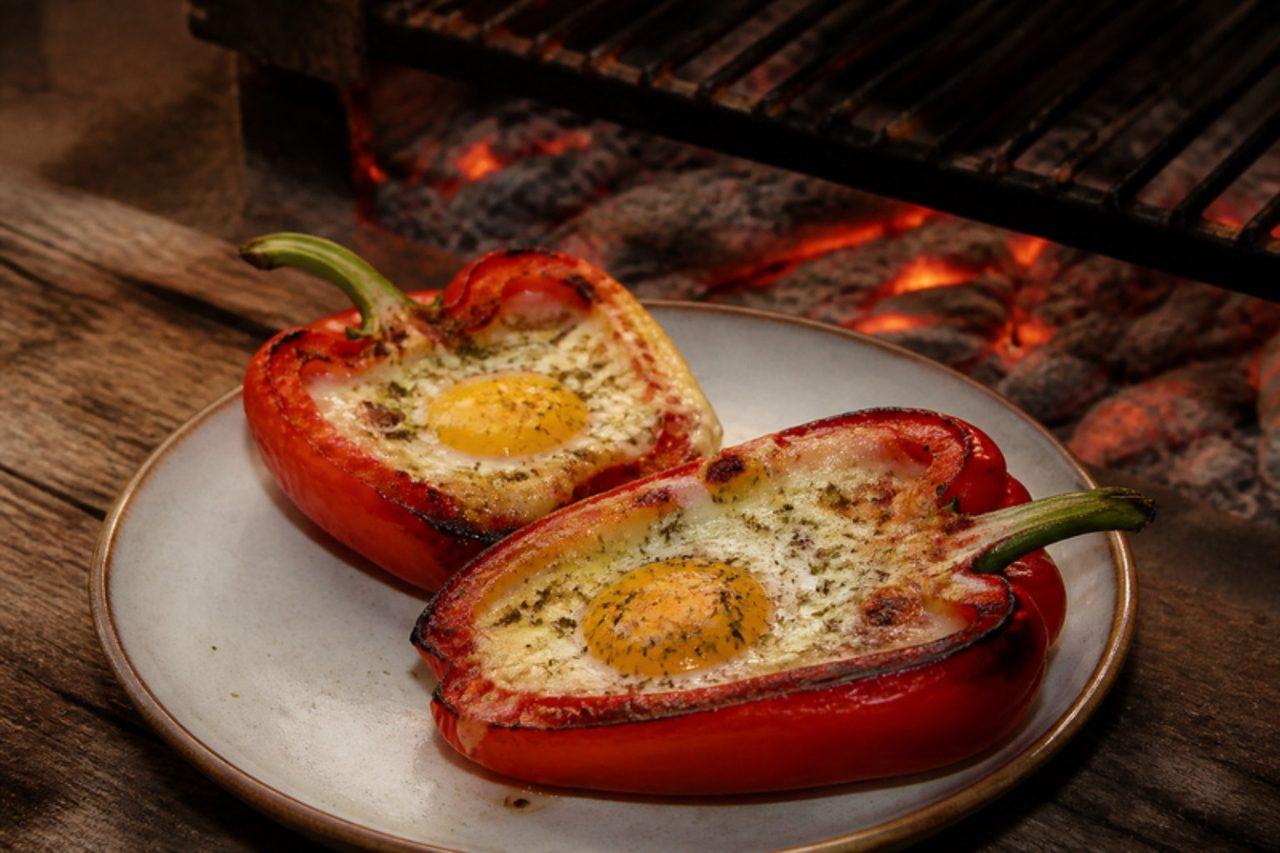
While the meat rests on the cooler side of the parrilla, many asadores put halved red peppers cut side up over the coals, let them soften and char, then crack an egg into each one with a piece of cheese and a pinch of oregano. The pepper becomes a little dish: sweet, smoky and juicy, with a just-set egg and molten cheese in the middle. It is one of the classic starters at an Argentine asado, eaten with bread before the steak arrives, and it makes a good vegetarian main for anyone who skips the meat. The mistake is cracking the egg into a raw pepper: the egg overcooks before the pepper softens, so grill the shells first. Cook until the white is completely set. Queso cremoso or mozzarella is usually made with animal rennet; pick a vegetarian one if needed. Chef's tip: cover the peppers with a foil tent or a lid once the egg goes in; the trapped heat sets the top of the egg without burning the base.

by KrazyBadal 0 views

Tortas de aceite sevillanasCrisp olive-oil flatbreads with anise

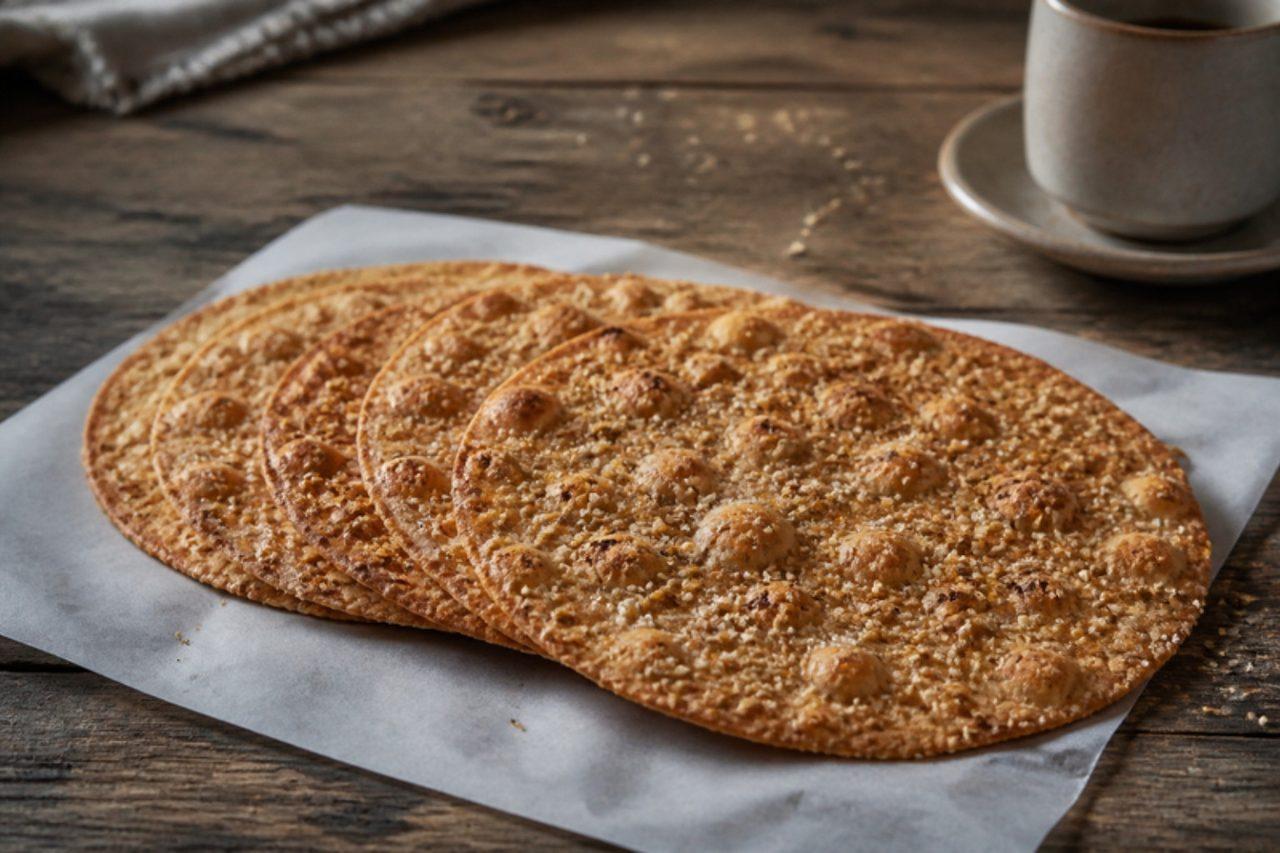
Castilleja de la Cuesta, just west of Seville, has made these hand-pressed tortas for well over a century, and across Andalusia they are dunked into morning coffee or eaten as an afternoon snack. The dough is little more than flour, olive oil infused with anise and sesame, and a pinch of yeast, rolled until you can almost see through it and baked with a crust of sugar. Chef's tip: roll each torta directly on the baking paper you will bake it on; the dough is too thin to lift without tearing.

by KrazyBadal 0 views

Tortas ahogadasPork rolls in tomato sauce

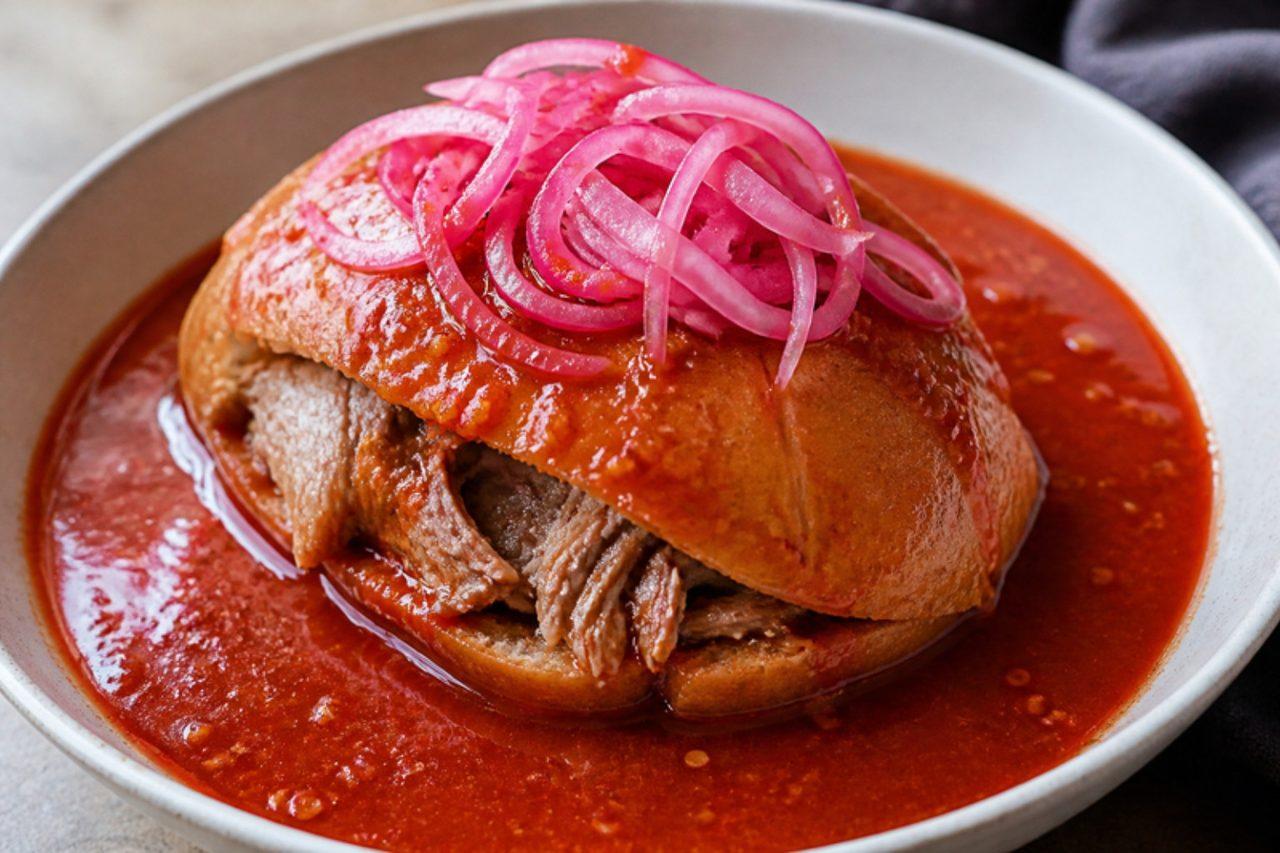
Guadalajara's great hangover cure, the torta ahogada is sold from street stands and small fondas all over the city from mid-morning. A crusty roll is split, packed with pork carnitas, then 'drowned' in a thin, mild tomato sauce and splashed with a ferociously hot chile de árbol salsa; you can order it half-drowned or fully submerged, and eat it with a plastic bag over your hand or with a knife and fork. The local birote salado, a sourdough roll with a hard crust, rarely exists outside Jalisco, so use the crustiest small baguettes or sourdough rolls you can find. Pickled red onions and a few radishes are the classic side. Chef's tip: let the rolls go a day stale and toast the cut sides; a firm, dry crumb soaks up sauce without turning to mush.

by KrazyBadal 0 views

Showing 45 of 7,762 recipes

Show more recipes

Page 544 of 863