


Skip to content
Pepián de verduras
Featured recipe

Pepián de verduras

Roasted seed and vegetable stew

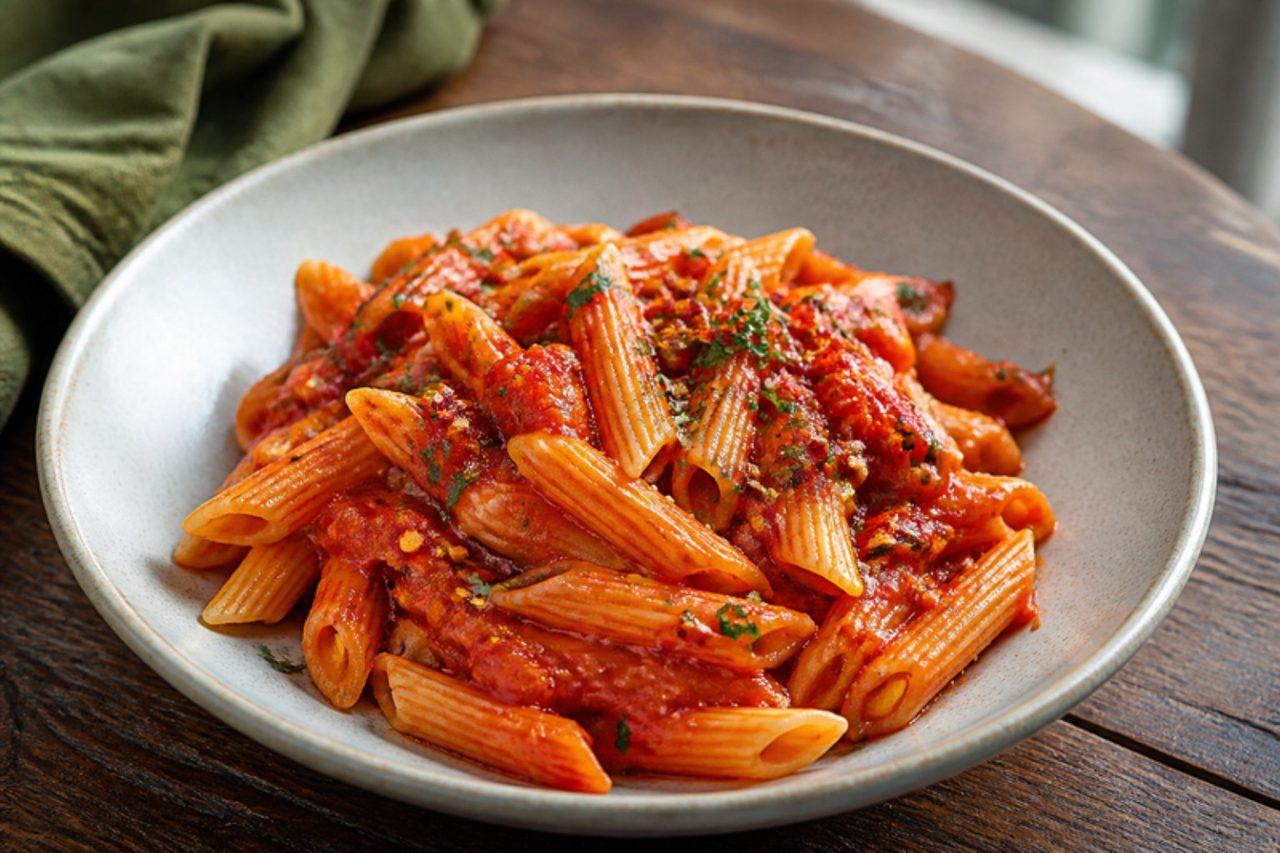
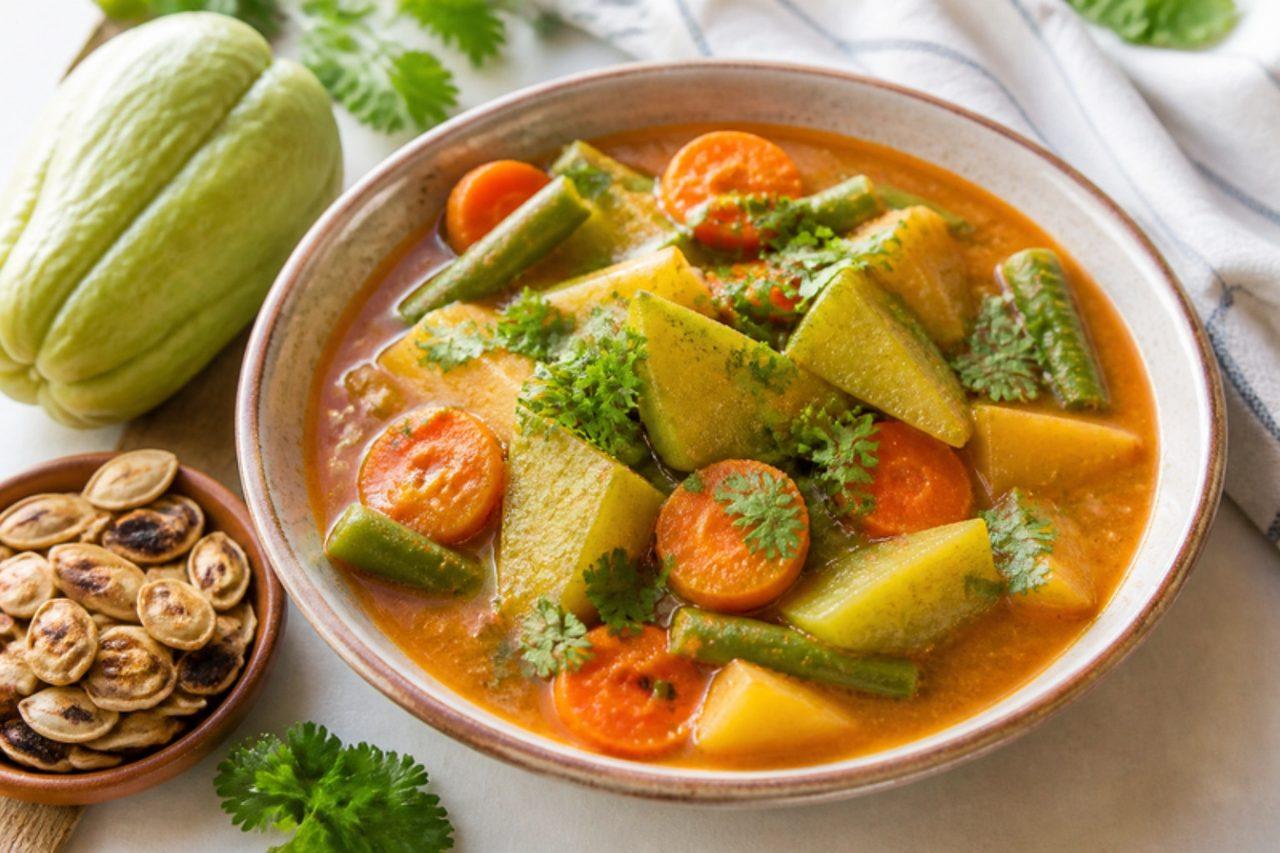
Pepián is often called Guatemala's national dish, a recado (sauce) from the Kaqchikel Maya highlands around Antigua and Chimaltenango, served at fiestas and family Sundays. Its depth comes from charring tomatoes, tomatillos and dried chillies and toasting pumpkin and sesame seeds before grinding them into a thick, smoky, reddish-brown sauce. Traditionally it simmers chicken; here chayote, potato, green beans and carrot soak it up. Serve with white rice and tamalitos or warm corn tortillas. Chef's tip: toast the seeds separately and stop when they smell nutty; burnt seeds turn the whole pot bitter.

Read more 0 views

What to eat today?

Around the world

Today's trip: Persian

A new country every day, from every cuisine on the site.

Persian

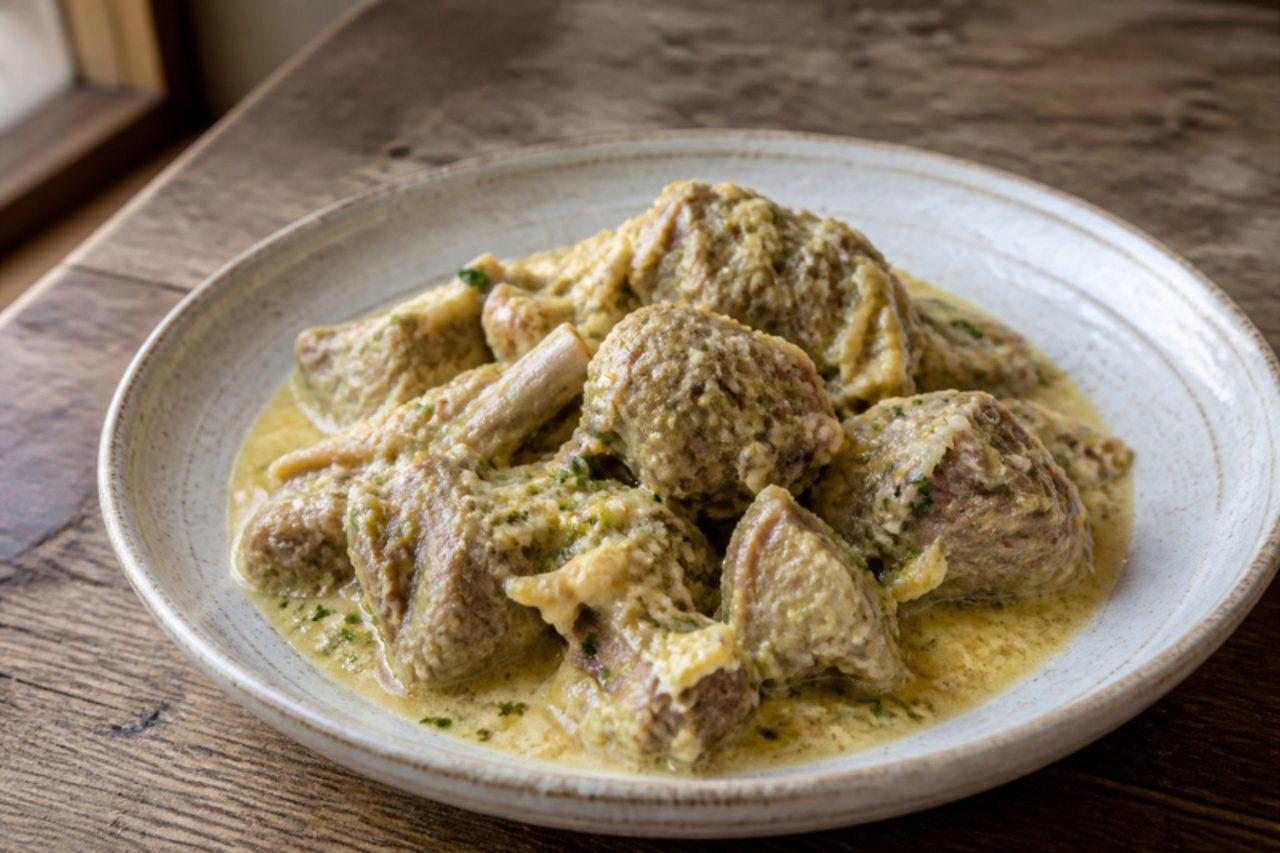
Dizi

Lamb and chickpea stew 245 minMore from Persian (131) →

This week's collection

Kid-friendly dinners
578 recipes · a new collection every Monday

Latest recipes

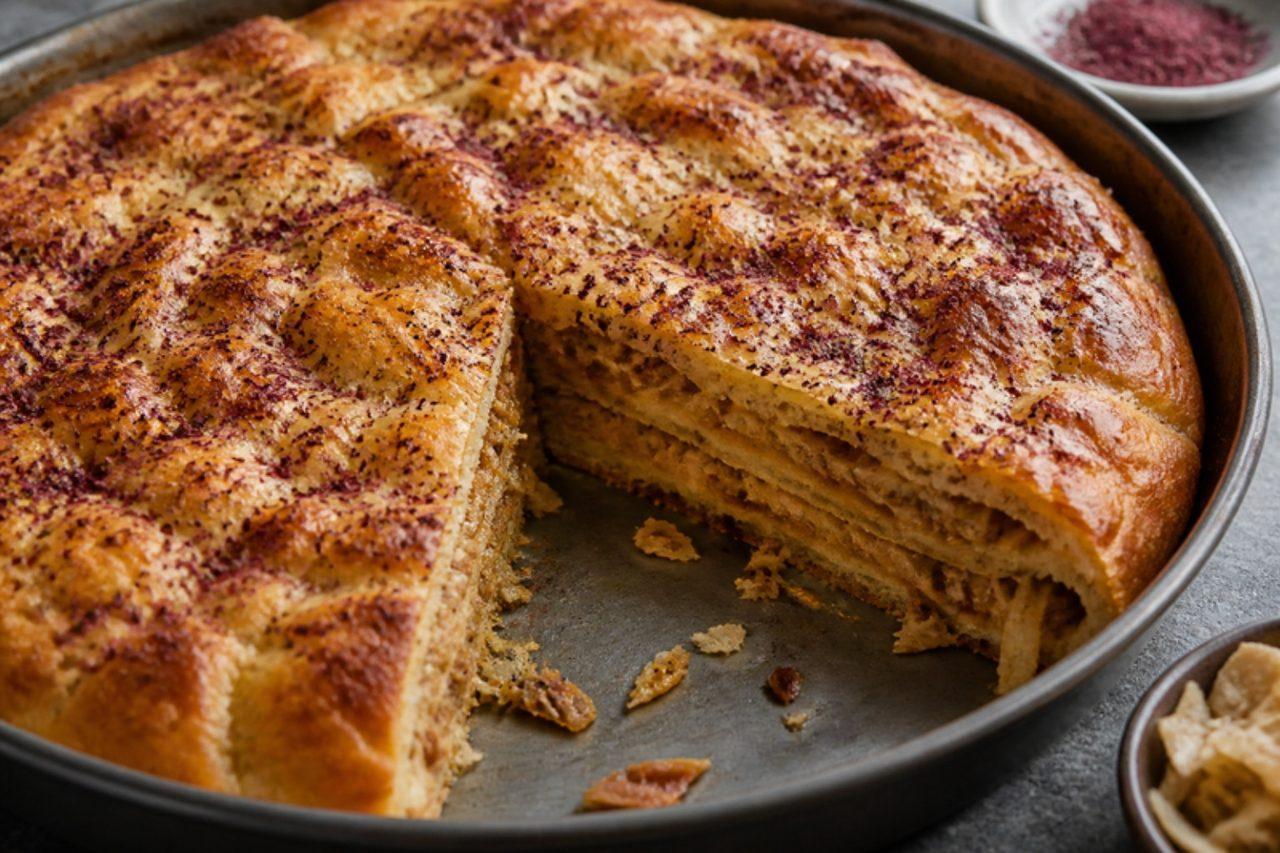
MakmouraLayered chicken and onion bread bake

Makmoura (meaning 'buried') is a village dish from around Jenin in the northern West Bank, made in olive harvest season when there is fresh oil to spare: layers of thin bread dough are baked over chicken and a heap of onions slow-cooked in olive oil with sumac and spice, so the bottom soaks up the juices and the top turns crisp. Families tear it apart by hand and eat it with yoghurt and olives. Common mistake: rushing the onions; they need a full half hour to turn sweet and jammy. Chef's tip: use good, fruity olive oil and don't skimp — it is the soul of the dish.

by KrazyBadal 0 views

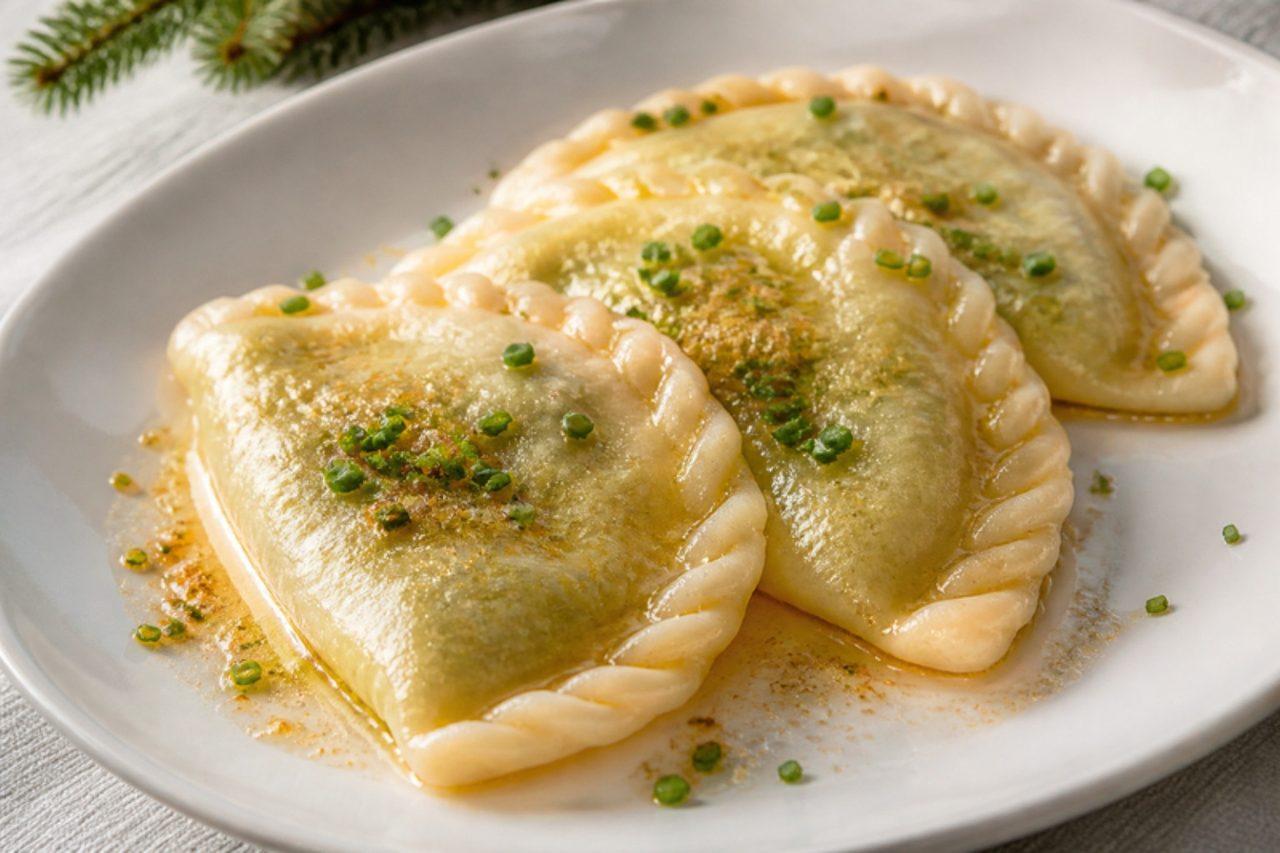
Kärntner KasnudelnCurd cheese filled pasta half-moons

Kasnudeln are the pride of Carinthia in Austria's south, where every village claims the best filling and where they are eaten on Fridays and at church fairs. Big half-moons of thin noodle dough are stuffed with crumbly curd cheese, floury potato, onion and fresh mint, then sealed with a braided edge called 'krendeln' that keeps the filling in as they simmer. They are served with a generous pour of brown butter and chives, often with a green salad. A common mistake is rolling the dough too thick: it should be thin enough to see your hand through, or the folded edges turn stodgy. Carinthian Topfen is usually made without animal rennet, but check the label and pick a vegetarian quark. Chef's tip: if crimping feels tricky, press the edges with a fork first, then practise the braid on the last few.

by KrazyBadal 0 views

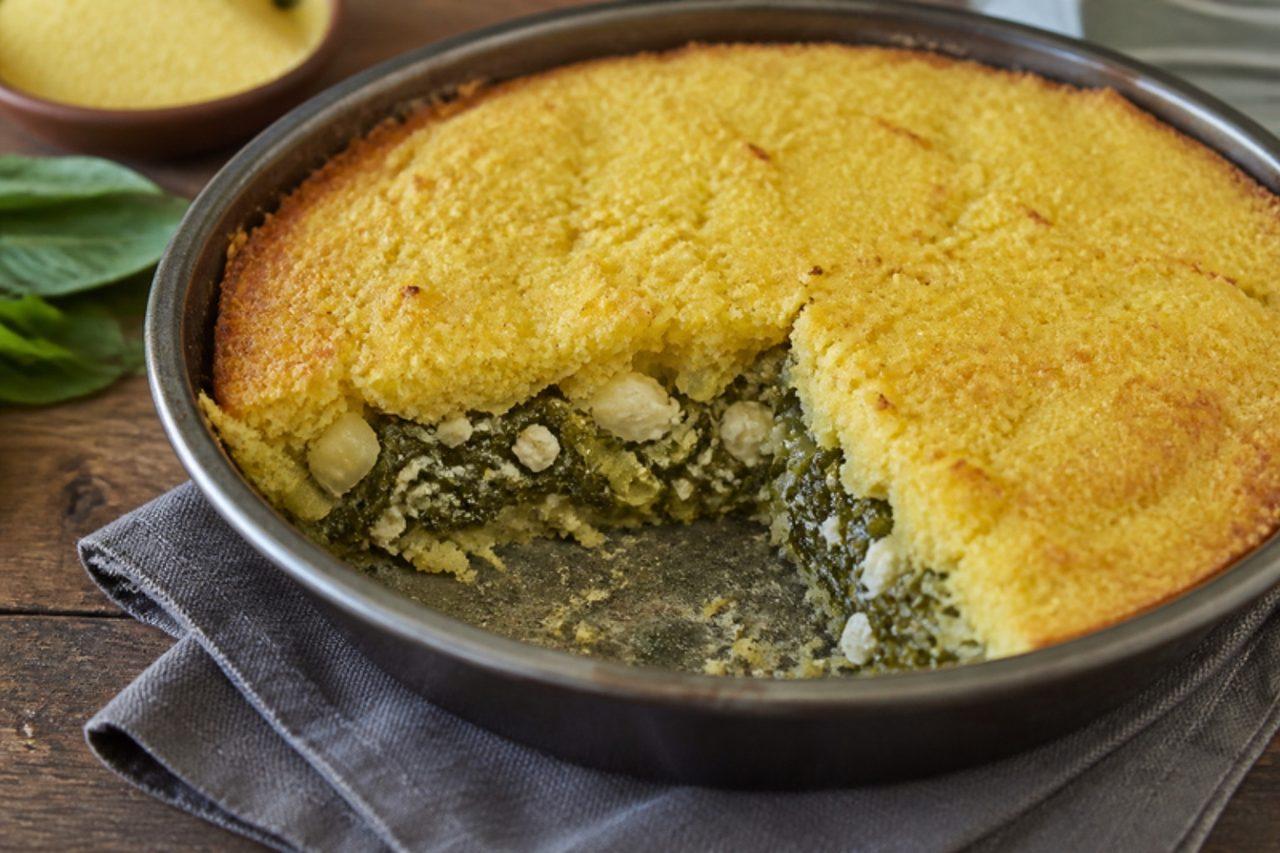
PlastosWild greens and feta cornmeal pie

Plastos comes from the hill villages of Thesprotia and Ioannina, where women patted (plastó, 'shaped') a pie together from what the garden and hillside gave: wild greens, leeks, herbs and cheese, held between layers of coarse cornmeal instead of filo. It bakes into a crusty, rustic slab, green and savoury inside, eaten warm with yoghurt or as a lunch to carry to the fields. Feta is usually made with animal rennet; a vegetarian feta-style cheese works. Common mistake: leaving the greens wet — squeeze them hard after salting, or the cornmeal turns to paste. Chef's tip: a mix of spinach and chard with plenty of dill and fennel tops comes close to the wild greens of Epirus.

by KrazyBadal 0 views

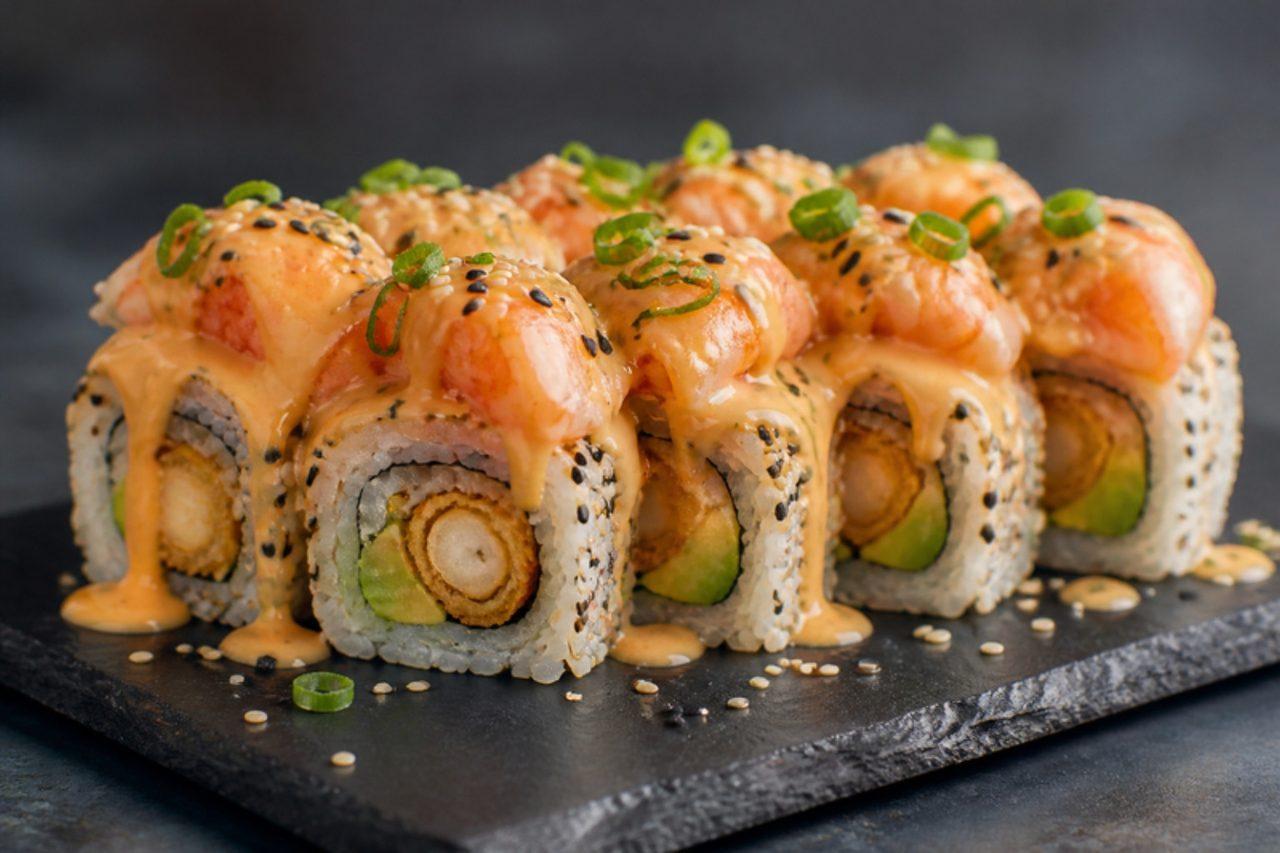
Maki acevichadoPrawn tempura rolls with ceviche sauce

Lima's Nikkei sushi bars invented the acevichado and it has become the roll every Peruvian orders: prawn tempura and avocado rolled in rice, topped with thin slices of fish and drenched in a creamy, lime-sharp sauce built from leche de tigre, ají amarillo and mayonnaise. Crisp, warm, cold and tangy in one bite, it is party food and Friday-night takeaway alike. For a safer topping, use sashimi-grade fish frozen at −20 °C for 24 hours first, keep it cold and eat the rolls at once; you can also sear the slices with a blowtorch or use cooked prawns instead. Even so, the raw-fish topping is not for pregnant women, young children or anyone with a weakened immune system. Overfilling is the usual mistake: the roll won't close and the rice splits. Chef's tip: use a pasteurised-egg mayonnaise and wet your hands with vinegared water so the rice doesn't stick.

by KrazyBadal 0 views

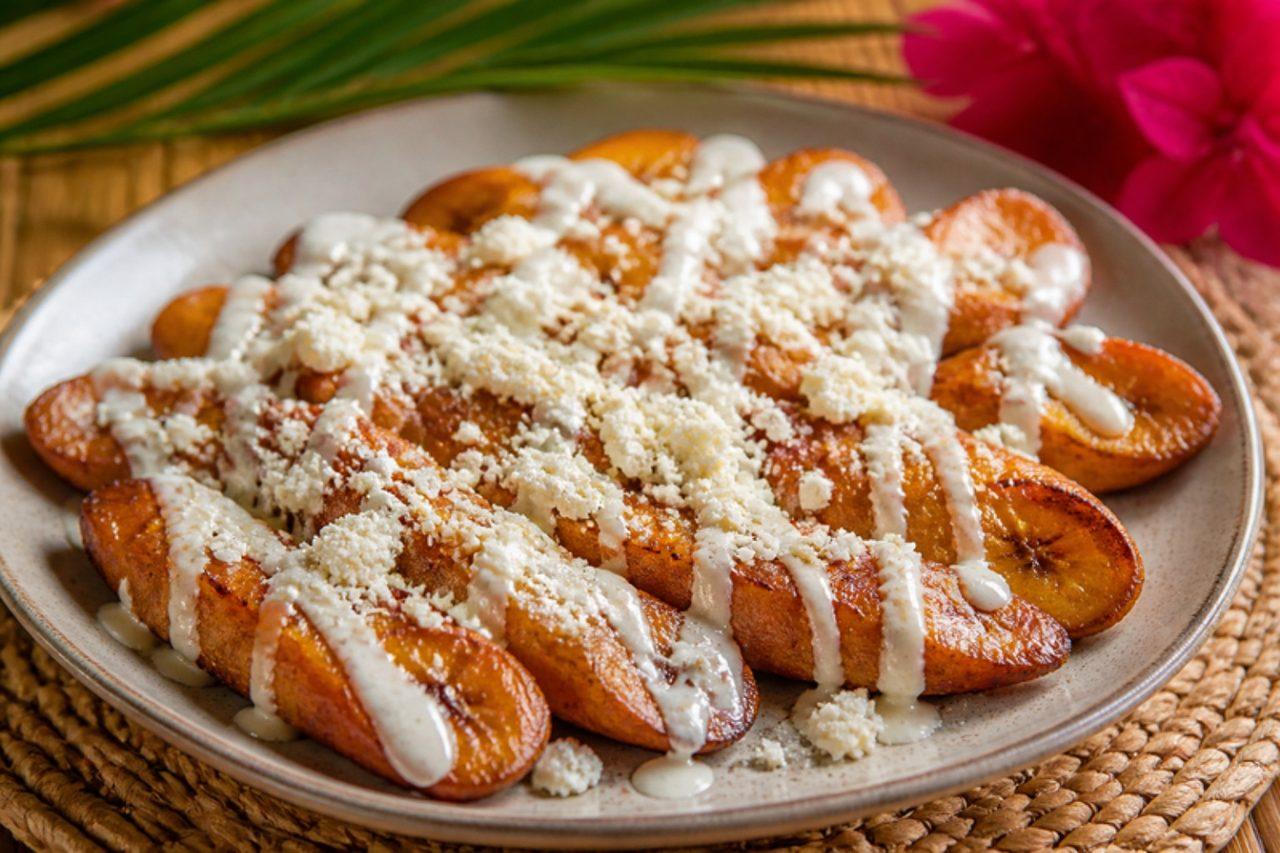
Plátanos fritos con cremaFried plantain with cream

Tabasco grows more plantain than almost anywhere in Mexico, and in Villahermosa homes fried ripe plantain arrives with breakfast eggs, alongside rice and black beans at lunch, or on its own as a sweet-savoury supper. The local touch is to finish the hot, caramelised slices with a spoon of tangy crema and a snow of crumbled fresh cheese, so you get sweet, salty and sour in one bite. Chef's tip: wait until the skins are almost black; yellow plantains taste starchy and never caramelise.

by KrazyBadal 0 views

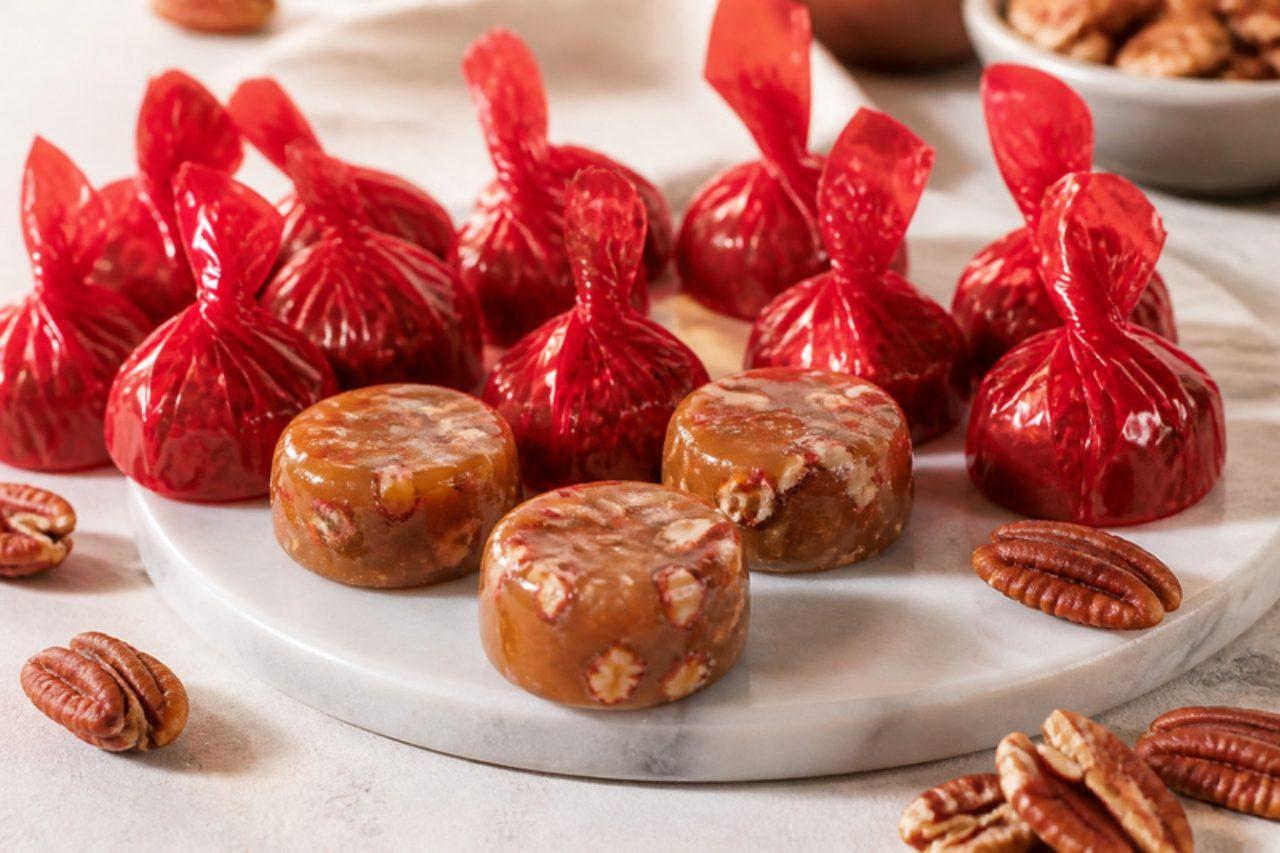
GloriasPecan and goat milk caramels

Linares, a small town in Nuevo León, is famous across Mexico for glorias: soft, chewy balls of goat's milk caramel packed with pecans, each wrapped in a twist of red cellophane. They are bought by the box at roadside sweet shops on the way to Monterrey and handed out at weddings and Christmas. Goat's milk gives them a gentle tang; a mix of goat's and cow's milk is milder. Chef's tip: the last ten minutes need constant stirring, as the caramel thickens and catches fast.

by KrazyBadal 0 views

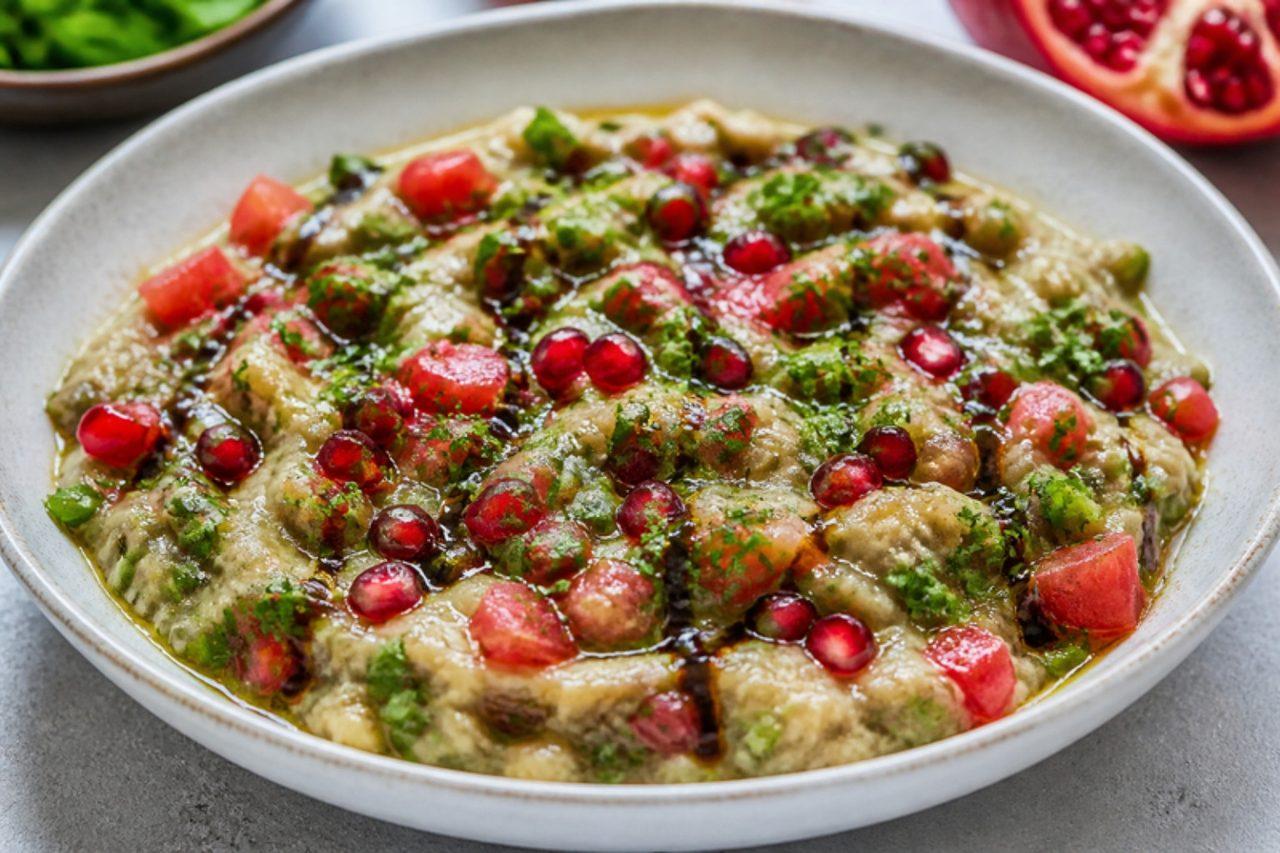
Salatet el rahebSmoky aubergine salad

Mezze restaurants along the Lebanese coast serve salatet el raheb as the fresh, chunky cousin of baba ghanoush: the aubergine is charred until smoky, then chopped rather than puréed and tossed with tomato, peppers, spring onion, parsley and a sharp dressing of lemon and pomegranate molasses. There is no tahini, so it is light and summery and sits well next to grilled halloumi or kebabs. Common mistake: leaving the aubergine juices in; drain the flesh in a sieve or the salad turns watery. Chef's tip: char the aubergines directly over a gas flame or on a barbecue rather than in the oven — the smoky flavour is the soul of the dish.

by KrazyBadal 0 views

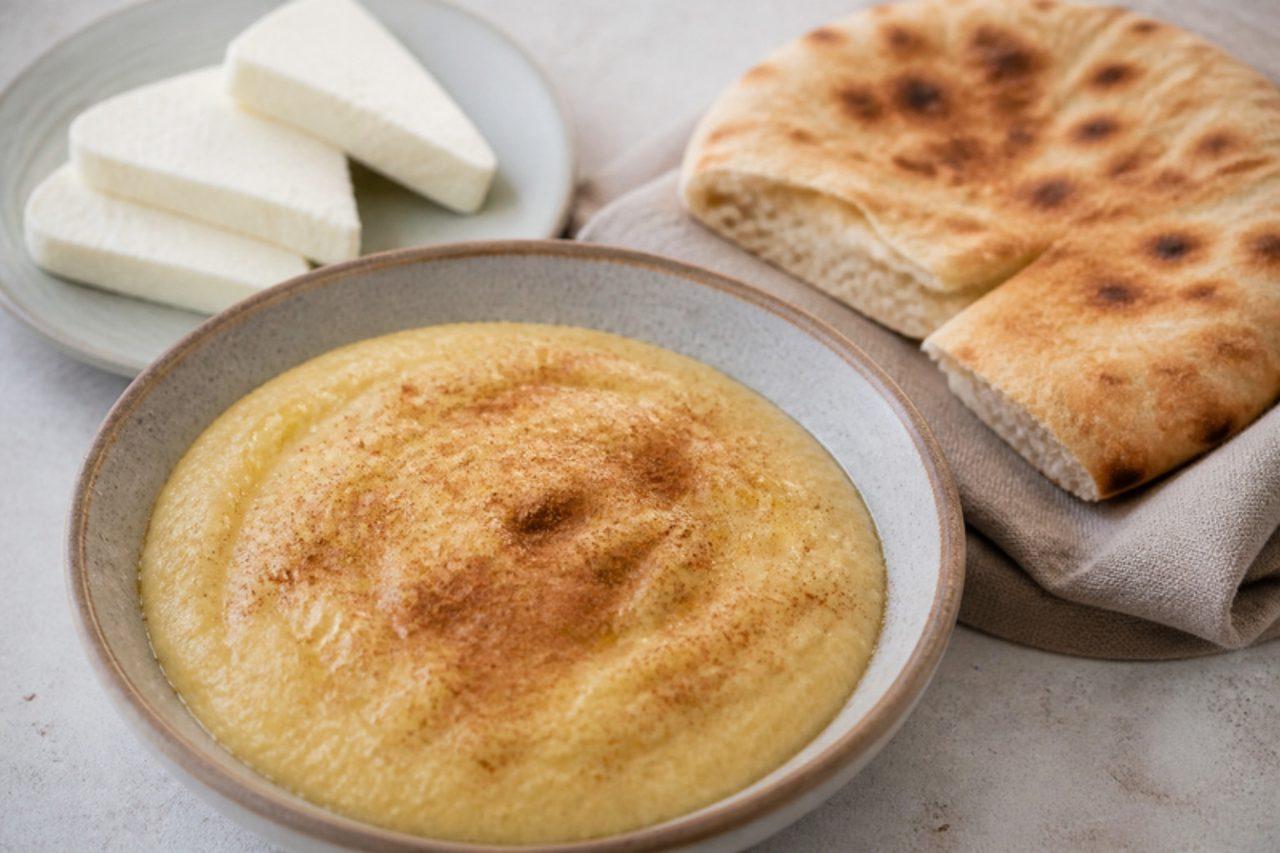
MamouniehSemolina pudding with cinnamon

In the old souks of Aleppo, mamounieh shops open at dawn, serving bowls of this hot, buttery semolina pudding to workers before the day starts. Semolina is toasted in butter, then cooked in a light syrup until it sets soft and spoonable, and dusted with cinnamon; Aleppans eat it with a slice of salty white cheese and warm bread on the side, which makes the sweetness sing. Common mistake: pouring cold syrup onto the hot semolina; use hot syrup so it doesn't seize into lumps. Chef's tip: toast the semolina only to pale straw colour — any darker and it loses its delicate milky flavour. Akkawi and halloumi are often made with animal rennet; choose a vegetarian white cheese if needed.

by KrazyBadal 0 views

Limonada de cocoCoconut lime cooler

Cartagena's heat makes limonada de coco almost compulsory: beach kiosks and restaurants in the old walled city blend it to order, and it arrives as a pale, frosty slush, sharp with lime and rich with coconut. It is a drink to sip slowly with fried fish, coconut rice and patacones, or on its own on a hot afternoon. Coconut cream gives the body, sugar balances the lime, and a full load of ice gives the frozen texture. The common slip is blending lime pieces with their peel for too long, which turns it bitter within minutes; use juice plus a little zest instead. Shake the tin of coconut cream before measuring, since it separates. Serve it straight away, before it melts and separates. Chef's tip: freeze some of the coconut cream in an ice-cube tray beforehand and use it in place of half the ice for a thicker, creamier result.

by KrazyBadal 0 views

Macaxeira fritaFried cassava sticks

Northeastern Brazilians call cassava macaxeira, and fried sticks of it come out with carne de sol, with grilled cheese at beach shacks, and in a bowl beside a cold drink at any bar from Natal to Maceió. Boiling first makes the inside soft and floury; frying afterwards gives a thick, blistered crust that stays crunchy far longer than potato chips. They need only coarse salt, though a dip of vinagrete or garlic mayonnaise is common. Buy sweet cassava, cook it fully, and never eat it raw. The frequent mistake is boiling until the cassava falls apart, which makes sticks that break up in the oil; stop as soon as a knife slides in. Chef's tip: let the boiled sticks steam dry and cool completely, even chill them for an hour, before frying; the drier surface is what makes them crackle.

by KrazyBadal 0 views

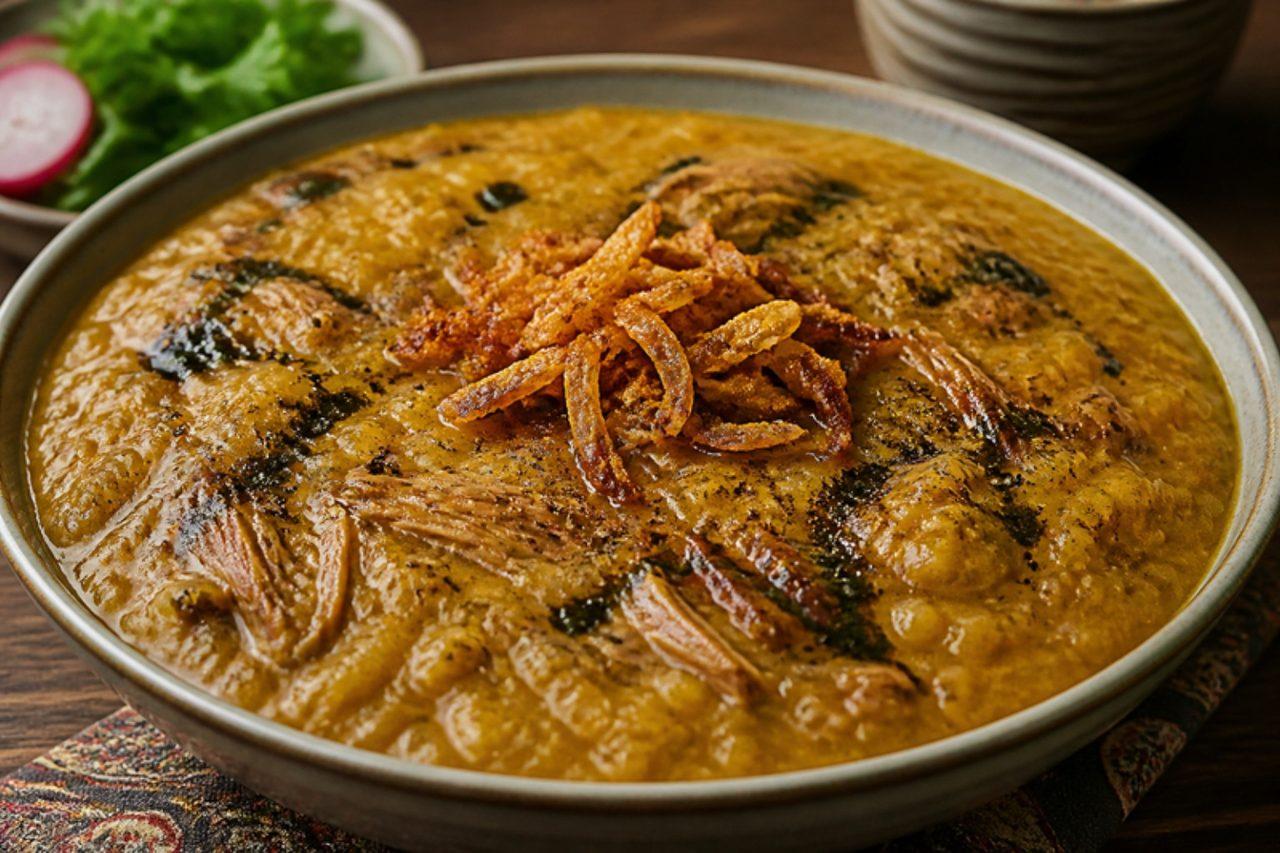
Sholeh MashhadiWheat, bean and lamb porridge

Sholeh Mashhadi is cooked in huge pots in Mashhad, the shrine city of Khorasan, and handed out to pilgrims and neighbours as nazri (a votive offering), especially during the month of Muharram. Wheat, rice, lentils, mung beans, chickpeas and lamb are cooked for hours with onion and spices, then beaten with a wooden paddle until everything melts into one thick, stretchy porridge, topped with fried onion, mint oil and a dusting of cinnamon. A home pot is smaller but follows the same rhythm. A common mistake is leaving it unstirred towards the end; the grains catch and burn, so stir and scrape the base every 10 minutes once it thickens. Chef's tip: cook the lamb on the bone first and shred it; the broth from the bones gives the porridge its body.

by KrazyBadal 0 views

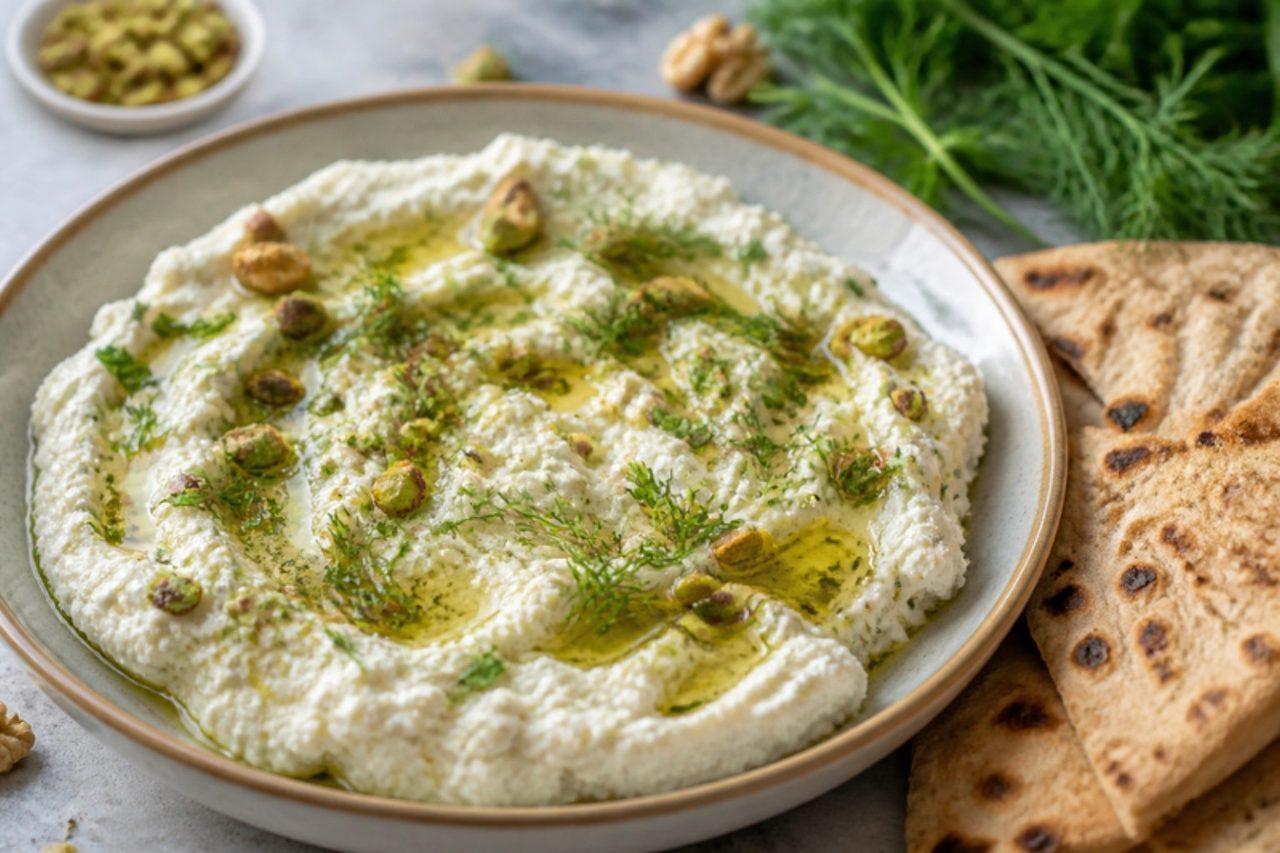
Girit ezmesiFeta, walnut and herb spread

Girit ezmesi takes its name from the Cretan Muslims who settled in Alaçatı and Çeşme a century ago, and it is still a fixture of every meze table in those whitewashed streets. Soft white cheese is mashed with olive oil, walnuts, garlic, plenty of herbs and a dusting of hot pepper into a rough, salty spread that begs for warm bread. Feta and beyaz peynir are often made with animal rennet, so choose a vegetarian one if you need to. Chef's tip: mash by hand with a fork rather than blending; it should stay textured, with visible pieces of walnut and herb.

by KrazyBadal 0 views

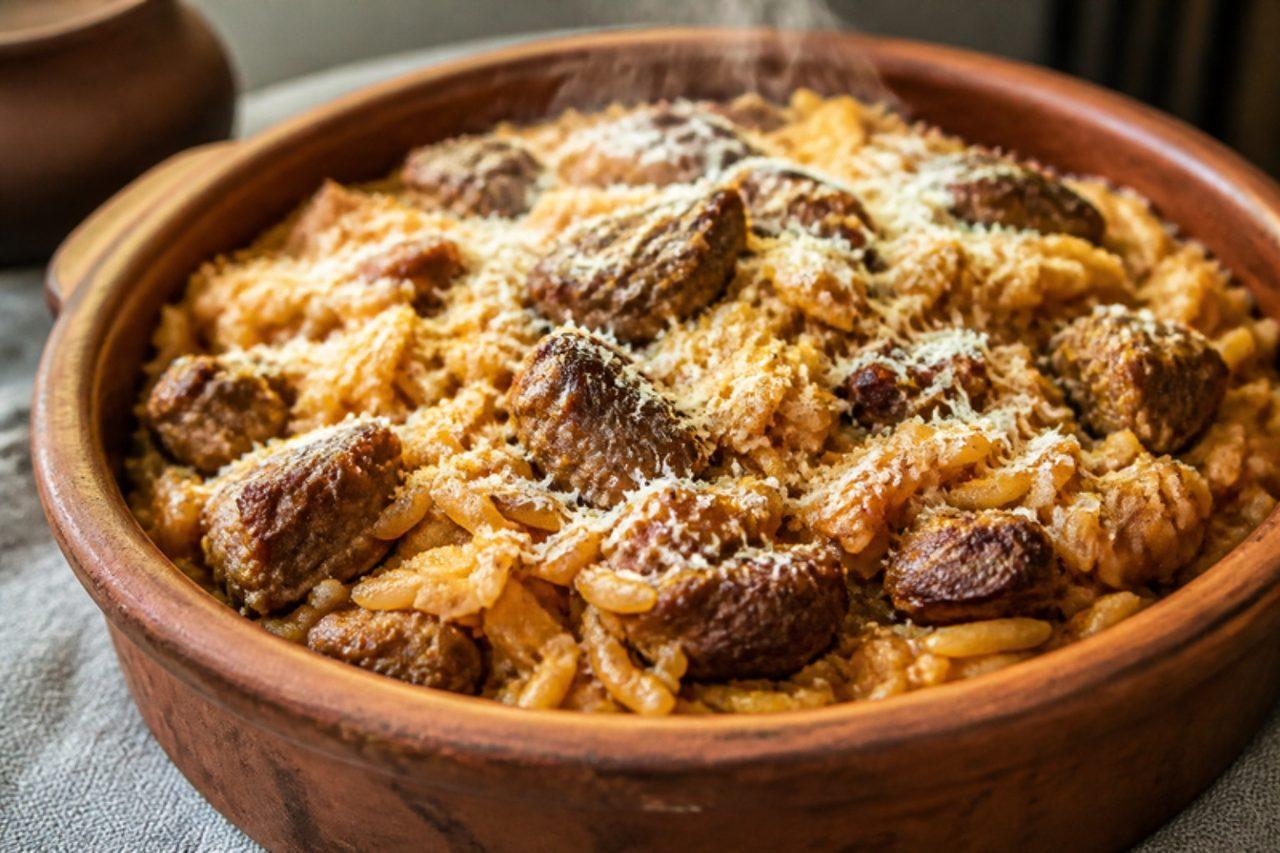
GiouvetsiBeef and orzo clay-pot bake

Giouvetsi takes its name from the glazed clay dish it is baked in, and in Greek homes it is the Sunday lunch that gets put in the oven before church: chunks of beef braised with tomato, cinnamon and allspice, then finished with kritharaki (orzo) that soaks up every drop of the sauce. It arrives at the table bubbling, with grated cheese melting on top. This version uses wine to deglaze, which is traditional; use extra stock for an alcohol-free dish. Common mistake: adding the orzo with too little liquid, so it bakes dry and sticks; it needs about four times its weight in hot stock. Chef's tip: stir the orzo halfway through baking so the top pieces don't harden.

170 minGreekMeat
by KrazyBadal 0 views

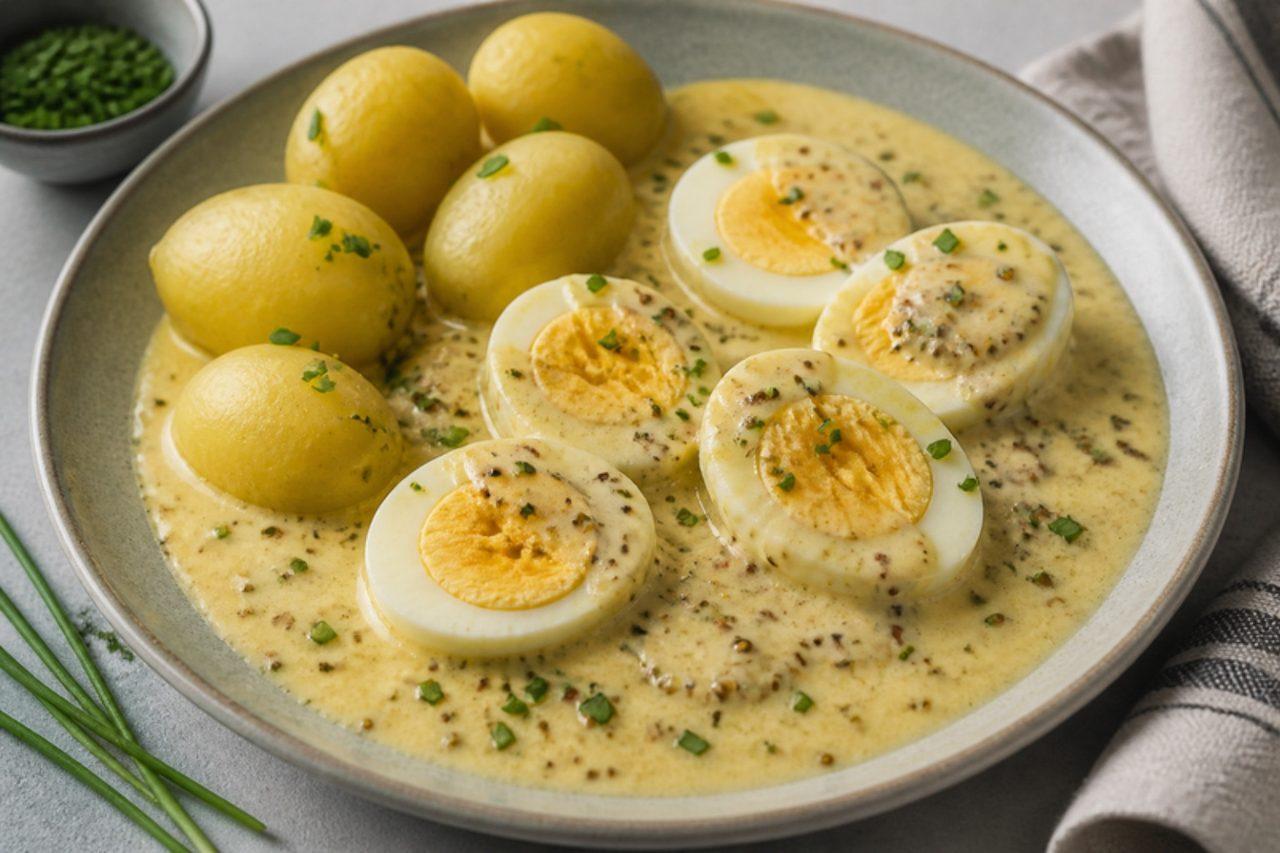
SenfeierEggs in mustard sauce

Senfeier is a dish many people who grew up in Berlin, Saxony or anywhere in the old East remember from school canteens and Friday suppers: halved hard-boiled eggs in a smooth, pale mustard sauce, with boiled or mashed potatoes to soak it up. It is cheap, fast and comforting, and the sauce is a simple butter-and-flour roux loosened with stock and milk, then sharpened with two kinds of mustard. A common mistake is boiling the sauce hard after the mustard goes in, which makes it taste flat and grainy; add it off the heat. Chef's tip: a spoon of the gherkin pickling liquid at the end lifts the whole sauce.

by KrazyBadal 0 views

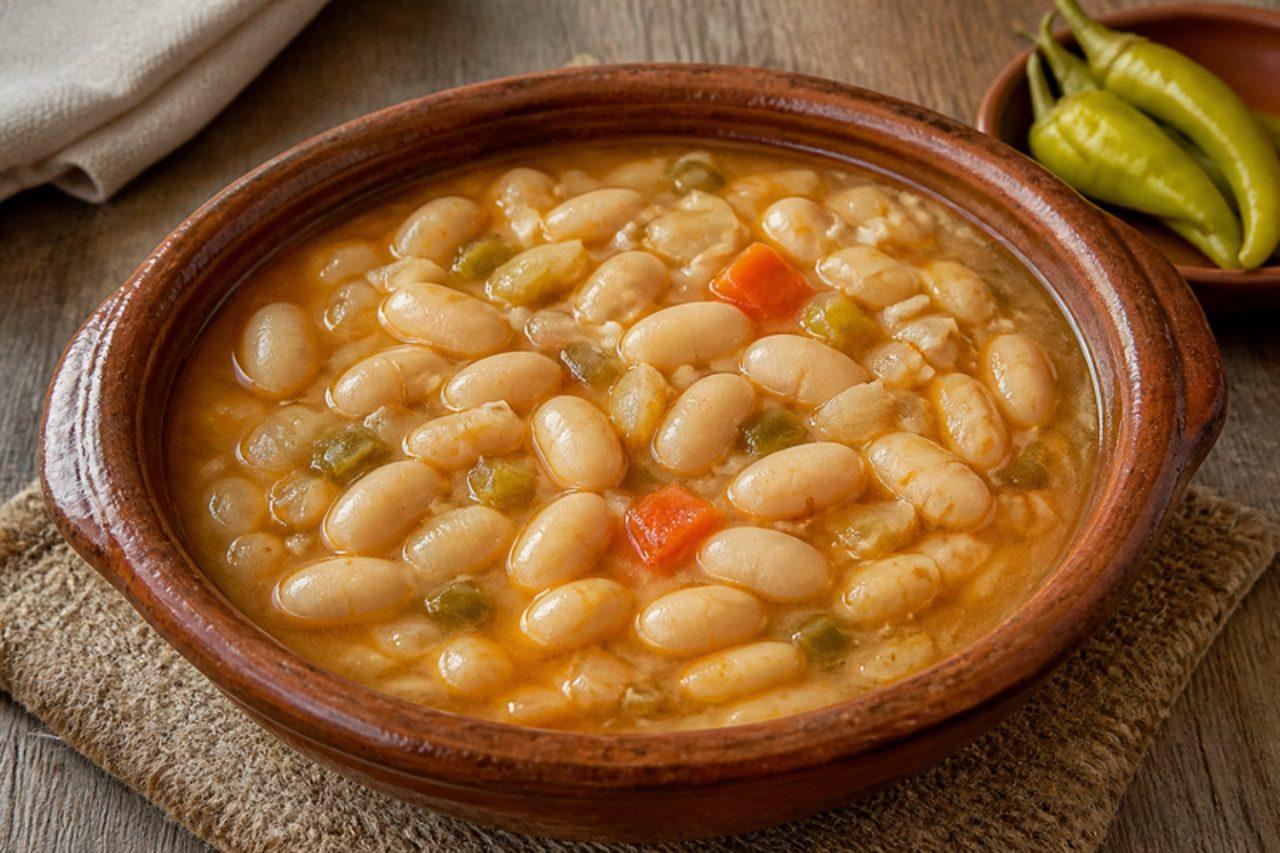
Pochas a la navarraFresh white beans with vegetables

Pochas are white beans picked in late summer before they dry, when the pods have gone soft and yellowish, and in Navarre September means bowls of them in every village from Sangüesa to the Ribera. Because they are fresh they need no soaking and cook in about 40 minutes into something creamy, sweet and gentle. Many homes add chorizo or quail; this version keeps to the vegetables and is vegan. Pickled guindilla chillies on the side are the usual partner. Chef's tip: if you can't find fresh pochas, frozen ones are sold in Spanish shops and are very good.

by KrazyBadal 0 views

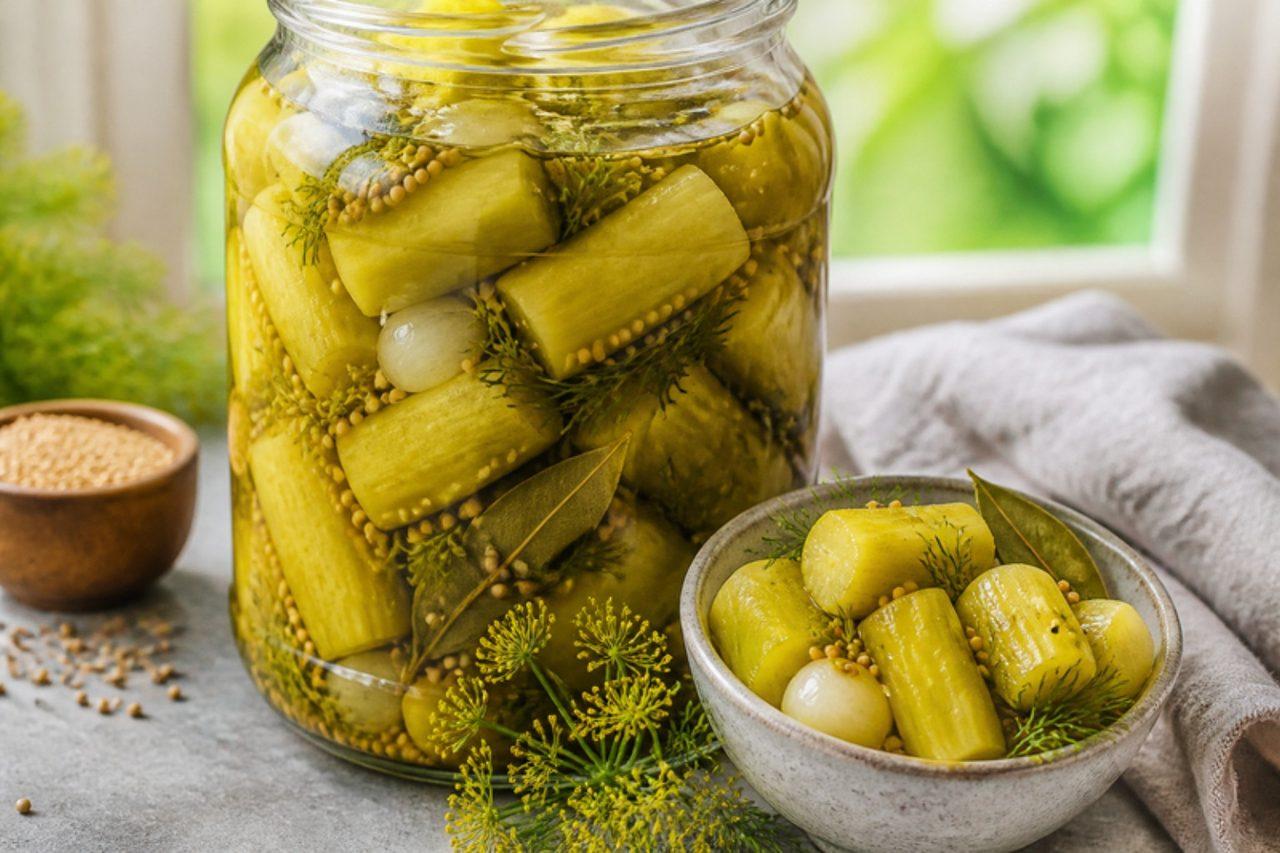
SenfgurkenMustard pickled cucumber

Senfgurken are the big, pale golden chunks of peeled cucumber that German families put up in late summer, when the fat yellow-skinned 'Schmorgurken' are cheap at markets from Brandenburg to the Rhineland. Pickled in sweet vinegar with mustard seeds, dill and onion, they are served through the winter with cold cuts, cheese boards, potato salad or a plate of fried eggs and potatoes. Unlike gherkins they are soft-crunchy and mellow. The mistake is skipping the overnight salting, which leaves the cucumbers watery so they dilute the vinegar and spoil sooner. Chef's tip: scrape out every bit of the seedy core with a teaspoon; it is what turns soft and slimy in the jar.

by KrazyBadal 0 views

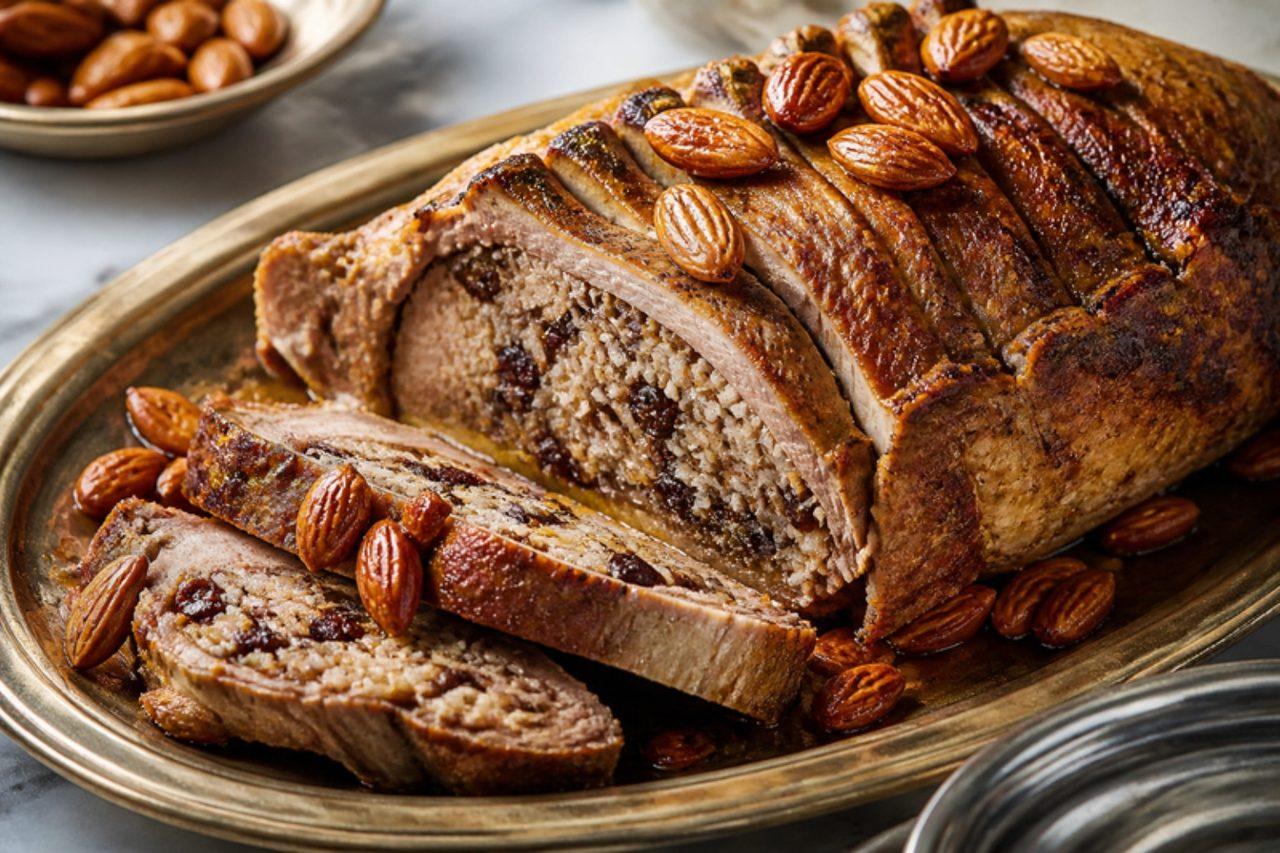
Kaburga dolmasıRice-stuffed lamb breast

In Mardin and Diyarbakır, a stuffed lamb breast is the centrepiece of bayram and wedding tables: the butcher cuts a pocket between the ribs and the meat, which is filled with rice cooked with almonds, currants, allspice and cinnamon, sewn shut and baked slowly until the meat falls from the bones. The rice inside soaks up all the lamb juices. Ask the butcher to open the pocket for you. Common mistake: packing the rice tightly when it is raw; it needs room to swell or the pocket splits. Chef's tip: roast it covered for most of the time, then uncover and turn the heat up at the end for crackling-crisp fat.

250 minTurkishMeatGluten free
by KrazyBadal 0 views

Maçã do amorToffee apples

A shiny red apple on a stick is the picture of a Brazilian festa junina stall, lined up in rows beside the quentão and pipoca. The 'love apple' is a small, tart apple dipped in hot sugar syrup that hardens into a thin, crackling, ruby-red shell; you bite through glass and hit crisp fruit. It is a good one to make at home for a June party because the syrup takes 15 minutes and the apples are ready as soon as the shell cools. Choose a plant-based red colouring to keep it vegan. Where it tends to fail: any water or wax on the apple skin stops the syrup sticking, so it slides off in a puddle. Chef's tip: dip the apples in boiling water for 10 seconds and dry them thoroughly to remove the wax before you start.

by KrazyBadal 0 views

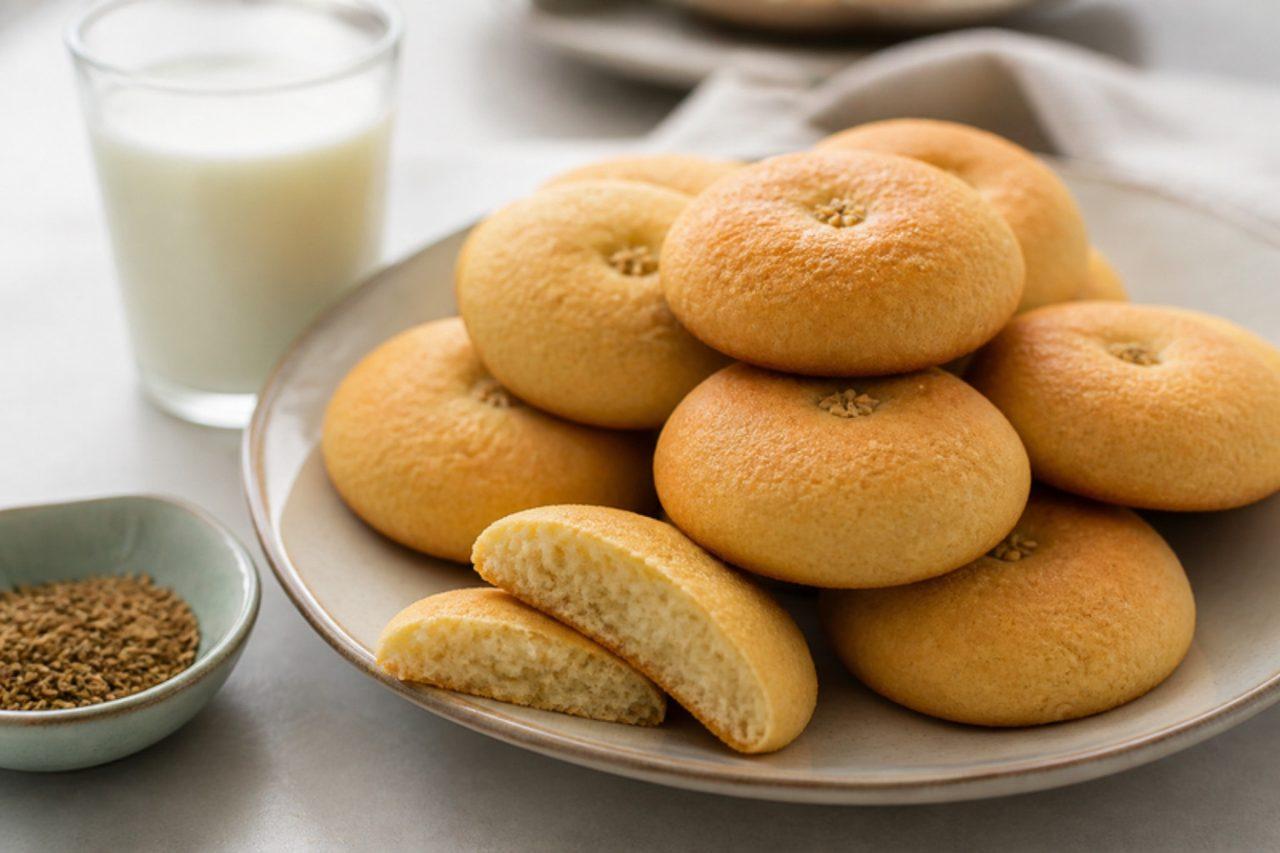
Ka'ak bi haleebSoft milk cookies

Lebanese families bake ka'ak bi haleeb by the tray before Eid and Easter alike, stamping each round with a carved wooden mould so it comes out patterned like a little rosette. They are soft rather than crisp, gently sweet, perfumed with mahlab (ground cherry kernels), anise and orange blossom water, and dusted with sesame or left plain. Children dunk them in milk, grown-ups in tea. The common mistake is adding too much flour to make the dough easier to handle, which gives dry, bready cookies. Chef's tip: let the shaped cookies rise for 30 minutes before baking; the yeast makes them pillowy and keeps the stamped pattern sharp.

by KrazyBadal 0 views

Ma'aroukMahlab-scented sweet bread

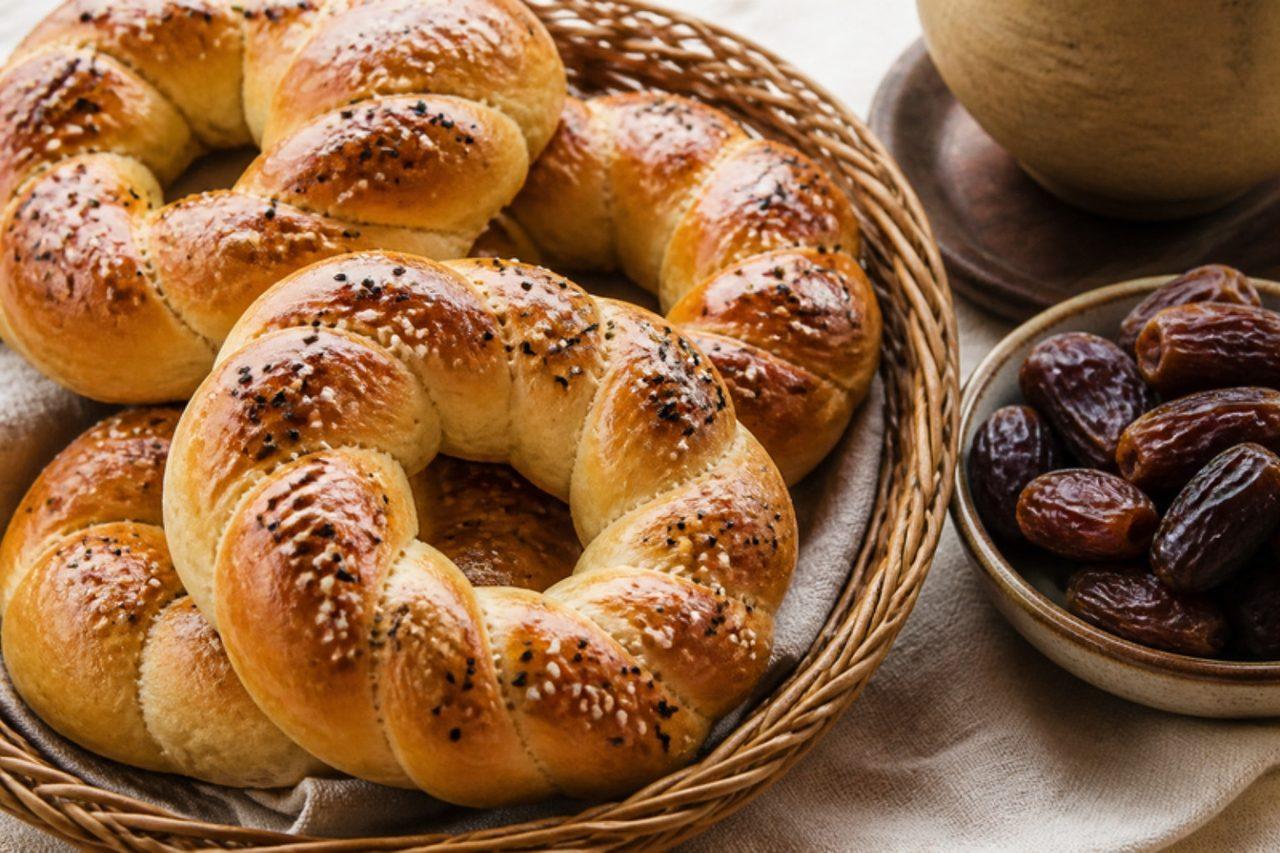
As soon as Ramadan begins, bakeries in Damascus and Aleppo stack up golden loaves of ma'arouk, a soft, slightly sweet brioche-like bread that people buy on the way home to break the fast. The dough is perfumed with mahlab (ground cherry stones), topped with nigella and sesame seeds, and is often braided or filled with date paste. Eat it warm with tea, or toasted the next morning with white cheese. Common mistake: adding too much flour while kneading; the dough should stay soft and a little tacky for a tender crumb. Chef's tip: brush with sugar syrup as soon as the loaves leave the oven — it gives the classic shine and keeps the crust soft.

by KrazyBadal 0 views

İzmir köfteMeatballs baked with potatoes and peppers

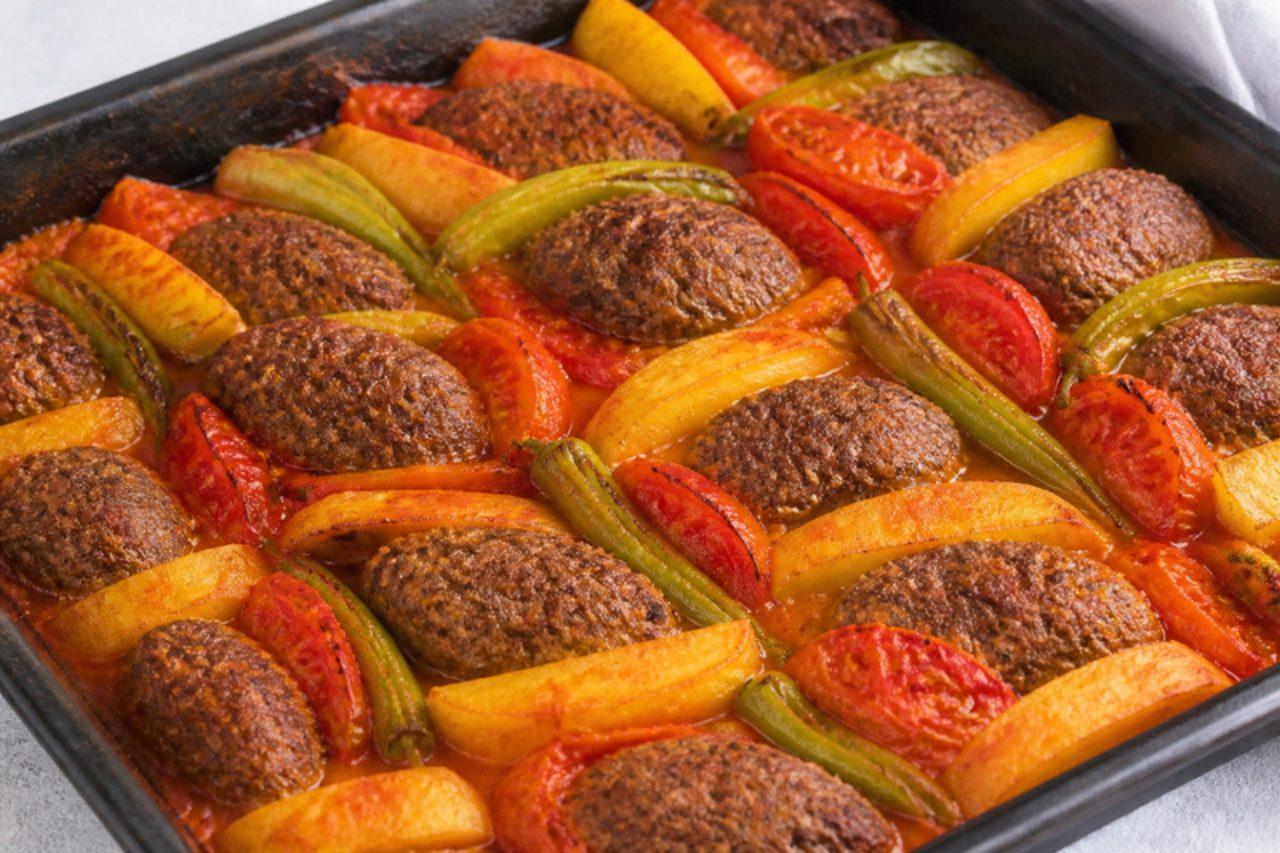
Ask anyone from İzmir what their mother cooked on weeknights and İzmir köfte comes up: fingers of cumin-scented köfte, wedges of potato and long green peppers, lined up in a tray and baked in a thin tomato sauce until everything is soft and the edges catch. It is a one-tray family supper served with rice pilaf, a bowl of cacık and plenty of bread for the sauce. Chef's tip: fry the köfte and potatoes briefly before baking; that quick browning gives depth the oven alone can't.

by KrazyBadal 0 views

Halim bademjanAubergine, wheat and lentil porridge

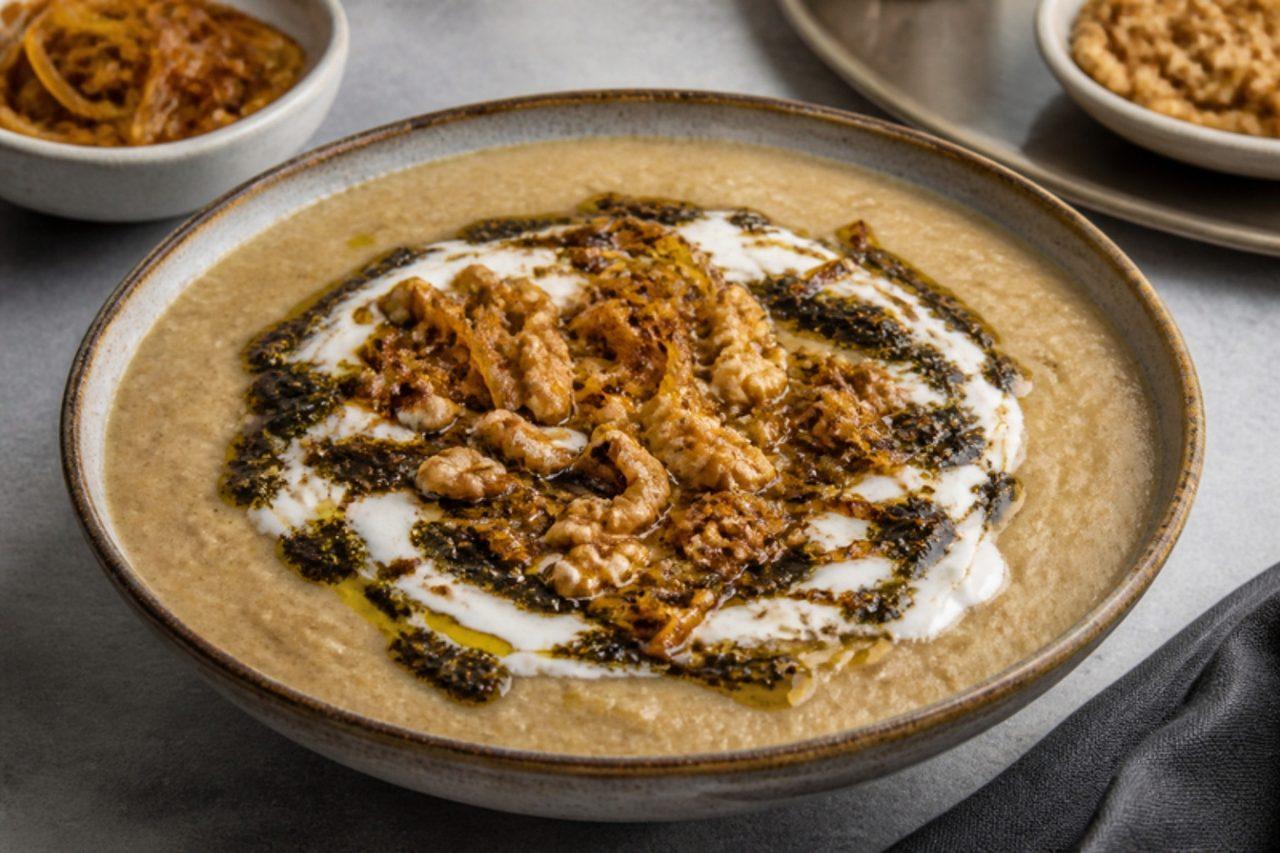
In Kashan and Isfahan, halim bademjan is the thick, savoury porridge served at religious vows and at long family lunches in autumn, ladled onto a platter and drawn over with patterns of kashk, fried mint and crisp onion. Usually it is cooked with lamb that is pounded into the grains; this vegetarian version keeps the soaked wheat and green lentils, which give the same velvety body. The texture should be smooth enough to spread but still hold a spoon line. Kashk is a fermented whey product made without rennet, so the dish is vegetarian; sour cream thinned with lemon is the nearest swap. A common mistake is not soaking the wheat overnight, which leaves the halim gritty. Chef's tip: mash the aubergine into the grains with a wooden pestle rather than a blender, so you keep some threads of texture.

by KrazyBadal 0 views

Polenta con tucoPolenta with tomato sauce

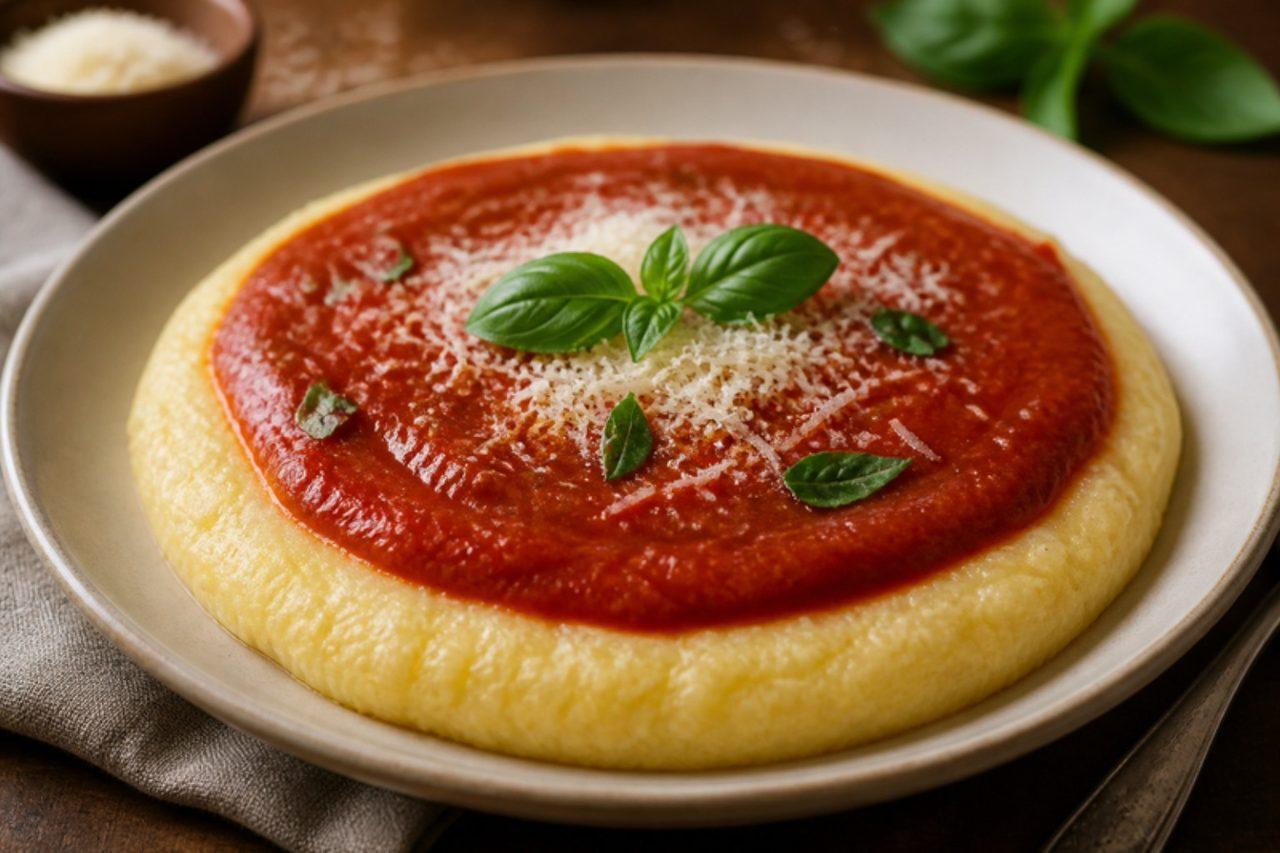
Tuco is what Argentines call the red sauce of their Italian grandparents, and spooned over a mound of soft polenta it is one of the most ordinary, best-loved cold-weather suppers in Buenos Aires and across the pampas. On Sundays the sauce often gets a piece of beef; this is the everyday meatless version, with onion, red pepper, carrot, bay and a long simmer that turns the tomato sweet and deep. The polenta is enriched with butter and cheese until it falls off the spoon like thick custard. The most common mistake is pouring the cornmeal into the water all at once, which gives you lumps you will never beat out, so rain it in slowly while whisking. Grated hard cheese is usually made with animal rennet; choose a vegetarian one if needed. Chef's tip: make the tuco first and let it rest off the heat while the polenta cooks; even 15 minutes of standing rounds out its flavour.

by KrazyBadal 0 views

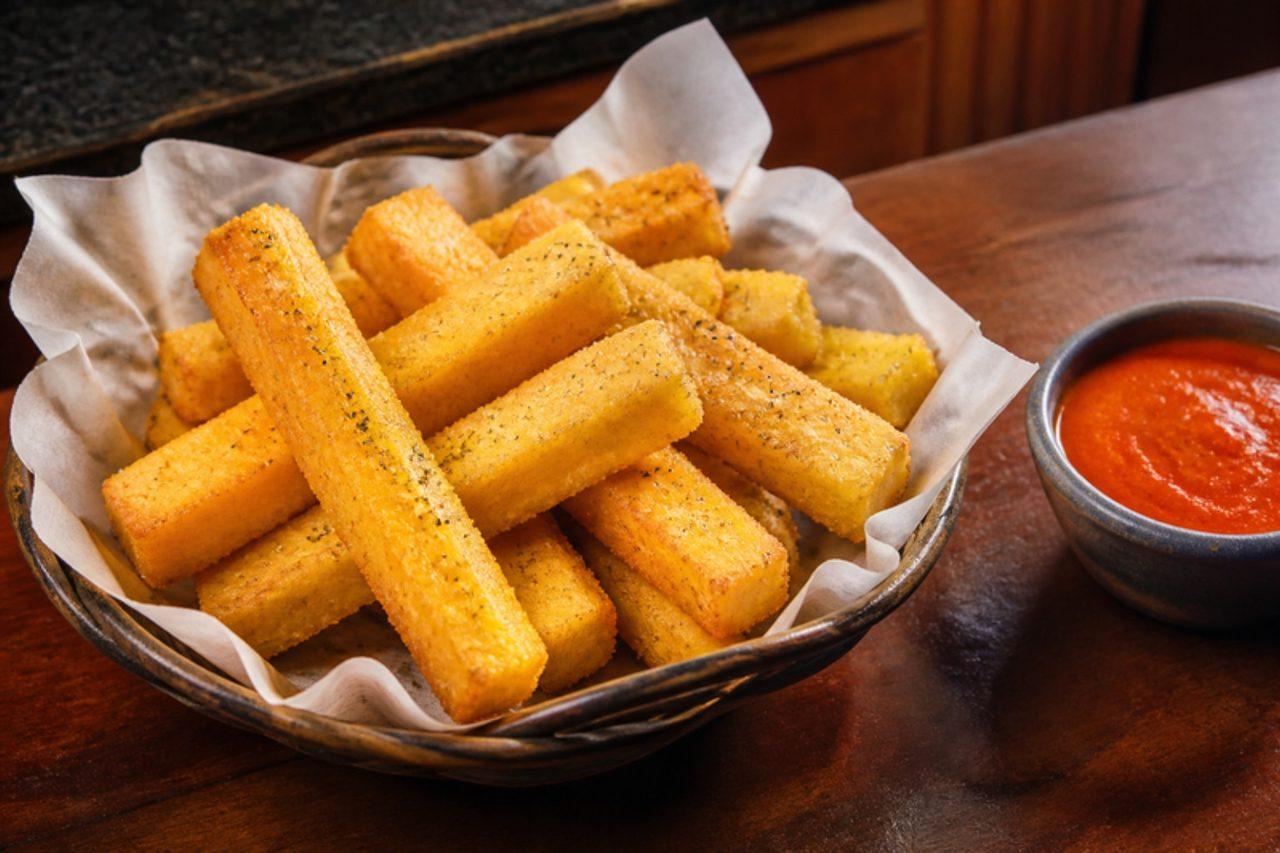
Polenta fritaFried polenta sticks

Italian immigrants brought polenta to São Paulo, and the city's bars and cantinas turned the leftovers into one of its best snacks: thick sticks of set polenta, deep-fried until the outside is crunchy and bubbled and the inside stays soft and creamy. They arrive in paper-lined baskets in Bixiga cantinas and corner botecos alike, sprinkled with salt, to be eaten with a cold drink; some places dust them with grated cheese, which makes them no longer vegan. Kids love them as a side with tomato sauce. They fall apart in the oil when the polenta is too soft, so cook it until very thick and let it set completely in the fridge. Chef's tip: dry the cut sticks on kitchen paper and fry in small batches, so the oil temperature stays high and the crust forms at once.

by KrazyBadal 0 views

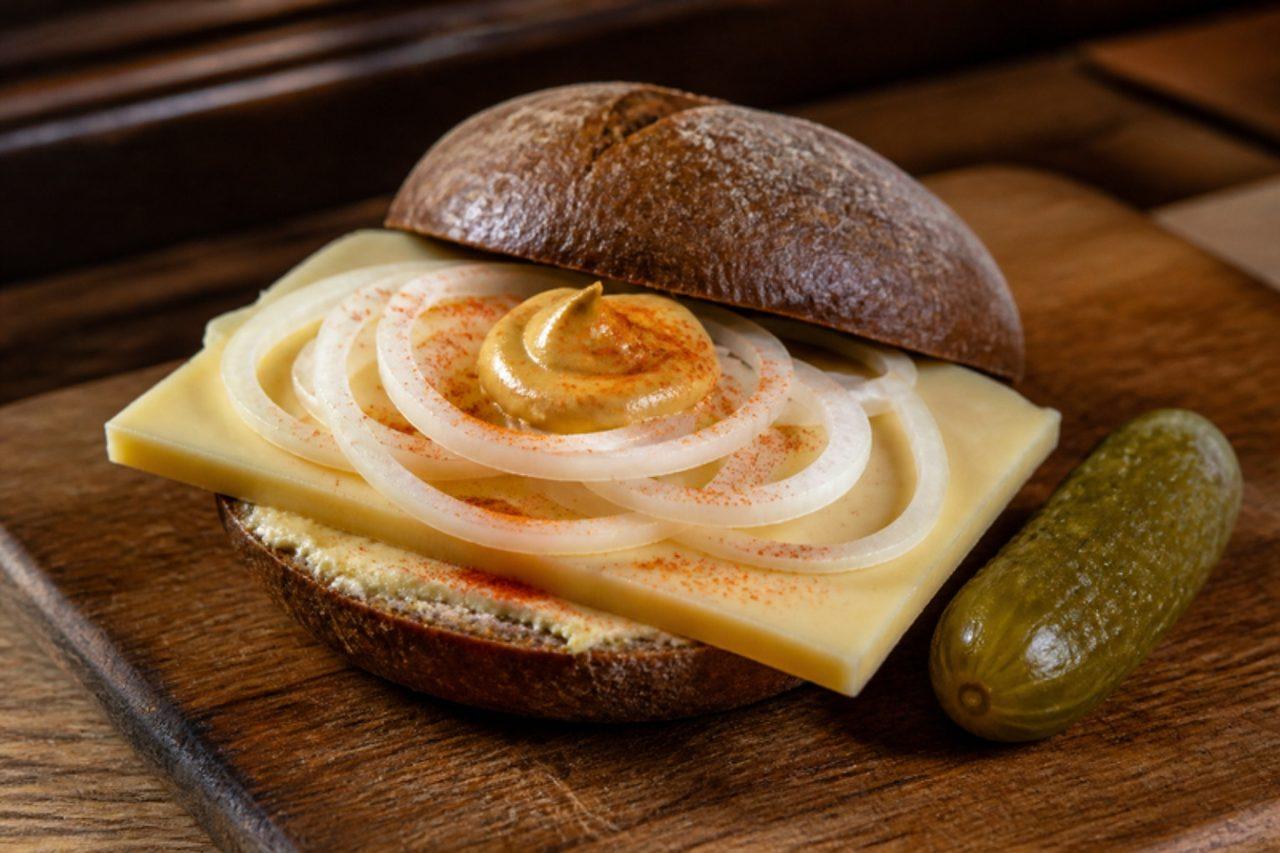
Halve HahnRye roll with Gouda and mustard

Order a Halve Hahn in a Cologne brewpub and you will not get half a chicken, whatever the name says: you get a buttered rye roll, a slab of aged Gouda, sharp mustard and raw onion rings. It is the standard snack on the long wooden tables of the Altstadt, eaten with a small glass of the local beer, though it is just as good with apple juice spritzer. The point is the contrast of crusty rye, nutty crystalline cheese and the bite of onion and mustard. Aged Gouda is usually made with animal rennet, so look for one labelled vegetarian or made with microbial rennet. A common mistake is slicing the cheese thin like a sandwich; the Cologne way is a slice as thick as your finger. Chef's tip: take the cheese out of the fridge 30 minutes ahead so its flavour opens up.

by KrazyBadal 0 views

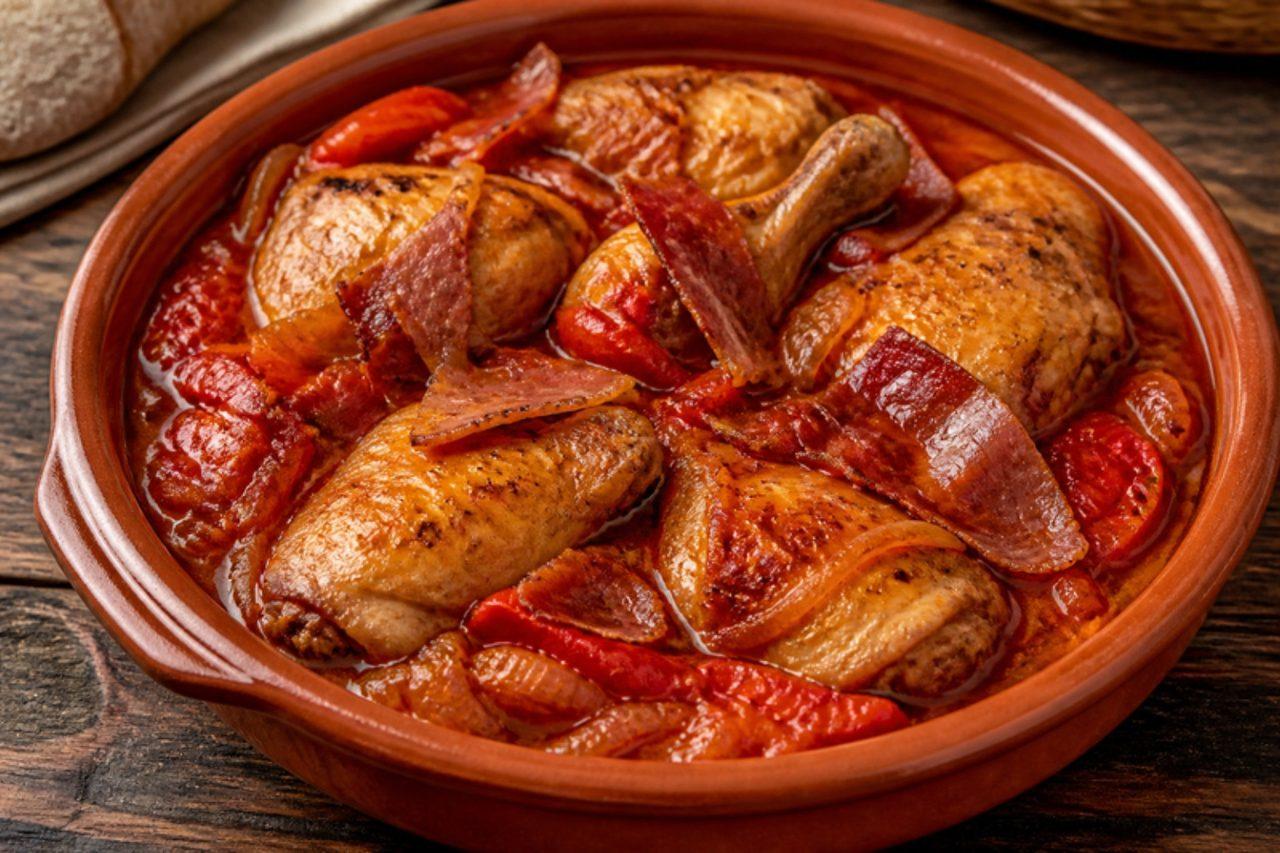
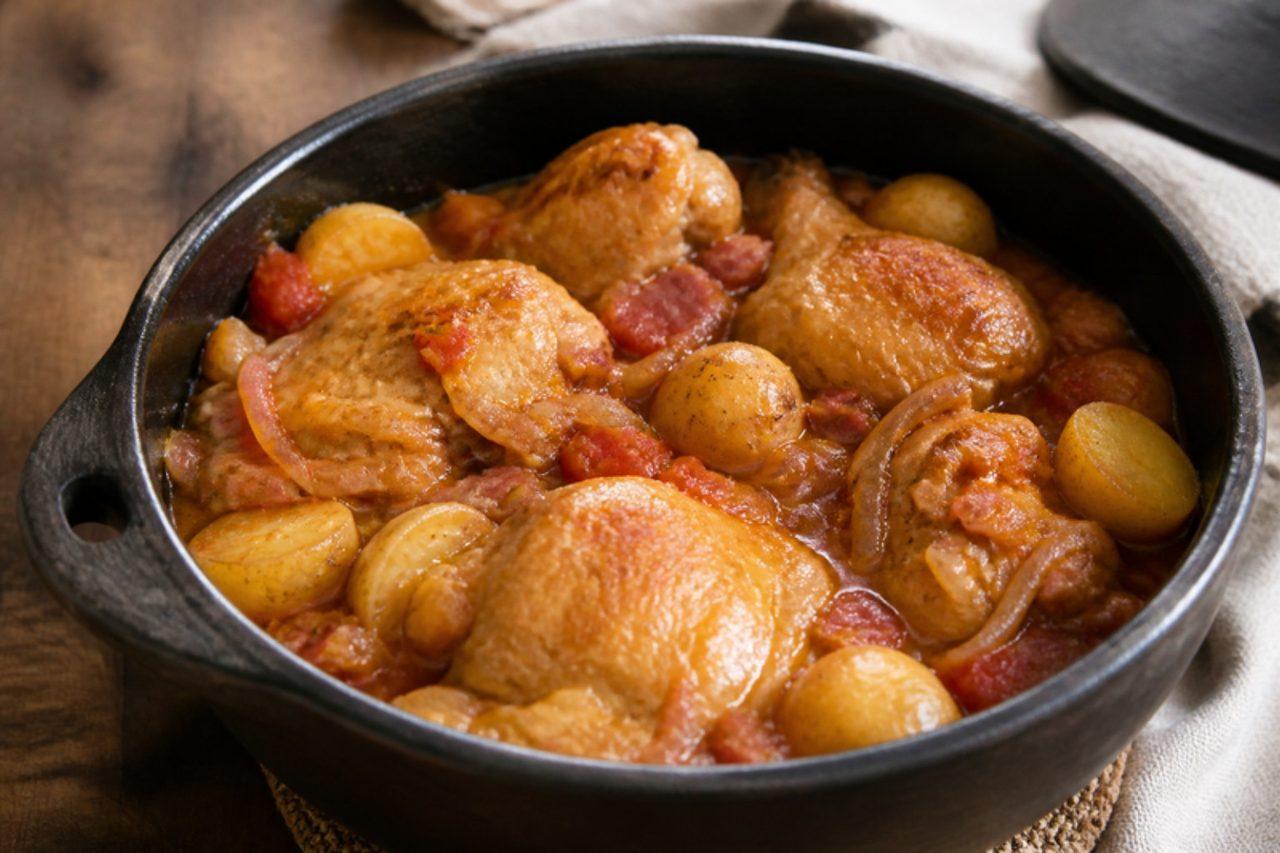
Pollo al chilindrónChicken with pepper, tomato and ham

Chilindrón is the red sauce that Aragon is known for across Spain: sweet red peppers, onion and tomato cooked down slowly with serrano ham until thick and glossy. Chicken is the most common partner (lamb is the other), and a big pot of it is a typical dish at summer village fiestas in the Pyrenees foothills and at family meals all year. This contains pork (cured serrano ham). The recipe uses a little white wine; use chicken stock instead for no alcohol. A common mistake is hurrying the sofrito: the peppers need a slow 20 minutes to soften and sweeten before the chicken goes back in. Chef's tip: if you have roasted red peppers or a spoonful of choricero pepper paste, stir some in for a deeper, smokier colour.

by KrazyBadal 0 views

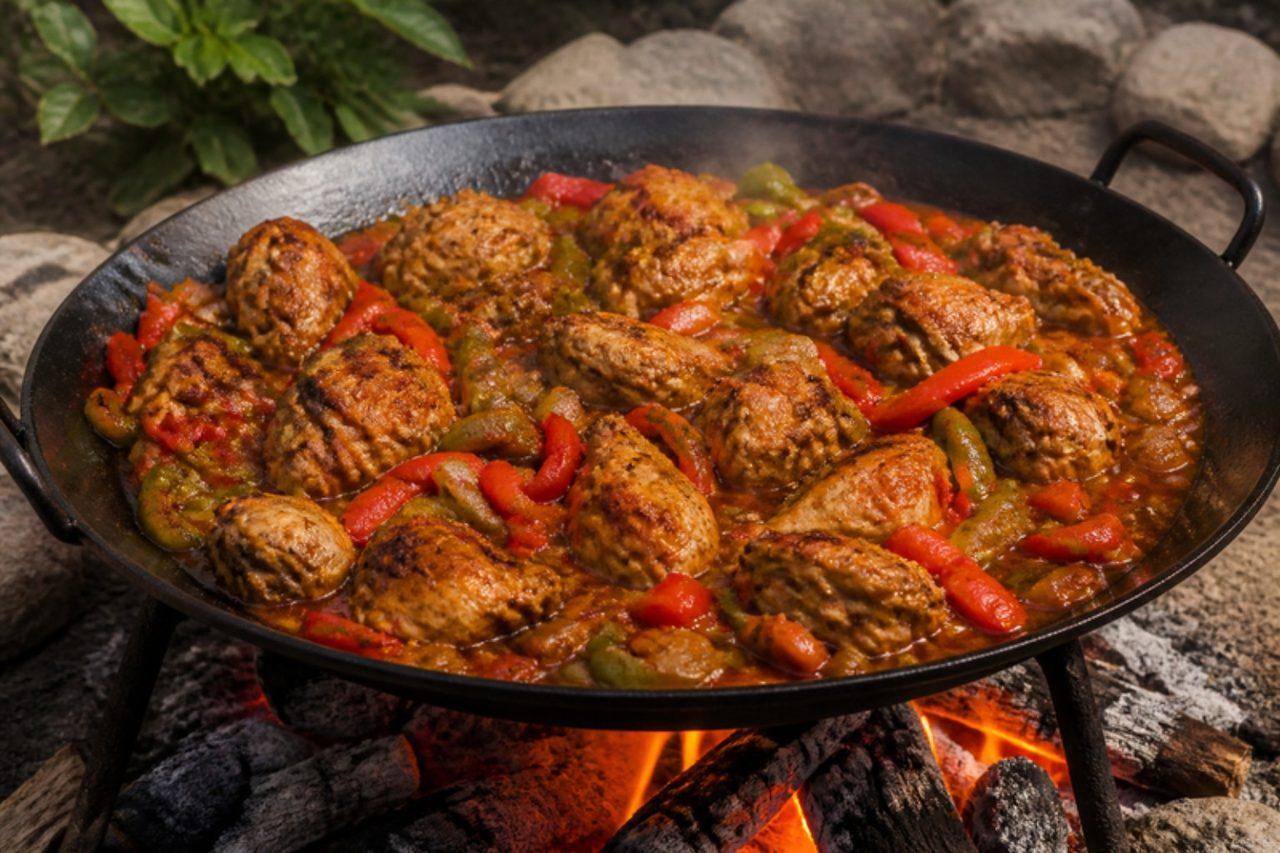
Pollo al discoChicken with peppers and wine

Out on the estancias of the Pampas, the disco de arado (an old plough disc welded onto legs) is set over a wood fire for long weekend lunches, and chicken braised in it is one of the most loved dishes: pieces browned in the wide, sloping pan, then cooked down with onions, peppers, garlic, paprika and a splash of white wine until the sauce is sweet and glossy. Friends stand around the fire with bread for dipping. A large, heavy casserole or wok on the hob does the job at home. The recipe uses white wine; for an alcohol-free version, use the same amount of chicken stock plus 1 tablespoon of white wine vinegar. Chicken must reach 74 °C at the thickest part near the bone. The common mistake is piling everything in at once, which boils the chicken pale, so brown it well first. Chef's tip: push the browned chicken up the sloping sides while the vegetables cook in the centre, as disco cooks do; in a casserole, lift it onto a plate.

by KrazyBadal 0 views

Frango no púcaroClay-pot chicken with port and ham

The monks of the great abbey at Alcobaça, on the edge of the Beira Litoral, are credited with this dish of chicken slow-cooked in a púcaro, a lidded clay pot, with onions, tomatoes, garlic, cured ham and bacon, a splash of port and white wine. Local restaurants still serve it bubbling in the pot with fried or boiled potatoes. This contains pork (presunto and smoked bacon), and it uses port and white wine; an alcohol-free version is given in the ingredient notes. Chef's tip: brown the chicken well before it goes into the pot, as the sealed lid keeps the colour from developing later.

by KrazyBadal 0 views

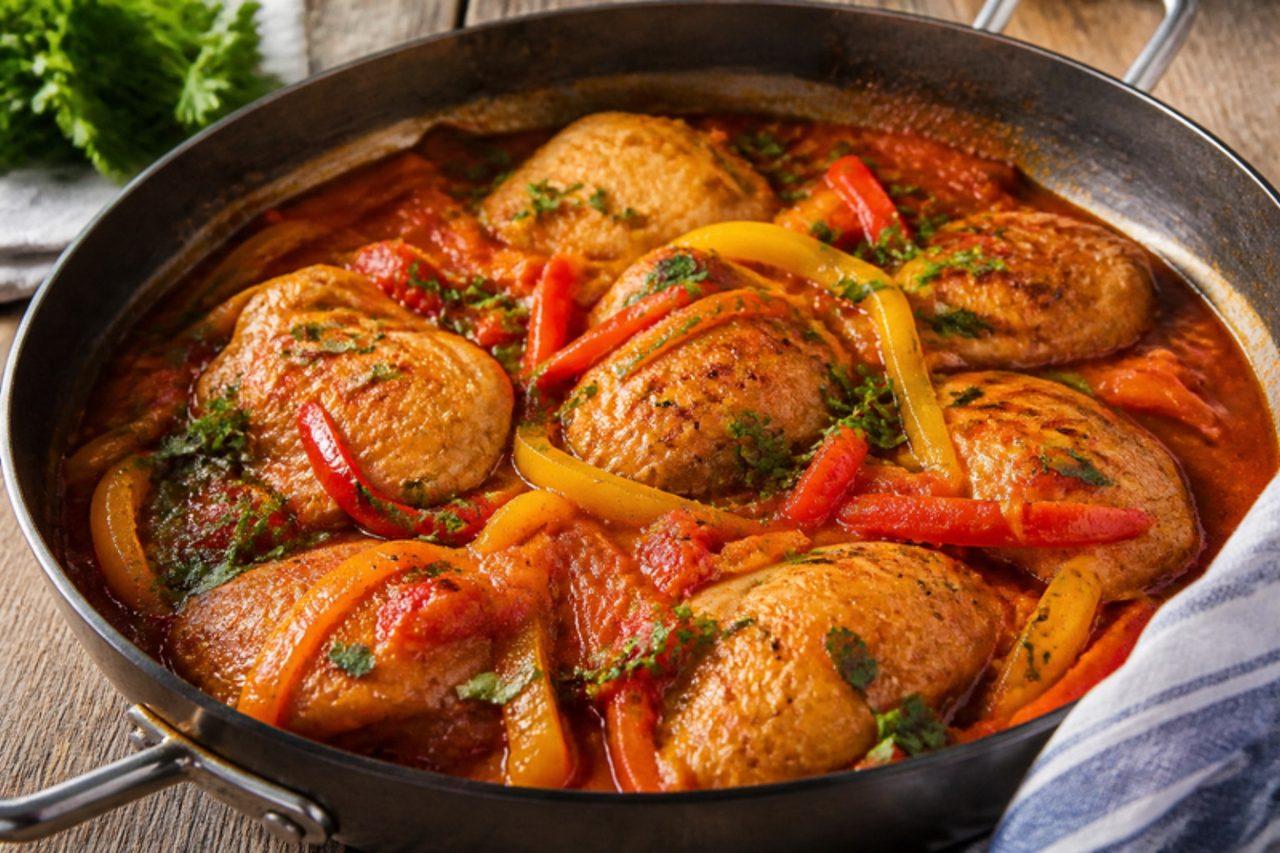
Pollo alla romanaChicken with peppers and tomato

On Ferragosto, the 15 August holiday when half of Rome heads for the coast, families who stay behind cook pollo alla romana, often the day before so it can be eaten at room temperature. Jointed chicken is browned, then stewed slowly with sweet red and yellow peppers, tomato, garlic and marjoram until the peppers collapse into a sweet, glossy sauce. A little white wine goes in at the start; there's an alcohol-free swap in the ingredients. Serve it with crusty bread for the sauce and a plate of tomatoes or green beans. Chef's tip: season the chicken a few hours ahead and keep it covered in the fridge, so the salt reaches right into the meat.

by KrazyBadal 0 views

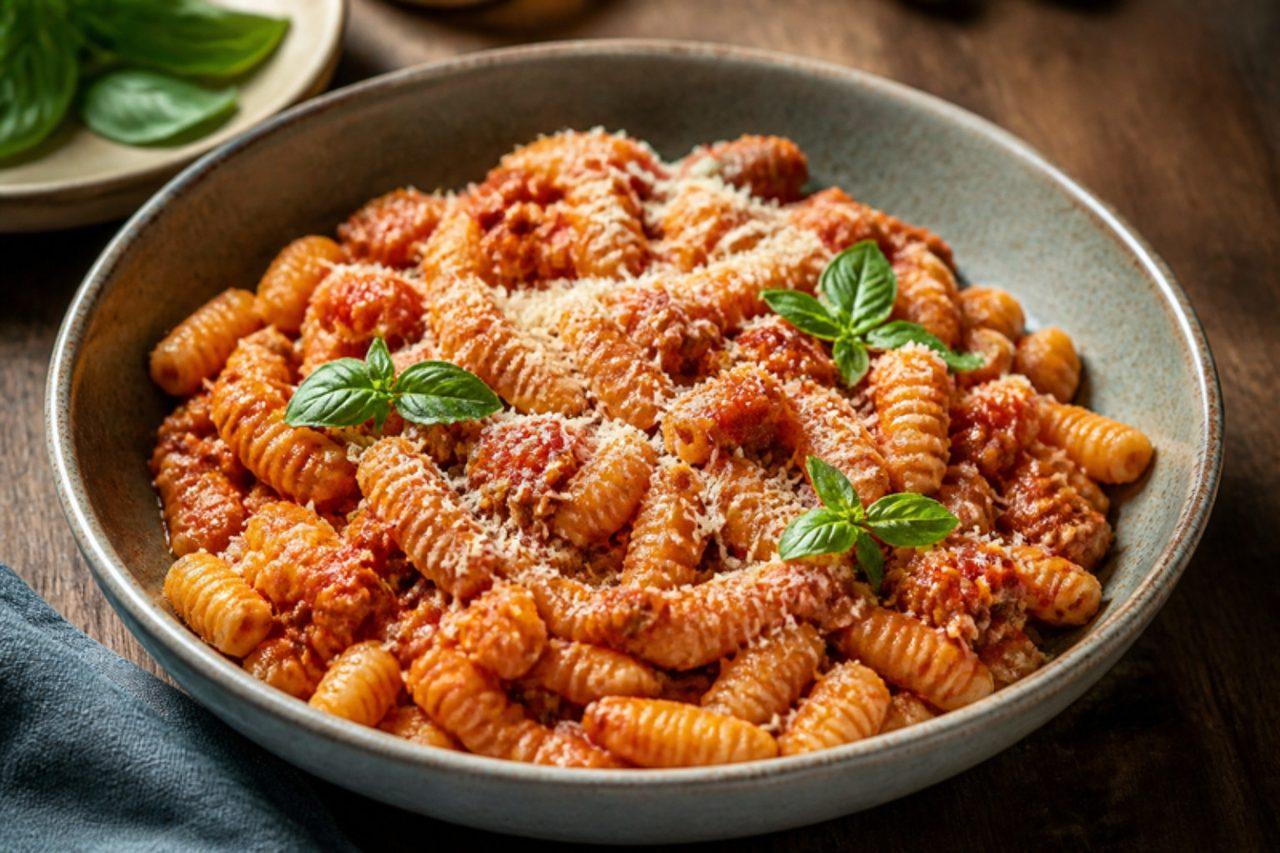
Malloreddus alla campidaneseSaffron gnocchetti with sausage

Malloreddus, small ridged shells of semolina pasta coloured with saffron, are Sardinia's festive pasta, and on the plain of Campidano, north of Cagliari, they're served at weddings, saints' days and Sunday lunch with this sauce. It's a pork dish: crumbled fennel pork sausage is browned, then simmered with tomato until rich, and the little ridged shells catch every bit of it. A shower of sharp pecorino sardo finishes it. Dried malloreddus (sometimes sold as gnocchetti sardi) are easy to find; homemade ones are a lovely weekend project. Chef's tip: steep the saffron in a spoonful of hot water before adding it to the sauce; the colour and perfume spread evenly instead of staying in threads.

by KrazyBadal 0 views

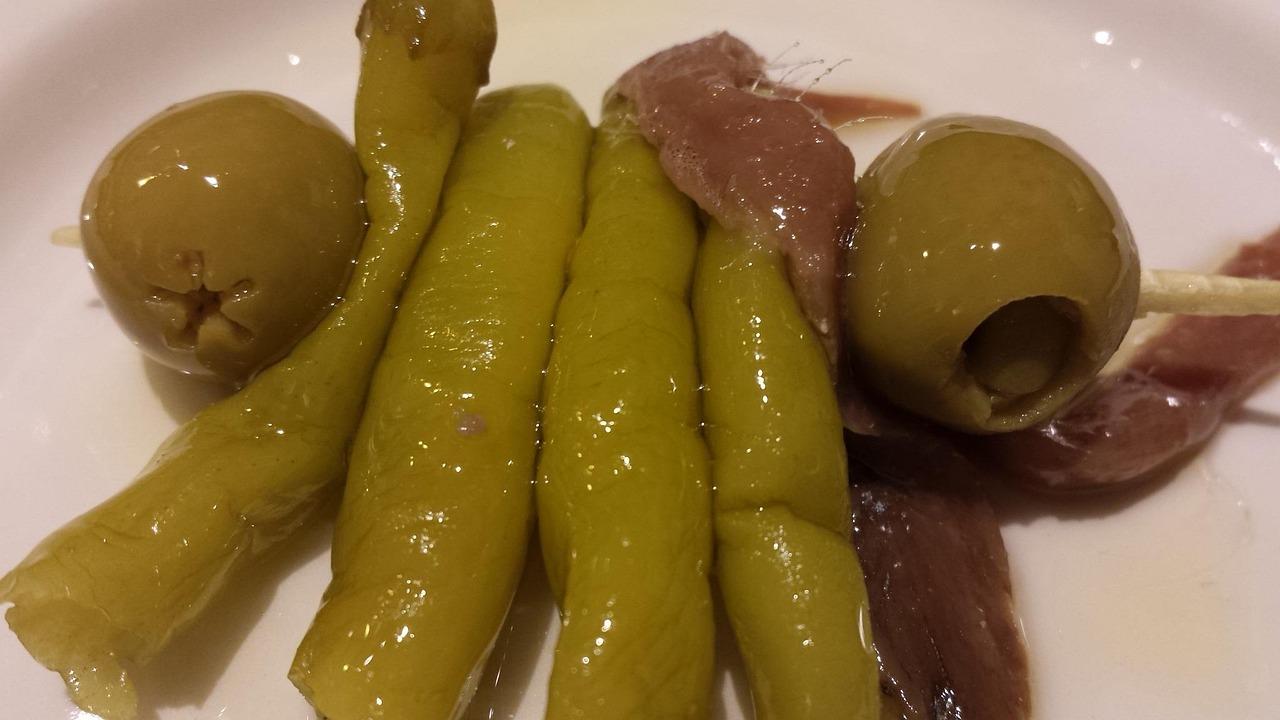
GildaOlive, anchovy and pepper skewer

The gilda was born in a San Sebastián bar in the late 1940s and named after the screen heroine of the film of the same name: green, salty and a little spicy, as the regulars put it. Every Basque bar counter still has a plate of them, eaten in one bite with a glass of something cold before lunch. Salted anchovies in oil are cured, not cooked, so they are not for pregnant women, young children or anyone with a weakened immune system; for a safer version use good tinned tuna in oil instead. A common mistake is using fresh anchovies marinated in vinegar (boquerones), which are raw and too soft for the stick. Chef's tip: thread the anchovy in a wave between the olives so each bite gets a bit of everything.

by KrazyBadal 0 views

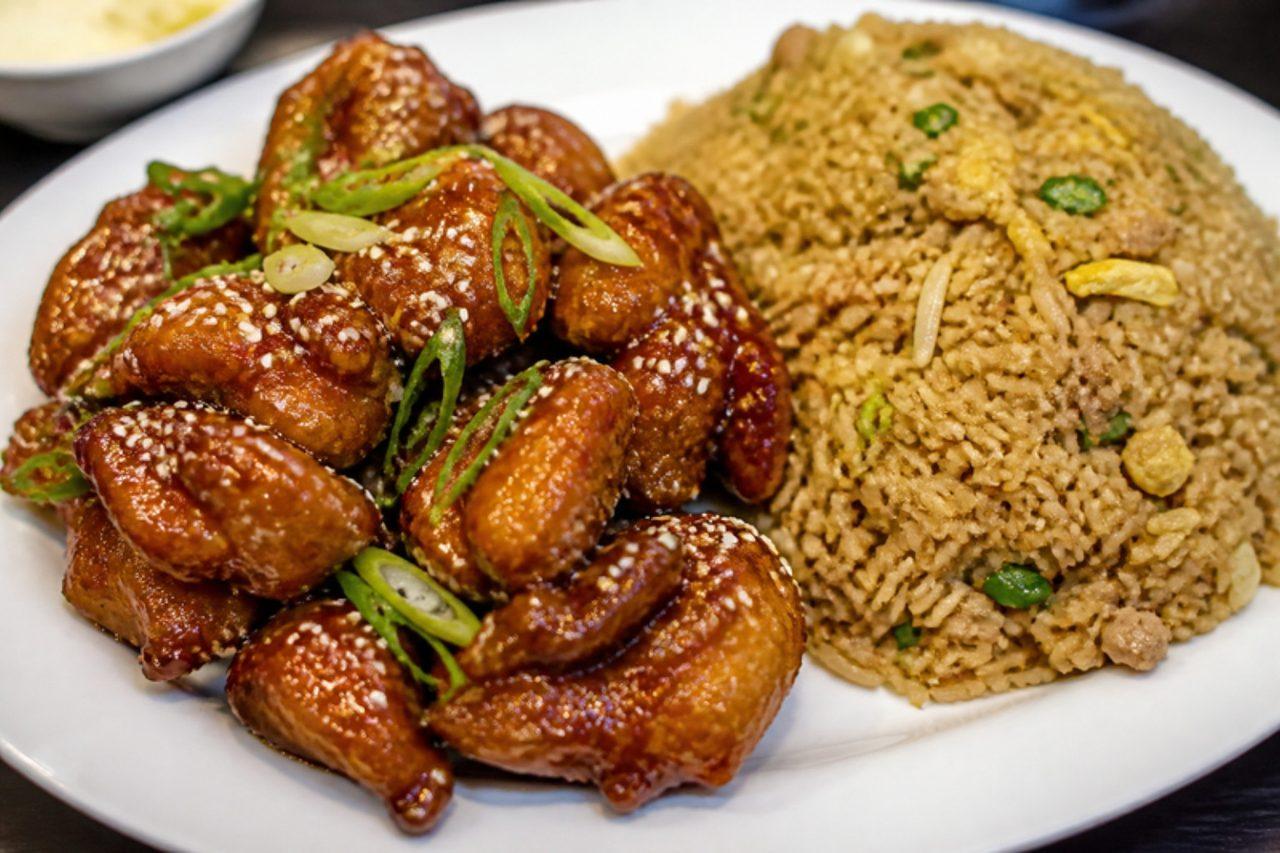
Pollo chi jau kayFried chicken in oyster sauce

Any chifa in Lima, from the old dining rooms of Barrio Chino on Calle Capón to the corner chifa in every district, will have chi jau kay on the menu: boneless chicken marinated in soy and ginger, fried in a crisp coating and served under a dark, glossy oyster sauce, scattered with sesame seeds and spring onion. The crust stays crunchy where the sauce hasn't reached and goes sticky where it has. It is shared with arroz chaufa or plain rice and a Chinese soup. The usual misstep is tossing the chicken in the sauce in the pan, which makes it soggy; Lima chifas pour the sauce over at the table. Chef's tip: fry the chicken twice, once to cook and once very hot for a minute to crisp, and it will stay crunchy under the sauce.

by KrazyBadal 0 views

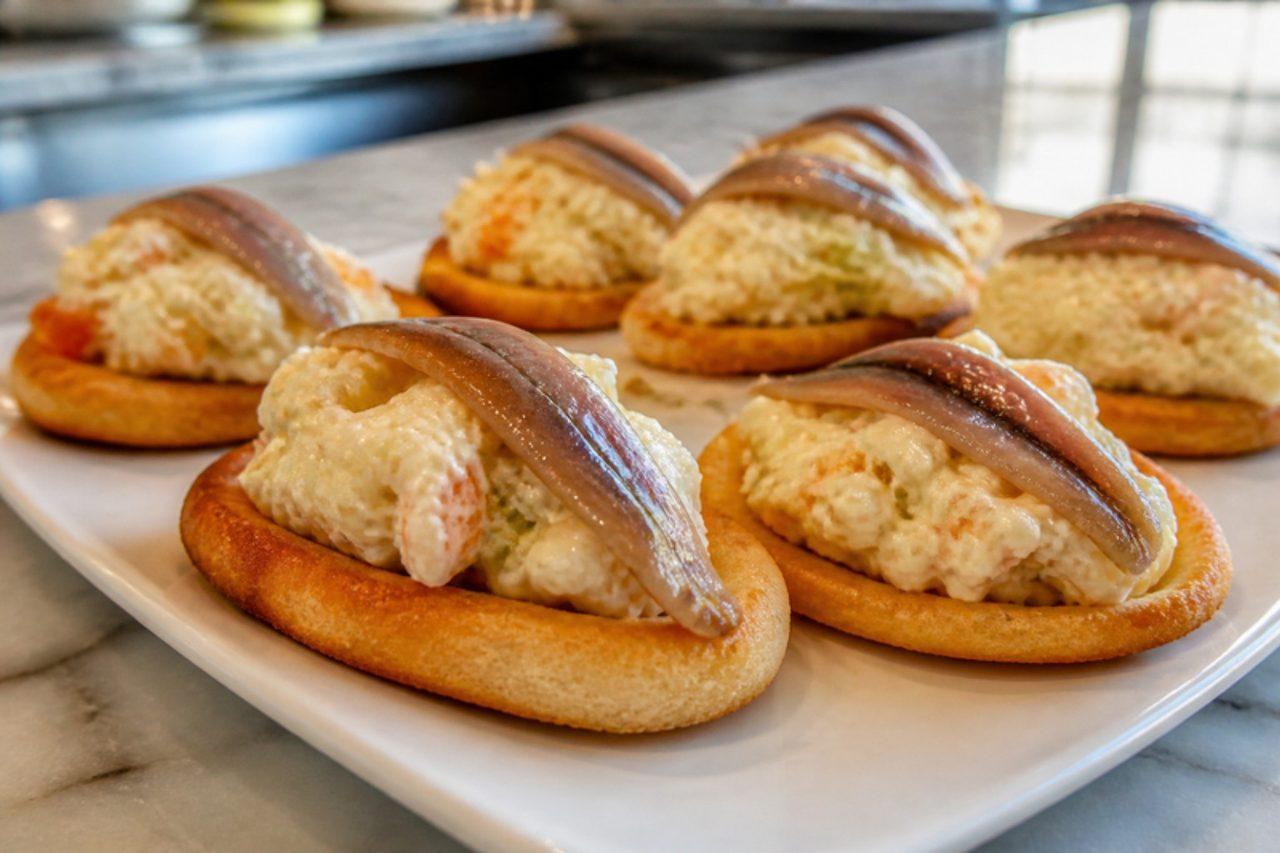
MarinerasRussian salad and anchovy bread rings

No pre-lunch drink in Murcia is complete without a marinera: a crunchy ring-shaped breadstick, the rosquilla, piled with ensaladilla rusa (potato, carrot and peas in mayonnaise) and crowned with an anchovy. Bar counters in the city line them up from midday, alongside the marinero, topped with a vinegar-cured fresh anchovy, and the bicicleta, which has no fish at all. This version uses salted anchovy fillets in oil and shop-bought mayonnaise, which is made with pasteurised egg. If you use vinegar-cured fresh anchovies instead, they are raw fish: buy them frozen first, and they are not for pregnant women, young children or anyone with a weakened immune system. Chef's tip: assemble them at the last moment so the rings stay crunchy.

by KrazyBadal 0 views

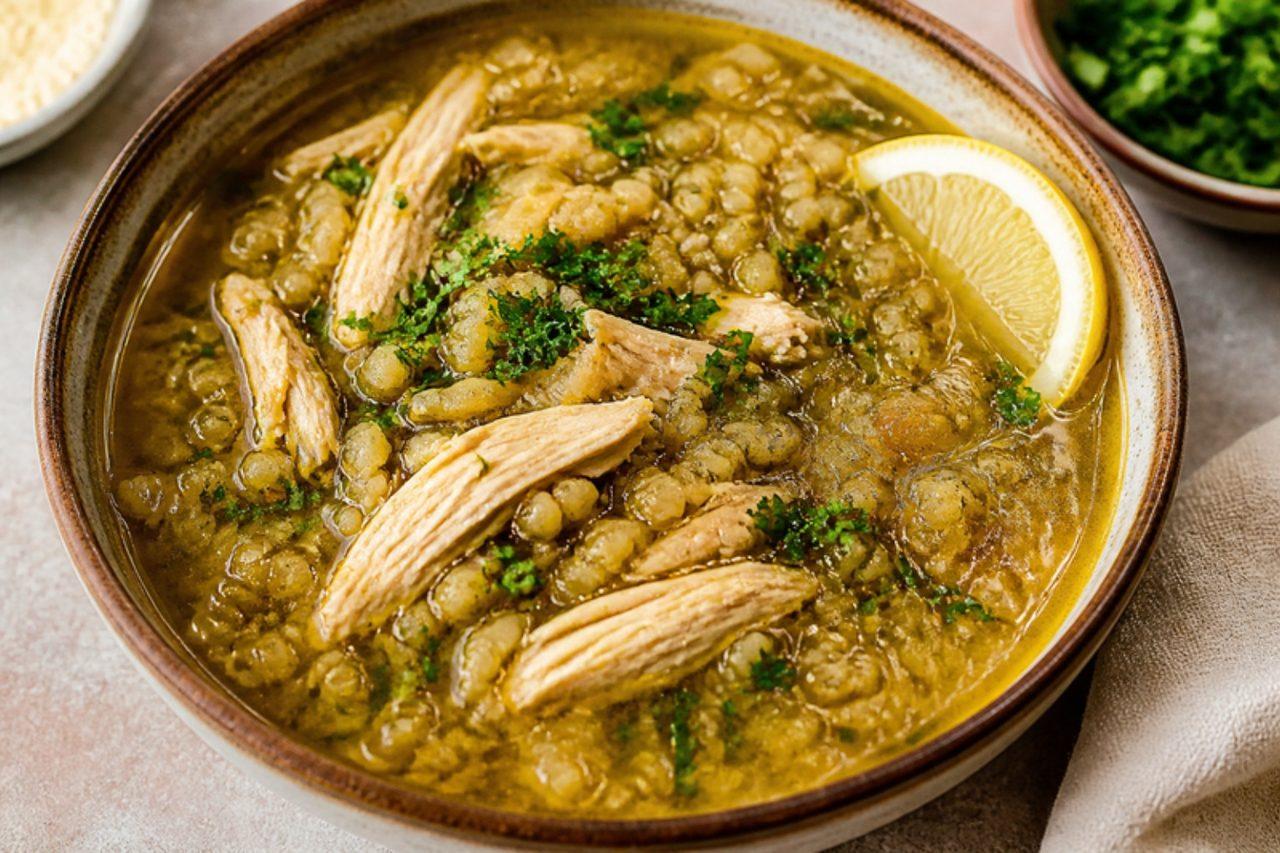
Shorbat freekehSmoked green wheat soup

When the sunset call to prayer ends the Ramadan fast in Amman, the first spoonfuls are very often shorbat freekeh, a nourishing broth thickened with cracked green wheat that was roasted in the field while still young. The smoke from that roasting gives the soup its distinctive, almost barbecue-like depth, while chicken, cinnamon and cardamom keep it gentle on an empty stomach. It is followed by dates, salad and the main dish. The usual mistake is not picking over and rinsing the freekeh, which can hold tiny stones and chaff. Chef's tip: toast the rinsed freekeh in butter for a couple of minutes before adding the broth; it brings out the smokiness.

by KrazyBadal 0 views

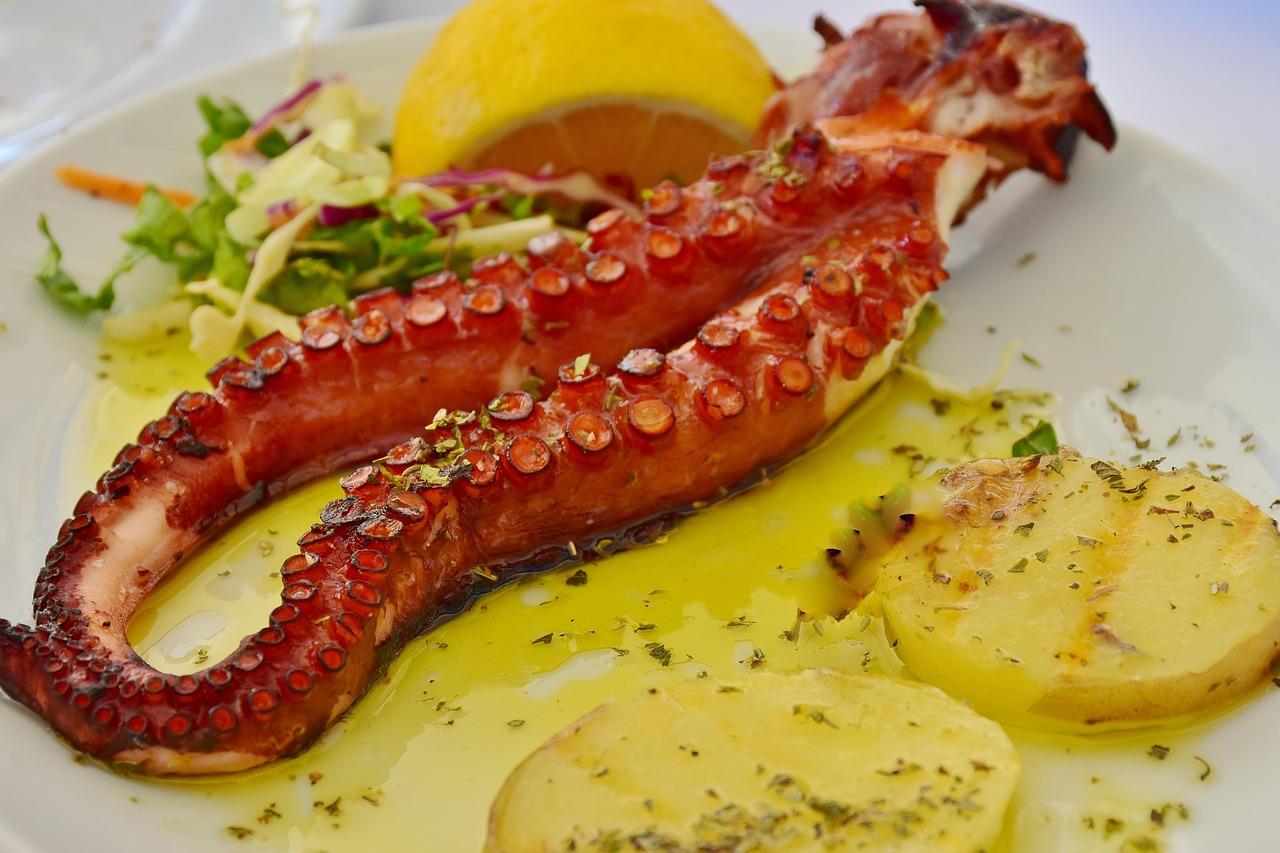
Polvo à lagareiroRoast octopus with garlic oil

The name honours the lagareiros, the men who worked the olive presses, and the dish is about as generous with olive oil as you'd expect: octopus first simmered until tender, then roasted hot with garlic and oil until the tentacles crisp at the tips. It is a Christmas Eve favourite in many Lisbon homes and a Friday treat in restaurants, always with batatas a murro, small potatoes roasted in their skins then punched open. A common mistake is a rolling boil, which turns octopus tough and peels the skin; keep the water at a lazy simmer. Chef's tip: buy frozen octopus, or freeze fresh for a day; freezing breaks the fibres and makes it far more tender.

by KrazyBadal 0 views

Polvo guisado à açorianaOctopus stewed in red wine

On Pico and Terceira, octopus caught among the black volcanic rocks is stewed slowly in red wine with onions, garlic, allspice and a spoonful of pimenta da terra, until the pieces are tender and the sauce is dark and rich. It is a dish for village festas and cold winter Sundays, ladled over potatoes with bread on the side. The recipe uses red wine; for an alcohol-free version, use water with a tablespoon of red wine vinegar. Chef's tip: buy frozen octopus, or freeze fresh octopus for a day; freezing breaks down its fibres and makes it far more tender.

by KrazyBadal 0 views

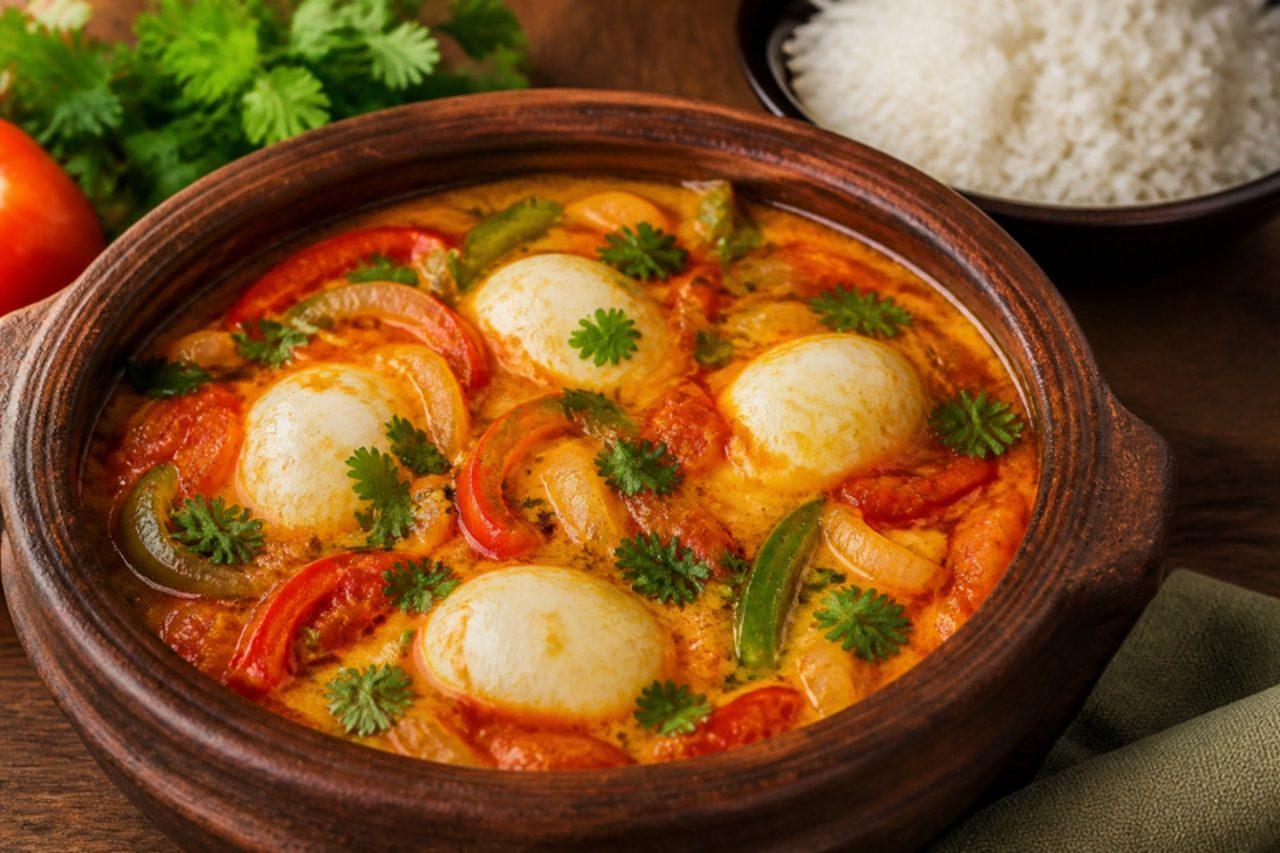
Moqueca de ovosEggs in coconut and tomato sauce

When fish money runs short or it is a meatless Friday, Bahian kitchens make moqueca with eggs instead: the same orange sauce of coconut milk, tomato, peppers, coriander and dendê palm oil, with whole eggs poached right in it until the whites set and the yolks stay soft. It is everyday food in Salvador and the Recôncavo, cooked in a clay pan and carried straight to the table with white rice, farofa de dendê and a spoon of pimenta sauce for those who want heat. The sauce is mellow, slightly sweet from the peppers and rich from the coconut, and the runny yolks thicken it on the plate. The usual mistake is stirring after the eggs go in; they break and turn the sauce cloudy, so cover the pan and leave it alone. Chef's tip: add half the dendê at the start and the rest just before the eggs; heated too long it loses its nutty, floral perfume and only the colour remains.

by KrazyBadal 0 views

Moraba-ye bahar narenjBitter orange blossom jam

When the bitter orange trees lining Shiraz's streets bloom in April, the whole city smells of blossom, and households gather the fallen petals to make this pale golden jam for the year ahead. It is spooned onto bread with fresh cheese at breakfast, or stirred into tea. The petals are bitter, so they are blanched and soaked several times before they meet the syrup. A common mistake is cutting the soaking short, which leaves the jam harsh. Chef's tip: add the lemon juice only at the end; it keeps the petals bright and stops the syrup from crystallising.

by KrazyBadal 0 views

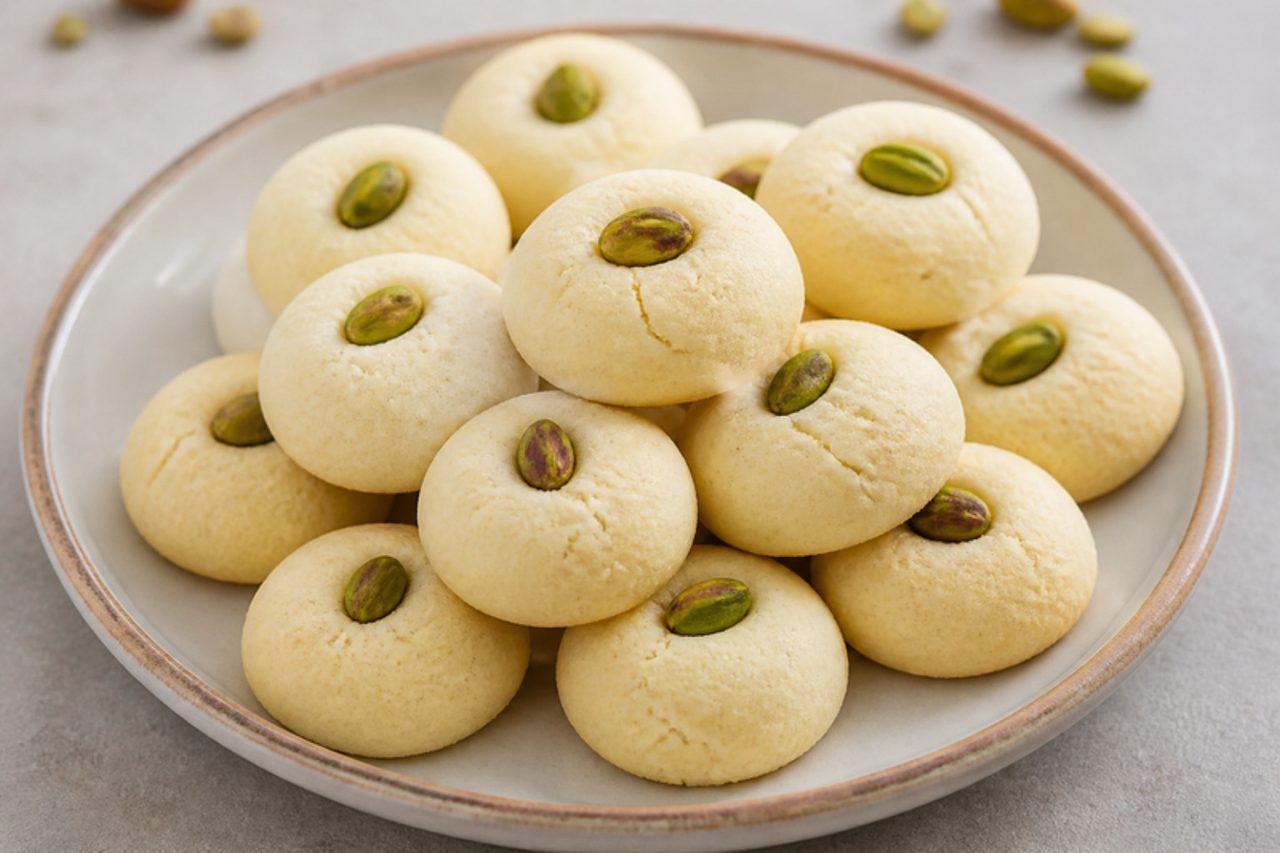
GhraybehPistachio shortbread

Across Syria, Lebanon and Palestine, trays of ghraybeh appear for Eid and weddings next to ma'amoul; in Aleppo they are often shaped into little bracelets with a pistachio at the join. Made from just ghee, icing sugar and flour, they are so tender they crumble as soon as you bite, and they should stay ivory-white, never brown. Serve with strong coffee or mint tea. Common mistake: baking until golden — they should come out pale and still soft, and firm up as they cool. Chef's tip: whip the ghee and sugar for a full 10 minutes until white and fluffy; that is what gives the melting texture.

by KrazyBadal 0 views

PonchaSugarcane spirit with honey and lemon

In the fishing village of Câmara de Lobos, poncha is made to order at the bar counter: sugarcane spirit, honey and freshly squeezed lemon, whipped together with a wooden stick called a mexelote until frothy. Fishermen once drank it to keep warm at sea; now it goes round at every Madeiran festa. The traditional drink contains alcohol and is strong, so it is for adults only; the alcohol-free version swaps the spirit for chilled water, which turns it into a sharp, honeyed lemonade anyone can drink. Chef's tip: dissolve the honey in the lemon juice before adding the spirit or water, or it sinks to the bottom in a sticky lump.

by KrazyBadal 0 views

SoumadaAlmond syrup drink

On Crete and several Aegean islands, a glass of cloudy-white soumada is offered to guests at weddings and on hot summer afternoons. It begins as a thick almond syrup kept in the fridge, which is stirred into iced water to make a cool, gently sweet drink that tastes of marzipan and orange blossom. Some islanders add a few bitter almonds for an edge; they are not safe to eat in quantity, so this version uses a drop of almond extract instead. Common mistake: boiling the syrup hard after the almond milk goes in, which makes it cloudy and grainy rather than smooth. Chef's tip: squeeze the almond pulp in a muslin bag with real force; the last drops are the richest.

by KrazyBadal 0 views

Kaymaklı ekmek kadayıfıBread pudding with clotted cream

Ekmek kadayıfı is a big disc of dried, airy bread that pudding shops in Istanbul and Afyon soak in syrup until it turns dark, sticky and soft, then top with a thick slab of buffalo-milk kaymak. The contrast is the point: cold, rich cream against the warm, almost caramel-flavoured, juicy bread. At home you can use slices of stale brioche-style bread if you can't buy the ready-made disc. Chef's tip: pour hot syrup over completely dry bread, a little at a time, and wait between pours so every crumb drinks it up evenly.

by KrazyBadal 0 views

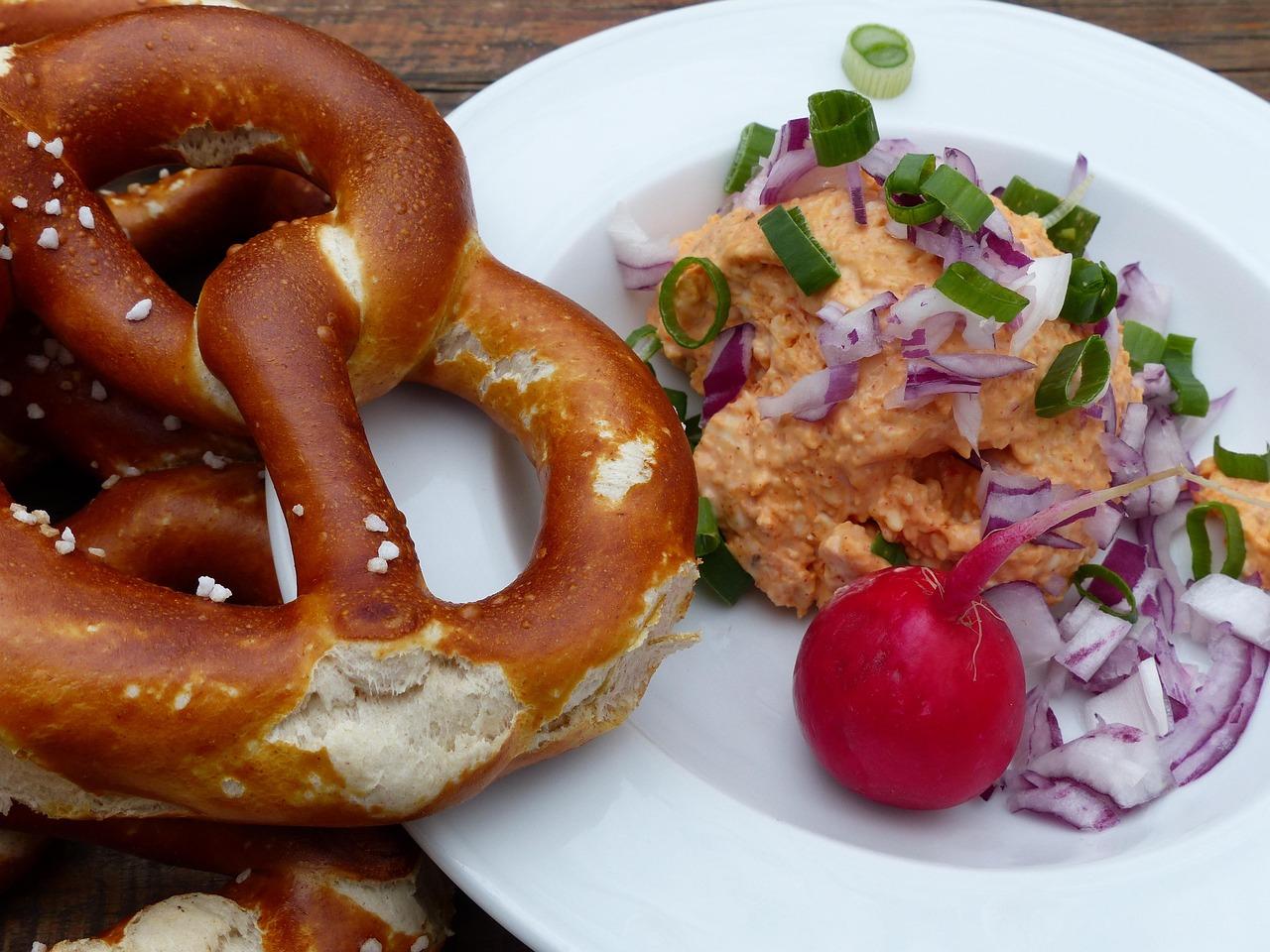
ObatzdaBeer-garden cheese spread

Obatzda is what a Munich beer garden puts beside a giant soft pretzel: overripe Camembert mashed with soft butter, sweet paprika, caraway and raw onion until it turns a creamy, rusty orange. It is a thrifty spread that grew up in Bavarian taverns as a way to use cheese that had gone a little too far, and it is still eaten in the afternoon sun with radishes and dark bread. Camembert is usually made with animal rennet, so pick one labelled vegetarian if that matters to you. A common mistake is blitzing it in a processor, which makes it gluey; mash with a fork so a few soft lumps stay. Chef's tip: make it an hour ahead and chill it, then let it stand 15 minutes before serving, so the paprika flavour blooms and it spreads easily.

by KrazyBadal 0 views

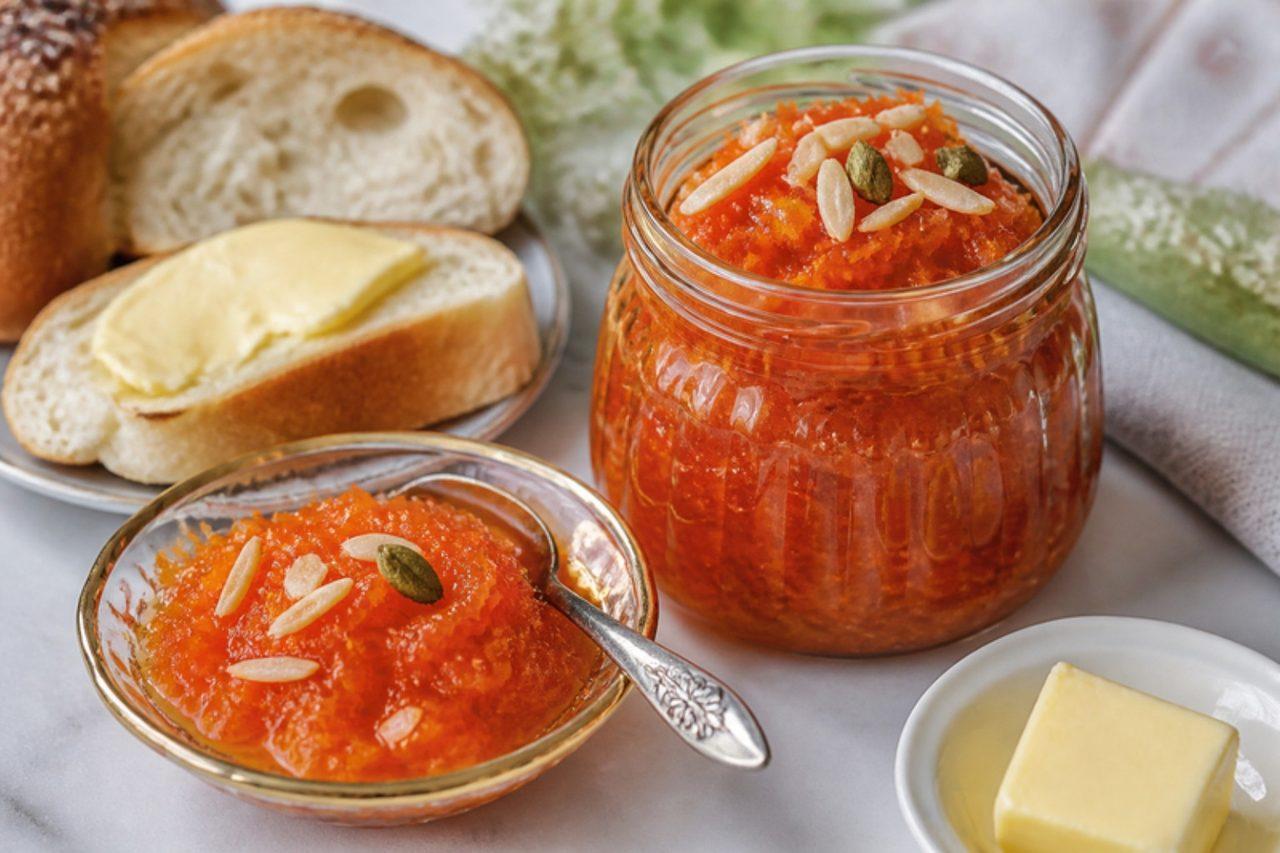
Moraba-ye haveejCarrot jam with cardamom and almonds

Moraba-ye havij is the bright orange jam on Iranian breakfast tables, spread on warm barbari or sangak with butter or a slice of white cheese, especially in winter when carrots are at their sweetest. Thin shreds of carrot are candied in a light syrup with cardamom and orange peel, then finished with rosewater and slivered almonds, so every spoonful is chewy, glossy and fragrant. It is made in every region, and families argue over how thick the syrup should be. Chef's tip: cut the carrots into fine matchsticks rather than grating them; grated carrot turns to mush and clouds the syrup.

by KrazyBadal 0 views

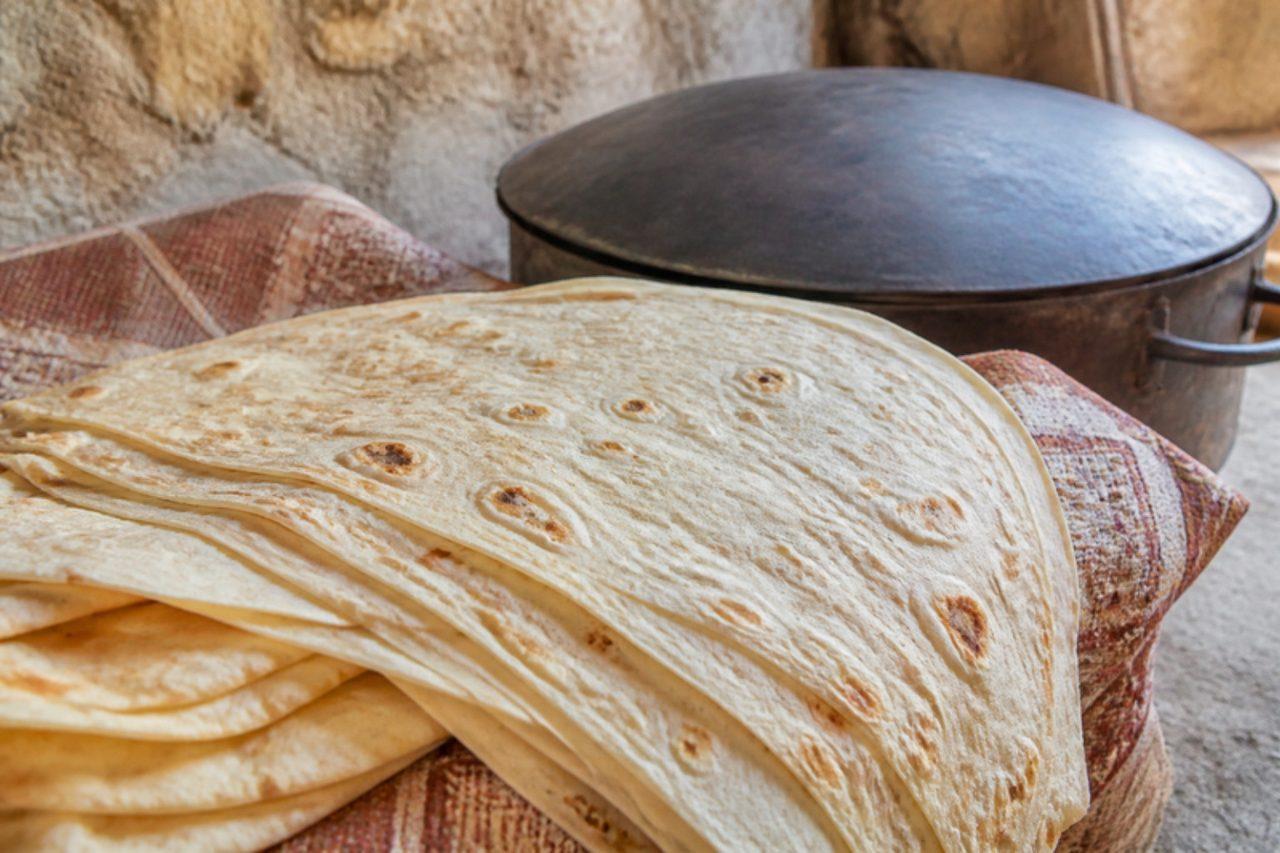
ShrakPaper-thin saj flatbread

In Bedouin camps around Wadi Rum and Ma'an, shrak is baked fresh for every meal: dough stretched thinner than a handkerchief, flung over a domed iron saj above the fire and lifted off seconds later, soft and blistered. It is the bread that lines the mansaf platter and wraps grilled meat, and it is torn for galayet and labneh at breakfast. At home an upturned wok over a gas flame stands in for the saj. The common mistake is rolling the dough on a dry surface; it tears, so oil your hands and worktop instead and stretch the dough over the backs of your hands like a pizza maker. Chef's tip: rest the dough balls a full 30 minutes, well oiled and covered; relaxed gluten stretches to near see-through without fighting back.

by KrazyBadal 0 views

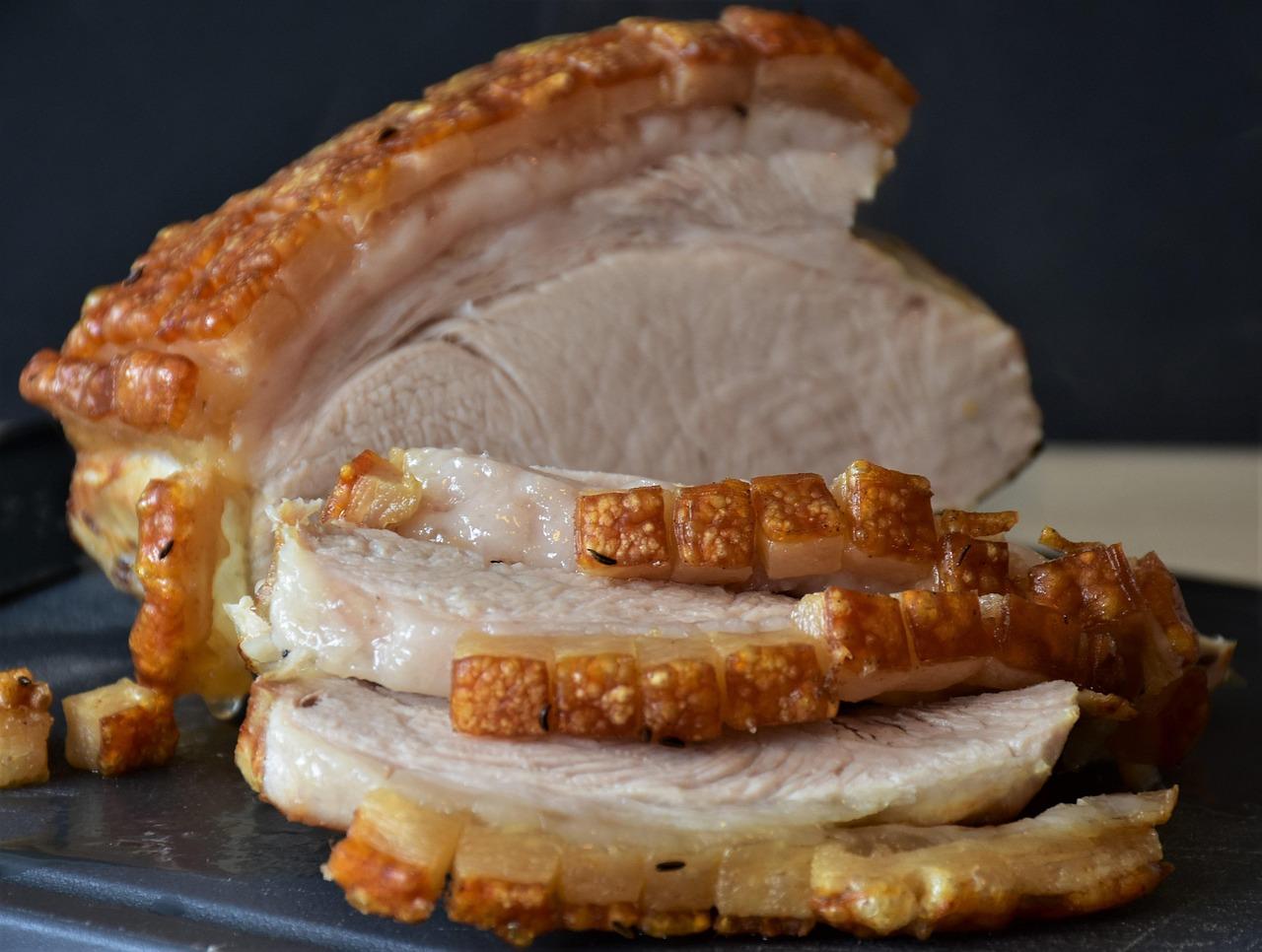
PorcedduRoast suckling pig

Porceddu is Sardinia's feast: a whole suckling pig spit-roasted for hours beside an open wood fire at weddings, village saints' days and Ferragosto, then laid on a bed of myrtle branches so the hot meat soaks up their scent. The skin turns glass-crisp and the pork underneath is soft and juicy. Suckling pig and fresh myrtle are hard to find outside Sardinia, so this home-oven version uses a skin-on piece of pork belly or shoulder, with bay leaves and rosemary standing in for myrtle. Serve with bread, roast potatoes and a salad. Chef's tip: salt the dried skin and leave it uncovered in the fridge overnight; dry skin is the secret to real crackling.

200 minItalianMeatGluten free
by KrazyBadal 0 views

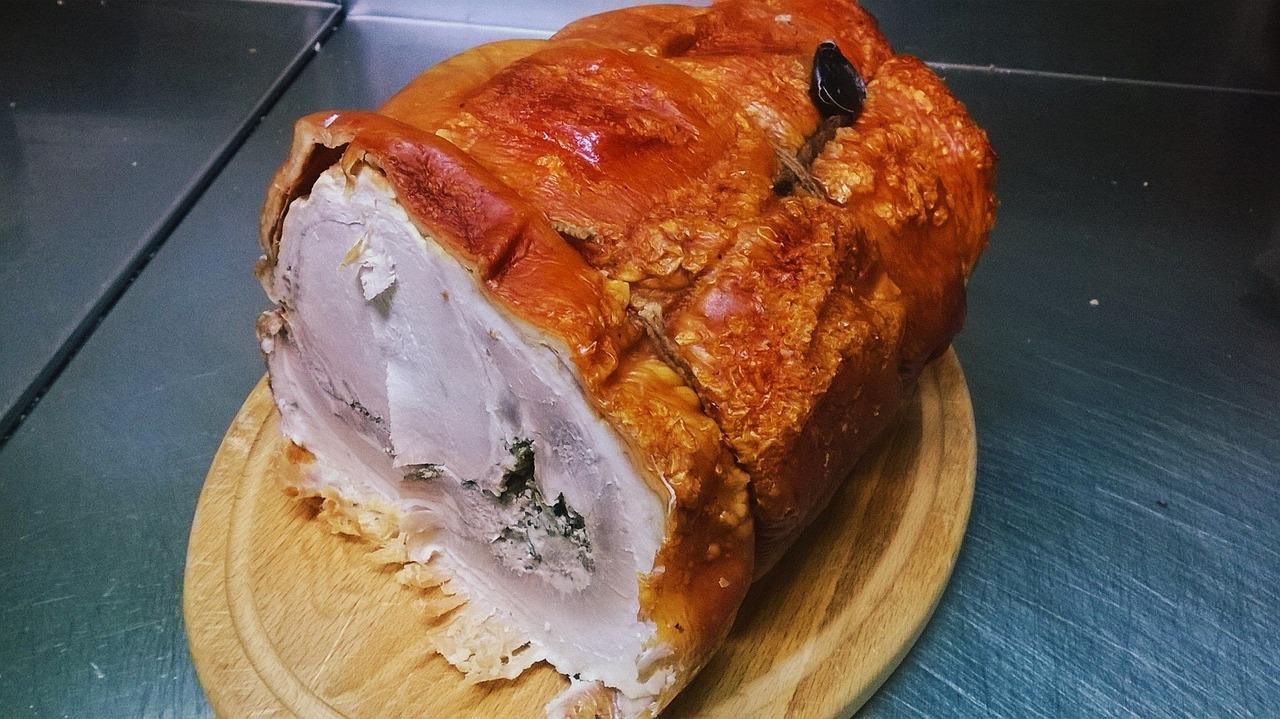
PorchettaHerb-stuffed roast pork belly

Porchetta is the street food of central Italy: in Ariccia, in the hills south of Rome, and across Umbria, vans at markets and village festivals carve thick slices of this slow-roasted pork, stuffed with garlic, rosemary, fennel and pepper, straight into crusty rolls. Whole pigs are used there; at home, a piece of pork belly rolled around the loin gives the same juicy meat, herby centre and shatteringly crisp crackling. Serve it in rolls, or hot in slices with roast potatoes and greens, and the leftovers are just as good cold. Chef's tip: leave the tied roll uncovered in the fridge overnight; a dry skin is what turns into blistered crackling.

280 minItalianMeat
by KrazyBadal 0 views

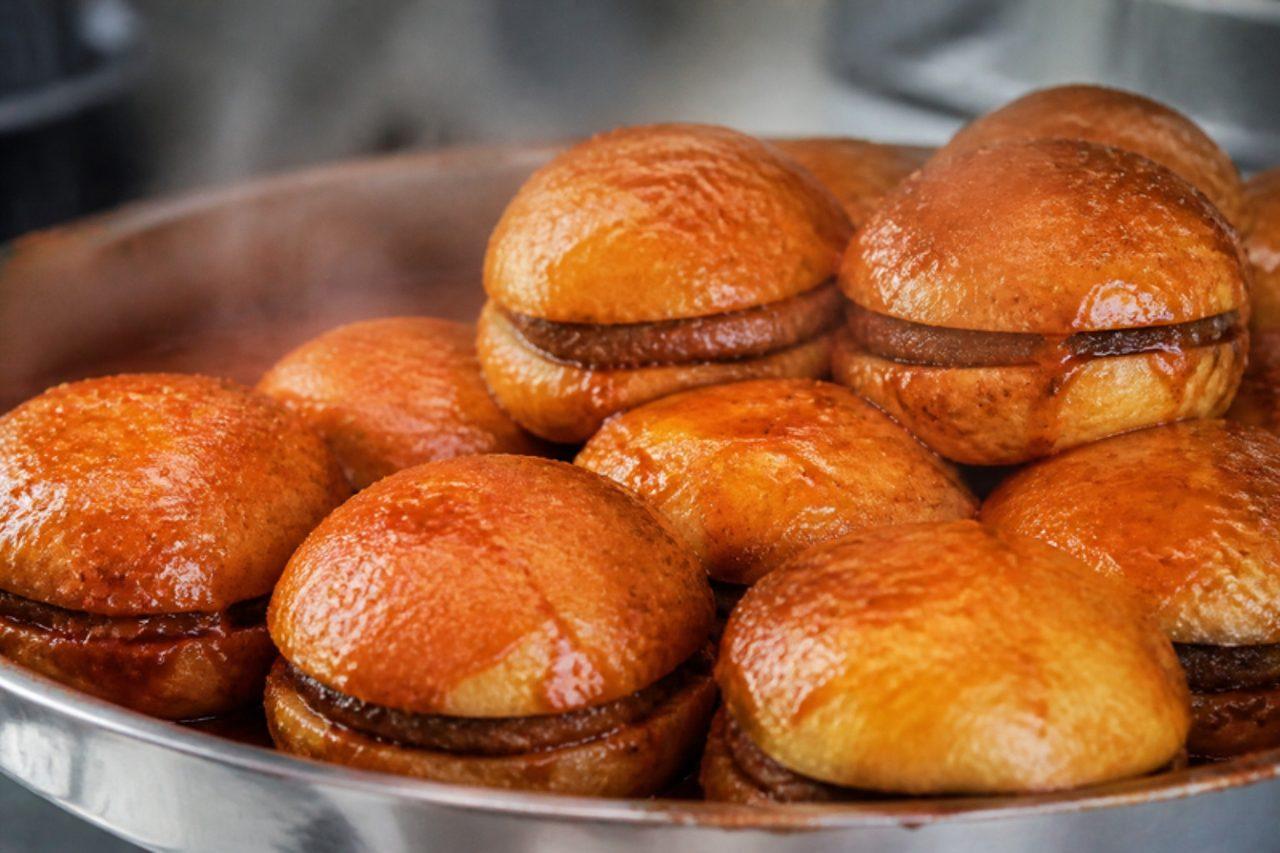
Islak burgerSteamed garlic tomato burger

In the windows of the snack bars on Taksim Square, little burgers sit in a steaming glass box, their buns soaked in a garlic and tomato sauce: the ıslak, or 'wet', burger, eaten by the half-dozen at 3 a.m. after a night out on İstiklal. The beef patty is thin and spiced, the bun turns soft and juicy, and the whole thing is gone in four bites. At home a covered pan does the job of the steam box. Chef's tip: use a soft, slightly sweet bun; crusty rolls stay hard and just get soggy at the edges.

by KrazyBadal 0 views

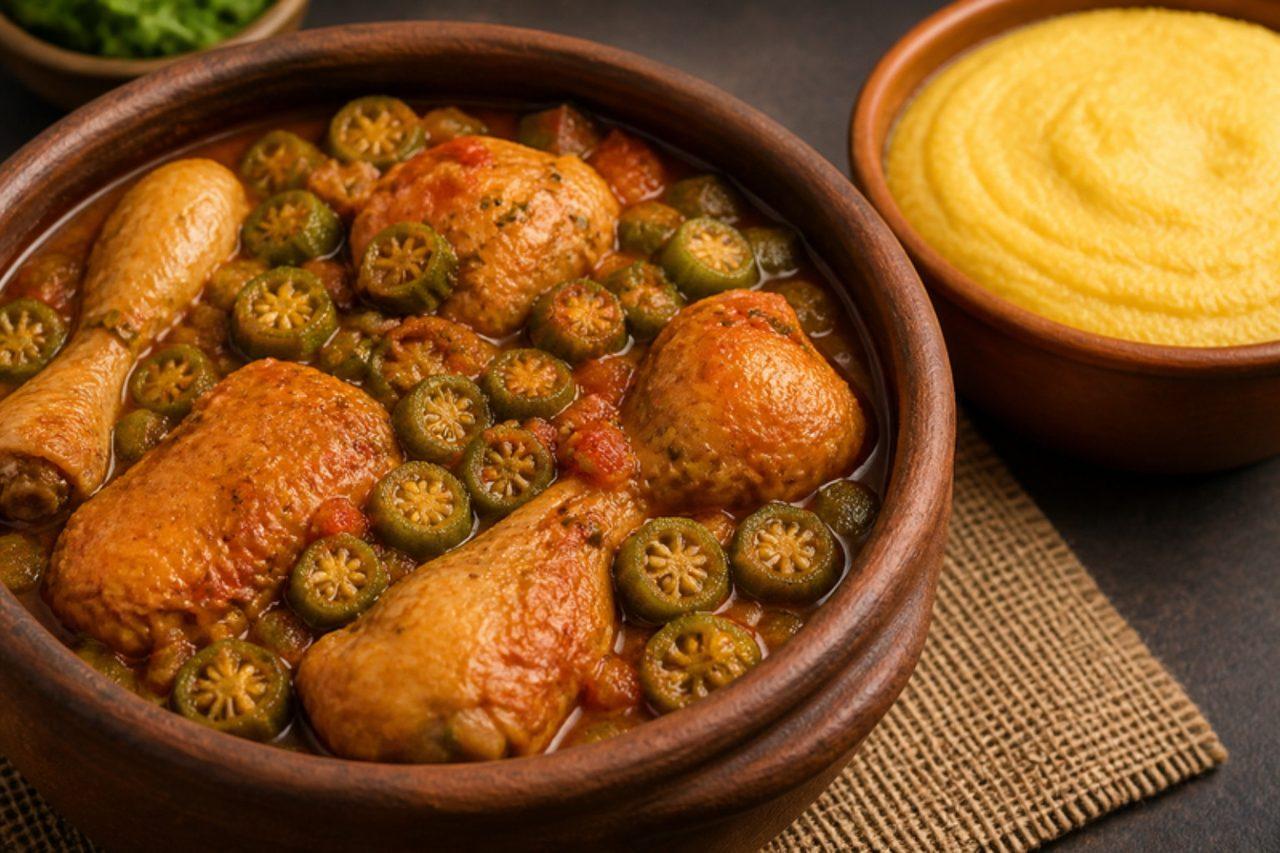
Frango com quiaboChicken with okra

Countryside Minas Gerais, especially around Belo Horizonte and the historic towns, cooks frango com quiabo for Sunday lunch: chicken pieces braised in a garlicky tomato sauce coloured with annatto, with okra fried separately and folded in at the end so it stays green and barely sticky. It is served over angu, a soft, unseasoned cornmeal porridge, with rice and a pot of hot pepper on the side. The sauce is savoury and homely, the okra tender with a little bite. People often add the raw okra straight to the pot, which makes the sauce slimy; frying it first in hot oil seals it. Chef's tip: stir the angu with a whisk as you pour in the cornmeal, then switch to a wooden spoon, and it will never go lumpy.

by KrazyBadal 0 views

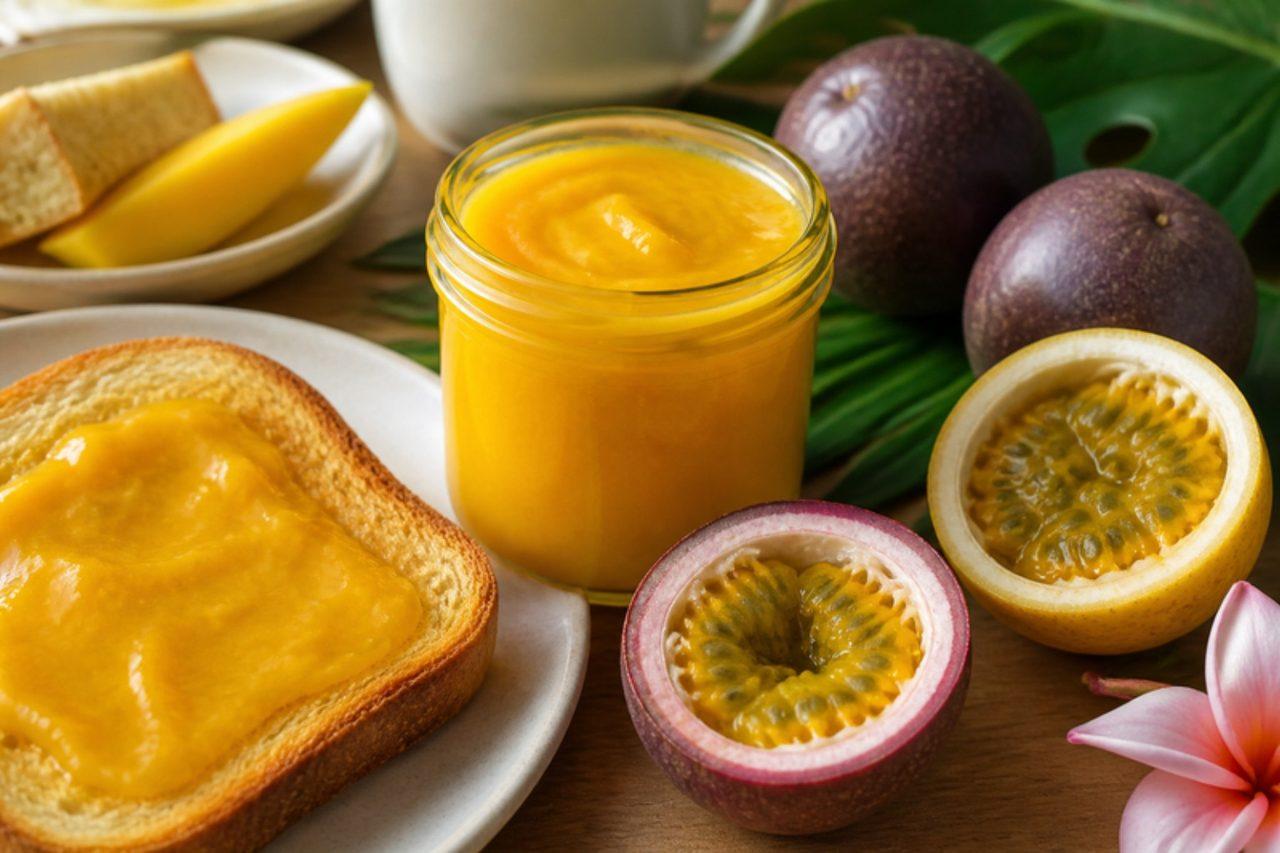
Lilikoi butterPassion fruit curd

Lilikoi is the Hawaiian name for passion fruit, which grows wild on vines all over the islands, and lilikoi butter is the tangy golden curd that farmers' markets on Maui and Kauai sell in jars. It is spread on toast, sweet bread and scones, or spooned onto shave ice and cakes. Chef's tip: keep the heat low and stir constantly; the curd is ready when it coats the back of a spoon and holds a line drawn through it with your finger.

by KrazyBadal 0 views

GhotabFried almond crescents

Ghotab are the little fried crescents that Yazd's confectioners have been making for generations, packed into boxes for Nowruz and carried as gifts by anyone travelling from the city. A tender yogurt dough is wrapped around ground almonds, sugar and plenty of cardamom, fried until blond and crisp, then buried in icing sugar. A common mistake is frying too hot, which browns the outside before the dough inside the fold cooks through, leaving it doughy. Chef's tip: roll the ghotab in icing sugar while still warm, then again once cold, for a thick snowy coat.

by KrazyBadal 0 views

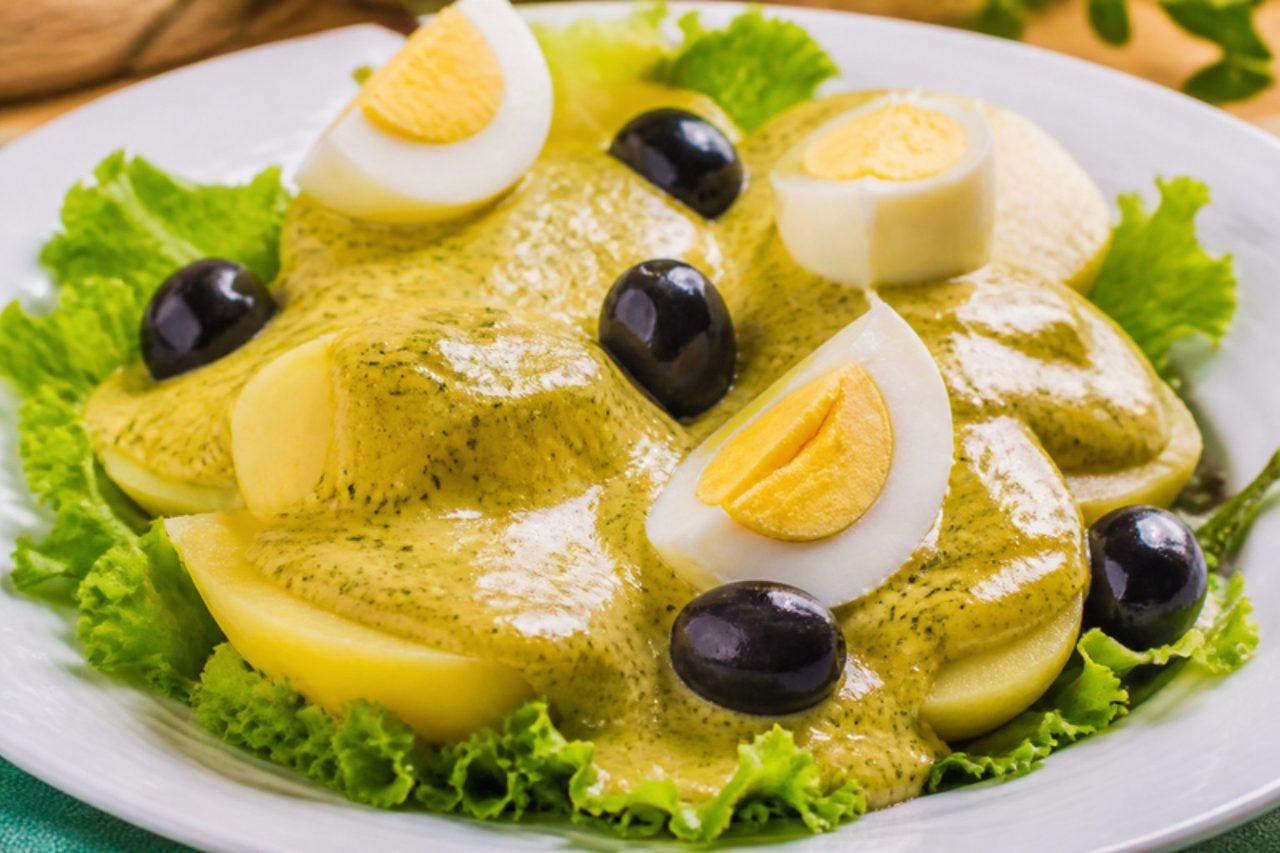
OcopaPeanut, huacatay and cheese sauce

Arequipa's picanterías put ocopa on the table as a starter, a pale olive sauce spooned thickly over sliced boiled potatoes, and the smell of toasted chillies and huacatay (black mint) is what sets it apart from Lima's huancaína. The chillies are dried ají mirasol, charred in a dry pan, which gives a smoky, raisin-like warmth rather than sharp heat, and toasted peanuts make the sauce nutty and almost velvety. Many cooks thicken it with crackers; this version uses only peanuts and cheese, so it stays gluten free. Serve it at room temperature with yellow potatoes, a black olive and a few lettuce leaves, plus a halved boiled egg for anyone who eats eggs. The mistake people make is toasting the onion and chillies black, which turns the sauce bitter; they should be blistered in spots only. Queso fresco is often made with animal rennet, so look for a vegetarian fresh cheese. Chef's tip: huacatay paste comes in jars from Latin shops; without it, use a small handful of mint plus a few tarragon leaves.

by KrazyBadal 0 views

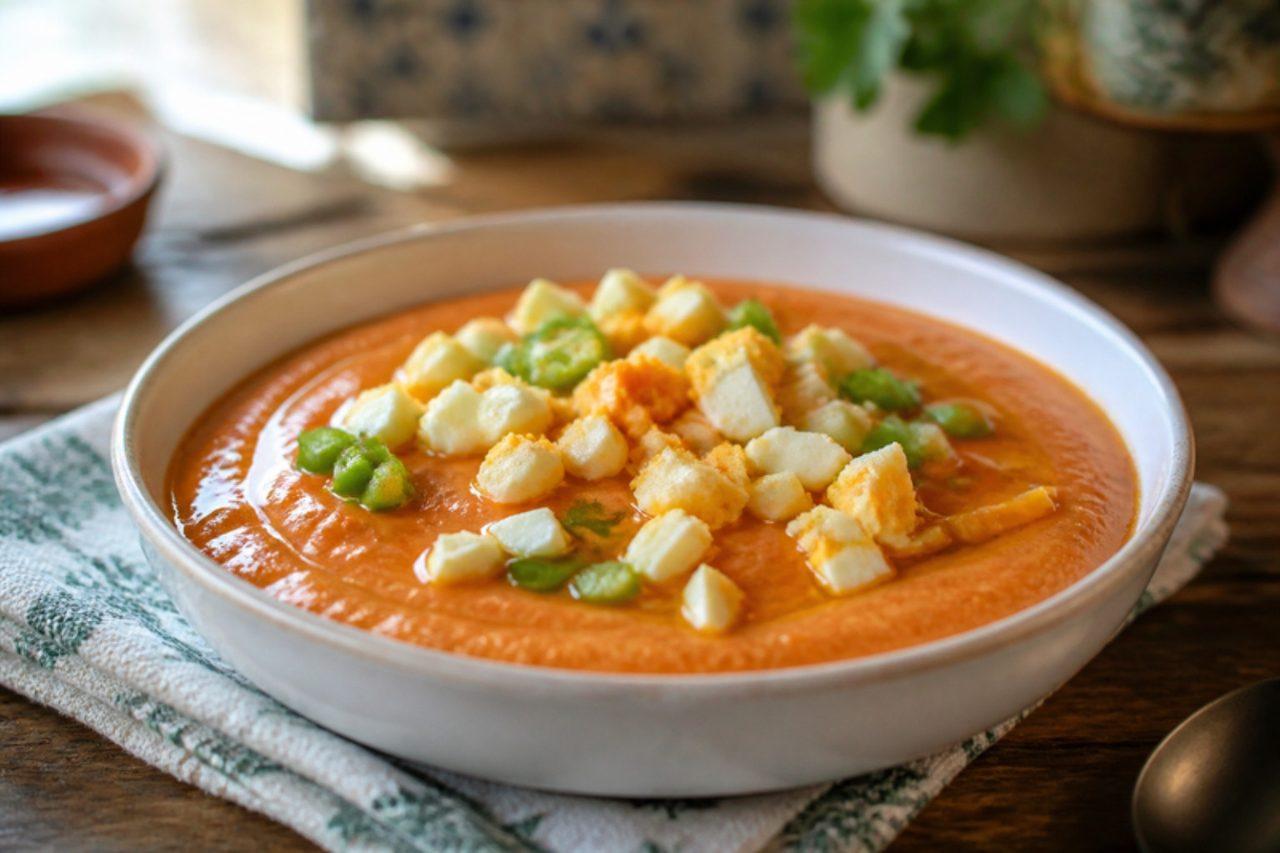
Porra antequeranaThick chilled tomato and bread soup

In Antequera, north of Málaga, porra comes to the table so thick that a spoon stands up in it, and bars in the old town serve it from May until the first autumn rains as a starter or a light supper. It is a cousin of salmorejo, but with green pepper and more garlic, and the town tops it with chopped egg and a thread of oil. Locally the garnish also includes tuna and cured ham; this version keeps it vegetarian with egg and diced pepper. A common mistake is thinning it with water to make it go further: porra should be spooned, never sipped. Chef's tip: use only the reddest, softest tomatoes of the summer, because a pale tomato makes a pink, flat-tasting porra however much oil you add.

by KrazyBadal 0 views

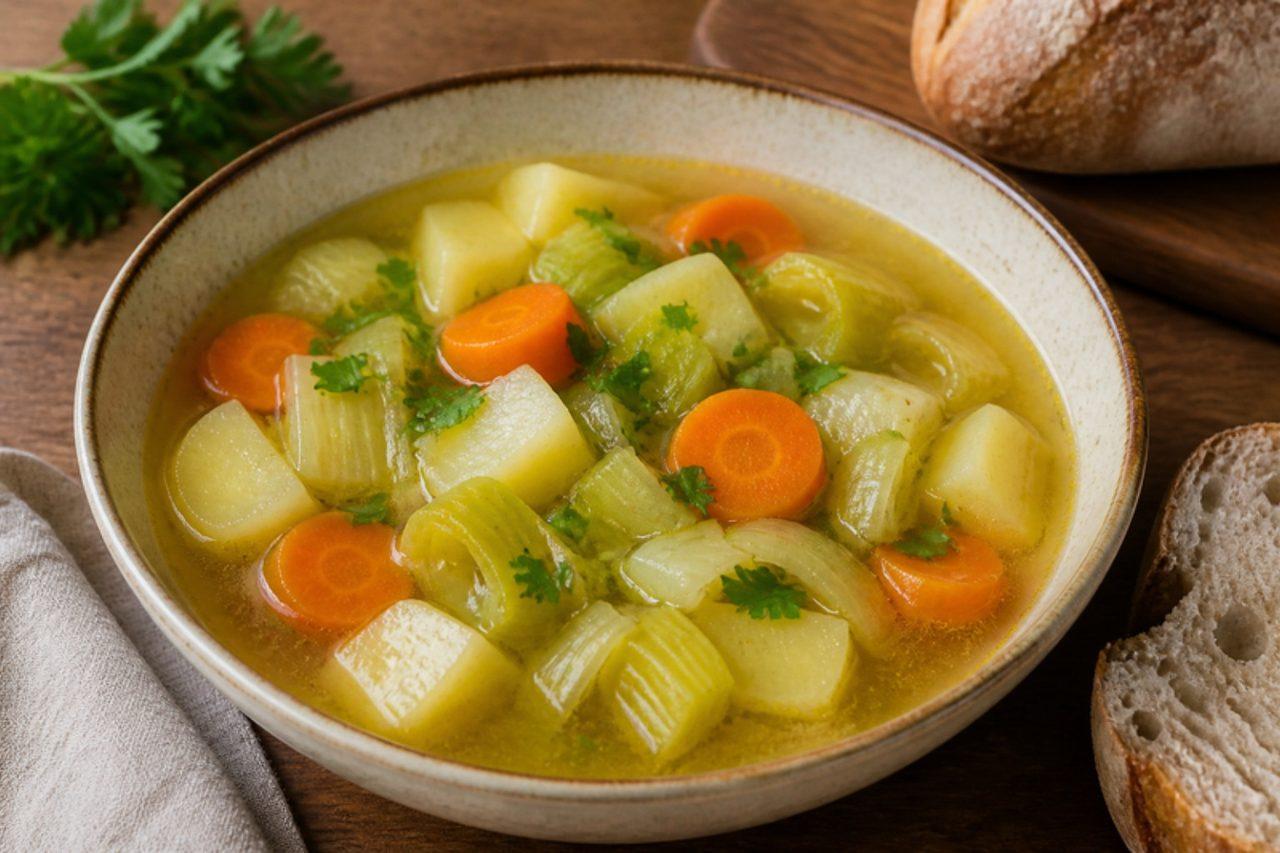
PorrusaldaLeek, potato and carrot soup

In Basque kitchens from Bilbao to Tolosa, porrusalda (literally 'leek broth') is what families cook in the quiet days after Christmas, when everyone wants something plain and warming. Leeks are the star, simmered with potatoes and carrots until the broth turns pale gold and slightly thick. Many households flake in desalted salt cod at the end; this version keeps it vegetarian with water or vegetable stock, so it is also vegan. A common mistake is slicing the potatoes neatly: snap them into rough chunks instead, so they release starch and give the broth body. Chef's tip: cook the leeks slowly in the oil before any liquid goes in, until they smell sweet, because that is where the flavour comes from.

by KrazyBadal 0 views

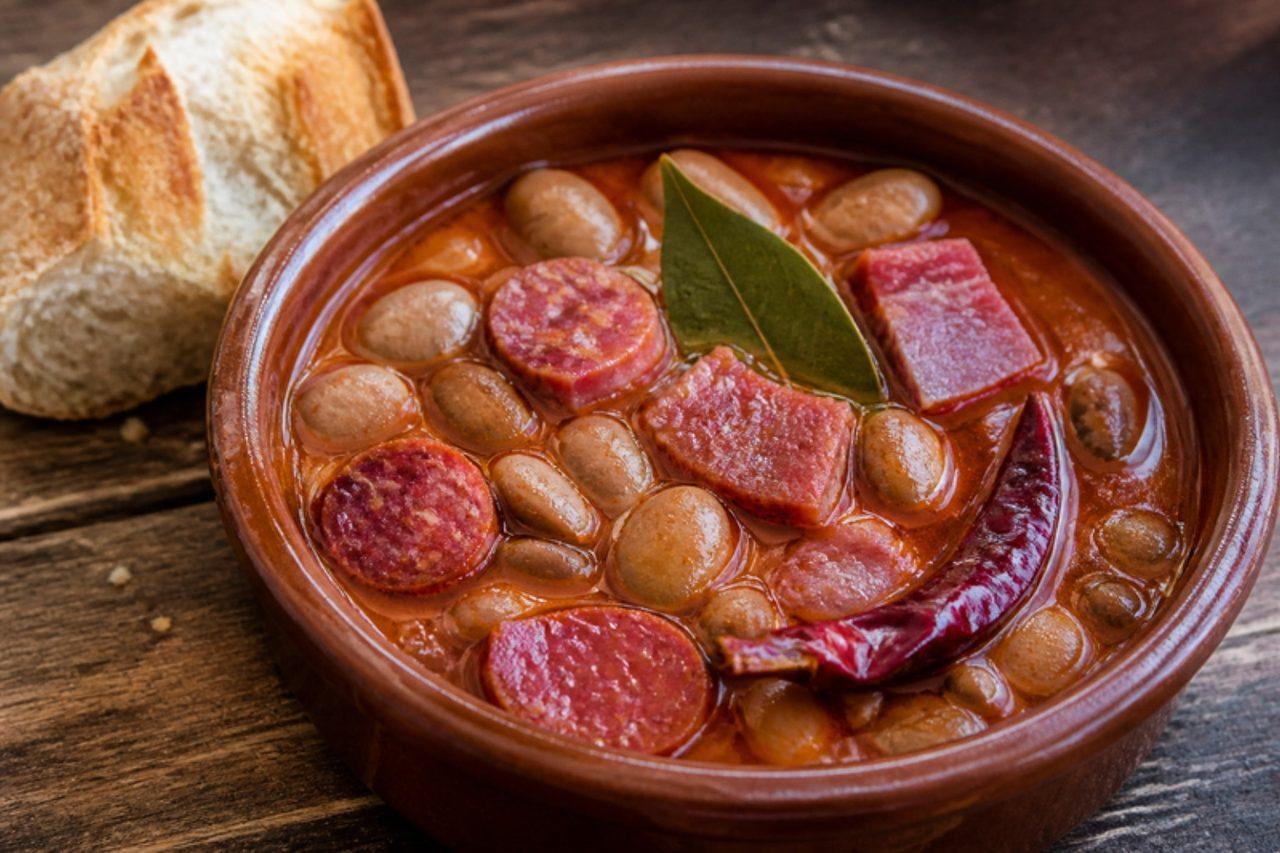
MichironesBroad beans with chorizo and ham

Michirones are dried broad beans slowly simmered with pork, bay and hot chilli until soft and spicy, and in Murcia they are the tapa of cold months, ladled into small bowls in the city's bars with a spoon stuck in. The beans need a long soak and a long cook, so bars make a big pot in the morning that lasts all day. This contains pork (chorizo, panceta and a cured ham bone). Chef's tip: wait until the end to add salt, because the ham bone and chorizo season the broth as they cook.

195 minSpanishMeatSpicy
by KrazyBadal 0 views

Posta mirandesaGrilled veal steak

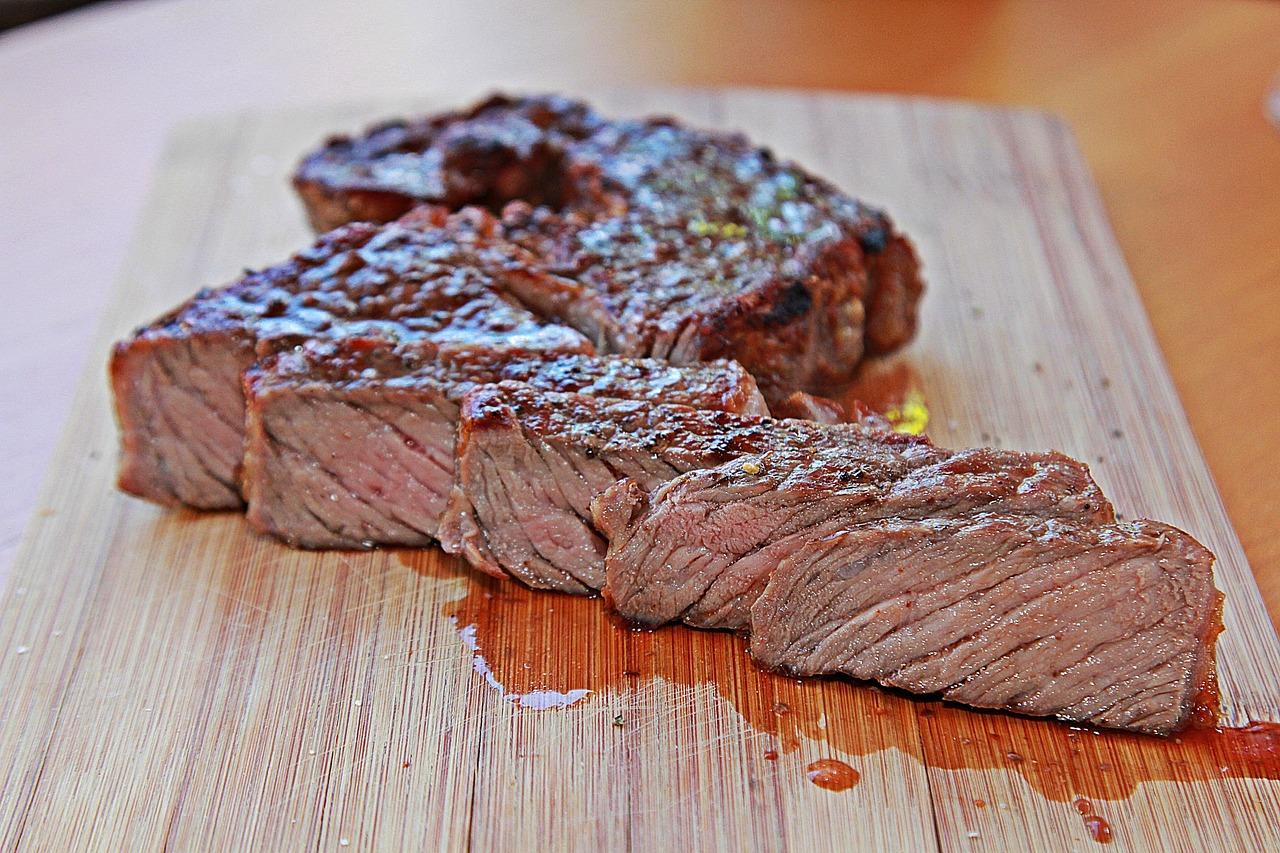
The Mirandesa is a dark, long-horned breed raised on the plateau around Miranda do Douro, and a posta is a slab of its veal or young beef, cut about 4 cm thick and grilled over oak embers with nothing but coarse salt. Restaurants in Miranda and Bragança serve it sliced on a board with a simple sauce of olive oil, garlic and vinegar, plus potatoes and salad. It is all about the meat, so ask the butcher for a thick, well-marbled piece. Chef's tip: salt the steak only just before it goes on the grill, with coarse salt, and turn it only once.

by KrazyBadal 0 views

Jalea mixtaMixed fried seafood with cassava

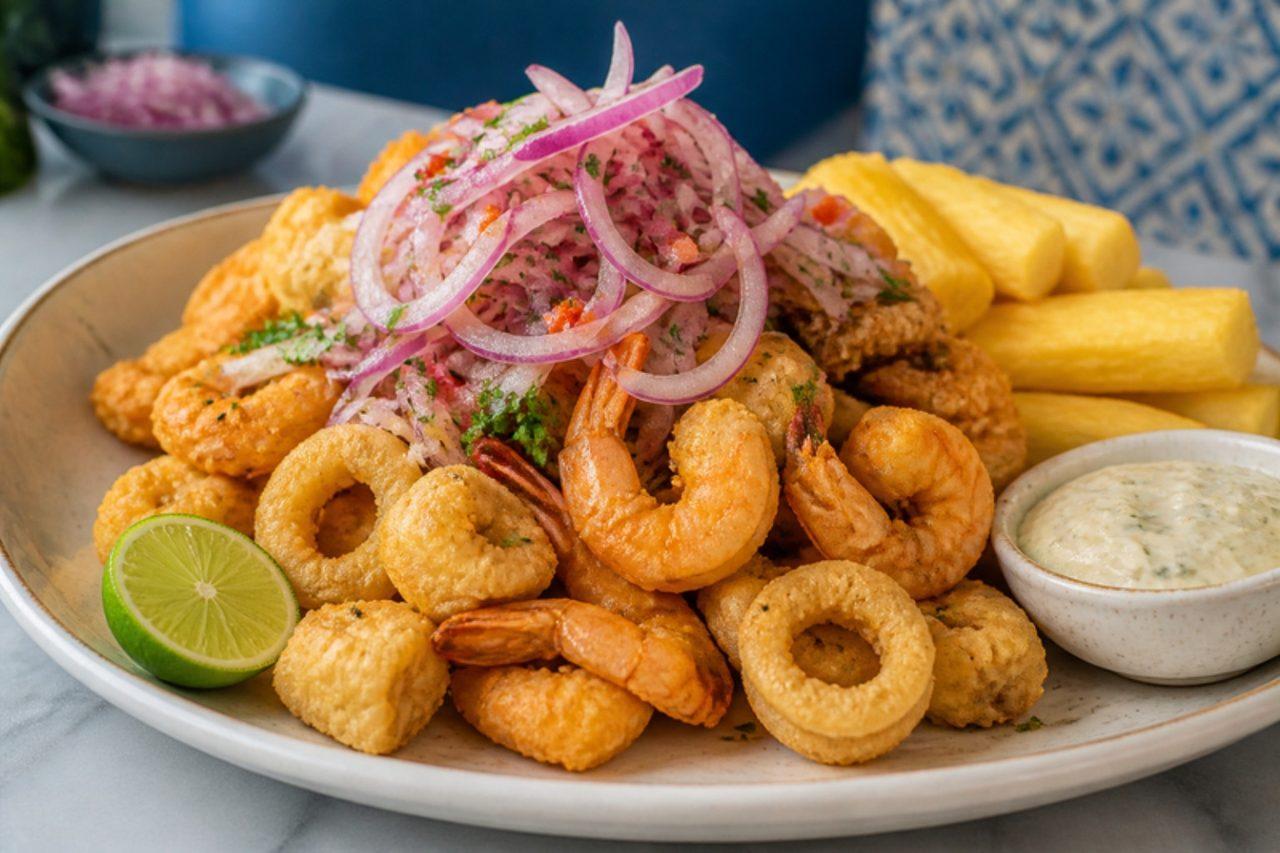
Ordered to share at a Lima cevichería on a Sunday, jalea mixta arrives as a tall golden pile: chunks of white fish, squid rings and prawns, all in a light, crackly coat, on top of fried cassava and buried under a fresh tangle of salsa criolla. The contrast is the point, hot and crunchy underneath, cold, sour and sharp on top, with tartar sauce or ají on the side and cold drinks all round. A frequent mistake is crowding the oil, which drops its temperature and gives you a soggy, greasy coat; fry in small batches and let the oil come back up between them. Chef's tip: boil the cassava first and let it steam dry before frying; it turns fluffy inside and shatteringly crisp outside.

by KrazyBadal 0 views

Postre de guanábanaSoursop cream dessert

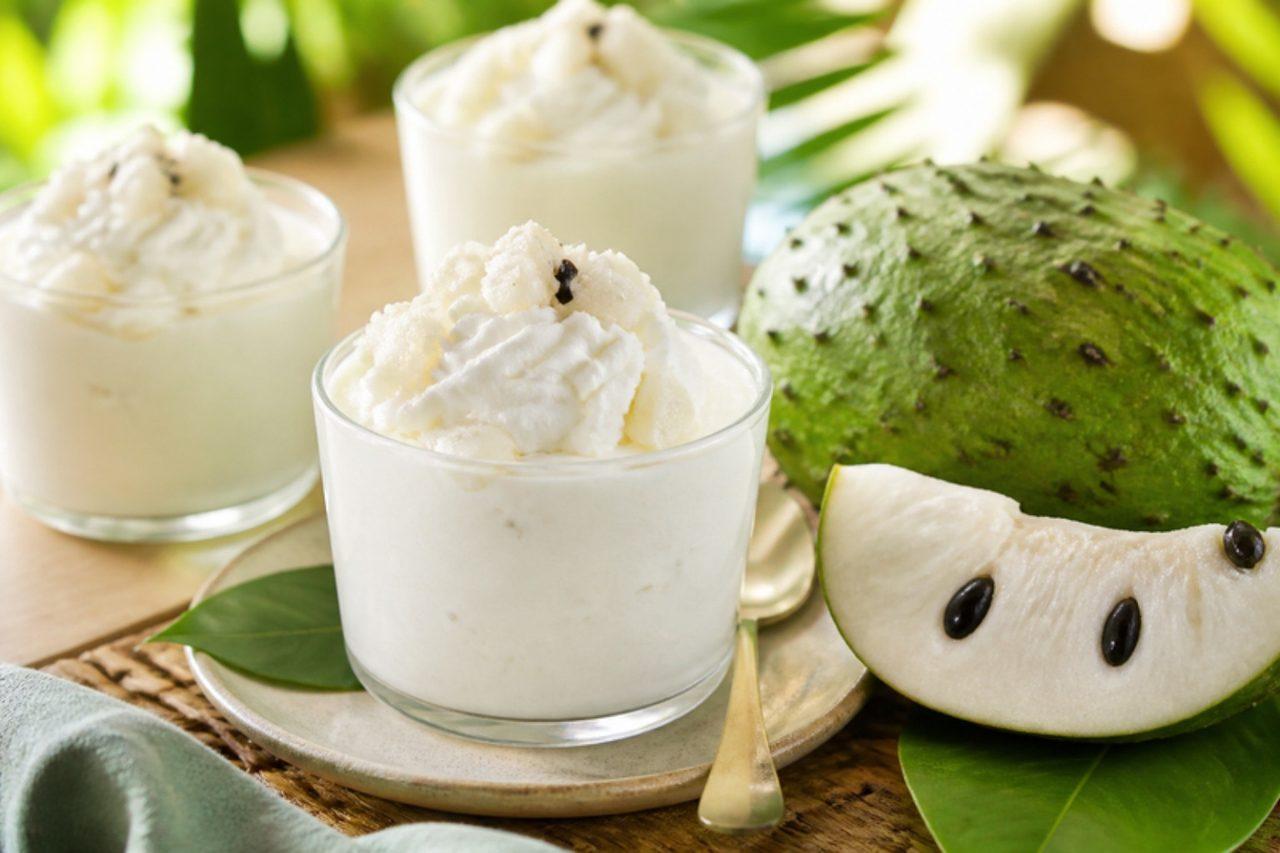
Soursop has a perfume all its own, somewhere between pineapple, banana and citrus, with a creamy white flesh, and Colombians turn it into this no-bake fridge dessert for birthdays, Sunday lunches and Christmas tables. Soursop pulp is blended with condensed milk and lime, then folded through whipped cream and chilled until it sets into a light, mousse-like cream that is sweet, tangy and fragrant. It is served in glasses or one big dish, sometimes with crumbled biscuits on top; leave them out to keep it gluten free. Frozen soursop pulp is sold in Latin American shops and is easier than fresh fruit. If you start from a whole fruit, the error people make is blending the seeds, which are inedible and add bitterness; pick every one out by hand. Plan for at least 4 hours of chilling. Chef's tip: keep back a few spoonfuls of pulp and swirl them over the top just before serving for a sharper finish.

by KrazyBadal 0 views

Postre de natasMilk skin dessert

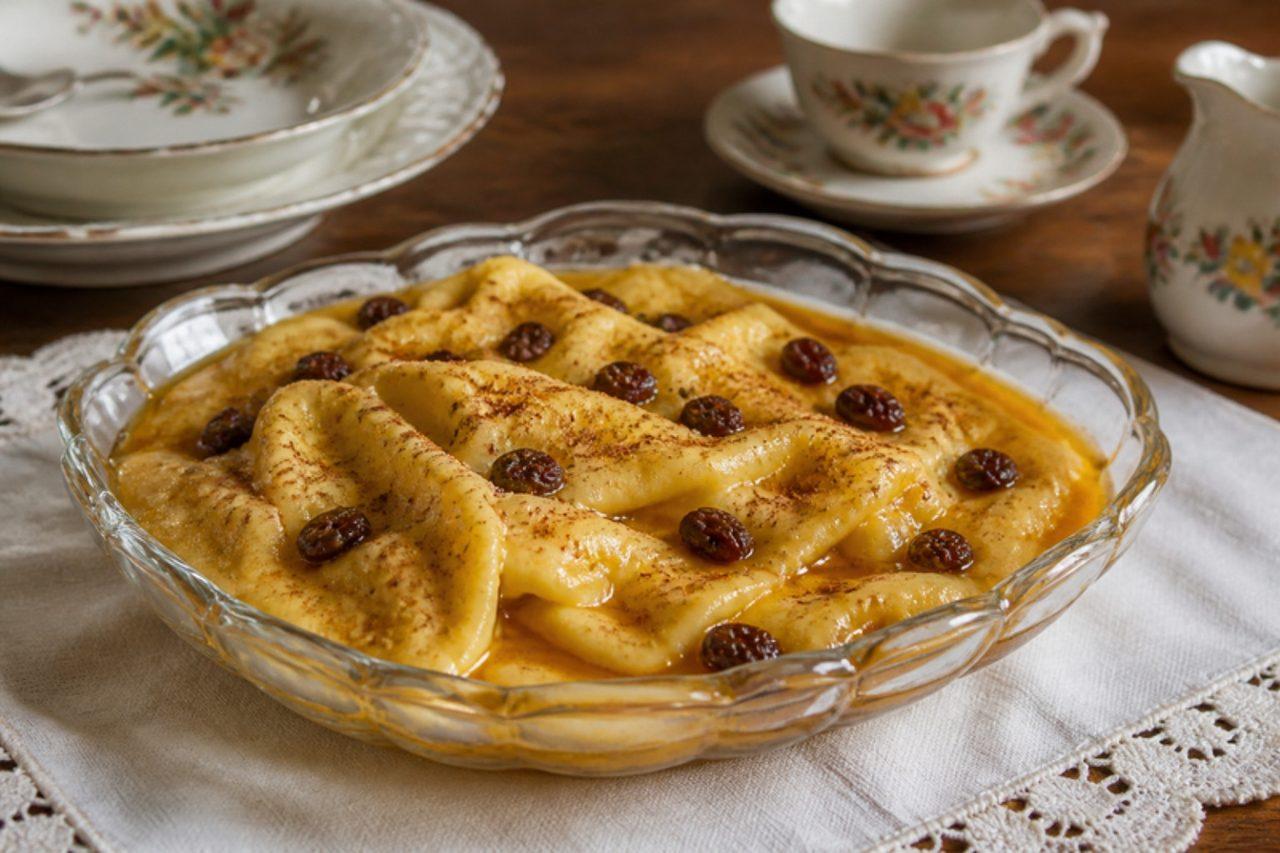
Postre de natas comes from colonial Santa Fe de Bogotá, when farm milk was boiled every day and the thick skins (natas) that formed on top were saved rather than wasted. Today it is a dessert for Christmas and family gatherings: soft, creamy ribbons of milk skin in a pale golden, cinnamon-scented custard dotted with raisins, served cold in small bowls. It takes patience rather than skill. Use full-fat, ideally non-homogenised milk, which forms thicker skins. Stirring the milk while the natas form is the common slip: it breaks them up so nothing can be lifted off. Older recipes add a splash of brandy or sherry; this one leaves it out. Chef's tip: lift each skin with a slotted spoon into a bowl and keep going; the more natas you collect, the more texture the dessert has. Chill for at least 4 hours before serving.

by KrazyBadal 0 views

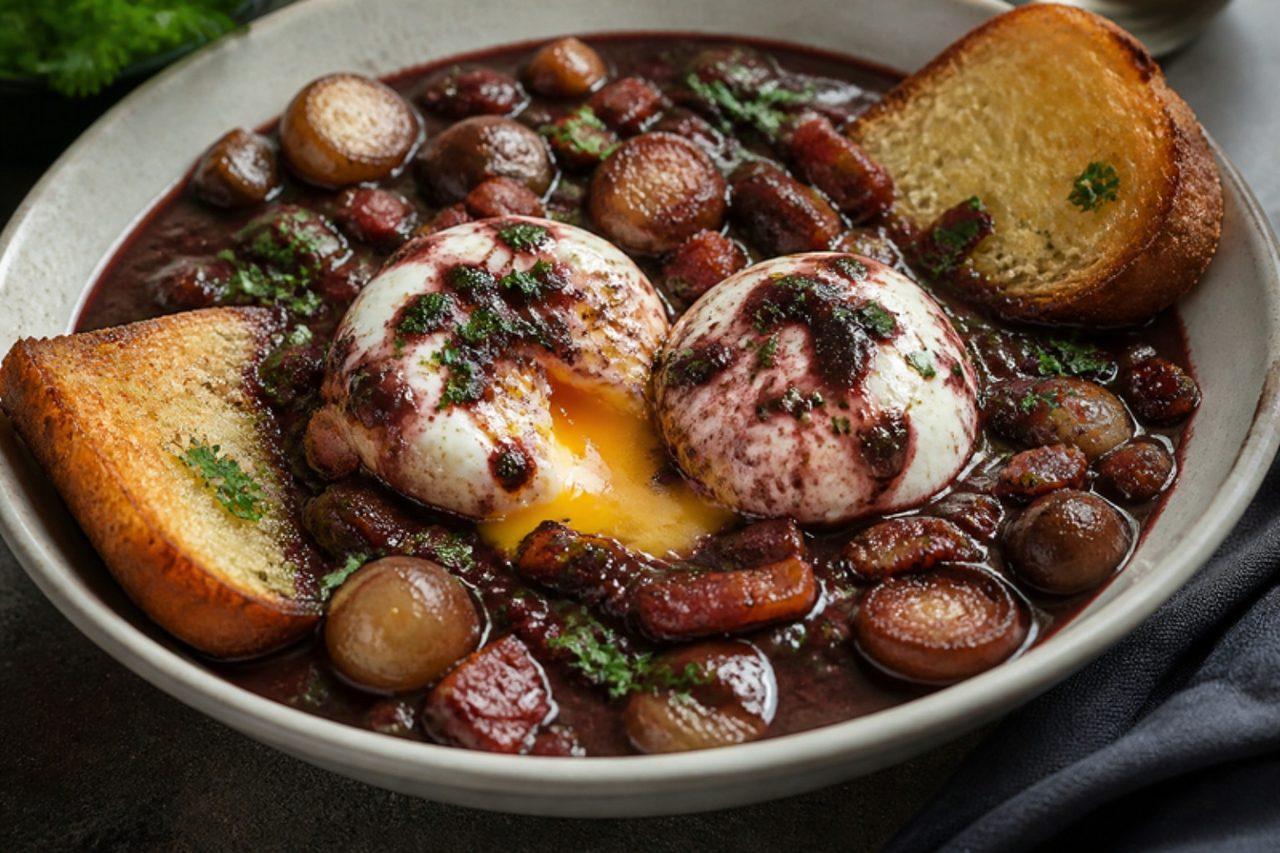
Oeufs en meurettePoached eggs in red wine sauce

In Burgundy, between Dijon and Beaune, a meurette is any dish cooked in red wine sauce, and oeufs en meurette is the one served as a starter in village restaurants and at weekend lunches. Eggs are poached in a reduced, glossy sauce of red wine, shallots and stock, then served with crisp smoked pork lardons, button mushrooms and garlic-rubbed croutons to dip into the yolks. The sauce is deep, winey and savoury; the eggs make it rich. The dish uses red wine, and an alcohol-free version is in the notes. The yolks stay runny, so use pasteurised eggs for pregnant women, young children, older people or anyone with a weakened immune system, or poach the eggs until the yolks are set. Chef's tip: poach the eggs in water with a dash of vinegar rather than in the wine itself, so the whites stay white.

by KrazyBadal 0 views

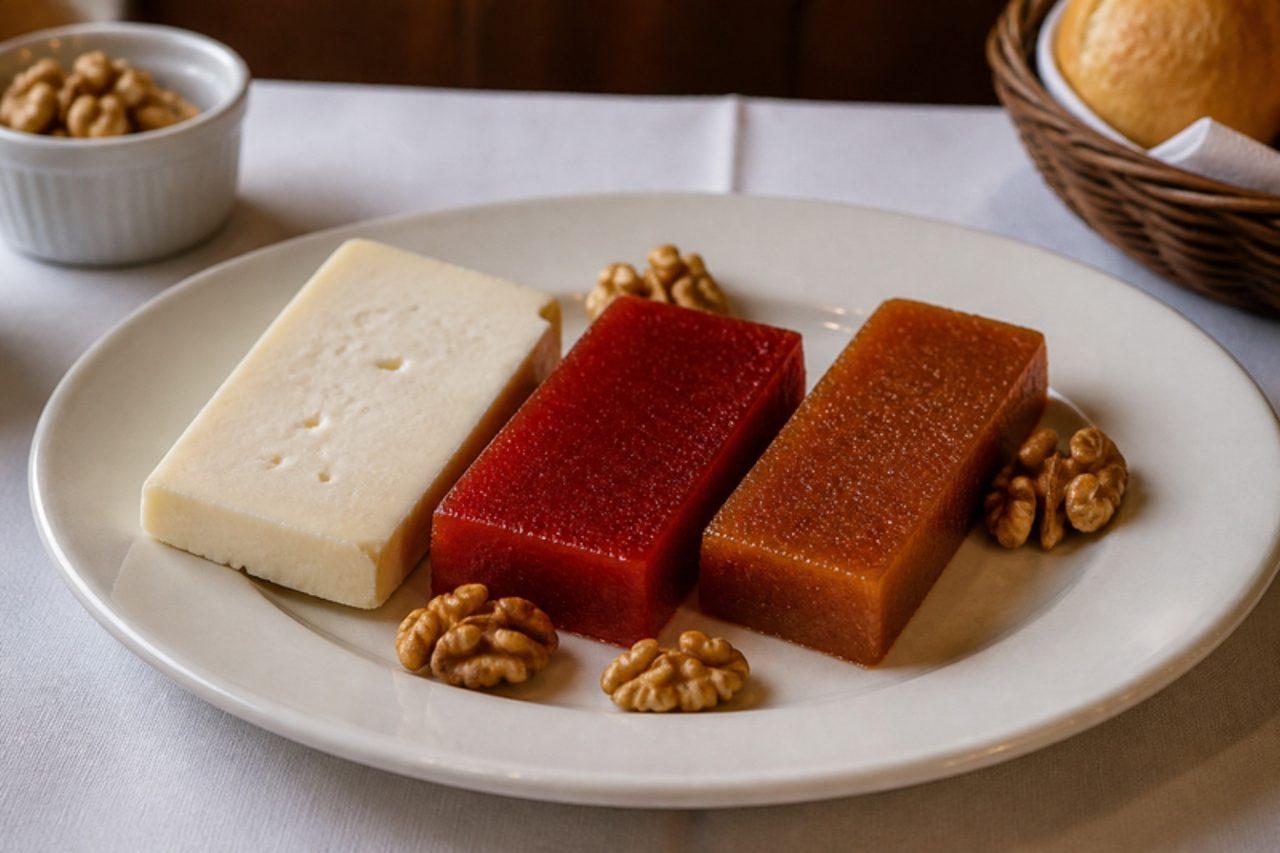
Postre vigilanteCheese with quince paste

Ask for dessert in an old Buenos Aires bodegón and the waiter will rattle off flan, budín and, inevitably, vigilante: a thick slab of soft, mild cheese laid beside an equal slab of dulce de membrillo or dulce de batata. The name, "policeman", is said to come from the beat officers who ordered it as a cheap sweet in early twentieth-century cafés; Uruguayans call the same plate Martín Fierro. It is salty against sweet, creamy against firm, and takes five minutes. The traditional cheese is fresh queso cremoso or cuartirolo, or a firmer port salut; a young Havarti or mild Gouda is the best stand-in abroad. Like many soft cheeses, these are often made with animal rennet, so check the label for a vegetarian (microbial-rennet) cheese. The usual error is cutting the slabs thin like a cheese board; vigilante is about generous, equal bricks. Chef's tip: take the cheese out of the fridge 20 minutes ahead; cold cheese tastes of nothing next to the paste.

by KrazyBadal 0 views

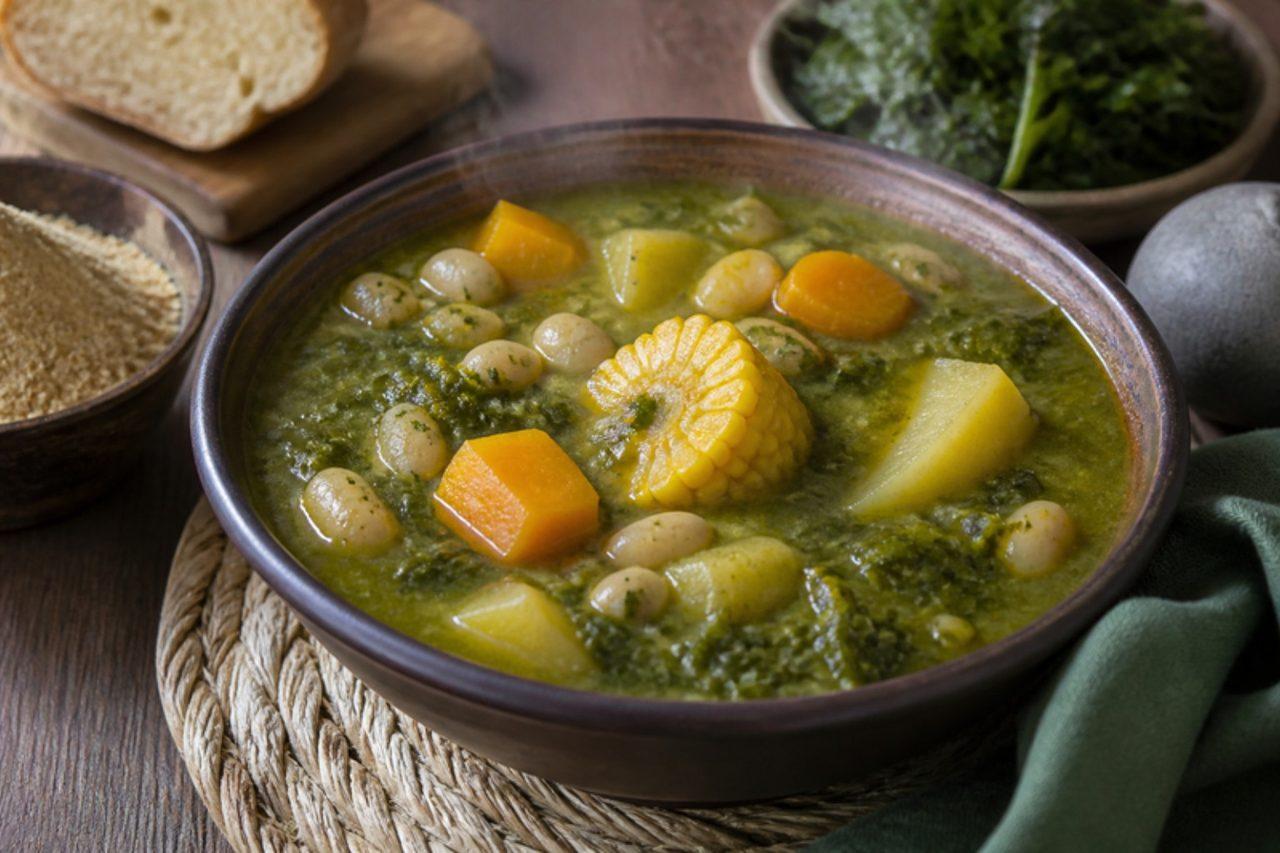
Potaje de berrosWatercress and bean stew

Watercress grows wild in the irrigation channels and ravines of Tenerife and La Palma, and in the cool months it goes into potaje de berros, a thick, green, cumin-scented stew that islanders eat by the bowlful with a spoon of gofio stirred in. It is a cheap, filling family supper, and a good one to make ahead. Pork ribs or belly often go in for flavour; this version leaves them out and is vegan, relying on garlic, cumin and paprika instead. Chef's tip: cook the watercress for most of the time, not just at the end, so it collapses into the broth and gives the stew its earthy depth.

by KrazyBadal 0 views

Soldaditos de PavíaBattered salt cod fingers

Madrid's old taverns near Puerta del Sol have fried these golden fingers of salt cod for well over a century, and they are still eaten standing at the bar with a small glass of something cold. Legend says the orange-red strip of pepper recalls the uniforms of soldiers in a Pavía regiment. The cod is soaked for two days to remove the salt, then fried until hot through, so it is fully cooked. Chef's tip: use cold sparkling water in the batter for a lighter, crunchier coat.

by KrazyBadal 0 views

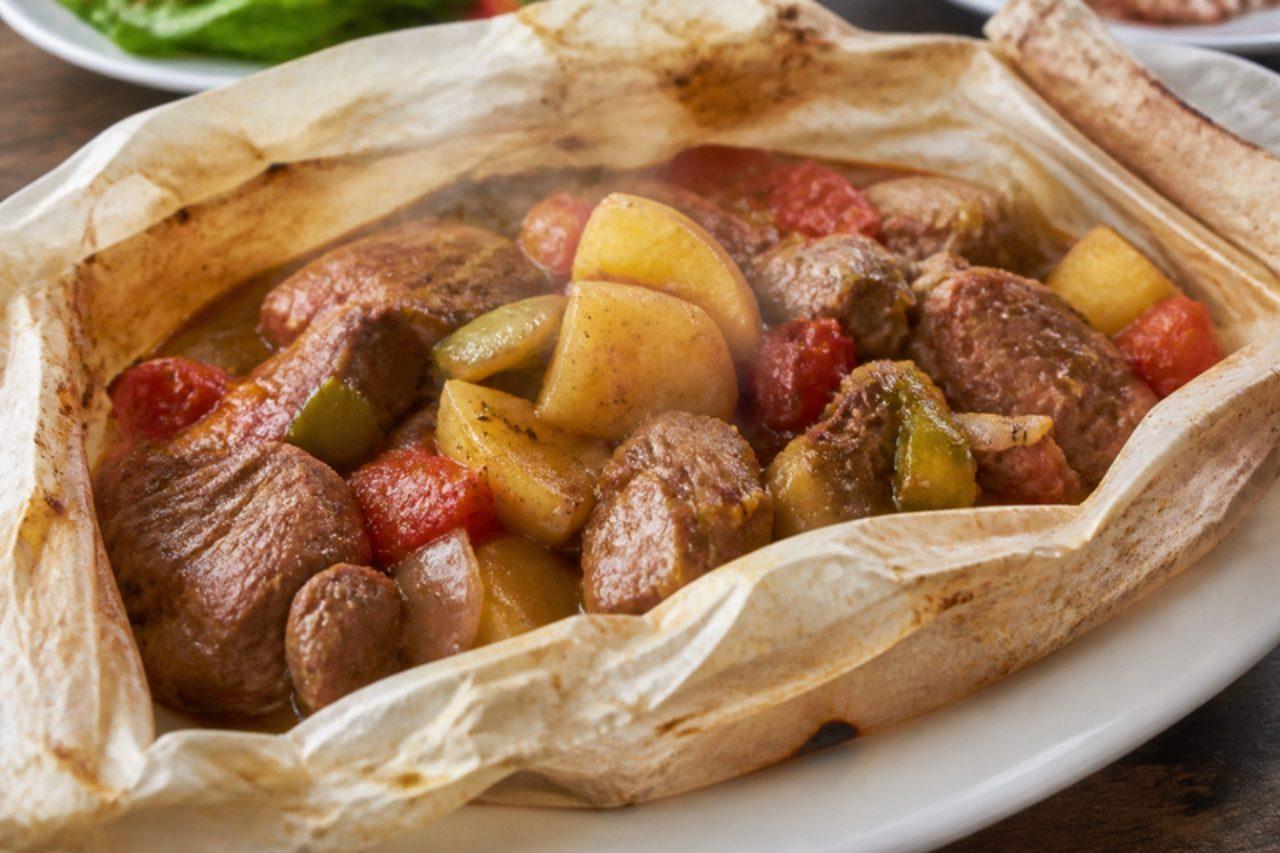
Kağıt kebabıLamb and vegetables baked in parchment

Malatya cooks wrap cubes of lamb with tomatoes, peppers, shallots and garlic in greaseproof paper and bake them slowly, so the meat steams in its own juices and the parcel puffs up like a pillow. At the table each person tears open their own package to a cloud of fragrant steam. It's a festive dish for guests, served with bulgur pilaf and a yoghurt salad. Common mistake: wrapping loosely so the juices leak and the meat dries; fold and crimp the edges tightly. Chef's tip: brown the lamb quickly before wrapping; it gives a deeper flavour than raw meat steamed alone.

120 minTurkishMeatGluten free
by KrazyBadal 0 views

Ghorabieh TabriziAlmond and egg-white cookies

Every traveller to Tabriz is expected to bring back a box of ghorabieh from the bazaar confectioners: pale, domed almond cookies with a thin crackled shell and a soft, chewy middle, scented with vanilla and sometimes topped with a sliver of pistachio. They are a Nowruz favourite in Azerbaijan province and keep well, so families bake them a week ahead. A common mistake is baking them too hot, which browns the outside before the inside sets and leaves them hollow. Chef's tip: let the piped cookies sit for 20 minutes before baking so a skin forms; that skin gives the classic crackled top.

by KrazyBadal 0 views

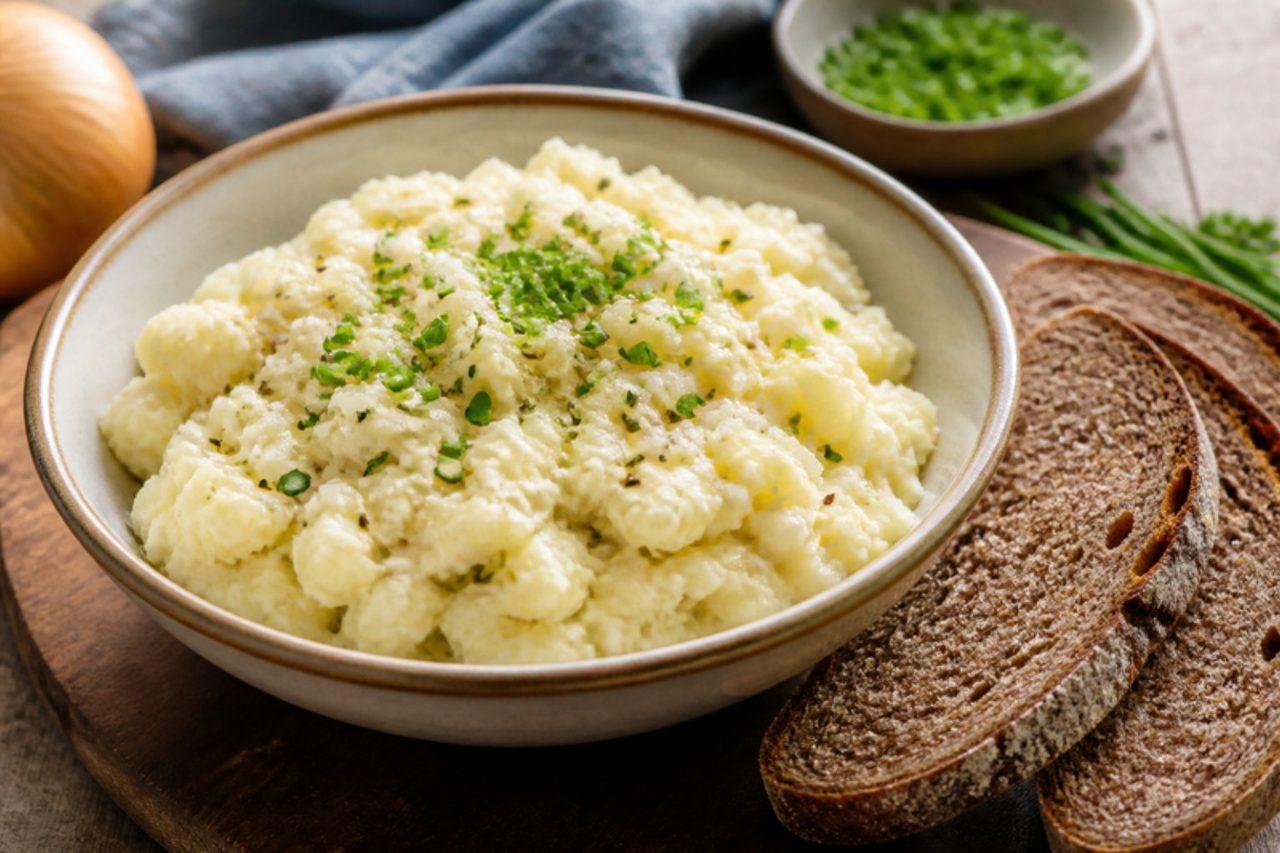
KartoffelkäsePotato and sour cream spread

Despite its name, Franconian Kartoffelkäs contains no cheese at all: it is a soft spread of riced potato, sour cream, onion and caraway that farm families around Bamberg and Nuremberg put on the table for Brotzeit, the cold evening supper. It goes on thick slices of rye bread with chives and sliced radish, and it was a way to turn a few leftover potatoes into something rich enough to stand in for cheese. A common mistake is using waxy potatoes, which go gluey; floury ones make it light. Chef's tip: rice the potatoes while hot, but stir in the sour cream only when they are cool, so the spread stays fresh-tasting rather than heavy.

by KrazyBadal 0 views

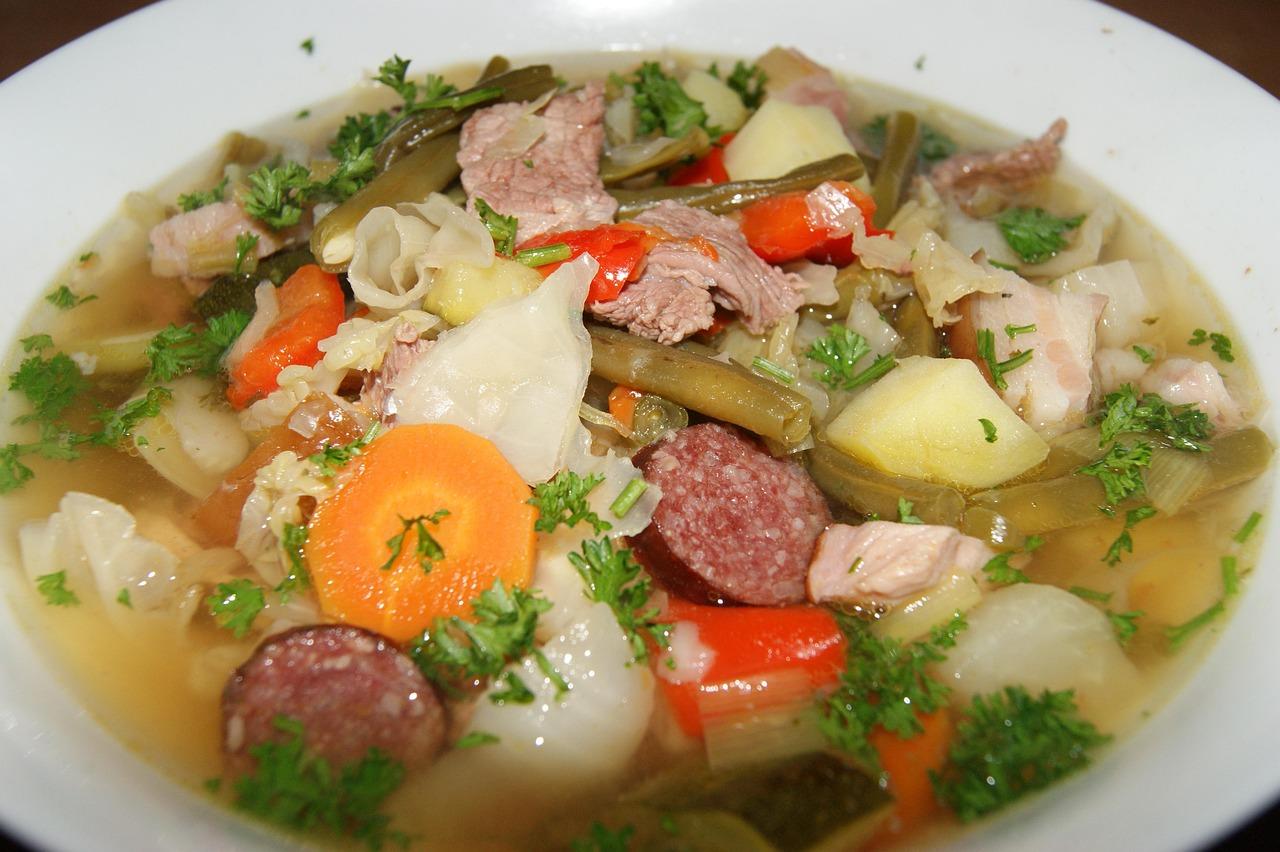
Potée auvergnatePork, cabbage and sausage pot

High in the Massif Central, potée auvergnate is what farmhouses put on the stove when the first frosts arrive: a pork dish of salt pork belly and smoked pork sausage simmered slowly with savoy cabbage, carrots, turnips and potatoes. The broth comes out clear, smoky and gently salty, and the vegetables soak up all that pork flavour while keeping their shape. In the Cantal it is served in two rounds, the broth poured over slices of toasted country bread first, then the meat and vegetables on a big platter with strong mustard and gherkins. Chef's tip: soak the salt pork first and taste the broth before you add any salt; between the belly and the sausage it rarely needs more.

180 minFrenchMeat
by KrazyBadal 0 views

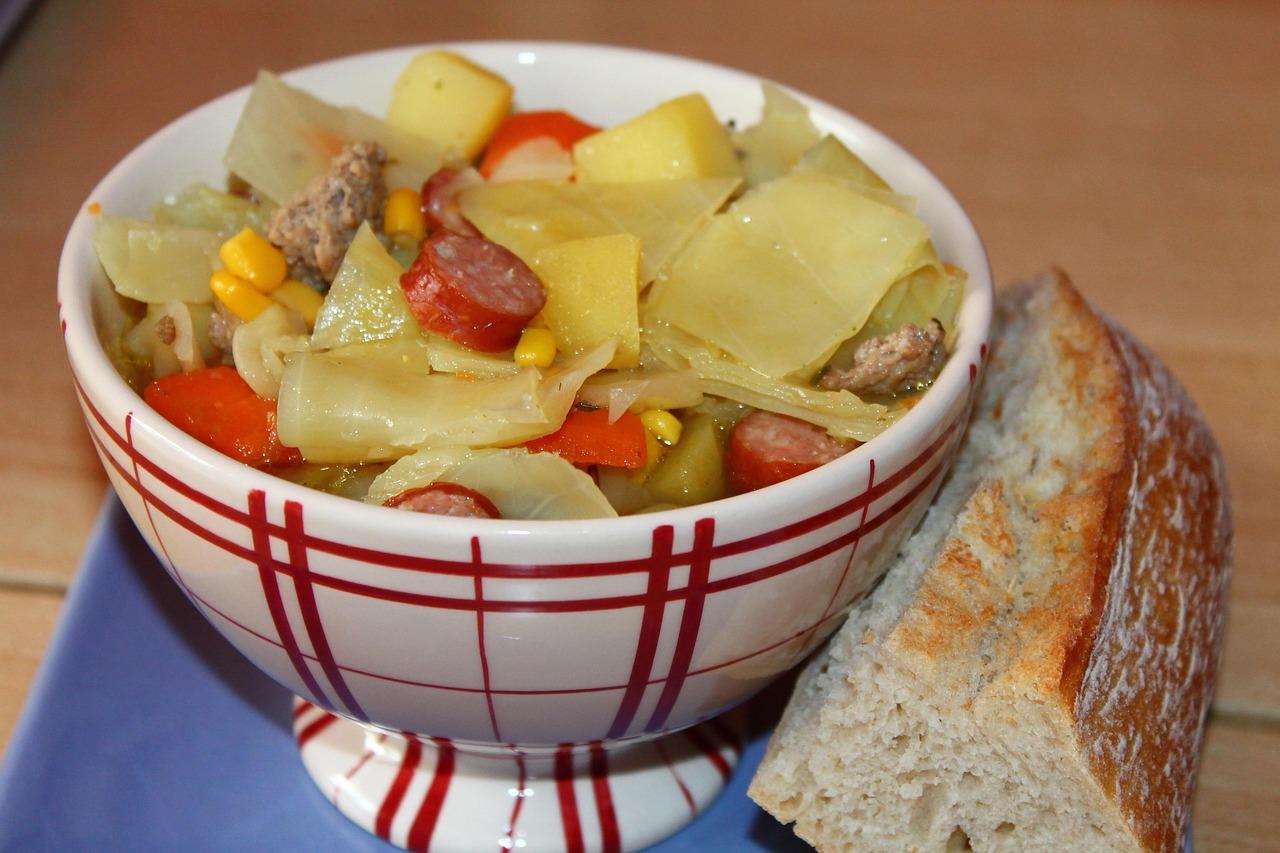
Potée lorraineSmoked pork and white bean pot

In Lorraine farmhouses around Nancy and the Vosges foothills, the potée simmered on the stove through winter and fed the household after a cold morning outside. It is a pork dish through and through: smoked pork shoulder, smoked belly and a garlic sausage gently poached with a whole green cabbage, carrots, turnips, leeks and white beans until the broth is smoky and the vegetables melt. The broth is ladled out first, sometimes over toasted bread, and the meat and vegetables follow with mustard and gherkins. Chef's tip: blanch the cabbage for five minutes before adding it to the pot, which takes away its sulphurous edge and keeps the broth sweet.

180 minFrenchMeat
by KrazyBadal 0 views

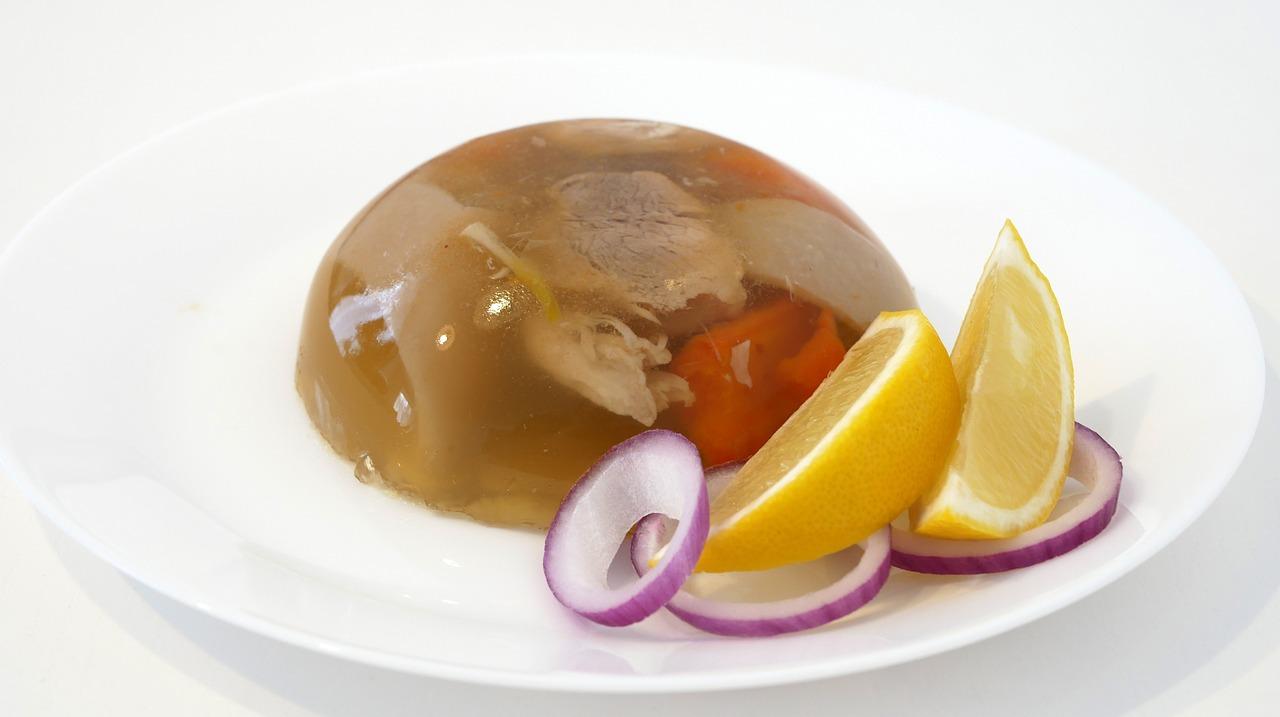
PotjevleeschJellied chicken, rabbit, pork and veal

Potjevleesch, Flemish for "little pot of meat", comes from French Flanders around Dunkirk, Bergues and Hazebrouck, where it fills the cold cabinets of every friterie and estaminet. Chunks of chicken, rabbit, pork and veal are layered with onion, garlic and herbs, covered with white wine and a little vinegar and baked slowly in a covered terrine; the juices are then set with gelatine so the meat is held in a clear, tangy jelly. It is eaten cold, sliced, with hot chips and a green salad, a contrast that the Nord loves. It contains pork and uses white wine; the notes give an alcohol-free option. If rabbit is hard to find, use more chicken thighs. Chef's tip: slice it straight from the fridge with a hot knife, so the jelly cuts cleanly.
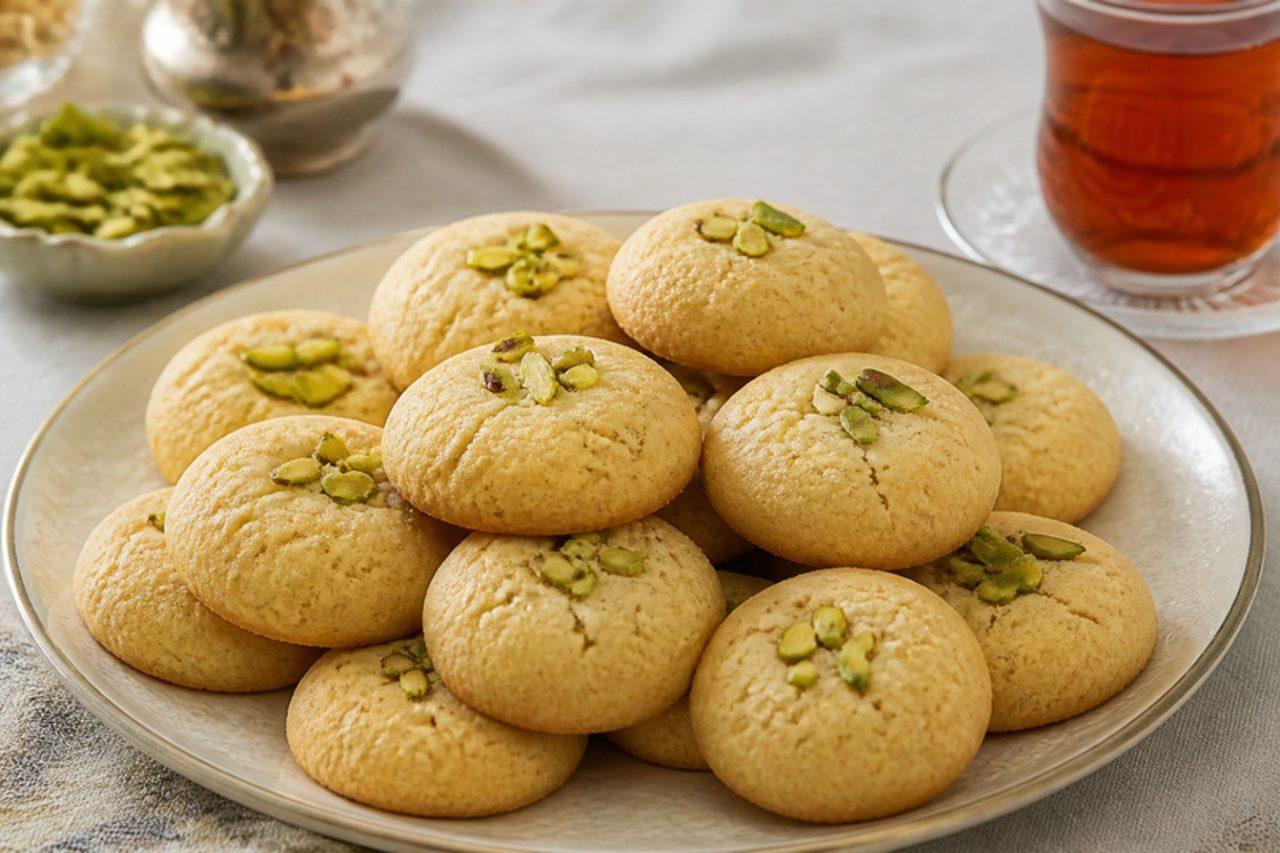
930 minFrenchMeatGluten free
by KrazyBadal 0 views

OfenschlupferBaked bread pudding with apples

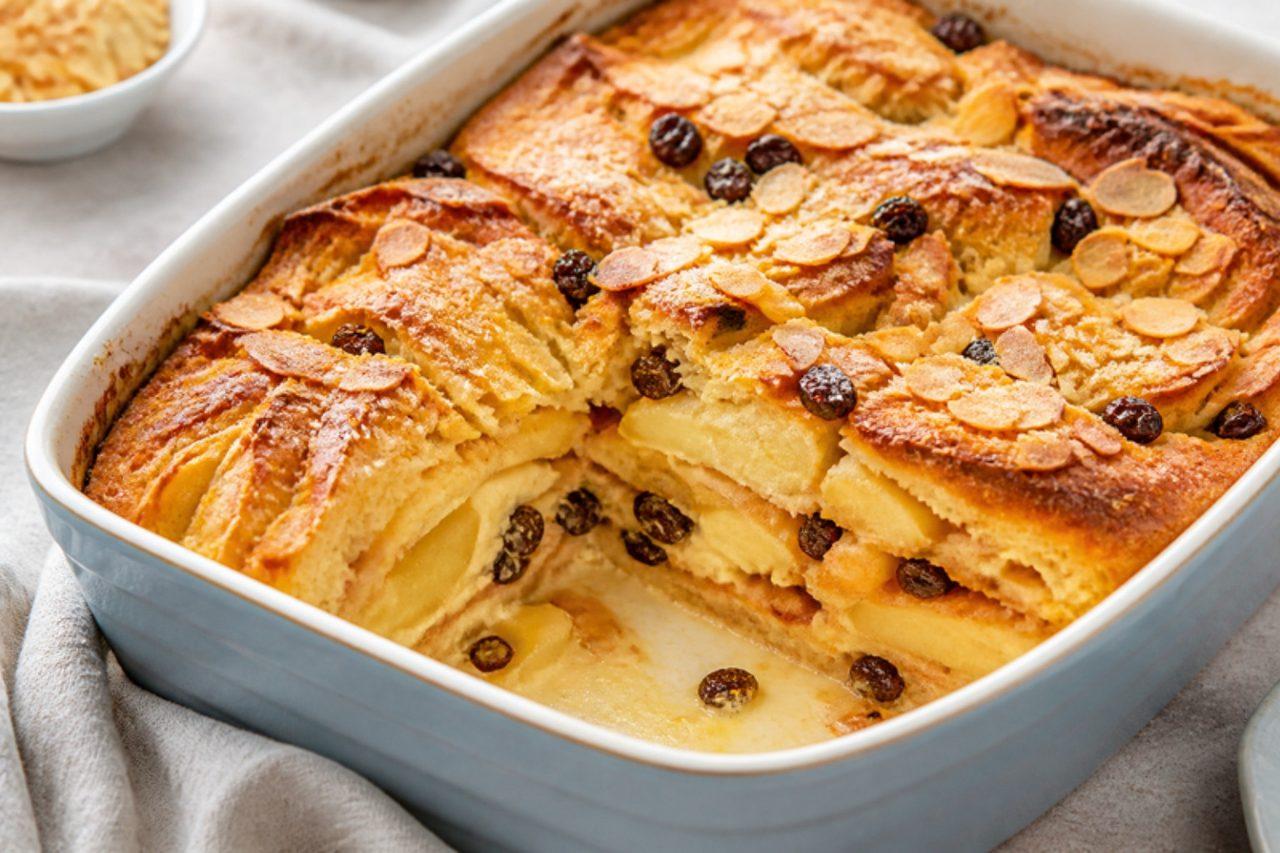
Ofenschlupfer, literally 'oven-crawler', is how Swabian farmhouse kitchens used up stale rolls on a Friday: slices of bread layered with apples, raisins and a little cinnamon in a deep dish, soaked in vanilla egg milk and baked until puffed and golden. Some families pour in a splash of rum; this version doesn't. It was once eaten as a sweet main course after a bowl of soup and is still served warm with vanilla sauce in Stuttgart cafés. A common mistake is baking it straight after pouring in the custard, which leaves dry patches on top; let it soak for 20 minutes. Chef's tip: dot the top with butter and a spoon of sugar for a crackly, caramelised crust.

by KrazyBadal 0 views

Sopa de tomate à alentejanaTomato soup with poached eggs

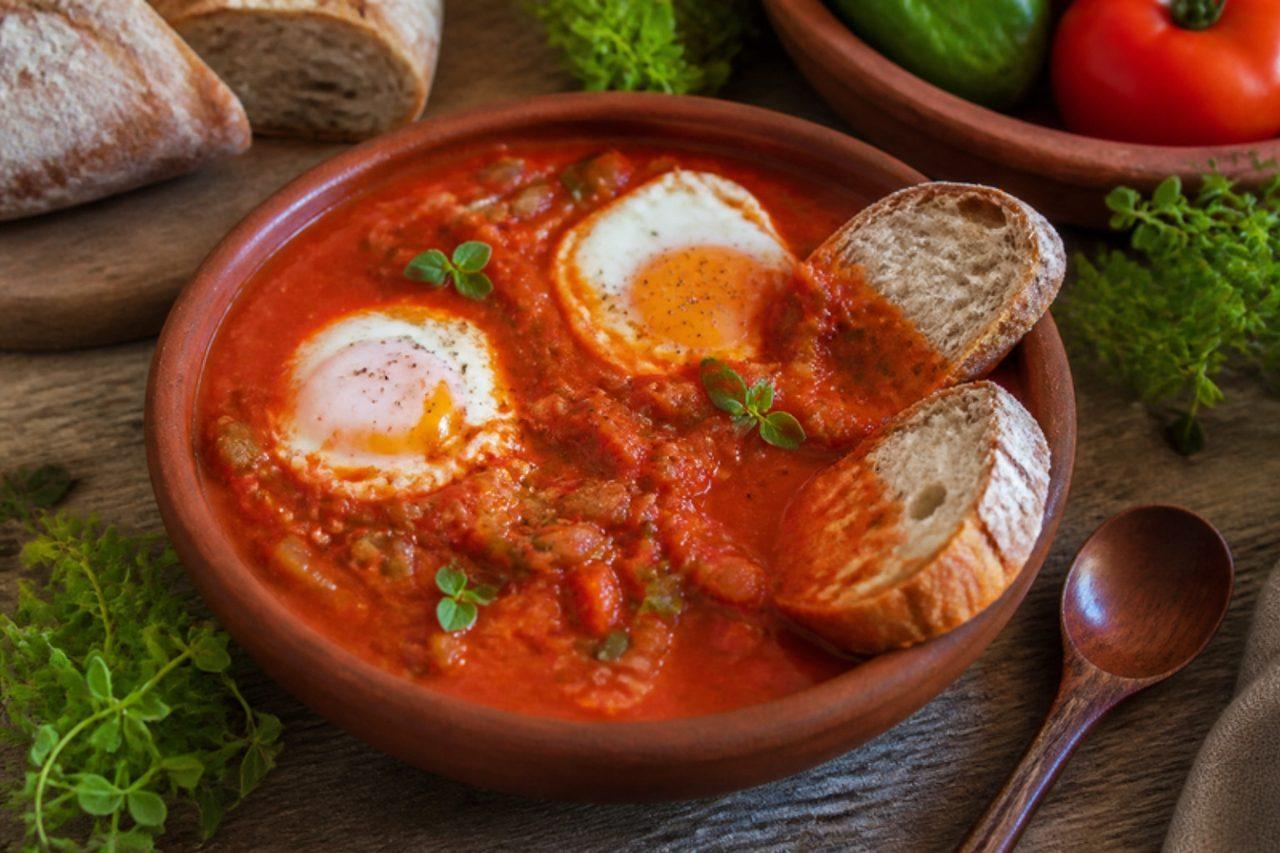
In the Alentejo, high summer means tomatoes ripening faster than anyone can eat them, and this is what farm families do with the glut: a thick, oily stew-soup of tomato, onion and green pepper, with eggs poached right in the pot and the whole thing spooned over slices of stale country bread. It is a supper dish, eaten in deep plates on hot evenings, often with grapes or melon afterwards. Many households slip in chouriço; this version keeps it vegetarian. A common mistake is using watery salad tomatoes; you need very ripe, deep-red ones for a soup that tastes of anything. Chef's tip: cook the onion slowly until truly sweet before the tomatoes go in; that sweetness carries the whole dish.

by KrazyBadal 0 views

FlammlachsPlank-roasted salmon

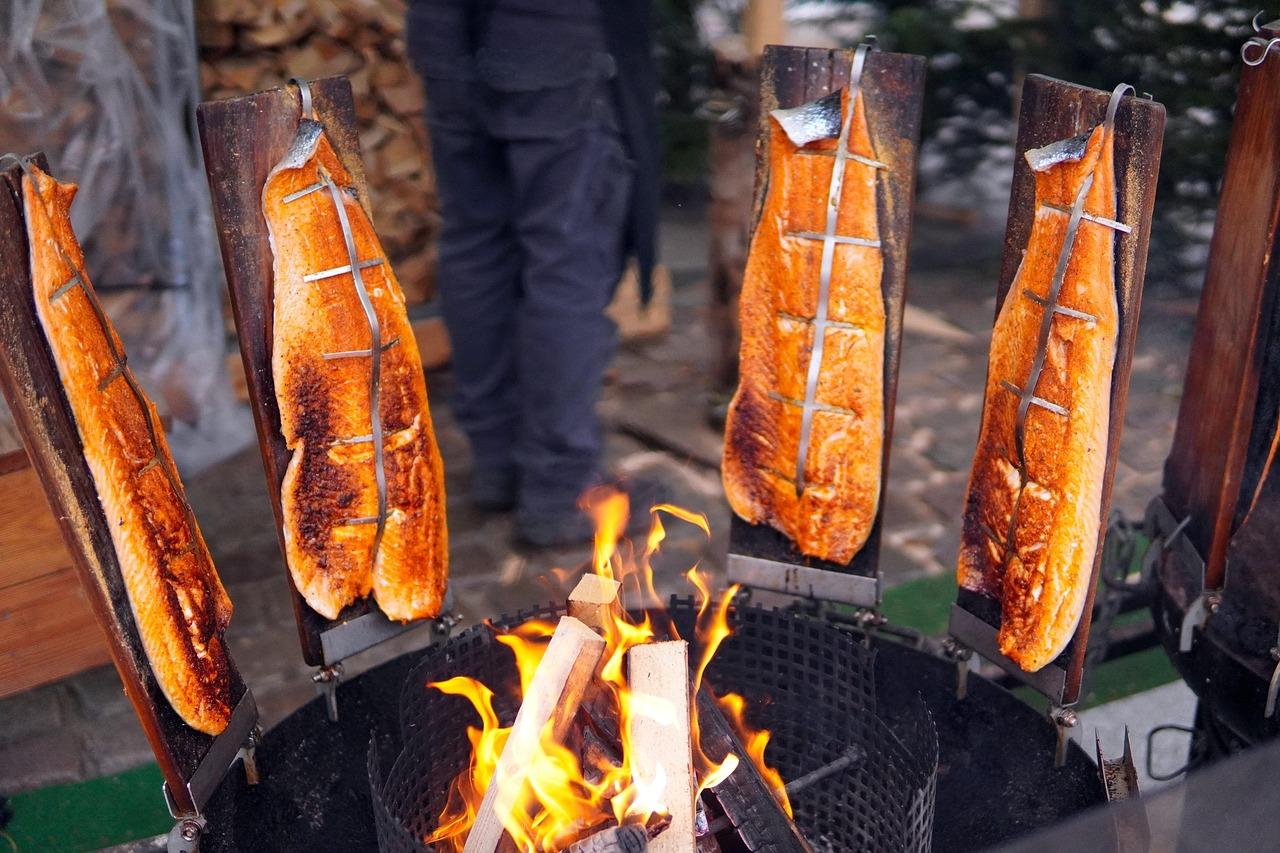
At German Christmas markets, from Nuremberg to Cologne, whole sides of salmon are nailed to wooden boards and stood around an open beech fire until smoky and just cooked, then served in a roll or on a plate with a mustard-dill sauce. At home you get close with a soaked wooden plank on a covered barbecue, or in a hot oven with a little smoked salt. A short dry brine in the fridge seasons the fish right through. Chef's tip: take the salmon off while the very centre is only just opaque; it carries on cooking on the hot plank.

50 minGermanFishGluten free
by KrazyBadal 0 views

Showing 72 of 8,120 recipes

Show more recipes

Page 551 of 903