


Skip to content
Rawash
Featured recipe

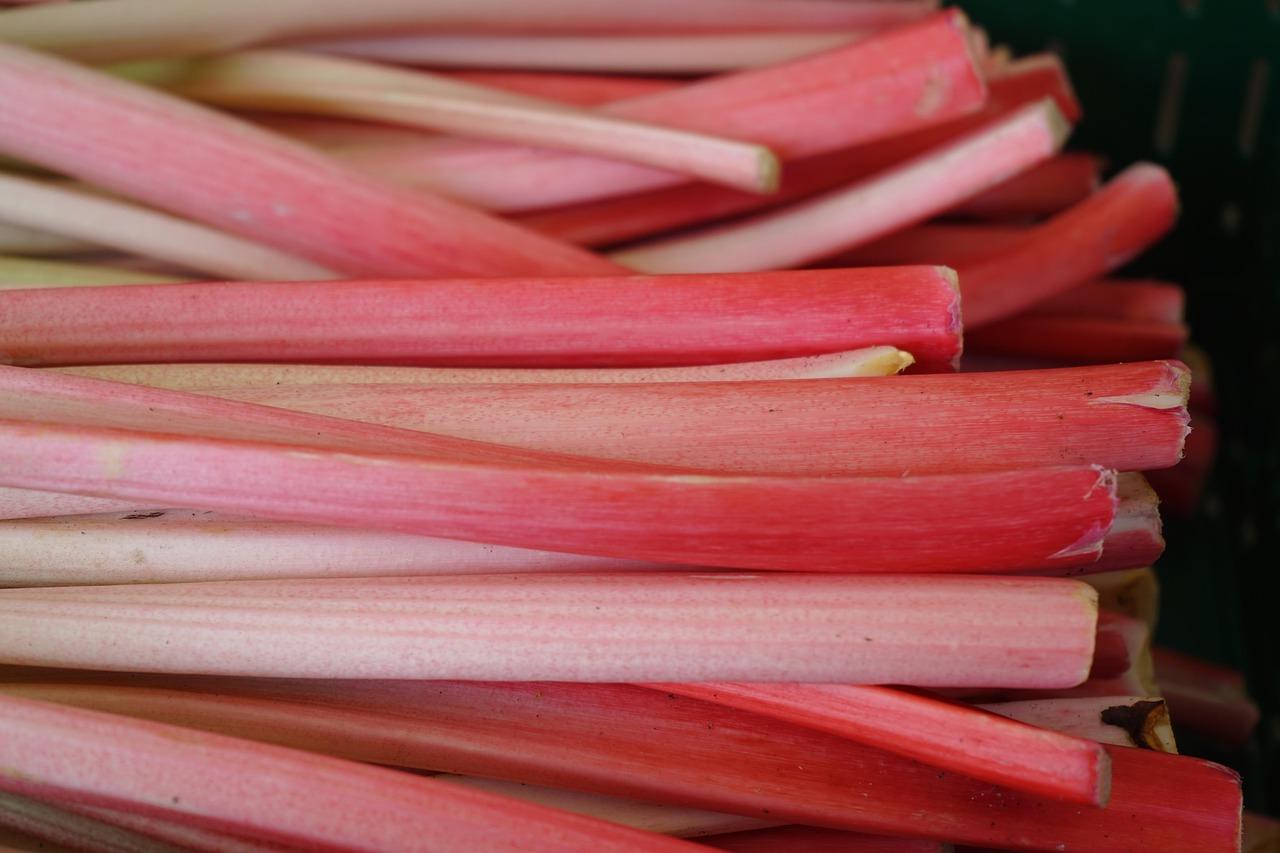
Rawash

Raw rhubarb with salt

For a few weeks in spring, men walk down from the hills around Kabul and Paghman with bundles of rawash, wild mountain rhubarb, and sell the thick red-flecked stalks on the pavement, peeled to order and handed over with a twist of salt. It is a crunchy, juicy and mouth-puckeringly sour snack, a sign that winter is over, eaten while walking or at a picnic on the first warm Friday. Wild rhubarb is almost impossible to buy outside the region, so this home version uses young, slim forced or garden rhubarb stalks, which are close in sourness and crunch. Never eat any of the leaf: rhubarb leaves are poisonous, so cut them off and throw them away, and enjoy the stalks in modest amounts, as they are high in oxalic acid. Chef's tip: chill the stalks in iced water for 10 minutes first; the cold makes them snap and softens their sharp edge.

Read more 0 views

What to eat today?

Around the world

Today's trip: Paraguayan

A new country every day, from every cuisine on the site.

Paraguayan

Chipa

Cheese bread rings 50 minMore from Paraguayan (27) →

This week's collection

Kid-friendly dinners
537 recipes · a new collection every Monday

Latest recipes

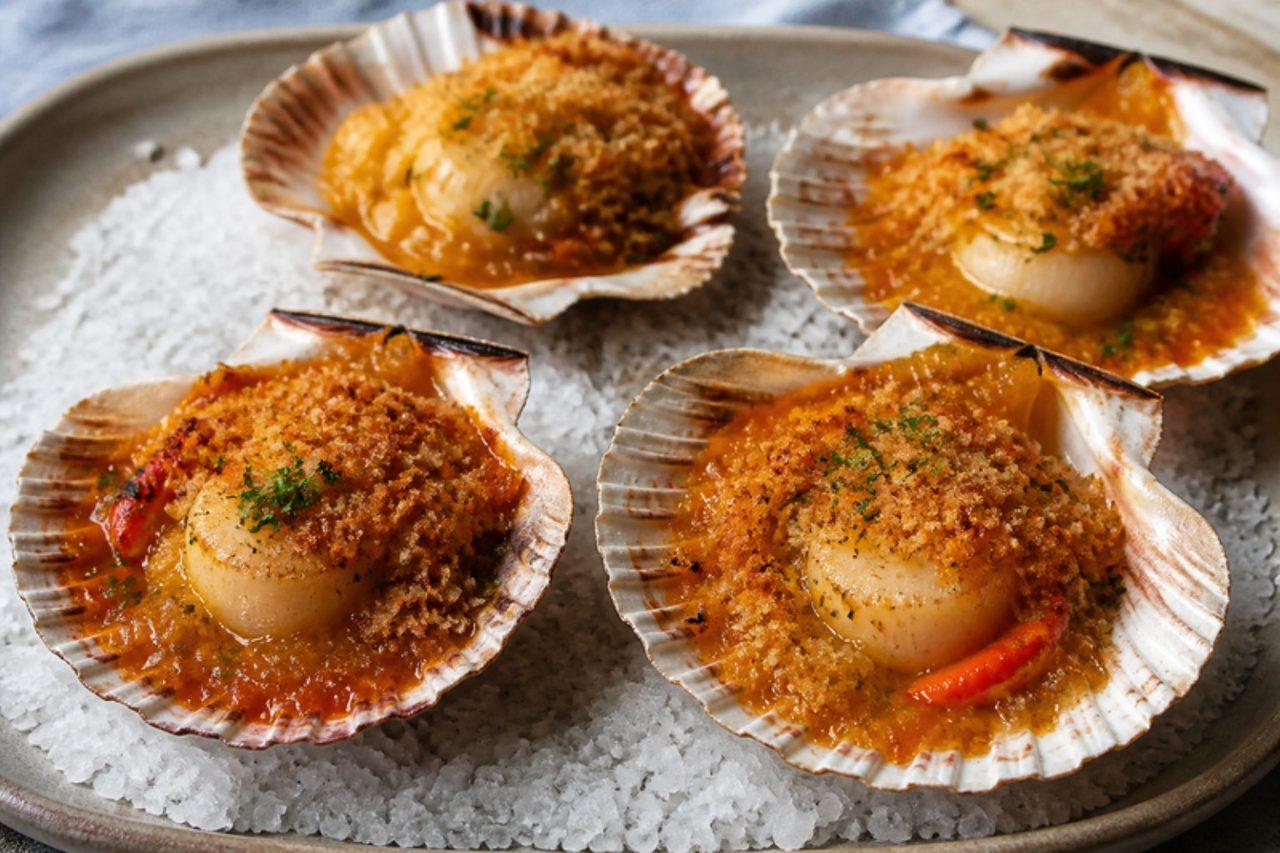
Vieiras á galegaBaked scallops with onion and crumbs

In the Rías Baixas, scallops come into season in winter, and at Christmas many Galician families start dinner with a tray of them baked in their shells. Each one sits under a sweet onion sofrito with paprika, topped with breadcrumbs and baked until golden. Some cooks add cured ham or white wine; this version keeps it simple. Throw away any scallops with cracked shells, and any open ones that don't close when tapped. A common mistake is baking them too long, which makes them rubbery; they need only 8–10 minutes. Chef's tip: ask the fishmonger to open and clean them, and keep the deep half of each shell for baking.

by KrazyBadal 0 views
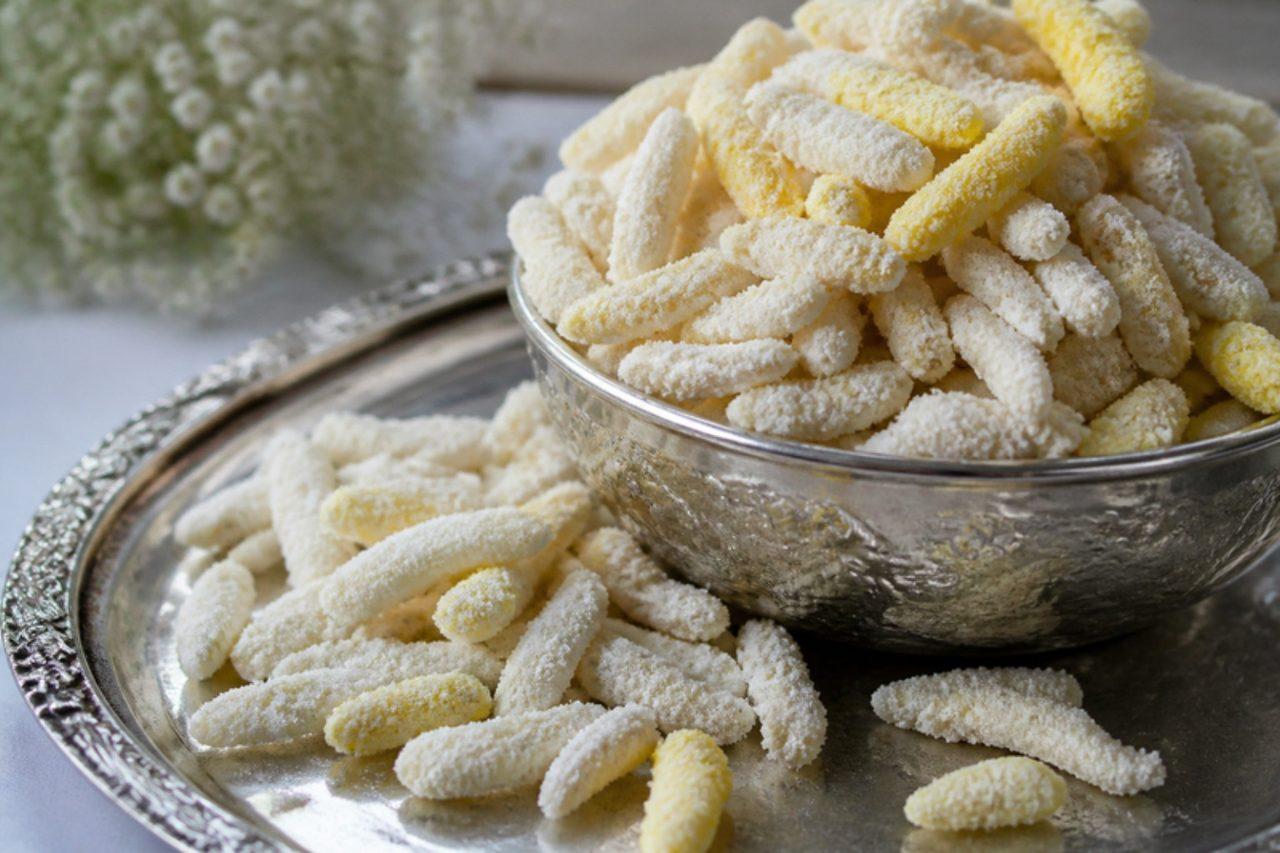
NoghlSugar-coated almond slivers

Noghl, the craggy white sugar-coated slivers of almond, is the confection of celebration in Iran, and the town of Urmia in West Azerbaijan is its home. It is showered over newlyweds at weddings, offered to guests at Nowruz and set beside tea on special days. Professionals build the spiky coat in a rotating copper pan over many hours; this home version does the same job in a wide pan, adding the rosewater syrup a little at a time. The usual mistake is adding too much syrup at once, which glues the almonds into a lump instead of building the knobbly crust. Chef's tip: keep the almonds moving constantly and wait until each coat is completely dry before the next.

by KrazyBadal 0 views

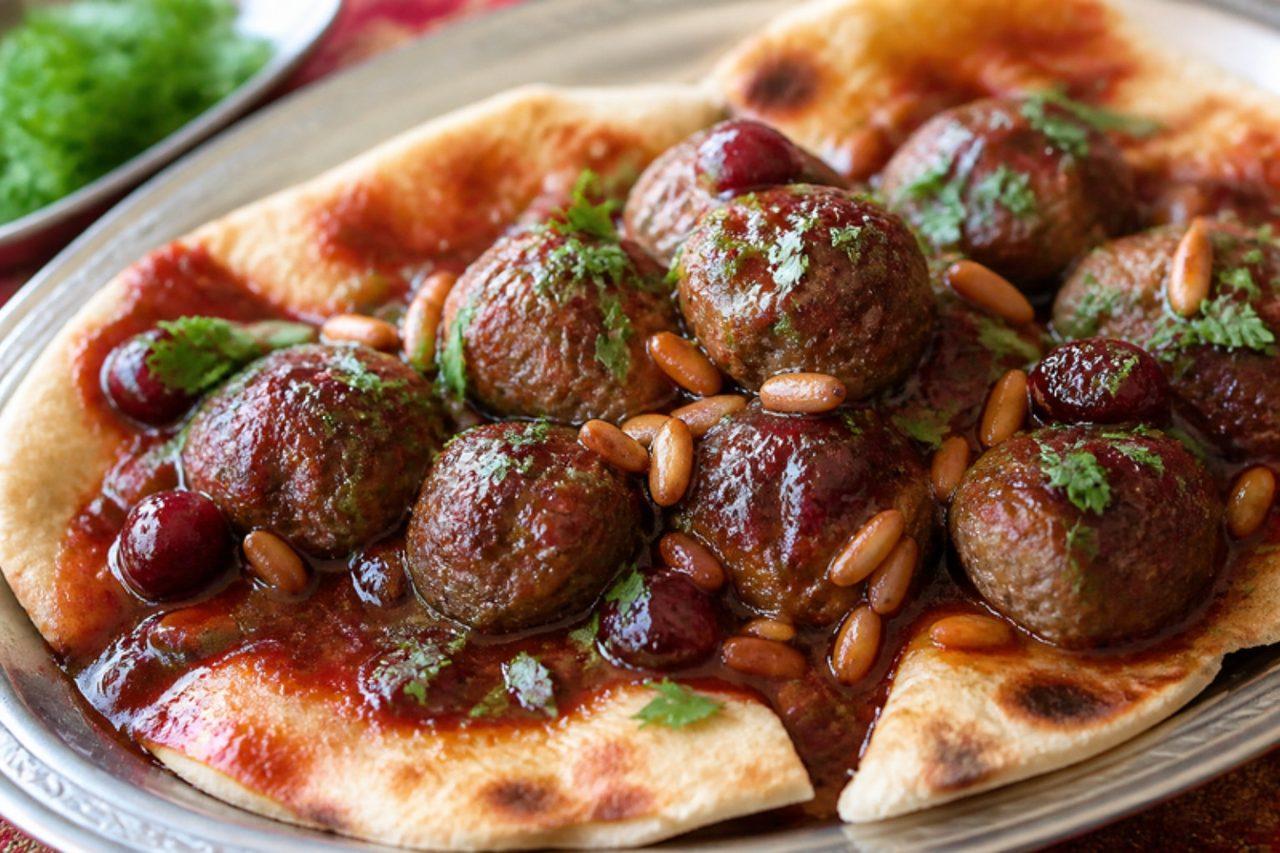
Kebab karazLamb meatballs in sour cherry sauce

Kebab karaz is Aleppo's most celebrated dish, cooked in early summer when the small, sour cherries (wild mahaleb cherries in the old days) come into season. Little grilled or fried lamb meatballs are simmered briefly in a deep red, sweet-sour cherry sauce, then served on pieces of flatbread that soak up the juices, scattered with parsley and pine nuts. It is rich, fruity and quite unlike anything else in the Levant. Common mistake: using sweet cherries alone — the sauce turns jammy; you need sour cherries, or sweet ones sharpened with lemon and pomegranate molasses. Chef's tip: frozen pitted sour cherries work perfectly all year round.

60 minSyrianMeat
by KrazyBadal 0 views

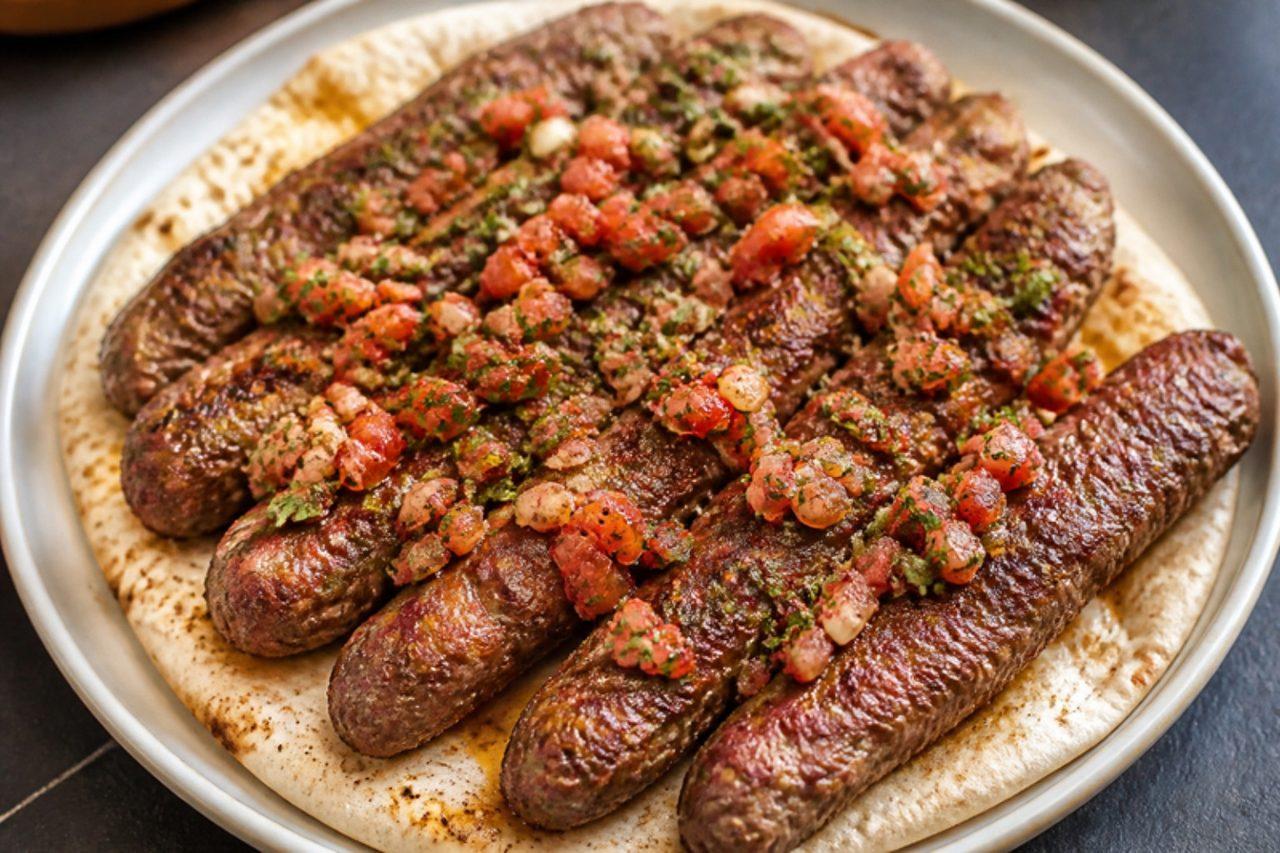
Kebab khashkhashLamb kebabs with spicy tomato topping

In Aleppo's grill houses, kebab khashkhash comes to the table sizzling: long, juicy skewers of lamb mince with pepper paste and chilli, laid over flatbread and covered with a hot, chunky sauce of tomatoes, garlic, chilli and parsley that soaks into the bread. It is bold and fiery, eaten with grilled tomatoes and green chillies and a cold glass of ayran. Common mistake: using lean mince — kebabs need around 20% fat to stay juicy on the grill. Chef's tip: chill the shaped skewers for 30 minutes before grilling so the meat clings and doesn't slip off.

45 minSyrianMeatSpicy
by KrazyBadal 0 views

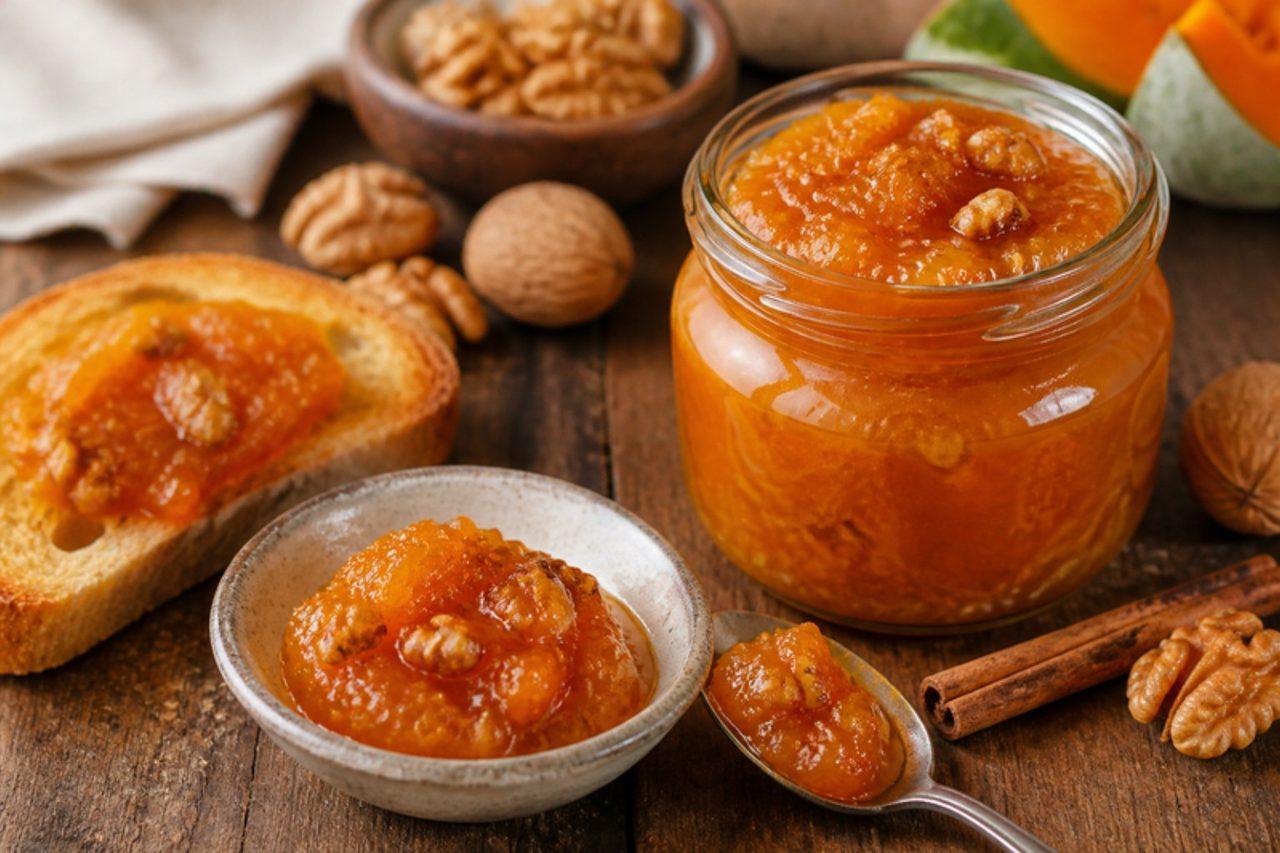
Doce de abóbora com nozesPumpkin and walnut jam

When the big squashes are harvested in late autumn in Trás-os-Montes, every pantry gets a row of these jars. The pumpkin cooks down with sugar, lemon peel and cinnamon to a thick amber jam, and toasted walnuts are stirred in at the end. Locals spoon it over fresh requeijão or a slice of sheep's cheese after dinner, or onto toast at breakfast. Chef's tip: salt the cut pumpkin with the sugar overnight; it releases its water so the jam cooks faster and keeps its colour.

by KrazyBadal 0 views

Doce de cajuCashew apples in clove syrup

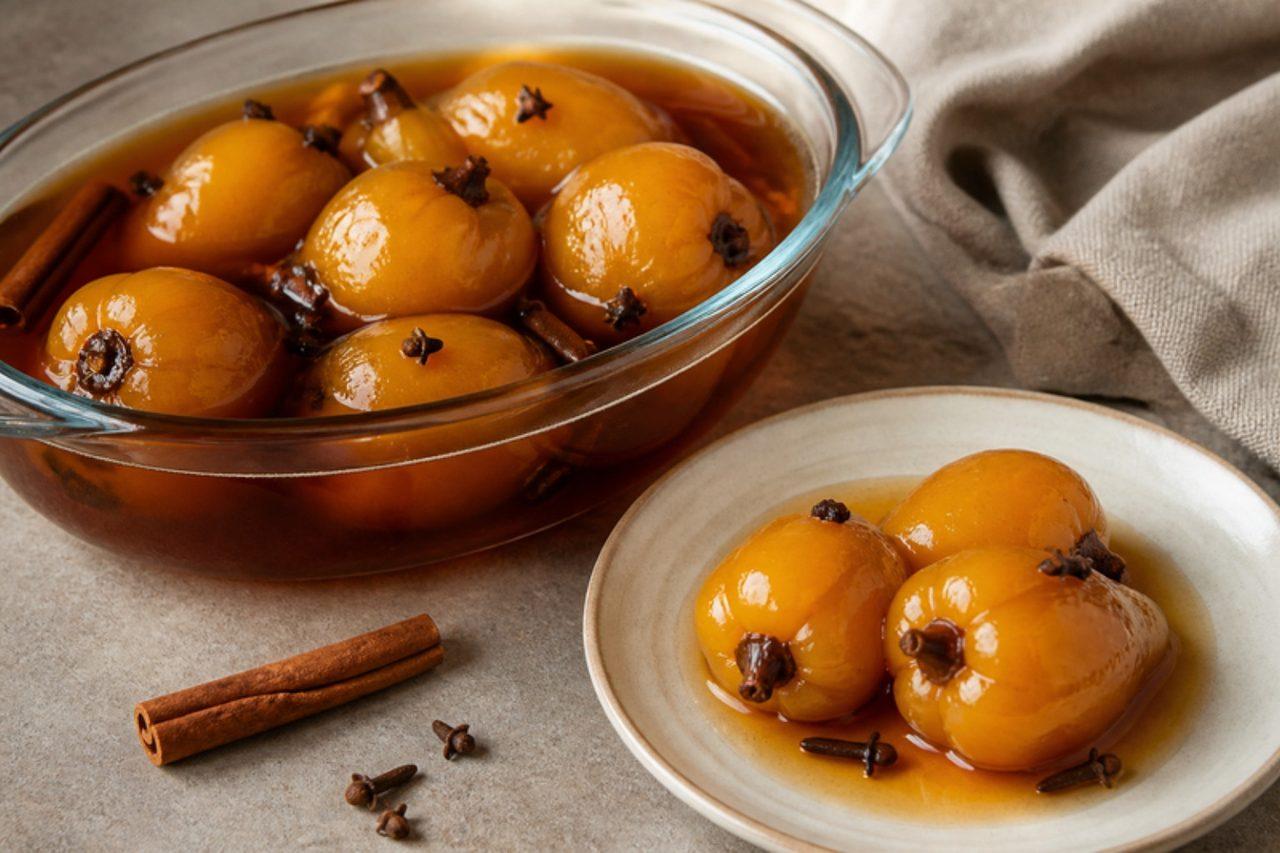
Ceará grows more cashews than anywhere in Brazil, and in the season from September to December the soft, fragrant cashew apples are everywhere: pressed for juice, sold at roadside stalls and preserved whole in syrup like this. The fruit is pricked, squeezed of its astringent juice, blanched and then cooked slowly with sugar and cloves until it turns amber, glossy and tender with a chewy bite. Fortaleza families keep jars for Christmas and serve the fruit with a slice of white cheese or simply on a saucer with its syrup. Outside Brazil look for whole frozen cajus in Brazilian shops. Twist off and discard the grey nut before cooking: its raw shell holds a caustic oil and should not be cut, burnt or eaten at home. Skipping the squeezing and blanching is where it goes wrong; the sweet ends up rough and furry in the mouth. Chef's tip: let the fruit rest overnight in the syrup halfway through; it plumps up and soaks in the sugar evenly.

by KrazyBadal 0 views

Kefalonian kreatopitaLamb, rice and potato pie

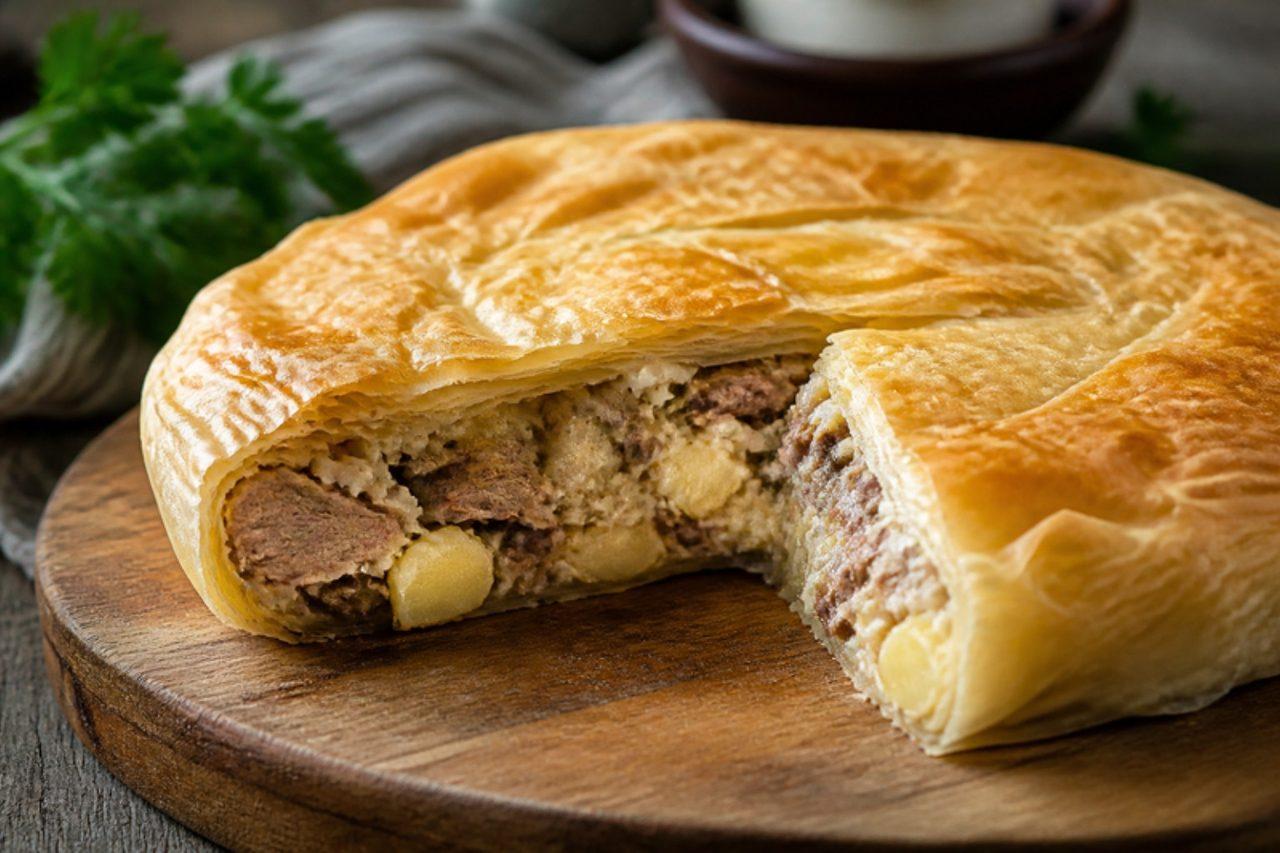
On Kefalonia, kreatopita is baked for Carnival Sunday, just before Lent, and for big family days: a deep pie of lamb and pork pieces (not mince) mixed with rice, potatoes, tomato, garlic, mint and grated cheese, enclosed in a thick homemade-style crust or filo. It's hearty, fragrant and meant to feed a crowd, warm or at room temperature. This version uses lamb shoulder and pork shoulder. Many island cooks splash in wine; here the moisture comes from stock and tomato, so it's alcohol-free. Common mistake: dicing the meat too large, so it isn't tender when the pastry is done — keep it to 2 cm. Chef's tip: let the filling sit in the fridge overnight so the rice soaks up the juices and the flavours meld.

145 minGreekMeat
by KrazyBadal 0 views

Doces finos do AlgarveMarzipan fruits with egg-yolk cream

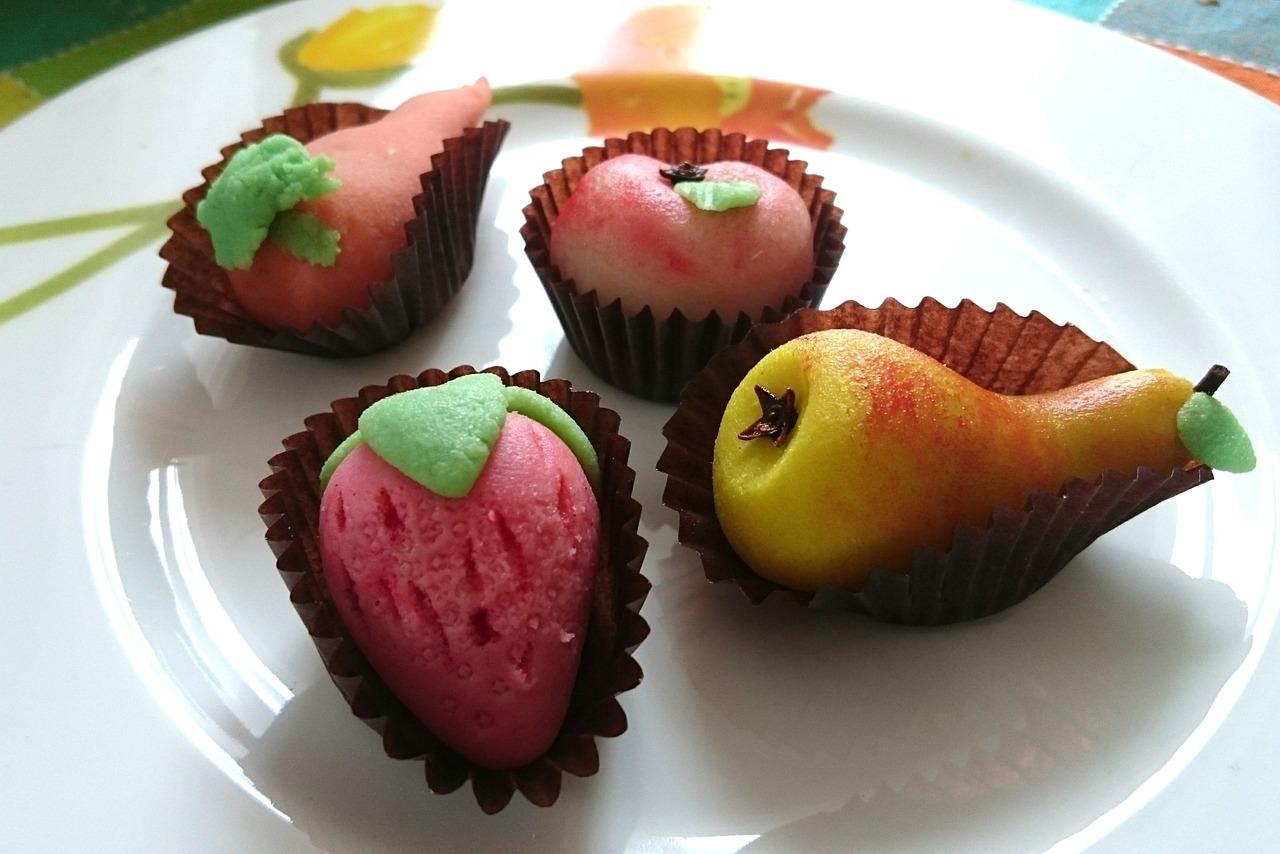
Tiny pears, oranges, strawberries and even fish, all made of almond paste and painted by hand: these are the sweets Algarve families order for Christmas, Easter and weddings, and that every January market in Loulé shows off. Inside each one sits a spoonful of doce de ovos, the sunny yolk cream found all over Portuguese convent baking. The almond paste here is cooked in syrup, which makes it smooth and easy to model. Chef's tip: dust your hands and the work surface with icing sugar, never flour, or the shapes go chalky.

by KrazyBadal 0 views

Turrón de JijonaSoft almond and honey nougat

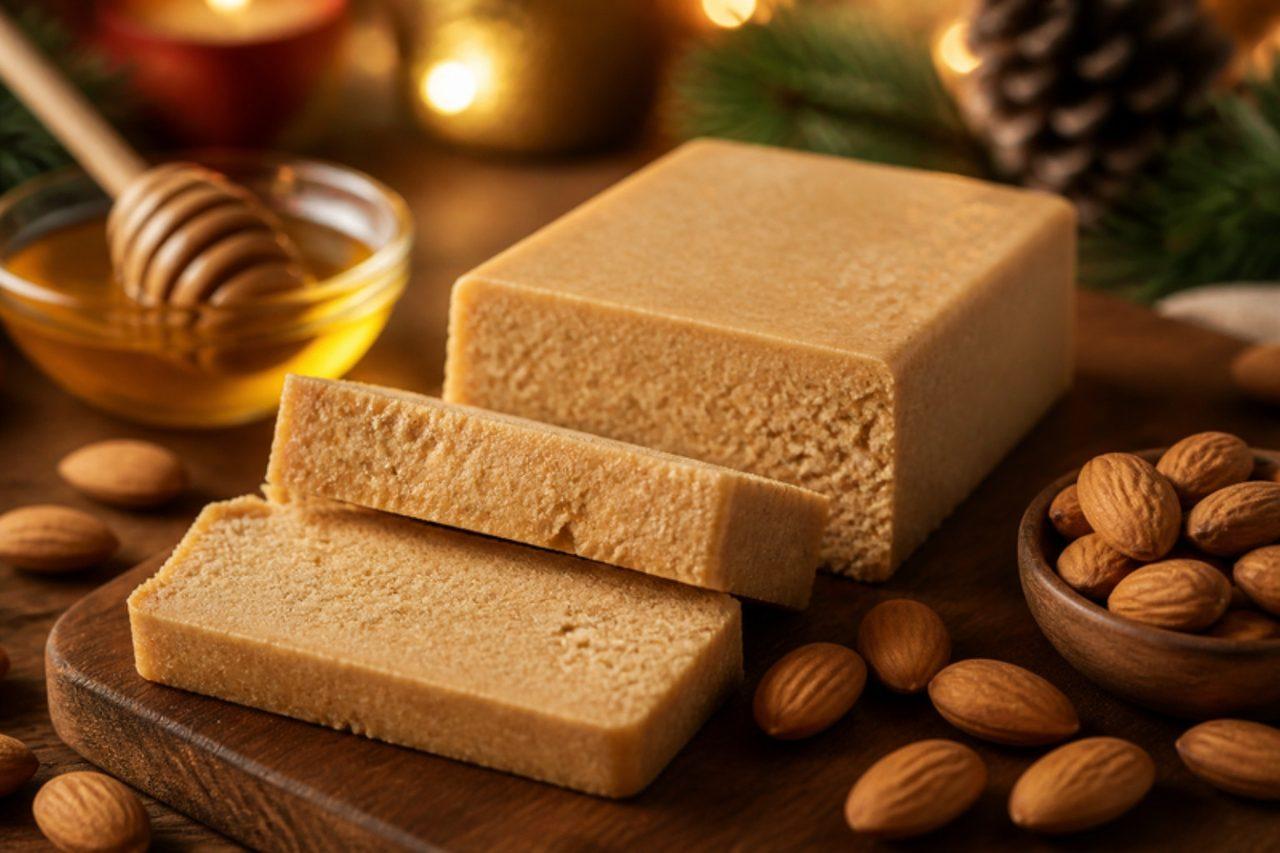
The hill town of Jijona (Xixona) in Alicante has been grinding almonds and honey into turrón for centuries, and its soft, beige, slightly oily bars are on almost every Spanish table between Christmas Eve and Twelfth Night. Unlike hard Alicante turrón, Jijona turrón is a smooth almond paste that crumbles and melts in the mouth, deeply nutty with a floral sweetness from the honey. A common mistake is under-toasting the almonds; pale almonds give a bland, grey paste, so take them to a light, even gold. This version uses honey and egg white, so it is vegetarian but not vegan. Chef's tip: press the warm paste into its mould under a weight and leave it a full two days before slicing; it firms up and the oil settles evenly through it.

by KrazyBadal 0 views

Turrón de Doña PepaAnise biscuit sticks in spiced syrup

Every October, the month of the Señor de los Milagros processions in Lima, bakeries and street sellers pile their trays with turrón de Doña Pepa: layers of crumbly anise-flavoured sticks drenched in a dark syrup of chancaca cooked with fruit and spices, topped with a storm of coloured sprinkles. Popular lore credits it to Josefa Marmanillo, a woman from the Cañete valley who is said to have made it in thanks after the procession. It is sticky, crunchy and soft at once, with orange and clove in the syrup. Its downfall is usually runny syrup that soaks the sticks into mush; it needs to reach a thick, threading stage before it goes on. Chancaca is sold as cones or blocks in Latin shops; panela or dark muscovado also work. Some coloured sprinkles contain gelatin, so check the label. Chef's tip: make it a day ahead; the syrup sets and the sticks soften just enough to slice neatly.

by KrazyBadal 0 views

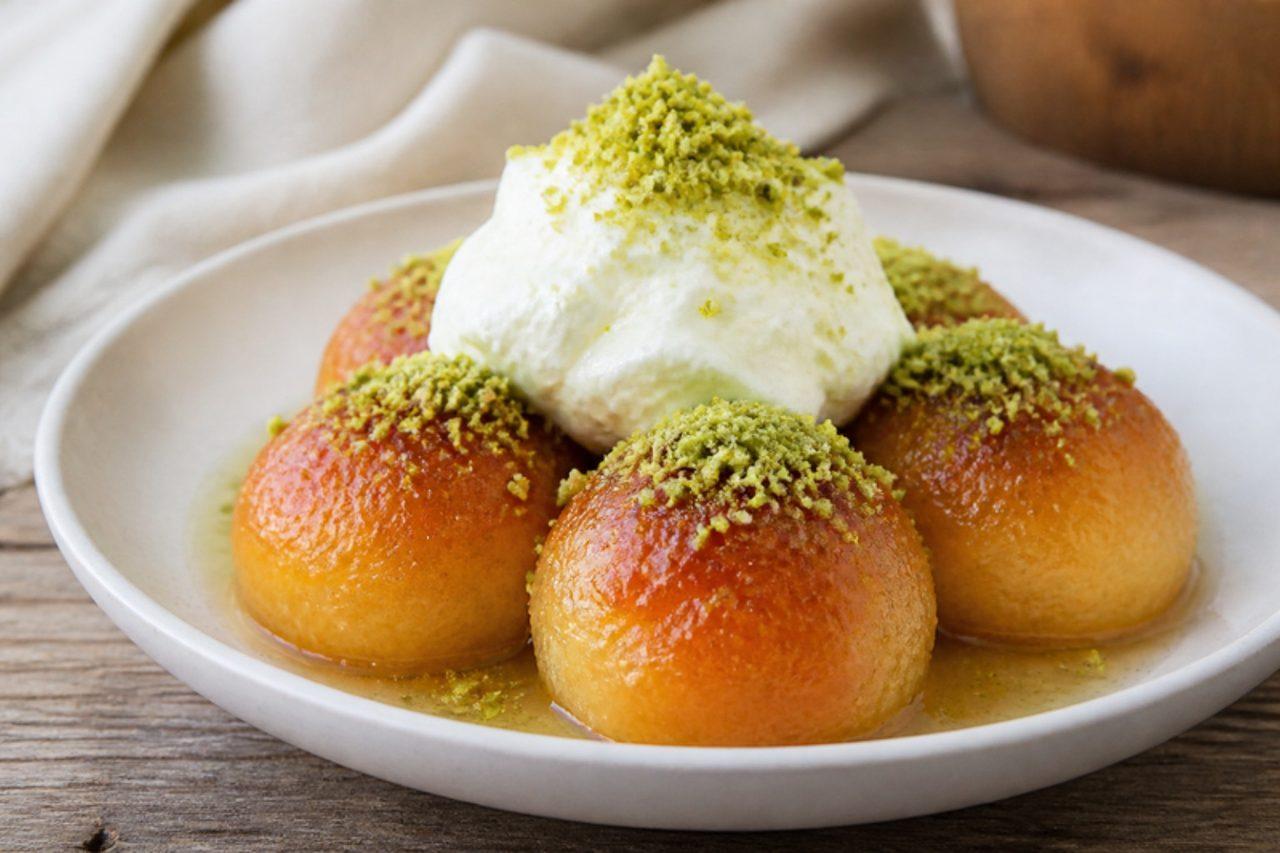
Kemalpaşa tatlısıCheese dumplings in syrup

Named after the town of Mustafakemalpaşa near Bursa, these small golden rounds are made from a soft unsalted cheese, semolina and flour, baked dry and then simmered in syrup until they swell and soak it up like sponges. In Bursa they are eaten after a plate of İskender, warm with a spoon of clotted cream or a scattering of pistachio. They are lighter than they look, with a faint cheesy tang under the sweetness. Chef's tip: let the syrup cool to lukewarm and the dumplings be at room temperature; if both are hot the dumplings collapse into mush.

by KrazyBadal 0 views

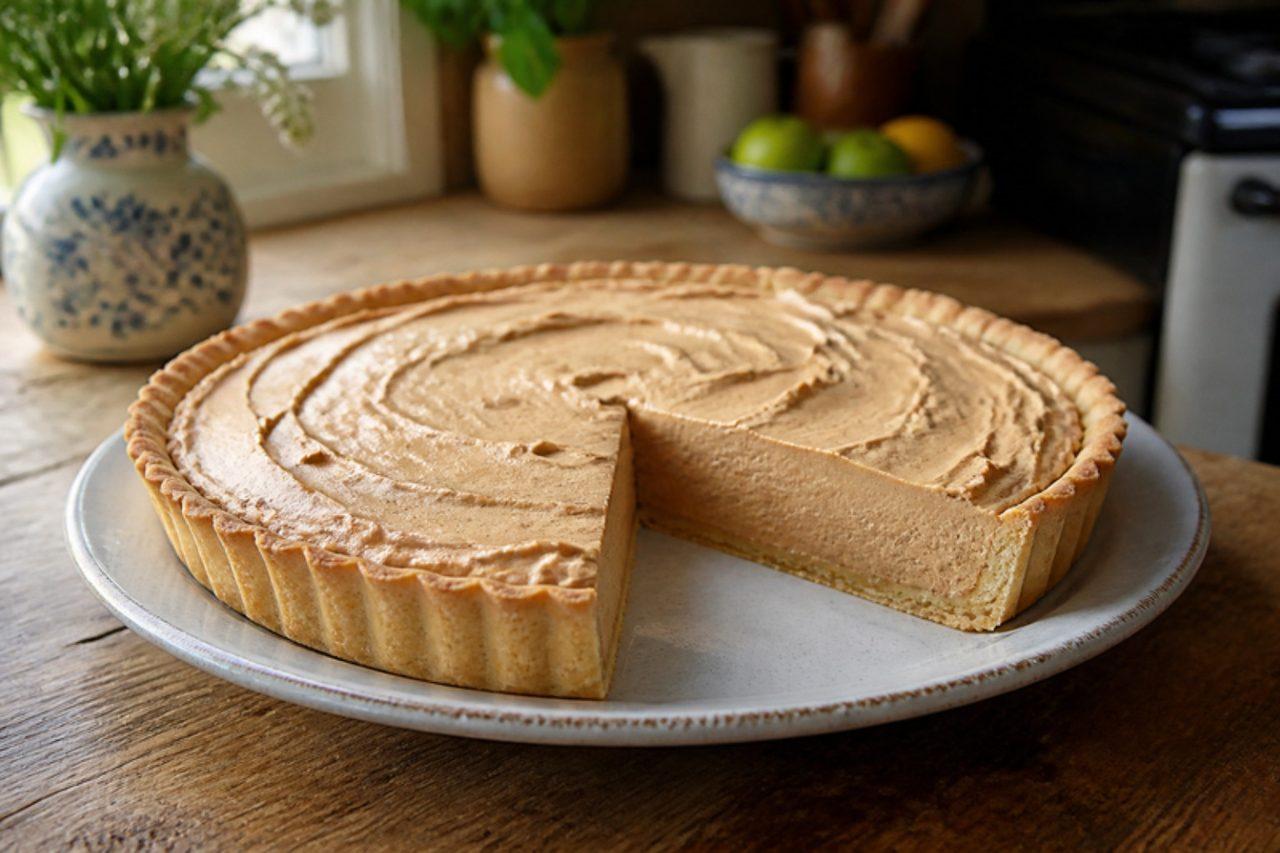
Kentish gypsy tartEvaporated milk and muscovado tart

Gypsy tart is the school-dinner pudding of Kent, remembered fondly by anyone who grew up in Margate, Maidstone or the Medway towns. Evaporated milk is whisked with dark muscovado sugar until it doubles into a toffee-coloured mousse, poured into a pastry case and baked just long enough to set into a fluffy, sticky, intensely sweet filling. Chef's tip: chill the evaporated milk overnight; cold milk whips up much more volume.

by KrazyBadal 0 views

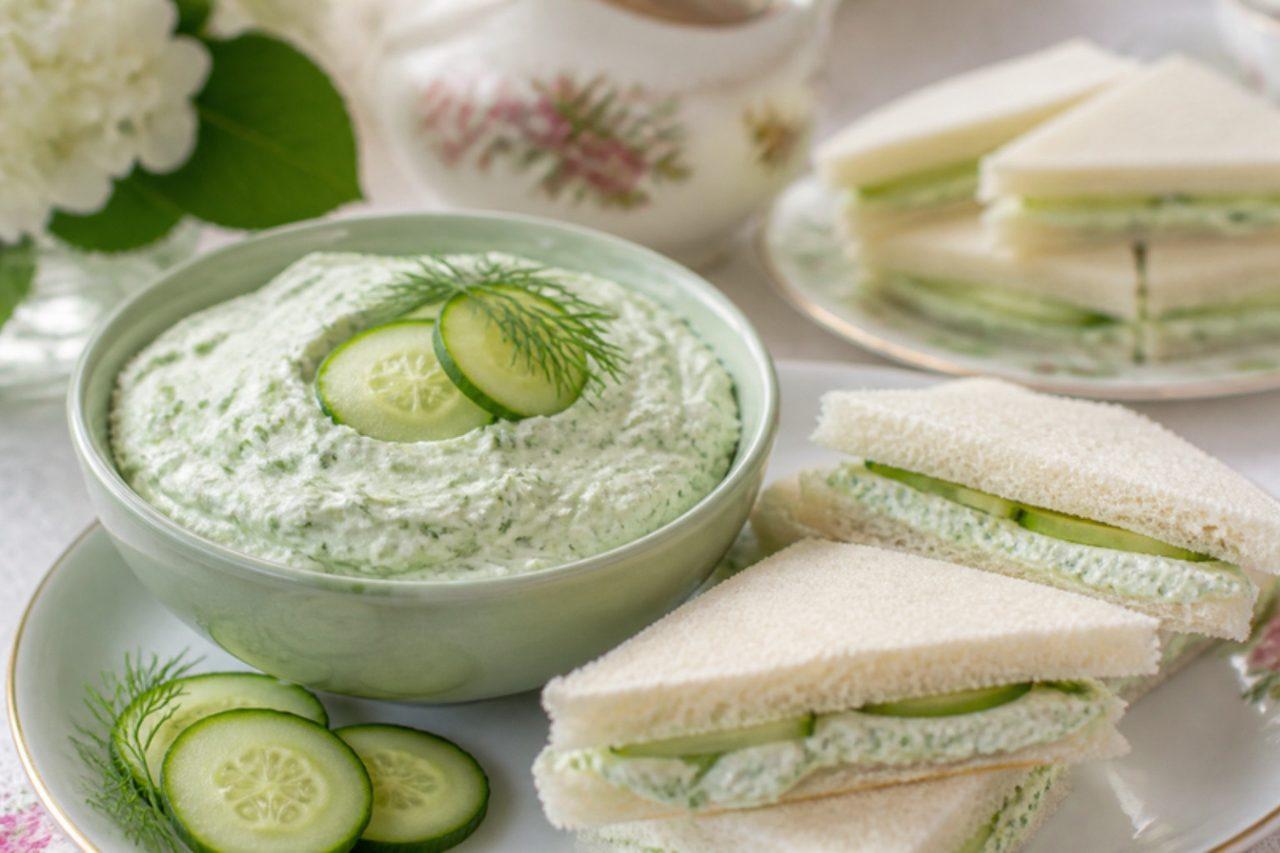
Kentucky Benedictine spreadCucumber and cream cheese spread

Benedictine was created by Louisville caterer Jennie Benedict around 1900 and is still spread on crustless tea sandwiches at Kentucky Derby parties and church luncheons all over the state. Grated cucumber and onion are squeezed dry and beaten into cream cheese, so the spread is cool, fresh and mildly oniony, traditionally tinted the palest green. Serve on white bread or as a dip with crackers and celery. Chef's tip: squeeze the cucumber in a clean tea towel until no more drips come out; wet cucumber makes it runny.

by KrazyBadal 0 views

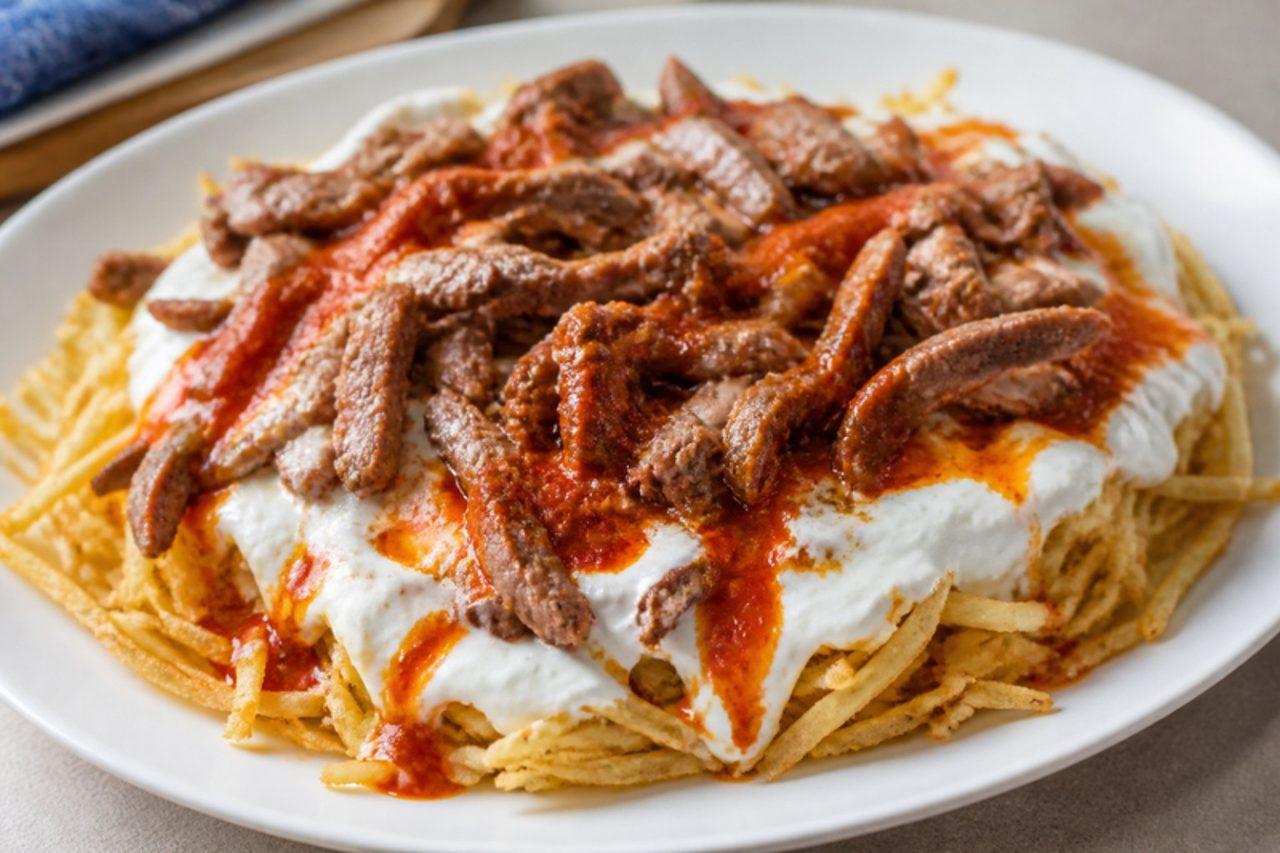
Çökertme kebabıBeef strips with garlic yoghurt

Çökertme is the kebab Bodrum is proud of: a bed of crisp, matchstick-thin fried potatoes, a layer of garlicky yoghurt, then tender strips of sautéed beef on top, finished with tomato sauce and butter. It is restaurant food in the town but easy to make at home for a Saturday lunch, and the contrast of hot, crunchy, cool and creamy is what makes it. Chef's tip: cut the potatoes very thin and fry them in two batches just before serving; made ahead, they go limp under the yoghurt.

by KrazyBadal 0 views

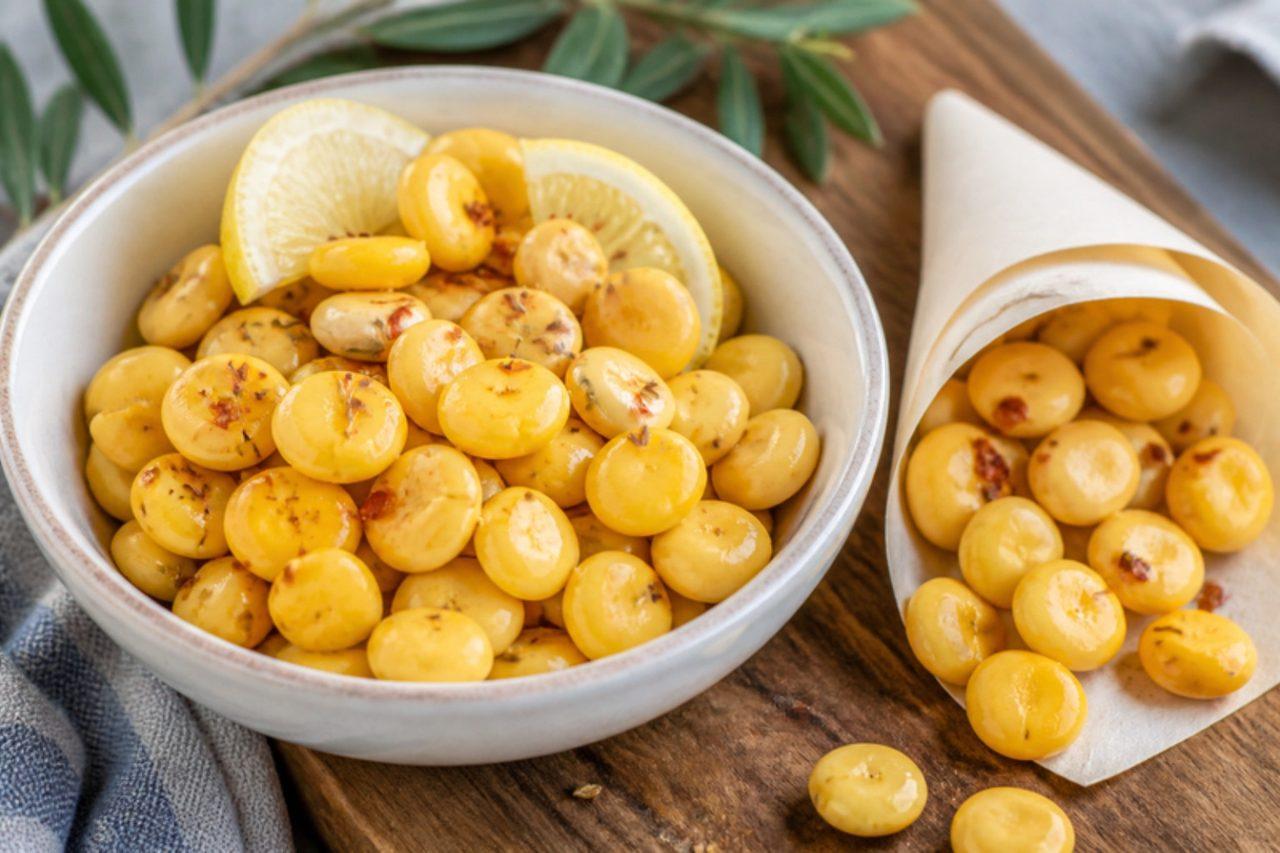
TurmusBrined lupini beans

Strolling the Beirut Corniche or a Sunday market in Amman, you will pass carts selling turmus: plump golden lupini beans kept in salted water, scooped into paper cones and eaten by nicking the skin with your teeth and popping out the bean. They are also a fixture on mezze tables and a fasting snack for Lent. Dried lupins are naturally very bitter and must be soaked for days to wash those compounds out; never eat them while they still taste bitter, and if you are allergic to peanuts, check with a doctor first as lupin allergy is linked. A jar of ready-debittered lupini, drained and seasoned, is a quick shortcut. The common mistake is salting the beans before they are fully sweet, which seals the bitterness in. Chef's tip: finish with lemon, cumin and a little chilli just before serving; the salty brine keeps them, the dressing makes them moreish.

by KrazyBadal 0 views

Türk kahvesiTurkish coffee

A cup of Türk kahvesi is how Turks welcome guests, end a long meal and, in the old custom, test a suitor: the prospective bride makes his cup and may slip salt into it. Powder-fine coffee is brewed slowly with cold water and sugar to taste in a small long-handled pot (cezve), until a thick foam rises, then poured unfiltered so the grounds settle in the cup. Serve with a glass of water first and a piece of lokum. Order it sade (plain), orta (medium) or şekerli (sweet) and add the sugar before brewing, never after. The usual mistake is letting it boil, which collapses the foam and makes it bitter. Chef's tip: use cold water and a low heat; the slower it rises, the thicker the foam.

by KrazyBadal 0 views

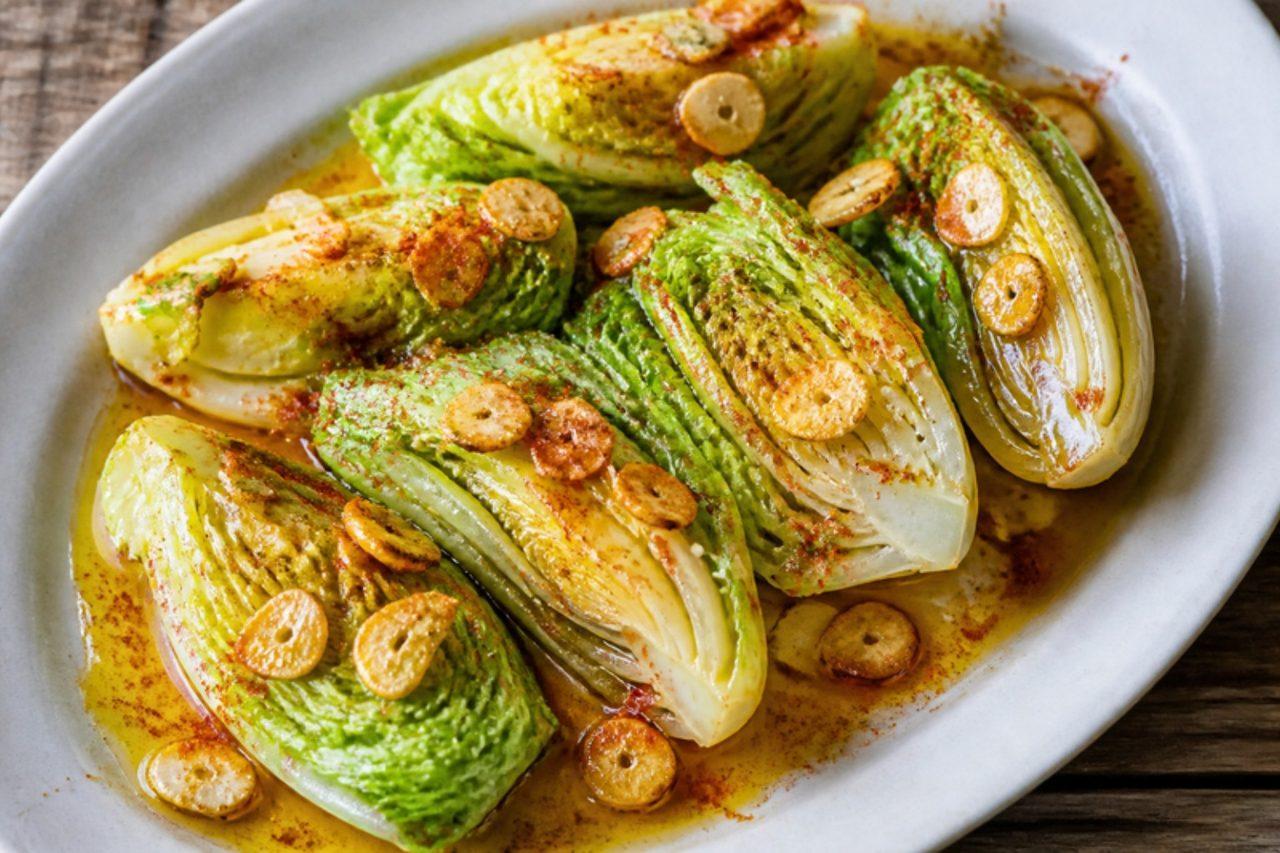
Cogollos de Tudela con ajosLettuce hearts with garlic oil

The lettuce hearts grown around Tudela in the Ribera of Navarre are small, tight and sweet, and they carry their own protected name. In the bars of Tudela and Pamplona they come to the table split lengthwise, still cold, with olive oil poured over them straight from the pan where garlic has just turned golden. Many places lay an anchovy on each quarter; this version leaves the fish out and is vegan. Chef's tip: dry the lettuce really well, because water left between the leaves makes the hot oil spit and leaves the dressing watery.

by KrazyBadal 0 views

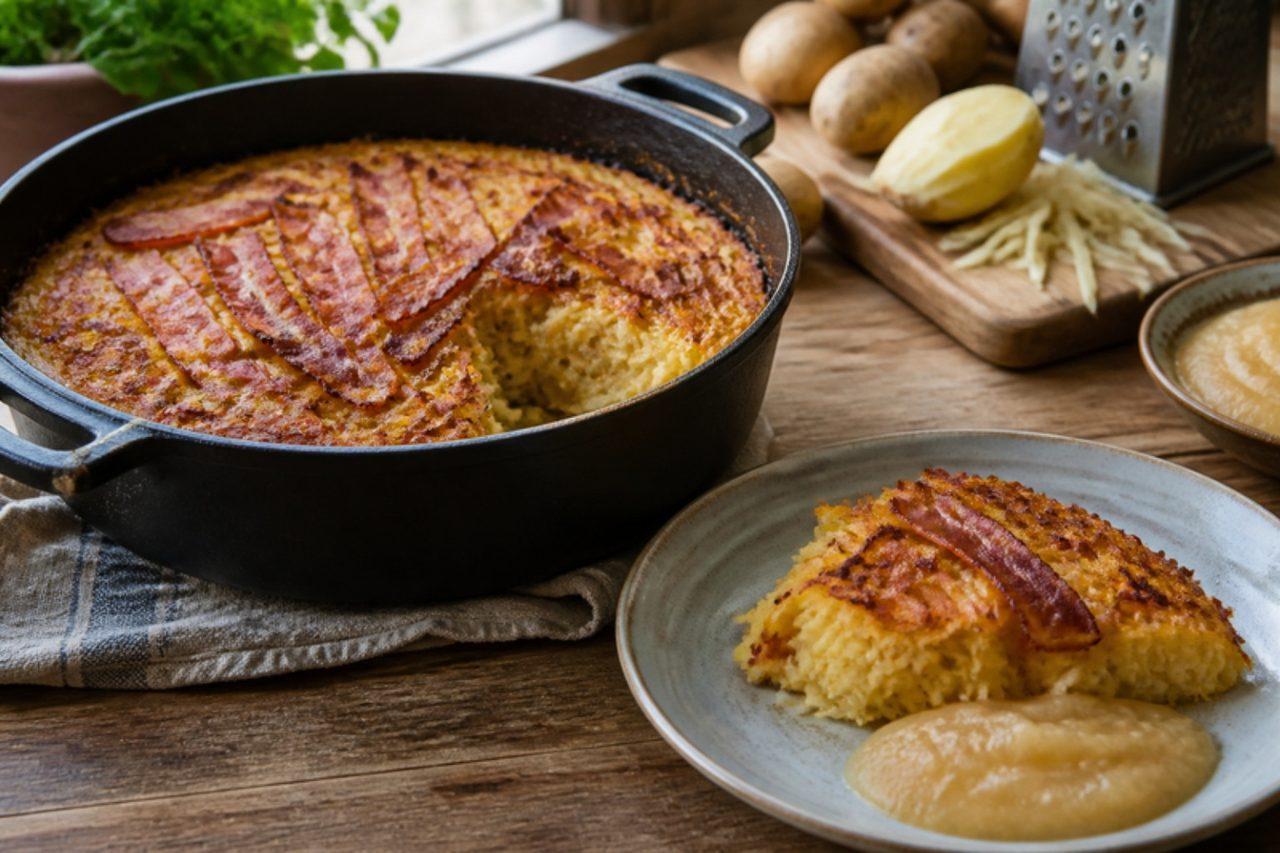
DöppekuchenGrated potato bake with bacon

Döppekuchen (also Dippekuchen or Knüles) is the Rhineland and Westerwald answer to a cold November evening, traditionally baked on St Martin's Day and at village fairs. Raw grated potatoes, onion, egg and smoked bacon are baked slowly in a cast-iron pot, the Döppe, until the outside is a thick dark-brown crust and the inside is soft and steamy. It is eaten with apple sauce and a green salad. For a meat-free pot, bake it with extra onions and two sliced leeks instead of the bacon. Chef's tip: squeeze the grated potato really dry; the less water, the crisper the crust.

180 minGermanMeatGluten free
by KrazyBadal 0 views

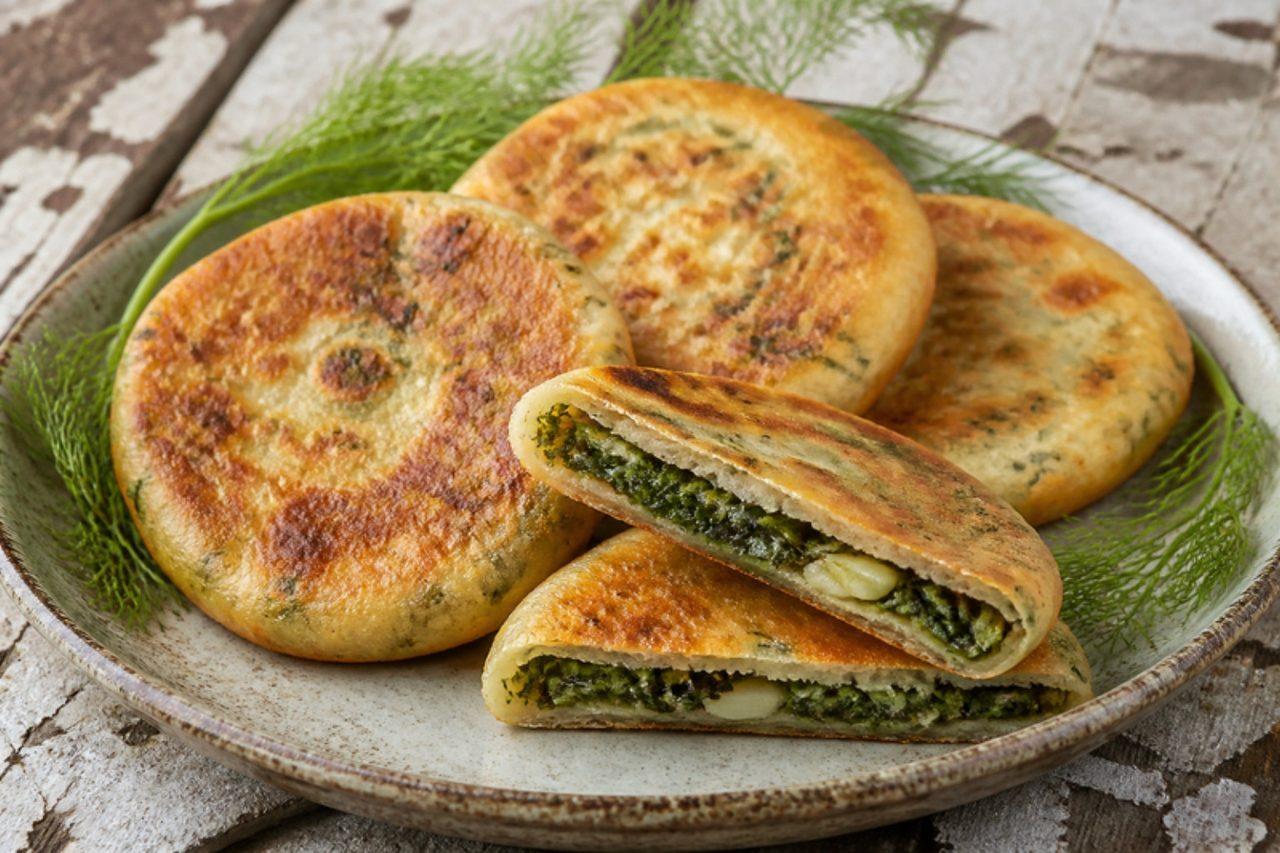
MarathopitesFennel hand pies

In early spring, when wild fennel sprouts along the field walls around Rethymno, Cretan cooks gather armfuls of the feathery fronds for marathopites, thin olive-oil pastry wrapped round a green, aniseed-sweet filling and cooked in a pan. They are Lenten food, so they contain no cheese or egg, and they are eaten warm with olives and a glass of water or tea. Wild fennel can be hard to find outside the Mediterranean; the fronds from bulb fennel mixed with dill give a close flavour. Common mistake: leaving the greens wet after washing, which steams the pastry from inside and splits it. Chef's tip: salt the chopped greens and squeeze them hard in a cloth before mixing the filling.

by KrazyBadal 0 views

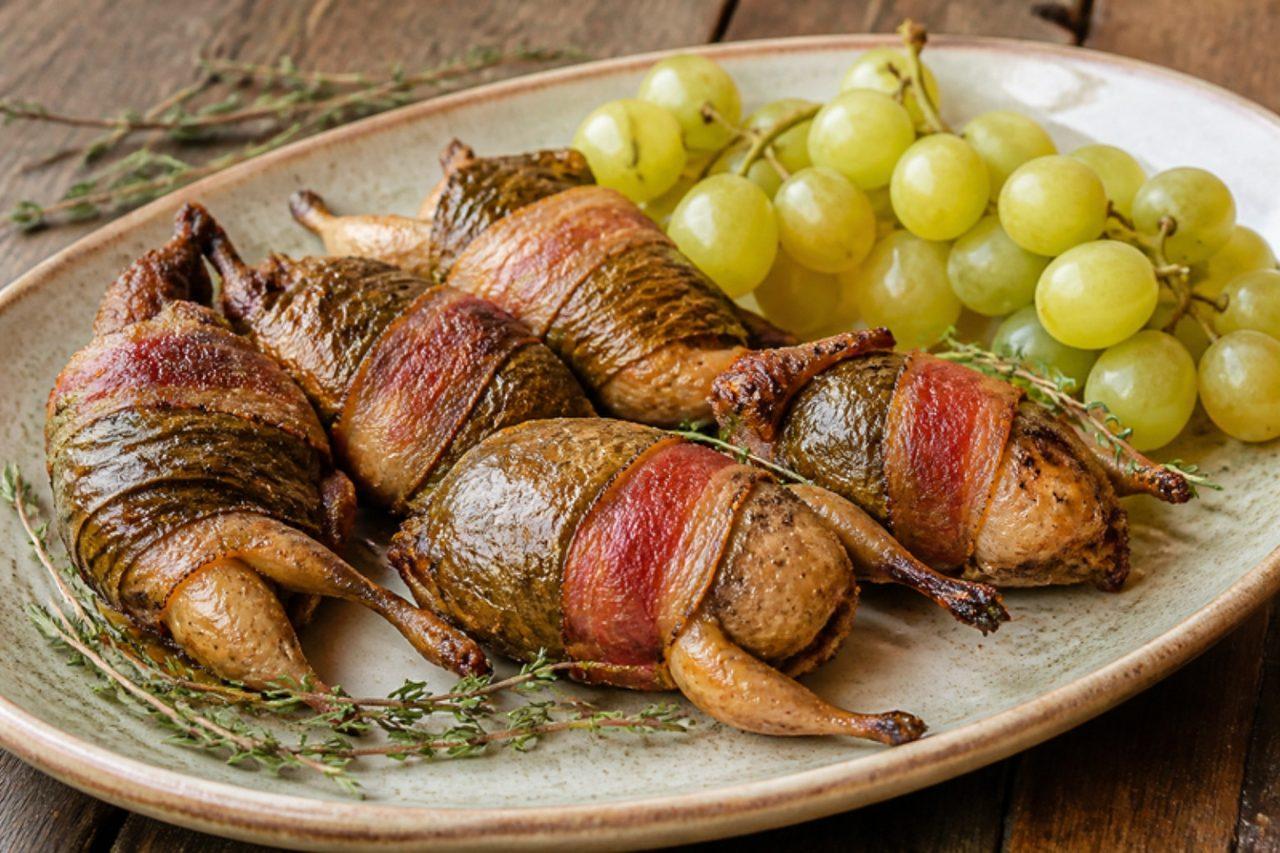
Codornices en hoja de parraQuail in vine leaves

When the grapes are picked in the vineyards of Olite and the Ribera in September, quail are fat from the stubble fields and the vines still have their leaves, so Navarrese cooks bring the two together. Each bird is wrapped in a vine leaf and a strip of bacon and roasted fast; the leaf keeps the lean meat moist and adds a gentle, lemony tang. This contains pork (streaky bacon). Serve with fried potatoes or bread and, in season, a bunch of grapes. Chef's tip: taste before salting, because brined vine leaves and bacon already bring plenty.

by KrazyBadal 0 views

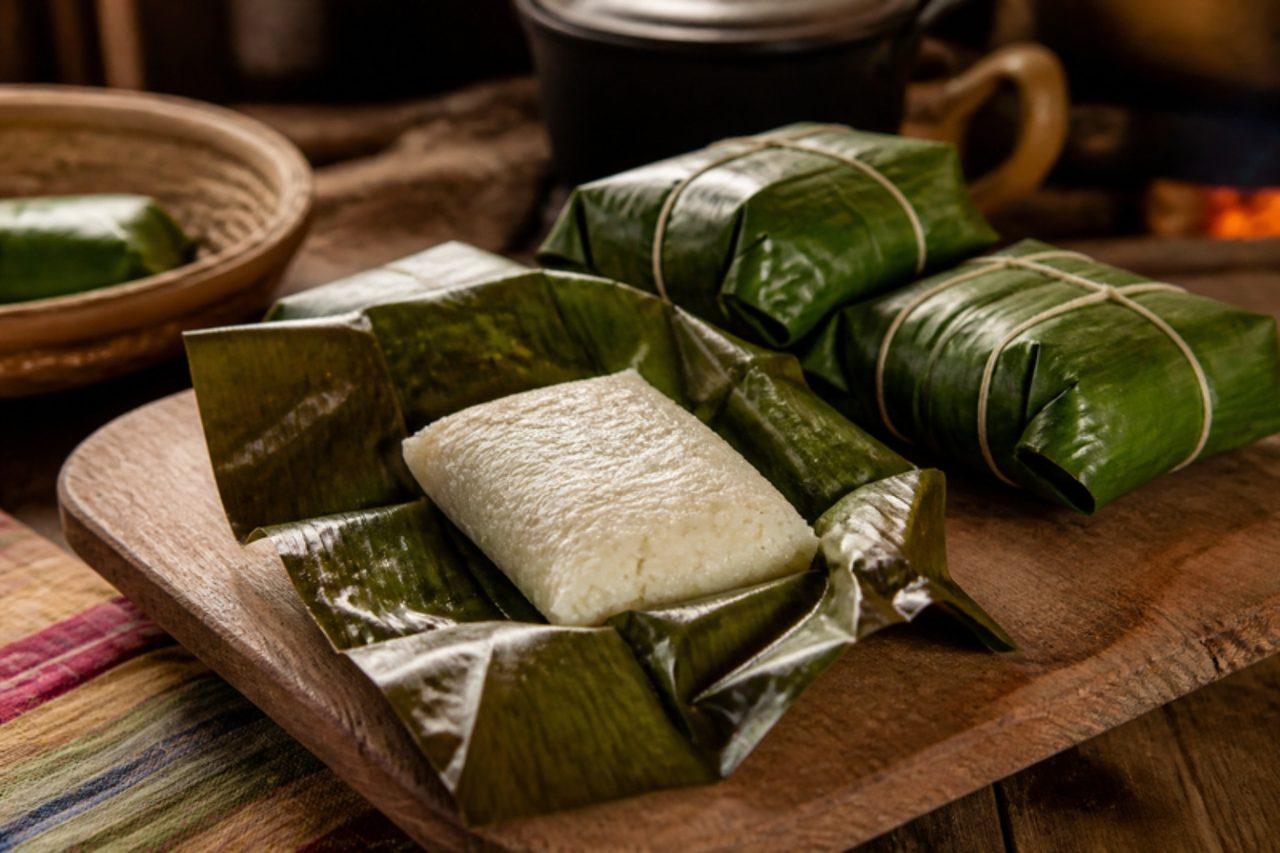
TungosBanana leaf steamed rice

At fairs and family gatherings in Villavicencio and across the Meta, tungos sit in a big pile next to the slow-roasted meat: soft white rice pressed into banana-leaf parcels and steamed until it holds together in a firm, faintly smoky log. The leaf gives the rice a tea-like aroma and keeps it warm for hours, which is why they travel to river trips and roadside parrillas so well. Unwrap one and eat it with roast meat, beans, a sweet plantain or a bowl of vegetable stew; the tungo itself is vegan. Fluffy, separate grains are the wrong goal here: rice cooked dry and loose falls apart in the leaf, so cook it with extra water until soft and sticky. Frozen banana leaves are sold in Asian and Latin shops. Chef's tip: pass each leaf quickly over a gas flame or through hot water first; it turns glossy and supple and will not split as you fold.

by KrazyBadal 0 views

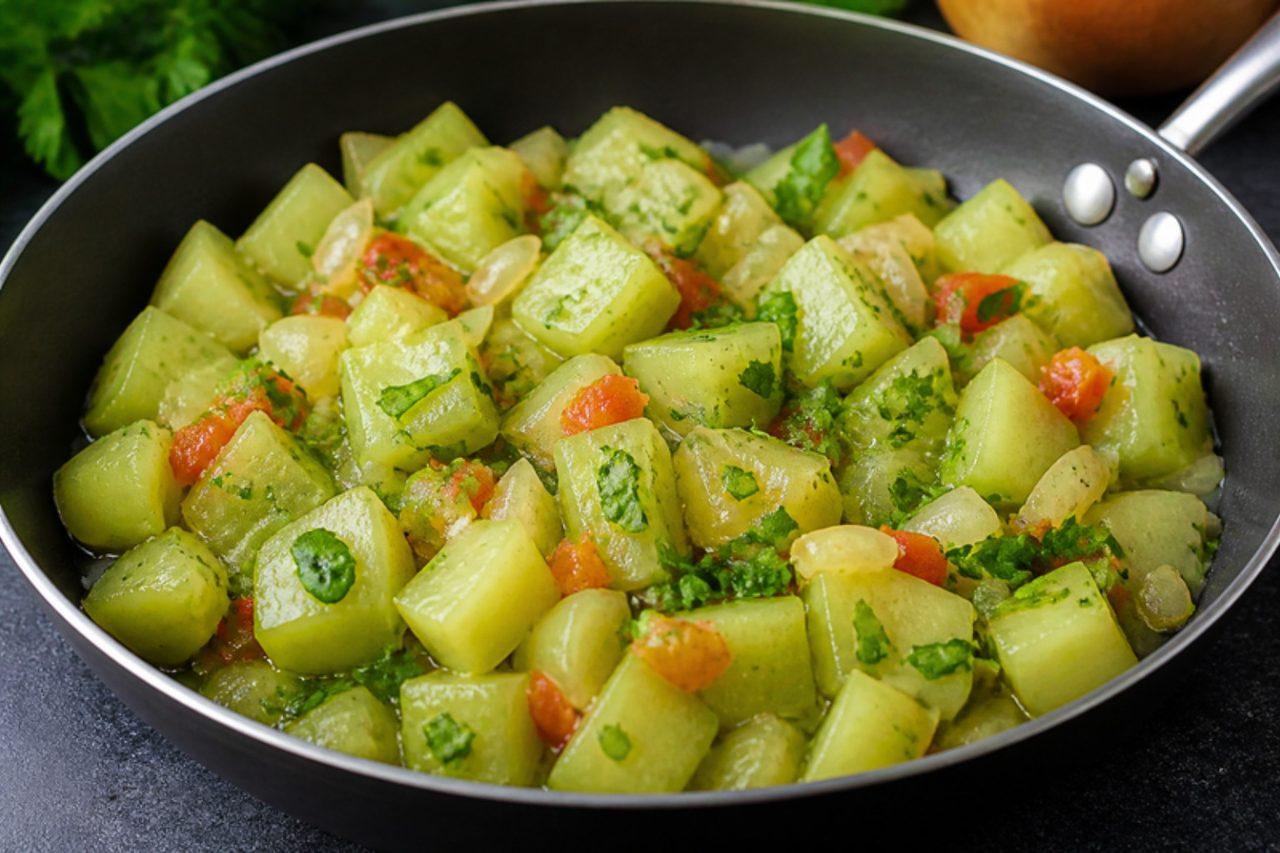
Chuchu refogadoSautéed chayote

Chayote is so cheap and common in Minas Gerais that Brazilians joke it tastes of nothing; this everyday refogado proves the point wrong. Peeled and diced, it is softened in garlic, onion and a little tomato with its own juices until it turns tender, pale green and silky, picking up all the flavour of the base. It is the side you find at every self-service lunch in Belo Horizonte, alongside rice, beans and couve, and works with grilled tofu, eggs or a bean stew. Adding water is the most common error: chuchu releases plenty of liquid, and extra water makes it bland and soupy. Chef's tip: rub a little oil on your hands, or wear gloves, before peeling; the cut fruit releases a sticky sap that leaves your skin tight and dry.

by KrazyBadal 0 views

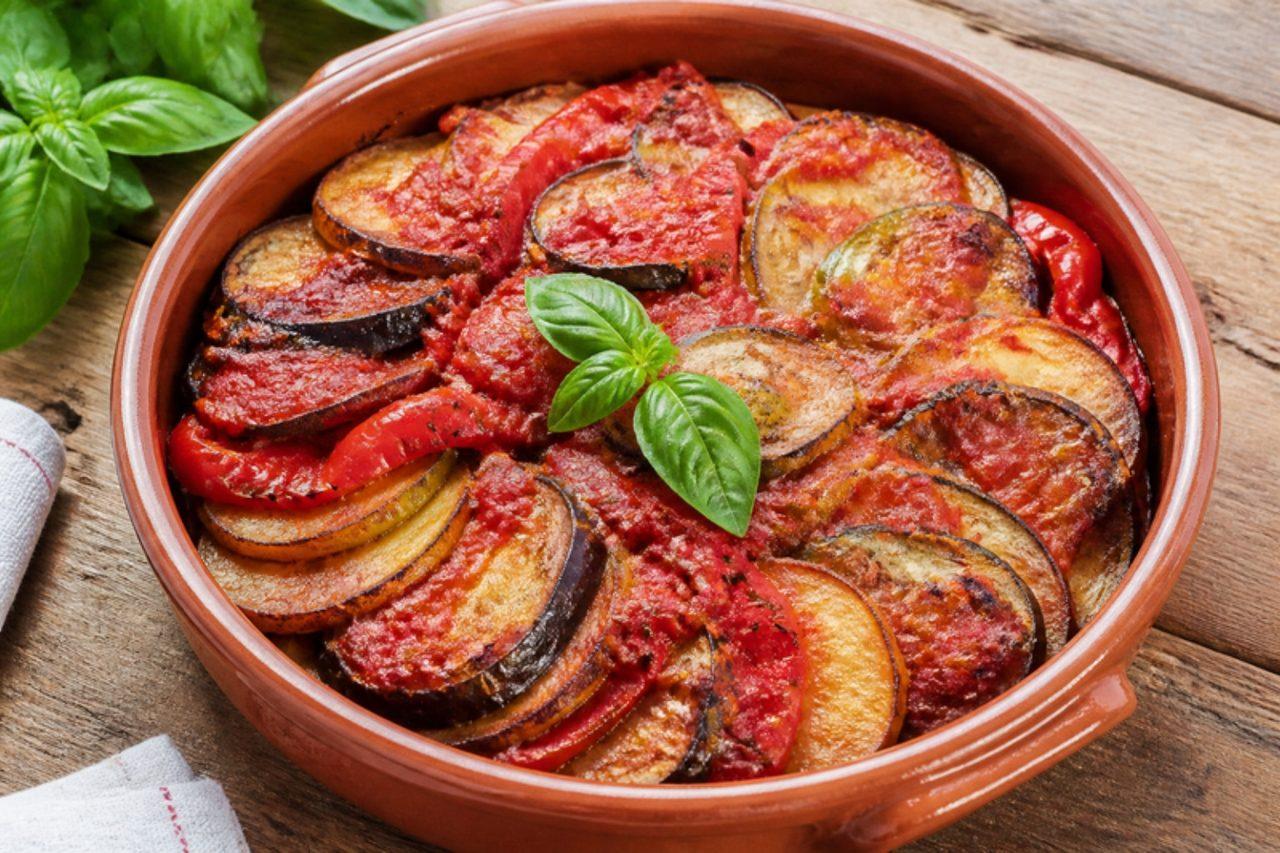
TumbetLayered potato, aubergine and pepper bake

Come August, every Mallorcan village kitchen has a clay greixonera of tumbet cooling on the counter, made with the aubergines and peppers that pile up at the Saturday markets in Sineu and Santanyí. Potato, aubergine and red pepper are each fried on their own, stacked in layers and blanketed with a thick, garlicky tomato sauce, then baked until it all settles together. Islanders eat it warm or at room temperature, as a meal with bread or beside grilled fish or lamb. It tastes even better the next day. Chef's tip: fry each vegetable in its own batch and drain it on paper, because every layer needs its own browned edges and nothing should arrive in the dish swimming in oil.

by KrazyBadal 0 views

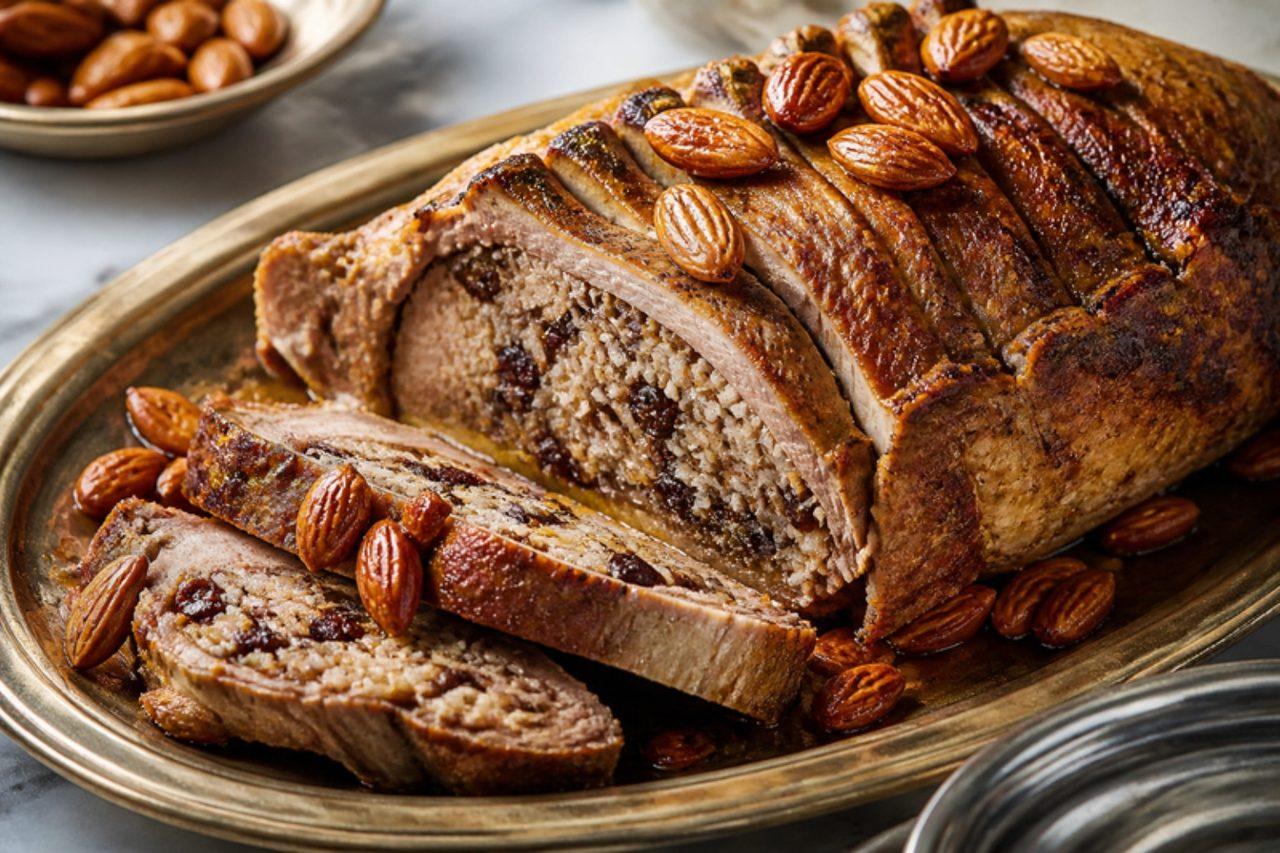
Kaburga dolmasıRice-stuffed lamb breast

In Mardin and Diyarbakır, a stuffed lamb breast is the centrepiece of bayram and wedding tables: the butcher cuts a pocket between the ribs and the meat, which is filled with rice cooked with almonds, currants, allspice and cinnamon, sewn shut and baked slowly until the meat falls from the bones. The rice inside soaks up all the lamb juices. Ask the butcher to open the pocket for you. Common mistake: packing the rice tightly when it is raw; it needs room to swell or the pocket splits. Chef's tip: roast it covered for most of the time, then uncover and turn the heat up at the end for crackling-crisp fat.

250 minTurkishMeatGluten free
by KrazyBadal 0 views

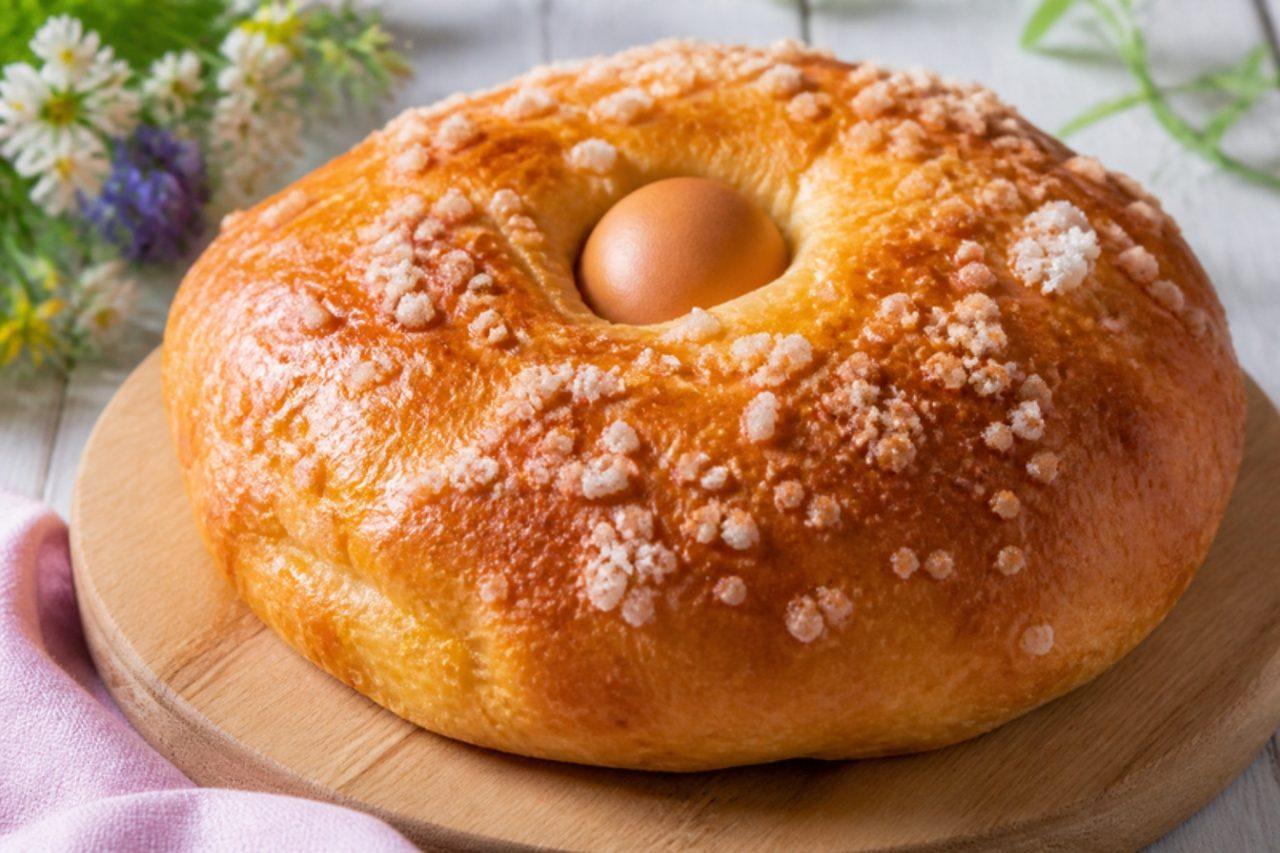
Mona de PascuaEaster brioche with egg

On Easter Monday, families across the Valencian Community head out to the countryside or the beach to "menjar-se la mona": they eat an orange-scented sweet brioche, often with a whole egg baked on top, and children crack the egg on a friend's forehead. The bun is soft and fluffy, glazed and sprinkled with sugar or coloured aniseed sprinkles. Here the eggs are hard-boiled first, so they are cooked through whatever the size of your bun. A common mistake is adding all the flour at once to a sticky dough; it softens as you knead, so hold back the last 50 g until you've kneaded for a few minutes. Chef's tip: make the starter the evening before and the dough on the day; the slow start gives a lighter crumb that stays soft for two days.

by KrazyBadal 0 views

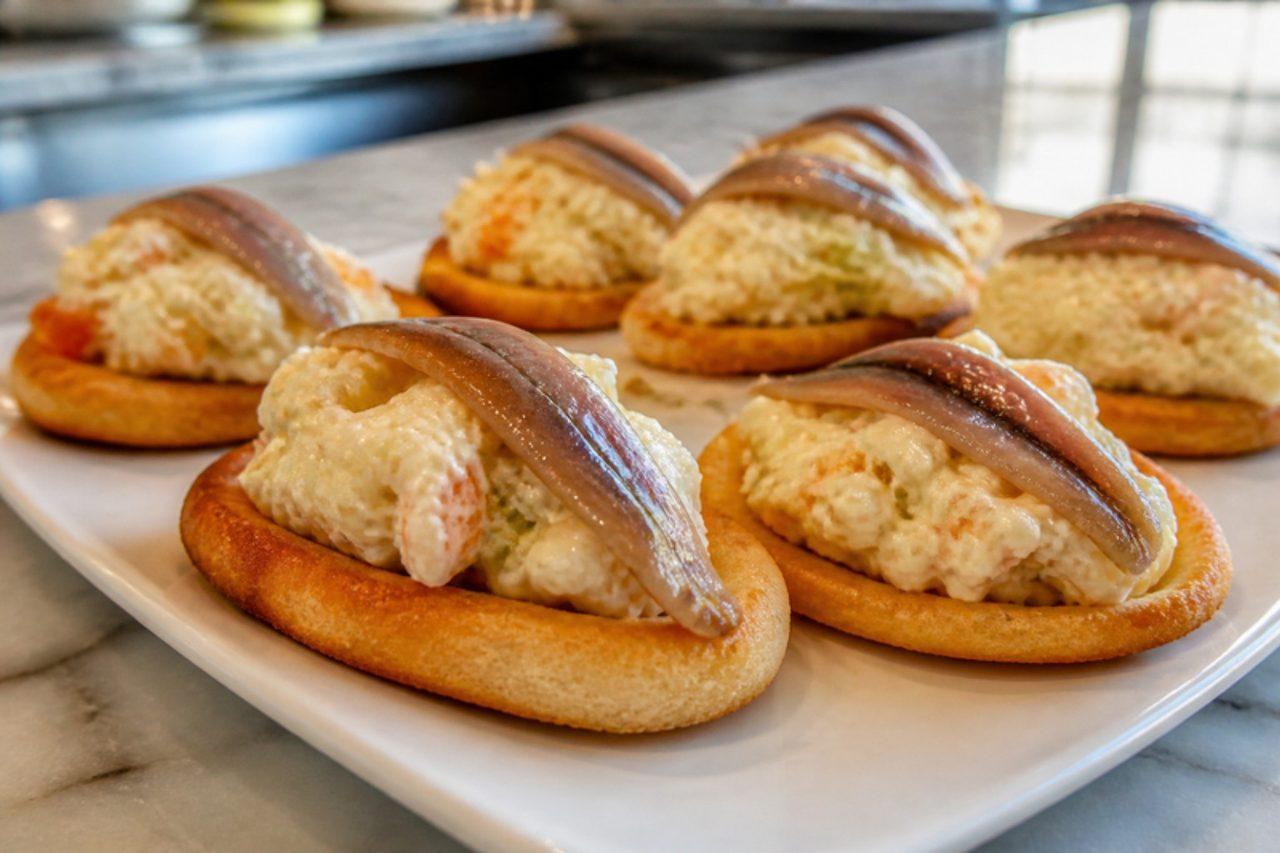
MarinerasRussian salad and anchovy bread rings

No pre-lunch drink in Murcia is complete without a marinera: a crunchy ring-shaped breadstick, the rosquilla, piled with ensaladilla rusa (potato, carrot and peas in mayonnaise) and crowned with an anchovy. Bar counters in the city line them up from midday, alongside the marinero, topped with a vinegar-cured fresh anchovy, and the bicicleta, which has no fish at all. This version uses salted anchovy fillets in oil and shop-bought mayonnaise, which is made with pasteurised egg. If you use vinegar-cured fresh anchovies instead, they are raw fish: buy them frozen first, and they are not for pregnant women, young children or anyone with a weakened immune system. Chef's tip: assemble them at the last moment so the rings stay crunchy.

by KrazyBadal 0 views

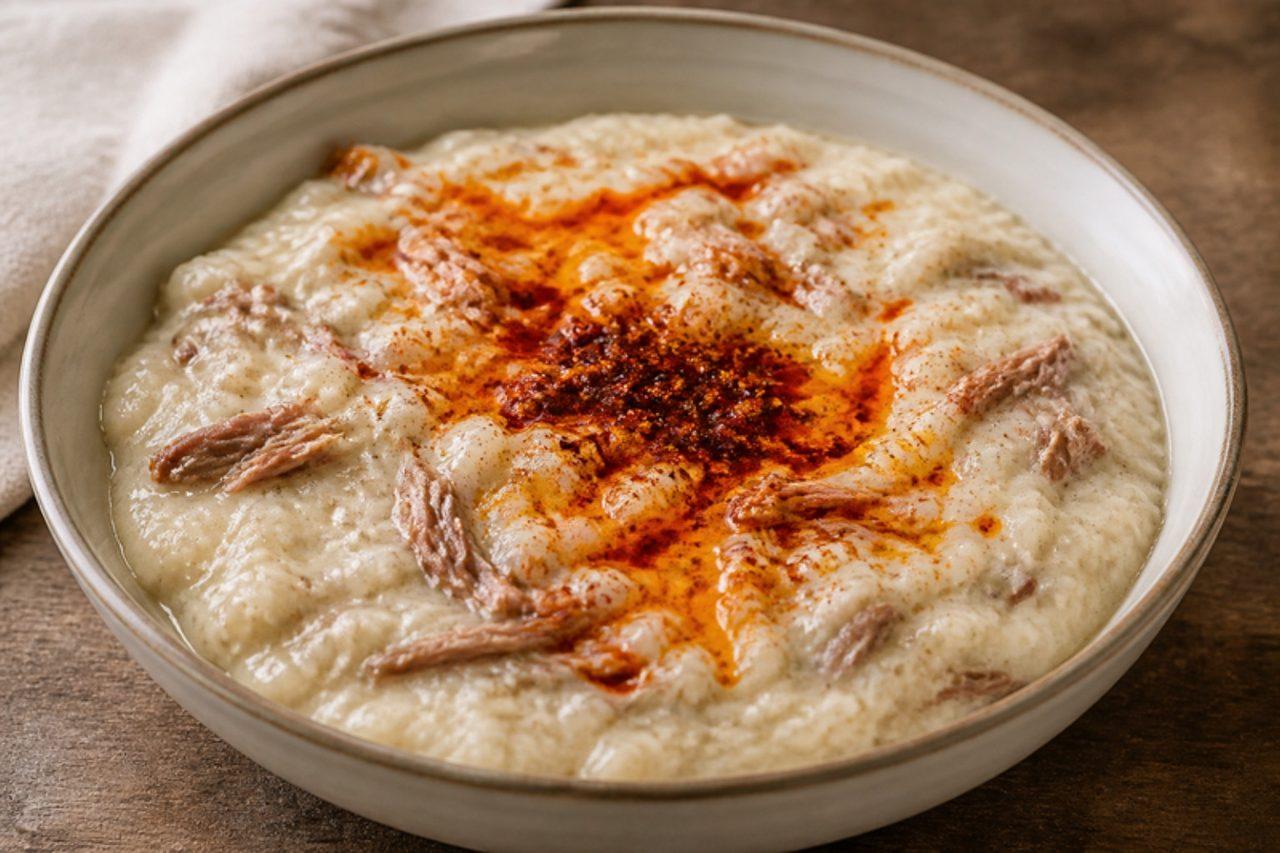
KeşkekWheat and lamb porridge

Keşkek is cooked in huge cauldrons for weddings, circumcision feasts and religious holidays across Central Anatolia, from Çorum to Sivas, while villagers take turns beating it with long wooden paddles. Whole wheat and lamb on the bone simmer together for hours until the meat falls apart, then everything is beaten into a thick, stretchy porridge and topped with sizzling butter and chilli. Its tradition is listed by UNESCO as intangible heritage. Common mistake: skimping on the beating; vigorous mashing is what turns it from grainy stew into a smooth, elastic keşkek. Chef's tip: a potato masher followed by a wooden spoon does the job at home; beat in hot broth a ladle at a time if it gets stiff.

200 minTurkishMeat
by KrazyBadal 0 views

Showing 27 of 7,762 recipes

Show more recipes

Page 552 of 863