


Skip to content
Arabaşı çorbası
Featured recipe

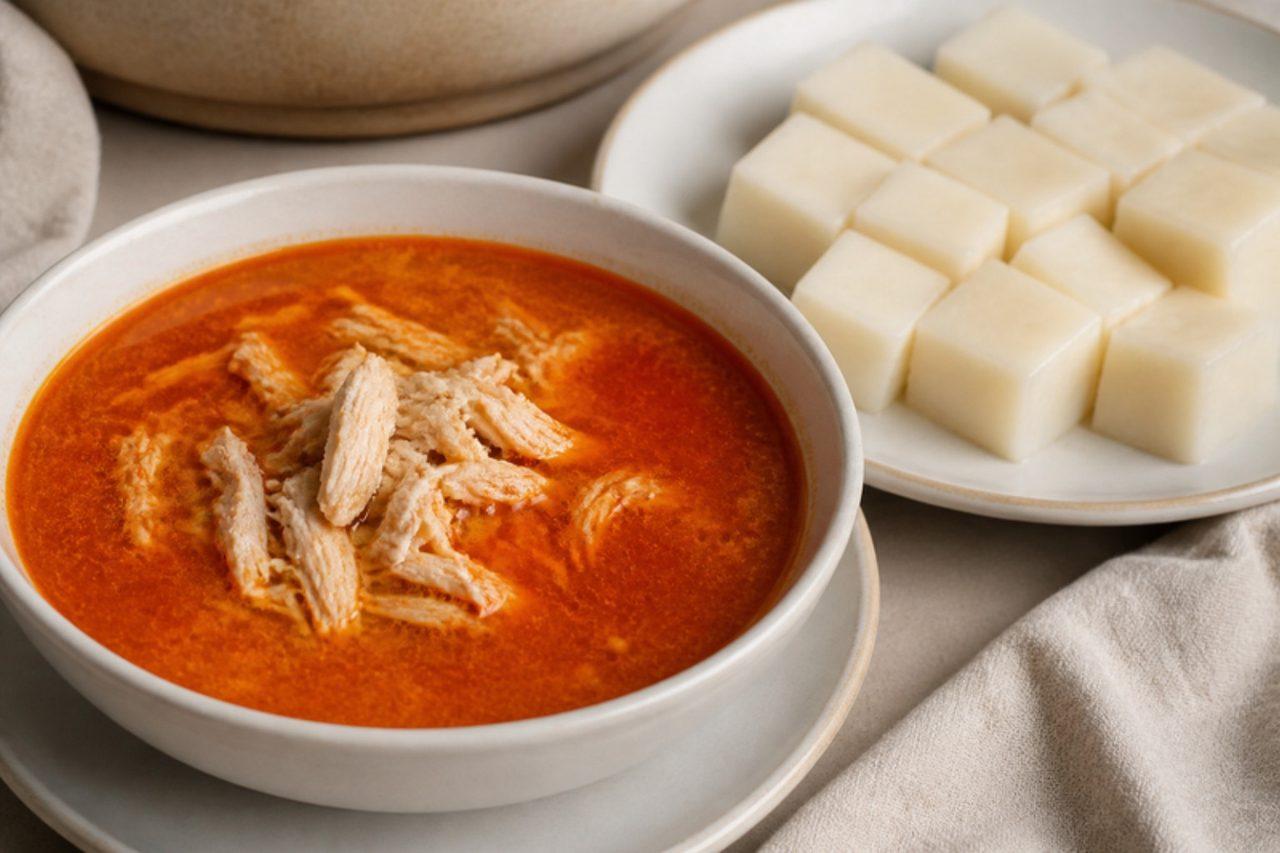
Arabaşı çorbası

Spicy chicken soup with dough cubes

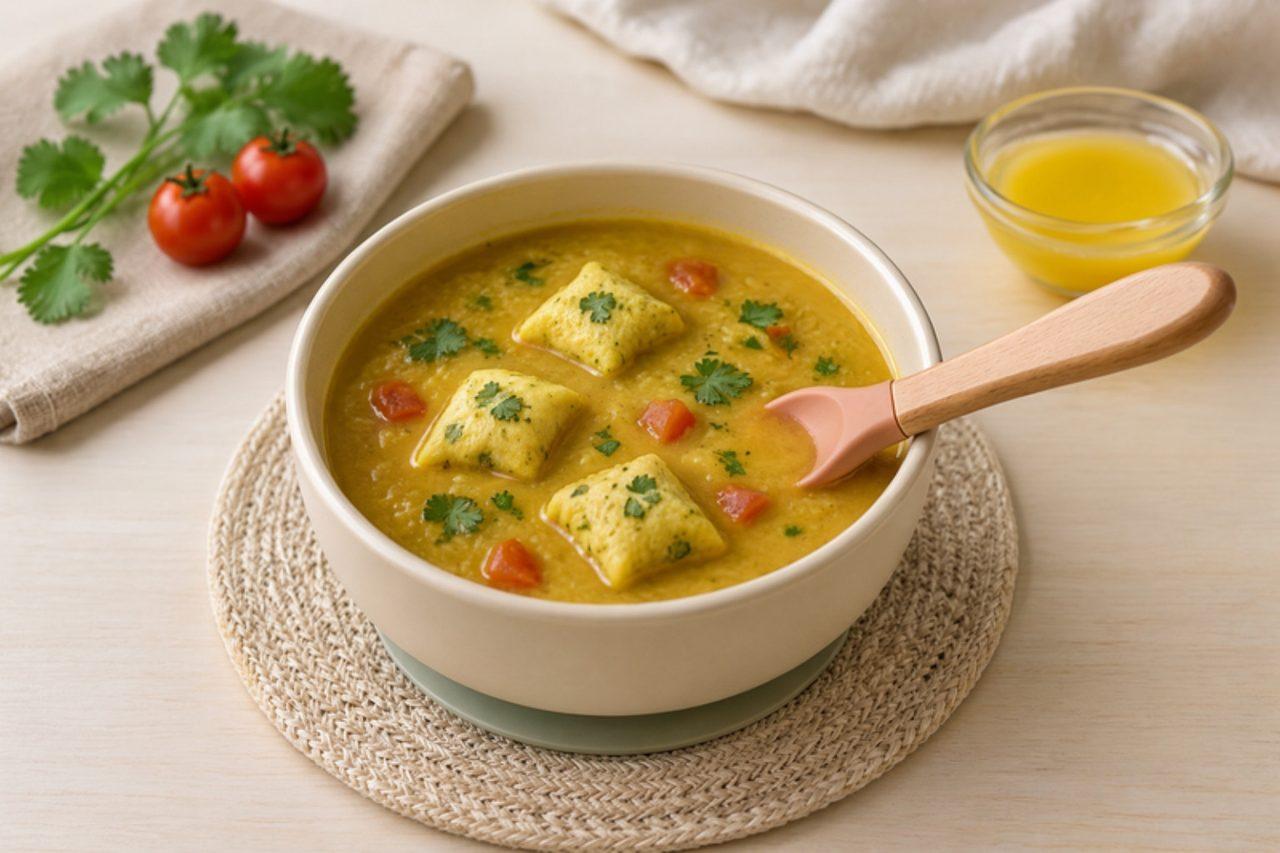
On winter evenings in Kayseri, Konya and Yozgat, friends gather for arabaşı nights: a big pot of fiery, tomatoey chicken soup and a tray of plain set dough cut into cubes. Each person drops a cube of cold dough into a spoonful of hot soup and swallows it whole, without chewing, and the hot-cold contrast is the whole fun. Common mistake: making the dough too soft; it should set firm enough to slice cleanly once chilled. Cook the chicken until its juices run clear and it reaches 74 °C before shredding. Chef's tip: make the dough the morning before, or even the day before, so it is properly cold and firm.

Read more 0 views

What to eat today?

Around the world

Today's trip: Paraguayan

A new country every day, from every cuisine on the site.

Paraguayan

Chipa

Cheese bread rings 50 minMore from Paraguayan (27) →

This week's collection

Kid-friendly dinners
537 recipes · a new collection every Monday

Latest recipes

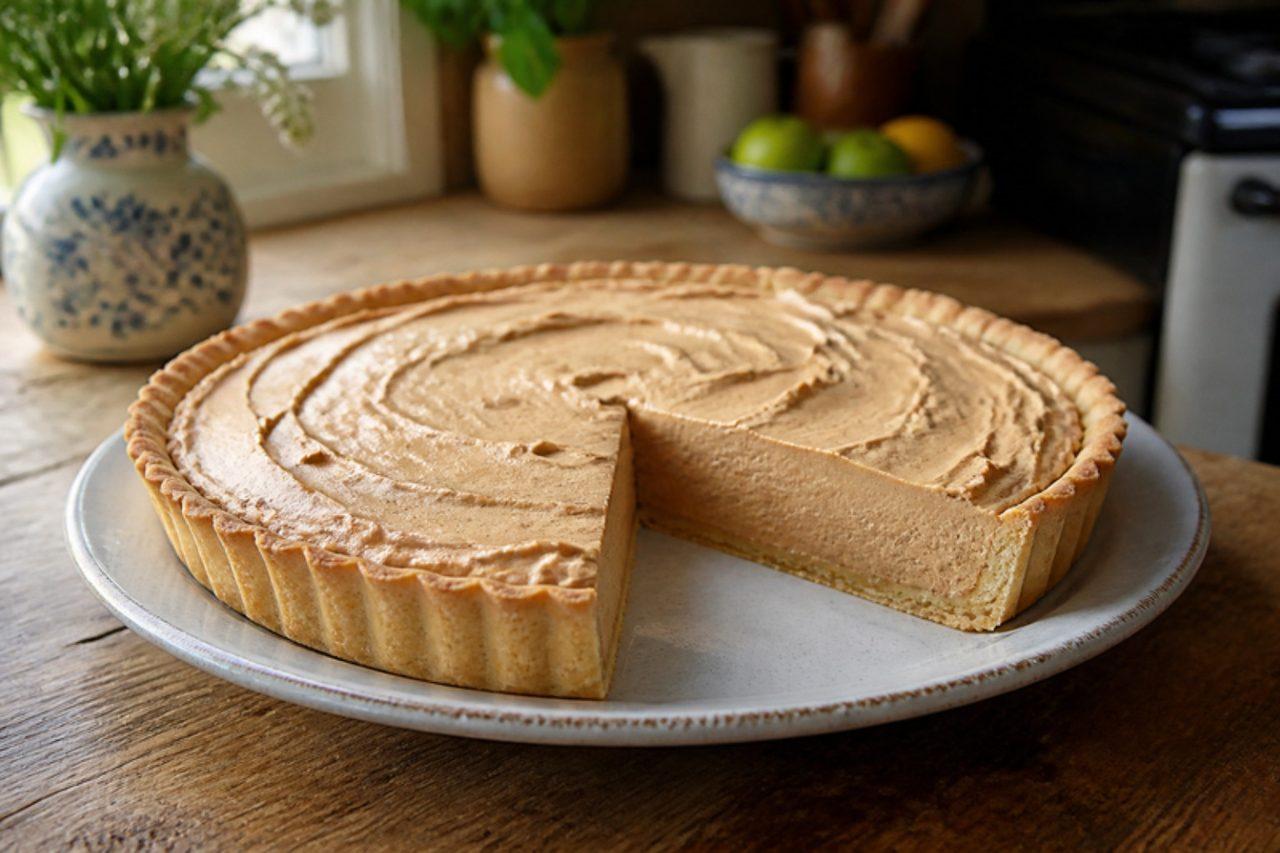
Kentish gypsy tartEvaporated milk and muscovado tart

Gypsy tart is the school-dinner pudding of Kent, remembered fondly by anyone who grew up in Margate, Maidstone or the Medway towns. Evaporated milk is whisked with dark muscovado sugar until it doubles into a toffee-coloured mousse, poured into a pastry case and baked just long enough to set into a fluffy, sticky, intensely sweet filling. Chef's tip: chill the evaporated milk overnight; cold milk whips up much more volume.

by KrazyBadal 0 views

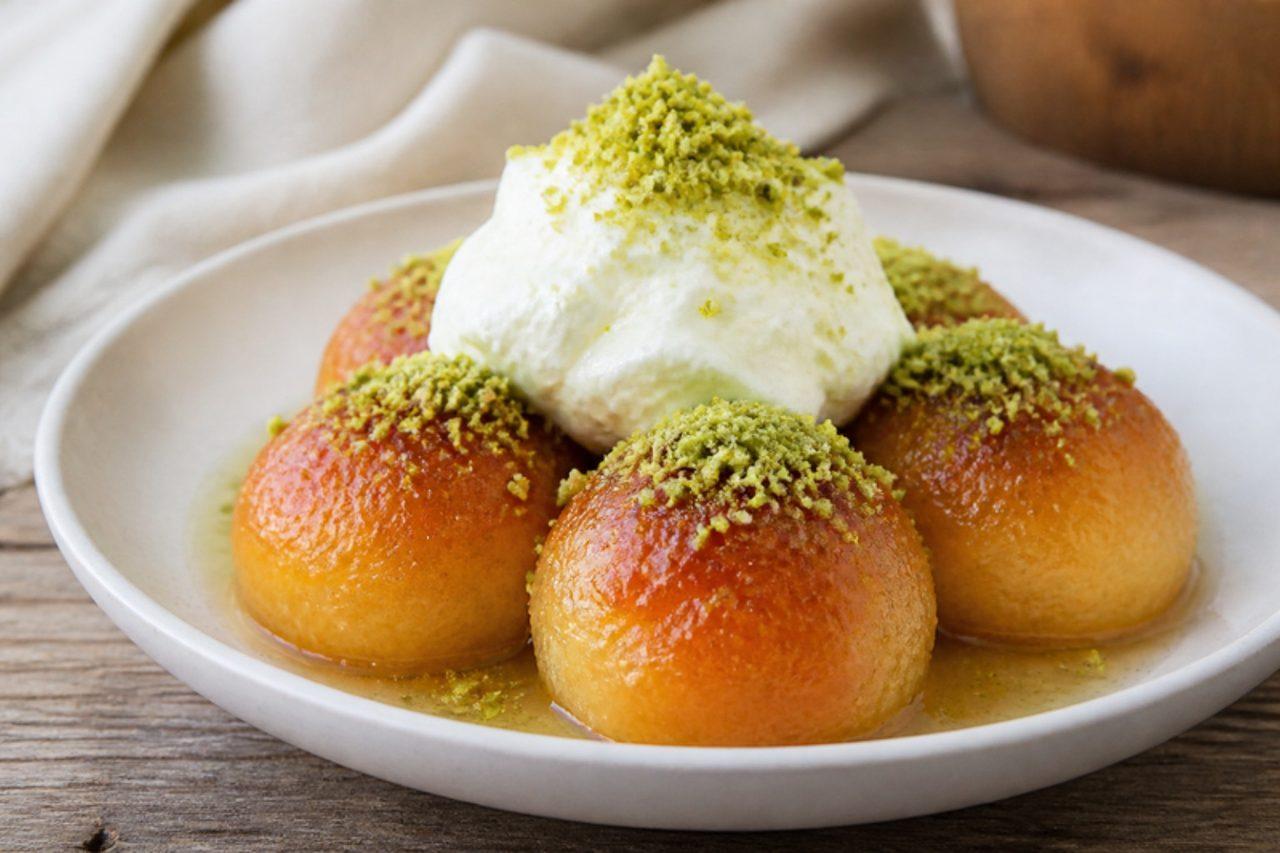
Kemalpaşa tatlısıCheese dumplings in syrup

Named after the town of Mustafakemalpaşa near Bursa, these small golden rounds are made from a soft unsalted cheese, semolina and flour, baked dry and then simmered in syrup until they swell and soak it up like sponges. In Bursa they are eaten after a plate of İskender, warm with a spoon of clotted cream or a scattering of pistachio. They are lighter than they look, with a faint cheesy tang under the sweetness. Chef's tip: let the syrup cool to lukewarm and the dumplings be at room temperature; if both are hot the dumplings collapse into mush.

by KrazyBadal 0 views

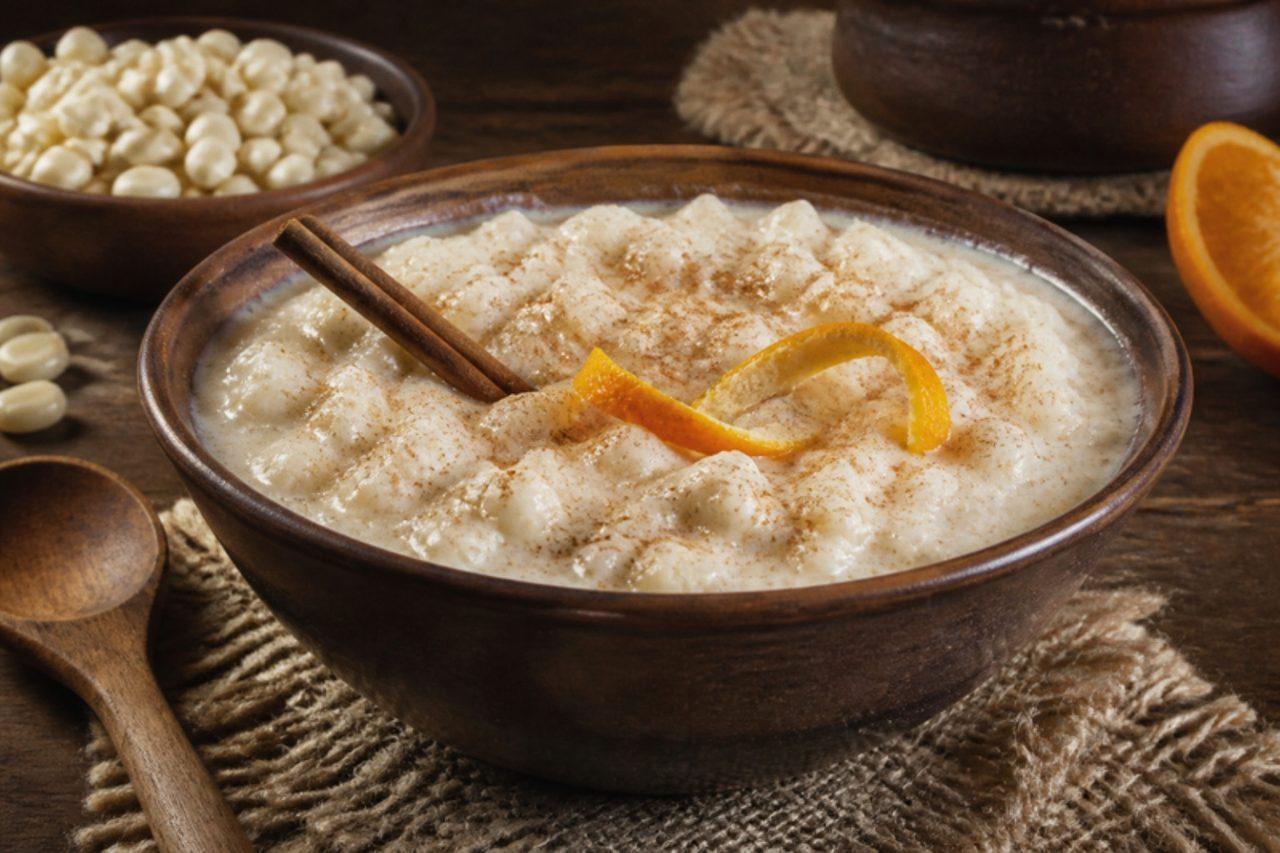
MazamorraHominy milk pudding

Long before cake, there was mazamorra: dried white maize, soaked and simmered with water until the kernels burst, then finished with milk, sugar and cinnamon. In colonial Buenos Aires mazamorreras sold it from clay pots on the street, and it still turns up at school and town-hall celebrations every 25 May and on cold evenings in the interior, eaten warm or cold from a bowl. The kernels stay pleasantly chewy in a creamy, gently sweet milk, a bit like rice pudding with more bite. Look for maíz blanco pisado (cracked white hominy) in Latin American shops; dried white pozole corn is the closest substitute. Plan ahead: the corn needs soaking overnight. Adding the milk too early is the main mistake, because the corn will not soften in milk and the pot catches on the bottom, so cook it in water first. Chef's tip: stir in a little of the hot liquid with the sugar before you add the rest of the milk, and serve it with a dusting of cinnamon or a spoonful of honey.

by KrazyBadal 0 views

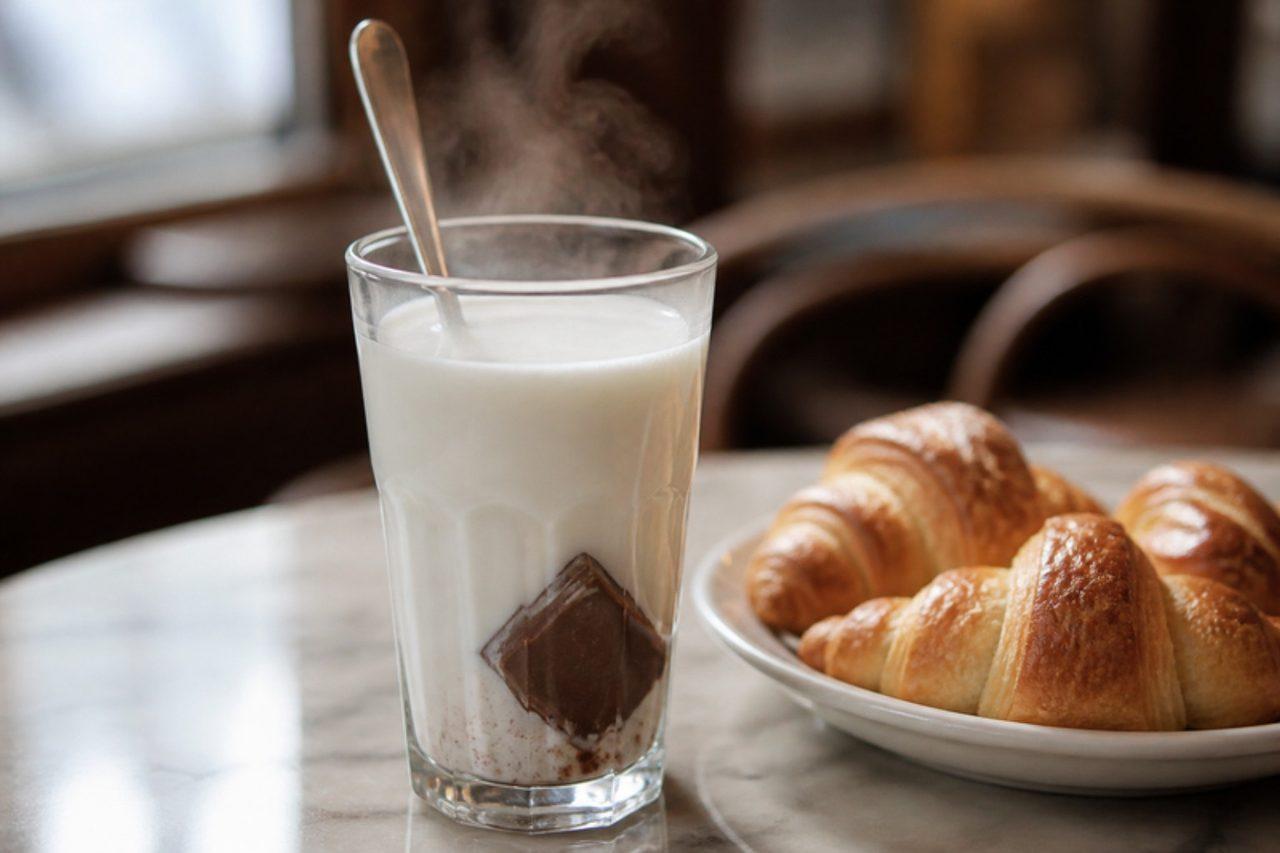
SubmarinoHot milk with chocolate bar

Café tables in Buenos Aires have their own way with hot chocolate: the waiter brings a tall glass of frothy, steaming milk on a saucer with a slim bar of dark chocolate, and you drop the bar in yourself and watch it sink like a submarine. Stirred with a long spoon, it melts into a rich, not-too-sweet drink, and it is the classic order with medialunas on a cold winter afternoon or after school. At home it takes five minutes, and children love the moment of dropping the bar in. The common letdown is milk that is only warm: the chocolate sits in a lump at the bottom. Heat it until it is steaming and just starting to rise, but not boiling. Chef's tip: froth the hot milk with a whisk or milk frother before pouring; the foam on top is part of the café ritual and keeps the drink hot while the chocolate melts.

by KrazyBadal 0 views

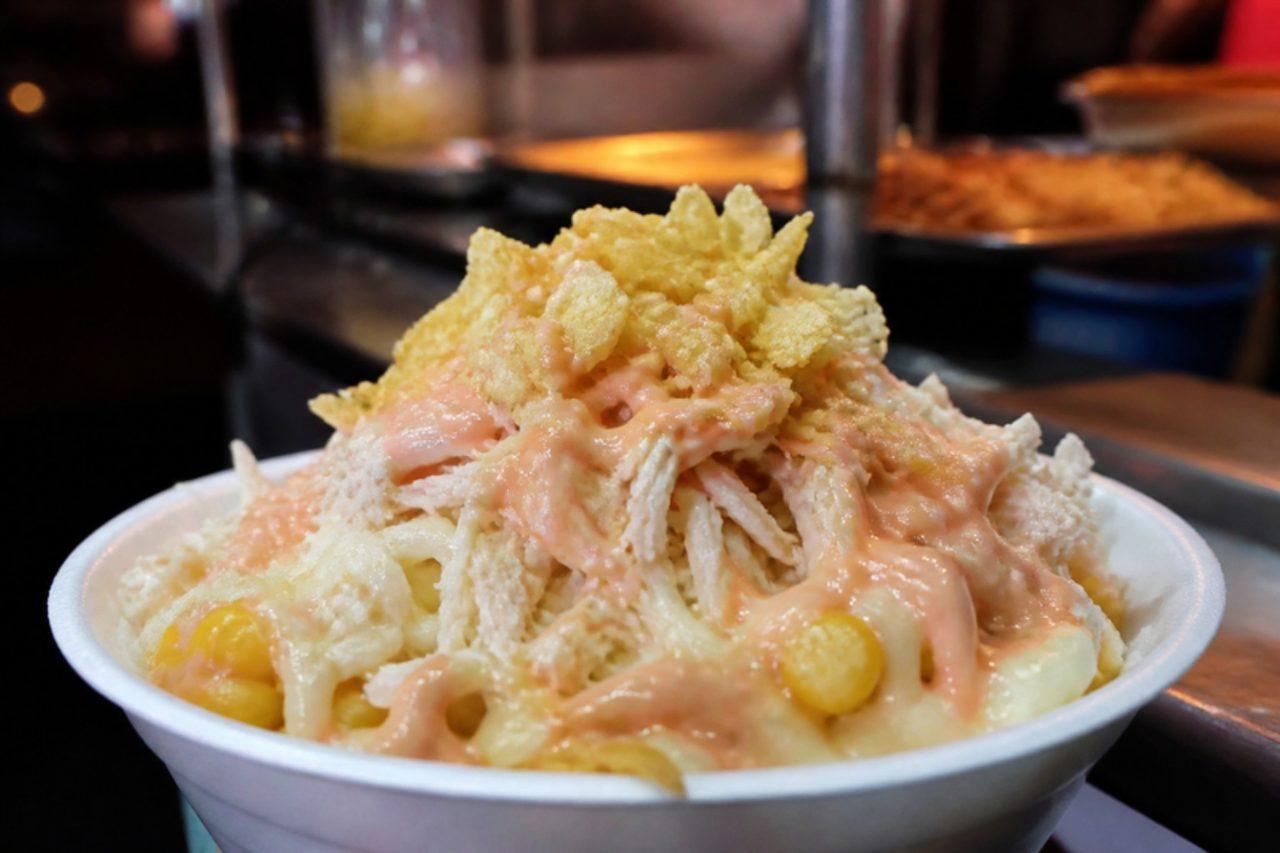
Mazorca desgranadaSweetcorn with chicken and cheese

Food trucks and street corners in Bogotá and Medellín sell mazorca desgranada in plastic tubs, late into the evening: sweet corn kernels cut off the cob, fried in butter and layered with shredded chicken, melted cheese, crunchy potato sticks, pineapple sauce and salsa rosada. Some stands add bacon, beef or quail eggs; this version keeps to chicken. It is sweet, salty and gooey, and a hit with teenagers. Using tinned corn without draining it well is a common error: the water dilutes the sauces and the tub gets soggy. Chef's tip: fry the corn until a few kernels brown and pop; that caramelised edge stands up to all the sweet sauces. For a vegetarian tub, skip the chicken and use a cheese made with microbial rennet.

by KrazyBadal 0 views

Suco de acerolaAcerola cherry juice

Backyard acerola bushes are everywhere in Pernambuco, Paraíba and the rest of the Northeast, and the small, glossy red cherries fruit several times a year. Blended with water and a little sugar, they make a vivid orange-red juice, tart and cherry-like with a slightly floral finish, famously one of the richest natural sources of vitamin C. Lanchonetes often mix it with orange juice; at home it is the drink kids are handed when they have a cold. Fresh acerolas spoil within days, so outside Brazil use frozen acerola pulp. Letting it stand is the common mistake, since the vitamin C and colour fade quickly once blended. Chef's tip: blend it just before serving, and add the sugar sparingly, about a tablespoon per two glasses, to keep it light.

by KrazyBadal 0 views

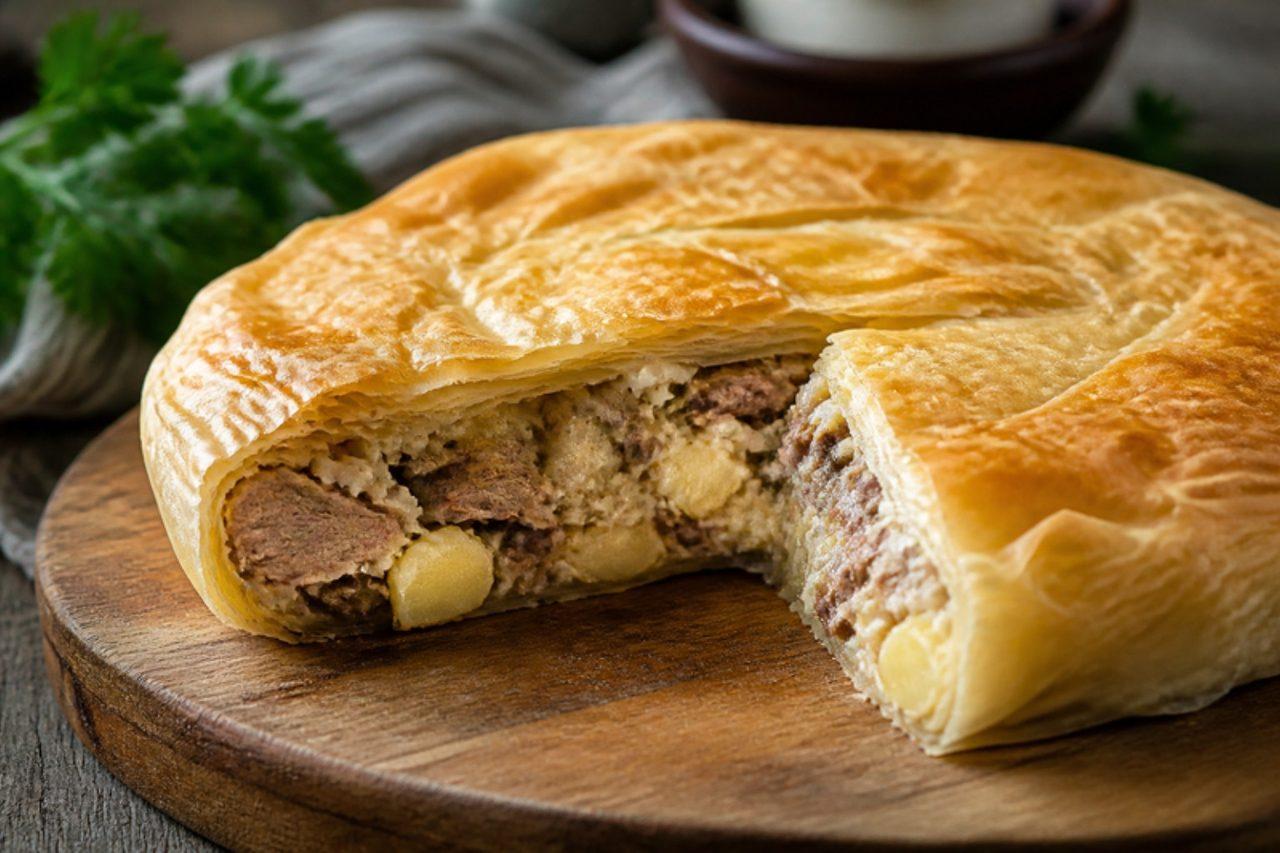
Kefalonian kreatopitaLamb, rice and potato pie

On Kefalonia, kreatopita is baked for Carnival Sunday, just before Lent, and for big family days: a deep pie of lamb and pork pieces (not mince) mixed with rice, potatoes, tomato, garlic, mint and grated cheese, enclosed in a thick homemade-style crust or filo. It's hearty, fragrant and meant to feed a crowd, warm or at room temperature. This version uses lamb shoulder and pork shoulder. Many island cooks splash in wine; here the moisture comes from stock and tomato, so it's alcohol-free. Common mistake: dicing the meat too large, so it isn't tender when the pastry is done — keep it to 2 cm. Chef's tip: let the filling sit in the fridge overnight so the rice soaks up the juices and the flavours meld.

145 minGreekMeat
by KrazyBadal 0 views

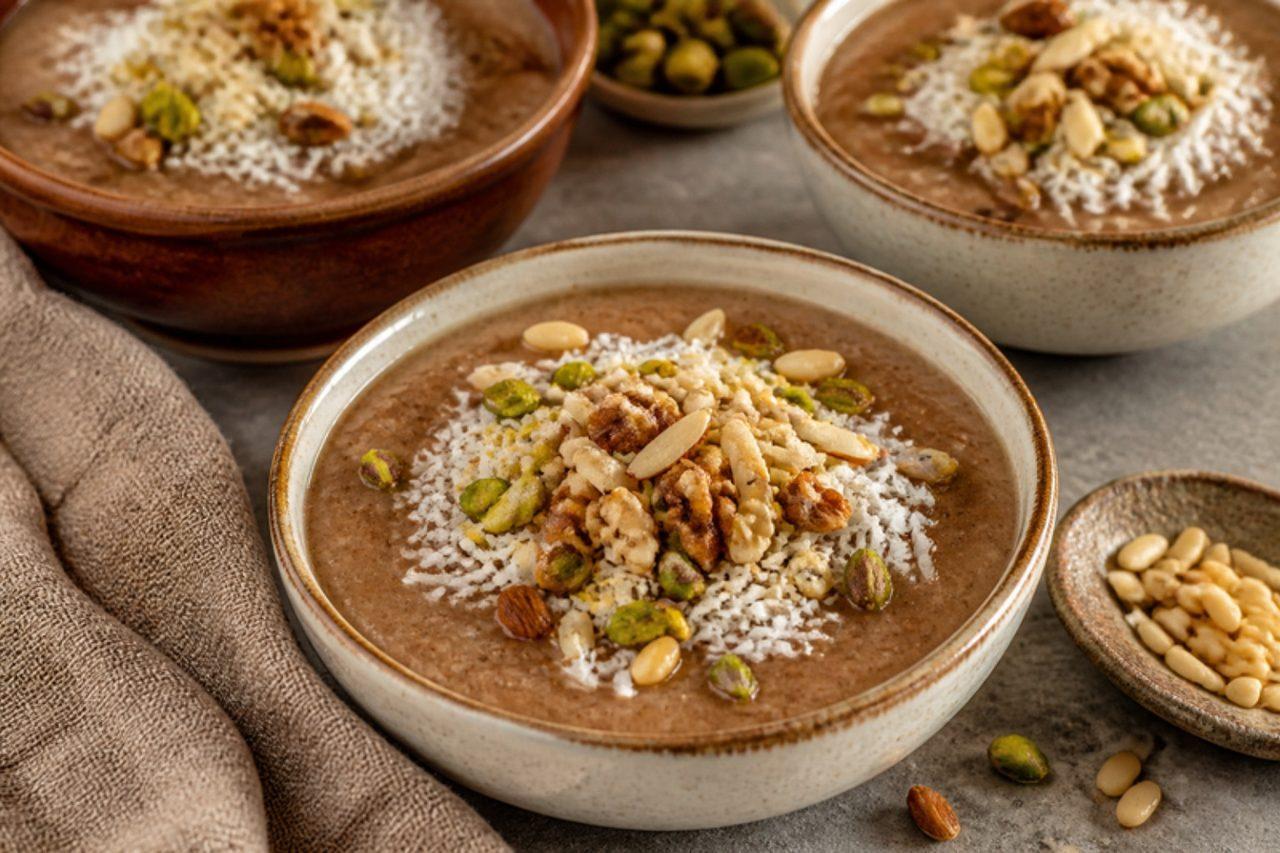
MeghliSpiced rice pudding

When a baby is born in Lebanon, the family cooks a big pot of meghli and hands out bowls to every visitor who comes to congratulate them; it also appears at Christmas in Christian homes. Ground rice is simmered with sugar and warm spices — caraway, cinnamon and anise — until it sets into a smooth, cocoa-brown pudding with no milk or eggs at all. Each bowl is topped with desiccated coconut and a generous pile of soaked walnuts, almonds, pistachios and pine nuts. Common mistake: walking away from the pot; ground rice catches and lumps fast, so it needs steady stirring. Chef's tip: soak the nuts in cold water overnight and peel the almonds; they turn plump and crisp, which is the hallmark of a good meghli.

by KrazyBadal 0 views

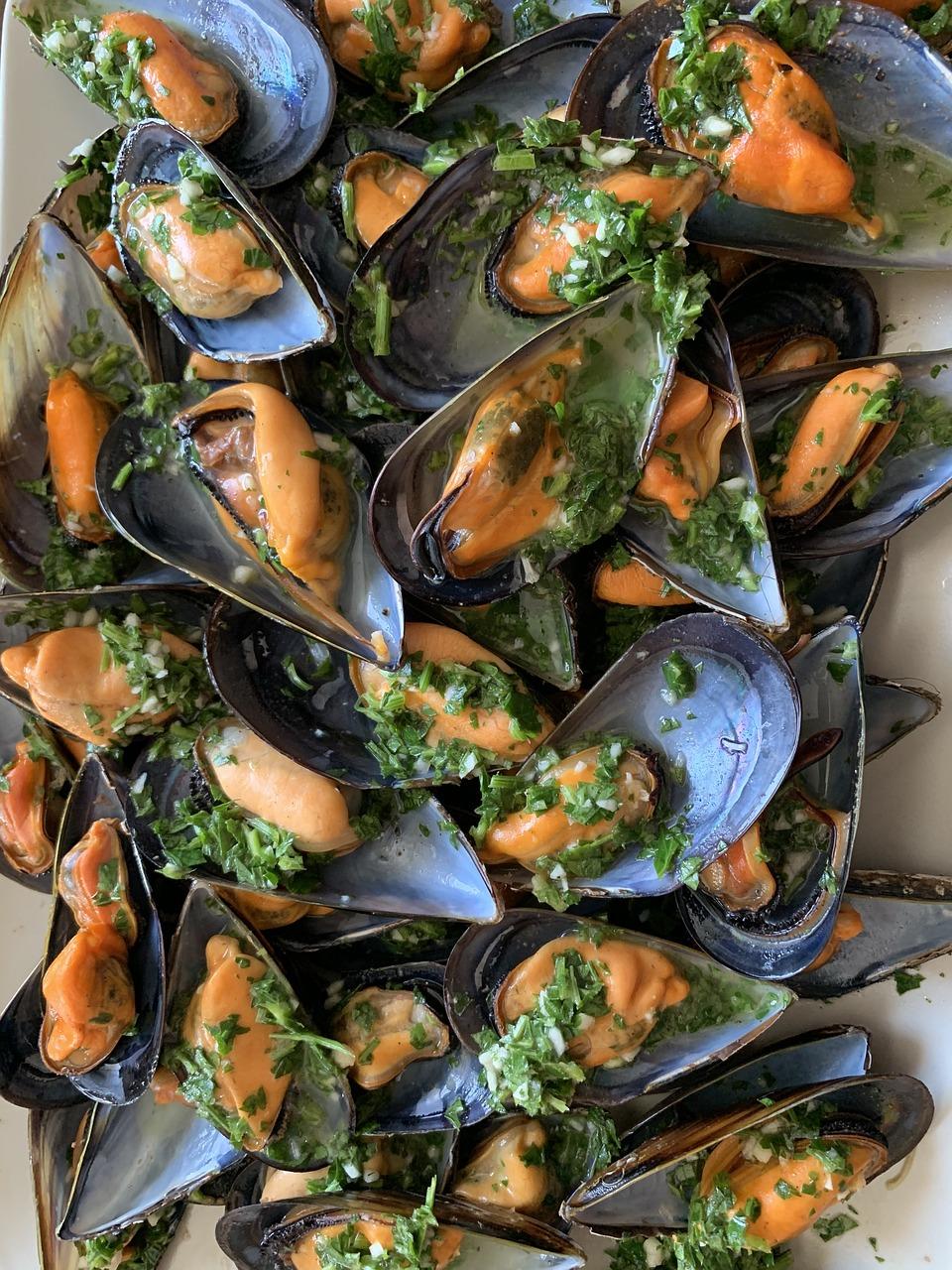
Mejillones a la provenzalMussels with garlic and parsley

On the Atlantic coast around Puerto Madryn and the Golfo Nuevo, mussels from cold Patagonian waters are farmed and gathered in quantity, and seafood places along the rambla steam them a la provenzal, which in Argentina means lots of garlic and parsley. A splash of dry white wine goes into the pot; the alcohol mostly cooks off, but you can swap it for fish stock with a little lemon for an alcohol-free pot that tastes just as good. Serve with bread or chips to mop up the briny juices. Cooking mussels too long is the usual slip: they shrink and turn rubbery, so lift the lid as soon as most have opened. Before cooking, throw away any mussel with a broken shell or one that stays open when tapped; after cooking, discard any that stay shut. Chef's tip: keep the garlic in gently warm oil until it just smells sweet; brown garlic turns bitter and dominates the mussels.

by KrazyBadal 0 views

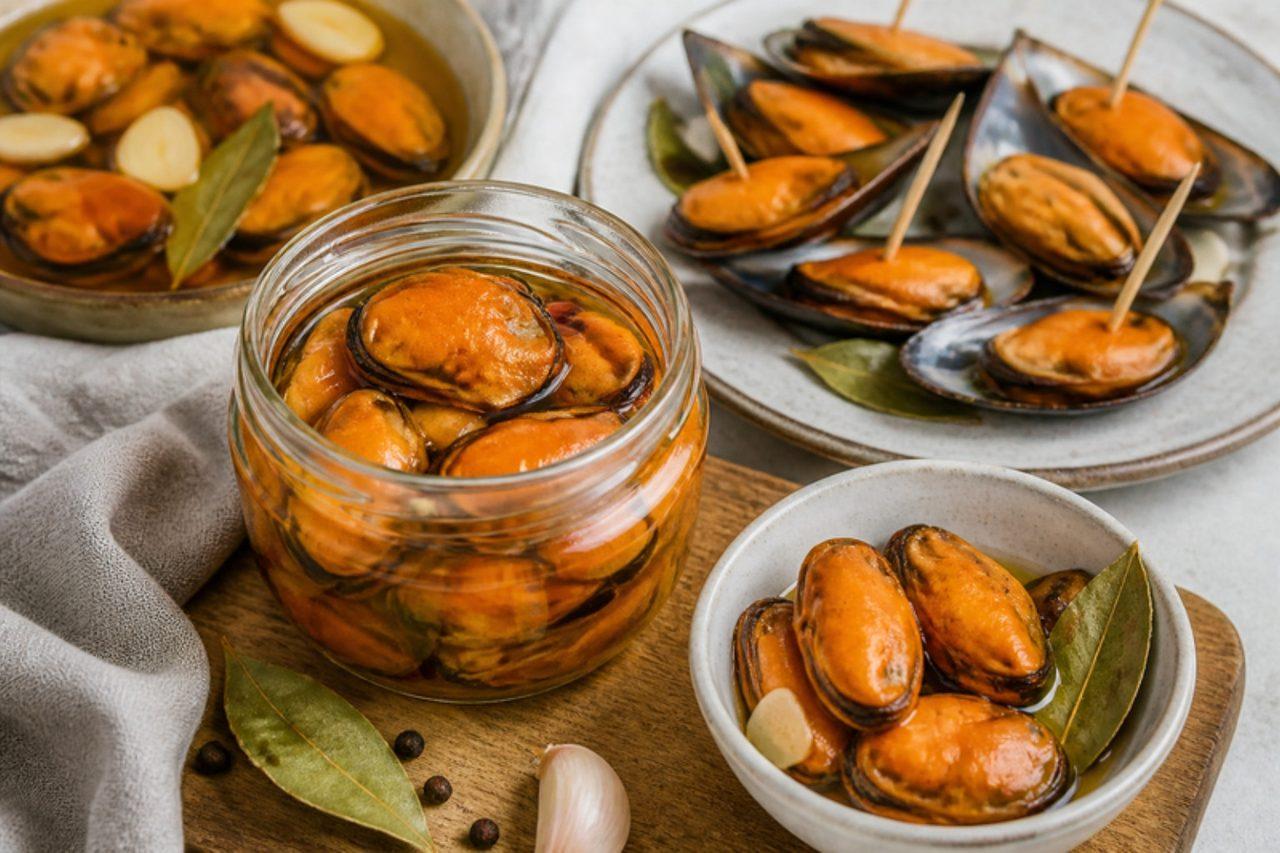
Mexillóns en escabechePickled mussels

Galicia's estuaries are lined with the wooden rafts (bateas) where mussels grow on ropes, and the region's canneries have long sold them in escabeche: steamed, shelled and kept in a warm-spiced marinade of oil, vinegar and paprika. Made at home, they're a tapa for an aperitif with crisps and cold drinks, and they keep for several days. Throw away any mussels with cracked shells, and any open ones that don't close when tapped, before cooking. A common mistake is pouring the marinade over cold mussels straight from the fridge: mix while both are warm so the flavours soak in, then chill. Chef's tip: they taste best after a full day in the fridge.

by KrazyBadal 0 views

Suco de cajuCashew apple juice

Everyone in Ceará and Rio Grande do Norte has a cashew tree nearby, and in the season, roughly September to December, the fleshy yellow and red cashew apples hang heavily above the nuts. Their juice is the region's everyday drink: pale, cloudy, sweet-tart and faintly astringent, it leaves a slight dryness in the mouth that people love with fried fish or a plate of baião de dois. Fresh cashew apples rarely travel, so outside Brazil use frozen cashew-apple pulp (polpa de caju) from Brazilian shops. This is the fruit, not the nut, but anyone with a cashew allergy should still avoid it. Over-sweetening to hide the astringency is a common mistake, as the juice turns syrupy. Chef's tip: a few drops of lime and plenty of ice soften the dryness far better than extra sugar.

by KrazyBadal 0 views

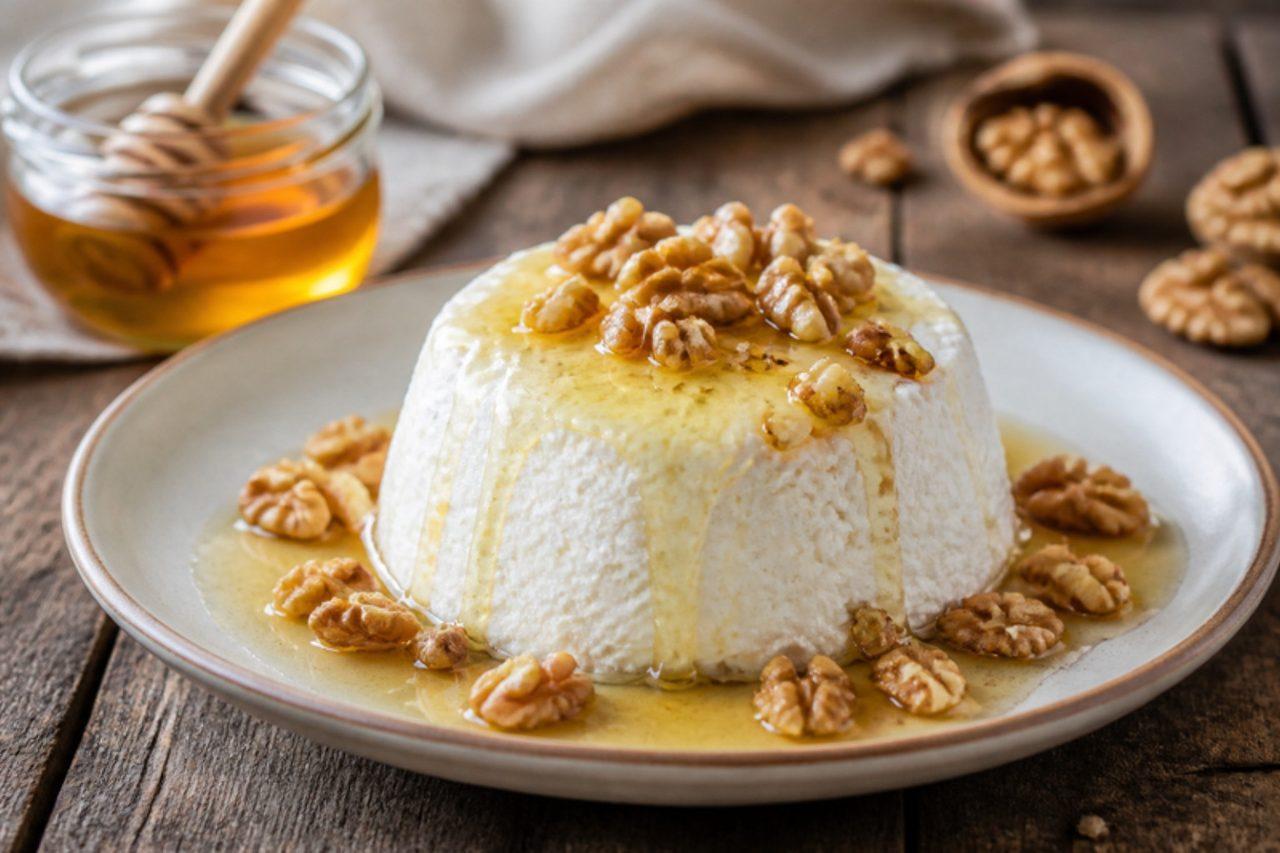
Mel i matóCurd cheese with honey and walnuts

On the road up to Montserrat, farm women once sat at stalls selling fresh mató, a soft, mild, unsalted curd cheese, and the dessert of mató drizzled with honey became a fixture of Catalan restaurants. It is as simple as dessert gets, and best with the freshest cheese. Shop-bought mató and some ricottas are set with animal rennet; this home version is set with lemon juice instead, so it is vegetarian. If you buy cheese, check the label for a vegetarian or microbial rennet. Chef's tip: heat the milk gently and stop at 90 °C; boiling makes the curds tough and grainy.

by KrazyBadal 0 views

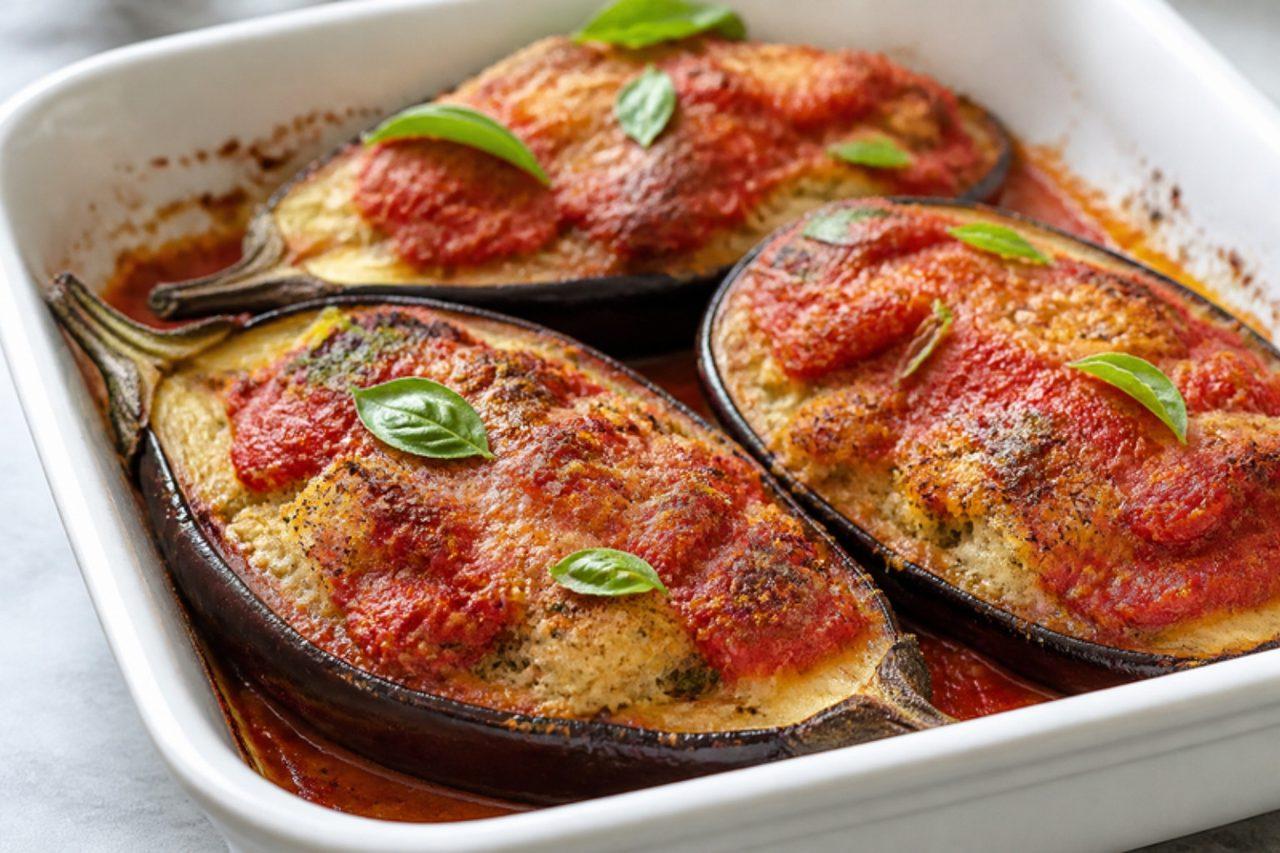
Mulinciani chiniStuffed aubergines

Mulinciani chini, 'full aubergines' in Calabrian dialect, are what summer gardens across Calabria turn into in August: halved aubergines hollowed out, their pulp fried and mixed with soaked bread, pecorino, egg, garlic and basil, then piled back into the shells and baked in a light tomato sauce. They are made in big trays for family lunches and taken cold to the beach the next day. The filling turns soft and savoury, the shells silky. Chef's tip: they taste best after resting for an hour, so they are perfect to make ahead.

by KrazyBadal 0 views

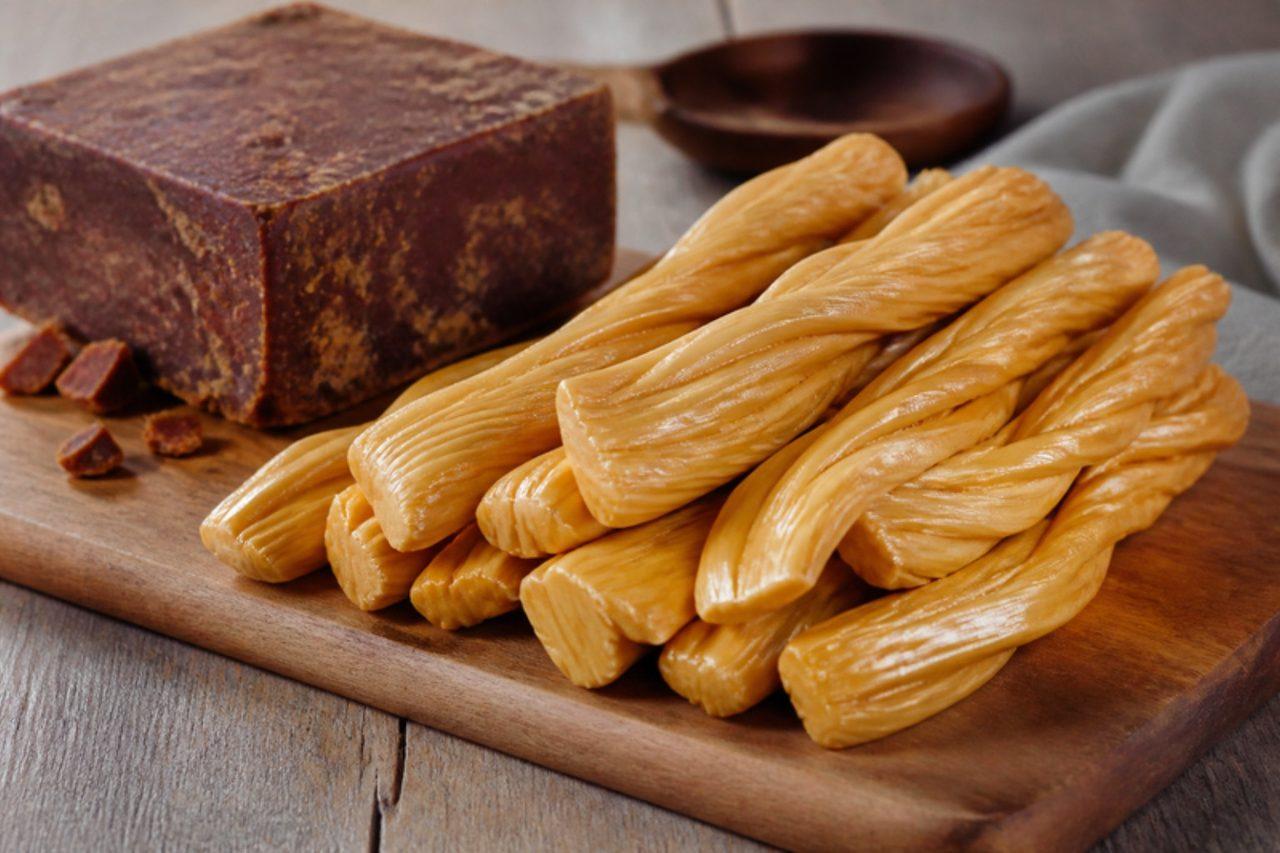
MelcochasPulled panela taffy

Pulling melcocha is a spectacle at roadside stalls in panela country, around Villeta in Cundinamarca and the Santander highlands. A syrup of panela is boiled until thick, cooled just enough to handle, then stretched, folded and stretched again until it turns from dark brown to a pale, satiny gold and becomes chewy. It is twisted into ropes and cut into pieces that taste of caramel and molasses. Kids and adults both buy it in little bags, and it makes a fun kitchen project for a group. Getting the timing wrong is the usual mistake: too hot and it burns your hands and sticks, too cold and it snaps instead of stretching. Work when it feels like warm putty. The syrup is dangerously hot, so keep children well back until it has cooled. Chef's tip: a sugar thermometer takes the guesswork out; take the syrup off at 125 °C for a chewy result.

by KrazyBadal 0 views

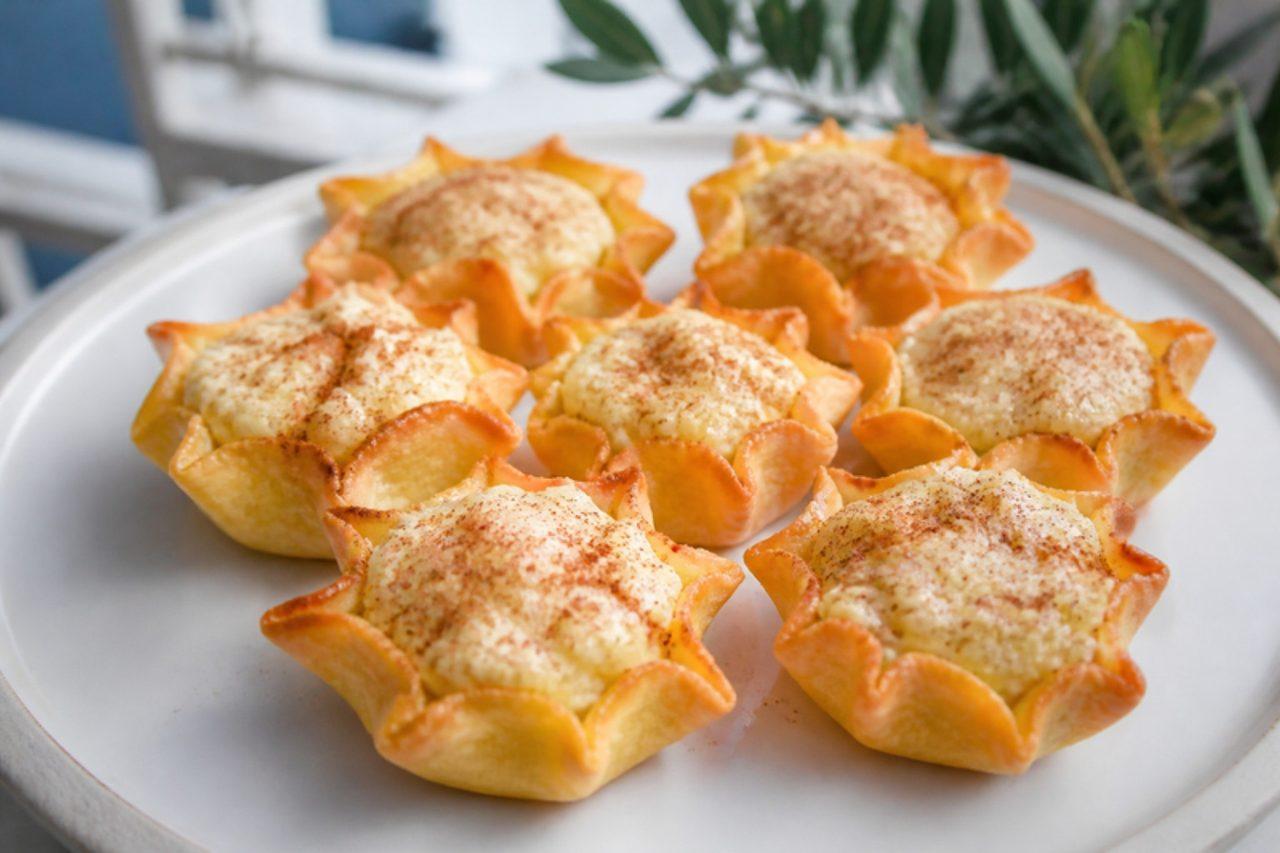
MelitiniaSweet cheese cups with mastic

Santorini's Easter sweet is melitinia: small, thin pastry cups pinched around a soft filling of fresh cheese, sugar and mastic, baked until the tops crack and turn golden. Islanders bake trays of them on Holy Saturday and offer them on Easter Sunday with coffee, and their resinous, piney mastic perfume sets them apart from cheese pastries elsewhere in Greece. Fresh mizithra is the island cheese; ricotta, usually rennet-free, is a good substitute. Common mistake: grinding mastic on its own, which makes it gum up; always crush it with a spoon of sugar. Chef's tip: roll the pastry very thin, about 2 mm, so it bakes crisp around the creamy filling.

by KrazyBadal 0 views

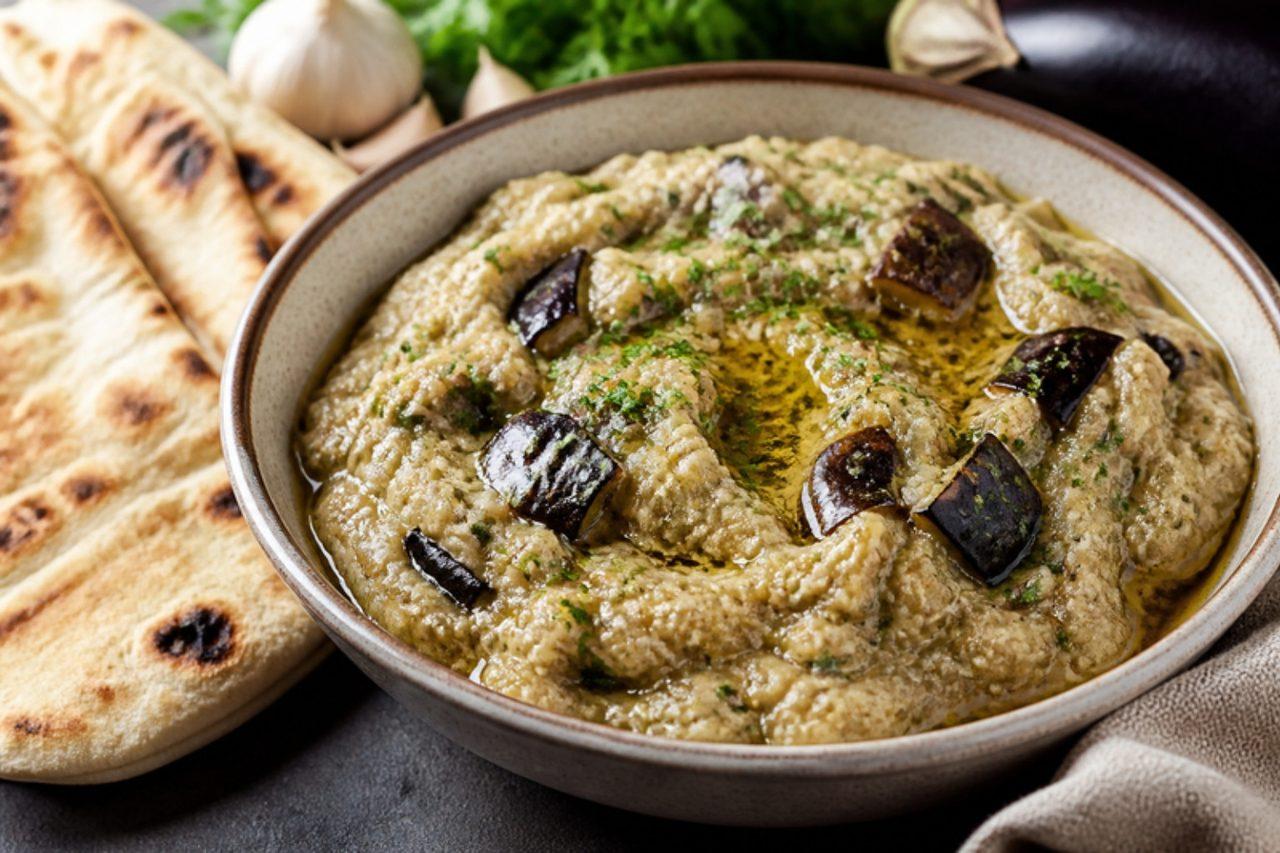
MelitzanosalataSmoky aubergine dip

Every Greek taverna puts melitzanosalata on the meze table, especially in summer when aubergines are charred over the same coals as the souvlaki. Unlike Levantine dips it has no tahini: the smoky flesh is chopped with a knife, not puréed, and sharpened with red wine vinegar, raw garlic, parsley and plenty of fruity olive oil, so it stays rough-textured and bright. Serve with warm pitta, grilled bread or alongside fried fish. Common mistake: leaving the bitter juices in; drain the cooked flesh in a sieve for 10 minutes. Chef's tip: char the aubergines directly on a gas flame or barbecue until they collapse; the oven alone will not give the smoky taste.

by KrazyBadal 0 views

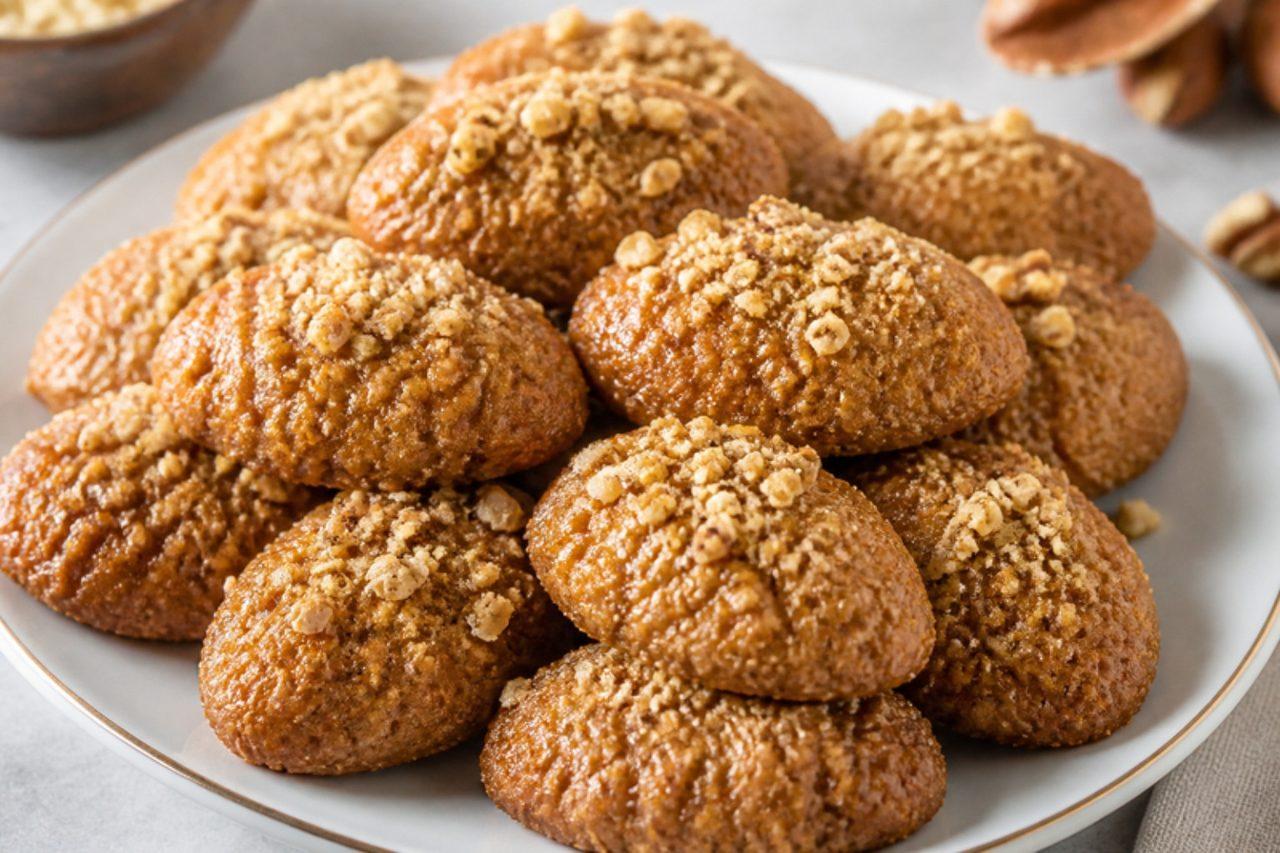
MelomakaronaHoney-dipped spice cookies

From early December, bakeries and kitchens all over Greece fill tins with melomakarona, the oval cookies that sit beside kourabiedes on every Christmas table and get handed to visitors with coffee. The dough is made with olive oil and orange juice rather than butter, scented with cinnamon and clove, then baked and plunged into warm honey syrup so the inside turns soft and sticky while the edges stay crisp. Common mistake: dipping hot cookies into hot syrup, which turns them to mush; one of the two must be cool. Chef's tip: mix the dough only until it comes together; overworking it squeezes out the oil and the cookies bake hard and greasy.

by KrazyBadal 0 views

MelopitaHoney and fresh cheese pie

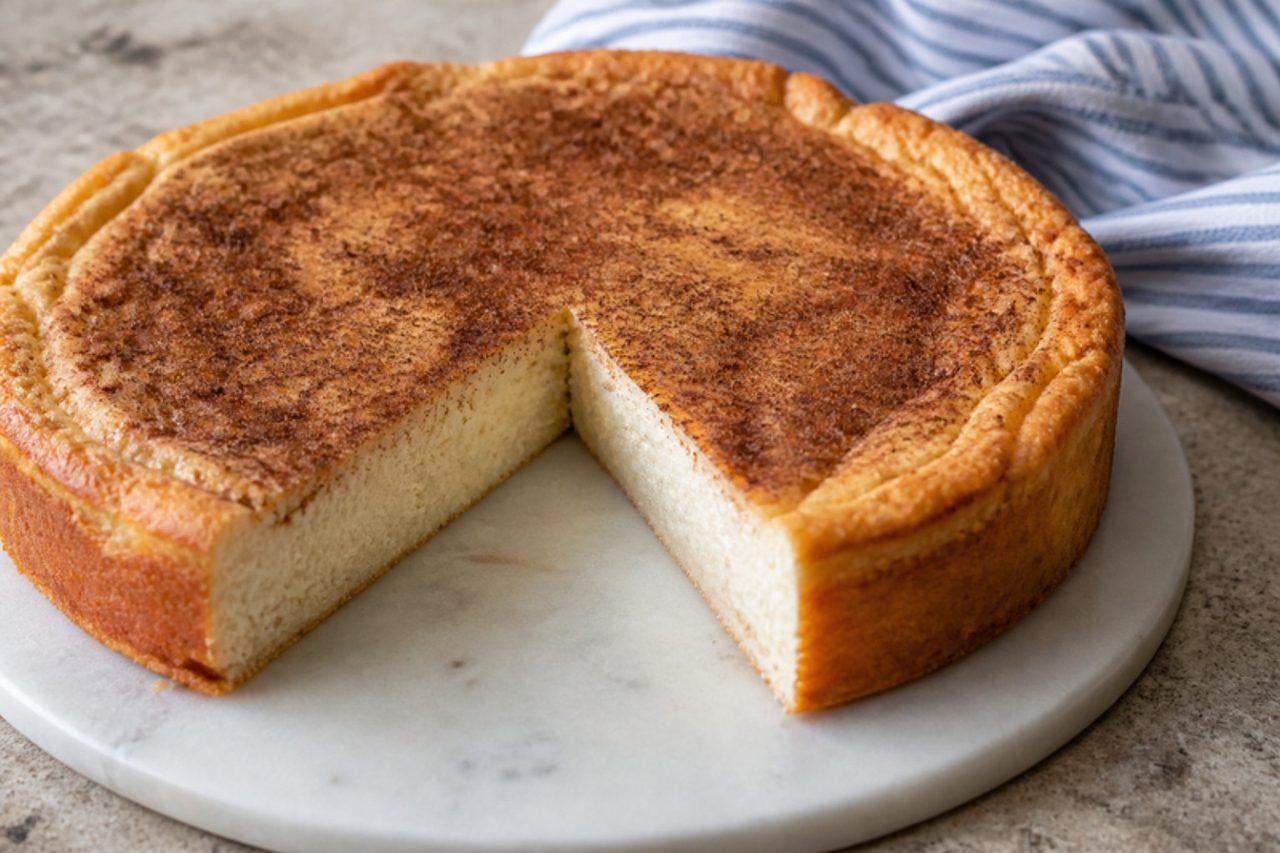
On Sifnos, the Easter table always has a melopita, a crustless pie of fresh cheese, eggs and thyme honey baked until just set and dusted heavily with cinnamon. It is lighter than a cheesecake, gently sweet and floral from the honey, and tastes best a day after baking, cut into squares with coffee. The island cheese is fresh mizithra; ricotta works well and is usually made without animal rennet. Common mistake: baking it too hot, which makes it puff up and crack, then sink and weep. Chef's tip: let it cool slowly in the switched-off oven with the door ajar for a smooth, silky set.

by KrazyBadal 0 views

Suco de cupuaçuCupuaçu juice

Cupuaçu is a big, brown, furry-skinned fruit from the cacao family, and in Belém and Manaus its white pulp shows up in ice cream, sweets and above all juice, sold in every lanchonete and at the Ver-o-Peso market. The pulp is thick, creamy and intensely aromatic, with a flavour somewhere between pineapple, banana and chocolate, and very tart, so it is blended with water and sugar into a frothy, almost milkshake-like juice. Look for frozen cupuaçu pulp in Brazilian and Latin shops. Many cafés blend it with milk instead of water; that version is no longer vegan or dairy free. Too little blending is the usual problem, because the fibrous pulp stays stringy. Chef's tip: blend the pulp from frozen, in chunks, with the sugar and a little water first until smooth, then add the rest of the water.

by KrazyBadal 0 views

Menestra de TudelaSpring vegetable stew

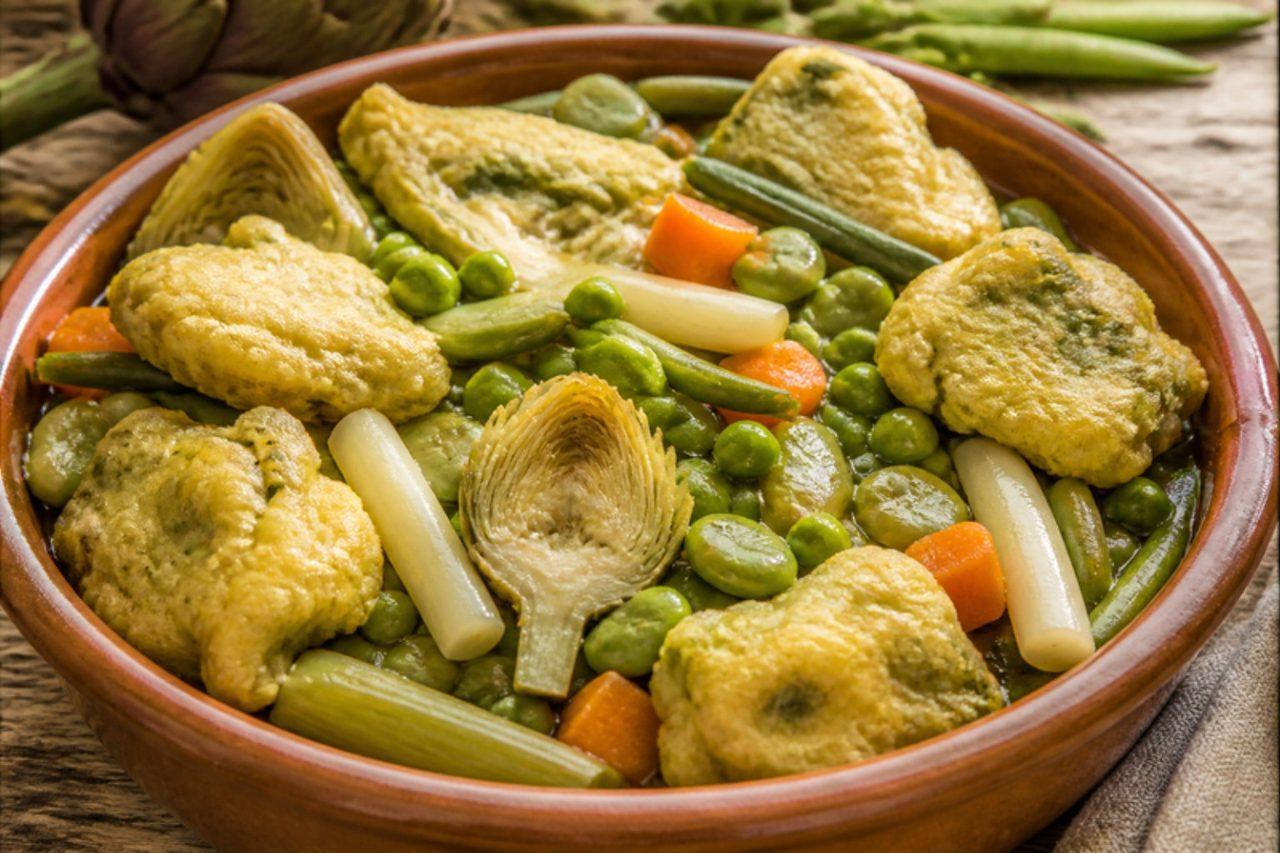
In Tudela, at the southern tip of Navarre, the market gardens along the Ebro send out artichokes, peas, broad beans and asparagus all at once in April and May, and the town celebrates with its Jornadas de Exaltación de la Verdura. Menestra is how those vegetables reach the table: every one is cooked on its own, the artichokes and chard stalks are dipped in flour and egg and fried, and everything is brought together at the end in a little garlic and onion sauce. Local cooks often add cured ham; this version leaves it out and is fully vegetarian. Chef's tip: save a cupful of the water the vegetables were boiled in, because it gives the final sauce far more flavour than plain water or stock.

by KrazyBadal 0 views

MenestrónBeef, bean and pasta soup

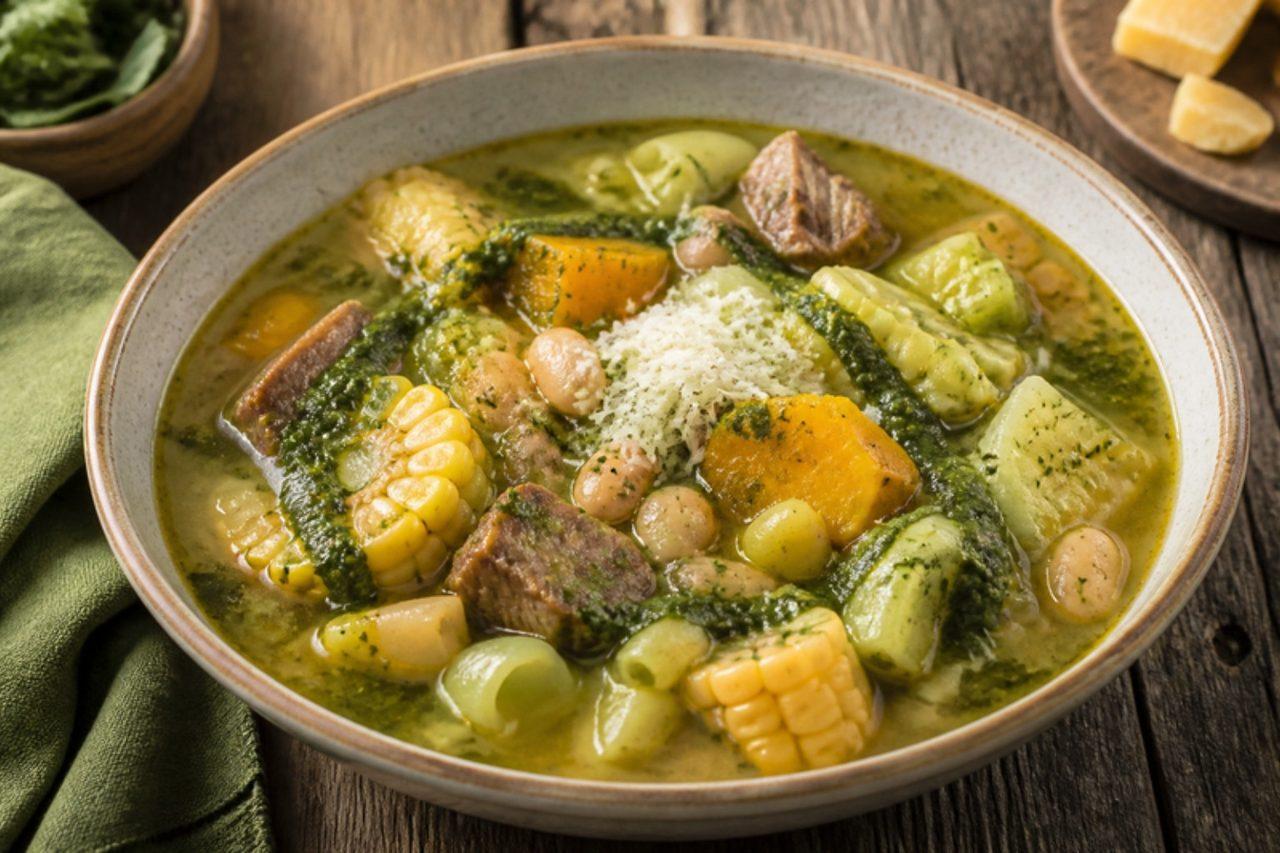
Think of the Italian minestrone after a century of Lima kitchens: menestrón is thicker, heartier and greener, a weekday soup that families and menú restaurants make in huge pots. Beef shin simmers into a rich broth with potatoes, squash, corn, cabbage, green beans and white beans, then short pasta goes in, and finally a purée of basil, spinach, garlic and fresh cheese turns the whole pot pale green and fragrant. It is a meal in a bowl, best with bread and a squeeze of lime or a spoon of ají. People tend to add the basil purée too early; boiled, it loses its colour and its scent, so stir it in off the heat. Chef's tip: for a vegetarian menestrón, skip the beef and use vegetable stock, with a cheese made with microbial (vegetarian) rennet.

by KrazyBadal 0 views

Suco de maracujáPassion fruit juice

Brazilian lunch counters, the pratos feitos joints known as PFs, list suco de maracujá on every chalkboard, and many people order it for its famously calming effect after a long morning. Yellow passion fruit is blended briefly with cold water, strained and sweetened, which gives a vivid, perfumed, very tart drink that goes with rice, beans and a grilled steak just as well as with a beach snack. Use wrinkled, heavy fruit for the most juice, or frozen unsweetened pulp from Latin shops. Over-blending is the slip people make: crushed seeds turn the juice gritty and bitter. Chef's tip: blend the pulp with only a little of the water first, in a couple of short pulses, strain, then add the rest of the water and the sugar.

by KrazyBadal 0 views

Sucuklu yumurtaSpicy sausage with eggs

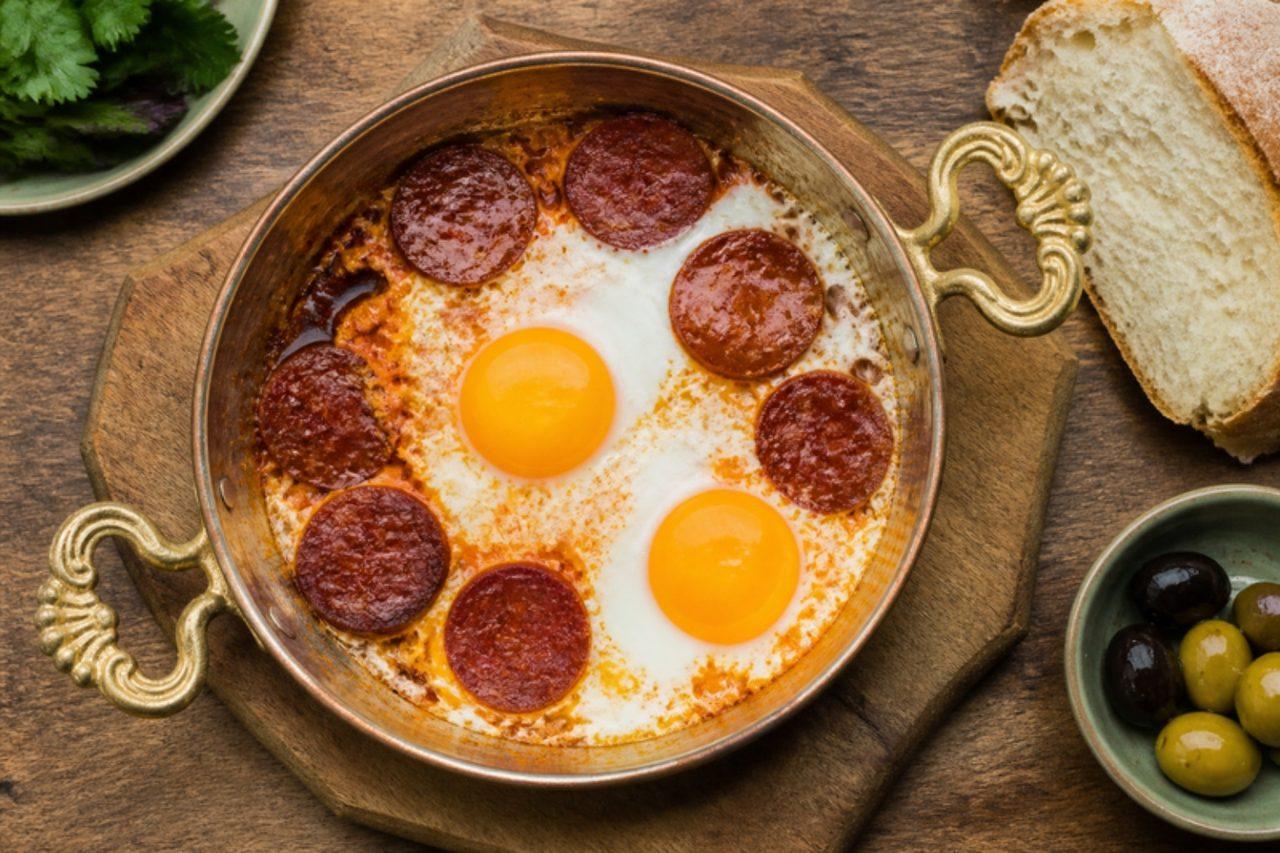
No Turkish weekend breakfast spread feels complete without a sizzling sahan of sucuklu yumurta carried to the table: slices of garlicky, cumin-spiced beef sucuk fried in their own red fat, with eggs cracked over and cooked just until the whites set. Everyone tears bread and dips it straight into the pan, between bites of cheese, olives and tomato. Sucuk is a cured beef sausage; cook it thoroughly. Common mistake: frying the sucuk on high heat, which burns the spices and makes the slices curl and harden. Chef's tip: add a teaspoon of water to the pan once the sucuk has released its fat; it stops the slices burning and helps cook the egg tops.

by KrazyBadal 0 views

Kebab khashkhashLamb kebabs with spicy tomato topping

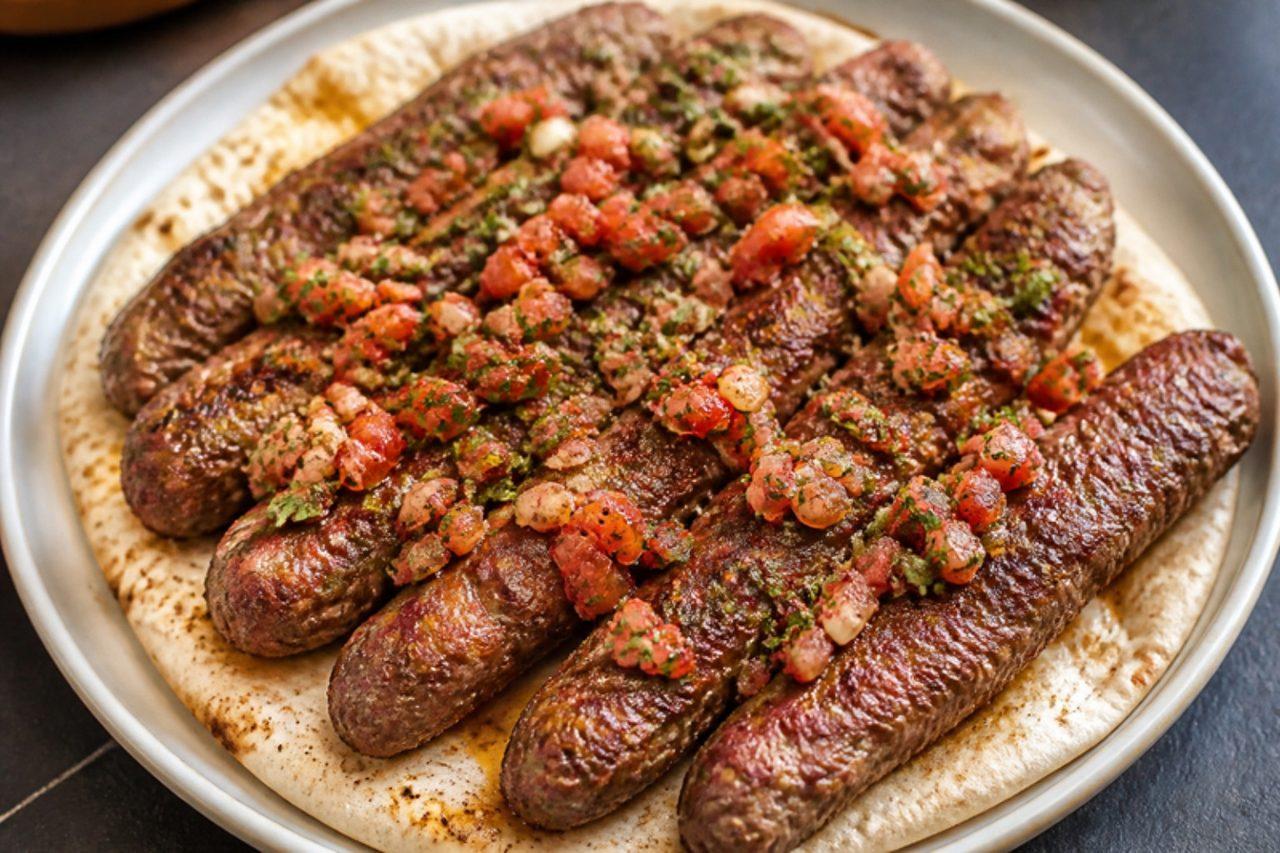
In Aleppo's grill houses, kebab khashkhash comes to the table sizzling: long, juicy skewers of lamb mince with pepper paste and chilli, laid over flatbread and covered with a hot, chunky sauce of tomatoes, garlic, chilli and parsley that soaks into the bread. It is bold and fiery, eaten with grilled tomatoes and green chillies and a cold glass of ayran. Common mistake: using lean mince — kebabs need around 20% fat to stay juicy on the grill. Chef's tip: chill the shaped skewers for 30 minutes before grilling so the meat clings and doesn't slip off.

45 minSyrianMeatSpicy
by KrazyBadal 0 views

Merluza en salsa verdeHake and clams in parsley sauce

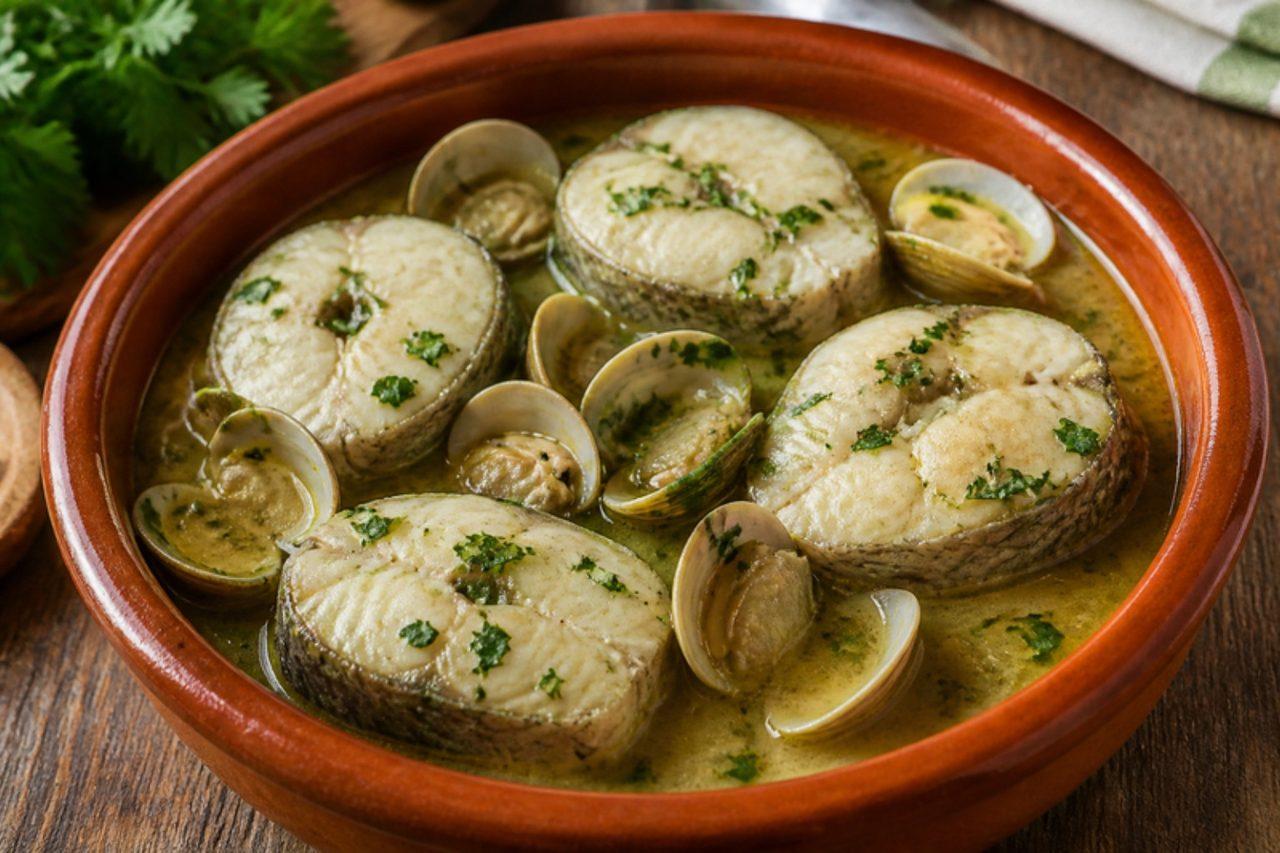
Bilbao families have cooked merluza en salsa verde in a shallow clay cazuela for generations, and it still turns up at Sunday lunch and on Christmas Eve. The sauce is just olive oil, garlic, parsley and the fish's own juices, thickened by gently shaking the dish so the gelatine from the hake binds it, much like a pil-pil. Clams open on top at the end. A common mistake is stirring with a spoon, which breaks the fish; swirl the dish instead. Chef's tip: keep the heat low once the hake goes in, because the sauce only comes together when it barely simmers.

by KrazyBadal 0 views

Suero costeñoTangy fermented cream

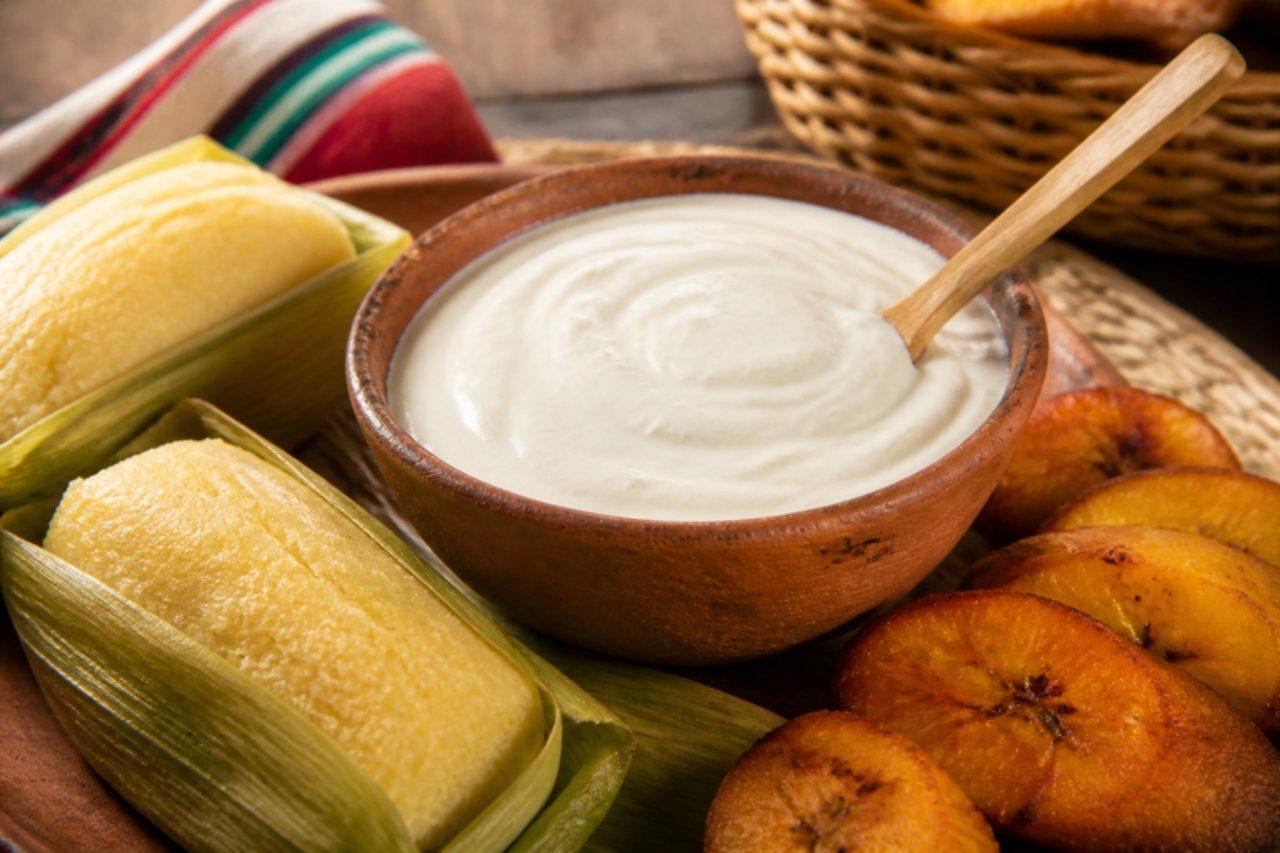
Market stalls in Montería, Sincelejo and Valledupar sell suero costeño from big tubs, ladled into bags: a sour, salty, spoonable cream that goes onto bollos, arepas, boiled cassava, fried plantain and mote de queso. Traditionally it comes from raw milk left to sour in the heat. This home version keeps the flavour but uses pasteurised cream and milk with live yogurt as a starter, which is far safer. Plan for 12–24 hours of fermenting plus chilling. Hygiene matters: wash the jar and spoon in hot soapy water and scald them with boiling water, never use raw milk, and keep the jar at room temperature (20–25 °C, out of direct sun) for no more than 24 hours before it goes into the fridge. Throw it out if you see mould, pink or orange patches, or it smells putrid rather than pleasantly sour. Leaving it out too long is the big mistake: it goes bitter and separates. Chef's tip: salt only after fermenting, as salt slows the cultures.

by KrazyBadal 0 views

Mercimek köftesiRed lentil and bulgur patties

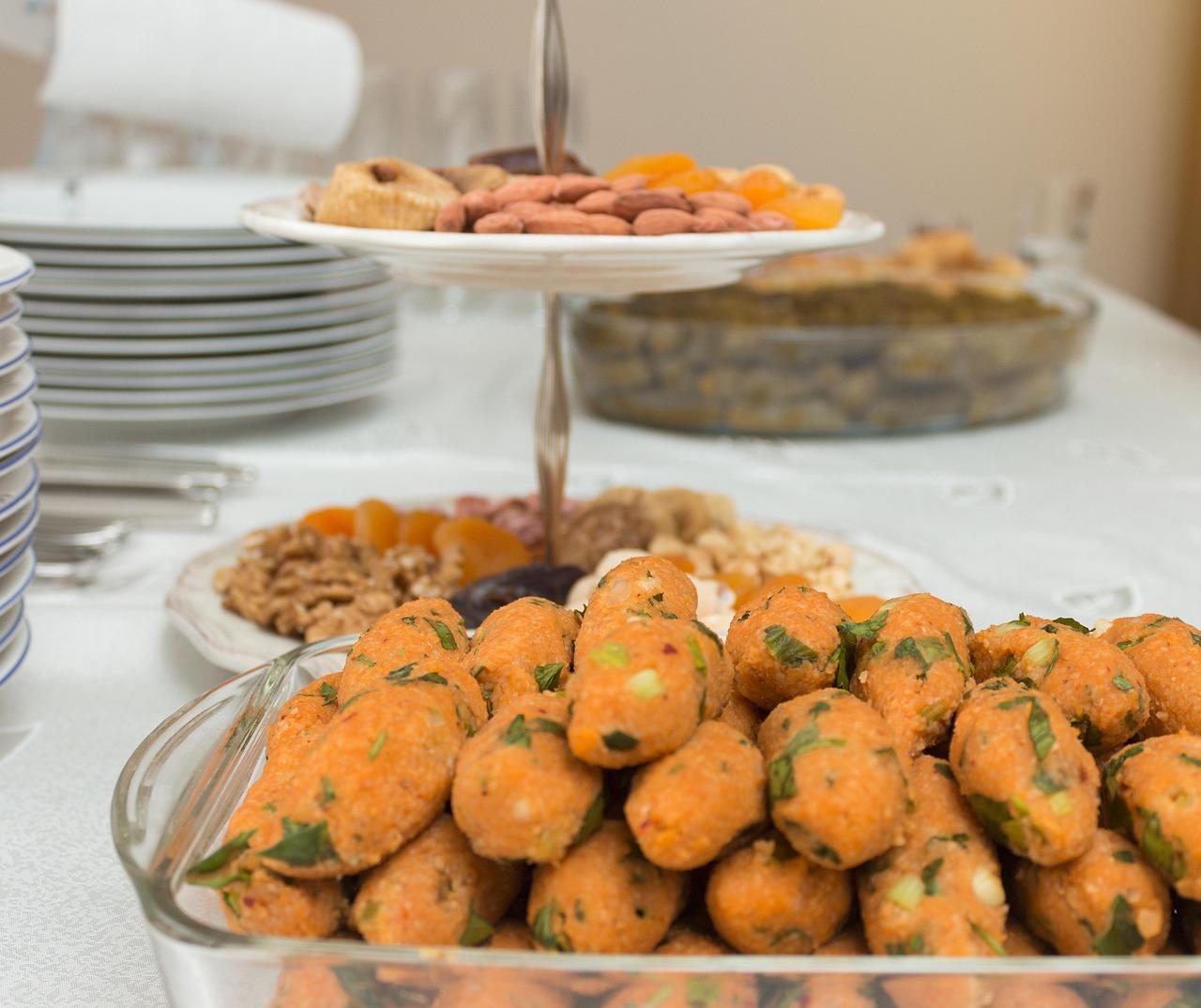
No women's afternoon gathering in Ankara or Kayseri is complete without a platter of mercimek köftesi: little finger-pressed ovals of red lentils and fine bulgur, rich with onion, pepper paste, cumin and a big handful of spring onion and parsley. They're eaten cold, tucked into lettuce leaves with a squeeze of lemon, and they keep well for picnics and lunch boxes. Common mistake: draining the lentils; the bulgur needs all that hot liquid to swell, so cook the lentils until the water is just absorbed. Chef's tip: knead the mixture with wet hands for a few minutes after the bulgur softens; the more you knead, the smoother and less crumbly the köfte.

by KrazyBadal 0 views

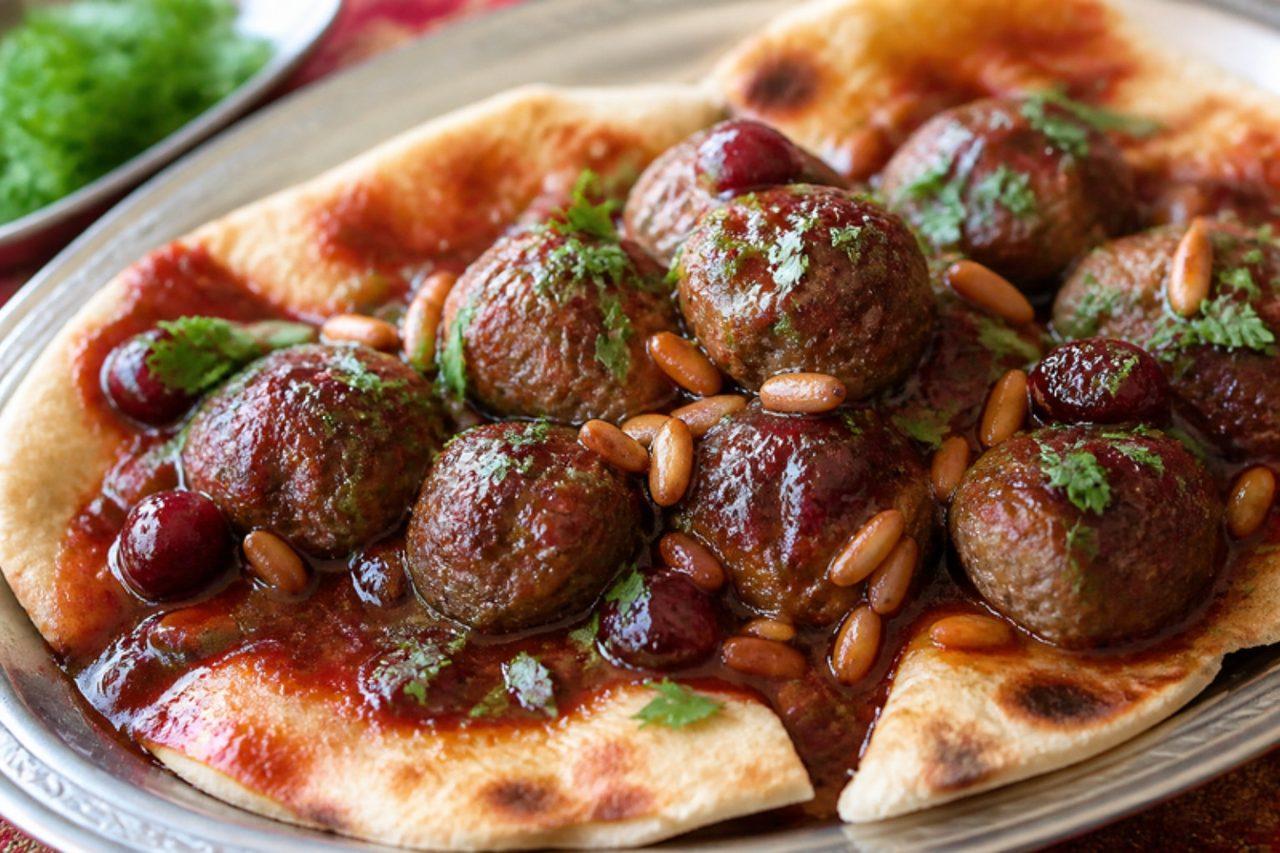
Kebab karazLamb meatballs in sour cherry sauce

Kebab karaz is Aleppo's most celebrated dish, cooked in early summer when the small, sour cherries (wild mahaleb cherries in the old days) come into season. Little grilled or fried lamb meatballs are simmered briefly in a deep red, sweet-sour cherry sauce, then served on pieces of flatbread that soak up the juices, scattered with parsley and pine nuts. It is rich, fruity and quite unlike anything else in the Levant. Common mistake: using sweet cherries alone — the sauce turns jammy; you need sour cherries, or sweet ones sharpened with lemon and pomegranate molasses. Chef's tip: frozen pitted sour cherries work perfectly all year round.

60 minSyrianMeat
by KrazyBadal 0 views

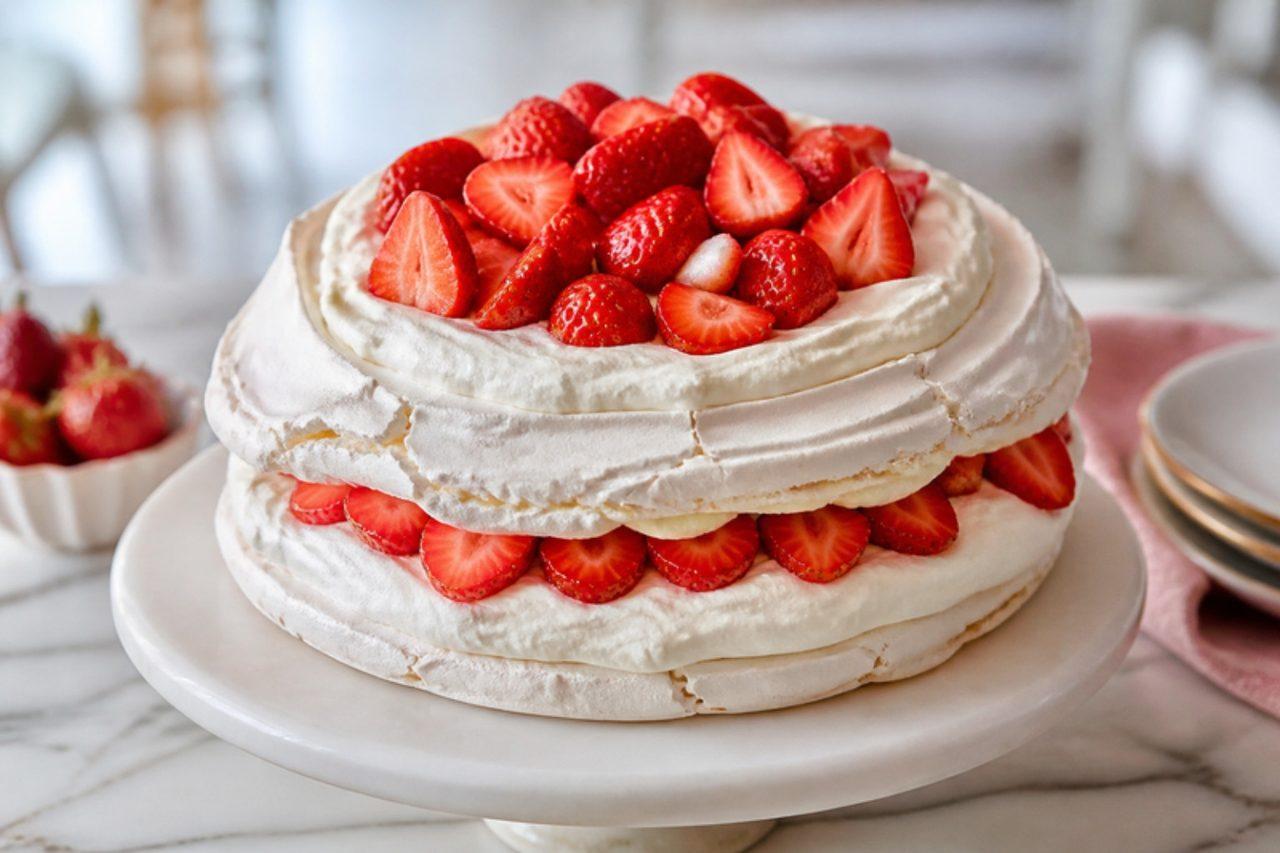
MerengónMeringue with cream and strawberries

Weekend drives out of Bogotá often end at a roadside sweet shop with a slice of merengón: two discs of crisp, chalky meringue sandwiched and piled with whipped cream and fruit. Strawberry is the classic in the highlands, while on the Caribbean coast soursop (guanábana) is just as popular. Think of it as Colombia's answer to pavlova, crunchier and sweeter, assembled shortly before eating so the meringue cracks under the spoon. The meringue needs a long, slow bake and a slow cool in the oven, so plan ahead. Humidity and undissolved sugar are the main enemies: if the sugar is not fully beaten in, the meringue weeps sticky syrup, so rub a little between your fingers and keep whisking until it feels smooth. For a soursop version, swap the strawberries for 300 g thawed soursop pulp, folded into half the cream. Chef's tip: assemble no more than an hour before serving, or the cream softens the meringue.

by KrazyBadal 0 views

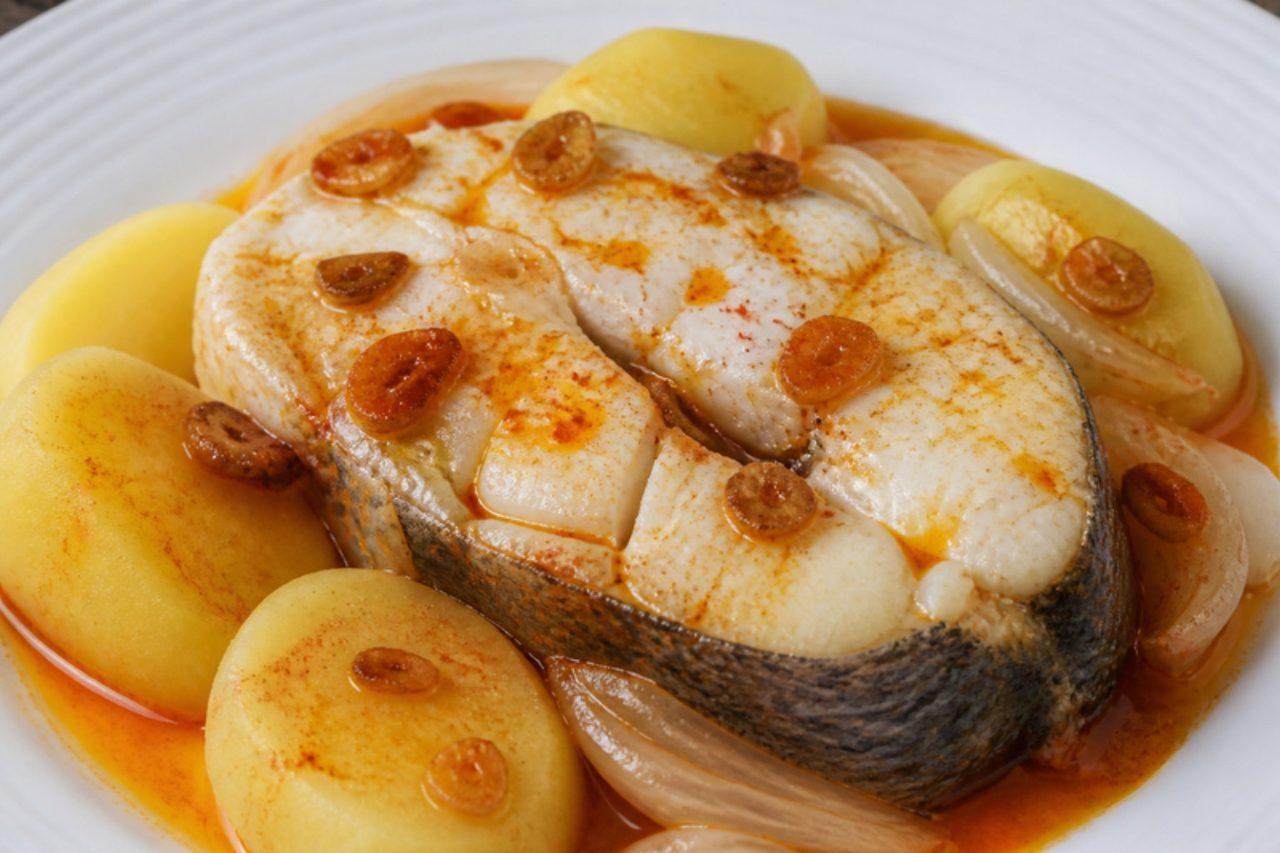
Merluza á galegaPoached hake with paprika garlic oil

This is the Friday supper of Galician homes and the plain, honest plate you find in harbour restaurants from A Coruña to Vigo: thick hake steaks poached with potatoes, onion and bay, then drizzled with ajada, hot olive oil with garlic and paprika. It relies on very fresh fish and good oil. A common mistake is boiling the hake hard, which breaks it apart; it should poach gently in water that barely shivers. Chef's tip: lift out the fish with a slotted spatula and let it drain well, so the ajada sits on top instead of sliding into a watery puddle.

by KrazyBadal 0 views

KazandibiCaramelised milk pudding

Kazandibi means 'bottom of the cauldron', and in the old pudding shops of Istanbul's Beyoğlu and Fatih it is cut from a big tray whose base was caramelised on purpose over a flame. The square is rolled up so the burnished, faintly bitter top hides a soft, cool vanilla pudding inside. Serve it chilled with a dusting of cinnamon and a glass of tea. The traditional palace version had shredded chicken in it; this everyday version is purely milk, rice flour and sugar. Chef's tip: use a heavy-based, non-stick pan or tin and give the sugar a full deep amber before the pudding goes in, because pale caramel just tastes sweet rather than toasty.

by KrazyBadal 0 views

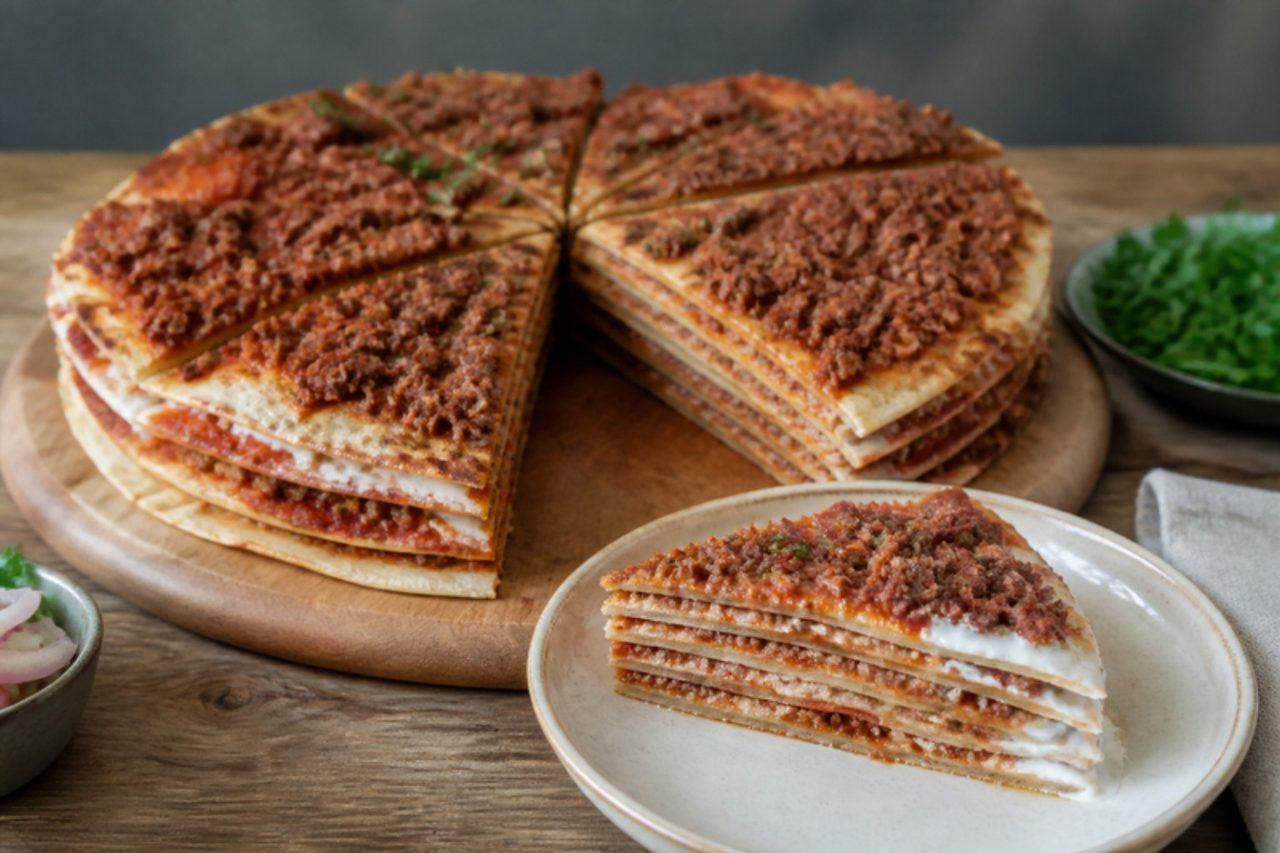
Kayseri yağlamasıLayered flatbread with mince

Kayseri families make yağlama for big gatherings and festival days: a tower of soft, thin flatbreads cooked on a griddle, each layer spread with a tomatoey beef mince sauce and garlic yoghurt, then cut into wedges like a cake. It sits somewhere between a lasagne and a stack of pancakes, and everyone eats it warm with ayran and pickles. Common mistake: letting the breads dry out while you cook the rest; keep them under a damp cloth so they stay pliable. The mince should be simmered until cooked through to 71 °C. Chef's tip: build the stack quickly while everything is hot, then rest it five minutes so the layers settle and cut cleanly.

by KrazyBadal 0 views

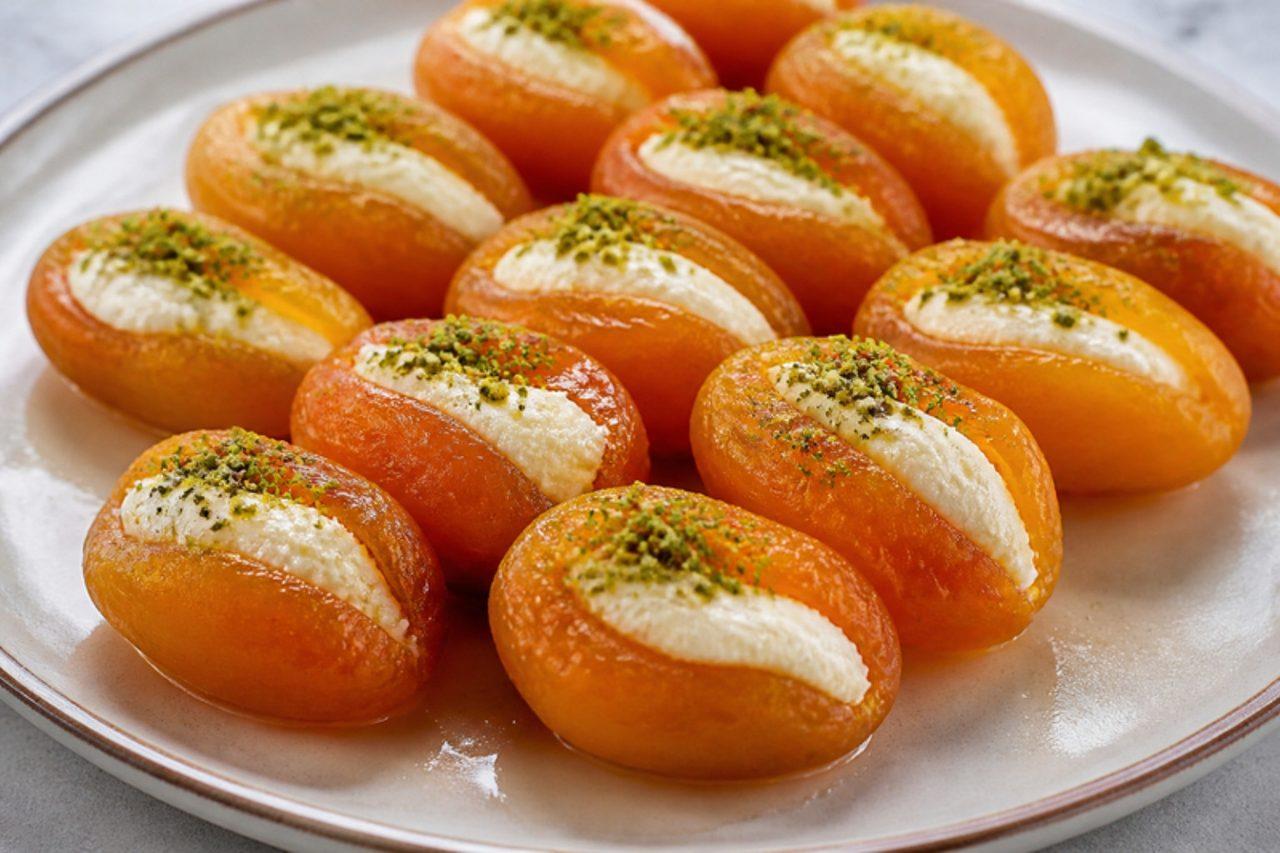
Kayısı tatlısıCream-filled poached apricots

Malatya grows more apricots than anywhere else on earth, and its sweet shops make the most of the sun-dried fruit with kayısı tatlısı: plump dried apricots soaked, poached in a light syrup until glossy, then split and filled with thick kaymak and topped with bright green pistachio. They're served chilled in small dishes at the end of a meal or with coffee. Common mistake: boiling them hard, which bursts the skins; they need only a gentle simmer. Chef's tip: choose the soft, pale, whole dried apricots rather than the sulphured orange halves; they fill neatly and taste of honey.

by KrazyBadal 0 views

KayganaHerb egg pancake

In Trabzon and Rize homes, kaygana is what appears when breakfast needs stretching: eggs beaten with a little flour and milk and a big handful of spring onion, dill and parsley, then poured thin into a buttered pan. It sits halfway between an omelette and a crêpe, soft in the middle with lacy, browned edges. Fold it onto a plate with cheese, olives, tomatoes and tea, or roll it up for a packed lunch. Common mistake: a pan that isn't hot enough, so the batter soaks up butter and turns leathery instead of puffing. Chef's tip: let the batter rest for 10 minutes; the flour hydrates and the kaygana flips without tearing.

by KrazyBadal 0 views

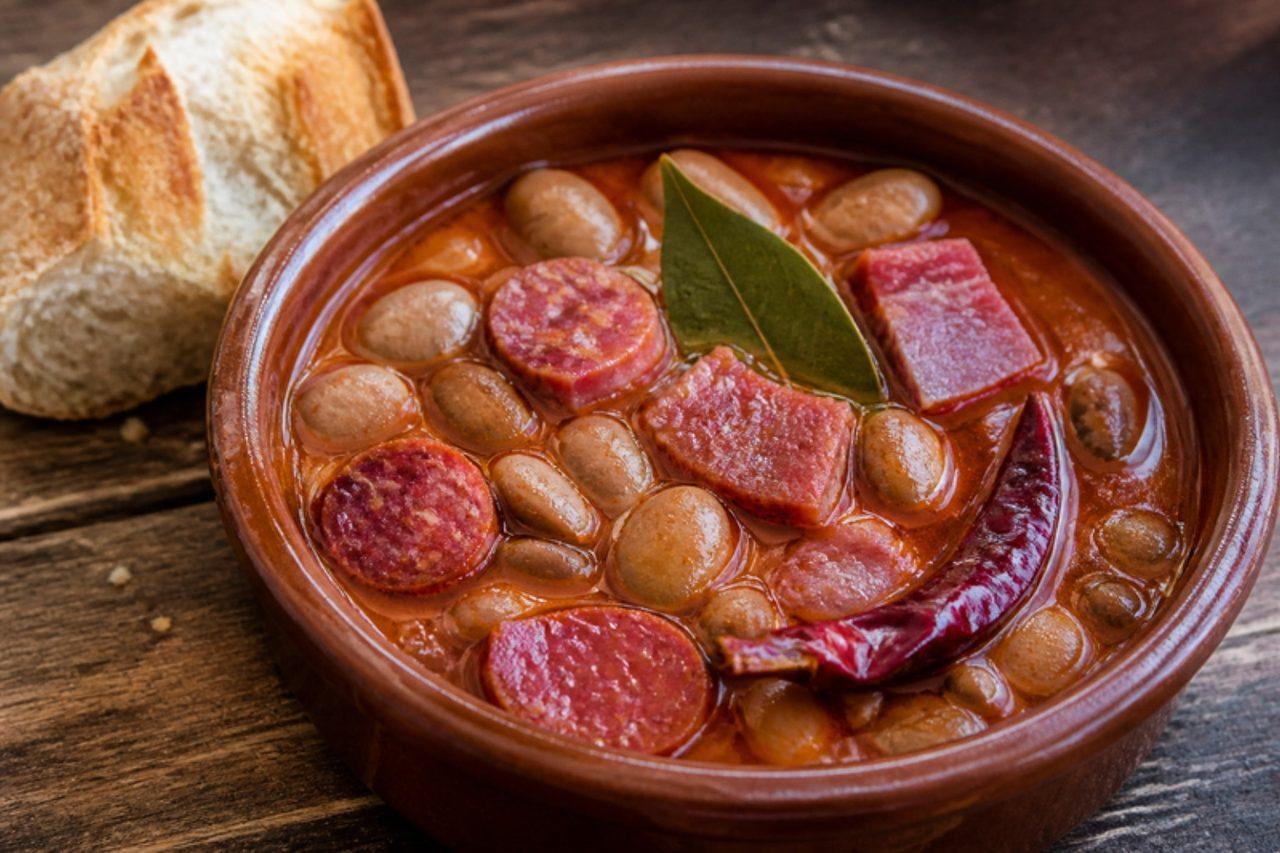
MichironesBroad beans with chorizo and ham

Michirones are dried broad beans slowly simmered with pork, bay and hot chilli until soft and spicy, and in Murcia they are the tapa of cold months, ladled into small bowls in the city's bars with a spoon stuck in. The beans need a long soak and a long cook, so bars make a big pot in the morning that lasts all day. This contains pork (chorizo, panceta and a cured ham bone). Chef's tip: wait until the end to add salt, because the ham bone and chorizo season the broth as they cook.

195 minSpanishMeatSpicy
by KrazyBadal 0 views

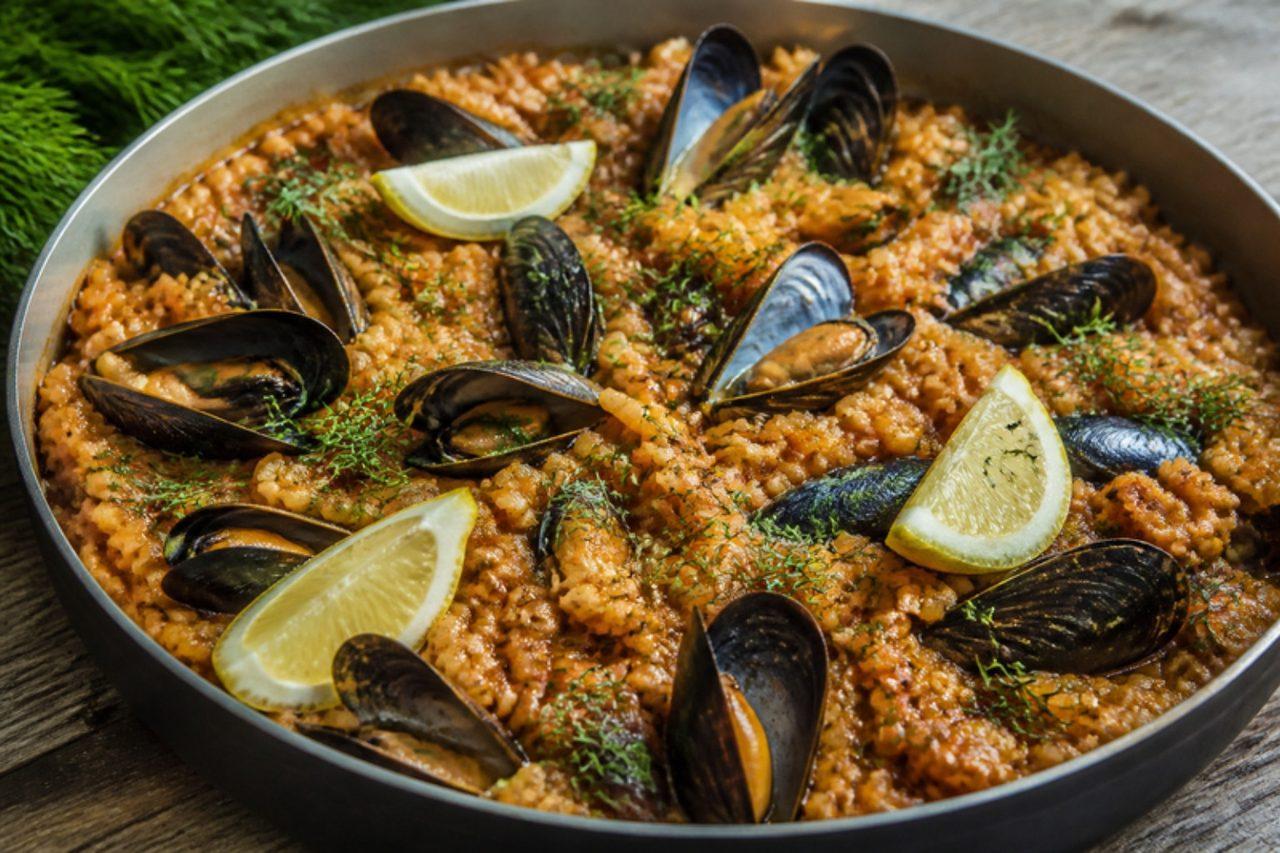
MidopilafoMussel pilaf

Midopilafo is what Thessaloniki fishermen's families make on a fasting Friday or a cheap midweek night, when a bag of mussels from the Thermaic Gulf can feed a crowd. The mussels are steamed first and their briny liquor becomes the stock for the rice, which simmers with onion, a little tomato and dill until tender and a touch soupy. The shelled mussels go back in at the end so they stay plump. Some cooks add white wine; this version uses lemon and the mussel juice only, so it is alcohol-free. Common mistake: cooking the shelled mussels with the rice the whole time — they shrink to rubber. Chef's tip: strain the mussel liquor through a fine sieve lined with kitchen paper to catch any grit.

60 minGreekFishGluten free
by KrazyBadal 0 views

Showing 36 of 7,762 recipes

Show more recipes

Page 557 of 863