Skip to content
Yaki onigiri
Featured recipe

Yaki onigiri

Grilled rice balls

Yaki onigiri (焼きおにぎり) are rice balls grilled until they form a crisp, toasty crust, then brushed with soy sauce glaze. They are eaten all over Japan, at izakaya, at barbecues and from the freezer section, as a snack or with miso soup. The inside stays soft and steamy while the outside crackles. Best eaten hot, straight from the pan. Chef's tip: let the shaped rice balls dry for 10 minutes before they go in the pan. A drier surface forms a better crust and won't stick, and the glaze goes on only at the end so it doesn't burn.

Read more 1 views

What to eat today?

Around the world

Today's trip: Persian

A new country every day, from every cuisine on the site.

This week's collection

Kid-friendly dinners
537 recipes · a new collection every Monday

Latest recipes

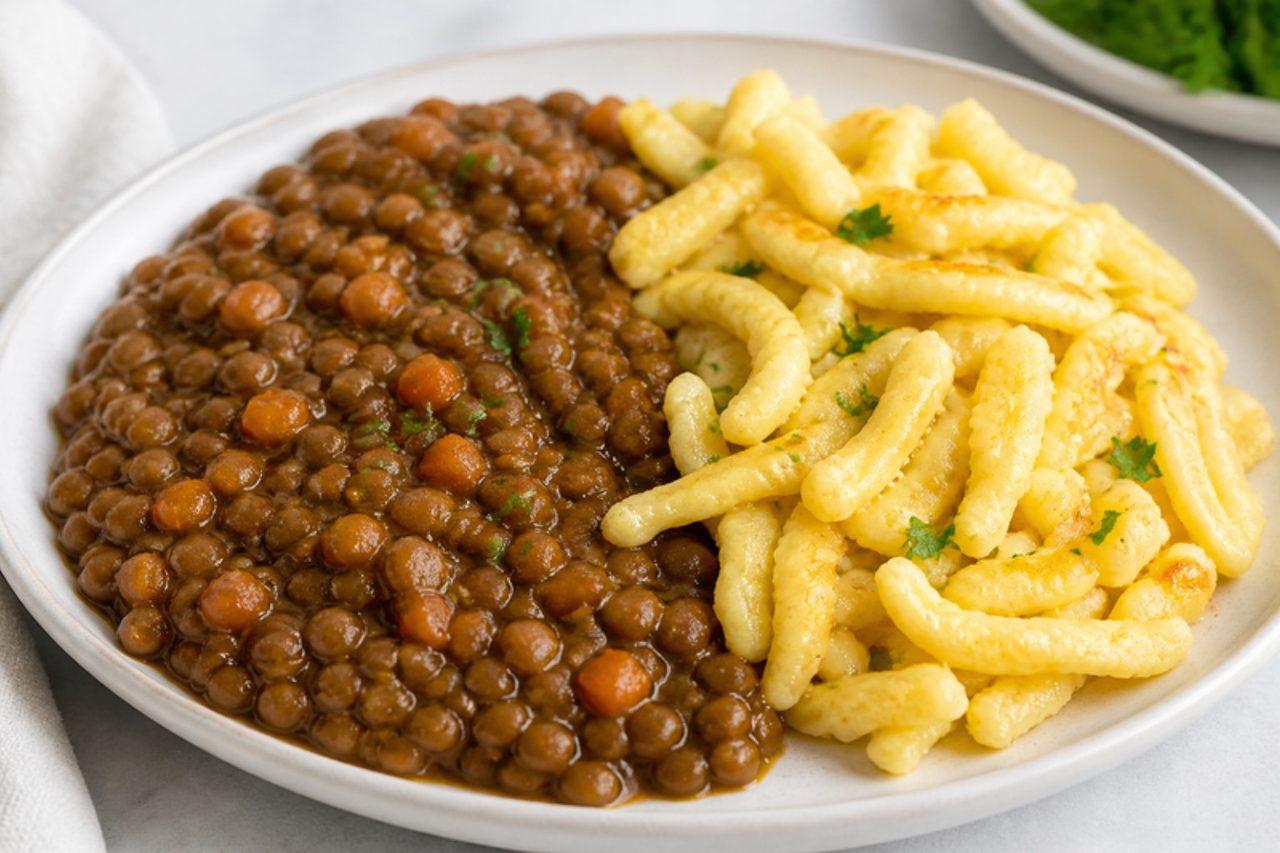
Linsen mit SpätzleSweet-sour lentils with egg noodles

Linsen mit Spätzle is Swabia's Saturday supper, eaten in kitchens from Stuttgart to Ulm when the week's cooking was done and something cheap and filling was needed. Small brown or green Alb lentils are stewed with root vegetables, then sharpened with vinegar and a little sugar, and ladled over freshly scraped Spätzle. Most families add a pair of thin smoked Saitenwürstle; this version skips them, and the smoked paprika keeps a hint of that flavour. A common mistake is adding the vinegar at the start, which stops the lentils softening, so it goes in at the end. Chef's tip: beat the Spätzle batter until bubbles pop on the surface; that air is what makes them springy.

by KrazyBadal 0 views

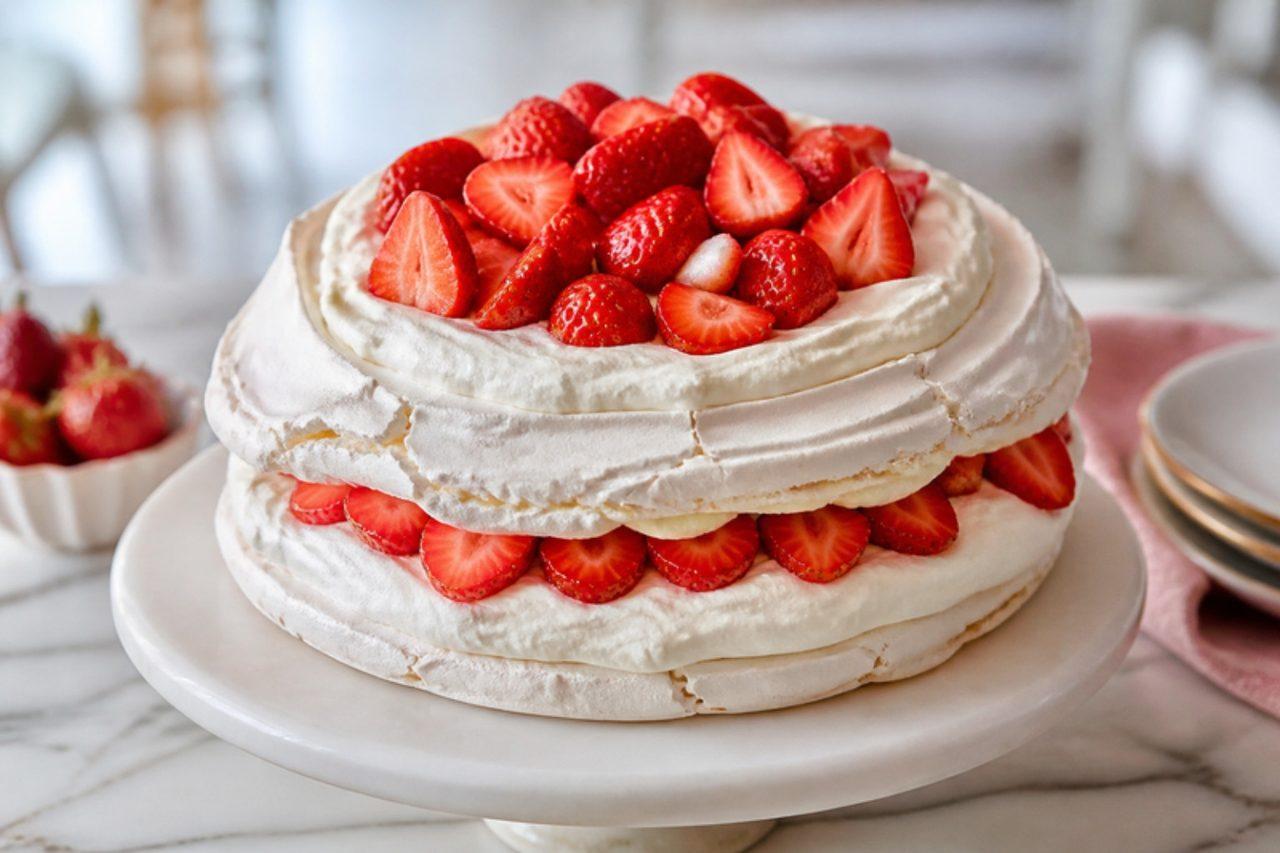
MerengónMeringue with cream and strawberries

Weekend drives out of Bogotá often end at a roadside sweet shop with a slice of merengón: two discs of crisp, chalky meringue sandwiched and piled with whipped cream and fruit. Strawberry is the classic in the highlands, while on the Caribbean coast soursop (guanábana) is just as popular. Think of it as Colombia's answer to pavlova, crunchier and sweeter, assembled shortly before eating so the meringue cracks under the spoon. The meringue needs a long, slow bake and a slow cool in the oven, so plan ahead. Humidity and undissolved sugar are the main enemies: if the sugar is not fully beaten in, the meringue weeps sticky syrup, so rub a little between your fingers and keep whisking until it feels smooth. For a soursop version, swap the strawberries for 300 g thawed soursop pulp, folded into half the cream. Chef's tip: assemble no more than an hour before serving, or the cream softens the meringue.

by KrazyBadal 0 views

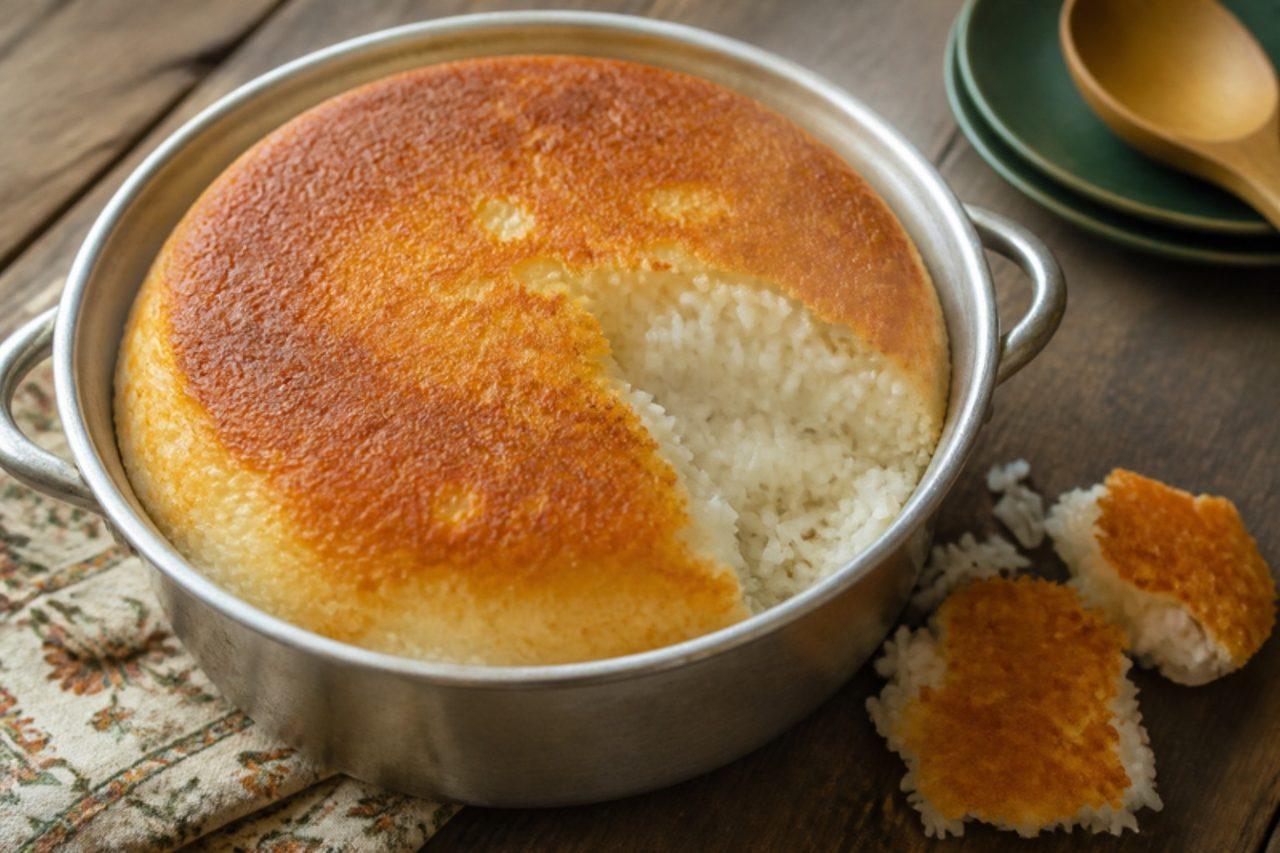
KatehSoft buttery rice

Along the Caspian coast in Gilan and Mazandaran, kateh is the daily rice: no par-boiling and draining as in Tehran's chelow, just rice, water, salt and butter cooked together until the water vanishes and the grains settle into a soft, slightly sticky cake with a golden crust underneath. Northern families eat it at almost every meal with fish, mirza ghasemi or baghala ghatogh, and children love the buttery bottom. The common mistake is lifting the lid and stirring once the water has been absorbed, which breaks the grains and stops the crust forming. Chef's tip: use a heavy non-stick pot and add the butter only after the water has boiled down; it seeps through and fries the base.
by KrazyBadal 0 views

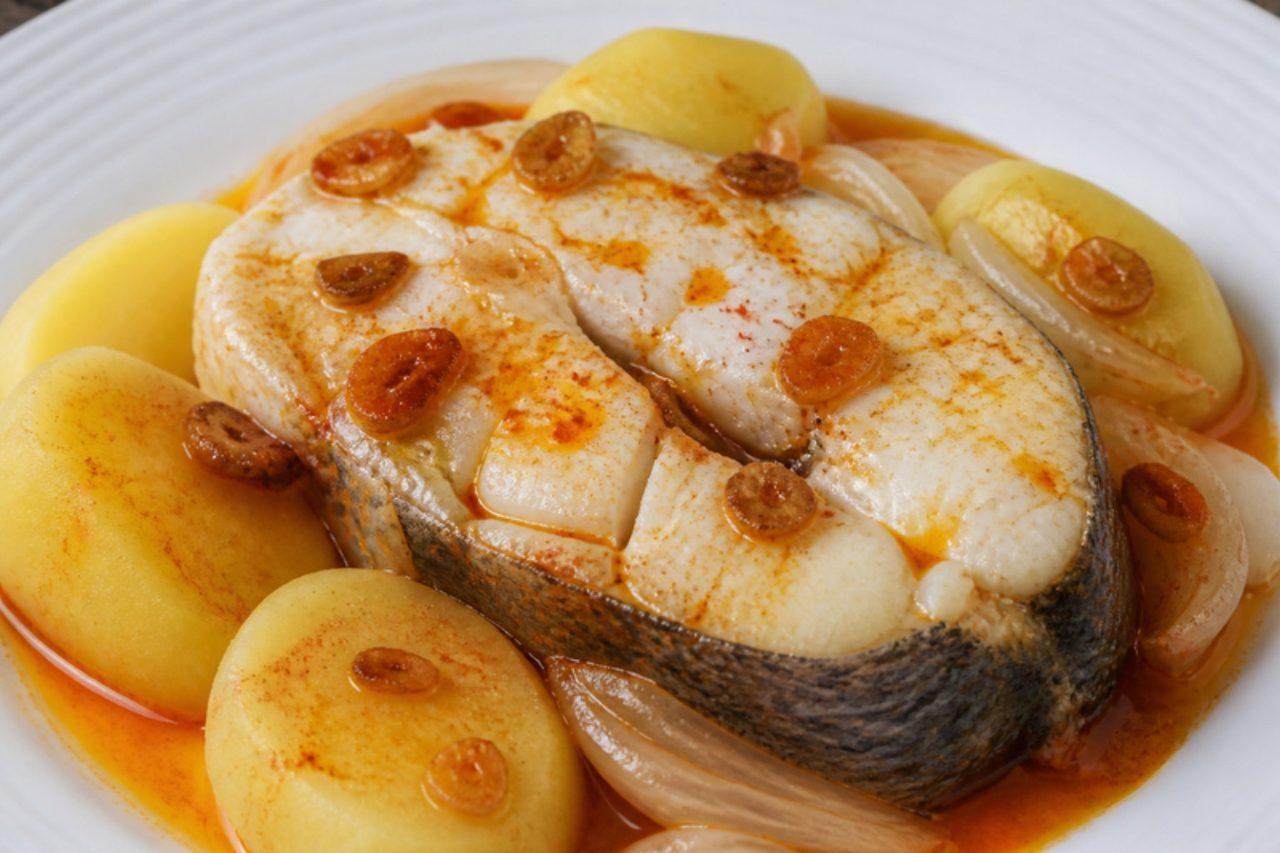
Merluza á galegaPoached hake with paprika garlic oil

This is the Friday supper of Galician homes and the plain, honest plate you find in harbour restaurants from A Coruña to Vigo: thick hake steaks poached with potatoes, onion and bay, then drizzled with ajada, hot olive oil with garlic and paprika. It relies on very fresh fish and good oil. A common mistake is boiling the hake hard, which breaks it apart; it should poach gently in water that barely shivers. Chef's tip: lift out the fish with a slotted spatula and let it drain well, so the ajada sits on top instead of sliding into a watery puddle.

by KrazyBadal 0 views

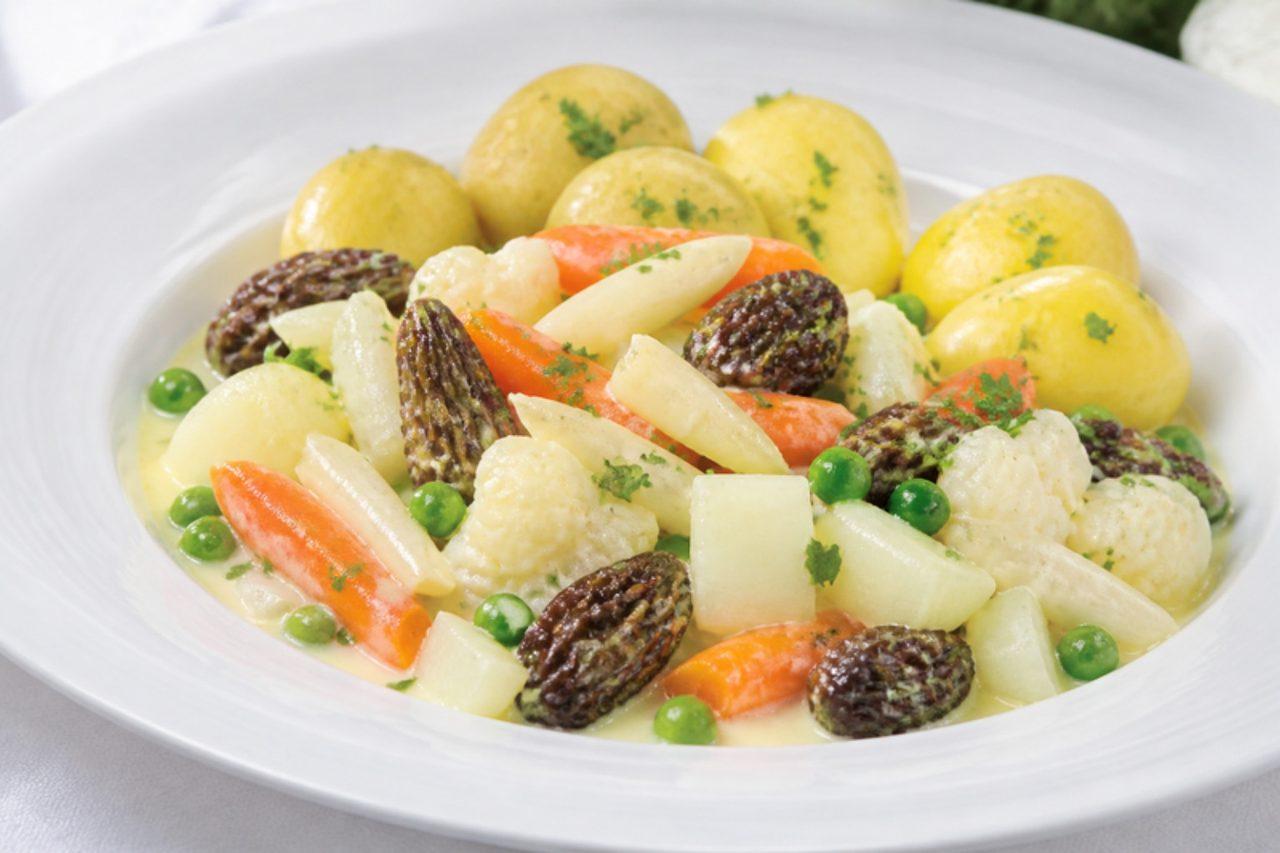
Leipziger AllerleiSpring vegetables with morels

Leipziger Allerlei is Leipzig's showpiece of spring: young carrots, peas, asparagus, kohlrabi and cauliflower, each cooked separately until just tender, then brought together in a light butter sauce with morel mushrooms. The traditional dish also includes crayfish and bread dumplings; this vegetarian version keeps the morels and vegetables, which were always the heart of it, and serves it with new potatoes. Dried morels are easiest to find and give a deep, smoky flavour. A common mistake is boiling everything together in one pot, which turns the dish muddy and over-soft. Chef's tip: save the vegetable cooking water and morel soaking liquid; together they make the stock for the sauce.

by KrazyBadal 0 views

Leipziger LercheAlmond marzipan tartlets

Leipziger Lerchen began as real roast larks stuffed with herbs, sold in Leipzig until the King of Saxony banned songbird hunting in 1876. The city's bakers answered with a pastry that kept the name: a shortcrust tartlet filled with almond-marzipan cream, a cherry or jam hidden in the middle like the bird's heart, and two crossed strips of pastry on top like the string that tied it. Today you find them in every Leipzig café, especially at the Christmas market. A common mistake is overfilling the cases, so the filling bubbles over and the cross sinks. Chef's tip: chill the lined tins for 15 minutes before filling so the pastry keeps sharp edges.

by KrazyBadal 0 views

Limonada de cocoCoconut lime cooler

Cartagena's heat makes limonada de coco almost compulsory: beach kiosks and restaurants in the old walled city blend it to order, and it arrives as a pale, frosty slush, sharp with lime and rich with coconut. It is a drink to sip slowly with fried fish, coconut rice and patacones, or on its own on a hot afternoon. Coconut cream gives the body, sugar balances the lime, and a full load of ice gives the frozen texture. The common slip is blending lime pieces with their peel for too long, which turns it bitter within minutes; use juice plus a little zest instead. Shake the tin of coconut cream before measuring, since it separates. Serve it straight away, before it melts and separates. Chef's tip: freeze some of the coconut cream in an ice-cube tray beforehand and use it in place of half the ice for a thicker, creamier result.

by KrazyBadal 0 views

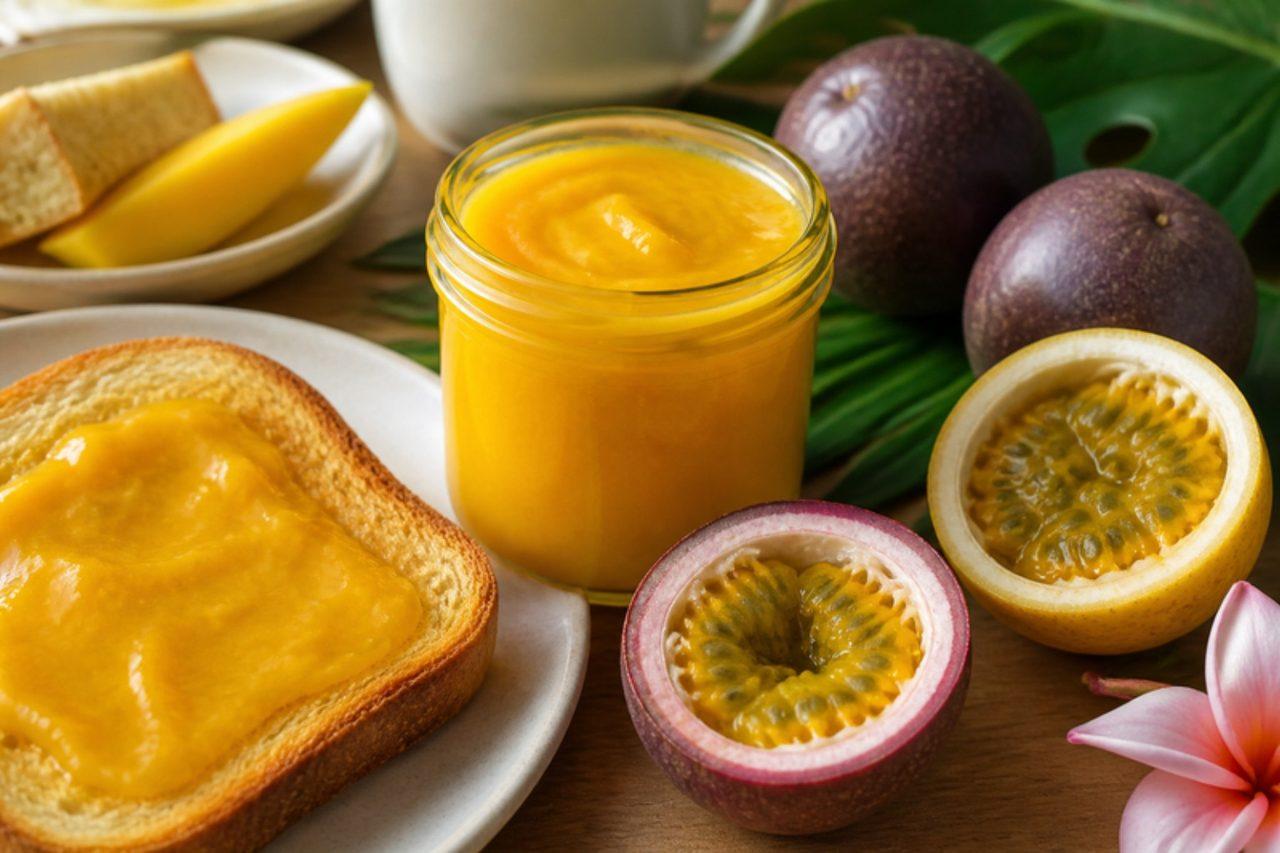
Lilikoi butterPassion fruit curd

Lilikoi is the Hawaiian name for passion fruit, which grows wild on vines all over the islands, and lilikoi butter is the tangy golden curd that farmers' markets on Maui and Kauai sell in jars. It is spread on toast, sweet bread and scones, or spooned onto shave ice and cakes. Chef's tip: keep the heat low and stir constantly; the curd is ready when it coats the back of a spoon and holds a line drawn through it with your finger.

by KrazyBadal 0 views

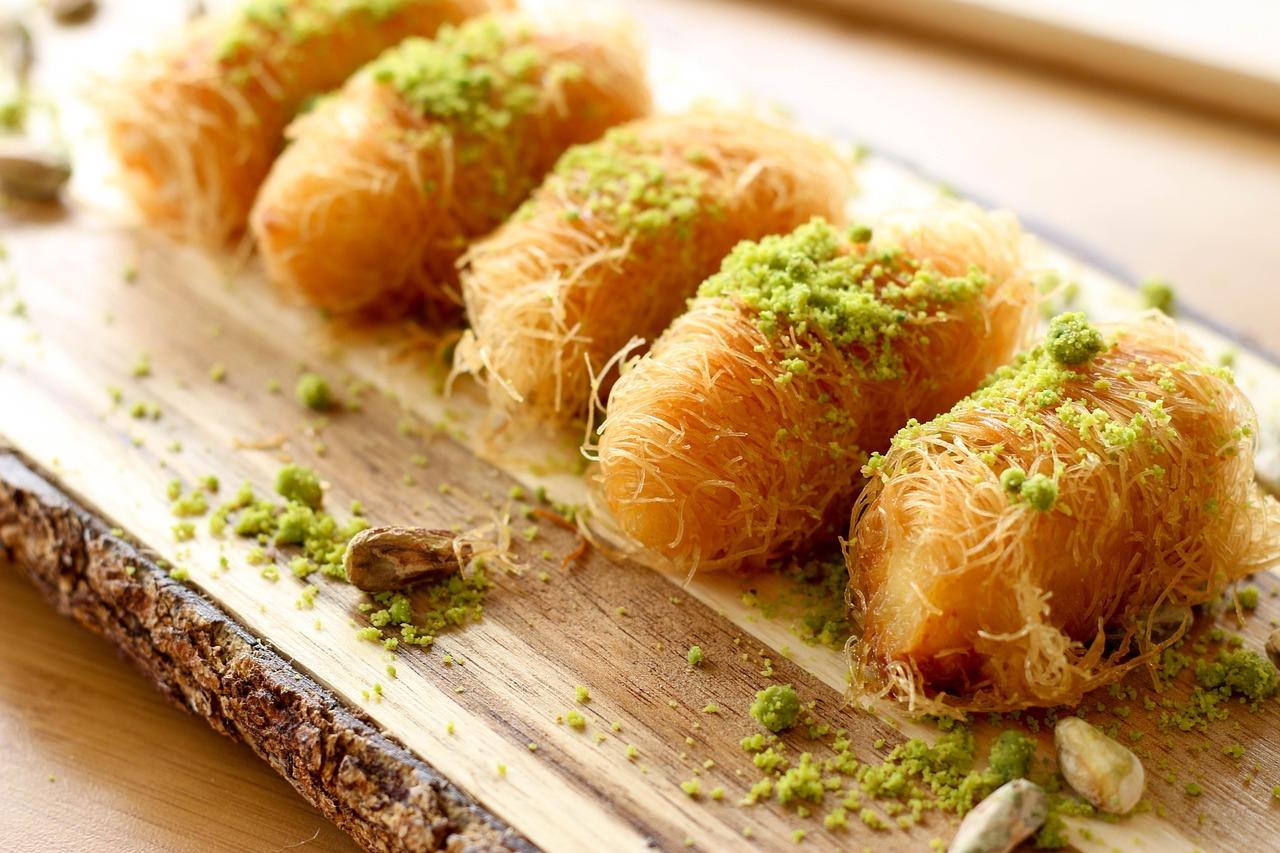
KataifiShredded pastry rolls with walnuts

Ioannina's old pastry shops, by the lake and under the castle walls, are known for their syrup sweets, and kataifi rolls are the ones locals buy for Christmas and Easter visits. Fine threads of kataifi pastry are wrapped around a cinnamon-walnut filling, drenched in butter and baked crisp, then soaked in cool syrup so they stay crunchy on top and sticky beneath. Serve at room temperature with Greek coffee. Common mistake: pouring hot syrup on hot pastry, which turns it soggy — one of the two must be cool. Chef's tip: tease the pastry threads apart with your fingers before rolling; matted clumps bake hard.

by KrazyBadal 0 views

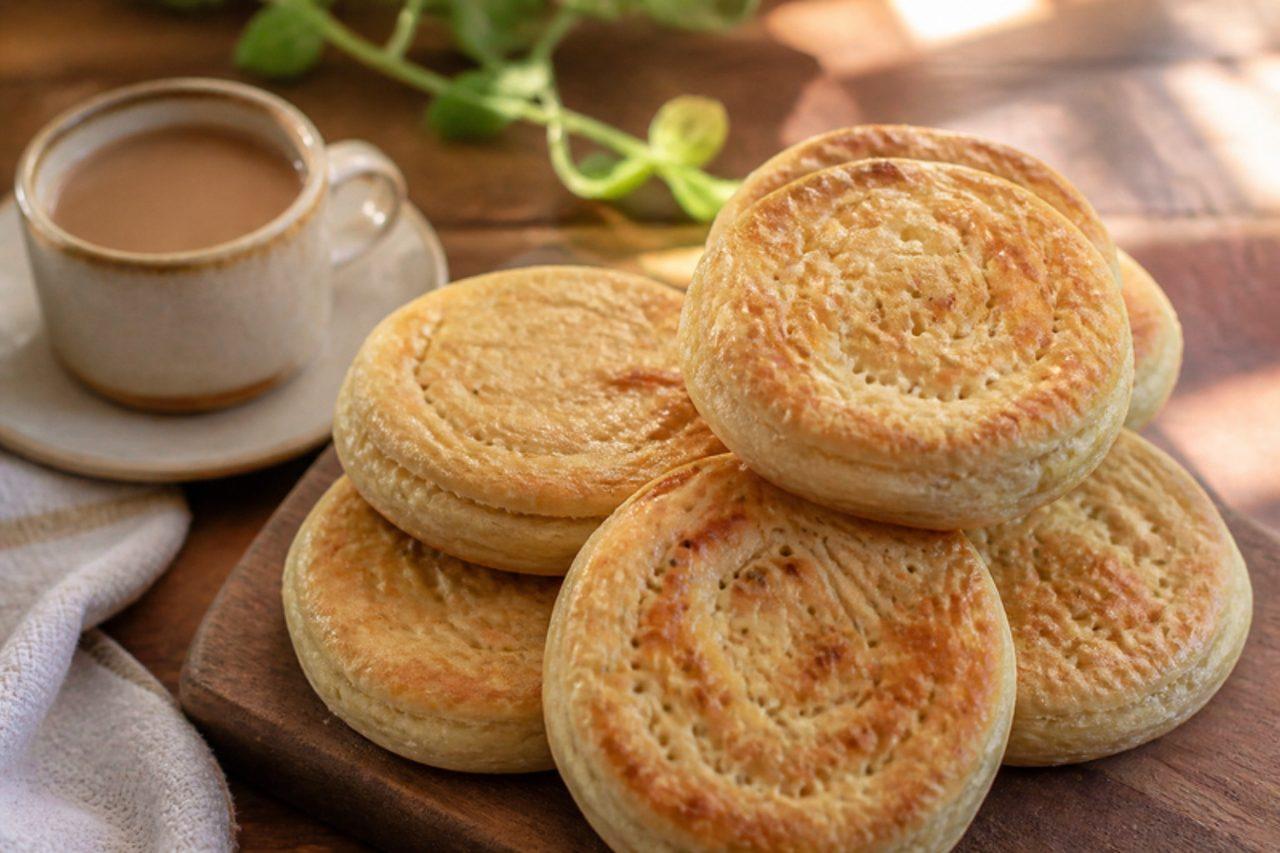
Tortitas mendocinasFlaky round breakfast breads

Every panadería in Mendoza fills a tray with tortitas in the early morning, and they go out in paper bags to be eaten warm with mate, split and spread with butter, quince paste or a slice of cheese. They are flat, round, slightly salty breads, soft and layered in the middle and crisp at the edges, with the fork marks that give them away. The traditional fat is beef lard (grasa), which makes them very short; here butter or vegetable shortening takes its place to keep them vegetarian, and both give a good flaky result. The mistake to avoid is rolling them thin like crackers: they should be a generous centimetre thick, or they bake hard and dry. Chef's tip: fold the dough in three twice before the final roll, like a quick puff pastry; those folds give tortitas their layers.

by KrazyBadal 0 views

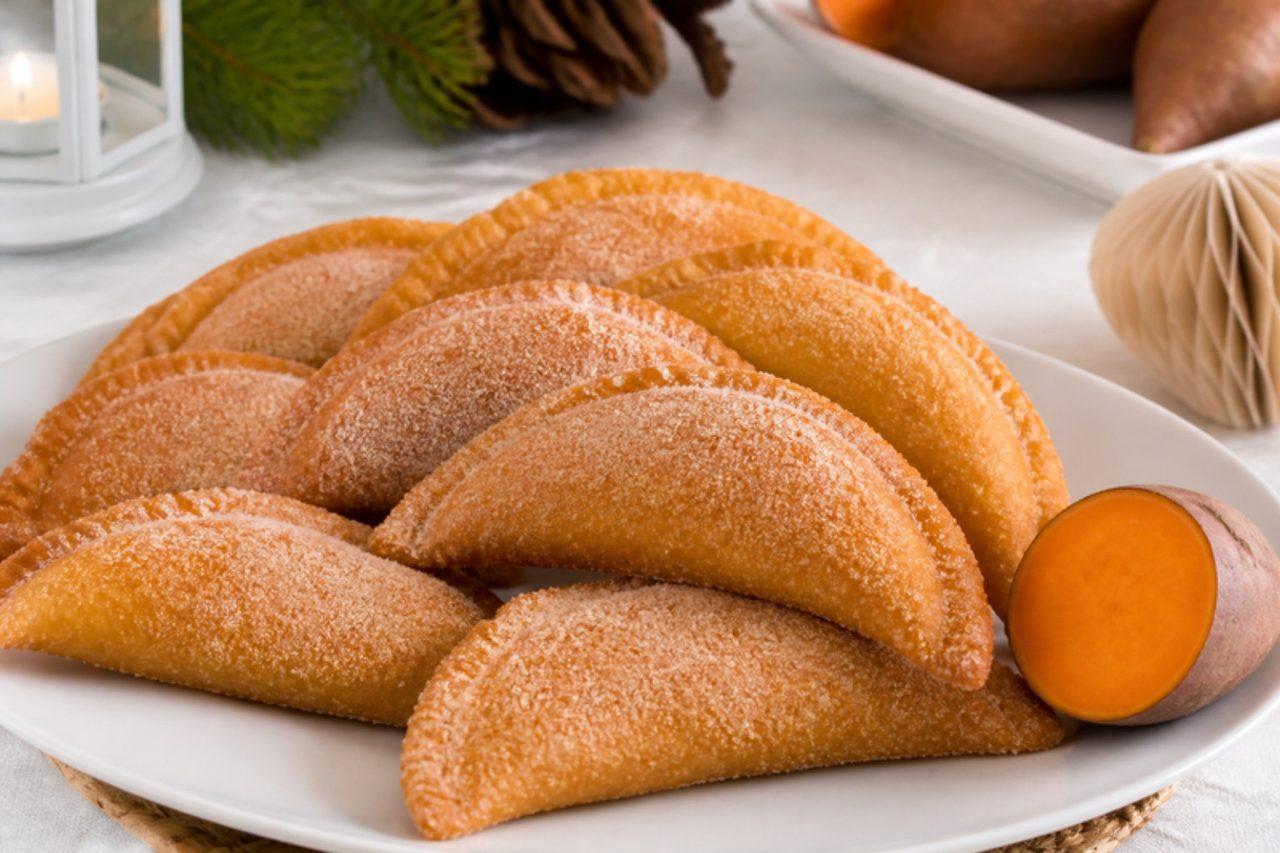
Truchas de batataSweet potato and almond pastries

Despite the name, there is no trout in these: truchas are crisp half-moon pastries that Tenerife and Gran Canaria fry by the hundred in the week before Christmas, and they are what neighbours bring each other on Christmas Eve. The filling is mashed sweet potato with ground almonds, sugar, lemon zest, cinnamon and anise, wrapped in a thin olive-oil dough. Some families add a spoon of anise liqueur or sweet wine to the dough; this version uses neither and is vegan. Chef's tip: let the filling cool completely and keep it thick, or the steam softens the dough and it bursts in the oil.

by KrazyBadal 0 views

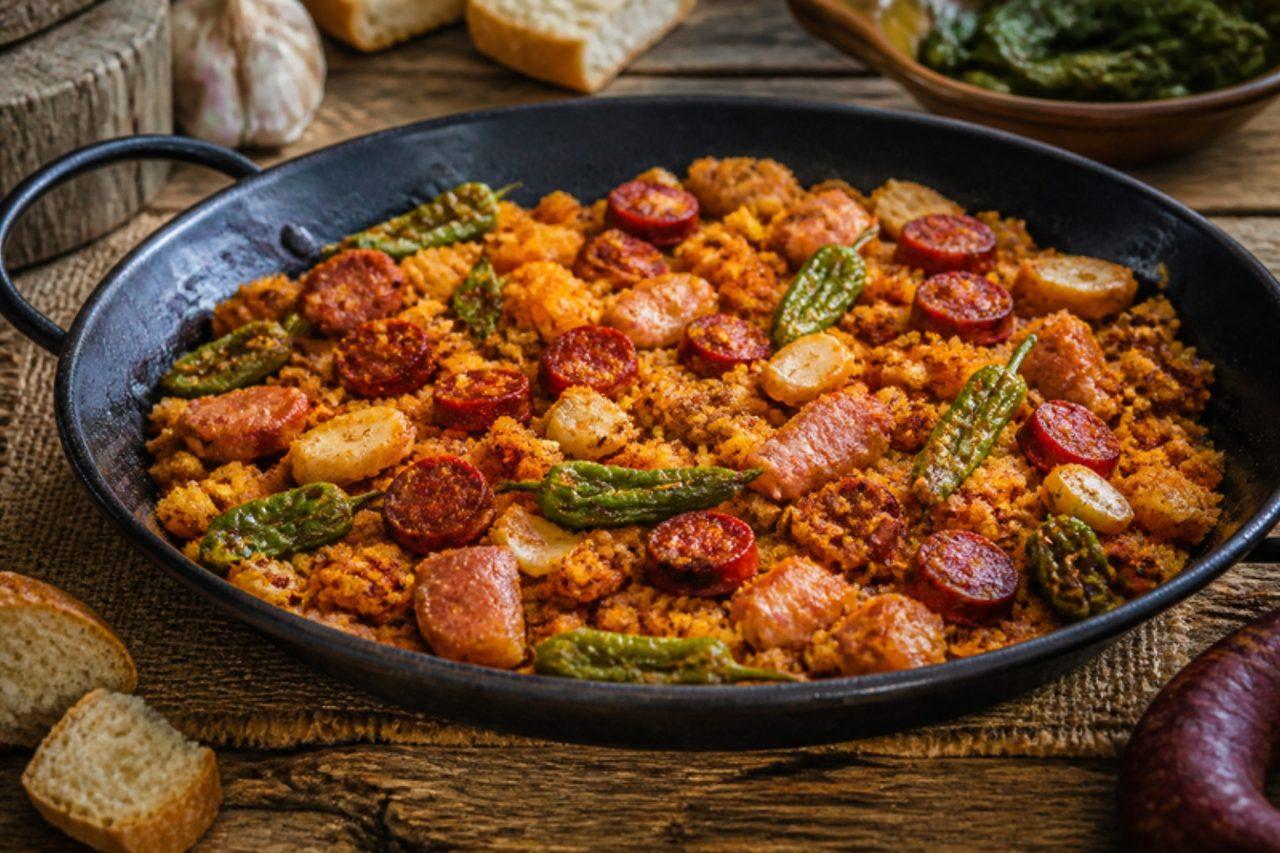
Migas extremeñasFried breadcrumbs with chorizo

Migas were the breakfast of Extremaduran shepherds, made from the hard bread they carried, and they are still what families cook on a rainy winter day or at a village fiesta, often in a huge pan stirred with a long spoon. The bread is cut tiny, dampened and left overnight, then fried slowly in garlicky oil with panceta and chorizo until loose, golden and crunchy at the edges. They are served with grapes or melon on the side, and sometimes a fried egg. This contains pork (panceta and chorizo). Chef's tip: keep turning the crumbs with a spatula the whole time; this constant movement is what makes them loose.

by KrazyBadal 0 views

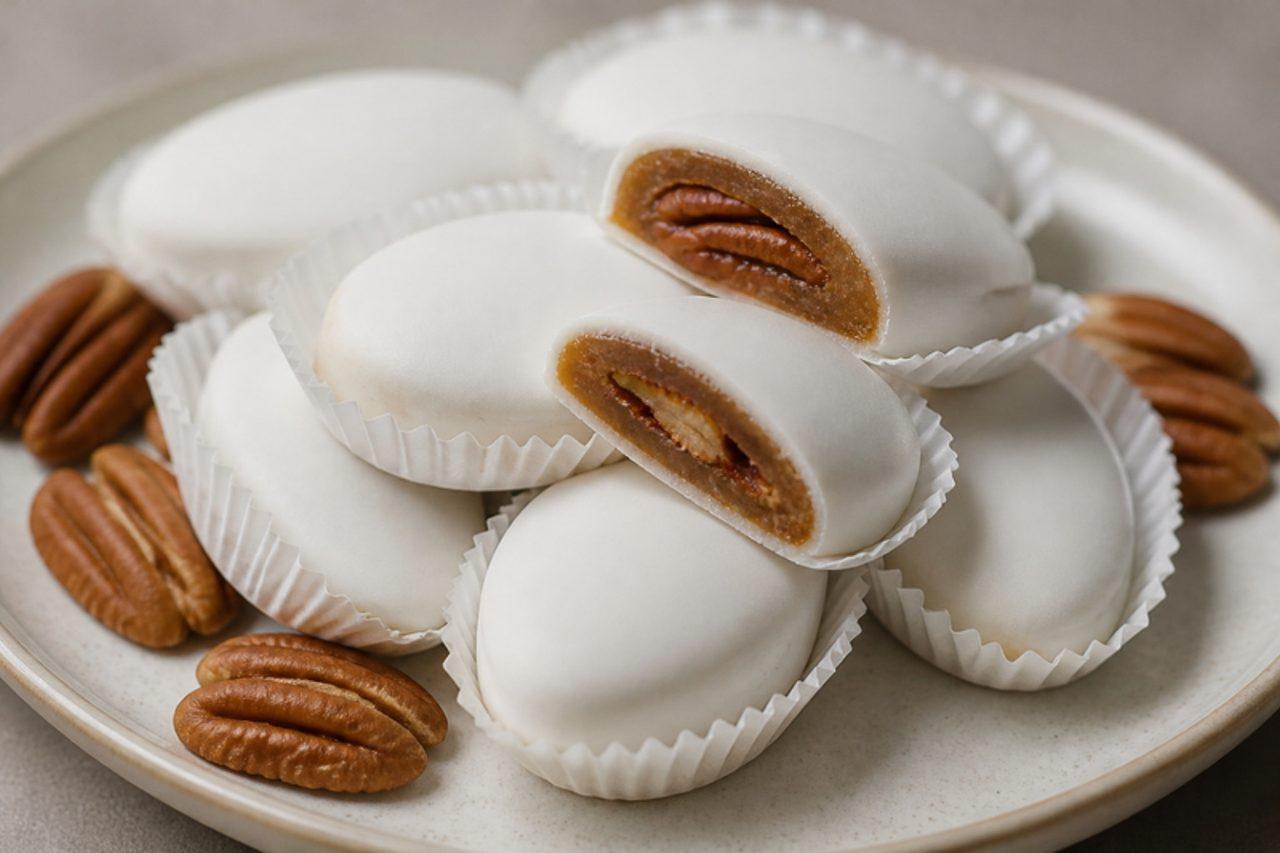
TejasPecan and manjar blanco sweets

Ica's sweet shops, along the road into town and around the main square, stack tejas in long rows, each one wrapped in white tissue paper with frilled ends. Inside the thin, crackly sugar shell is a soft centre of manjar blanco with a pecan or a piece of candied fruit; Ica has been making them since the 19th century and they are the city's best-known souvenir. They are intensely sweet, so one or two with coffee is enough. The hard part is the fondant: stir it while it's too hot and it turns grainy and opaque too early, so let the syrup cool before working it. This version makes a quick manjar blanco from condensed and evaporated milk and uses pecans; candied lime or orange peel works the same way. Chef's tip: chill the filled centres until firm before dipping; warm ones melt into the fondant and lose their shape.

by KrazyBadal 0 views

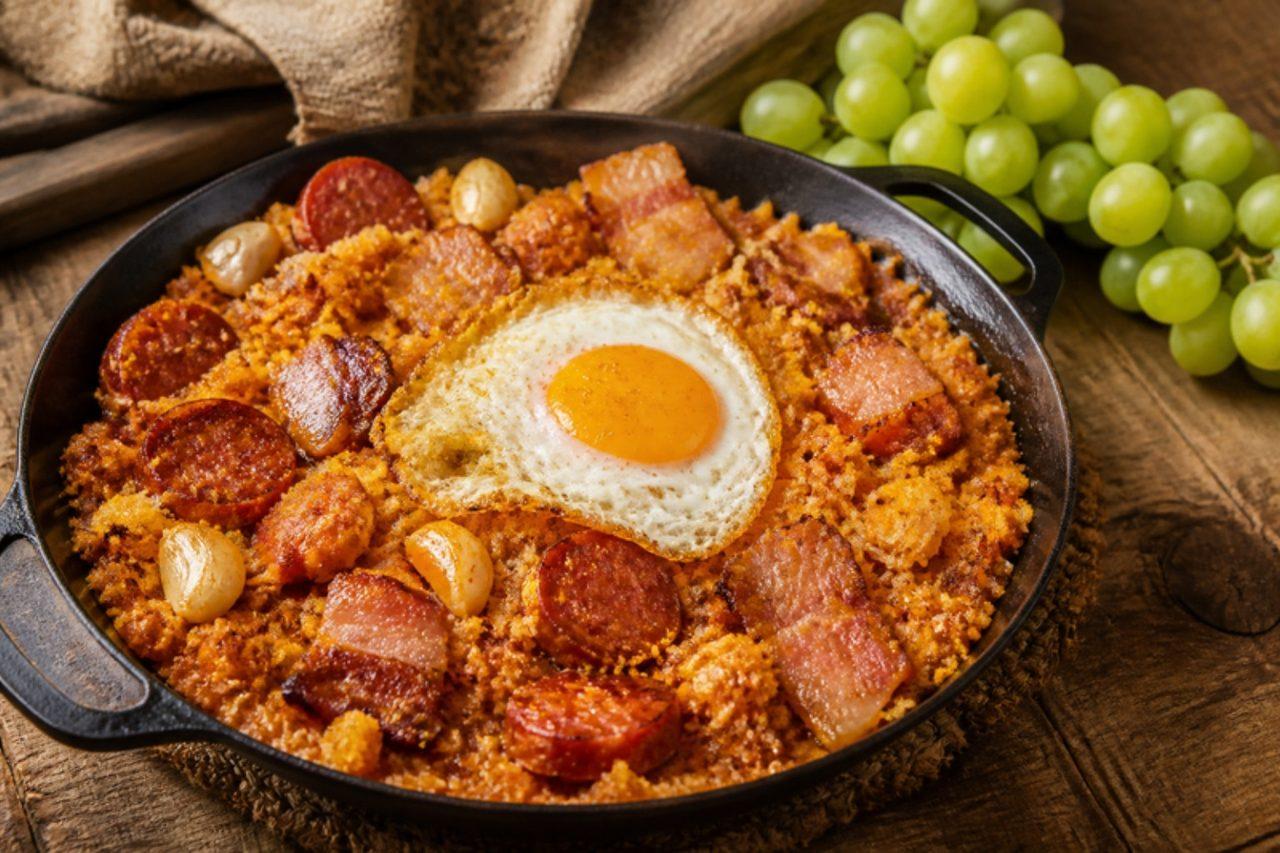
Migas a la aragonesaFried breadcrumbs with sausage and bacon

Shepherds in the Aragonese uplands made migas from yesterday's bread, a little water, garlic and whatever pork was hanging in the larder, and it is still a cold-weather breakfast, a hunters' lunch and a fiesta dish in villages from the Pyrenees to the Maestrazgo. Fried slowly in a wide pan, the dampened crumbs turn golden and crisp on the outside and stay soft inside, flecked with fried longaniza and bacon. Fresh green grapes or a fried egg on the side are the classic way to serve them. This contains pork (longaniza sausage and bacon). A common mistake is soaking the bread: sprinkle the water on and leave it overnight, or the migas turn to paste. Chef's tip: keep turning the crumbs with the edge of a spatula, chopping as you go; it is the long, patient stirring that makes them loose and crisp.

by KrazyBadal 0 views

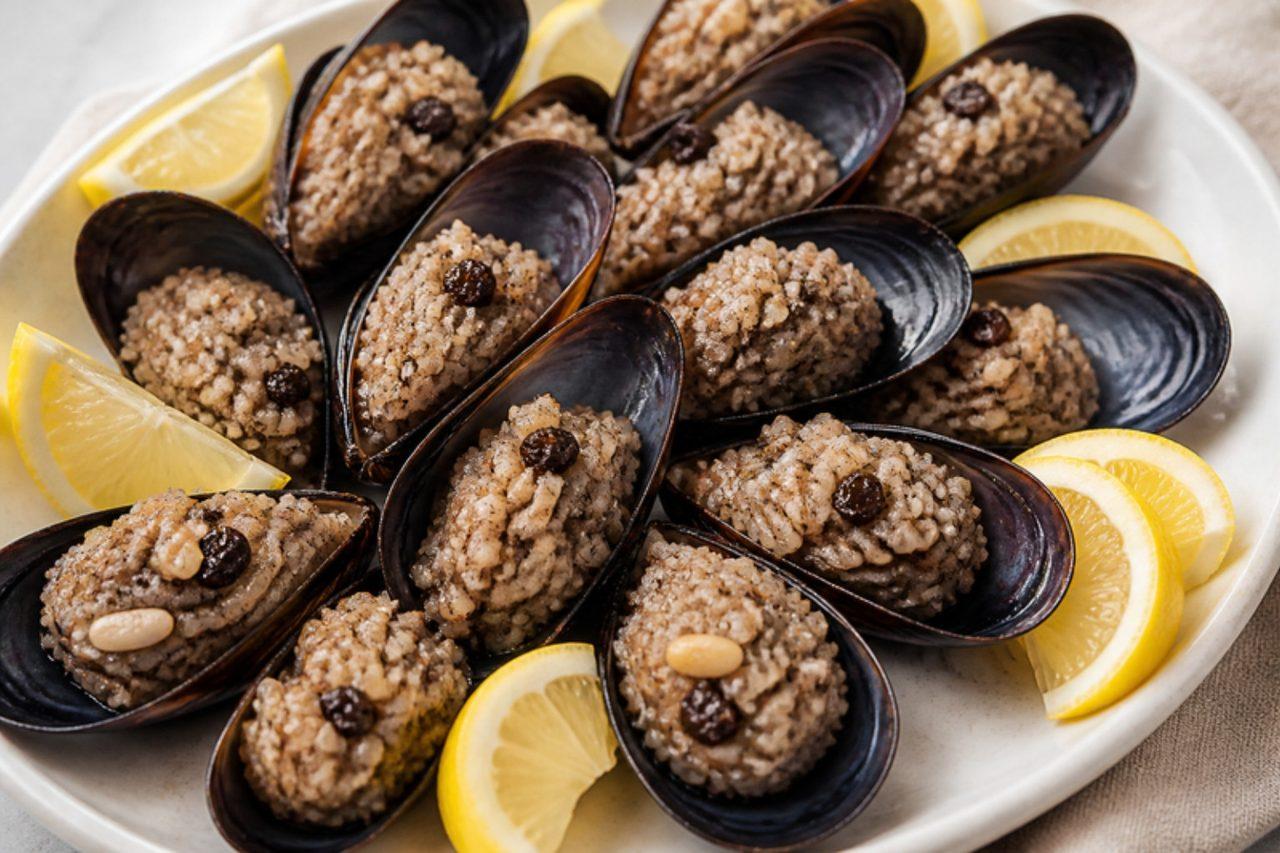
Midye dolmaRice-stuffed mussels

Late at night along Istanbul's Beşiktaş and Kadıköy streets, vendors walk with trays of shiny black mussels stuffed with fragrant rice, cracking one open, squeezing lemon on it and handing it over until you say stop. The rice is cooked with onion, tomato paste, cinnamon, allspice, currants and pine nuts, then steamed back inside the shells. Make them at home for a meze table and they are safer and fresher than any street tray. Chef's tip: soak the closed mussels in cold salted water first; the shells relax slightly and are much easier to prise open with a small knife.

105 minTurkishFish
by KrazyBadal 0 views

LemonanaFrozen mint lemonade

From café terraces in Ramallah and Jaffa to juice bars along Hamra Street in Beirut, summer means tall glasses of lemonana: lemons and fistfuls of fresh mint blended with ice into a sharp, sweet, electric-green slush. It is the drink handed to you after a walk through the market at noon, and it cools a mezze lunch like nothing else. Everything goes in a blender, but the mint must be fresh and plentiful. The common mistake is blending the mint for too long, which bruises it and turns the drink murky and grassy. Chef's tip: make a lemon-sugar syrup first and chill it; dissolved sugar sweetens evenly and lets you blend for only a few seconds.

by KrazyBadal 0 views

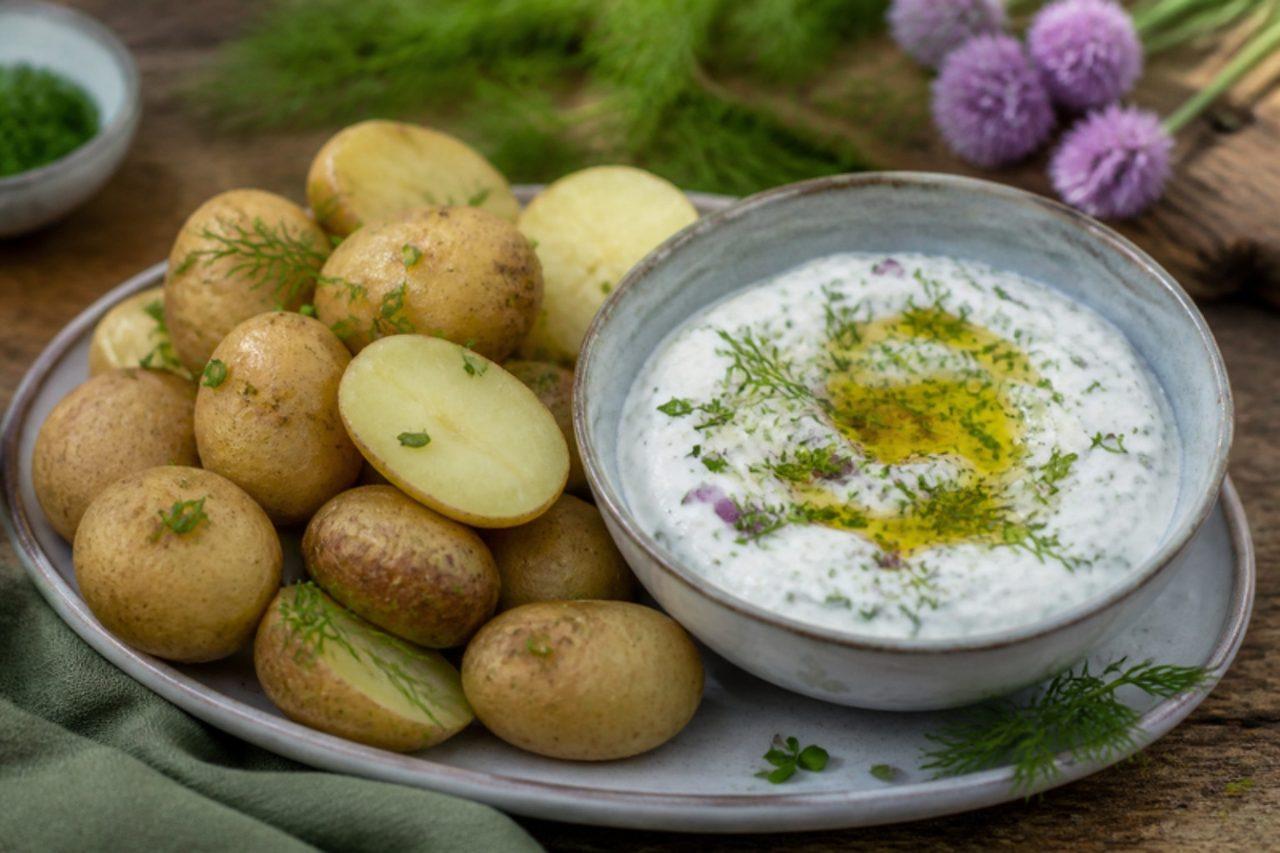
Pellkartoffeln mit Quark und LeinölJacket potatoes with herb quark

Ask anyone from the Spreewald, the river-and-forest country south-east of Berlin, for the taste of home and many will name this: small potatoes boiled in their skins, a bowl of cold herb quark and a thread of golden, nutty linseed oil poured over the top. It is a weekday supper in Brandenburg and Berlin, cheap, quick and surprisingly filling, often with a Spreewald gherkin on the side. Fresh linseed oil tastes of hay and walnuts; old oil turns bitter and fishy, so buy a small bottle and keep it in the fridge. A common mistake is peeling the potatoes before boiling; cooking them in their skins keeps them firm and flavourful. Chef's tip: beat a splash of milk or sparkling water into the quark, which makes it light and creamy instead of stodgy.

by KrazyBadal 0 views

Pan de arrozRice flour cheese rings

Coffee in Arauca or Casanare rarely comes alone: there is usually a basket of pan de arroz, small golden rings made from rice flour and grated salty cheese, sold at roadside stalls, bakeries and village fiestas across the plains. They bake crisp on the outside and soft, slightly chewy and cheesy within, a cousin of pandebono but lighter and more crumbly. Eat them warm with a cup of tinto or hot chocolate in the afternoon. The cheese on the plains is queso llanero, a firm, salty farm cheese; mix feta-style cheese with a little mozzarella if you cannot find it, and as both are usually made with animal rennet, choose vegetarian (microbial-rennet) ones. The mistake that causes trouble is coarse, lumpy cheese, which makes the dough crack as you shape it; crumble or grate it very finely. Chef's tip: rest the dough for 10 minutes before shaping so the rice flour hydrates and the rings close without splitting.

by KrazyBadal 0 views

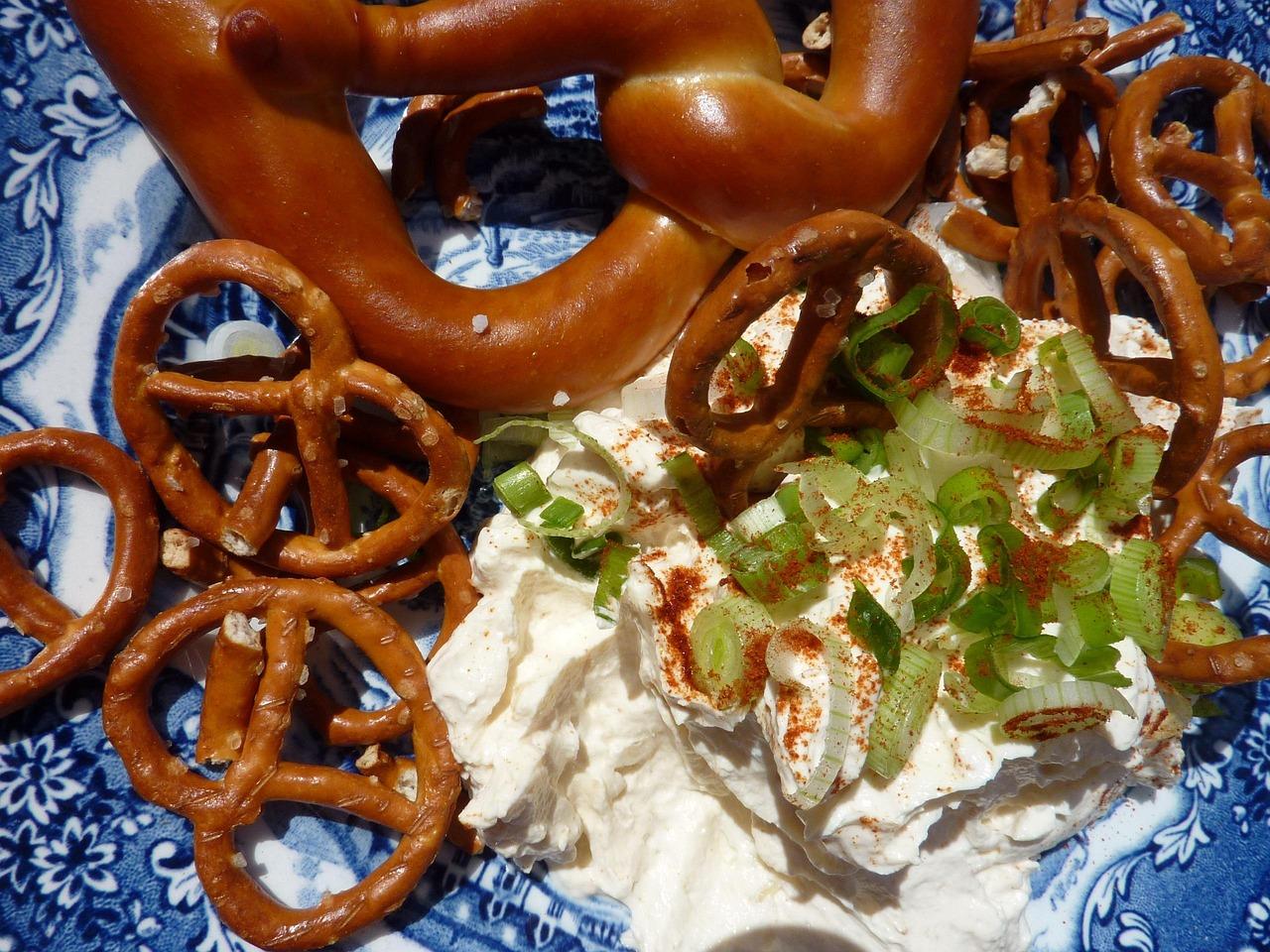
SpundekäsWhipped quark and cream cheese dip

In Mainz and the wine villages of Rhine-Hesse, Spundekäs is what lands on the table at a wine festival or in a Straußwirtschaft, the pop-up taverns winemakers open in their courtyards in late summer. It is a light, airy whip of quark and cream cheese, sharpened with onion, garlic and plenty of sweet paprika, and it is scooped up with soft pretzels or Laugenbrezel. The name comes from the cone-shaped wooden 'Spund' it was once pressed into. A common mistake is using watery quark straight from the tub, which makes a runny dip; drain it first. Chef's tip: make it a couple of hours ahead so the onion softens into the cheese, then dust with fresh paprika just before serving.

by KrazyBadal 0 views

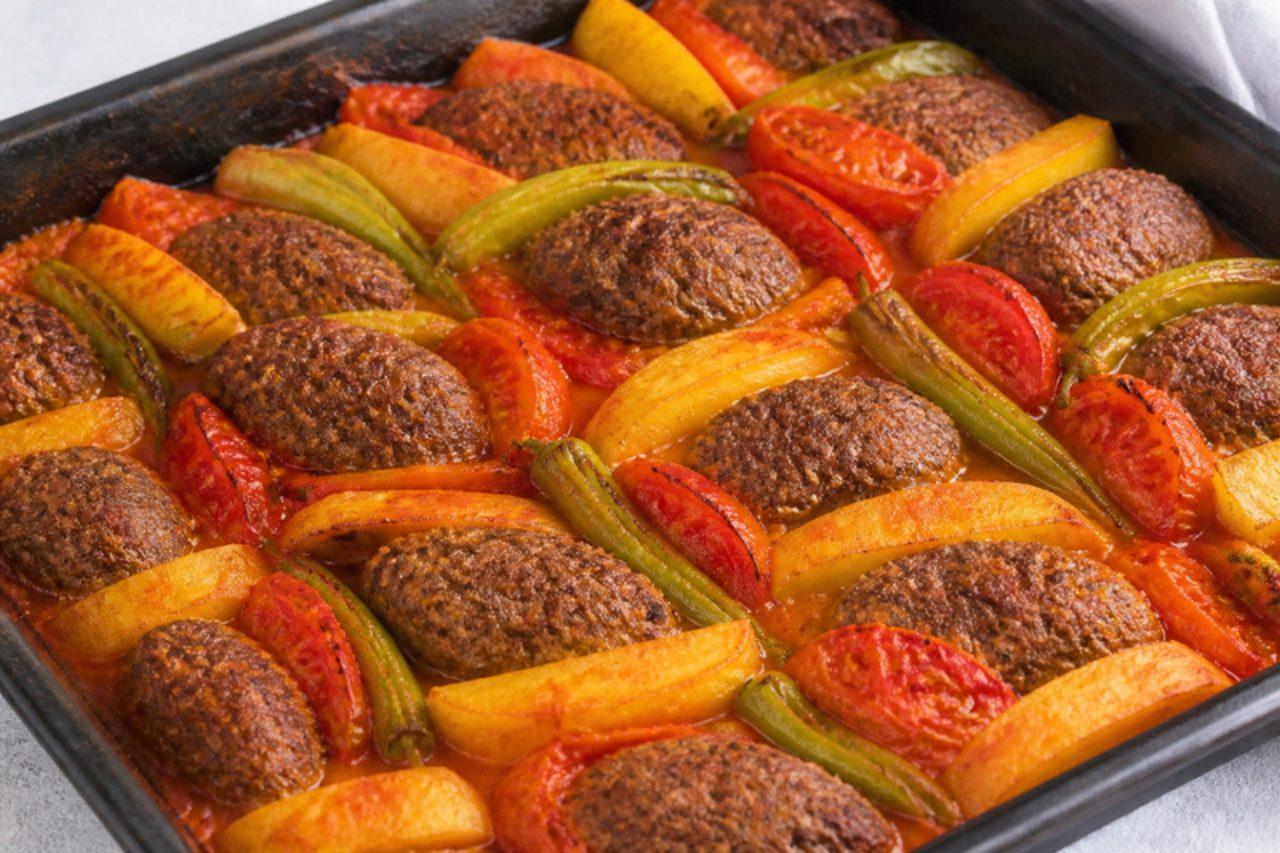
İzmir köfteMeatballs baked with potatoes and peppers

Ask anyone from İzmir what their mother cooked on weeknights and İzmir köfte comes up: fingers of cumin-scented köfte, wedges of potato and long green peppers, lined up in a tray and baked in a thin tomato sauce until everything is soft and the edges catch. It is a one-tray family supper served with rice pilaf, a bowl of cacık and plenty of bread for the sauce. Chef's tip: fry the köfte and potatoes briefly before baking; that quick browning gives depth the oven alone can't.

by KrazyBadal 0 views

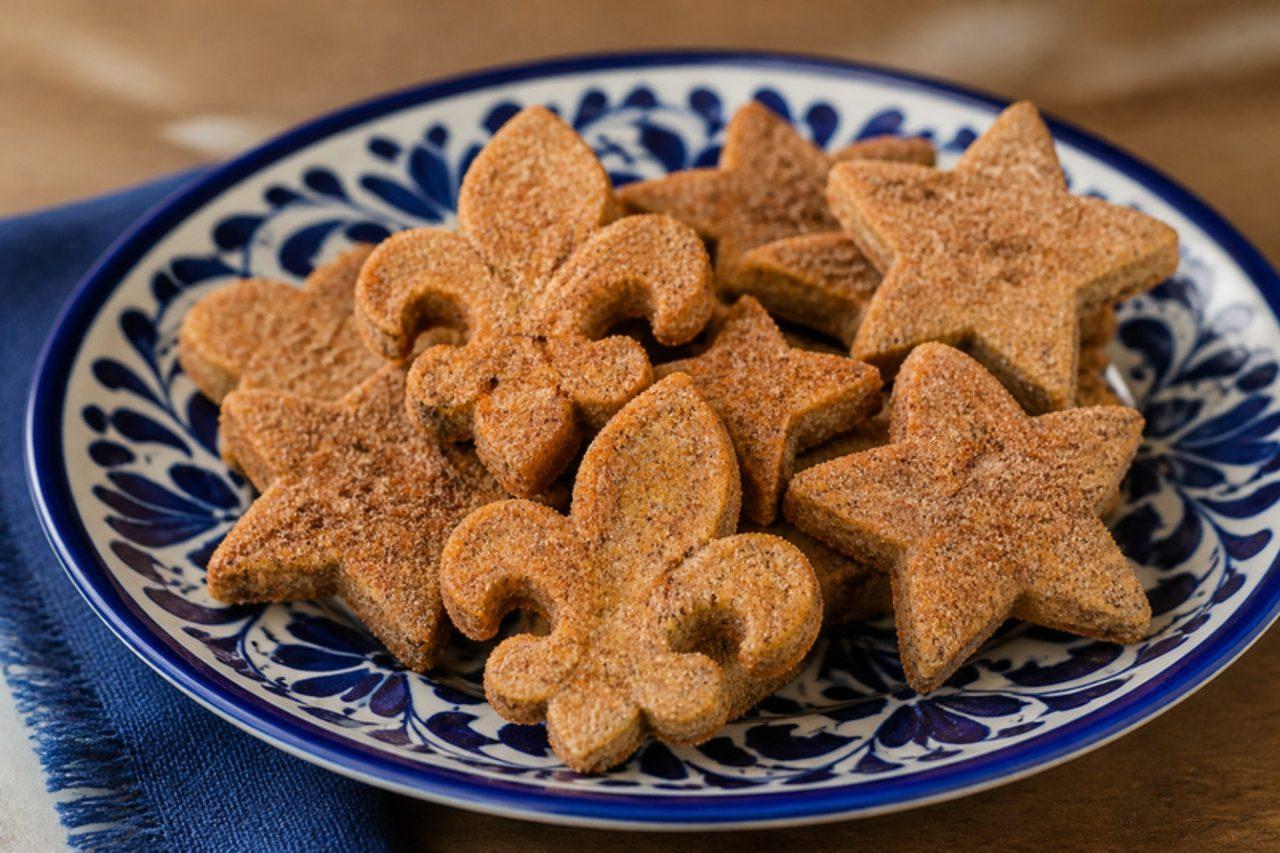
New Mexico biscochitosAnise cinnamon cookies

Biscochitos are New Mexico's official state cookie, baked by the thousand at Christmas, weddings and baptisms in Hispanic homes from Las Cruces to Taos. They are crumbly, short and scented with anise seed, cut into stars or fleurs-de-lis and dipped in cinnamon sugar. Grandmothers use lard, which gives the classic texture; this version uses butter so it stays vegetarian. Traditional recipes add a splash of brandy; here orange juice is used instead. Chef's tip: lightly crush the anise seeds to release the flavour.

by KrazyBadal 0 views

Leitão à BairradaRoast suckling pig

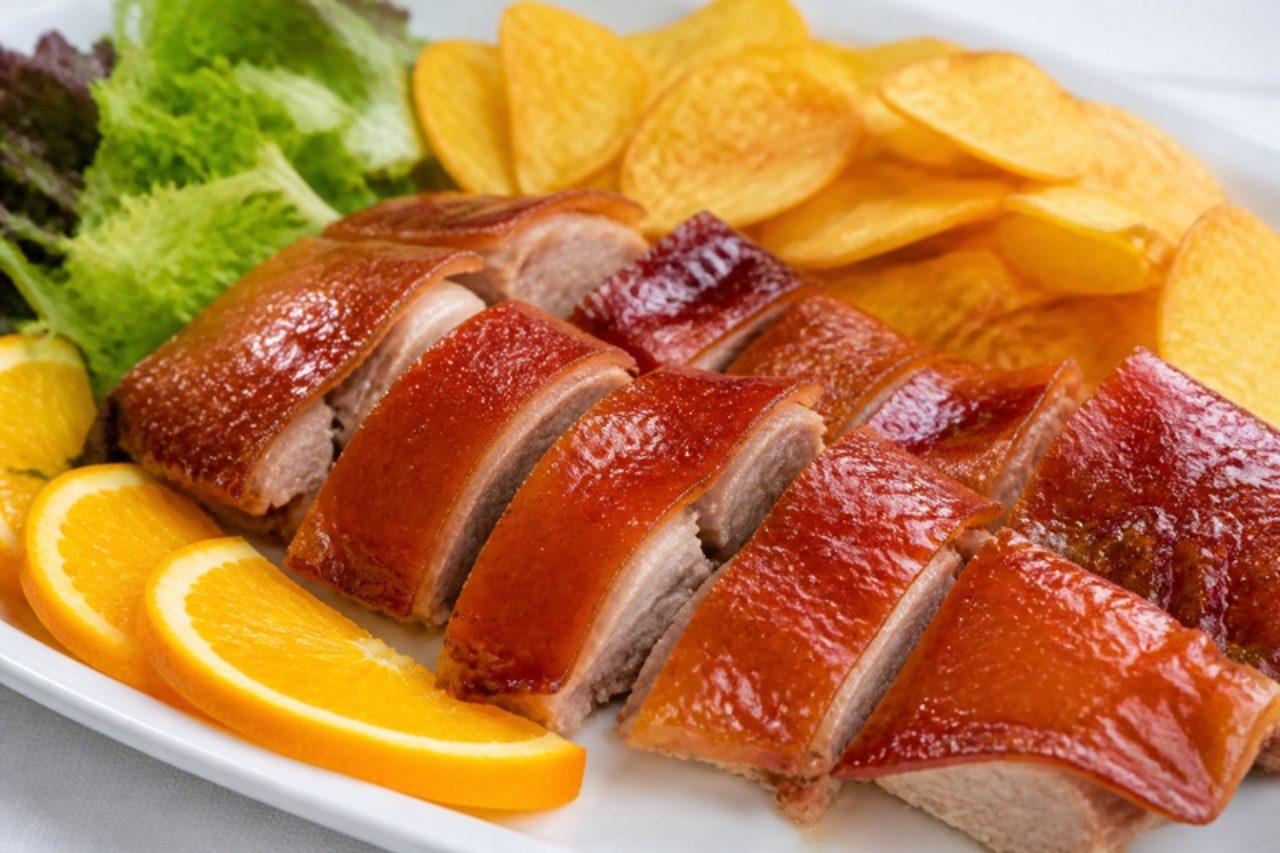
Along the old Lisbon–Porto road through the Bairrada, around Mealhada, restaurant after restaurant roasts suckling pigs whole in wood ovens, and people drive for hours for a Sunday lunch of it. This contains pork (suckling pig and lard). The inside is rubbed with a fierce paste of lard, garlic, black pepper and bay, while the skin roasts to a glassy, crackling sheet. It is served cold or warm with sliced oranges, crisp potato chips and a green salad. A half or quarter pig from a specialist butcher fits a home oven. Chef's tip: keep the skin completely dry and paste only the inside, as any fat or water on the skin stops it crackling.

by KrazyBadal 0 views

MichironesBroad beans with chorizo and ham

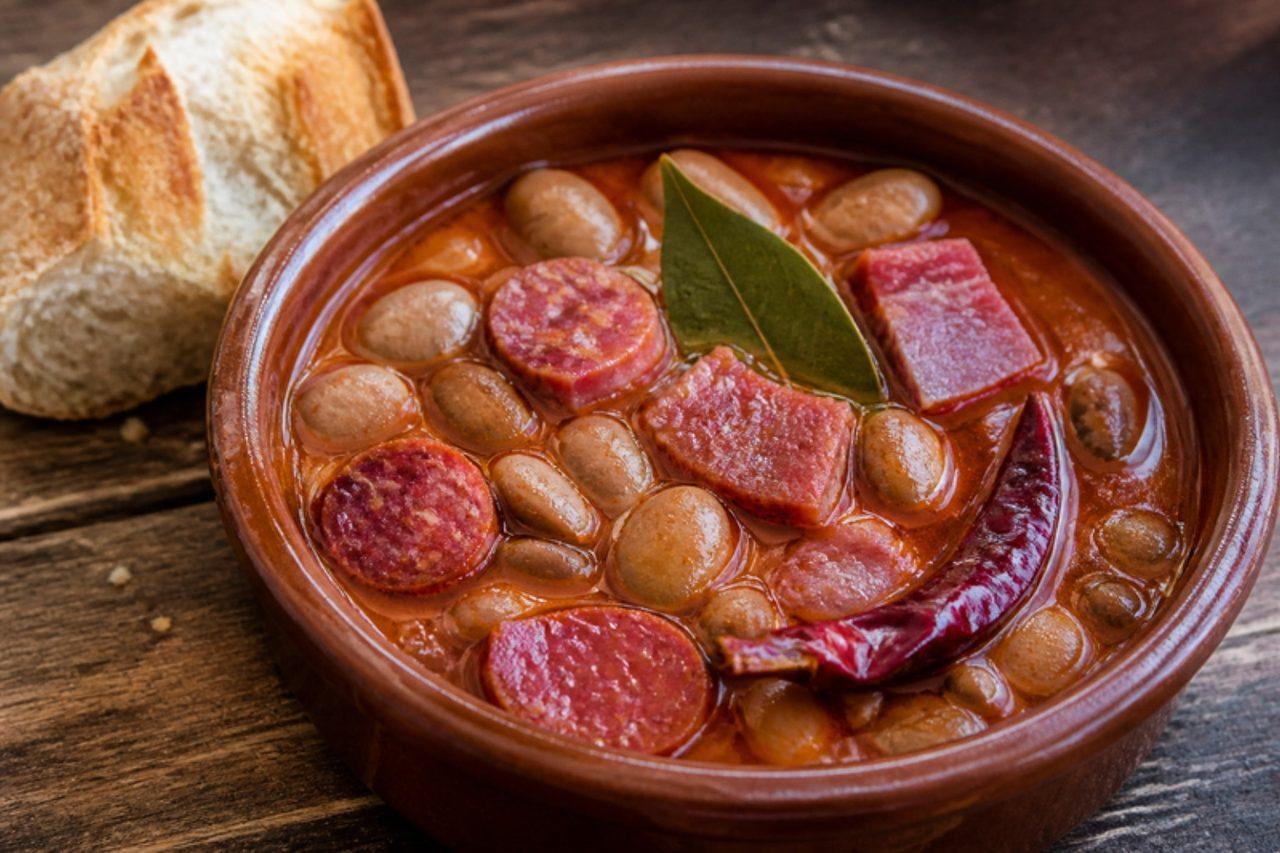
Michirones are dried broad beans slowly simmered with pork, bay and hot chilli until soft and spicy, and in Murcia they are the tapa of cold months, ladled into small bowls in the city's bars with a spoon stuck in. The beans need a long soak and a long cook, so bars make a big pot in the morning that lasts all day. This contains pork (chorizo, panceta and a cured ham bone). Chef's tip: wait until the end to add salt, because the ham bone and chorizo season the broth as they cook.

195 minSpanishMeatSpicy
by KrazyBadal 0 views

Orkney clapshotSwede and potato mash

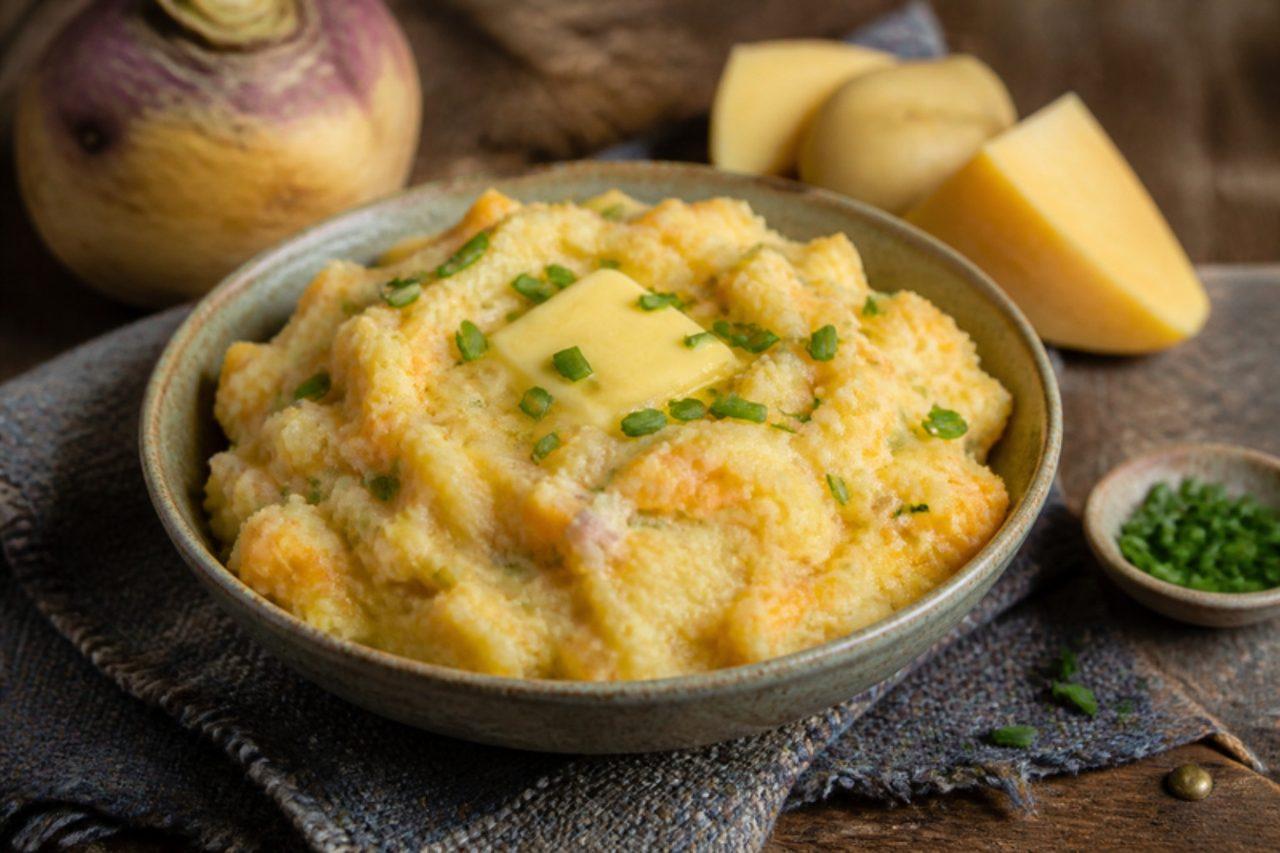
Clapshot is the Orkney way with neeps and tatties: equal amounts of swede and potato mashed together with butter, chives and plenty of pepper, rather than served side by side. Islanders eat it with oatcakes and cheese, with mince, or alongside haggis on Burns Night. It is sweet, earthy and soft-orange. Chef's tip: dry the boiled vegetables in the hot pan before mashing, or the swede makes it watery.

by KrazyBadal 0 views

Rancho à minhotaChickpea, meat and macaroni stew

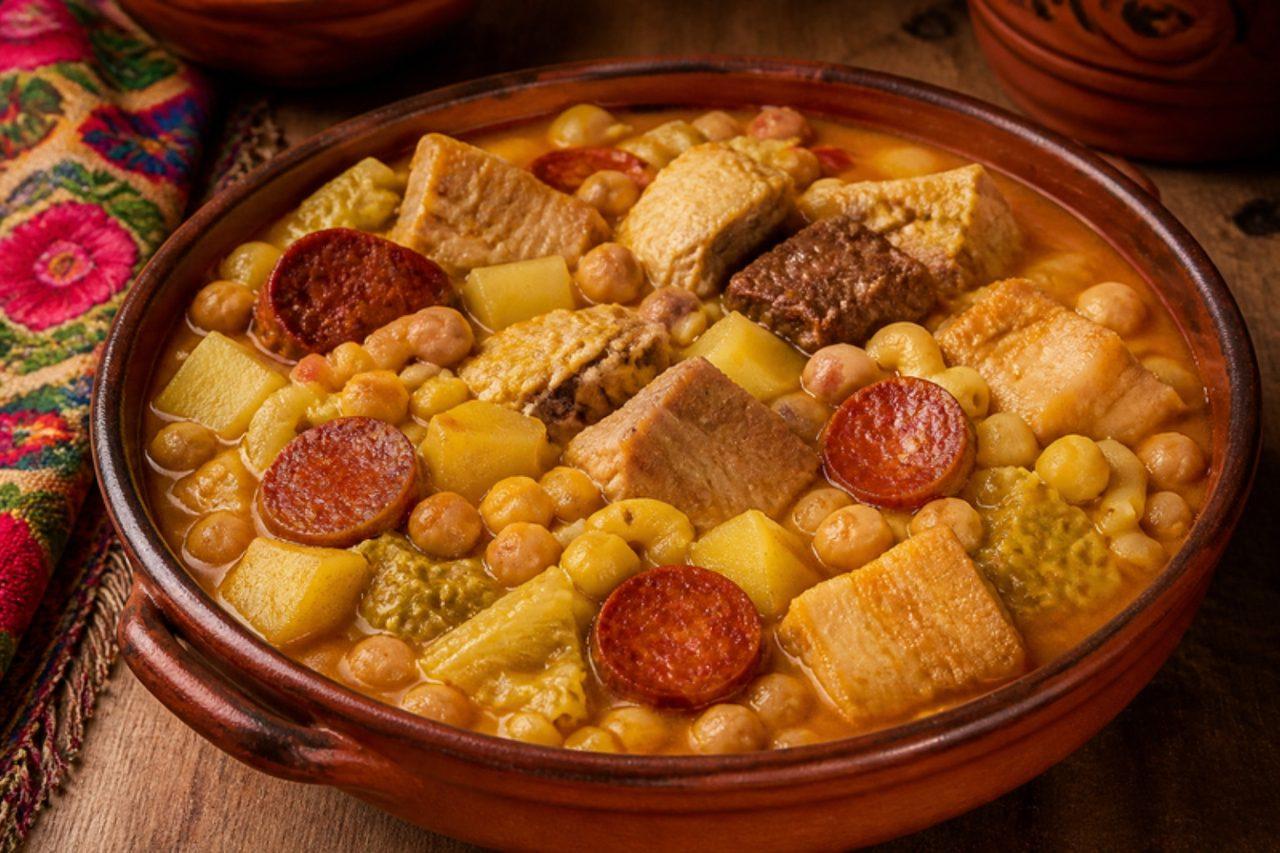
Rancho was the food of farmhands at harvest time around Viana do Castelo: one huge pot of chickpeas, beef, pork, chicken and chouriço, with cabbage, potatoes and short macaroni cooked in the broth to stretch it further. It is now a winter favourite in family restaurants, eaten from deep plates with plenty of the cooking liquid. This contains pork (pork belly and chouriço). Chef's tip: add the pasta only ten minutes before serving and keep the stew loose, as the macaroni soaks up broth fast.

by KrazyBadal 0 views

RanfañoteToasted bread dessert in spiced syrup

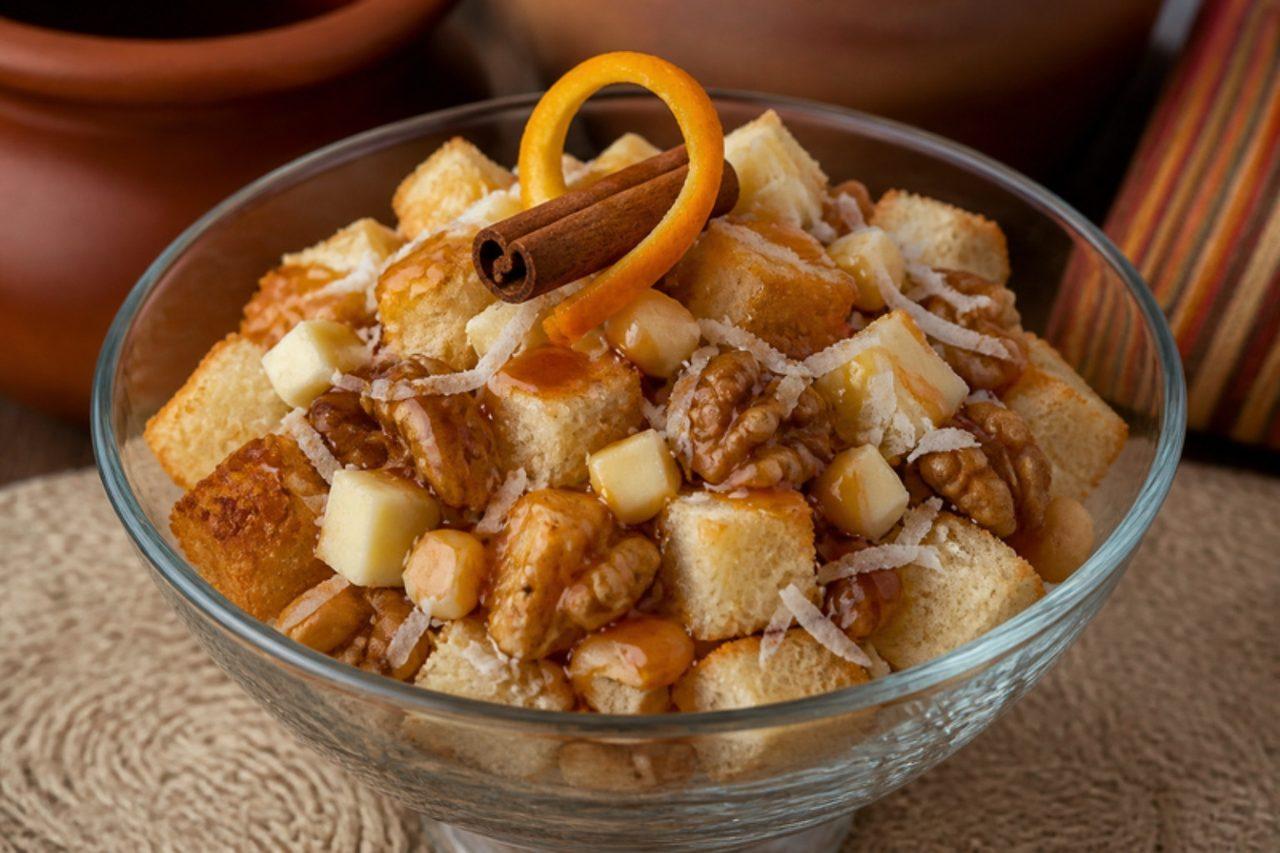
Made from leftovers in colonial Lima by Afro-Peruvian cooks, ranfañote is one of the city's oldest sweets and turns up today at criollo food fairs and at old-style dessert stalls in Barrios Altos. Cubes of day-old bread are toasted crisp, then layered with walnuts, coconut, raisins and little cubes of fresh cheese and drenched in a thick chancaca syrup scented with cinnamon, clove and orange peel. The cheese is not a typo: its saltiness cuts the syrup, and the contrast of crunchy bread, chewy fruit and soft cheese is the point. It is eaten warm or at room temperature on its own. The common error is pouring thin syrup over the bread, which drowns it; the syrup should be thick like honey. Queso fresco is generally made with animal rennet, so choose a vegetarian fresh cheese if you need to. Chef's tip: toast the bread in the oven rather than frying it; it stays crisp longer under the syrup and is less greasy.

by KrazyBadal 0 views

MidopilafoMussel pilaf

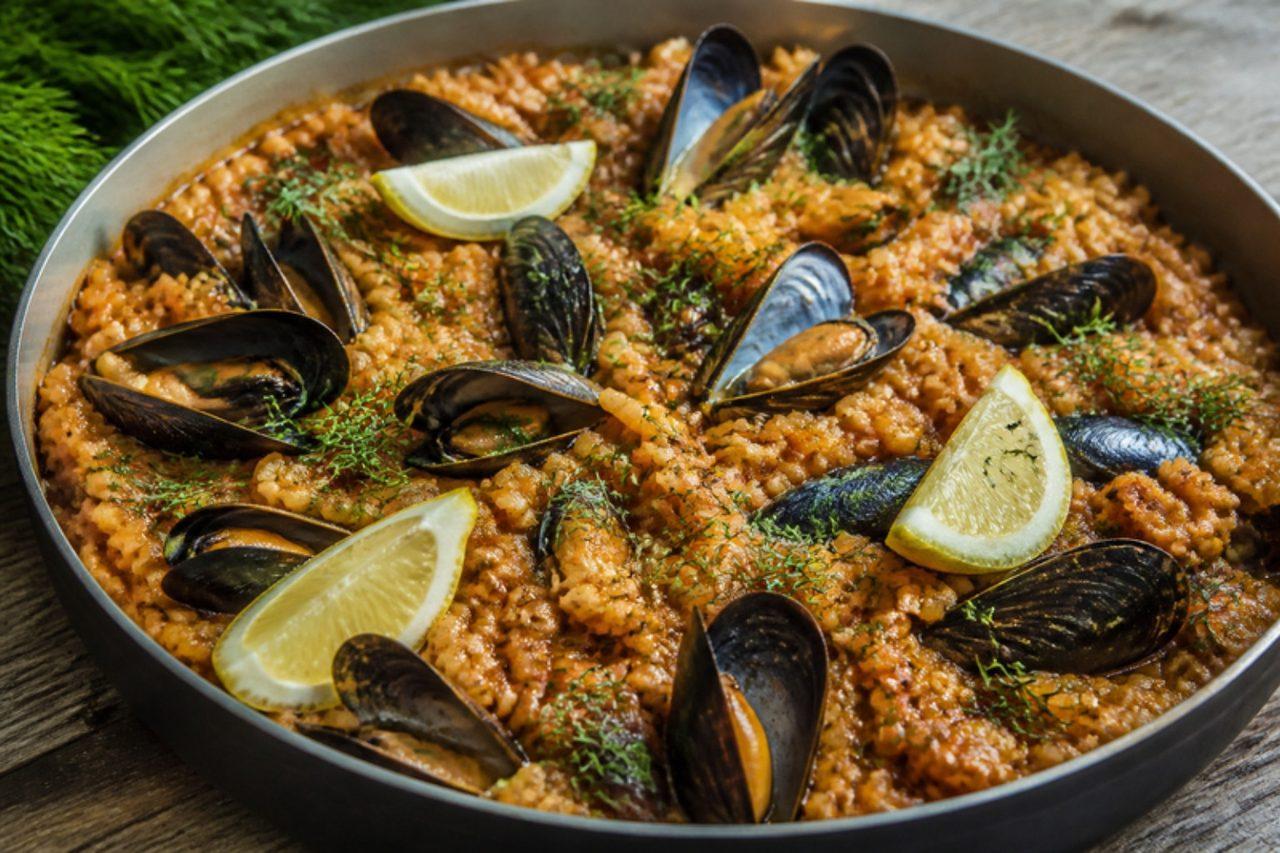
Midopilafo is what Thessaloniki fishermen's families make on a fasting Friday or a cheap midweek night, when a bag of mussels from the Thermaic Gulf can feed a crowd. The mussels are steamed first and their briny liquor becomes the stock for the rice, which simmers with onion, a little tomato and dill until tender and a touch soupy. The shelled mussels go back in at the end so they stay plump. Some cooks add white wine; this version uses lemon and the mussel juice only, so it is alcohol-free. Common mistake: cooking the shelled mussels with the rice the whole time — they shrink to rubber. Chef's tip: strain the mussel liquor through a fine sieve lined with kitchen paper to catch any grit.

60 minGreekFishGluten free
by KrazyBadal 0 views

RanginakWalnut-stuffed dates with butter flour

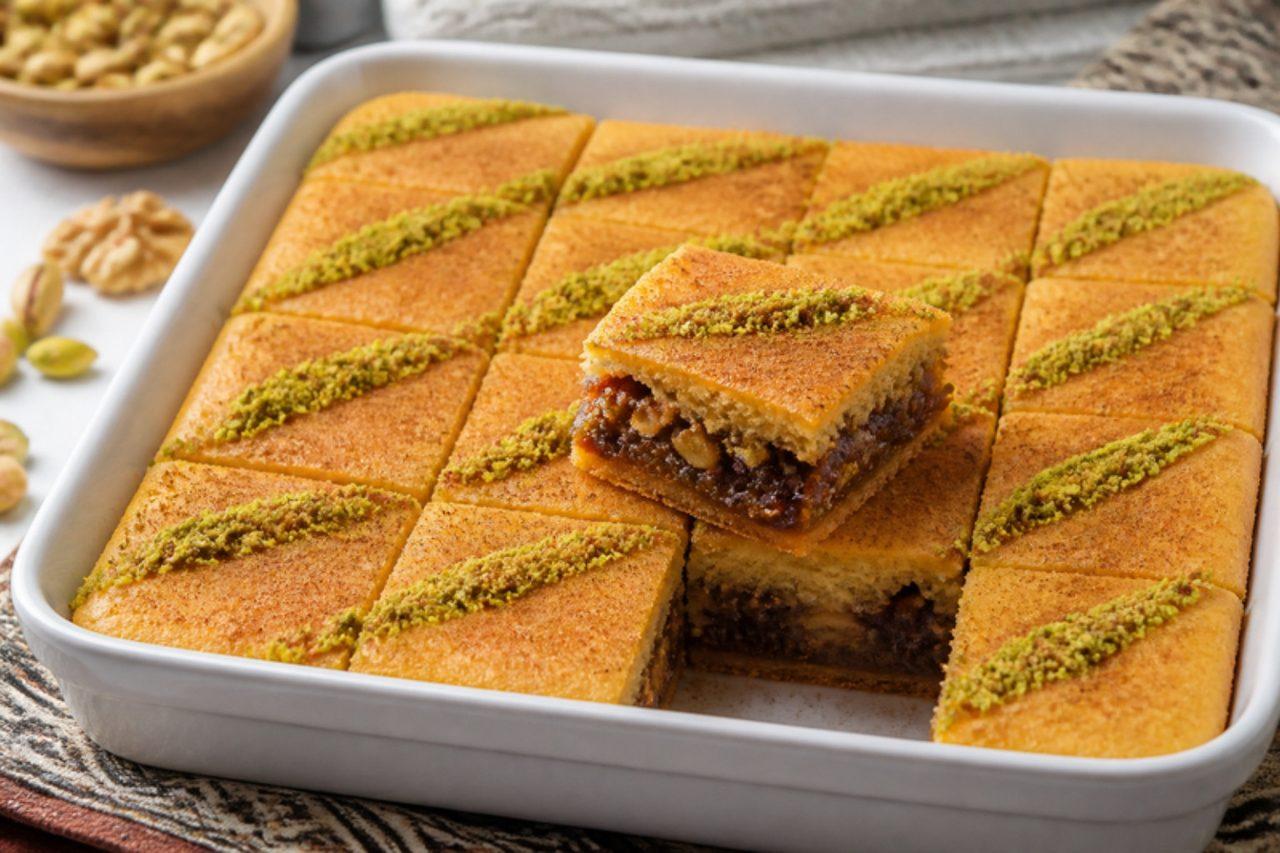
Ranginak is the date sweet of the south, made in Shiraz, Bushehr and Kerman in late summer when the new dates arrive and served in squares with bitter tea, and also at mourning gatherings and Ramadan iftar. Soft dates are stuffed with walnuts, packed into a dish and covered with flour slowly toasted in butter until it smells of biscuits, then dusted with cinnamon and pistachio. A common mistake is toasting the flour on too high a heat: it scorches before it turns nutty, so stir it patiently over a low flame. Chef's tip: use soft, moist dates such as Kabkab or Medjool; dry dates go hard once the butter sets.

by KrazyBadal 0 views

Pan de milloGalician cornbread

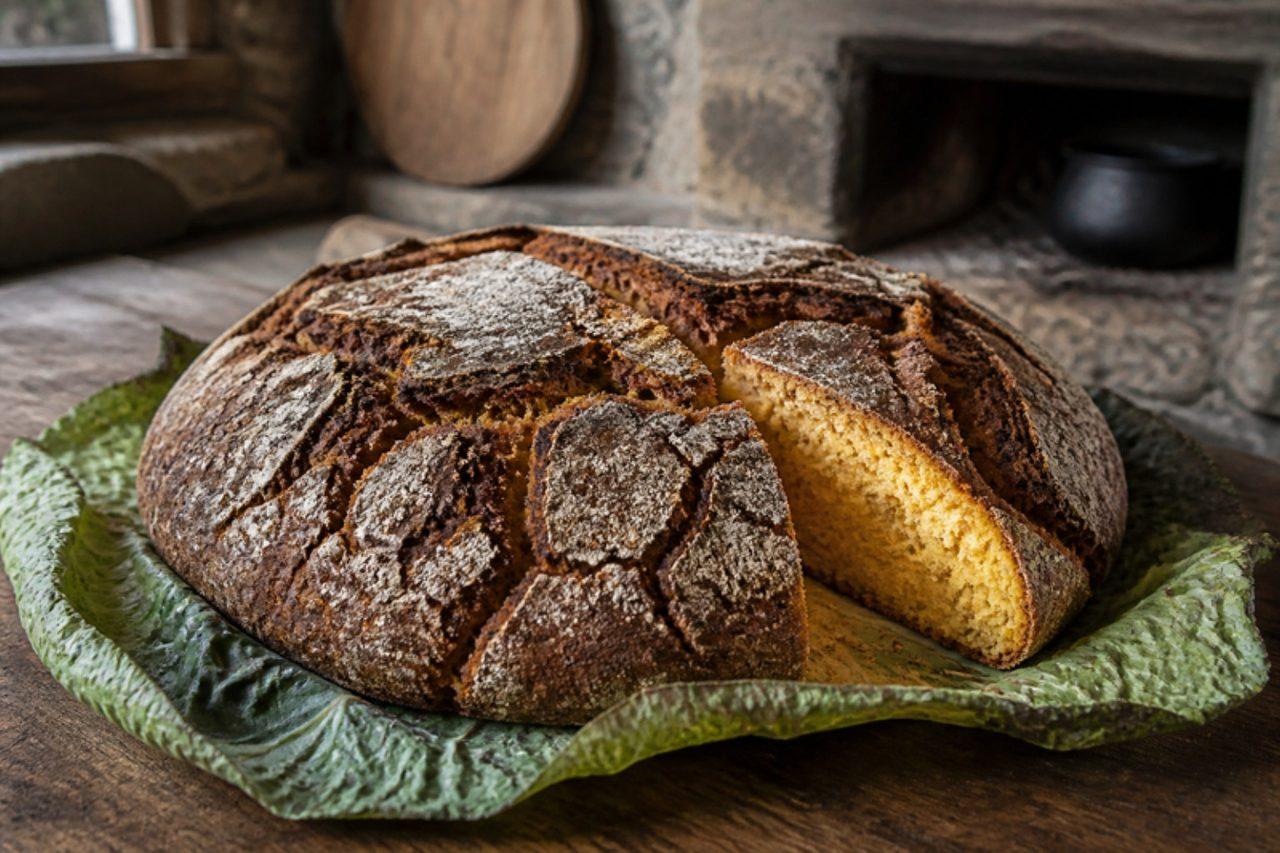
In the inland villages of Lugo and Ourense, and in the Deza area of Pontevedra, pan de millo, also called broa, was the everyday bread before wheat became common, baked in wood ovens and sometimes on a cabbage leaf. It is heavy, moist and slightly sweet inside, with a thick, cracked crust, and it is eaten with caldo, cheese or simply olive oil. Maize flour has no gluten of its own, so this version mixes in some wheat flour to help it rise; it is vegan. A common mistake is expecting a light loaf: it should feel heavy and close-textured. Chef's tip: scald the maize flour with boiling water first, which makes the crumb tender and stops it crumbling.

by KrazyBadal 0 views

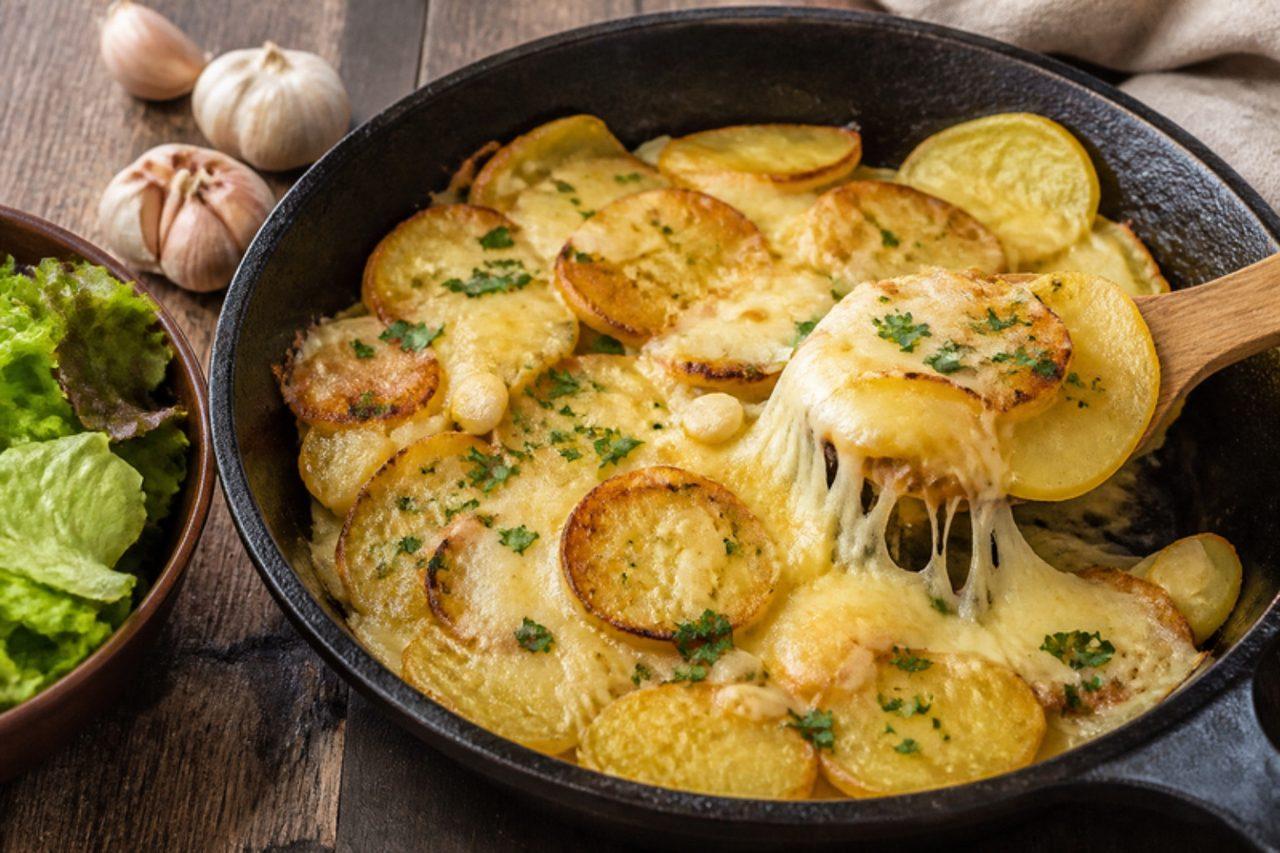
TruffadeFried potatoes with Cantal cheese

Truffade is cattle-herders' food from the volcanic mountains of the Cantal, cooked in a big pan over the fire in the stone burons where Salers cows spend the summer. Potato slices are fried until tender and lightly golden, then folded with thin slices of young tomme fraîche du Cantal until the cheese melts into strings, and the whole thing is eaten with a green salad, nothing else. Herders used lard; this version uses butter and oil, so it is vegetarian. Tomme du Cantal is made with animal rennet; a young vegetarian cheese that melts well, such as a mild Lancashire-style or vegetarian mozzarella, also works. Chef's tip: slice the potatoes as thin as a coin so they cook through before they burn.

by KrazyBadal 0 views

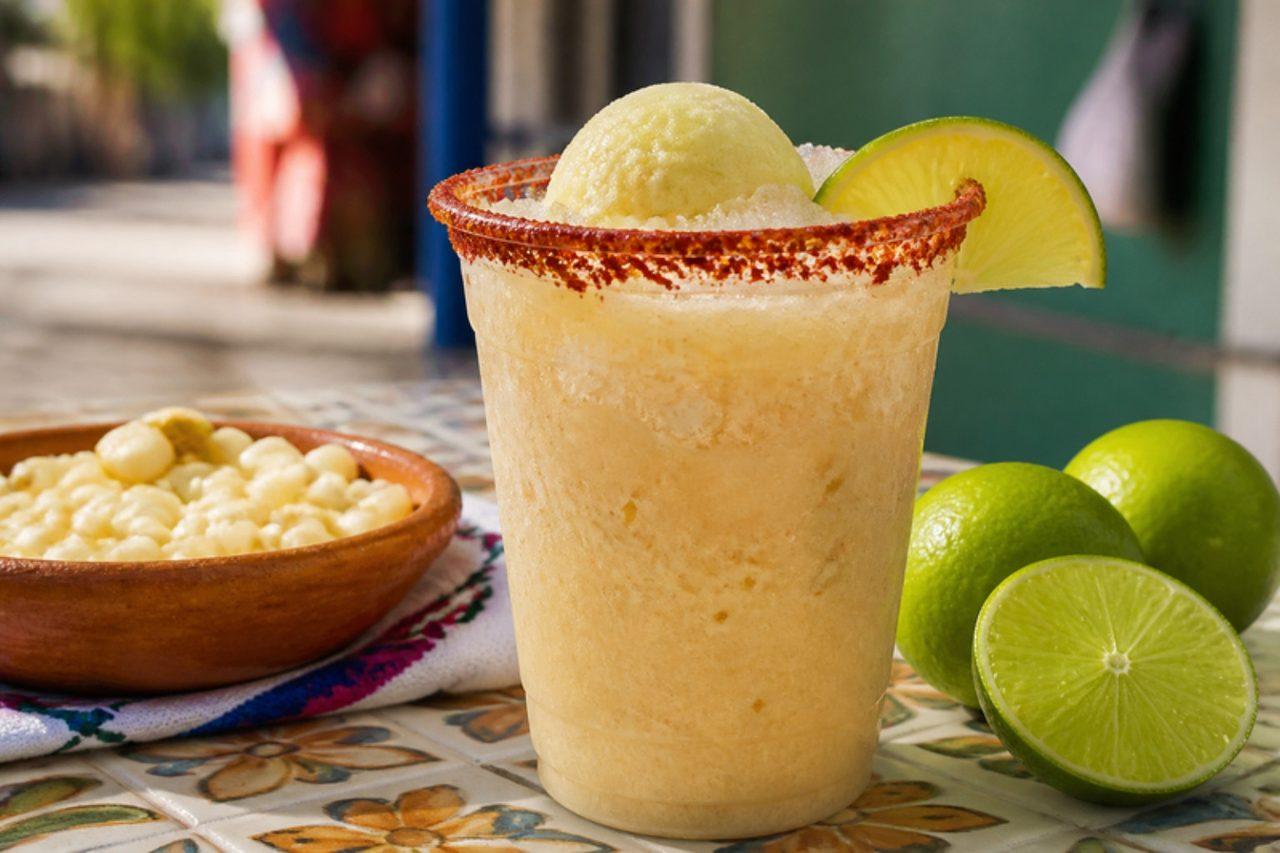
TejuinoFermented corn drink

On hot afternoons in Guadalajara, vendors ladle tejuino from big clay pots into plastic bags or glasses with ice, a squeeze of lime, a pinch of salt and often a scoop of lime sorbet. It is made from corn masa cooked with piloncillo and left for two or three days to ferment a little, which gives it a tangy, slightly sour taste. The fermentation is light and the drink is sold as non-alcoholic, but a trace of alcohol can form, so keep the fermentation to 2 days and serve it well chilled. Skip the fermenting stage entirely for children: drink it fresh as a sweet atole-style cooler. Chef's tip: taste it each day; take it to the fridge as soon as it tastes pleasantly sour, like a mild yoghurt.

by KrazyBadal 1 views

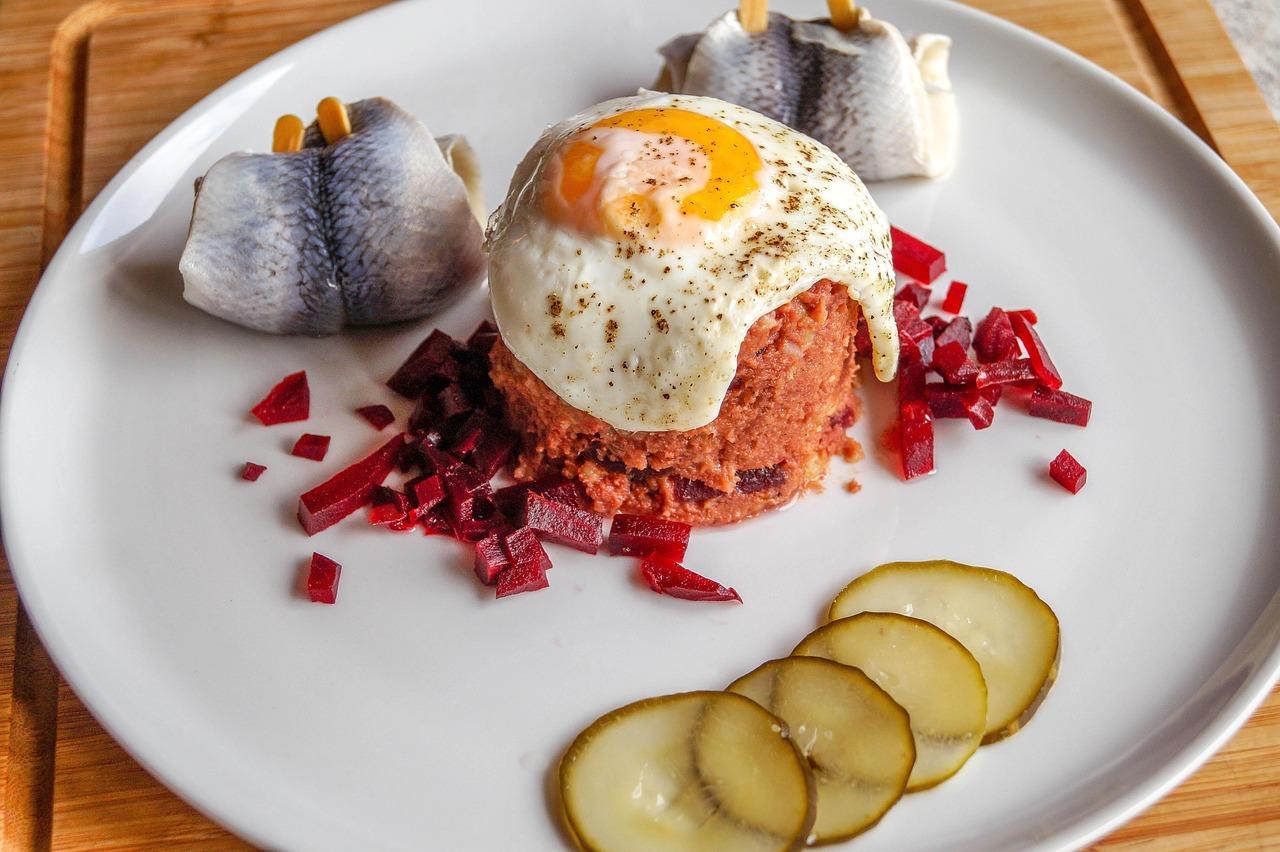
LabskausCorned beef, potato and beetroot hash

Labskaus is the pink, rough-textured hash that ships' cooks made from salted beef and potatoes, and it is still on the menu in harbour pubs from Hamburg to Bremen, often as a hearty lunch after a cold walk along the Elbe. Salt beef is fried with onion, then pounded into mashed potato with pickled beetroot and a splash of its juice, so the whole plate turns magenta. A fried egg goes on top, with gherkins and, for those who like it, a rolled pickled herring on the side. Chef's tip: keep back some of the beetroot liquid and add it at the end, a spoon at a time; it is the sharpness that stops the hash tasting heavy.

60 minGermanMeatGluten free
by KrazyBadal 0 views

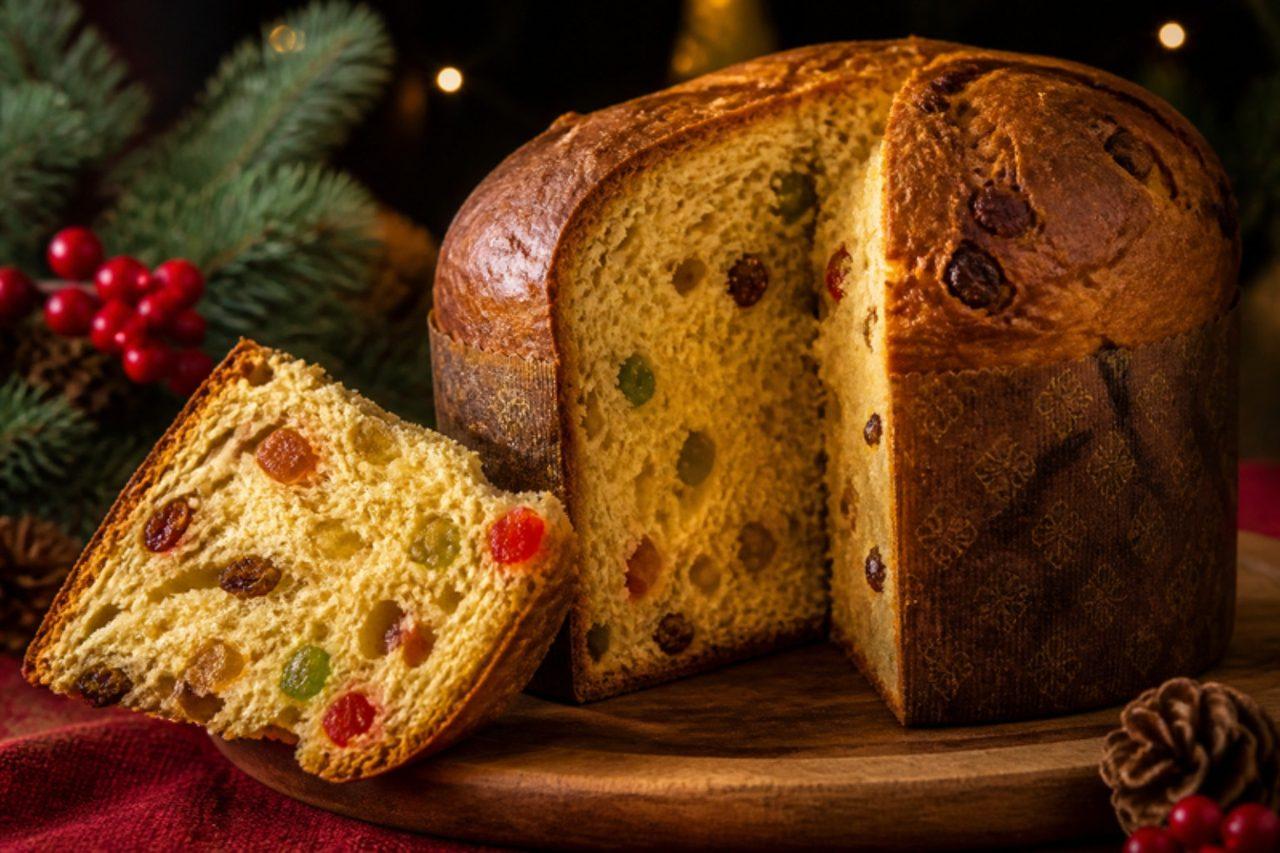
Pan dulceChristmas fruit bread

No Argentine Christmas Eve table is complete without a pan dulce, set out at midnight with turrón, nuts and a cold cider for the adults. The bread is the River Plate take on Genoese pandolce and Milanese panettone: a tall, buttery yeast dough scented with orange blossom and lemon, packed with candied fruit, raisins and walnuts. The crumb is closer and moister than panettone, and it keeps for a week wrapped in a cloth. Allow a long day, as the dough has a sponge and two rises. Some bakers soak the fruit in rum or sweet wine; here it is soaked in orange juice, so the bread is alcohol-free. People often add the fruit at the start of kneading, which shreds the gluten and gives a heavy, sunken loaf; work it in only once the dough is silky. Chef's tip: bake it in a tall paper mould or a 16 cm tin lined with a collar of baking paper, and turn it upside down onto a rack for the first 20 minutes of cooling so the top does not sink.

by KrazyBadal 0 views

İncir tatlısıWalnut-stuffed figs in syrup

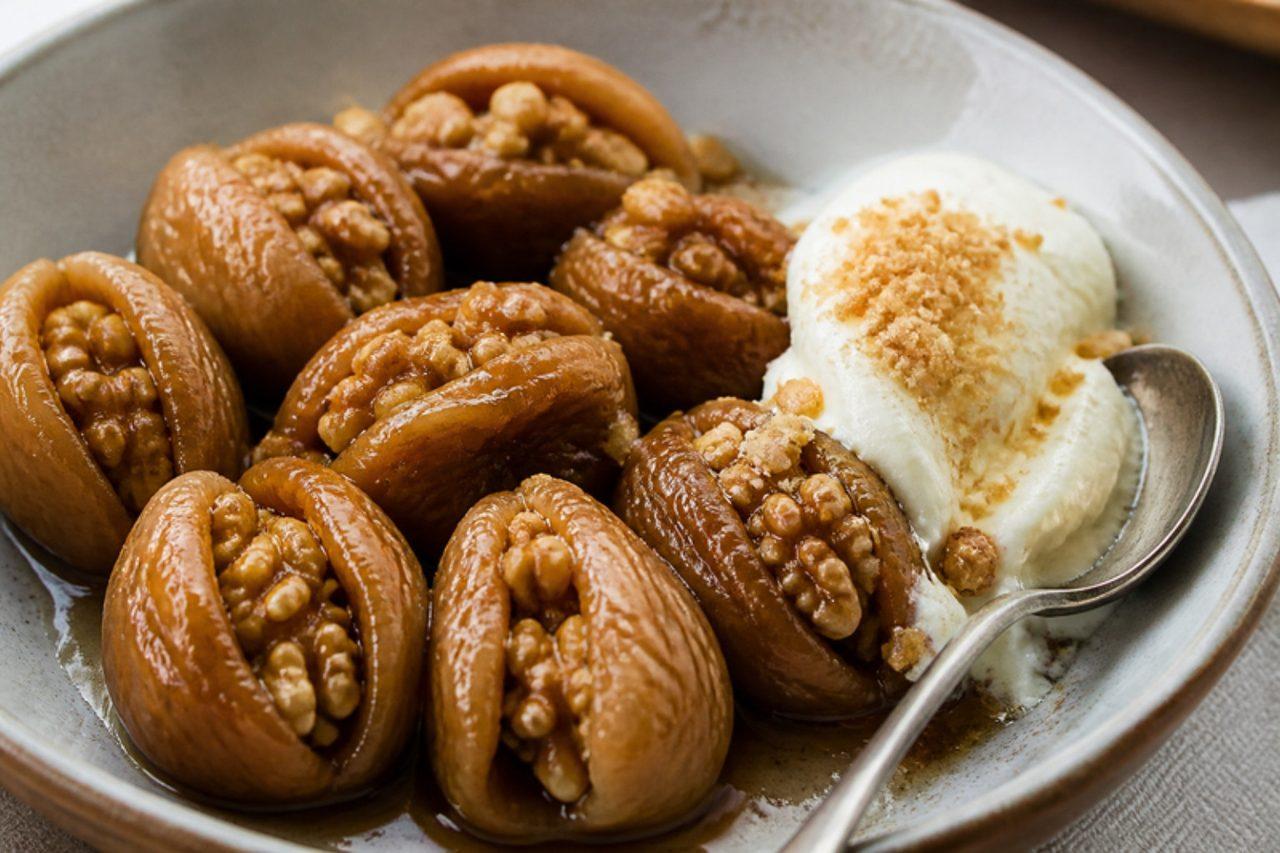
The plain around Aydın grows most of Turkey's figs, and in winter, when only the dried ones remain, local cooks soften them in water, tuck a walnut half inside each, and poach them in a light syrup until they plump up dark and glossy. A spoonful of milk in the pan, an old Aegean trick, gives the syrup a soft caramel note. Serve them cold with kaymak or thick yoghurt. Chef's tip: soak the figs first so they swell before cooking; added dry, they stay leathery in the middle however long they simmer.

by KrazyBadal 0 views

Tekirdağ köftesiGrilled meatballs with bean salad

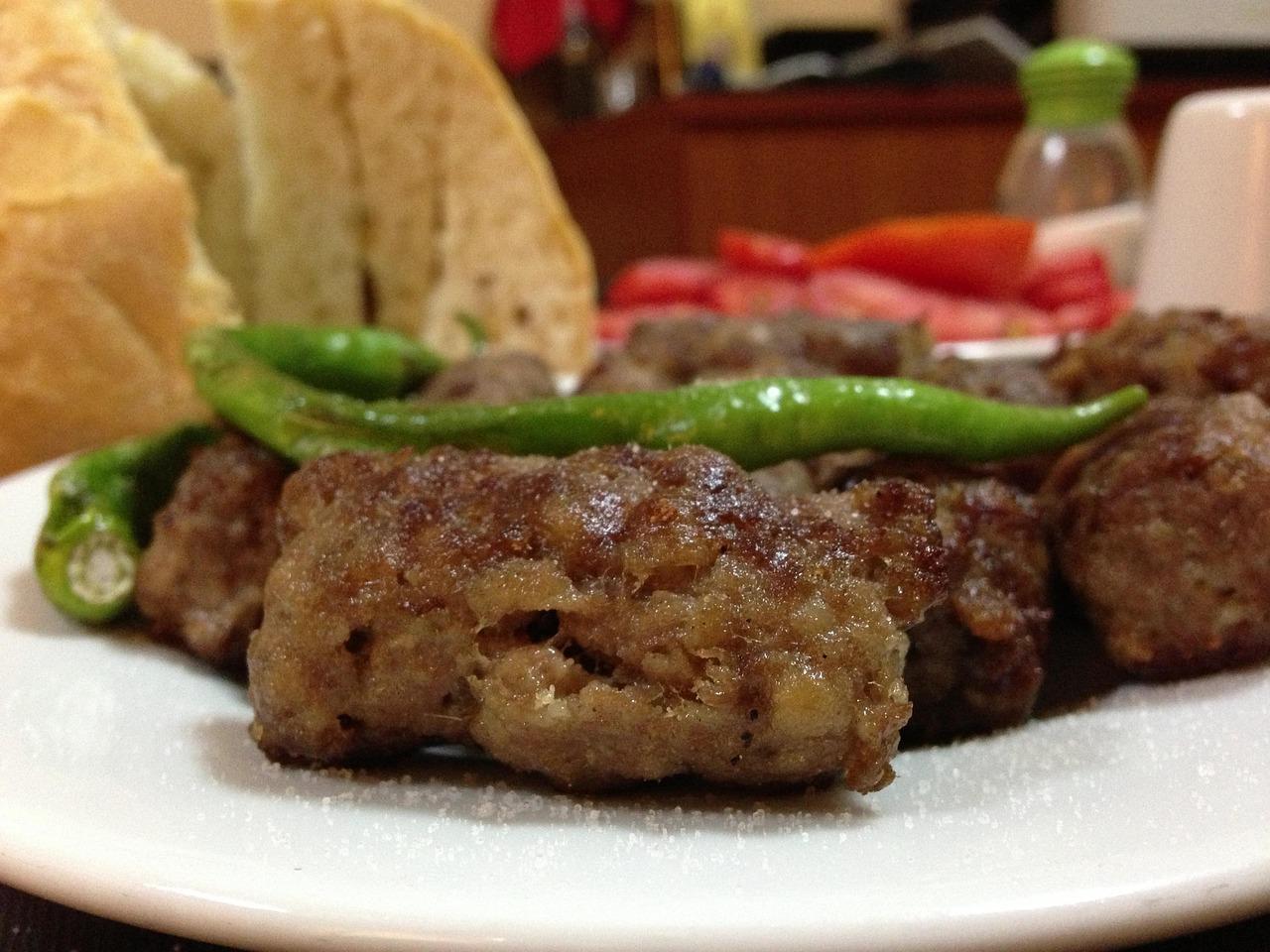
In Tekirdağ, on the Sea of Marmara, köfte houses have been grilling the same small, flat, oval meatballs for a century: beef and a little lamb, bread, cumin and nothing much else, cooked over charcoal and served in rows with white bean piyaz, roasted green peppers and a dusting of chilli. The meat is lightly kneaded, so it stays juicy and tender. Make it on a barbecue in summer or a ridged pan in winter. Chef's tip: knead the mince with the bread and let it rest overnight; the flavours meld and the köfte hold together on the grill without any egg.

by KrazyBadal 0 views

Lacón con grelosCured pork shoulder with turnip tops

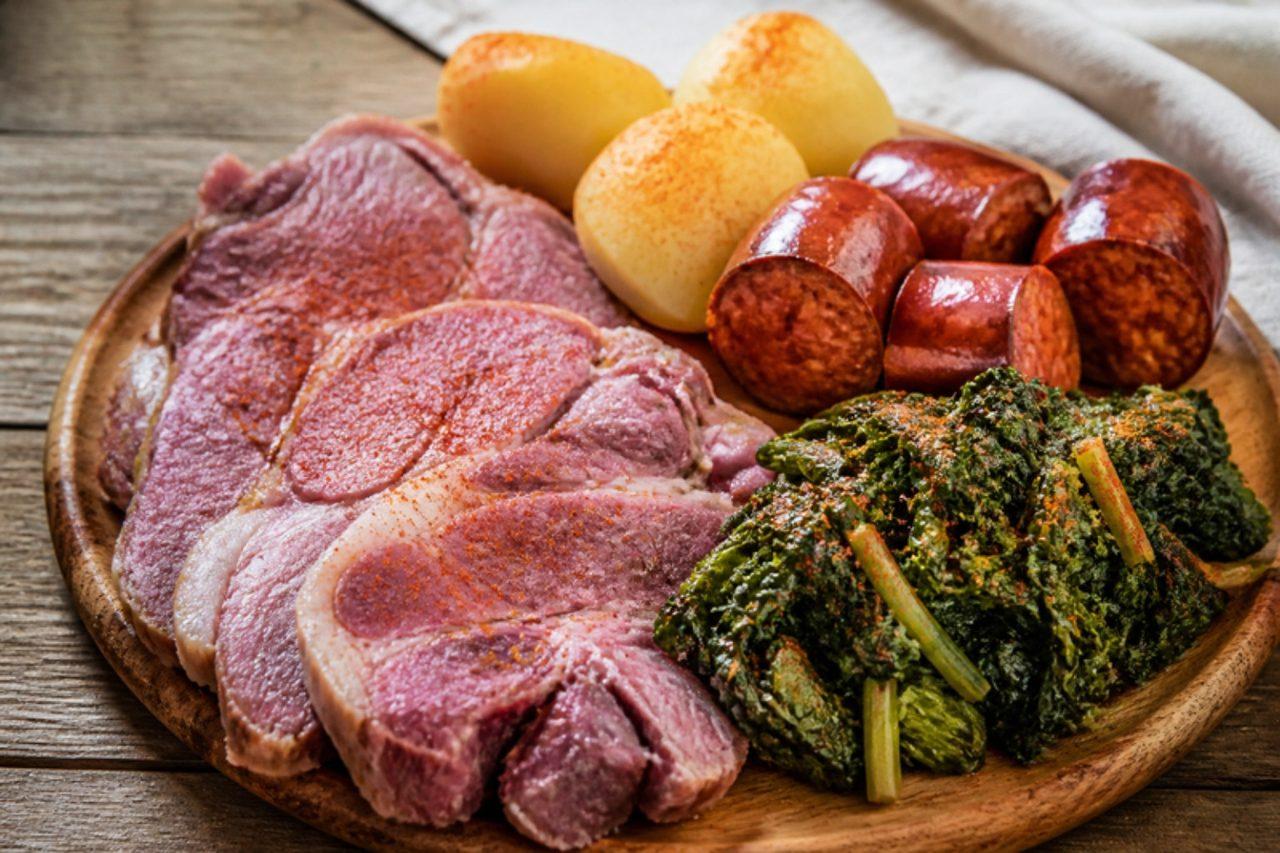
Lacón con grelos is the great dish of Entroido, the Galician carnival, when restaurants in Lugo and A Coruña serve platters of it to tables of friends. This contains pork (cured pork shoulder and chorizo). The lacón is soaked, then simmered with chorizo, and turnip tops and potatoes are cooked in the same rich broth. It's served with olive oil and a sprinkle of paprika. A common mistake is skipping the soaking, which leaves the meat far too salty to eat. Chef's tip: save the cooking liquid, as it makes the base for a caldo the next day.

170 minSpanishMeatGluten free
by KrazyBadal 0 views

RashoofLentil and cracked wheat yoghurt soup

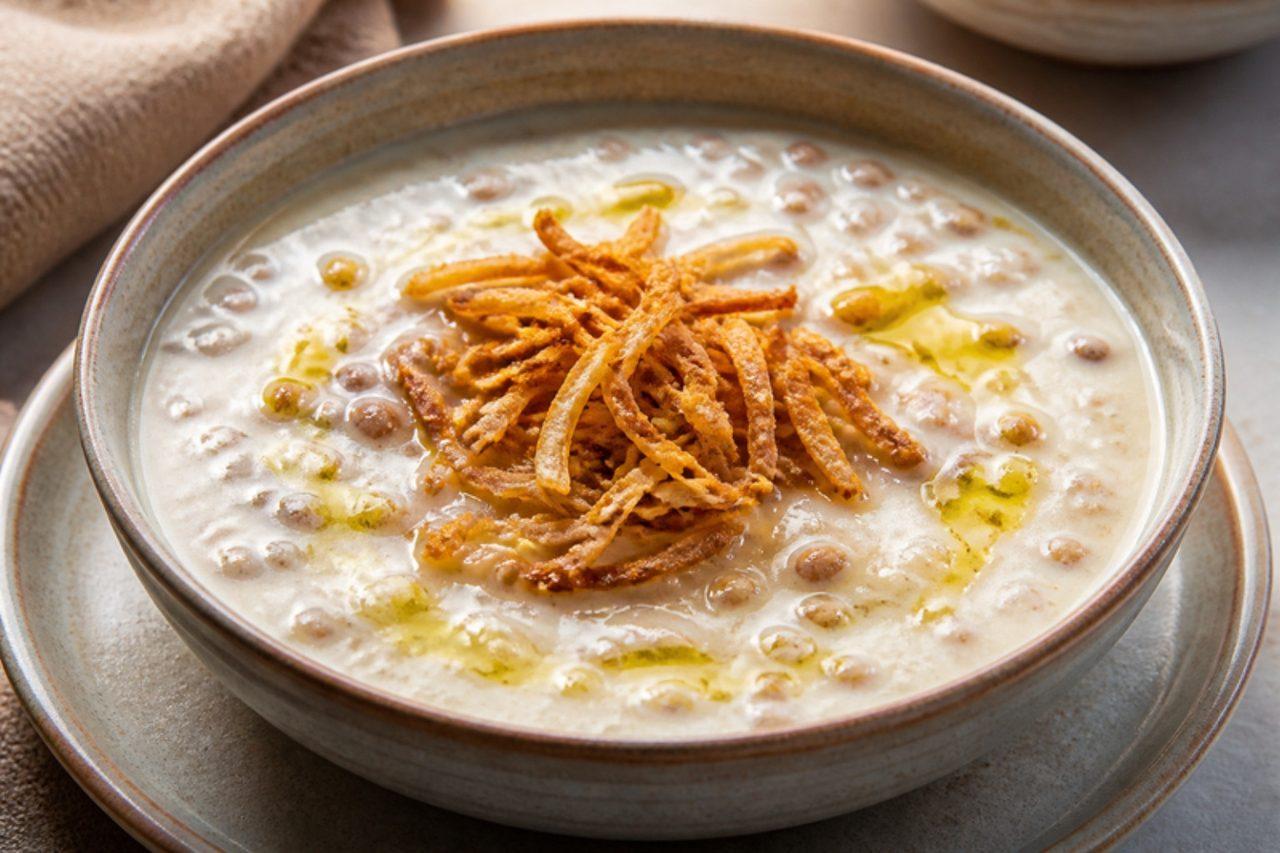
In the stone villages around Karak and Tafileh, rashoof is what simmers on cold, wet evenings: brown lentils and coarse bulgur cooked soft, then enriched with jameed, the dried salted yoghurt that is also the soul of mansaf. The result is thick, sour and comforting, almost a porridge, finished with a heap of onions fried golden in samneh. Jameed is sold in hard balls or as a liquid in Middle Eastern shops; thick strained yoghurt with a little extra salt makes a fine stand-in. The classic mistake is letting the soup boil hard once the yoghurt goes in, which makes it split into grainy curds. Chef's tip: temper the yoghurt with a ladle of hot soup first and stir in one direction over a low heat; it stays silky.

by KrazyBadal 0 views

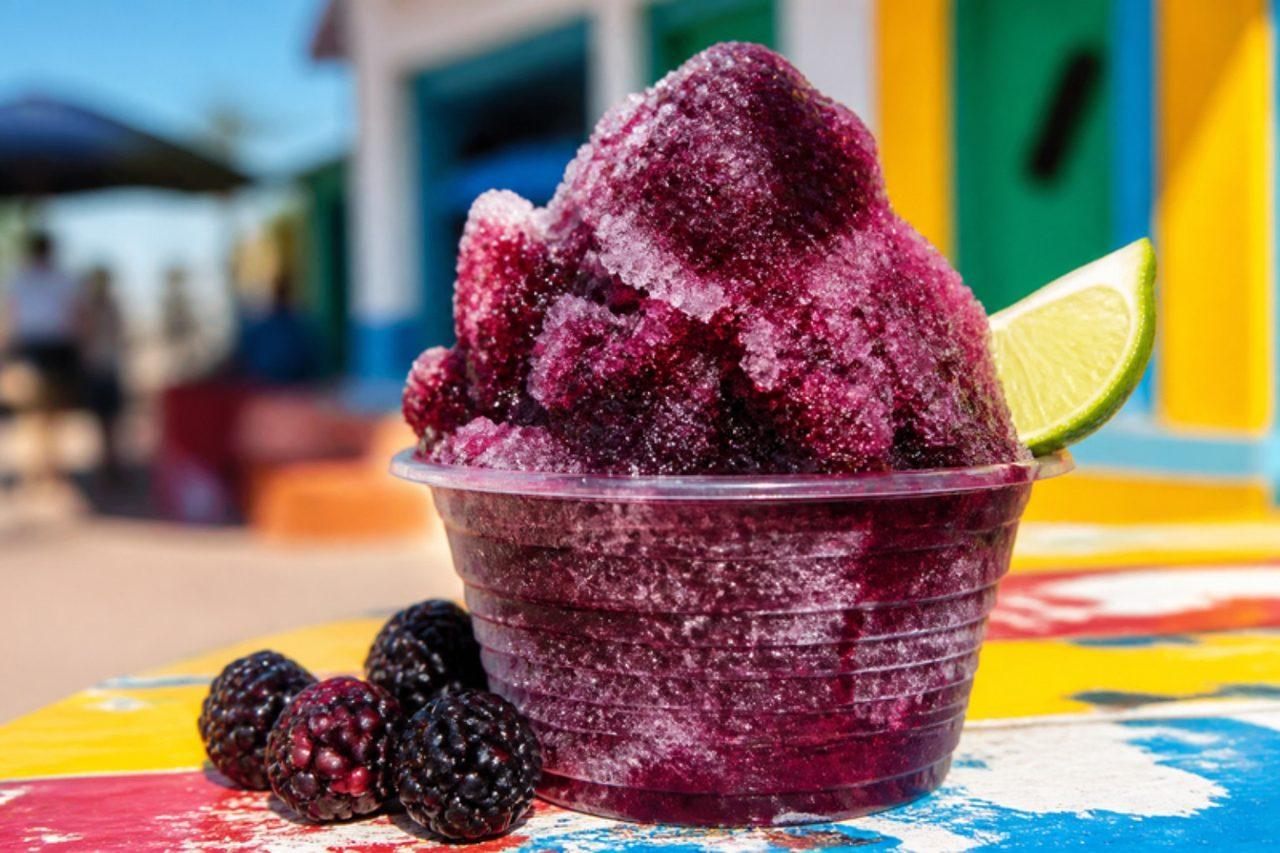
RaspaoShaved ice with blackberry syrup

On a hot Barranquilla afternoon, the raspao cart is the fastest way to cool down. The vendor scrapes a block of ice with a metal plane, packs the snow into a cup and floods it with bright syrups: kola, tamarind, lime, blackberry. Many add a ribbon of condensed milk on top, but this version stays vegan and lets the fruit carry it. Children love it, and it is a fun one to make at home with a blender and a jug of syrup. The usual misstep is pouring warm syrup over the ice, which melts it to slush in seconds, so chill the syrup completely first. Make the syrup a day ahead if you like; it keeps a week in the fridge. Chef's tip: freeze water in a shallow tray, then blitz the slab in pieces with a few pulses for fluffier, snow-like ice than ice cubes give.

by KrazyBadal 0 views

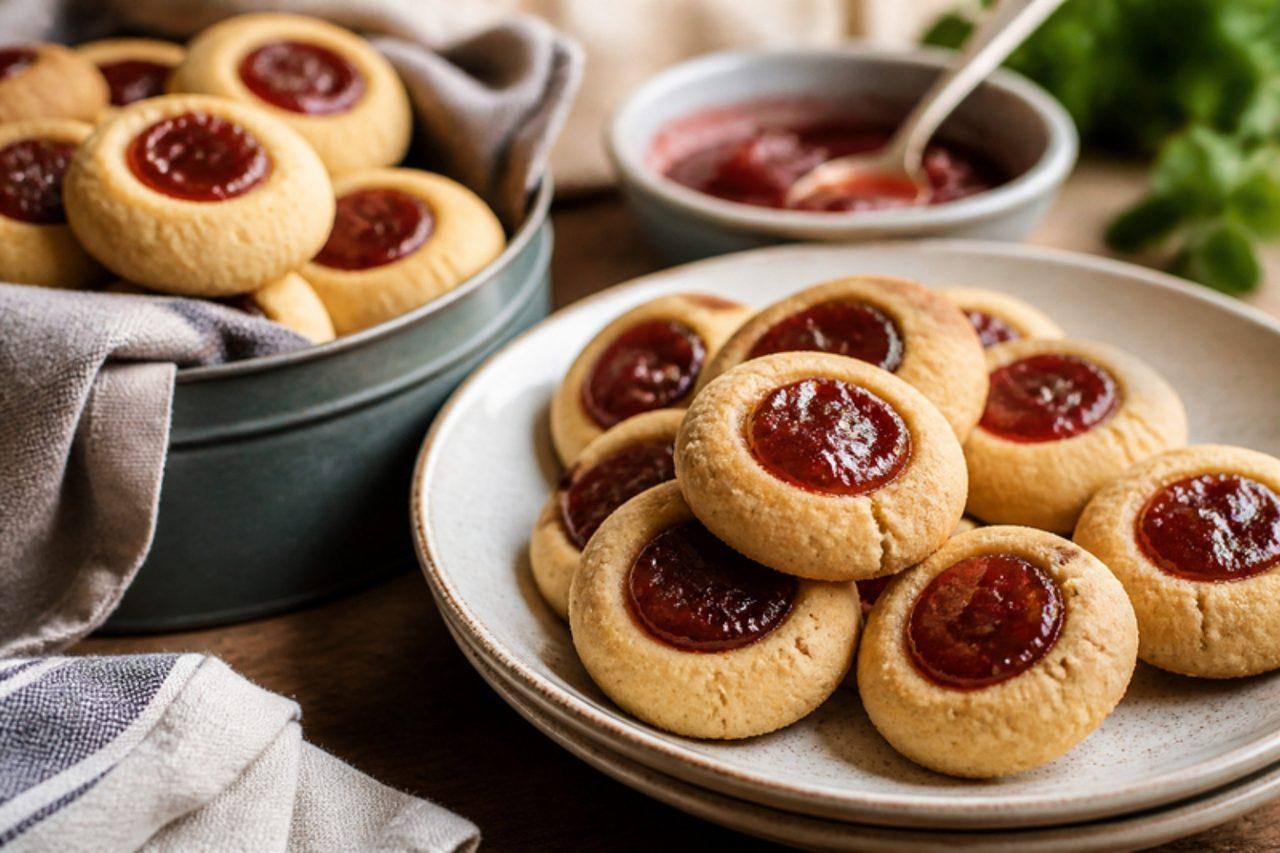
Pepas de membrilloQuince jam cookies

Pepas are the little round cookies with a jewel of quince jam in the middle that Argentine kiosks sell by the bag and grandmothers keep in a tin for the mate round. They are tender and crumbly, not crisp, with just enough sugar that the tart, dark membrillo stands out. Children love pressing the thumbprint and filling it, which makes them a good first baking job, and they keep for a week in an airtight jar. Kiosk versions are often made with margarine; butter tastes far better. Overbaking is the usual problem: take them out while the tops are still pale and only the bottoms are golden, because they firm up as they cool. Chef's tip: use quince paste softened with a spoonful of hot water and pipe it from a small bag; a spoon leaves smears on the dough that burn.

by KrazyBadal 0 views

Tsai tou vounouMountain tea with honey and lemon

Bunches of dried sideritis, the woolly-leaved herb Greeks call mountain tea, hang in village kitchens from Mount Olympus to Taygetos, and a pot is brewed at the first sniffle of winter or after a long walk. The tea is pale gold with a gentle lemony, earthy, slightly floral taste, and it is drunk with honey, a slice of lemon and sometimes a cinnamon stick. Common mistake: brewing it like black tea with boiling water for a minute; it needs a gentle simmer to draw out flavour. Chef's tip: break the dried stems into the pot along with the flowers; the flower heads hold most of the aroma, the stems add body.

by KrazyBadal 0 views

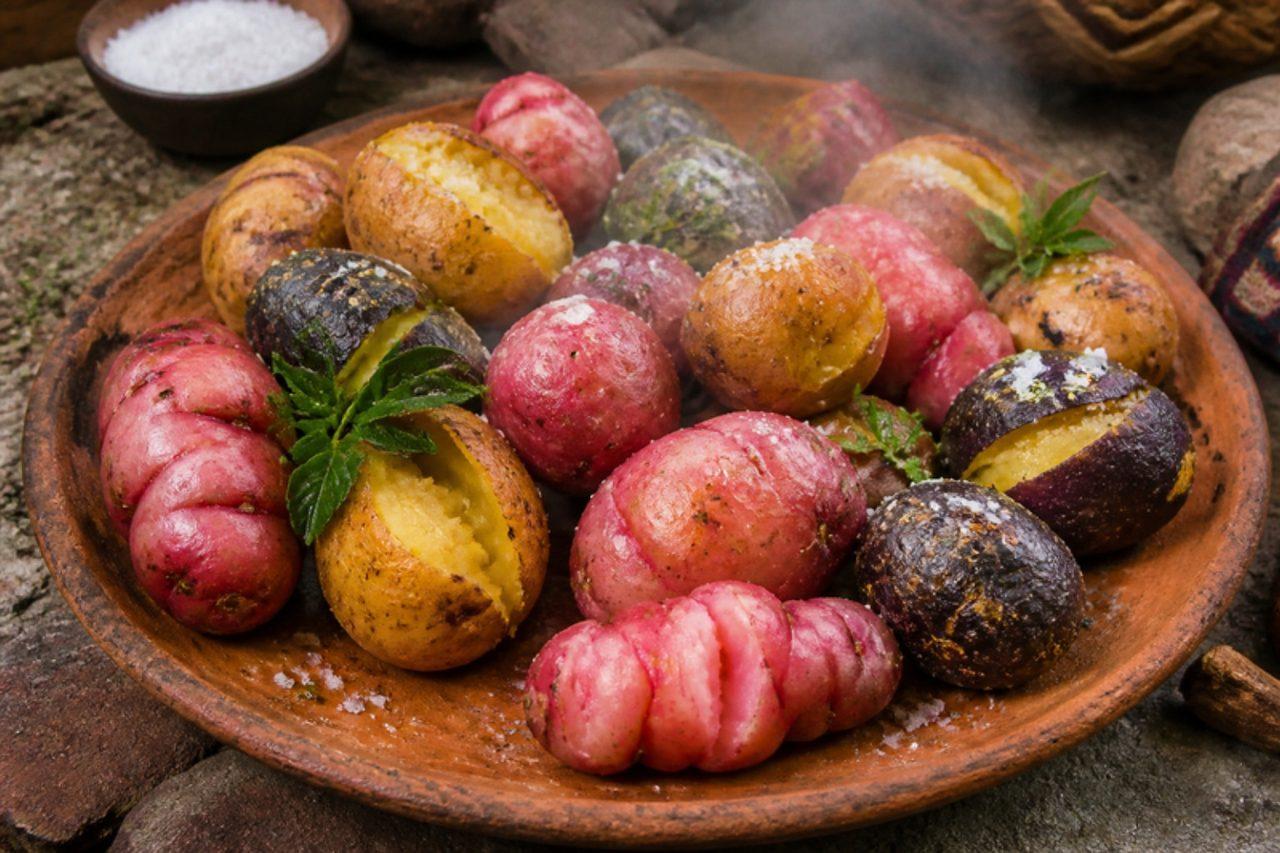
HuatiaEarth-baked potatoes

After the potato harvest in May and June, families in Puno, Cusco and across the highlands build a huatia in the field: a little dome of dry earth clods heated with dried brush until the clods glow, then knocked down over freshly dug potatoes and oca so they bake slowly underground. Opened an hour later, the potatoes are smoky, floury and so soft their skins split, and the oca turns sweet and tangy. Everyone eats them with their hands, with salt, chilli sauce and fresh cheese. This recipe gives an oven method for home cooks: a lidded pot bedded with coarse salt and herbs, which traps heat and steam much like the earth. If you do try a real huatia outdoors, use a clear patch of ground away from anything that can catch fire and keep water nearby. Don't uncover the pot early to check: the steam escapes and the potatoes turn leathery. Fresh oca is sold in some markets as New Zealand yam; small sweet potatoes will do. Chef's tip: choose potatoes of a similar size so they all finish together, and serve with uchucuta.

by KrazyBadal 0 views

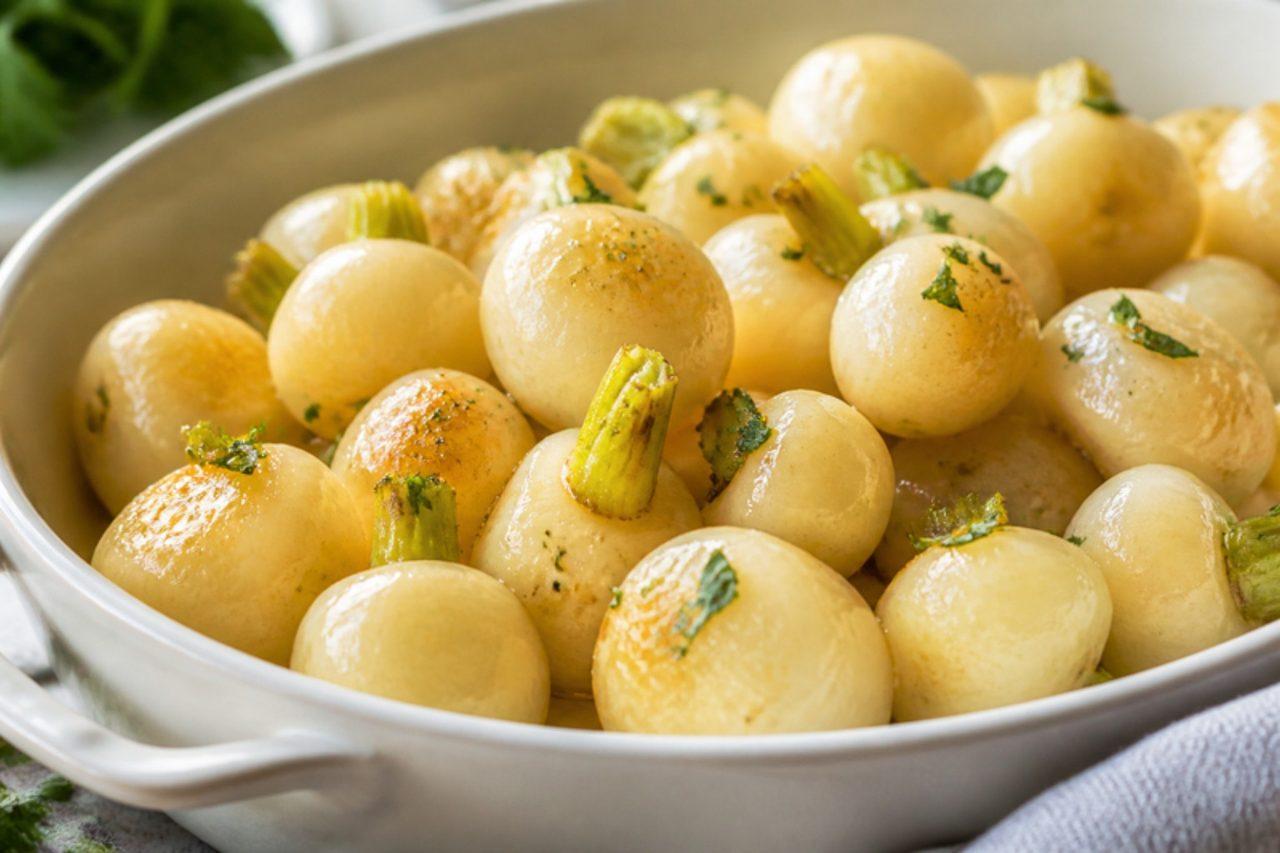
Teltower RübchenGlazed baby turnips

Teltower Rübchen are tiny, finger-length turnips grown in the sandy fields of Teltow, just south of Berlin, and harvested in spring and again in autumn. They were once a delicacy at the Prussian court, and Berliners still serve them glazed in butter and caramel as a side for roasts, goose or simply with boiled potatoes. They taste sweeter and more peppery than big turnips, with a hint of radish. Outside Brandenburg, use small white turnips or the base of young navets. A common mistake is peeling them thickly; just scrape off the thin skin. Chef's tip: let the sugar turn pale amber before adding the turnips, so the glaze has a real caramel flavour.

by KrazyBadal 0 views

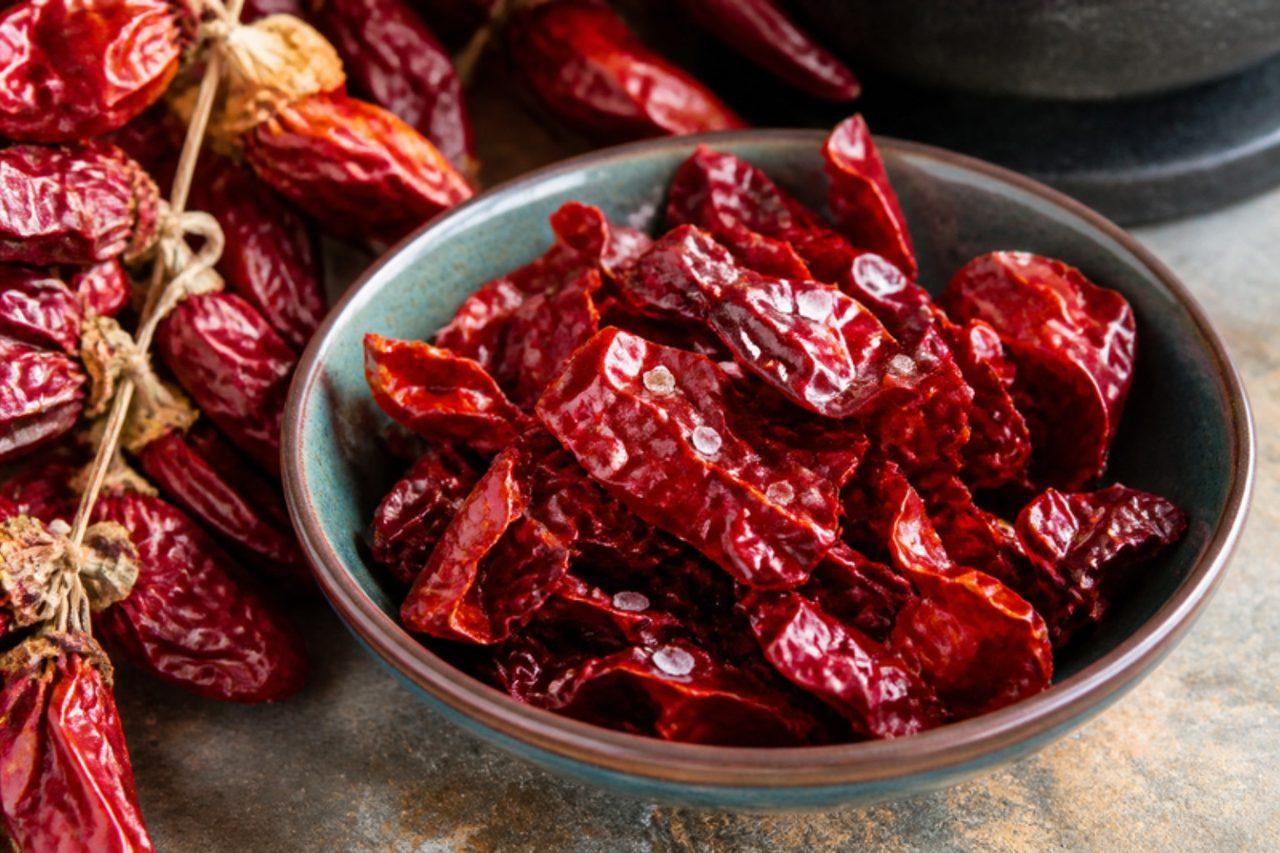
Peperoni cruschiCrisp fried dried peppers

In late summer the villages around Senise, in southern Basilicata, hang long garlands of thin red peppers from balconies to dry in the sun. Once dried, a few seconds in hot oil turns them into peperoni cruschi: glassy, brittle and sweet with a faint smoky note, eaten like crisps or crumbled over pasta, beans, fried eggs and mashed potatoes. Lucanians call them their red gold and keep a jar of them on the table all winter. Chef's tip: get the oil hot but not smoking and count to five; the colour should stay bright red.

by KrazyBadal 0 views

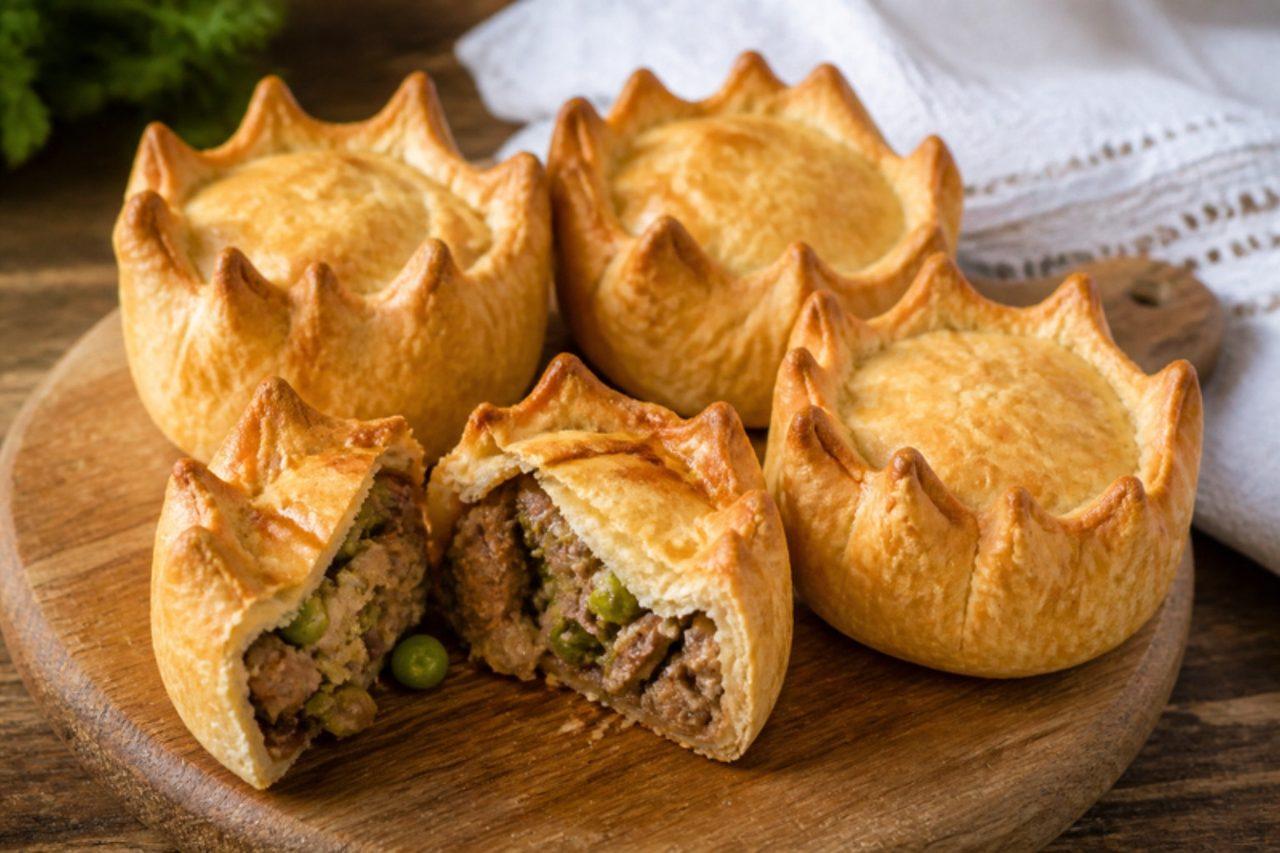
PanadesLamb and pea pies

On Easter Saturday, Mallorcan kitchens turn into pie workshops: whole families shape panades, small upright pies with pinched rims and a pastry lid, filled with raw diced lamb, peas and a little pork belly, then bake them to eat on Easter Sunday and the picnics of the days after. This contains pork (lard in the pastry and pork belly in the filling); butter can replace the lard and the belly can be left out. The meat cooks inside the pastry, staying juicy. Chef's tip: cut the lamb small, no bigger than 1.5 cm, so it cooks right through in the time the pastry takes to brown.

120 minSpanishMeat
by KrazyBadal 0 views

PepitoriaRice with goat offal

Santander's famous plate of cabrito (roast kid goat), sold in Bucaramanga, Barichara and the canyon towns, always comes with pepitoria next to it: rice cooked with the kid's chopped heart, liver and kidneys, a refrito of onion and tomato, and blood, which turns it a deep reddish-brown and gives it a rich, mineral flavour, a little like a soft black pudding. It's a dish that uses the whole animal, and it is worth trying if you like morcilla. Ask a halal, Caribbean or specialist butcher for very fresh goat offal and fresh blood (pig blood works if goat isn't available); keep both cold and cook them the same day. Offal must be cooked right through, and the blood until it has set and darkened with no liquid red left. The usual misstep is adding the blood too early, so that it scorches on the bottom; it goes in when the rice is nearly done. Chef's tip: if blood is impossible to find, double the offal and add 1 tsp extra achiote; you'll get a lighter but still very good rice.

by KrazyBadal 0 views

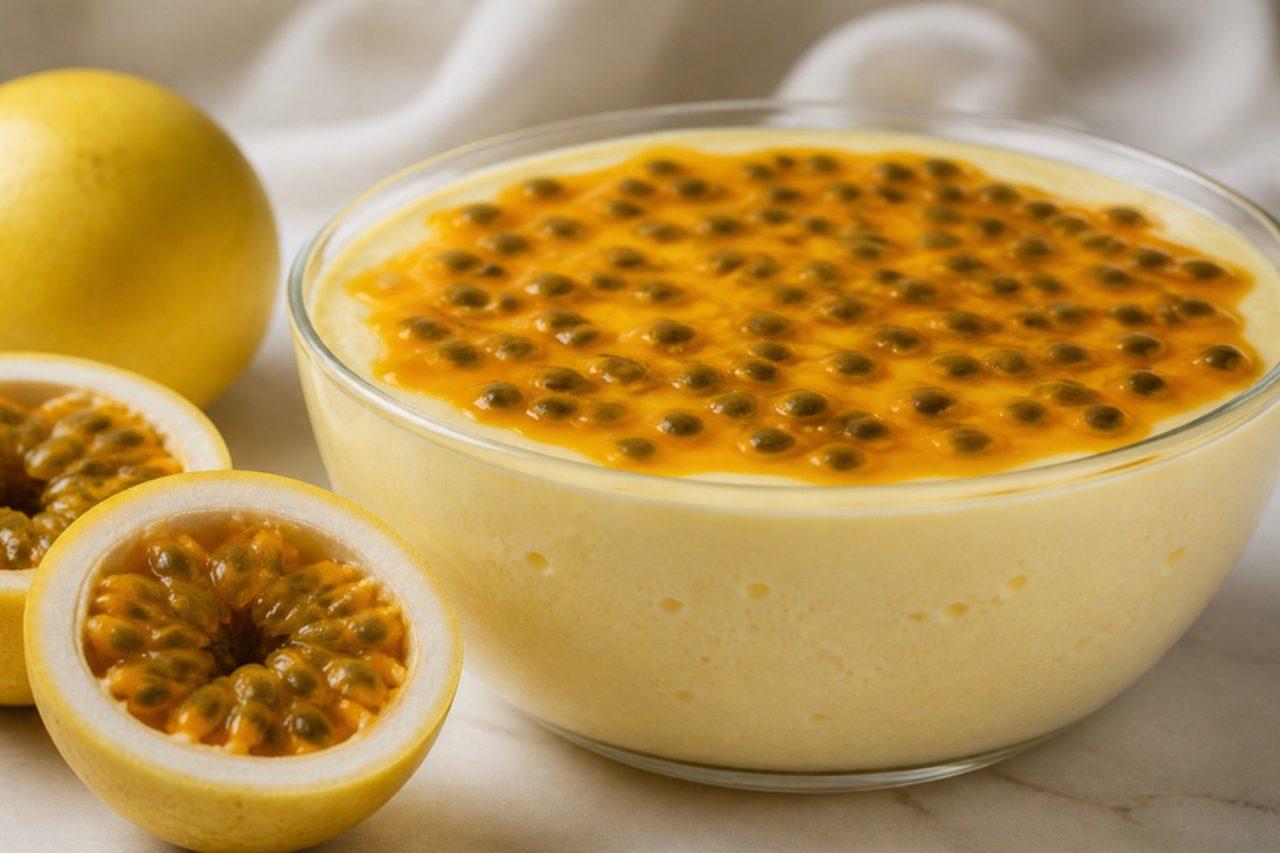
Mousse de maracujáPassion fruit mousse

Three ingredients, a blender and a fridge: Brazilian home cooks from Recife to Curitiba lean on mousse de maracujá for Sunday lunch dessert because it takes ten minutes and nobody ever refuses it. The acid in passion-fruit juice thickens condensed milk and cream almost instantly, so it sets into a light, tangy, pale yellow mousse without gelatin, topped with the glossy black seeds and pulp. Sharp and sweet at once, it is perfect after a feijoada or a barbecue. Buy wrinkly, heavy passion fruit, which are the ripest and juiciest; frozen unsweetened pulp works too. The trap is diluting the juice: any added water stops the mousse setting, so use pure strained juice. Chef's tip: keep back the pulp of one fruit, warm it for a minute with a spoonful of sugar, and pour it over the mousse just before serving for shine.

by KrazyBadal 0 views

InchicapiPeanut chicken soup

From the riverside kitchens of Iquitos and the Peruvian Amazon comes inchicapi, a festive chicken soup traditionally made with a free-range hen for birthdays and fiestas. Raw peanuts and a little maize flour are ground and stirred into the broth, which turns it creamy, pale and nutty, and pieces of cassava, garlic, ají dulce and sacha culantro (a long, serrated, strongly flavoured coriander) finish it. It is served with rice, boiled plantain or cassava. If you can't find sacha culantro in Asian or Latin shops (sold as culantro or ngo gai), use a big handful of coriander. The pitfall is adding the peanut paste dry: it clumps and catches on the bottom, so loosen it with broth first and stir often. Chef's tip: use raw, not roasted, peanuts; they keep the soup pale and give it the right fresh, milky taste.

by KrazyBadal 0 views

Kokoras krasatosChicken in red wine with pasta

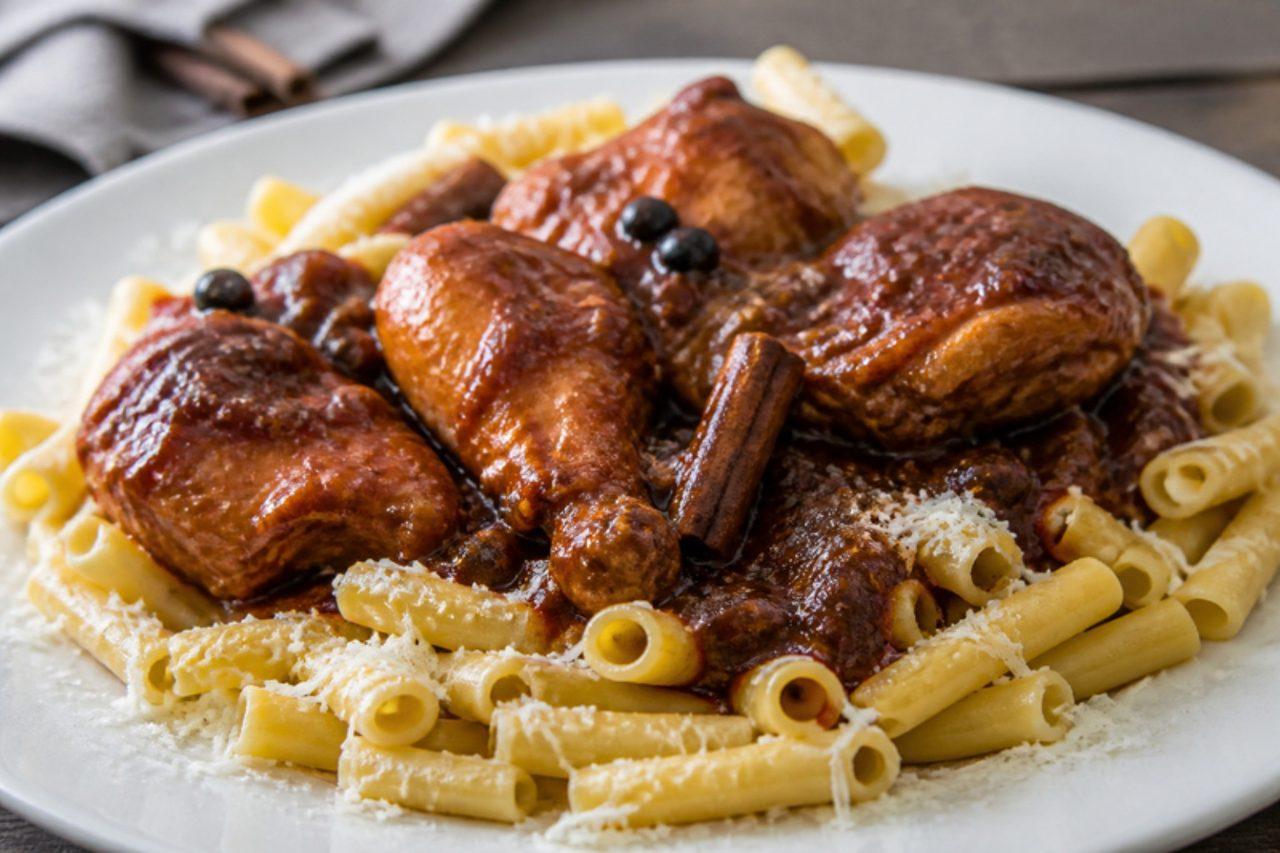
Sunday in a Peloponnese village often meant a rooster from the yard, braised for hours in the local Nemea red with tomato, cinnamon, cloves and allspice until the sauce turned deep, glossy and fragrant. It goes over thick spaghetti or hilopites with plenty of grated cheese. This dish contains red wine; for an alcohol-free version use the same amount of red grape juice with 2 tablespoons of red wine vinegar. A supermarket chicken works well, cooked for less time. Common mistake: skipping the browning — the dark crust on the skin flavours the whole sauce. Chef's tip: let the wine bubble hard for 2 minutes before the tomato goes in, so its raw edge cooks off.

110 minGreekChicken
by KrazyBadal 0 views

RaxoMarinated pork loin cubes

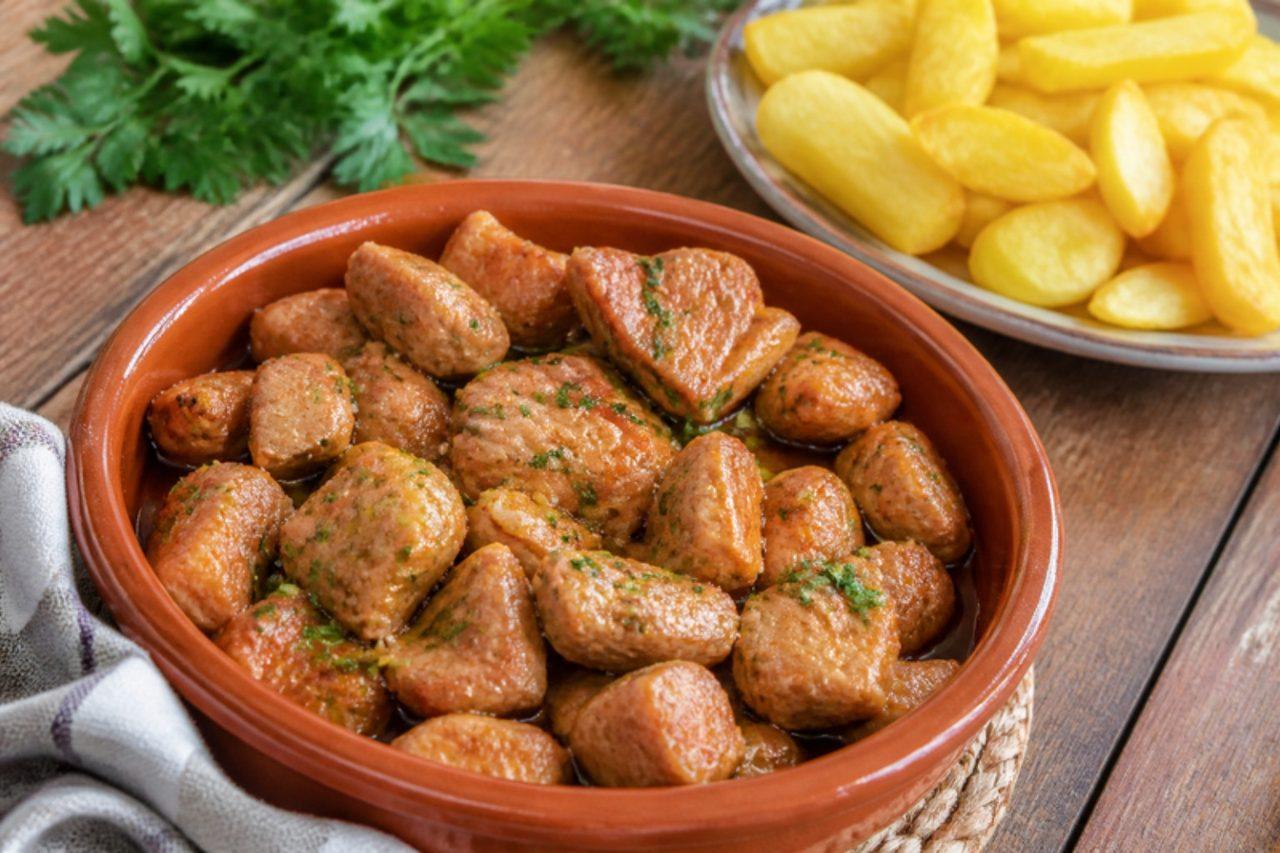
Order a ración of raxo in a tavern in Santiago or A Coruña and it comes sizzling on a metal plate: little cubes of pork loin marinated with garlic, paprika and oregano, fried until browned, with chips and sometimes Padrón peppers alongside. This contains pork. Unlike zorza, which is chopped like chorizo filling, raxo keeps its meat in neat cubes and is gentler on the paprika. Marinate the pork in the fridge, covered. A common mistake is crowding the pan, which stews the meat instead of browning it, so fry in two batches. Chef's tip: let the cubes sit for a minute without stirring when they first hit the pan, so they form a golden crust.

by KrazyBadal 0 views

KoulourakiaButter cookie twists

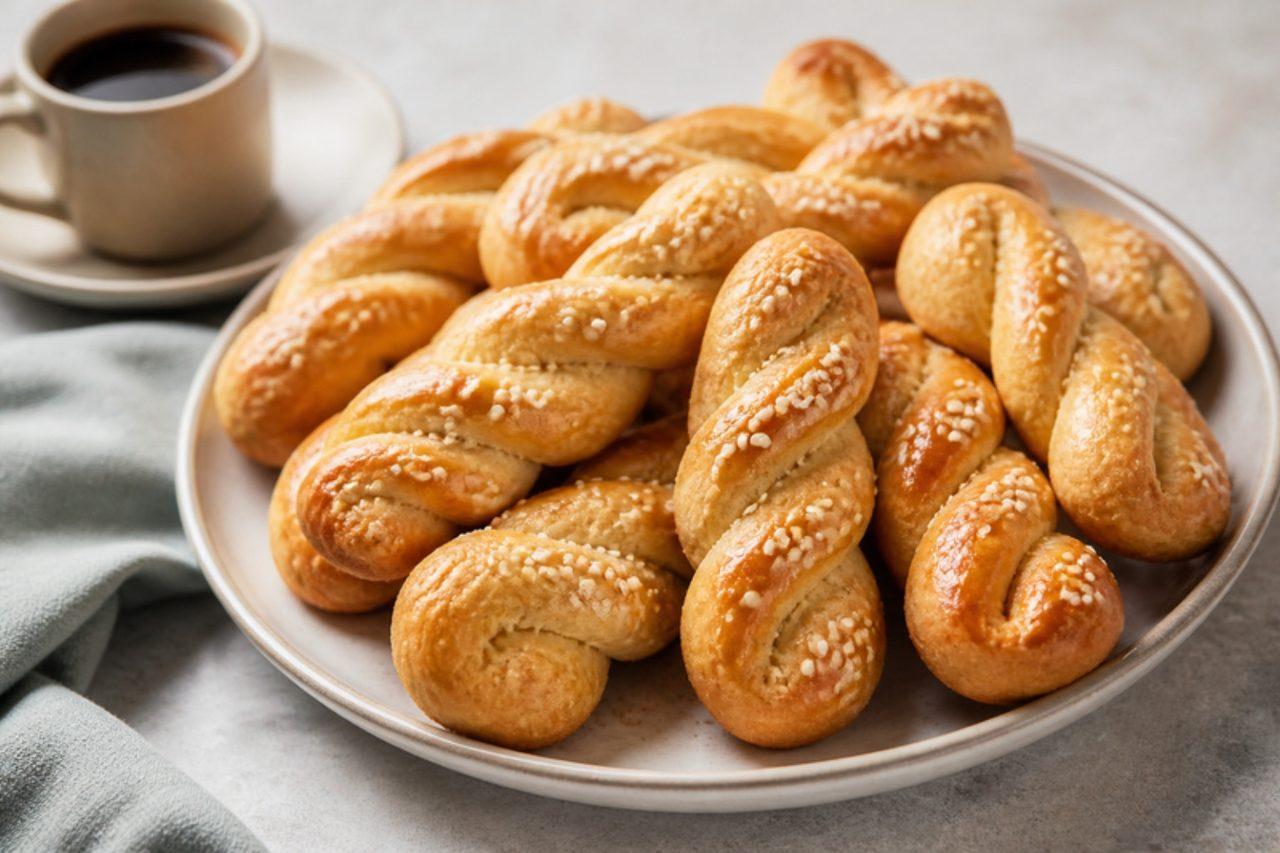
Easter Saturday morning in Greece smells of koulourakia: buttery cookie dough rolled into ropes, twisted into braids, coils and S-shapes, glazed with egg and baked to a deep shine. Children help shape them, and the tins last through Easter week for dunking in coffee or milk. The texture is crisp outside and tender within, with orange zest and vanilla. Common mistake: rolling the ropes too thick; anything wider than a pencil turns cakey rather than crisp. Chef's tip: chill the dough for 20 minutes before rolling and the twists keep their sharp edges in the oven.

by KrazyBadal 0 views

Perde pilavıChicken pilaf in pastry dome

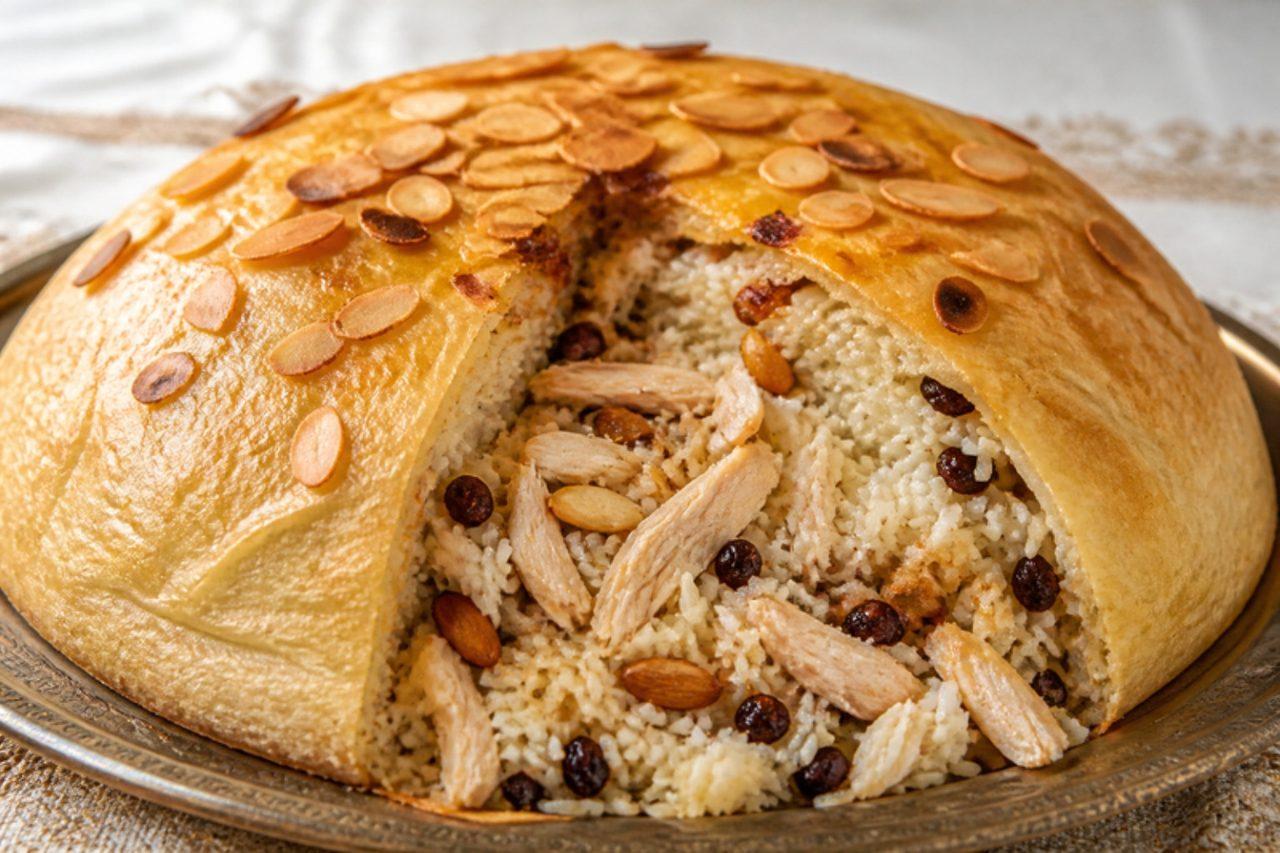
At weddings in Siirt, perde pilavı is carried out whole and cut open at the table: a dome of buttery pastry 'curtain' (perde) hiding rice cooked with shredded chicken, toasted almonds, currants and black pepper. Each part carries a wish for the couple: the rice for plenty, the almonds for children, the pastry for a home that holds together. It makes a spectacular centrepiece for any celebration. Common mistake: a wet filling; the base of the pastry turns soggy, so cook the rice until just dry. Chef's tip: scatter almonds over the buttered tin before the pastry goes in; they become a jewelled top when you turn it out.

by KrazyBadal 0 views

Puchero santafereñoBoiled chicken, beef and pork dinner

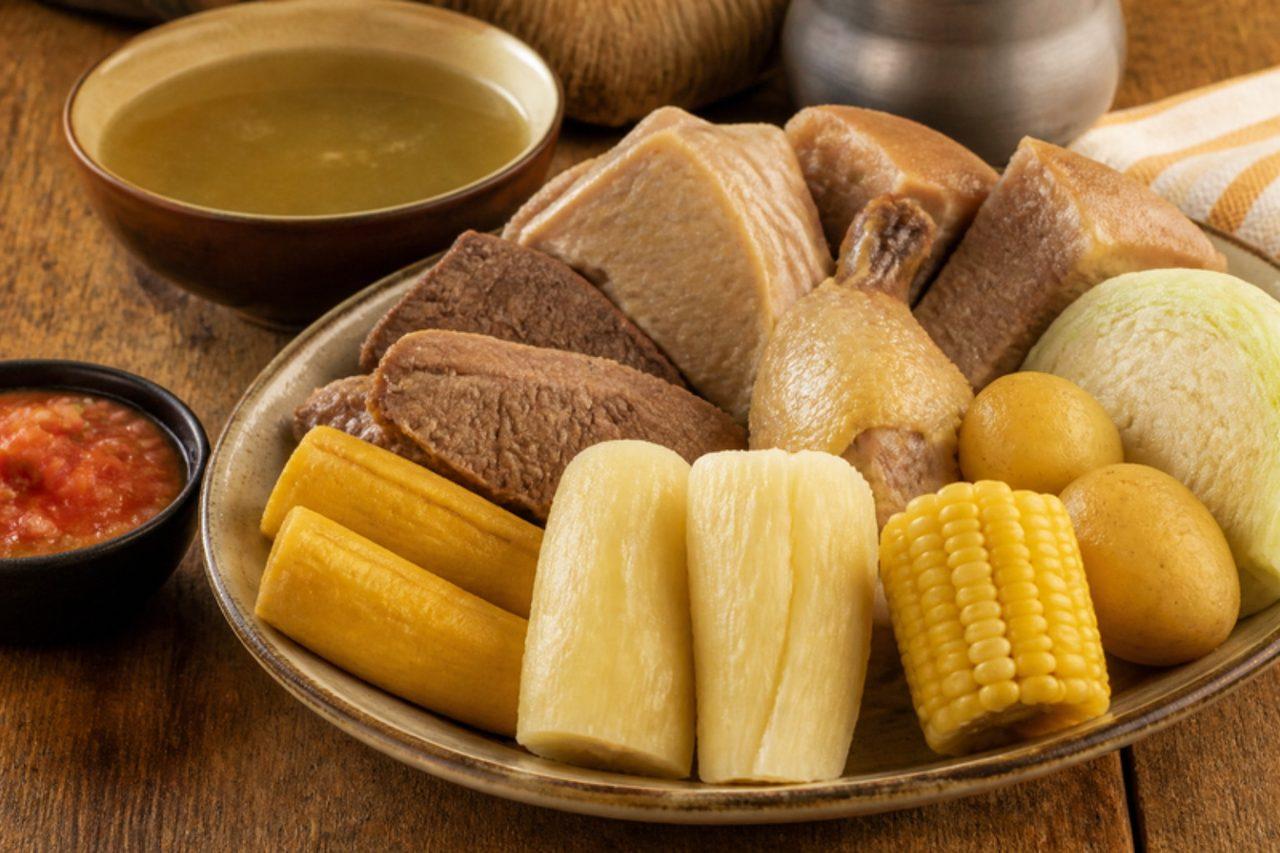
Old Santa Fe de Bogotá kept puchero for big family lunches and holidays: a broad pot of beef, pork and chicken boiled with cassava, corn, potatoes, cabbage and, unusually, ripe plantain cooked in its skin, which turns soft and sweet against the savoury meat. It comes to the table in two acts. First the clear, golden broth in cups or small bowls; then a platter of the meats and vegetables, with a pan of warm hogao (tomato and spring onion sauce) spooned over everything, plus rice and avocado on the side. People confuse it with cocido or sancocho, but the plantain and the hogao make it its own thing. Most disappointing pucheros come from boiling hard: the broth goes cloudy and the cassava breaks up, so keep it at a lazy simmer. Chef's tip: add the vegetables in order of how long they take, and lift each batch out onto a warm tray as it becomes tender, so nothing turns to mush while the beef finishes.

by KrazyBadal 0 views

LechonaRoast pork with rice and peas

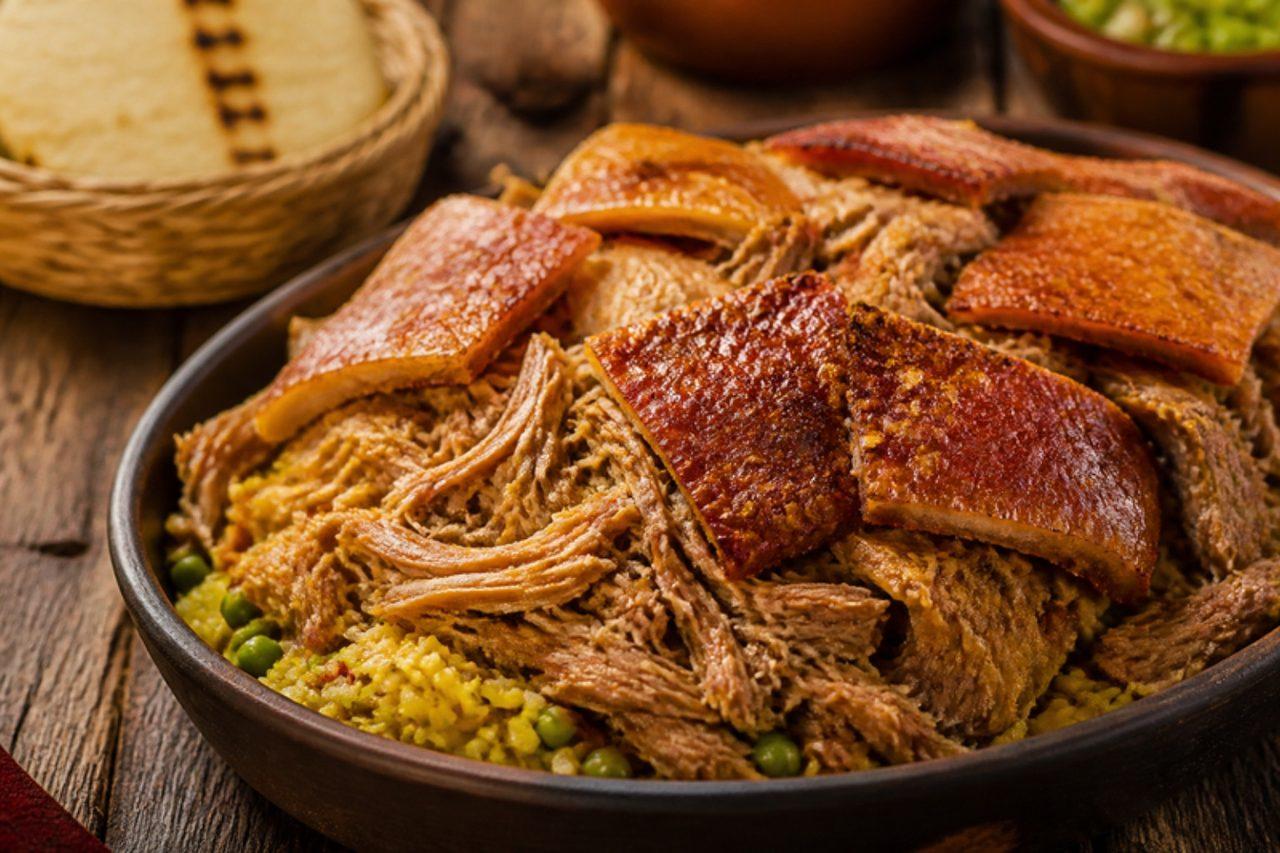
Christmas, birthdays and town fiestas across Tolima and Bogotá call for lechona: a whole pig, boned, stuffed with its own meat, yellow peas and, in the Bogotá style, rice, then roasted for hours in a wood or brick oven until the skin turns to a glassy crackling. Purists in Ibagué leave the rice out. Few home kitchens fit a pig, so this oven version builds the same thing in a deep roasting tin: cubes of pork shoulder seasoned with spring onion, garlic and cumin, mixed with peas and part-cooked rice, under a blanket of skin-on pork belly. The filling soaks up the dripping pork fat; the top crackles. Serve with insulsos (plain sweet corn tamales) or arepas and lime. Start a day ahead to marinate the meat and dry the skin, plus overnight soaking for the peas. Most failed crackling comes from wet skin, so dry it uncovered in the fridge and salt it well. Chef's tip: score the belly skin closely with a very sharp blade but don't cut into the meat, or the juices bubble up and soften the crust.

by KrazyBadal 0 views

Cuchuco de trigoCracked wheat and pork rib soup

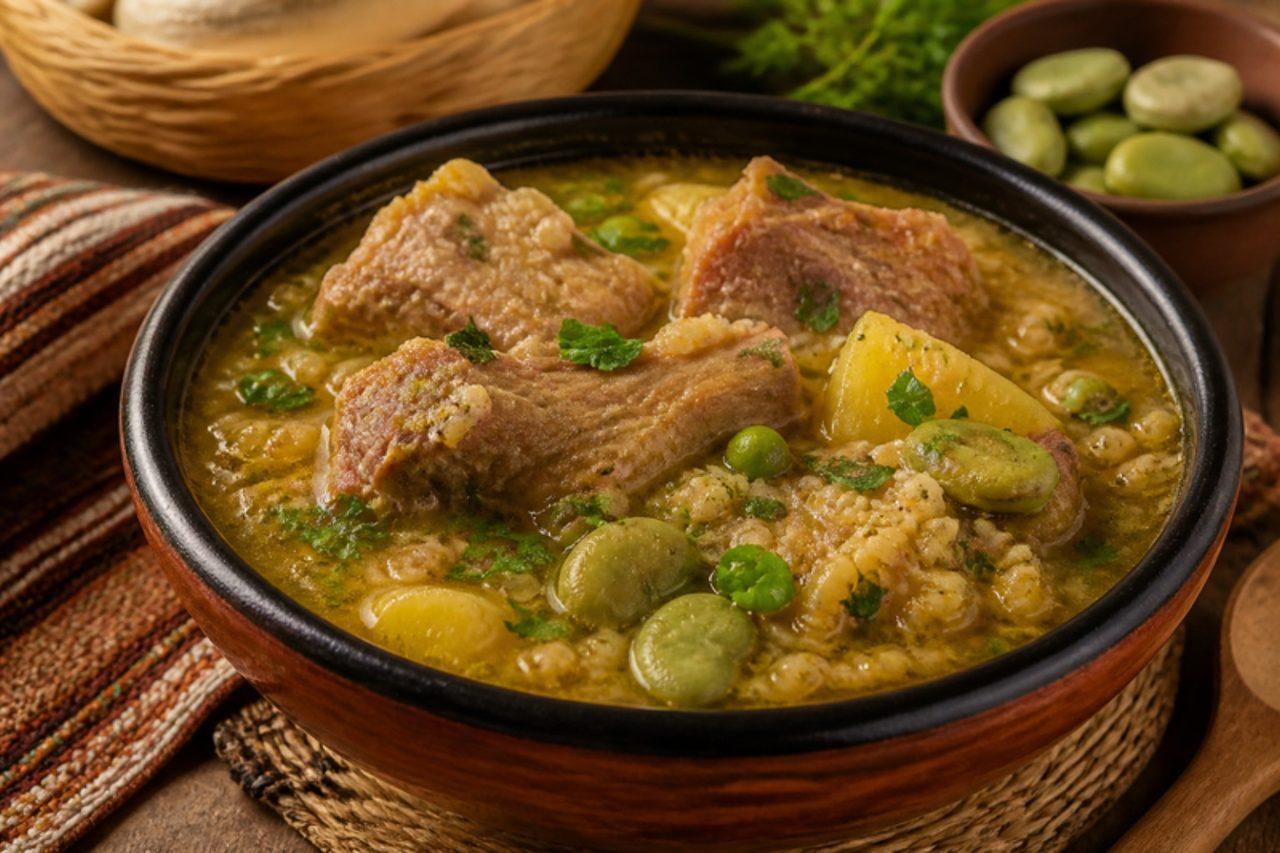
Up on the cold Boyacá plateau, around Tunja and Duitama, cuchuco de trigo is the soup that roadside restaurants ladle out at midday to farm workers and truck drivers. It is made with pork ribs (espinazo or costilla de cerdo), simmered until the meat slips off the bone, then thickened with cracked wheat, broad beans, peas, cabbage and two kinds of potato. The result is closer to a porridge-soup than a broth: nutty from the wheat, porky, a little smoky from the cumin and achiote, with the small yellow potatoes melting into the liquid. Serve it in deep bowls with avocado slices, a spoon of ají and a piece of arepa. The usual mistake is adding the wheat too early and walking away: it settles and catches on the bottom of the pot, so it needs stirring from the base every few minutes. Chef's tip: rinse the cracked wheat until the water runs nearly clear; washing off the loose flour keeps the soup creamy rather than gluey. For a meat-free pot, leave out the ribs, use vegetable stock and double the broad beans.

by KrazyBadal 0 views

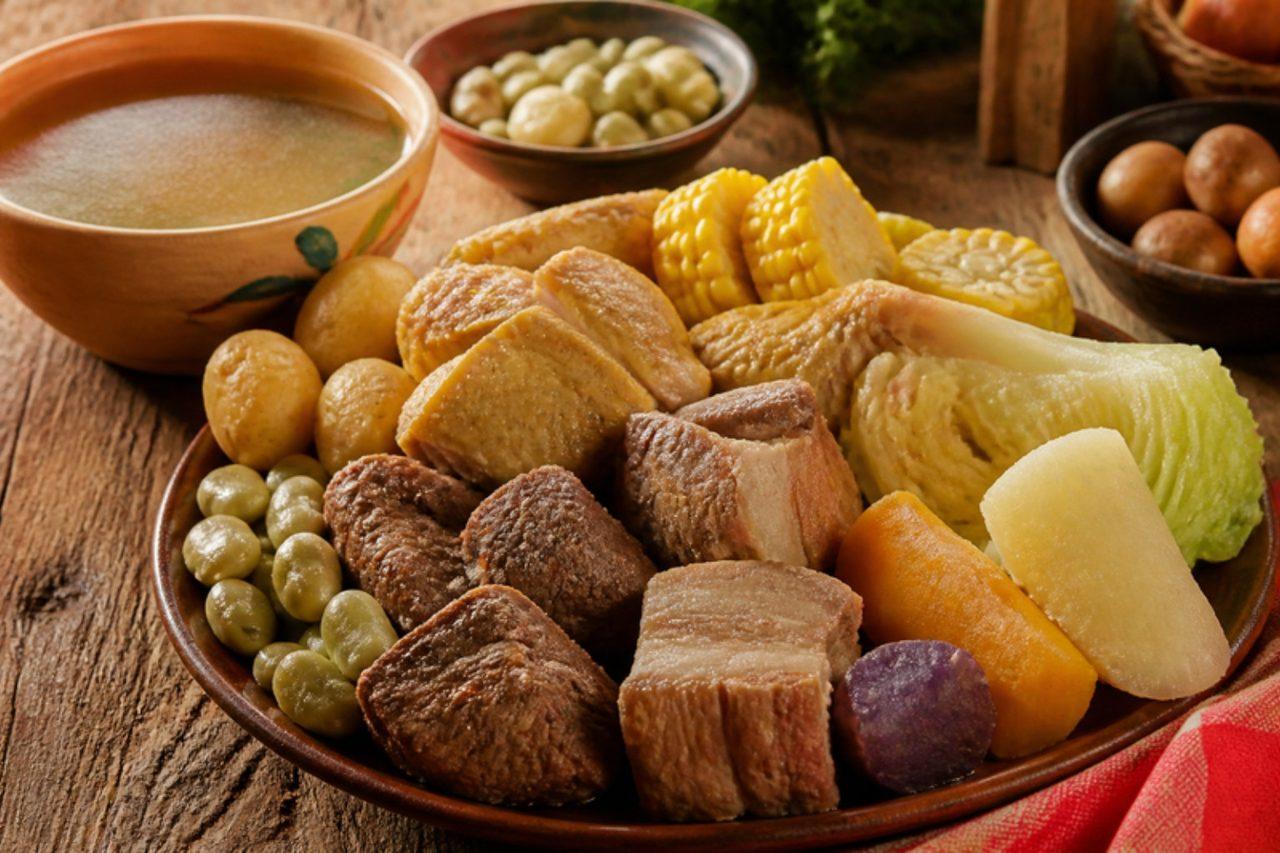
Cocido boyacenseSteamed meats and tubers feast

Sunday markets in Villa de Leyva, Paipa and Sogamoso still have families sitting down to cocido boyacense, a pot in which chicken, pork ribs and beef steam slowly on a bed of cabbage leaves above the tubers of the high Andes: potatoes, cubios, ibias and chuguas, with cobs of corn and broad beans still in their pods. There is very little water; the meat juices drip down and flavour everything. It is tipped onto one big platter in the middle of the table, and the concentrated broth left in the pot is drunk from cups alongside. Expect clean, earthy flavours rather than spice: cumin, garlic and spring onion, and a bowl of ají or hogao for anyone who wants heat. The classic slip is too much liquid, which turns it into a boiled stew; keep the water to a few centimetres and the lid tight. Chef's tip: if you can't find ibias or cubios, use oca from a Latin or Andean grocer or a mix of small new potatoes and parsnip, which bring a similar sweet, earthy note.

by KrazyBadal 0 views

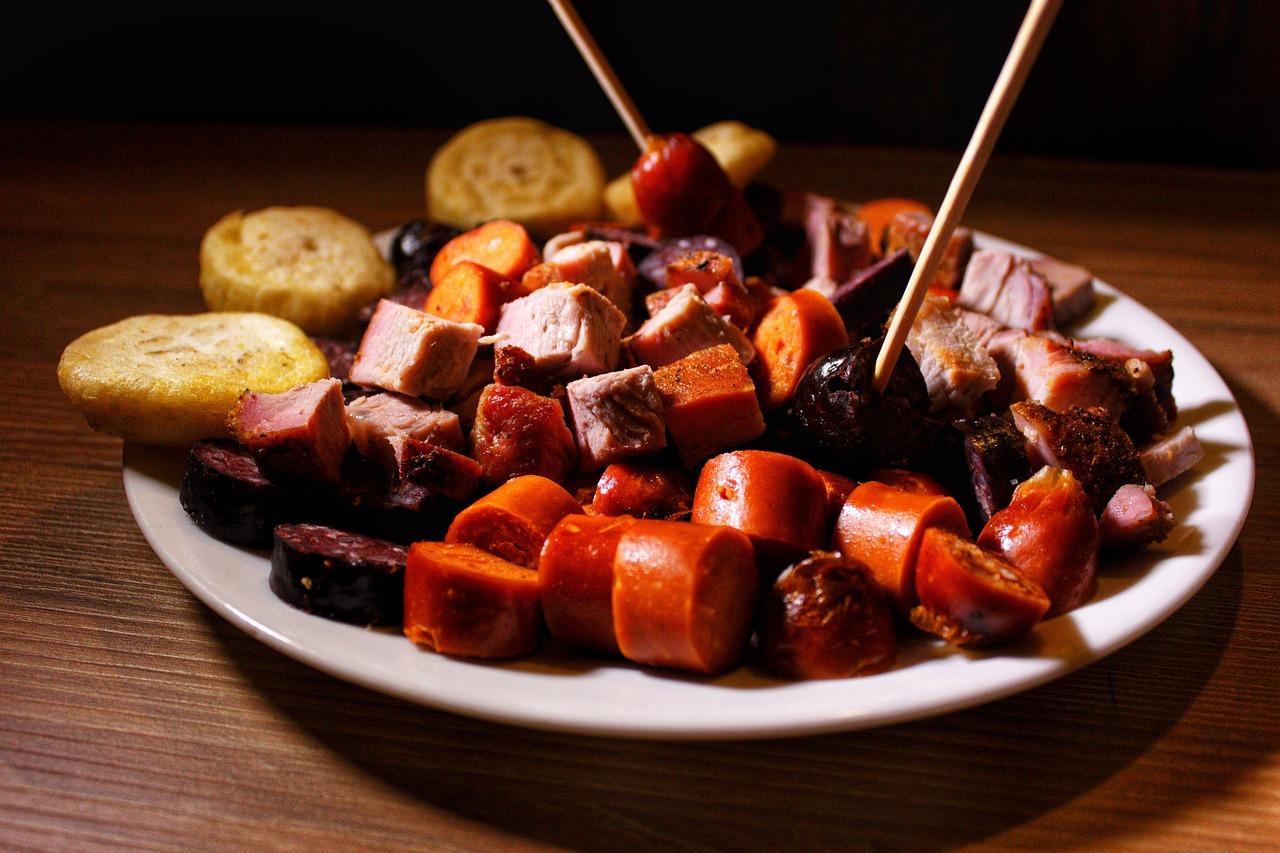
FritangaMixed fried pork and sausage platter

Weekend fritanga is Bogotá's answer to a mixed grill, eaten standing at counters in the Siete de Agosto and Restrepo neighbourhoods or brought home on a big tray to share. Everything is pork or fried: chicharrón of pork belly with a blistered, crunchy skin, juicy pork chorizos, slices of rice-filled morcilla (blood sausage), little papa criolla potatoes, sweet plantain and griddled arepas, all eaten with fingers or toothpicks and dipped in sharp, watery ají. A fritanga is about contrast, so don't drown it in sauces: the lime and ají cut the richness. The common error is frying the belly straight from raw; it needs to cook gently in water first, which renders the fat and tenderises the meat before the skin crisps in its own drippings. Chef's tip: buy morcilla and chorizo from a Latin butcher and check the labels if you need the platter gluten free, as some sausages contain wheat.

by KrazyBadal 0 views

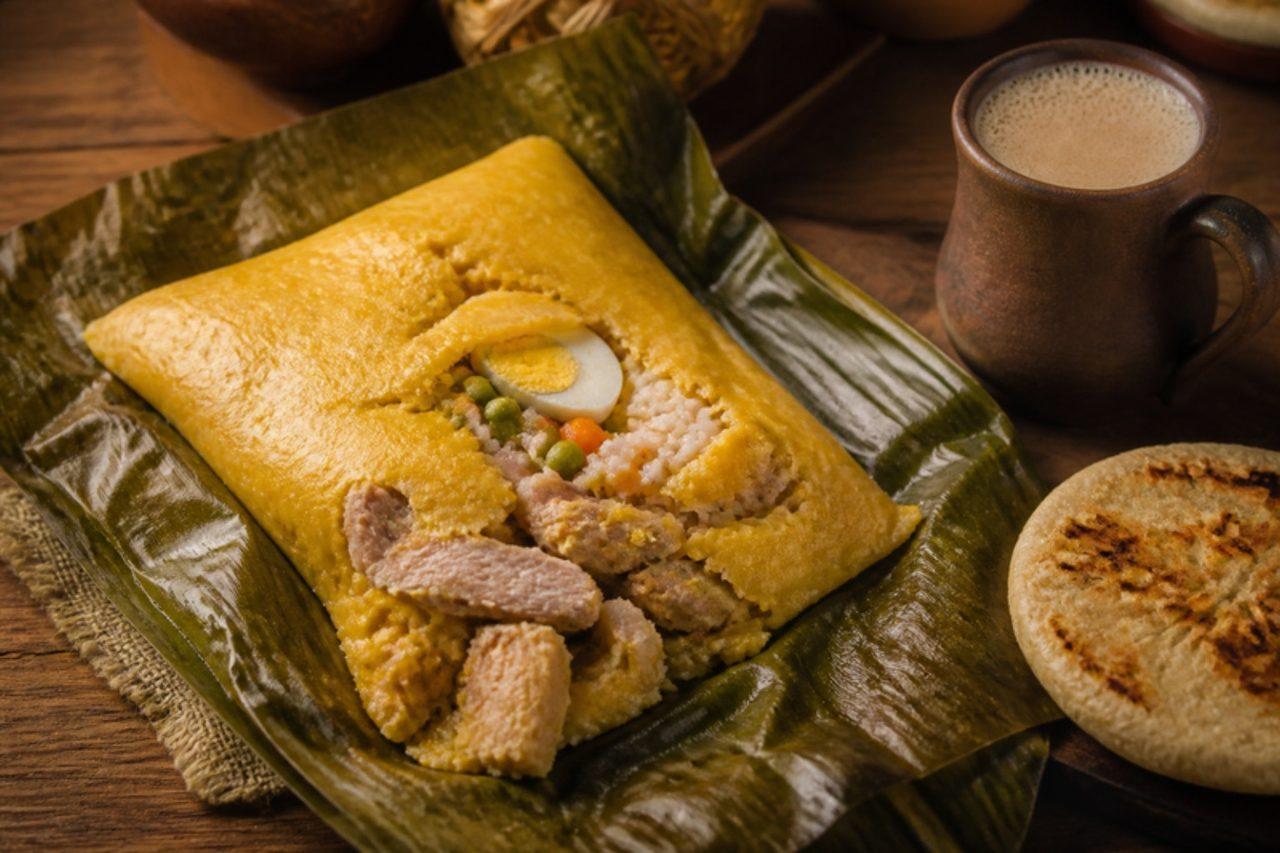
Tamal tolimenseBanana-leaf pork and chicken tamal

Ibagué and the towns of Tolima make the most generous tamal in Colombia, and on Sunday mornings it is unwrapped at the table with hot chocolate, a slab of bread or arepa and a cup of black coffee. Inside the double banana-leaf wrapping sits a soft, achiote-tinted corn dough layered with rice, yellow peas, carrot, potato, a hard-boiled egg and chunks of pork rib, pork belly and chicken that cook through during the long steam. Expect a savoury, moist parcel that smells of the leaves; plus overnight soaking for the dried peas and marinating the meat. It is weekend project food, best made with friends on a production line. A frequent failure is a loose wrap: water gets in and the dough turns soggy, so fold tightly and tie firmly in a cross. Chef's tip: steam a test tamal first or check one after 3 hours; the meat inside must be cooked through, and if the dough still sticks to the leaf, give the batch 20 minutes more.

by KrazyBadal 0 views

Babà al rumRum-soaked yeast cakes

Naples took the babà from French and Polish pastry cooks in the nineteenth century and made it its own: small mushroom-shaped yeast cakes so light and airy that they drink up a warm, rum-laced syrup and still hold their shape. Neapolitans pick them up from the pastry counter after Sunday mass, and they are often served with whipped cream or custard. The traditional syrup contains rum; for an alcohol-free version, use the orange and vanilla syrup given in the ingredient notes, which is just as soaking and fragrant. Chef's tip: let the baked babà dry out for a few hours, or overnight; a slightly stale cake soaks up syrup evenly without collapsing.

by KrazyBadal 0 views

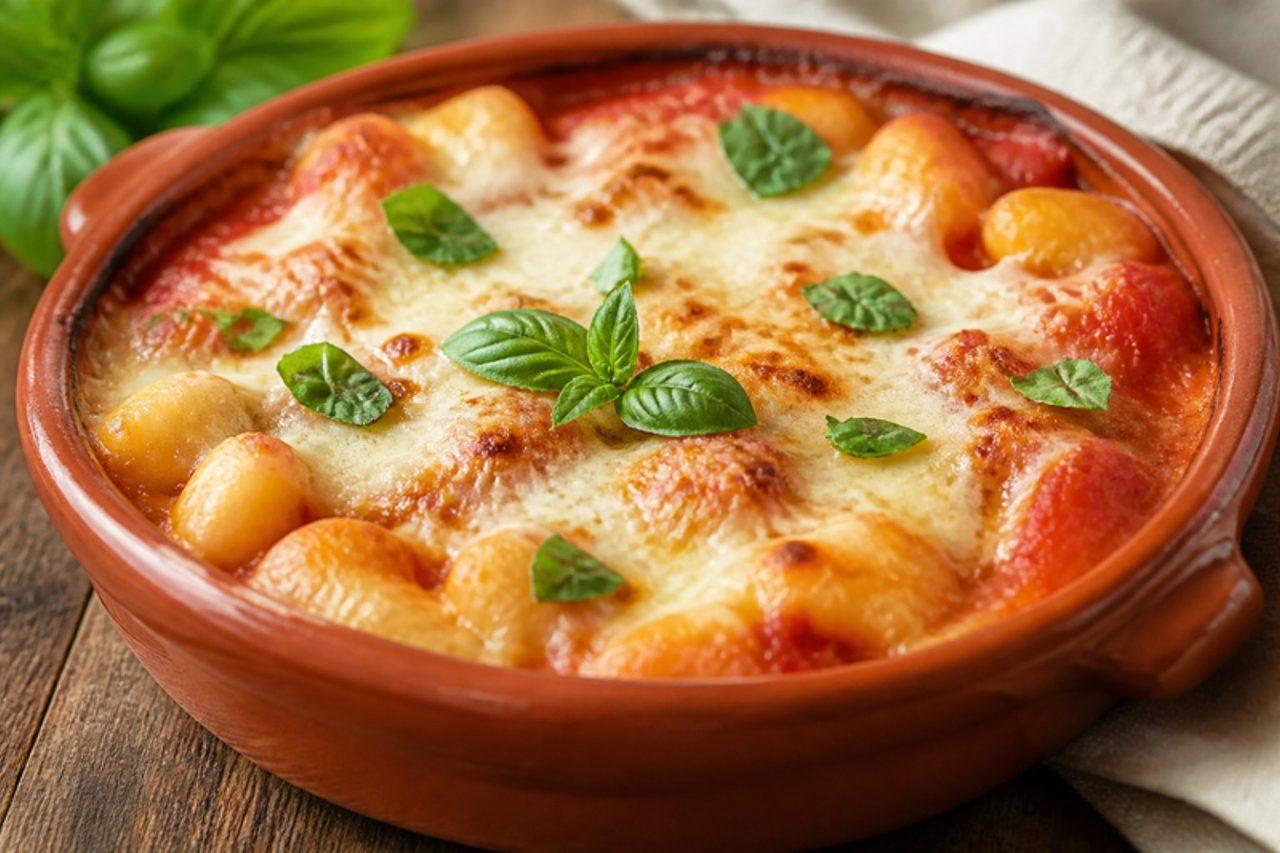
Gnocchi alla sorrentinaGnocchi baked with tomato and mozzarella

Sorrento families make gnocchi alla sorrentina for Sunday lunch: soft potato gnocchi folded into a basil-scented tomato sauce, layered with cubes of fior di latte mozzarella and baked in individual terracotta dishes until the cheese bubbles and stretches. It is comfort food, pillowy and creamy with a golden, slightly crisp top, and children love pulling the strings of cheese. This recipe takes you from the potatoes to the oven. Chef's tip: bake the potatoes in their skins rather than boiling them; drier potatoes need less flour and make lighter gnocchi.

by KrazyBadal 0 views

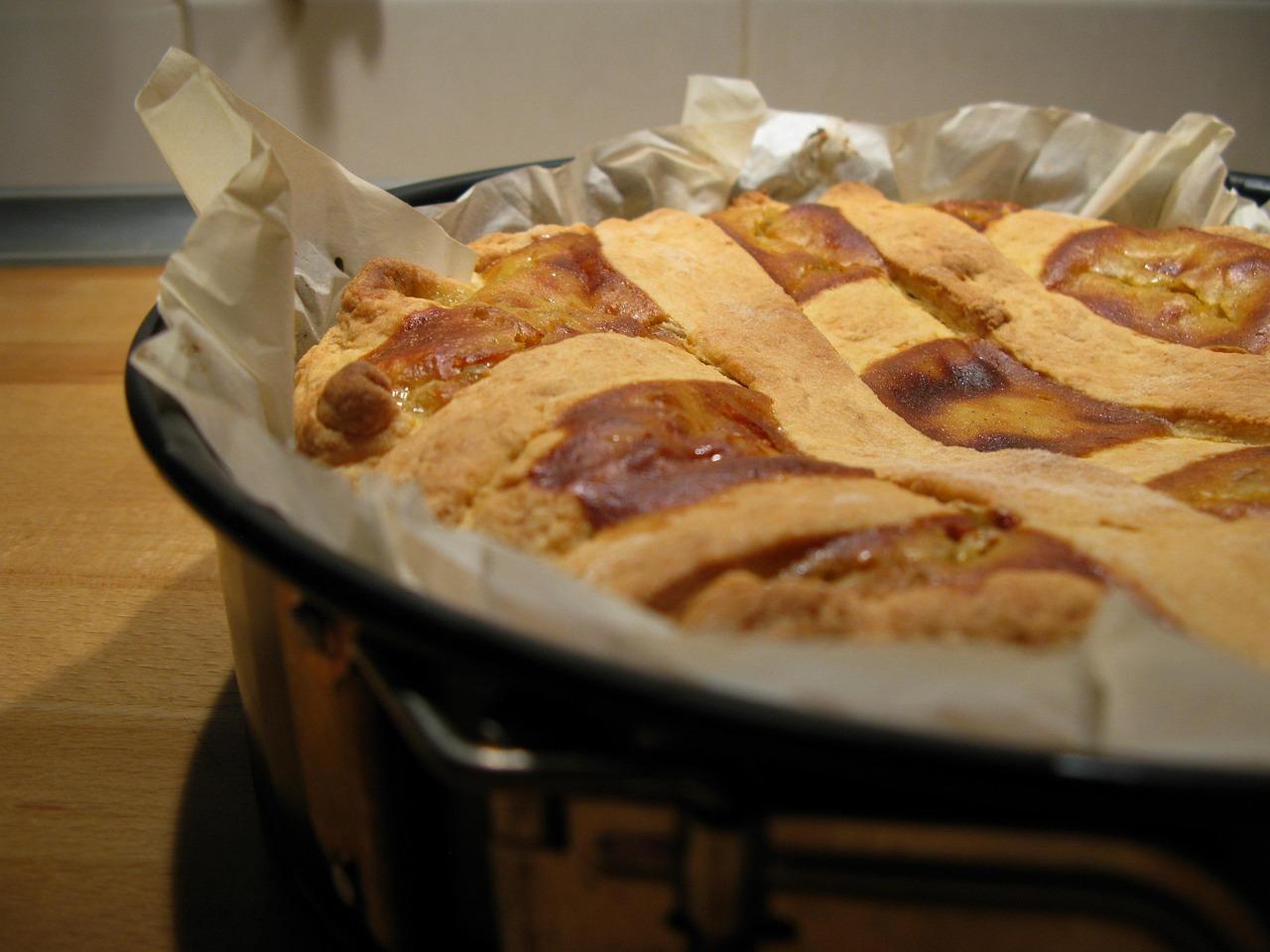
Pastiera napoletanaWheat berry and ricotta tart

Every Neapolitan kitchen fills with the scent of orange blossom water in Holy Week, when families bake the pastiera on Maundy Thursday or Good Friday so it can rest until Easter Sunday. Inside a lattice-topped shortcrust case is a creamy, slightly grainy filling of ricotta, cooked wheat berries, eggs, candied citrus and cinnamon, and the flavour improves for two or three days. Traditional pastry is made with lard; this one uses butter. Chef's tip: bake it a day or two ahead and keep it covered at cool room temperature; a freshly baked pastiera tastes flat by comparison.

by KrazyBadal 0 views

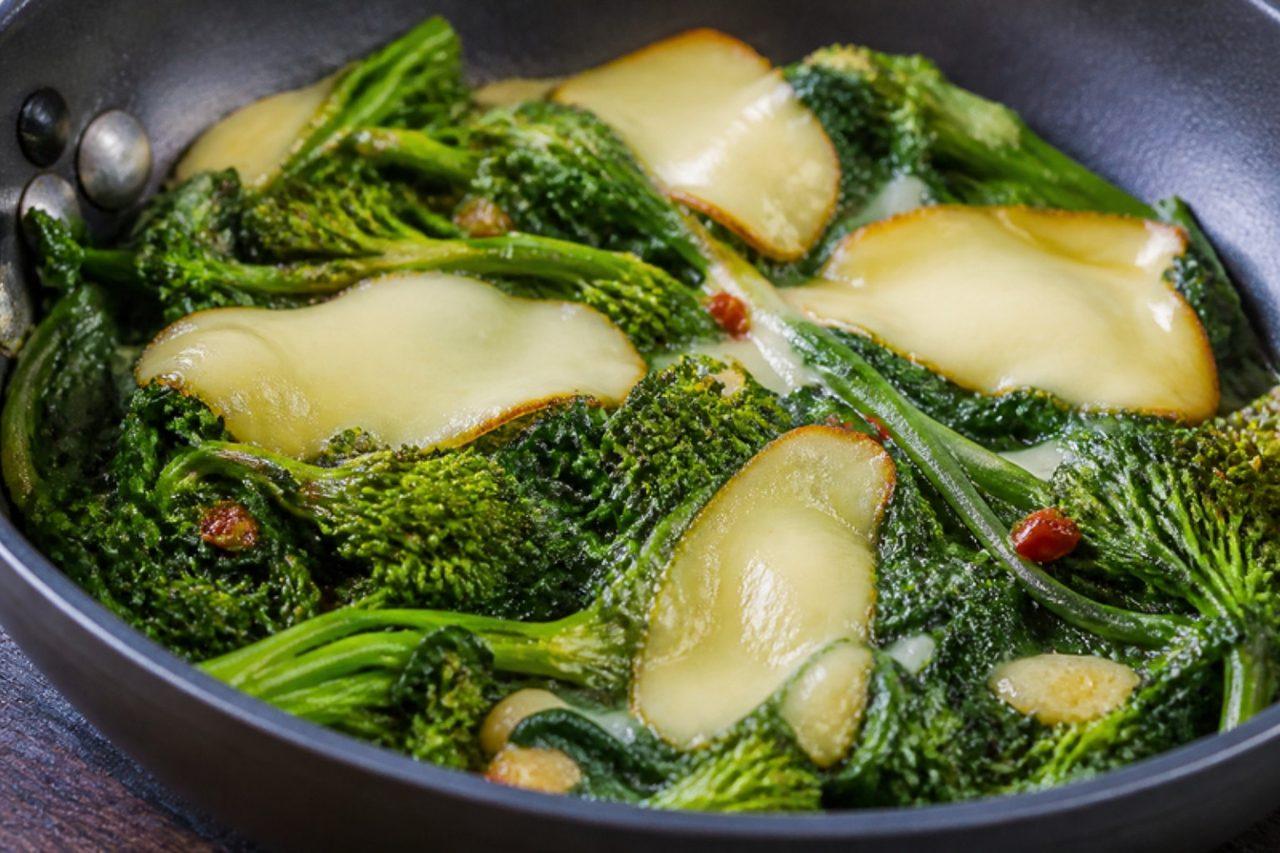
Friarielli con provolaBroccoli rabe with smoked provola

Friarielli are the Neapolitan name for the tender leafy tops of broccoli rabe, piled high on market stalls in Naples from late autumn to early spring. Sautéed with garlic and chilli in olive oil, they turn soft, dark green and pleasantly bitter, and in Naples they are a side dish, a pizza topping and, above all, the filling of a crusty panino. Here slices of smoked provola melt over the hot greens, so they work as a side or straight into a roll. Chef's tip: do not blanch them; Neapolitans cook friarielli raw in the pan with the lid on so they keep their bite and flavour.

by KrazyBadal 0 views

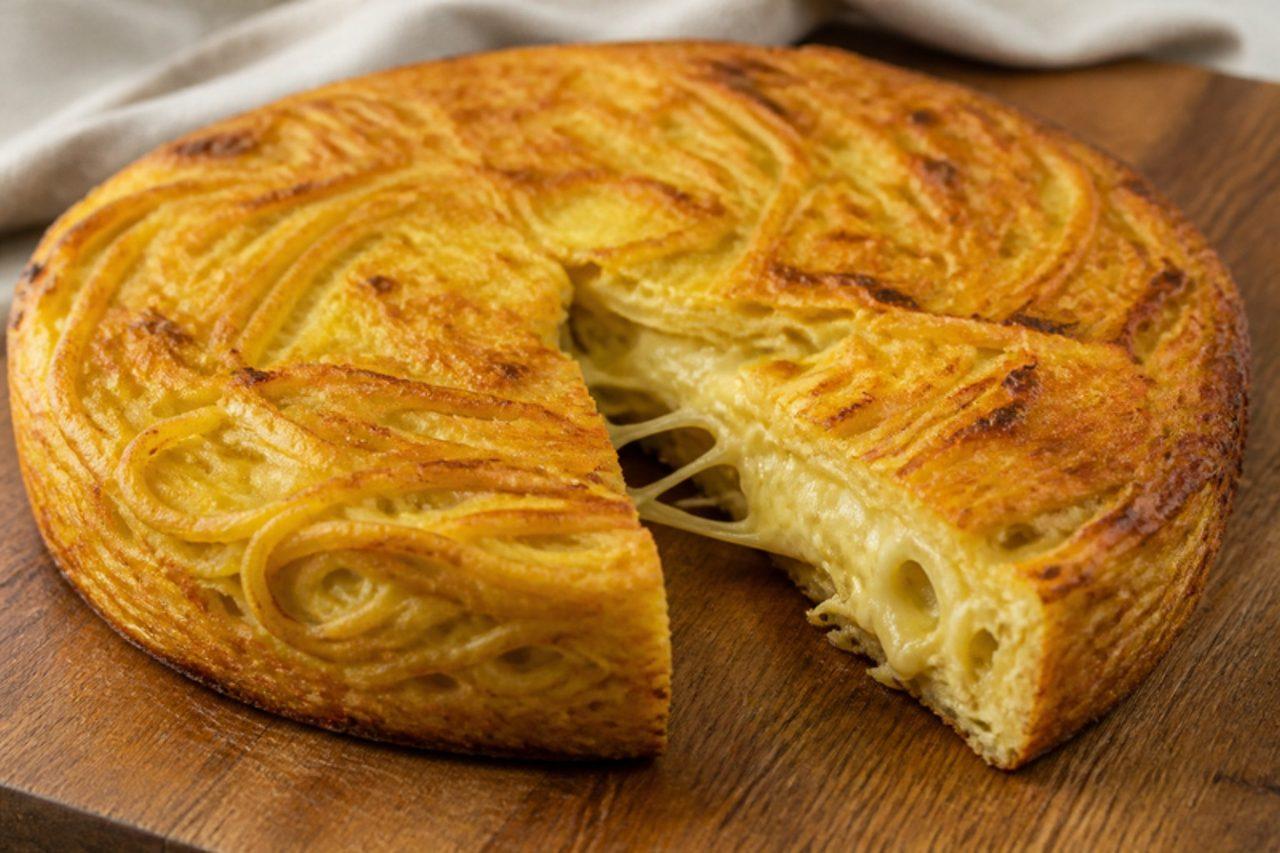
Frittata di maccheroniPasta frittata

Neapolitans turn yesterday's spaghetti into frittata di maccheroni, a thick, golden pasta cake bound with egg and lots of grated cheese, with pockets of melting provola inside. It travels everywhere: cut into wedges for the beach at Mergellina, packed for the Easter Monday picnic (Pasquetta) or eaten cold from the fridge. The outside is crisp, the middle soft and cheesy. Most families add cubes of salami; this version leaves them out and uses smoked provola for a savoury depth. Chef's tip: use a plate the size of the pan to flip it, and slide it back in confidently in one move.

by KrazyBadal 0 views

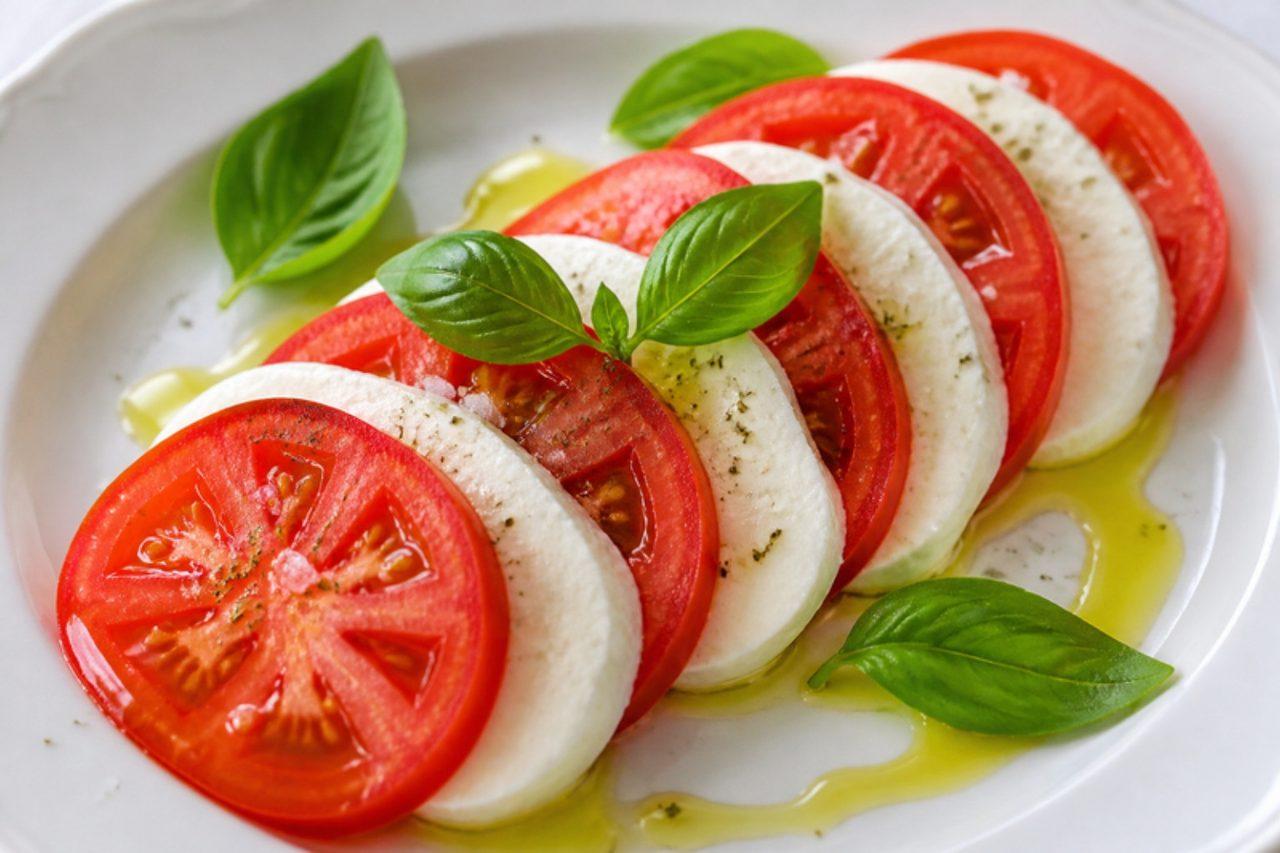
Insalata capreseTomato and mozzarella salad

On the island of Capri this simple plate of red tomatoes, white buffalo mozzarella and green basil is the lunch of hot afternoons, served in beach clubs and piazza cafés. With so few ingredients, everything rests on quality: tomatoes ripe enough to smell sweet, mozzarella made that day so it weeps milk when cut, and fruity olive oil. It needs no vinegar; a pinch of salt and oregano is enough. Chef's tip: take the mozzarella out of the fridge 30 minutes ahead; cold mozzarella tastes of very little and feels rubbery.

by KrazyBadal 0 views

Spaghetti alla NeranoSpaghetti with courgettes and provolone

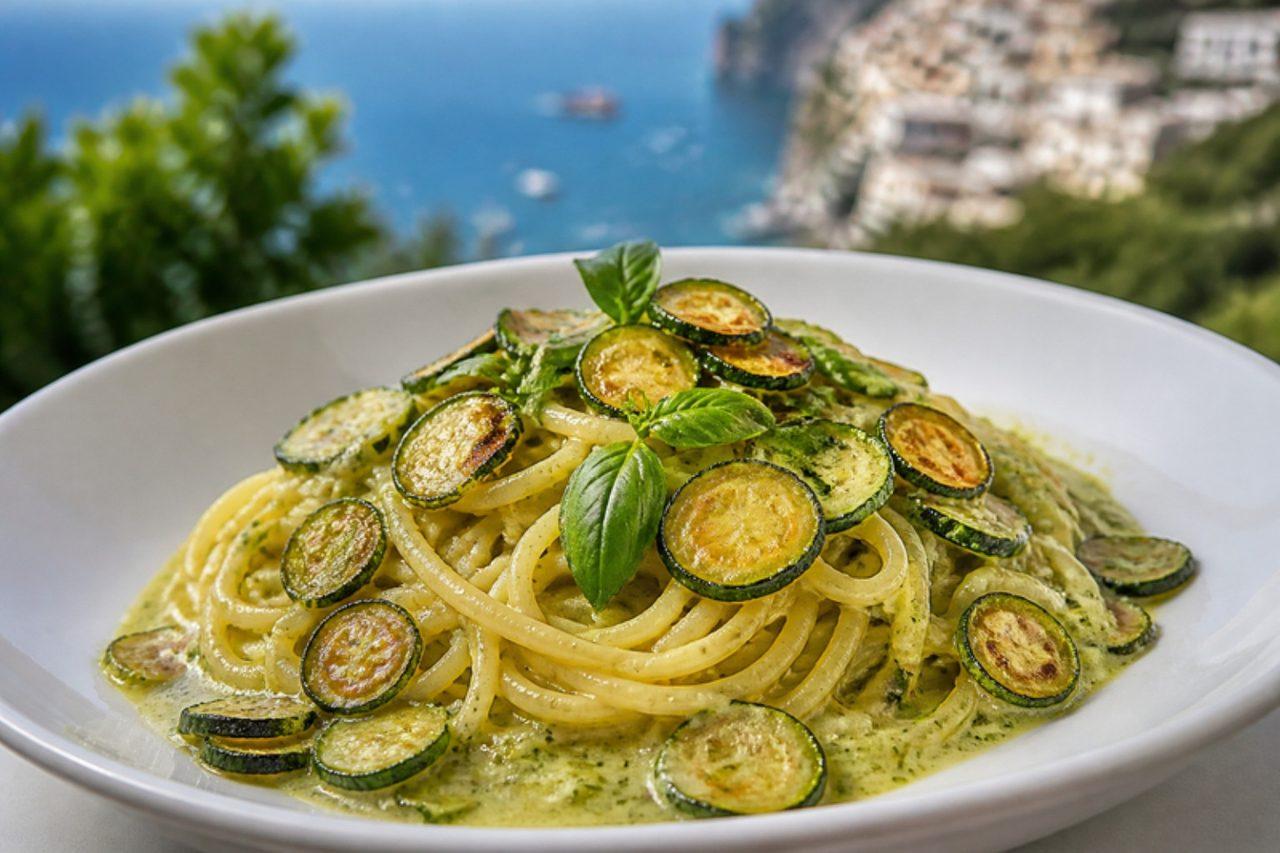
Nerano is a tiny fishing bay on the Sorrento peninsula, and its seaside trattorias have served this pasta since the 1950s to summer visitors arriving by boat. Courgette rounds are fried slowly in olive oil until golden and soft, then tossed with spaghetti, basil and grated provolone del Monaco, a semi-hard cow's milk cheese from the hills above, until everything melts into a creamy, sweet and savoury sauce. It is a dish for July and August, when courgettes are cheap and full of flavour. Chef's tip: fry the courgettes ahead and let them sit for an hour if you can; they soften further and give the sauce a deeper flavour.

by KrazyBadal 0 views

Puntarelle alla romanaChicory shoots with garlic dressing

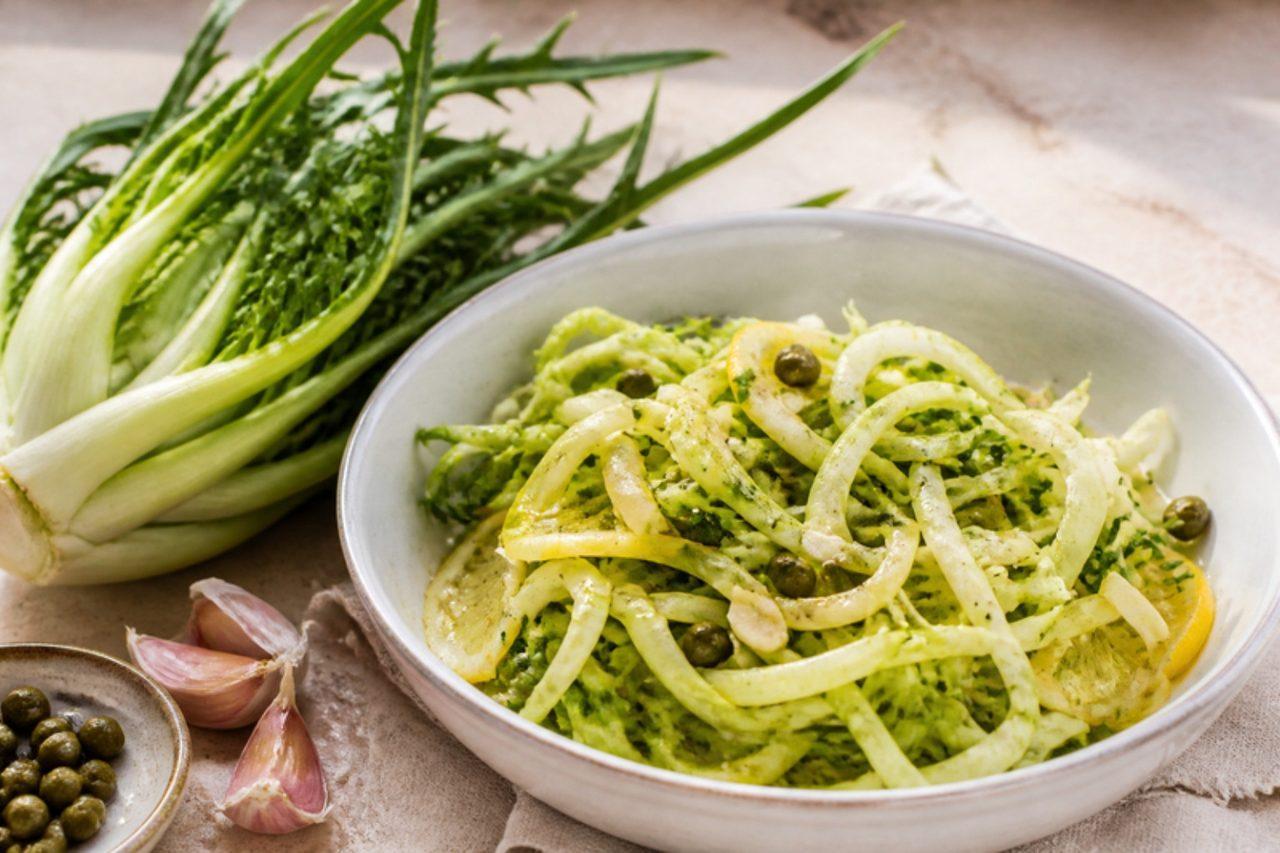
From November to February, Rome's markets at Campo de' Fiori and Testaccio sell puntarelle: the pale, hollow shoots from the heart of a Catalogna chicory, sold already split into curls by the stallholders. Soaked in iced water, they turn crunchy and curl up, and they are dressed with crushed garlic, oil and something sharp. The Roman dressing is pounded with anchovy; this vegetarian version uses capers and lemon for the same salty, tangy punch. Serve it as a side next to cacio e pepe or a plate of artichokes. Chef's tip: slice the shoots as thinly as you can, lengthways; thin strips curl tighter in the ice water and hold the dressing better.

by KrazyBadal 0 views

Maritozzi con la pannaCream-filled sweet buns

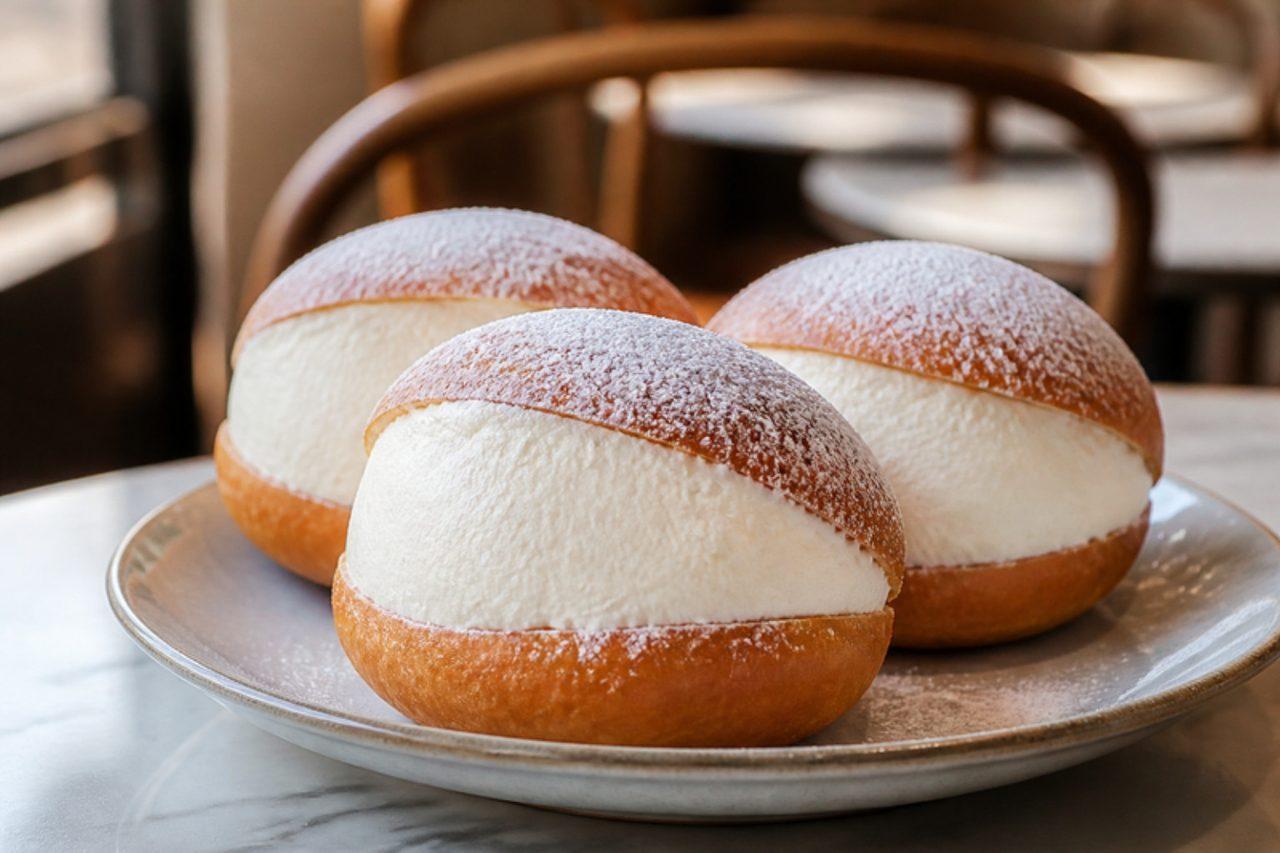
In Roman bars the maritozzo is breakfast: a glossy, oval brioche bun scented with orange zest, slit open and packed with so much lightly sweetened whipped cream that it bulges past the crust. Once a Lenten treat that young men gave to their future wives (the name comes from marito, husband), it is now eaten all year with a cappuccino, especially on Sunday mornings. The bun is feathery and light, the cream cold and barely sweet. Chef's tip: give the shaped buns their full second rise until they look puffy and wobble when you nudge the tray; underproved buns bake tight and dense.

by KrazyBadal 0 views

Scrippelle 'mbussePecorino crêpes in broth

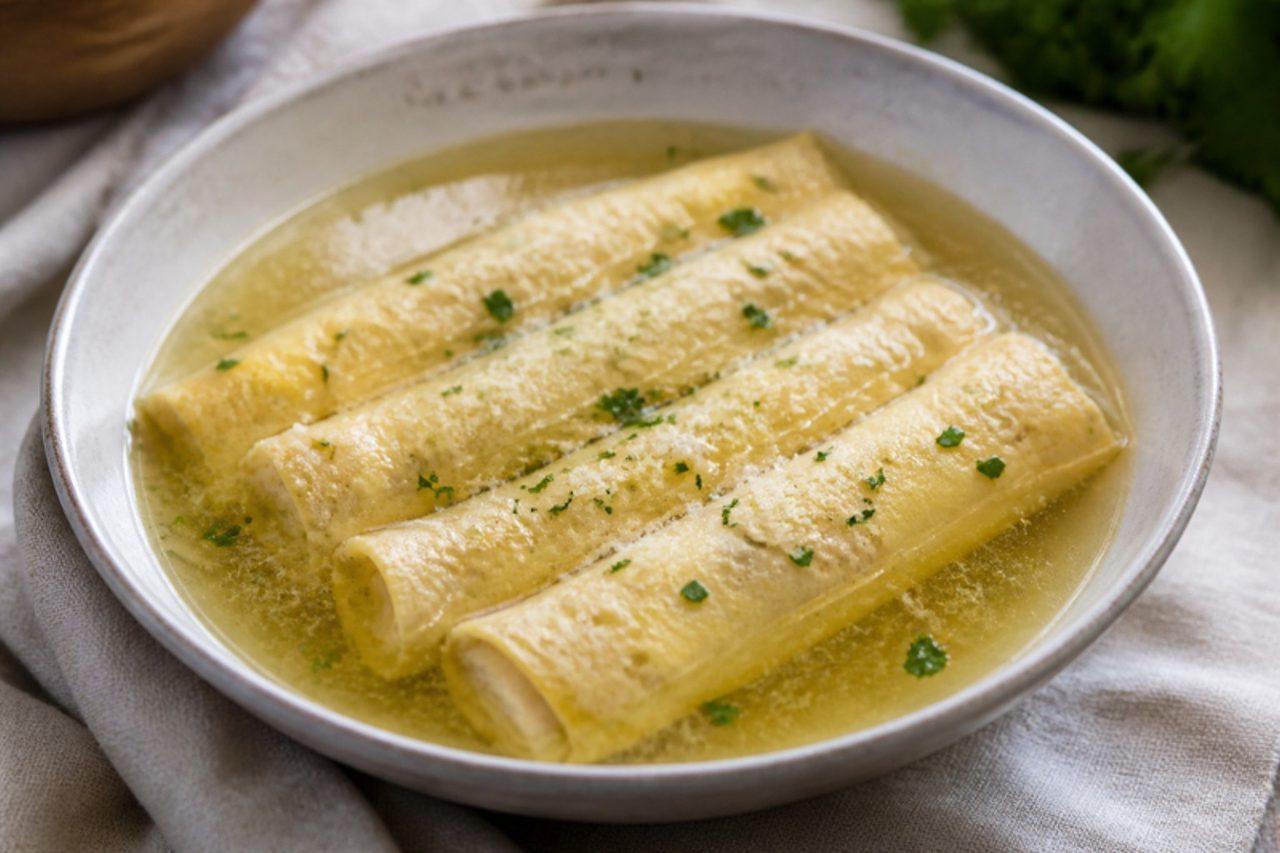
In Teramo, in northern Abruzzo, scrippelle 'mbusse ("wet crêpes") open the meal on cold winter evenings and at Christmas. Thin, eggy crêpes are sprinkled with grated pecorino and parmesan, rolled into tight cigars and drowned in boiling broth at the table, so they soften into silky, cheesy spirals. Families normally pour over a clear chicken or capon broth; this recipe uses a well-flavoured vegetable stock instead. Chef's tip: let the batter rest for half an hour before cooking, so the crêpes come out thin and supple enough to roll without cracking.

by KrazyBadal 0 views

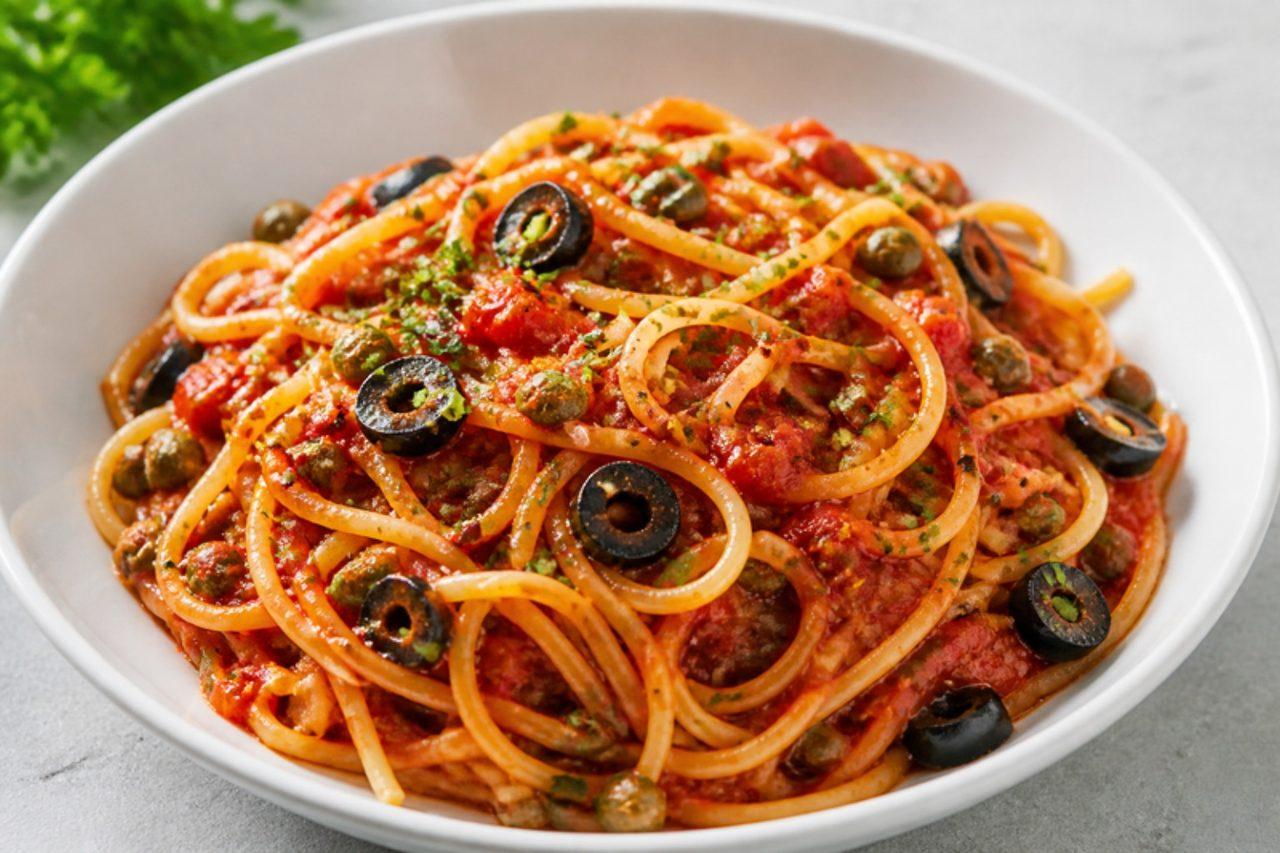
Spaghetti alla puttanesca

Few pastas come together so fast from a cupboard: tomatoes, black olives, capers, garlic and chilli simmered for ten minutes into a sauce that is briny, sharp and a little fiery. Naples claims the olive-and-caper version, often made with Gaeta olives, while in Rome cooks melt a few anchovy fillets into the oil first; this recipe follows the Neapolitan line and leaves the fish out, so it is fully vegan. Romans and Neapolitans alike treat it as a late-night or end-of-the-week plate, made when the fridge is bare. Chef's tip: rinse the capers well and add the olives only at the end, so the sauce stays bright and salty rather than bitter.

by KrazyBadal 0 views

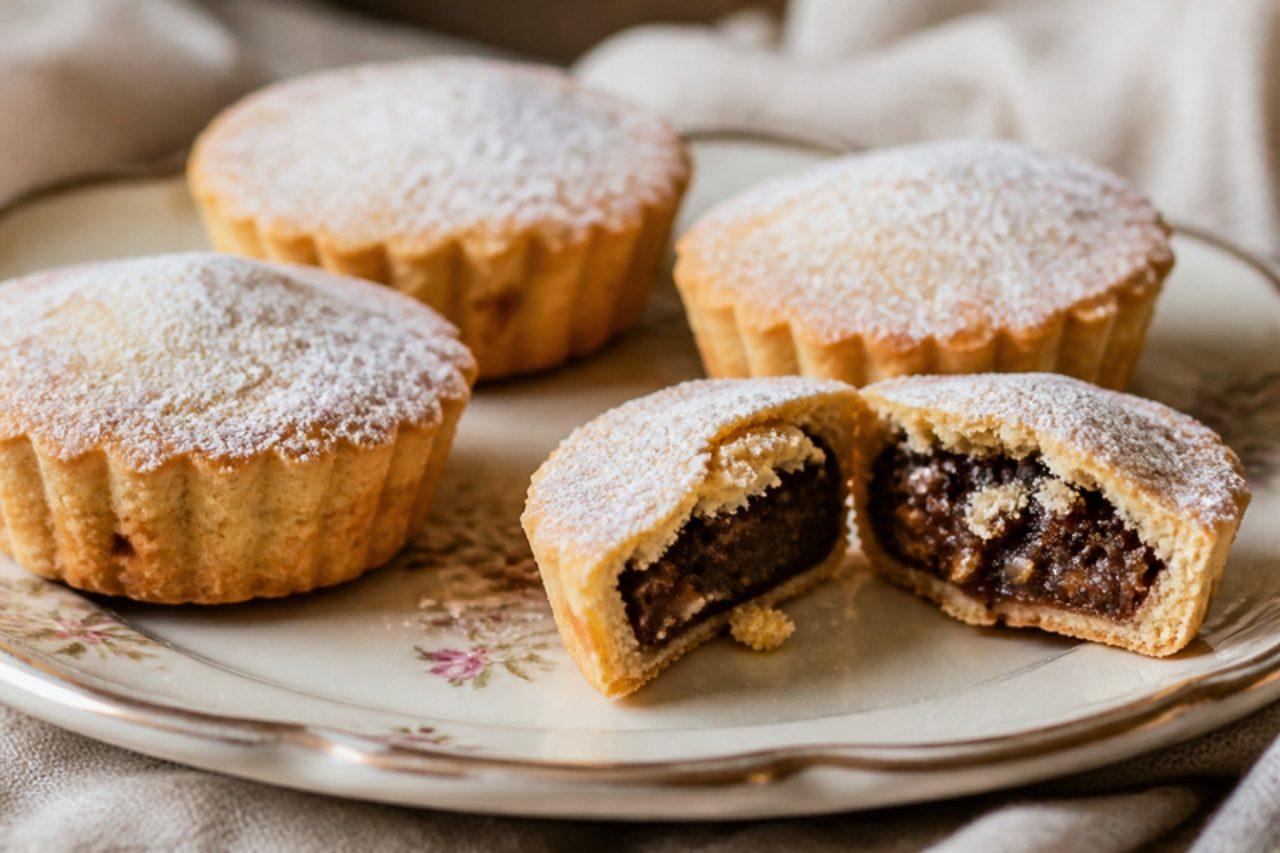
Bocconotti abruzzesiChocolate almond tartlets

Bocconotti are the small, domed pastries that Abruzzo bakers pile up for Christmas, weddings and christenings, especially along the coast around Chieti and Lanciano. Crumbly lemon-scented shortcrust hides a dense, fudgy filling of toasted almonds, dark chocolate and cinnamon, and the tops are dusted thick with icing sugar. Many families stir a spoonful of sweet liqueur into the filling; it is optional here, with orange juice as the alcohol-free swap. They keep for days in a tin and taste even better on the second. Chef's tip: chill the dough before rolling; warm shortcrust tears in the small moulds and shrinks in the oven.

by KrazyBadal 0 views

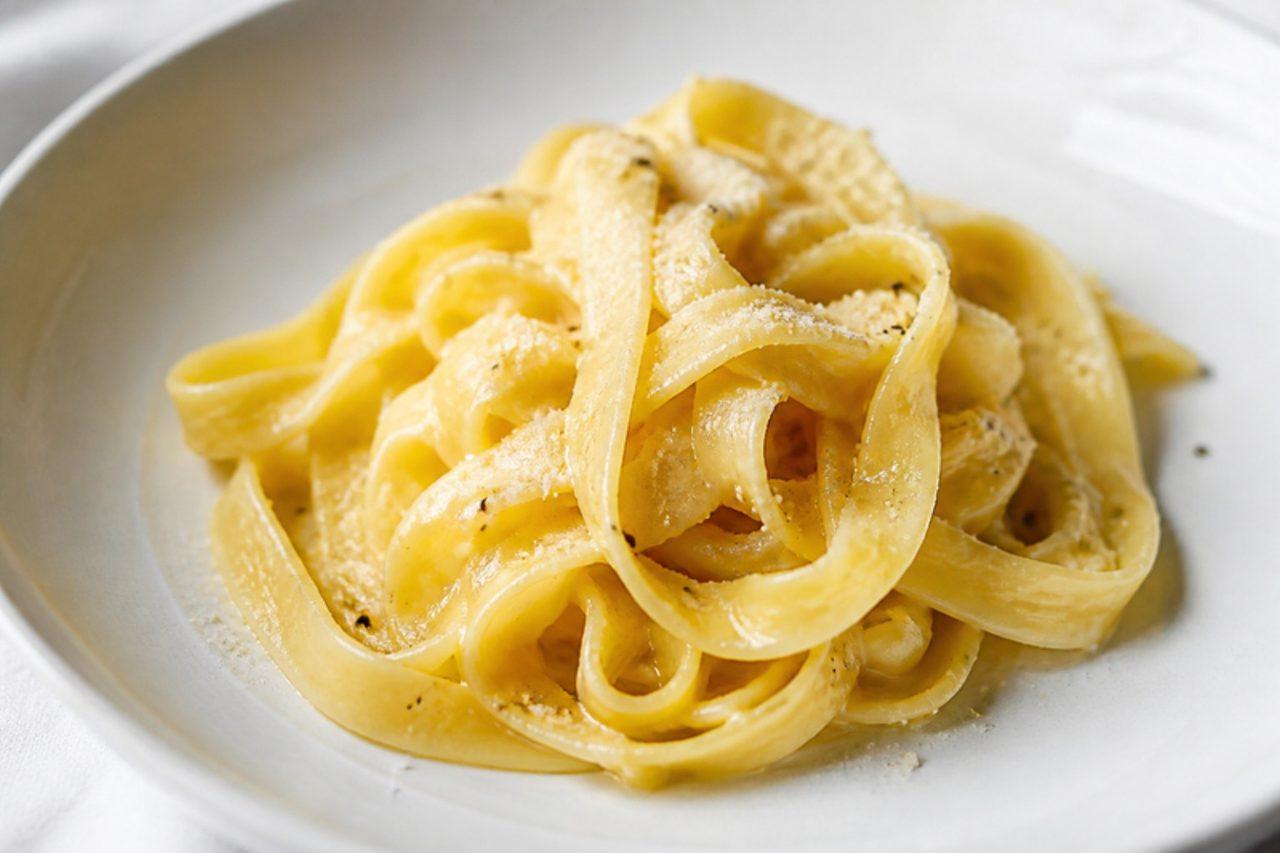
Fettuccine al burro (original Alfredo)Fettuccine with butter and Parmesan

Long before cream-heavy versions spread abroad, Roman cooks made fettuccine al burro with nothing but fresh egg ribbons, sweet butter and young Parmigiano, beaten together into a soft, pale sauce. A restaurateur on Via della Scrofa made it famous in the early twentieth century by tossing it at the table for visitors, and in Roman homes it is still the dish for a child home from school or anyone feeling under the weather. The result is mild, silky and nutty with cheese. Chef's tip: soften the butter to room temperature and grate the cheese like snow; cold butter and coarse cheese will not melt into a cream in the short tossing time.

by KrazyBadal 0 views

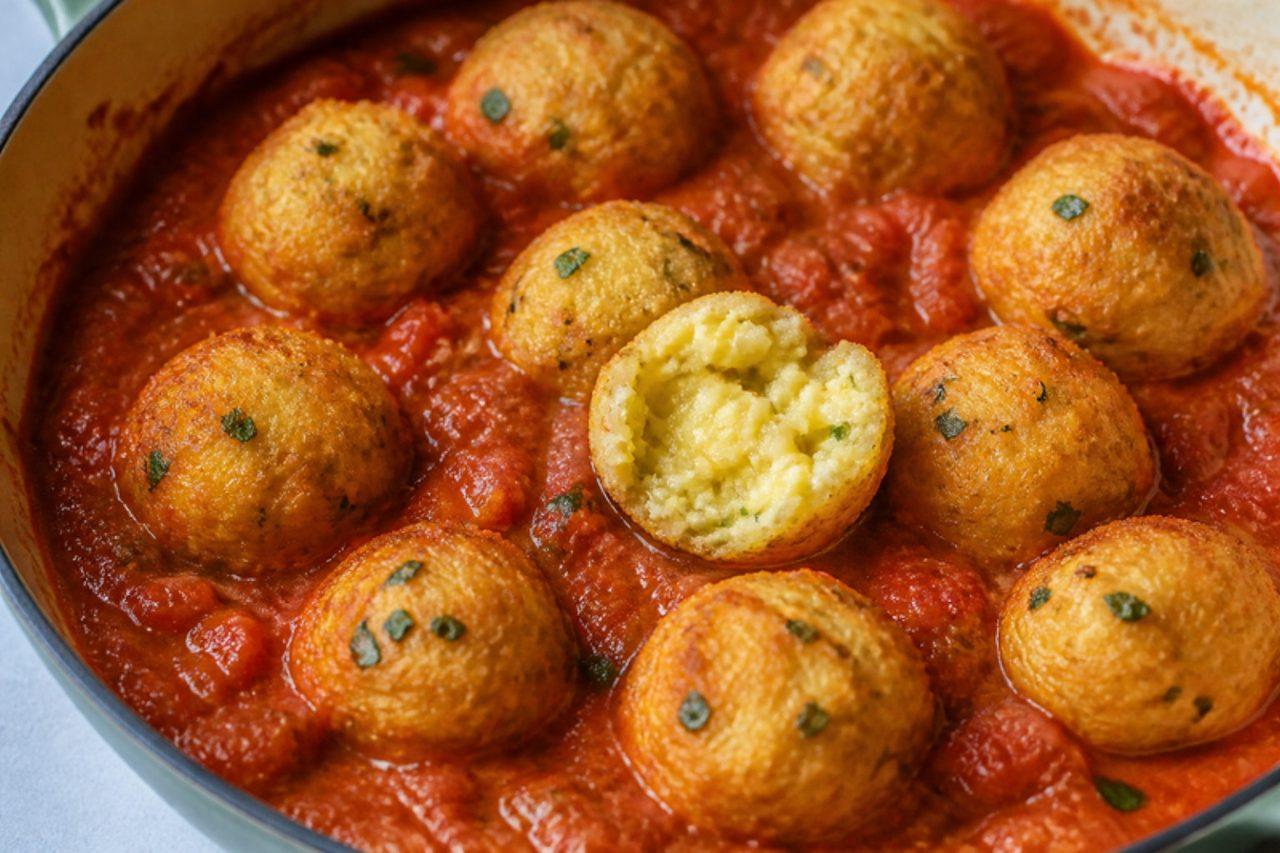
Pallotte cace e oveCheese and egg tomato balls

Abruzzo's shepherds and farm families invented pallotte cace e ove as "meatballs" with no meat: stale bread, eggs and plenty of sharp local cheese, shaped into balls, fried golden and then simmered in tomato sauce until soft and fluffy inside. They turn up at village festivals (sagre) in the mountains around L'Aquila and Chieti, and at home as a Friday or Sunday second course with crusty bread to mop the sauce. Chef's tip: wet your hands before shaping; the mixture is soft and the balls stay round and smooth without extra breadcrumbs.

by KrazyBadal 0 views

Cavatelli molisani con broccoliCavatelli with broccoli

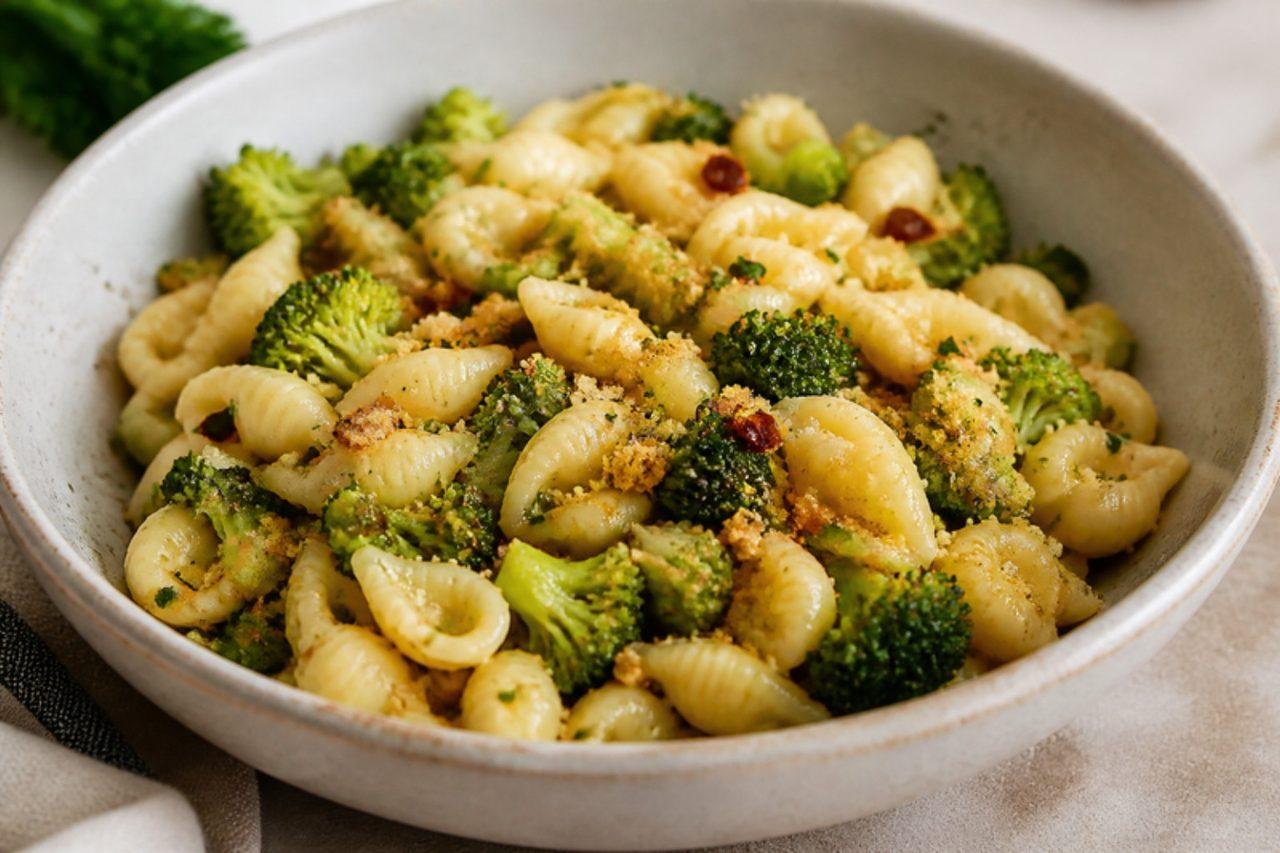
In the hill villages around Campobasso, cavatelli are still made by hand on Sunday mornings: a plain dough of durum wheat semolina and water, cut into little nuggets and dragged under two fingers so each one curls into a hollow shell. In winter they are cooked in the same pot as broccoli until the florets collapse into a green, garlicky sauce flecked with chilli; in summer the same pasta gets a simple tomato sauce. The pasta is chewy and rustic, the sauce soft and peppery. Chef's tip: keep the dough firm and a touch dry, so the cavatelli curl neatly instead of sticking to the board.

by KrazyBadal 0 views

Zuppa di lenticchie di CastelluccioMountain lentil soup

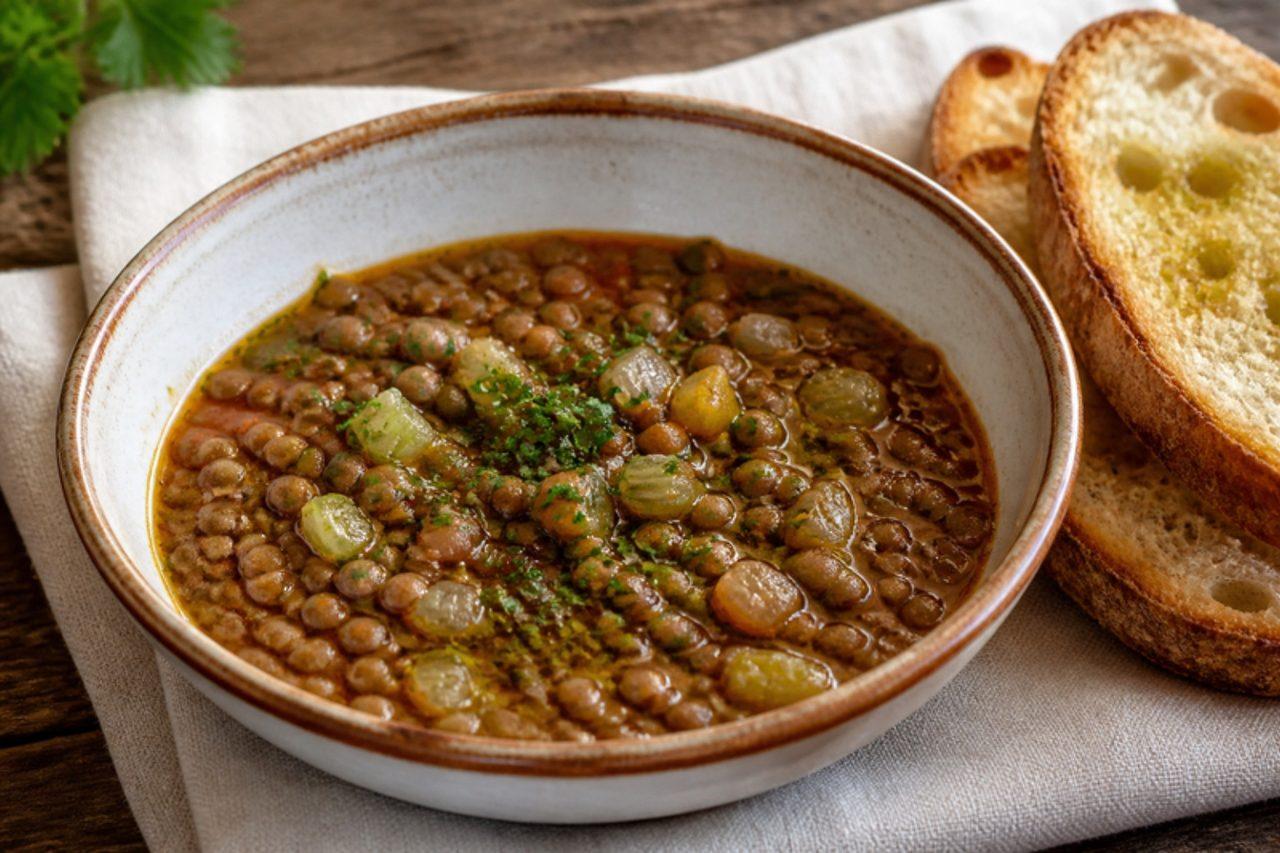
High on the Piano Grande above Norcia, the plateau around Castelluccio turns into a carpet of flowers each June, and among them grow the tiny, speckled lentils the village is known for. They are so small and thin-skinned that they cook in under half an hour without soaking and hold their shape, which is why Umbrian cooks keep this soup simple: a soffritto of garlic, celery and onion, a little tomato, the lentils and good olive oil poured on at the end. It is a cold-weather supper, brothy and earthy, often served with toasted bread. Chef's tip: salt only at the end; salting early can toughen the skins of mountain lentils.

by KrazyBadal 0 views

Crescia sfogliata di UrbinoLayered spiral flatbread

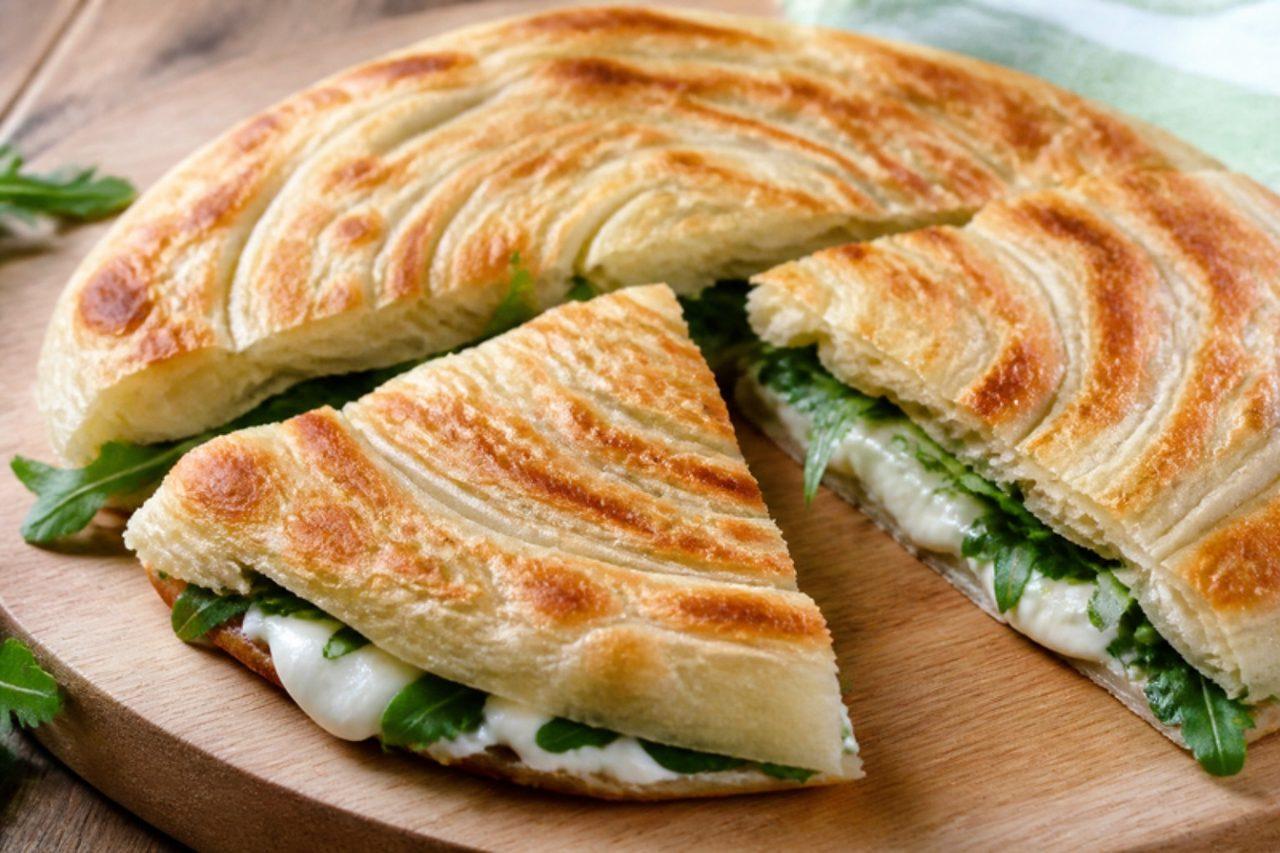
In Urbino and the hills of the Montefeltro, crescia sfogliata is the street food sold from small kiosks and served in every trattoria, folded round fillings like a sandwich. What sets it apart from Romagna's piadina is the lamination: an egg and pepper dough is rolled paper-thin, spread with fat, rolled up into a cord and coiled into a snail, then flattened again, so it cooks into crisp, buttery, flaking layers. Lard is traditional; this version uses butter. Fill it with rocket and soft cheese, sautéed greens or grilled vegetables. Chef's tip: rest the coiled snails for 20 minutes before the final rolling; relaxed dough rolls out without the layers fusing.

by KrazyBadal 0 views

Torta al testo con verdureGriddle bread stuffed with greens

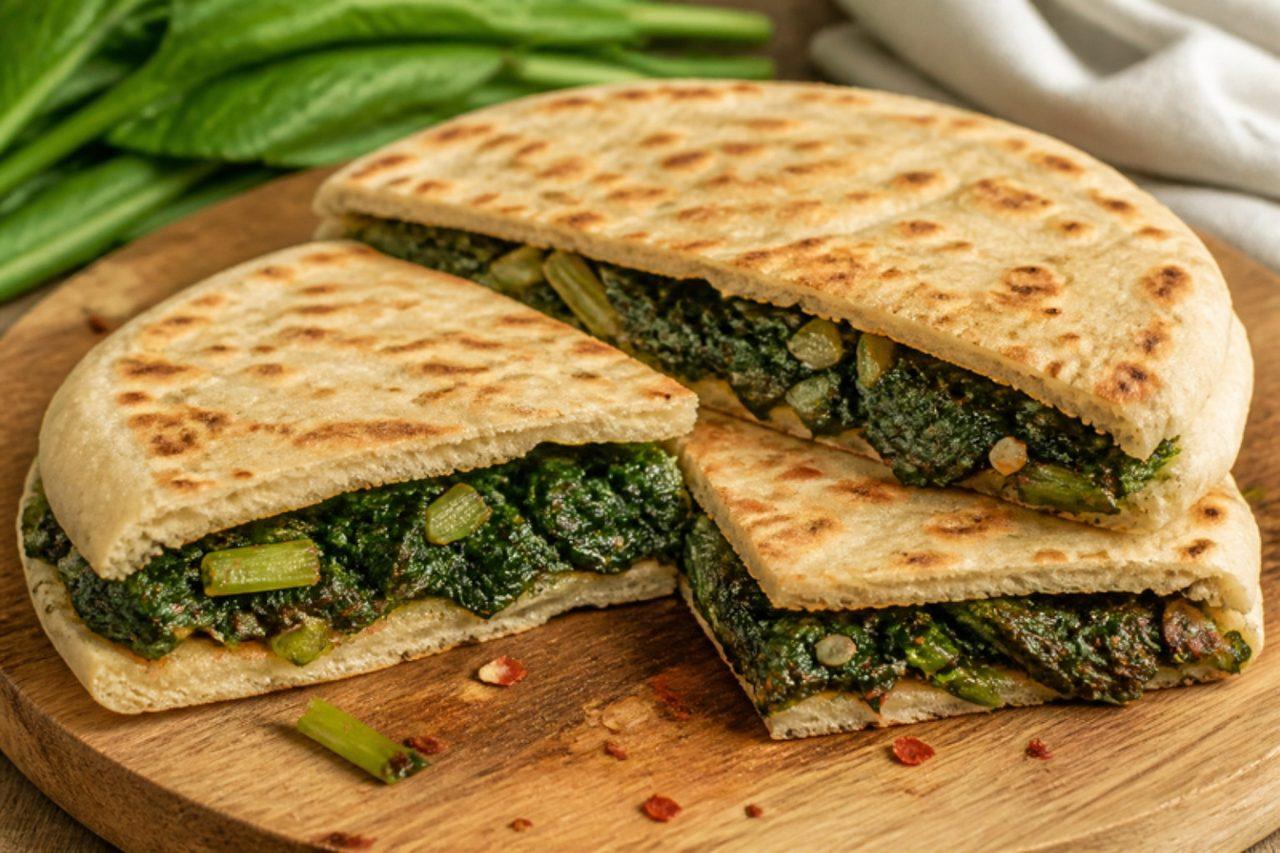
Torta al testo takes its name from the testo, a heavy round of stone or cast iron that Umbrian families heat over the fire; around Perugia, Gubbio and Foligno it's cooked for village festivals and quick weekday dinners alike. Unlike the thin, pliable piadina of Romagna, it is a thick disc, around 2 cm, raised with a little bicarbonate, with a crisp, freckled crust and a soft, bready middle that is split open like a pitta and stuffed. The favourite filling is wilted greens with garlic and chilli; sausage is common at sagre but has no place here. Chef's tip: prick the disc all over with a fork before cooking, so it rises evenly and doesn't balloon.

by KrazyBadal 0 views

Torciglione umbroAlmond paste serpent cake

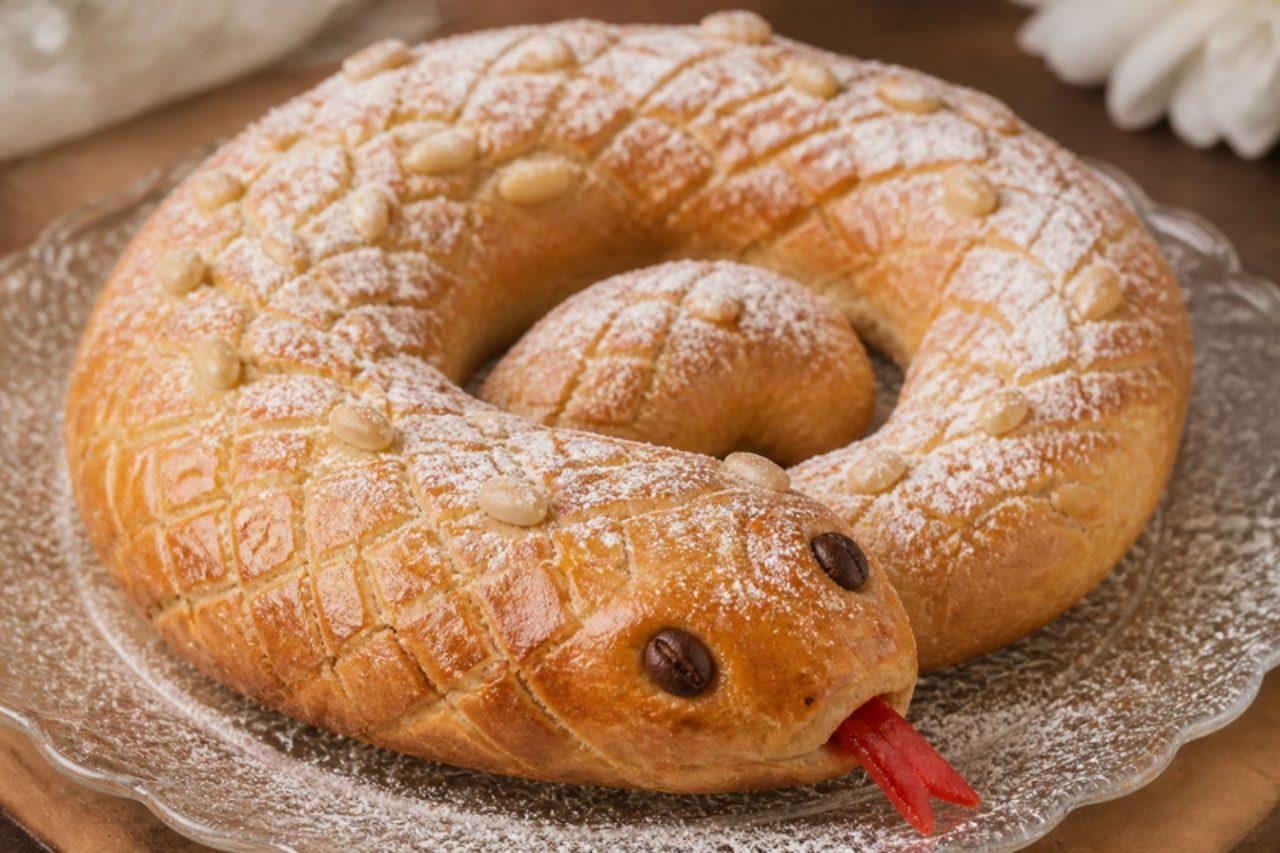
Around Lake Trasimeno and in Perugia, the Christmas sweet table is watched over by a coiled serpent made of almond paste, its back armoured with pine-nut scales, two coffee beans for eyes and a sliver of candied cherry for a tongue. Torciglione is said to recall the eels of the lake, or the snake as a symbol of renewal, and it is eaten in thin slices through the holidays. Inside it is soft and chewy like a marzipan biscuit, with a crisp, golden shell, and it is naturally free of flour. Chef's tip: wet your hands to roll the paste into the rope; it shapes smoothly and won't crack as it bakes.

by KrazyBadal 0 views

CastagnaccioChestnut flour cake

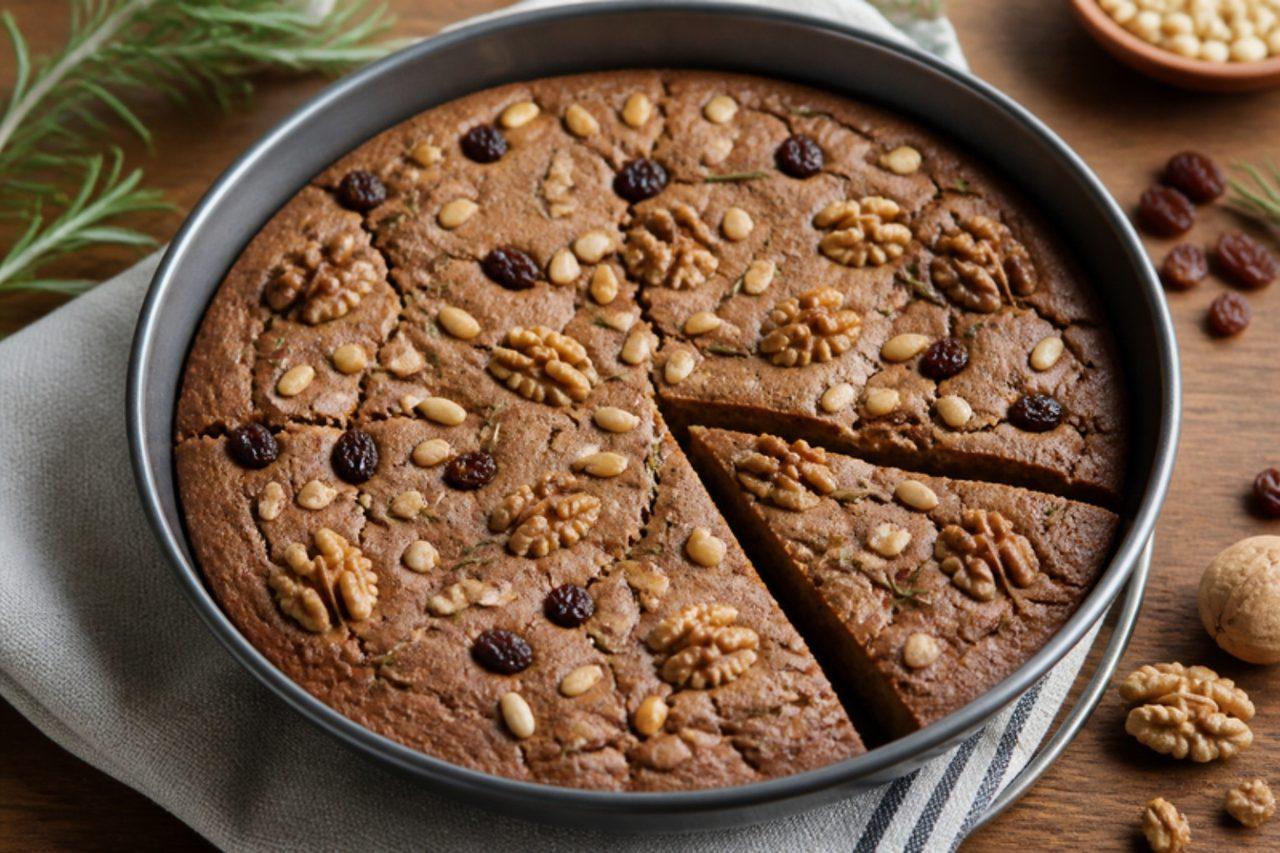
When the new season's chestnut flour comes down from the Garfagnana, the Casentino and Monte Amiata in late October, Tuscan kitchens bake castagnaccio. It is a thin, dense, unleavened cake with no eggs, butter or sugar: just sweet chestnut flour, water and olive oil, studded with raisins, pine nuts and walnuts and scented with rosemary needles. The top cracks as it bakes, the middle stays moist and fudgy, and the flavour is earthy and gently sweet. Older Tuscans eat it with a glass of something; a spoon of ricotta alongside is lovely too. Chef's tip: sift the chestnut flour; it clumps easily, and lumps stay floury after baking.

by KrazyBadal 0 views

Acquacotta maremmanaVegetable soup with poached egg

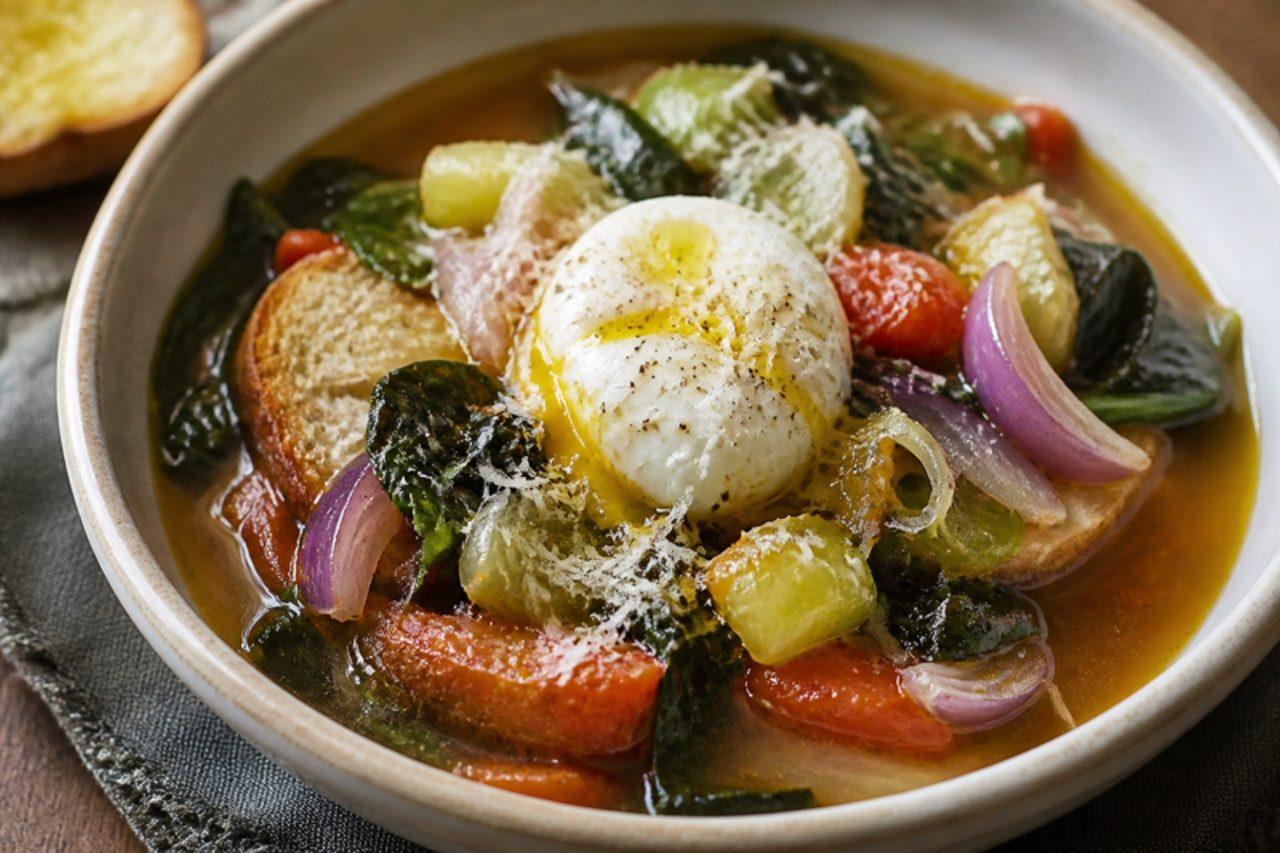
Acquacotta, literally 'cooked water', is what the butteri, the cattle herders of the Tuscan Maremma, and charcoal burners made from whatever they carried: onions, a few vegetables, stale bread and, on a good day, an egg. Around Grosseto and the hills of Monte Amiata it is still a family supper in autumn and spring, ladled over toasted bread with an egg poached right in the soup. Slow-cooked onion makes it sweet and deep, the egg yolk runs into the broth and the bread turns soft and spoonable. Chef's tip: give the onions a full 20 minutes; the soup is only as good as their sweetness.

by KrazyBadal 0 views

Fagioli all'uccellettoCannellini beans with sage and tomato

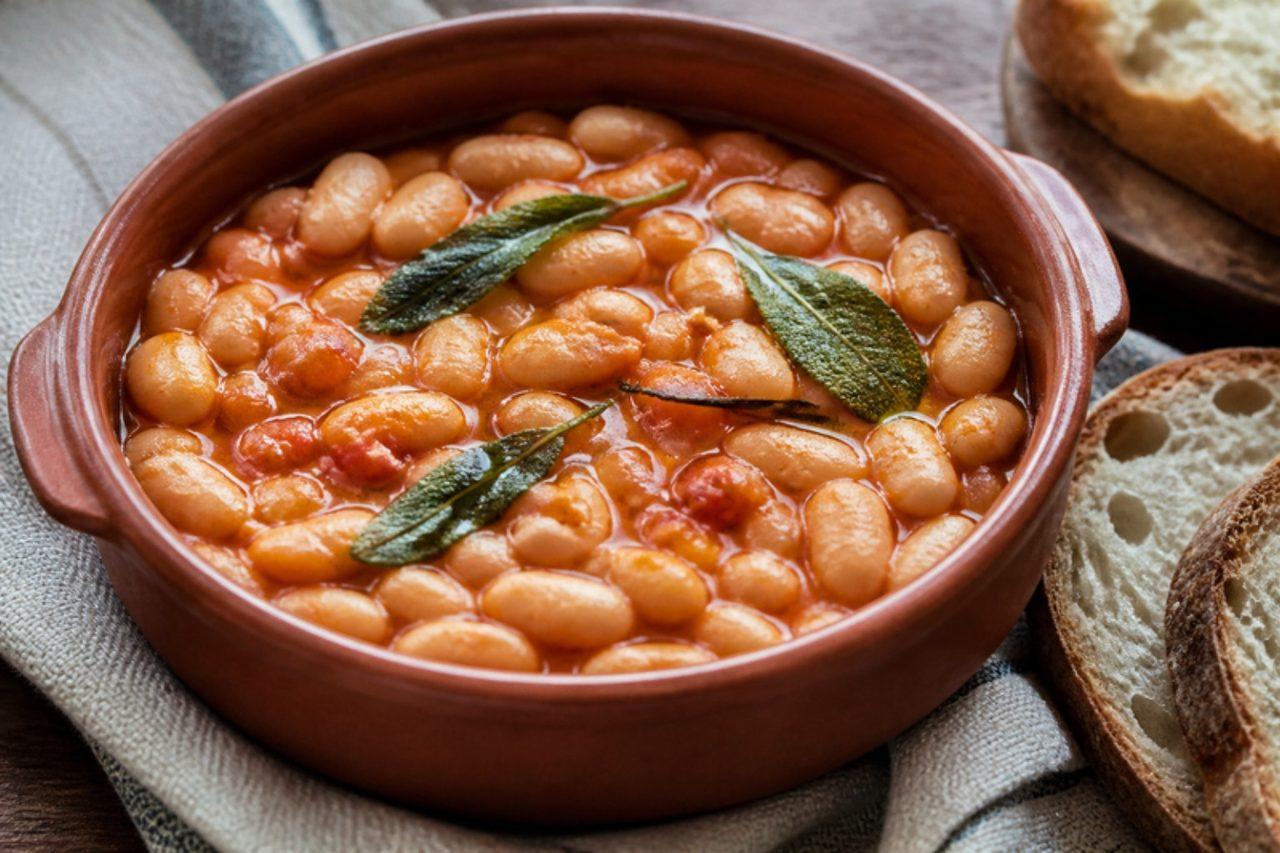
Florentines are nicknamed mangiafagioli, bean-eaters, and this is the dish that earned it: creamy cannellini simmered in olive oil with whole sage leaves, crushed garlic and a little tomato. The name, 'little-bird style', comes from the sage and garlic once used to cook small game birds, though there has never been a bird in the pot. In trattorie it sits next to grilled meat as a side; served with crusty bread and greens it makes a full vegetarian supper. The beans should be soft and glossy in a thick, rust-coloured sauce. Chef's tip: let the sage and garlic sizzle gently in the oil before the tomato goes in; that scented oil is the whole flavour of the dish.

by KrazyBadal 0 views

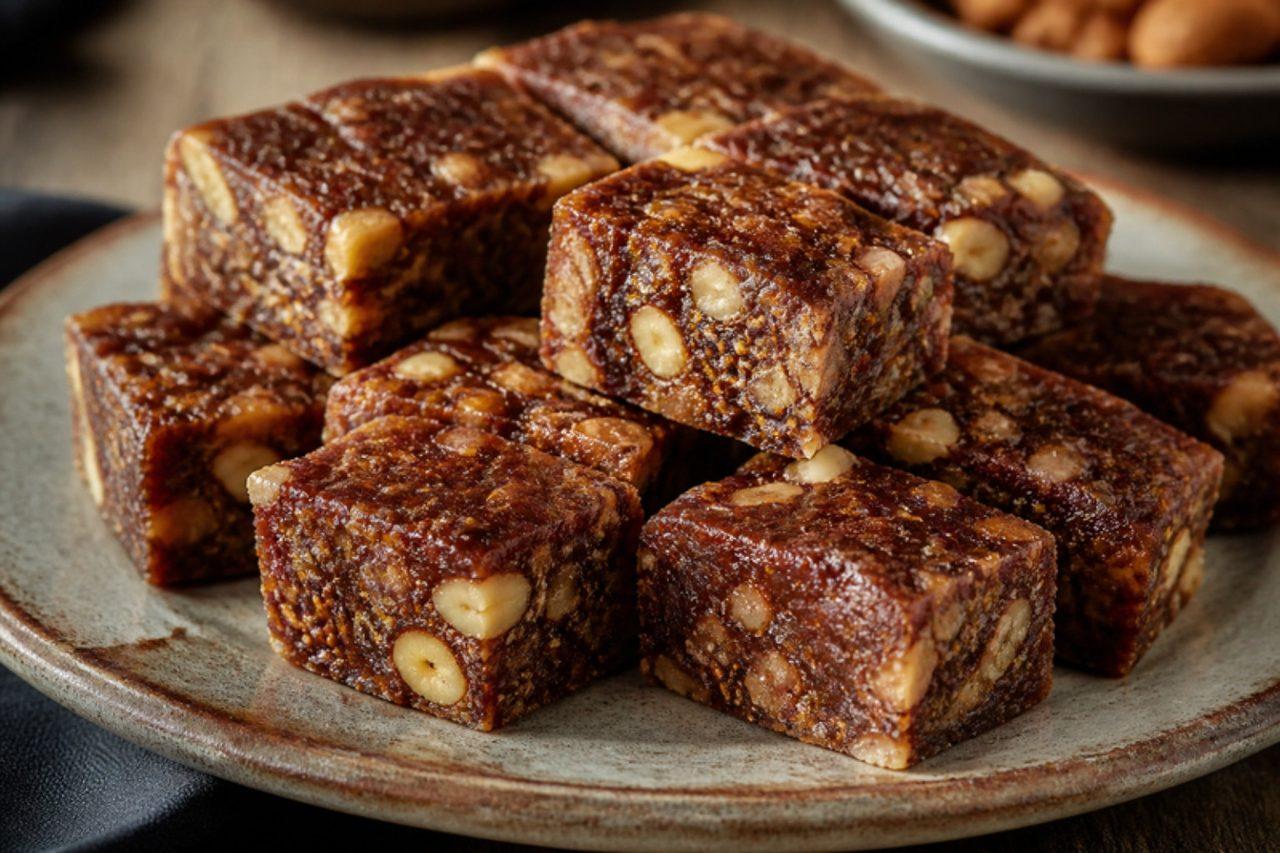
FrustingoFig, nut and cocoa cake

In the Marche, from Ancona down to Ascoli Piceno, frustingo is the dark, dense Christmas cake every family makes its own way, born as a thrifty sweet of dried figs, nuts and stale bread. Chopped figs are soaked and simmered, then mixed with walnuts, almonds, raisins, candied peel, cocoa and coffee, and bound with sapa, the thick cooked grape must of the region. Many recipes also add mistrà, a local aniseed liqueur; this one uses ground anise seed for an alcohol-free cake. It bakes into a fudgy, almost black slab, rich with spice and not too sweet. Chef's tip: let it mature for two days in foil before cutting; it slices cleanly and the flavours come together.

by KrazyBadal 0 views

Schiacciata all'uvaGrape flatbread

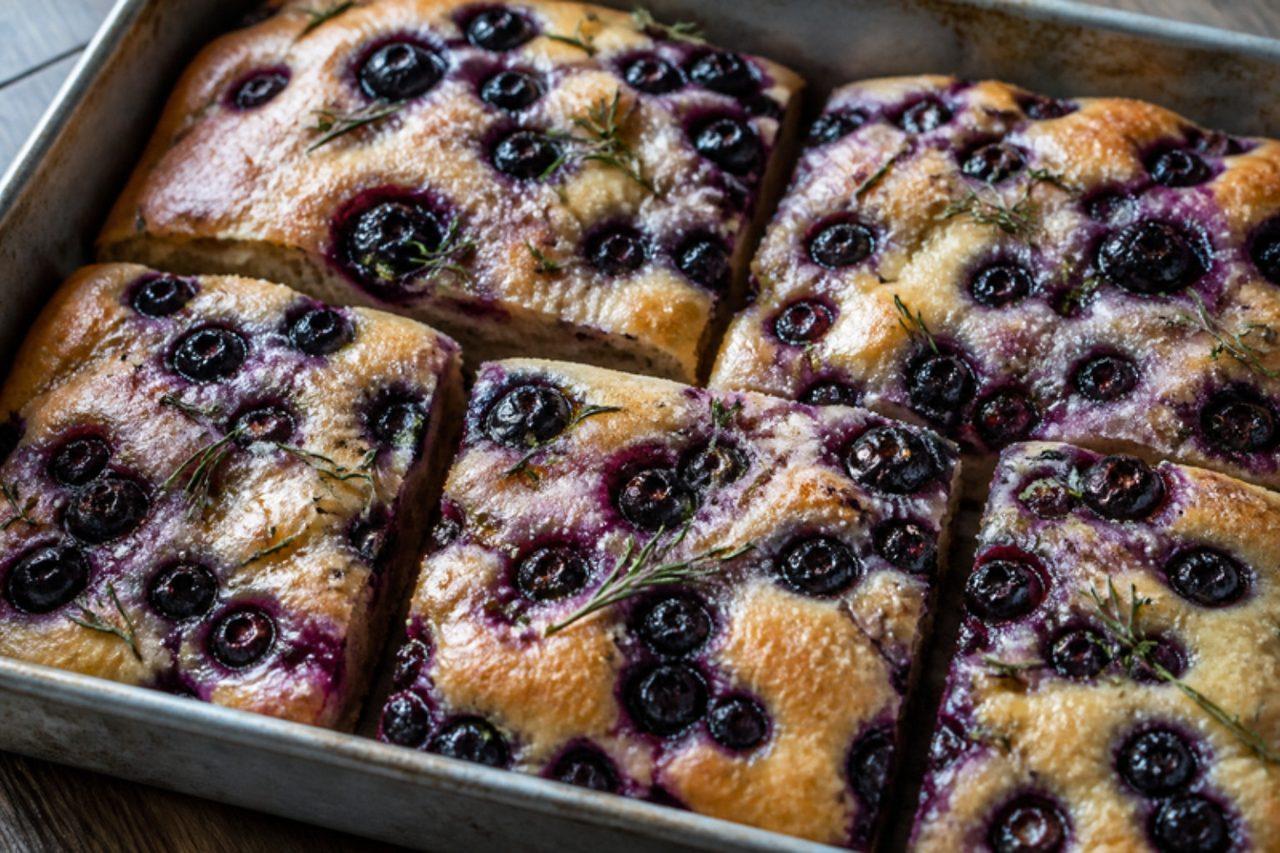
Each September, when the grape harvest comes in, Florentine bakeries fill their windows with schiacciata all'uva, a thin, oily bread dough layered and topped with small black wine grapes and baked until the juice bubbles purple. It is sold by the slice from big trays and eaten at breakfast or as a mid-afternoon snack for just a few weeks. The traditional Canaiolo grapes have crunchy seeds, which are part of the texture; seedless black grapes work at home. The result is sticky, jammy, crisp at the edges and not too sweet. Chef's tip: squash the grapes slightly as you press them in so the juice runs into the dough and caramelises with the sugar.

by KrazyBadal 0 views

Showing 81 of 7,762 recipes

Show more recipes

Page 565 of 863