


Skip to content
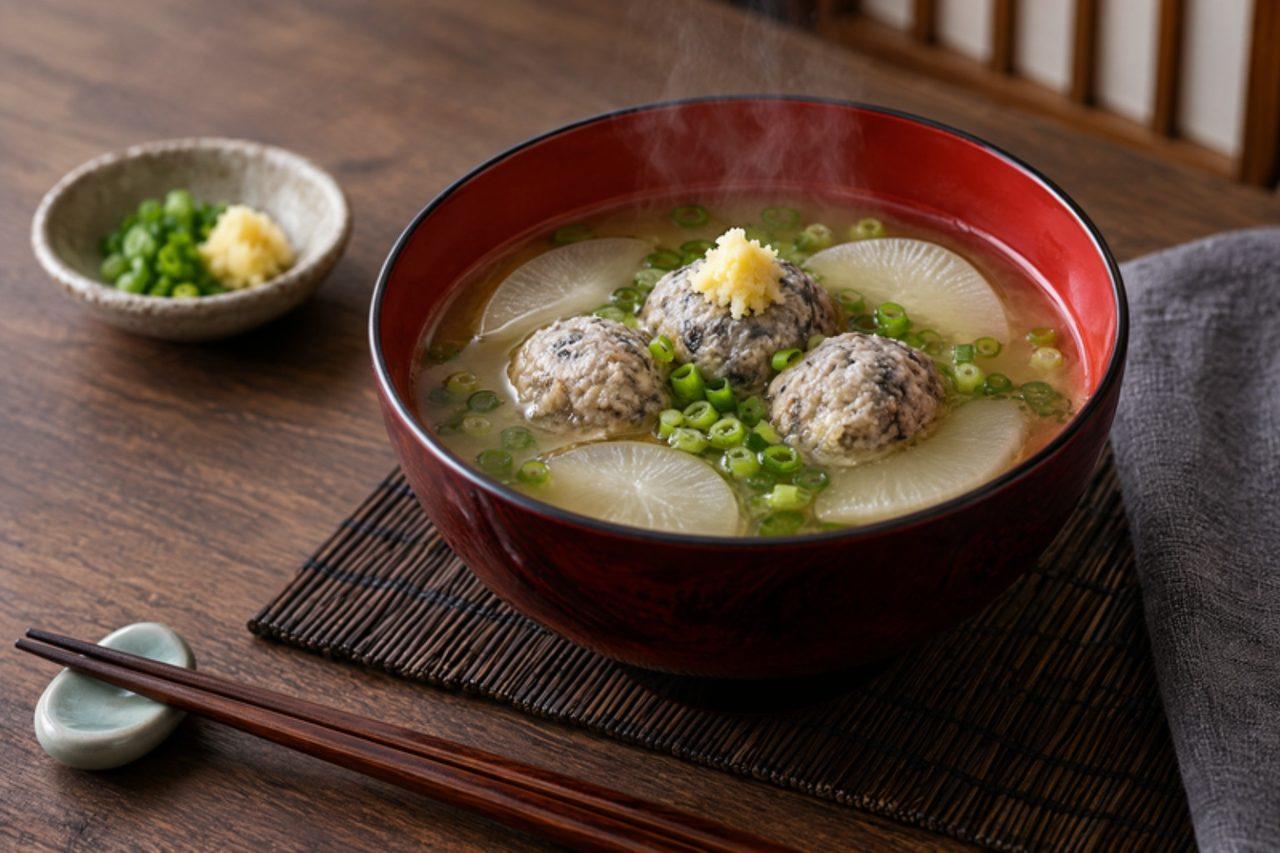
Iwashi no tsumire jiru
Featured recipe

Iwashi no tsumire jiru

Sardine dumpling soup

Along the coasts of Chiba and Kanagawa, where sardines are landed in huge numbers in autumn, cooks chop them by hand into tsumire (fish dumplings) and drop them into a light dashi with daikon and carrot. It is an everyday supper soup, warming and very savoury, eaten with rice and pickles. Suitable as part of a balanced diet: sardines are rich in protein and omega-3 fats, and the soup is low in starch. About 220 kcal and 9 g carbohydrate per portion. The usual mistake is pureeing the sardines smooth in a processor, which makes the dumplings rubbery; chop with a knife, leaving a little texture. Chef's tip: add a teaspoon of miso and plenty of ginger to the fish paste; it seasons it and hides any strong fishiness.

Read more 0 views

What to eat today?

Around the world

Today's trip: Persian

A new country every day, from every cuisine on the site.

Persian

Ash-e shalgham

Turnip and rice soup 65 minMore from Persian (131) →

This week's collection

Kid-friendly dinners
537 recipes · a new collection every Monday

Latest recipes

Riz a djejChicken and spiced rice with nuts

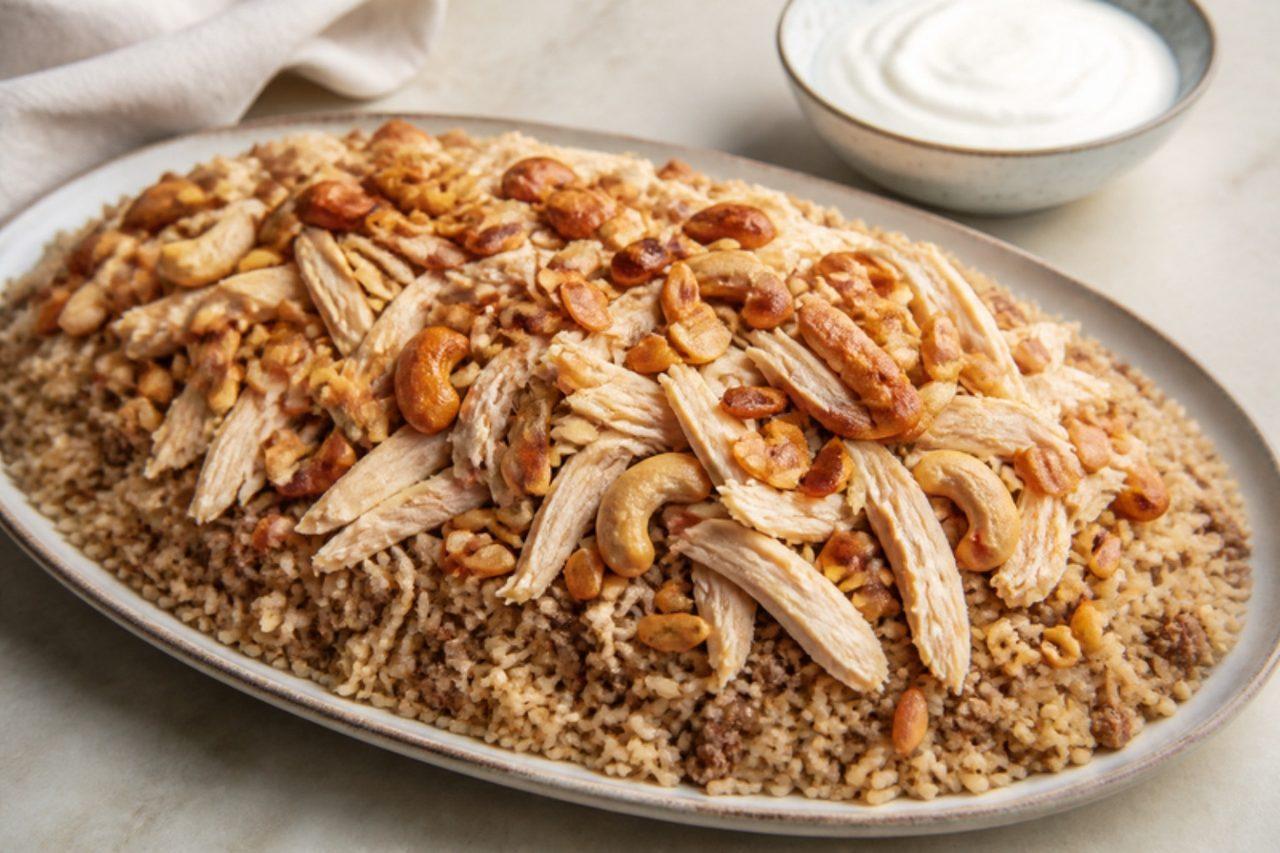
Riz a djej is the centrepiece of Lebanese celebrations and Eid lunches, carried to the table on a huge platter: rice cooked in chicken broth with a little spiced minced beef, crowned with pulled poached chicken and a heavy scattering of fried almonds, pine nuts and cashews. The flavours are gentle and warm — cinnamon, allspice, nutmeg — so it is a favourite with children too. Plain yoghurt and a crisp salad go alongside. Common mistake: skipping the rinse; unrinsed rice turns sticky in the rich broth. Chef's tip: poach the chicken the day before and chill the broth so you can lift off the fat; you get a cleaner, more savoury rice.

by KrazyBadal 0 views

RobiolsCurd cheese or jam half-moon pastries

Robiols belong to Easter week in Mallorca, when grandmothers and grandchildren shape them by the trayful alongside crespells and panades. They are soft, crumbly half-moons of pastry with a frilled edge, filled with brossat (a fresh curd cheese like ricotta), cabell d'àngel pumpkin jam or apricot jam, and showered with sugar. Traditional dough uses pork lard; this vegetarian version uses butter and olive oil. Ricotta can be made with or without animal rennet, so check the label if that matters. Chef's tip: keep the dough cool and handle it as little as possible, because a short, tender crumb is what makes a robiol.

by KrazyBadal 0 views

RosinenstutenRaisin milk loaf

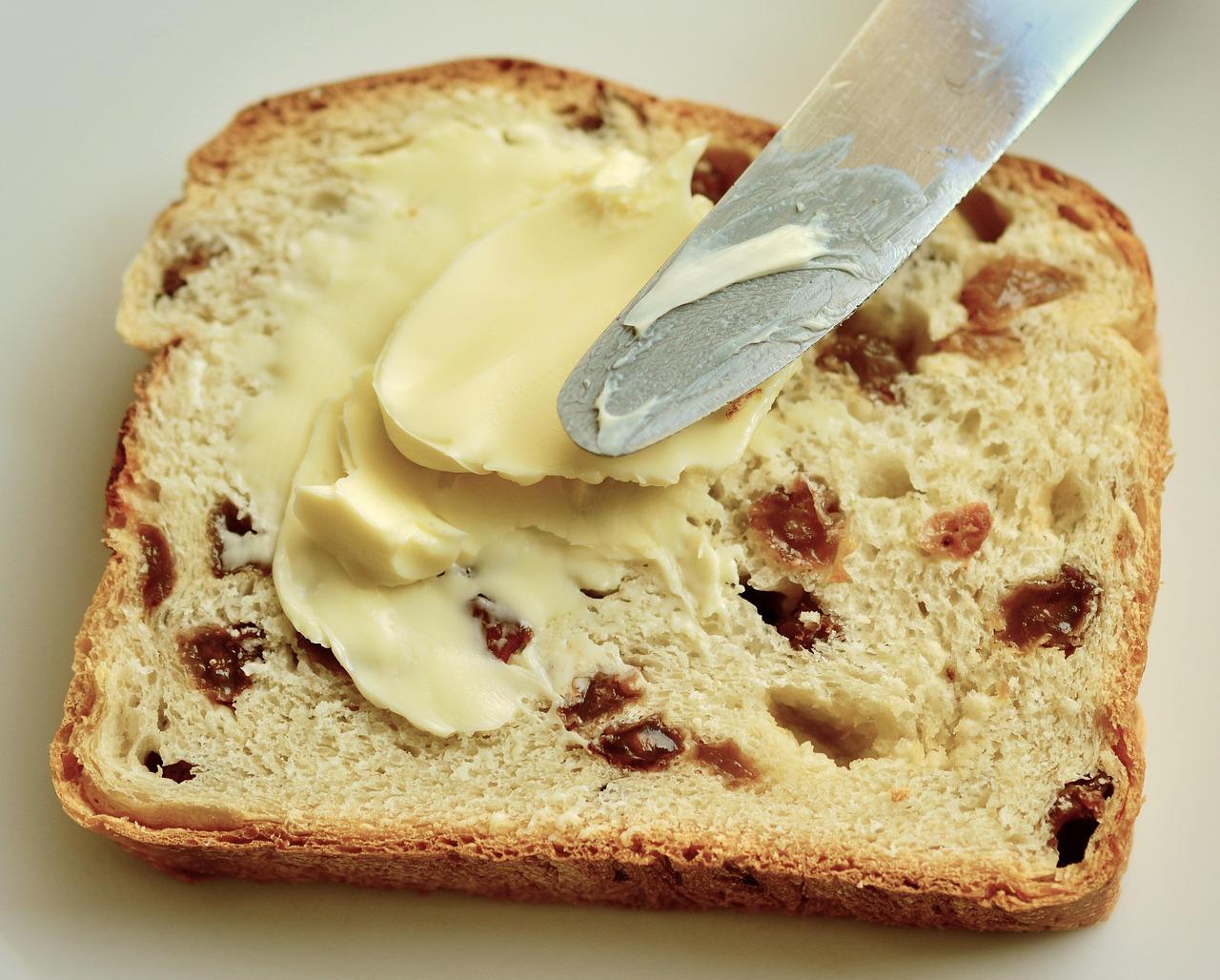
Rosinenstuten is the soft, slightly sweet raisin loaf that Westphalian and Rhineland families buy for Sunday breakfast and for christenings, where a giant one was once the traditional gift. It is baked in a long tin, sliced thick and spread with good butter, sometimes with a layer of cheese on top, which sounds odd and works beautifully. The crumb is fine and fluffy and the crust soft and shiny. A common mistake is adding dry raisins straight to the dough; they burn on the crust and steal moisture. Chef's tip: soak the raisins in hot water for 15 minutes, pat them dry and knead them in only at the very end, gently, so the dough stays light.

190 minGermanBaking
by KrazyBadal 0 views

Rojões à minhotaMarinated fried pork with potatoes

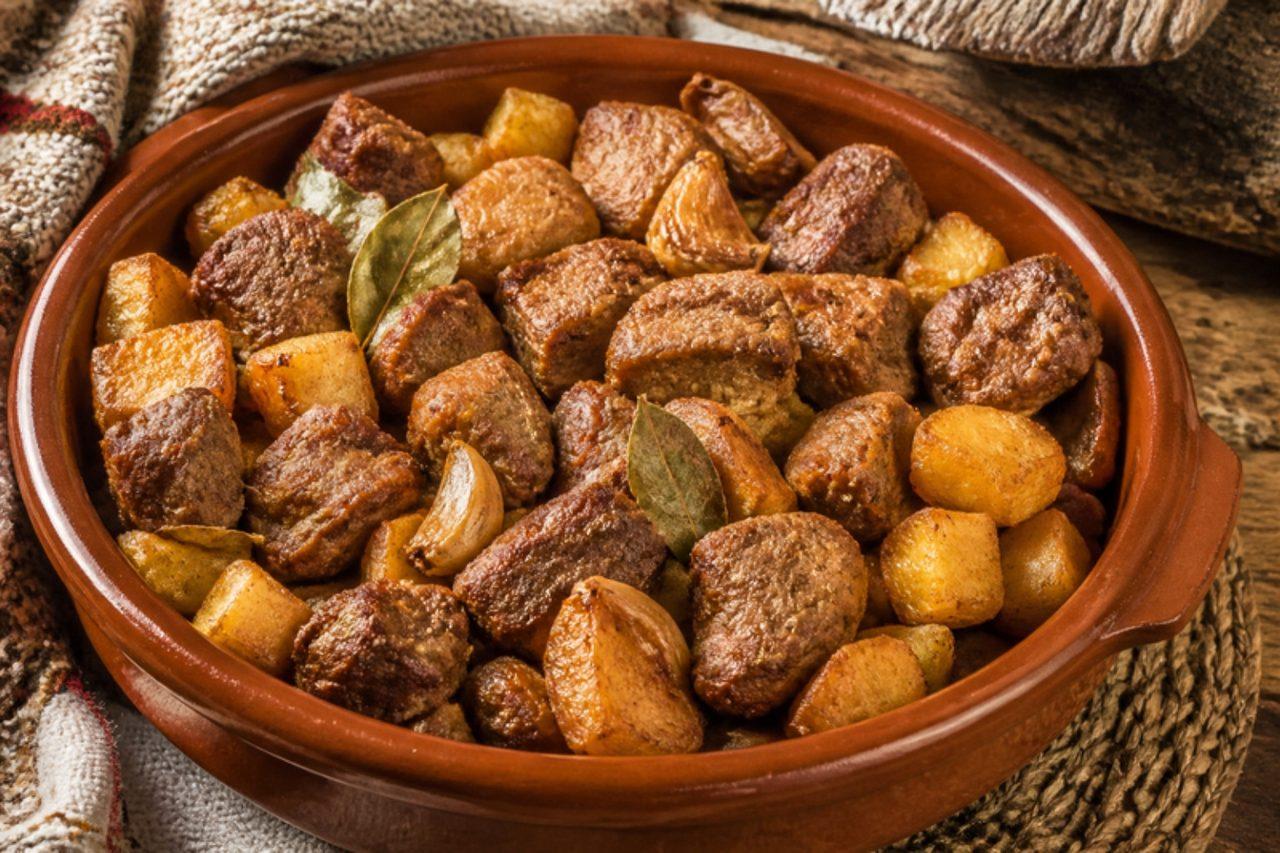
Rojões are the centrepiece of a Minho winter feast, traditionally cooked in the weeks after the family pig was killed and still served in Braga and Ponte de Lima restaurants with arroz de sarrabulho alongside. This contains pork (pork shoulder and lard). Chunks of pork shoulder spend a night in white wine, garlic, paprika and bay, then cook slowly in their own fat until the outsides are crusty and the insides tender. The dish uses wine; an alcohol-free option is given in the ingredient list. A common mistake is crowding the pan, so the pork stews in its juices instead of browning in its own fat. Chef's tip: dry the pork well after marinating, or it will stew rather than brown.

by KrazyBadal 0 views

Romeu e JulietaGuava paste with fresh cheese

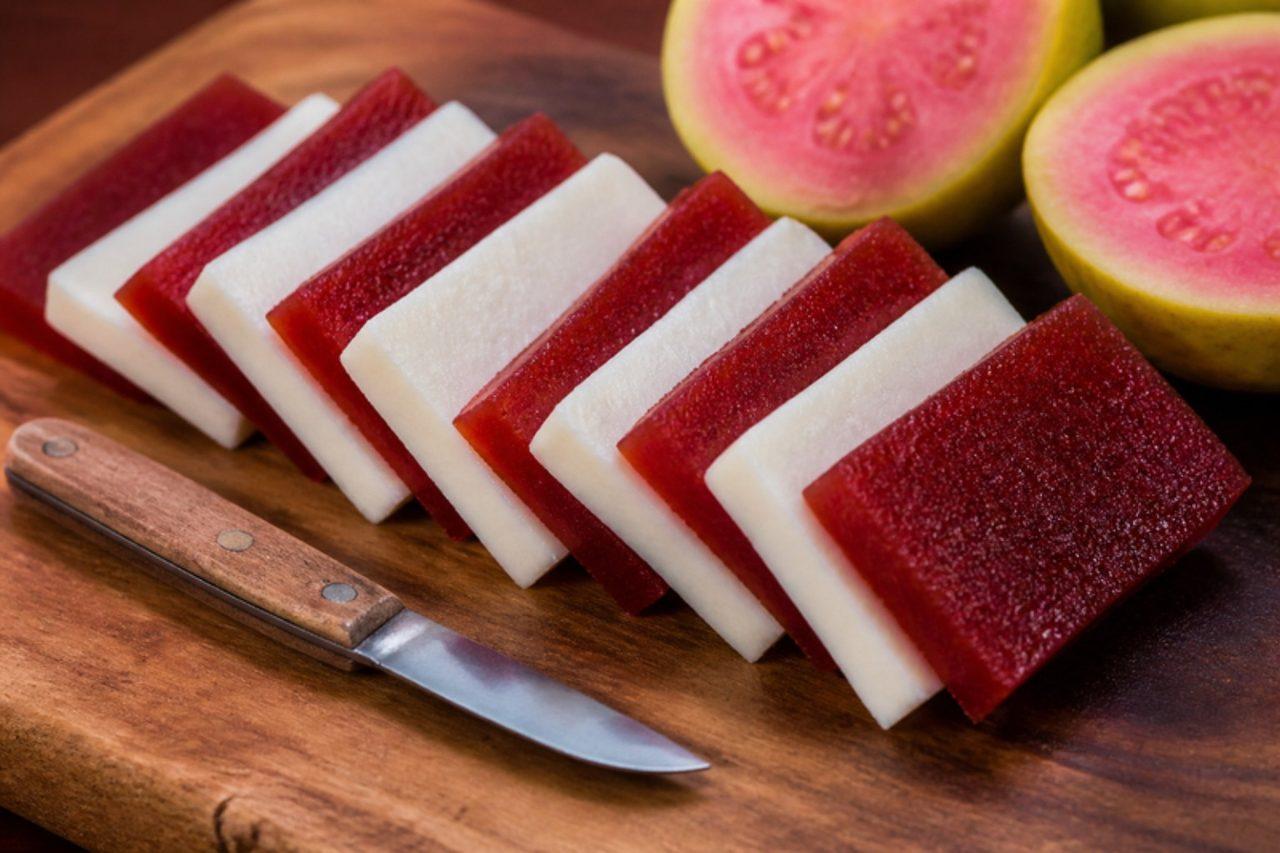
Two ingredients, no cooking, and a name every Brazilian knows: Romeo is the dark red goiabada, Juliet the mild white queijo Minas frescal, and they are always eaten together. Mineiros serve it after lunch on a saucer, at the end of a feast in a roadside restaurant, or as a mid-afternoon snack with coffee; the sweet, dense guava and the cool, milky, lightly salty cheese balance each other perfectly. Variations melt the guava into a warm sauce over the cheese, or bake both inside a pastry. Queijo Minas frescal is often made with animal rennet, so pick one labelled vegetarian, or use a young vegetarian farmer's cheese or paneer-style fresh cheese. The usual fault is cutting the guava thicker than the cheese, which buries Juliet; keep both slices the same size. Chef's tip: take the cheese out of the fridge 15 minutes ahead so it tastes of fresh milk rather than cold rubber.

by KrazyBadal 0 views

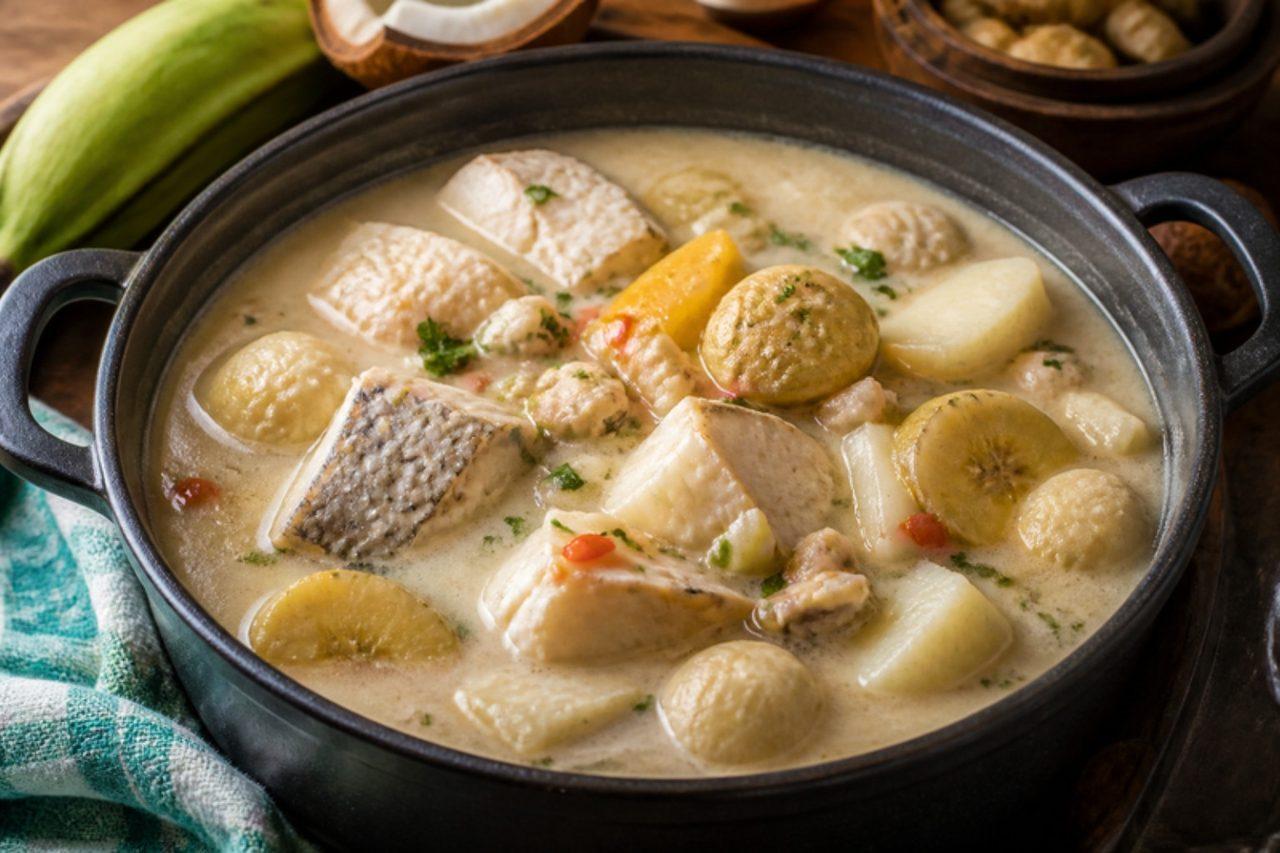
RondónCoconut fish and conch stew

The English-speaking Raizal islanders of San Andrés and Providencia call it rundown, and it is cooked for a crowd on weekends and at beach gatherings: coconut milk boiled down until it 'runs down' and starts to release its oil, with cassava, green plantain, breadfruit or sweet potato, flour dumplings, salted pig tail and, on top, fish and conch steamed in the creamy broth. Pork appears as the salted tail, which seasons the pot. The broth is rich, coconut-sweet and herby with thyme, with a perfume of whole Scotch bonnet that gives aroma rather than fire as long as it doesn't burst. Start the day before: the pig tail needs overnight soaking. A common mistake is stirring once the fish goes in, which breaks it up; layer it and let the steam do the work. Chef's tip: queen conch is protected in much of the Caribbean, so buy only legally sourced frozen conch, or swap in large raw prawns added with the fish.

by KrazyBadal 0 views

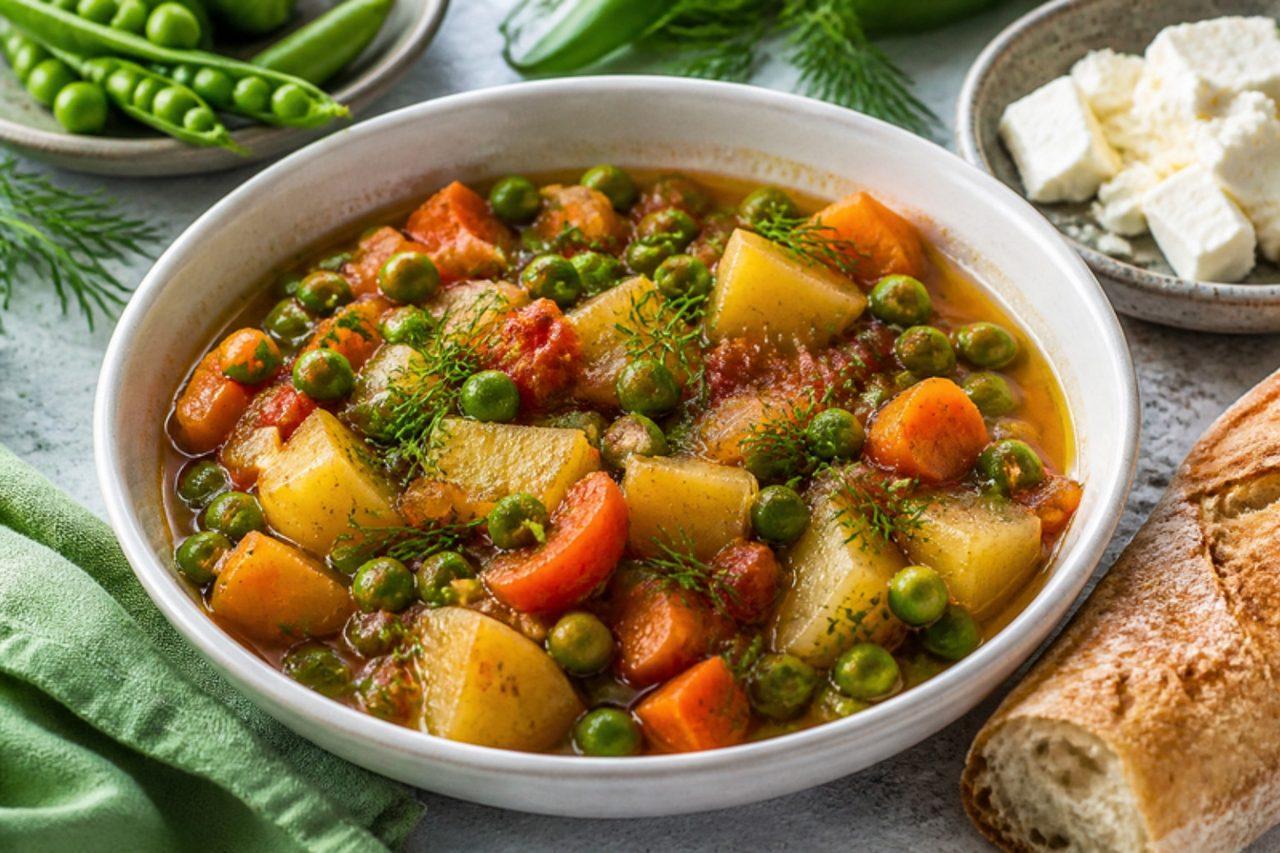
Arakas laderosPeas braised in olive oil

In Peloponnese villages from Argos to Messinia, the first sweet peas of April become this humble ladero, the olive-oil stew that fills the table during Lent and on any meatless Wednesday or Friday. Peas, potato and carrot simmer slowly in tomato and plenty of oil until the sauce is thick and the peas are soft and almost creamy. It's eaten warm with feta (or vegan cheese), olives and crusty bread to mop the oil. Common mistake: cooking for only 10 minutes as if the peas were a side; laderá need time for the oil and vegetables to come together. Chef's tip: frozen petits pois work perfectly — add them after the potatoes have had 10 minutes.

by KrazyBadal 0 views

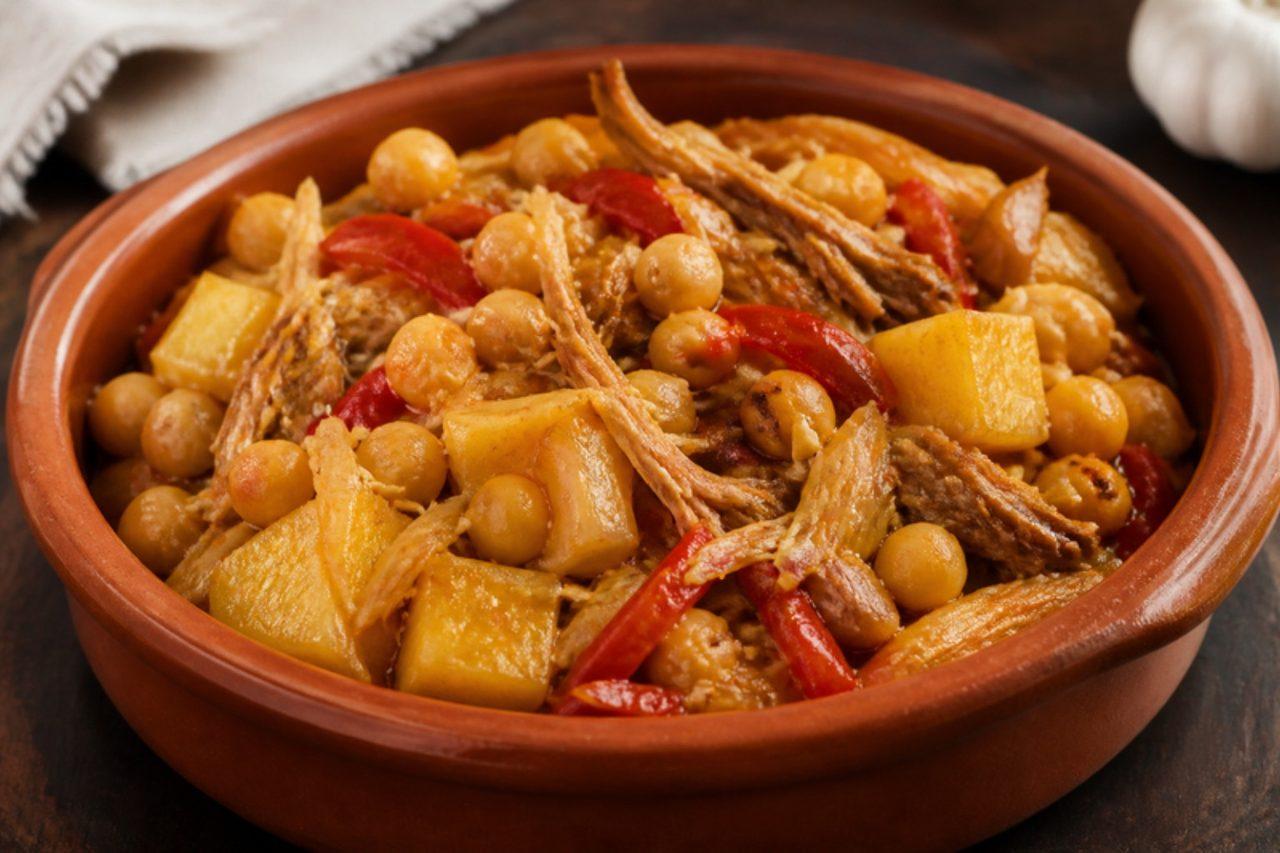
Ropa vieja canariaChickpea, beef and chicken fry-up

The 'old clothes' of the name are the leftover meats from Sunday's puchero, shredded and fried the next day with chickpeas, potatoes, peppers and tomato; it is a different dish from the Cuban ropa vieja, and on the islands it is Monday lunch and a fixture of bar menus in Las Palmas. Some versions include pork; this one uses beef and chicken, poached from scratch if you have no leftovers. A splash of white wine is common; it is optional and the dish is complete without it. Chef's tip: fry the chickpeas until a few catch and crisp, because those browned bits make the dish.

100 minSpanishMeatGluten free
by KrazyBadal 0 views

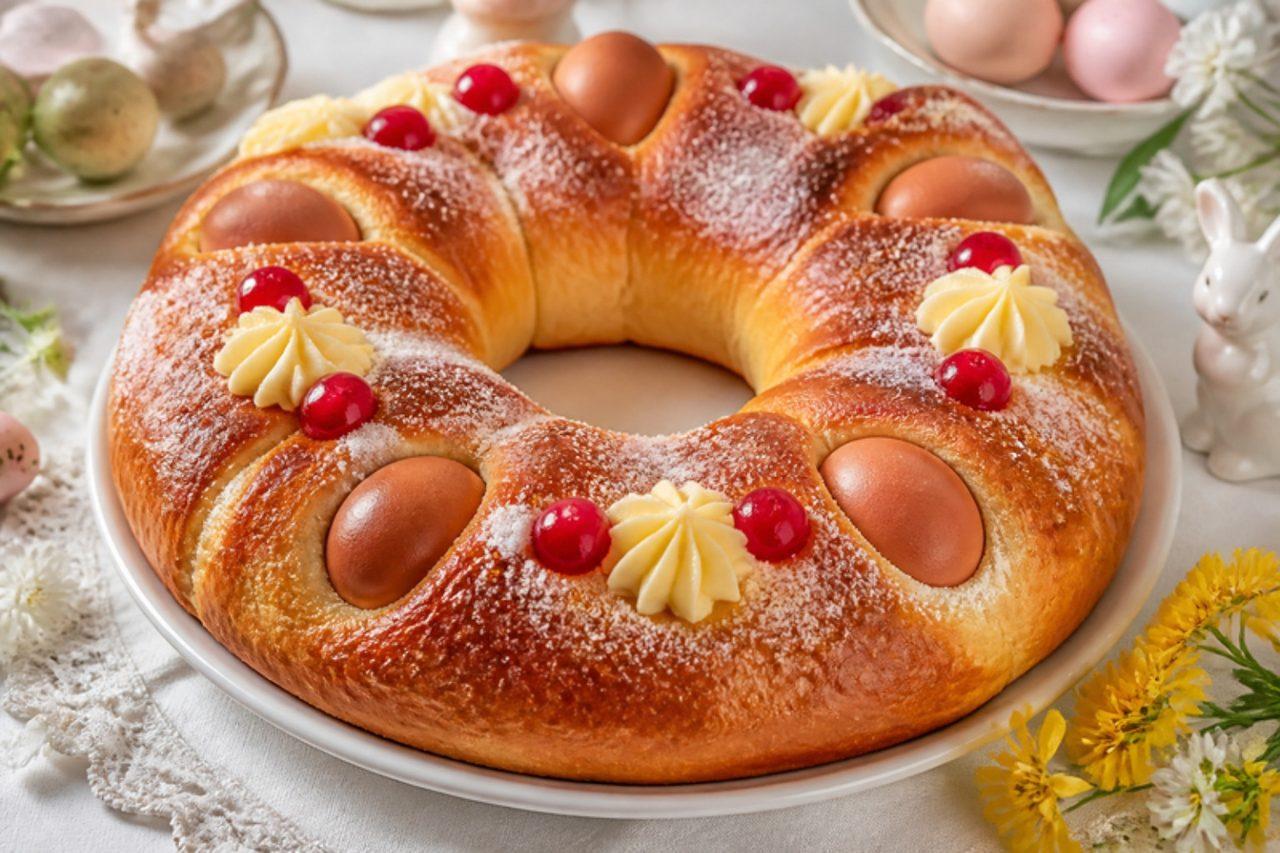
Rosca de PascuaEaster ring bread

Argentine Easter Sunday breakfast centres on the rosca de Pascua, a ring of soft, orange-scented brioche-like dough laid with stripes of pastry cream, candied cherries and pearl sugar, with whole boiled eggs pressed into the dough as a symbol of new life. Bakeries in every barrio stack them in the window from Holy Thursday, and families share it with coffee or mate after the Easter egg hunt. The crumb is fluffy and pale yellow, and the custard bakes into soft, golden ridges. Because the eggs bake for 30 minutes on top of their boiling, they are fully cooked; many people keep them for decoration and peel them later. The mistake to avoid is piping the pastry cream too thick, which slides off as the ring rises; thin lines give neat ridges. Chef's tip: cook the custard until it is very thick and chill it before piping, and brush the ring with egg before (not after) the cream goes on.

by KrazyBadal 0 views

RoscónGuava-filled sweet bread ring

Every Bogotá bakery has a tray of roscones by the counter: soft, enriched bread rings glazed and sprinkled with sugar, hiding a seam of melted guava paste inside. They are eaten at onces, the afternoon coffee break, or for breakfast with hot chocolate, and they are a favourite thing to bring when visiting. The dough is a gently sweet milk-and-butter bread, close to a brioche but lighter. Chunks of guava paste that are too big are what normally goes wrong: they melt, burst the seam and burn on the tray, so cut it into thin batons and seal the dough firmly around them. Plan about 2 hours, most of it rising time. Look for guava paste (bocadillo or goiabada) in Latin shops; quince paste works in a pinch. Chef's tip: brush with the egg wash twice, once before the second rise and once before baking, for a deep, shiny crust that holds the sugar.

by KrazyBadal 0 views

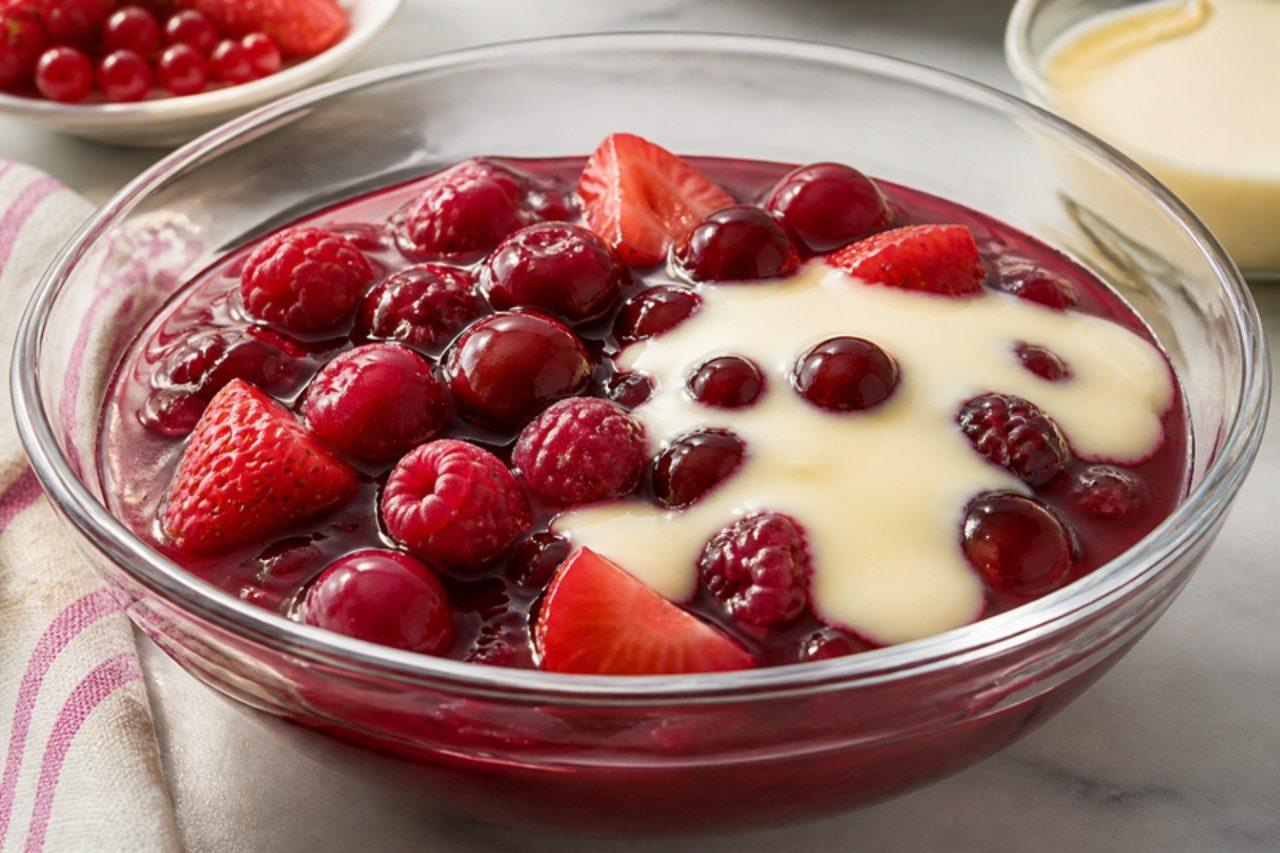
Rote GrützeRed berry pudding

Rote Grütze is the summer dessert of Hamburg, Schleswig-Holstein and Lower Saxony, made when the gardens are full of redcurrants, raspberries and sour cherries. The fruit is cooked briefly, thickened with a little cornflour and chilled until it sets to a glossy, spoonable jelly, tart and deep red, with whole berries still in it. Northerners pour cold vanilla sauce or plain cream over it; with a plant-based vanilla sauce it is fully vegan. A common mistake is boiling all the berries: add the soft raspberries last, off the heat, so they keep their shape. Chef's tip: frozen mixed berries work beautifully out of season, and their juice gives an even deeper colour.

by KrazyBadal 0 views

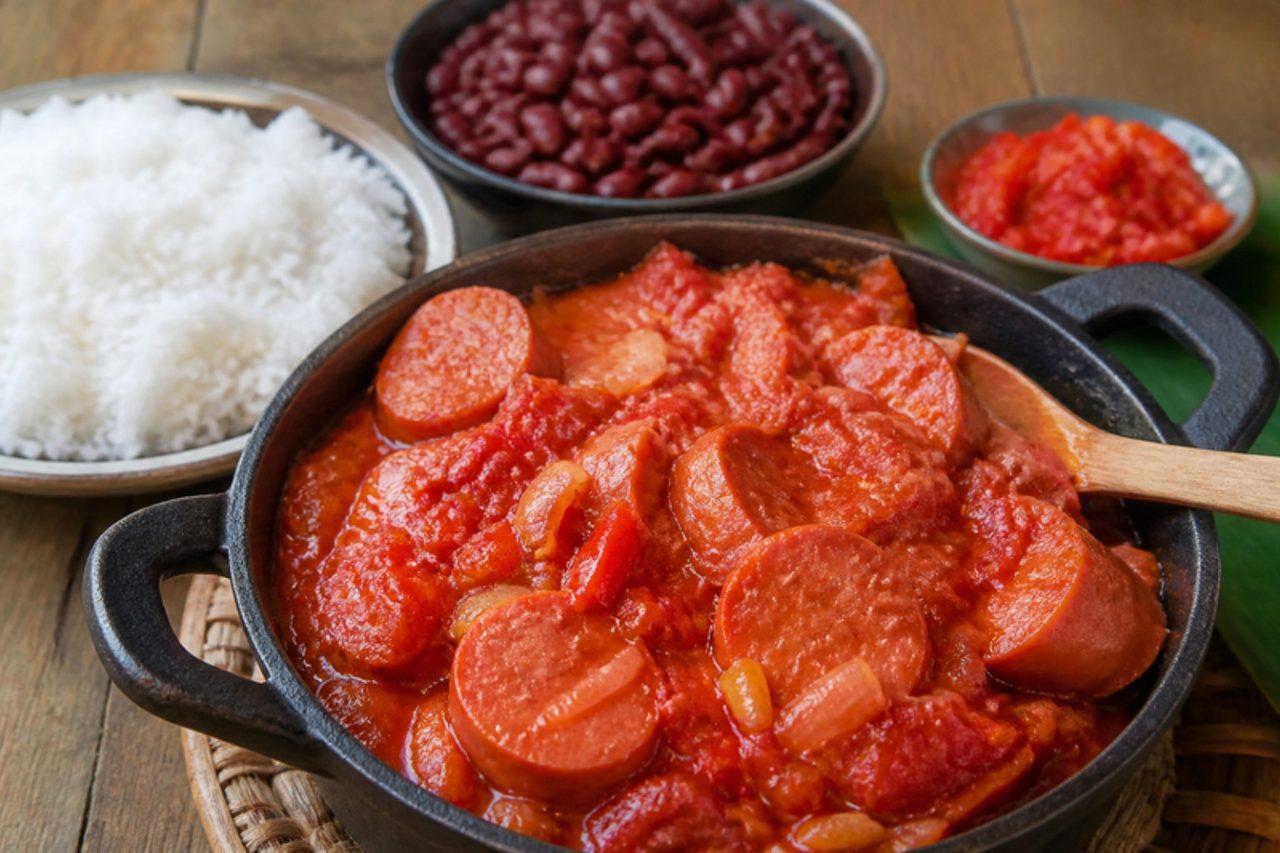
Rougail saucissesSmoked sausages in spicy tomato sauce

On Réunion Island, rougail saucisses is the everyday favourite cooked in a big cast-iron pot for family lunches, beach picnics and Sunday gatherings, and it is a pork dish built on smoked pork sausages. The sausages are blanched, browned, then simmered in a thick sauce of onions, ripe tomatoes, garlic, ginger, turmeric and fresh chilli until everything turns rich and slightly smoky. It is always served Creole-style with white rice and grains (red beans stewed with garlic and thyme) and, for those who like heat, a spoonful of fresh tomato-chilli rougail on the side. Chef's tip: blanch the sausages first; it removes excess salt and fat so the sauce tastes clean and bright.

85 minFrenchMeatSpicy
by KrazyBadal 0 views

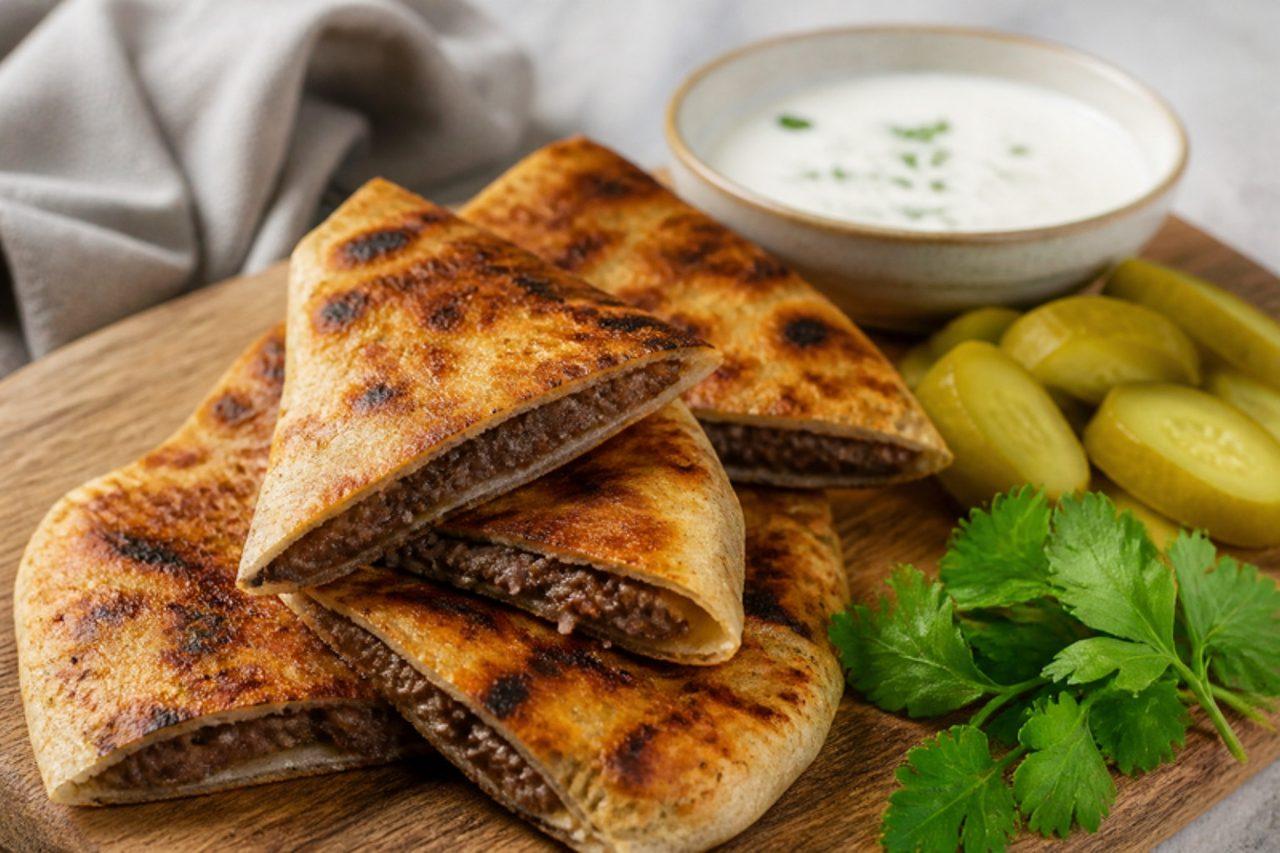
ArayesKafta-stuffed grilled pitta

Arayes are what Beirut grill houses and family barbecues do with kafta when they want something you can eat with your hands: pitta breads split and filled with a thin layer of lamb or beef mince mixed with onion, parsley and spices, then pressed and grilled until the bread is shatteringly crisp and the meat juices soak in. Cut into wedges, they come with tahini sauce, pickles and a tomato salad. Common mistake: spreading the meat too thickly — the bread burns before the centre is cooked; keep it about 5 mm. Chef's tip: brush the outside of the bread with the fat from the mince bowl or a little olive oil; it fries the pitta to a perfect crunch.

by KrazyBadal 0 views

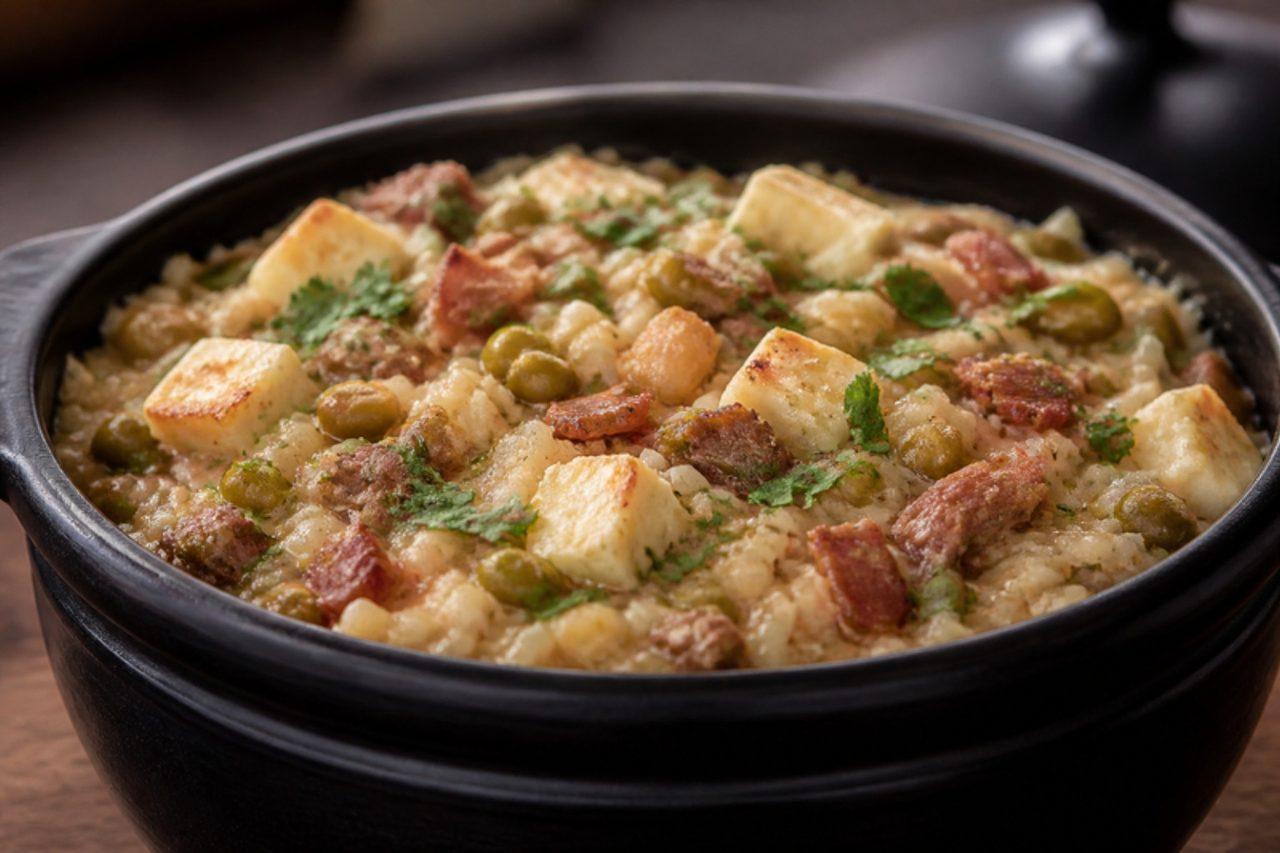
RubacãoRice with cowpeas and dried beef

Paraíba's cousin of baião de dois, rubacão (also spelt rubação) is cooked for long family lunches in João Pessoa and Campina Grande, and it is a fixture of the São João season in June. Rice and freshly shelled green cowpeas (feijão verde) cook together with dried beef and smoky bacon, then coalho cheese and cream are folded through so the pot turns soft, creamy and stretchy, salty from the meat and sweet from the beans. Serve it on its own with a tomato salad and pepper sauce; it is a meal in one pot. If you use charque or carne seca, it needs soaking overnight in the fridge. The pitfall to avoid is adding the cheese while the pot is on the flame, which turns it rubbery; fold it in off the heat and let the steam soften it. Chef's tip: save the bean cooking water and use it to cook the rice; it gives the dish its earthy colour and flavour.

by KrazyBadal 0 views

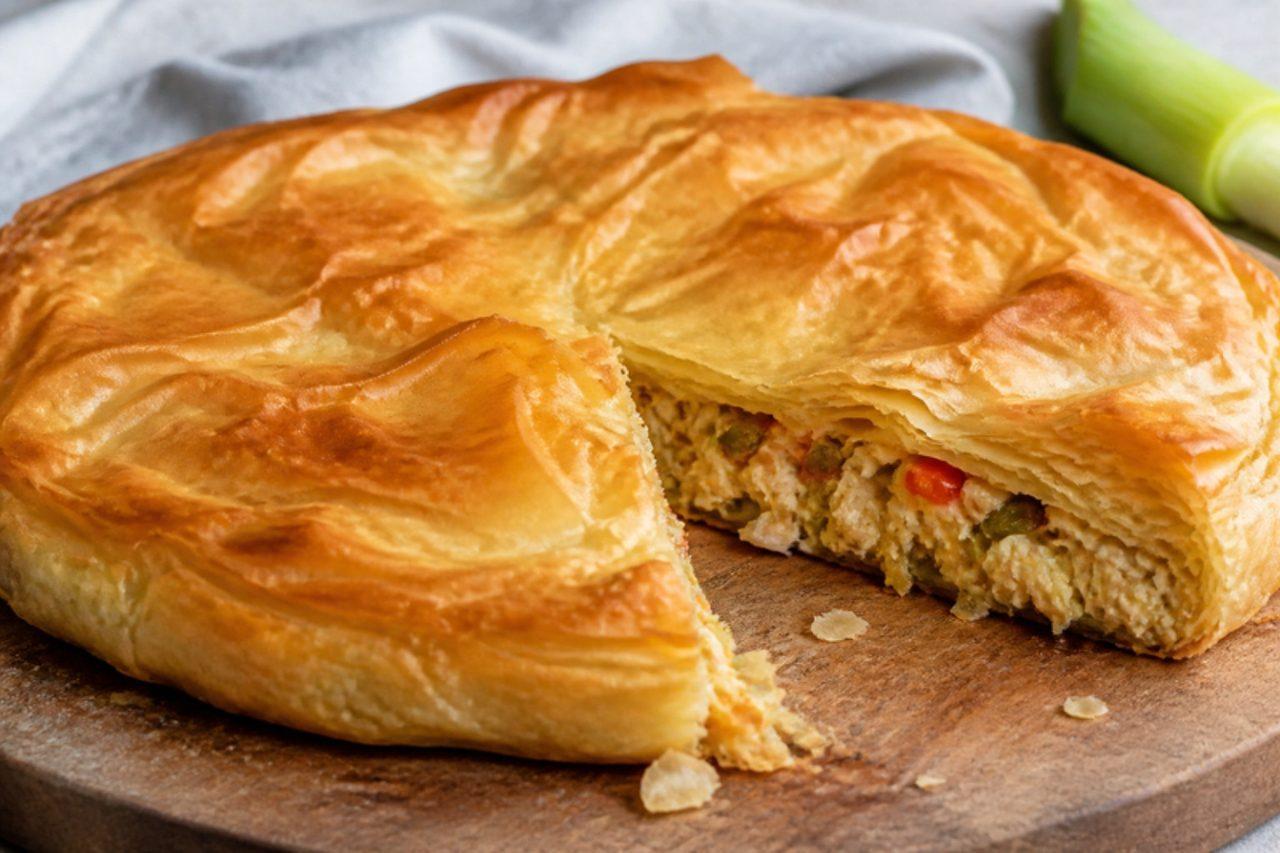
KotopitaChicken and leek pie

Epirus is Greece's pie country, and kotopita is the one served at Sunday lunch and family celebrations in Ioannina, cut into deep golden squares. Chicken is poached until tender, shredded and folded into a filling of soft leeks, peppers, eggs and two cheeses, then baked between layers of buttered filo. A salad is all you need alongside. Common mistake: adding the eggs to hot filling, which scrambles them — cool it first. Chef's tip: cook the poaching stock down by half and stir a few spoons into the filling; it keeps the chicken moist without making the pastry wet.

140 minGreekChicken
by KrazyBadal 0 views

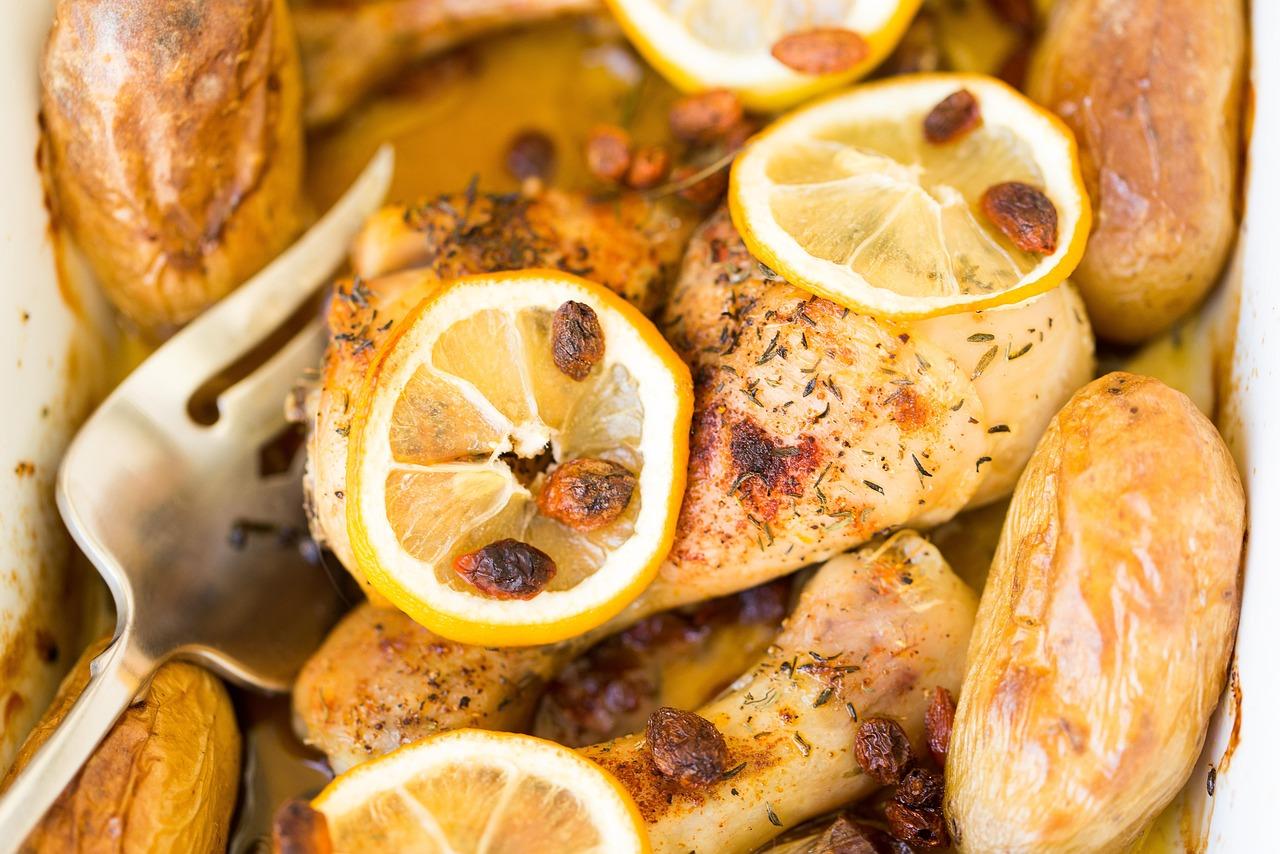
Kotopoulo lemonatoLemon roast chicken and potatoes

Kotopoulo lemonato is the roast that fills Greek apartment blocks with the smell of lemon and oregano on Sunday mornings: chicken pieces and potato wedges baked in a single tin with plenty of lemon juice, olive oil, garlic and a little mustard, until the potatoes soak up the juices and catch at the edges. Serve with a cabbage-carrot salad and feta. Common mistake: crowding the tin so everything steams; use a big roasting tin and a single layer. Chef's tip: add a splash of hot water halfway; it dissolves the browned bits into a sauce that the potatoes drink up.

by KrazyBadal 0 views

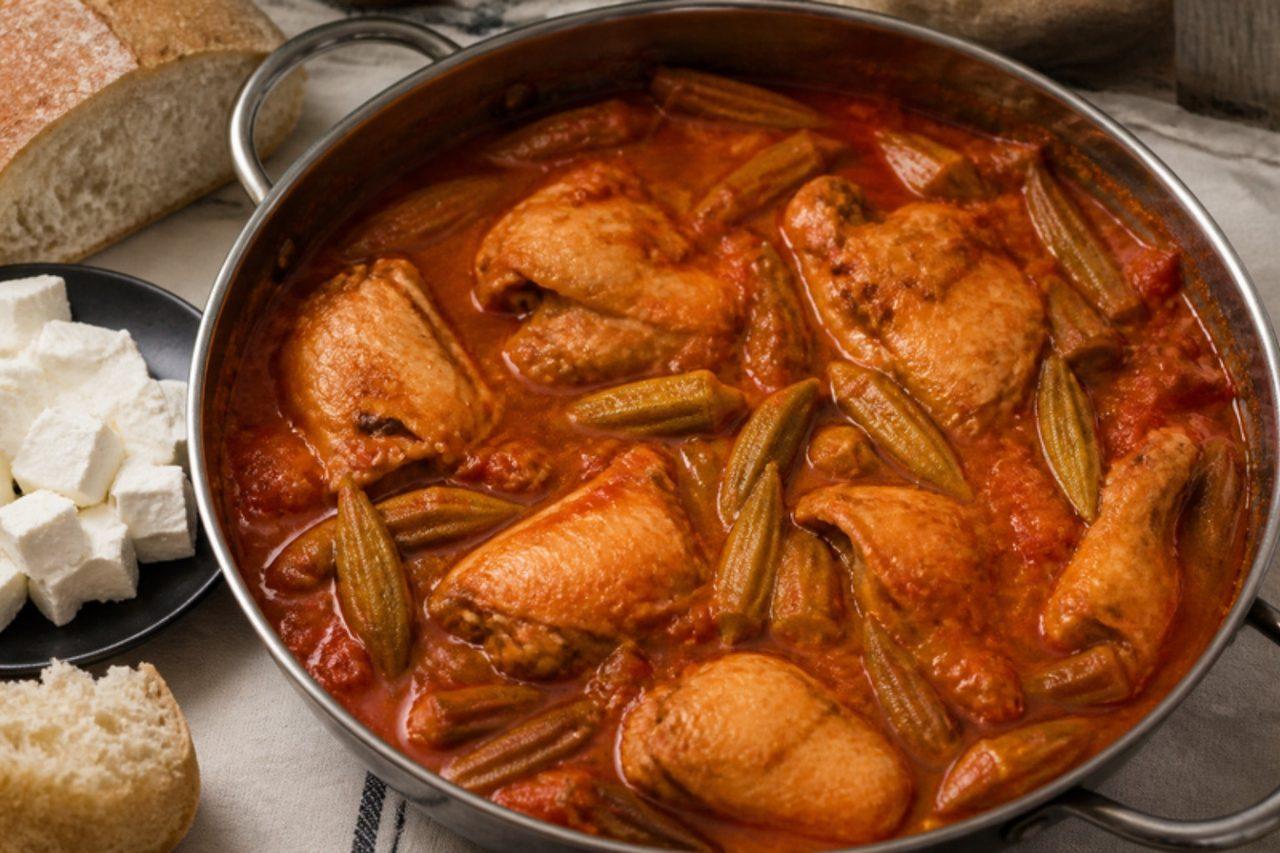
Kotopoulo me bamiesChicken and okra stew

In late summer, when Greek markets are full of small, firm okra, home cooks braise them with chicken thighs, tomato and onions until the sauce is thick and glossy; it is a Wednesday-night dish, served with feta and bread. The trick is to keep the okra whole and un-slimy so it holds its shape. Common mistake: stirring the pot once the okra is in; shake it instead. Chef's tip: trim only the very top of each okra cone without cutting into the pod, then toss them with vinegar and salt and leave in the sun or a warm spot for 30 minutes; it firms them up and keeps the sauce clean.

100 minGreekChickenGluten free
by KrazyBadal 0 views

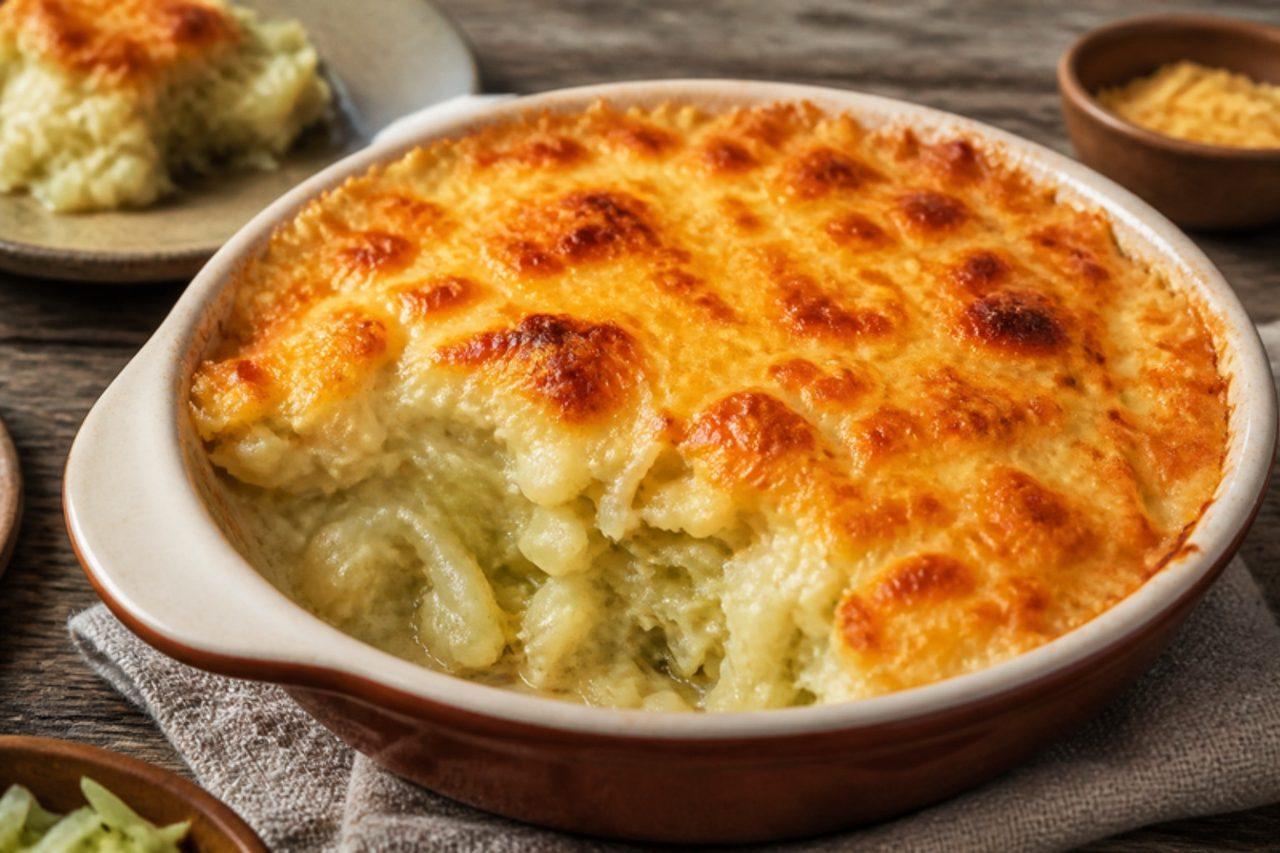
RumbledethumpsPotato, cabbage and onion bake

Rumbledethumps comes from the Scottish Borders, a thrifty supper of mashed potato, buttery cabbage and onion baked under a crust of cheddar, usually made with the Sunday roast leftovers on a Monday night. The name is said to come from the rumbling and thumping of the pans. Traditional cheddar is often made with animal rennet, so use a vegetarian cheddar if that matters to you. Chef's tip: cook the cabbage only until bright and just tender so it keeps some bite in the bake.

by KrazyBadal 0 views

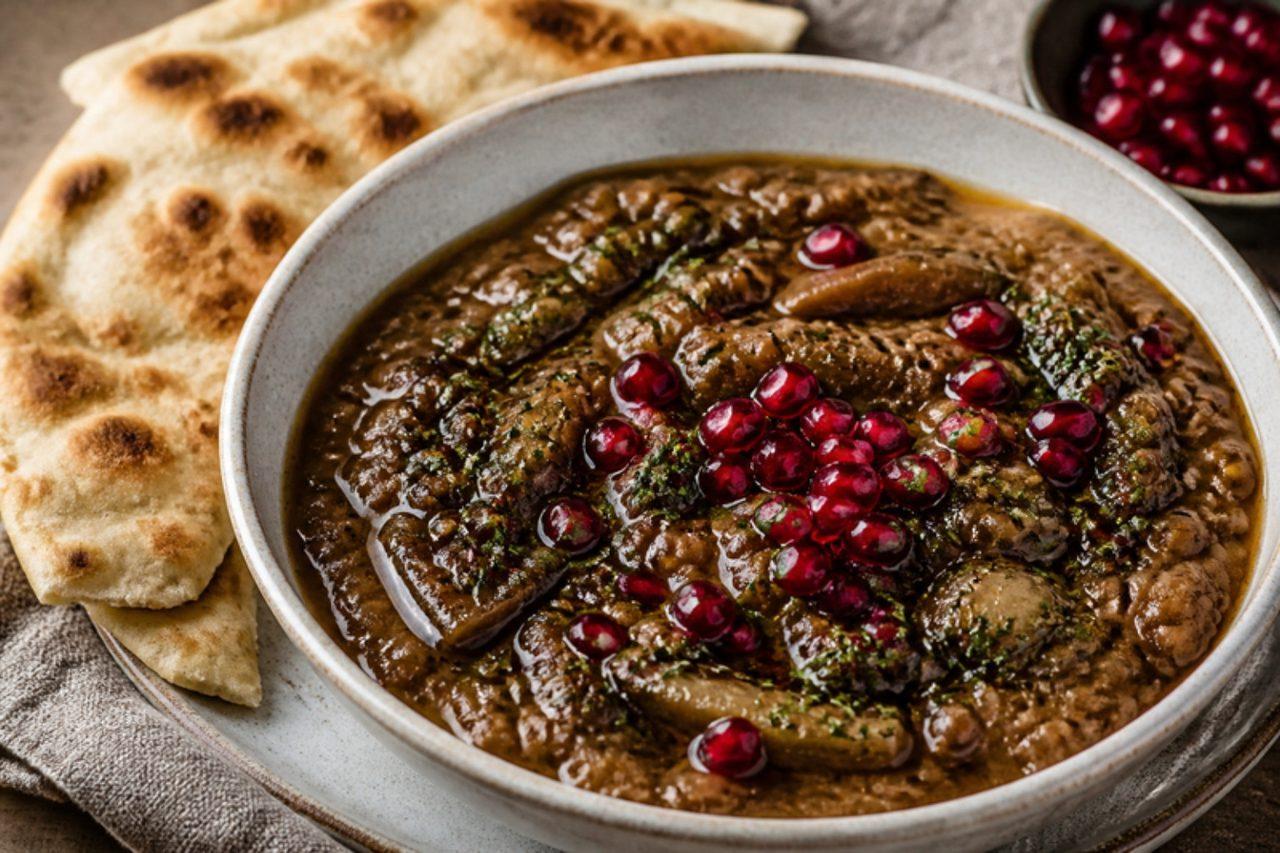
RummaniyehLentil and aubergine stew with pomegranate

Rummaniyeh, from rumman (pomegranate), is a Gazan autumn dish made when the pomegranates ripen: brown lentils and cubes of aubergine cooked to a thick, earthy stew, soured with pomegranate juice and molasses, enriched with tahini and finished with a sizzling oil of garlic, dill and chilli. It is eaten warm or at room temperature, scooped up with bread, and keeps well for days. Common mistake: adding the tahini over a high heat, where it seizes and turns grainy; stir it in off the boil. Chef's tip: fry the garlic and dill only until the garlic is pale gold; brown garlic tastes bitter against the sour fruit.

by KrazyBadal 0 views

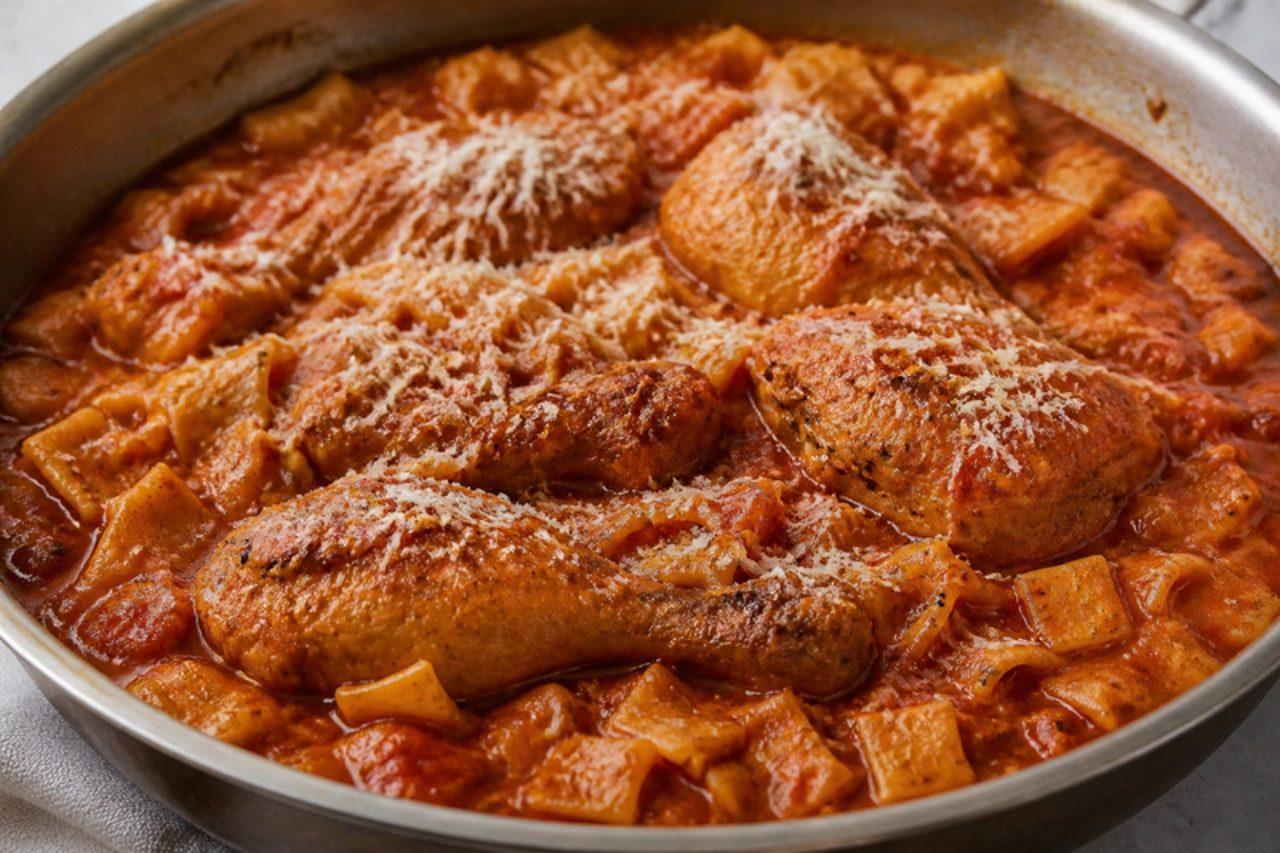
Kotopoulo me hilopitesChicken with egg pasta squares

Across the Thessalian plain, from Larissa to Trikala, Sunday lunch is often a chicken braised in tomato with a cinnamon stick, its sauce stretched with broth so the little hilopites pasta squares can cook right in the pot. The pasta soaks up the sauce until thick and almost risotto-like, and a fistful of grated cheese goes on at the table. Use homemade hilopites or a good shop-bought pack. Common mistake: adding the pasta to too little liquid — it absorbs a lot, so have hot water ready. Chef's tip: brown the chicken skin well, then finish the dish in the oven if you like a crispy top.

by KrazyBadal 0 views

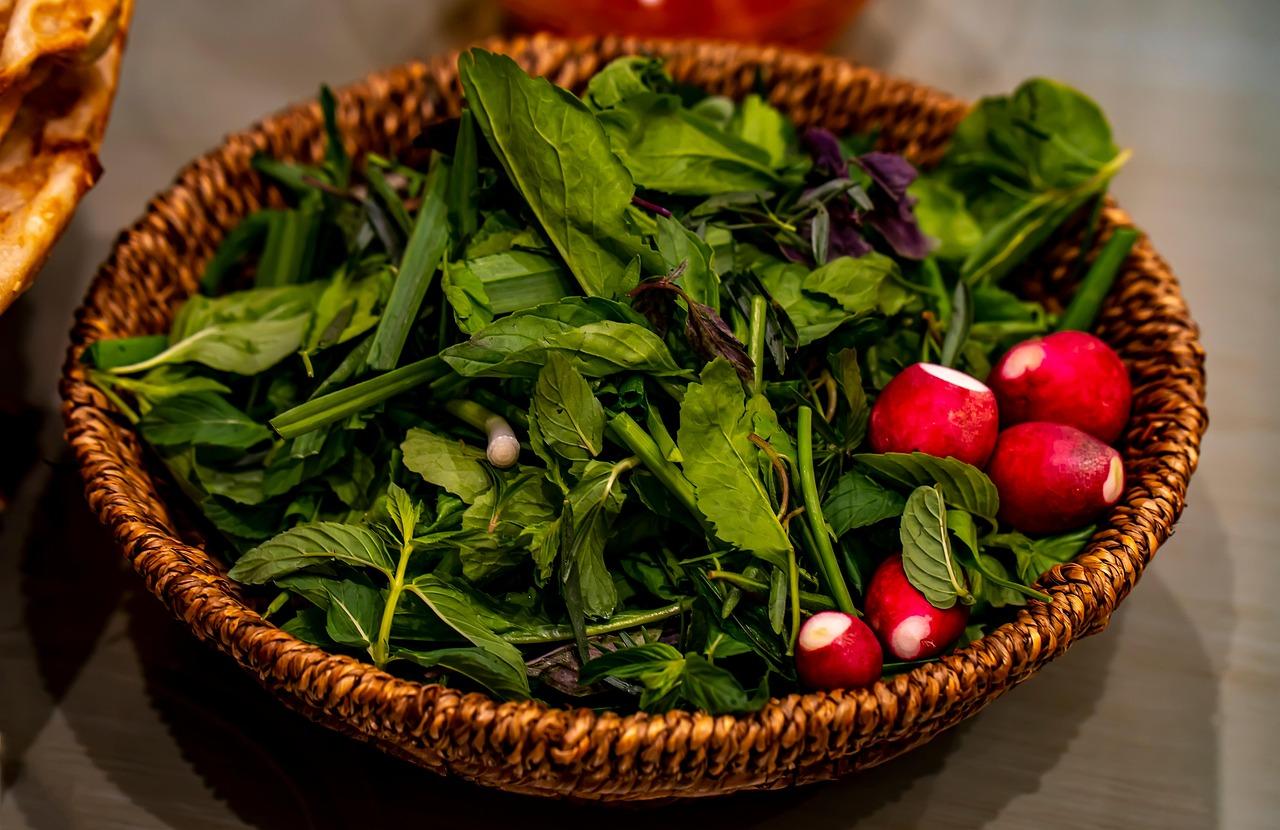
Sabzi khordanFresh herb and cheese platter

No Tehran dinner table is complete without sabzi khordan, literally 'herbs for eating': a basket or plate of whole sprigs of basil, mint, tarragon, chives and coriander with radishes, spring onions, walnuts and a block of white cheese. People tear off bread, add a little cheese and a walnut, then stuff in a few leaves, eating between mouthfuls of stew or rice. The mistake most people make is serving the herbs wet or limp; they should be crisp, dry and cold. Traditional Iranian white cheese is set with animal rennet, so choose a feta labelled vegetarian (microbial rennet) if that matters to you. Chef's tip: wash the herbs an hour ahead, spin them dry and chill them wrapped in a damp tea towel so they stay perky on the table.

by KrazyBadal 0 views

KougelhopfYeasted ring cake with raisins

Walk into any bakery in Colmar, Ribeauvillé or Strasbourg on a Sunday morning and the kougelhopf sits in the window, tall and fluted, wearing a snowfall of icing sugar and a crown of whole almonds. Alsatian families buy or bake one for weekend breakfast with coffee, and slices that go stale are toasted the next day. The crumb sits halfway between brioche and cake: soft, buttery and only lightly sweet, studded with plump raisins. Many bakers soak the raisins in kirsch (cherry brandy); this recipe uses warm black tea, which plumps them just as well without alcohol. You need a kougelhopf or bundt tin of about 22 cm. Chef's tip: chill the buttered tin for 10 minutes and press the almonds into the grooves before the dough goes in, so they stay put and toast as the cake bakes.

by KrazyBadal 0 views

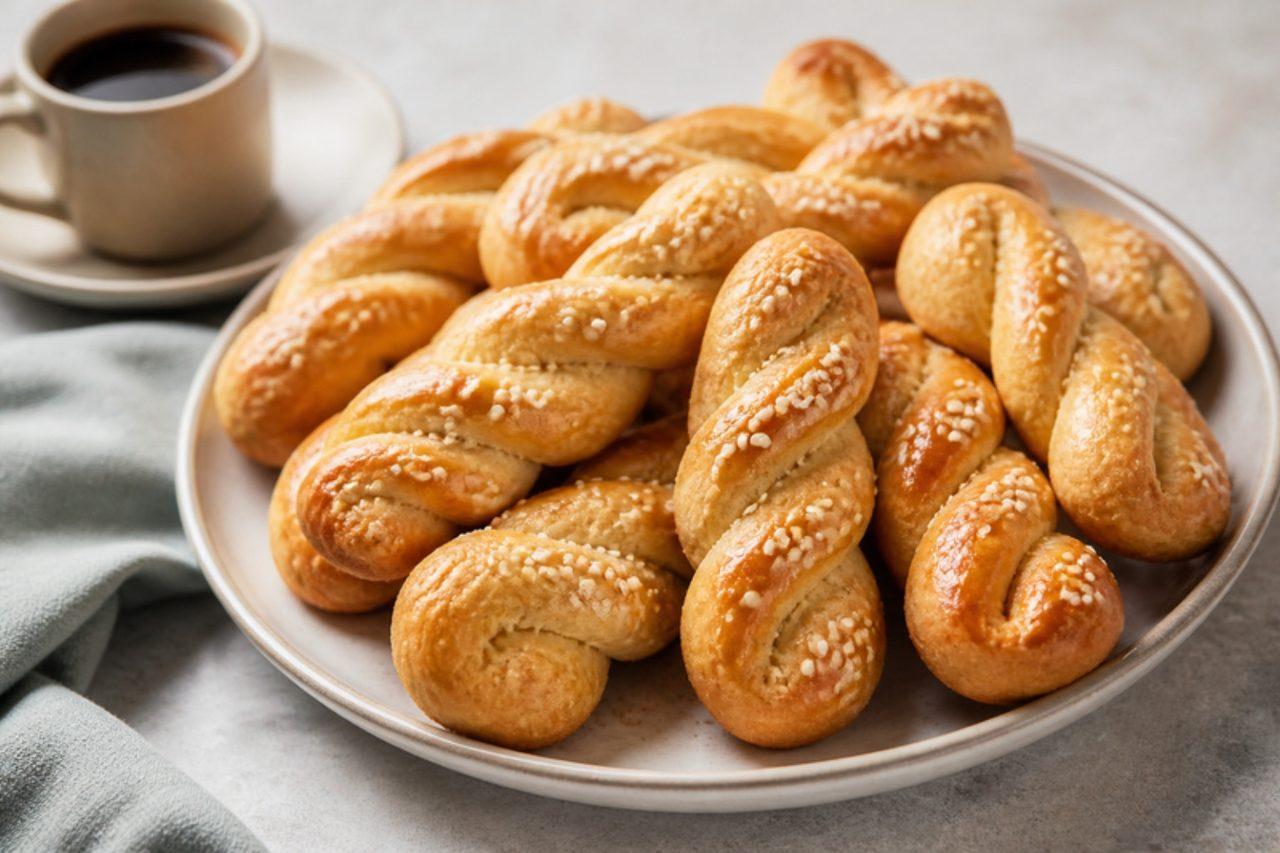
KoulourakiaButter cookie twists

Easter Saturday morning in Greece smells of koulourakia: buttery cookie dough rolled into ropes, twisted into braids, coils and S-shapes, glazed with egg and baked to a deep shine. Children help shape them, and the tins last through Easter week for dunking in coffee or milk. The texture is crisp outside and tender within, with orange zest and vanilla. Common mistake: rolling the ropes too thick; anything wider than a pencil turns cakey rather than crisp. Chef's tip: chill the dough for 20 minutes before rolling and the twists keep their sharp edges in the oven.

by KrazyBadal 0 views

Kouneli stifadoRabbit stew with shallots and wine

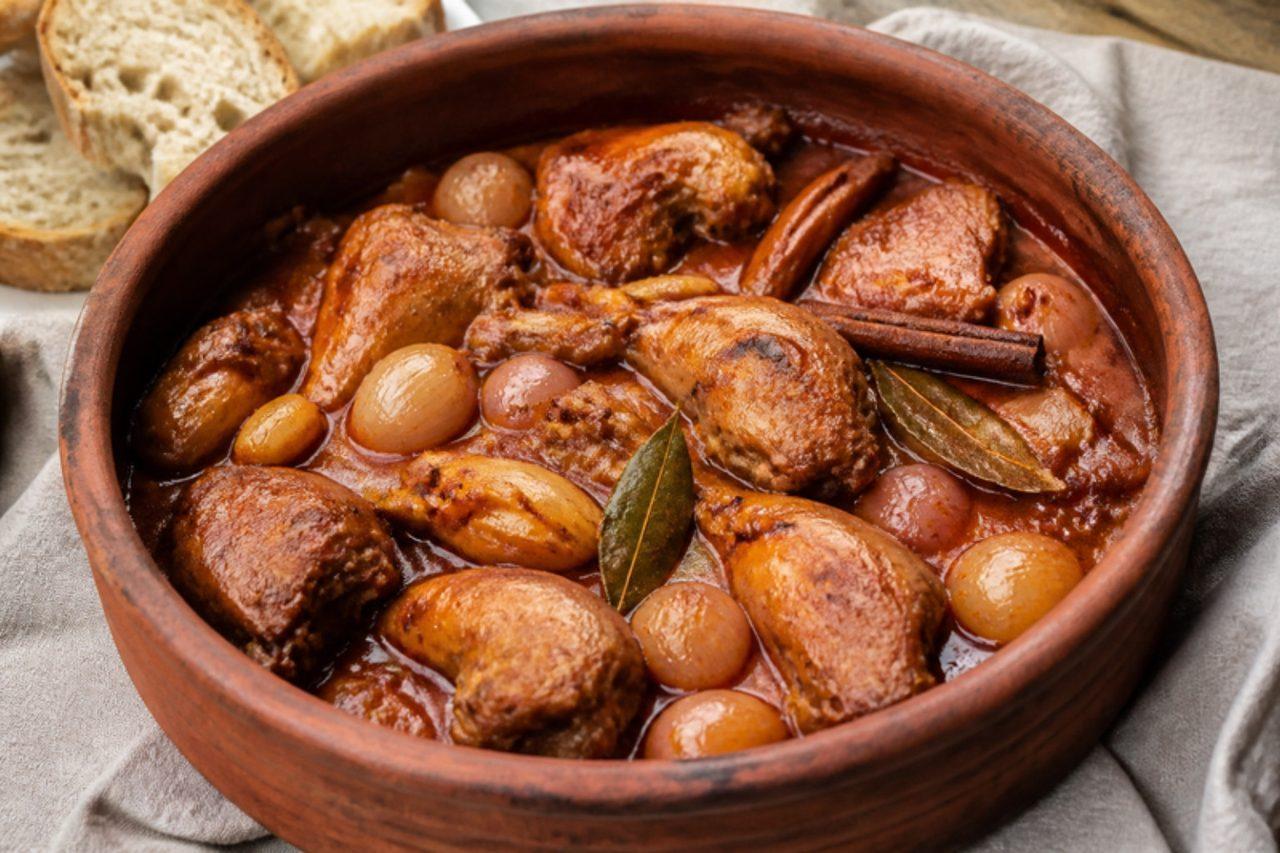
Rabbit is a favourite winter Sunday dish in Crete and across the Greek countryside, and stifado is the way most cooks prepare it: jointed rabbit simmered slowly with a mountain of small whole onions in a glossy, sweet-sour sauce of tomato, red wine and vinegar, scented with cinnamon, allspice and bay. The sauce reduces until the onions are soft and jammy, and it is served with fried potatoes or rice and bread to wipe the plate. This recipe uses red wine; for an alcohol-free version use red grape juice with an extra spoon of vinegar. Common mistake: stirring once the onions go in, which breaks them up; shake the pot instead. Chef's tip: peel the shallots more easily by soaking them in boiling water for 5 minutes first.

140 minGreekMeatGluten free
by KrazyBadal 0 views

KourabiedesAlmond butter cookies

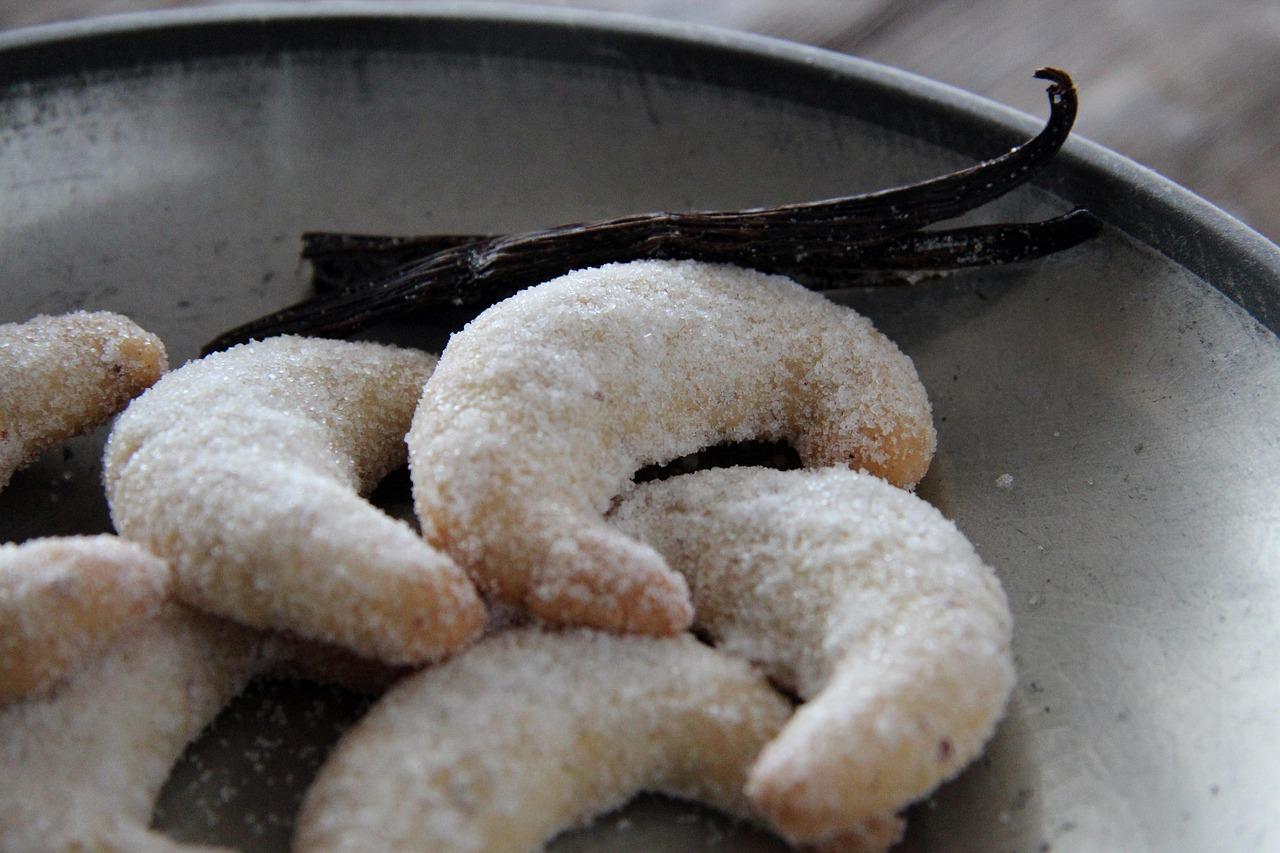
Snow-white kourabiedes are piled into pyramids at Greek Christmas, New Year and christenings, and in Macedonia they are handed out at weddings, so guests leave with sugar on their clothes. The crumb is short and sandy from well-whipped butter and toasted almonds, with a whisper of rose or orange-blossom water. Common mistake: dusting with icing sugar while the cookies are still hot, which melts into a paste instead of a soft coat. Chef's tip: beat the butter for a full 10 minutes until almost white; the air you whip in is what makes them melt in the mouth.

by KrazyBadal 0 views

Sagu de vinhoTapioca pearls in red wine

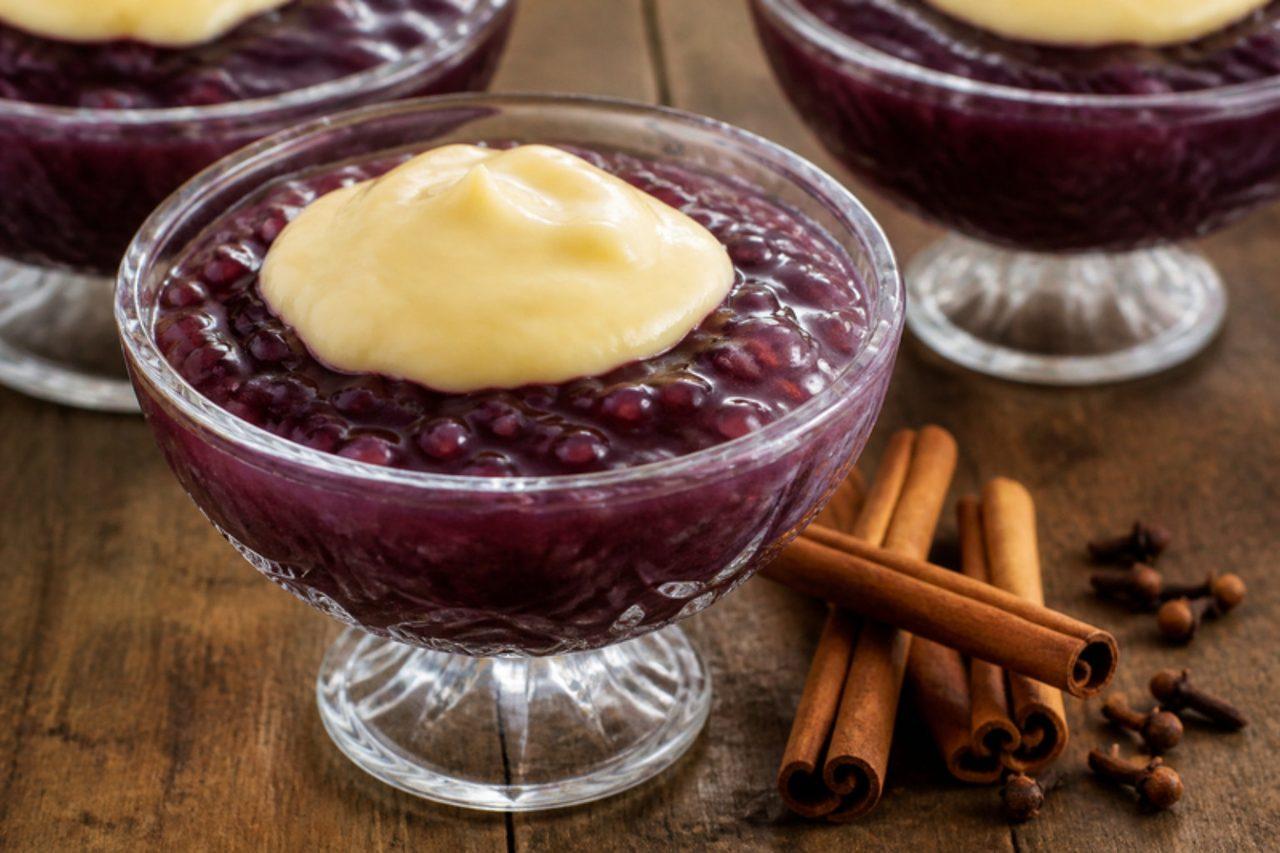
Glossy, wine-dark and wobbling with little translucent pearls, sagu is the dessert of the serra gaúcha, the Italian-settled wine country around Caxias do Sul and Bento Gonçalves, where it ends Sunday lunch at family tables and galeteria buffets. Tapioca pearls are cooked until clear, then simmered in red wine with sugar, cloves and cinnamon so they soak up the colour and spice. Locally it comes with a spoon of vanilla custard on top. The dish contains red wine, and simmering does not remove all the alcohol; for an alcohol-free version, use red grape juice and cut the sugar by half. Choose a vegan wine if that matters to you, as some are fined with egg or fish products. The common mistake is adding the wine before the pearls are clear, which leaves white chalky centres. Chef's tip: rinse the cooked pearls under cold water before they go into the wine, so the starch washes off and the dessert stays glossy.

by KrazyBadal 0 views

Veau aux olivesVeal stew with green olives

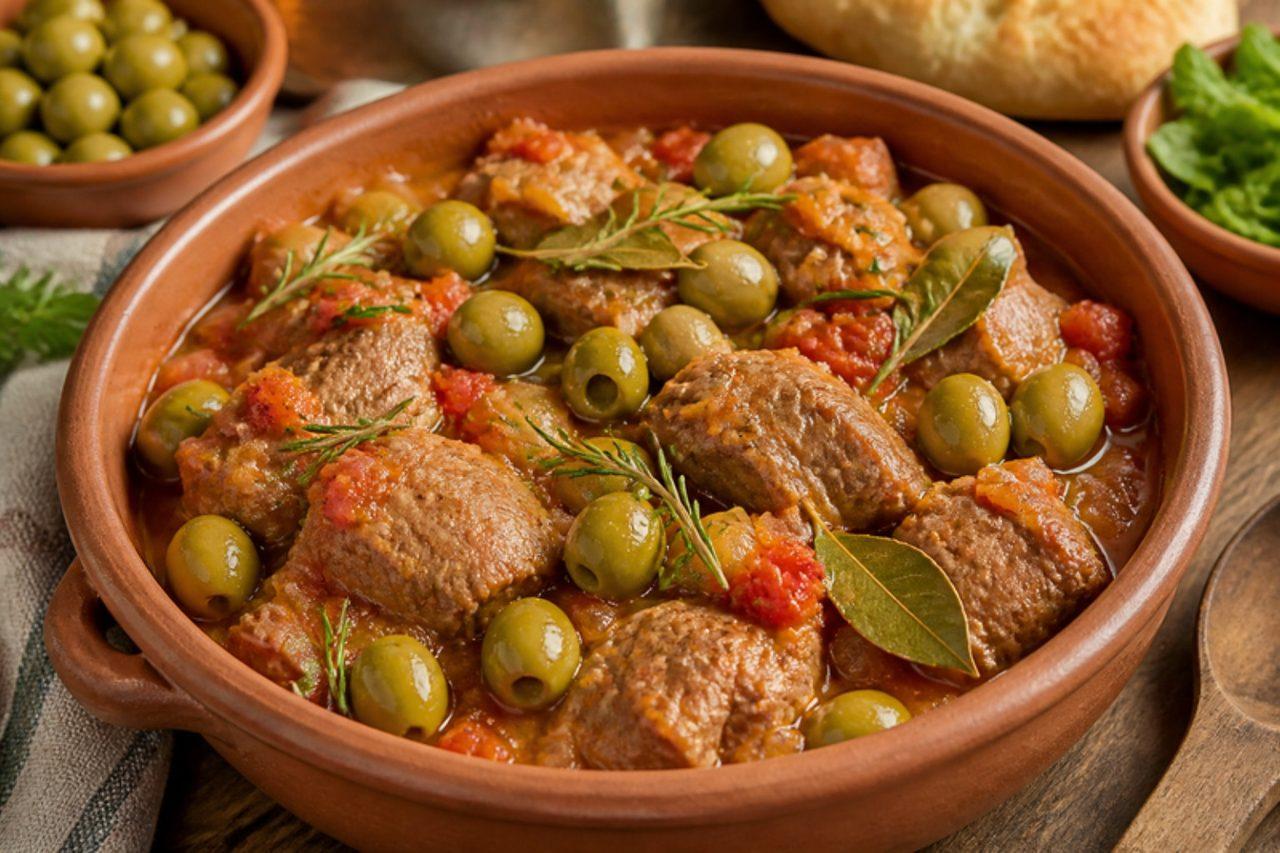
In the villages of Corsica's mountainous interior, veau aux olives is the dish of Sunday lunch and of family gatherings on saints' days, made with the island's free-roaming veal. The meat is browned, then stewed slowly with tomato, garlic, rosemary and plenty of green olives, giving a rich, savoury sauce with a pleasant salty-bitter edge from the olives. Corsicans often add a little panzetta (cured pork belly), which is optional here; with it, the dish contains pork. White wine is used too, and the ingredient note gives an alcohol-free version. Serve with soft polenta, ideally the island's chestnut-flour pulenda, or with fresh pasta. Chef's tip: blanch the olives for two minutes before adding them, so their brine doesn't oversalt the sauce.

145 minFrenchMeatGluten free
by KrazyBadal 0 views

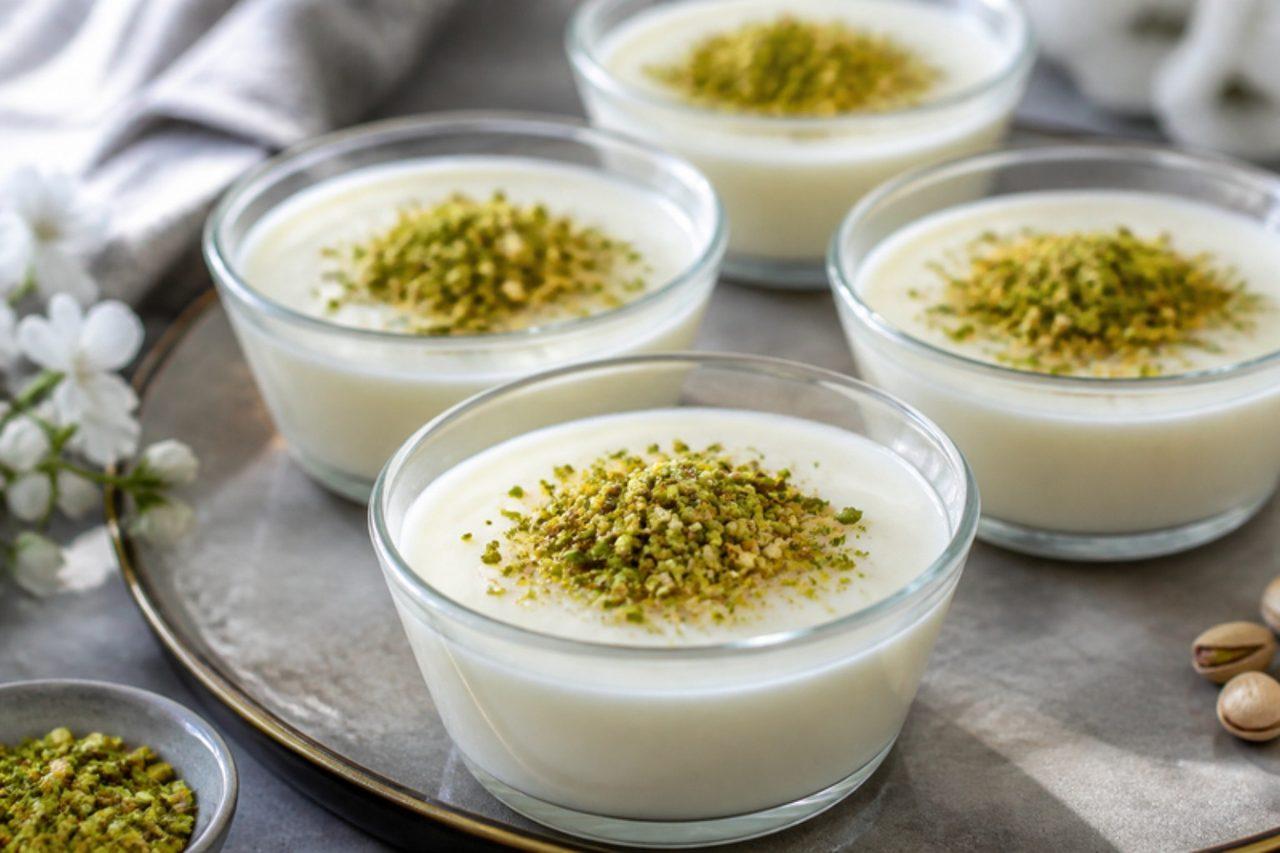
Sakızlı muhallebiMastic milk pudding

Çeşme looks across the water to Chios, the island where mastic trees weep their resin, and the town's pudding shops have long used it to perfume a simple, wobbly milk pudding. The flavour is hard to describe: piney, a little floral, very fresh against cold creamy milk. It is the dessert to order after a long fish lunch in Alaçatı. Chef's tip: grind the mastic with a teaspoon of sugar in a mortar; on its own it gums up into sticky lumps.

by KrazyBadal 0 views

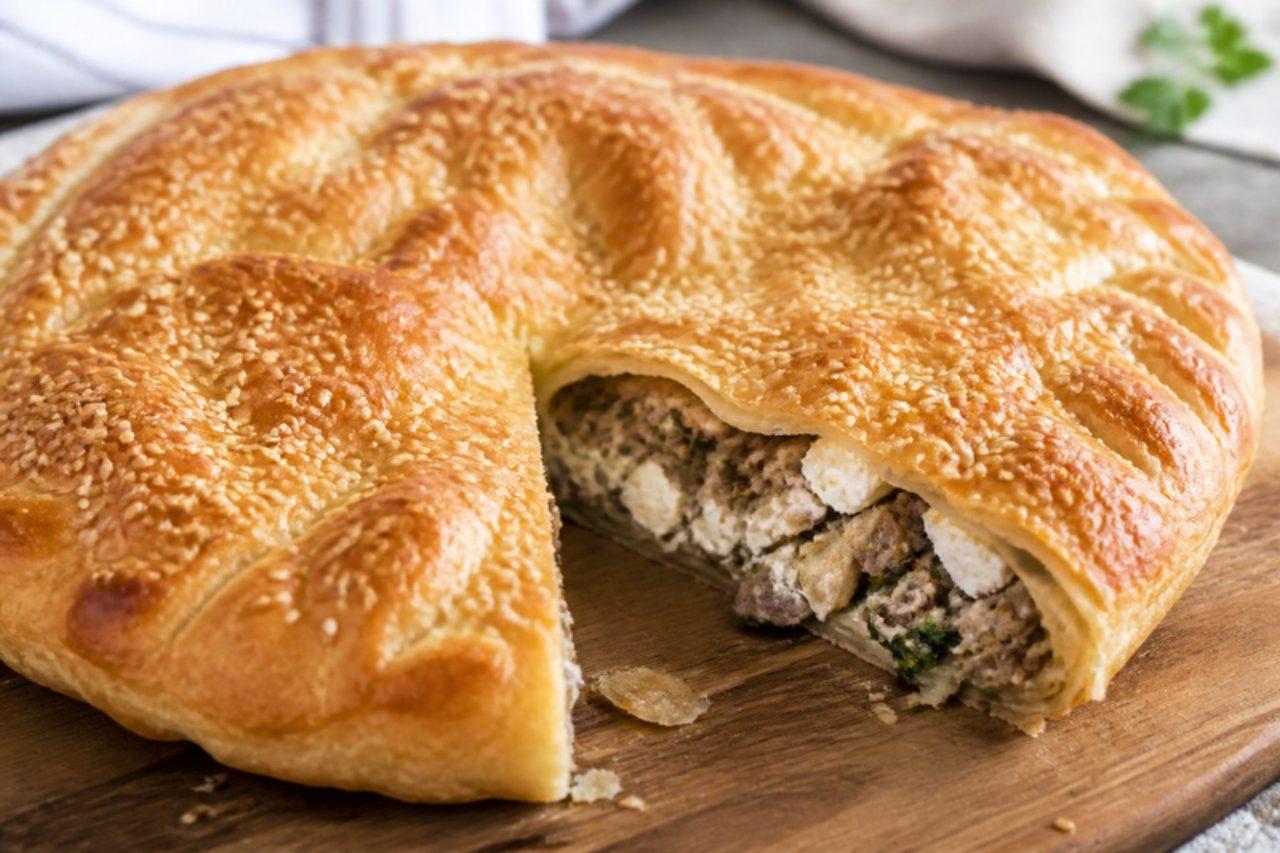
KreatotourtaLamb, cheese and mint pie

In Chania and the villages of western Crete, kreatotourta is baked on Easter Saturday so it is ready for the Sunday feast: a tall pie of tender lamb pieces layered with soft fresh cheese and mint, sealed in a crisp olive-oil pastry. It is cut into wedges and eaten warm or at room temperature, and leftovers vanish over the following days. The traditional cheeses are fresh mizithra and some graviera. Common mistake: putting raw lamb in the pie, which leaves the pastry burnt before the meat is tender; simmer the lamb first. Chef's tip: save a ladle of the lamb's cooking liquid and pour it through the steam hole halfway through baking so the filling stays juicy.

195 minGreekMeat
by KrazyBadal 0 views

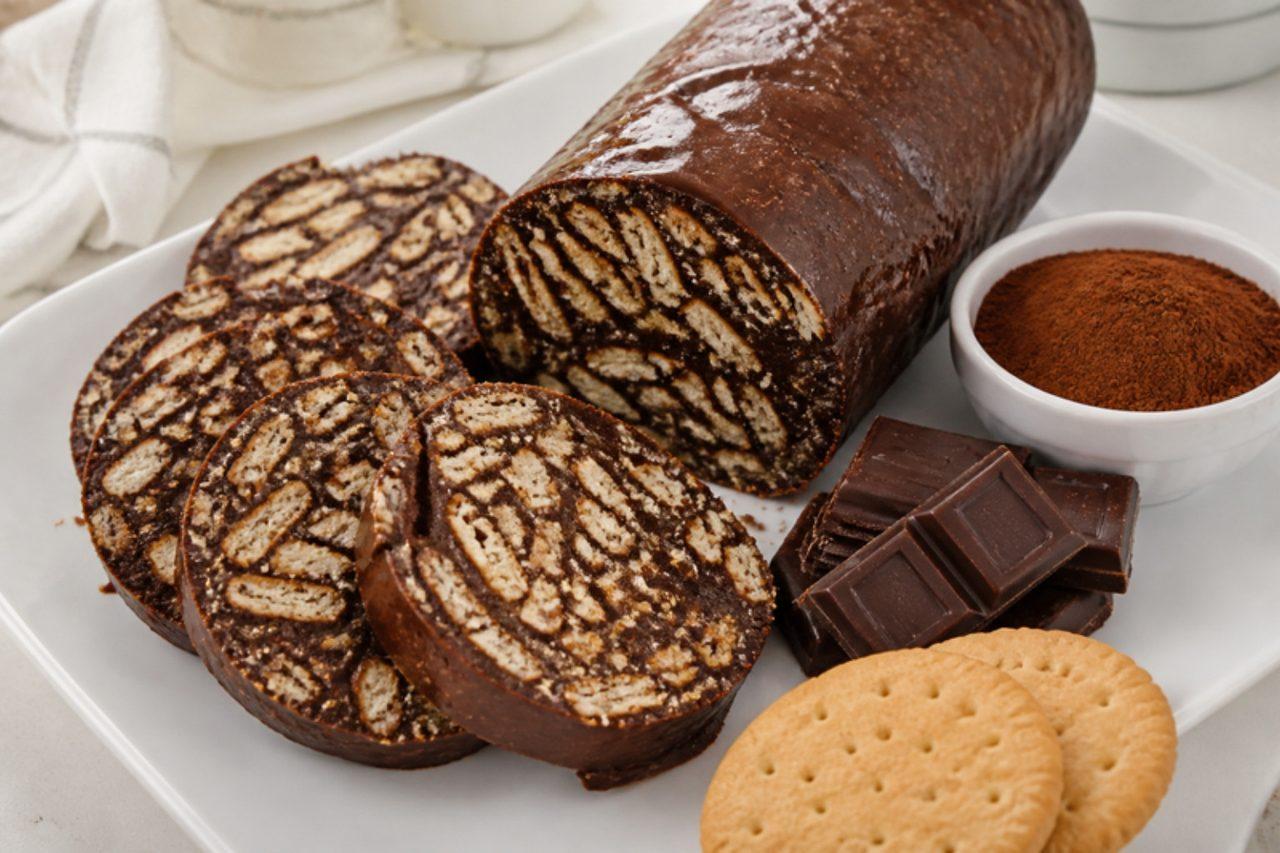
Salame de chocolateNo-bake chocolate biscuit log

Every Portuguese child seems to have helped make one: crushed Maria-style tea biscuits folded through rich chocolate, rolled into a log, chilled and dusted with icing sugar until each slice looks like salami. It turns up at birthday parties, in café display cases around Lisbon and on Christmas dessert tables. The traditional mix uses raw eggs; this version leaves them out and sets with melted chocolate and butter instead, so there is nothing raw in it. A splash of port is often added, which contains alcohol; leave it out or use milk. A common mistake is crushing the biscuits to crumbs; leave some larger pieces, or the slices lose their marbled look. Chef's tip: break the biscuits by hand into pieces the size of a fingernail; crumbs turn it into fudge and you lose the salami look.

by KrazyBadal 0 views

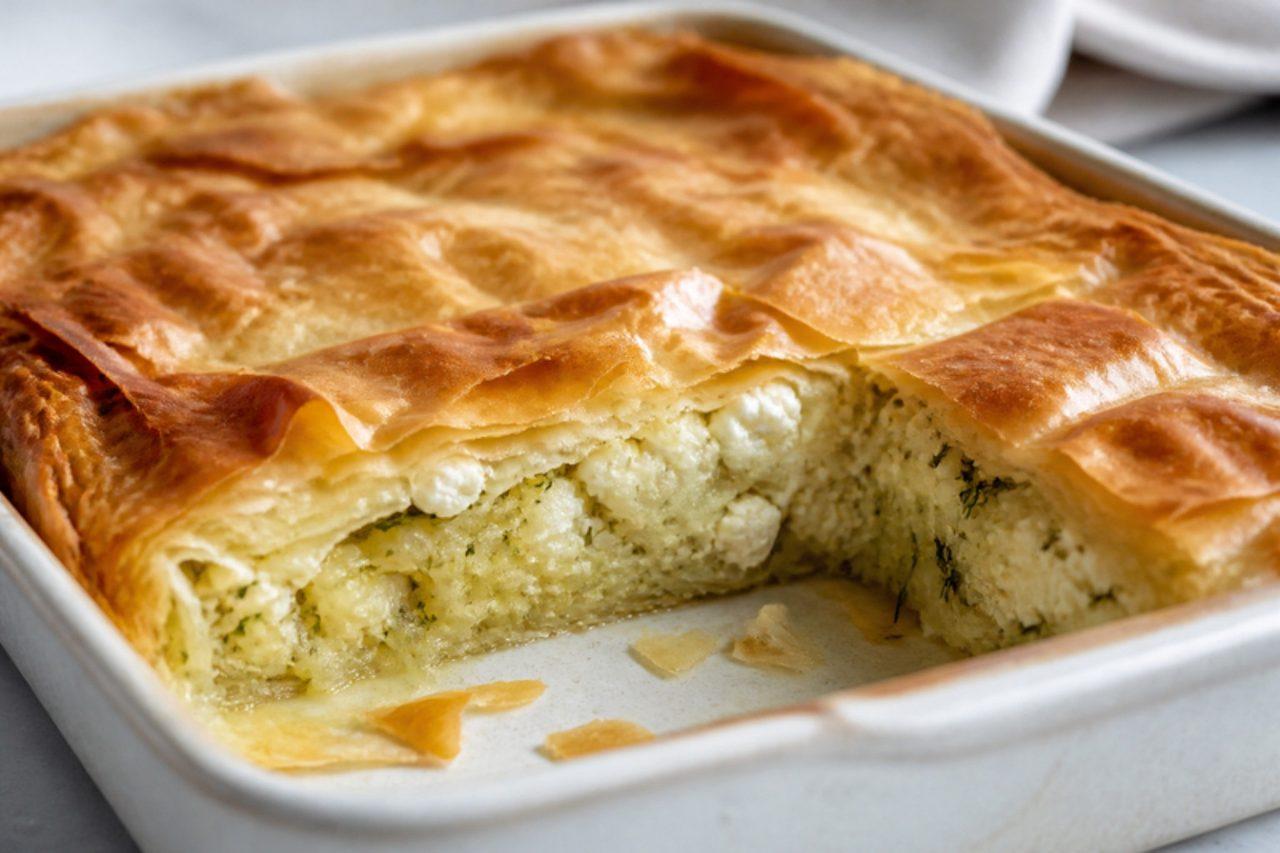
KremidopitaOnion and cheese pie

Mykonian grandmothers made kremidopita long before the island filled with beach clubs: a pie of slowly softened onions, tangy fresh cheese, eggs and dill between sheets of filo, baked for name days and family Sundays. The onions go sweet and jammy, the cheese keeps it creamy and sharp, and it is eaten warm or cold with a tomato salad. Feta is usually made with animal rennet, so pick a vegetarian feta if you need to. Common mistake: frying the onions hard and fast; they must sweat gently until soft, or the filling turns bitter and crunchy. Chef's tip: cool the onions completely before mixing in the eggs and cheese, so the filling doesn't start to set before baking.

by KrazyBadal 0 views

Salatet el rahebSmoky aubergine salad

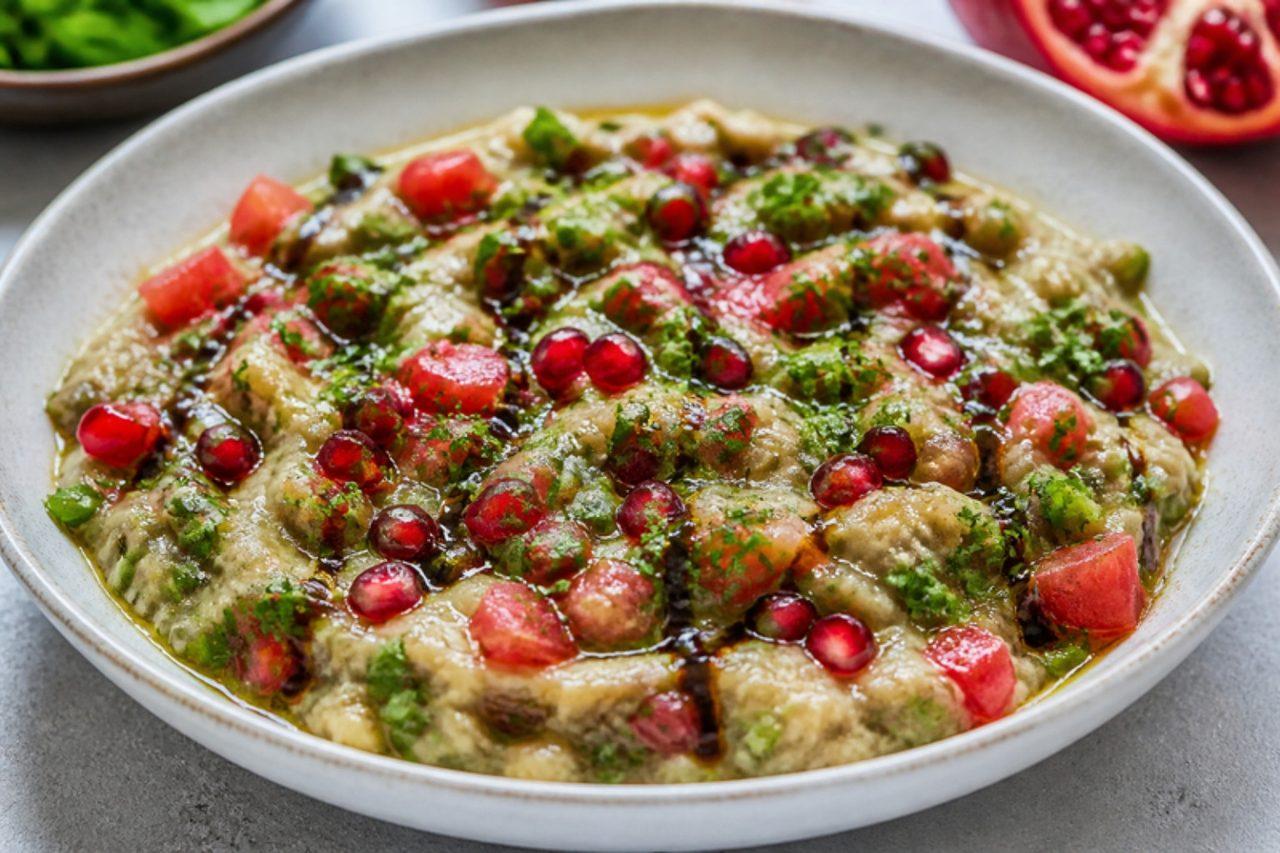
Mezze restaurants along the Lebanese coast serve salatet el raheb as the fresh, chunky cousin of baba ghanoush: the aubergine is charred until smoky, then chopped rather than puréed and tossed with tomato, peppers, spring onion, parsley and a sharp dressing of lemon and pomegranate molasses. There is no tahini, so it is light and summery and sits well next to grilled halloumi or kebabs. Common mistake: leaving the aubergine juices in; drain the flesh in a sieve or the salad turns watery. Chef's tip: char the aubergines directly over a gas flame or on a barbecue rather than in the oven — the smoky flavour is the soul of the dish.

by KrazyBadal 0 views

SalchipapaFries with sliced sausage

Late at night outside the bars and football stadiums of Bogotá and Medellín, carts and fast-food counters sell salchipapa by the plastic tray: hot chips topped with fried slices of hot dog sausage, drowned in salsa rosada (ketchup mixed with mayonnaise), mustard and grated cheese, sometimes with a squirt of pineapple sauce. Kids love it, and it's an easy Friday-night dinner at home: salty, crisp and soft at once, with the sweet-tangy pink sauce tying everything together. The way it goes wrong is soggy fries; double frying keeps them crisp under all that sauce. Chef's tip: slice the sausages on the diagonal and fry them until they curl and blister at the edges; the crisp bits make the dish.

by KrazyBadal 0 views

Puchero santafereñoBoiled chicken, beef and pork dinner

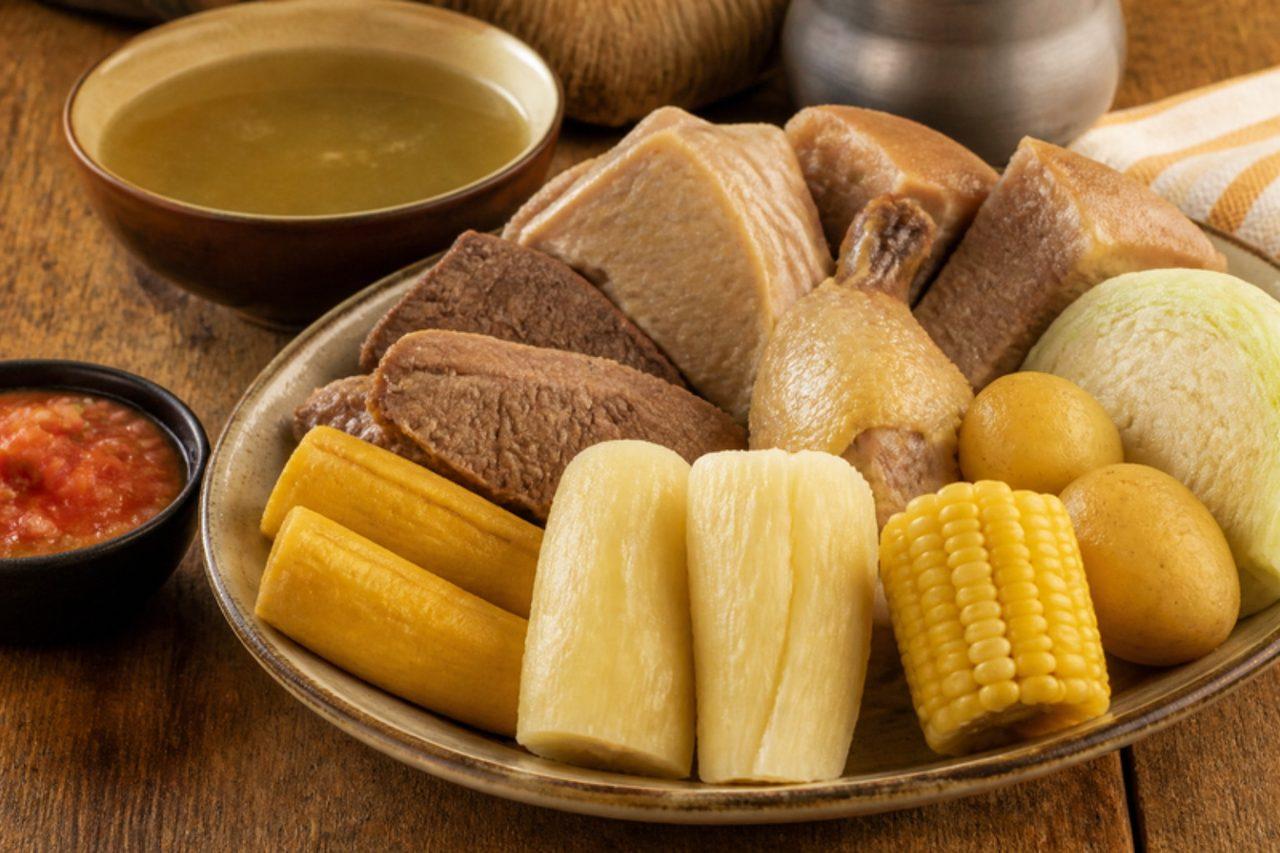
Old Santa Fe de Bogotá kept puchero for big family lunches and holidays: a broad pot of beef, pork and chicken boiled with cassava, corn, potatoes, cabbage and, unusually, ripe plantain cooked in its skin, which turns soft and sweet against the savoury meat. It comes to the table in two acts. First the clear, golden broth in cups or small bowls; then a platter of the meats and vegetables, with a pan of warm hogao (tomato and spring onion sauce) spooned over everything, plus rice and avocado on the side. People confuse it with cocido or sancocho, but the plantain and the hogao make it its own thing. Most disappointing pucheros come from boiling hard: the broth goes cloudy and the cassava breaks up, so keep it at a lazy simmer. Chef's tip: add the vegetables in order of how long they take, and lift each batch out onto a warm tray as it becomes tender, so nothing turns to mush while the beef finishes.

by KrazyBadal 0 views

Cuchuco de trigoCracked wheat and pork rib soup

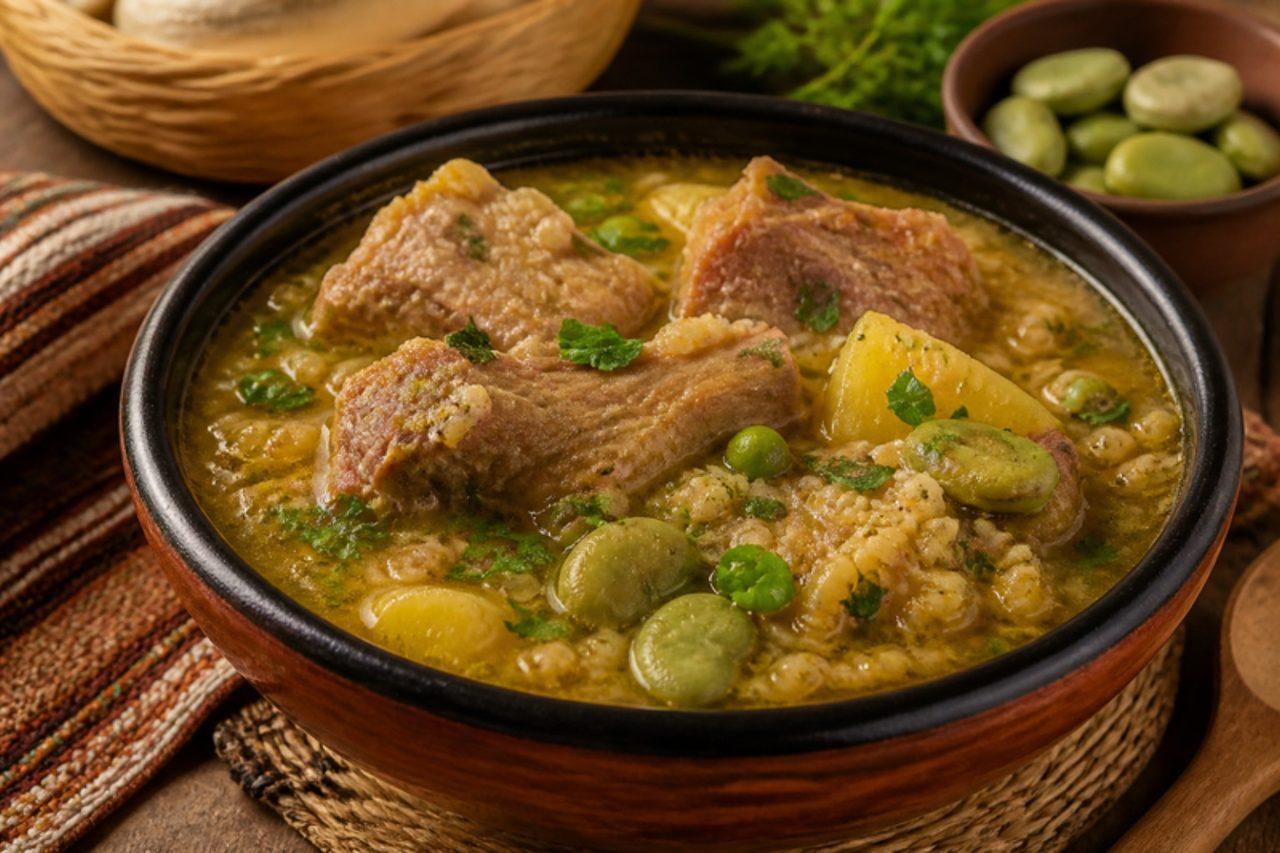
Up on the cold Boyacá plateau, around Tunja and Duitama, cuchuco de trigo is the soup that roadside restaurants ladle out at midday to farm workers and truck drivers. It is made with pork ribs (espinazo or costilla de cerdo), simmered until the meat slips off the bone, then thickened with cracked wheat, broad beans, peas, cabbage and two kinds of potato. The result is closer to a porridge-soup than a broth: nutty from the wheat, porky, a little smoky from the cumin and achiote, with the small yellow potatoes melting into the liquid. Serve it in deep bowls with avocado slices, a spoon of ají and a piece of arepa. The usual mistake is adding the wheat too early and walking away: it settles and catches on the bottom of the pot, so it needs stirring from the base every few minutes. Chef's tip: rinse the cracked wheat until the water runs nearly clear; washing off the loose flour keeps the soup creamy rather than gluey. For a meat-free pot, leave out the ribs, use vegetable stock and double the broad beans.

by KrazyBadal 0 views

FritangaMixed fried pork and sausage platter

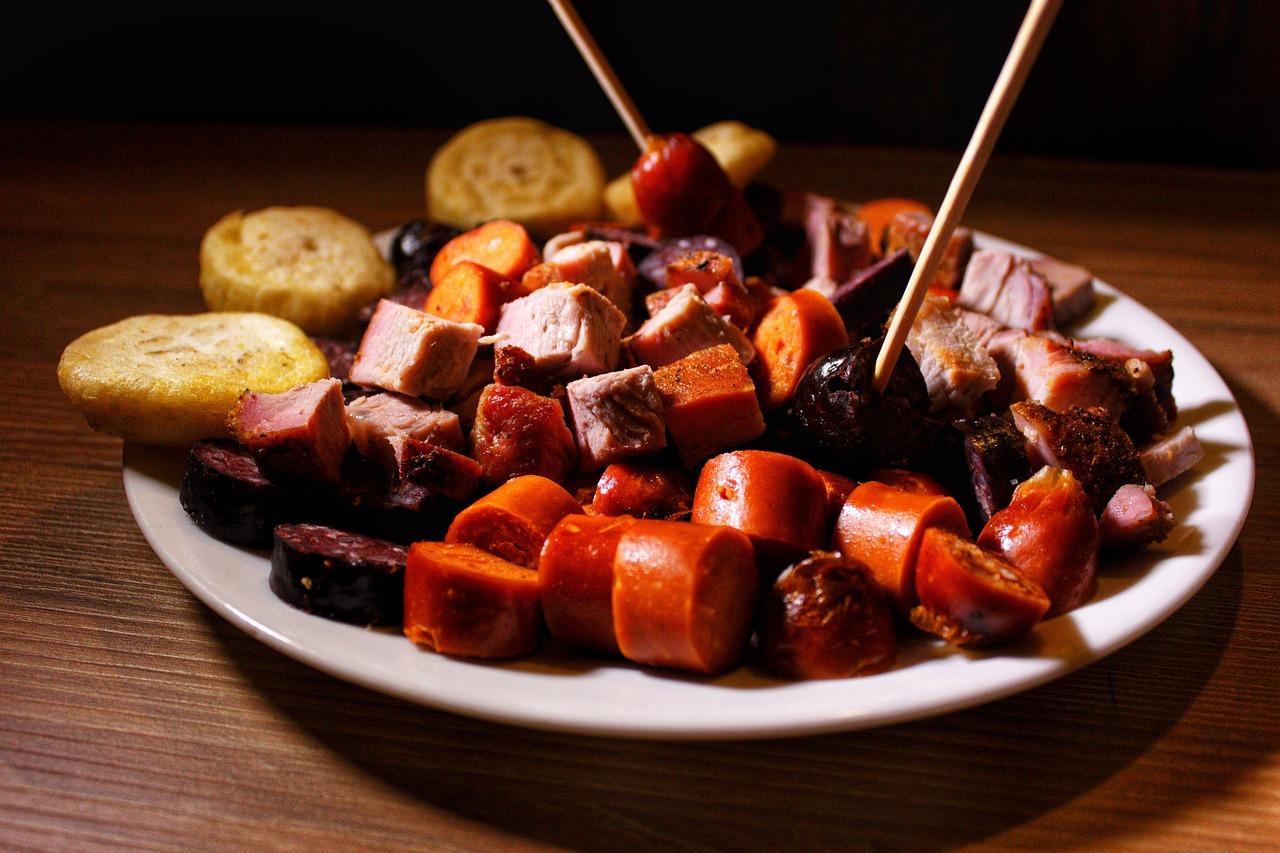
Weekend fritanga is Bogotá's answer to a mixed grill, eaten standing at counters in the Siete de Agosto and Restrepo neighbourhoods or brought home on a big tray to share. Everything is pork or fried: chicharrón of pork belly with a blistered, crunchy skin, juicy pork chorizos, slices of rice-filled morcilla (blood sausage), little papa criolla potatoes, sweet plantain and griddled arepas, all eaten with fingers or toothpicks and dipped in sharp, watery ají. A fritanga is about contrast, so don't drown it in sauces: the lime and ají cut the richness. The common error is frying the belly straight from raw; it needs to cook gently in water first, which renders the fat and tenderises the meat before the skin crisps in its own drippings. Chef's tip: buy morcilla and chorizo from a Latin butcher and check the labels if you need the platter gluten free, as some sausages contain wheat.

by KrazyBadal 0 views

Showing 36 of 7,762 recipes

Show more recipes

Page 562 of 863