


Skip to content
Ajapsandali
Featured recipe

Ajapsandali

Aubergine and pepper stew

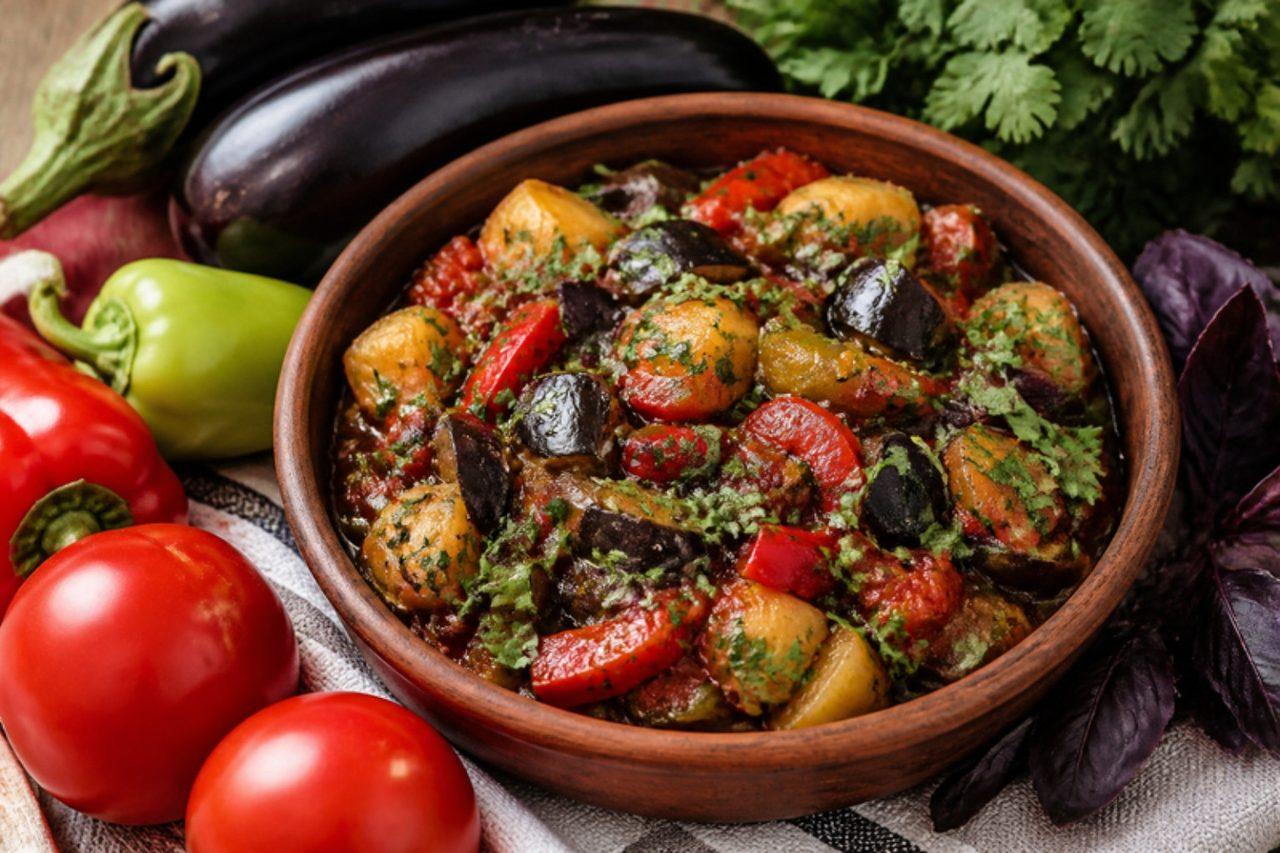
Ajapsandali is what Georgian kitchens make in late summer, when the markets of Tbilisi and the gardens of Kakheti are heaped with aubergines, peppers and tomatoes. The vegetables are fried briefly, layered in a pot and left to stew gently until soft and sweet, then finished with a whole handful of coriander, basil and garlic. It is eaten warm with bread as a main dish during Lent, or cold the next day as a side at a feast. The common mistake is stirring it too often, which breaks everything into mush; shake the pan instead and let the layers keep their shape. Chef's tip: fry the aubergine on its own first until golden; this one step gives the whole stew its deep, rounded flavour.

Read more 0 views

What to eat today?

Around the world

Today's trip: Persian

A new country every day, from every cuisine on the site.

Persian

Ash-e shalgham

Turnip and rice soup 65 minMore from Persian (131) →

This week's collection

Kid-friendly dinners
537 recipes · a new collection every Monday

Latest recipes

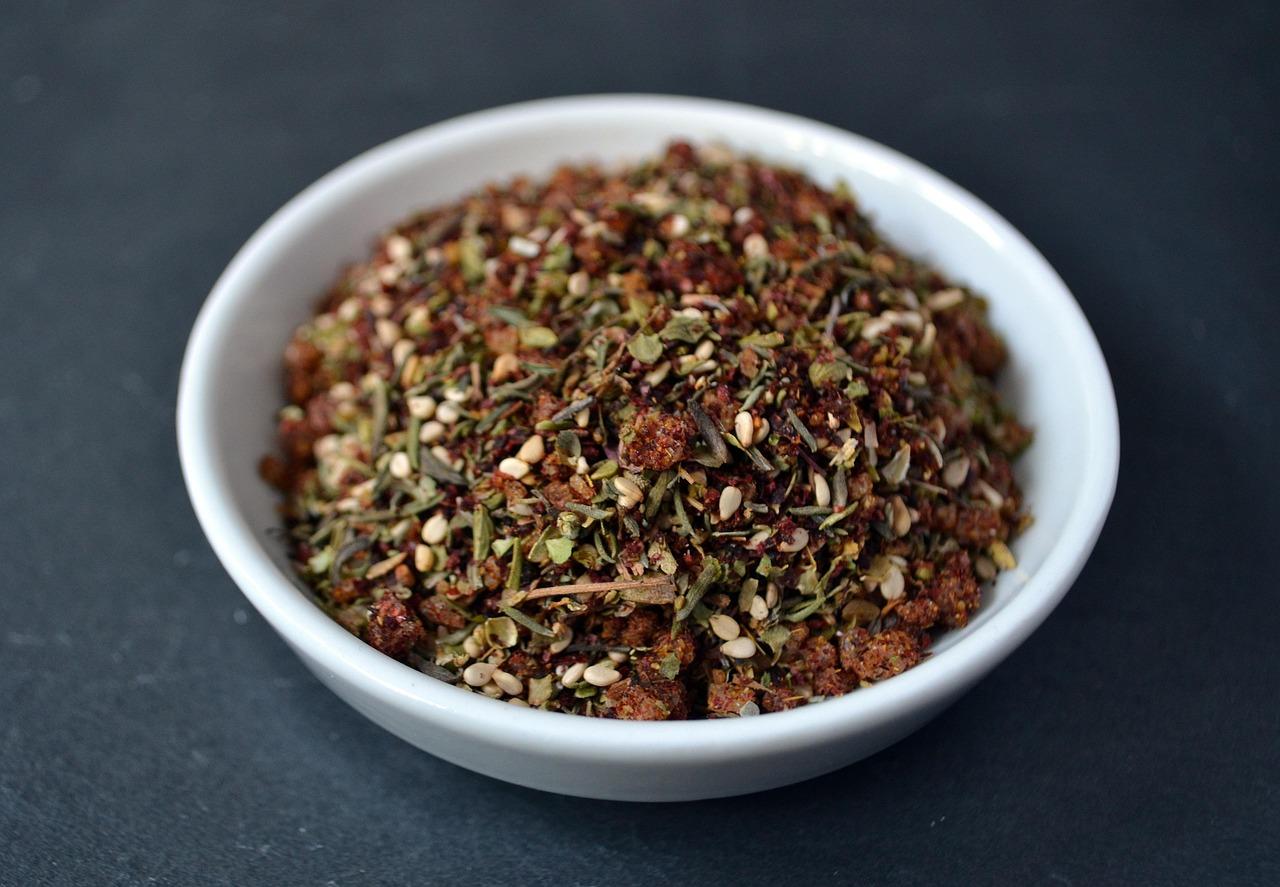
Za'atar spice blendThyme, sumac and sesame blend

In Palestinian homes za'atar is both a herb and the blend made from it, kept in a jar beside a bowl of olive oil so torn bread can be dipped in one and then the other at breakfast; children grow up on it, and it goes to school in sandwiches. The blend is mostly dried wild za'atar (or thyme and oregano), tangy with sumac, nutty with toasted sesame and seasoned with salt. Common mistake: grinding it to dust; it should be coarse and slightly flaky. Chef's tip: rub the dried leaves with a few drops of olive oil before mixing; it wakes their aroma and helps the sumac cling.

by KrazyBadal 0 views

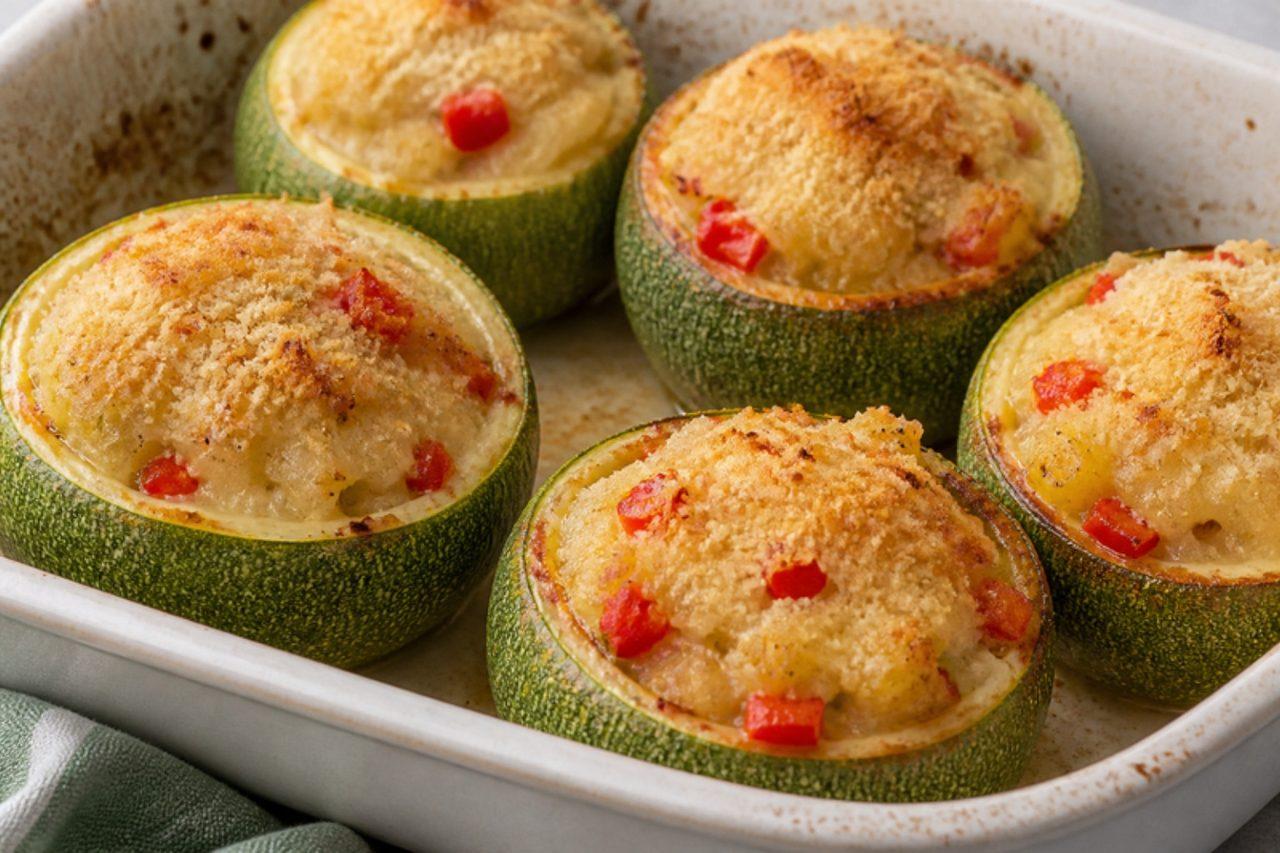
Zapallitos rellenosStuffed round squash

Round green zapallitos, the size of a tennis ball, pile up at every verdulería in Buenos Aires from December to March, and stuffing them is how home cooks turn a cheap summer vegetable into a main course. The shells are blanched, hollowed and refilled with their own flesh fried with onion and red pepper, bound with egg and melting cheese, and topped with breadcrumbs that bake to a crunchy lid. Expect a soft, savoury, slightly creamy filling under a golden crust; serve two per person with a tomato and onion salad or white rice. Overcooking the shells in the first boil is the trap: they collapse in the oven and leak water, so they only get 4 minutes. Round courgettes, eight-ball squash or short fat courgettes all work. The cheeses are usually made with animal rennet; swap in vegetarian versions if needed. Chef's tip: squeeze the chopped flesh in a clean cloth before frying it; drier filling means a firmer, tastier stuffing.

by KrazyBadal 0 views

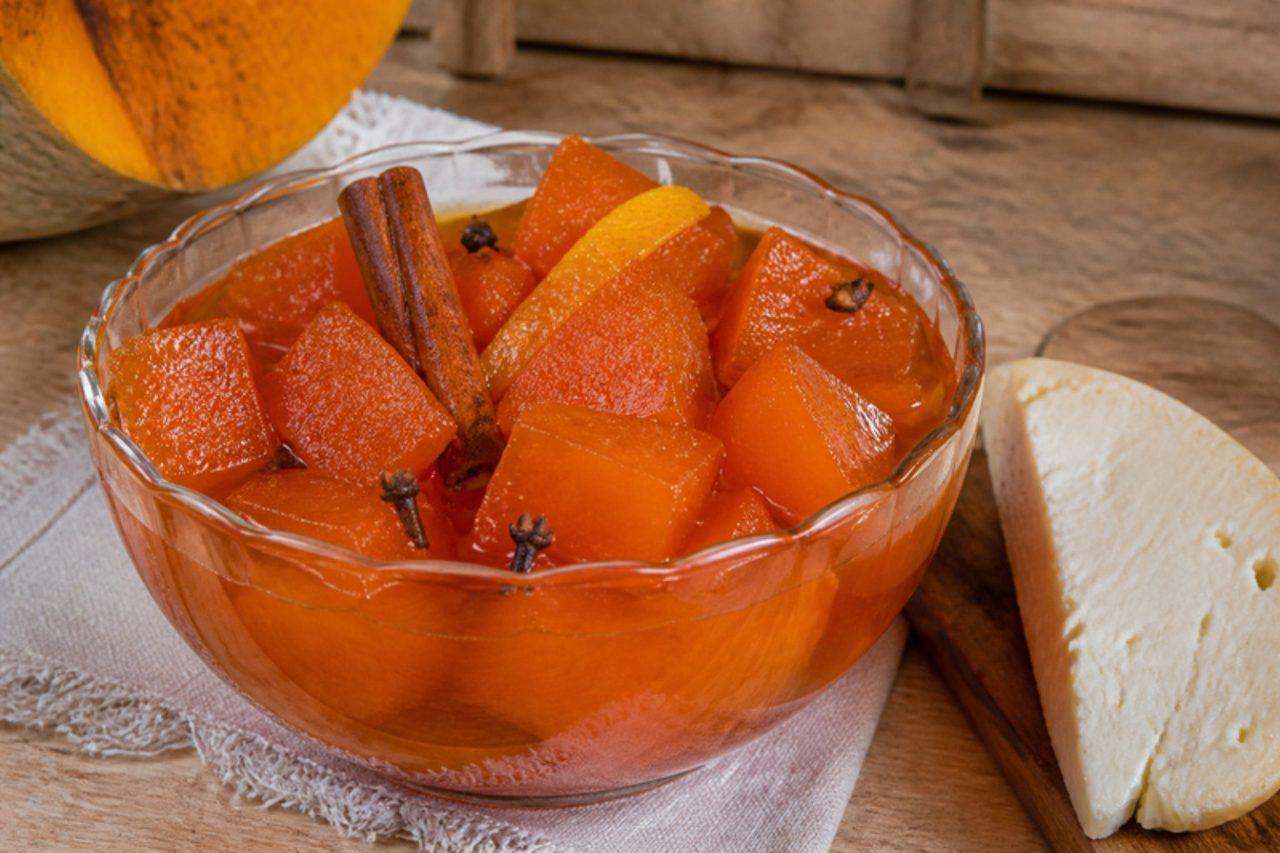
Zapallo en almíbarCandied squash

Across the Argentine countryside, when the autumn squash harvest piles up, cooks turn some of it into zapallo en almíbar: cubes of firm orange squash soaked briefly in slaked lime (cal) and then simmered in syrup until they are crisp-skinned outside and tender, almost translucent inside. Farm stalls in Córdoba and Santiago del Estero sell it in jars, and it is eaten as dessert with a slice of cheese, the same idea as postre vigilante. This home version skips the lime and uses a short sugar cure instead, which still keeps the pieces whole. It is vegan as written; serve it with vegan cheese or toasted walnuts to keep it that way. The mistake to avoid is stirring: the squash breaks into purée, so shake the pan instead. Chef's tip: use a dense, dry squash such as Crown Prince or butternut neck, and cook the syrup slowly; if it boils hard the outside candies before the centre softens.

by KrazyBadal 0 views

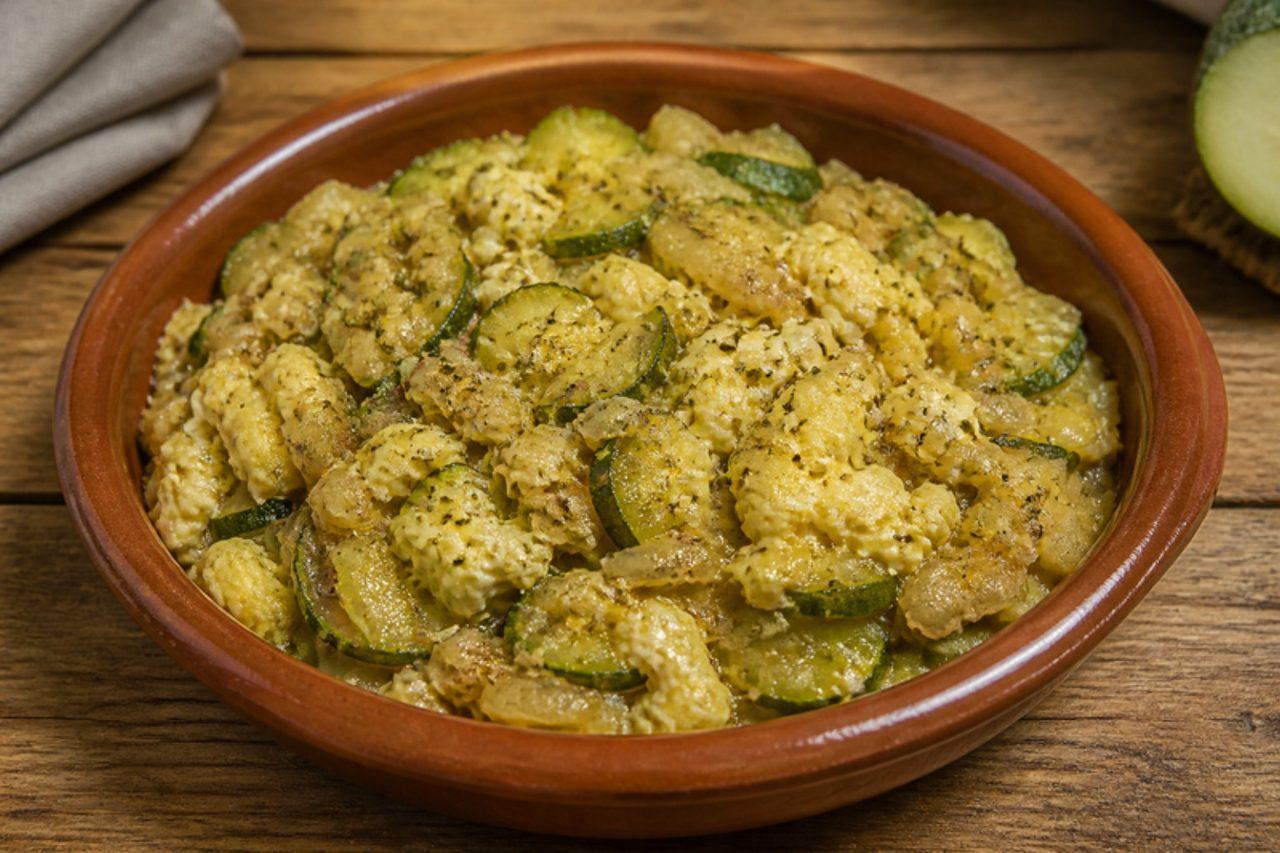
ZarangolloCourgette and onion with egg

Ask for a tapa in almost any bar in Murcia city and zarangollo will be on the counter in a clay dish, scooped onto bread or eaten with a fork. It comes from the huerta, the irrigated market gardens around the city, where courgettes pile up all summer: they are sliced thin with onion, stewed gently in olive oil until sweet and almost jammy, and then bound with beaten egg. Some families add a little potato, but courgette and onion are the heart of it. Chef's tip: slice the courgettes into thin half-moons so they melt quickly and evenly.

by KrazyBadal 0 views

ZarbPit-roasted lamb, chicken and vegetables

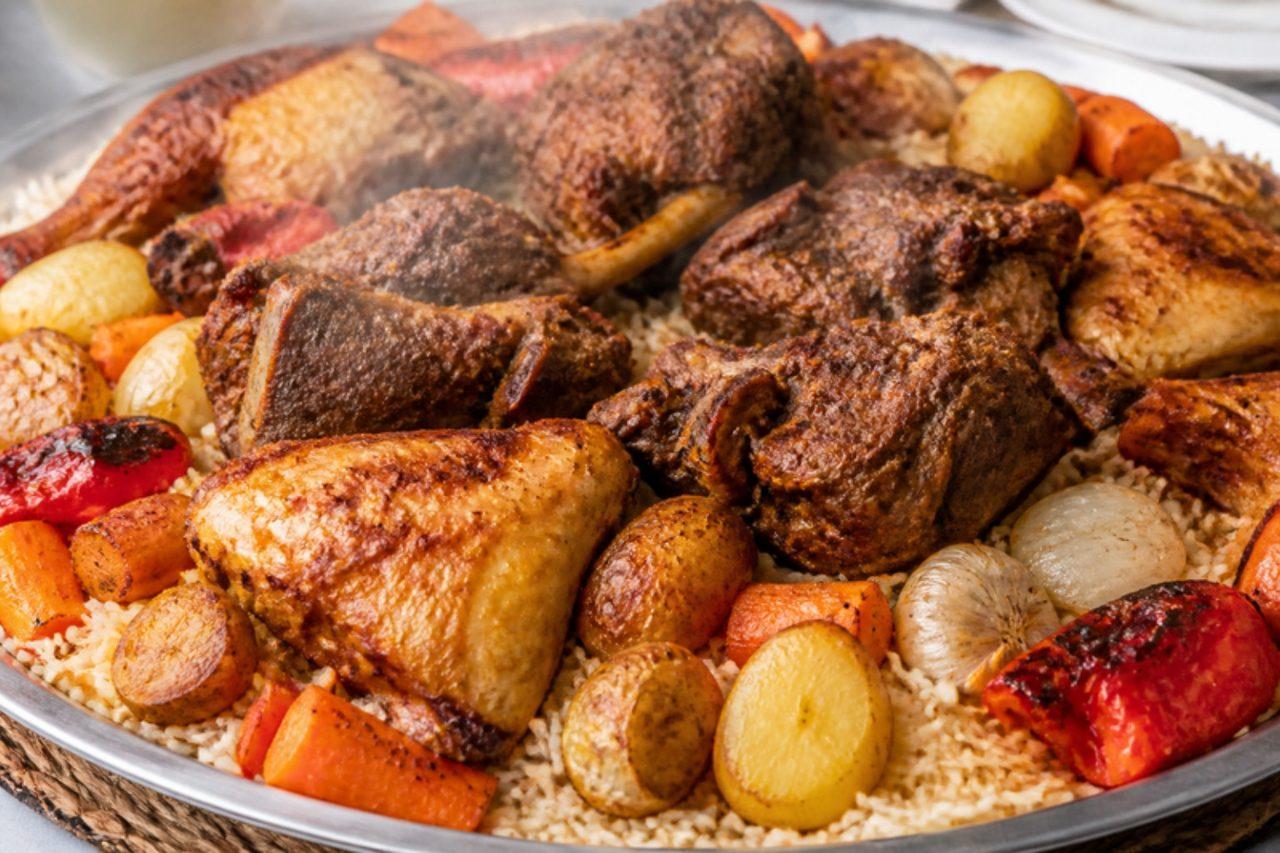
Visitors to the desert camps of Wadi Rum often watch the zarb come up from the sand at sunset: tiered racks of spiced lamb, chicken, potatoes and onions that have steamed for hours in a pit of embers, then lifted out smoky and falling apart. At home you get close with a deep roasting tin sealed tightly with foil, a long, low oven and a short blast of heat at the end. Serve it on a big platter over rice or with shrak, with yoghurt and a tomato salad. The mistake most people make is leaving gaps in the foil, so the steam escapes and the meat dries. Chef's tip: marinate overnight in the fridge and add a little smoked paprika to the spice mix; it brings back the taste of the pit.

by KrazyBadal 0 views

Zereshk polo ba morghBarberry rice with braised chicken

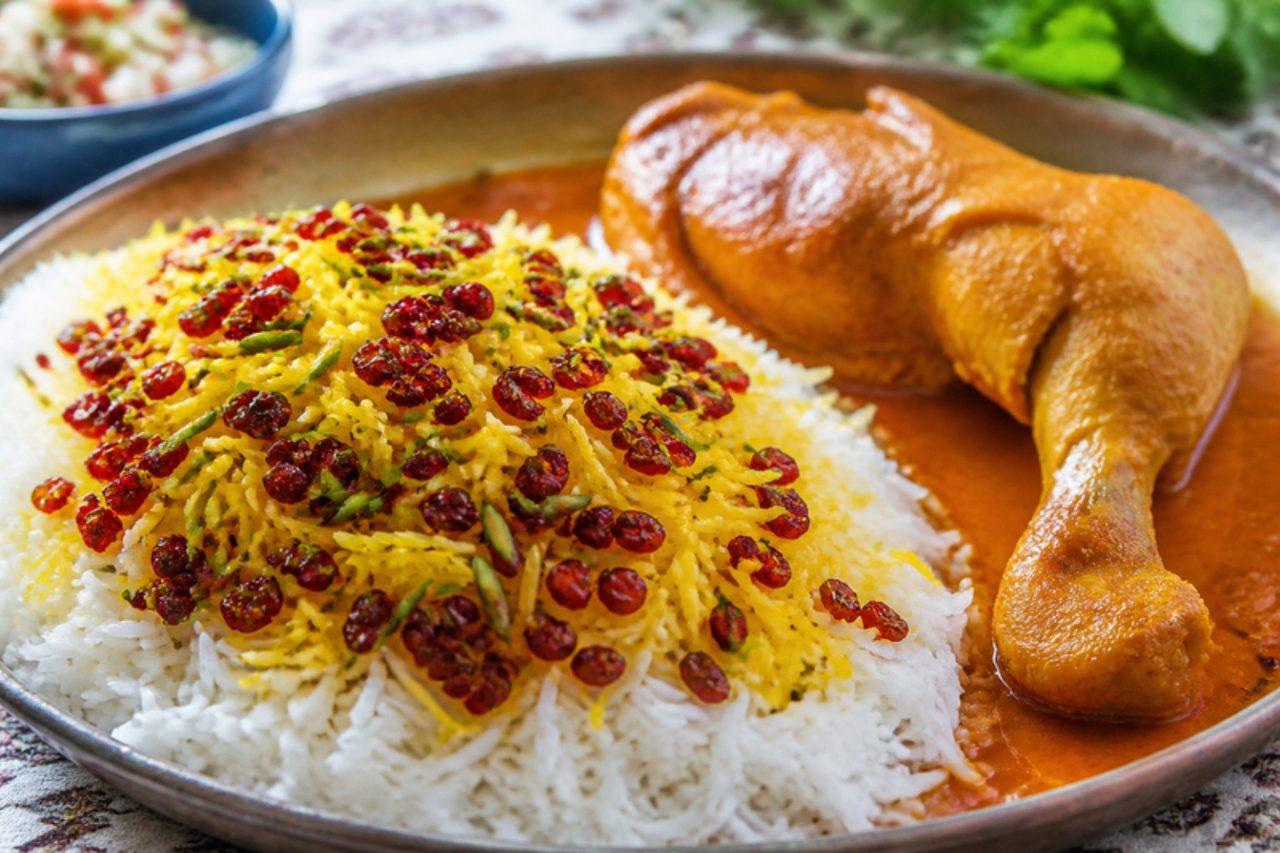
Zereshk polo ba morgh is the rice Iranians cook for guests, weddings and Friday lunches, and its tart red barberries come mostly from the orchards around Birjand in South Khorasan, where the berries are dried on rooftops in autumn. Fluffy steamed basmati is crowned with saffron rice and barberries fried briefly in butter with a little sugar, and served beside chicken braised slowly with onion, tomato and saffron until it is falling off the bone. A common mistake is frying the barberries for more than a minute or two; they burn fast and turn bitter. Chef's tip: sort the barberries on a white plate and remove any tiny stems or grit before soaking.

by KrazyBadal 0 views

Zeytinyağlı barbunyaBorlotti beans in olive oil

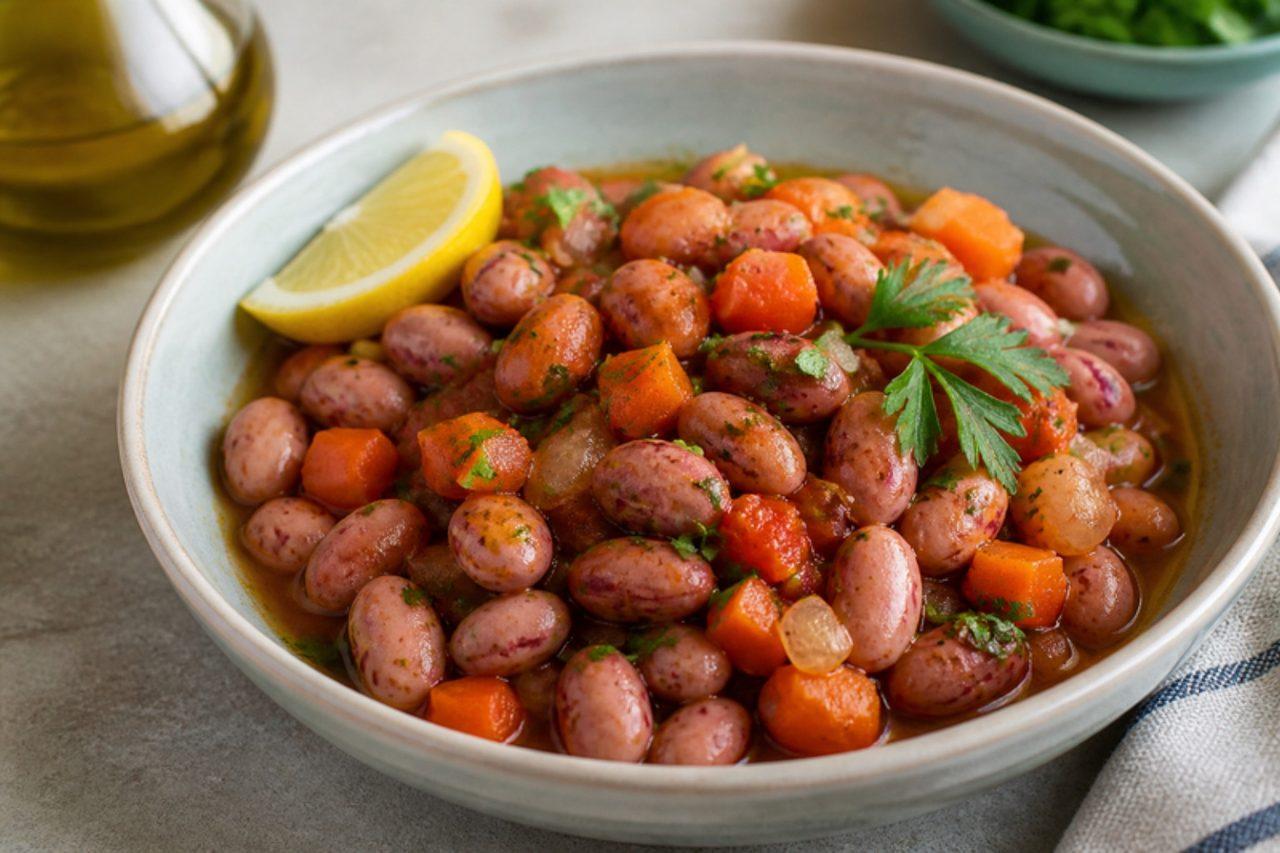
In Istanbul meyhanes and lokanta counters, the zeytinyağlı dishes are the cold olive-oil vegetables served at room temperature, and barbunya is one of the summer favourites when fresh borlotti appear in their speckled pink pods. The beans are braised slowly with onion, carrot, tomato and a little sugar until creamy, then left to cool in their glossy sauce and finished with parsley and lemon. Serve with crusty bread as a meze or a light lunch. Chef's tip: add the salt only once the beans are tender; salting at the start keeps the skins tough.

by KrazyBadal 0 views

Zeytinyağlı kerevizCeleriac braised in olive oil

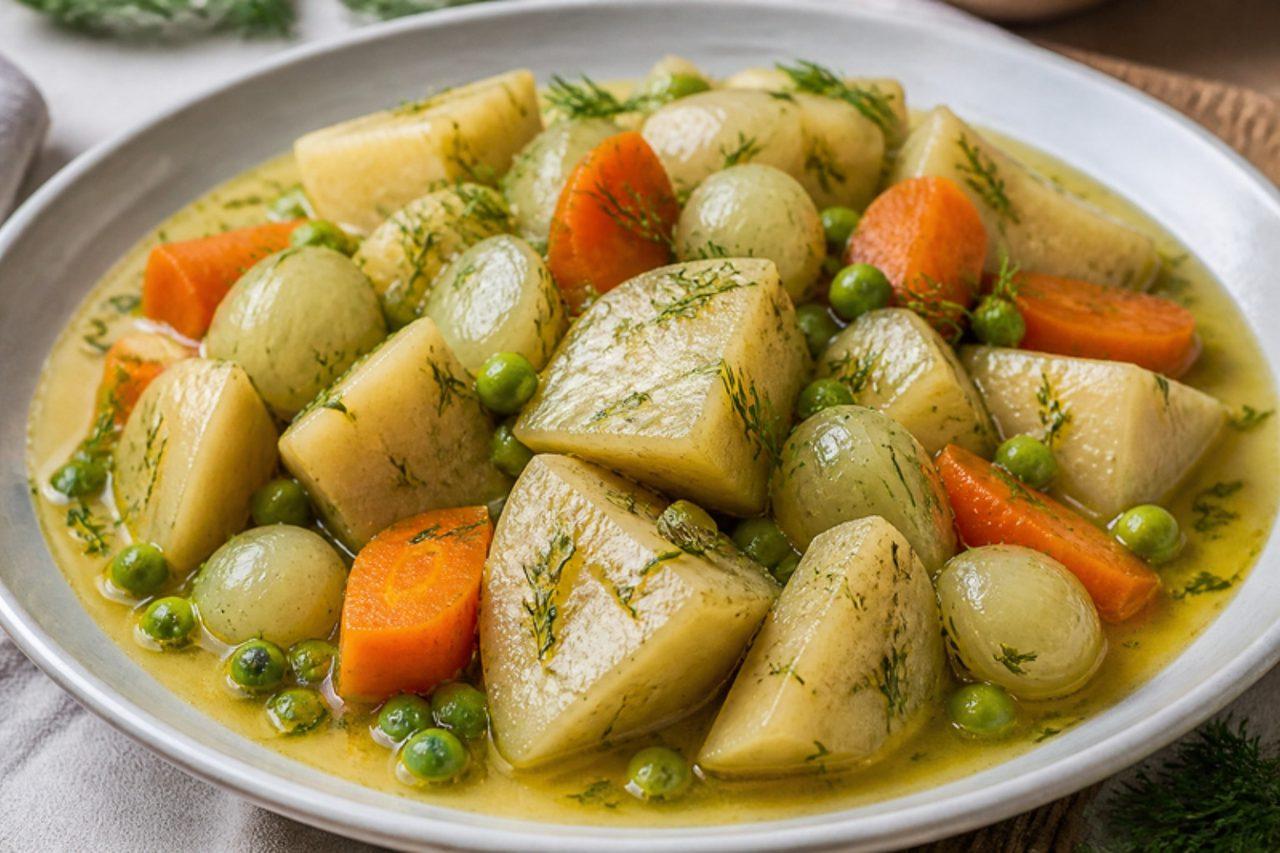
When celeriac fills the Kadıköy market stalls in winter, Istanbul home cooks braise thick slices of it in olive oil with orange juice, carrots and baby onions, then serve it cold the next day as a starter. The root turns silky and sweet, the orange gives it a bright, almost marmalade edge, and a little dill keeps it fresh. It sits happily on a meze table or alongside a bowl of lentil soup. Chef's tip: drop the cut celeriac straight into lemon water, otherwise it greys within minutes and never looks as good on the plate.

by KrazyBadal 0 views

Zeytinyağlı taze baklaBroad beans in olive oil

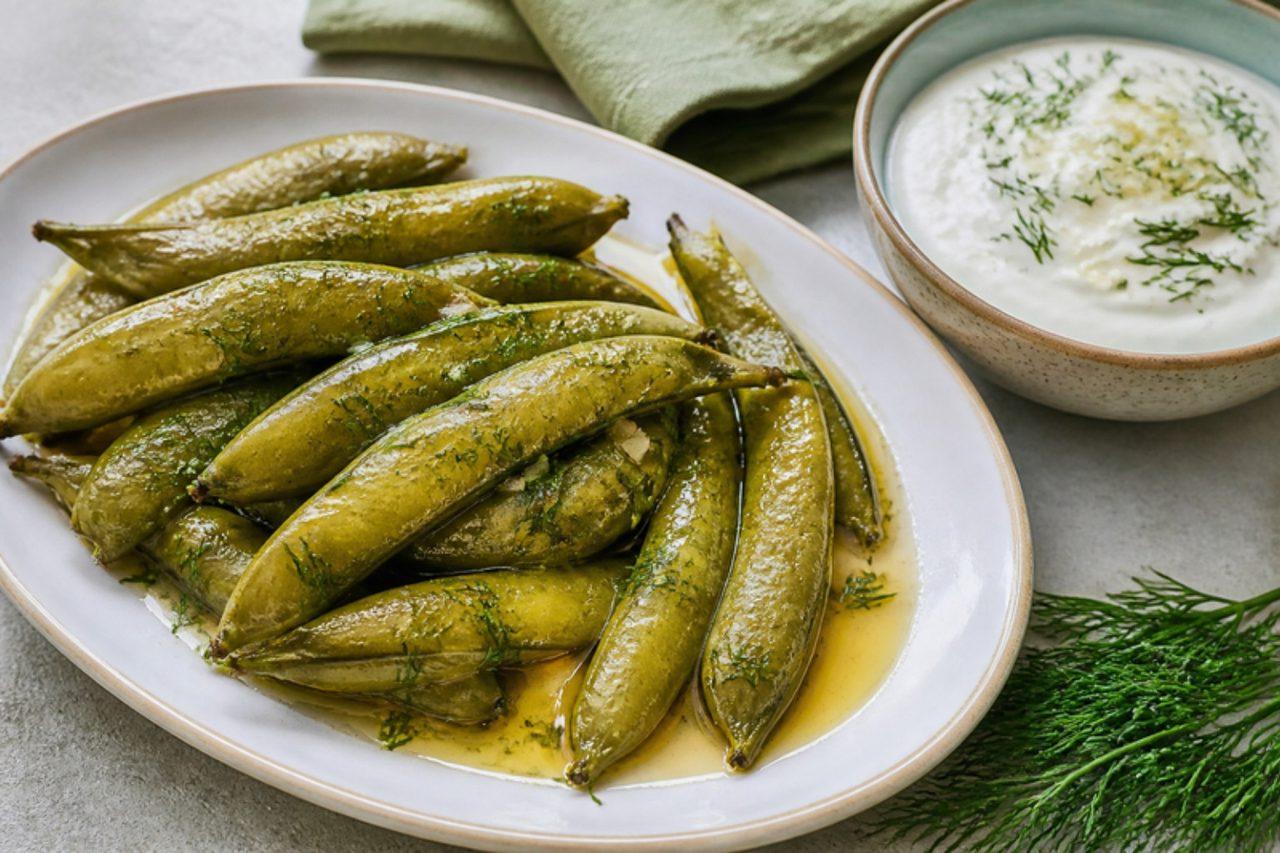
In April, when the first tender broad beans arrive in İzmir's markets, Aegean cooks braise them whole, pods and all, with onion, dill and olive oil, and serve them cold under a blanket of garlic yoghurt. The pods turn silky and slightly sweet, nothing like the tough shells of older beans. It is one of the true markers of spring on the coast. Chef's tip: rub the pods with lemon and a little flour before cooking; it keeps them green and stops them blackening as they braise.

by KrazyBadal 0 views

Showing 9 of 7,762 recipes

Show more recipes

Page 561 of 863