Skip to content
Sanga
Featured recipe

Sanga

Corn and greens in palm cream

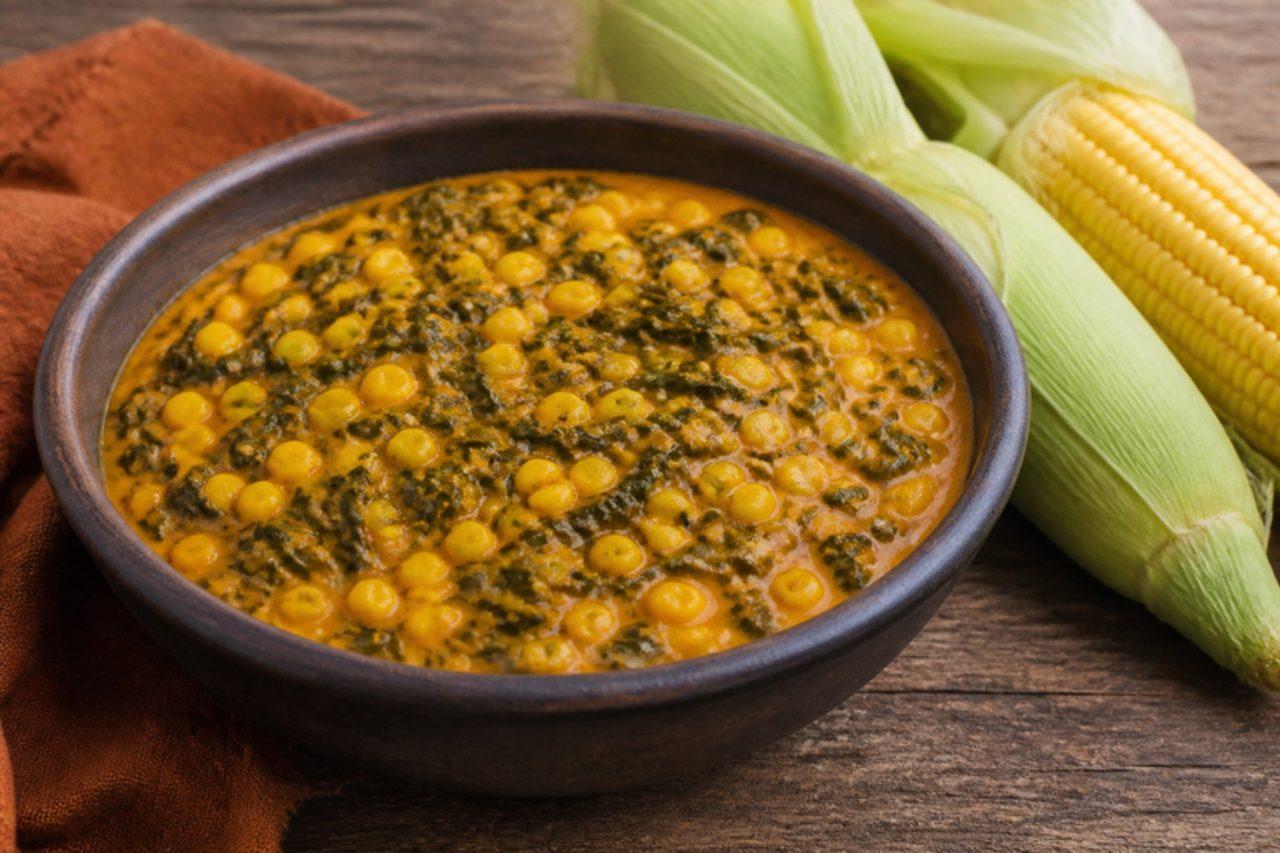
Sanga is a home dish of the Beti people around Yaoundé in the Centre region of Cameroon, made in the maize season: young corn is grated off the cob and cooked with finely shredded njama njama (huckleberry leaves) and the orange pulp pressed from palm nuts. It is eaten warm from a bowl, sometimes with a little sugar stirred in. Spinach and tinned palm nut concentrate make a good version abroad. Chef's tip: grate the kernels off the cob rather than slicing them; the milky pulp is what thickens sanga.

Read more 0 views

What to eat today?

Around the world

Today's trip: Persian

A new country every day, from every cuisine on the site.

Persian

Dizi

Lamb and chickpea stew 245 minMore from Persian (131) →

This week's collection

Kid-friendly dinners
537 recipes · a new collection every Monday

Latest recipes

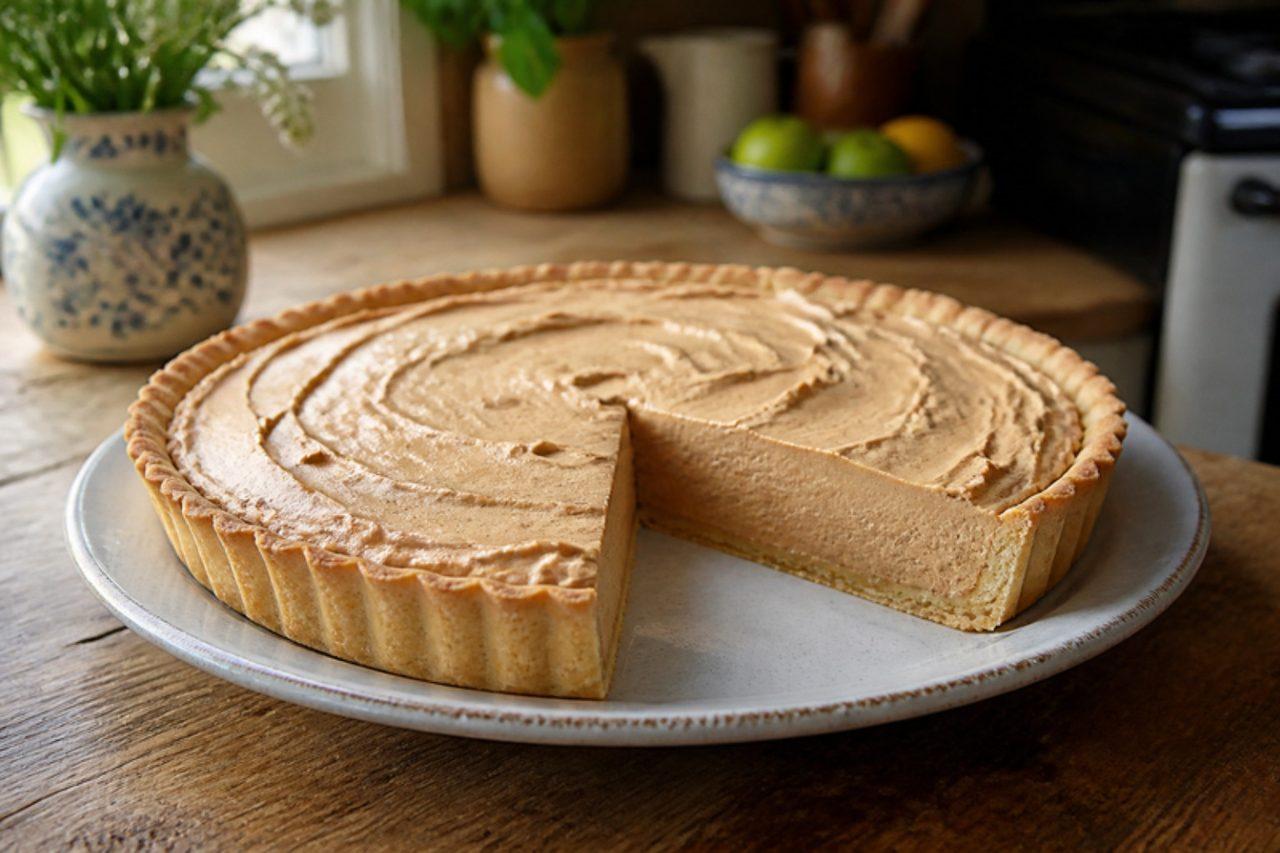
Kentish gypsy tartEvaporated milk and muscovado tart

Gypsy tart is the school-dinner pudding of Kent, remembered fondly by anyone who grew up in Margate, Maidstone or the Medway towns. Evaporated milk is whisked with dark muscovado sugar until it doubles into a toffee-coloured mousse, poured into a pastry case and baked just long enough to set into a fluffy, sticky, intensely sweet filling. Chef's tip: chill the evaporated milk overnight; cold milk whips up much more volume.

by KrazyBadal 0 views

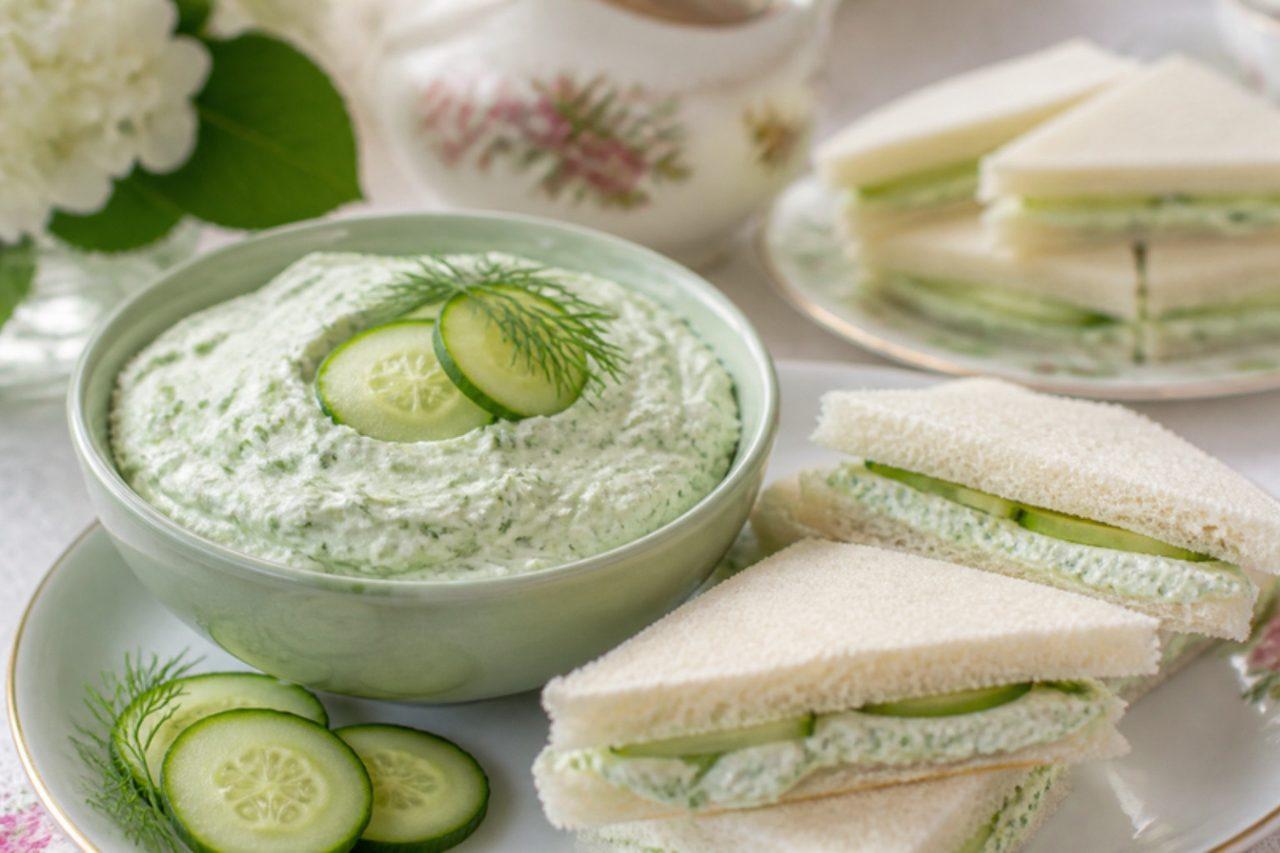
Kentucky Benedictine spreadCucumber and cream cheese spread

Benedictine was created by Louisville caterer Jennie Benedict around 1900 and is still spread on crustless tea sandwiches at Kentucky Derby parties and church luncheons all over the state. Grated cucumber and onion are squeezed dry and beaten into cream cheese, so the spread is cool, fresh and mildly oniony, traditionally tinted the palest green. Serve on white bread or as a dip with crackers and celery. Chef's tip: squeeze the cucumber in a clean tea towel until no more drips come out; wet cucumber makes it runny.

by KrazyBadal 0 views

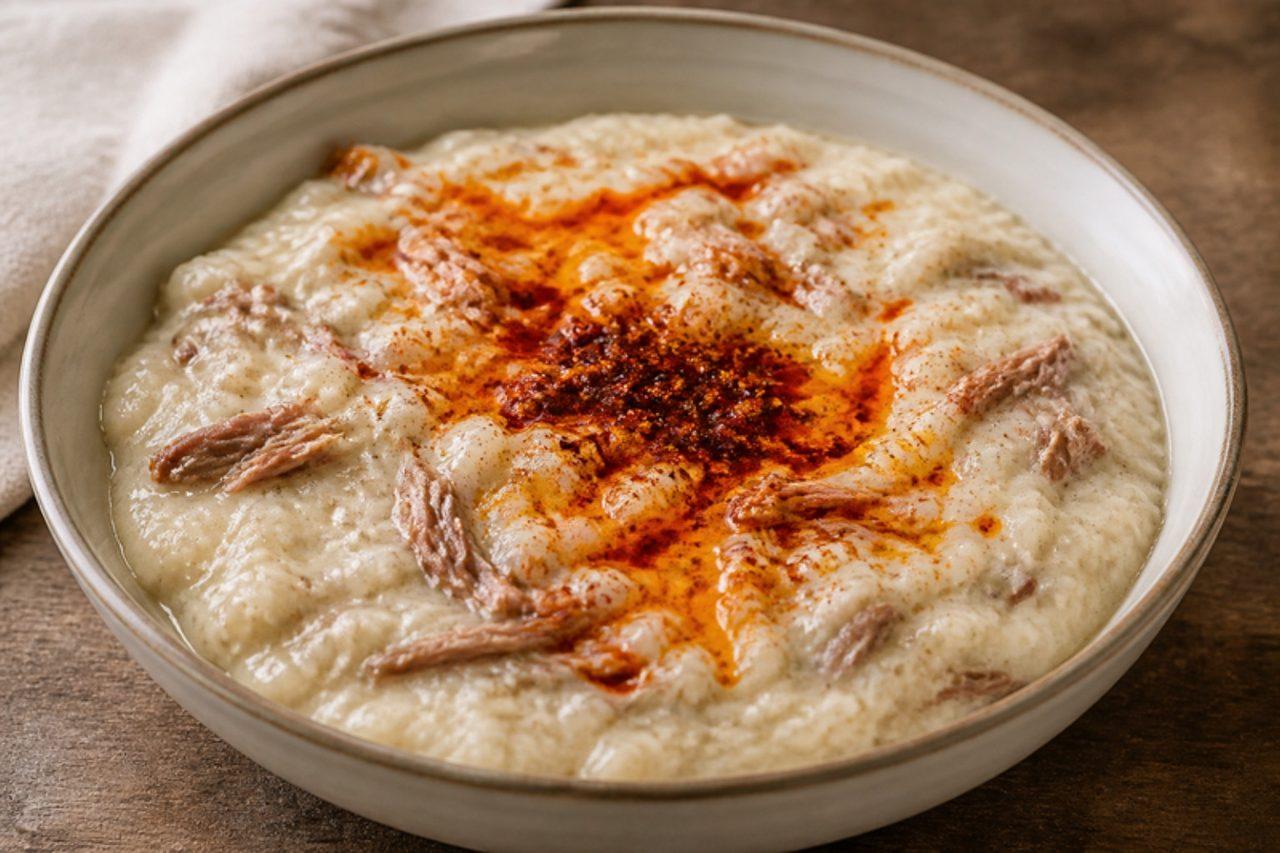
KeşkekWheat and lamb porridge

Keşkek is cooked in huge cauldrons for weddings, circumcision feasts and religious holidays across Central Anatolia, from Çorum to Sivas, while villagers take turns beating it with long wooden paddles. Whole wheat and lamb on the bone simmer together for hours until the meat falls apart, then everything is beaten into a thick, stretchy porridge and topped with sizzling butter and chilli. Its tradition is listed by UNESCO as intangible heritage. Common mistake: skimping on the beating; vigorous mashing is what turns it from grainy stew into a smooth, elastic keşkek. Chef's tip: a potato masher followed by a wooden spoon does the job at home; beat in hot broth a ladle at a time if it gets stiff.

200 minTurkishMeat
by KrazyBadal 0 views

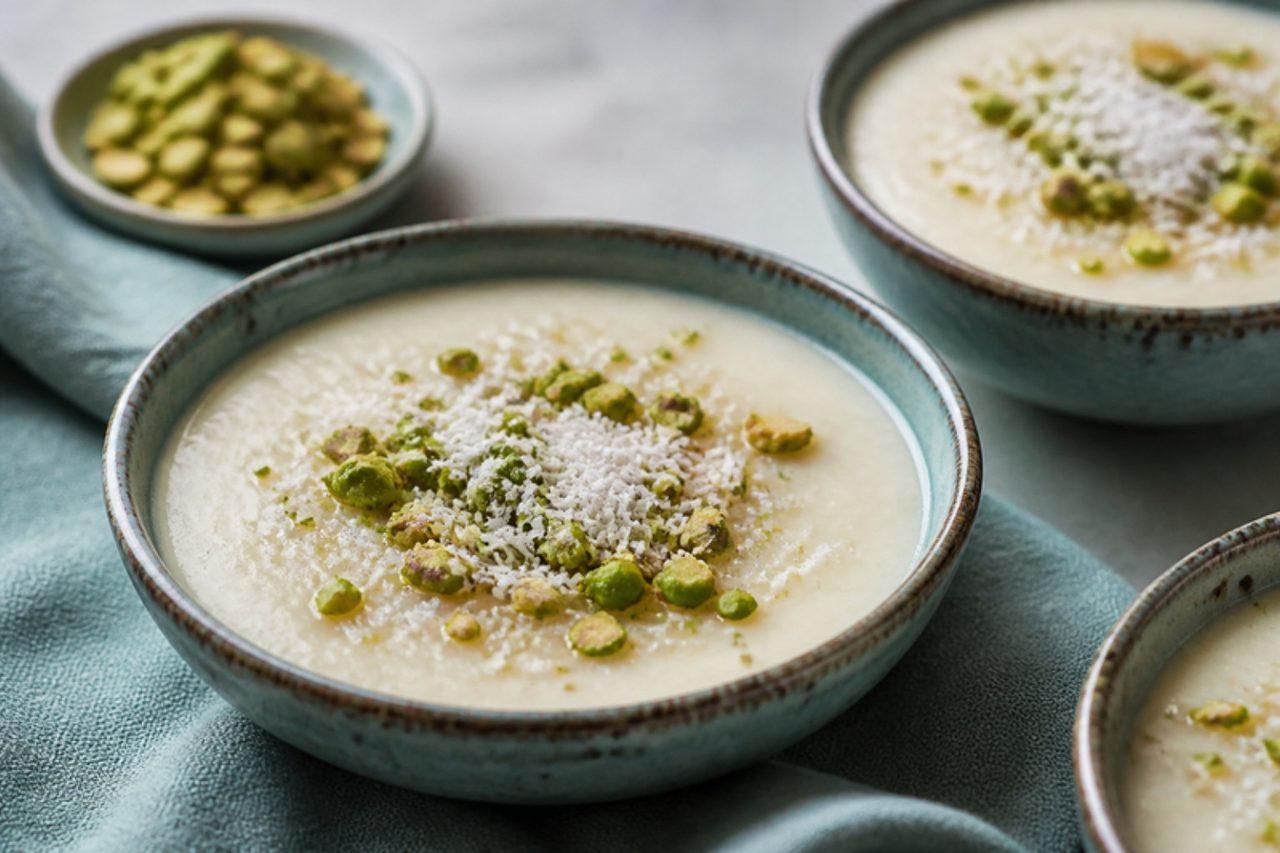
KeşkülAlmond milk pudding

Keşkül takes its name from the bowl that wandering dervishes carried for alms, and it has been on Istanbul pudding-shop counters (muhallebici) since Ottoman times. Ground almonds simmered in milk give it a delicate nutty flavour and a faint grain, set with a little rice flour and cornflour into a soft, spoonable pudding. Turks eat it chilled as an afternoon treat or after a light supper, topped with pistachio and desiccated coconut. The usual mistake is stopping the whisking as it thickens; it catches on the base and tastes scorched. Chef's tip: steep the ground almonds in the warm milk for 15 minutes before you start cooking for a much deeper almond flavour.

by KrazyBadal 0 views

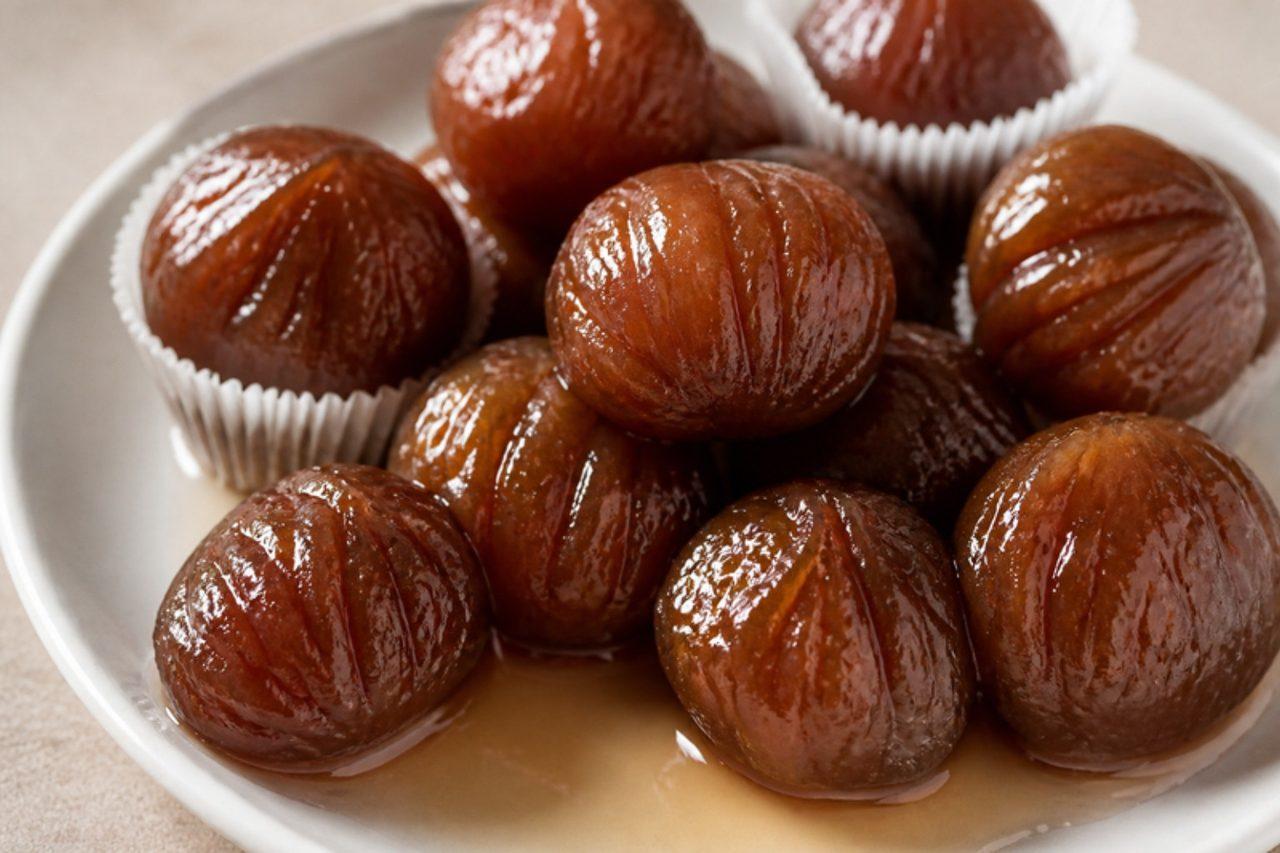
Kestane şekeriCandied chestnuts

Bursa sits beneath the chestnut forests of Uludağ, and every sweet shop in the old covered market sells kestane şekeri in neat gold boxes, especially as gifts in autumn and at the new year. Peeled chestnuts are poached and then candied over several days in a vanilla syrup until they turn dense, glossy and tender right through. It takes patience rather than skill. Chef's tip: wrap each chestnut in a square of muslin before poaching; it holds the fragile nuts together through the repeated syrup baths.

by KrazyBadal 0 views

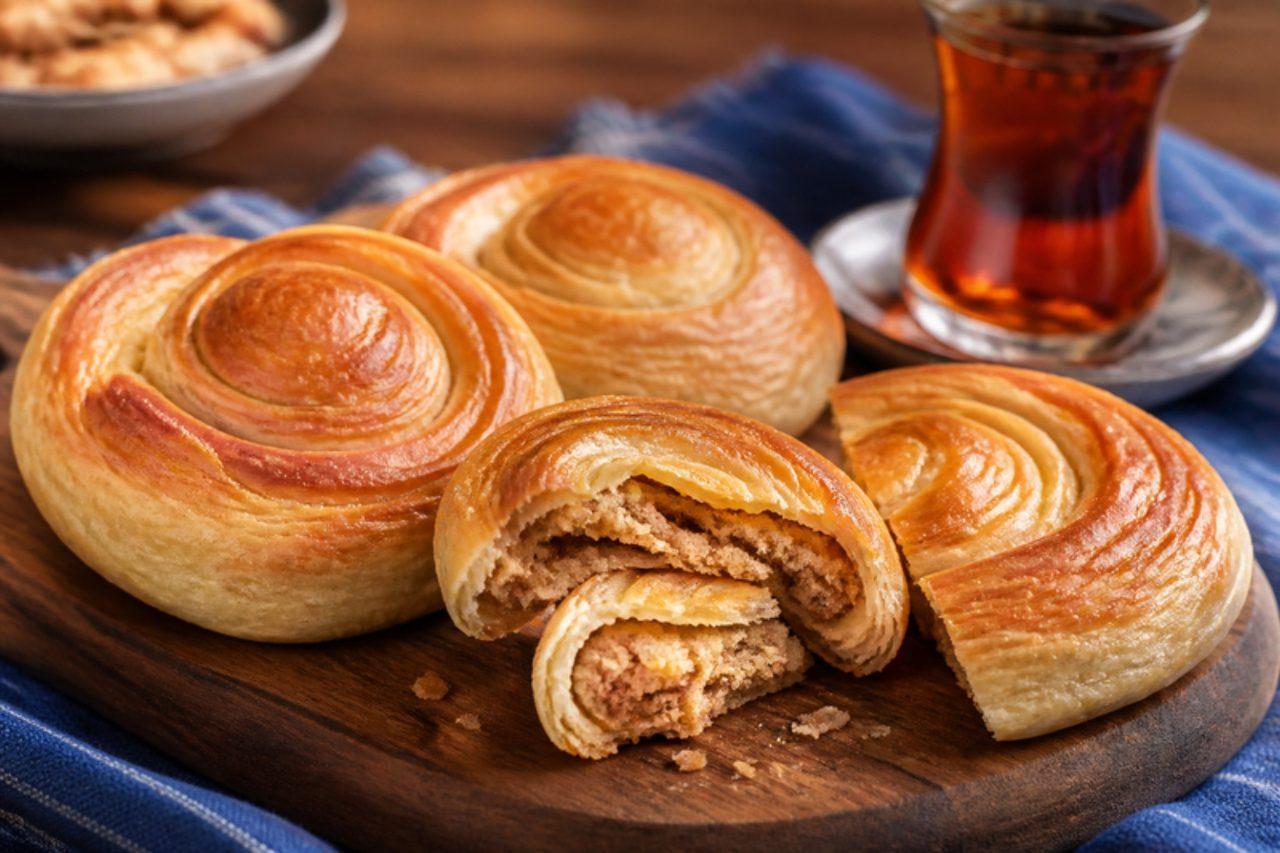
KeteToasted flour butter rolls

Bakeries in Erzurum and Kars sell kete by the dozen for breakfast and long bus journeys: soft yeasted rolls coiled around a filling of flour toasted in butter until it smells of biscuits. Inside, the layers turn flaky and tender, and the crust is glazed with egg and sesame. They are eaten with strong tea, white cheese and olives, and keep well for a few days. Common mistake: under-toasting the flour for the filling; it should go a pale sandy gold and smell nutty, or the centre tastes raw. Chef's tip: roll the dough thin before spreading the filling and coiling it; thin layers bake into the flaky swirl that makes kete special.

by KrazyBadal 0 views

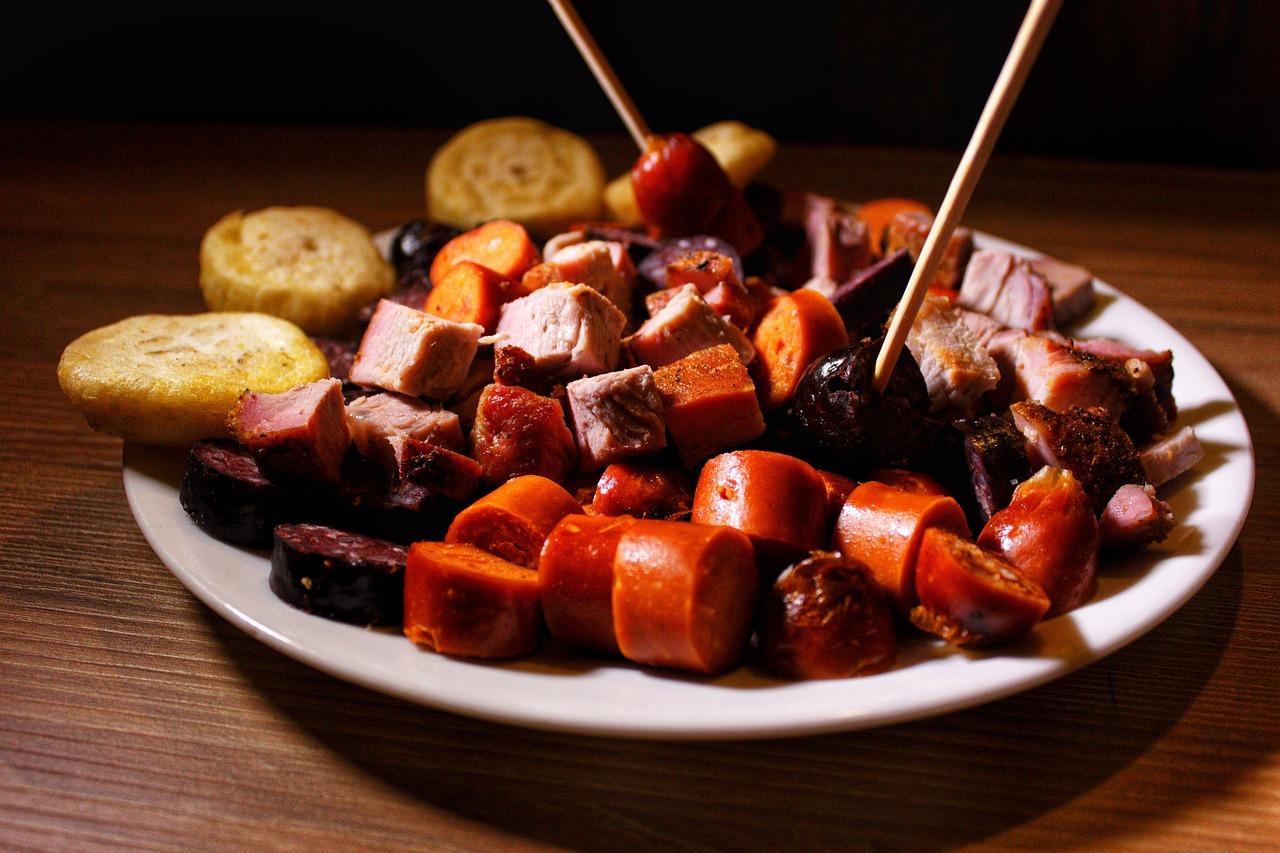
FritangaMixed fried pork and sausage platter

Weekend fritanga is Bogotá's answer to a mixed grill, eaten standing at counters in the Siete de Agosto and Restrepo neighbourhoods or brought home on a big tray to share. Everything is pork or fried: chicharrón of pork belly with a blistered, crunchy skin, juicy pork chorizos, slices of rice-filled morcilla (blood sausage), little papa criolla potatoes, sweet plantain and griddled arepas, all eaten with fingers or toothpicks and dipped in sharp, watery ají. A fritanga is about contrast, so don't drown it in sauces: the lime and ají cut the richness. The common error is frying the belly straight from raw; it needs to cook gently in water first, which renders the fat and tenderises the meat before the skin crisps in its own drippings. Chef's tip: buy morcilla and chorizo from a Latin butcher and check the labels if you need the platter gluten free, as some sausages contain wheat.

by KrazyBadal 0 views

LechonaRoast pork with rice and peas

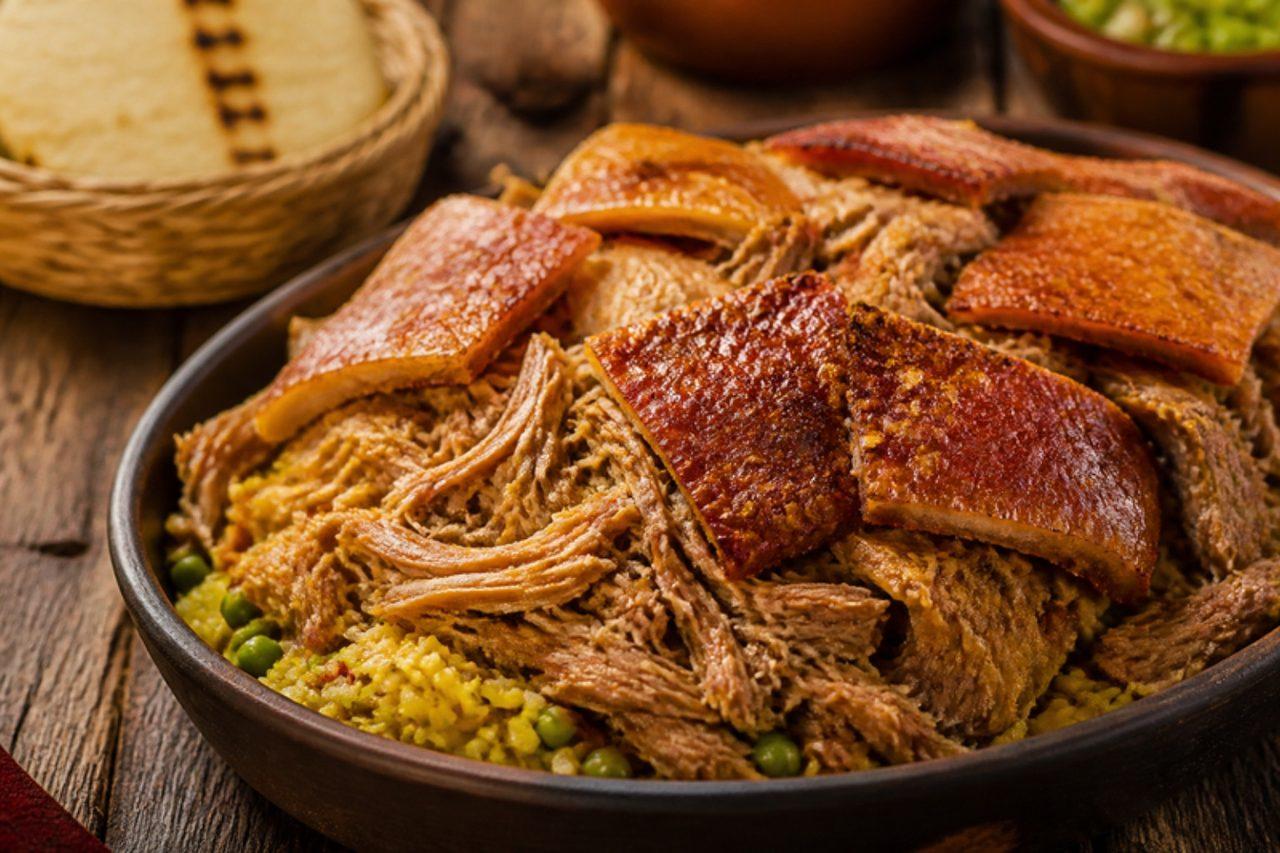
Christmas, birthdays and town fiestas across Tolima and Bogotá call for lechona: a whole pig, boned, stuffed with its own meat, yellow peas and, in the Bogotá style, rice, then roasted for hours in a wood or brick oven until the skin turns to a glassy crackling. Purists in Ibagué leave the rice out. Few home kitchens fit a pig, so this oven version builds the same thing in a deep roasting tin: cubes of pork shoulder seasoned with spring onion, garlic and cumin, mixed with peas and part-cooked rice, under a blanket of skin-on pork belly. The filling soaks up the dripping pork fat; the top crackles. Serve with insulsos (plain sweet corn tamales) or arepas and lime. Start a day ahead to marinate the meat and dry the skin, plus overnight soaking for the peas. Most failed crackling comes from wet skin, so dry it uncovered in the fridge and salt it well. Chef's tip: score the belly skin closely with a very sharp blade but don't cut into the meat, or the juices bubble up and soften the crust.

by KrazyBadal 0 views

Tamal tolimenseBanana-leaf pork and chicken tamal

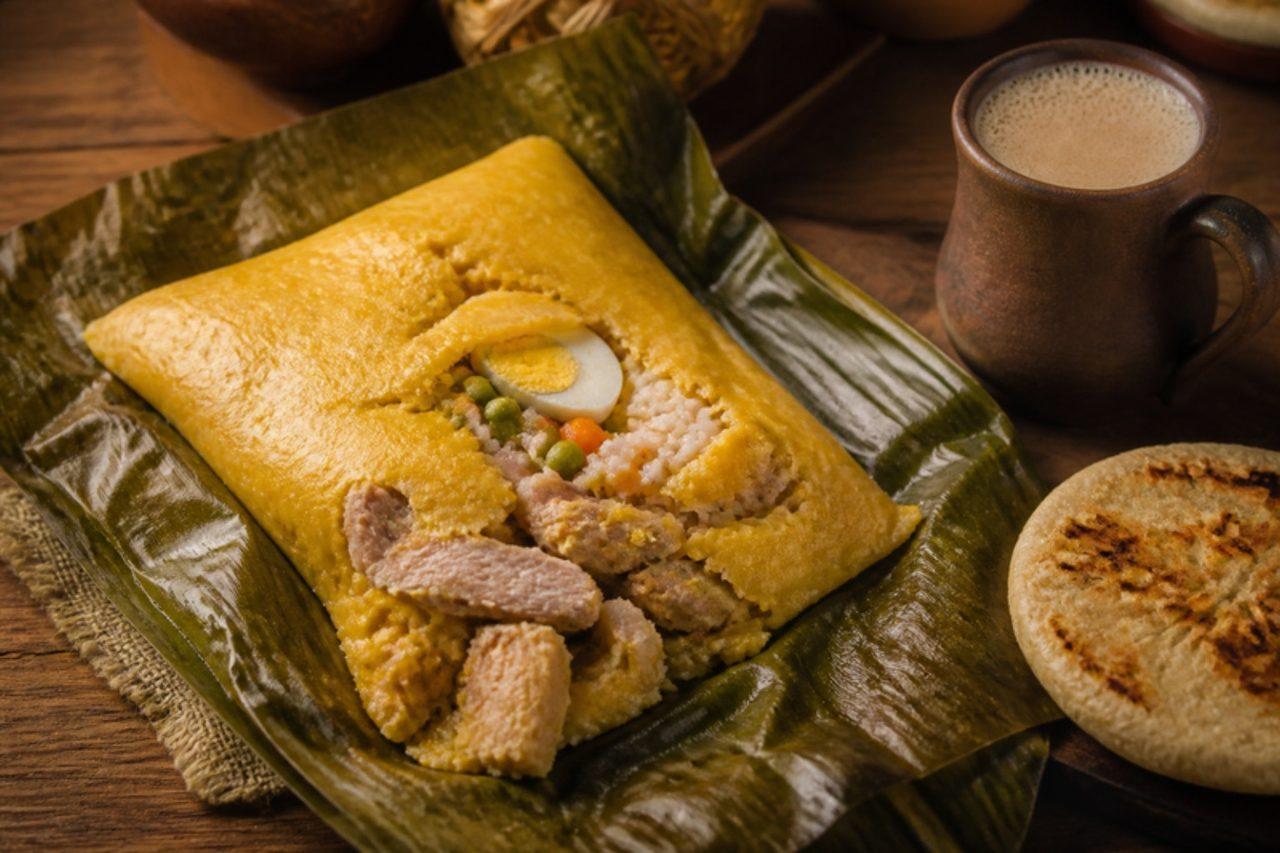
Ibagué and the towns of Tolima make the most generous tamal in Colombia, and on Sunday mornings it is unwrapped at the table with hot chocolate, a slab of bread or arepa and a cup of black coffee. Inside the double banana-leaf wrapping sits a soft, achiote-tinted corn dough layered with rice, yellow peas, carrot, potato, a hard-boiled egg and chunks of pork rib, pork belly and chicken that cook through during the long steam. Expect a savoury, moist parcel that smells of the leaves; plus overnight soaking for the dried peas and marinating the meat. It is weekend project food, best made with friends on a production line. A frequent failure is a loose wrap: water gets in and the dough turns soggy, so fold tightly and tie firmly in a cross. Chef's tip: steam a test tamal first or check one after 3 hours; the meat inside must be cooked through, and if the dough still sticks to the leaf, give the batch 20 minutes more.

by KrazyBadal 0 views

Showing 9 of 7,762 recipes

Show more recipes

Page 562 of 863