


Skip to content
Sabzi khordan
Featured recipe

Sabzi khordan

Fresh herb and cheese platter

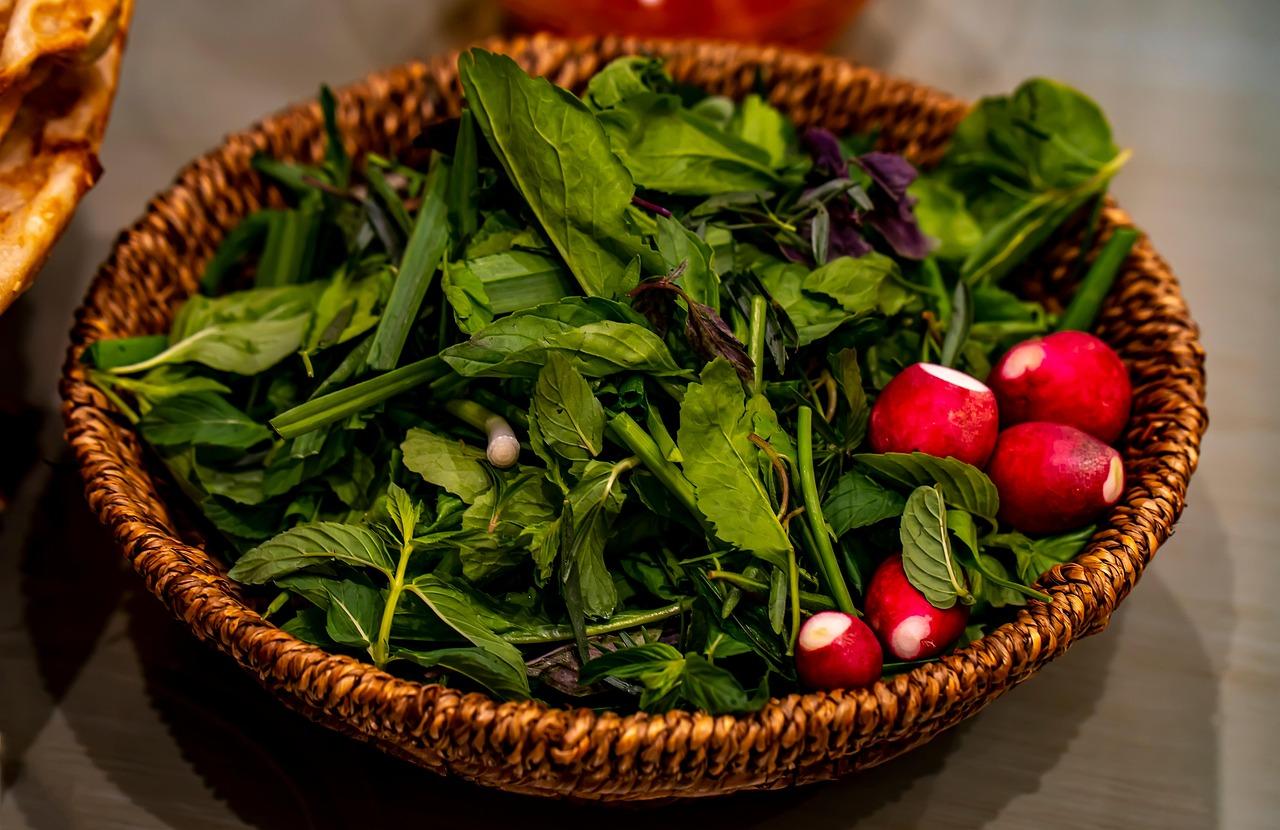
No Tehran dinner table is complete without sabzi khordan, literally 'herbs for eating': a basket or plate of whole sprigs of basil, mint, tarragon, chives and coriander with radishes, spring onions, walnuts and a block of white cheese. People tear off bread, add a little cheese and a walnut, then stuff in a few leaves, eating between mouthfuls of stew or rice. The mistake most people make is serving the herbs wet or limp; they should be crisp, dry and cold. Traditional Iranian white cheese is set with animal rennet, so choose a feta labelled vegetarian (microbial rennet) if that matters to you. Chef's tip: wash the herbs an hour ahead, spin them dry and chill them wrapped in a damp tea towel so they stay perky on the table.

Read more 0 views

What to eat today?

Around the world

Today's trip: Persian

A new country every day, from every cuisine on the site.

Persian

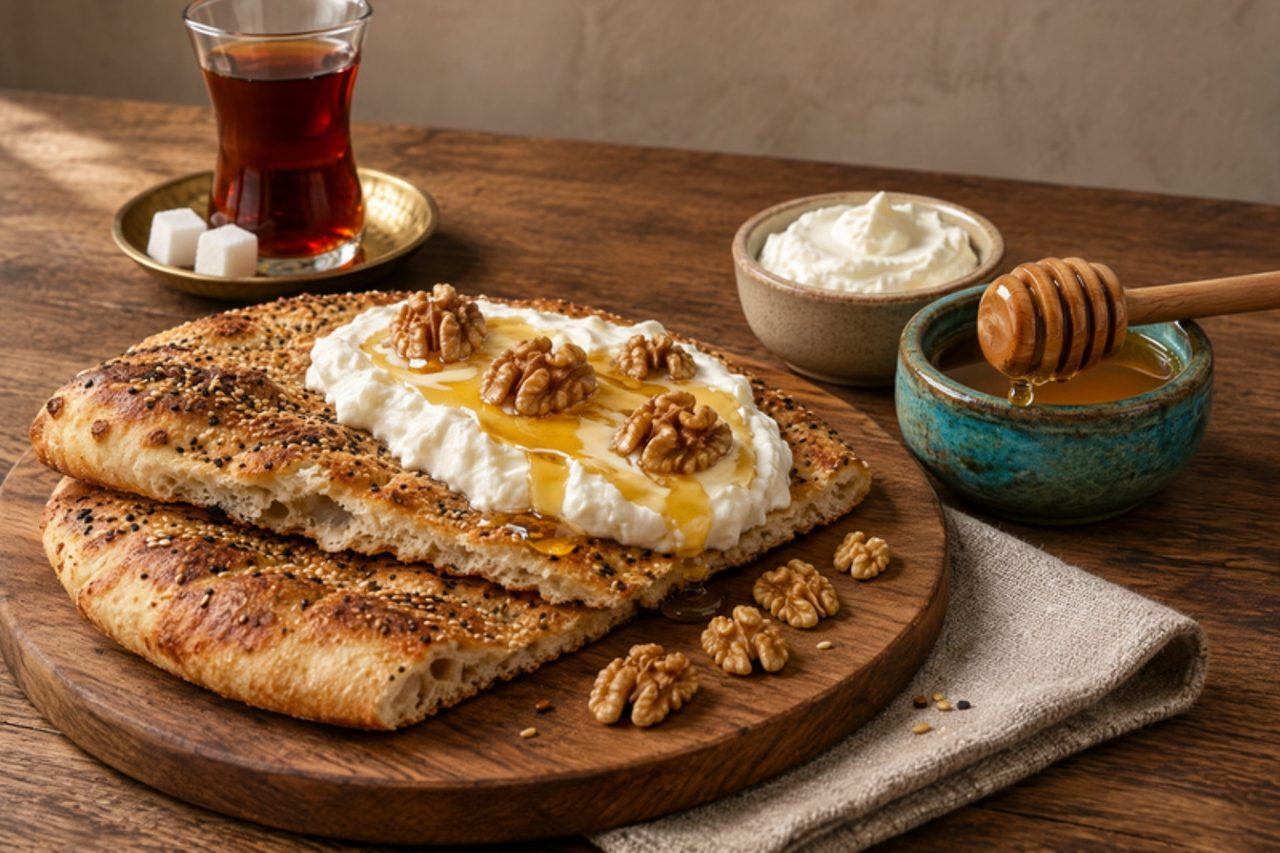
Asal-o-khameh

Clotted cream and honey on flatbread 8 minMore from Persian (131) →

This week's collection

Kid-friendly dinners
541 recipes · a new collection every Monday

Latest recipes

Mojo verdeGreen coriander and garlic sauce

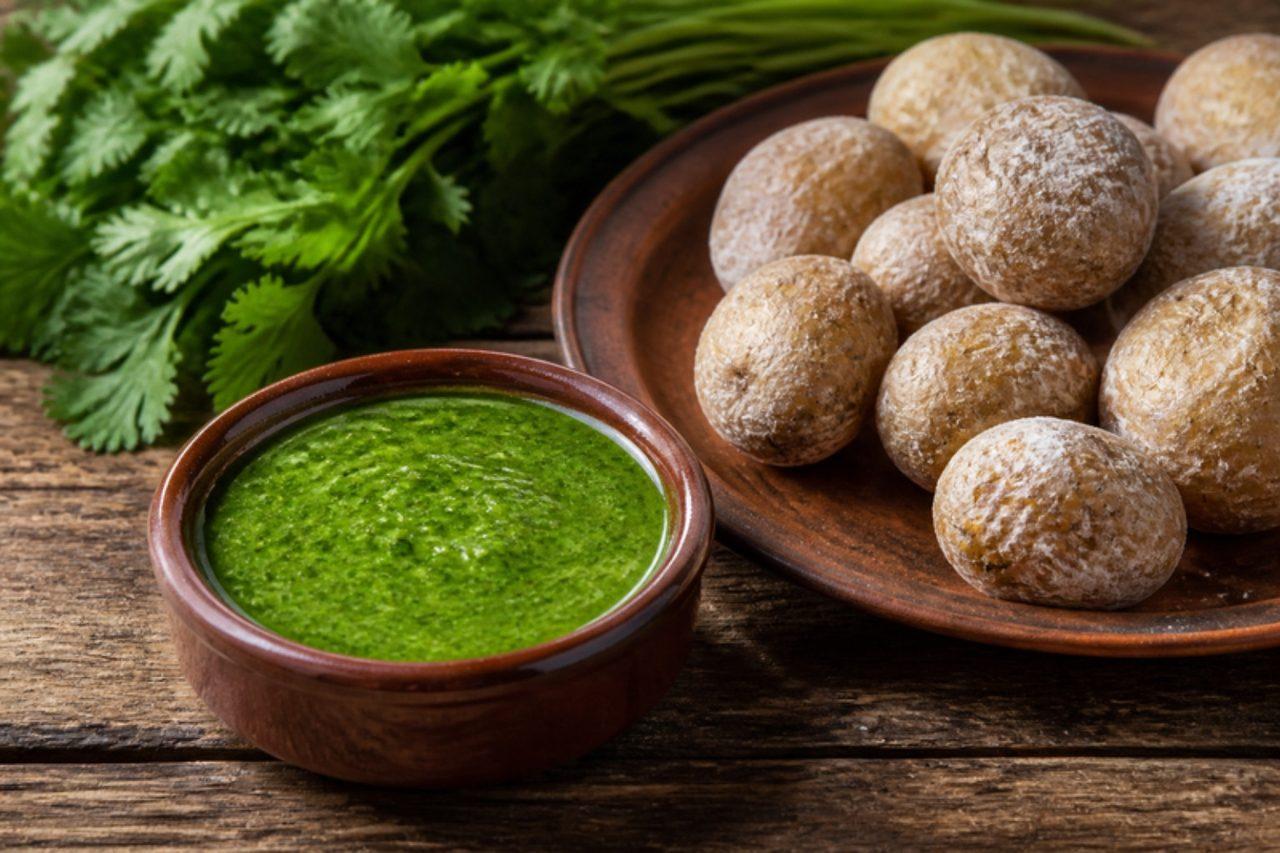
Green mojo is the cooler partner to red mojo picón on every Canarian table, the sauce that goes with grilled fish at harbour restaurants in Puerto de Mogán and La Restinga, with papas arrugadas, and with fried goat cheese. Fresh coriander and green pepper are pounded with garlic and cumin, then sharpened with vinegar and loosened with olive oil into a bright, grassy sauce. Some islands use parsley instead of coriander. It keeps for three or four days in the fridge. Chef's tip: add the oil slowly while you stir, so the sauce emulsifies into a thick, creamy green rather than splitting into herbs floating in oil.

by KrazyBadal 0 views
MarinerasRussian salad and anchovy bread rings

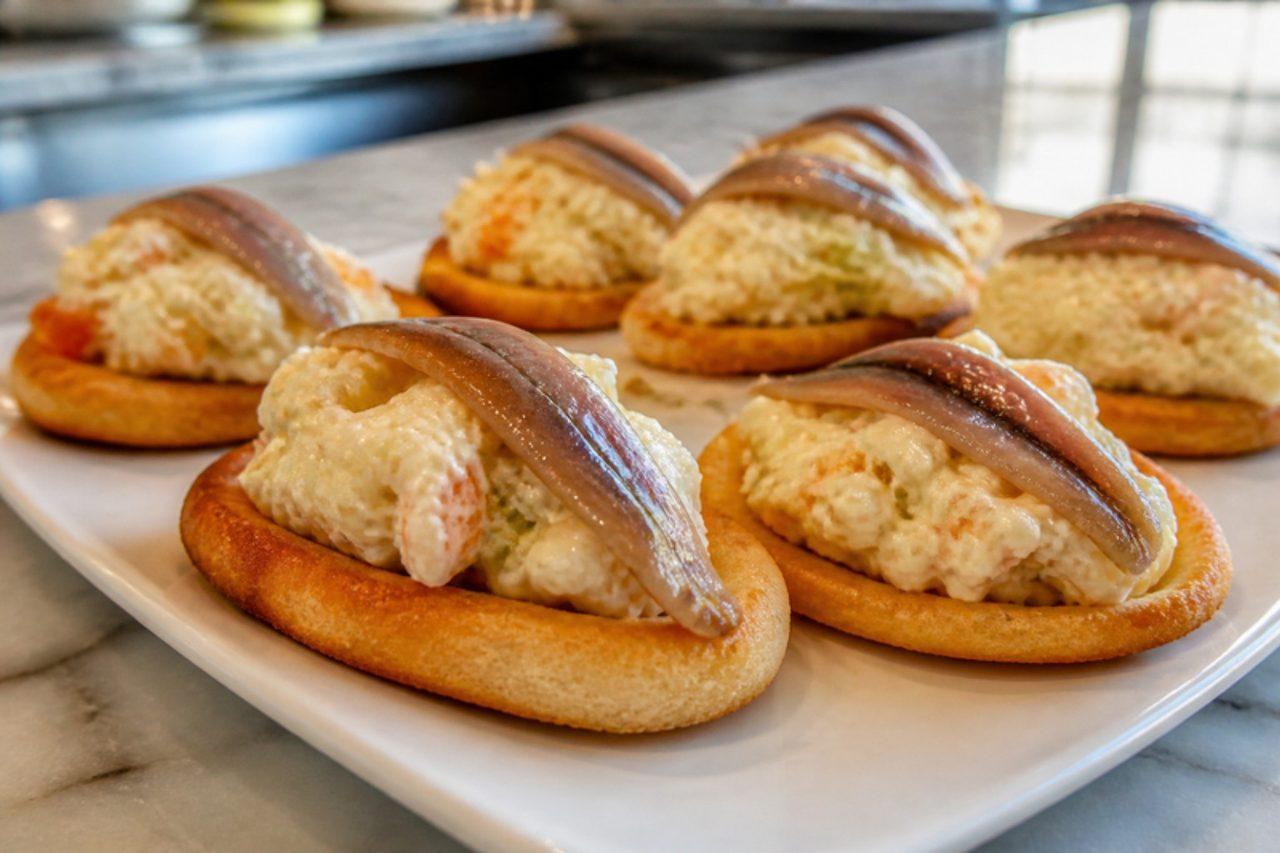
No pre-lunch drink in Murcia is complete without a marinera: a crunchy ring-shaped breadstick, the rosquilla, piled with ensaladilla rusa (potato, carrot and peas in mayonnaise) and crowned with an anchovy. Bar counters in the city line them up from midday, alongside the marinero, topped with a vinegar-cured fresh anchovy, and the bicicleta, which has no fish at all. This version uses salted anchovy fillets in oil and shop-bought mayonnaise, which is made with pasteurised egg. If you use vinegar-cured fresh anchovies instead, they are raw fish: buy them frozen first, and they are not for pregnant women, young children or anyone with a weakened immune system. Chef's tip: assemble them at the last moment so the rings stay crunchy.

by KrazyBadal 0 views

KatehSoft buttery rice

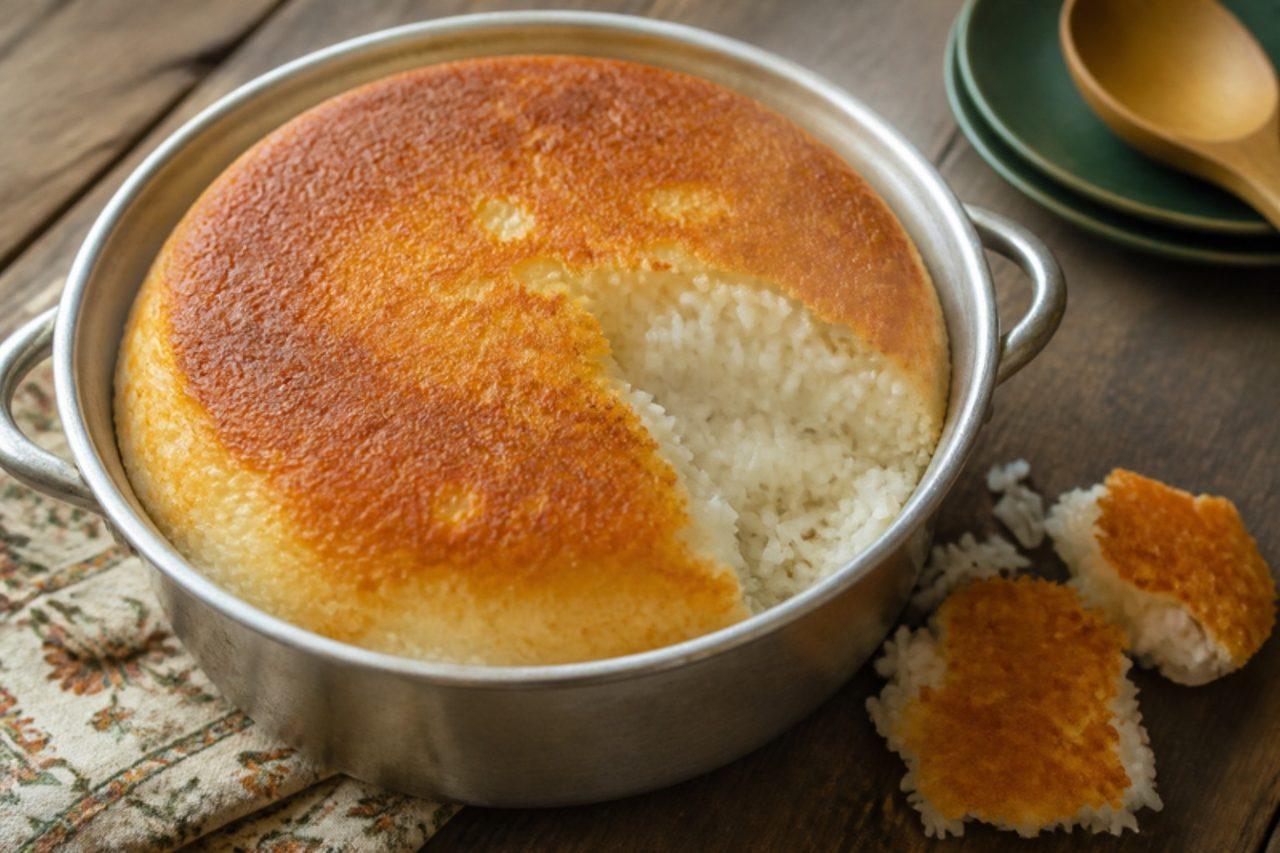
Along the Caspian coast in Gilan and Mazandaran, kateh is the daily rice: no par-boiling and draining as in Tehran's chelow, just rice, water, salt and butter cooked together until the water vanishes and the grains settle into a soft, slightly sticky cake with a golden crust underneath. Northern families eat it at almost every meal with fish, mirza ghasemi or baghala ghatogh, and children love the buttery bottom. The common mistake is lifting the lid and stirring once the water has been absorbed, which breaks the grains and stops the crust forming. Chef's tip: use a heavy non-stick pot and add the butter only after the water has boiled down; it seeps through and fries the base.

by KrazyBadal 0 views

KataifiShredded pastry rolls with walnuts

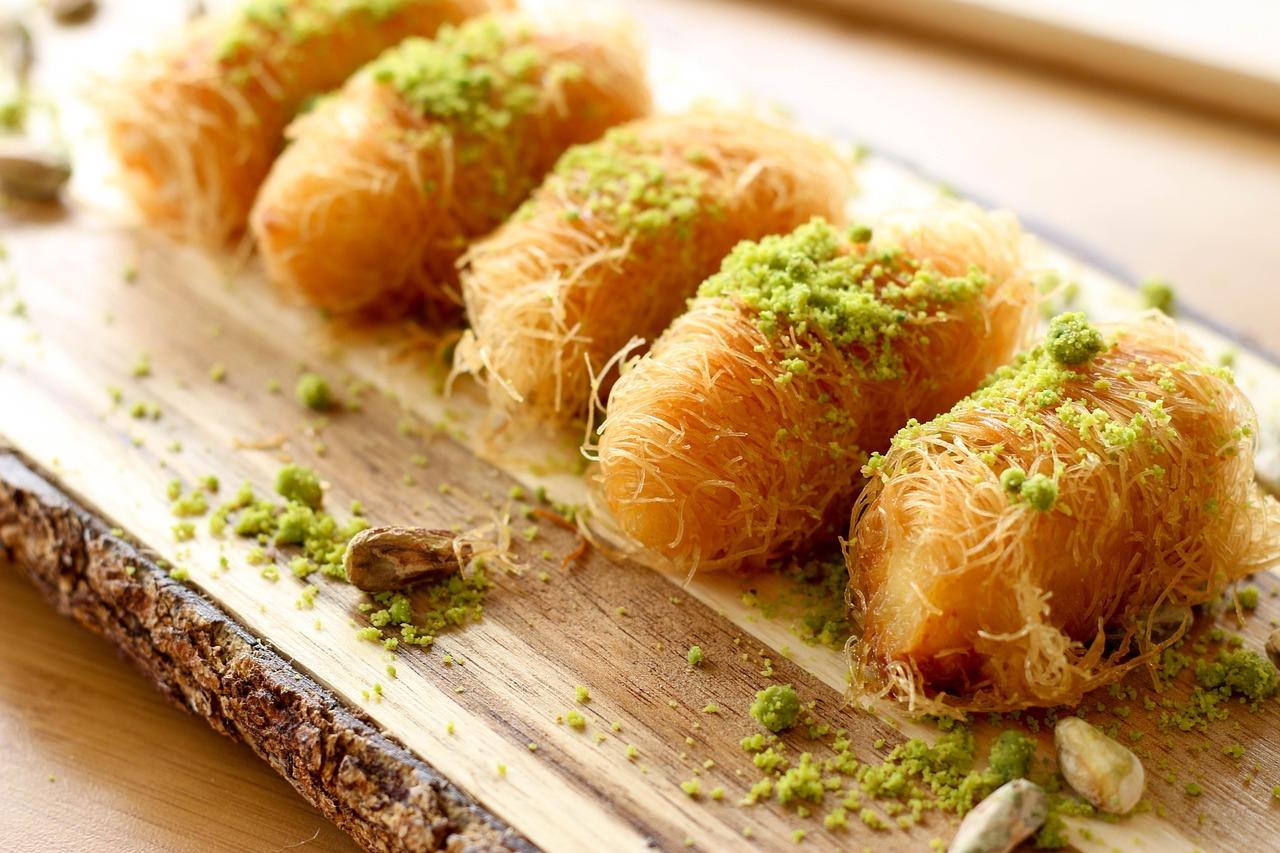
Ioannina's old pastry shops, by the lake and under the castle walls, are known for their syrup sweets, and kataifi rolls are the ones locals buy for Christmas and Easter visits. Fine threads of kataifi pastry are wrapped around a cinnamon-walnut filling, drenched in butter and baked crisp, then soaked in cool syrup so they stay crunchy on top and sticky beneath. Serve at room temperature with Greek coffee. Common mistake: pouring hot syrup on hot pastry, which turns it soggy — one of the two must be cool. Chef's tip: tease the pastry threads apart with your fingers before rolling; matted clumps bake hard.

by KrazyBadal 0 views

Hamsili pilavAnchovy-wrapped rice bake

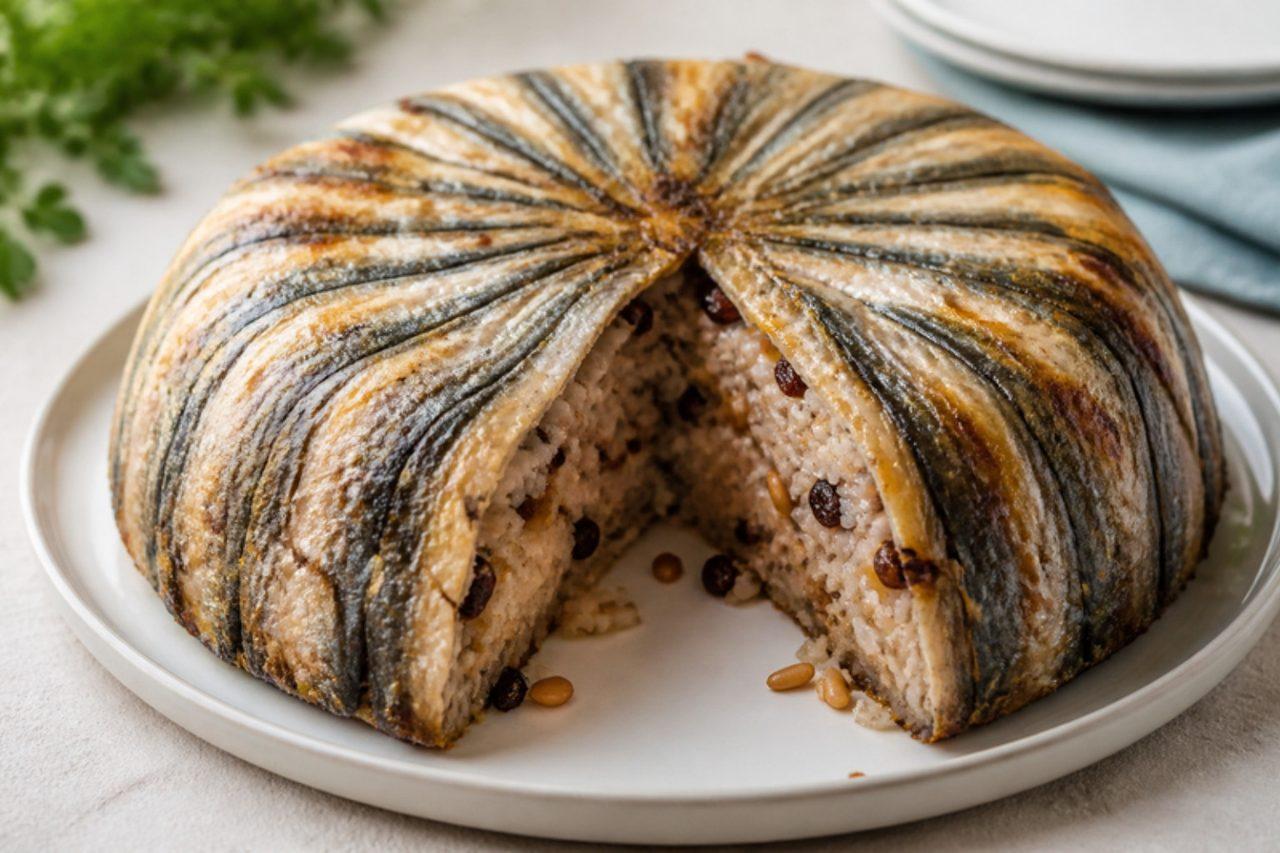
Hamsili pilav is the showpiece of a Trabzon or Rize winter table: a dome of rice cooked with currants, pine nuts, allspice and dill, packed into a tin lined with butterflied anchovies, more fish laid over the top, and baked until the skins turn crisp. Turned out and cut like a cake, it shows silver fish outside and fragrant rice within, and families make it for guests and New Year gatherings. Serve with a sharp salad and lemon. Common mistake: fully cooking the rice before baking, which turns it mushy; it should still have a bite when it goes into the tin. Bake until the fish is opaque and flakes. Chef's tip: lay the anchovies skin side down against the tin, overlapping like roof tiles, so no rice escapes.

100 minTurkishFishGluten free
by KrazyBadal 0 views

Kibbeh bil saniehBaked tray kibbeh

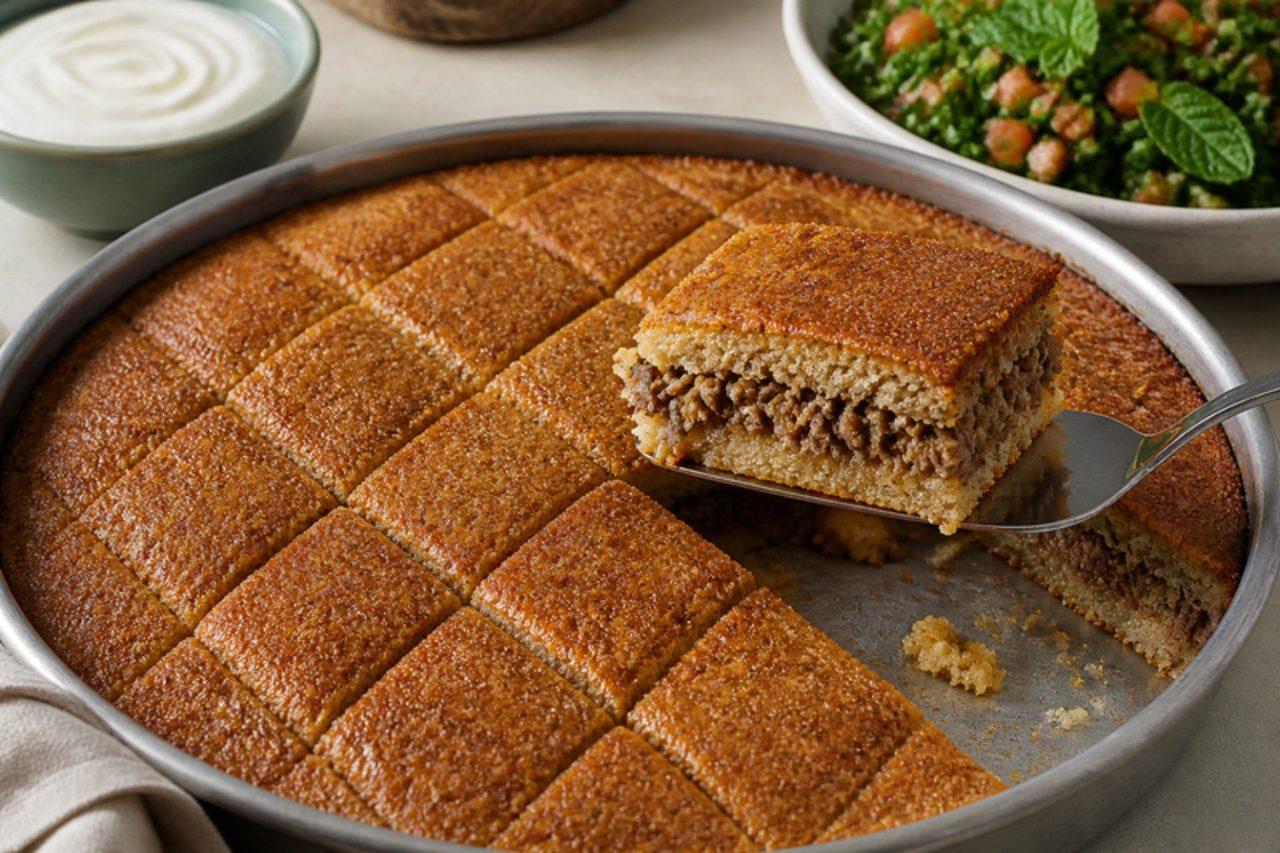
When a Lebanese family is expecting a crowd for Sunday lunch, out comes the round tray of kibbeh bil sanieh, cut into diamonds before baking so everyone can lift a neat piece. Two layers of lamb and fine bulgur kneaded with onion and spices sandwich a filling of minced lamb fried with onions and toasted pine nuts; the top bakes crisp and brown while the inside stays moist. Serve it warm or at room temperature with yoghurt, cucumber salad or fattoush. Common mistake: using coarse bulgur, which won't bind; you need fine bulgur (number 1). Chef's tip: dip your hands in iced water while you press the top layer — it smooths the surface and stops the mixture sticking.

by KrazyBadal 0 views

Kibbeh labaniehKibbeh in garlic yoghurt sauce

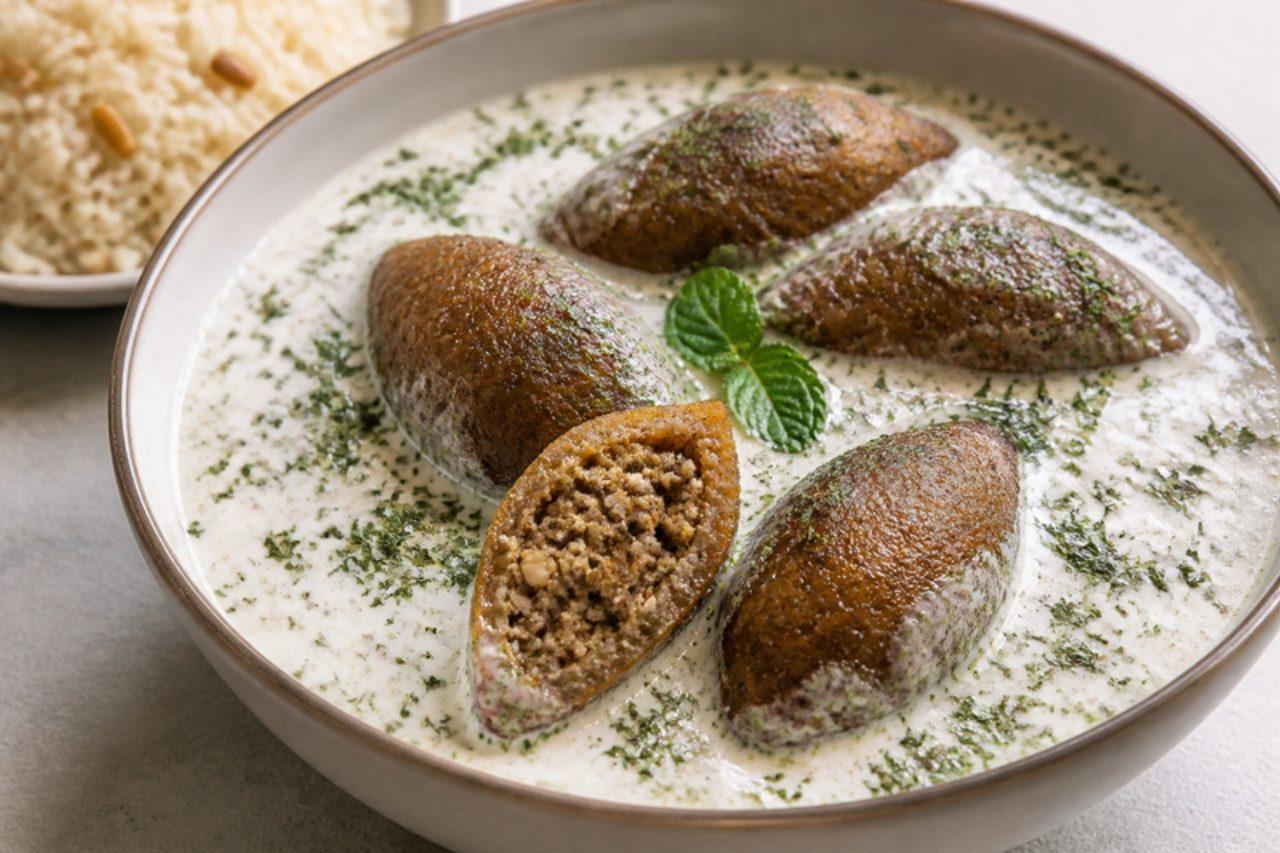
In Lebanese homes, kibbeh labanieh is the dish that turns a batch of stuffed kibbeh into a comforting winter supper: the little torpedo-shaped shells of bulgur and lamb, filled with spiced mince and pine nuts, are poached in a silky yoghurt sauce scented with garlic and dried mint. It is eaten hot, ladled over vermicelli rice. The yoghurt has to be stabilised with cornflour and stirred in one direction while it heats, or it splits. Common mistake: letting the sauce boil hard before it has thickened; it curdles instantly. Chef's tip: make the kibbeh balls a day ahead and freeze them on a tray — they hold their shape better in the sauce.

by KrazyBadal 0 views

Kibbeh safarjaliehKibbeh with quince in pomegranate sauce

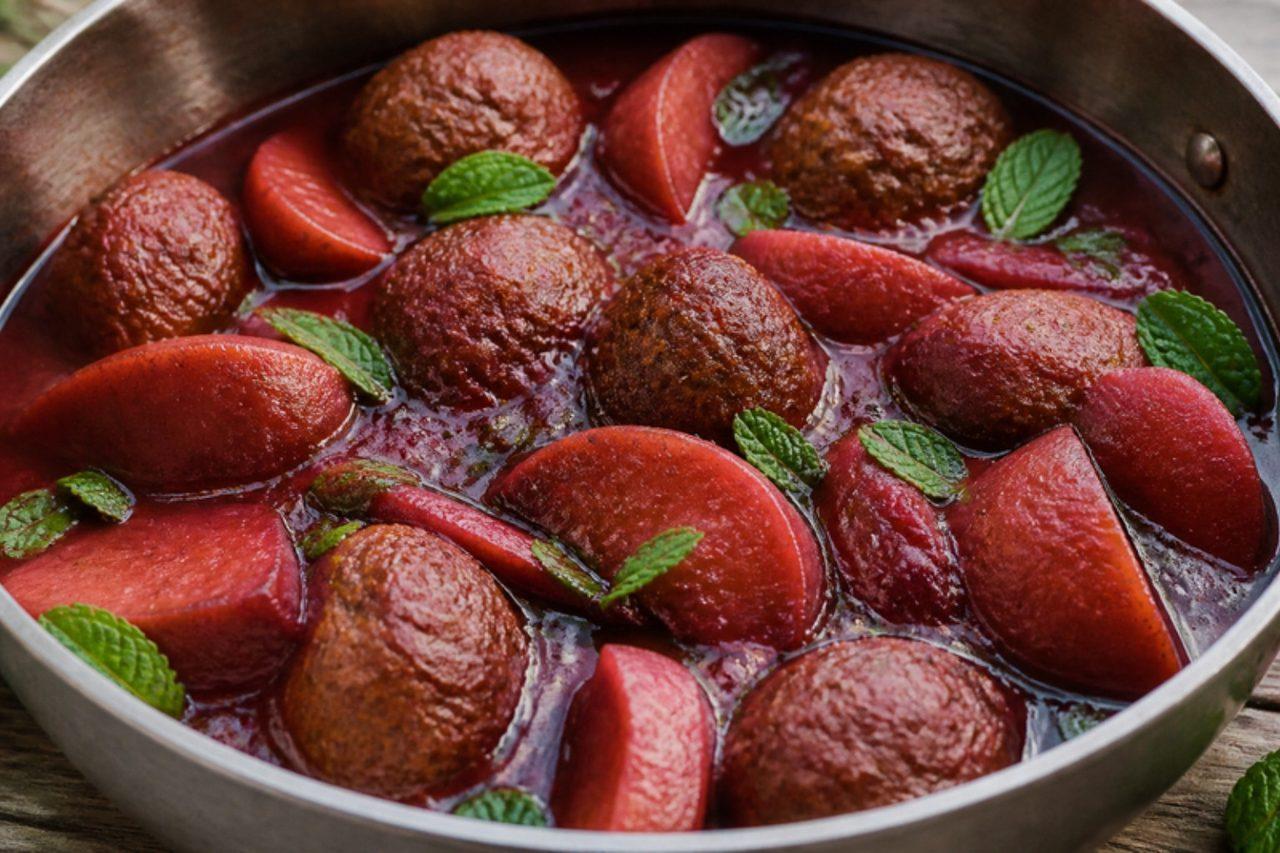
Aleppo is known as the city of a hundred kibbehs, and kibbeh safarjalieh is its autumn showpiece, made when quinces turn golden in the markets. Stuffed kibbeh are simmered with chunks of quince and a little lamb in a sauce sharpened with pomegranate molasses and lemon and scented with dried mint. The fruit softens and blushes pink, and the sauce is sweet, sour and fragrant all at once. Serve with plain rice or bread. Common mistake: cutting the quince too early; it browns fast, so drop each piece into lemon water as you go. Chef's tip: leave the quince skin on — it holds the pieces together and helps colour the sauce.

110 minSyrianMeat
by KrazyBadal 0 views

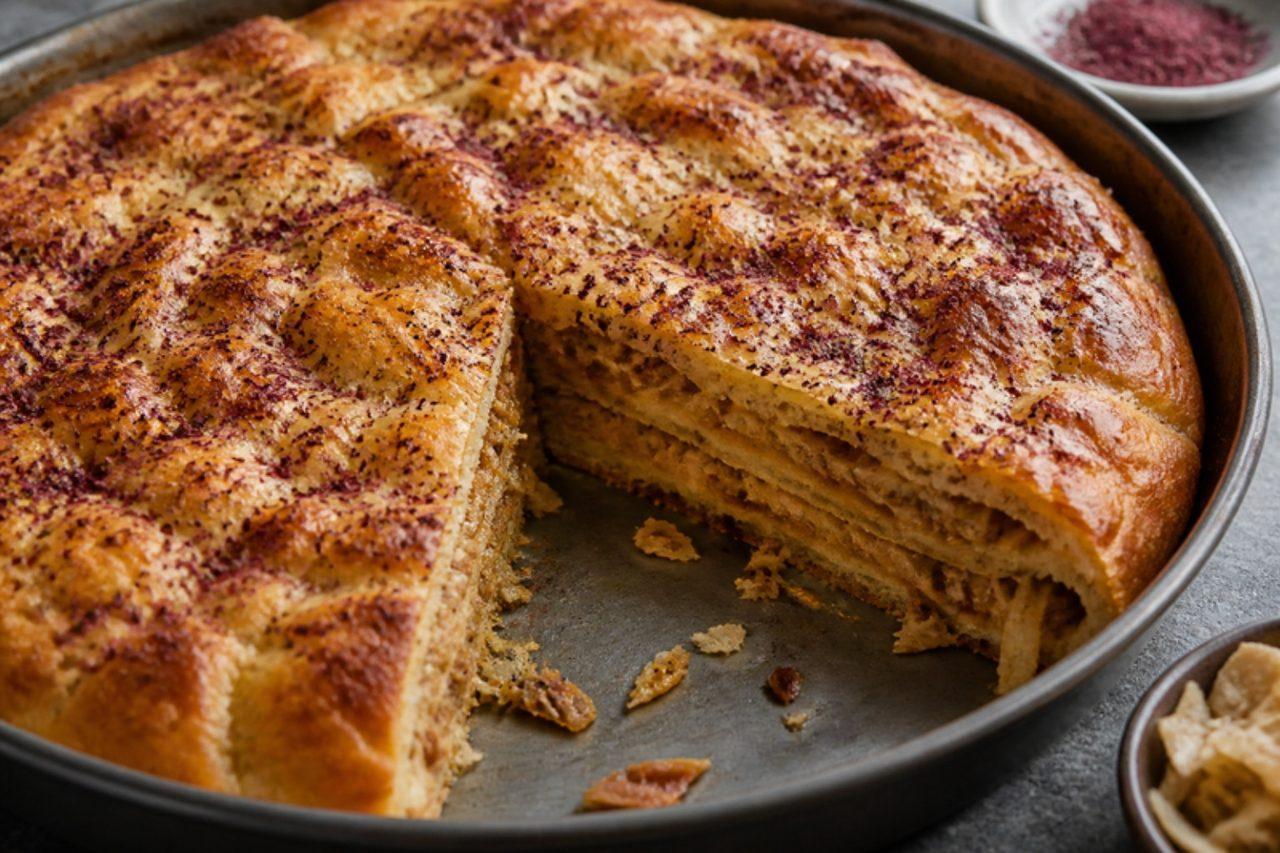
MakmouraLayered chicken and onion bread bake

Makmoura (meaning 'buried') is a village dish from around Jenin in the northern West Bank, made in olive harvest season when there is fresh oil to spare: layers of thin bread dough are baked over chicken and a heap of onions slow-cooked in olive oil with sumac and spice, so the bottom soaks up the juices and the top turns crisp. Families tear it apart by hand and eat it with yoghurt and olives. Common mistake: rushing the onions; they need a full half hour to turn sweet and jammy. Chef's tip: use good, fruity olive oil and don't skimp — it is the soul of the dish.

by KrazyBadal 0 views

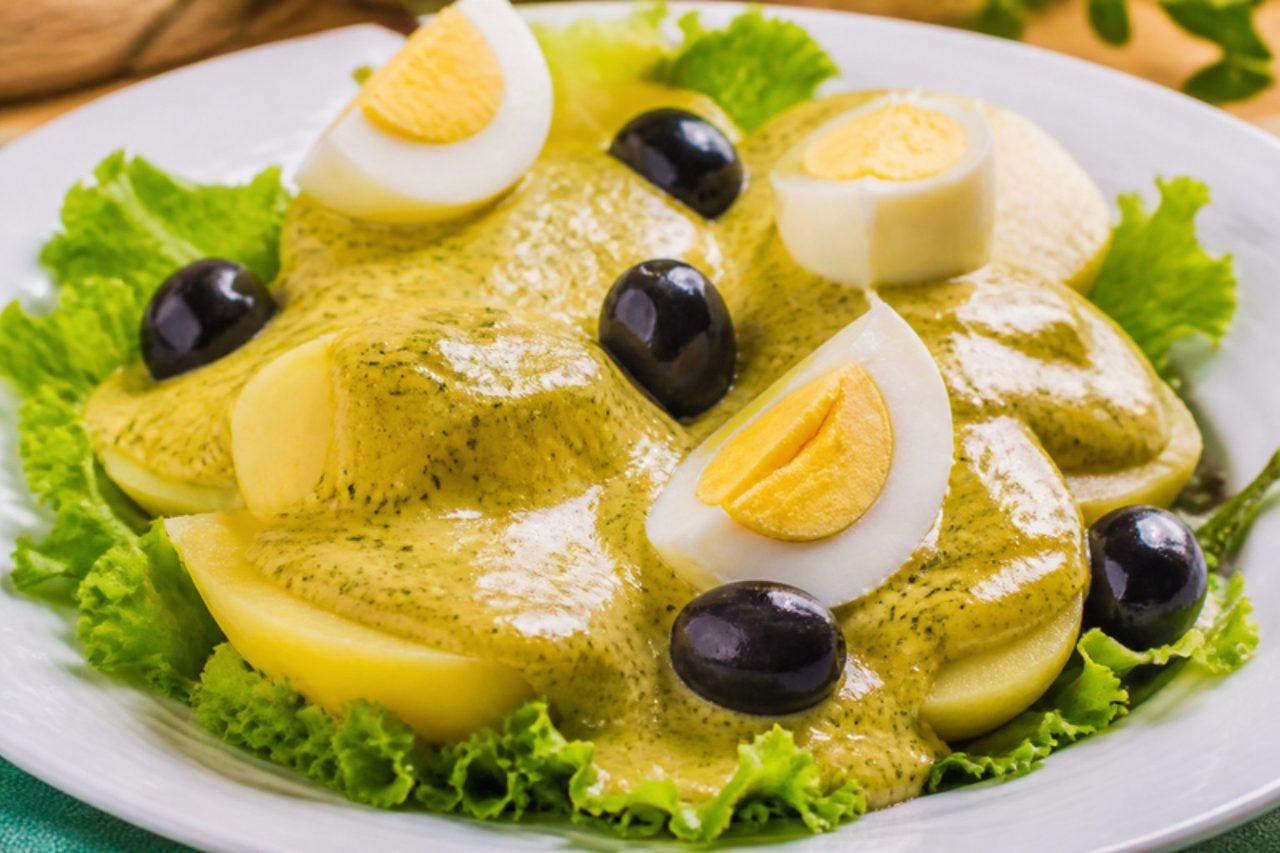
OcopaPeanut, huacatay and cheese sauce

Arequipa's picanterías put ocopa on the table as a starter, a pale olive sauce spooned thickly over sliced boiled potatoes, and the smell of toasted chillies and huacatay (black mint) is what sets it apart from Lima's huancaína. The chillies are dried ají mirasol, charred in a dry pan, which gives a smoky, raisin-like warmth rather than sharp heat, and toasted peanuts make the sauce nutty and almost velvety. Many cooks thicken it with crackers; this version uses only peanuts and cheese, so it stays gluten free. Serve it at room temperature with yellow potatoes, a black olive and a few lettuce leaves, plus a halved boiled egg for anyone who eats eggs. The mistake people make is toasting the onion and chillies black, which turns the sauce bitter; they should be blistered in spots only. Queso fresco is often made with animal rennet, so look for a vegetarian fresh cheese. Chef's tip: huacatay paste comes in jars from Latin shops; without it, use a small handful of mint plus a few tarragon leaves.

by KrazyBadal 0 views

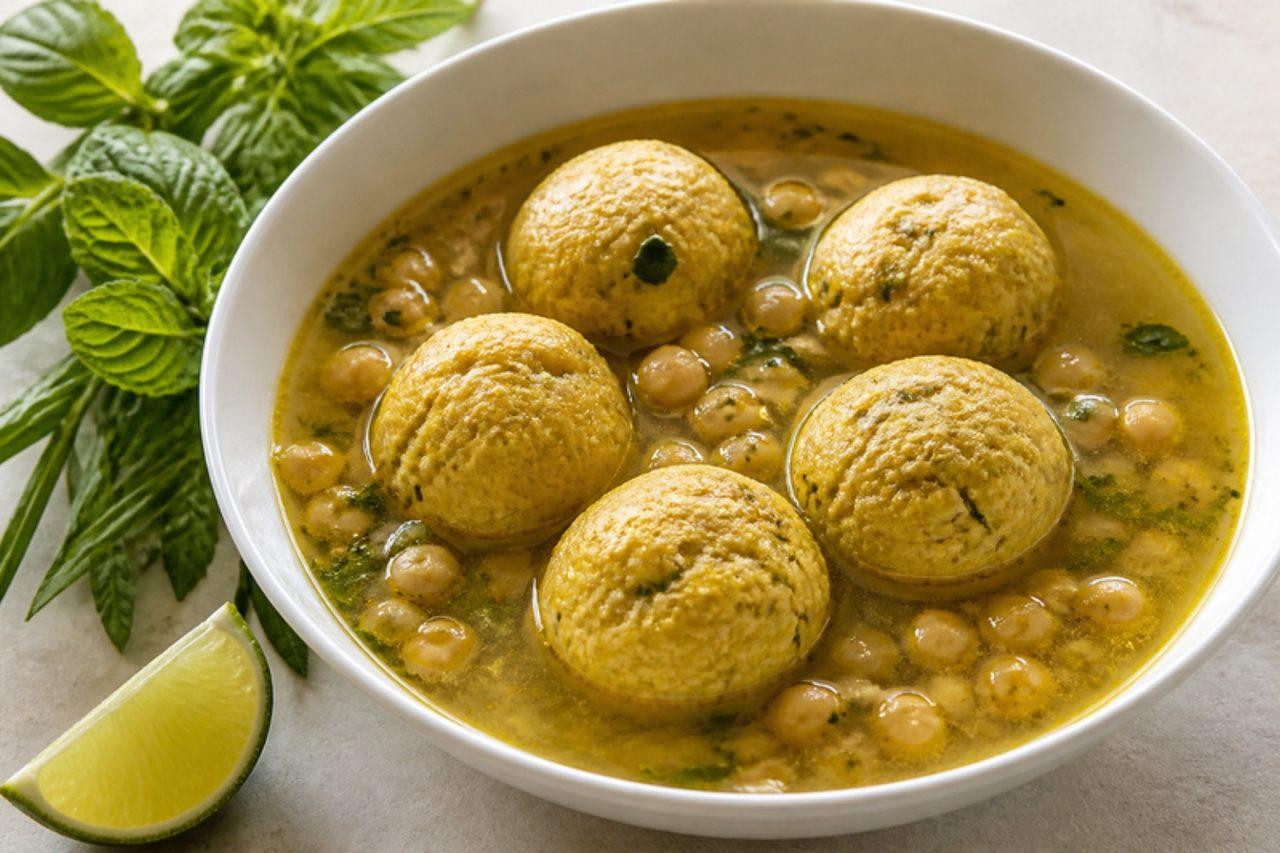
GondiChicken and chickpea-flour dumplings

Gondi is the Friday-night dish of Tehran's Persian Jewish families, served at the Shabbat table before the main course or as a light lunch after. Big, soft dumplings of minced chicken, grated onion and roasted chickpea flour, scented with cardamom, are poached in a clear turmeric broth with chickpeas, and each bowl gets one or two with plenty of broth, fresh herbs and flatbread. The texture should be tender and slightly crumbly, a little like a dense matzo ball. A common mistake is using raw chickpea flour; buy roasted chickpea flour (nokhodchi flour) or dry-toast plain gram flour first, or the dumplings taste raw. Chef's tip: chill the mixture for 30 minutes before shaping so the dumplings hold their shape in the broth.

by KrazyBadal 0 views

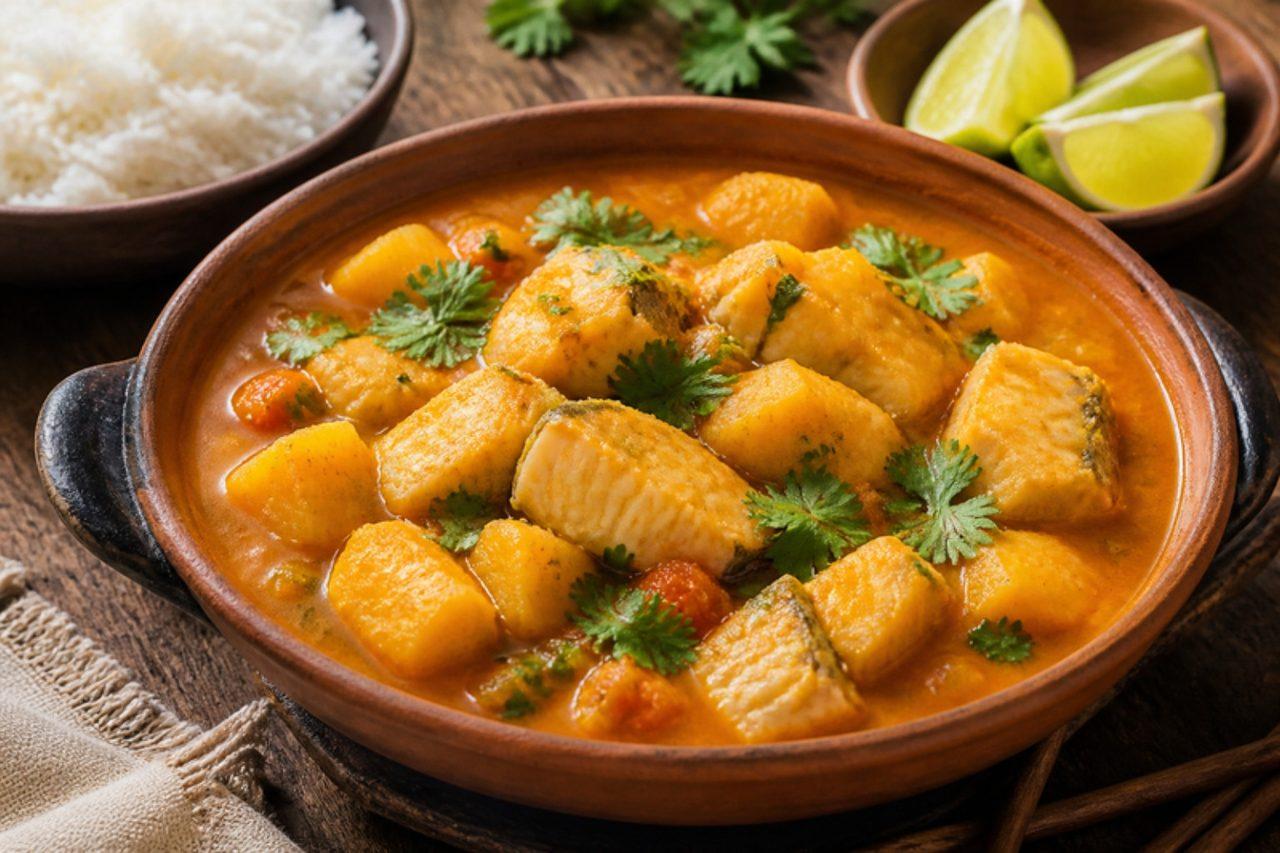
Mojica de pintadoCatfish and cassava stew

Thick, golden and soothing, mojica is the stew Cuiabá cooks with pintado, the big spotted catfish of the Pantanal rivers. Cassava simmers in a tomato and onion broth until it starts to break and thicken it, then cubes of firm fish poach gently on top, and the whole pot is finished with cheiro-verde and a squeeze of lime. It is eaten at family lunches and riverside restaurants in Mato Grosso, with white rice and a hot pepper sauce, and is known as a cure for a tired body. Outside Brazil, use catfish, monkfish or thick cod loin. People often stir the fish into the pot like a curry, which breaks it into shreds; lay it on top and let it steam. Cassava must always be cooked right through. Chef's tip: mash a few pieces of the cooked cassava against the side of the pot before adding the fish; it thickens the broth without any flour.

by KrazyBadal 0 views

Kig ha farzBeef and pork with buckwheat pudding

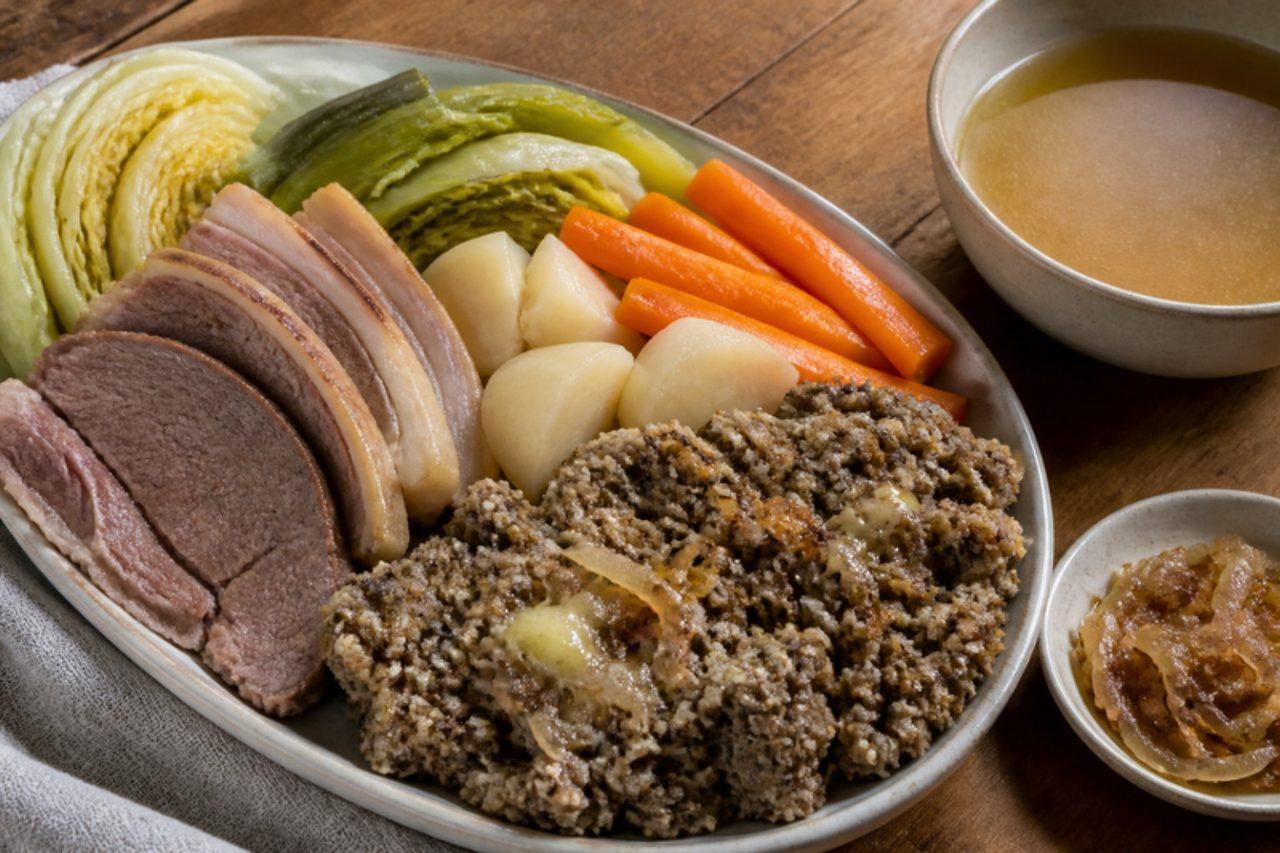
Kig ha farz, "meat and stuffing" in Breton, belongs to the Léon country of north Finistère, where it is still the big shared dish of village fêtes, rugby-club dinners and family gatherings. Beef shin and salt pork belly simmer for hours with cabbage, carrots, leeks and turnips, and in the same pot sits a cotton bag of buckwheat batter that cooks into a dense, nutty pudding. The pudding is crumbled and served with the meats and vegetables, often with lipig, a sauce of shallots melted in butter. Chef's tip: tie the cloth bag loosely, leaving room for the batter to double, or the pudding turns heavy and rubbery.

250 minFrenchMeat
by KrazyBadal 0 views

Hamsi tavaFried anchovies

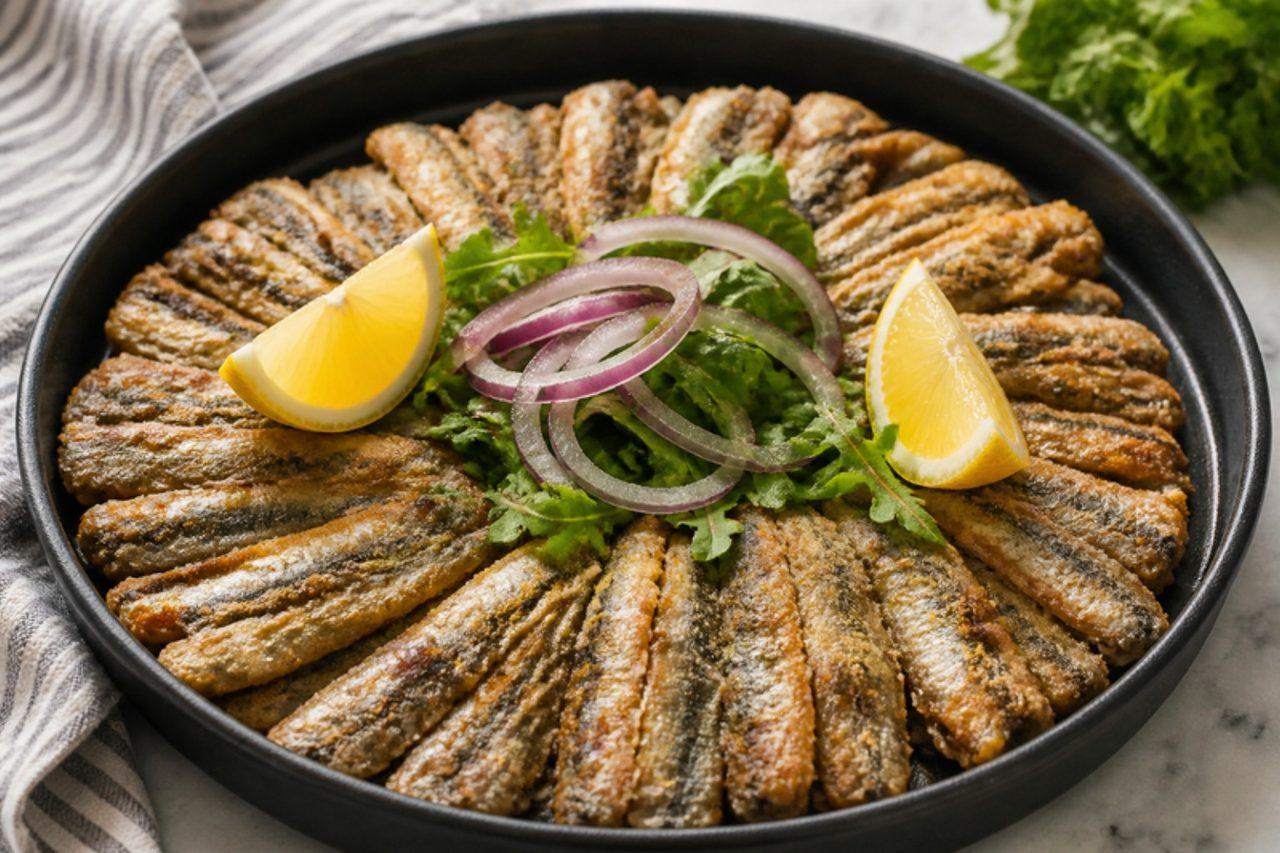
When the first winter storms push shoals of anchovy along the coast, fish markets from Samsun to Hopa are heaped with silver hamsi and the whole region seems to smell of frying. Hamsi tava is the simplest way to eat them: heads off, butterflied, dusted in cornmeal and laid in a hot pan in a neat circle, then flipped like a cake. They come out crisp outside and soft and sweet within, with red onion, rocket, lemon and cornbread alongside. Common mistake: crowding the pan, which steams the fish and leaves the coating soggy. Cook until the flesh is opaque and flakes from the backbone. Chef's tip: shake off every bit of loose cornmeal; a thin coat is what stays crunchy.

by KrazyBadal 0 views

Hamburger PannfischFish and potatoes in mustard sauce

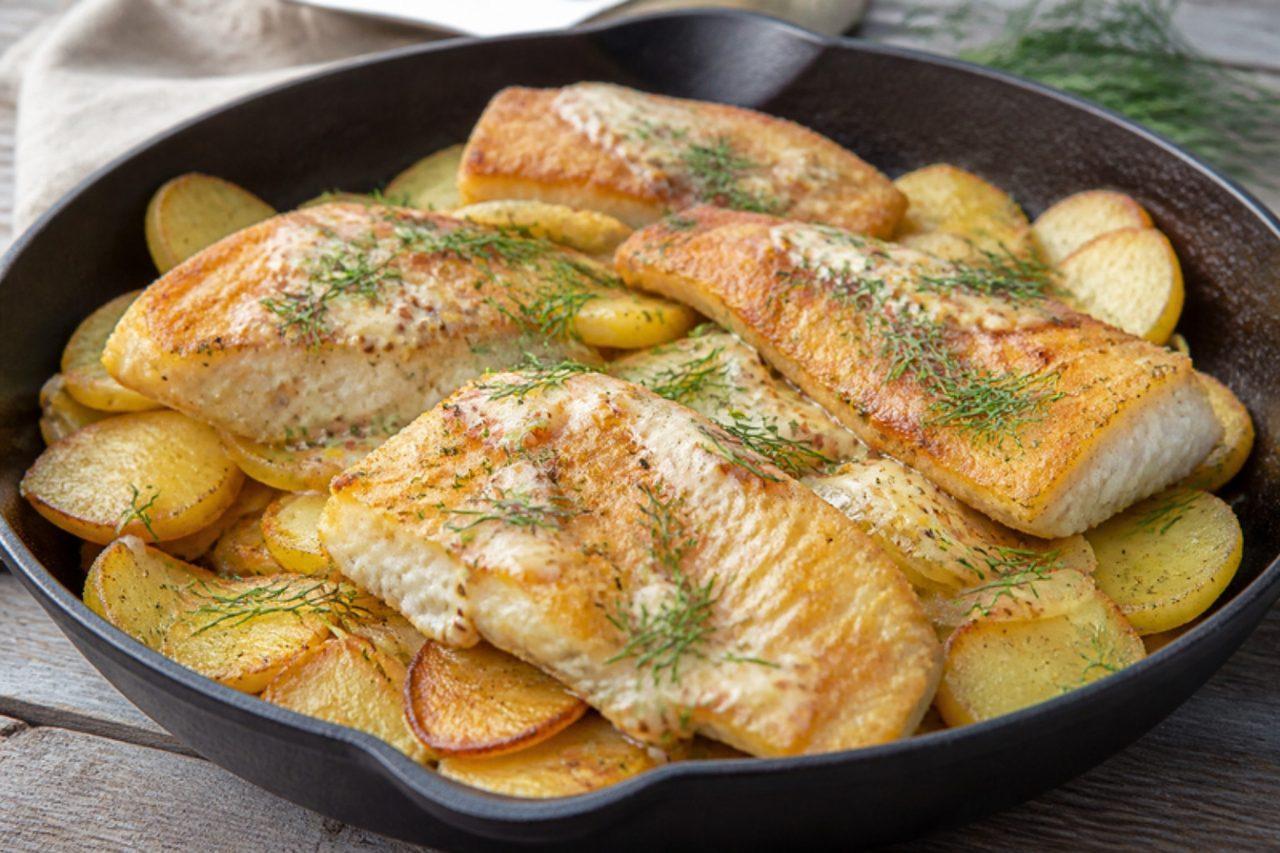
Pannfisch began as the thrifty Monday supper of Hamburg's harbour families, made from the odds and ends of the weekend's fish and the cold potatoes from Sunday. Chunks of white fish are fried golden and laid over crisp Bratkartoffeln, with a creamy mustard sauce poured round, and today it is a fixture of the fish restaurants along the Elbe. Use whatever firm white fish is good: cod, saithe, haddock or plaice. Chef's tip: boil the potatoes the day before and chill them; cold potatoes fry crisp instead of breaking up.

45 minGermanFish
by KrazyBadal 0 views

Guaraná raladoGrated guaraná drink

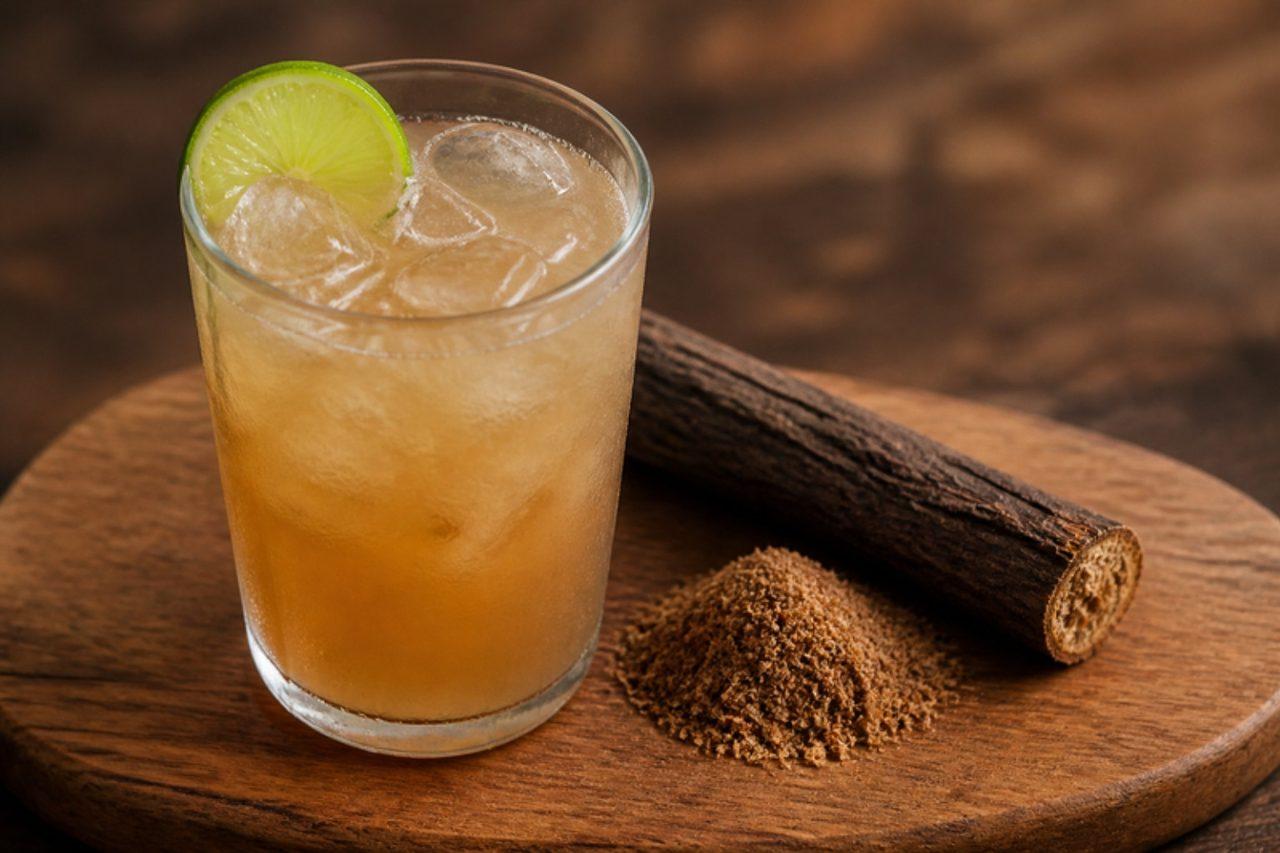
Long before fizzy guaraná, people in Mato Grosso started the day with this: a hard, dark stick of roasted guaraná seed paste grated into a glass of cold water with sugar and stirred well. Cuiabá's older generation still drink it at breakfast or in the heat of the afternoon, and market stalls sell the sticks along with the traditional grater, the dried tongue of the pirarucu fish (a fine microplane works just as well). It tastes bitter-earthy, a little like cocoa without the fat, and the caffeine is strong. Because guaraná contains more caffeine than coffee, keep to one glass a day, and avoid it for children, during pregnancy or if you are sensitive to caffeine. The usual error is grating far too much, which makes it bitter and overpowering; a level teaspoon per glass is plenty. Chef's tip: let it stand for a minute after stirring so the powder hydrates, then stir again before drinking.

by KrazyBadal 0 views

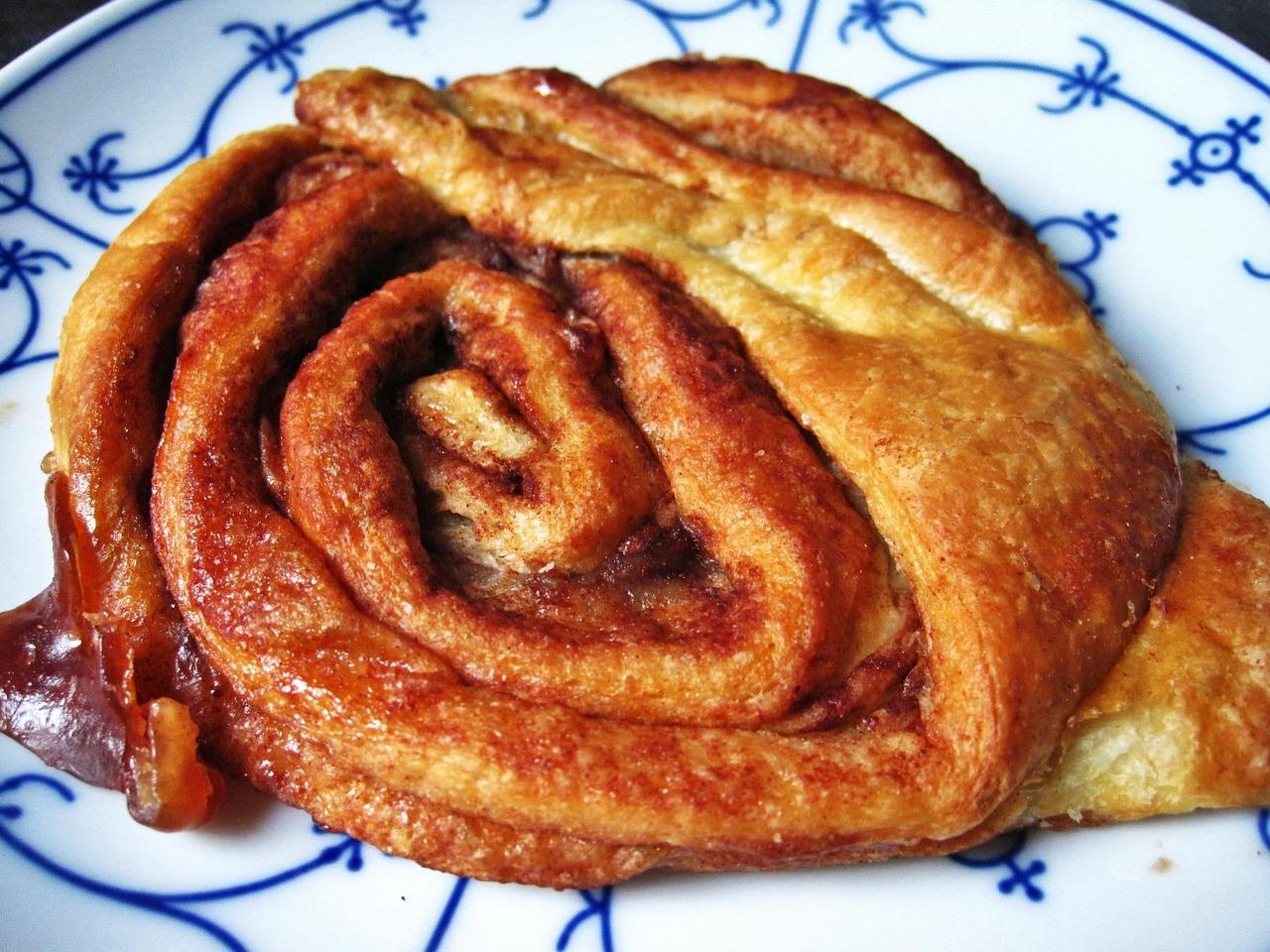
FranzbrötchenCinnamon butter pastries

No Hamburg bakery opens without a tray of Franzbrötchen: flaky, buttery yeast pastry rolled with cinnamon sugar, cut into pieces and pressed down hard in the middle with a wooden spoon handle so the spirals splay out into a squashed butterfly. The sugar caramelises underneath into a sticky, crunchy base. They are breakfast with coffee on the way to work and a Sunday treat at the harbour. The common mistake is letting the butter go soft while laminating: it oozes out and you get bread, not layers. Chef's tip: chill the dough between every fold, and press the shape down firmly before the final rise or it will spring back in the oven.

by KrazyBadal 0 views

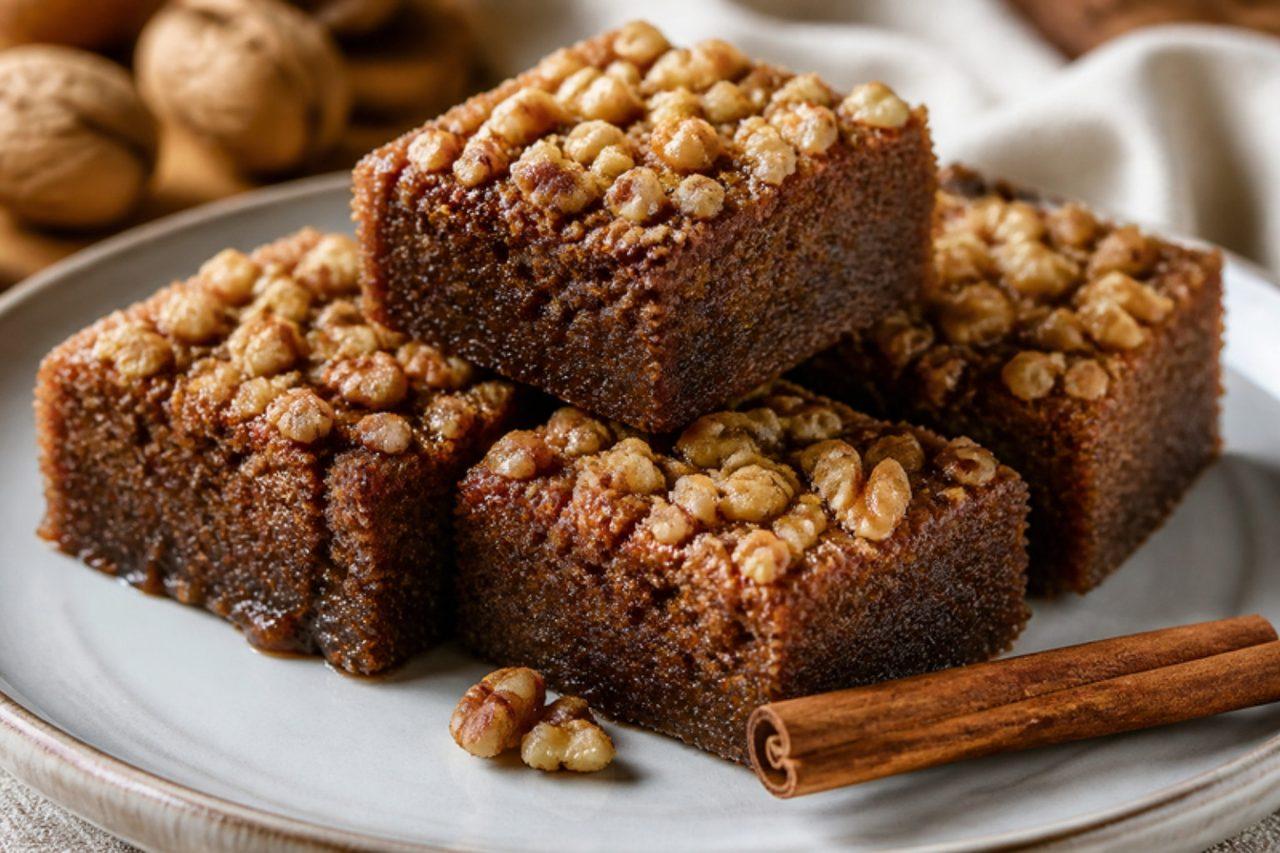
KarydopitaSpiced walnut syrup cake

Karydopita is the cake Greek households bake for name days and Sunday visitors, cut into diamonds and set out with coffee or a scoop of vanilla ice cream. Ground walnuts and dried breadcrumbs replace much of the flour, giving a moist, dense crumb fragrant with cinnamon and clove, then the hot cake drinks up a cool syrup. Common mistake: pouring hot syrup over a hot cake, which leaves it soggy at the bottom and dry on top. Chef's tip: let it sit for at least 3 hours after syruping; it slices more cleanly and tastes even better the next day.

by KrazyBadal 0 views

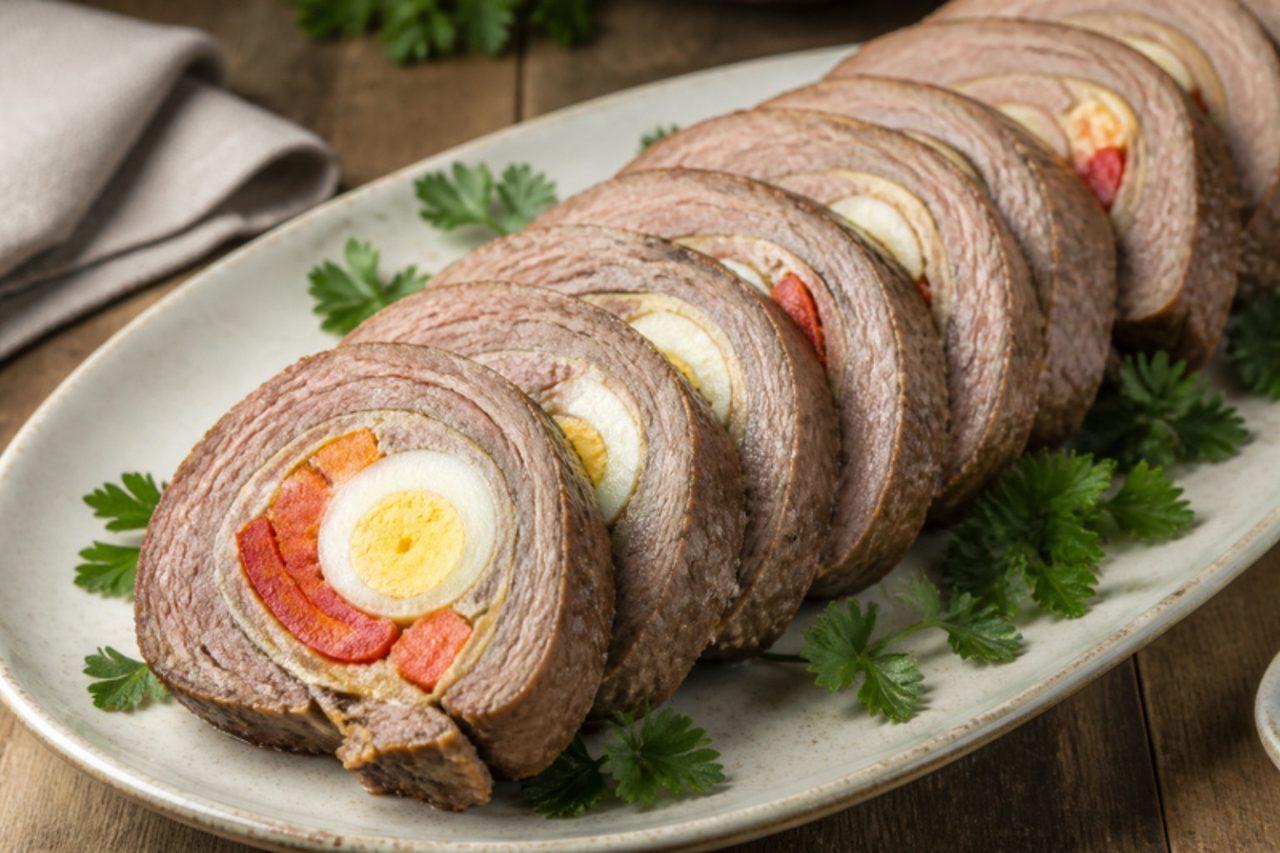
Matambre arrolladoRolled stuffed flank steak

Christmas and New Year in Argentina fall in high summer, so the festive table is crowded with cold dishes, and matambre arrollado is the one that draws a crowd: a thin sheet of beef from between the ribs and skin (matambre, the rose or flank cut), spread with garlic and parsley, layered with hard-boiled egg, carrot and red pepper, rolled into a fat sausage, poached and pressed. Rotiserías in the Buenos Aires suburbs sell it by the slice, and each round shows a mosaic of colours. Served cold with Russian salad and a sharp chimichurri, it is tender and savoury. Because the outside of the meat ends up rolled inside, cook it to a core temperature of 71 °C, as for minced meat. The usual mistake is slicing it warm: it falls apart, so press it under a weight in the fridge overnight. If you can't find matambre, ask the butcher for a thin flank steak butterflied to 1 cm. Chef's tip: lay the meat with the grain running along the roll, so each slice cuts across the fibres and stays tender.

by KrazyBadal 0 views

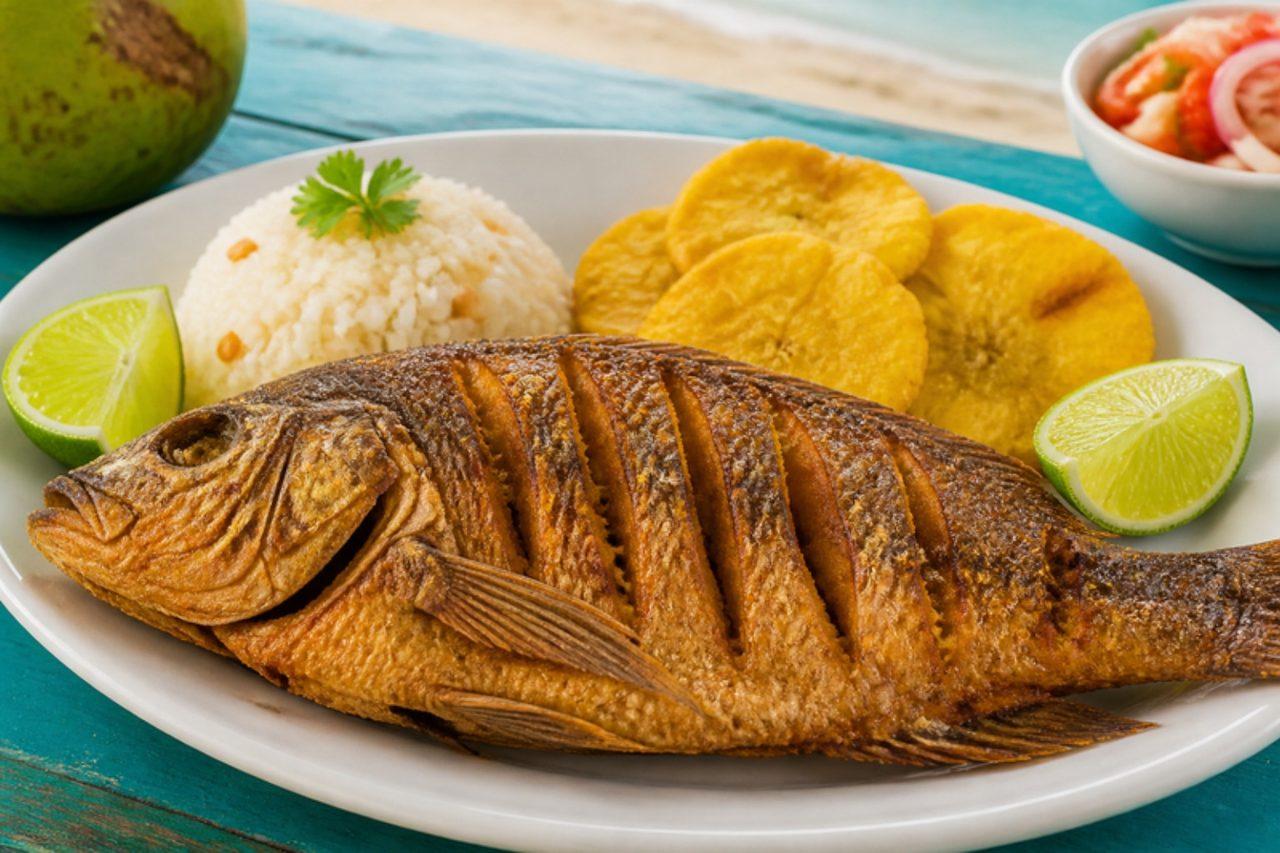
Mojarra fritaFried whole tilapia

On the beaches of Bocagrande and in the open-air kitchens of La Boquilla outside Cartagena, the lunch plate is a whole mojarra (tilapia) fried until its fins crackle, served with coconut rice, smashed green plantain patacones and a tomato and onion salad with lime. The skin goes shatteringly crisp, the flesh stays sweet and moist, and you eat it with your fingers, pulling meat off the bone. Scoring the sides lets the heat and seasoning reach the thick part near the spine. The mistake to avoid is putting a wet fish into the oil, which spits dangerously and leaves the skin soggy: pat it very dry and dust it lightly. Chef's tip: fry one fish at a time in plenty of oil and don't move it for the first 4 minutes, so the skin sets before you turn it. Serve with arroz con coco for the full Caribbean plate.

by KrazyBadal 0 views

KartoffelbrotPotato bread

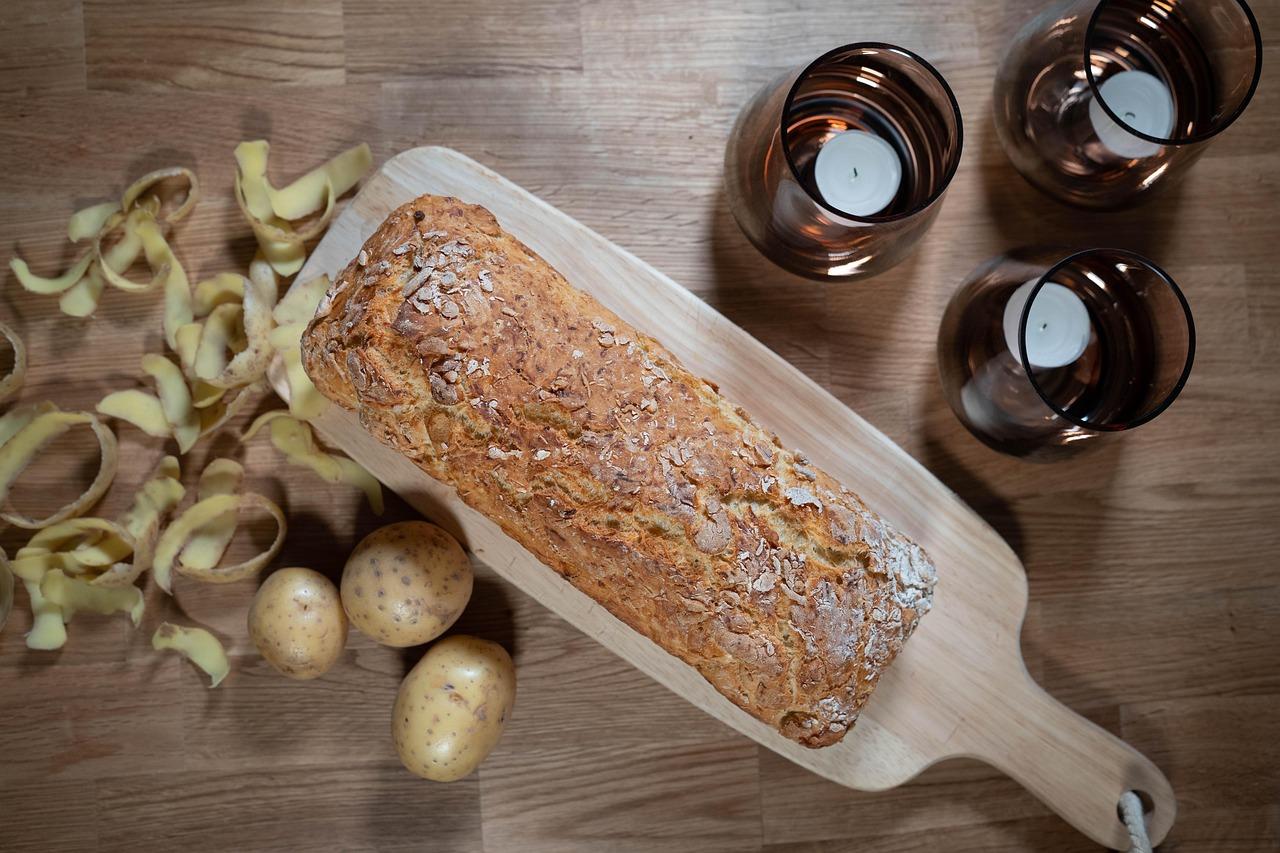
Kartoffelbrot was born of thrift in the potato regions of the Palatinate, Thuringia and Brandenburg, when bakers stretched scarce flour with boiled potatoes. The happy result is a loaf with a thin, crackly crust and a soft, moist, slightly sweet crumb that stays fresh for four or five days. It is a favourite for Sunday breakfast, for toast, and for sandwiches with butter and chives. A common mistake is using warm, wet mash, which makes the dough sloppy; the potatoes should be floury, mashed dry and completely cool. Chef's tip: save 100 ml of the potato cooking water and use it in the dough instead of plain water, for an even softer crumb.

by KrazyBadal 0 views

Kars kazıRoast goose with bulgur pilaf

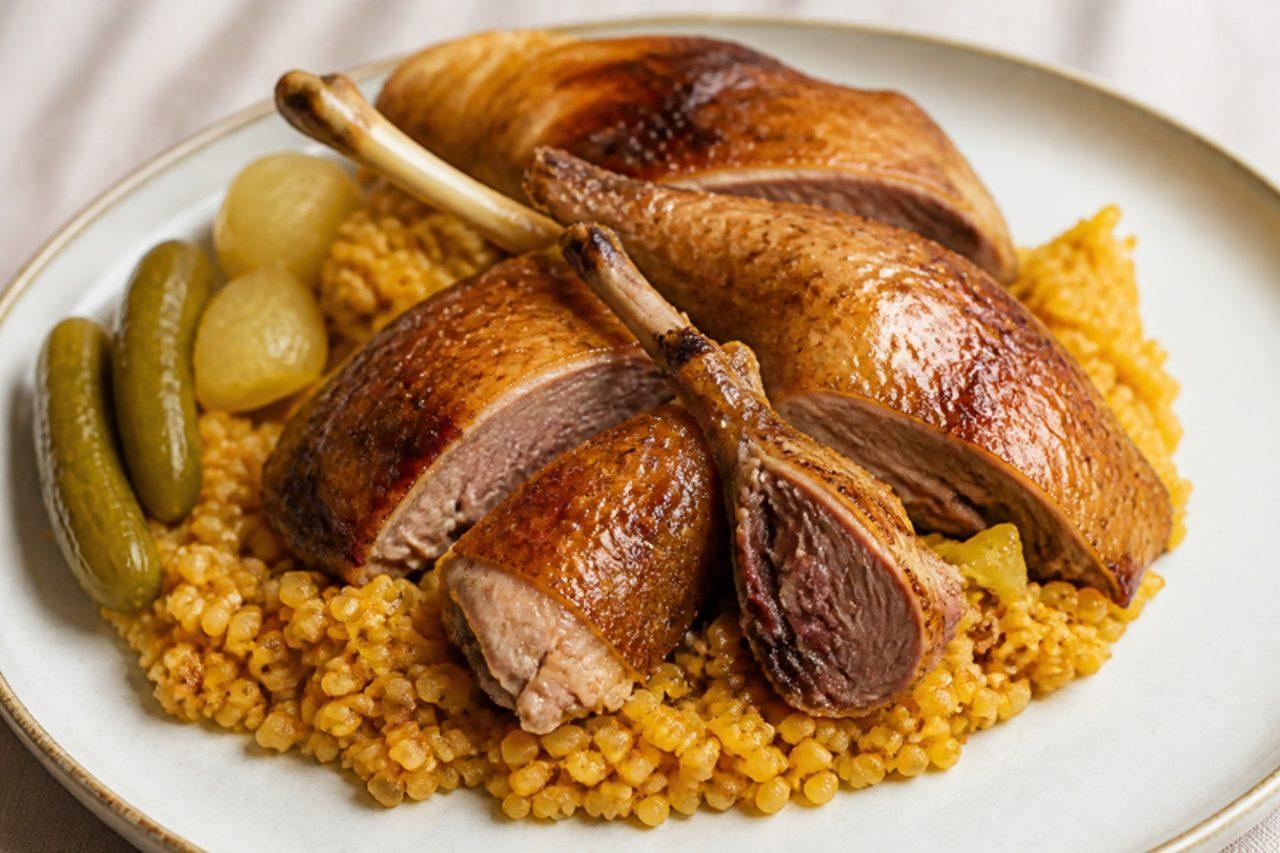
In Kars, geese are raised all summer, slaughtered in the first frosts, salted and hung in the cold air, then roasted through the winter for weddings and long family dinners. The crisp-skinned meat is served on a bed of bulgur pilaf cooked in the goose's rich fat and broth, and nothing else is needed but pickles and ayran. This home version uses a fresh goose, salted for a day in the fridge. Common mistake: not pricking the skin, which traps the fat and leaves the skin flabby. Roast until the thickest part of the thigh reaches 74 °C and the juices run clear. Chef's tip: pour off the fat during roasting and keep it; a spoonful in the pilaf and the rest for roast potatoes.

240 minTurkishMeat
by KrazyBadal 0 views

Karışık turşuMixed vegetable pickle

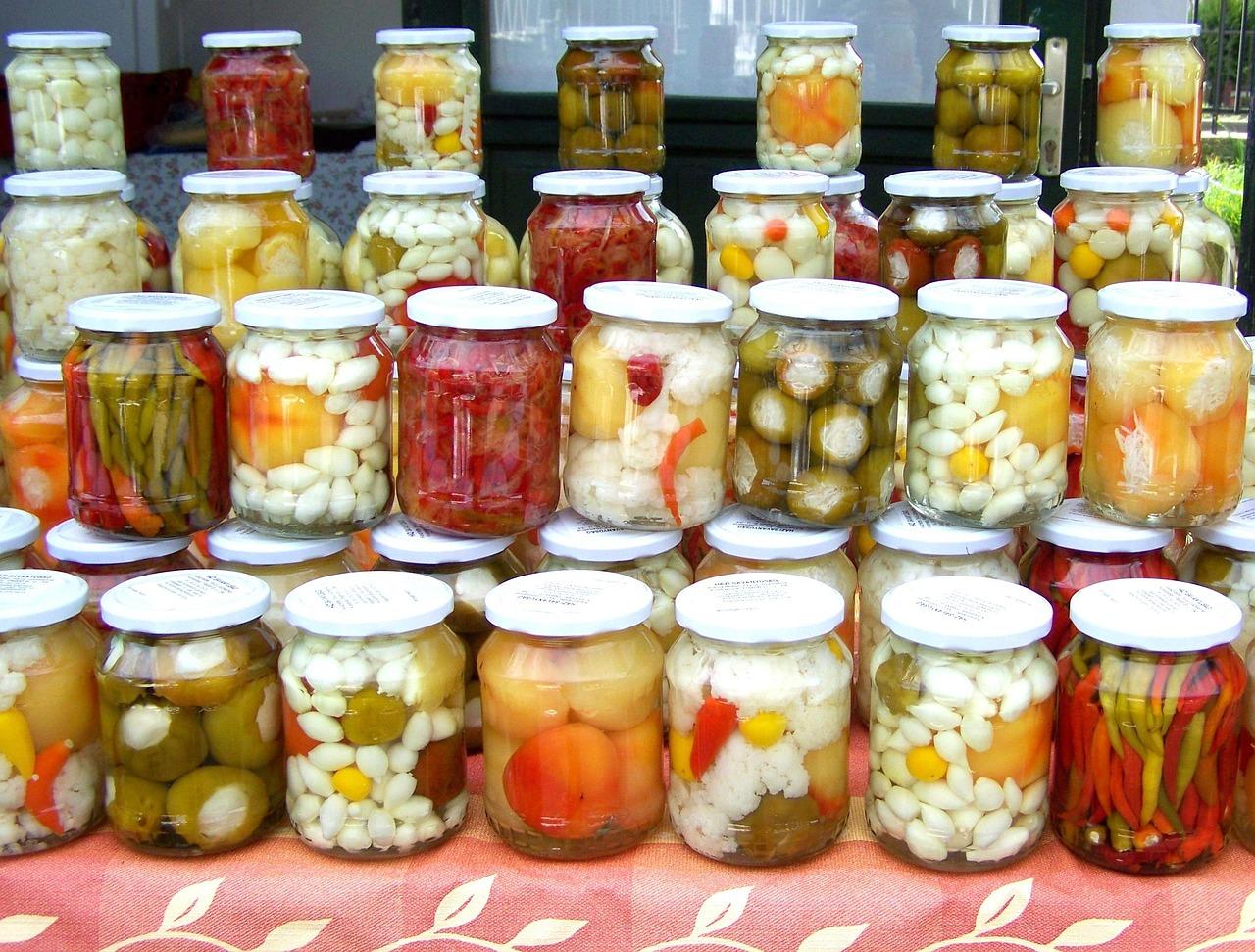
Every autumn Turkish kitchens line up jars of karışık turşu, and in Istanbul pickle shops (turşucu) sell it by the glass with its sour juice to drink. Crunchy cabbage, carrots, cucumbers, green peppers and cauliflower are packed with garlic and chickpeas in a salted, vinegar-spiked brine and left to sour for a couple of weeks. It sits beside bean stews, pilaf and kebab at almost every home meal. Common mistake: iodised table salt, which clouds the brine and softens the vegetables; use rock or pickling salt. Chef's tip: a few dried chickpeas in the jar help the fermentation get going, as Turkish grandmothers swear.

by KrazyBadal 0 views

MohnnudelnPotato noodles with poppy seeds

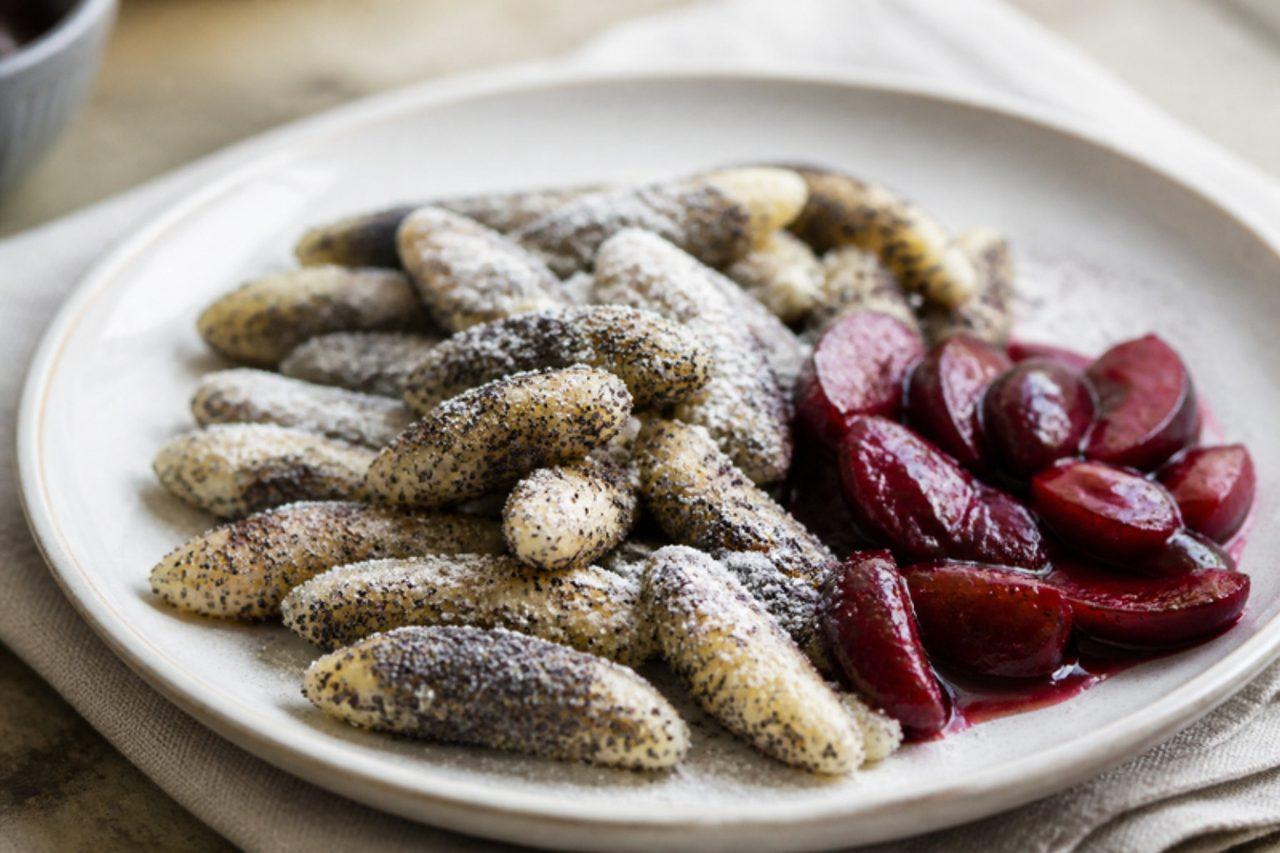
The Waldviertel, the cool, forested uplands of Lower Austria, is poppy country: in July its fields bloom white, pink and violet, and the grey poppy seed grown there has a protected name. Mohnnudeln are its favourite sweet dish, served as a main meal on meatless days or as dessert. Soft potato dough is rolled into little tapered noodles, boiled, then tossed in foaming butter with a generous amount of freshly ground poppy seed and icing sugar, so they taste nutty, buttery and gently sweet. A common mistake is using whole or stale poppy seeds; whole seeds give no flavour and old ground ones taste bitter. Chef's tip: grind the poppy seed yourself in a spice grinder just before using, in short bursts so it doesn't turn to paste.

by KrazyBadal 0 views

Halvas FarsalonCaramelised almond halva

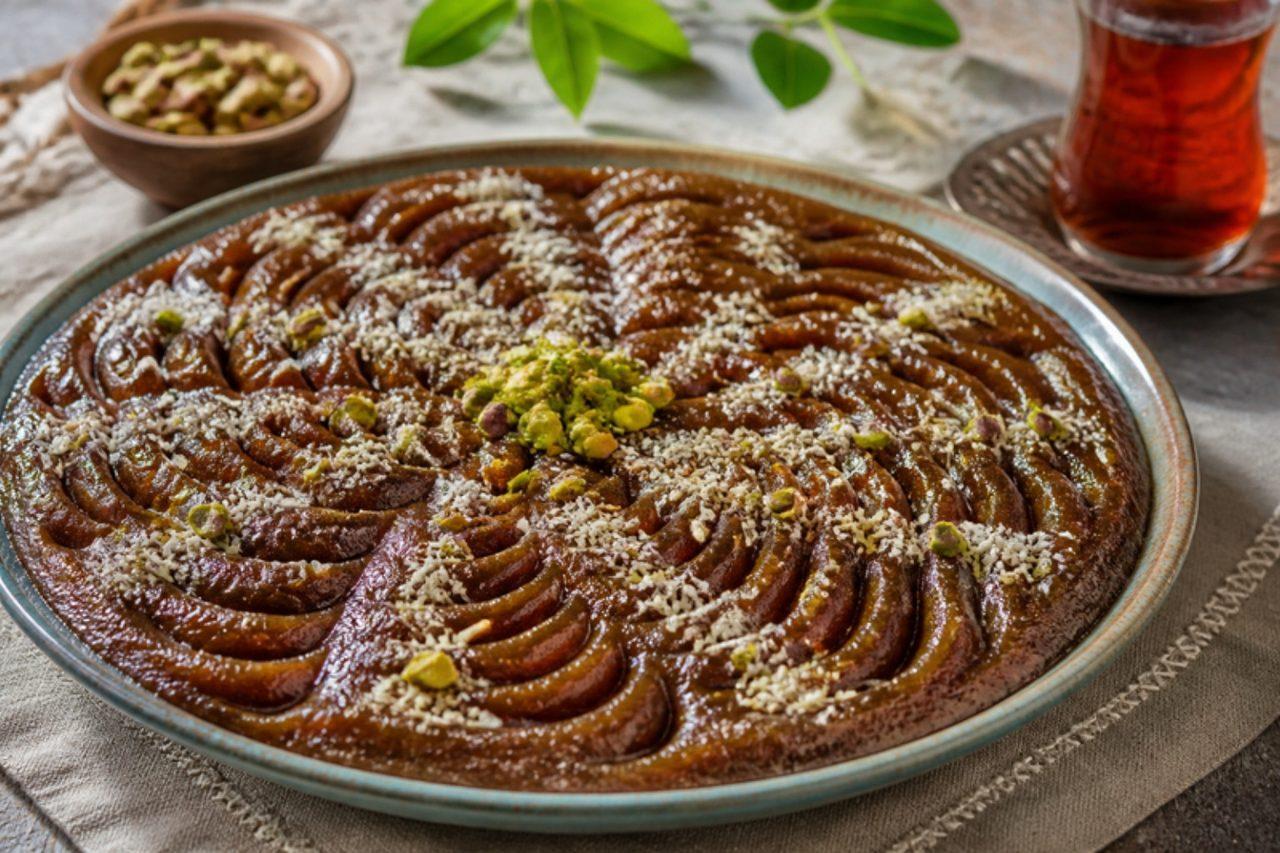
Farsala, a market town on the Thessalian plain, is famous across Greece for its halva: not the sesame kind but a chewy, translucent sweet of cornflour, sugar and butter, cooked until it caramelises, then baked until the top turns glassy amber. Shops sell it by the slab at fairs and on Sundays, and visitors take it home to Athens. Common mistake: stopping too early, when it's still pale and starchy — keep stirring until it pulls away from the pan in one golden mass. Chef's tip: use a heavy non-stick pan and a strong wooden spoon; it gets very thick, and you'll be glad of both.

by KrazyBadal 0 views

Halva-ye khormaDate halva

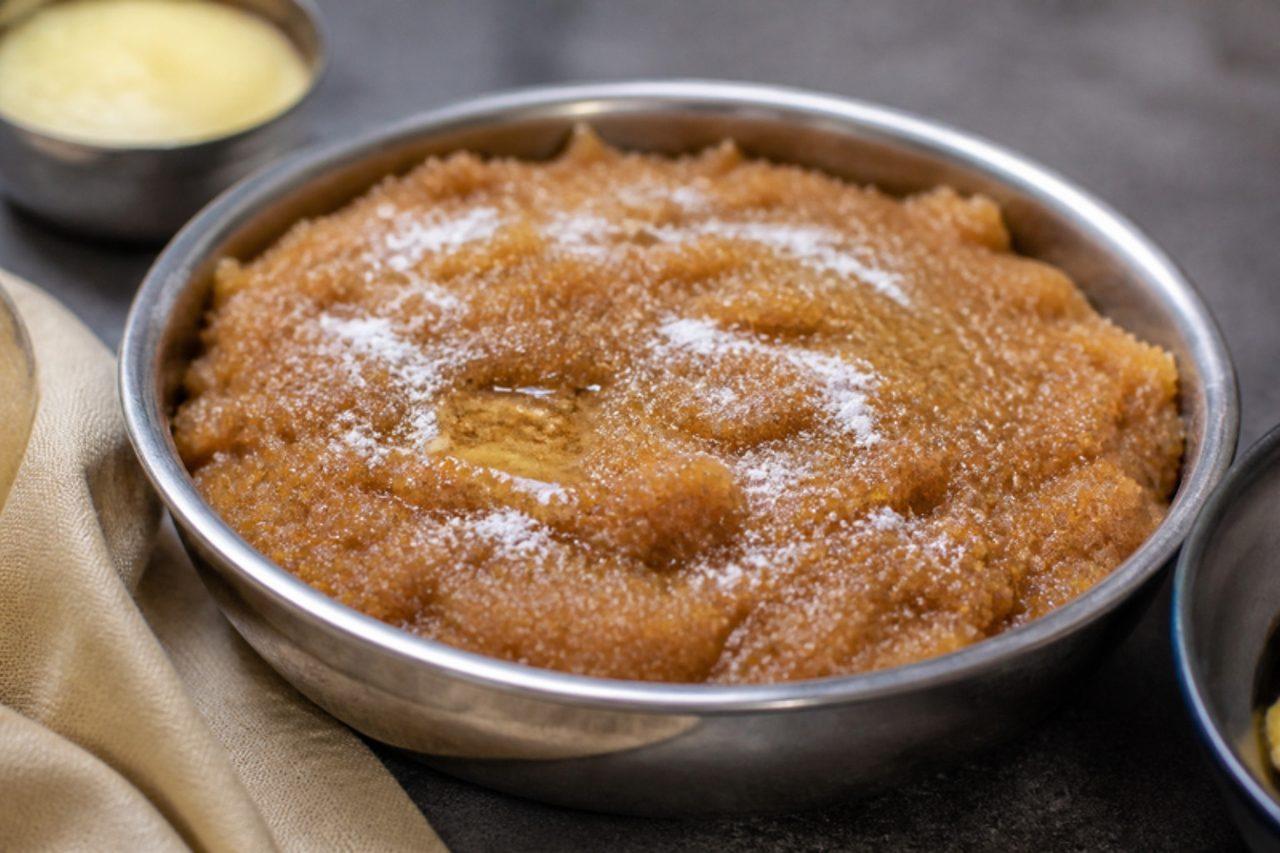
Along the Gulf coast, in Bushehr, Ahvaz and Abadan, halva-ye khorma is made from the year's soft dates and served at breakfast with bread, at funerals and on Thursday evenings in memory of the dead. Flour is toasted slowly until nutty, then beaten with warm date paste, saffron, cardamom and rosewater into a dense, glossy halva that is pressed into a dish and decorated. A common mistake is adding cold date paste to the hot flour, which seizes into lumps; warm the dates first. Chef's tip: keep stirring until the halva leaves the sides of the pan in one smooth ball, which means it will slice neatly once cool.

by KrazyBadal 0 views

King kongLayered biscuit with manjar blanco

Named, the story goes, after the giant ape because of its size when the film reached Peru, the king kong is Lambayeque's proudest sweet: thick, crumbly biscuit layers stacked with manjar blanco, a sticky pineapple jam and a peanut fudge, then cut into heavy slabs. Shops in Lambayeque and Chiclayo sell them by the kilo in boxes, and travellers carry them home as gifts. It is very sweet, buttery and dense, so a slice goes a long way with black coffee. This home version makes the manjar blanco from condensed and evaporated milk to save hours, then turns half of it into the peanut layer. The usual mistake is overbaking the biscuit until it is hard; take it out as soon as the edges are pale gold, as it firms up while it cools. It is a project, so make the fillings first and let them cool. Chef's tip: wrap the finished king kong and leave it overnight before cutting; the layers settle and soften into each other.

by KrazyBadal 0 views

GrießnockerlsuppeBeef broth with semolina dumplings

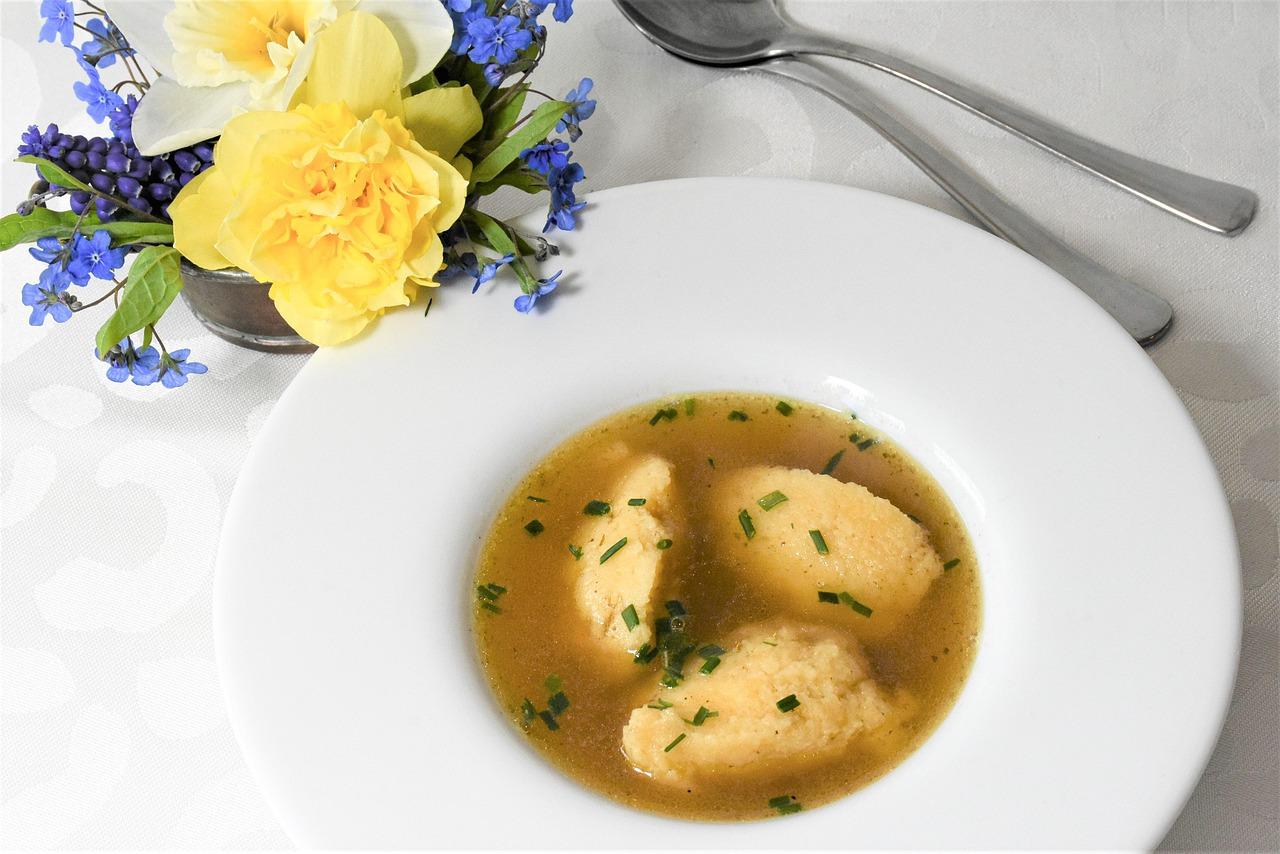
Grießnockerlsuppe is the soup that opens a proper Austrian Sunday lunch, from Viennese grandmothers' tables to village inns in Upper Austria: a clear, deeply savoury beef broth with three or four soft, oval semolina dumplings that should be fluffy enough to cut with a spoon. The broth is made from beef shin and bones, simmered slowly with charred onion; broth left over from Tafelspitz works perfectly too. Chef's tip: let the semolina mix rest for 15 minutes before shaping; the grains swell and the dumplings hold together without going heavy.

by KrazyBadal 0 views

KardinalschnittenMeringue and sponge coffee slices

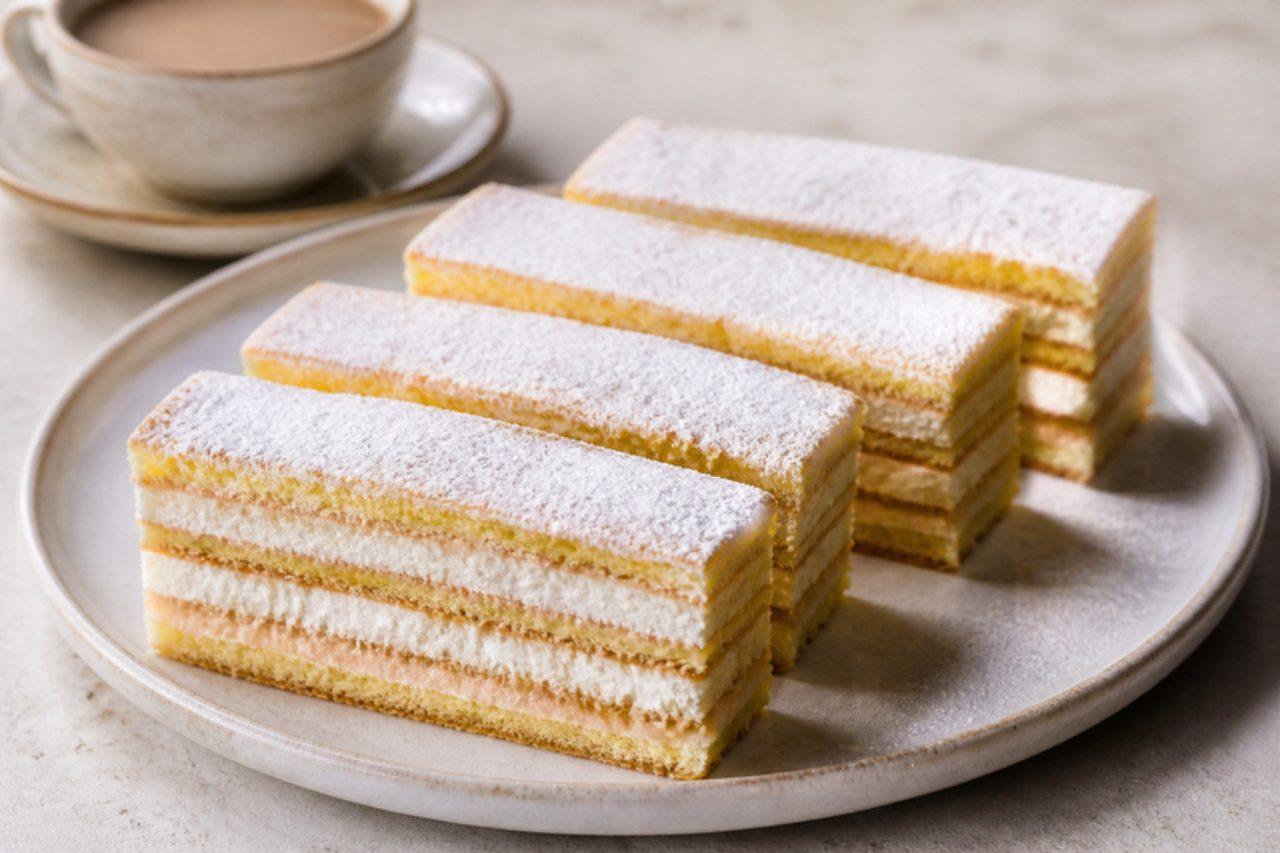
Kardinalschnitten, 'cardinal slices', were created in Vienna with the colours of the Church in mind: white meringue and yellow sponge baked side by side in stripes. In Viennese cafés they are a light, summery choice with an afternoon coffee. Two baked sheets of alternating stripes sandwich a soft coffee cream, and the result is crisp, airy and cool at the same time. A common mistake is overfilling with cream that has not been stabilised; it squeezes out when you cut. Here a little mascarpone keeps the cream firm without gelatine. Chef's tip: pipe the meringue stripes first and the sponge in the gaps after, so the sponge does not spread flat.

by KrazyBadal 0 views

MoghrabiehPearl couscous with chicken and chickpeas

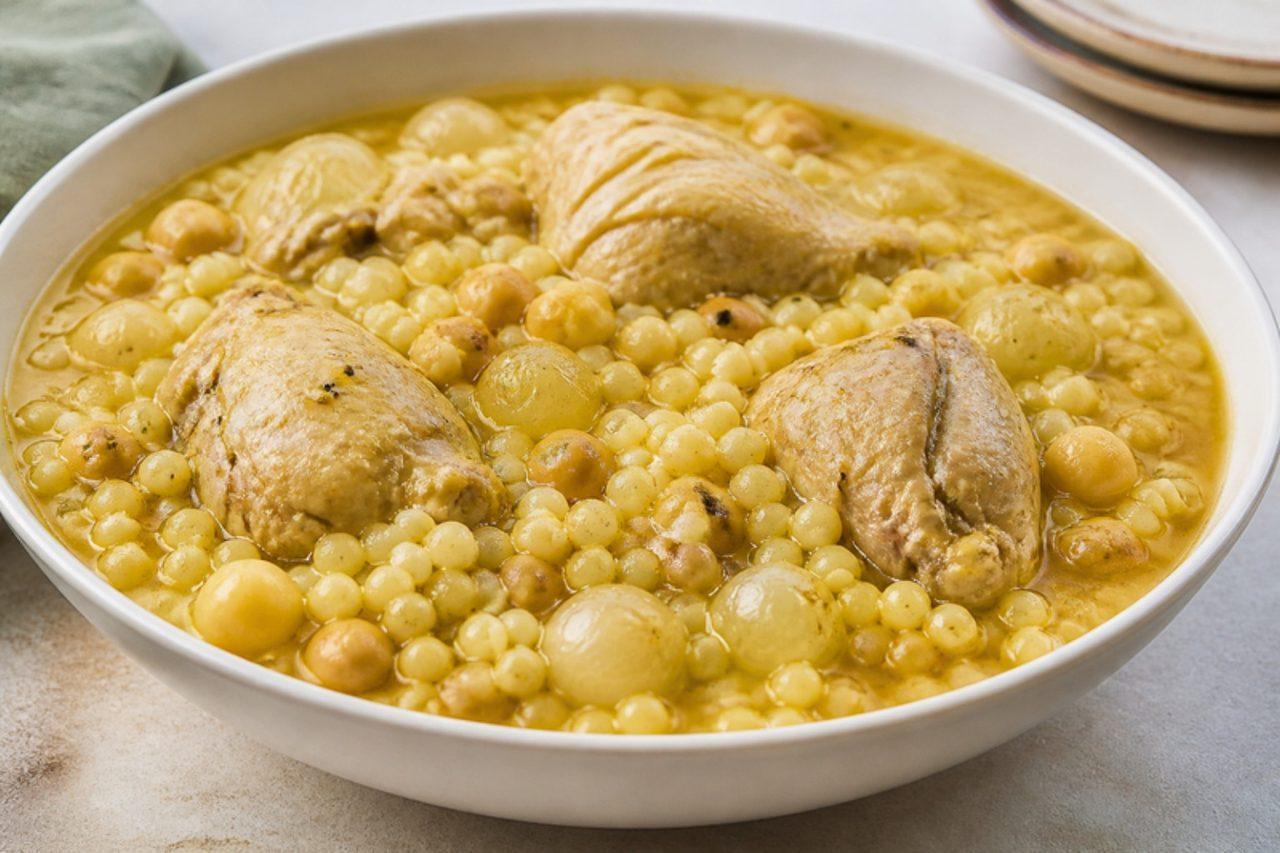
Despite its name, which nods to North Africa, moghrabieh is thoroughly Lebanese: big, chewy pearls of hand-rolled semolina cooked with chicken, baby onions and chickpeas in a broth scented with caraway and cinnamon. Families in Beirut and the mountains make it for Sunday lunch and especially on Christmas Eve in some villages. The pearls are served in a mound with the chicken and onions on top and a jug of broth to moisten each plate. Common mistake: boiling the pearls in the broth from the start; they turn gluey, so parboil them in water first. Chef's tip: toss the drained pearls in a little butter and caraway before mixing them with the onions — they stay separate and glossy.

by KrazyBadal 0 views

Karalahana sarmasıStuffed collard leaf rolls

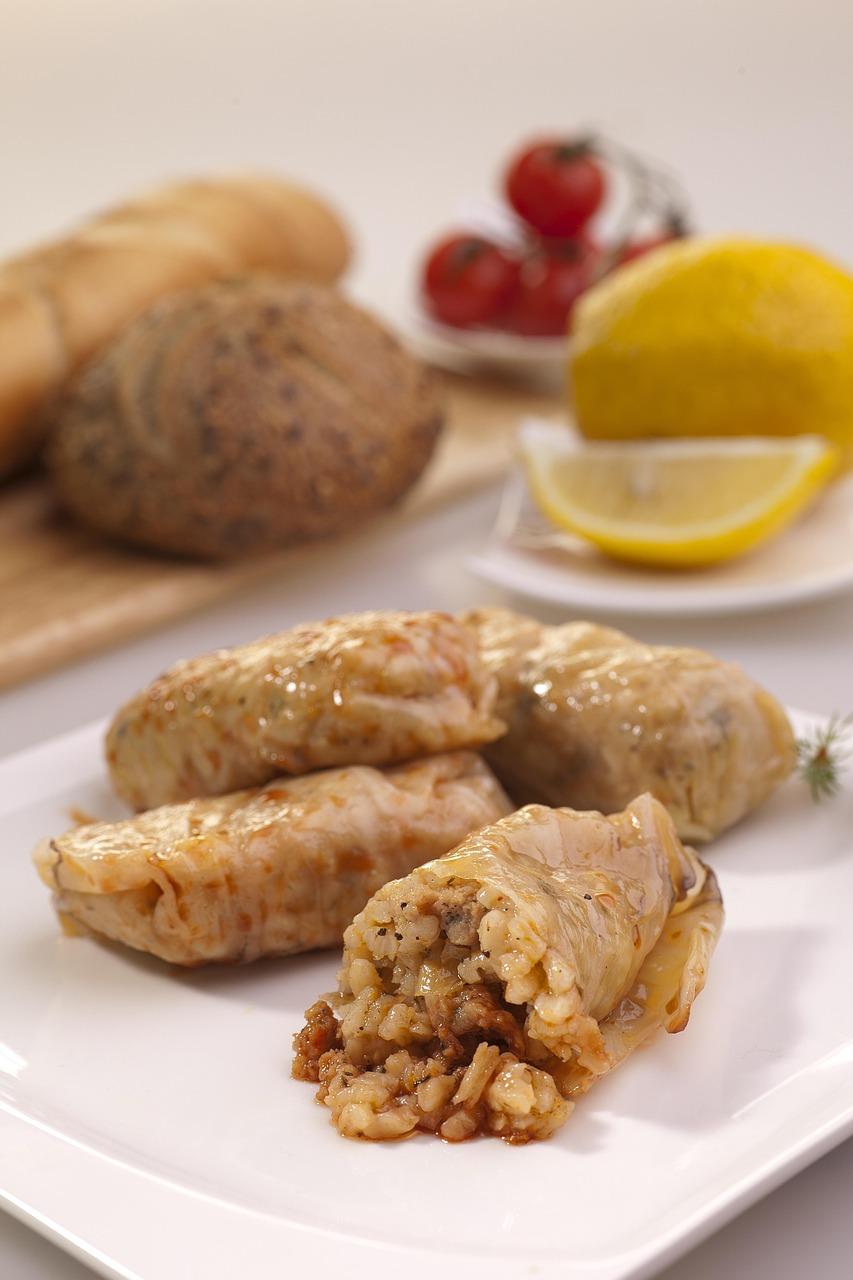
In Trabzon and Artvin kitchens the big dark leaves of karalahana are blanched and wrapped around a filling of minced beef, rice, onion and plenty of mint and dill, then packed into a pot and simmered with a little tomato and butter. The rolls are thicker and chewier than vine-leaf sarma, with an earthy taste that suits cold weather, and they're served with a bowl of garlicky yoghurt. Common mistake: leaving the thick central vein on the leaf; shave it flat with a knife or the rolls split. Simmer until the filling is cooked through to 71 °C and the rice is soft. Chef's tip: lay any torn leaves in the base of the pot so the rolls never touch the bottom and scorch.

100 minTurkishMeatGluten free
by KrazyBadal 0 views

Karalahana çorbasıCollard greens and bean soup

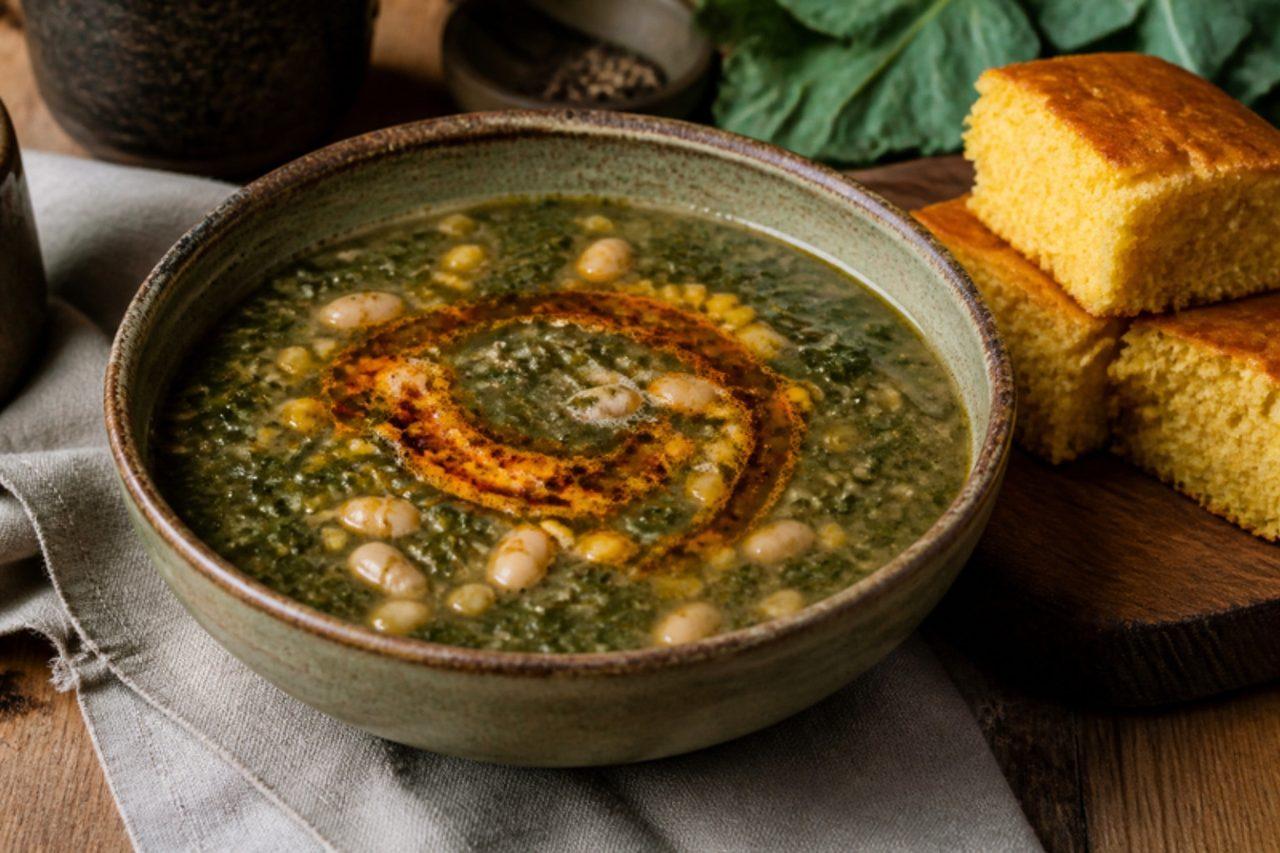
Dark, ribbed karalahana is the cabbage of the eastern Black Sea, and in Trabzon and Rize winter kitchens it goes into a thick soup that is somewhere between a broth and a stew. Shredded leaves simmer with borlotti beans, onion and a spoon of pepper paste, then a handful of cornmeal is whisked in at the end to give the soup body and a gentle sweetness. It is served with cornbread, a wedge of onion and a few chilli pickles. Common mistake: leaving the tough central ribs in; they never soften and make the soup stringy. Chef's tip: the soup is noticeably better the next day, so make it ahead and loosen it with a little hot water when you reheat.

by KrazyBadal 0 views

LavashakSour plum fruit leather

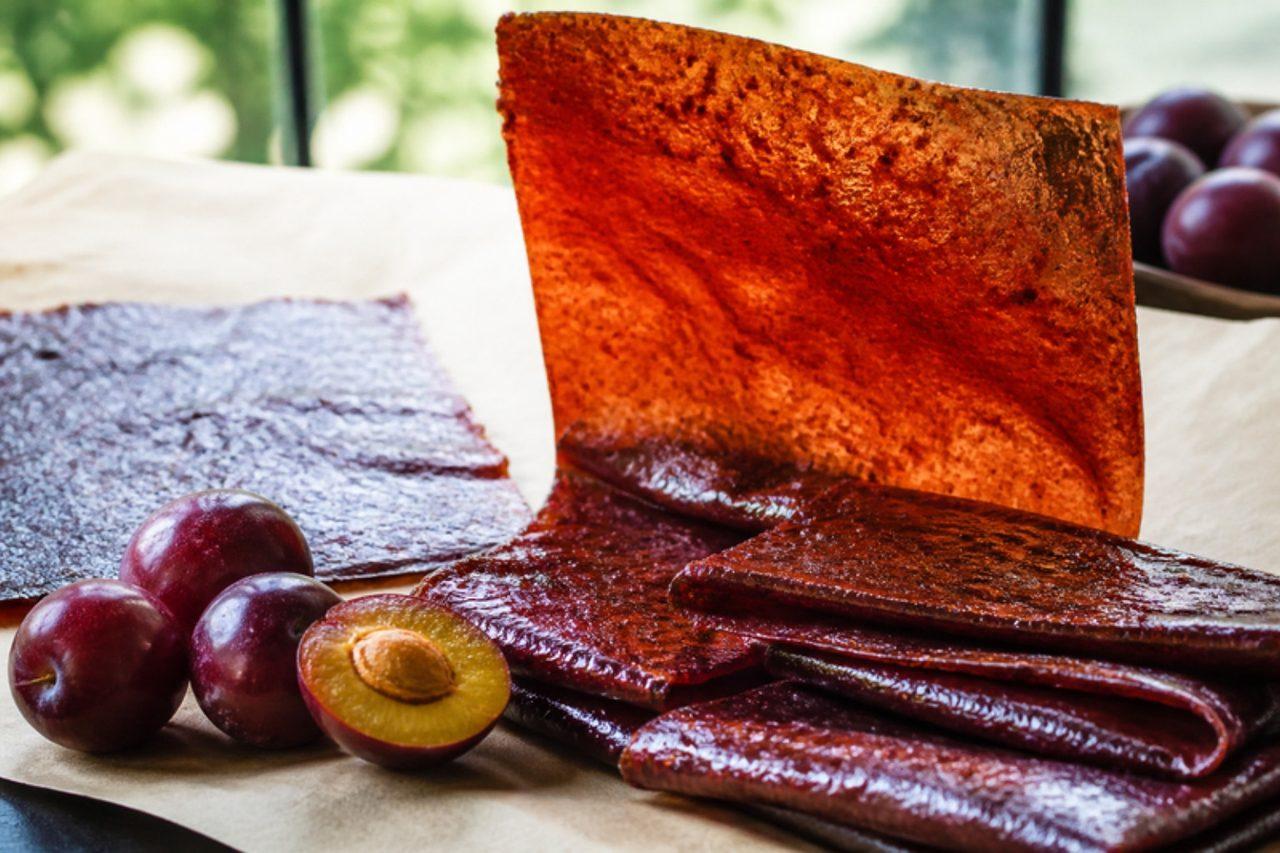
Lavashak is the sour fruit leather Iranian children buy rolled up in plastic from corner shops, and every family has a version dried at home in late summer, when tart plums and apricots are plentiful in Tehran's bazaars. Fruit is cooked down, sieved smooth, spread thin and dried until it peels off as a flexible, glossy sheet, sour enough to make you wince and very moreish. Torn into strips, it is a snack on its own or wrapped around a crisp of rice. Chef's tip: spread the purée evenly thin, about 3 mm; thick patches stay sticky while the edges go brittle.

by KrazyBadal 0 views

Shorbet kishkFermented yoghurt and wheat soup

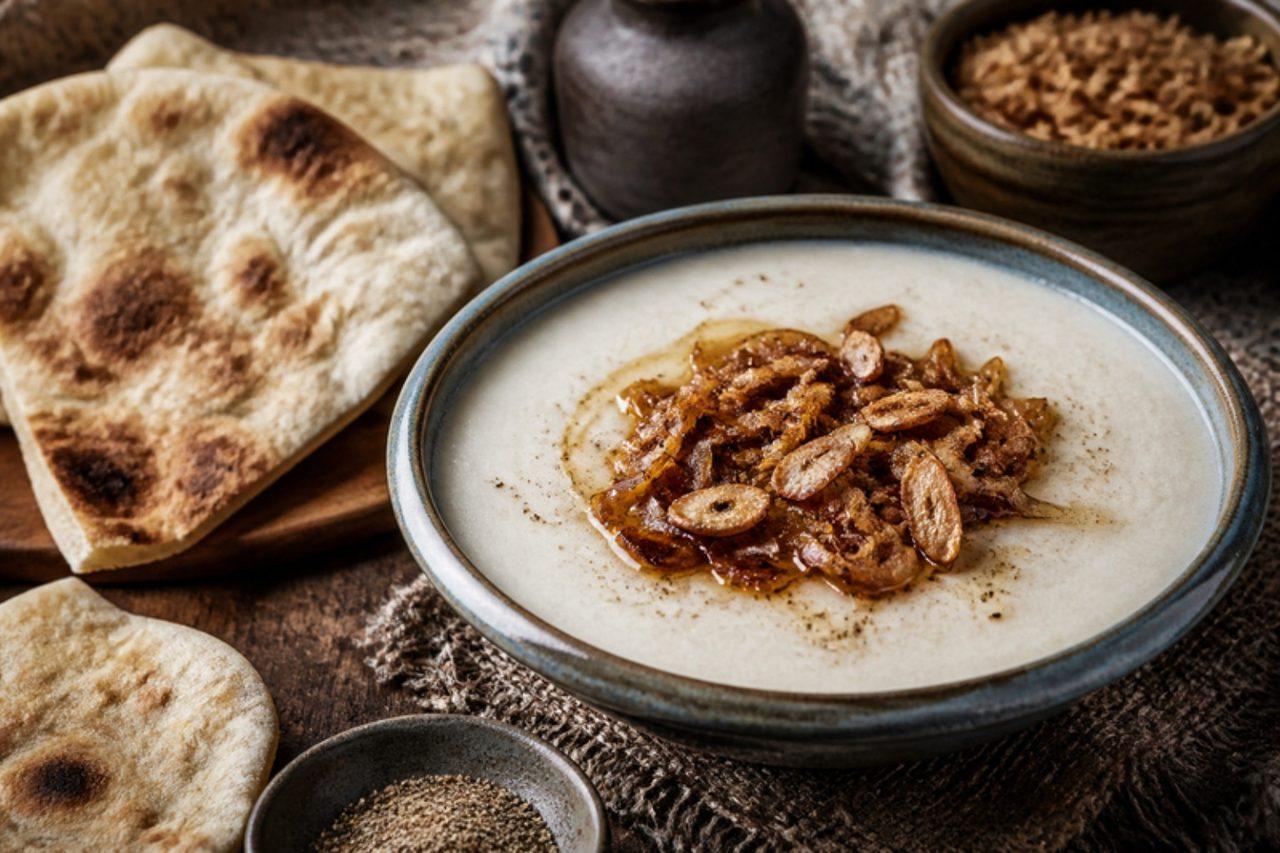
In the Bekaa Valley, late summer means spreading bulgur fermented with yoghurt on rooftops to dry, then rubbing it into kishk powder that keeps the family through winter. On a cold morning that powder becomes shorbet kishk, a thick, tangy, porridge-like soup eaten for breakfast with radishes, spring onions and flatbread to scoop it up. Meat-eaters often add preserved lamb (awarma); this version keeps it vegetarian with plenty of garlic and onion fried in olive oil. Kishk powder is sold in Middle Eastern grocers. Common mistake: adding the powder to hot water; it clumps, so always whisk it into cold water first. Chef's tip: finish with a spoonful of garlic sizzled in oil and a pinch of dried mint poured over each bowl.

by KrazyBadal 0 views

New Mexico biscochitosAnise cinnamon cookies

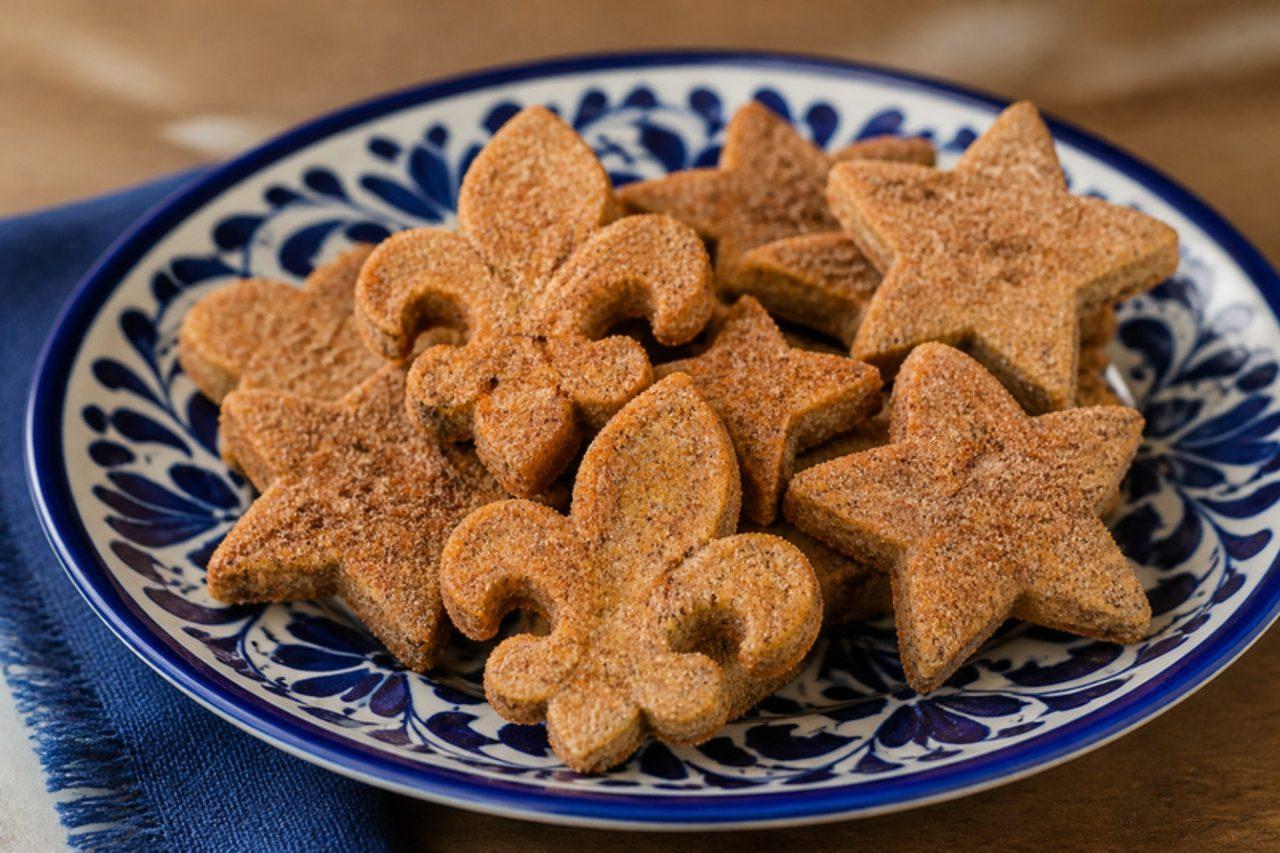
Biscochitos are New Mexico's official state cookie, baked by the thousand at Christmas, weddings and baptisms in Hispanic homes from Las Cruces to Taos. They are crumbly, short and scented with anise seed, cut into stars or fleurs-de-lis and dipped in cinnamon sugar. Grandmothers use lard, which gives the classic texture; this version uses butter so it stays vegetarian. Traditional recipes add a splash of brandy; here orange juice is used instead. Chef's tip: lightly crush the anise seeds to release the flavour.

by KrazyBadal 0 views

Layali LubnanSemolina pudding with cream and pistachios

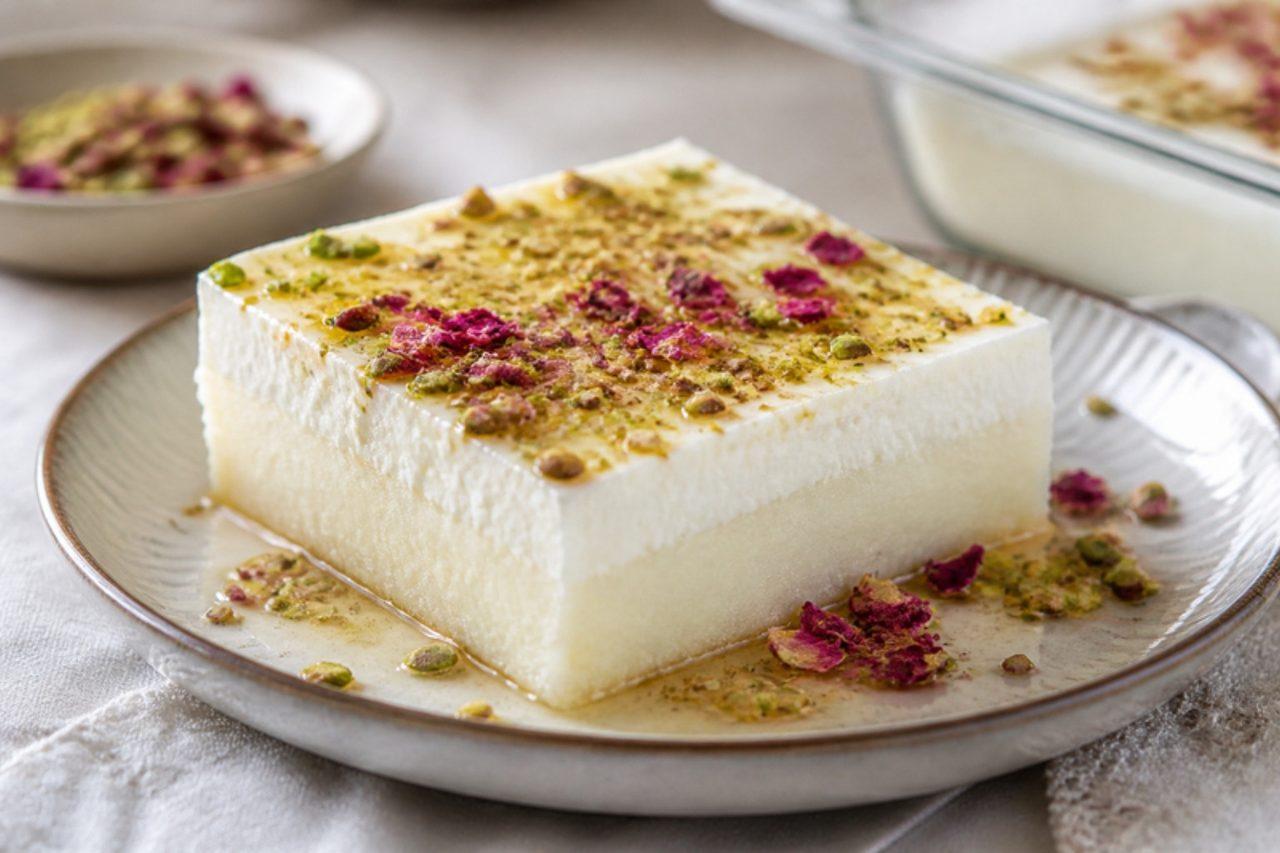
Layali Lubnan — 'Lebanese nights' — is the cool, wobbly pudding Beirut families make for Ramadan evenings and summer gatherings, because it is quick and feeds a crowd from one dish. A base of milk thickened with fine semolina and scented with orange blossom is topped with a thick layer of cream, then finished with pistachios, rose petals and a trickle of sugar syrup at the table. It is gentle and milky rather than very sweet; the syrup lets everyone choose. Common mistake: pouring the cream on while the semolina is still hot; it melts in and the layers blur. Chef's tip: whisk the semolina in slowly and keep whisking for the first minute — that is what keeps it perfectly smooth.

by KrazyBadal 0 views

Karadeniz mısır ekmeğiGolden cornbread

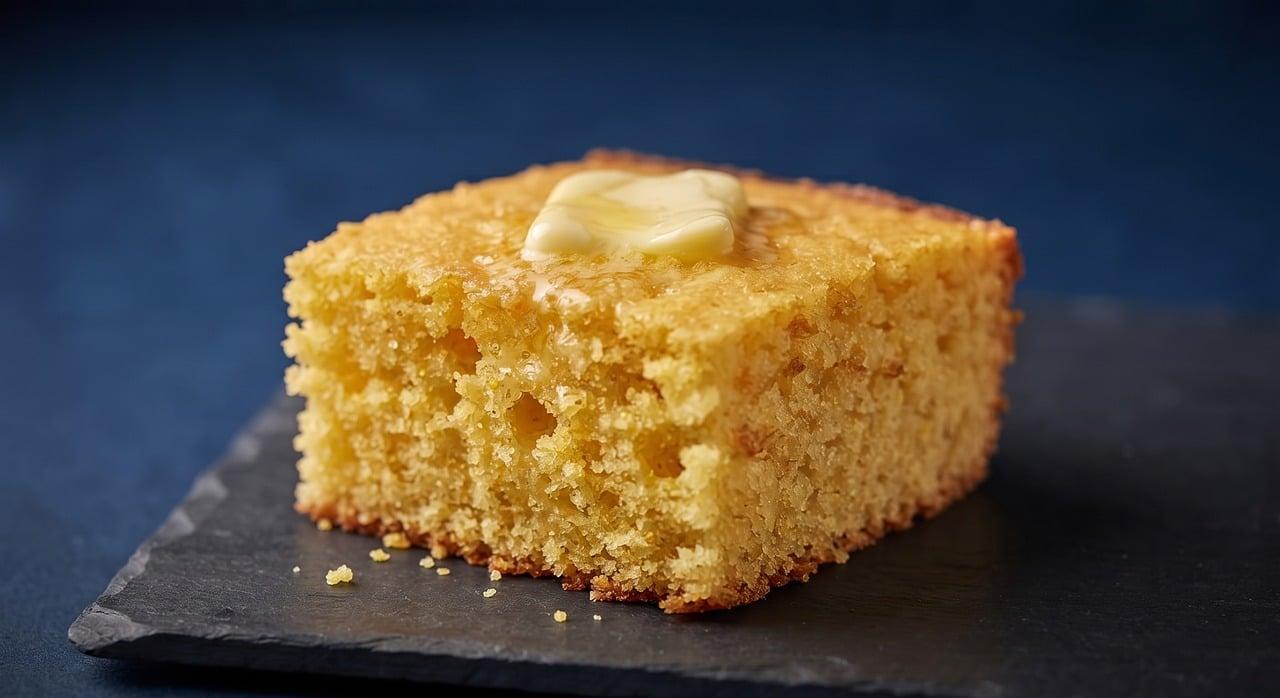
Along the Black Sea coast from Samsun to Artvin, cornbread was the everyday loaf long before wheat bread was common, and it still sits beside bowls of collard soup and plates of fried anchovies. This version is the simple household one: fine cornmeal scalded with hot water and milk, a little wheat flour and egg for lift, baked in a well-oiled pan until the crust cracks and the inside stays moist and slightly sweet. Cut it into wedges and eat it warm with butter, cheese or crumbled into soup. Common mistake: using cold water, which leaves the cornmeal gritty; scalding it first softens the grains. Chef's tip: heat the oiled pan in the oven before the batter goes in, so the base sizzles and forms a crisp, shiny crust.

by KrazyBadal 0 views

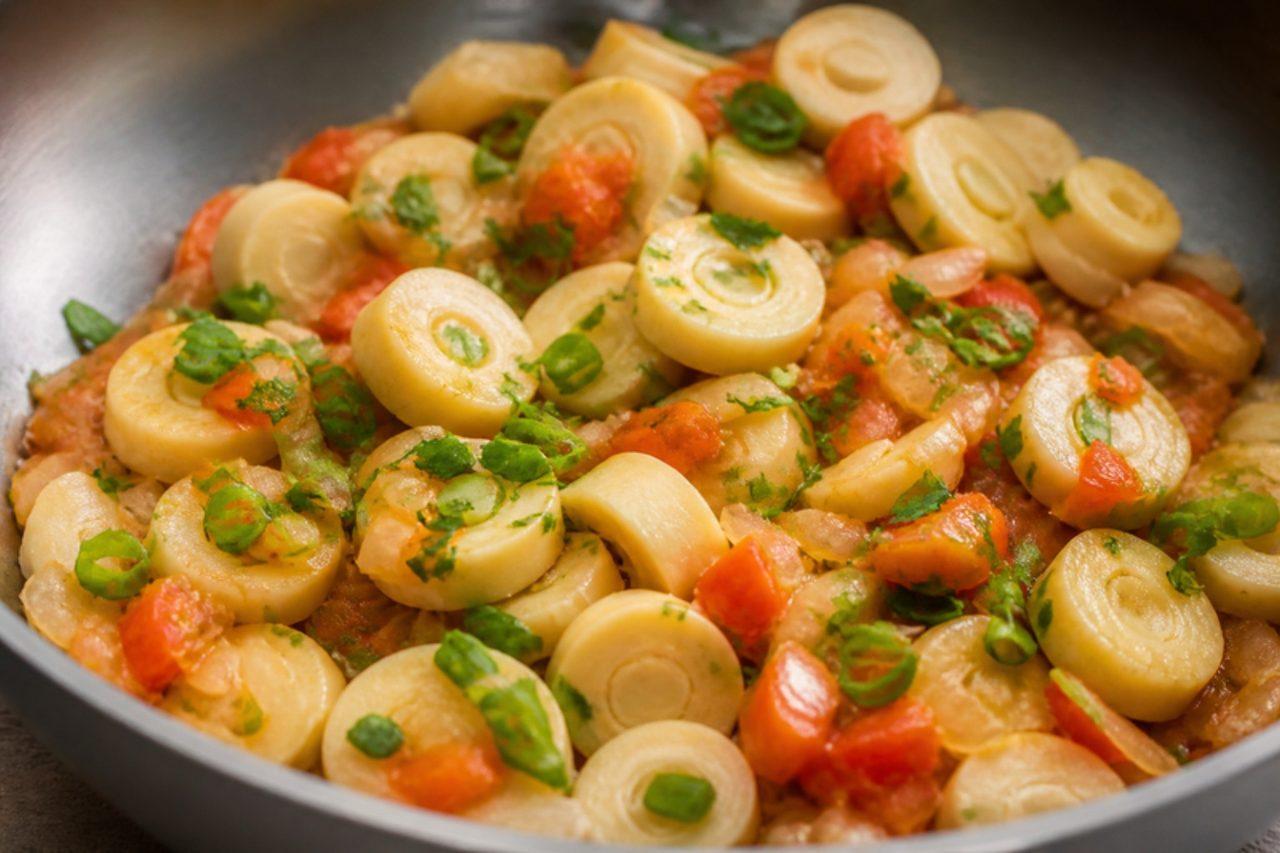
Guariroba refogadaSautéed bitter palm heart

Goiás is the one place in Brazil where people seek out bitterness in a palm heart: guariroba, from a cerrado palm, tastes like a cross between artichoke, chicory and jiló, and Goiânia's lunch counters serve it braised with tomato and onion beside rice, beans and pequi. The pale slices turn tender and silky, and the sharp, clean bitterness is softened by the sweet tomato base. Fresh guariroba is sold in Goiás markets, and jars or frozen packs in some Brazilian shops; elsewhere use ordinary palm heart with a handful of sliced chicory or radicchio for the bitterness. Cooks unfamiliar with it often boil it first to tame the bitterness, but that washes out the flavour that makes the dish; sauté it directly instead. Chef's tip: slice it thinly across the grain, because thick pieces stay fibrous however long you cook them.

by KrazyBadal 0 views

Karadeniz kıymalı pideBeef-filled flatbread boat

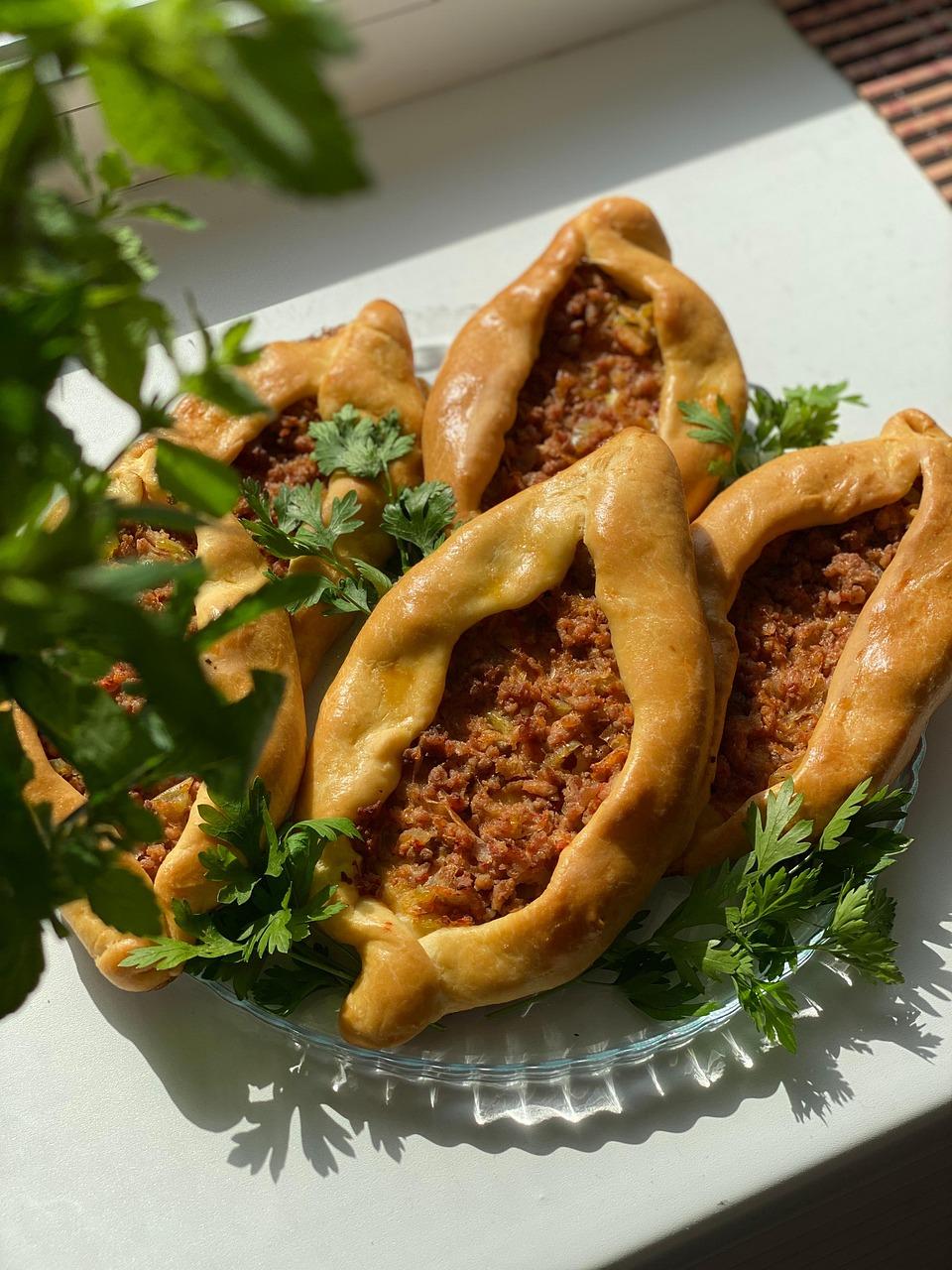
Pide salons in Samsun, Trabzon and Rize stretch their dough into long boats, pinch the ends into points and fill them with minced beef, onion, tomato and peppers, then slide them into a wood oven for a few minutes. At home a very hot oven and a heavy tray get you close: a crisp, chewy rim, a juicy filling and a brush of butter as it comes out. Slice across into strips and eat with ayran and a sharp shepherd's salad. Common mistake: a wet filling, which soaks the base; squeeze the chopped tomato and let the mince sit on the dough raw so its juices cook into the bread. The mince must reach 71 °C. Chef's tip: crack an egg into the middle for the last 3 minutes if you like it the Samsun way.

by KrazyBadal 0 views

KispiñoSteamed quinoa cakes

Pressed in a fist so each one carries the marks of the cook's fingers, kispiño are small, dense quinoa cakes from the Puno highlands, steamed and then left to dry so they keep for weeks on journeys, herding trips and pilgrimages. Traditional ones are bound with a little lime water (from cal, the mineral) and fat; this home version uses oil and a pinch of aniseed and sugar, so they're vegan and pleasantly savoury-sweet. They're firm and chewy, a little like a grain cake, and good with hot tea, coca tea or a soup on a cold day. The common mistake is making the dough too wet, so the cakes slump in the steamer; it should feel like damp sand that holds its shape when squeezed. Ground quinoa is quinoa flour; grind your own from rinsed, dried and toasted grain, or buy it ready ground. Chef's tip: toast the ground quinoa in a dry pan first until it smells nutty, which takes away any bitterness.

by KrazyBadal 0 views

Halim bademjanAubergine, wheat and lentil porridge

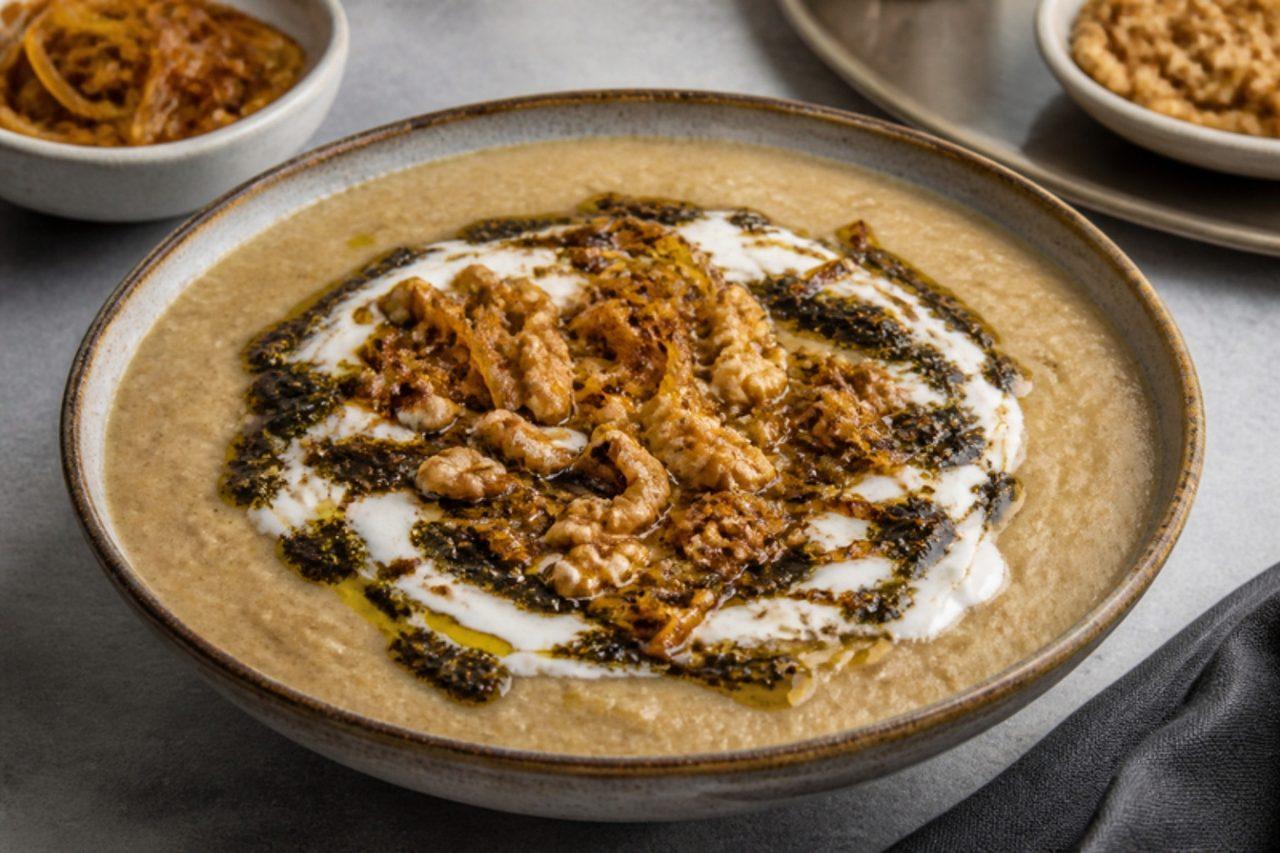
In Kashan and Isfahan, halim bademjan is the thick, savoury porridge served at religious vows and at long family lunches in autumn, ladled onto a platter and drawn over with patterns of kashk, fried mint and crisp onion. Usually it is cooked with lamb that is pounded into the grains; this vegetarian version keeps the soaked wheat and green lentils, which give the same velvety body. The texture should be smooth enough to spread but still hold a spoon line. Kashk is a fermented whey product made without rennet, so the dish is vegetarian; sour cream thinned with lemon is the nearest swap. A common mistake is not soaking the wheat overnight, which leaves the halim gritty. Chef's tip: mash the aubergine into the grains with a wooden pestle rather than a blender, so you keep some threads of texture.

by KrazyBadal 0 views

KapchiBroad beans in cheese sauce

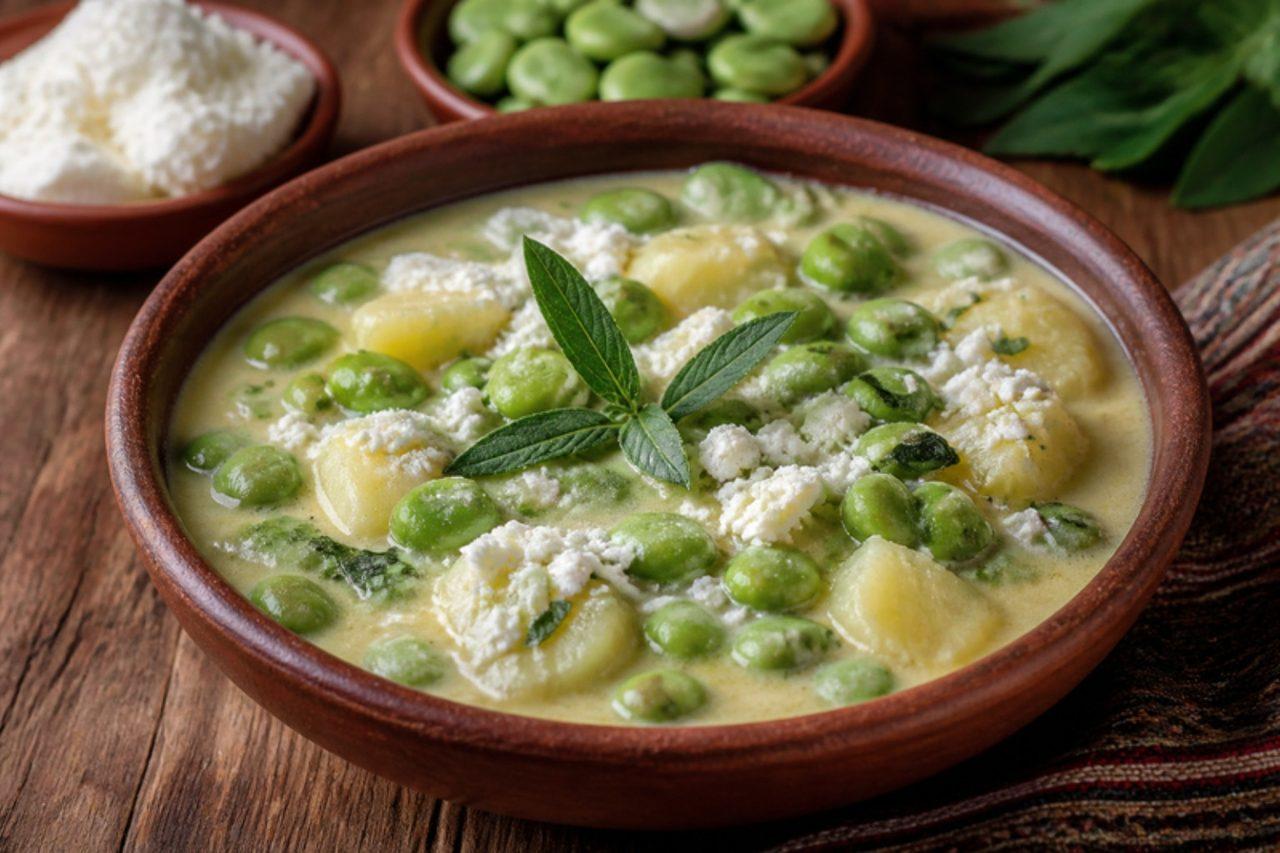
Kapchi (sometimes spelled capchi) comes from the Quechua for something like 'dressed' or 'creamed', and around Cusco it turns up when the fresh broad beans are in season: green habas, potatoes and soft fresh cheese simmered with milk until the sauce turns thick and pale, with ají and a handful of huacatay. Market stalls in San Pedro sell it with rice, and families make it at Easter as a meatless dish. It is gentle and creamy with a herby, slightly minty finish, and the beans stay sweet and tender. The trap is boiling the sauce once the cheese is in; it splits into curds and goes watery, so keep it at a bare simmer. Serve with white rice or boiled potatoes and a spoon of uchucuta. The same recipe works with sliced mushrooms instead of beans, which Cusco cooks also do. Queso fresco is usually set with animal rennet, so pick a vegetarian fresh cheese if you need to. Chef's tip: peel the beans of their pale inner skins after blanching; it takes ten minutes and makes the dish far silkier.

by KrazyBadal 0 views

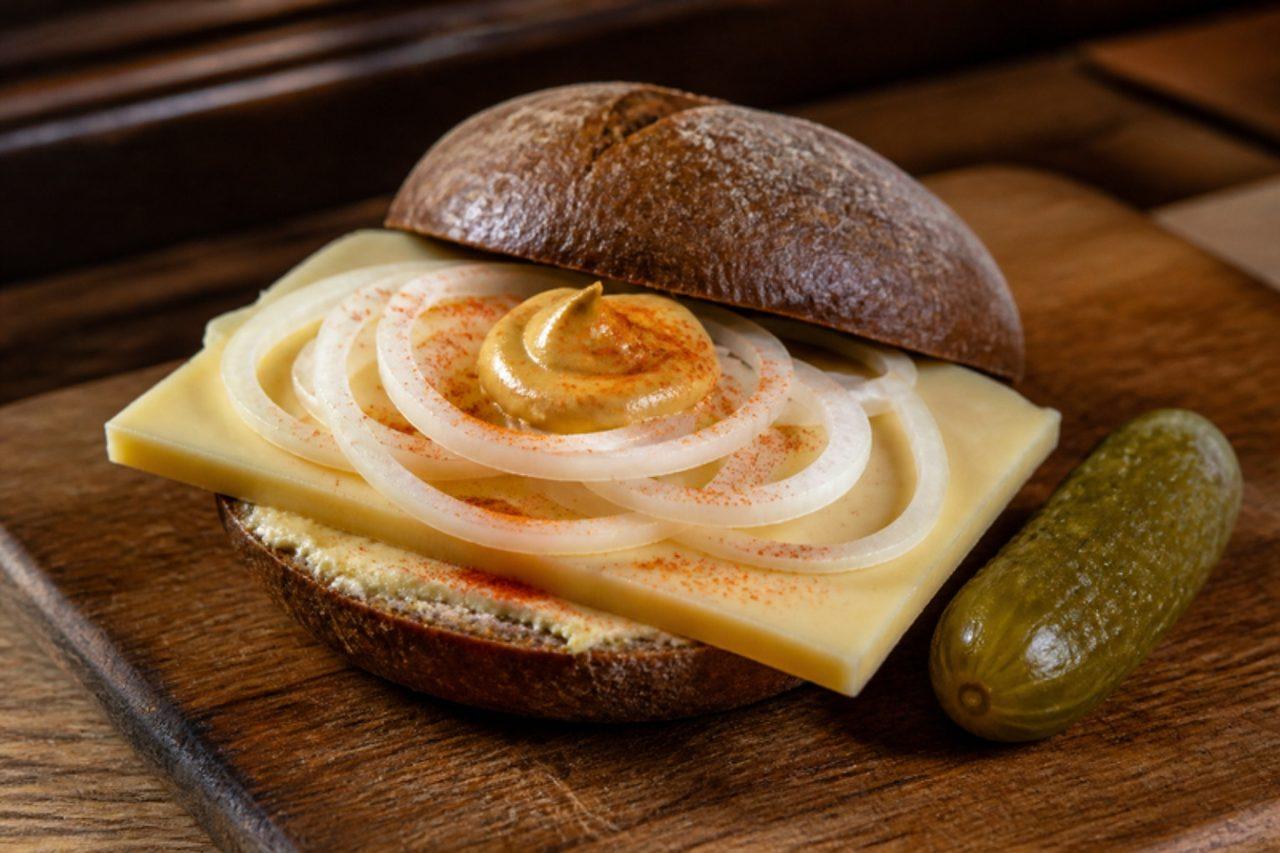
Halve HahnRye roll with Gouda and mustard

Order a Halve Hahn in a Cologne brewpub and you will not get half a chicken, whatever the name says: you get a buttered rye roll, a slab of aged Gouda, sharp mustard and raw onion rings. It is the standard snack on the long wooden tables of the Altstadt, eaten with a small glass of the local beer, though it is just as good with apple juice spritzer. The point is the contrast of crusty rye, nutty crystalline cheese and the bite of onion and mustard. Aged Gouda is usually made with animal rennet, so look for one labelled vegetarian or made with microbial rennet. A common mistake is slicing the cheese thin like a sandwich; the Cologne way is a slice as thick as your finger. Chef's tip: take the cheese out of the fridge 30 minutes ahead so its flavour opens up.

by KrazyBadal 0 views

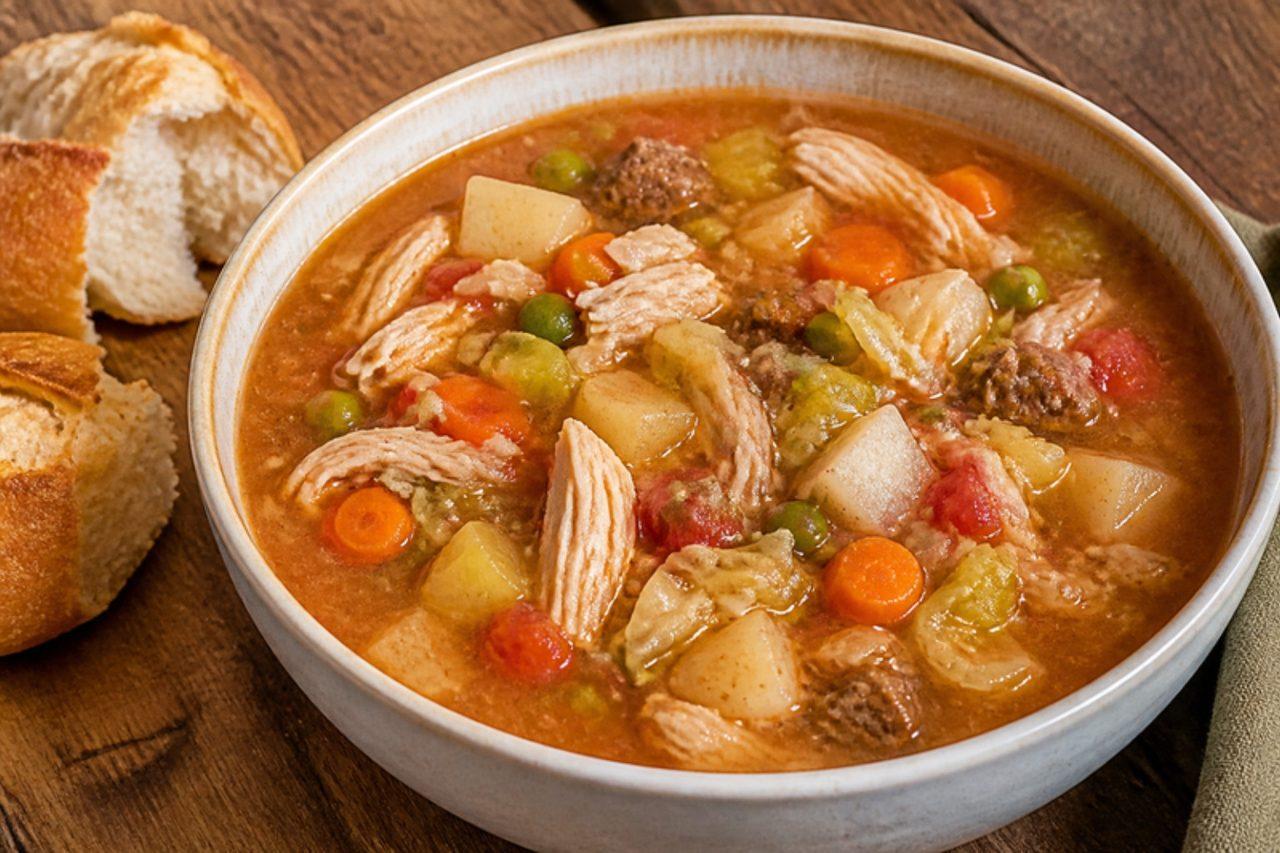
Green Bay chicken booyahChicken and vegetable stew

Booyah is the great community stew of north-east Wisconsin, brought by Belgian and French-Canadian settlers around Green Bay; church picnics and fire stations cook it in huge kettles over wood fires all day and sell it by the quart at fall festivals and Packers tailgates. It is a thick, peppery stew of chicken, a little beef and lots of vegetables, cooked until the chicken falls apart. Chef's tip: cook it long and slow and stir it often; a good booyah is thick enough that the spoon nearly stands up.

by KrazyBadal 0 views

Kerry Dingle piesSmall mutton pies

Dingle pies are small, round mutton pies made in west Kerry for the Puck Fair in Killorglin, for fishermen going to sea, and for farmers at the mart, often reheated in a bowl of the mutton broth. A firm hot-water-crust pastry holds a peppery filling of lamb or mutton, onion and carrot, so they travel well and are eaten by hand or with gravy. Chef's tip: shape the pastry while it is still warm; hot-water crust cracks and won't mould once it cools.

120 minIrishMeat
by KrazyBadal 0 views

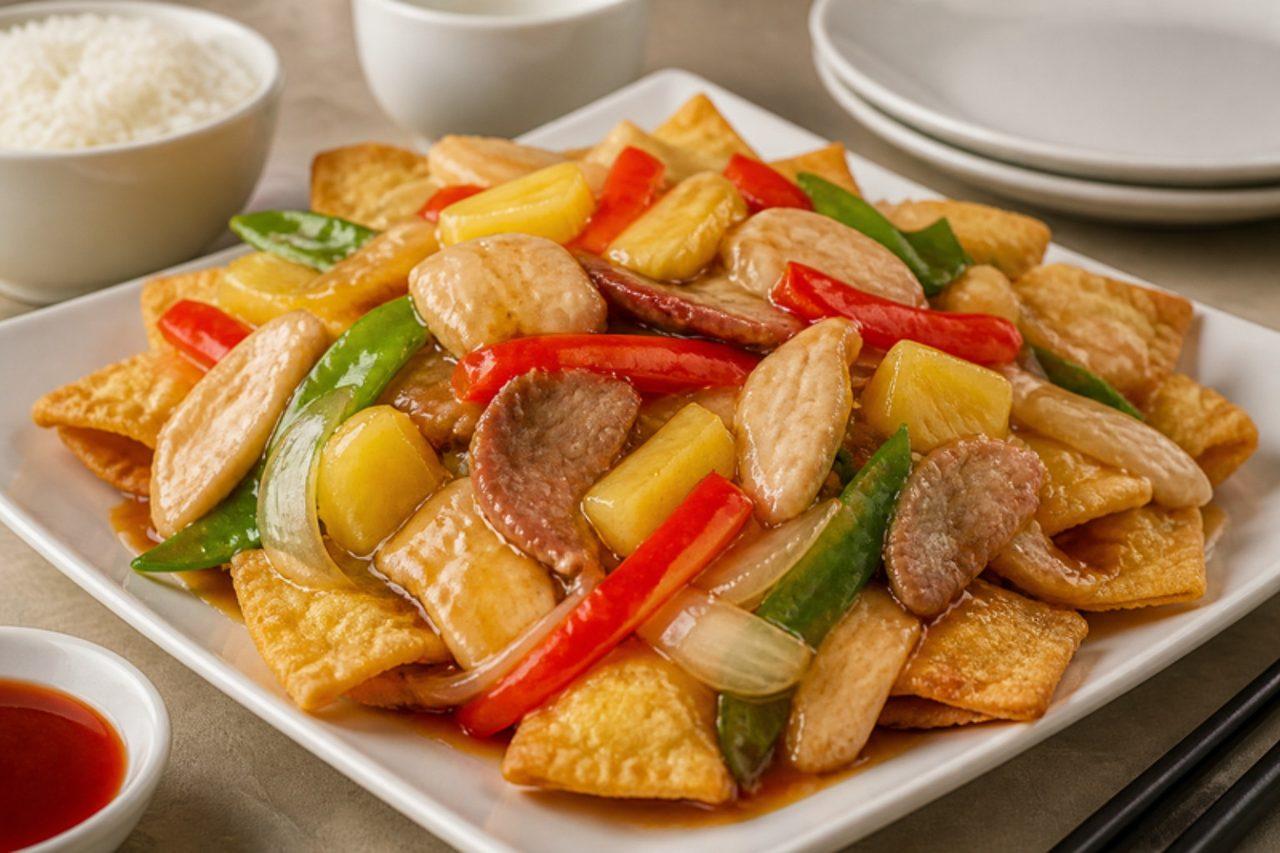
Kam lu wantánFried wontons in sweet-sour sauce

Brought to the table as a sharing platter at big chifa lunches in Lima, kam lu wantán is a gleeful mix of textures: golden fried wontons filled with ginger-spiked pork, smothered in a bright, sweet-and-sour sauce full of sliced chicken, pork, pineapple, peppers, carrot, snow peas and bok choy. The wontons shatter at the edges and soften where the sauce soaks in, so eat it fast. It works as a starter for a crowd or a main with rice. The mistake to avoid is making the sauce too thick and gloopy; it should flow over the wontons, not sit on them like jam. Chef's tip: fry the wontons at the last minute and pour the sauce over at the table so the crunch survives.

by KrazyBadal 0 views

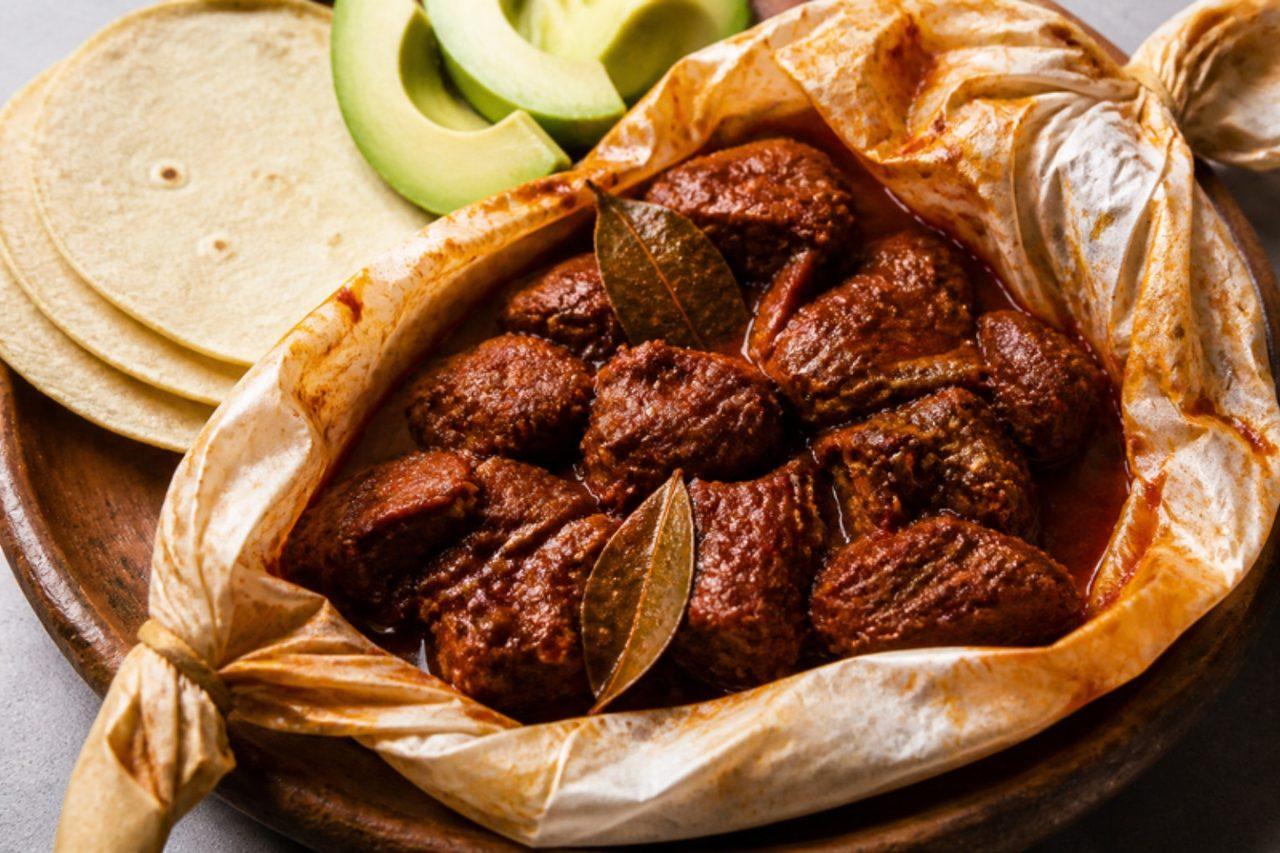
MixiotesChilli lamb steamed in parchment

Mixiotes belong to the high plains of Hidalgo and Tlaxcala, where they are a Sunday and fiesta dish sold from steaming pots at weekly markets. Chunks of lamb (or chicken) are soaked in a dark, aromatic paste of guajillo and ancho chillies with garlic, cumin and cloves, wrapped in parcels and steamed until the meat collapses into its own rich red juices. The traditional wrapper is mixiote, the thin skin peeled from maguey leaves, which is now protected and hard to buy, so this recipe uses baking parchment tied with string. The lamb marinates in the fridge for at least 4 hours or overnight. Open the parcels at the table and serve with corn tortillas, salsa verde and avocado. Chef's tip: twist and tie the parcels tightly so no steam gets in; a sealed parcel keeps the sauce thick and concentrated.

420 minMexicanMeatGluten freeSpicy
by KrazyBadal 0 views

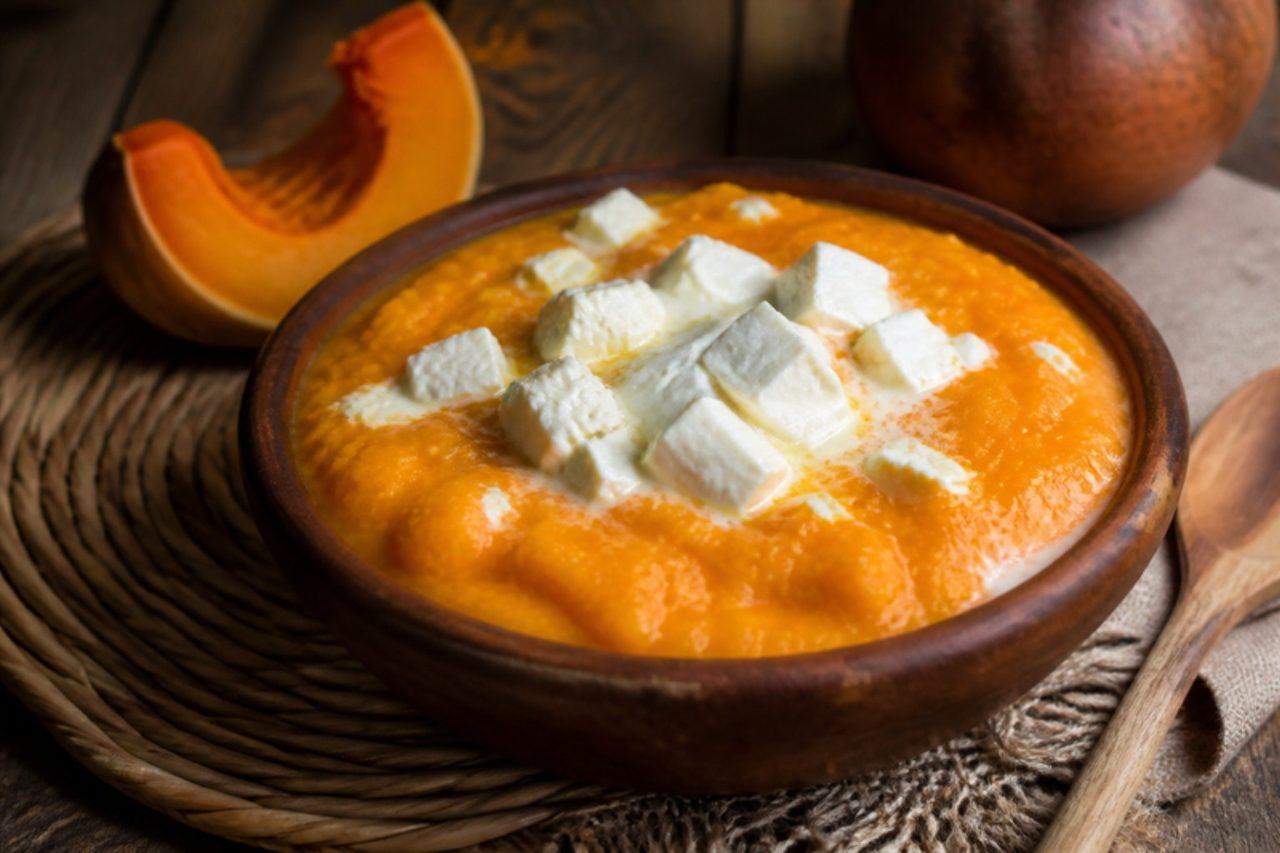
KiveveSquash purée with cheese

Kiveve (also written quibebe) is Guaraní food, cooked across Corrientes and Paraguay as a side for grilled meat or a supper on its own: ripe squash is simmered with onion until it falls apart, then thickened with a spoonful of cornmeal and enriched with milk and fresh cheese until it is smooth, orange and as soft as polenta, slightly sweet and slightly salty. Correntinos often serve it with chipá or sopa paraguaya on the side. The cornmeal is easy to get wrong: added all at once to a hot pot, it clumps into dry little lumps, so slake it first in cold milk and pour it in while stirring. Queso fresco or queso criollo is usually made with animal rennet; choose a vegetarian fresh cheese if needed. Chef's tip: use the deepest orange squash you can find, ideally a ripe Argentine anco or a kabocha; a pale squash gives a watery, bland kiveve.

by KrazyBadal 0 views

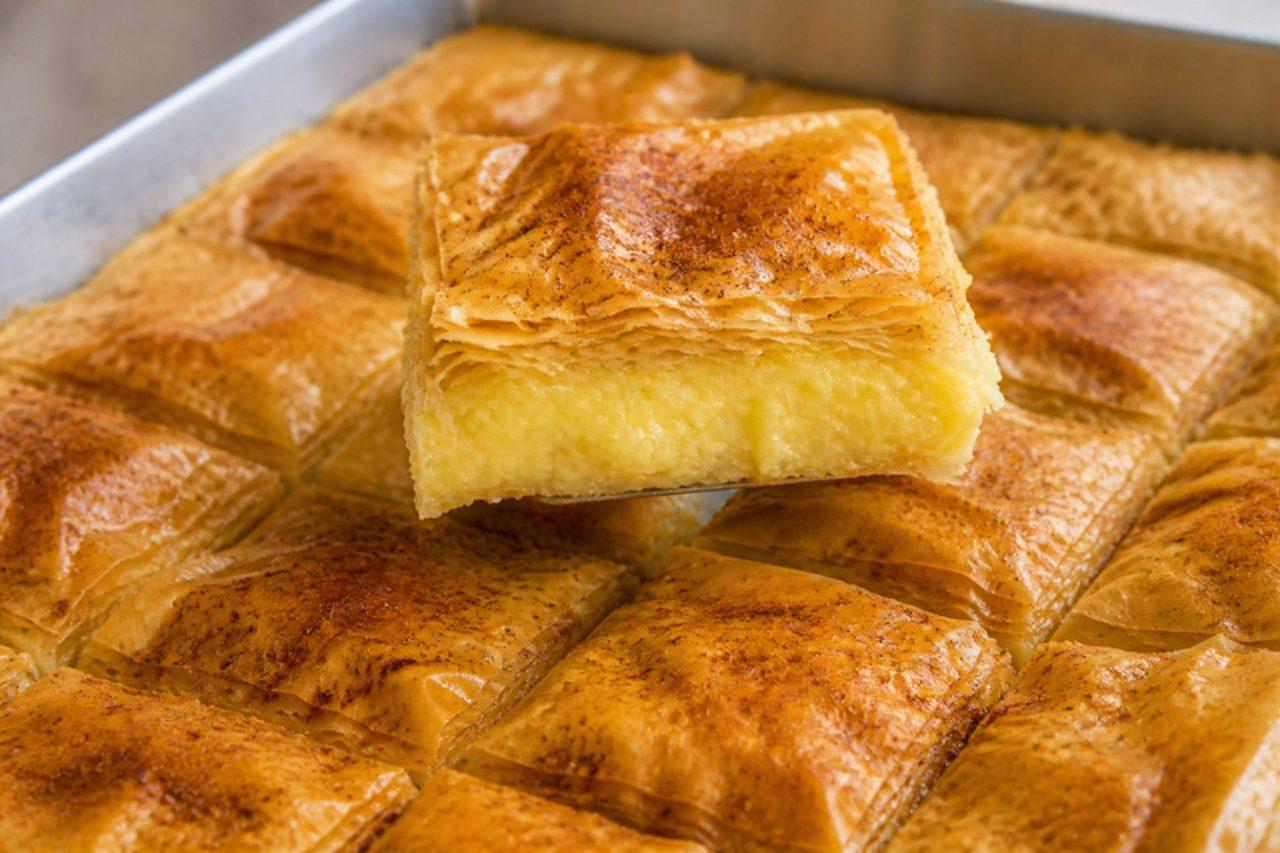
Laz böreğiCustard-filled filo pie in syrup

Ask for something sweet in a Rize pastry shop and you are likely to be handed a square of Laz böreği, a crisp filo pie layered with butter and filled with a thick, vanilla-scented milk custard, then drenched in cool syrup as it leaves the oven. It is a wedding and holiday dessert in Laz villages, and an everyday treat with tea in town. The top shatters, the middle is soft and creamy, and the syrup keeps it fresh for a couple of days. Common mistake: pouring hot syrup on a hot pie, which makes the pastry soggy; one of the two must be cool. Chef's tip: cook the custard until it holds a trail for a few seconds, then cover the surface with cling film so no skin forms before you layer it.

by KrazyBadal 0 views

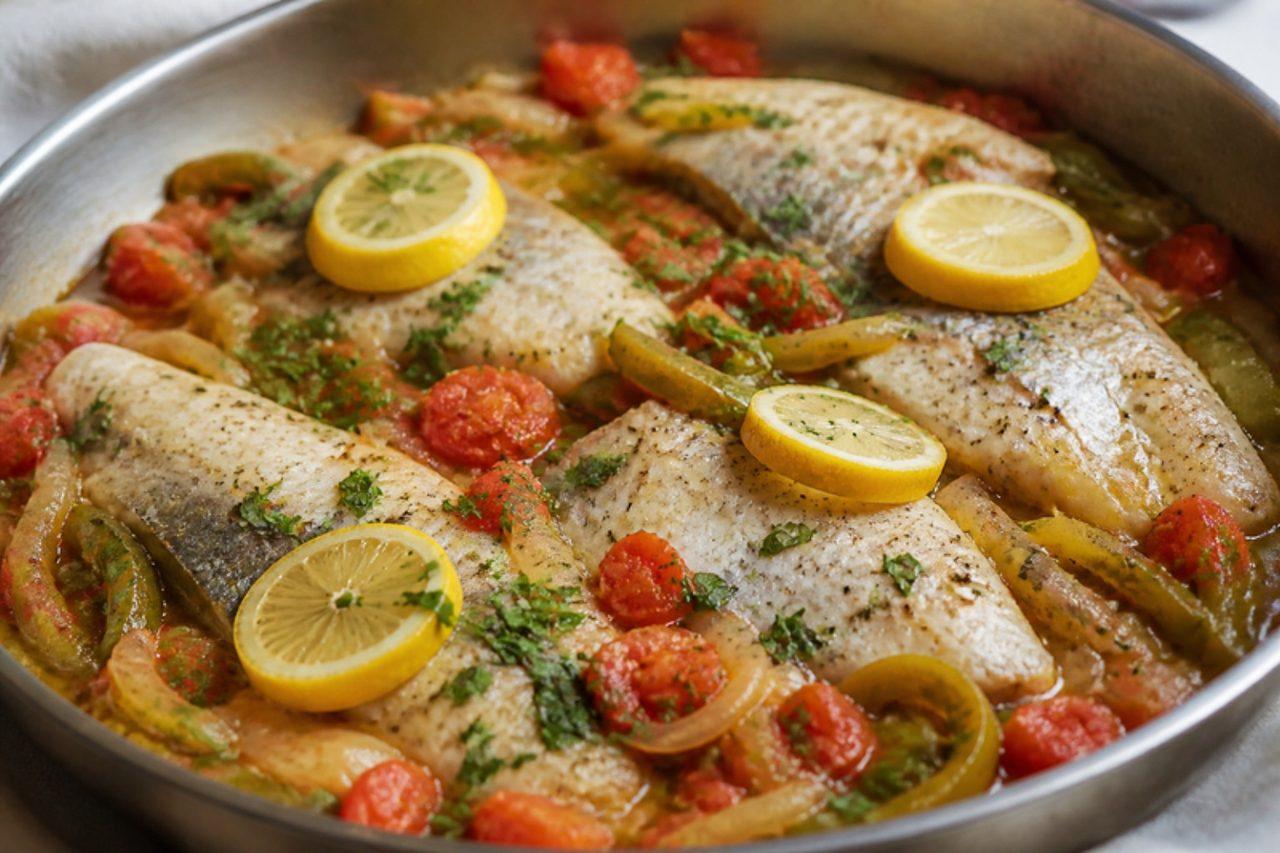
Levrek buğulamaSteamed sea bass with tomatoes

Buğulama means 'steamed', and in the fish restaurants of Urla and Foça it is how gentle white fish like sea bass are cooked when the cook wants them to taste of themselves: laid over onions, tomatoes and peppers, covered and left to steam in their own juices with a little lemon and bay. The result is soft, moist fish in a light, fragrant broth to mop up with bread. Serve with a green salad and boiled potatoes. Chef's tip: keep the heat low once the lid goes on; the fish should barely tremble, not boil.

by KrazyBadal 0 views

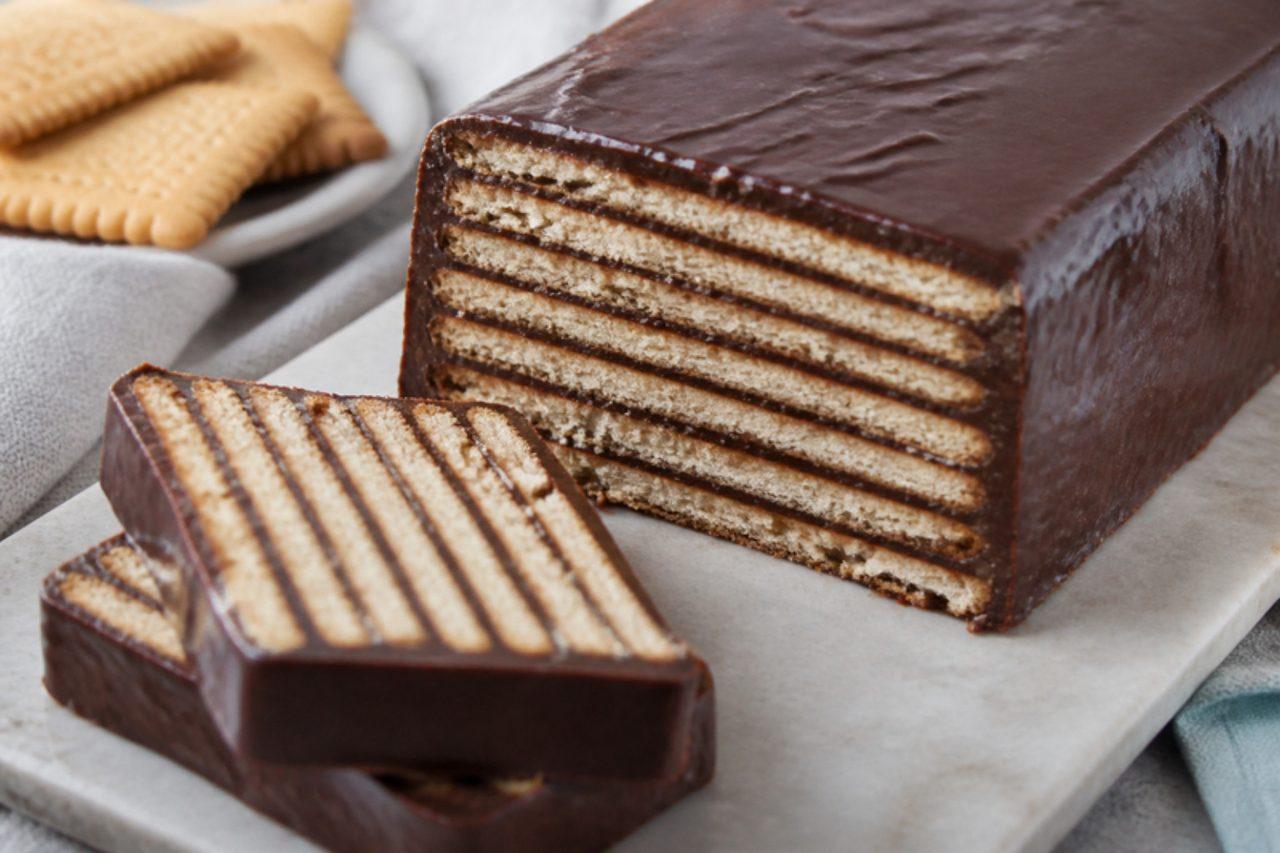
Kalter HundNo-bake chocolate biscuit loaf

Kalter Hund, the 'cold dog', is the no-bake party cake of West German childhoods, set in a loaf tin in the fridge and sliced into stripes of crisp biscuit and dark chocolate at every 1970s birthday. Recipes from Hamburg to Bavaria differ only in the details; old ones used coconut fat and raw egg, while this version uses dark chocolate, cream and a little coconut oil, so there is nothing raw in it. A common mistake is pouring the chocolate too hot, which softens the biscuits into mush; it should be just warm. Chef's tip: line the tin with cling film overhanging the sides, then you can lift the whole loaf out and slice it with a hot knife.

by KrazyBadal 0 views

HilbehFenugreek semolina cake

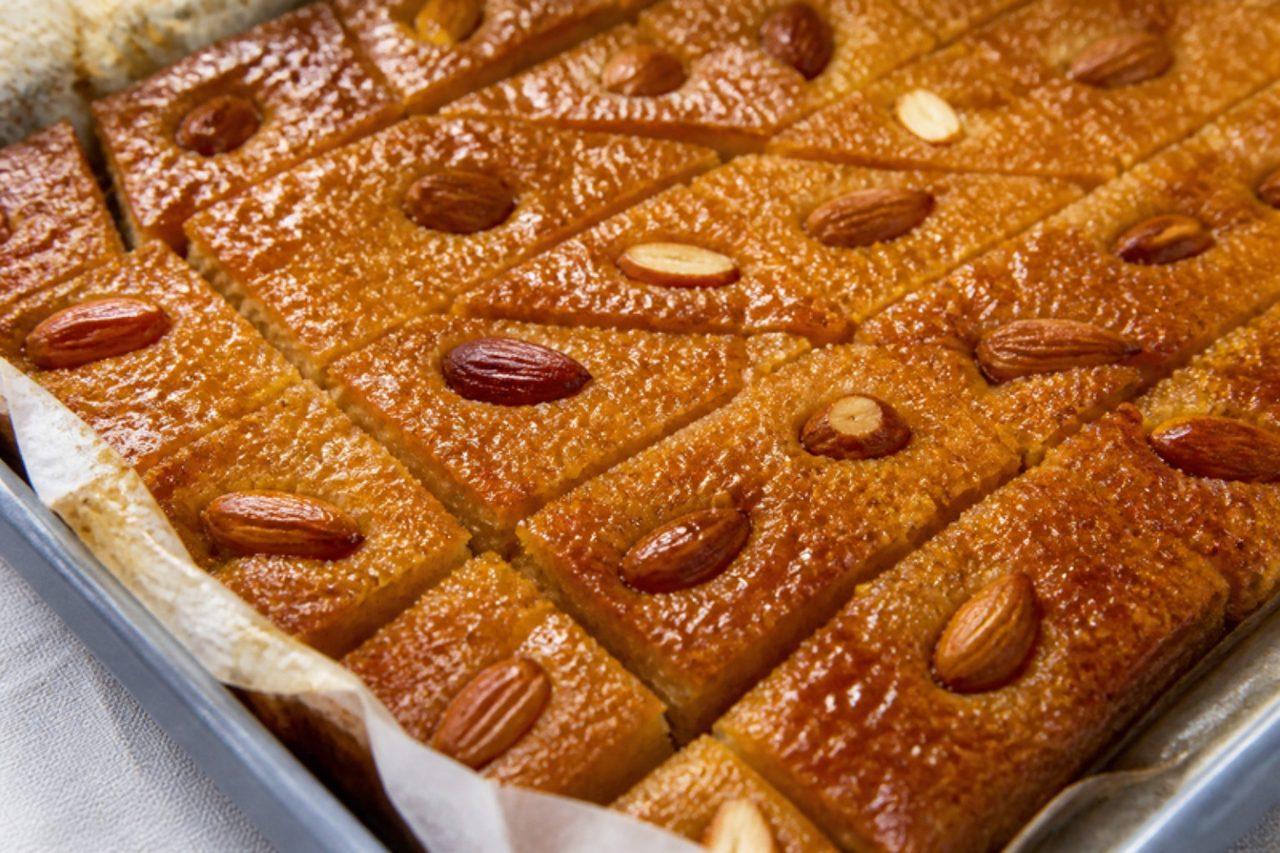
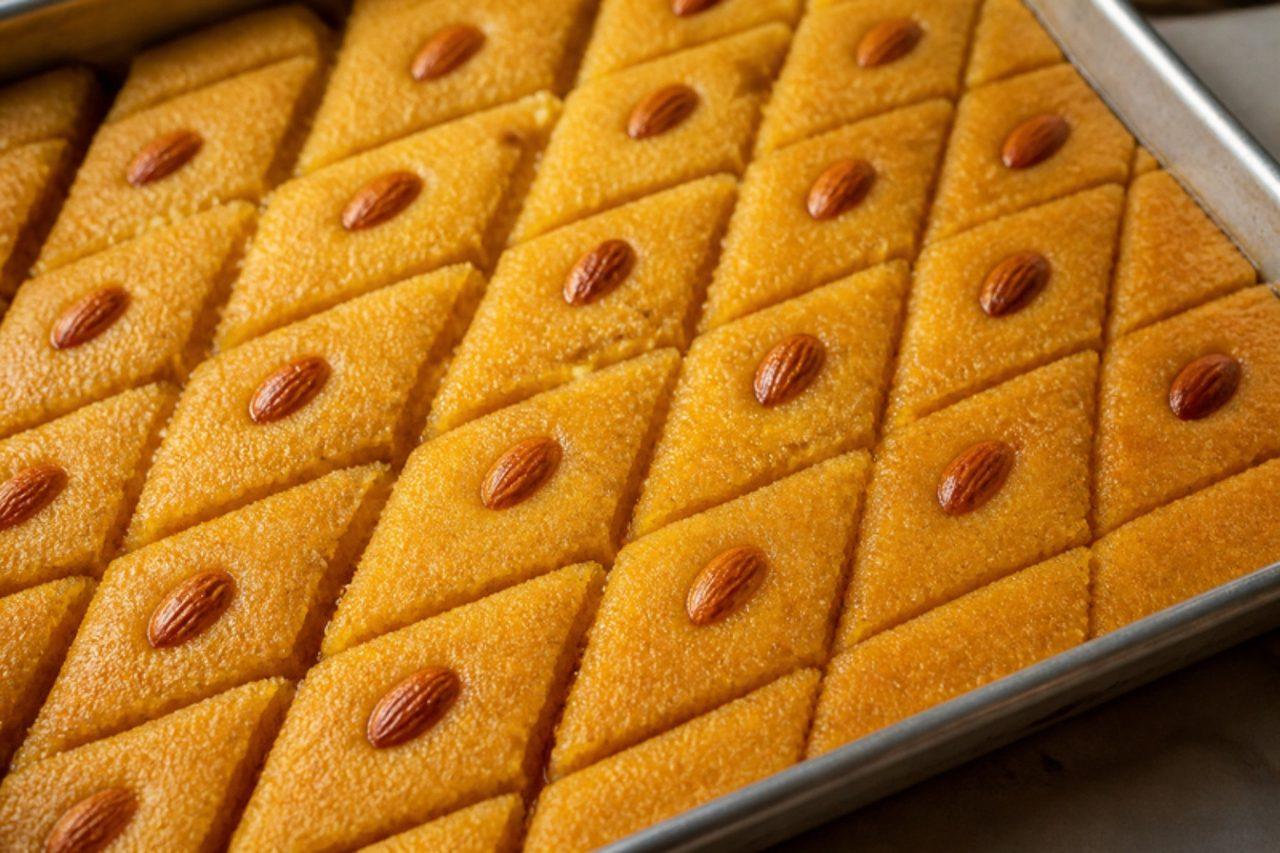
Hilbeh is the tray cake Jordanian grandmothers bake in winter and for visits after childbirth, when fenugreek is believed to warm and strengthen. Soaked fenugreek seeds swell into soft, jelly-coated beads that dot a dense semolina crumb, giving a gently bitter, maple-like scent that the hot syrup softens. Cut into diamonds, each topped with an almond, it sits on the coffee table beside Arabic coffee from Irbid to Aqaba. The mistake people make is using the seeds dry: they stay hard and bitter, so boil and soak them first. Chef's tip: pour cold syrup over the cake the moment it leaves the oven; hot-on-cold soaks in evenly and keeps the top from going soggy.

by KrazyBadal 0 views

ManiçobaManioc leaf and smoked pork stew

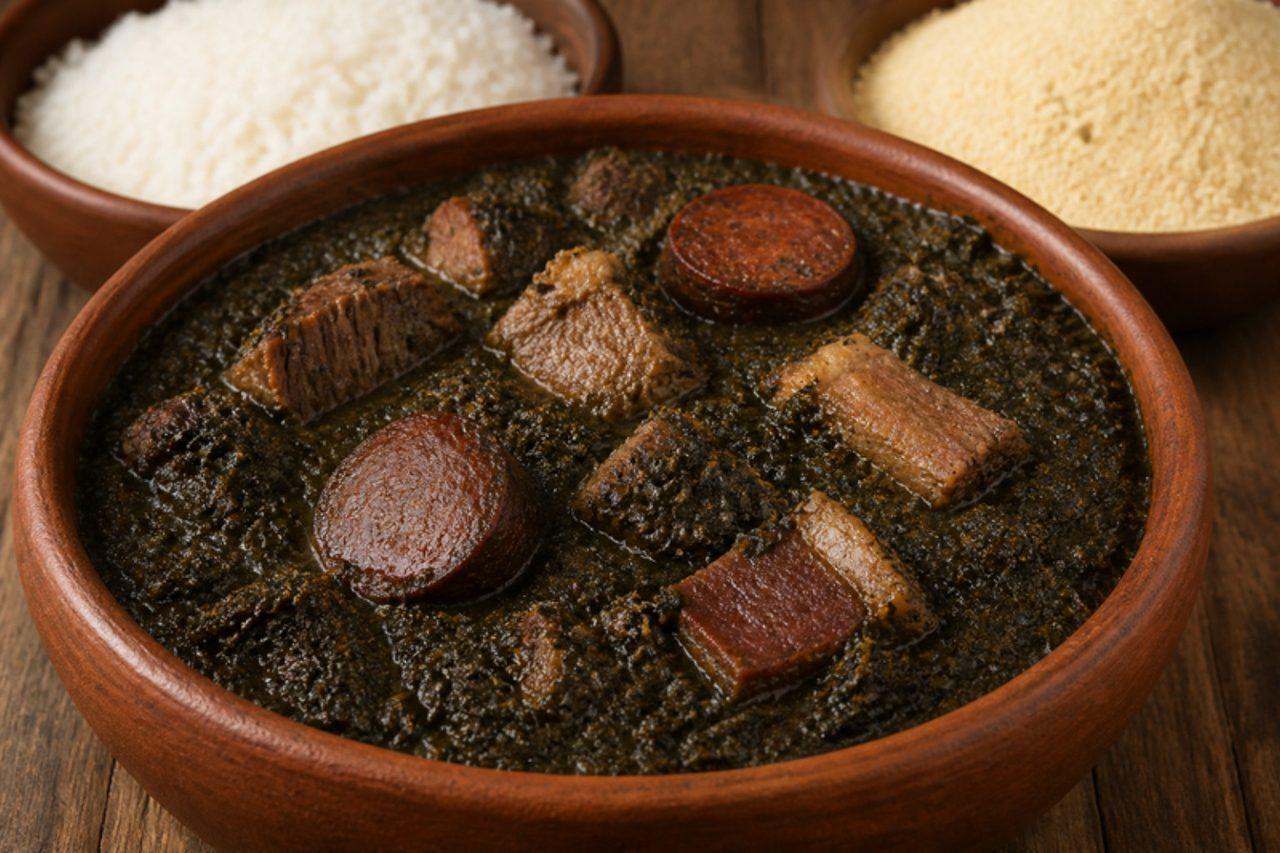
Black-green, smoky and rich, maniçoba is the dish Belém cooks for the Círio de Nazaré in October, when families gather after the great procession, and it is sold all year at the Ver-o-Peso market. Its base is maniva, ground manioc leaves, which contain natural cyanide and must be cooked for days before they are safe; in Pará cooks simmer it for up to a week. Never use raw or home-ground manioc leaves for this dish. Buy only ready-cooked ground maniva (sold frozen in Brazilian shops and labelled pre-cooked), and follow the pack's further cooking time if it is longer than ours. The leaves are then simmered for hours with the cuts of a feijoada: salted pork ribs, smoked bacon, smoked pork sausage, beef jerky and pig's trotter, until the meat falls apart into a thick, smoky, faintly bitter stew. Serve it with white rice, farinha d'água and pimenta-de-cheiro. Plan ahead: the salted meats need soaking overnight. The usual mistake is adding the meat too early, so it disintegrates. Chef's tip: maniçoba tastes even better reheated the next day.

by KrazyBadal 0 views

MırraBitter cardamom coffee

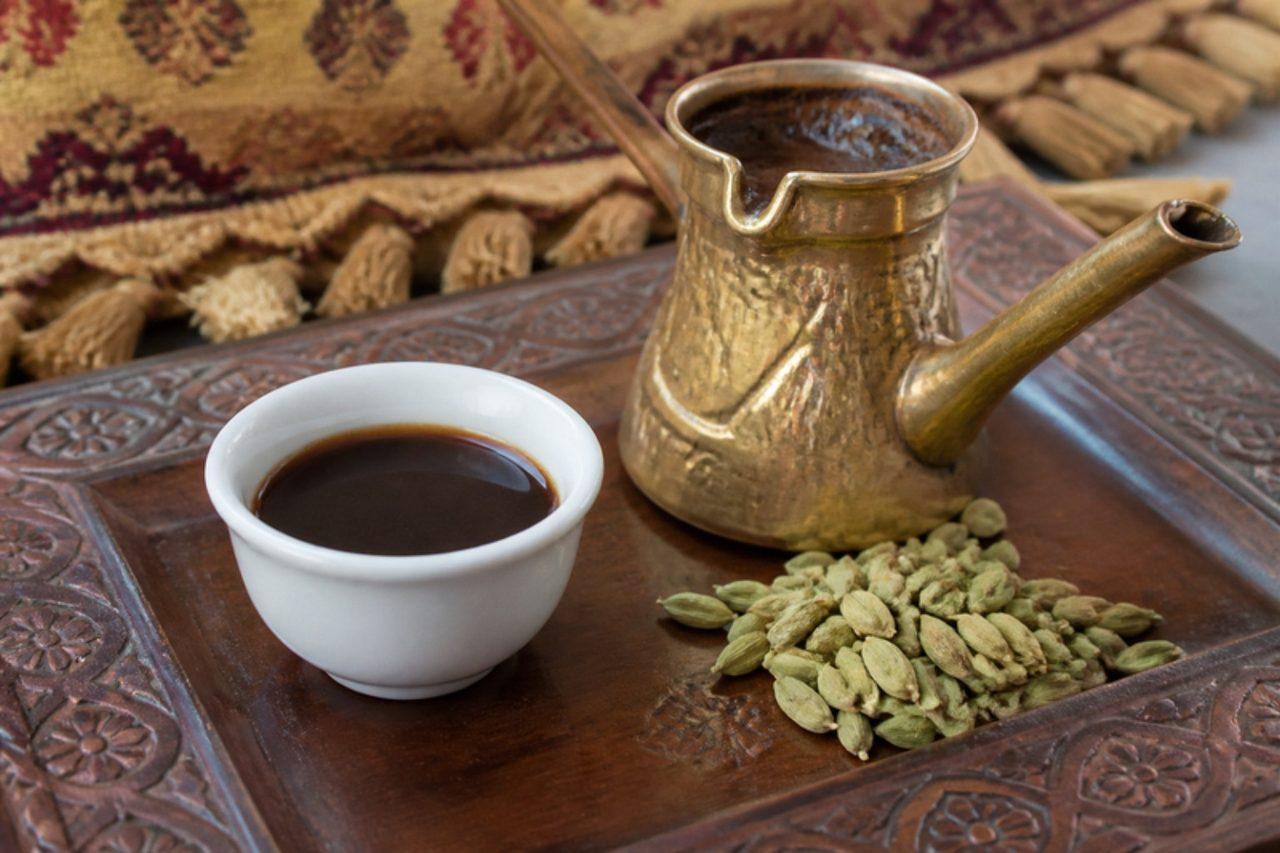
In the courtyard houses of Mardin and the guest rooms of Şanlıurfa, mırra is poured from a long-spouted pot into tiny handleless cups, just a mouthful each, as a sign of welcome. It is made by boiling dark-roasted coffee for a long time until it becomes thick, bitter and concentrated, then boiling it again and again. Tradition says you never put the cup down empty unless you mean to marry the host's family, so hand it back with a small shake. It is never sweetened: serve it with dates or a sweet. Common mistake: using finely ground Turkish coffee; it turns muddy, so use medium-ground dark roast. Chef's tip: the second boil is where the flavour comes from, so don't rush it.

by KrazyBadal 0 views

Iscas com elasFried marinated liver with potatoes

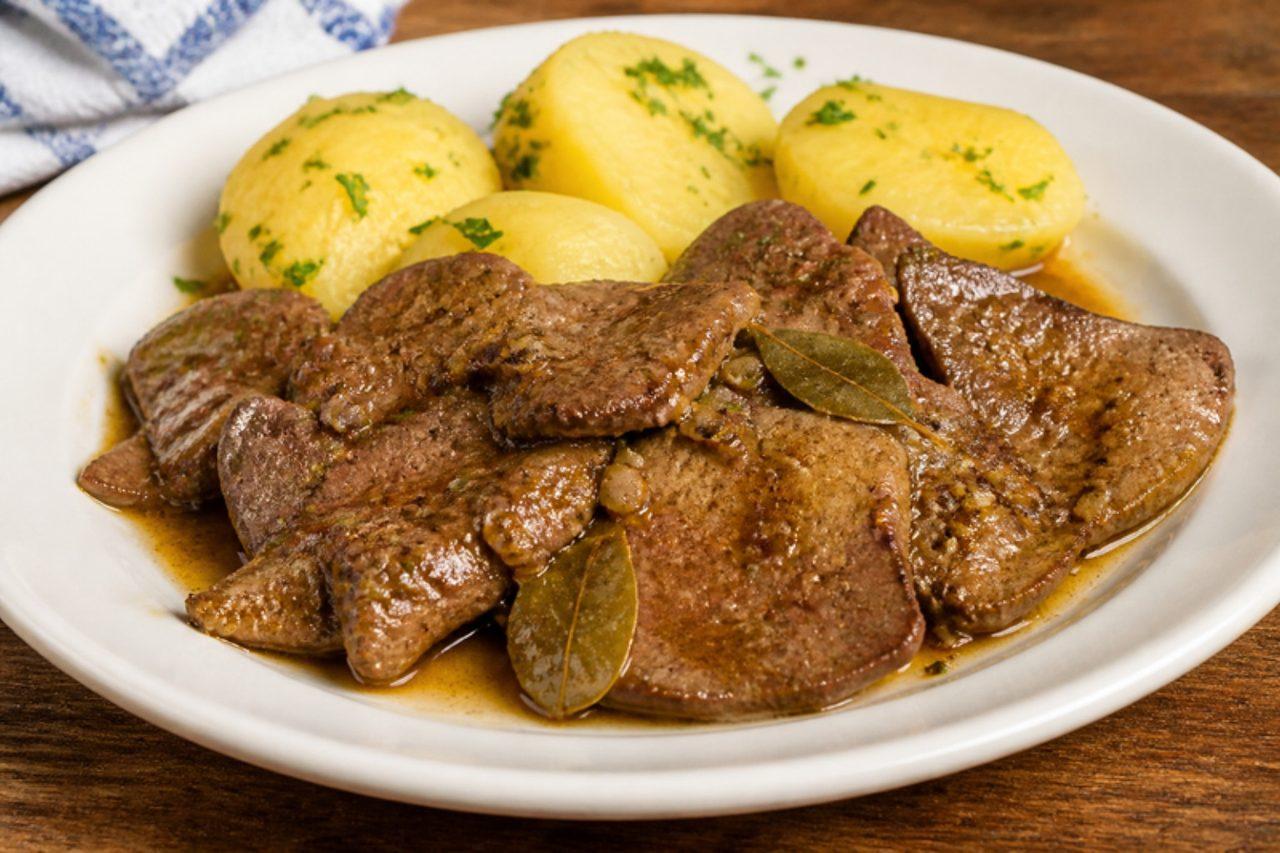
In the old tascas of Lisbon's Baixa and Alfama, iscas com elas was cheap, filling food for workers: thin slivers of liver marinated overnight in white wine, vinegar, garlic and bay, flash-fried and served 'with them', the boiled potatoes that soak up the sauce. This contains pork (pig's liver); calf's liver works too. The marinade uses white wine, which contains alcohol; stock with an extra spoon of vinegar is a good alcohol-free option. A common mistake is slicing the liver thick: it must be thin so it cooks through fast without turning hard. Chef's tip: dry the slices well before frying so they sear instead of boiling.

by KrazyBadal 0 views

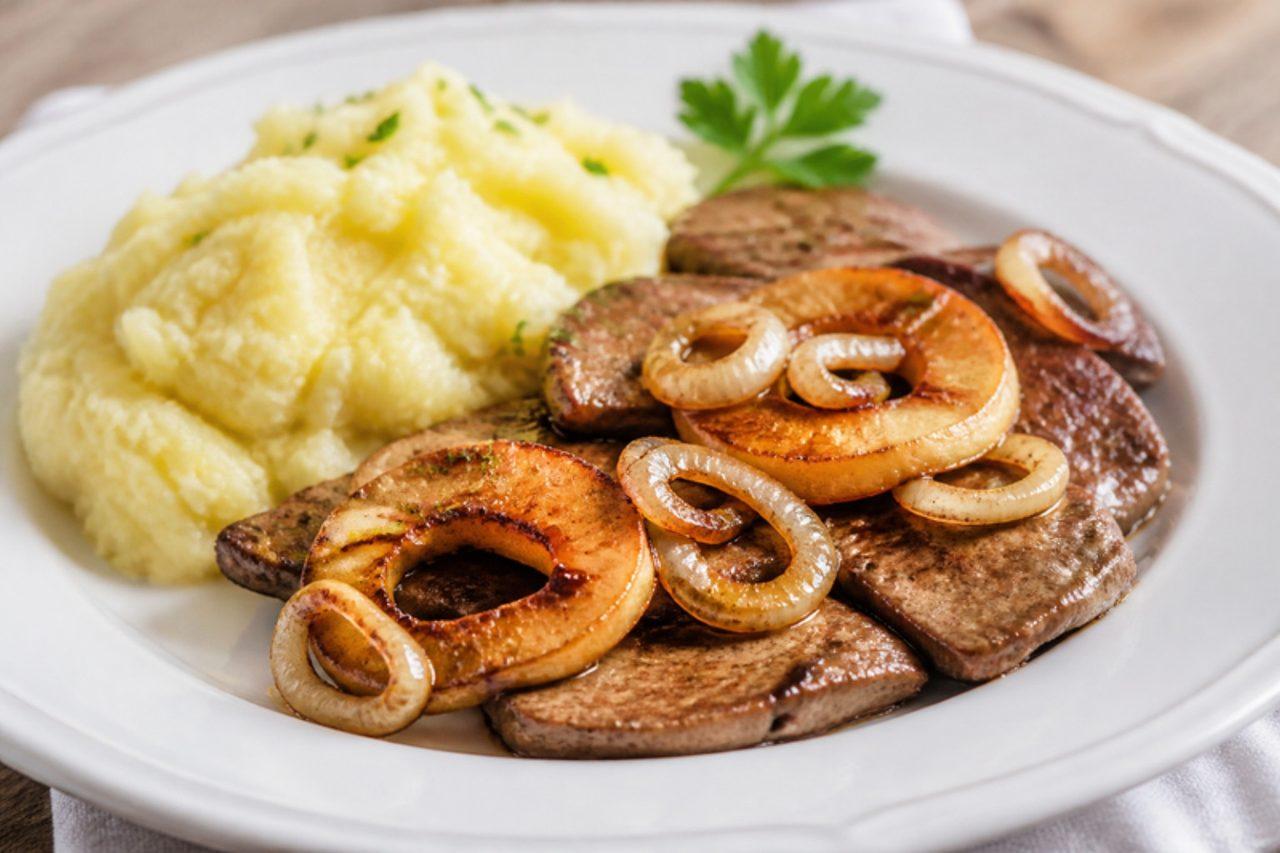
Leber Berliner ArtFried liver with apple and onions

Leber Berliner Art is a dish of old Berlin dining rooms and corner restaurants: thin slices of calf's liver fried in butter and piled with soft, sweet onion rings and golden apple rings, served with creamy mashed potato. The sweet apple and onion balance the rich liver, and the whole plate is on the table in half an hour. For safety the liver here is cooked through, which keeps it tender as long as the slices are thin and the pan is hot. Chef's tip: salt the liver only after frying; salt draws out juices and makes it tough.

30 minGermanMeat
by KrazyBadal 0 views

LeberkäseBaked pork and beef loaf

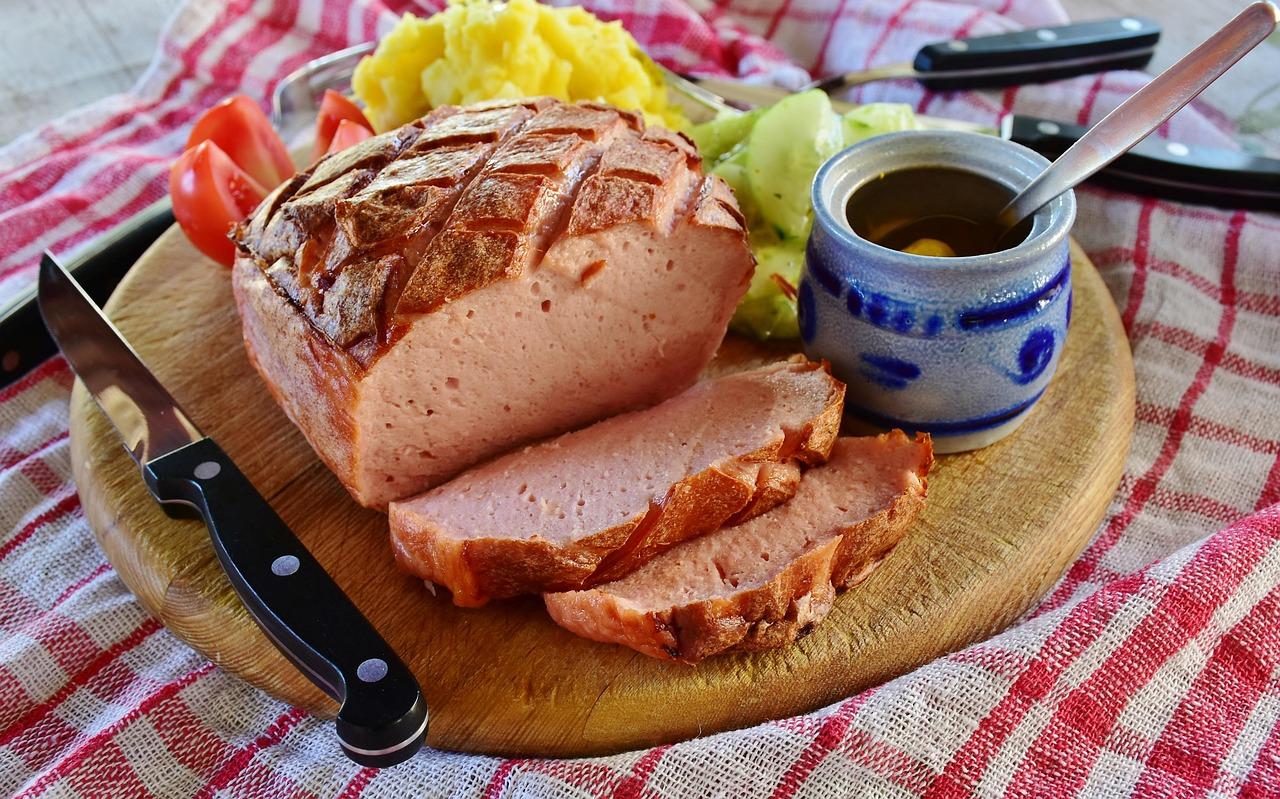
Despite its name, Bavarian Leberkäse contains neither liver nor cheese: it is a smooth, finely ground loaf of pork and beef baked until it has a dark, crunchy crust. In Munich it is the mid-morning snack, a thick warm slice folded into a crusty roll with sweet mustard and eaten standing at the butcher's counter. Made at home without curing salt, the inside bakes pale grey rather than pink, which is normal. Chef's tip: everything, including the bowl of the food processor, must be ice-cold; if the mix warms above about 12 °C the fat separates and the loaf turns crumbly.

115 minGermanMeat
by KrazyBadal 0 views

Lechazo asadoRoast milk-fed lamb

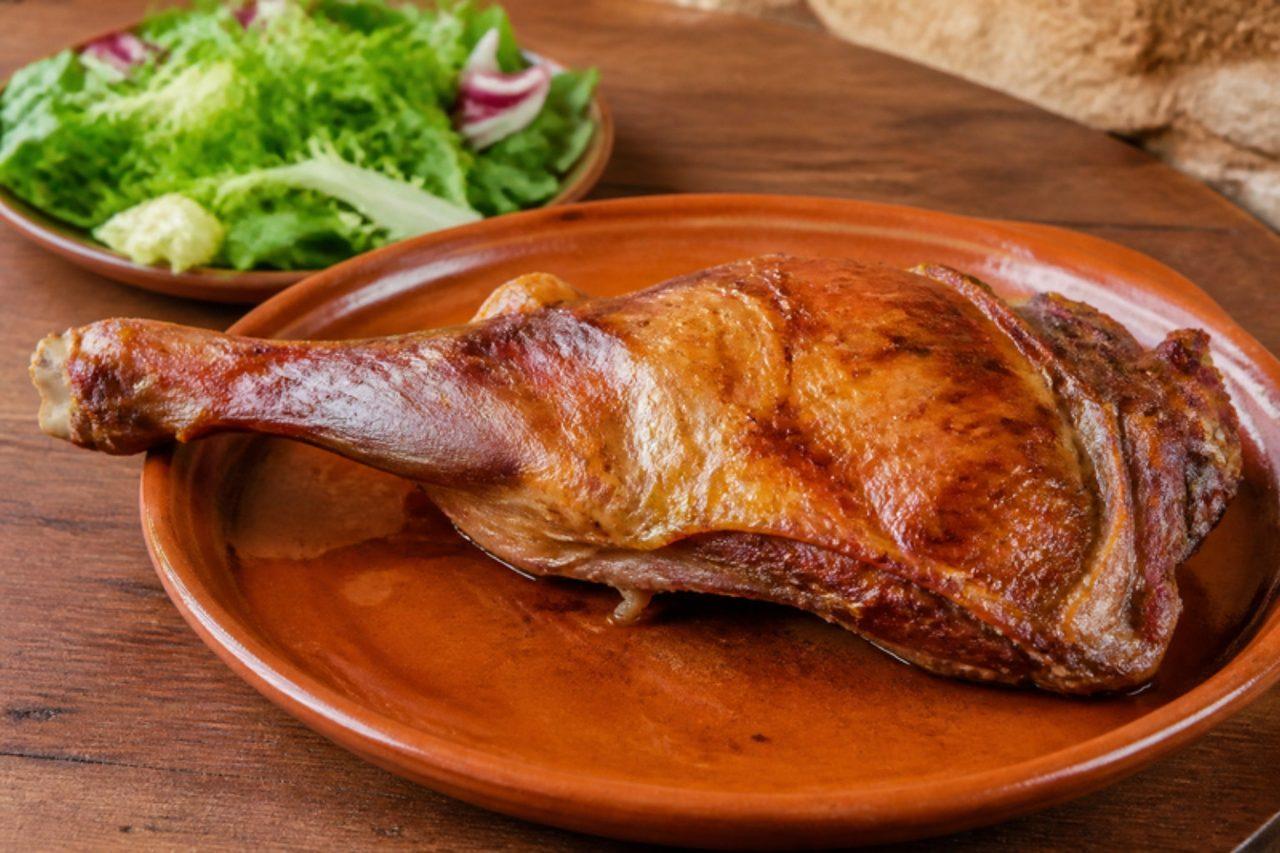
Along the Duero valley, in towns like Aranda de Duero, Sepúlveda and Peñafiel, wood-fired asadores roast quarters of lechazo, lamb fed only on its mother's milk, in clay dishes with nothing but water and salt. Families drive out for it on a Sunday and eat it with bread and a salad of lettuce and onion. A little lard is rubbed on in some asadores; this contains pork (lard), or use olive oil. Milk-fed lamb is small and pale; spring lamb works but needs longer. Chef's tip: don't add herbs or garlic; the delicate flavour is the point.

130 minSpanishMeatGluten free
by KrazyBadal 0 views

Leche asadaBaked milk custard

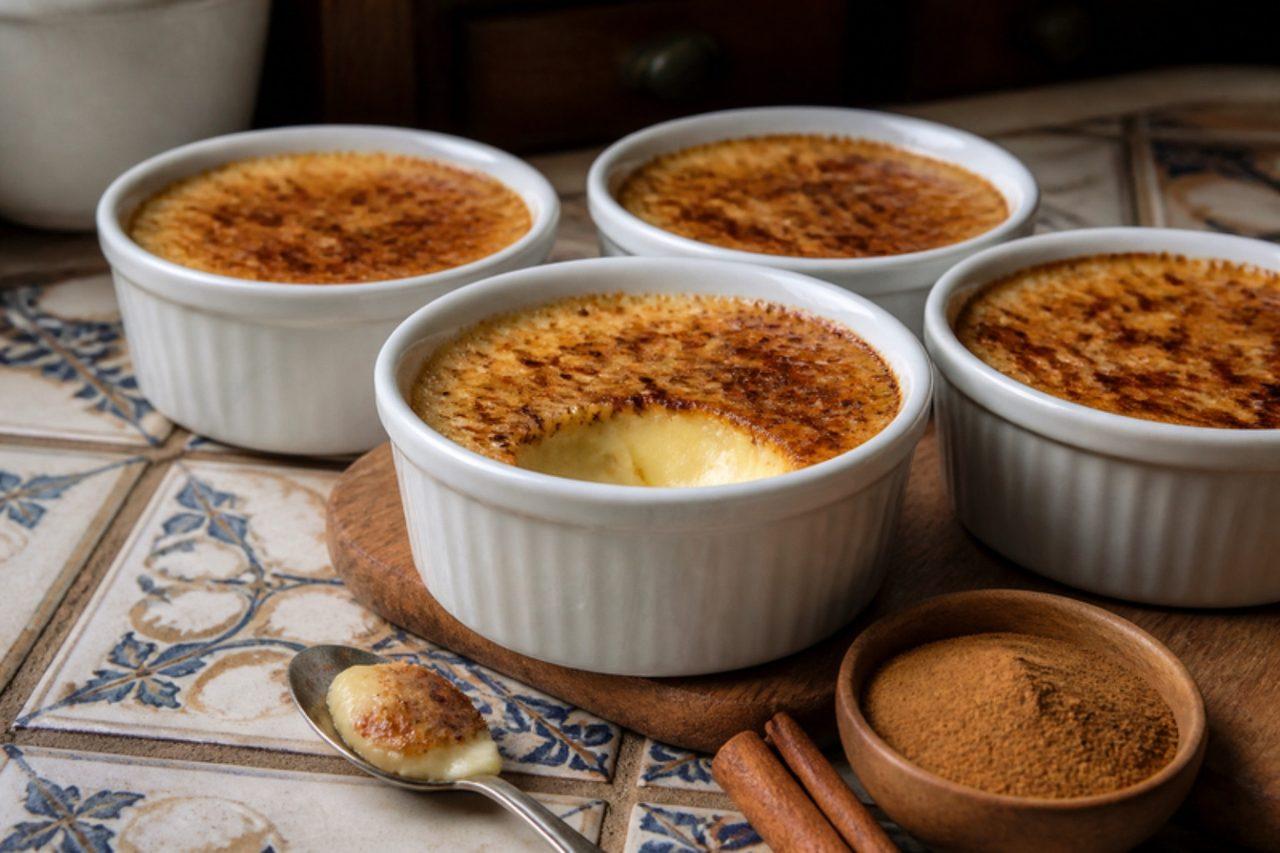
A fixture of Lima's set-lunch menus and school canteens, leche asada is the plainer sibling of flan: milk, eggs, sugar and vanilla baked in a dish until set, with no caramel layer, so the top browns into a freckled skin that's the best part. It is lighter and a little less smooth than crème caramel, faintly scented with cinnamon and lemon zest, and served cold in squares or straight from little ramekins. Many cooks rush it in a hot oven, which makes the custard bubble and weep watery holes; bake it low and in a water bath, and only brown the top at the end. It makes a gentle end to a heavy meal and keeps for three days in the fridge. Chef's tip: strain the custard and skim off the foam before baking for a smooth, even set.

by KrazyBadal 0 views

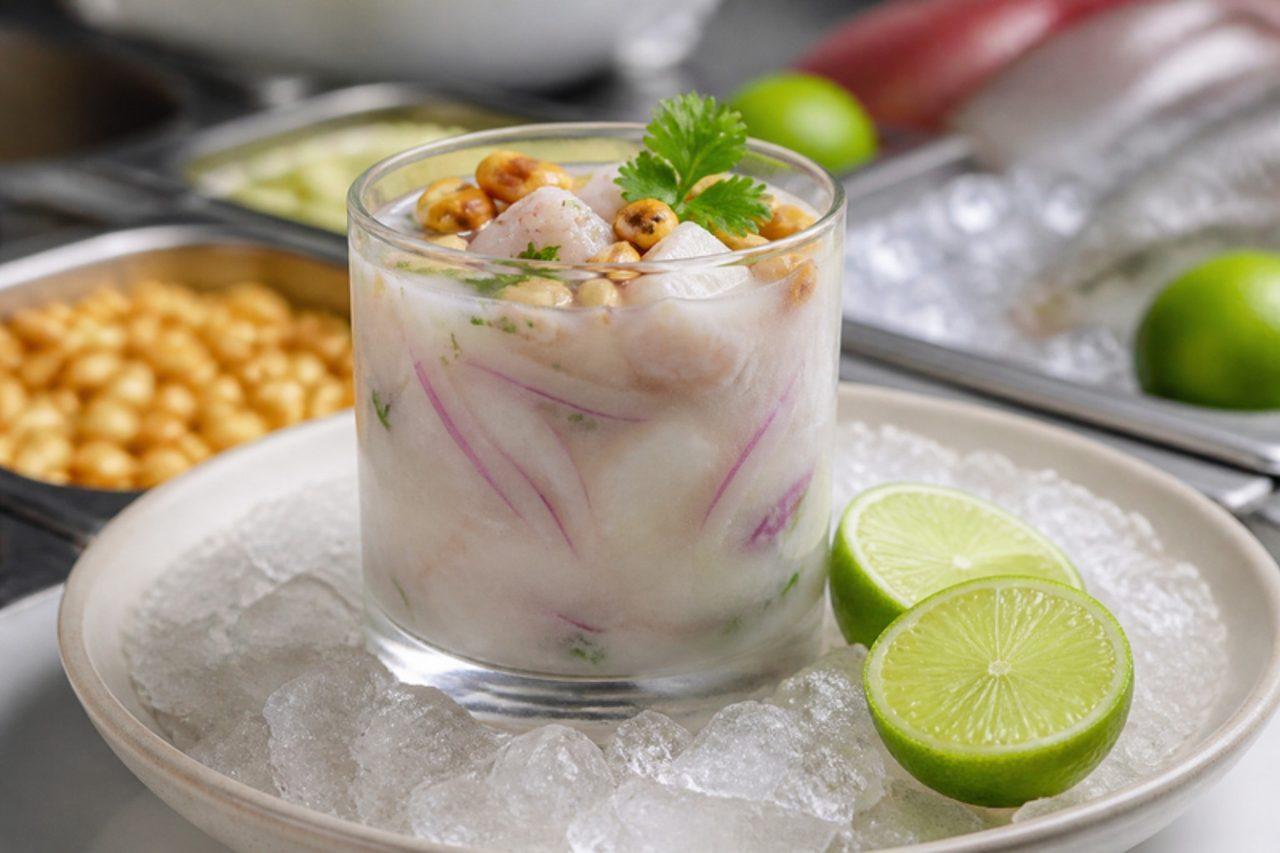
Leche de tigreCitrus ceviche marinade

Every cevichería along Lima's coast, from Chorrillos to the market stalls of Surquillo, sells this as a pick-me-up before lunch: a small glass of milky, lime-sharp juice blitzed with fish, celery, ginger and ají limo, with a few cubes of fish and kernels of cancha floating on top. It is cold, salty, very sour and fiery, and people swear by it the morning after a long night. Because the fish is cured only by lime, this safer version uses very fresh white fish that has been frozen at −20 °C for 24 hours first, keeps everything ice cold and is drunk at once; it is not for pregnant women, young children or anyone with a weakened immune system. The common mistake is blending the lime with the fish for too long, which makes the juice bitter, so pulse only briefly. Chef's tip: squeeze the limes by hand, gently, without pressing the pith; the last hard squeeze is what turns leche de tigre bitter.

by KrazyBadal 0 views

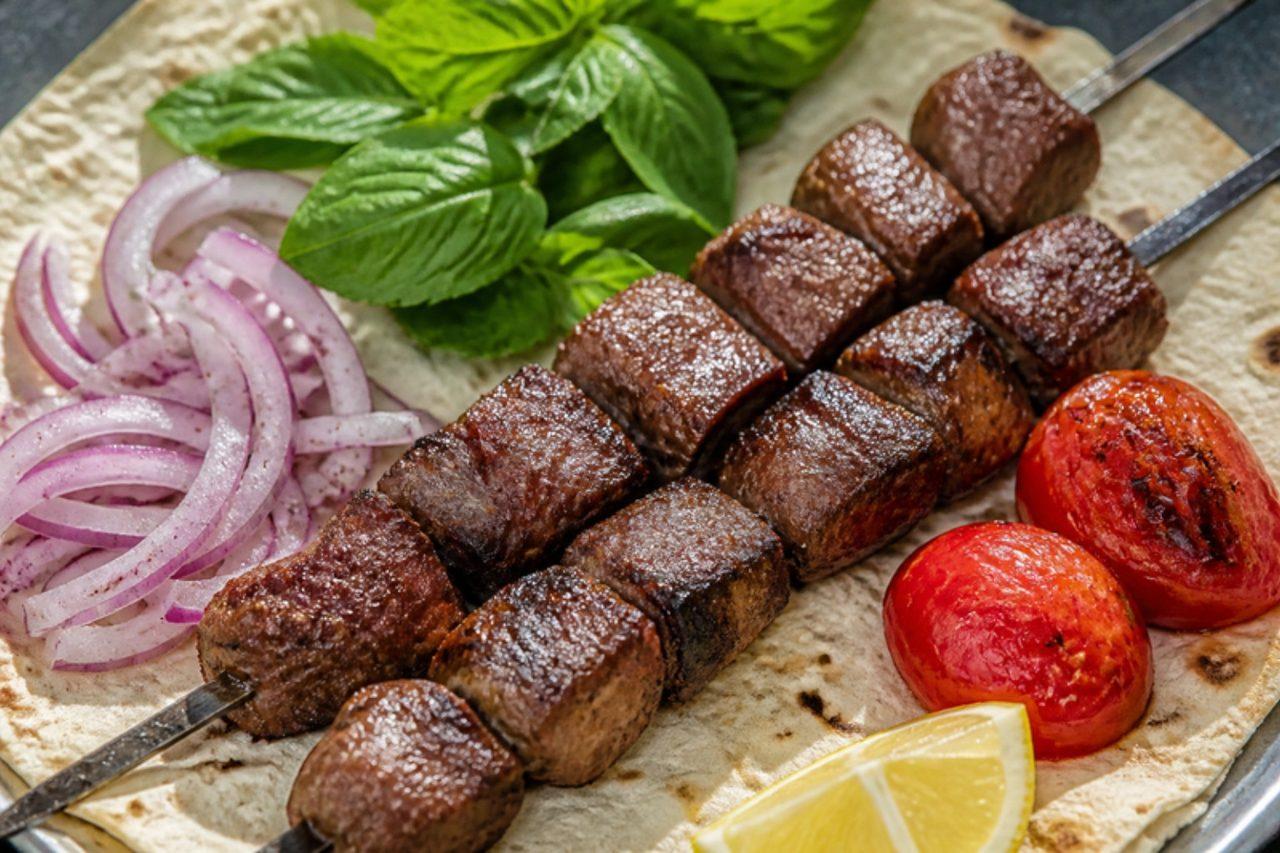
JegarLamb liver skewers in bread

On winter evenings in Tehran, the smell of jegaraki stalls, small grill shops selling skewers of lamb liver, heart and kidney, drifts across the streets, and people queue for a few skewers wrapped in warm lavash with raw onion and basil. This home version uses lamb liver cut into cubes and grilled fast over very hot coals so it stays soft and juicy, then seasoned only with salt, pepper and a squeeze of lemon at the end. A common mistake is salting the liver before grilling; it draws out moisture and makes it tough, so salt it as it comes off the heat. Chef's tip: ask the butcher for very fresh liver and peel off the thin outer membrane before cutting; it makes the cubes tender.

by KrazyBadal 0 views

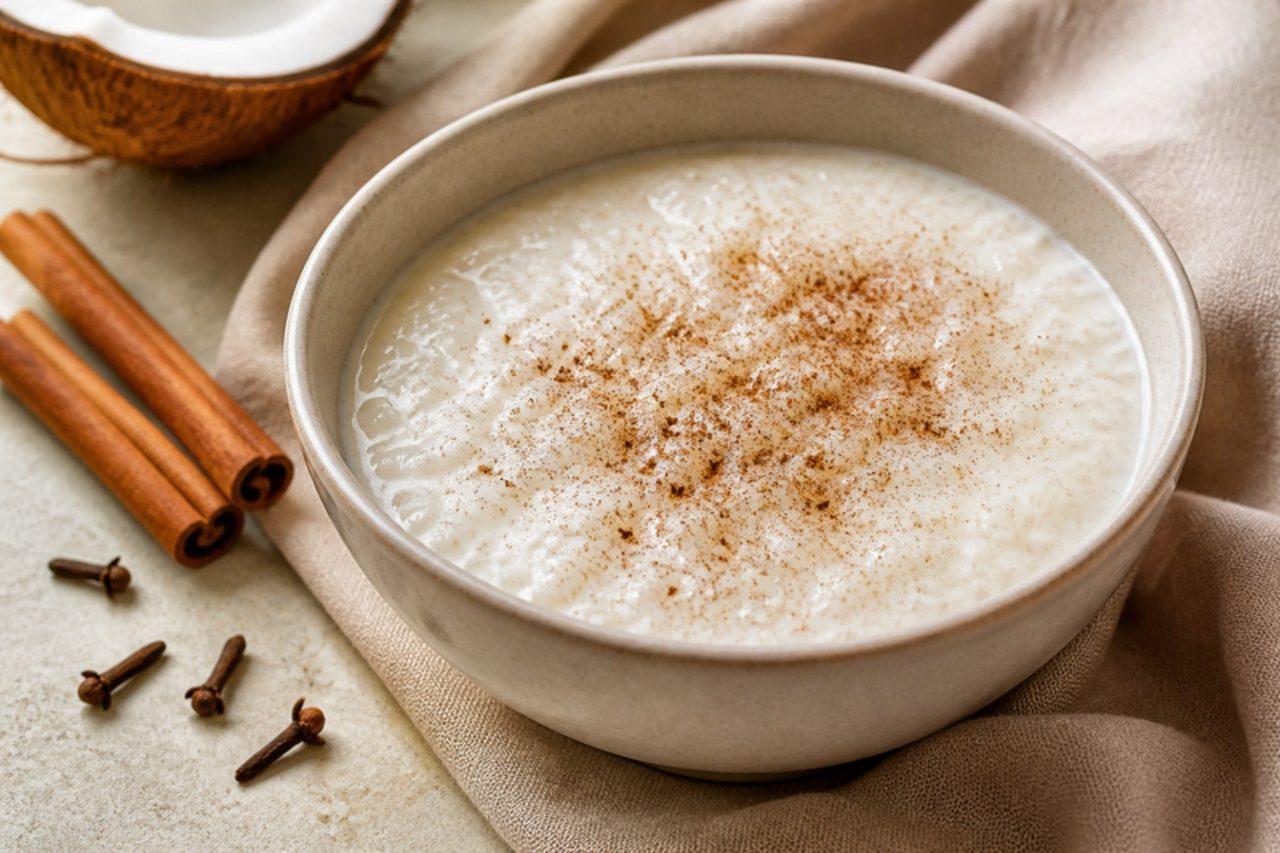
Mingau de tapiocaTapioca and coconut porridge

Before the buses fill up, mingau sellers set out tall aluminium pots on Salvador's street corners and ladle out tapioca porridge into plastic cups for workers on the way in. It is thick, spoon-coating and gently sweet, made with granulated tapioca or small pearls cooked in milk and coconut milk with cinnamon and clove, and finished with a dusting of cinnamon. At home it is a quick breakfast, a soothing supper for children and the classic thing to give someone who is unwell. Many vendors also sell mingau de milho and de puba from neighbouring pots. Where people go wrong is adding the tapioca to boiling milk without soaking it first; it clumps and stays chalky in the middle. Chef's tip: take the pan off the heat while it still looks a little loose, because the tapioca keeps drinking up liquid and the porridge sets thicker within minutes.

by KrazyBadal 0 views

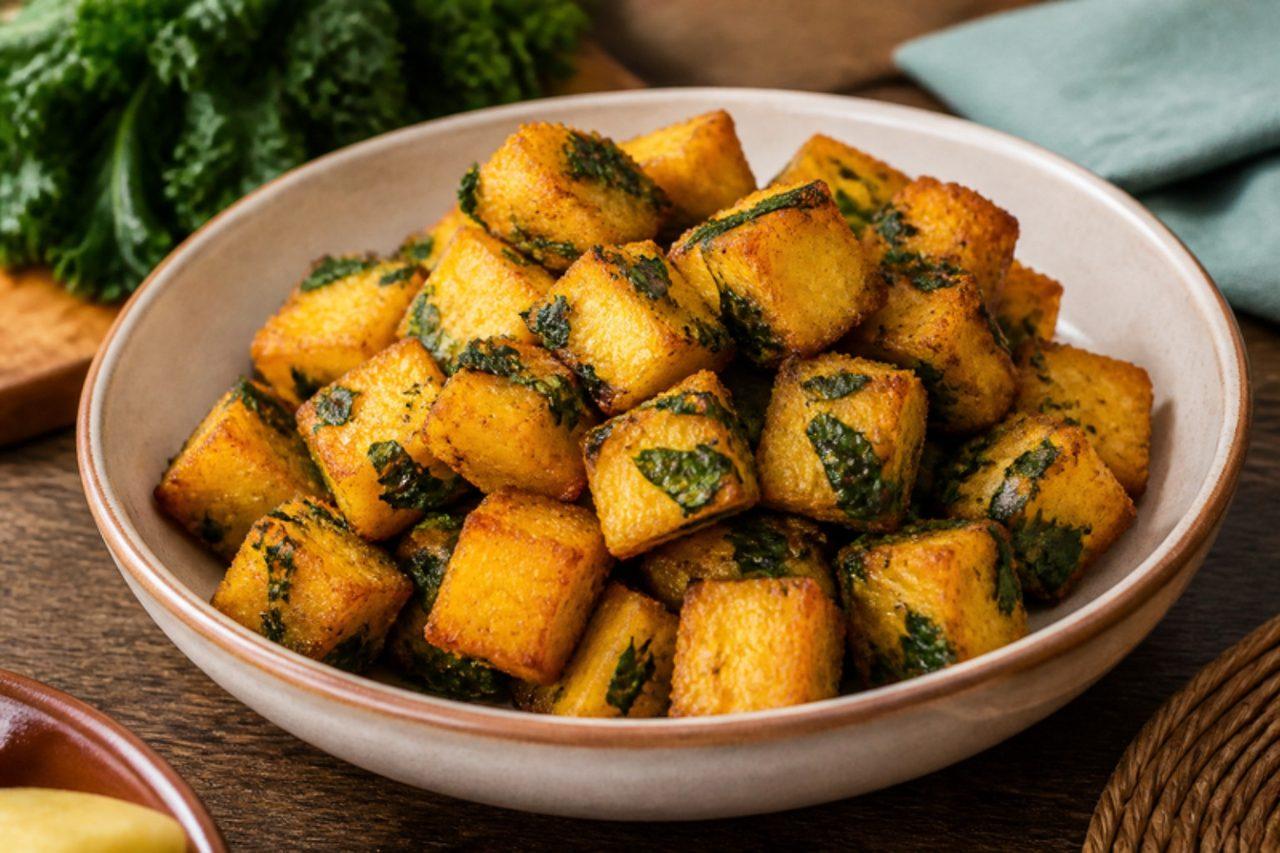
Milho fritoFried cornmeal cubes with kale

Order espetada in any Madeiran restaurant and a basket of these golden cubes comes with it: polenta-style cornmeal cooked with shredded kale and garlic, set in a tray, then cut and fried until crunchy outside and soft and creamy within. They are also cooked at home on Sundays alongside grilled fish. Chef's tip: make the cornmeal the day before, as a well-chilled block cuts cleanly and doesn't fall apart in the oil.

by KrazyBadal 0 views

Showing 63 of 7,888 recipes

Show more recipes

Page 565 of 877