


Skip to content
Zrir
Featured recipe

Zrir

Sesame, nut and honey paste

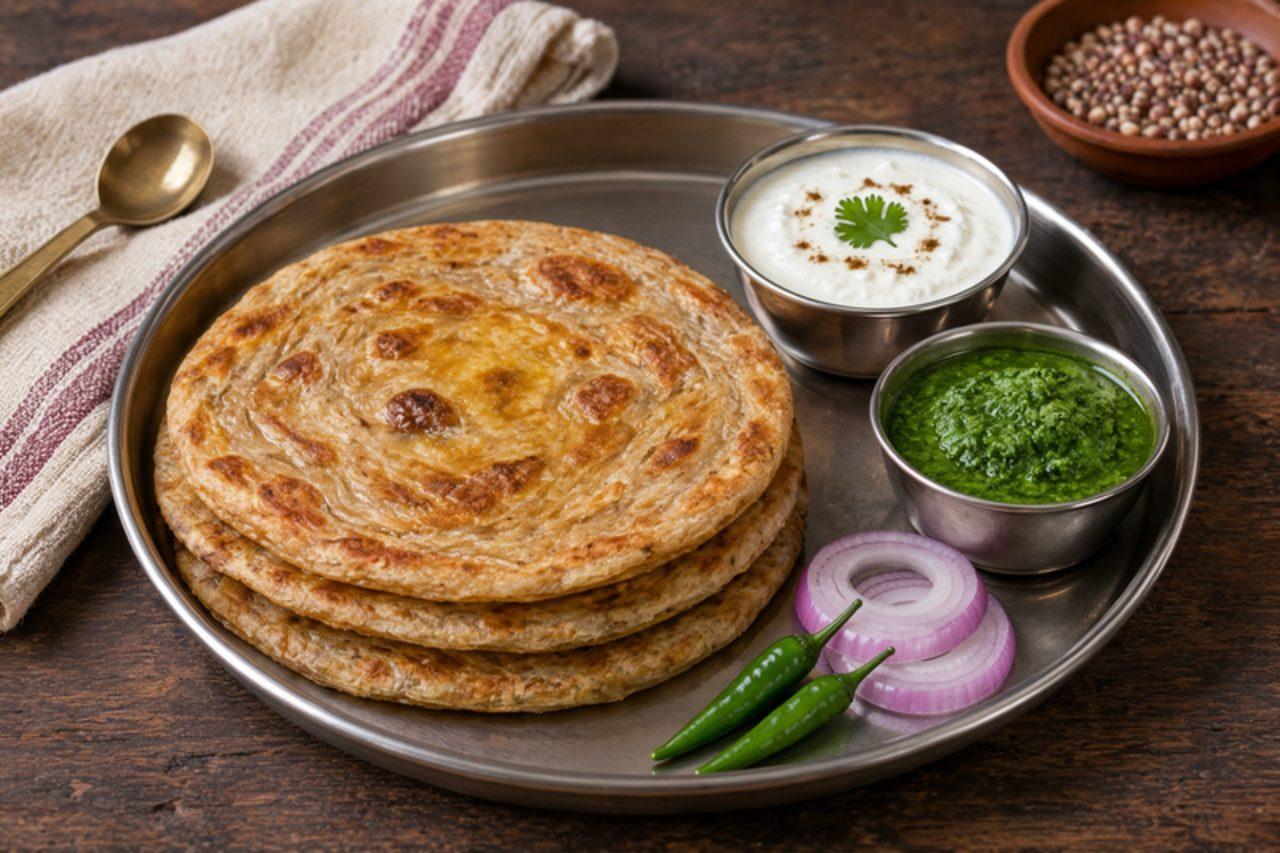
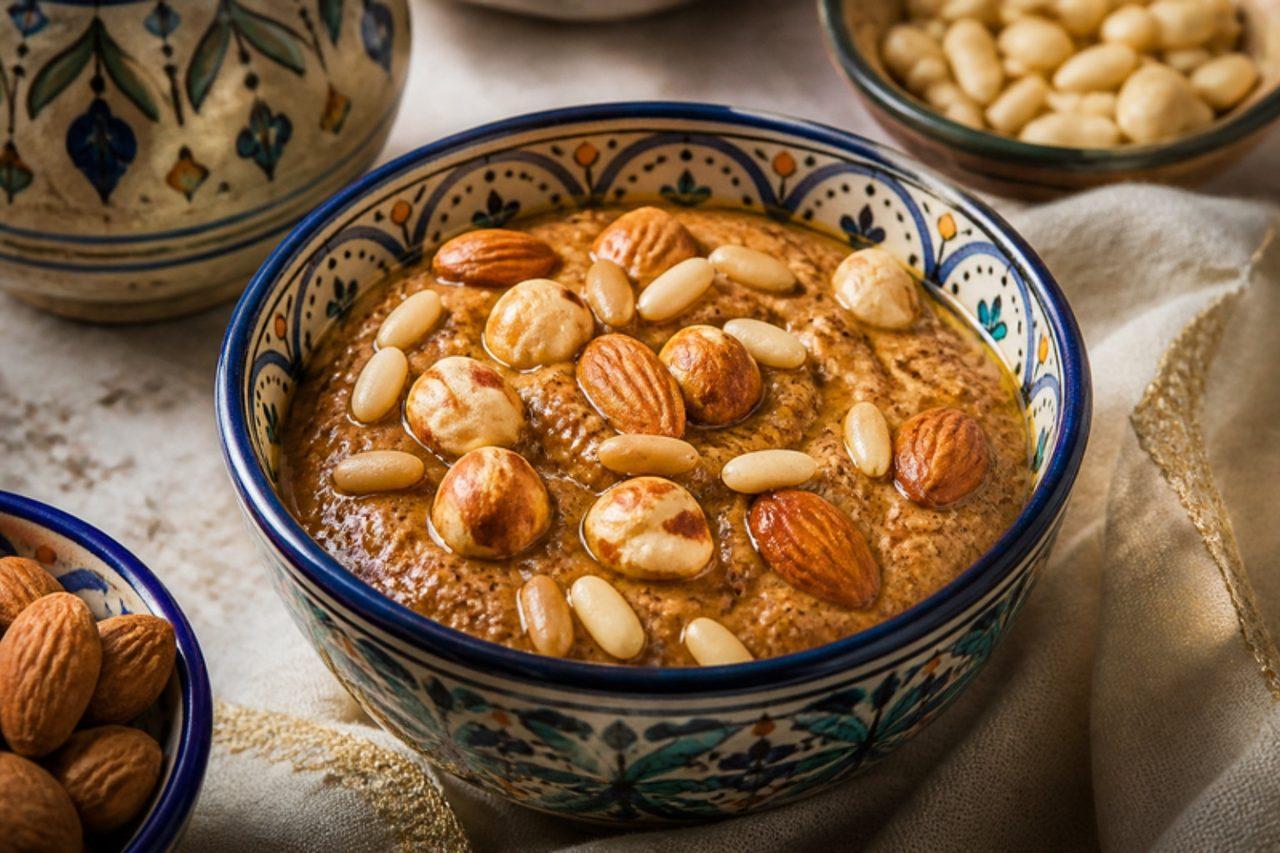
When a baby arrives in a Tunis family, visitors who come to see mother and child are offered zrir, a dense, glossy paste of toasted sesame, hazelnuts and almonds bound with butter and honey, believed to give strength to the new mother. It is served in tiny bowls or shaped into a mound and studded with nuts, and a spoonful is plenty. The taste is like a very rich halva with honey and toasted nuts. It keeps for a couple of weeks in a jar. Chef's tip: grind the sesame while it is still slightly warm; the oils release more easily and the paste turns smooth rather than sandy.

Read more 1 views

What to eat today?

Around the world

Today's trip: Persian

A new country every day, from every cuisine on the site.

This week's collection

Kid-friendly dinners
537 recipes · a new collection every Monday

Latest recipes

VollkornbrotSeeded whole-rye loaf

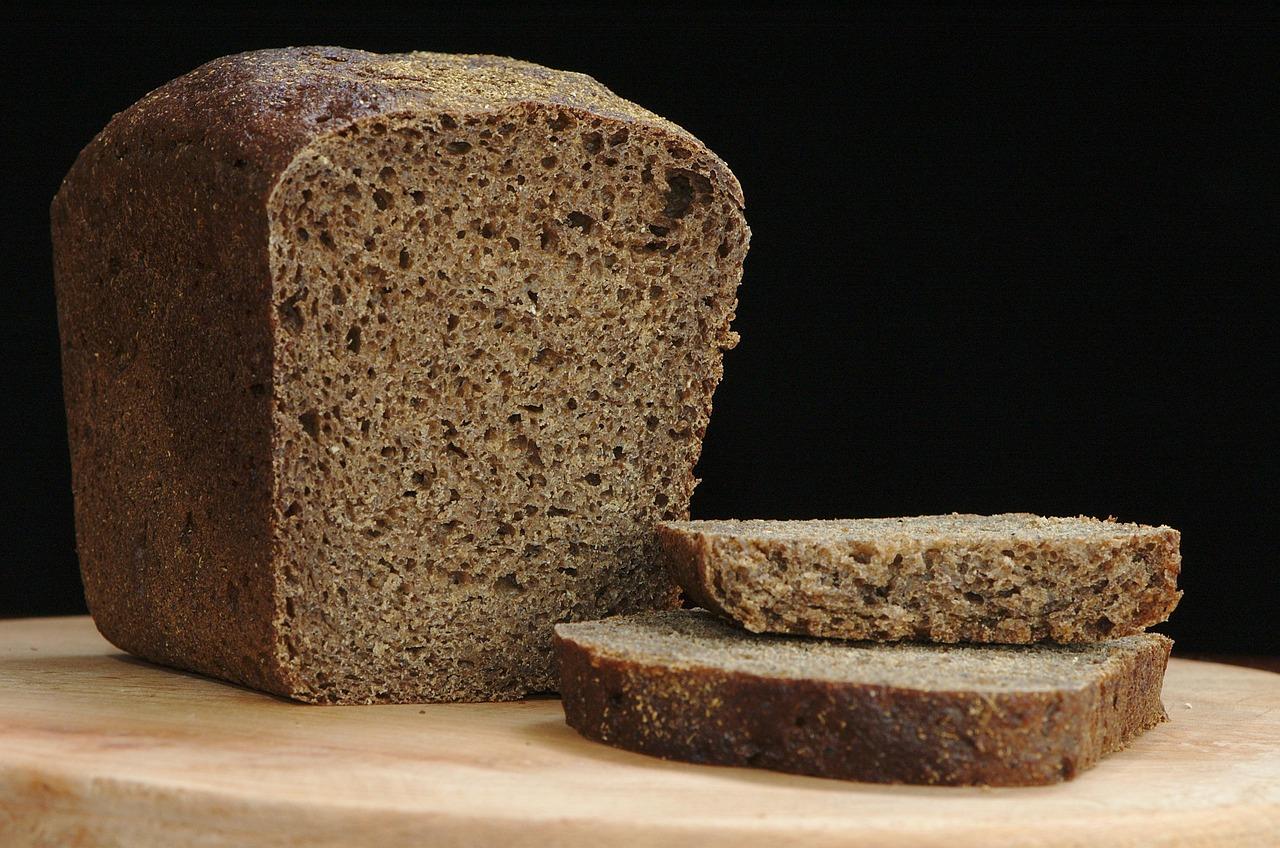
Vollkornbrot is the dense, seedy tin loaf of northern Germany, from Hamburg to Bremen, sliced thin and eaten for breakfast or packed for work in a lunchbox with cheese, cucumber or a smear of quark. It is almost all whole rye: cracked grains, rye meal and a mix of sunflower seeds, linseed and sesame, all soaked overnight so the bread stays moist for a week. There is no shaping and no kneading, which makes it easier than it looks. A common mistake is cutting it warm, which leaves the knife and the slices gummy. Chef's tip: let the loaf cool in the tin for 10 minutes, then turn it out and wrap it in a tea towel overnight; the crust softens slightly and the crumb sets evenly.

by KrazyBadal 0 views

VyssinadaSour cherry drink

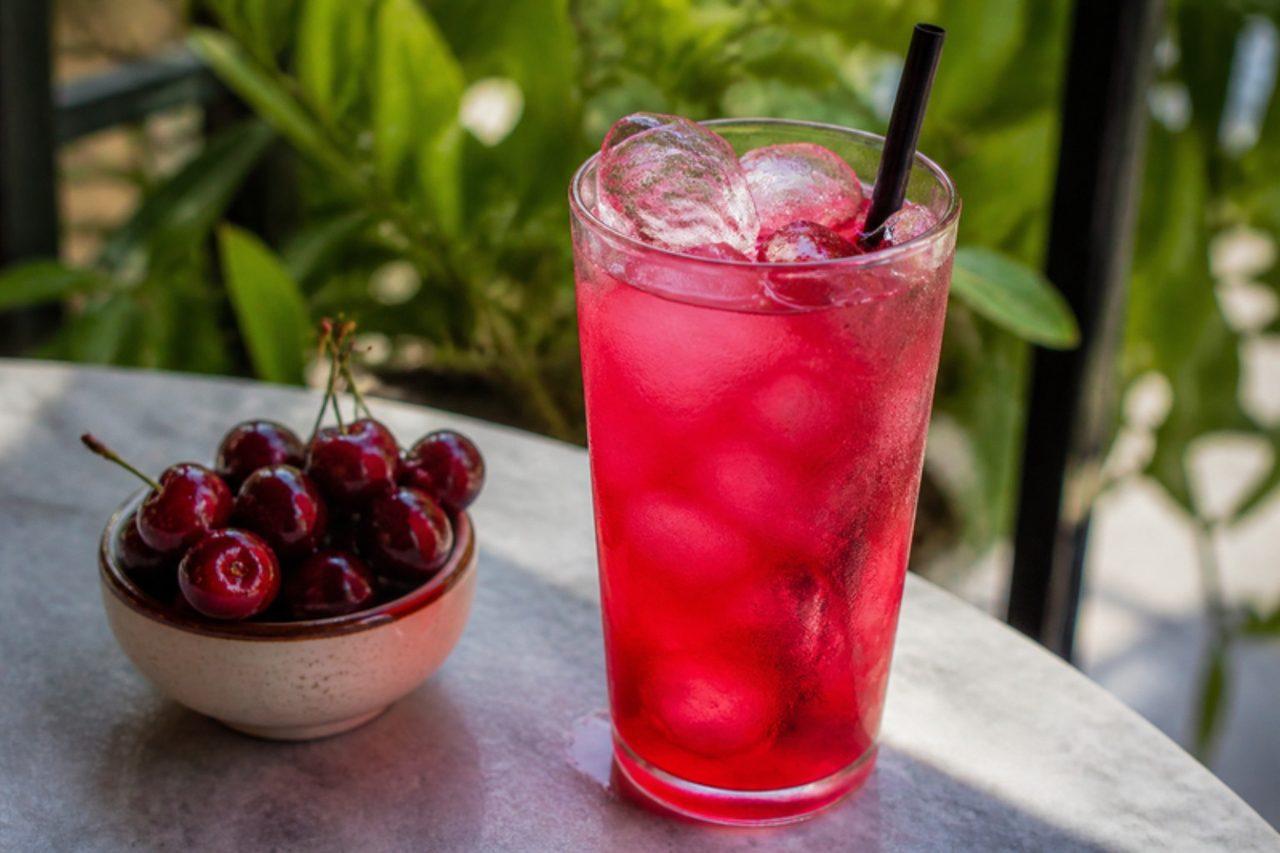
Before fizzy drinks arrived, a tall glass of vyssinada was what you ordered in a Volos or Larissa kafeneio on an August afternoon: sour cherry syrup topped with iced water, sweet and sharp and bright red. Families in Thessaly still make a cordial from the summer cherry crop and keep the bottles in the fridge for weeks. Common mistake: squashing the cherries too hard through the sieve, which clouds the syrup — let the juice drip. Chef's tip: top with sparkling water and a squeeze of lemon for a lighter, livelier glass.

by KrazyBadal 0 views

Vyssino glykoSour cherry spoon sweet

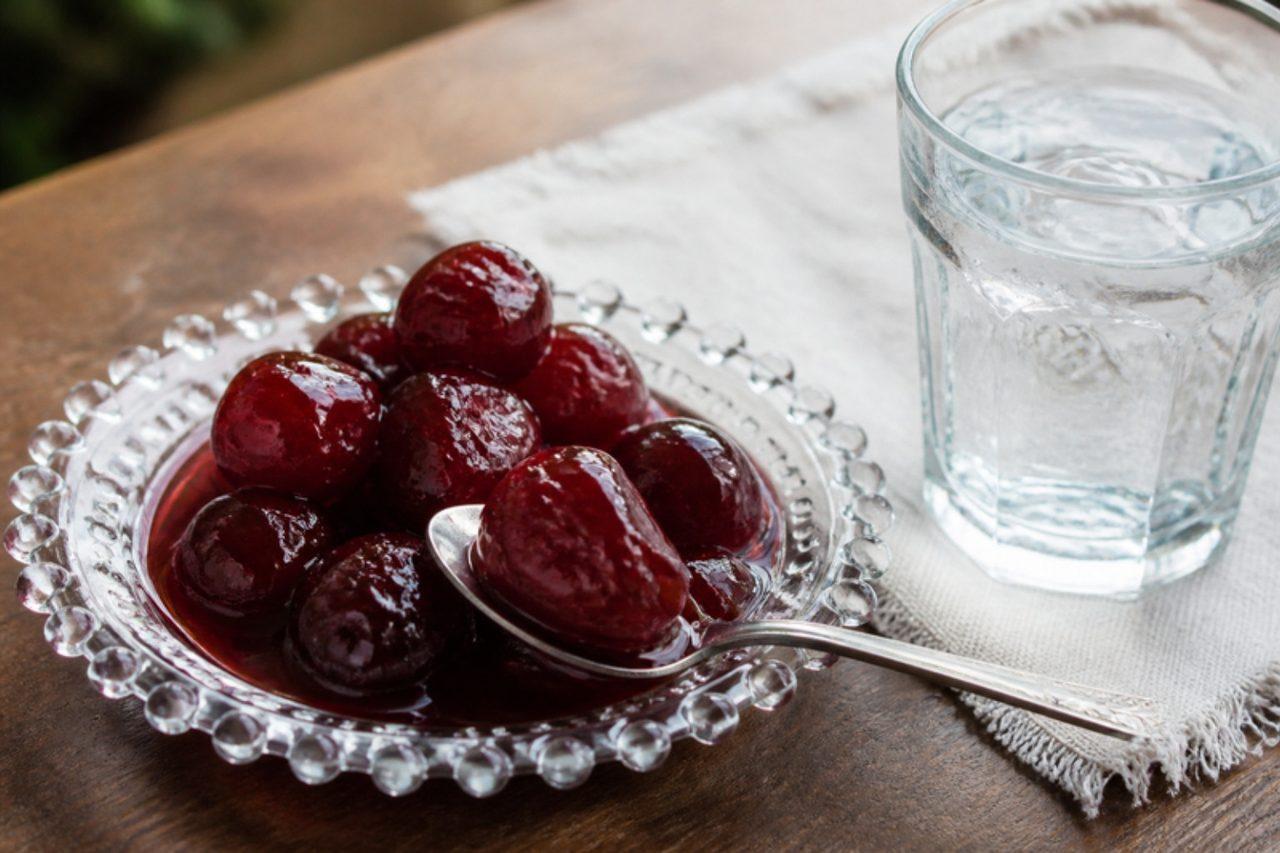
In the mountain villages of Pelion, above Volos, every pantry holds jars of spoon sweets, and the sour cherry one is the jewel: whole stoned cherries in a thick, ruby syrup, offered to visitors on a tiny plate with a glass of cold water. It also spoons beautifully over Greek yoghurt or vanilla ice cream, and the syrup makes vyssinada, a summer drink. Common mistake: boiling too long, which shrivels the cherries and turns the syrup to toffee — test it on a cold saucer. Chef's tip: macerate the stoned cherries in sugar overnight; they release their juice and stay plump.

by KrazyBadal 0 views

WeißwurstfrühstückWhite sausage with sweet mustard

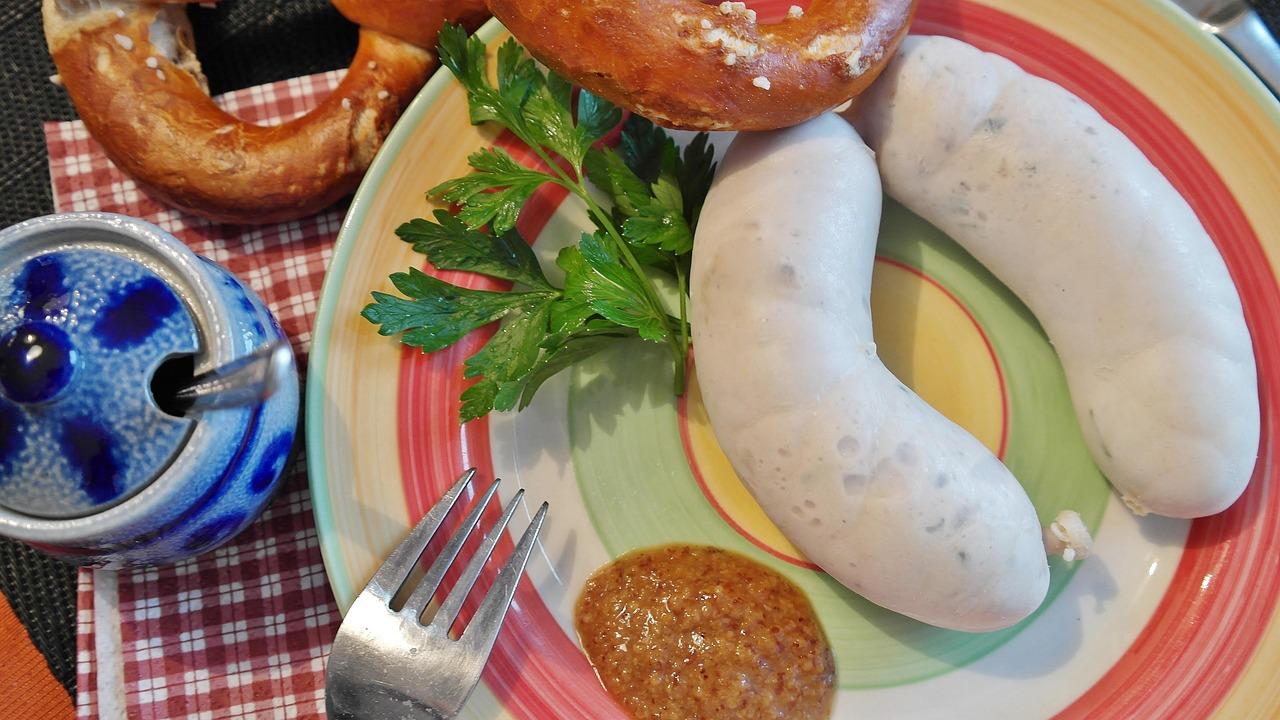
In Munich the Weißwurst breakfast is a late-morning ritual, eaten between ten o'clock and noon in beer halls and butcher's cafés, with soft pretzels and a pot of sweet Bavarian mustard. The pale sausages of veal and pork back fat, flavoured with parsley, lemon and mace, are bought fresh from the butcher and gently heated, never boiled, then the skin is peeled off at the table. Making the mustard yourself is the easy, rewarding part. Vegetarians can heat plant-based white sausages the same way and keep the mustard and pretzel. Chef's tip: keep the water just below a simmer; boiling splits the skins and the sausages go grey and dry.

40 minGermanMeat
by KrazyBadal 0 views

Welsh cawlLamb and leek broth

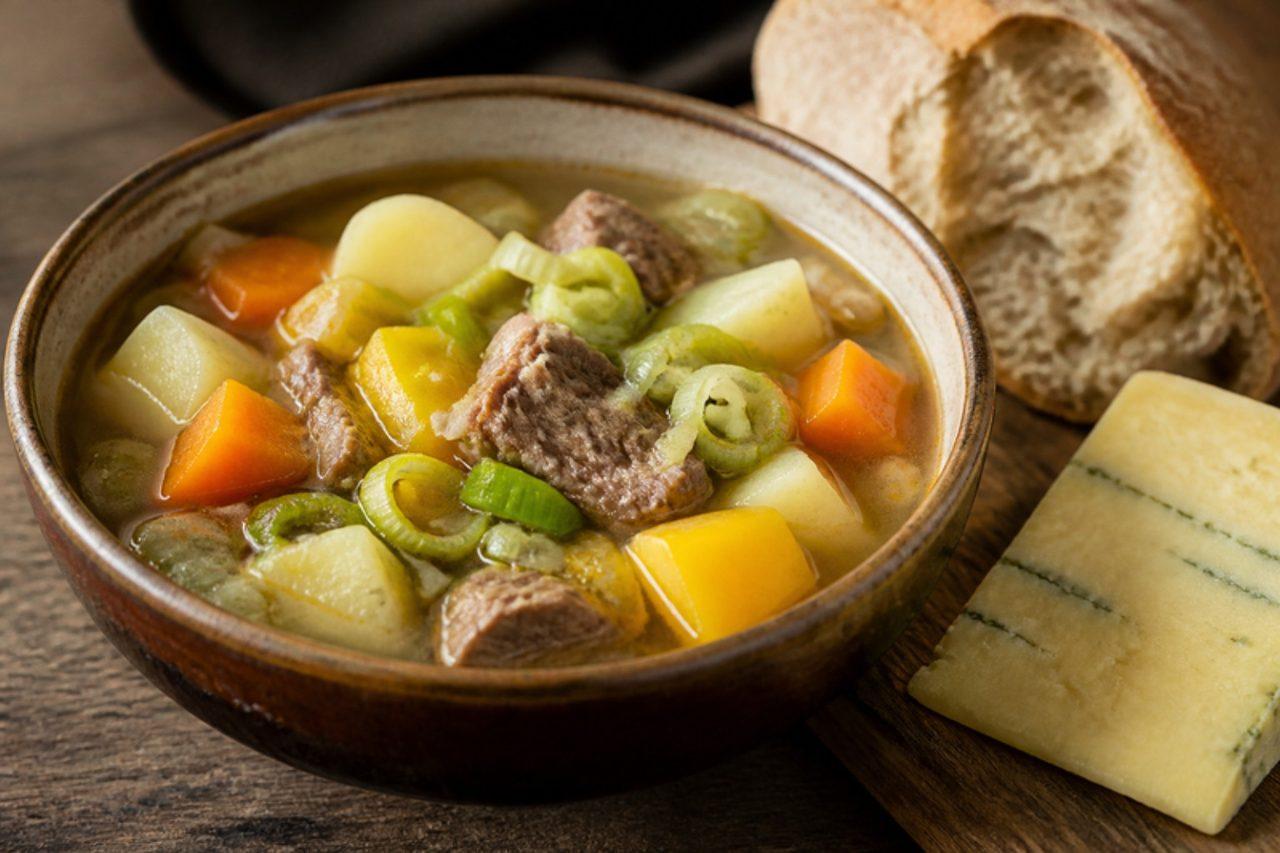
Cawl is the national dish of Wales, a slow broth of lamb on the bone, swede, carrots, potatoes and leeks that farmhouses kept simmering through the winter, and which is eaten with bread and a hunk of Caerphilly on St David's Day. Many families serve the broth first and the meat and vegetables after, and say cawl tastes best on the second day. Chef's tip: chill it overnight and lift off the fat that sets on top for a cleaner broth.

170 minBritishSoupsGluten free
by KrazyBadal 0 views

WelshCheddar beer toast with ham

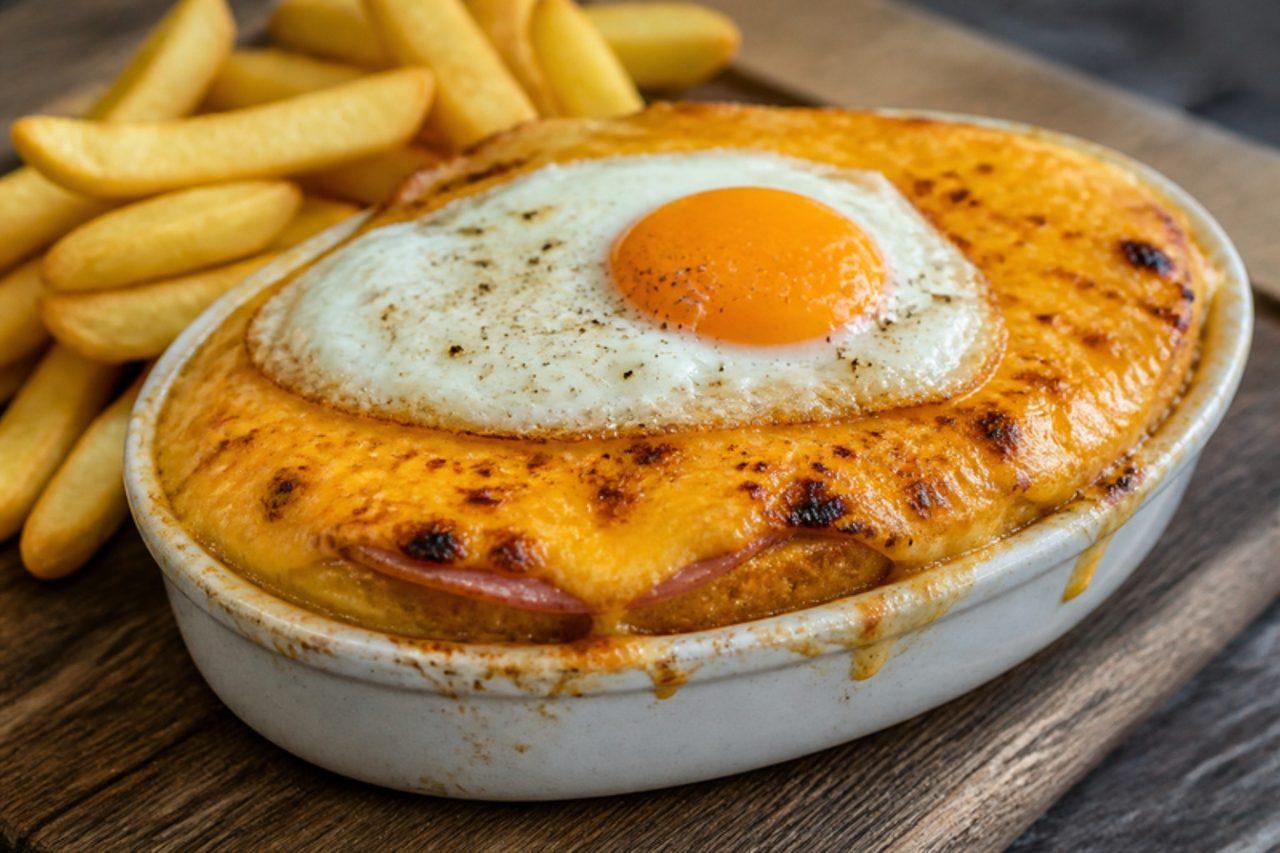
Brought over the Channel by British soldiers and miners, the welsh rarebit became a fixture of the estaminets of Lille and the Nord, where it is served in its own oval dish: toast soaked in beer, a slice of ham, then a flood of Cheddar melted with more beer and mustard, baked until bubbling and often topped with a fried egg. It is rich, sharp and very filling, with chips and a green salad the usual partners. It contains pork in the form of cooked ham, and uses beer; the notes give an alcohol-free swap. Chef's tip: use a strong, mature Cheddar, because a mild one melts flat and loses all its bite once the beer goes in.

by KrazyBadal 0 views

Puchero santafereñoBoiled chicken, beef and pork dinner

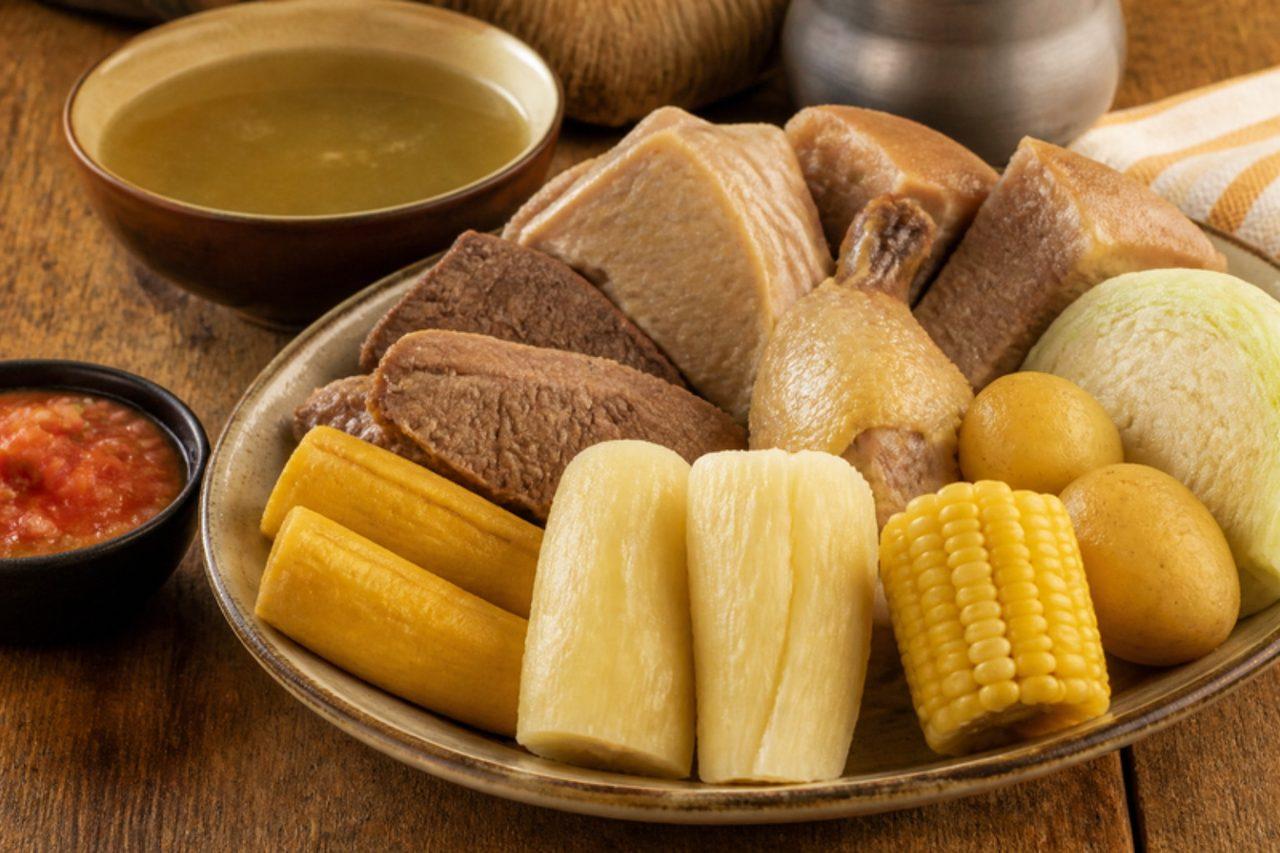
Old Santa Fe de Bogotá kept puchero for big family lunches and holidays: a broad pot of beef, pork and chicken boiled with cassava, corn, potatoes, cabbage and, unusually, ripe plantain cooked in its skin, which turns soft and sweet against the savoury meat. It comes to the table in two acts. First the clear, golden broth in cups or small bowls; then a platter of the meats and vegetables, with a pan of warm hogao (tomato and spring onion sauce) spooned over everything, plus rice and avocado on the side. People confuse it with cocido or sancocho, but the plantain and the hogao make it its own thing. Most disappointing pucheros come from boiling hard: the broth goes cloudy and the cassava breaks up, so keep it at a lazy simmer. Chef's tip: add the vegetables in order of how long they take, and lift each batch out onto a warm tray as it becomes tender, so nothing turns to mush while the beef finishes.

by KrazyBadal 0 views

Cocido boyacenseSteamed meats and tubers feast

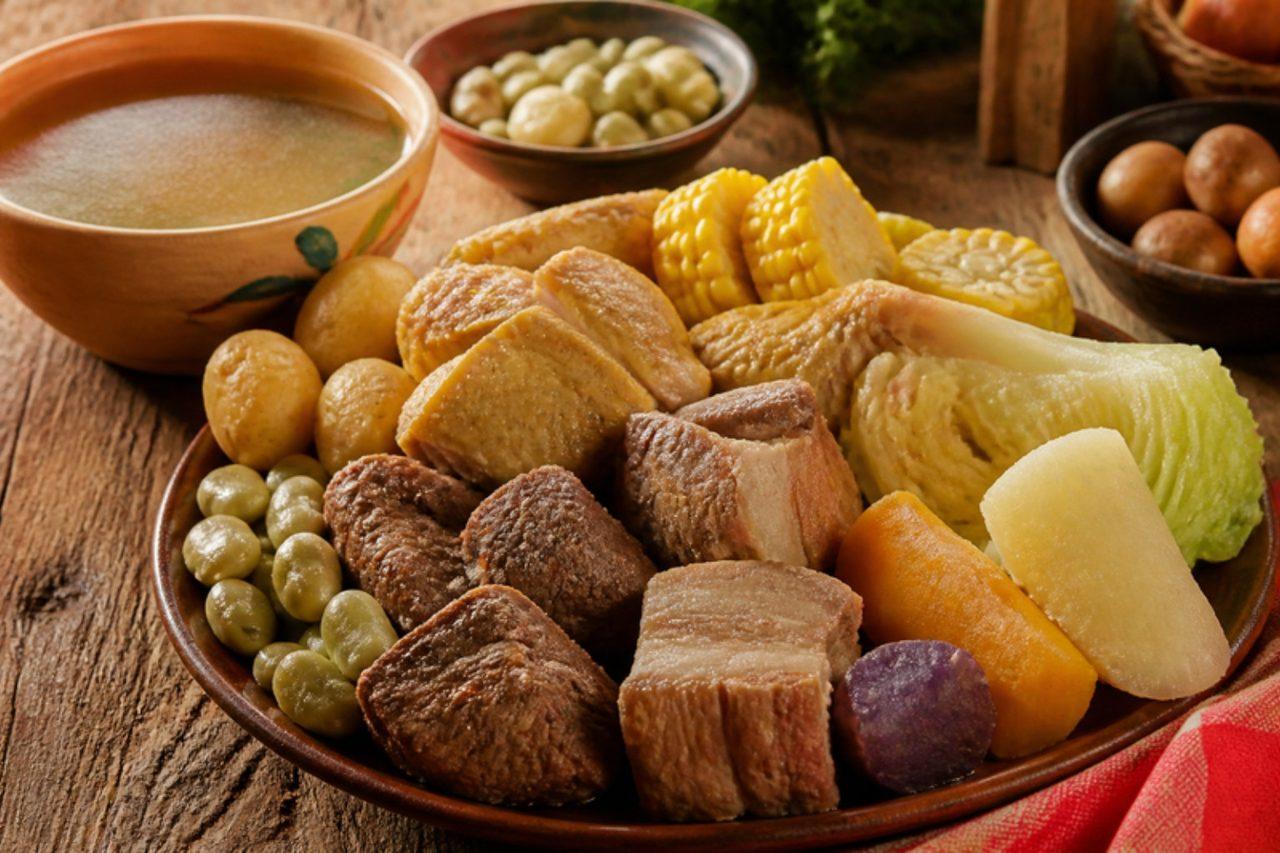
Sunday markets in Villa de Leyva, Paipa and Sogamoso still have families sitting down to cocido boyacense, a pot in which chicken, pork ribs and beef steam slowly on a bed of cabbage leaves above the tubers of the high Andes: potatoes, cubios, ibias and chuguas, with cobs of corn and broad beans still in their pods. There is very little water; the meat juices drip down and flavour everything. It is tipped onto one big platter in the middle of the table, and the concentrated broth left in the pot is drunk from cups alongside. Expect clean, earthy flavours rather than spice: cumin, garlic and spring onion, and a bowl of ají or hogao for anyone who wants heat. The classic slip is too much liquid, which turns it into a boiled stew; keep the water to a few centimetres and the lid tight. Chef's tip: if you can't find ibias or cubios, use oca from a Latin or Andean grocer or a mix of small new potatoes and parsnip, which bring a similar sweet, earthy note.

by KrazyBadal 0 views

Tamal tolimenseBanana-leaf pork and chicken tamal

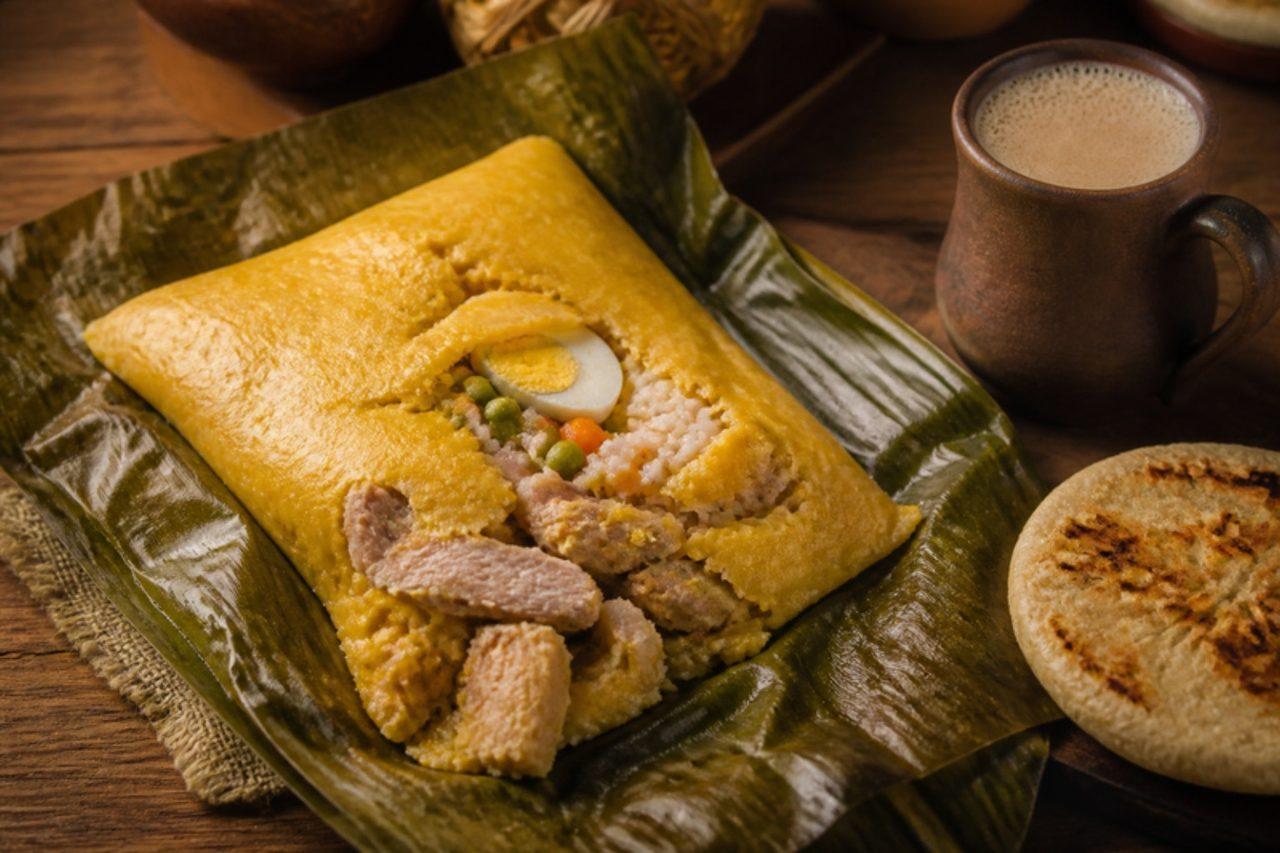
Ibagué and the towns of Tolima make the most generous tamal in Colombia, and on Sunday mornings it is unwrapped at the table with hot chocolate, a slab of bread or arepa and a cup of black coffee. Inside the double banana-leaf wrapping sits a soft, achiote-tinted corn dough layered with rice, yellow peas, carrot, potato, a hard-boiled egg and chunks of pork rib, pork belly and chicken that cook through during the long steam. Expect a savoury, moist parcel that smells of the leaves; plus overnight soaking for the dried peas and marinating the meat. It is weekend project food, best made with friends on a production line. A frequent failure is a loose wrap: water gets in and the dough turns soggy, so fold tightly and tie firmly in a cross. Chef's tip: steam a test tamal first or check one after 3 hours; the meat inside must be cooked through, and if the dough still sticks to the leaf, give the batch 20 minutes more.

by KrazyBadal 0 views

LechonaRoast pork with rice and peas

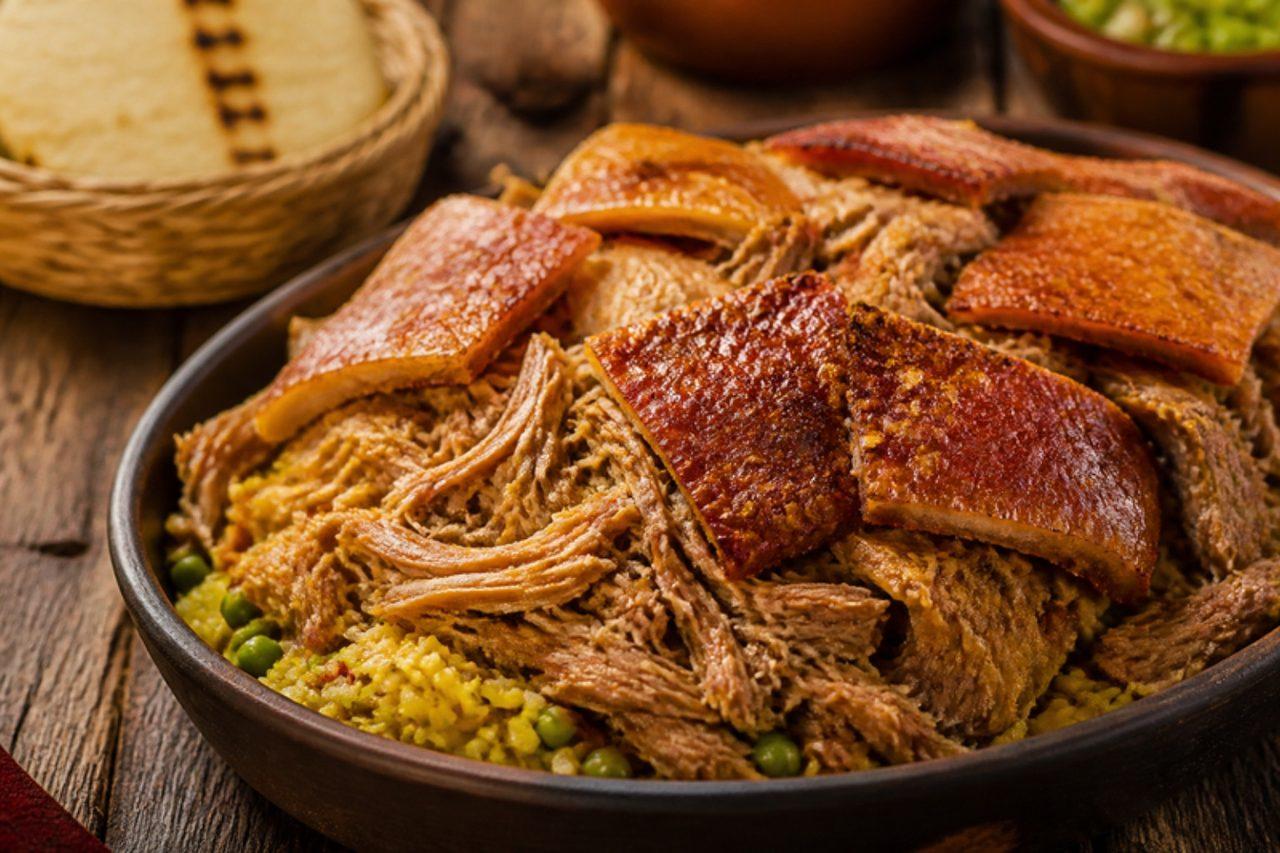
Christmas, birthdays and town fiestas across Tolima and Bogotá call for lechona: a whole pig, boned, stuffed with its own meat, yellow peas and, in the Bogotá style, rice, then roasted for hours in a wood or brick oven until the skin turns to a glassy crackling. Purists in Ibagué leave the rice out. Few home kitchens fit a pig, so this oven version builds the same thing in a deep roasting tin: cubes of pork shoulder seasoned with spring onion, garlic and cumin, mixed with peas and part-cooked rice, under a blanket of skin-on pork belly. The filling soaks up the dripping pork fat; the top crackles. Serve with insulsos (plain sweet corn tamales) or arepas and lime. Start a day ahead to marinate the meat and dry the skin, plus overnight soaking for the peas. Most failed crackling comes from wet skin, so dry it uncovered in the fridge and salt it well. Chef's tip: score the belly skin closely with a very sharp blade but don't cut into the meat, or the juices bubble up and soften the crust.

by KrazyBadal 0 views

FritangaMixed fried pork and sausage platter

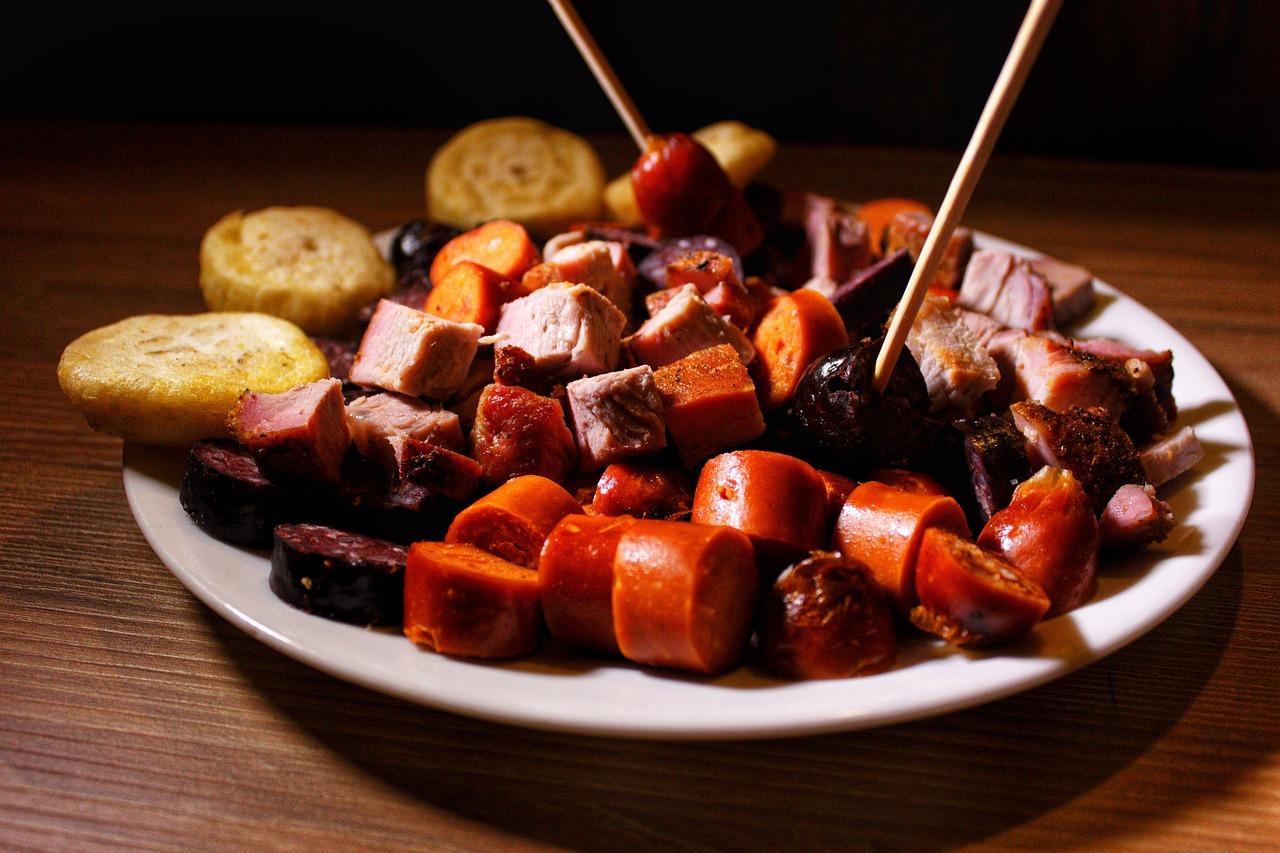
Weekend fritanga is Bogotá's answer to a mixed grill, eaten standing at counters in the Siete de Agosto and Restrepo neighbourhoods or brought home on a big tray to share. Everything is pork or fried: chicharrón of pork belly with a blistered, crunchy skin, juicy pork chorizos, slices of rice-filled morcilla (blood sausage), little papa criolla potatoes, sweet plantain and griddled arepas, all eaten with fingers or toothpicks and dipped in sharp, watery ají. A fritanga is about contrast, so don't drown it in sauces: the lime and ají cut the richness. The common error is frying the belly straight from raw; it needs to cook gently in water first, which renders the fat and tenderises the meat before the skin crisps in its own drippings. Chef's tip: buy morcilla and chorizo from a Latin butcher and check the labels if you need the platter gluten free, as some sausages contain wheat.

by KrazyBadal 0 views

Cuchuco de trigoCracked wheat and pork rib soup

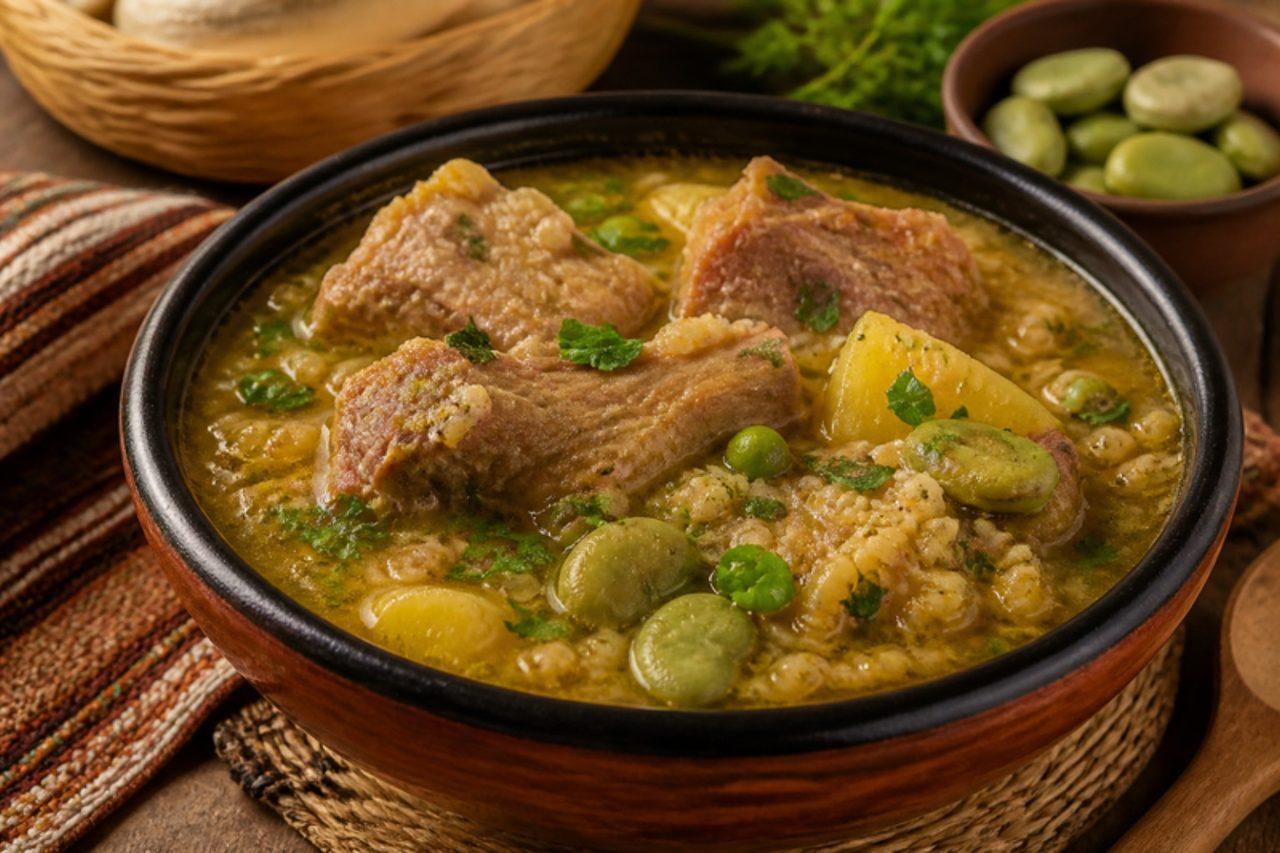
Up on the cold Boyacá plateau, around Tunja and Duitama, cuchuco de trigo is the soup that roadside restaurants ladle out at midday to farm workers and truck drivers. It is made with pork ribs (espinazo or costilla de cerdo), simmered until the meat slips off the bone, then thickened with cracked wheat, broad beans, peas, cabbage and two kinds of potato. The result is closer to a porridge-soup than a broth: nutty from the wheat, porky, a little smoky from the cumin and achiote, with the small yellow potatoes melting into the liquid. Serve it in deep bowls with avocado slices, a spoon of ají and a piece of arepa. The usual mistake is adding the wheat too early and walking away: it settles and catches on the bottom of the pot, so it needs stirring from the base every few minutes. Chef's tip: rinse the cracked wheat until the water runs nearly clear; washing off the loose flour keeps the soup creamy rather than gluey. For a meat-free pot, leave out the ribs, use vegetable stock and double the broad beans.

by KrazyBadal 0 views

Pastiera napoletanaWheat berry and ricotta tart

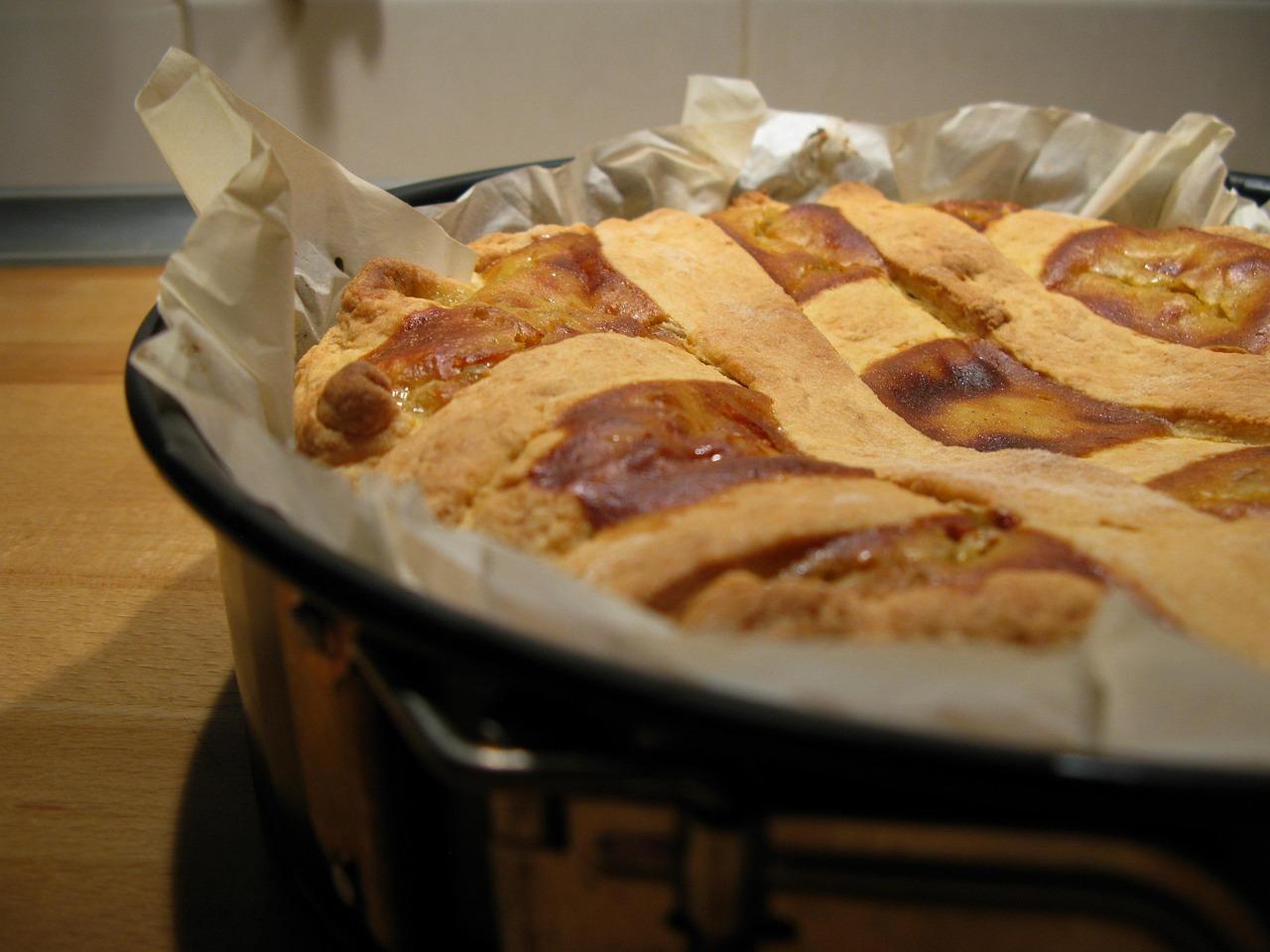
Every Neapolitan kitchen fills with the scent of orange blossom water in Holy Week, when families bake the pastiera on Maundy Thursday or Good Friday so it can rest until Easter Sunday. Inside a lattice-topped shortcrust case is a creamy, slightly grainy filling of ricotta, cooked wheat berries, eggs, candied citrus and cinnamon, and the flavour improves for two or three days. Traditional pastry is made with lard; this one uses butter. Chef's tip: bake it a day or two ahead and keep it covered at cool room temperature; a freshly baked pastiera tastes flat by comparison.

by KrazyBadal 0 views

Insalata capreseTomato and mozzarella salad

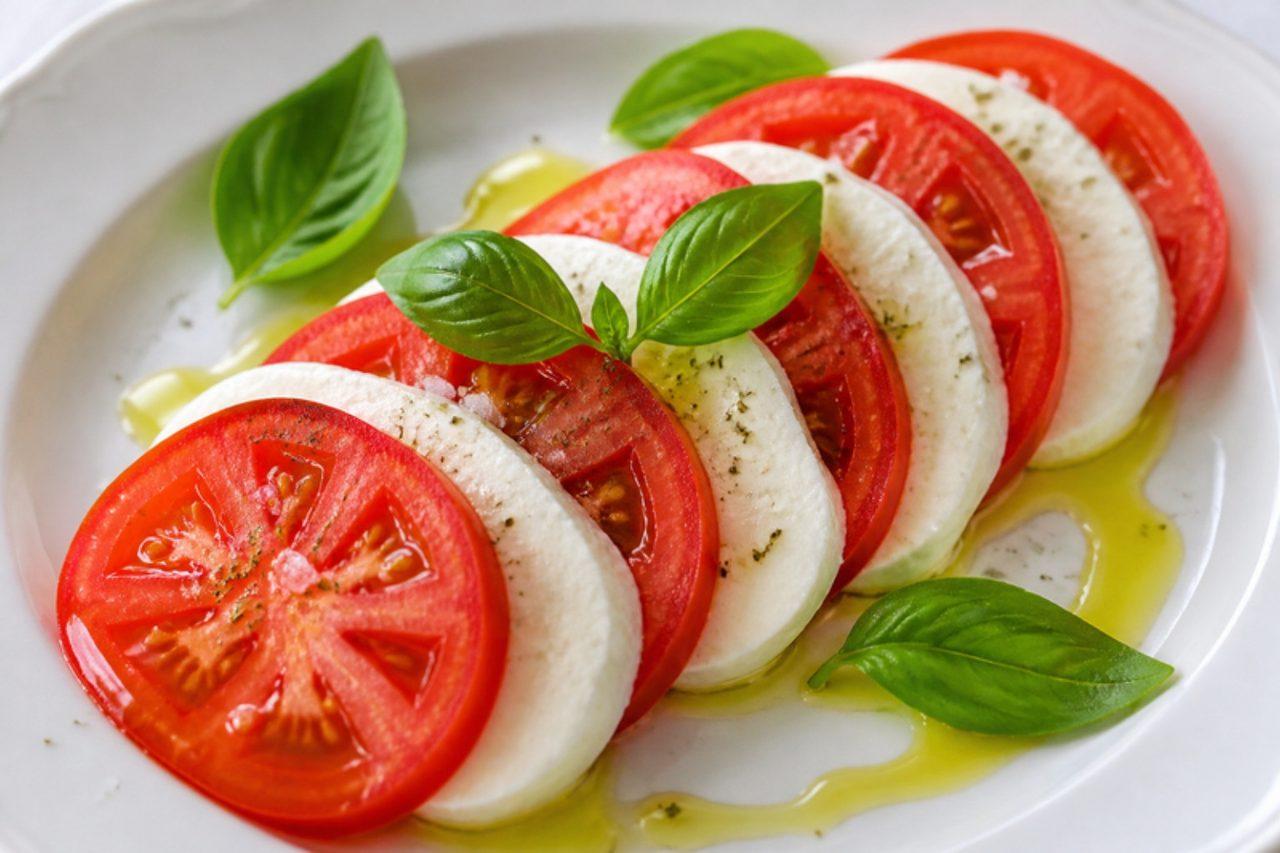
On the island of Capri this simple plate of red tomatoes, white buffalo mozzarella and green basil is the lunch of hot afternoons, served in beach clubs and piazza cafés. With so few ingredients, everything rests on quality: tomatoes ripe enough to smell sweet, mozzarella made that day so it weeps milk when cut, and fruity olive oil. It needs no vinegar; a pinch of salt and oregano is enough. Chef's tip: take the mozzarella out of the fridge 30 minutes ahead; cold mozzarella tastes of very little and feels rubbery.

by KrazyBadal 0 views

Frittata di maccheroniPasta frittata

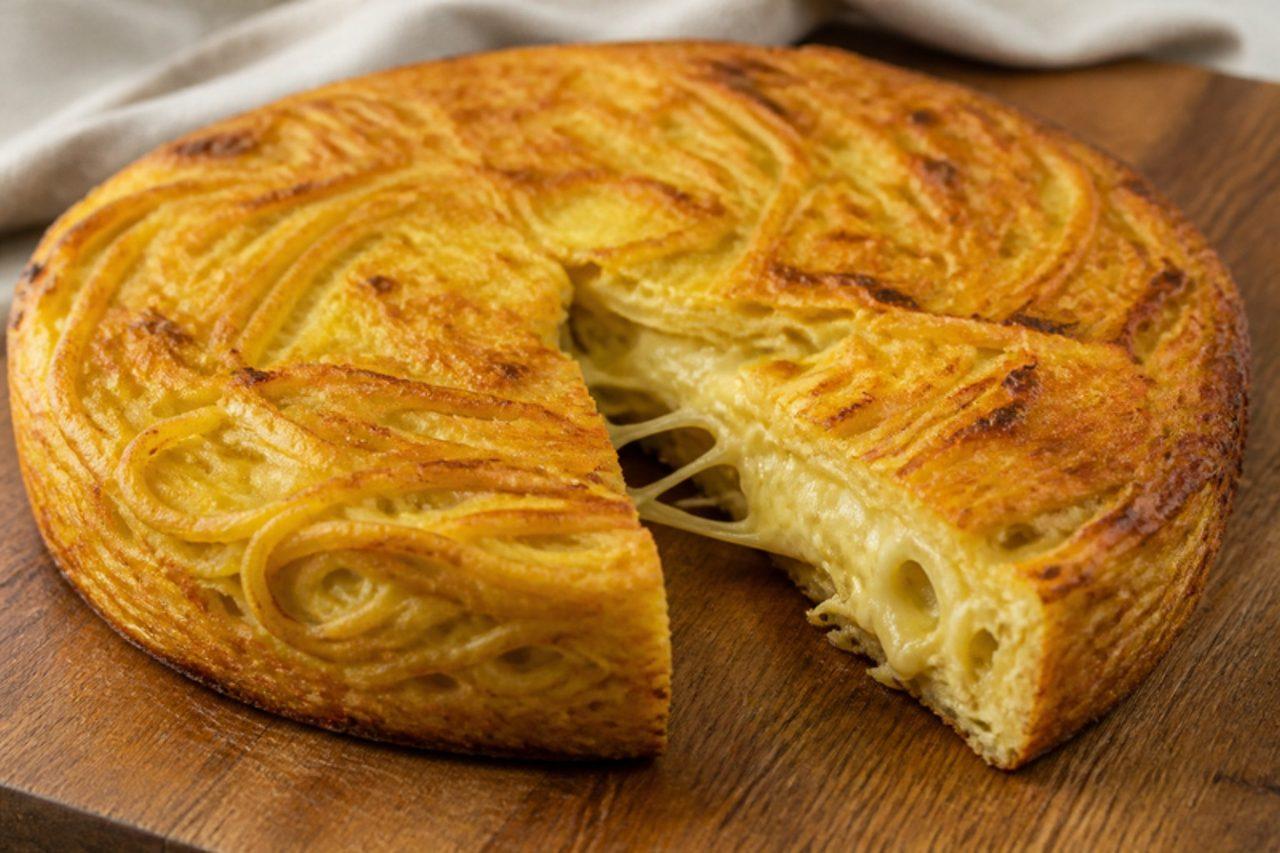
Neapolitans turn yesterday's spaghetti into frittata di maccheroni, a thick, golden pasta cake bound with egg and lots of grated cheese, with pockets of melting provola inside. It travels everywhere: cut into wedges for the beach at Mergellina, packed for the Easter Monday picnic (Pasquetta) or eaten cold from the fridge. The outside is crisp, the middle soft and cheesy. Most families add cubes of salami; this version leaves them out and uses smoked provola for a savoury depth. Chef's tip: use a plate the size of the pan to flip it, and slide it back in confidently in one move.

by KrazyBadal 0 views

Friarielli con provolaBroccoli rabe with smoked provola

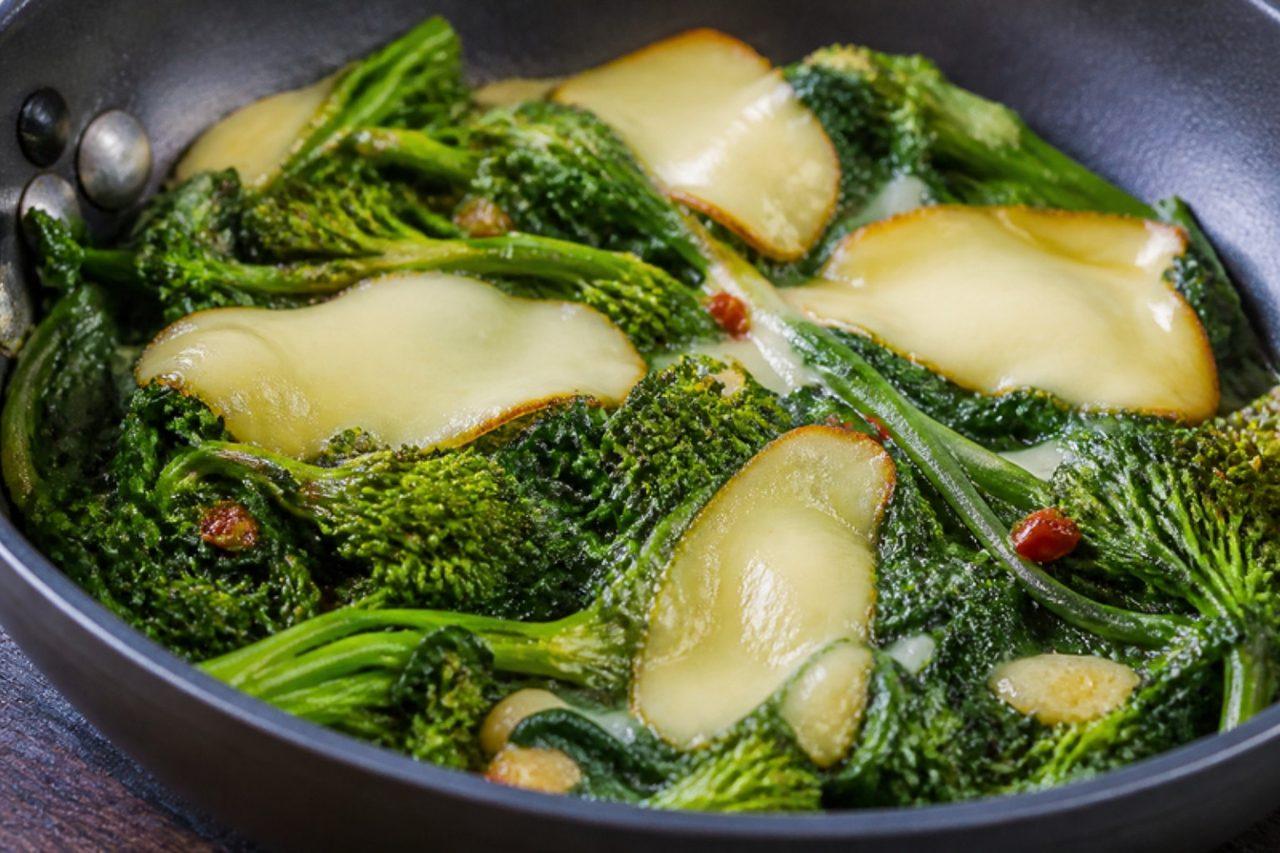
Friarielli are the Neapolitan name for the tender leafy tops of broccoli rabe, piled high on market stalls in Naples from late autumn to early spring. Sautéed with garlic and chilli in olive oil, they turn soft, dark green and pleasantly bitter, and in Naples they are a side dish, a pizza topping and, above all, the filling of a crusty panino. Here slices of smoked provola melt over the hot greens, so they work as a side or straight into a roll. Chef's tip: do not blanch them; Neapolitans cook friarielli raw in the pan with the lid on so they keep their bite and flavour.

by KrazyBadal 0 views

Gnocchi alla sorrentinaGnocchi baked with tomato and mozzarella

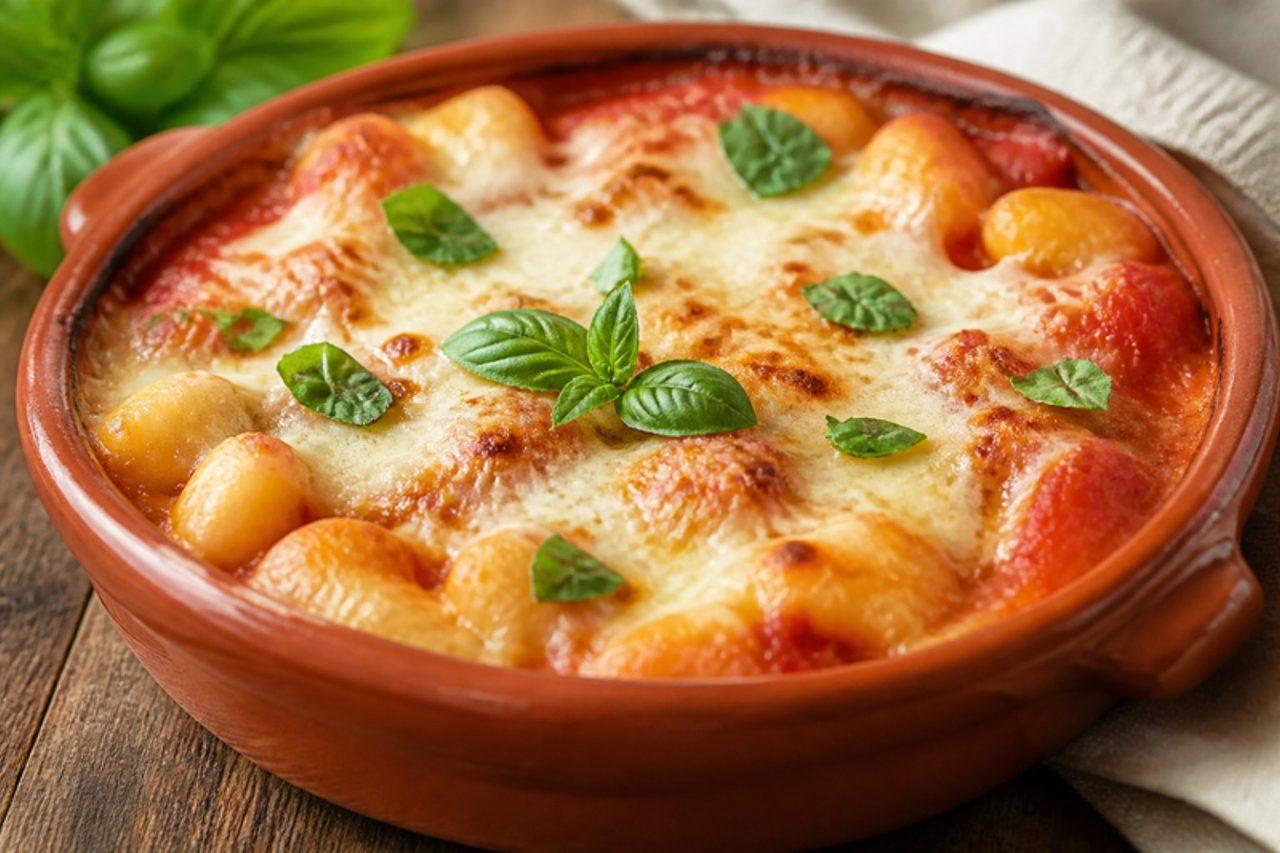
Sorrento families make gnocchi alla sorrentina for Sunday lunch: soft potato gnocchi folded into a basil-scented tomato sauce, layered with cubes of fior di latte mozzarella and baked in individual terracotta dishes until the cheese bubbles and stretches. It is comfort food, pillowy and creamy with a golden, slightly crisp top, and children love pulling the strings of cheese. This recipe takes you from the potatoes to the oven. Chef's tip: bake the potatoes in their skins rather than boiling them; drier potatoes need less flour and make lighter gnocchi.

by KrazyBadal 0 views

Babà al rumRum-soaked yeast cakes

Naples took the babà from French and Polish pastry cooks in the nineteenth century and made it its own: small mushroom-shaped yeast cakes so light and airy that they drink up a warm, rum-laced syrup and still hold their shape. Neapolitans pick them up from the pastry counter after Sunday mass, and they are often served with whipped cream or custard. The traditional syrup contains rum; for an alcohol-free version, use the orange and vanilla syrup given in the ingredient notes, which is just as soaking and fragrant. Chef's tip: let the baked babà dry out for a few hours, or overnight; a slightly stale cake soaks up syrup evenly without collapsing.

by KrazyBadal 0 views

Showing 18 of 7,762 recipes

Show more recipes

Page 563 of 863