


Skip to content
Akpessi
Featured recipe

Akpessi

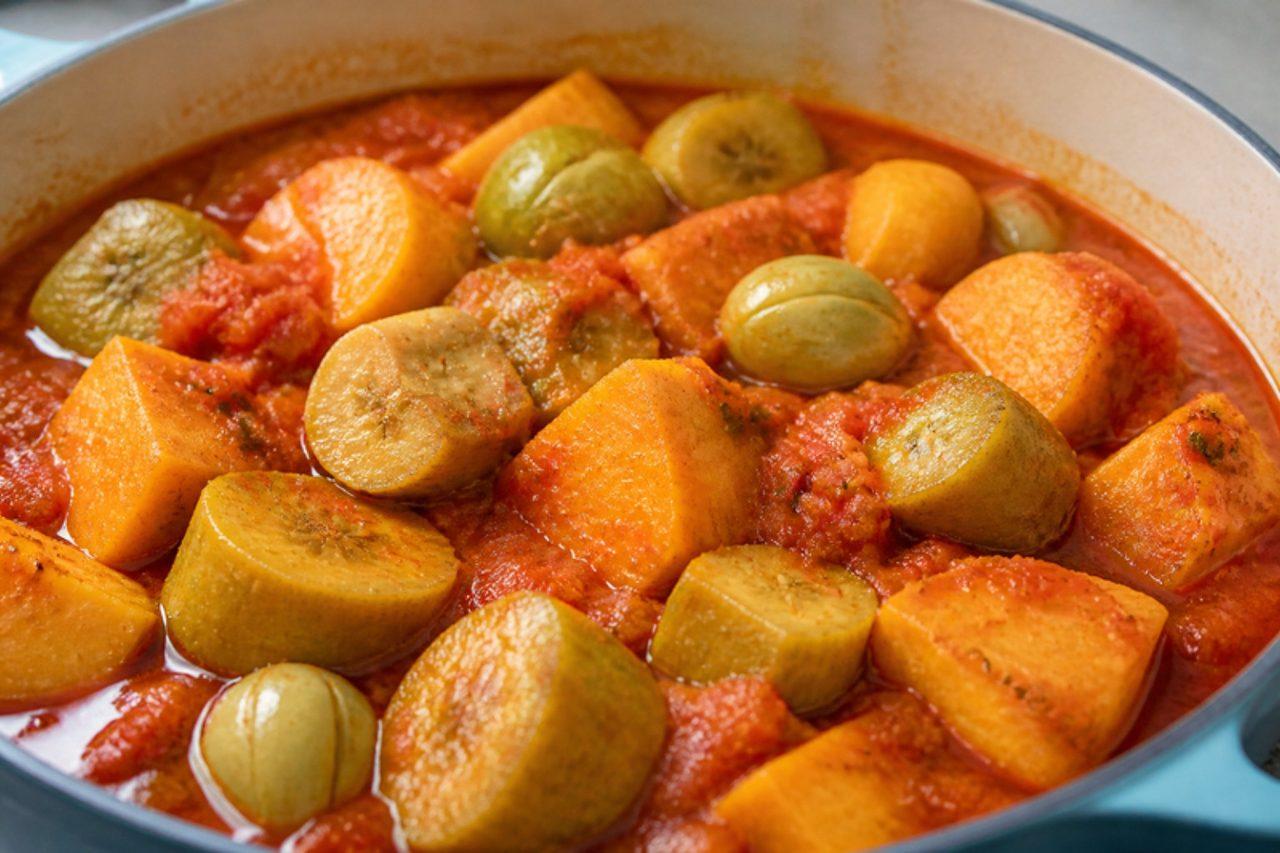
Plantain and yam pottage

Around Bouaké and Yamoussoukro, akpessi is what Baoulé families cook when they want a filling one-pot meal with little fuss: chunks of green plantain and yam simmered right in a red palm oil and tomato sauce until tender. A few pieces are crushed into the liquid at the end, so the sauce turns thick and clings to everything. It is often made with smoked fish; this version keeps it meat-free, with soft garden eggs folded through for body. Expect an earthy, gently starchy dish with heat from the pepper, good with sliced avocado on the side. The usual mistake is stirring too much, which turns the whole pot to mush instead of leaving soft chunks. Chef's tip: oil your hands before peeling green plantains; the sticky sap washes off far more easily.

Read more 0 views

What to eat today?

Around the world

Today's trip: Persian

A new country every day, from every cuisine on the site.

Persian

Dizi

Lamb and chickpea stew 245 minMore from Persian (131) →

This week's collection

Kid-friendly dinners
537 recipes · a new collection every Monday

Latest recipes

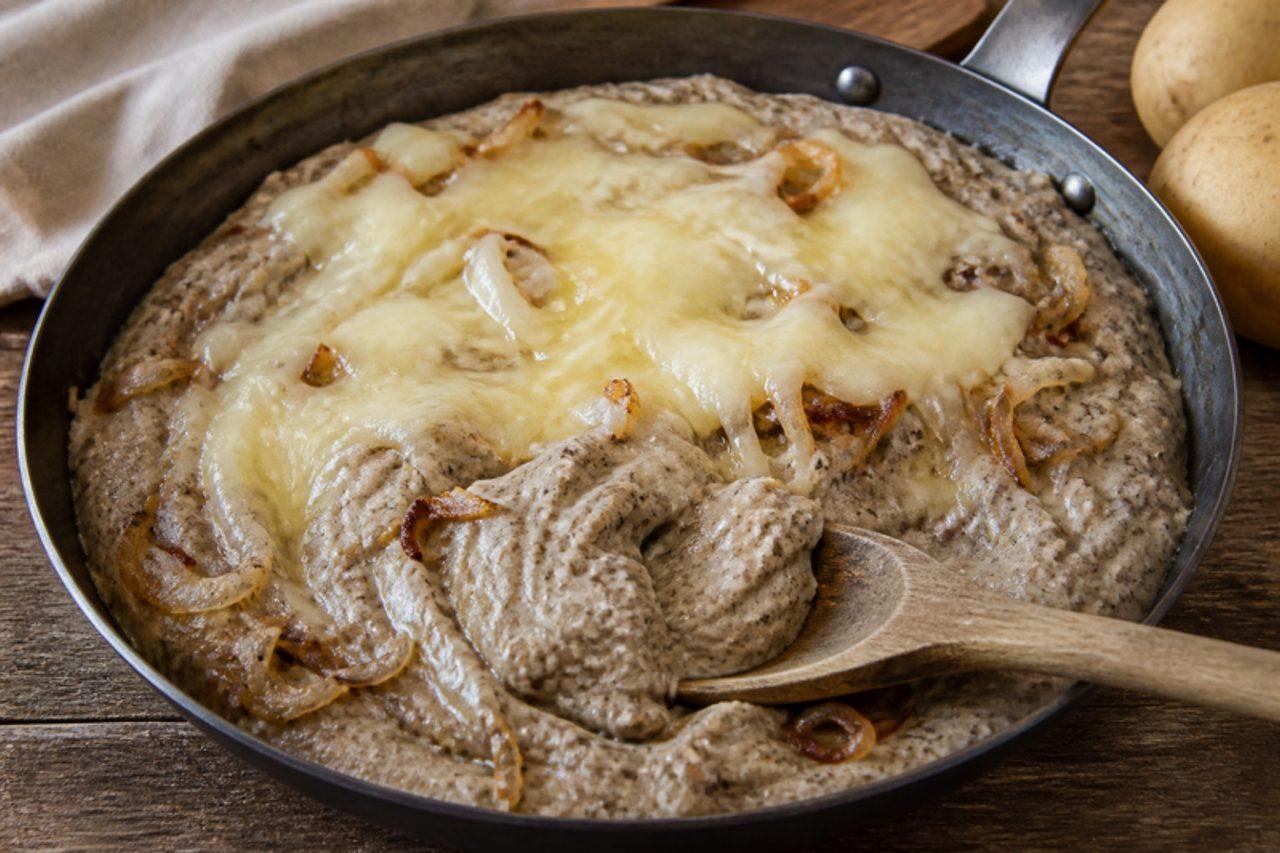
Polenta di patatePotato and buckwheat polenta

Up in the valleys of Trentino, where maize was scarce and potatoes grew well, cooks stretched their buckwheat by cooking it with mashed potato into a soft, grey-gold polenta. It is a cold-weather dish of the Val di Non and Val di Sole, stirred in a heavy pot and finished with buttery onions and cubes of local cheese that melt into pockets. Earthy from the buckwheat and smooth from the potato, it is often served alongside mushrooms or a salad of bitter leaves. Chef's tip: use floury potatoes and mash them right in the pot, in their cooking water, to keep the polenta light.

by KrazyBadal 0 views
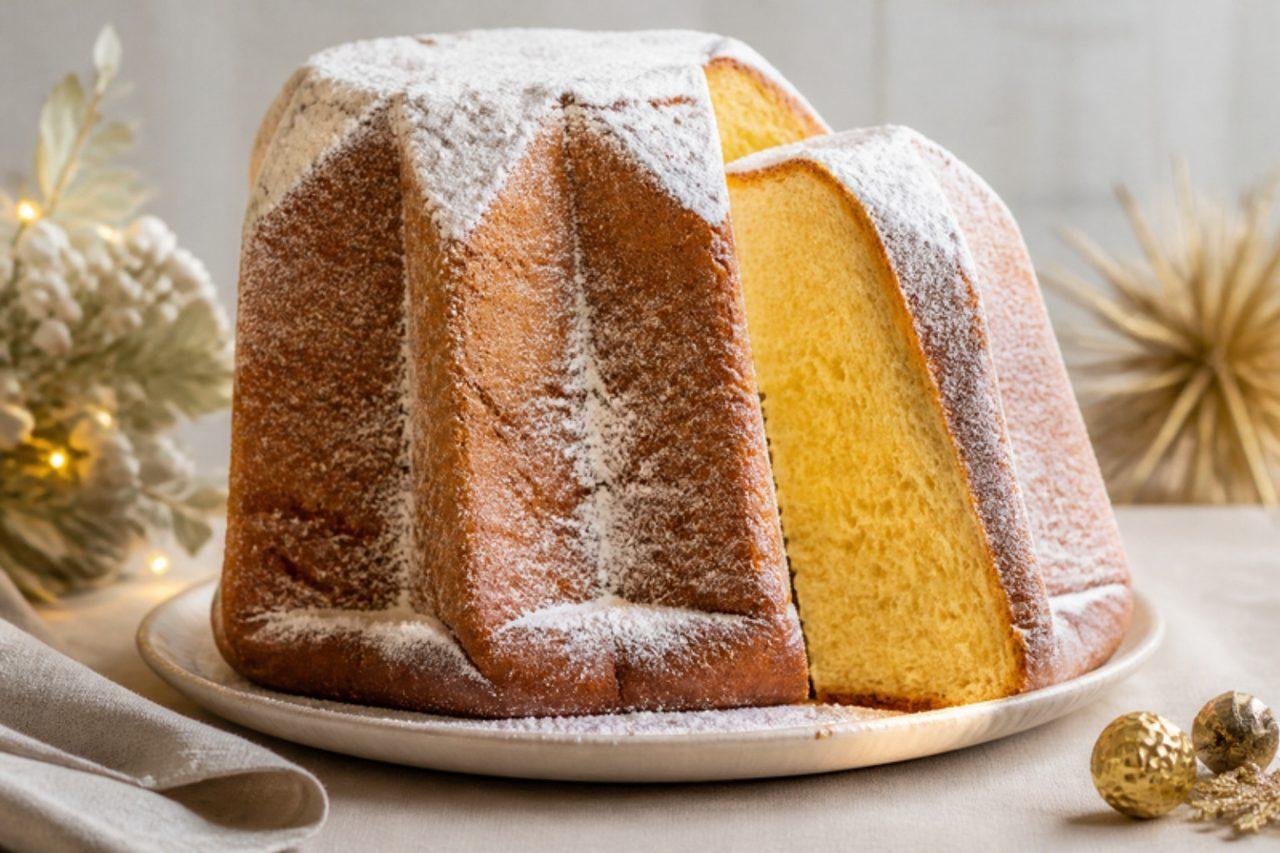
Pandoro di VeronaStar-shaped Christmas bread

Verona's answer to Milan's panettone has no fruit at all: just a tall, eight-pointed star of rich, yellow, vanilla-scented bread, baked in a fluted mould and dusted with icing sugar until it looks like a snowy mountain. Through Advent, Veronese families buy or bake one for Christmas Day and slice it across into star-shaped layers. The crumb is fine, soft and buttery, almost like brioche, and melts in the mouth. Making it at home takes a day and a night, with butter folded into the dough like a pastry. Chef's tip: shake the cooled pandoro in a large clean bag with the icing sugar, so every ridge gets coated.

1440 minItalianBaking
by KrazyBadal 0 views

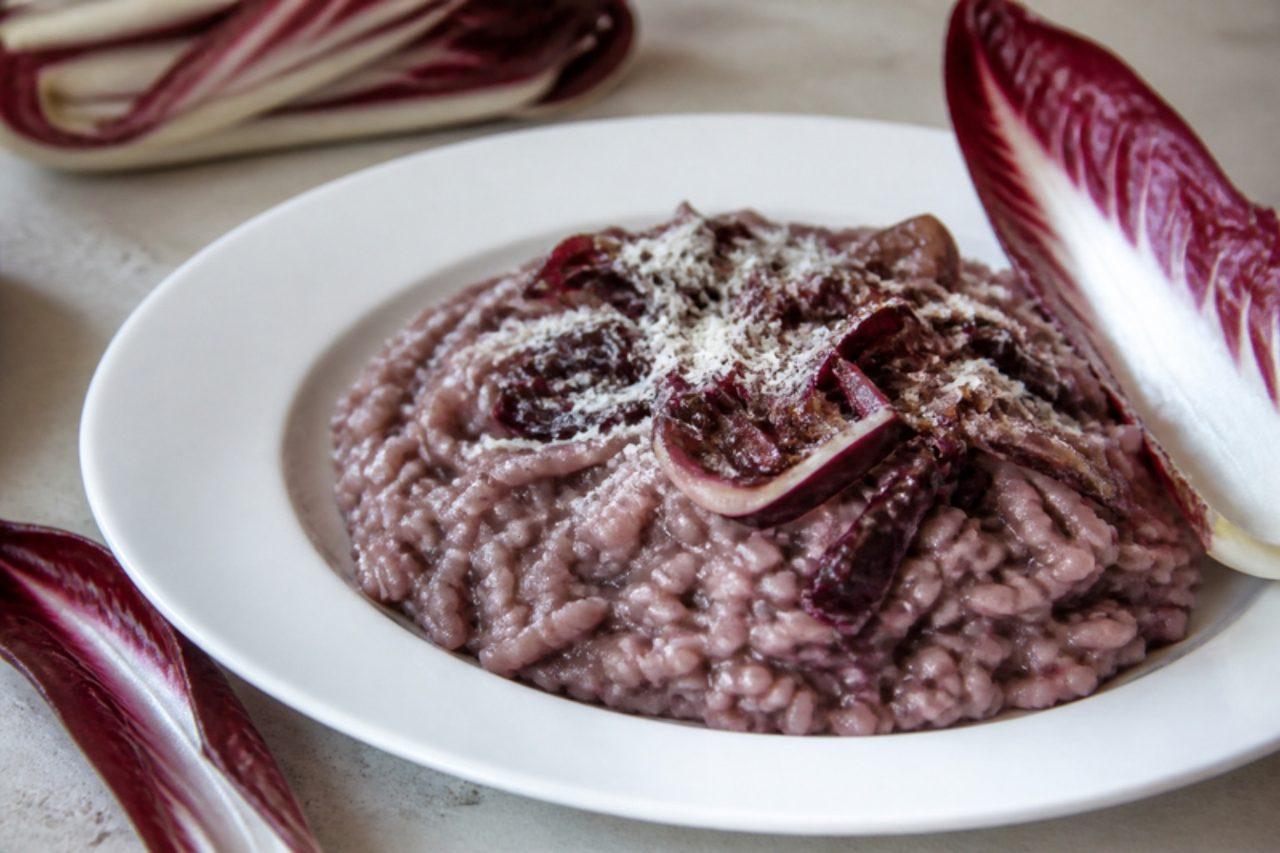
Risotto al radicchio di TrevisoRed chicory risotto

From December to February the farms around Treviso, in the Veneto, harvest radicchio tardivo, the late red chicory with long, curled, wine-coloured leaves, and towns across the province hold festivals in its honour. Cooked into a risotto, it softens and turns from crimson to a deep purple-brown, and its bitterness mellows into something sweet and nutty against the creamy rice. Local cooks splash in red wine, which adds depth and colour; for an alcohol-free risotto use an extra ladle of stock and a teaspoon of red wine vinegar. Chef's tip: keep back a handful of raw strips to scatter on top for crunch and colour.

by KrazyBadal 0 views

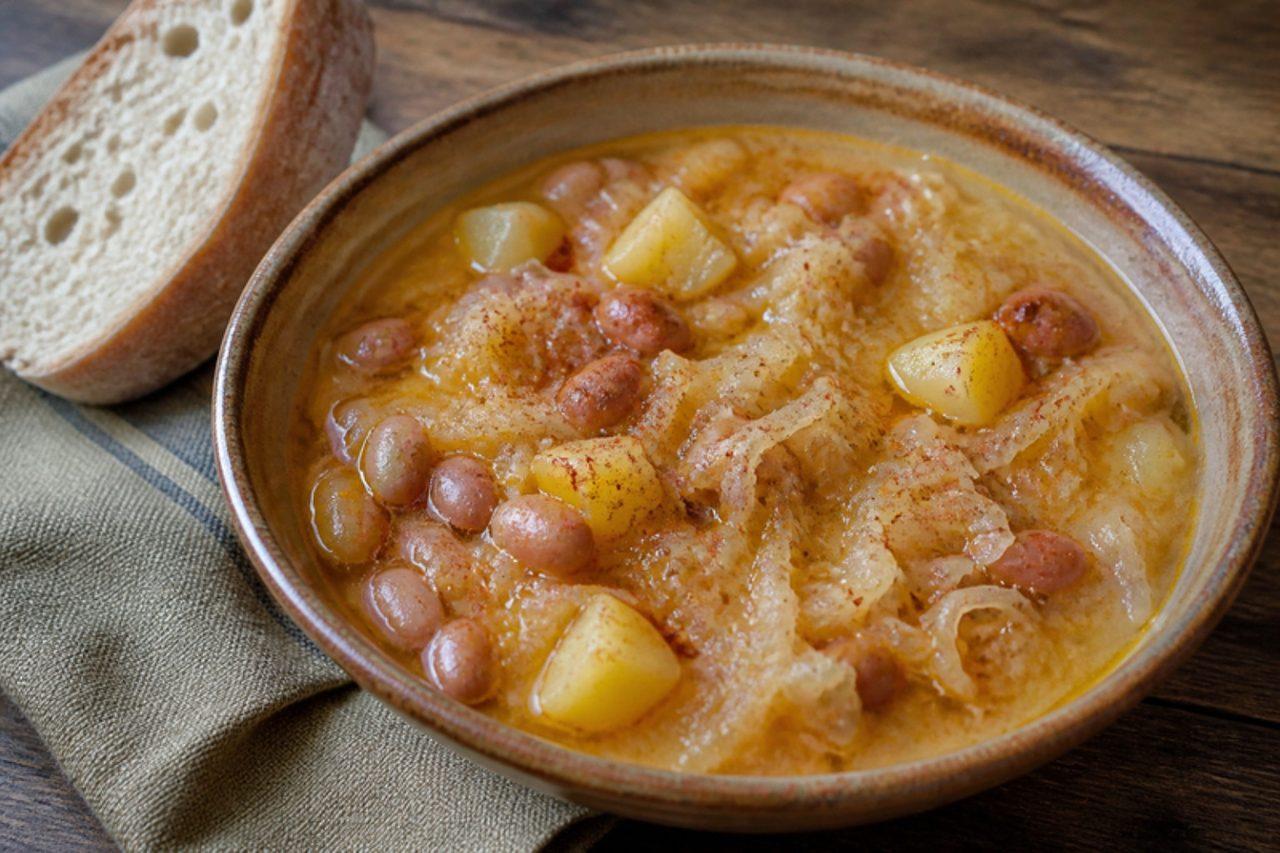
Jota triestinaBean and sauerkraut soup

Jota is the soup of Trieste, the port city where Italian, Slovenian and Austrian cooking meet, and it is ladled out all winter in the city's old buffet restaurants and in the Karst villages behind it. Borlotti beans, potatoes and sour sauerkraut cook down into a thick, tangy soup that warms you through when the bora wind blows. The traditional version is cooked with pork ribs or rind; here smoked paprika, caraway and garlic give the smoky depth, so it is fully vegan. Chef's tip: make it a day ahead; like most bean soups, jota tastes better reheated.

120 minItalianSoupsVeganGluten free
by KrazyBadal 0 views

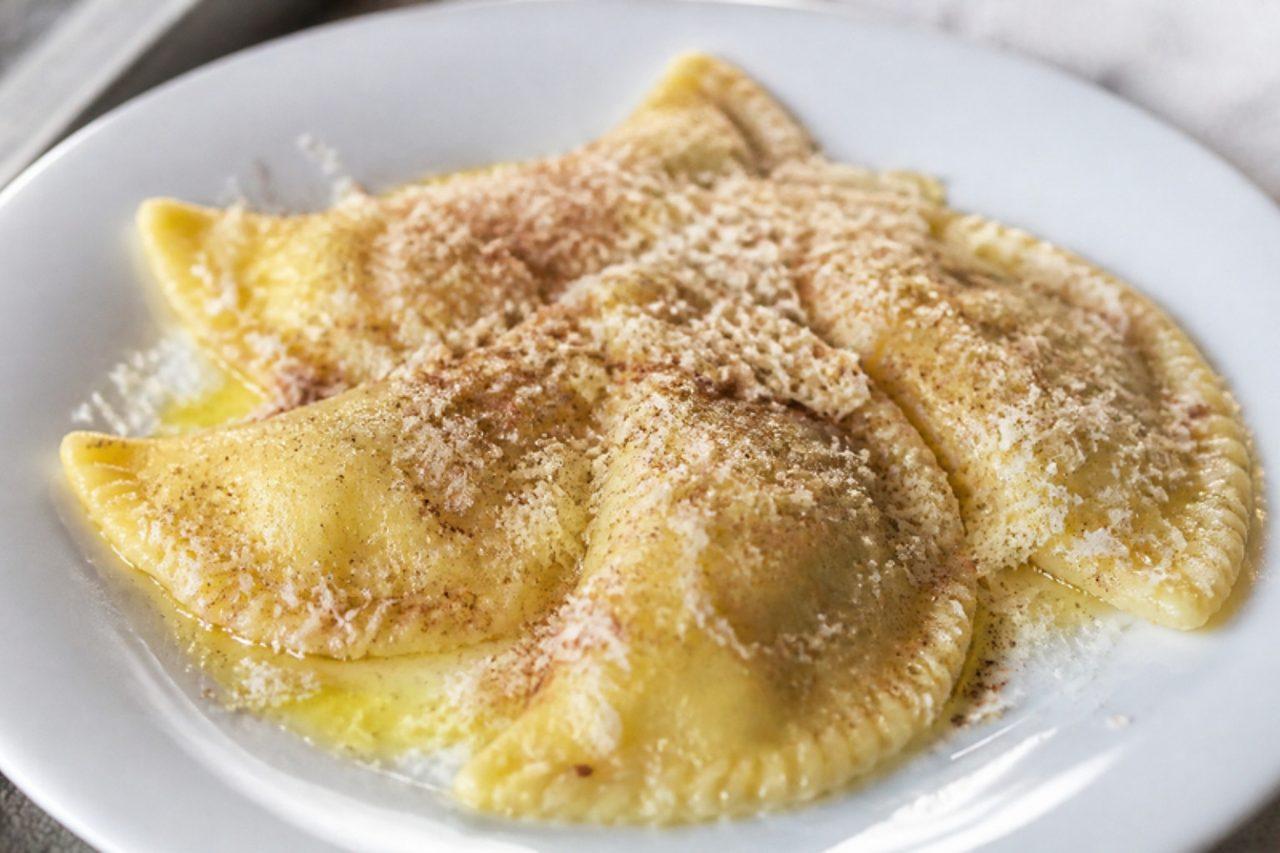
Cjarsons della CarniaSweet and savoury filled pasta

Each village in the Carnia mountains of Friuli keeps its own recipe for cjarsons, and families argue happily about whether chocolate, cinnamon or lemon balm belongs inside. The old story ties them to the cramârs, pedlars who walked over the Alps selling spices and brought exotic flavours home. Served at weddings, feast days and Sunday lunch, these half-moons hold a potato filling sweet with raisins and fragrant with mint and parsley, finished with brown butter, cinnamon sugar and grated smoked ricotta. The mix of salty, sweet and smoky is unlike any other pasta in Italy. Chef's tip: pinch the edges into a twisted rope; it seals well and looks the part.

by KrazyBadal 0 views

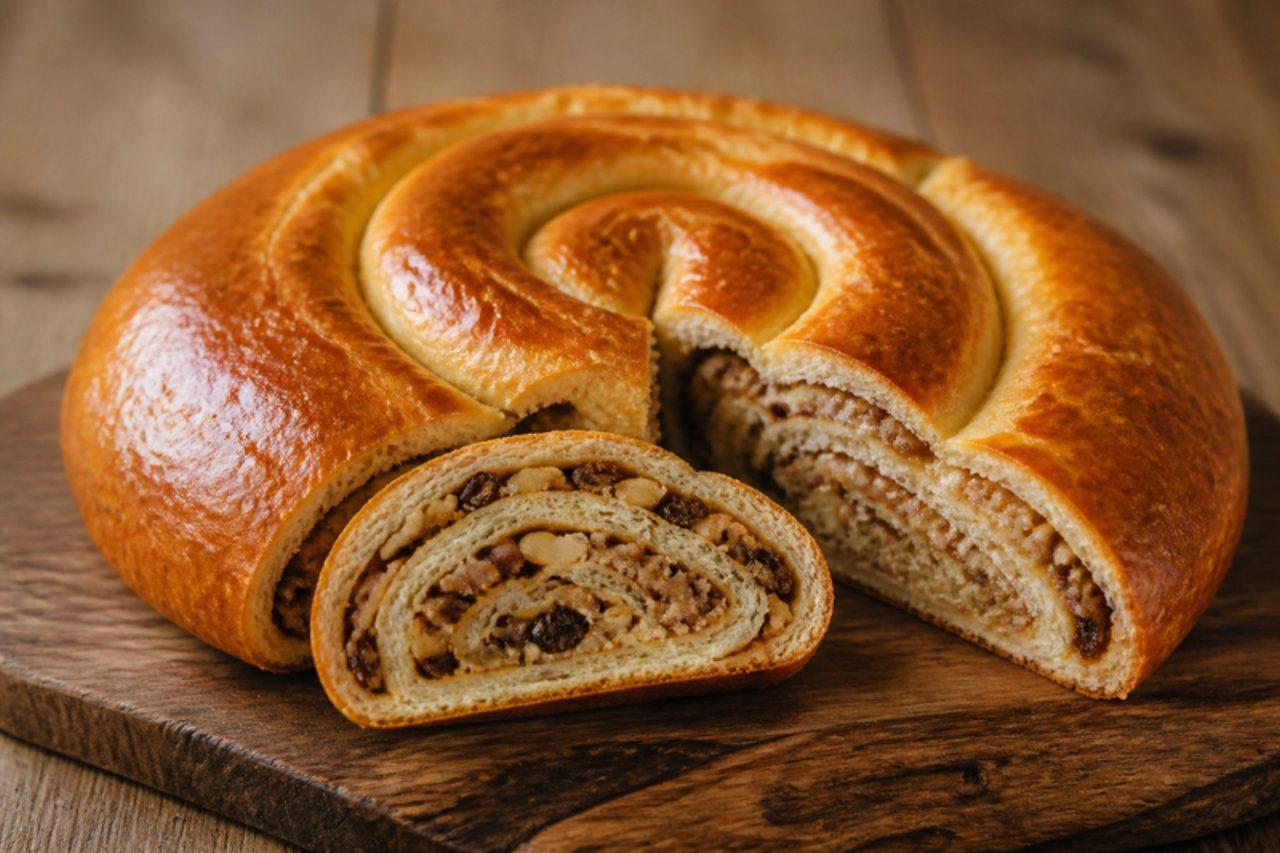
Gubana friulanaNut and raisin pastry spiral

Gubana comes from Cividale del Friuli and the Natisone valleys on the Slovenian border, where it is baked for Easter, weddings and christenings and shared in slices from a coiled round loaf. A soft, sweet yeast dough is rolled around a dark filling of walnuts, raisins, pine nuts and candied peel, then curled up like a snail shell so each slice shows a spiral. Locals often splash a little grappa or plum brandy over each slice and the filling is usually laced with it too; orange juice works in its place for an alcohol-free gubana. Chef's tip: bake it a day ahead, wrapped well, as the filling grows moister and spicier overnight.

by KrazyBadal 0 views
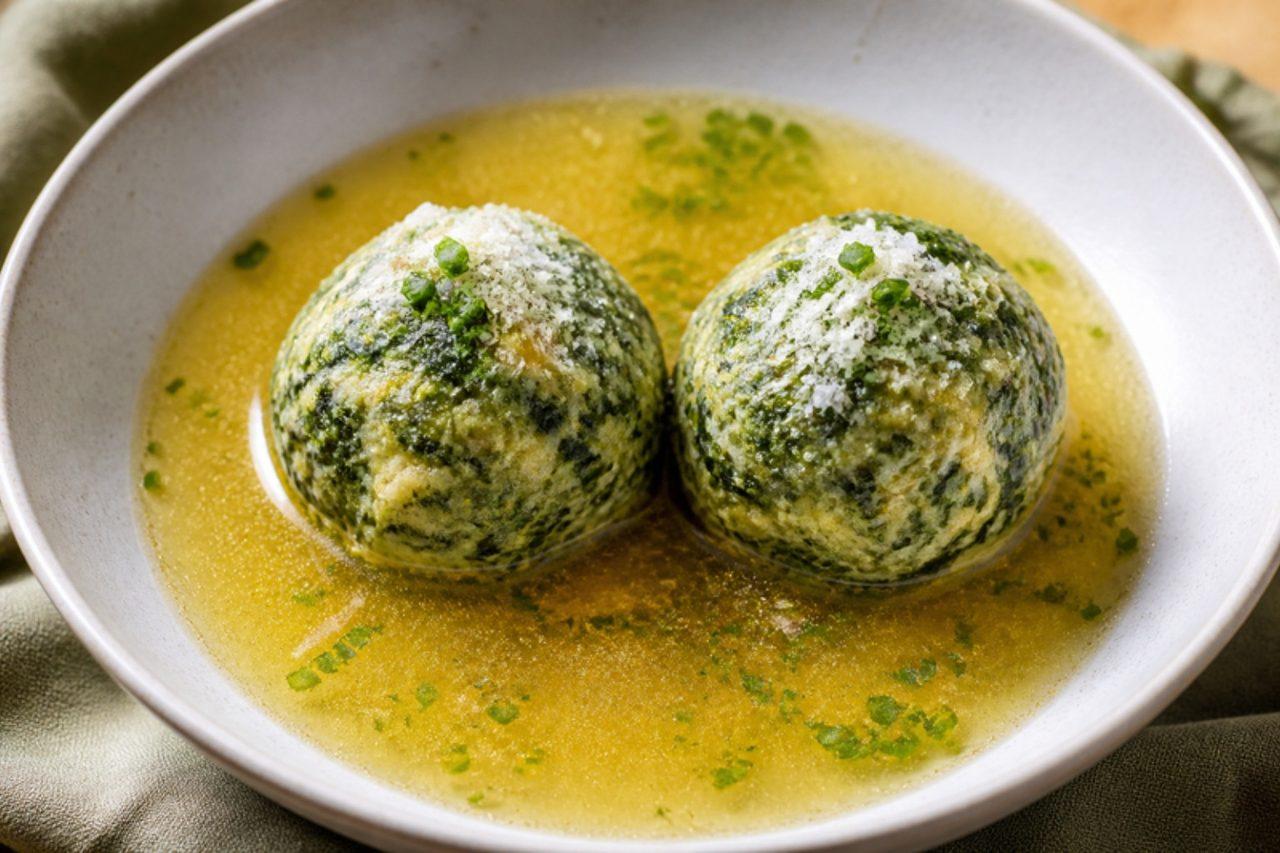
Canederli agli spinaciSpinach bread dumplings

Green canederli, Spinatknödel in German, are a fixture of the mountain huts and village inns of Trentino and South Tyrol, from the Val di Fiemme to the streets of Bolzano. Day-old bread is soaked in milk and bound with egg, chopped spinach and mountain cheese, then rolled into fist-sized balls and poached until light but firm. They arrive two to a bowl in steaming broth, or drained and dressed with melted butter and grated cheese. The best-known canederli are made with speck; this is the spinach and cheese version, served in vegetable stock. Chef's tip: poach one test dumpling first; if it starts to break up, work a spoonful more flour into the mix.

by KrazyBadal 0 views

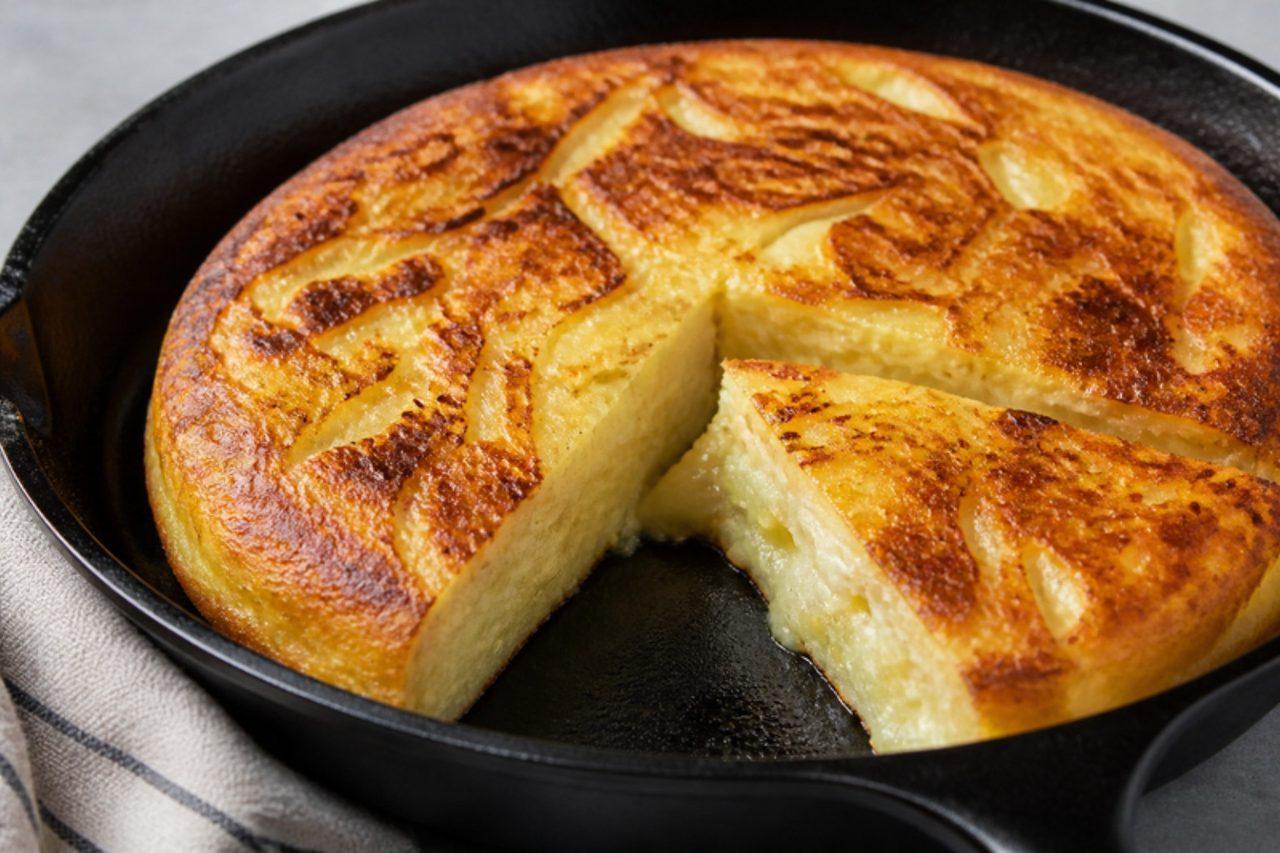
Frico con patatePotato and cheese skillet cake

Frico was born in the mountain pastures of Carnia, in the north of Friuli-Venezia Giulia, where herders cooked cheese ends and potatoes together in an iron pan over the fire. Today it is the region's signature dish, served in Udine's osterie and at village festivals in wedges beside soft polenta. The outside sets into a crisp, brown cheese crust while the inside stays soft, stringy and rich with sweet onion. Chef's tip: mix a young Montasio, which melts, with a more aged one, which gives the crust its flavour and crunch.

by KrazyBadal 0 views

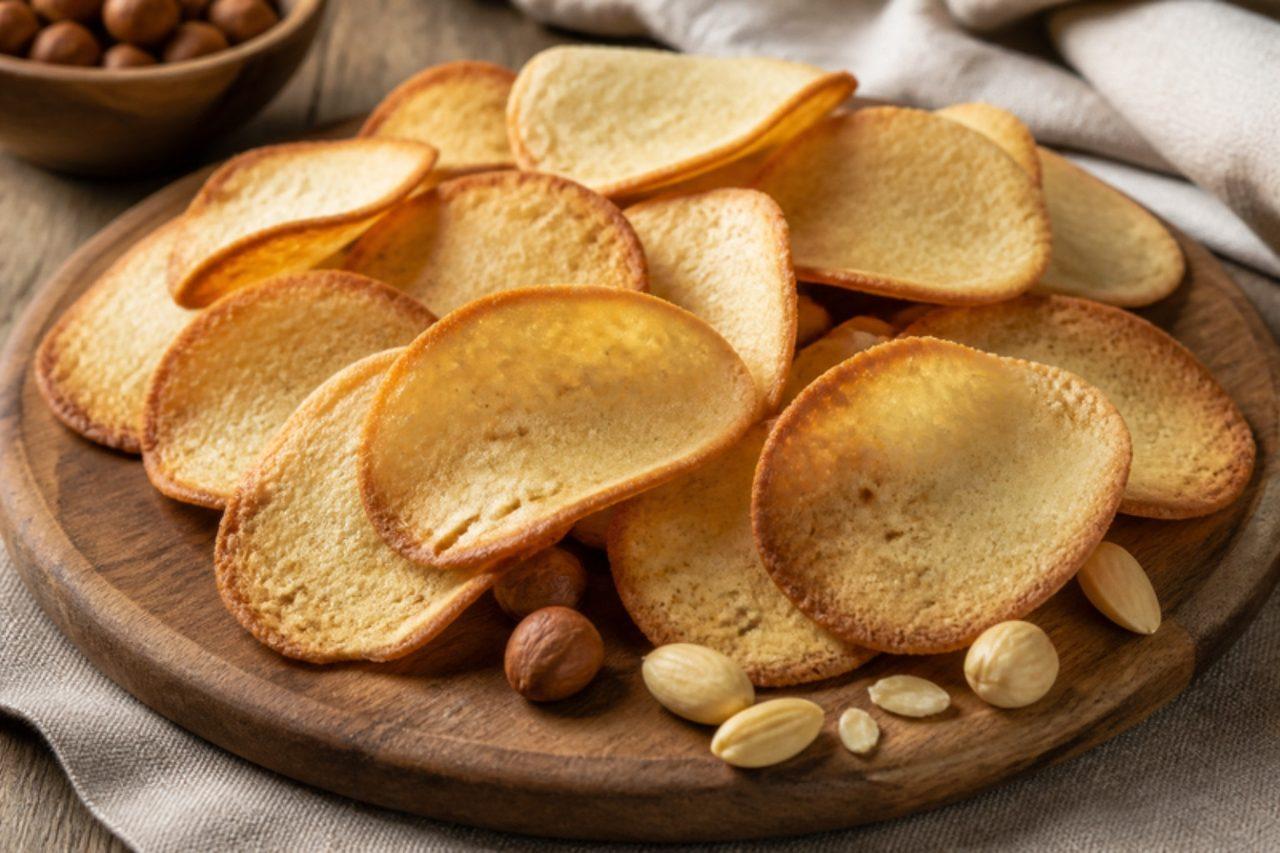
Tegole valdostaneAlmond hazelnut biscuits

Walk the arcaded streets of old Aosta and the pastry shops have stacks of tegole in the window, thin as paper and curved like the stone roof slabs of the valley's chalets. They are offered with an after-dinner coffee or packed in tins as a present from the mountains. Ground almonds and hazelnuts give them a toasty, buttery crunch that shatters at the first bite. Most recipes include a spoon of wheat flour; this one uses potato starch, so the biscuits are gluten free. Chef's tip: bake a test biscuit first; if it spreads too much, chill the batter for 15 minutes.

by KrazyBadal 0 views

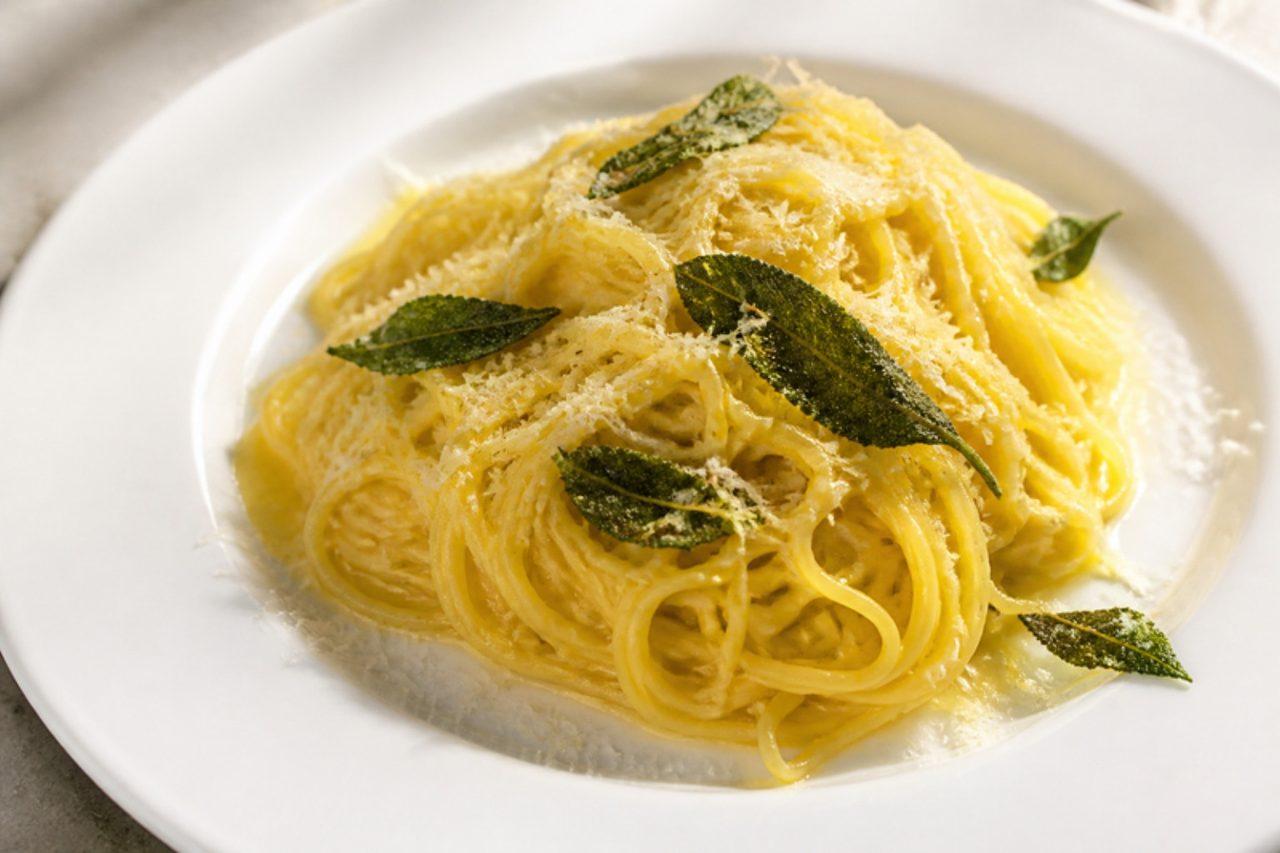
Tajarin al burro e salviaEgg ribbon pasta in sage butter

In the hill villages around Alba, in Piedmont's Langhe, tajarin are the pasta of Sunday lunch: hair-thin strands made with so many egg yolks that the dough turns deep orange. Through October and November, when the white truffle fair fills Alba, restaurants toss them in plain butter and shave truffle over the top at the table. The rest of the year sage butter does the job, and the pasta stays the star: silky, rich and springy against the teeth. Chef's tip: cut the strands by hand from a loosely rolled sheet rather than through a machine cutter; slightly uneven tajarin hold the butter better.

by KrazyBadal 0 views

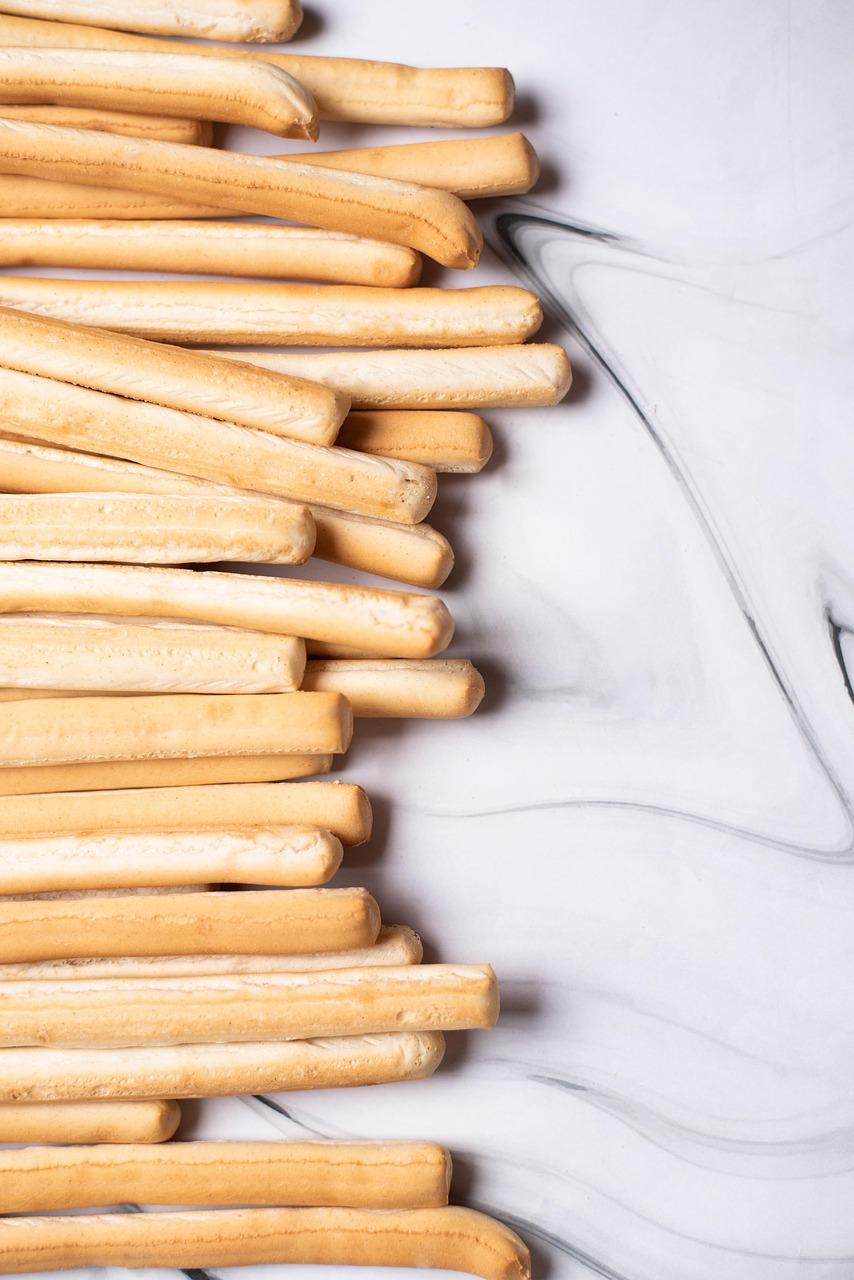
Grissini torinesiHand-stretched breadsticks

Turin claims grissini as its own: the story goes that a court baker stretched bread into thin, dry sticks in the 1600s for a sickly young Savoy duke who could not digest soft loaves. Today a bundle of long, knobbly grissini stirati sits on nearly every Piedmontese restaurant table, ready to snap with antipasti. Made by hand they are lighter and more uneven than the boxed kind, golden and brittle with a faint taste of olive oil. Children love making them. Chef's tip: stretch each strip by holding both ends and letting it swing as you pull, which gives that rustic, slightly twisted look.

by KrazyBadal 0 views

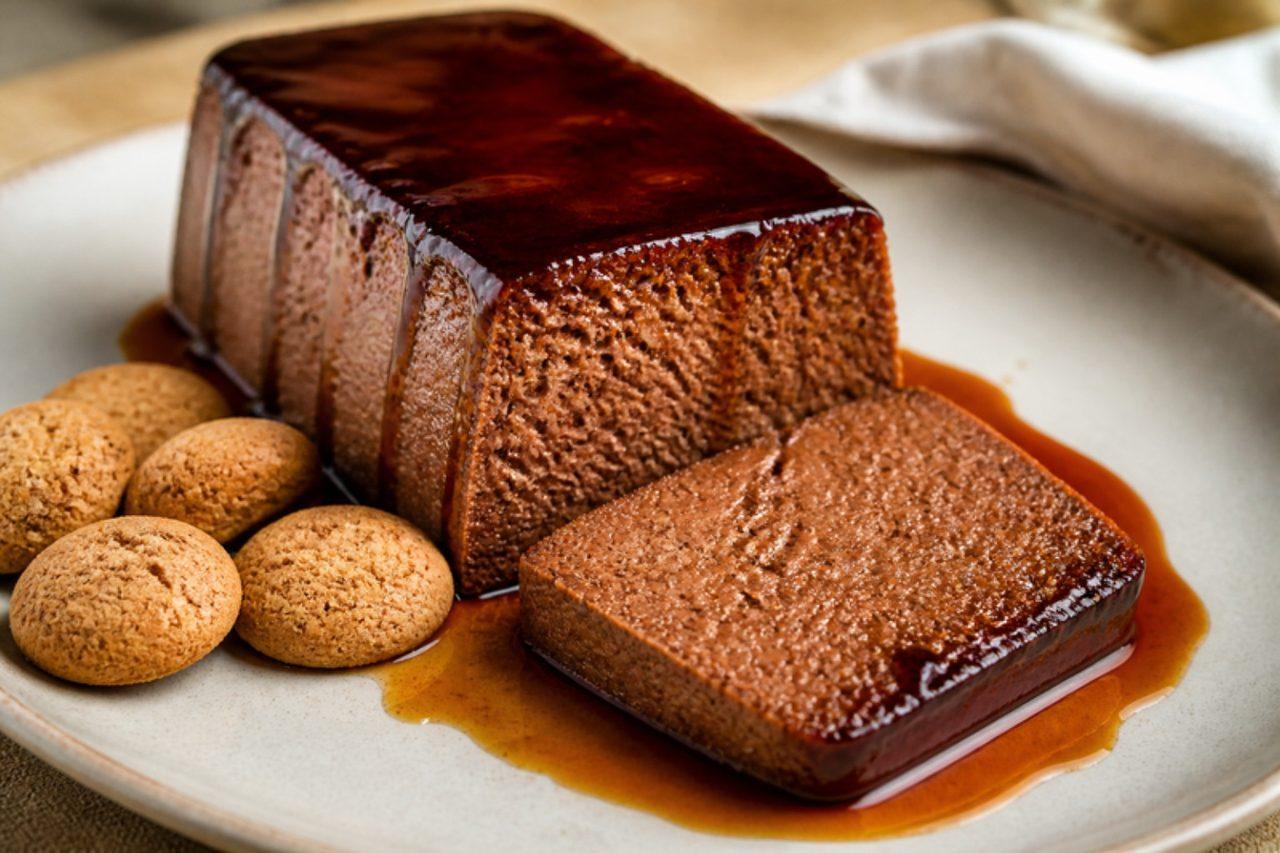
BonetChocolate amaretti pudding

Bonet closes the long holiday lunches of the Langhe and Monferrato, turned out of its tin glossy with caramel and cut into thick slices. The name is dialect for a cap, after the round copper mould it was once baked in. Crushed amaretti give the custard a soft almond grain, and cocoa makes it taste like a set chocolate pudding with a bitter edge. Most cooks add a splash of rum or marsala; this recipe offers a coffee-and-vanilla version for an alcohol-free bonet. Chef's tip: bake it the day before; after a night in the fridge it slices cleanly and the caramel turns to a thin sauce.

by KrazyBadal 0 views

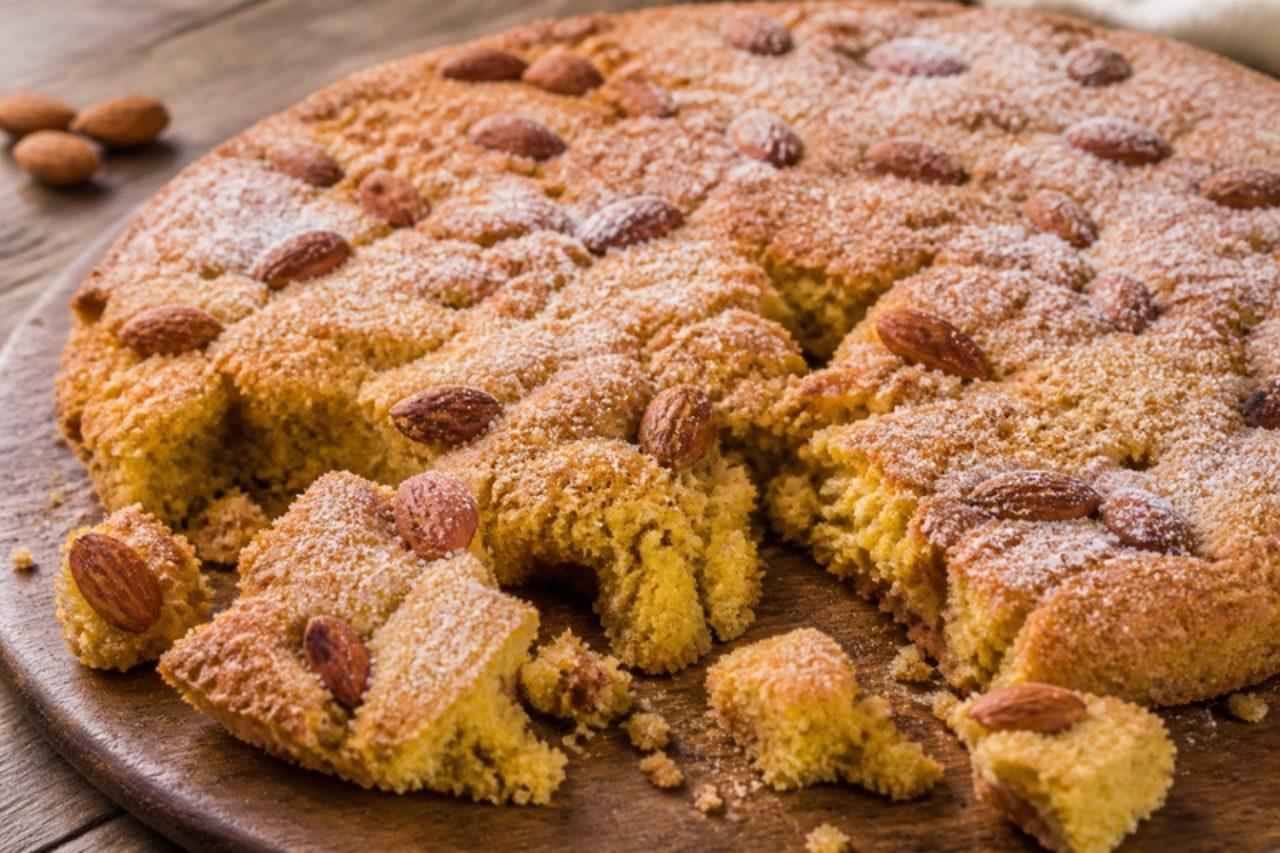
Torta sbrisolonaCrumbly almond cake

Nobody slices a sbrisolona. In Mantua, in the south-east of Lombardy, the round, golden cake is set whole in the middle of the table after dinner and cracked into rough pieces with a fist, and everyone grabs a shard. Coarse cornmeal and chopped almonds make it gritty, buttery and crunchy, closer to a giant biscuit than a sponge. It began as a farmhouse sweet made with lard; this version uses only butter. Chef's tip: keep your hands cool and stop rubbing in while the mixture still looks like coarse crumbs and small clumps.

by KrazyBadal 0 views

Peperoni ripieni alla piemonteseStuffed roasted peppers

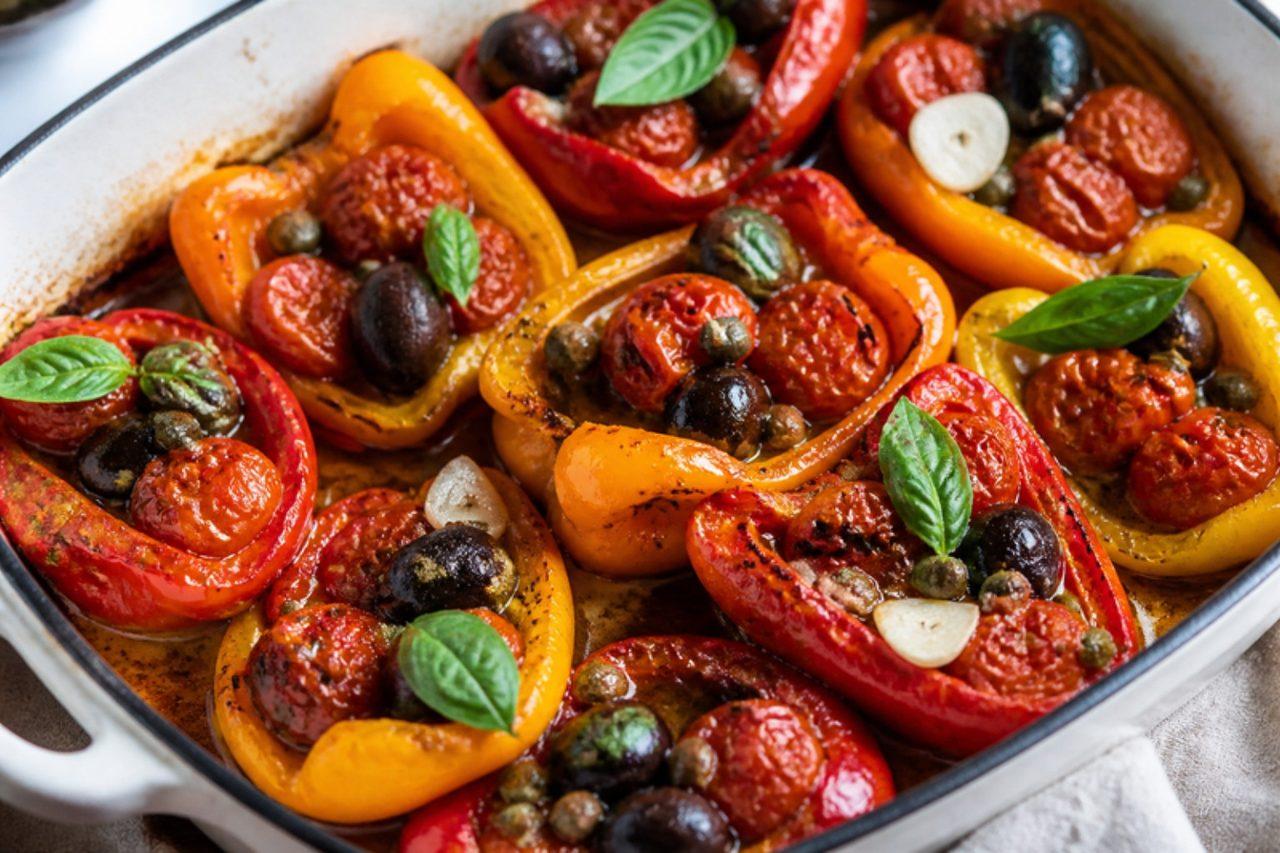
Late summer in Turin means the fat, square peppers of Carmagnola piled high at Porta Palazzo market, and this is what Piedmontese cooks do with them. Halved and filled with peeled tomato and slivers of garlic, they roast until the skins blister and the juices turn sweet and jammy, then come to the table lukewarm as an antipasto. The old recipe hides an anchovy fillet in each half; here capers and black olives bring the same salty edge, so the dish is vegan. Chef's tip: keep the stalk on when you halve the peppers, as it helps each half hold its shape and its juices.

by KrazyBadal 0 views

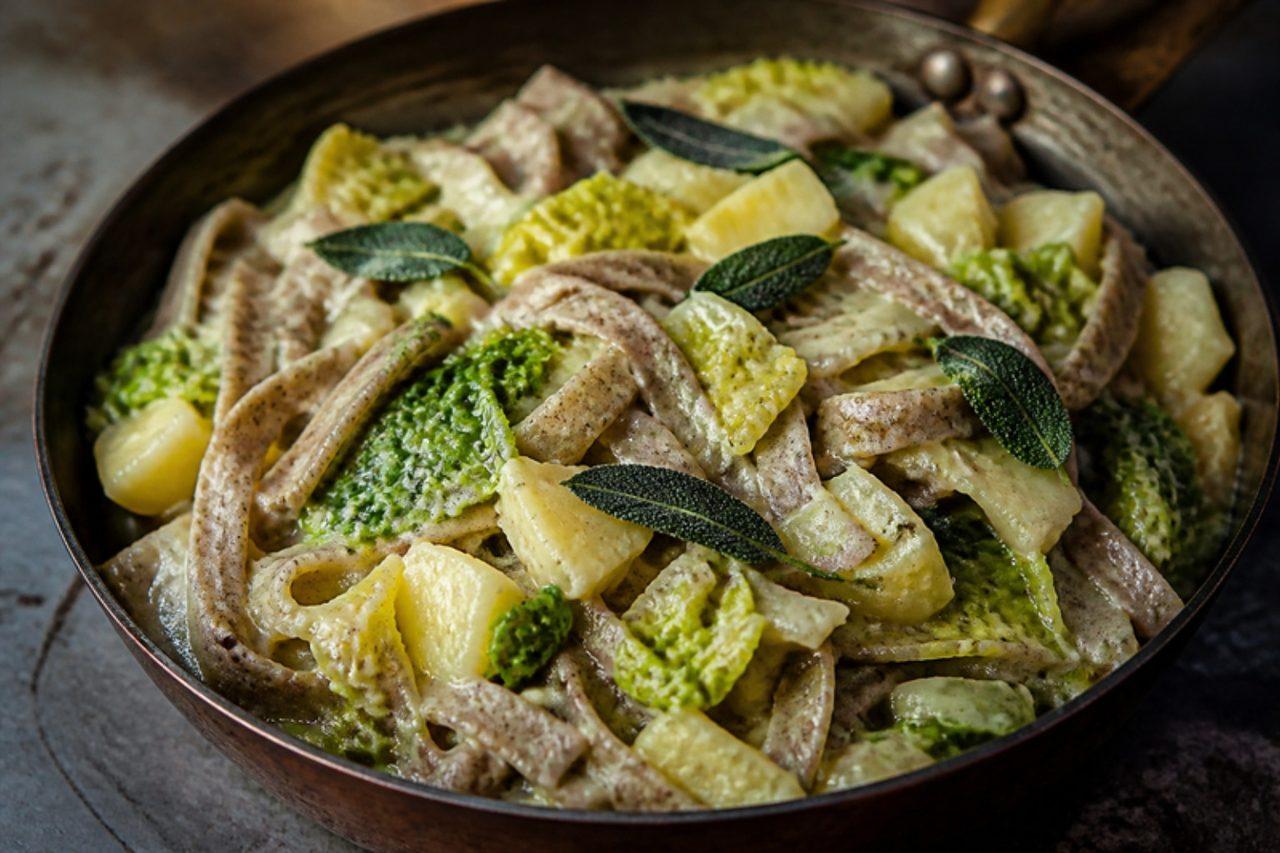
Pizzoccheri della ValtellinaBuckwheat pasta with cabbage and cheese

Pizzoccheri belong to the Valtellina, the steep valley of Lombardy near the Swiss border, and above all to the village of Teglio, where a local academy guards the recipe. Short, rough ribbons of grey-brown buckwheat pasta boil in one pot with potatoes and savoy cabbage, then go into a dish in layers with Valtellina Casera cheese and garlicky sage butter. It is a winter dish for ski huts and family kitchens: earthy, nutty and gloriously heavy. Chef's tip: buckwheat pasta breaks easily, so cut the ribbons short and fold the layers gently with two forks.

by KrazyBadal 0 views

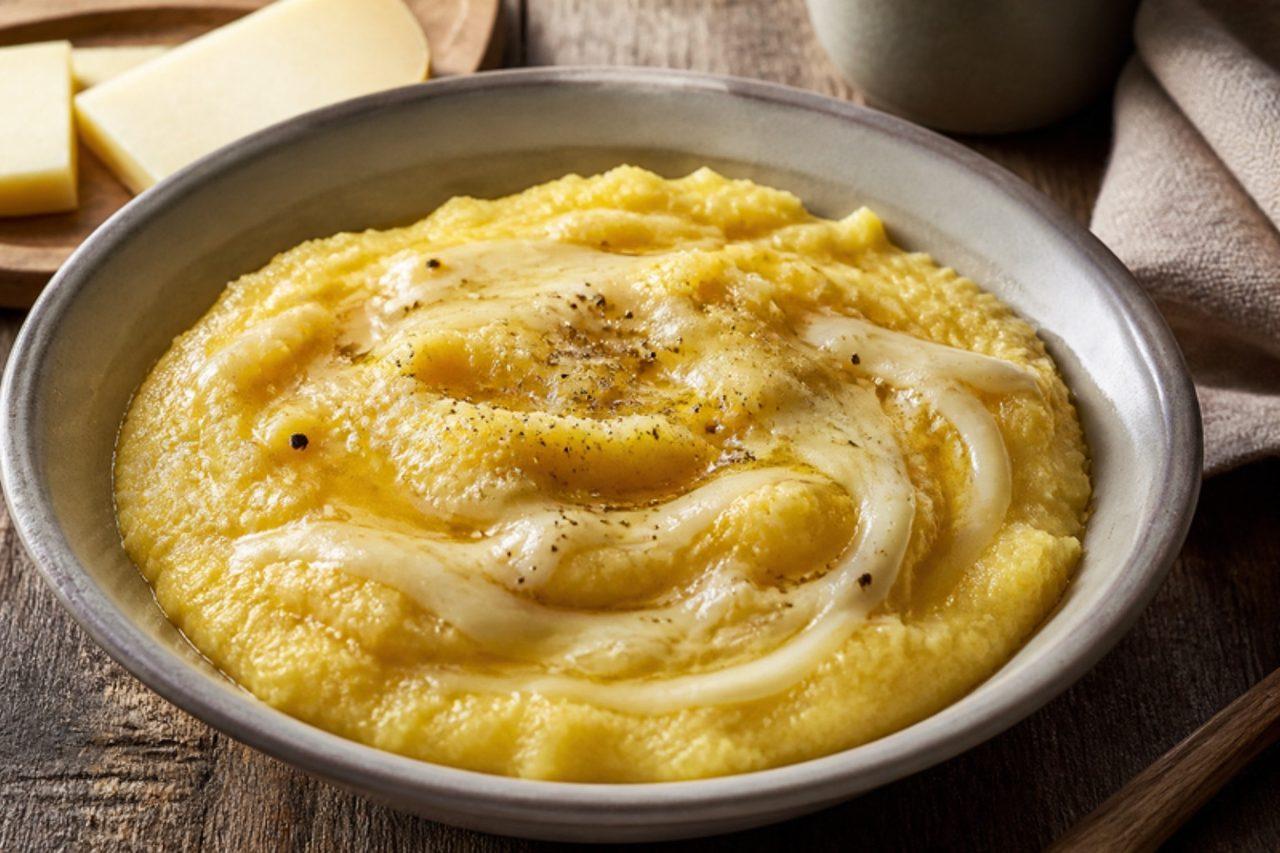
Polenta conciaPolenta with fontina

High in the Valle d'Aosta, polenta concia is what comes out of the kitchen of a mountain refuge after a cold day on the slopes above Cogne or Courmayeur. Soft yellow polenta is layered in a hot dish with cubes of fontina, the valley's own alpine cheese, then drowned in sizzling brown butter until the cheese melts into long, stretchy strings. It is rich, savoury and very filling, best eaten from the dish with a green salad alongside. Chef's tip: cube the fontina while the polenta cooks and keep it at room temperature, so it melts at once instead of staying in cold lumps.

by KrazyBadal 0 views

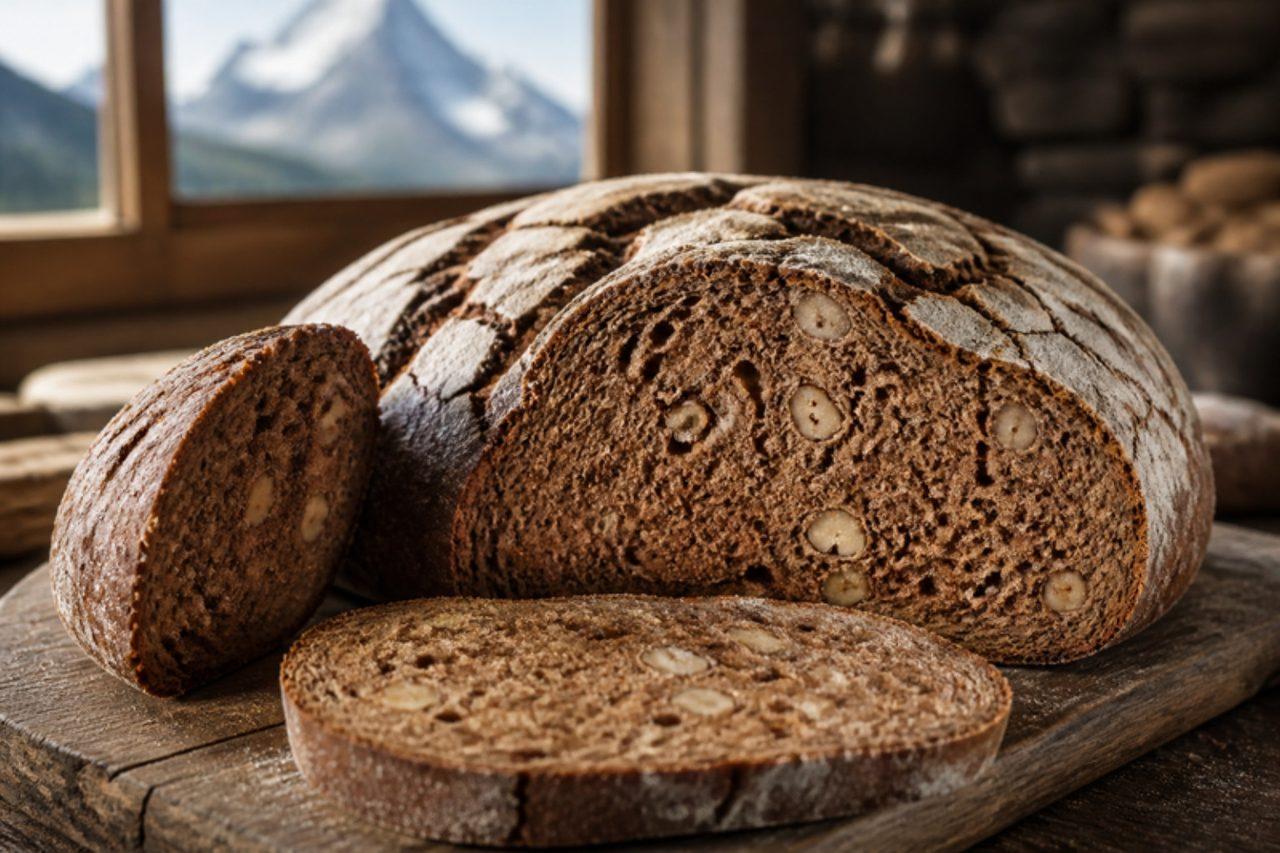
Pane nero di segaleDark rye bread

In the villages of the Valle d'Aosta, rye was the grain that would grow at altitude, and each autumn families took turns at the communal wood-fired oven to bake enough dark loaves to last until spring. Every October the valley still lights those old ovens for a bread festival, and the round, flour-crackled pan ner is sold at markets from Aosta to Gressan. The crumb is dense, moist and slightly sour, with a thick crust; it is eaten with butter, mountain cheese or a bowl of soup. Chef's tip: wait until the loaf is completely cold before slicing, as rye keeps setting as it cools.

by KrazyBadal 0 views

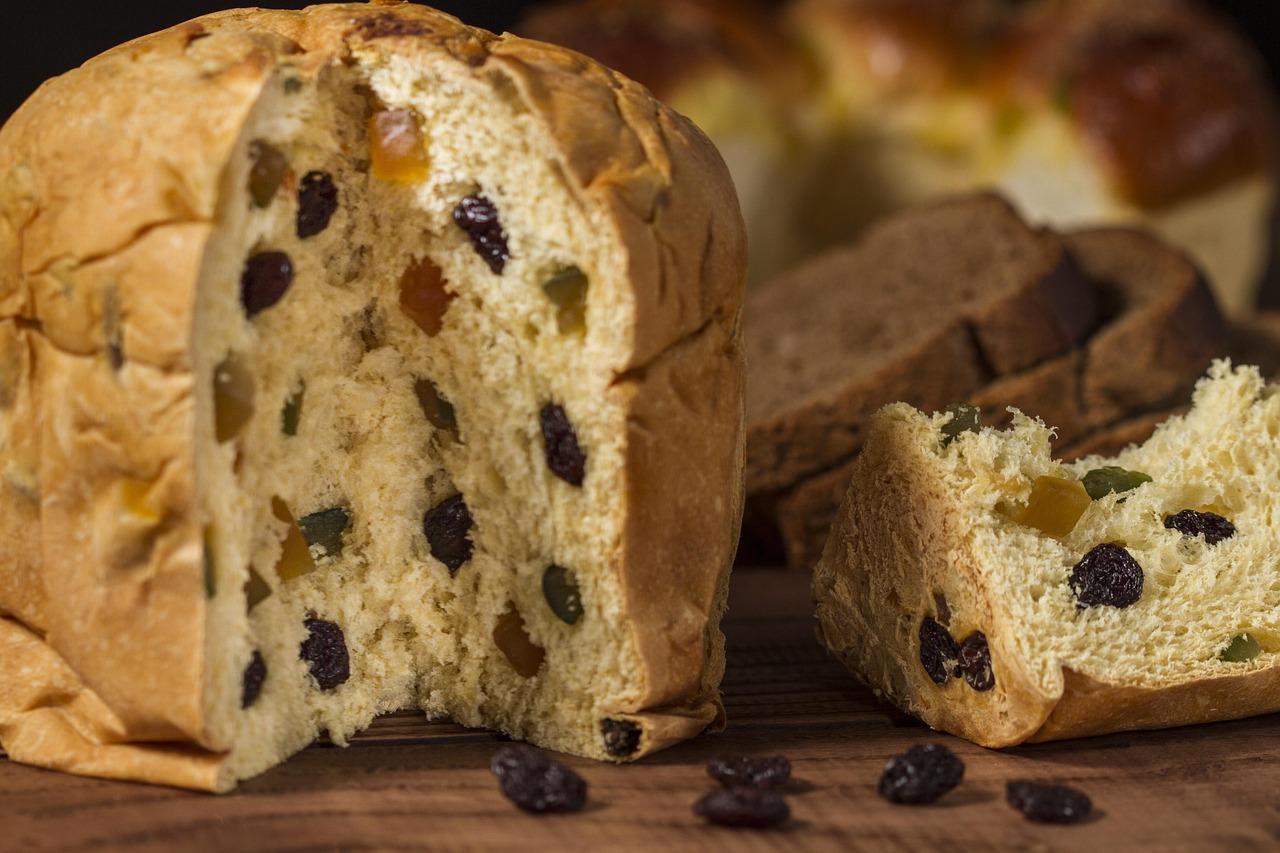
PanettoneChristmas fruit bread

Every December Milan's bakeries stack panettone to the ceiling, and Milanese families trade them as gifts before eating thick slices with coffee on Christmas morning. Legends about its birth at the Sforza court abound, but what matters is the texture: a tall dome with a crumb that pulls apart in long, feathery strands, scented with orange, lemon and vanilla and dotted with raisins and candied peel. Bakers use a natural starter that takes days; this home version uses a small amount of yeast and two long rises over a day. Chef's tip: keep the dough between 24 and 27 °C throughout, such as in an oven with only the light switched on.

1440 minItalianBaking
by KrazyBadal 0 views

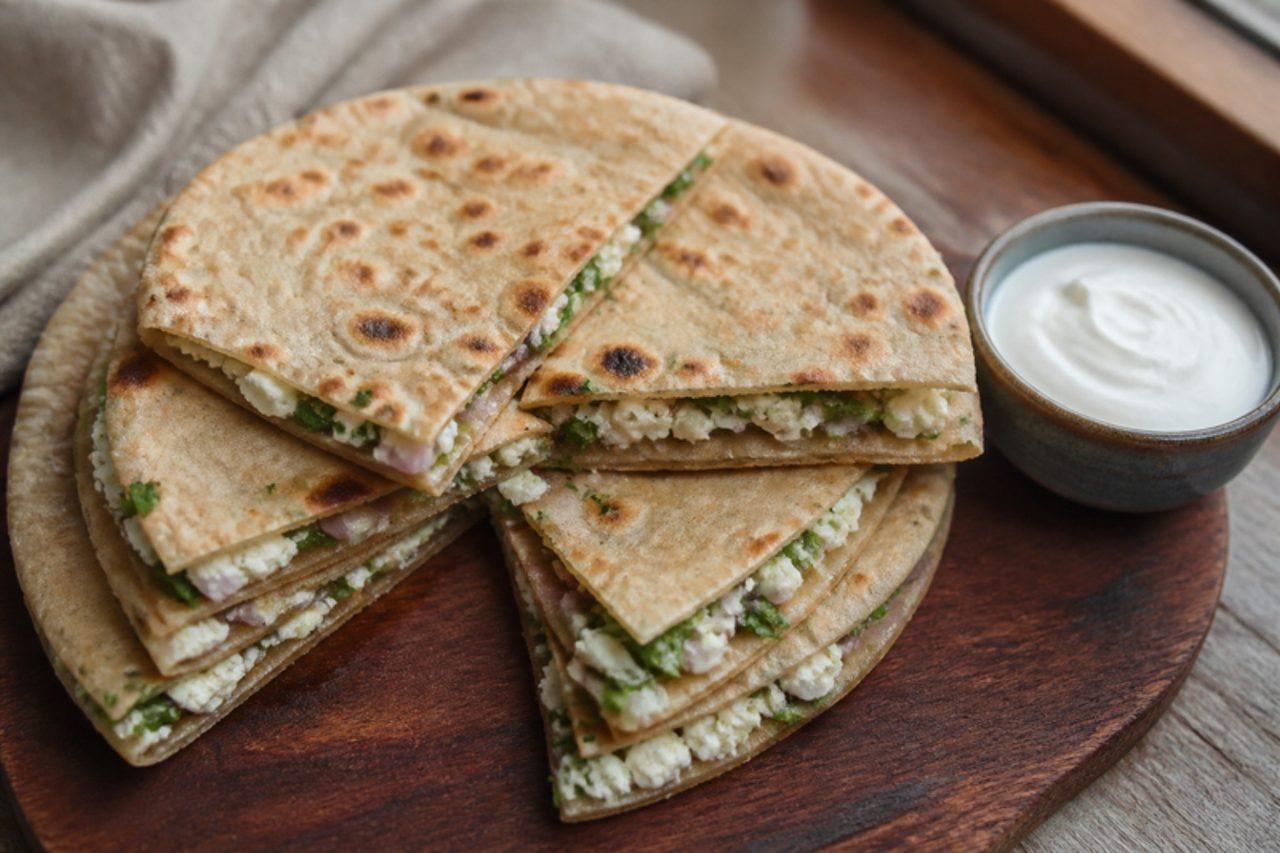
Chitrali ghalmandiLayered thin griddle breads

In the Chitral valley in Pakistan's far north, where winters are long and dairy is plentiful, bread is often a meal in itself, and ghalmandi is one of the best loved: soft, thin wholewheat breads stacked with a filling of crumbled fresh cheese, onion, green chilli, coriander and mint, then cut into wedges and eaten warm with salty tea. It is made for guests and on cold evenings, and every household seasons the cheese its own way. Rolling the breads too thick is the common mistake; they turn heavy and the layers do not hold together, so roll them almost see-through. Chef's tip: brush each hot bread with ghee the moment it comes off the griddle and spread the cheese straight away, so the warmth softens the cheese and glues the stack together.

by KrazyBadal 0 views

Dai pineapple sticky rice

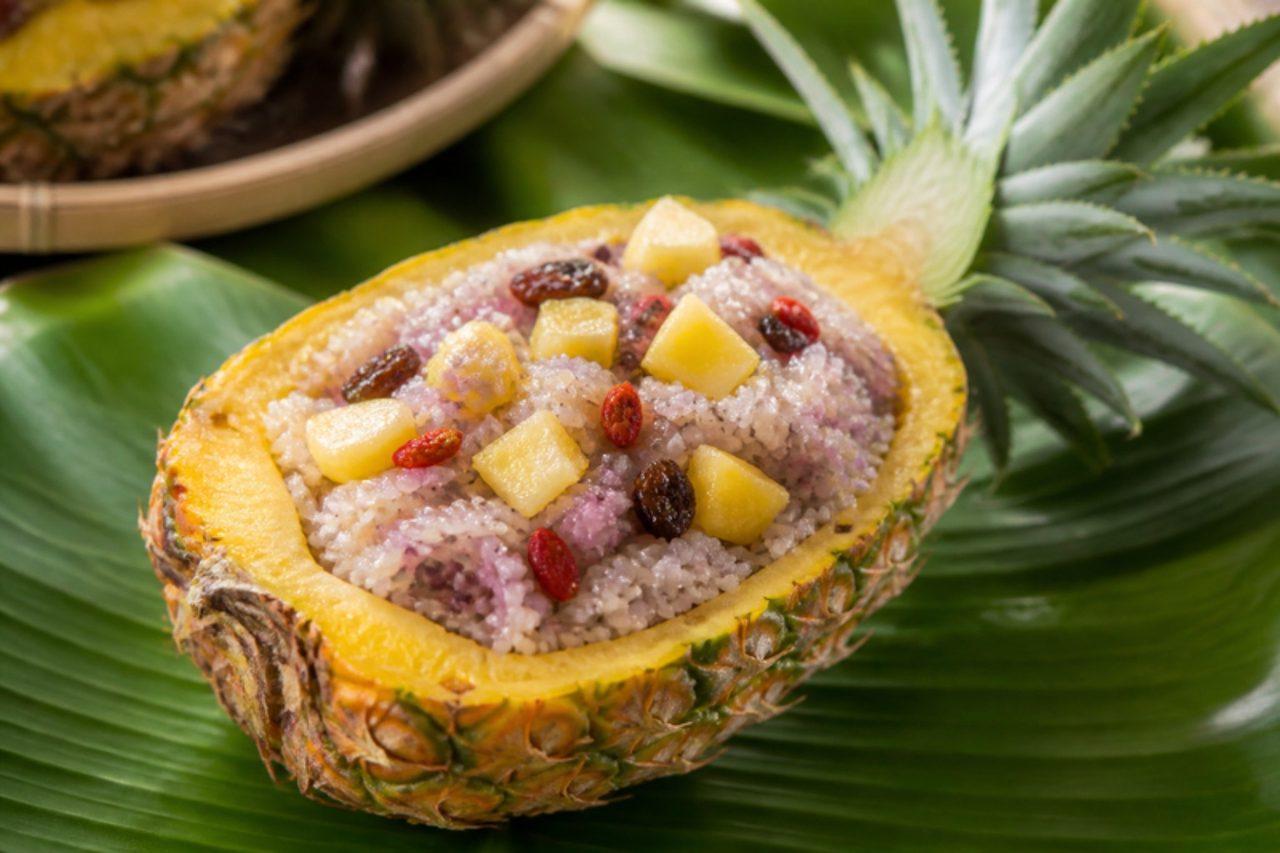
In Xishuangbanna, the tropical south of Yunnan, the Dai people cook sticky rice inside hollowed-out pineapples, so the fruit's juice soaks in while it steams. It turns up at festivals and on every Dai restaurant table, a sweet and tangy side next to grilled and sour dishes, and children love it. Soak the rice for at least 4 hours before you start. Chef's tip: use a ripe pineapple that smells sweet at the base; an under-ripe one makes the rice sour.

by KrazyBadal 0 views

Filter coffee

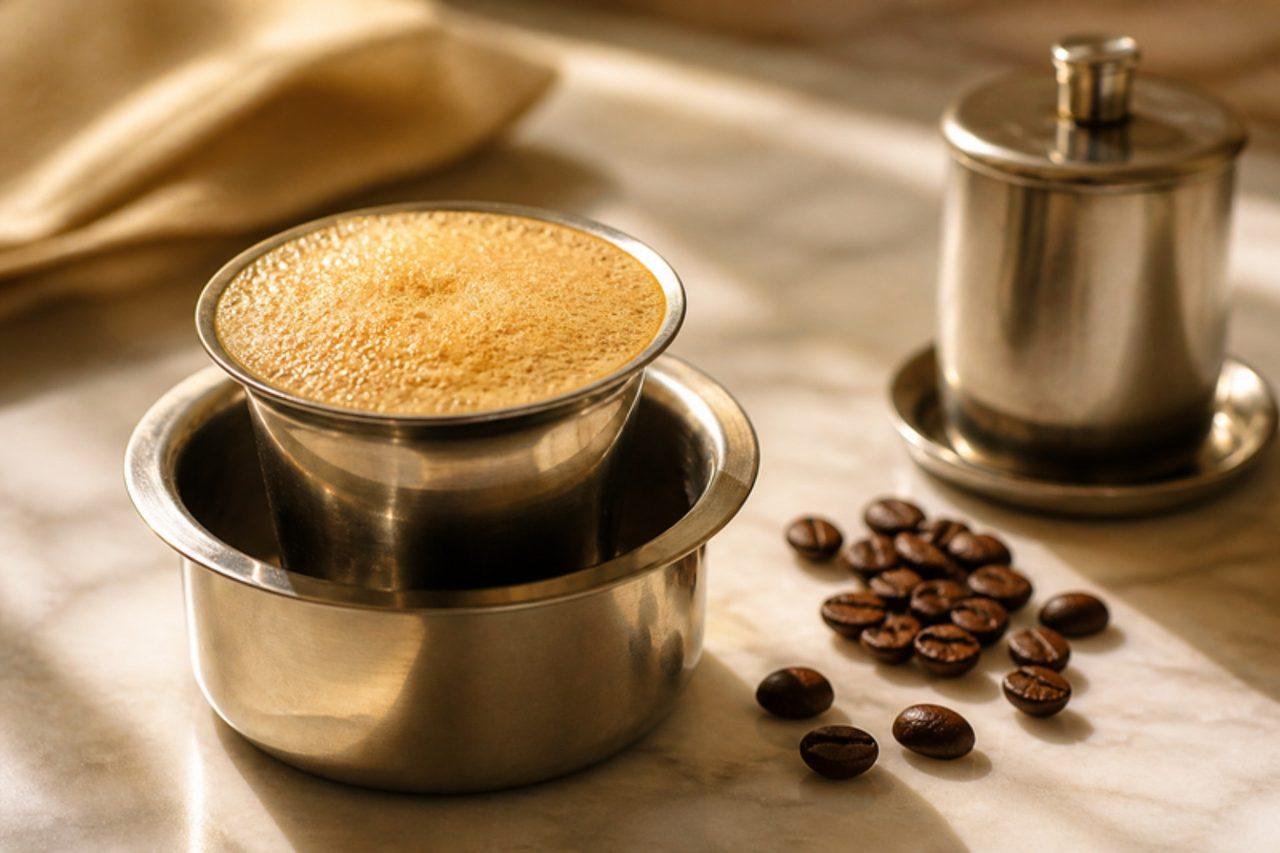
In Tamil Nadu the day starts with filter coffee: a strong decoction dripped slowly through a two-tier steel filter, mixed with plenty of hot, boiled milk and sugar, and frothed by pouring it from a height between a steel tumbler and its little bowl, the davara. It's served at every Chennai and Kumbakonam 'hotel' and in nearly every home, and it's thick, sweet and slightly bitter from the chicory in the coffee powder. Chef's tip: press the coffee only lightly in the filter and pour the water in slowly; packed too tight, it drips for an hour, and too loose, the decoction is thin.

by KrazyBadal 0 views

Guyanese vegetable chow mein

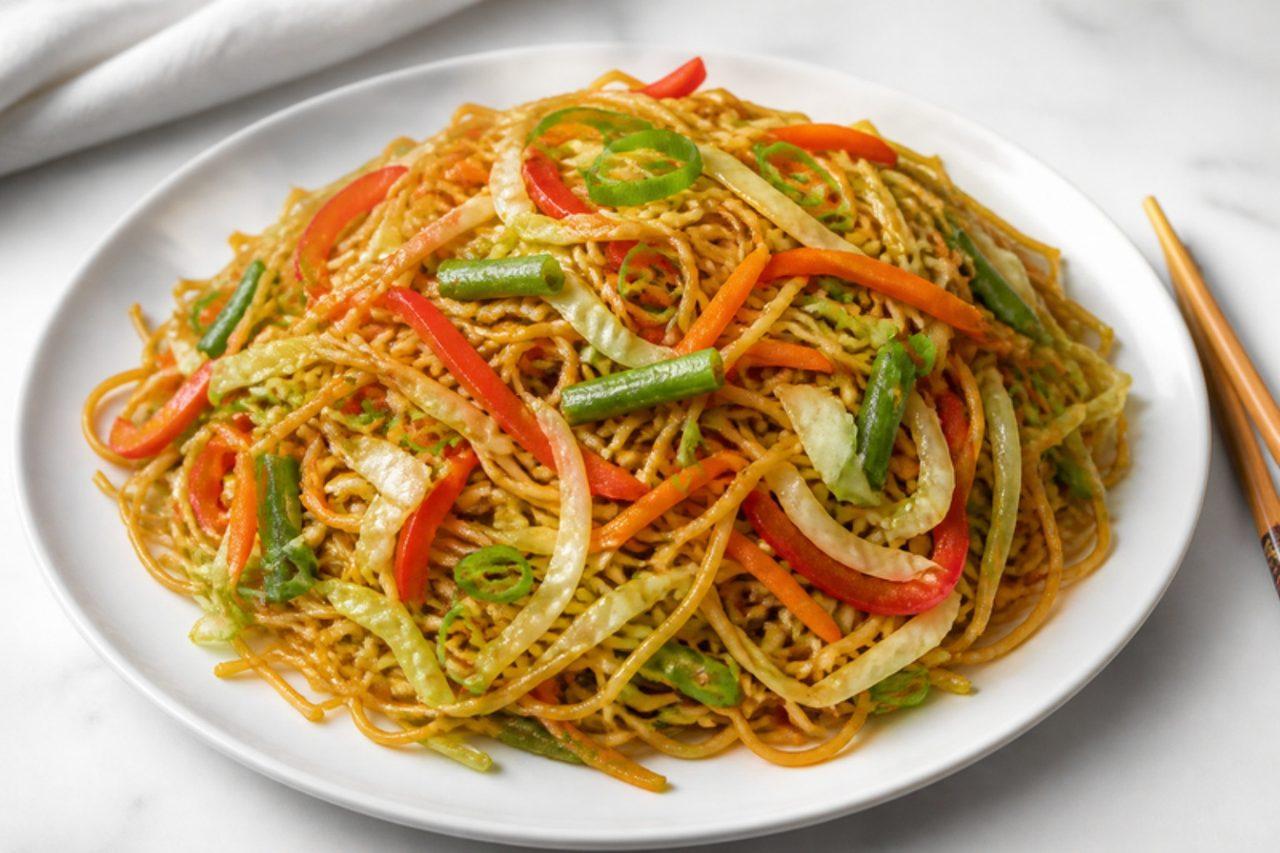
Chow mein arrived in Guyana with Chinese immigrants in the 1850s and became a party staple: at birthdays and weddings in Georgetown it sits in a huge tray beside fried rice and cook-up. Guyanese chow mein is a little sweeter and darker than Chinese versions, coloured with soy sauce and a touch of browning (burnt sugar), with long bora beans, cabbage and plenty of garlic, plus a hit of wiri wiri pepper. Chef's tip: cook the noodles until just tender, rinse them cold and toss with a little oil; dry, separate noodles fry without clumping.

by KrazyBadal 0 views

Guyanese cheese rolls

In Georgetown bakeries, cheese rolls sit in the glass cabinet next to pine tarts and patties, and no Guyanese birthday party is complete without a tray. Short, buttery pastry is rolled around a sharp cheddar filling seasoned with mustard and hot pepper, then baked until the cheese bubbles out of the ends and crisps. They're eaten warm or at room temperature with a cold drink. Chef's tip: keep the butter and water ice-cold and handle the dough briefly; that's what gives flaky layers rather than a hard biscuit.

by KrazyBadal 0 views
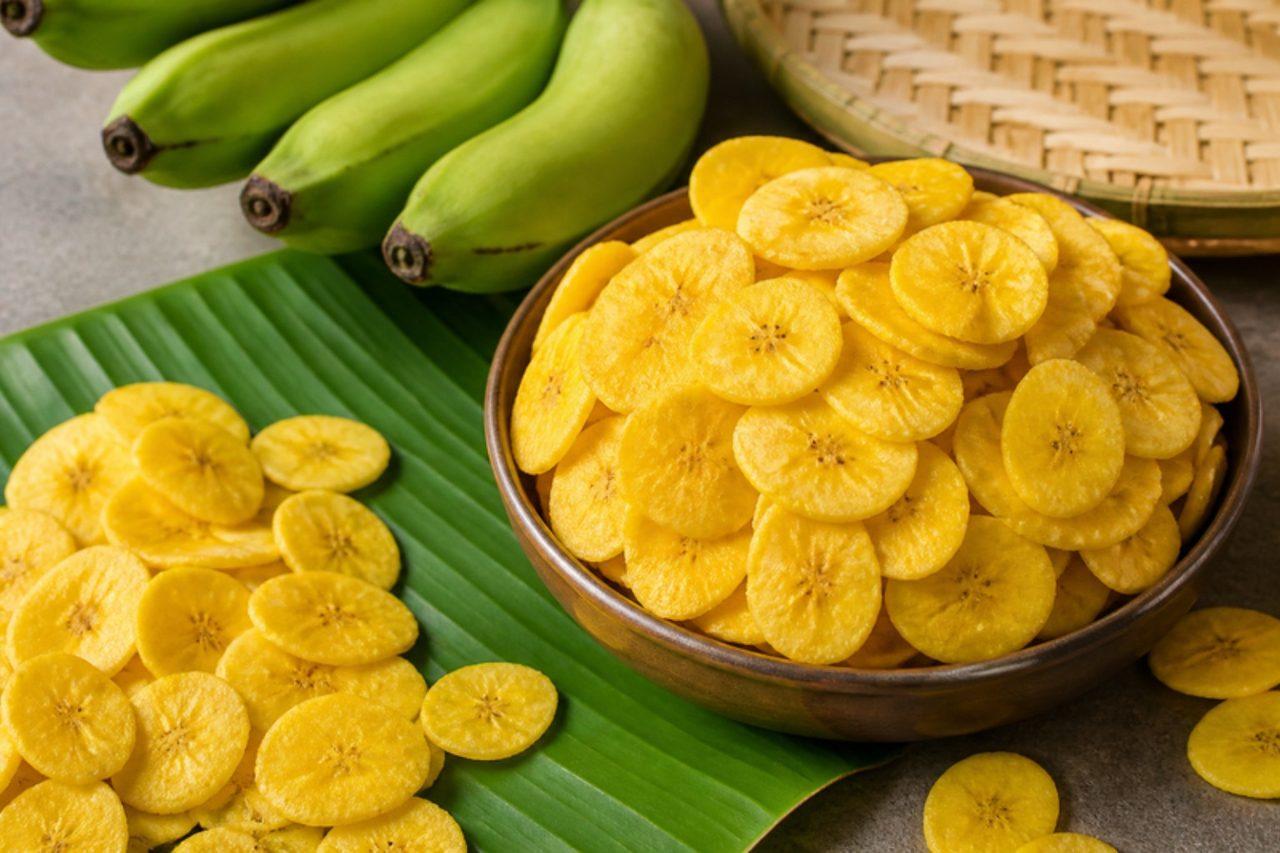
Kerala banana chips

Upperi, the yellow raw-banana chips of Kerala, are fried in huge cauldrons in the snack shops of Kozhikode and Thrissur and handed round in bags at every Onam sadya, where they are one of the first things laid on the leaf. Green nendran bananas are sliced straight into hot coconut oil, and a splash of salted water goes in at the end, so the salt clings to every chip. The result is crisp, golden and faintly sweet, with that unmistakable coconut-oil smell. Chef's tip: rub a little oil on your hands before peeling the bananas; the sap stains skin and is very hard to wash off.

by KrazyBadal 0 views
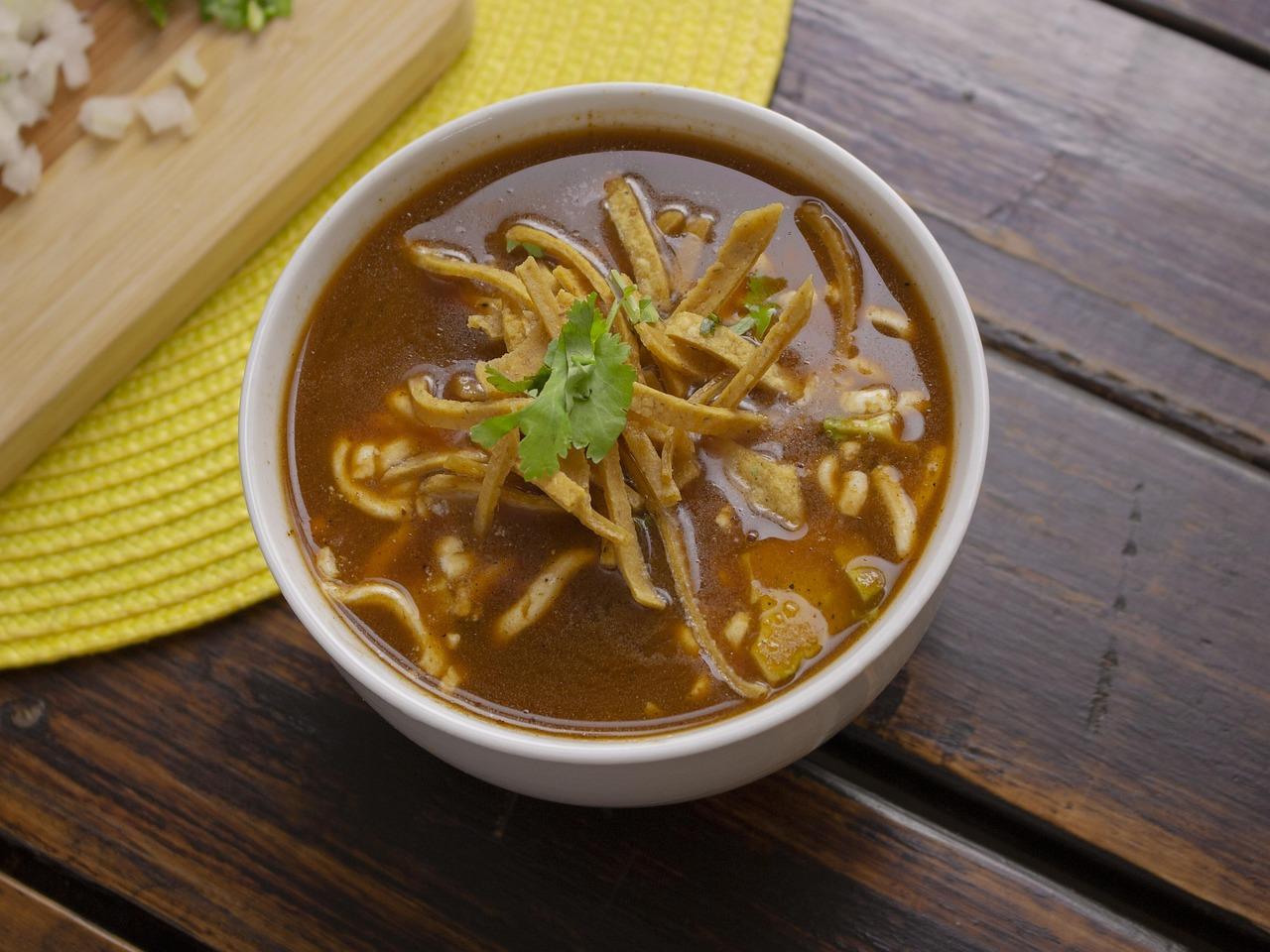
Sopa de tortillaTortilla soup

Sopa de tortilla, also called sopa azteca, is one of the best-loved soups of Mexico City's fondas: a brick-red broth of charred tomato, onion, garlic and dried pasilla chilli poured over crisp strips of fried corn tortilla. The strips soften at the edges and stay crunchy in the middle, and the toppings of avocado, fresh cheese, cream and fried chilli rings make each spoonful different. It is a starter in a comida corrida (set lunch) and a cure-all on a cold evening. We use a well-flavoured vegetable stock in place of chicken broth. Chef's tip: fry the blended tomato purée in hot oil until it darkens and smells sweet before adding the stock; this "seasoning" of the sauce is what makes Mexican soups taste deep rather than thin.

by KrazyBadal 0 views
MsemenFlaky square pancakes

Msemen are the square, layered flatbreads sold hot from griddles in every Moroccan medina at breakfast time and again for afternoon tea, when they are drizzled with honey or dipped in olive oil. The dough is stretched paper-thin on an oiled surface, sprinkled with fine semolina, folded into a square and cooked until crisp outside and flaky in the middle. This version uses oil throughout so it is vegan; many homes use butter or smen. Chef's tip: oil your hands and work surface generously; the dough should be stretched, not rolled, and it tears if it sticks.

by KrazyBadal 0 views
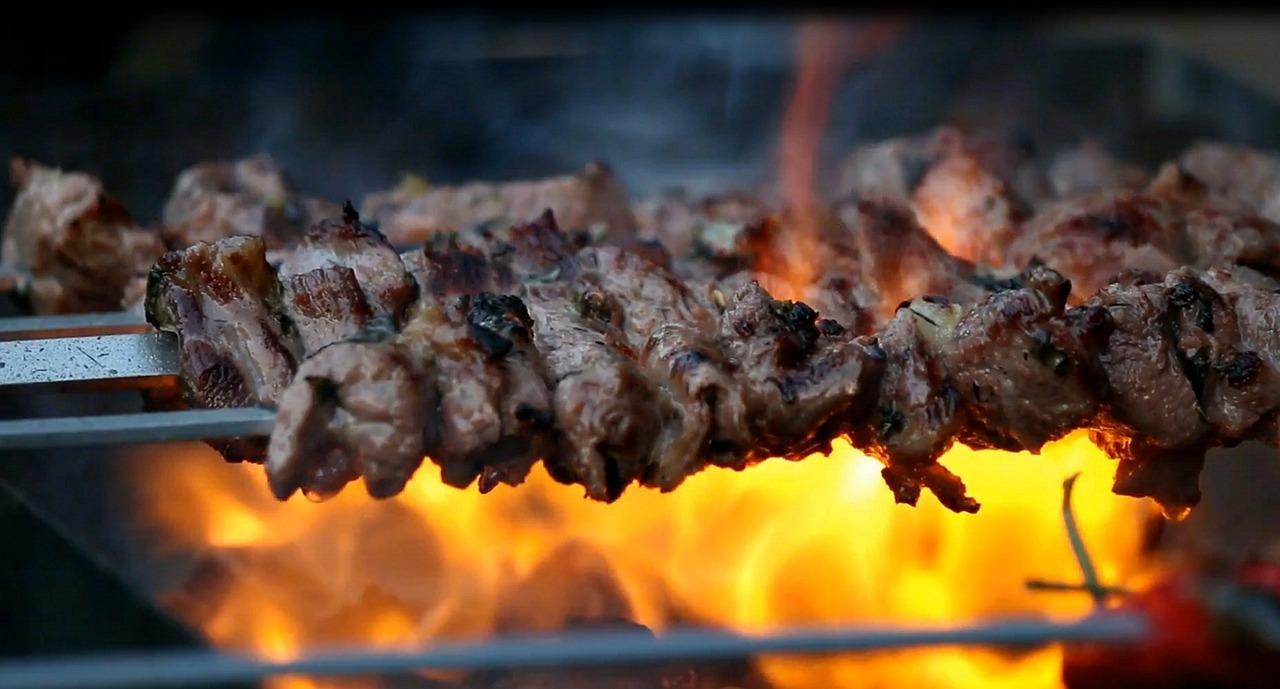
MshikakiGrilled beef skewers

Mshikaki are the beef skewers grilled at night markets in Dar es Salaam, Zanzibar's Forodhani Gardens and every Tanzanian roadside barbecue, sold hot with chips, pili pili sauce and a wedge of lime. Small chunks of beef are marinated in lime, ginger, garlic, chilli and curry powder, which tenderises them, then grilled quickly over charcoal. The mistake is marinating with raw papaya or too much lime for too long, which turns the meat mushy; 2–6 hours is plenty. Chef's tip: soak wooden skewers in water for 30 minutes so they don't burn.

by KrazyBadal 0 views
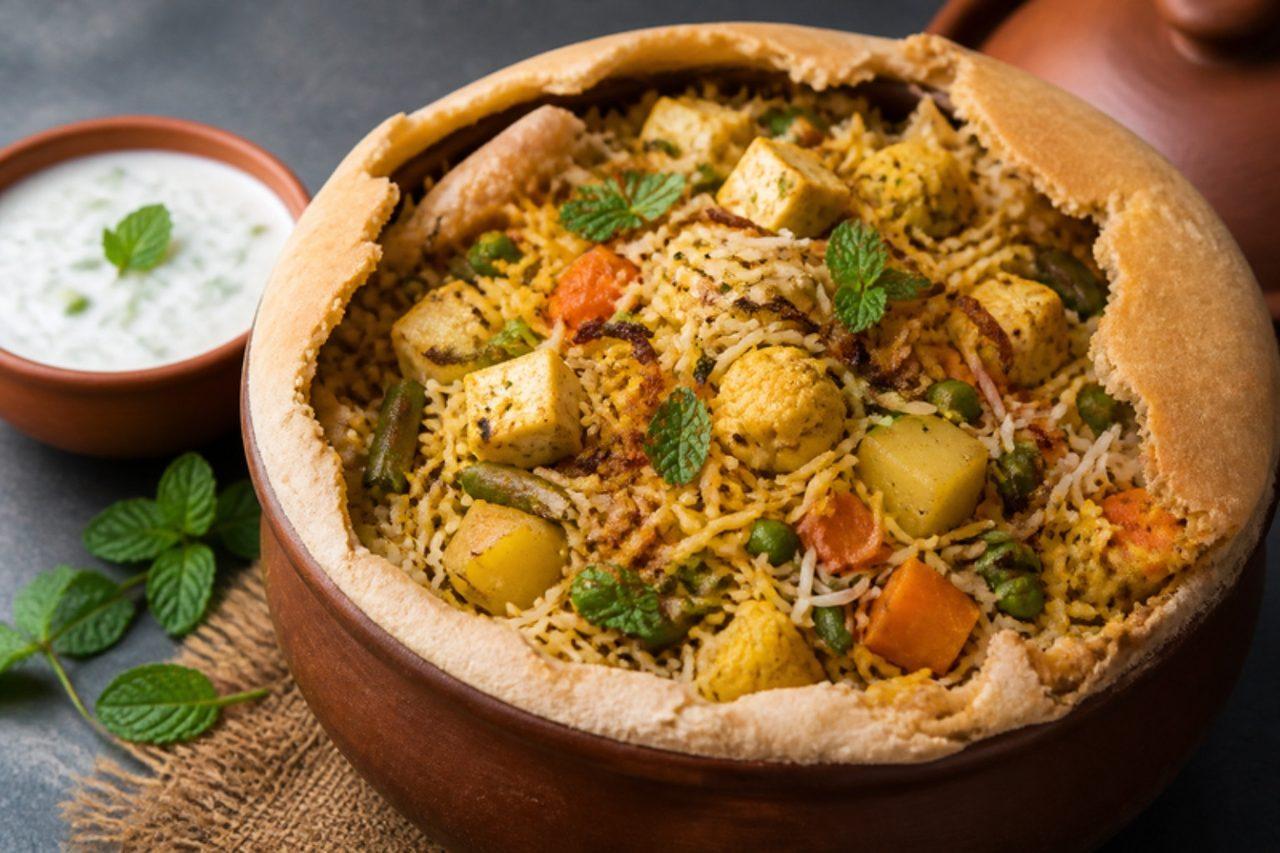
Awadhi vegetable dum biryani

Lucknow's cooks built their reputation on restraint: the Awadhi biryani is perfumed rather than fiery, with no tomato, very little chilli and whole spices that whisper instead of shout. Vegetables are cooked in spiced yogurt, layered with long-grain rice that is only three-quarters done, then sealed under a dough lid so everything finishes in its own steam, a technique the city calls dum pukht. It is the dish for Eid gatherings, wedding buffets and long Sunday lunches across Uttar Pradesh, served with a cooling raita and a sliced onion salad. The common mistake is boiling the rice fully before layering; it then turns soft and sticky under the lid instead of separating into long, distinct grains. Chef's tip: lift a grain and press it between your fingers before draining; it should break into two or three firm pieces with a white core.

by KrazyBadal 0 views

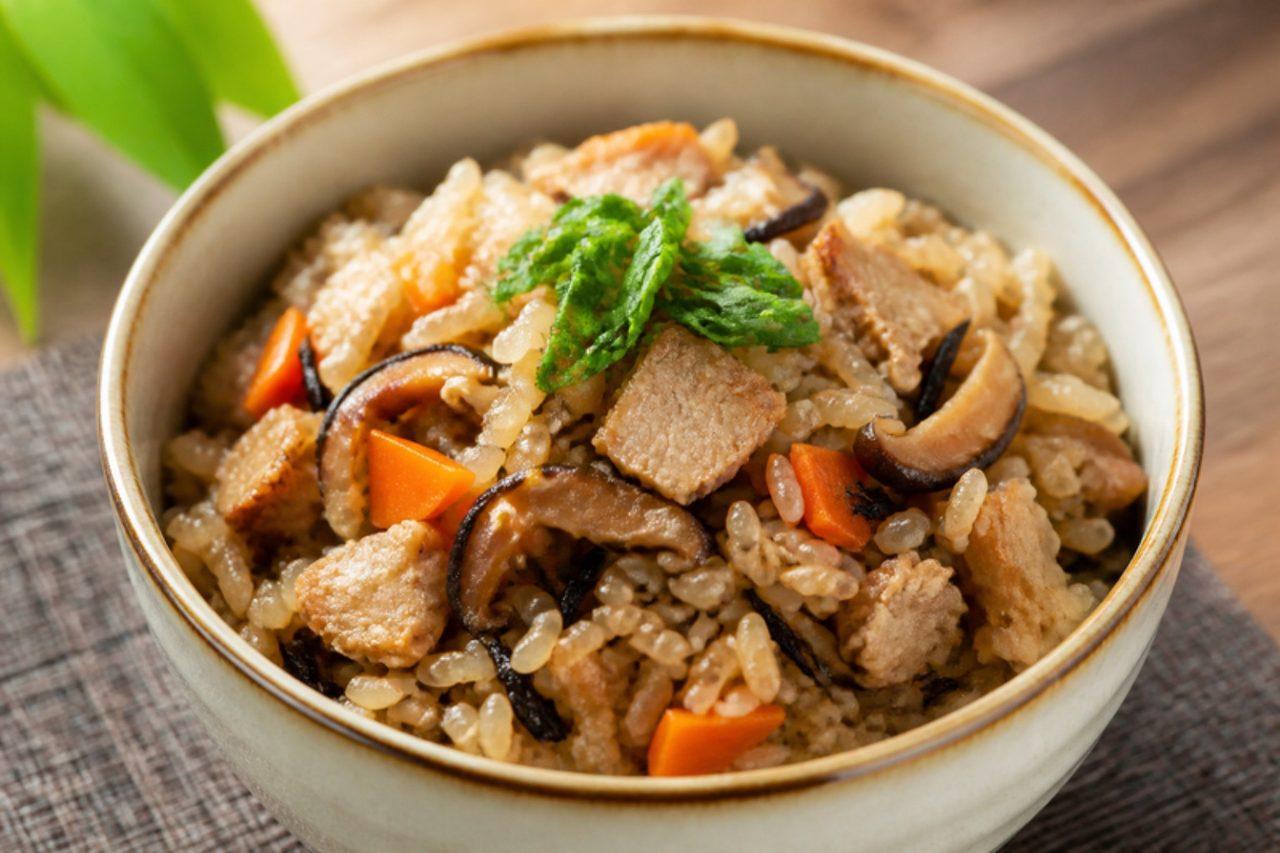
Jushi (Okinawan mixed rice)

Jushi is Okinawa's seasoned rice, cooked with pork, vegetables and bonito stock. The firm kind, kufa-jushi, is what you find in rice balls at Okinawan supermarkets and alongside soba at lunch counters; a soupy, porridge-like version is cooked as well. On the winter solstice many families make a special jushi with taro root. Pork fat is part of its flavour, so the rice is cooked with a little lard and the belly pork itself. Chef's tip: measure the liquid carefully; the soy and stock replace part of the water, and firm, separate grains are what you want.

by KrazyBadal 0 views

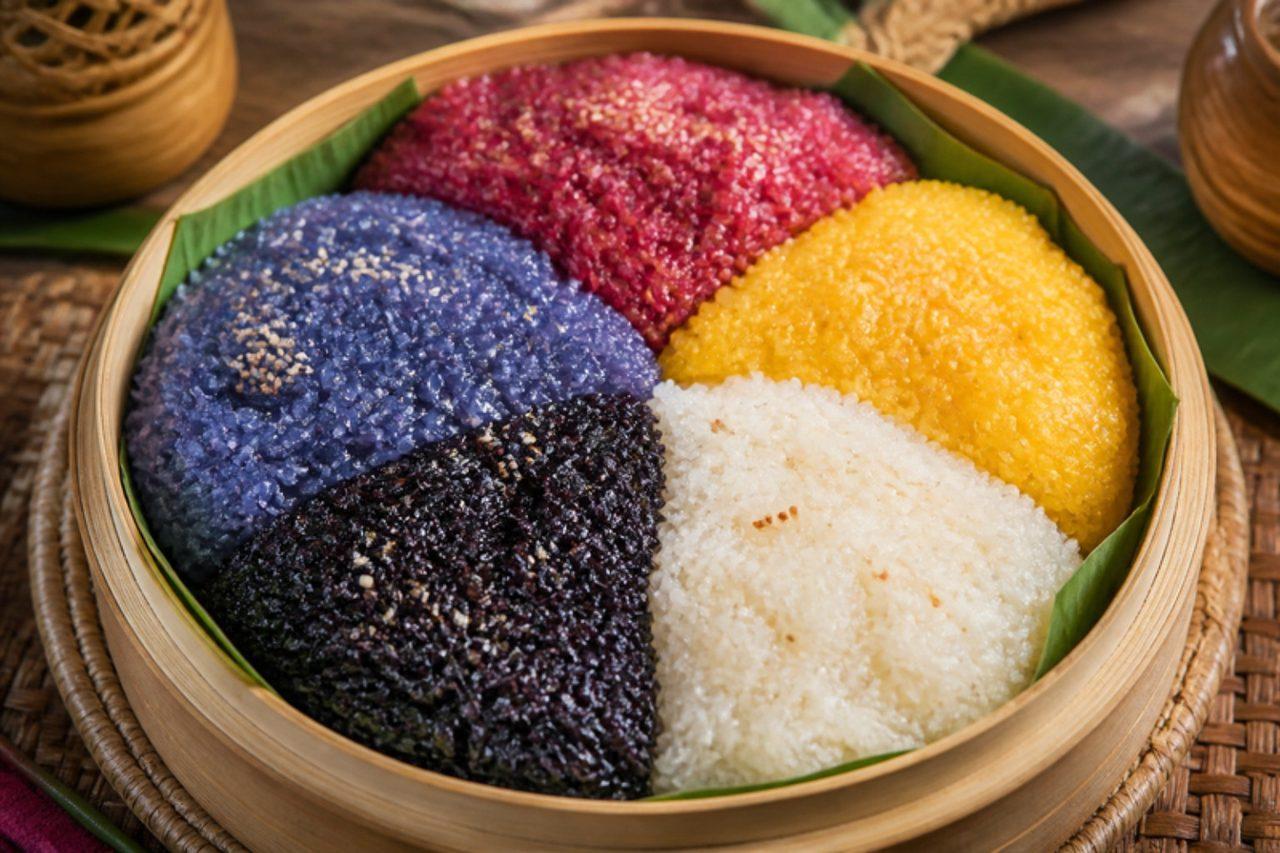
Guangxi five-colour sticky rice

The Zhuang people of Guangxi steam this rainbow rice for Sānyuèsān, the festival on the third day of the third lunar month, and for weddings and tomb-sweeping. In the villages the colours come from local leaves and flowers; at home, turmeric, beetroot, blue pea flowers and black rice give the same effect without any artificial dye. It's eaten plain, sprinkled with sugar or with savoury dishes. Soak the rice for 6 hours or overnight. Chef's tip: soak each colour in its own bowl and keep them apart in the steamer, so the colours stay clear.

by KrazyBadal 0 views

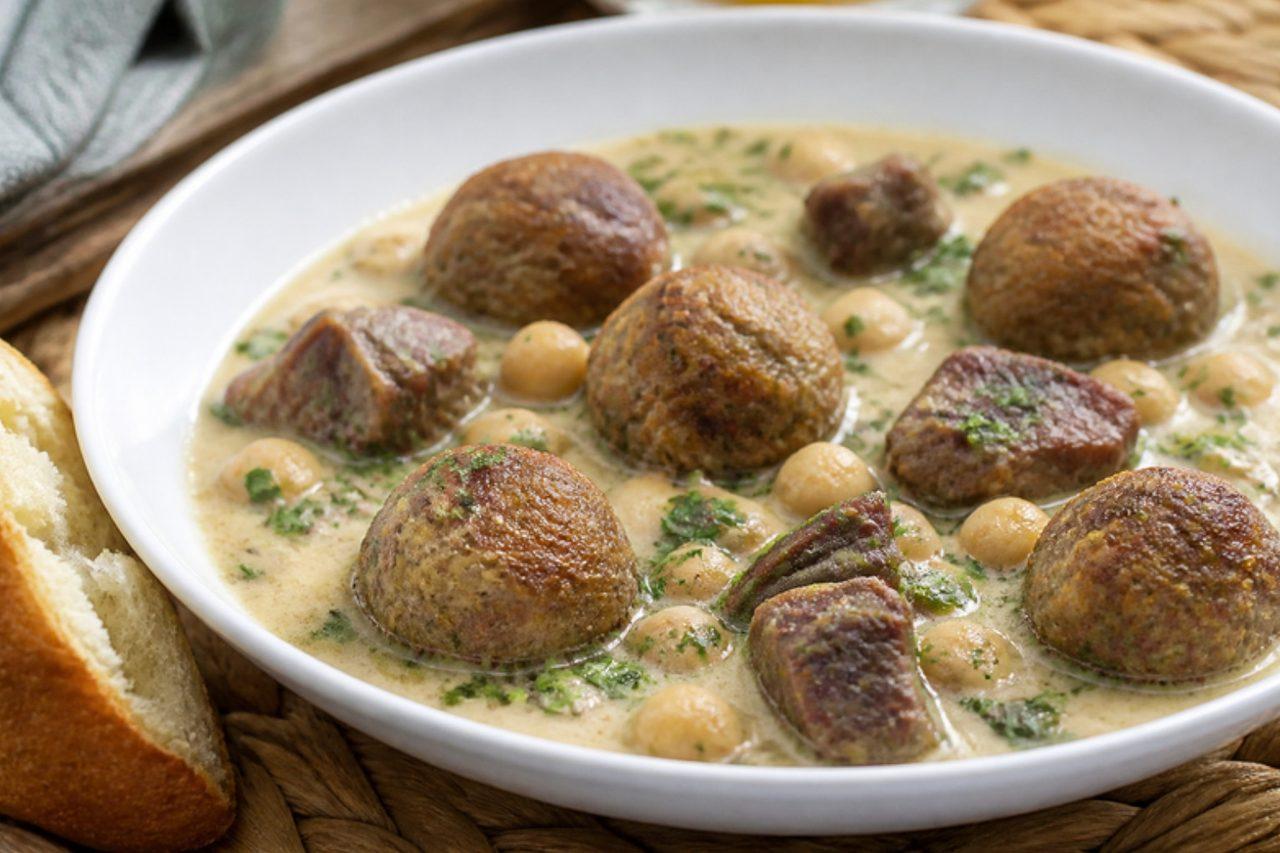
MtewemGarlic meatballs in chickpea sauce

Mtewem, from the word for garlic (thoum), is an old dish of the Casbah of Algiers: chunks of lamb and garlicky beef meatballs simmered together in a peppery white sauce with chickpeas, and finished with whole cloves of garlic that turn soft and sweet. It is cooked for Ramadan and for guests, and eaten with bread. Some families add a little tomato; this is the white version. The mistake is letting the sauce boil hard after the meatballs go in, which makes them tough and break; keep it at a gentle simmer. Chef's tip: wet your hands when rolling the meatballs so they come out smooth and hold together.

105 minAlgerianMeatGluten free
by KrazyBadal 0 views

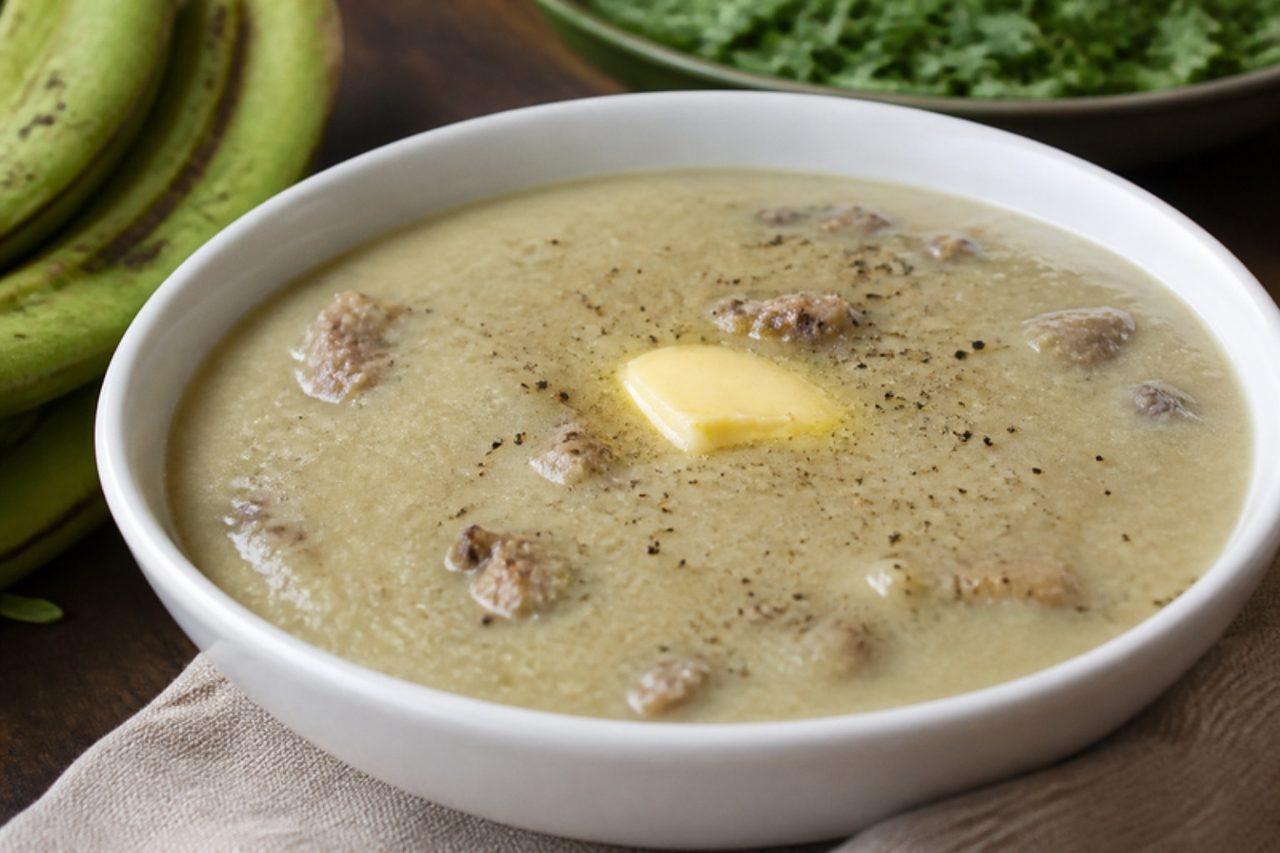
MtoriGreen banana and beef soup

Mtori comes from the Chagga people on the slopes of Mount Kilimanjaro, where cooking bananas grow around every house; it is a thick, smooth soup of green bananas and beef, mashed until creamy and finished with butter. It is given to new mothers to build their strength and eaten on cool mornings in Moshi and Arusha. The mistake is using sweet ripe bananas, which make it sugary; you need hard green cooking bananas or green plantain. Chef's tip: rub a little oil on your hands before peeling green bananas, as the sap stains.

by KrazyBadal 0 views

MtsvadiGrilled pork skewers

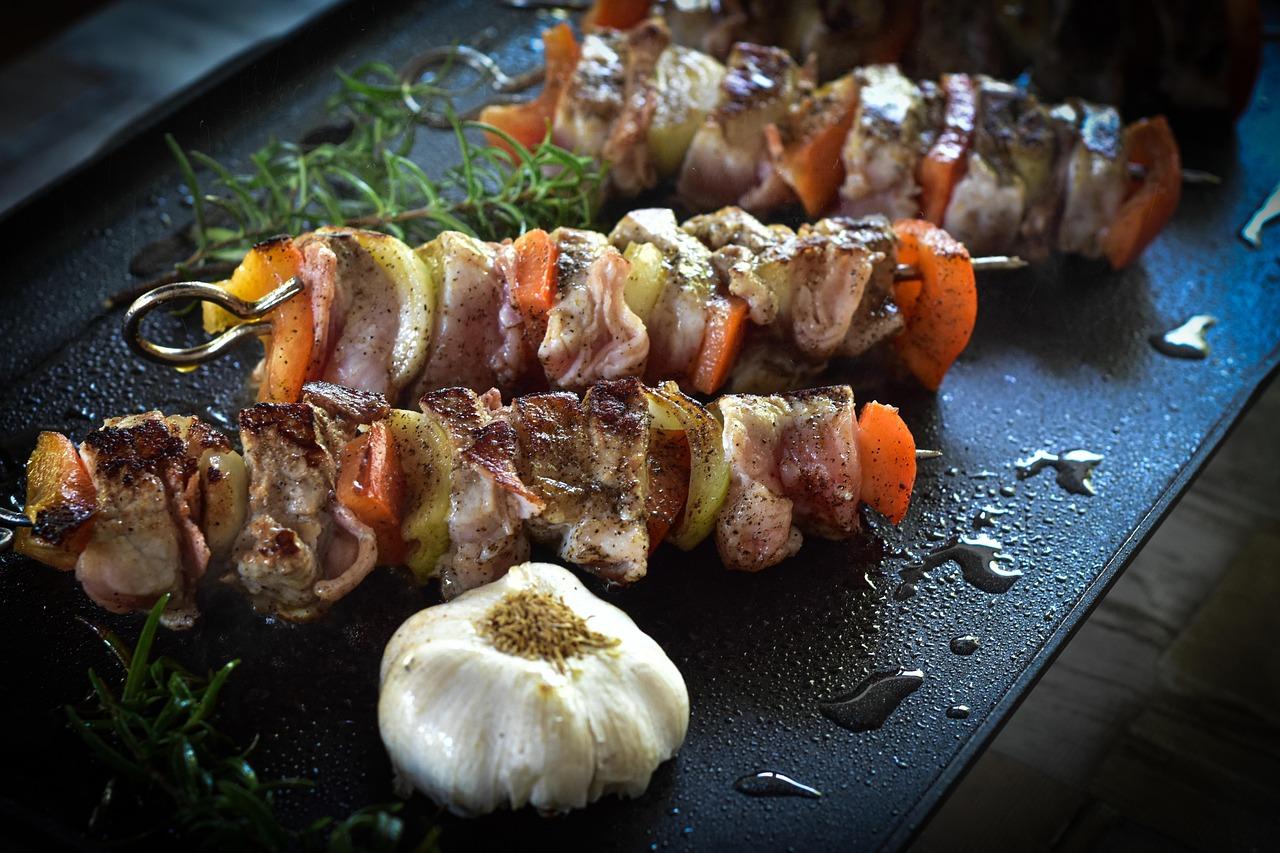
Mtsvadi are the grilled skewers of the Georgian supra and every summer picnic, and in the wine region of Kakheti they are cooked over the embers of dried grapevine cuttings left from pruning. This version is pork: chunks of fatty pork neck marinated simply with onion, salt and pepper, threaded on skewers and grilled until charred at the edges and juicy inside. Serve with raw onion rings, pomegranate seeds and tkemali (sour plum sauce). Chef's tip: keep the marinade simple; Georgians say good mtsvadi needs only good meat and good fire.

by KrazyBadal 0 views

Rafute (Okinawan braised pork belly)

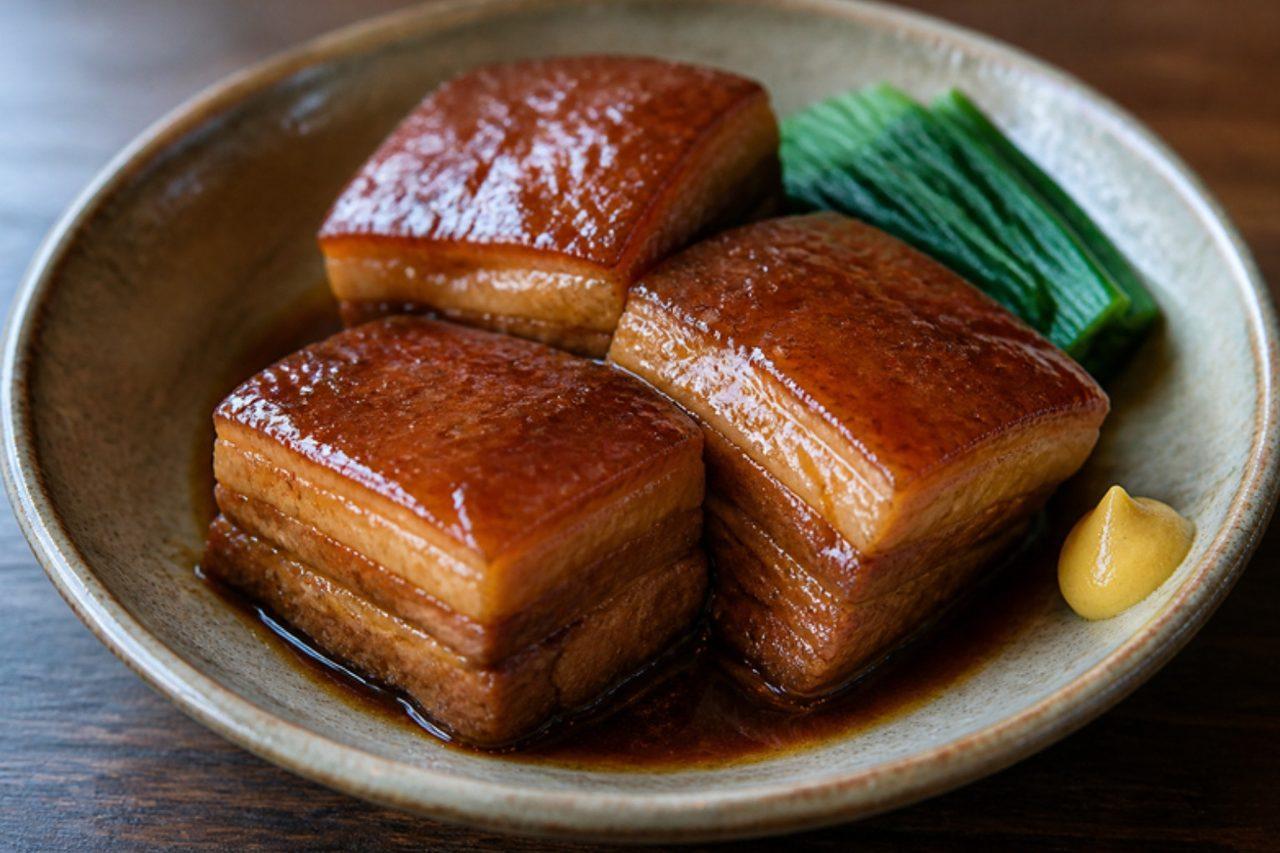
Rafute comes from the cooking of the old Ryukyu court in Okinawa, where pork has long been the most important meat. Thick blocks of skin-on belly are boiled to remove fat, then braised slowly in awamori, the local rice spirit, with soy, bonito stock and the islands' dark brown sugar. Today it is a dish for family celebrations and the Okinawan New Year, a staple of izakayas in Naha, and a topping for Okinawa soba. Expect deep amber pieces that hold their shape but cut with chopsticks. Chef's tip: cook it the day before; chilling lets you lift off the set fat, and the flavour soaks deeper into the meat overnight.

180 minJapaneseMeat
by KrazyBadal 0 views

Georgian salad with walnut dressing

On a Georgian table in July and August the tomato and cucumber salad is not dressed with oil and lemon but with ground walnuts loosened with water and vinegar, so the dressing turns creamy and nutty. You find it in Tbilisi kitchens, in Kakhetian village gardens where the tomatoes come off the vine warm, and next to every khachapuri. It takes fifteen minutes and is best eaten as soon as it is made. A common mistake is salting the tomatoes too early, which floods the bowl with juice and thins the dressing; dress and salt just before it goes to the table. Chef's tip: use purple (opal) basil if you can find it; its clove-like scent is what makes this salad taste Georgian.

by KrazyBadal 0 views

Harissa

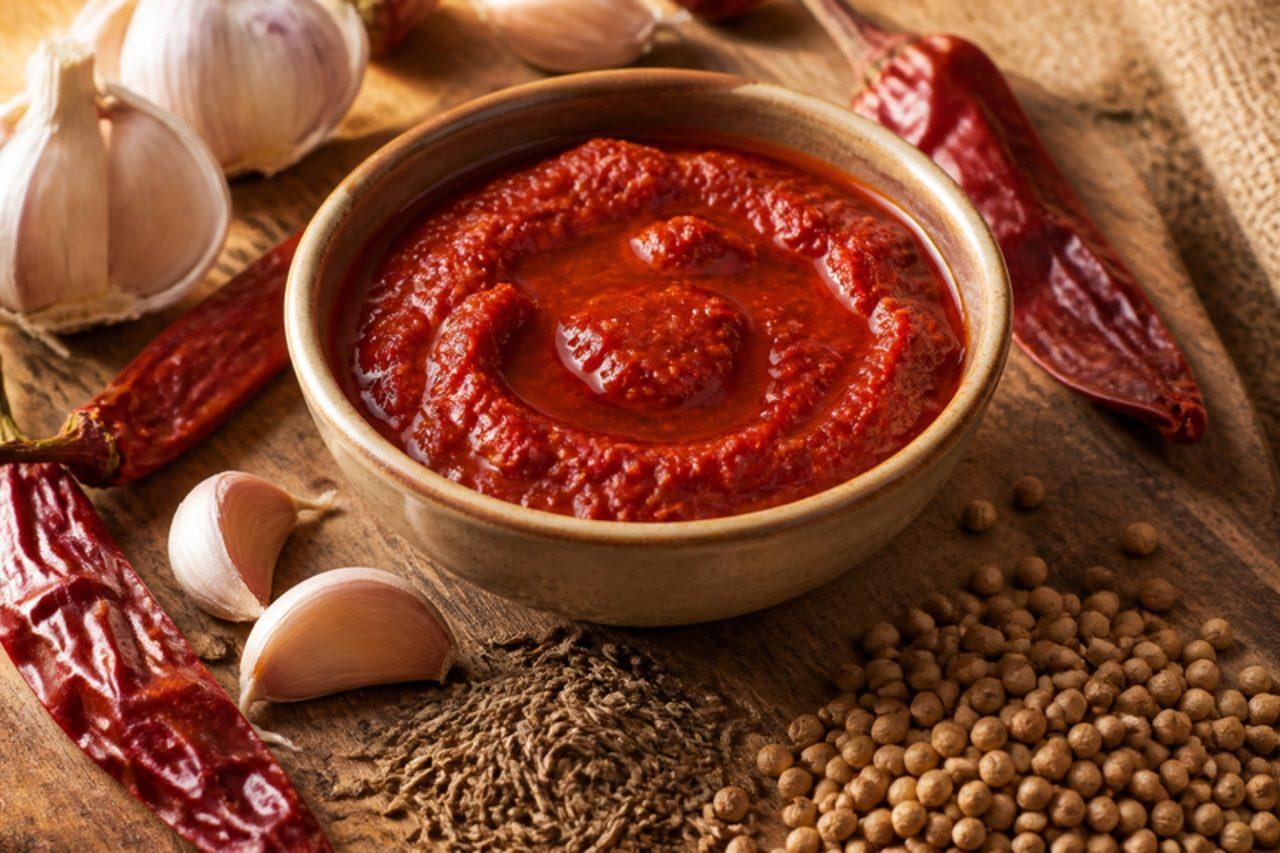
Harissa is Tunisia's essential condiment, made in every household from the dried red chillies of Nabeul and Cap Bon, which are hung in strings on house walls in late summer to dry. It goes into lablabi, brik, kafteji, couscous and soups, and is spread on bread with olive oil as a snack. Homemade harissa is brighter and less salty than the tubes. Chef's tip: toast the caraway and coriander seeds only until they smell warm; burnt seeds make the paste bitter.

by KrazyBadal 0 views

SauerbratenMarinated pot roast

Sauerbraten is the Rhineland's Sunday roast, from Cologne to Düsseldorf, and in the old days it was a way to keep beef for a week. A joint of topside sits for three days in a spiced vinegar marinade, then is braised slowly and served with a sweet-sour gravy thickened with crumbled gingerbread (Printen or Lebkuchen) and raisins. Red cabbage and potato dumplings are the classic plate. Many families put red wine in the marinade; this version uses red wine vinegar and stock, so it is alcohol-free, and you can swap 250 ml of the water for red wine if you like. A common mistake is serving it too soon: give the meat the full three days in the fridge so the vinegar reaches the middle. Chef's tip: dry the beef very well before browning, or it will steam and stay grey.

210 minGermanMeat
by KrazyBadal 0 views

Ukrainian borscht

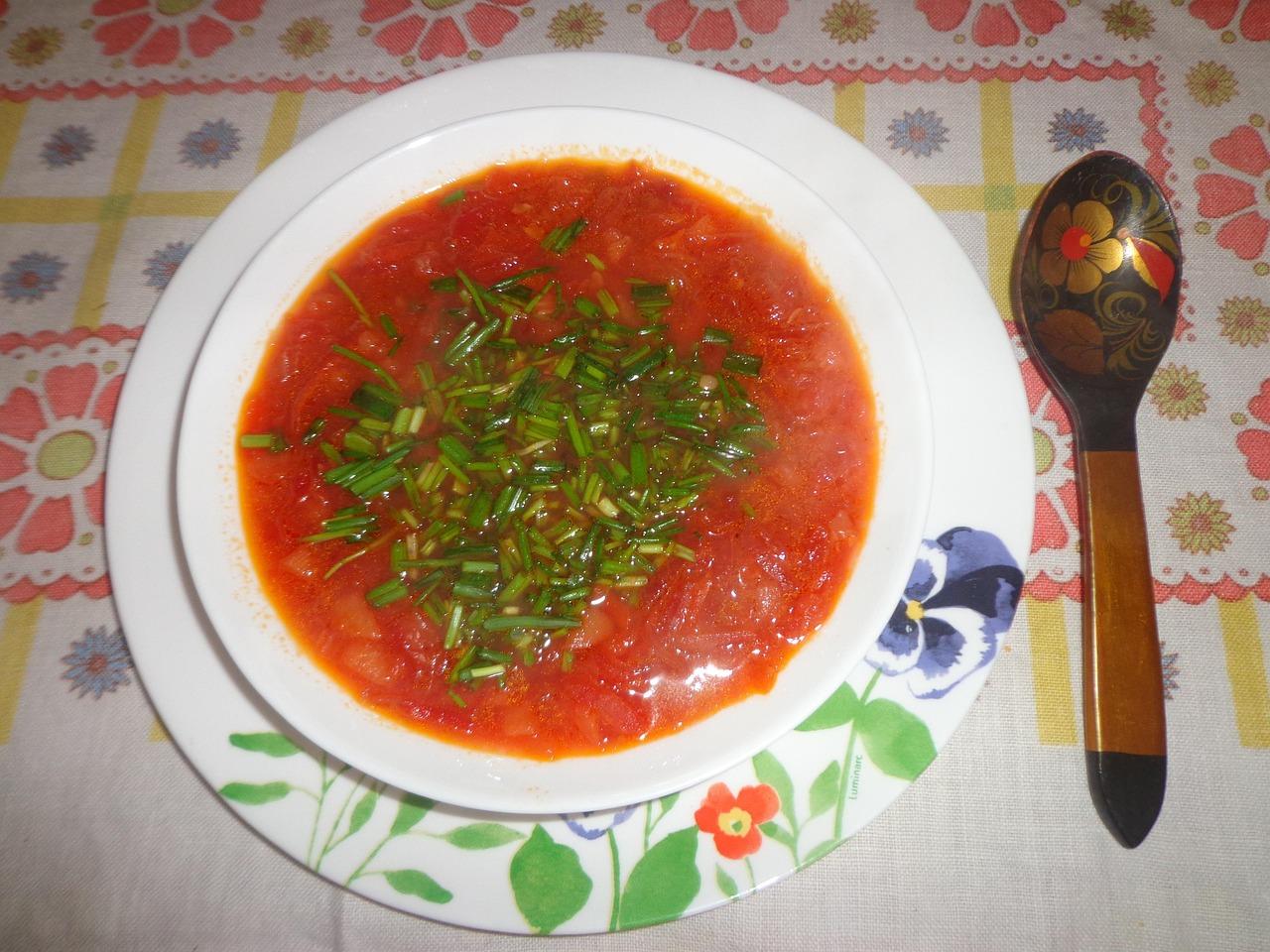
Borshch is the soup Ukrainians measure every kitchen by: a deep ruby pot of beetroot, cabbage, potato and beans, soured just enough and finished with garlic and dill. Every region argues for its own version, from Poltava's with beans to Kyiv's with apples, and in 2022 the cooking of Ukrainian borshch was added to UNESCO's list of culture in need of urgent safeguarding. Traditionally it is simmered on a pork or beef bone stock; this version uses a well-seasoned vegetable stock and white beans, which is how many families cook it during Lent anyway. Serve it hot with a spoon of sour cream and garlic pampushky, and know that it tastes even better the next day. Chef's tip: fry the grated beetroot with a splash of vinegar before it goes into the pot; the acid fixes the red colour, so the soup stays bright instead of fading to brown.

by KrazyBadal 0 views

Flat white

Sydney and Wellington both claim the flat white, first poured in their cafés in the mid-1980s, and today it's the everyday coffee across Australia and New Zealand, from Melbourne's laneway cafés to a beach kiosk in Raglan. It's smaller and stronger than a latte: a double shot of espresso topped with milk steamed to a smooth, glossy microfoam with only a thin layer of froth on top, so the coffee stays at the front. It's velvety, rich and sweet-tasting without sugar. For a vegan version, use a barista-style oat milk. Chef's tip: stretch the milk only for the first few seconds, then sink the wand and let it spin; you want paint-like milk, not a hat of stiff foam.

by KrazyBadal 0 views

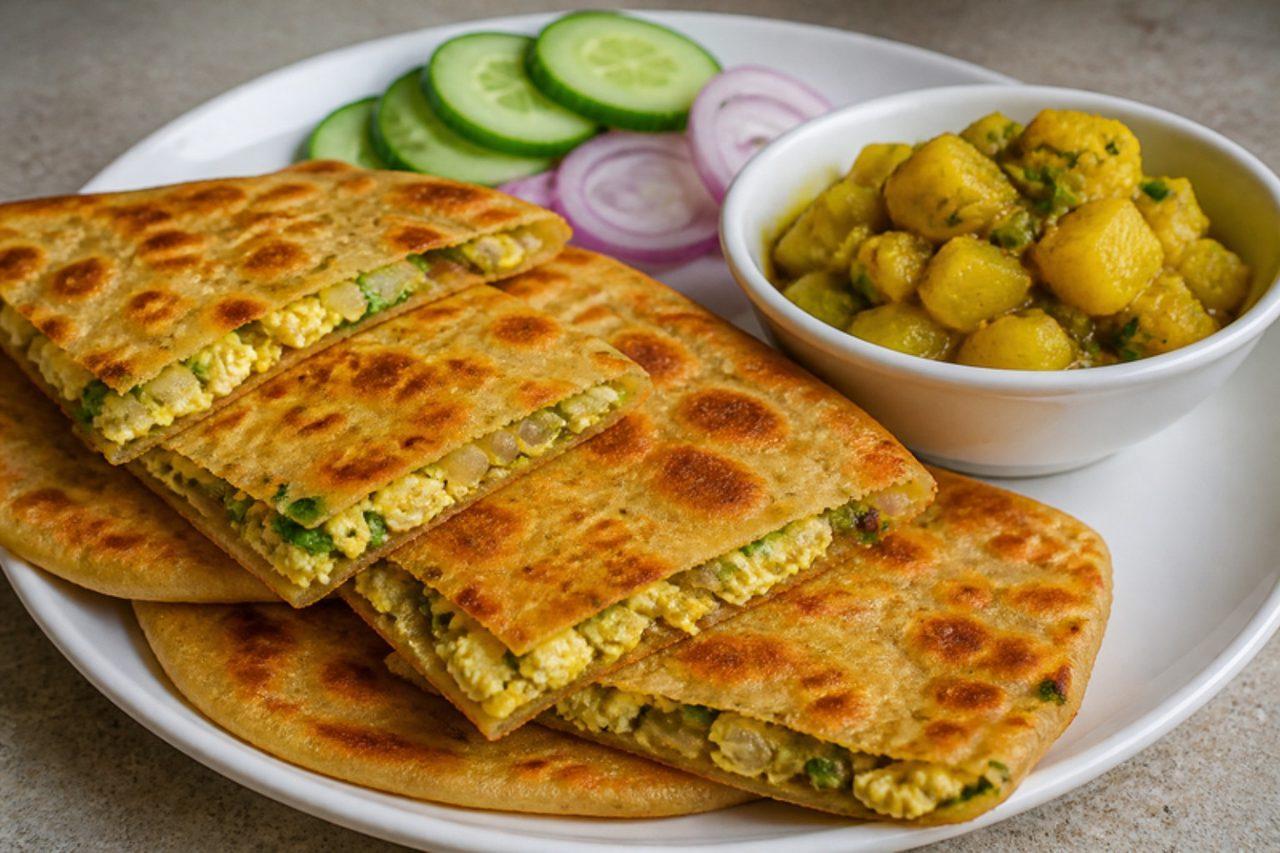
Mughlai parathaEgg-stuffed paratha

Mughlai paratha is a Kolkata cabin-restaurant classic, the sort of thing eaten at Anadi Cabin or a para stall on a winter evening with a sweet-sour potato curry and sliced cucumber and onion. Paper-thin dough is stretched out on the tawa, a beaten egg with onion, chilli and coriander is poured into the middle, and the sides are folded over into a sealed square parcel that is shallow-fried until it blisters. Many shops add minced meat; this vegetarian version is egg only, the way plenty of Bengali homes make it. Chef's tip: stretch the dough with oiled hands rather than a rolling pin for the thinnest sheet.

by KrazyBadal 0 views

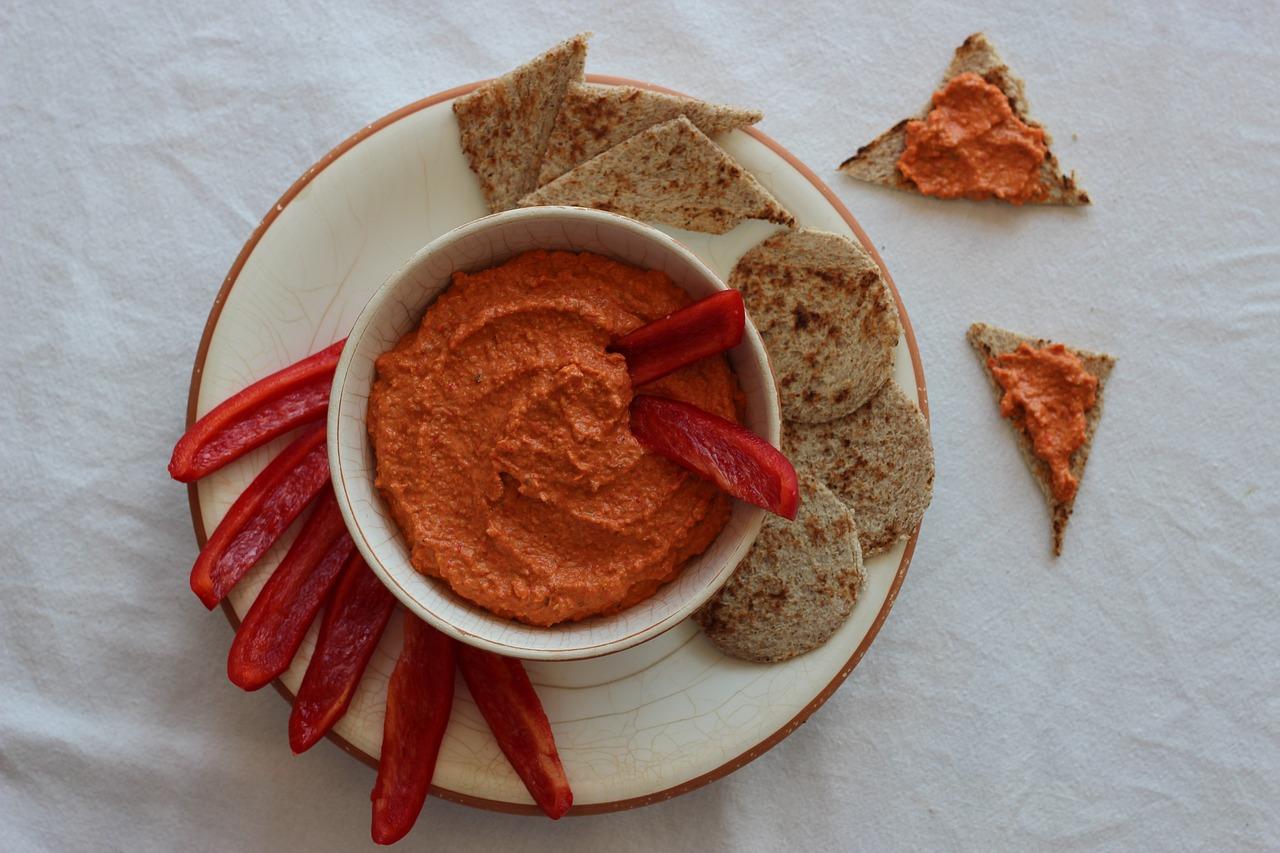
MuhammaraRed pepper and walnut spread

Gaziantep, a city on Turkey's southern border famous for pistachios and pepper paste, claims muhammara as its own, and you will find it on breakfast spreads and meze tables throughout the southeast. Roasted red peppers, walnuts and breadcrumbs are pounded with pepper paste, cumin and pomegranate molasses into a thick, brick-red spread that is smoky, nutty and gently hot. Spread it on bread, serve it with crudités or alongside a bowl of lentil soup. A common mistake is blending until completely smooth; it should keep a little bite from the walnuts. Chef's tip: toast the walnuts in a dry pan first until they smell like brown butter, which deepens the flavour far more than raw nuts.

by KrazyBadal 0 views

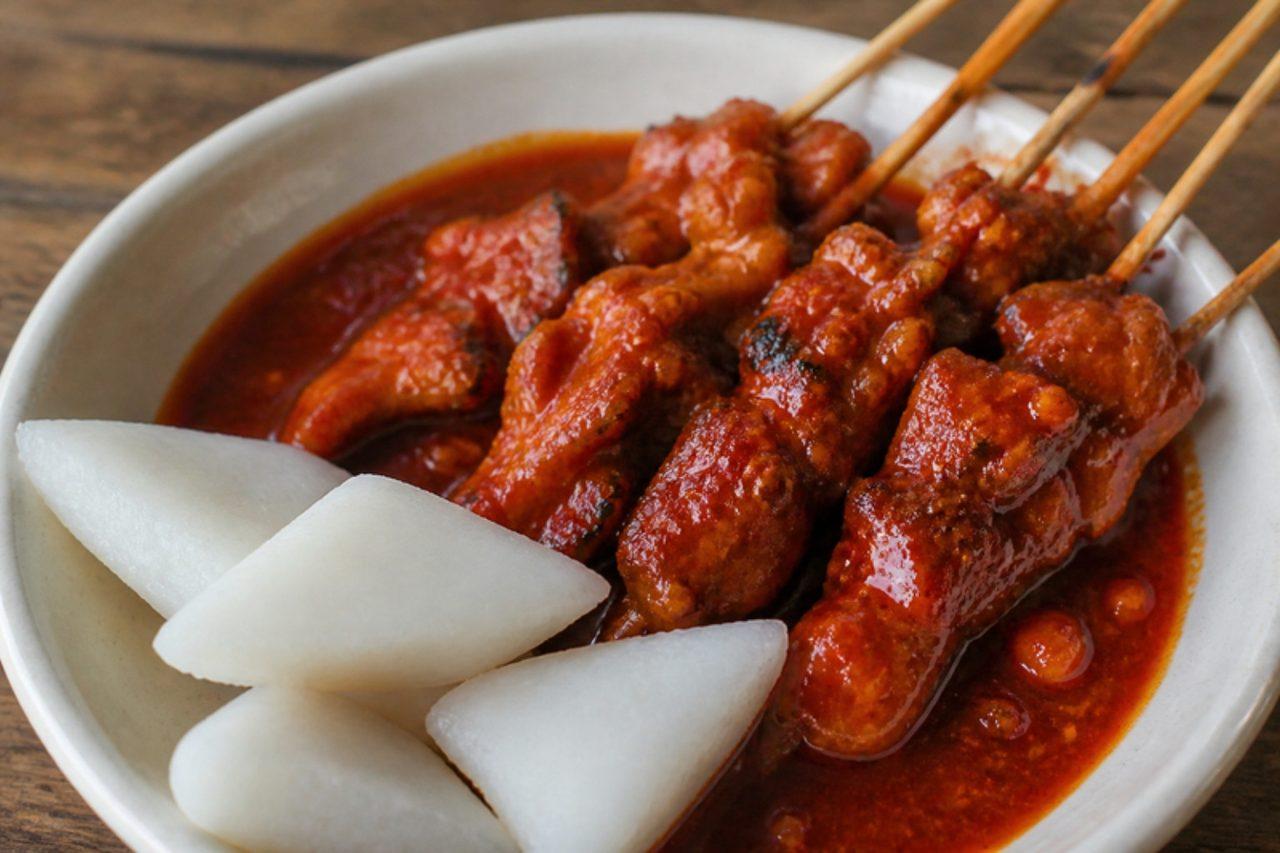
SattiChicken skewers in spicy sauce

Satti is how Zamboanga City starts the day: small skewers of grilled chicken or beef, smoky from charcoal, drowned in a thin, spicy, slightly sweet red sauce and eaten with ta'mu, little rice cakes cooked in woven palm-leaf pouches. Satti houses near the port open before sunrise and are busiest on weekend mornings. It is a cousin of Malaysian and Indonesian satay, but the sauce is runnier and spiced with chilli and a little peanut. Pressed rice cubes or plain rice stand in well for ta'mu at home. Chef's tip: thread the chicken in small, flat pieces and close together; they cook fast and stay juicy before the outside dries.

by KrazyBadal 0 views

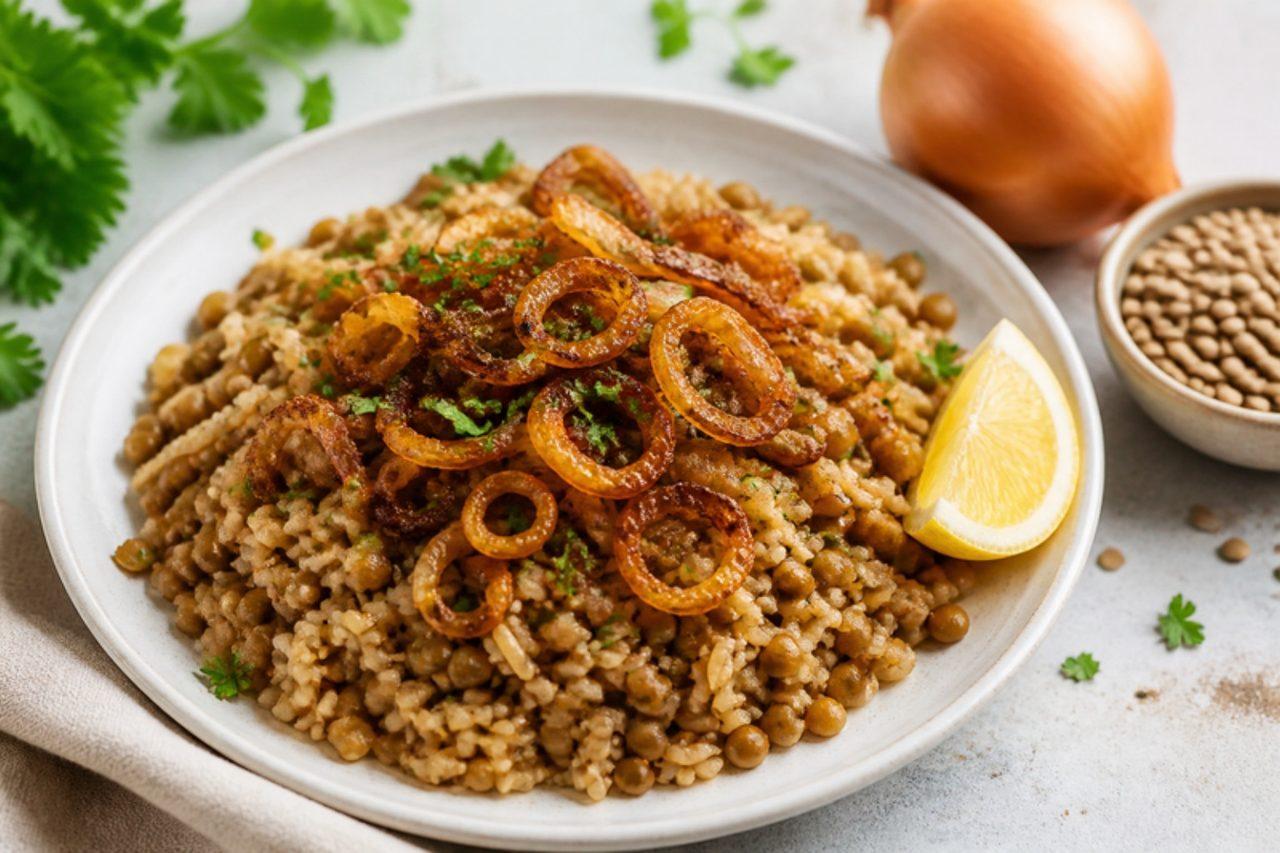
MujaddaraLentils and rice with crisp onions

Across the Levant, from Tripoli in northern Lebanon to the villages of the Galilee, mujaddara is the thrifty Friday or Lenten supper that nobody tires of: brown lentils and rice cooked together until soft and earthy, then heaped with a tangle of onions fried until mahogany and crisp. It costs very little, keeps well, and is eaten warm or at room temperature with a cucumber-yogurt salad, plain yogurt for non-vegans, or a sharp cabbage salad. The onions do all the seasoning, so be generous. Chef's tip: fry the onions in batches with room to spare in the pan; crowded onions steam and go soft instead of turning crisp.

by KrazyBadal 0 views

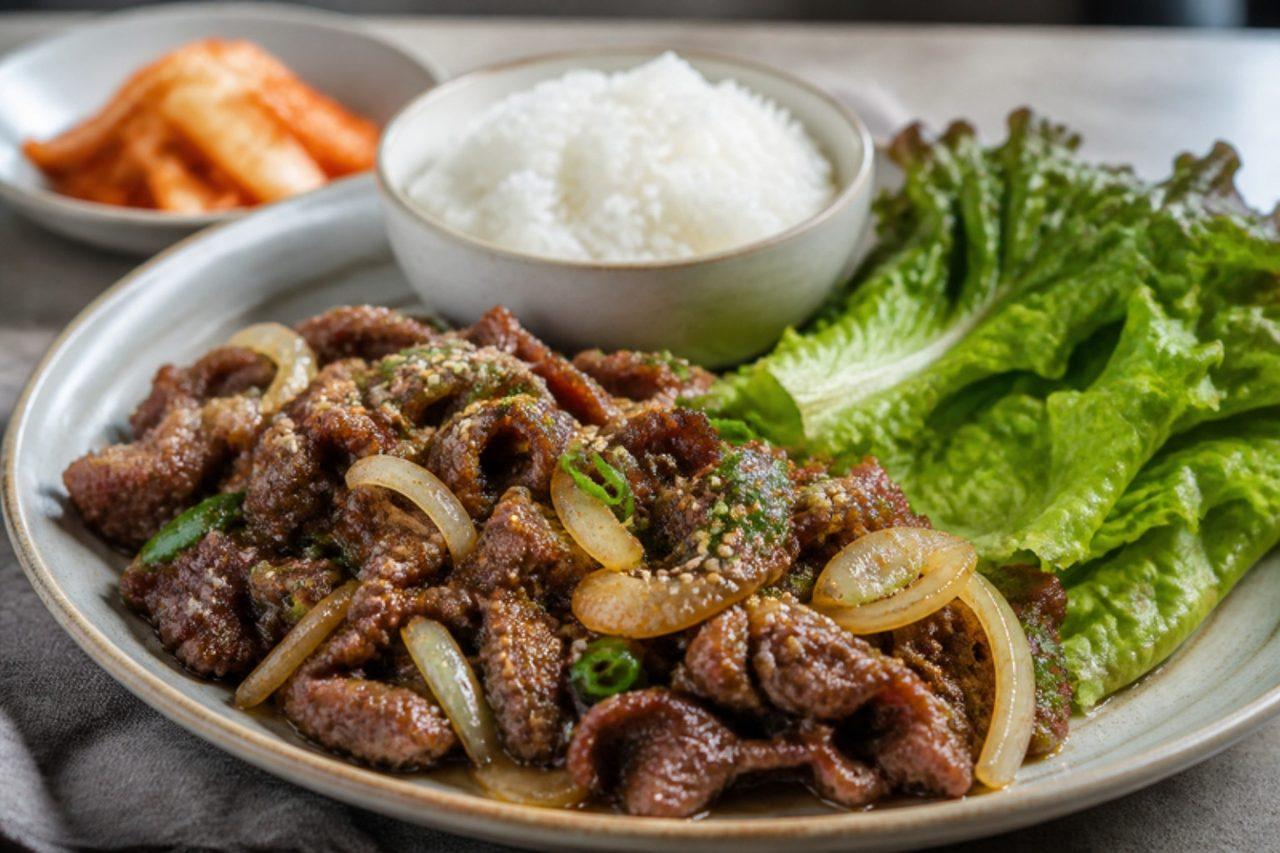
Beef bulgogi

In Seoul, bulgogi restaurants still cook it on a domed grill set into the table, with a moat around the edge that catches the sweet juices for spooning over rice. At home it is made in a hot pan, and it is a favourite for family dinners, lunch boxes and birthday tables. Grated Asian pear softens the meat and adds a gentle sweetness to the soy and garlic. Wrap it in lettuce with a little ssamjang, or eat it over rice. Chef's tip: put the beef in the freezer for 30 minutes before slicing; firm meat cuts into wafer-thin slices easily.

40 minKoreanMeat
by KrazyBadal 0 views

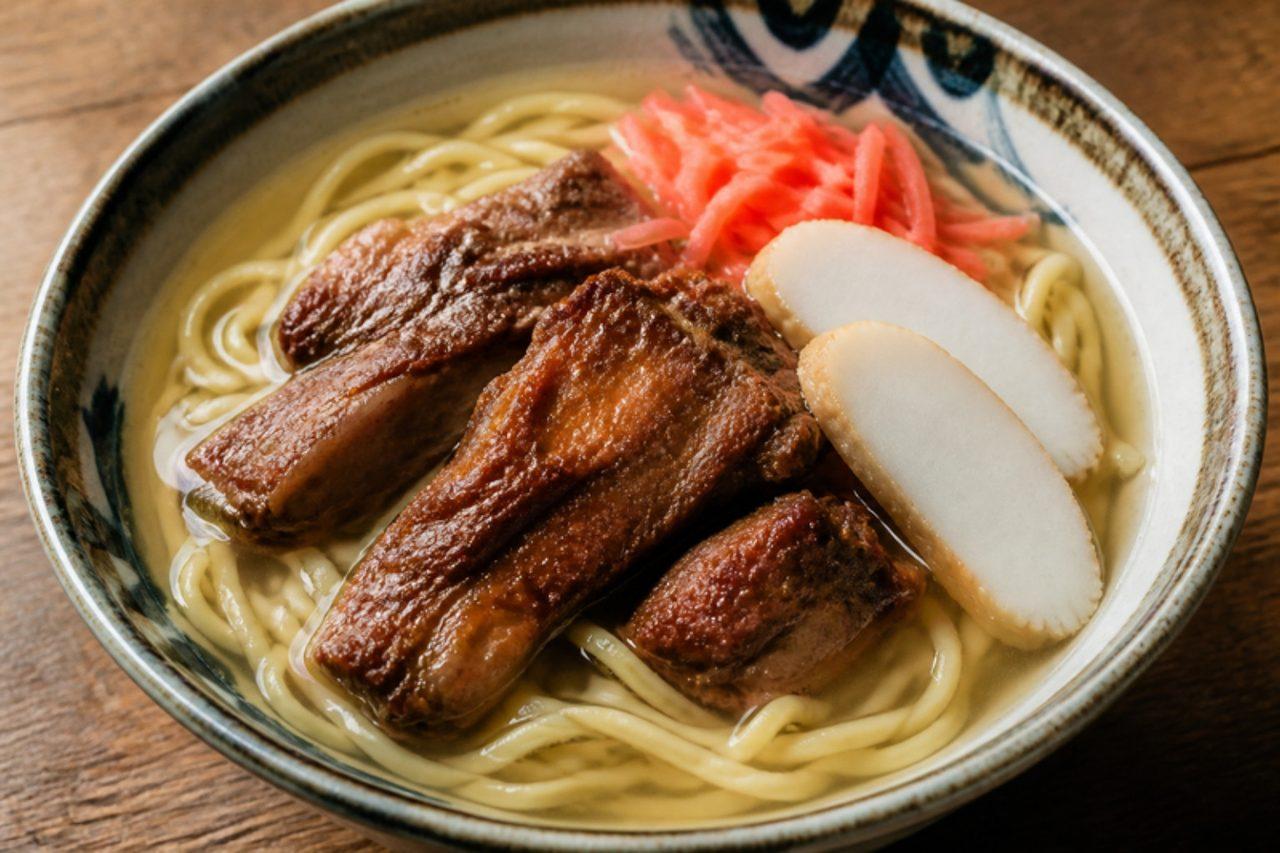
Okinawa soba with soki

Okinawa soba has nothing to do with buckwheat: the noodles are thick, chewy and made from wheat, and the dish is the islands' everyday lunch. Small soba shops all over Okinawa serve it in a clear, gentle broth of pork and bonito, and the soki version is crowned with spare ribs braised so long that even the cartilage turns soft. Slices of fishcake, spring onions and red pickled ginger finish the bowl, and every table has a bottle of chilli steeped in awamori to splash on. October 17 is Okinawa Soba Day on the islands. Chef's tip: braise the ribs a day ahead; cold, the fat sets on top of the cooking liquid and lifts off in one piece, and the broth is cleaner for it.

by KrazyBadal 0 views

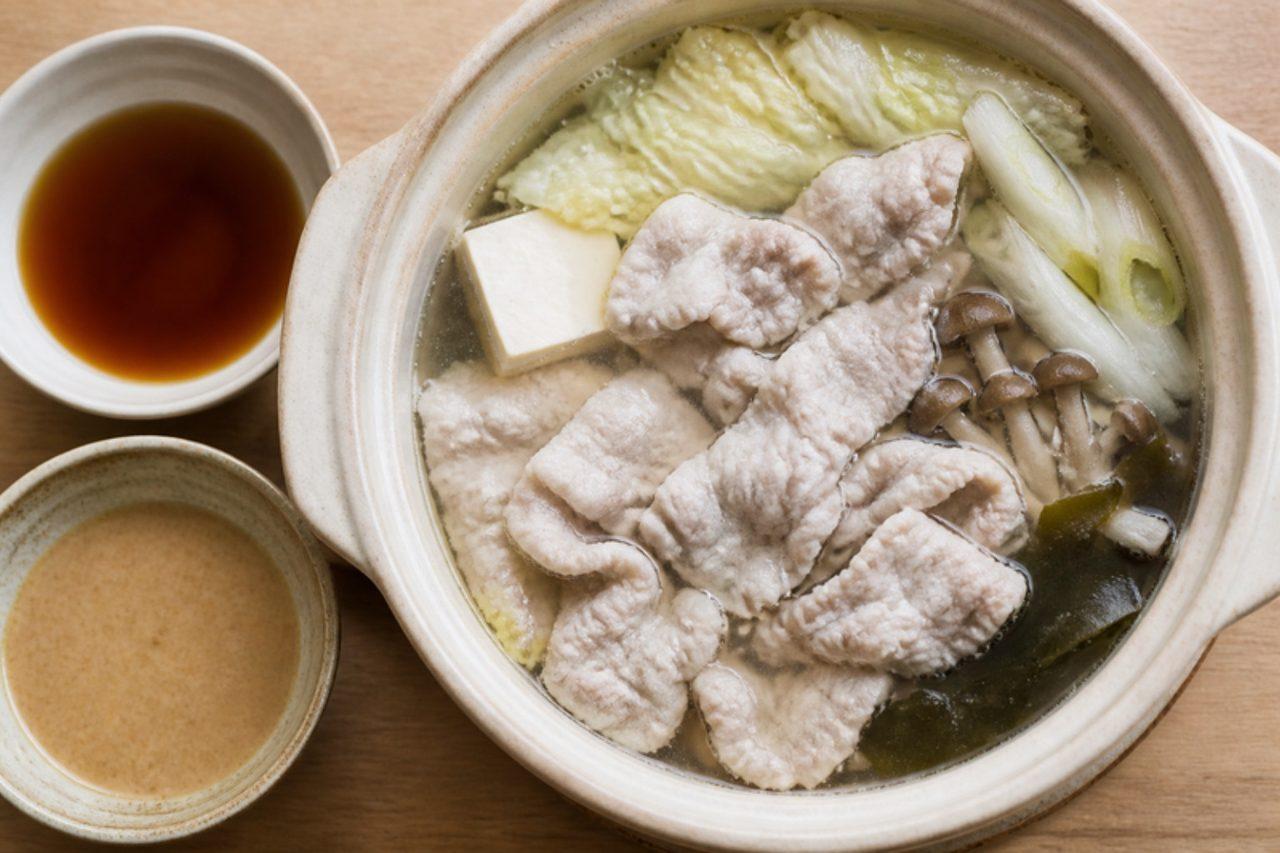
Kagoshima kurobuta shabu-shabu

Kagoshima, at the southern tip of Kyushu, is known across Japan for kurobuta, black Berkshire pork raised on farms in the prefecture. The meat is sweet with soft, clean-tasting fat, and shabu-shabu restaurants in Kagoshima city serve it sliced paper-thin so diners can cook it themselves at the table. Any thinly sliced pork loin or belly works well at home; Asian grocers sell it frozen for hot pots. Each slice is swished through the simmering kombu broth, then dipped in tangy ponzu or creamy sesame sauce. Chef's tip: when the meat is finished, cook a handful of rice or noodles in the leftover broth; it has taken on all the flavour of the pork and vegetables.

by KrazyBadal 0 views

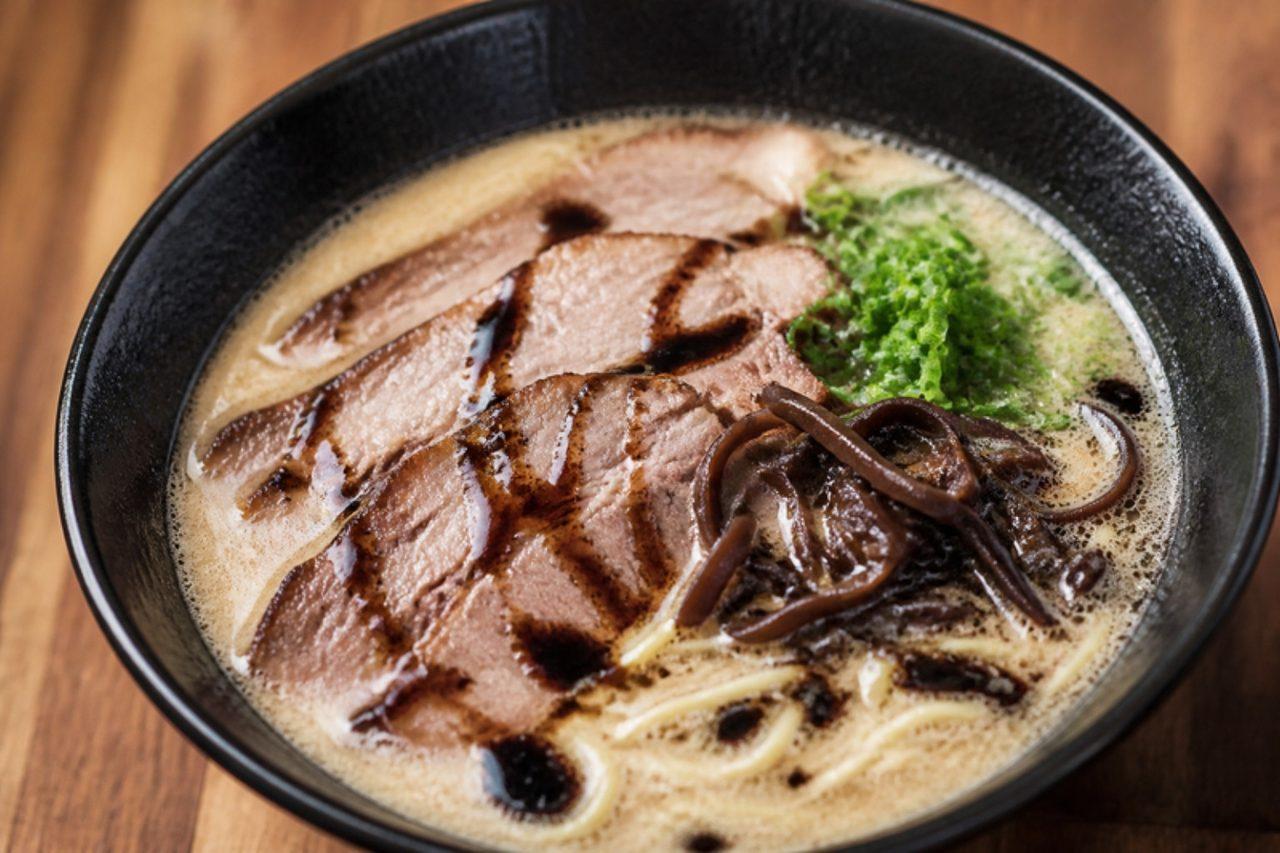
Kumamoto ramen

Kumamoto's ramen grew from the same Kyushu pork-bone tradition as Hakata's, but it took its own road. The broth blends pork bones with chicken for a rounder, milder soup, the noodles are thicker and firmer, and every bowl is finished with mayu, a black oil made by slowly burning garlic, plus a handful of crisp fried garlic chips. Ramen shops around Kumamoto city and its castle serve it with chashu, wood ear mushroom and a seasoned egg. This version is a long weekend project, but the mayu and the chashu can be made a day ahead. Chef's tip: make the mayu over low heat and keep stirring; the garlic must go slowly from gold to brown to black, which takes about 15 minutes.

by KrazyBadal 0 views

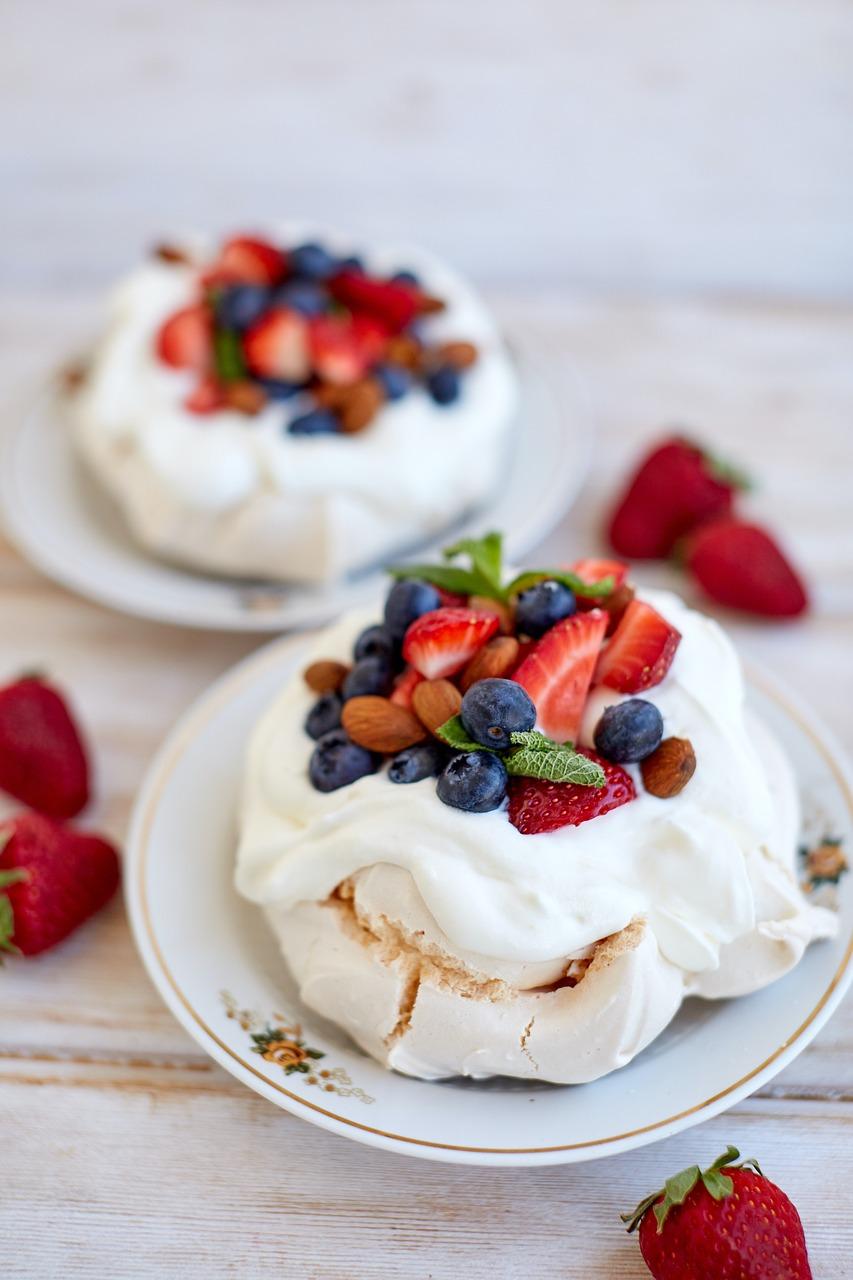
Pavlova

Australians and New Zealanders have argued for a century over who invented pavlova, named after the Russian ballerina Anna Pavlova after her tours of both countries in the 1920s; both make it for Christmas lunch in the height of summer. A good pav has a thin, crisp shell that cracks under the knife and a soft, marshmallowy centre, piled with whipped cream and the sharp fruit of the season, above all passionfruit, kiwifruit and strawberries. Chef's tip: add the sugar one spoon at a time and keep whisking until you can't feel any grains when you rub a little meringue between your fingers.

by KrazyBadal 0 views

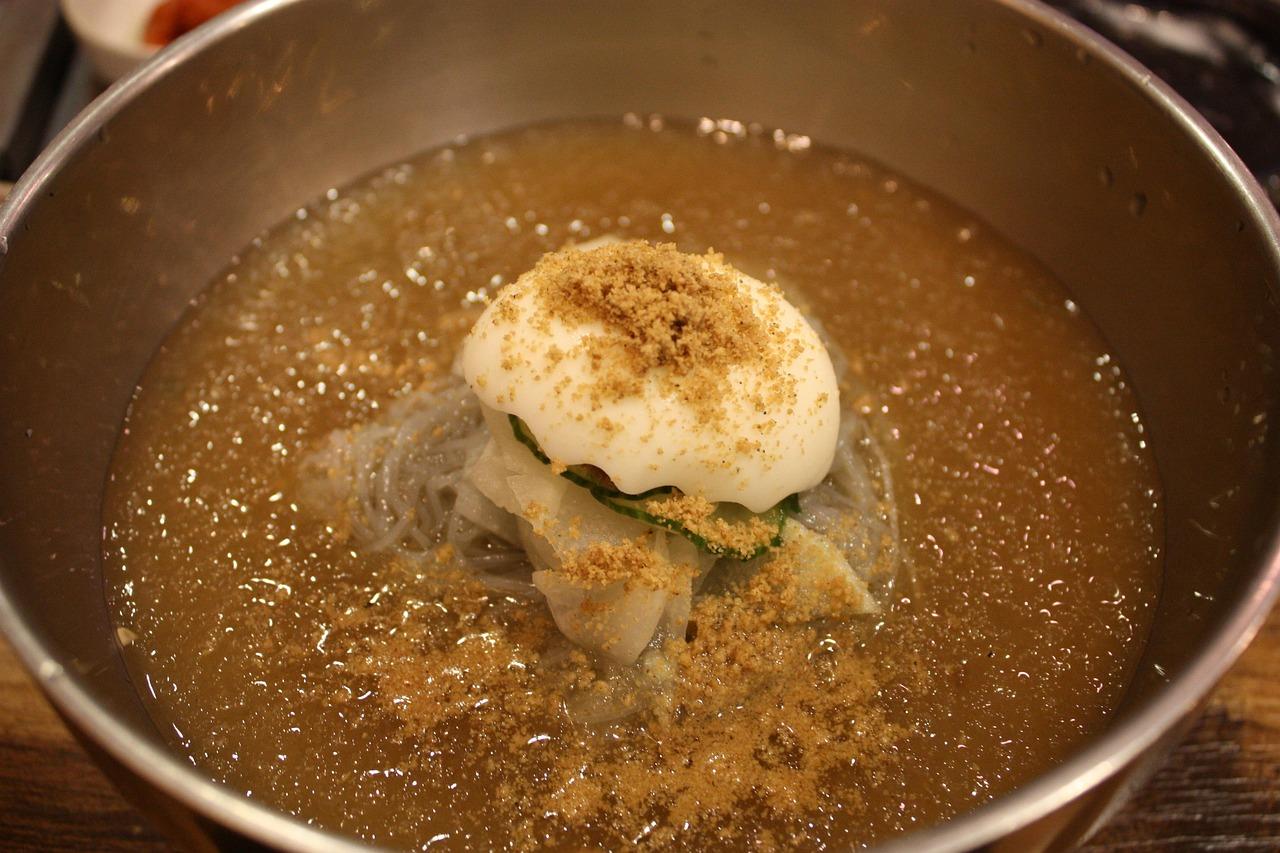
Mul naengmyeonCold buckwheat noodles

Mul naengmyeon comes from Pyongyang, where it was once a winter dish eaten in heated rooms; after the war, northern cooks opened naengmyeon houses in Seoul, and now it is the first thing people crave on a sticky summer afternoon. The beef broth is served almost frozen, slightly sweet and sharp with vinegar, over long, springy buckwheat noodles. Bottles of vinegar and hot mustard sit on every table so you can adjust each bowl. Plan ahead: the broth needs at least 4 hours in the fridge, or make it the day before. Chef's tip: put the strained broth in the freezer for the last hour, so it turns slushy just as you serve.

by KrazyBadal 0 views

Vegetarian gołąbkiBuckwheat and mushroom cabbage rolls

Gołąbki, little doves, are cabbage leaves rolled around a filling and baked in sauce, and they turn up at name-day parties, weddings and Sunday dinners all over Poland. The best-known filling is pork and rice, but in the east, around Lublin and Podlasie, gołąbki filled with kasza gryczana (toasted buckwheat) and mushrooms are an old meatless version, often made for Christmas Eve and Lent. This one is fully plant-based: nutty buckwheat, fried onion and mushrooms, wrapped in soft cabbage and baked in a sweet-sour tomato sauce. They taste even better reheated the next day. Chef's tip: shave down the thick central rib of each leaf with a small knife; it lets the leaf roll tightly without cracking.

by KrazyBadal 0 views

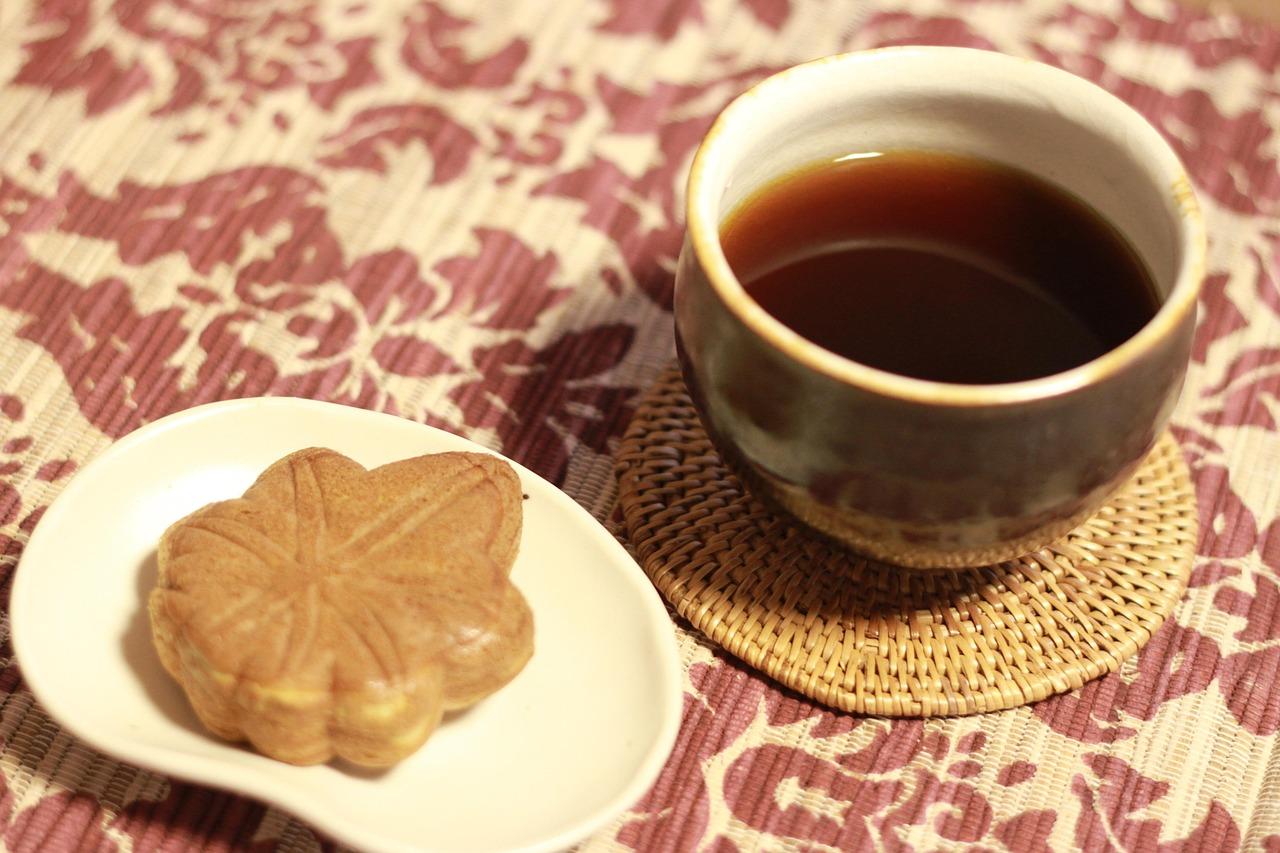
Momiji manjuMaple leaf sponge cakes

Momiji manju are the souvenir of Miyajima, the sacred island off Hiroshima famous for its floating red torii gate and its maple trees, which turn scarlet each November. A confectioner there first baked them around 1906, and today shops along the island's main street still turn them out of iron moulds while visitors watch. The cake is a soft, honey-scented sponge, the filling smooth red bean paste. Tokyo's Asakusa sells a near twin, ningyo-yaki, baked in the shapes of dolls and temple lanterns; this recipe makes both, depending on your mould. Serve with green tea. Chef's tip: rest the batter for 30 minutes before baking. The flour hydrates, the bubbles settle and the cakes come out smooth and evenly brown.

by KrazyBadal 0 views

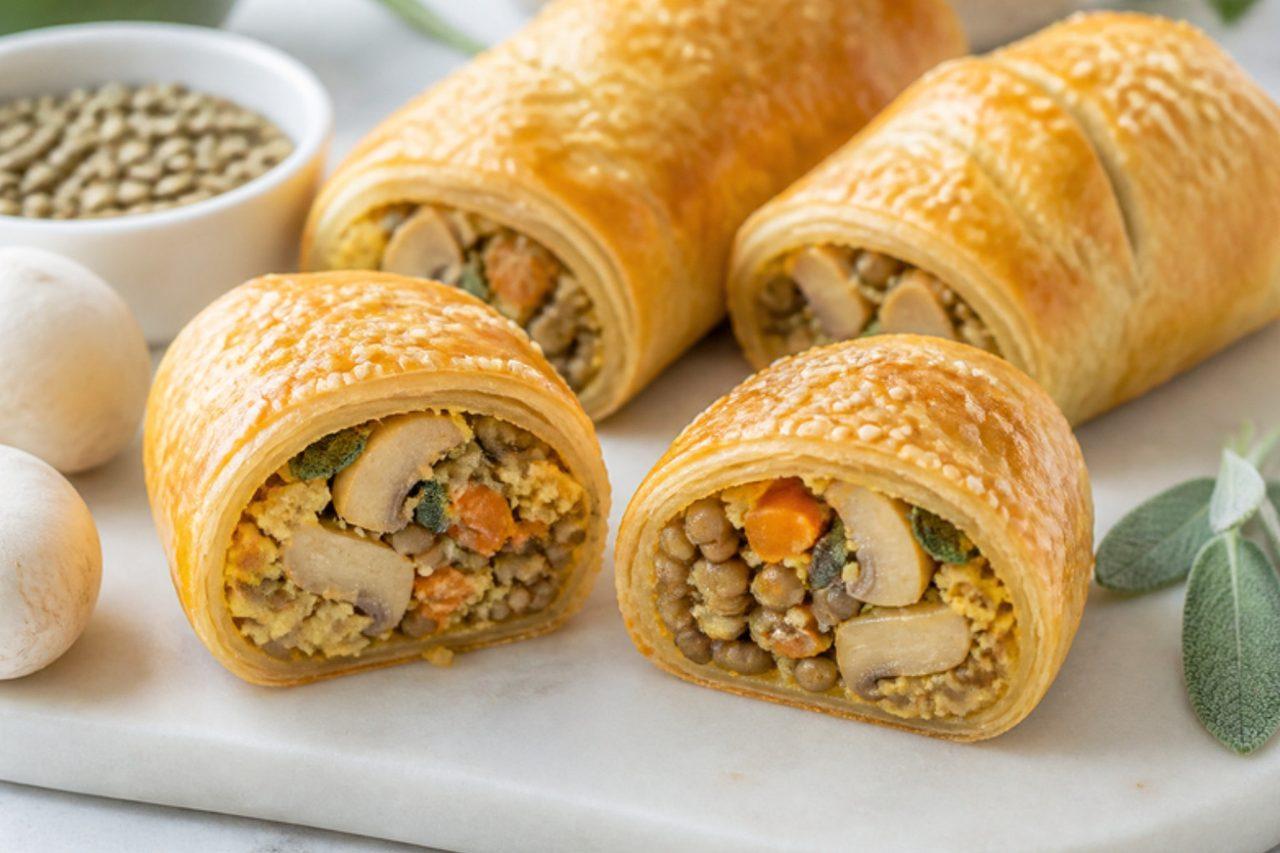
Vegetarian sausage rolls

Sausage rolls are the snack of Australian bakeries, school canteens and footy grounds, eaten from a paper bag with a squeeze of tomato sauce, and they're on the table at every kids' party from Perth to Hobart, and across the Tasman too. This vegetarian version wraps crisp, buttery puff pastry around a savoury filling of browned mushrooms, lentils, carrot, cheddar and sage, firm enough to slice and with the peppery, herby taste of a good bakery roll. The meat original uses raw seasoned pork or beef mince in place of the filling, as noted in the steps. Chef's tip: cook the mushrooms until they are dry and browned; any leftover liquid will turn the pastry soggy from the inside.

by KrazyBadal 0 views

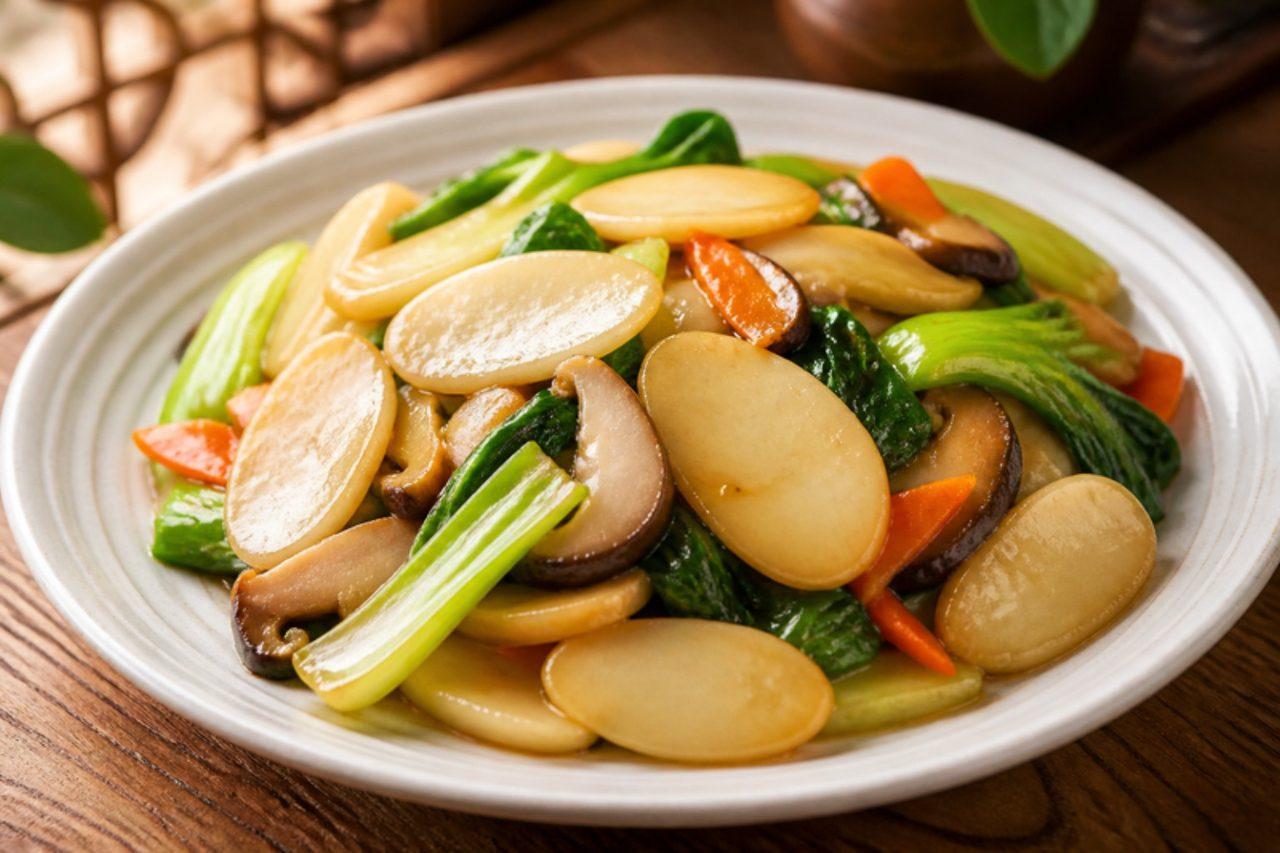
Shanghai stir-fried rice cakes

Every Shanghai noodle shop has this on the menu: oval slices of rice cake, made from pounded rice, tossed in a wok with Shanghai pak choi and mushrooms until chewy and glossy brown. At New Year it's eaten for luck, because niángāo sounds like 'higher every year'. The usual version adds shredded pork, but it's often made with vegetables alone. Look for packs of sliced rice cakes in the fridge or freezer of Chinese supermarkets. Chef's tip: soak the slices in cold water first, so they cook evenly and don't stick together.

by KrazyBadal 0 views

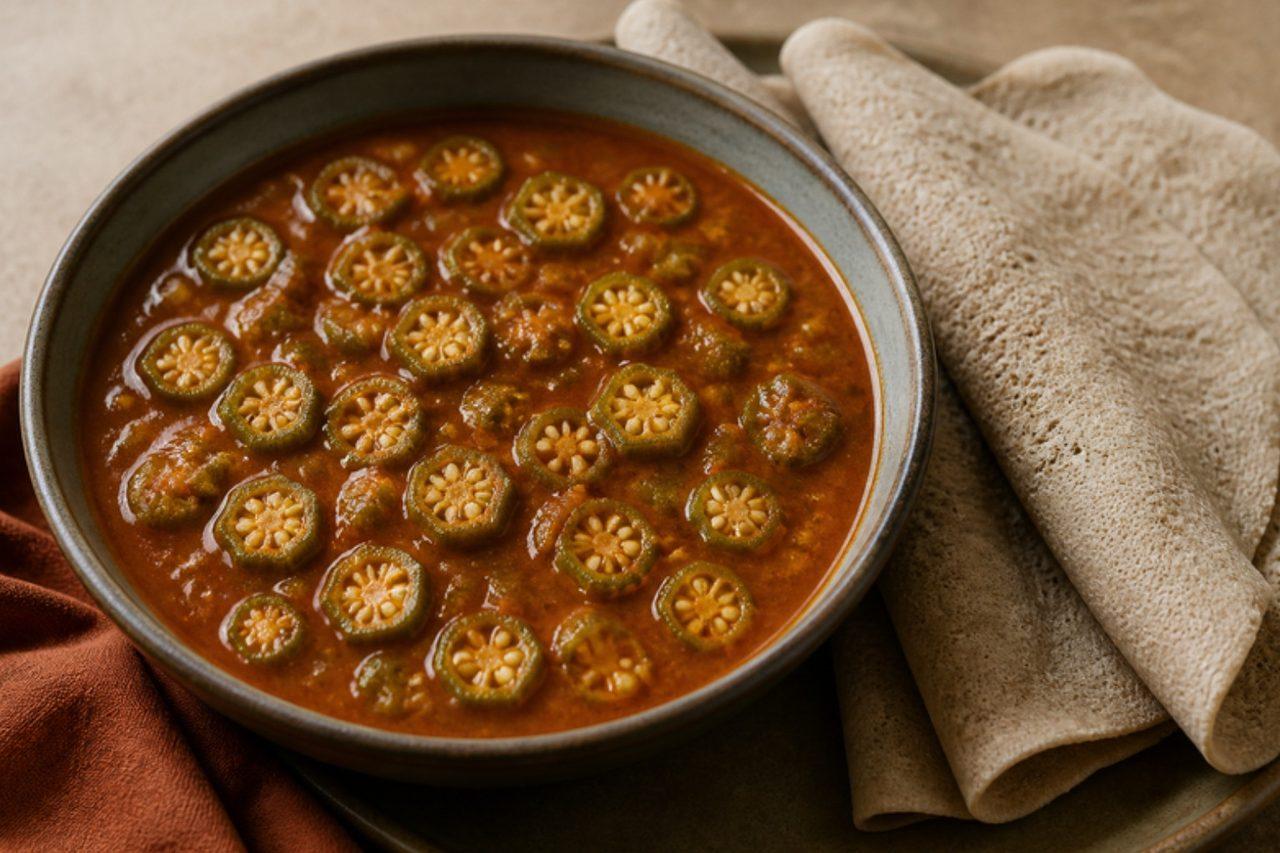
Mullah bamiaOkra stew

Mullah is the Sudanese word for the thick stews that go with kisra and aseeda, and mullah bamia, with okra, is one of the most loved, cooked in homes from Khartoum to Kassala. The base is a large amount of onion cooked very slowly until it melts, then tomato and garlic; the okra is left to soften until the sauce turns silky. Many households add dried ground okra (weika) for a thicker, earthier stew. It is normally made with meat; here it is all vegetable. Chef's tip: cook the onions until they collapse into a jam before adding anything else; that slow base is what gives mullah its depth.

by KrazyBadal 0 views

Showing 54 of 7,762 recipes

Show more recipes

Page 573 of 863