Skip to content
Moreton Bay bugs
Featured recipe

Moreton Bay bugs

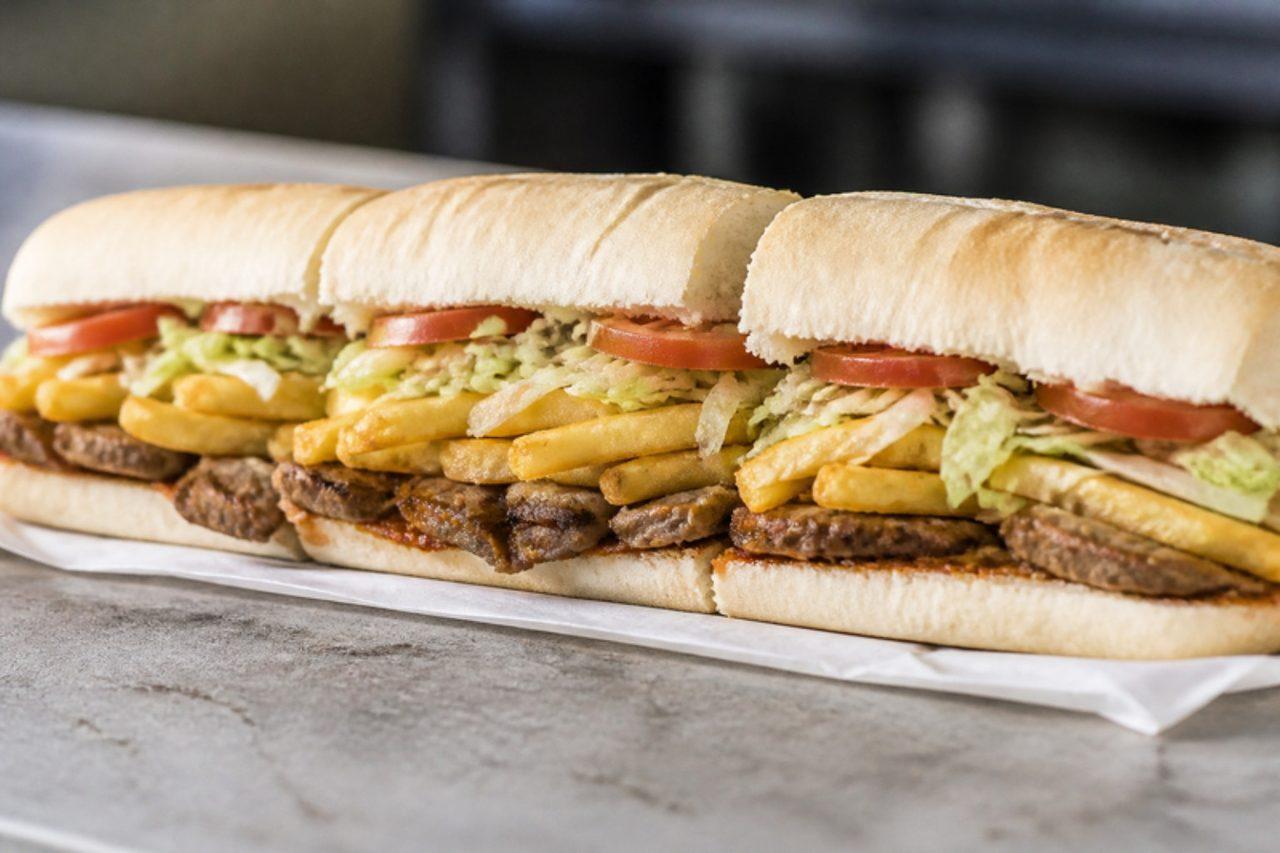
Slipper lobster with garlic butter

Moreton Bay bugs are the flat, shovel-nosed slipper lobsters caught off the Queensland coast around Brisbane and the Sunshine Coast, and for Queenslanders they are a summer treat, split and grilled at the beach house. The tail meat is sweet and rich, somewhere between lobster and prawn. Buy them raw, frozen or fresh, from a fishmonger and ask them to halve them if you like. A common mistake is overcooking, which makes the meat rubbery; it is ready the moment it turns white. Chef's tip: grill flesh side down first to mark it, then turn and baste in the shell.

Read more 2 views

What to eat today?

Around the world

Today's trip: Persian

A new country every day, from every cuisine on the site.

This week's collection

Kid-friendly dinners
537 recipes · a new collection every Monday

Latest recipes

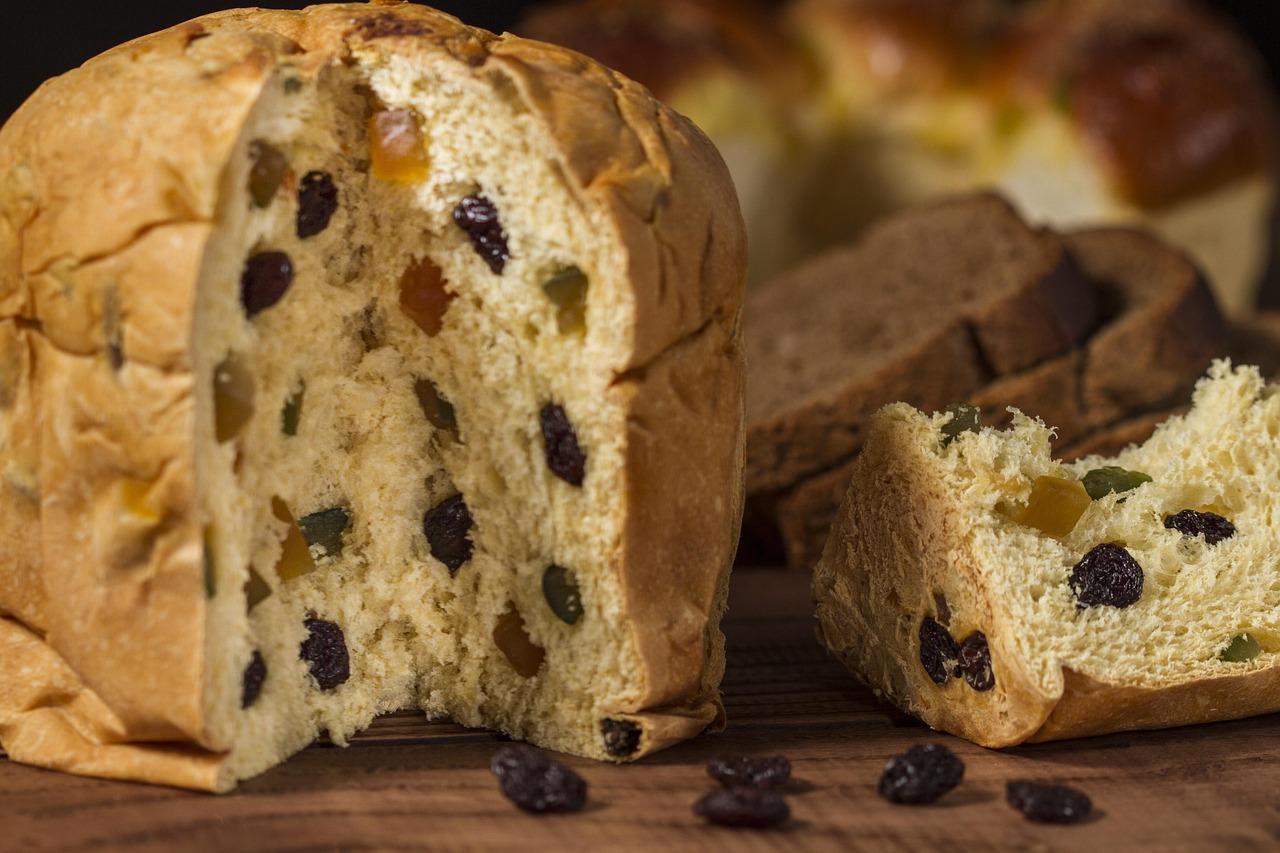
PanettoneChristmas fruit bread

Every December Milan's bakeries stack panettone to the ceiling, and Milanese families trade them as gifts before eating thick slices with coffee on Christmas morning. Legends about its birth at the Sforza court abound, but what matters is the texture: a tall dome with a crumb that pulls apart in long, feathery strands, scented with orange, lemon and vanilla and dotted with raisins and candied peel. Bakers use a natural starter that takes days; this home version uses a small amount of yeast and two long rises over a day. Chef's tip: keep the dough between 24 and 27 °C throughout, such as in an oven with only the light switched on.

1440 minItalianBaking
by KrazyBadal 0 views

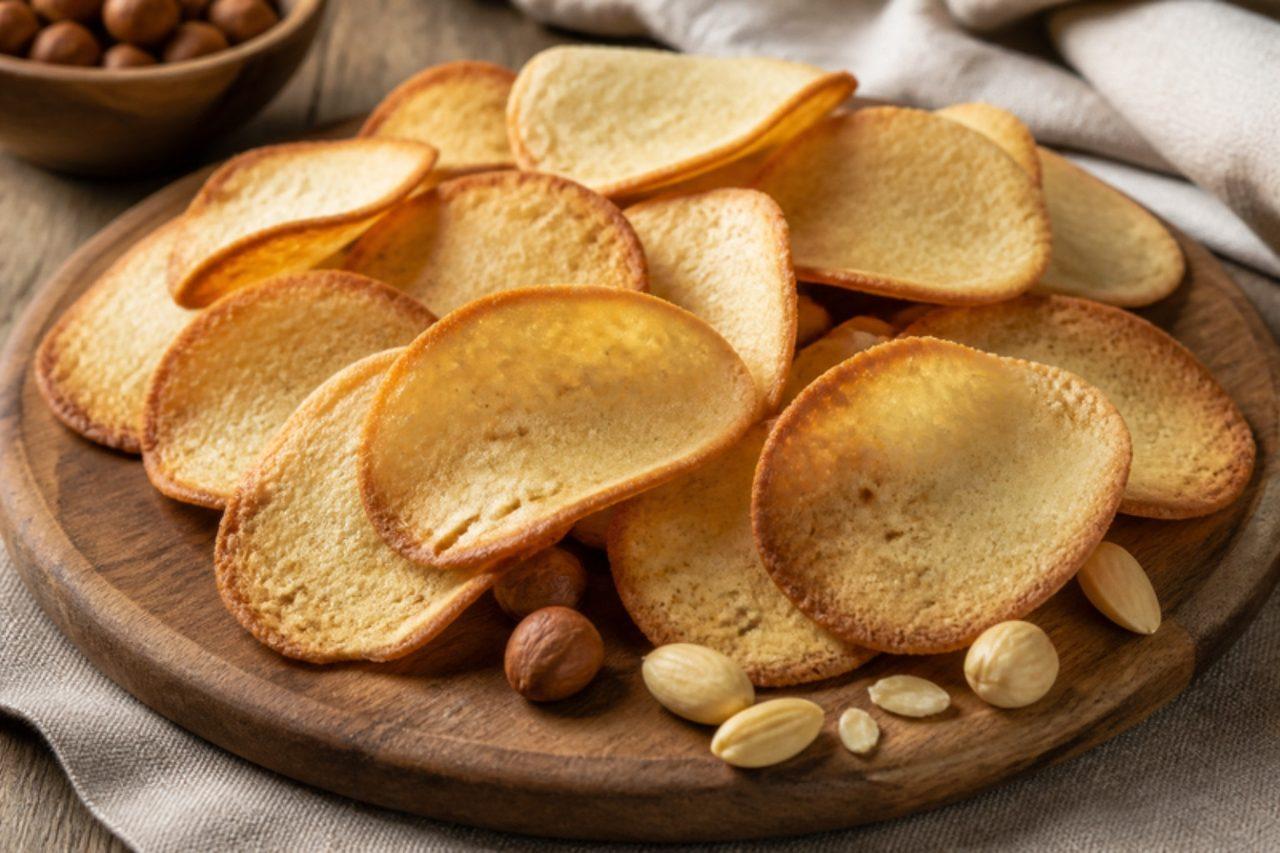
Tegole valdostaneAlmond hazelnut biscuits

Walk the arcaded streets of old Aosta and the pastry shops have stacks of tegole in the window, thin as paper and curved like the stone roof slabs of the valley's chalets. They are offered with an after-dinner coffee or packed in tins as a present from the mountains. Ground almonds and hazelnuts give them a toasty, buttery crunch that shatters at the first bite. Most recipes include a spoon of wheat flour; this one uses potato starch, so the biscuits are gluten free. Chef's tip: bake a test biscuit first; if it spreads too much, chill the batter for 15 minutes.

by KrazyBadal 0 views

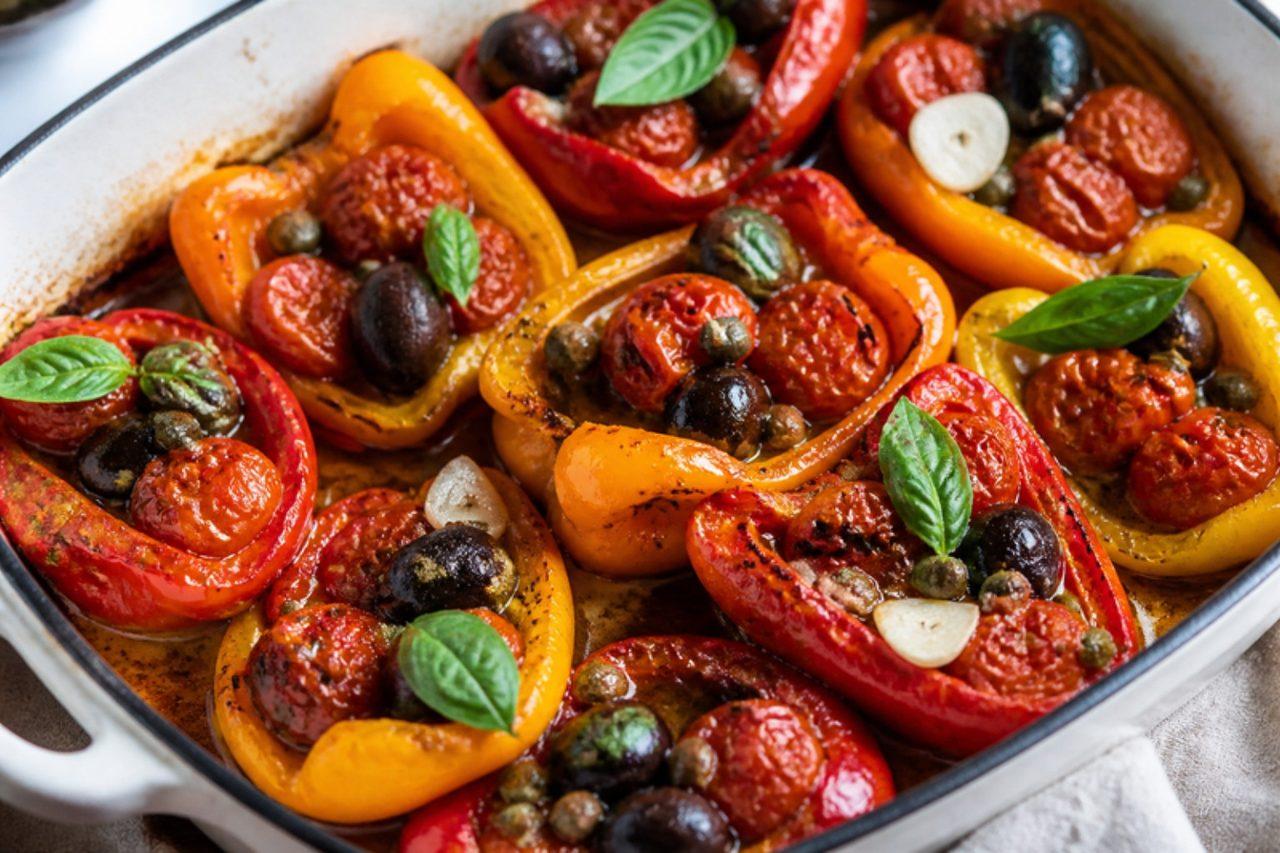
Peperoni ripieni alla piemonteseStuffed roasted peppers

Late summer in Turin means the fat, square peppers of Carmagnola piled high at Porta Palazzo market, and this is what Piedmontese cooks do with them. Halved and filled with peeled tomato and slivers of garlic, they roast until the skins blister and the juices turn sweet and jammy, then come to the table lukewarm as an antipasto. The old recipe hides an anchovy fillet in each half; here capers and black olives bring the same salty edge, so the dish is vegan. Chef's tip: keep the stalk on when you halve the peppers, as it helps each half hold its shape and its juices.

by KrazyBadal 0 views

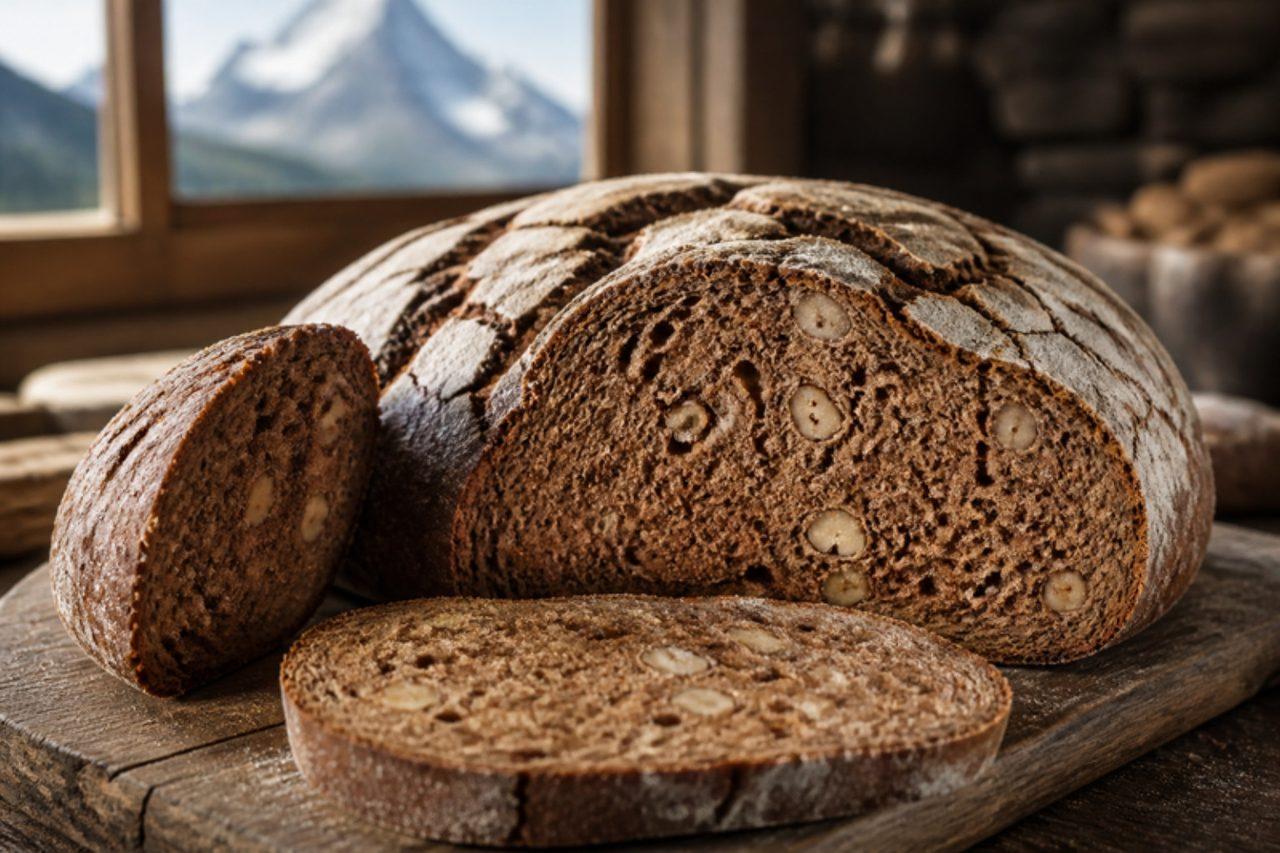
Pane nero di segaleDark rye bread

In the villages of the Valle d'Aosta, rye was the grain that would grow at altitude, and each autumn families took turns at the communal wood-fired oven to bake enough dark loaves to last until spring. Every October the valley still lights those old ovens for a bread festival, and the round, flour-crackled pan ner is sold at markets from Aosta to Gressan. The crumb is dense, moist and slightly sour, with a thick crust; it is eaten with butter, mountain cheese or a bowl of soup. Chef's tip: wait until the loaf is completely cold before slicing, as rye keeps setting as it cools.

by KrazyBadal 0 views

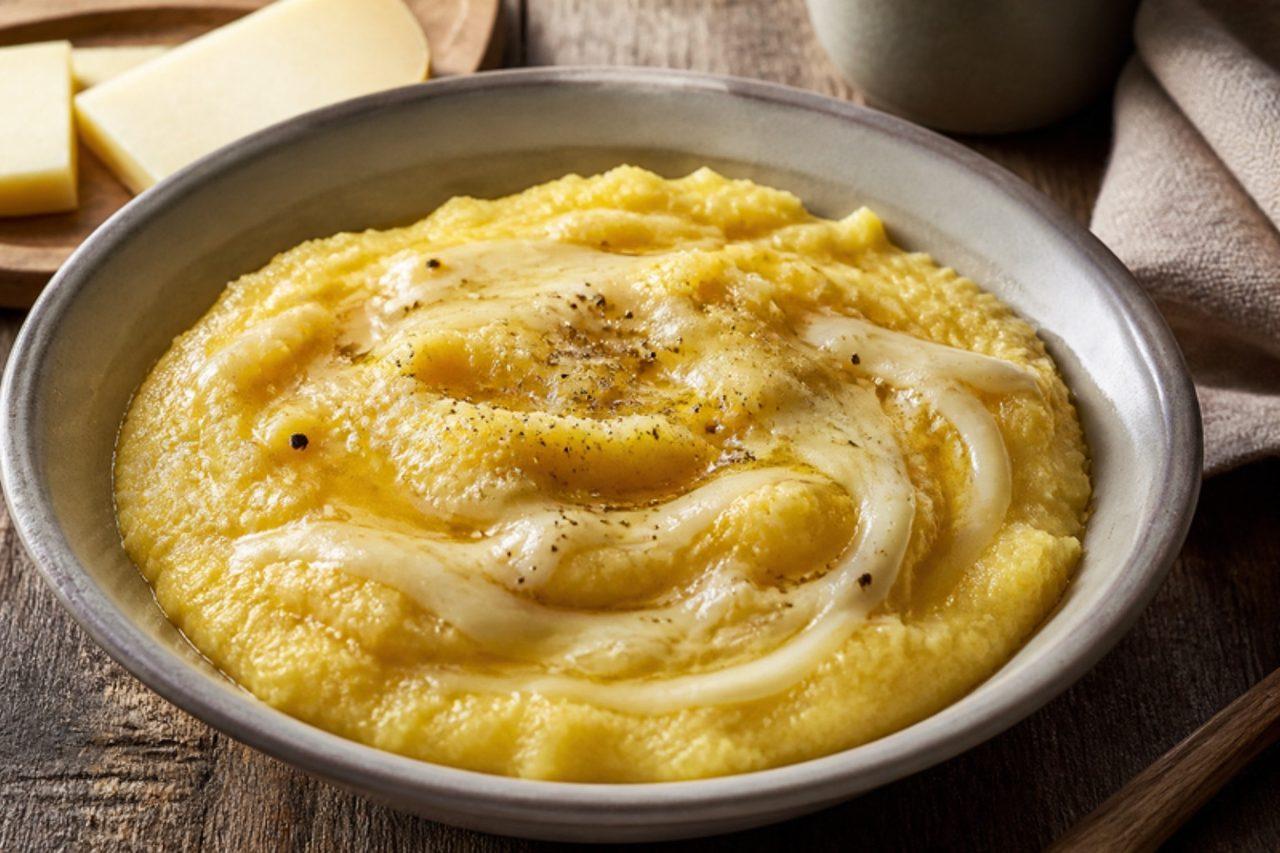
Polenta conciaPolenta with fontina

High in the Valle d'Aosta, polenta concia is what comes out of the kitchen of a mountain refuge after a cold day on the slopes above Cogne or Courmayeur. Soft yellow polenta is layered in a hot dish with cubes of fontina, the valley's own alpine cheese, then drowned in sizzling brown butter until the cheese melts into long, stretchy strings. It is rich, savoury and very filling, best eaten from the dish with a green salad alongside. Chef's tip: cube the fontina while the polenta cooks and keep it at room temperature, so it melts at once instead of staying in cold lumps.

by KrazyBadal 0 views

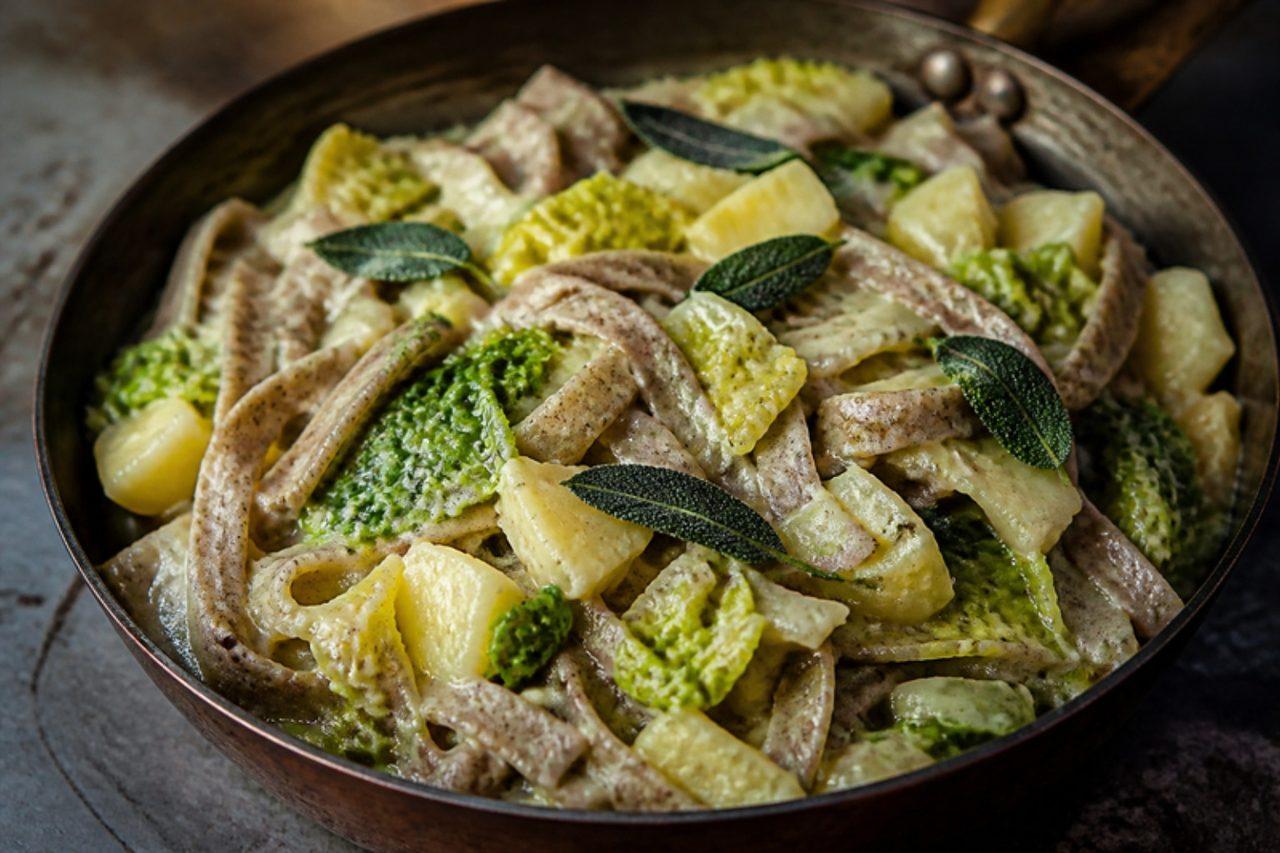
Pizzoccheri della ValtellinaBuckwheat pasta with cabbage and cheese

Pizzoccheri belong to the Valtellina, the steep valley of Lombardy near the Swiss border, and above all to the village of Teglio, where a local academy guards the recipe. Short, rough ribbons of grey-brown buckwheat pasta boil in one pot with potatoes and savoy cabbage, then go into a dish in layers with Valtellina Casera cheese and garlicky sage butter. It is a winter dish for ski huts and family kitchens: earthy, nutty and gloriously heavy. Chef's tip: buckwheat pasta breaks easily, so cut the ribbons short and fold the layers gently with two forks.

by KrazyBadal 0 views

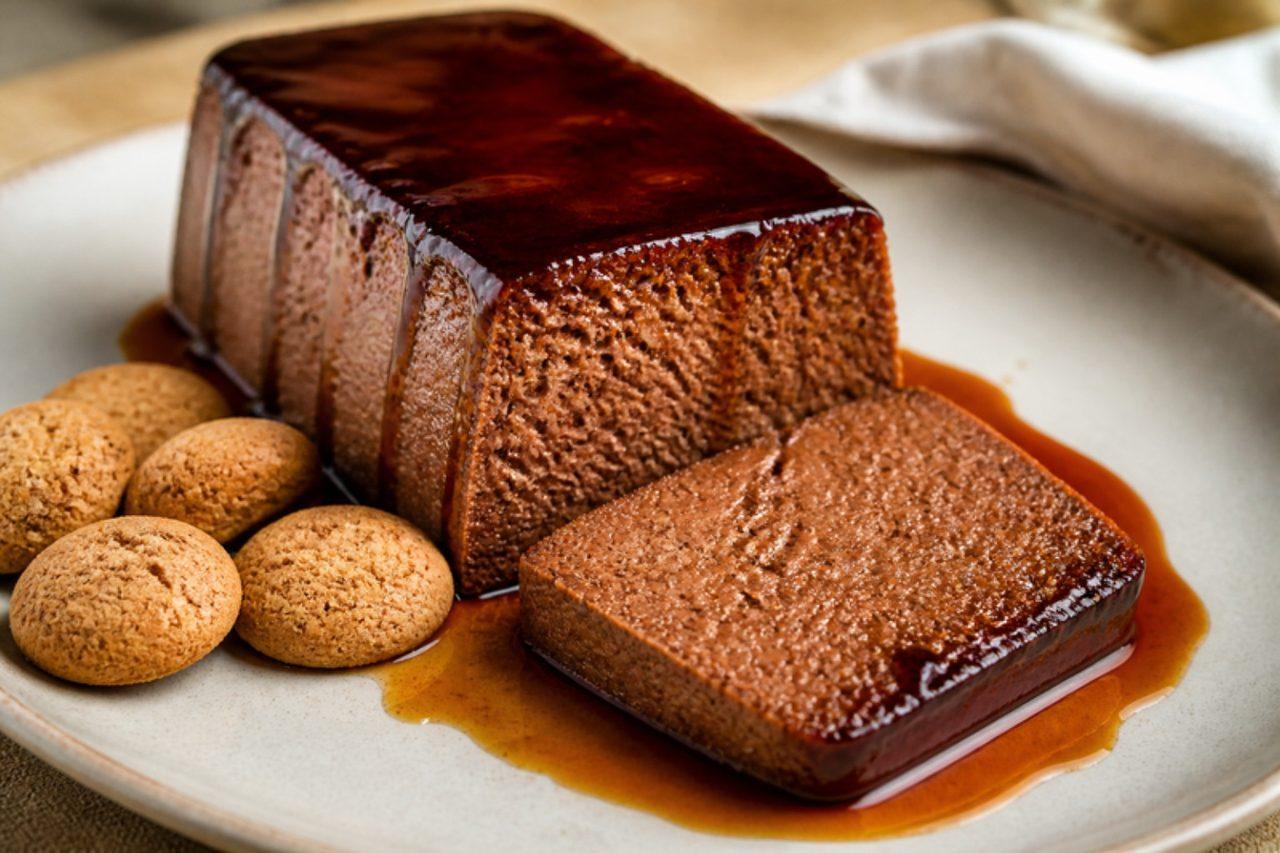
BonetChocolate amaretti pudding

Bonet closes the long holiday lunches of the Langhe and Monferrato, turned out of its tin glossy with caramel and cut into thick slices. The name is dialect for a cap, after the round copper mould it was once baked in. Crushed amaretti give the custard a soft almond grain, and cocoa makes it taste like a set chocolate pudding with a bitter edge. Most cooks add a splash of rum or marsala; this recipe offers a coffee-and-vanilla version for an alcohol-free bonet. Chef's tip: bake it the day before; after a night in the fridge it slices cleanly and the caramel turns to a thin sauce.

by KrazyBadal 0 views

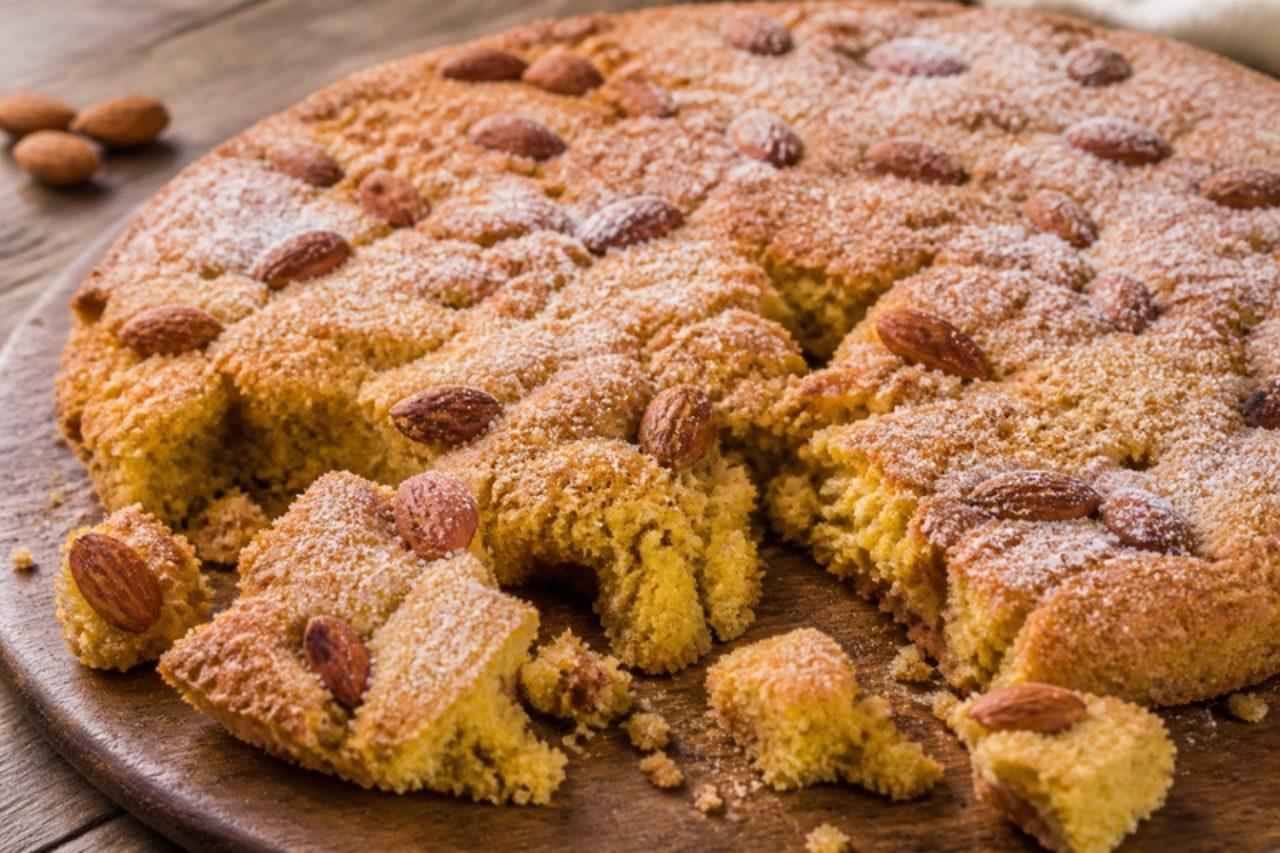
Torta sbrisolonaCrumbly almond cake

Nobody slices a sbrisolona. In Mantua, in the south-east of Lombardy, the round, golden cake is set whole in the middle of the table after dinner and cracked into rough pieces with a fist, and everyone grabs a shard. Coarse cornmeal and chopped almonds make it gritty, buttery and crunchy, closer to a giant biscuit than a sponge. It began as a farmhouse sweet made with lard; this version uses only butter. Chef's tip: keep your hands cool and stop rubbing in while the mixture still looks like coarse crumbs and small clumps.

by KrazyBadal 0 views

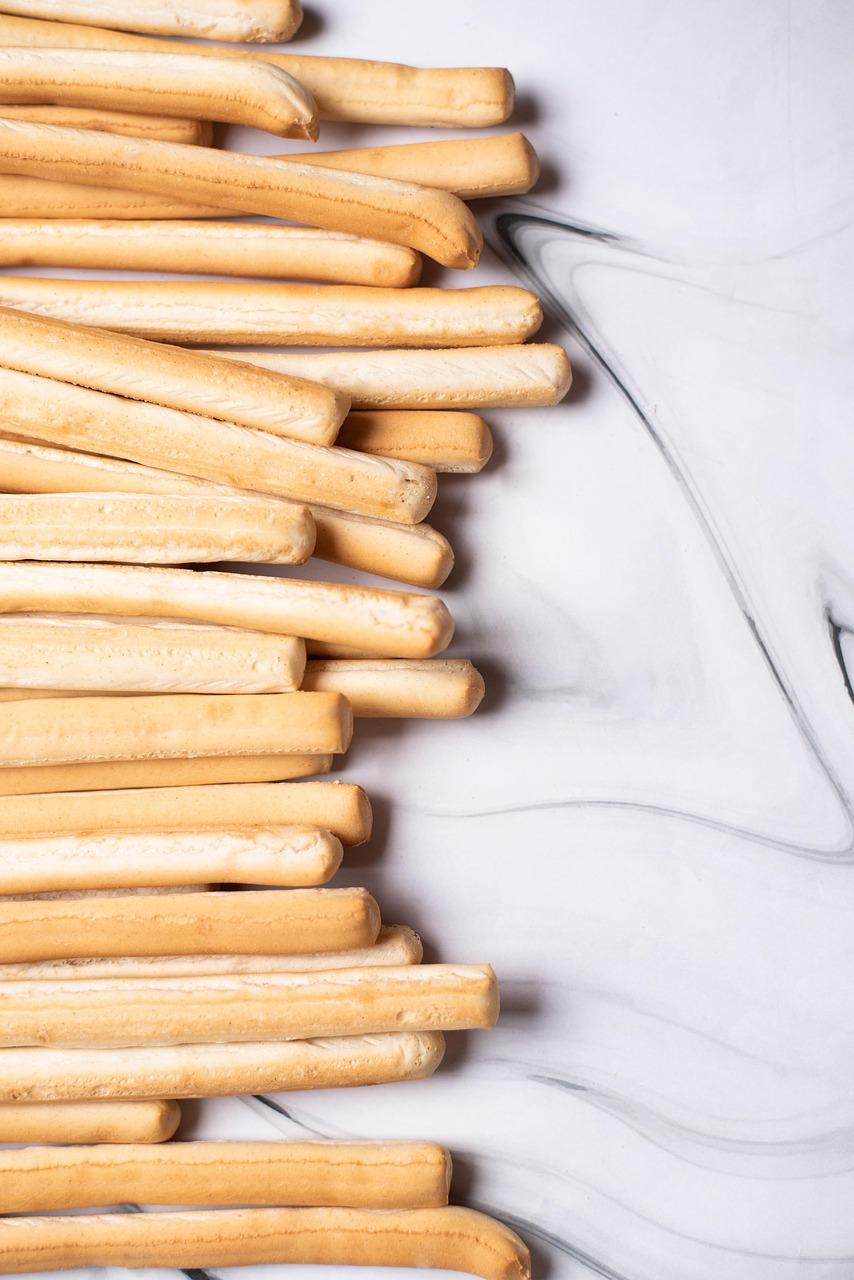
Grissini torinesiHand-stretched breadsticks

Turin claims grissini as its own: the story goes that a court baker stretched bread into thin, dry sticks in the 1600s for a sickly young Savoy duke who could not digest soft loaves. Today a bundle of long, knobbly grissini stirati sits on nearly every Piedmontese restaurant table, ready to snap with antipasti. Made by hand they are lighter and more uneven than the boxed kind, golden and brittle with a faint taste of olive oil. Children love making them. Chef's tip: stretch each strip by holding both ends and letting it swing as you pull, which gives that rustic, slightly twisted look.

by KrazyBadal 0 views

Showing 9 of 7,762 recipes

Show more recipes

Page 569 of 863