


Skip to content
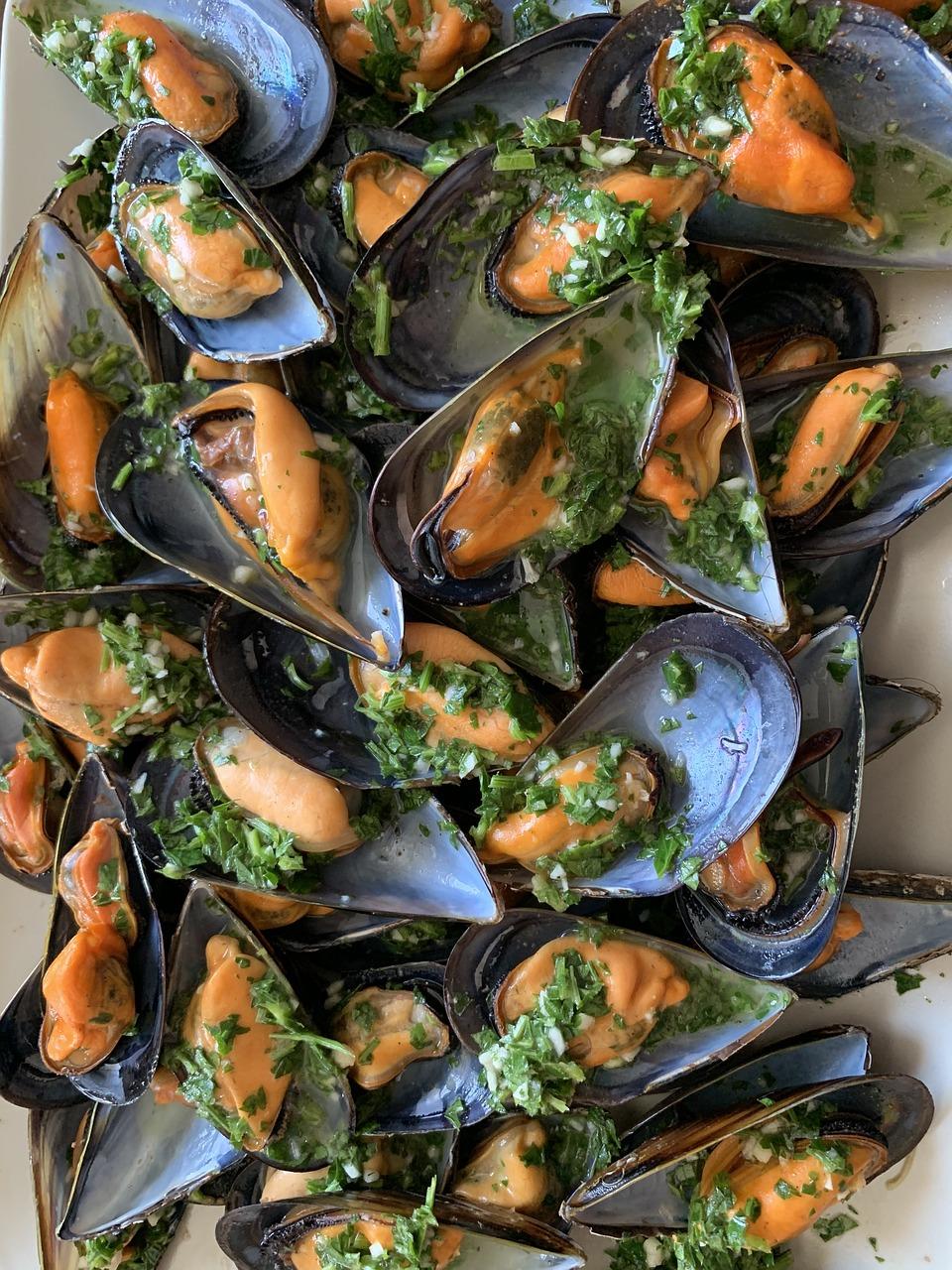
Mejillones a la provenzal
Featured recipe

Mejillones a la provenzal

Mussels with garlic and parsley

On the Atlantic coast around Puerto Madryn and the Golfo Nuevo, mussels from cold Patagonian waters are farmed and gathered in quantity, and seafood places along the rambla steam them a la provenzal, which in Argentina means lots of garlic and parsley. A splash of dry white wine goes into the pot; the alcohol mostly cooks off, but you can swap it for fish stock with a little lemon for an alcohol-free pot that tastes just as good. Serve with bread or chips to mop up the briny juices. Cooking mussels too long is the usual slip: they shrink and turn rubbery, so lift the lid as soon as most have opened. Before cooking, throw away any mussel with a broken shell or one that stays open when tapped; after cooking, discard any that stay shut. Chef's tip: keep the garlic in gently warm oil until it just smells sweet; brown garlic turns bitter and dominates the mussels.

Read more 0 views

What to eat today?

Around the world

Today's trip: Persian

A new country every day, from every cuisine on the site.

This week's collection

Kid-friendly dinners
537 recipes · a new collection every Monday

Latest recipes

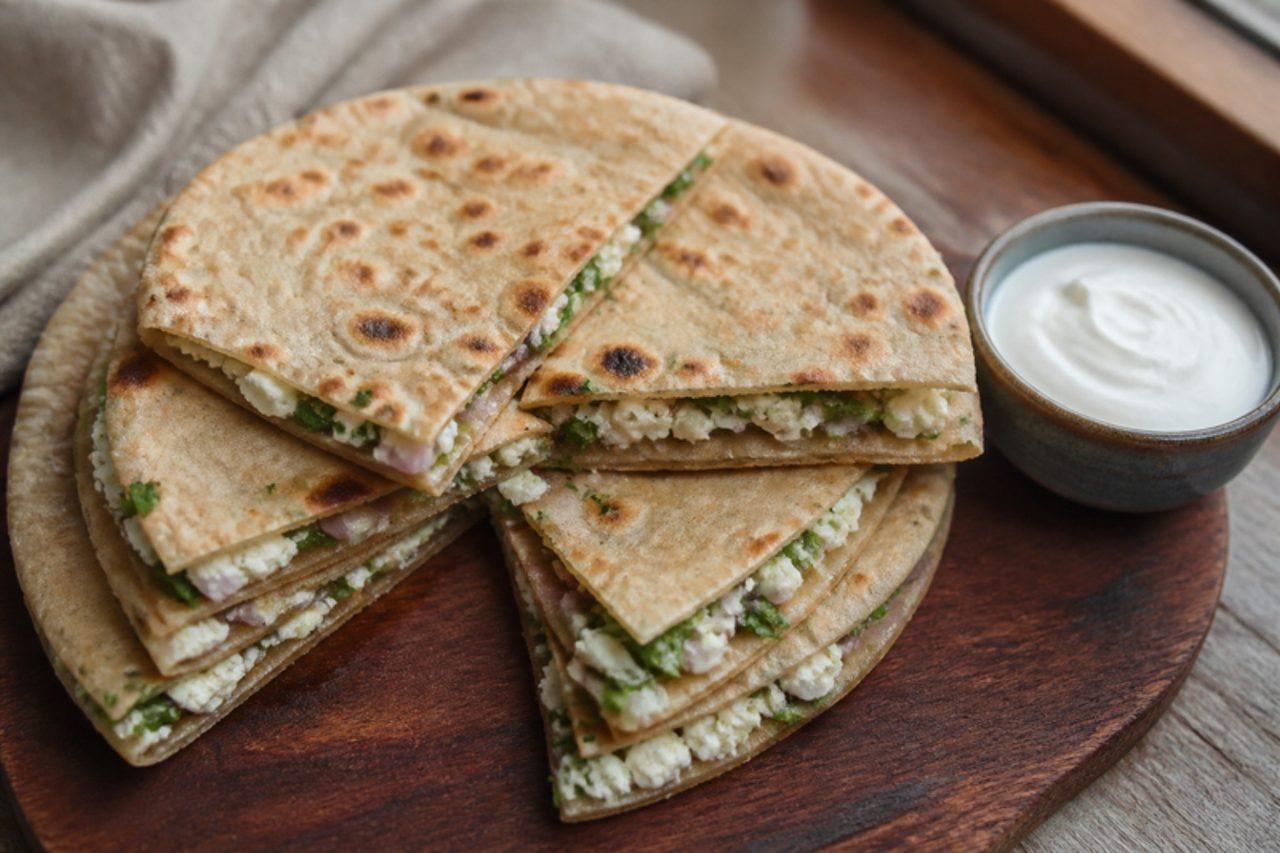
Chitrali ghalmandiLayered thin griddle breads

In the Chitral valley in Pakistan's far north, where winters are long and dairy is plentiful, bread is often a meal in itself, and ghalmandi is one of the best loved: soft, thin wholewheat breads stacked with a filling of crumbled fresh cheese, onion, green chilli, coriander and mint, then cut into wedges and eaten warm with salty tea. It is made for guests and on cold evenings, and every household seasons the cheese its own way. Rolling the breads too thick is the common mistake; they turn heavy and the layers do not hold together, so roll them almost see-through. Chef's tip: brush each hot bread with ghee the moment it comes off the griddle and spread the cheese straight away, so the warmth softens the cheese and glues the stack together.

by KrazyBadal 0 views

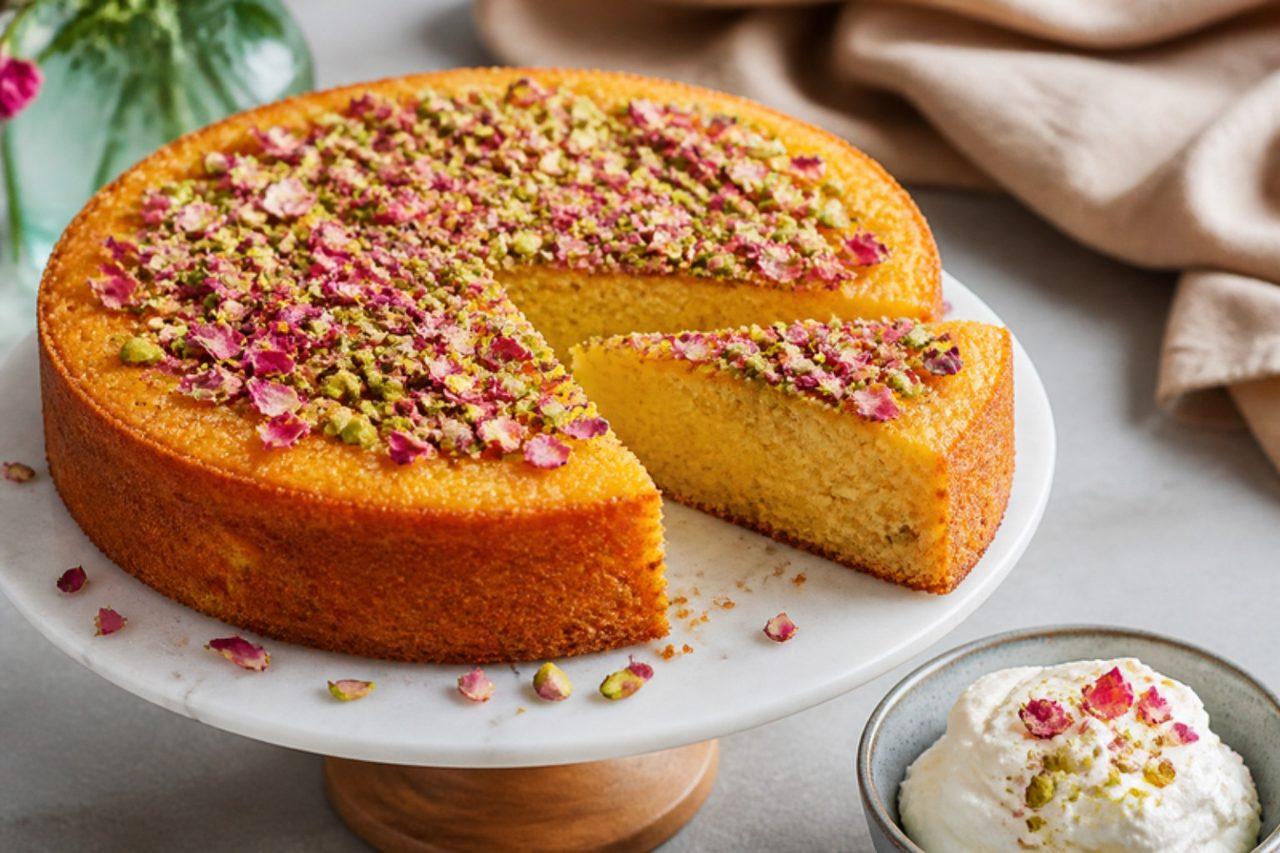
Persian love cake

Persian love cake is not an old Iranian recipe but a modern one from the Iranian diaspora, popular in cafés in London and Melbourne, built on the flavours of Persian sweets: almond, cardamom, nutmeg, rosewater and pistachio. The name comes from a story about a woman who baked a spell-binding cake for a prince. It has a crunchy almond base and a soft, moist, yogurt-rich top, finished with rose-scented cream, green pistachios and pink petals, and it is lovely for birthdays and Nowruz tea. Made with ground almonds and no wheat flour, it is naturally gluten free. Chef's tip: press the base layer firmly into the tin; that crunchy bottom is the signature of this cake.

by KrazyBadal 0 views

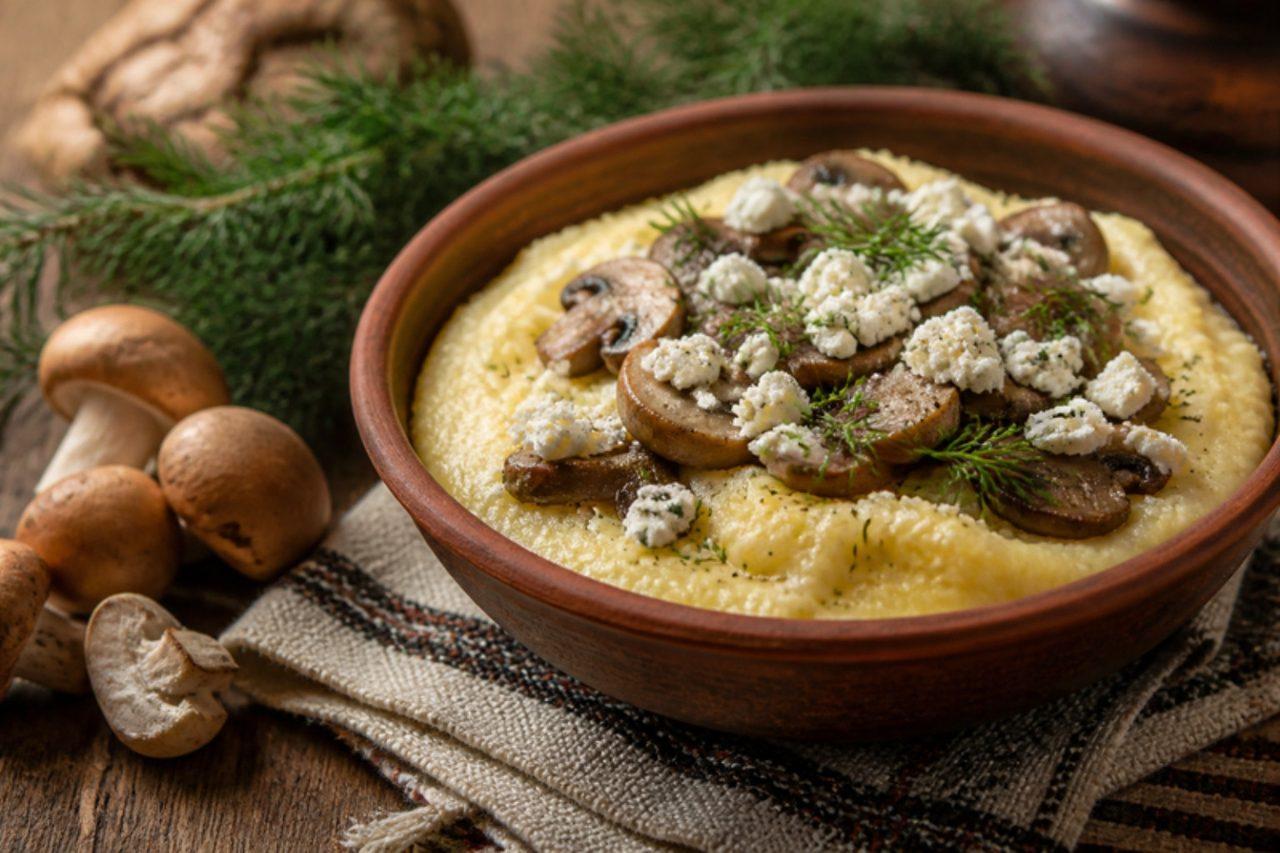
BanoshCornmeal with sour cream and cheese

Banosh is the shepherds' dish of the Hutsul highlands in the Ukrainian Carpathians, around Verkhovyna, Kosiv and Yaremche. Coarse cornmeal is stirred into simmering sour cream over a fire until the butterfat beads on the surface, then heaped on plates and crumbled with salty bryndza sheep's cheese and forest mushrooms; tourists queue for it in the mountain kolyba restaurants. Traditionally it is also topped with crisp pork crackling, which this vegetarian version leaves out in favour of extra buttery mushrooms. Bryndza is usually made with animal rennet, so look for a sheep's or feta cheese labelled vegetarian. Chef's tip: stir in one direction only with a wooden spoon, as the Hutsuls insist; it keeps the porridge smooth and helps the fat separate out, which tells you it is ready.

by KrazyBadal 0 views

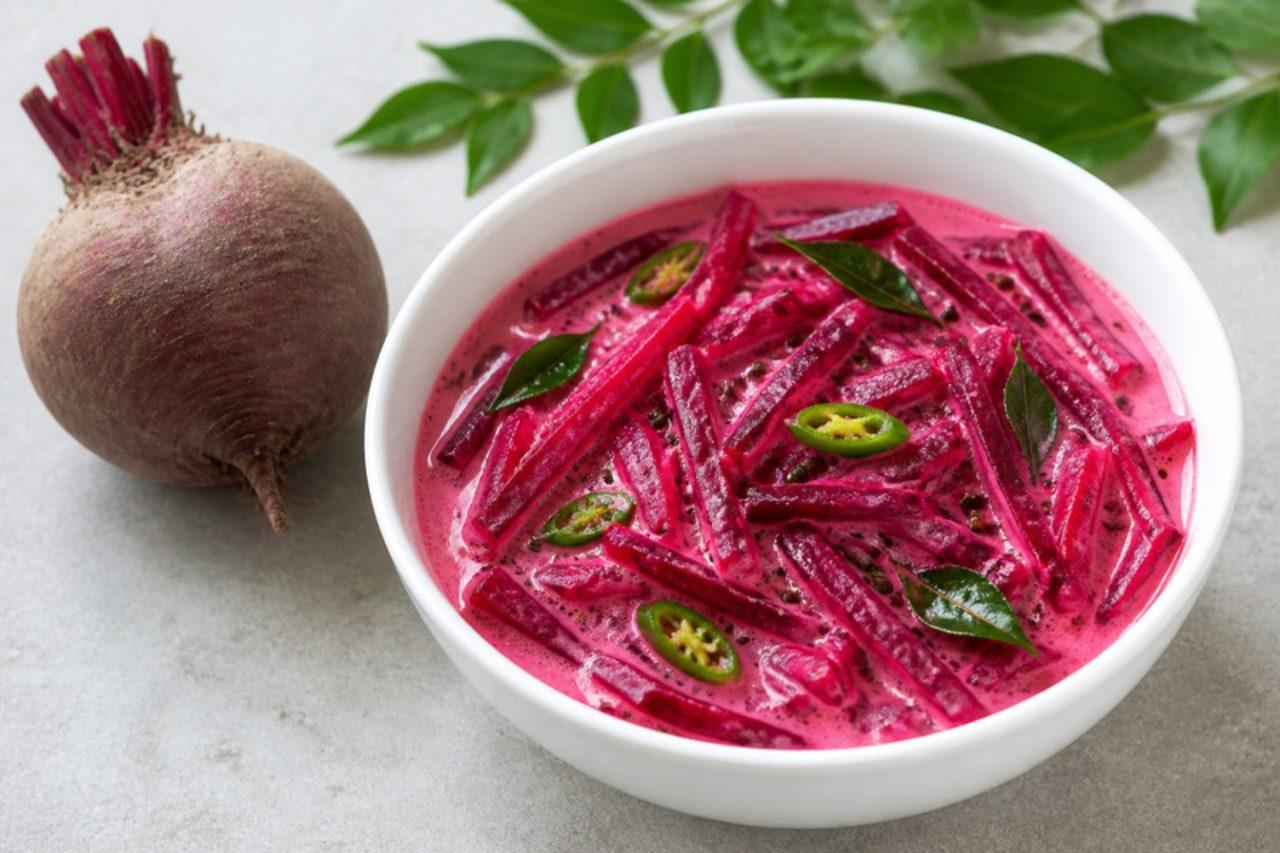
Beetroot curry

Beetroot grows well in the cool hills around Nuwara Eliya and Welimada, and its curry is a jewel-pink regular on lunch packets and home rice-and-curry tables across the island. The beetroot is cut into thin matchsticks and cooked with onion, green chilli, curry leaves and a light, unroasted curry powder, then finished with coconut milk, so it's sweet, mildly spiced and brilliantly coloured. It's a good way to win over people who think they don't like beetroot. One frequent mistake is grating the beetroot, which turns the curry into a wet purée; matchsticks keep a pleasing bite. Chef's tip: add a squeeze of lime at the very end; it brightens the colour and cuts the earthy sweetness.

by KrazyBadal 0 views

FatayaFried beef turnovers

Fataya are the half-moon pastries sold in paper cones outside schools and at bus stops all over Dakar, and fried by the dozen at home for baptisms and Tabaski. The dough is soft and short, the filling is minced beef cooked with onion, garlic and a little chilli, and they come with a sharp onion-and-mustard sauce for dipping. The common mistake is overfilling, which makes them burst in the oil; a heaped teaspoon per small round is enough. Chef's tip: let the filling cool completely before you fill the dough, or the steam softens the pastry and it tears.

by KrazyBadal 0 views

Bariis iskukarisSpiced rice with vegetables and raisins

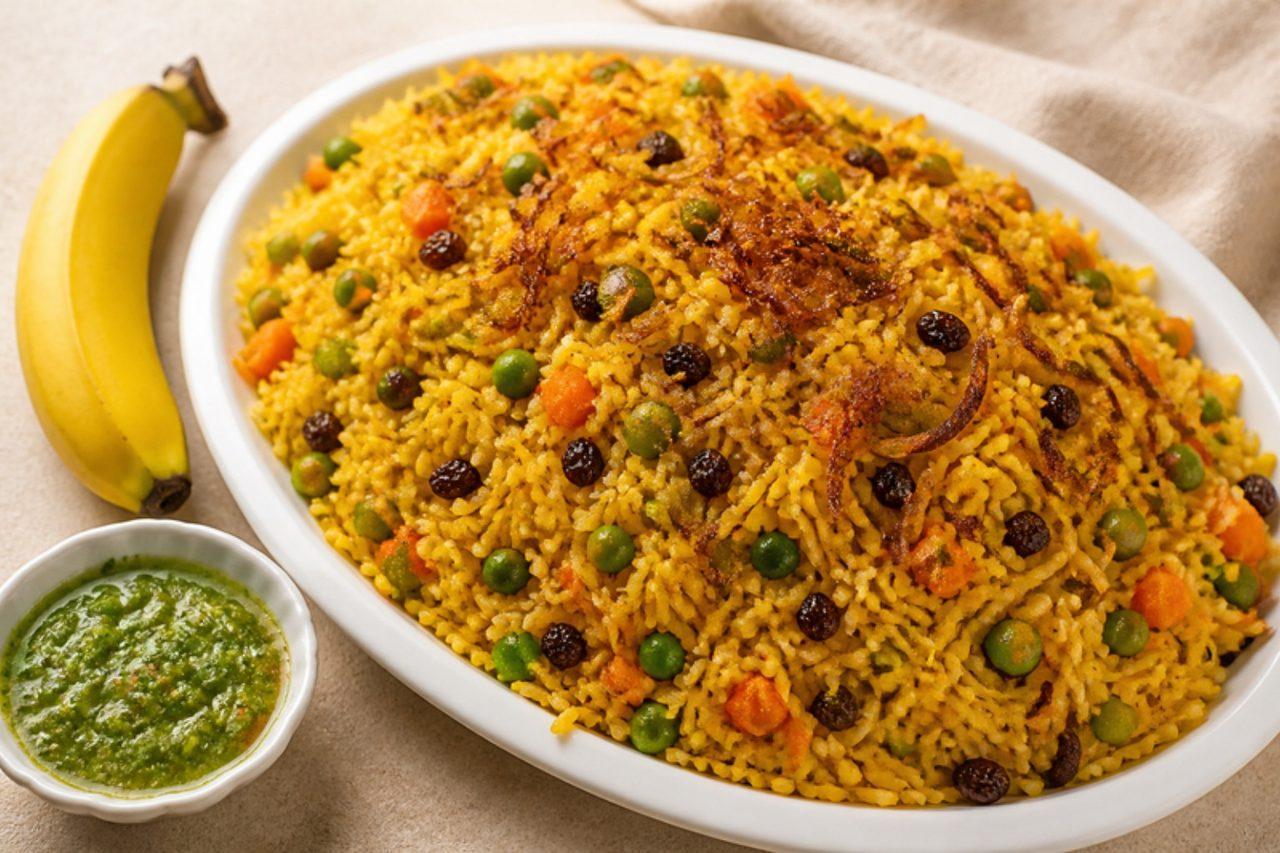
Bariis iskukaris ('rice cooked together') is the centre of the table at Somali family lunches, Friday gatherings and Eid, from Mogadishu to Hargeisa and Somali neighbourhoods in Nairobi, Minneapolis and London. Long-grain rice is cooked in one pot with onion, tomato and the house spice mix xawaash, and topped with fried onions and raisins; it is usually crowned with goat, but this version cooks carrots, peas and potatoes into the rice. In true Somali style, serve it with a banana on the side and a spoon of green basbaas. Chef's tip: rinse and soak the basmati so the grains stay long and separate.

by KrazyBadal 0 views

Fatayer bi sabanekhSpinach pastry triangles

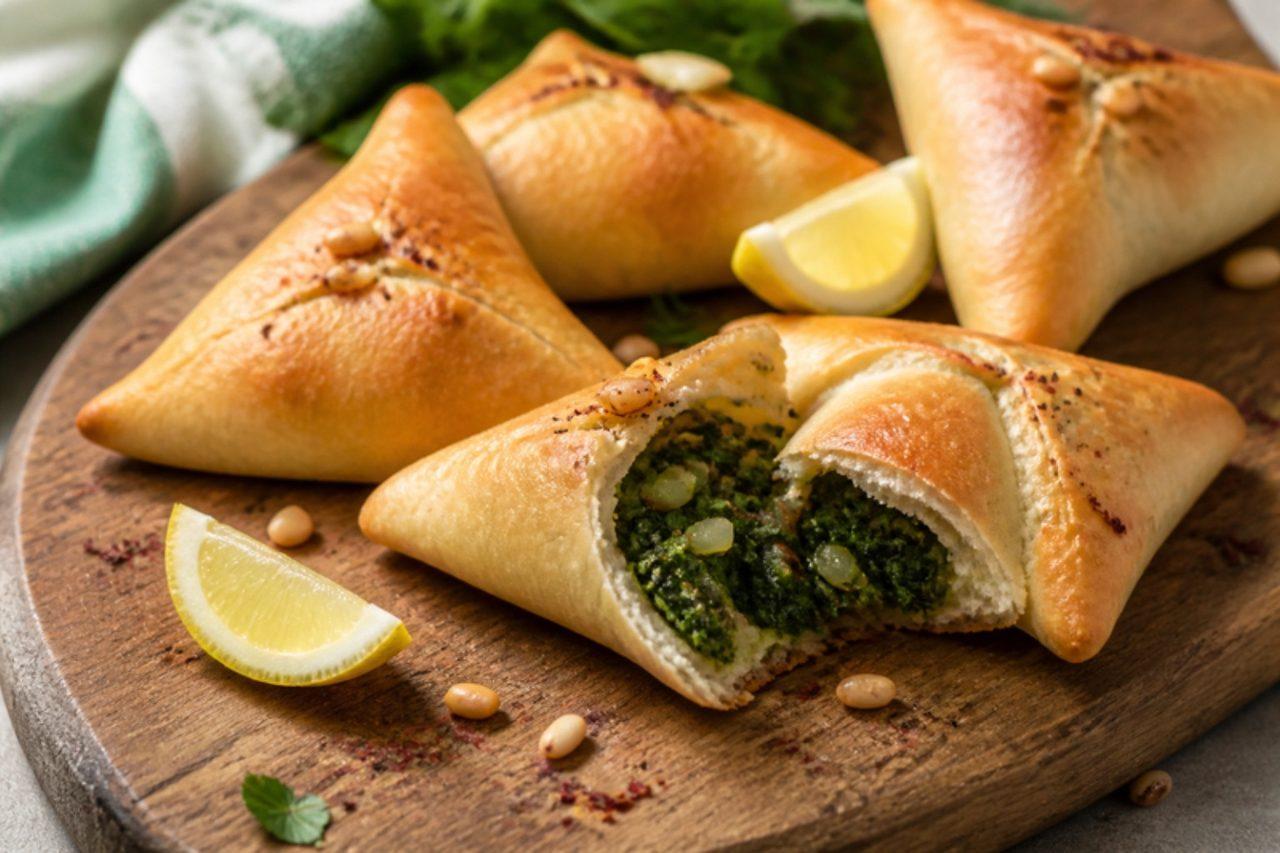
Every Lebanese bakery, or furn, sells fatayer bi sabanekh warm from the oven in the morning: soft three-cornered pies filled with spinach that has been salted and squeezed, then mixed with onion, sumac, lemon and olive oil until it is tart enough to make you pucker. They go into school lunch boxes, onto picnic blankets and onto every buffet at Lebanese parties, and they freeze well. The usual problem is a filling that leaks and makes the pies burst open; wring out the spinach hard and seal the seams firmly so they stay closed in the oven. Chef's tip: let the sumac, lemon and onion sit together for ten minutes before adding the spinach so the onion softens and loses its raw bite.

by KrazyBadal 0 views

ChechebsaTorn flatbread in spiced butter

Chechebsa (also called kita firfir) is a breakfast from the Oromia and Wollo regions now loved all over Addis Ababa: a thick wheat flatbread is cooked on a griddle, torn into pieces and tossed in niter kibbeh and berbere, then eaten with honey and a dollop of ayib or yoghurt. It is rich, warming and quick. For a fasting (vegan) version, toss the bread in spiced oil instead of niter kibbeh and skip the yoghurt and honey or use date syrup. Chef's tip: tear the bread while hot with two forks; cold flatbread goes tough and won't soak up the butter.

by KrazyBadal 0 views

Fatteh with chickpeasChickpeas and crisp bread in yogurt

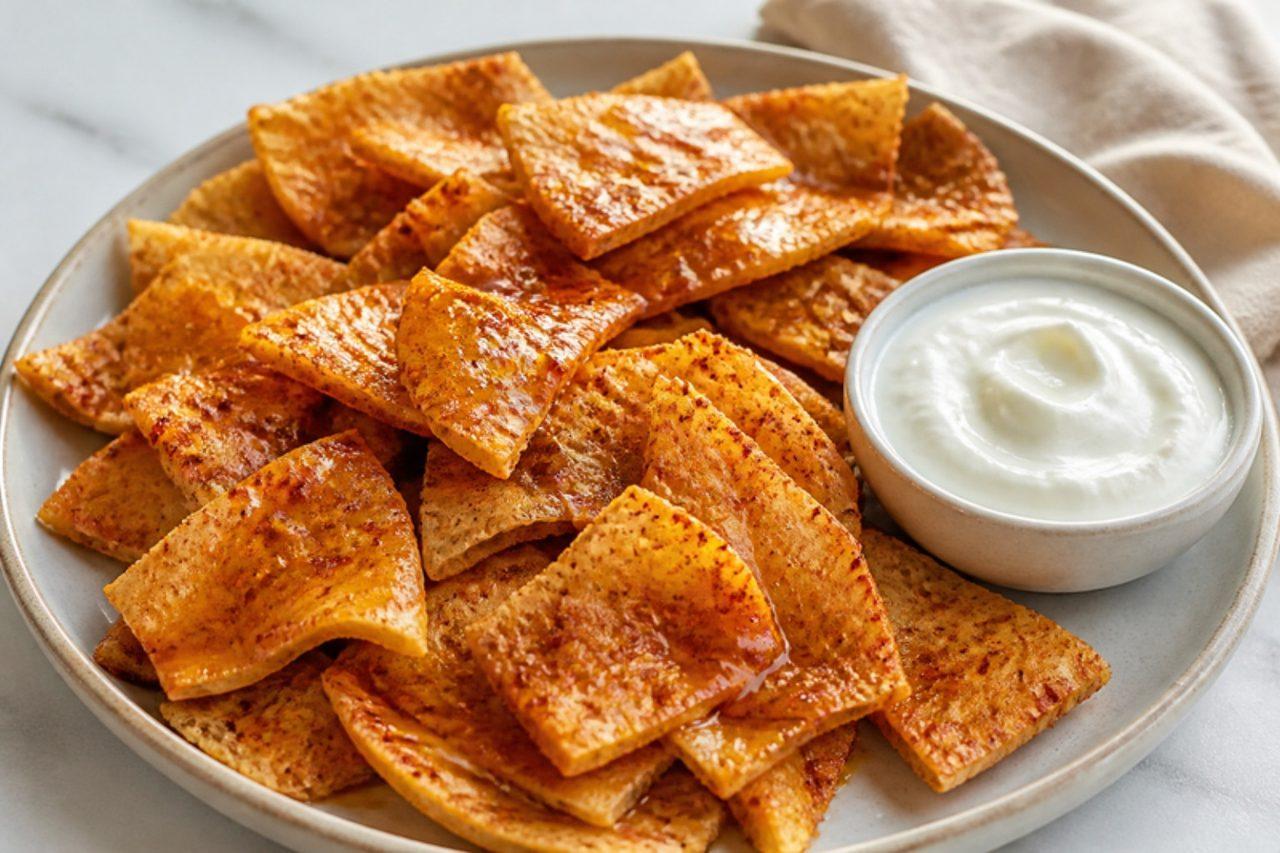
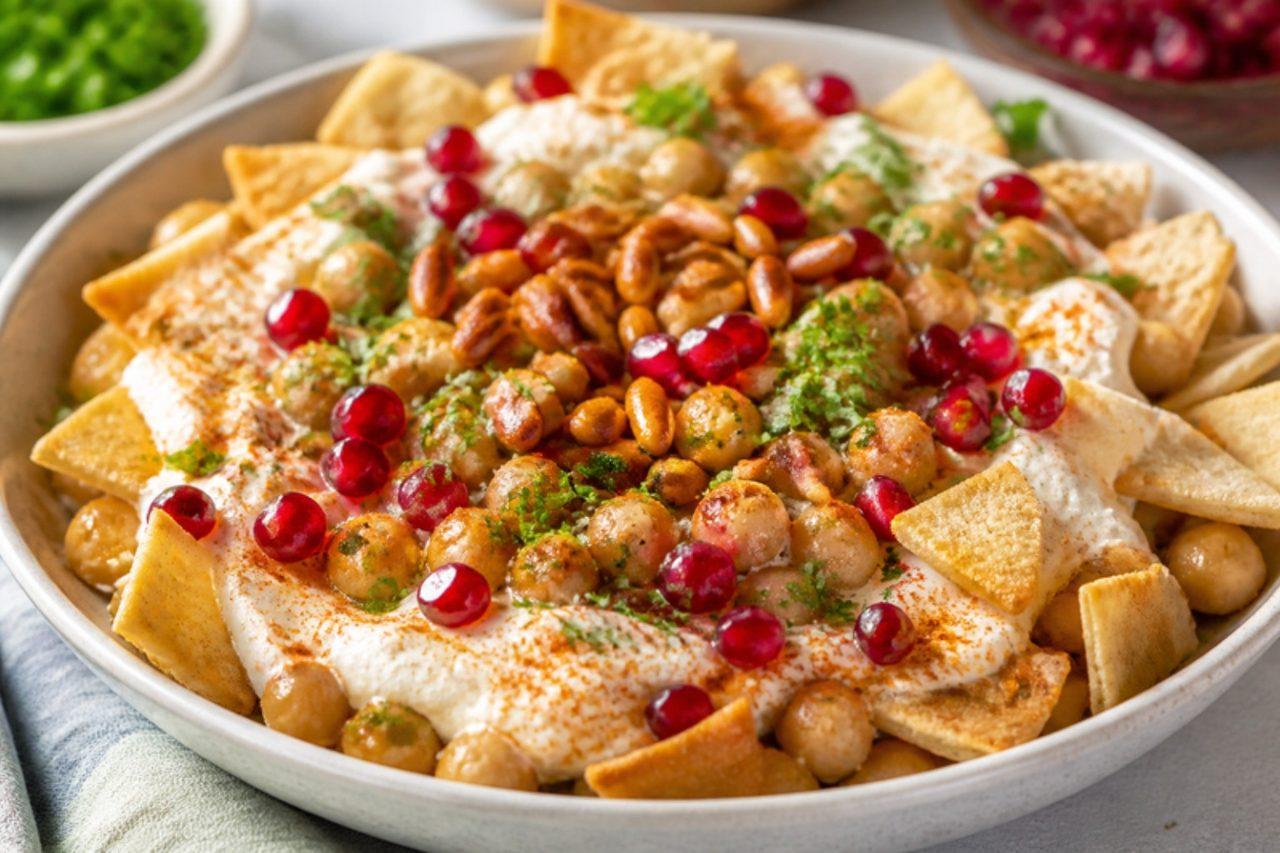
Fattet hummus belongs to Damascus, where breakfast restaurants in the old city serve it in deep bowls on Friday mornings, and it has spread to Beirut's Sunday tables too. The name comes from fatt, to break up, for the toasted flatbread at the bottom, which is topped with warm chickpeas in their broth, then a thick, garlicky sauce of yogurt and tahini, and finally sizzling pine nuts in butter or oil with a dust of paprika and cumin. The contrast is the point: crunchy and soft, hot and cool. Assembling it too early is the common mistake, since the bread soaks up the sauce and goes soggy; build it just before eating. Chef's tip: let the yogurt come to room temperature first, so it doesn't cool the chickpeas down too much and the bowl stays warm.

by KrazyBadal 0 views

Showing 9 of 7,762 recipes

Show more recipes

Page 570 of 863