


Skip to content
Shafoot
Featured recipe

Shafoot

Flatbread in herby yogurt

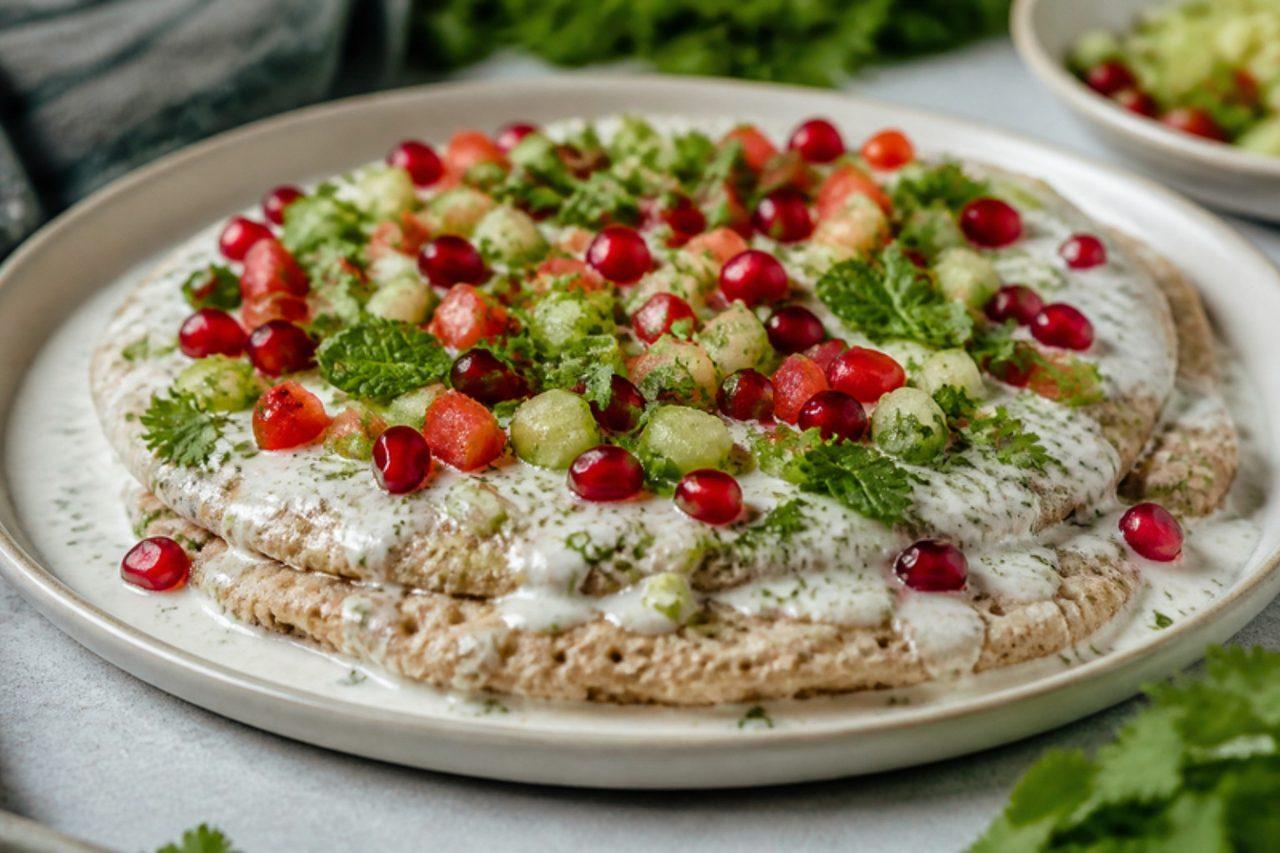
Shafoot is the cooling dish set out first on the iftar cloth in Sana'a during Ramadan, before the soups and the hot breads: torn lahoh, Yemen's thin, holey fermented pancake, soaked in garlicky, minty laban until it is soft and sour-fresh. It tastes a little like a cross between a yogurt dip and a bread salad, sharp with green chilli and fragrant with herbs. Make it just before eating and serve it in a wide dish with fresh herbs and chopped vegetables on top. The common mistake is leaving it to soak for too long, until the bread falls into a paste; ten minutes is enough. Chef's tip: if you can't find lahoh, very thin crumpets or spongy flatbreads such as injera take the laban the same way.

Read more 0 views

What to eat today?

Around the world

Today's trip: Persian

A new country every day, from every cuisine on the site.

This week's collection

Kid-friendly dinners
537 recipes · a new collection every Monday

Latest recipes

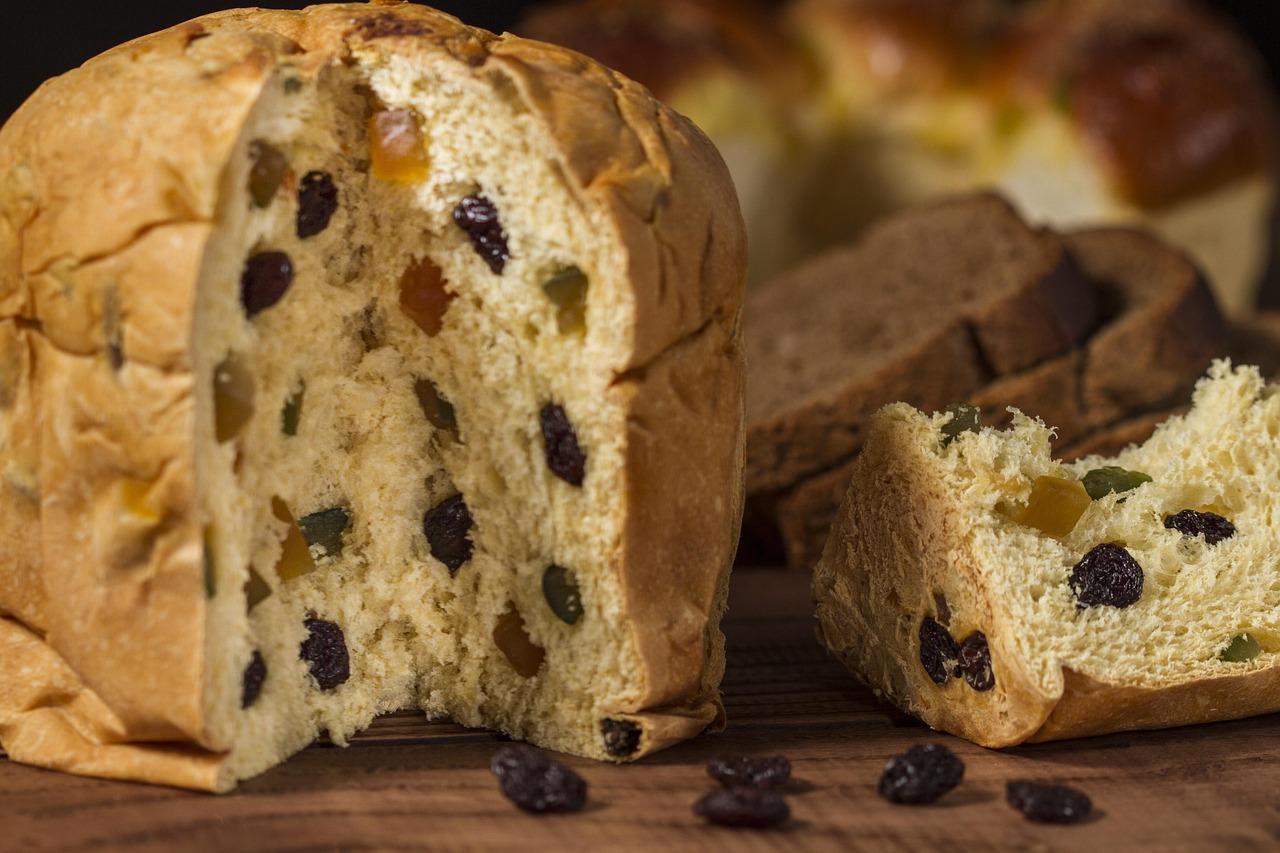
PanettoneChristmas fruit bread

Every December Milan's bakeries stack panettone to the ceiling, and Milanese families trade them as gifts before eating thick slices with coffee on Christmas morning. Legends about its birth at the Sforza court abound, but what matters is the texture: a tall dome with a crumb that pulls apart in long, feathery strands, scented with orange, lemon and vanilla and dotted with raisins and candied peel. Bakers use a natural starter that takes days; this home version uses a small amount of yeast and two long rises over a day. Chef's tip: keep the dough between 24 and 27 °C throughout, such as in an oven with only the light switched on.

1440 minItalianBaking
by KrazyBadal 0 views

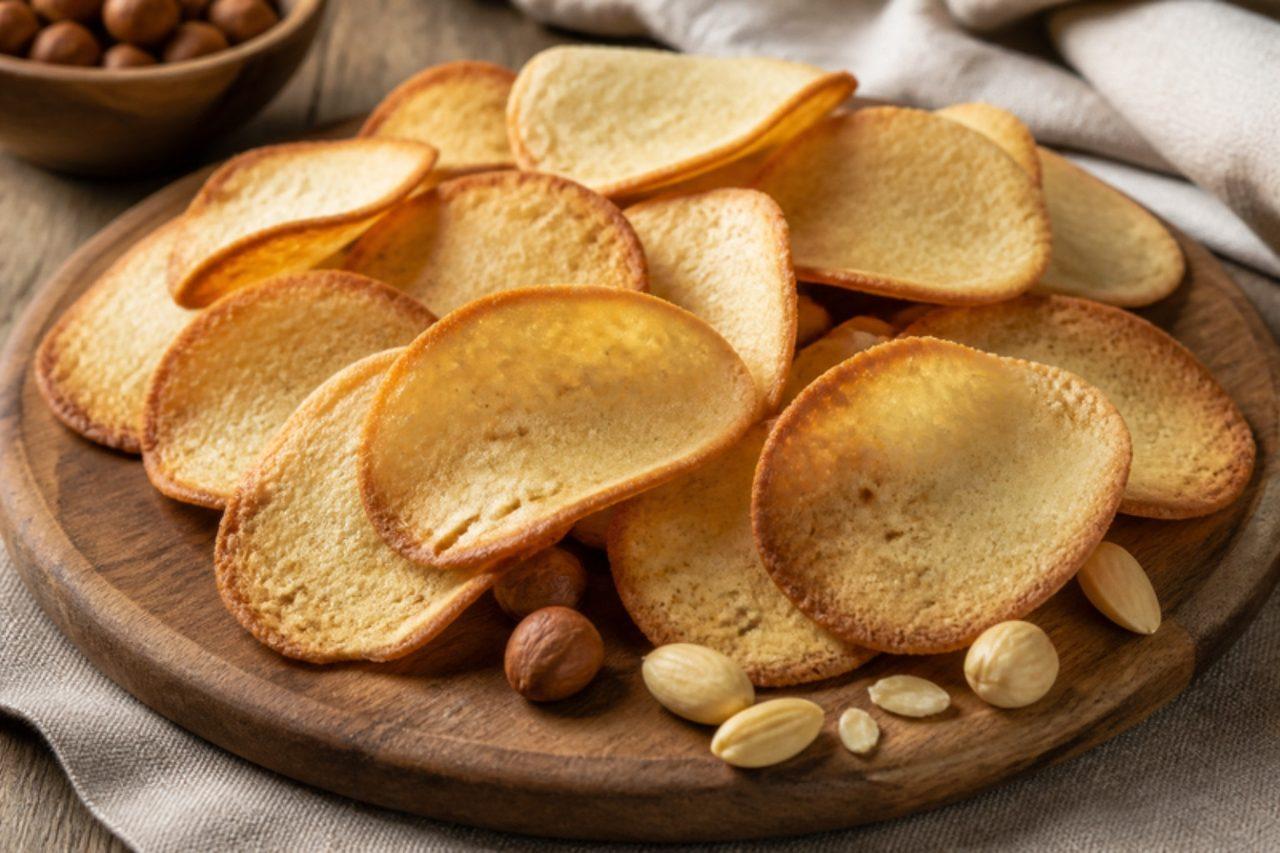
Tegole valdostaneAlmond hazelnut biscuits

Walk the arcaded streets of old Aosta and the pastry shops have stacks of tegole in the window, thin as paper and curved like the stone roof slabs of the valley's chalets. They are offered with an after-dinner coffee or packed in tins as a present from the mountains. Ground almonds and hazelnuts give them a toasty, buttery crunch that shatters at the first bite. Most recipes include a spoon of wheat flour; this one uses potato starch, so the biscuits are gluten free. Chef's tip: bake a test biscuit first; if it spreads too much, chill the batter for 15 minutes.

by KrazyBadal 0 views

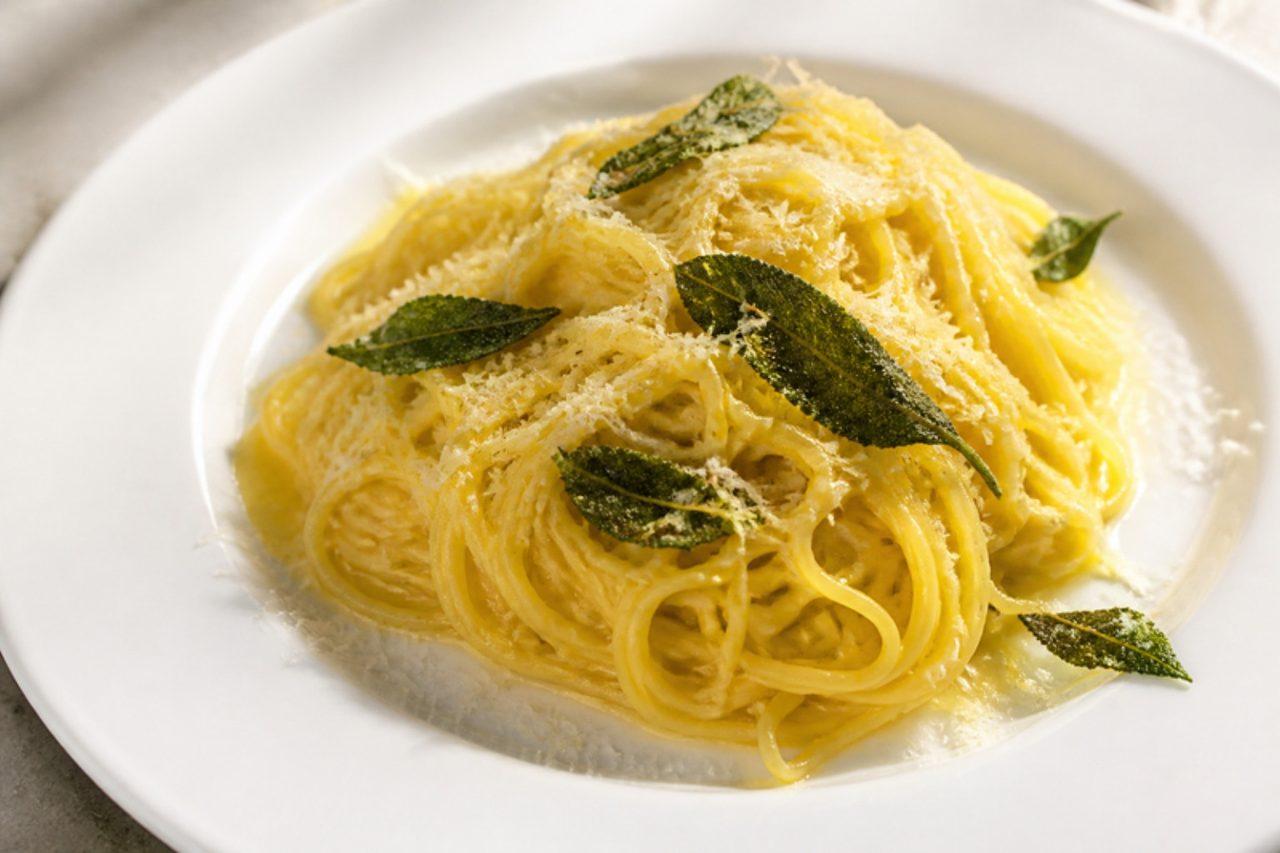
Tajarin al burro e salviaEgg ribbon pasta in sage butter

In the hill villages around Alba, in Piedmont's Langhe, tajarin are the pasta of Sunday lunch: hair-thin strands made with so many egg yolks that the dough turns deep orange. Through October and November, when the white truffle fair fills Alba, restaurants toss them in plain butter and shave truffle over the top at the table. The rest of the year sage butter does the job, and the pasta stays the star: silky, rich and springy against the teeth. Chef's tip: cut the strands by hand from a loosely rolled sheet rather than through a machine cutter; slightly uneven tajarin hold the butter better.

by KrazyBadal 0 views

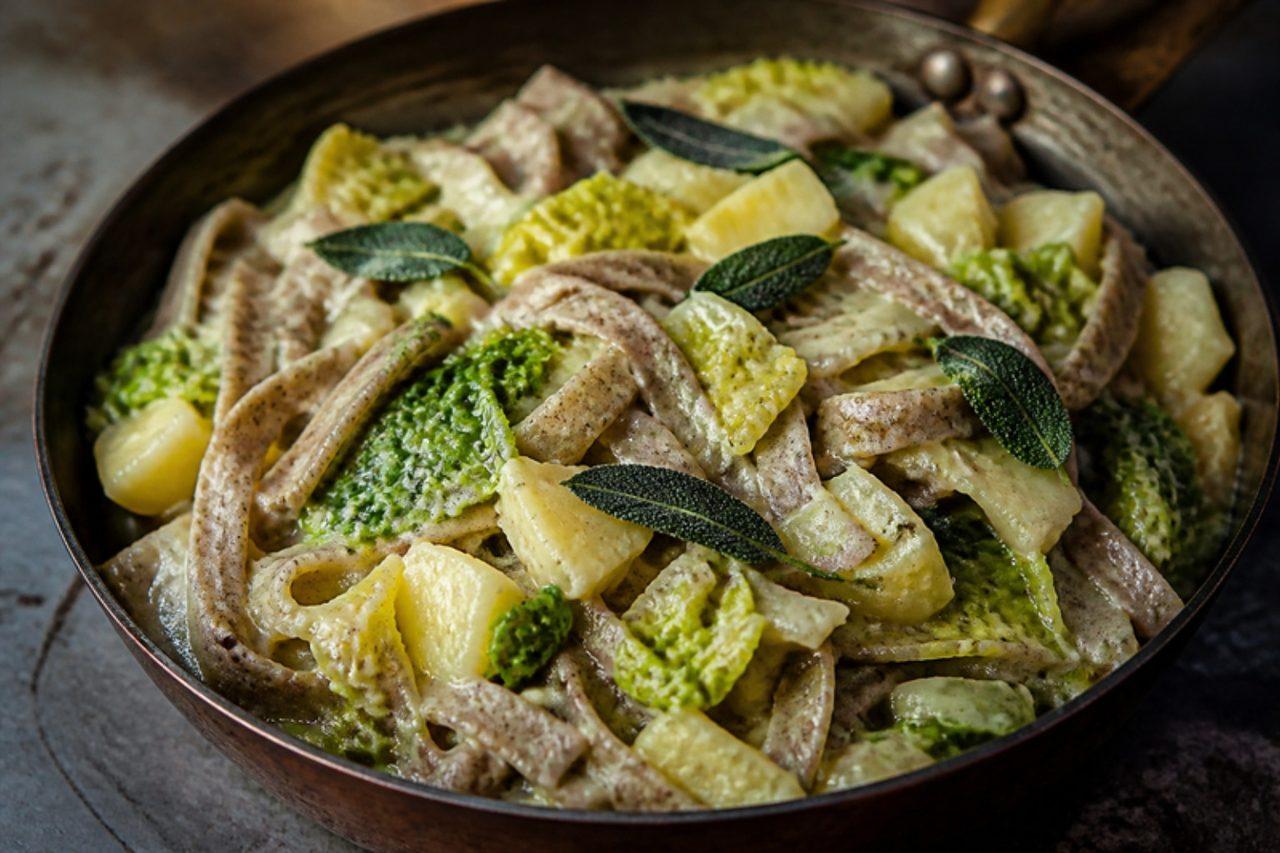
Pizzoccheri della ValtellinaBuckwheat pasta with cabbage and cheese

Pizzoccheri belong to the Valtellina, the steep valley of Lombardy near the Swiss border, and above all to the village of Teglio, where a local academy guards the recipe. Short, rough ribbons of grey-brown buckwheat pasta boil in one pot with potatoes and savoy cabbage, then go into a dish in layers with Valtellina Casera cheese and garlicky sage butter. It is a winter dish for ski huts and family kitchens: earthy, nutty and gloriously heavy. Chef's tip: buckwheat pasta breaks easily, so cut the ribbons short and fold the layers gently with two forks.

by KrazyBadal 0 views

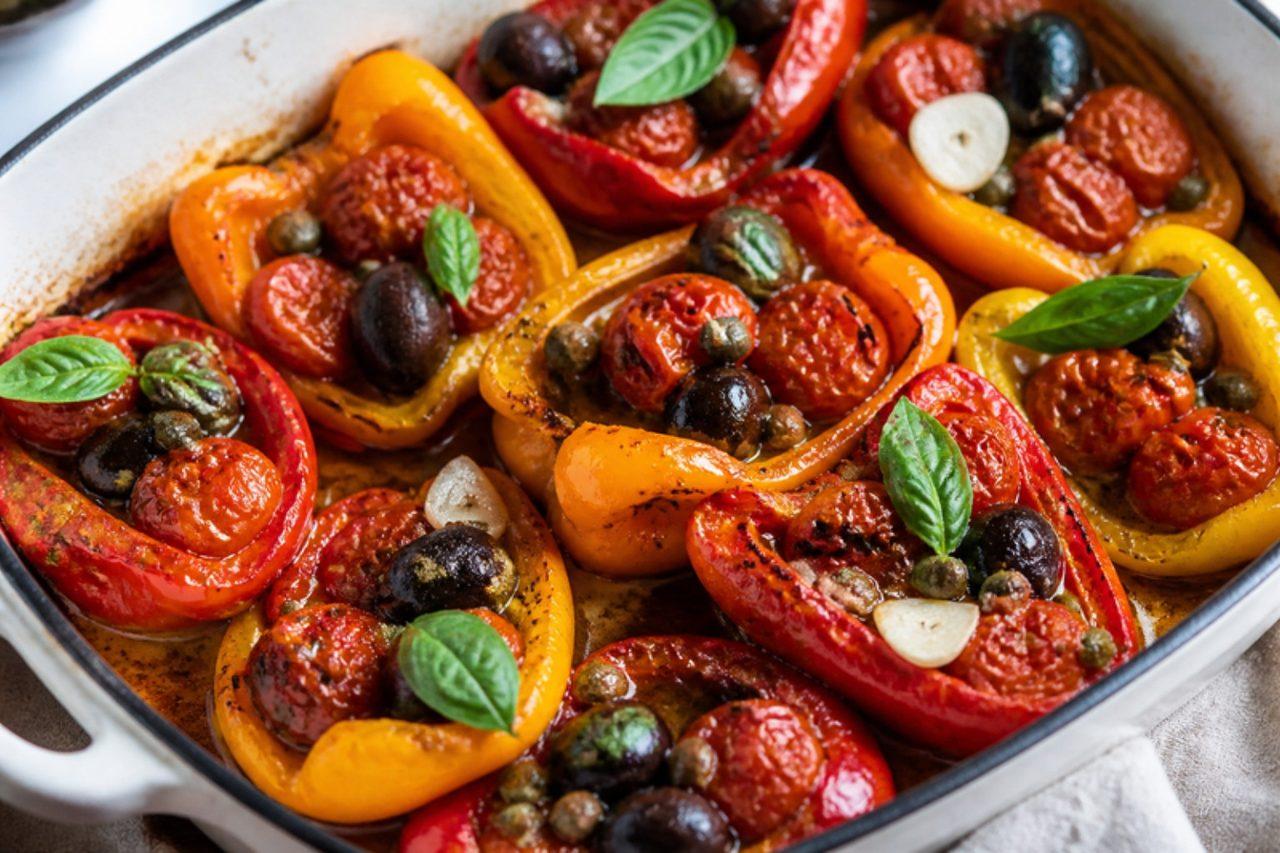
Peperoni ripieni alla piemonteseStuffed roasted peppers

Late summer in Turin means the fat, square peppers of Carmagnola piled high at Porta Palazzo market, and this is what Piedmontese cooks do with them. Halved and filled with peeled tomato and slivers of garlic, they roast until the skins blister and the juices turn sweet and jammy, then come to the table lukewarm as an antipasto. The old recipe hides an anchovy fillet in each half; here capers and black olives bring the same salty edge, so the dish is vegan. Chef's tip: keep the stalk on when you halve the peppers, as it helps each half hold its shape and its juices.

by KrazyBadal 0 views

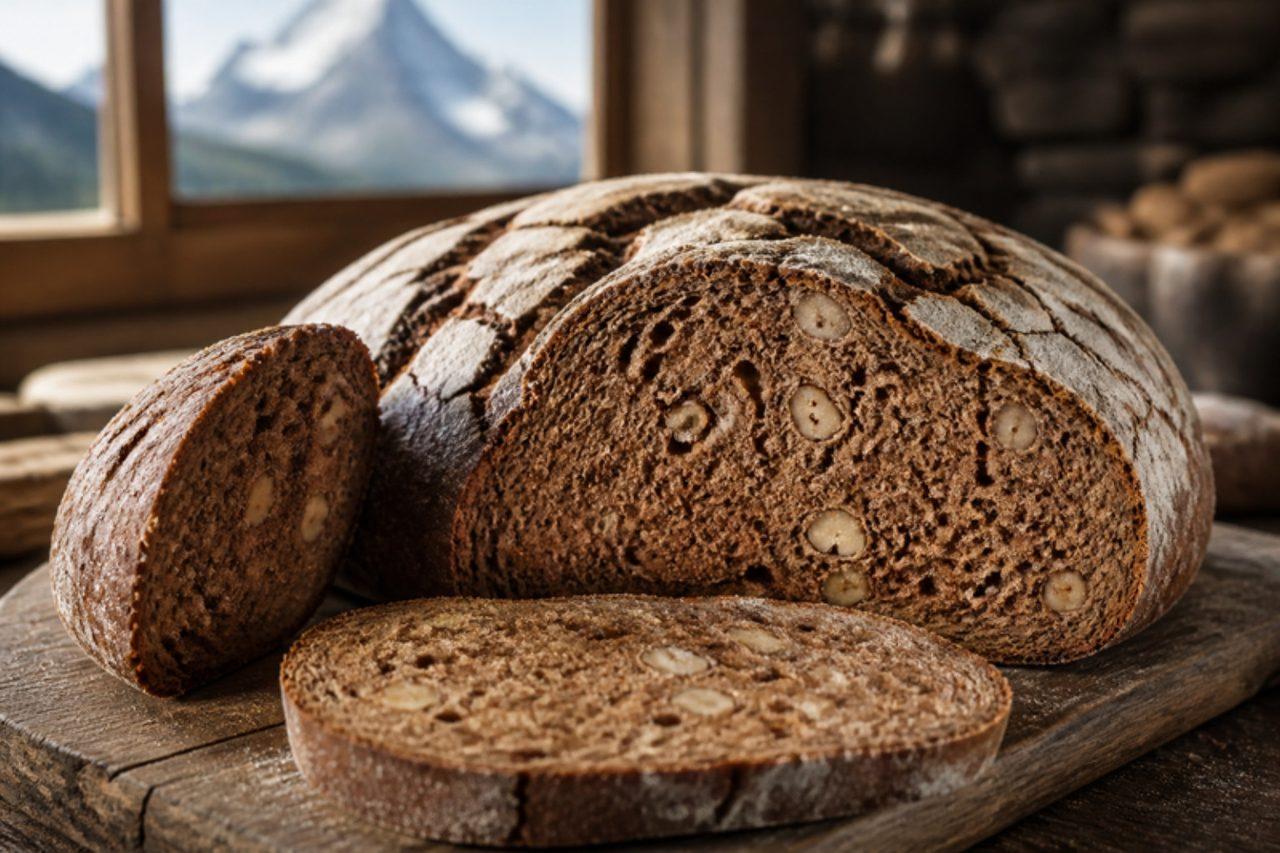
Pane nero di segaleDark rye bread

In the villages of the Valle d'Aosta, rye was the grain that would grow at altitude, and each autumn families took turns at the communal wood-fired oven to bake enough dark loaves to last until spring. Every October the valley still lights those old ovens for a bread festival, and the round, flour-crackled pan ner is sold at markets from Aosta to Gressan. The crumb is dense, moist and slightly sour, with a thick crust; it is eaten with butter, mountain cheese or a bowl of soup. Chef's tip: wait until the loaf is completely cold before slicing, as rye keeps setting as it cools.

by KrazyBadal 0 views

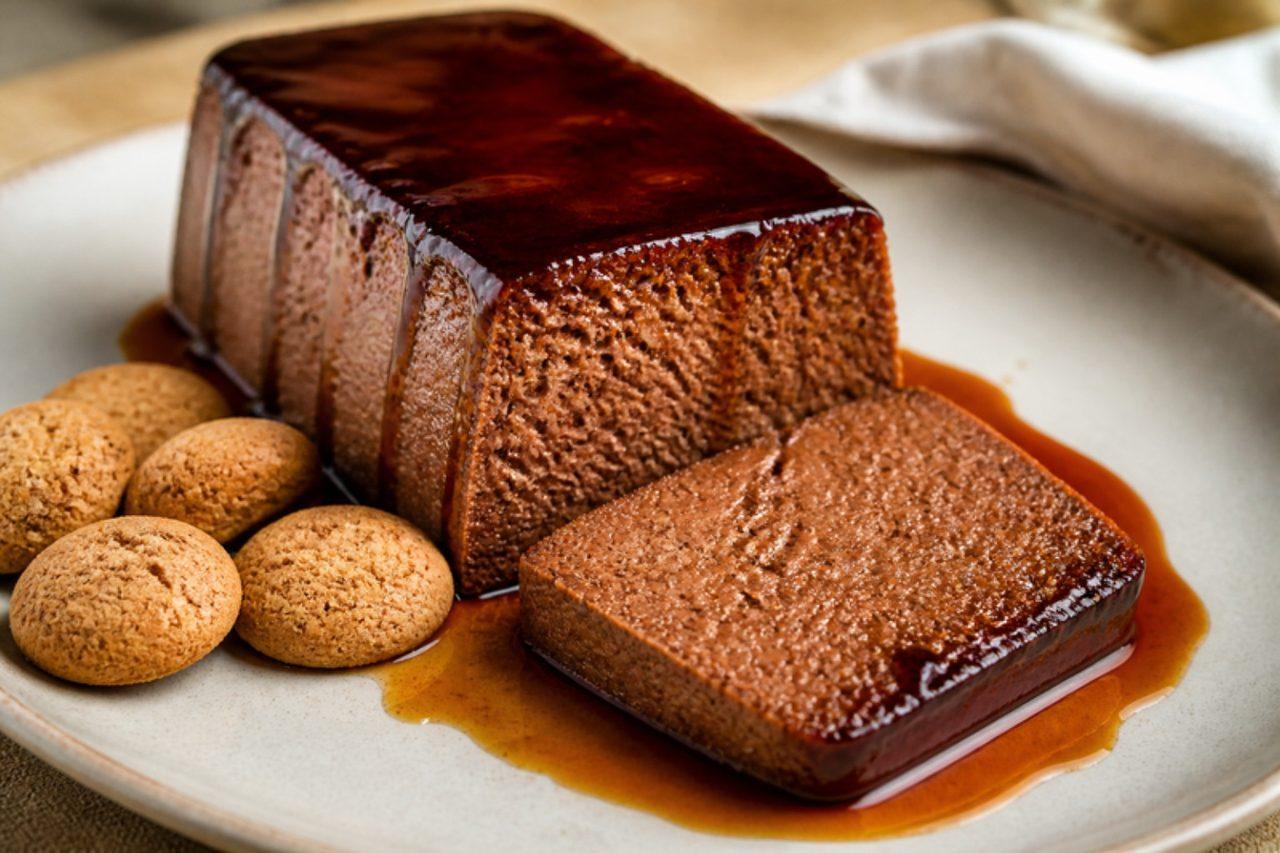
BonetChocolate amaretti pudding

Bonet closes the long holiday lunches of the Langhe and Monferrato, turned out of its tin glossy with caramel and cut into thick slices. The name is dialect for a cap, after the round copper mould it was once baked in. Crushed amaretti give the custard a soft almond grain, and cocoa makes it taste like a set chocolate pudding with a bitter edge. Most cooks add a splash of rum or marsala; this recipe offers a coffee-and-vanilla version for an alcohol-free bonet. Chef's tip: bake it the day before; after a night in the fridge it slices cleanly and the caramel turns to a thin sauce.

by KrazyBadal 0 views

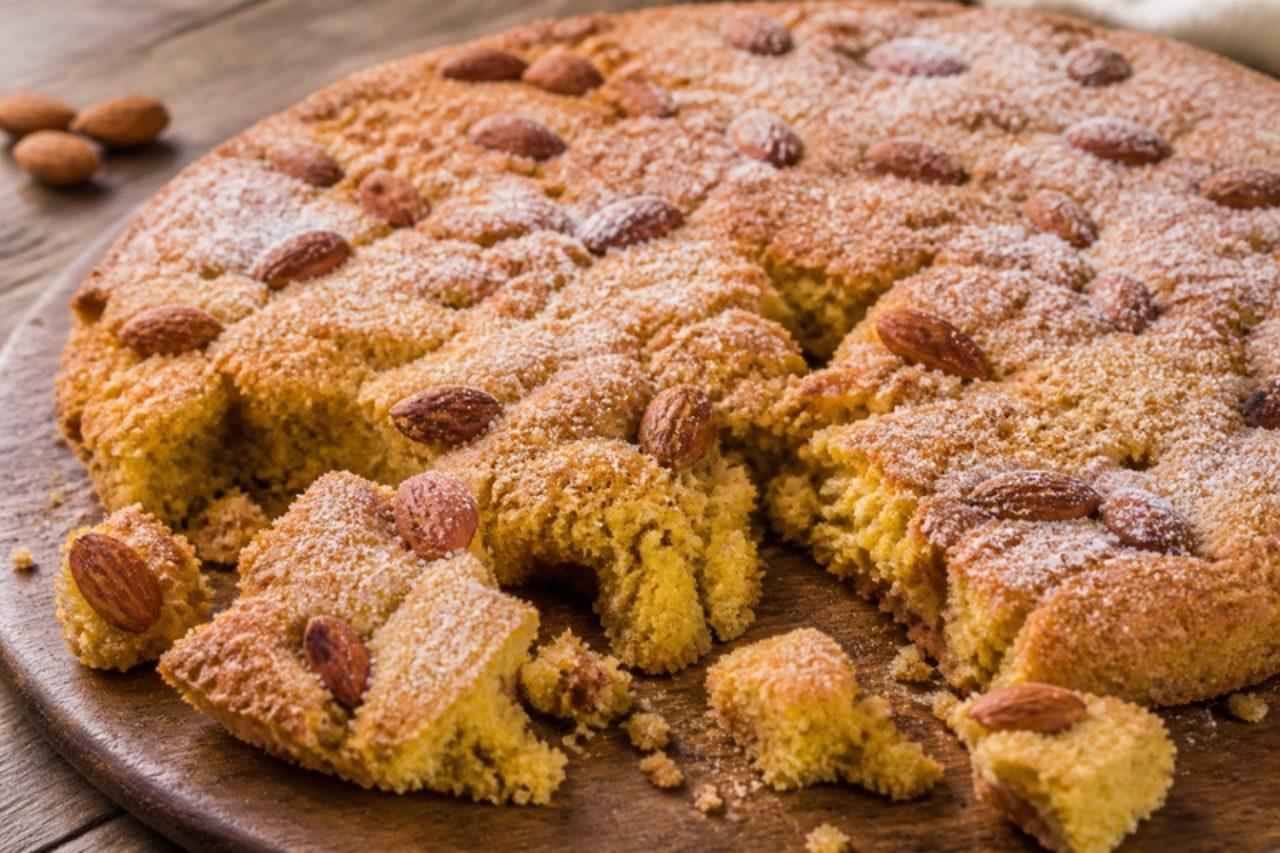
Torta sbrisolonaCrumbly almond cake

Nobody slices a sbrisolona. In Mantua, in the south-east of Lombardy, the round, golden cake is set whole in the middle of the table after dinner and cracked into rough pieces with a fist, and everyone grabs a shard. Coarse cornmeal and chopped almonds make it gritty, buttery and crunchy, closer to a giant biscuit than a sponge. It began as a farmhouse sweet made with lard; this version uses only butter. Chef's tip: keep your hands cool and stop rubbing in while the mixture still looks like coarse crumbs and small clumps.

by KrazyBadal 0 views

Grissini torinesiHand-stretched breadsticks

Turin claims grissini as its own: the story goes that a court baker stretched bread into thin, dry sticks in the 1600s for a sickly young Savoy duke who could not digest soft loaves. Today a bundle of long, knobbly grissini stirati sits on nearly every Piedmontese restaurant table, ready to snap with antipasti. Made by hand they are lighter and more uneven than the boxed kind, golden and brittle with a faint taste of olive oil. Children love making them. Chef's tip: stretch each strip by holding both ends and letting it swing as you pull, which gives that rustic, slightly twisted look.

by KrazyBadal 0 views

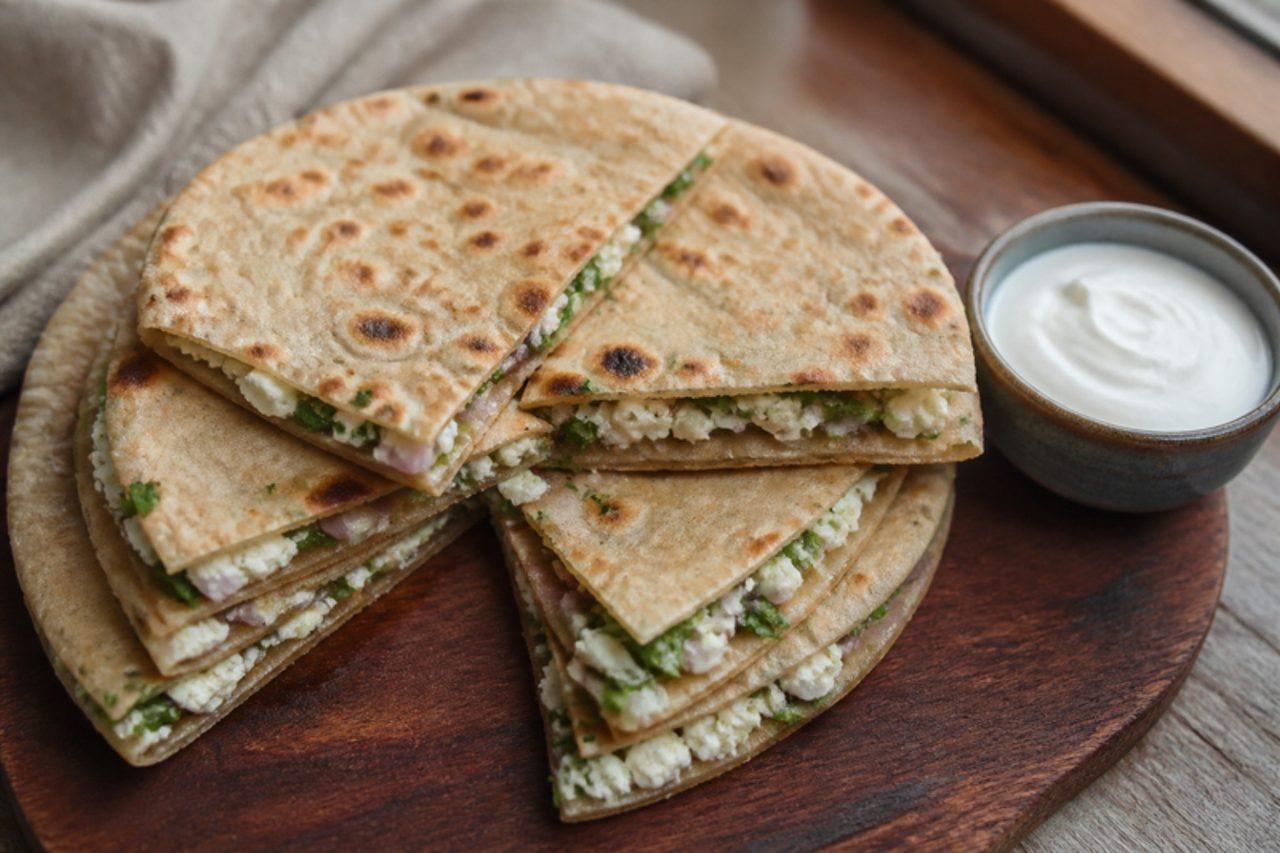
Chitrali ghalmandiLayered thin griddle breads

In the Chitral valley in Pakistan's far north, where winters are long and dairy is plentiful, bread is often a meal in itself, and ghalmandi is one of the best loved: soft, thin wholewheat breads stacked with a filling of crumbled fresh cheese, onion, green chilli, coriander and mint, then cut into wedges and eaten warm with salty tea. It is made for guests and on cold evenings, and every household seasons the cheese its own way. Rolling the breads too thick is the common mistake; they turn heavy and the layers do not hold together, so roll them almost see-through. Chef's tip: brush each hot bread with ghee the moment it comes off the griddle and spread the cheese straight away, so the warmth softens the cheese and glues the stack together.

by KrazyBadal 0 views

Attiéké with tomato and onionCassava couscous with tomato salad

Attiéké is the light, slightly sour cassava 'couscous' of the Ébrié and Adjoukrou peoples around Abidjan's lagoons, and it is eaten across Côte d'Ivoire every day of the week. In maquis (open-air restaurants) it comes heaped beside grilled fish with a raw salad of tomato, onion and chilli; at home many people eat it simply with that salad, fried plantain and a fried egg, which is how it is served here. Buy it frozen or dried in African shops. Chef's tip: steam attiéké rather than boiling it; water turns it to paste, while steam keeps the grains fluffy and separate.

by KrazyBadal 0 views

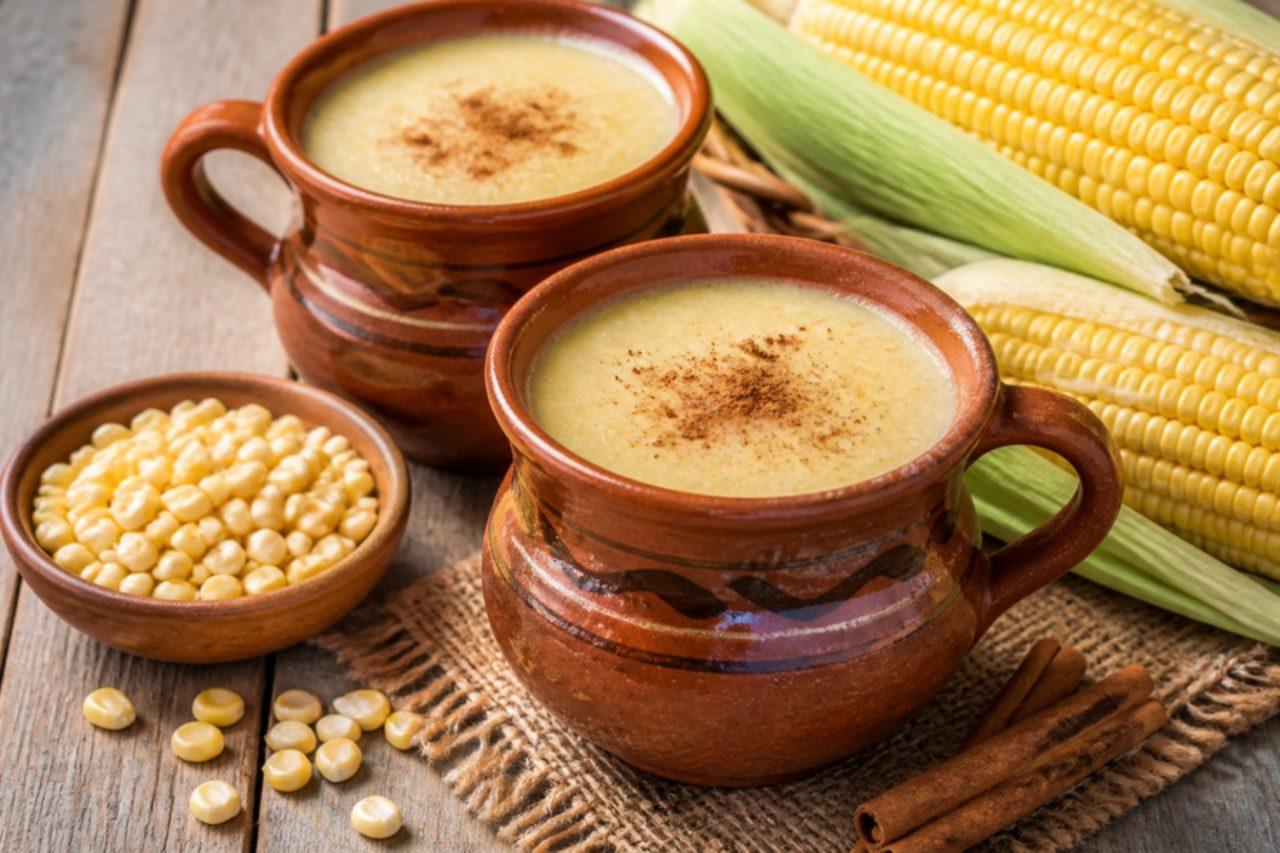
Atol de eloteWarm fresh corn drink

When the new maize comes in, Central Americans drink their corn: atol de elote is fresh sweetcorn blended, strained and cooked with milk and cinnamon into a thick, pale-yellow drink, sipped from a cup or a gourd. In El Salvador it's sold at roadside stands with tamales de elote; in Guatemala it warms chilly highland evenings. Taste is like sweet corn custard you can drink. Chef's tip: strain the blended corn through a fine sieve and press hard; the skins make the drink gritty.

by KrazyBadal 0 views

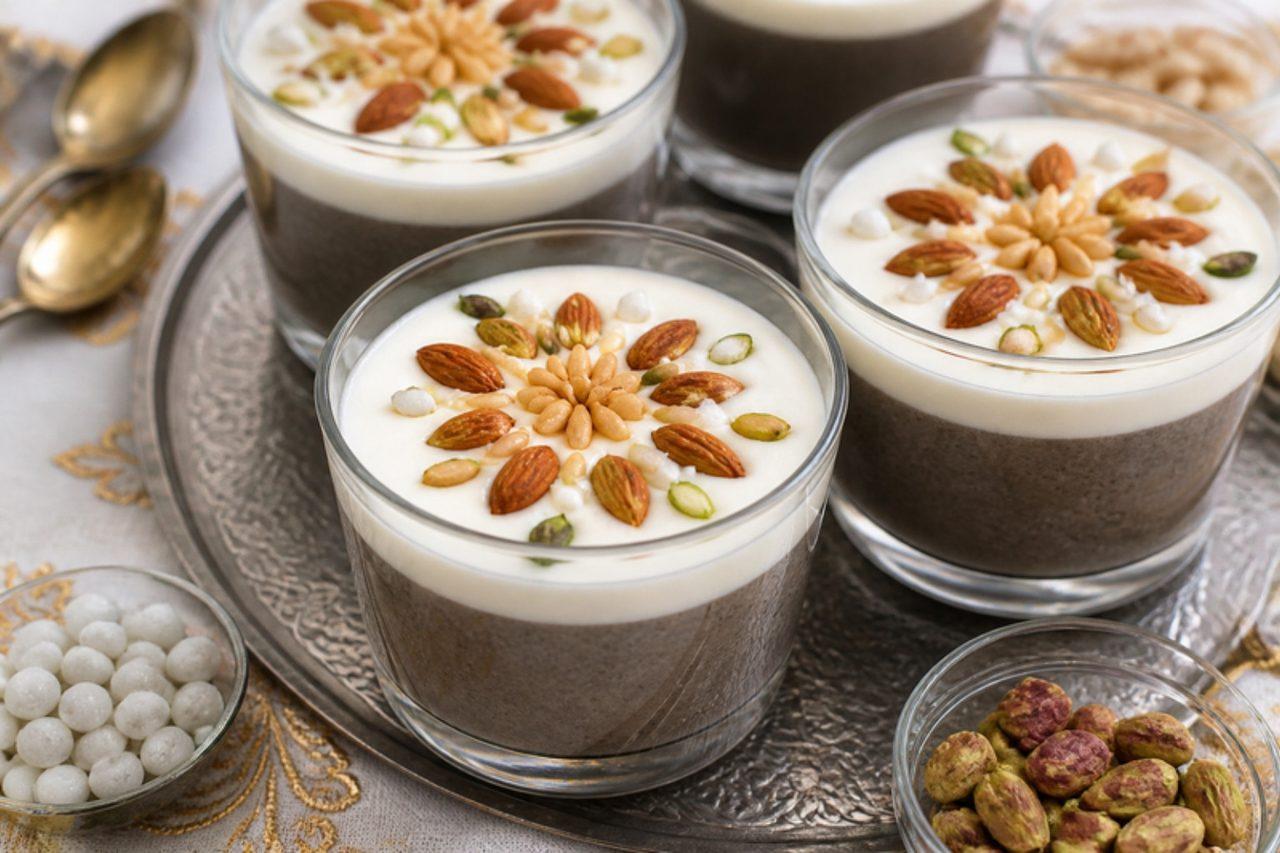
Assida zgougouAleppo pine seed pudding

Assida zgougou is made in Tunisian homes once a year, for the Mouled (the Prophet's birthday): a dark, nutty pudding of Aleppo pine seeds (zgougou) cooked with flour and sugar, topped with a pale vanilla custard and decorated with almonds, pistachios, pine nuts and sugared almonds. Families make dozens of glasses to share with neighbours. Zgougou is sold in Tunisian and North African grocers; ground hazelnuts are a stand-in, though the taste is different. Chef's tip: strain the zgougou liquid through muslin twice; any grit ruins the smooth texture.

by KrazyBadal 0 views

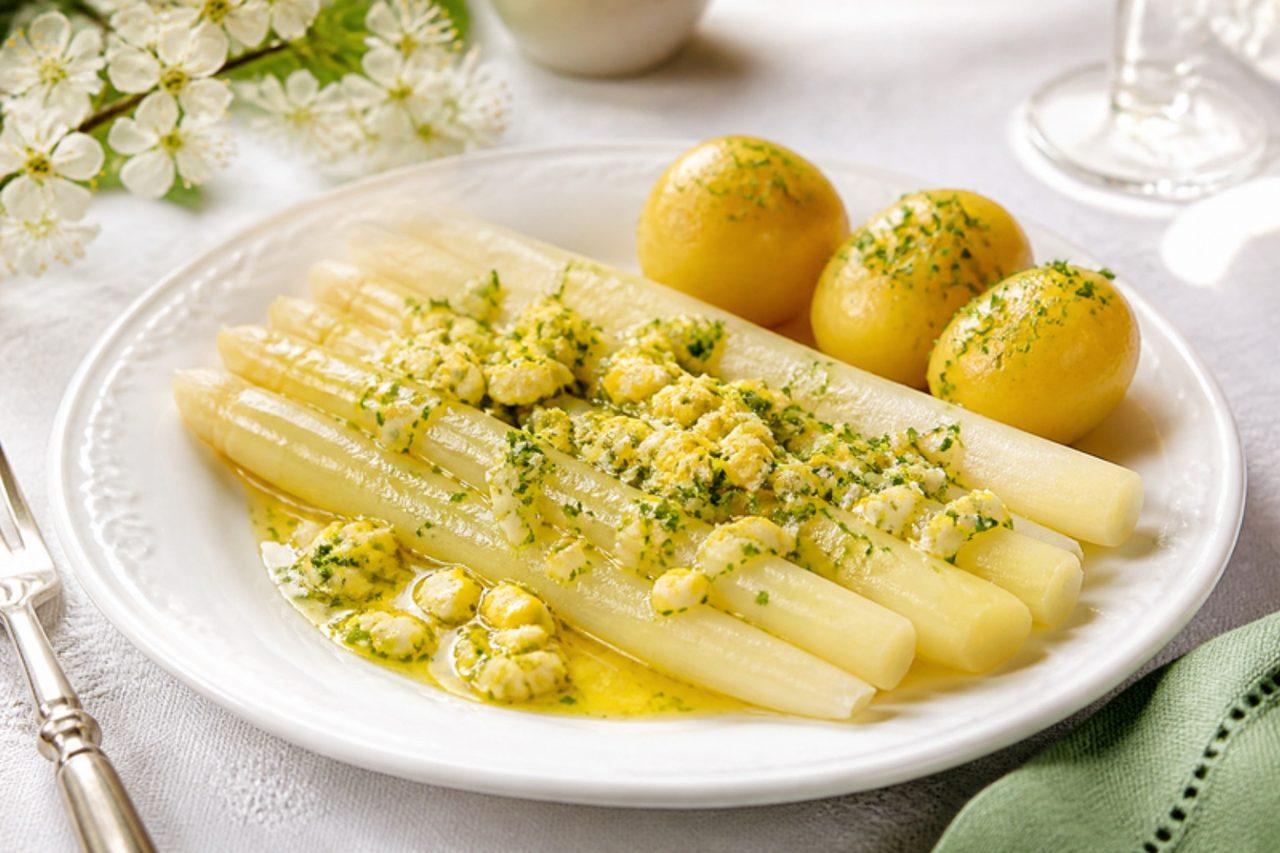
Asperges à la flamandeWhite asparagus with egg and butter

In May and June, white asparagus from Mechelen and the sandy fields around Limburg arrive in Belgian markets, and asperges à la flamande (asperges op Vlaamse wijze) is the way to eat them. The pale spears are peeled and cooked until tender, then covered with a warm sauce of melted butter, chopped hard-boiled egg, parsley and nutmeg that is half sauce and half garnish. It is served as a starter in Flemish restaurants all through the short asparagus season, sometimes with a slice of ham alongside; here it stays meat-free. Chef's tip: peel the spears from just below the tip all the way down with a swivel peeler; white asparagus has a thick, bitter skin, and missing even a strip leaves woody threads.

by KrazyBadal 0 views

DibiGrilled lamb with mustard onions

In Dakar a dibiterie is a smoky little shop where lamb is grilled over charcoal and sold by weight, wrapped in paper with raw onion, mustard and a pinch of spice salt; people eat it late in the evening, often after prayers or a football match. At home you get close with lamb chops or shoulder steaks, a quick marinade and a very hot grill. The mistake is moving the meat too much: leave it until it chars and releases on its own. Chef's tip: toss the sliced onions with salt and vinegar while the lamb marinates; they soften and lose their harsh bite in 20 minutes.

by KrazyBadal 0 views

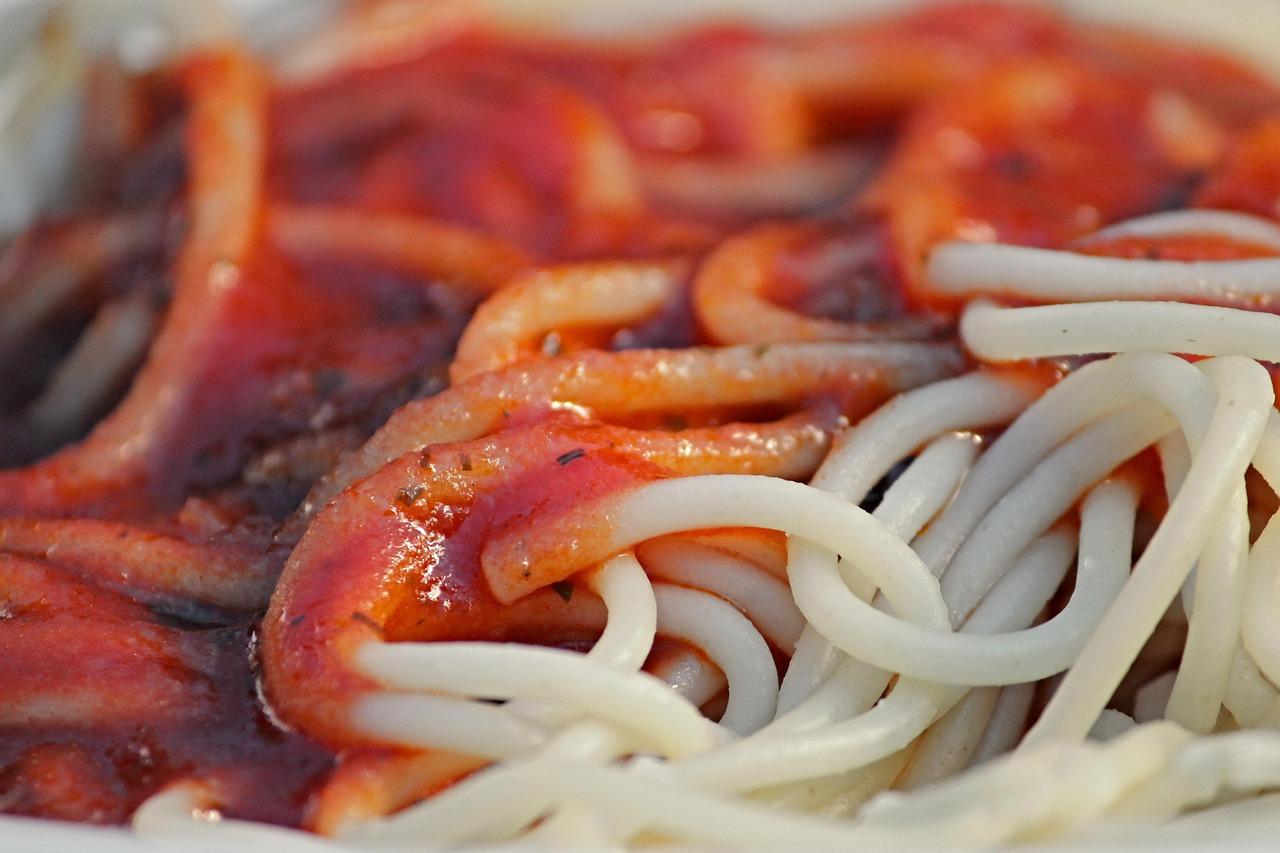
Asmara pasta al sugoSpaghetti in berbere tomato sauce

Pasta is part of everyday life in Asmara, a legacy of the Italian years, and in Eritrean homes and cafés 'pasta al sugo' means spaghetti in a slow tomato sauce warmed with berbere, garlic and plenty of onion. It is eaten on weekdays and after church on Sundays, often with a banana or a green chilli on the side. The usual sauce has minced beef; this one uses finely chopped mushrooms and carrot for the same body. Chef's tip: cook the onions and berbere slowly before the tomato goes in; raw berbere tastes dusty.

by KrazyBadal 0 views

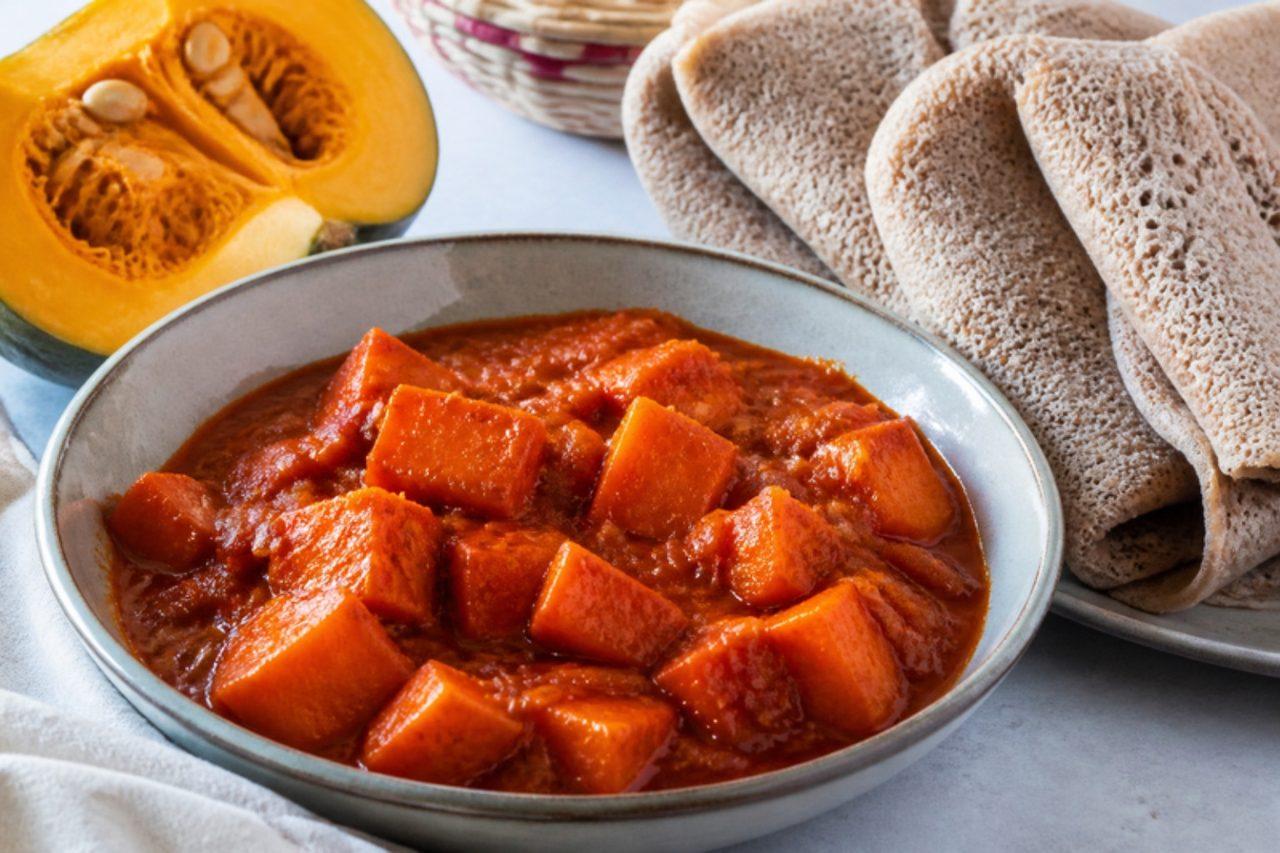
Duba watSpicy pumpkin stew

Duba wat is a fasting-season stew from the Ethiopian highlands, made when pumpkins are plentiful after the rains around Meskel in late September. Chunks of pumpkin are cooked in a classic red wat base of slow-cooked onion, garlic and berbere, so the sweetness of the squash plays against the heat of the spices. It is softer and sweeter than most wats and goes well with gomen and injera. Chef's tip: add the pumpkin only once the onion and berbere base is fully cooked and glossy; raw-tasting berbere spoils the dish.

by KrazyBadal 0 views

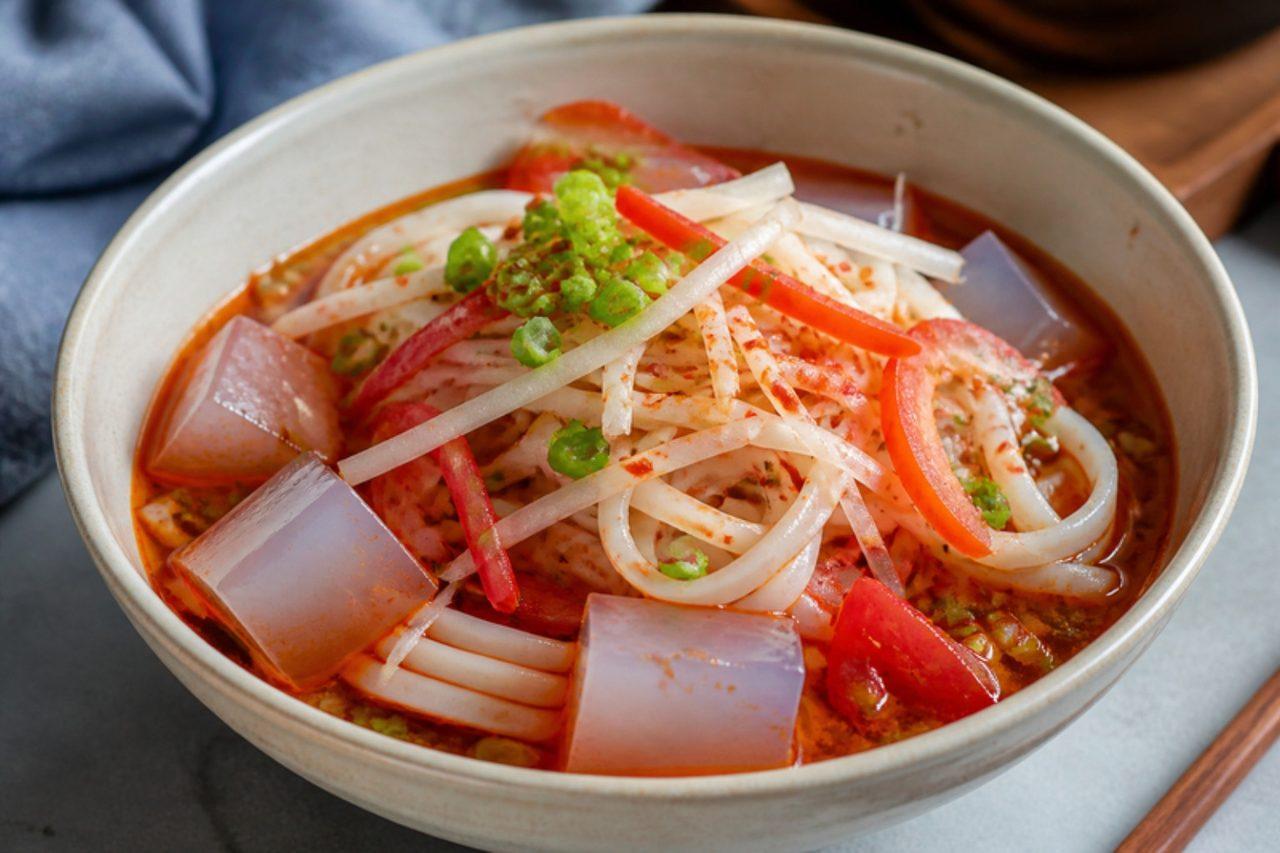
Ashlyan-fuCold noodle soup with starch jelly

Ashlyan-fu is the street food of Karakol, the town on the eastern shore of Kyrgyzstan's Lake Issyk-Kul, brought by Dungan (Hui) families more than a century ago. Locals eat it for lunch on hot days at the 'ashlyan-fu row' near the bazaar: thick wheat noodles and cubes of wobbly starch jelly in a chilled, sour and fiery broth, with a strip of thin omelette, often alongside a fried potato pirozhok. It's eaten all over Kyrgyzstan and southern Kazakhstan now. This version uses a vegetable sauce rather than meat. Chef's tip: everything must be cold; chill the broth and the jelly properly, as lukewarm ashlyan-fu tastes flat.

by KrazyBadal 0 views

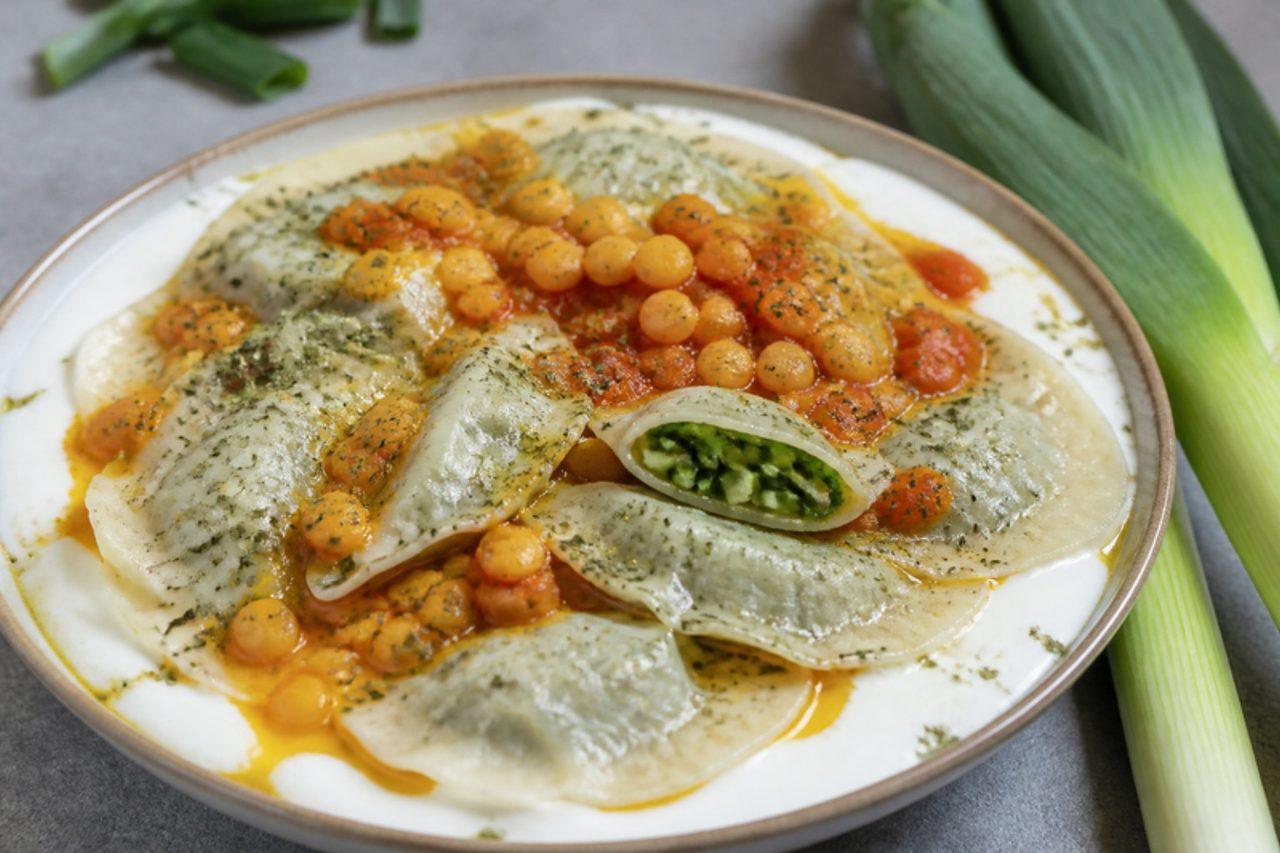
AshakLeek-filled dumplings

Ashak are the dumplings Kabul families fold together for Eid, Nowruz and weddings: thin wheat wrappers stuffed with gandana (Afghan garlic chives, here replaced with leeks and spring onions), boiled, then laid on a bed of garlicky strained yoghurt and topped with a tomato sauce and dried mint. Ashak usually come with a minced-meat sauce; this vegetarian version uses yellow split peas in a spiced tomato base, as many Afghan cooks do on meatless days. Making them is a sociable afternoon job, so rope in helpers. Chef's tip: squeeze the salted leeks hard in a cloth before filling; any water left in them soaks the wrappers and they split in the pot.

by KrazyBadal 0 views

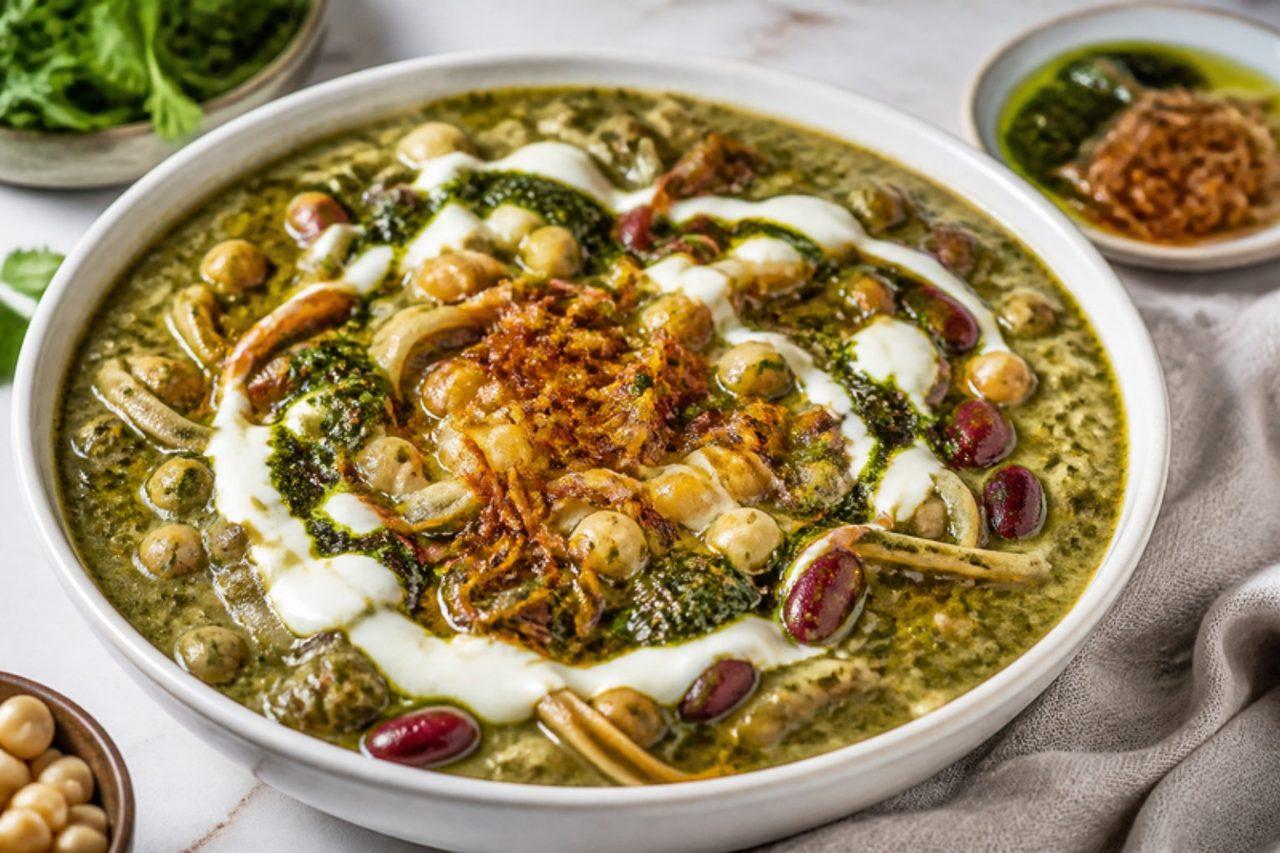
Ash reshtehNoodle, bean and herb soup

Ash reshteh is the thick soup Iranians cook in big pots in the days before Nowruz and for Sizdah Bedar, the spring picnic day, when the noodles (reshteh) are said to help you grasp the threads of good luck for the coming year. Chickpeas, beans and lentils are simmered with a mountain of green herbs and spinach, thickened with flat noodles and finished at the table with tangy kashk, crisp onions and a sizzling swirl of mint oil. It is a meal in a bowl, hearty and herby. Kashk is usually made without rennet, but check the label; strained yogurt is a good substitute. Chef's tip: add the noodles only once the beans are soft, and stir often after that, because they thicken the pot and it can catch on the bottom.

120 minPersianSoups
by KrazyBadal 0 views

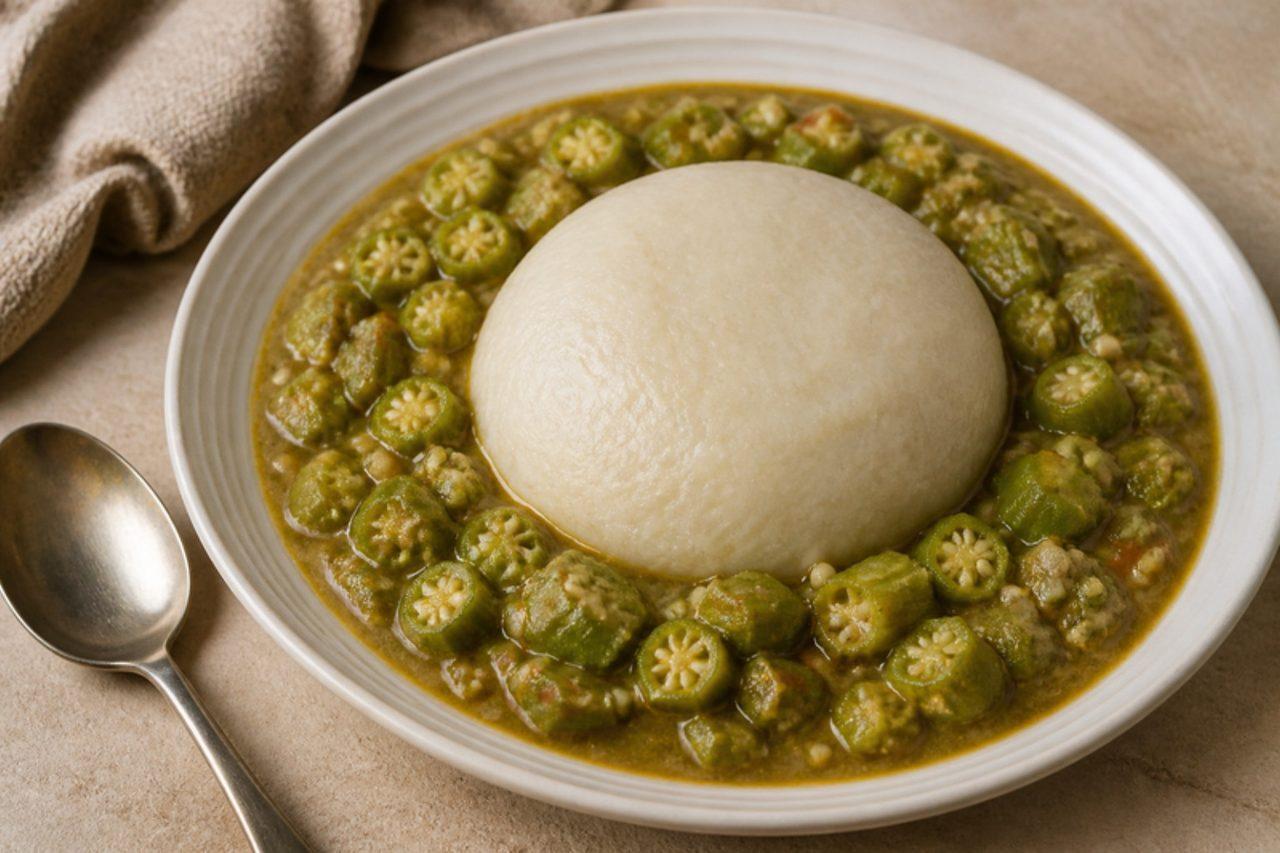
AseedaSorghum porridge

Aseeda (asida) is the stiff, slightly sour sorghum porridge eaten across Sudan, especially in Darfur, Kordofan and the countryside, where it is the daily staple. The batter is left to ferment before being cooked into a smooth, firm dough, shaped in a bowl into a dome, and turned out with mullah poured around it. During Ramadan it is a common iftar dish. Chef's tip: beat hard with a wooden spoon once the dough thickens; that beating is what makes aseeda smooth instead of lumpy.

by KrazyBadal 0 views

Asado uruguayoGrilled beef short ribs and chorizo

Sunday in Uruguay means asado: in Montevideo backyards and the cattle towns of the interior, beef ribs (asado de tira), chorizo and morcilla cook slowly over the embers of a wood fire, with only coarse salt, while the family waits. The parrillero rakes coals under the grill and keeps the heat low and even. This recipe includes pork chorizo. The mistake is cooking over flames; the fire should burn down to embers you can hold your hand above for 6–8 seconds. Chef's tip: salt the meat only when it goes on the grill, with coarse salt, never fine.

by KrazyBadal 0 views

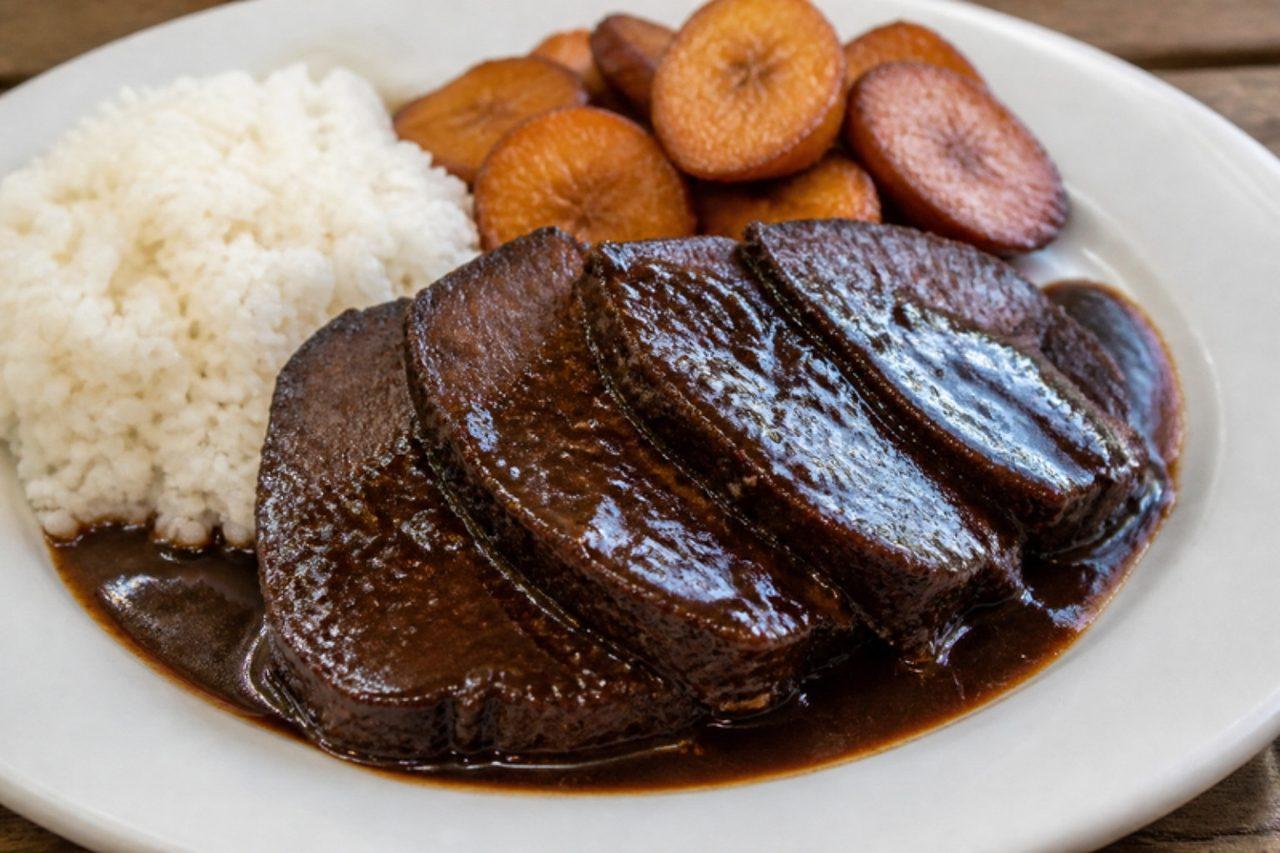
Asado negroBeef braised in panela

Asado negro is the Sunday lunch of Caracas families: a whole piece of beef eye of round (muchacho redondo) is seared in sugar caramelised almost to black, then slowly braised until the sauce is dark, glossy and sweet-savoury. Despite how it looks, it doesn't taste burnt, just deep and rich. It is sliced and served with white rice, fried ripe plantain and sometimes a mash of potatoes. Many cooks add a glass of red wine to the braise; to keep it alcohol-free, use the same amount of beef stock and a tablespoon of balsamic vinegar instead. The mistake to avoid is stirring the panela while it caramelises: it crystallises and goes grainy. Chef's tip: get the caramel really dark, just before it smokes, because the colour and depth of the whole dish come from that minute.

by KrazyBadal 0 views

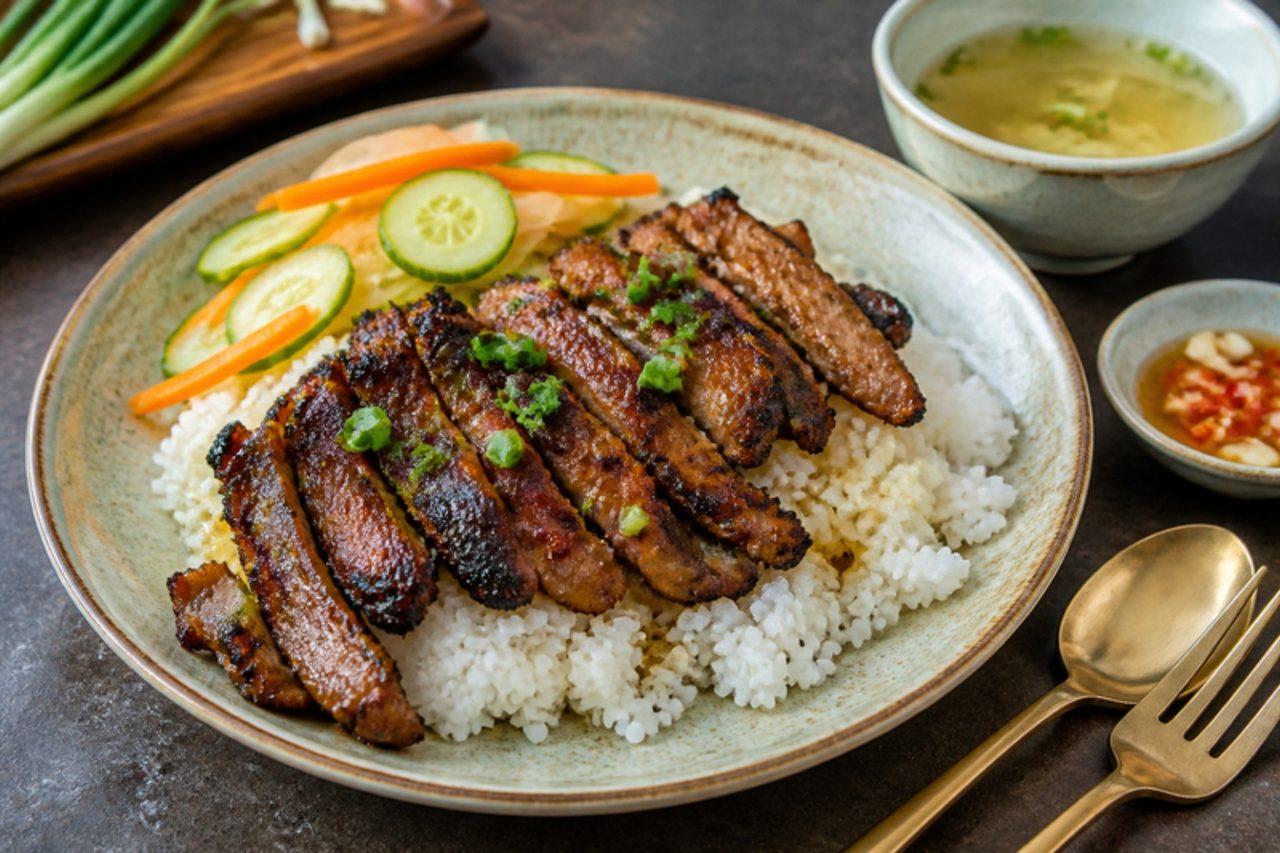
Bai sach chroukGrilled pork over rice

Bai sach chrouk, 'rice with pork', is the classic Cambodian street breakfast, grilled over charcoal on pavements in Phnom Penh and Siem Reap in the early morning and eaten before work and school. It is a pork dish: thin slices of pork are marinated overnight in coconut milk, garlic and palm sugar, then grilled until caramelised and smoky and served on broken rice with quick-pickled cucumber and carrot and a small bowl of clear broth. Chef's tip: slice the pork thinly, about 5 mm; it marinates faster and chars before it dries out.

by KrazyBadal 0 views

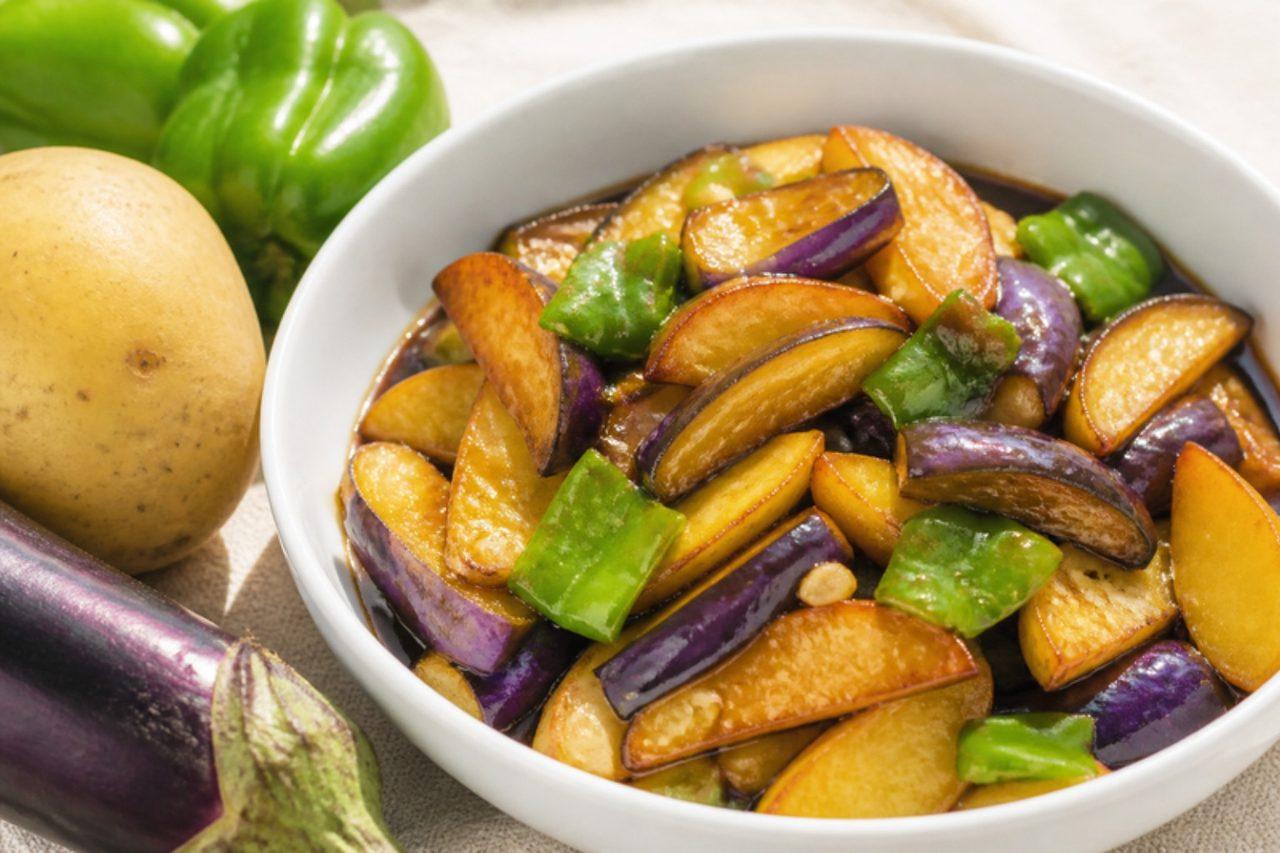
Di san xianPotato, aubergine and pepper stir-fry

Di san xian means 'three fresh things from the earth', and it is the best-known home dish of Dongbei, China's cold north-east, where potatoes, aubergines and peppers are the summer harvest. Each vegetable is fried until golden, then tossed in a sticky, garlicky soy glaze. It's rich and filling, and goes with rice or steamed buns. Chef's tip: fry the potato first and longest; it needs to be golden and fully tender before it meets the sauce, because it won't soften further in the wok.

by KrazyBadal 0 views

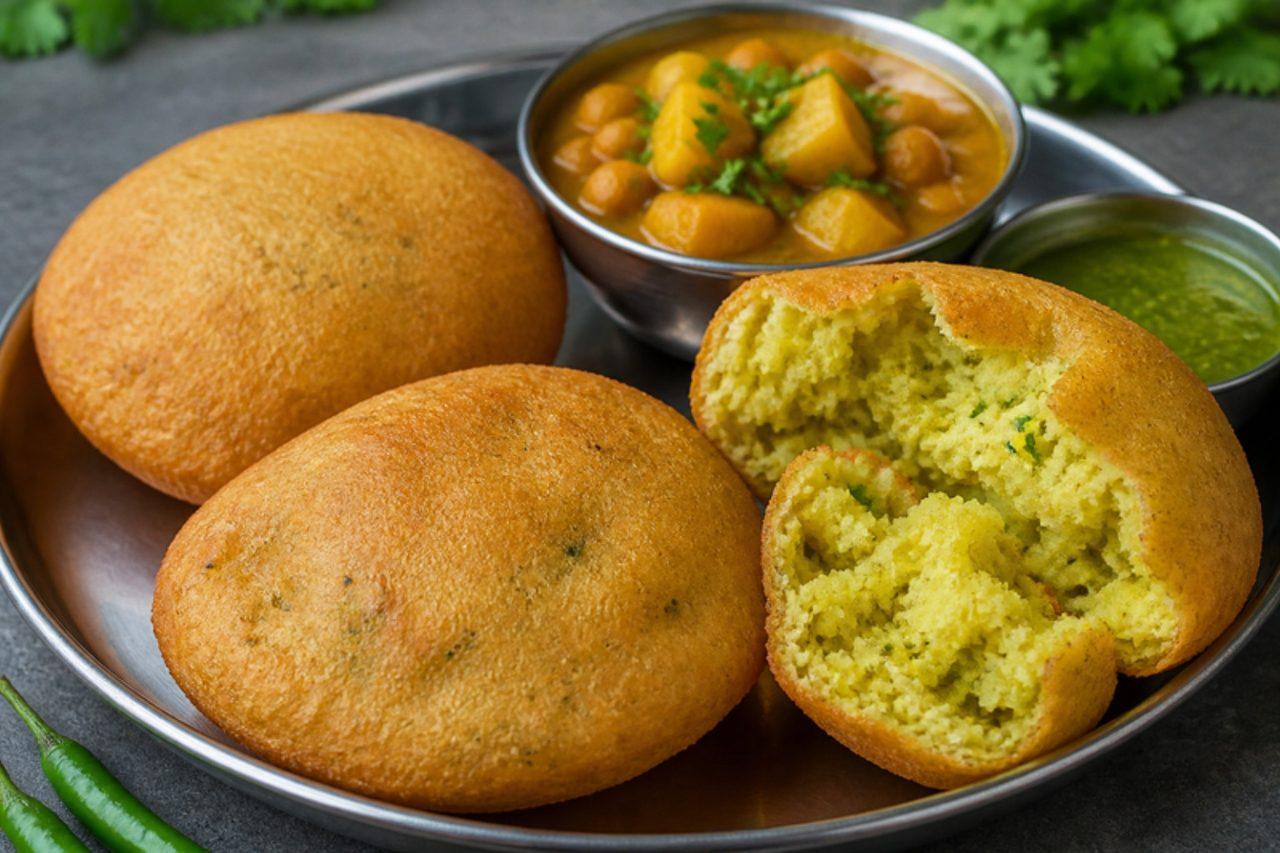
DhuskaFried rice and dal bread

Dhuska is the breakfast of Ranchi and the whole of Jharkhand, fried fresh at roadside stalls from early morning. Rice and chana dal are soaked, ground to a thick, slightly coarse batter with green chilli and ginger, and ladled into hot oil, where each round puffs up crisp outside and soft and spongy inside. It is eaten with aloo-chana ghugni or a thin potato curry and a sharp coriander chutney, and it is a must at Jharkhandi weddings and Karma festival. Chef's tip: beat the batter hard for a couple of minutes before frying; the trapped air makes it puff without any soda.

by KrazyBadal 0 views

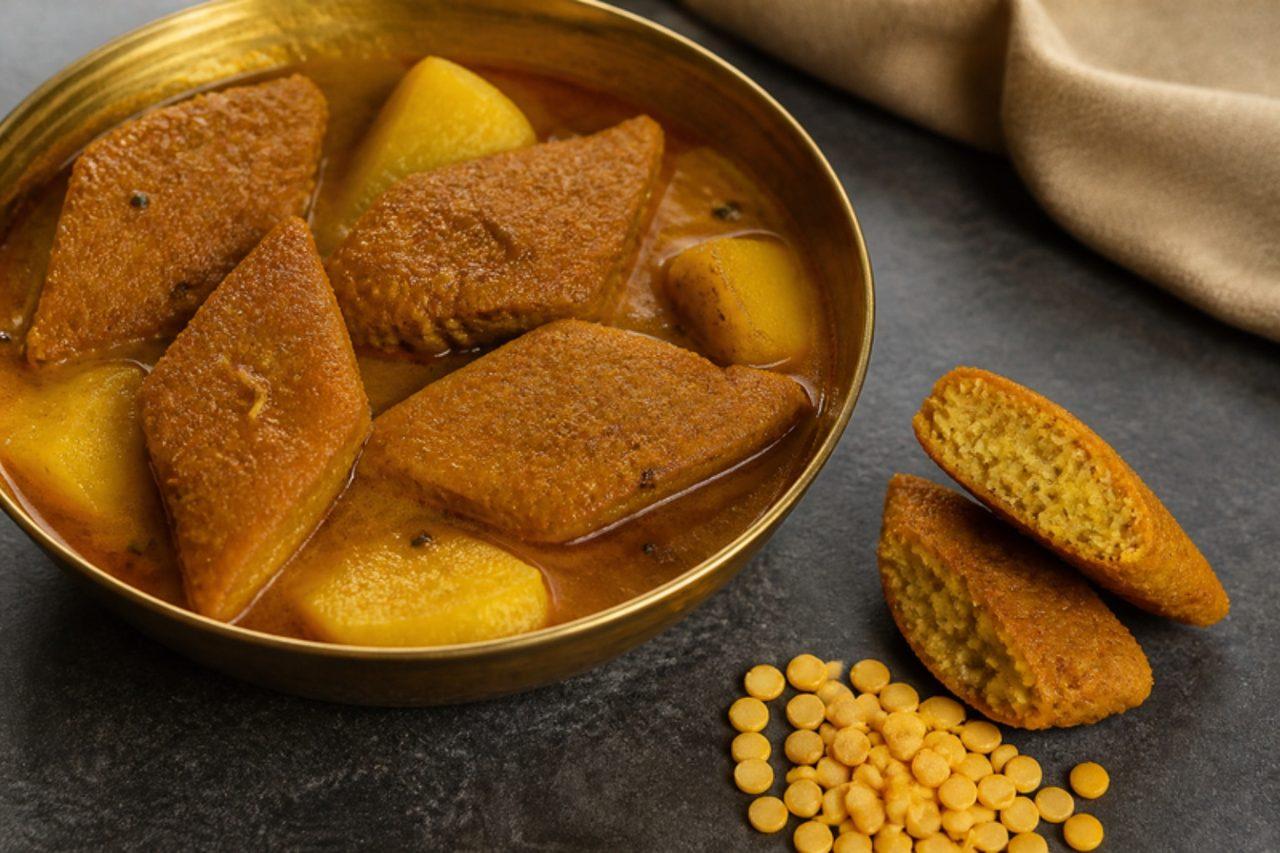
Dhokar dalnaLentil cakes in gravy

Dhokar dalna comes from the Bengali niramish (vegetarian) kitchen of widows and temple cooks, and it is still cooked in Kolkata homes for festive lunches and Saraswati Puja. Soaked chana dal is ground, cooked with ginger and asafoetida into a thick paste, set in a tray and cut into diamonds, which are fried and then dropped into a thin, fragrant gravy just before serving. The dhoka soak up the sauce like a sponge. Chef's tip: cook the dal paste until it leaves the sides of the pan in one mass; if it is too soft, the diamonds break in the gravy.

by KrazyBadal 0 views

Dulce de lecheMilk caramel

Dulce de leche is Argentina's national sweet, spread on toast at breakfast, sandwiched in alfajores, rolled into panqueques and spooned onto flan. Argentine families traditionally make it by slowly cooking milk and sugar with a vanilla pod and a pinch of bicarbonate of soda, which helps it turn deep brown, until it becomes a thick, glossy caramel cream. It takes about three hours of gentle cooking and regular stirring. Chef's tip: use a wide, heavy pan and keep the heat low; the wider the surface, the faster the milk reduces, and the less it catches on the bottom.

by KrazyBadal 0 views

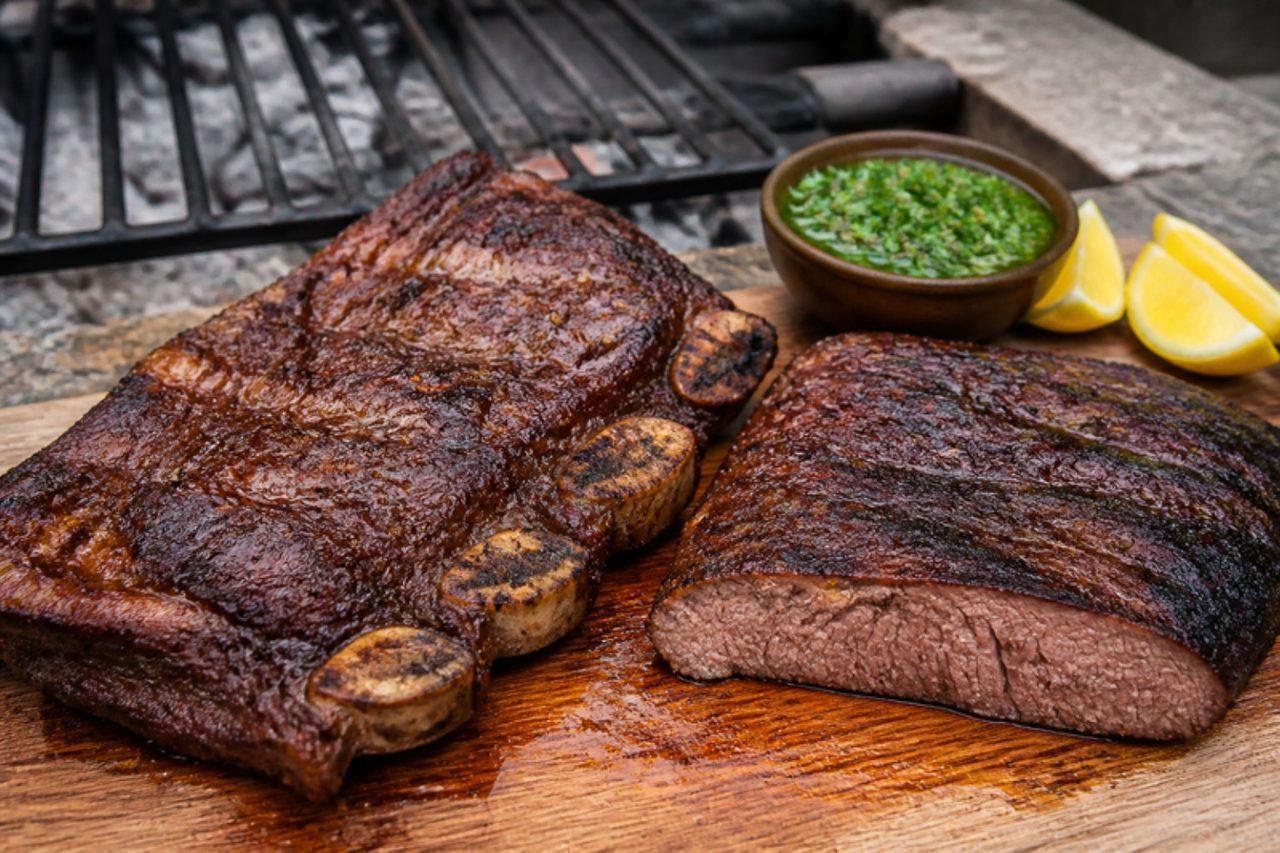
Asado argentinoGrilled beef short ribs

For Argentines the Sunday asado is less a recipe than a ritual: someone (the asador) lights the fire mid-morning in a backyard in Buenos Aires or a ranch in the Pampas, and lunch happens hours later. Beef is cooked low and slow over glowing embers, seasoned with nothing but coarse salt, and carved at the grill to be eaten with bread, salad and a bowl of chimichurri. This home version uses two favourite cuts: tira de asado (thin cross-cut short ribs) and vacío (flank). The classic mistake is grilling over flames; wait until the coals are covered in white ash, and spread them so the heat is gentle. Chef's tip: hold your hand 15 cm above the grill; if you can keep it there for 8–10 seconds, the heat is right for asado.

by KrazyBadal 0 views

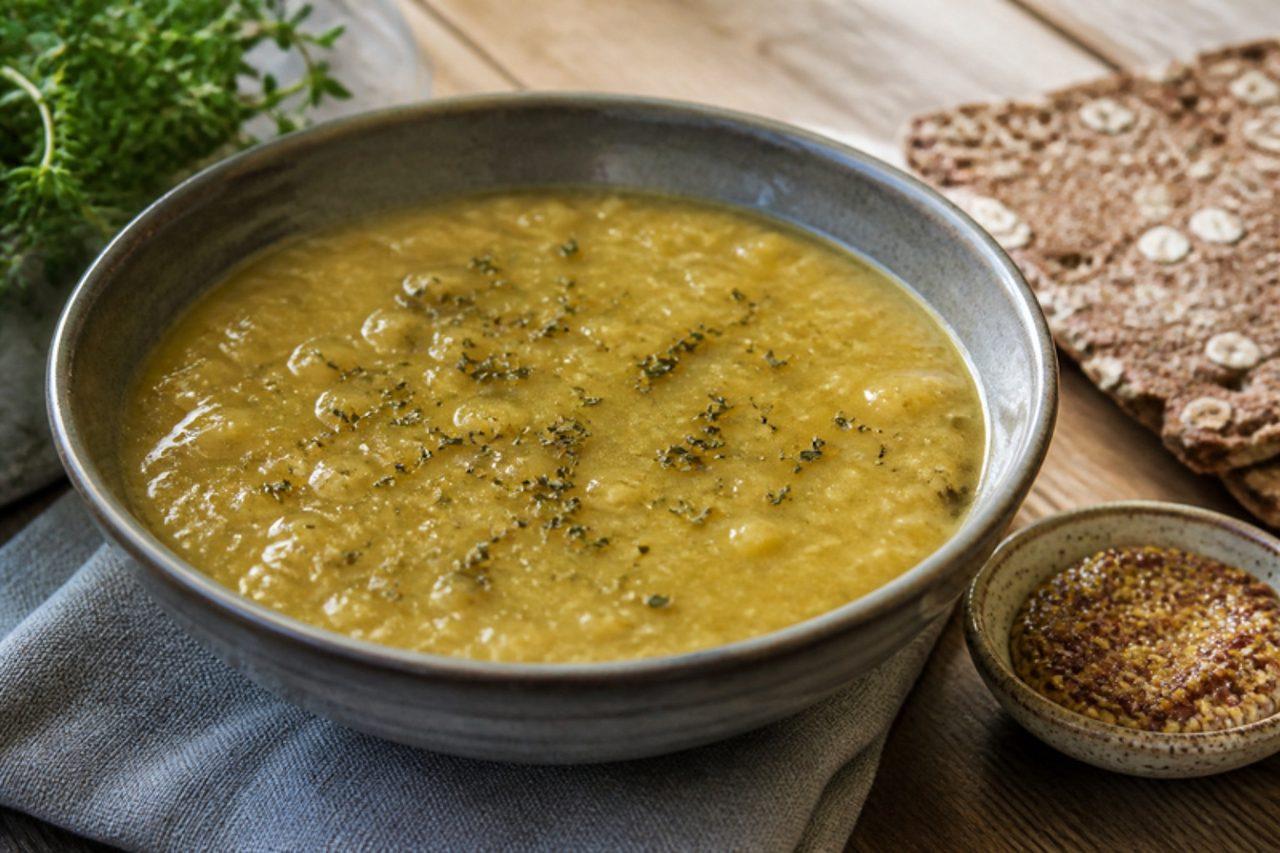
ÄrtsoppaYellow pea soup

For centuries Swedes have eaten ärtsoppa on Thursday: school canteens, army messes and home kitchens all serve thick yellow pea soup, followed by thin pancakes with jam (ärtsoppa och pannkakor). The tradition is said to date from Catholic times, a filling meal before Friday's fast. The soup is usually cooked with salt pork, but the soul of it is the dried yellow peas, onion and a generous hand of thyme and marjoram, so this version is fully plant-based and seasons the broth with a little smoked paprika instead. Each bowl gets a spoonful of sharp Swedish mustard stirred in at the table. Chef's tip: soak whole yellow peas overnight and skim the foam as they come to the boil; the skins that float up can then be lifted off, giving a smoother soup.

by KrazyBadal 0 views

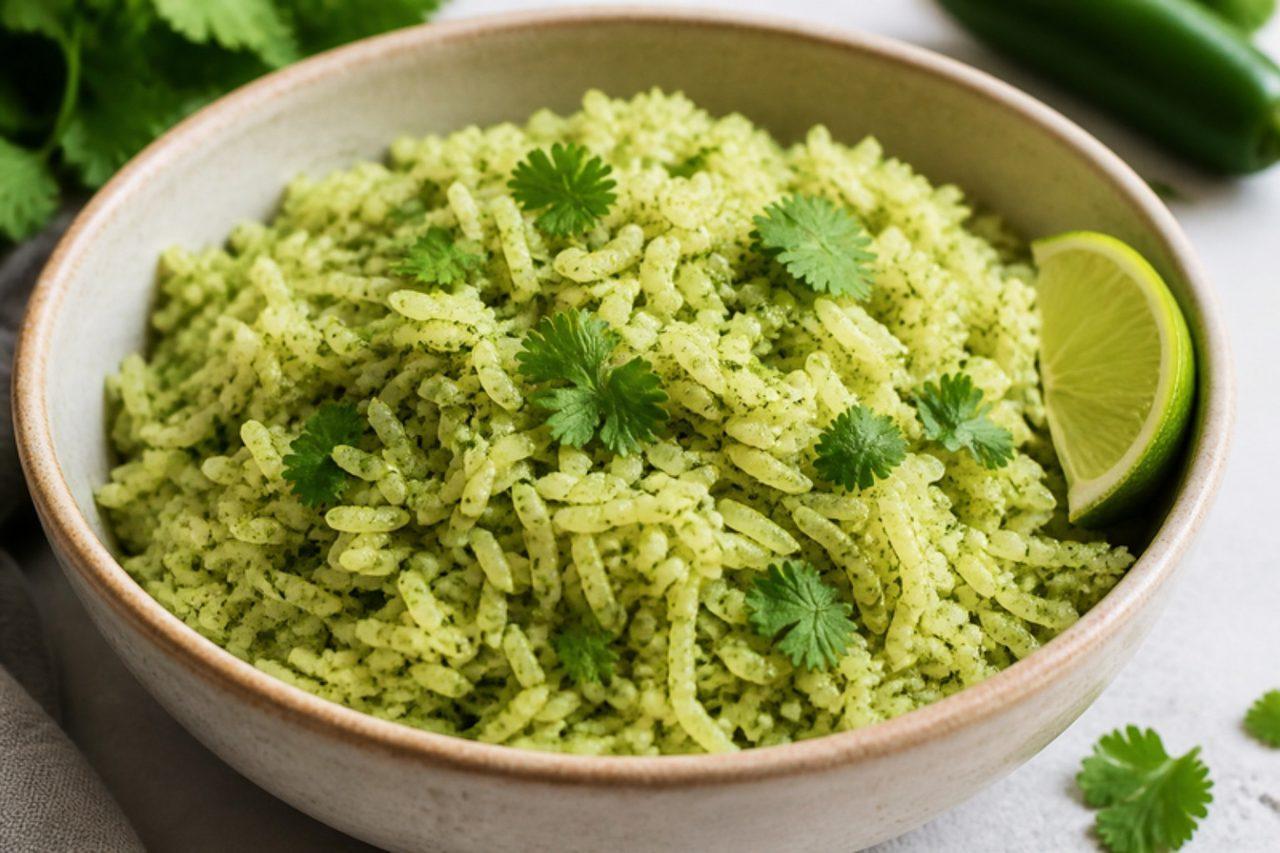
Arroz verdeGreen rice

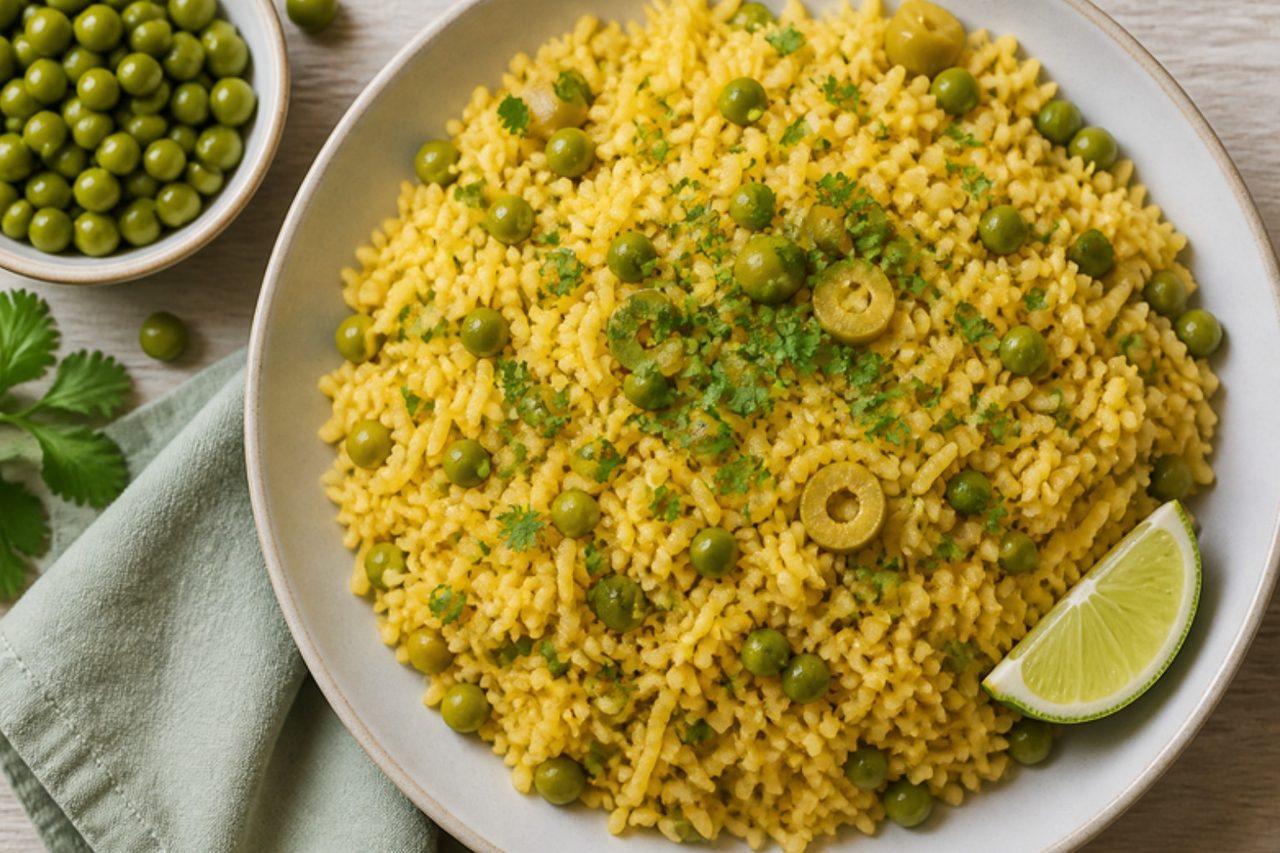
Arroz verde is red rice's fresher sister, popular across central Mexico as a side for mole, enchiladas and beans. The rice is toasted in oil and then simmered in a vivid green purée of poblano pepper, coriander, parsley and a handful of spinach, so it comes out fluffy, herby and gently peppery, the colour of spring grass. It is vegan with vegetable stock and pairs especially well with mole rojo or roasted vegetables. Chef's tip: blend the greens with cold stock and add it straight to the rice; heated slowly or left standing the purée loses its colour, so make it right before you need it.

by KrazyBadal 0 views

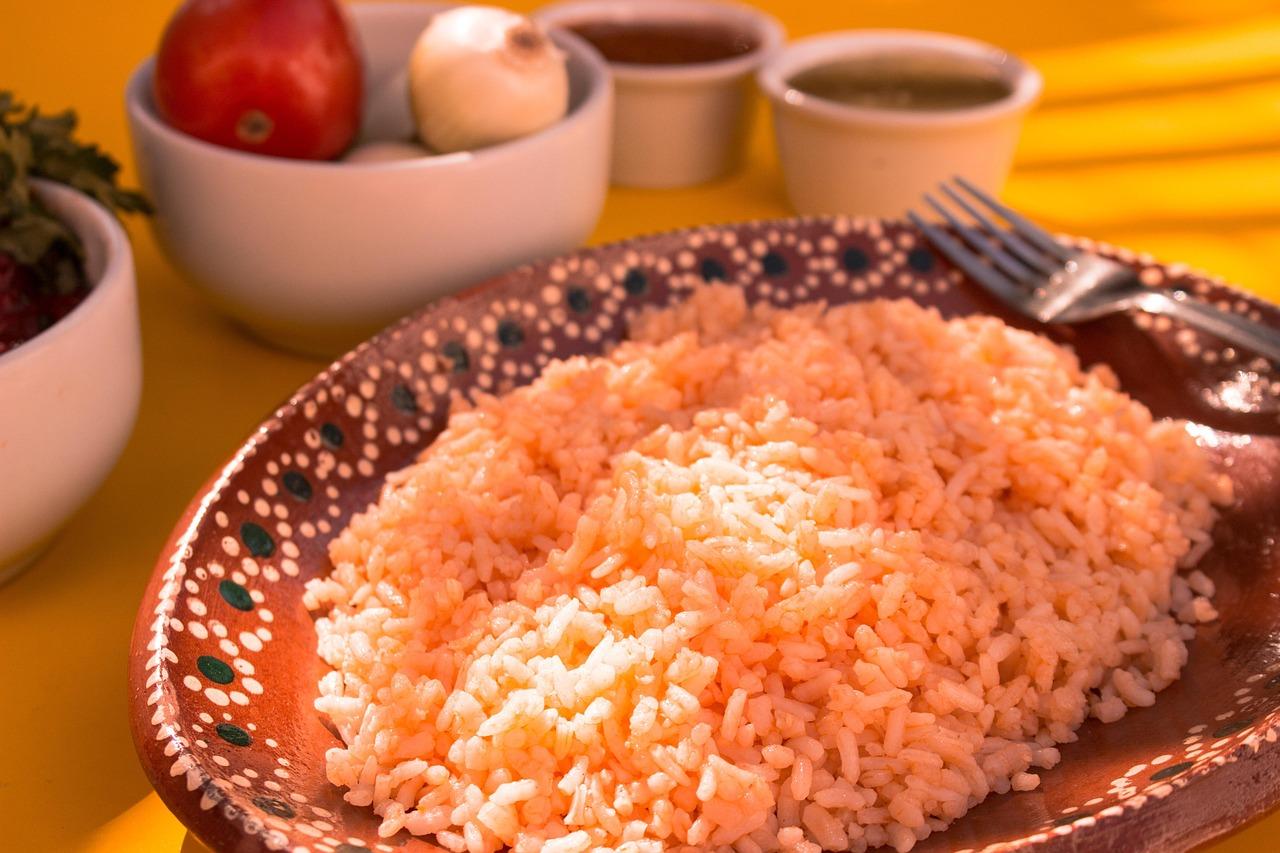
Arroz rojoMexican red rice

Arroz rojo (also called arroz a la mexicana) is the rice served beside almost everything in Mexico, from enchiladas to beans to a fried egg. Long-grain rice is fried in oil until golden, then simmered in a blended tomato, onion and garlic broth until every grain is separate, tender and tinted orange-red. Diced carrot and peas add colour and sweetness, and a whole chilli in the pot gives a gentle warmth without heat. Made with vegetable stock it is vegan and a favourite with children. Chef's tip: rinse the rice until the water runs clear and let it dry well before frying; wet rice won't toast and turns out sticky.

by KrazyBadal 0 views

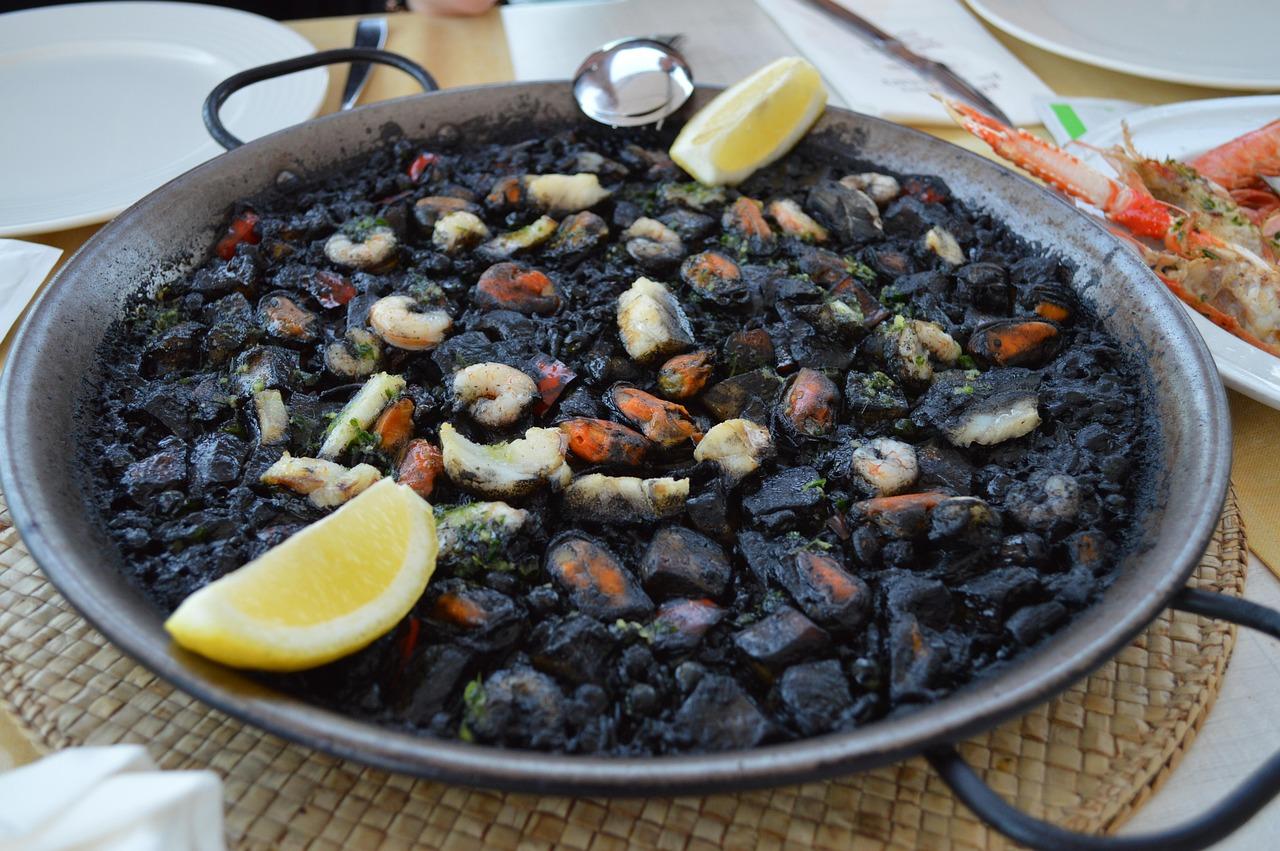
Arroz negroBlack rice with squid ink

Along the coast from Valencia up to the Costa Brava, arroz negro (arròs negre in Catalan and Valencian) is a seafront restaurant favourite, ordered for the table at lunchtime and brought out in its pan. Squid and its ink turn the rice glossy black and give it a deep taste of the sea, and every forkful gets a dab of garlicky all-i-oli. This version uses the traditional egg-free all-i-oli, just garlic, oil and salt pounded together; if you'd rather make the easier egg version, use a pasteurised egg, and note that raw egg is not suitable for pregnant women, young children, older people or anyone with a weakened immune system. Chef's tip: buy squid ink in sachets or small jars from a fishmonger or Spanish deli; the ink sac inside a whole squid is far too small to colour a whole pan.

by KrazyBadal 0 views

Arroz doceRice pudding

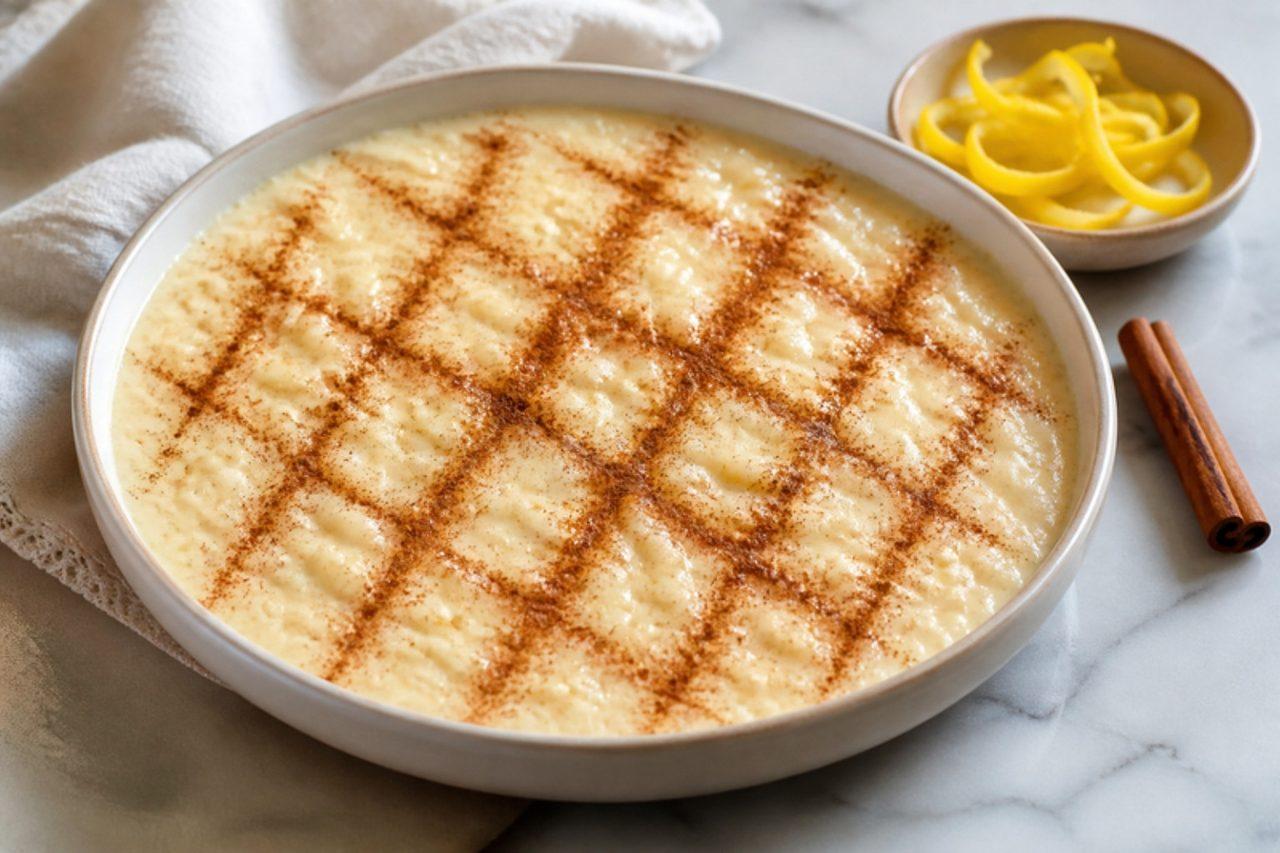
Arroz doce is set out on every Portuguese table at Christmas, at weddings and at the summer romarias (village saints' festivals) of the Minho, poured into wide, shallow platters and dusted with cinnamon in lattices, initials or little hearts. Short-grain carolino rice is first boiled in water with lemon peel and cinnamon, then simmered slowly in milk and sugar, and finally thickened off the heat with egg yolks, which turns it pale gold and custardy; that last step is what sets it apart from Spanish or Mexican rice puddings. It is eaten cold or at room temperature, by the spoonful straight from the platter. Chef's tip: cook the rice in water first until it has swollen, and only then add the milk; starting in milk scorches easily and leaves the grains firm in the middle.

by KrazyBadal 0 views

Arroz con pollo peruanoCoriander rice with chicken

Across Spanish-speaking America arroz con pollo means yellow rice, but in Lima it comes out deep green, thanks to a big bunch of coriander blended into the cooking liquid. Mothers make it for Sunday lunch and for birthday parties, and street stalls ladle it out with salsa criolla, the sharp onion-and-lime relish that cuts through the rice. Chicken pieces are browned first, then the rice cooks in the same pot so it takes on all their flavour. Chef's tip: blend the coriander with cold stock right before it goes in, so it stays bright green rather than turning khaki.

by KrazyBadal 0 views

Arroz con pollo cubanoChicken and yellow rice

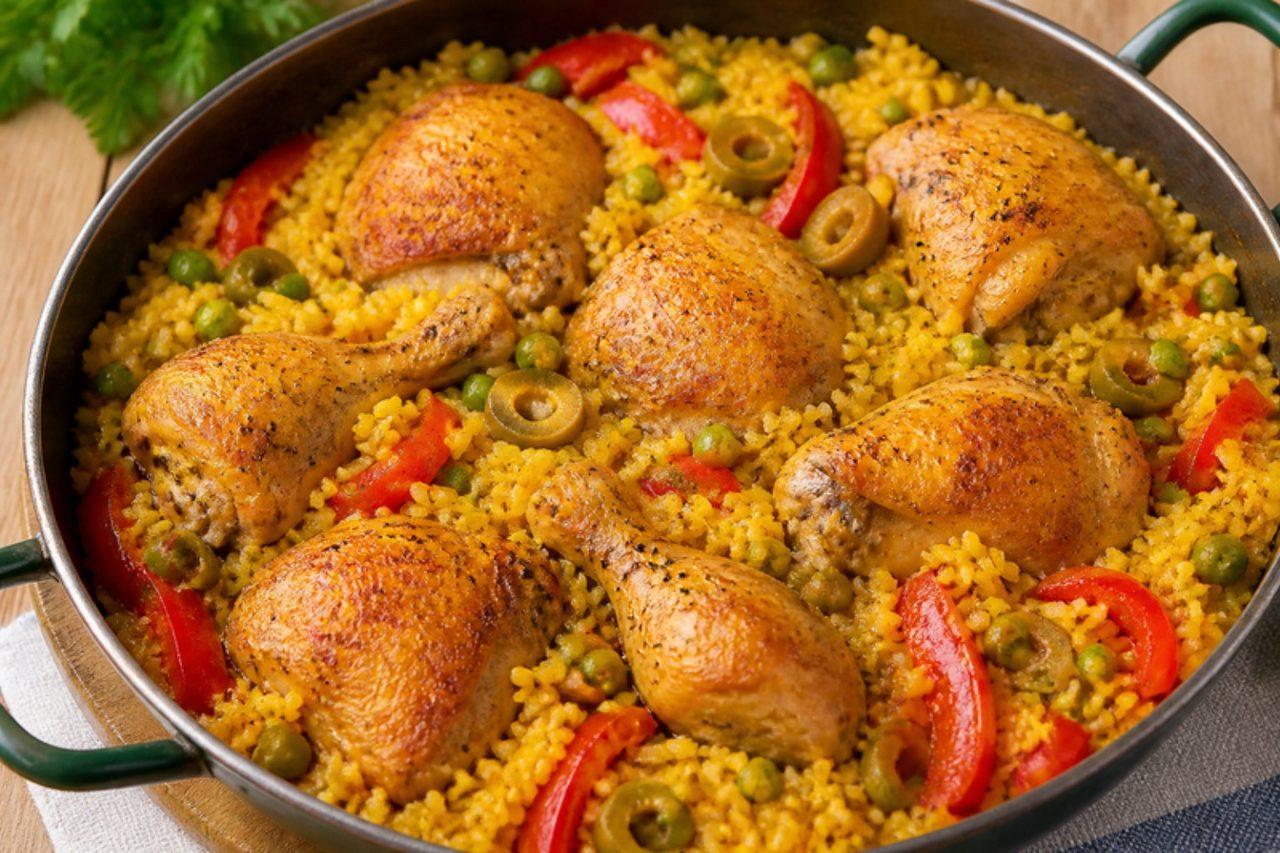
Cuban arroz con pollo is the one-pot Sunday lunch of the island, and every abuela in Santiago or Havana has her own way with it. Chicken pieces are browned, then the rice cooks right in the pot with sofrito, a pinch of saffron (or bijol, the annatto colouring most Cuban kitchens use) and stock until each grain is golden and moist, almost creamy. Peas and roasted red peppers go on top at the end. It is eaten with fried ripe plantain and a green salad. Many versions add a splash of beer to the pot; this one uses chicken stock only, so it is alcohol-free. The usual mistake is stirring the rice once it is covered, which breaks the grains and makes it gluey. Chef's tip: let the pot rest off the heat with the lid on for 10 minutes before serving, so the rice finishes softening in its own steam.

by KrazyBadal 0 views

Durian candyDurian milk fudge

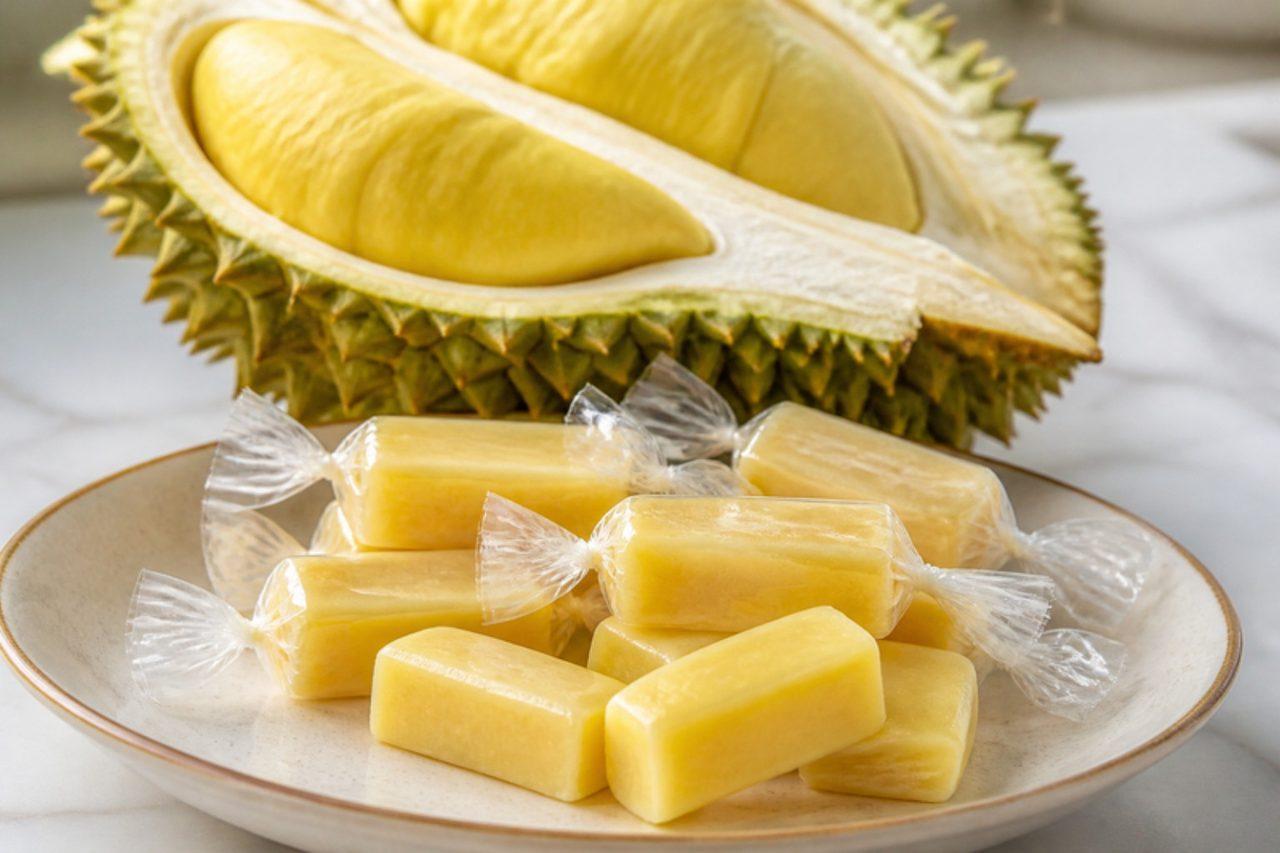
Davao City on Mindanao is the Philippines' durian capital, and its roadside stalls sell the fruit by the kilo next to boxes of durian candy for travellers who can't carry a whole one home. Ripe durian pulp is cooked slowly with condensed milk, sugar and butter until it becomes a dense, chewy fudge that tastes of caramel, custard and that famously strong fruit. Chef's tip: frozen durian pulp works perfectly; thaw it fully and pick out any seeds and fibrous bits before you start.

by KrazyBadal 0 views

Arroz con lecheRice pudding

Arroz con leche is Mexico's comfort pudding, sold in little cups at markets and made in every grandmother's kitchen: rice cooked first in water with a cinnamon stick (canela) and lime peel, then slowly in milk until it turns thick and creamy. Mexicans often add sweetened condensed milk for a richer, caramel-tinged finish, and raisins for those who like them. It is eaten warm in winter and cold from the fridge in summer, dusted with ground cinnamon. Chef's tip: use soft Ceylon cinnamon (canela) if you can find it; its gentle, floral flavour is what makes it taste Mexican rather than like a spiced pudding.

by KrazyBadal 0 views

Arroz con gandulesRice with pigeon peas

No Nochebuena table from San Juan to Mayagüez is complete without a big caldero of arroz con gandules, and in December every grandmother's pot is judged on it. Medium-grain rice is cooked with pigeon peas (gandules), fresh sofrito, achiote oil, tomato sauce and a scoop of alcaparrado (olives and capers), until each grain is tender and golden-orange. Island cooks usually add pork; this version gets its depth from a generous spoon of sofrito and good stock, and loses nothing. The best part is the pegao, the crisp golden crust left on the bottom of the pot. Chef's tip: once the lid goes on, leave the rice alone; stirring breaks the grains and releases starch, and you will lose both the fluffy texture and the pegao.

by KrazyBadal 0 views

Nicaraguan arroz con cocoCoconut rice pudding

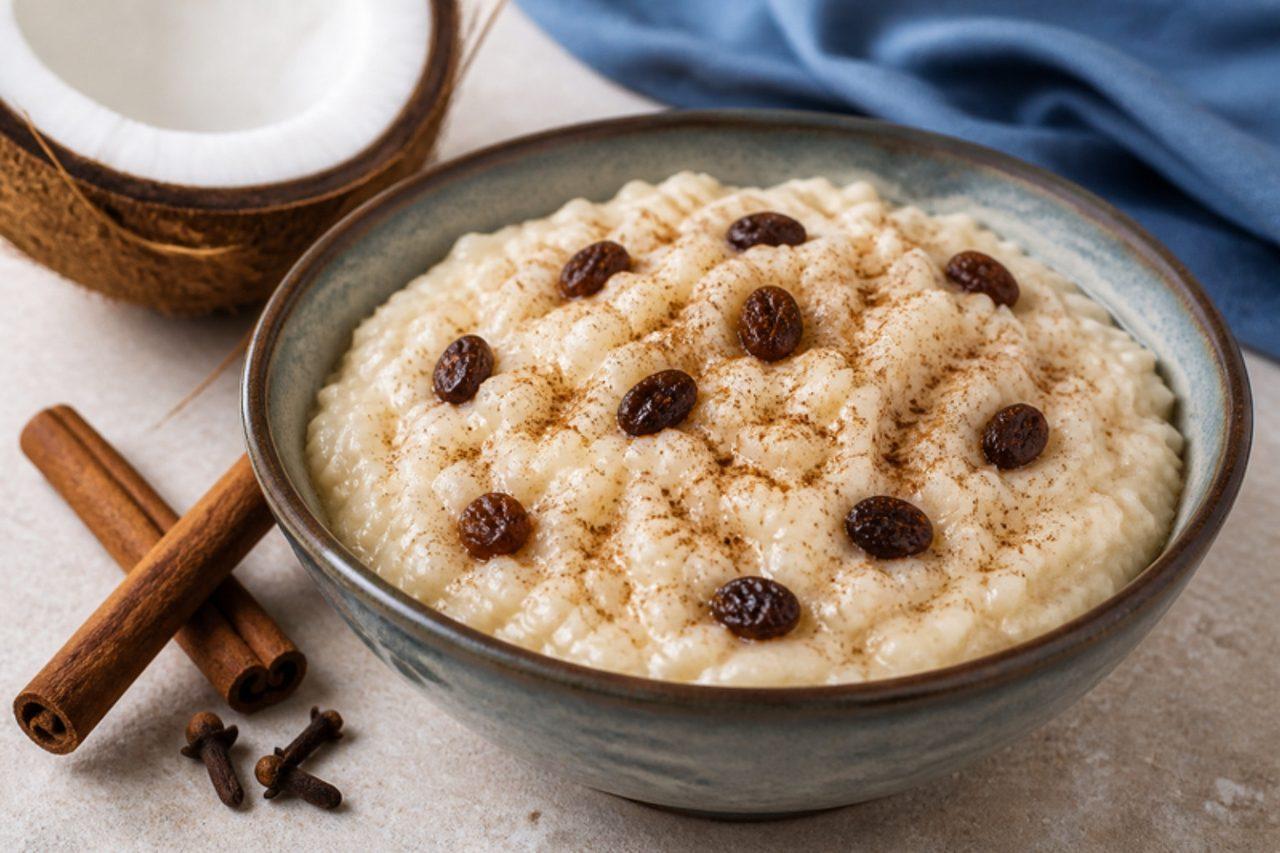
On Nicaragua's Caribbean coast, around Bluefields and the Corn Islands, coconut is in almost everything, and arroz con coco is a sweet spoon dessert rather than a side dish. Rice is simmered in fresh coconut milk with cinnamon, a clove or two and raisins until creamy and thick, then served warm or chilled, often after lunch or at Christmas. It's lighter and more fragrant than a milk rice pudding and naturally dairy free. Chef's tip: stir the coconut milk in two stages; adding it all at once at the start makes the fat split and the rice greasy.

by KrazyBadal 0 views

DushbaraTiny lamb dumplings in broth

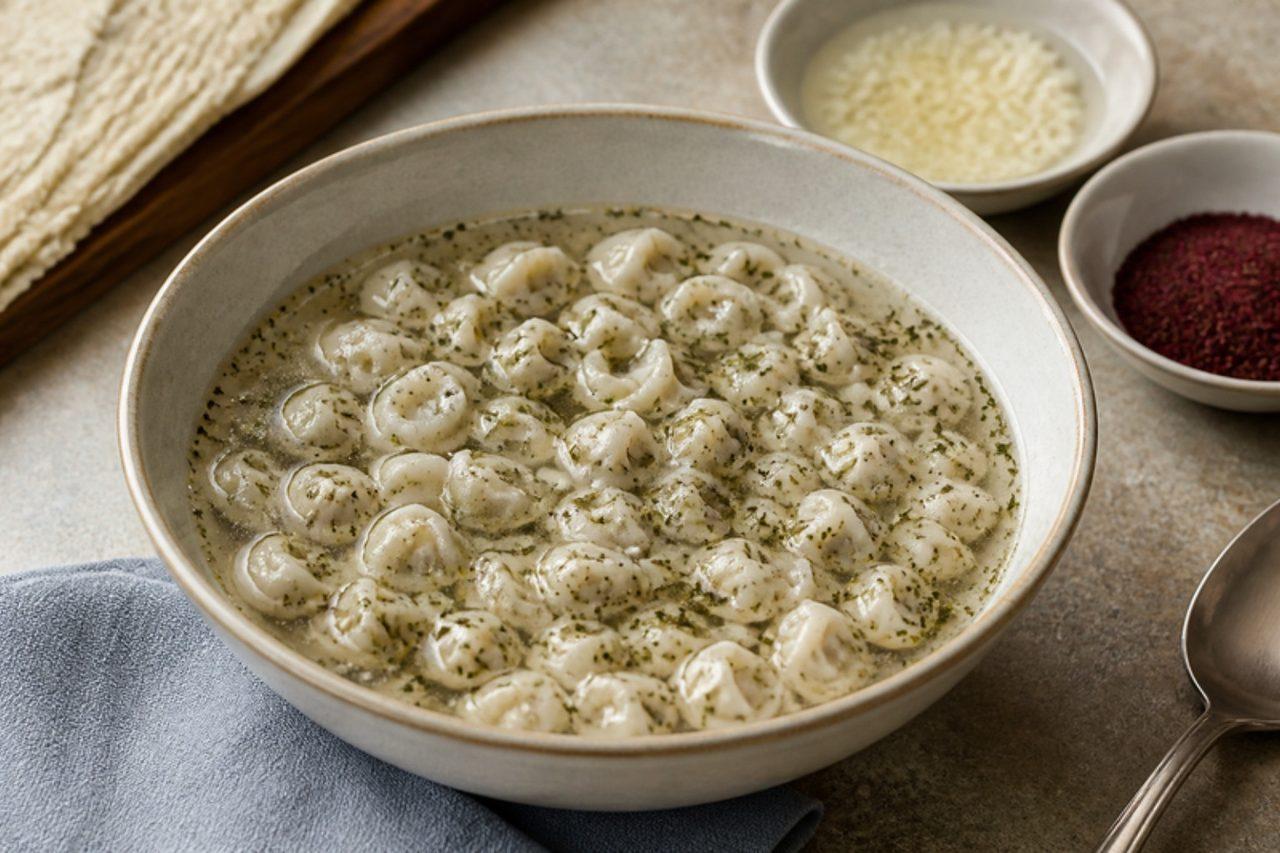
Dushbara is the test of a patient cook in Azerbaijan: dumplings so small that a dozen fit on a spoon, filled with lamb and onion and served in clear bone broth. Families in Baku and the Absheron towns make them for New Year and Novruz, everyone sitting around the table folding together. At the table each bowl gets dried mint, a little crushed garlic in vinegar, and sumac. Over-filling is the usual problem; too much meat and the edges won't seal, so the dumplings open in the pot. Chef's tip: make the broth from lamb bones the day before and chill it, so you can lift off the fat and the soup stays crystal clear.

by KrazyBadal 0 views

Arroz con cocoCaramelised coconut rice

Along Colombia's Caribbean coast, in Cartagena and Santa Marta, arroz con coco is the rice served with fried fish and patacones; it pairs just as well with beans, fried plantain and salad. The dark version, arroz con coco titoté, comes from cooking coconut milk down until the oil separates and the solids fry into brown, toasty flecks (titoté), then adding the rice with a little sugar and raisins. The result is nutty, sweet-savoury and light brown. Chef's tip: be patient with the titoté; it only tastes right once the bits are deep brown, but take it off the moment they turn the colour of coffee or it will be bitter.

by KrazyBadal 0 views

Dwaeji gukbapPork and rice soup

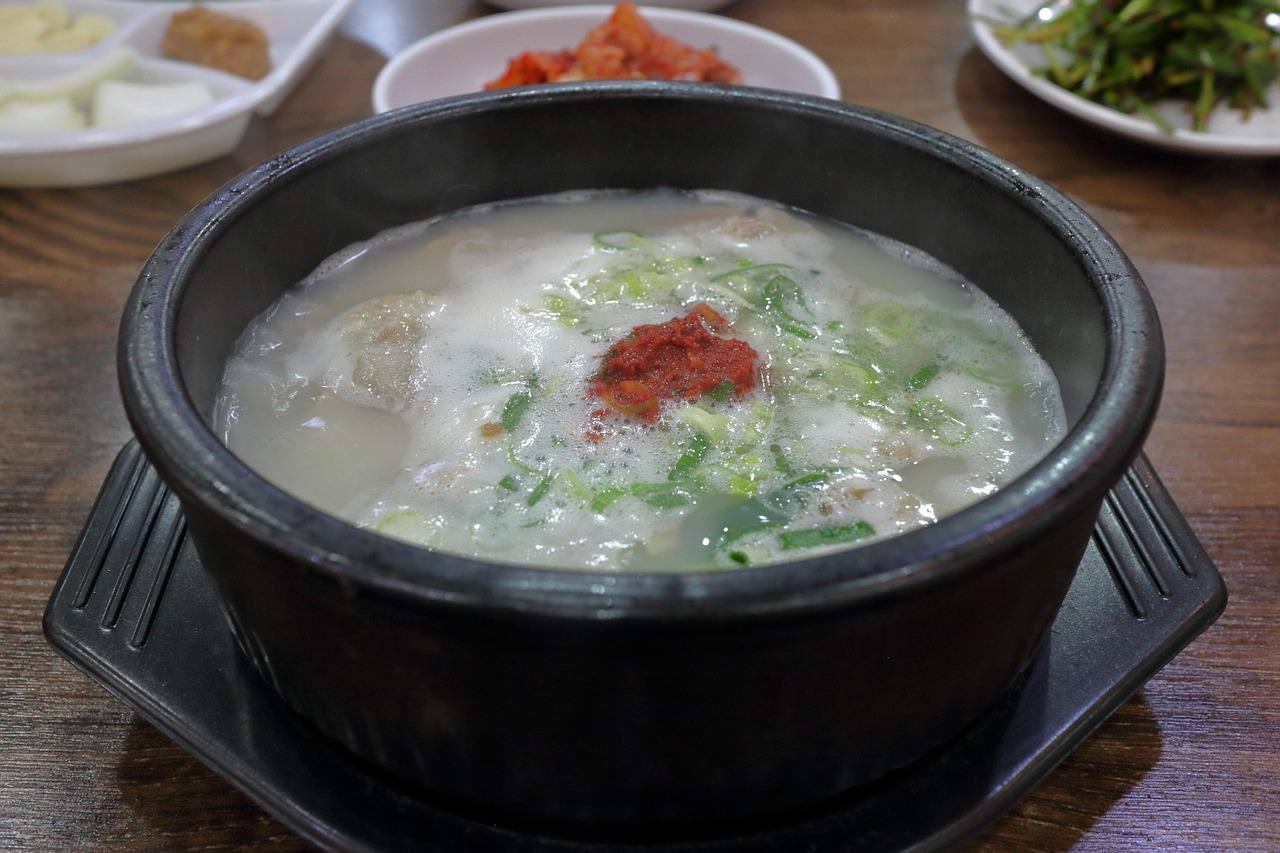
Ask anyone in Busan for a bowl of something filling at any hour and they will probably send you for dwaeji gukbap. Seomyeon has a whole alley of gukbap restaurants, open from early morning to late at night, serving the soup to market workers, students and people heading home after a night out. Pork bones are boiled hard for hours until the broth turns cloudy and white, then poured over sliced pork and rice. Each diner seasons their own bowl at the table with salted shrimp, chilli paste and a pile of garlic chives, with raw onion, green chilli and kimchi on the side. Chef's tip: season the soup in the bowl, not the pot; a little saeujeot at a time gives a clean, savoury depth that salt alone doesn't.

180 minKoreanSoups
by KrazyBadal 0 views

Arroz chaufaPeruvian fried rice

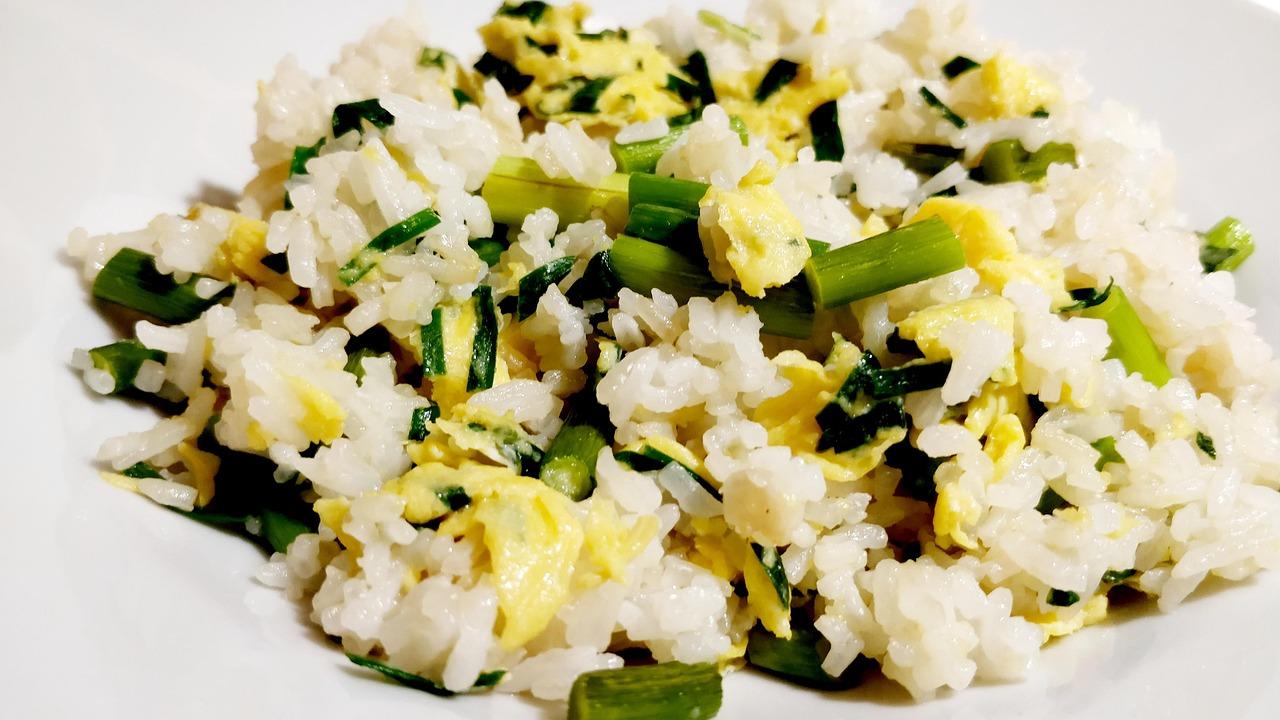
Arroz chaufa is the fried rice of Lima's chifas, the Chinese-Peruvian restaurants found on almost every street corner in Peru. It is close to Cantonese fried rice but has its own accent: plenty of spring onion and ginger, a dark soy colour, a thin omelette cut into strips and a whisper of sesame oil, all tossed in a smoking wok. This egg and vegetable version is a quick dinner on its own, or the side for a saltado. Chef's tip: use rice cooked the day before and broken up with your fingers; fresh rice is too wet and goes mushy and sticky in the wok.

by KrazyBadal 0 views

Echorer dalnaYoung jackfruit curry

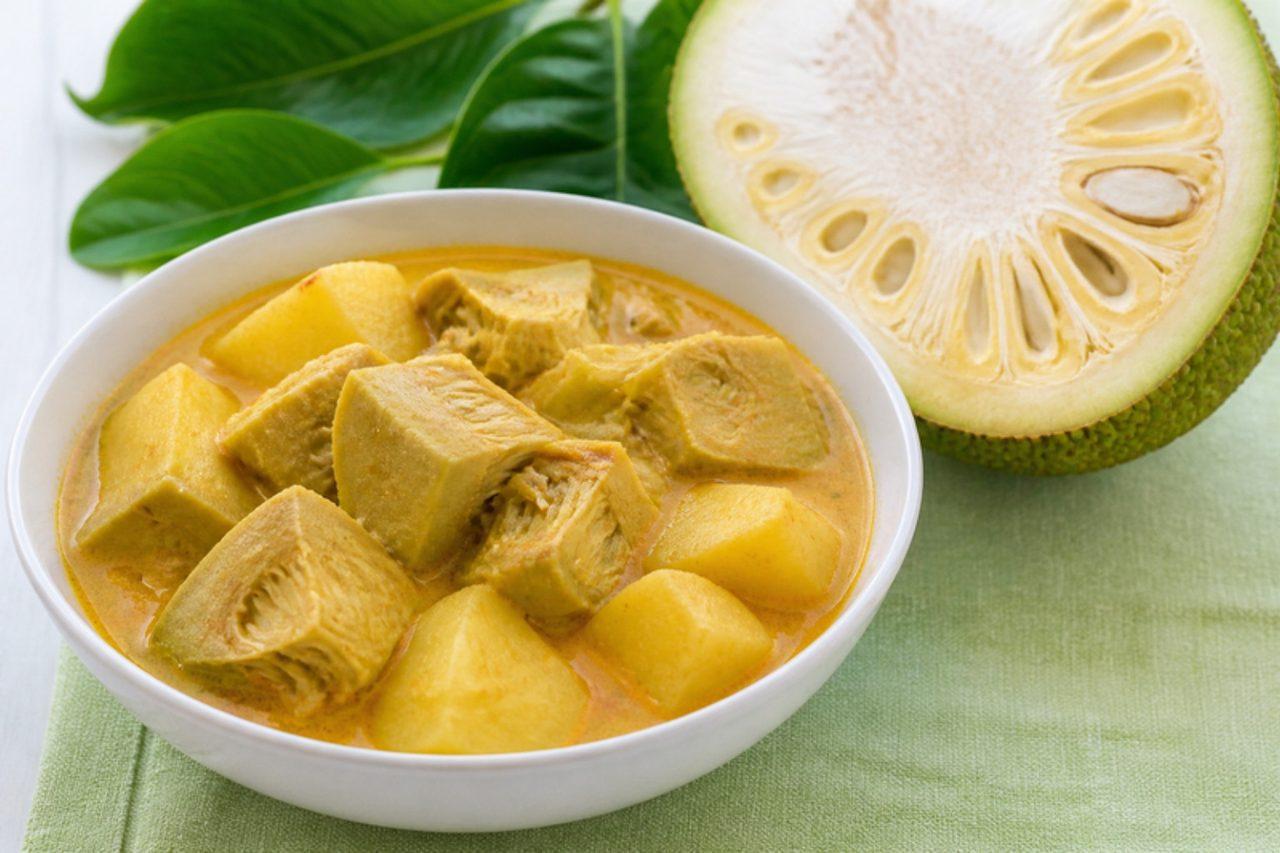
In early summer, Kolkata's bazaars sell baby green jackfruit (echor), and Bengali households cook it into a dalna rich enough to be called gachh-patha, 'mutton from the tree'. The jackfruit is boiled, fried with potato and simmered in a ginger, cumin and tomato gravy, finished with ghee and garam masala. Its chewy, meaty texture soaks up the spice. It is a Sunday lunch dish, eaten with rice or luchi. Chef's tip: buy jackfruit no longer than your forearm, with pale seeds; older fruit is fibrous and the seeds are hard.

by KrazyBadal 0 views

Arroz carreteiroRice with dried beef

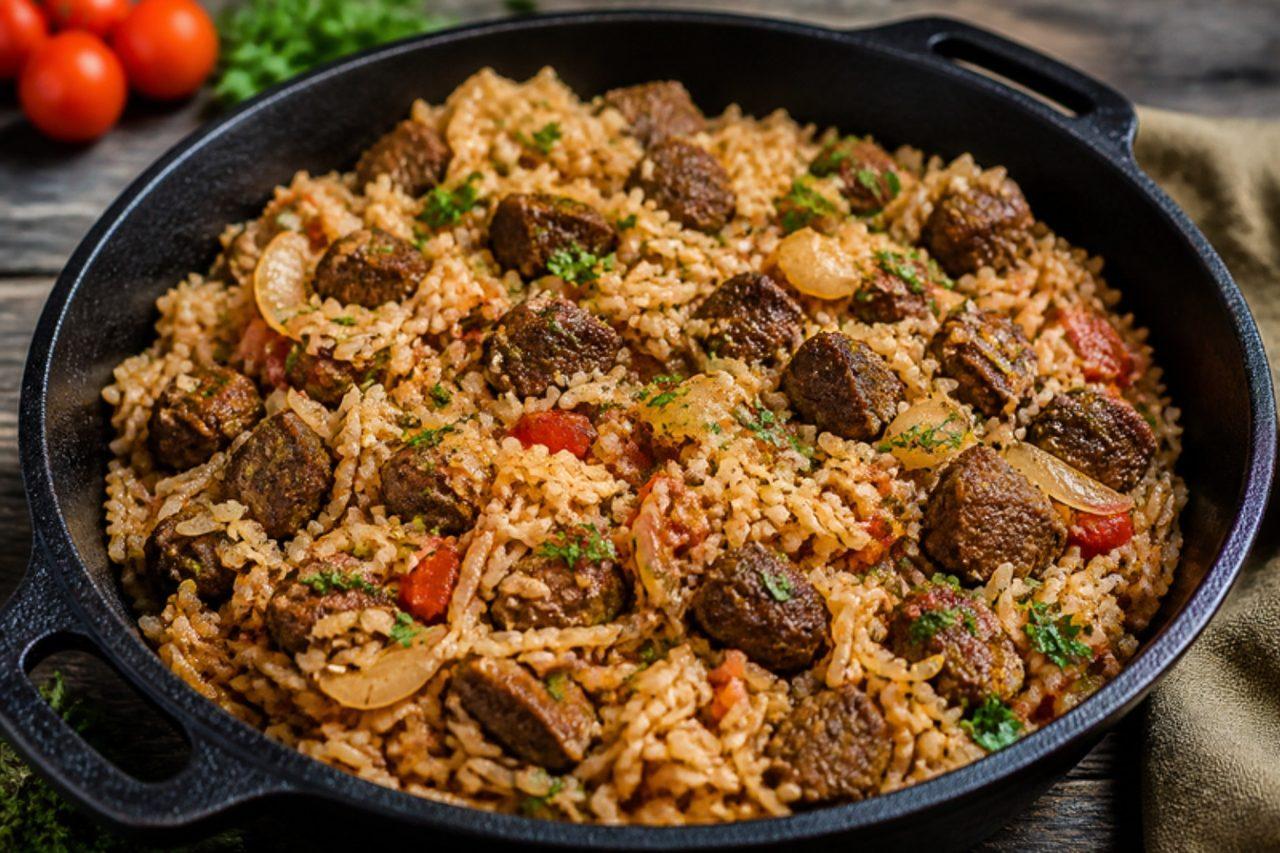
Arroz carreteiro is named after the carreteiros, the ox-cart drivers who crossed the pampas of Rio Grande do Sul with charque (dried salted beef) that kept for weeks, cooking it with rice in one iron pot at camp. In southern homes today it is often the Monday dish, made with whatever is left from Sunday's churrasco, though some cooks still use carne seca. It's quick, filling and savoury, with tomato, onion, garlic and plenty of fresh herbs. Chef's tip: dice the leftover beef small, about 1 cm, and brown it hard before the rice goes in; those crispy edges flavour the whole pot.

by KrazyBadal 0 views

Arroz al hornoBaked rice with chickpeas and pork

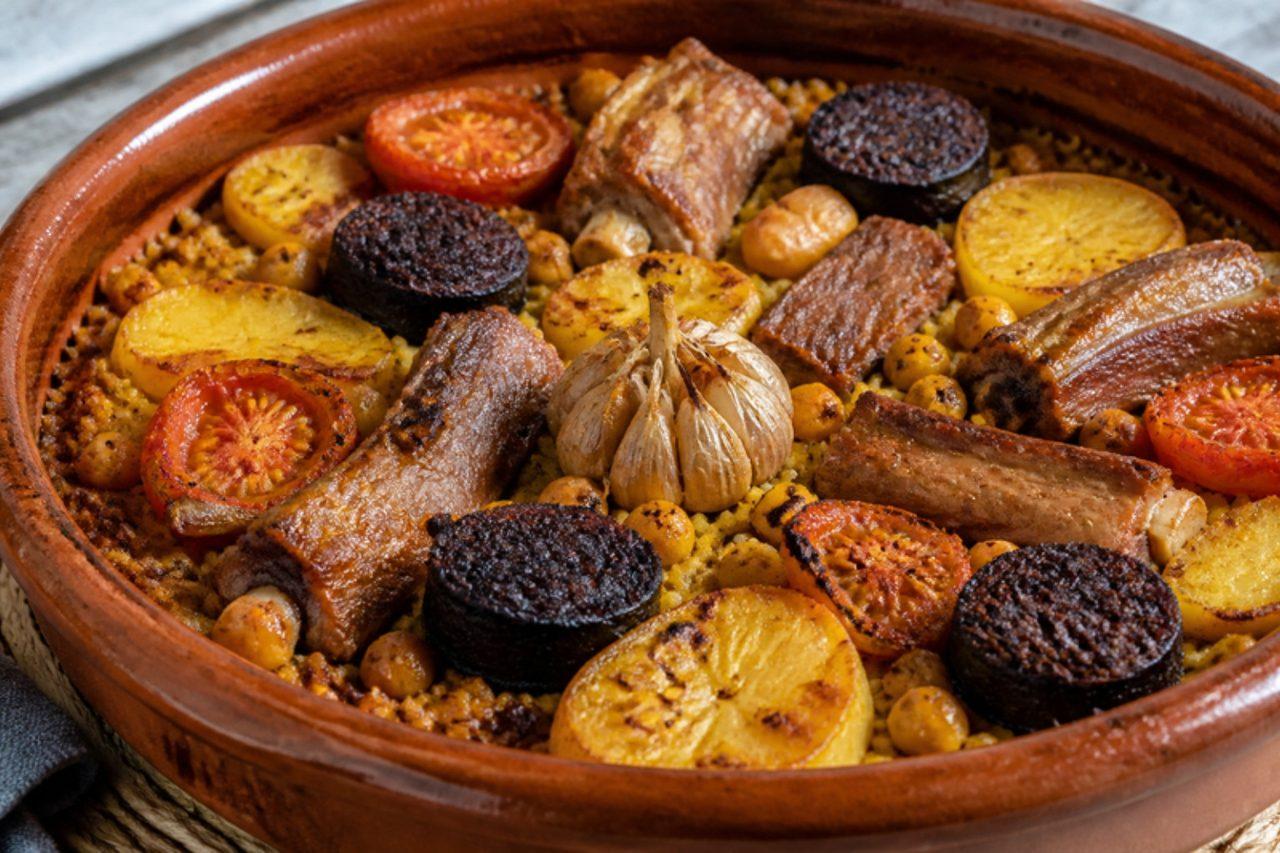
Arroz al horno (arròs al forn in Valencian) is the oven rice of Valencia and Xàtiva, traditionally made the day after a big pot of cocido, using its leftover chickpeas and broth. Families once carried the clay dish to the village baker's oven; today it is baked at home in a wide, shallow earthenware cazuela. Pork ribs, morcilla (Spanish onion blood sausage), slices of potato, chickpeas and a whole head of garlic sit on top of the rice, which bakes into a dry, tender layer full of flavour. Use any ovenproof dish about 30 cm across and 5 cm deep if you don't have a cazuela. Chef's tip: have the stock at a rolling boil when you pour it in, then get the dish into the hot oven within seconds; a lukewarm start leaves the rice chalky in the middle.

by KrazyBadal 0 views

LavashThin flatbread

In Armenian villages lavash is still slapped onto the hot clay wall of a tonir by women working in pairs, one rolling and one stretching, and the craft is on UNESCO's list of intangible heritage. The sheets come out blistered and soft, then dry to a cracker that keeps for months; a sprinkle of water brings them back to life. Lavash wraps grilled vegetables and herbs, carries cheese to the mouth, lines the pot for a crusty plov and is laid on the table at every meal and wedding. This version is unleavened and cooked in a heavy frying pan, the easiest way to get close to the tonir at home. Chef's tip: roll on a lightly oiled worktop rather than a floured one; the dough clings a little, so it stretches thinner without tearing.

by KrazyBadal 0 views

EetchBulgur in tomato and pepper

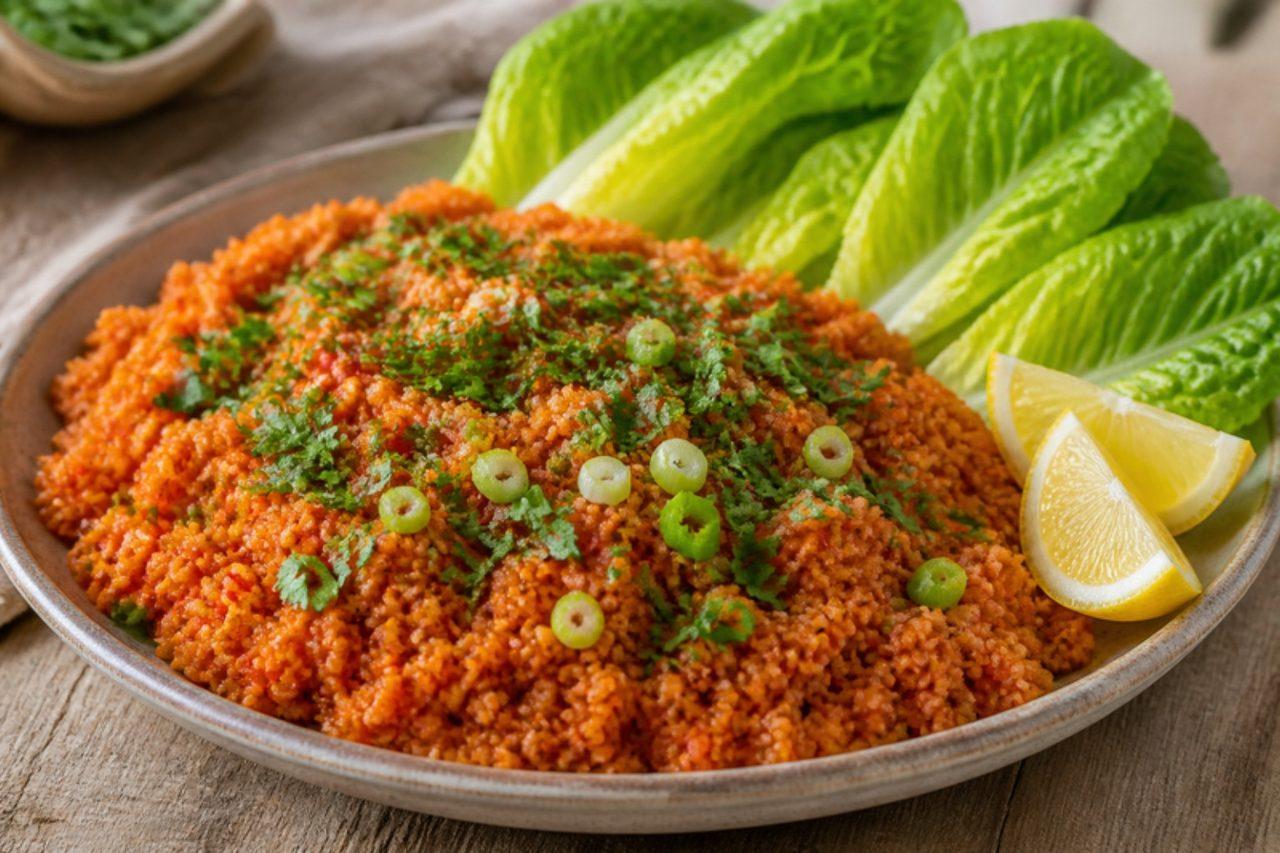
Eetch is a Western Armenian dish from the old Cilician towns, carried by families to Aleppo, Beirut and the Armenian quarters of American cities. Fine bulgur is stirred into a hot sauce of onion, red pepper, tomato and pepper paste and left to drink it up, then finished with lemon, parsley and spring onion and eaten at room temperature, often scooped up with lettuce leaves. Unlike a herb-heavy raw bulgur salad, eetch is cooked, so it is rich and tomatoey, and it is a fixture of Lenten tables, picnics and mezze spreads. It keeps for days, which makes it a favourite for lunchboxes. Chef's tip: take the pan off the heat before adding the bulgur and keep the lid on; the grains soften in the residual heat and stay separate instead of turning to porridge.

by KrazyBadal 0 views

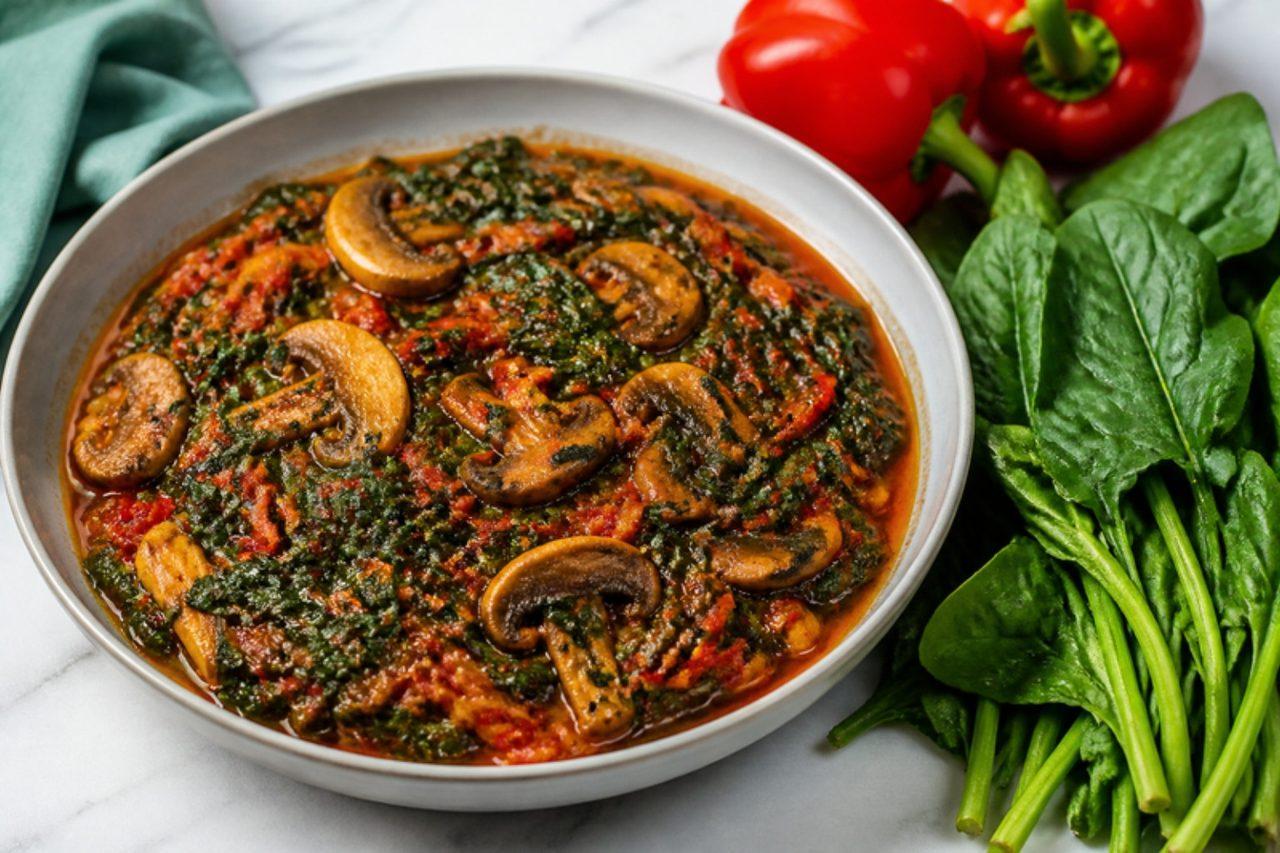
Efo riroSpinach stew

Efo riro, literally 'stirred greens', is the Yoruba vegetable stew cooked in homes from Ibadan to Lagos on any ordinary weekday, and eaten with pounded yam, eba or plain rice. Leafy greens are wilted into a rich base of blended peppers fried in palm oil with iru, the pungent fermented locust beans that give the dish its savoury backbone. Most families add assorted meats, stockfish and crayfish; some keep a little smoked fish on the side for those who want it. This version leans on mushrooms, iru and a touch of smoked paprika instead. Chef's tip: squeeze the blanched greens really dry before they go into the sauce; wet spinach thins the stew and washes out the flavour.

by KrazyBadal 0 views

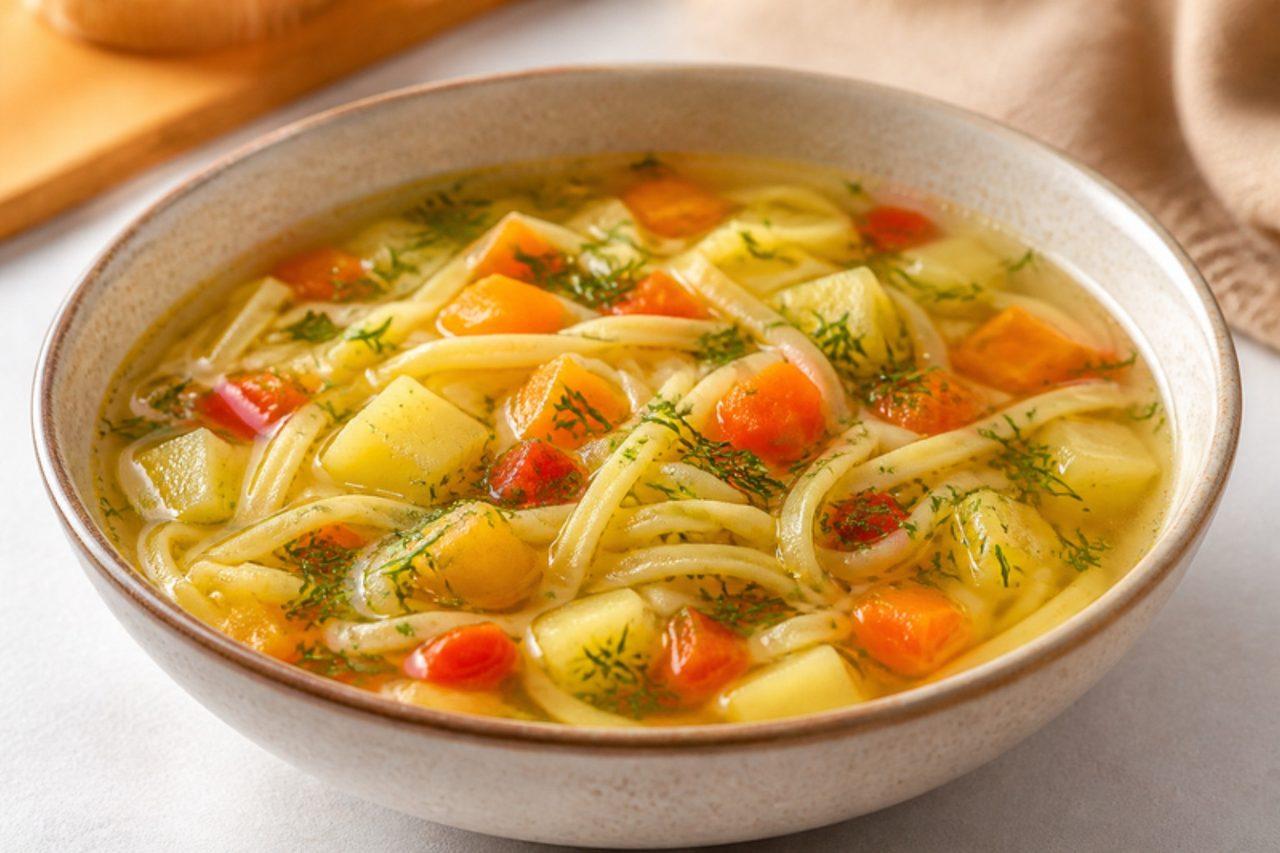
KespeEgg noodles in vegetable broth

Kespe is the plainest and most comforting of Kazakh soups: home-made egg noodles, cut thin with a knife, simmered in broth with potato, carrot and onion. The name comes from 'kesu', to cut. Grandmothers in villages around Karaganda and Pavlodar make it on winter evenings and for anyone feeling unwell, and in Kyrgyzstan the same soup goes by the same name. It is usually cooked in mutton broth; this version uses a well-browned vegetable broth. Chef's tip: dry the cut noodles for 20 minutes before cooking; they hold their shape and don't cloud the broth.

by KrazyBadal 0 views

Armenian harissaChicken and wheat porridge

Armenian harissa has nothing to do with the North African chilli paste. It is a thick, smooth porridge of whole wheat and chicken, cooked for hours until both break down, then beaten hard with a wooden spoon. It is tied to Musa Dagh and the village of Anjar, where it is cooked in huge cauldrons for the September feast, and many families also make it for Easter and cold winter Sundays. The taste is gentle and comforting, lifted by browned butter and cumin poured on top. Cooks often stop stirring once the wheat has softened, but the long beating at the end is what gives harissa its creamy, stretchy texture. Chef's tip: soak the wheat the night before; it halves the cooking time.

by KrazyBadal 0 views

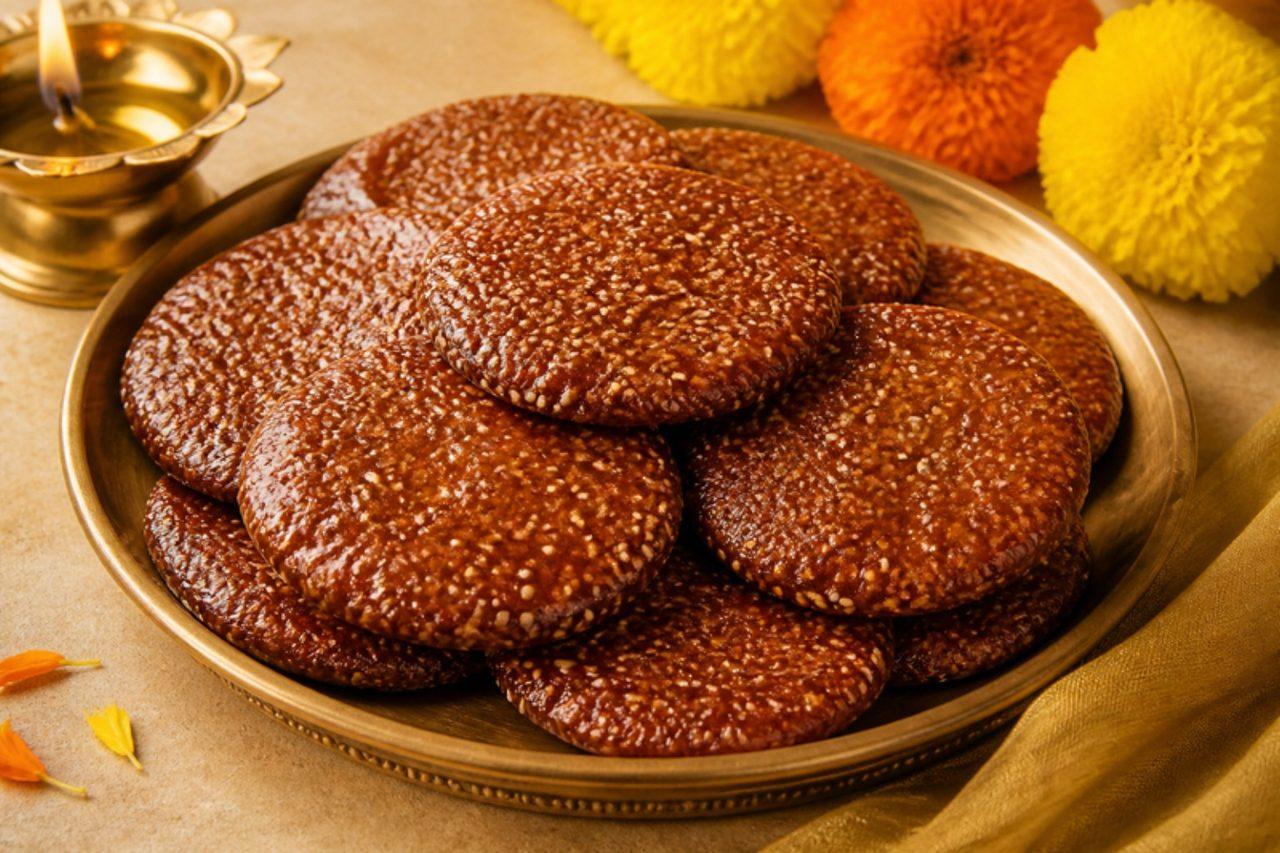
AriseluRice flour and jaggery sweets

No Sankranti in coastal Andhra Pradesh is complete without ariselu. In the days before the January harvest festival, women gather to pound soaked rice into damp flour, cook it into a thick jaggery syrup, and press the dough into rounds on sesame seeds before frying. Each ariselu is chewy, dense and caramel-sweet, with a crisp sesame coat; after frying they are squeezed between two wooden spatulas to push out the excess oil. They keep for two weeks and are shared with every neighbour. Chef's tip: use home-made flour from soaked rice that is still slightly damp; dry shop flour gives hard, cracking ariselu.

by KrazyBadal 0 views

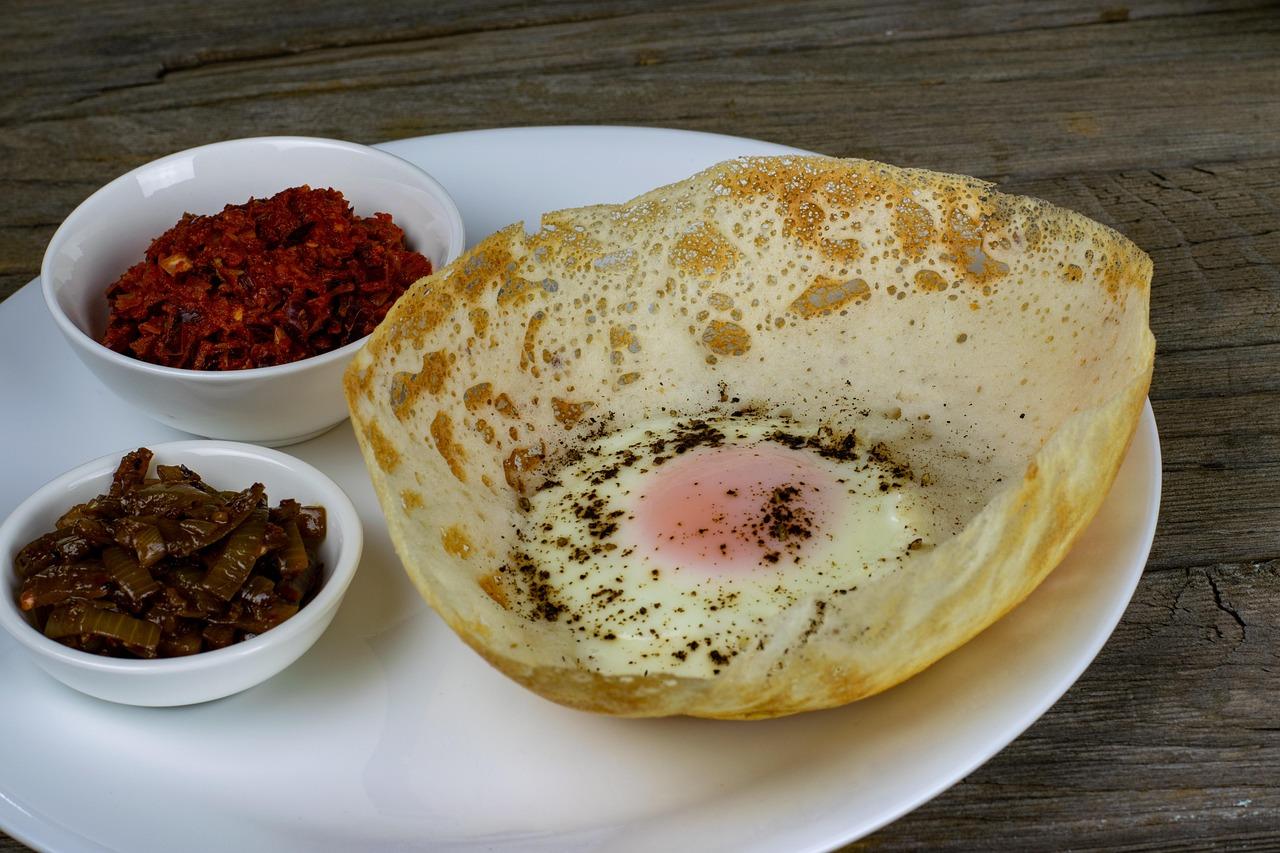
Egg hoppersBowl-shaped rice pancakes with egg

Hoppers (appa) are the crisp-edged, bowl-shaped pancakes that street cooks in Colombo, Kandy and Jaffna make in rows of small round pans every evening; an egg hopper has an egg cracked into the soft centre so it steams to a runny yolk. The batter of rice flour, coconut milk and yeast (traditionally toddy) is left to ferment until it's light and slightly sour, which gives the lacy, golden rim and the spongy middle. They're eaten hot with pol sambol and lunu miris, and plain hoppers come with sweet jaggery for dessert. Kerala's appam is a cousin, but Sri Lankan hoppers are thinner and crisper and the egg version is their own. The common mistake is a batter that's too thick, which gives heavy, pale hoppers; it should flow like single cream. Chef's tip: swirl the pan in one quick full turn the moment the batter goes in, then cover at once.

by KrazyBadal 0 views

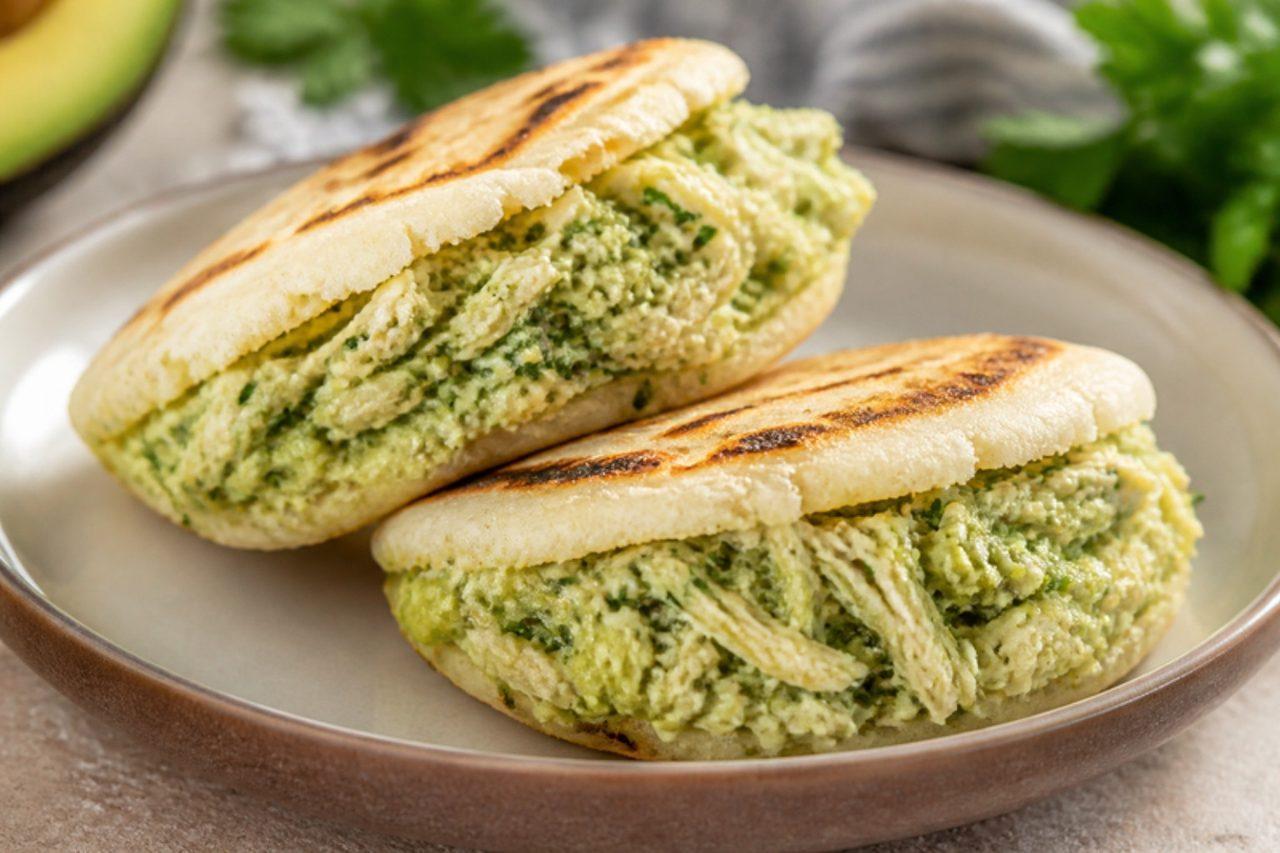
Arepa reina pepiadaChicken and avocado arepas

Caracas named this filling after a beauty queen: in 1955 a family running an arepera in the city made it for Susana Duijm, Venezuela's first Miss World, and called it 'the curvy queen'. Shredded chicken is mashed with ripe avocado, a little mayonnaise, lime and coriander, then stuffed into a hot, crisp-skinned arepa split down the side. Venezuelans eat it for breakfast, at lunch from areperas and late at night after a party. The usual mistake is cooking arepas over too high a heat: the outside blackens while the middle stays raw and doughy. Chef's tip: an arepa is done when it sounds hollow when you tap it; if it doesn't, give it a few more minutes in the oven.

by KrazyBadal 0 views

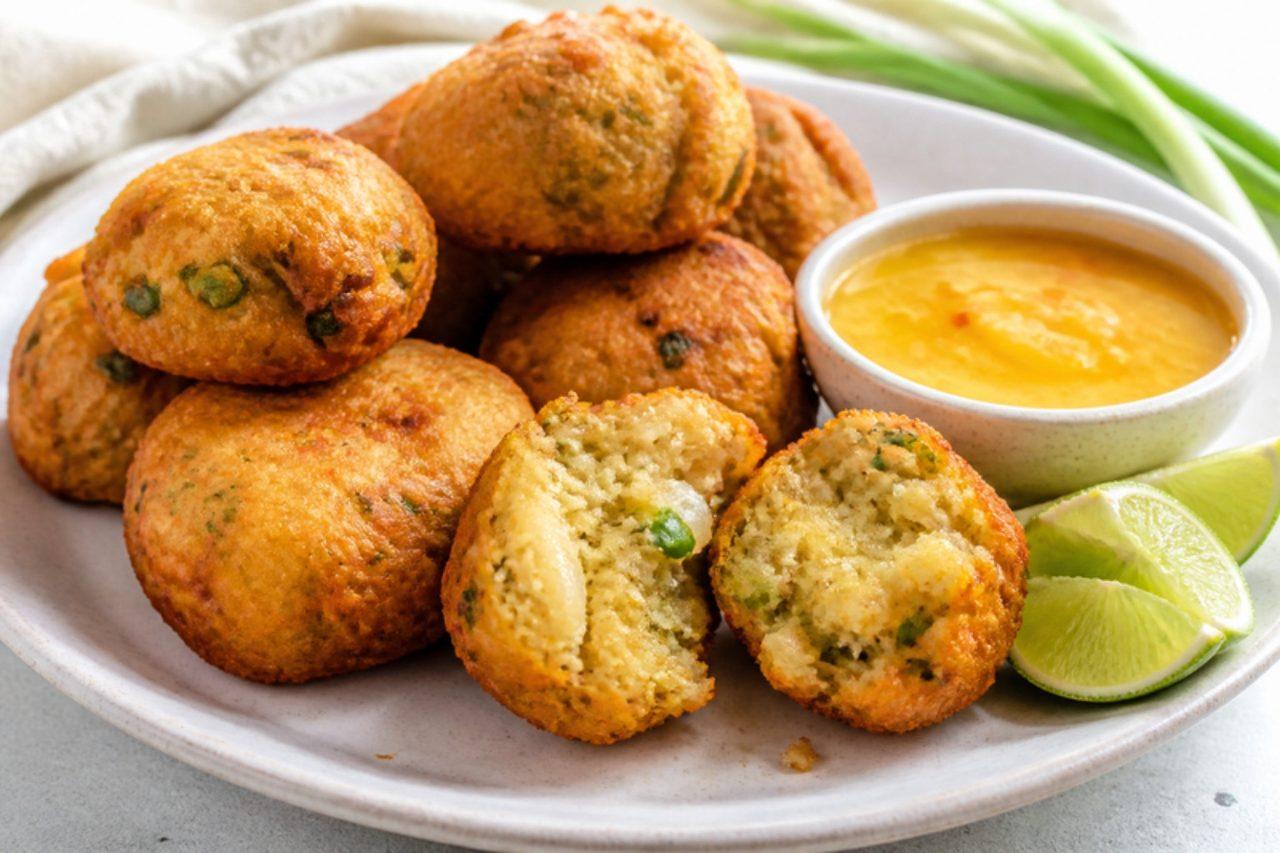
Bajan fish cakesSalt cod fritters

Fish cakes are on every Bajan party table and in every rum-shop snack box, and on Friday nights at Oistins Fish Fry they are tucked into a split salt bread roll as 'bread and two'. These are not potato patties but spoonfuls of light, herby batter full of flaked salt cod, spring onion, thyme and Scotch bonnet, fried until puffed and golden. Serve them hot with Bajan pepper sauce or a squeeze of lime. The mistake that gives flat, greasy fish cakes is a thin batter; it should drop from the spoon in a soft blob, not pour. Chef's tip: taste a flake of the cooked cod before mixing; if it is still salty, don't add any more salt to the batter.

by KrazyBadal 0 views

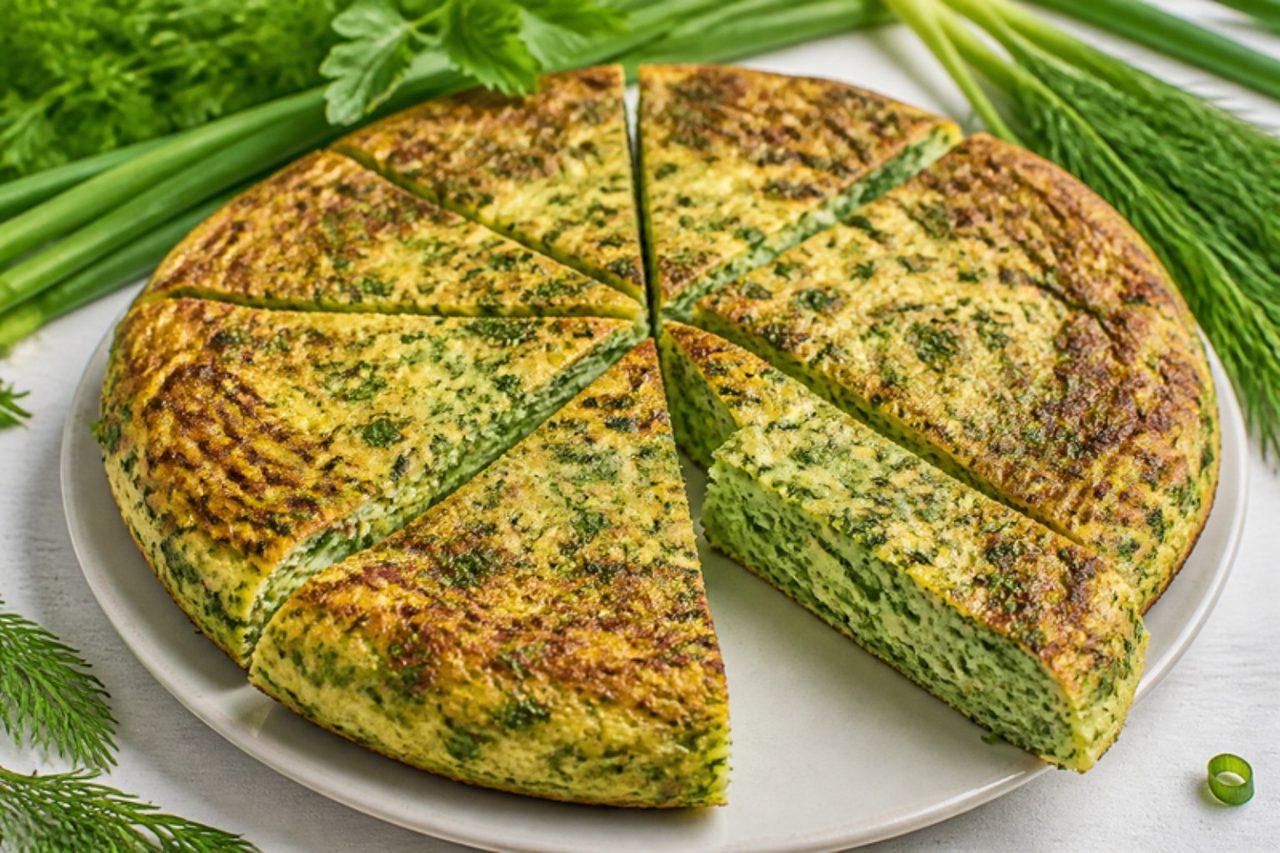
EggahHerb omelette

Eggah is the omelette Egyptian families make at home for breakfast or a light supper, often on a Friday morning alongside ful, falafel, cheese and baladi bread. It is thick and set rather than folded, packed with spring onion, parsley and dill and warmed with cumin, and it's cooked slowly so it puffs and browns on both sides. Slice it into wedges and eat it hot from the pan or cold in a sandwich. Chef's tip: grate the onion and squeeze it dry; wet onion makes the eggs weep and the eggah falls apart when you flip it.

by KrazyBadal 0 views

Arepa dominóArepas with black beans and cheese

In Caracas the arepa is not a topped flatbread but a pocket: a thinner, crisp-skinned white-corn round that is split open while hot and stuffed, sold from areperas that stay open late into the night. The dominó is the classic vegetarian filling, named for its black and white look: warm black beans (caraotas) and crumbly salty white cheese. It is a filling meal for breakfast or dinner. Chef's tip: once the arepas have a crust, finish them in a hot oven or let them stand on the griddle until they sound hollow when tapped; that dry, steamy middle is what makes them easy to split and stuff.

by KrazyBadal 0 views

Arepa de huevoFried corn cake with egg

Arepa de huevo is the famous fried snack of Colombia's Caribbean coast, sold from the hot oil drums of street cooks in Cartagena, Barranquilla and especially the beach town of Luruaco. A thin yellow-corn arepa is fried until it puffs like a pillow, then slit open, a raw egg is slipped inside, and it goes back into the oil to seal and cook the egg. It is crisp, a little chewy and rich. Street versions often add minced beef; this one keeps it simply egg and salt. Chef's tip: fry the arepas the first time just until they puff, not until golden, or they will burn during the second fry.

by KrazyBadal 0 views

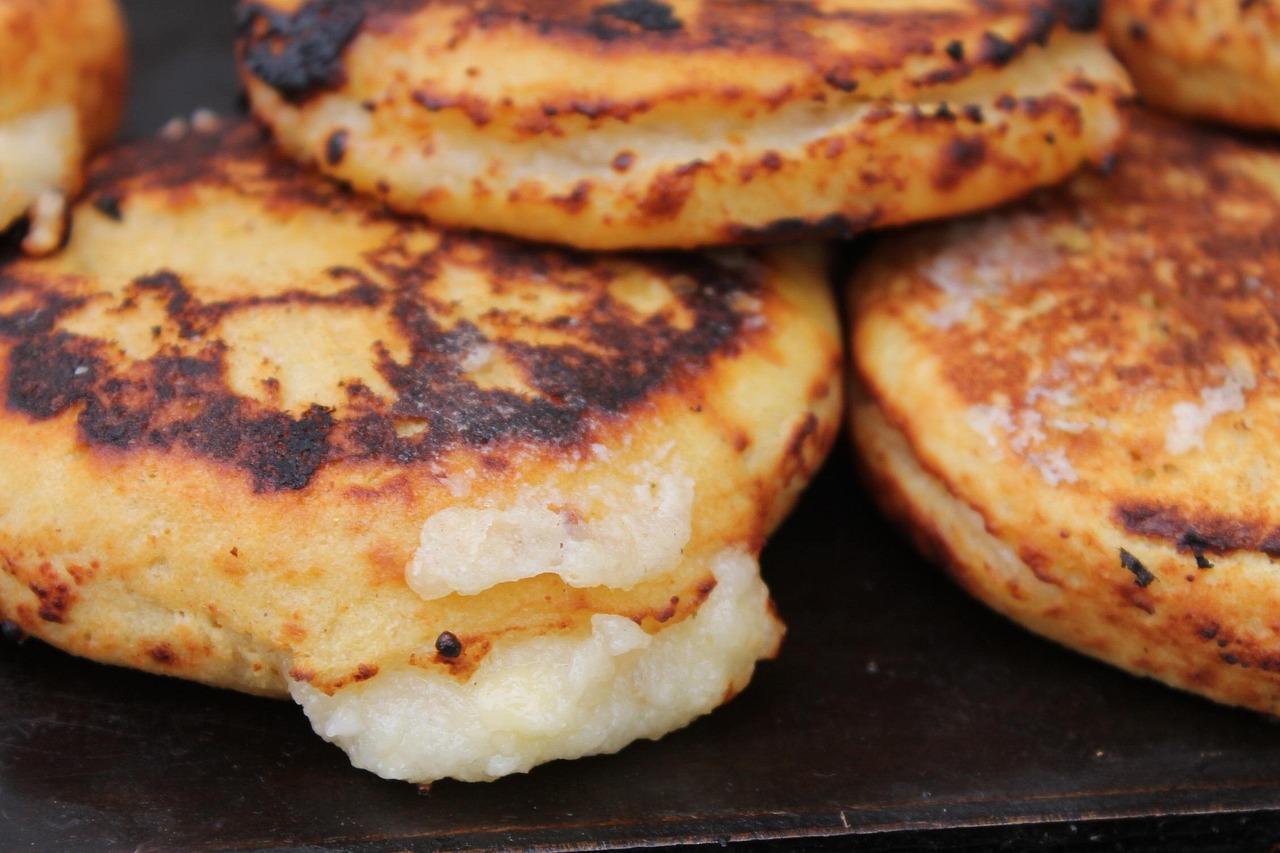
Arepa con quesoCorn cakes with cheese

In the Andean cities of Bogotá, Medellín and the coffee region, breakfast very often means an arepa: a thick, griddled round of white corn dough, split or topped with butter and melting fresh cheese. This Colombian arepa con queso has cheese kneaded into the dough as well as on top, so it comes out soft and steamy inside with a crisp, freckled crust. Serve it with hot chocolate, aguapanela or eggs scrambled with tomato and spring onion (huevos pericos). Chef's tip: the dough should feel like soft play dough; if the edges crack when you flatten a ball, it needs a splash more warm water.

by KrazyBadal 0 views

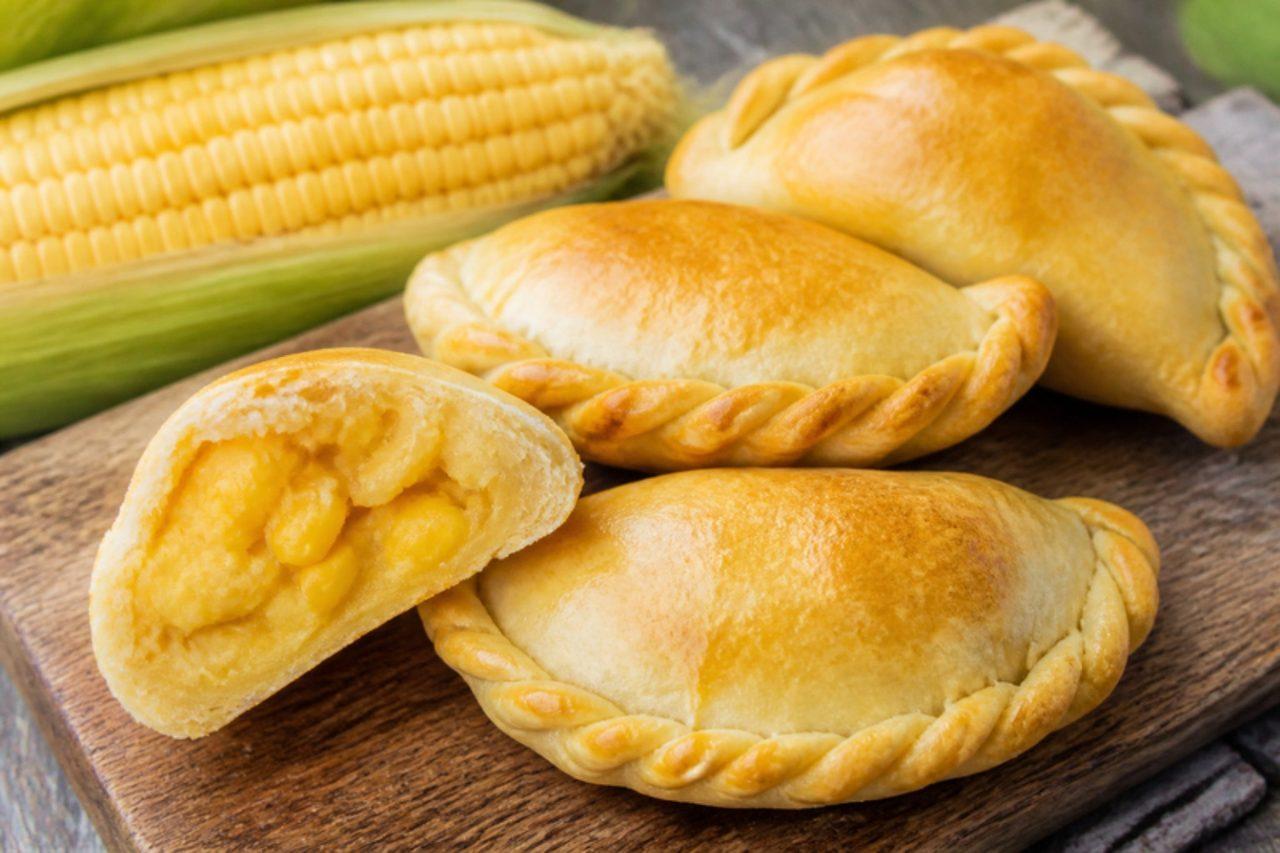
Empanadas de humitaCreamy corn empanadas

Empanadas de humita are the vegetarian favourite at every Argentine empanada shop, from Tucumán, which claims the best empanadas in the country, to the delivery menus of Buenos Aires. The filling is sweetcorn and onion cooked with red pepper, nutmeg and a little white sauce until creamy, then folded into wheat pastry discs and closed with the twisted edge (repulgue) that tells you what's inside. Unlike the husk-wrapped humita en chala, these are baked and golden. Chef's tip: chill the filling until firm before filling; warm filling melts the pastry and the empanadas open in the oven.

by KrazyBadal 0 views

Arancini with mushrooms and peasMushroom and pea rice balls

Arancini are the pride of Sicilian rosticcerie, eaten mid-morning or as a snack on the ferry across the Strait of Messina; in Palermo they are round and called arancine, in Catania they are cone-shaped. The rice is cooked with saffron, cooled, then wrapped around a filling and fried until the crust is crackling gold. The best-known filling is meat ragù; this vegetarian version uses a thick tomato ragù of mushrooms and peas with a cube of caciocavallo or mozzarella, which is also found in Sicilian bars. Chef's tip: let the filling cool completely and keep it thick; a wet filling seeps through the rice and makes the balls split.

by KrazyBadal 0 views

Arabic coffeeCardamom coffee

Pale, fragrant and nothing like espresso, qahwa is the coffee of Gulf hospitality: poured from a brass dallah into tiny handleless cups in majlis sitting rooms from Kuwait to Oman, always beside a bowl of dates. The beans are only lightly roasted, so the drink is golden-brown and herbal, dominated by cardamom with a little saffron and clove. Guests take a few sips at a time, and a small shake of the empty cup tells the host you've had enough. Chef's tip: grind the cardamom just before brewing; pre-ground cardamom has lost most of the perfume that makes qahwa.

by KrazyBadal 0 views

Bajan pepper sauceMustard scotch bonnet hot sauce

On every table in Barbados, from rum shops in Oistins to Sunday lunch at home, there's a bottle of yellow pepper sauce. Bajan pepper sauce is unlike the red sauces of other islands: scotch bonnets are blended with onion, yellow mustard, turmeric and vinegar, which give it its colour and a tangy, mellow edge under the fierce, fruity heat. A few drops lift fish cakes, cou-cou, macaroni pie and rice. Chef's tip: let it rest for a few days before using; the mustard and vinegar soften the raw onion and the heat becomes rounder.

by KrazyBadal 0 views

AppeltaartDutch apple pie

Dutch appeltaart is a tall, generous pie baked in a springform tin, piled so high with apple chunks that a slice stands almost as tall as it is wide. A buttery, cake-like crust holds apples with cinnamon, lemon and raisins, and the top is woven into a lattice. It is what Dutch cafés serve with coffee, and what people bake for a birthday, always with a spoon of slagroom (lightly whipped cream). Amsterdam's Winkel 43 made it famous with tourists. Chef's tip: use firm, tart apples such as Goudreinet, Elstar or Bramley mixed with Jonagold; soft dessert apples collapse into purée and leave a gap under the lattice.

115 minDutchBaking
by KrazyBadal 0 views

Appam with vegetable stewRice hoppers with vegetable stew

Appam with stew is a Kerala breakfast loved across communities, and the classic Easter and Christmas morning meal for Syrian Christian families. Appams are bowl-shaped pancakes of fermented rice and coconut batter: crisp, lacy edges around a thick, spongy, slightly sweet centre. The stew (ishtu) is pale and gentle: potatoes and vegetables simmered in thin coconut milk with whole spices, ginger and green chilli, finished with thick coconut milk and curry leaves. Chef's tip: swirl the appam pan once, firmly, the moment the batter goes in, then cover; the swirl makes the lace and the lid steams the soft centre.

by KrazyBadal 0 views

Api con pastelPurple corn drink with cheese pastry

On cold mornings in La Paz, El Alto and Sucre, market stalls ladle out steaming api: a thick, spiced drink of purple corn flour with cinnamon, cloves and orange peel. It's served with a pastel, a big, thin fried empanada filled with fresh cheese and dusted with icing sugar, crackling and blistered outside. Some stalls swirl the purple api with white (corn and milk) api in the same glass. Chef's tip: whisk the corn flour into cold water before it meets anything hot, or it lumps immediately.

by KrazyBadal 0 views

Anzac biscuitsOat and coconut biscuits

Anzac biscuits are baked in kitchens all over Australia and New Zealand in the days before 25 April, Anzac Day, when both countries remember the soldiers of the Australian and New Zealand Army Corps who landed at Gallipoli in 1915. Recipes appeared in fundraising cookbooks soon after the war, and they keep well because they contain no eggs: just oats, flour, coconut, sugar, butter and golden syrup, raised with bicarbonate of soda. Bake them short for chewy, longer for crunchy; every family has its side. Chef's tip: add the bicarbonate to the hot butter and syrup and wait for it to foam up before mixing; that froth is what makes them light and lacy.

by KrazyBadal 0 views

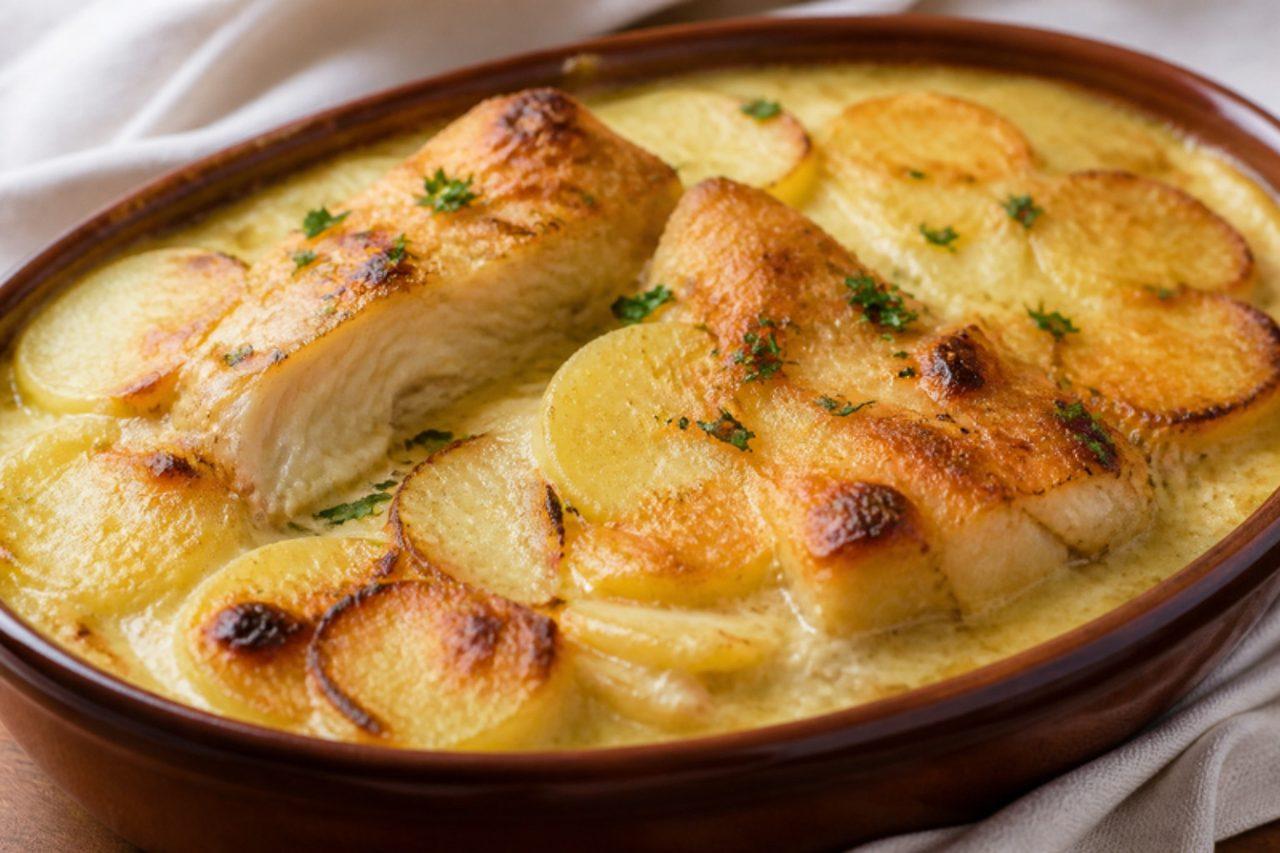
Bacalhau com natasSalt cod baked with cream

Bacalhau com natas is the comfort bake that turns up at Portuguese Christmas gatherings, Sunday lunches and every café menu from Porto to Faro. Flaked salt cod, soft onion and cubes of fried potato are folded into a light béchamel enriched with cream, then baked until bubbling and golden on top. It is rich, gently salty and easy to make ahead for a crowd. Serve with a crisp green salad and some bread. Chef's tip: fry the potato cubes only until pale gold; they finish cooking in the oven, and crisp ones turn soggy anyway.

by KrazyBadal 0 views

Anticuchos de corazónBeef heart skewers

As night falls in Lima, anticucheras set up charcoal grills on street corners and fan the smoke towards passers-by; the October processions of the Señor de los Milagros are lined with them. The skewers are traditionally beef heart, a lean, firm and surprisingly mild meat, soaked in a dark-red marinade of ají panca, vinegar, cumin and garlic. They come with a boiled potato, a piece of choclo (large-kernel corn) and a spicy green ají sauce. If you can't get heart, sirloin steak works well. Chef's tip: baste the skewers with the leftover marinade and oil using a few coriander stalks tied together as a brush, the way the street cooks do.

by KrazyBadal 0 views

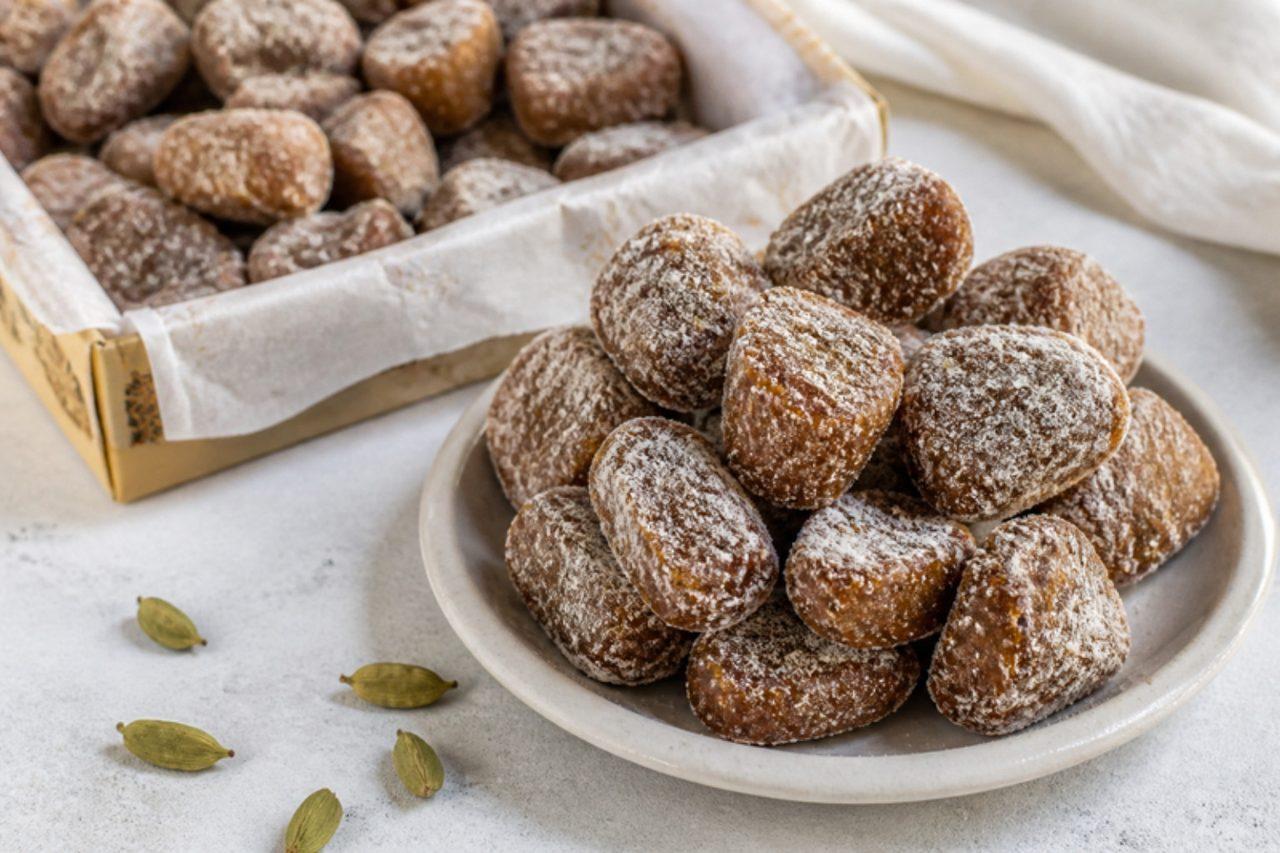
Dharwad pedaCaramelised milk sweets

Dharwad peda has been made in this north Karnataka town for well over a century, first by families who came from Uttar Pradesh, and it now carries a geographical indication tag. Unlike pale, smooth pedas elsewhere, it is cooked slowly until the milk solids caramelise to a deep brown and a grainy, almost crumbly texture, then rolled in powdered sugar. Pilgrims and travellers carry boxes home from Dharwad and Hubballi, and families buy it for weddings and exam results. Chef's tip: let the cooked mixture cool for ten minutes before you add the sugar for rolling; added while too hot, the sugar melts and the pedas go sticky.

by KrazyBadal 0 views

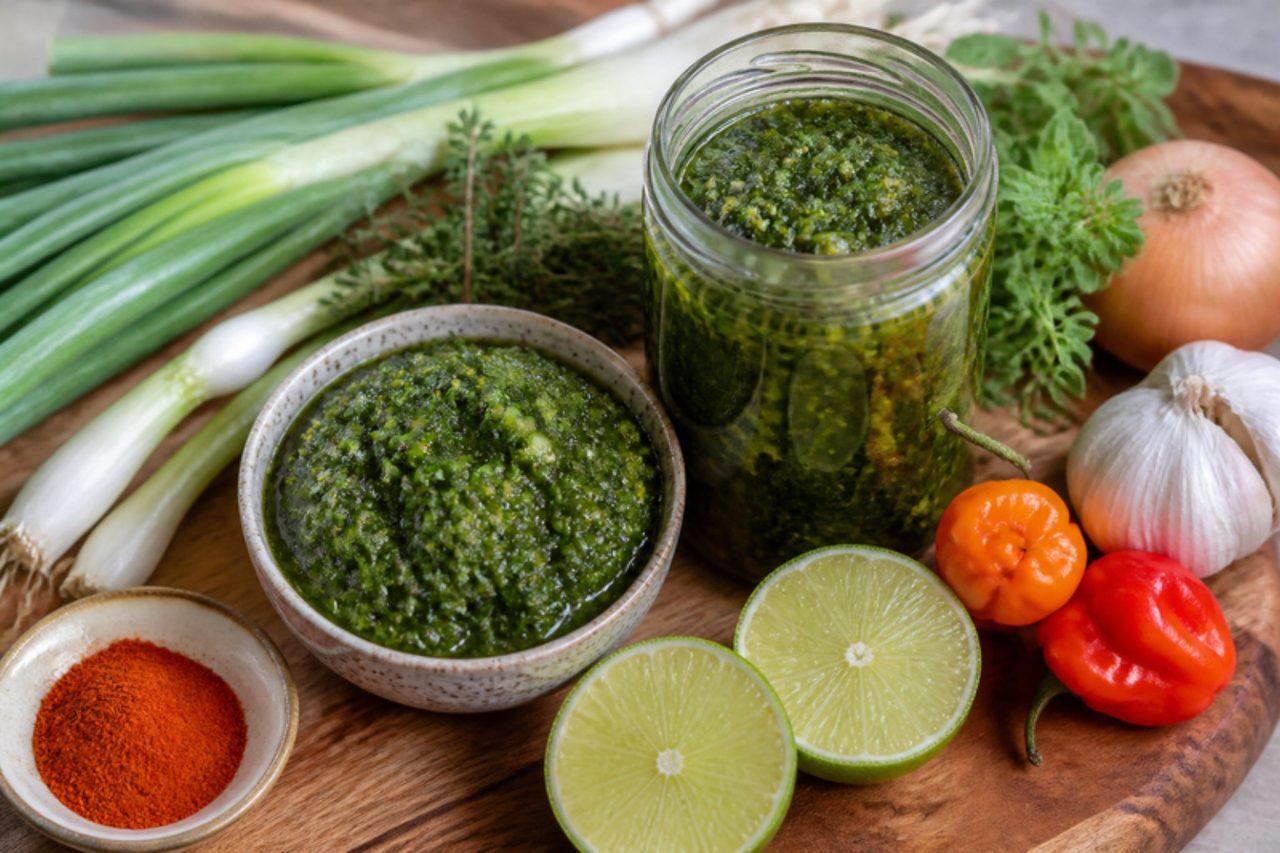
Bajan seasoningHerb and pepper seasoning

Every cook in Barbados keeps a jar of Bajan seasoning, and families in Bridgetown and St Philip guard their own blend. It's a wet, coarse paste of spring onion, onion, garlic, fresh thyme, marjoram and parsley, sharpened with lime and given a backbone of clove, paprika and scotch bonnet. Bajans press it into slits in fish and meat; here it goes into stews, onto roasted vegetables, tofu and halloumi, and into the stew for cou-cou. It smells strongly herby and peppery, and keeps for weeks. Chef's tip: marjoram is the herb that makes it Bajan; don't skip it, and use fresh if you can find it.

by KrazyBadal 0 views

Showing 72 of 7,762 recipes

Show more recipes

Page 576 of 863