


Skip to content
Churros con chocolate
Featured recipe

Churros con chocolate

Churros with hot chocolate

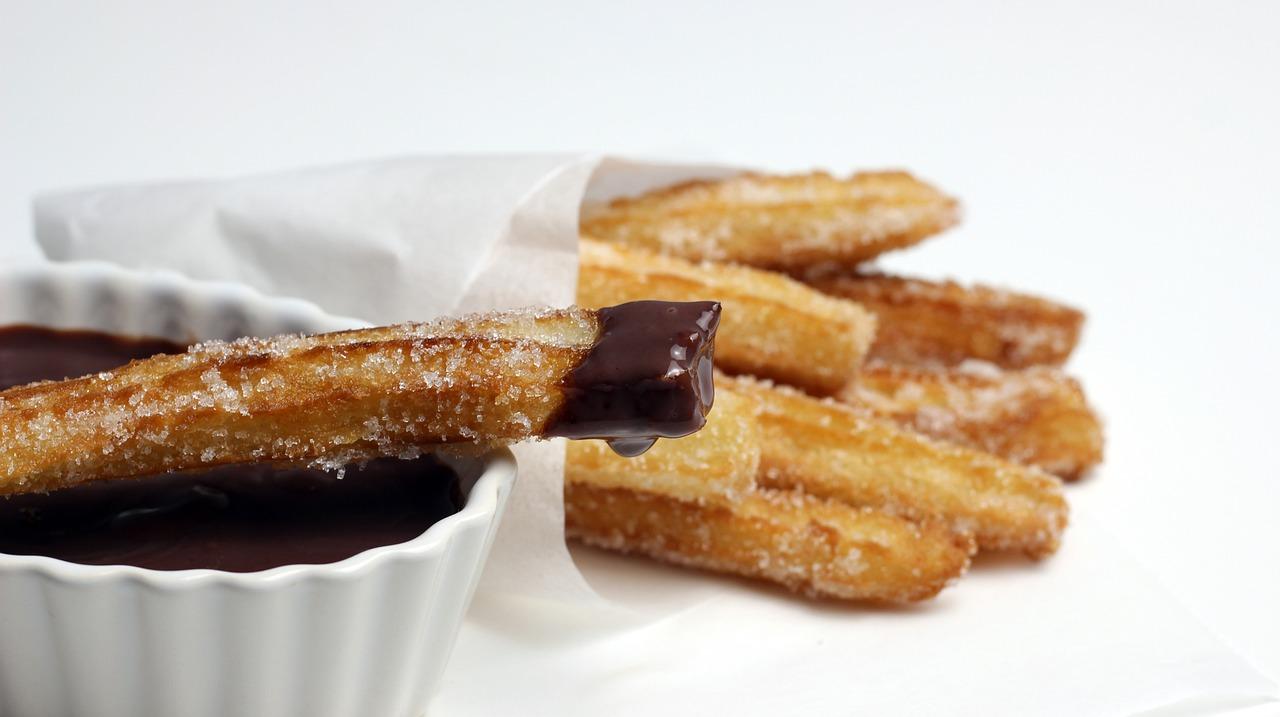
Churros con chocolate is Madrid's most famous treat, eaten at the city's historic chocolaterías for breakfast, as a late-afternoon merienda or at dawn after a night out. Churros are made from a simple dough of flour, water and salt piped straight into hot oil, fried until ridged and crisp, and dunked into a cup of hot chocolate so thick it almost holds the churro up. The dough has no egg or sugar, so the churros are light and crunchy; the sweetness comes from the chocolate and a dusting of sugar. Chef's tip: pipe through a star nozzle; the ridges let steam escape so the churros don't burst in the oil, and they create the extra crunch that makes a good churro.

Read more 1 views

What to eat today?

Around the world

Today's trip: Persian

A new country every day, from every cuisine on the site.

Persian

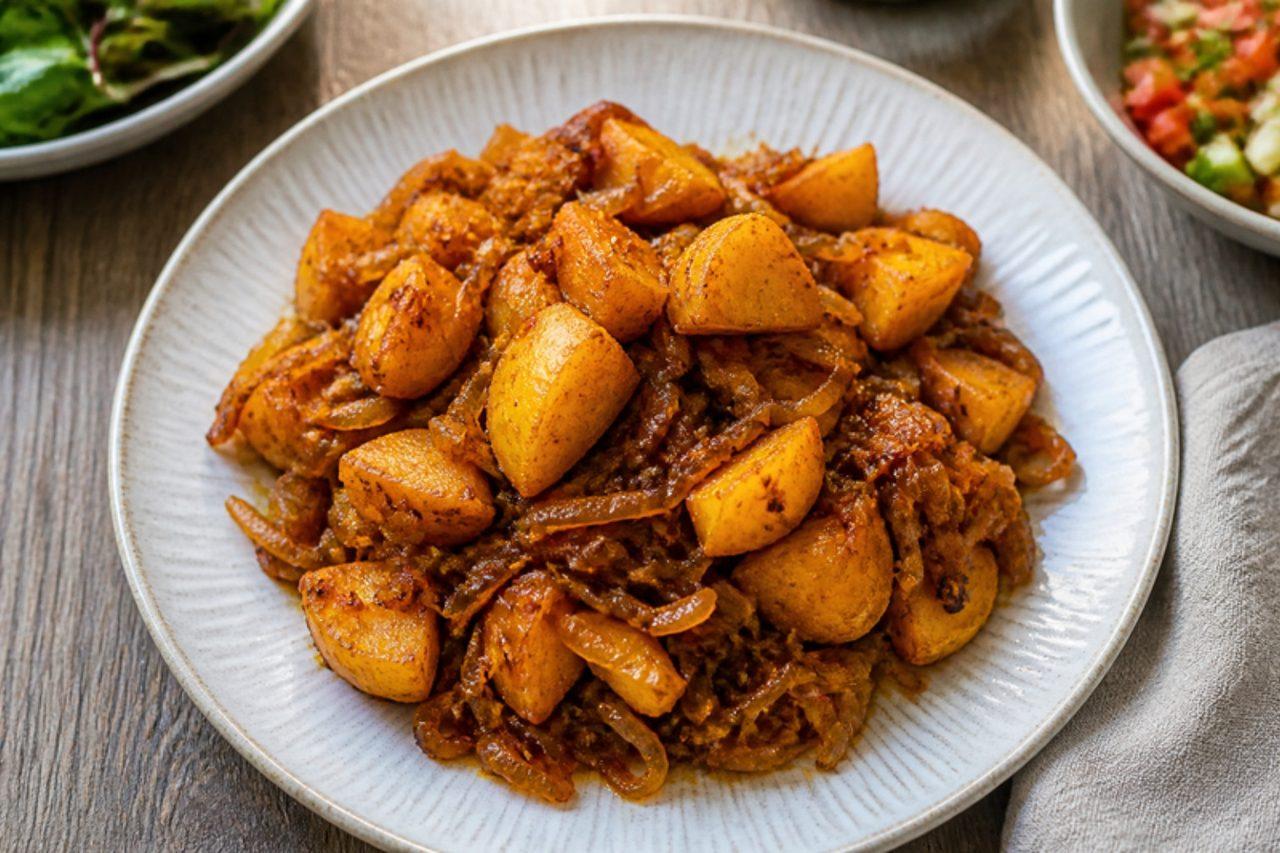
Dopiazeh aloo

Potatoes fried with onion and tomato 30 minMore from Persian (174) →

This week's collection

Kid-friendly dinners
731 recipes · a new collection every Monday

Coming up

All occasions →

Latest recipes

Cima alla genoveseStuffed cold veal breast

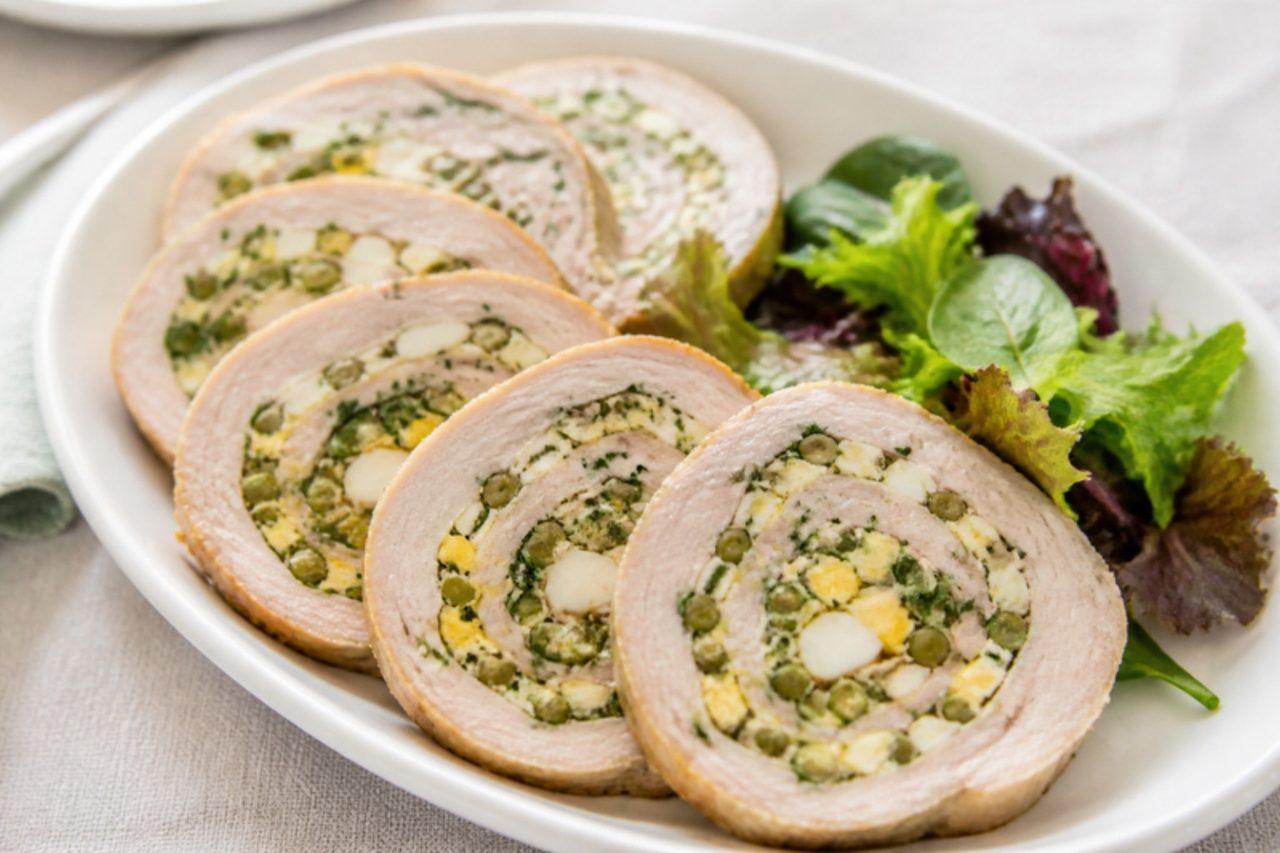
Cima alla genovese is a summer dish from Genoa and the Ligurian coast, sold by the slice in old delicatessens and set out for festive lunches and picnics. A pocket of veal breast is filled with a soft mixture of minced veal, egg, peas, parmigiano, pine nuts and marjoram, sewn shut and poached gently in broth, then pressed overnight so each cold slice shows a mosaic of green peas and golden egg. Traditional recipes add brains, sweetbreads and udder; this version keeps to veal mince so it is easier to make at home. Ask the butcher to cut the pocket for you. Serve it cool with a green salad and a little salsa verde. Chef's tip: fill the pocket only two-thirds full; the stuffing swells as it cooks and will burst the seams if packed tight.

195 minItalianMeat
by KrazyBadal 0 views

HindbehDandelion greens with fried onions

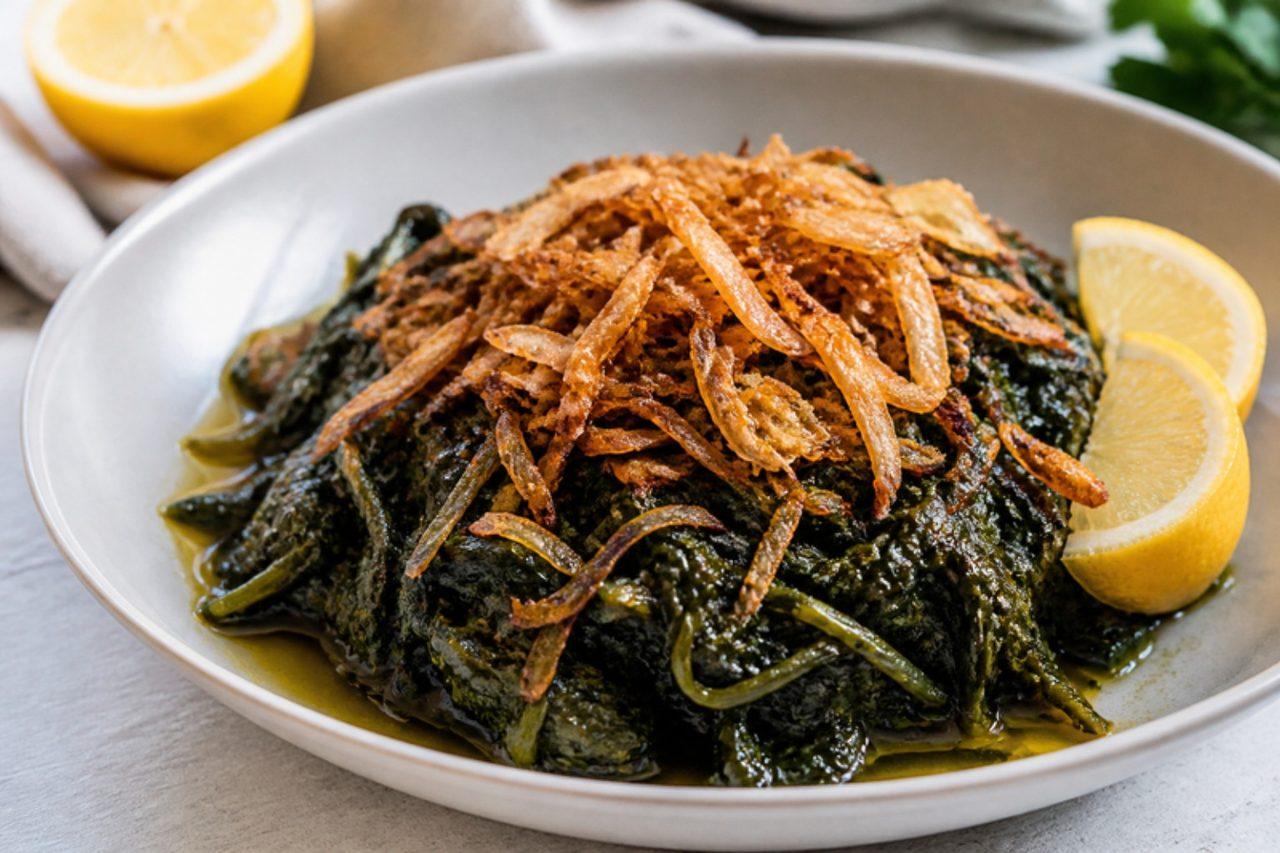
Each spring, people in the Lebanese hills go out with a knife and a bag to gather wild chicory and dandelion for hindbeh, a Lenten favourite in Christian homes and a regular on mezze tables all year. The bitter greens are blanched, squeezed and fried with garlic in olive oil, then piled with a tangle of deeply browned, crisp onions and served with lemon wedges. The bitterness, the sweetness of the onions and the sharp lemon balance each other, and it is eaten at room temperature with bread. Cultivated dandelion or curly endive from a greengrocer works well. Common mistake: not squeezing the greens dry; water stops them frying and dilutes the oil. Chef's tip: fry the onions slowly and pull them out a shade lighter than you want — they keep darkening on the paper.

by KrazyBadal 0 views

Cincinnati goettaPork, beef and oat slices

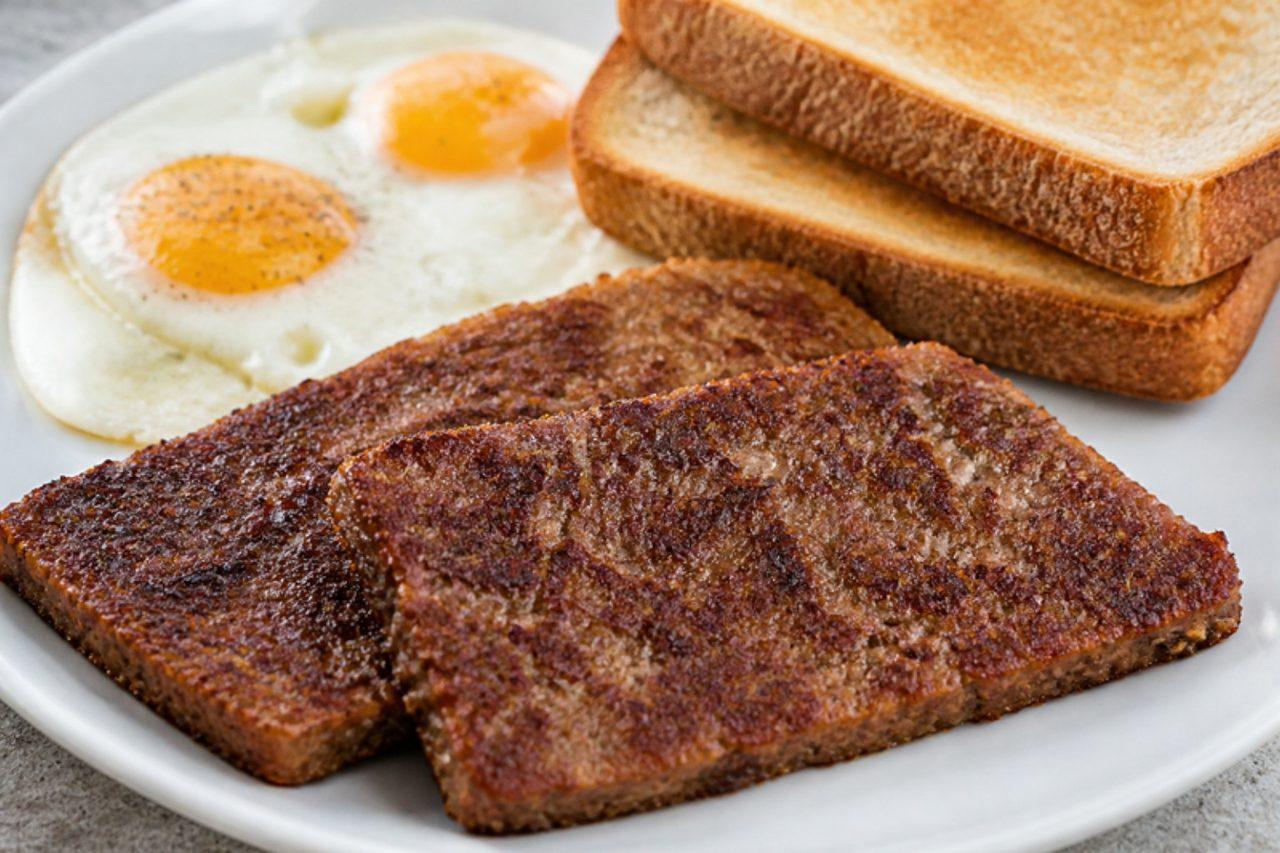
Goetta is Cincinnati's breakfast meat, brought by German immigrants who stretched a little pork and beef with steel-cut oats; the city even holds a summer Goettafest beside the Ohio River. Pork mince, beef mince and pinhead oats are simmered with onion and spices into a thick loaf, chilled, then sliced and fried until crisp and brown outside and soft within. Serve with eggs and toast. Chef's tip: fry the slices in a dry, hot non-stick pan and leave them alone for 5 minutes; turning too early makes them crumble.

by KrazyBadal 0 views

Arròs amb fesols i napsWhite bean and turnip rice stew

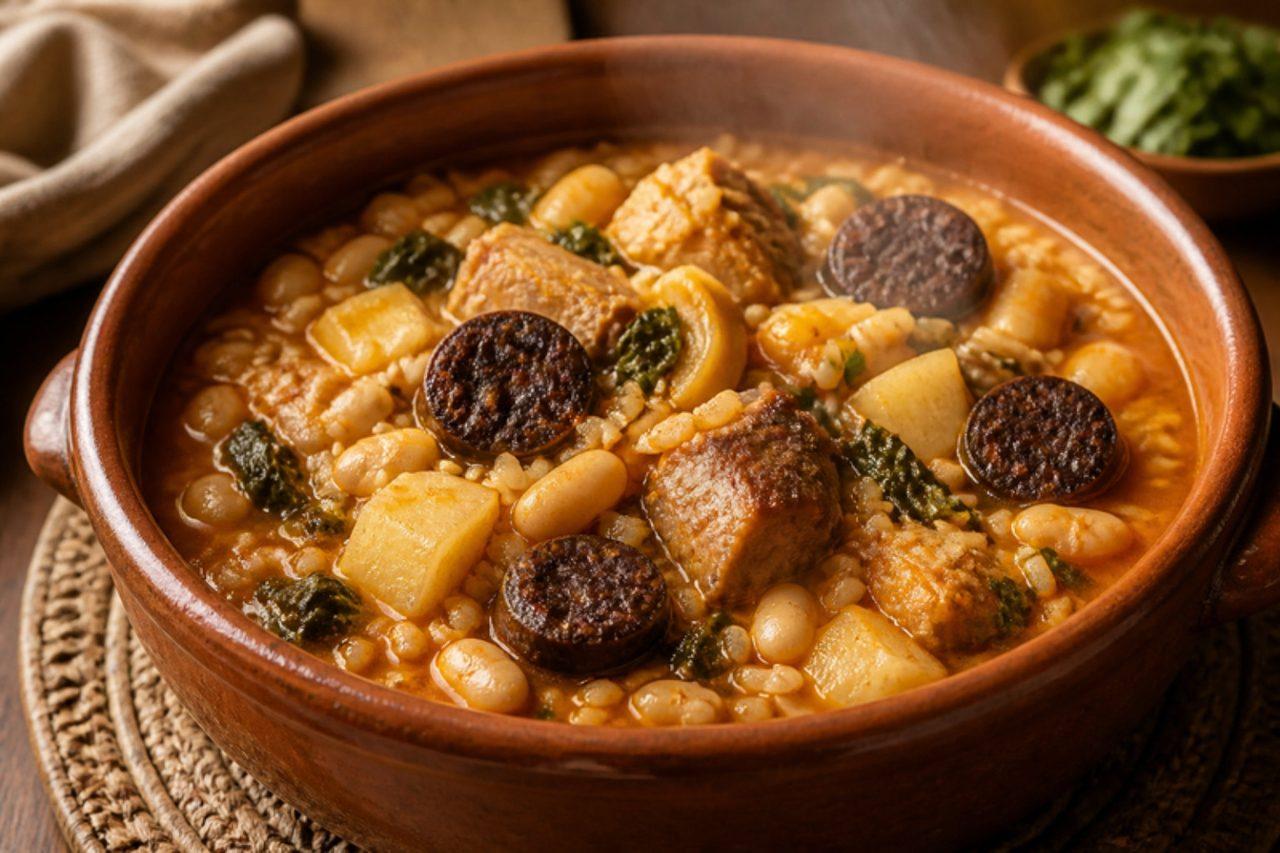
When the Valencian huerta turns cold in January, this brothy rice is what simmers on the stove for Sunday lunch: white beans, sweet turnips, chard and different cuts of pork cooked slowly with saffron, then rice added to the pot at the end, so it is a spoon dish rather than a dry paella. Each family has its own mix of meats; this version uses pork ribs, pork belly and onion morcilla. This contains pork (ribs, belly and black pudding). A common mistake is adding the rice too early; it should go in only once the beans are completely soft, and the pot should be served the moment it is done or the rice swells and drinks up the broth. Chef's tip: soak the beans with a pinch of bicarbonate of soda and start them in cold water; they cook more evenly and their skins stay on.

by KrazyBadal 0 views

HingelPotato dumplings with browned butter

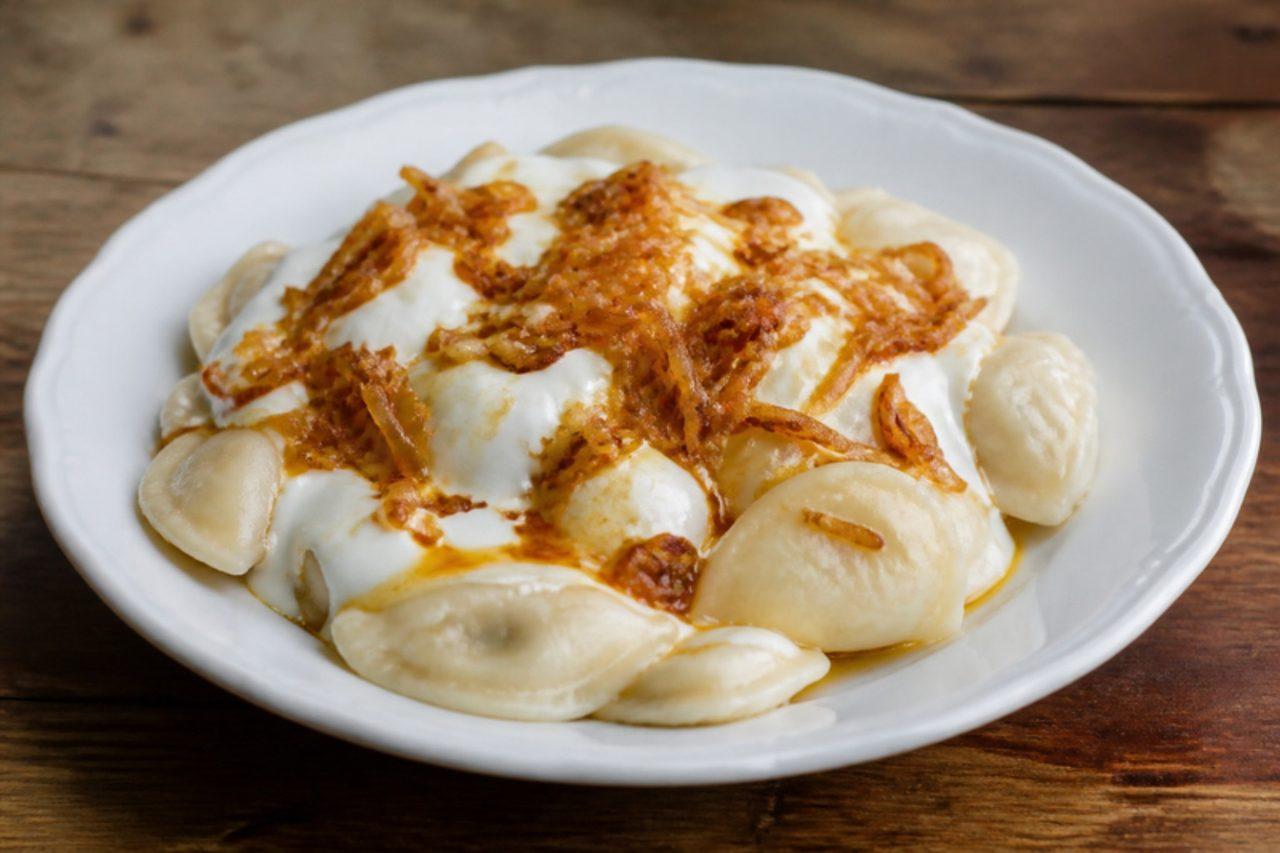
Hingel is the comfort food of Kars and Ardahan, on Turkey's high north-eastern border, where long winters made potatoes and butter everyday staples. Half-moon dumplings are filled with mashed potato and onion, boiled, then smothered in caramelised onions, garlic yoghurt and plenty of browned butter, much like manti but larger and softer. Common mistake: a wet potato filling that leaks through the seams; dry the boiled potatoes in the pan for a minute before mashing. Chef's tip: fry the onions slowly in the same butter you pour over at the end; it picks up their sweetness.

by KrazyBadal 0 views

All i pebreEel and potato paprika stew

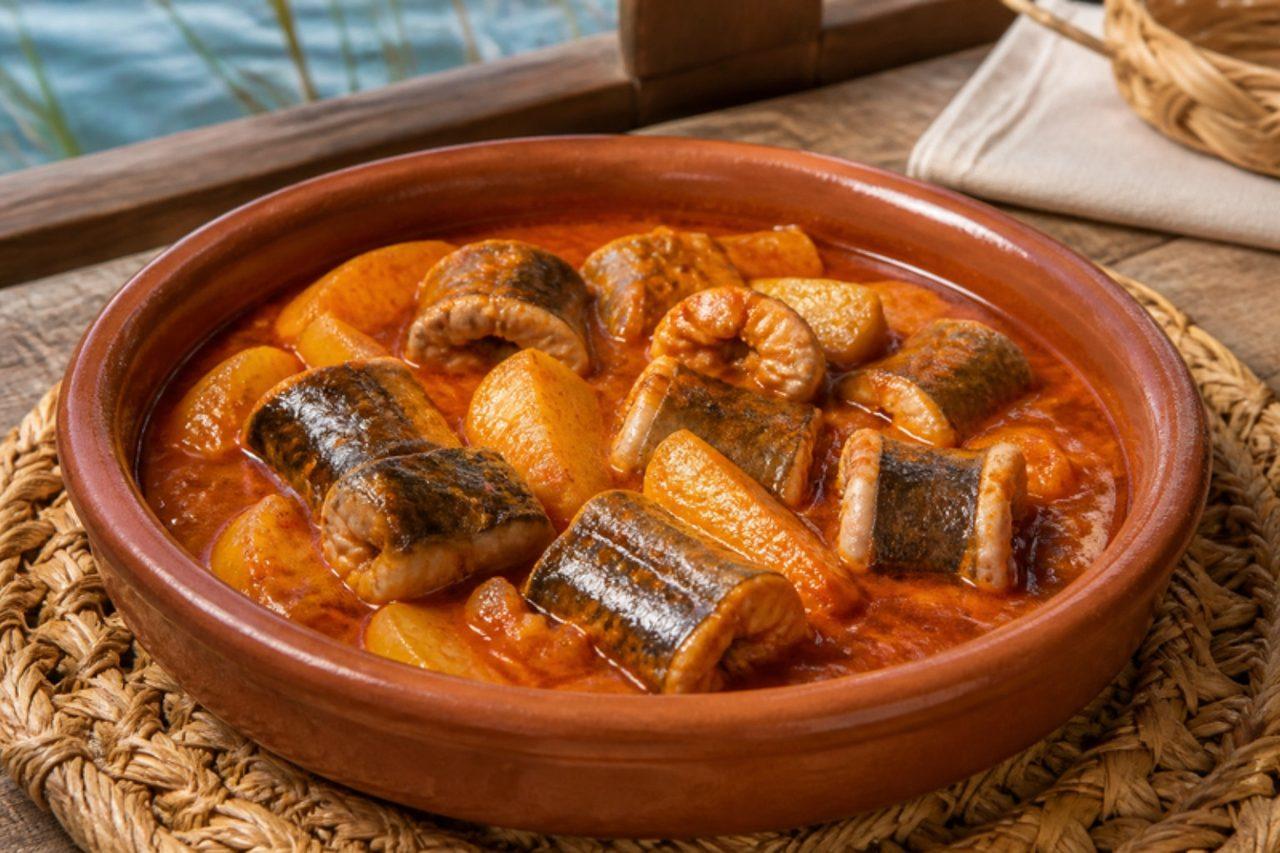
In El Palmar and the other villages around the Albufera lagoon south of Valencia, the restaurants that are famous for paella serve something older first: all i pebre, "garlic and pepper", a brick-red stew of lagoon eel and potatoes thickened with a pounded almond and fried-bread picada. It is rich, garlicky and gently hot, eaten with bread to mop up the sauce. Ask your fishmonger to skin and cut the eel, and handle it with gloves: raw eel blood is irritating, though harmless once cooked. If you can't find eel, monkfish or hake works well. A common mistake is letting the paprika burn; it turns bitter in seconds, so add it off the heat. Chef's tip: break the potatoes with a knife instead of cutting cleanly; the rough edges release starch and thicken the sauce.

by KrazyBadal 1 views

Bicho-de-péStrawberry brigadeiro balls

Pink balls of fudge in a paper cup, sitting in a row between the chocolate brigadeiros: that is bicho-de-pé, a fixture of children's parties in São Paulo and Rio. The odd name comes from a tiny burrowing flea, which the speckled pink sweet supposedly resembles, but it tastes nothing but fruity and creamy. Brazilian cooks usually flavour it with strawberry gelatin powder, which is not vegetarian; this version uses freeze-dried strawberry powder, which gives a brighter, real-fruit flavour and a natural pink. Find freeze-dried strawberries in supermarket baking aisles and crush them yourself. Over-thickening is the commonest mistake: cooked too long, the brigadeiro turns hard and sugary once cold. Chef's tip: take the pan off the heat as soon as the mixture slides away from the base as one piece; it firms more as it cools.

by KrazyBadal 0 views

Jugo de corozoCorozo palm fruit juice

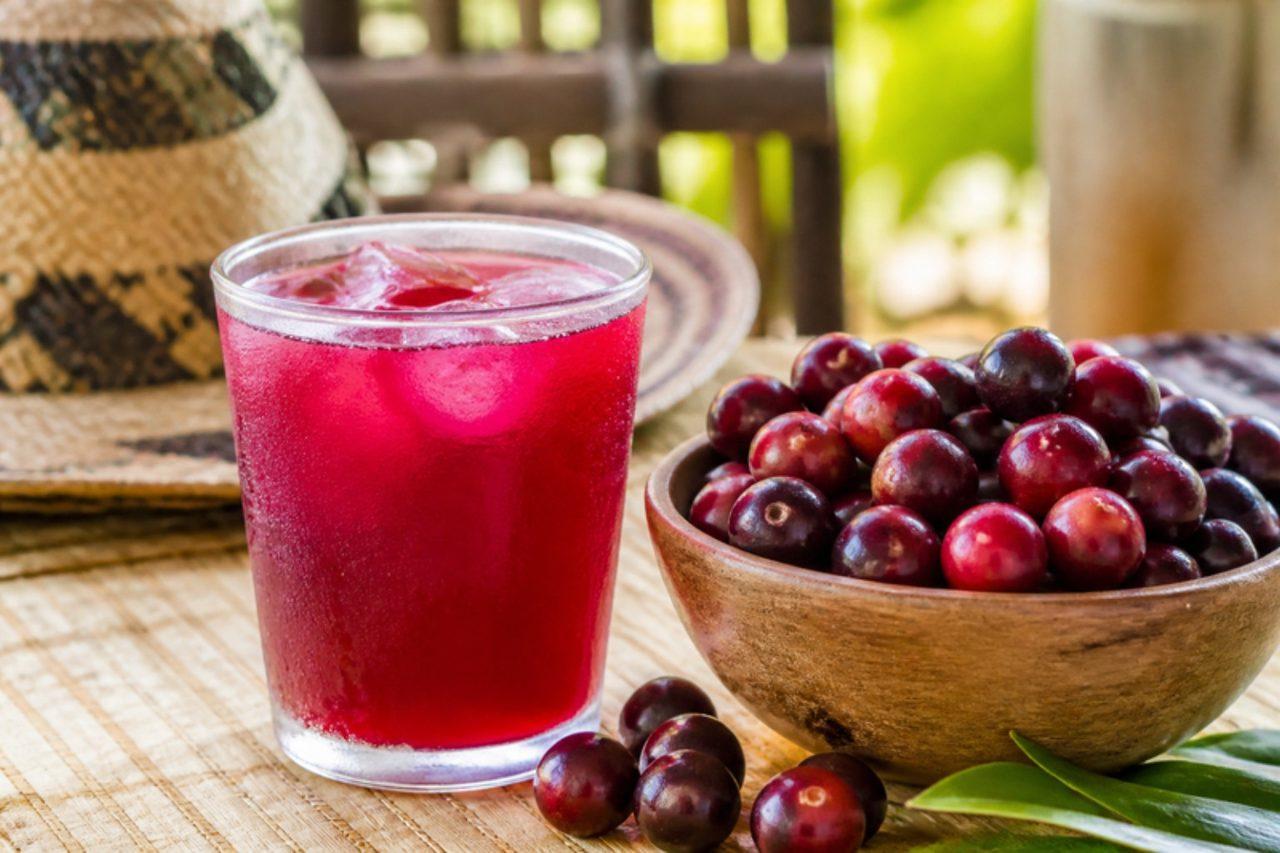
Corozo is a tiny, glossy red-black palm fruit that grows wild across Colombia's Caribbean lowlands, and in Sincelejo, Montería and Cartagena it is boiled into a deep wine-red juice that is tart, slightly bitter and very refreshing. It is sold in bags from street coolers and served with lunch at home, especially in the dry season when the fruit is plentiful. The fruit is mostly stone and skin, so it is boiled to release the colour and flavour, then mashed and strained. Blending the whole fruit is the trap here: the hard stones can break a blender and add bitterness, so only mash them. Frozen corozo pulp is sold in some Latin shops; there is no true substitute, but tart cherry juice with a squeeze of lime gives a similar colour and sourness. Chef's tip: dissolve the sugar while the juice is still warm, then chill well; it tastes sharper and brighter cold.

by KrazyBadal 0 views

Bubble and squeak

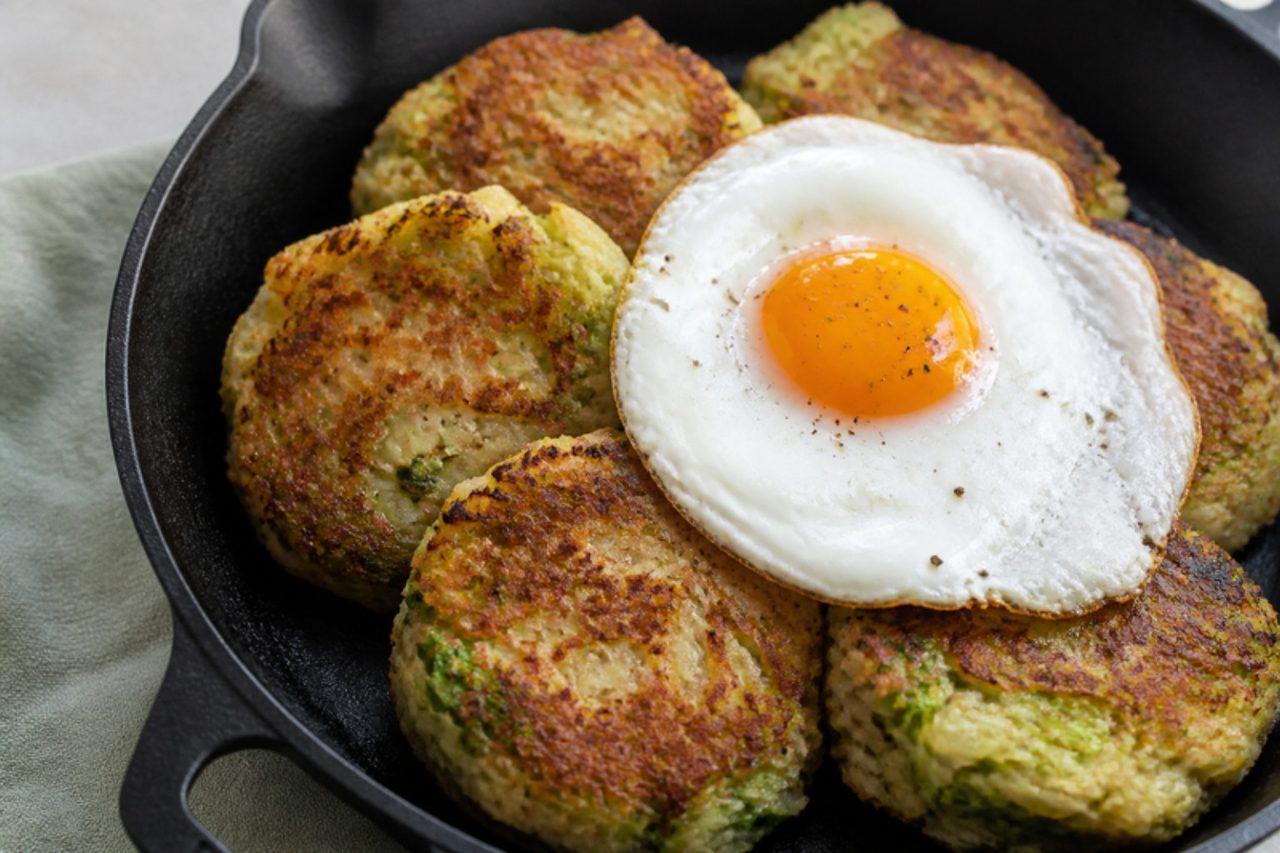
Bubble and squeak is what English households, especially in London, make on Boxing Day and Monday mornings from the Sunday roast's leftover potatoes and greens. It's named for the noise it makes in the pan. The mash and cabbage or sprouts are fried until a deep brown crust forms, then turned and crisped again. Serve with a fried egg and brown sauce. Chef's tip: press it flat and leave it alone in the pan; the crust only forms if you don't keep stirring.

by KrazyBadal 0 views

GildaOlive, anchovy and pepper skewer

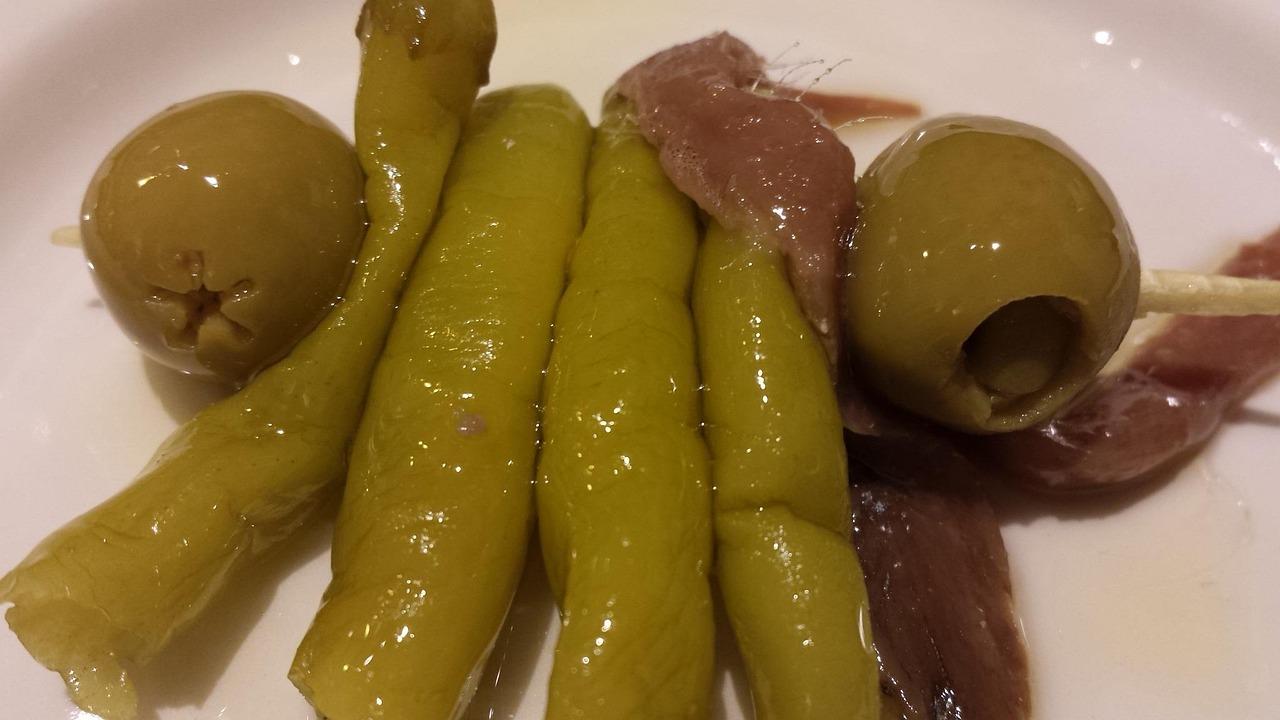
The gilda was born in a San Sebastián bar in the late 1940s and named after the screen heroine of the film of the same name: green, salty and a little spicy, as the regulars put it. Every Basque bar counter still has a plate of them, eaten in one bite with a glass of something cold before lunch. Salted anchovies in oil are cured, not cooked, so they are not for pregnant women, young children or anyone with a weakened immune system; for a safer version use good tinned tuna in oil instead. A common mistake is using fresh anchovies marinated in vinegar (boquerones), which are raw and too soft for the stick. Chef's tip: thread the anchovy in a wave between the olives so each bite gets a bit of everything.

by KrazyBadal 0 views

GhraybehPistachio shortbread

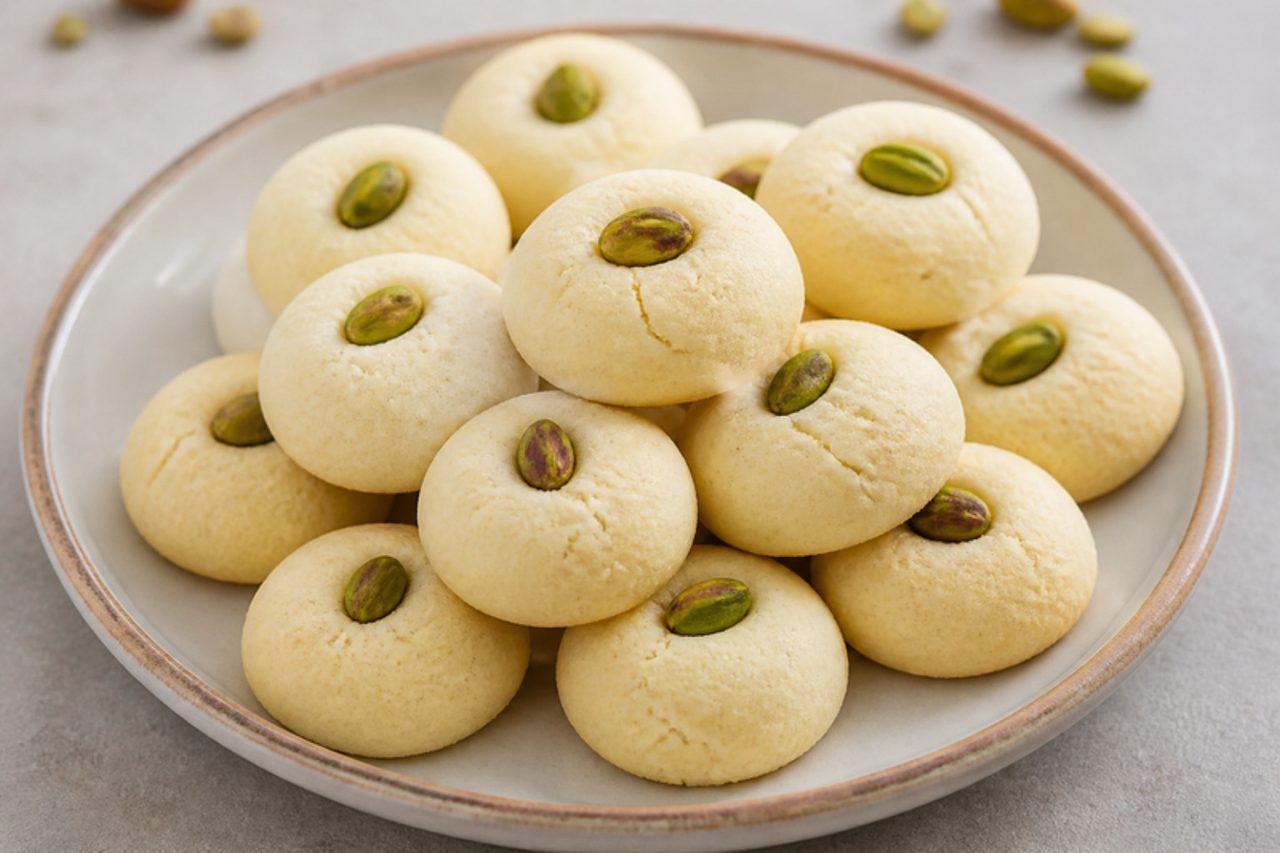
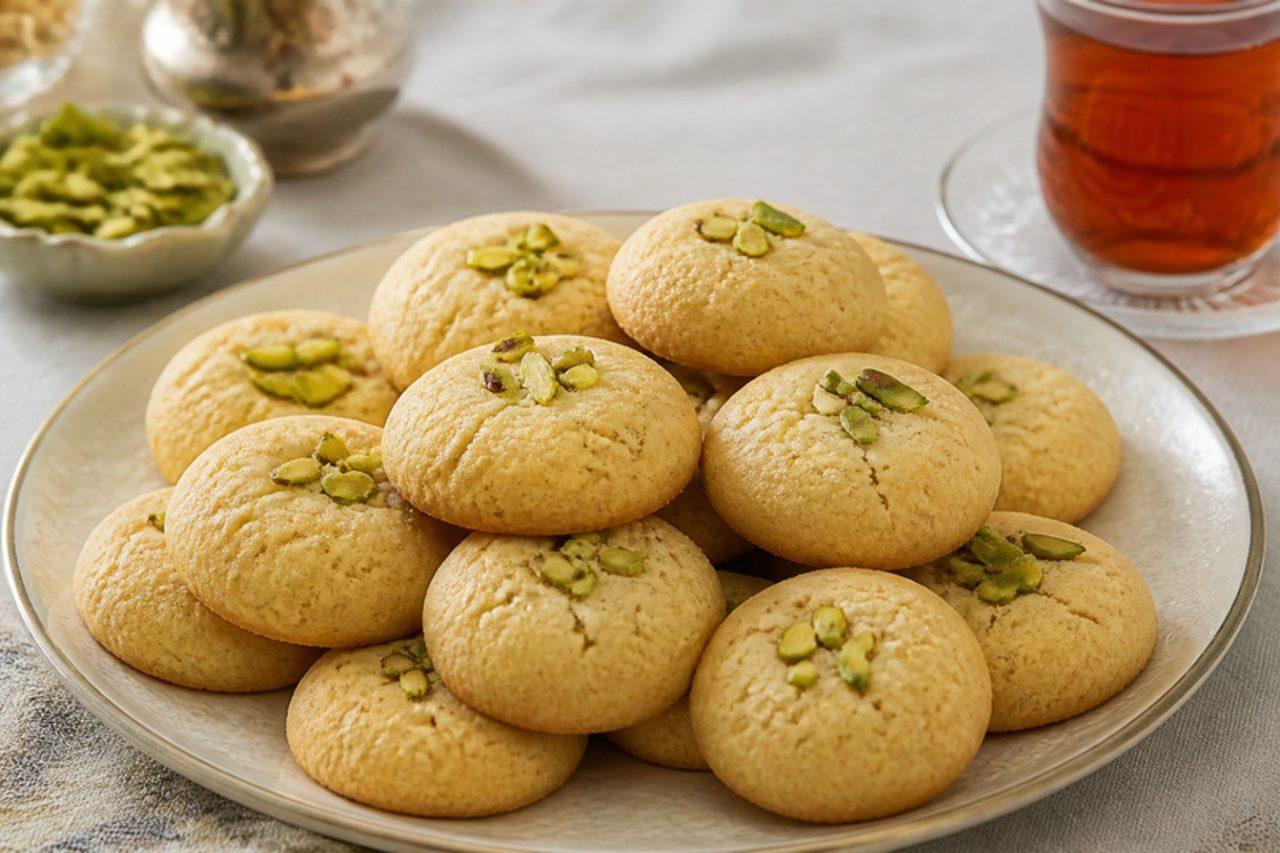
Across Syria, Lebanon and Palestine, trays of ghraybeh appear for Eid and weddings next to ma'amoul; in Aleppo they are often shaped into little bracelets with a pistachio at the join. Made from just ghee, icing sugar and flour, they are so tender they crumble as soon as you bite, and they should stay ivory-white, never brown. Serve with strong coffee or mint tea. Common mistake: baking until golden — they should come out pale and still soft, and firm up as they cool. Chef's tip: whip the ghee and sugar for a full 10 minutes until white and fluffy; that is what gives the melting texture.

by KrazyBadal 0 views

GhotabFried almond crescents

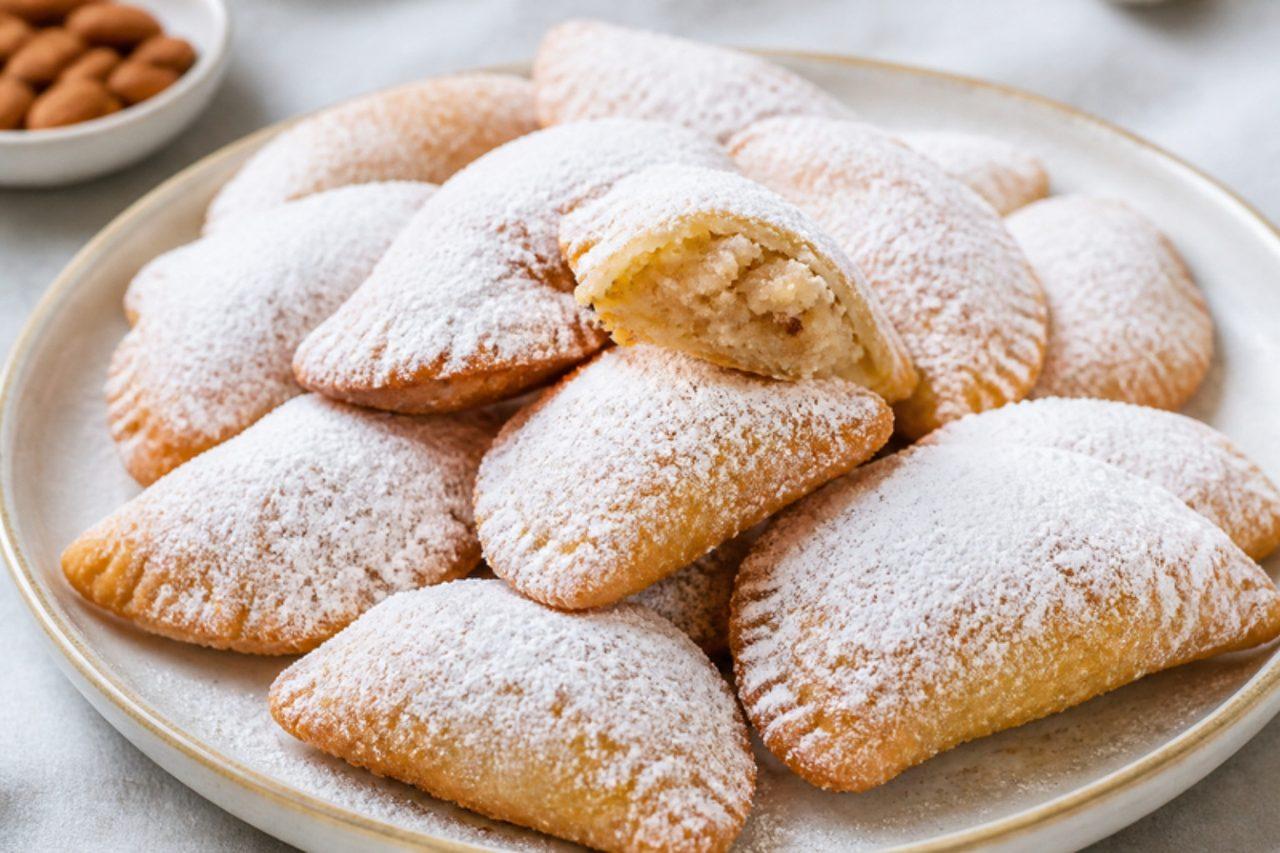
Ghotab are the little fried crescents that Yazd's confectioners have been making for generations, packed into boxes for Nowruz and carried as gifts by anyone travelling from the city. A tender yogurt dough is wrapped around ground almonds, sugar and plenty of cardamom, fried until blond and crisp, then buried in icing sugar. A common mistake is frying too hot, which browns the outside before the dough inside the fold cooks through, leaving it doughy. Chef's tip: roll the ghotab in icing sugar while still warm, then again once cold, for a thick snowy coat.

by KrazyBadal 0 views

Ghorabieh TabriziAlmond and egg-white cookies

Every traveller to Tabriz is expected to bring back a box of ghorabieh from the bazaar confectioners: pale, domed almond cookies with a thin crackled shell and a soft, chewy middle, scented with vanilla and sometimes topped with a sliver of pistachio. They are a Nowruz favourite in Azerbaijan province and keep well, so families bake them a week ahead. A common mistake is baking them too hot, which browns the outside before the inside sets and leaves them hollow. Chef's tip: let the piped cookies sit for 20 minutes before baking so a skin forms; that skin gives the classic crackled top.

by KrazyBadal 0 views

Ali nazikLamb on smoky aubergine and yoghurt

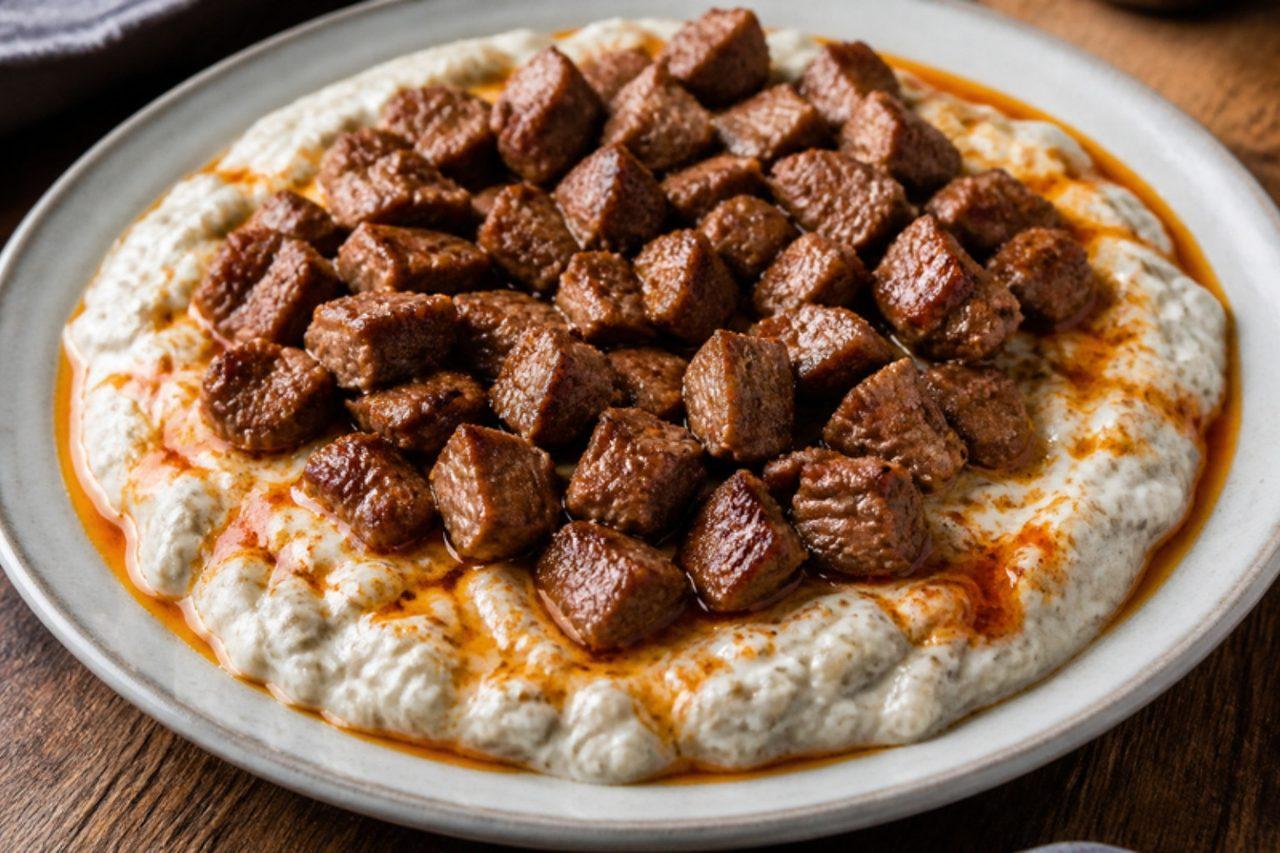
Gaziantep cooks char aubergines over coals until they collapse, mash the flesh with garlicky yoghurt and spoon pan-fried lamb with tomatoes and peppers on top: that is ali nazik, a lunchtime favourite in the city's lokantas. The cool, smoky base and the hot, buttery meat are the whole point, so assemble it just as you serve. A gas flame or a very hot grill gives the same smoky flesh at home. The usual mistake is not draining the aubergine, which makes the yoghurt runny and grey. Chef's tip: stir the yoghurt into the aubergine off the heat with a spoonful of butter; warm, not hot, keeps it from splitting.

by KrazyBadal 0 views

Clarinhas de FãoGourd and egg yolk pastries

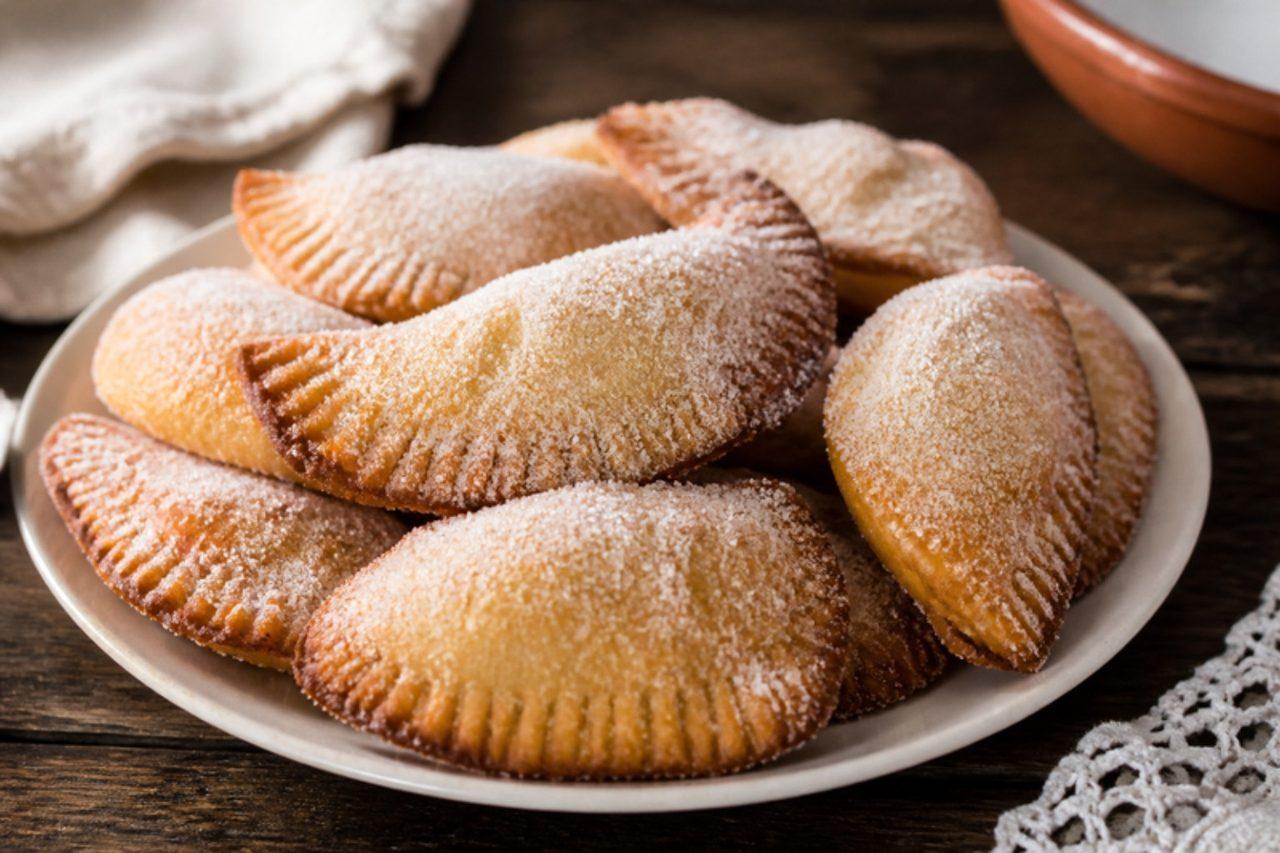
Clarinhas come from Fão, a small riverside town near Esposende, where they are sold warm and sugary from bakery counters and at summer fairs on the Cávado estuary. Thin pastry is folded around a filling of candied fig-leaf gourd (doce de chila) thickened with egg yolk, fried until blistered, then rolled in sugar. Chila jam is sold in Portuguese shops; a thick pumpkin jam works well in its place. A common mistake is overfilling the pastries, so the jam bursts through the seams while they fry. Chef's tip: cook the filling until it is firm enough to hold its shape on a spoon, or it will leak and spit in the oil.

by KrazyBadal 0 views

Clootie dumplingBoiled spiced fruit pudding

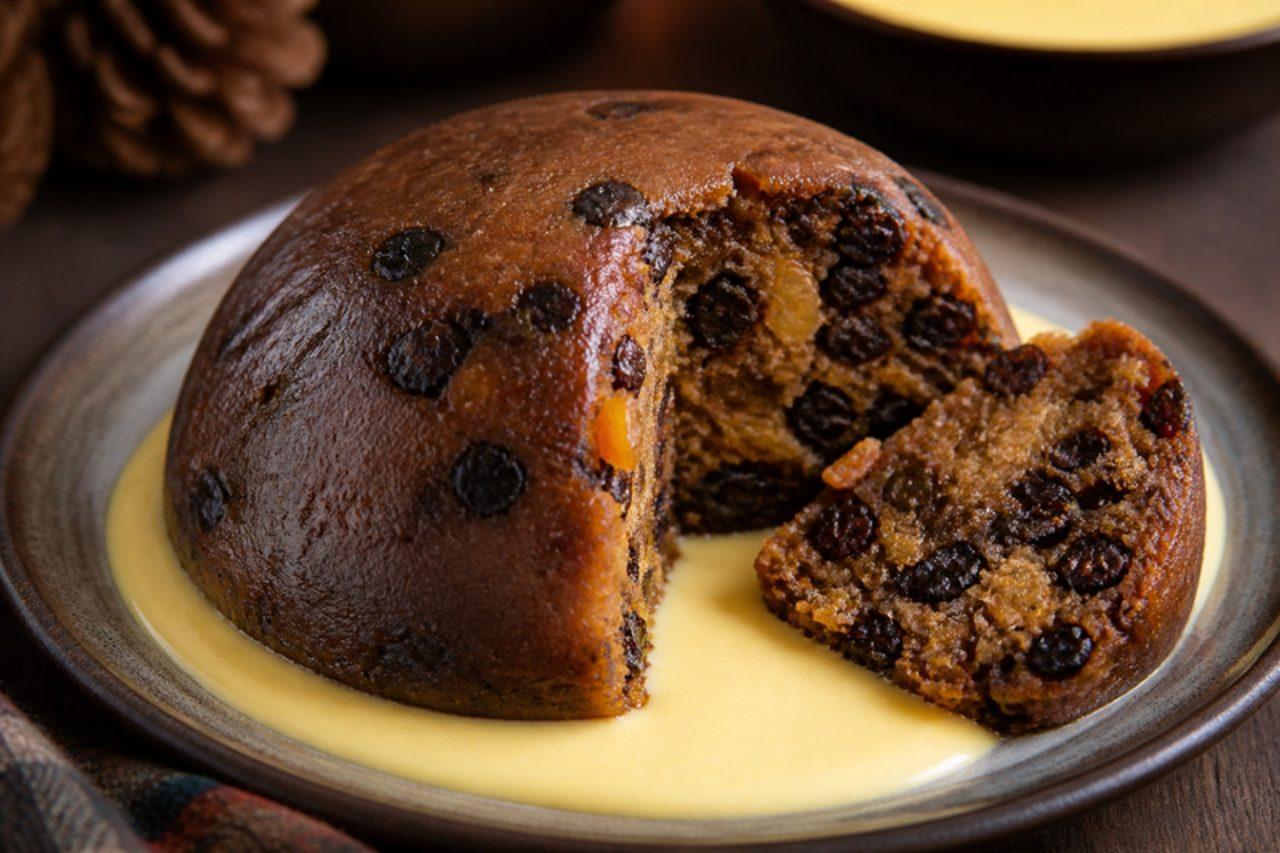
The clootie dumpling takes its name from the cloot, the cotton cloth it is boiled in, and it is the birthday and Hogmanay pudding of Scottish grannies from Fife to the Borders. It is a dense, dark, spiced fruit pudding with a sticky skin that forms when the floured cloth is dried in front of the oven. Leftover slices are fried for breakfast. Traditional recipes use beef suet; this one uses vegetable suet so it stays vegetarian. Chef's tip: dust the scalded cloth thickly with flour before filling it; that flour is what forms the famous skin.

by KrazyBadal 0 views

Alheira com ovo e batata fritaGarlic sausage with egg and chips

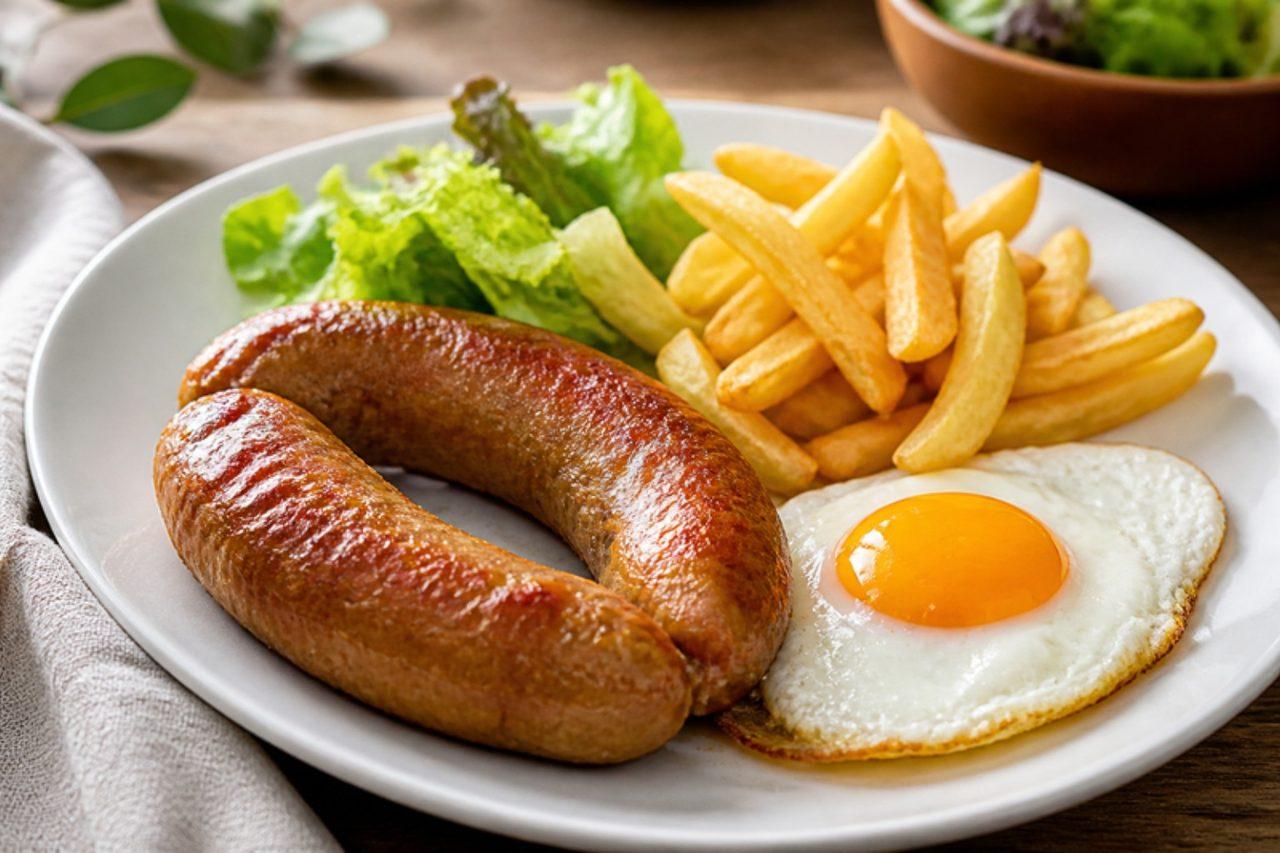
Mirandela, on the Tua river in Trás-os-Montes, is the home of alheira, a garlicky smoked sausage of bread and poultry, said to have been invented by Jewish families who needed something that looked like pork sausage. Today most alheiras contain pork, so this dish contains pork; look for the rare poultry-only kind if you avoid it. In every northern café it comes the same way: roasted until the skin crackles, with a fried egg, chips and sautéed greens. A common mistake is frying the alheira over a high heat, so the skin bursts and burns before the inside is hot. Chef's tip: prick the skin a few times and roast it in the oven rather than frying, so it stays whole and crisp.

by KrazyBadal 0 views

Arroz con conejoRabbit and rosemary rice

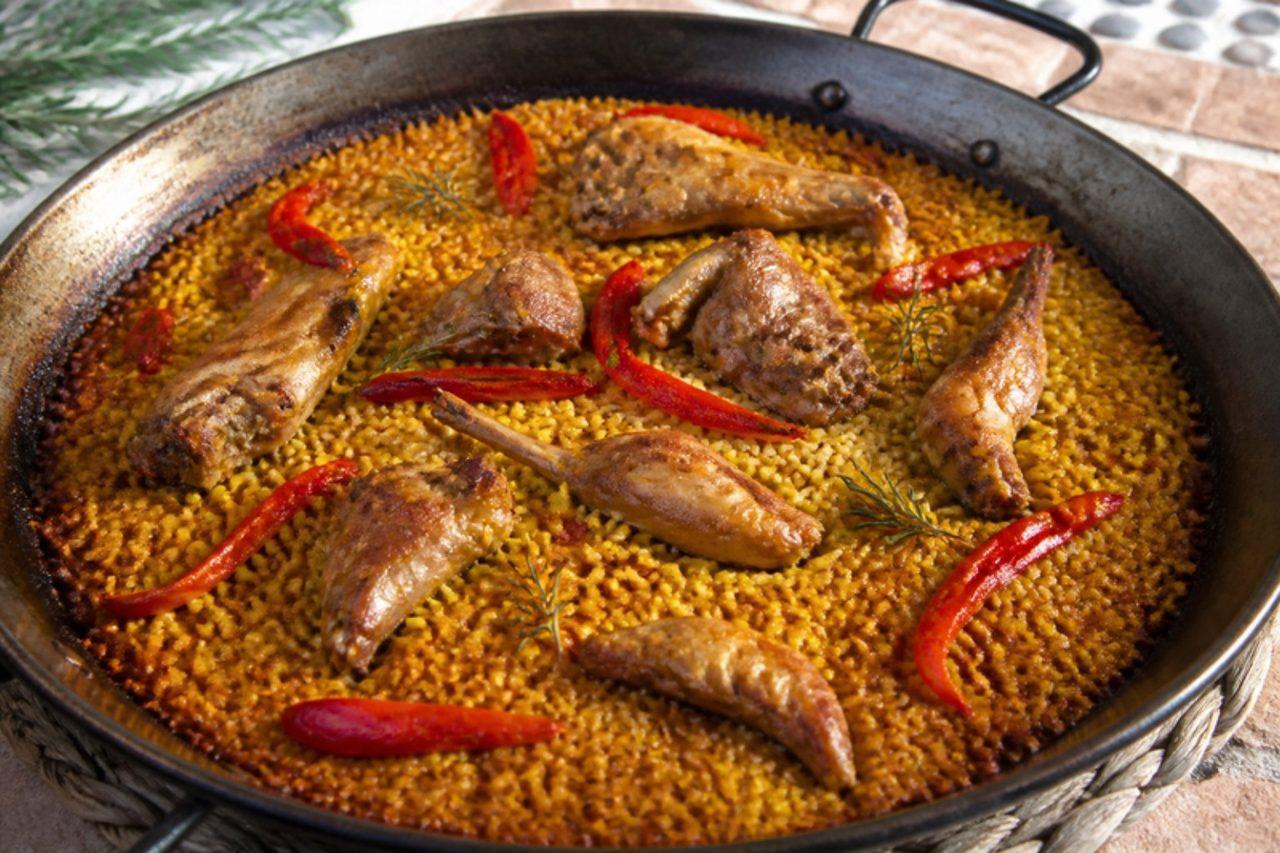
On Sundays in the Murcian countryside, rice with rabbit is cooked in a wide, flat pan over a fire of vine shoots, and the whole family eats straight from the edges. The rice is Calasparra, grown along the Segura river in the north of the region, and the flavour comes from rabbit browned slowly in olive oil, dried ñora pepper, saffron and a sprig of mountain rosemary laid on top at the end. Many cooks add snails too. Chef's tip: brown the rabbit really well, until golden and sticky, because that crust is where the flavour of the broth comes from.

by KrazyBadal 0 views

Kärntner KasnudelnCurd cheese filled pasta half-moons

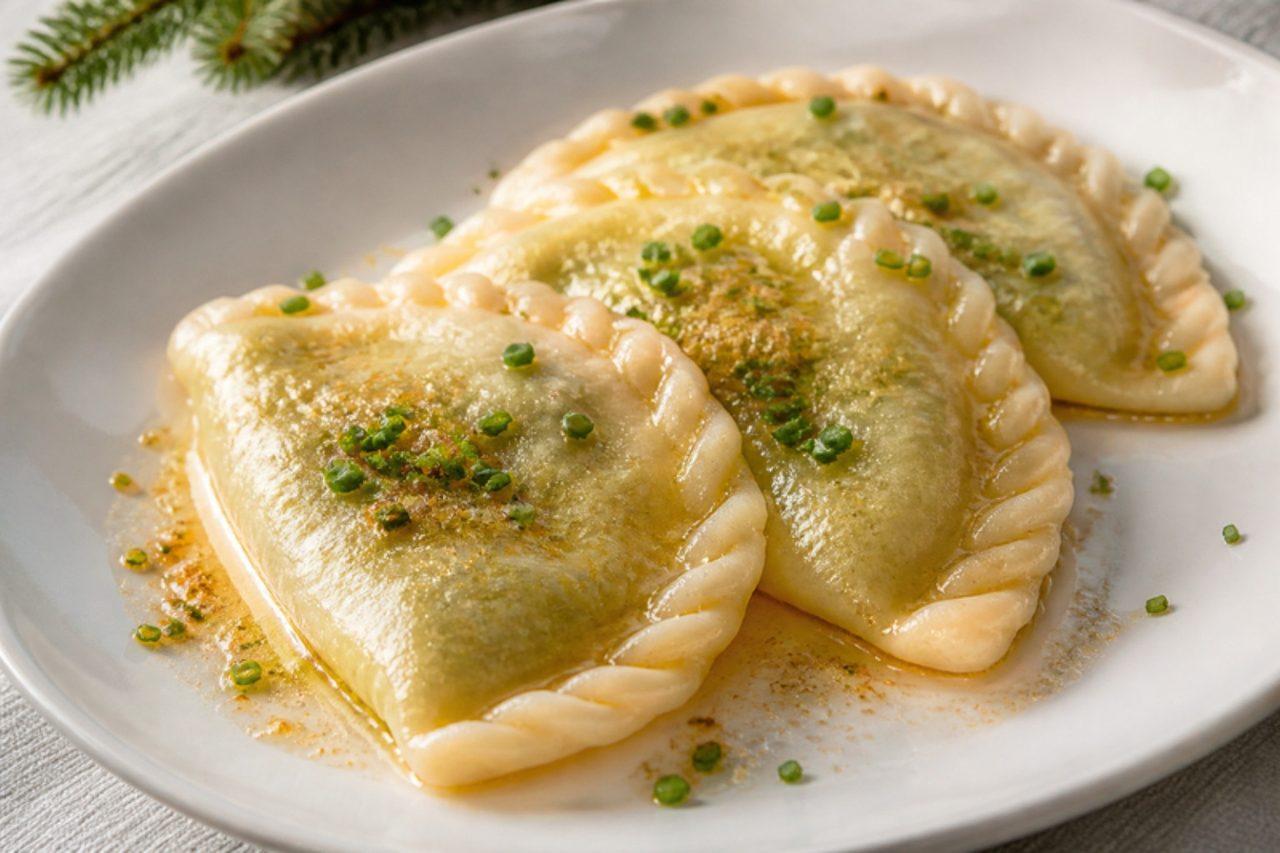
Kasnudeln are the pride of Carinthia in Austria's south, where every village claims the best filling and where they are eaten on Fridays and at church fairs. Big half-moons of thin noodle dough are stuffed with crumbly curd cheese, floury potato, onion and fresh mint, then sealed with a braided edge called 'krendeln' that keeps the filling in as they simmer. They are served with a generous pour of brown butter and chives, often with a green salad. A common mistake is rolling the dough too thick: it should be thin enough to see your hand through, or the folded edges turn stodgy. Carinthian Topfen is usually made without animal rennet, but check the label and pick a vegetarian quark. Chef's tip: if crimping feels tricky, press the edges with a fork first, then practise the braid on the last few.

by KrazyBadal 0 views

Coca de llandaLemon and olive oil sponge

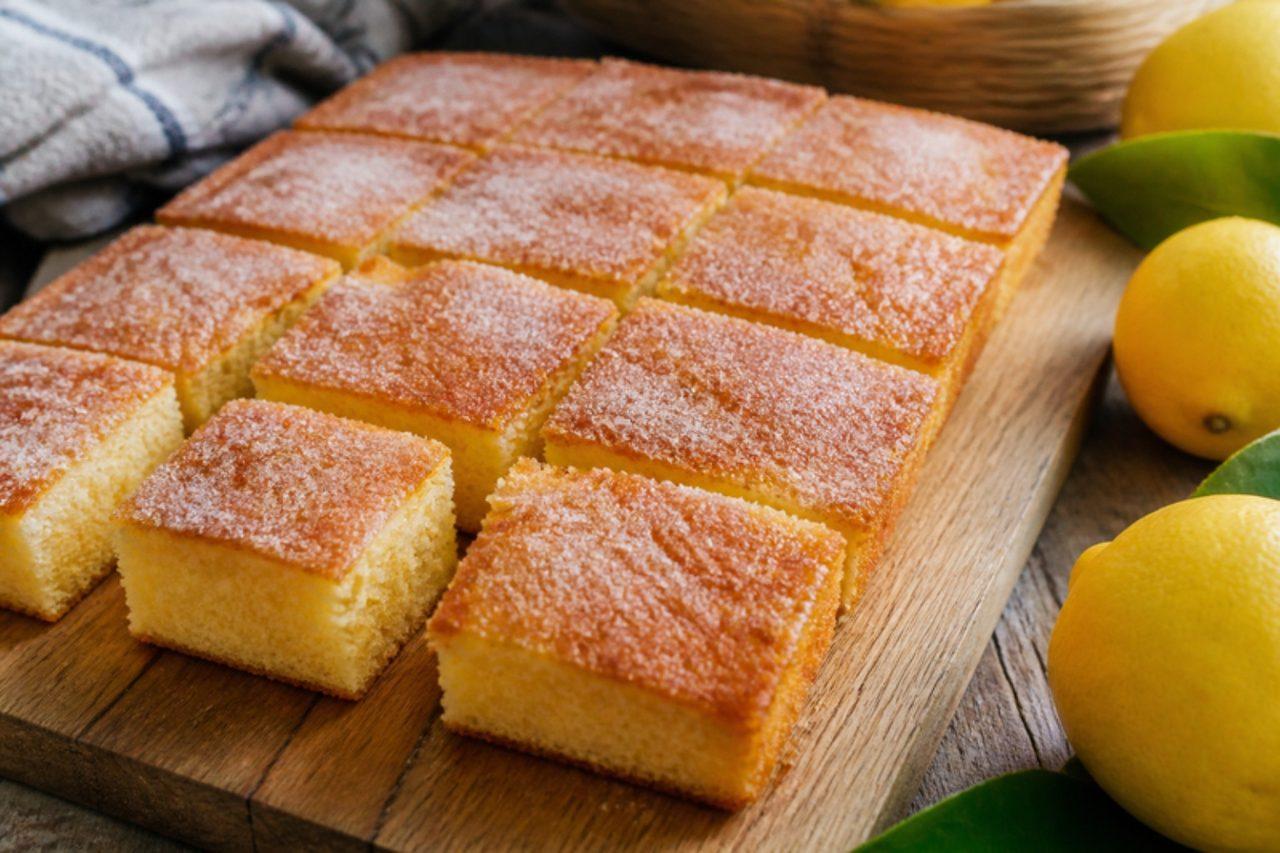
Every Valencian grandmother has a coca de llanda, a plain, fluffy sponge named after the shallow metal tray (llanda) it is baked in, and it turns up at breakfast, at afternoon merienda and in lunchboxes all over the Comunitat Valenciana. Sunflower oil and milk keep it moist for days, lemon zest perfumes it, and a sprinkle of cinnamon sugar on top bakes into a crackly crust. A common mistake is opening the oven in the first 25 minutes, which makes the middle sink. Chef's tip: let the batter rest for 10 minutes in the tin before it goes into the oven; the cinnamon sugar then sits on the surface instead of sinking in.

by KrazyBadal 0 views

Coca de recapteFlatbread with roasted vegetables

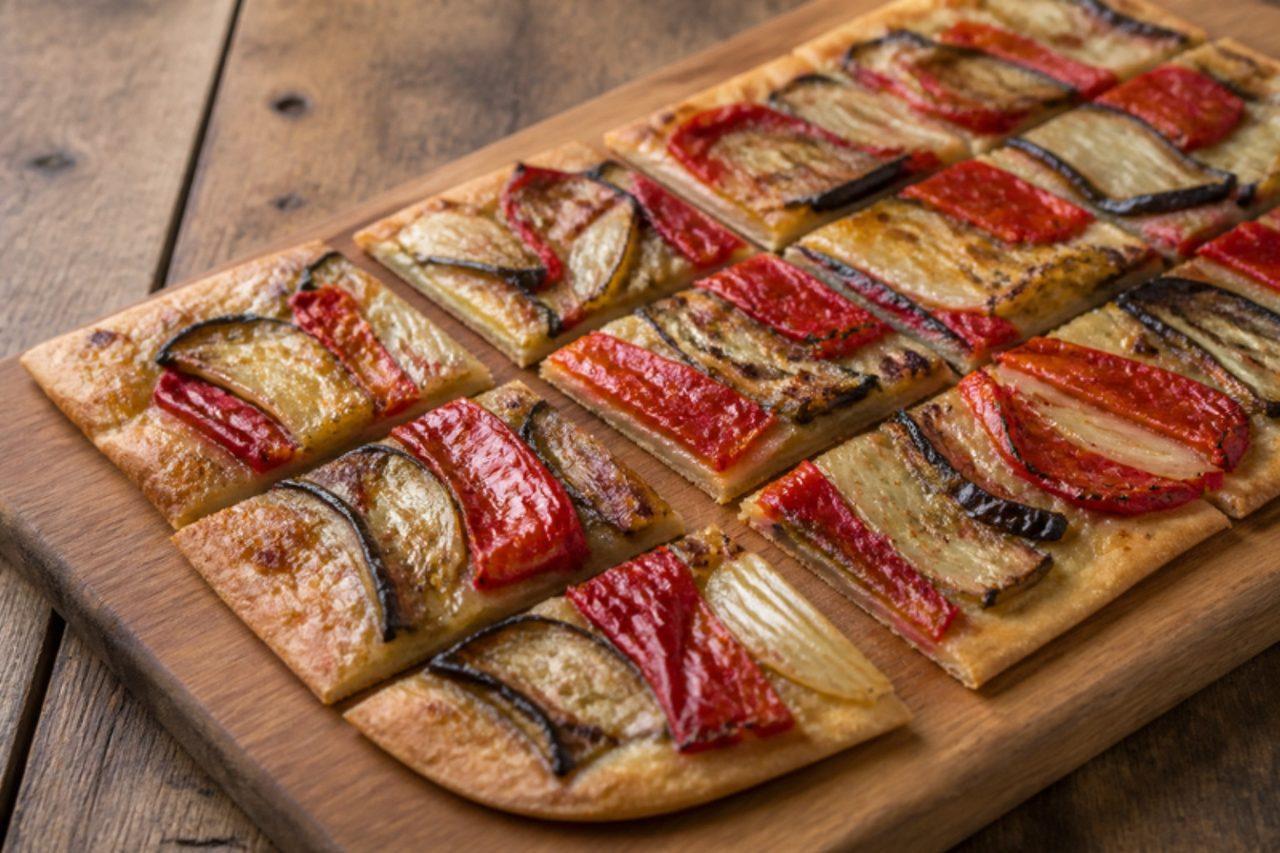
In Lleida and the farmland of inland Catalonia, the coca de recapte was once baked in the village oven on bread day, topped with whatever was in the larder; recapte means provisions. Today bakeries sell long trays of it, and families take slices on Sunday outings. The topping is essentially escalivada: aubergine, red pepper and onion, roasted then laid raw-side-up on the dough. Bakeries often add salted sardines or anchovies; this version is vegetarian. Chef's tip: roast the vegetables only until soft, not falling apart; they cook a second time on the coca.

by KrazyBadal 0 views

Coca de Sant JoanCandied fruit and pine nut brioche

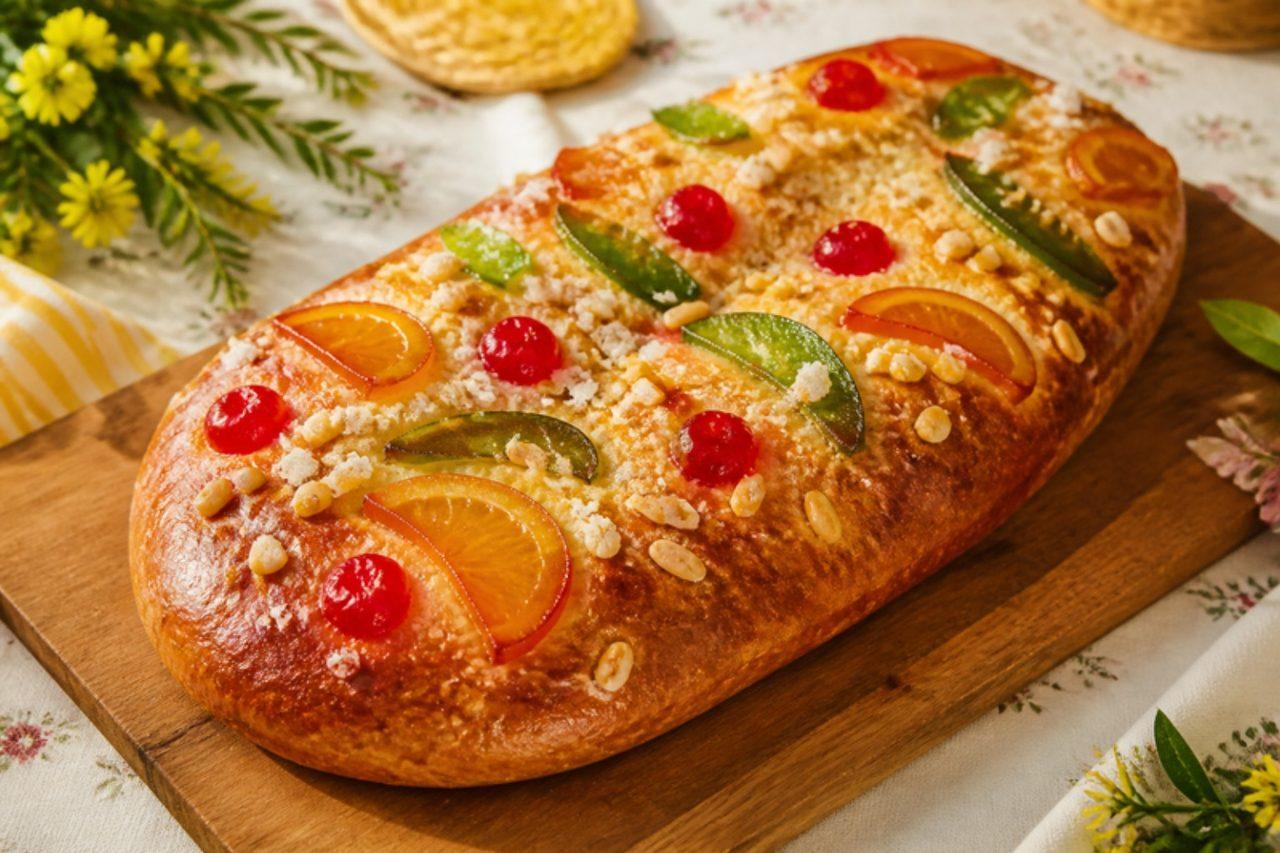
On the night of 23 June, the Revetlla de Sant Joan, Catalonia lights bonfires, sets off firecrackers on every beach and street, and shares a long oval coca: a soft, lemony brioche topped with candied fruit, pine nuts and crunchy sugar. Bakeries sell thousands, but a homemade one, still slightly warm, is something else. Some recipes add a splash of anise liqueur; this one uses aniseed instead. Chef's tip: give the shaped dough a long, slow second rise; a well-proved coca bakes up light, an under-proved one dense.

by KrazyBadal 0 views

Coca de tomacaRoasted tomato and pepper flatbread

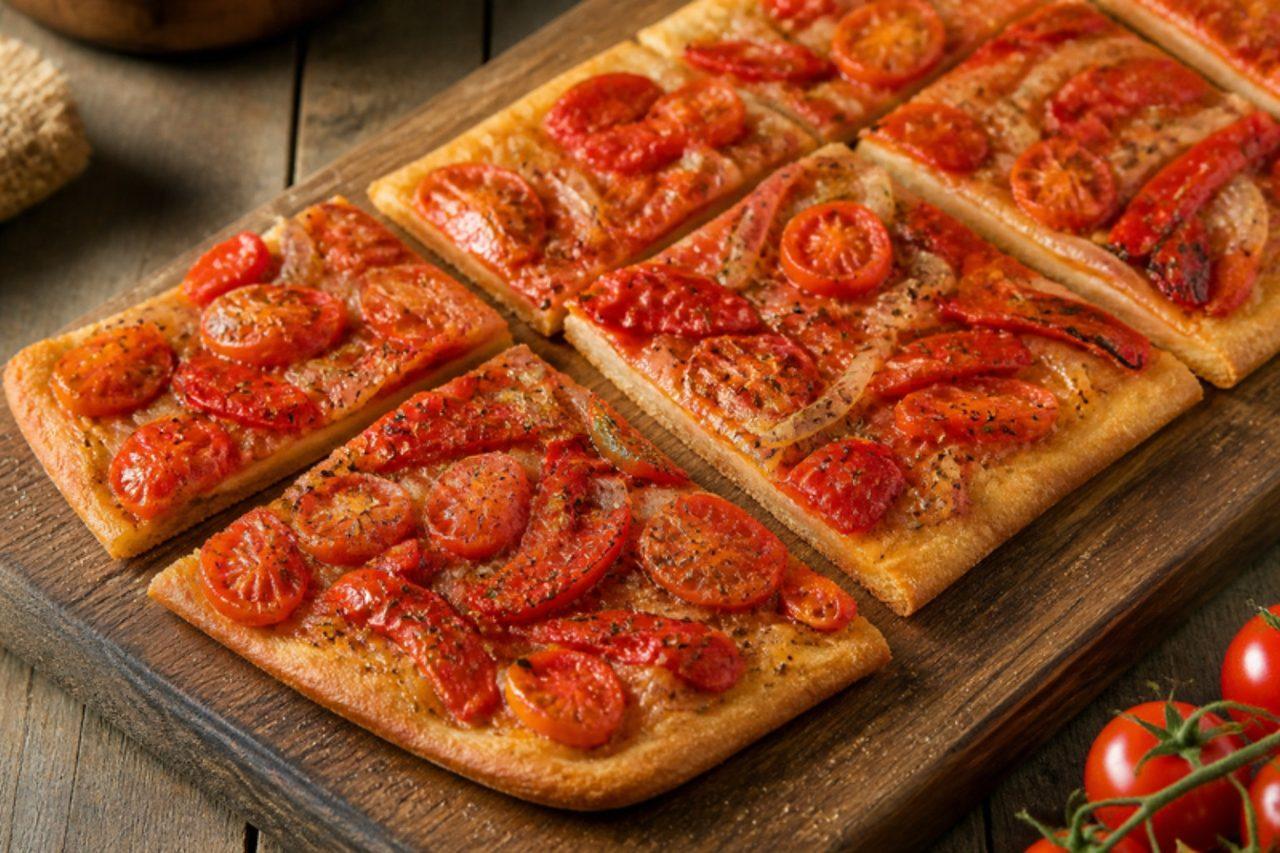
On the night of Sant Joan in late June, Alicante's beaches fill with people eating cocas while the bonfires burn, and coca de tomaca is the plainest and best loved: a thin, olive-oil dough baked under a layer of tomato, red pepper and onion that roasts down to something sweet and jammy. Bakeries in towns like Alcoy and Elche sell it by the slab all year round, and it is just as good cold the next day at a picnic. Many versions add tinned tuna or sardines; this one keeps it vegetable-only, so it is vegan. A common mistake is piling the vegetables on raw and wet, which leaves the base soggy; salt and drain the tomato first. Chef's tip: bake on the lowest shelf so the base crisps before the topping colours.

by KrazyBadal 0 views

Coca de trempóPepper, tomato and onion flatbread

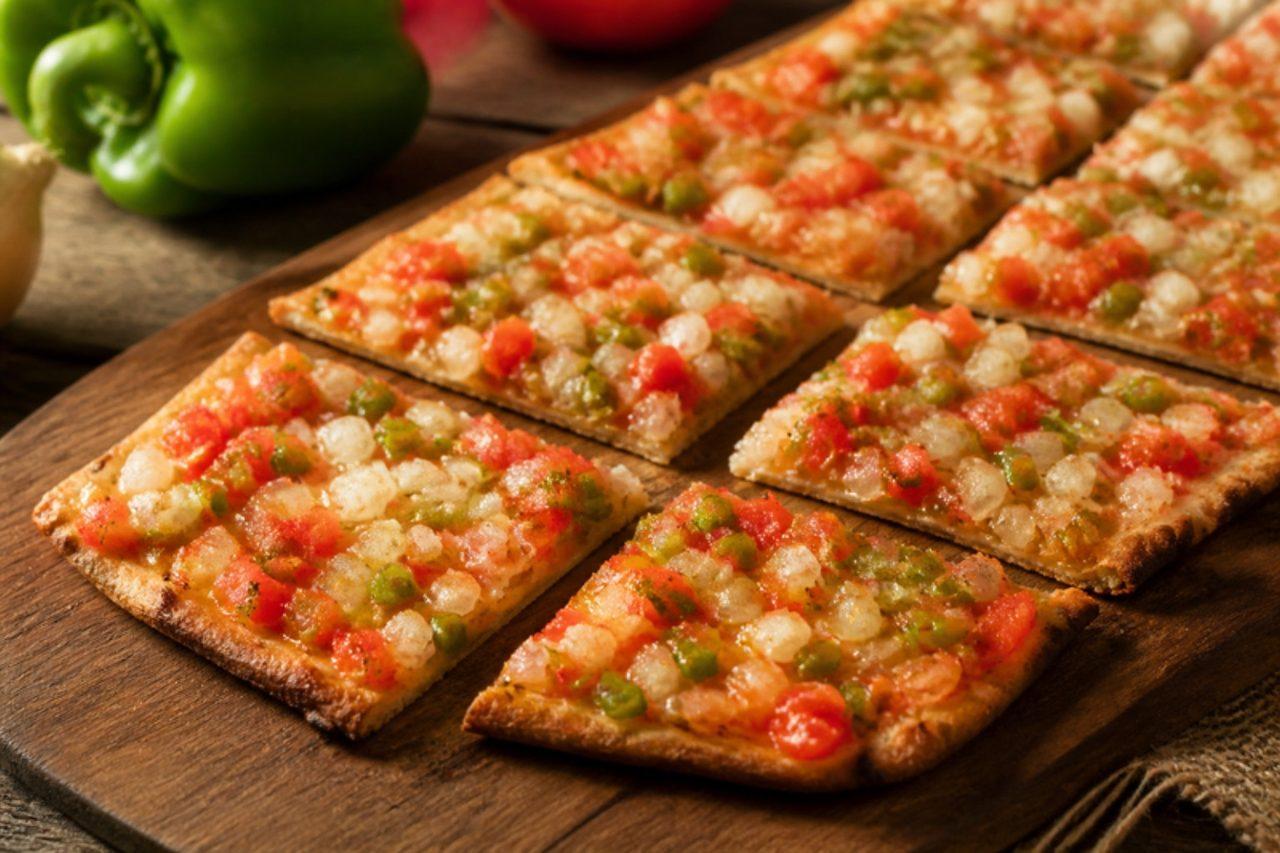
Bakeries across Mallorca sell coca de trempó by the slab from June to September, and it travels to every beach and village fiesta wrapped in paper. Trempó is the island's summer salad of green pepper, tomato and sweet onion; here it is chopped, drained and baked over a thin, crisp olive-oil dough until the edges of the vegetables just catch. Some bakers work lard into the dough; this version uses olive oil only, so it is vegan. Cut it into squares and eat it warm or cold. Chef's tip: salt and drain the chopped vegetables for 20 minutes before topping, so the base bakes crisp instead of soggy.

by KrazyBadal 0 views

CocadaChewy coconut sweet

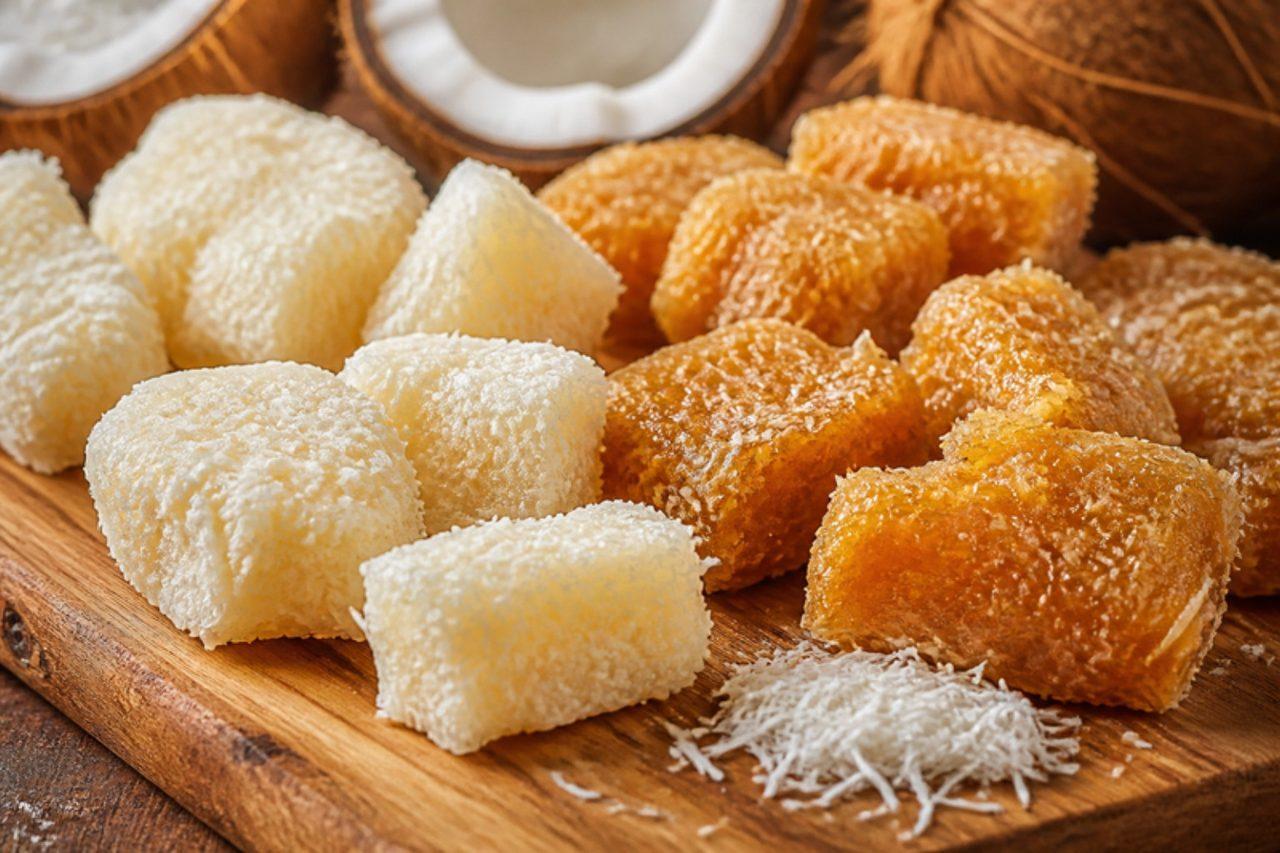
Baianas in long white skirts sell cocada from glass-fronted trays in the Pelourinho and on the beaches of Salvador, alongside acarajé, in shades from snow-white to dark caramel. It is the simplest of sweets: fresh coconut cooked in sugar syrup until it binds into chewy, glossy clusters, crisp on the edges and soft inside. Cocada branca keeps the sugar pale; cocada queimada takes the sugar to caramel first, which gives a deeper, slightly bitter edge (see the last step). Freshly grated coconut makes the best texture; frozen grated coconut from Asian or Latin shops is a good second choice. Dropping the mixture too soon is the usual mistake, because it stays sticky and spreads into a flat puddle. Chef's tip: a spoonful should hold its shape on a cold plate before you start dropping the rest.

by KrazyBadal 0 views

CocarroisVegetable, raisin and pine nut pasties

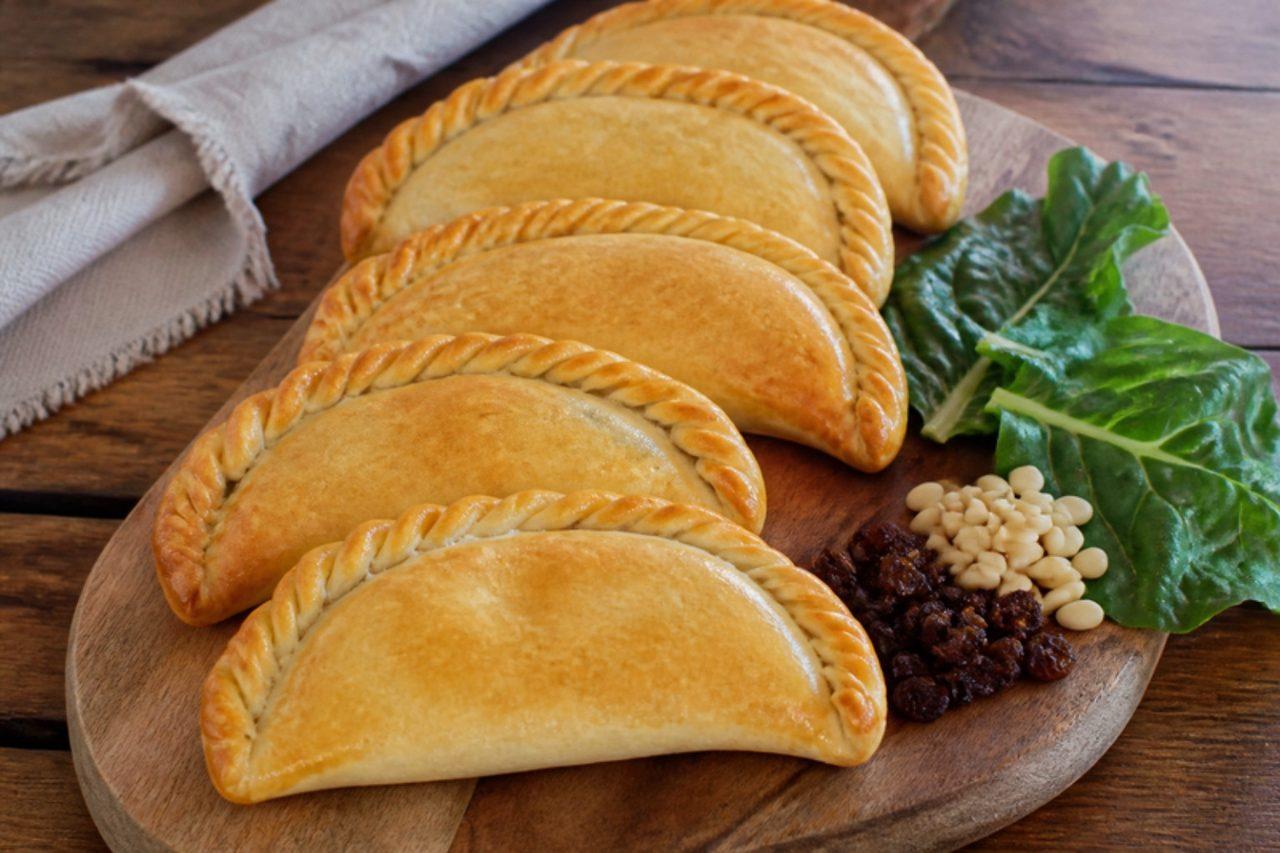
Cocarrois are the half-moon pasties that fill Mallorcan bakery windows in the weeks of Lent, when bakers in Palma and the inland towns made a meatless filling from what the garden gave: chard or spinach, cauliflower, spring onion, raisins and pine nuts, spiced with paprika. The crimped crust, made with olive oil and a little orange juice, bakes crisp and flaky. Many bakeries still use lard; this version is olive oil only and vegan. They are eaten warm or cold, as a snack or a light lunch. Chef's tip: squeeze the raw greens hard after salting, because dry filling is what keeps the bottom crust crisp.

by KrazyBadal 0 views

Cochinillo asadoRoast suckling pig

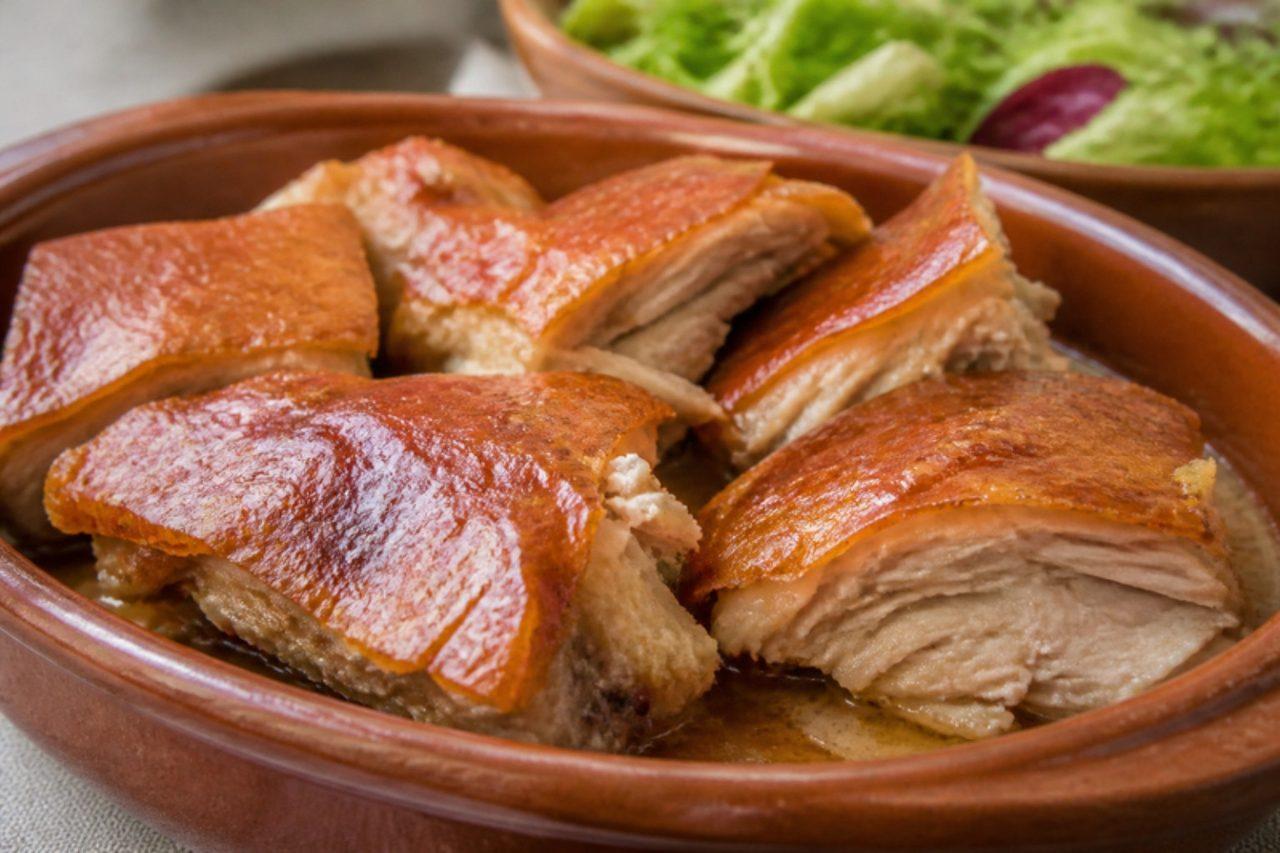
In Segovia, in the shadow of the Roman aqueduct, restaurants bring out the roast suckling pig whole and carve it with the edge of a plate to show how tender it is, then smash the plate for luck. It is the great Castilian Sunday and celebration lunch, served with a plain lettuce salad and nothing else. This contains pork (suckling pig and lard). At home, half a pig fits in most ovens; ask your butcher to split it. Chef's tip: roast it skin-side down in water first, then flip it, so the meat steams tender before the skin turns to glass.

170 minSpanishMeatGluten free
by KrazyBadal 0 views

Bienmesabe canarioAlmond and egg-yolk cream

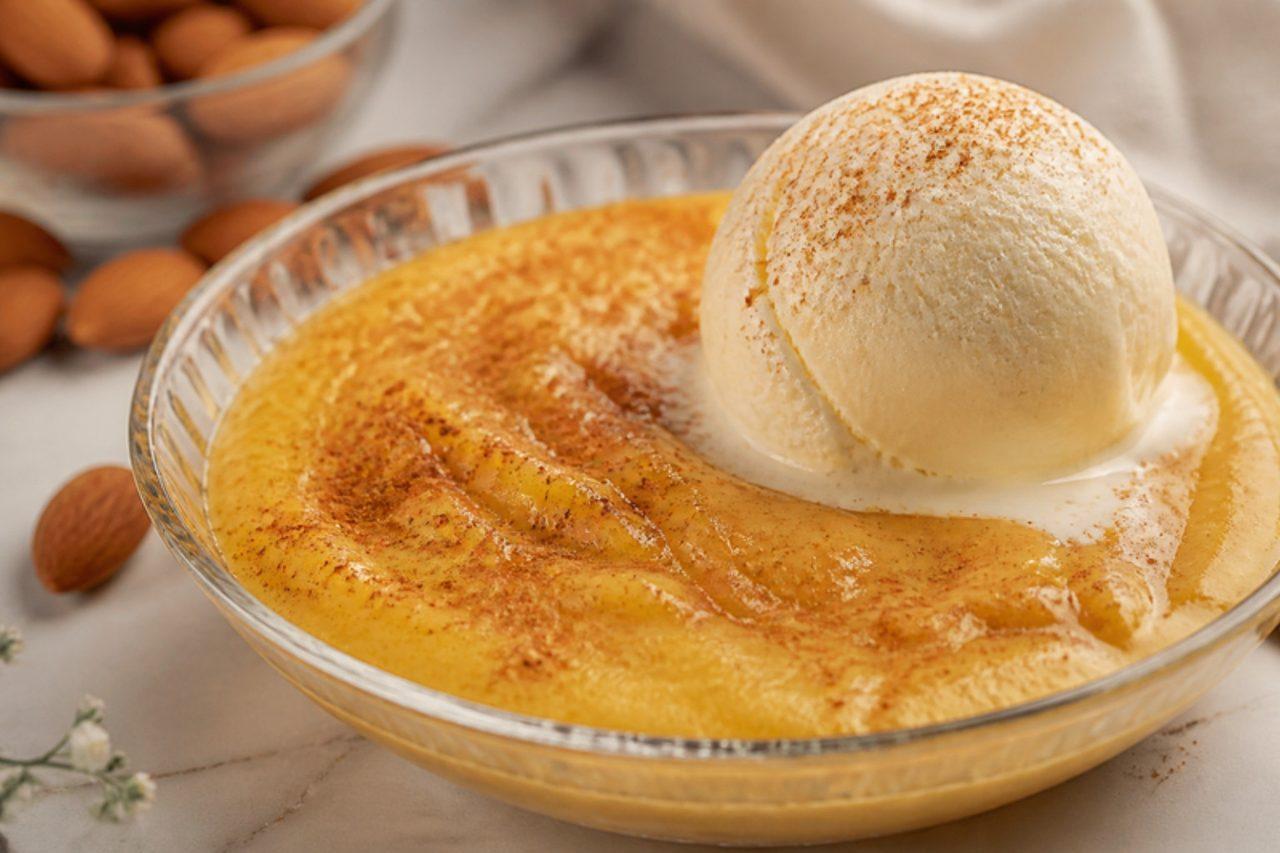
High in the mountains of Gran Canaria, the village of Tejeda is ringed by almond trees, and its pastry shops are famous for bienmesabe, 'it tastes good to me'. Finely ground almonds are cooked in a sugar syrup with lemon zest and cinnamon, then enriched with egg yolks into a thick, golden cream. Islanders eat it by the spoonful, over vanilla ice cream or layered on sponge; it is the dessert brought out in late January and February, when the Almond Blossom Festival fills the village. Chef's tip: temper the yolks with a little hot syrup before adding them, so they thicken the cream smoothly instead of scrambling.

by KrazyBadal 0 views

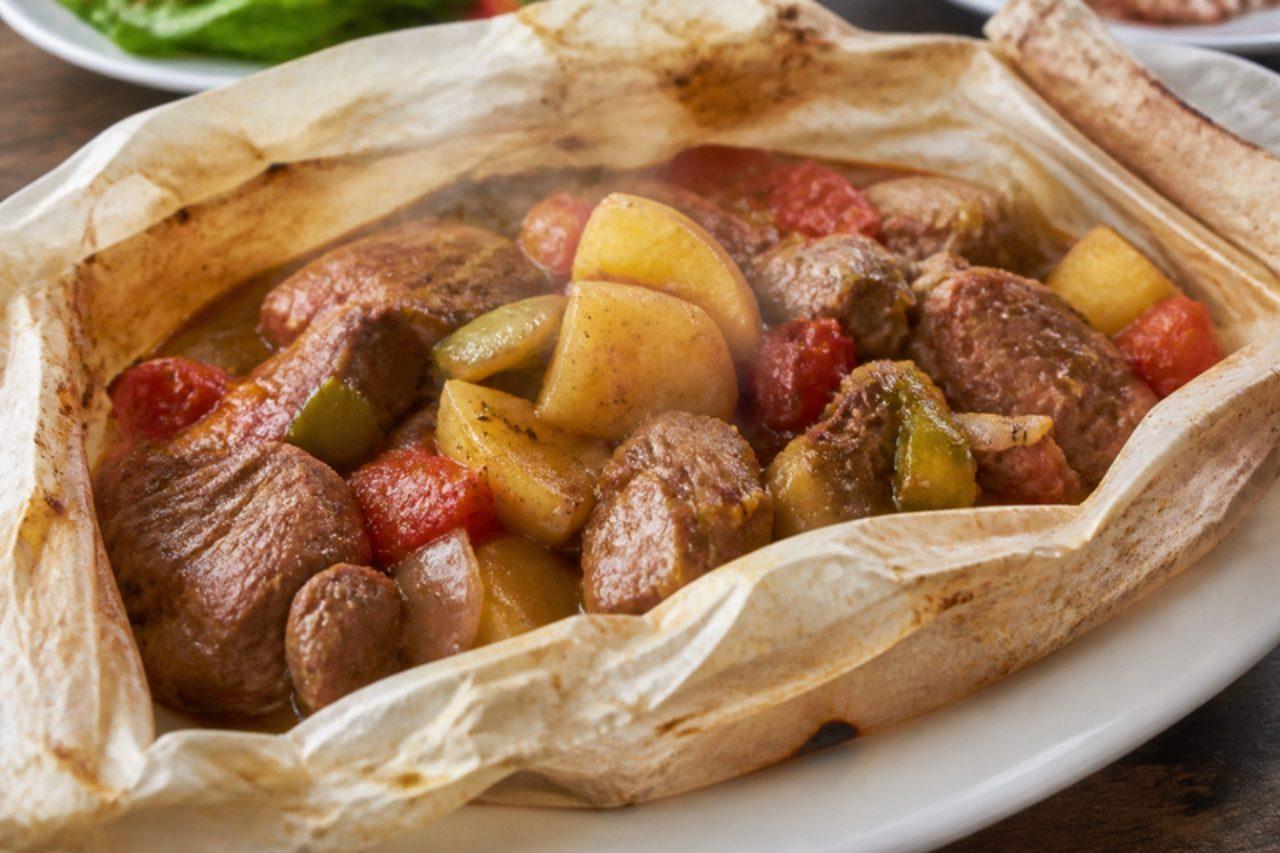
Kağıt kebabıLamb and vegetables baked in parchment

Malatya cooks wrap cubes of lamb with tomatoes, peppers, shallots and garlic in greaseproof paper and bake them slowly, so the meat steams in its own juices and the parcel puffs up like a pillow. At the table each person tears open their own package to a cloud of fragrant steam. It's a festive dish for guests, served with bulgur pilaf and a yoghurt salad. Common mistake: wrapping loosely so the juices leak and the meat dries; fold and crimp the edges tightly. Chef's tip: brown the lamb quickly before wrapping; it gives a deeper flavour than raw meat steamed alone.

120 minTurkishMeatGluten free
by KrazyBadal 0 views

Kadınbudu köfteFried rice and mince patties

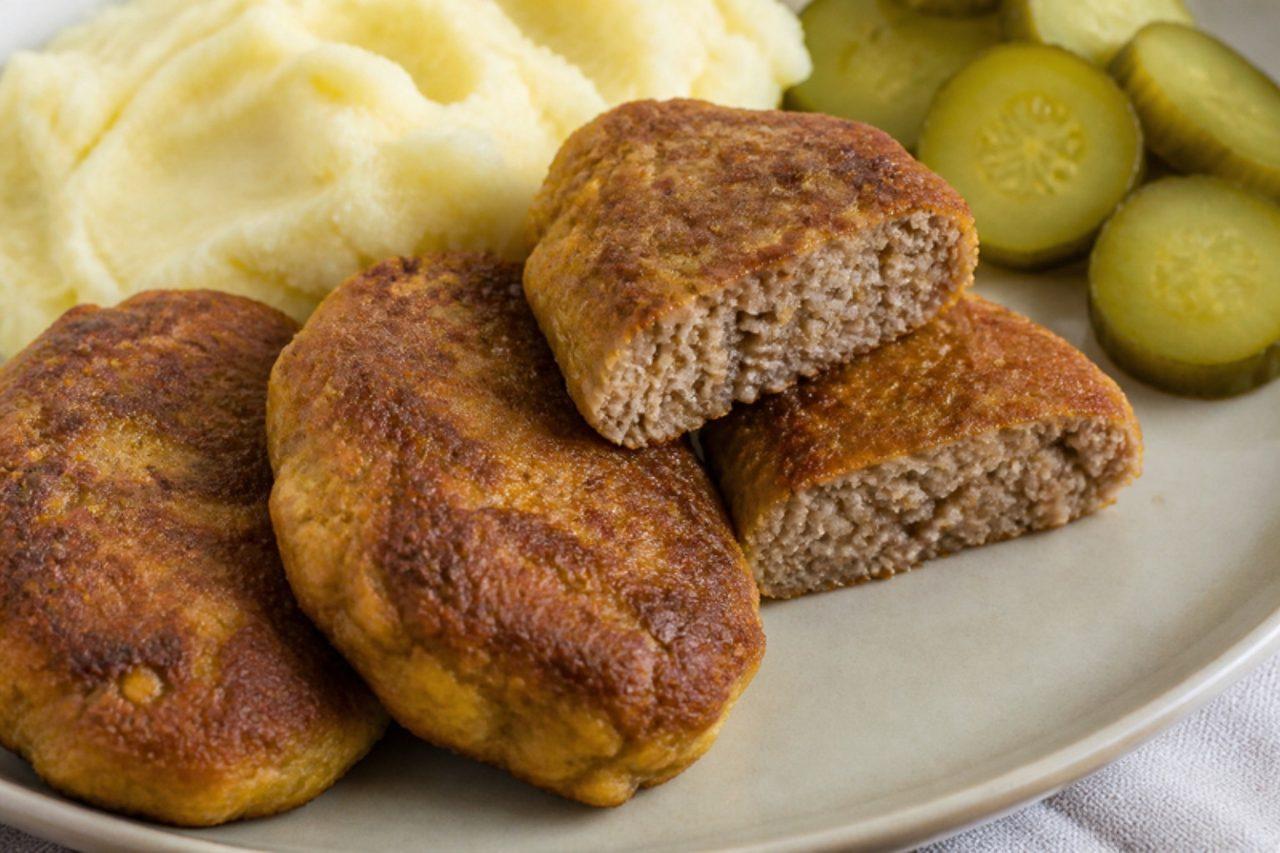
The name means 'lady's thigh', a playful Ottoman-era compliment to their plump, tender shape, and these köfte still appear in Istanbul home kitchens and old lokantas for Friday lunch. Half the meat is cooked with onion first, then mixed with raw mince, rice and herbs, so the köfte are unusually soft and moist. They are dipped in egg and fried golden, and served with a simple tomato salad and pilaf or mashed potato. Chef's tip: the rice must be fully cooked and cooled before mixing, or the köfte crack and fall apart in the pan.

by KrazyBadal 0 views

Cock-a-leekieChicken and leek soup

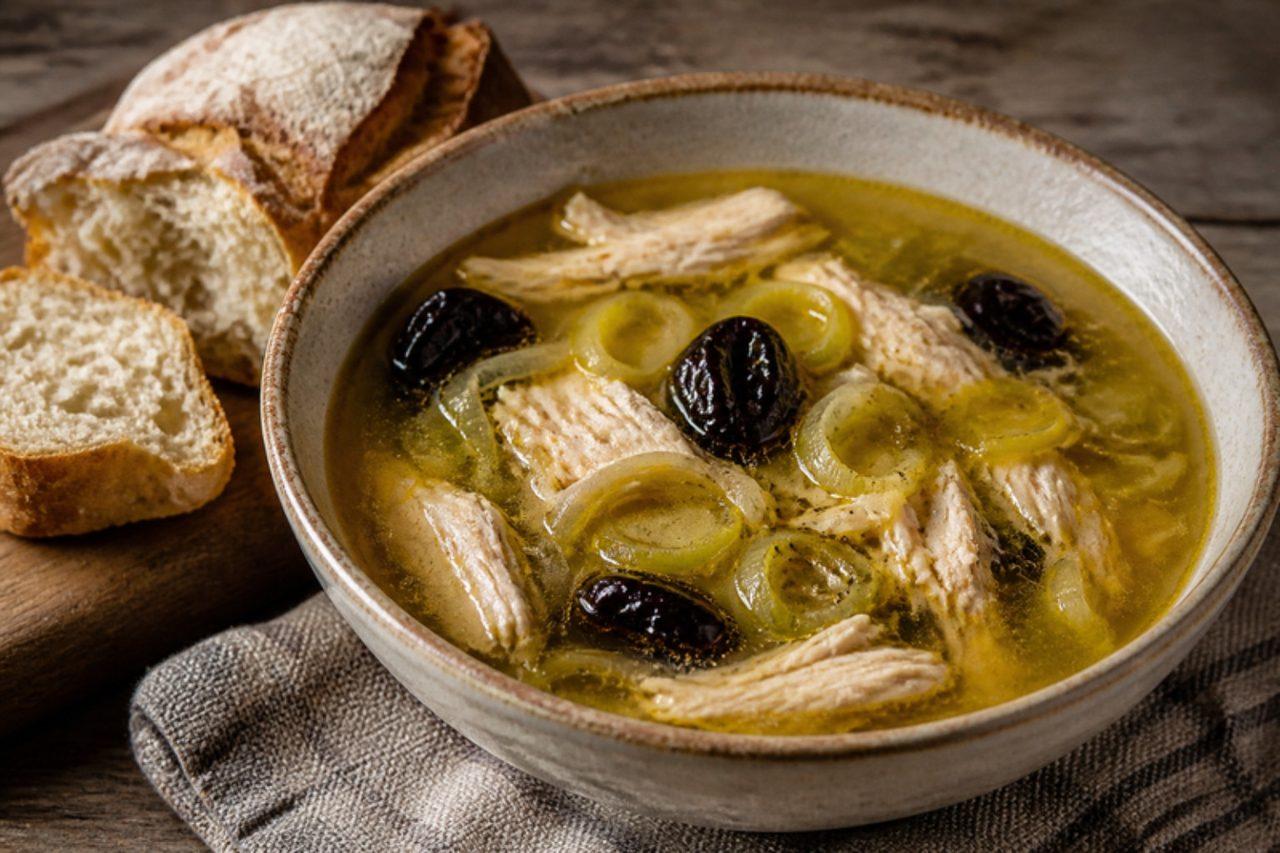
Cock-a-leekie is Scotland's national soup, a clear broth of chicken and plenty of leeks, traditionally served on Burns Night and St Andrew's Day. A few prunes go in at the end, which sounds odd but gives little bursts of sweetness against the peppery broth. Some families thicken it with a handful of rice or barley. Chef's tip: add most of the leeks only for the last 15 minutes, so they stay green and silky instead of turning grey.

105 minBritishSoupsGluten free
by KrazyBadal 0 views

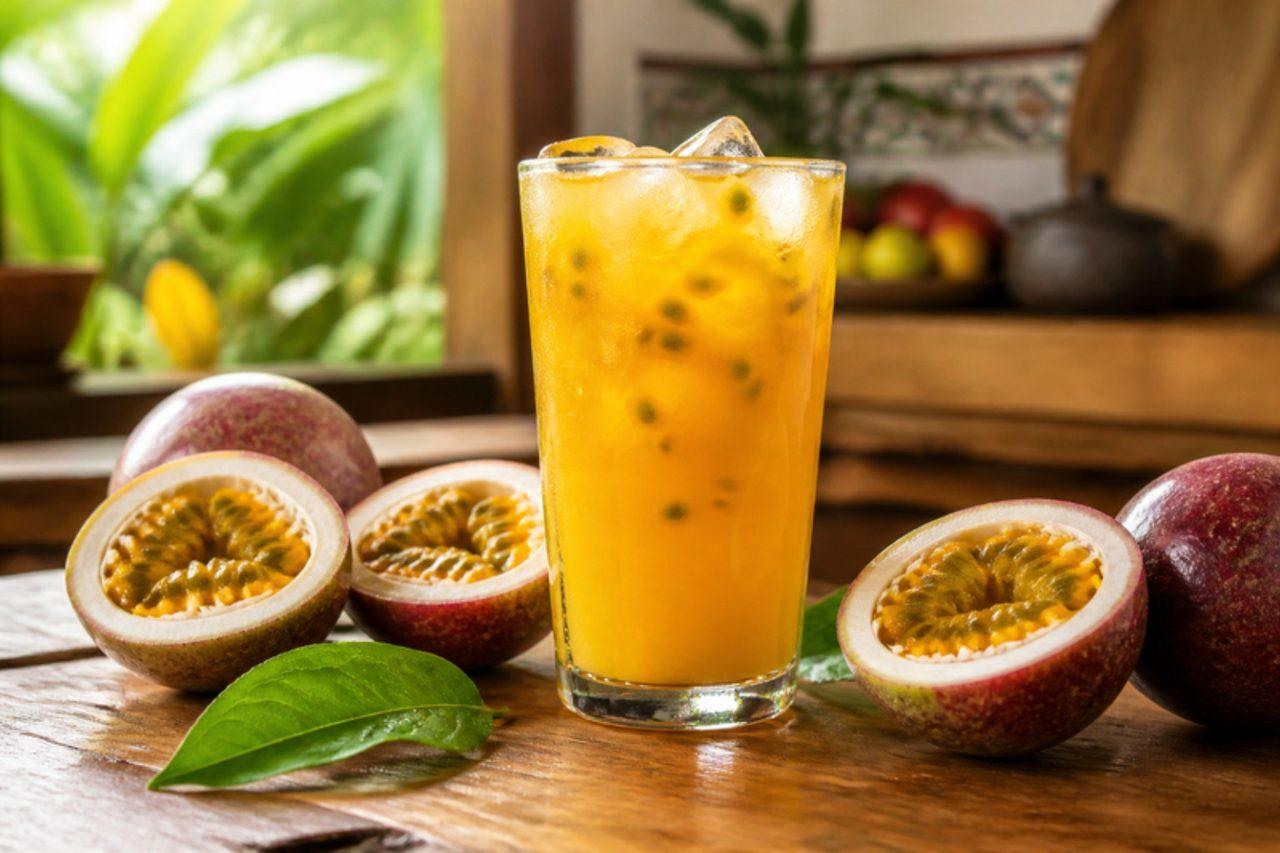
Jugo de maracuyáPassion fruit juice

Passion fruit grows easily in the warm valleys of Colombia, and maracuyá juice is the default glass at many lunch tables, from Huila to the coast. It is intensely aromatic and sharp, so it needs plenty of water and sugar, and it is served over ice; a milk version is made too, but the water one is the more refreshing. Street juice stands blend it fresh all day, and it pairs especially well with fried fish, rice and patacones, or any spicy dish. People tend to over-blend it, crushing the black seeds into gritty, bitter bits; just pulse until the pulp lets go of the seeds, then strain. Frozen passion fruit pulp from Latin shops is a good, cheaper option and needs no straining. Chef's tip: scoop the pulp from wrinkled, heavy fruit; the more wrinkled the skin, the sweeter and more fragrant the fruit inside.

by KrazyBadal 0 views

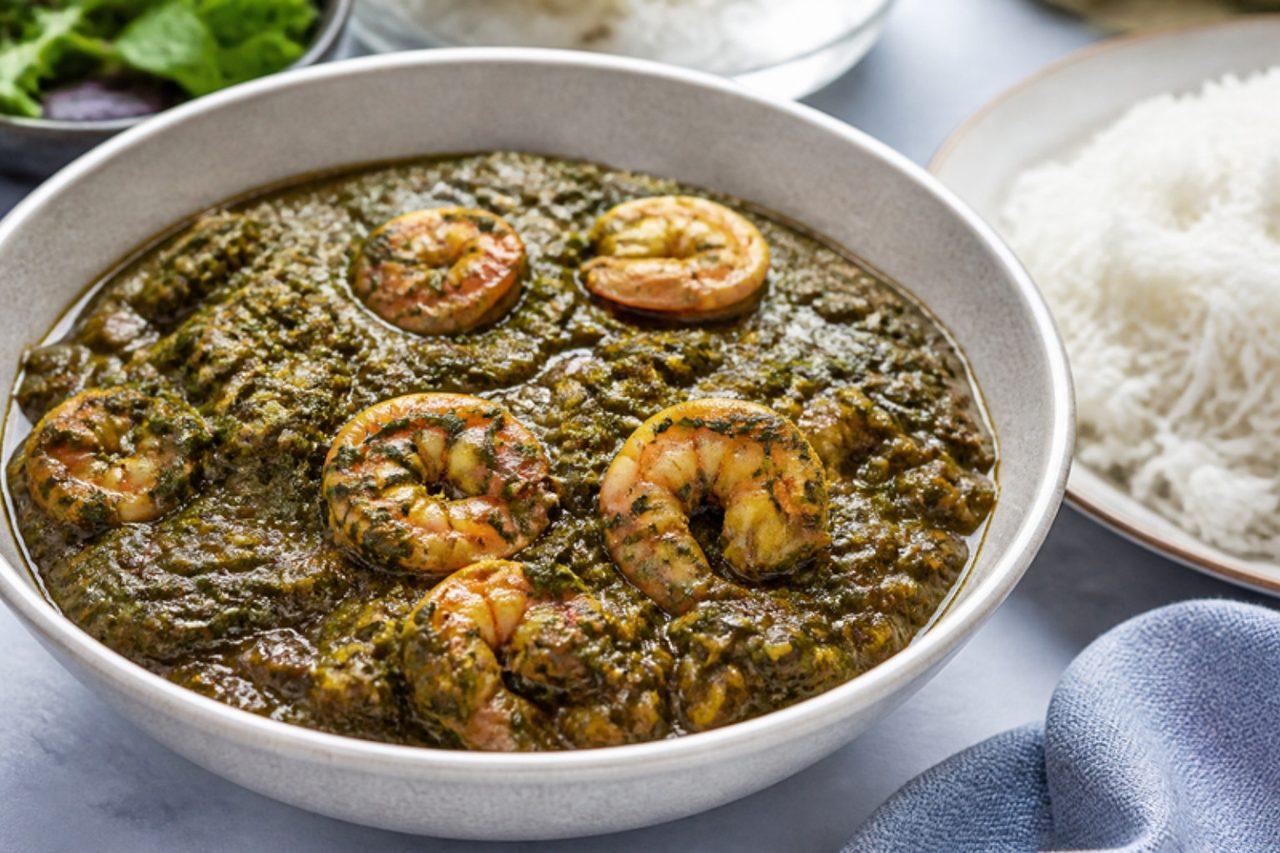
Ghalieh meygooSpicy prawn and tamarind stew

In Bushehr, where the fishing boats bring in Gulf prawns every morning, ghalieh meygoo is the dish cooks make when they want something quicker and a little more festive than the fish version. The same base of slow-fried coriander, fenugreek and garlic is soured with tamarind and fired up with chilli, then the prawns go in for just a few minutes so they stay sweet and juicy. It is eaten with plain chelow rice and a raw onion on the side. A common mistake is simmering the prawns with the sauce from the start, which leaves them rubbery and small. Chef's tip: simmer the prawn shells in the water for 10 minutes first and use that stock; it gives the sauce a real taste of the sea.

by KrazyBadal 0 views

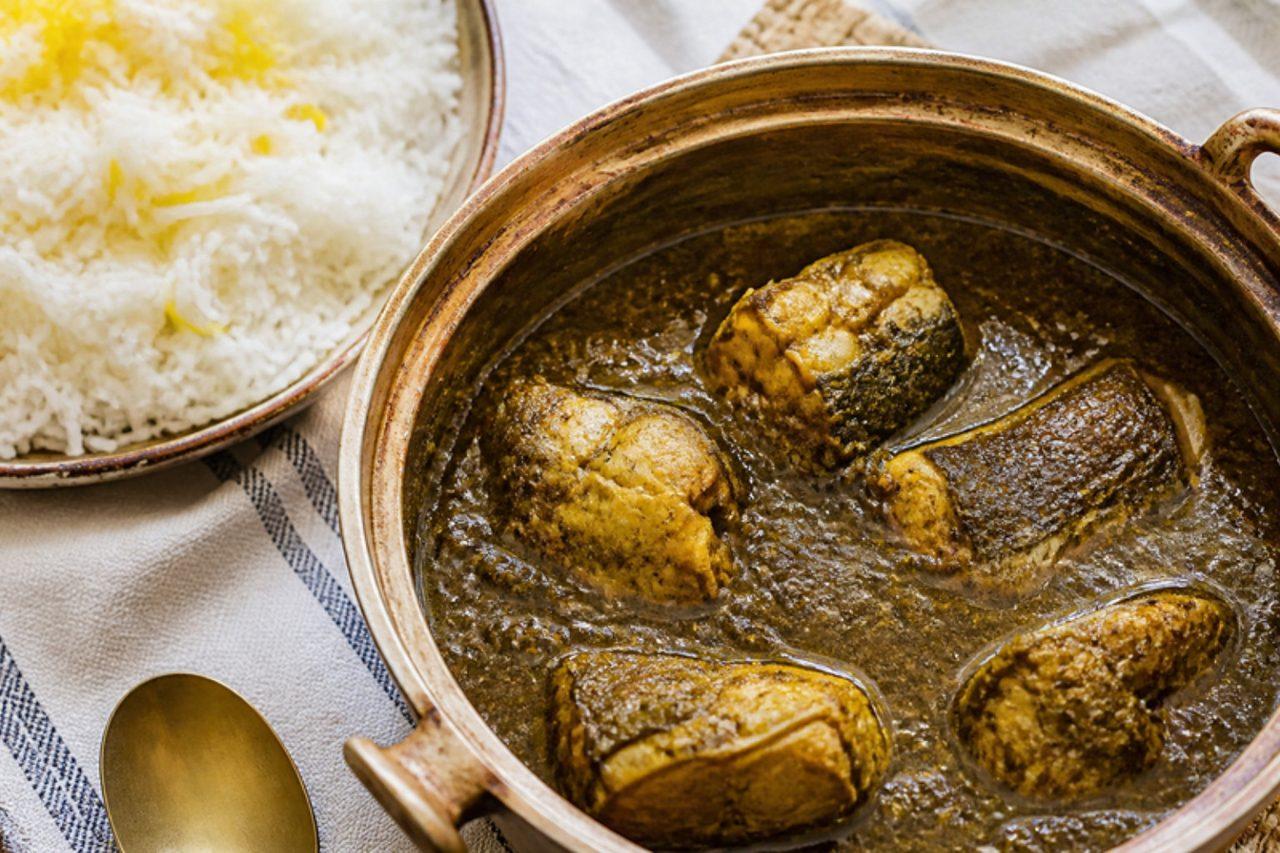
Ghalieh mahiFish stew with coriander and tamarind

Ghalieh mahi is the signature stew of the Persian Gulf ports of Bushehr and Abadan, cooked for Friday lunches and big family gatherings. It starts with a mountain of coriander and a little fenugreek fried slowly in oil with garlic until almost black-green, then sharpened with tamarind and warmed with chilli and turmeric before chunks of firm fish are poached in it. The result is dark, sour, fragrant and properly hot, eaten over plain white rice. A common mistake is rushing the herbs: they need a full 20 minutes of frying or the stew tastes grassy instead of deep. Chef's tip: brown the fish pieces quickly before they go into the sauce; they hold together better and add a little roasted flavour.

by KrazyBadal 0 views

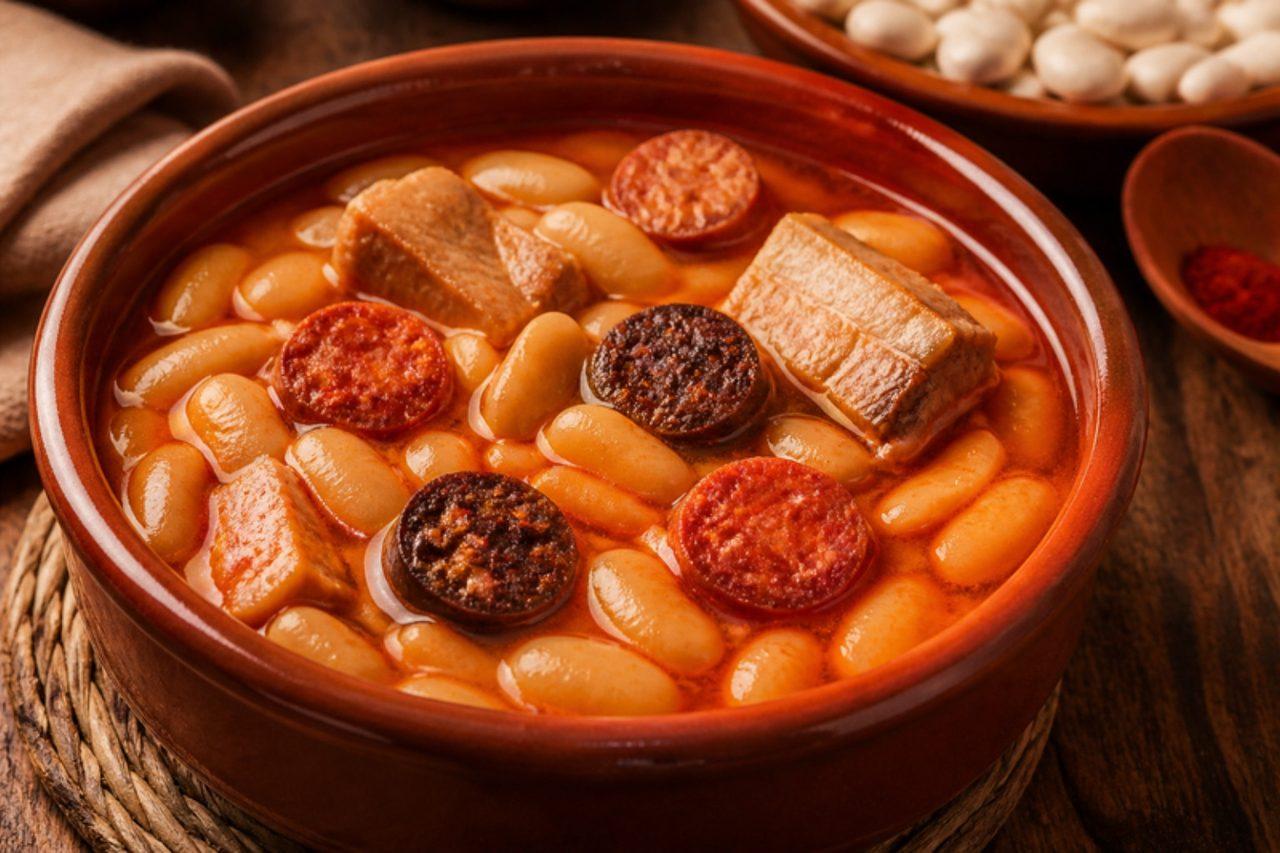
Judiones de La GranjaButter beans with chorizo and pork

In La Granja de San Ildefonso, the royal summer palace in the hills above Segovia, local farmers grow judiones, enormous flat white beans with skin so thin they melt on the tongue. Restaurants in the town and in Segovia stew them with chorizo, morcilla and pork for cold-weather lunches, followed by a roast. This contains pork (chorizo, morcilla and pork rib or ear). Large butter beans or Greek gigantes work well elsewhere. Chef's tip: never stir the beans; shake the pot instead, so they stay whole.

170 minSpanishMeat
by KrazyBadal 0 views

Kadayıf dolmasıWalnut pancakes in syrup

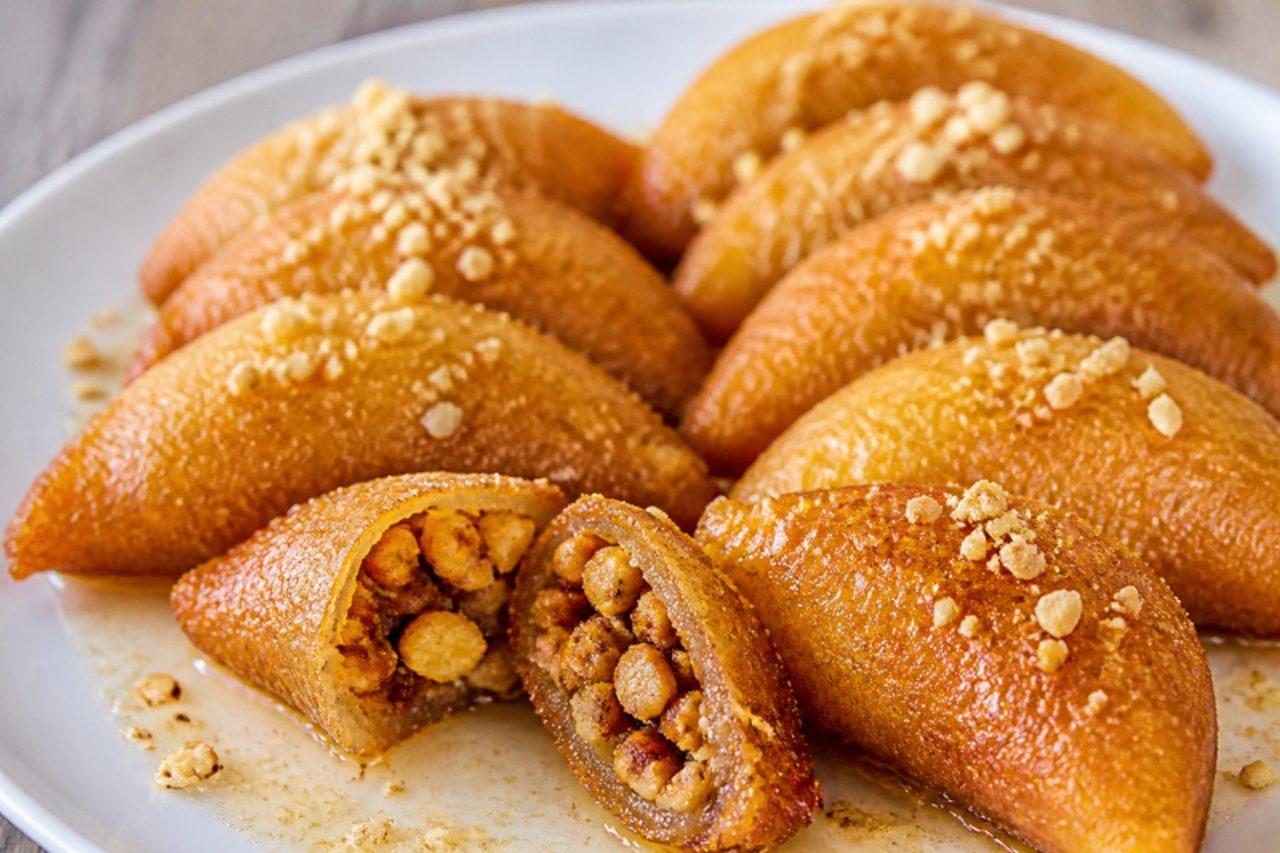
In Erzurum, kadayıf means not shredded pastry but small, spongy pancakes cooked on one side only. For kadayıf dolması they're filled with walnuts, folded into half-moons, fried golden and plunged into syrup, and they are the city's pride on festival days and at weddings. The outside is crisp and syrupy, the inside soft and nutty. Common mistake: cooking the pancakes on both sides; the uncooked, bubbly top is what sticks the edges together. Chef's tip: the syrup must be cold and the dolma hot straight from the oil, so they absorb syrup without going soggy.

by KrazyBadal 0 views

Coda alla vaccinaraBraised oxtail

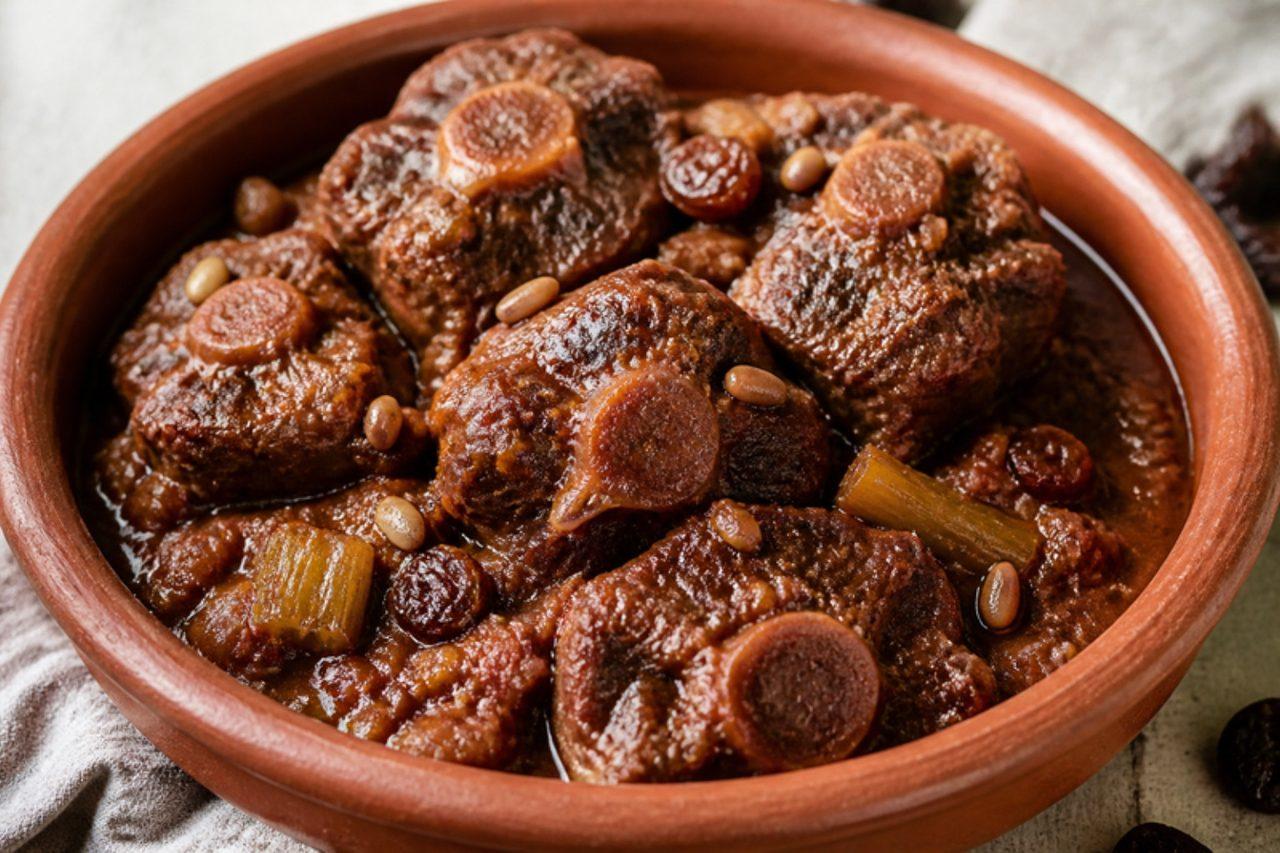
Testaccio was home to Rome's slaughterhouse, and the vaccinari who skinned the cattle were partly paid in offcuts, among them the tail. The trattorie of the quarter still serve coda alla vaccinara as their signature dish: oxtail braised for hours in tomato with a mountain of celery until the meat slides off the bone, the sauce finished with a hint of bitter cocoa, pine nuts and raisins for a sweet-sour depth. A splash of red wine goes in early, with an alcohol-free option in the ingredients. Eat the meat with bread, and toss any leftover sauce with rigatoni the next day. Chef's tip: braise it a day ahead, chill it and lift off the hard layer of fat before reheating; the sauce will be cleaner and the flavour deeper.

265 minItalianMeat
by KrazyBadal 0 views

Codornices en hoja de parraQuail in vine leaves

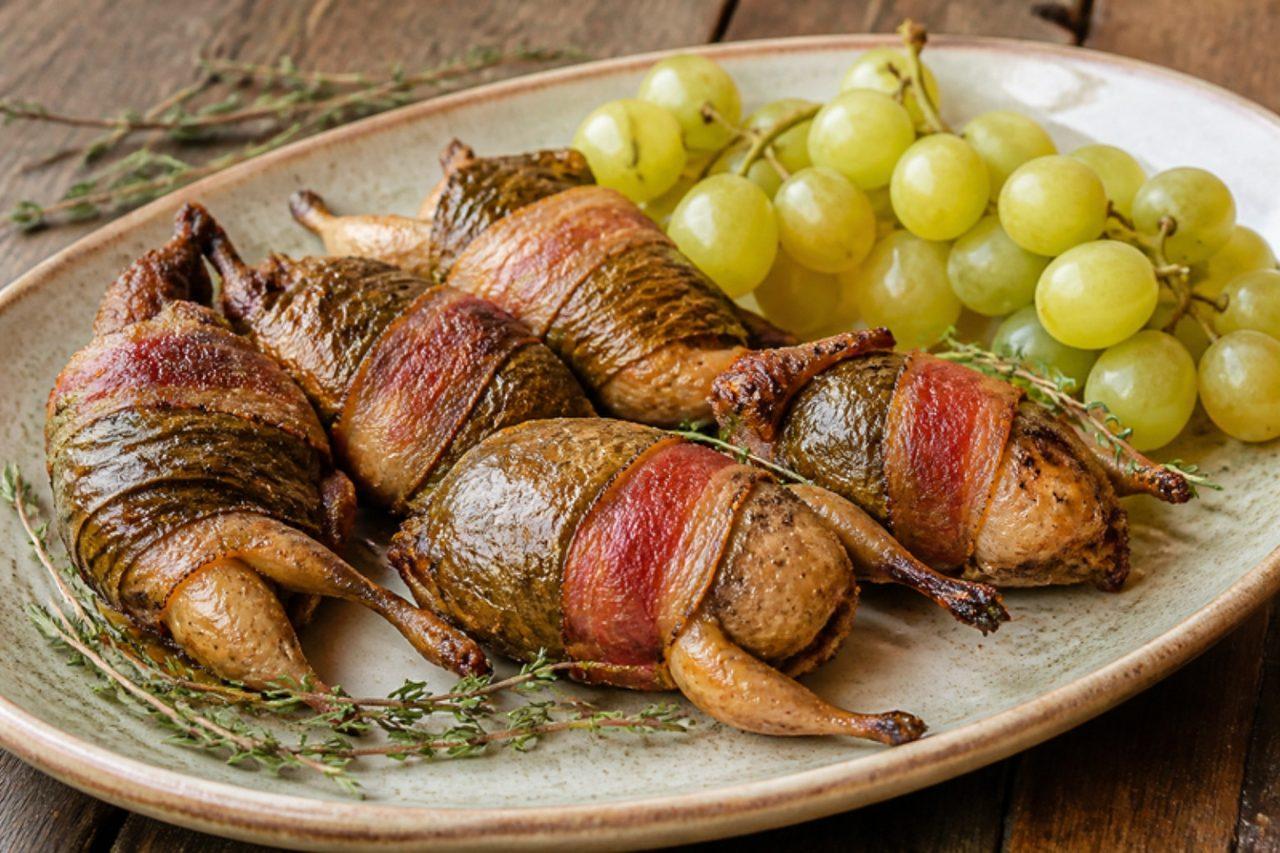
When the grapes are picked in the vineyards of Olite and the Ribera in September, quail are fat from the stubble fields and the vines still have their leaves, so Navarrese cooks bring the two together. Each bird is wrapped in a vine leaf and a strip of bacon and roasted fast; the leaf keeps the lean meat moist and adds a gentle, lemony tang. This contains pork (streaky bacon). Serve with fried potatoes or bread and, in season, a bunch of grapes. Chef's tip: taste before salting, because brined vine leaves and bacon already bring plenty.

by KrazyBadal 0 views

Cogollos de Tudela con ajosLettuce hearts with garlic oil

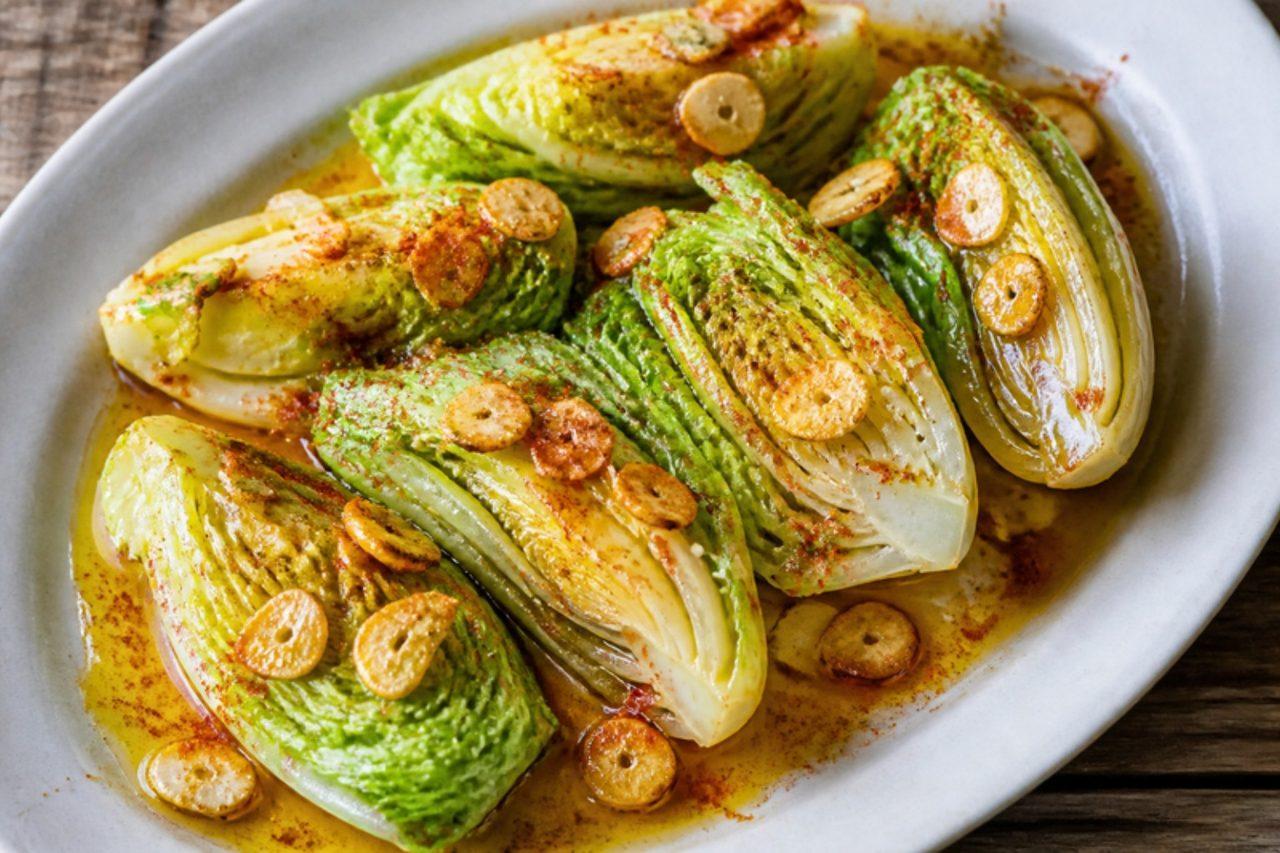
The lettuce hearts grown around Tudela in the Ribera of Navarre are small, tight and sweet, and they carry their own protected name. In the bars of Tudela and Pamplona they come to the table split lengthwise, still cold, with olive oil poured over them straight from the pan where garlic has just turned golden. Many places lay an anchovy on each quarter; this version leaves the fish out and is vegan. Chef's tip: dry the lettuce really well, because water left between the leaves makes the hot oil spit and leaves the dressing watery.

by KrazyBadal 0 views

Çökertme kebabıBeef strips with garlic yoghurt

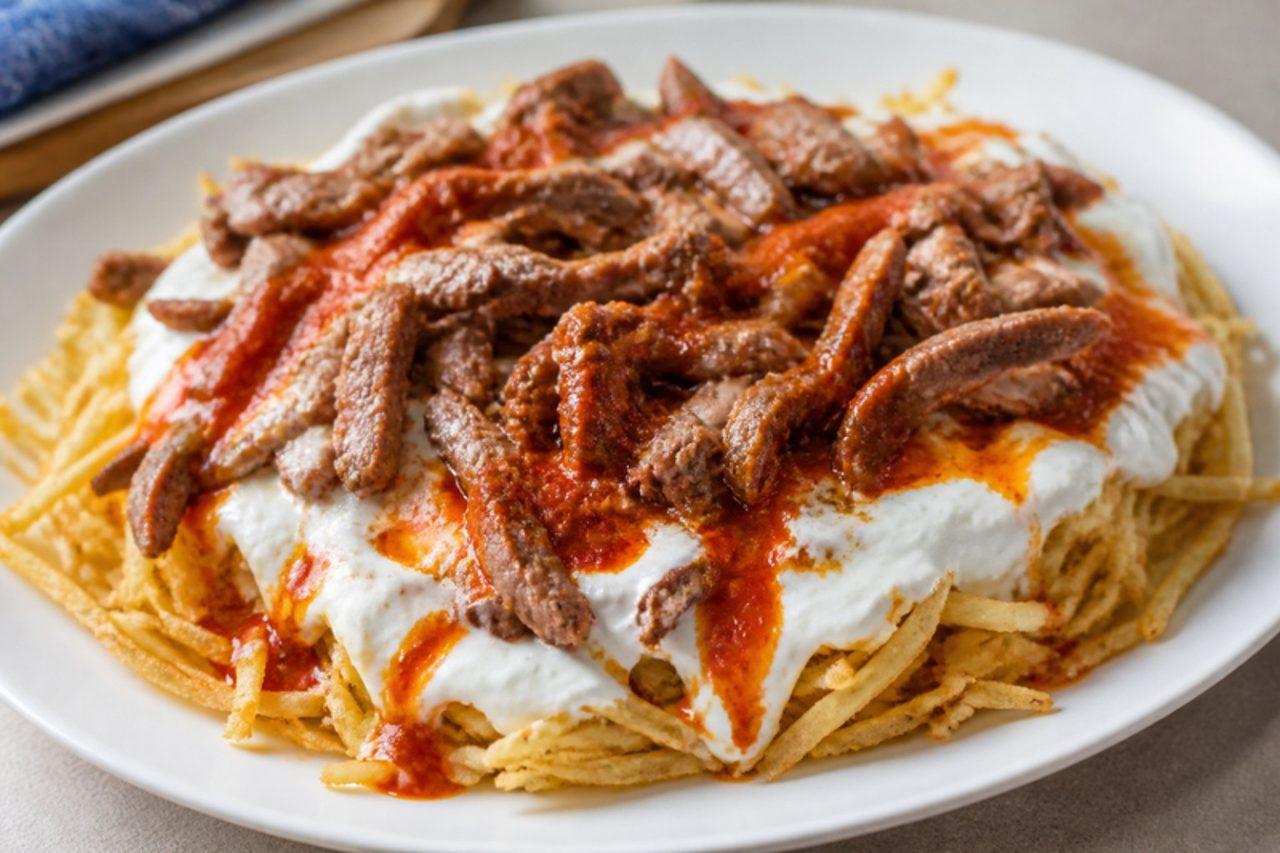
Çökertme is the kebab Bodrum is proud of: a bed of crisp, matchstick-thin fried potatoes, a layer of garlicky yoghurt, then tender strips of sautéed beef on top, finished with tomato sauce and butter. It is restaurant food in the town but easy to make at home for a Saturday lunch, and the contrast of hot, crunchy, cool and creamy is what makes it. Chef's tip: cut the potatoes very thin and fry them in two batches just before serving; made ahead, they go limp under the yoghurt.

by KrazyBadal 0 views

GermknödelSteamed plum jam dumpling

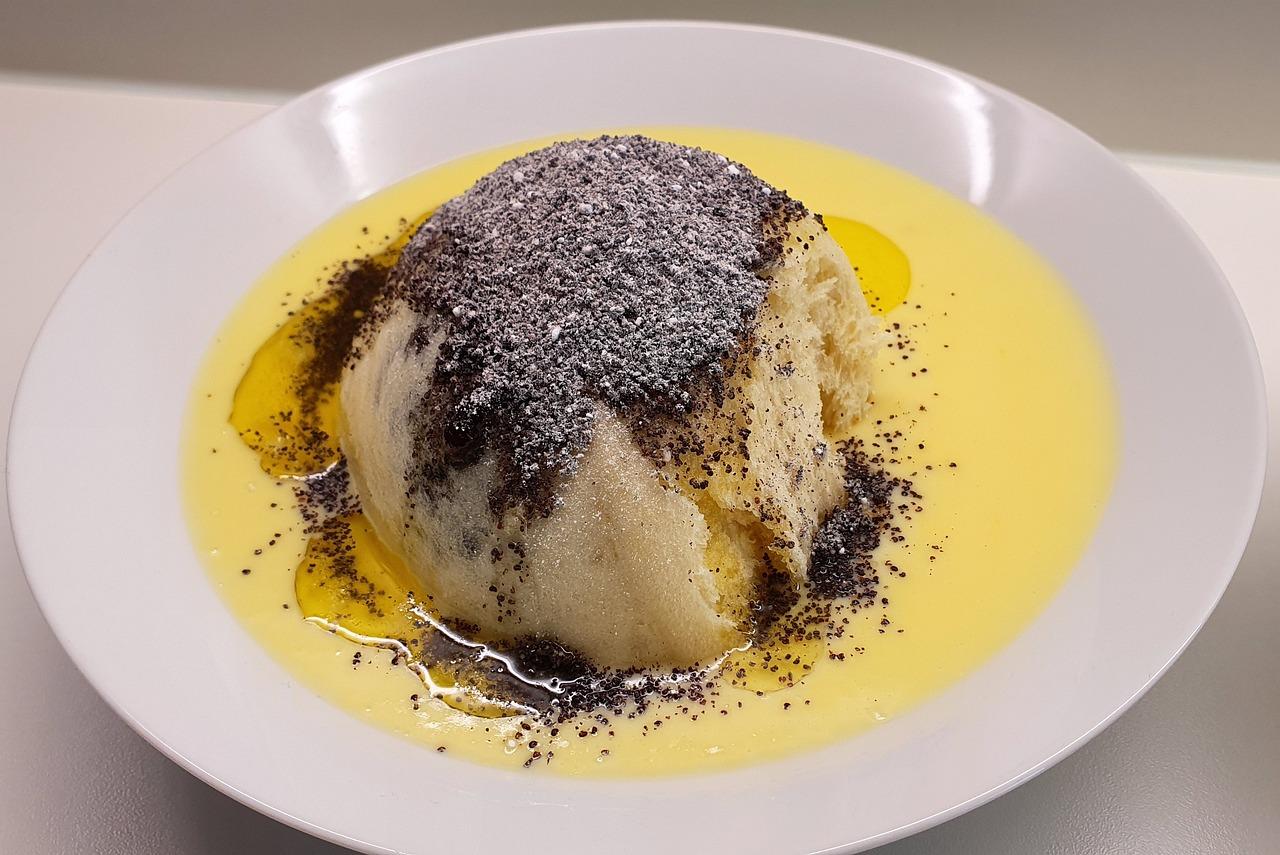
After a morning on the slopes, Austrians head into the mountain huts of Tyrol, Salzburg and Styria for one thing: a Germknödel the size of a fist, steamed until pillowy and split open to reveal dark plum butter. It comes drowned in melted butter, or in vanilla sauce, under a thick snow of ground poppy seeds and icing sugar, and it is eaten as a whole meal. The dough is soft and slightly sweet, and the powidl inside is tart and jammy. A common mistake is lifting the lid while they steam; the dumplings deflate and turn heavy. Chef's tip: seal each dumpling with the seam underneath and let them prove a second time on squares of baking paper, so you can move them without denting them.

by KrazyBadal 0 views

Cornish stargazy piePilchard pie

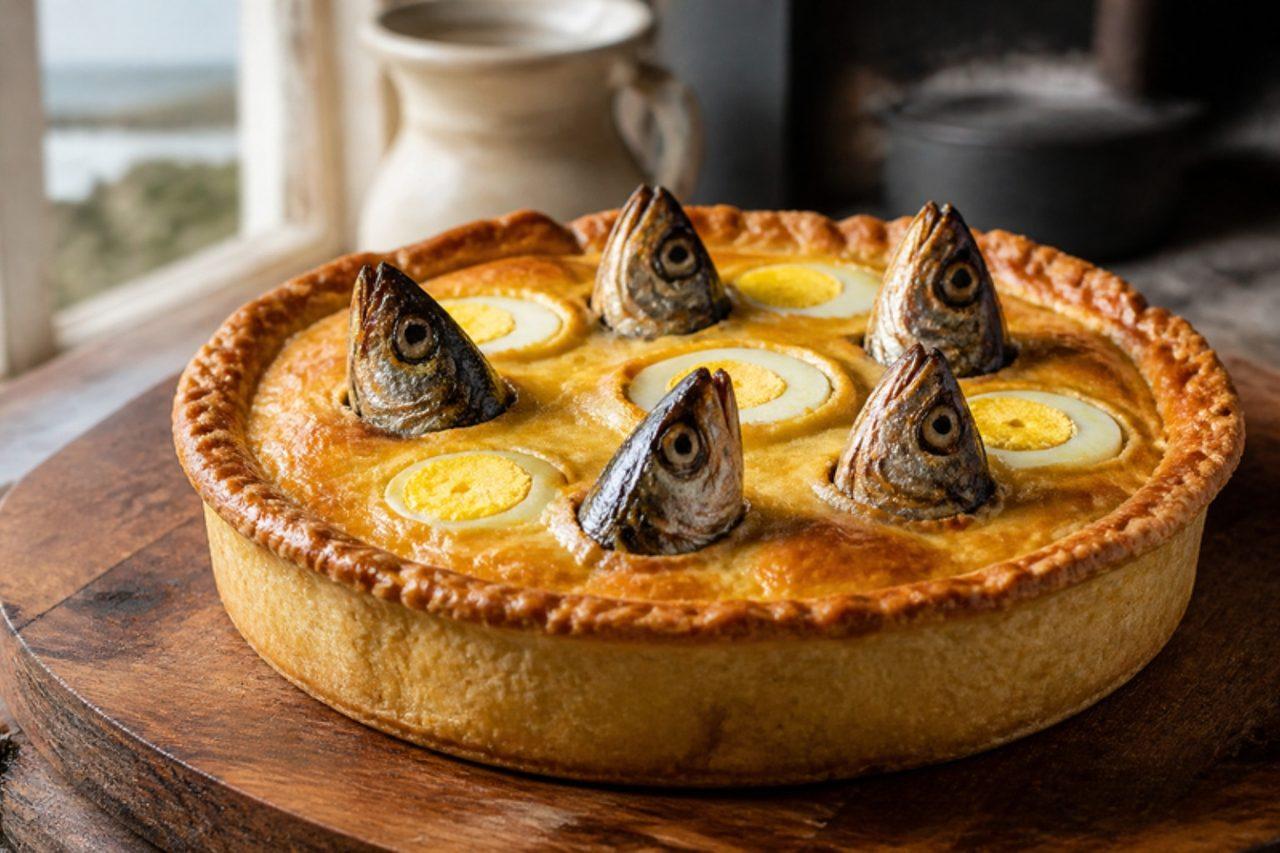
Stargazy pie is baked in the Cornish fishing village of Mousehole every 23 December for Tom Bawcock's Eve, celebrating the fisherman who is said to have sailed out in a storm and saved the village from famine. Whole pilchards or sardines are baked under pastry with egg, potato and bacon, their heads poking out so they gaze at the stars and their oil runs back into the filling. The bacon is smoked pork. Chef's tip: ask the fishmonger to bone the fish but leave the heads on; it makes the pie much easier to eat.

by KrazyBadal 0 views

ColacionesDulce de leche meringue pastries

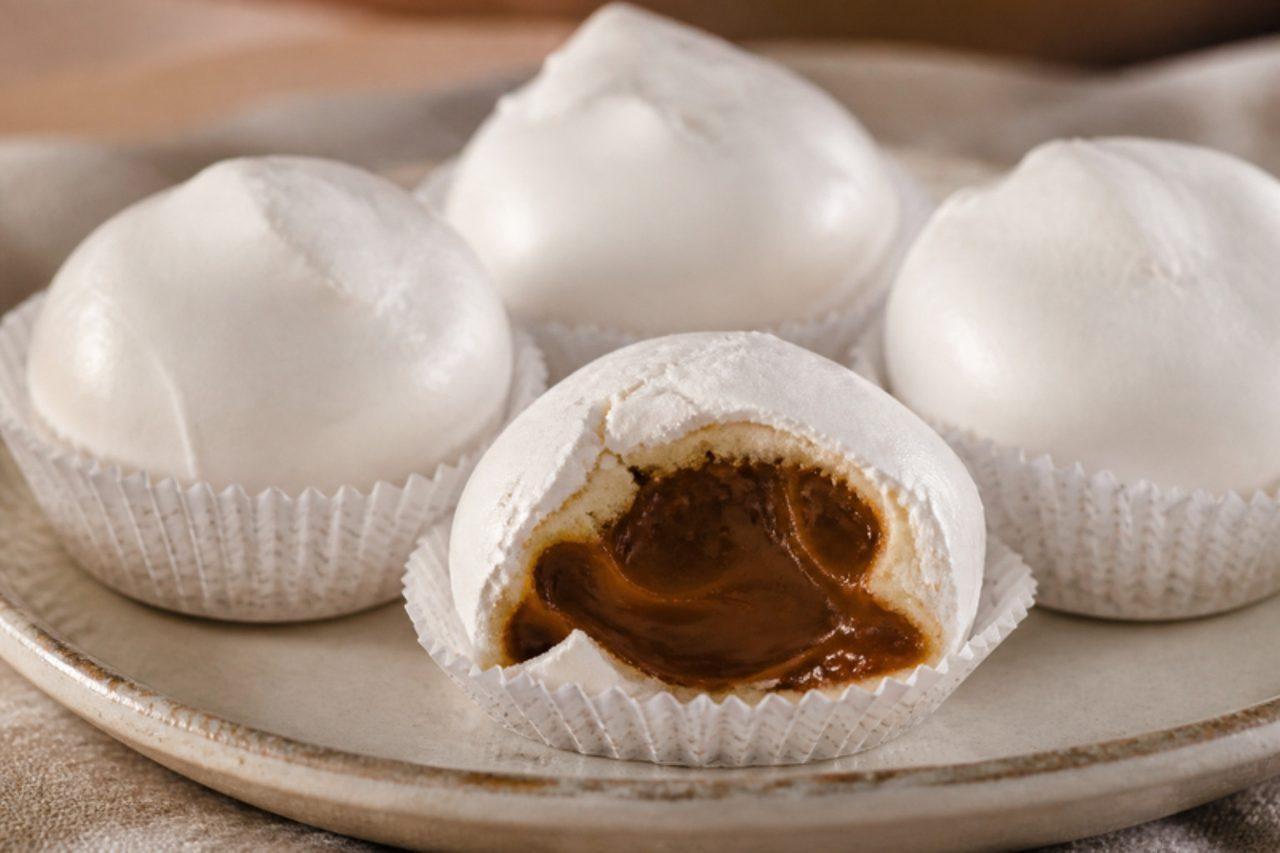
Small enough to eat in two bites, colaciones have been Córdoba's sweet gift since colonial times, when they were made in the city's convents; today confiterías in the old centre still sell them stacked in paper trays, and visitors carry them home with the alfajores. A crumbly short pastry encloses a spoon of dulce de leche, shaped into a little dome, baked pale and then dipped in a glossy white glaze that hardens into a crisp sugary shell. They are lovely with coffee or mate after lunch. The usual problem is leaking: too much filling, or edges that aren't sealed, and the dulce de leche boils out in the oven, so use a level teaspoon and press the rims firmly. The glaze is a light Italian meringue, where hot syrup cooks the egg white. Chef's tip: chill the filled colaciones for 15 minutes before baking; cold pastry keeps its shape and seals better.

by KrazyBadal 0 views

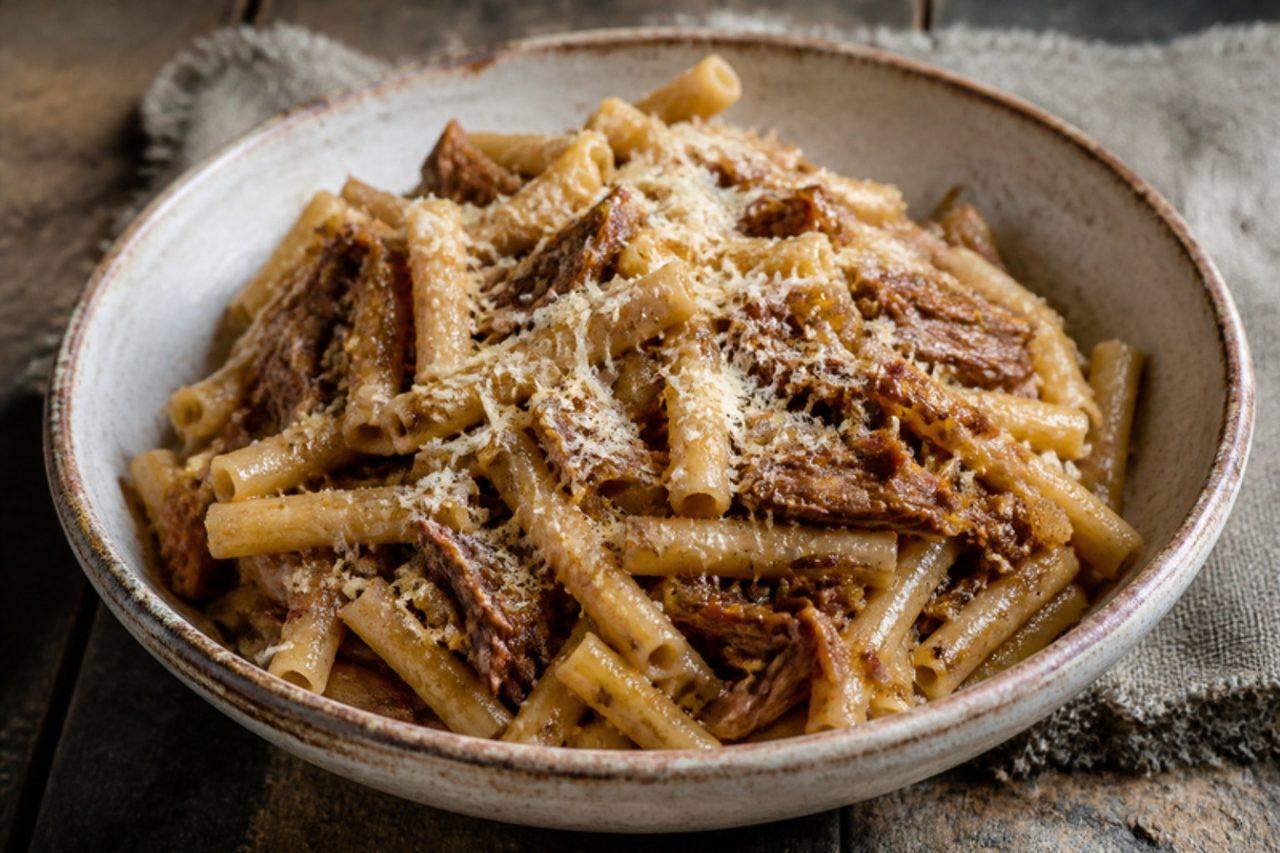
Genovese napoletanaSlow-cooked beef and onion sauce

Despite its name, the genovese is pure Naples, a Sunday lunch dish as treasured there as ragù. Kilos of onions are cooked very slowly with a piece of beef until they melt into a sweet, amber, almost jammy sauce that is tossed with long ziti broken by hand; the beef is then sliced and eaten as the second course. White wine goes in once the onions have collapsed (an alcohol-free swap is in the ingredients). A grating of parmigiano or pecorino is all it needs. Some Neapolitan cooks start it with a little pancetta (cured pork), which is optional here. Chef's tip: slice the onions thinly and evenly, and keep the heat so low that they never fry; they should stew in their own juices and the fat of the meat for hours.

by KrazyBadal 0 views

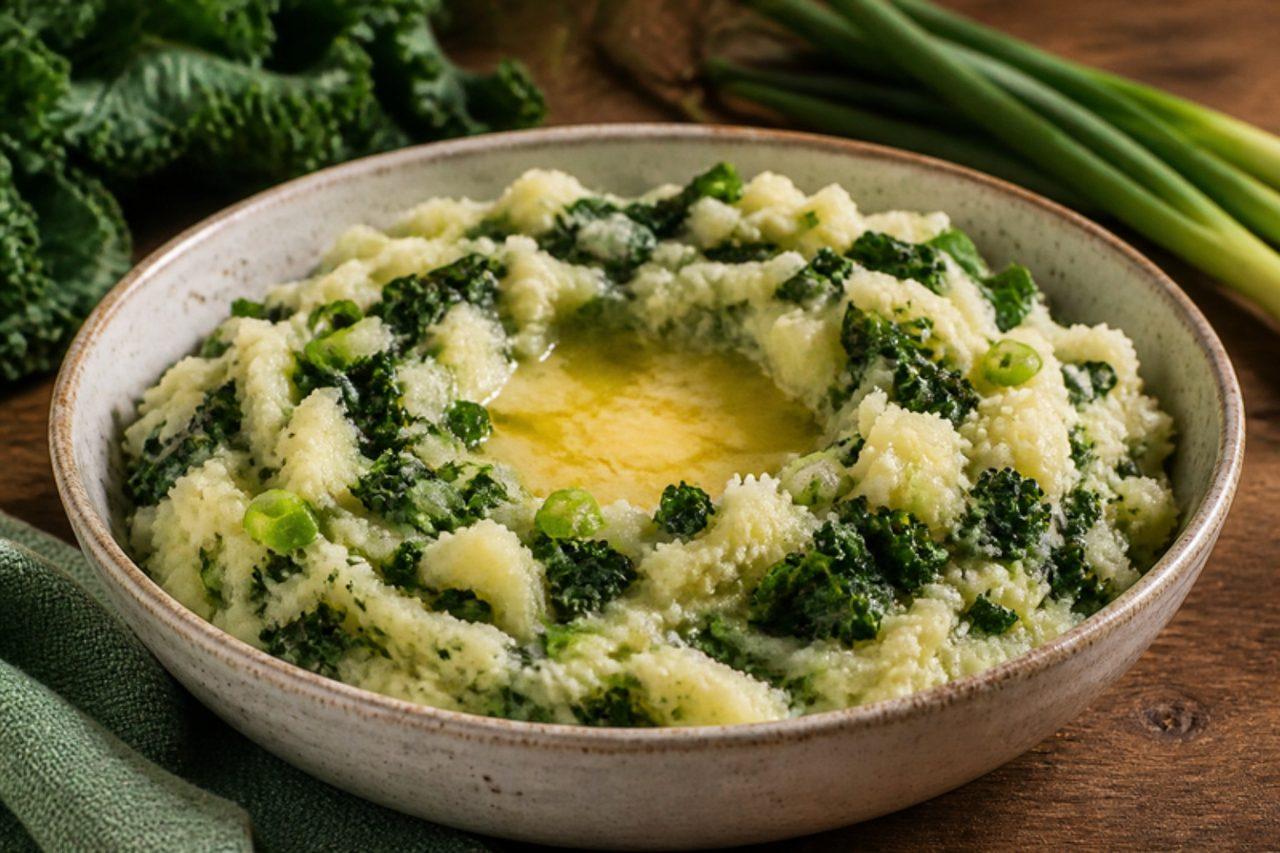
ColcannonMashed potato with kale

Colcannon is the Halloween potato dish of Ireland, from Munster farmhouses to Dublin kitchens, where a ring or a coin was once hidden in the bowl to tell fortunes. Floury potatoes are mashed with hot milk, a lot of butter and dark leafy kale or green cabbage, so it is creamy, green-flecked and savoury. Serve it with a well of melted butter in the middle, alongside sausages or a nut roast. Chef's tip: warm the milk with the spring onions before mashing; cold milk makes the mash gluey and tastes flat.

40 minIrishSidesGluten free
by KrazyBadal 0 views

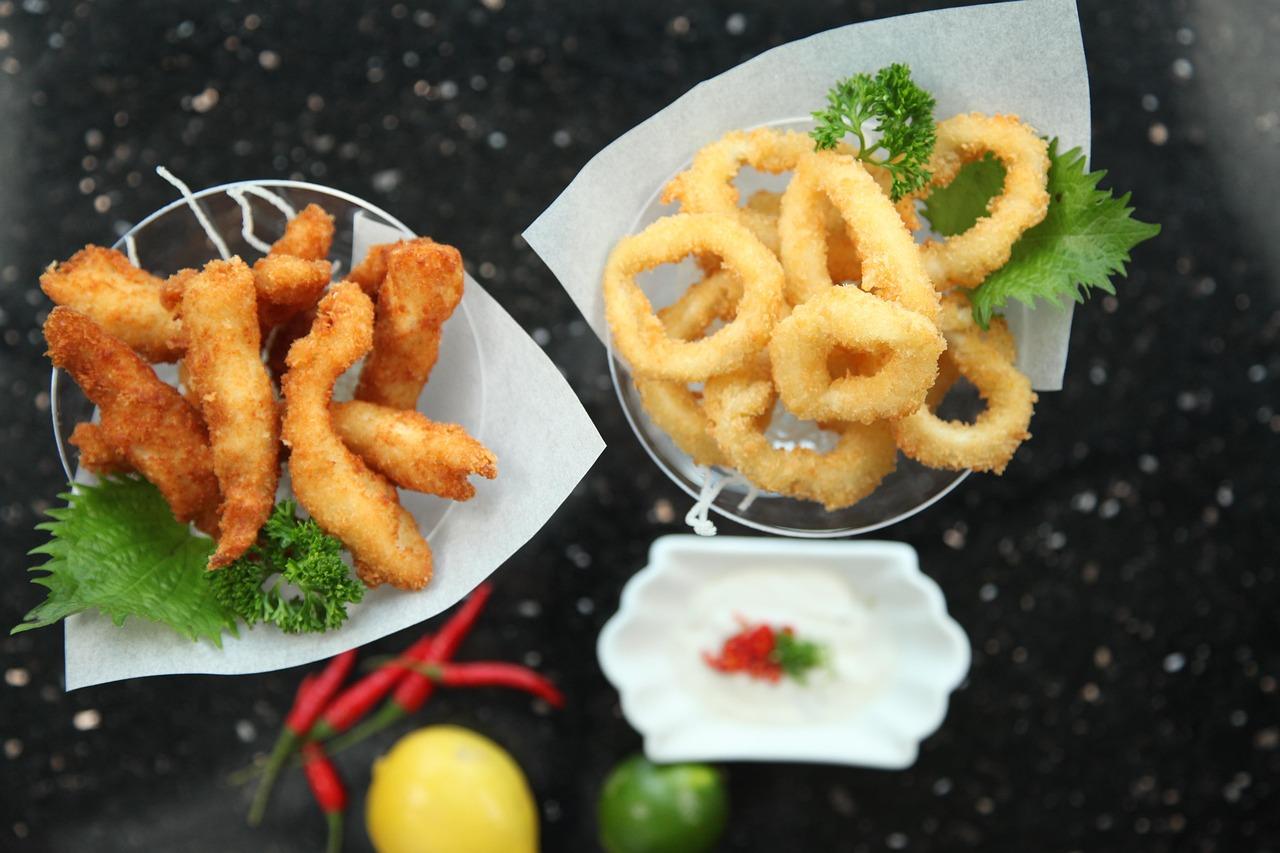
Kalamar tavaFried squid with walnut sauce

On the waterfront in Bodrum and in every Aegean fish meyhane, a plate of kalamar tava arrives hot among the cold meze: tender rings of squid in a light, crisp coat, with a bowl of tarator, a thick sauce of walnuts, bread, garlic and lemon, for dipping. The trick is speed; squid is tender after a minute or two in the oil and rubbery after five. Chef's tip: soak the rings in milk or fizzy mineral water for half an hour in the fridge; it tenderises them and helps the coating cling.

by KrazyBadal 0 views

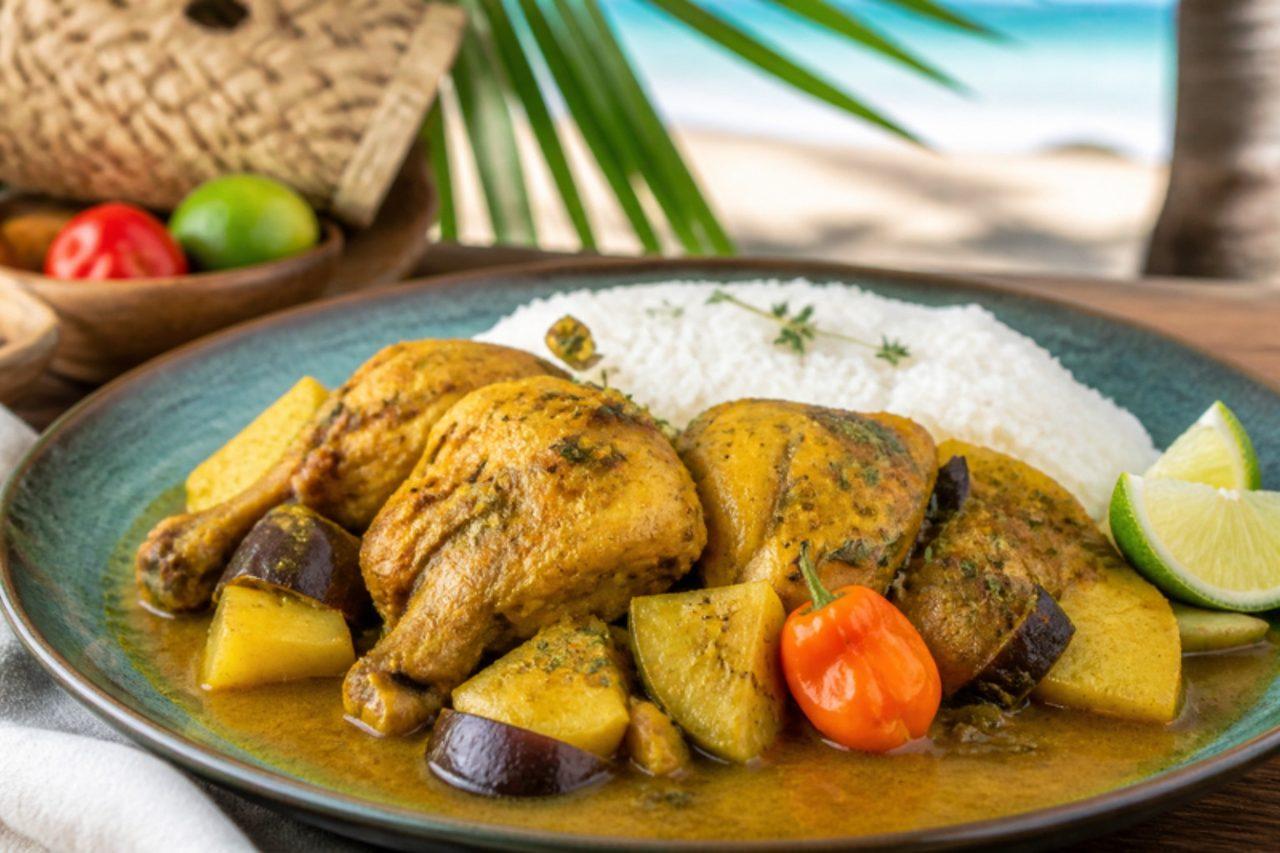
Colombo de pouletChicken curry with aubergine and chayote

In Guadeloupe and Martinique, colombo is the curry brought by Tamil workers in the nineteenth century and now a fixture of Sunday lunches, christenings and Carnival feasts. Its spice blend, also called colombo, mixes toasted coriander, cumin, fenugreek, mustard seed and turmeric with a little toasted rice that thickens the sauce. Chicken is marinated in lime and garlic in the fridge, then simmered with aubergine, chayote (christophine) or courgette and potato into a golden, earthy, gently tangy stew, with a whole Scotch bonnet for perfume. Serve with white rice and a wedge of lime. Chef's tip: leave the Scotch bonnet whole and lift it out at the end for flavour without fierce heat; prick it only if you want it hot.

by KrazyBadal 0 views

Kalam polo ShiraziCabbage and herb rice with meatballs

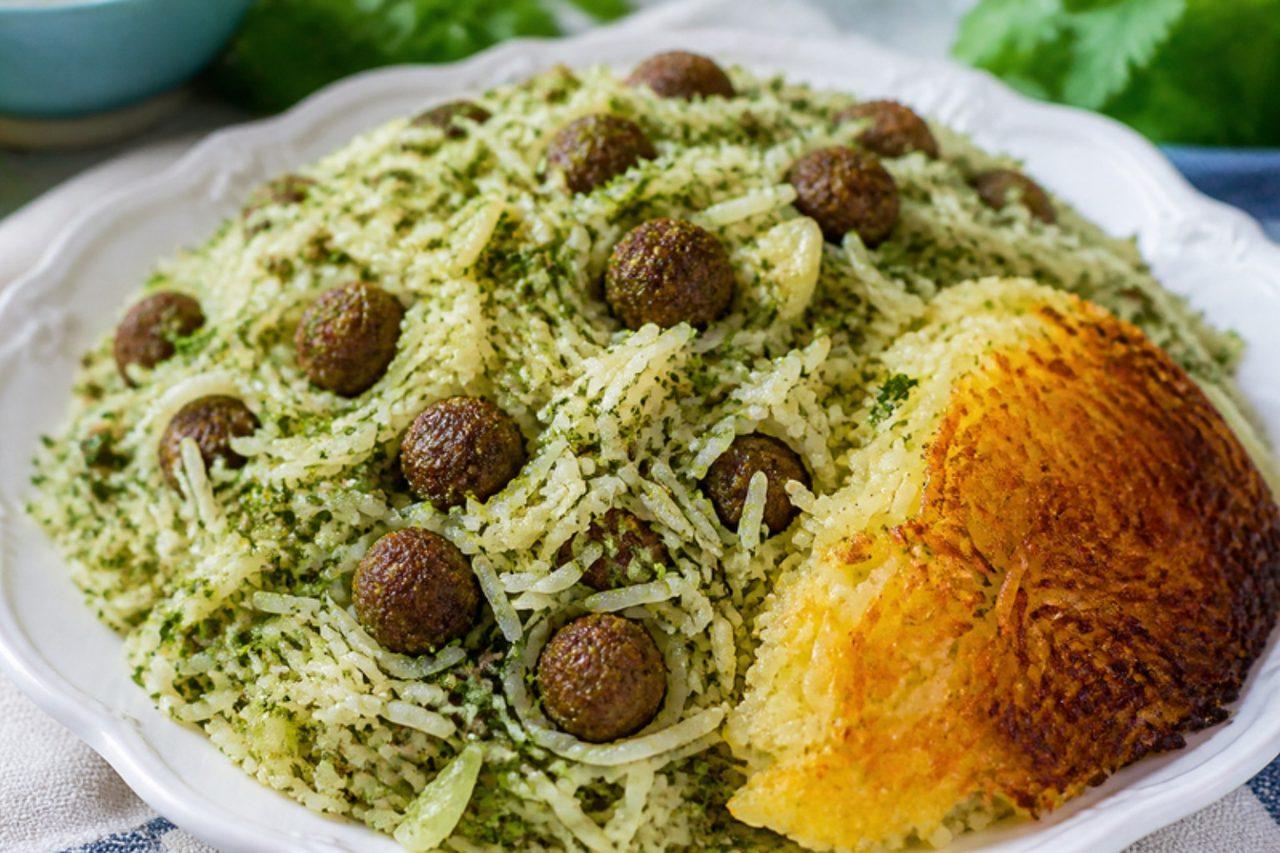
Kalam polo is the rice that Shirazi families cook from late autumn into spring, when white cabbage is sweet and the herb sellers of the Vakil Bazaar pile up basil, tarragon and dill. Shredded cabbage is fried until caramel-brown, mixed with a big handful of herbs and a touch of cumin, then layered through basmati with tiny meatballs no bigger than a chickpea and steamed into a fragrant, green-flecked pilaf. For a vegetarian pot, leave the meatballs out and add a handful of cooked chickpeas. Serve with Shirazi salad and yogurt. A common mistake is frying the cabbage too briefly; it must turn golden and sweet, or it gives the rice a sulphurous taste. Chef's tip: dry the chopped herbs on a tea towel before frying so they crisp instead of stew.

by KrazyBadal 0 views

Gebrannte MandelnCinnamon-sugar roasted almonds

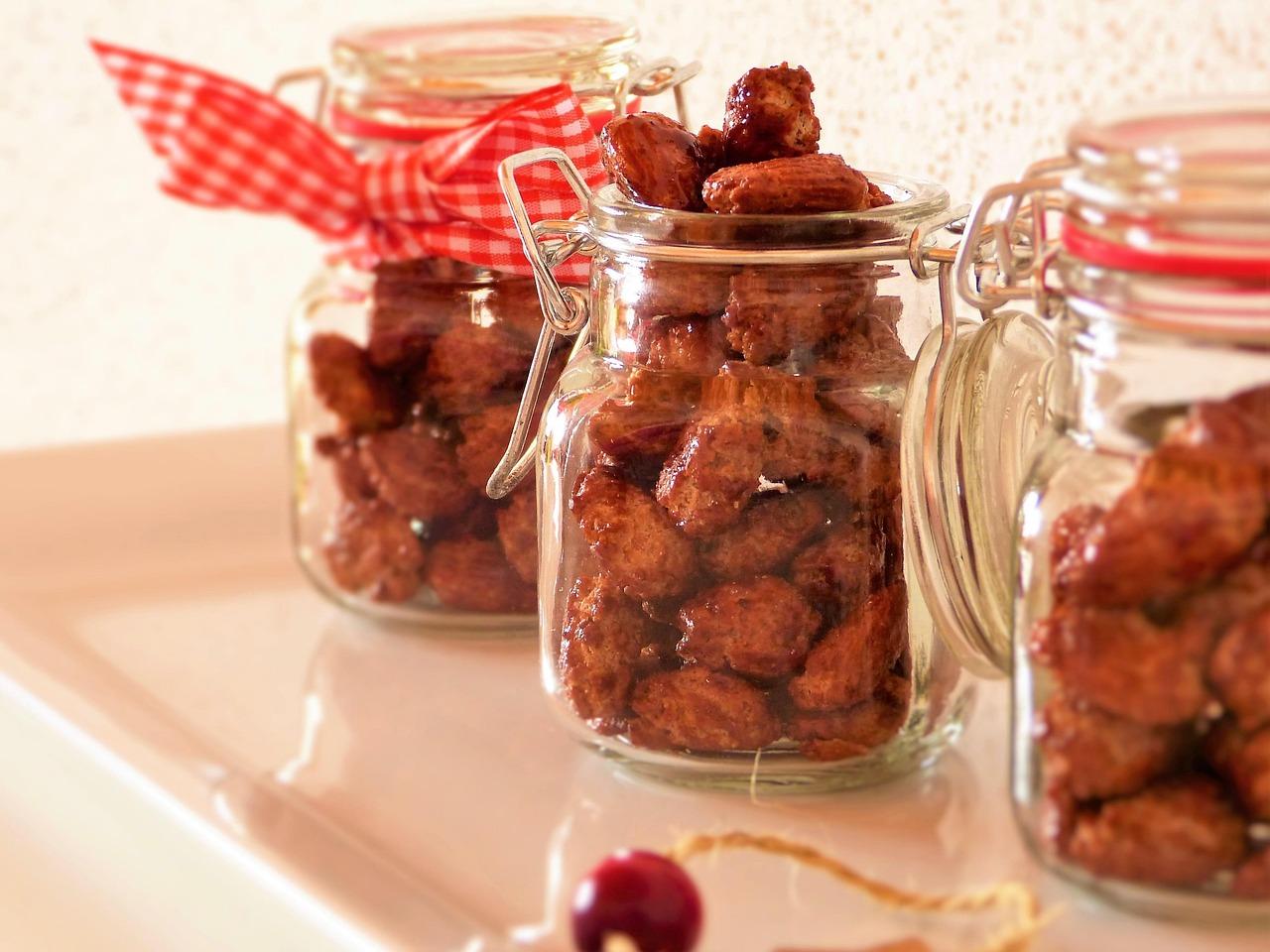
Gebrannte Mandeln are the warm paper cone you carry round a German Christmas market, from Munich's Marienplatz to the Striezelmarkt in Dresden, the stalls stirring copper kettles of almonds until the sugar crackles. At home they take one pan and twenty minutes, and a jar makes a good December gift. The sugar goes through three stages: syrup, then dry and sandy, then melted again into a shiny crust. The mistake most people make is giving up at the sandy stage, when it looks ruined; keep stirring and it melts back into a coating. Chef's tip: spread the almonds out on baking paper the second they are done and separate them with two forks, or they cool into one big brittle.

by KrazyBadal 0 views

Bife a caballoSteak with fried eggs

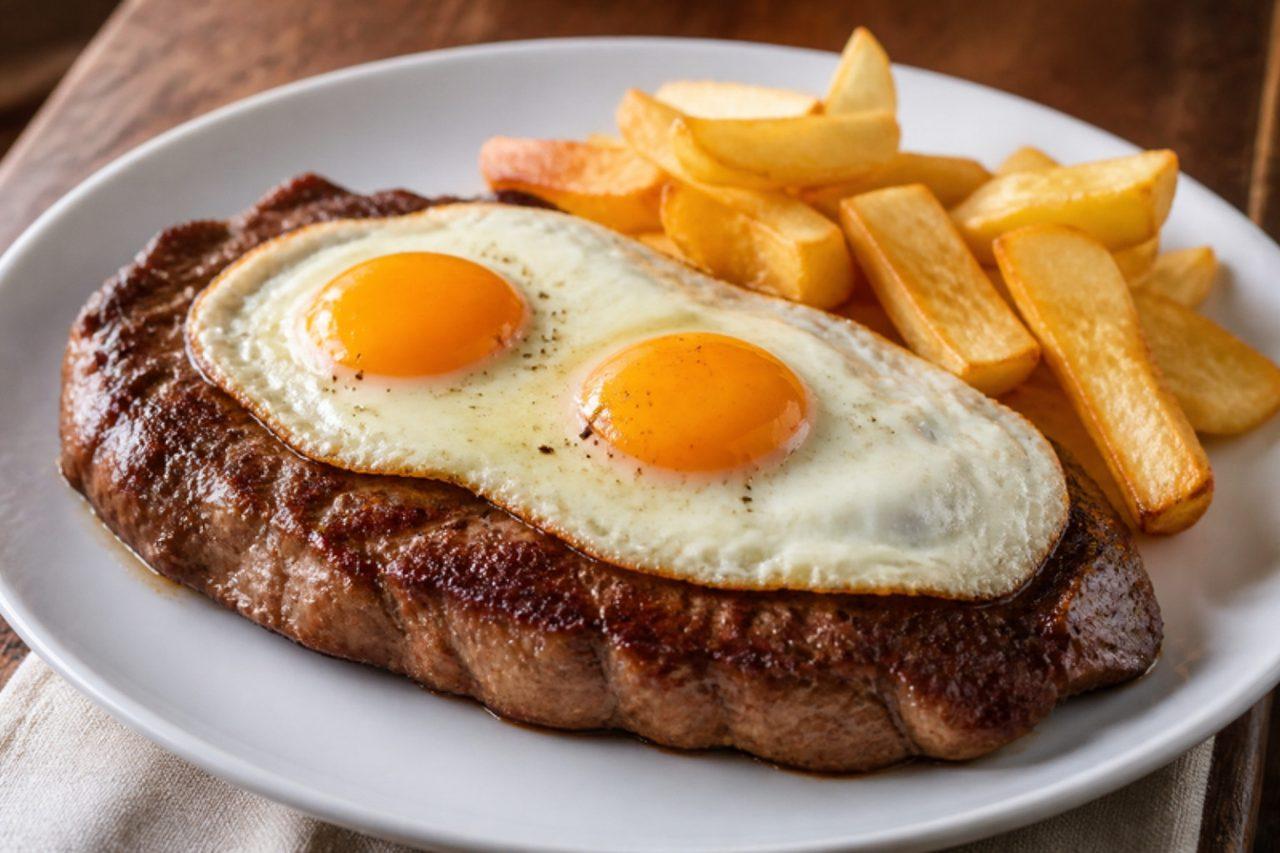
On the chalkboard of any neighbourhood bodegón in Buenos Aires you will find bife a caballo, steak "on horseback": a thick bife de chorizo (sirloin) or rump seared hard in a hot pan, crowned with two fried eggs whose yolks run into the meat juices, and served with a pile of chips. It is the plate for hungry taxi drivers at lunch and for anyone recovering from a long night. Cook the steak to your taste; Argentines usually ask for it jugoso (medium rare, about 55 °C in the centre) or a punto (medium, about 60 °C). Use eggs fried until the whites are fully set, and cook the yolks firm for anyone vulnerable. Crowding a pan that isn't hot enough is the classic mistake, which stews the steak grey, so let the pan smoke first. Chef's tip: rest the steak while you fry the eggs in the same pan; the beef juices in the fat give the whites crisp, savoury edges.

by KrazyBadal 0 views

Conejo a la aragonesaRabbit braised with garlic and wine

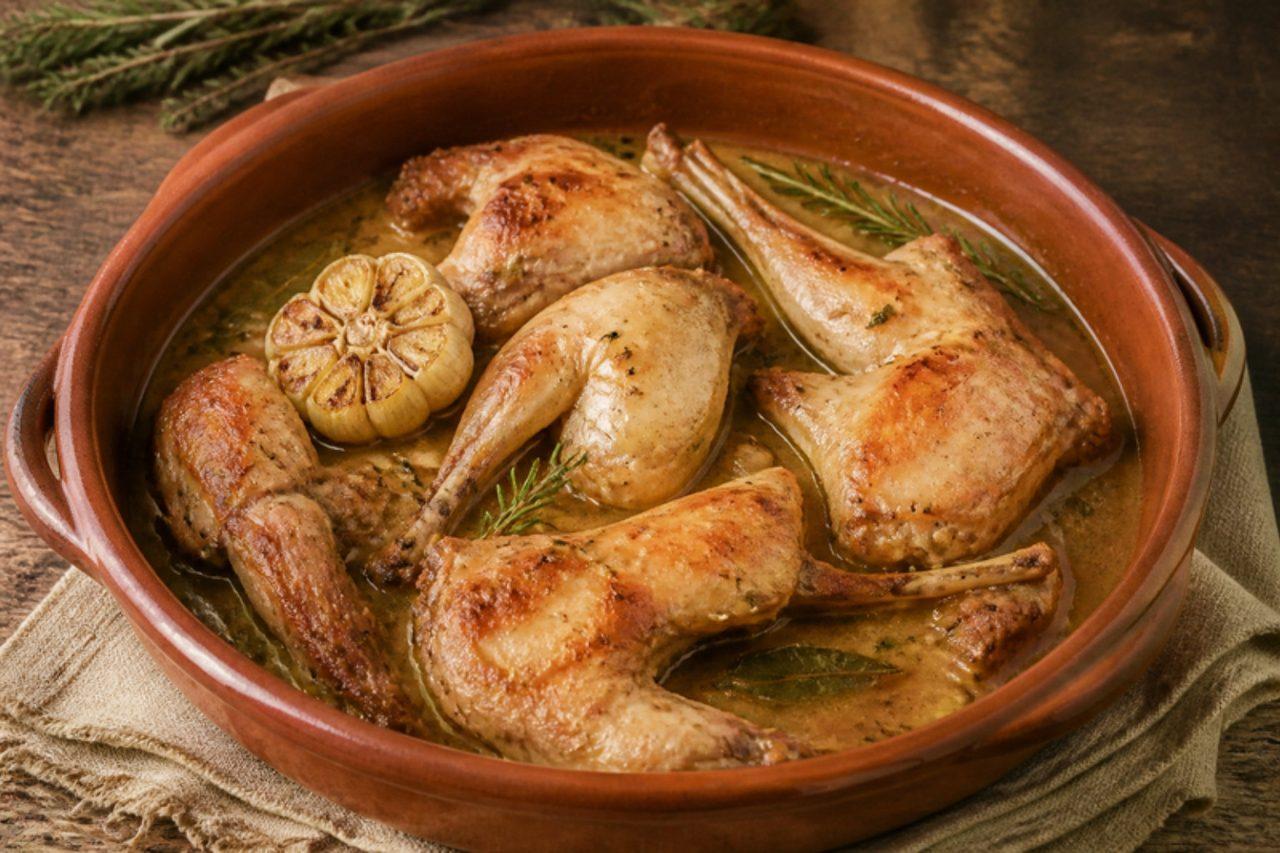
Rabbit has always been the everyday meat of rural Aragon, and in the farmhouses of the Somontano and the Cinco Villas it is braised slowly in a clay pot with lots of garlic, thyme and rosemary from the hillside, and a glass of the local white wine. The result is lean, tender meat in a small amount of rich, garlicky sauce, served with fried potatoes or bread. The wine can be replaced with chicken stock and a spoonful of vinegar if you prefer no alcohol. A common mistake is boiling the rabbit hard; the lean meat tightens and goes stringy, so keep it at the gentlest simmer. Chef's tip: mash a few of the soft braised garlic cloves into the sauce at the end; they thicken it and make it sweeter.

by KrazyBadal 0 views

Conejo en salmorejoMarinated rabbit with garlic and peppers

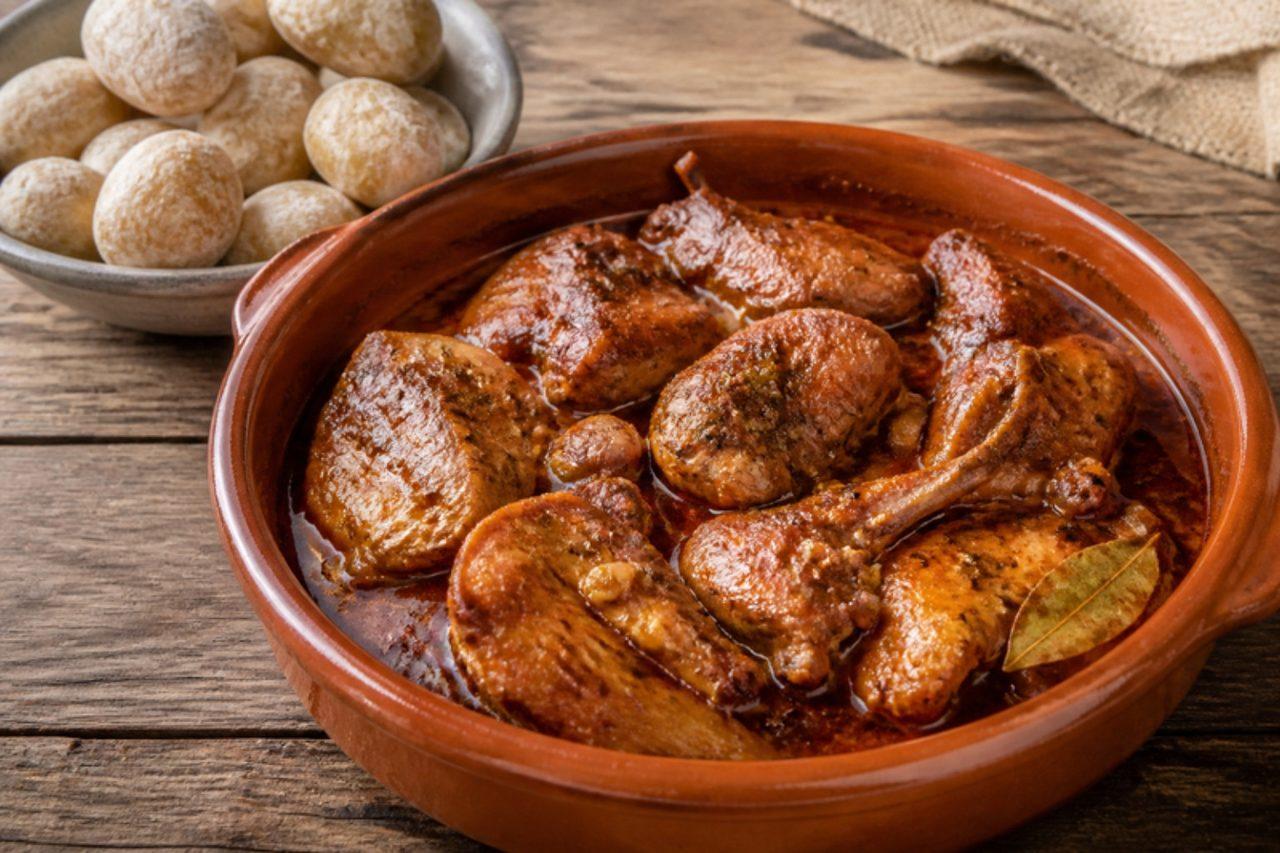
Nothing to do with the cold tomato soup of Córdoba: in the Canaries salmorejo is a punchy marinade of garlic, red pepper, paprika, thyme, oregano, vinegar and wine, and rabbit cooked in it is the star of Tenerife's hillside guachinches and Sunday family lunches. The rabbit soaks overnight, then is fried and simmered in the marinade until tender, and served with papas arrugadas to mop up the sauce. The marinade uses white wine; for an alcohol-free version, swap it for water with an extra spoon of vinegar. Chef's tip: dry the rabbit pieces well before frying, so they brown properly rather than stew grey in the marinade.

by KrazyBadal 0 views

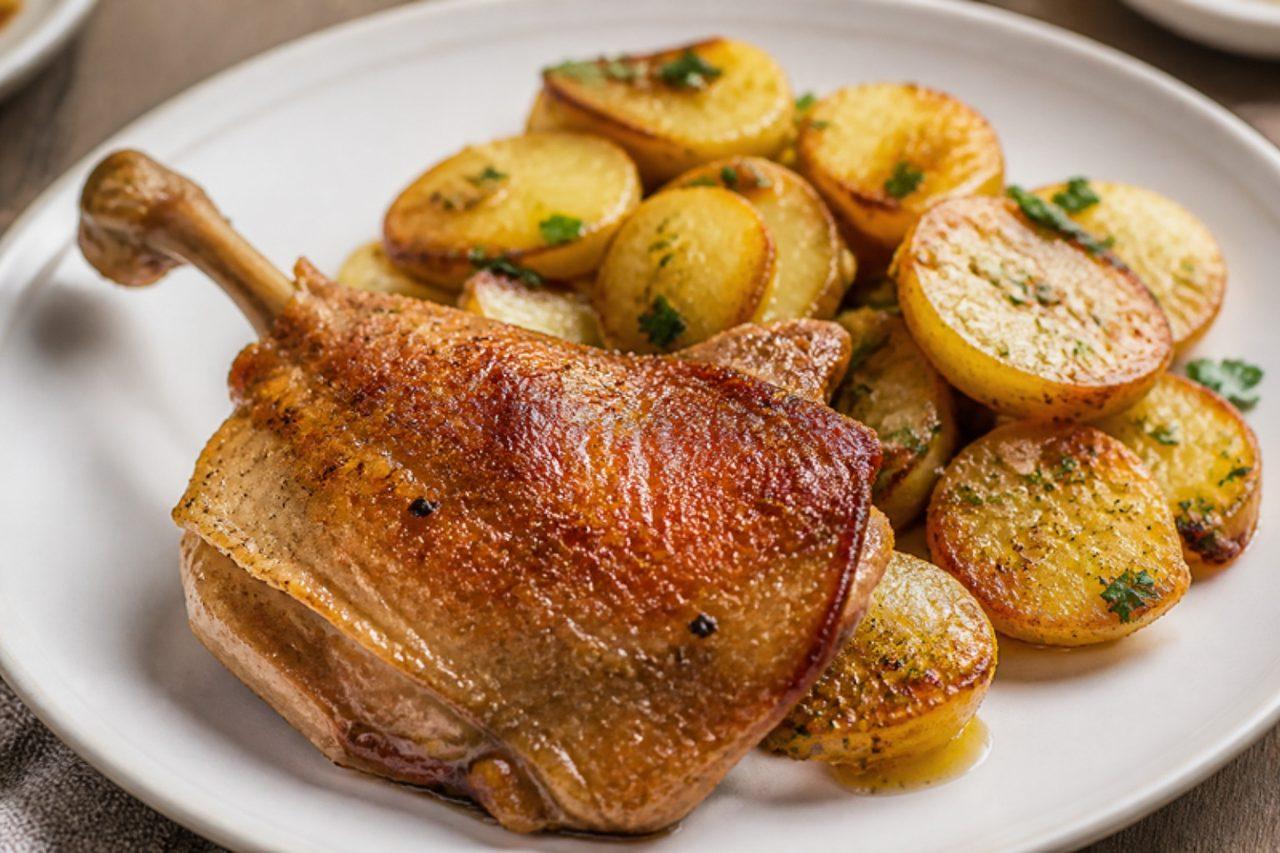
Confit de canard, pommes sarladaisesDuck confit with garlic potatoes

Every farmhouse in the Périgord and Gascony once lined its larder with stoneware jars of confit, duck legs salted, cooked slowly in their own fat and sealed under it to last the winter. Today it is the order of the day at Sarlat's Saturday market restaurants, served with pommes sarladaises: potato slices fried in that same duck fat until golden, then tossed with garlic and parsley. The skin should crackle and the meat should fall from the bone in soft, savoury shreds. The legs are cured for 12–24 hours in the fridge before cooking, so start the day before; a sharp green salad with walnut oil is all it needs alongside. Chef's tip: add the garlic and parsley to the potatoes only in the last two minutes, so the garlic stays sweet instead of turning bitter.

240 minFrenchMeatGluten free
by KrazyBadal 0 views

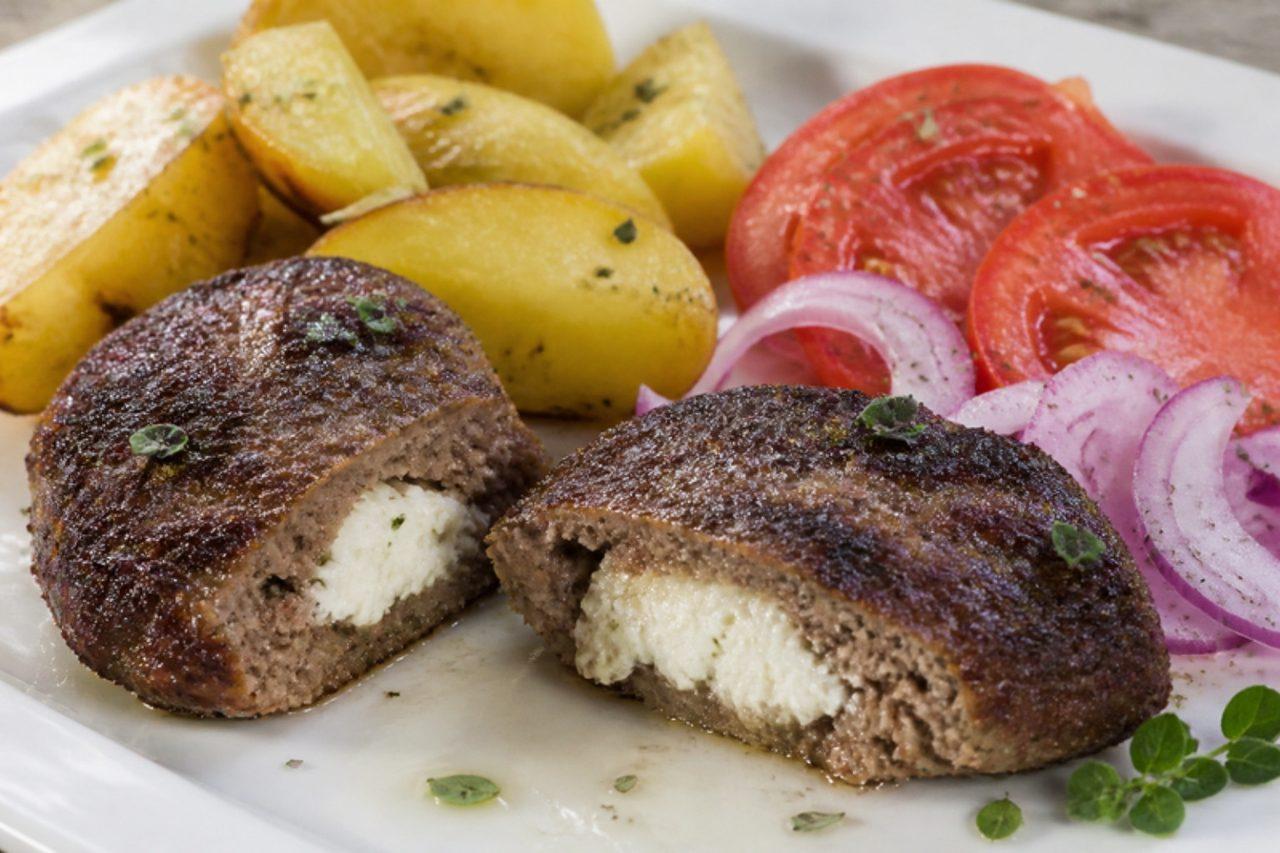
Bifteki gemistoFeta-stuffed beef patties

In Greek grill houses (psistaries) and in summer back gardens, bifteki are big, flattened patties of minced beef with grated onion, mint and oregano, and the stuffed version hides a slab of feta that melts as they cook. Serve with chips fried in olive oil, a village salad and tzatziki. Common mistake: using lean mince, which makes dry patties; 15–20 % fat keeps them juicy. Chef's tip: grate the onion and squeeze out its juice before mixing; you keep the flavour without making the mixture too wet to seal around the cheese.

35 minGreekMeat
by KrazyBadal 0 views

Showing 54 of 9,592 recipes

Show more recipes

Page 583 of 1,066