


Skip to content
Ayib
Featured recipe

Ayib

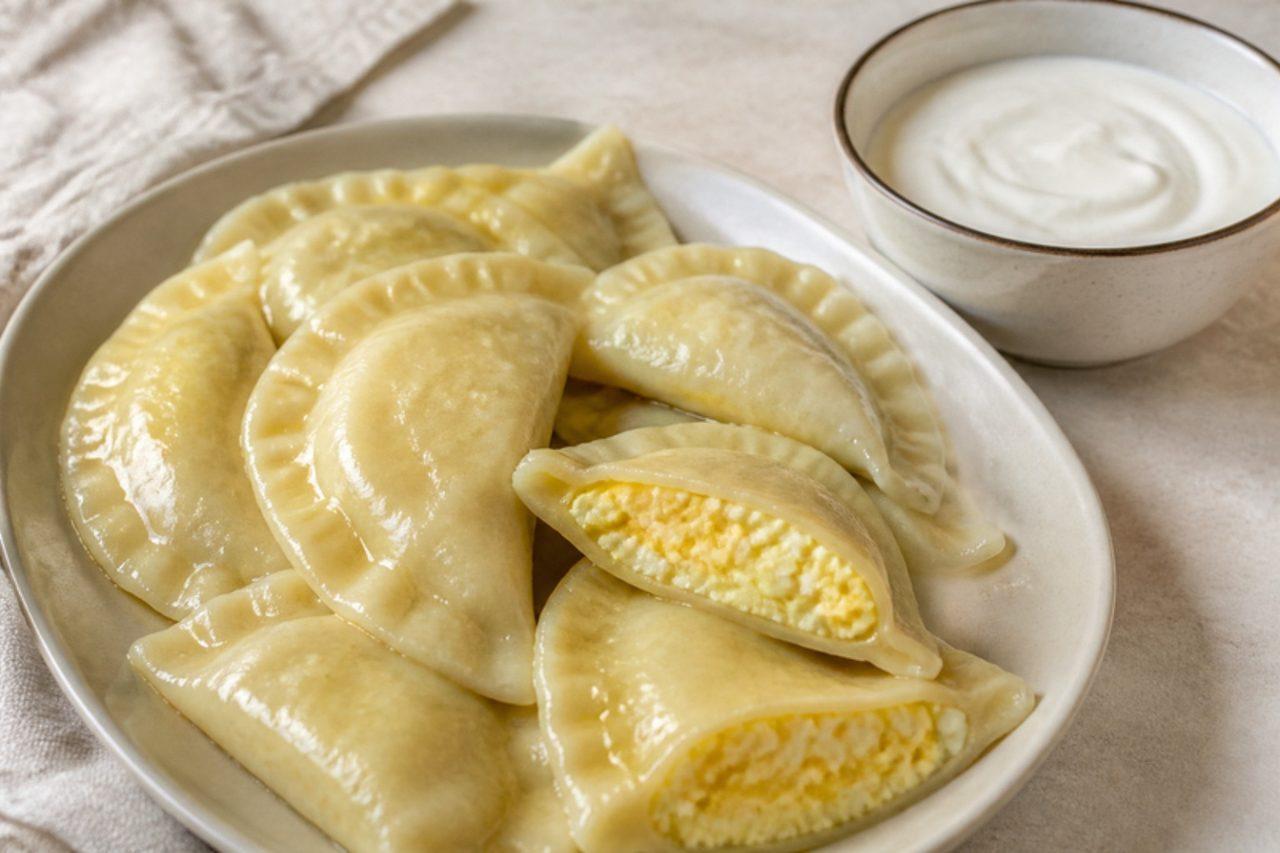
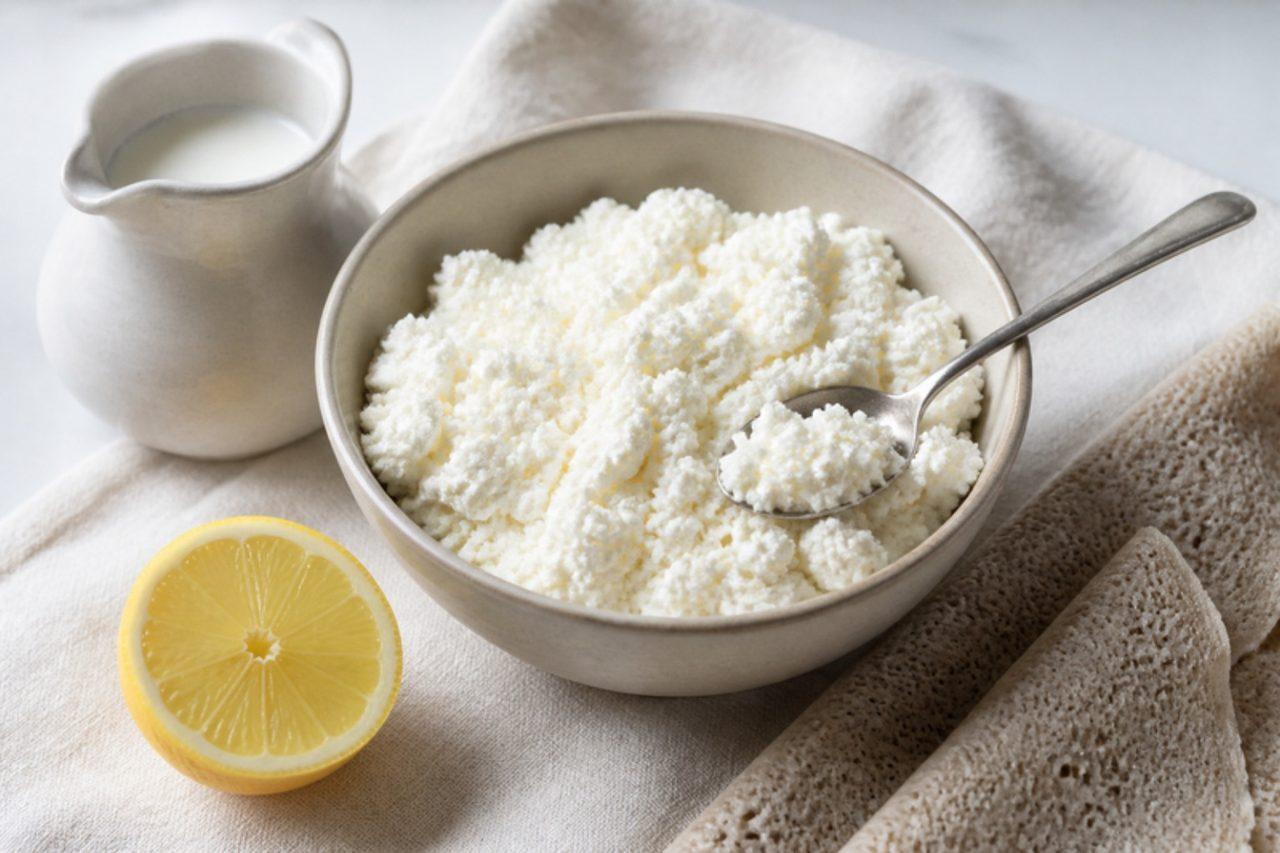
Fresh curd cheese

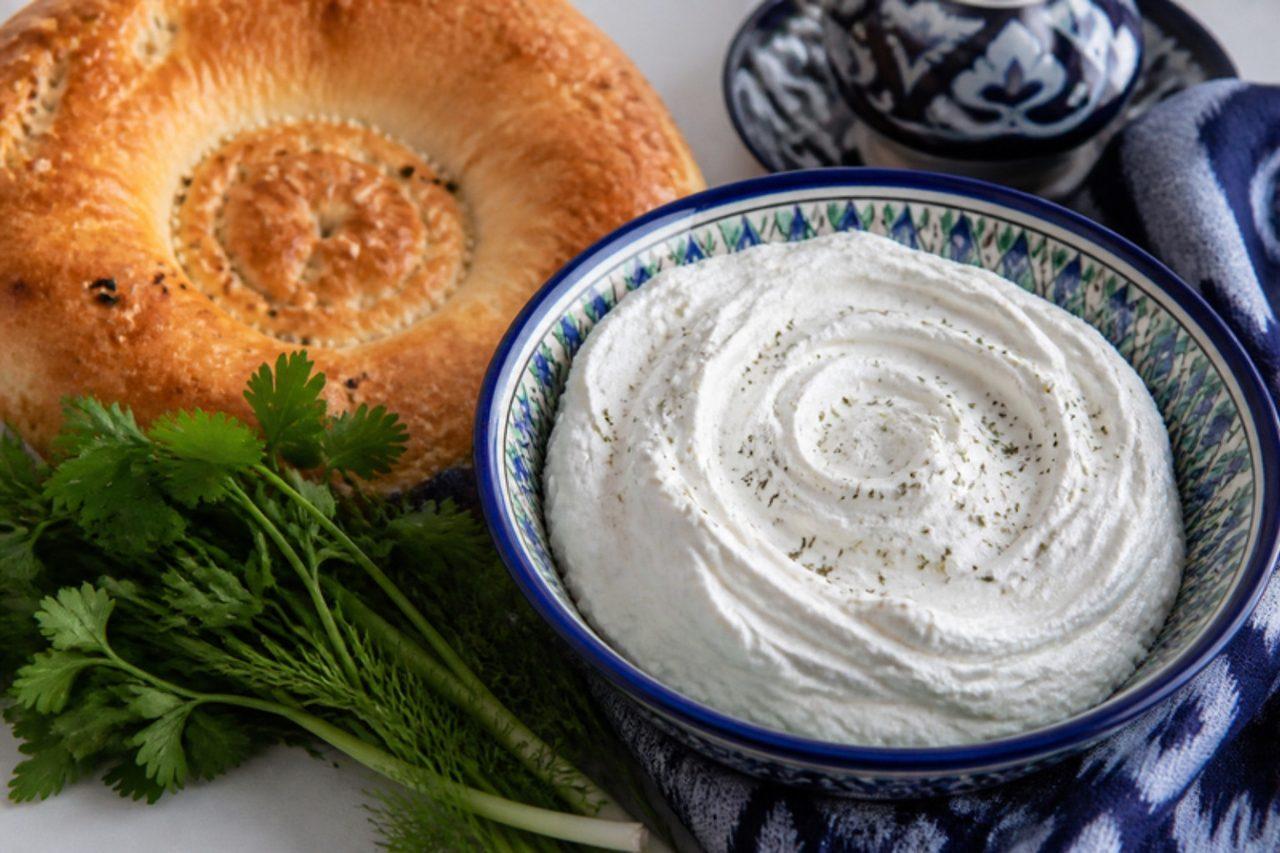
Ayib is the soft, crumbly fresh cheese that Ethiopians serve alongside spicy food to cool the mouth, especially with kitfo and gomen in the Gurage country south of Addis Ababa, where it is made from the buttermilk left after churning butter. It tastes very mild and slightly tangy, a little like ricotta or cottage cheese, and is often mixed with herbs or a pinch of mitmita. This home version uses milk and buttermilk, heated until they separate. Chef's tip: once the curds form, take it off the heat; boiling makes them tough and rubbery.

Read more 0 views

What to eat today?

Around the world

Today's trip: Persian

A new country every day, from every cuisine on the site.

Persian

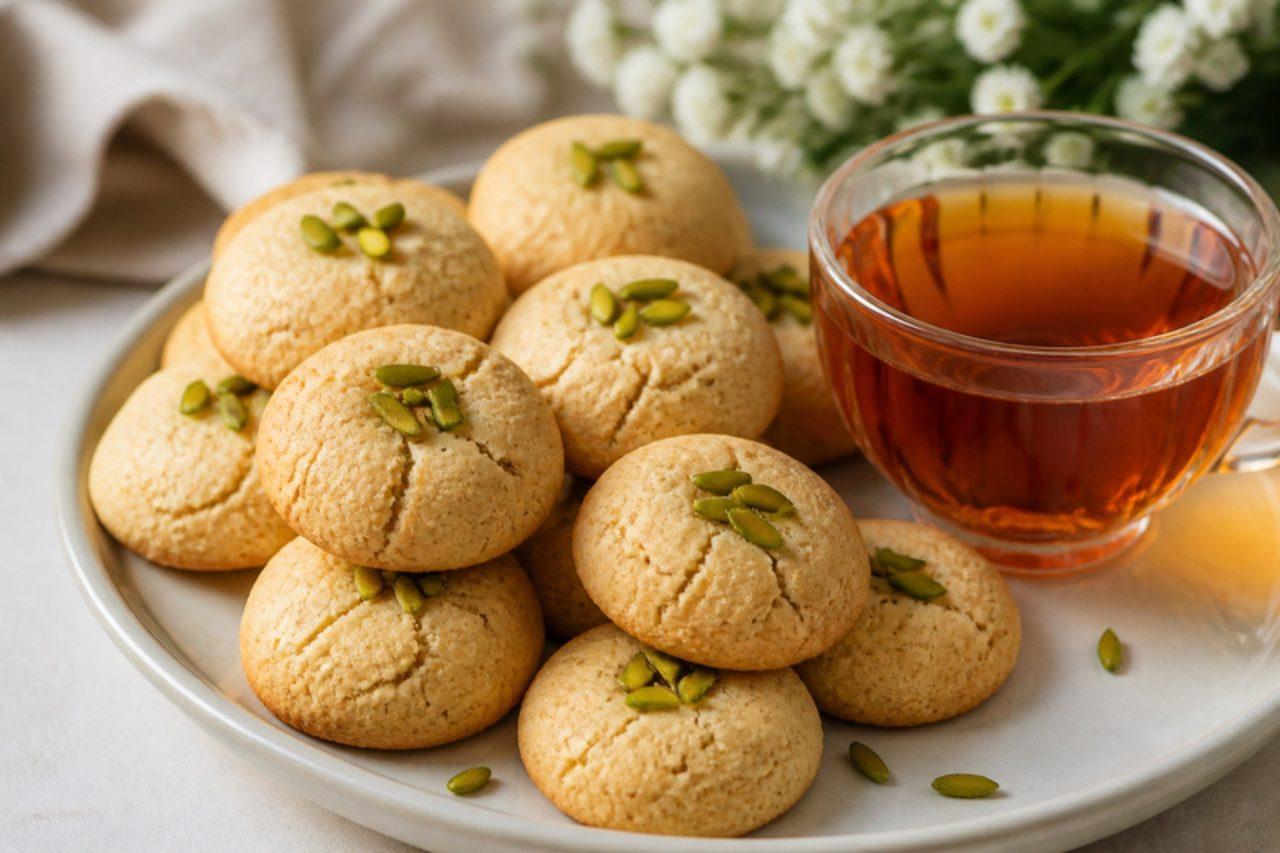
Nan-e badami

Almond cardamom cookies 45 minMore from Persian (174) →

This week's collection

Kid-friendly dinners
702 recipes · a new collection every Monday

Coming up

All occasions →

Latest recipes

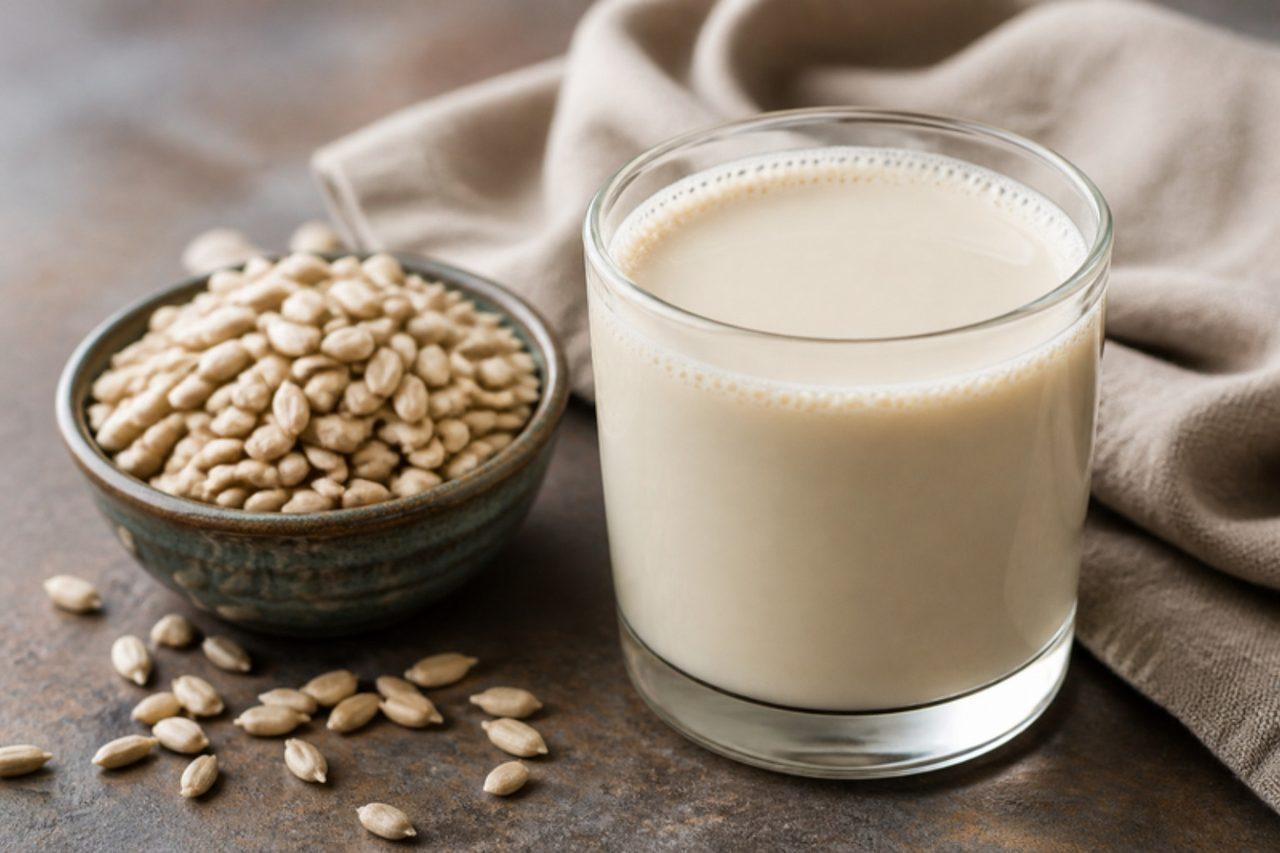
SufSunflower seed milk

During the long Orthodox fasts, when milk is off the menu for weeks, Ethiopian households turn sunflower seeds into suf: the seeds are pounded or blended with water and strained through a cloth into a pale, creamy drink with a gentle nutty taste. It is served cool in glasses, sometimes lightly sweetened, and the same liquid is poured over torn injera to make the fasting dish suf fitfit. It is light, filling and costs very little. Chef's tip: squeeze the pulp hard in the cloth at the end; the last, thickest drops carry most of the flavour.

by KrazyBadal 0 views

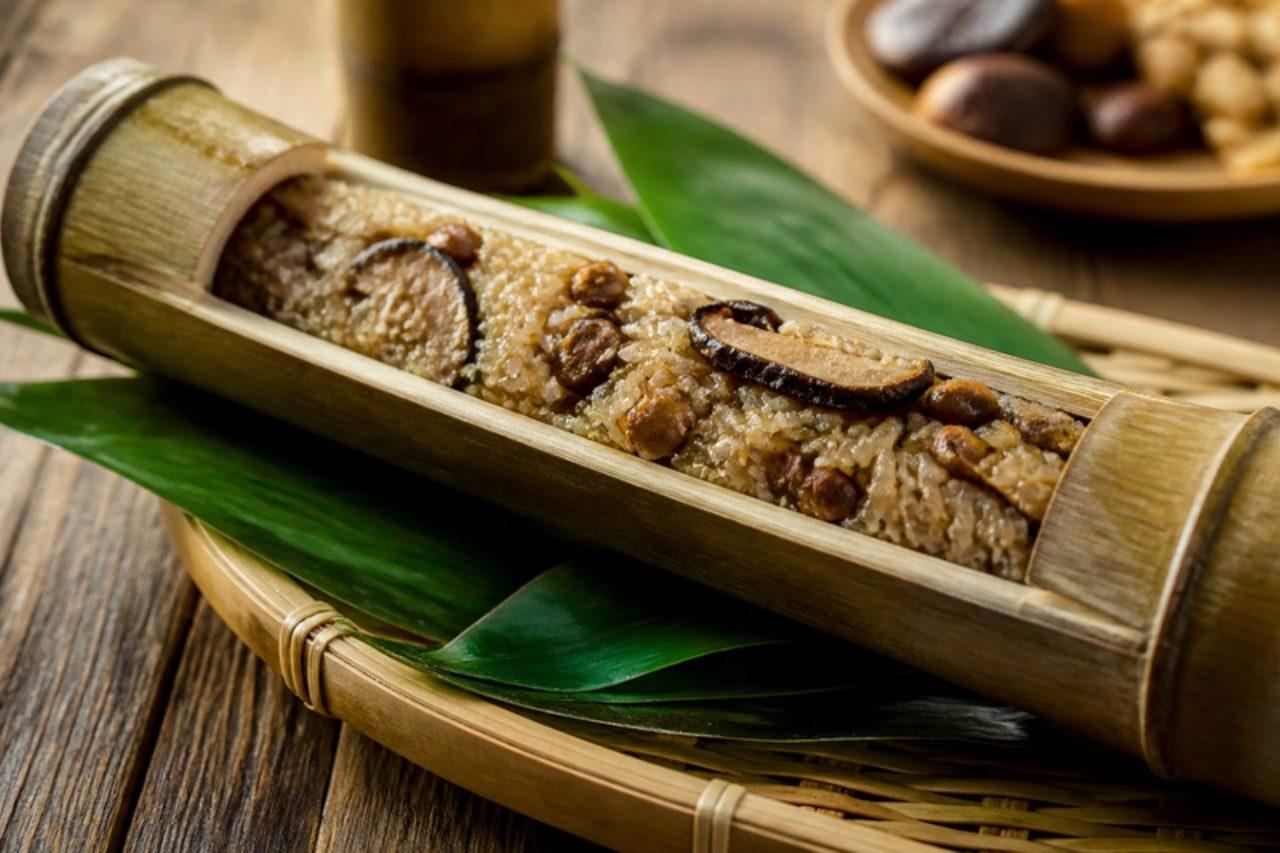
Bamboo tube riceSticky rice cooked in bamboo

Drive the mountain roads around Alishan, or through the Amis villages of Hualien, and you'll smell this before you see it: lengths of green bamboo lined up over charcoal at roadside stalls, their skins blackening as the rice inside steams. Indigenous Taiwanese cooks have long carried rice into the hills this way. When the tube is split, the rice comes out as a firm, sticky cylinder wrapped in a papery inner membrane, perfumed with grassy bamboo and earthy shiitake. Soak the glutinous rice for at least 4 hours or overnight before you start. Packing the tubes to the top is a common error: rice expands, so fill them only three-quarters full and plug them loosely. Chef's tip: use only fresh, green bamboo with one node closed at the bottom, and never seal both ends tight, or steam pressure can split the tube.

by KrazyBadal 0 views

Tumuro teaWild thyme tea

Tumuro is the small-leaved wild thyme that grows on the rocky slopes above Hunza and Gilgit, and in late summer families pick and dry bundles of it to brew through the year. The tea is pale gold and intensely aromatic, more resinous and floral than garden thyme, and it is drunk after heavy meals, by anyone with a cold and simply as a warming cup on a mountain evening; cafés in Karimabad serve it to visitors. Boiling it hard for a long time is the misstep that turns it bitter and medicinal. Chef's tip: if you cannot find tumuro, which is sometimes sold in Pakistani grocers and online as Hunza thyme, use dried garden thyme with a few fresh sprigs, steep it gently, and sweeten with a little sugar only if you like.

by KrazyBadal 0 views

Pozsonyi kifliWalnut or poppy seed crescents

These little crescents take their name from Pozsony, the Hungarian name for Bratislava, where bakers made them famous in the nineteenth century, and today they fill Christmas cookie tins across Hungary alongside bejgli. A short, buttery yeast dough is wrapped around a walnut or poppy seed filling, then glazed first with yolk and then with white, which gives the shiny, crackled, marbled top that marks a good batch. They are rich but not too sweet: eat them with coffee or tea through the holidays. Where most people go wrong is letting the dough rise in a warm spot; this is a cold dough, and if it gets warm the butter melts and the kifli split open. Chef's tip: let the yolk glaze dry fully before the white goes on, or you will not get the crackle.

by KrazyBadal 0 views

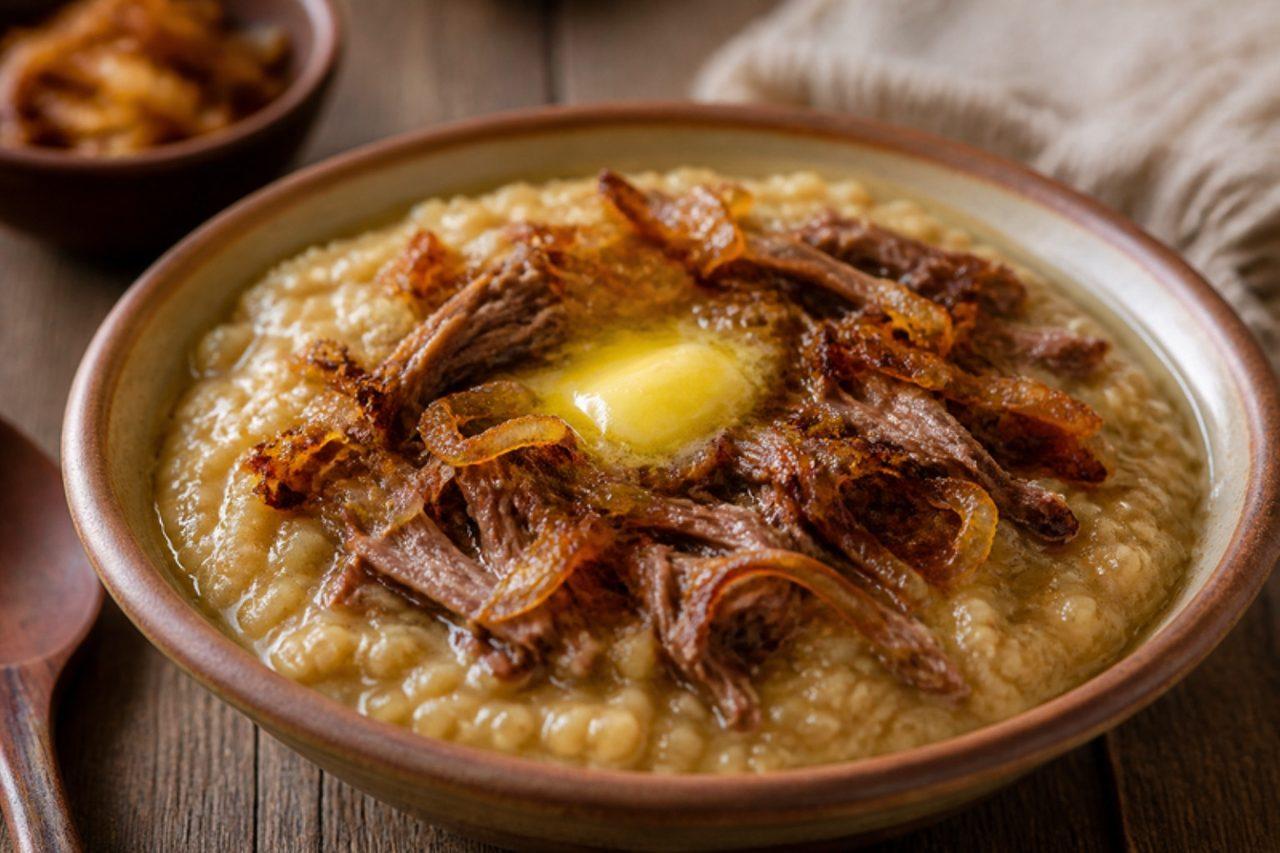
YarmaCracked wheat and lamb porridge

Yarma is a filling porridge of cracked wheat cooked slowly with lamb until the grains break down and the dish turns thick and creamy, a dish of Turkmen homes and of religious gatherings, when it is cooked in huge pots and shared out. It is seasoned simply with salt, pepper and onion fried in butter or fat poured over the top. A common mistake is not stirring enough, which lets the wheat catch on the bottom. Chef's tip: beat the yarma hard with a wooden spoon in the last 15 minutes, so the lamb shreds into the grain and it turns smooth and creamy.

by KrazyBadal 0 views

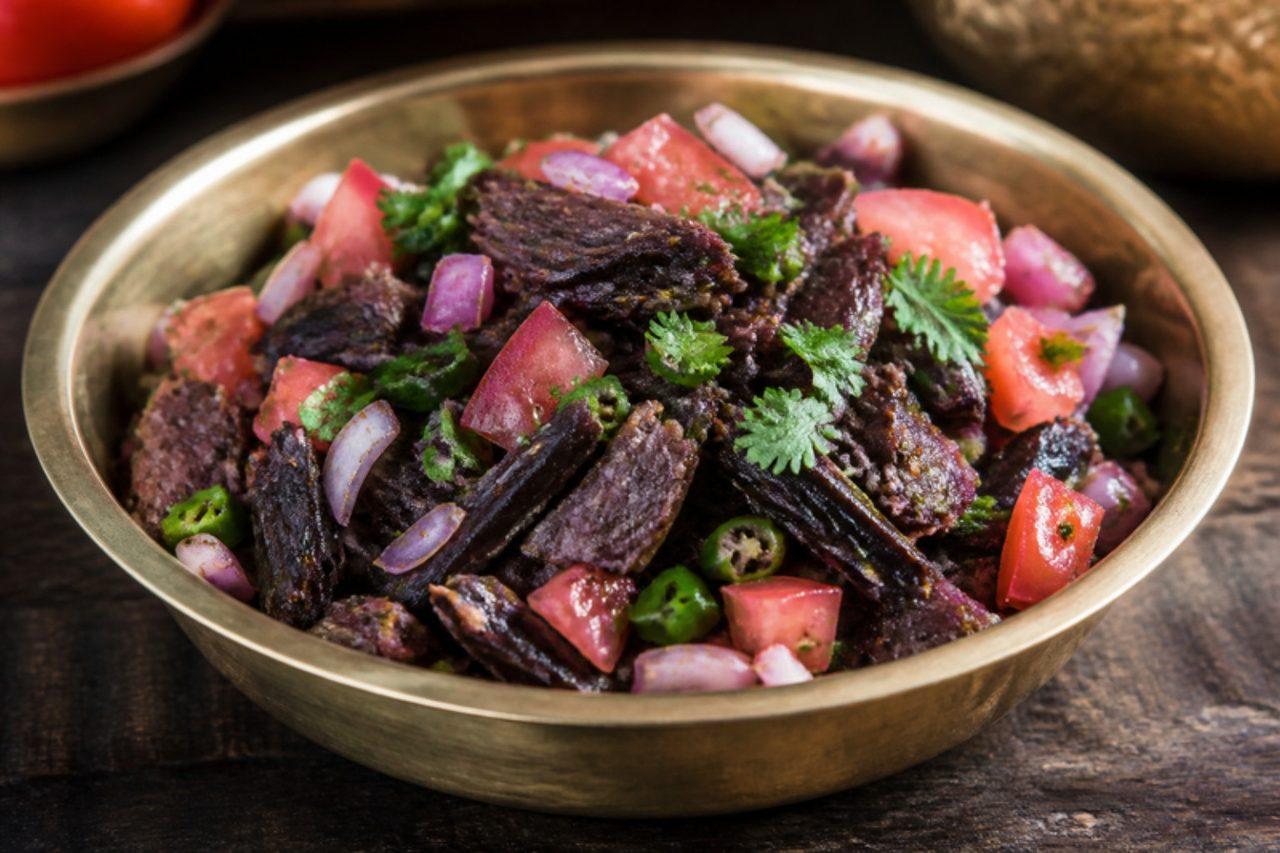
Sukuti sadekoDried meat salad

Up in Mustang and the high Thakali villages of the Kali Gandaki, strips of buffalo or yak meat are hung in the cold, dry wind until they turn dark and hard, and that sukuti keeps families in protein through the winter. Sadeko means mixed or dressed, and sukuti sadeko is the bar-snack and festival nibble that every Nepali restaurant from Jomsom to Kathmandu serves: the dried meat roasted or fried until it softens and smokes, pulled into shreds and tossed with red onion, tomato, garlic, green chilli, numbing timur and a splash of hot mustard oil. It is chewy, smoky and fiercely savoury. Buy sukuti from a reputable Nepali or Asian grocer, or use good dried beef jerky without sugar glaze. The usual misstep is skipping the roasting step, which leaves the meat too tough to chew. Chef's tip: pound the roasted sukuti lightly in a mortar before shredding, so it breaks along the grain.

30 minNepaliMeatGluten freeSpicy
by KrazyBadal 0 views

SultsinaRice-filled rye flatbreads

Sultsina come from Karelia, the region on the Finnish-Russian border, cousins of the better-known Karelian pies: thin, soft flatbreads of rye and wheat, cooked on a griddle, then filled with creamy rice or semolina porridge, folded in half and brushed with melted butter. Karelian families make them for Sunday coffee and church holidays, and some fill them with sweet porridge and jam. A common mistake is overcooking the flatbreads, which turns them stiff; they must stay pliable. Chef's tip: stack the cooked flatbreads under a damp cloth while you finish the rest, so they stay soft enough to fold.

by KrazyBadal 0 views

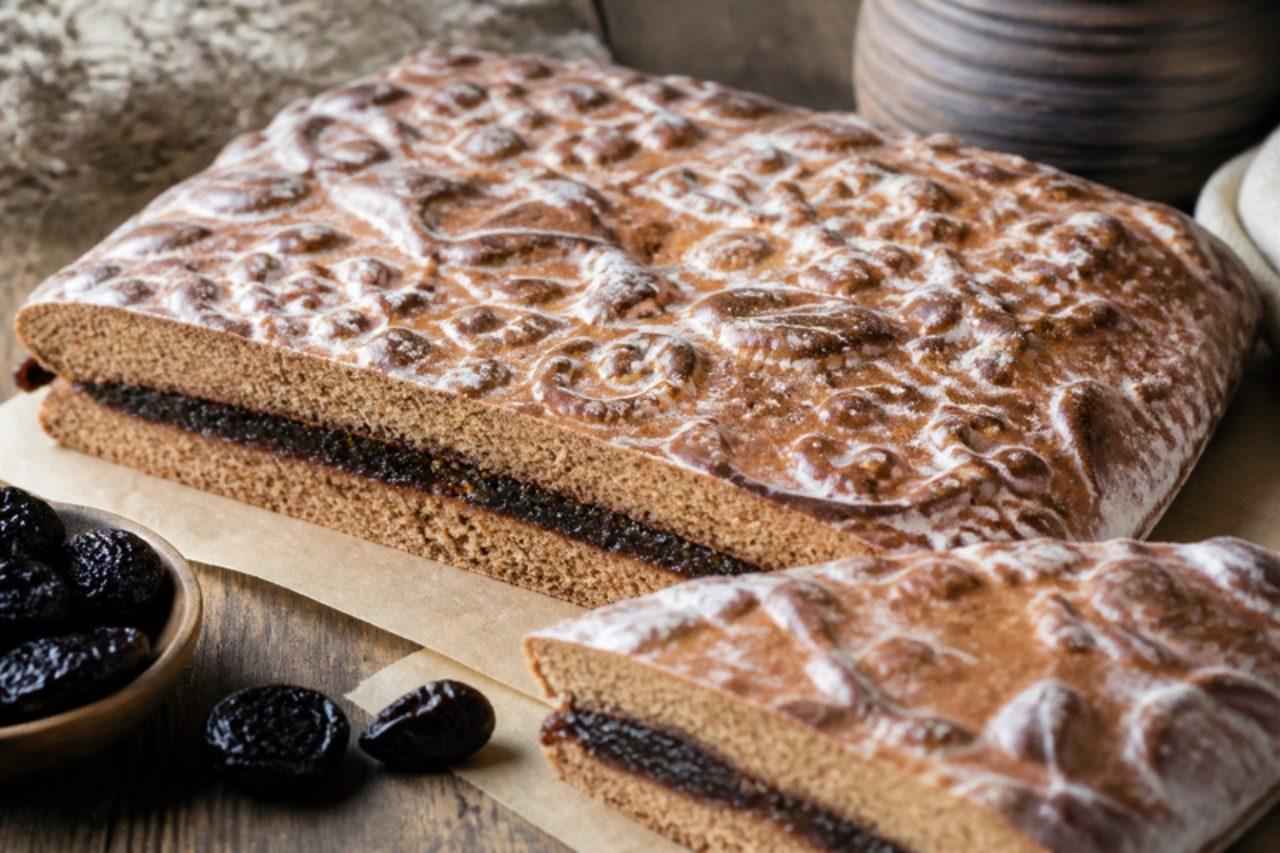
Tula pryanikStamped honey-spice cake

Tula, a few hours south of Moscow, has pressed these slabs in carved wooden boards since the seventeenth century, and a pryanik stamped with the town's crest or a samovar is still the souvenir every visitor carries home. It is made from a cooked dough: honey, sugar and butter are warmed with cinnamon, cardamom, ginger and clove, then flour is beaten in, giving a dense, soft and fragrant cake. A layer of thick plum jam runs through the middle and a thin sugar glaze sets white and crisp on top. Cut it into fingers and serve with black tea. The usual slip is a runny jam that leaks from the seams, so use a stiff jam or cook it down first. Chef's tip: wrap the glazed cake and leave it overnight; it softens and the spice deepens, which is why Tula bakers never sell it warm.

by KrazyBadal 0 views

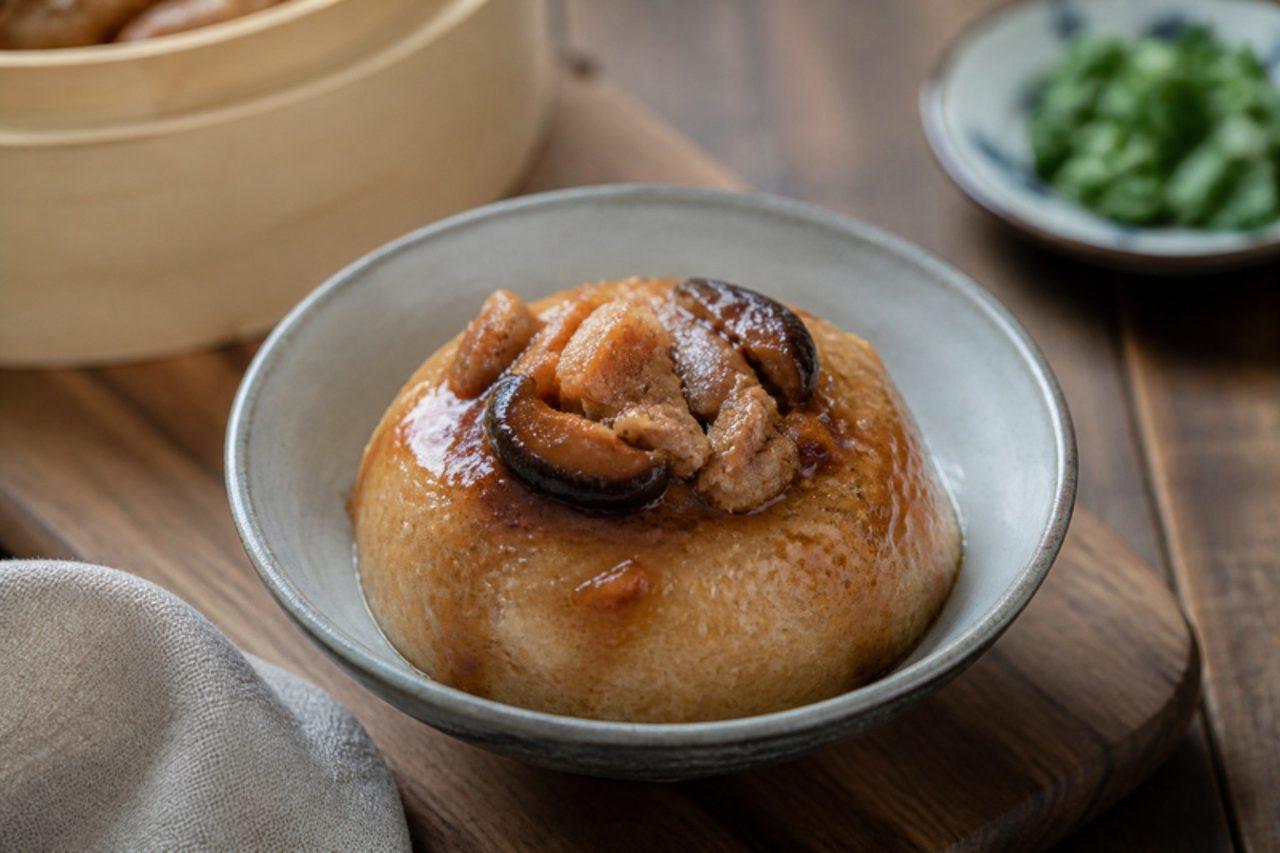
Tainan rice bowl cakeSteamed savoury rice bowl cakes

Small china bowls of this turn up at Tainan breakfast counters and temple-side stalls from early morning, each one turned out or eaten straight from the bowl with a bamboo spatula. The rice batter steams into a soft, slightly springy cake, tinted brown with shallot oil and soy, hiding a nugget of pork, shiitake and dried shrimp in its centre, and it is always doused in a thick, sweet soy sauce and a little garlic paste. People get it wrong by pouring raw, watery batter into the bowls, so the fillings sink and the cake turns out dense; cook it on the stove to a thin porridge first. For a truly gluten-free version, make the sauce with tamari or gluten-free soy sauce, as here. Chef's tip: steam on a steady medium heat and wrap the lid in a tea towel, so drips don't pit the smooth tops.

by KrazyBadal 0 views

Tainan mi gaoSticky rice with braised pork

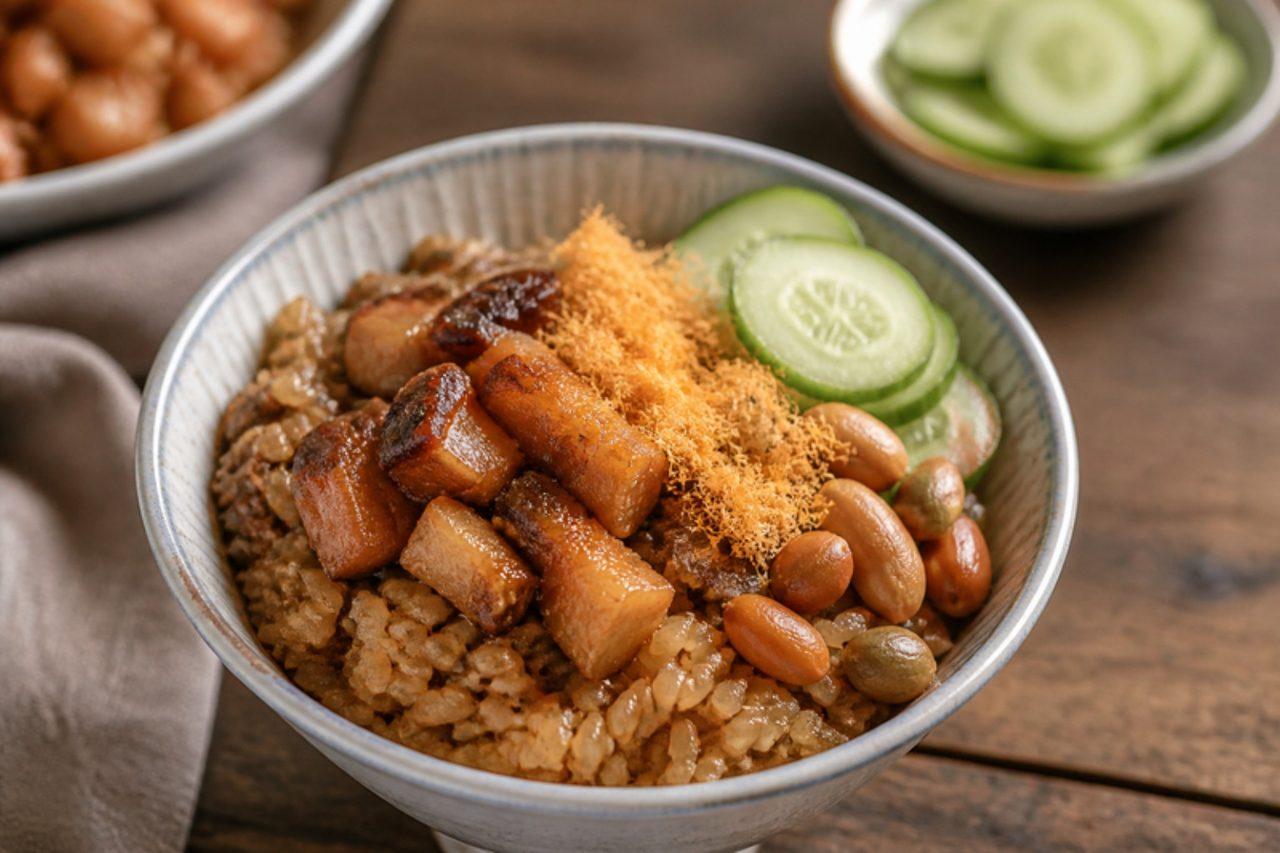
Order a bowl of this in Tainan, alongside a cup of fish ball soup, and you get a compact mound of glistening glutinous rice, chewy and seasoned with shallot oil and soy, topped with a spoonful of sticky braised pork, a tuft of sweet fish floss, soft boiled peanuts and a slice of cucumber pickle. Shops serve it from late morning into the night as a filling snack between meals. The rice must be soaked ahead, so start it the night before or in the morning. A frequent slip is boiling glutinous rice in water like ordinary rice, which turns it into paste; steam it instead. Chef's tip: sprinkle a few spoonfuls of the pork braising liquid over the rice halfway through steaming; the grains soak it up and turn glossy and amber.

by KrazyBadal 0 views

Tuhum barakEgg and milk dumplings

Tuhum barak is a speciality of Khorezm and the old walled city of Khiva: large square dumplings of thin dough filled not with meat but with liquid, eggs beaten with milk and a little butter, sealed tight and dropped into boiling water so the filling sets into a soft omelette inside. It is served with butter and katyk. Making it takes practice, because the dumplings are filled through a gap and must not leak. A common mistake is overfilling, which bursts the seams in the pot. Chef's tip: seal three sides first, stand the pocket in a cup, pour in the egg, then pinch the last side shut. Pumpkin barak is made the same way with grated pumpkin and onion.

by KrazyBadal 0 views

Danzai noodlesNoodles with prawn and minced pork

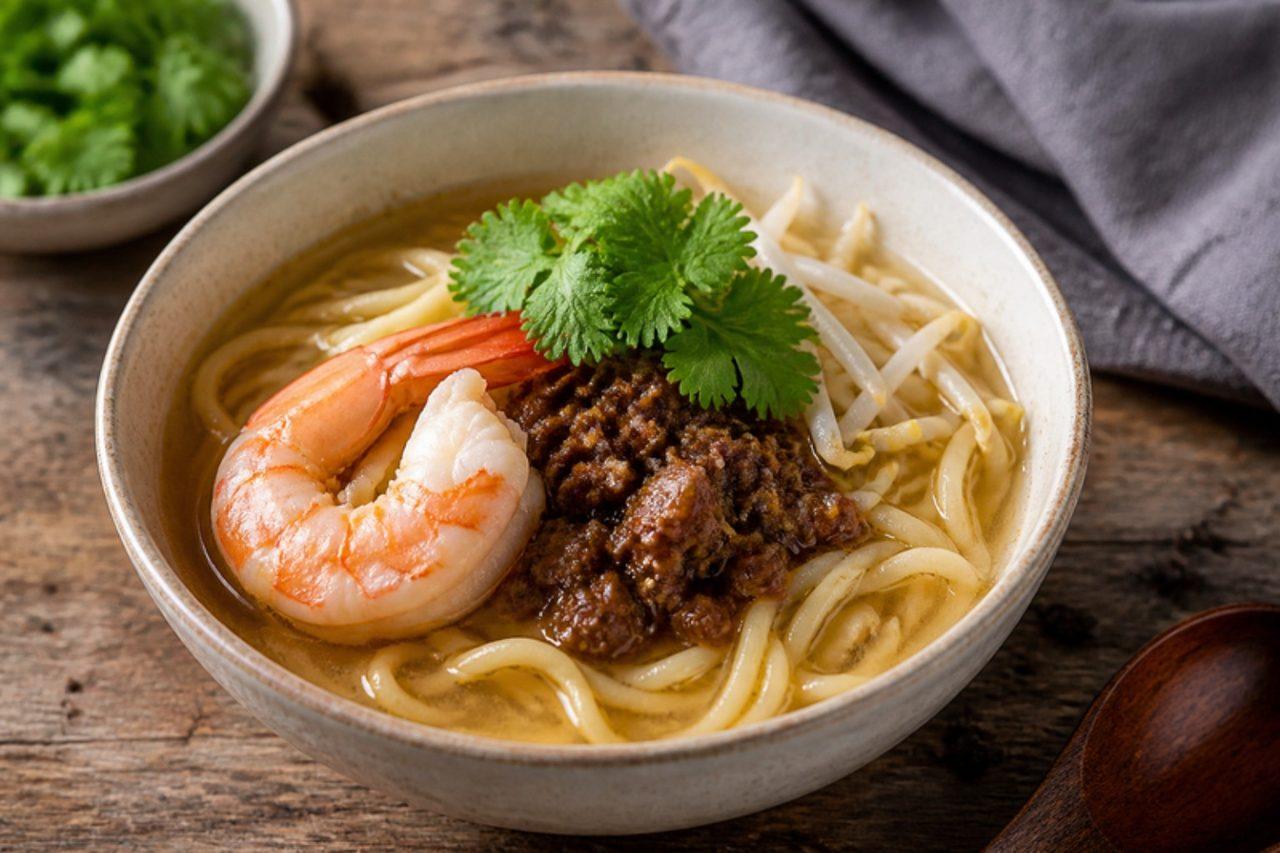
Tainan's most famous snack began with fishermen who, in the stormy months when boats stayed in harbour, carried noodles and broth through the streets on a shoulder pole. It is still served in deliberately small bowls, eaten as a between-meals bite rather than a dinner: springy yellow noodles and bean sprouts in a sweet, clear prawn-shell broth, crowned with a spoonful of slow-cooked minced pork, a single prawn, garlic paste and a dot of black vinegar. Pork is the heart of the topping, braised until sticky with shallots and five-spice. The mistake to avoid is drowning the bowl: use only enough broth to half-cover the noodles, so the meat sauce seasons it. Chef's tip: toast the prawn shells and heads in a dry pot until they turn bright red before adding water; it doubles the sweetness of the broth.

by KrazyBadal 0 views

Sup tulangSpicy mutton bone soup

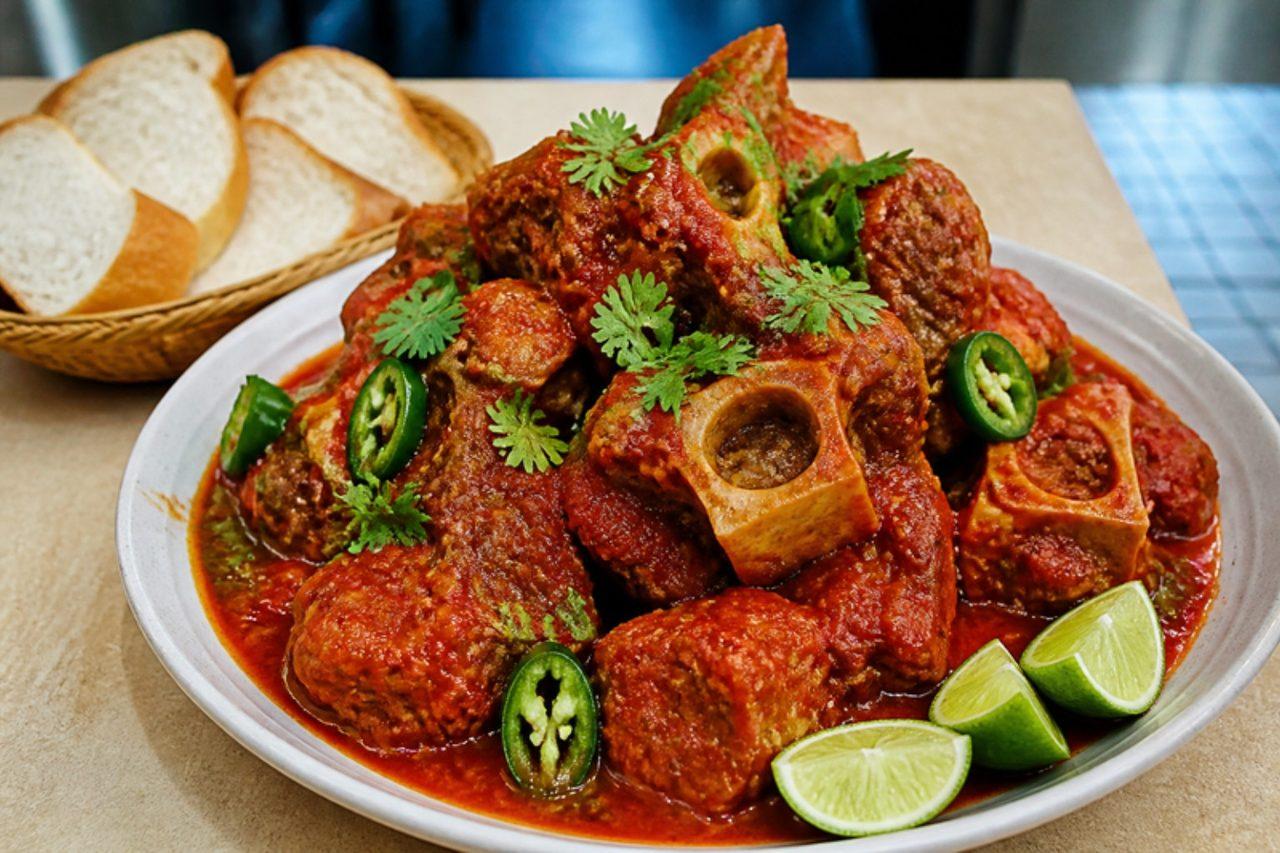
Few dishes are as gloriously messy as the sup tulang served by the Indian-Muslim stalls along Singapore's Beach Road and Golden Mile, where supper crowds sit hunched over plates of mutton bones in a vivid red gravy, armed with straws to suck out the marrow. The gravy is thick, sweet, tangy and gently fiery, built on tomato, chilli and warm whole spices, and it clings to every scrap of meat on the bone. It is mopped up with slices of soft white bread (leave the bread out if you need it gluten free), with green chillies and lime alongside, and plenty of napkins. Stopping the simmer too early is where it goes wrong: the meat must be soft enough to fall off and the marrow wobbling, which takes a good hour and a half. Chef's tip: ask the butcher to saw the bones crossways into short lengths so the marrow is exposed at both ends and easy to reach.

by KrazyBadal 0 views

Supă de chimenCaraway soup

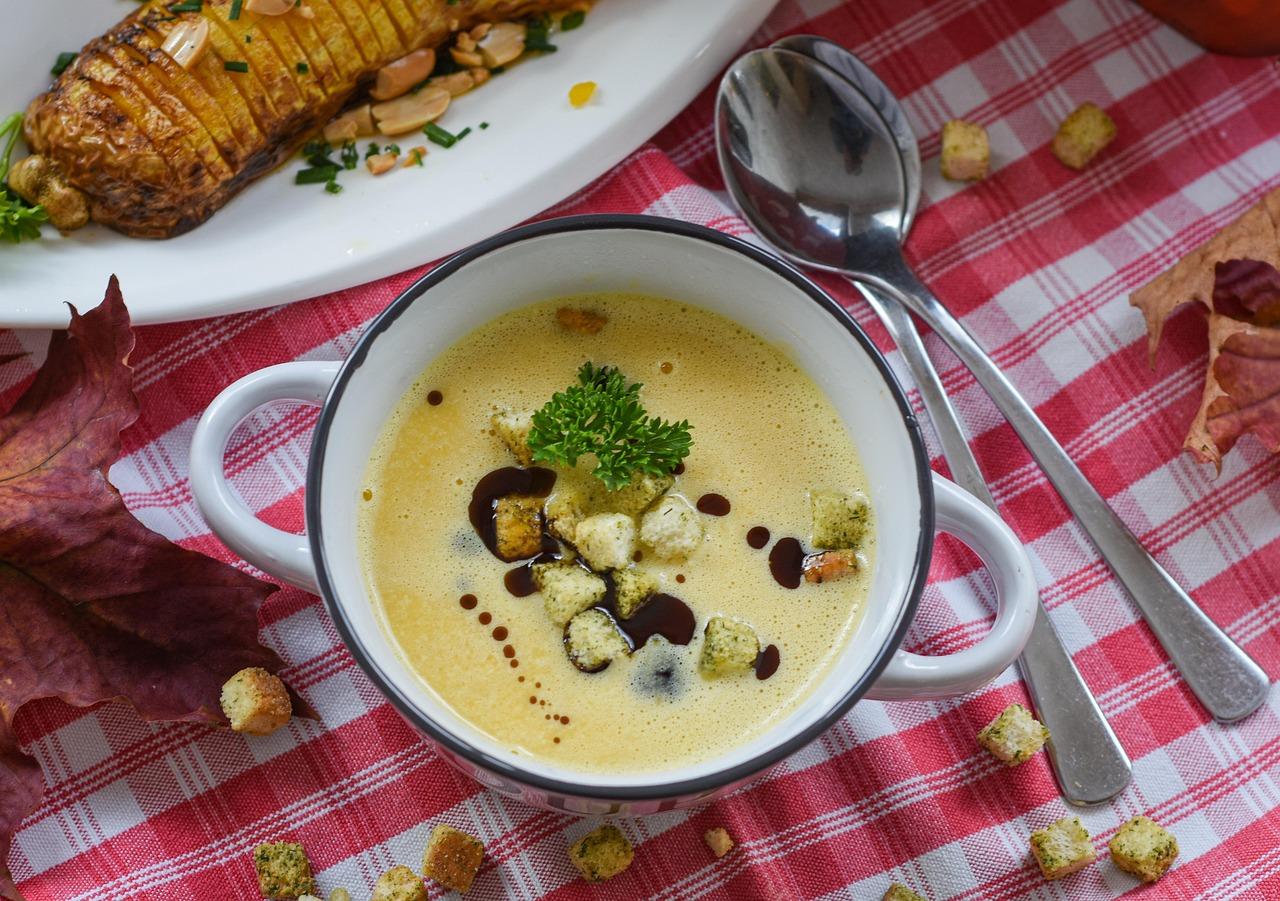
Banat Swabian families around Timișoara, the German-speaking farmers settled on the plain in the 18th century, called it Kümmelsuppe, and their Romanian and Hungarian neighbours took it up as supă de chimen. Caraway seeds are fried in butter with flour until the roux turns the colour of hazelnuts, then whisked into stock and finished with ribbons of beaten egg and crisp croutons. It is a cheap, warming soup for cold mornings and for the morning after a feast, nutty and toasty with a gentle aniseed note. A common mistake is browning the roux on a high heat, where it burns and turns bitter in seconds; keep the heat medium and stir without stopping. Chef's tip: lightly crush the caraway first to release more flavour.

by KrazyBadal 0 views

ZserbóWalnut and apricot layered pastry

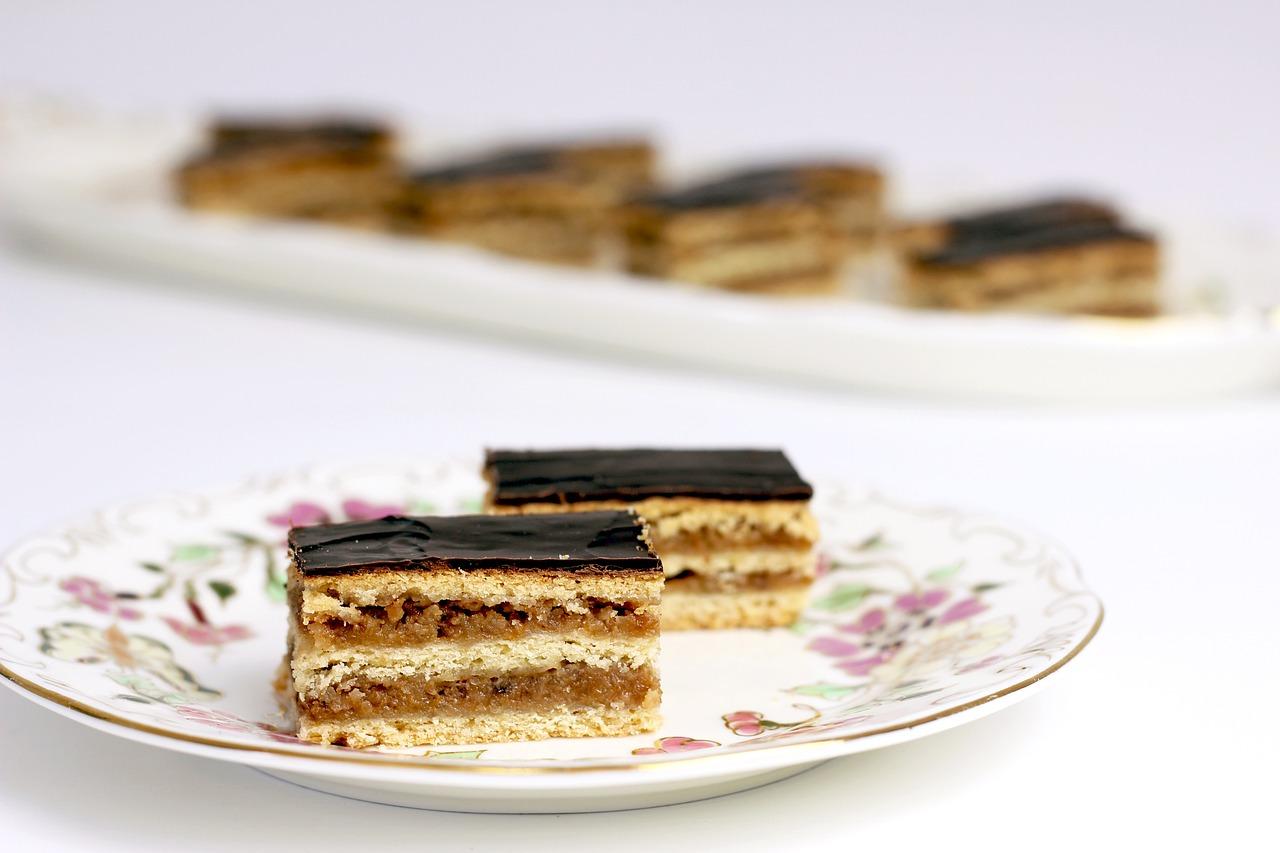
At Christmas and at every family name day, a Hungarian grandmother cuts zserbó into neat diamonds: three layers of walnut and apricot jam between four thin sheets of rich yeast pastry, crowned with dark chocolate. It was created at the Gerbeaud café on Vörösmarty tér in Budapest, and the name is simply the café's French name spelled the Hungarian way. The pastry bakes short and tender, the jam stays sharp and fruity, and the chocolate adds a firm, glossy snap. A common mistake is rolling the sheets unevenly, so the slices come out lopsided; weigh the dough into four equal parts and roll each to the size of the tin on baking paper. It tastes even better the next day, once the jam has soaked in. Chef's tip: use a tart apricot jam and stir a squeeze of lemon into it if it seems very sweet.

by KrazyBadal 0 views

Tsebhi asaFish in berbere tomato stew

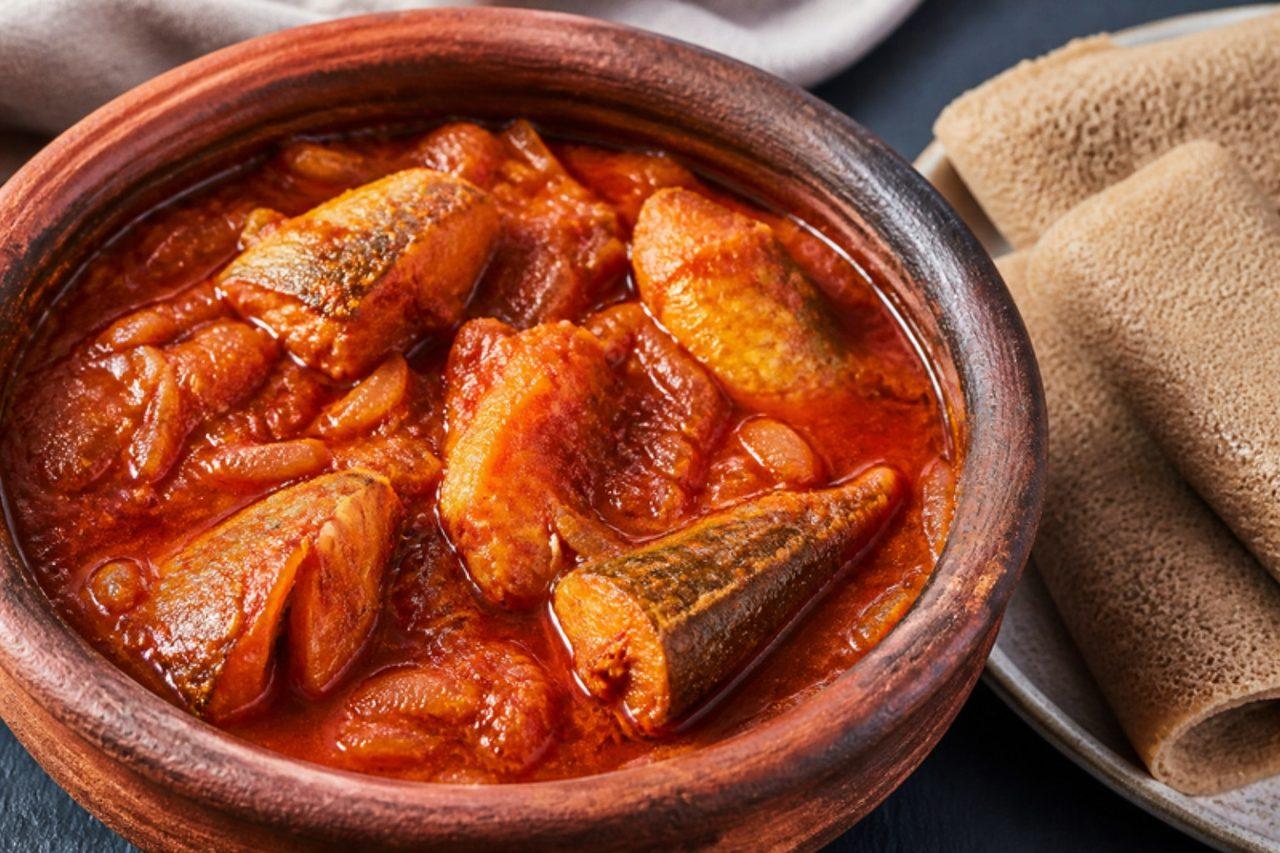
Massawa's home cooks make tsebhi asa with whatever came in on the boats that morning, often kingfish, grouper or snapper, simmered in a stew that is redder and more tomato-rich than the lake fish wats of Ethiopia. Plenty of fresh tomato and a little tomato paste go into the berbere and onion base, with garlic and a touch of cumin, so the sauce is spicy, tangy and bright. It is scooped up with injera or with the flatbread of the coast, and leftovers are even better the next morning with bread. Chef's tip: cut the fish into large chunks with the skin on where you can; skin helps the pieces hold together in the simmering sauce.

by KrazyBadal 0 views

Coffin breadFried toast box with chowder

Lift the lid of fried toast and you find a hot, creamy chowder of chicken, prawns, squid and vegetables, a Western-style snack invented in a Tainan market in the years after the war and now sold at the city's night markets in the evening. The crisp golden shell softens where it meets the sauce, so each bite is part crunch, part buttery white sauce. The name, which means coffin board, comes from the lid's resemblance to a casket. Most people overfill a shell that has not been hollowed deeply enough, and it collapses; leave walls about 1 cm thick. Chef's tip: fry the bread boxes just before filling and make the chowder slightly thicker than you think; it loosens as it sits in the hot toast.

by KrazyBadal 0 views

TokányBeef strips in wine and onion

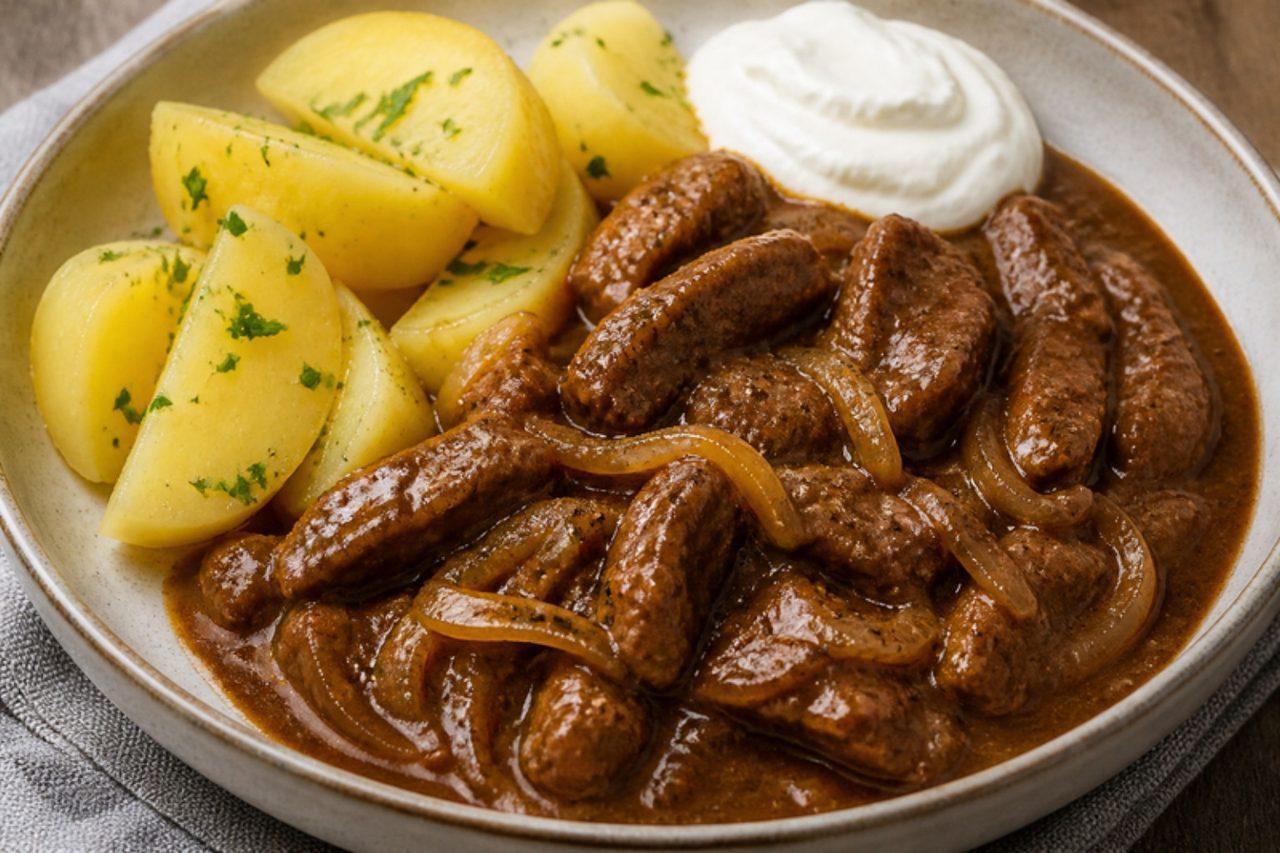
Among the Hungarian communities of Transylvania, especially the Székely towns of Harghita and Covasna, tokány is the stew that is not a gulyás: the meat is cut into finger-long strips rather than cubes, and it is seasoned with black pepper and marjoram and a splash of wine instead of a red cloud of paprika. The result is a pale, savoury, peppery sauce that clings to tender ribbons of beef. Dry white wine is traditional; for an alcohol-free pot use the same amount of beef stock with 1 tablespoon of white wine vinegar. Serve it with boiled rice, mashed potato or a heap of pickled cucumbers. The usual slip is cutting the strips with the grain, so they cook up stringy; slice across it. Chef's tip: let the onions melt slowly for a full 15 minutes before the meat goes in; they dissolve into the sauce and thicken it without any flour.

by KrazyBadal 0 views

Taichung sun cakesFlaky maltose pastries

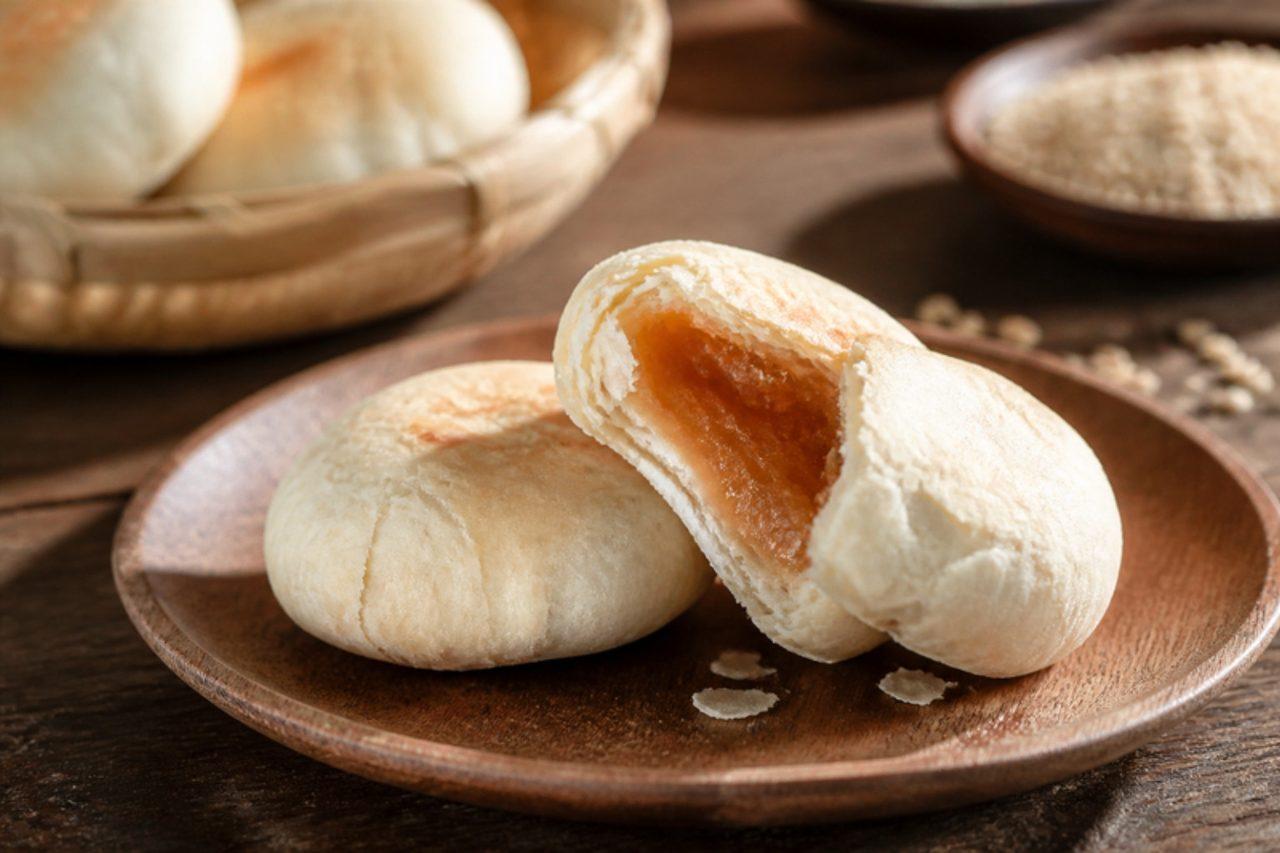
Walk down Ziyou Road in Taichung and almost every second shopfront sells boxes of these round, pale pastries, the gift every visitor is expected to bring home. Paper-thin layers shatter at the first bite onto a soft, chewy, honey-like centre of maltose and butter; they're eaten with oolong tea, and older locals break them into a bowl of hot water to make a sweet, milky porridge. Traditional bakeries use lard in the pastry, so this vegetarian version swaps in vegetable shortening, with butter in the filling. Overbaking is the classic error: sun cakes should stay creamy white with only a faint gold tinge, not brown. Chef's tip: keep the dough covered at every stage, because the thin skin dries quickly and then cracks instead of flaking.

by KrazyBadal 0 views

Thingyan riceJasmine water rice with dried fish

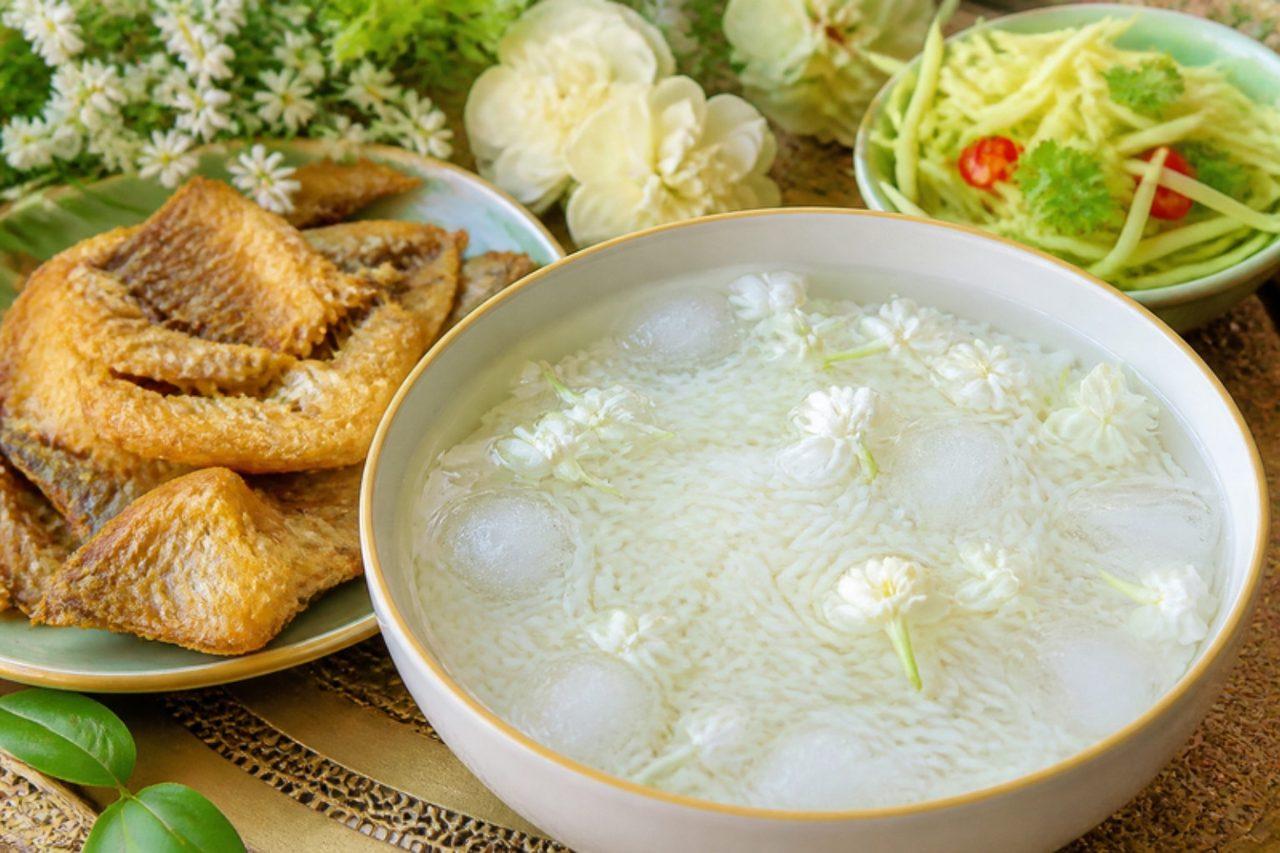
When the April water festival arrives and the heat is at its fiercest, Mon households in Mawlamyine and the villages around it prepare cool rice in jasmine-scented water, offer the first bowls to monks and elders, then share the rest with neighbours. The rice is cooked, rinsed until the grains are clean and separate, and served floating in chilled, flower-perfumed water; the same dish travelled to Thailand, where it became khao chae. Alongside go salty, crisp-fried dried fish, a sweet-sour green mango salad and fried shallots, and you take a little of each with every cold spoonful. Leaving the rice sitting warm on the counter before it is chilled is the mistake to avoid, both for safety and texture: cool it fast and keep it cold until serving. Chef's tip: use only unsprayed, edible jasmine flowers; if you can't find them, a few drops of food-grade jasmine water or a pandan leaf gives a gentle scent.

by KrazyBadal 0 views

PonchikCustard-filled doughnuts

In Yerevan and Gyumri, the ponchik is a street-corner institution: soft yeast doughnuts fried to order in small shops, slit and piped full of cool vanilla custard, then dusted heavily with icing sugar. Students buy them in paper bags after class and families queue on Sunday mornings. A common mistake is frying in oil that is too hot, which browns the outside before the middle cooks. Chef's tip: keep the oil at 170 °C and fry until the doughnuts have a pale ring around the middle; that ring shows they are light enough to float, and cooked through.

by KrazyBadal 0 views

Sambusak b'tawaChickpea half-moon pastries

Walk past an Iraqi bakery in Ramat Gan's Bavli quarter on a Friday and you will smell sambusak b'tawa, half-moon pastries stuffed with mashed chickpeas, fried onion and cumin. They are made for Purim, for the Shabbat morning table and to hand out at family gatherings, eaten warm or at room temperature with amba and a cucumber salad. The dough is short and tender, the filling earthy and peppery. A filling that is too wet makes the seams burst, so mash the chickpeas thoroughly and let the onions cook until dry. Chef's tip: crimp the edge by folding it over itself in small pleats, like a rope, which seals far better than pressing with a fork.

by KrazyBadal 0 views

TsatsaFried sprats

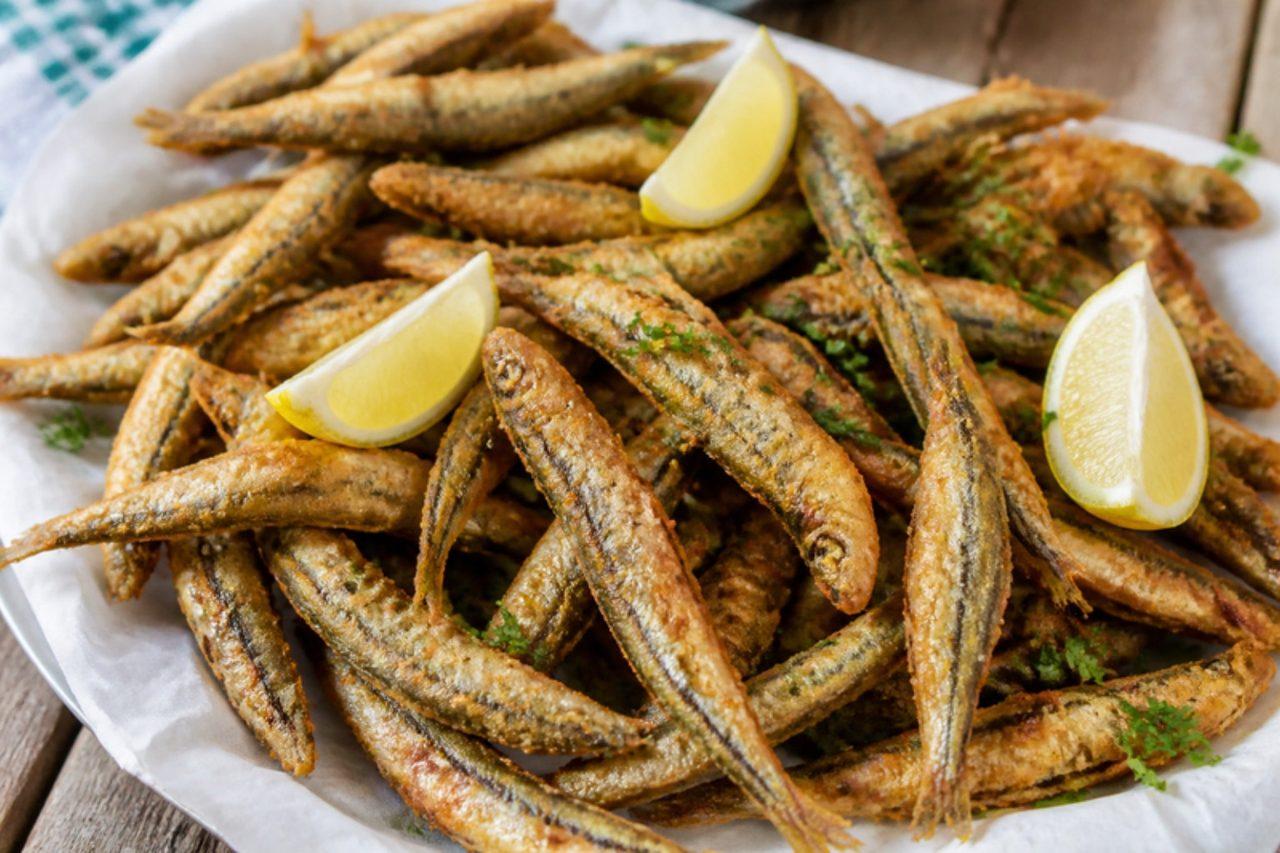
Beach kiosks from Varna to Sozopol sell tsatsa by the paper cone all summer: handfuls of tiny sprats fried so crisp that you eat them head, bones and all, with a squeeze of lemon and a cold glass of ayran. They taste sweet and briny and crunch like the best chips. At home, serve them with lemon wedges, a tomato and cucumber salad and bread. Buy fish that smell of the sea, with bright eyes and firm bodies; frozen sprats work once thawed in the fridge. Where most people go wrong is frying too many at once: the oil cools, the fish stick together and turn greasy. Chef's tip: shake the floured sprats in a sieve before they go in, so only a thin film of flour clings and they fry up lacy and light.

by KrazyBadal 0 views

Zalai dödölleFried potato dumplings

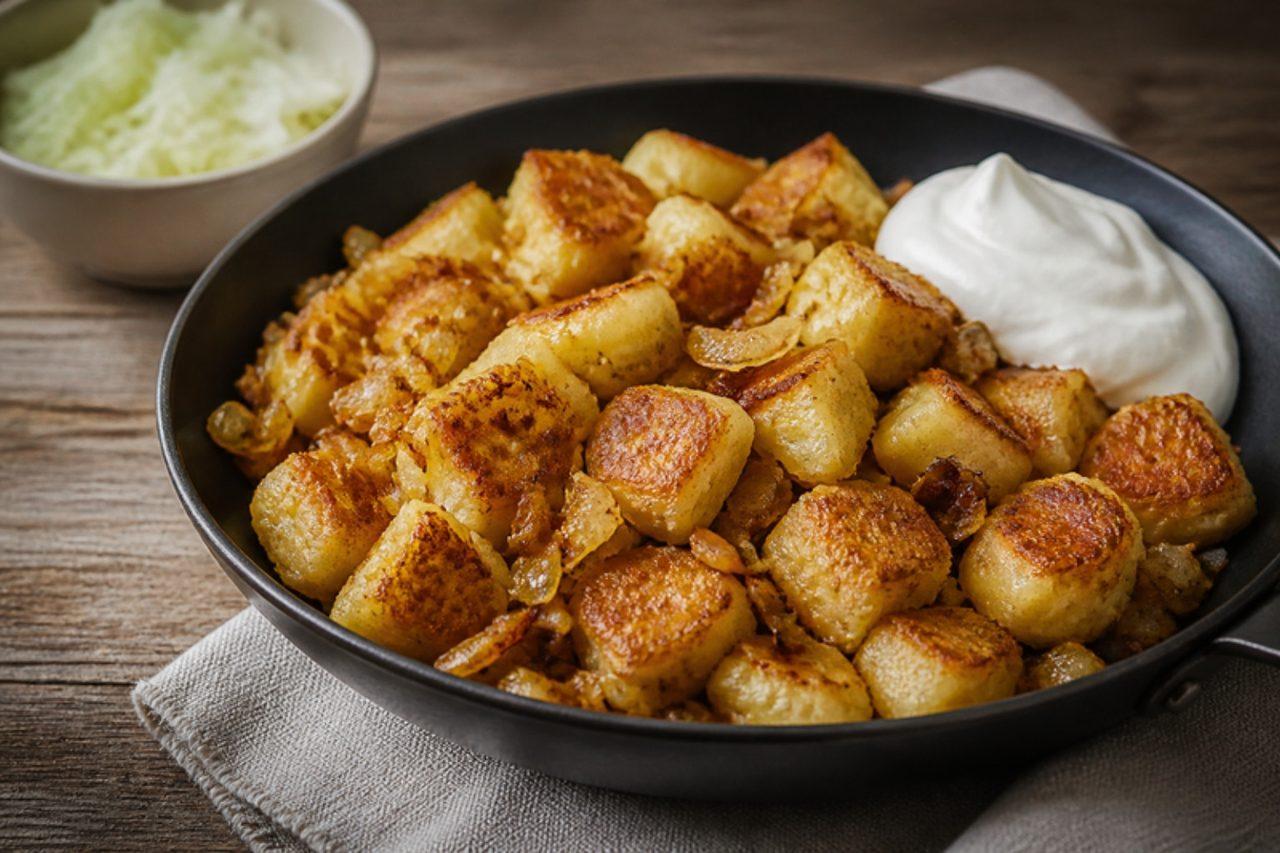
Zala county, in the green hills of south-west Hungary, is so proud of dödölle that villages hold festivals for it. Potatoes are boiled, mashed with flour into a stiff dough right in their pot, then scooped into little lumps with a spoon dipped in hot fat and fried with plenty of onion until crisp and brown on the outside and soft inside. The old way is to fry them in lard; this version uses oil, so it is vegan, though a knob of butter is lovely if you eat dairy. Eat them as a side, or as a main with sauerkraut, cucumber salad or a mushroom stew. A common mistake is drying the dough out with too much flour, which makes heavy, gluey lumps; it should be thick but still a little sticky. Chef's tip: dip the spoon in the hot oil before every scoop, and the dödölle slide off smooth.

by KrazyBadal 0 views

Tsarska turshiyaMixed vegetable pickle

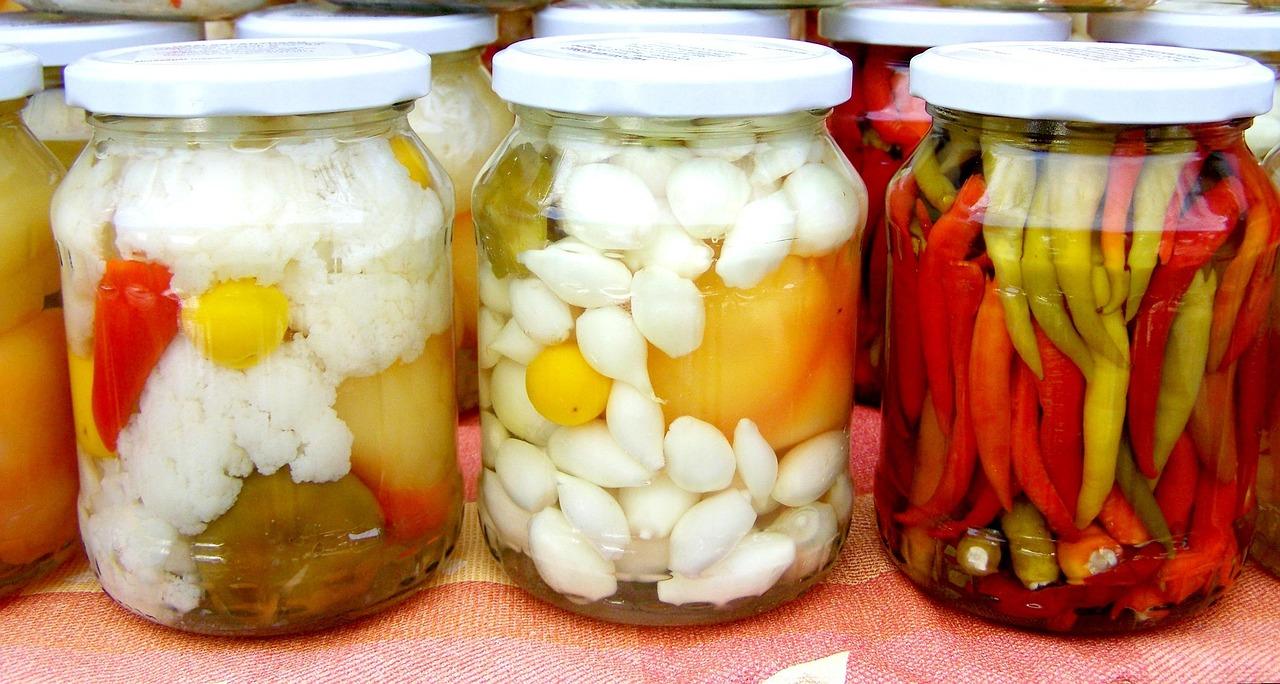
Every autumn Bulgarian balconies fill with jars of turshiya, and the 'royal' one is the prettiest and the most loved: crisp cauliflower florets, carrot rounds, strips of red and green pepper and celery, steeped in a sweet-sour marinade with oil, garlic and peppercorns. It is served with hearty winter stews, with beans and with a glass of something cold at the table in the evening. This version is a fridge pickle, ready in three days and kept chilled, so it needs no sterilising bath. The mistake people make is overcooking the vegetables in the marinade; they should just lose their raw edge and still snap when you bite them. Chef's tip: pack the jars in colour layers, white, orange, red, green, and pour the marinade over while it is hot so the vegetables stay crunchy.

by KrazyBadal 0 views

Seyal phulkaChapatis in tomato onion sauce

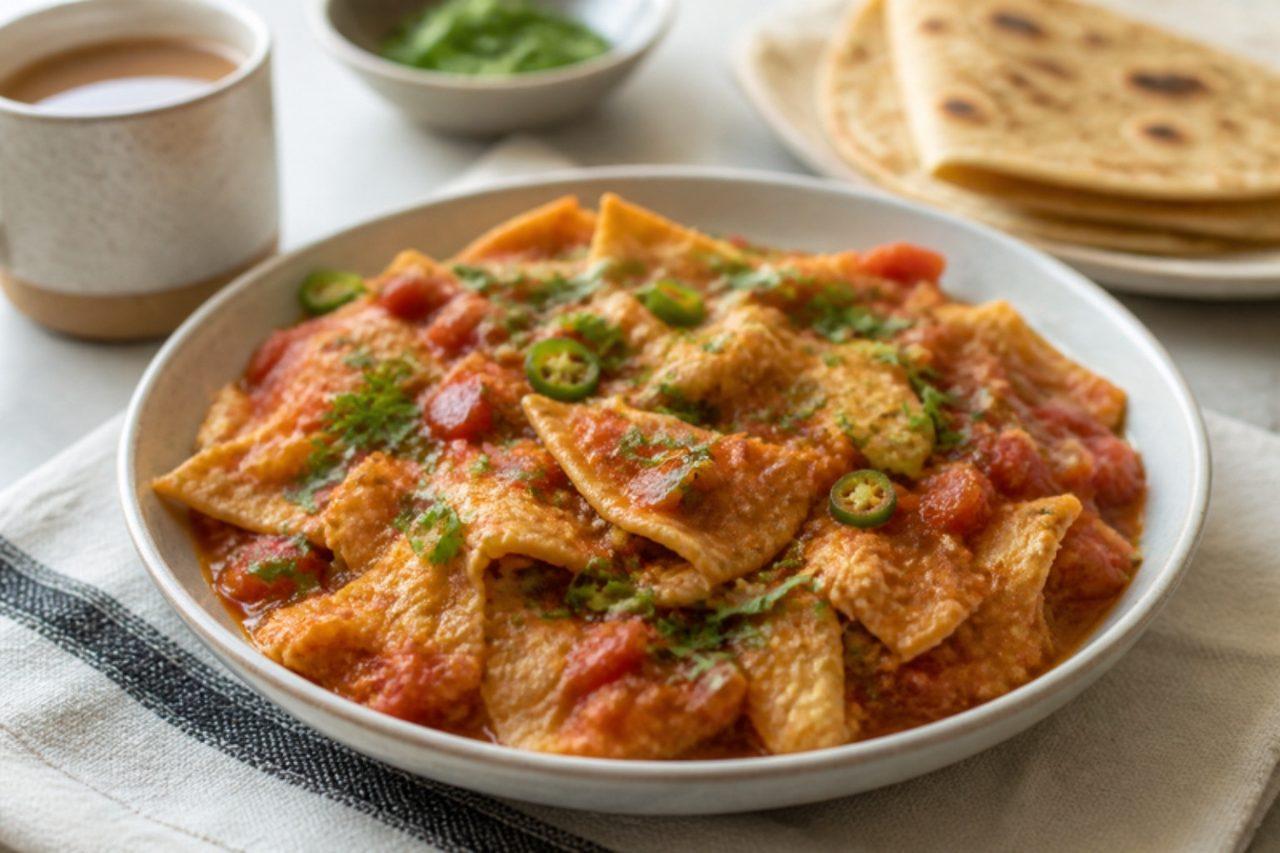
Nothing gets thrown away in a Sindhi kitchen, and yesterday's phulka become this morning's seyal phulka, a breakfast found in homes from Karachi's Gulshan to small towns along the Indus. Seyal is the Sindhi way of cooking in a thick sauce of onion, garlic, tomato, green chilli and plenty of coriander, and the torn chapatis soak it up to become soft and savoury at the centre while their edges keep a little chew. It is eaten straight from the pan with a glass of sweet tea or a spoonful of plain yogurt, and people tend to make it on lazy weekend mornings. Over-simmering is what ruins it, because the bread turns to porridge within minutes. Chef's tip: let the sauce reduce until it is thick before the chapatis go in, then toss them for no more than two or three minutes.

by KrazyBadal 0 views

TsakhdonGarlic sour cream sauce

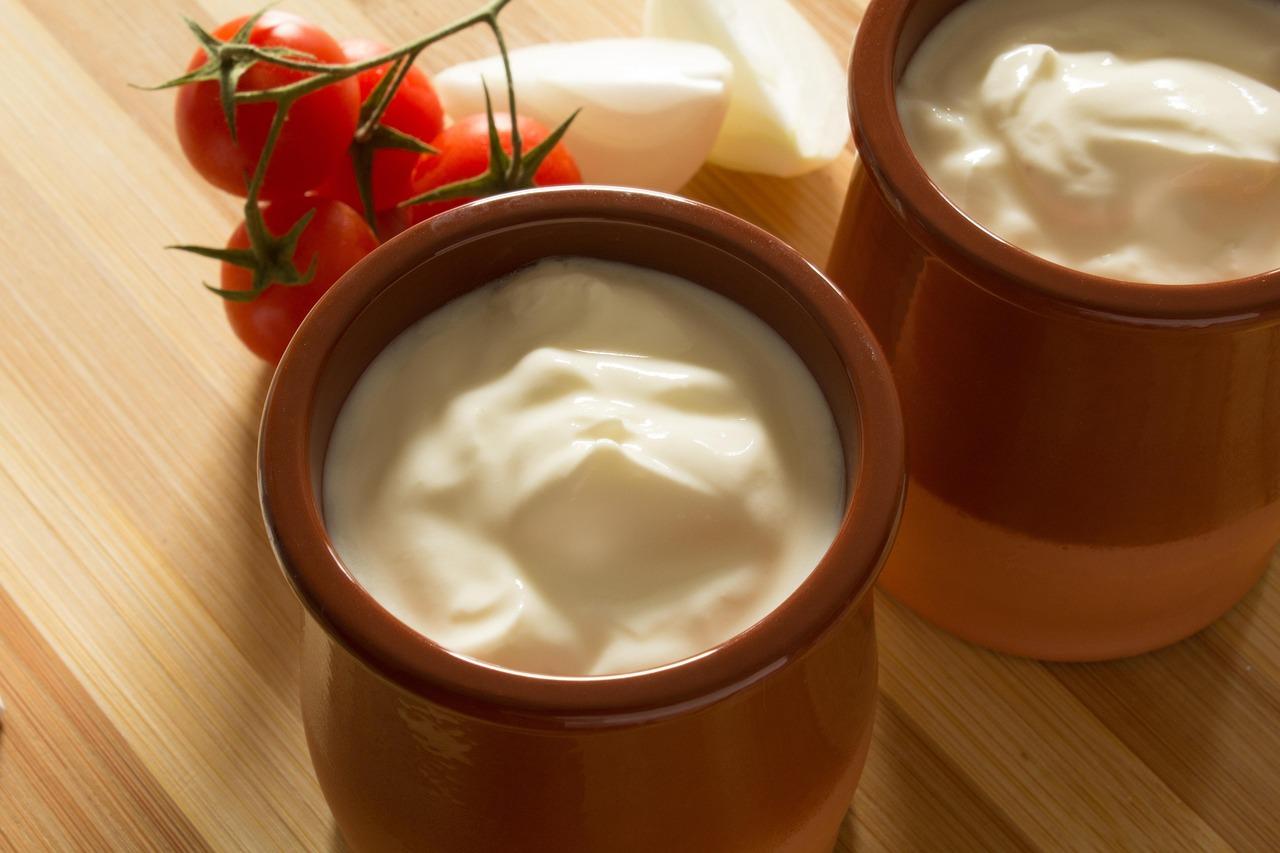
Ossetian tables in Vladikavkaz and the mountain villages of North Ossetia nearly always carry a bowl of tsakhdon, the thick, garlicky sour cream that goes with three-pie feasts, boiled beef, potatoes and anything grilled. It is cool, tangy and sharp with raw garlic, flecked green with dill, coriander and a little mint, and some families add a pinch of crushed red pepper. Garlic pounded with salt gives a smoother, sweeter heat than chopped garlic, so take the extra minute with a mortar. The usual slip is serving it the moment it is mixed; ten minutes in the fridge lets the garlic soften and spread through the cream. Use full-fat sour cream, as low-fat versions turn runny. Chef's tip: thin it with a spoon or two of cold water or kefir if you want it pourable over hot potatoes rather than spoonable beside pies.

by KrazyBadal 0 views

Surówka z kiszonej kapustySauerkraut and carrot salad

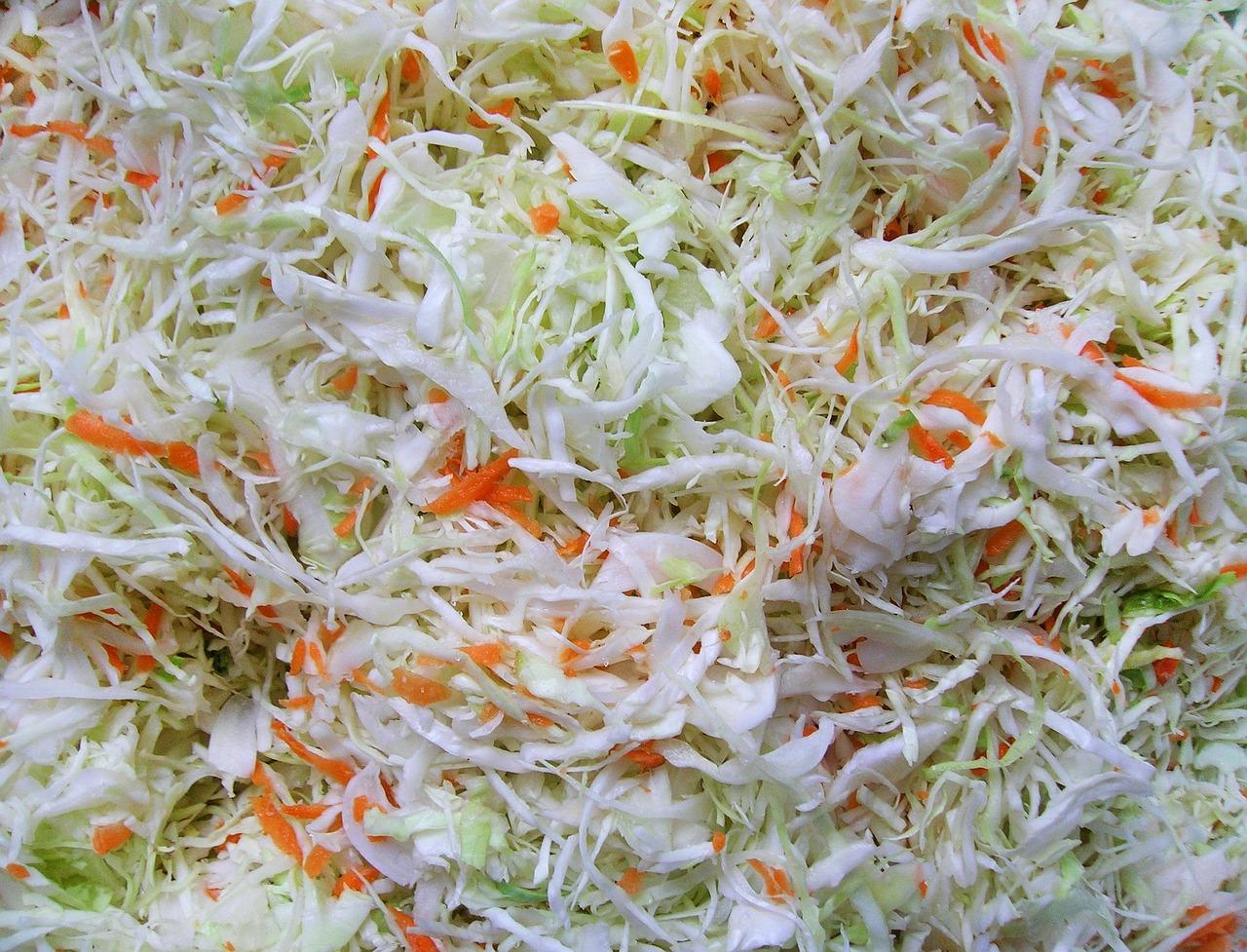
Polish dinners rarely come without a surówka, a raw salad on the side, and in winter this sauerkraut version is the default in milk bars and home kitchens alike. Sour cabbage is loosened with sweet grated carrot and apple, sharpened with a little onion and dressed with fragrant oil, which gives a crunchy, tangy salad that wakes up potatoes, dumplings and rich stews. It costs very little and is full of flavour. A common mistake is not chopping the sauerkraut; long strands make it awkward to eat and don't mix with the rest. Chef's tip: use cold-pressed sunflower or rapeseed oil for its nutty flavour.

by KrazyBadal 0 views

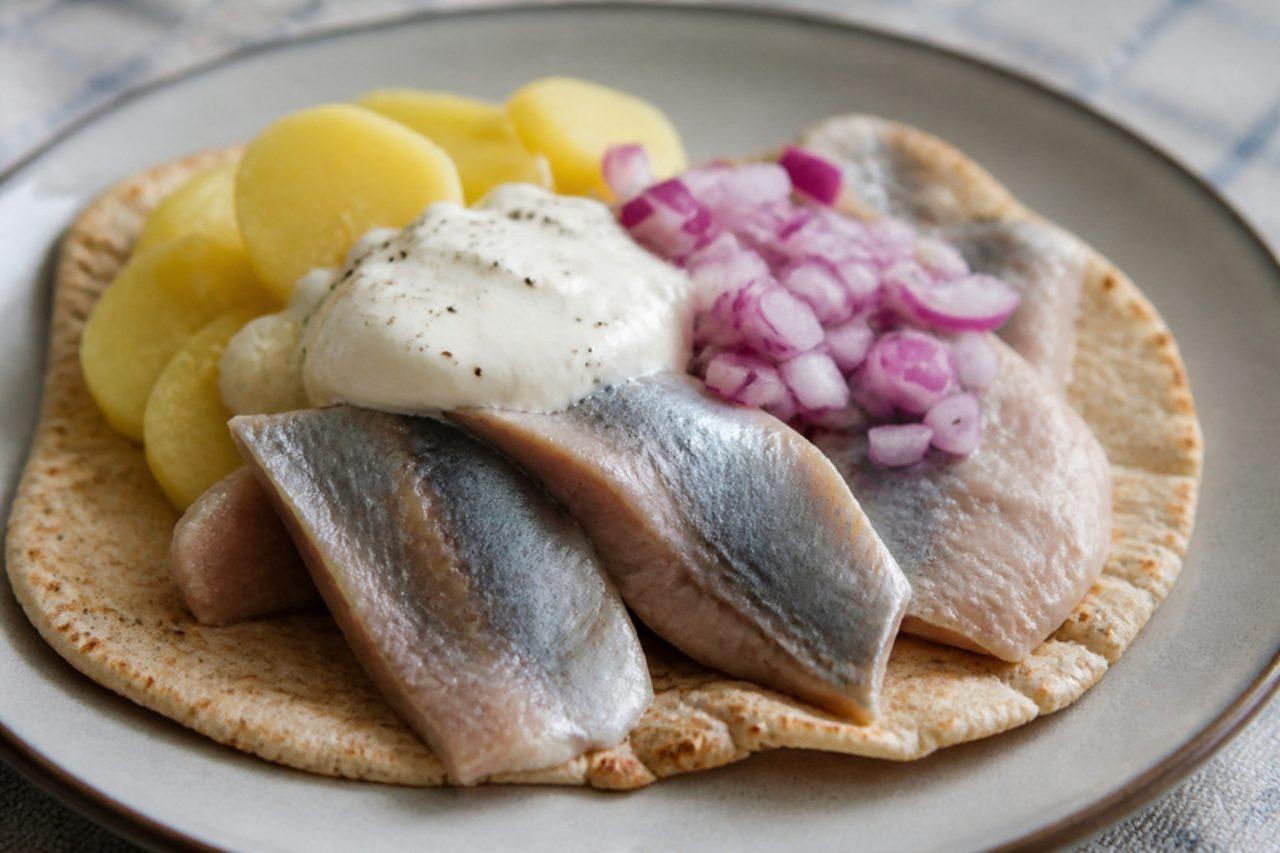
SurströmmingFermented herring

Surströmming is fermented Baltic herring from Höga Kusten, the High Coast of northern Sweden, sold in bulging tins at the end of August, when the 'surströmmingspremiär' begins and families gather outdoors for parties. The smell is famously strong, so tins are opened outside, ideally under a bowl of water, and the fillets are rinsed, then rolled in tunnbröd with boiled almond potatoes, red onion and sour cream. This recipe uses shop-bought surströmming; never try to ferment fish at home. The fish is fermented, not cooked, so it is not for pregnant women, young children or anyone with a weakened immune system. A common mistake is opening the tin indoors. Chef's tip: soak the fillets briefly in cold water to tame the saltiness and smell, and pile on the onion and sour cream.

by KrazyBadal 0 views

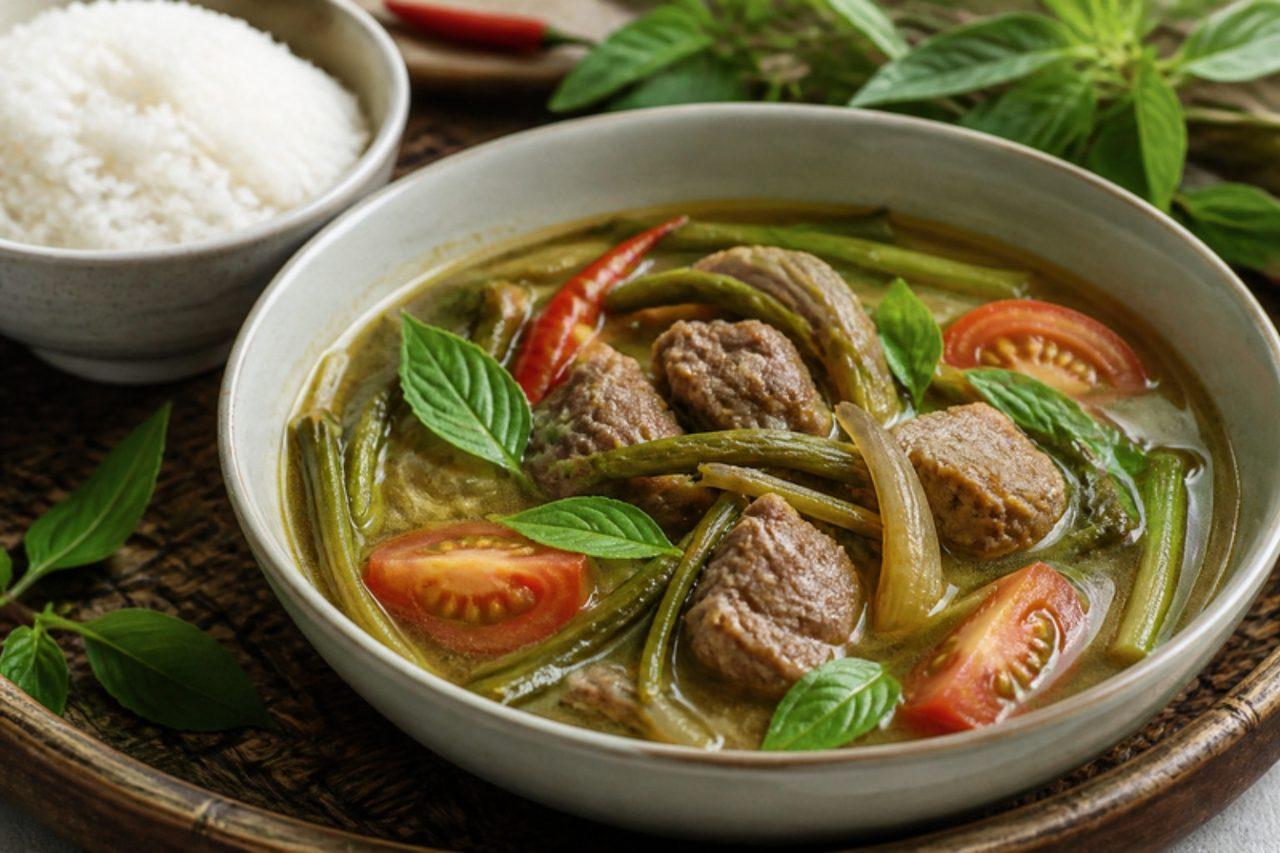
Samlor machu kroeungSour beef and lemongrass soup

Sour, herbal and gently golden from turmeric, samlor machu kroeung is one of the soups Phnom Penh families put on the table at lunch, ladled over rice with a side of something fried or grilled. Its base is a fresh kroeung of lemongrass, galangal, turmeric and kaffir lime, fried and simmered with slow-cooked beef until the broth turns aromatic, then soured with tamarind and finished with armfuls of crunchy morning glory. Many cooks use beef tripe; here it is braising beef, which turns spoon-tender. A slip that ruins it is adding the morning glory too early, so it turns khaki and slimy. Chef's tip: toast the kroeung in the beef fat until it darkens a shade and smells sweet; that is where the soup's depth comes from.

by KrazyBadal 0 views

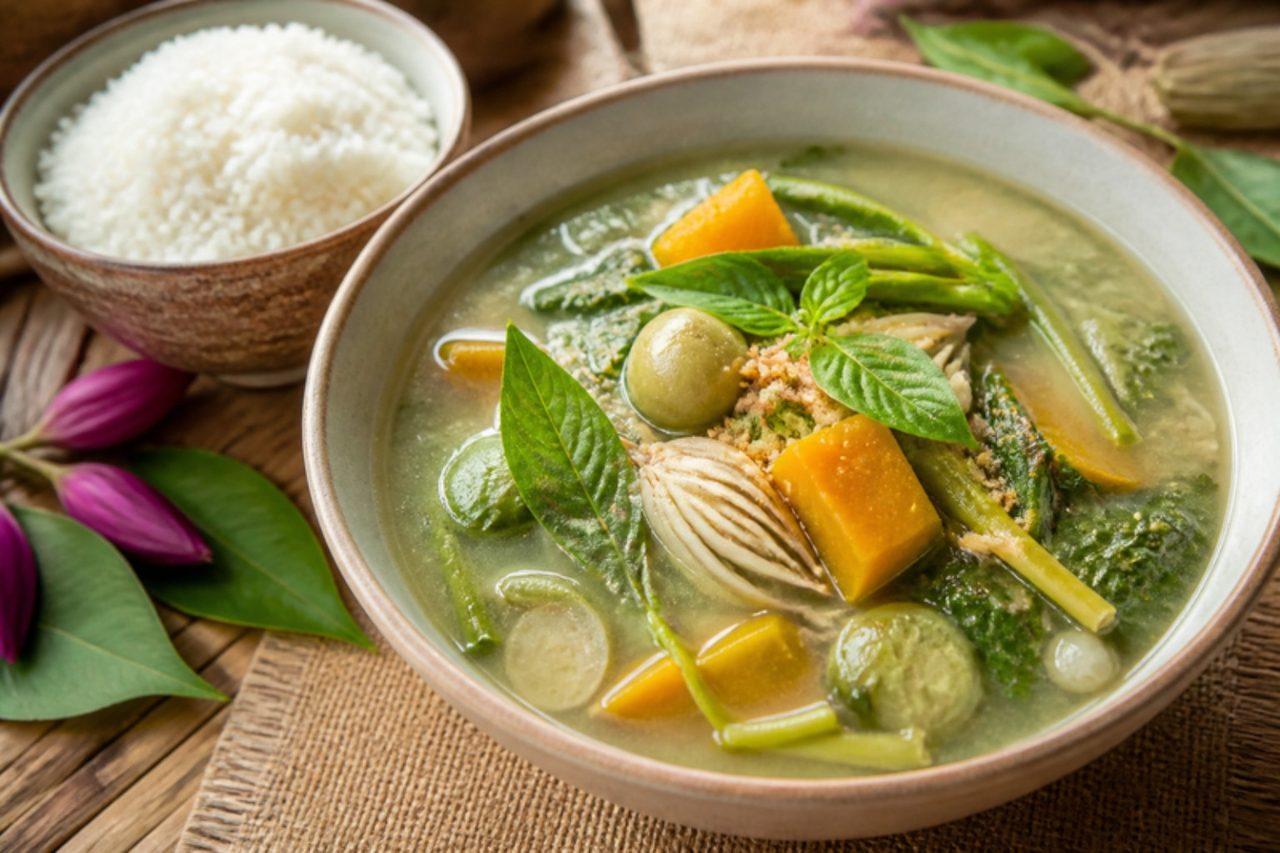
Samlor proherPumpkin and vegetable soup

Home cooks in the villages around Siem Reap make samlor proher when the garden is full: a light, clear soup crowded with pumpkin, banana blossom, long beans, little aubergines and leafy greens, seasoned with a lemongrass kroeung and a spoonful of prahok. Toasted ground rice is stirred in near the end, giving the broth a faint body and a nutty, popcorn-like aroma. It is everyday lunch food, eaten with steamed rice and perhaps a piece of grilled fish, and it tastes savoury, sweet from the pumpkin and gently earthy. Leaving the prahok raw is the big no; it must be mashed and boiled in the broth for at least 10 minutes, so it cooks through and its sharpness rounds out. Chef's tip: slice the banana flower straight into lime-acidulated water, or it will turn black within minutes.

by KrazyBadal 0 views

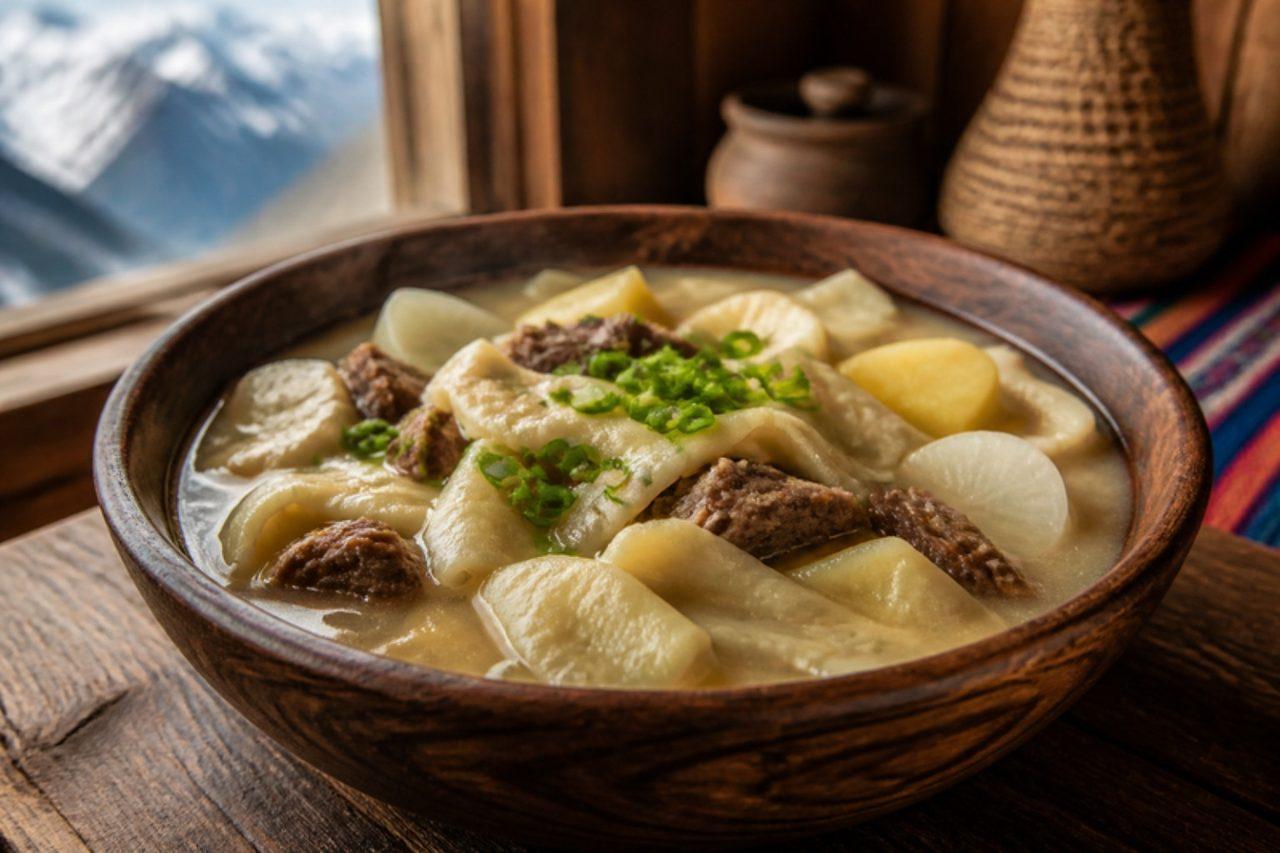
ShyakpaHand-torn dough and yak stew

In the stone lodges of Namche Bazaar and the villages of Solukhumbu, shyakpa is what a Sherpa family cooks on the hearth when the wind comes down off the glaciers: a thick, peppery stew of yak meat, potato and white radish, with pieces of fresh dough pinched straight off a ball and dropped into the pot to cook like chunky noodles. It is eaten from big bowls at the end of a long day's trekking, often with a spoonful of fiery tomato and chilli achar. Yak is rare outside the Himalaya, so beef or lamb is the usual swap, and a vegetables-only shyakpa with extra potato, radish and greens is just as common. Many cooks drop all the dough in at once, which clumps it into a stodgy mass; add it in batches and stir. Chef's tip: let the dough rest for 15 minutes so it stretches thin without tearing.

by KrazyBadal 0 views

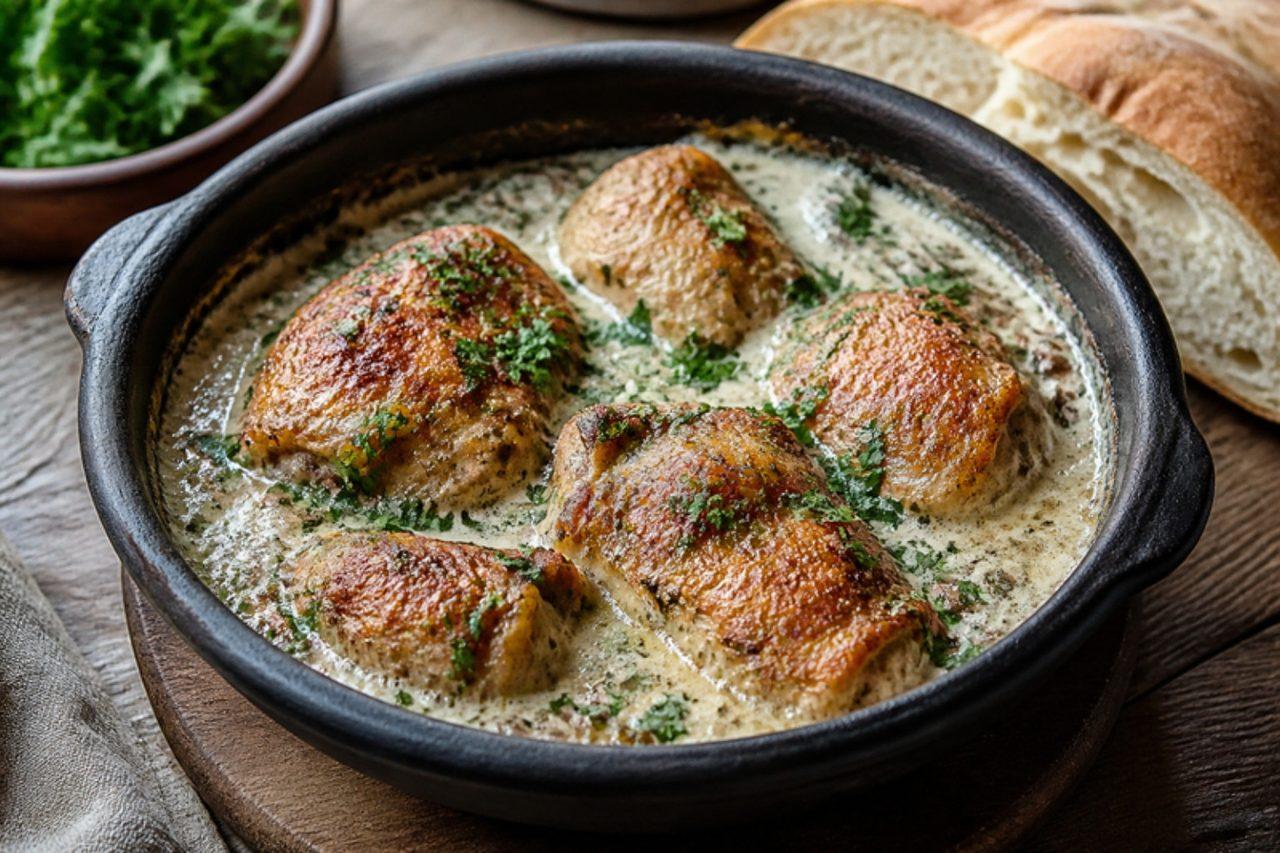
ShkmeruliChicken in garlic cream sauce

Shkmeruli is named after Shkmeri, a village in Racha, the green, wine-making mountain region in the north-west, and it has become a favourite all over Georgia: a young chicken is fried until crisp, then finished in a clay ketsi with a sauce of milk or cream simmered with an alarming amount of garlic. It comes to the table bubbling, and the sauce is mopped up with shoti. A common mistake is putting raw garlic straight into boiling cream, which makes it harsh; warm it gently first. Chef's tip: fry the chicken skin-side down under a weight for the first 15 minutes, so the skin stays crisp even after it goes into the sauce. Chicken must reach 74 °C.

by KrazyBadal 0 views

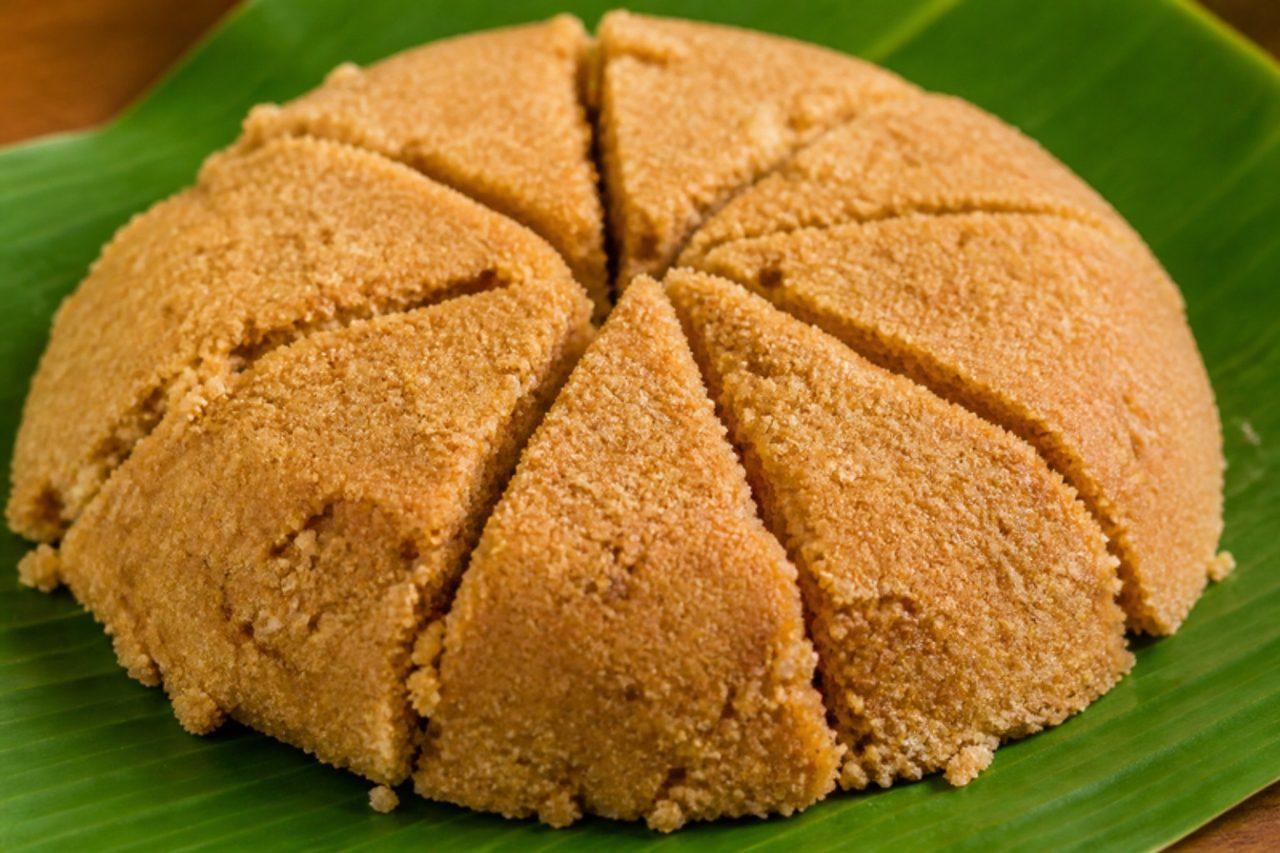
Weli thalapaRice flour and coconut sweet

Weli means sand, which perfectly describes the texture of this old-fashioned Sinhala sweet: soft, crumbly and slightly gritty on the tongue, packed with coconut and the dark, smoky sweetness of kithul jaggery. It is made in many southern and western homes for the Avurudu table and for pirith ceremonies, pressed into a tray and cut into squares or diamonds, and its simple ingredients make it a quick, frugal treat. Grated coconut is cooked in melted jaggery until it soaks up the syrup, then roasted rice flour is stirred in until the mixture clumps and leaves the pan. Overcooking at the end is a frequent slip, turning it hard and chewy instead of sandy, so take it off the heat as soon as it starts to come together. Chef's tip: roast the rice flour well in advance and let it cool; warm flour clumps and stops the sweet from getting that loose, sandy crumb.

by KrazyBadal 0 views

Tahinov hatsTahini swirl bread

Tahinov hats is the Lenten treat of Armenian bakeries from Yerevan to Aleppo and Beirut: a soft dough rolled thin, spread with sweetened tahini, rolled up, coiled like a snail and flattened again, so it bakes into flaky, nutty layers. It is eaten with tea through the forty days before Easter, when butter is put away. A common mistake is spreading the tahini right to the edges, which makes it ooze and burn. Chef's tip: twist the filled rope before coiling it; the twist makes the layers show through when the bread is flattened.

by KrazyBadal 0 views

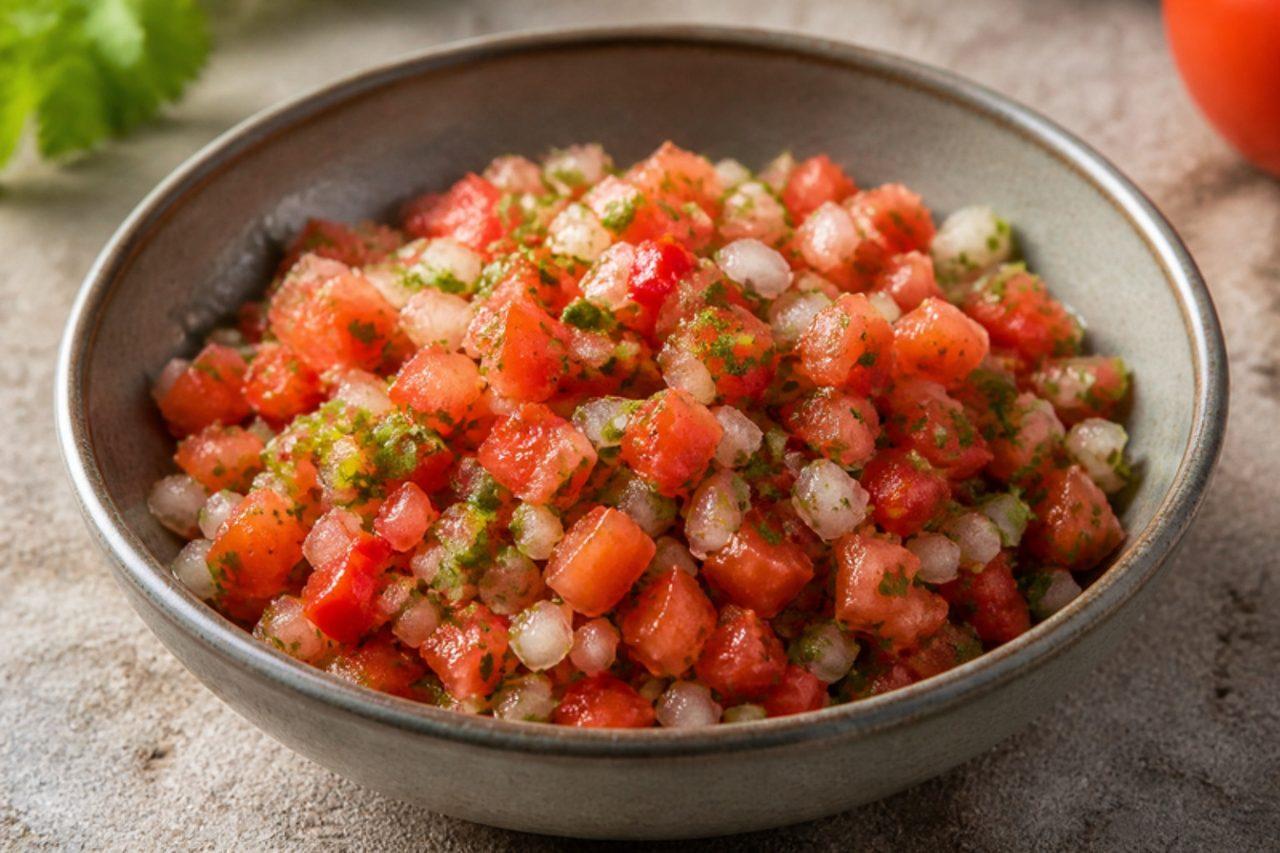
MonyoFresh tomato and onion relish

Grilled fish stalls along the beach road in Lomé and the lagoon in Cotonou always set down a bowl of monyo, a raw relish of finely diced tomato, onion and hot pepper sharpened with vinegar. It is bright, crunchy and fiery, cutting through anything fried or grilled: fish, chicken, yam chips, ablo or akassa. No cooking is involved, so it takes ten minutes and is best eaten soon after mixing, while the vegetables are still crisp. Chef's tip: dice everything very small and evenly, about the size of a lentil, so every spoonful carries tomato, onion and chilli together.

by KrazyBadal 0 views

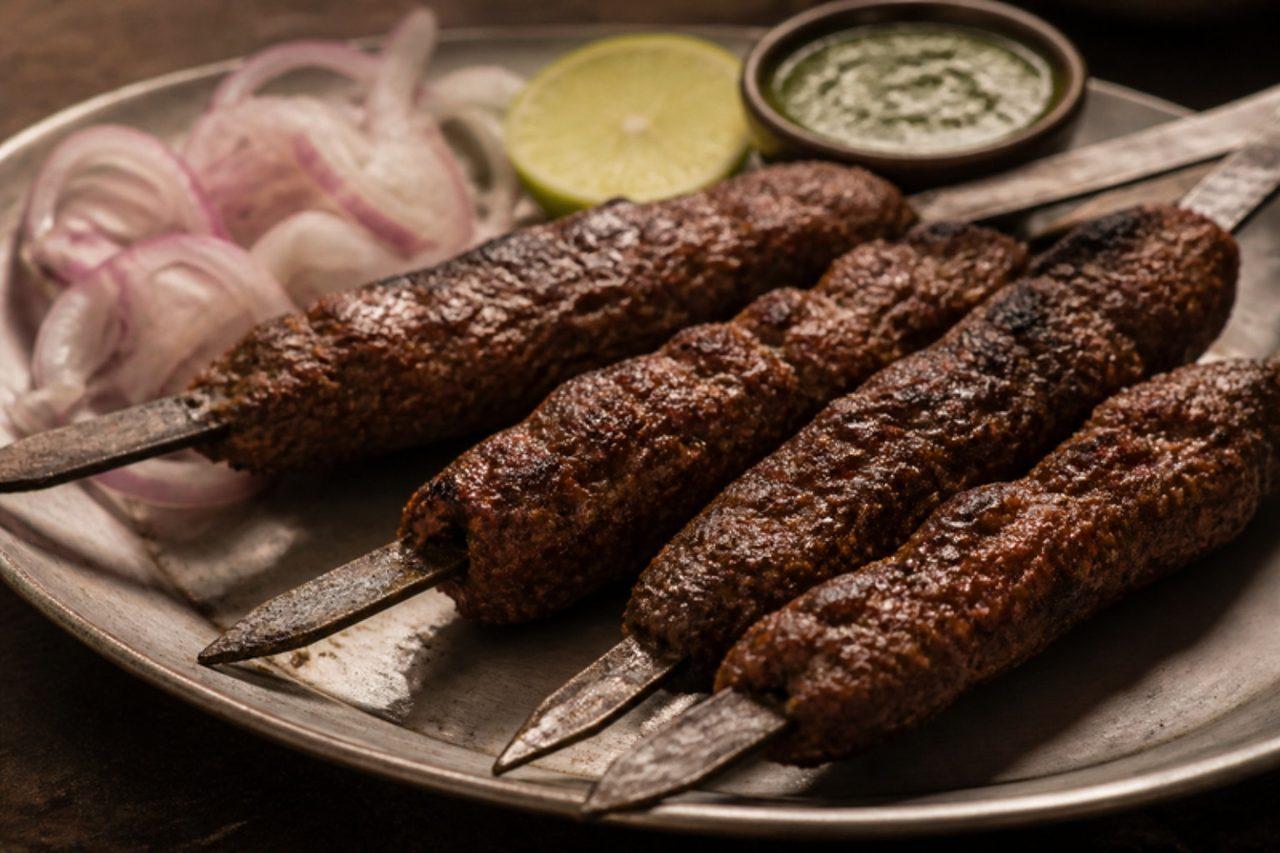
Suti kababSoft spiced beef kebab

Suti means thread, and that is the trick of this Old Dhaka speciality: the beef is scraped and pounded so fine that it would slide off a skewer, so the kebab-maker winds cotton thread around it before it goes over the charcoal. The stalls of Beribadh and Nazimuddin Road grill them through the evening during Ramadan iftar and at weekends, and the result is a long, soft, smoky kebab that almost melts, eaten with paratha, sliced onion and lime. Raw papaya and roasted gram flour hold and tenderise the meat, and fried onions give a sweet depth. Too much lean meat is the most common error, because without some fat the kebab turns dry and crumbly. Chef's tip: wet your hands before shaping and chill the shaped skewers for 20 minutes, so they keep their shape when the thread goes on.

by KrazyBadal 0 views

TaftanSaffron milk and egg bread

Persian in origin and long loved in the courts of Awadh, taftan is the bread a Karachi family brings home from Burns Road or the bakeries of Hussainabad when there is a special nihari or paya breakfast, and in Lahore it is sold beside sheermal in the Walled City. The dough is enriched with milk, egg, ghee and a little sugar, scented with cardamom and brushed with saffron milk, so it bakes into a pale gold round that is tender, faintly sweet and fragrant. It is torn and dipped into rich gravies, eaten with seekh kebab, or simply enjoyed with tea. Because it is so rich, the dough rises more slowly than a plain naan, so give it a warm spot and time. Trouble usually starts with too much flour added during kneading to stop the dough sticking, which makes the bread dense. Chef's tip: dock the shaped rounds all over with a fork, so they bake flat and even rather than puffing into a balloon.

by KrazyBadal 0 views

Ye-beg kikilLamb on the bone soup

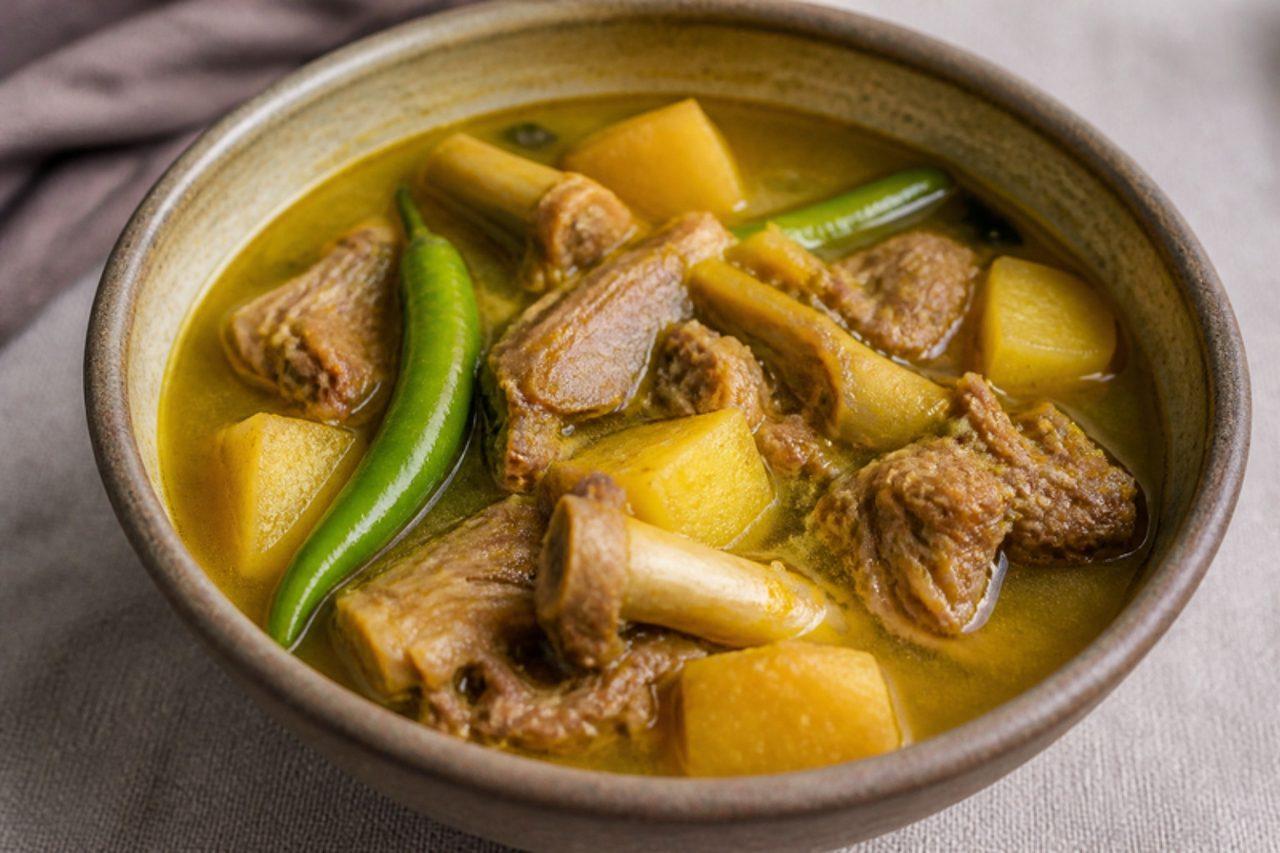
On chilly highland mornings, Addis Ababa's small eateries ladle out bowls of ye-beg kikil: chunks of lamb on the bone simmered slowly with onion, garlic, ginger, turmeric and whole green chillies until the meat slips off and the broth turns golden. There is no berbere, so it is gentle and clean-tasting, a welcome change from the red wats, and people sip the broth on its own as a pick-me-up after a long night or an illness. It is eaten with injera or bread, often with a little awaze on the side for those who want more heat. The usual mistake is boiling it hard, which clouds the broth and toughens the meat; keep it at a lazy simmer. Chef's tip: skim the grey foam carefully in the first 10 minutes for a clear, bright soup.

by KrazyBadal 0 views

SuzmaStrained yogurt

Suzma is strained katyk, the Uzbek sour yogurt: hung in a cloth bag until thick, tangy and spreadable, then spooned into soups like moshkhurda, dolloped on manti, eaten with herbs and non, or rolled into balls and dried into qurut. Every Uzbek kitchen, from Tashkent to Bukhara, has a cloth bag of it dripping over a bowl. A common mistake is straining at room temperature in summer, which sours it too far; hang it in the fridge. Chef's tip: stir in a little salt before hanging; it draws out more whey and gives a firmer, longer-keeping suzma.

by KrazyBadal 0 views

Svadbarski kupusSauerkraut and smoked pork stew

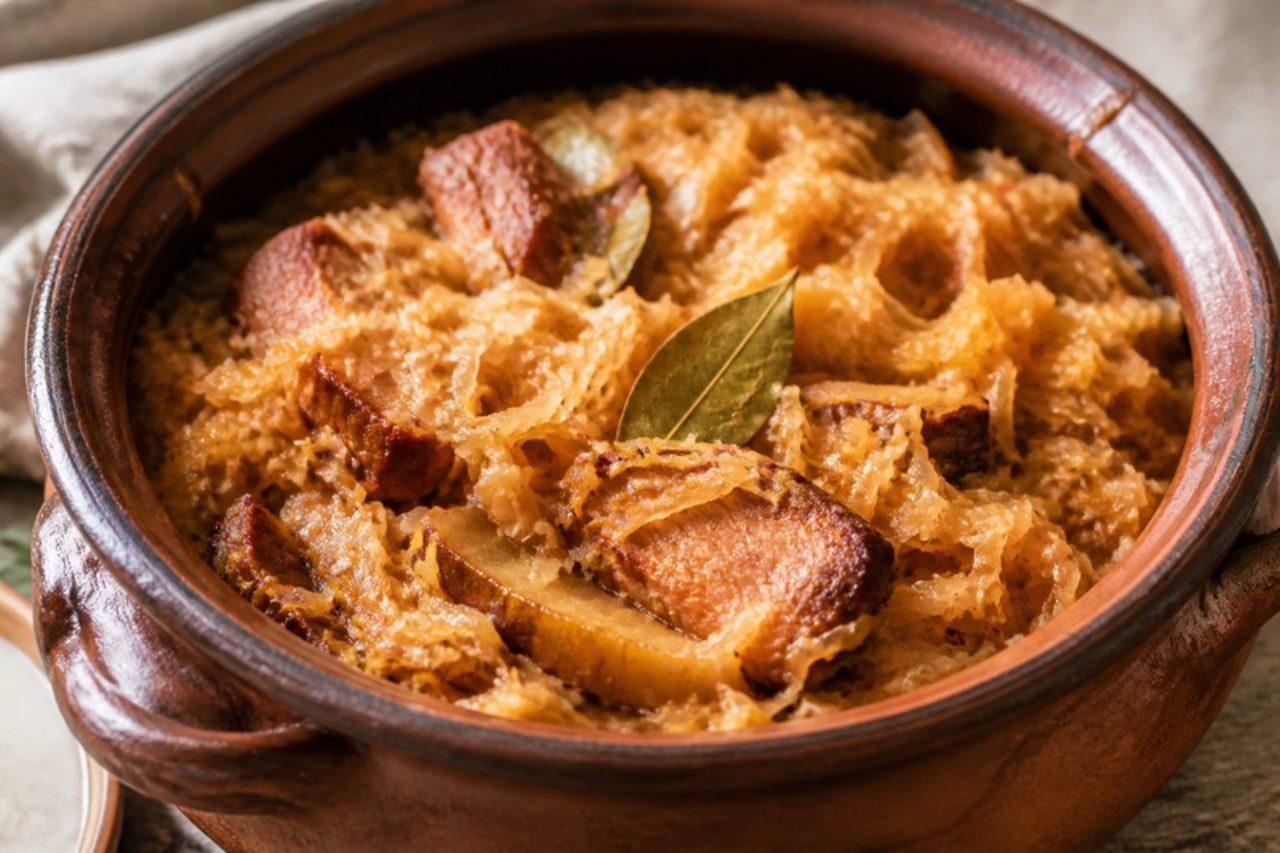
Wedding cabbage is cooked by the cauldron in central Serbia, and the village of Mrčajevci near Čačak holds a whole autumn festival in its honour, with cooks competing over clay pots that have bubbled in the embers since dawn. Sauerkraut is layered with smoked pork ribs, smoked bacon, pork shoulder and beef shin, then left alone for hours until the meat collapses and the cabbage turns soft, smoky and sour-sweet. This version goes into a low oven in a clay pot or heavy casserole. Serve it with bread, hot dried chillies and a glass of cold water. Hurrying it in a hot oven is the commonest error; at 200 °C the kraut dries and the meat tightens, while 150 °C and patience give silky results. Chef's tip: it is even better made a day ahead; cool, refrigerate and reheat covered until bubbling hot all the way through.

360 minBalkanMeatGluten free
by KrazyBadal 0 views

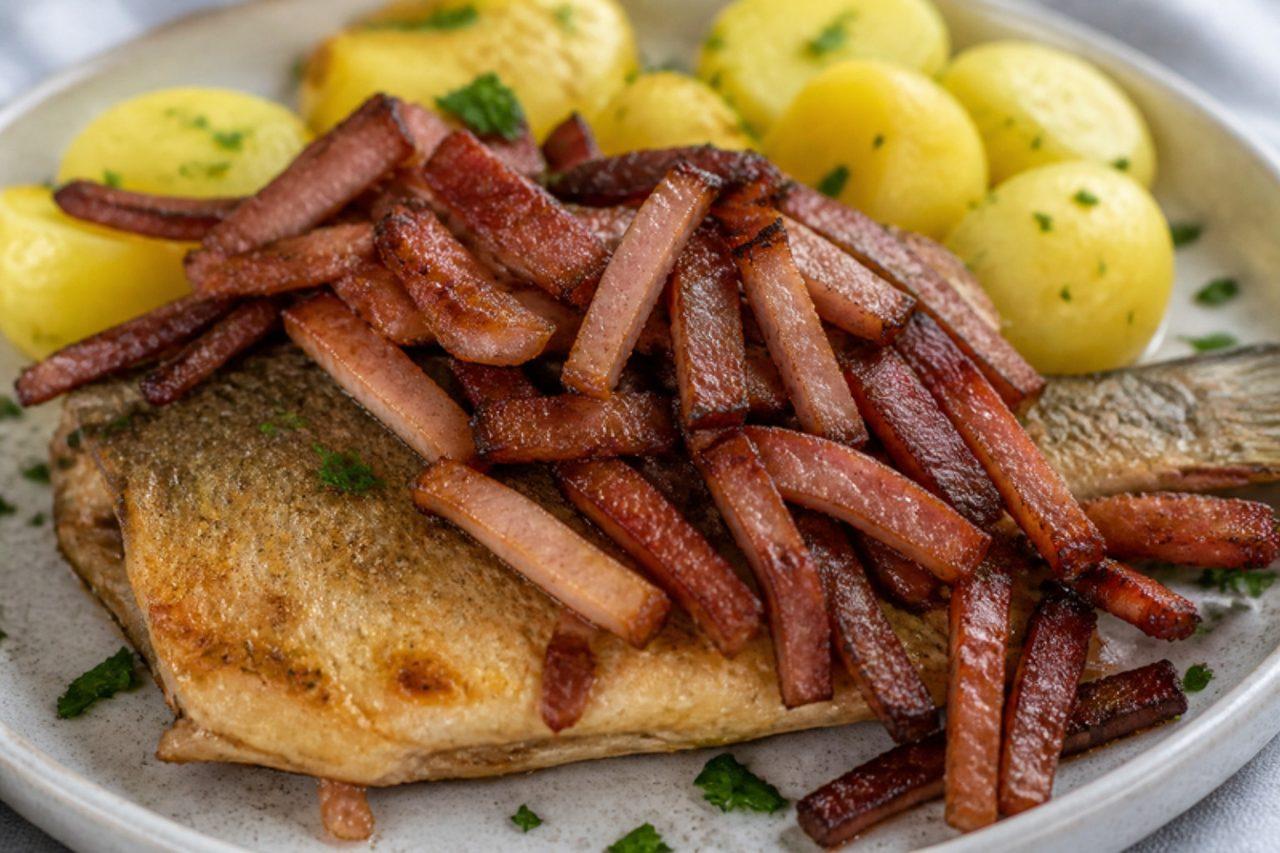
Truite à l'ardennaisePan-fried trout with ham

The rivers of the Belgian Ardennes, the Semois, the Ourthe and the Lesse, are trout country, and every inn in Bouillon and La Roche serves truite à l'ardennaise: a whole trout fried in butter until golden and finished with strips of jambon d'Ardenne, the smoked, cured pork ham of the region, crisped in the same pan. This dish contains pork. It is served with boiled potatoes or fries and a green salad. A common mistake is adding the ham at the start, which makes it hard and salty. Chef's tip: dust the trout with seasoned flour so the skin crisps, and add the ham only for the last 2 minutes. The trout is done when the flesh is opaque and lifts off the backbone.

by KrazyBadal 0 views

SvelerThick griddle pancakes

Sveler are the thick, soft griddle cakes of western Norway, raised with hornsalt or bicarbonate and buttermilk, and they are a ritual on the ferries of Møre og Romsdal: you buy one at the kiosk, folded around butter and sugar or a slice of sweet brown goat's cheese (brunost), and eat it watching the fjord. A common mistake is a hot pan, which browns them before the middle cooks. Chef's tip: let the batter rest for 15 minutes so the bicarbonate starts working; the cakes rise thick and fluffy.

by KrazyBadal 0 views

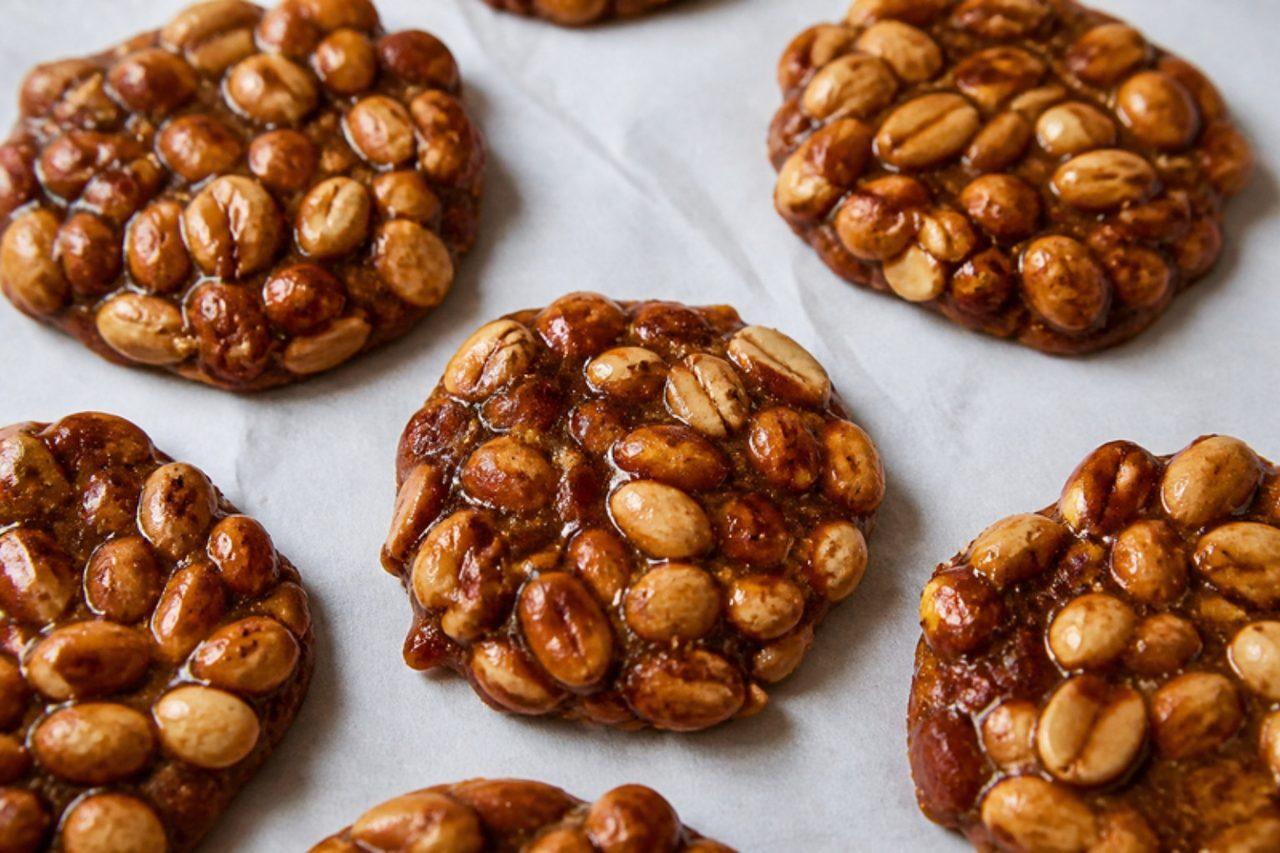
Tablet pistachGinger peanut brittle

Street vendors in Port-au-Prince sell tablet pistach from glass cases and trays balanced on their heads: roasted peanuts (pistach in Kreyòl) set in a dark brown sugar caramel warmed with fresh ginger and cinnamon. It snaps cleanly, is chewier at the edges than a European brittle, and is eaten as an after-school treat or with coffee. The usual mistake is pouring before the syrup is dark enough, which gives a soft, sticky slab. Keep pieces away from very young children, as whole nuts are a choking hazard, and note this contains peanuts. Chef's tip: grate the ginger straight into the syrup and squeeze in a few drops of lime; the acid keeps the caramel from crystallising.

by KrazyBadal 0 views

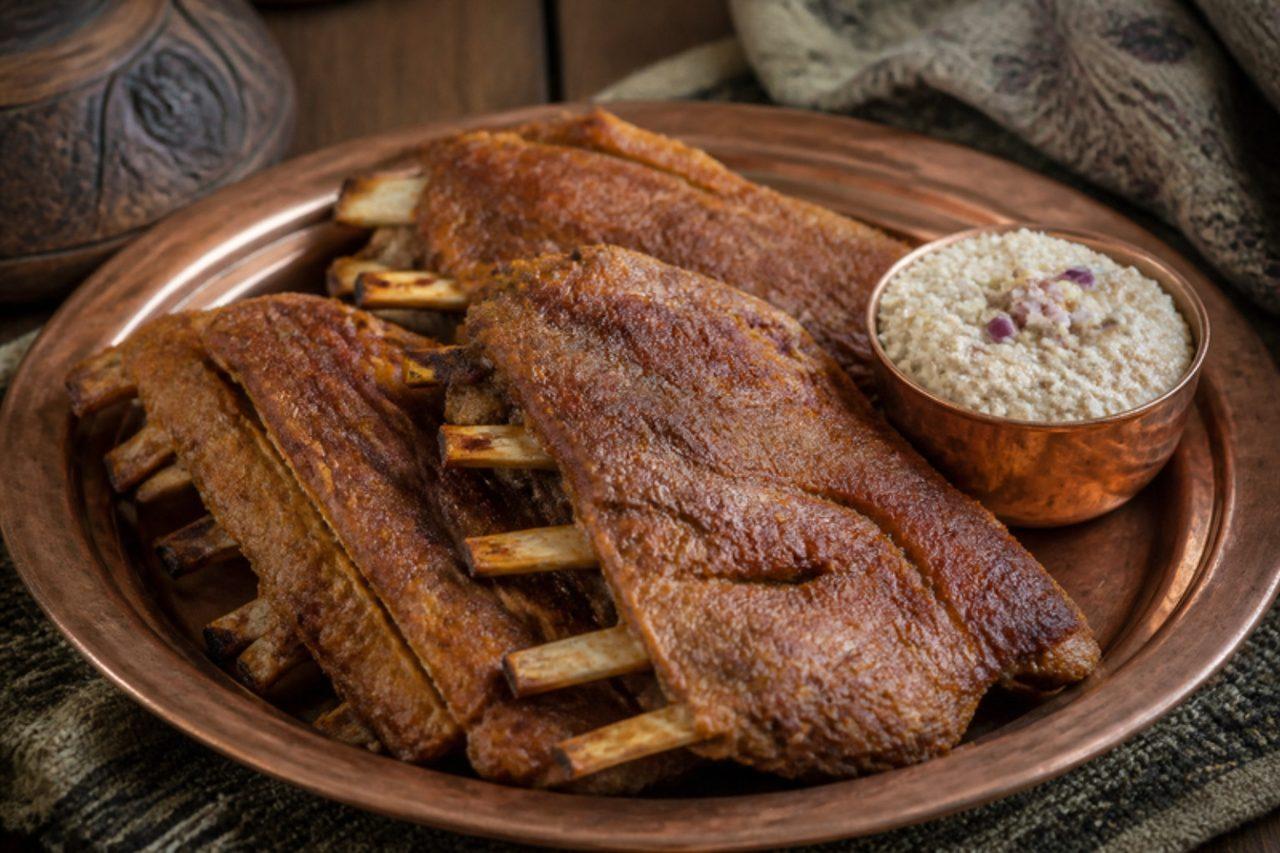
Tabak maazMilk-simmered fried lamb ribs

Ask any Kashmiri which wazwan course they would steal first and many will say tabak maaz: double ribs of lamb, gently poached in milk with fennel, cardamom and dry ginger until tender, then fried in ghee until the outside shatters while the inside stays soft and juicy. They arrive early in the feast, sometimes on the same trami (shared platter) as the seekh kebabs, and in Azad Kashmir and among Kashmiri families in Pakistan they are also a treat for Eid. The flavour is mild, milky and rich, the fat rendered almost to crackling. Rushing the frying in a cold pan is what spoils them; the ghee must be properly hot so the ribs crisp instead of soaking it up. Chef's tip: ask the butcher for a whole breast of lamb and cut it into two-rib strips yourself after poaching, when they slice neatly.

by KrazyBadal 0 views

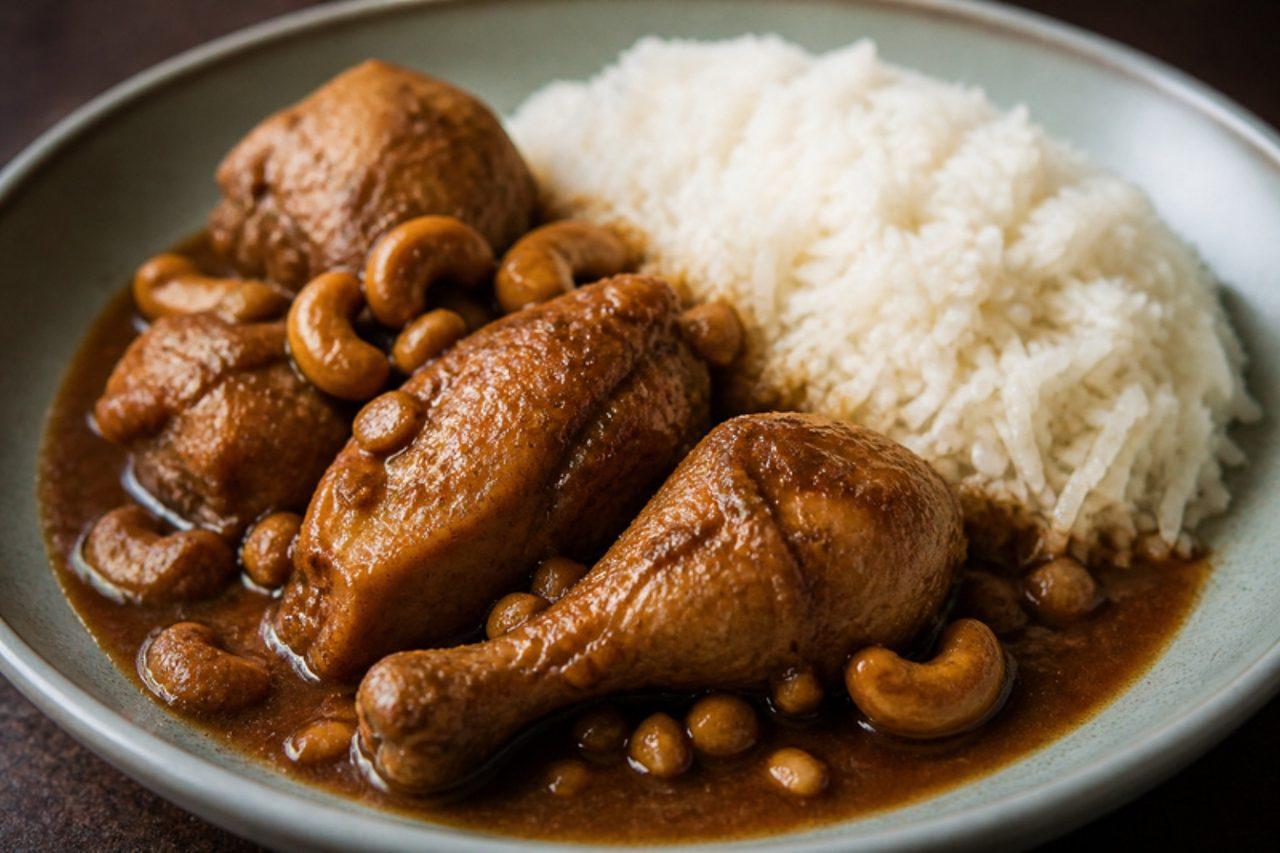
Poul ak nwaChicken with cashews

Cap-Haïtien, Haiti's northern port, claims poul ak nwa as its own: chicken braised in a tomato and epis creole sauce and finished with toasted cashew nuts, which grow on the northern hillsides and are sold in paper cones by the roadside. The nuts soften slightly in the sauce, giving it body and a buttery sweetness, and the dish is a favourite for Sunday lunch with white rice and fried plantain. The common mistake is adding the cashews at the start, so they turn soggy; they go in for the last 15 minutes. Contains tree nuts. Chef's tip: dry-toast the cashews until golden before they meet the sauce; it deepens the whole dish.

by KrazyBadal 0 views

Taba nanEmber-baked pan bread

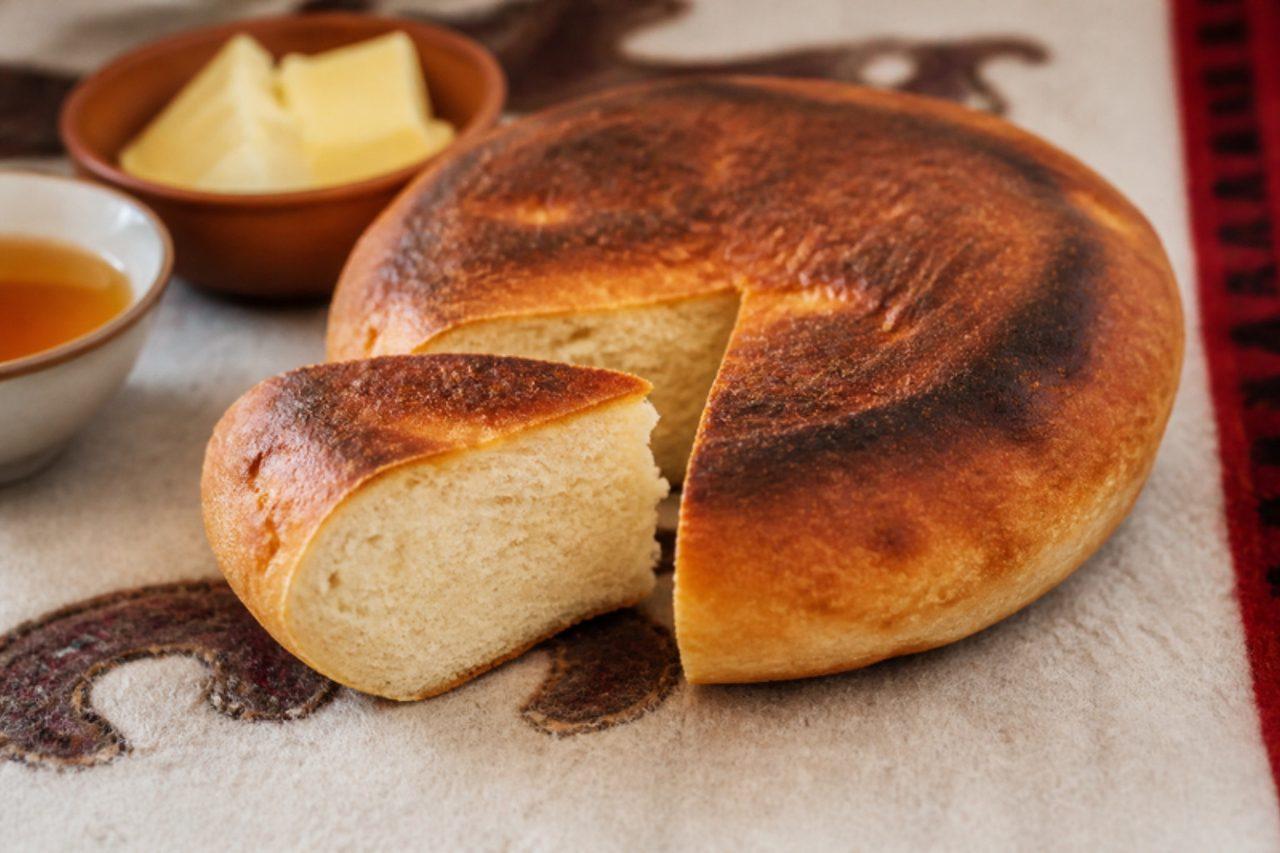
Taba nan is the bread of the Kazakh herders, baked on the move: a round of yeasted dough put into a greased iron pan (taba), covered with a second pan and buried in the hot embers of a dung or wood fire, so it bakes into a domed loaf with a thick, crackly crust. Families still make it at their summer pastures and at festivals. At home, two heavy cast-iron pans on the hob, or a lidded casserole in the oven, give a good result. A common mistake is a high flame, which burns the base before the inside bakes. Chef's tip: keep the heat low and flip the pans halfway, so both crusts brown evenly.

by KrazyBadal 0 views

Szilvás gombócPlum dumplings

Late summer in Szabolcs-Szatmár, Hungary's plum country in the far north-east, means a kitchen table covered in szilvás gombóc. Small blue plums are stoned, filled with cinnamon sugar, wrapped in soft potato dough, boiled and then rolled in breadcrumbs toasted in butter. Biting in, you get tender dough, crunchy crumbs and a burst of hot, tart plum juice. Hungarians eat them as a sweet main course after soup, often seconds and thirds. A common mistake is a dough that is too wet: the dumplings split in the water and the plum juice leaks out. Work in just enough flour for a soft dough that does not stick. Chef's tip: test one dumpling first; if it cracks, add a spoonful of flour to the dough before shaping the rest.

by KrazyBadal 0 views

Sylheti akhniChicken and potato rice

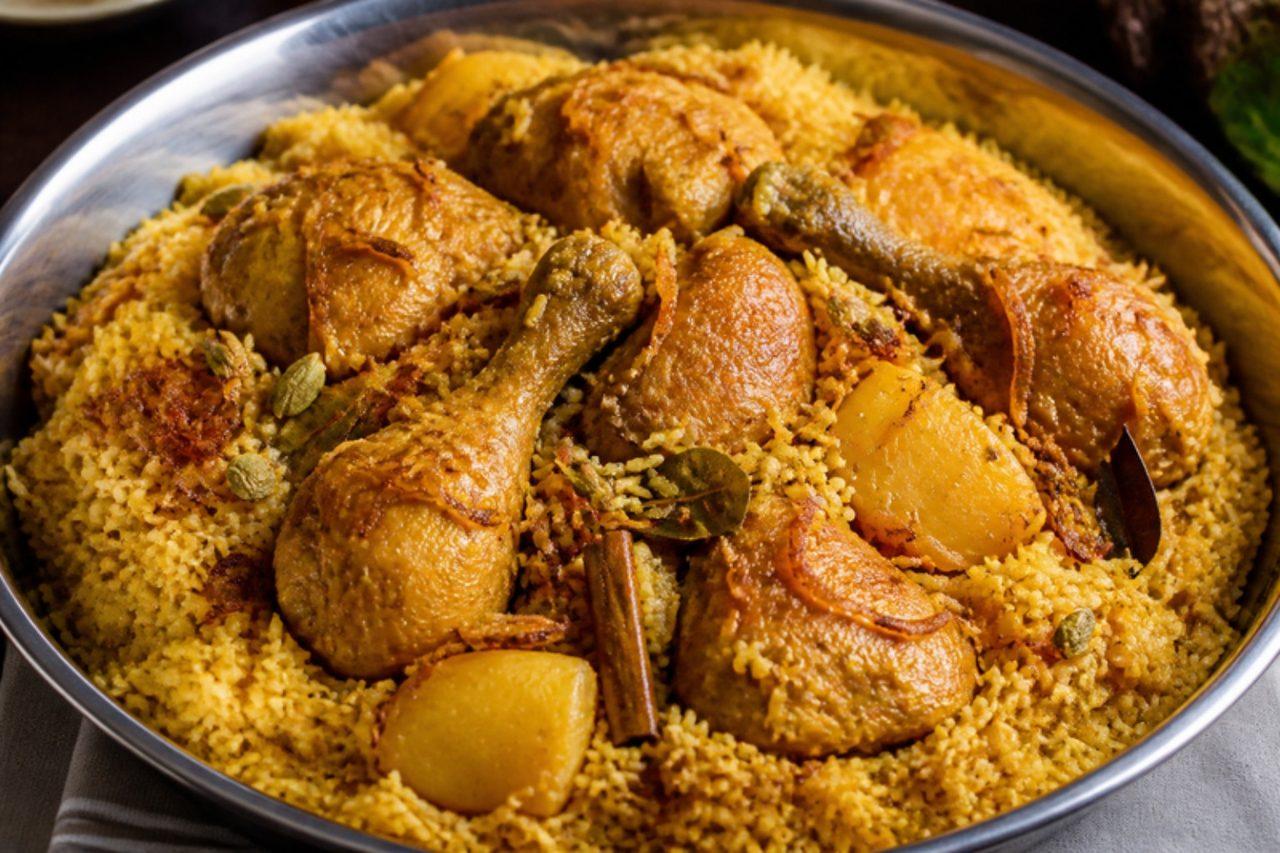
Sylheti families think of akhni as the sensible, comforting sibling of biryani: one pot, no layering, no saffron, just meat and rice cooked together in mustard oil with whole spices until the grains soak up every drop of the juices. It is the rice of Friday lunches, of Ramadan evenings and of big gatherings in Sylhet and in the British-Sylheti homes of Tower Hamlets and Birmingham, made with chicken or beef depending on the day. Chunks of potato, a few whole green chillies and fried onions go in too, and the finished dish is moist, savoury and only mildly hot. Many people crowd the pan with too much water and get a sticky pilaf; measure it, because the meat juices count. Chef's tip: brown the chicken well before the rice goes in, since that colour is where most of the flavour comes from.

by KrazyBadal 0 views

Trinidad pastellesCornmeal parcels with spiced meat

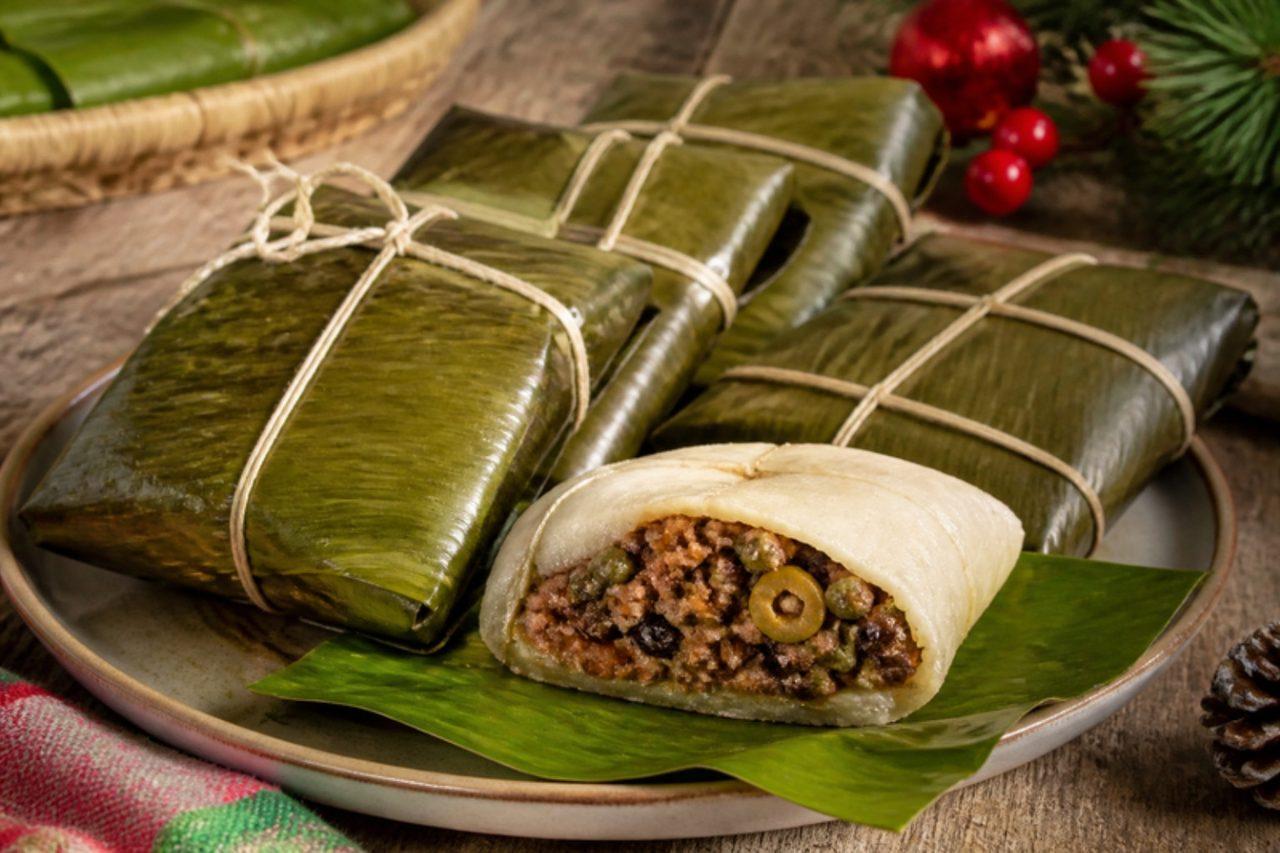
Trinidad's Venezuelan-rooted pastelles are a Christmas ritual: families gather in the kitchen, press thin cornmeal dough onto banana leaves, spoon on a filling of minced beef and pork with olives, capers and raisins, then fold and steam dozens at a time to freeze for the season. Once cooked they are soft, savoury and slightly sweet, with the leaf perfuming the dough. This version uses beef and pork mince; a lentil filling makes a vegetarian pastelle. The most common mistake is pressing the dough too thick, which turns the parcels stodgy; it should be thin enough to see the leaf's shine through. Chef's tip: pass the banana leaves over a flame for a few seconds until they turn glossy and pliable, so they fold without tearing.

by KrazyBadal 0 views

SzilvalekvárSugar-free plum butter

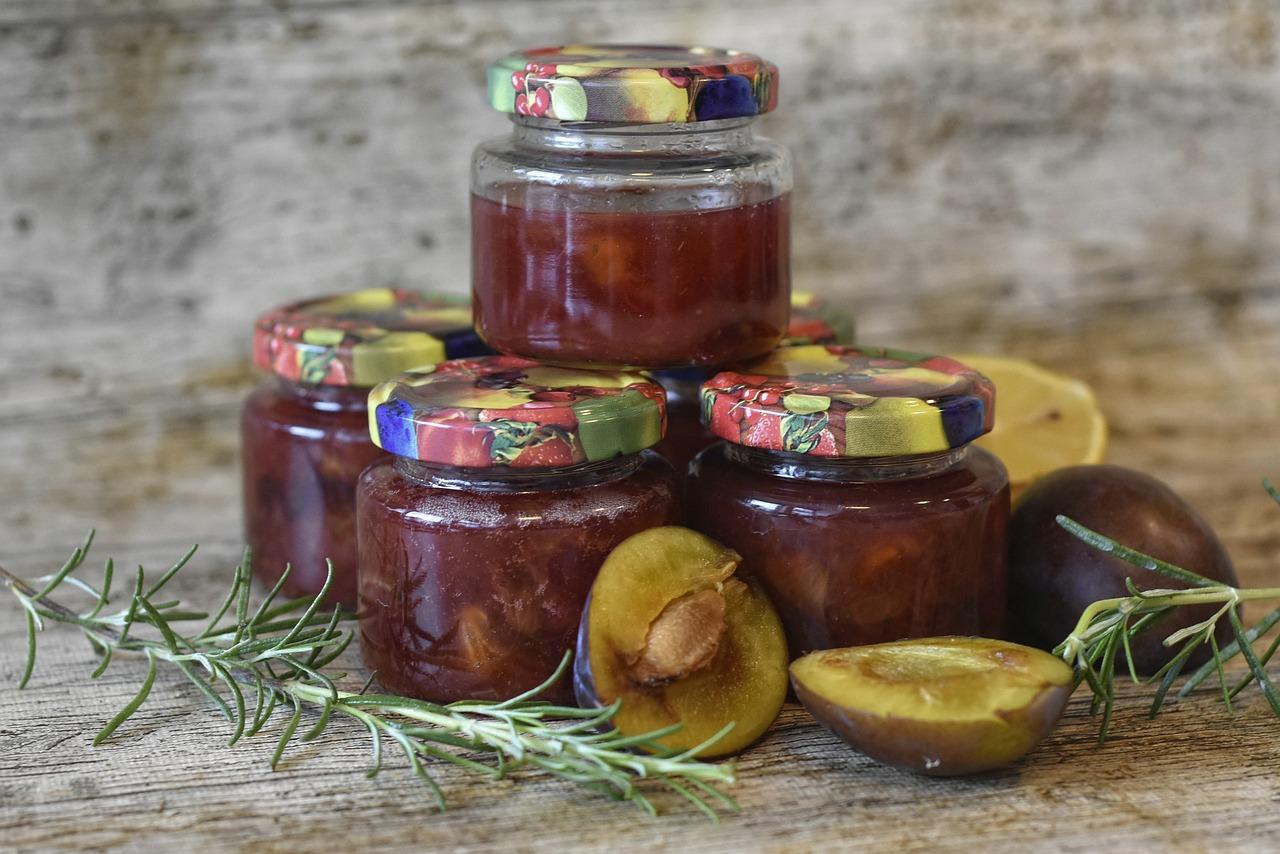
In the villages of Szatmár, in Hungary's far north-east, lekvárfőzés is a September event: a copper cauldron goes over a wood fire in the yard and neighbours take turns stirring ripe plums for most of a day, with no sugar at all, until they turn into a thick, almost black paste. That plum butter is the filling for bukta, buns, pancakes and szilvás gombóc, and spread on bread with butter it is a classic snack. The flavour is deep, tart and fruity, with a faint caramel note from the long cooking. You need very ripe, sweet plums, ideally late-season prune plums. A common mistake is turning up the heat to hurry it, which scorches the bottom and makes it bitter. Because there is no sugar, keep sealed jars in a cool, dark place for up to 6 months, and once opened, in the fridge for up to 3 weeks. Chef's tip: finish it in the oven, where it cannot catch, and stir only every half hour.

by KrazyBadal 0 views

SzékelykáposztaPork and sauerkraut stew

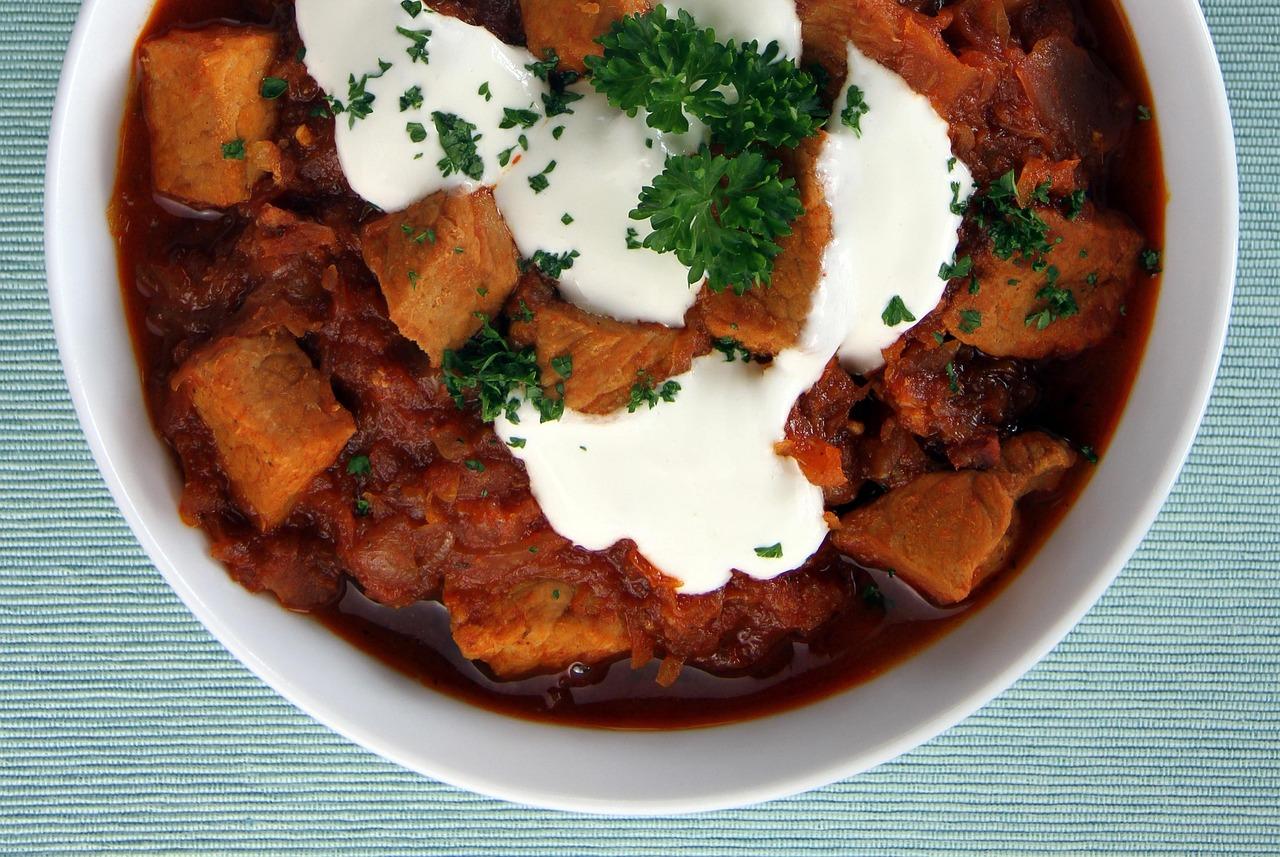
The story goes that in 1846 the county archivist József Székely came late to a Budapest restaurant, found only pork stew and sauerkraut left, and asked for them mixed in one pot; the poet Sándor Petőfi, at the next table, liked it so much he ordered the same, and the dish took Székely's name. It is a pork dish, and a rich one: cubes of pork shoulder stewed with onion and paprika, then layered into rinsed sauerkraut and finished with plenty of sour cream and dill, so it turns pink, tangy and comforting. It is winter food, served with fresh bread, and many say it is even better reheated the next day. The usual slip is not rinsing the sauerkraut, which makes the stew harsh and salty; taste it first and rinse once or twice. Chef's tip: keep back a few spoons of sour cream to dollop on top just before serving.

by KrazyBadal 0 views

Zharkoye v gorshochkakhBeef and potato pot roast

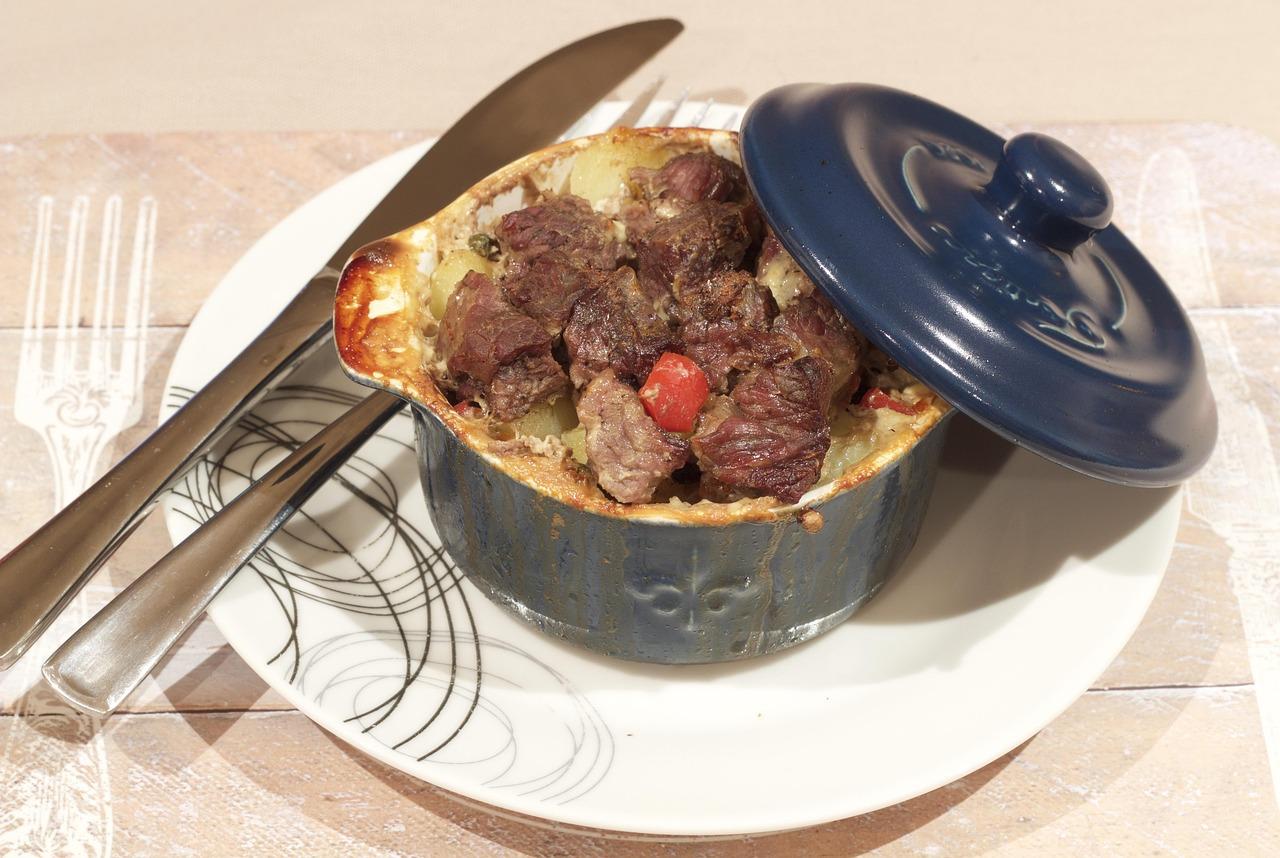
Clay pots of zharkoye, each with its own lid, are pure Russian comfort food: a dish from the old wood-fired stove that city kitchens now make in the oven for Sunday lunch or a cold-weather dinner party. Browned beef, onion and carrot go into each pot with potatoes, mushrooms and a little stock, then bake slowly until the meat falls apart and the potatoes drink up the gravy. It smells of bay and black pepper and tastes deeply savoury. Serve straight in the pots with pickles and rye bread. The usual slip is skipping the browning step, which leaves the beef grey and the sauce thin; take time to sear it well. Check the beef is fork-tender before serving. Chef's tip: seal the lids with a strip of simple flour-and-water dough for the old-fashioned way; it keeps every drop of steam inside, though then the dish is no longer gluten free.

120 minRussianMeatGluten free
by KrazyBadal 0 views

Zagorska juhaPotato and mushroom soup

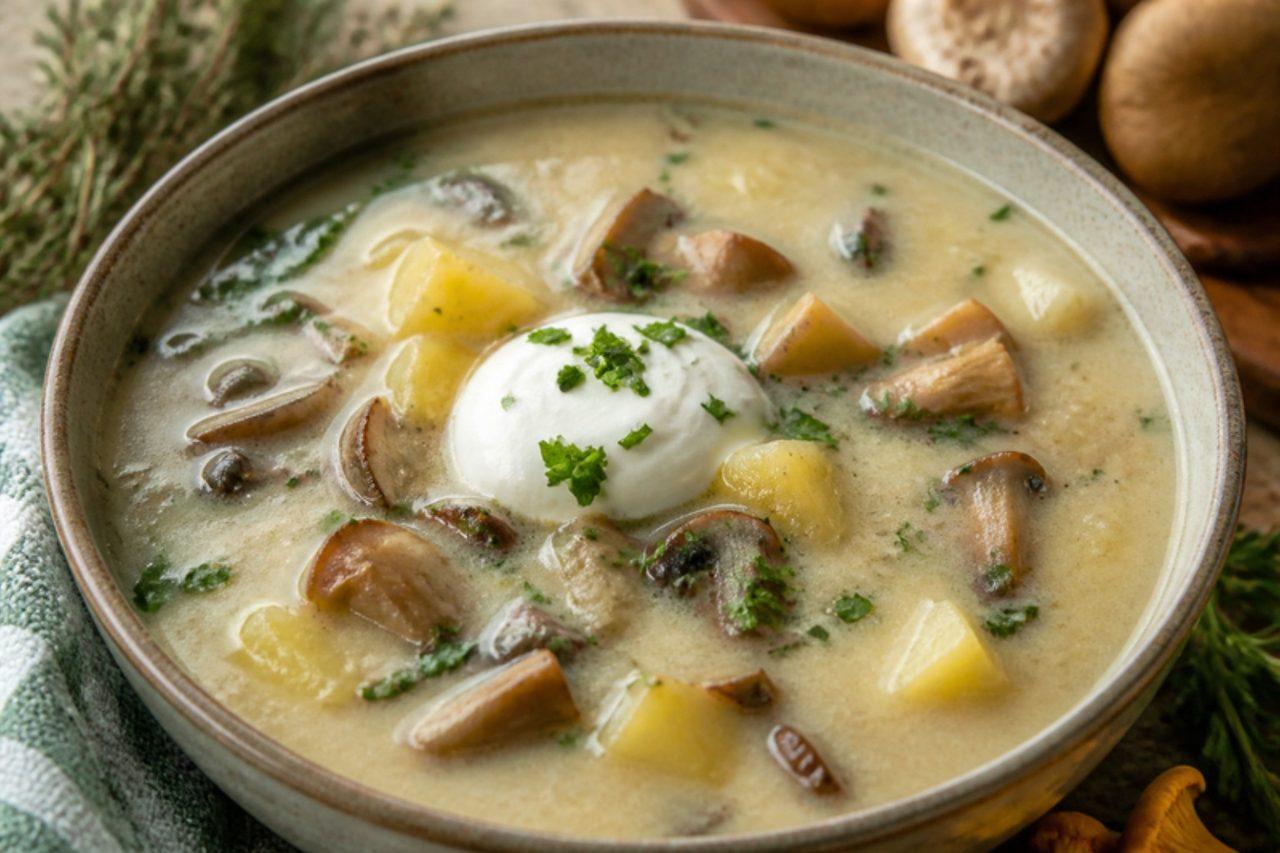
The green, hilly Zagorje north of Zagreb, in Croatia, is known for castles, vineyards and filling soups like this one, served in country inns before roast duck or as a meal on its own on chilly days. Potatoes and wild or chestnut mushrooms are simmered with paprika and marjoram, then finished with sour cream and a dash of vinegar, so the broth turns velvety with a gentle tang. Some versions add smoked bacon or sausage; this one is vegetarian, with dried porcini for a deep, woodsy flavour. Serve with dark bread. Where most people go wrong is boiling the soup after the sour cream goes in, which makes it curdle; warm it through and keep it below a simmer. Chef's tip: strain the porcini soaking liquid through a paper towel and add it to the pot; it is half the flavour.

by KrazyBadal 0 views

Trinidad cocoa teaSpiced cocoa milk

In the cocoa-growing hills of Trinidad and Tobago, breakfast often starts with a mug of cocoa tea, made from home-rolled cocoa sticks or balls of ground roasted beans grated straight into the pot. Simmered with cinnamon, nutmeg and a bay leaf, then softened with milk and sugar, it tastes deeper and less sweet than shop hot chocolate, with a film of cocoa butter on top that everyone stirs back in. It is drunk with coconut bake, fry bake or hops bread. The mistake to avoid is a fast boil once the milk goes in, which scorches the bottom and makes it bitter. Chef's tip: whisk in a teaspoon of cornflour slaked in cold milk for the slightly thicker cocoa tea of Tobago grandmothers.

by KrazyBadal 0 views

Purica s mlincimaRoast turkey with flatbread

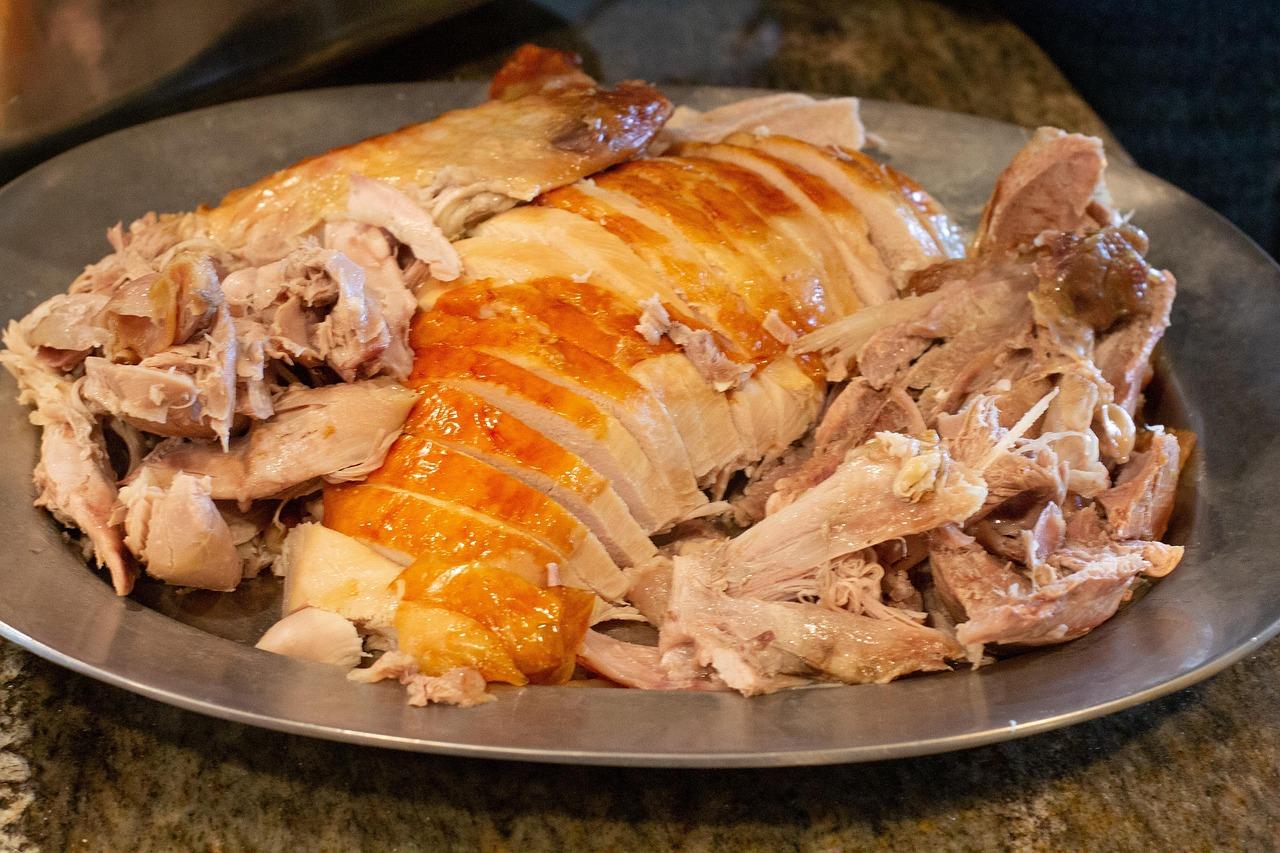
Up in Zagorje, the green hill country north of Zagreb in Croatia, this is the Sunday and Christmas roast: turkey roasted slowly and basted until the skin is crackling-brown, then served with mlinci, thin dried flatbreads broken into pieces, scalded and tossed in the roasting juices until they turn soft, chewy and glossy like rustic pasta. Serve it with a sharp cabbage or green salad. Where most people go wrong is soaking the mlinci too long, so they turn to porridge; one minute in hot water is enough. Chef's tip: bake the mlinci yourself the day before, but if you are short of time, good dried shop mlinci work beautifully.

by KrazyBadal 0 views

Trinidad cassava poneCassava coconut pumpkin cake

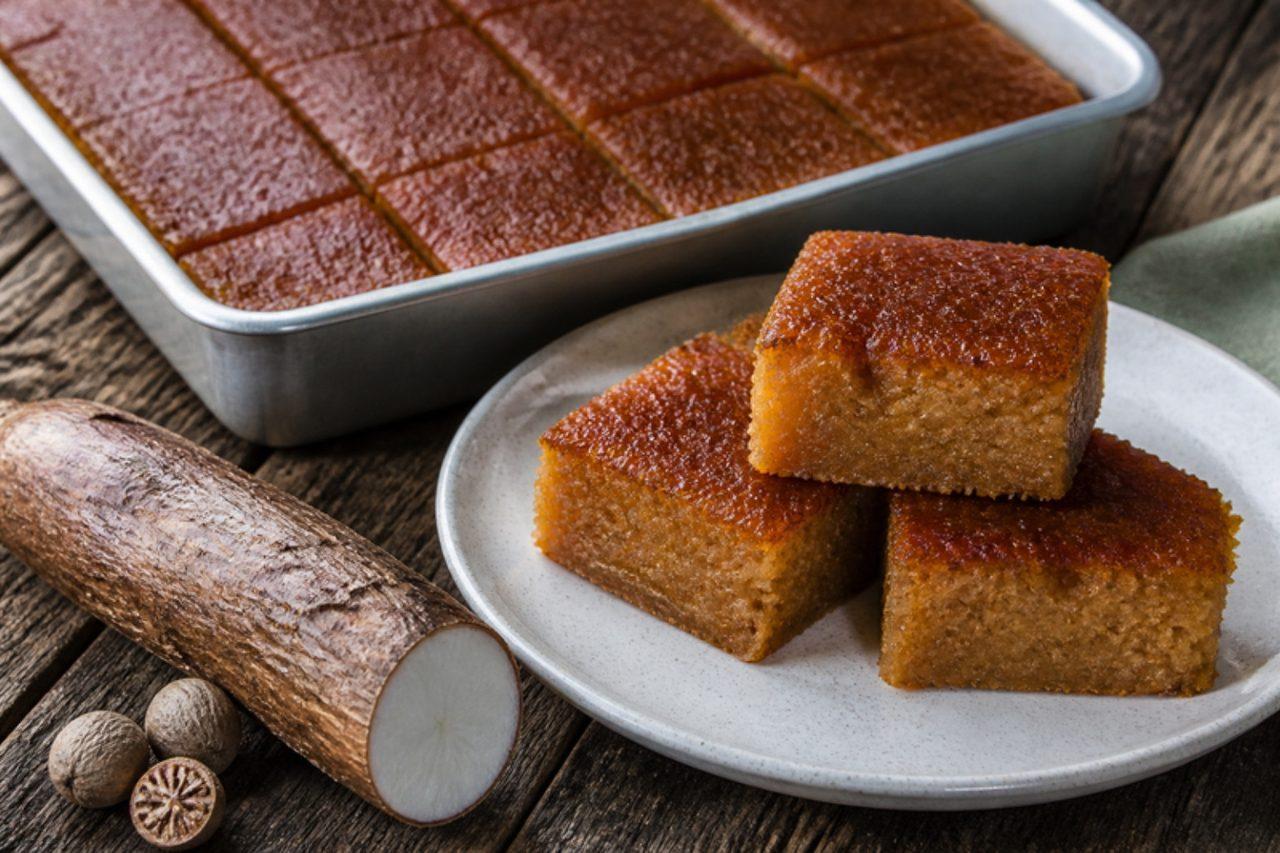
Come December, trays of pone sit on every Trinidadian sideboard next to the black cake and sweet bread, cut into sticky squares for visitors who drop by between parang parties. It is made from raw grated cassava, fresh coconut and pumpkin, bound with evaporated milk, brown sugar and warm spices, then baked until the edges caramelise and the middle turns dense and chewy, a little like a fudgy bread pudding. The usual mistake is cutting it hot: pone only firms up into clean squares once it has cooled completely. Never eat cassava raw; it must be fully baked through. Chef's tip: squeeze a handful of the grated cassava over the sink before mixing, as excess starchy water makes the pone gummy rather than chewy.

by KrazyBadal 0 views

Trini tomato chokaCharred tomato crush

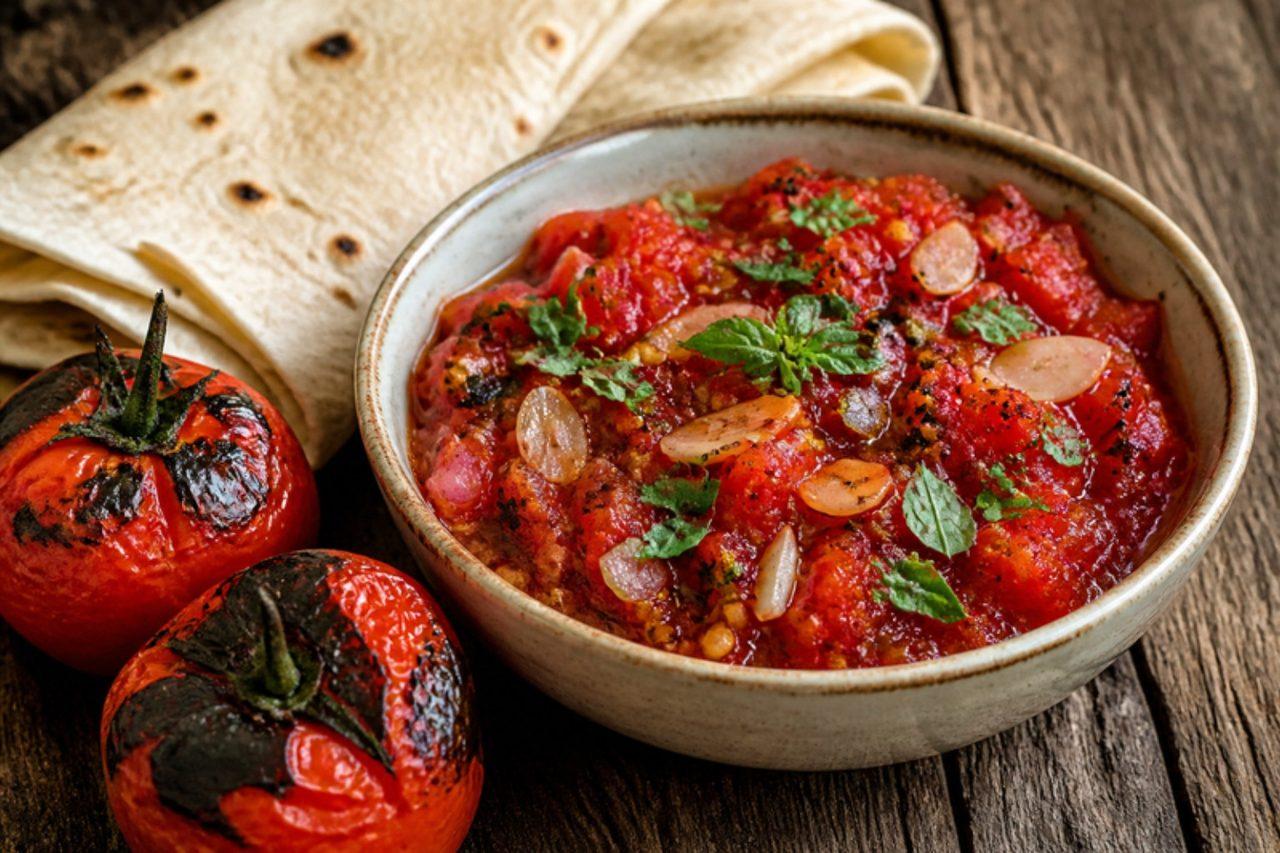
Tomato choka is the quick sibling of baigan choka, eaten in Indo-Trinidadian homes in Chaguanas and the south with sada roti for breakfast or as a sharp side for dhal and rice. Ripe tomatoes are blackened over a flame, crushed with garlic, onion and a little scotch bonnet, then woken up with a spoon of smoking oil, giving a smoky, juicy relish. The common slip is using watery salad tomatoes, which make a thin soup; choose firm, ripe, meaty ones. Chef's tip: leave some of the charred skin in; those black flecks are where the smoky flavour lives.

by KrazyBadal 0 views

PoparaBread in hot milk with cheese

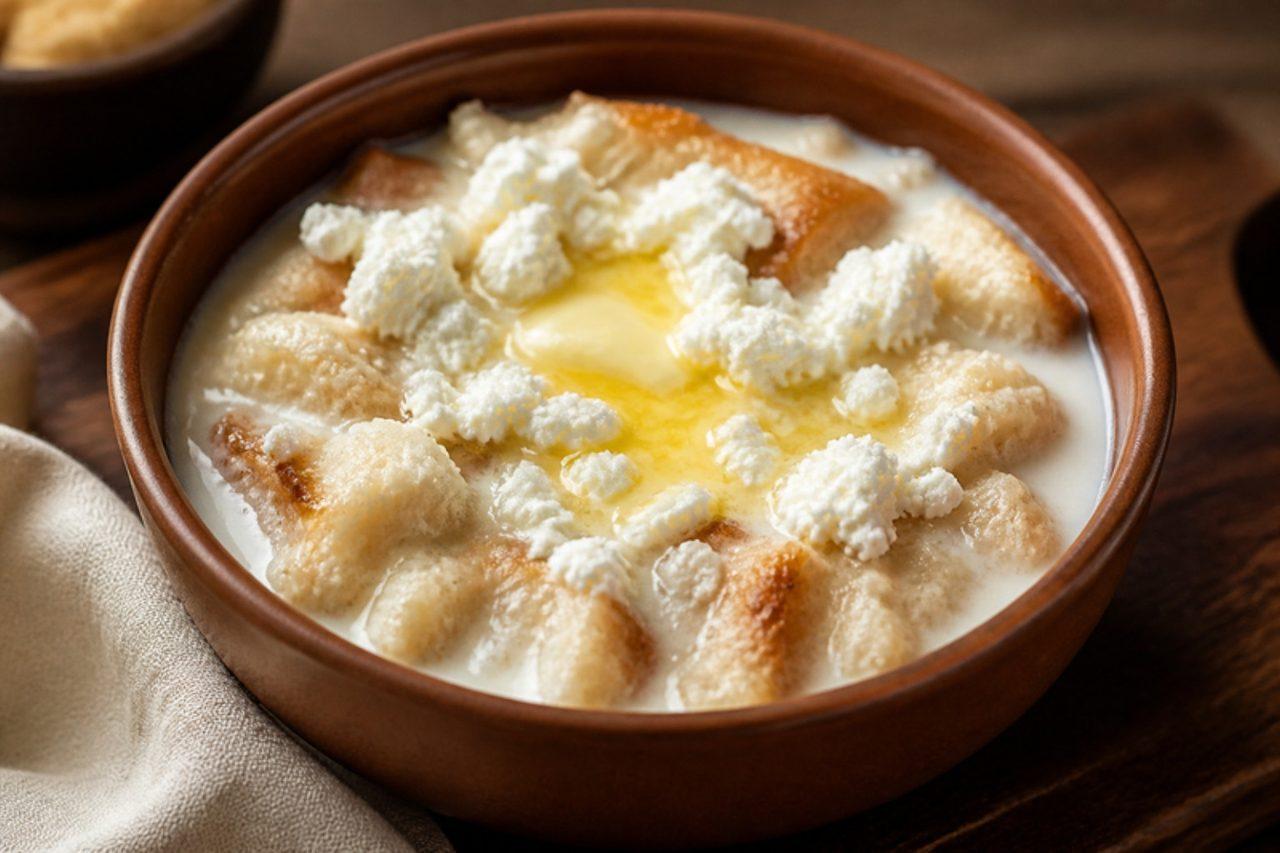
Ask Bulgarians about popara and most will smile about childhood: a bowl of yesterday's bread torn into chunks, scalded with hot milk or sweet tea, then stirred with a knob of butter and a handful of crumbled white cheese. It is what grandmothers in villages from the Balkan Mountains to Sofia made on cold mornings, and what students still cook when the cupboard is empty. Soft, warm, salty and comforting, it should be spoonable but not a soup. Some families make it sweet with sugar instead of cheese. Bulgarian sirene is usually made with animal rennet, so pick a white cheese labelled vegetarian if that matters to you. Where most people go wrong is using soft fresh bread, which dissolves into paste; it must be properly stale and dry. Chef's tip: cover the bowl with a plate for two minutes after pouring the milk, so the bread swells evenly before you stir in the butter.

by KrazyBadal 0 views

Put chai koRed bean rice cakes

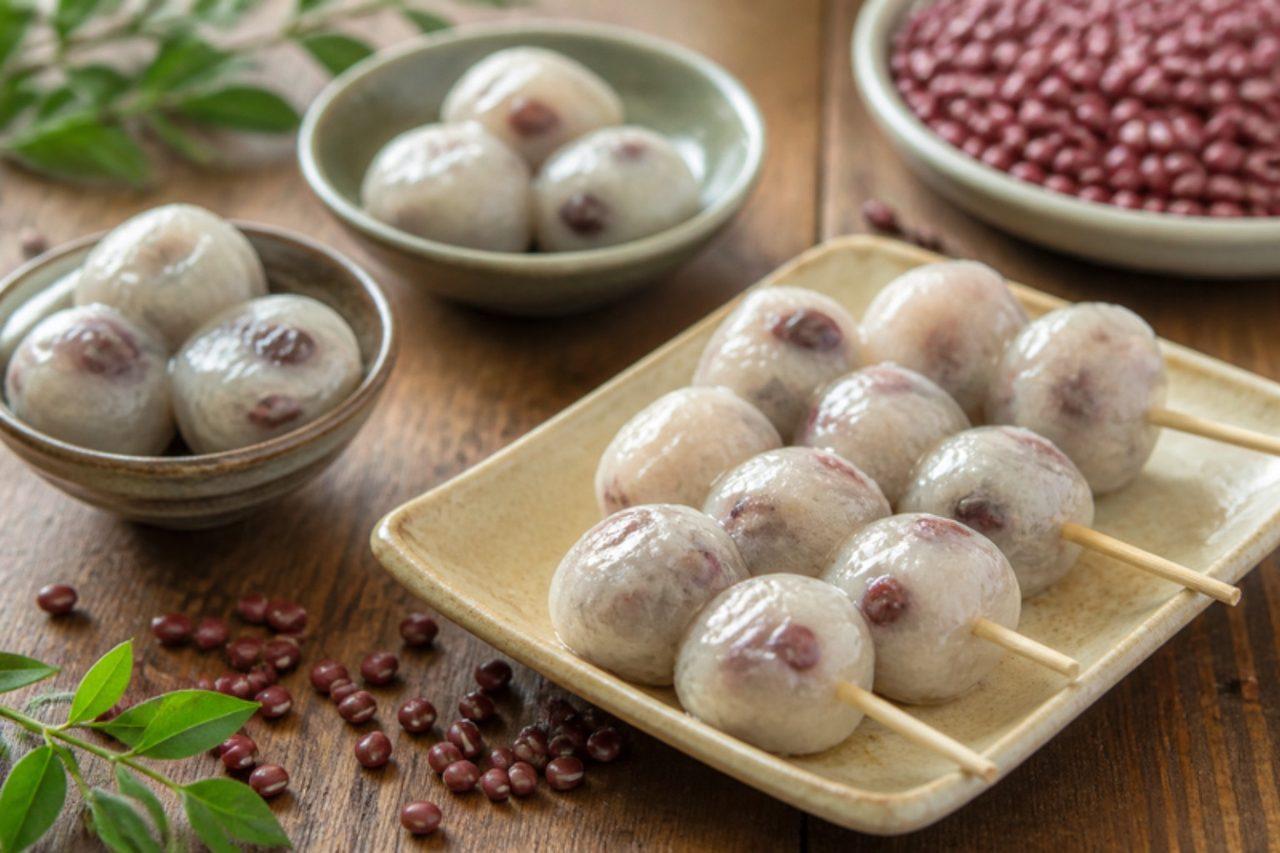
Handed out on a pair of bamboo skewers from the glass cabinets of old-style snack stalls in Sham Shui Po and Yau Ma Tei, put chai ko is a nostalgic after-school treat that Hong Kong grandparents still queue for. Each little cake is steamed in its own porcelain bowl, then popped out whole: smooth, slightly bouncy and chewy, either pale and sweet or golden with brown sugar, studded with soft red beans. It is eaten at room temperature while walking down the street, no plate or cutlery needed. The red beans sinking to the bottom is the most frequent letdown, which happens when they go into thin, raw batter. Chef's tip: half-cook the batter by stirring the boiling syrup into the rice flour slurry, so it thickens just enough to hold the beans in place.

by KrazyBadal 0 views

Porabari chomchomLong chhana sweet in syrup

Porabari is a small village on the river Dhaleshwari near Tangail town, and for more than a century its sweet-makers have been turning out the most famous chomchom in Bangladesh: oblong, dense chhana sweets cooked for a long time in syrup until their outsides turn a deep reddish brown and the inside is juicy, fine-grained and slightly firm. Each one is rolled in a dusting of mawa, dried milk, and they are bought by the box for weddings, Eid and every kind of good news. Undercooked chomchom are pale and spongy instead of dense, so the cardinal sin here is rushing the syrup; the sweets need well over an hour. Chef's tip: caramelise a few spoons of sugar before adding the rest of the syrup ingredients, which gives the authentic burnished colour without burning the sweets.

by KrazyBadal 0 views

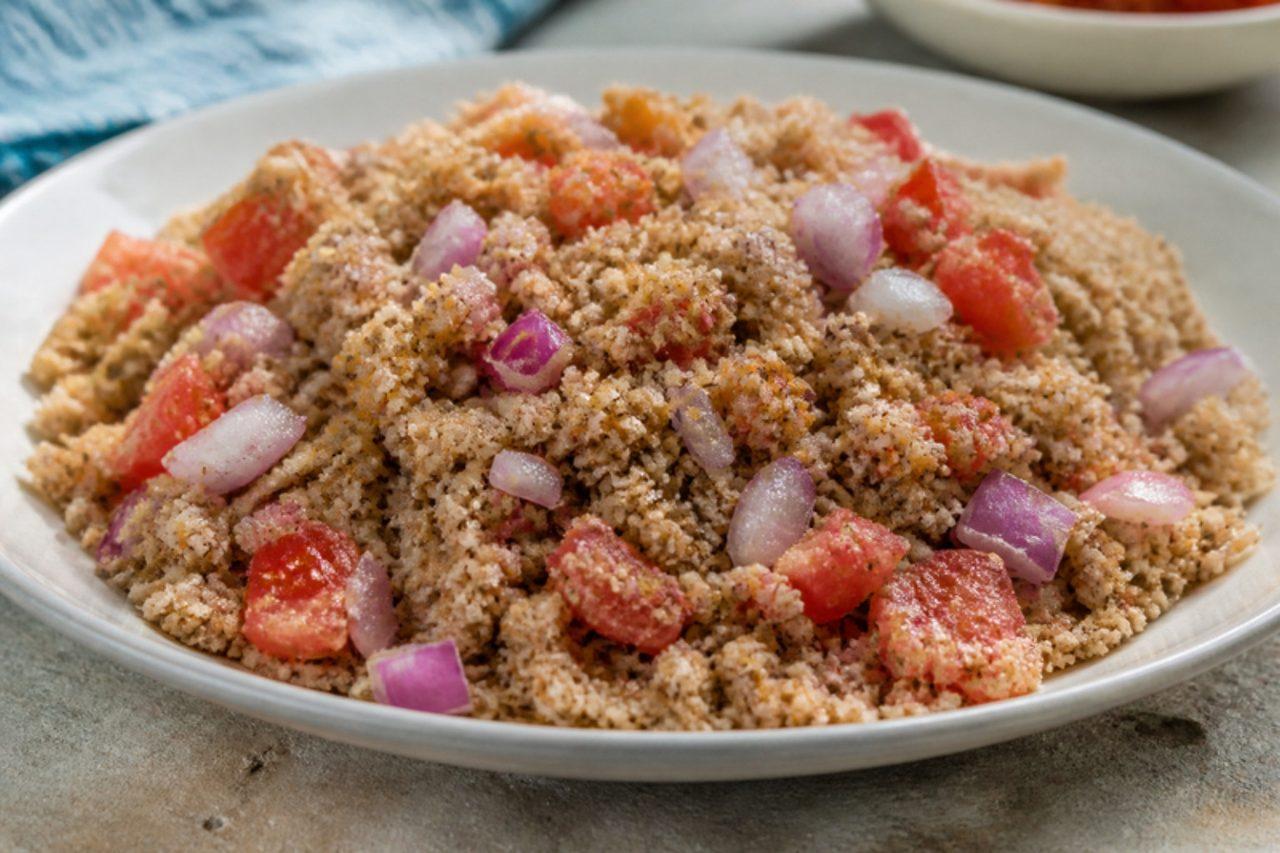
WasawasaSteamed yam flour granules

Yam is dried and milled in the Upper West Region around Wa, and wasawasa turns that dark, earthy powder into a quick staple: moistened, rubbed into small granules, steamed, then tossed with oil, ground pepper, raw onion and salt. The result is brown, chewy and savoury, rather like a rustic couscous, eaten for lunch or supper, often with a fresh tomato and pepper relish and sometimes fish. Shea butter is the traditional fat; groundnut oil is easier to find. Chef's tip: add the water slowly and stop when the powder feels like damp sand; the common mistake is making it too wet, which steams into a single solid lump.

by KrazyBadal 0 views

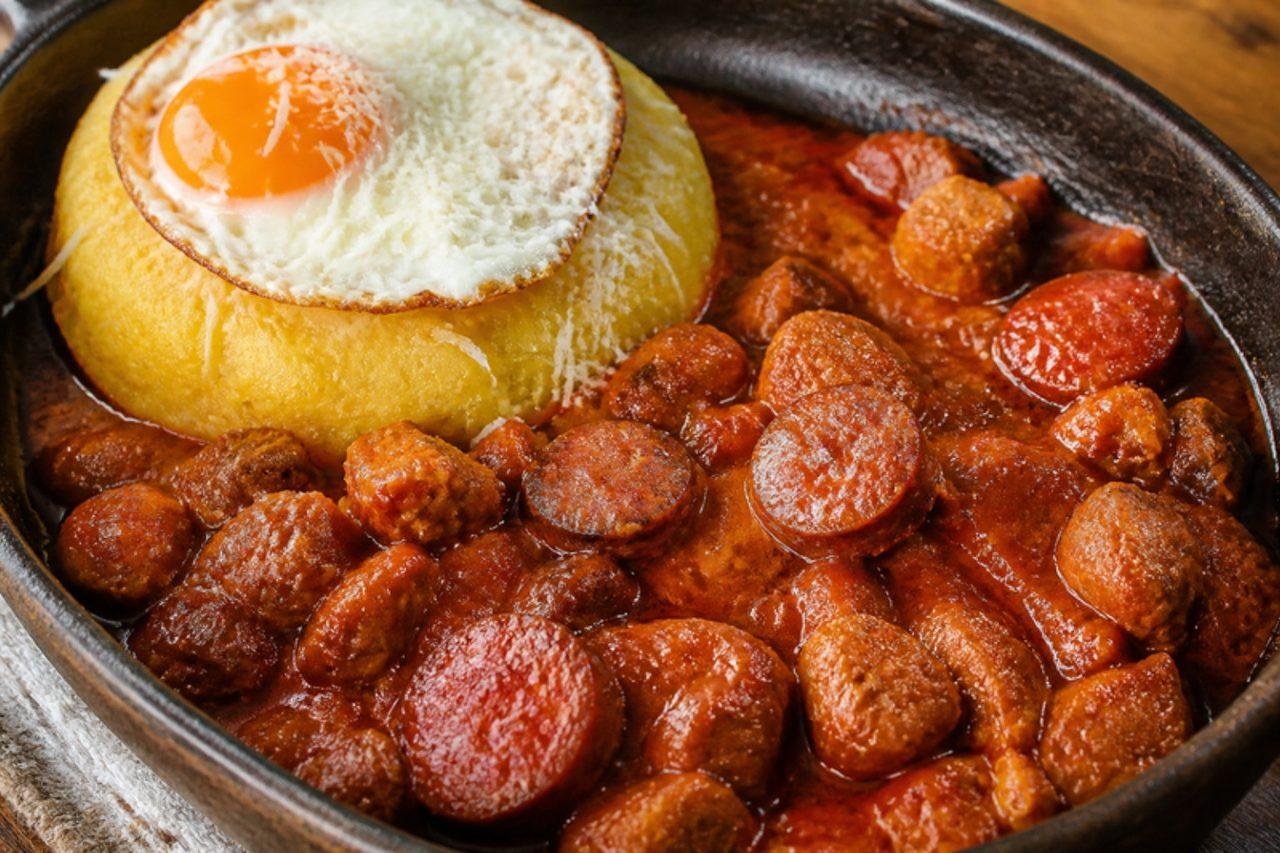
TochiturăPork and sausage stew

Ask for tochitură in a roadside han near Iași or Piatra Neamț and it arrives as a full plate: cubes of pork shoulder and pork sausage stewed in a garlicky, red-tinged sauce, a hill of mămăligă, a fried egg perched on top and crumbled salty sheep's cheese over everything. It is a dish for cold days and big appetites, rich, peppery and smoky. Traditionally a glass of dry white wine goes into the pan; for an alcohol-free version use the same amount of stock with 1 tablespoon of cider vinegar. The cheese is usually telemea or brânză de burduf. A frequent slip is cooking the pork hard and fast, which leaves it chewy; a gentle simmer turns it tender. Chef's tip: stir a spoon of crushed garlic into the sauce in the last minute only, so it stays fresh and fierce against the rich meat.

by KrazyBadal 0 views

Showing 63 of 9,812 recipes

Show more recipes

Page 584 of 1,091