


Skip to content
Salsa sauce
Featured recipe

Salsa sauce

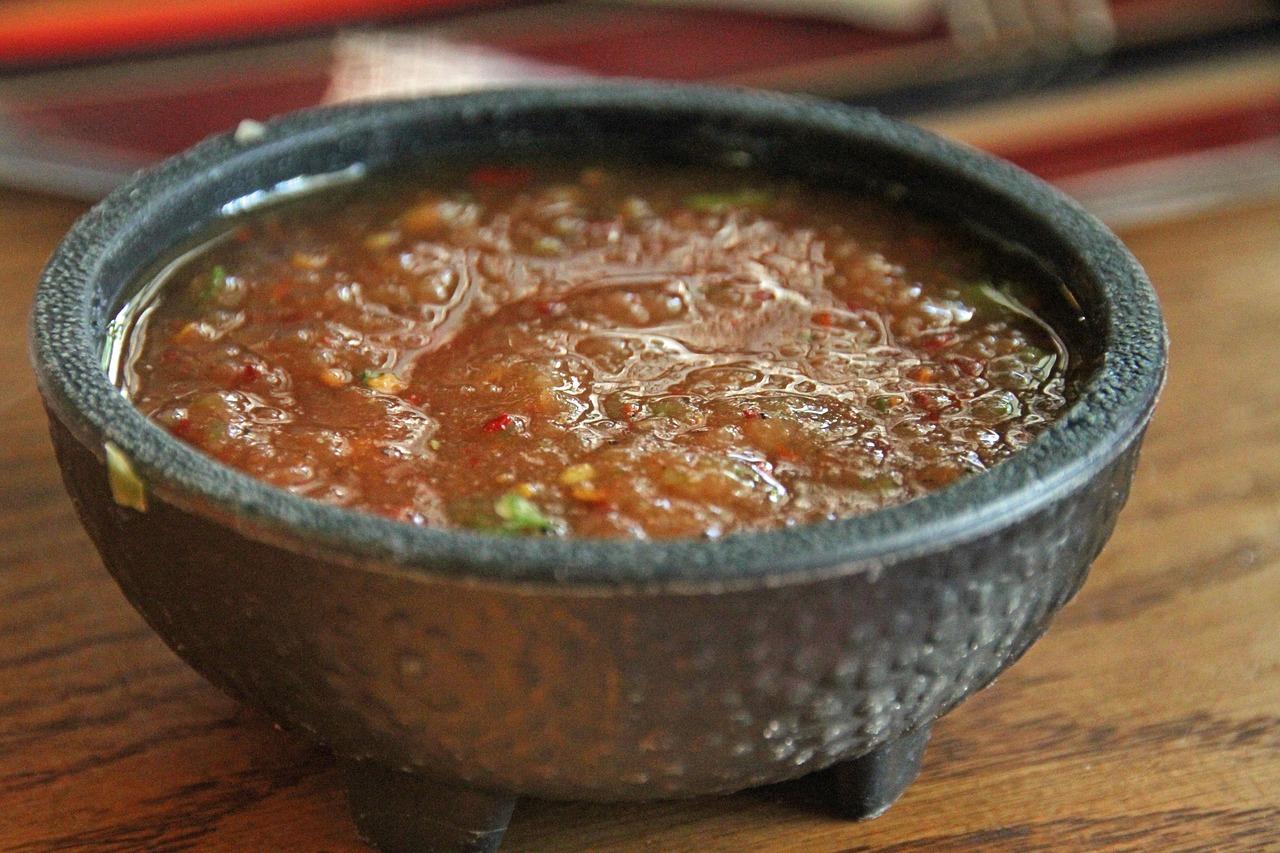
A smooth, tangy tomato salsa of blanched tomatoes, sautéed onion, garlic, chilli and plenty of oregano, with a touch of cumin and coriander seed. Serve it with nacho triangles, tacos, quesadillas or as a dip for any snack.

Read more 1 views

What to eat today?

Around the world

Today's trip: Persian

A new country every day, from every cuisine on the site.

Persian

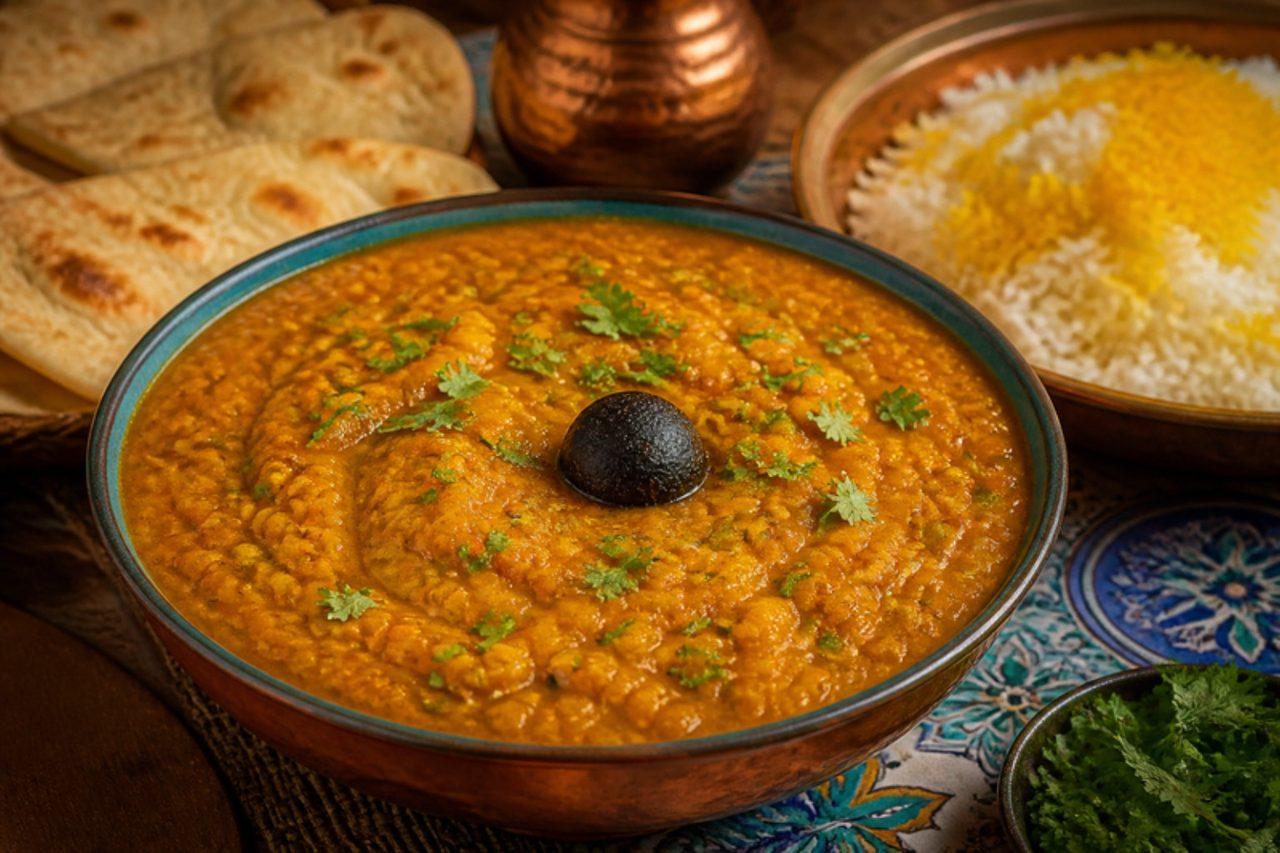
Dal adas

Red lentil curry with dried lime 50 minMore from Persian (177) →

This week's collection

Kid-friendly dinners
739 recipes · a new collection every Monday

Coming up

All occasions →

Latest recipes

RunebergintorttuAlmond cakes with raspberry jam

Runeberg's torte is baked in Finland for 5 February, the birthday of the national poet Johan Ludvig Runeberg, who lived in Porvoo; the story is that his wife Fredrika made these from what was in the cupboard. They are small cylinders of moist almond and breadcrumb cake, soaked in syrup, topped with a dot of raspberry jam inside a ring of white icing. The syrup is often flavoured with rum or arrack punch; this recipe uses orange juice and almond extract, so it is alcohol-free. A common mistake is soaking the cakes while they are cold; they absorb the syrup unevenly. Chef's tip: soak them while still warm, and bake in muffin tins if you have no torte moulds.

by KrazyBadal 0 views
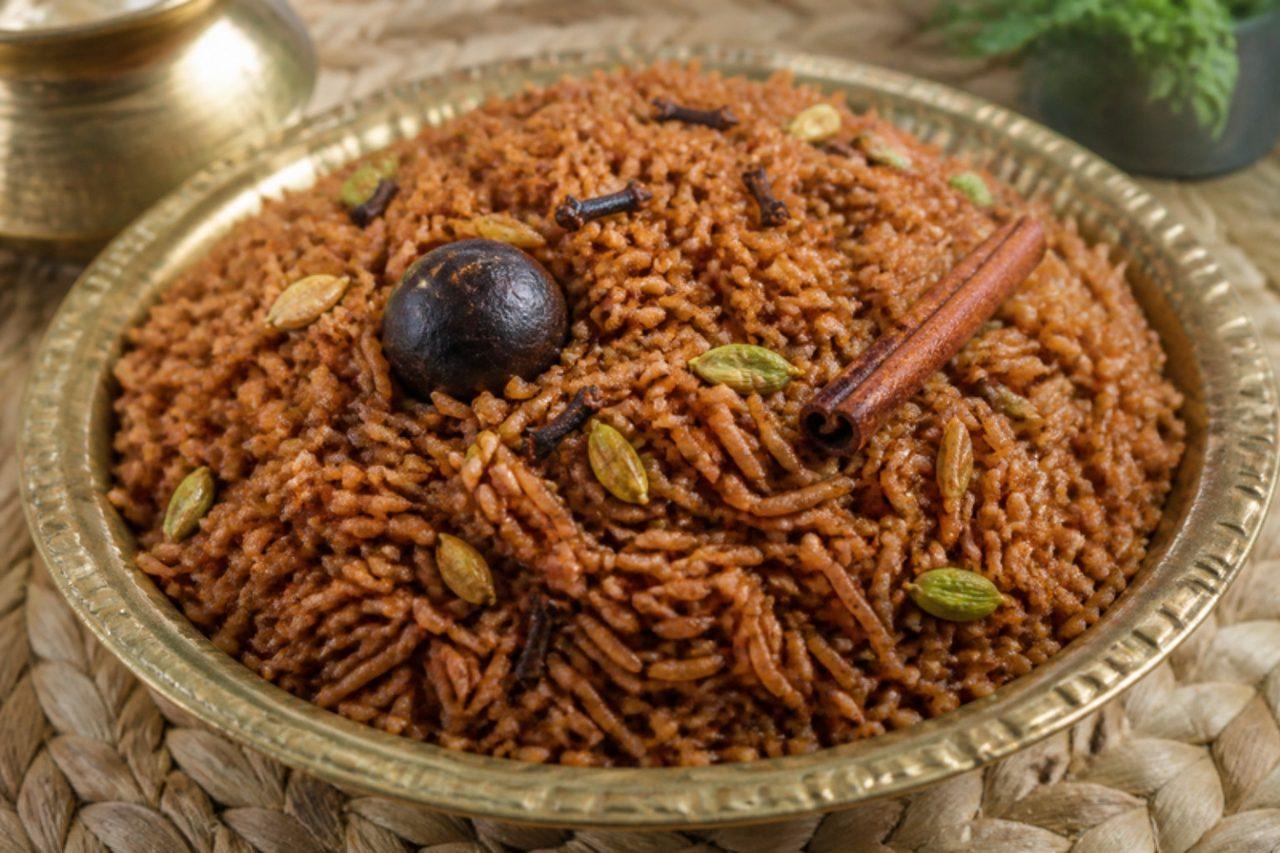
Ruz hasawiRed rice with whole spices

Grown in the flooded fields of the Al-Ahsa oasis for centuries, Hasawi rice is a short, reddish grain with a nutty, almost earthy taste, and in Hofuf it is still served beside fish stews, saloona and grilled hamour at family lunches. It cooks up chewy and separate rather than fluffy, and it is valued in the Eastern Province as a healthy, filling grain. Outside Saudi Arabia, a Himalayan or Camargue red rice is a fair substitute. The biggest mistake is treating it like white rice: it needs a long soak, more water and around 40 minutes of gentle cooking. Serve with any stew or simply with yogurt and pickles. Chef's tip: let the cooked rice rest off the heat with a cloth under the lid for 10 minutes so the grains finish swelling.

by KrazyBadal 0 views

RyazhankaBaked fermented milk drink

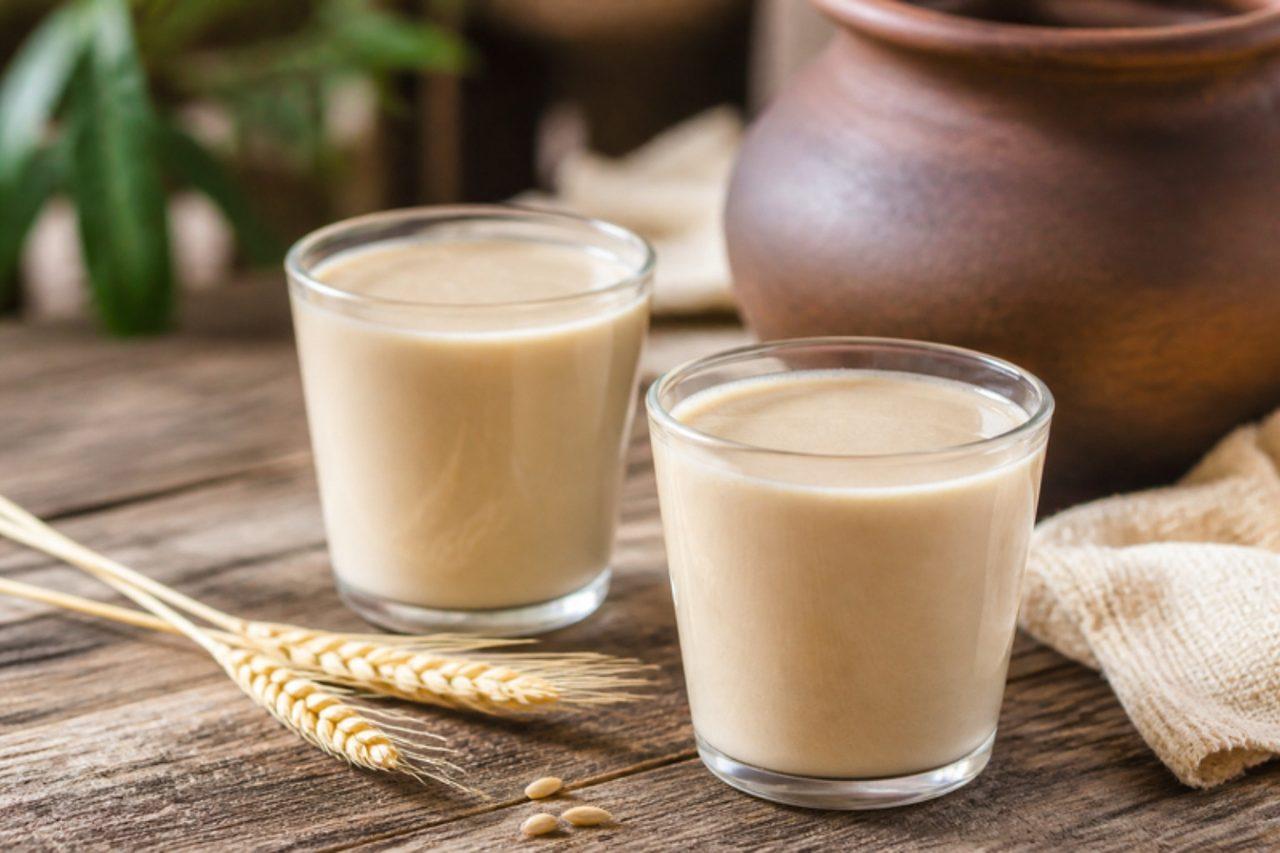
Ryazhanka starts with topleny moloko, milk baked slowly until it turns beige and smells of toffee, which was once done overnight in the cooling clay stove after bread day. Cultured with a little sour cream, it sets into a thick, spoonable drink with a mild tang and a soft caramel note that kefir never has. In Poltava and Sumy dairies it is sold in tall glass bottles, and people drink it at breakfast or with a slice of rye bread as a late snack. Use pasteurised milk, a clean jar, and refrigerate it as soon as it has set. Where most people go wrong is fermenting it too hot or too long, which makes it sour and watery with whey; check it after 4 hours. Throw away any batch with mould or an off smell. Chef's tip: let the brown skin form and break it back into the milk two or three times during baking; that skin is where the colour and flavour come from.

by KrazyBadal 0 views

Sada rotiPlain puffed roti

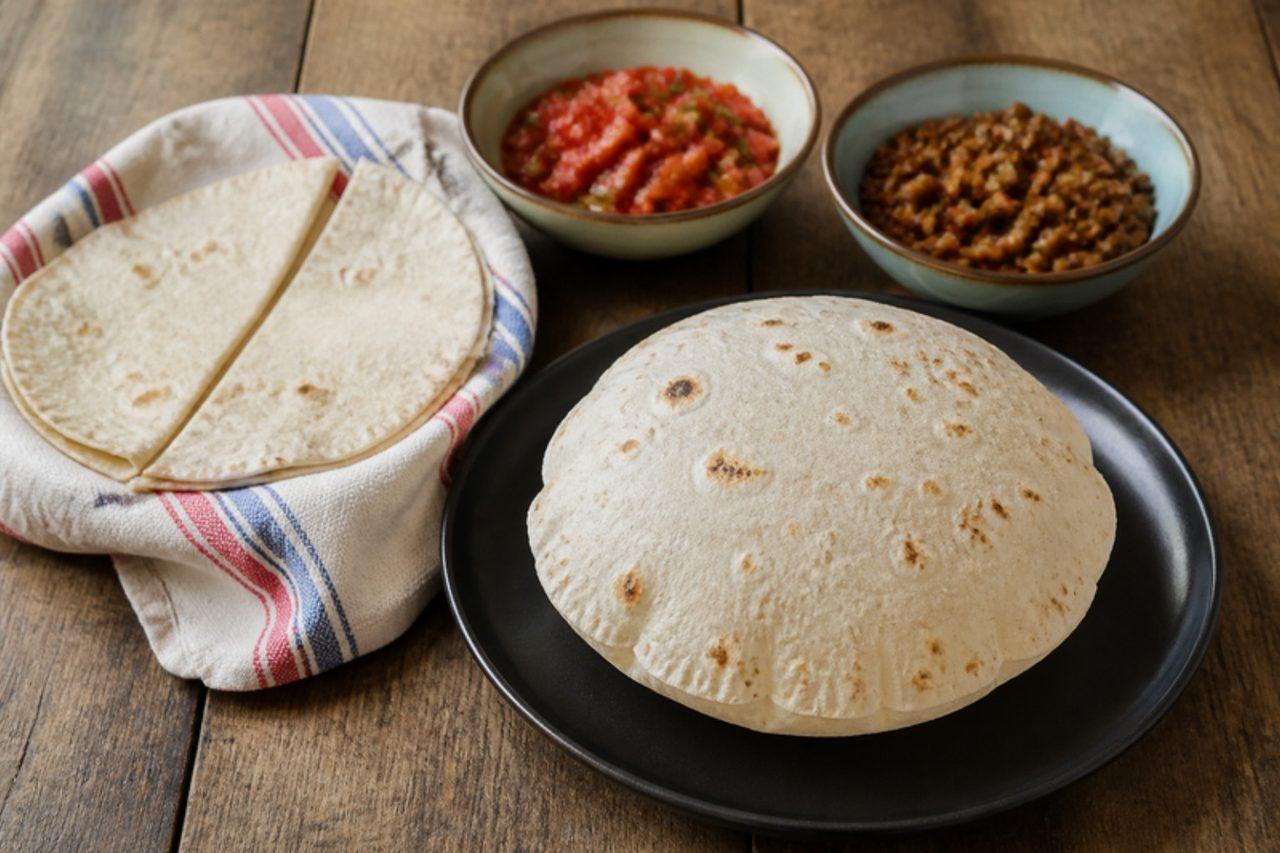
Sada roti is the everyday morning bread of Indo-Trinidadian homes, a thick, plain round cooked on a flat iron tawa and puffed over the open flame until it swells like a ball. It is split open and filled with baigan choka, tomato choka or fried bodi, and is lighter and simpler than flaky buss-up-shut. The common mistake is a stiff dough; it should be soft and slightly tacky so steam can puff it. A short rest makes rolling easier. Chef's tip: once the roti has cooked on both sides, hold it with tongs right over a gas flame for a few seconds and it will balloon; on an electric hob, press the edges with a folded cloth instead.

by KrazyBadal 0 views

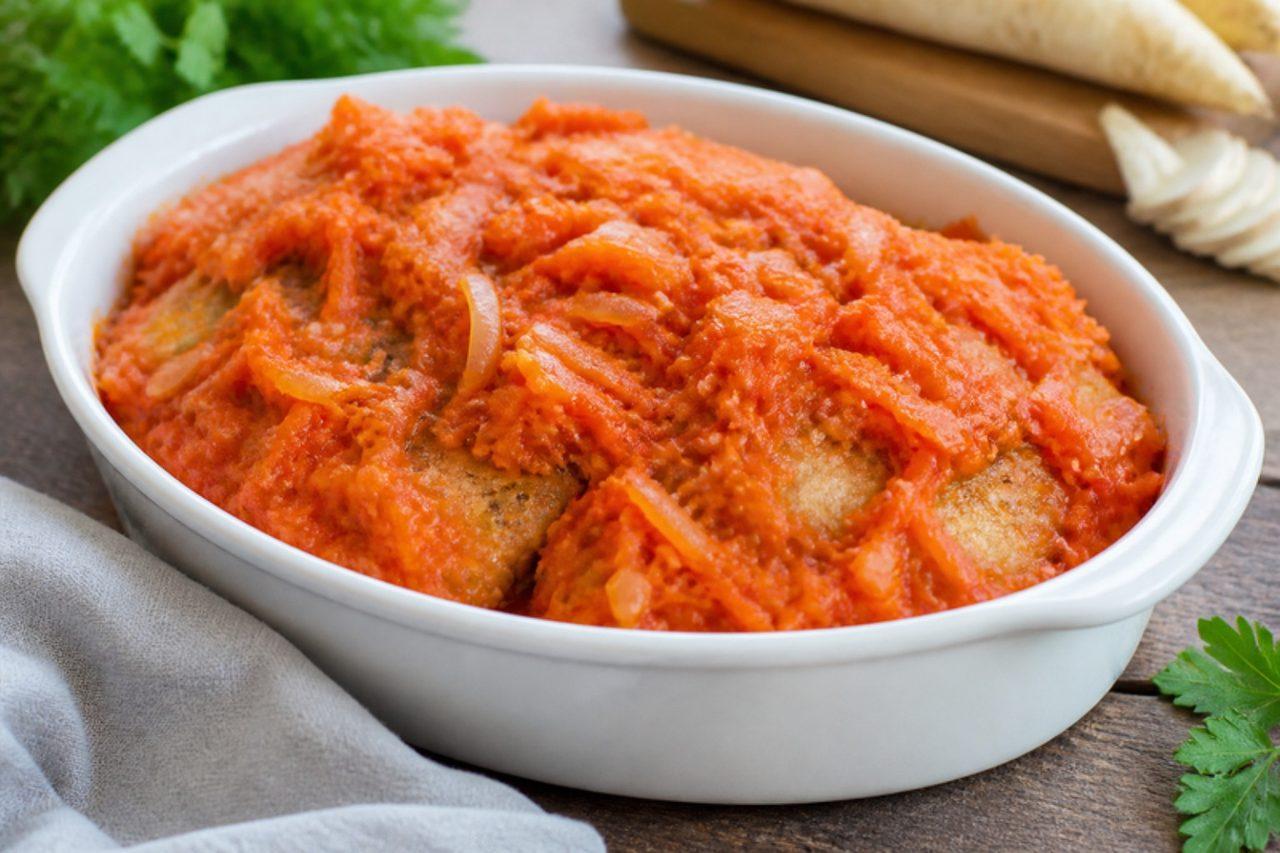
Ryba po greckuFish under sweet-sour vegetables

Ryba po grecku, 'Greek-style fish', has no Greek roots at all; it is a Polish invention from the communist years, when cheap frozen cod and pollock met carrot, parsley root and tomato purée to make a festive dish out of very little. Today it sits on almost every Christmas Eve table and at name-day buffets, served cold. Pieces of fried white fish disappear under a thick, orange layer of soft vegetables stewed in tomato with allspice and bay, sweet and tangy at once. It needs a night in the fridge for the vegetable sauce to soak into the fish. The usual slip is grating the vegetables too fine, which turns them to mush; use the coarse side of the grater or cut thin matchsticks. Chef's tip: let the fish and the vegetables cool before layering, then chill; it tastes better on day two and keeps for three days.

60 minPolishFish
by KrazyBadal 0 views

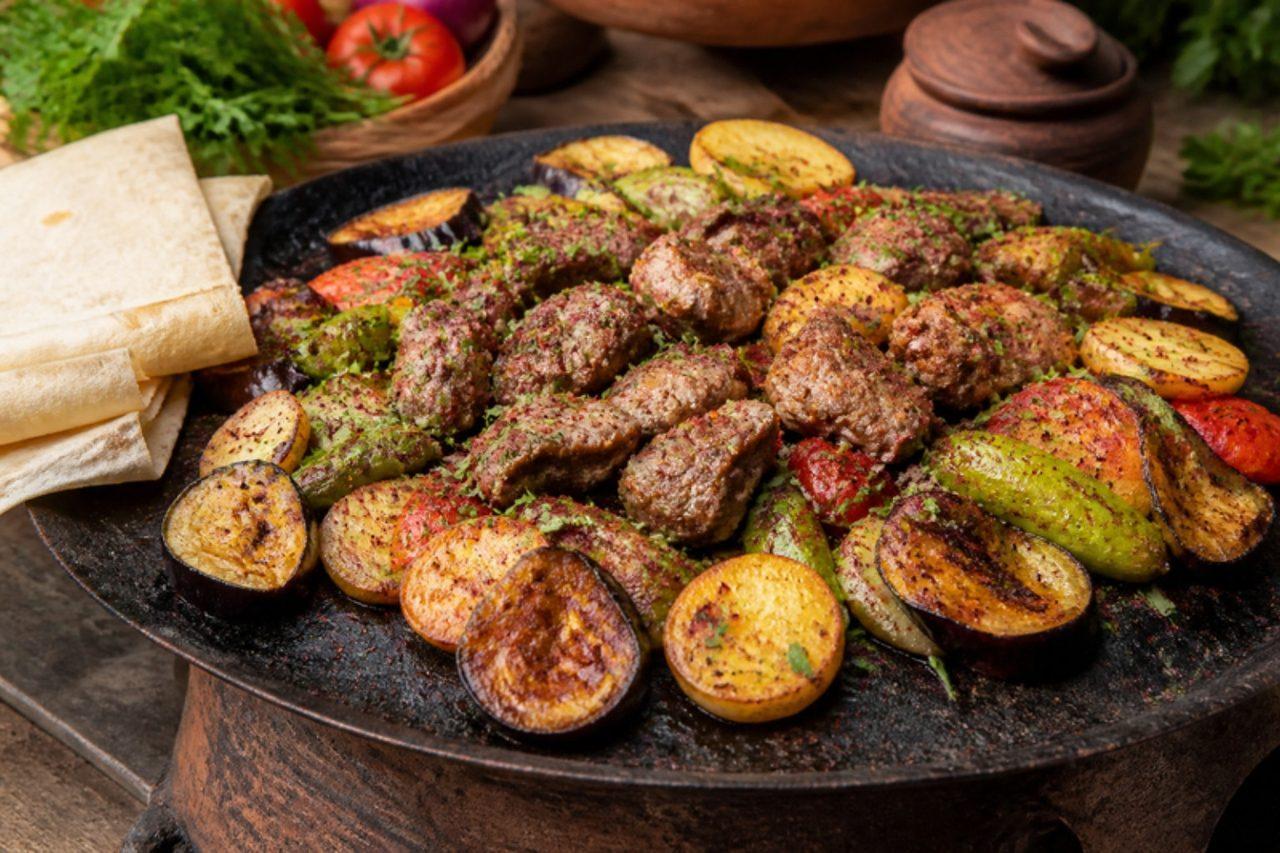
SajLamb and vegetable saj fry

Saj is named after the shallow, domed iron pan it is cooked in, which Baku restaurants set over a tray of coals at the table so the meal keeps sizzling as you eat: lamb pieces fried in their own fat, ringed by potatoes, aubergine, peppers and tomatoes that were fried separately, all finished together on the hot metal. It is a feast dish for weddings and family celebrations across Azerbaijan. At home a wide cast-iron pan or wok works. A common mistake is frying all the vegetables together; each needs its own time and the aubergine soaks up everything. Chef's tip: fry the vegetables first, then the lamb in the same oil, so the meat picks up their flavour.

by KrazyBadal 0 views

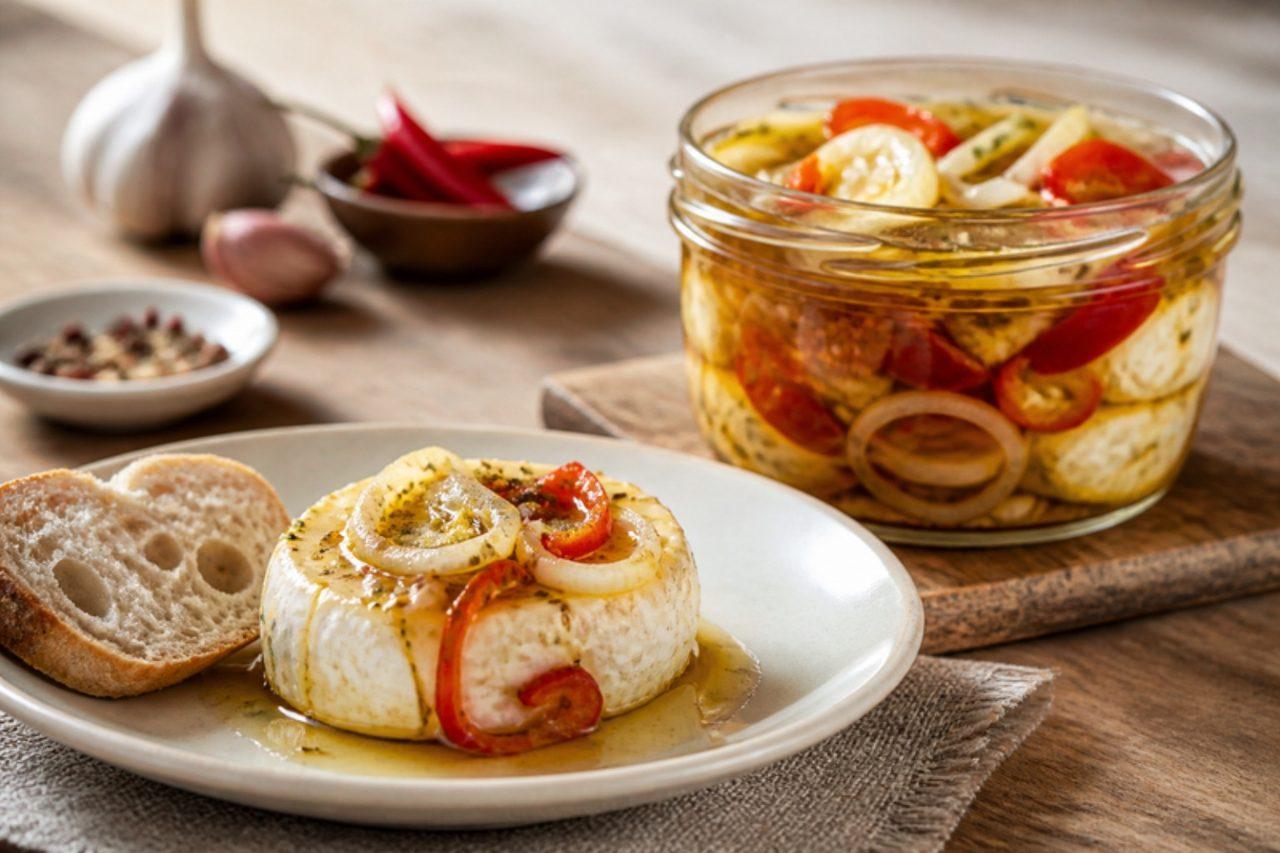
Nakládaný hermelínMarinated white-rind cheese

Behind the bar of almost every Czech hospoda sits a big glass jar of cheeses sunk in oil with onion rings and chillies. Nakládaný hermelín is the classic beer snack: a soft white-rind cheese, split and spread with garlic and paprika, then left to mellow in spiced oil for about a week until it turns rich, tangy and spreadable. It is eaten with thick slices of dark bread (use gluten-free bread if needed) and a few pickled peppers. Hermelín and camembert-style cheeses are usually made with animal rennet, so for a vegetarian jar choose a white-rind cheese labelled as made with vegetarian or microbial rennet. Where it goes wrong is leaving cheese poking above the oil, where it can spoil: keep everything submerged and the jar in the fridge, and eat it within 10 days. Chef's tip: use a cheese that is not fully ripe; it holds its shape in the oil and softens to perfection as it marinates.

by KrazyBadal 0 views

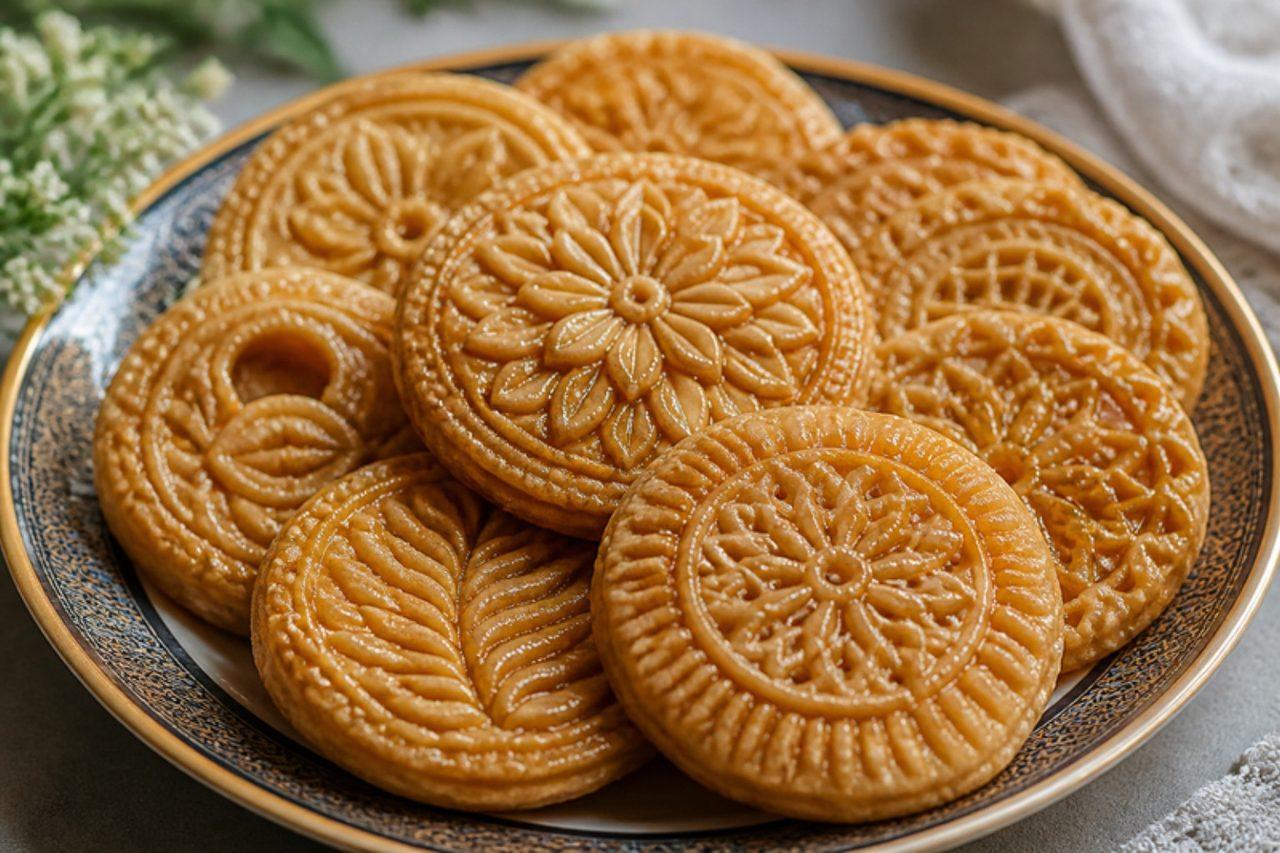
Nakshi pithaCarved fried rice cakes in syrup

Nakshi means embroidered, and in Mymensingh and Kishoreganj these winter cakes are as much craft as food: women carve flowers, leaves, fish and paisleys into thick rounds of rice dough with a date-palm thorn or a sharpened bamboo stick, and a family's most beautiful pitha are set aside for a visiting son-in-law or a new bride's first winter. The carved cakes are fried slowly until crisp and then dipped in syrup, so the lines of the pattern fill with sweetness. They are crunchy outside, chewy within, and keep for days in a tin. Dough that is too dry cracks along the carving, which is the most frequent problem, so keep it covered with a damp cloth as you work. Chef's tip: fry over a low heat; hot oil browns the surface before the inside cooks and blurs the pattern.

by KrazyBadal 0 views

Safi mashwiGrilled stuffed rabbitfish

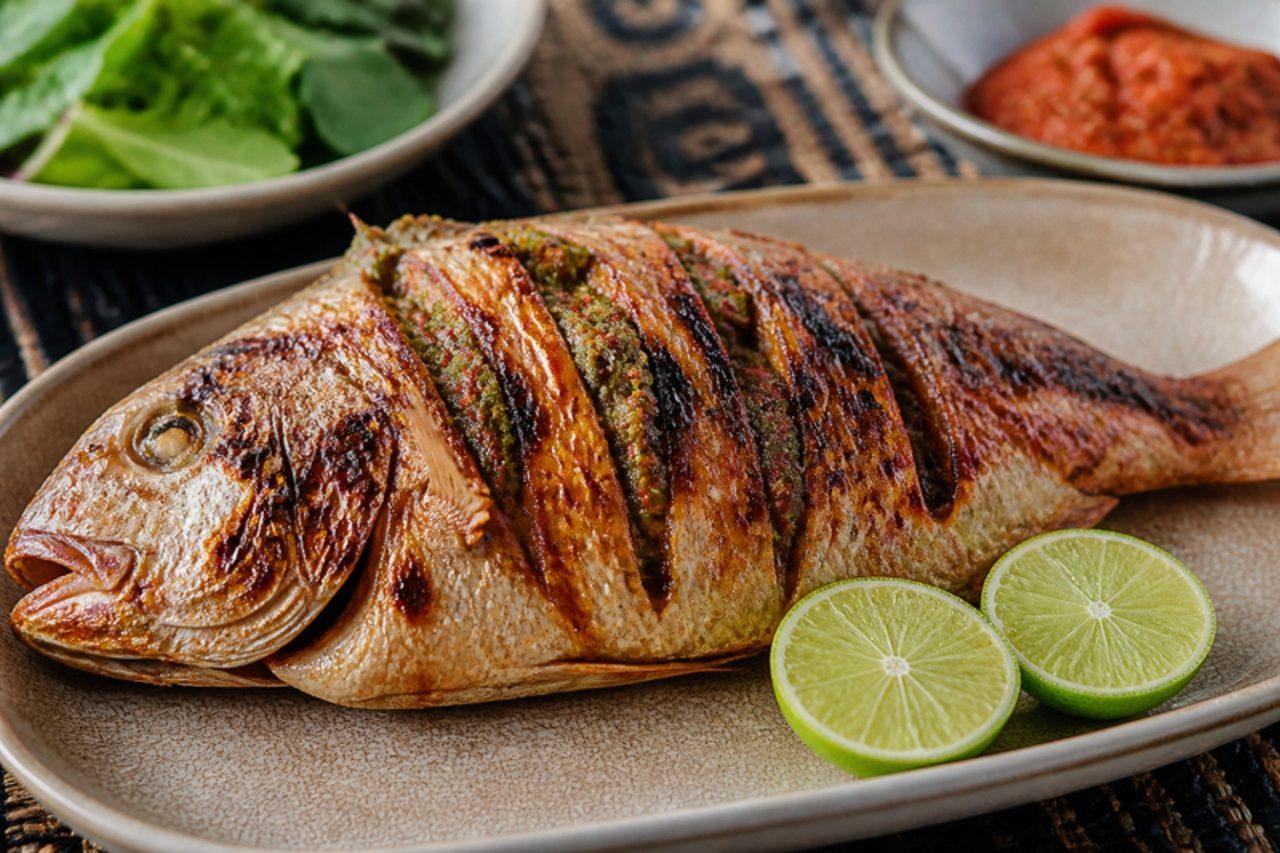
Safi, the rabbitfish, is the fish Bahrainis love most, and on weekends it comes off the grills of seafront restaurants in Manama and Budaiya stuffed with a green paste of garlic, coriander and red chilli. The flesh is sweet and delicate and the skin turns crisp and smoky. It is eaten with white rice, a little daqqus and plenty of lime. The common mistake is overfilling the belly so the fish splits on the grill. Chef's tip: rabbitfish has sharp spines on its fins; ask the fishmonger to trim them, or snip them off with kitchen scissors before you start. Any small whole sea bream or bass works if safi is not available.

by KrazyBadal 0 views

Nam khaoCrispy rice salad with pork

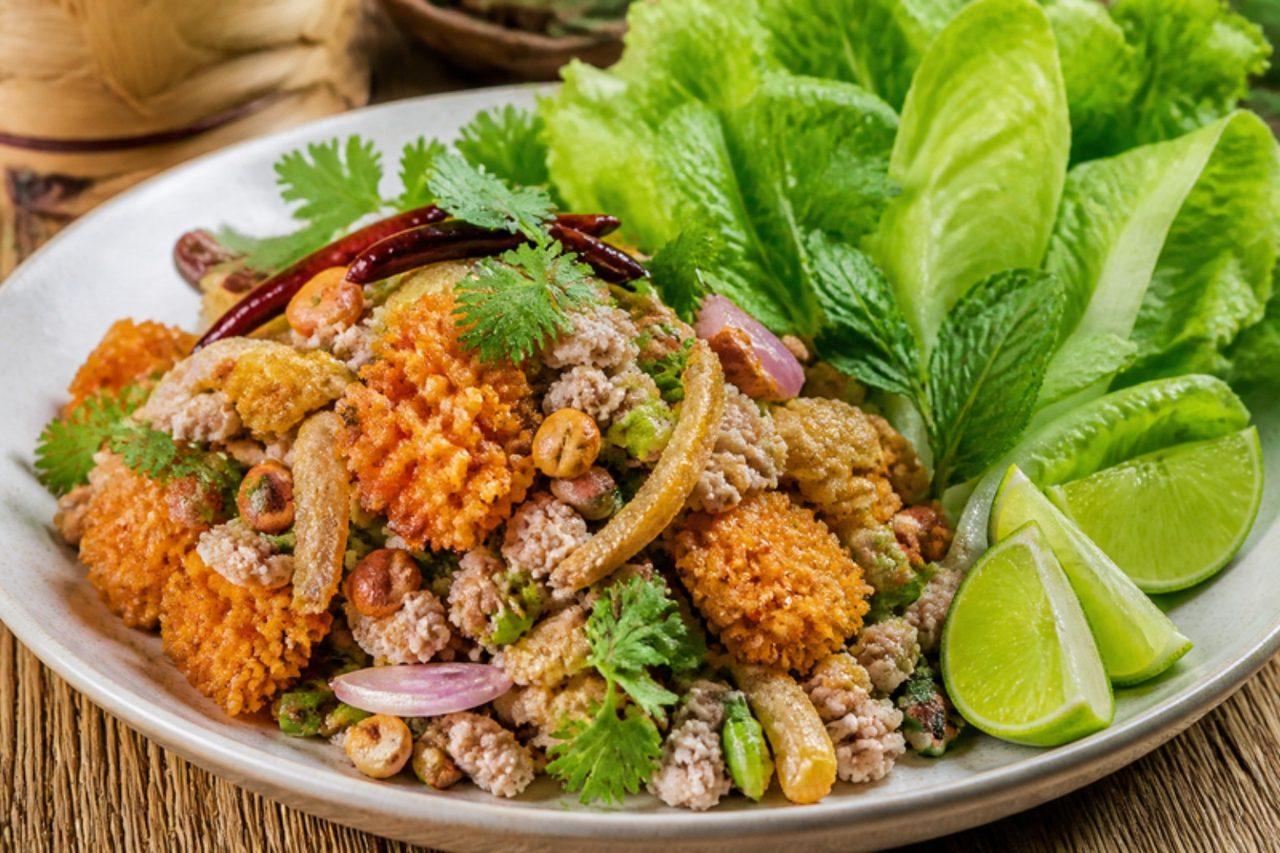
Party food in Vientiane often means a platter of nam khao: golden balls of curry-spiced rice deep-fried until crackling, then smashed and tossed with sour pork, peanuts, shallots, herbs and lime, and scooped into lettuce leaves with a fresh chilli on the side. Evening stalls near the city's markets sell it by the bag, and it's a fixture at weddings and New Year gatherings in April. Traditionally the sour pork is som moo, cured raw fermented pork with shredded skin, which is never cooked; that raw cured version is not for pregnant women, young children or anyone with a weakened immune system. This safer version uses minced pork cooked through and sharpened with lime and garlic, with cooked pork skin for chew if you like. Frying rice balls in oil that isn't hot enough is the usual mistake, as they soak up oil and fall apart. Chef's tip: use rice cooked the day before and chilled; it holds together and fries far crisper.

75 minLaoSaladsGluten free
by KrazyBadal 0 views

ŠakotisBranch-shaped spit cake

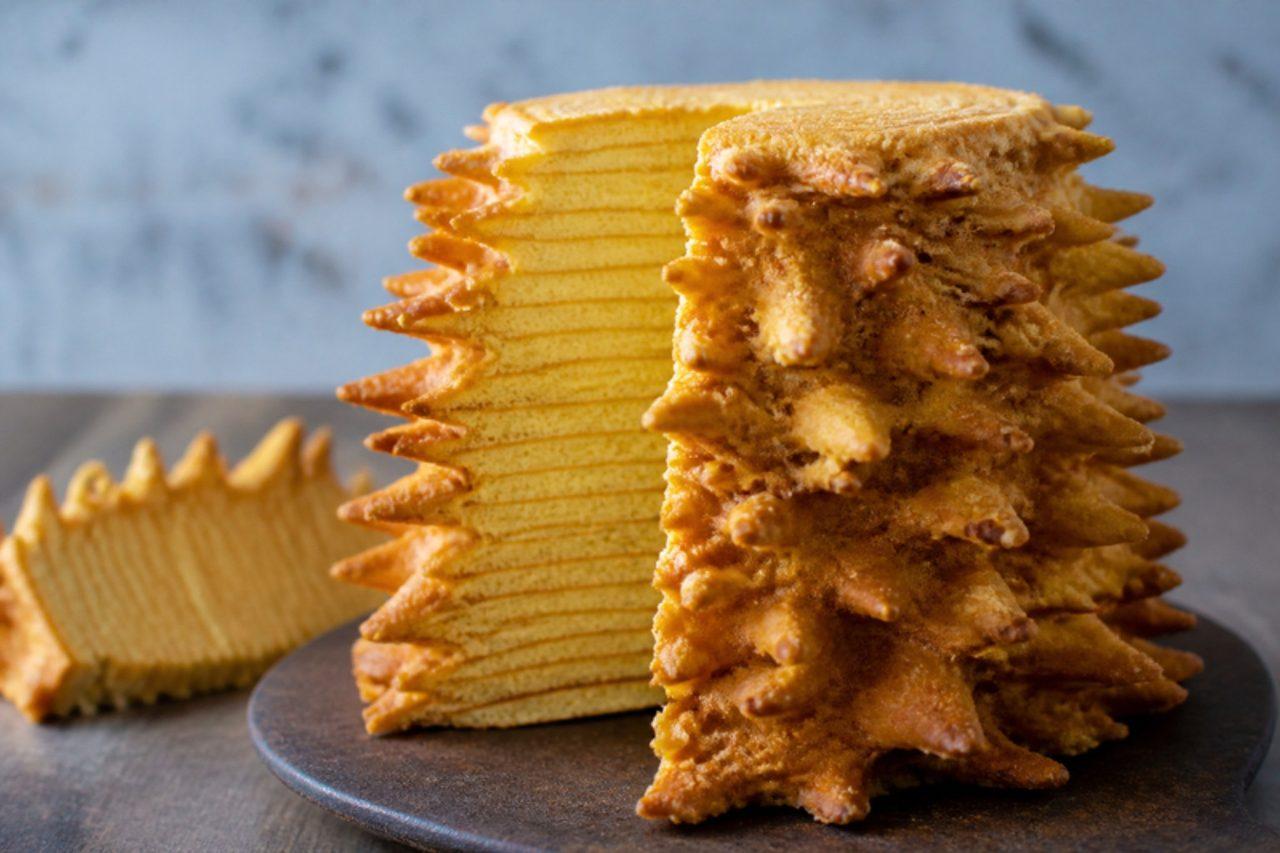
Šakotis, 'branched', is the tall, spiky cake that crowns Lithuanian weddings and christenings: a rich egg batter dripped over a turning spit in front of an open fire, layer after layer, so the drips harden into branches that stick out like a fir tree. Specialist bakers around Druskininkai and Vilnius make them to order. At home, a foil-wrapped rolling pin turned slowly under a hot grill builds a smaller version. A common mistake is a thin batter, which runs off instead of forming spikes. Chef's tip: turn the spit slowly as you ladle on each layer and let the drips set before the next coat; the spikes form where the batter drips and hardens.

280 minBalticBaking
by KrazyBadal 0 views

MulgipuderPotato and barley mash with mushrooms

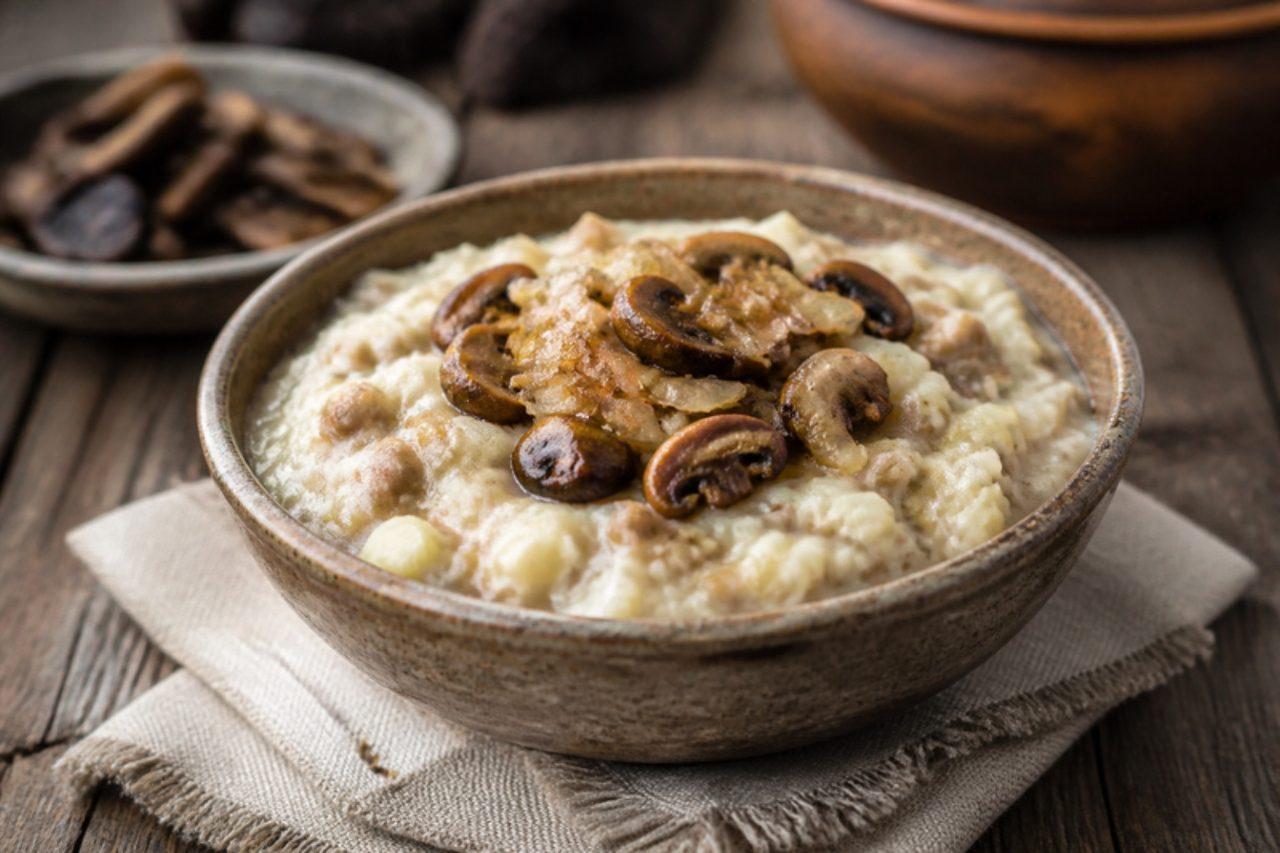
Mulgipuder comes from Mulgimaa, the old farming region of southern Estonia around Viljandi, and it has become one of the country's national dishes: potatoes and barley groats boiled together and mashed into a thick, nutty purée. It is normally topped with fried bacon and onion; this version uses mushrooms and onion fried in butter. It is eaten with sour milk or kefir and pickles. A common mistake is using too little water, so the barley stays hard while the potatoes are already soft. Chef's tip: start the barley first and add the potatoes after 20 minutes, so both are tender at the same moment.

by KrazyBadal 0 views

Salat hatzilim b'mayonnaiseAubergine salad with mayonnaise

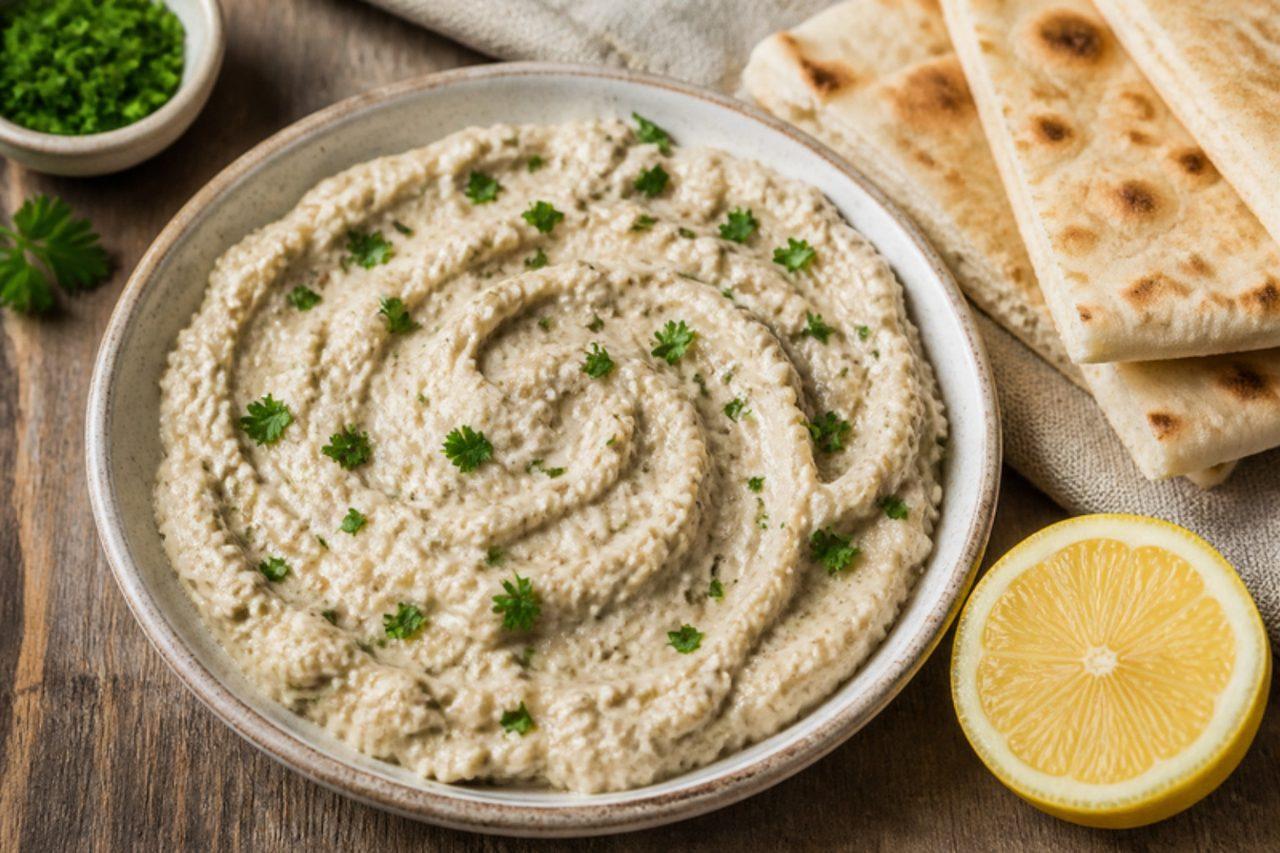
Romanian-Jewish immigrants brought this smoky aubergine salad to Israel, and it has become a fixture of the Shabbat and festival salad spread in Haifa, Netanya and Petah Tikva, scooped up with challah or frena. Aubergines are charred until the flesh collapses, chopped by hand and folded with mayonnaise, garlic and a little raw onion, giving a creamy, smoky spread with a sharp bite. The mistake is skipping the draining, which leaves a watery, grey salad. Chef's tip: chop the flesh with a wooden or plastic knife, as Romanian grandmothers insist, so it stays pale and does not turn bitter.

by KrazyBadal 0 views

Salată de icreSalted roe spread

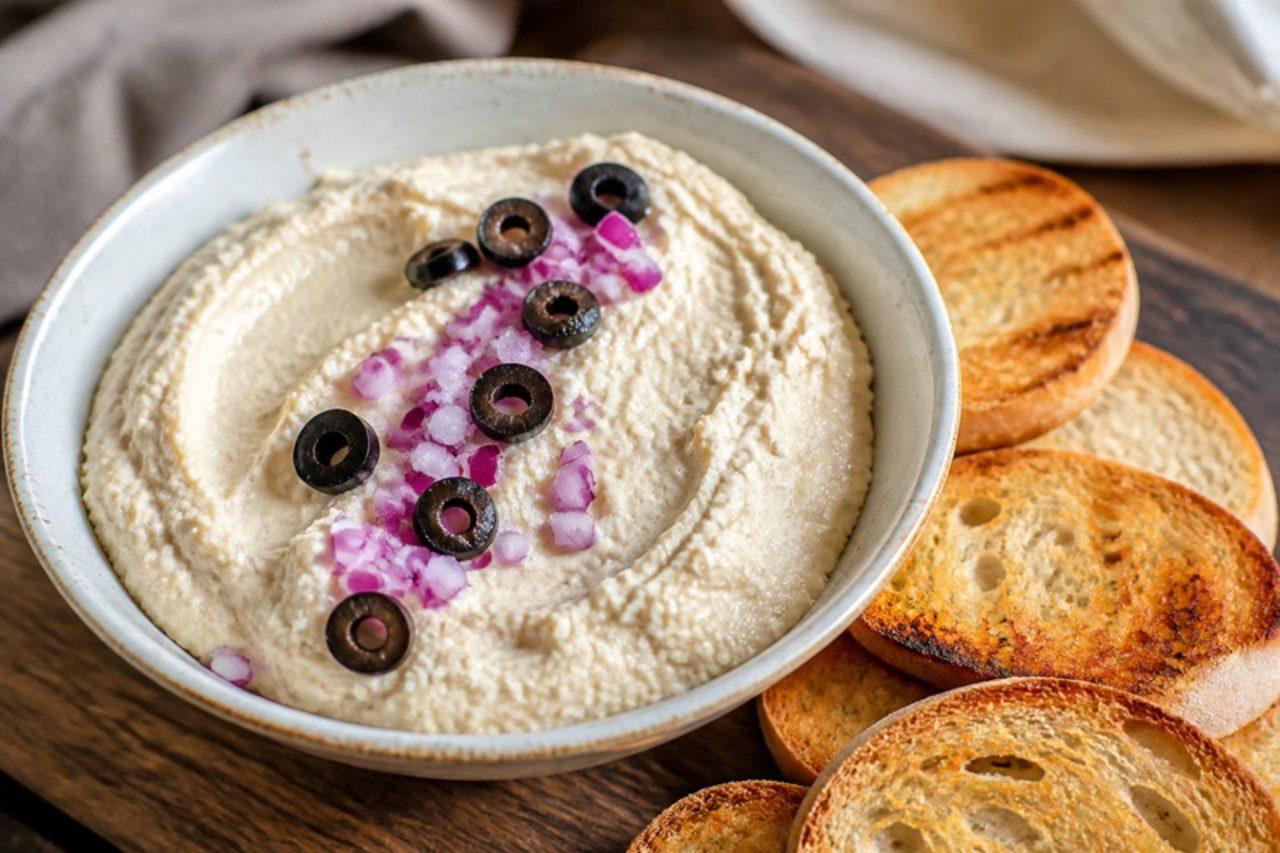
No Romanian buffet, Christmas table or Lent meal of the Delta is complete without a bowl of salată de icre, the pale pink spread made by whisking salted carp or pike roe with sunflower oil and lemon until it becomes light and fluffy, like a fish mayonnaise. Spread thickly on toasted bread with a ring of raw onion and a few black olives, it is salty, creamy and briny, and it vanishes in minutes. The roe is cured with salt but not cooked, so buy ready-salted roe from a good fishmonger or deli and keep it chilled; this spread is not for pregnant women, young children or anyone with a weakened immune system. The mistake to avoid is pouring the oil in quickly, which makes it split and greasy; add it a few drops at a time. Chef's tip: if it does split, whisk a teaspoon of cold water into a clean bowl and slowly whisk the split mixture back into it.

by KrazyBadal 0 views

Salată orientalăPotato and onion salad

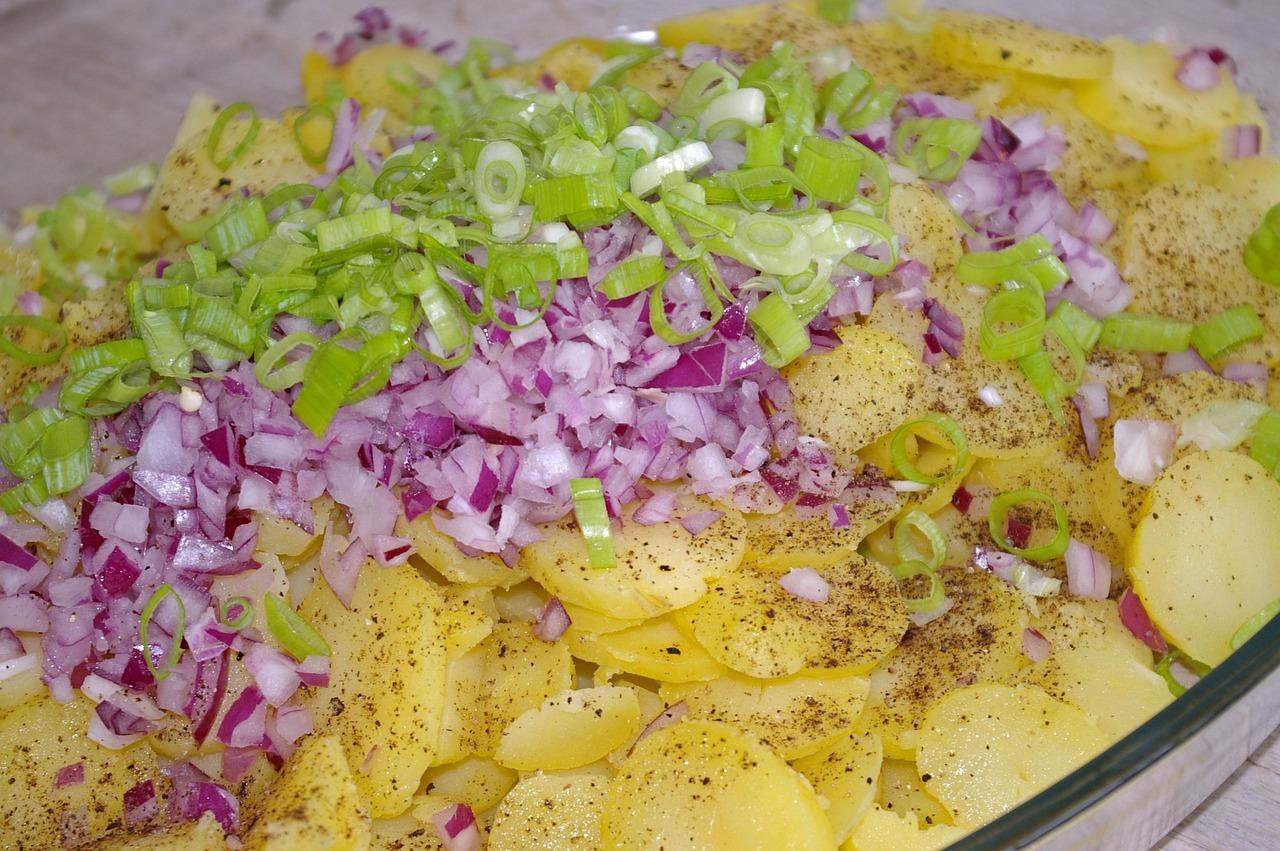
Nothing about salată orientală is particularly oriental; the name dates from interwar Bucharest, when olives and onion felt exotic on a potato salad. Today it is a fixture of student canteens, Lenten-season buffets and summer suppers on the balcony, served warm from the pot or cold from the fridge. Waxy potatoes are dressed while hot with sunflower oil and vinegar, then folded with red onion, black olives and quartered hard-boiled eggs, so it stays bright and sharp rather than creamy. A common mistake is overcooking the potatoes until they crumble; they should hold their cubes when tossed. Chef's tip: soak the sliced onion in cold salted water for 10 minutes to soften its bite while keeping the crunch.

by KrazyBadal 0 views

SaleegCreamy rice with roast chicken

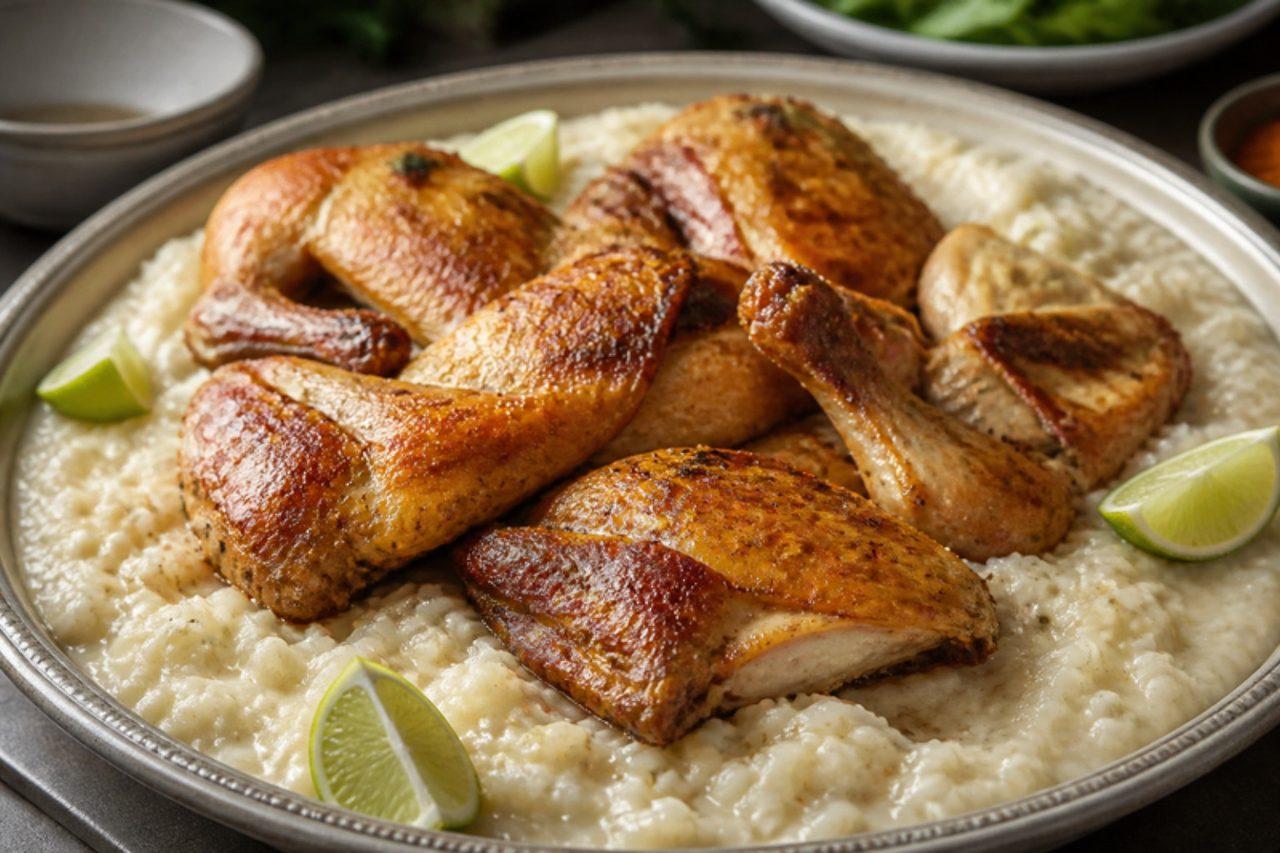
In Taif and the cities of the Hejaz in western Saudi Arabia, saleeg is what families cook when someone needs comforting, and it turns up on Friday lunch tables and at gatherings through the cooler months. Short-grain rice is simmered slowly in the broth the chicken was poached in, then loosened with milk until it is as soft and creamy as a savoury rice pudding. The chicken pieces are roasted until golden and laid on top, and a spoonful of hot ghee is poured into a well in the middle just before serving. Eat it with daqqus tomato sauce or a squeeze of lime and a plate of sliced cucumber. The usual mistake is to stop stirring once the milk goes in, so the rice catches on the base and tastes scorched. Chef's tip: keep a ladle of hot broth beside the pot and add it whenever the rice looks stiff; saleeg should slowly flow when you tilt the plate.

by KrazyBadal 0 views

Trinidad pastellesCornmeal parcels with spiced meat

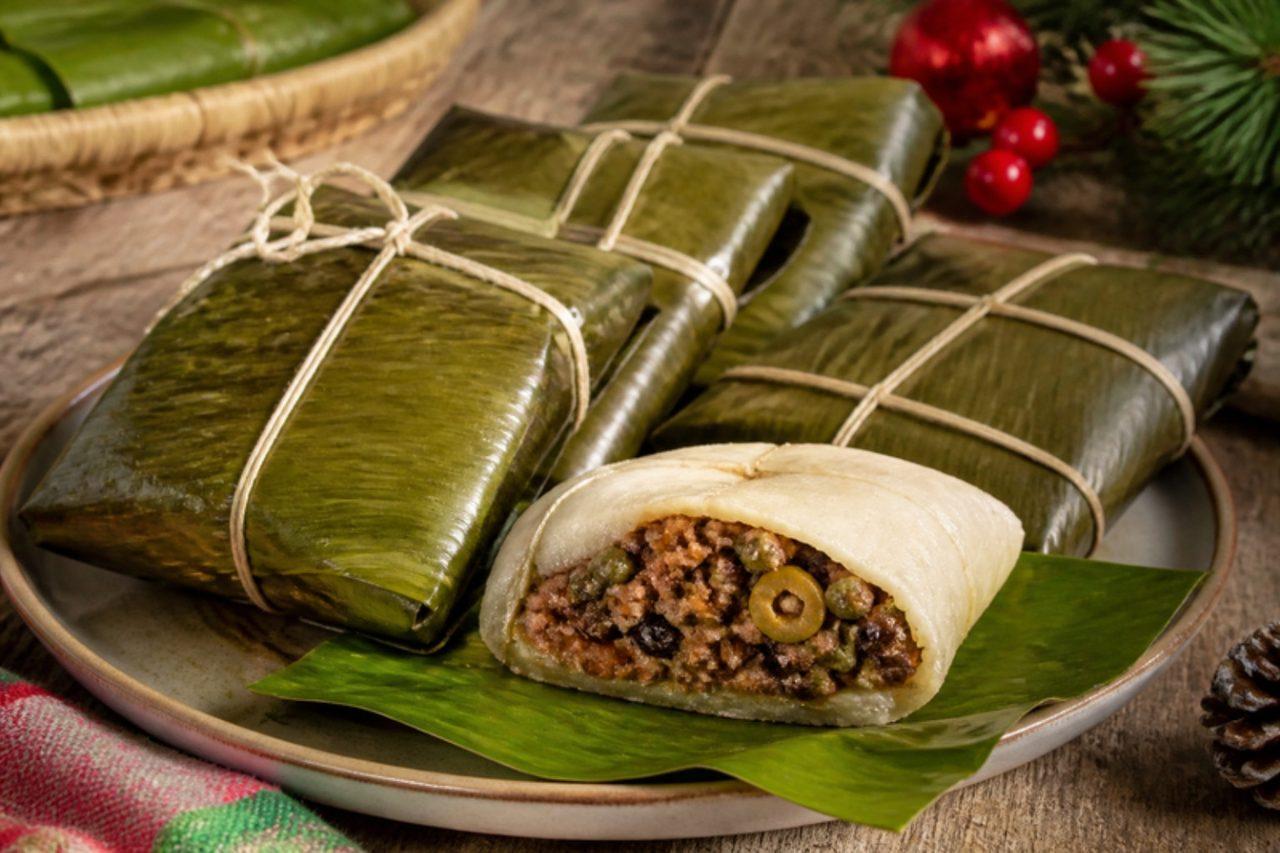
Trinidad's Venezuelan-rooted pastelles are a Christmas ritual: families gather in the kitchen, press thin cornmeal dough onto banana leaves, spoon on a filling of minced beef and pork with olives, capers and raisins, then fold and steam dozens at a time to freeze for the season. Once cooked they are soft, savoury and slightly sweet, with the leaf perfuming the dough. This version uses beef and pork mince; a lentil filling makes a vegetarian pastelle. The most common mistake is pressing the dough too thick, which turns the parcels stodgy; it should be thin enough to see the leaf's shine through. Chef's tip: pass the banana leaves over a flame for a few seconds until they turn glossy and pliable, so they fold without tearing.

by KrazyBadal 0 views

SaloSalted pork fatback

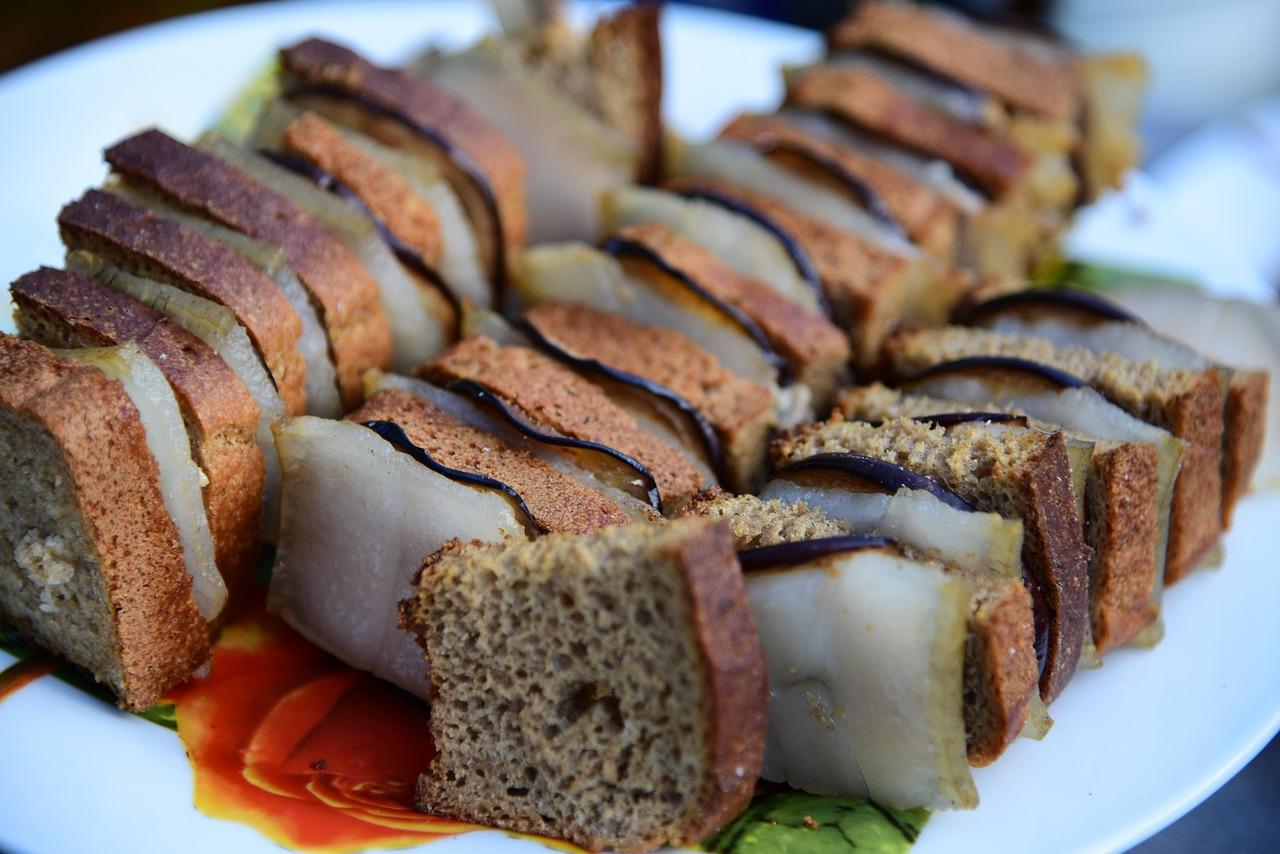
No food says Ukraine quite like salo, salted pork fatback, which appears on village tables, train picnics and wedding spreads with a heel of dark bread, raw garlic and a spring onion. Good salo is pure white or faintly pink, firm, mild and creamy as it melts on the tongue; rubbed with garlic, black pepper and a little paprika, it becomes a sharp, savoury snack. Salo is cured but never cooked, so use ready-salted salo from a butcher or market stall you trust, made from inspected pork and kept in the fridge. Like other uncooked cured pork, it is not for pregnant women, young children or anyone with a weakened immune system; for them, fry thin slices into crisp shkvarky instead. Slicing it at room temperature is where most people go wrong: the fat smears and tears. Chef's tip: wrap the seasoned piece and freeze it for 40 minutes, then cut paper-thin slices with your sharpest knife.

by KrazyBadal 0 views

ŠaltibarščiaiCold beetroot soup

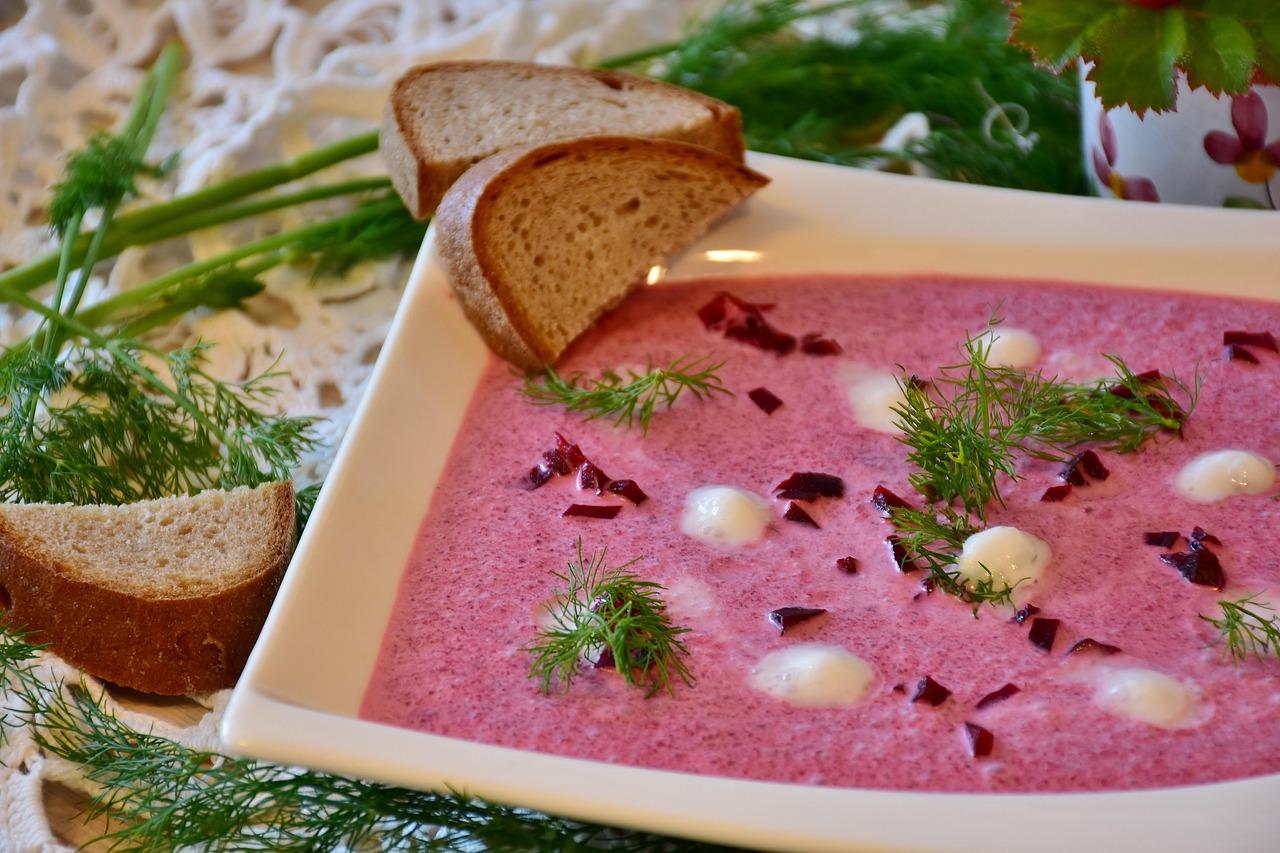
Šaltibarščiai is the shocking-pink soup of Lithuanian summers, so loved that Vilnius holds a pink soup festival every June: cooked or pickled beetroot grated into cold kefir with cucumber, dill, spring onion and boiled egg, served with a plate of hot boiled potatoes on the side. The contrast of icy soup and steaming potatoes is the point. A common mistake is using warm beetroot, which dulls the colour and warms the soup. Chef's tip: grate chilled beetroot into ice-cold kefir and let it stand for 10 minutes; the colour deepens to vivid fuchsia.

by KrazyBadal 0 views

Samak mofaChilli-rubbed roast fish

In Mukalla in Hadhramaut and along the Tihama coast of Yemen, samak mofa is slapped against the hot clay wall of a tannour oven, the same one used for bread, so the fish chars on the outside and steams in its own juices within. It is rubbed with a red paste of chilli, garlic, cumin and turmeric and eaten with hot flatbread, a squeeze of lime and a bowl of sahawiq chilli sauce. At home a very hot oven with the grill on gives the same blistered finish. The common mistake is using thin fillets, which dry out before they char. Chef's tip: choose a thick whole fish or thick steaks, and slash deep so the paste reaches the bone.

by KrazyBadal 0 views

Samay bajiBeaten rice festival platter

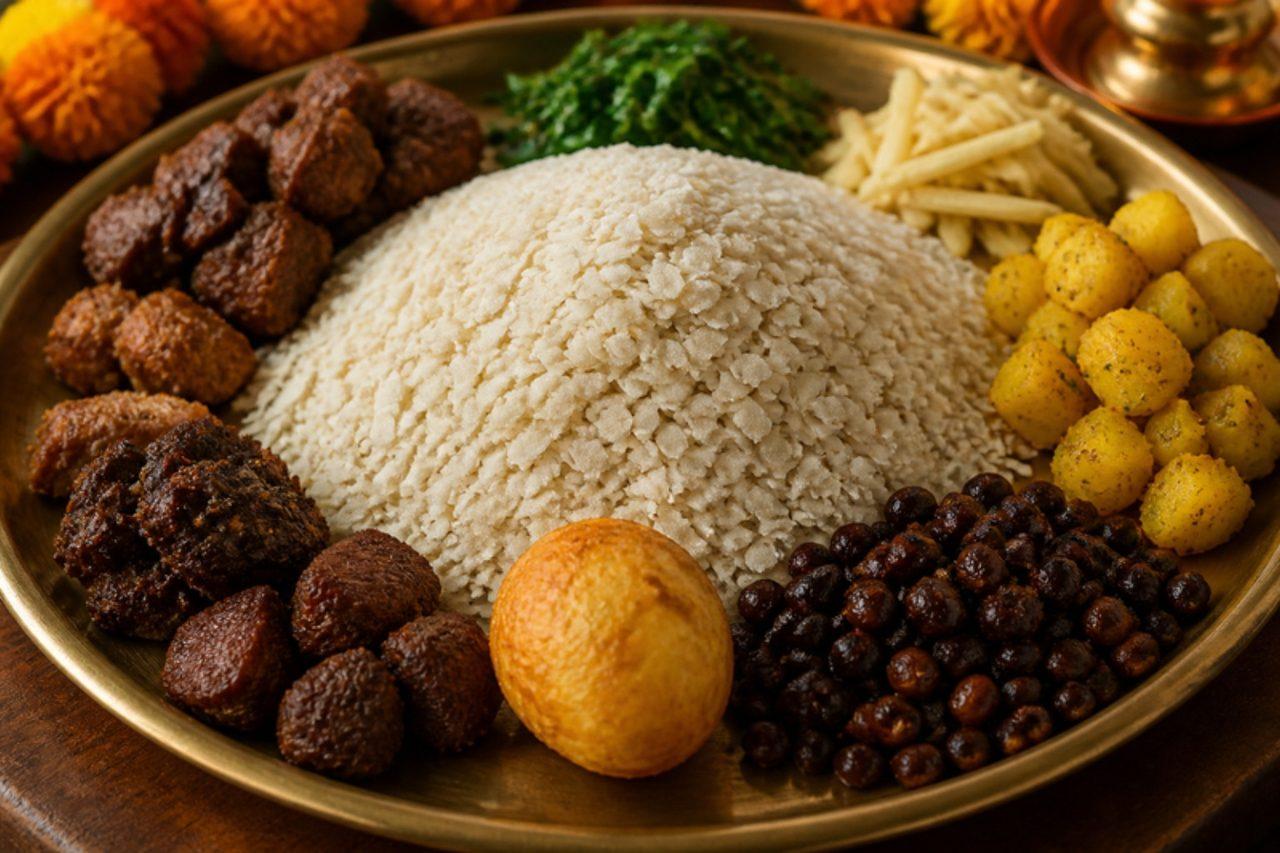
No Newari feast, puja or family gathering in Kathmandu, Patan or Bhaktapur is complete without samay baji, a ritual platter in which each item stands for something: a mound of crisp beaten rice (baji) surrounded by spiced grilled meat, a fried egg, crunchy roasted black soybeans, slivers of raw ginger, a sharp potato achar and greens. It is offered first to the gods at festivals such as Indra Jatra and then shared with the family, and it is the default snack-meal at any Newa celebration. The meat is traditionally buffalo; here chicken thighs make it easier, and for a vegetarian platter leave out the meat and egg and add a lentil bara. The pitfall to avoid is eating the soybeans underdone: raw soybeans are hard to digest and must be roasted until they crackle. Chef's tip: prepare the achar and soybeans first, since both can wait at room temperature while you grill the meat.

by KrazyBadal 0 views

Sambal goreng boontjesGreen beans in coconut sambal

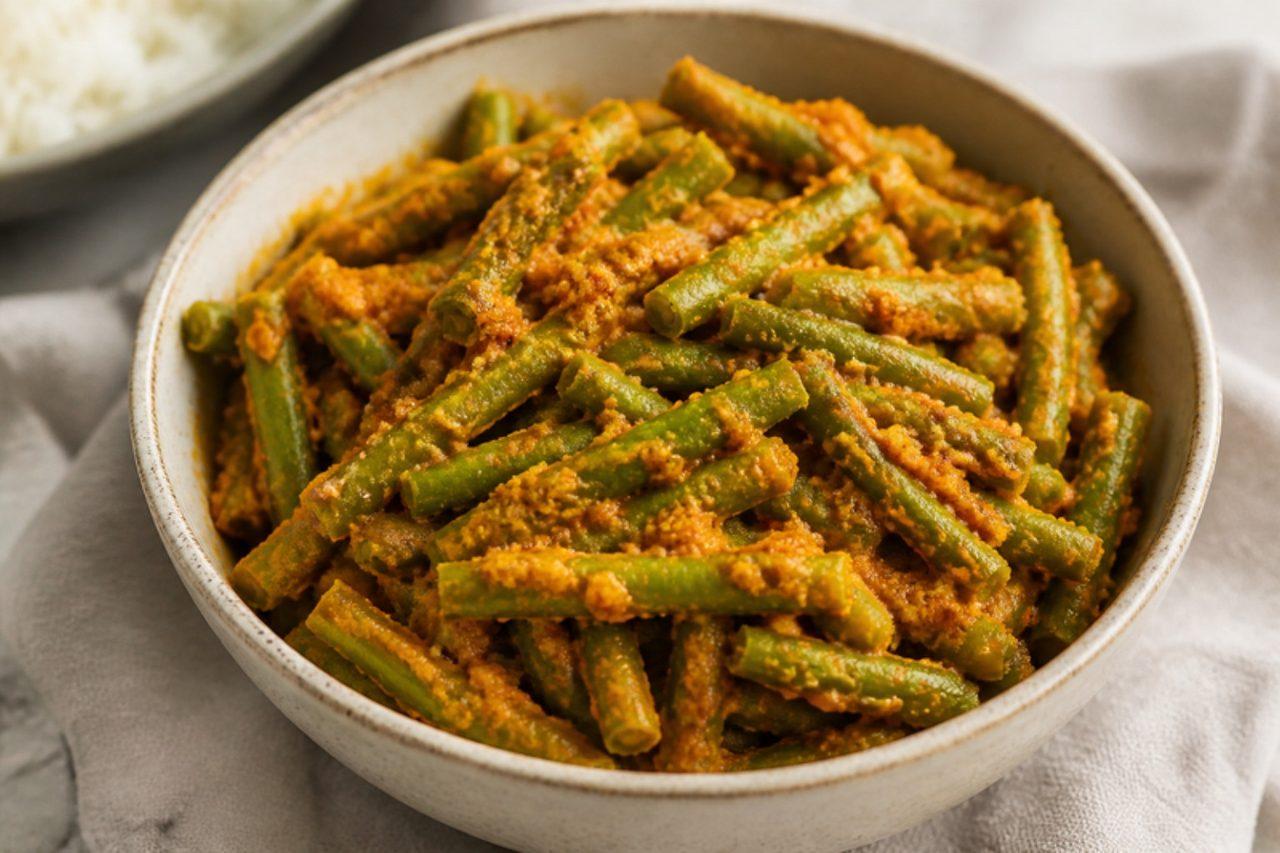
Sambal goreng boontjes is one of the most loved dishes in Dutch-Indonesian homes and toko takeaways: green beans fried in a spice paste of shallot, garlic, chilli and galangal, then simmered in coconut milk with lime leaves until just tender and coated in a rich, spicy, slightly sweet sauce. It is a regular part of a rijsttafel. Traditional versions include shrimp paste (trassi); this one is vegan. A common mistake is overcooking the beans until khaki. Chef's tip: fry the spice paste until the oil separates and it smells sweet, which takes the raw edge off the chilli and garlic.

by KrazyBadal 0 views

Namak mandi tikkaSalt-seasoned grilled lamb

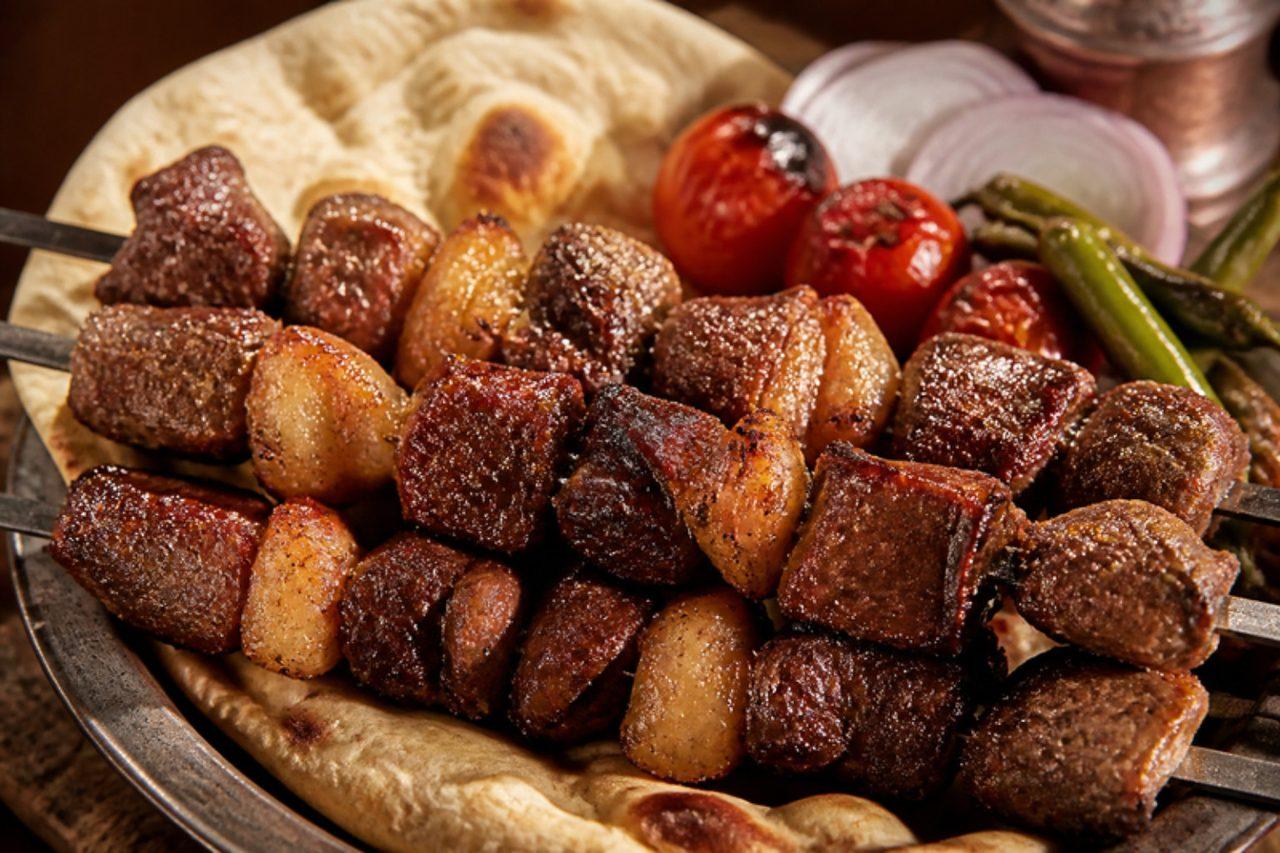
Namak Mandi, the old salt market inside Peshawar's walled city, is now a street of smoke and sizzling skewers, and its tikka is famous because it needs almost nothing: chunks of lamb threaded between cubes of dumba tail fat, salted and grilled over charcoal until the fat melts and bastes the meat. You eat it at a long table off a sheet of hot naan, with raw tomato wedges, onion and green chilli, and pots of green tea afterwards. It tastes of lamb, salt and smoke and nothing else, which is the point. Over-marinating is what goes wrong, oddly enough: piling on spices or yogurt hides the meat, and salting too early draws out moisture, so salt just before grilling. Chef's tip: if your butcher has no tail fat, use well-marbled shoulder and thread a few pieces of the lamb's own fat between the cubes.

by KrazyBadal 0 views

TunnbrödThin wheat and barley flatbread

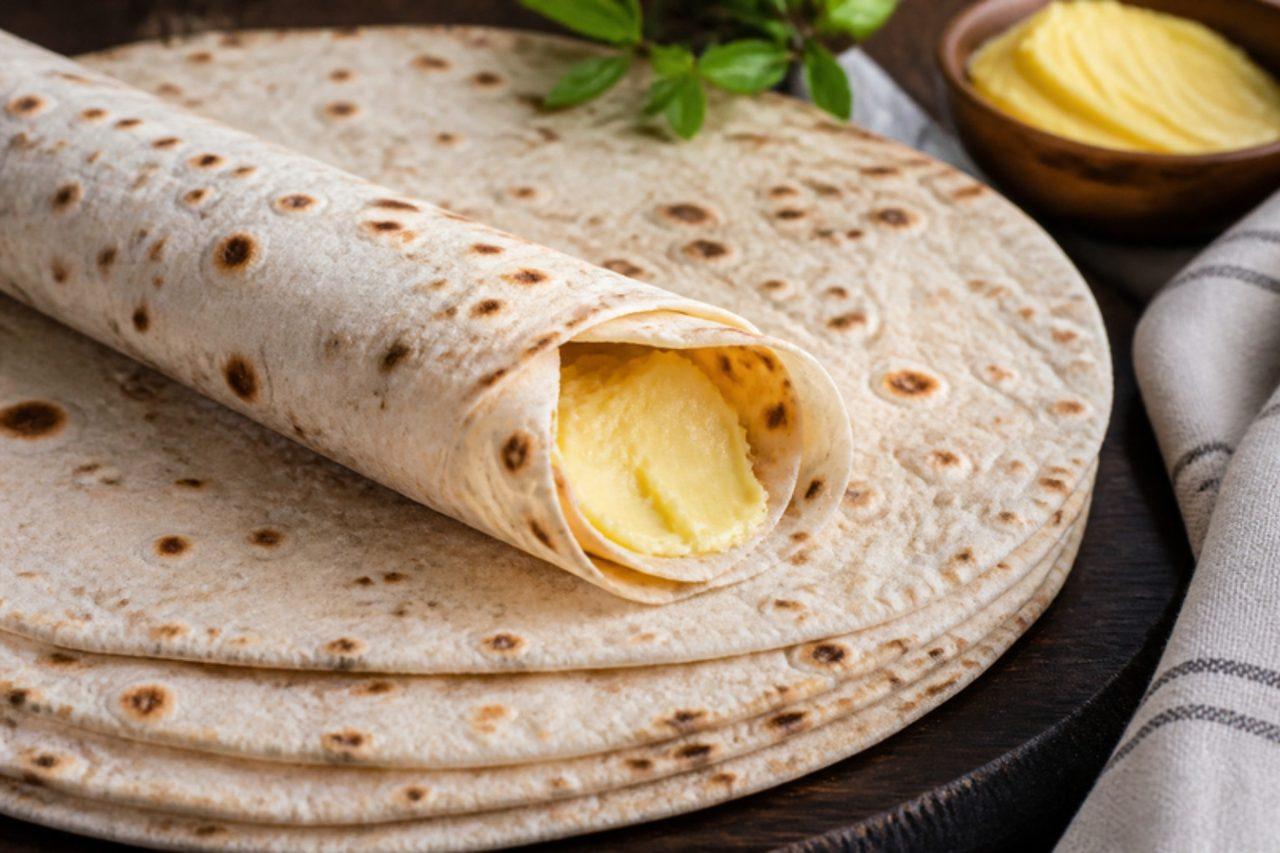
Tunnbröd, 'thin bread', is the old flatbread of Norrland, northern Sweden, where barley grew better than wheat; families in Västerbotten and Jämtland baked it in big batches in wood ovens and kept it for months. It is made soft or crisp, rolled with a knobbled pin (kruskavel) that makes its dotted pattern, and the soft kind is wrapped around a hot dog with mashed potato in the famous tunnbrödsrulle. A common mistake is rolling it too thick, which makes it bready instead of flexible. Chef's tip: bake on a very hot stone for barely a minute or two and stack the breads under a cloth, so they steam soft.

by KrazyBadal 0 views

Trinidad cocoa teaSpiced cocoa milk

In the cocoa-growing hills of Trinidad and Tobago, breakfast often starts with a mug of cocoa tea, made from home-rolled cocoa sticks or balls of ground roasted beans grated straight into the pot. Simmered with cinnamon, nutmeg and a bay leaf, then softened with milk and sugar, it tastes deeper and less sweet than shop hot chocolate, with a film of cocoa butter on top that everyone stirs back in. It is drunk with coconut bake, fry bake or hops bread. The mistake to avoid is a fast boil once the milk goes in, which scorches the bottom and makes it bitter. Chef's tip: whisk in a teaspoon of cornflour slaked in cold milk for the slightly thicker cocoa tea of Tobago grandmothers.

by KrazyBadal 0 views

Sambusak b'tawaChickpea half-moon pastries

Walk past an Iraqi bakery in Ramat Gan's Bavli quarter on a Friday and you will smell sambusak b'tawa, half-moon pastries stuffed with mashed chickpeas, fried onion and cumin. They are made for Purim, for the Shabbat morning table and to hand out at family gatherings, eaten warm or at room temperature with amba and a cucumber salad. The dough is short and tender, the filling earthy and peppery. A filling that is too wet makes the seams burst, so mash the chickpeas thoroughly and let the onions cook until dry. Chef's tip: crimp the edge by folding it over itself in small pleats, like a rope, which seals far better than pressing with a fork.

by KrazyBadal 0 views

Millet mochi (abai)Pork-filled millet dumplings

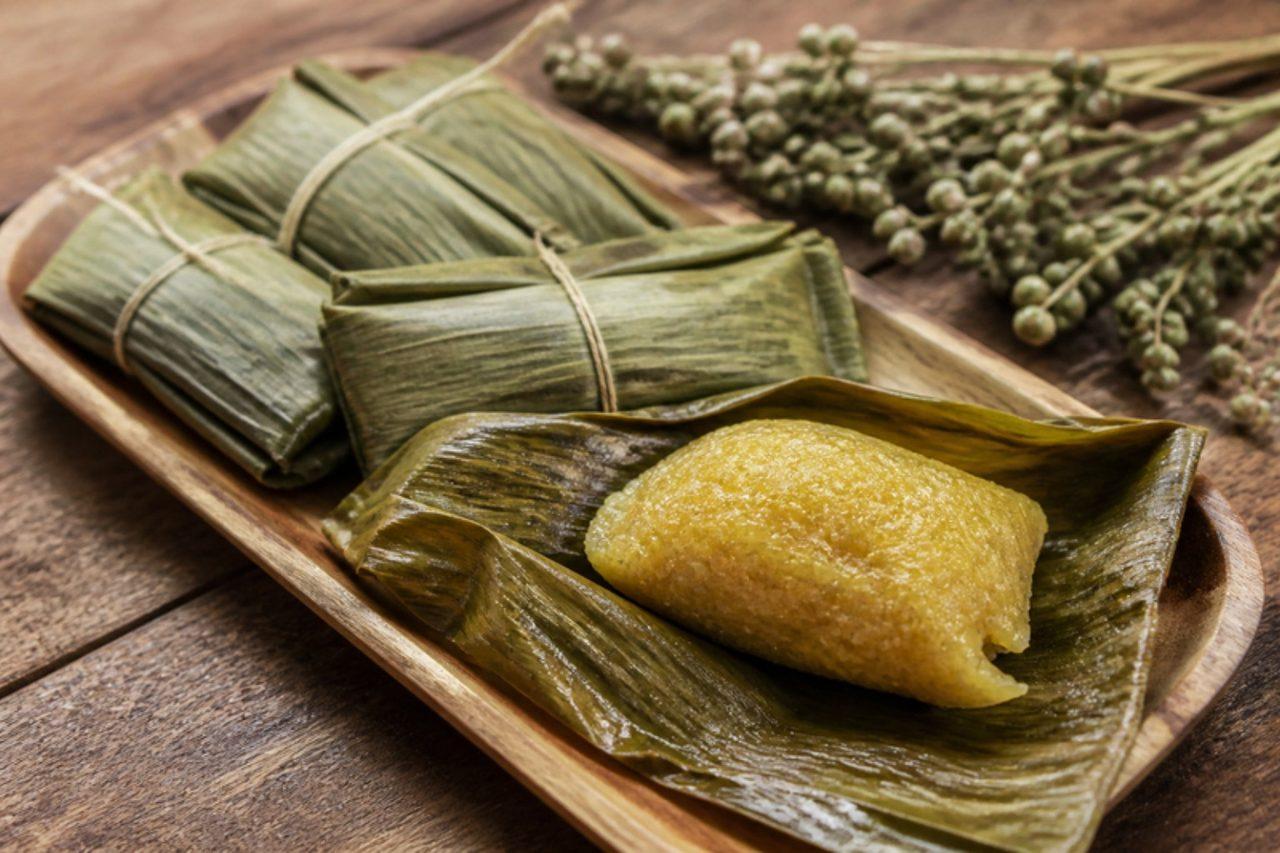
Paiwan and Rukai families in the mountains of Pingtung and Taitung make abai for harvest festivals, weddings and visitors, and roadside stalls in southern Taiwan sell them warm, still in their leaves. A sticky dough of millet is spread on an inner leaf, wrapped around a seasoned pork filling, then tied in an outer leaf and steamed, so each parcel comes out dense, chewy and gently perfumed by the leaves. Traditionally the inner leaf is djinavu (a soft local leaf) and the outer is shell ginger; banana leaves work well at home. A common mistake is wrapping too loosely, so steam gets in and the dough turns soggy; fold the parcels snugly and tie them firmly. Chef's tip: use wet hands to spread the dough, and keep the layer even, about 1 cm thick, so the centre cooks in the same time as the edges.

by KrazyBadal 0 views

Yo-yoOrange honey doughnut rings

Tunisian children wait for yo-yo, the small golden rings that pastry sellers stack in sticky piles at Eid, weddings and on winter afternoons, and that families fry at home for Hanukkah in the Jewish tradition of Tunis and Djerba. The dough, made with eggs, oil and fresh orange juice and zest, fries up crisp outside and soft and cake-like inside, then gets a quick dip in honey syrup and a sprinkle of sesame. Eat them the day they are made, with mint tea. Chef's tip: keep the oil at 170 °C; hotter and the outsides brown before the centres cook through.

by KrazyBadal 0 views

Samlor machu kroeungSour beef and lemongrass soup

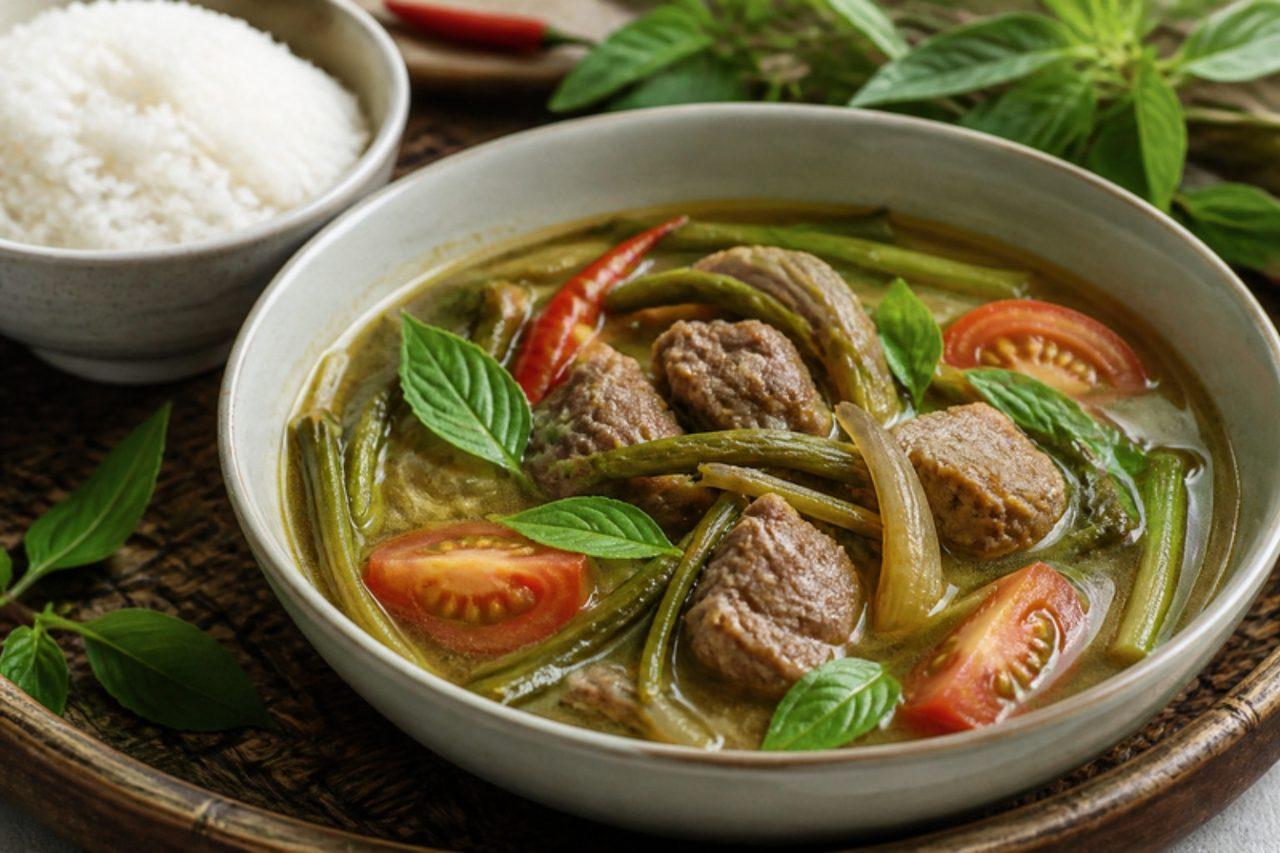
Sour, herbal and gently golden from turmeric, samlor machu kroeung is one of the soups Phnom Penh families put on the table at lunch, ladled over rice with a side of something fried or grilled. Its base is a fresh kroeung of lemongrass, galangal, turmeric and kaffir lime, fried and simmered with slow-cooked beef until the broth turns aromatic, then soured with tamarind and finished with armfuls of crunchy morning glory. Many cooks use beef tripe; here it is braising beef, which turns spoon-tender. A slip that ruins it is adding the morning glory too early, so it turns khaki and slimy. Chef's tip: toast the kroeung in the beef fat until it darkens a shade and smells sweet; that is where the soup's depth comes from.

by KrazyBadal 0 views

Samlor proherPumpkin and vegetable soup

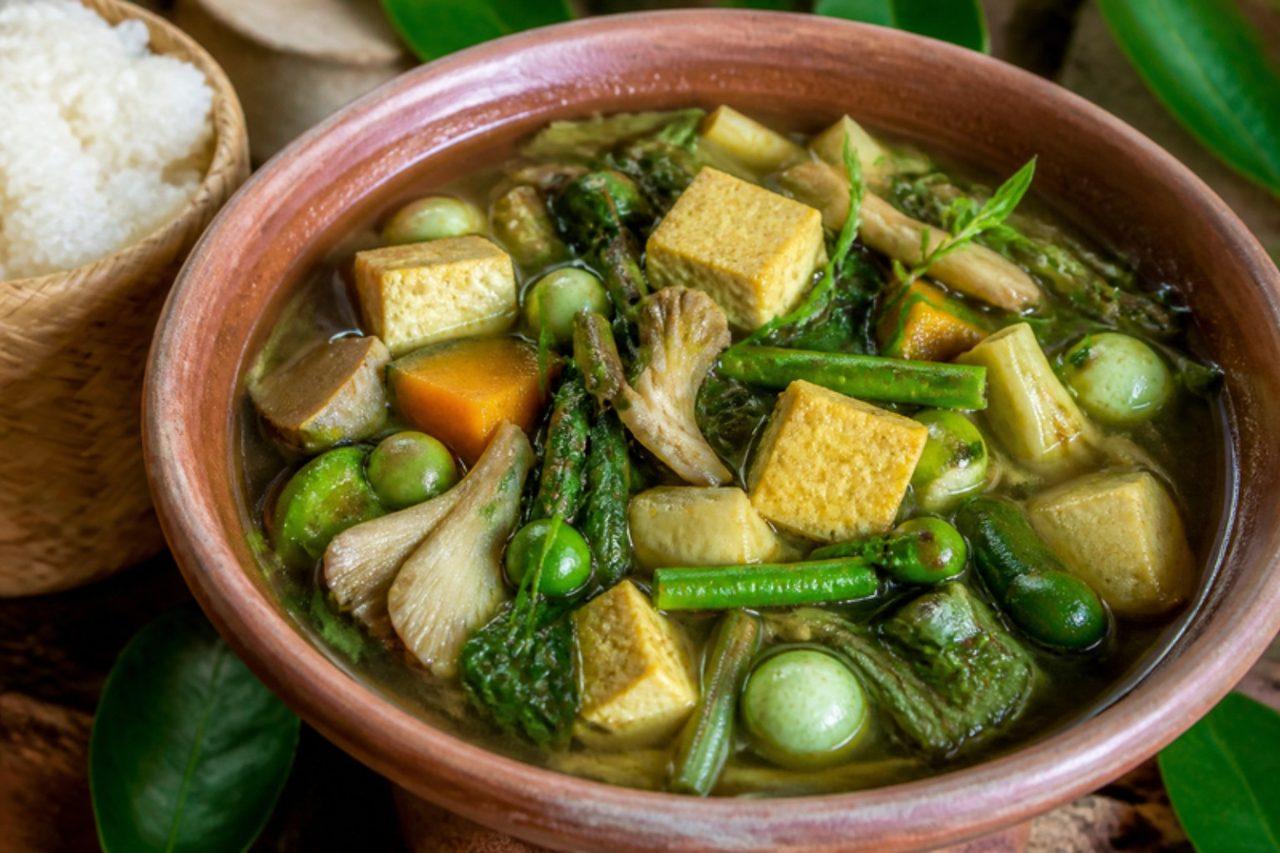
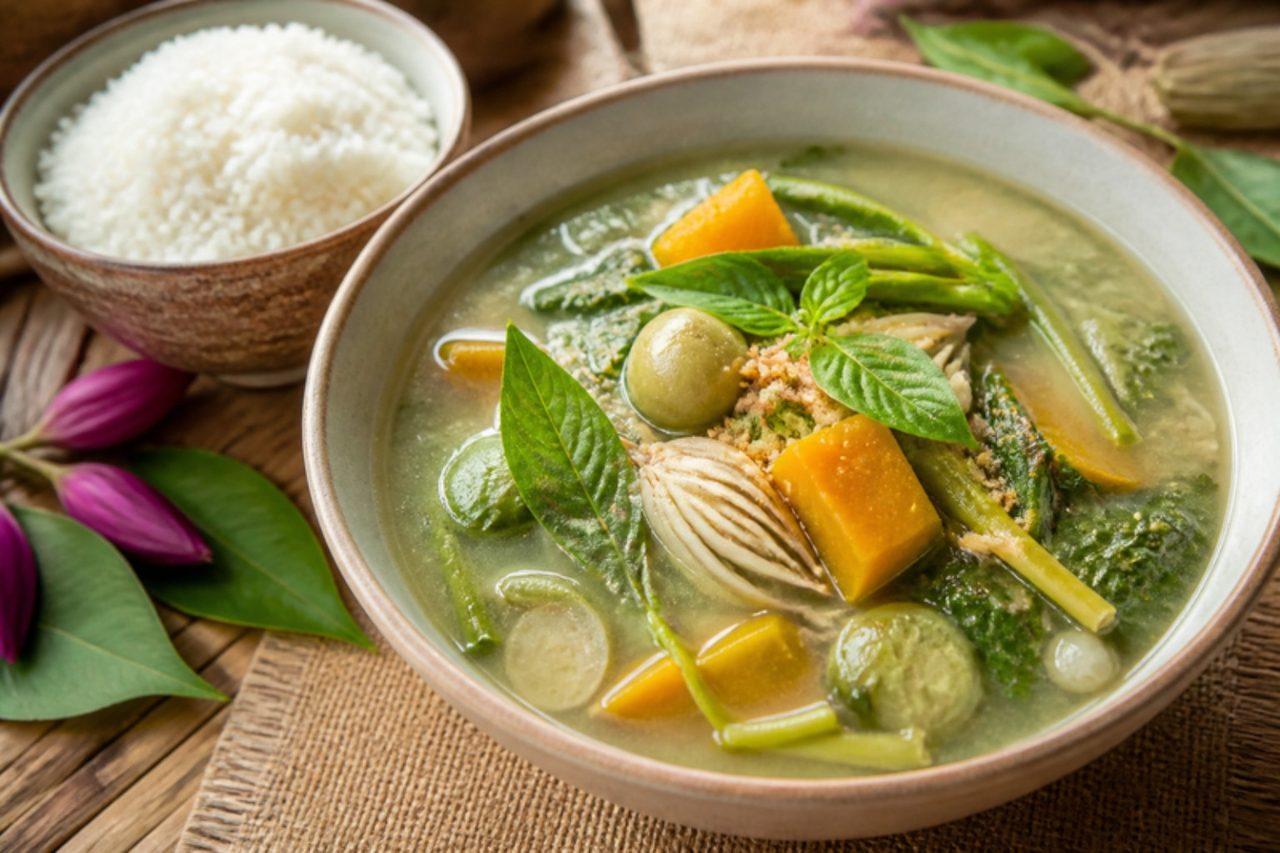
Home cooks in the villages around Siem Reap make samlor proher when the garden is full: a light, clear soup crowded with pumpkin, banana blossom, long beans, little aubergines and leafy greens, seasoned with a lemongrass kroeung and a spoonful of prahok. Toasted ground rice is stirred in near the end, giving the broth a faint body and a nutty, popcorn-like aroma. It is everyday lunch food, eaten with steamed rice and perhaps a piece of grilled fish, and it tastes savoury, sweet from the pumpkin and gently earthy. Leaving the prahok raw is the big no; it must be mashed and boiled in the broth for at least 10 minutes, so it cooks through and its sharpness rounds out. Chef's tip: slice the banana flower straight into lime-acidulated water, or it will turn black within minutes.

by KrazyBadal 0 views

Pakan pithaFried rice flowers in date syrup

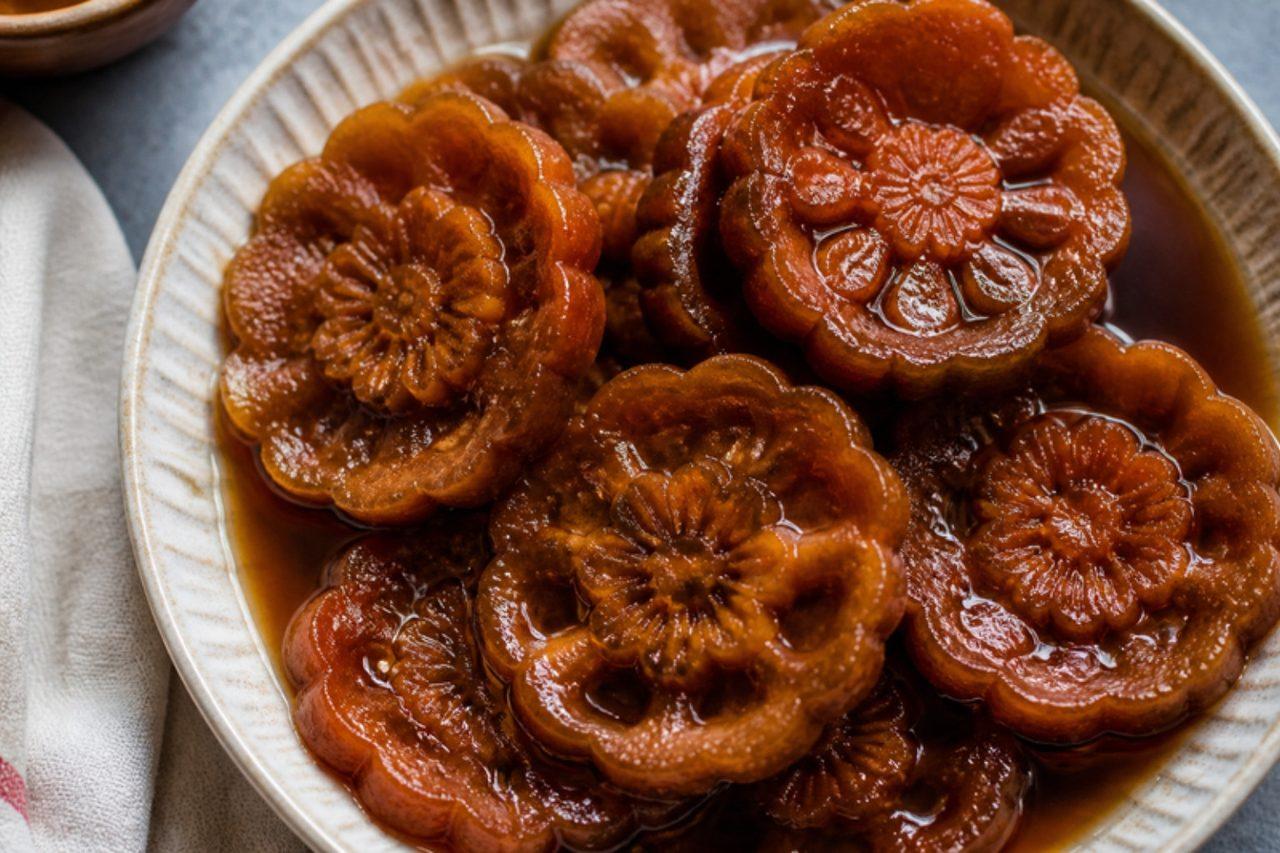
Pakan pitha belongs to the long nights of the Bengali month of Poush, when village kitchens in Rajshahi, Bogura and the Mymensingh plains make batch after batch for guests and for relatives coming home for the harvest. Smaller and quicker than nakshi pitha, each cake is cut into a flower and stamped with a carved wooden pitha mould or the tines of a fork, fried until crunchy, then dipped in syrup made with khejur gur, the date-palm jaggery that gives it a smoky, caramel colour and taste. The outside softens slightly in the syrup while the centre stays crisp, and they are eaten warm with tea or kept in a tin for visitors. Frying straight from the board with the dough warm and sticky makes the shapes collapse, so let the cut flowers dry for 10 minutes first. Chef's tip: a little sugar in the dough helps the pitha colour evenly.

by KrazyBadal 0 views

Trinidad cassava poneCassava coconut pumpkin cake

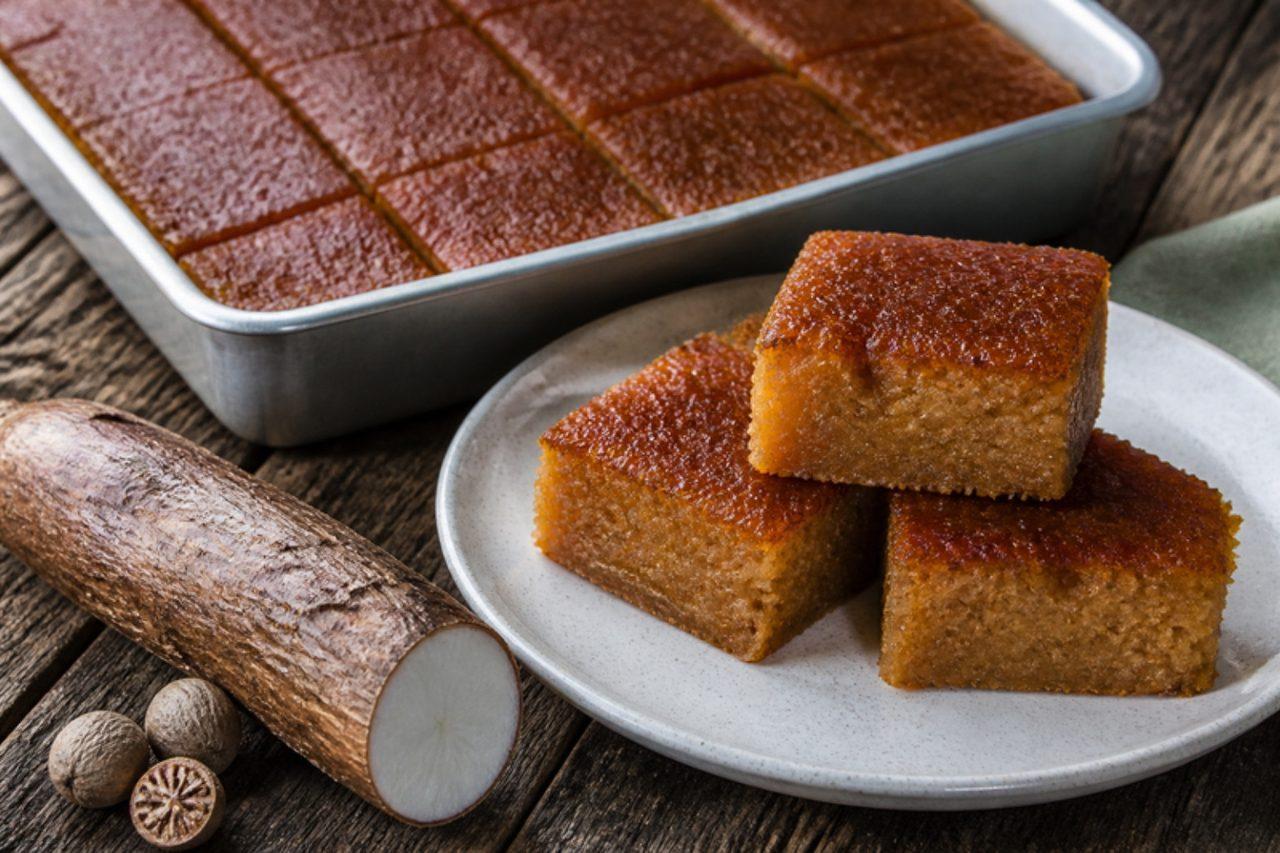
Come December, trays of pone sit on every Trinidadian sideboard next to the black cake and sweet bread, cut into sticky squares for visitors who drop by between parang parties. It is made from raw grated cassava, fresh coconut and pumpkin, bound with evaporated milk, brown sugar and warm spices, then baked until the edges caramelise and the middle turns dense and chewy, a little like a fudgy bread pudding. The usual mistake is cutting it hot: pone only firms up into clean squares once it has cooled completely. Never eat cassava raw; it must be fully baked through. Chef's tip: squeeze a handful of the grated cassava over the sink before mixing, as excess starchy water makes the pone gummy rather than chewy.

by KrazyBadal 0 views

Namkeen goshtSalted lamb in its own fat

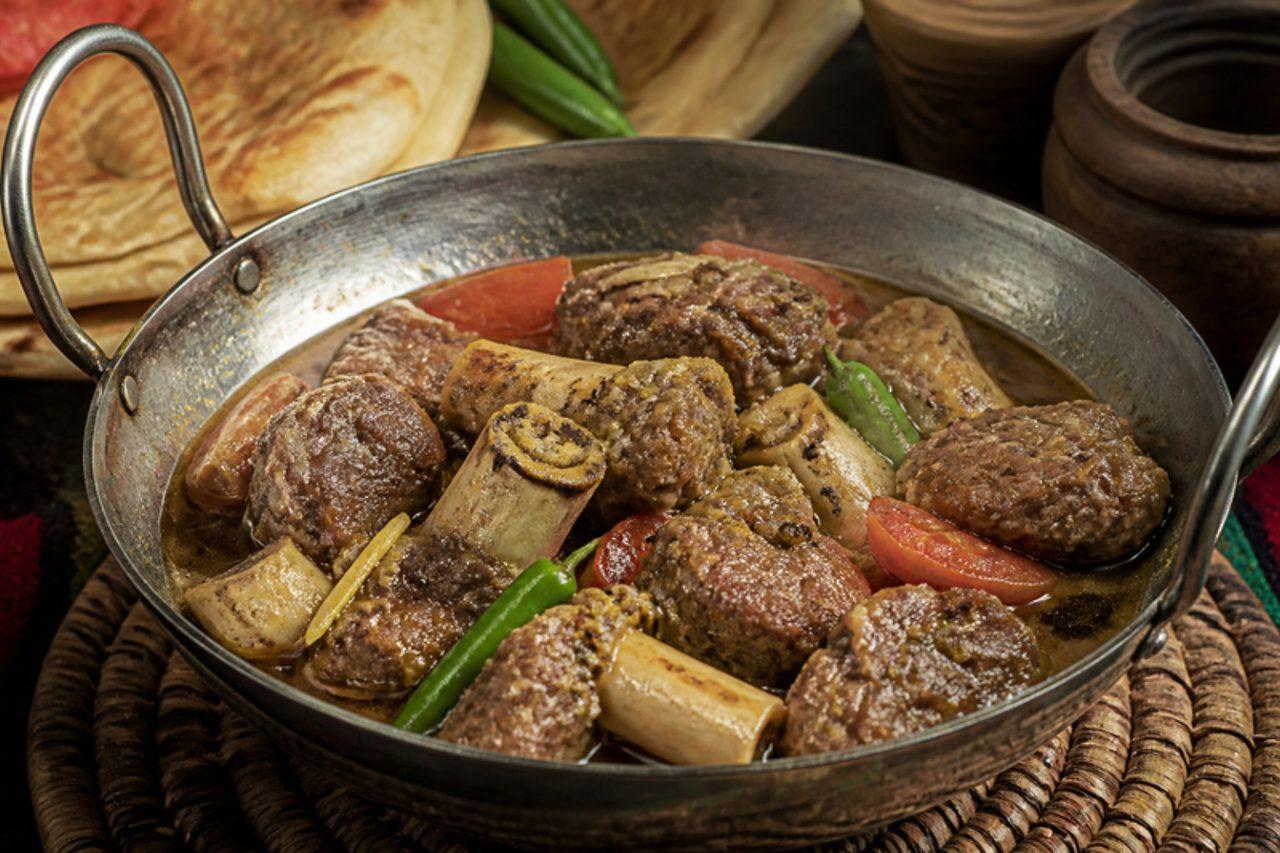
Pashtun cooking has a proud streak of minimalism, and namkeen gosht (salted meat) shows it best: lamb on the bone cooked slowly in a karahi or heavy pot in its own fat with salt, then finished with tomatoes and green chillies, and nothing else bar a crack of black pepper. In Peshawar and the tribal districts it is made in big pots for jirga gatherings and Eid, and on cold Swat evenings it is what the family eats with thick naan and a plate of raw onion. The meat ends up meltingly tender, the gravy is a glossy reduction of fat and juices. Adding water too early is the misstep; the lamb should first release and fry in its own liquid. Chef's tip: choose fatty pieces like ribs and shoulder; lean leg alone will turn dry and stringy with this method.

by KrazyBadal 0 views

Palak goshtMutton and spinach curry

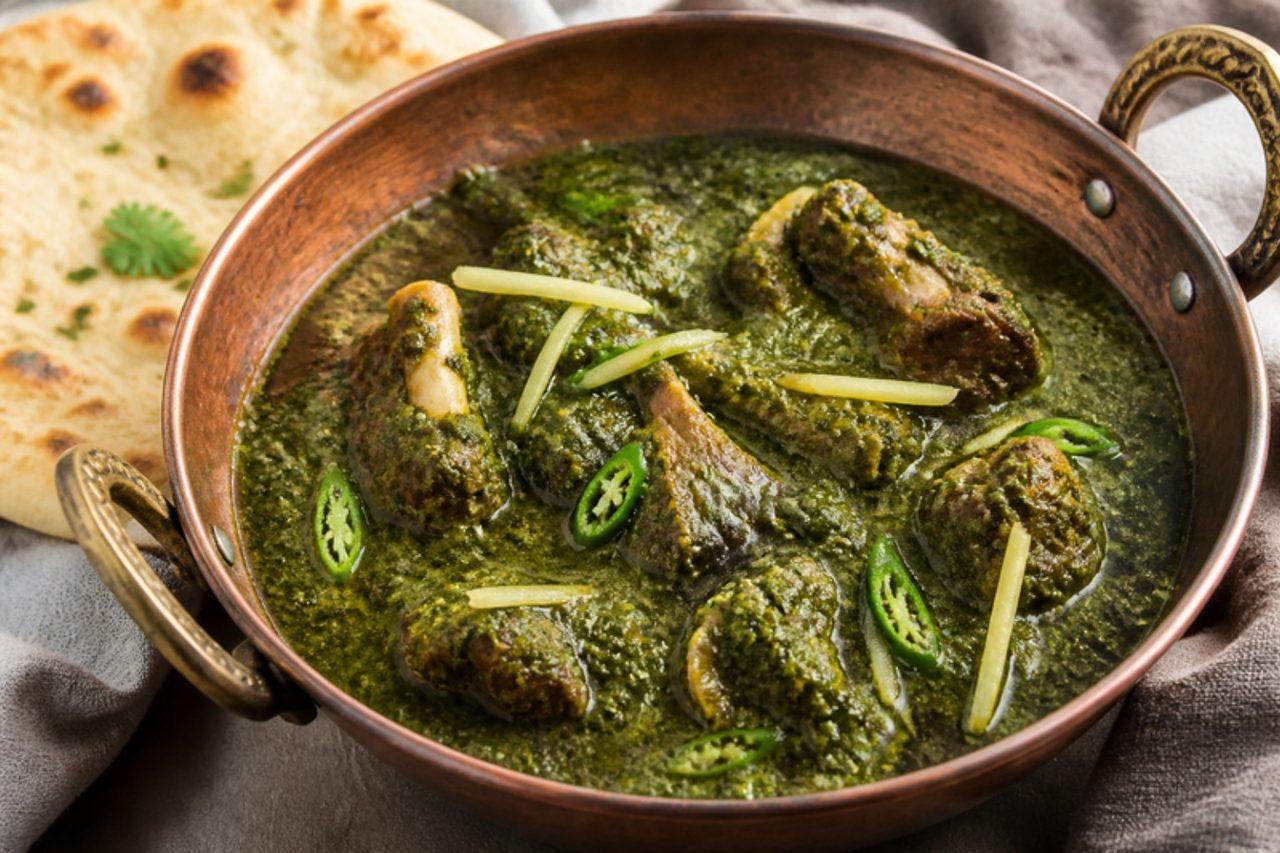
When the winter spinach comes in around Gujranwala and Sheikhupura, bunches of it are piled on carts by the armful, and palak gosht is what many Punjabi kitchens make with them. The spinach is cooked into the mutton until it collapses into a dark green, garlicky gravy, loose but not soupy, with flecks of ginger and the warmth of green chilli rather than a lot of red spice. It is eaten with makki ki roti or plain chapati and a glass of lassi. Puréeing the spinach to a smooth paste is a frequent misstep; Punjabi cooks chop it and let it melt so you can still see the leaves. Chef's tip: add a knob of butter or ghee and a pinch of dried fenugreek leaves at the end, which rounds off the iron edge of the spinach.

by KrazyBadal 0 views

Paling in 't groenEel in green herb sauce

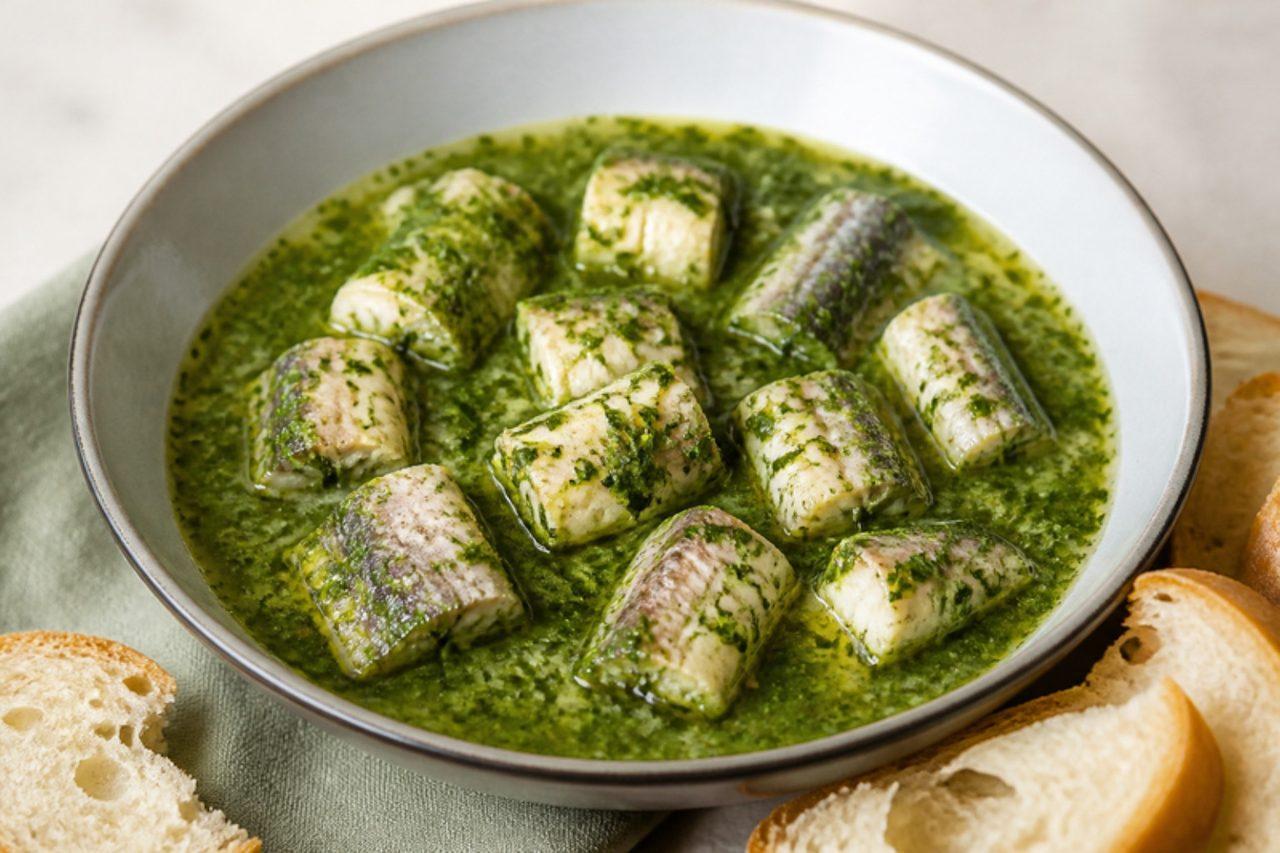
Paling in 't groen, 'eel in green', is the old riverside dish of the Scheldt valley between Antwerp and Ghent, served in summer in cafés along the river at places like Hamme and Lillo: pieces of eel cooked briefly in butter, then simmered in a vivid green sauce of sorrel, spinach, chervil, parsley, tarragon, mint and sage, thickened with egg yolk. It is eaten hot or cold with fries or bread. European eel is critically endangered, so buy only eel from a legal, responsibly managed source, cleaned and skinned by the fishmonger, or use thick pieces of another firm, oily fish such as mackerel. A common mistake is cooking the herbs for long, which turns the sauce khaki. Chef's tip: add the herbs only for the last 3 minutes, then bind with yolk off the heat. The fish is cooked when firm and opaque at the bone.

by KrazyBadal 0 views

Palla machhiFried hilsa fish

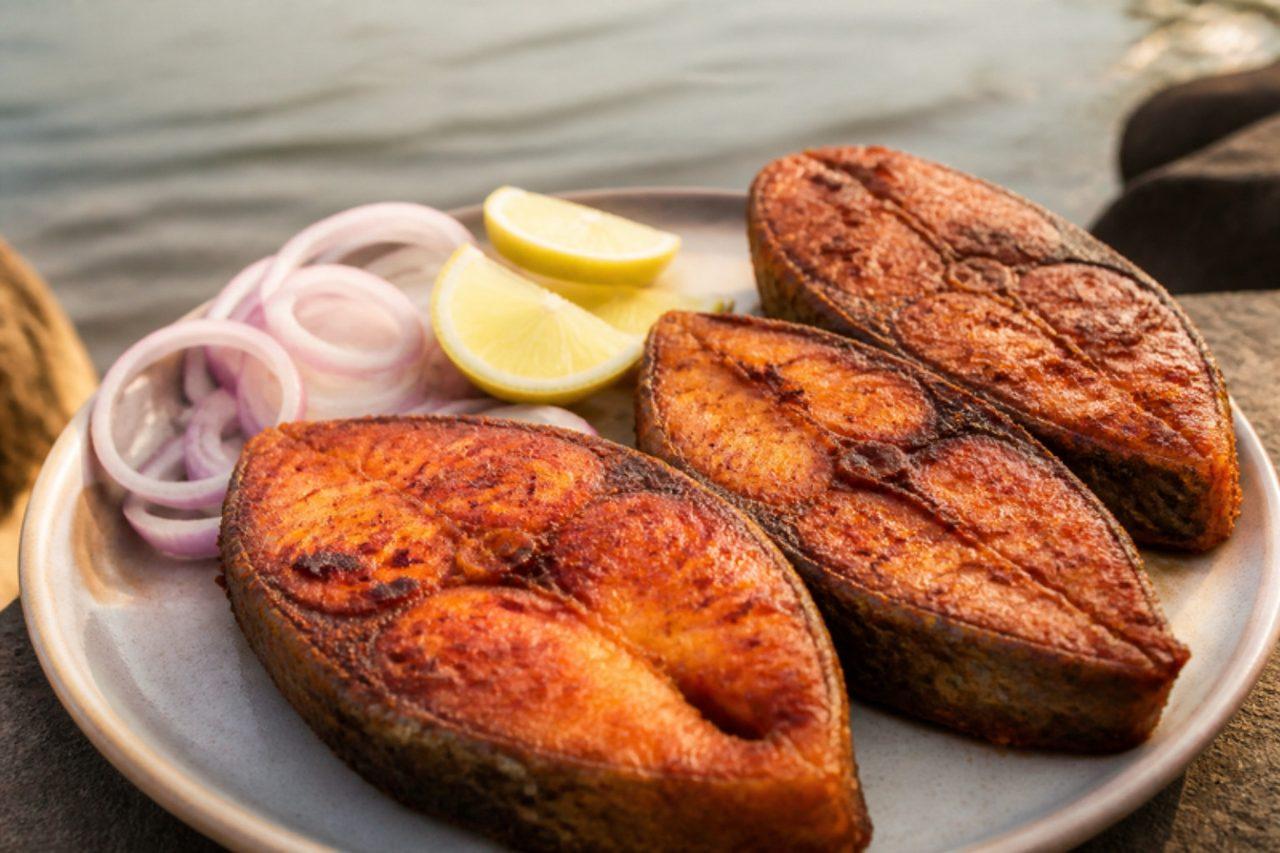
Every monsoon, when the Indus floods and the palla swim upriver past Kotri barrage, roadside stalls between Hyderabad and Thatta fry the oily, silver fish in front of you, and people drive out from Karachi just to eat it. Palla is the Sindhi name for hilsa, a rich fish with a sweet, almost buttery flesh and a forest of fine bones, so you eat it slowly, with your fingers, alongside plain rice, a smear of dal and lemon. The masala is simple and red: chilli, turmeric, garlic and a little ajwain. Turning the steaks too early is the classic way to lose the crust, so let them fry undisturbed until they release from the pan on their own. Chef's tip: if you cannot find hilsa, shad, mackerel or thick sardine fillets take the same masala well, and they are far less bony.

by KrazyBadal 0 views

Sanwin makinSemolina coconut cake

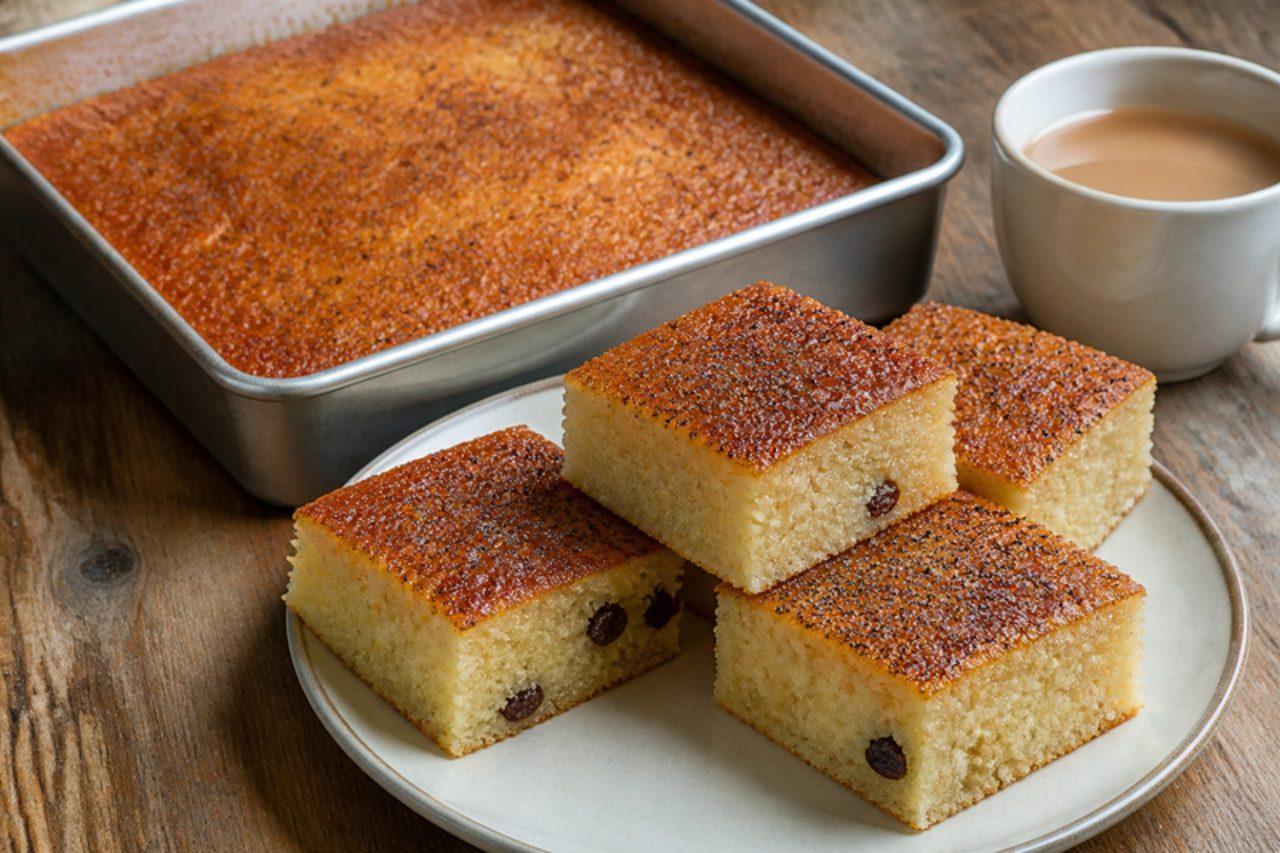
Burmese families bake trays of this dense, golden cake for donation ceremonies, novice monk initiations and the Thadingyut lights festival, and tea shops in Yangon sell it in neat diamonds beside the milky tea. Semolina is toasted and slowly cooked with coconut milk, milk and sugar into a thick paste, enriched with butter and eggs, then baked until the top is deep brown and the inside is soft, moist and fudgy, somewhere between a cake and a set pudding. Poppy seeds on top add a faint crunch; toasted sesame is a common swap. Cutting it warm is the typical letdown: the cake only firms as it cools, so wait a few hours. Chef's tip: toast the semolina until it smells like warm biscuits before adding any liquid; that nutty depth is what makes a good sanwin makin.

by KrazyBadal 0 views

SanyakhunaSpiced fish jelly

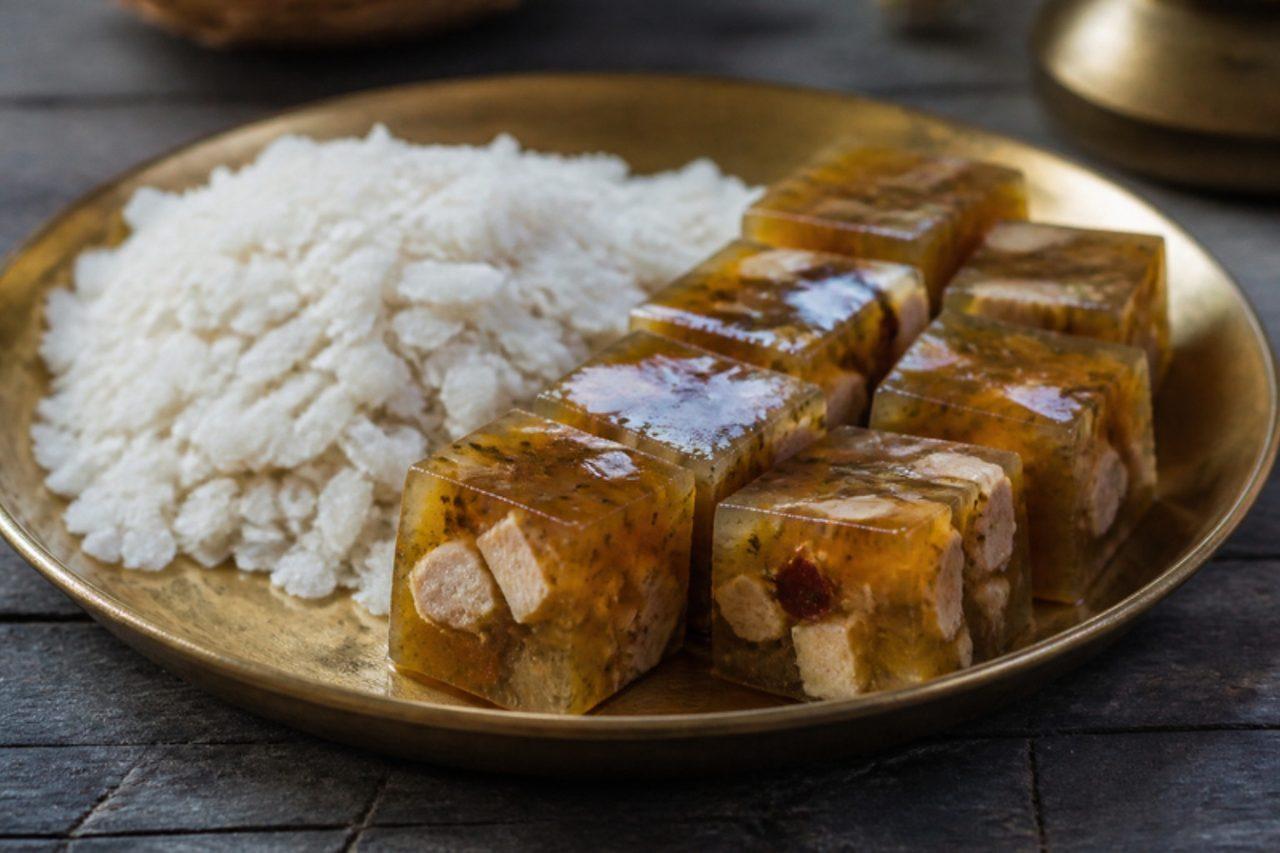
Sanyakhuna is takha's fishy cousin, a Newari winter delicacy from the Kathmandu Valley made by cooking small fish with ginger, garlic, chilli and timur in a rich stock and leaving it to set into a cool, savoury jelly. In old Newar kitchens the set came from buffalo skin simmered in the stock; this home version uses fish heads and frames, which give flavour and a soft set, and a little agar so it sets reliably in the fridge. Squares are cut and eaten cold with beaten rice and a fiery achar during the cold months, especially around Yomari Punhi. The typical failure is a cloudy, bitter stock from boiling the fish too hard or too long; fish bones need only 30 minutes. Keep it in the fridge and eat within 2 days. Chef's tip: use small whole fried fish such as sprats or small trout fillets for the pieces in the jelly, as they hold their shape.

120 minNepaliFishGluten free
by KrazyBadal 0 views

Sapu mhichaStuffed leaf tripe

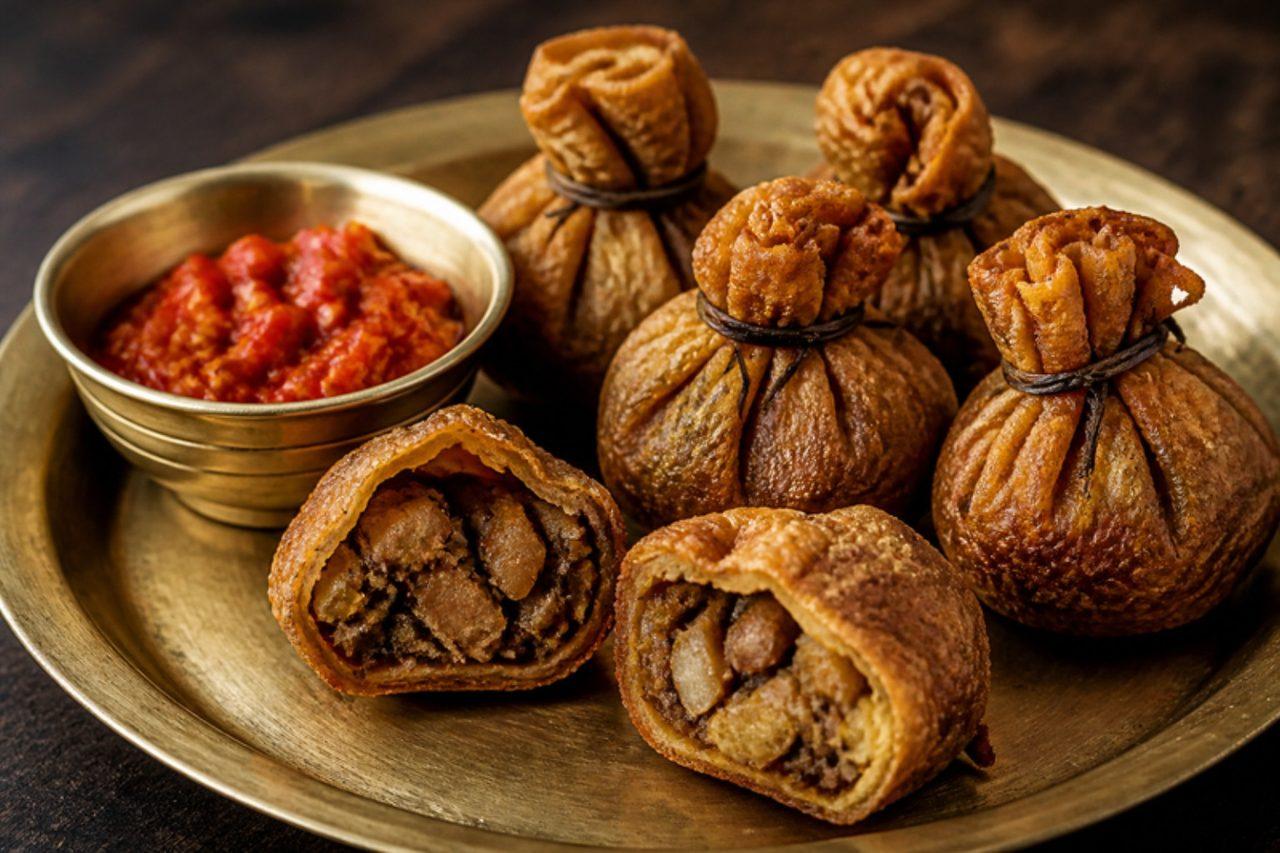
Sapu is the many-layered leaf (or book) tripe of the buffalo and mhicha means a little bag, and these parcels are among the great tests of a Newari cook in Kirtipur, Bhaktapur and the old quarters of Kathmandu, made for bhoj feasts and festival days. The tripe is filled with soft bone marrow seasoned with ginger, garlic and timur, tied up, simmered until tender and finally fried so the outside crisps while the marrow inside turns rich and melting. Slices are eaten hot with beaten rice and a sharp tomato achar. Buy leaf tripe already dressed (cleaned and blanched) from a butcher, ask for beef if buffalo is not available, and cook it until fully tender; it is never served pink or half-cooked. The usual slip is overfilling, which makes the parcels burst in the pan. Chef's tip: tie the parcels like a small sausage with kitchen string, tight but not cutting into the tripe.

120 minNepaliMeatGluten free
by KrazyBadal 0 views

SaqoSago pudding with saffron

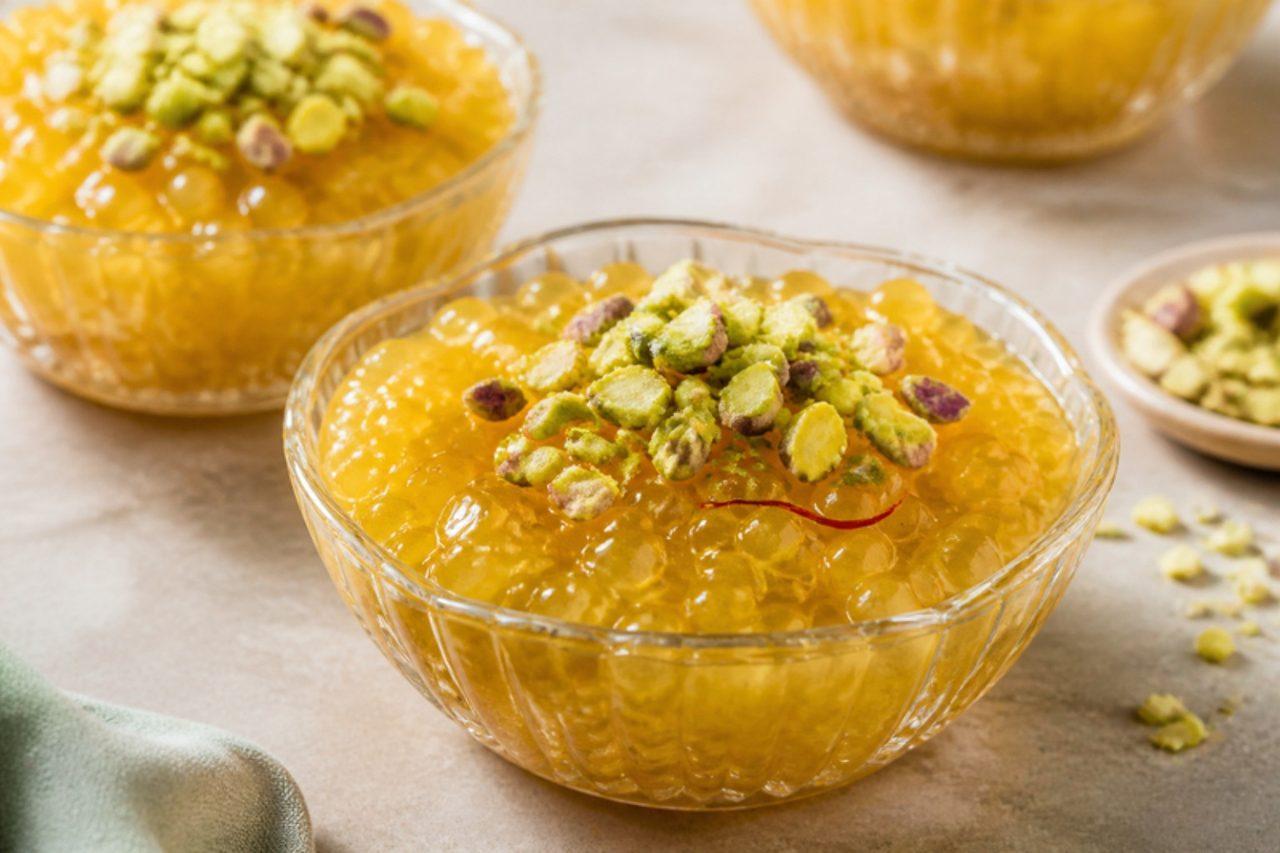
Saqo is a sweet that Gulf grandmothers in Saudi Arabia, Kuwait and the Emirates make for Ramadan nights and family gatherings: tiny sago pearls cooked with saffron and cardamom until clear, glossy and suspended in a golden, wobbly syrup. It is eaten warm or cold from small bowls, often scattered with pistachios, and is gentle enough after a big iftar. The texture is soft and jelly-like with little pearls that pop. The typical mistake is under-cooking, which leaves white chalky centres in the pearls; cook until every pearl is fully see-through. Stir often, as sago sticks to the pan. Chef's tip: add the rose water off the heat at the very end, or its perfume cooks away.

by KrazyBadal 0 views

Saraiki kalay chanayDry black chickpeas

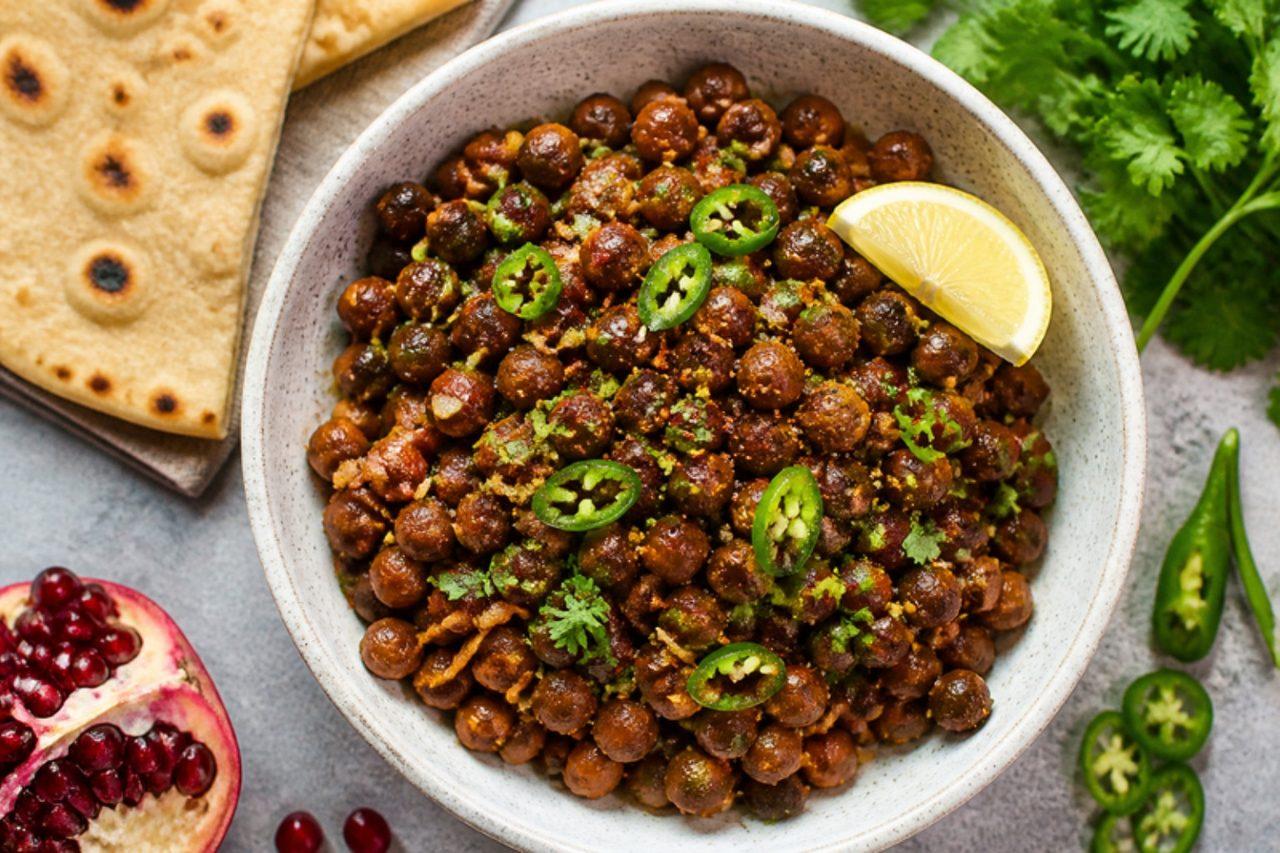
Small, dark kala chana are the everyday protein of the Saraiki belt, and from Dera Ghazi Khan to Multan they are cooked dry, so that each nutty chickpea is wrapped in a thick coating of fried onion, tomato and spice rather than swimming in gravy. Ground pomegranate seed (anardana) gives a gentle sourness, and the dish has an earthy depth that the lighter white chickpea never quite reaches. Expect it at breakfast with tandoori roti and a glass of lassi, packed for field work, and in big pots at shrines on Thursday evenings. Undercooked chickpeas are the usual let-down: black chana take longer than you think and must be truly soft before they meet the masala. Chef's tip: soak them overnight and keep a little of the cooking water to loosen the masala during the final fry.

by KrazyBadal 0 views

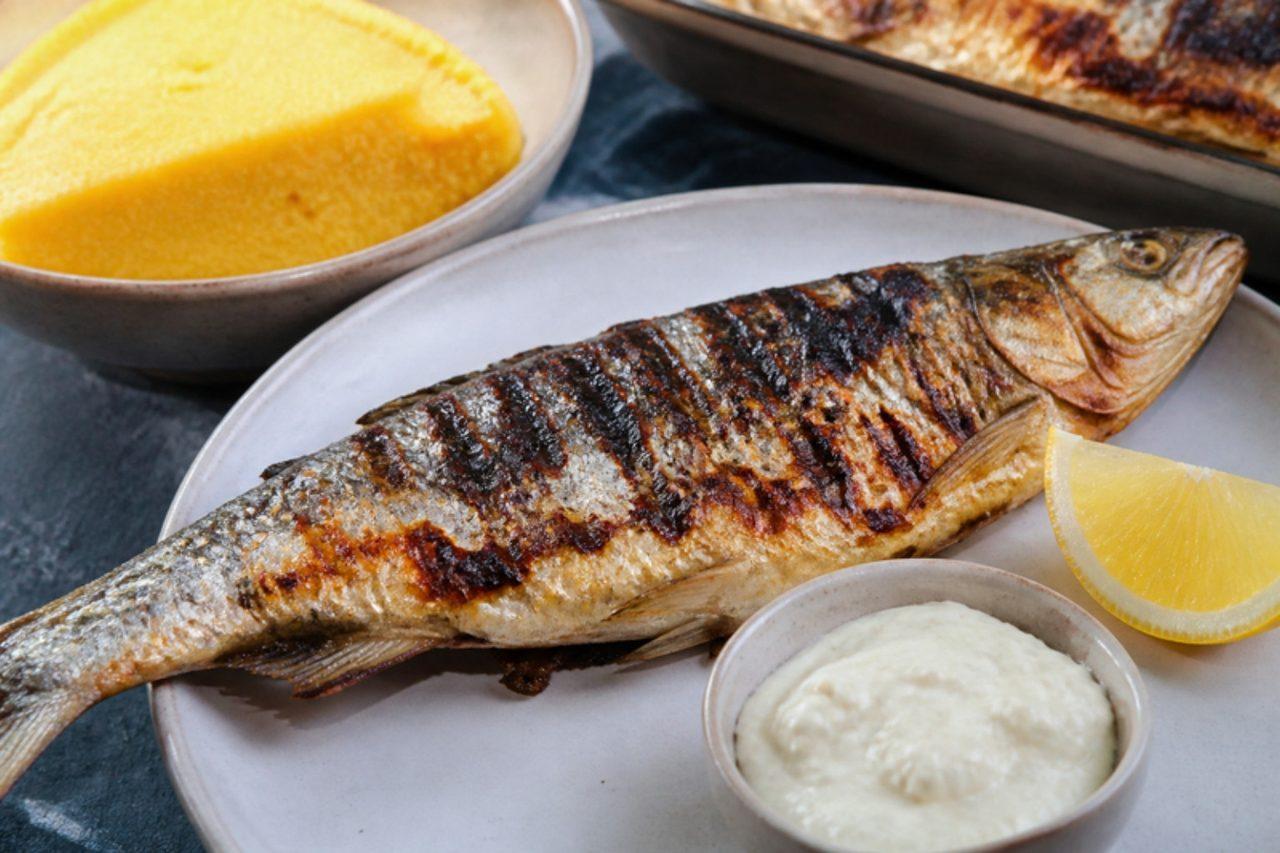
Saramură de peșteGrilled fish in garlic brine

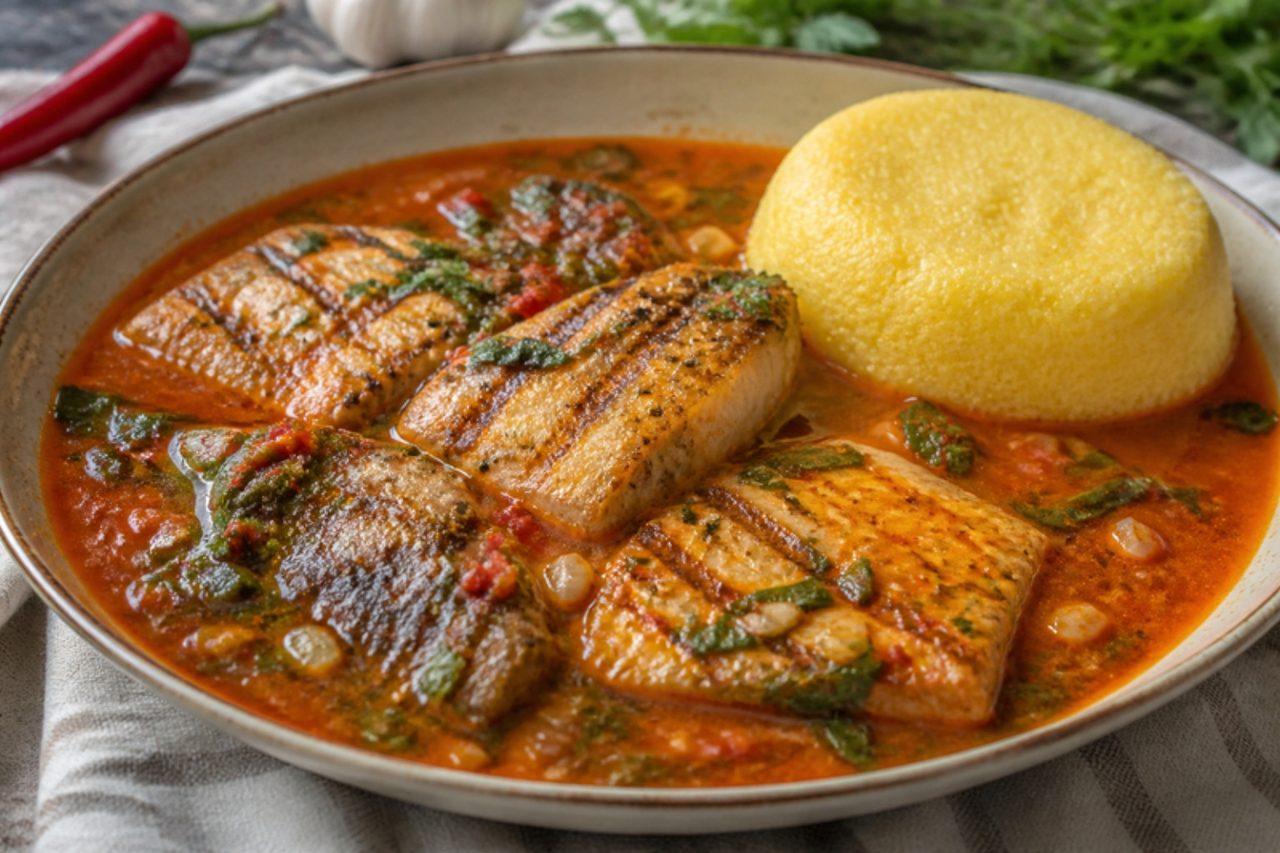
Fishermen in the Danube Delta, from Tulcea down to Sulina, make saramură right on the boat or on the bank: the catch of the morning is grilled over coals, then dropped into a bowl of hot salty broth loaded with garlic, peppers and tomato, where it soaks up the flavour before it is eaten. The fish stays smoky and juicy, the broth is sharp, salty and fiery, and everyone spoons it over a slab of mămăligă. Carp is the usual choice, but catfish, zander or even trout work well. Where it often goes wrong is making the brine too salty: it should taste like well-seasoned soup, not seawater. Chef's tip: grill the fish on a well-oiled, very hot grate and do not move it for the first 4 minutes; it releases cleanly once the skin has crisped.

by KrazyBadal 0 views

SardaiAlmond and fennel milk drink

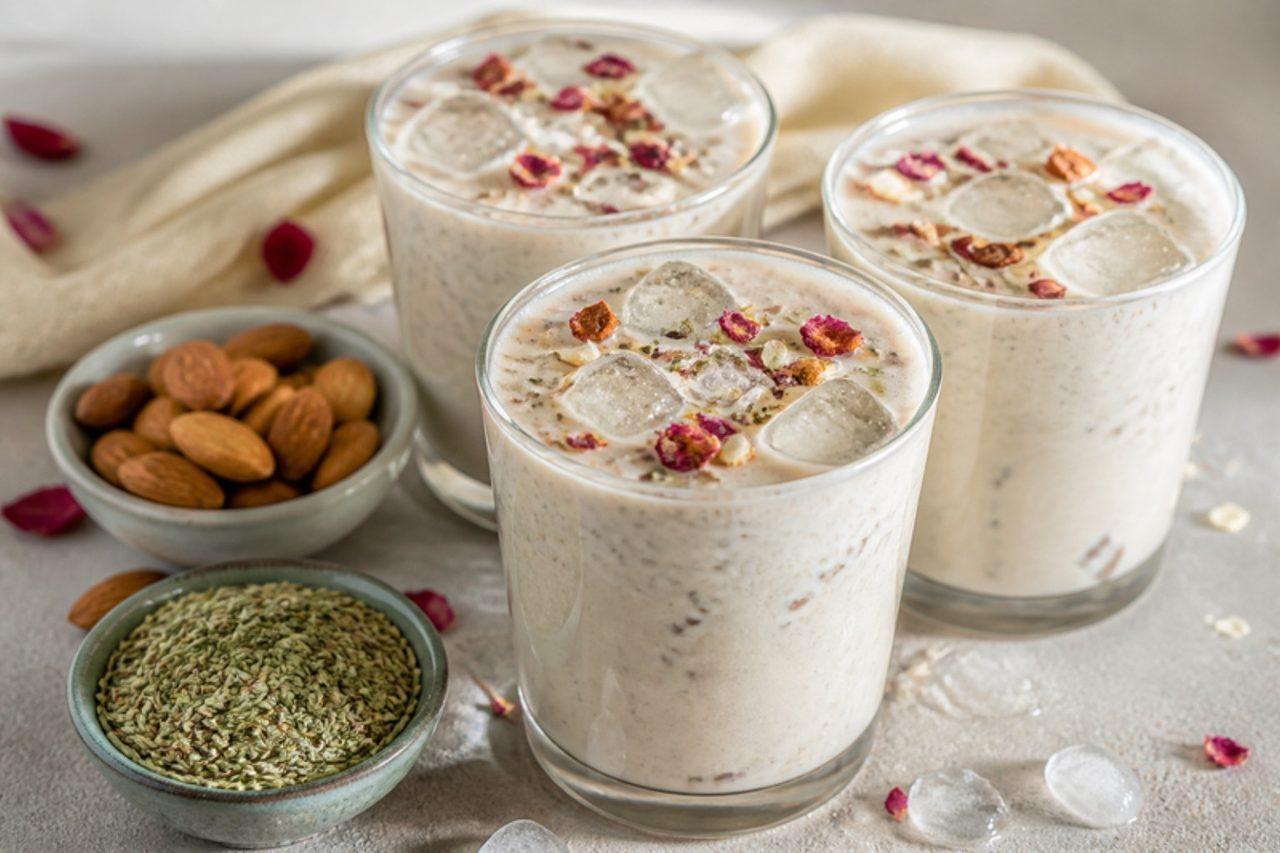
Old Lahoris remember the sardai-wala in the lanes of the Walled City, sitting cross-legged with a huge stone mortar and a wooden pestle, grinding soaked almonds, melon seeds, fennel, poppy seeds and black pepper into a pale paste and whisking it into chilled sweet milk. It is creamy, nutty and floral, with the gentle aniseed cool of fennel and a little warmth from pepper, and it was drunk through the hot months as protection against heat. Today it is easier to make with a blender, but the principle is the same: soak, grind fine, strain, chill. Many people forget to soak the seeds long enough, and the drink ends up gritty with a chalky aftertaste. Chef's tip: soak everything for at least 2 hours, or overnight, and strain through a muslin cloth, squeezing hard, so the sardai is silky and full of flavour.

by KrazyBadal 0 views

Palóc levesLamb and green bean soup

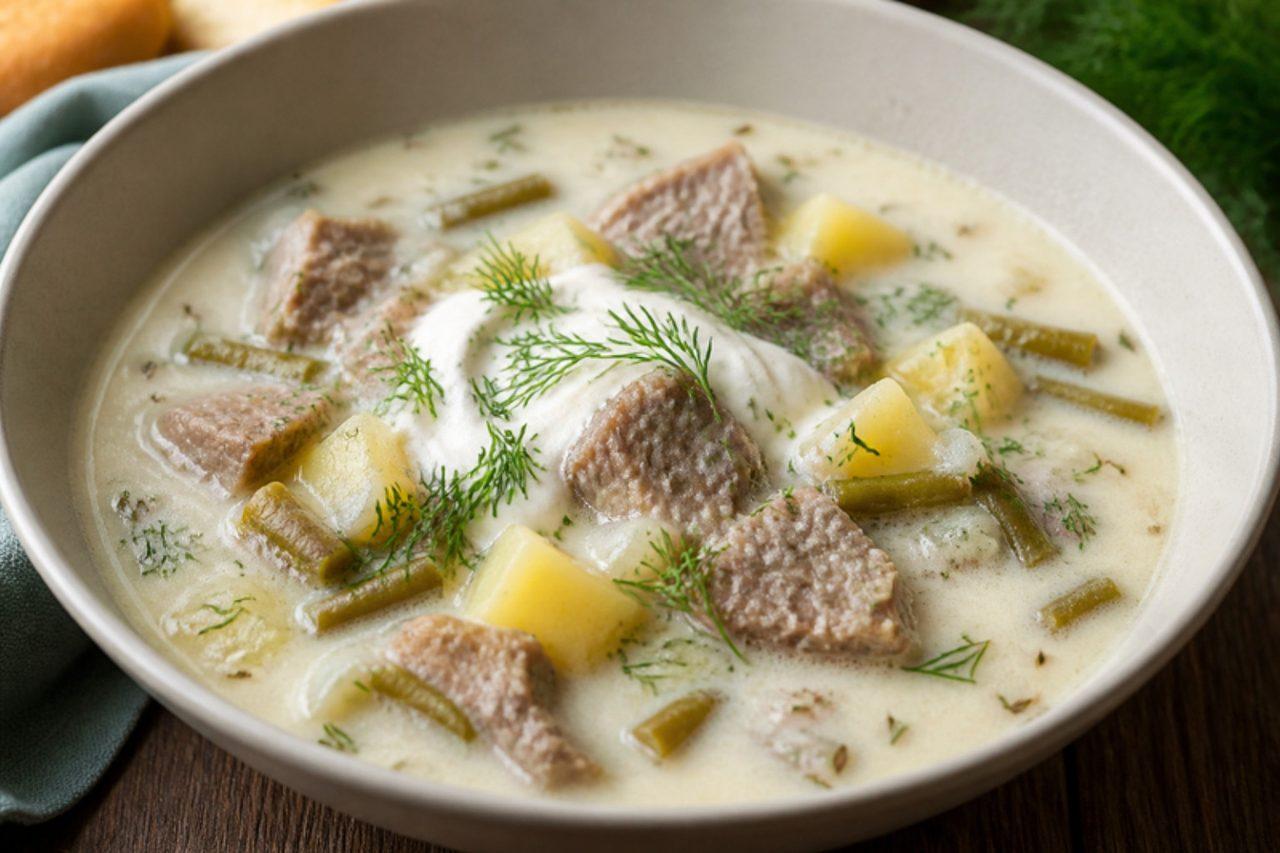
In the 1890s a famous Budapest restaurateur created this soup in honour of the novelist Kálmán Mikszáth, who wrote about the Palóc people of the northern hills of Nógrád, and it became a classic of Hungarian menus. It sits halfway between soup and stew: tender lamb (or mutton) cooked with onion, paprika and caraway, then green beans and diced potato, all finished with sour cream and a handful of dill, so it is creamy, fresh and gently sour. Serve it as a full lunch with crusty bread. The usual slip is adding the beans and potatoes at the start, so they go to mush while the lamb is still tough; give the meat a head start. Chef's tip: a teaspoon of vinegar stirred in at the end lifts the sour cream and brightens the whole bowl.

by KrazyBadal 0 views

SargyangmaPork blood sausage

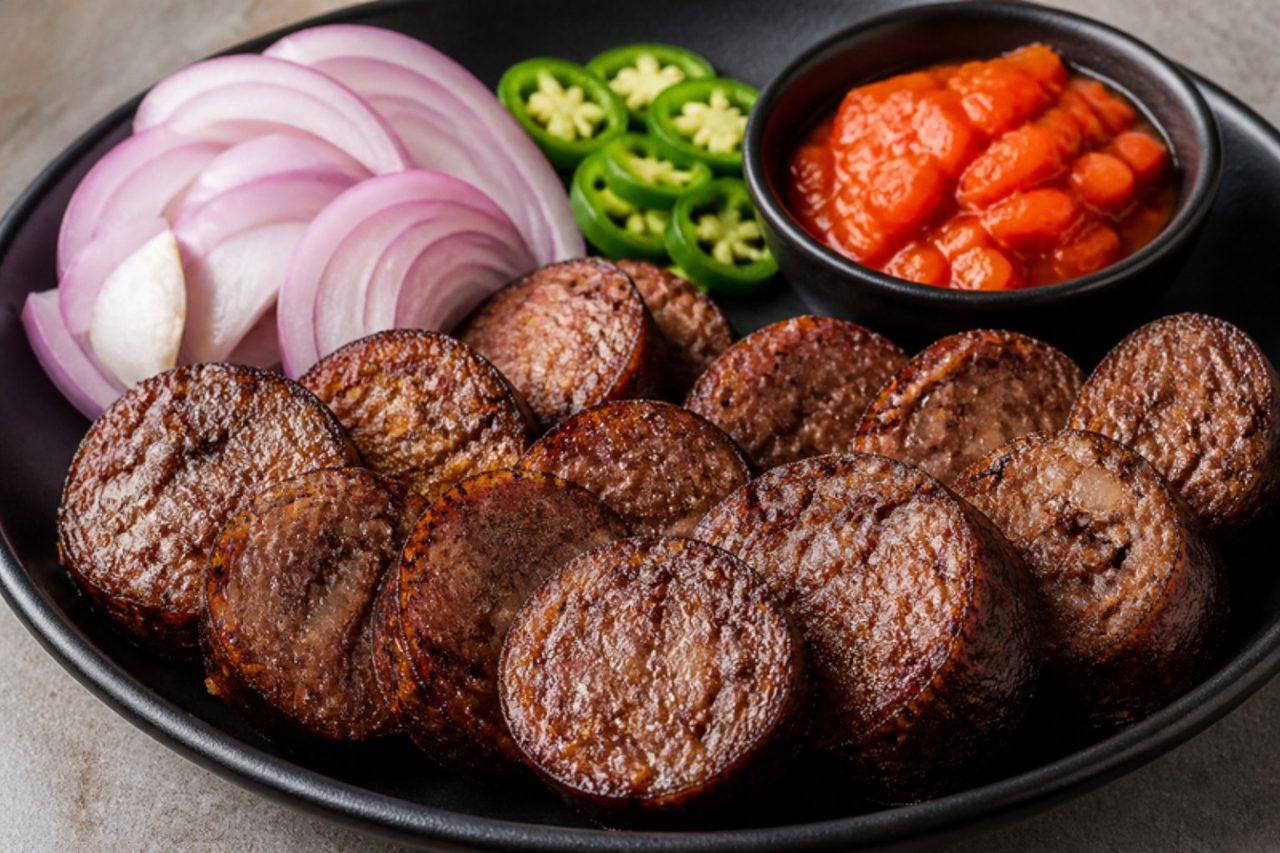
This is a pork dish: sargyangma is the blood sausage of the Limbu people of Taplejung, Panchthar and the eastern hills, made at Chasok Tangnam, weddings and whenever a pig is killed for a family celebration. Fresh pork blood is mixed with diced pork fat, rice, ginger, garlic, chilli and timur, stuffed into pork intestine, gently boiled and then sliced and fried until crisp-edged, and it is eaten hot with a tomato and timur achar or simply with rice. At home, buy fresh or frozen pork blood and natural hog casings only from a licensed butcher, keep both chilled, and cook the sausage until a thermometer in the centre reads 71 °C. The trap is boiling the water hard, which bursts the casings; it should barely simmer. Chef's tip: prick the sausages with a needle as they rise in the pot, and when the liquid that comes out is clear brown, not red, they are nearly done.

120 minNepaliMeatGluten free
by KrazyBadal 0 views

SatsebeliFresh tomato sauce

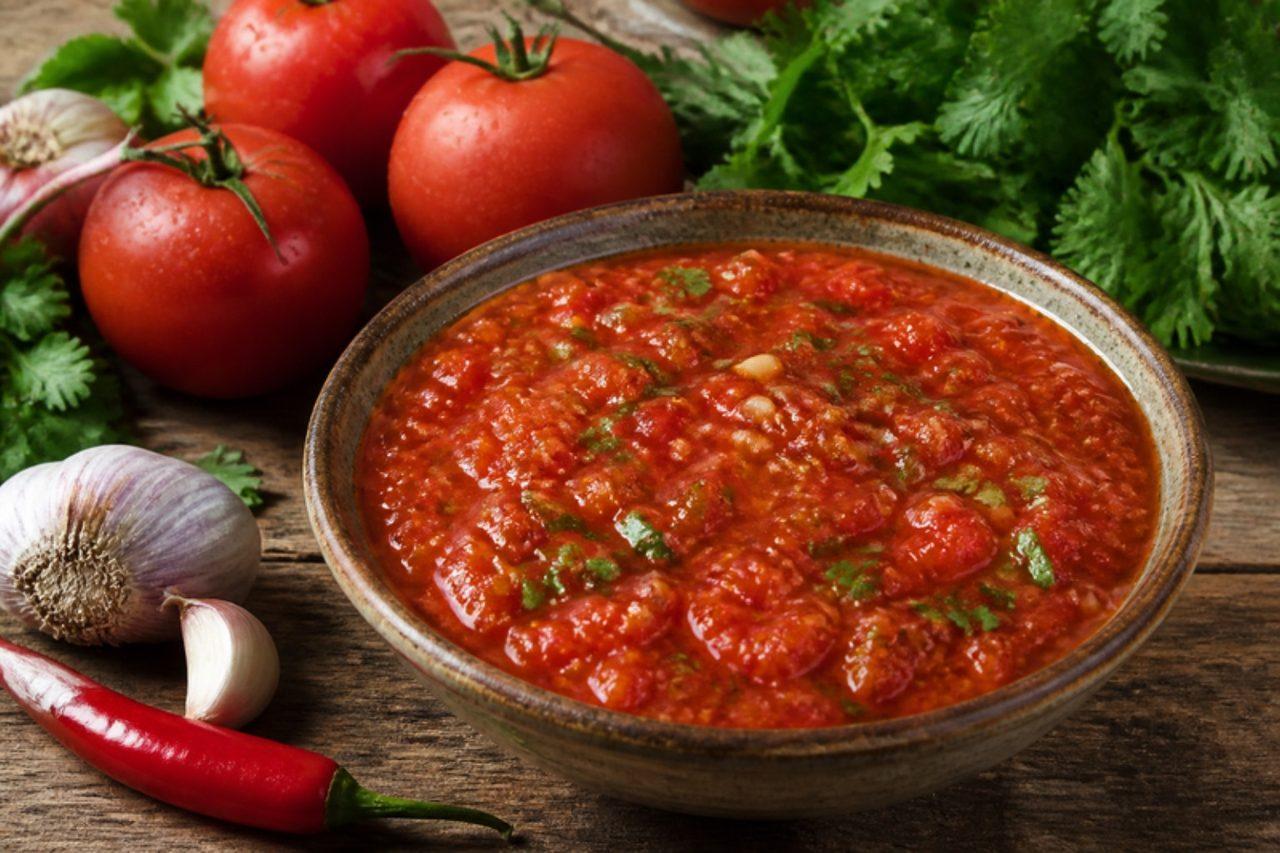
Satsebeli is the uncooked tomato sauce that comes beside mtsvadi skewers at every summer barbecue in Kakheti, and beside khinkali in Tbilisi taverns: very ripe tomatoes, rubbed to a pulp, then sharpened with garlic, hot pepper and a fistful of herbs. It should taste bright, fresh and a little fiery. A common mistake is blending it smooth, which makes it frothy and pale; Georgian cooks grate or chop by hand so it keeps some texture. Chef's tip: make it no more than an hour before eating; the herbs darken and the garlic grows harsh if it sits overnight.

by KrazyBadal 0 views

Saudi champagneSparkling apple and mint punch

Despite the name, Saudi champagne is completely alcohol-free: a jug of chilled apple juice topped up with sparkling water and loaded with sliced apple, orange, lemon and fresh mint. It is the drink of weddings, Eid gatherings and summer afternoons in Jeddah and Riyadh, poured over plenty of ice into tall glasses. It is light, fizzy and fruity, a little like a cider-free punch, and children love it. The most common mistake is adding the sparkling water hours ahead, so the bubbles are gone by the time guests arrive; mix the fruit and juice early, and add the fizz at the last moment. Chef's tip: bruise the mint lightly between your palms before it goes in so it releases its scent without turning bitter.

by KrazyBadal 0 views

Savannah boiled cornCorn in spiced coconut broth

Walk around the Queen's Park Savannah in Port of Spain on an evening and you will smell the big pots of boiled corn: cobs simmered in salted coconut milk with chadon beni, pimento peppers, garlic and hot pepper, then handed over in a paper napkin. The kernels come out juicy and fragrant, with the seasoned broth soaked right into them. The common mistake is boiling hard, which splits the coconut milk and toughens the corn; keep it at a gentle simmer. Chef's tip: let the cobs sit in the hot broth for 10 minutes off the heat before serving; that is when they soak up the most flavour.

by KrazyBadal 0 views

SbitenHot honey and spice drink

Long before tea reached Russia, street sellers wrapped in shawls carried copper urns of sbiten through winter markets, pouring steaming glasses of spiced honey water for traders and coachmen. It comes back every Maslenitsa at fairs in Moscow and Suzdal, drunk beside blini. The taste is warming and sweet, with the bite of ginger, a bitter edge of bay and clove, and a resinous note from St John's wort or mint. Where most people go wrong is boiling the honey hard, which dulls its perfume; simmer the spices first and dissolve the honey off the boil. Honey should not be given to babies under one year old. Chef's tip: make the spiced base ahead and keep it in the fridge, then reheat a glass at a time and finish with a squeeze of lemon.

by KrazyBadal 0 views

MhamsaPearl couscous in tomato harissa broth

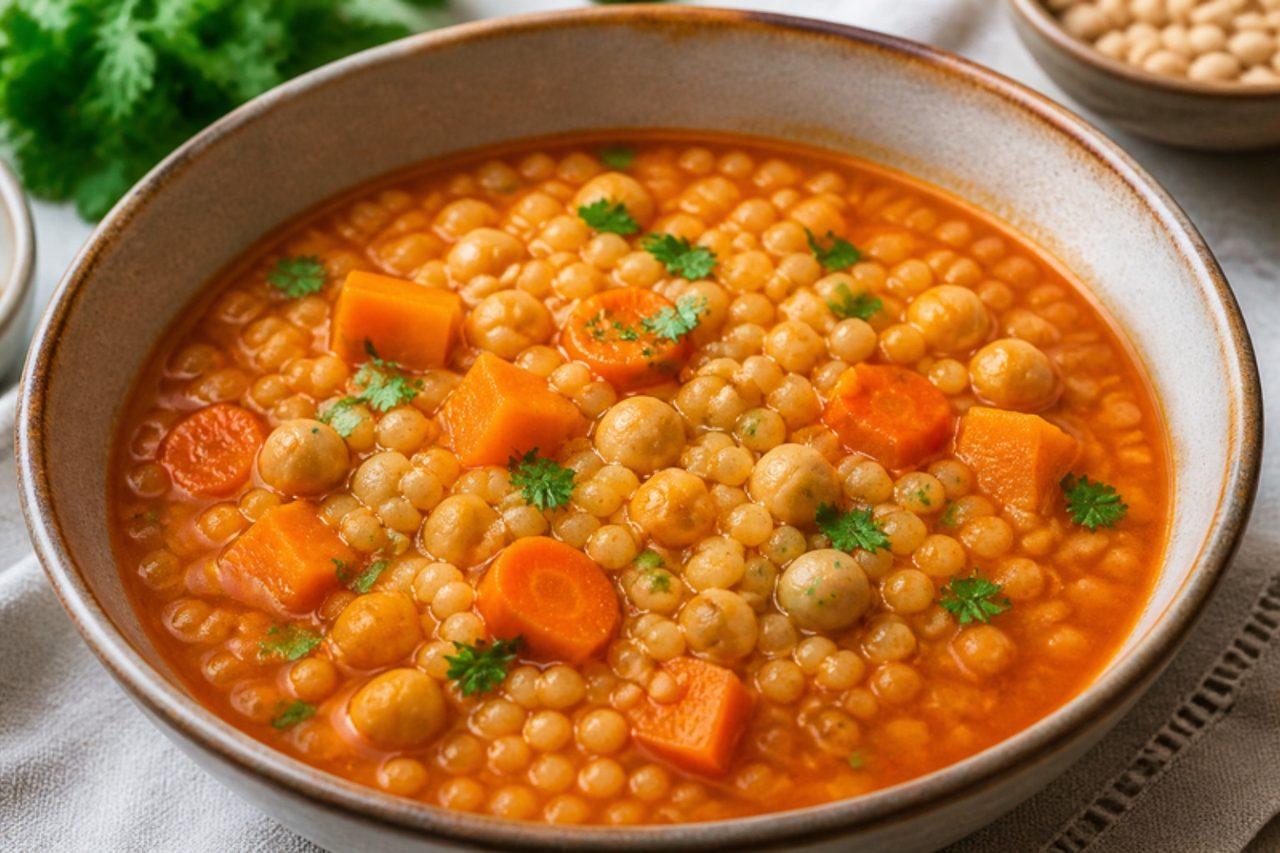
Sfax cooks and families in southern Tunisia roll mhamsa, a pearl couscous somewhere between fine couscous and small pasta, in big batches in late summer and dry it in the sun for the winter. Cooked like a thick soupy stew in a tomato and harissa broth with chickpeas, peppers and pumpkin, it becomes a warming one-pot supper, soft and chewy, with a gentle heat and the sweetness of the vegetables. Bought mhamsa, moghrabieh or giant couscous works well. Fish and meat versions are common; this is the everyday vegetable way. Chef's tip: toast the mhamsa in the oil before adding liquid; it gives a nutty flavour and keeps the grains separate.

by KrazyBadal 0 views

SchmaltzRendered chicken fat with crackling

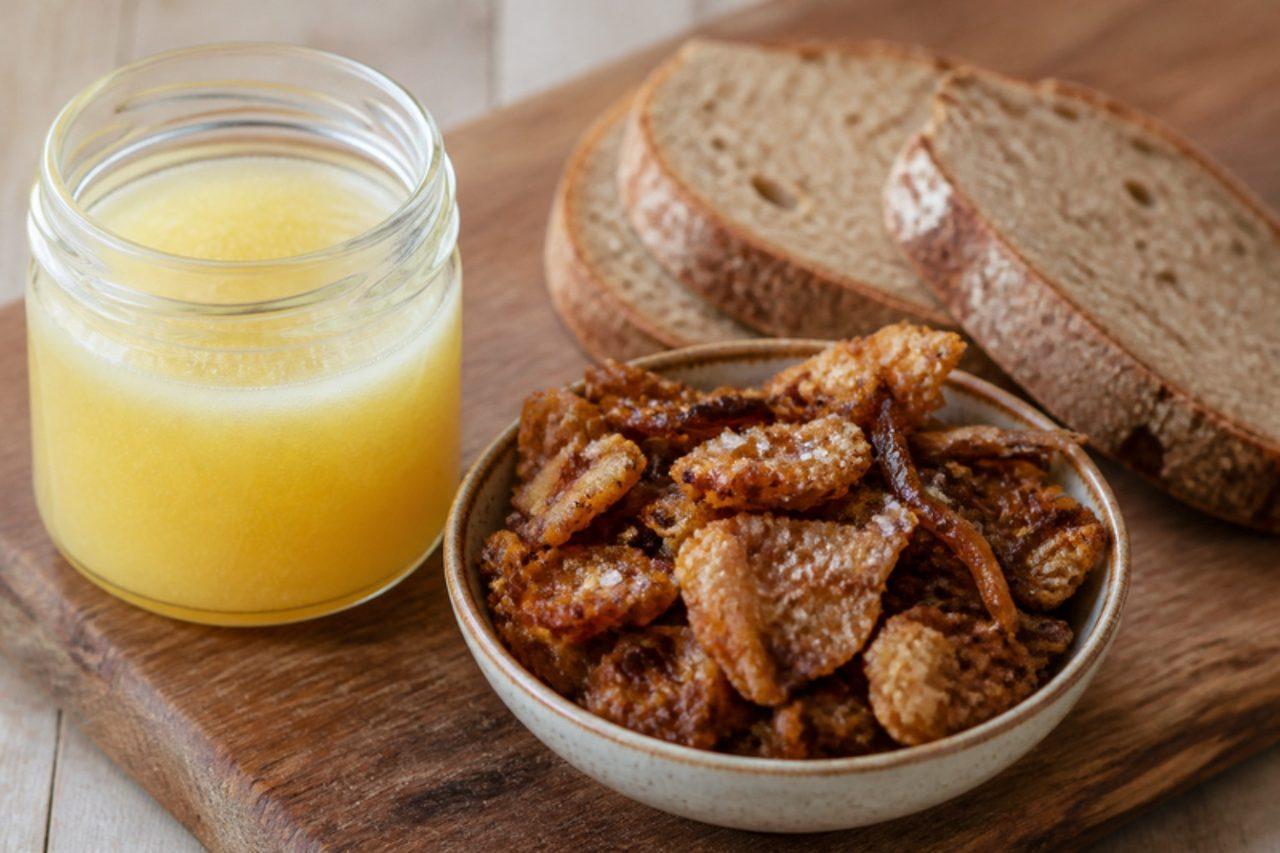
Before vegetable oil reached the shtetl, rendered chicken fat was the cooking fat of every Ashkenazi kitchen that kept meat and dairy apart, and in Bnei Brak and Jerusalem's Geula many grandmothers still keep a jar of it in the fridge for roast potatoes, chopped liver and matzo balls. Skin and fat trimmed from chickens are melted slowly with a little water until the fat runs clear and gold, then onion is added so the fat takes on a sweet, savoury depth. The crisp scraps left behind, gribenes, are salted and nibbled like crackling or scattered over mashed potato. The usual mistake is turning the heat up to hurry it: the skin browns before the fat has melted out and the schmaltz tastes scorched. Chef's tip: ask a kosher butcher for skin and fat trimmings, or save them in a bag in the freezer each time you joint a chicken until you have enough.

by KrazyBadal 0 views

Pan cubanoCuban white loaf

Every Havana bakery turns out long, pale loaves of pan cubano before dawn, to be split for tostada cubana with butter and café con leche or pressed into sandwiches at lunch. The crumb is soft and airy, and the crust is so thin it shatters rather than chews, thanks to a little fat in the dough and plenty of steam in the oven. A common mistake is baking it like a crusty baguette until deep brown; it should come out only lightly golden. Bakers traditionally lay a damp palmetto leaf along the top to make the split; a single shallow slash does the same job. Chef's tip: use a small starter made the night before and the bread keeps its light texture for an extra day.

by KrazyBadal 0 views

Scrumbie la grătarGrilled shad with garlic sauce

Every spring, when the shad swim up the Danube to spawn, the fish markets of Tulcea and Brăila fill with scrumbie, and the smell of it grilling drifts across the riverside terraces through April and May. The fish is oily and full of flavour, so it needs nothing more than salt, a hot grill and a bowl of mujdei, the raw garlic sauce, with soft mămăligă to calm the heat of the garlic. Shad has many fine bones; diners eat it slowly, lifting the flesh off in strips. If you cannot find shad, herring or mackerel are the closest substitutes. The usual slip is turning the fish too early, so the skin tears; wait until it lifts on its own. Chef's tip: slash the sides of the fish every 1.5 cm right down to the bone; the heat gets in and the tiny bones soften.

by KrazyBadal 0 views

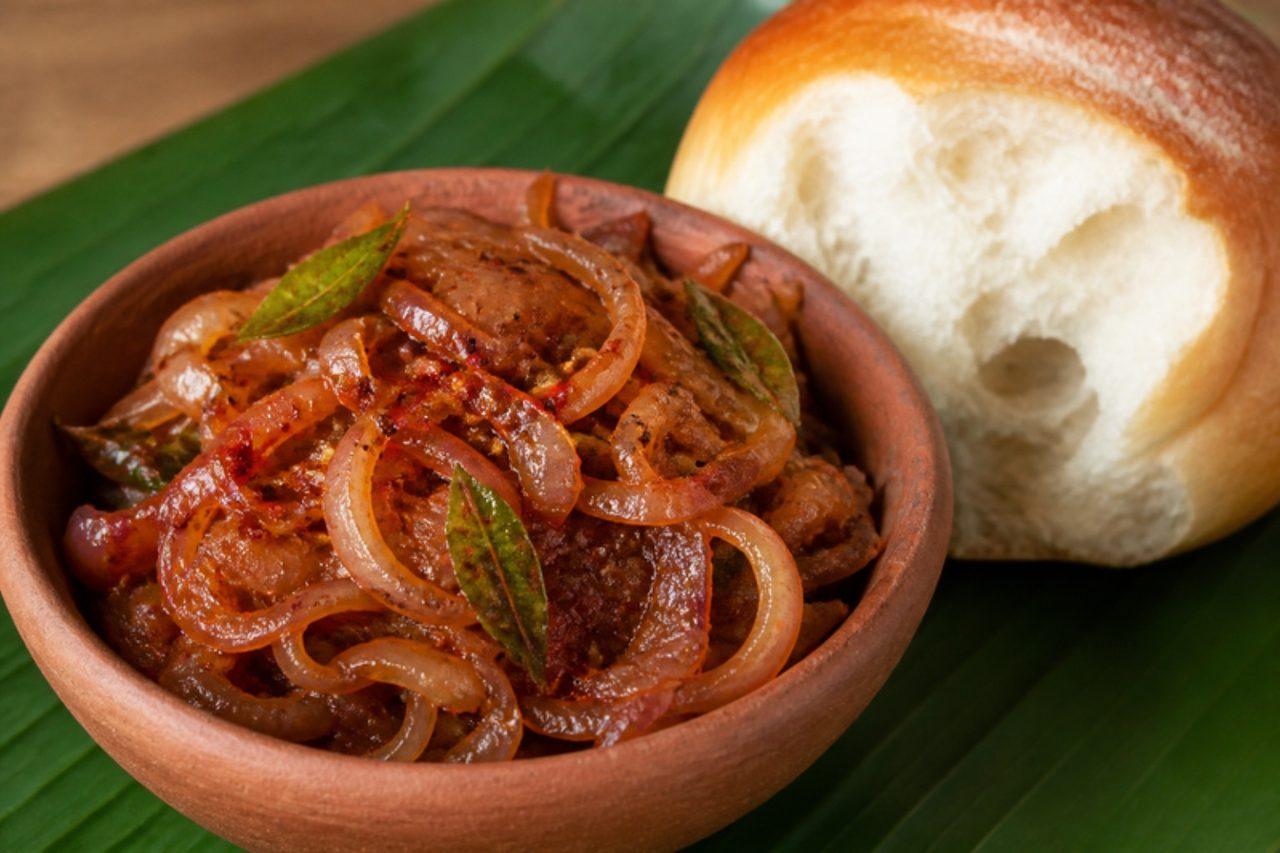
Seeni sambolCaramelised onion relish

Seeni means sugar in Sinhala, yet this dark, sticky relish is as much about chilli and sour tamarind as it is about sweetness. A whole kilo of red onions cooks down to a couple of jars' worth, and in Colombo it turns up everywhere: stuffed into soft bakery buns, spooned into plain hoppers, layered on kiri bath at New Year and folded into the lamprais parcel. Most households pound a handful of Maldive fish flakes into it for a smoky, savoury depth; this version leaves the fish out so it is fully vegan, and the long, patient browning gives it plenty of body anyway. Heat is the thing people get wrong: onions pushed on a high flame scorch at the edges before they ever turn sweet, so keep the pan at medium-low and give it time. Chef's tip: slice the onions as evenly as you can, about 3 mm thick, so they collapse at the same rate and the sambol ends up glossy rather than half-crisp, half-raw.

by KrazyBadal 0 views

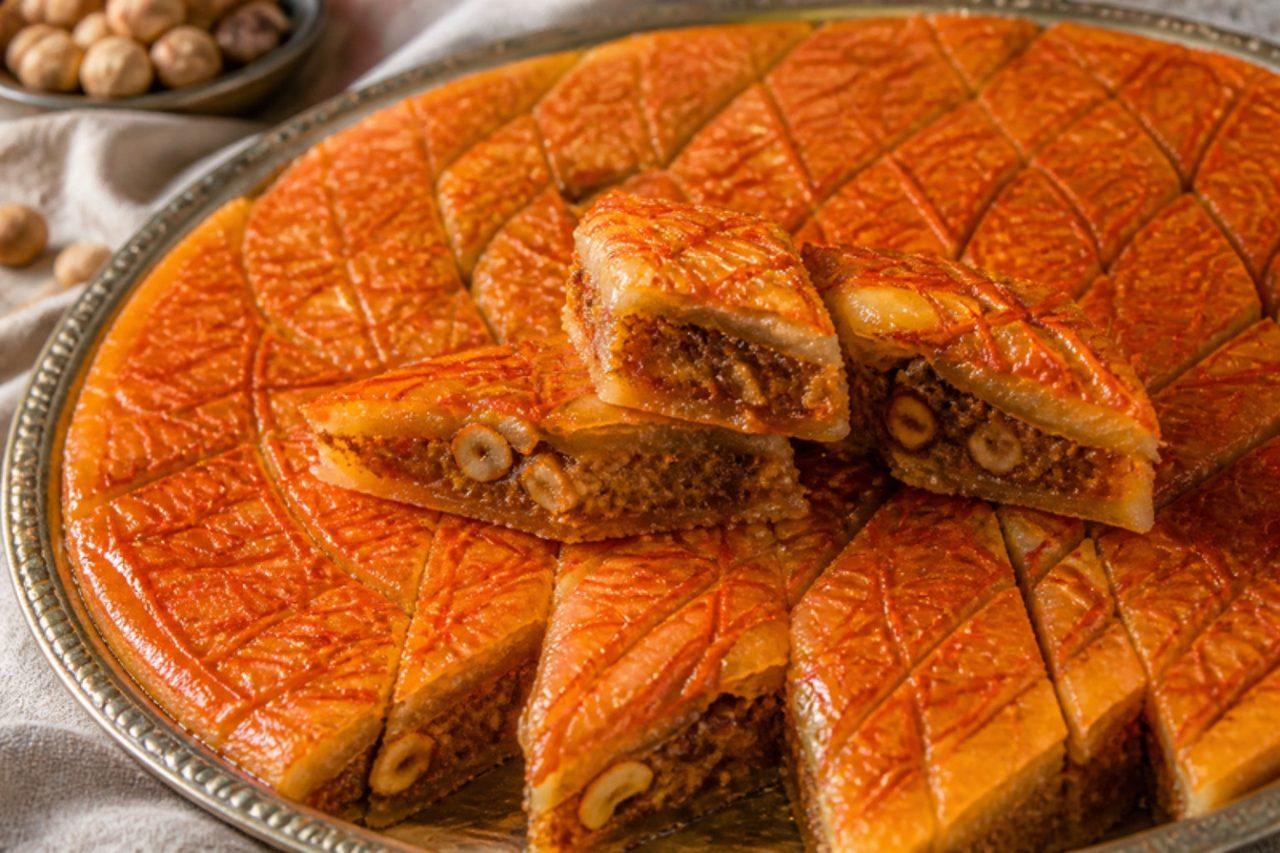
Sheki halvaHazelnut rice-flour lattice cake

The silk town of Sheki, in the green foothills of the Greater Caucasus, is famous for its halva: a lacework of rice-flour batter drizzled from a funnel-like tool called a reshta onto a round tray, filled with crushed hazelnuts spiced with cardamom and coriander, topped with another lace layer and drenched in syrup until glossy and sticky. Sheki confectioners sell it from wooden trays in the old caravanserai streets. This home version uses a squeeze bottle for the lattice. A common mistake is making the lattice too thick, which turns it doughy instead of crisp and lacy. Chef's tip: keep each lattice layer thin and lacy, with gaps you can see the tray through, and drizzle the syrup while it is hot.

by KrazyBadal 0 views

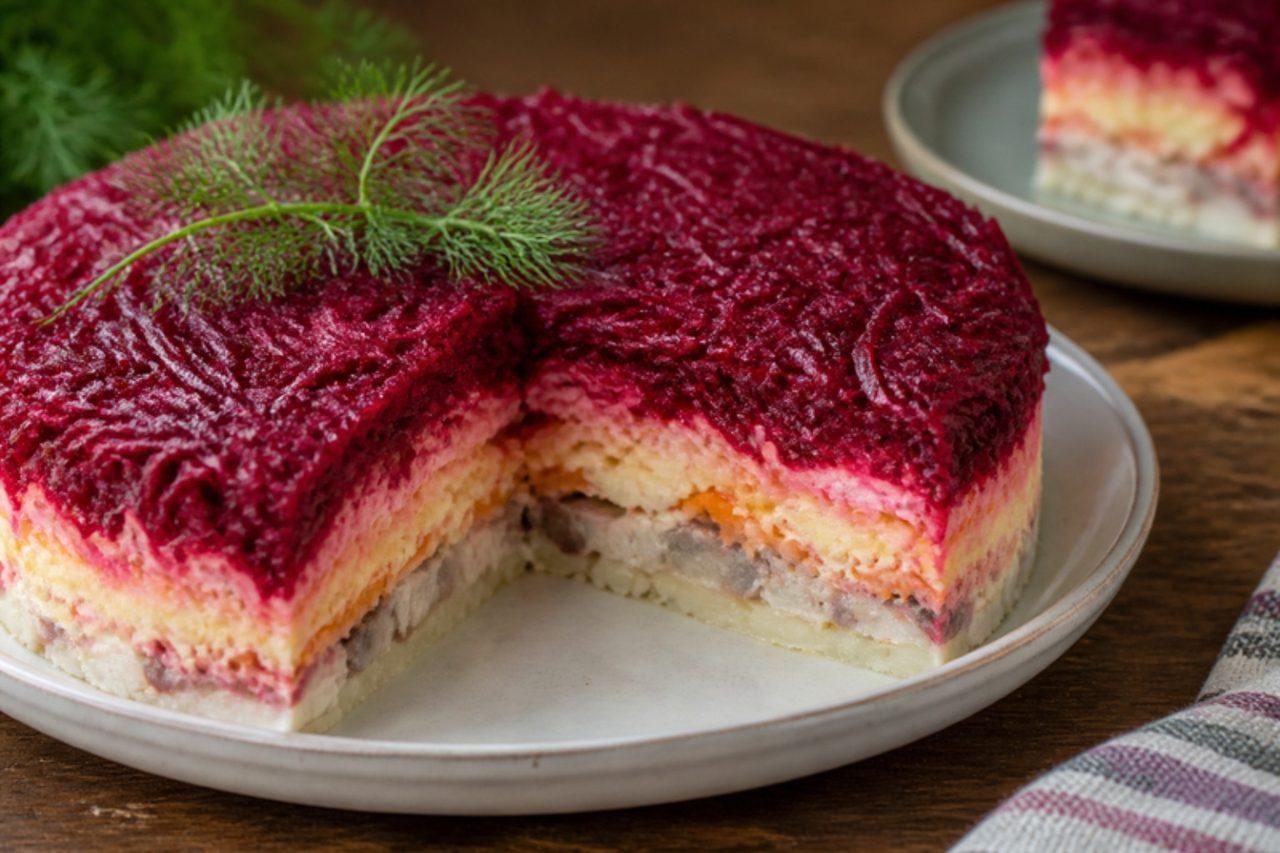
Seledka pod shuboiHerring under a fur coat

No New Year's Eve table in Russia is complete without this magenta-topped salad, made on the 31st of December and left overnight so the layers settle and turn soft and creamy. Salted herring sits at the bottom under onion, then potato, carrot, egg and finally grated beetroot, each coat spread with mayonnaise; the herring's salt seeps up through the vegetables. Herring here is cured, not cooked: use ready-salted fillets bought chilled from a good fishmonger or deli (made from previously frozen fish), keep everything in the fridge, and note it is not for pregnant women, young children or anyone with a weakened immune system. Use shop-bought mayonnaise, which is made with pasteurised egg. Where most people go wrong is grating the vegetables while warm, they turn to mush. Chef's tip: grate the beetroot last and squeeze it lightly so the top stays bright without bleeding everywhere.

by KrazyBadal 0 views

Pan sobaoSoft sweet kneaded loaf

Panaderías across Puerto Rico bake pan sobao before dawn, and it goes home in long paper bags for breakfast with butter and café con leche, or split for a sandwich de mezcla at a party. The name means "kneaded bread": shortening is worked well into the dough so the crumb is soft and close, the crust thin and the flavour gently sweet. Lard was the old fat; vegetable shortening keeps it vegetarian. The common mistake is adding too much flour because the dough feels tacky, which makes a dry, heavy loaf. Chef's tip: slash the risen loaf down its length and brush it with water before baking for the classic split top and thin, crackly crust.

by KrazyBadal 0 views

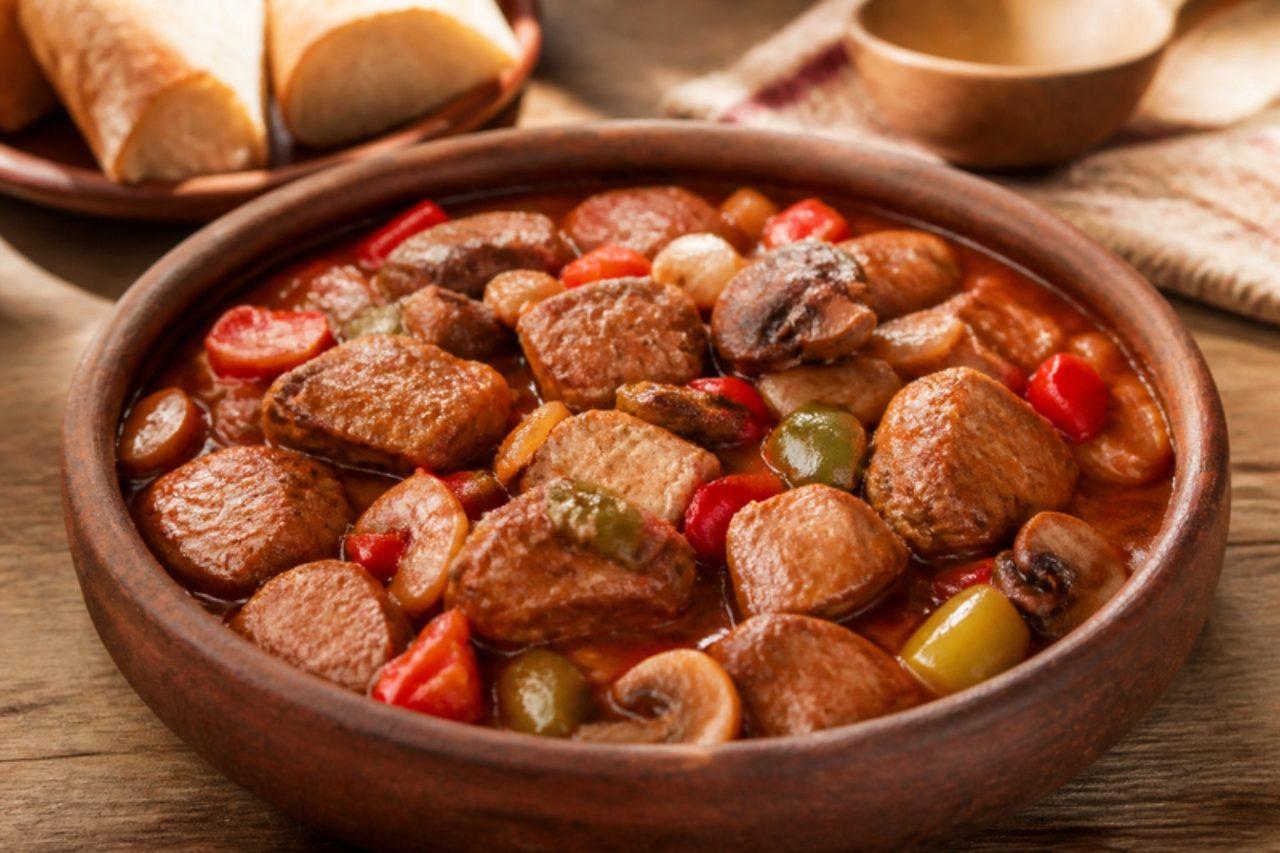
Selsko mesoPork, mushroom and pepper clay pot

Every mehana, the traditional tavern, in North Macedonia has selsko meso on its menu, brought sizzling to the table in an earthenware pot: chunks of pork browned with onion, mushrooms and peppers, spiced with paprika and baked until the sauce thickens around the meat. It is pork-based, rich and peppery, and is eaten with fresh bread, a shopska salad and a dollop of yogurt for those who take dairy. Where most people go wrong is crowding the pan, so the mushrooms stew grey instead of browning. Chef's tip: fry the mushrooms on their own first in a hot pan until golden, they bring a deep, almost meaty flavour.

90 minBalkanMeatGluten free
by KrazyBadal 0 views

SemlaCardamom cream bun

Semlor arrive in Swedish bakeries straight after Christmas and peak on Fettisdagen, Shrove Tuesday, when Stockholm bakeries sell them by the tens of thousands: a soft cardamom bun with its top cut off, the crumb scooped out and mixed with almond paste and milk, then refilled, piled with whipped cream and the 'lid' put back with a dusting of icing sugar. Some eat theirs in a bowl of hot milk, as 'hetvägg'. A common mistake is overbaking the buns, which dries them; they should be soft and pale golden. Chef's tip: grate the almond paste and mix it with the scooped crumb and a splash of milk until it is spreadable but still textured.

by KrazyBadal 0 views

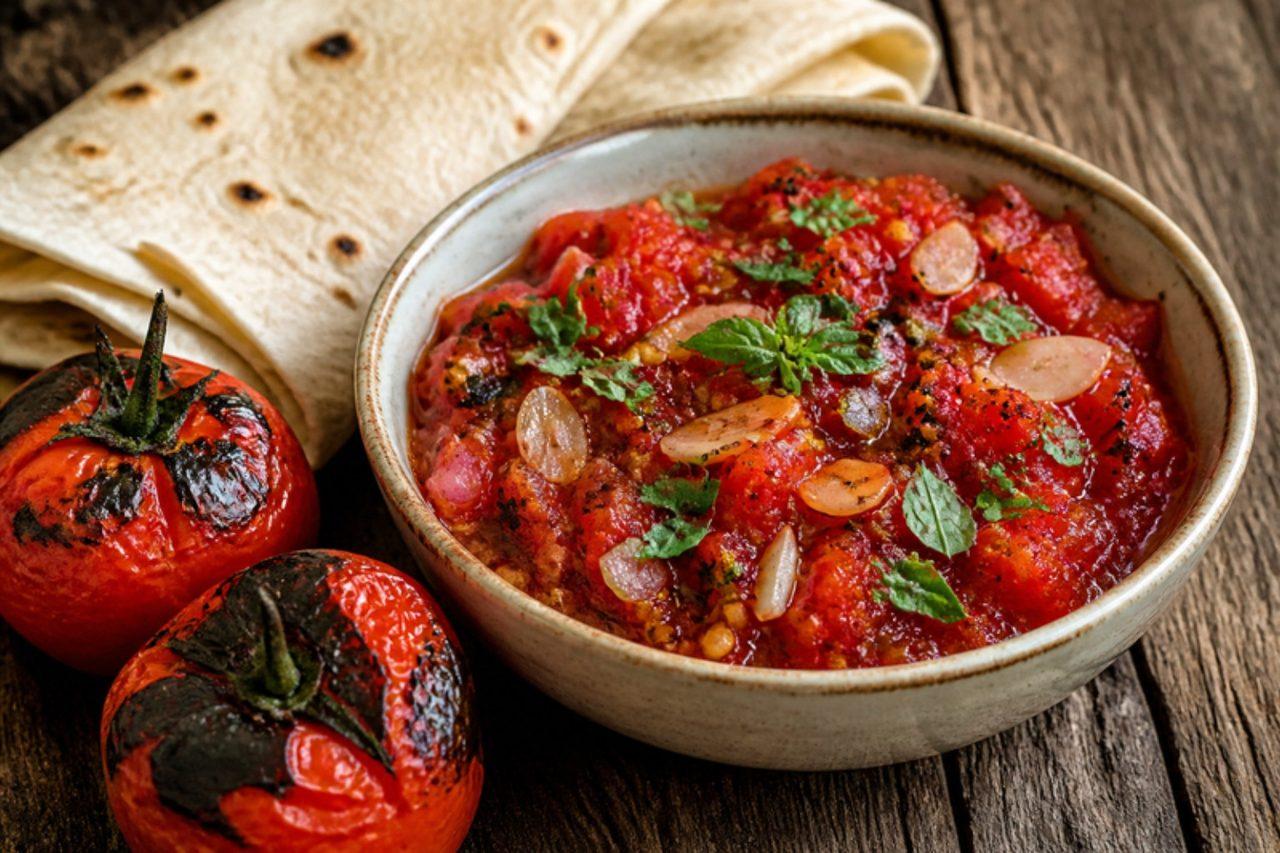
Trini tomato chokaCharred tomato crush

Tomato choka is the quick sibling of baigan choka, eaten in Indo-Trinidadian homes in Chaguanas and the south with sada roti for breakfast or as a sharp side for dhal and rice. Ripe tomatoes are blackened over a flame, crushed with garlic, onion and a little scotch bonnet, then woken up with a spoon of smoking oil, giving a smoky, juicy relish. The common slip is using watery salad tomatoes, which make a thin soup; choose firm, ripe, meaty ones. Chef's tip: leave some of the charred skin in; those black flecks are where the smoky flavour lives.

by KrazyBadal 0 views

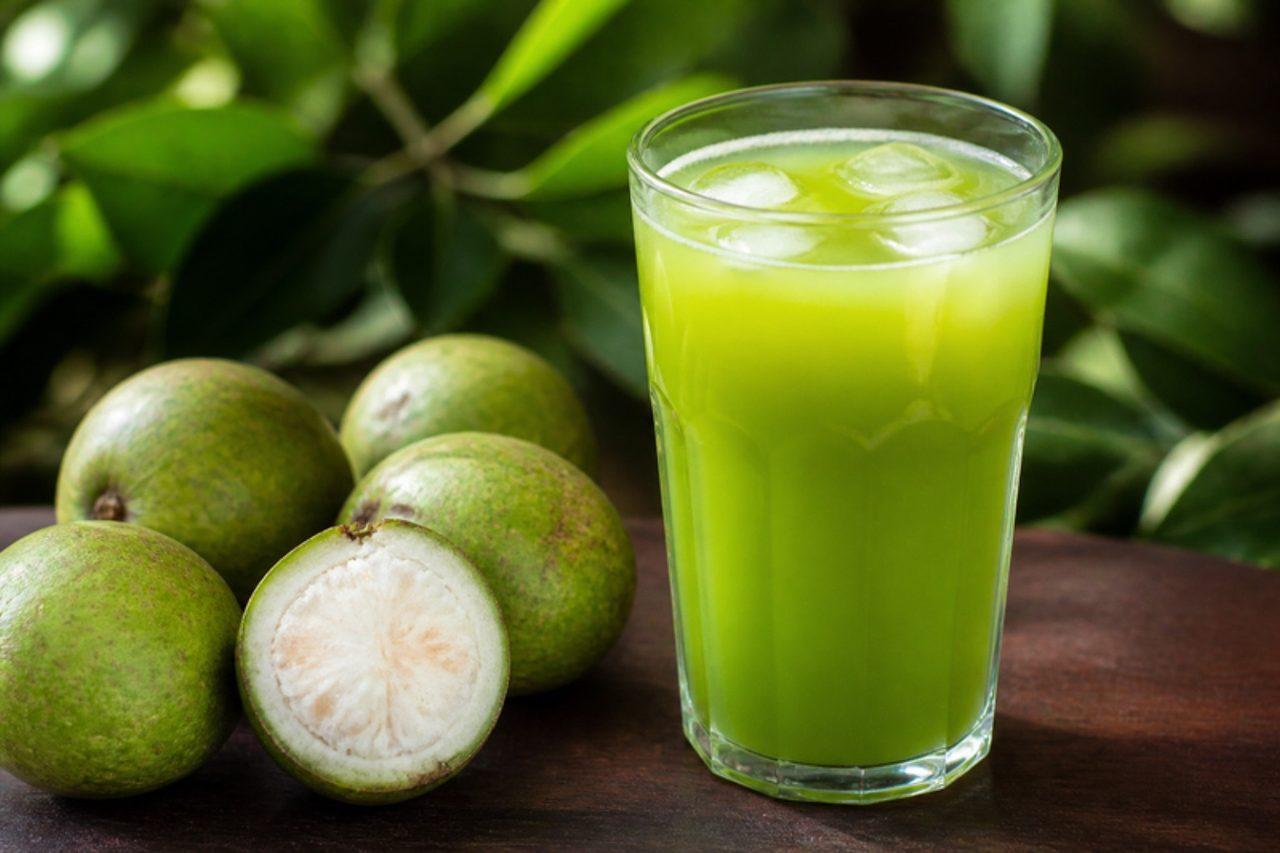
Ditakh juiceSweet-sour ditakh fruit juice

When the round, brown-shelled ditakh fruit comes into the markets of Dakar and Casamance, juice sellers turn its bright green, fibrous pulp into one of Senegal's most refreshing drinks. Ditakh grows on a wild tree of the region and is famously rich in vitamin C; its juice is vivid green, tart and fruity, somewhere between green apple, lime and tamarind. The pulp clings to a fibrous stone, so it is soaked and rubbed off by hand, then strained and sweetened. Outside Senegal look for frozen ditakh pulp in African shops; there is no real substitute. A frequent slip is blending the stones with the pulp, which makes the juice bitter. Chef's tip: work the flesh with your fingers rather than a blender, because blending crushes the bitter fibres and stone into the juice.

by KrazyBadal 0 views

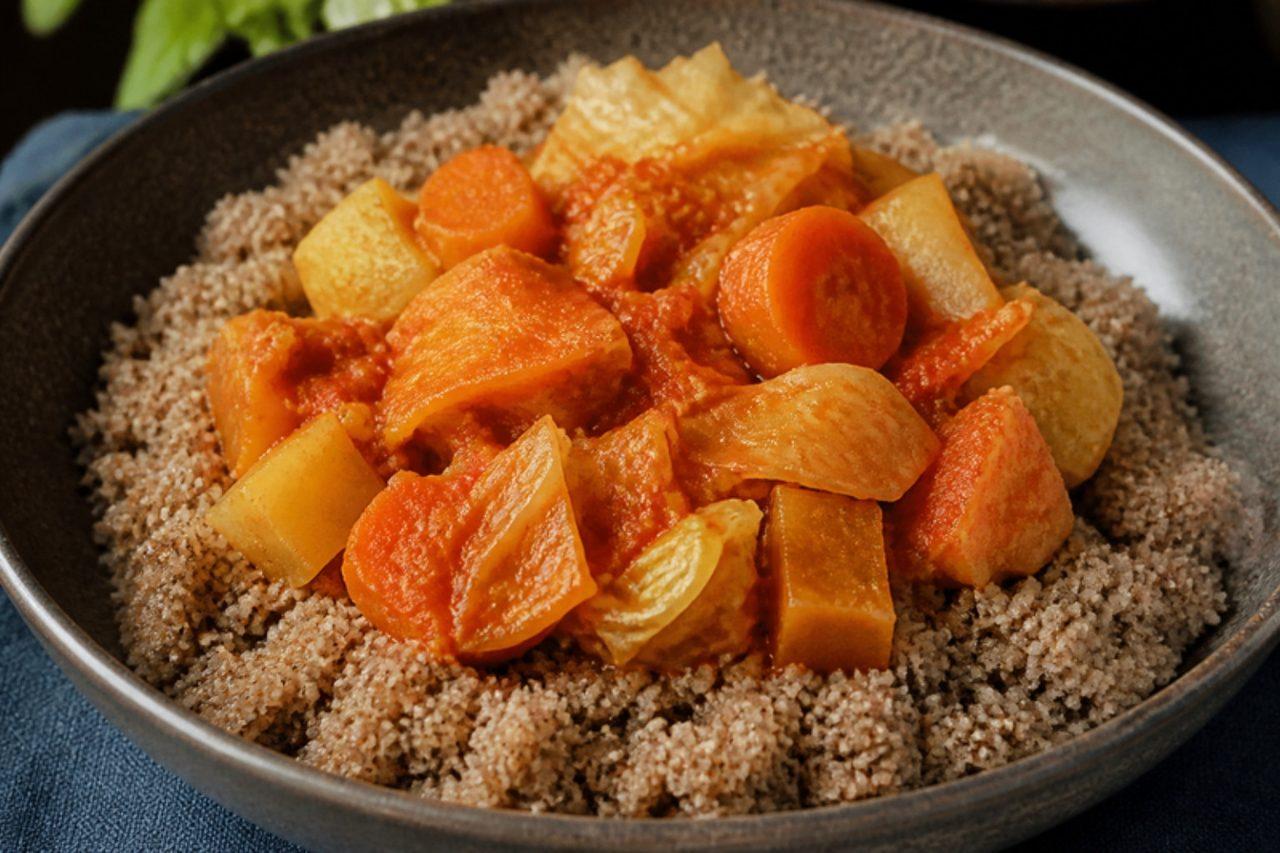
Thiéré with vegetable sauceMillet couscous with vegetable sauce

On the night of Tamkharit, the Muslim new year, families across Dakar and the Wolof heartland sit down to thiéré: fine millet couscous steamed until light, moistened with a rich sauce and eaten from a shared bowl, while children go door to door in costume afterwards. Most households add lamb or beef; this is the meat-free way, with cabbage, carrot, turnip, sweet potato and chickpeas in a tomato and black pepper broth. The millet is grainy, nutty and soft, the sauce soaks into it, and a whole Scotch bonnet adds perfume rather than burn if left unbroken. The usual mistake is steaming the millet only once, which leaves it gritty; it needs a second steaming after being moistened. Chef's tip: rub the couscous between your palms after the first steaming to break every clump; skipping this is why home thiéré turns heavy and lumpy.

by KrazyBadal 0 views

Panangai paniyaramPalmyra fruit fritters

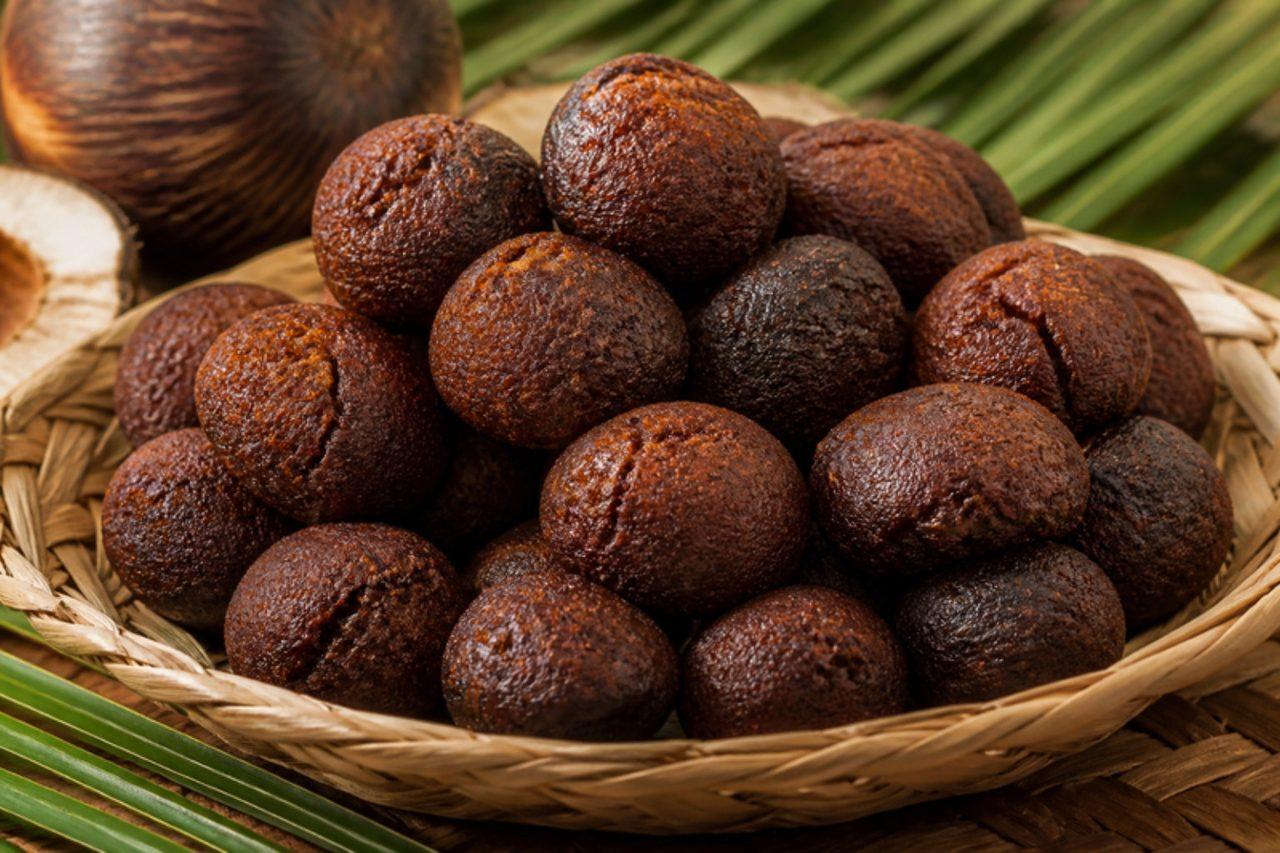
When the palmyra palms of the Jaffna peninsula drop their ripe black fruits in the late monsoon months, kitchens from Point Pedro to Kayts fill with the smoky, almost mango-like smell of panangai paniyaram. The fibrous orange pulp is squeezed out of the fruit, cooked briefly with sugar, then mixed with rice flour and fried in spoonfuls until the fritters are nearly black outside and soft and sticky inside. They are an afternoon treat with tea and are carried as gifts to relatives in Colombo and abroad. Outside Sri Lanka, look for frozen or tinned palmyra fruit pulp in Tamil grocers; there is no real substitute for its taste. The common failure is frying in oil that is too hot: the sugar in the pulp burns before the middle cooks, so keep the oil moderate. Chef's tip: cooking the pulp with the sugar first takes the edge off the fruit's natural bitterness and makes the batter easier to handle.

by KrazyBadal 0 views

Trini seven currySeven vegetable curries

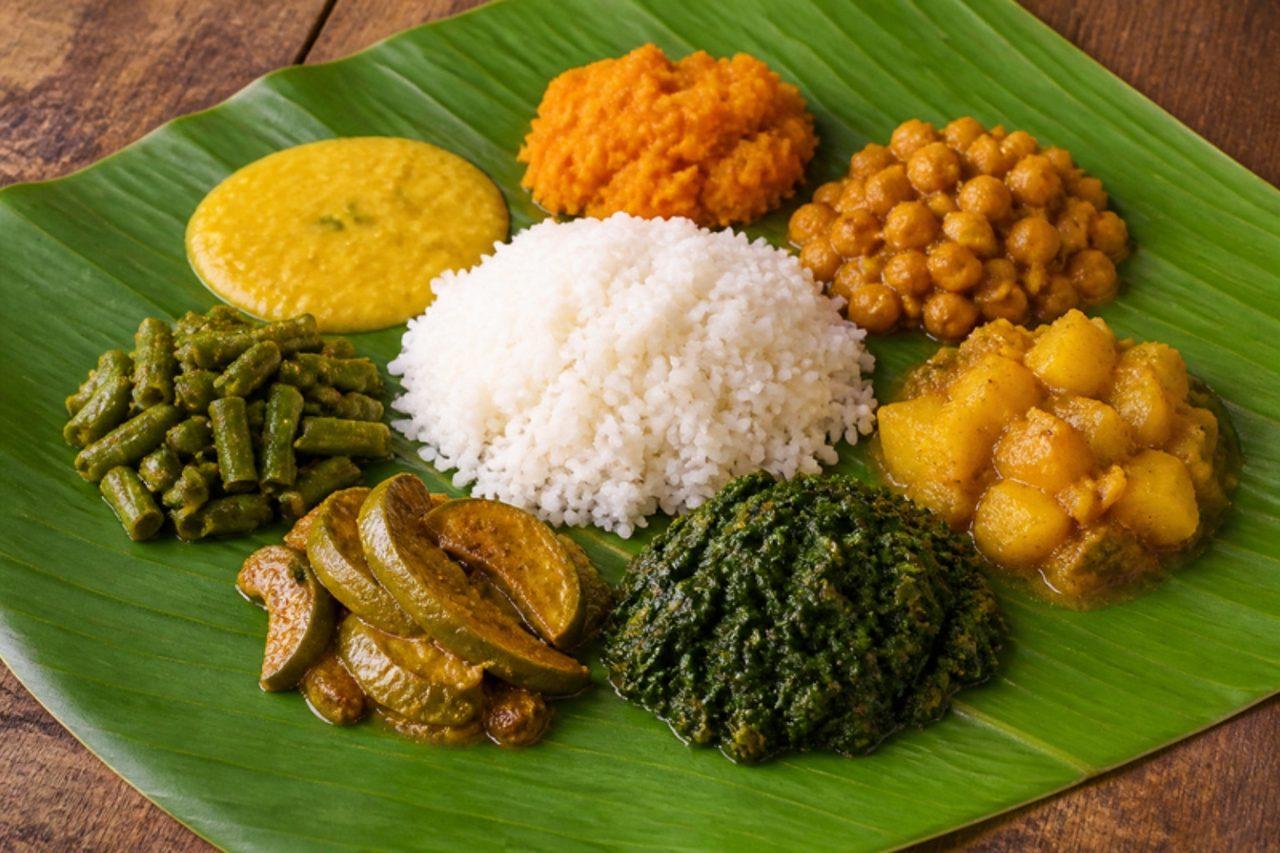
Seven curry is the meal served on a sohari (water-lily) leaf at Hindu weddings, pujas and on Divali night in Trinidad: rice with a ring of separate dishes, traditionally curried mango, pumpkin, bhaji, channa and potato, chataigne or jackfruit, dhal and a sour amchar. This home version cooks seven compact curries from one shared spice base so a family can manage it in an afternoon: dhal, pumpkin, channa and aloo, bhaji, curried mango, eddoes or potato, and bodi. The usual mistake is curry powder that is never "burnt" in oil first, which leaves every pot tasting raw and gritty. Make the dhal and mango a day ahead to spread the work. Chef's tip: fry the curry paste for each pot until it darkens and the oil rises before adding vegetables; that one step is what makes Trini curry taste like Trini curry.

by KrazyBadal 0 views

Leek keftesLeek and potato patties

For Rosh Hashanah, Sephardic Jews from Turkey and the Balkans eat leeks as one of the symbolic foods of the new year, and in Bat Yam and Jaffa the favourite way is keftes de prasa: tender patties of leek and mashed potato bound with egg and fried golden. They also come back for Hanukkah and Passover (made with matzo meal). Crisp outside, soft and sweet with leek inside, they are served with a squeeze of lemon and a cucumber salad. The mistake is leaving the cooked leeks wet, which makes the patties fall apart in the oil. Chef's tip: squeeze the boiled leeks in a tea towel until no more water drips; the drier they are, the crispier the keftes.

by KrazyBadal 0 views

SerraduraCream and biscuit crumb pudding

Portuguese for 'sawdust', serradura is the cool, creamy dessert you'll find in every Macanese restaurant and café from Taipa to the Senado Square backstreets, ordered to round off a long Macanese lunch. Alternating layers of sweetened whipped cream and powder-fine tea biscuit crumbs set softly in the fridge, so each spoonful is light, milky and caramel-sweet, with a gentle crumbly texture. It is usually served in small glasses, sometimes semi-frozen like an ice cream cake. Coarse crumbs are where it goes wrong; they stay crunchy and gritty instead of melting into the cream, so grind the biscuits as fine as sand. Chef's tip: whip the cream and condensed milk together only to firm peaks and stop there, or it turns grainy and buttery.

by KrazyBadal 0 views

SerundengToasted spiced coconut with peanuts

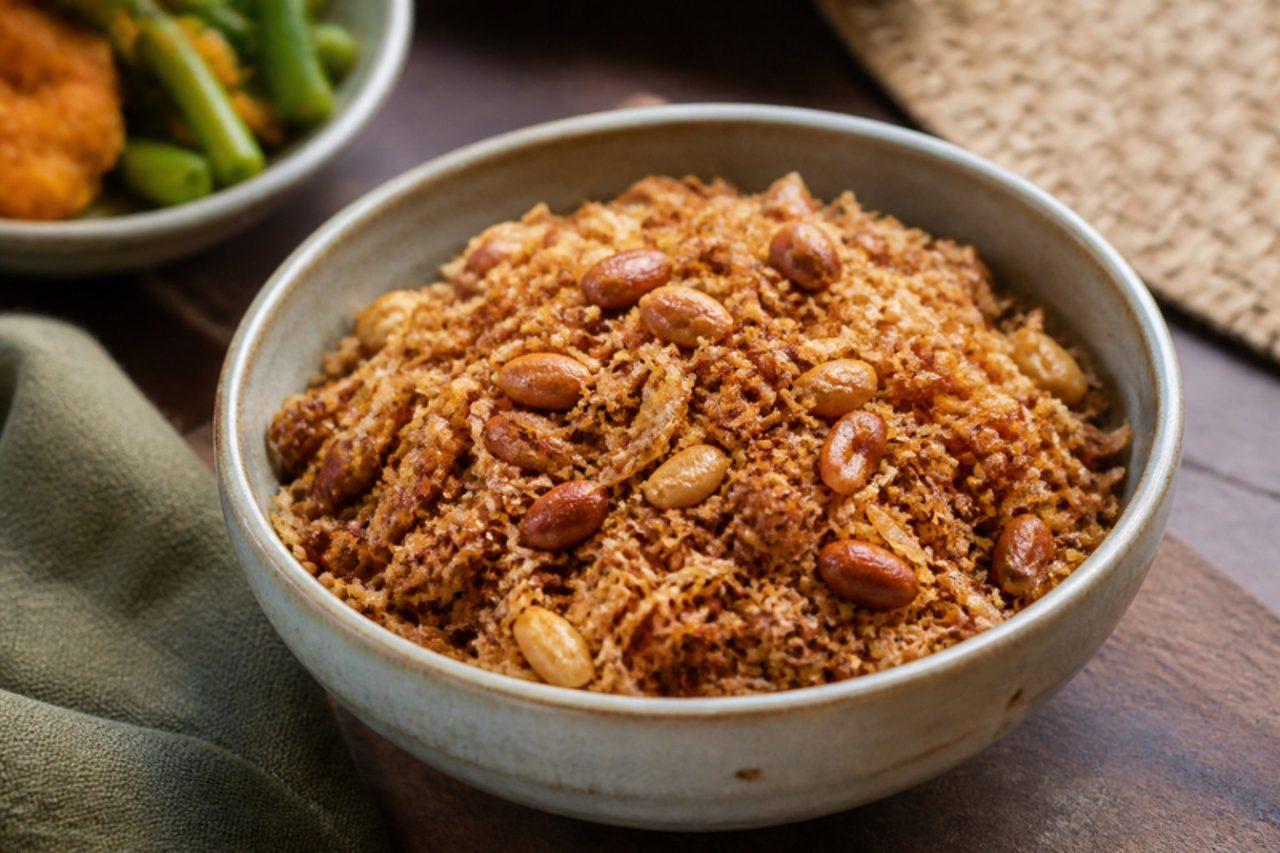
Serundeng is the crunchy, sweet-savoury sprinkle that comes in a little tub with every Indonesian takeaway in the Netherlands: grated coconut slowly toasted with a spice paste of shallot, garlic, coriander and cumin, palm sugar and tamarind until golden and dry, then mixed with fried peanuts. It is scattered over rice. Most versions use shrimp paste; this one is vegan. A common mistake is toasting over high heat, which burns the coconut in seconds. Chef's tip: keep stirring over a low heat for the full 20 minutes; the coconut turns golden slowly and evenly and stays crunchy for weeks.

by KrazyBadal 0 views

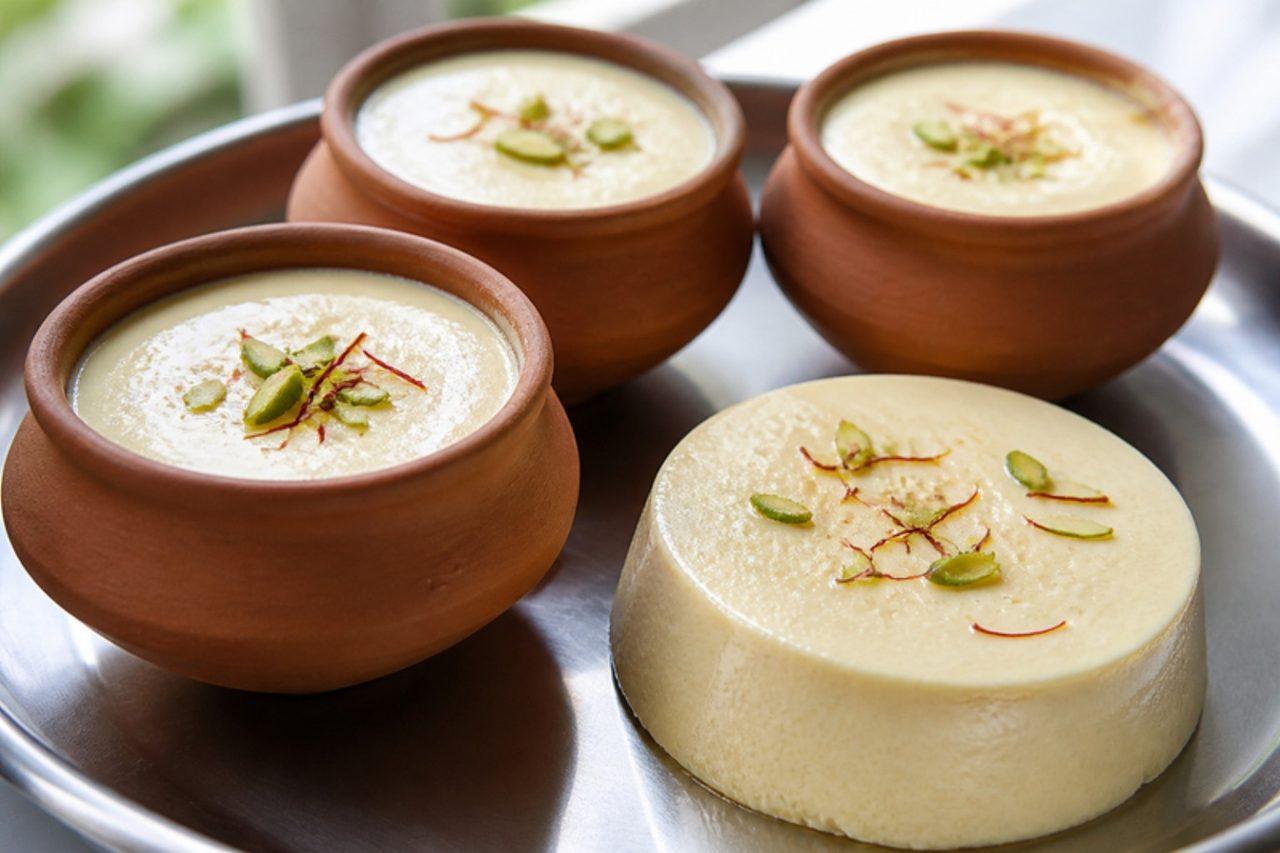
Double-skin milkDouble-skin milk pudding

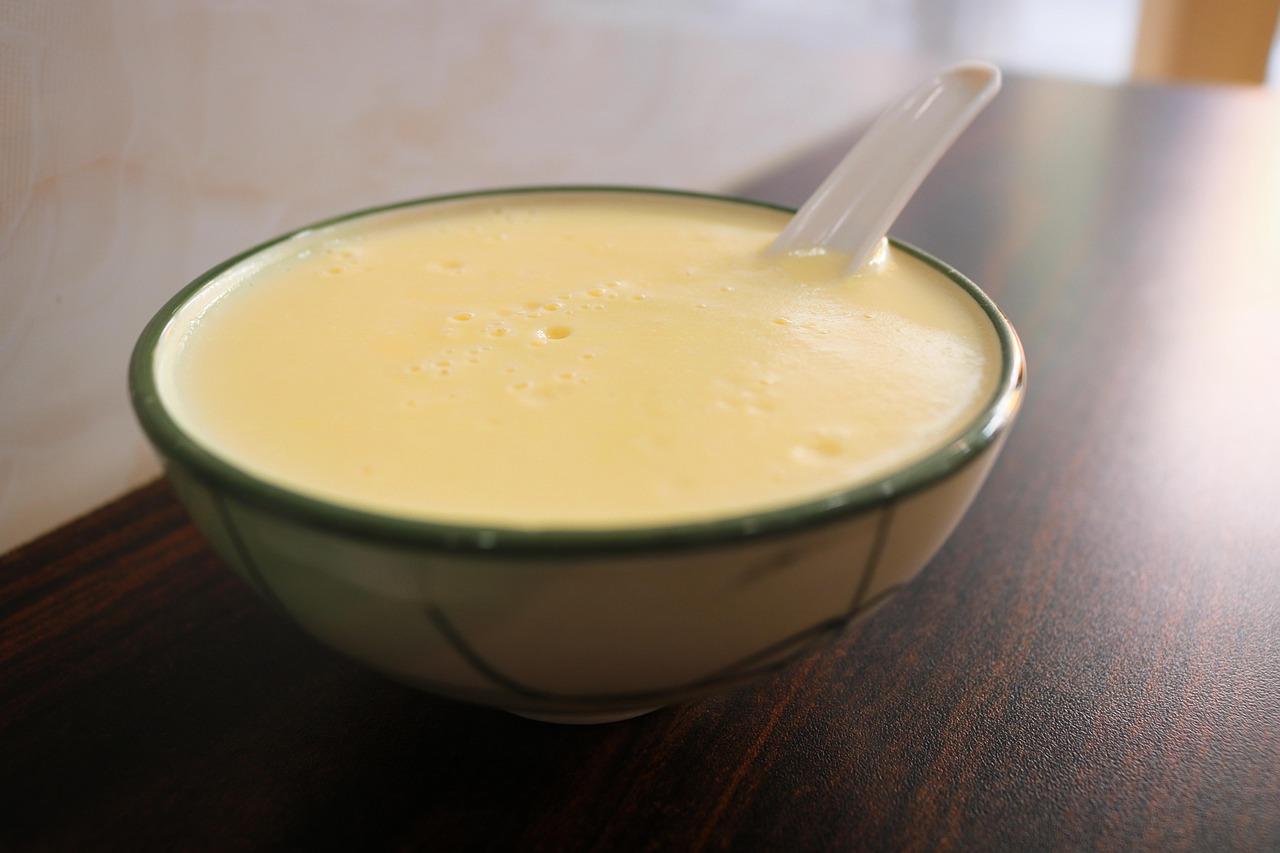
Shunde in Guangdong first made it with rich buffalo milk, and today double-skin milk is a fixture in Hong Kong dessert parlours, served hot in winter or chilled in summer, often topped with red beans. The texture is the draw: a wobbling, smooth milk pudding under a fragile, sweet milk skin that wrinkles when you press it with a spoon, delicately milky and only lightly sweet. Two skins form, one as the boiled milk cools and a second after steaming. Steaming it over too fierce a heat ruins it, leaving it full of holes like a sponge and watery underneath. Chef's tip: pour the milk out of the bowl very slowly through the hole in the skin, so the first skin stays behind intact at the bottom and floats back up when you return the egg mixture.

by KrazyBadal 0 views

Trini pumpkin talkariGarlicky pumpkin curry

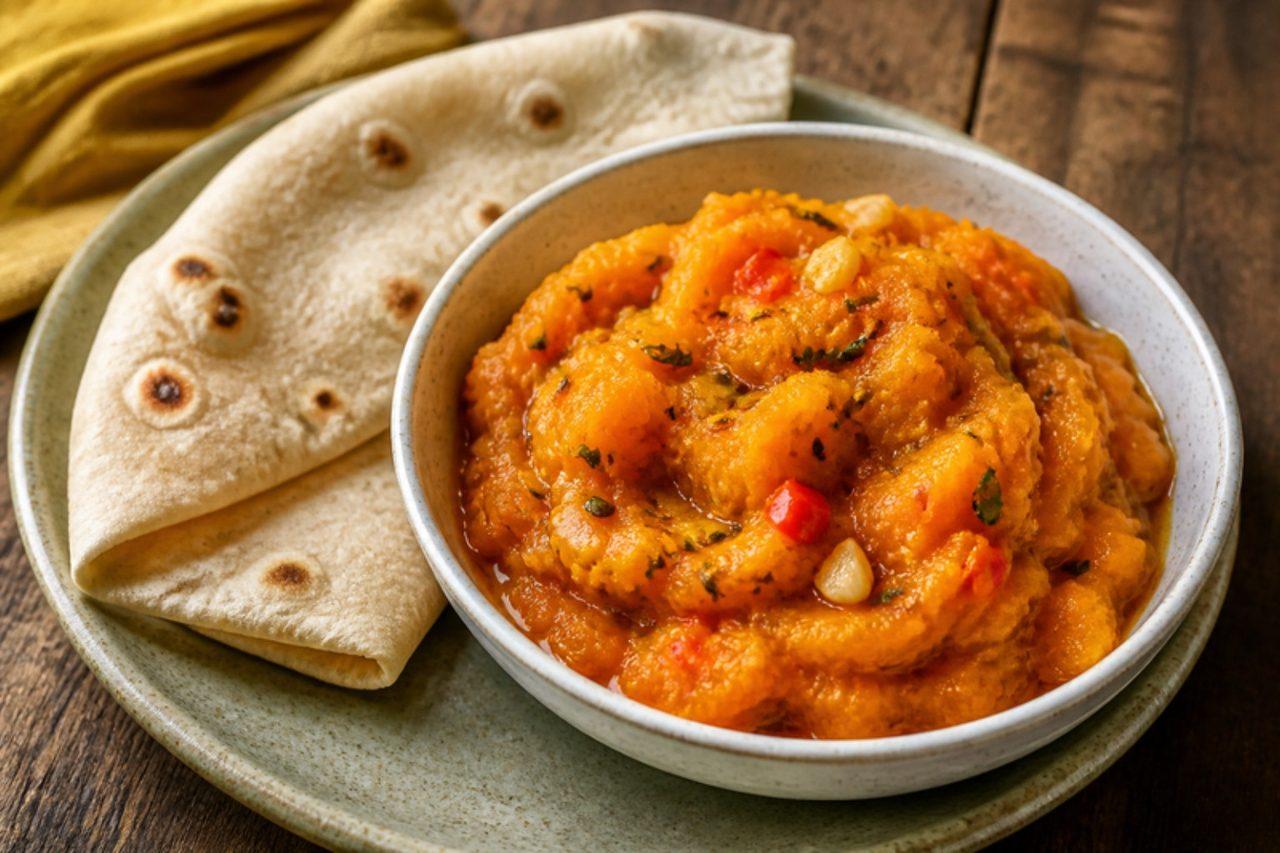
A pot of pumpkin talkari is cooked on Divali, at every puja and on plain weekdays all over Trinidad, eaten with sada roti, dhalpuri or as one of the seven curries. The pumpkin is cooked down with a lot of garlic, roasted geera and hot pepper until it collapses into a sweet, savoury mash with no curry powder at all. The usual mistake is adding water, which makes it soupy; the pumpkin's own juice is enough if you keep the lid on. Chef's tip: toast whole cumin seeds in the oil until they crackle and turn brown before the garlic goes in; that roasted geera is the backbone of the dish.

by KrazyBadal 0 views

Seyal phulkaChapatis in tomato onion sauce

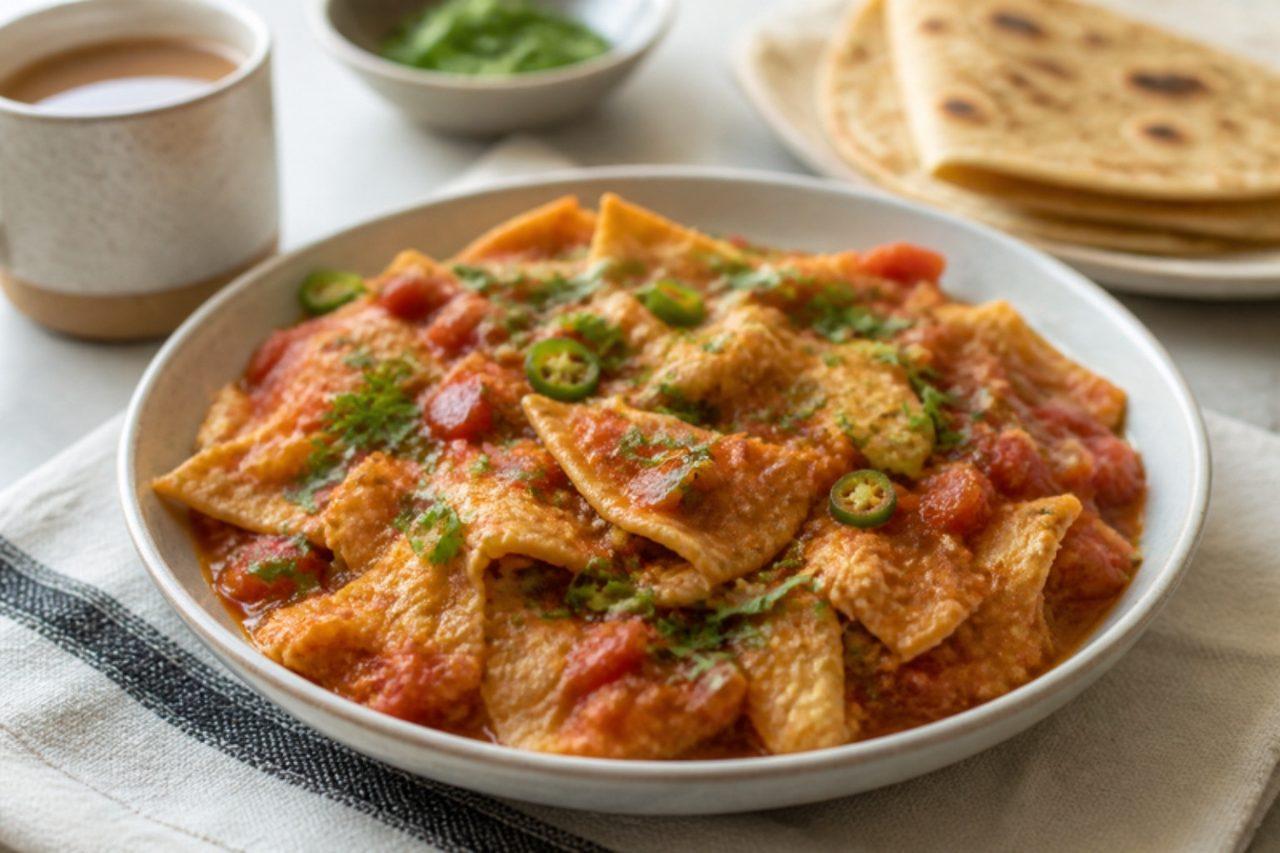
Nothing gets thrown away in a Sindhi kitchen, and yesterday's phulka become this morning's seyal phulka, a breakfast found in homes from Karachi's Gulshan to small towns along the Indus. Seyal is the Sindhi way of cooking in a thick sauce of onion, garlic, tomato, green chilli and plenty of coriander, and the torn chapatis soak it up to become soft and savoury at the centre while their edges keep a little chew. It is eaten straight from the pan with a glass of sweet tea or a spoonful of plain yogurt, and people tend to make it on lazy weekend mornings. Over-simmering is what ruins it, because the bread turns to porridge within minutes. Chef's tip: let the sauce reduce until it is thick before the chapatis go in, then toss them for no more than two or three minutes.

by KrazyBadal 0 views

Trini peanut punchPeanut butter milk drink

Bottled or blended fresh at roadside juice stands, peanut punch is what Trinidadians reach for after a long cricket afternoon, a hard gym session or a Saturday market run. Peanut butter is whizzed with cold milk, a little condensed milk, vanilla and a scrape of nutmeg until it is as thick as a milkshake and properly filling. It contains no alcohol, despite the name. The common mistake is under-blending, which leaves gritty clumps of peanut butter at the bottom of the glass. It contains peanuts and milk, so check for allergies before serving. Chef's tip: blend the peanut butter with just a third of the milk first to make a smooth paste, then add the rest.

by KrazyBadal 0 views

Shab degOvernight mutton and turnips

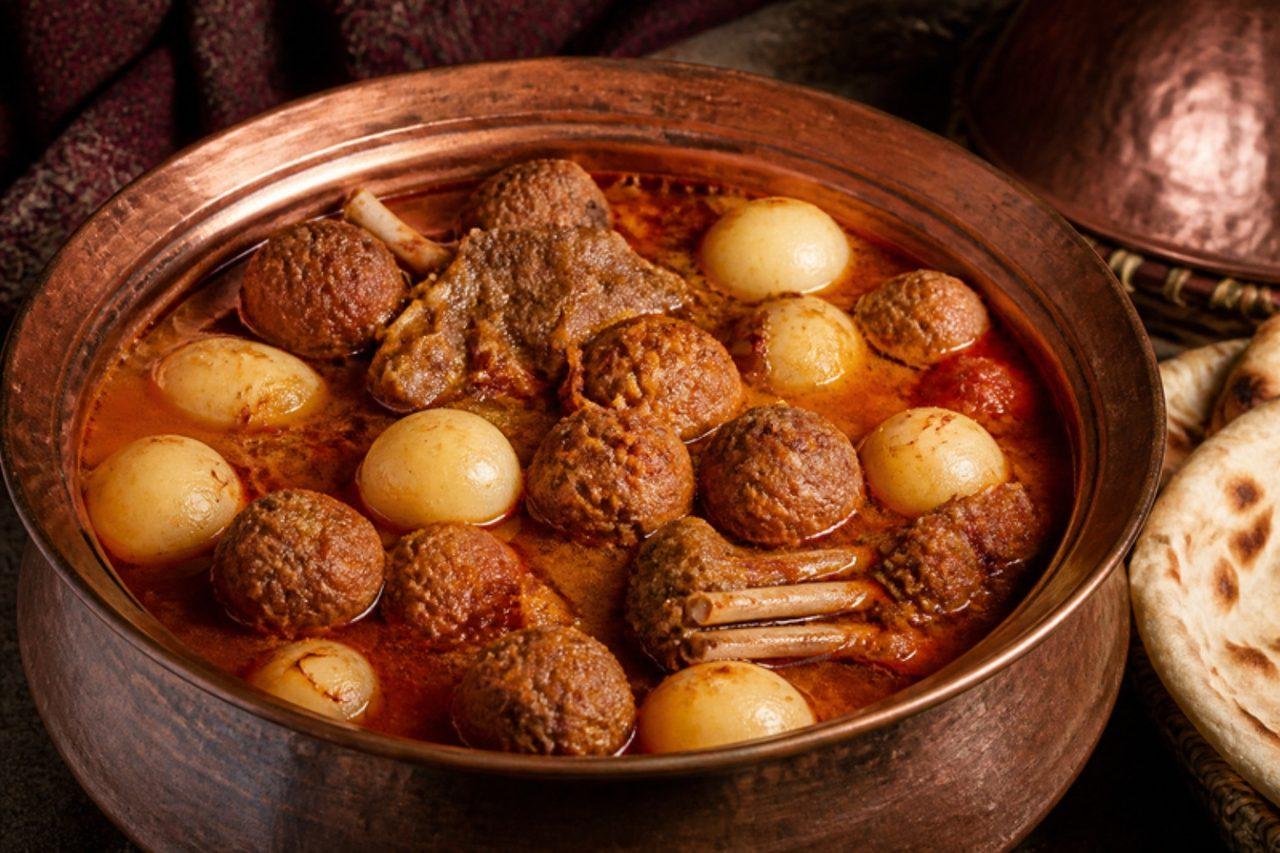
Shab deg is the "night pot": in old Lahore and in Kashmiri families the deg really was set on dying embers after the evening meal and opened at dawn, by which time whole turnips had soaked up the mutton juices and turned almost sweet. It is a winter dish made when turnips are at their best, usually for a wedding breakfast or a cold Sunday, and it arrives as tender meat on the bone, soft meatballs and golden turnips in a thick saffron-scented gravy, eaten with naan or sheermal. A low oven gives the same slow, even heat without anyone staying up. Many cooks drop the meatballs in raw and stir hard, and they fall apart; fry them first and slide them in without stirring. Chef's tip: prick the turnips all over and rub them with a little salt and sugar before frying, which draws out their bitterness and helps them colour.

by KrazyBadal 0 views

Showing 72 of 9,812 recipes

Show more recipes

Page 585 of 1,091