


Skip to content
Labouyi farin
Featured recipe

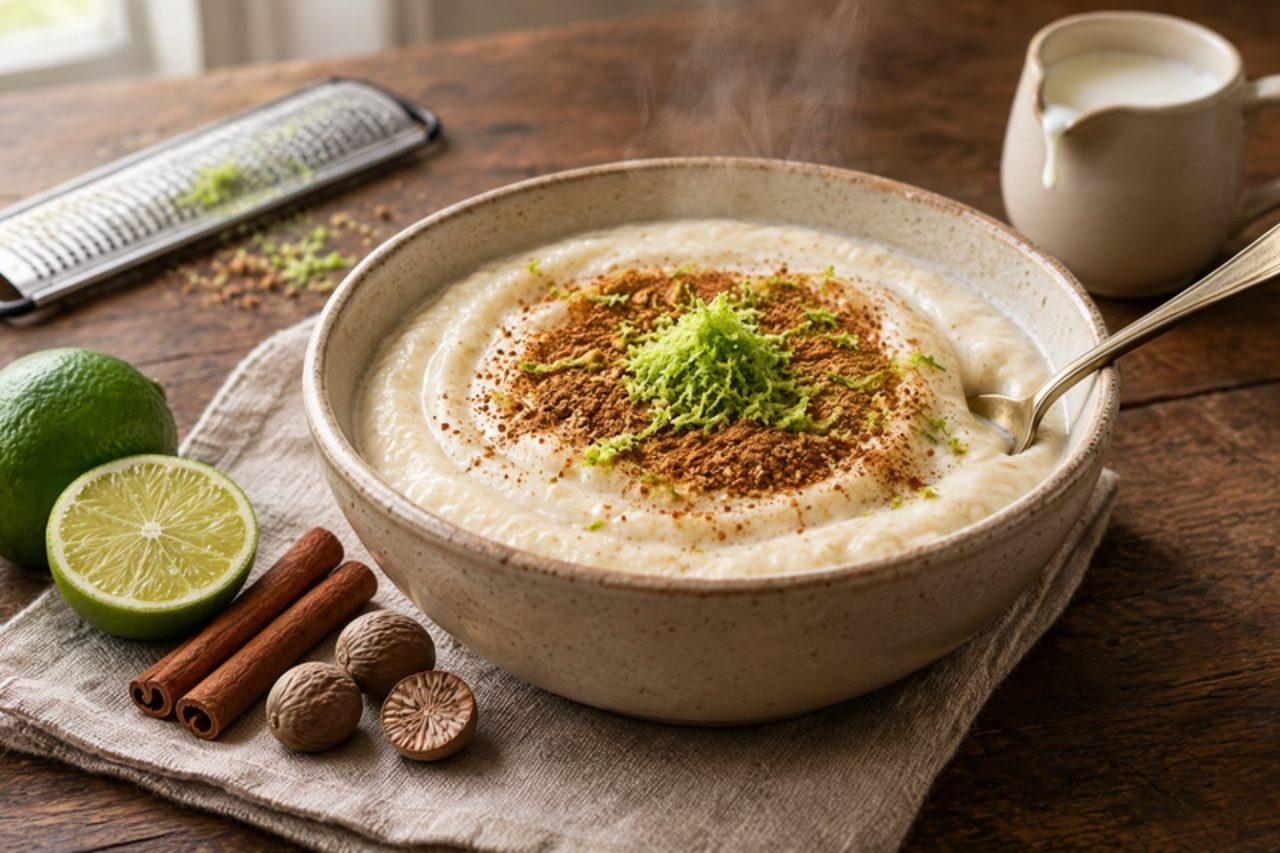
Labouyi farin

Spiced wheat flour porridge

In Port-au-Prince and in towns across Haiti, a pot of labouyi farin is a cheap, filling breakfast that children grow up on: wheat flour simmered smooth with evaporated milk, cinnamon, nutmeg, star anise and a little lime zest, then sweetened and finished with vanilla. It should be pourable and silky, somewhere between custard and porridge. The common mistake is adding the flour straight to hot liquid, which makes lumps that never cook out; mix it into cold water first. Chef's tip: let it bubble gently for a full 10 minutes after it thickens, stirring, or it keeps a raw floury taste.

Read more 0 views

What to eat today?

Around the world

Today's trip: Persian

A new country every day, from every cuisine on the site.

This week's collection

Kid-friendly dinners
745 recipes · a new collection every Monday

Coming up

All occasions →

Latest recipes

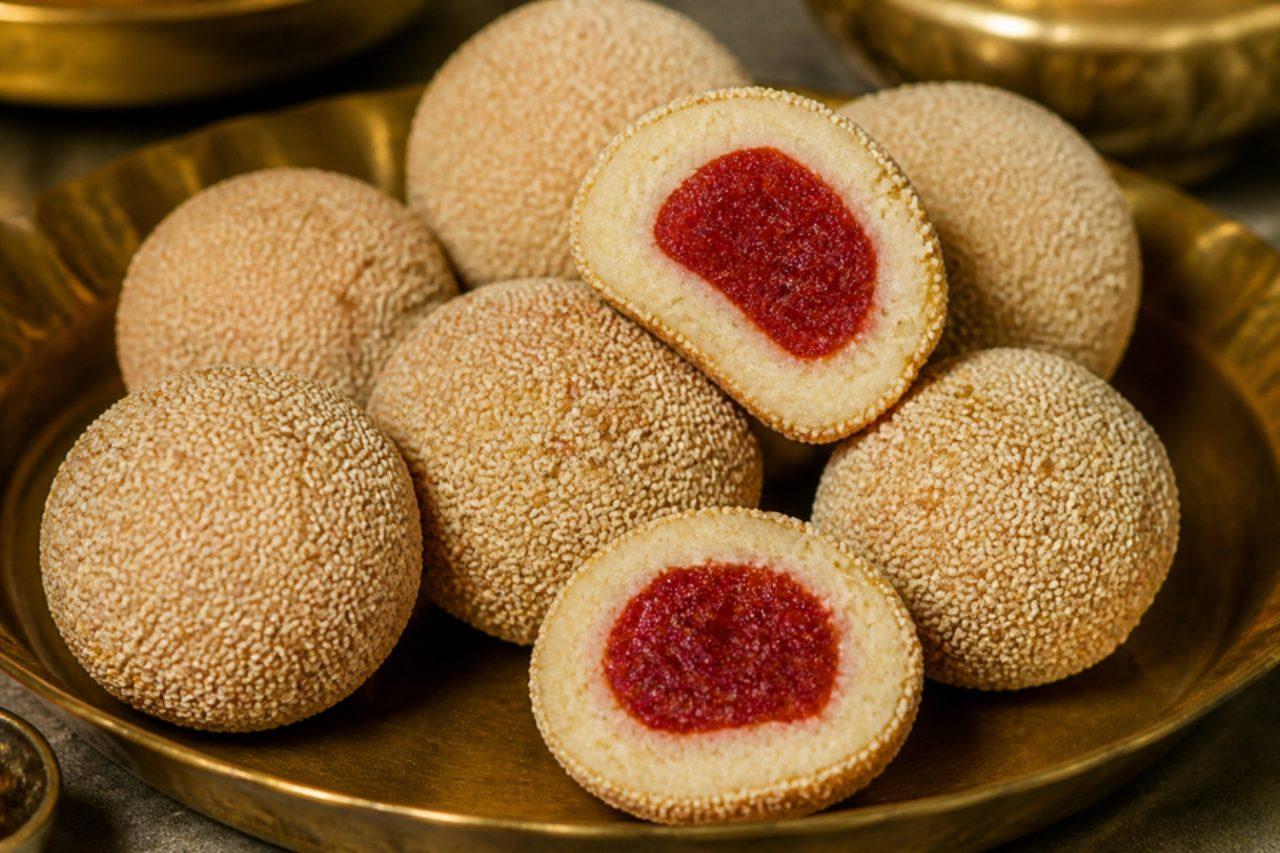
Rosh kodomSyrup-soaked chhana balls in khoa

Named after the round, spiky flowers of the kadam tree that bloom in the monsoon, rosh kodom is a sweet within a sweet, made by the confectioners of Rajshahi and the northern districts for weddings and festivals. At its heart is a tiny rasgulla, soft and juicy from the syrup, which is drained and wrapped in a firm shell of sweetened khoa and then rolled in white poppy seeds, giving the knobbly look of the flower. Biting in, you get a dry, crumbly coat, a nutty crunch of poppy and a burst of syrup in the middle. Wrapping wet rasgullas is where it falls apart, so drain and pat the cores well or the khoa slides off. Chef's tip: the quick khoa here, made with milk powder, is easier than reducing litres of milk and gives a very similar fudgy shell.

by KrazyBadal 0 views

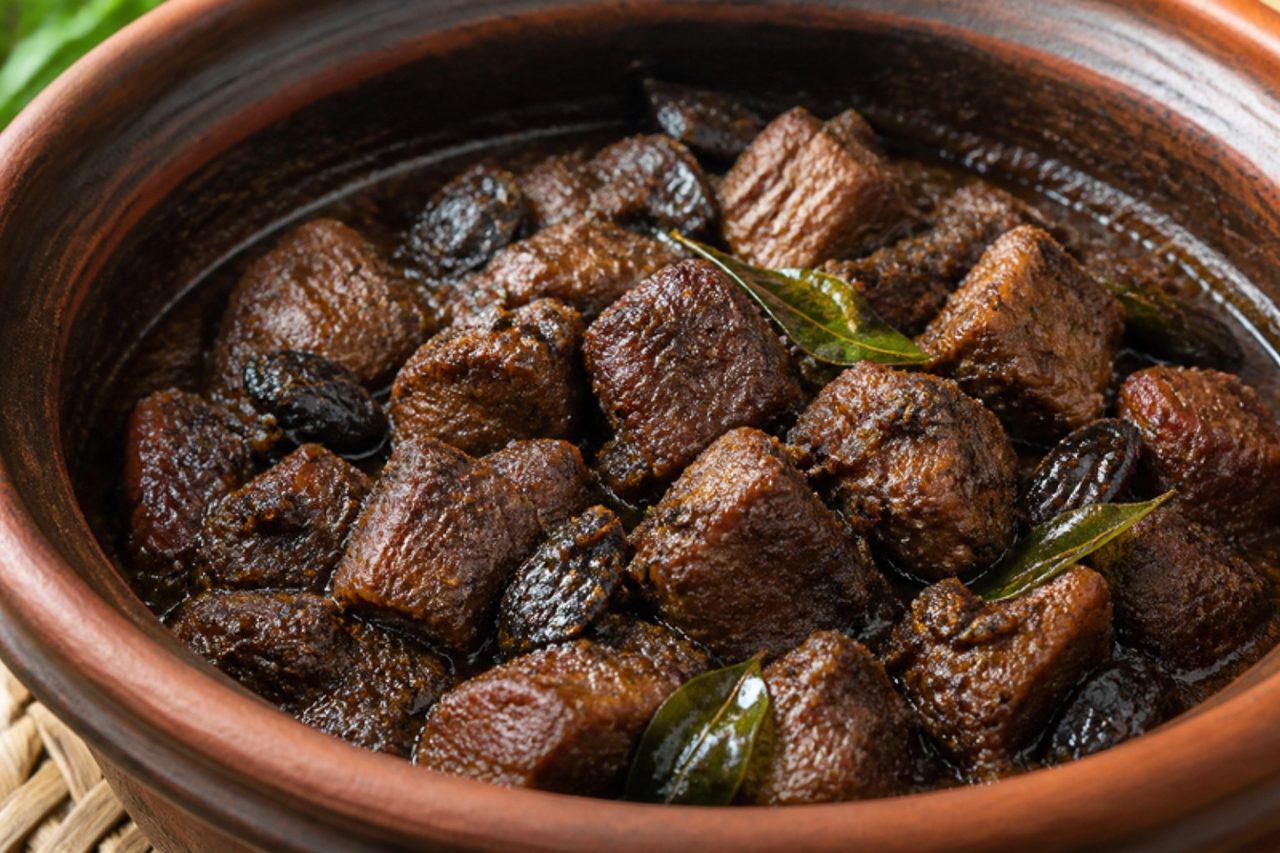
Wild boar curry (pork)Hill-country pork curry

This is a pork curry. In the villages around Kandy, Matale and the hill country, wal uru, wild boar, was once hunting-season meat, cooked over wood fires in clay pots with goraka, black pepper from the home garden and a dark roasted curry powder; today most cooks make it with pork shoulder, which works beautifully, and wild boar if you can find it from a licensed game supplier. The goraka gives a sour, slightly smoky edge that cuts through the richness of the fat, and the pepper builds a slow, warming heat rather than a sharp sting. Serve it with red rice, a pol sambol and a cooling cucumber salad. One error people make is cutting the pork too small, which dries it out during the long simmer. Chef's tip: cook it the day before; the gravy thickens and the pepper and goraka flavours deepen overnight in the fridge.

by KrazyBadal 0 views

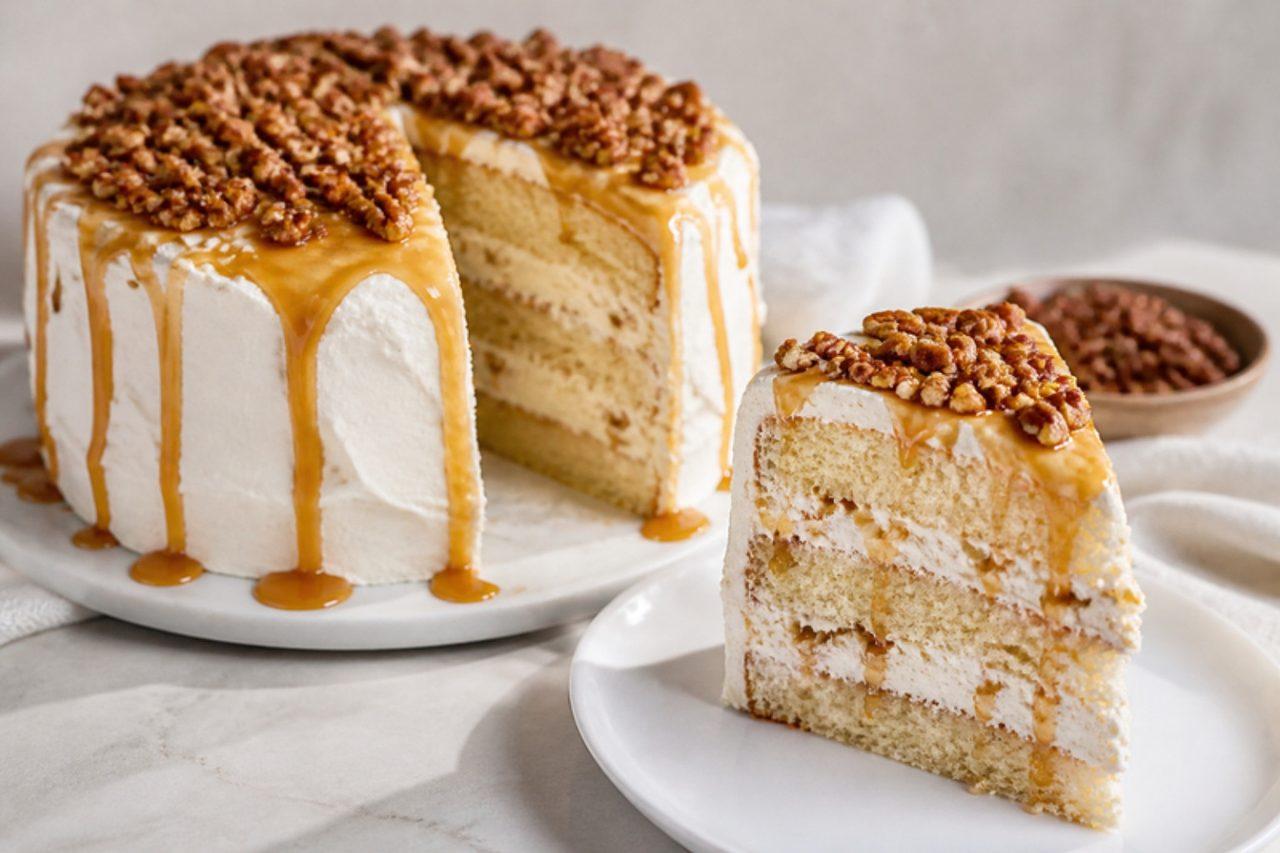
Schmoo tortePecan sponge with cream and caramel

Schmoo torte is Winnipeg's own celebration cake, served at bar mitzvahs, weddings and birthday parties in the city's Jewish community since the 1950s and now found in bakeries all over Manitoba. A light angel-style sponge made with ground pecans is split into layers, filled and covered with whipped cream, then drizzled with a warm butterscotch caramel and more nuts. It is a project but most of it can be done the day before. A common mistake is opening the oven too early; the egg-white sponge collapses. Chef's tip: cool the sponge upside down in its tin so it stays tall.

by KrazyBadal 0 views

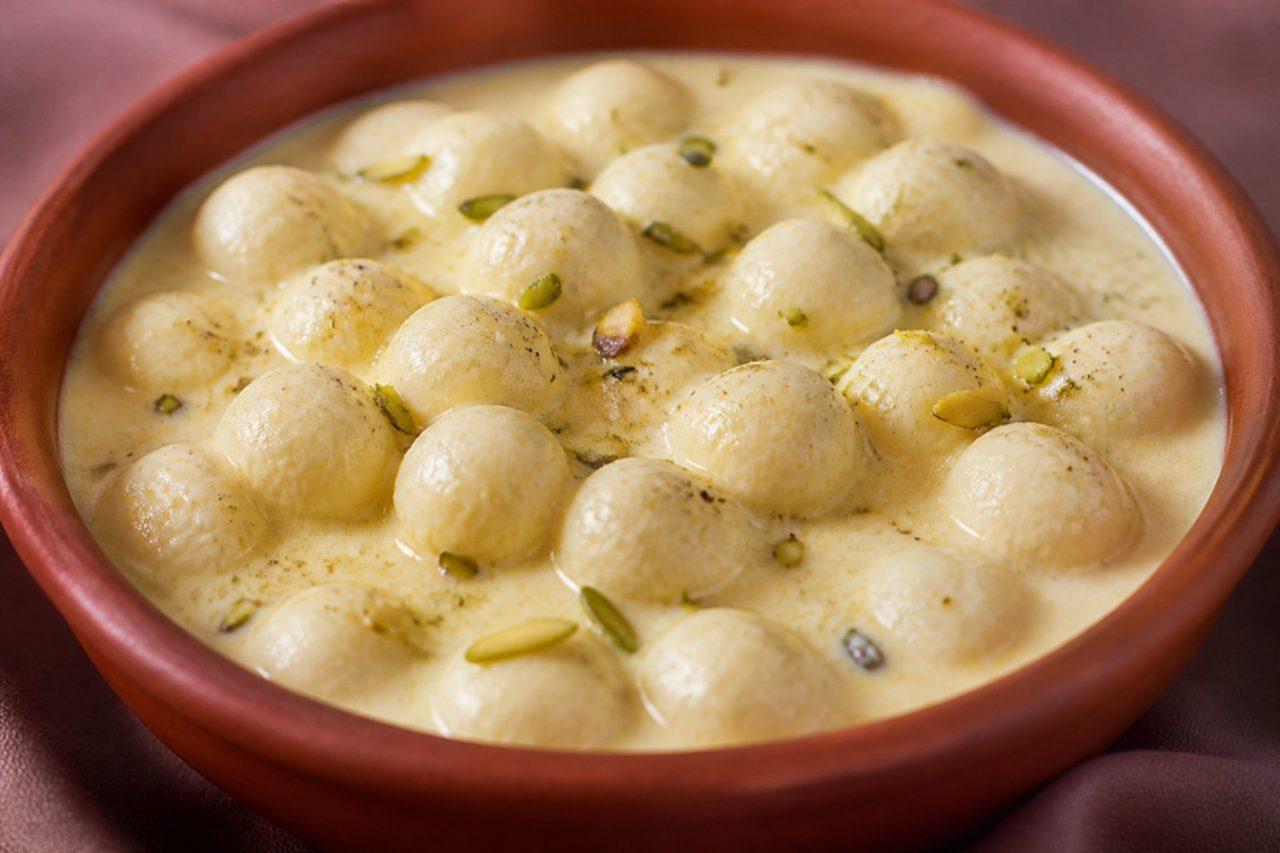
RosmonjuriChhana balls in thick milk

Gaibandha, a northern district on the banks of the Brahmaputra and Teesta, is proud of rosmonjuri, a bowl of dozens of tiny chhana balls, no bigger than marbles, sitting in milk that has been reduced for an hour until it is thick, creamy and pale caramel. Shops there sell it by weight in clay pots, and it is served at weddings, after Eid lunch and whenever relatives come home. The balls are spongy and soft, the milk rich and scented with cardamom, a little like rasmalai but denser and sweeter. Dropping the balls into the milk while they are still hot from the syrup makes them burst and cloud the milk, a mistake easy to avoid by cooling both first. Chef's tip: keep the balls really small, around 1.5 cm; they double in the syrup and should still fit three to a spoon.

by KrazyBadal 0 views

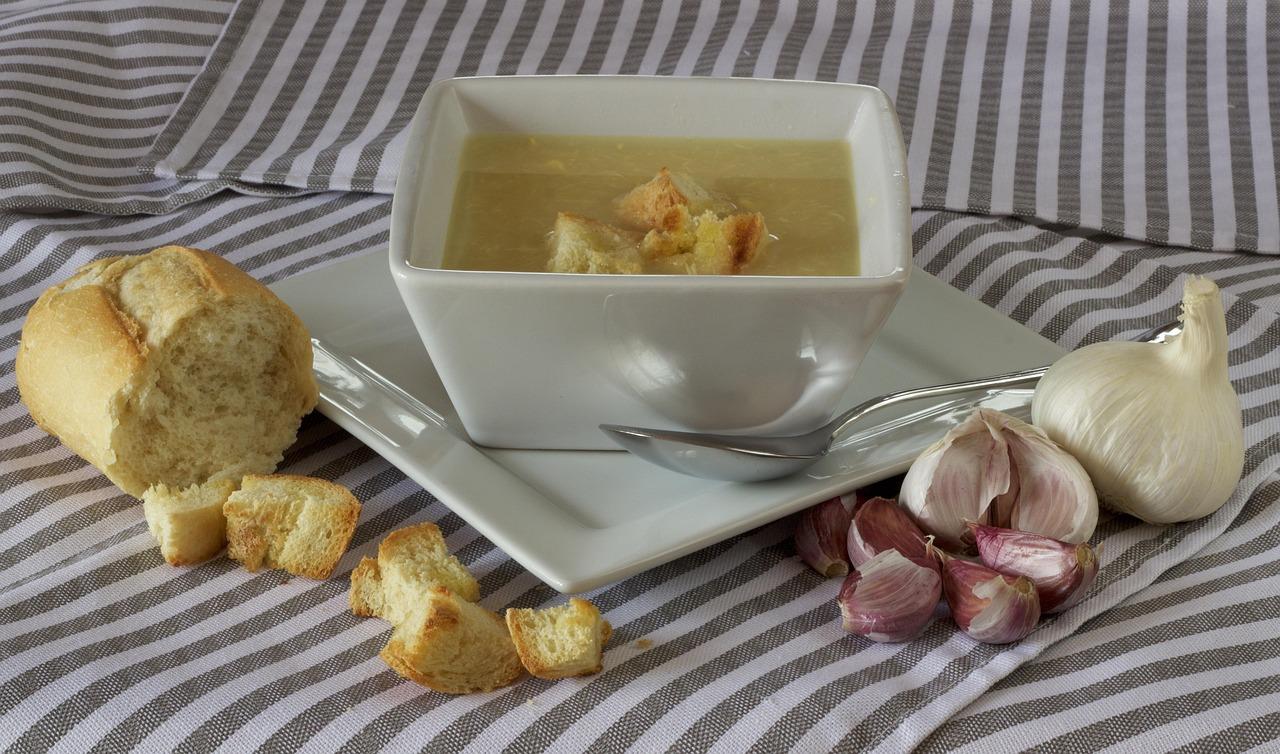
WodzionkaGarlic and rye bread soup

Miners' families in Upper Silesia made this from almost nothing: a few slices of yesterday's rye bread, a garlic clove, a knob of butter and boiling water poured straight into the bowl. Called brotzupa by some older Silesians, it still turns up in Zabrze and Ruda Śląska homes as a cheap, soothing supper, and newer versions use vegetable stock and add caraway or a fried onion. The bread softens into a rich, garlicky porridge with crisp-edged croutons on top. The usual slip is using fresh bread, which turns to slime; it has to be properly dry. Chef's tip: toast the cubes in butter first for a nuttier flavour and a little crunch.

by KrazyBadal 0 views

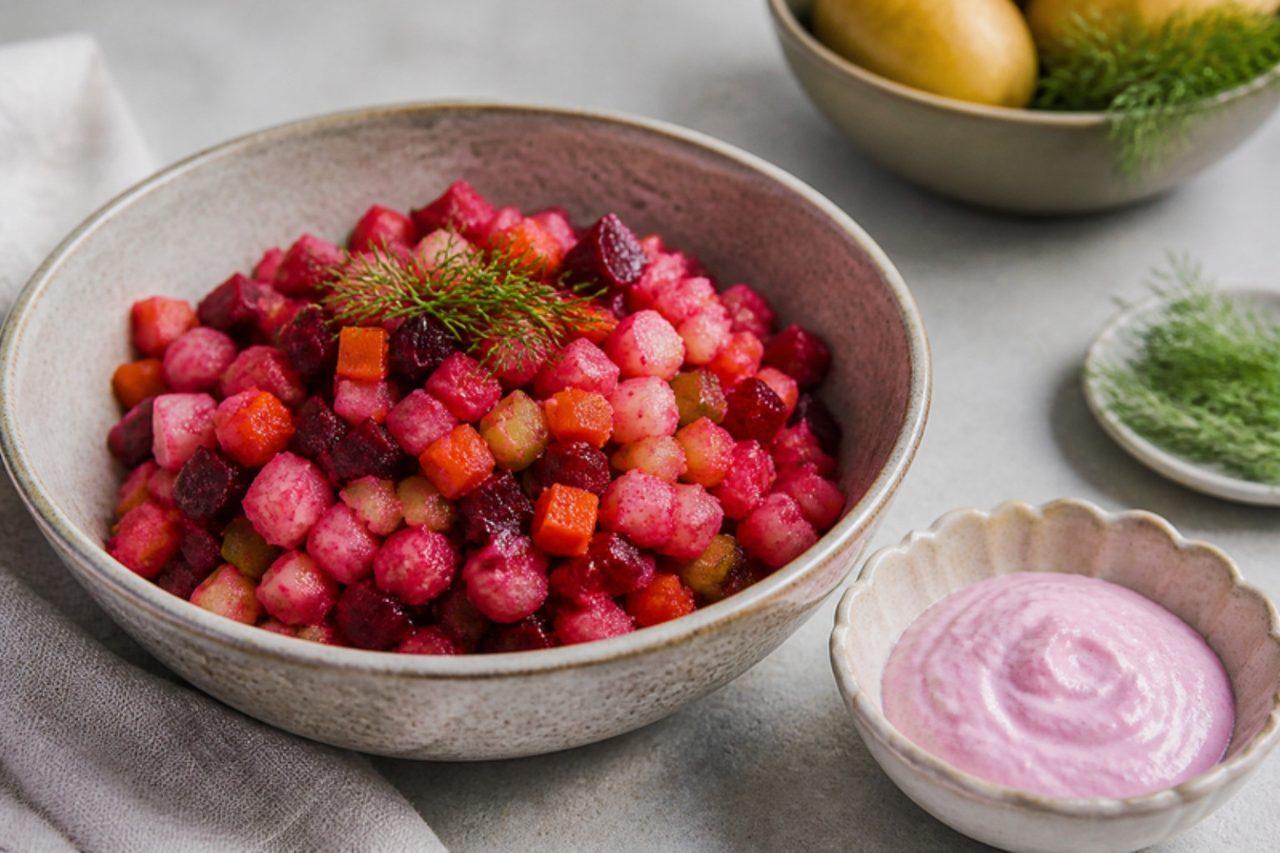
RosolliBeetroot and potato salad

Rosolli is the jewel-coloured salad on the Finnish Christmas Eve table: diced cooked beetroot, carrot and potato with pickled cucumber, apple and onion, arranged in neat stripes or mixed together, with a dressing of whipped cream tinted pink with beetroot juice and sharpened with vinegar. Pickled herring is sometimes added; this version keeps it vegetarian. A common mistake is mixing the beetroot in early, which stains everything a muddy pink. Chef's tip: arrange the vegetables in rows on a platter and serve the dressing on the side, so each stays its own colour.

by KrazyBadal 0 views

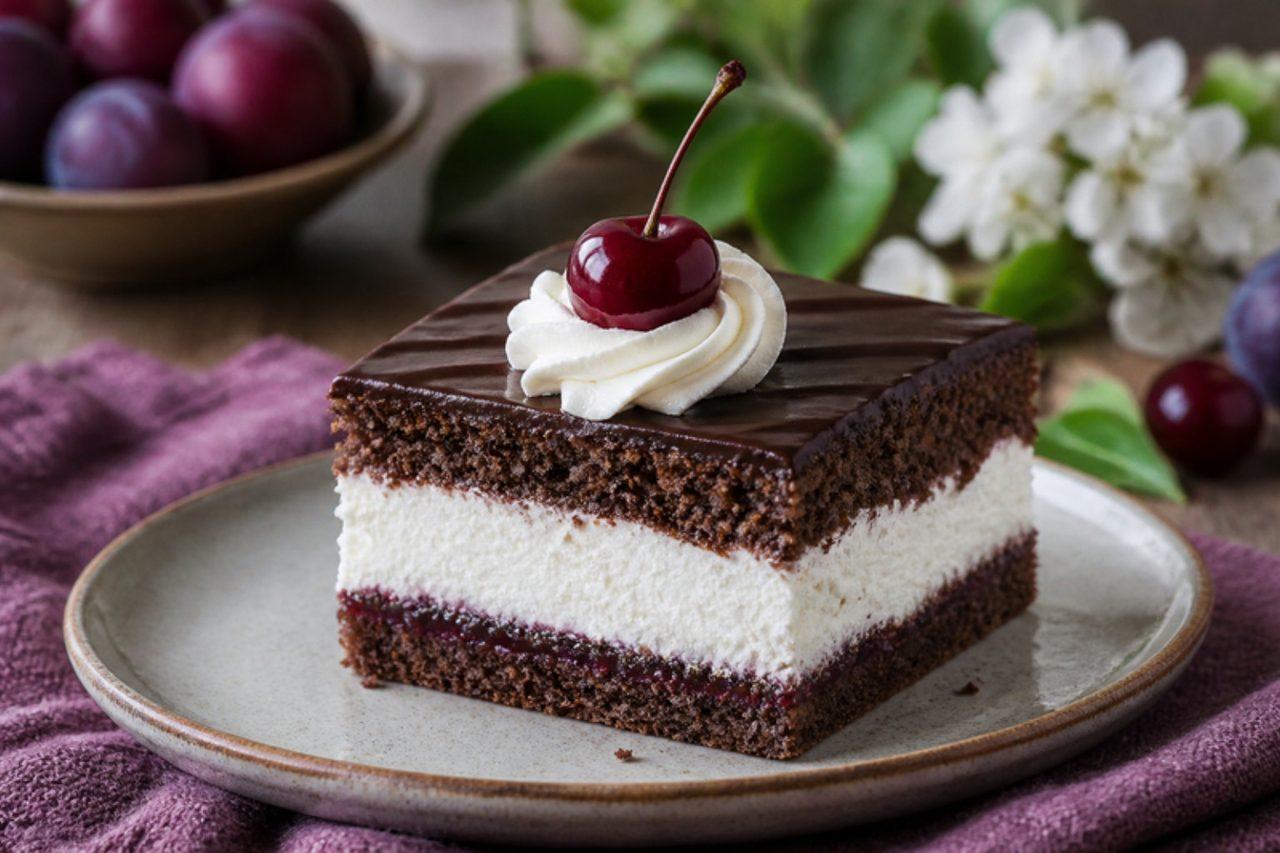
WuzetkaChocolate sponge with plum jam cream

Warsaw's own cake took its name from the W-Z route, the east–west road rebuilt through the ruined city in 1949, and the cake shop beside it that sold the first slices. It is still the cream cake of the capital's patisseries: two dark cocoa sponges, a tart layer of plum jam, a thick band of whipped cream and a shiny chocolate glaze, topped with a swirl of cream. A common mistake is assembling while the sponge is warm, so the cream slumps and slides. Chef's tip: brush the sponge with a little cooled tea before adding the jam so the slices stay moist.

by KrazyBadal 0 views

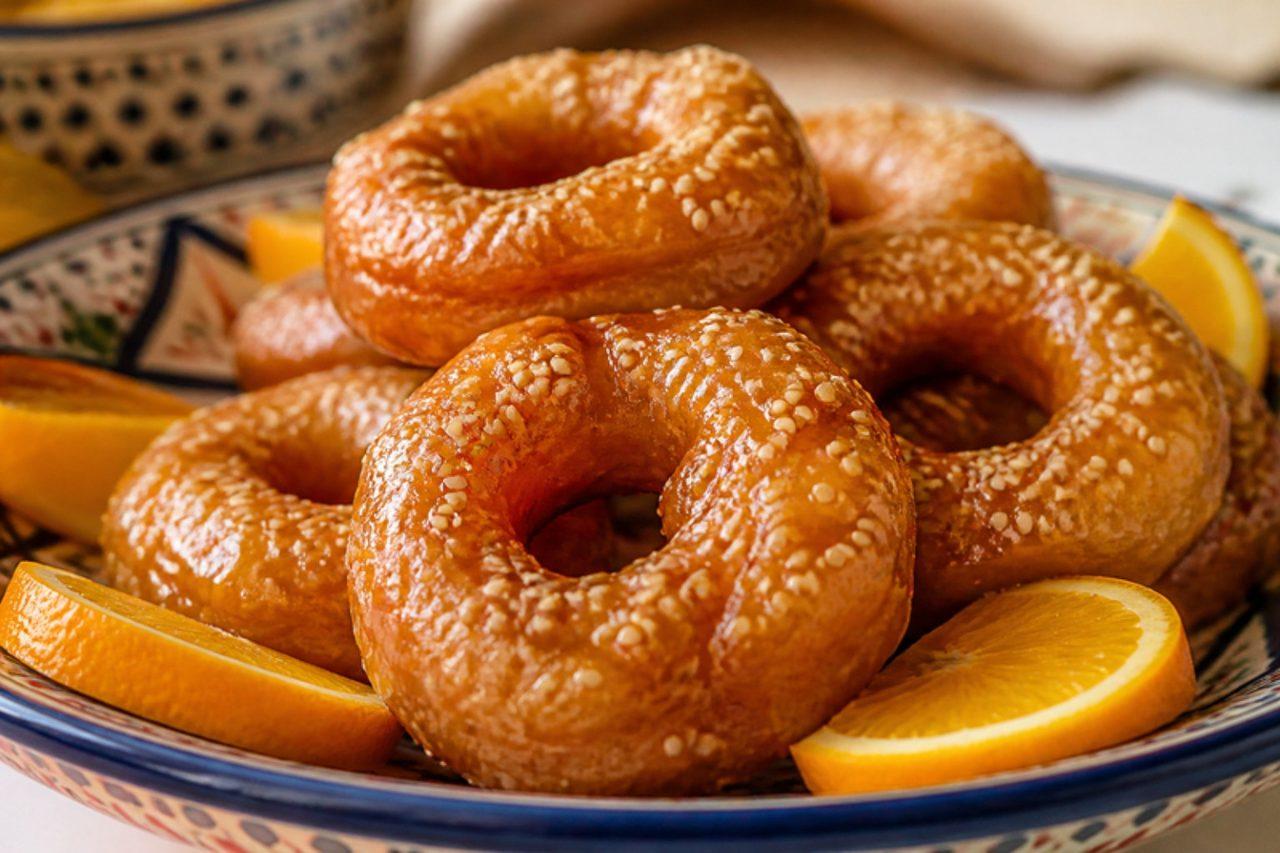
Yo-yoOrange honey doughnut rings

Tunisian children wait for yo-yo, the small golden rings that pastry sellers stack in sticky piles at Eid, weddings and on winter afternoons, and that families fry at home for Hanukkah in the Jewish tradition of Tunis and Djerba. The dough, made with eggs, oil and fresh orange juice and zest, fries up crisp outside and soft and cake-like inside, then gets a quick dip in honey syrup and a sprinkle of sesame. Eat them the day they are made, with mint tea. Chef's tip: keep the oil at 170 °C; hotter and the outsides brown before the centres cook through.

by KrazyBadal 0 views

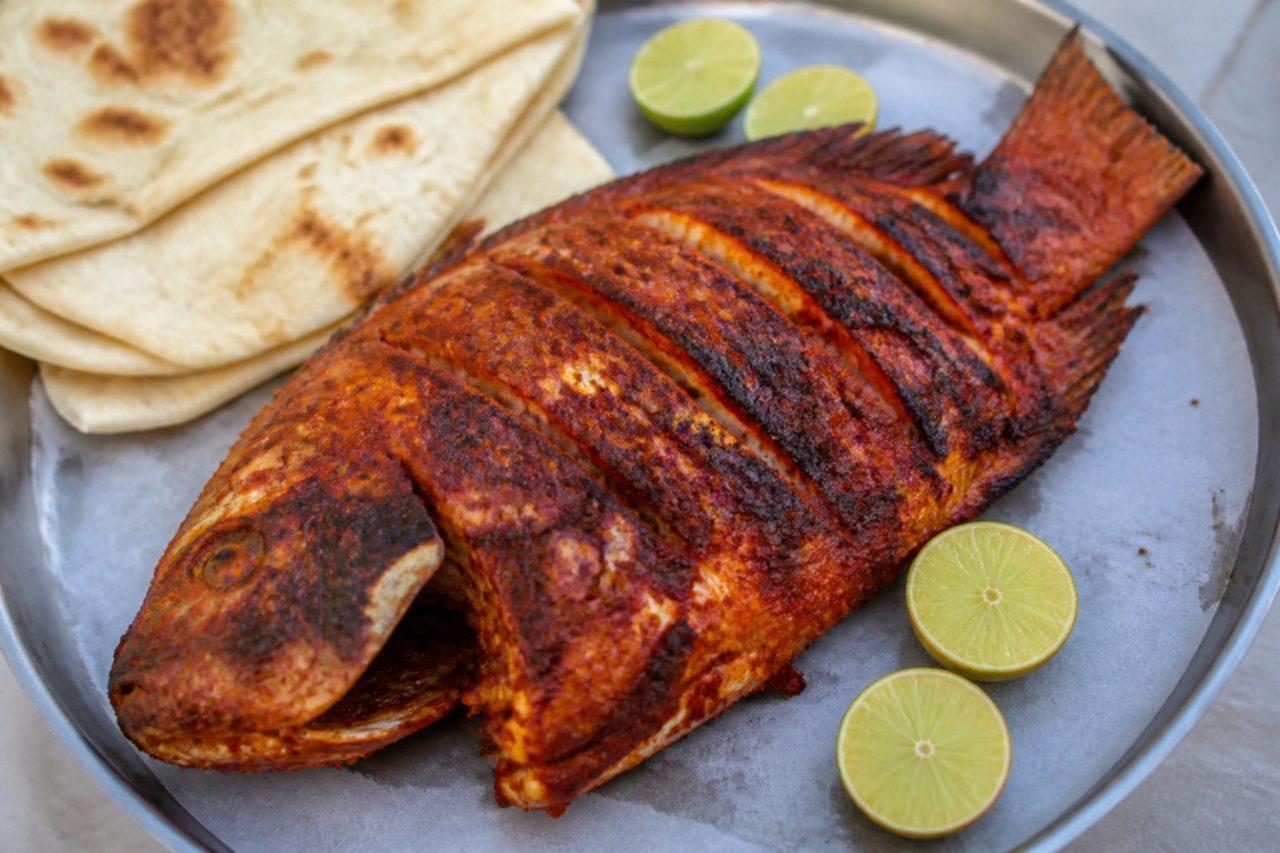
Samak mofaChilli-rubbed roast fish

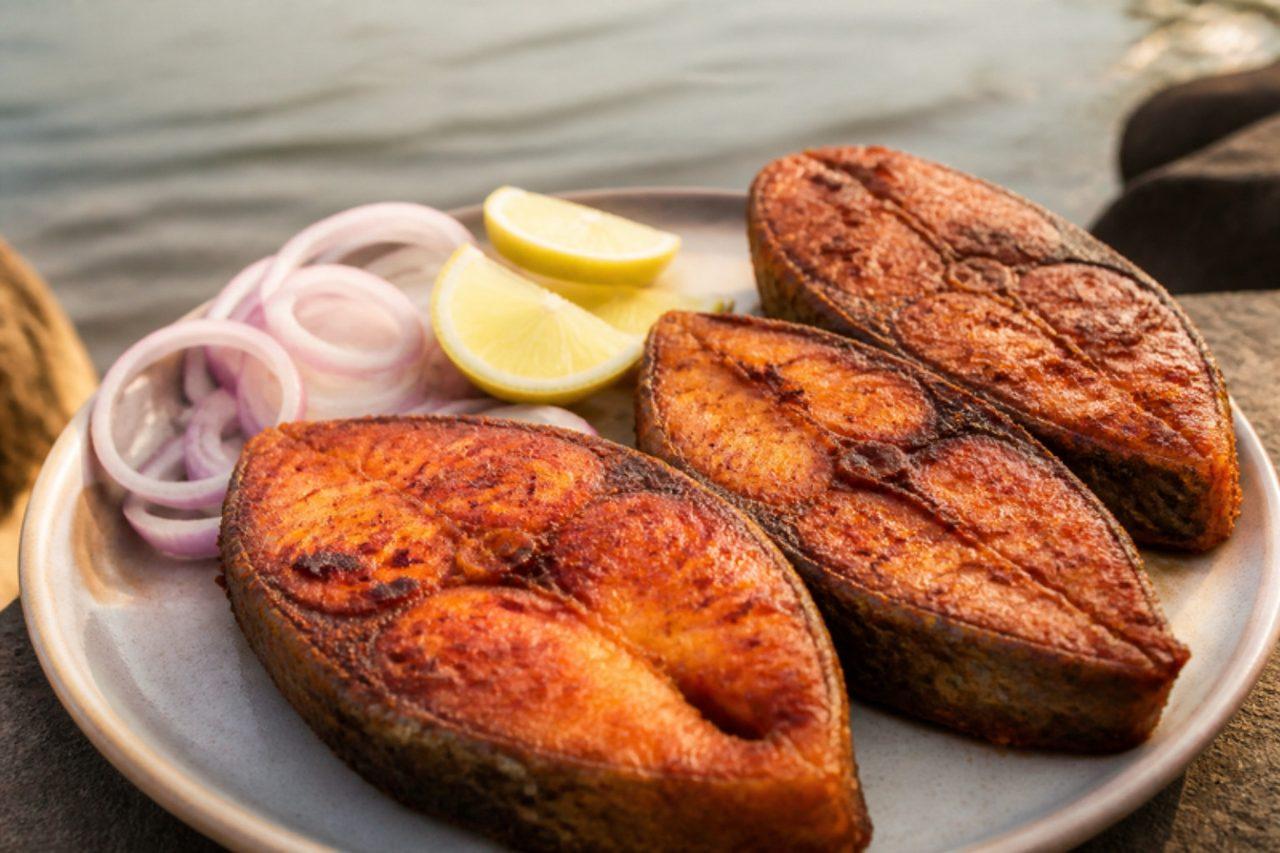
In Mukalla in Hadhramaut and along the Tihama coast of Yemen, samak mofa is slapped against the hot clay wall of a tannour oven, the same one used for bread, so the fish chars on the outside and steams in its own juices within. It is rubbed with a red paste of chilli, garlic, cumin and turmeric and eaten with hot flatbread, a squeeze of lime and a bowl of sahawiq chilli sauce. At home a very hot oven with the grill on gives the same blistered finish. The common mistake is using thin fillets, which dry out before they char. Chef's tip: choose a thick whole fish or thick steaks, and slash deep so the paste reaches the bone.

by KrazyBadal 0 views

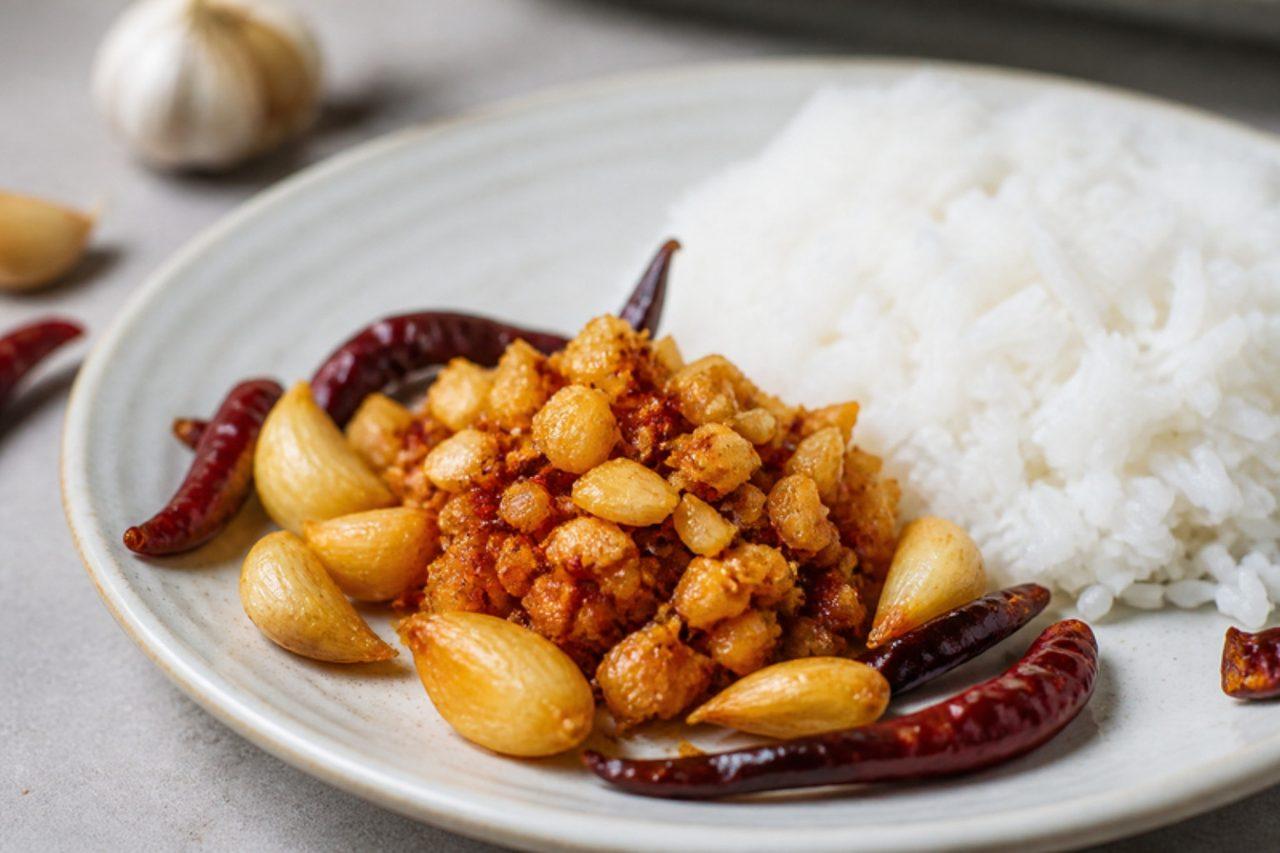
Rosun bhortaFried garlic and chilli mash

Strong enough to make your eyes water, rosun bhorta is the bhorta that farm workers in northern Bangladesh traditionally carried with panta bhat, because a small ball of it flavours a whole bowl of rice. Whole garlic cloves are fried slowly in mustard oil until sweet and golden, then pounded with dried red chillies that have been fried crisp in the same oil, and nothing else but salt. The result is sticky, hot, sweet and deeply savoury, and it sits on the side of the plate next to dal, rice and gentler bhortas. Burnt garlic tastes bitter, so the risk is impatience: keep the heat low and pull the cloves as soon as they are evenly golden. Chef's tip: cut very large cloves in half so they all cook at the same speed.

by KrazyBadal 0 views

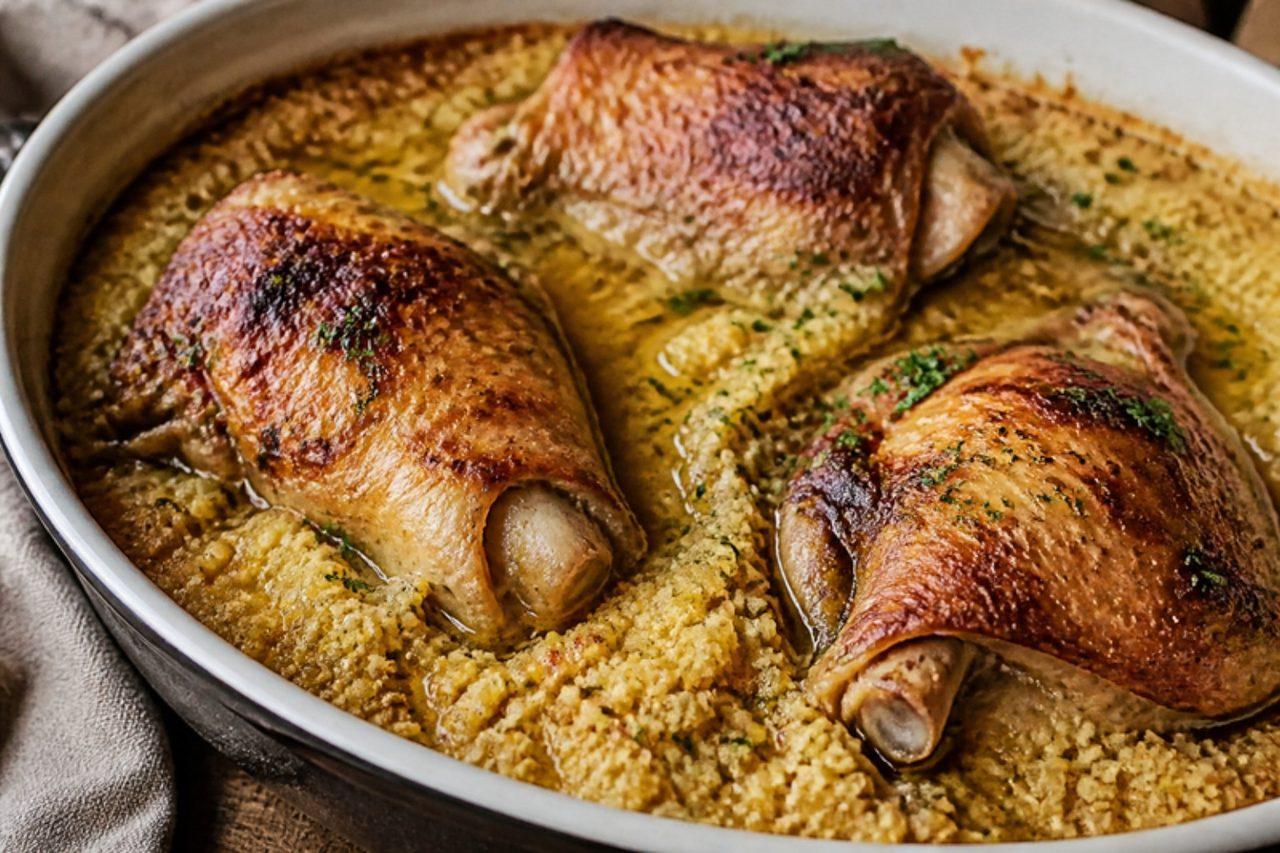
PërsheshCornbread in chicken broth

Weddings and big family gatherings in Kosovo often start with a tray of përshesh: crumbled cornbread soaked in rich chicken broth and baked until it sets into a soft, savoury, spoonable bake with a golden crust, topped with pieces of the poached chicken. It is homely and filling, eaten with pickled peppers and a cucumber salad. A common mistake is using a sweet, wheat-heavy cornbread: it falls apart and tastes like cake. Make a plain, coarse bread with cornmeal only. Chef's tip: bake the cornbread the day before; stale crumbs soak up the broth more evenly.

by KrazyBadal 0 views

Roti johnBaguette omelette sandwich

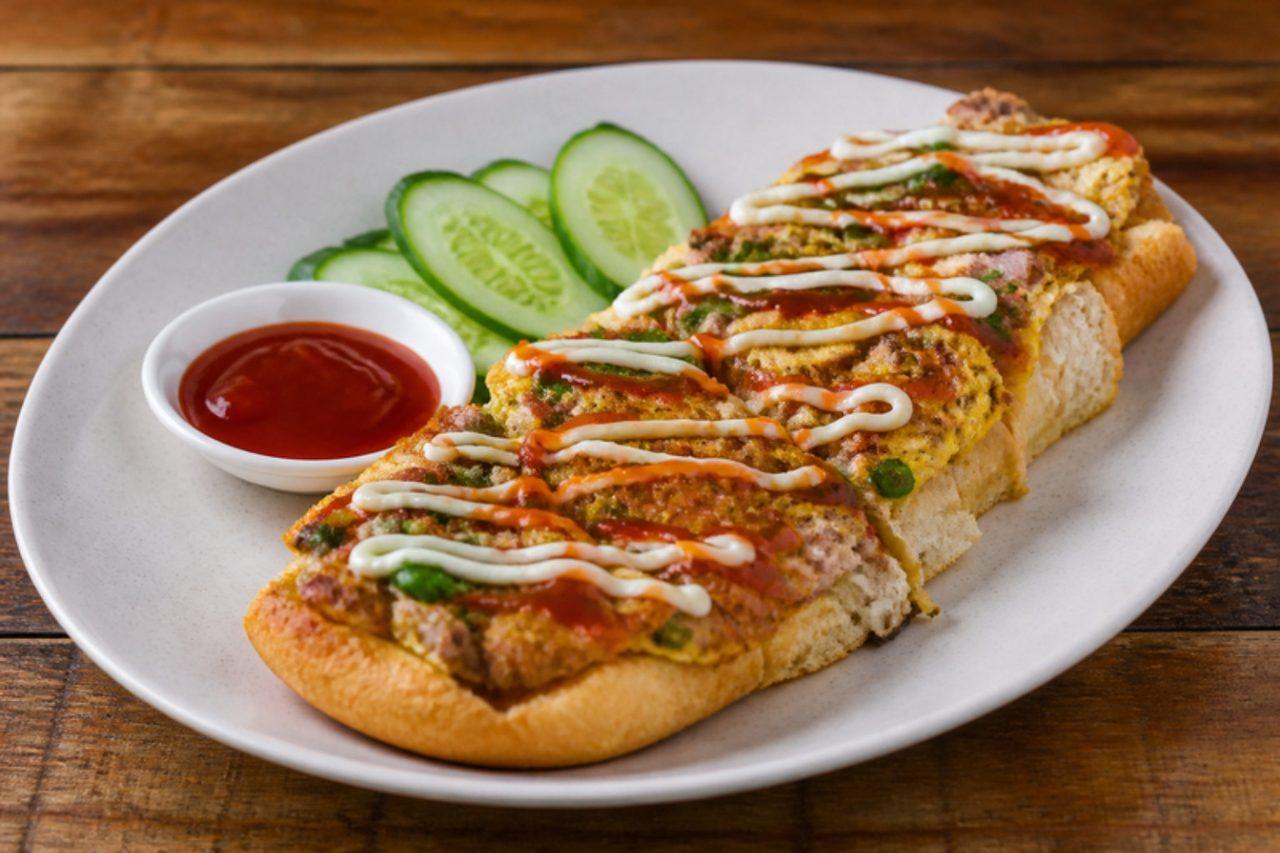
Credited to a Malay hawker in 1970s Singapore, roti john is now sold at Ramadan bazaars, night markets and supper spots: a split baguette pressed face down into a sizzling spiced omelette of minced meat, onion and egg, so the two fuse into one crisp, golden layer. Flipped and cut into fingers, it is zig-zagged with chilli sauce and mayonnaise and eaten with your hands, often with a cold teh tarik. The bread should be crisp at the edges and soft inside, the topping juicy and fragrant with curry powder. The usual stumble is pouring all the egg mixture into the pan at once, so it spreads too far and runs off the bread; pour only as much as the bread will cover. Chef's tip: cook the mince first, then mix it with the eggs; it browns better, is cooked through, and the omelette layer sets in a couple of minutes.

by KrazyBadal 0 views

Poltava halushkyPinched dumplings with fried onion

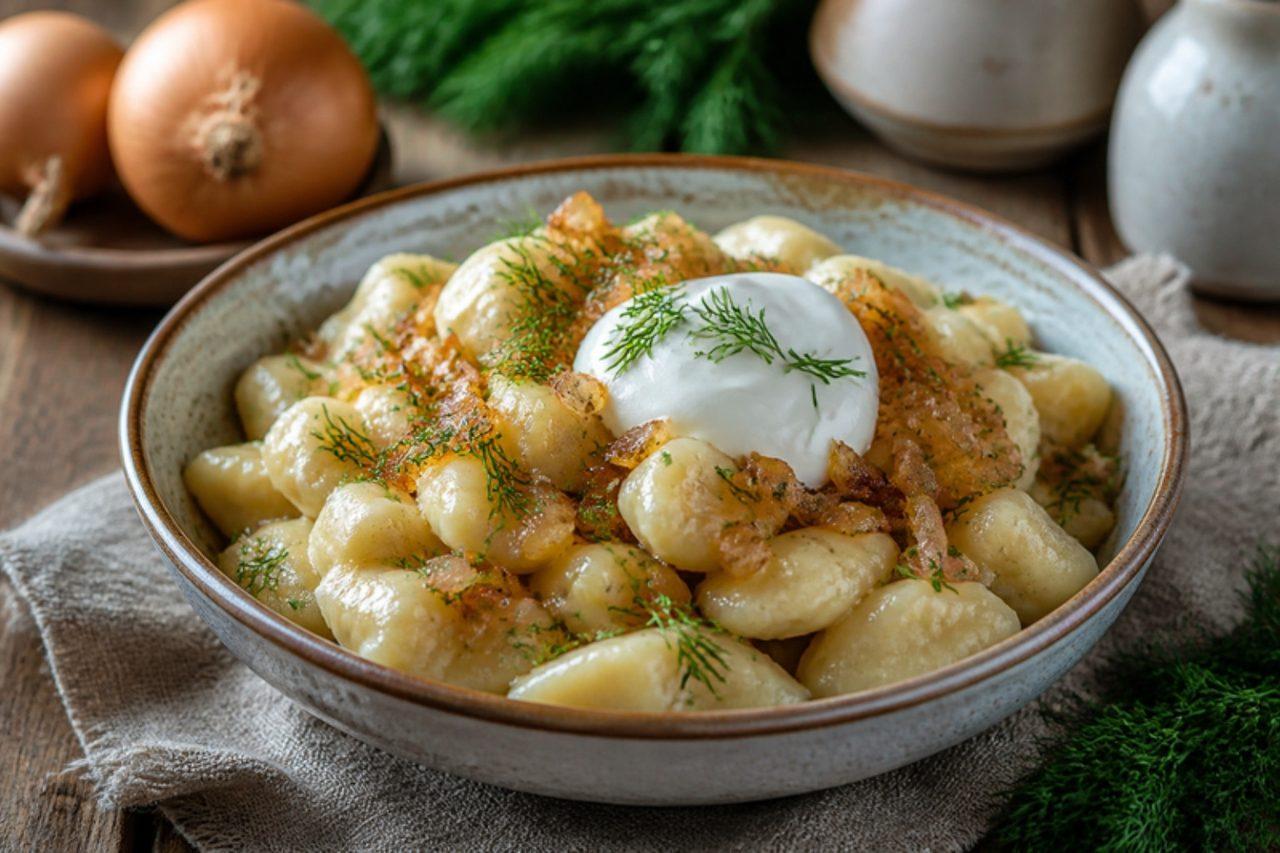
Poltava is so proud of its halushky that the city has a monument to them, a giant bowl and spoon in the park near the Ivan Kotliarevsky museum. These are the plainest of Ukrainian dumplings: a soft egg dough pinched or cut into small pieces, boiled until they float and swell, then tossed with onion fried golden in butter and sunflower oil and topped with a cold dollop of sour cream. Every Poltava household eats them on ordinary weekdays, often straight from the pot with a fork. They should be tender and slightly chewy, never gluey. The mistake people make most often is crowding the pot: drop them in two batches into a large pan of rapidly boiling water so they do not stick together. Chef's tip: dip your fingers or the knife in flour between pinches, and the dough comes away clean every time.

by KrazyBadal 0 views

KhingalPasta squares with lamb mince

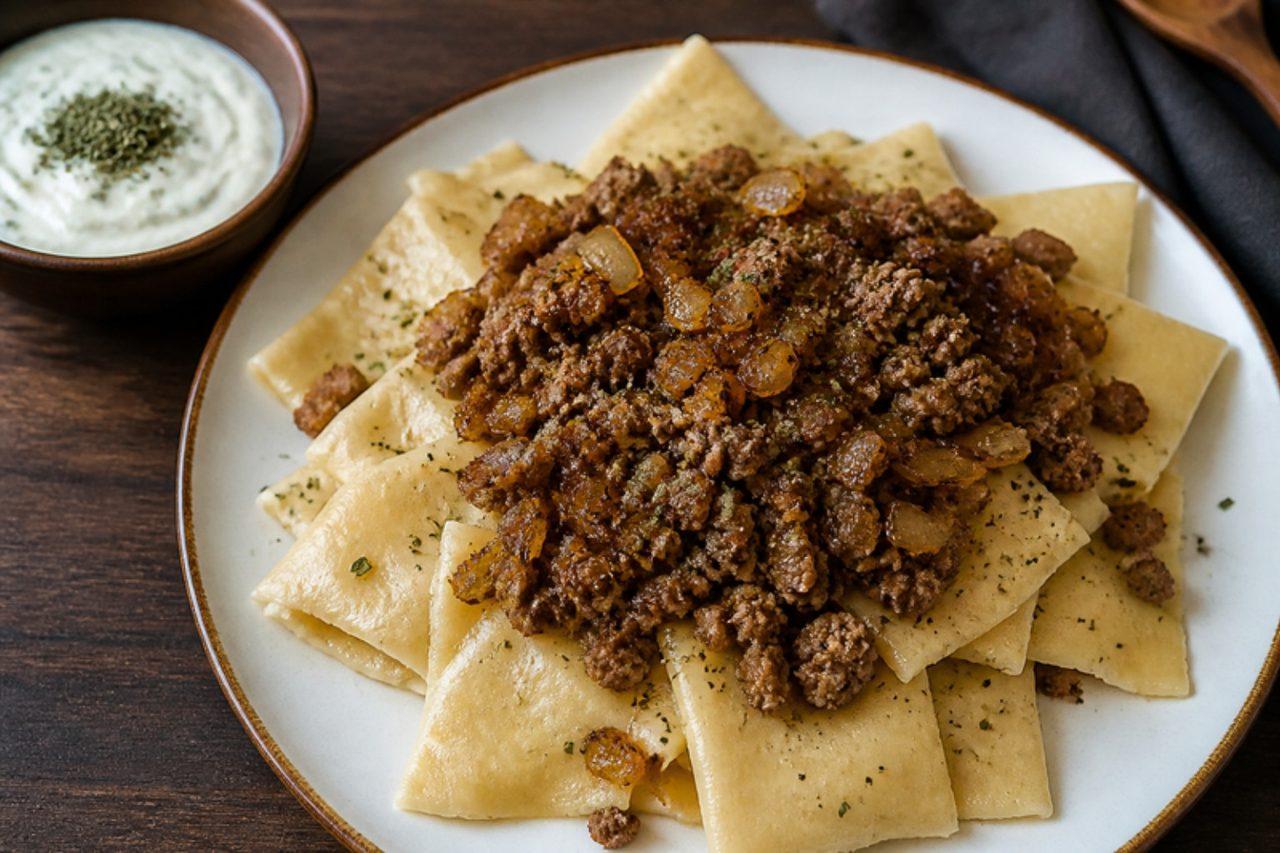
Khingal is Baku comfort food: squares or diamonds of thin homemade pasta boiled and layered with lamb mince fried with plenty of onion, then topped with garlicky yogurt and a sprinkle of sumac or dried mint. It is the dish Absheron grandmothers make for a crowd, rolling the dough on the big kitchen table. A common mistake is draining the pasta until dry; a little cooking water keeps the layers loose and silky. Chef's tip: fry the onion until deep brown before the mince goes in; that sweet, almost caramelised onion is what makes Baku khingal. Mince must reach 71 °C.

by KrazyBadal 0 views

Tsebhi asaFish in berbere tomato stew

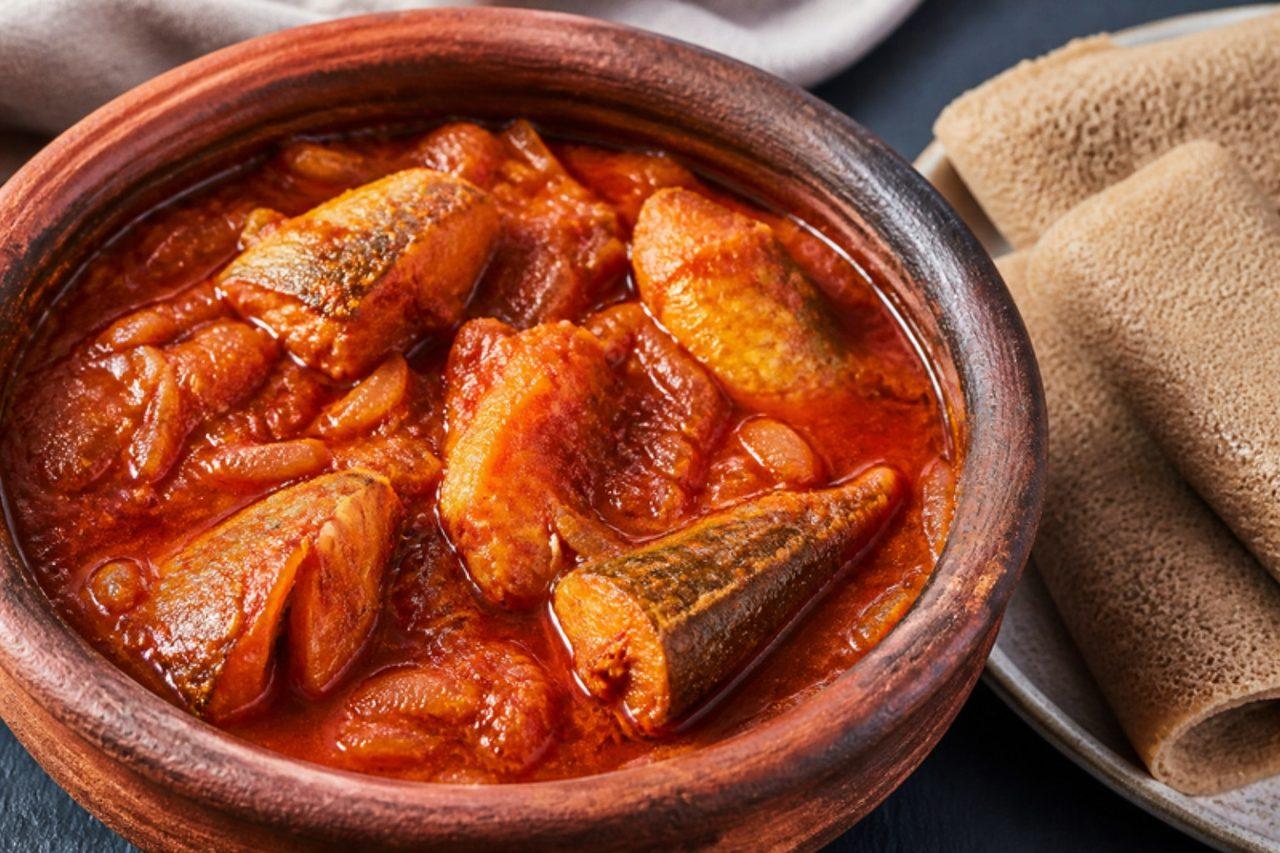
Massawa's home cooks make tsebhi asa with whatever came in on the boats that morning, often kingfish, grouper or snapper, simmered in a stew that is redder and more tomato-rich than the lake fish wats of Ethiopia. Plenty of fresh tomato and a little tomato paste go into the berbere and onion base, with garlic and a touch of cumin, so the sauce is spicy, tangy and bright. It is scooped up with injera or with the flatbread of the coast, and leftovers are even better the next morning with bread. Chef's tip: cut the fish into large chunks with the skin on where you can; skin helps the pieces hold together in the simmering sauce.

by KrazyBadal 0 views

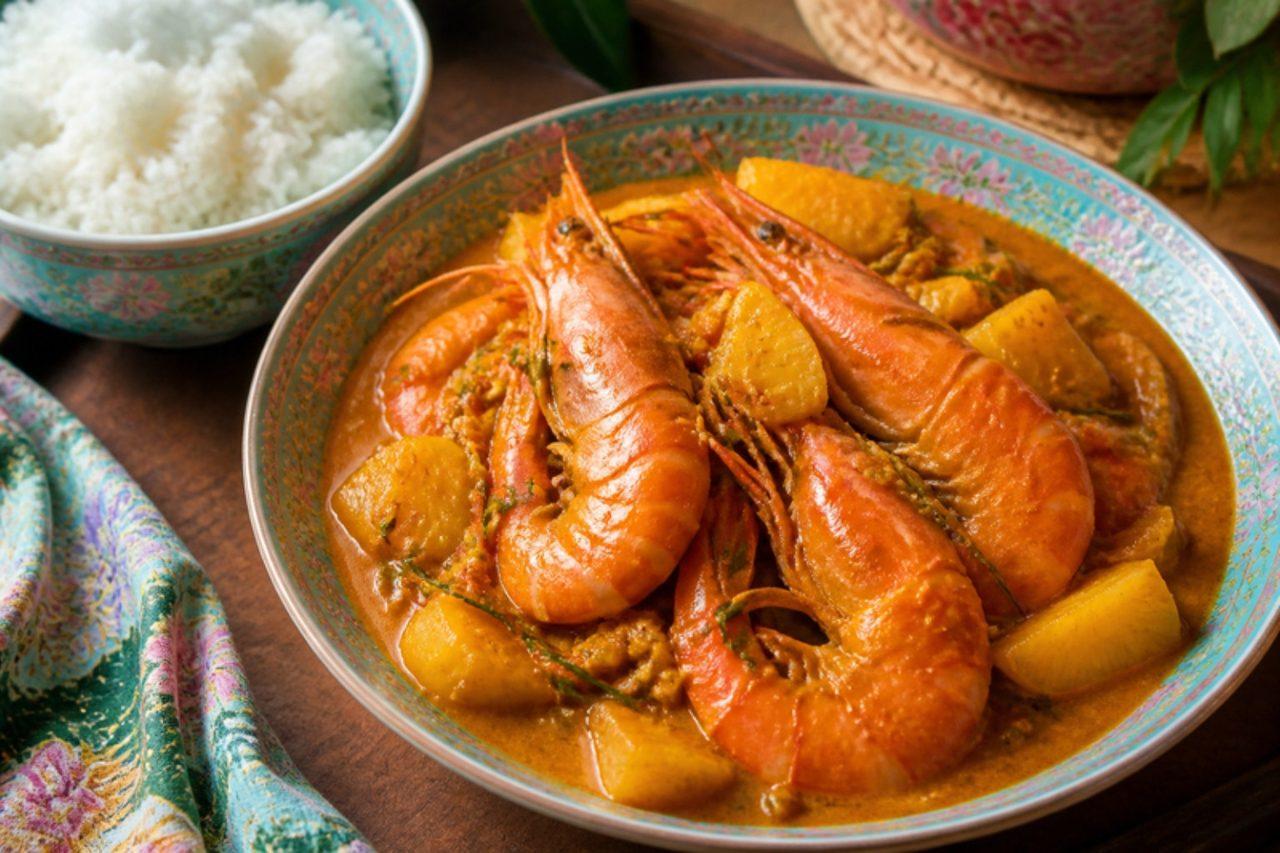
Udang masak nanasPrawns in pineapple gravy

Sweet, sour and gently hot, this Nyonya prawn and pineapple curry turns up on Peranakan family tables in Singapore and Melaka as one of several dishes shared at a weekend lunch, often next to a coconut-rich curry it is meant to balance. Prawns and chunks of half-ripe pineapple simmer briefly in a thin, golden gravy of tamarind and a lightly fried rempah of chillies, shallots, lemongrass, turmeric and shrimp paste, so the sauce tastes bright and fruity rather than heavy. Eat it with plenty of steamed rice. Overcooking the prawns is the common slip; they need only 3 minutes and turn tough and dry if left to stew with the pineapple. Chef's tip: choose a pineapple that is still a little firm and tart, as fully ripe fruit makes the gravy too sweet and falls apart.

by KrazyBadal 0 views

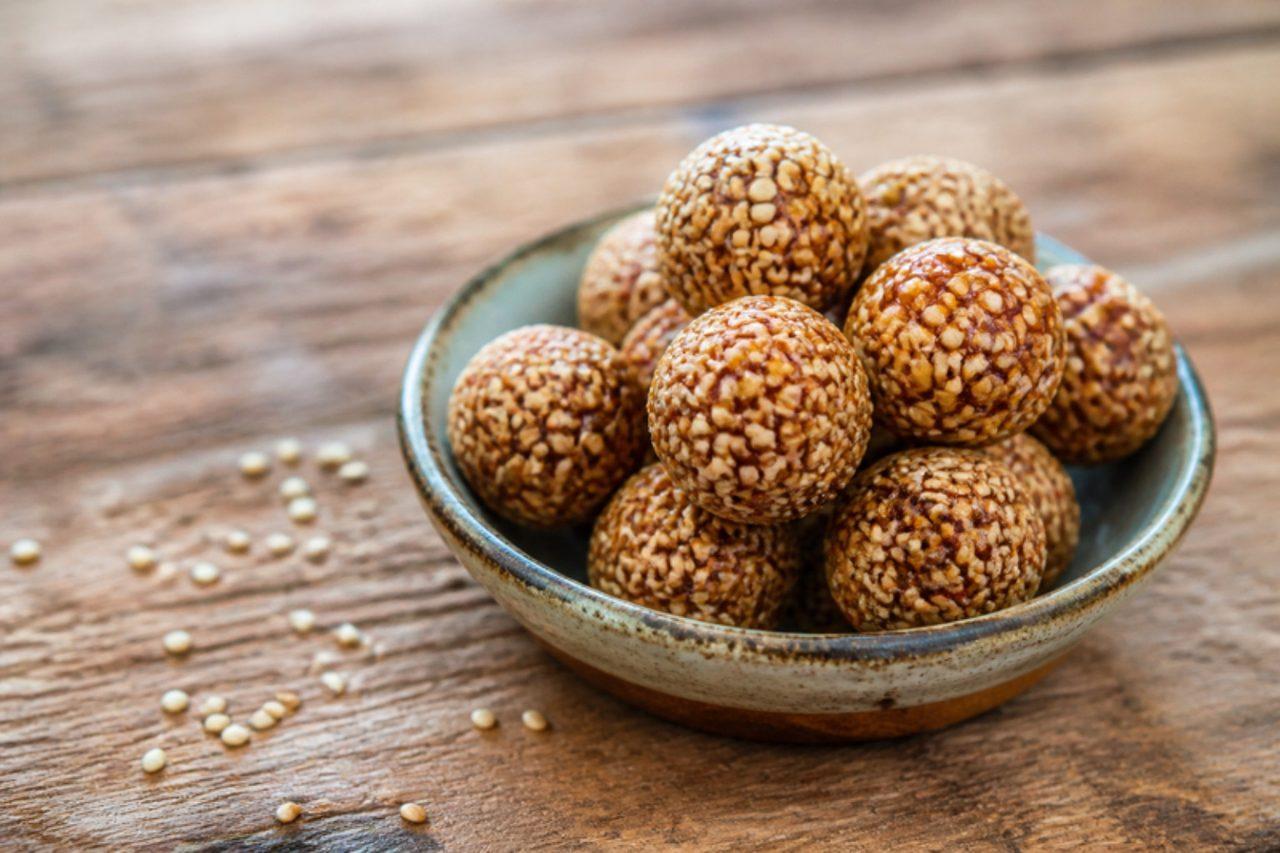
Tobago benne ballsSesame molasses candies

Benne is the West African word for sesame that survived in Tobago, and benne balls are the little brown, crunchy candies sold in paper bags at Scarborough market and by vendors on the beach roads. Toasted seeds are stirred into molasses and sugar boiled to the hard stage, then rolled while warm into marble-sized balls. The common mistake is under-boiling the syrup, which gives soft, sticky balls that never set; test it in cold water. Work quickly and carefully, as the syrup is very hot. Chef's tip: toast the seeds only to pale gold; they keep darkening in the hot syrup and turn bitter if they start dark.

by KrazyBadal 0 views

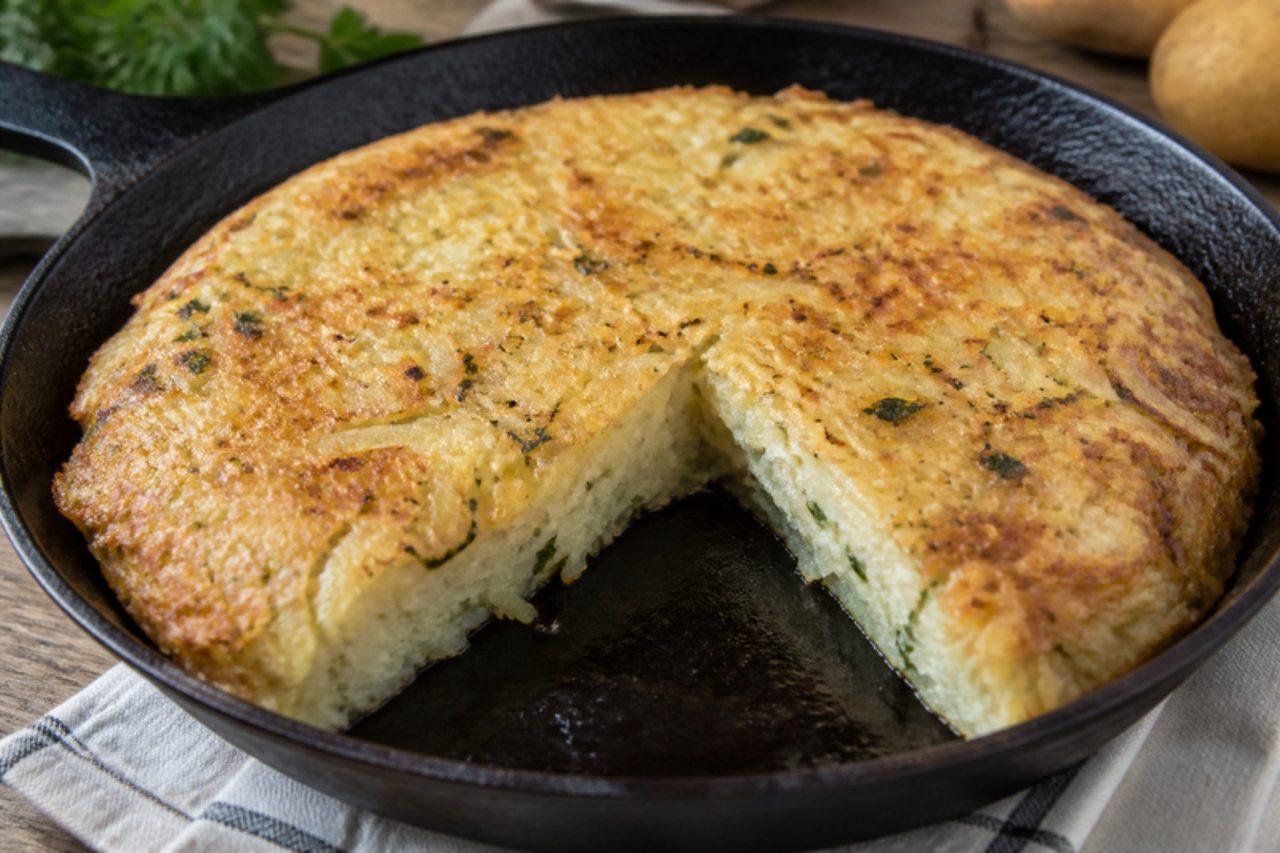
PatatnikGrated potato and cheese cake

Up in the Rhodope Mountains around Smolyan and Chepelare, where potatoes grow better than almost anything else, patatnik is the dish every mountain inn puts on its menu. Grated potato is salted and squeezed, mixed with onion, crumbled white cheese, egg and plenty of dried spearmint (dzhodzhen), then cooked slowly in a heavy pan like a thick cake and turned once. The outside is a crisp, golden crust, the inside soft, salty and herby. Eat it hot in wedges with a bowl of thick sheep's yogurt and a tomato salad. Sirene is often made with animal rennet, so use a white cheese labelled vegetarian. The classic error is turning the heat up to hurry it, which burns the crust while the middle stays raw; it needs a low flame and patience. Chef's tip: slide the cake onto a plate, cover with a second plate and flip, then slide it back into the pan with a little more butter.

by KrazyBadal 0 views

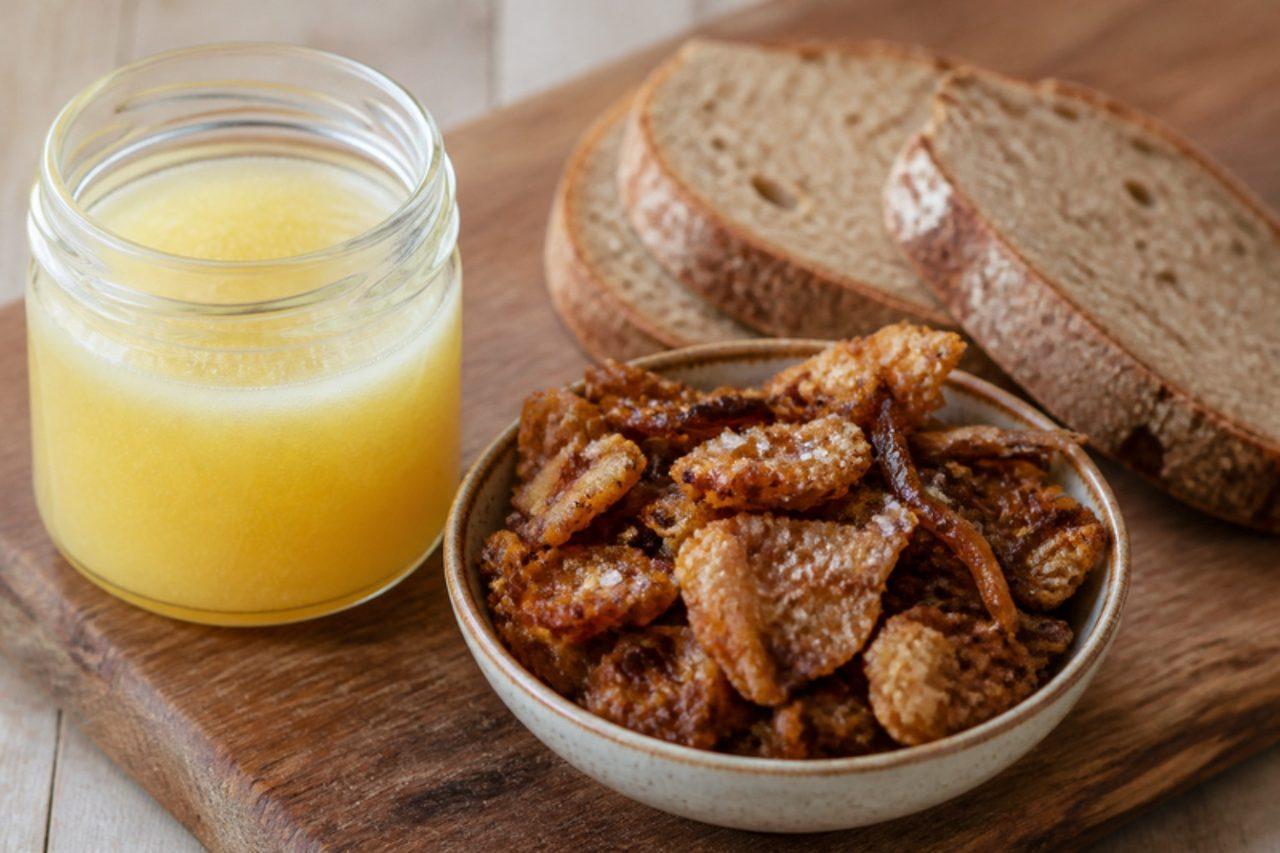
SchmaltzRendered chicken fat with crackling

Before vegetable oil reached the shtetl, rendered chicken fat was the cooking fat of every Ashkenazi kitchen that kept meat and dairy apart, and in Bnei Brak and Jerusalem's Geula many grandmothers still keep a jar of it in the fridge for roast potatoes, chopped liver and matzo balls. Skin and fat trimmed from chickens are melted slowly with a little water until the fat runs clear and gold, then onion is added so the fat takes on a sweet, savoury depth. The crisp scraps left behind, gribenes, are salted and nibbled like crackling or scattered over mashed potato. The usual mistake is turning the heat up to hurry it: the skin browns before the fat has melted out and the schmaltz tastes scorched. Chef's tip: ask a kosher butcher for skin and fat trimmings, or save them in a bag in the freezer each time you joint a chicken until you have enough.

by KrazyBadal 0 views

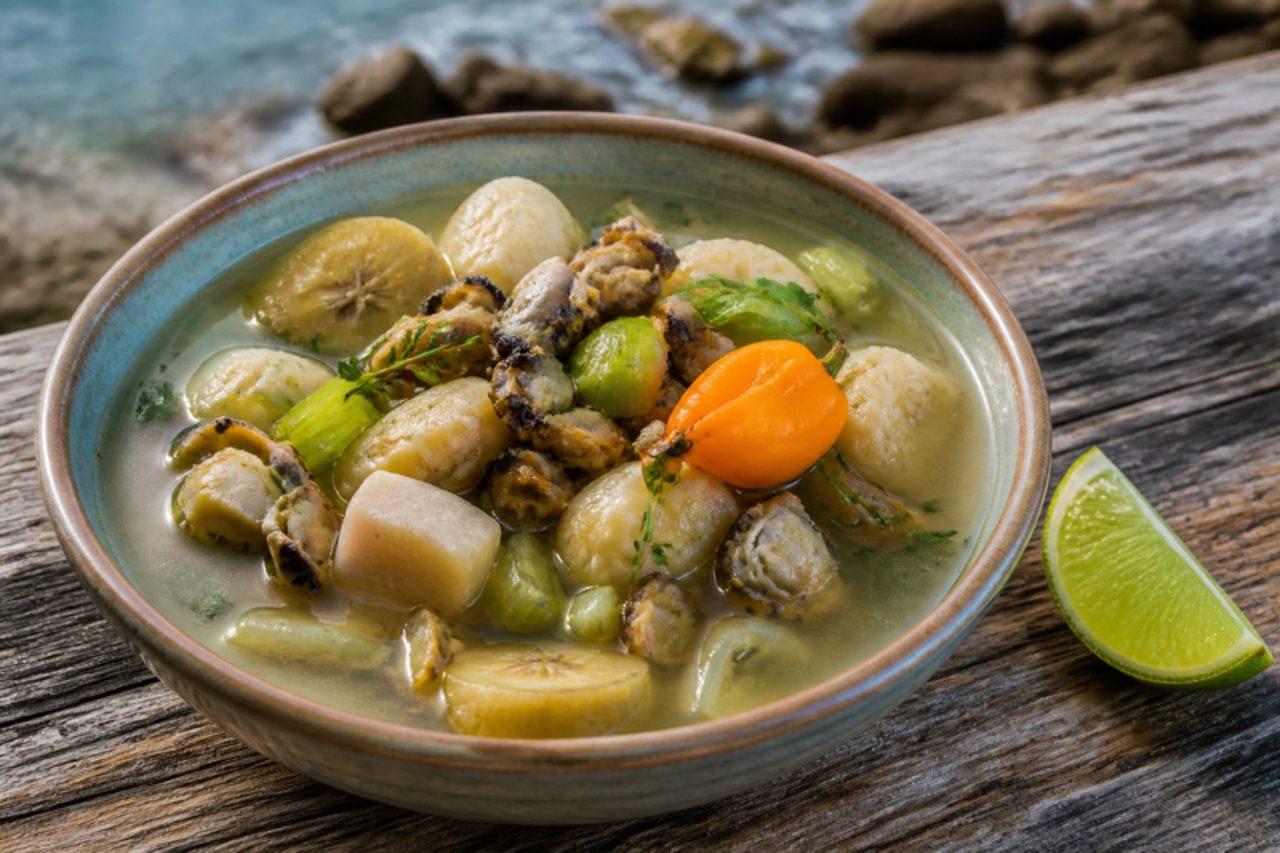
Tobago pacro waterChiton broth

Along Tobago's rocky windward coast, pacro (chitons) are prised off the rocks at low tide and made into pacro water, a light, herby broth with green fig, dasheen and dumplings that islanders swear by as a strengthening soup. The flavour is clean and briny, somewhere between clams and whelks. Pacro is seasonal and its harvest is restricted in places, so only use pacro gathered legally; clams or whelks make a good substitute. The common mistake is skipping the long scrub and soak: pacro carries a lot of grit. Chef's tip: once cooked, pull out the pacro, chop the meat small and return it, so every spoonful gets some.

by KrazyBadal 0 views

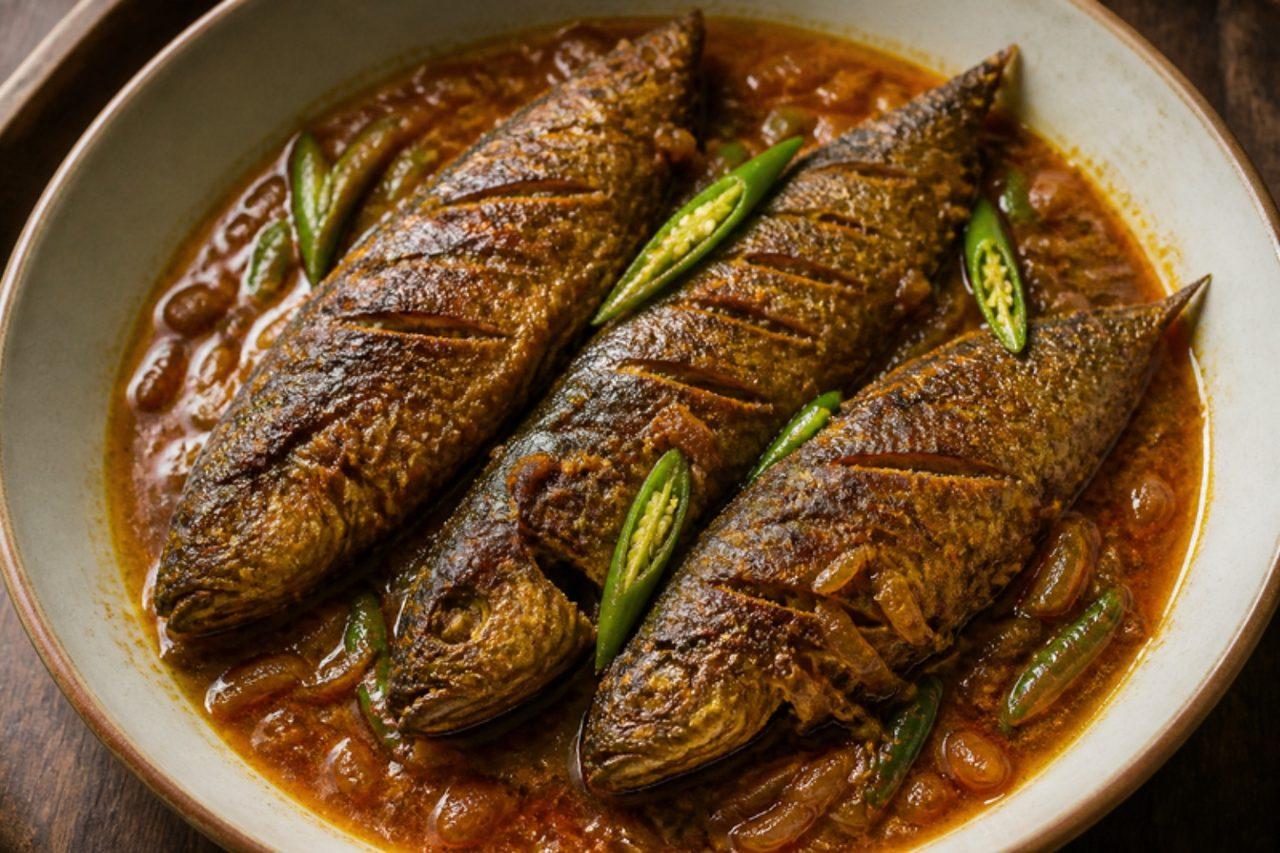
Tel koiFried climbing perch in gravy

Koi, the climbing perch, is a small, tough-scaled fish of ponds and rice fields with a sweet flesh that Bengalis prize above much bigger fish, and tel koi, koi in oil, is how Khulna households celebrate a good catch, especially when a son-in-law visits. The fish are fried whole until crisp and then slipped into a glossy gravy of onion, cumin, turmeric and whole green chillies that is meant to have a visible layer of mustard oil on top. They are eaten with plain rice, picking the soft flesh away from the many fine bones. You will find koi fresh or frozen in Bangladeshi grocers. The usual pitfall is a timid frying, which leaves the skin soft and the bones chewy; fry until the fins crisp. Chef's tip: score each fish twice on both sides so the spices get in and the thick back cooks as quickly as the belly.

by KrazyBadal 0 views

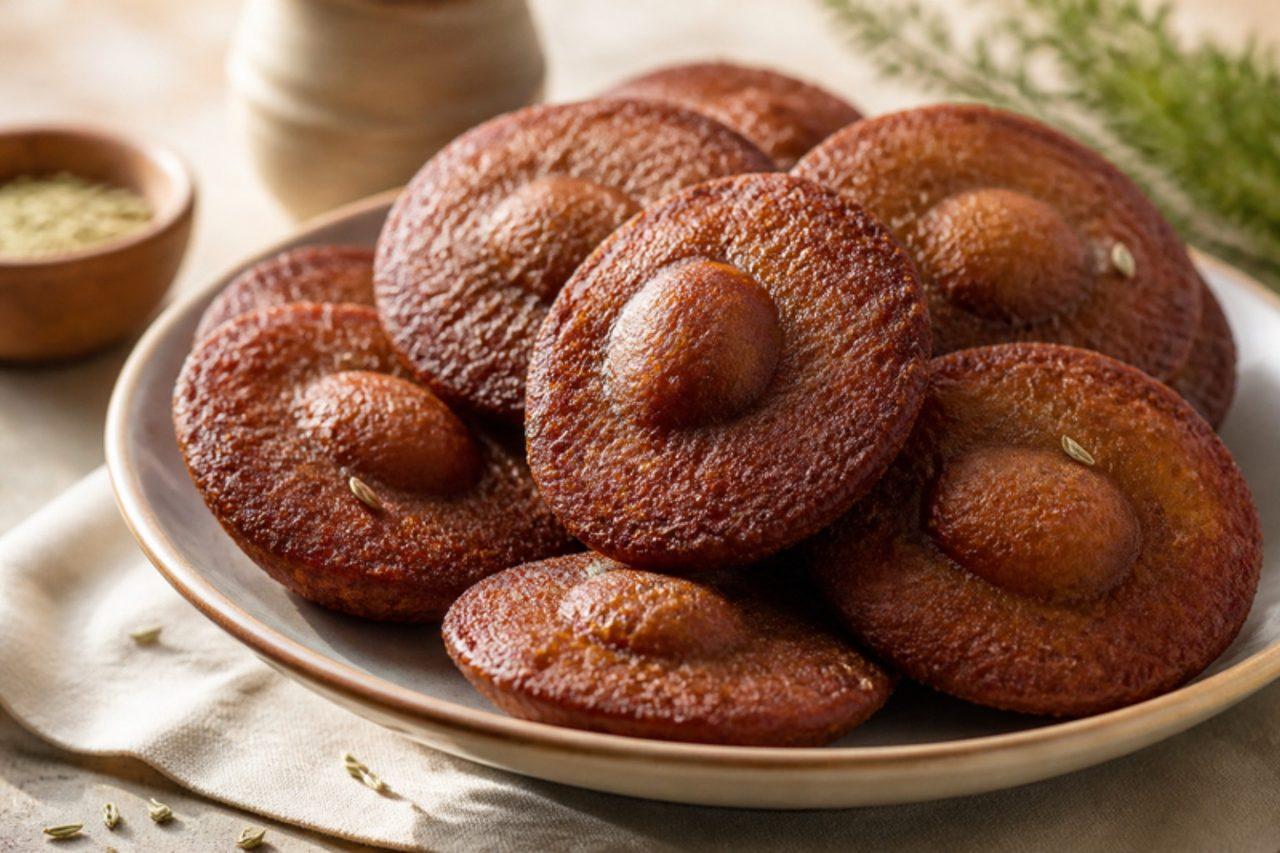
Teler pithaFried rice and jaggery cakes

Teler pitha, literally oil cake, is the easiest of the winter pithas and the one children wait for at the start of the date-palm season, when the first pots of fresh khejur rosh are boiled down into gur in the villages of Jessore and Faridpur. A batter of rice flour and melted jaggery is poured into hot oil a ladle at a time, and each cake puffs into a round with a little raised hump in the middle, crisp and brown outside, soft and chewy inside, tasting of caramel and fennel. They are eaten warm in the afternoon or packed for a journey. Oil that is too hot gives dark cakes with raw centres, which is where most people go wrong; keep it at a steady medium heat. Chef's tip: rest the batter for at least an hour, ideally two, so the rice flour swells and the cakes rise properly.

by KrazyBadal 0 views

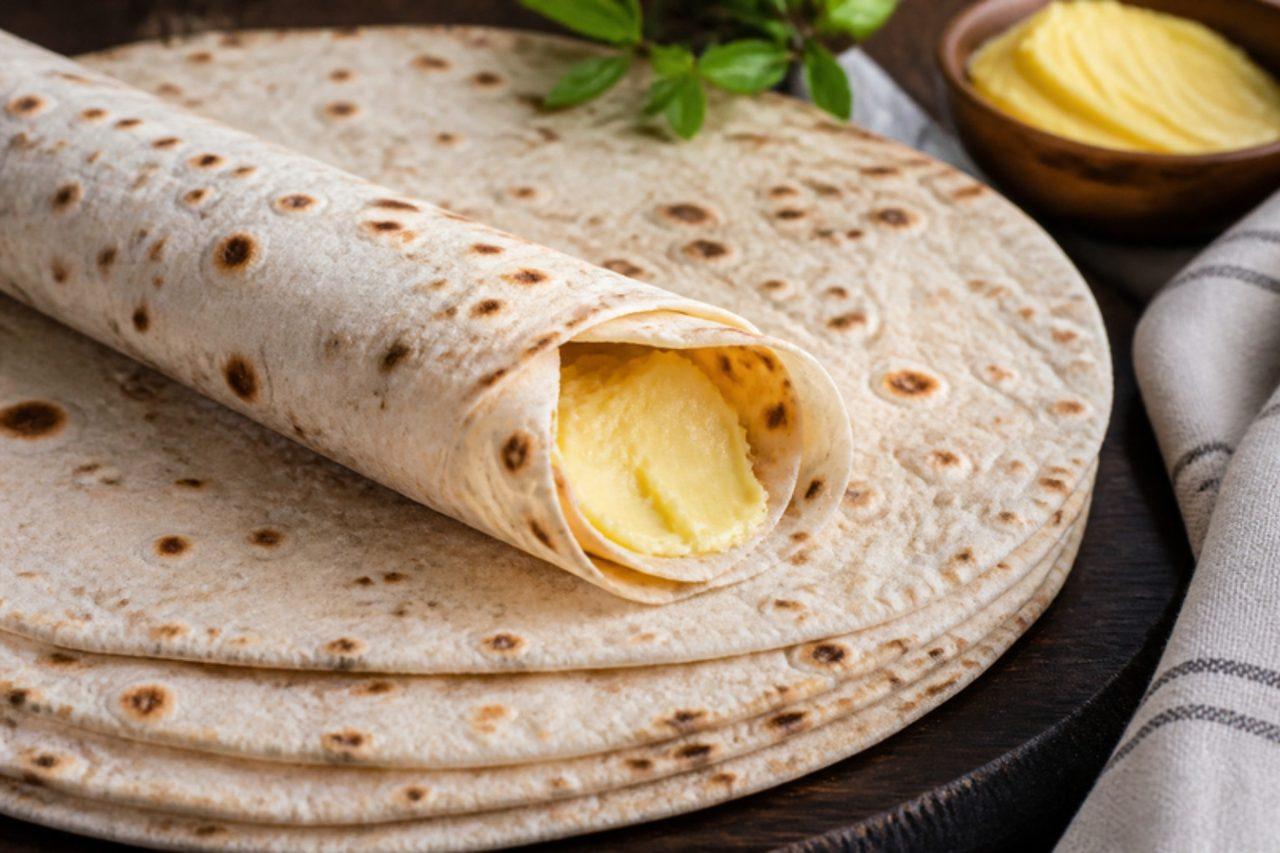
TunnbrödThin wheat and barley flatbread

Tunnbröd, 'thin bread', is the old flatbread of Norrland, northern Sweden, where barley grew better than wheat; families in Västerbotten and Jämtland baked it in big batches in wood ovens and kept it for months. It is made soft or crisp, rolled with a knobbled pin (kruskavel) that makes its dotted pattern, and the soft kind is wrapped around a hot dog with mashed potato in the famous tunnbrödsrulle. A common mistake is rolling it too thick, which makes it bready instead of flexible. Chef's tip: bake on a very hot stone for barely a minute or two and stack the breads under a cloth, so they steam soft.

by KrazyBadal 0 views

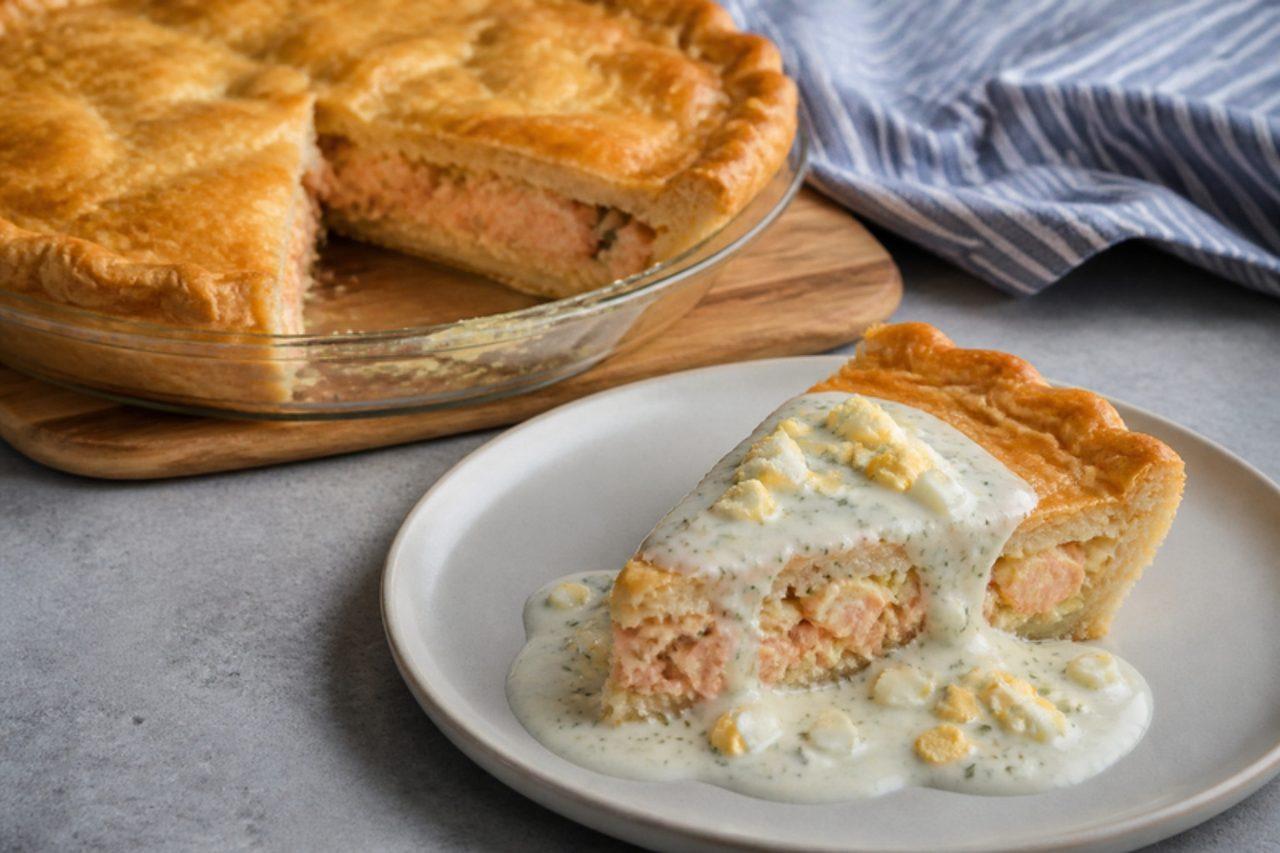
Salmon pieSalmon and potato pie

Pâté au saumon is a Friday dish in many Quebec homes, a tradition from the days of meatless Fridays, and still a favourite in Gaspésie, where it might be made with local salmon. Flaked salmon is mixed with mashed potato and softened onion, baked in a double crust and served with a white sauce full of chopped hard-boiled egg. Canned salmon is traditional and easy; fresh cooked salmon is lovely too. A common mistake is a wet filling that makes the base soggy; drain the salmon well. Chef's tip: mix the salmon in gently so it stays in flakes.

by KrazyBadal 0 views

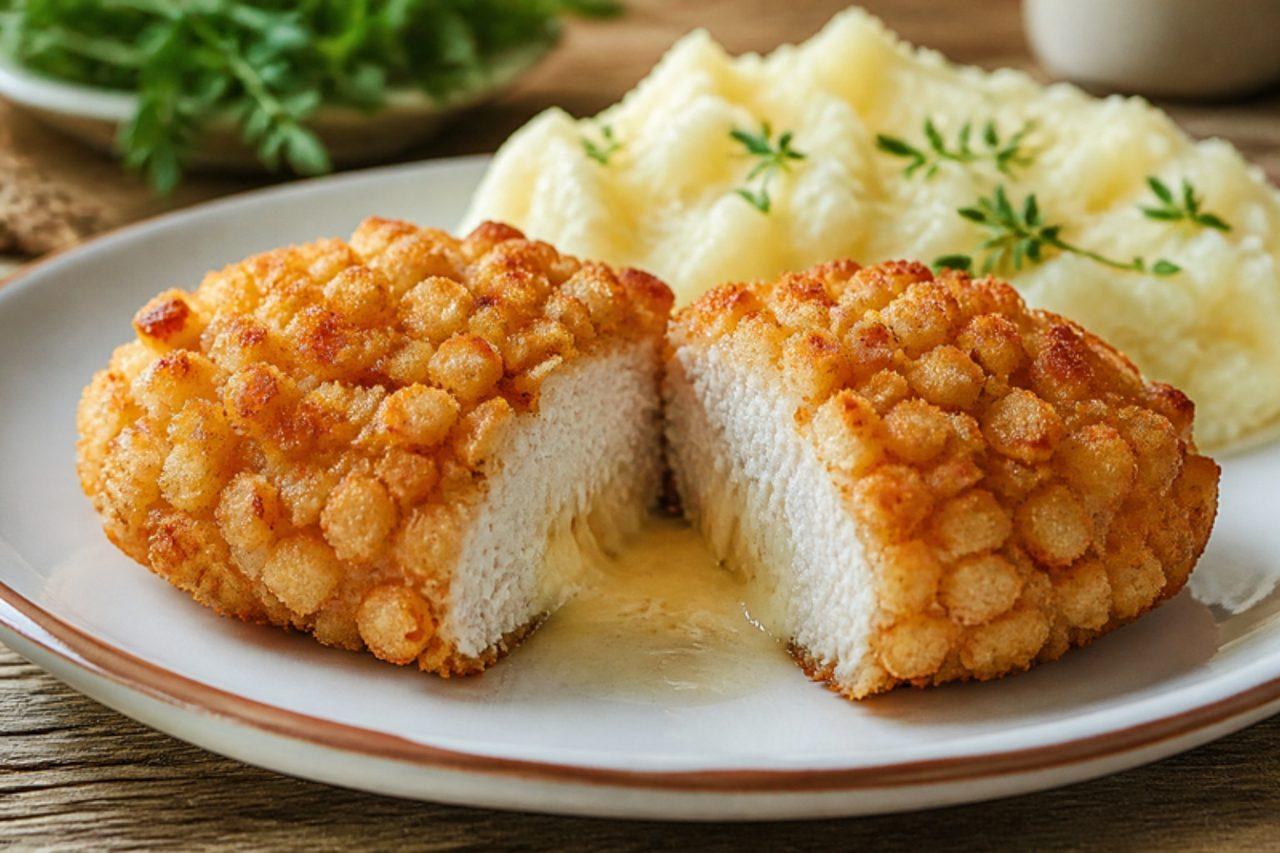
Pozharsky cutletButter-centred chicken cutlet

Torzhok, a coaching town on the road between Moscow and St Petersburg, was famous for the tavern of the Pozharsky family, and travellers spread the word of its tender cutlets of chopped chicken bound with milk-soaked bread and cream. They became a classic of grand Russian restaurants and later of Soviet menus. Each cutlet hides a cube of cold butter that melts into the meat, and the coating of tiny bread cubes fries into a crunchy, golden shell. Serve with mashed potatoes or buttered peas. The usual slip is overworking the mince in a processor, which makes it rubbery; chop it by hand or pulse briefly. Cook until the centre reads 74 °C. Chef's tip: freeze the butter cubes for 15 minutes so they stay inside rather than leaking out in the pan.

by KrazyBadal 0 views

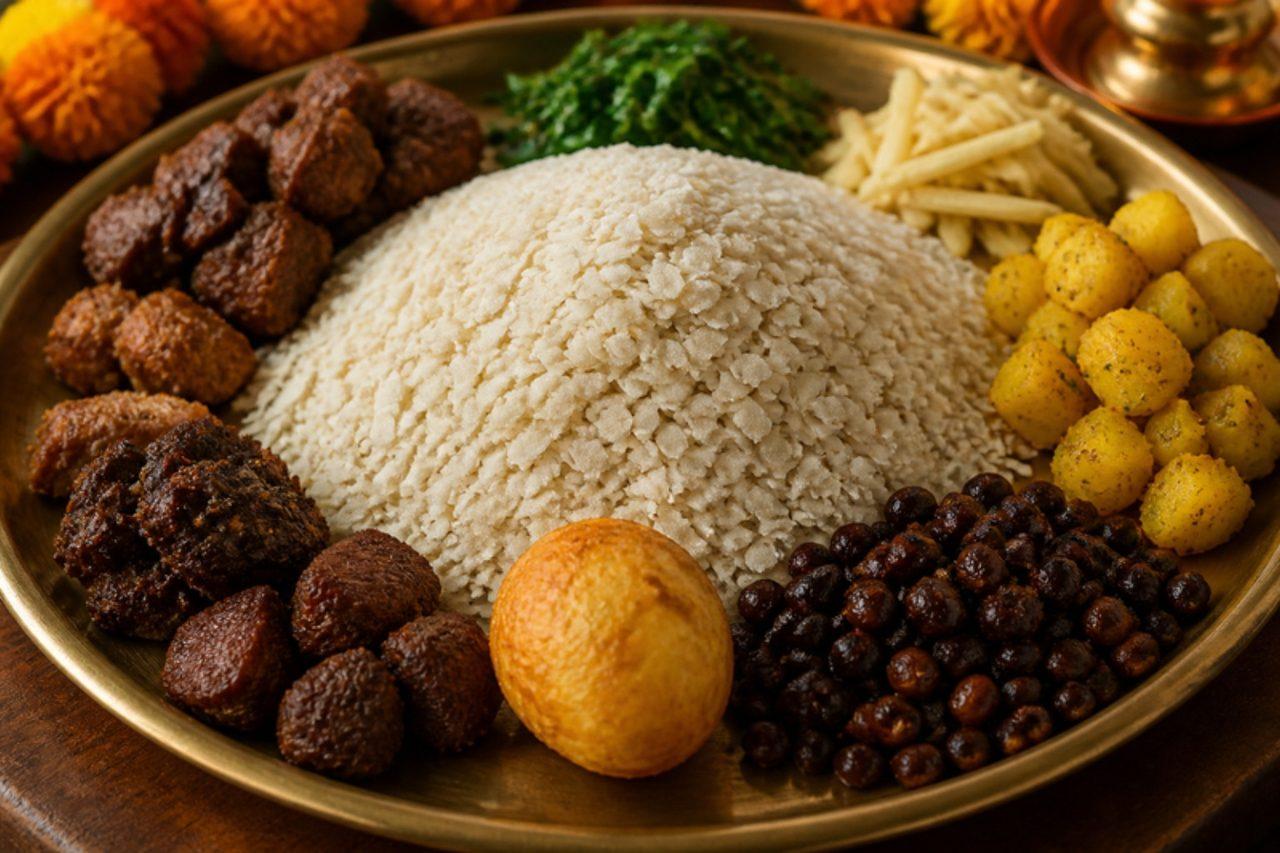
Samay bajiBeaten rice festival platter

No Newari feast, puja or family gathering in Kathmandu, Patan or Bhaktapur is complete without samay baji, a ritual platter in which each item stands for something: a mound of crisp beaten rice (baji) surrounded by spiced grilled meat, a fried egg, crunchy roasted black soybeans, slivers of raw ginger, a sharp potato achar and greens. It is offered first to the gods at festivals such as Indra Jatra and then shared with the family, and it is the default snack-meal at any Newa celebration. The meat is traditionally buffalo; here chicken thighs make it easier, and for a vegetarian platter leave out the meat and egg and add a lentil bara. The pitfall to avoid is eating the soybeans underdone: raw soybeans are hard to digest and must be roasted until they crackle. Chef's tip: prepare the achar and soybeans first, since both can wait at room temperature while you grill the meat.

by KrazyBadal 0 views

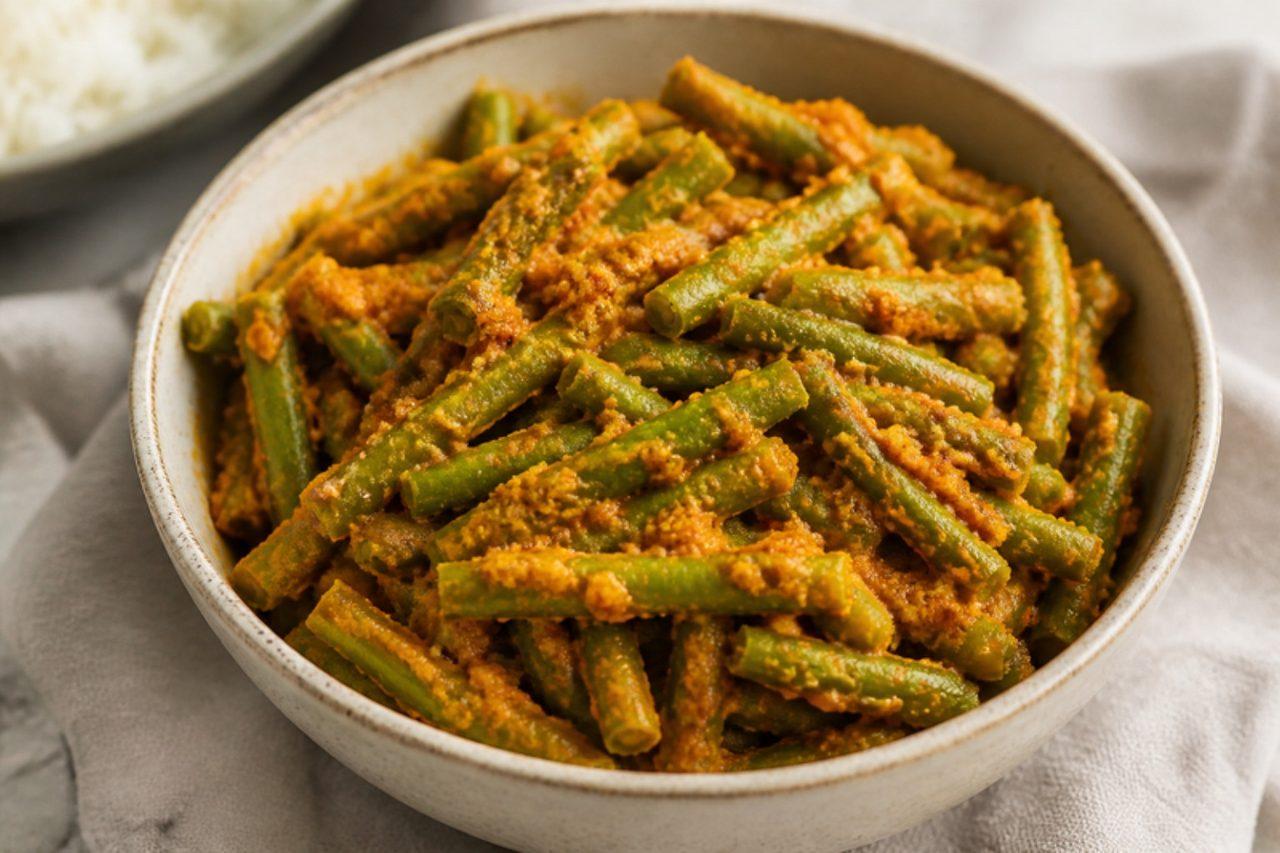
Sambal goreng boontjesGreen beans in coconut sambal

Sambal goreng boontjes is one of the most loved dishes in Dutch-Indonesian homes and toko takeaways: green beans fried in a spice paste of shallot, garlic, chilli and galangal, then simmered in coconut milk with lime leaves until just tender and coated in a rich, spicy, slightly sweet sauce. It is a regular part of a rijsttafel. Traditional versions include shrimp paste (trassi); this one is vegan. A common mistake is overcooking the beans until khaki. Chef's tip: fry the spice paste until the oil separates and it smells sweet, which takes the raw edge off the chilli and garlic.

by KrazyBadal 0 views

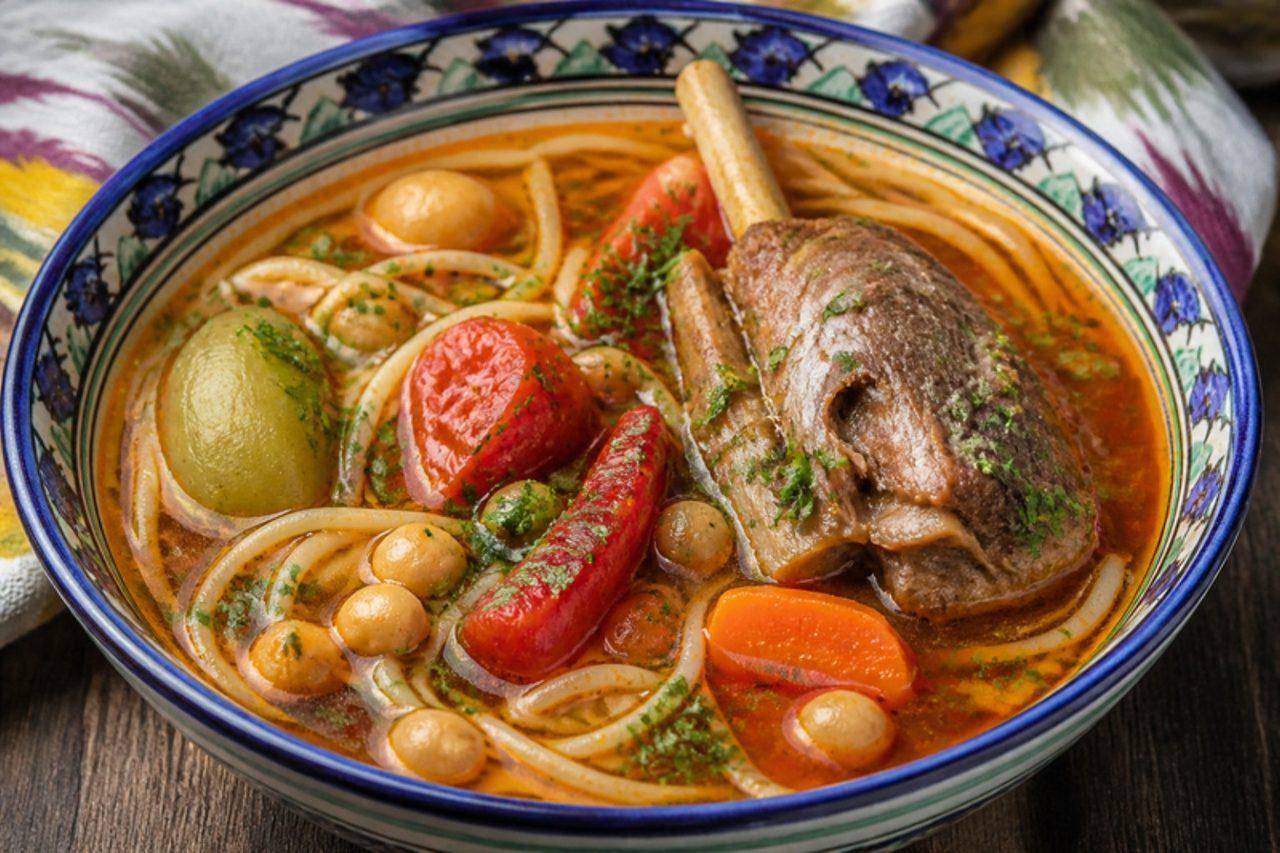
Ugra oshThin noodle soup with lamb

Ugra osh is the noodle soup of Bukhara and Samarkand, where 'ugra' means very thin hand-cut noodles: they are cooked in a clear lamb broth with chickpeas, carrot, radish, tomato and pepper, and the bowl is finished with chopped dill and a spoon of katyk. On meatless days the same soup is made with chickpeas and vegetables alone. A common mistake is cooking the noodles in the soup pot for too long, which clouds the broth. Chef's tip: cook the noodles separately for 2 minutes and add them to each bowl, so the broth stays clear and the noodles don't swell.

130 minUzbekSoups
by KrazyBadal 0 views

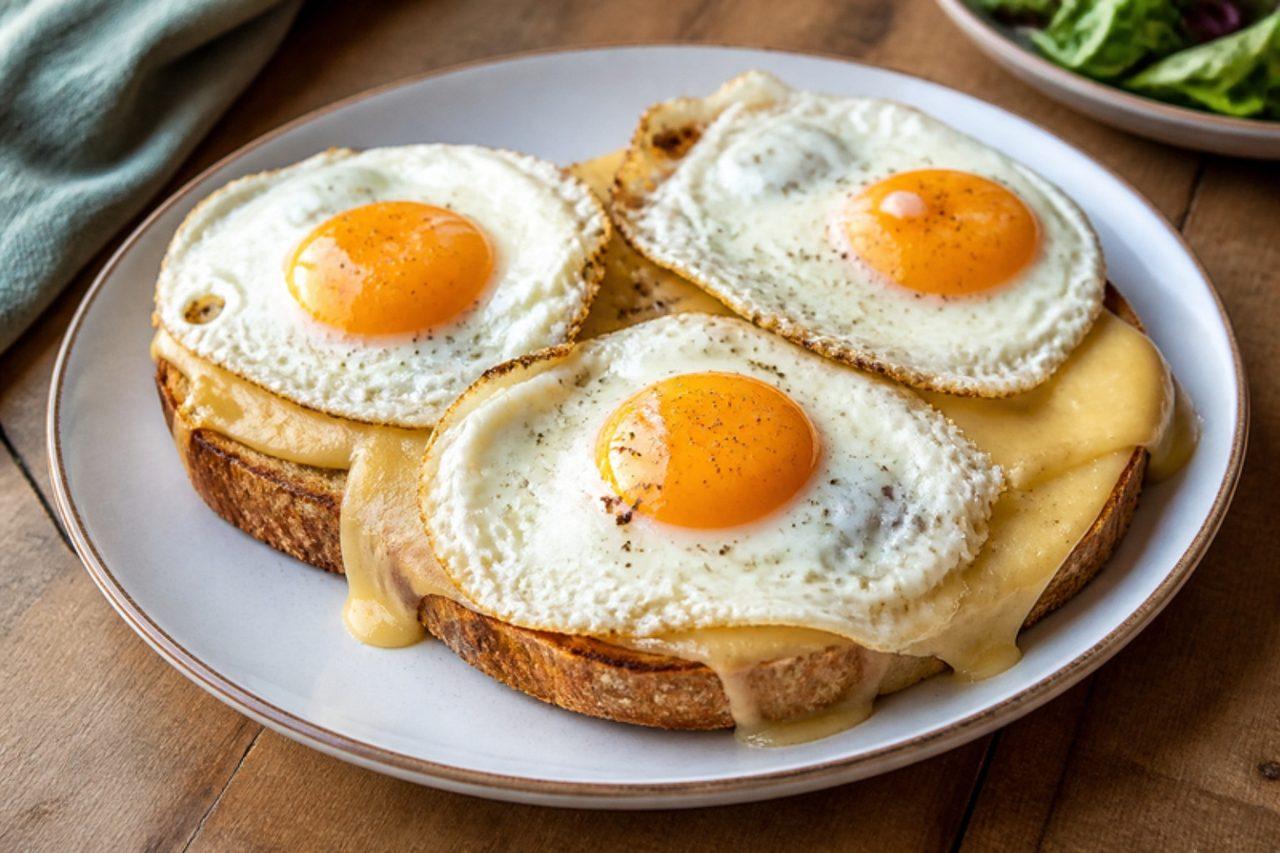
UitsmijterCheese and fried egg open sandwich

In Amsterdam's brown cafés and lunchrooms, the uitsmijter is the classic lunch: two or three slices of buttered bread topped with cheese and three fried eggs, sunny side up, with a little pickle and a sprig of cress. The name means 'bouncer', perhaps because it was the last plate served before closing time. Ham is the usual extra; this version keeps it vegetarian with Gouda and tomato. Gouda is usually made with animal rennet, so choose a vegetarian Gouda-style cheese. A common mistake is frying the eggs on high heat, which makes the whites rubbery and brown. Chef's tip: fry the three eggs together in one pan over a medium-low heat with a lid, so the whites set while the yolks stay runny.

by KrazyBadal 0 views

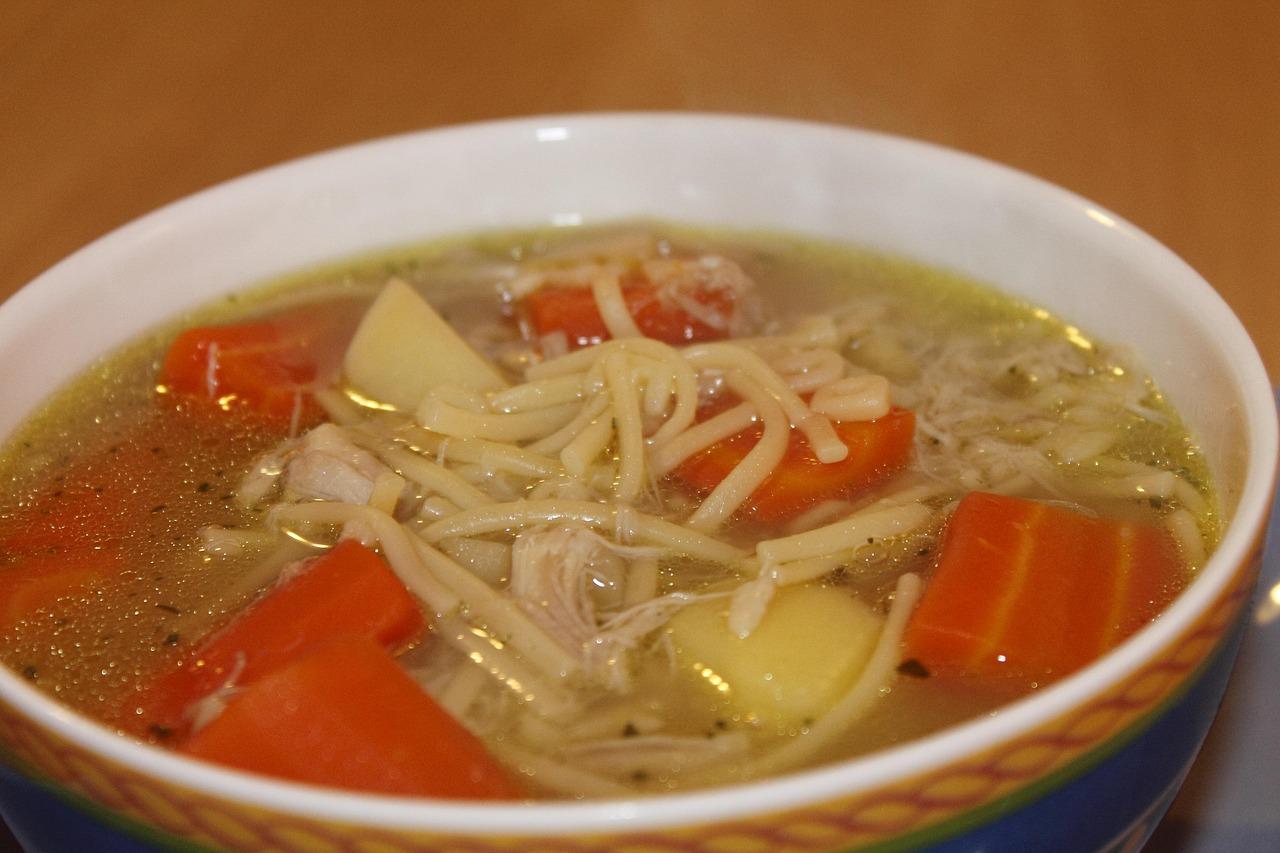
Újházi tyúkhúslevesHen soup with vermicelli

Ede Újházi, a much-loved actor of the Budapest National Theatre at the turn of the last century, was so fussy about his Sunday hen soup that a city restaurant named its version after him, and the name stuck. Today Újházi soup is the standard first course at Hungarian weddings and Sunday lunches: a clear, golden broth simmered for hours from a boiling hen, full of carrot, parsley root and celeriac, with mushrooms, green peas and a tangle of thin vermicelli added at the end. The meat is pulled off the bone and served in the bowl, or eaten separately with the vegetables and a little horseradish. The usual slip is letting the pot boil hard, which clouds the broth; it should only tremble. Chef's tip: cook the vermicelli separately and put it straight into the bowls, so the broth stays clear and the noodles don't swell overnight.

by KrazyBadal 0 views

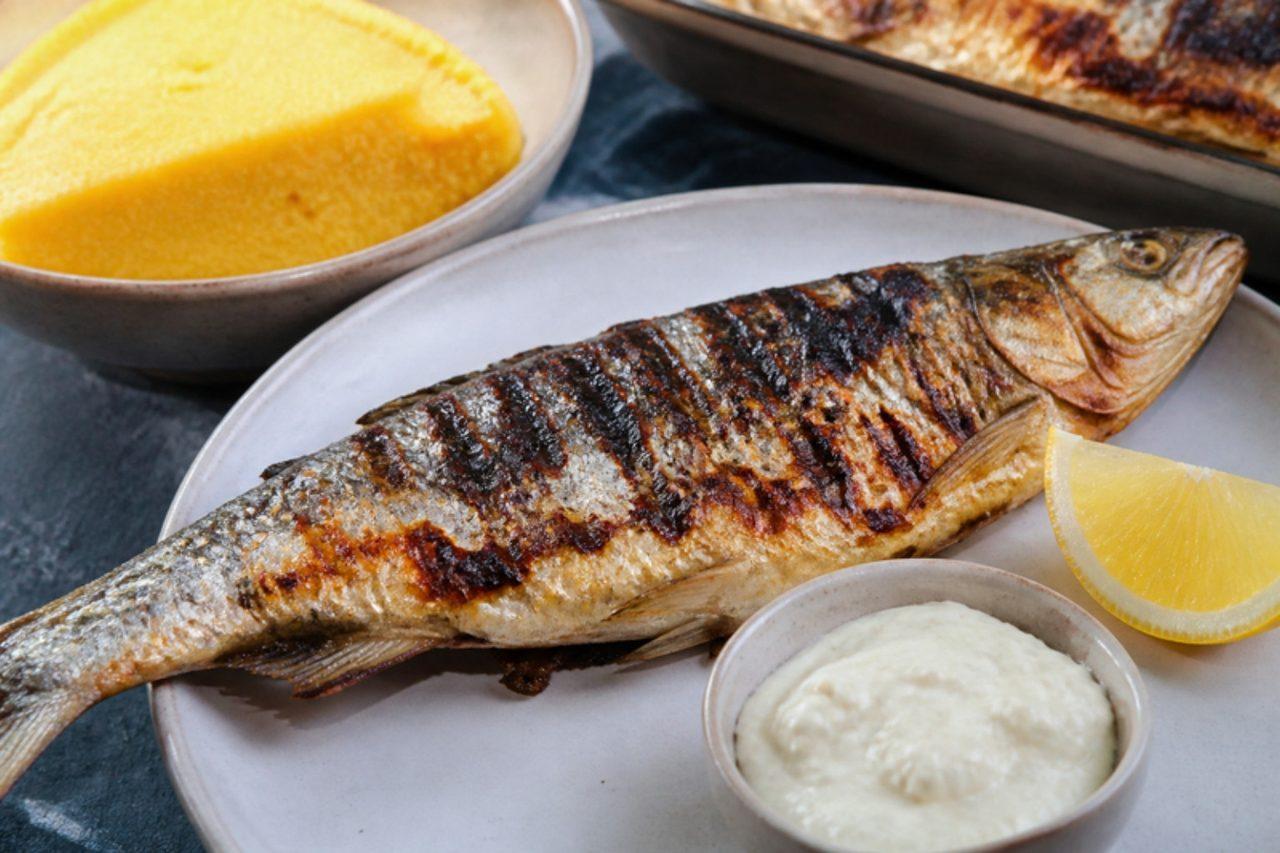
Scrumbie la grătarGrilled shad with garlic sauce

Every spring, when the shad swim up the Danube to spawn, the fish markets of Tulcea and Brăila fill with scrumbie, and the smell of it grilling drifts across the riverside terraces through April and May. The fish is oily and full of flavour, so it needs nothing more than salt, a hot grill and a bowl of mujdei, the raw garlic sauce, with soft mămăligă to calm the heat of the garlic. Shad has many fine bones; diners eat it slowly, lifting the flesh off in strips. If you cannot find shad, herring or mackerel are the closest substitutes. The usual slip is turning the fish too early, so the skin tears; wait until it lifts on its own. Chef's tip: slash the sides of the fish every 1.5 cm right down to the bone; the heat gets in and the tiny bones soften.

by KrazyBadal 0 views

Pate kòde with smoked herringSmoked herring turnovers

Pate kòde are the crisp, bubbly turnovers sold hot from oil drums on Port-au-Prince street corners in the early morning and after school, wrapped in paper with a squeeze of pikliz. The filling might be chicken, beef or, most traditionally, smoked herring (aransò) fried with onion, tomato and pepper, salty and smoky in a blistered shell. The usual mistake is overfilling, so the edges split in the oil; leave a clear border and press with a fork. Soak the herring to tame its salt. Chef's tip: roll the dough very thin; that's what gives the pate their signature blisters.

by KrazyBadal 0 views

Tobago toolumCoconut molasses ginger balls

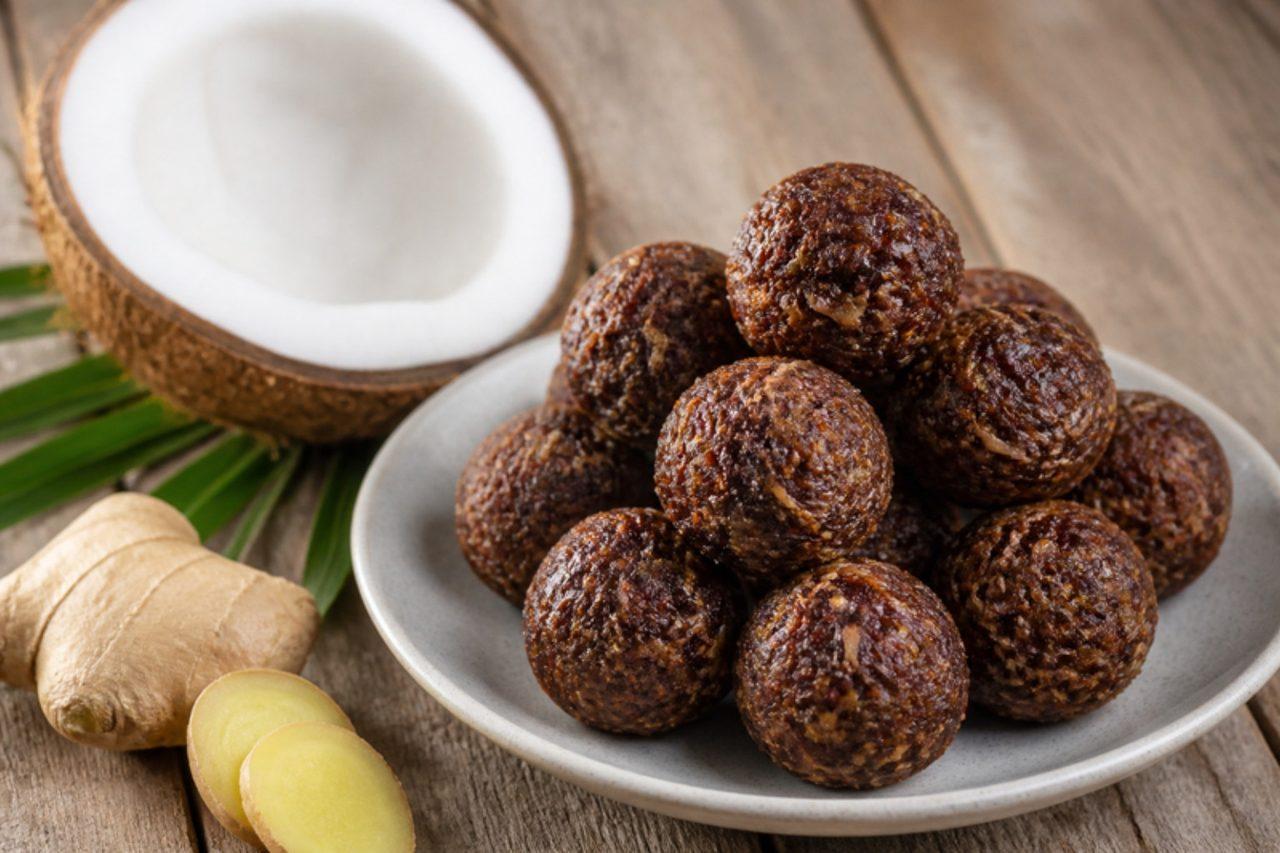
Toolum is one of Tobago's oldest sweets, made in villages like Moriah and Charlotteville from fresh grated coconut cooked down in molasses with grated ginger until dark and chewy, then rolled into rough balls. It is less crunchy than benne balls, with a deep, almost liquorice-like molasses taste and a ginger kick. The common mistake is stopping too early, when the mixture is still wet; it should pull away from the pan in one sticky mass. Freshly grated coconut gives the best chew. Chef's tip: stir with a wooden spoon and scrape the bottom constantly in the last 10 minutes, as molasses scorches quickly once the water has gone.

by KrazyBadal 0 views

UkhaClear river fish soup

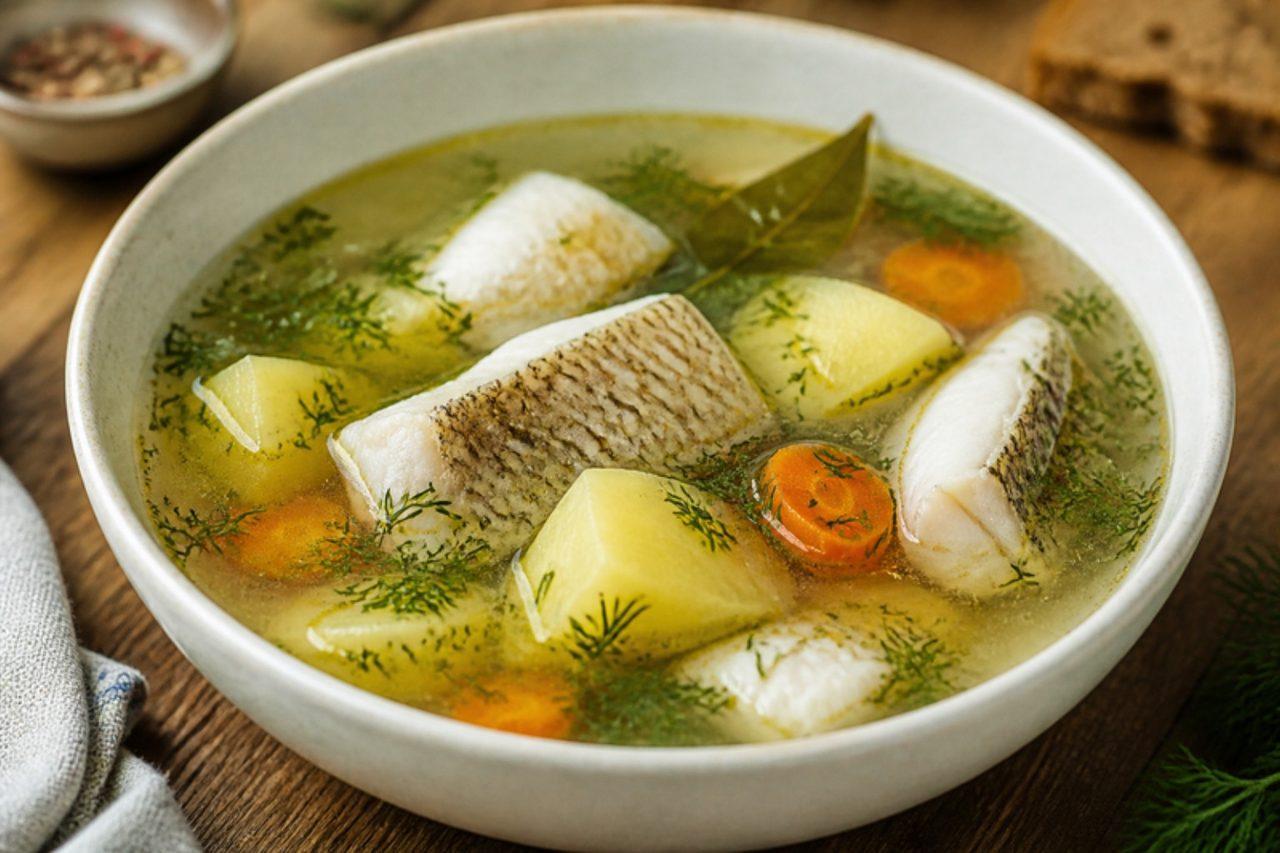
Fishermen on the Volga sandbanks make ukha in a blackened pot over driftwood with whatever is in the net, perch, pike-perch, a small pike, and it is still the soup cooked at dachas on summer evenings. The point is clarity: a light, pale-gold broth that tastes cleanly of fish, with soft potatoes, a whole onion simmered in and a fistful of dill at the end. It is served with black bread and a squeeze of lemon. A common mistake is letting the pot boil hard, which clouds the broth and breaks the fish into flakes. Chef's tip: simmer the bones and trimmings first for the stock and only then poach clean fillets in it, so you get both a rich broth and neat pieces of fish.

by KrazyBadal 0 views

Pani pol pancakesCoconut-filled pancakes

In Sri Lankan bakeries and tea kiosks, pani pol pancakes sit next to the savoury short eats, neat little rolls of thin, faintly yellow pancake wrapped around a dark, sticky filling, and at home they are a favourite Sunday breakfast and tiffin-box treat. The pani pol, literally treacle coconut, is grated coconut cooked with kithul treacle, cardamom and cinnamon until glossy and sweet, and the pancakes are thin crêpes made with egg and milk, often tinted with a pinch of turmeric. They are eaten warm or at room temperature with a cup of milk tea. The mistake most cooks make is cooking the filling dry, which makes it gritty and hard to roll; it should be moist and just holding together. Chef's tip: rest the batter for 20 minutes while you cook the filling, so the pancakes come out thin, soft and free of holes.

by KrazyBadal 0 views

Pathein halawaSticky rice halawa

Pathein, the old river port of the Ayeyarwady delta, is famous for two things: painted parasols and this halawa, sold in boxes at roadside shops to travellers heading for the beaches at Chaung Tha and Ngwe Saung and carried home as gifts. Unlike dark mont kalama, it is pale amber and rich with dairy: glutinous rice flour is cooked slowly with milk, coconut milk and sugar, and butter and ghee are worked in until the mixture turns chewy, glossy and toffee-like, with poppy seeds pressed on top. It tastes buttery, caramel-sweet and faintly milky, and is cut into small pieces to eat with plain green tea. Adding all the butter at once is the usual slip; the fat floats out and the halawa turns greasy, so work it in a little at a time. Chef's tip: keep the heat low and patient; a light amber colour means a clean, milky flavour.

by KrazyBadal 0 views

Seeni sambolCaramelised onion relish

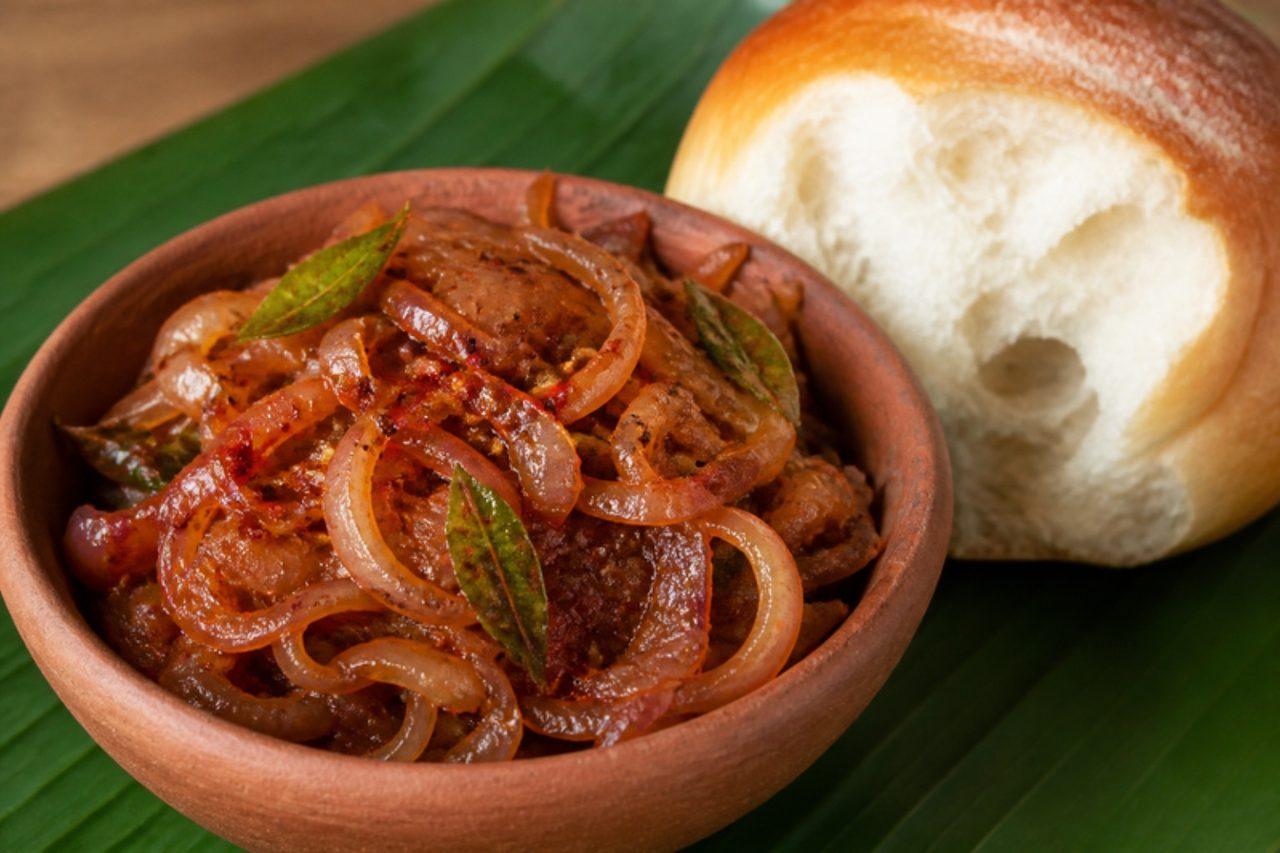
Seeni means sugar in Sinhala, yet this dark, sticky relish is as much about chilli and sour tamarind as it is about sweetness. A whole kilo of red onions cooks down to a couple of jars' worth, and in Colombo it turns up everywhere: stuffed into soft bakery buns, spooned into plain hoppers, layered on kiri bath at New Year and folded into the lamprais parcel. Most households pound a handful of Maldive fish flakes into it for a smoky, savoury depth; this version leaves the fish out so it is fully vegan, and the long, patient browning gives it plenty of body anyway. Heat is the thing people get wrong: onions pushed on a high flame scorch at the edges before they ever turn sweet, so keep the pan at medium-low and give it time. Chef's tip: slice the onions as evenly as you can, about 3 mm thick, so they collapse at the same rate and the sambol ends up glossy rather than half-crisp, half-raw.

by KrazyBadal 0 views

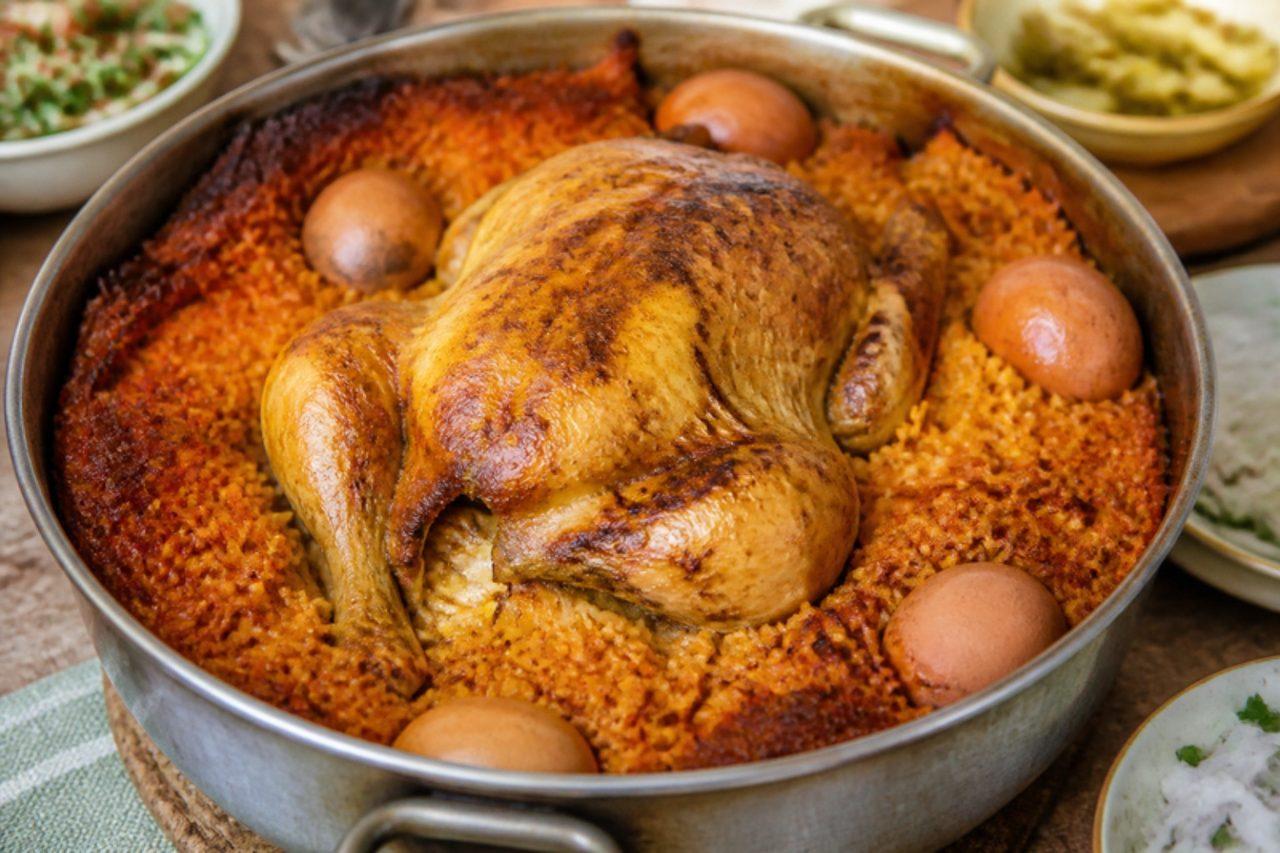
TbitOvernight chicken and rice

Tbit was the Saturday lunch of the Baghdadi Jewish community, set on a low flame before sunset on Friday so it could cook through the Sabbath without anyone touching it, and Iraqi families in Ramat Gan, Givatayim and Or Yehuda still lift the lid on it after synagogue. A whole chicken is stuffed with rice spiced with cardamom, cinnamon and baharat, then sunk in more rice and tomato and baked slowly for many hours, until the meat falls from the bone and the rice at the bottom turns into a crisp, caramelised crust everyone fights over. Eggs in their shells are often buried in the pot to brown overnight. The usual mistake is too little water: overnight rice soaks up a lot, so check the level before it goes in. Chef's tip: brown the chicken in the pot first; the fond flavours all the rice.

by KrazyBadal 0 views

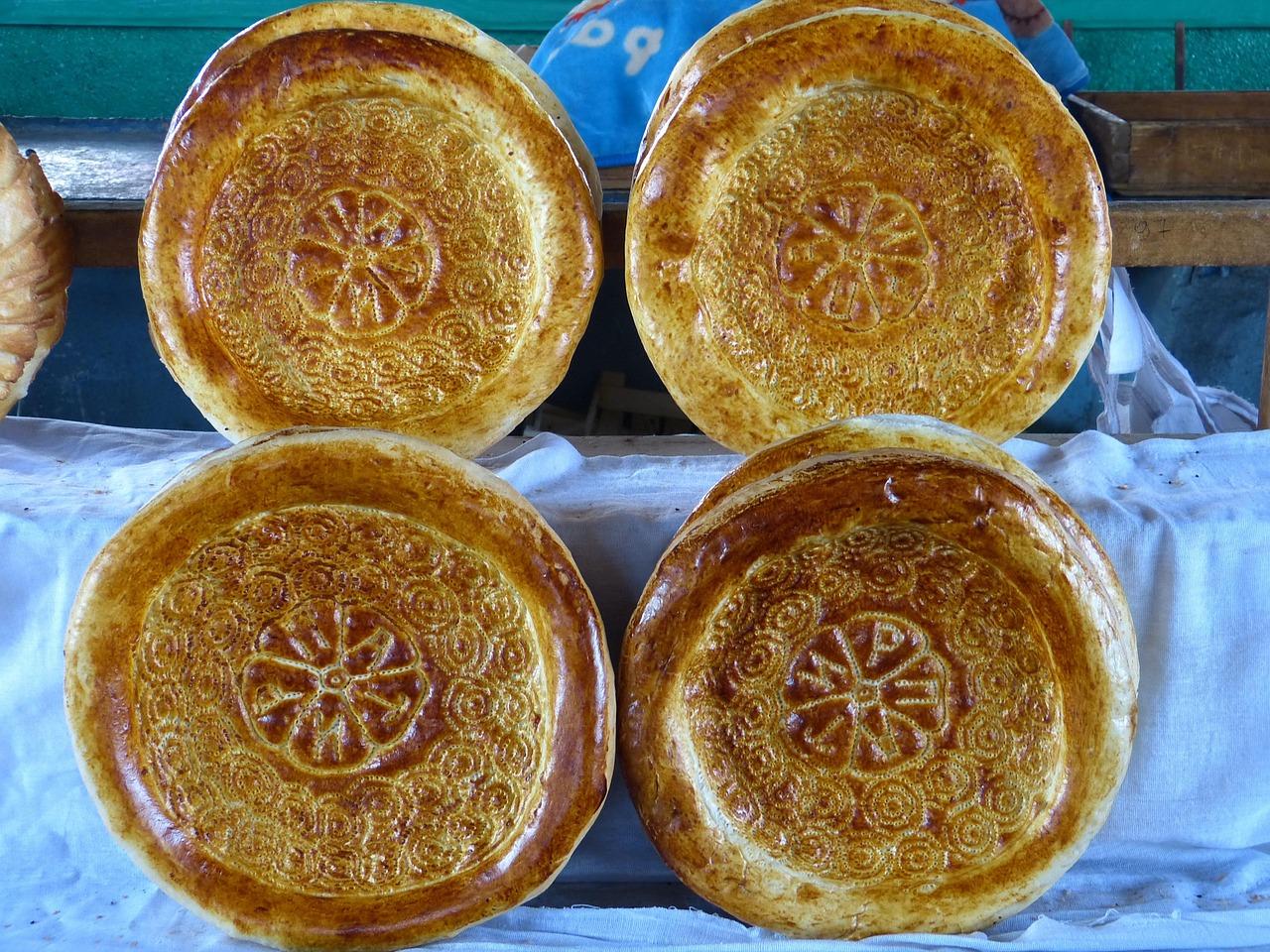
PatirFlaky butter flatbread

Patir is the rich bread of the Ferghana Valley, especially Kokand and Margilan, made for weddings and guests: dough worked with butter or rendered fat and folded so it bakes into soft, flaky layers, stamped in the middle with a chekich (bread stamp) and slapped onto the walls of a tandir. It keeps for days and is famously carried on long journeys. This version uses butter and a hot oven. A common mistake is skipping the rest after layering; the dough springs back and the layers merge. Chef's tip: prick the centre deeply with a fork, as Uzbek bakers do with their stamp; it stops the middle puffing and keeps the rim thick and soft.

by KrazyBadal 0 views

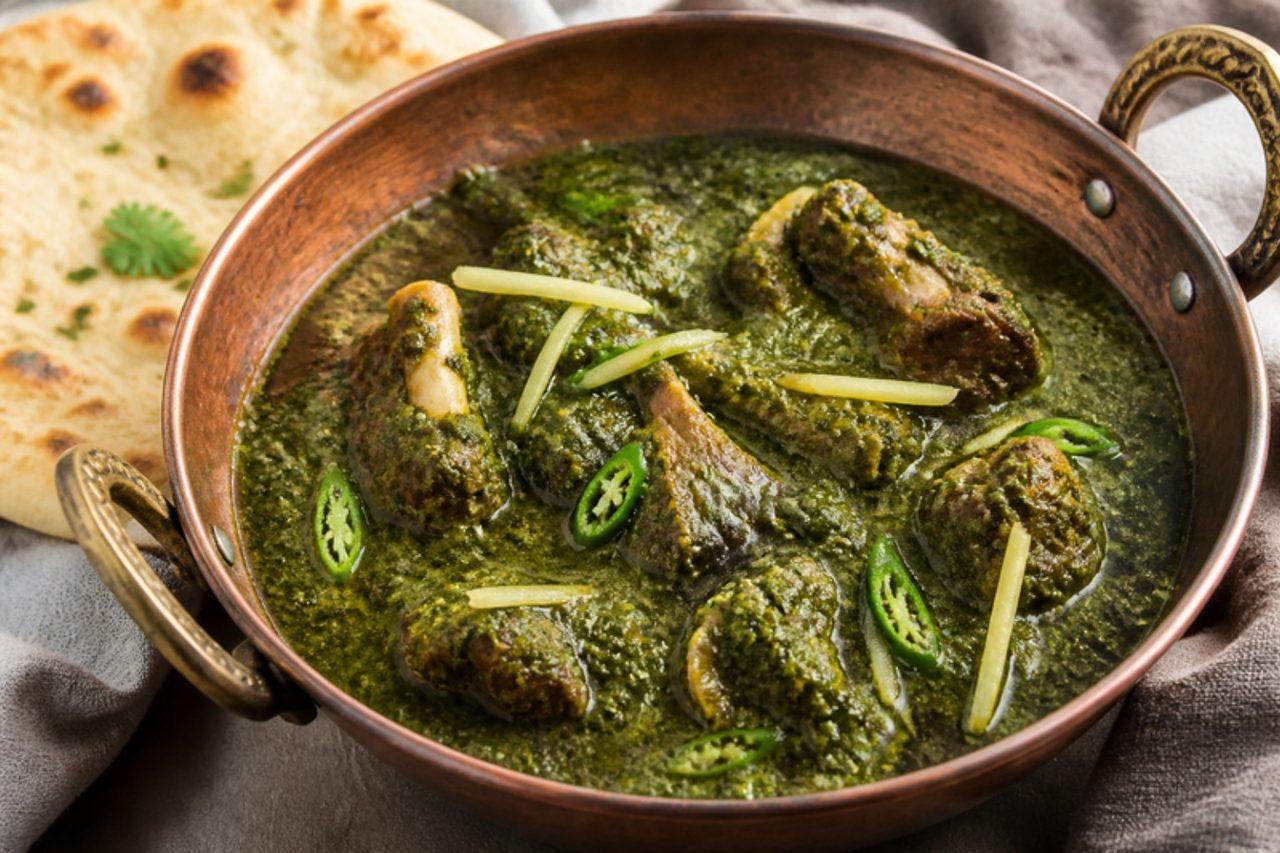
Palak goshtMutton and spinach curry

When the winter spinach comes in around Gujranwala and Sheikhupura, bunches of it are piled on carts by the armful, and palak gosht is what many Punjabi kitchens make with them. The spinach is cooked into the mutton until it collapses into a dark green, garlicky gravy, loose but not soupy, with flecks of ginger and the warmth of green chilli rather than a lot of red spice. It is eaten with makki ki roti or plain chapati and a glass of lassi. Puréeing the spinach to a smooth paste is a frequent misstep; Punjabi cooks chop it and let it melt so you can still see the leaves. Chef's tip: add a knob of butter or ghee and a pinch of dried fenugreek leaves at the end, which rounds off the iron edge of the spinach.

by KrazyBadal 0 views

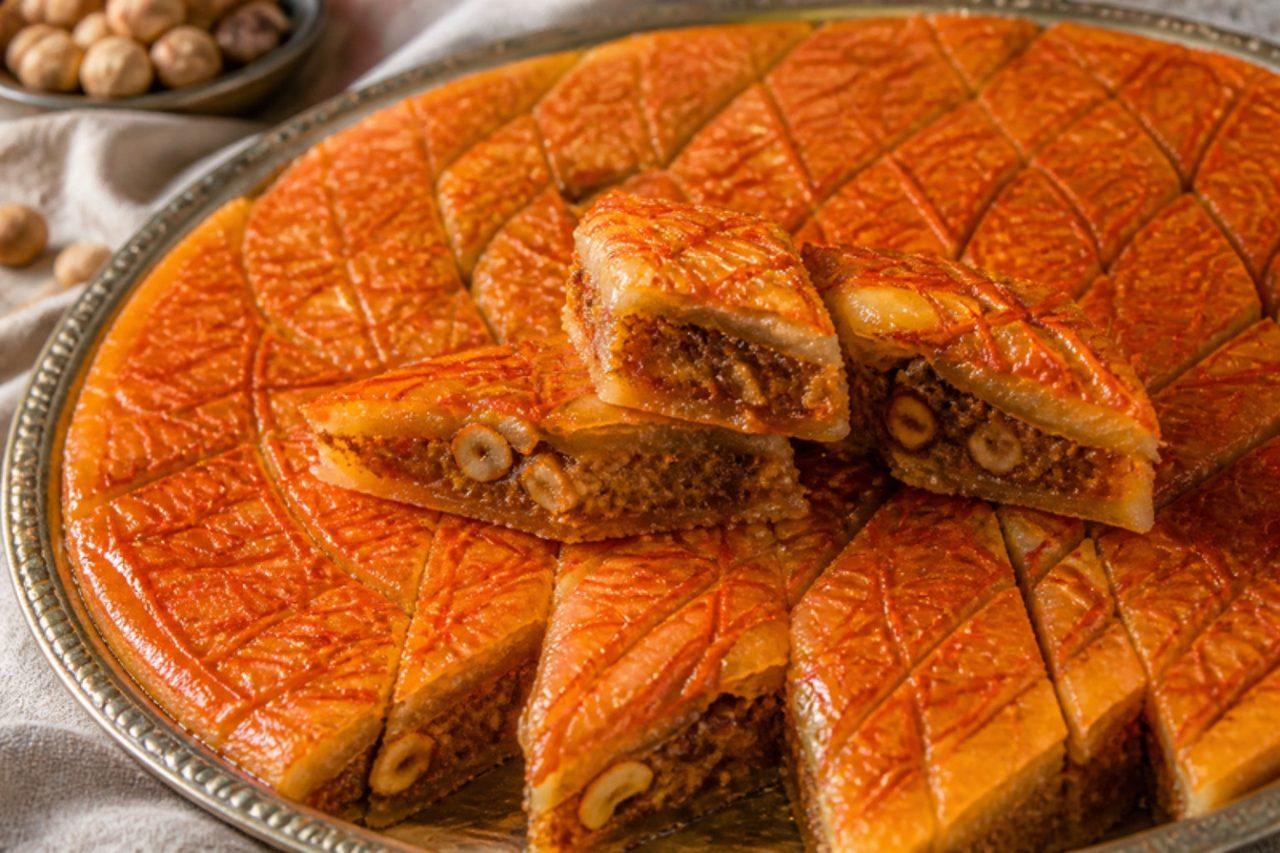
Sheki halvaHazelnut rice-flour lattice cake

The silk town of Sheki, in the green foothills of the Greater Caucasus, is famous for its halva: a lacework of rice-flour batter drizzled from a funnel-like tool called a reshta onto a round tray, filled with crushed hazelnuts spiced with cardamom and coriander, topped with another lace layer and drenched in syrup until glossy and sticky. Sheki confectioners sell it from wooden trays in the old caravanserai streets. This home version uses a squeeze bottle for the lattice. A common mistake is making the lattice too thick, which turns it doughy instead of crisp and lacy. Chef's tip: keep each lattice layer thin and lacy, with gaps you can see the tray through, and drizzle the syrup while it is hot.

by KrazyBadal 0 views

YakeyakeSteamed grated cassava

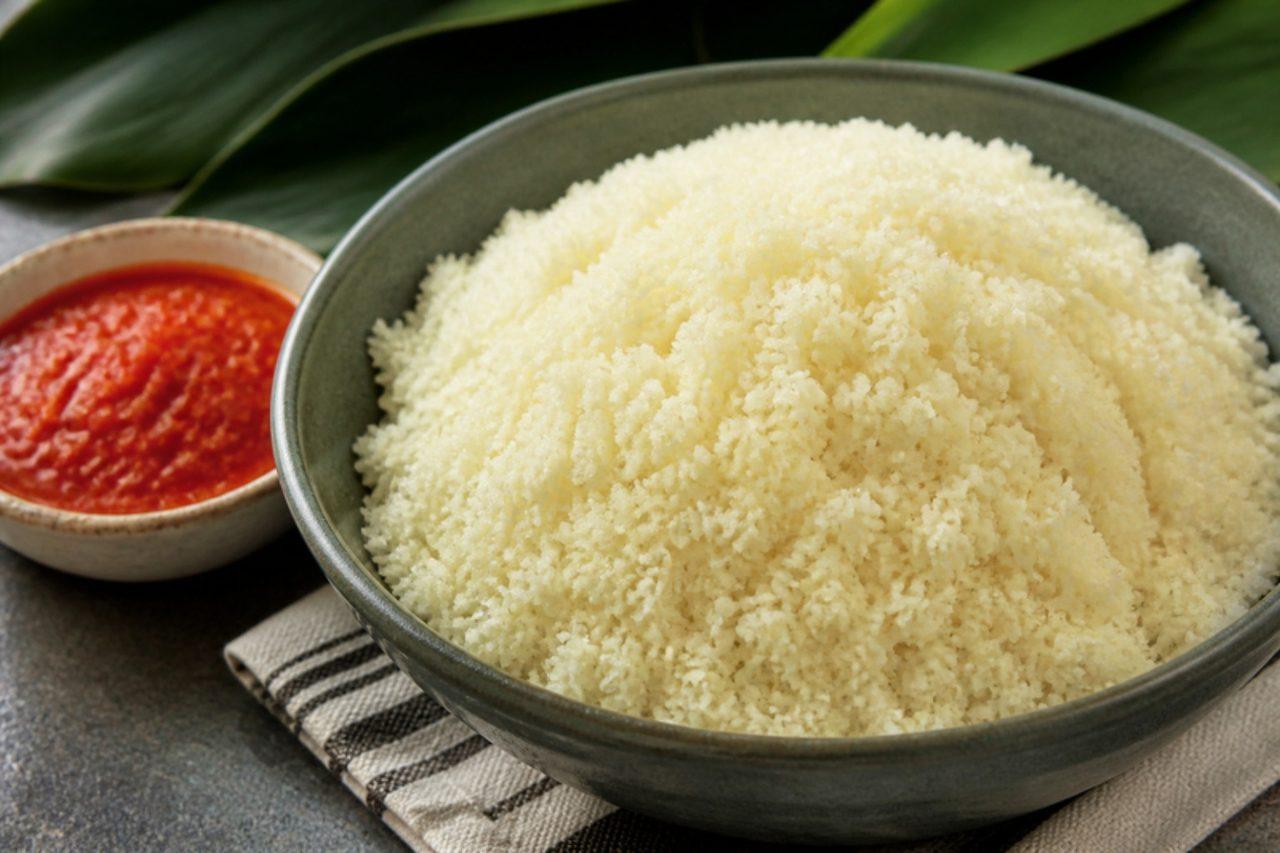
Yakeyake comes from the Volta Region, where grated cassava is pressed dry, broken into crumbs and steamed until it turns into a light, slightly chewy grain that looks like coarse couscous. It is pleasantly neutral, a little sweet, and in Ewe homes it is often eaten with fried fish and a hot tomato and pepper sauce; for a meat-free plate, serve it with that same pepper sauce, sliced avocado and fried ripe plantain. Fresh cassava must be cooked thoroughly and never eaten raw. Chef's tip: squeeze the grated cassava in a cloth until no more liquid comes out; wet cassava is the common mistake and steams into a gummy paste instead of separate crumbs.

by KrazyBadal 0 views

Tuo zaafi with ayoyo soupMaize swallow with jute leaf soup

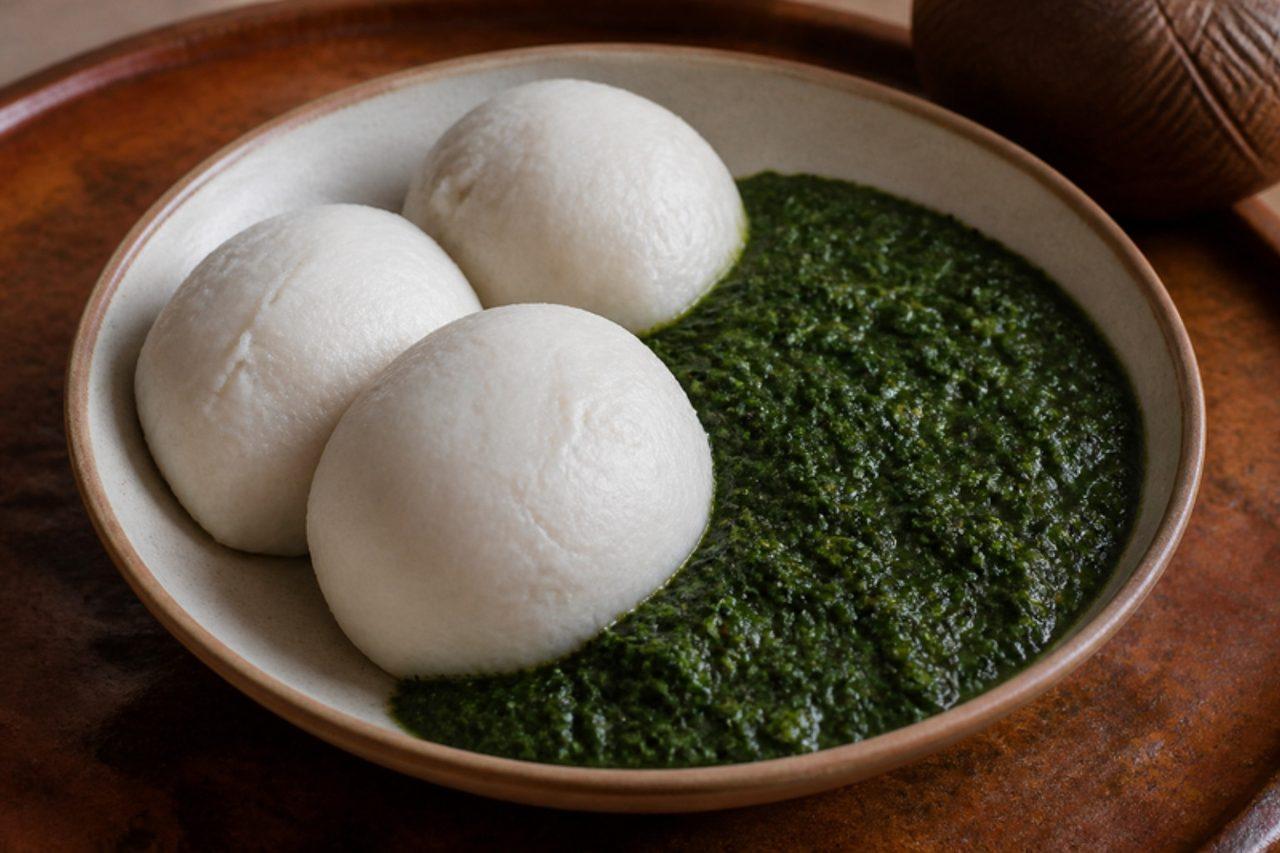
In Tamale and across northern Ghana, TZ is the evening meal: a soft, smooth swallow of maize (sometimes millet) that wobbles in the bowl and is eaten with ayoyo, a bright green, slippery jute-leaf soup flavoured with dawadawa. The pair is often served with a meat or fish stew alongside; this version is fully vegan, with the ayoyo seasoned well enough to stand alone. Frozen jute leaves, sold as ewedu or molokhia, are a good substitute, and a teaspoon of miso can stand in for dawadawa. Chef's tip: make a thin porridge with part of the maize meal first and then thicken it; the usual mistake is adding all the meal at once, which makes a lumpy, stiff TZ.

by KrazyBadal 0 views

Poul ak nwaChicken with cashews

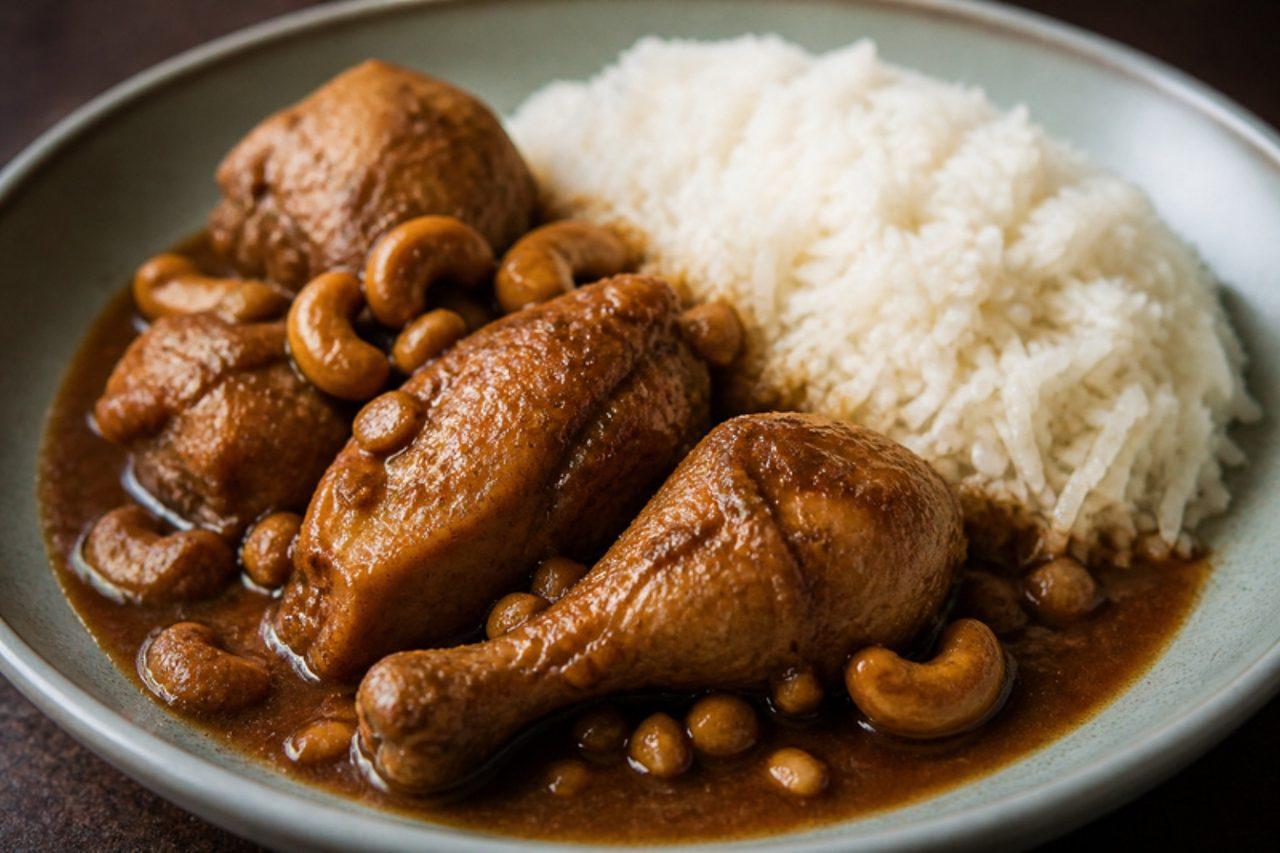
Cap-Haïtien, Haiti's northern port, claims poul ak nwa as its own: chicken braised in a tomato and epis creole sauce and finished with toasted cashew nuts, which grow on the northern hillsides and are sold in paper cones by the roadside. The nuts soften slightly in the sauce, giving it body and a buttery sweetness, and the dish is a favourite for Sunday lunch with white rice and fried plantain. The common mistake is adding the cashews at the start, so they turn soggy; they go in for the last 15 minutes. Contains tree nuts. Chef's tip: dry-toast the cashews until golden before they meet the sauce; it deepens the whole dish.

by KrazyBadal 0 views

Seledka pod shuboiHerring under a fur coat

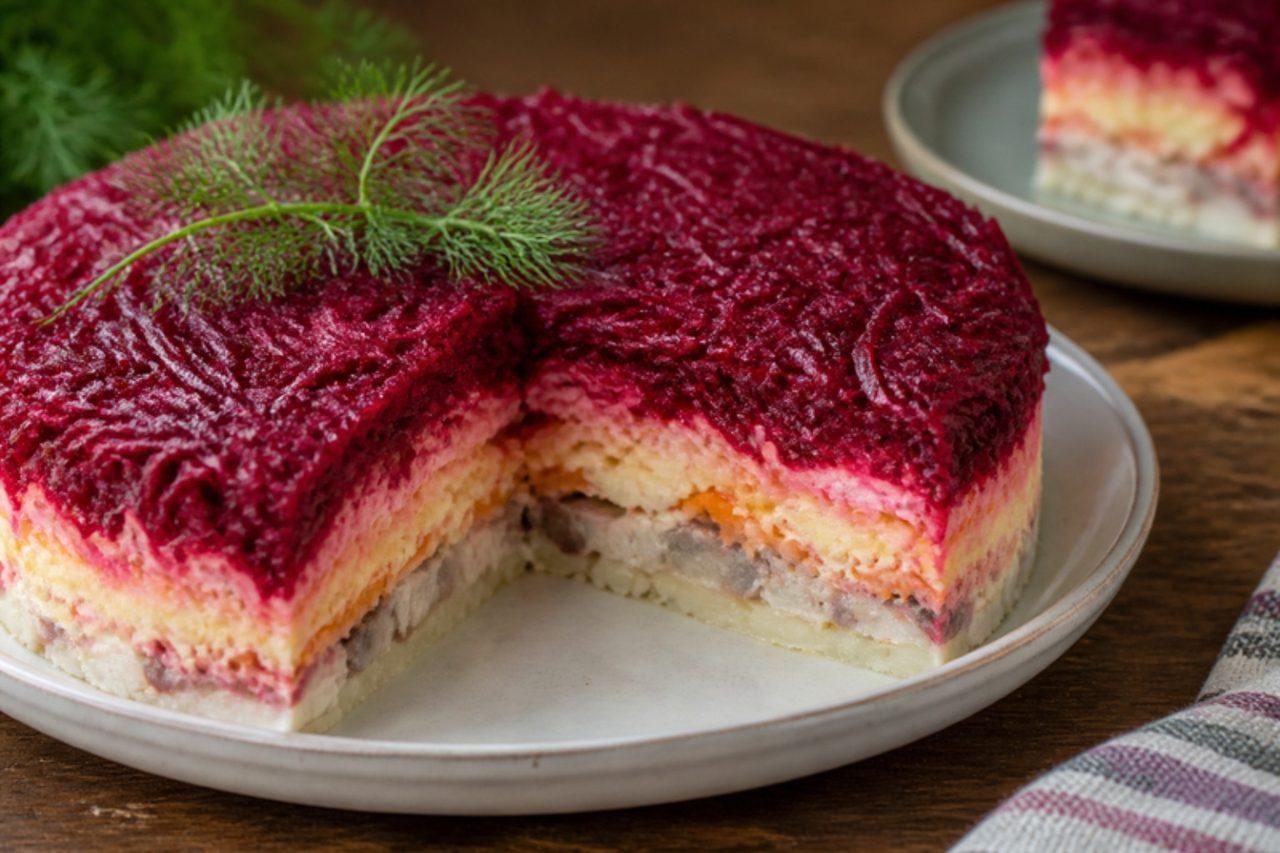
No New Year's Eve table in Russia is complete without this magenta-topped salad, made on the 31st of December and left overnight so the layers settle and turn soft and creamy. Salted herring sits at the bottom under onion, then potato, carrot, egg and finally grated beetroot, each coat spread with mayonnaise; the herring's salt seeps up through the vegetables. Herring here is cured, not cooked: use ready-salted fillets bought chilled from a good fishmonger or deli (made from previously frozen fish), keep everything in the fridge, and note it is not for pregnant women, young children or anyone with a weakened immune system. Use shop-bought mayonnaise, which is made with pasteurised egg. Where most people go wrong is grating the vegetables while warm, they turn to mush. Chef's tip: grate the beetroot last and squeeze it lightly so the top stays bright without bleeding everywhere.

by KrazyBadal 0 views

PetelRaspberry cordial

A jug of petel on the table means summer in Israel: generations of kids have grown up drinking the bright red raspberry cordial in kindergarten, at kibbutz pools and at Shabbat lunches. The bottled kind is mostly colouring and flavouring; this homemade version simmers real raspberries with sugar and lemon into a fruity, tangy syrup you dilute with cold still or sparkling water. It keeps in the fridge for two weeks, or freezes in ice-cube trays. The common mistake is pressing the fruit hard through the sieve, which makes the syrup cloudy and pippy. Chef's tip: dilute one part syrup to five or six parts water, then adjust; it is meant to be light, not sticky.

by KrazyBadal 0 views

Selsko mesoPork, mushroom and pepper clay pot

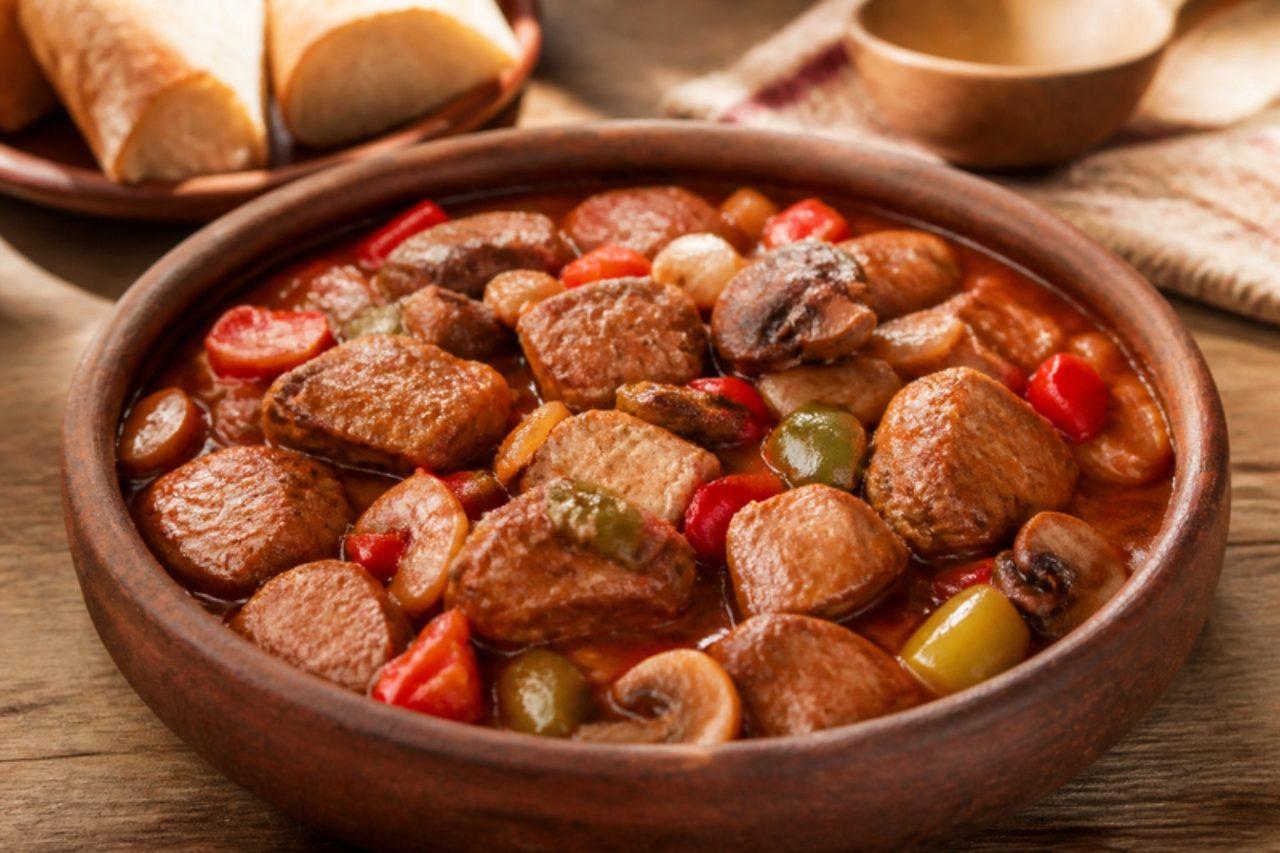
Every mehana, the traditional tavern, in North Macedonia has selsko meso on its menu, brought sizzling to the table in an earthenware pot: chunks of pork browned with onion, mushrooms and peppers, spiced with paprika and baked until the sauce thickens around the meat. It is pork-based, rich and peppery, and is eaten with fresh bread, a shopska salad and a dollop of yogurt for those who take dairy. Where most people go wrong is crowding the pan, so the mushrooms stew grey instead of browning. Chef's tip: fry the mushrooms on their own first in a hot pan until golden, they bring a deep, almost meaty flavour.

90 minBalkanMeatGluten free
by KrazyBadal 0 views

TishpishtiWalnut cake in honey-orange syrup

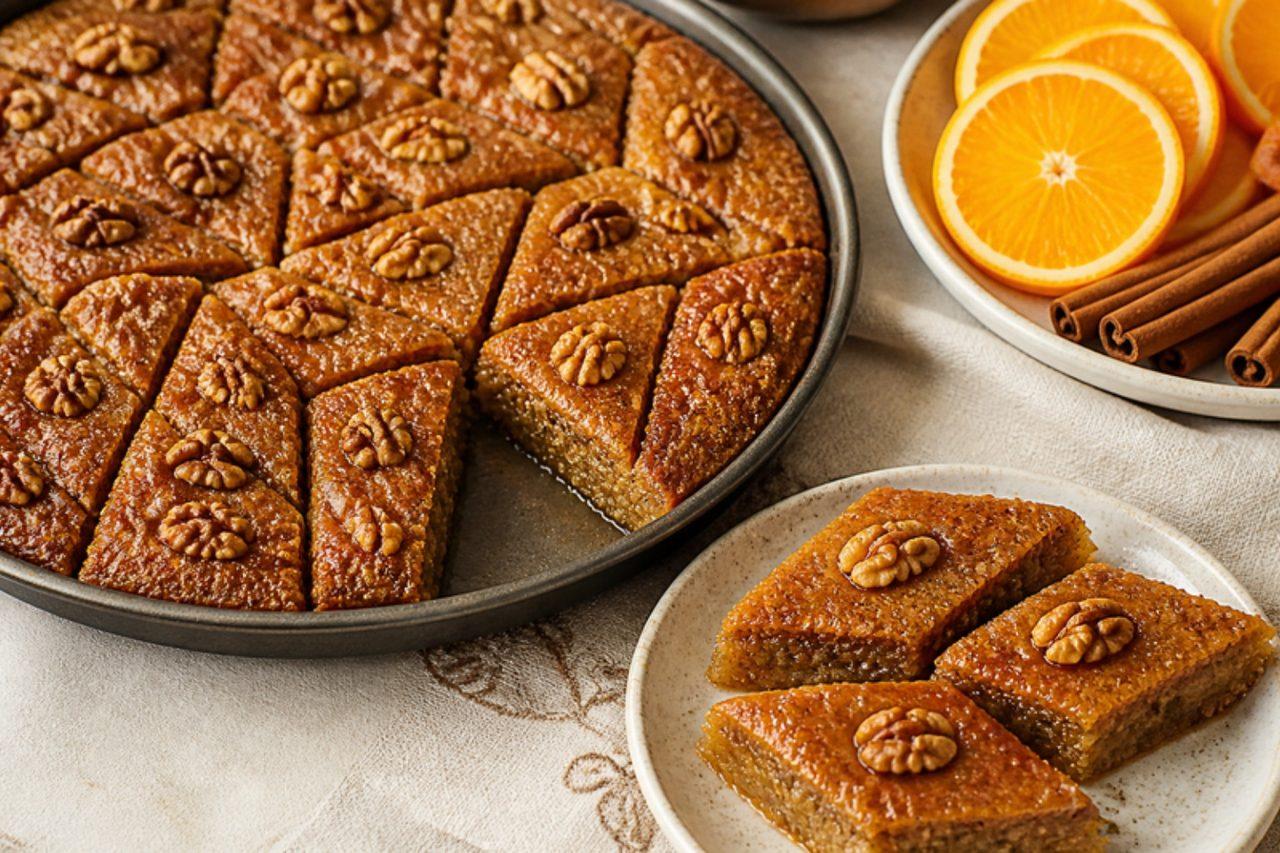
Tishpishti is a dense, syrup-drenched walnut cake that Jews from Izmir and Istanbul bake for Passover, made with matzo meal instead of flour; in Holon and Bat Yam it also appears all year with semolina. It is cut into diamonds before baking and then soaked with hot honey and orange syrup, so every piece is moist, nutty and fragrant, best with strong black coffee. Because it uses oil, not butter, it can follow a meat meal. The mistake is pouring cold syrup over a cold cake, or hot over hot; one must be hot and the other cooled, or the cake turns soggy or stays dry. Chef's tip: let it rest overnight before serving, when the syrup has soaked right through and the walnut flavour has deepened.

by KrazyBadal 0 views

Purica s mlincimaRoast turkey with flatbread

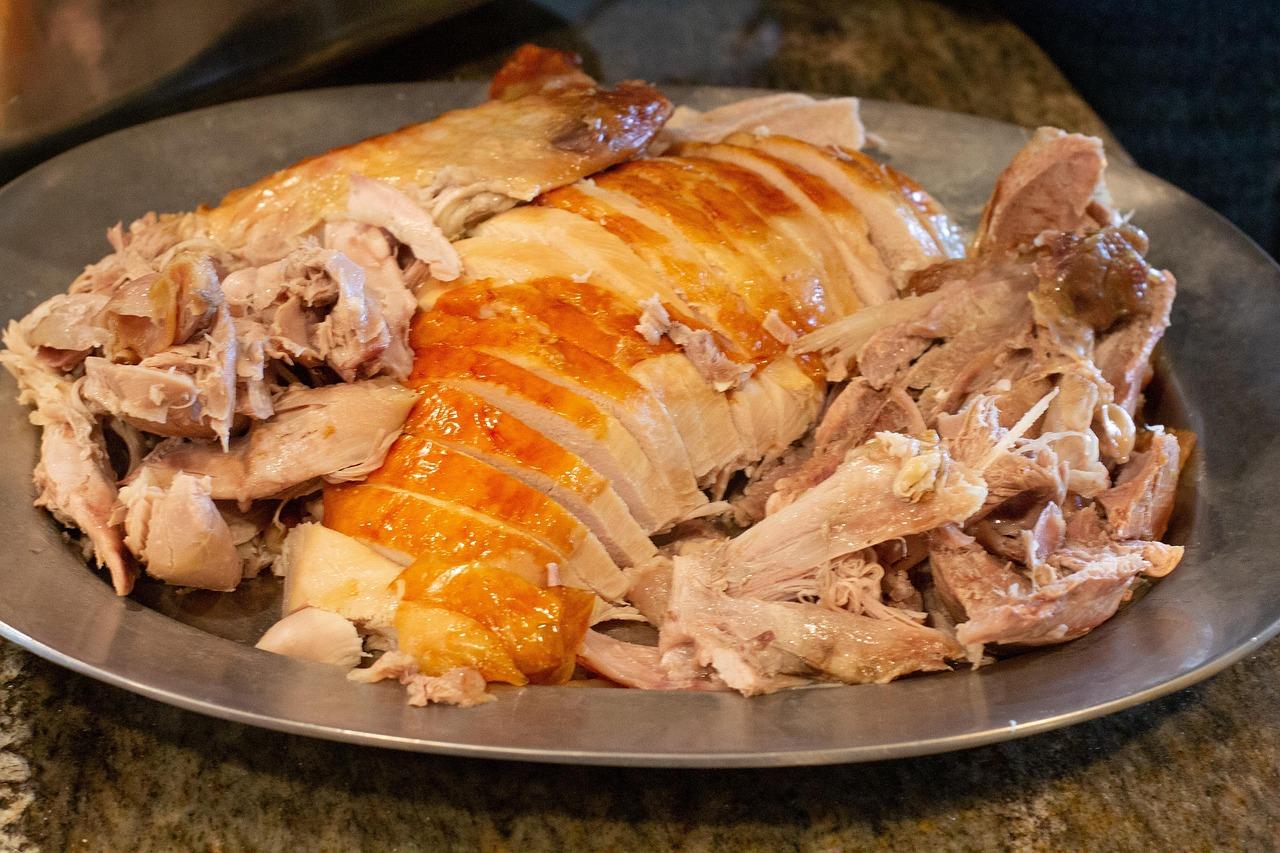
Up in Zagorje, the green hill country north of Zagreb in Croatia, this is the Sunday and Christmas roast: turkey roasted slowly and basted until the skin is crackling-brown, then served with mlinci, thin dried flatbreads broken into pieces, scalded and tossed in the roasting juices until they turn soft, chewy and glossy like rustic pasta. Serve it with a sharp cabbage or green salad. Where most people go wrong is soaking the mlinci too long, so they turn to porridge; one minute in hot water is enough. Chef's tip: bake the mlinci yourself the day before, but if you are short of time, good dried shop mlinci work beautifully.

by KrazyBadal 0 views

SemlaCardamom cream bun

Semlor arrive in Swedish bakeries straight after Christmas and peak on Fettisdagen, Shrove Tuesday, when Stockholm bakeries sell them by the tens of thousands: a soft cardamom bun with its top cut off, the crumb scooped out and mixed with almond paste and milk, then refilled, piled with whipped cream and the 'lid' put back with a dusting of icing sugar. Some eat theirs in a bowl of hot milk, as 'hetvägg'. A common mistake is overbaking the buns, which dries them; they should be soft and pale golden. Chef's tip: grate the almond paste and mix it with the scooped crumb and a splash of milk until it is spreadable but still textured.

by KrazyBadal 0 views

UnashBean and noodle soup

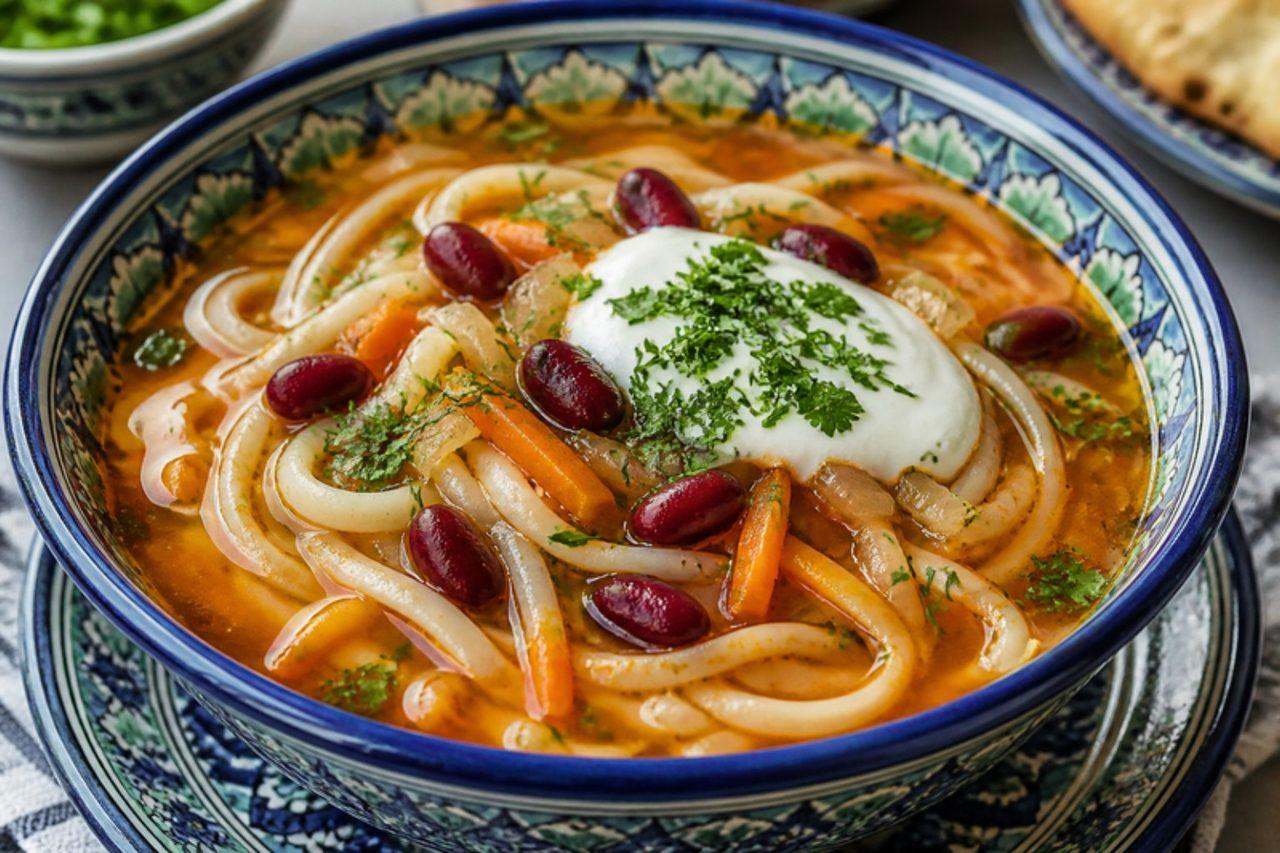
Unash is a homely soup from Khorezm, in Uzbekistan's far north-west near the Aral Sea: thin hand-cut noodles cooked in a broth of beans, onion, carrot and tomato, then finished in the bowl with a spoon of sour katyk and fresh herbs, so it tastes both rich and tangy. Families in Urgench make it on winter evenings, often without meat. A common mistake is cooking the noodles in the soup for too long, which makes it thick and gluey. Chef's tip: add the noodles only when the beans are fully tender, and serve within 5 minutes so they stay springy.

90 minUzbekSoups
by KrazyBadal 0 views

Undu walaluFried urad dal rings in treacle

Walalu means bangles, and these dark, sticky rings of fried urad dal soaked in kithul treacle are a sweet that Sinhala families bring out for Avurudu and for special almsgivings, often made in large batches by an aunt known for her steady hand. A thick, fluffy paste of ground black gram is piped into loops and fried until crisp, then plunged straight into warm treacle, so the rings stay crunchy on the outside while drinking up the syrup. They taste a little like a darker, smokier jalebi, with a toffee finish from the palm treacle. Watery batter is what ruins them; it spreads into flat blobs, so grind the soaked dal with as little water as possible and beat it until light. This recipe uses no asafoetida, so it is naturally gluten free. Chef's tip: pipe the rings onto small squares of baking paper and lower them into the oil paper and all; the paper peels away in seconds.

by KrazyBadal 2 views

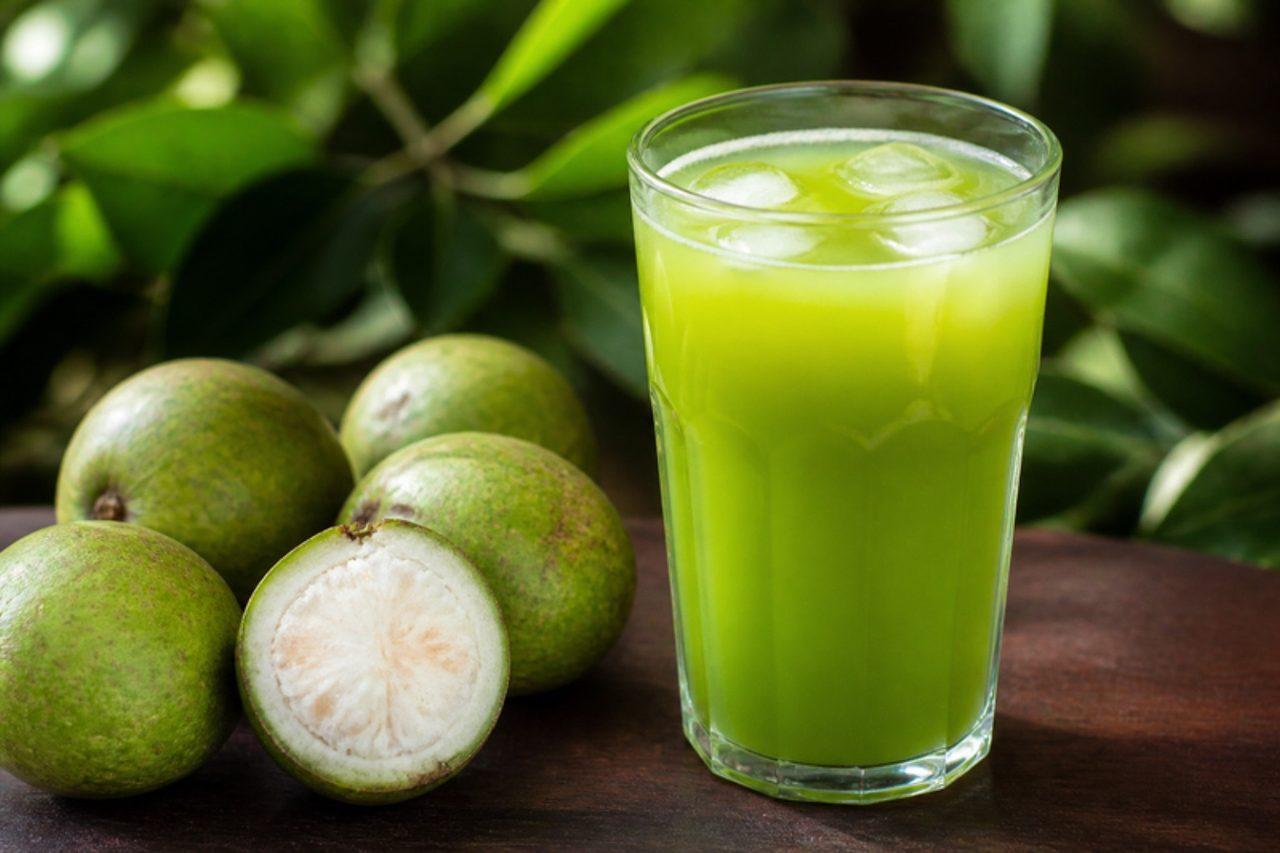
Ditakh juiceSweet-sour ditakh fruit juice

When the round, brown-shelled ditakh fruit comes into the markets of Dakar and Casamance, juice sellers turn its bright green, fibrous pulp into one of Senegal's most refreshing drinks. Ditakh grows on a wild tree of the region and is famously rich in vitamin C; its juice is vivid green, tart and fruity, somewhere between green apple, lime and tamarind. The pulp clings to a fibrous stone, so it is soaked and rubbed off by hand, then strained and sweetened. Outside Senegal look for frozen ditakh pulp in African shops; there is no real substitute. A frequent slip is blending the stones with the pulp, which makes the juice bitter. Chef's tip: work the flesh with your fingers rather than a blender, because blending crushes the bitter fibres and stone into the juice.

by KrazyBadal 0 views

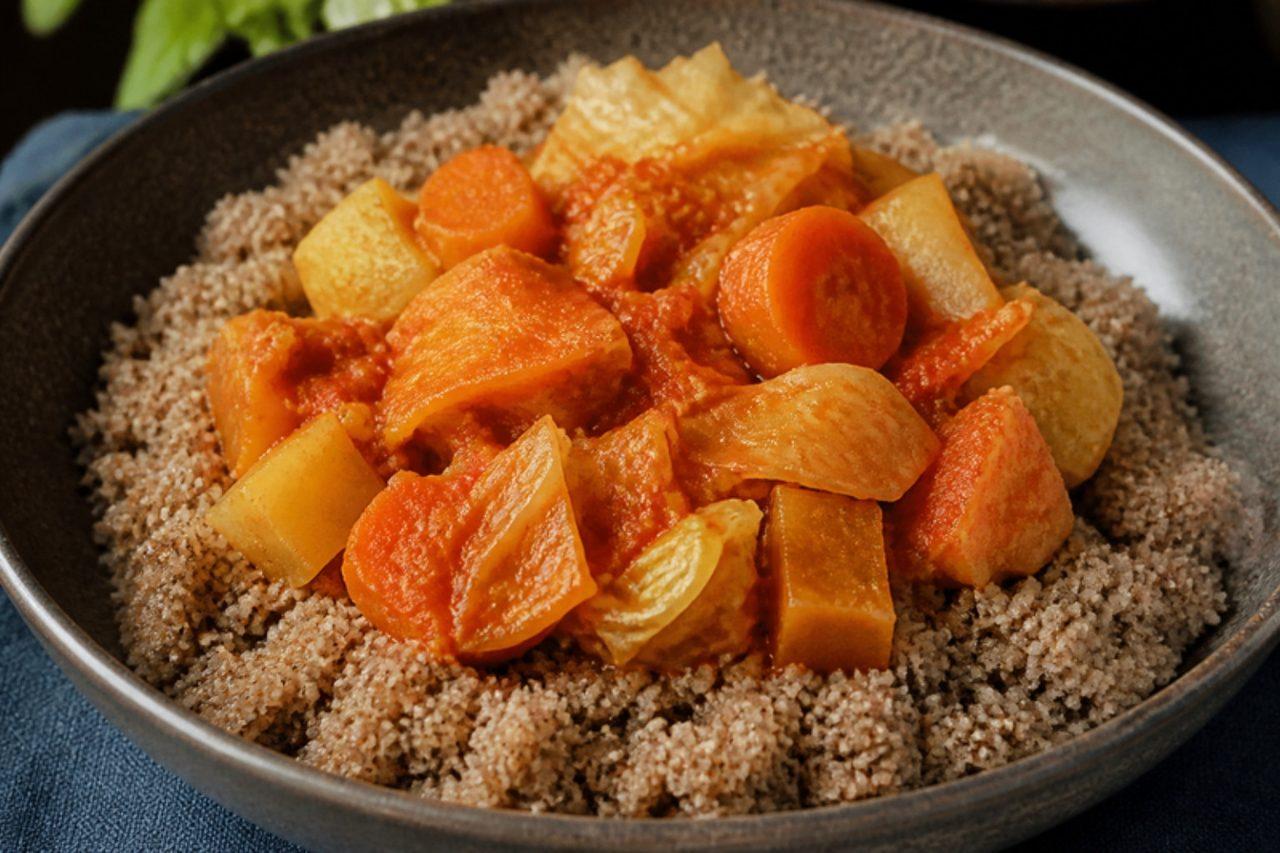
Thiéré with vegetable sauceMillet couscous with vegetable sauce

On the night of Tamkharit, the Muslim new year, families across Dakar and the Wolof heartland sit down to thiéré: fine millet couscous steamed until light, moistened with a rich sauce and eaten from a shared bowl, while children go door to door in costume afterwards. Most households add lamb or beef; this is the meat-free way, with cabbage, carrot, turnip, sweet potato and chickpeas in a tomato and black pepper broth. The millet is grainy, nutty and soft, the sauce soaks into it, and a whole Scotch bonnet adds perfume rather than burn if left unbroken. The usual mistake is steaming the millet only once, which leaves it gritty; it needs a second steaming after being moistened. Chef's tip: rub the couscous between your palms after the first steaming to break every clump; skipping this is why home thiéré turns heavy and lumpy.

by KrazyBadal 0 views

Partridgeberry muffinsLingonberry muffins

Partridgeberries are what Newfoundlanders call lingonberries, the bright red, sharp little berries picked on the barrens in September and frozen for the year. Every bakery in Gander and Corner Brook bakes them into tender muffins where the tart berries pop against the sweet crumb. Frozen lingonberries or cranberries work just as well. A common mistake is overmixing, which makes tunnelled, rubbery muffins. Chef's tip: toss the frozen berries in a spoonful of flour before folding them in so they don't sink or bleed.

by KrazyBadal 0 views

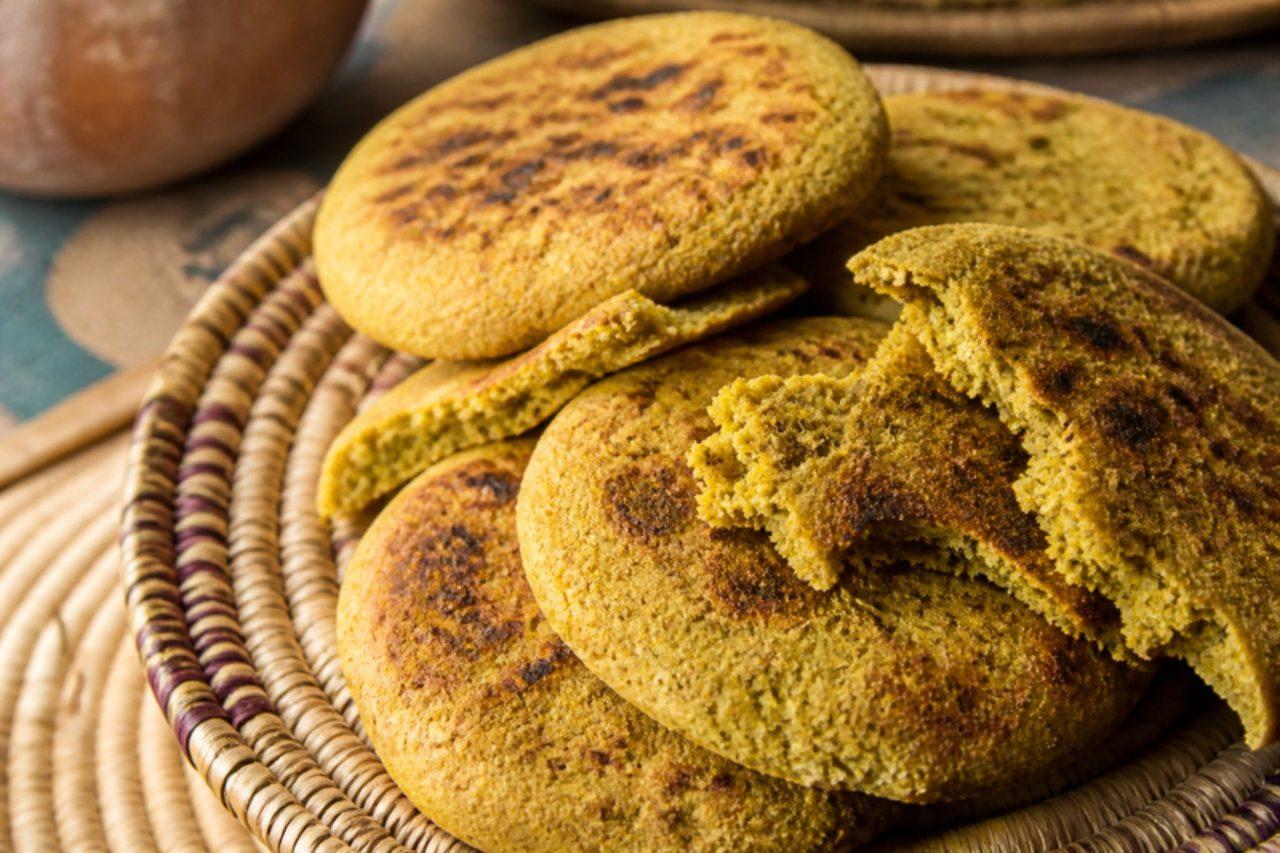
BettawMaize and fenugreek flatbread

Farming families in the Sa'id have long baked bettaw from maize grown on their own land, flavoured with fenugreek and baked in big batches, then dried until hard so it keeps for weeks. The bread is dense, crumbly and earthy, with the bittersweet, maple-like scent of fenugreek, and is softened by dipping in mish, molasses, buttermilk, lentils or a bowl of stew. A little wheat flour holds the maize together. Maize dough has no stretch and cracks if you treat it like wheat, so wet your hands and press it out rather than kneading or rolling. The usual mistake is using too much fenugreek, which turns the bread bitter; a little goes a long way. Chef's tip: to soften dried bettaw, sprinkle it with water and warm it for a few minutes in a covered pan.

by KrazyBadal 0 views

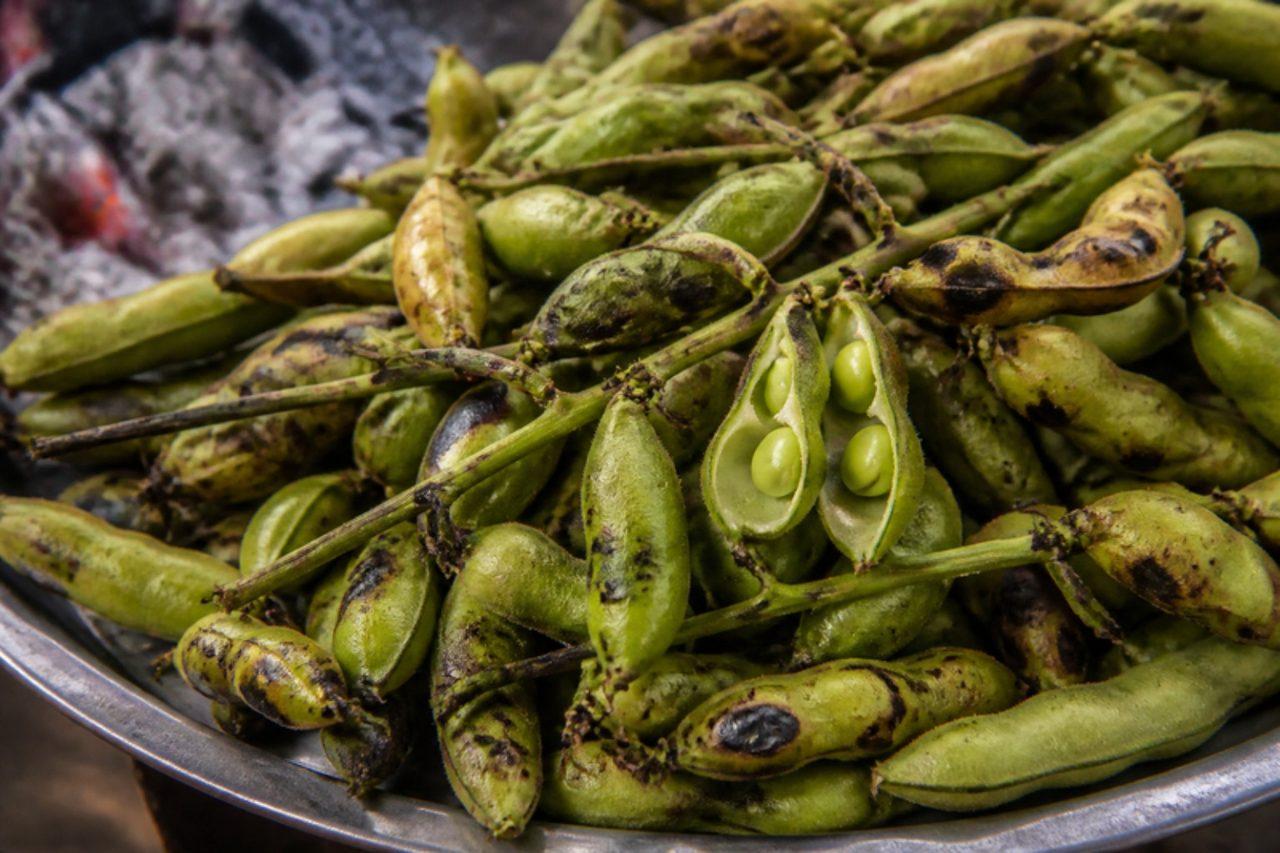
MalanaRoasted green chickpeas

Late winter and spring bring malana, whole chickpea plants with their fuzzy green pods still attached, to market stalls in Upper Egypt and across the country. Sellers and families roast the bunches over embers until the pods blister and blacken in spots, and everyone sits around pulling them off the stalks and popping out the hot, sweet, slightly smoky peas, a little like a cross between fresh peas and chestnuts. Look for them at Middle Eastern or South Asian grocers in season, sold as green chickpeas on the stem. The mistake is leaving them over the heat too long, which turns the peas dry and mealy. Chef's tip: sprinkle the hot pods with salt and a few drops of water, which steams the peas inside.

by KrazyBadal 0 views

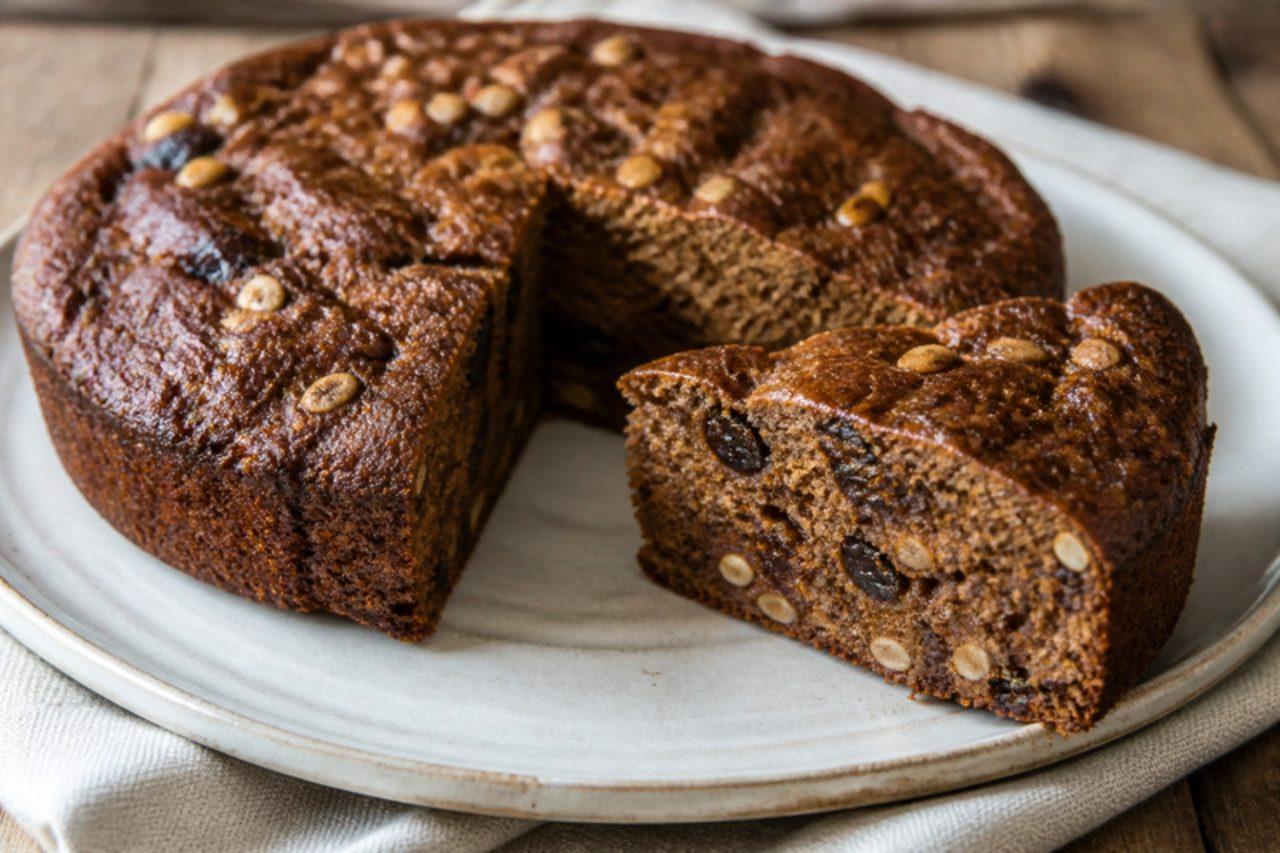
Torta di paneBread cake with cocoa and raisins

Torta di pane is the thrifty cake of Ticino, Switzerland's Italian-speaking south, made in every family and sold in bakeries in Lugano and Locarno: stale bread soaked overnight in milk, then mixed with cocoa, eggs, sugar, raisins, pine nuts, candied peel and lemon zest and baked into a dense, moist cake with a crisp top. Each family's recipe differs, and some add amaretti or a splash of grappa (this one has none). A common mistake is not soaking the bread long enough, which leaves dry lumps. Chef's tip: soak overnight and mash well, then let the cake cool completely before slicing; it firms up.

by KrazyBadal 0 views

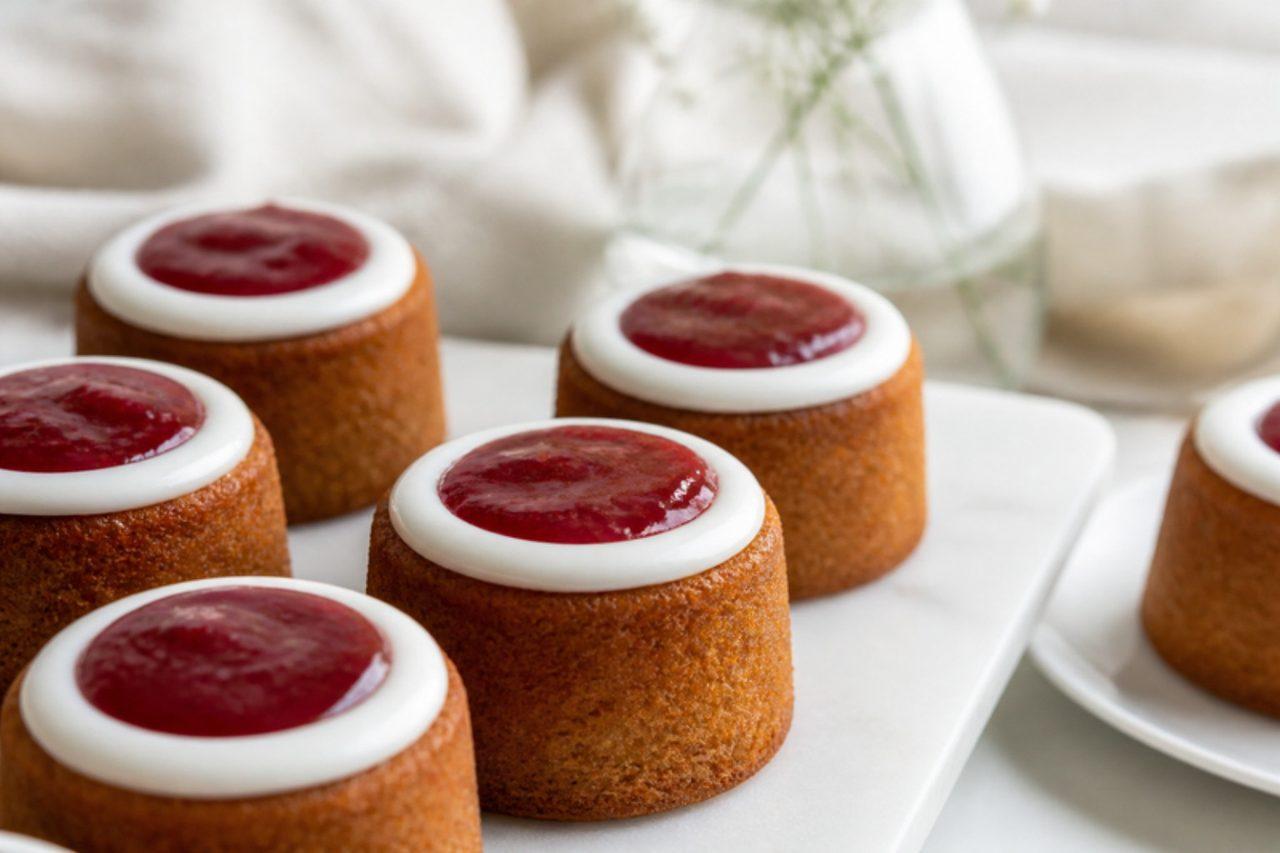
RunebergintorttuAlmond cakes with raspberry jam

Runeberg's torte is baked in Finland for 5 February, the birthday of the national poet Johan Ludvig Runeberg, who lived in Porvoo; the story is that his wife Fredrika made these from what was in the cupboard. They are small cylinders of moist almond and breadcrumb cake, soaked in syrup, topped with a dot of raspberry jam inside a ring of white icing. The syrup is often flavoured with rum or arrack punch; this recipe uses orange juice and almond extract, so it is alcohol-free. A common mistake is soaking the cakes while they are cold; they absorb the syrup unevenly. Chef's tip: soak them while still warm, and bake in muffin tins if you have no torte moulds.

by KrazyBadal 0 views

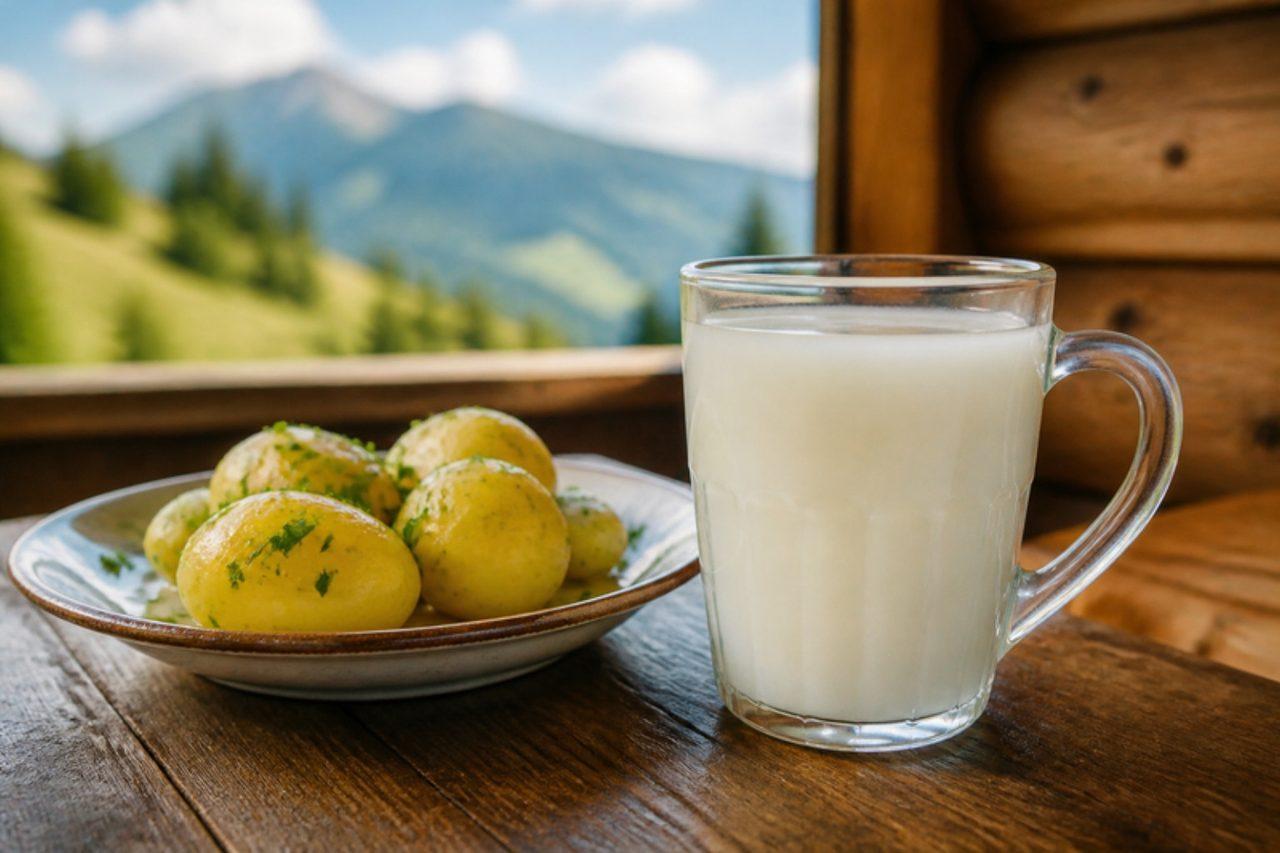
ŽinčicaSoured whey drink

Hikers walking past a salaš, a Slovak shepherds' hut, are often offered a mug of žinčica, the cool, sour whey left over from making bryndza and hrudka cheese. Shepherds heat the whey until fine flakes of cheese float up, then leave it to sour, and drink it with boiled potatoes or on its own on a hot afternoon. It is thin, refreshing and tangy, a little like a light buttermilk. At the salaš it is often made from raw sheep's milk, so at home make it only from the whey of cheese made with pasteurised milk (the korbáčiky recipe gives you plenty) and vegetarian rennet. The common slip is leaving it to sour somewhere warm for too long, where it turns cheesy and harsh; a cool room and 12 hours is enough. Chef's tip: a spoonful of cultured buttermilk gives a clean, reliable sourness every time.

by KrazyBadal 0 views

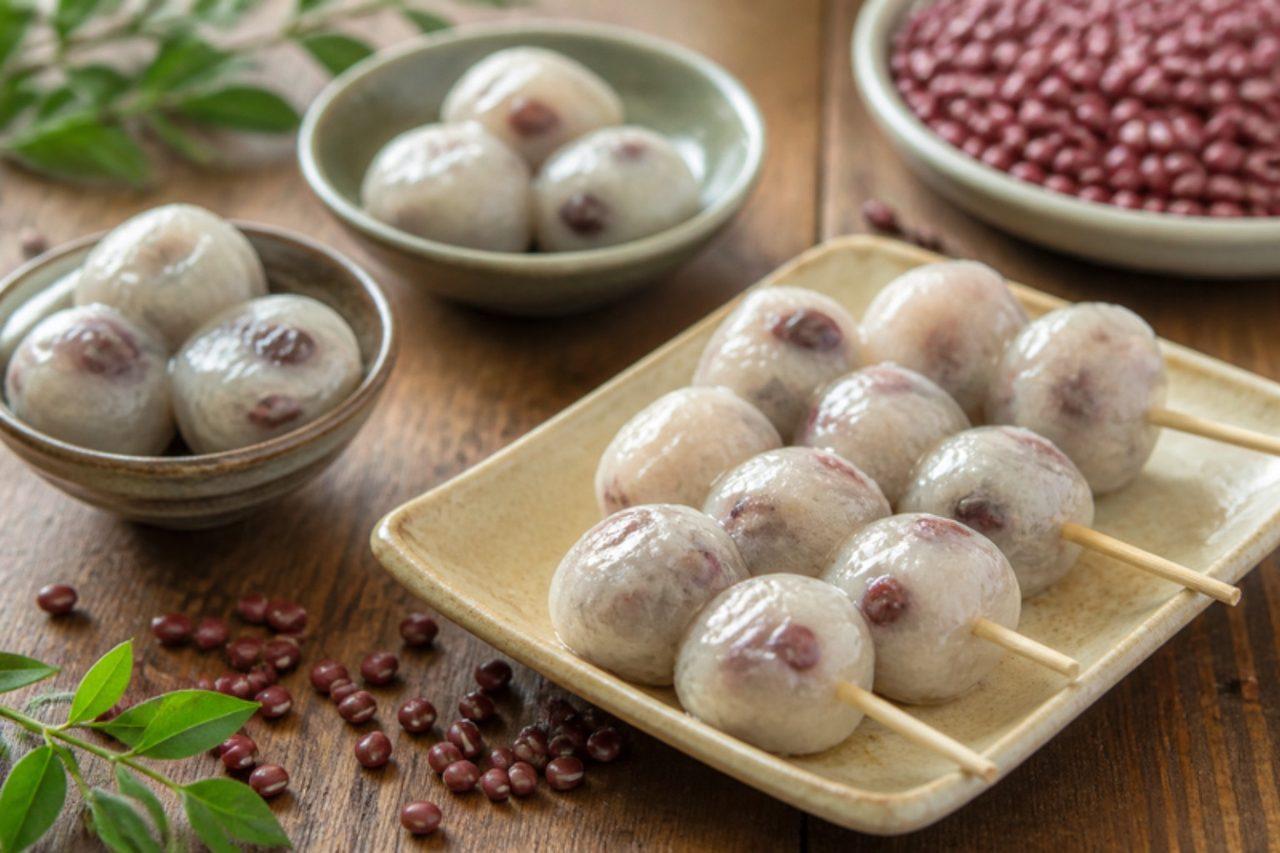
Put chai koRed bean rice cakes

Handed out on a pair of bamboo skewers from the glass cabinets of old-style snack stalls in Sham Shui Po and Yau Ma Tei, put chai ko is a nostalgic after-school treat that Hong Kong grandparents still queue for. Each little cake is steamed in its own porcelain bowl, then popped out whole: smooth, slightly bouncy and chewy, either pale and sweet or golden with brown sugar, studded with soft red beans. It is eaten at room temperature while walking down the street, no plate or cutlery needed. The red beans sinking to the bottom is the most frequent letdown, which happens when they go into thin, raw batter. Chef's tip: half-cook the batter by stirring the boiling syrup into the rice flour slurry, so it thickens just enough to hold the beans in place.

by KrazyBadal 0 views

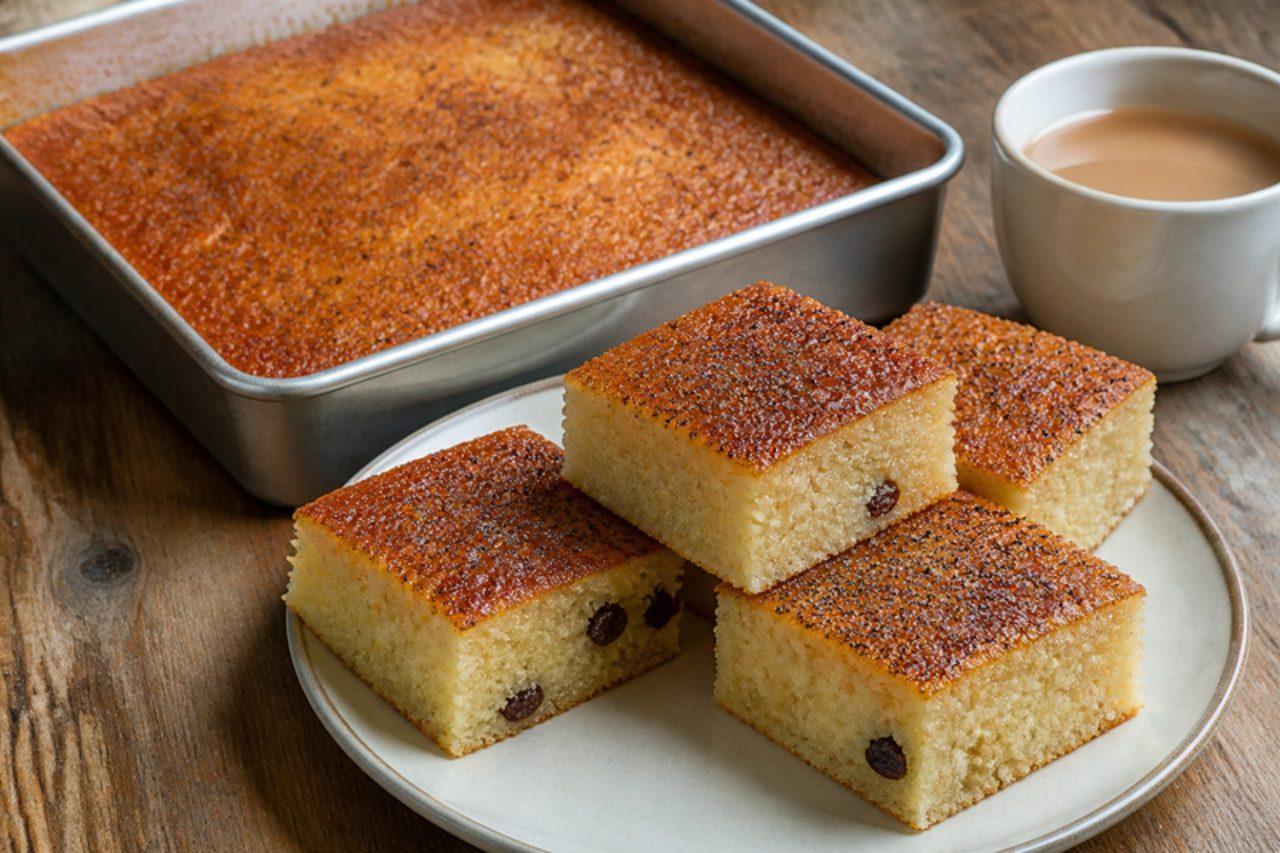
Sanwin makinSemolina coconut cake

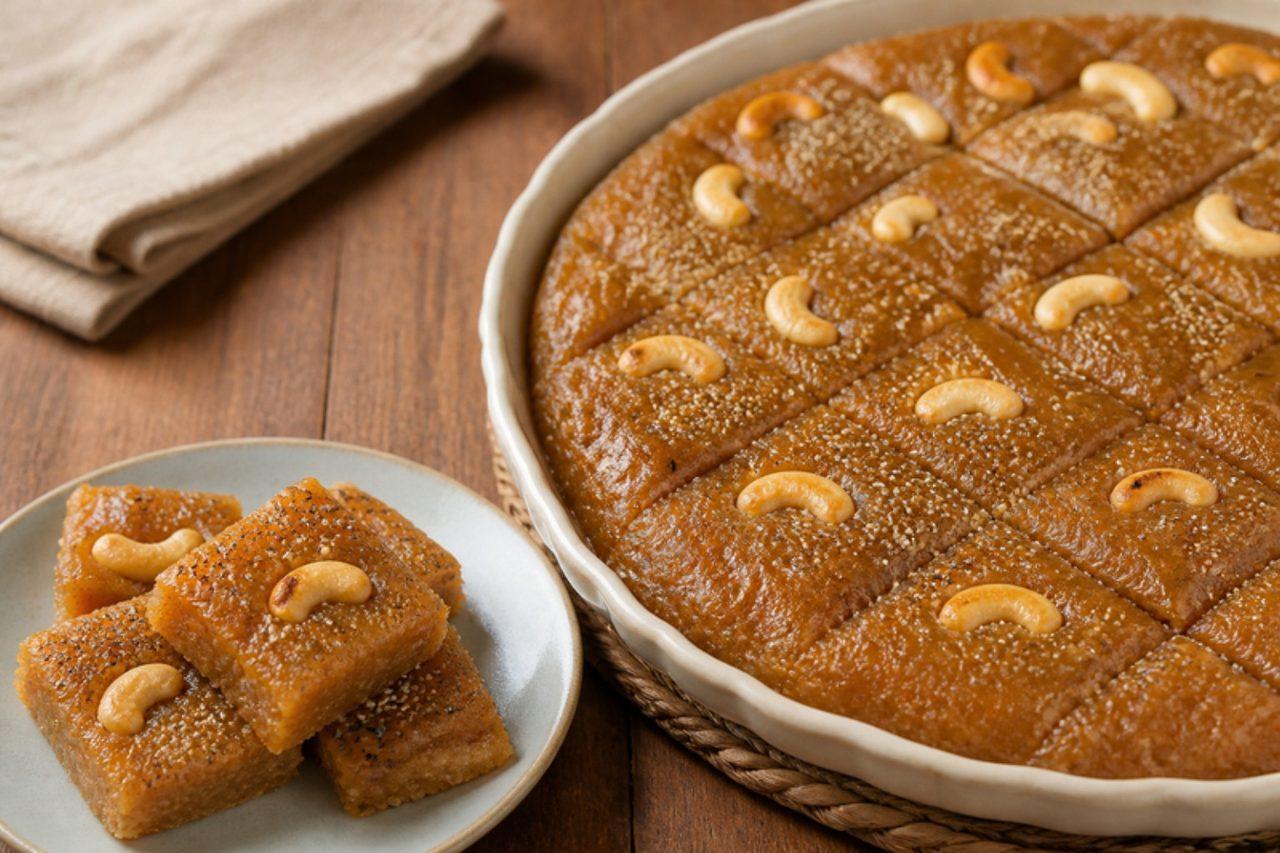
Burmese families bake trays of this dense, golden cake for donation ceremonies, novice monk initiations and the Thadingyut lights festival, and tea shops in Yangon sell it in neat diamonds beside the milky tea. Semolina is toasted and slowly cooked with coconut milk, milk and sugar into a thick paste, enriched with butter and eggs, then baked until the top is deep brown and the inside is soft, moist and fudgy, somewhere between a cake and a set pudding. Poppy seeds on top add a faint crunch; toasted sesame is a common swap. Cutting it warm is the typical letdown: the cake only firms as it cools, so wait a few hours. Chef's tip: toast the semolina until it smells like warm biscuits before adding any liquid; that nutty depth is what makes a good sanwin makin.

by KrazyBadal 0 views

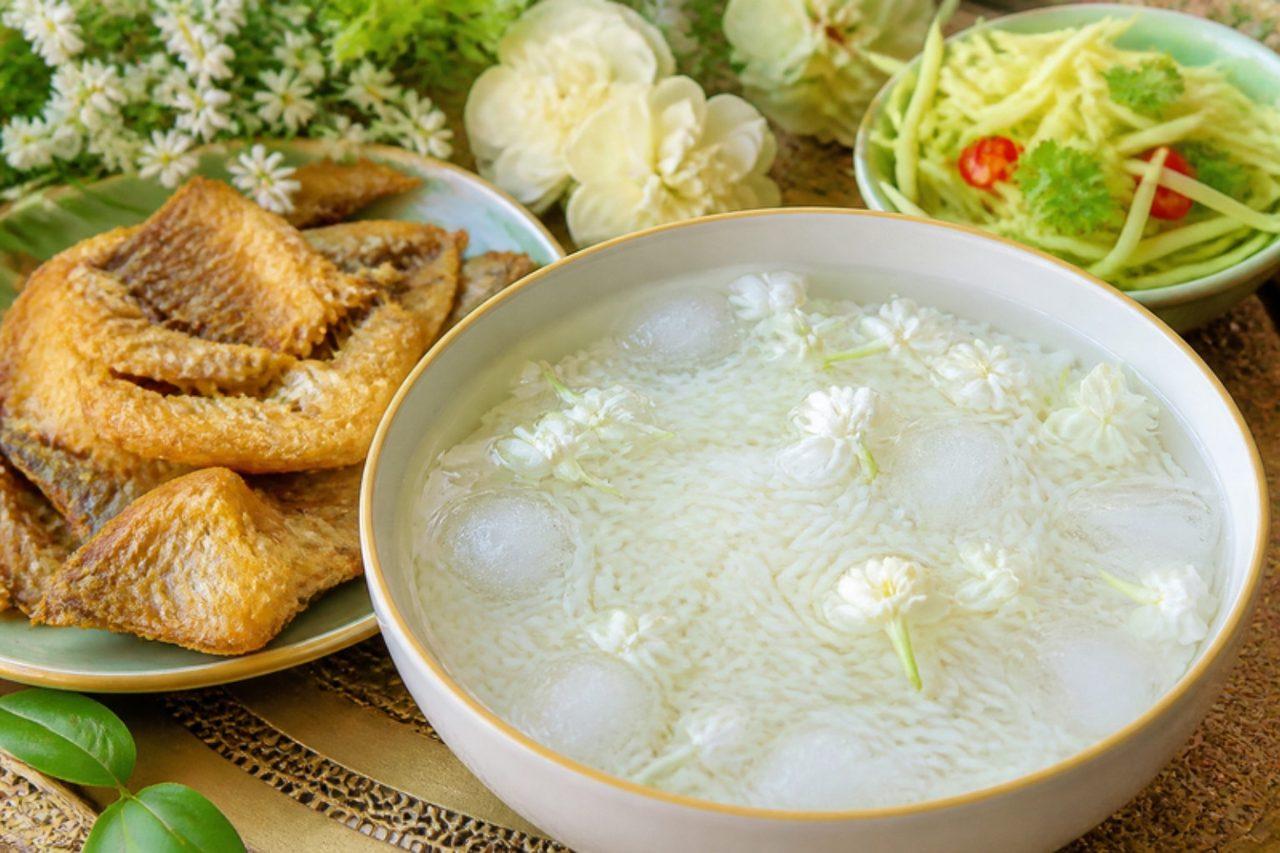
Thingyan riceJasmine water rice with dried fish

When the April water festival arrives and the heat is at its fiercest, Mon households in Mawlamyine and the villages around it prepare cool rice in jasmine-scented water, offer the first bowls to monks and elders, then share the rest with neighbours. The rice is cooked, rinsed until the grains are clean and separate, and served floating in chilled, flower-perfumed water; the same dish travelled to Thailand, where it became khao chae. Alongside go salty, crisp-fried dried fish, a sweet-sour green mango salad and fried shallots, and you take a little of each with every cold spoonful. Leaving the rice sitting warm on the counter before it is chilled is the mistake to avoid, both for safety and texture: cool it fast and keep it cold until serving. Chef's tip: use only unsprayed, edible jasmine flowers; if you can't find them, a few drops of food-grade jasmine water or a pandan leaf gives a gentle scent.

by KrazyBadal 0 views

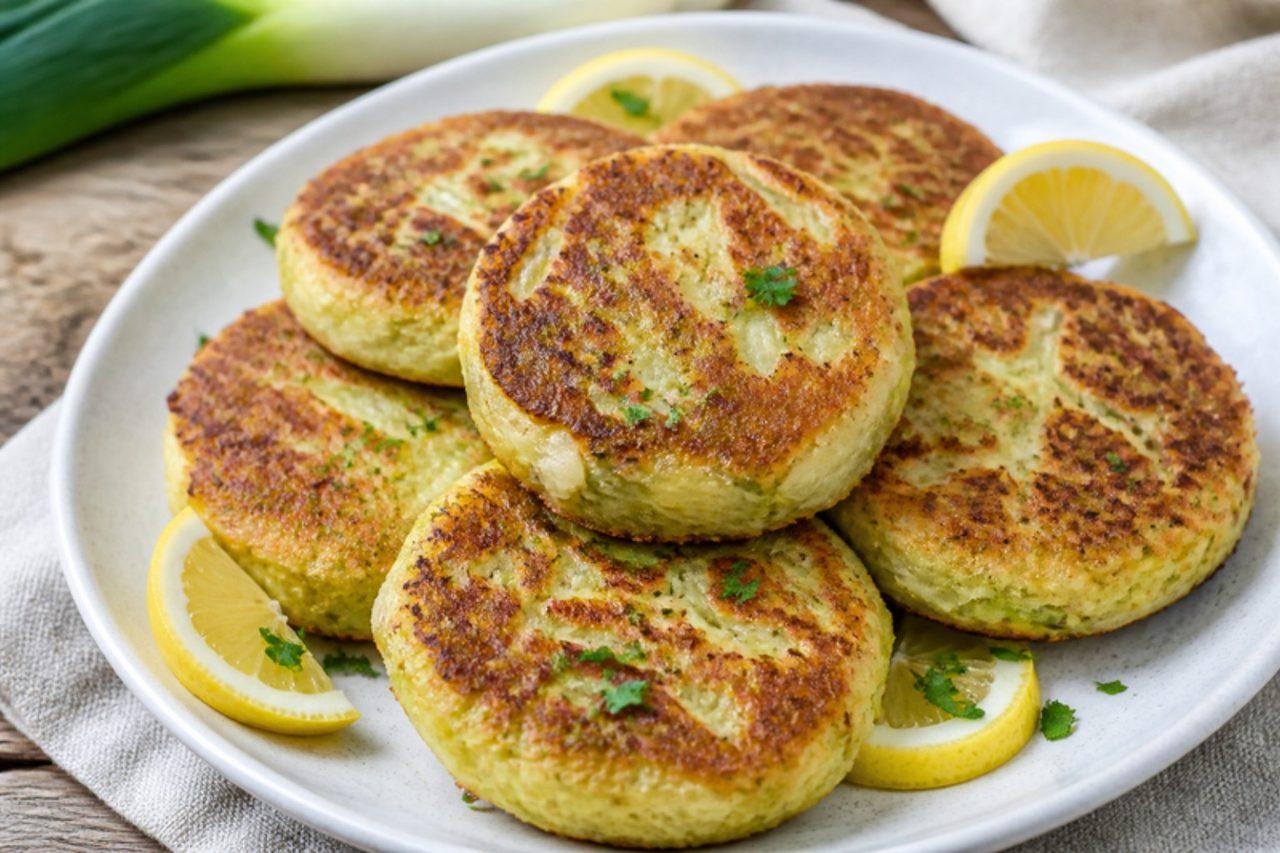
Leek keftesLeek and potato patties

For Rosh Hashanah, Sephardic Jews from Turkey and the Balkans eat leeks as one of the symbolic foods of the new year, and in Bat Yam and Jaffa the favourite way is keftes de prasa: tender patties of leek and mashed potato bound with egg and fried golden. They also come back for Hanukkah and Passover (made with matzo meal). Crisp outside, soft and sweet with leek inside, they are served with a squeeze of lemon and a cucumber salad. The mistake is leaving the cooked leeks wet, which makes the patties fall apart in the oil. Chef's tip: squeeze the boiled leeks in a tea towel until no more water drips; the drier they are, the crispier the keftes.

by KrazyBadal 0 views

Nun's fartsBrown sugar pastry pinwheels

Pets de sœur, with their cheeky name, are what Quebec grandmothers bake with the leftover pastry after the tourtières are done at Christmas and New Year. The scraps are rolled out, spread with butter and brown sugar, rolled into a log and sliced, then baked in a buttery syrup until sticky and caramelised. Children love them warm from the dish. A common mistake is slicing too thin; 2 cm slices stay soft in the middle. Chef's tip: pour a little cream into the dish before baking for a richer caramel underneath.

by KrazyBadal 0 views

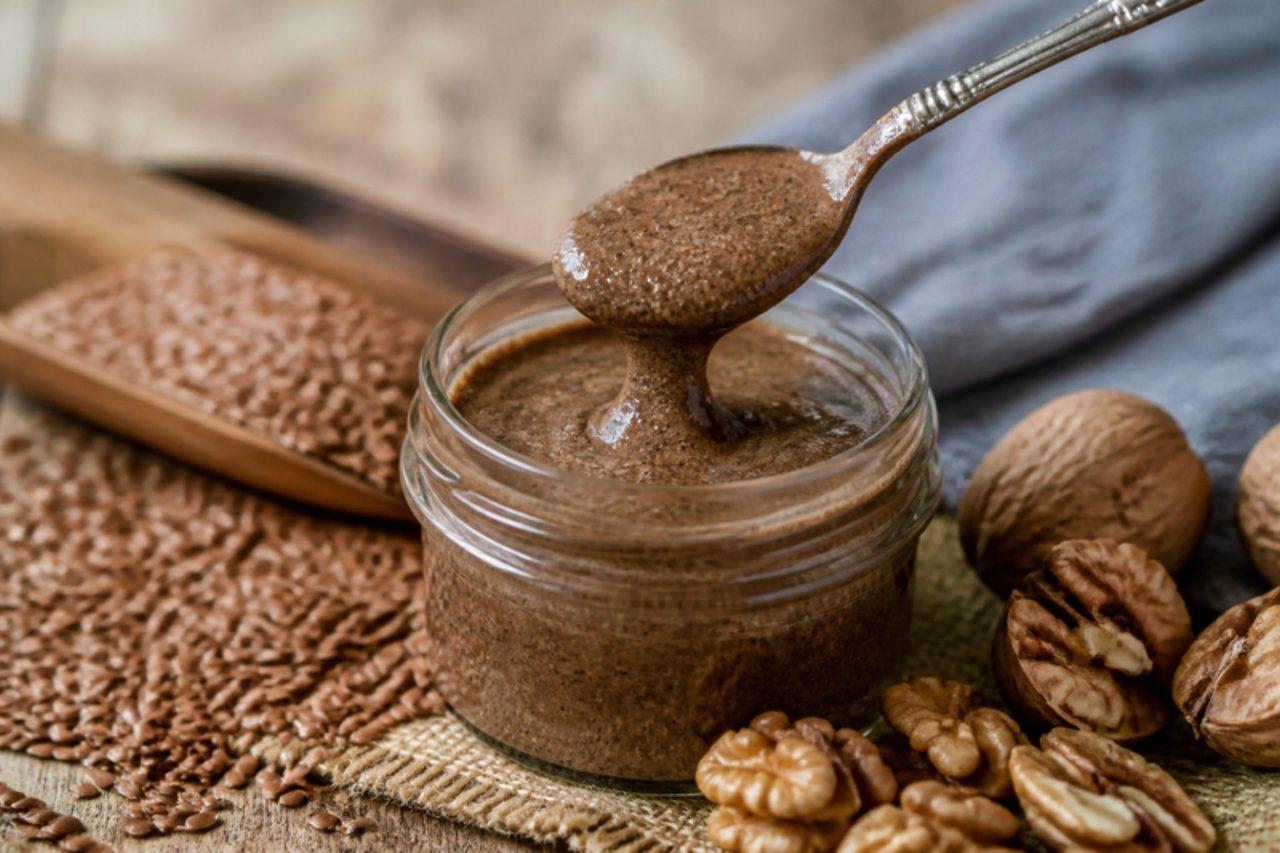
UrbechFlaxseed and walnut paste

High in the villages of Dagestan, urbech was ground between millstones from roasted seeds and kernels until the oil ran, then packed into jars to see families through winter. Brown flax gives the classic dark, slightly bitter paste; walnuts soften it and make it creamy. Locals warm it gently with honey and melted butter and spread it on bread or eat it by the spoon with tea; for a fully plant-based breakfast swap in a fruit syrup and keep the butter out. Some urbech uses apricot kernels, but bitter kernels contain natural cyanide compounds, so this home version sticks to flax and walnuts. Where most people go wrong is giving up after five minutes: the seeds look like dry sand for a long time before suddenly collapsing into paste. Chef's tip: let the food processor rest every few minutes so the motor and the paste stay cool; overheated flax turns bitter.

by KrazyBadal 0 views

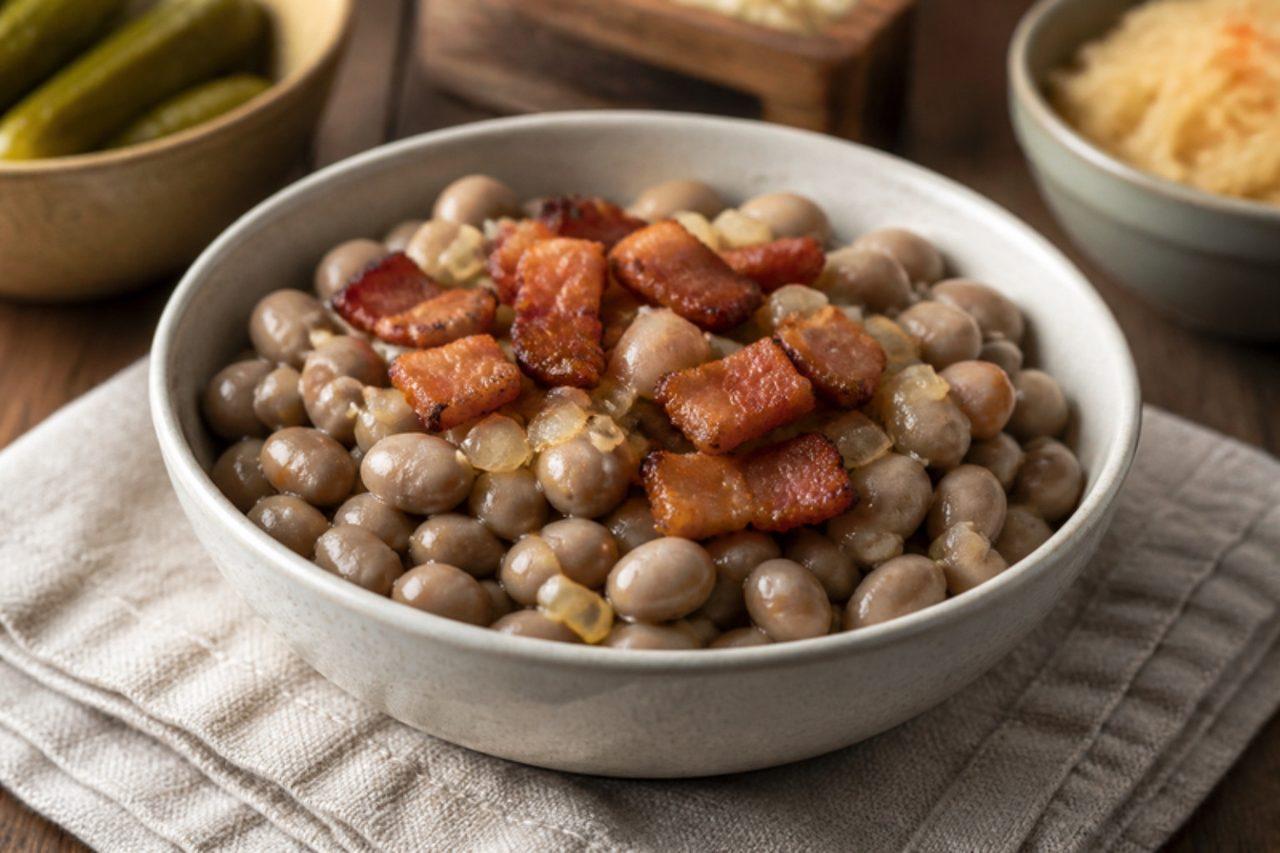
Pelēkie zirņi ar speķiGrey peas with fried bacon

Grey peas with bacon is Latvia's national dish, eaten at Christmas and on the winter solstice and served in Riga's canteens all year: large, earthy grey peas soaked and boiled until soft but whole, then tossed with crisp pieces of fried smoked bacon and onion and served with a glass of cold kefir. This dish contains pork. Grey peas are sold in Baltic shops; carlin peas or brown chickpeas are close. A common mistake is overcooking the peas into mush. Chef's tip: fry the bacon slowly so its fat renders out, then fry the onion in that fat; it coats the peas with flavour.

by KrazyBadal 0 views

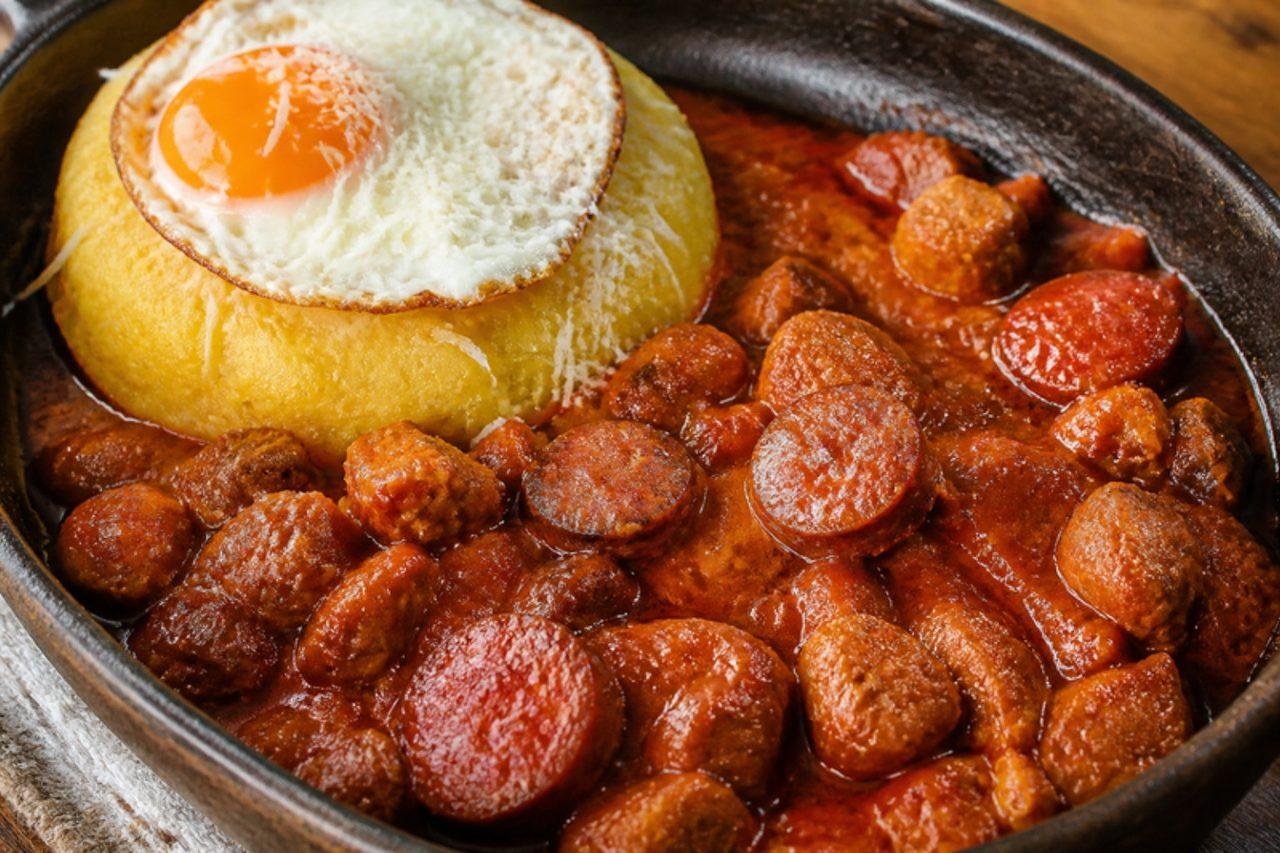
TochiturăPork and sausage stew

Ask for tochitură in a roadside han near Iași or Piatra Neamț and it arrives as a full plate: cubes of pork shoulder and pork sausage stewed in a garlicky, red-tinged sauce, a hill of mămăligă, a fried egg perched on top and crumbled salty sheep's cheese over everything. It is a dish for cold days and big appetites, rich, peppery and smoky. Traditionally a glass of dry white wine goes into the pan; for an alcohol-free version use the same amount of stock with 1 tablespoon of cider vinegar. The cheese is usually telemea or brânză de burduf. A frequent slip is cooking the pork hard and fast, which leaves it chewy; a gentle simmer turns it tender. Chef's tip: stir a spoon of crushed garlic into the sauce in the last minute only, so it stays fresh and fierce against the rich meat.

by KrazyBadal 0 views

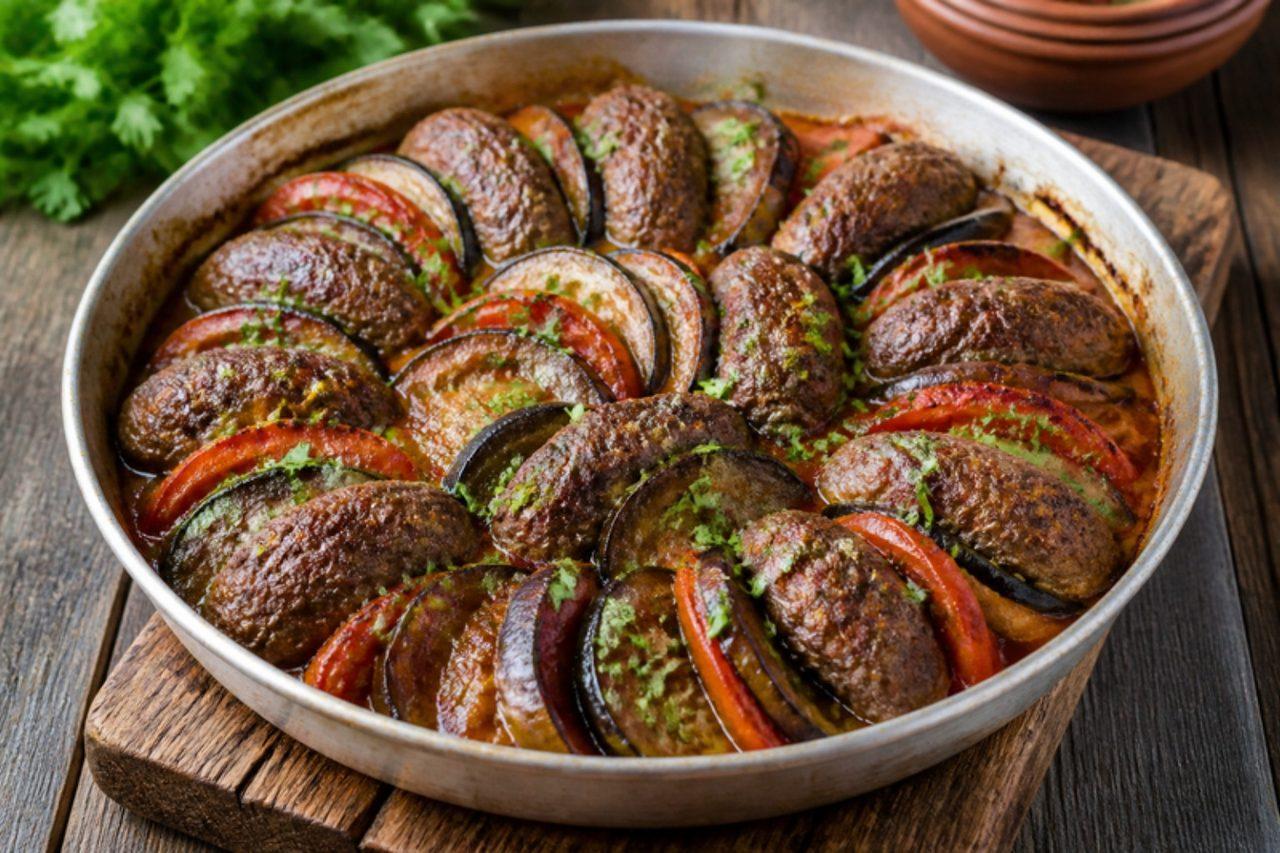
Tava kebabPan-baked lamb patties with aubergine

Tava kebab is a pan kebab from Ganja and the west of Azerbaijan, made when there's no grill: minced lamb and onion mixed with egg, shaped into small flat patties and fried, then arranged in a pan in rows with slices of fried aubergine and tomato, and finished together under a lid so the juices mingle. It is served in the pan with flatbread. A common mistake is skipping the egg; the patties fall apart when you layer them. Chef's tip: stand the patties and vegetables on their edges in tight rows, so everything sits in the juices and stays moist. Minced lamb must reach 71 °C.

by KrazyBadal 0 views

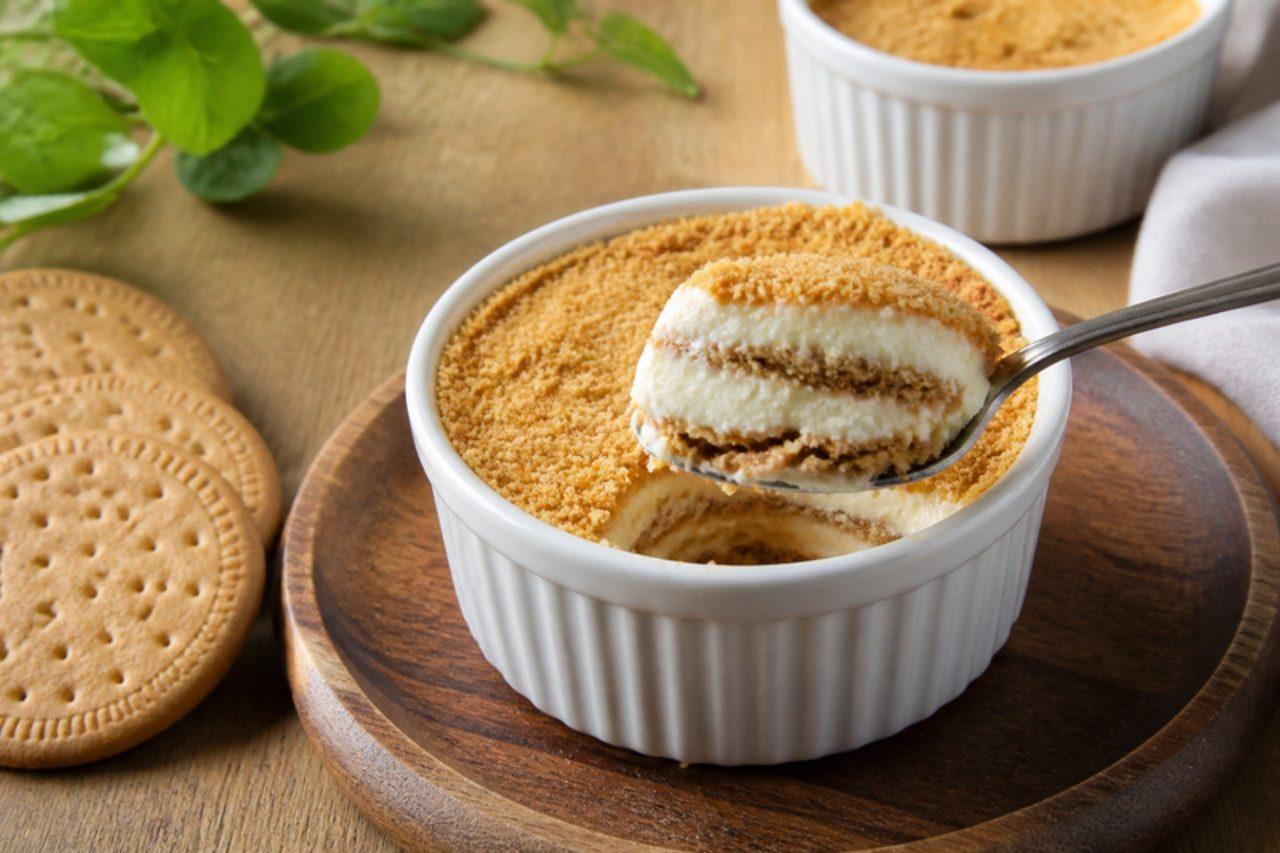
SerraduraCream and biscuit crumb pudding

Portuguese for 'sawdust', serradura is the cool, creamy dessert you'll find in every Macanese restaurant and café from Taipa to the Senado Square backstreets, ordered to round off a long Macanese lunch. Alternating layers of sweetened whipped cream and powder-fine tea biscuit crumbs set softly in the fridge, so each spoonful is light, milky and caramel-sweet, with a gentle crumbly texture. It is usually served in small glasses, sometimes semi-frozen like an ice cream cake. Coarse crumbs are where it goes wrong; they stay crunchy and gritty instead of melting into the cream, so grind the biscuits as fine as sand. Chef's tip: whip the cream and condensed milk together only to firm peaks and stop there, or it turns grainy and buttery.

by KrazyBadal 0 views

SerundengToasted spiced coconut with peanuts

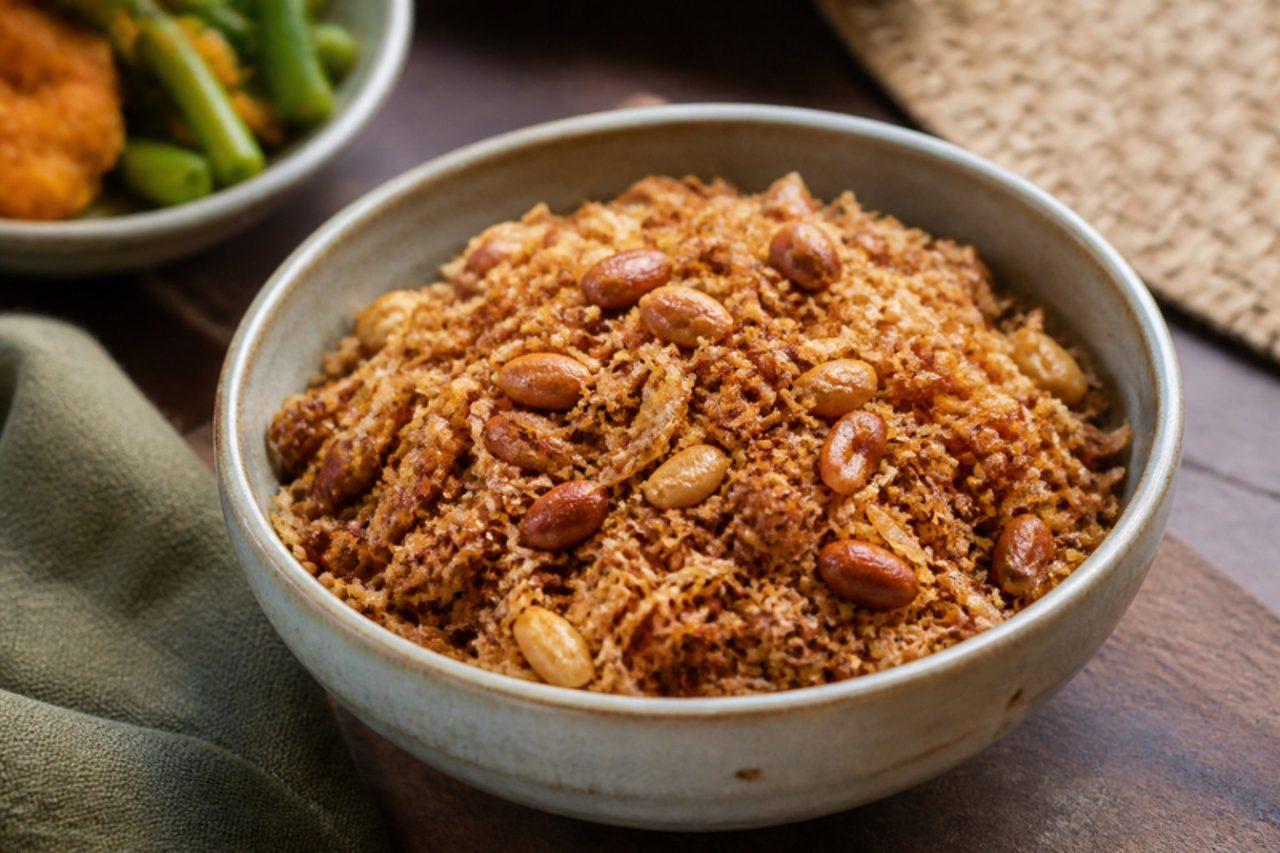
Serundeng is the crunchy, sweet-savoury sprinkle that comes in a little tub with every Indonesian takeaway in the Netherlands: grated coconut slowly toasted with a spice paste of shallot, garlic, coriander and cumin, palm sugar and tamarind until golden and dry, then mixed with fried peanuts. It is scattered over rice. Most versions use shrimp paste; this one is vegan. A common mistake is toasting over high heat, which burns the coconut in seconds. Chef's tip: keep stirring over a low heat for the full 20 minutes; the coconut turns golden slowly and evenly and stays crunchy for weeks.

by KrazyBadal 0 views

Palla machhiFried hilsa fish

Every monsoon, when the Indus floods and the palla swim upriver past Kotri barrage, roadside stalls between Hyderabad and Thatta fry the oily, silver fish in front of you, and people drive out from Karachi just to eat it. Palla is the Sindhi name for hilsa, a rich fish with a sweet, almost buttery flesh and a forest of fine bones, so you eat it slowly, with your fingers, alongside plain rice, a smear of dal and lemon. The masala is simple and red: chilli, turmeric, garlic and a little ajwain. Turning the steaks too early is the classic way to lose the crust, so let them fry undisturbed until they release from the pan on their own. Chef's tip: if you cannot find hilsa, shad, mackerel or thick sardine fillets take the same masala well, and they are far less bony.

by KrazyBadal 0 views

UtopenciPickled sausages

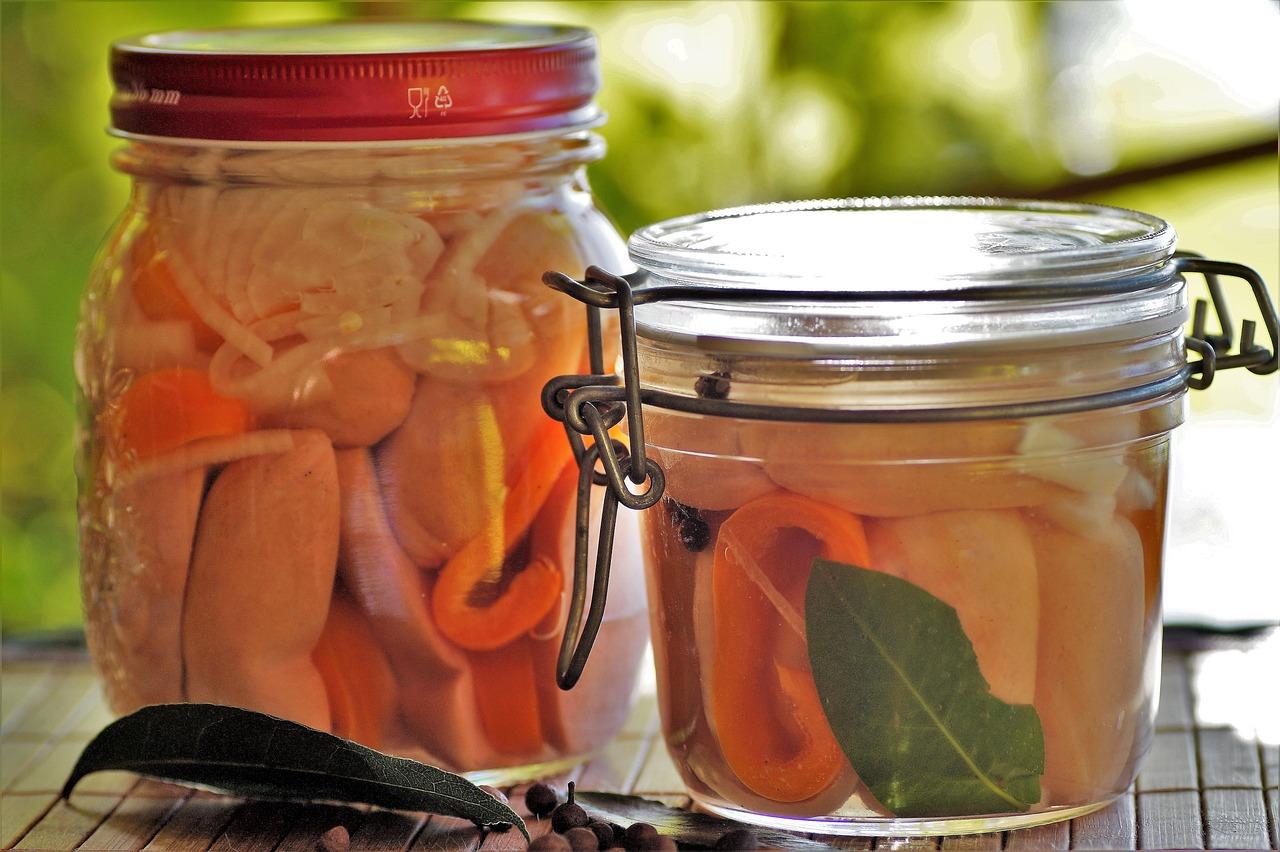
Utopenci means "drowned men": fat pork sausages slit open, stuffed with onion and sunk in a jar of spiced vinegar brine, and they sit in big jars on the bar of almost every Bohemian pivnice, fished out with a fork and eaten with dark bread. The usual sausage is the špekáček, a short, plump pork-and-beef sausage with visible fat. After a few days in the brine they are sharp, garlicky and juicy, with sweet, soft onion and a slow chilli heat. Where most people go wrong is using raw sausages or skipping the cooking: heat the sausages through to 71 °C in the centre first, cool them quickly, and keep the jar in the fridge the whole time, not on the counter. Eat within 10 days, using a clean fork. Chef's tip: let them pickle for at least 3 days; on day one they just taste of vinegar.

by KrazyBadal 0 views

Double-skin milkDouble-skin milk pudding

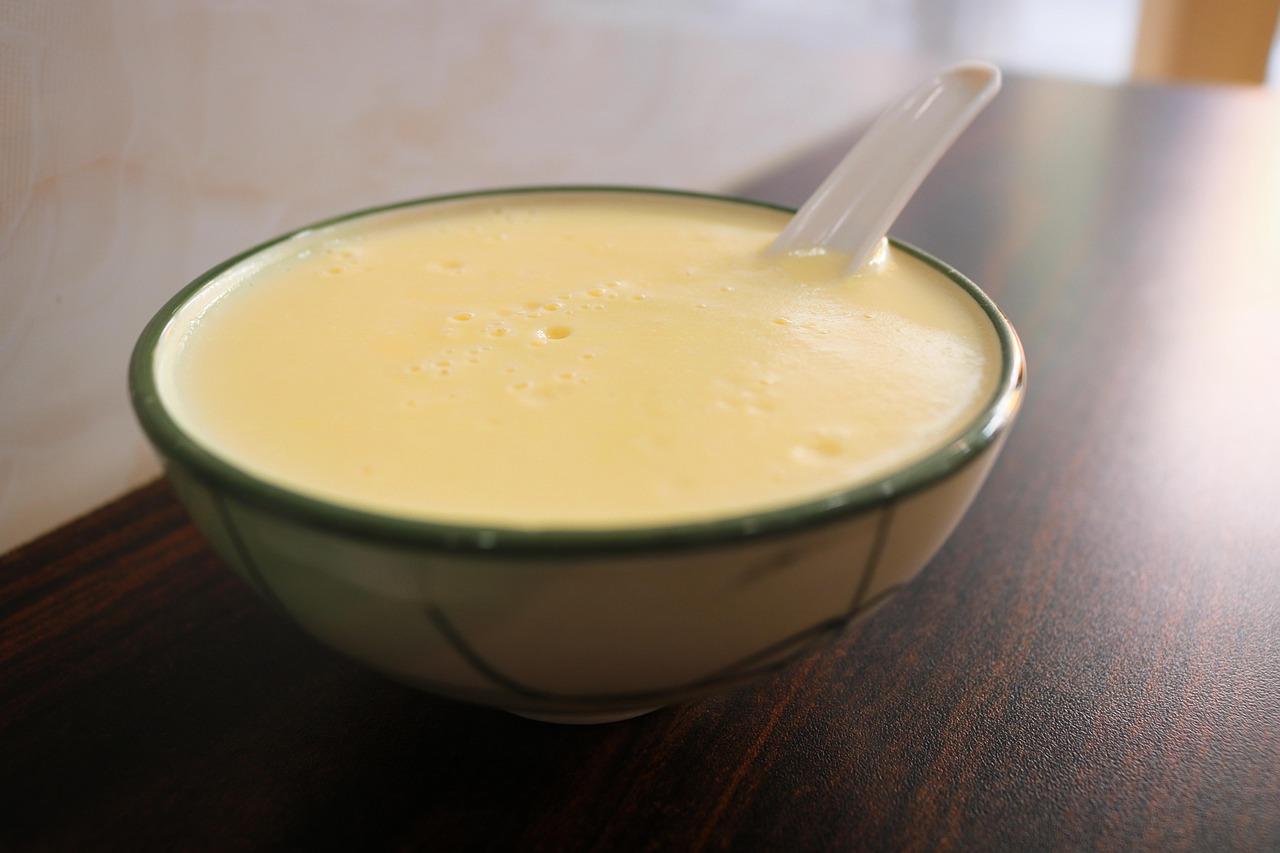
Shunde in Guangdong first made it with rich buffalo milk, and today double-skin milk is a fixture in Hong Kong dessert parlours, served hot in winter or chilled in summer, often topped with red beans. The texture is the draw: a wobbling, smooth milk pudding under a fragile, sweet milk skin that wrinkles when you press it with a spoon, delicately milky and only lightly sweet. Two skins form, one as the boiled milk cools and a second after steaming. Steaming it over too fierce a heat ruins it, leaving it full of holes like a sponge and watery underneath. Chef's tip: pour the milk out of the bowl very slowly through the hole in the skin, so the first skin stays behind intact at the bottom and floats back up when you return the egg mixture.

by KrazyBadal 0 views

ParvardaPulled sugar pillows

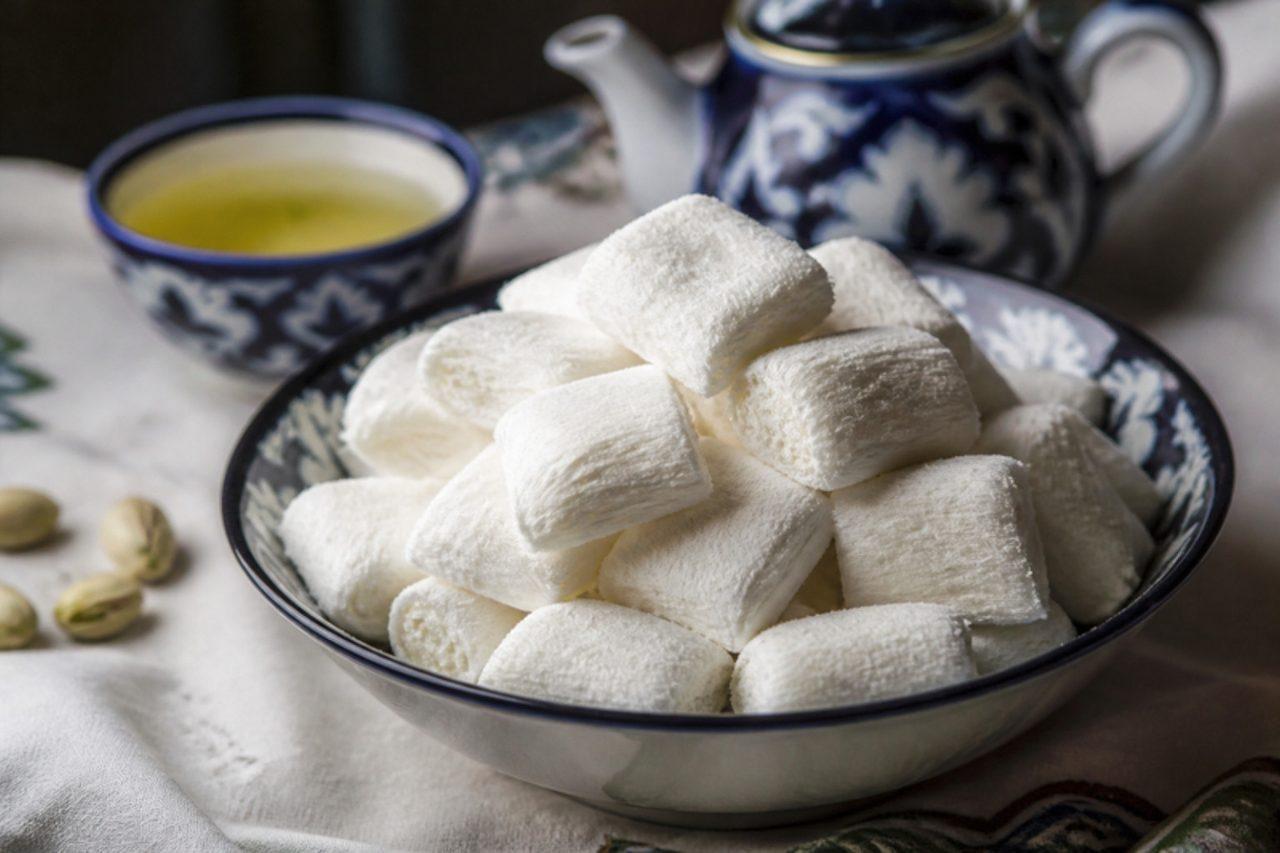
Parvarda are small, chewy-crisp pillows of pulled sugar, white and satiny, dusted with flour and served in Samarkand and Tashkent teahouses beside bowls of green tea; they are a winter sweet, because cool air helps the sugar set. Making them is a family job: the hot syrup is pulled again and again until it turns opaque white, then stretched into ropes and snipped. A common mistake is pulling the sugar while it is still too hot to hold, which burns your hands and makes the candy sticky. Chef's tip: wear food-safe gloves lightly oiled with a few drops of oil and pull the candy as soon as it is cool enough to handle, working quickly before it stiffens. Very hot sugar can cause serious burns, so keep children away.

by KrazyBadal 0 views

Zalai dödölleFried potato dumplings

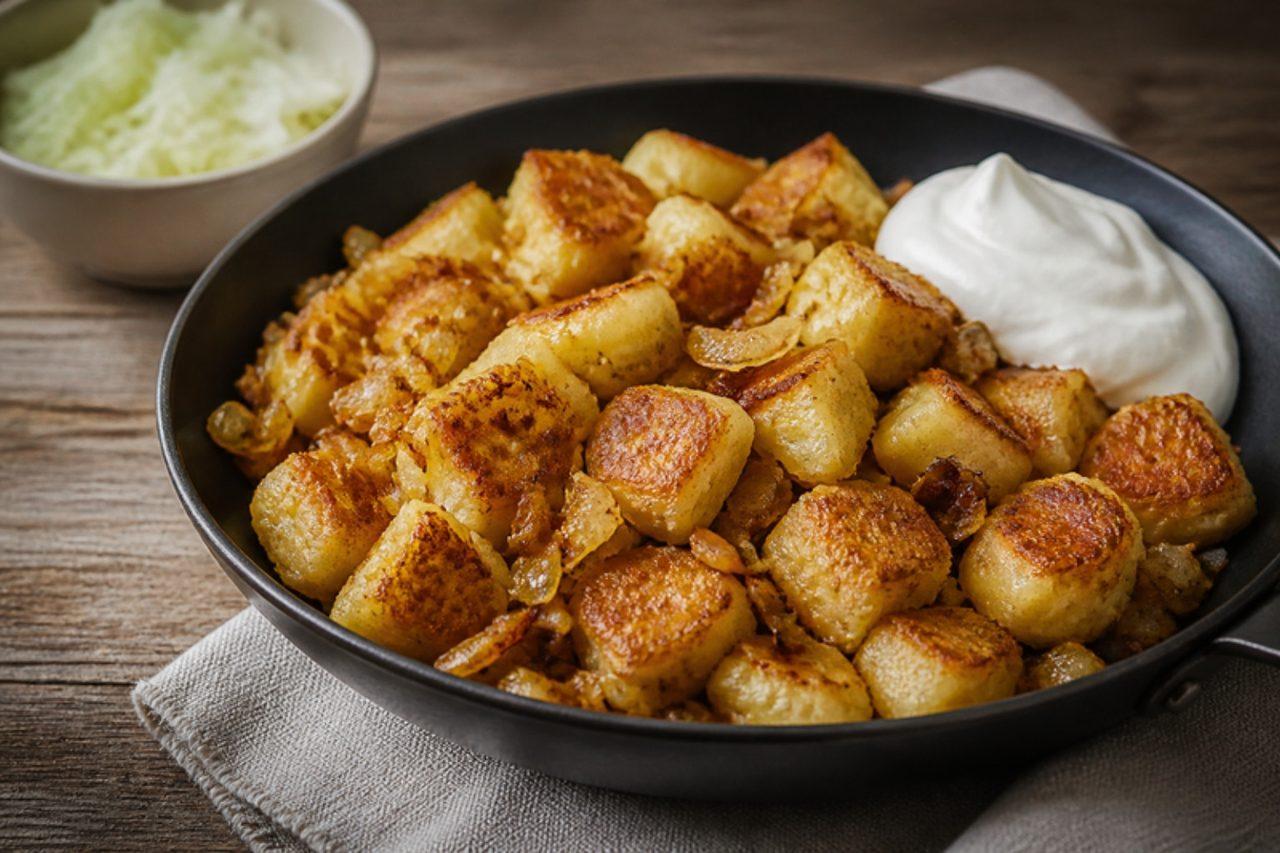
Zala county, in the green hills of south-west Hungary, is so proud of dödölle that villages hold festivals for it. Potatoes are boiled, mashed with flour into a stiff dough right in their pot, then scooped into little lumps with a spoon dipped in hot fat and fried with plenty of onion until crisp and brown on the outside and soft inside. The old way is to fry them in lard; this version uses oil, so it is vegan, though a knob of butter is lovely if you eat dairy. Eat them as a side, or as a main with sauerkraut, cucumber salad or a mushroom stew. A common mistake is drying the dough out with too much flour, which makes heavy, gluey lumps; it should be thick but still a little sticky. Chef's tip: dip the spoon in the hot oil before every scoop, and the dödölle slide off smooth.

by KrazyBadal 0 views

Yerevan kyuftaPoached pounded beef

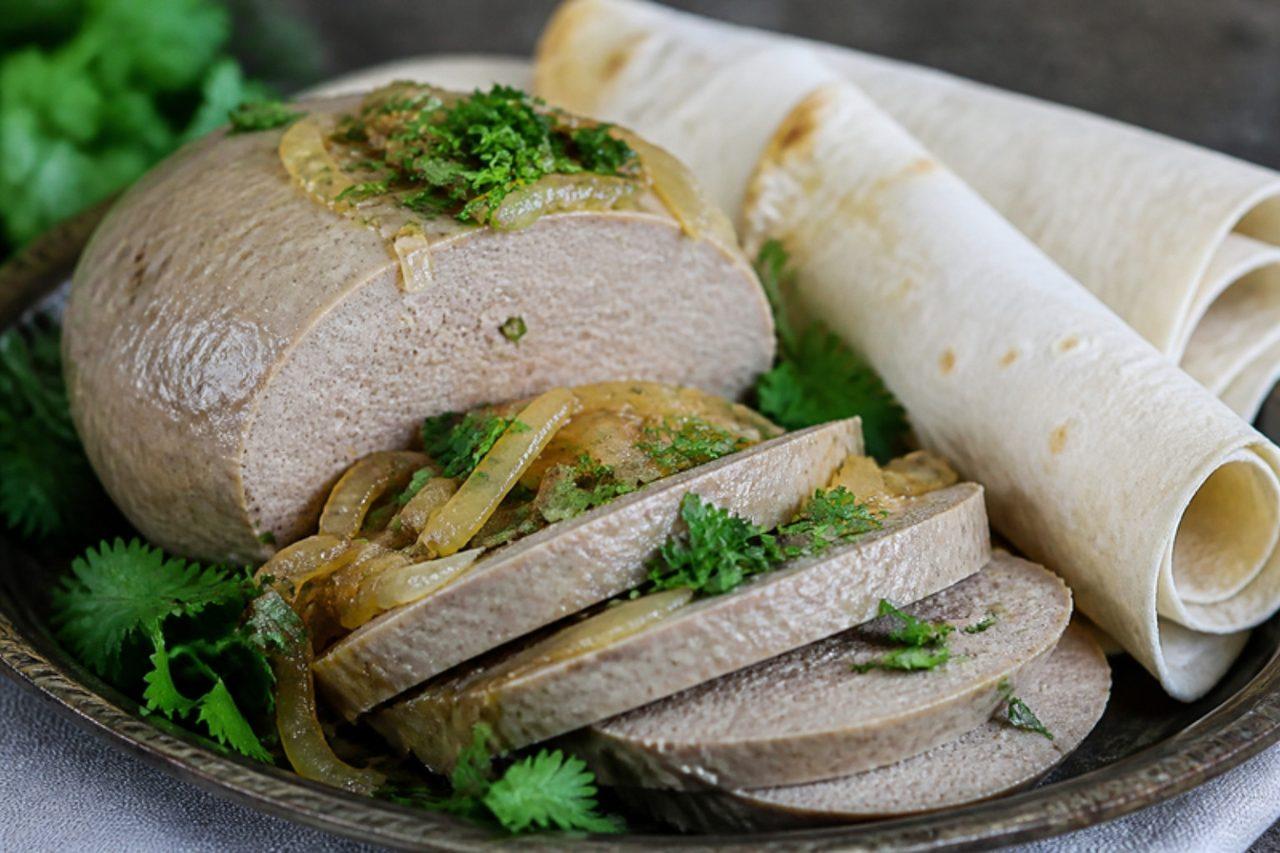
Kyufta is a festive Armenian dish whose making is half the show: lean beef is pounded with a wooden mallet on a stone, traditionally by the men of the family, until it turns into a pale, smooth, springy paste, then mixed with fried onion, egg and a splash of milk (some families use brandy; this version does not), shaped into large balls and poached. In Yerevan homes it is sliced like a terrine and served warm or cold with butter and herbs. A food processor does the pounding at home. A common mistake is letting the meat warm up while processing, which makes the paste greasy and crumbly. Chef's tip: work with very cold beef and add crushed ice to the processor, as the cold keeps the texture silky. Poached meatballs are done at 71 °C in the centre.

120 minArmenianMeatGluten free
by KrazyBadal 0 views

Seyal phulkaChapatis in tomato onion sauce

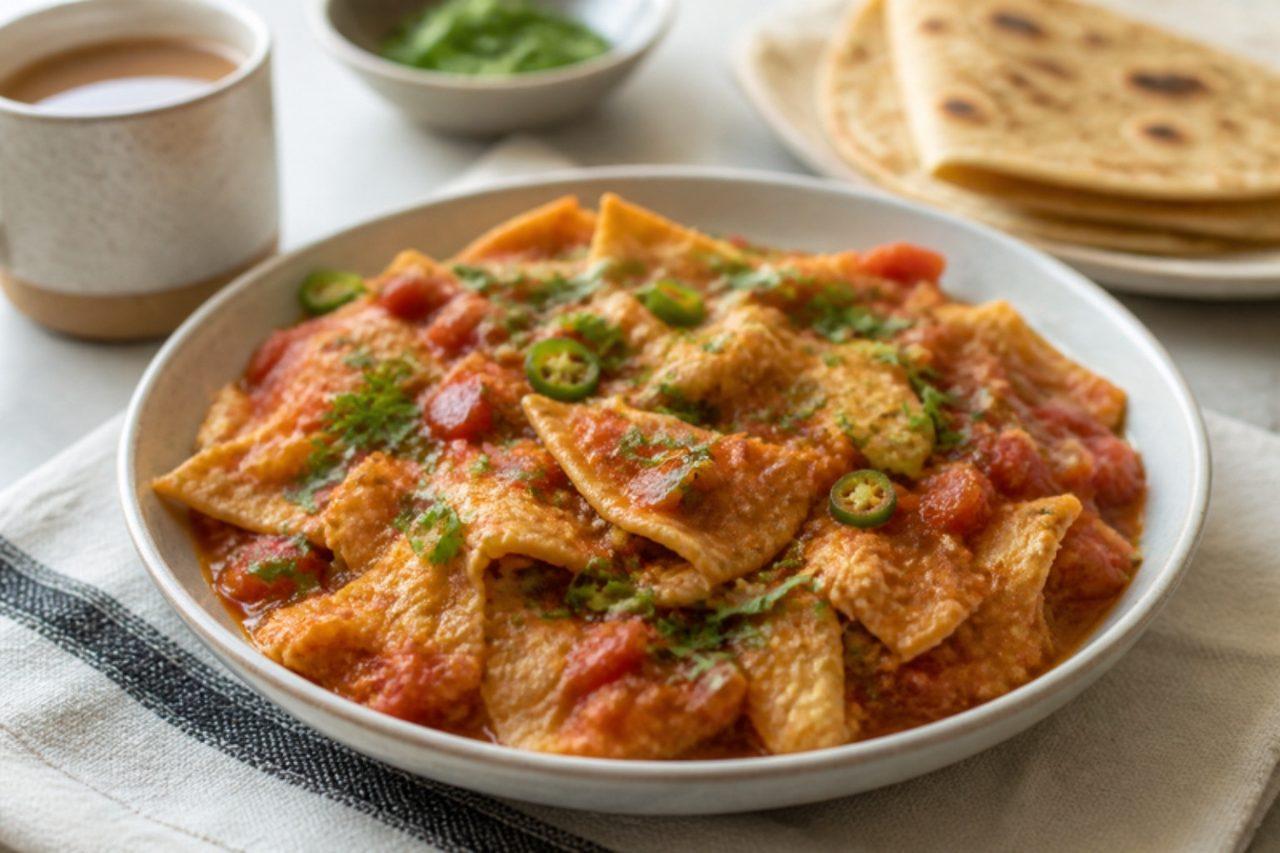
Nothing gets thrown away in a Sindhi kitchen, and yesterday's phulka become this morning's seyal phulka, a breakfast found in homes from Karachi's Gulshan to small towns along the Indus. Seyal is the Sindhi way of cooking in a thick sauce of onion, garlic, tomato, green chilli and plenty of coriander, and the torn chapatis soak it up to become soft and savoury at the centre while their edges keep a little chew. It is eaten straight from the pan with a glass of sweet tea or a spoonful of plain yogurt, and people tend to make it on lazy weekend mornings. Over-simmering is what ruins it, because the bread turns to porridge within minutes. Chef's tip: let the sauce reduce until it is thick before the chapatis go in, then toss them for no more than two or three minutes.

by KrazyBadal 0 views

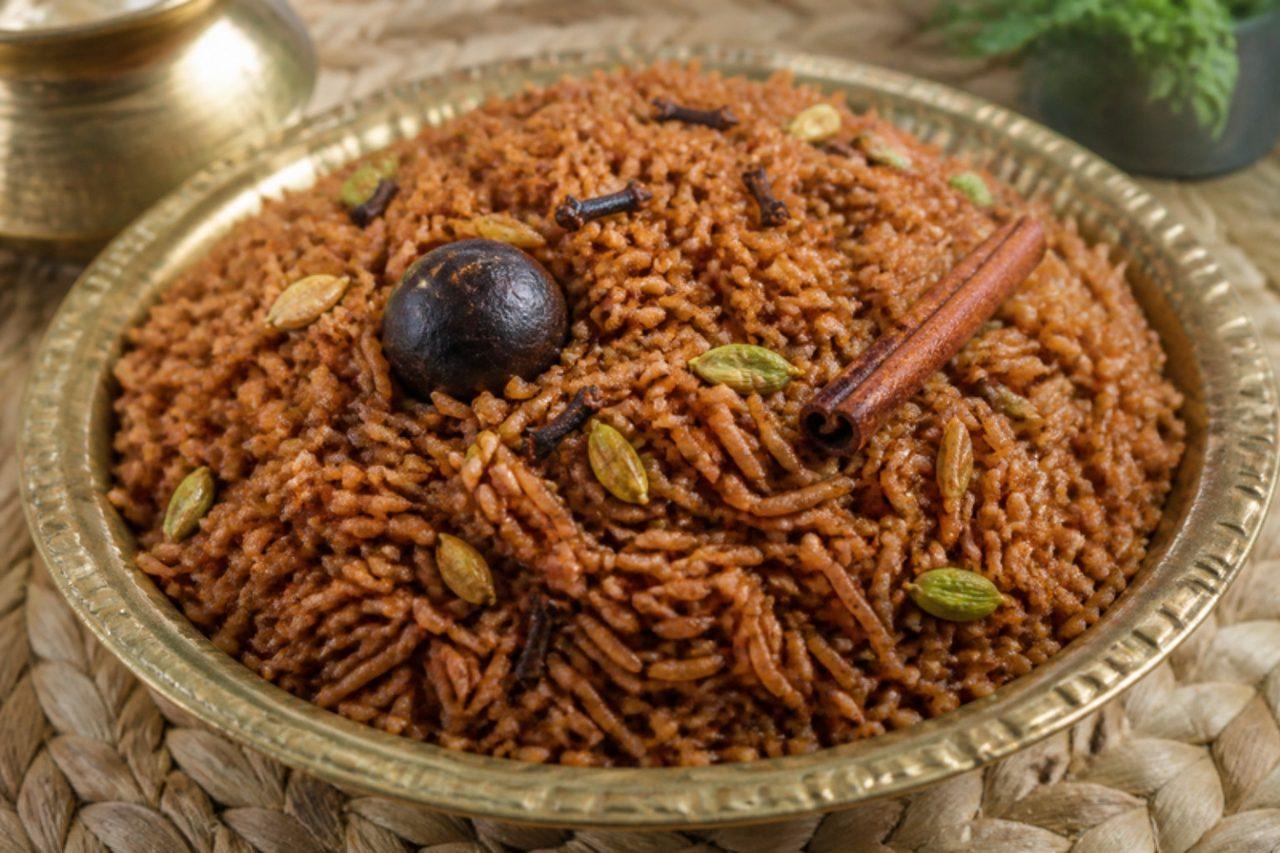
Ruz hasawiRed rice with whole spices

Grown in the flooded fields of the Al-Ahsa oasis for centuries, Hasawi rice is a short, reddish grain with a nutty, almost earthy taste, and in Hofuf it is still served beside fish stews, saloona and grilled hamour at family lunches. It cooks up chewy and separate rather than fluffy, and it is valued in the Eastern Province as a healthy, filling grain. Outside Saudi Arabia, a Himalayan or Camargue red rice is a fair substitute. The biggest mistake is treating it like white rice: it needs a long soak, more water and around 40 minutes of gentle cooking. Serve with any stew or simply with yogurt and pickles. Chef's tip: let the cooked rice rest off the heat with a cloth under the lid for 10 minutes so the grains finish swelling.

by KrazyBadal 0 views

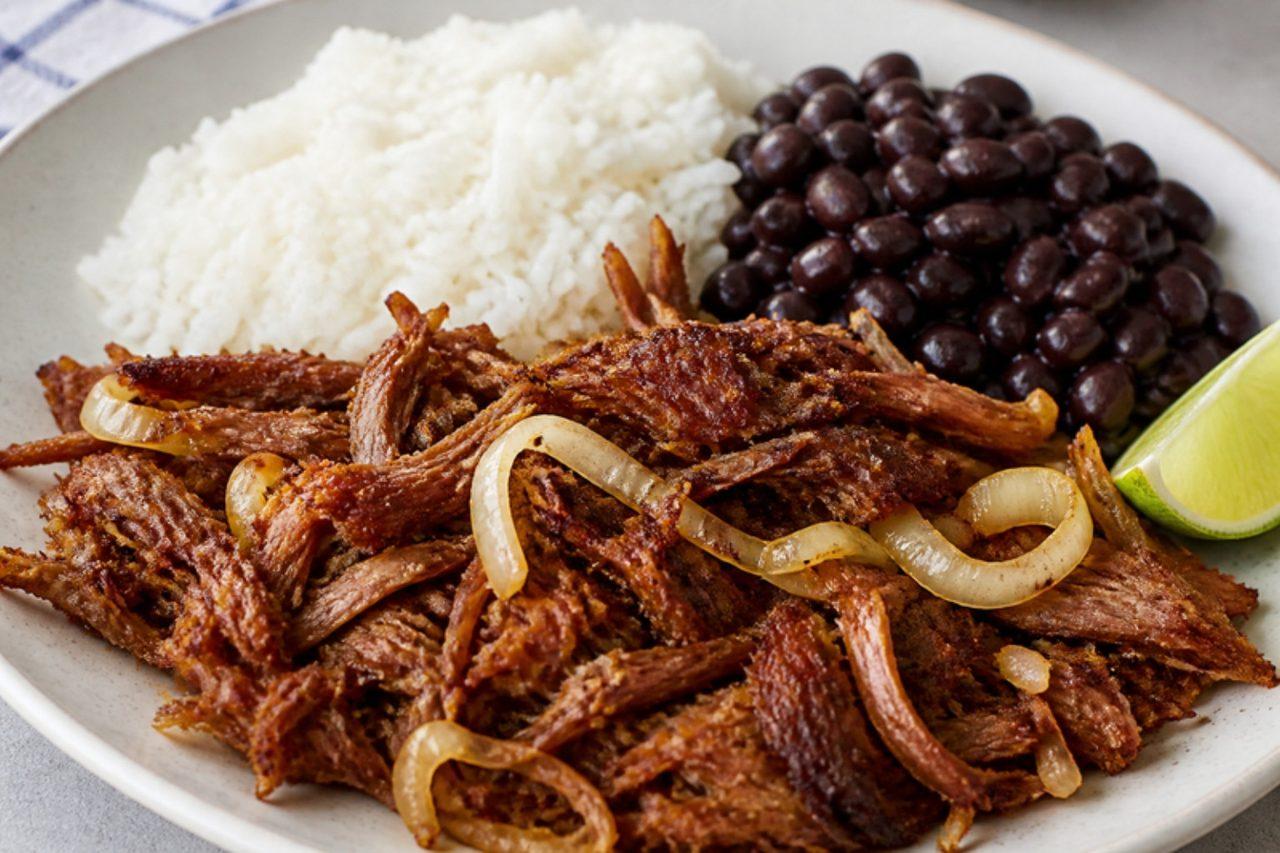
Vaca fritaCrisp fried shredded beef

Vaca frita, "fried cow", is Havana's crisp cousin of ropa vieja: flank steak is simmered until tender, shredded, marinated in sour lime and garlic, then fried in a hot pan with onions until the edges turn brown and crackly. Families make it the day after boiling beef for soup, and serve it with rice, black beans and plantain. The usual mistake is crowding the pan, which steams the meat instead of crisping it, so fry in batches and press it down. Chef's tip: let the shredded beef dry uncovered in the fridge for an hour before frying; the drier it is, the crisper it gets.

140 minCubanMeatGluten free
by KrazyBadal 0 views

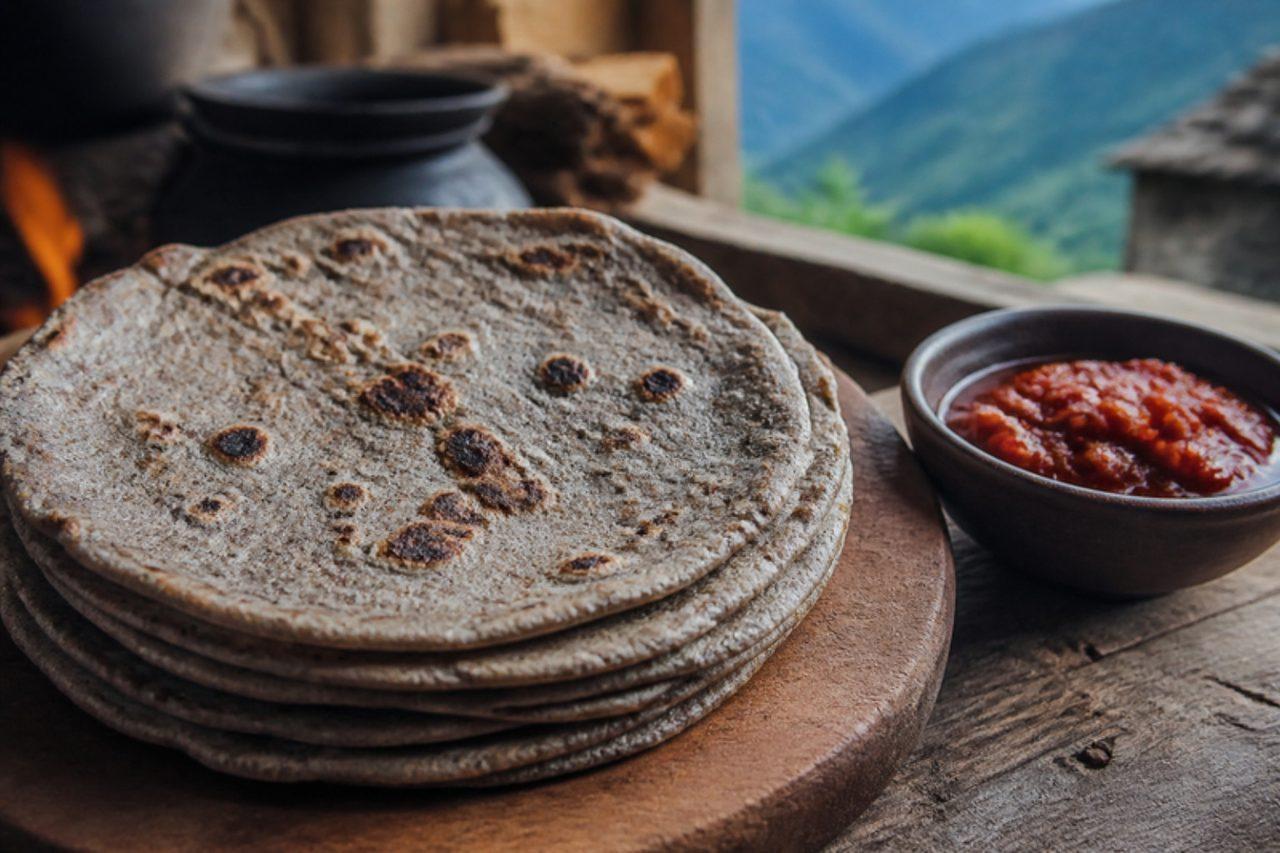
Phapar ko rotiBuckwheat flatbread

Buckwheat grows in terraced fields right up to the edges of the Kali Gandaki gorge, and in Mustang, Manang and Dolpa the morning bread is phapar ko roti, cooked on an iron griddle over the kitchen fire and eaten warm with salt tea. The dough is just buckwheat flour, water and salt, sometimes with grated ginger or a little chopped onion, patted thin and cooked until speckled, and it has a nutty, faintly bitter flavour and a soft, slightly crumbly bite. Lodges serve it with a chilli and tomato achar, with fried eggs for trekkers, or drizzled with local apple-blossom honey (which, of course, makes it no longer vegan). Expect trouble if you try to roll it like a wheat roti; without gluten it cracks and tears. Chef's tip: pat the dough out between two sheets of baking paper with your palm, peel off the top sheet and flip it straight onto the hot pan.

by KrazyBadal 0 views

Showing 81 of 10,046 recipes

Show more recipes

Page 586 of 1,117