Skip to content
Tiyula itum
Featured recipe

Tiyula itum

Black beef soup

Tiyula itum, 'black soup', is the pride of the Tausug people of Sulu in the far south of the Philippines, cooked for weddings, Eid celebrations and when guests come home. Beef (it is a halal, pork-free dish) is simmered with ginger, lemongrass and turmeric, then darkened with pamapa itum, a paste of grated coconut toasted until almost black and pounded with spices. The broth looks dramatic but tastes smoky, earthy and gently peppery, with heat from chillies. Serve it with plain rice. Chef's tip: toast the coconut slowly, stirring all the time, until it is very dark brown but not ashy; burnt-to-ash coconut tastes bitter and ruins the soup.

Read more 2 views

What to eat today?

Around the world

Today's trip: Paraguayan

A new country every day, from every cuisine on the site.

Paraguayan

Chipa

Cheese bread rings 50 minMore from Paraguayan (27) →

This week's collection

Kid-friendly dinners
537 recipes · a new collection every Monday

Latest recipes

Tokushima ramen

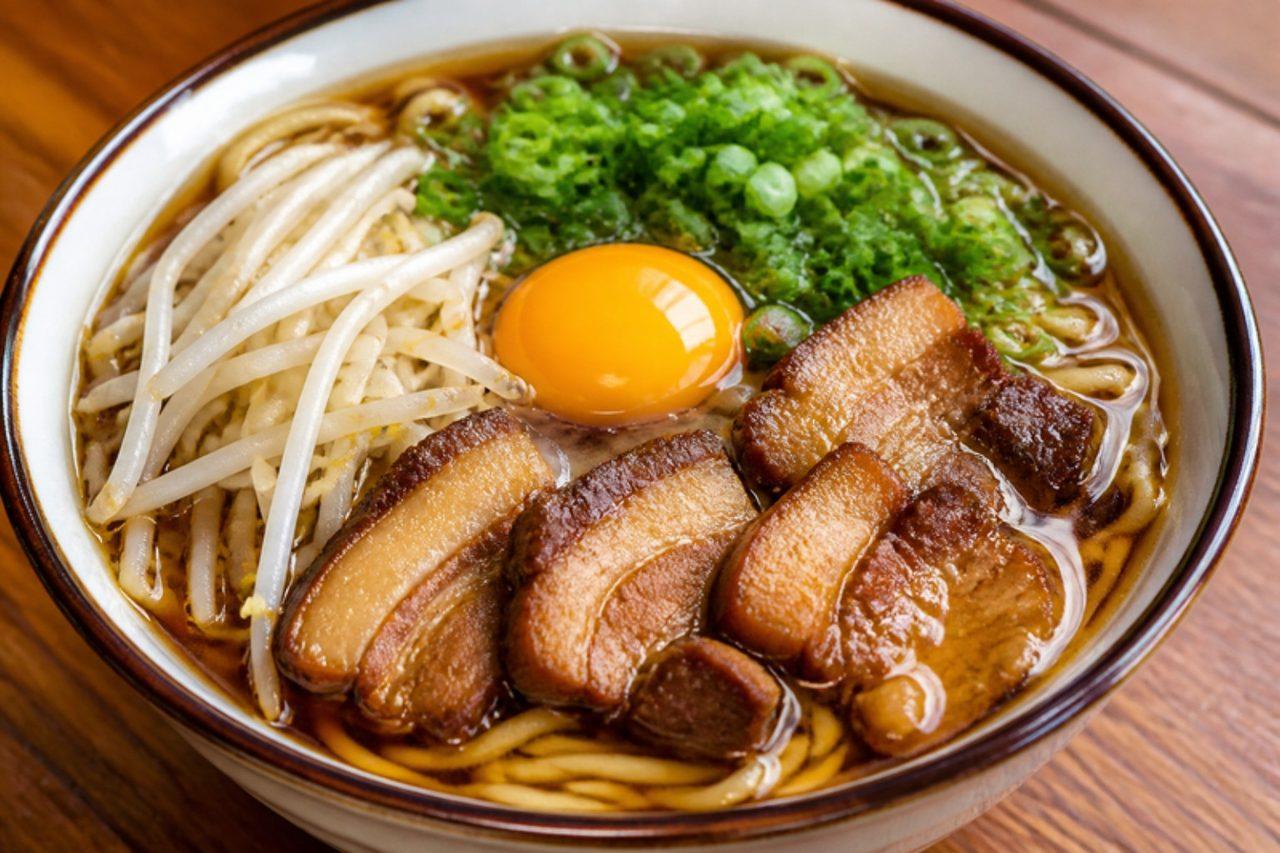
Tokushima, the city famous for the Awa Odori summer dance, has its own ramen with a broth almost the colour of coffee. Instead of chashu slices, the bowl is topped with thin pieces of pork belly simmered in sweet soy, plus bean sprouts, spring onions and a raw egg cracked in the middle. Locals often order a bowl of plain rice on the side and spoon the pork and egg over it. This home version builds the dark soup from good stock, the pork's own simmering liquid and soy. Chef's tip: eat it with rice as Tokushima does; the sweet-salty broth is strong on purpose, and the rice balances it.

by KrazyBadal 0 views
Mapo tofu with mushrooms

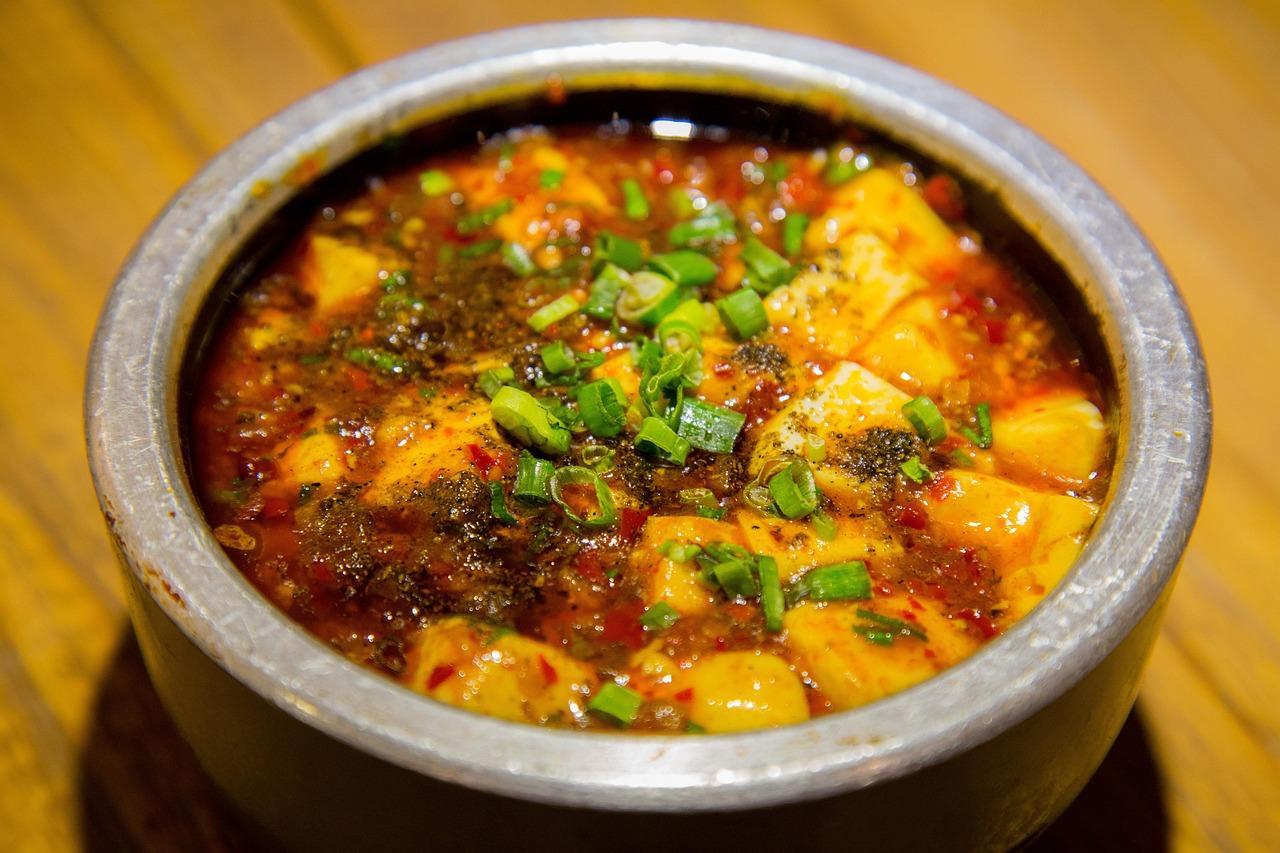
Mapo tofu was first served at a small eatery in north Chengdu in the late 1800s, and it is still on the table at almost every Sichuan family dinner: wobbly cubes of tofu in a glossy red sauce that is hot from chilli bean paste and tingling from Sichuan pepper. Restaurants make it with minced beef or pork; here finely chopped shiitake and chestnut mushrooms are fried until crisp-edged and dark, so they give the same savoury bite. Spoon it over plenty of steamed rice, which soaks up the oil. Chef's tip: grind the Sichuan pepper fresh and scatter it on at the very end; ground ahead of time it loses its buzz.

by KrazyBadal 0 views

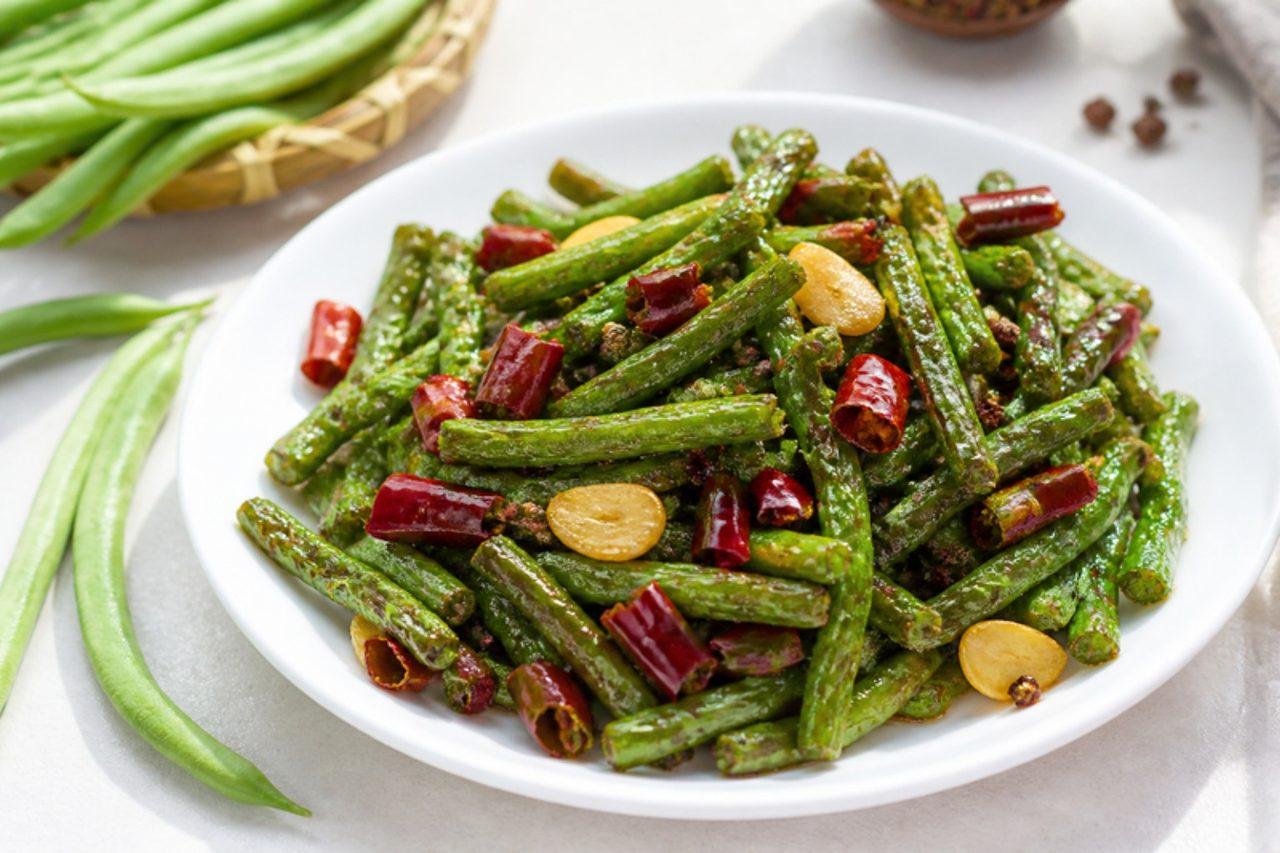
Sichuan dry-fried green beans

Gan bian si ji dou, 'dry-fried four-season beans', is a fixture of Sichuan restaurant menus and home tables alike. The beans are fried until their skins wrinkle and blister, then tossed in a hot, dry wok with chilli, Sichuan pepper and salty preserved mustard greens (ya cai) from Yibin. Nothing is saucy: every bean is coated and slightly chewy. Restaurants usually add pork; this vegetarian version leans on the ya cai for depth. Chef's tip: dry the beans completely after washing, or they will spit and steam instead of blistering.

by KrazyBadal 0 views

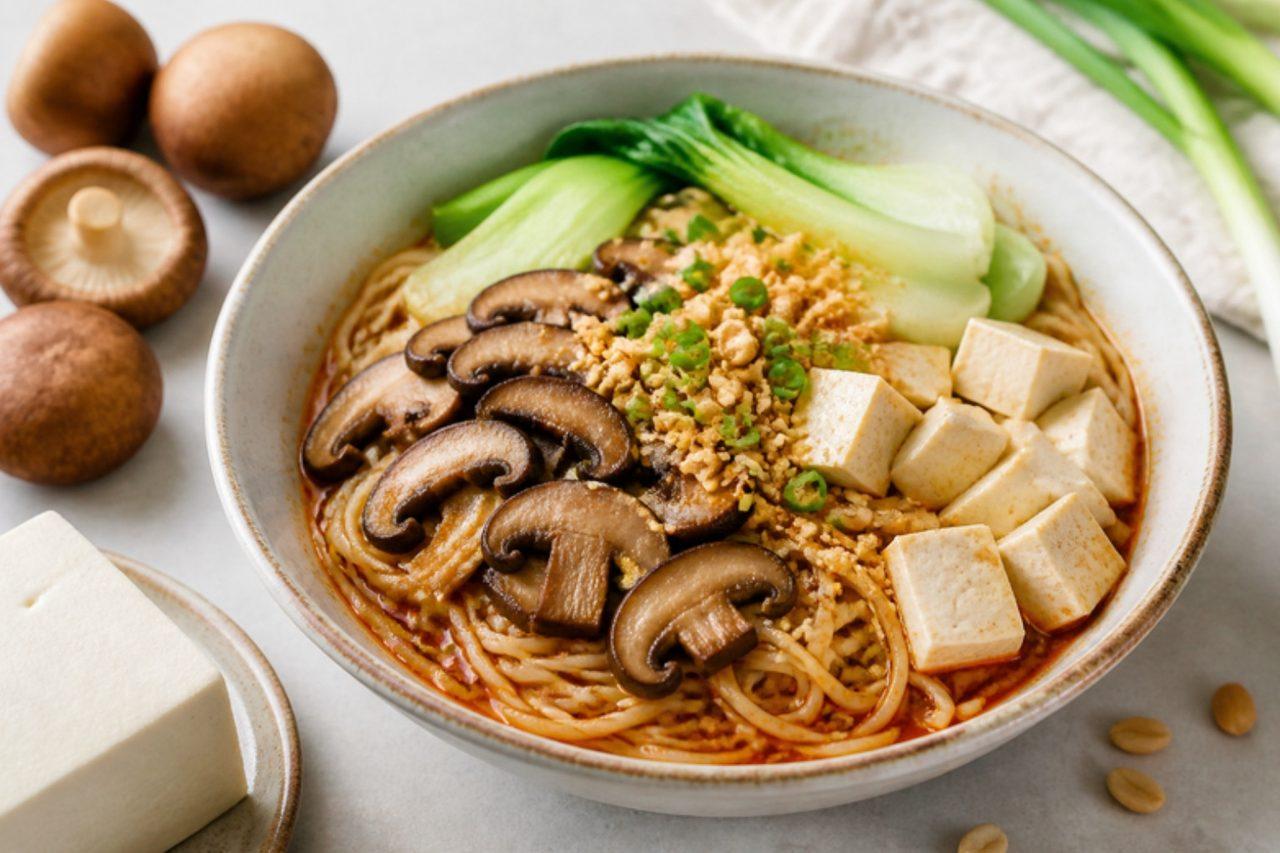
Dan dan noodles with mushroom and tofu crumble

Dan dan mian is named after the shoulder pole (dan) that Chengdu hawkers once used to carry their noodles and sauces through the streets. A proper bowl is small and intense: springy wheat noodles over a puddle of sesame paste, chilli oil and soy, topped with a crunchy, salty crumble and blanched greens. The crumble here is mushroom and tofu fried with preserved ya cai until crisp. Mix everything from the bottom before eating. Chef's tip: loosen the sesame paste with a little of the hot noodle water so it coats every strand instead of clumping.

by KrazyBadal 0 views

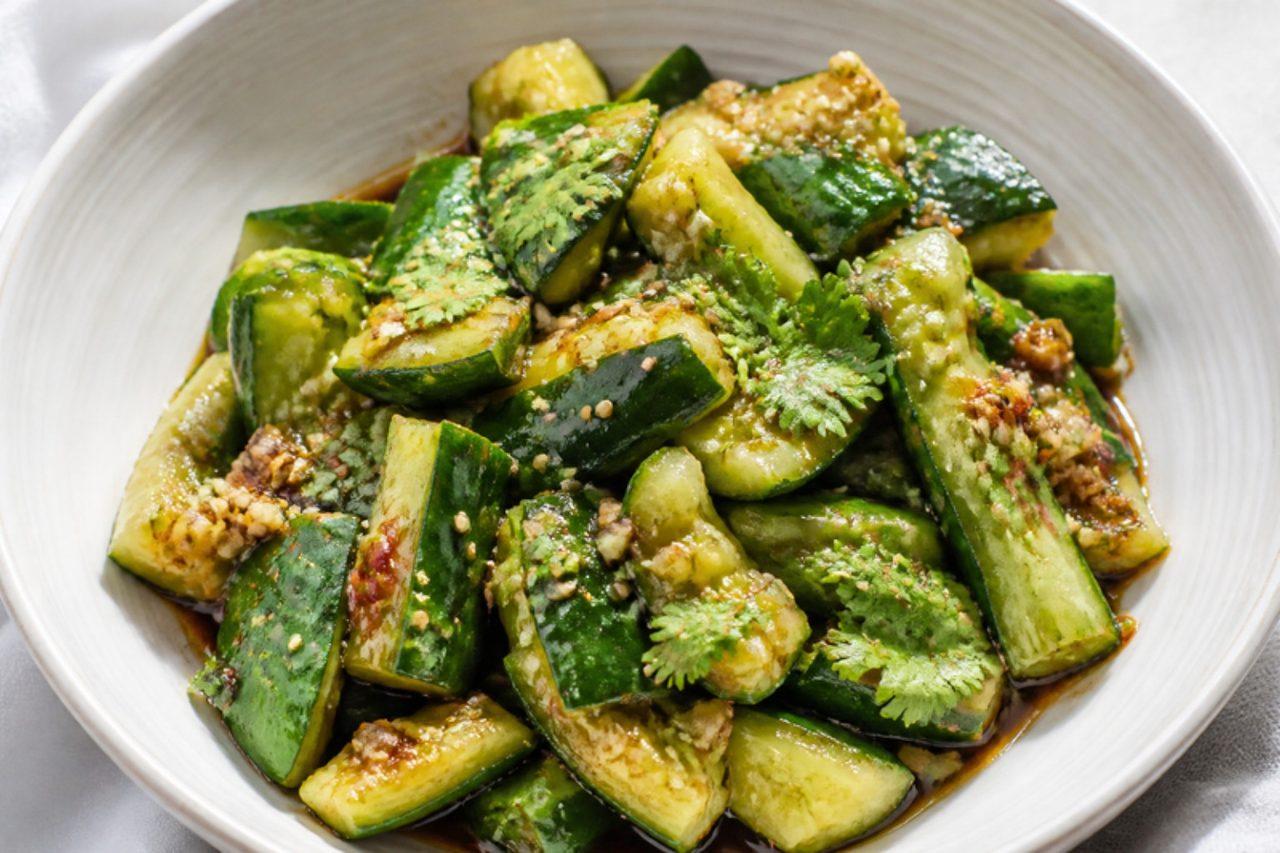
Smashed cucumber salad (pai huang gua)

Pai huang gua turns up on tables from Beijing to Guangzhou, often the first dish to land at a summer meal because it takes ten minutes and cools the mouth between spicy bites. Smashing the cucumbers rather than slicing them cracks them into rough pieces that soak up dressing in minutes. It goes with any stir-fry, noodles or dumplings. Chef's tip: salt the smashed pieces for 10 minutes and pour off the water, otherwise the dressing is diluted to nothing by the time you sit down.

by KrazyBadal 0 views

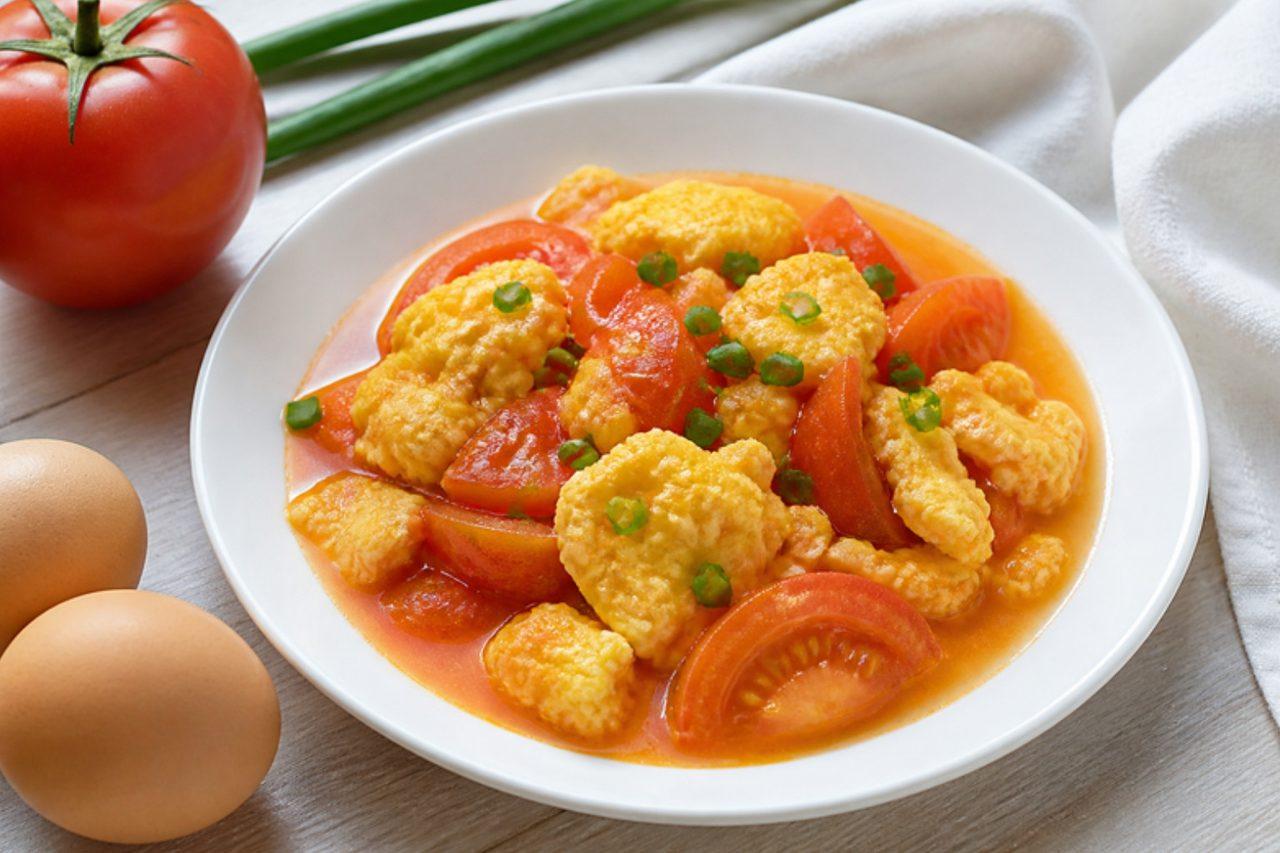
Tomato and egg stir-fry

Fan qie chao dan is the dish students across China cook in their first flat, and it appears at family meals in every province. Soft curds of egg and slumped tomatoes make a sweet-sour, slightly saucy stir-fry that is wonderful spooned over rice. Some families make it drier, others soupier; this version has just enough sauce to soak the rice. Chef's tip: cook the eggs first and take them out while still glossy; they finish in the tomato sauce and stay tender.

by KrazyBadal 0 views

Hong Kong egg tarts

Daan taat are the pride of Hong Kong bakeries and cha chaan teng, where they come out of the oven several times a day and are eaten warm with a glass of milk tea. Unlike Portuguese tarts, the custard stays smooth, glossy and bright yellow with no scorched top, and this version uses a buttery shortcrust (lard is traditional in some bakeries; we use only butter). Chef's tip: strain the custard twice and skim off every bubble; that's what gives the mirror-smooth surface.

by KrazyBadal 0 views

Tabbouleh

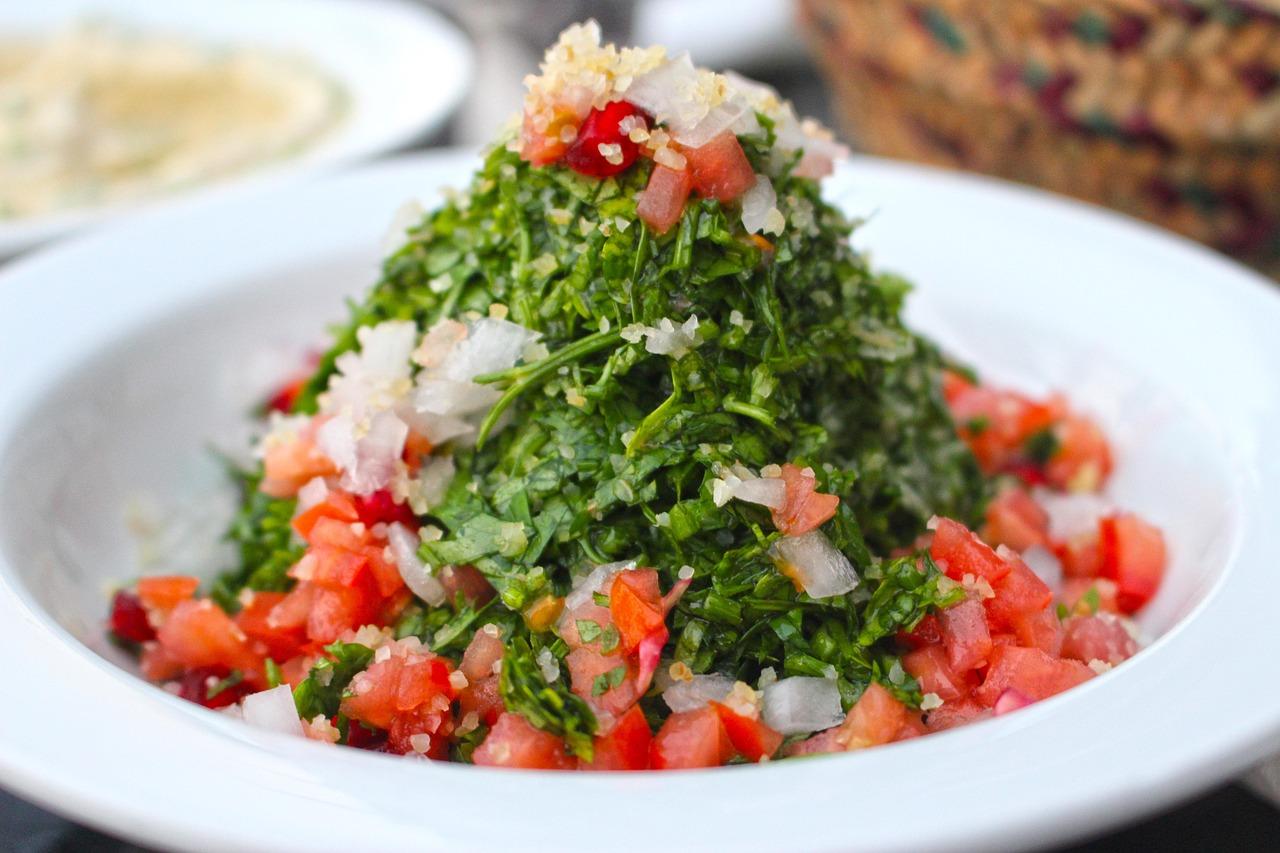
In Lebanese homes tabbouleh is a green salad first and a grain salad a distant second: a heap of finely cut flat-leaf parsley and mint, flecked with fine bulgur, diced tomato and spring onion, and sharpened with lemon and olive oil. It turns up on every mezze table from Beirut to the mountain villages, and families make it in big bowls for Sunday lunch, scooping it up with crisp inner leaves of cos lettuce. It tastes bright, lemony and fresh, and goes with falafel, grilled halloumi or any spread of dips and bread. The usual mistake is chopping wet parsley, which bruises into a dark, soggy mush; dry it thoroughly and slice it with a sharp knife instead. Chef's tip: dress the bulgur with the lemon juice and tomato juice first, so it softens in that liquid instead of in water and soaks up all the flavour.

by KrazyBadal 0 views

Cacio e pepe

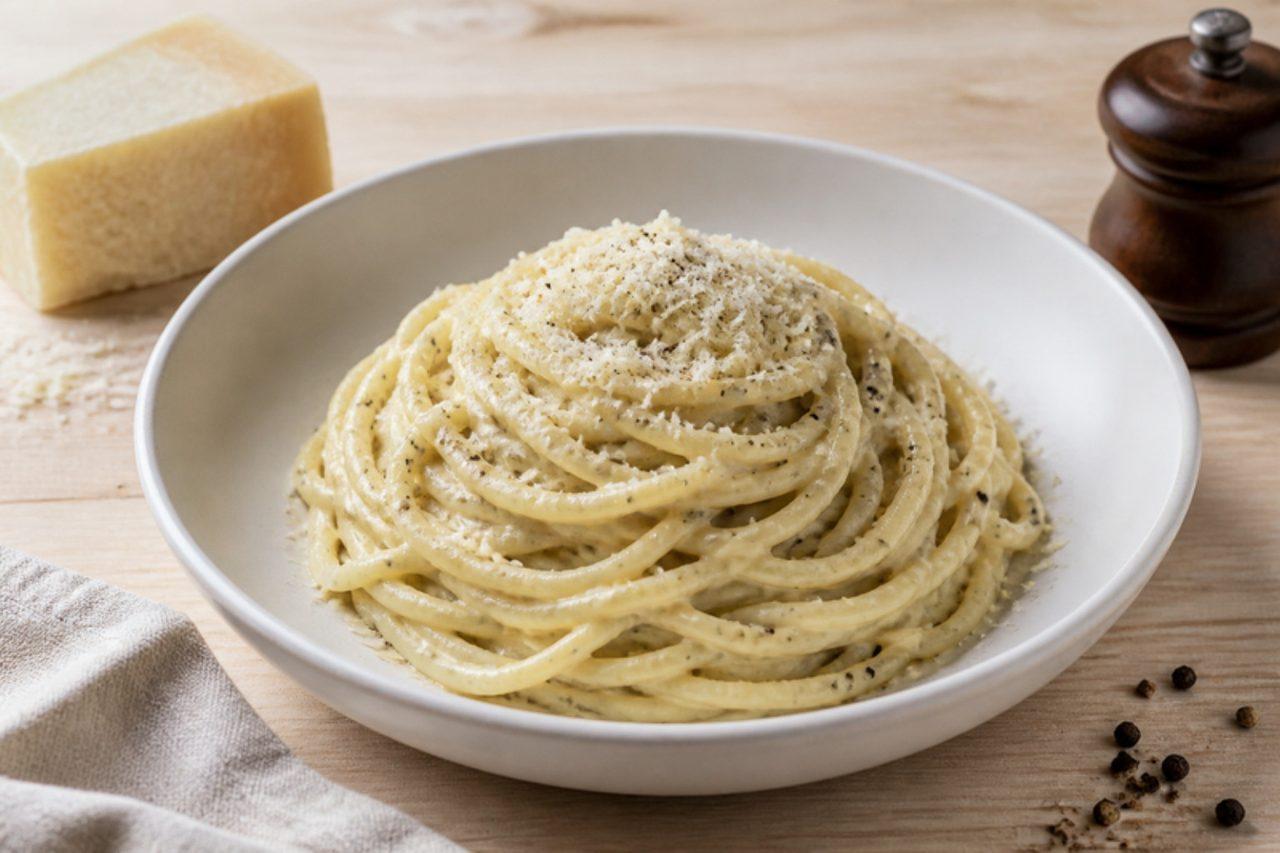
Cacio e pepe is a Roman trattoria standard: just pasta, sheep's cheese and a lot of cracked black pepper, turned into a glossy cream with starchy cooking water. Romans order it as a primo at lunch, especially in the old osterie of Testaccio and Trastevere, and it was born as shepherds' food because dry pecorino and peppercorns kept for weeks. Tonnarelli (square egg-free spaghetti) is the classic shape; in southern Tuscany the same sauce coats pici, fat hand-rolled noodles, and the variation is in the last step. Chef's tip: toast the cracked pepper in the dry pan first, then splash in pasta water; it turns the pepper fragrant rather than harsh and starts the sauce base.

by KrazyBadal 0 views

Mushroom risotto

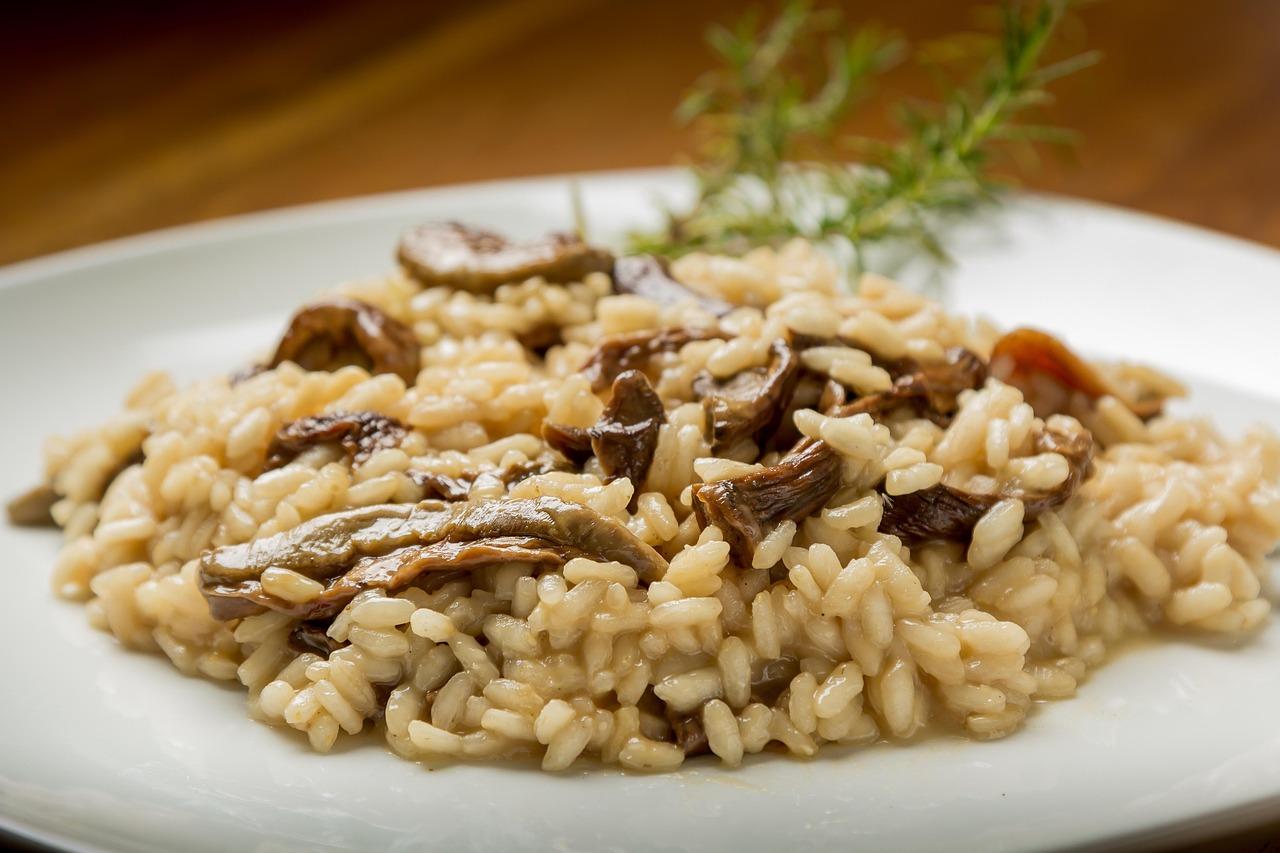
Risotto ai funghi is what Piedmont and Lombardy cook in October, when foragers bring porcini down from the Alpine foothills and markets in Alba, Turin and Bergamo sell baskets of wild mushrooms. At home, a handful of dried porcini and their soaking liquid give that deep, woodsy flavour to ordinary chestnut mushrooms. It is a first course in Italy and a full supper anywhere else. Chef's tip: brown the fresh mushrooms in a separate hot pan and fold half in at the end; they stay meaty instead of turning soft and grey.

by KrazyBadal 0 views

Panna cotta

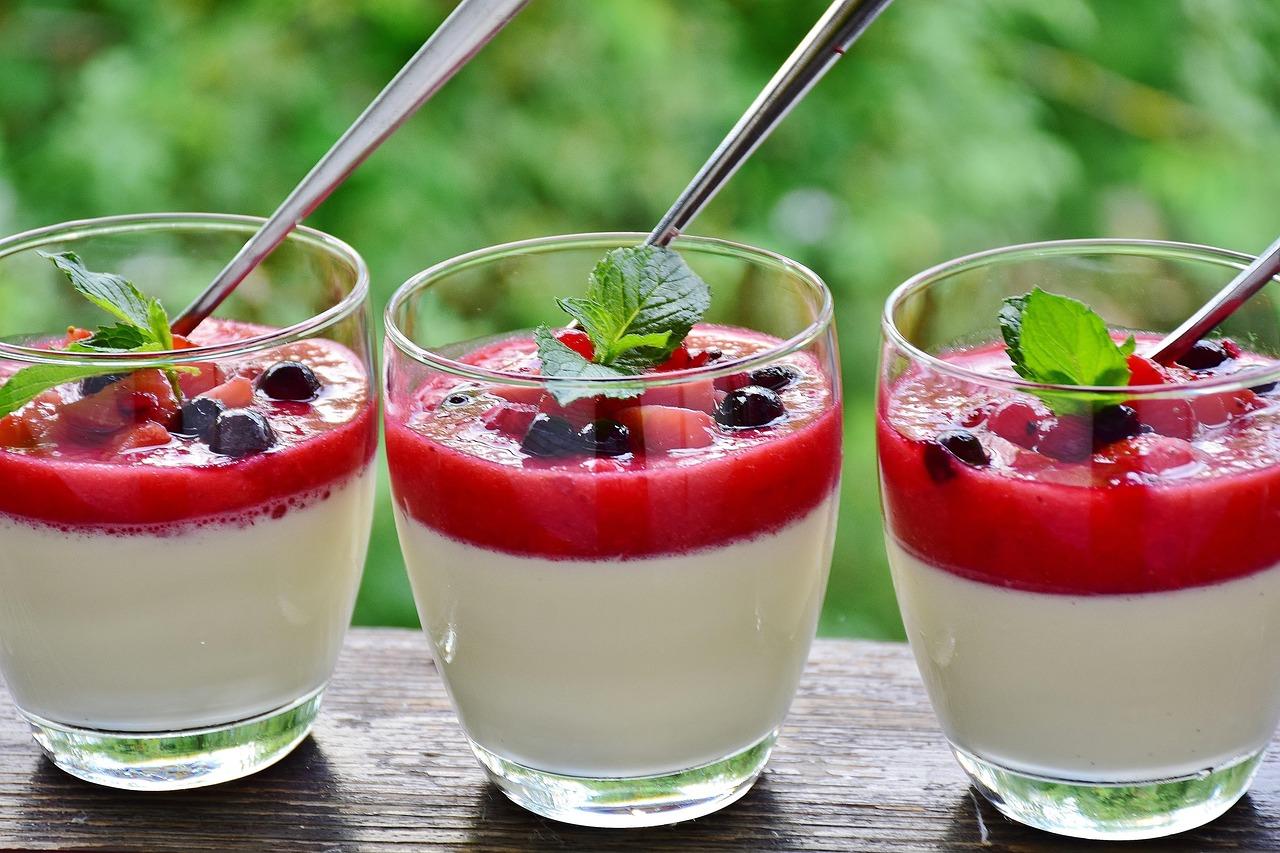
Panna cotta means 'cooked cream' and comes from the dairy country of the Langhe in Piedmont, where it is served after Sunday lunch, often with caramel or a few berries. Classic recipes set it with gelatine, which is made from animals; this version uses agar, a seaweed setting agent, so it is properly vegetarian. Agar sets firmer and faster, so the amount is small and it must be boiled to work. The result is creamy, just set and wobbles when you shake the plate. Chef's tip: boil the agar in the milk for a full 2 minutes before adding the cream; if it only warms, it will not set.

by KrazyBadal 0 views

AffogatoIce cream with hot espresso

Affogato means 'drowned': a scoop of vanilla or fior di latte gelato with a shot of hot espresso poured over it at the table. It is served in bars and gelaterie all over Italy as the simplest after-dinner dessert, half drink and half ice cream, eaten quickly with a spoon while the coffee melts into the gelato. It takes five minutes and needs good ice cream and strong coffee. Chef's tip: chill the glasses in the freezer for 10 minutes first, so the gelato melts slowly and you get both hot and cold in each spoonful.

by KrazyBadal 0 views

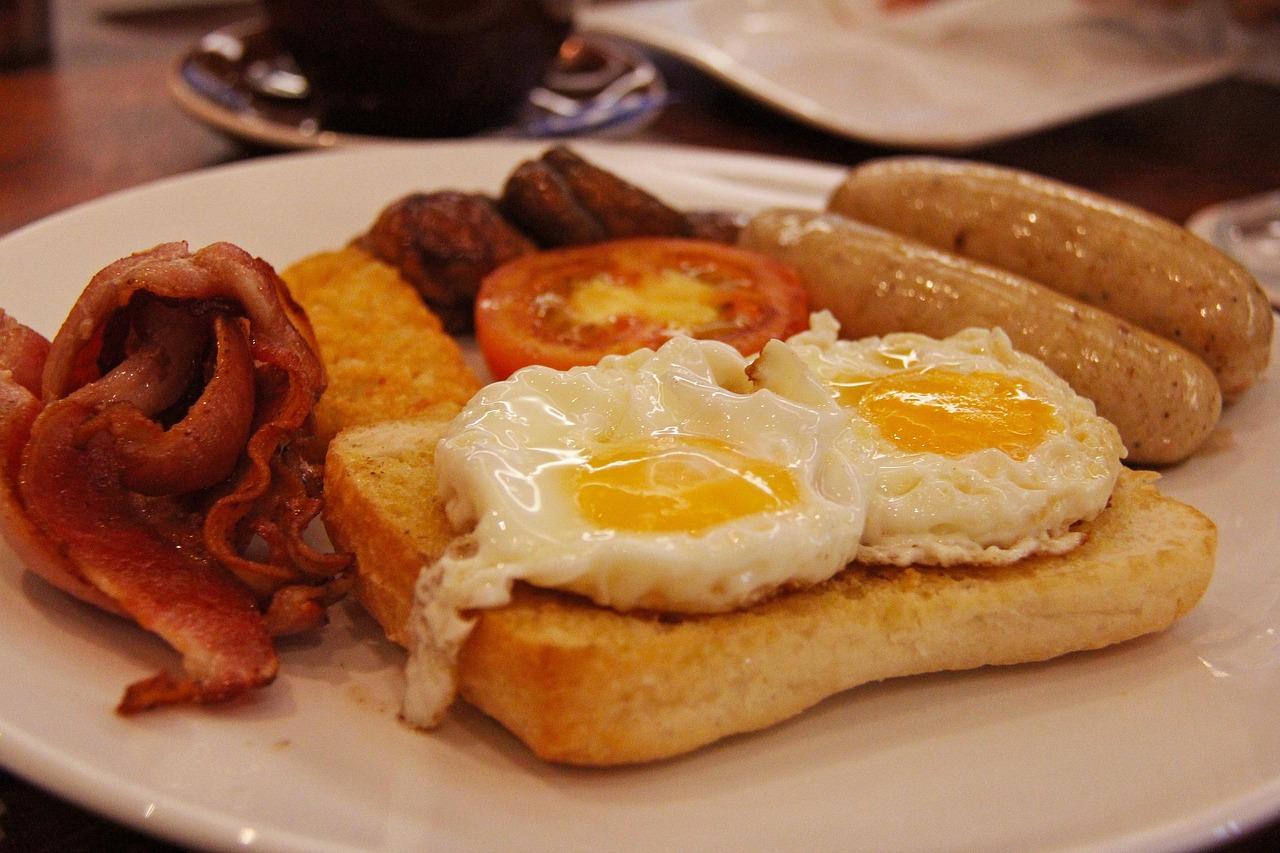
Full English breakfast

The full English is the weekend fry-up of English homes and the pride of every café and B&B from Cornwall to Yorkshire, a plate built to last until supper. This version contains pork: sausages, back bacon and optional black pudding, with fried eggs, baked beans, mushrooms, grilled tomato and buttered toast. The trick is timing so everything lands hot together. Chef's tip: start the sausages first and slowest; everything else cooks in the time they take.

by KrazyBadal 0 views

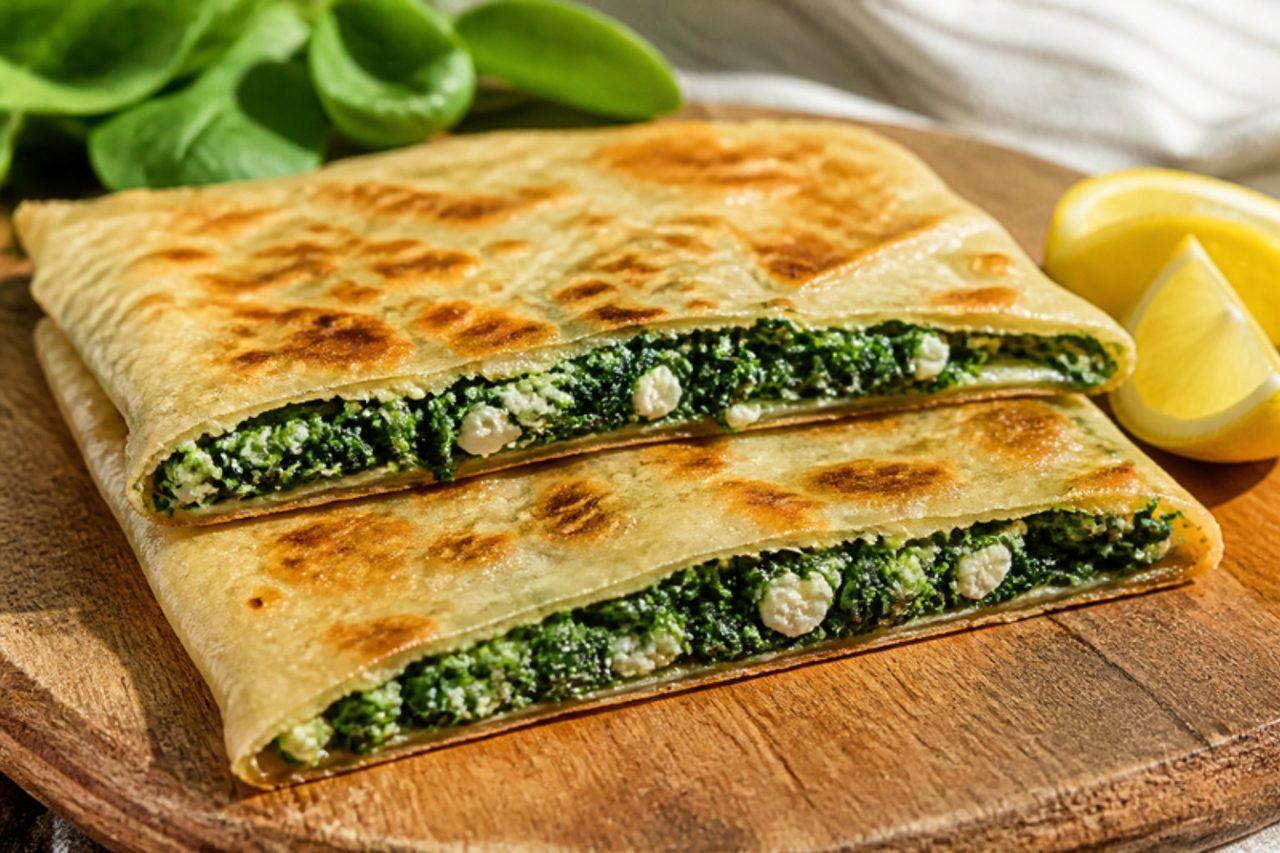
Gözleme with spinach and feta

On roadsides and at weekly village markets across central Anatolia, women sit cross-legged by a domed iron griddle (saç), rolling dough paper-thin with a long thin rolling pin (oklava), filling it and cooking it to order. This is gözleme: a soft, blistered parcel of unleavened dough wrapped round spinach and salty white cheese, brushed with butter as it comes off the heat. Eat it hot, folded in paper, with a glass of ayran. A big frying pan or flat griddle at home does the job. Chef's tip: roll the dough so thin you can almost see the worktop through it; thick gözleme tastes doughy and the filling stays cold.

by KrazyBadal 0 views

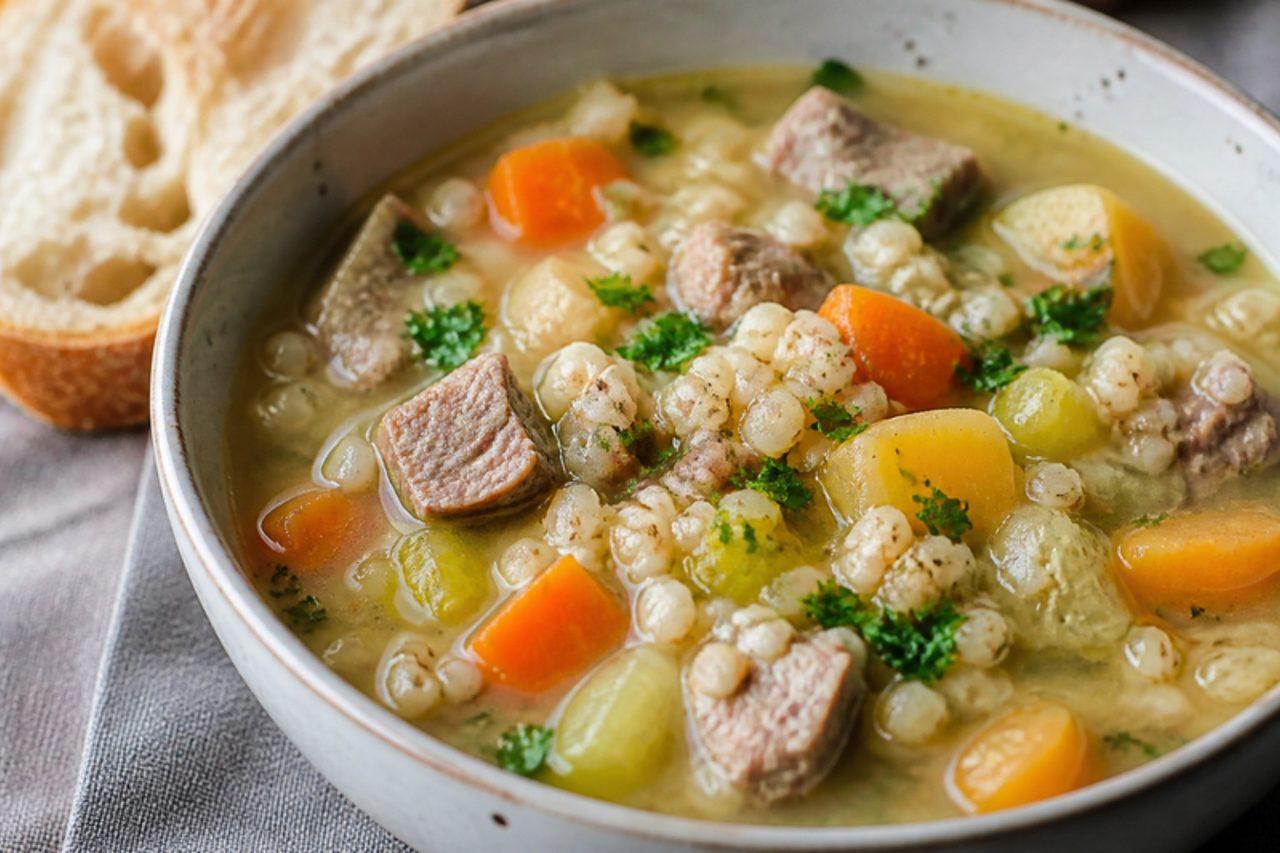
Scotch broth

Every Scottish granny has her own Scotch broth, the thick winter soup that simmers on stoves from the Borders to the Highlands and is often served on Burns Night. Lamb neck on the bone makes a rich stock with pearl barley, dried peas, leek, carrot, turnip and cabbage, and the meat is shredded back into the pot. It is a whole meal with crusty bread. Chef's tip: make it a day ahead; the barley keeps thickening it, and you can lift the solid fat off the top once chilled.

140 minBritishSoups
by KrazyBadal 0 views

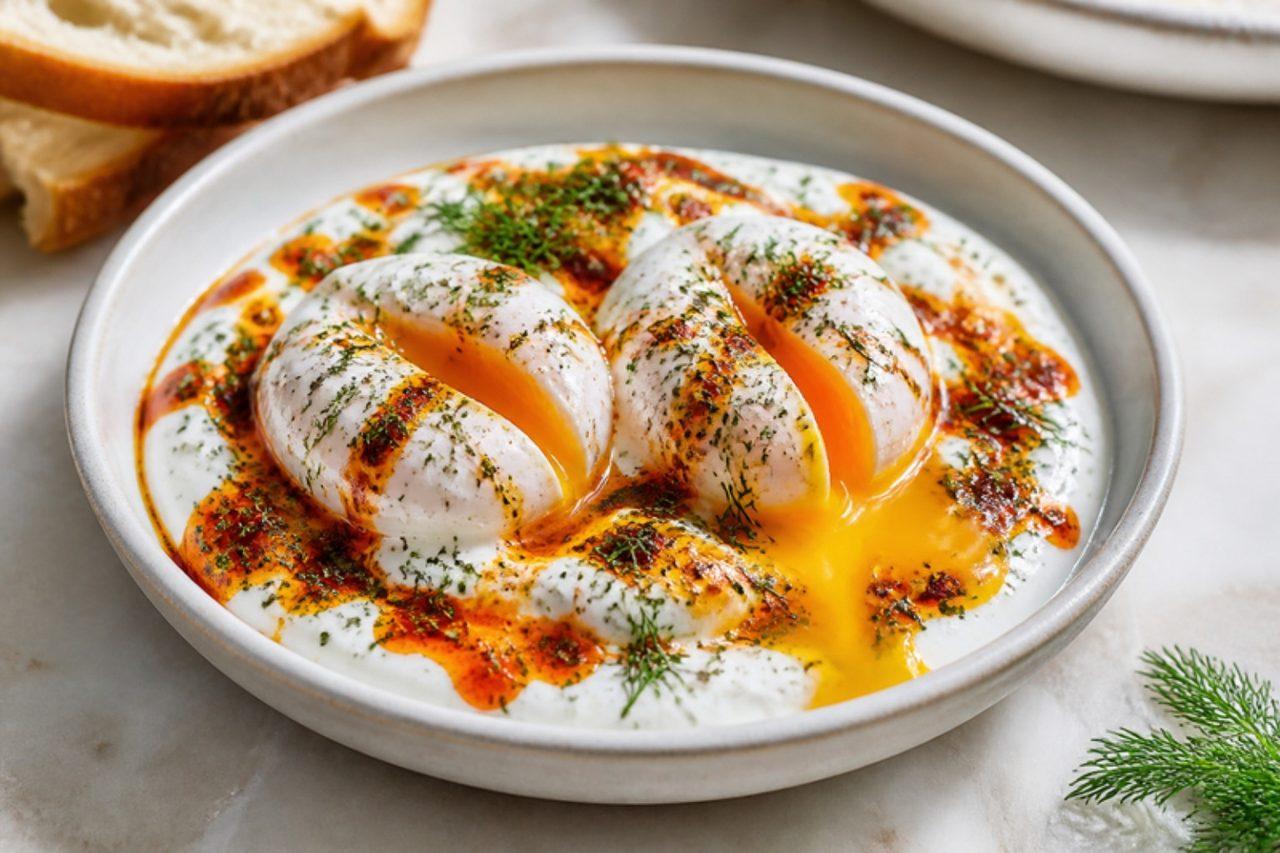
ÇılbırPoached eggs on garlic yogurt

Çılbır goes back to the Ottoman palace kitchens, and today you are as likely to meet it on a brunch menu in Istanbul's Kadıköy or Cihangir as on a home breakfast table. Two soft poached eggs sit on a bed of thick, garlicky yogurt, and a spoonful of butter fried with Aleppo pepper is poured over the top so it runs red into the white. Break the yolks, mix everything together and mop it up with bread. Chef's tip: take the yogurt out of the fridge 30 minutes ahead, or stand the bowl over warm water for a few minutes; cold yogurt chills the eggs and the dish should be served warm.

by KrazyBadal 0 views

Ka'ak (sesame bread)

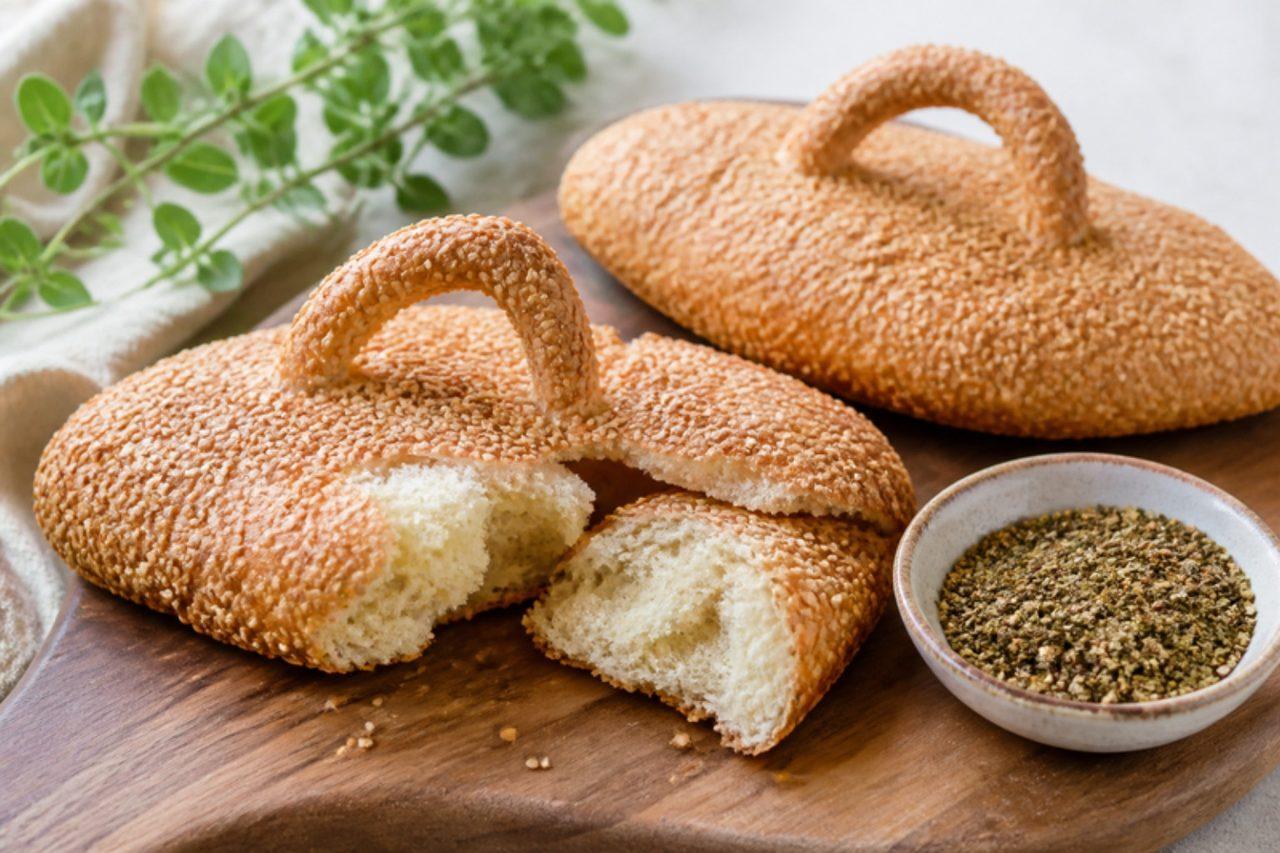
On the streets of Beirut, vendors push wooden carts stacked with ka'ak, a chewy, sesame-crusted bread shaped like a handbag with a hole for a handle; in Jerusalem's Old City the same bread comes as long oval rings sold by the gate. Buyers ask for it split open and filled with a pinch of za'atar or a wedge of soft white cheese, and eat it on the way to work or school. The crust gets its deep amber colour from a quick dip in sweetened water before the sesame goes on, and the crumb inside stays soft and slightly sweet. Chef's tip: toast the sesame seeds lightly in a dry pan before coating; they stick better once cool and taste nutty rather than raw.

by KrazyBadal 0 views

Crêpes

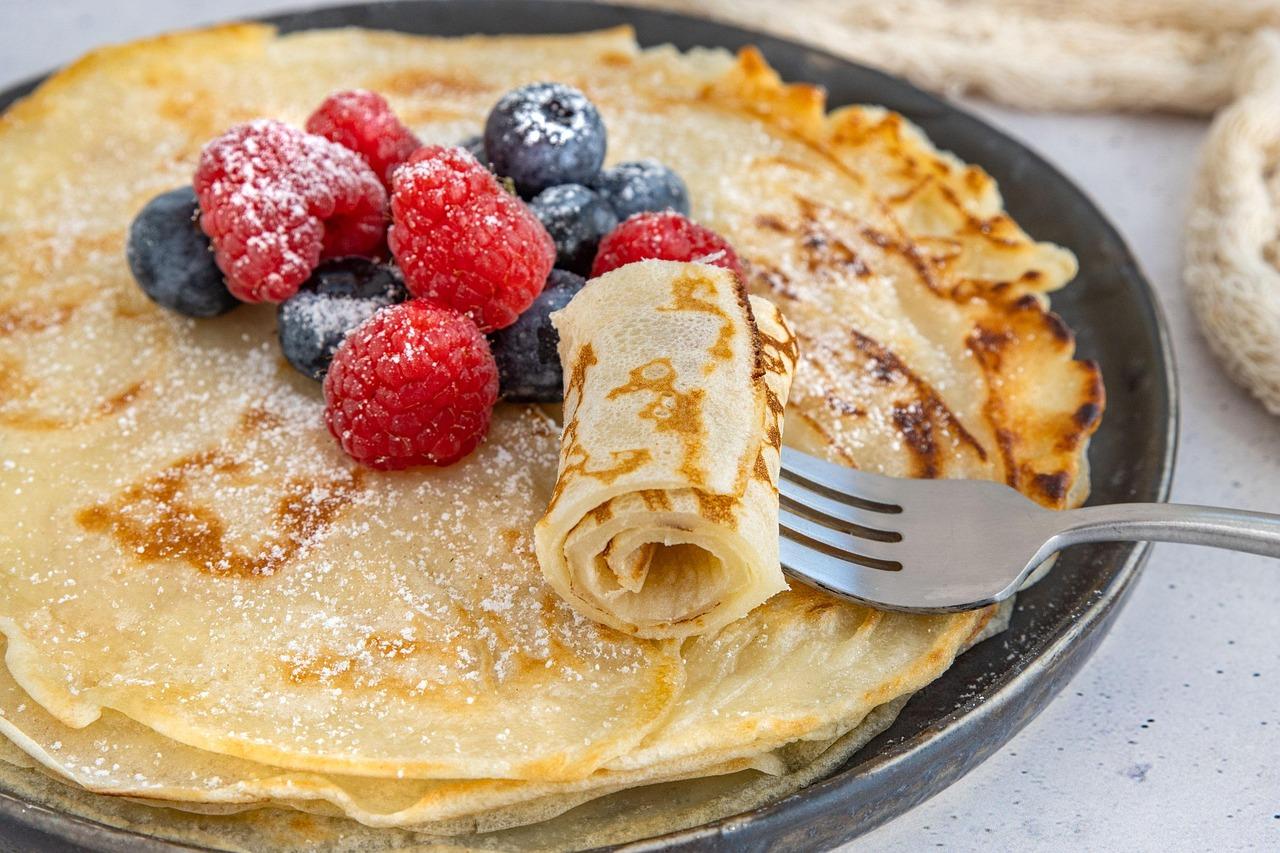
Sweet crêpes made from wheat flour, milk and eggs are Brittany's gift to the rest of France, and on 2 February, Chandeleur, French families make piles of them at home, flipping the first with a coin in hand for luck. They are thin and tender with golden, lacy spots, and the classic filling is simplest: a smear of salted butter and a sprinkle of sugar, or sugar and lemon. Children love them with chocolate spread, jam or sliced banana. Chef's tip: make the batter thinner than you expect, like single cream; thick batter is the common mistake and gives heavy pancakes, not crêpes.

by KrazyBadal 0 views

Showing 18 of 7,762 recipes

Show more recipes

Page 580 of 863