


Skip to content
Bolo-rei
Featured recipe

Bolo-rei

Candied fruit and nut king cake

From early December to Twelfth Night every Lisbon pastelaria stacks its counter with these glossy rings, crowned with candied fruit and sugar, and families buy one for Christmas Eve and another for the Day of the Kings. A Lisbon confectioner brought the idea from France in the nineteenth century and it became the centre of the Portuguese Christmas table. Traditionally the raisins are soaked in port wine, which contains alcohol; orange juice works just as well. Old recipes hid a dried broad bean inside, and whoever found it bought next year's cake; we leave it out, as it is a choking hazard for children. Chef's tip: let the dough rise slowly in a cool place, even overnight in the fridge; the rich, buttery dough needs time to taste of anything.

Read more 0 views

What to eat today?

Around the world

Today's trip: Persian

A new country every day, from every cuisine on the site.

Persian

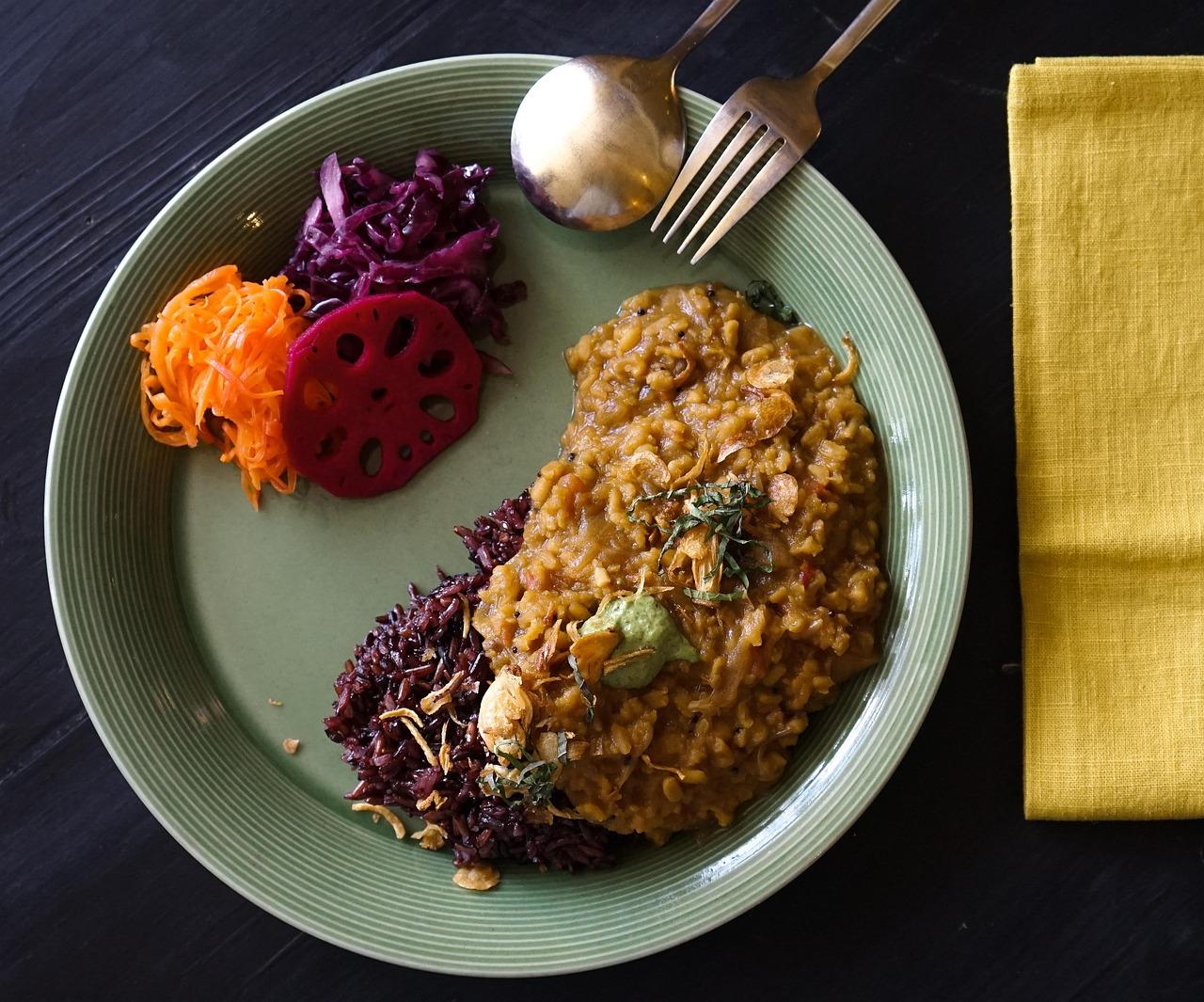
Ash-e shalgham

Turnip and rice soup 65 minMore from Persian (131) →

This week's collection

Kid-friendly dinners
537 recipes · a new collection every Monday

Latest recipes

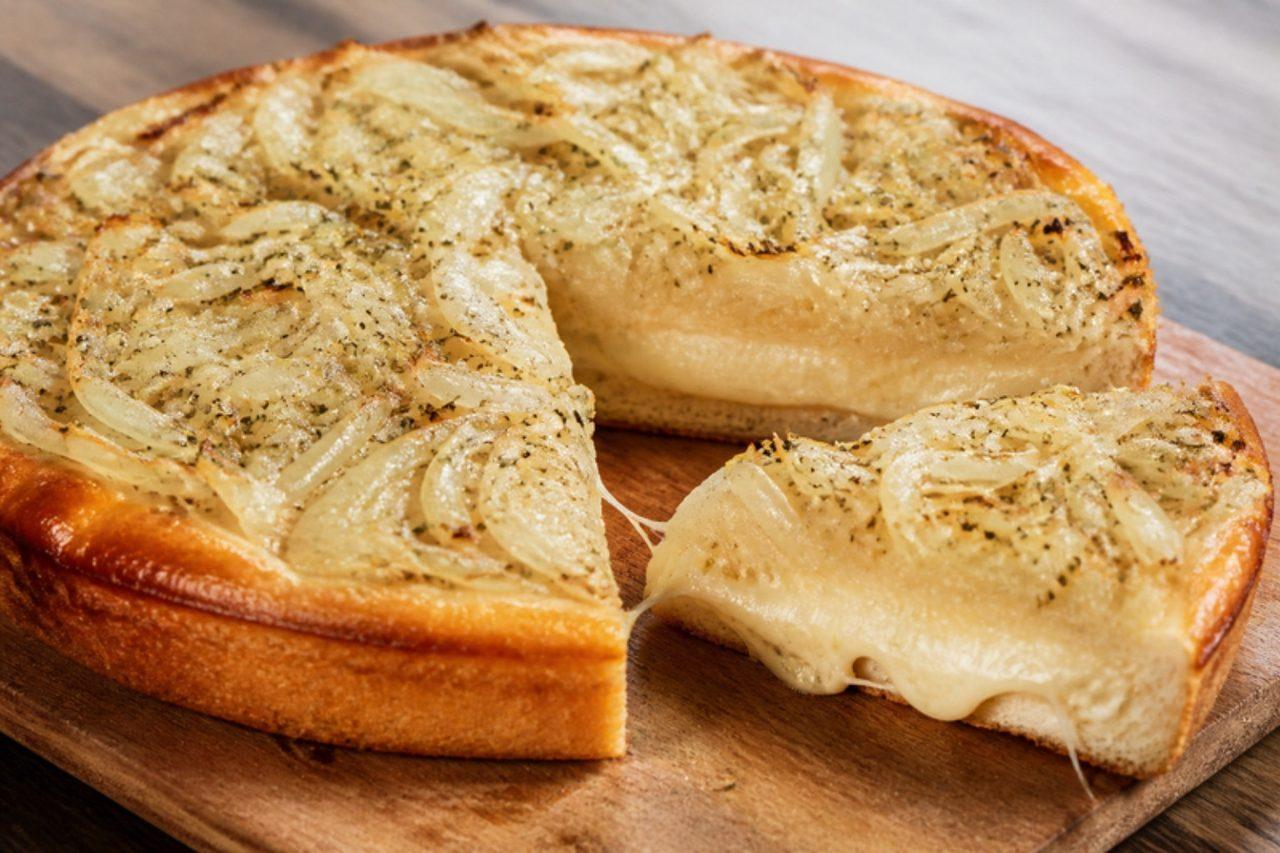
FugazzetaCheese-stuffed onion pizza

Fugazzeta is a Buenos Aires original from the pizzerias of the Corrientes and La Boca neighbourhoods, where Genoese immigrants' focaccia (fugazza) met mozzarella. A thick, soft pan dough is filled with a layer of mozzarella, sealed with a second layer of dough, then covered with a mound of thinly sliced onions and more cheese and baked until the onions are sweet and golden. It's a big, rich pizza to share. Use mozzarella made with vegetarian rennet. Chef's tip: salt the onions and squeeze them out before using; this keeps the pizza from going soggy.

by KrazyBadal 0 views

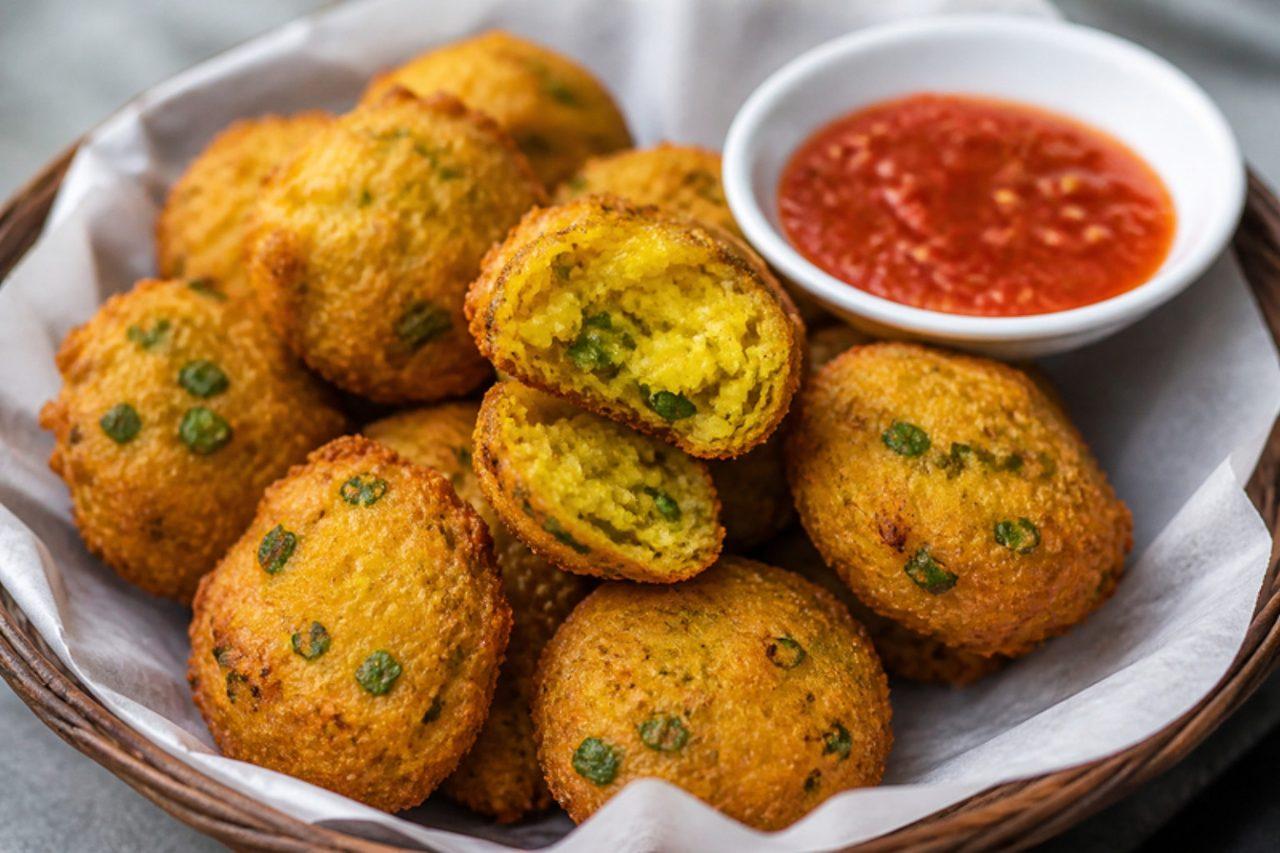
Gâteaux pimentsSplit pea chilli fritters

Gâteaux piments ('chilli cakes') are the snack of Mauritius, sold hot in paper bags at every bus station, school gate and market from Port Louis to Rose-Hill, and stuffed into buttered baguettes at breakfast. Yellow split peas are soaked, ground coarse with chilli, spring onion and coriander, and fried into small crunchy rounds. They are related to Indian vadas, brought by the island's Indian community. Chef's tip: grind the peas coarsely and without water; a smooth, wet paste makes dense, oily fritters.

by KrazyBadal 0 views

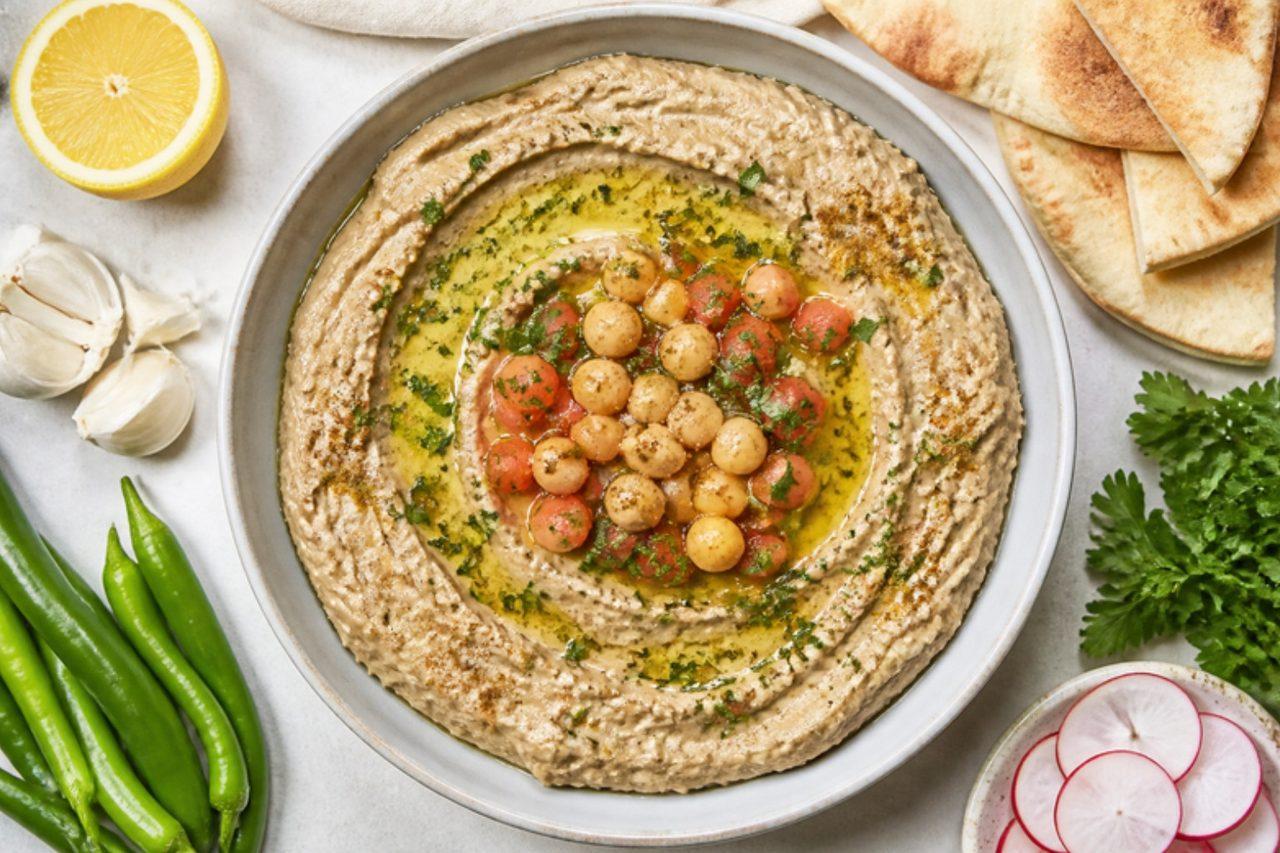
Ful medamesWarm fava beans with garlic and lemon

Ful mudammas is breakfast on both sides of the Levant: Cairo's street carts ladle it from huge copper pots at dawn, and in Beirut and Damascus small ful shops serve it on Sunday mornings to queues of families. Small brown fava beans are warmed in their liquid, partly crushed, then dressed at the table with garlic pounded with salt, plenty of lemon and cumin, a pool of olive oil and a heap of chopped tomato and parsley. Scoop it with flatbread and eat it with raw onion wedges, radishes, olives and mint. The mistake most people make is draining the beans and dressing them dry; the cooking liquid is what makes ful creamy, so keep some. Chef's tip: mash only about a third of the beans, so the dish is part silky purée and part whole bean.

by KrazyBadal 0 views

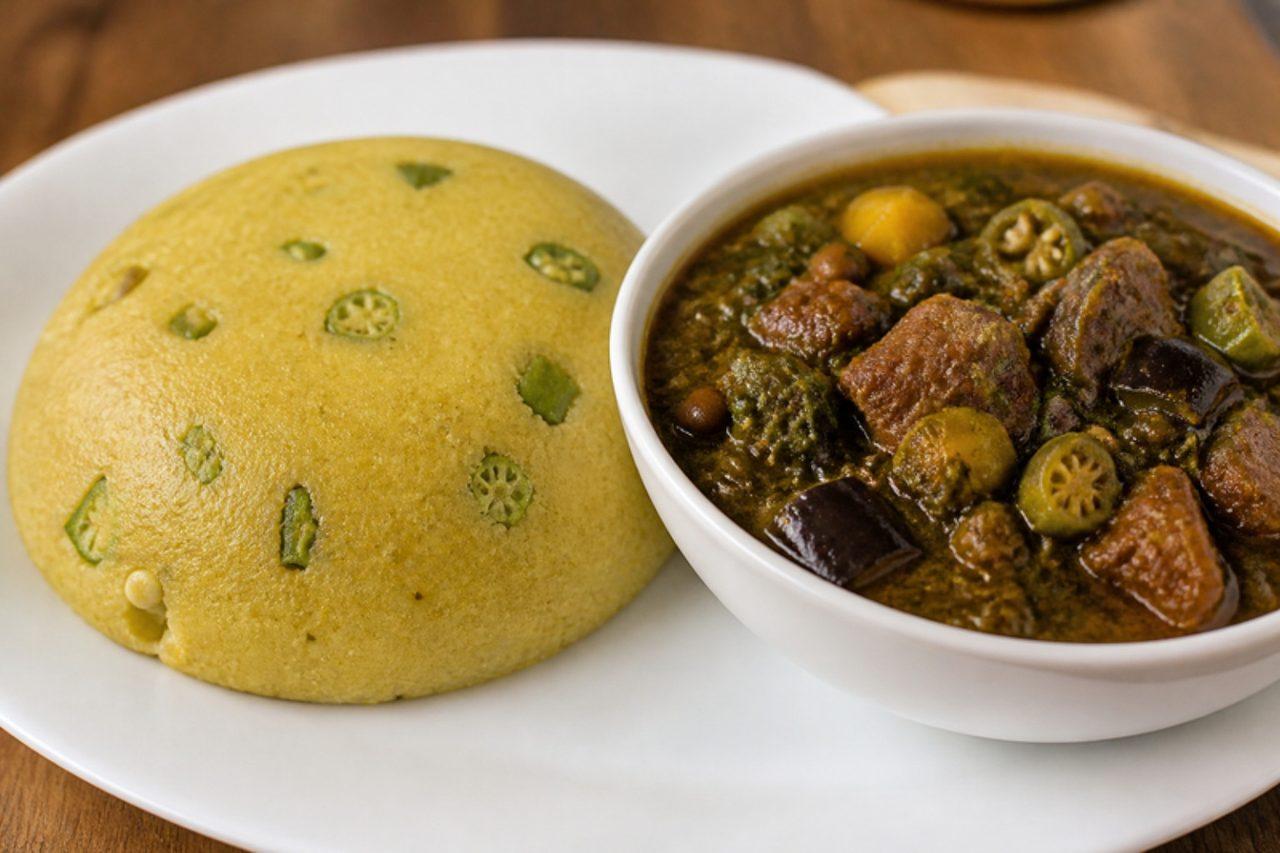
Fungee and pepperpotCornmeal and okra with beef stew

Antiguans eat fungee and pepperpot on Saturdays and on holidays like Independence Day in November, and grandmothers still turn the fungee with a flat wooden 'fungee stick'. Pepperpot is a thick stew of beef, spinach, aubergine, okra and squash cooked down until the vegetables melt together; many cooks also add salted pig tail, which is left out here. The fungee is a smooth cornmeal and okra mash, shaped into balls with a buttered bowl and served beside the stew. The mistake people make is tipping the cornmeal in all at once, which makes lumpy fungee; add it in a slow stream while stirring hard. Chef's tip: pour off half the okra water before adding the cornmeal and keep it hot; you can work it back in if the fungee gets too stiff.

by KrazyBadal 0 views

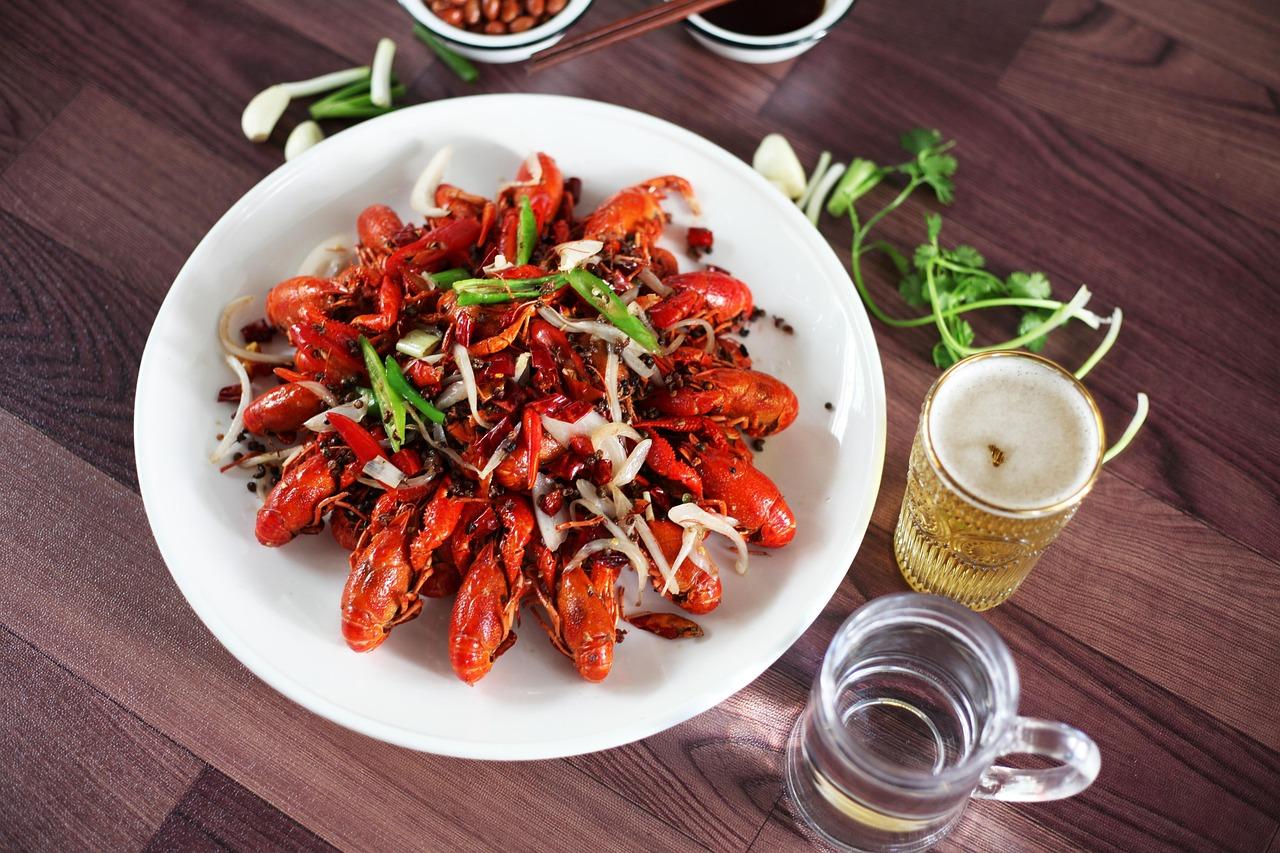
Mala crayfish

On summer nights the pavements of Changsha and Wuhan fill with folding tables, plastic gloves and mountains of glossy red crayfish, the season's great shared feast from May to August. Each little shell is sucked for its spicy sauce before you twist off the tail for a sweet, firm bite of meat; the sauce is hot from chillies and bean paste, numbing from Sichuan pepper and rounded out with garlic and a bottle of lager. Large shell-on prawns make an easy swap if you can't buy live crayfish. Serve with cold drinks, cucumber, steamed buns or rice to mop up the sauce, and lots of napkins. Chef's tip: once the crayfish turn red, simmer them for no more than 8 minutes; longer and the tail meat goes mushy and comes away in shreds.

by KrazyBadal 0 views

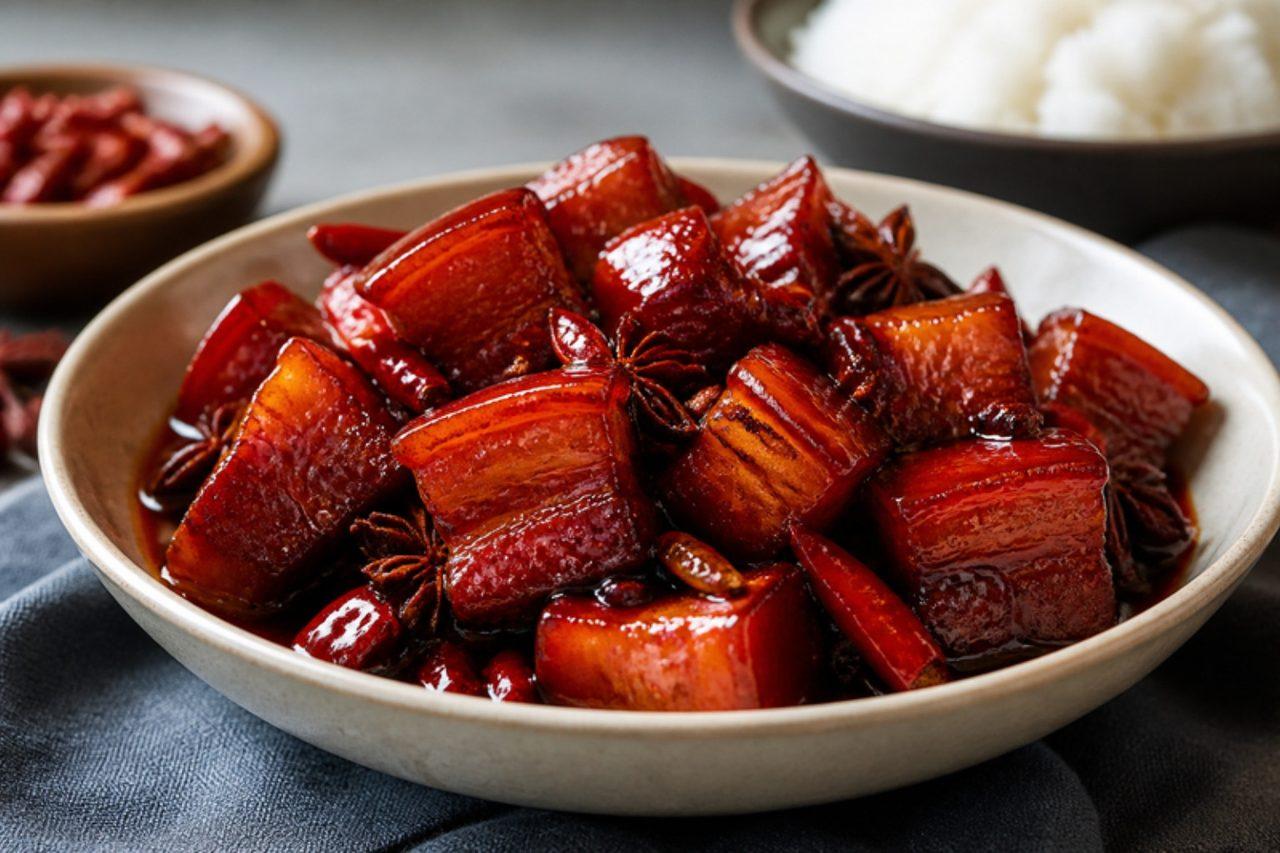
Chairman Mao's red braised pork

Restaurants in Shaoshan, Mao Zedong's home village in Hunan, all put this pork on the menu because it was said to be his favourite food. What sets the Hunan way apart from the soy-dark braises of Shanghai is that the deep mahogany colour comes from caramelised sugar alone, with dried chillies and warm spices in the pot, so the sauce tastes cleaner and slightly smoky. After an hour of gentle simmering the cubes of belly are wobbly and melting under a sticky, sweet-salty glaze. It is celebration food at Hunan family dinners, eaten with steamed rice and a sharp stir-fried green vegetable to cut the richness. Chef's tip: dry the blanched pork well before it meets the caramel, so it doesn't spit, and stop the caramel at the colour of strong tea; a few seconds longer and it turns bitter.

by KrazyBadal 0 views

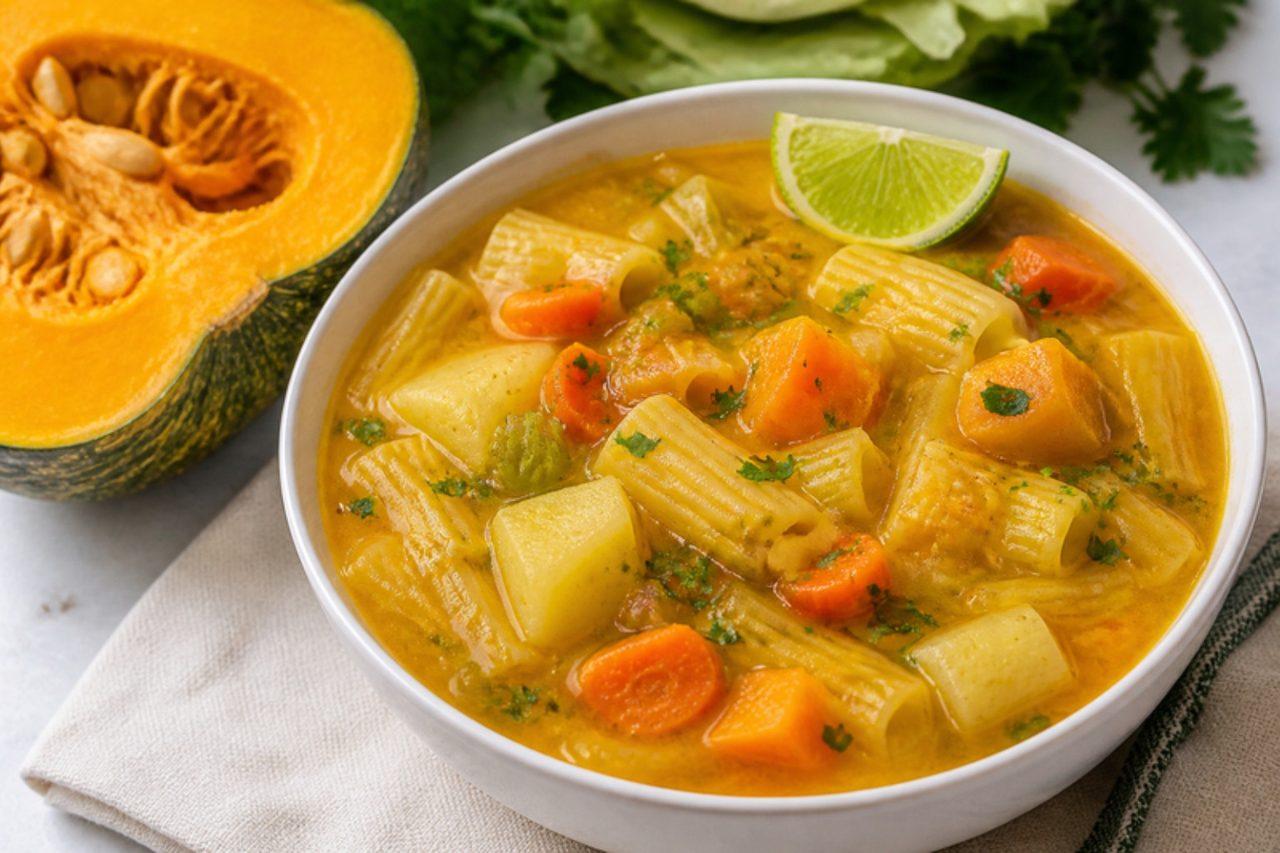
Soup joumouPumpkin soup

Every 1 January, Haitian families from Port-au-Prince to Brooklyn wake up to soup joumou. It marks independence from France on 1 January 1804: under French rule, enslaved Haitians cooked this pumpkin soup but were forbidden to eat it, so the free people of the new nation made it their own as a dish of freedom. In 2021 it was added to UNESCO's list of the intangible cultural heritage of humanity. The base is a velvety purée of joumou (Caribbean pumpkin) with epis, and in it simmer chunks of carrot, potato, cabbage, celery and turnip, with pasta and a squeeze of lime. It's usually made with beef; this vegetable version is full and golden, rich enough for the day. Chef's tip: roast half the pumpkin before puréeing it; the caramelised edges give the soup the depth that slow-cooked meat usually provides.

by KrazyBadal 1 views

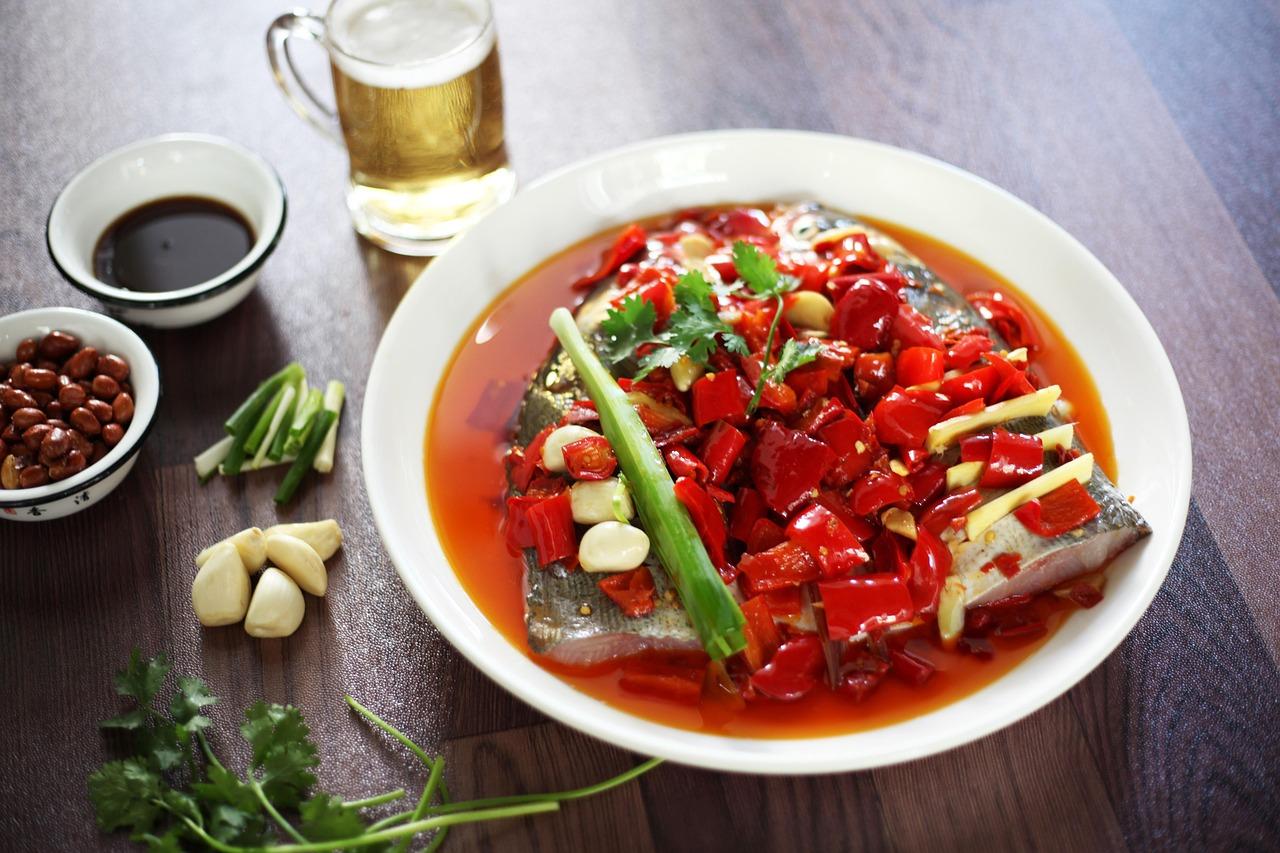
Hunan steamed fish head with chopped chillies

Walk into almost any restaurant in Changsha and a split fish head blanketed in scarlet chopped chillies will be on the table next to you. The chillies are salted and fermented, so they taste bright, sour and fruity as well as hot, and the steam carries their juices into the sweet, soft fish beneath; the meaty cheeks and the jelly-like flesh around the head are the prized parts. A last drizzle of smoking oil wakes it all up. When the fish is gone, Hunanese diners tip plain noodles into the leftover juices, and so should you. Chef's tip: buy the head from a fishmonger who has just cut it, with clear eyes and bright red gills; if that's hard to find, thick bone-in fish steaks work just as well.

by KrazyBadal 0 views

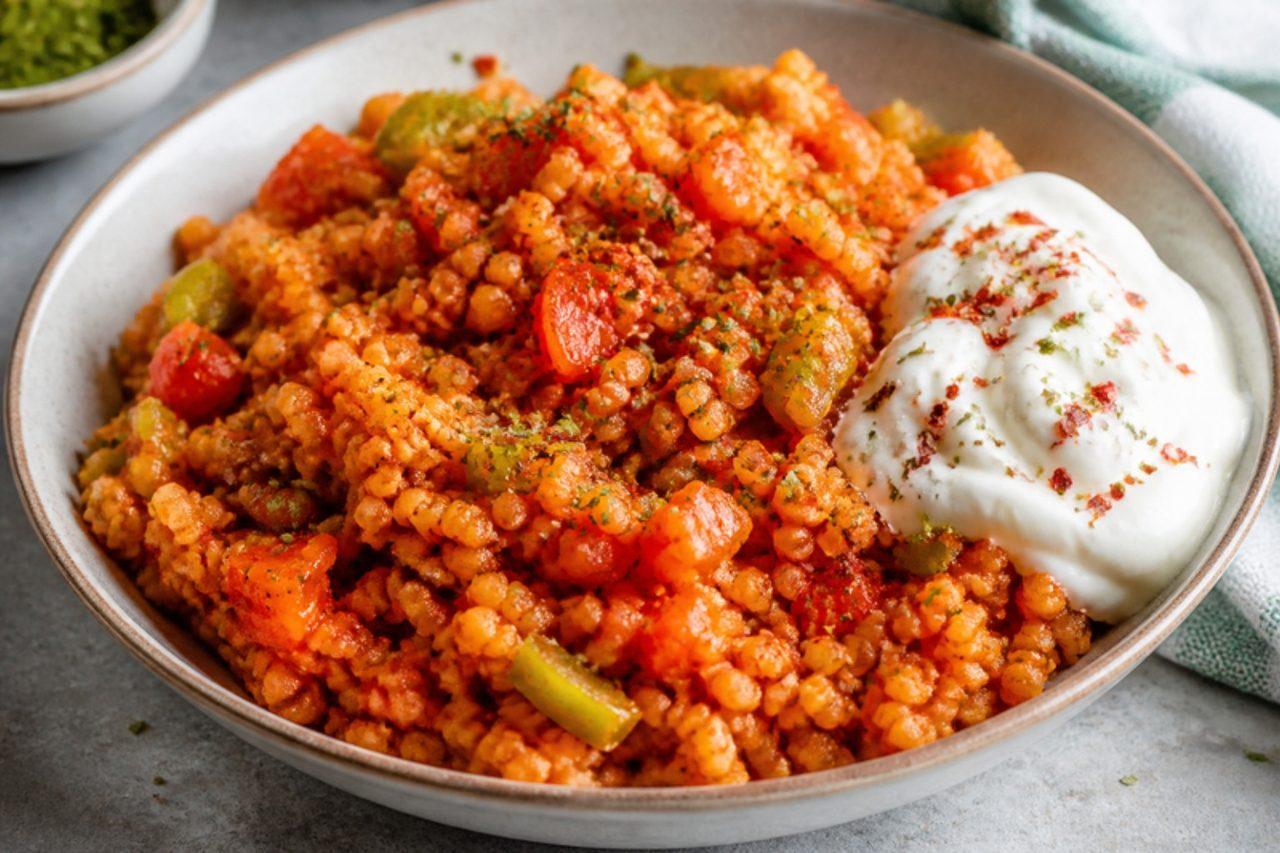
Domatesli bulgur pilavıTomato bulgur pilaf

Across Turkey, from Anatolian village kitchens to Istanbul lunch counters (esnaf lokantası), a pot of bulgur pilaf sits beside beans, stuffed vegetables and yogurt as reliably as bread does. Coarse bulgur (pilavlık bulgur) is cooked with onion, sweet pepper paste, grated tomato and a green pepper until every grain is separate, tender and lightly reddish. It is nuttier and chewier than rice pilaf and ready in half an hour, which is why so many families make it on weeknights. Spoon it next to kuru fasulye, cacık or a simple salad, or eat a bowl on its own with a dollop of yogurt. Chef's tip: once the water is absorbed, lay a clean tea towel under the lid and let the pilaf rest off the heat for 10 minutes; the towel catches the steam so the grains turn fluffy instead of wet.

by KrazyBadal 0 views

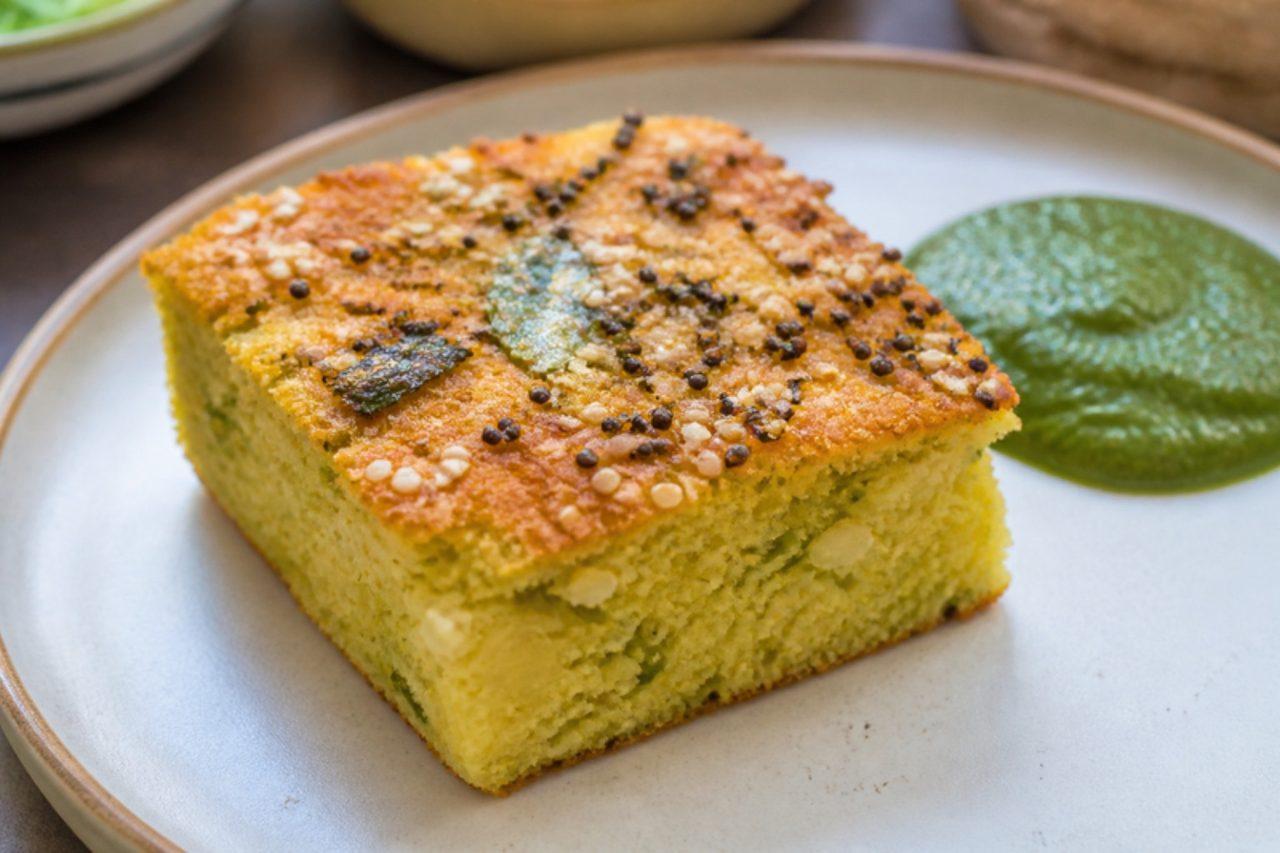
HandvoSavoury rice and lentil cake

Handvo is a savoury cake from Gujarat, made from a fermented batter of rice and lentils mixed with grated bottle gourd, yogurt and spices. It's baked or cooked slowly in a heavy pan until it has a deep-brown, crackly crust of mustard seeds and sesame and a soft, moist, slightly tangy inside. Gujarati families make it for Sunday tea or a light supper, with green chutney and a cup of masala chai. Slices are also good packed for a journey. Chef's tip: don't rush the crust; cook on a low heat with a lid and let the base go deep golden before you flip, because the crunchy, almost toasted sesame crust is the best part.

by KrazyBadal 0 views

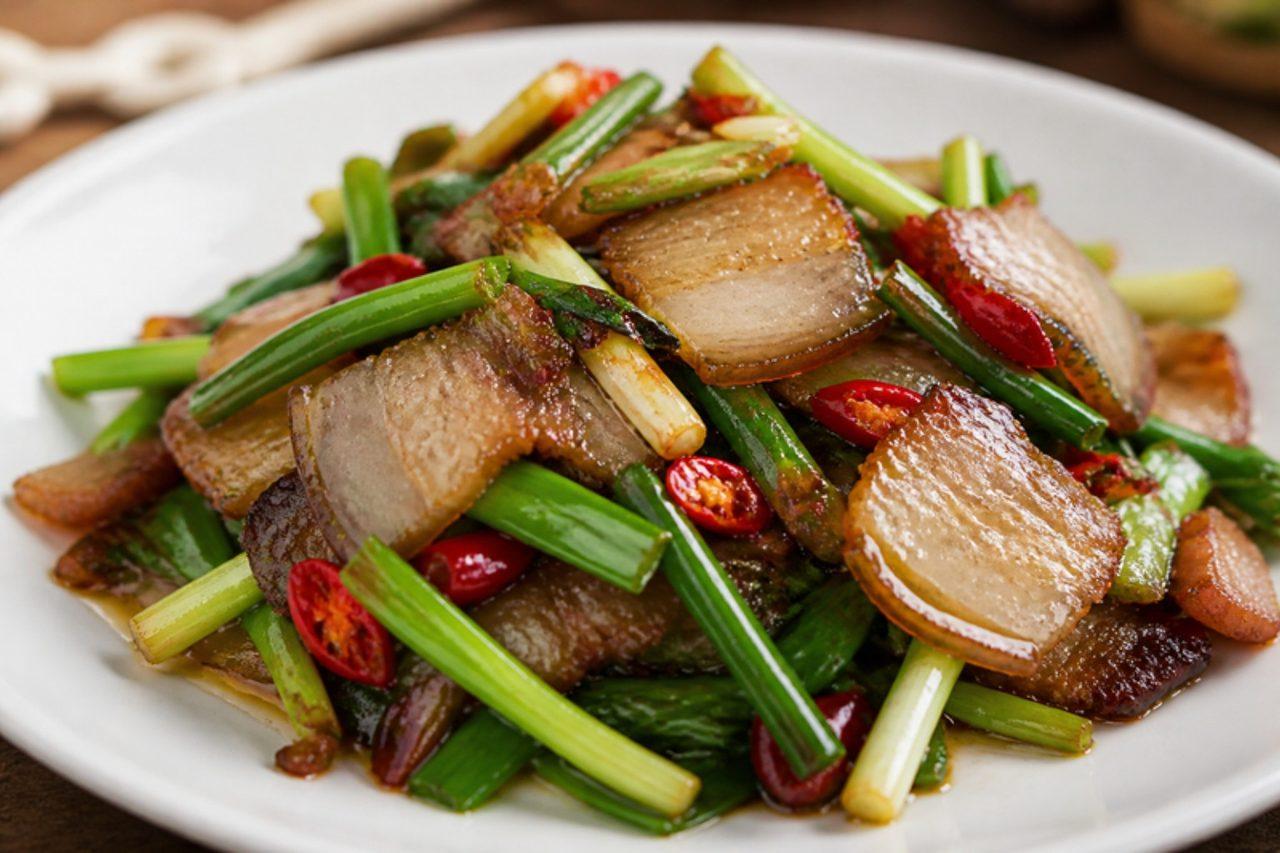
Hunan cured pork with garlic shoots

Every winter, Hunan households hang strips of salted pork belly over a wood fire until they turn dark and smoky, and this quick stir-fry is the most common way to eat them through the cold months. Thin slices of the cured belly are fried until the fat turns clear and the edges crisp, then tossed with green garlic shoots, which turn sweet and tender and soak up the smoky fat, plus fresh chilli and fermented black beans for a salty, spicy kick. It is a plain everyday dish that sits beside rice on a farmhouse table. Serve it with steamed rice and a light soup. Chef's tip: simmer the cured pork before slicing; it softens the meat and draws out some of the salt, so the finished dish is savoury rather than harsh.

by KrazyBadal 0 views

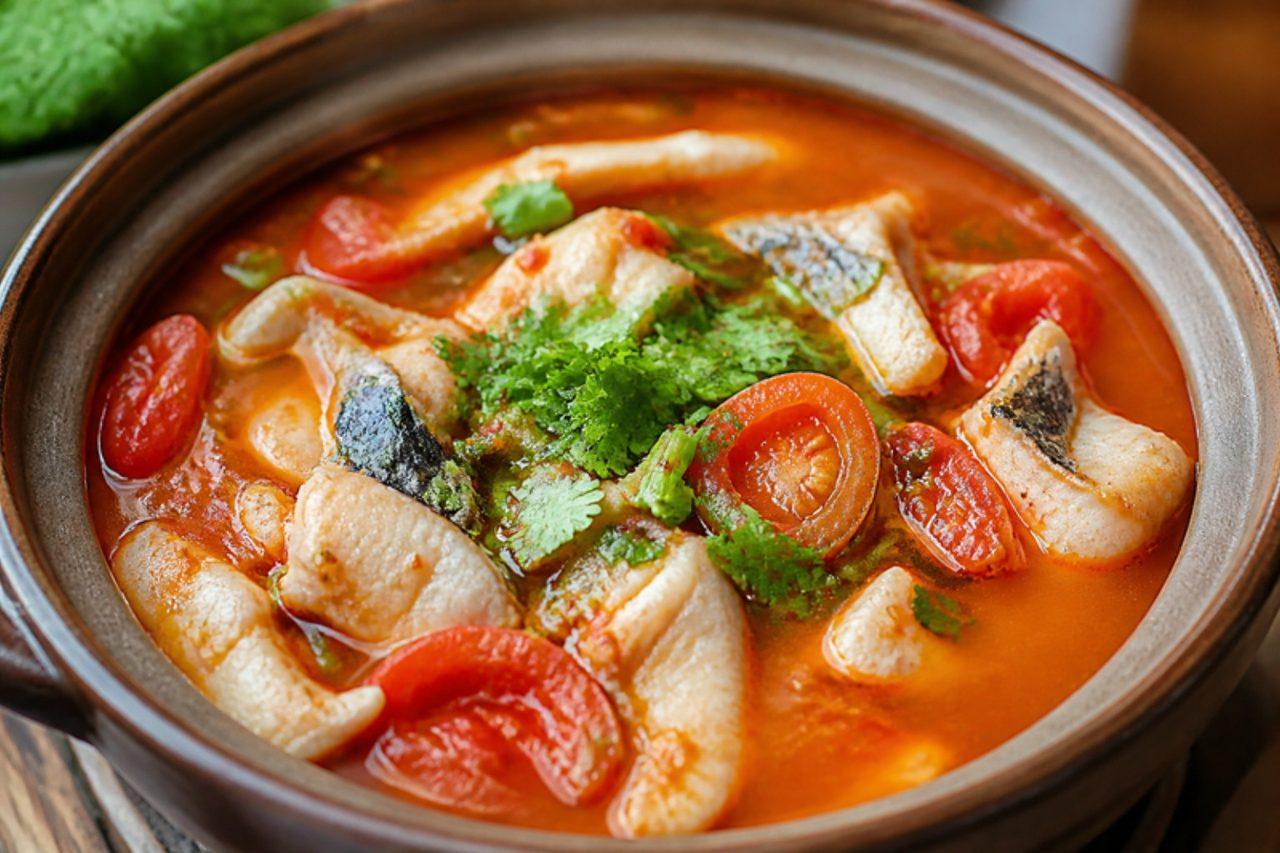
Guizhou sour fish soup

For the Miao people around Kaili in south-east Guizhou, a pot of sour soup is the heart of a meal, served in a wide pot over a burner with everyone dipping in. Their famous red sour soup is made by fermenting wild tomatoes with chillies for weeks, and it gives the broth a bright, tangy, lightly spicy taste that is fruity rather than vinegary. Chunks of fresh river fish, tofu and bean sprouts simmer in it until tender, and each piece is dunked in a little dish of chilli and herbs before eating. This home version gets close with very ripe tomatoes, fermented chillies and a splash of rice vinegar. Eat it with rice on a cold evening. Chef's tip: cook the tomatoes until they completely collapse into a thick red paste before you add any water; that is where the colour and the deep sourness come from.

by KrazyBadal 0 views

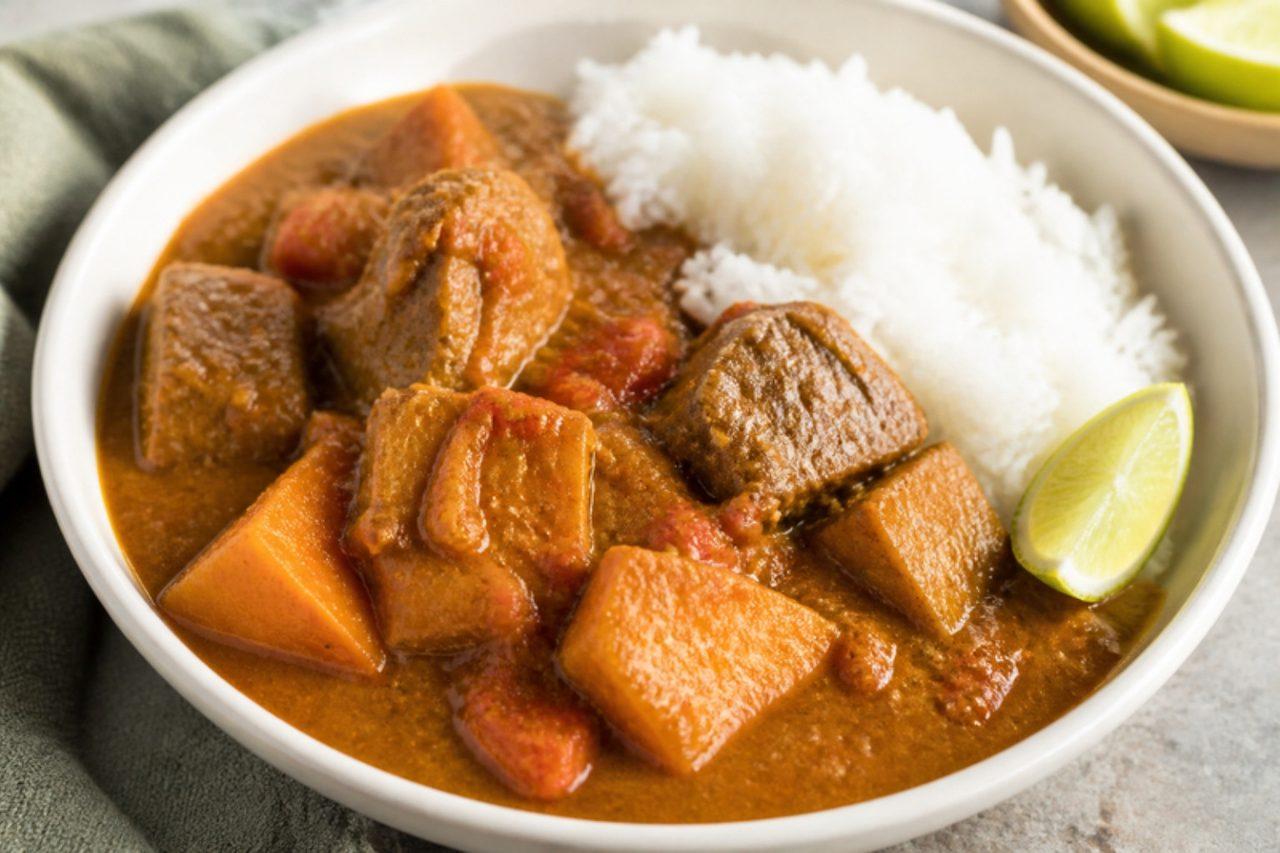
DomodaBeef and peanut stew

Domoda is the stew that most families in the Gambia, from Banjul to the riverside villages upcountry, cook several times a week. Beef is browned and simmered with tomato and onion, then smooth peanut butter is stirred in until the sauce turns thick, glossy and rich, with pumpkin and sweet potato melting into it. It is spooned over white rice with a squeeze of lime, and a scotch bonnet floats in the pot for whoever likes it hot. The mistake to avoid is adding the peanut butter too early and leaving it unstirred, as it catches and burns on the bottom; add it once the beef is nearly tender and stir often. Chef's tip: whisk the peanut butter with a ladle of hot broth before it goes in, so it melts smoothly instead of forming lumps.

by KrazyBadal 0 views

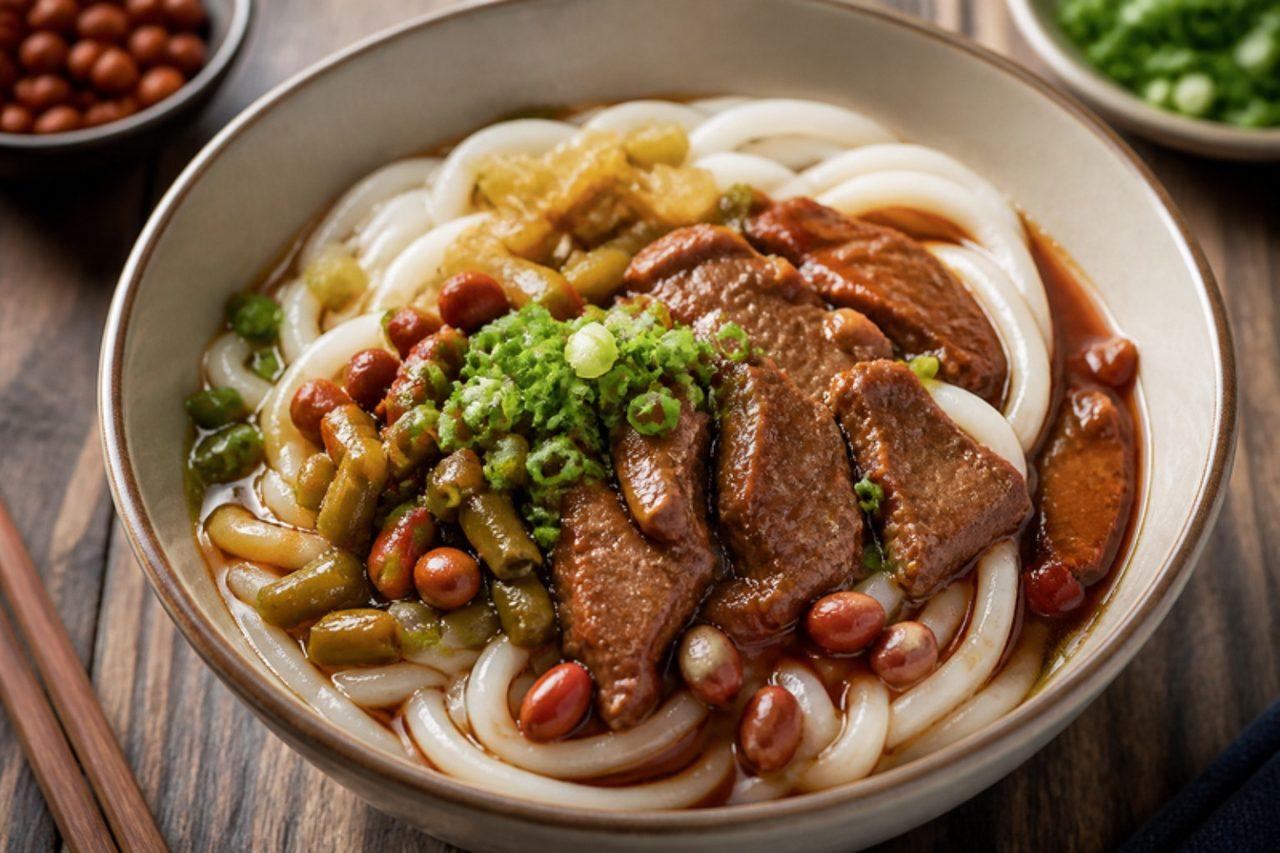
Guilin rice noodles

Guilin, among the karst peaks of Guangxi, starts its day with mifen: round, slippery rice noodles that are not served in soup at all but tossed with a few ladles of lu shui, the dark, spiced braising liquid in which the beef was cooked. On top go thin slices of that beef, crunchy fried peanuts, sour pickled beans and bamboo shoots, chilli and spring onion; you stir it all together and, if you like, add a splash of hot broth at the end. Street shops in the city serve it fast and cheap from breakfast till late. The flavour is savoury, sweet-spiced and sour, with crunch in every mouthful. Chef's tip: make the braised beef the day before and chill it in its liquid; cold beef can be sliced paper-thin, which is how Guilin cooks serve it.

by KrazyBadal 0 views

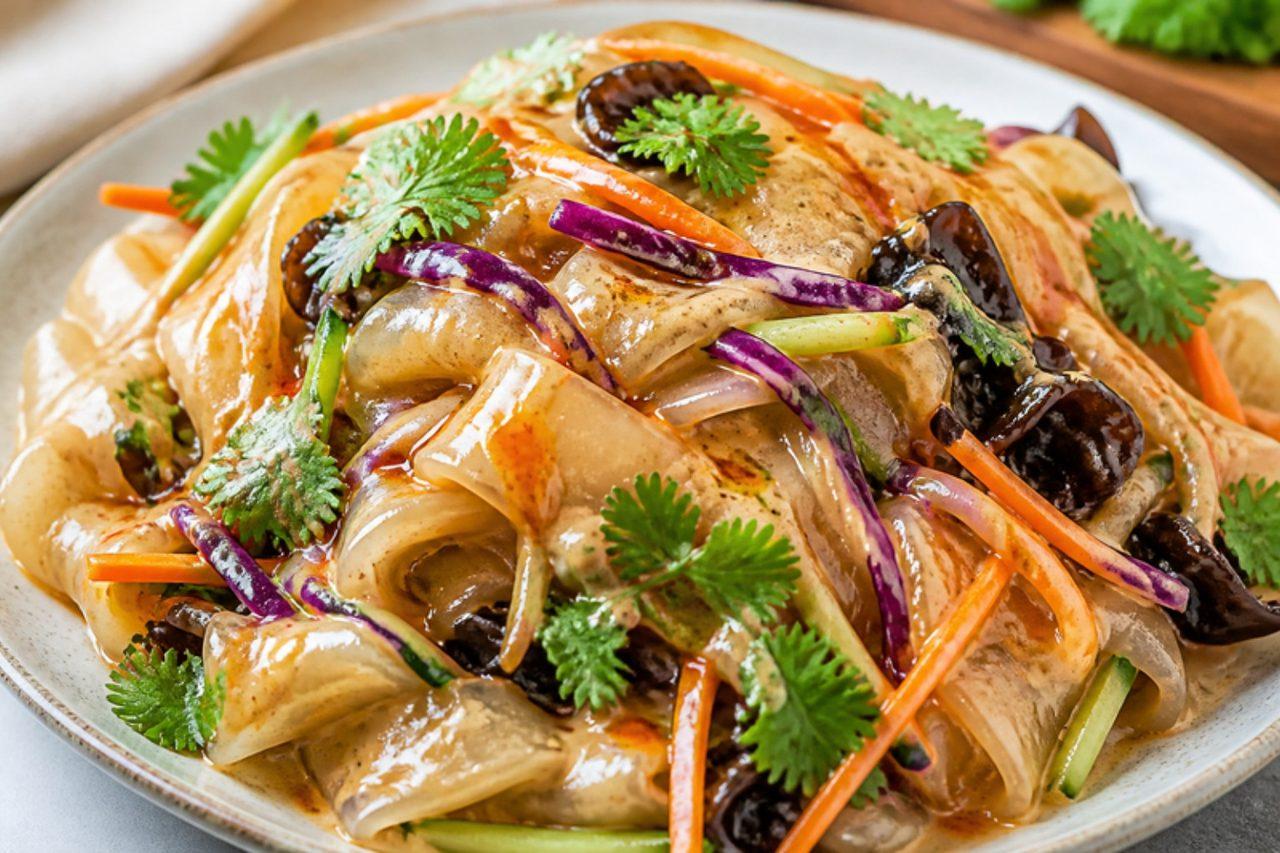
Dongbei da la piMung bean sheet salad

In north-east China, a big platter of this arrives at almost every family dinner and restaurant table, often next to the stews and dumplings. Wide, glassy sheets of mung-bean starch sit on a bed of shredded cucumber, carrot and cabbage, with a sesame, garlic and vinegar sauce and a dab of mustard poured over at the table. It's cool, slippery and crunchy. Look for dried la pi sheets or wide mung-bean noodles in Chinese supermarkets. Chef's tip: the sheet noodles must be fully cold before mixing, or they go soft and sticky.

by KrazyBadal 0 views

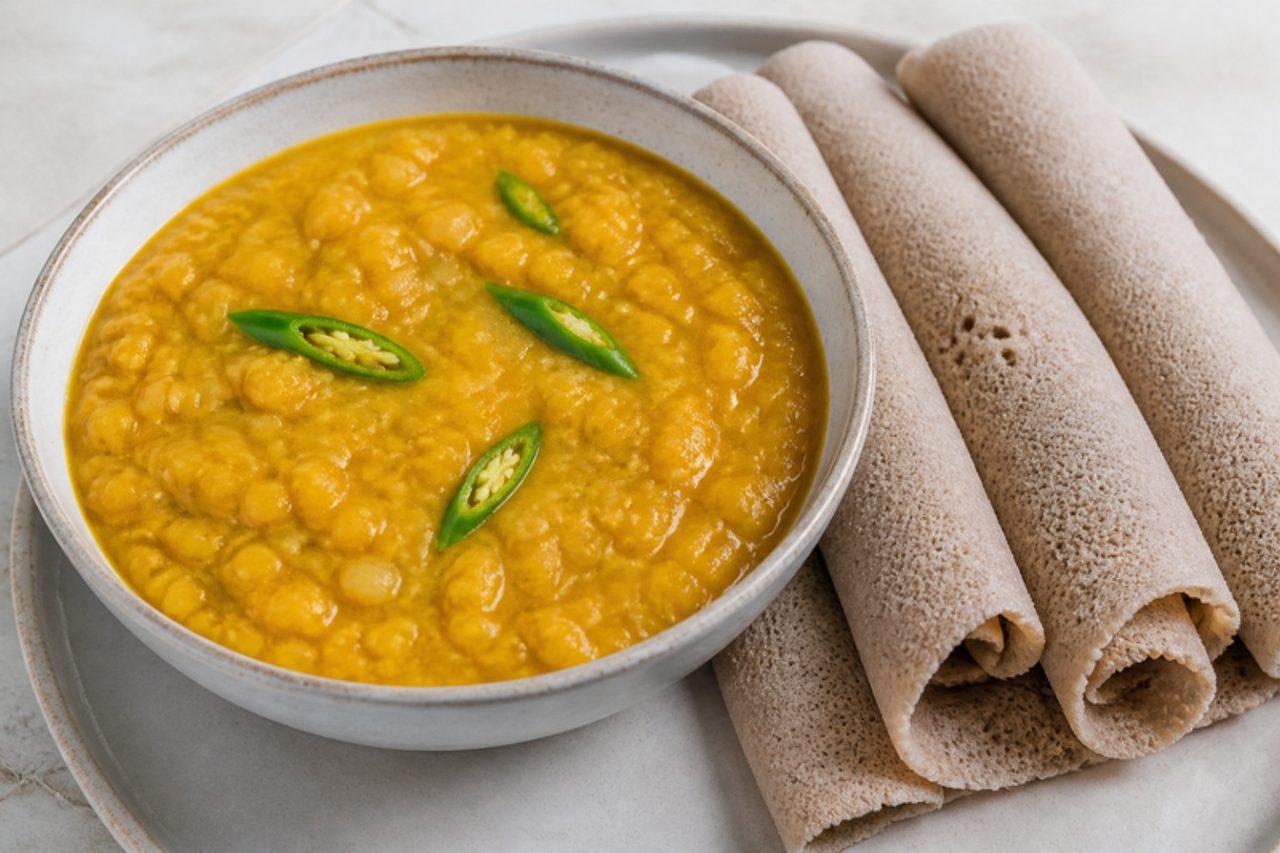
Missir watRed lentil stew

A spicy Ethiopian stew of masoor lentils cooked down with browned onions, garlic, ginger, fresh tomato and tomato paste, and finished with red chilli and black pepper. It's thick, rich and hot. Serve with injera, alongside atter kik and azifa.

by KrazyBadal 0 views

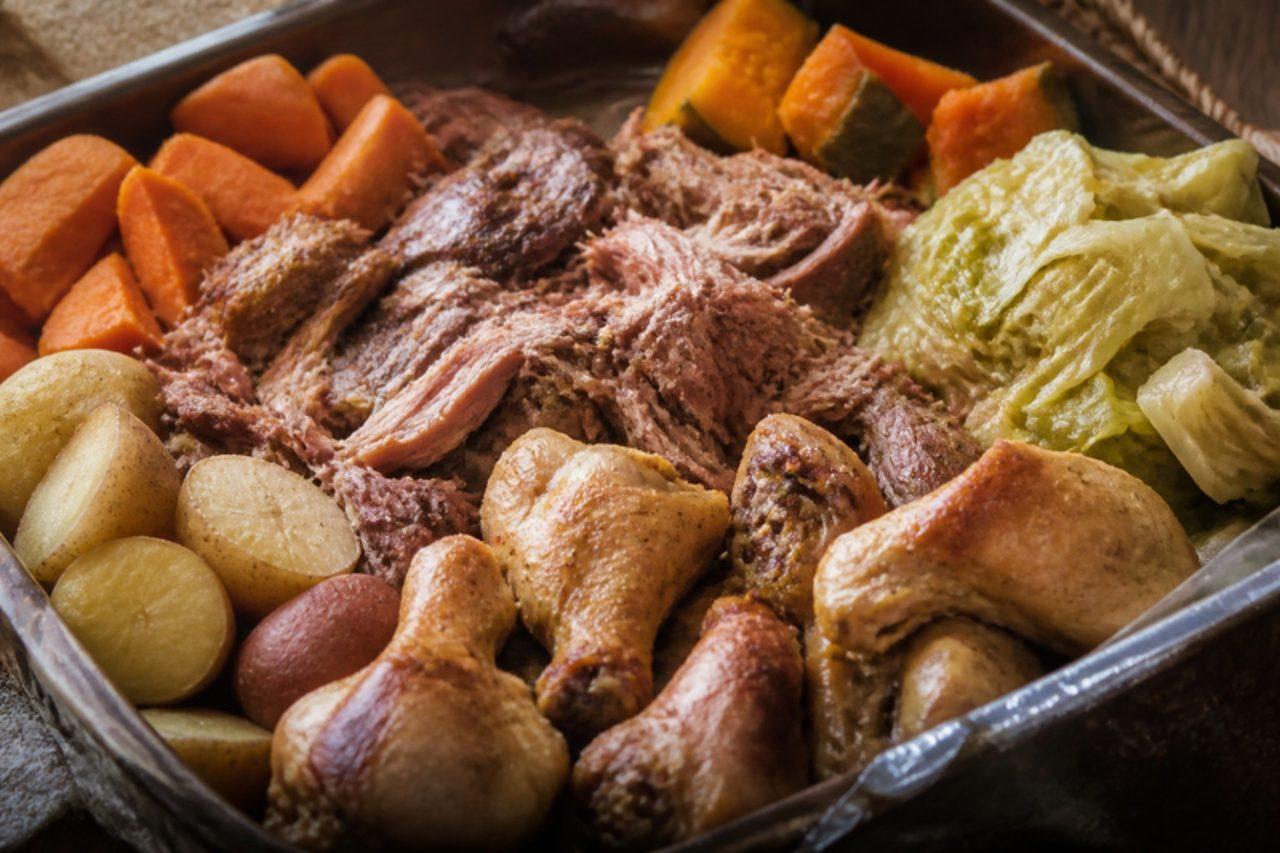
Hāngī-style roastOven-steamed roast pork and vegetables

A true hāngī is cooked by Māori communities across Aotearoa New Zealand in a pit lined with stones heated in a wood fire, with baskets of meat and vegetables covered with damp cloths and earth and left for hours; it is made for tangihanga (funerals), weddings, marae gatherings and fundraisers, and the skill is passed down through whānau. An oven can't reproduce that earthy, smoky steam, and this recipe does not claim to. It borrows the idea: pork, chicken, kūmara, pumpkin and potato packed tightly, covered and steamed for hours until everything is meltingly soft. It contains pork. The mistake to avoid is loose foil; if steam escapes, the meat dries out instead of steaming. Chef's tip: sit the meat on top of the vegetables so its juices drip down and season them.

by KrazyBadal 0 views

Atter kikSplit chickpea sauce

A mild, golden Ethiopian lentil sauce (kik alicha) of split bengal gram lentils simmered with onion, ginger, garlic, a pinch of turmeric and green chilli until thick and creamy. It's gentle and soothing next to the fiery missir wat. Serve hot with injera.

by KrazyBadal 0 views

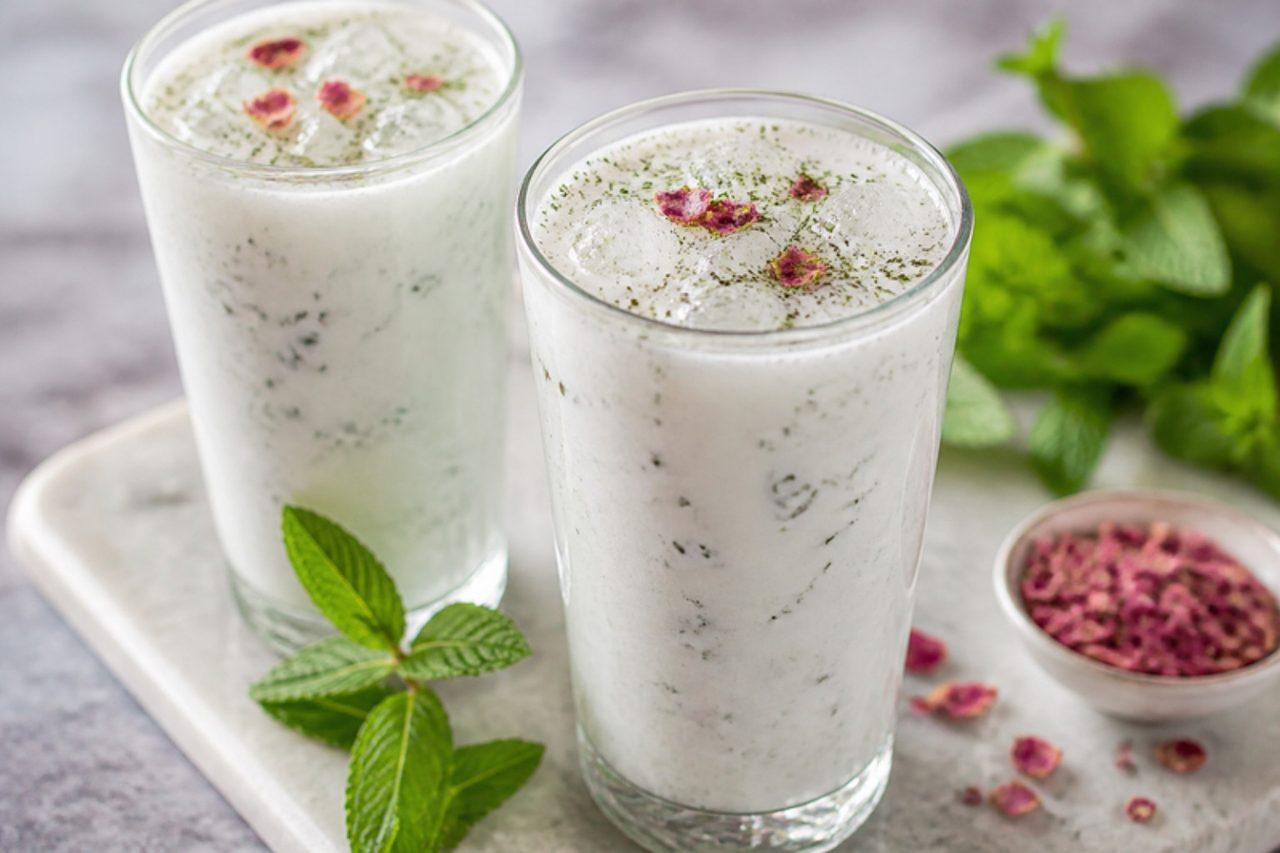
DooghSalted yogurt drink

Doogh is the salty, fizzy yogurt drink served in tall glasses with lunch across Iran, and above all with kebab and rice at the chelow-kababi restaurants of Tehran. Bottled sparkling doogh from the mineral springs of Abali, in the mountains east of the capital, is the famous one; at home it is mixed from yogurt, cold water and soda water with crumbled dried mint, and sometimes wild pennyroyal (kakuti) or rose petals. Its bubbles and mint set it apart from plainer, still yogurt drinks. It is cooling and good with rich, herby food. Chef's tip: add the sparkling water last and stir gently, or the fizz disappears before it reaches the glass.

by KrazyBadal 0 views

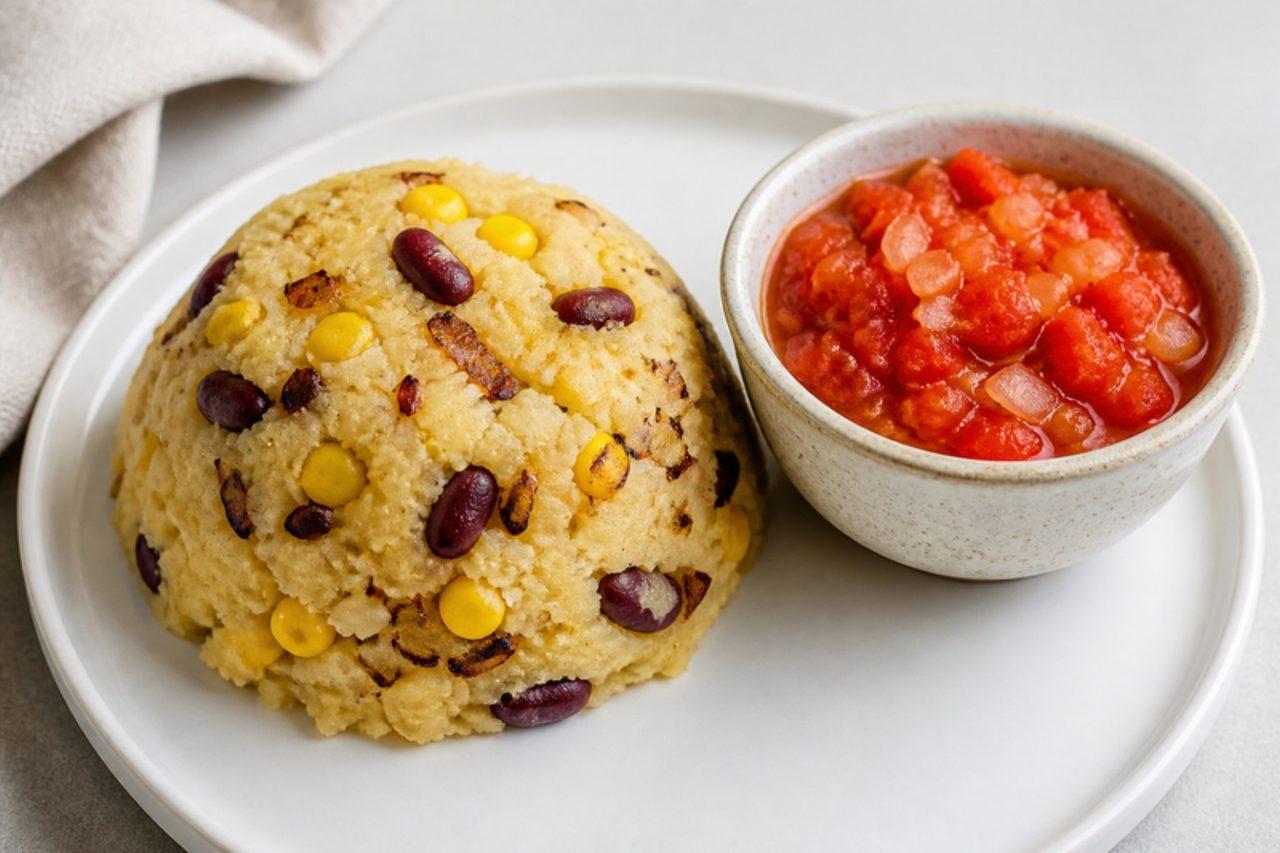
IrioMashed potato, corn and beans

Irio is a Kenyan mash of potatoes with whole corn and kidney beans, fried onion, chilli and butter. It's hearty and comforting. Serve it with a simple tomato stew, as here, or tomato sauce.

by KrazyBadal 0 views

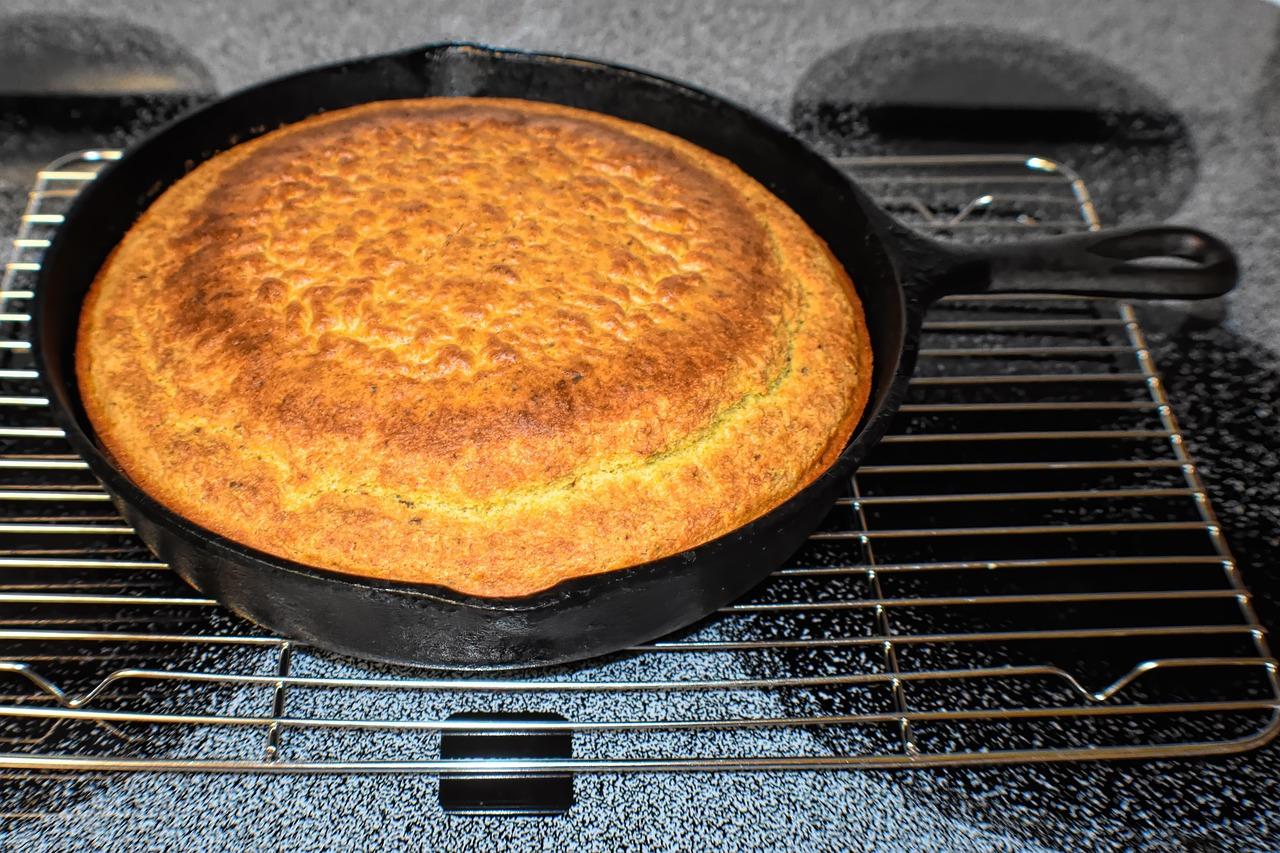
Maize pie

A soft, savoury pie of blended boiled maize folded into a peppery white sauce and baked until golden on top. It's mild and comforting, a little like a corn pudding, and children love it. The eggs are optional: they make it set firmer. Serve hot with a salad or tomato stew.

by KrazyBadal 0 views

Sweet potato salad (Nairobi style)Sweet potato fritter salad

Slices of sweet potato dipped in batter, coated in breadcrumbs and fried until crisp, arranged around lettuce, grated carrot, tomato and sliced hard-boiled egg. The book's Handy Hints say sweet potato is good for the eyes and lifts the mood. Serve with tomato sauce, chilli sauce and mayonnaise; leave out the eggs (and use egg-free mayonnaise) for an egg-free salad.

by KrazyBadal 0 views

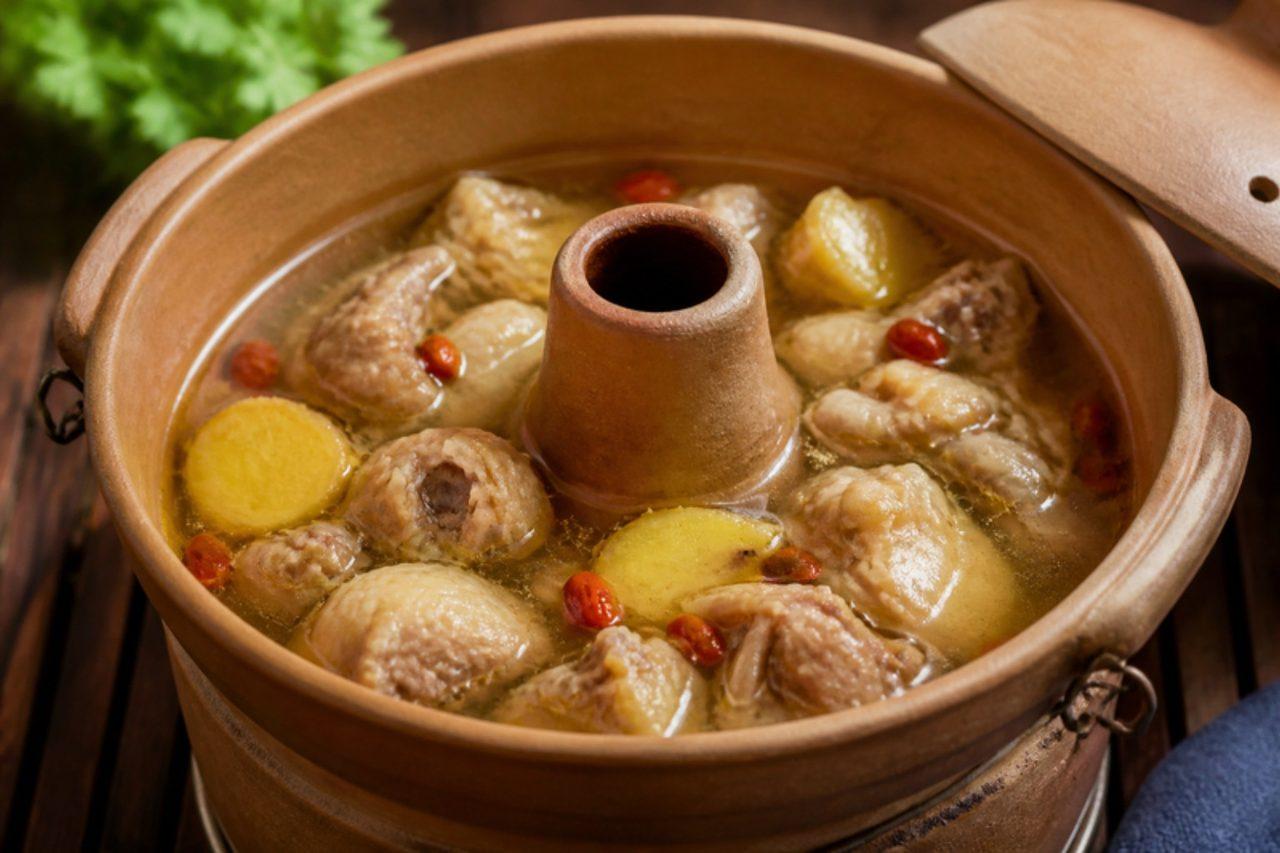
Yunnan steam-pot chicken

In the old town of Jianshui in southern Yunnan, potters still make the purple clay qiguo, a lidded pot with a chimney rising through its centre. Set over boiling water, it lets steam rise into the pot, where it meets the chicken, condenses and drips back as a pure, golden broth, with no water added at all. After three hours the meat falls from the bone and the soup tastes intensely of chicken and ginger, clean and restorative; in Kunming it is the dish for guests, for convalescents and for winter weekends. Serve the broth in small bowls first, then the chicken with rice and a chilli dip. Chef's tip: if you don't own a steam pot, a heatproof bowl covered with a plate in a steamer works well; it just needs a small splash of water to start the broth.

by KrazyBadal 0 views

Alicha wat (chicken)Mild turmeric chicken stew

Not every Ethiopian stew is fiery: alicha wat is the gentle, golden one, coloured with turmeric instead of berbere and seasoned with ginger, garlic and a few green chillies. Families across the country cook doro alicha when someone wants something soothing, when children are at the table, or as the mild partner to a spicy wat on a festive spread. The chicken simmers in a soft onion and spiced-butter sauce until tender, with a fragrant, buttery and slightly peppery flavour. Serve with injera or rice and a fresh tomato salad. Chef's tip: add the green chillies whole and fish them out before serving if you want flavour without heat.

by KrazyBadal 0 views

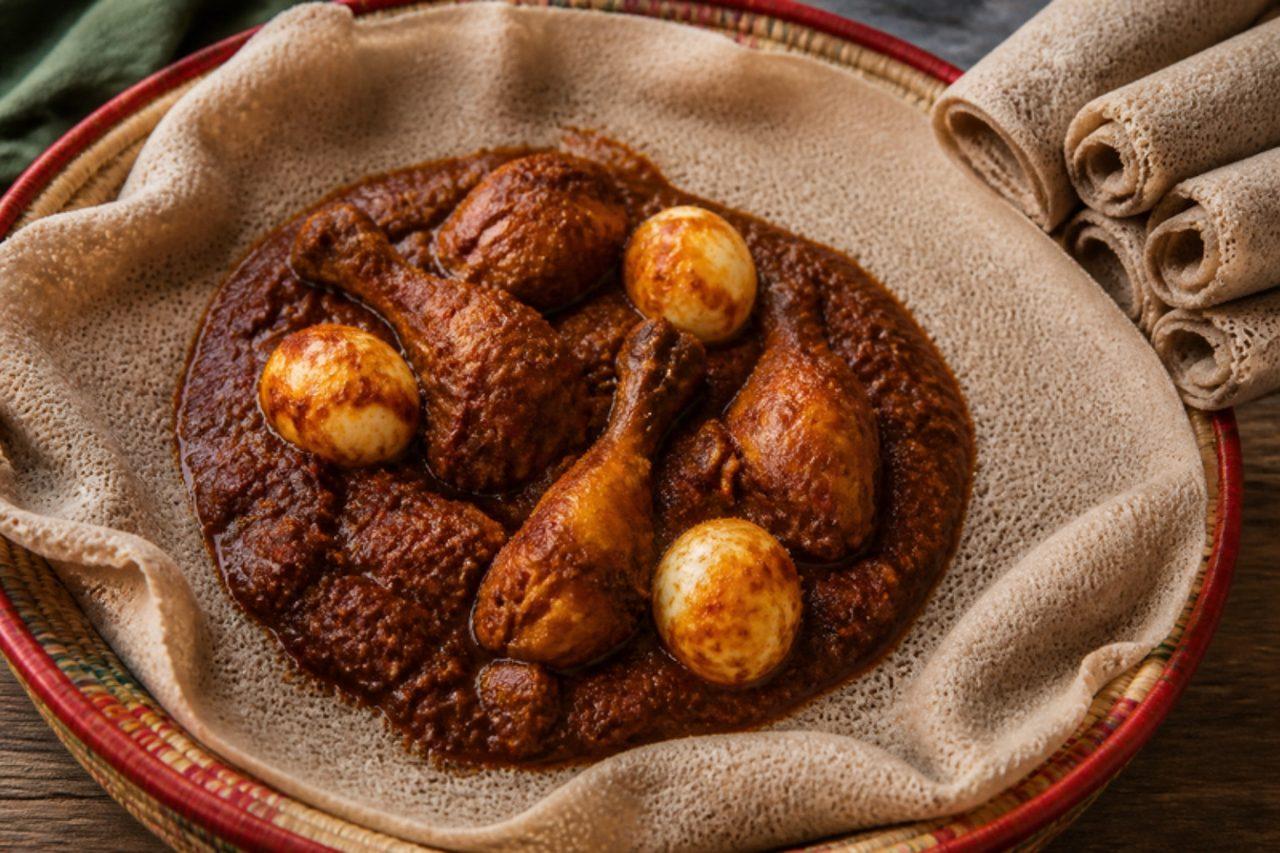
Doro watSpicy chicken and egg stew

Ethiopian families make doro wat for the biggest days of the year, especially Genna (Christmas) and Fasika (Easter), when it breaks weeks of meatless fasting. Its secret is patience: a mountain of red onions is cooked down slowly with no fat at all until jammy and dark, then enriched with spiced butter and fiery berbere. Chicken pieces and whole hard-boiled eggs simmer in the sauce until it is thick, glossy and brick red, with a deep, smoky heat. Ladle it onto injera, with ayib (fresh cheese) alongside to cool things down. Chef's tip: score the boiled eggs lightly all over before adding them, so the sauce seeps right into the whites.

by KrazyBadal 0 views

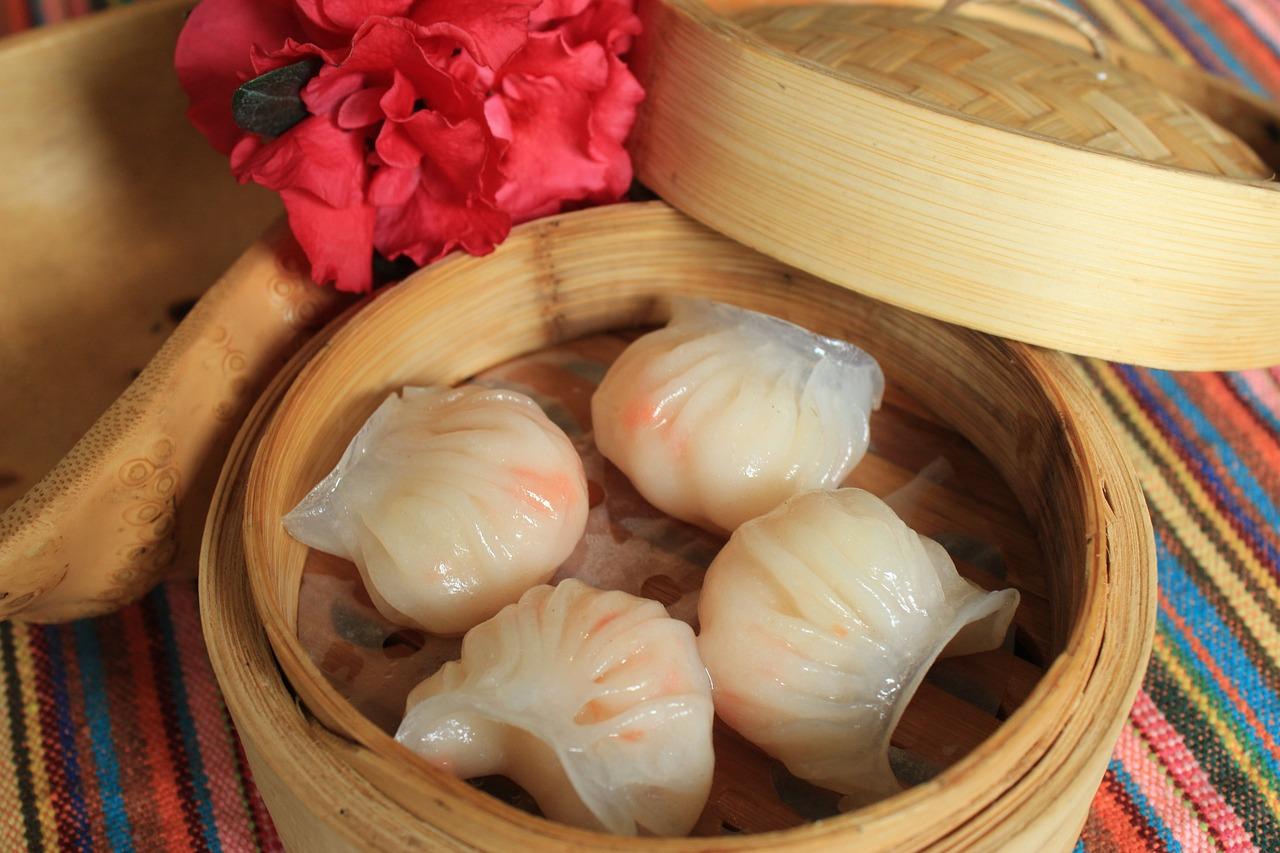
Har gowPrawn dumplings

No basket at a Guangzhou yum cha is judged more harshly than the har gow: a dim sum chef is said to prove themselves by folding ten or more pleats into each one. The wrapper is made from wheat starch and tapioca, so it steams clear and slightly chewy, showing the pink prawns inside; the filling is snappy, sweet and lightly seasoned with sesame and bamboo shoot. They take patience rather than special skill, and a batch made on a weekend morning feels like a trip to a teahouse. Serve them straight from the steamer with jasmine or pu'er tea and a little chilli oil on the side. Chef's tip: roll each wrapper only when you are ready to fill it, because the thin starch dough dries and cracks within minutes.

by KrazyBadal 0 views

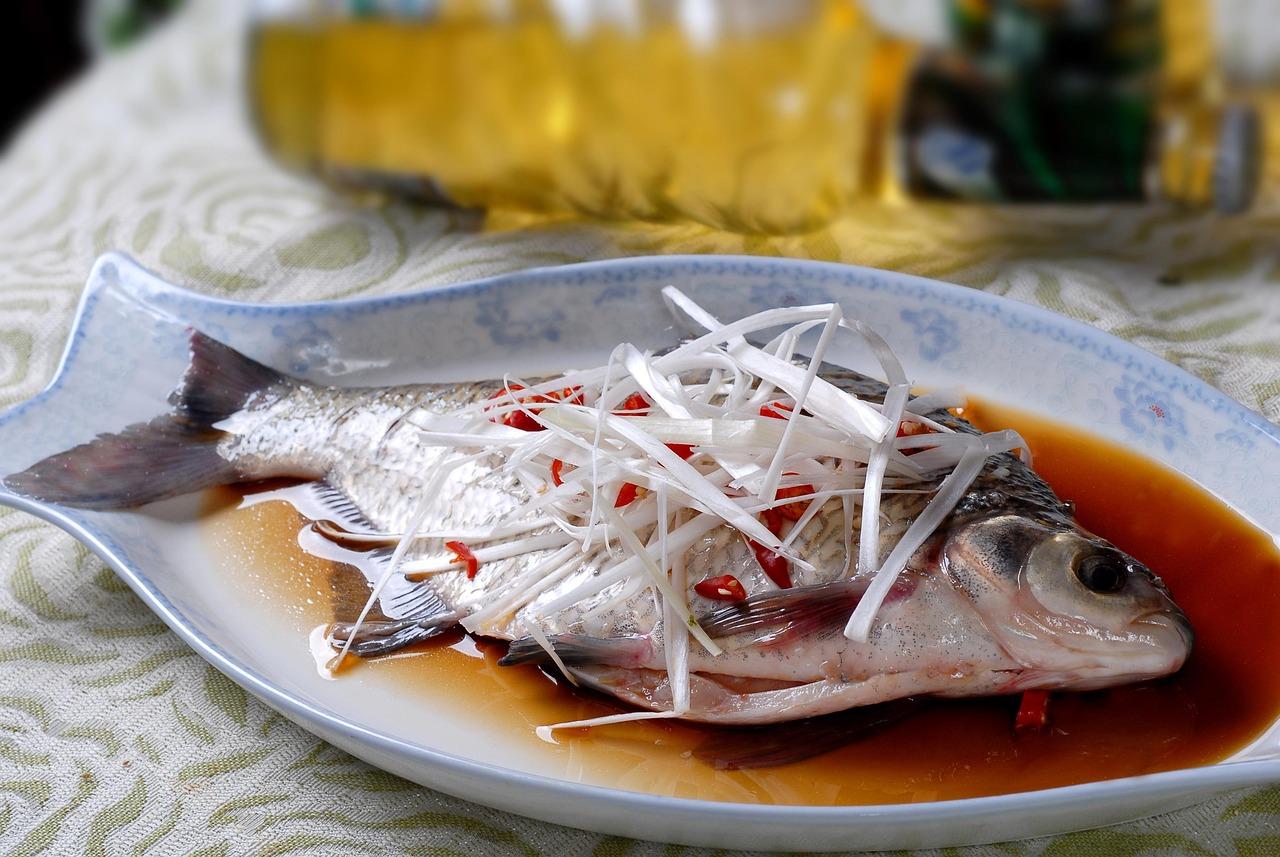
Cantonese steamed whole fish

Whole fish arrives near the end of every Cantonese banquet and Lunar New Year dinner across Guangdong, because the word for fish sounds like 'surplus'. At home it is one of the quickest dishes on the table: the fish is steamed plainly over ginger, then showered with shredded spring onion and a hiss of smoking oil, and finished with a light, slightly sweet soy dressing. Done right, the flesh is silky and just slips off the bone. Serve it in the middle of the table with steamed rice and stir-fried greens, letting everyone pick from the fish. Chef's tip: lay two chopsticks under the fish on the plate so steam circulates underneath and it cooks evenly.

by KrazyBadal 0 views

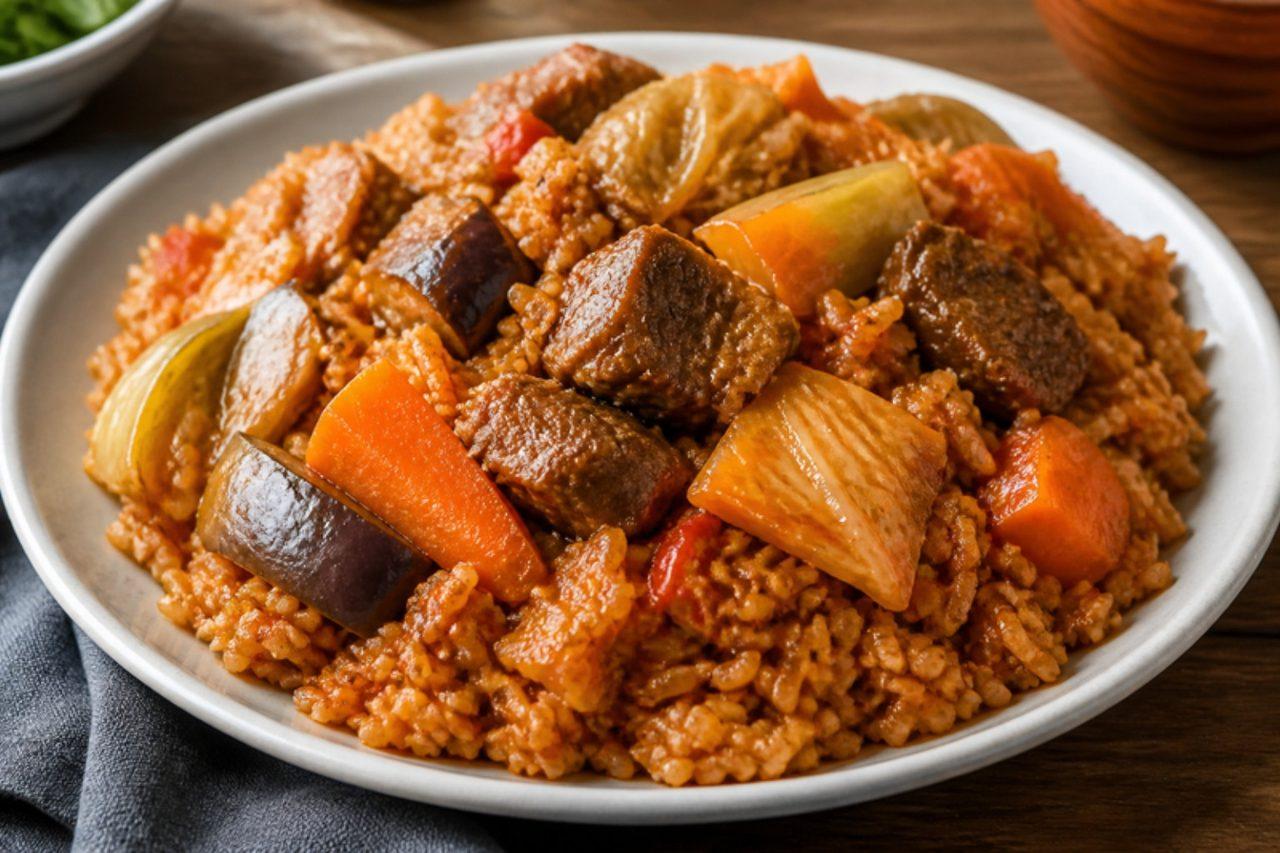
Riz grasRice cooked in beef stew

Riz gras is the celebration rice of Bamako and Ouagadougou, cooked in big pots for weddings, Tabaski and family Sundays. Beef is simmered with onion, tomato and garlic into a rich stew, and the rice is cooked in that broth until every grain is orange and glossy, with the meat and vegetables piled on top. The mistake is adding too much liquid, which turns the rice soggy; measure it. Chef's tip: fry the rice in the stew's oil for a minute before adding the broth, so the grains stay separate.

by KrazyBadal 0 views

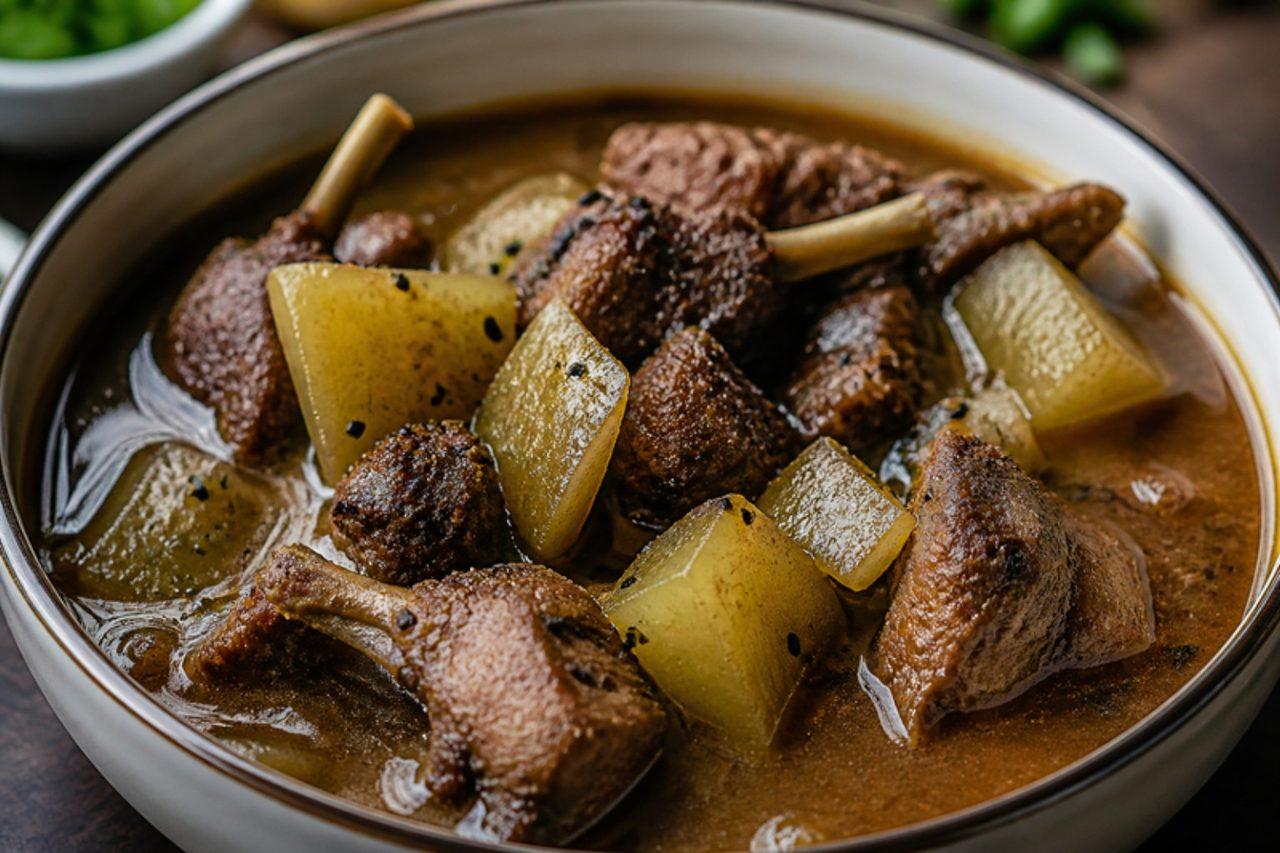
Hanhor mangxoDuck curry

When Magh Bihu brings bonfires and feasting to the villages of Assam in January, duck curry is one of the dishes families look forward to. Duck meat is simmered with ash gourd (kumura), which soaks up the rich juices, and the gravy is thickened with toasted black sesame for a deep, nutty taste. It is eaten with rice, often after the night-long community feast called uruka. Chef's tip: brown the duck skin-side down first and pour off some of the rendered fat; you need its flavour, not all of it.

120 minIndianMeatGluten free
by KrazyBadal 0 views

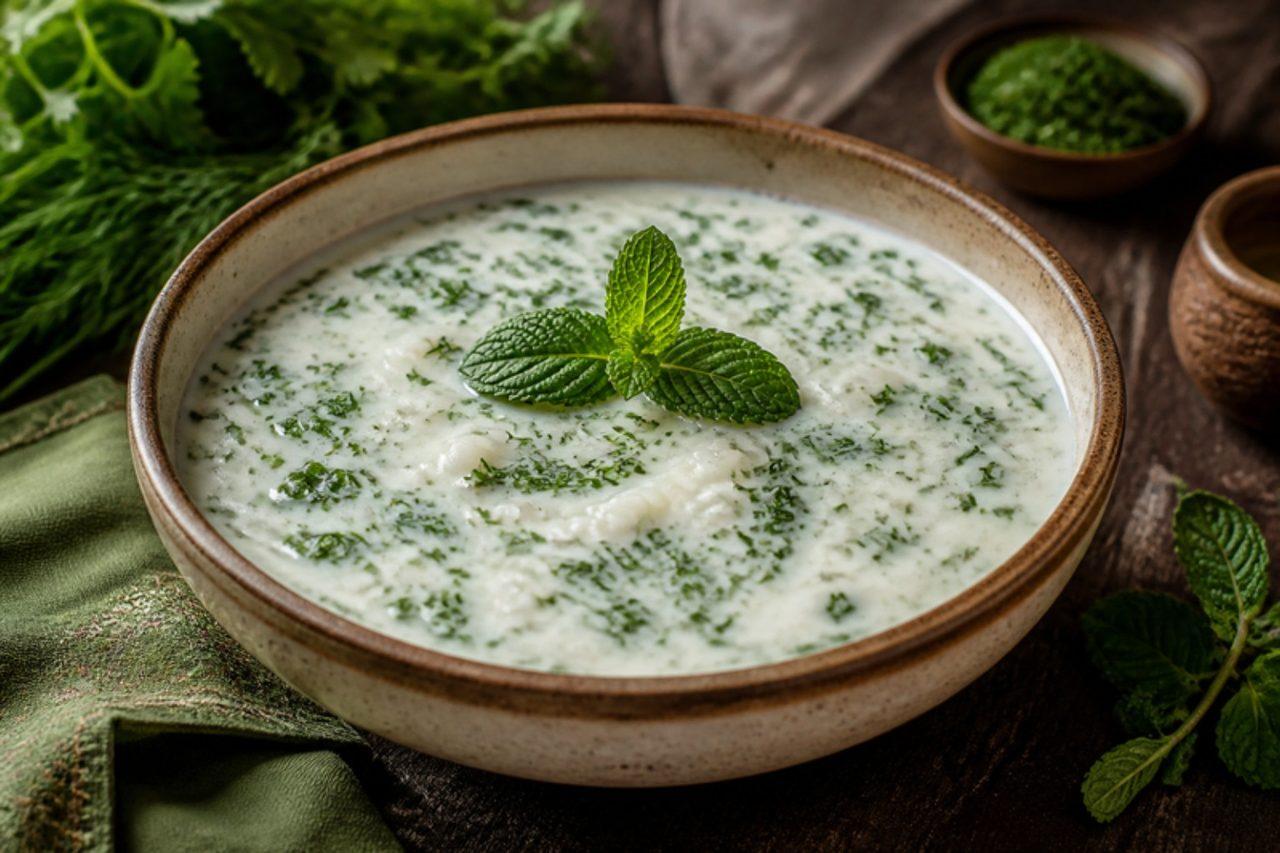
DovgaHerb and yogurt soup

Dovğa is green, tangy and cooling, the soup Azerbaijanis drink cold from glasses on hot Baku afternoons and eat hot in bowls when the Absheron wind turns chilly. Yogurt is thinned, thickened with rice and egg, then packed with chopped spinach, dill, coriander, mint and sorrel, until the soup is more herbs than dairy. It is served at weddings and at Novruz to settle the stomach after rich food, and many cooks add chickpeas. Unlike Armenian spas, there is no fried onion or wheat; the flavour is all fresh herbs and sour yogurt. Chef's tip: add the herbs only once the yogurt is boiling steadily and stable; they wilt in seconds, and the colour stays bright green.

by KrazyBadal 0 views

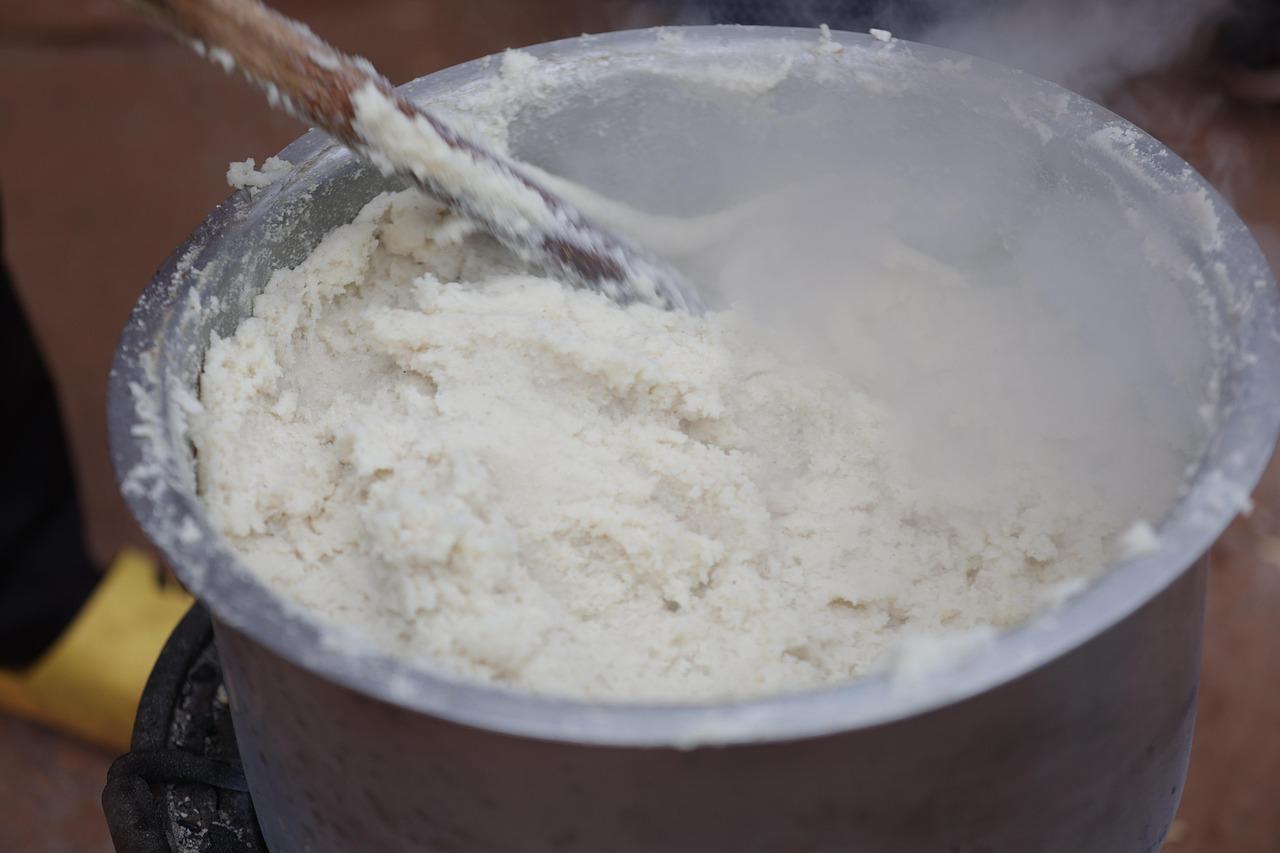
Masala ugaliSpiced maize meal porridge

Ugali, East Africa's staple of maize meal cooked into a stiff porridge, given a lift with toasted cumin, butter, fresh coriander and green chilli. Stir it hard and keep it soft. Serve hot with sukumawiki or any stew.

by KrazyBadal 1 views

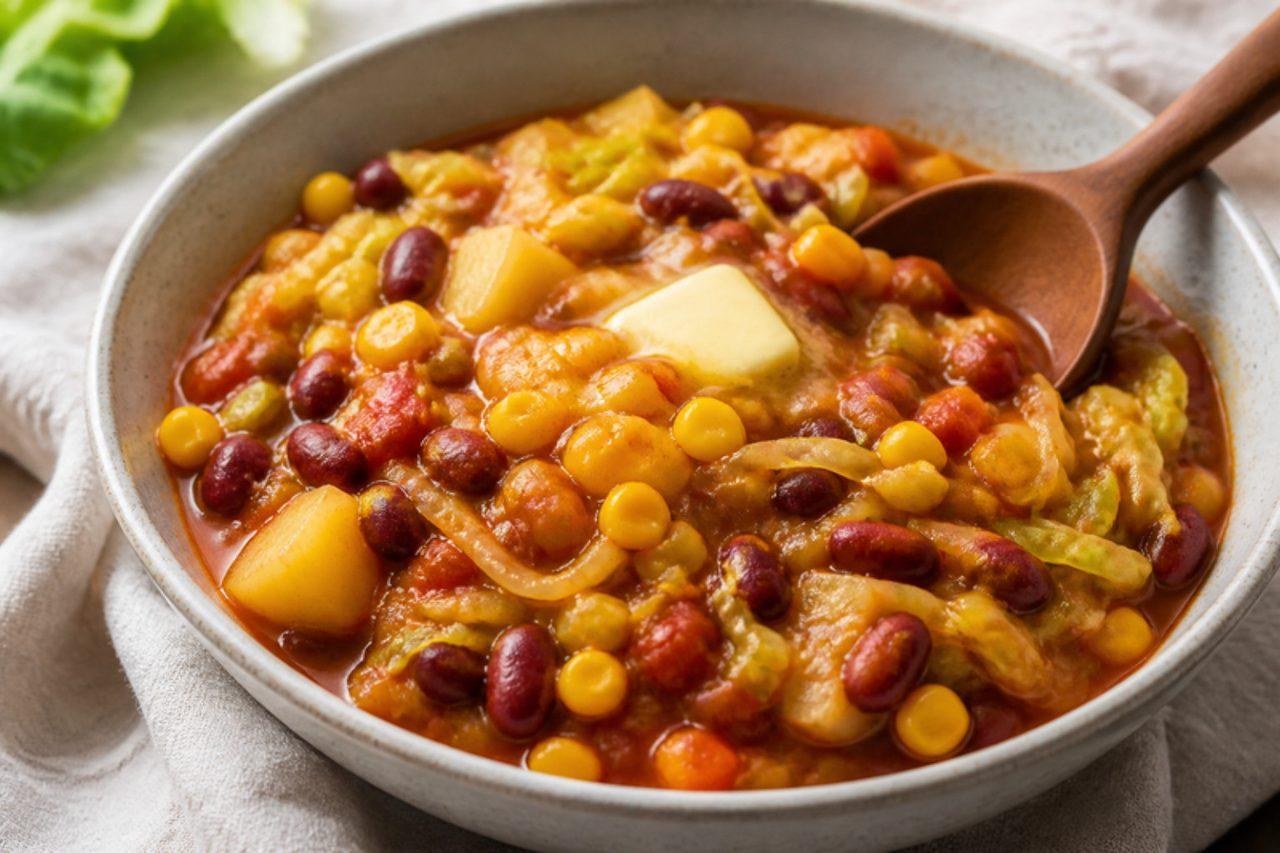
GitheriKidney bean and corn stew

Kenya's everyday one-pot meal of kidney beans and corn, cooked with browned onion, tomato paste, chilli, potatoes and cabbage and finished with a knob of butter. It's hearty, comforting and cheap to make. Serve hot with ugali and sukumawiki.

by KrazyBadal 0 views

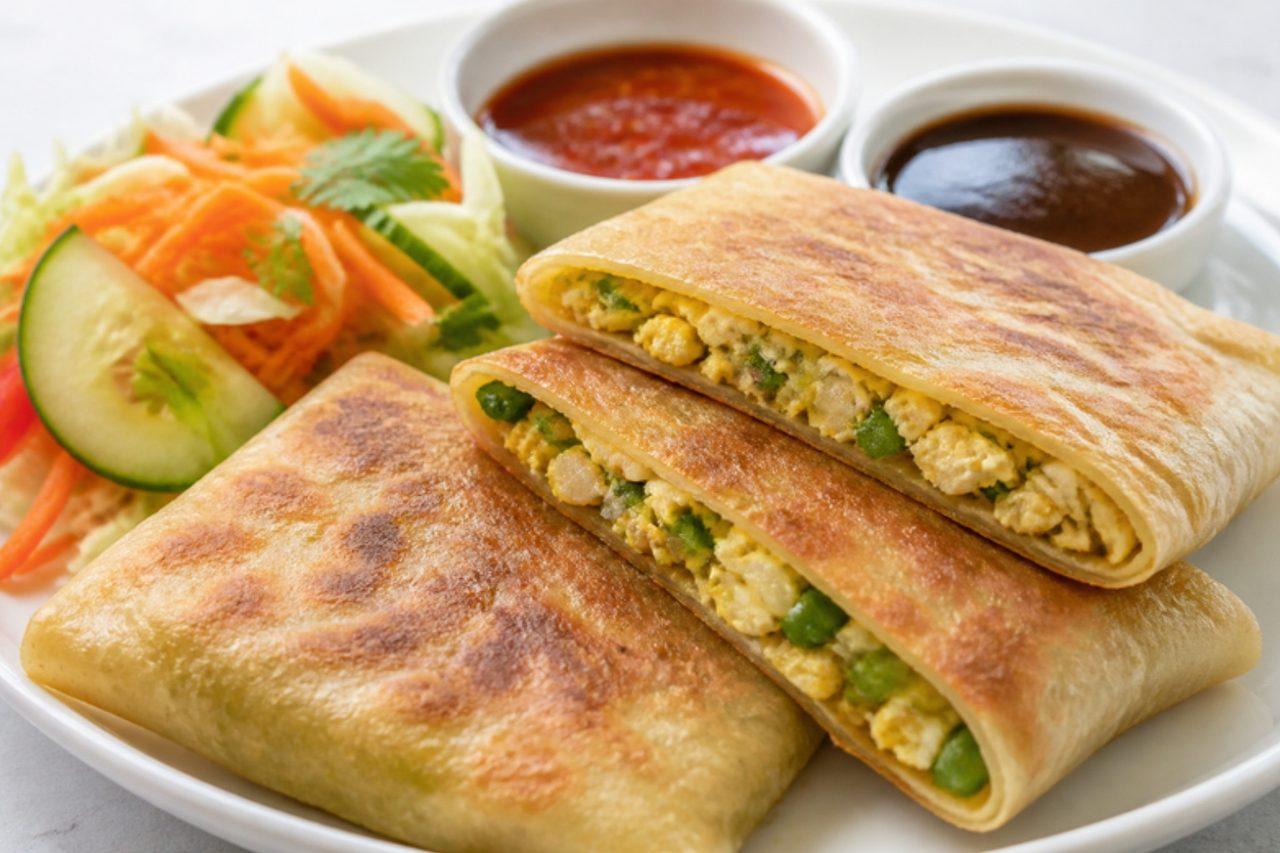
Coast egg chapatiEgg-filled chapati parcels

The famous coast street snack: paper-thin dough wrapped around a samosa chapati, spiced onion and capsicum filling and a beaten egg, folded into a square parcel and fried slowly until crisp and golden. Make them just before serving. Serve hot with a crunchy carrot, cabbage and cucumber salad and red chilli and tamarind chutneys. Contains egg.

by KrazyBadal 0 views

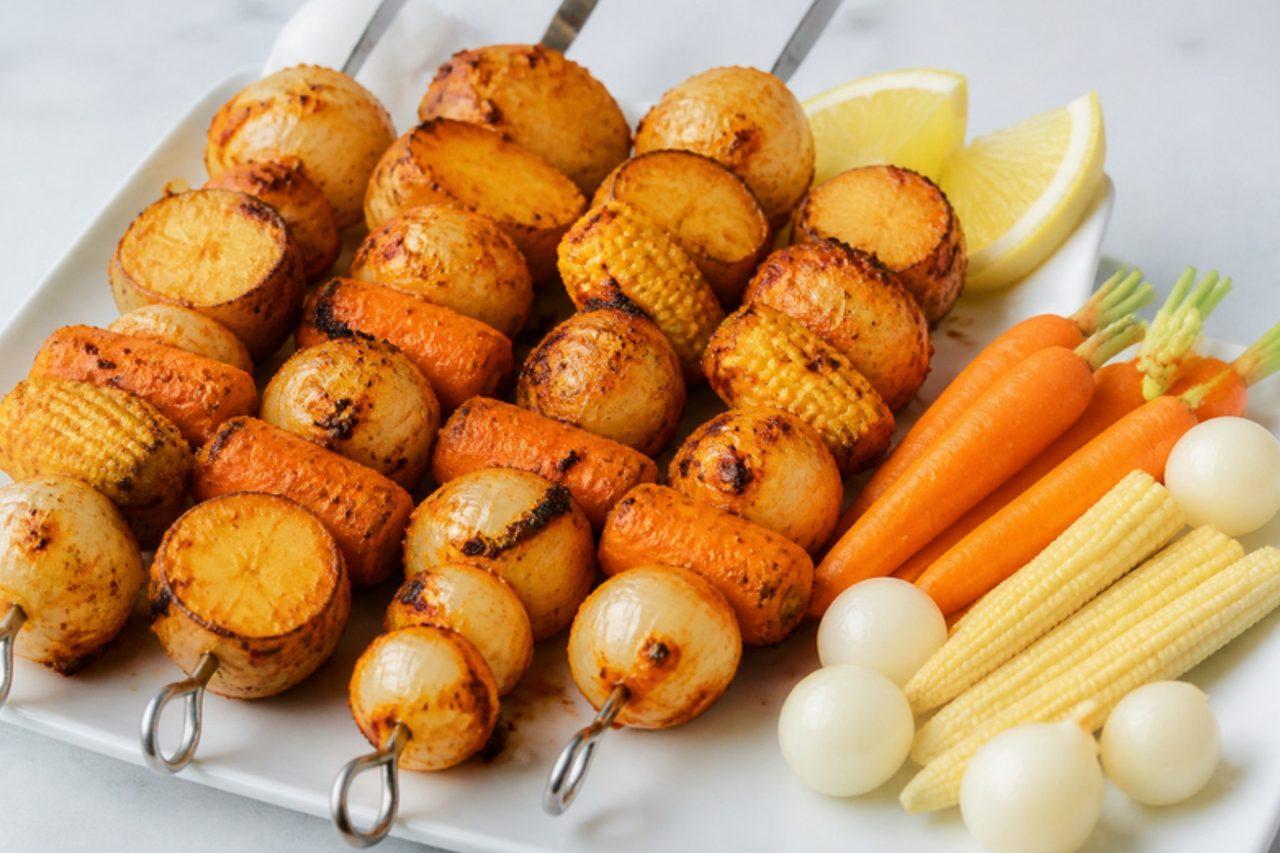
Tandoori tinniesTandoori baby vegetable skewers

Baby onions, carrots, potatoes and corn par-boiled, coated in a creamy, fiery marinade of red chilli, garlic, ginger, coriander-cumin and dried fenugreek, then grilled on skewers over charcoal until golden. They're small, colourful and bursting with flavour. Serve hot with lemon wedges.

by KrazyBadal 0 views

StollenFruit Christmas bread

Dresden has baked Christstollen for more than 500 years, and every December the city holds a Stollen festival with a giant loaf paraded through the old town to the Striezelmarkt. The loaf's shape, folded over and dusted white, is said to show the Christ child wrapped in swaddling cloth. It's a rich, dense yeast bread, heavy with butter, raisins, candied peel and almonds, brushed with melted butter straight from the oven and buried in sugar. It's baked weeks before Christmas and sliced thinly through Advent. Chef's tip: wrap it tightly and let it rest for at least a week before cutting; the flavours ripen and the crumb turns moist.

120 minGermanBaking
by KrazyBadal 0 views

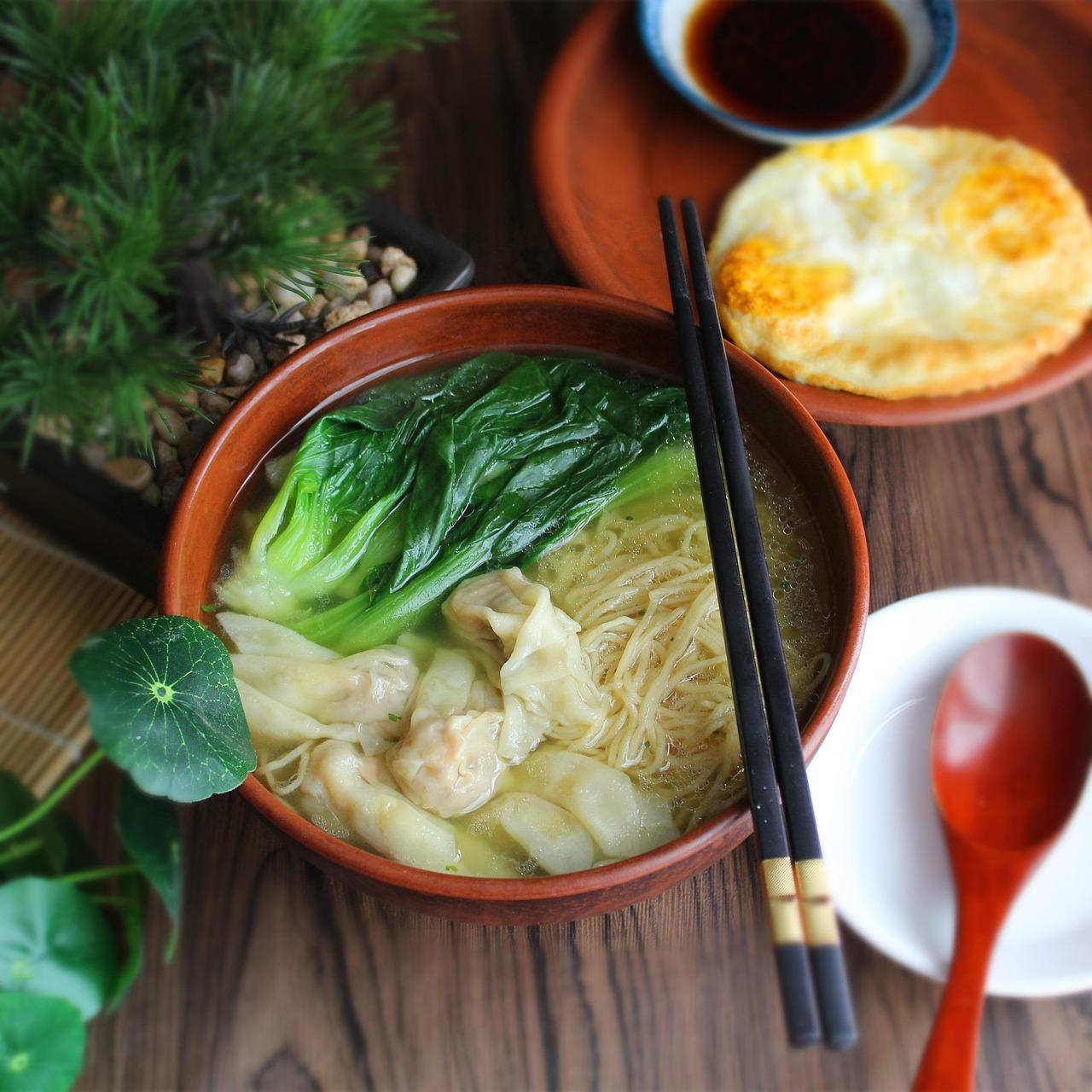
Wonton noodle soup

Small, steamy noodle shops all over Hong Kong sell this bowl from breakfast until late at night, often from a counter facing the street. Plump wontons, mostly prawn with a little pork, sit under a nest of thin, springy egg noodles in a clear, savoury broth fragrant with dried shrimp and ginger. The bowl is small and meant to be eaten fast, before the noodles soften, with a spoonful of chilli oil and a side of blanched greens. Shop wrappers make the wontons manageable on a weeknight. Chef's tip: put the wontons in the bowl first and the noodles on top, as Hong Kong cooks do, so the noodles sit above the broth and keep their bite.

by KrazyBadal 0 views

Showing 36 of 7,762 recipes

Show more recipes

Page 608 of 863