


Skip to content
Sucuklu yumurta
Featured recipe

Sucuklu yumurta

Spicy sausage with eggs

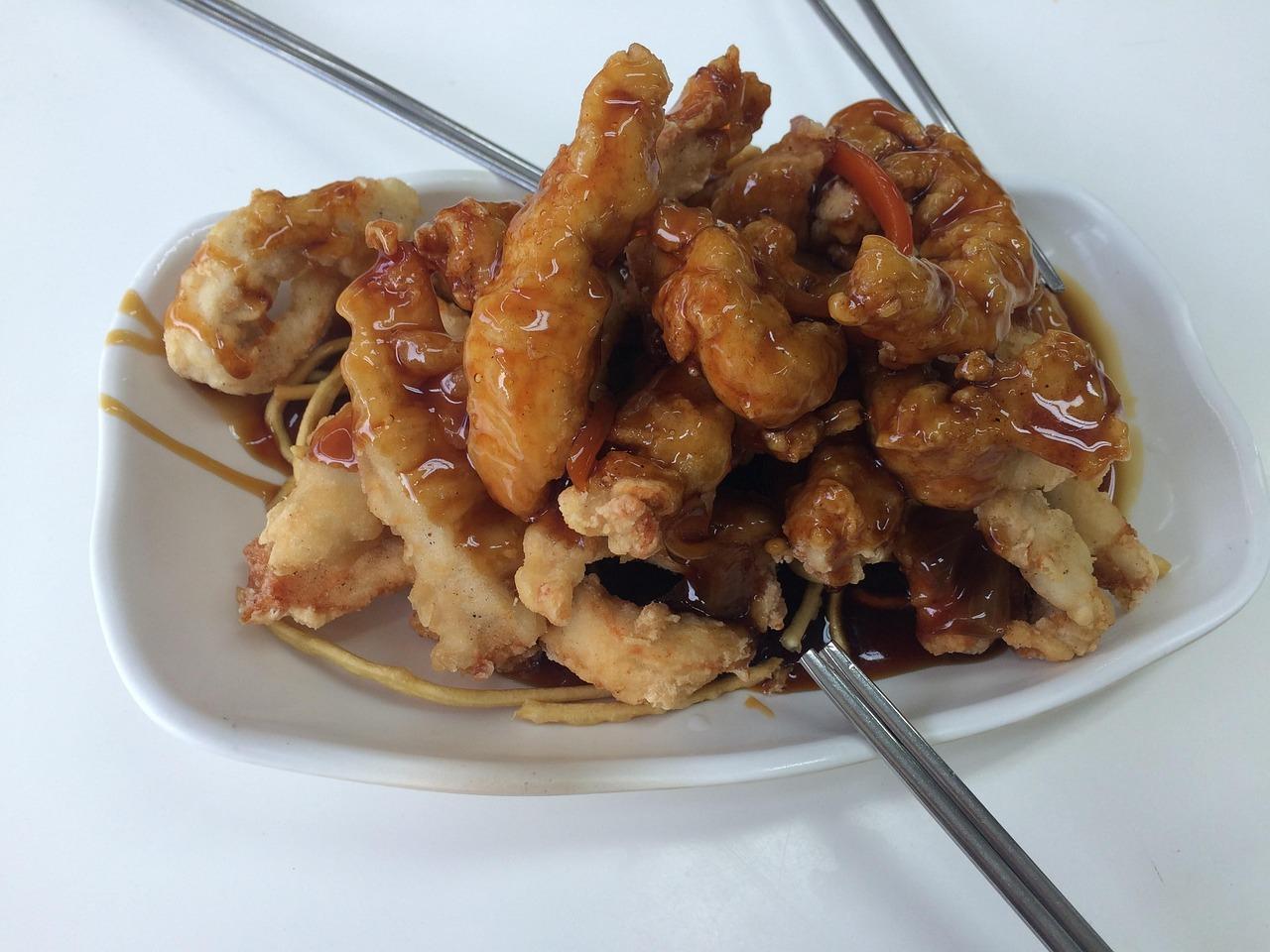
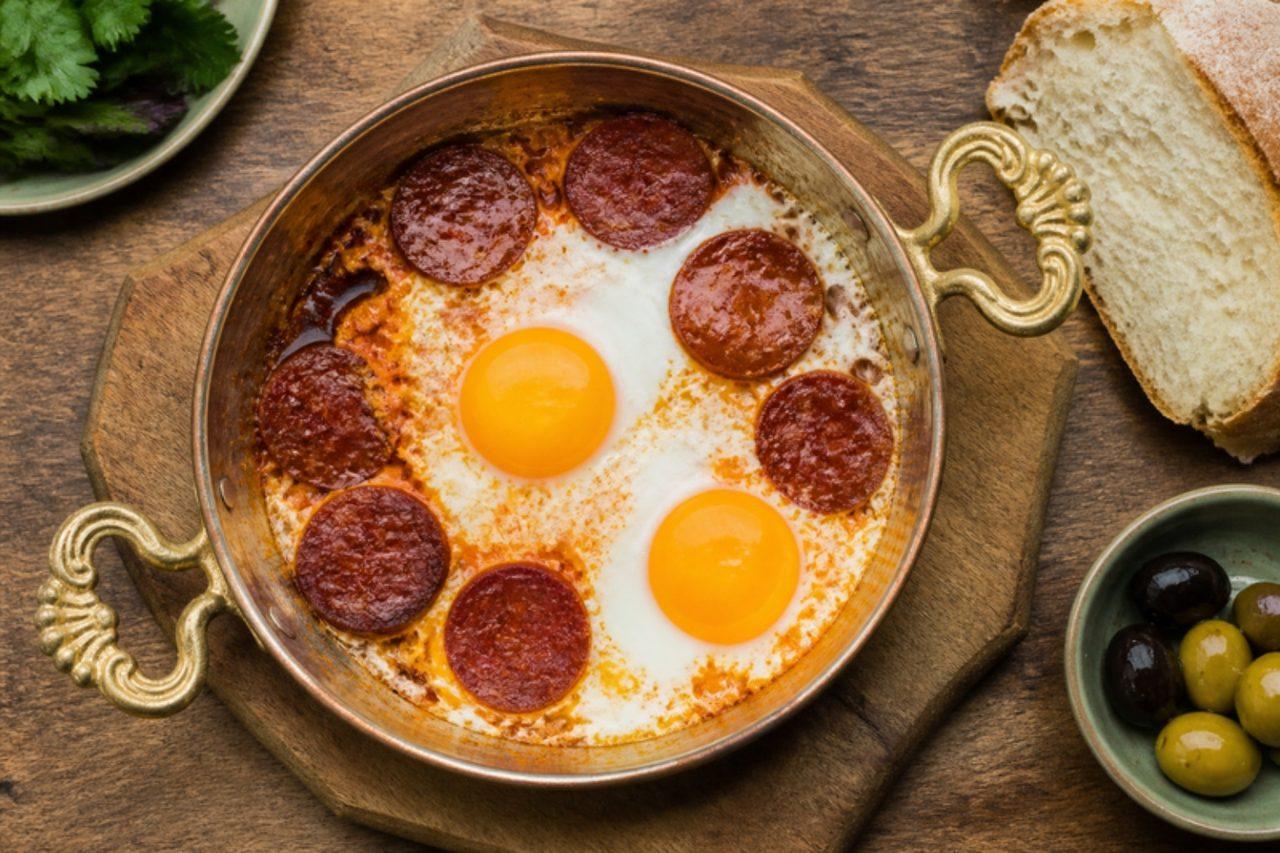
No Turkish weekend breakfast spread feels complete without a sizzling sahan of sucuklu yumurta carried to the table: slices of garlicky, cumin-spiced beef sucuk fried in their own red fat, with eggs cracked over and cooked just until the whites set. Everyone tears bread and dips it straight into the pan, between bites of cheese, olives and tomato. Sucuk is a cured beef sausage; cook it thoroughly. Common mistake: frying the sucuk on high heat, which burns the spices and makes the slices curl and harden. Chef's tip: add a teaspoon of water to the pan once the sucuk has released its fat; it stops the slices burning and helps cook the egg tops.

Read more 0 views

What to eat today?

Around the world

Today's trip: Persian

A new country every day, from every cuisine on the site.

Persian

Nazkhatoon

Smoky aubergine with pomegranate 40 minMore from Persian (131) →

This week's collection

Kid-friendly dinners
578 recipes · a new collection every Monday

Latest recipes

Pansoti con salsa di nociHerb ravioli in walnut sauce

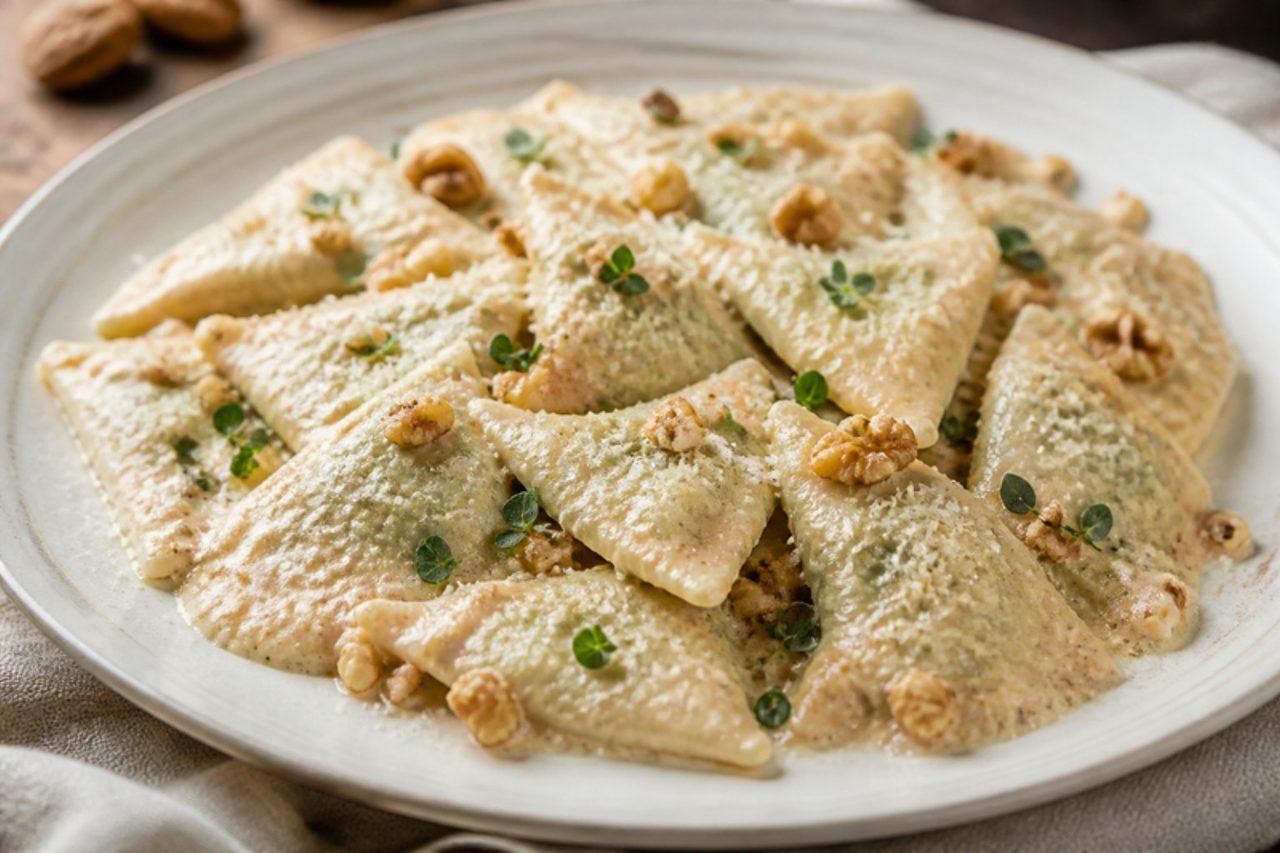
In Genoa and the hills behind it, pansoti are the pasta of the spring greens: plump triangles stuffed with a bundle of wild and garden leaves the Ligurians call preboggion, bound with soft cheese. Instead of pesto they wear salsa di noci, a pale, nutty sauce pounded from walnuts, garlic and milk-soaked bread. The dough is lean, just flour and water, often with a splash of white wine; this version gives a water-only option for an alcohol-free plate. Expect a soft bite, a grassy filling and a sauce that tastes of autumn. Chef's tip: blanch the walnuts for a minute and rub off the papery skins; the sauce turns sweeter and stays cream-coloured instead of grey.

by KrazyBadal 0 views
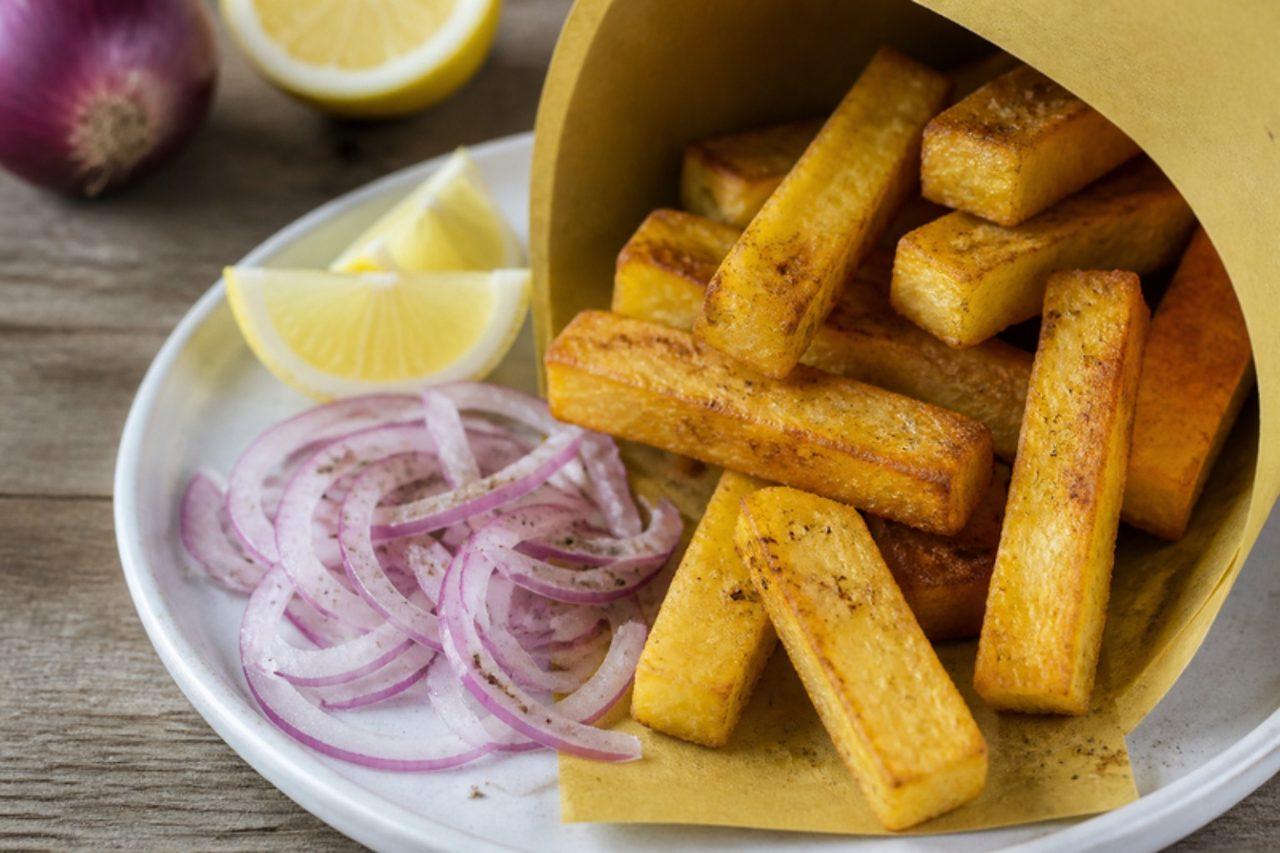
Panissa ligureFried chickpea polenta sticks

Panissa is farinata's quieter sister: the same chickpea flour and water, but stirred on the stove into a thick polenta, poured into a tray and left to set firm. In Genoa and along the Savona coast it turns up at friggitorie, the frying shops by the harbour, as golden sticks in a paper cone with salt and pepper; at home it is just as often cubed cold and dressed with raw onion, olive oil and lemon. Fried, it is crisp outside and creamy within, with a sweet, nutty taste. Chef's tip: make it the day before and chill it overnight; a well-set panissa cuts cleanly and doesn't spit in the oil.

by KrazyBadal 0 views

Erbazzone reggianoChard and Parmesan pie

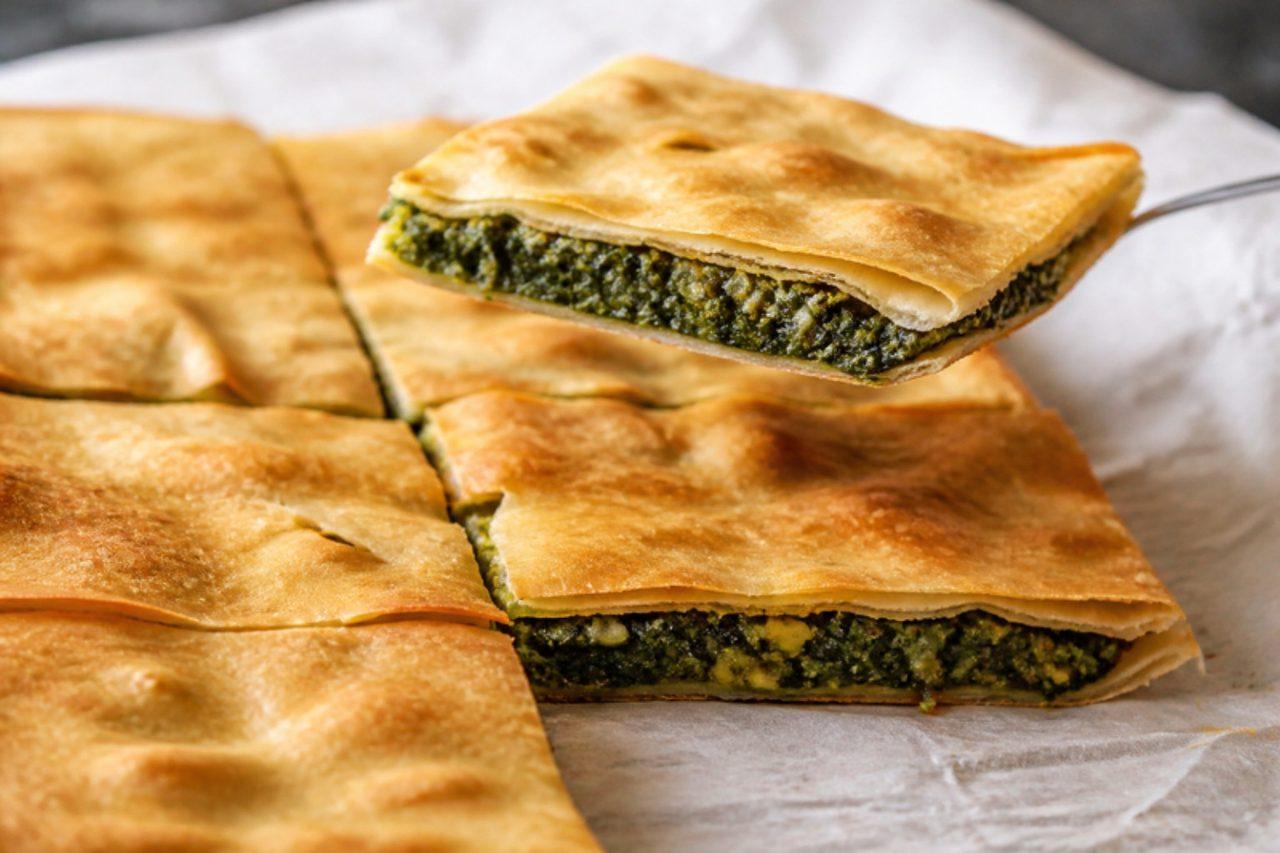
Bakeries in Reggio Emilia sell erbazzone in squares from big trays, and people eat it standing at the counter mid-morning or wrapped in paper for the walk home. It is a farmhouse pie of chard and spinach, sharp with spring onion and garlic and generous with Parmigiano, sealed in a very thin, crackly crust. The classic recipe uses lard in the pastry and often pancetta in the filling; both are left out here, and butter and olive oil make the crust. Serve it warm or at room temperature. Chef's tip: dry the greens thoroughly in the pan after blanching; erbazzone should be dense and green, never wet.

by KrazyBadal 0 views

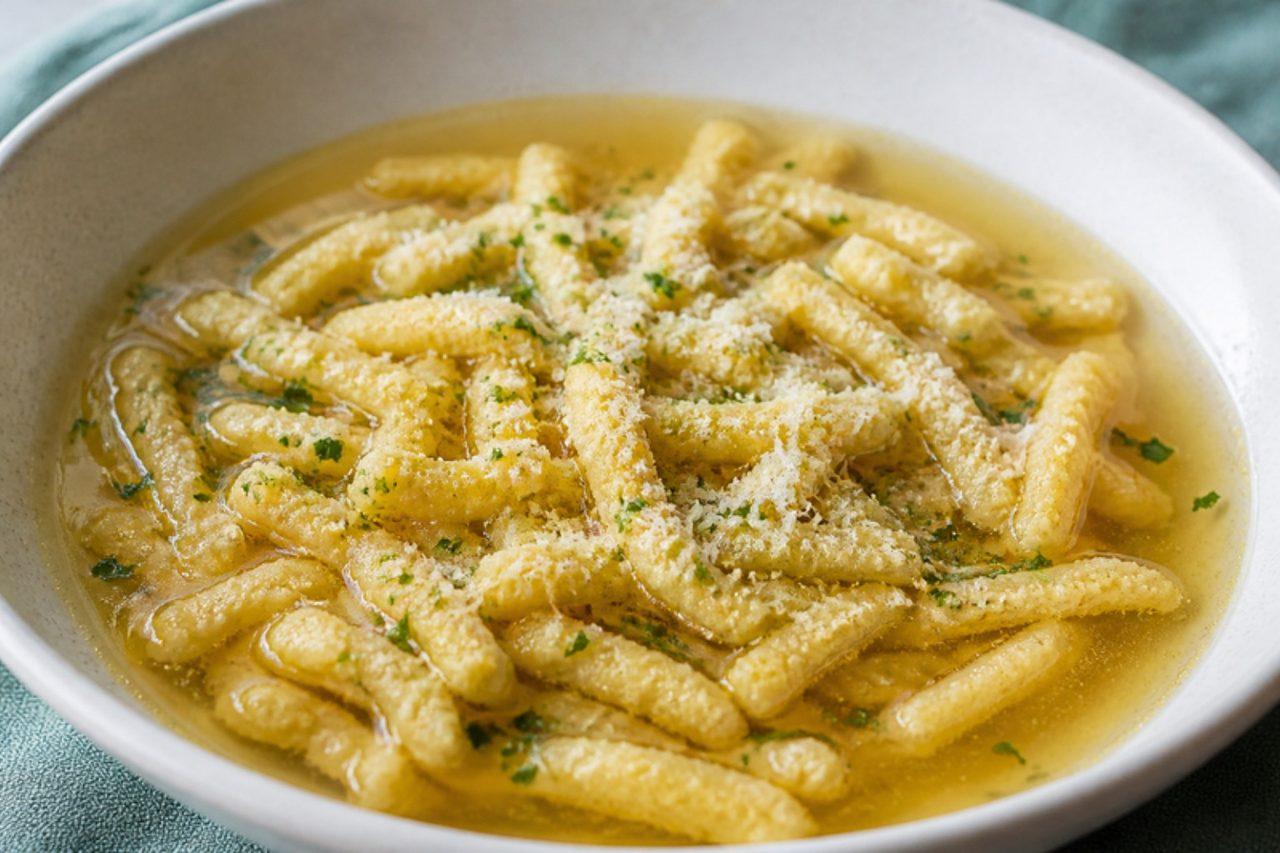
Passatelli in brodoBreadcrumb and cheese strands in broth

Passatelli were born in Romagna kitchens as a way to turn stale bread into a feast: breadcrumbs, eggs and plenty of hard cheese, scented with lemon and nutmeg, pressed through a special perforated iron straight into simmering broth. Around Rimini, Cesena and Forlì they are Christmas and Sunday food, served steaming in deep plates. The strands are soft, slightly rough and full of cheese flavour. Traditionally the broth is made with capon or beef; here a rich vegetable broth keeps it vegetarian. Chef's tip: no passatelli iron? A potato ricer with large holes does the job; just cut the strands to 4 cm with a knife as they come out.

by KrazyBadal 0 views

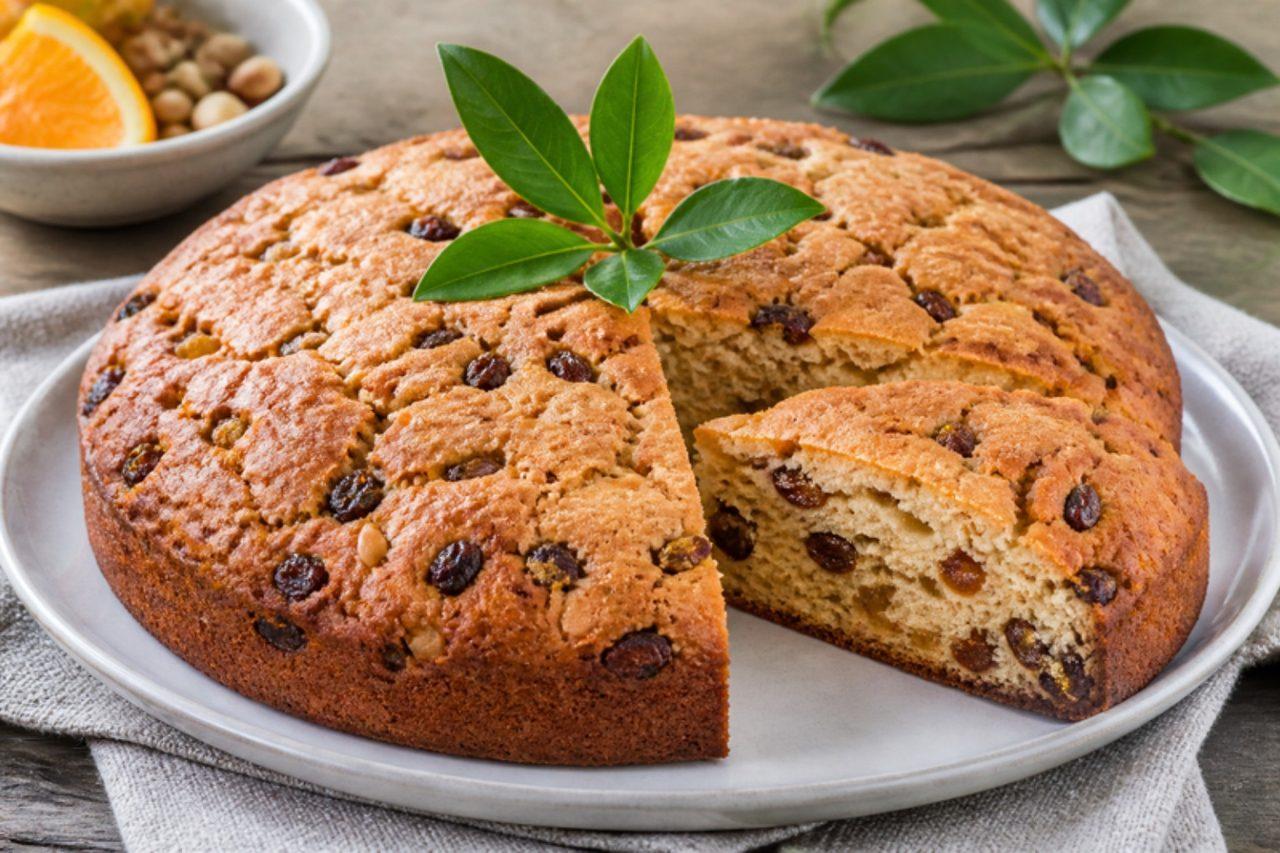
Pandolce genoveseRaisin and pine nut cake

No Genoese Christmas table is complete without a round, domed pandolce, traditionally topped with a sprig of bay and cut by the youngest at the table while the eldest serves. The low, quick version made here, pandolce basso, is raised with baking powder rather than days of yeast, so it bakes into a crumbly, buttery cake between shortbread and fruit loaf. Raisins, pine nuts, candied orange and a scattering of fennel seed give each bite a sweet, faintly aniseed taste, and orange flower water perfumes it. Chef's tip: keep it wrapped for two days before cutting; the crumb softens and the fennel and orange flavours deepen.

by KrazyBadal 0 views

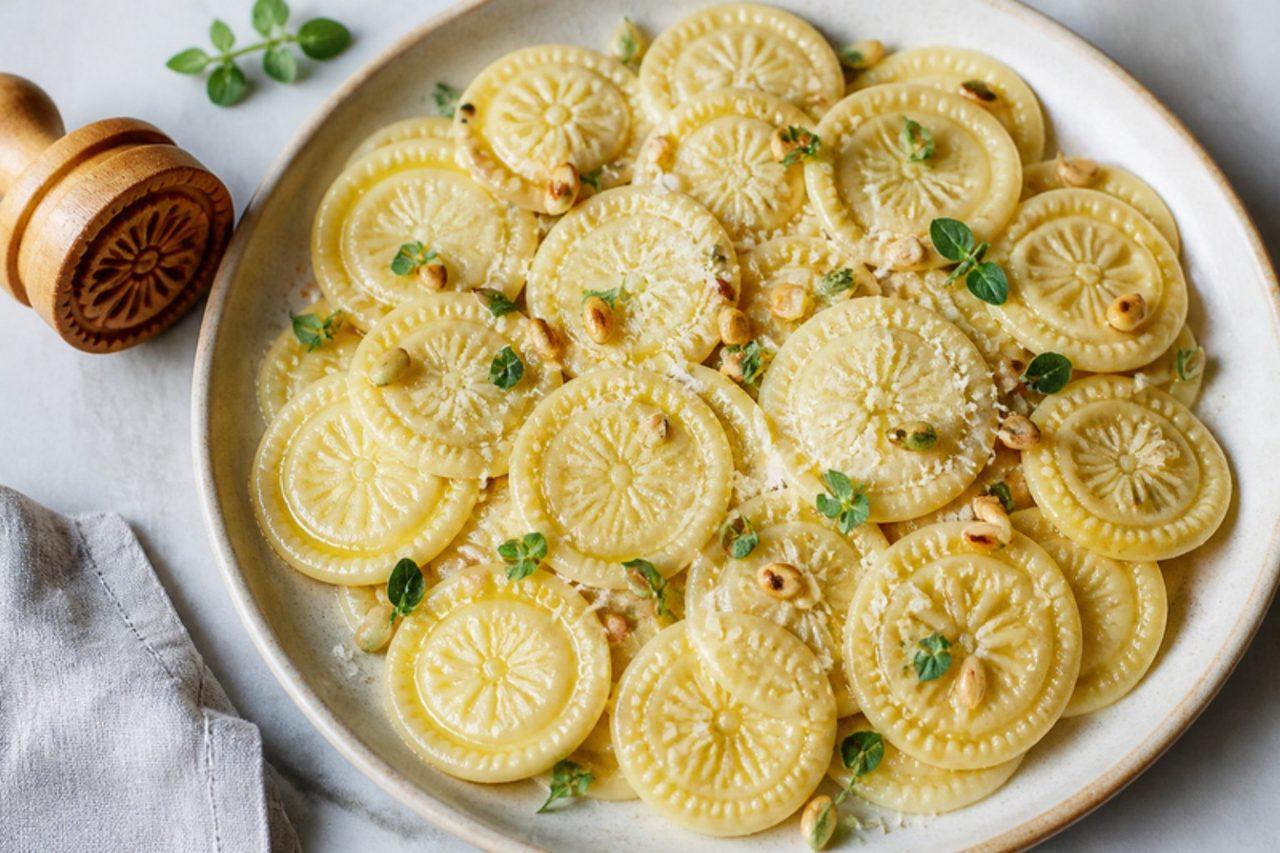
Corzetti con maggiorana e pinoliStamped pasta with marjoram

On the Riviera di Levante, from the Fontanabuona valley down towards Chiavari, corzetti are pressed between two carved wooden stamps, so each thin disc carries a pattern on both faces: a family crest, a flower, a ship. Noble families once had their arms carved into them for festive tables. The ridges are there to hold a light sauce, and the simplest is melted butter with toasted pine nuts and fresh marjoram, the herb Ligurians reach for before basil. They have a firm, slightly chewy bite. Chef's tip: no stamp? Cut the discs with a 6 cm glass and press each with the bottom of a patterned glass or a carved wooden butter mould; any relief gives the sauce something to cling to.

by KrazyBadal 0 views

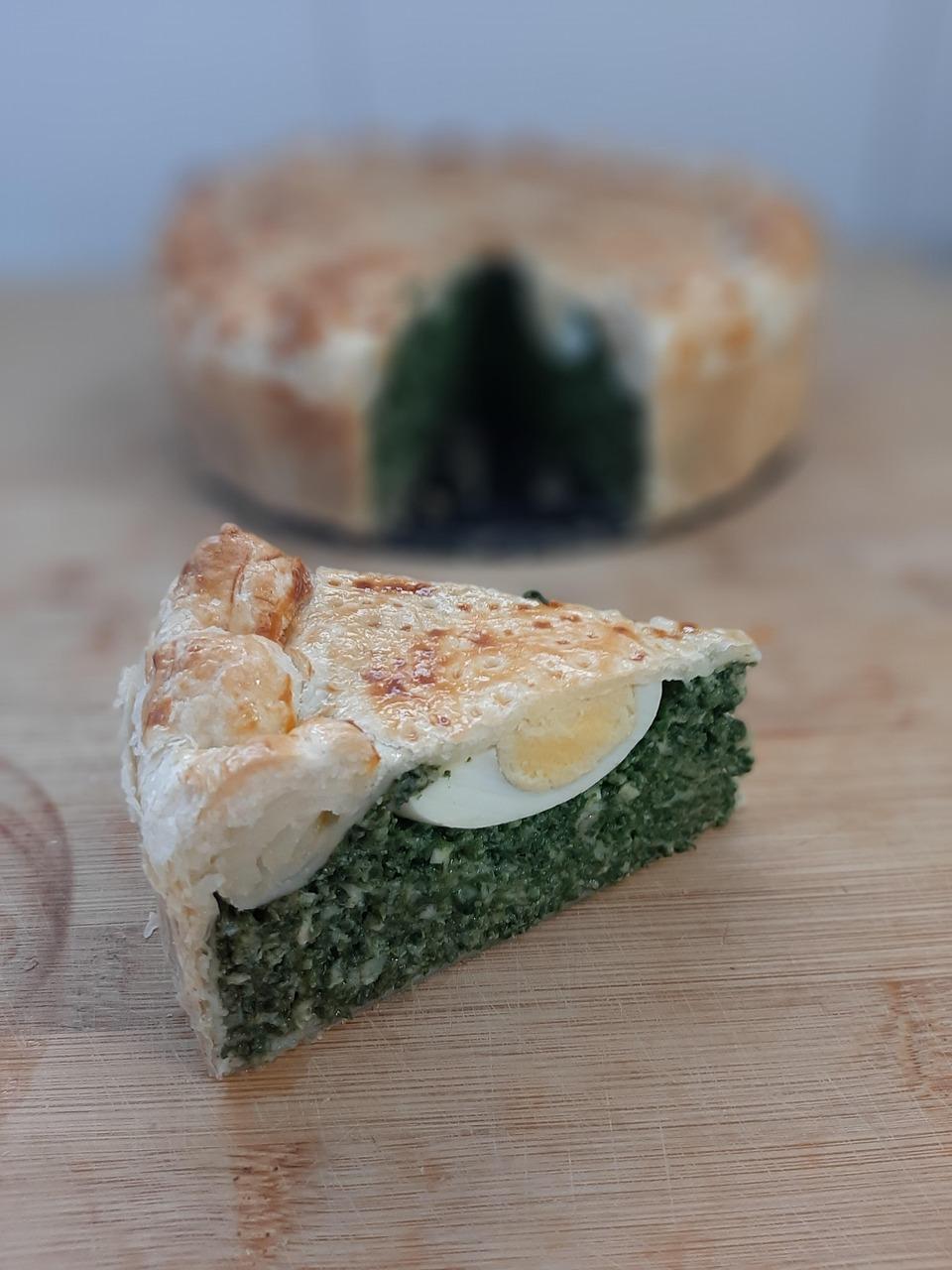
Torta pasqualinaChard and ricotta egg pie

Genoese families bake torta pasqualina for Easter Monday picnics, and it is just as good cold the next day as warm from the oven. Paper-thin sheets of olive-oil pastry enclose a deep layer of chard and ricotta, and whole eggs are cracked into hollows in the filling so that every slice shows a neat yellow and white circle. Old recipes boasted 33 pastry layers, one for each year of Christ's life; four sheets top and bottom give a crisp, flaky crust at home. The taste is mild and green, lifted with marjoram and hard cheese. Chef's tip: stretch the dough on the backs of your hands like strudel rather than only rolling it, and brush every sheet with oil, so the layers separate in the oven.

by KrazyBadal 0 views

Gnocco frittoPuffed fried dough

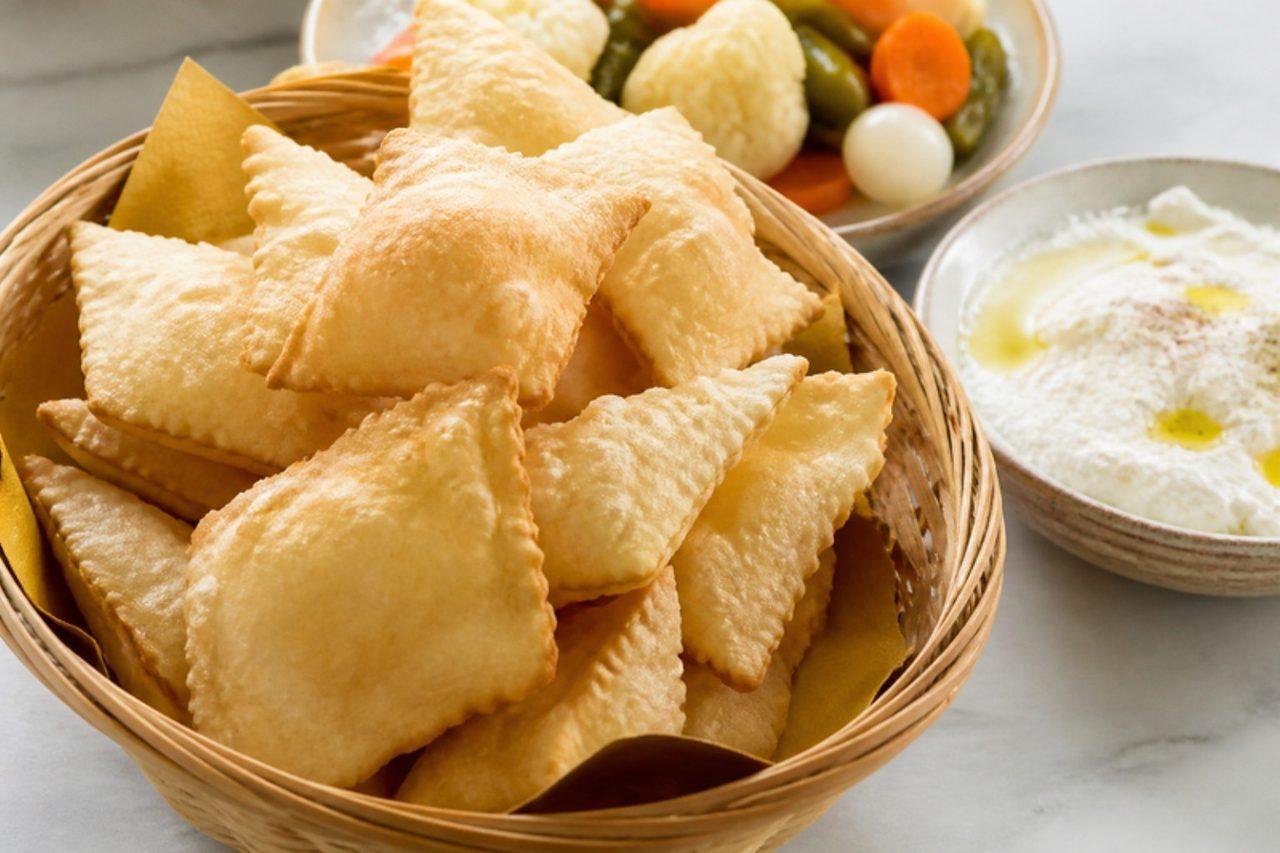
Walk into a trattoria around Modena or Reggio Emilia and a basket of gnocco fritto lands on the table before you have ordered: diamonds of dough that balloon in hot fat into hollow, blistered pillows. They are torn open and filled with whatever comes with them, traditionally cured meats; here they go with soft cheeses, Parmigiano shards, grilled vegetables and pickles. The dough was always made with lard; this version uses butter, which keeps the crust tender and golden. Children adore them for breakfast dipped in milky coffee too. Chef's tip: roll the dough really thin, about 3 mm; thick gnocco stays bready and won't puff.

by KrazyBadal 0 views

TigelleSmall griddle breads

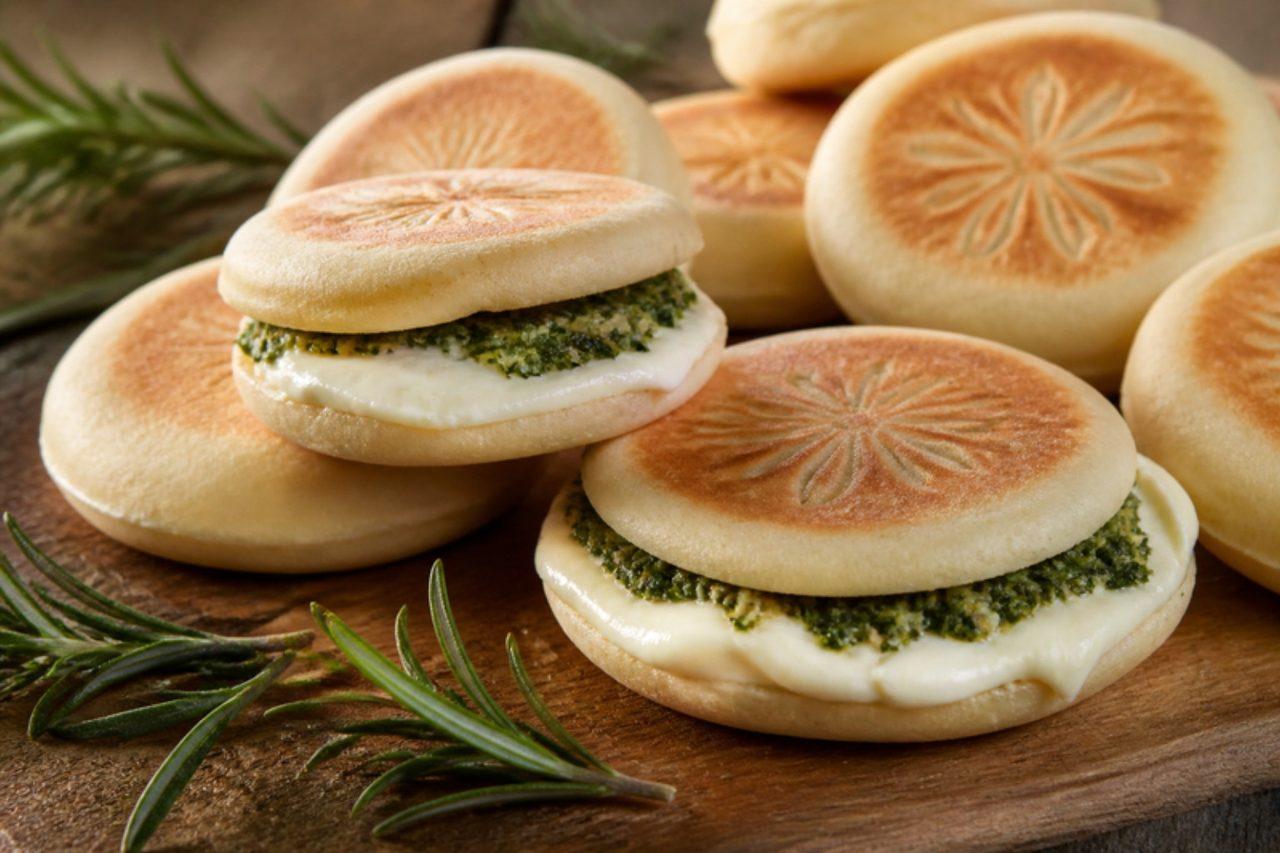
In the Apennine hills above Modena these small, round breads were once baked between hot terracotta discs called tigelle, which gave them their common name; locals often insist the bread itself is the crescentina. Today a cast-iron tigelliera or a heavy frying pan does the work, giving each one a toasted, speckled face and a soft, steamy inside. They are split while hot and filled at the table, a lively Saturday-night supper with friends. The filling was classically lard pounded with rosemary and garlic; this vegetarian spread uses butter, rosemary and Parmigiano, alongside soft cheeses and grilled vegetables. Chef's tip: cut them with a 7 cm cutter and keep them 1 cm thick; any thinner and there's nothing to split.

by KrazyBadal 0 views

Garganelli con piselli e pannaEgg pasta with peas and cream

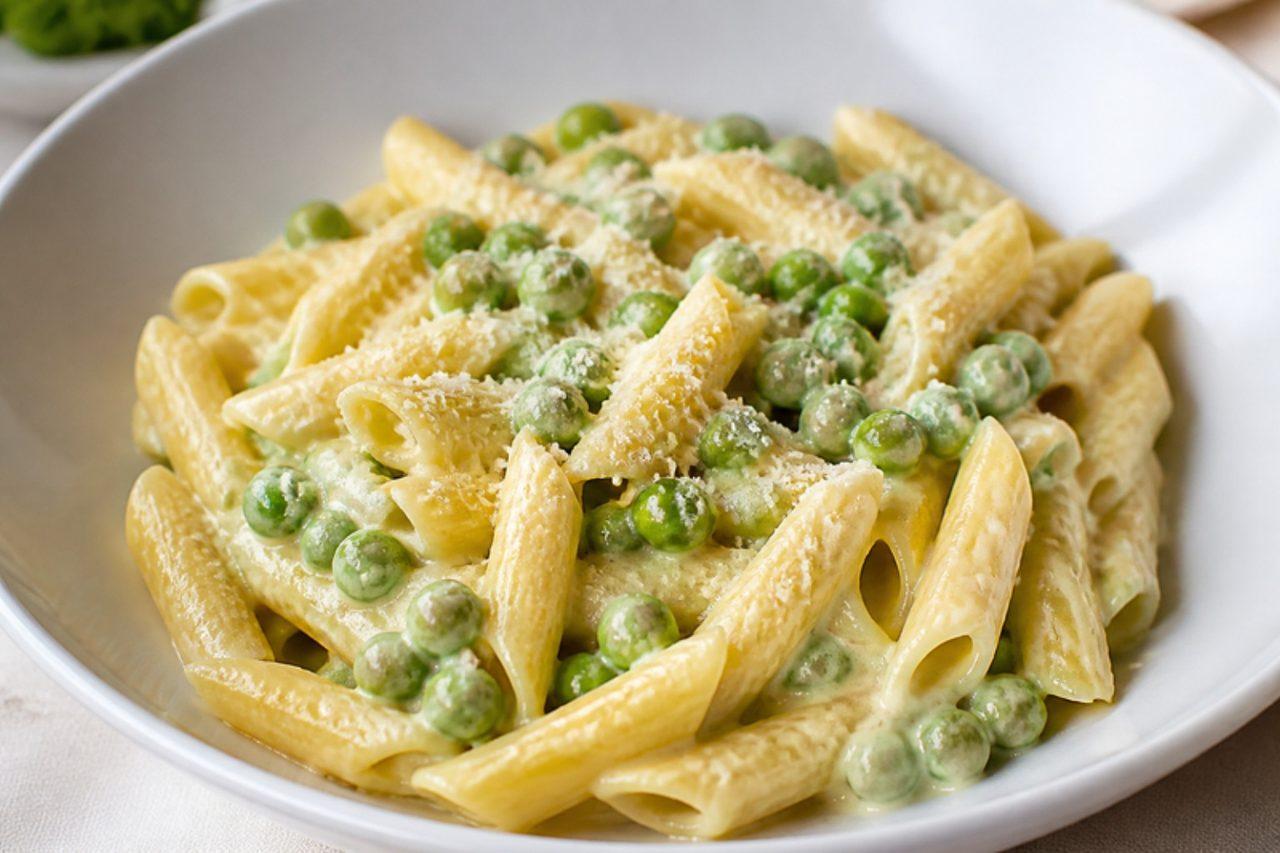
Garganelli come from the farmhouses between Imola and Lugo in Romagna, where egg-pasta squares are rolled around a thin stick on a little comb called a pettine, leaving ridged quills with a seam down one side. Their ridges grip sauce well, and the classic spring dressing is sweet peas in cream; the trattoria version adds prosciutto, which this one leaves out, with a little shallot and Parmigiano instead. The dish is silky and mild, a Sunday-lunch first course. Chef's tip: a clean gnocchi board and a pencil-thin wooden dowel make perfectly good garganelli if you don't own a pettine.

by KrazyBadal 0 views

Tortelli di erbettaRicotta and chard tortelli

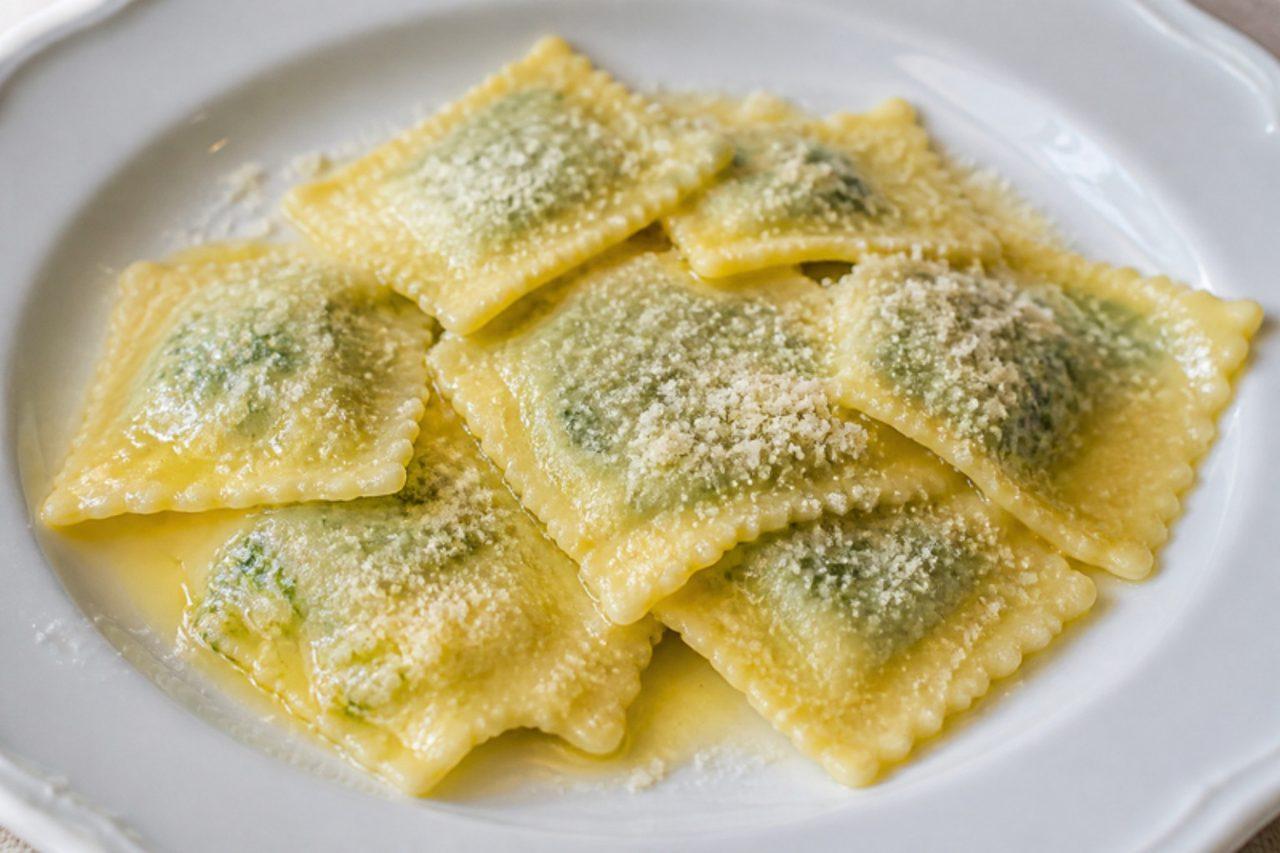
On the night of 23 June, the feast of San Giovanni, Parma eats tortelli d'erbetta outdoors, at long tables in courtyards and on terraces, and the custom says the evening dew blesses the meal. The filling is the young chard the city calls erbetta, mixed with ricotta and a lot of Parmigiano; the pasta is egg-rich and thin, and the only sauce is melted butter and more cheese. Each one is soft, creamy and gently green. Chef's tip: cut the tortelli as large rectangles, about 6 × 8 cm, as they do in Parma; bigger parcels hold more filling and cook evenly.

by KrazyBadal 0 views

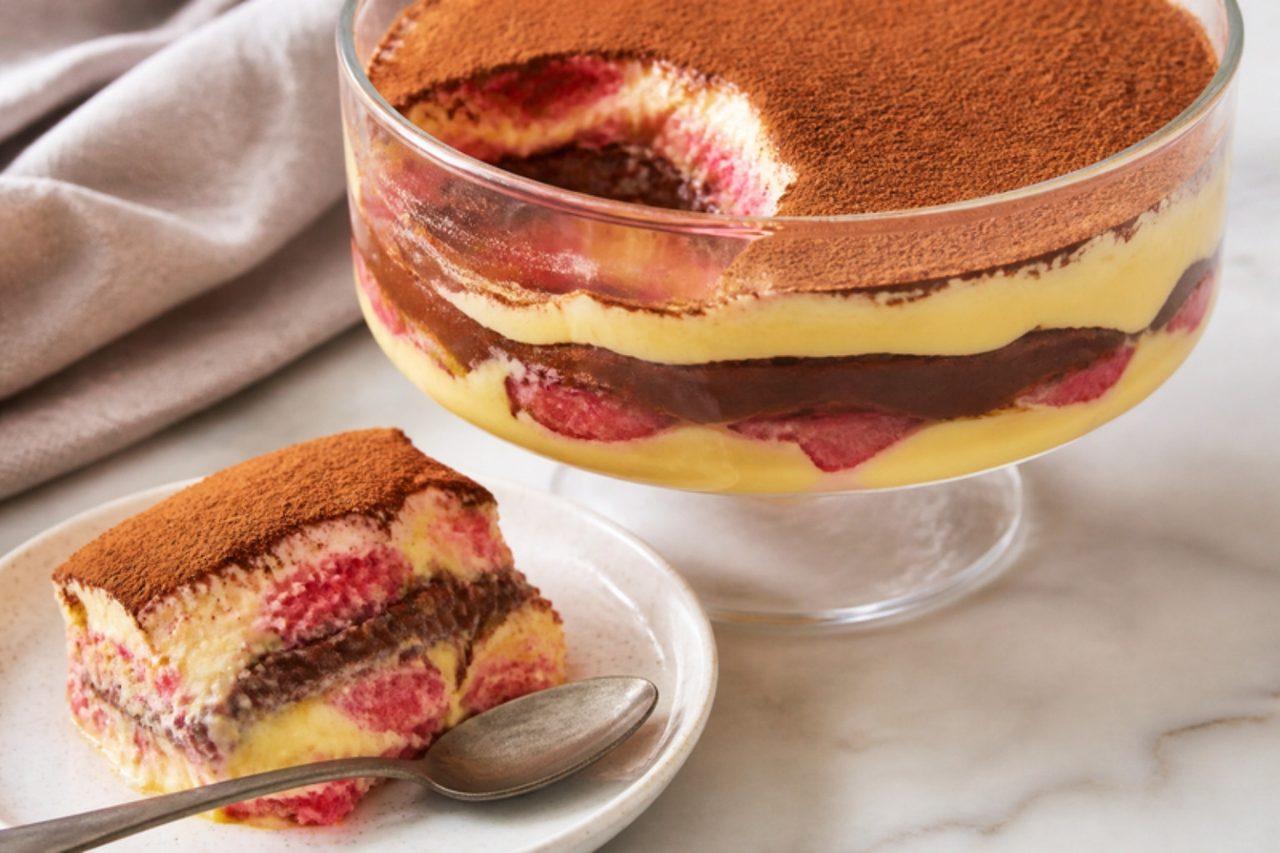
Zuppa ingleseCustard and sponge trifle

Zuppa inglese is a spoon dessert from Emilia, served at Sunday lunches and family parties in Bologna, Modena and Ferrara: sponge fingers dipped in a crimson liqueur, layered with yellow lemon custard and dark chocolate custard. Despite the name, no soup and nothing English; one story links it to the trifles brought home by Italian diplomats. The red comes from alchermes, a spiced liqueur that is alcoholic and coloured with cochineal, an insect dye, so this version soaks the biscuits in a vegetarian, alcohol-free hibiscus and spice syrup that keeps the colour and the clove-cinnamon perfume. It sets into soft, creamy, striped slices. Chef's tip: dip the biscuits for a second only; they keep softening in the custard overnight.

by KrazyBadal 0 views

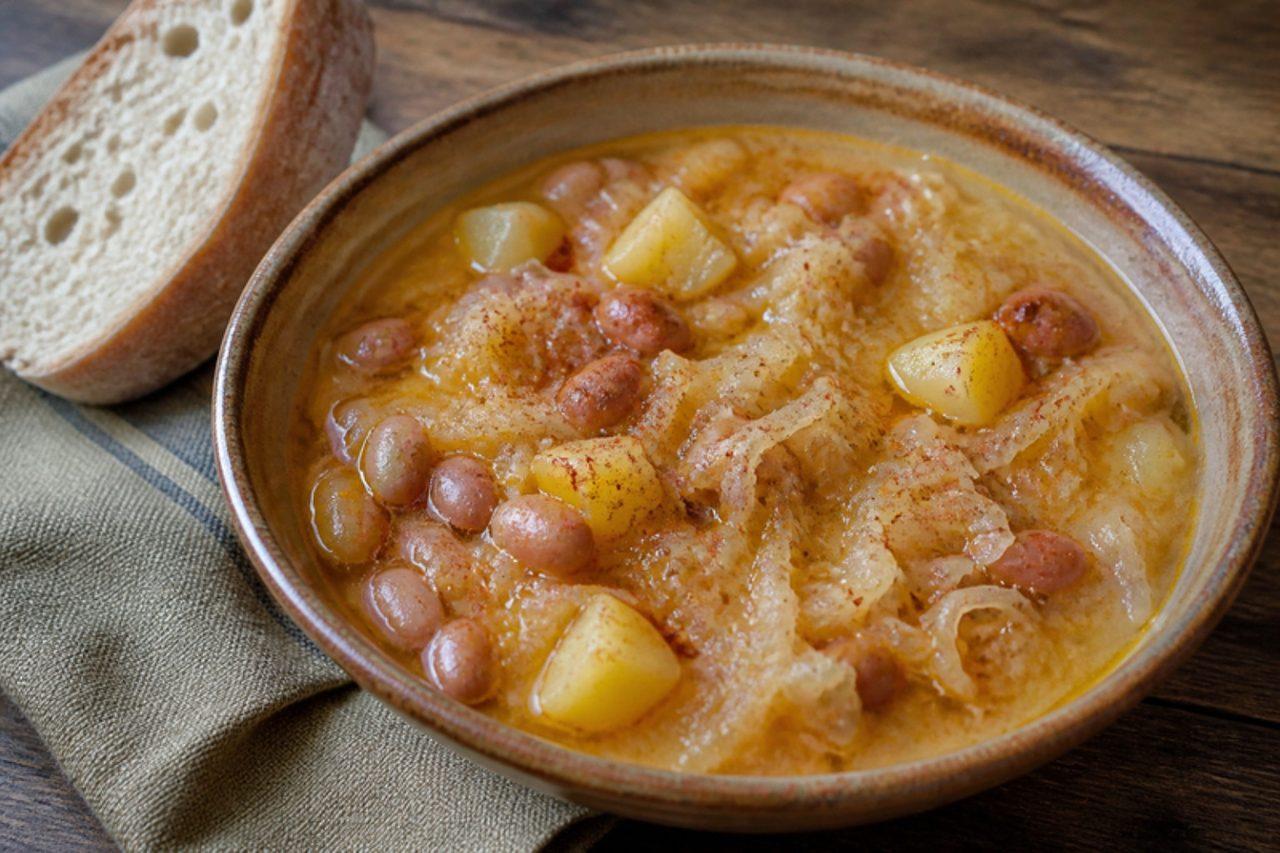
Jota triestinaBean and sauerkraut soup

Jota is the soup of Trieste, the port city where Italian, Slovenian and Austrian cooking meet, and it is ladled out all winter in the city's old buffet restaurants and in the Karst villages behind it. Borlotti beans, potatoes and sour sauerkraut cook down into a thick, tangy soup that warms you through when the bora wind blows. The traditional version is cooked with pork ribs or rind; here smoked paprika, caraway and garlic give the smoky depth, so it is fully vegan. Chef's tip: make it a day ahead; like most bean soups, jota tastes better reheated.

120 minItalianSoupsVeganGluten free
by KrazyBadal 0 views

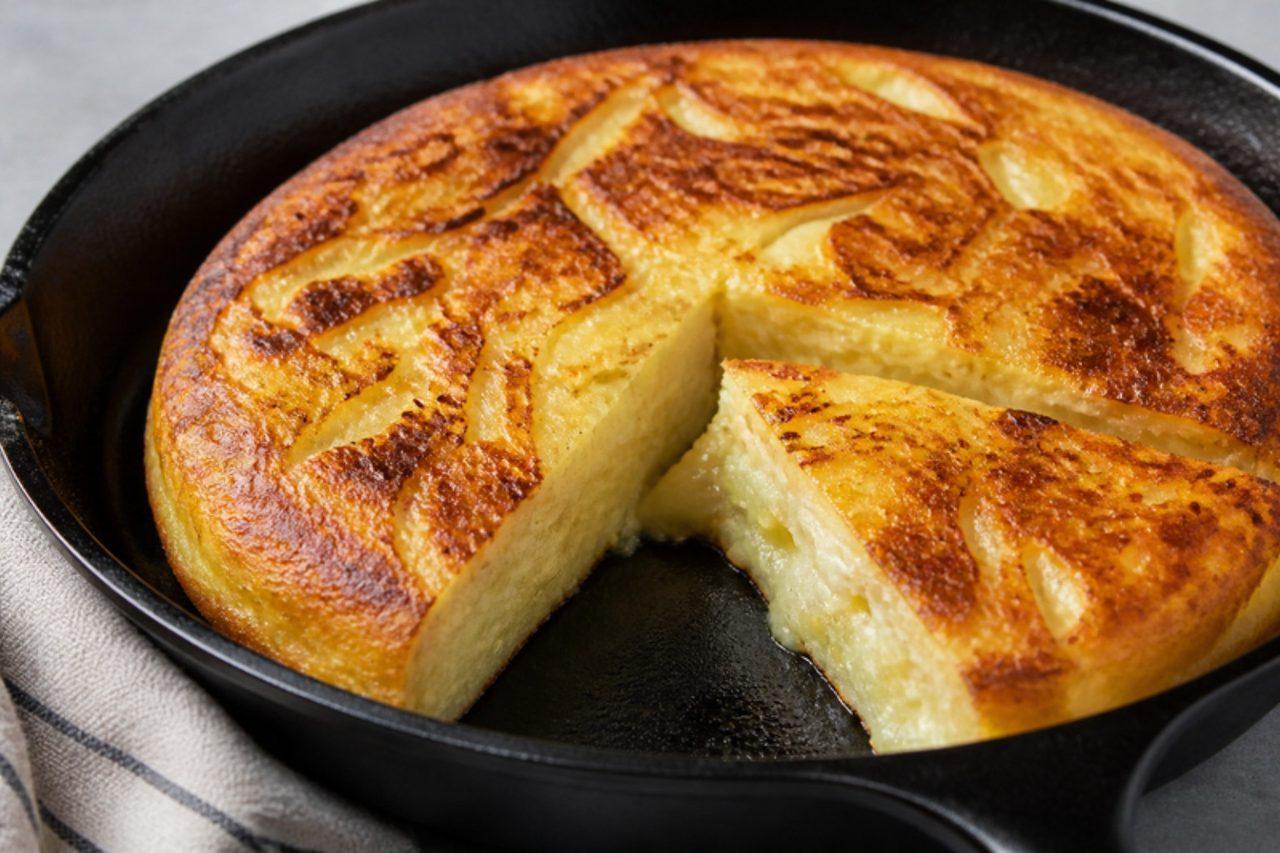
Frico con patatePotato and cheese skillet cake

Frico was born in the mountain pastures of Carnia, in the north of Friuli-Venezia Giulia, where herders cooked cheese ends and potatoes together in an iron pan over the fire. Today it is the region's signature dish, served in Udine's osterie and at village festivals in wedges beside soft polenta. The outside sets into a crisp, brown cheese crust while the inside stays soft, stringy and rich with sweet onion. Chef's tip: mix a young Montasio, which melts, with a more aged one, which gives the crust its flavour and crunch.

by KrazyBadal 0 views

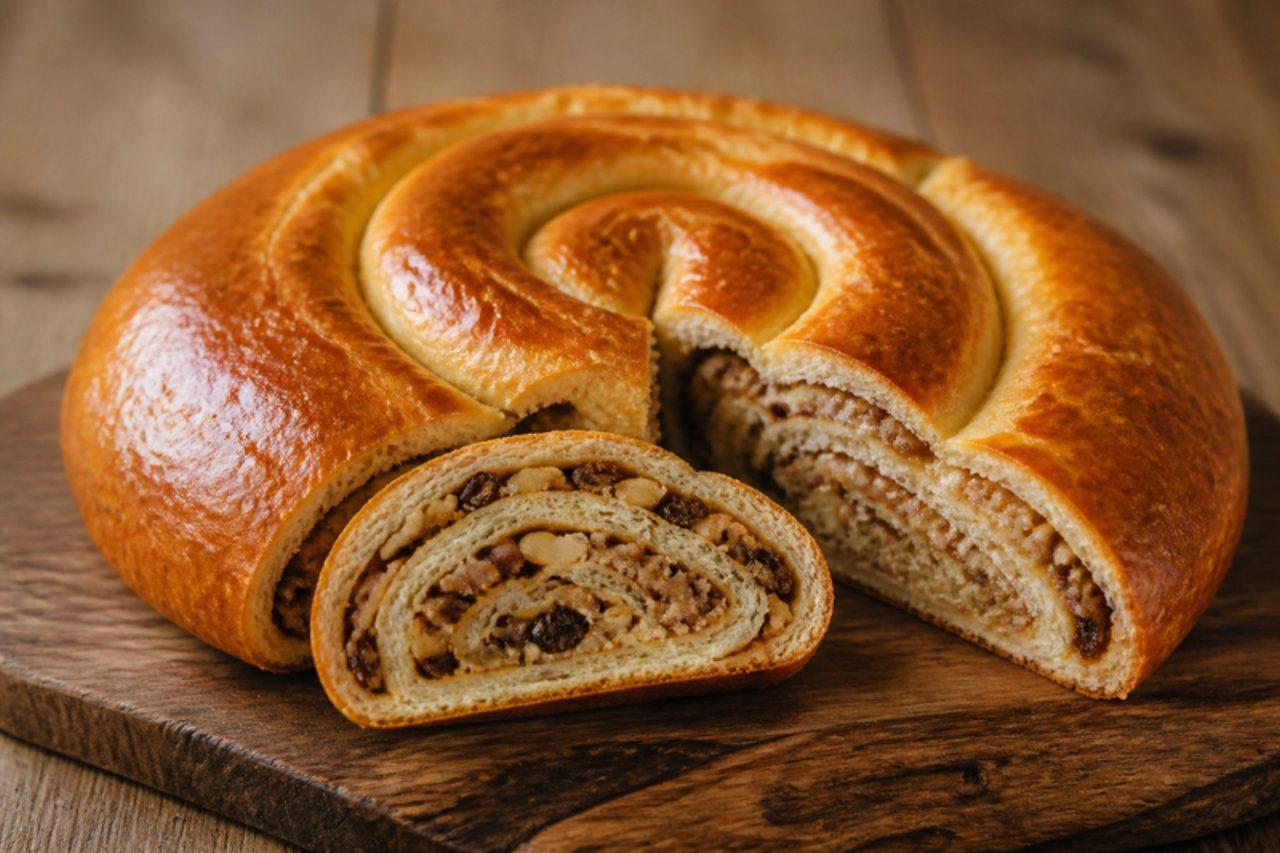
Gubana friulanaNut and raisin pastry spiral

Gubana comes from Cividale del Friuli and the Natisone valleys on the Slovenian border, where it is baked for Easter, weddings and christenings and shared in slices from a coiled round loaf. A soft, sweet yeast dough is rolled around a dark filling of walnuts, raisins, pine nuts and candied peel, then curled up like a snail shell so each slice shows a spiral. Locals often splash a little grappa or plum brandy over each slice and the filling is usually laced with it too; orange juice works in its place for an alcohol-free gubana. Chef's tip: bake it a day ahead, wrapped well, as the filling grows moister and spicier overnight.

by KrazyBadal 0 views

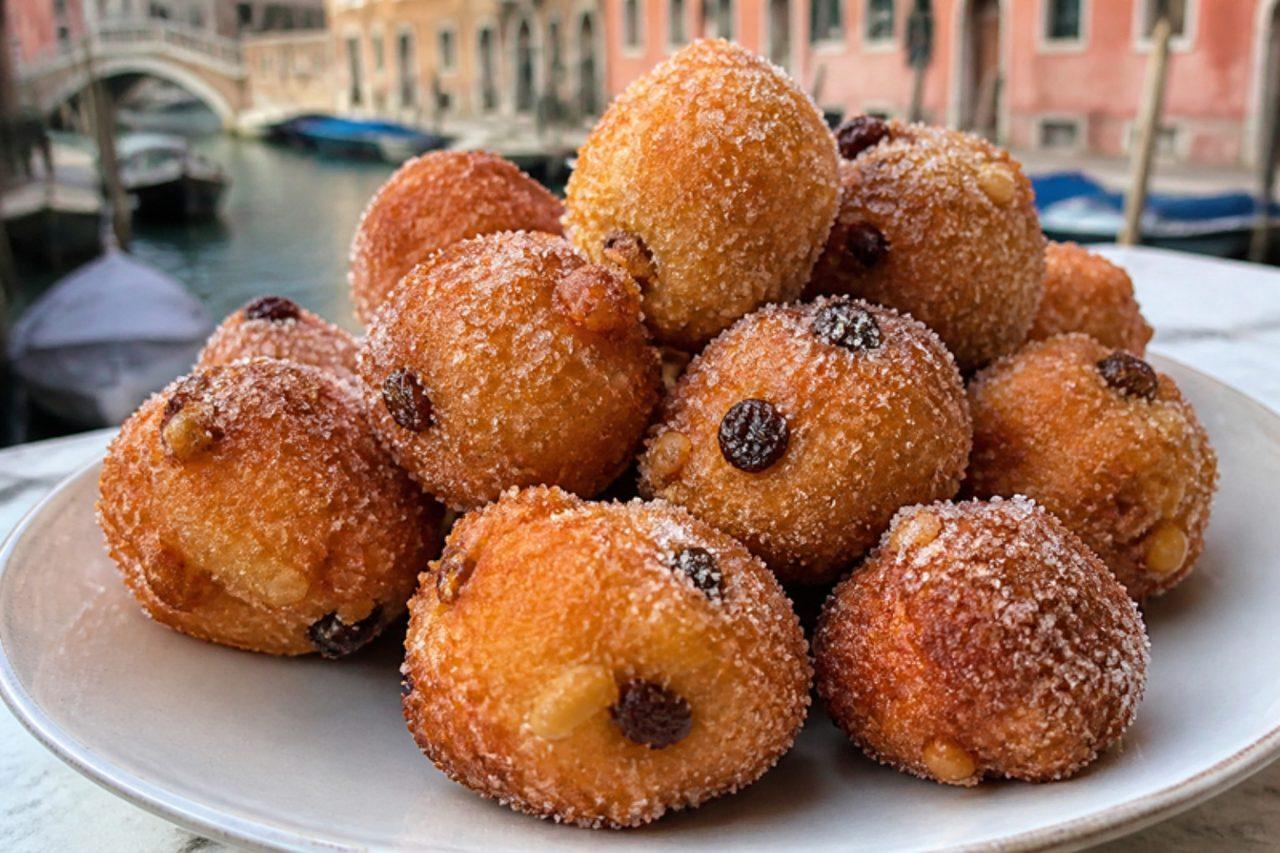
Frittelle venezianeRaisin and pine nut fritters

For the weeks before Lent, every pastry shop in Venice is piled with fritole, golden balls of fried yeast dough studded with raisins and pine nuts, and masked visitors eat them from paper bags as they wander between the campi. They were once sold from street stalls by a guild of fritter-makers and are still the true taste of the Venetian Carnival: crisp and sugary outside, light and bready within. The traditional batter has a spoon of grappa or rum; here orange juice takes its place, which suits children too. Chef's tip: fry a single fritter first to check the oil heat and timing.

by KrazyBadal 0 views

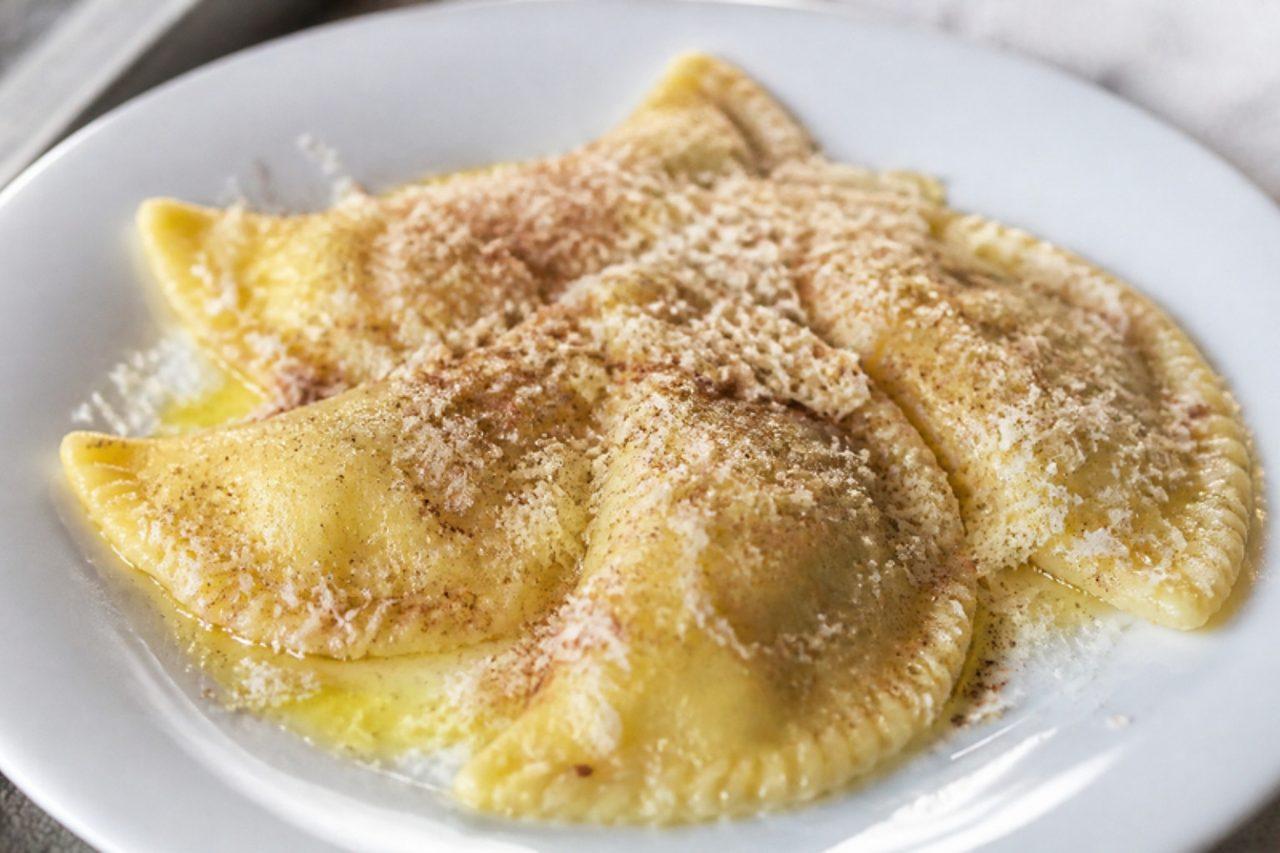
Cjarsons della CarniaSweet and savoury filled pasta

Each village in the Carnia mountains of Friuli keeps its own recipe for cjarsons, and families argue happily about whether chocolate, cinnamon or lemon balm belongs inside. The old story ties them to the cramârs, pedlars who walked over the Alps selling spices and brought exotic flavours home. Served at weddings, feast days and Sunday lunch, these half-moons hold a potato filling sweet with raisins and fragrant with mint and parsley, finished with brown butter, cinnamon sugar and grated smoked ricotta. The mix of salty, sweet and smoky is unlike any other pasta in Italy. Chef's tip: pinch the edges into a twisted rope; it seals well and looks the part.

by KrazyBadal 0 views

Presnitz triestinoSpiced fruit puff pastry spiral

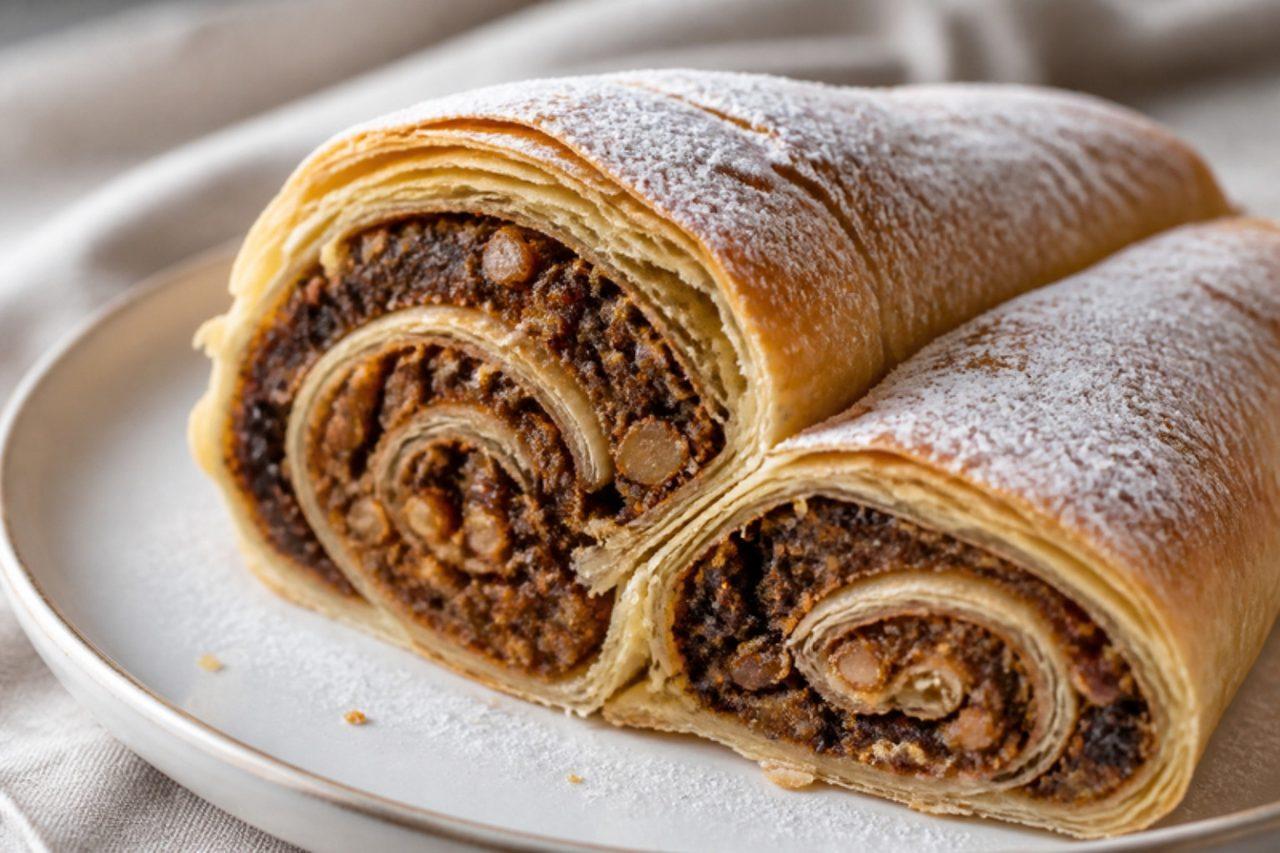
Trieste's pastry shops, many of them founded in the Habsburg years, sell presnitz all year but above all at Easter, when it sits on the table next to the sweet Easter breads. Unlike the yeasted gubana from inland Friuli, it is made from flaky puff pastry rolled thin around a long rope of nuts, dried fruit, chocolate and spice, then coiled into a flat spiral and baked crisp. Slices shatter into buttery flakes around a dense, aromatic centre. The filling is traditionally soaked in rum; orange juice is a good alcohol-free swap. Chef's tip: use all-butter puff pastry and check the label, since some brands use non-vegetarian fats.

by KrazyBadal 0 views

Canederli agli spinaciSpinach bread dumplings

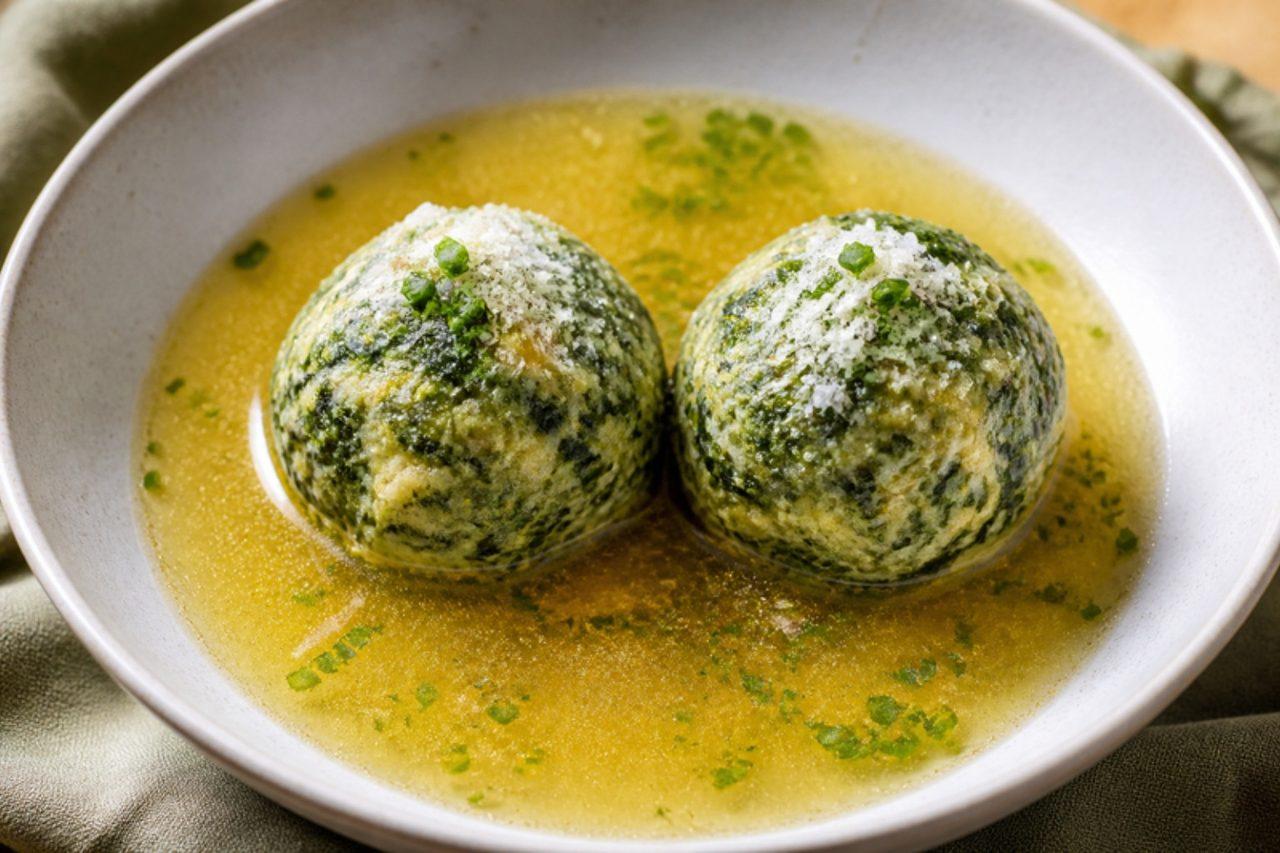
Green canederli, Spinatknödel in German, are a fixture of the mountain huts and village inns of Trentino and South Tyrol, from the Val di Fiemme to the streets of Bolzano. Day-old bread is soaked in milk and bound with egg, chopped spinach and mountain cheese, then rolled into fist-sized balls and poached until light but firm. They arrive two to a bowl in steaming broth, or drained and dressed with melted butter and grated cheese. The best-known canederli are made with speck; this is the spinach and cheese version, served in vegetable stock. Chef's tip: poach one test dumpling first; if it starts to break up, work a spoonful more flour into the mix.

by KrazyBadal 0 views

SchlutzkrapfenSpinach and quark half-moon pasta

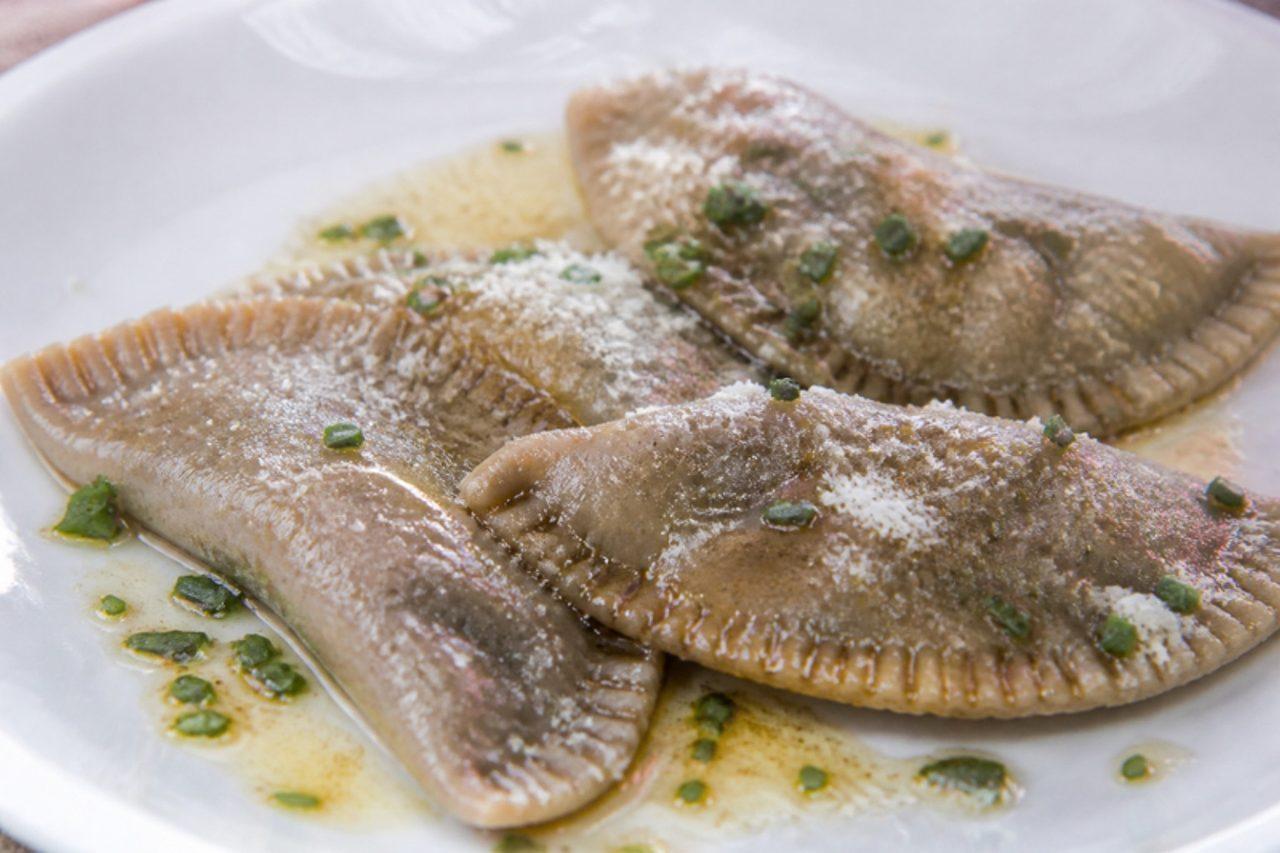
Schlutzkrapfen come from the farmhouse kitchens of South Tyrol, around Bressanone and the Val Pusteria, and are a fixture of autumn menus once the first snow dusts the Dolomites. A firm dough of rye and wheat flour wraps a soft filling of spinach and fresh quark, folded into half-moons and served in foaming brown butter with chives and cheese. The rye gives them an earthy, slightly sour bite that sets them apart from Italian ravioli further south. Chef's tip: roll the dough thinner than you think and keep the unused part covered, as rye dough dries out quickly.

by KrazyBadal 0 views

Risotto al radicchio di TrevisoRed chicory risotto

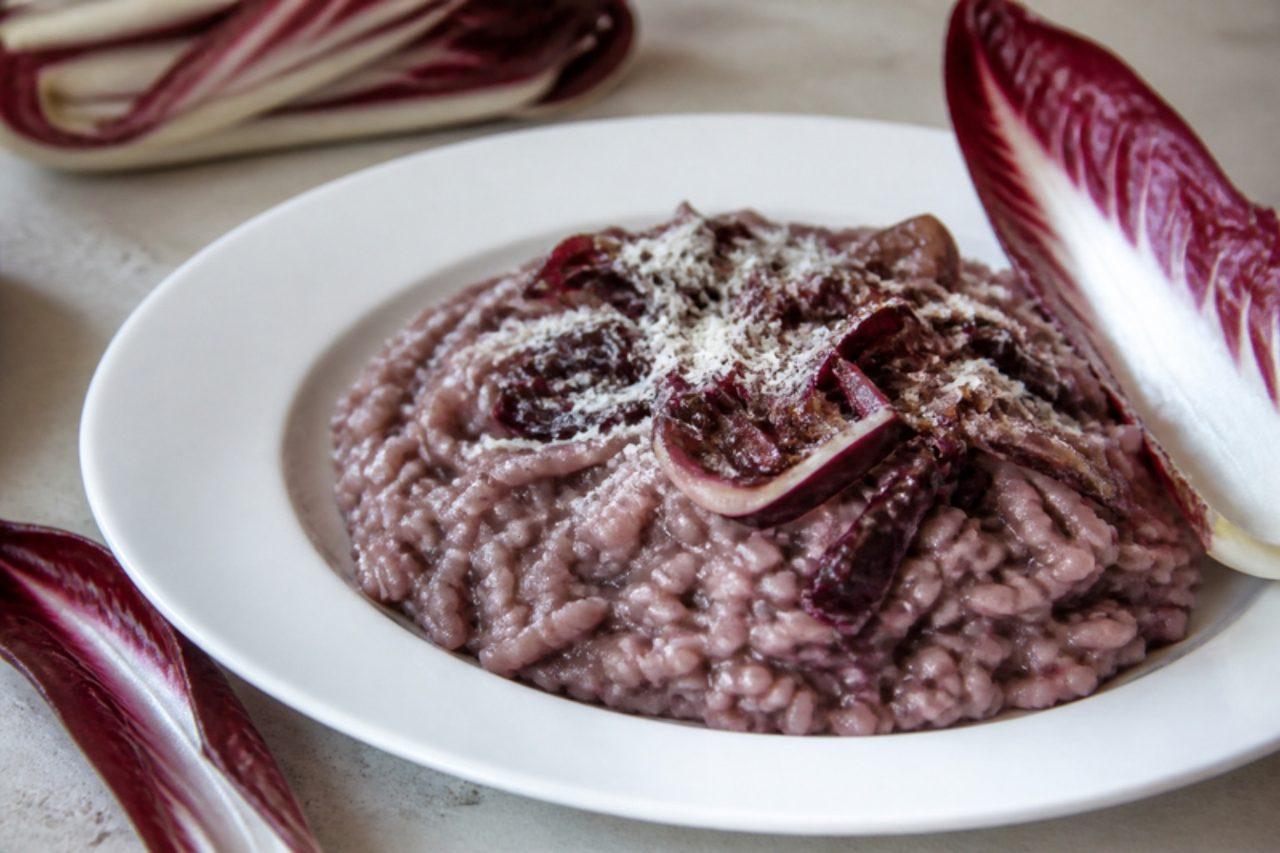
From December to February the farms around Treviso, in the Veneto, harvest radicchio tardivo, the late red chicory with long, curled, wine-coloured leaves, and towns across the province hold festivals in its honour. Cooked into a risotto, it softens and turns from crimson to a deep purple-brown, and its bitterness mellows into something sweet and nutty against the creamy rice. Local cooks splash in red wine, which adds depth and colour; for an alcohol-free risotto use an extra ladle of stock and a teaspoon of red wine vinegar. Chef's tip: keep back a handful of raw strips to scatter on top for crunch and colour.

by KrazyBadal 0 views

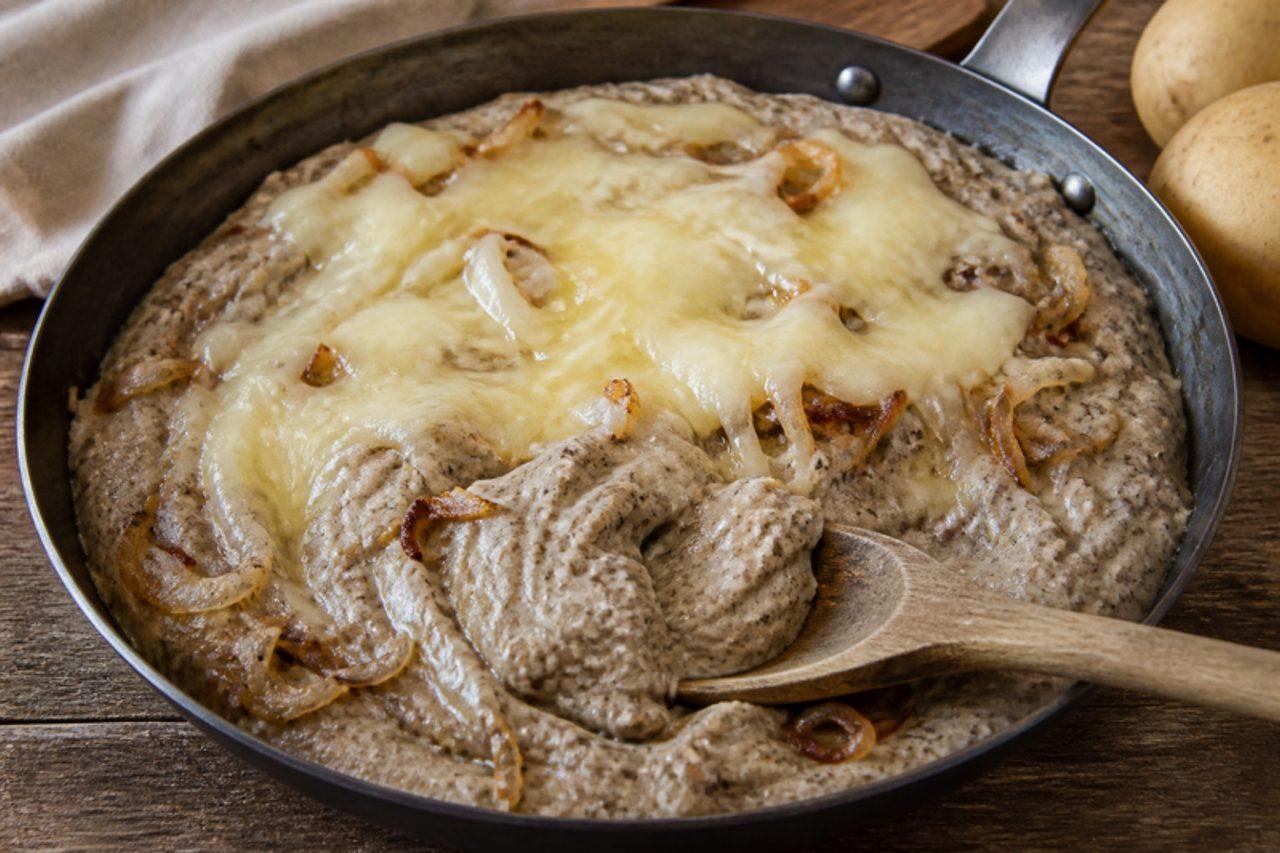
Polenta di patatePotato and buckwheat polenta

Up in the valleys of Trentino, where maize was scarce and potatoes grew well, cooks stretched their buckwheat by cooking it with mashed potato into a soft, grey-gold polenta. It is a cold-weather dish of the Val di Non and Val di Sole, stirred in a heavy pot and finished with buttery onions and cubes of local cheese that melt into pockets. Earthy from the buckwheat and smooth from the potato, it is often served alongside mushrooms or a salad of bitter leaves. Chef's tip: use floury potatoes and mash them right in the pot, in their cooking water, to keep the polenta light.

by KrazyBadal 0 views

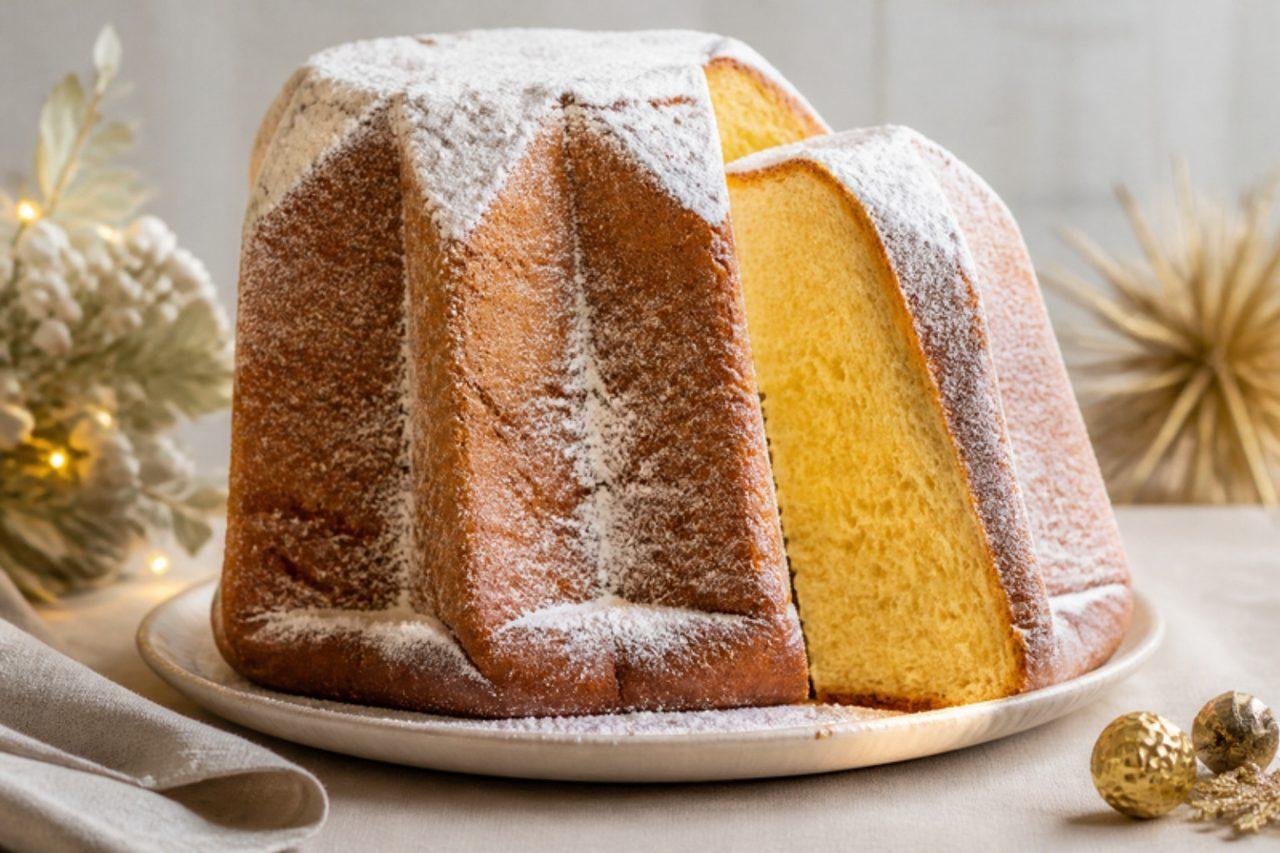
Pandoro di VeronaStar-shaped Christmas bread

Verona's answer to Milan's panettone has no fruit at all: just a tall, eight-pointed star of rich, yellow, vanilla-scented bread, baked in a fluted mould and dusted with icing sugar until it looks like a snowy mountain. Through Advent, Veronese families buy or bake one for Christmas Day and slice it across into star-shaped layers. The crumb is fine, soft and buttery, almost like brioche, and melts in the mouth. Making it at home takes a day and a night, with butter folded into the dough like a pastry. Chef's tip: shake the cooled pandoro in a large clean bag with the icing sugar, so every ridge gets coated.

1440 minItalianBaking
by KrazyBadal 0 views

Strangolapreti trentiniSpinach and bread gnocchi

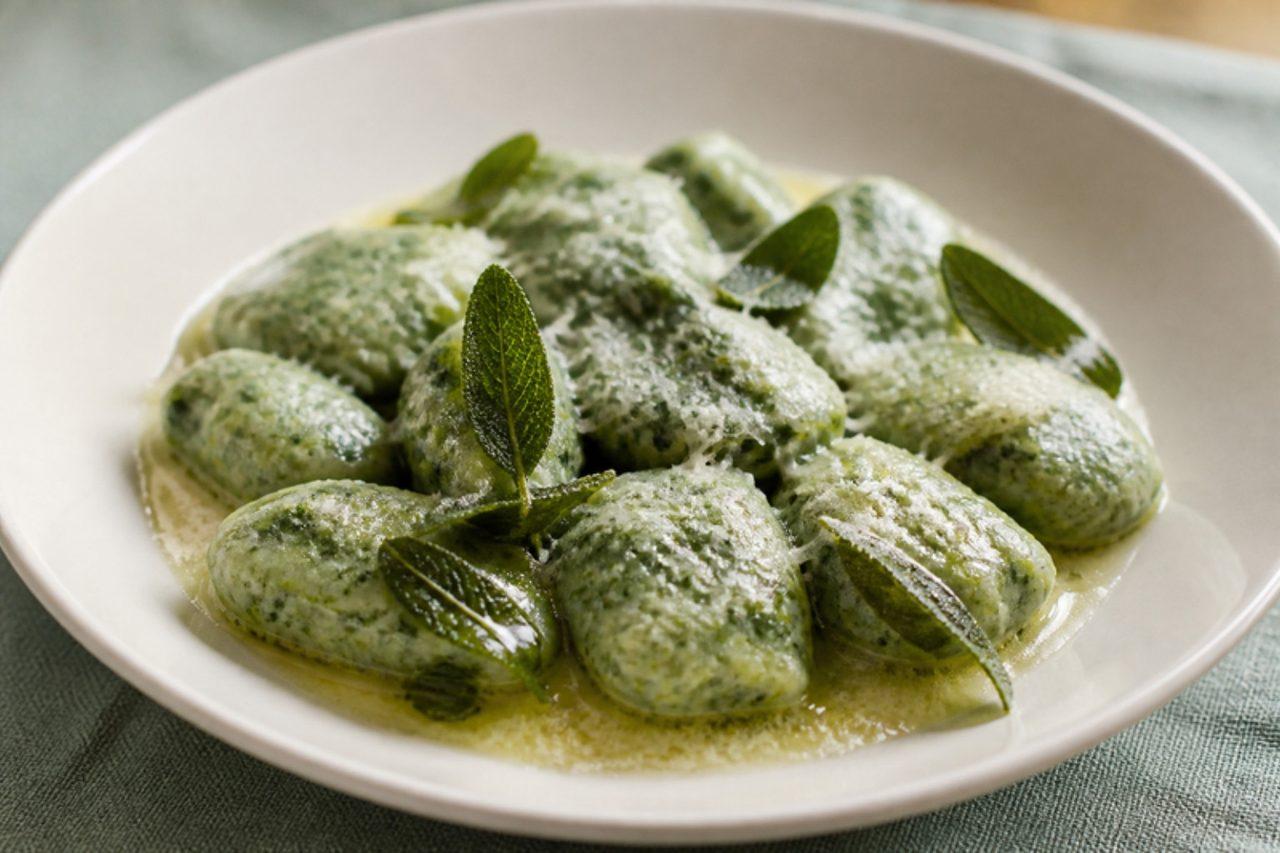
The name means priest-stranglers, and in Trento they like to say it dates from the Council of the 1500s, when visiting clergy ate these little green gnocchi so greedily they nearly choked. Thrifty and simple, they are made from stale bread soaked in milk and beaten with spinach or chard, egg and grated cheese, then poached and rolled in sage butter. Expect a soft, tender dumpling with a fresh green flavour, found on trattoria menus across Trentino in autumn and winter. Chef's tip: chop the spinach as finely as you can, almost to a purée, for smooth gnocchi that hold together.

by KrazyBadal 0 views

Peperoni ripieni alla piemonteseStuffed roasted peppers

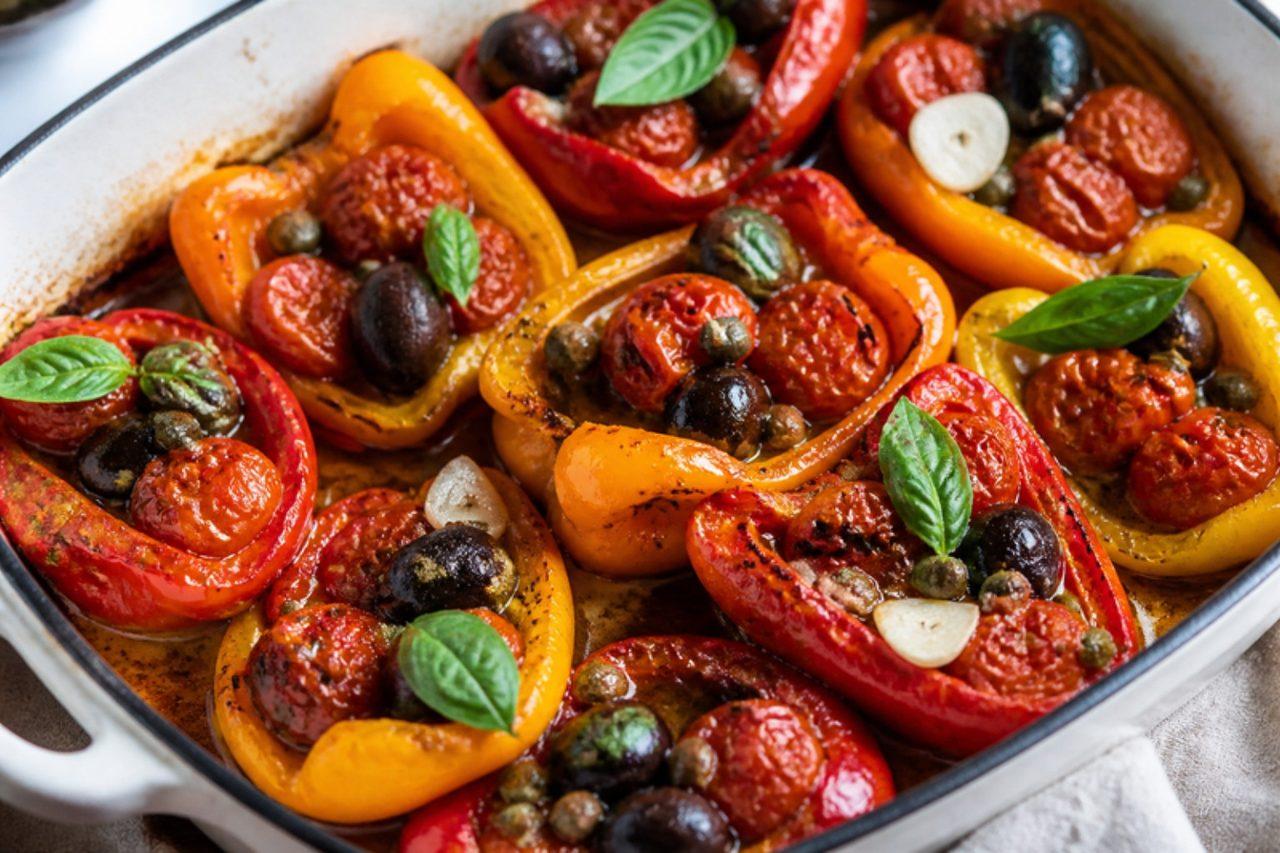
Late summer in Turin means the fat, square peppers of Carmagnola piled high at Porta Palazzo market, and this is what Piedmontese cooks do with them. Halved and filled with peeled tomato and slivers of garlic, they roast until the skins blister and the juices turn sweet and jammy, then come to the table lukewarm as an antipasto. The old recipe hides an anchovy fillet in each half; here capers and black olives bring the same salty edge, so the dish is vegan. Chef's tip: keep the stalk on when you halve the peppers, as it helps each half hold its shape and its juices.

by KrazyBadal 0 views

Polenta conciaPolenta with fontina

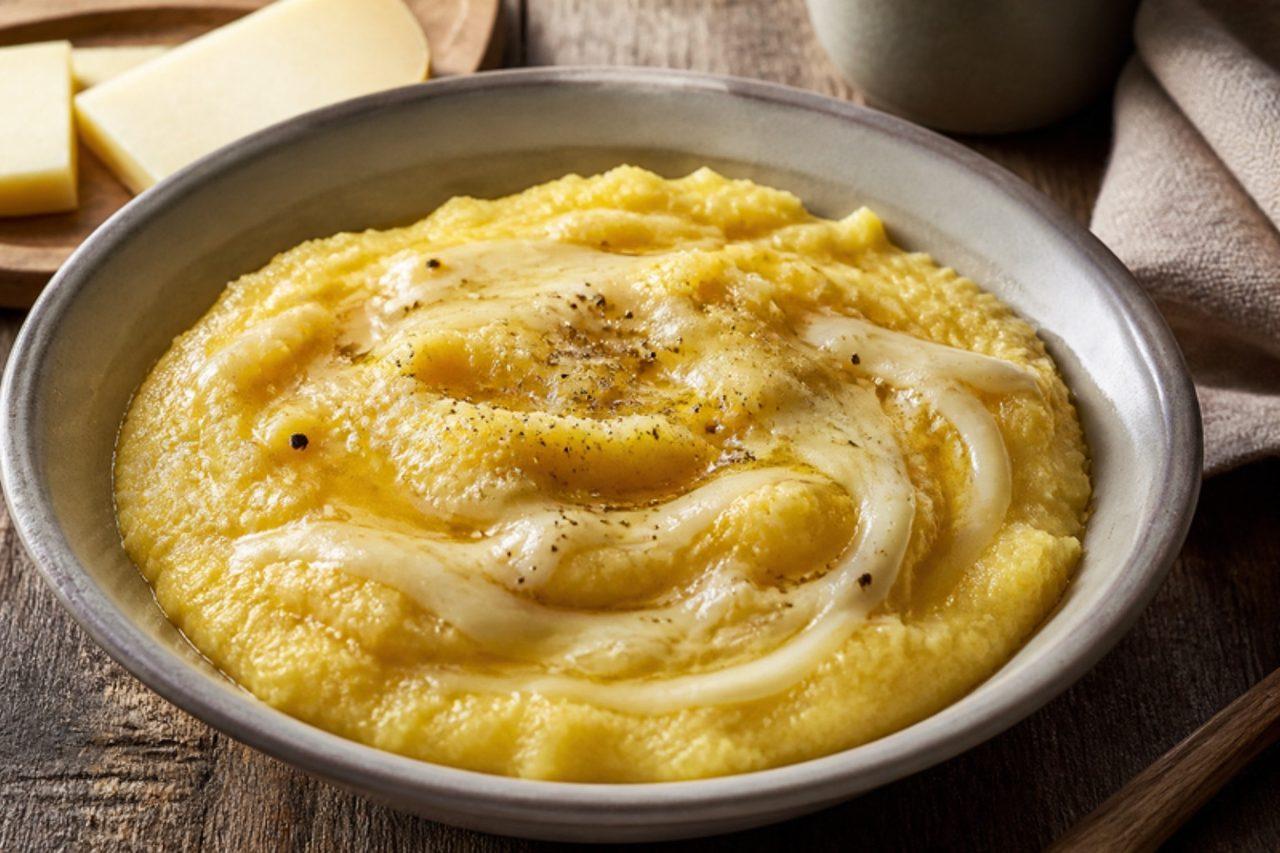
High in the Valle d'Aosta, polenta concia is what comes out of the kitchen of a mountain refuge after a cold day on the slopes above Cogne or Courmayeur. Soft yellow polenta is layered in a hot dish with cubes of fontina, the valley's own alpine cheese, then drowned in sizzling brown butter until the cheese melts into long, stretchy strings. It is rich, savoury and very filling, best eaten from the dish with a green salad alongside. Chef's tip: cube the fontina while the polenta cooks and keep it at room temperature, so it melts at once instead of staying in cold lumps.

by KrazyBadal 0 views

Pizzoccheri della ValtellinaBuckwheat pasta with cabbage and cheese

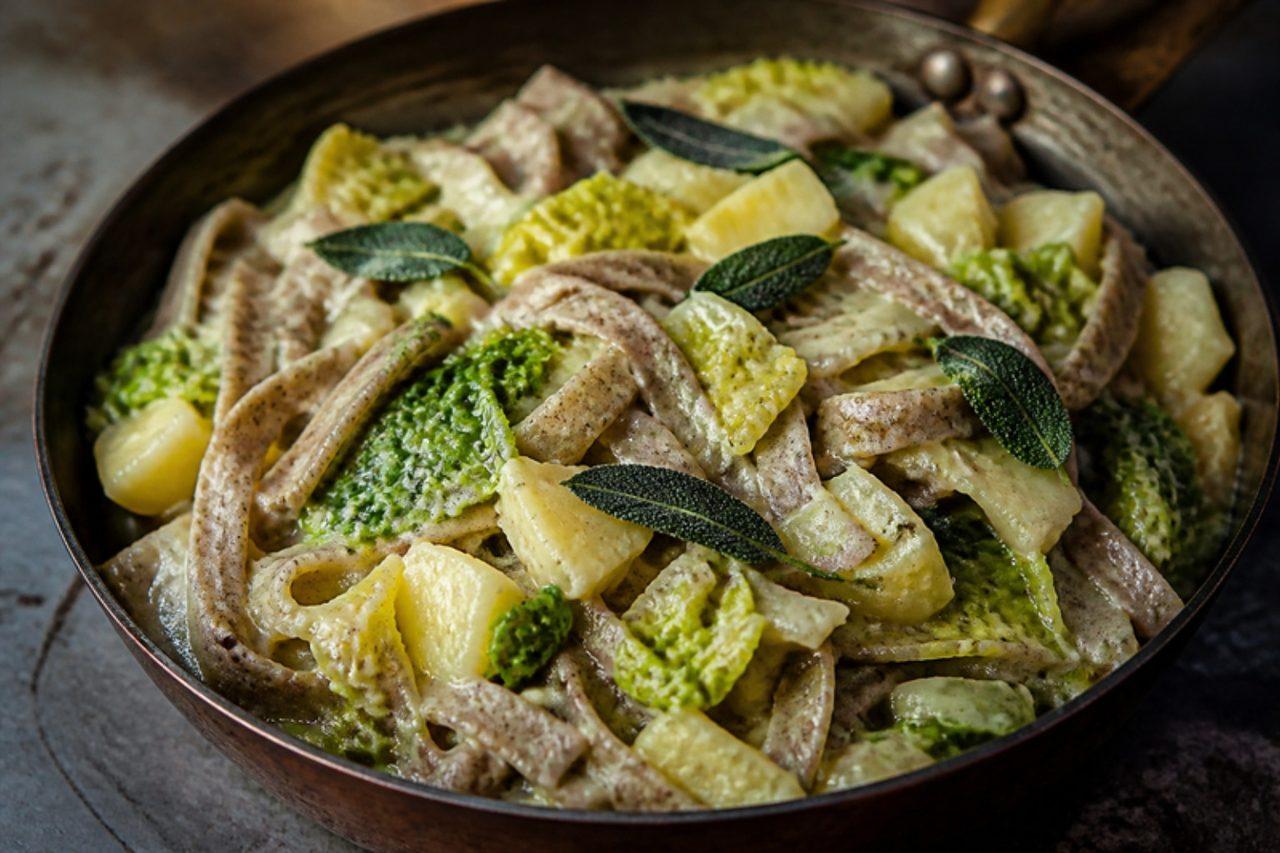
Pizzoccheri belong to the Valtellina, the steep valley of Lombardy near the Swiss border, and above all to the village of Teglio, where a local academy guards the recipe. Short, rough ribbons of grey-brown buckwheat pasta boil in one pot with potatoes and savoy cabbage, then go into a dish in layers with Valtellina Casera cheese and garlicky sage butter. It is a winter dish for ski huts and family kitchens: earthy, nutty and gloriously heavy. Chef's tip: buckwheat pasta breaks easily, so cut the ribbons short and fold the layers gently with two forks.

by KrazyBadal 0 views

PanettoneChristmas fruit bread

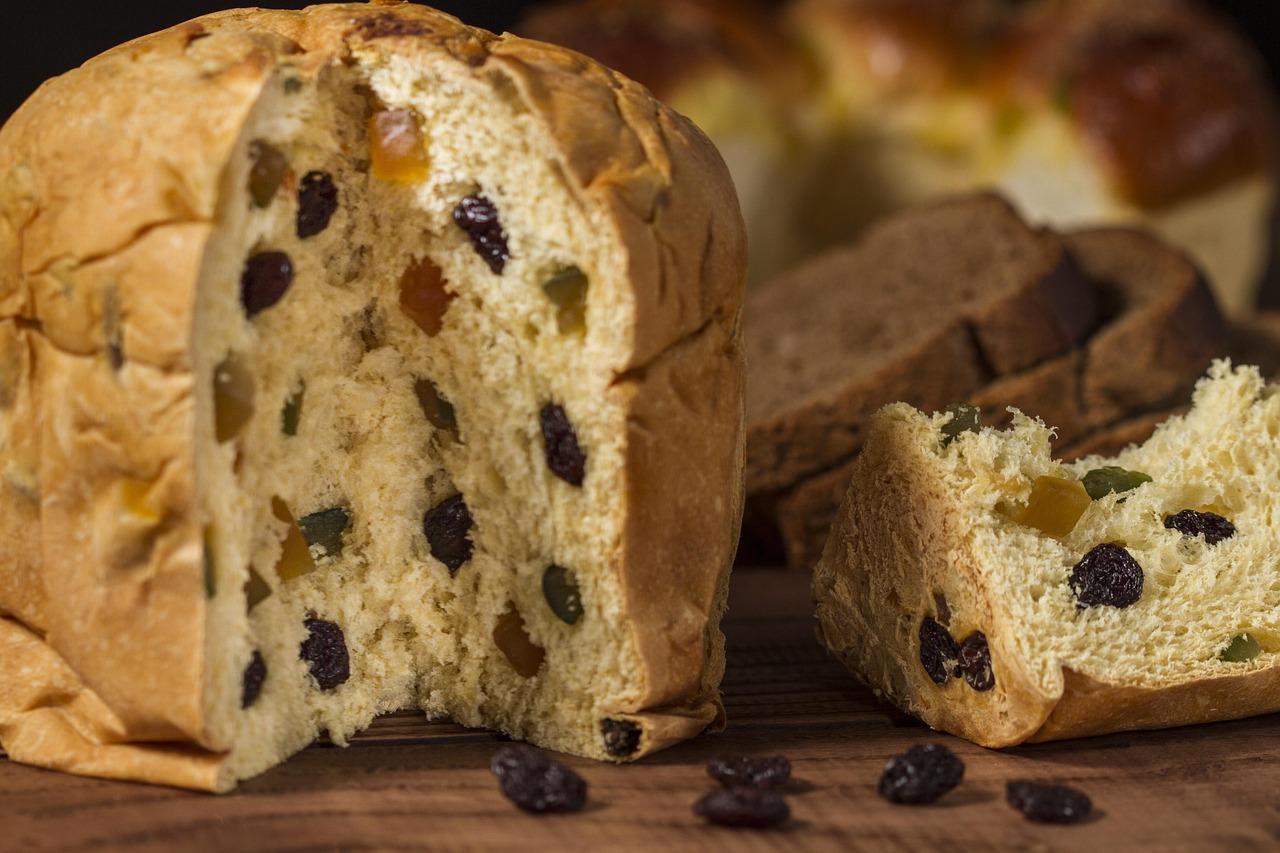
Every December Milan's bakeries stack panettone to the ceiling, and Milanese families trade them as gifts before eating thick slices with coffee on Christmas morning. Legends about its birth at the Sforza court abound, but what matters is the texture: a tall dome with a crumb that pulls apart in long, feathery strands, scented with orange, lemon and vanilla and dotted with raisins and candied peel. Bakers use a natural starter that takes days; this home version uses a small amount of yeast and two long rises over a day. Chef's tip: keep the dough between 24 and 27 °C throughout, such as in an oven with only the light switched on.

1440 minItalianBaking
by KrazyBadal 0 views

Pane nero di segaleDark rye bread

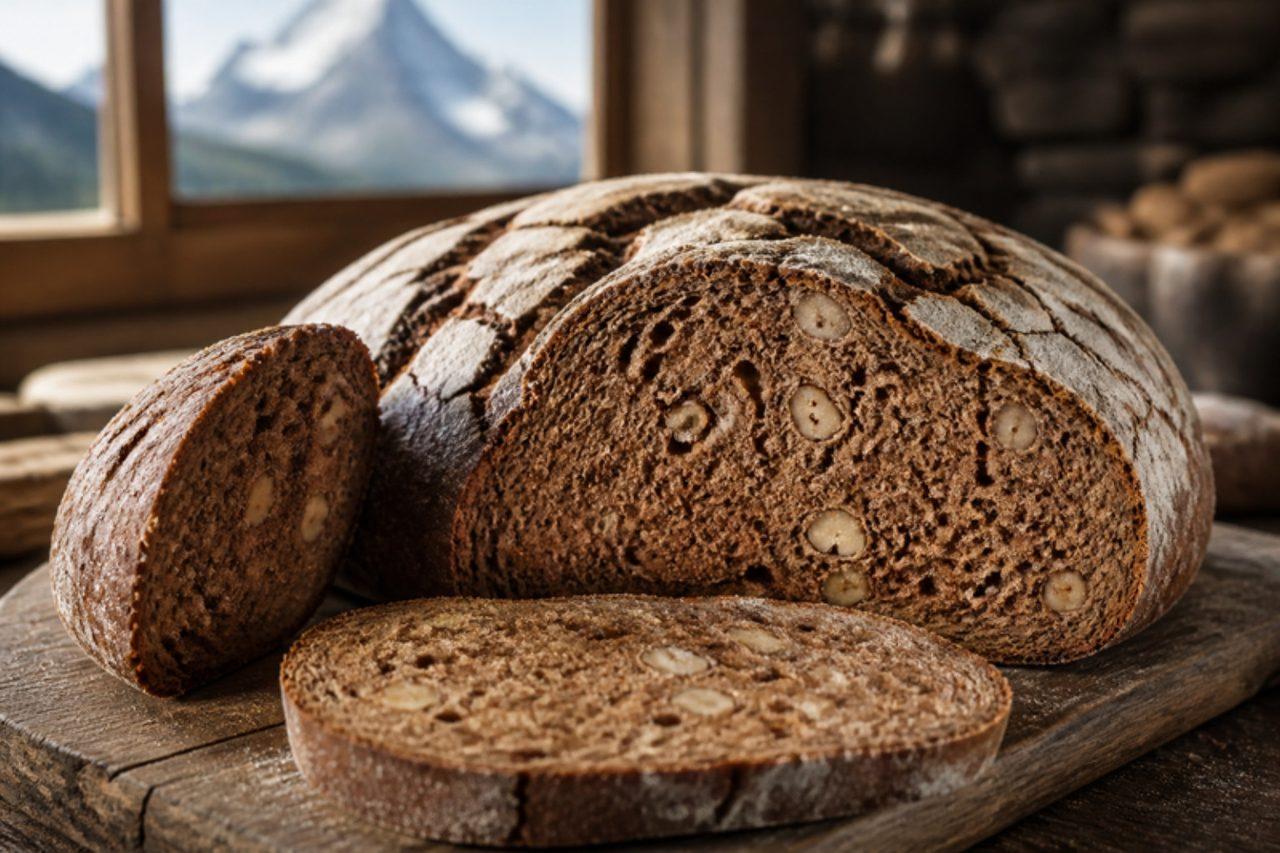
In the villages of the Valle d'Aosta, rye was the grain that would grow at altitude, and each autumn families took turns at the communal wood-fired oven to bake enough dark loaves to last until spring. Every October the valley still lights those old ovens for a bread festival, and the round, flour-crackled pan ner is sold at markets from Aosta to Gressan. The crumb is dense, moist and slightly sour, with a thick crust; it is eaten with butter, mountain cheese or a bowl of soup. Chef's tip: wait until the loaf is completely cold before slicing, as rye keeps setting as it cools.

by KrazyBadal 0 views

Tegole valdostaneAlmond hazelnut biscuits

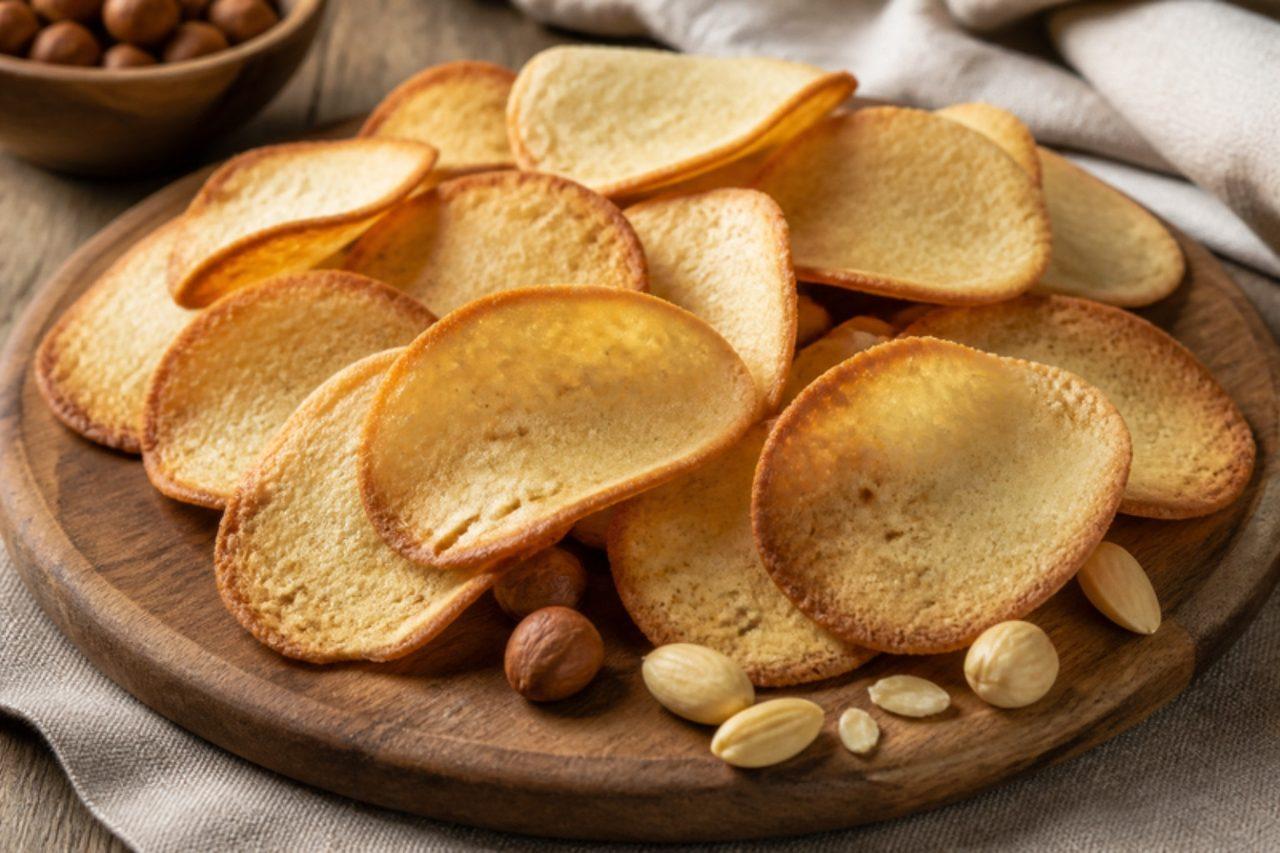
Walk the arcaded streets of old Aosta and the pastry shops have stacks of tegole in the window, thin as paper and curved like the stone roof slabs of the valley's chalets. They are offered with an after-dinner coffee or packed in tins as a present from the mountains. Ground almonds and hazelnuts give them a toasty, buttery crunch that shatters at the first bite. Most recipes include a spoon of wheat flour; this one uses potato starch, so the biscuits are gluten free. Chef's tip: bake a test biscuit first; if it spreads too much, chill the batter for 15 minutes.

by KrazyBadal 0 views

Tajarin al burro e salviaEgg ribbon pasta in sage butter

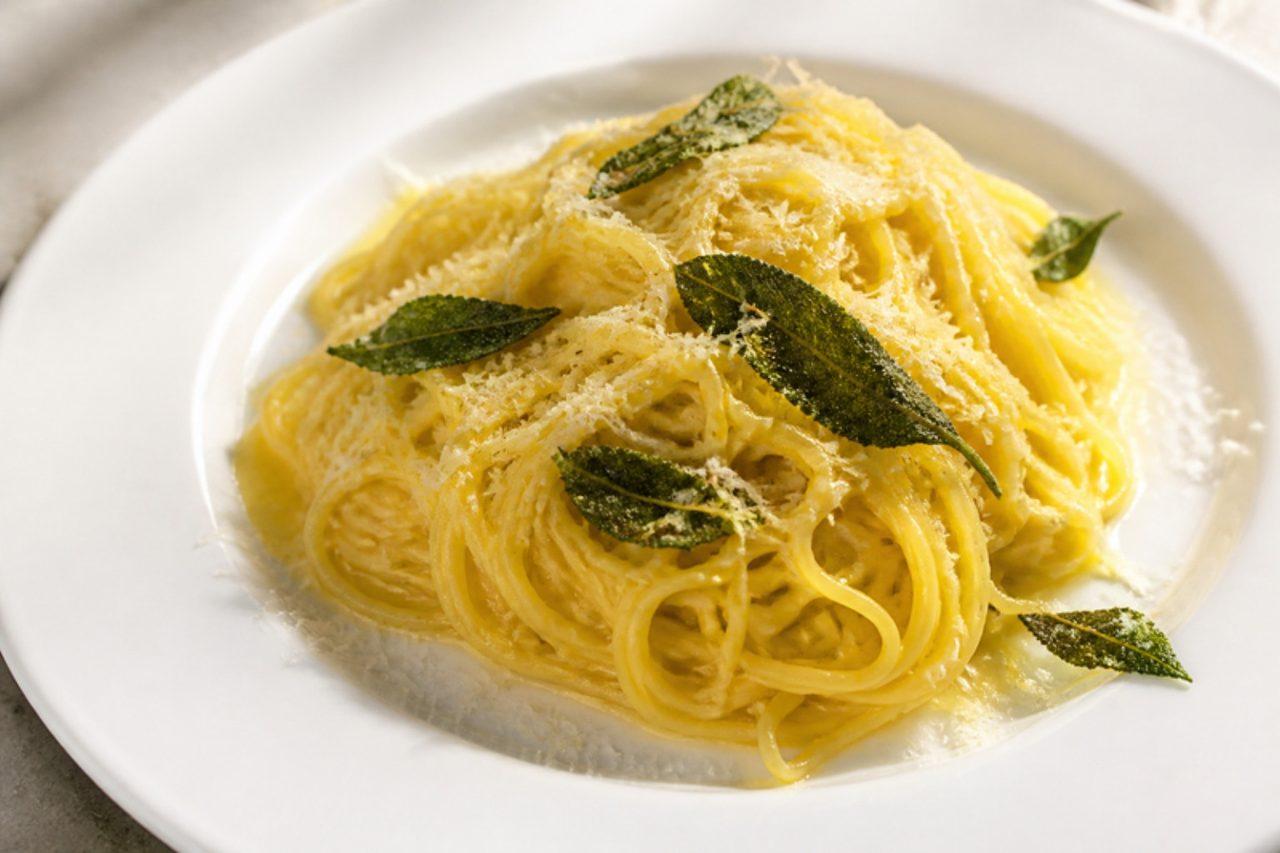
In the hill villages around Alba, in Piedmont's Langhe, tajarin are the pasta of Sunday lunch: hair-thin strands made with so many egg yolks that the dough turns deep orange. Through October and November, when the white truffle fair fills Alba, restaurants toss them in plain butter and shave truffle over the top at the table. The rest of the year sage butter does the job, and the pasta stays the star: silky, rich and springy against the teeth. Chef's tip: cut the strands by hand from a loosely rolled sheet rather than through a machine cutter; slightly uneven tajarin hold the butter better.

by KrazyBadal 0 views

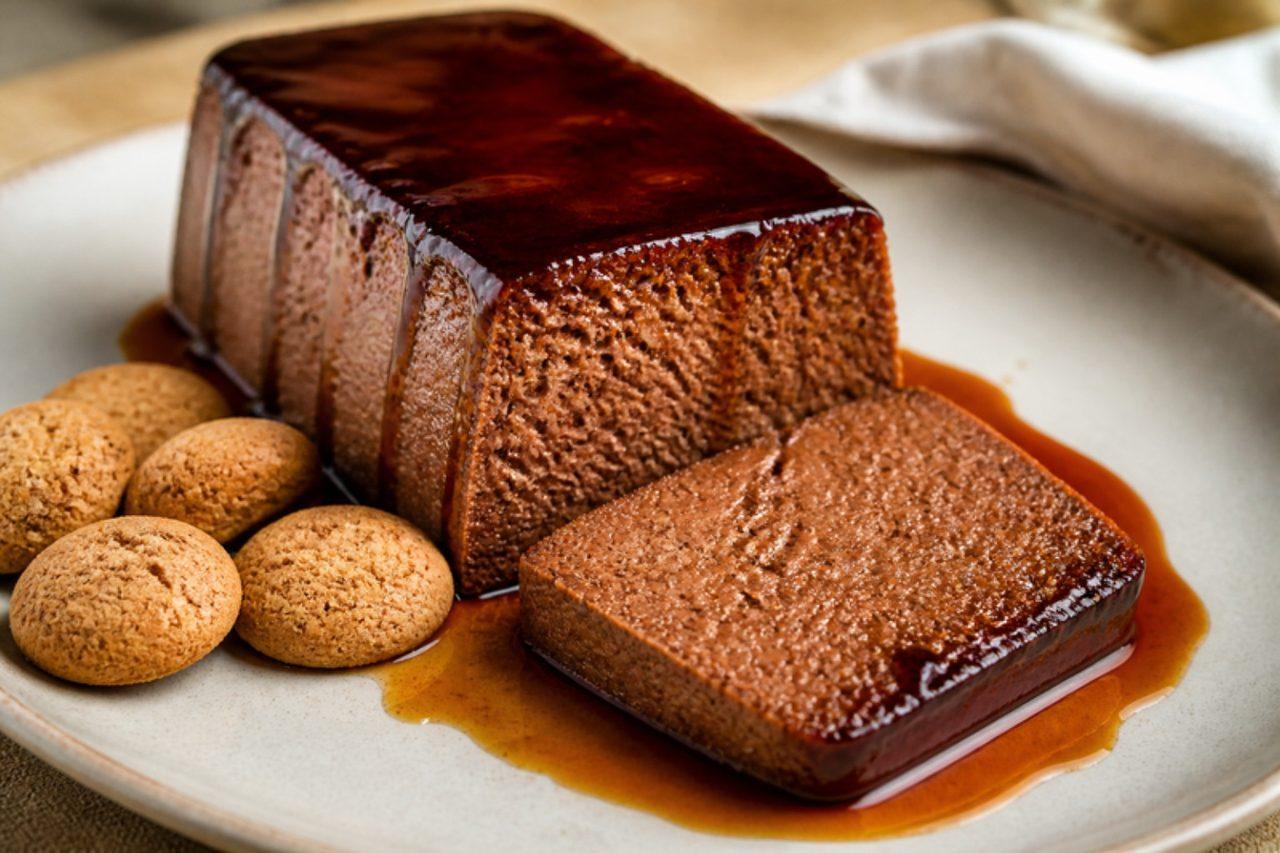
BonetChocolate amaretti pudding

Bonet closes the long holiday lunches of the Langhe and Monferrato, turned out of its tin glossy with caramel and cut into thick slices. The name is dialect for a cap, after the round copper mould it was once baked in. Crushed amaretti give the custard a soft almond grain, and cocoa makes it taste like a set chocolate pudding with a bitter edge. Most cooks add a splash of rum or marsala; this recipe offers a coffee-and-vanilla version for an alcohol-free bonet. Chef's tip: bake it the day before; after a night in the fridge it slices cleanly and the caramel turns to a thin sauce.

by KrazyBadal 0 views

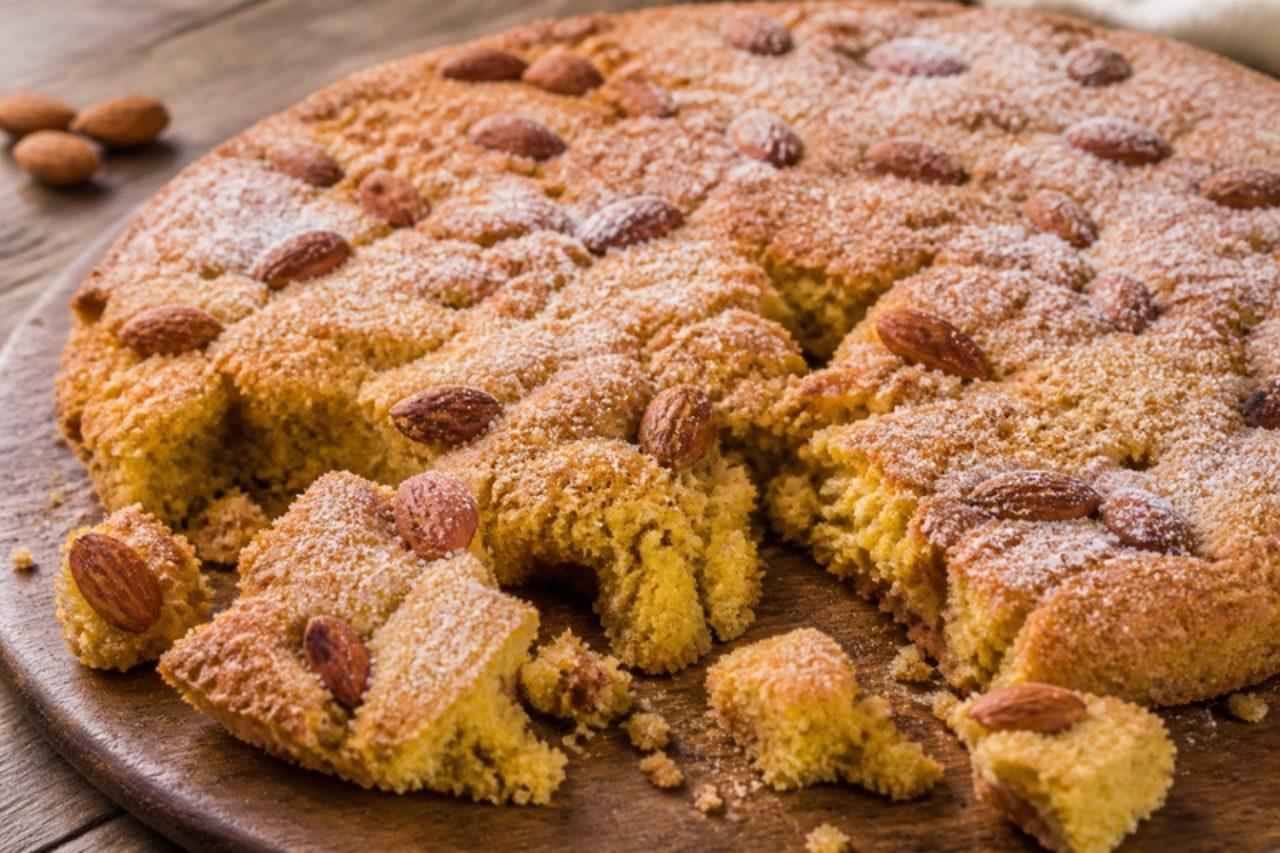
Torta sbrisolonaCrumbly almond cake

Nobody slices a sbrisolona. In Mantua, in the south-east of Lombardy, the round, golden cake is set whole in the middle of the table after dinner and cracked into rough pieces with a fist, and everyone grabs a shard. Coarse cornmeal and chopped almonds make it gritty, buttery and crunchy, closer to a giant biscuit than a sponge. It began as a farmhouse sweet made with lard; this version uses only butter. Chef's tip: keep your hands cool and stop rubbing in while the mixture still looks like coarse crumbs and small clumps.

by KrazyBadal 0 views

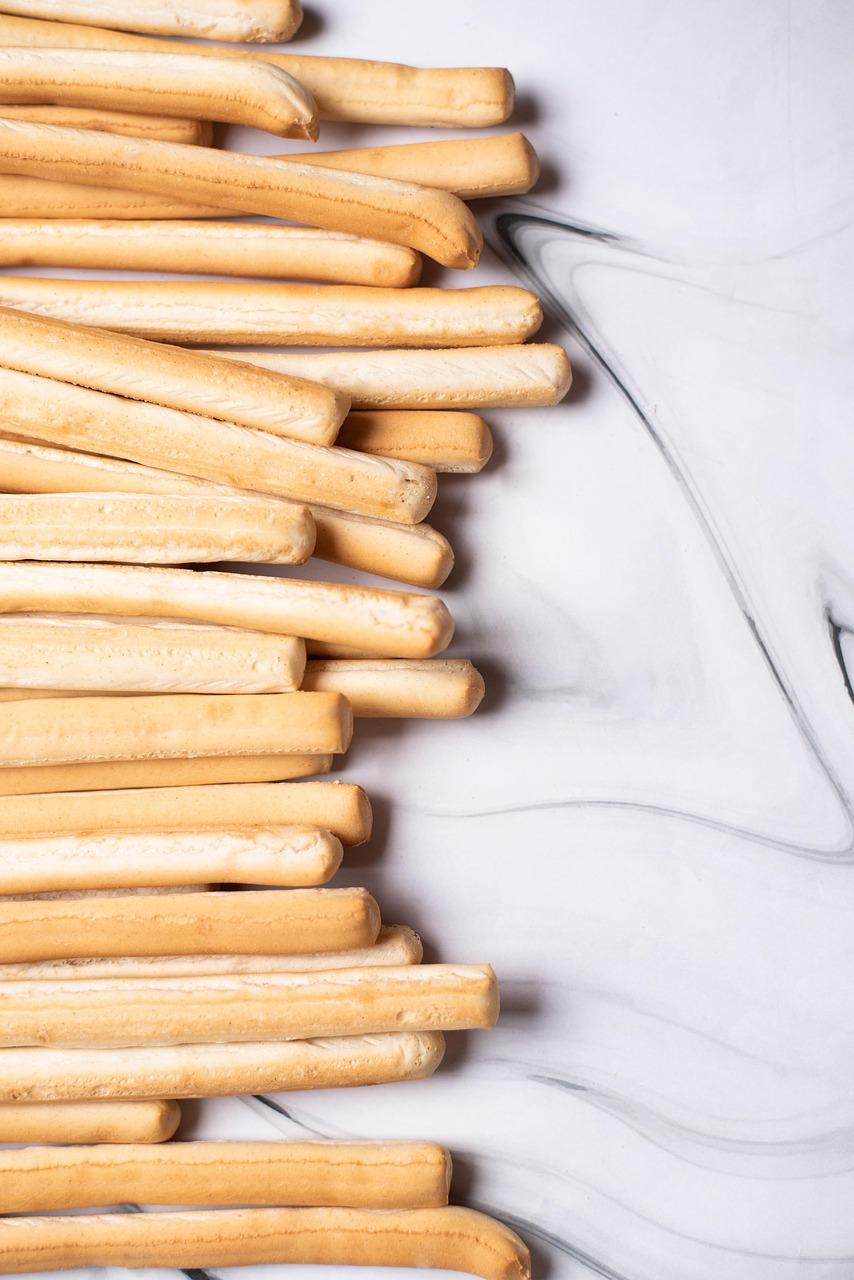
Grissini torinesiHand-stretched breadsticks

Turin claims grissini as its own: the story goes that a court baker stretched bread into thin, dry sticks in the 1600s for a sickly young Savoy duke who could not digest soft loaves. Today a bundle of long, knobbly grissini stirati sits on nearly every Piedmontese restaurant table, ready to snap with antipasti. Made by hand they are lighter and more uneven than the boxed kind, golden and brittle with a faint taste of olive oil. Children love making them. Chef's tip: stretch each strip by holding both ends and letting it swing as you pull, which gives that rustic, slightly twisted look.

by KrazyBadal 0 views

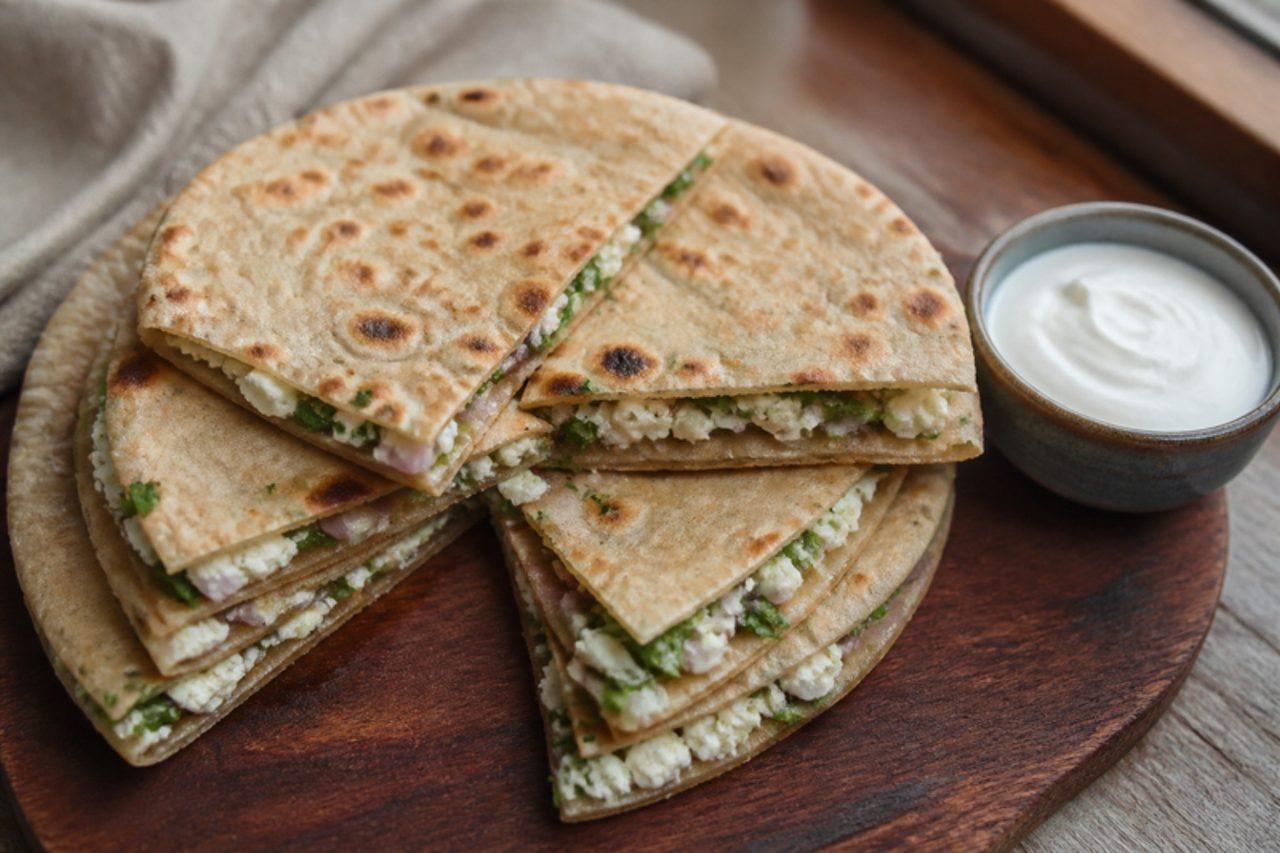
Chitrali ghalmandiLayered thin griddle breads

In the Chitral valley in Pakistan's far north, where winters are long and dairy is plentiful, bread is often a meal in itself, and ghalmandi is one of the best loved: soft, thin wholewheat breads stacked with a filling of crumbled fresh cheese, onion, green chilli, coriander and mint, then cut into wedges and eaten warm with salty tea. It is made for guests and on cold evenings, and every household seasons the cheese its own way. Rolling the breads too thick is the common mistake; they turn heavy and the layers do not hold together, so roll them almost see-through. Chef's tip: brush each hot bread with ghee the moment it comes off the griddle and spread the cheese straight away, so the warmth softens the cheese and glues the stack together.

by KrazyBadal 0 views

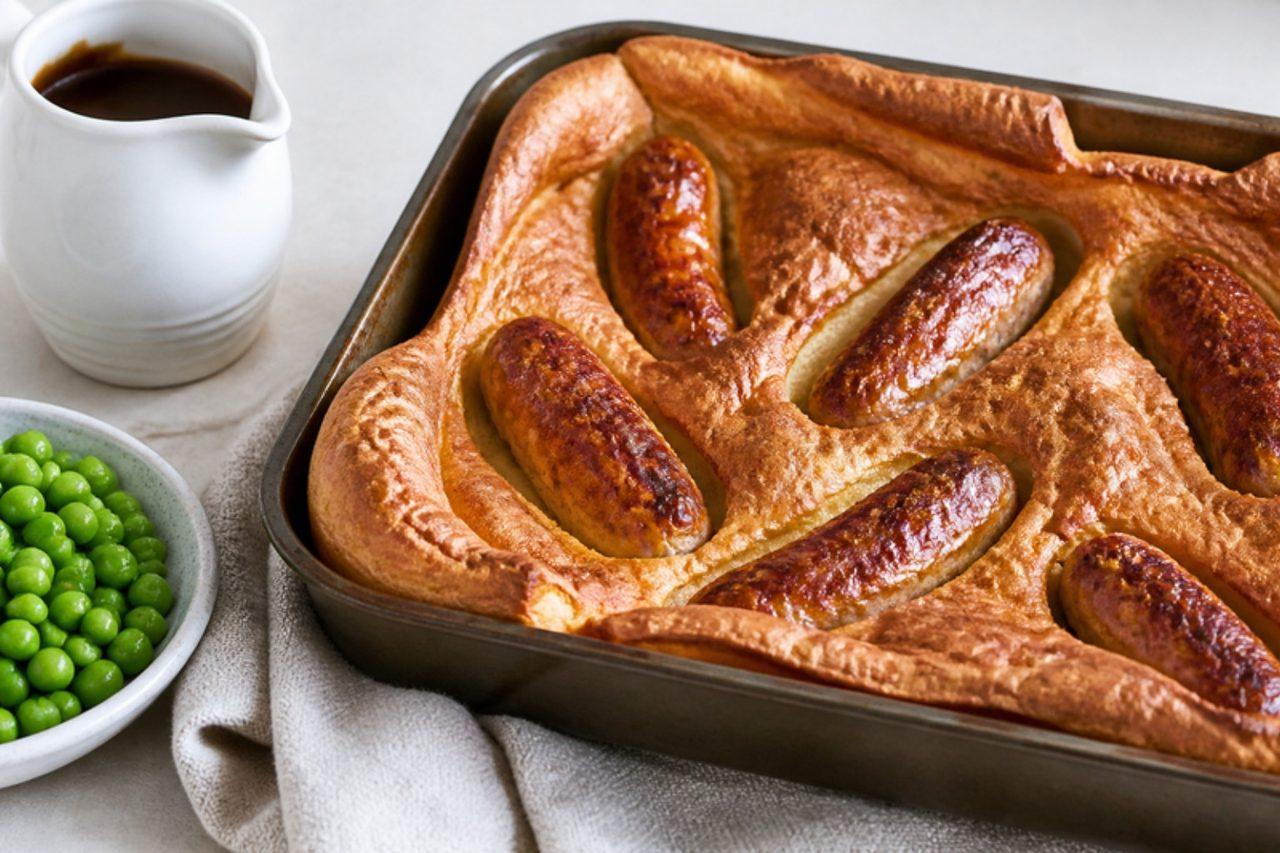
Toad in the hole

Toad in the hole has been a thrifty family supper across northern England for two centuries, and children still love it for the name as much as the taste. Plump pork sausages are browned in a hot tin, then a simple egg-and-milk batter is poured around them and puffs up into a golden, crisp Yorkshire pudding. It is always served with onion gravy and green vegetables. Chef's tip: the fat must be smoking hot when the batter goes in, and the oven door must stay shut for the first 25 minutes, or the batter will not rise.

by KrazyBadal 0 views

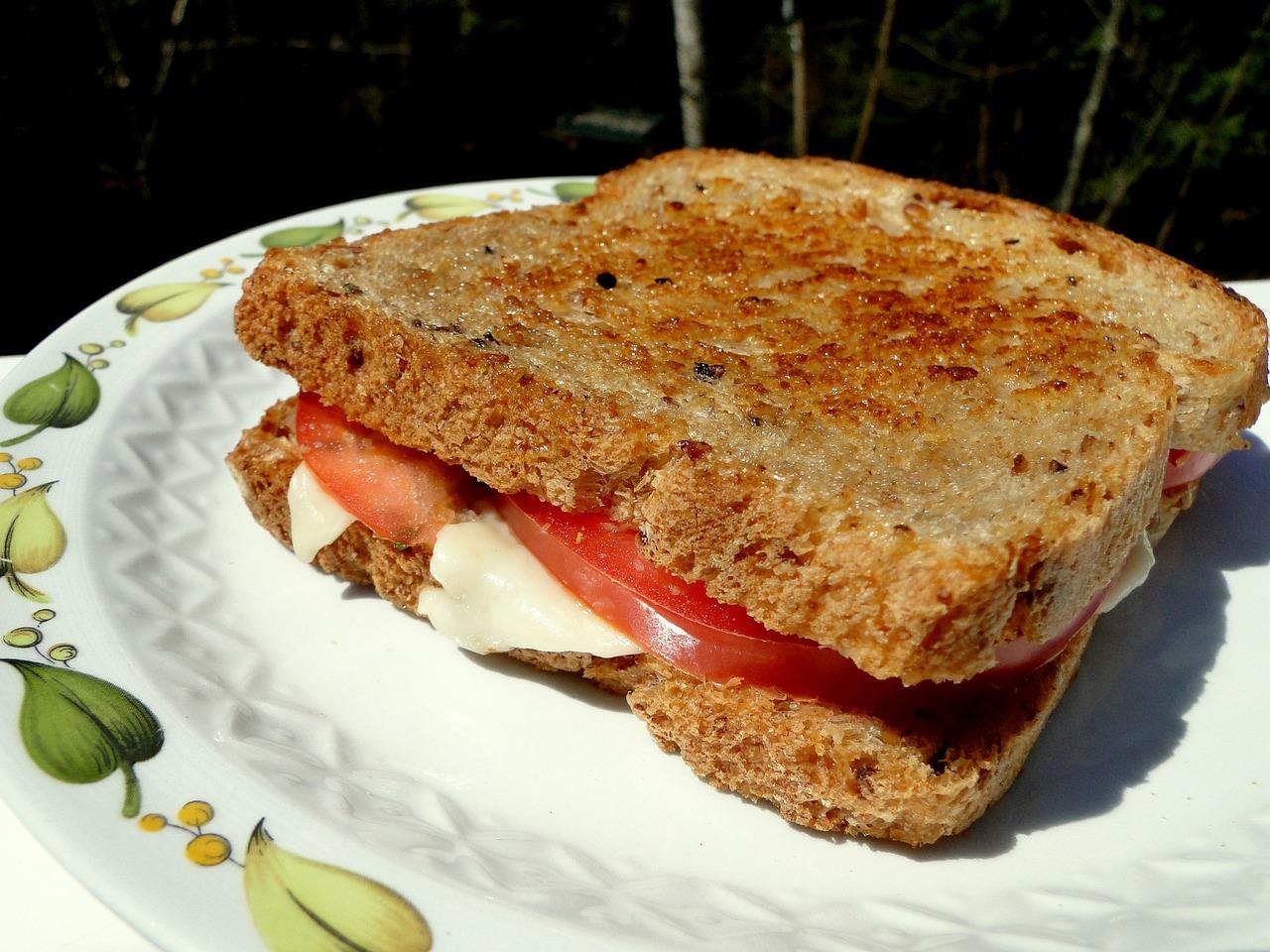
BraaibroodjieGrilled cheese and tomato sandwiches

No South African braai is finished without braaibroodjies, the sandwiches that go onto the grid once the coals have died down, from Cape Town to the Highveld. White bread is buttered on the outside and filled with cheddar, tomato, onion and a thin smear of apricot jam, a sweet-and-savoury combination every South African swears by. They come off the fire smoky, crisp and oozing. A frying pan or griddle works when there's no braai. Chef's tip: toast them over gentle, ashen coals and turn often; fierce heat burns the bread before the cheese inside has melted.

by KrazyBadal 0 views

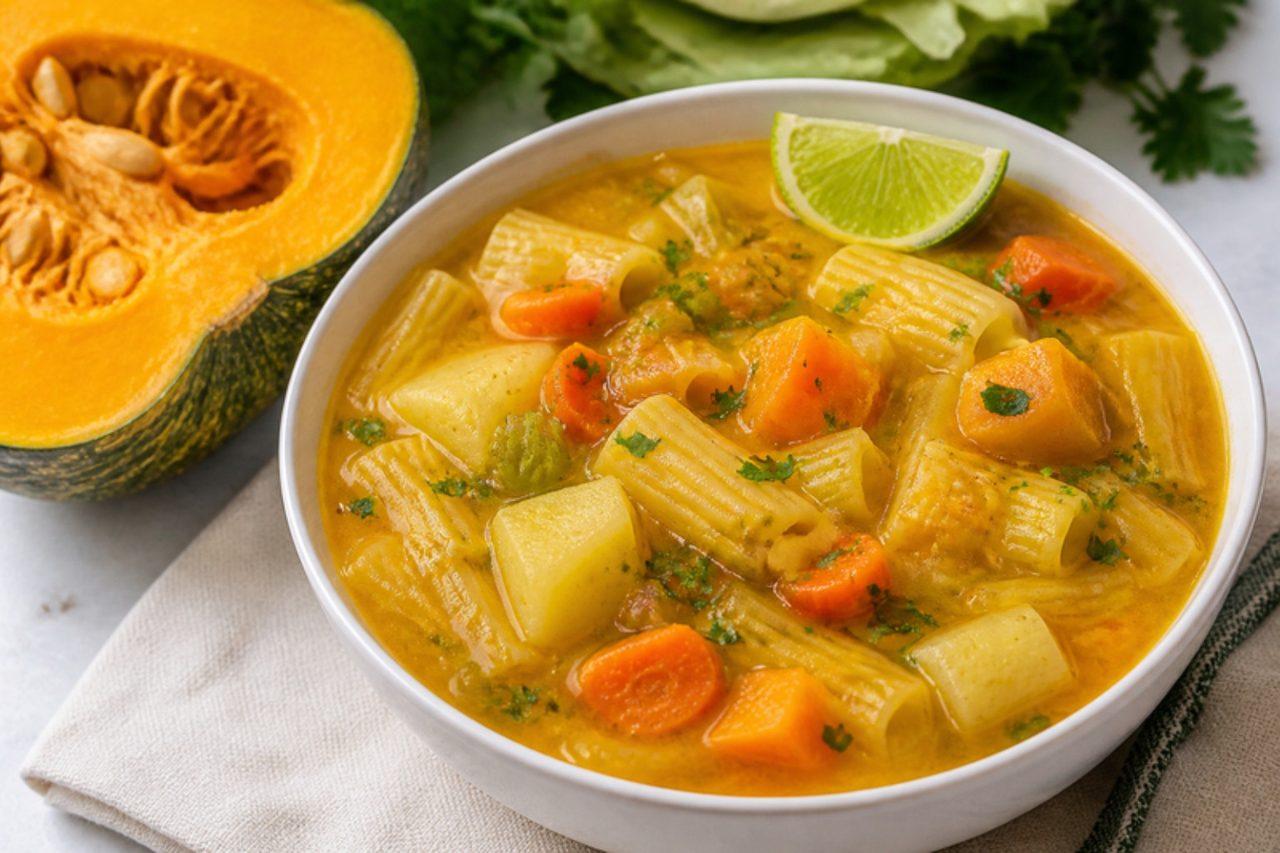
Soup joumouPumpkin soup

Every 1 January, Haitian families from Port-au-Prince to Brooklyn wake up to soup joumou. It marks independence from France on 1 January 1804: under French rule, enslaved Haitians cooked this pumpkin soup but were forbidden to eat it, so the free people of the new nation made it their own as a dish of freedom. In 2021 it was added to UNESCO's list of the intangible cultural heritage of humanity. The base is a velvety purée of joumou (Caribbean pumpkin) with epis, and in it simmer chunks of carrot, potato, cabbage, celery and turnip, with pasta and a squeeze of lime. It's usually made with beef; this vegetable version is full and golden, rich enough for the day. Chef's tip: roast half the pumpkin before puréeing it; the caramelised edges give the soup the depth that slow-cooked meat usually provides.

by KrazyBadal 1 views

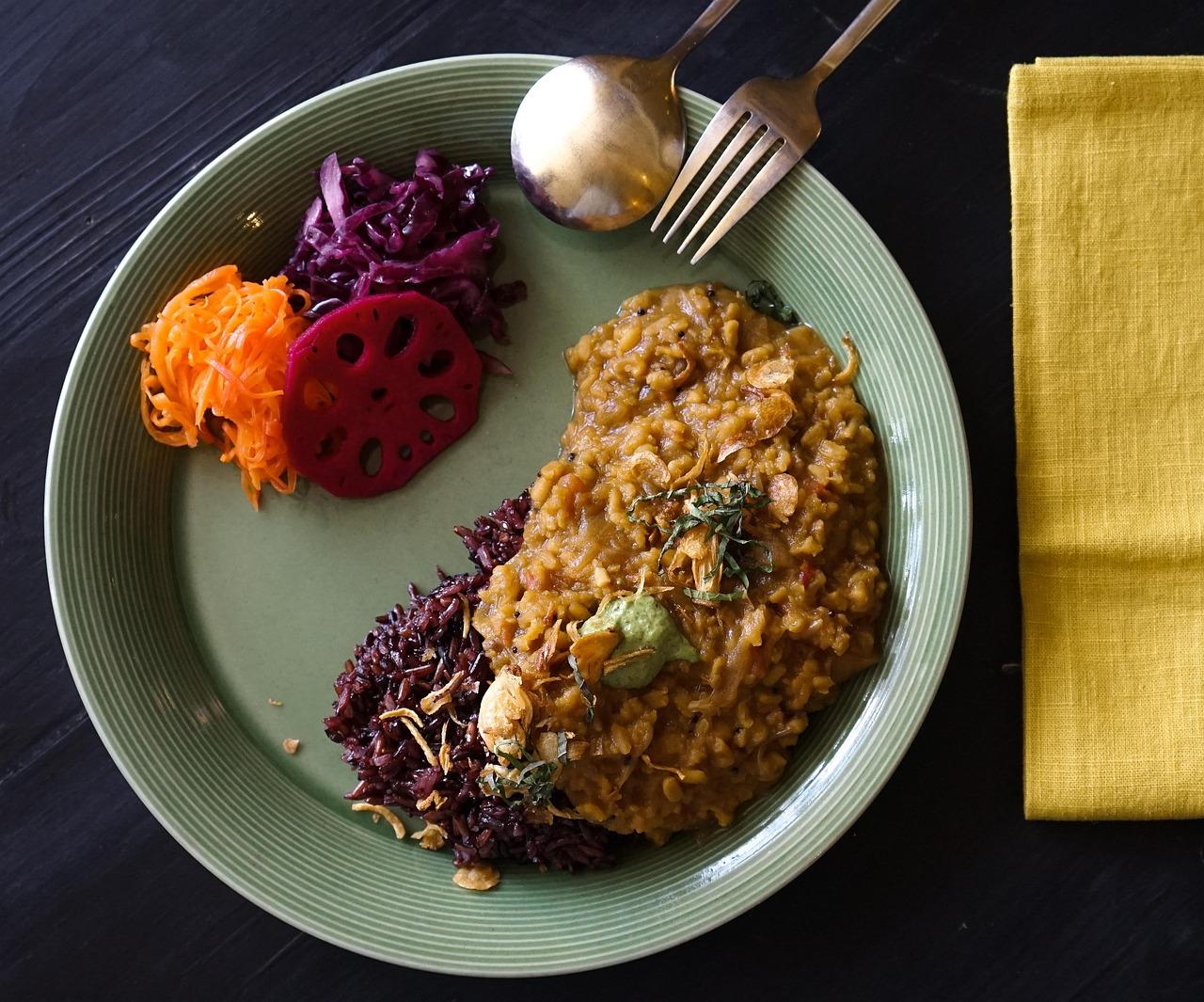
Missir watRed lentil stew

A spicy Ethiopian stew of masoor lentils cooked down with browned onions, garlic, ginger, fresh tomato and tomato paste, and finished with red chilli and black pepper. It's thick, rich and hot. Serve with injera, alongside atter kik and azifa.

by KrazyBadal 0 views

Atter kikSplit chickpea sauce

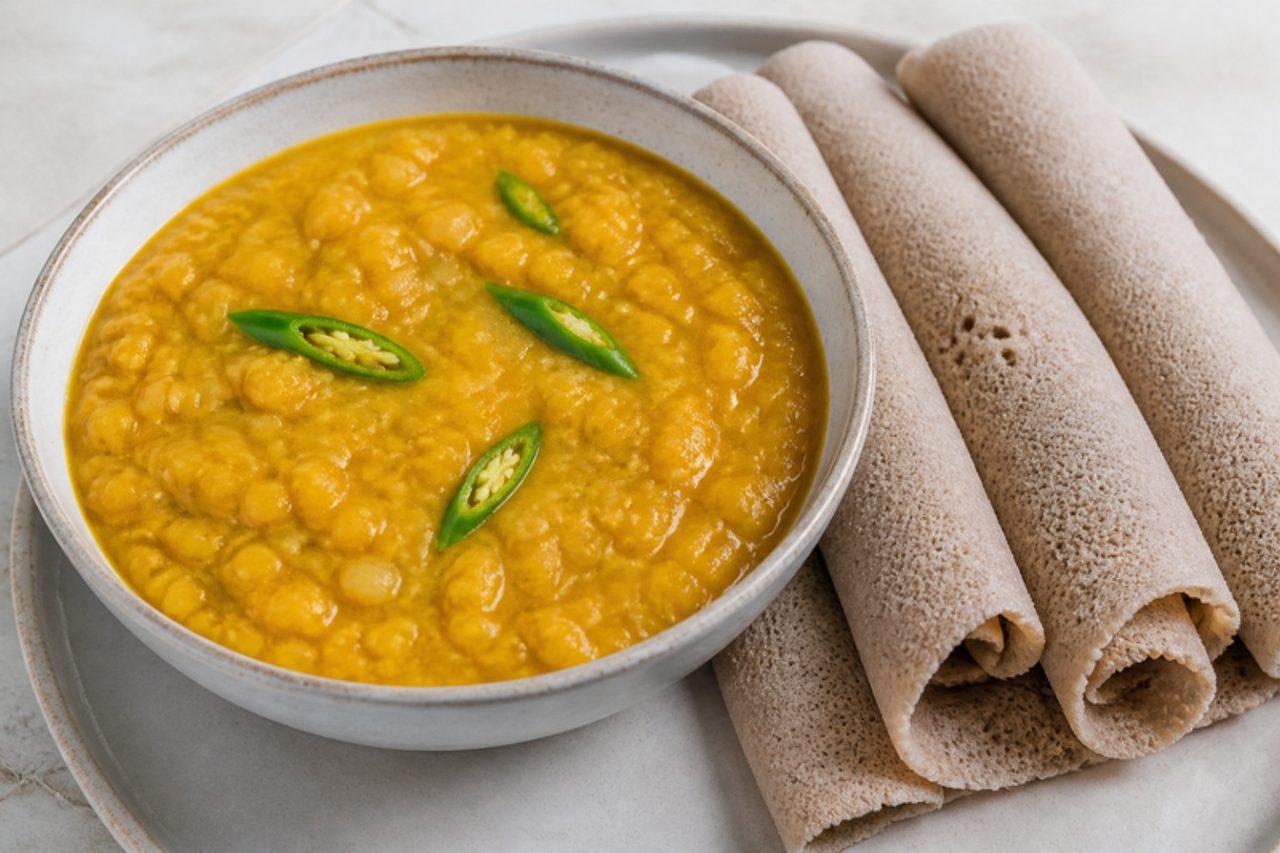
A mild, golden Ethiopian lentil sauce (kik alicha) of split bengal gram lentils simmered with onion, ginger, garlic, a pinch of turmeric and green chilli until thick and creamy. It's gentle and soothing next to the fiery missir wat. Serve hot with injera.

by KrazyBadal 0 views

CalabacitasCourgette and corn sauté

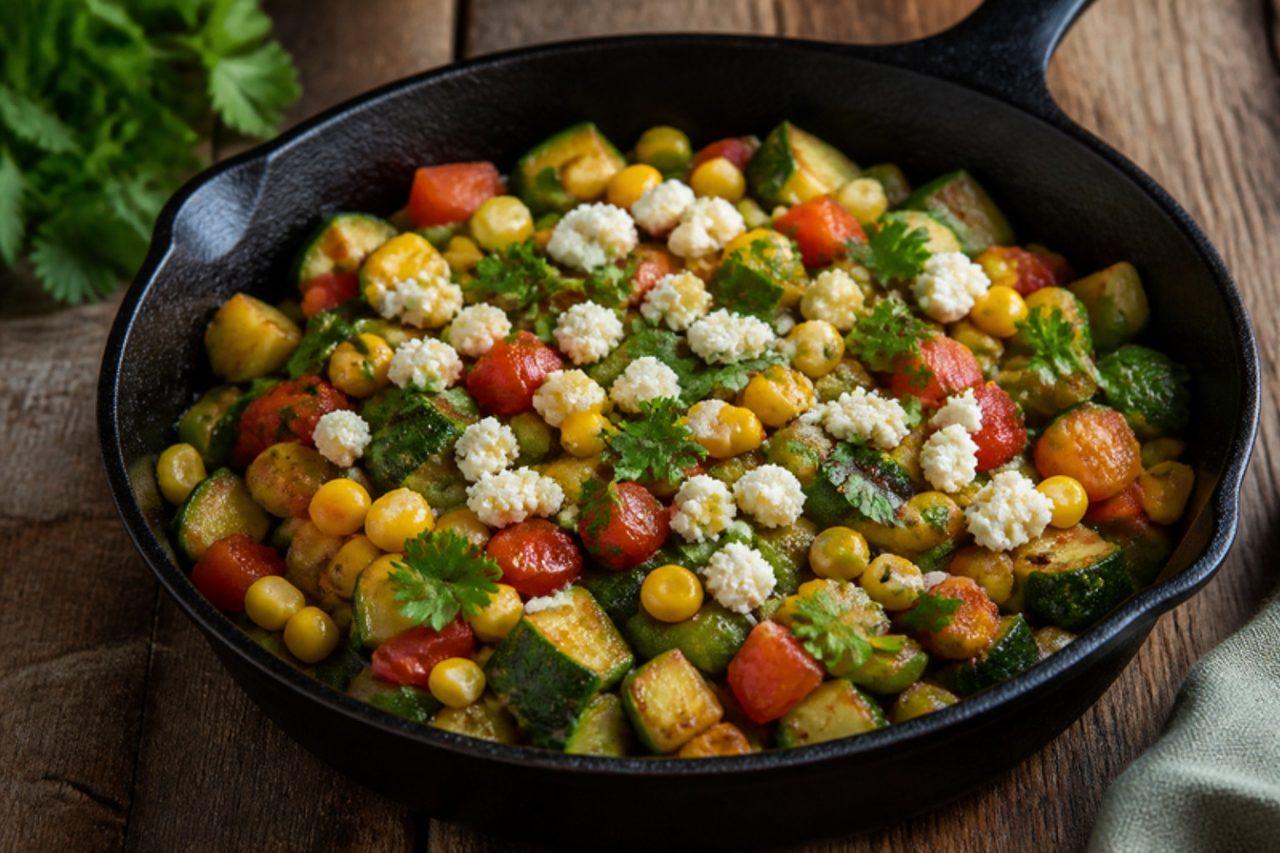
Calabacitas a la mexicana is the everyday summer side dish of kitchens all over Mexico: young squash (calabacitas) cooked quickly with sweetcorn, tomato, onion and strips of roasted poblano until tender and juicy, finished with crumbled fresh cheese. Mexican grey squash is milder and more tender than courgette, but young courgettes work beautifully. Eat it with rice and beans, roll it into tacos, or fill quesadillas with it. Use queso fresco made with vegetarian rennet. Chef's tip: cook over a high heat and don't cover the pan for long; you want the courgette to fry and keep a bite, not steam into a puddle.

by KrazyBadal 0 views

Maize pie

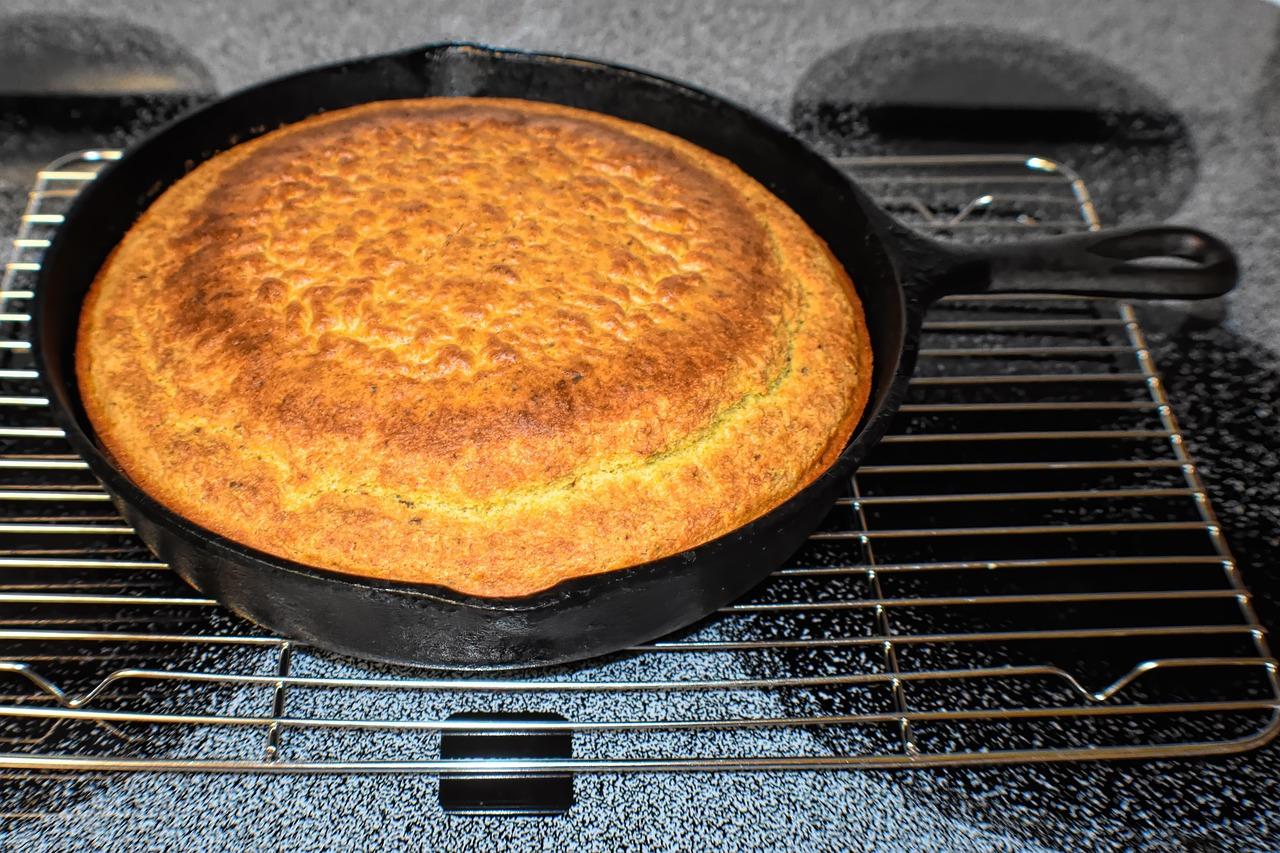
A soft, savoury pie of blended boiled maize folded into a peppery white sauce and baked until golden on top. It's mild and comforting, a little like a corn pudding, and children love it. The eggs are optional: they make it set firmer. Serve hot with a salad or tomato stew.

by KrazyBadal 0 views

Sweet potato salad (Nairobi style)Sweet potato fritter salad

Slices of sweet potato dipped in batter, coated in breadcrumbs and fried until crisp, arranged around lettuce, grated carrot, tomato and sliced hard-boiled egg. The book's Handy Hints say sweet potato is good for the eyes and lifts the mood. Serve with tomato sauce, chilli sauce and mayonnaise; leave out the eggs (and use egg-free mayonnaise) for an egg-free salad.

by KrazyBadal 0 views

Armenian coffee

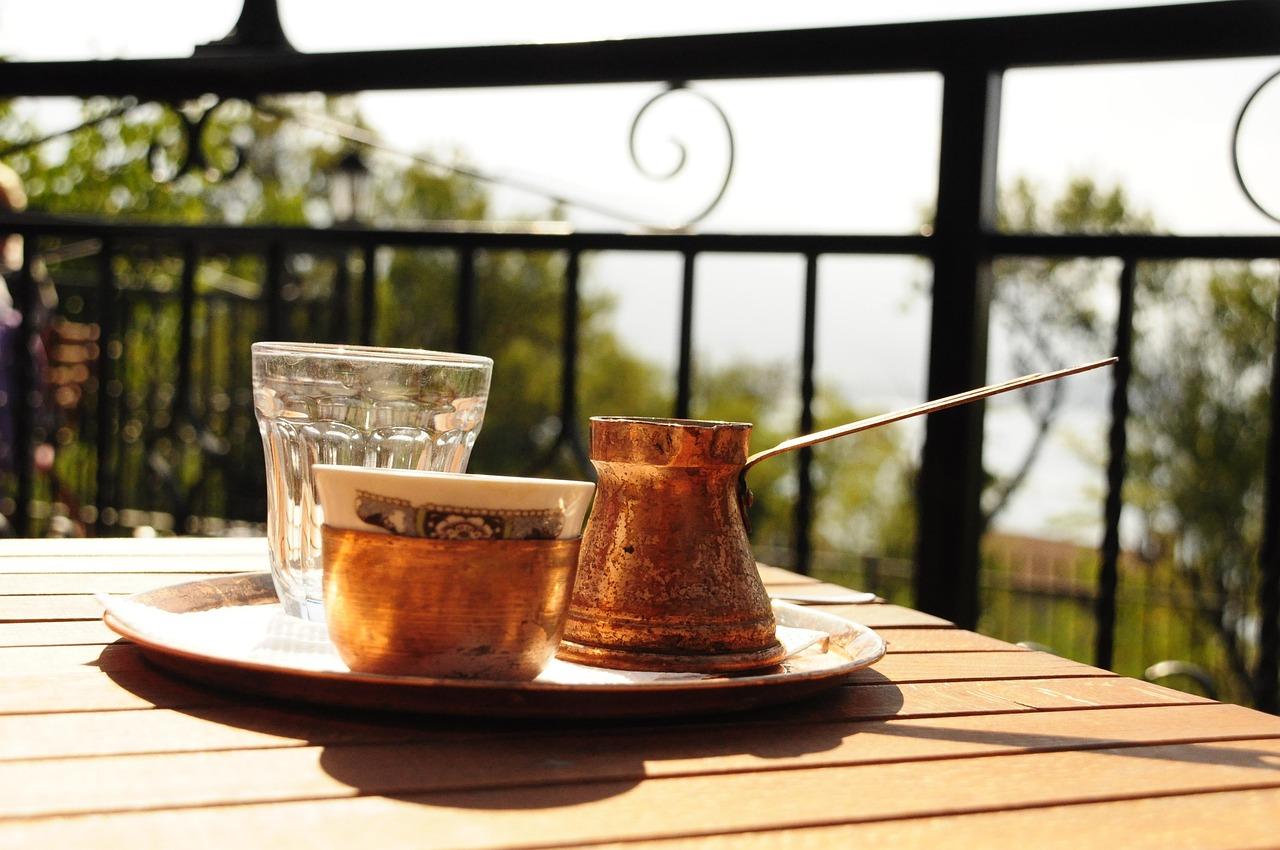
Armenian coffee, soorj, is boiled in a small long-handled pot called a jazzve and poured unfiltered into tiny cups. It is offered the moment a guest sits down in any Yerevan home and lingers after meals while the grounds settle; when the cup is empty, it is turned upside down on its saucer so someone can read the patterns left in the grounds. The coffee is powder-fine, often scented with a pinch of cardamom, with a velvety foam (kaymak) on top that is a point of pride for the host. Serve with a glass of water and a little gata or dried fruit. Chef's tip: start with cold water and a low flame; the slower the coffee heats, the thicker and longer-lasting the foam.

by KrazyBadal 1 views

Masala ugaliSpiced maize meal porridge

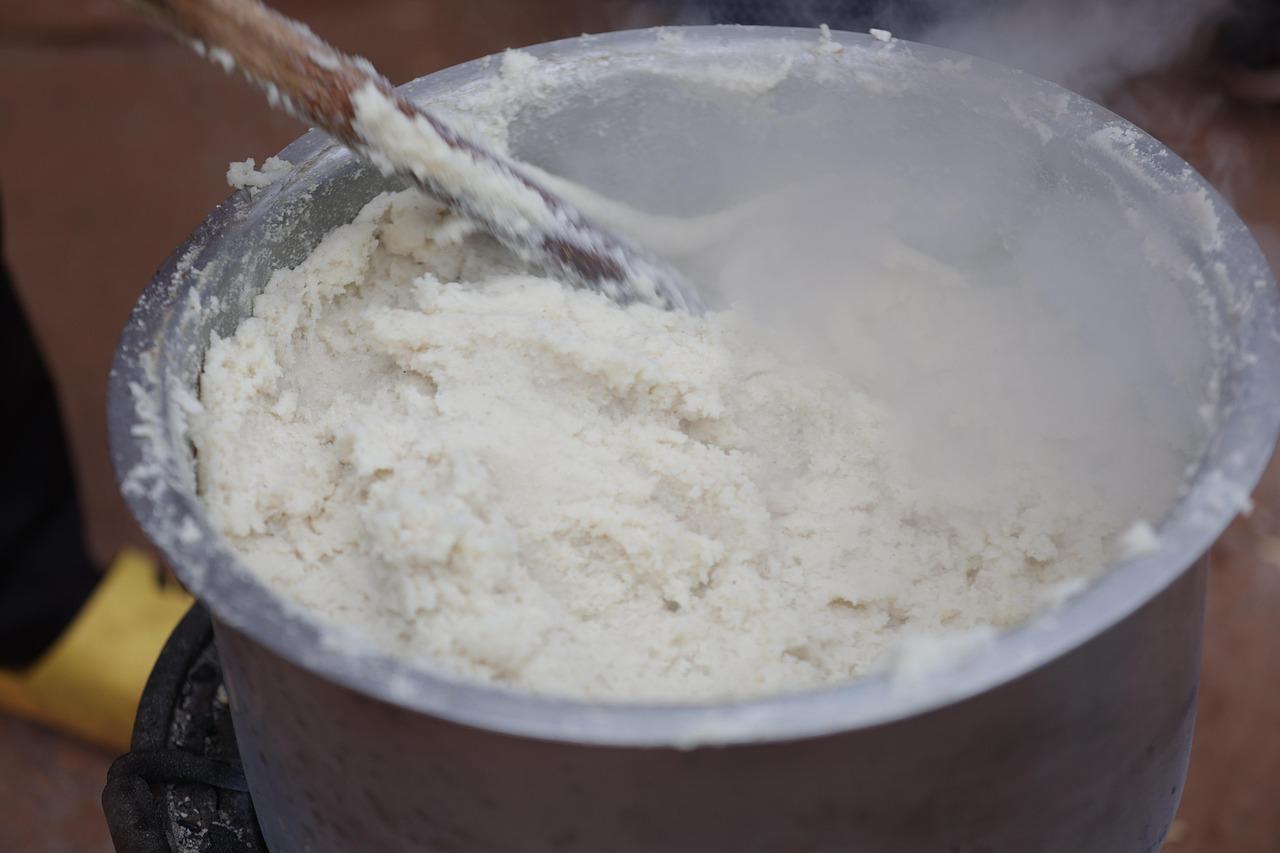
Ugali, East Africa's staple of maize meal cooked into a stiff porridge, given a lift with toasted cumin, butter, fresh coriander and green chilli. Stir it hard and keep it soft. Serve hot with sukumawiki or any stew.

by KrazyBadal 1 views

Caldo de resBeef shank soup

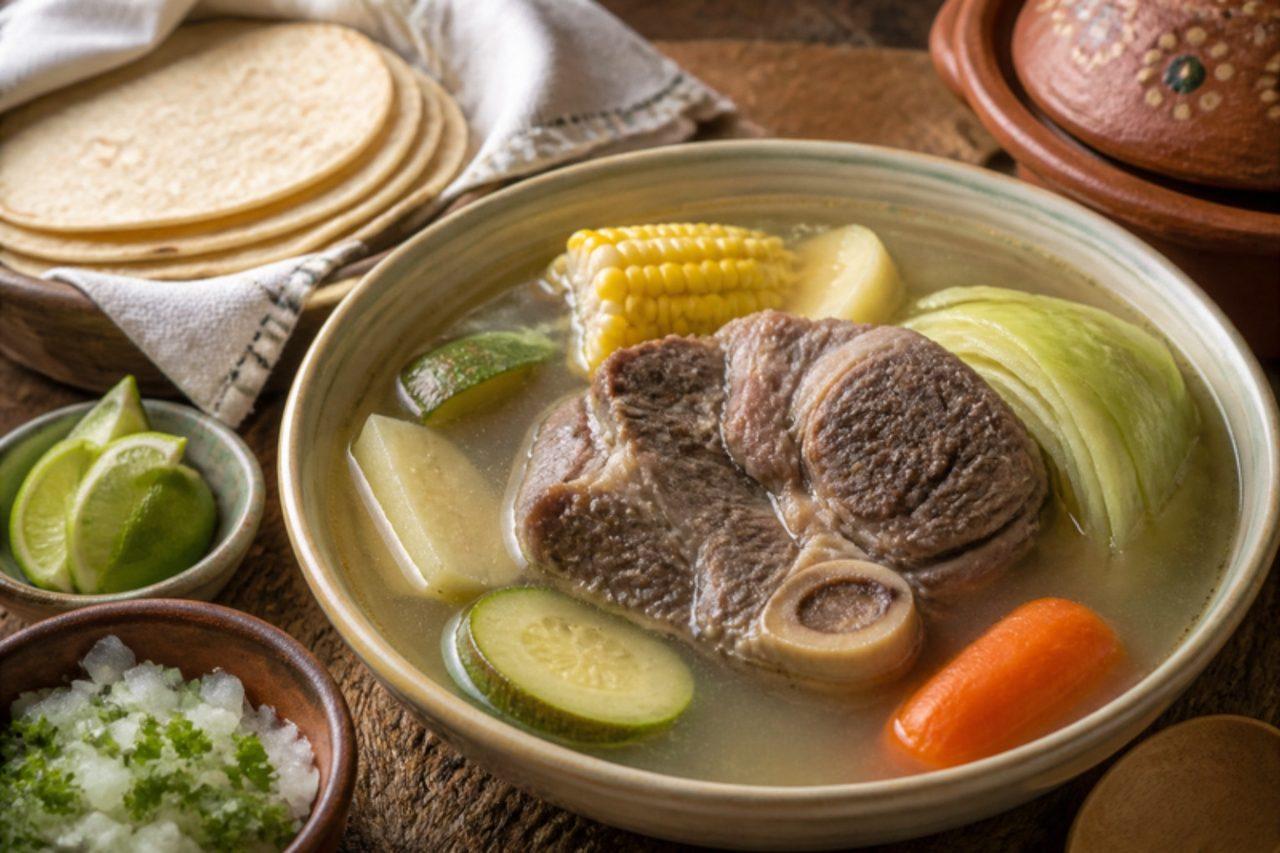
Ask almost any family in Mexico about Sunday lunch or a cold, rainy afternoon and caldo de res comes up: bone-in beef shank simmered for hours, then filled with big pieces of corn on the cob, carrot, potato, courgette and cabbage, so each bowl is a meal. Fondas from Monterrey to Mexico City sell it at midday with Mexican red rice, warm tortillas and a dish of chopped serrano and onion. The marrow from the shank bones enriches the clear broth. Chef's tip: add the vegetables in stages, the hard ones first, so everything is tender at the same time and nothing turns to mush.

205 minMexicanSoupsGluten free
by KrazyBadal 0 views

Buñuelos colombianosCheese and cassava fritters

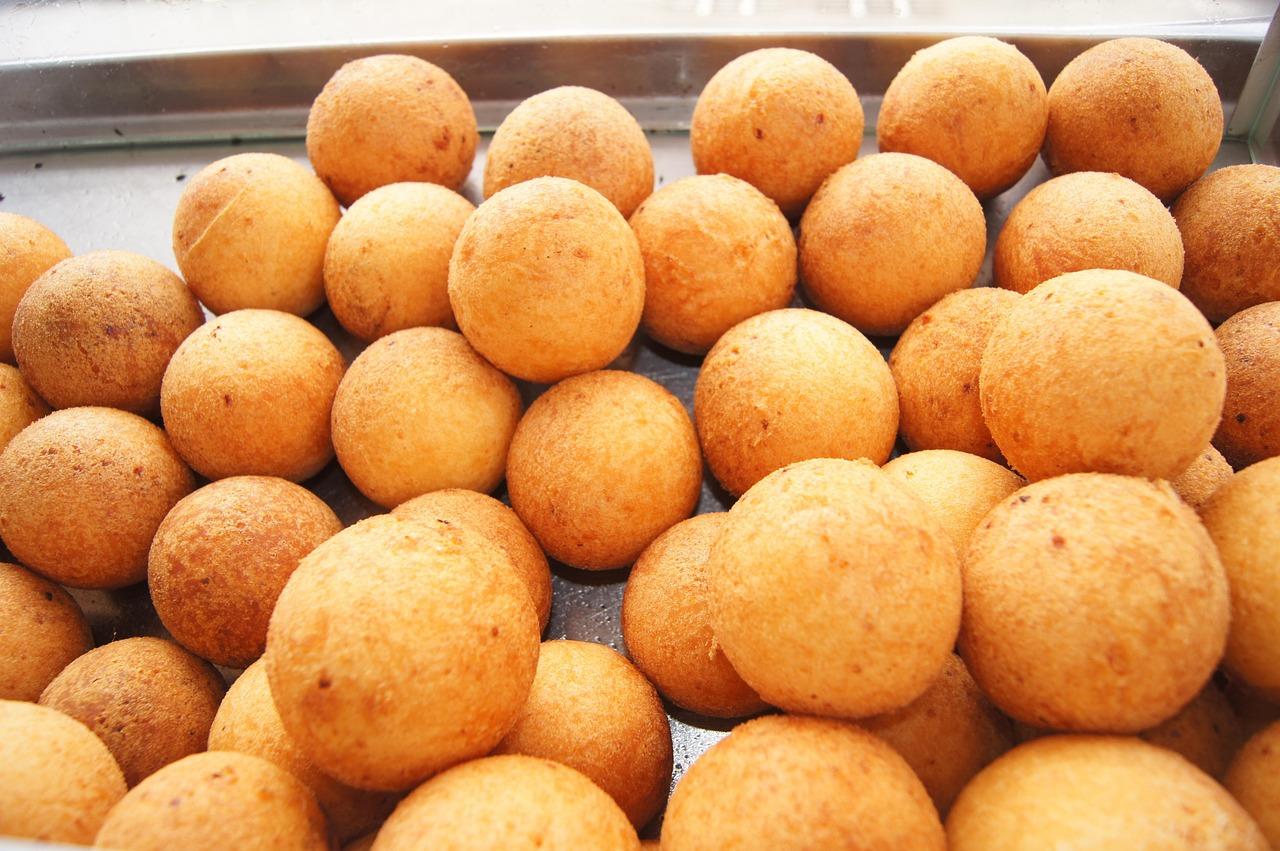
In December, Colombian families gather for the novena de aguinaldos, nine evenings of prayers and carols before Christmas, and the reward afterwards is a plate of hot buñuelos with a bowl of natilla. These little golden balls are made from crumbly cheese, cassava starch and cornflour, fried until they puff and roll themselves over in the oil. They are crisp outside, airy and cheesy inside. Chef's tip: start the oil only warm, around 150 °C; buñuelos fried too hot crack open and stay raw in the centre.

by KrazyBadal 0 views

GitheriKidney bean and corn stew

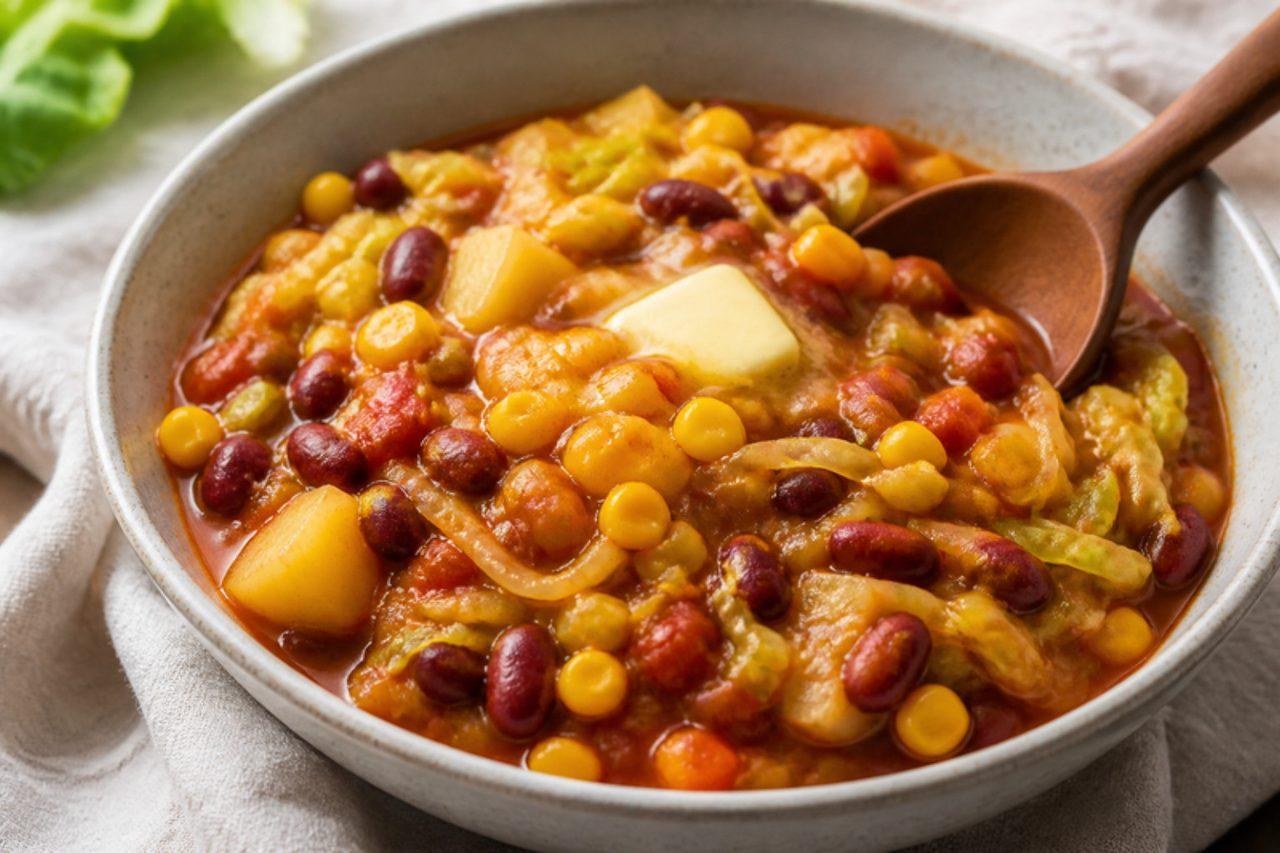
Kenya's everyday one-pot meal of kidney beans and corn, cooked with browned onion, tomato paste, chilli, potatoes and cabbage and finished with a knob of butter. It's hearty, comforting and cheap to make. Serve hot with ugali and sukumawiki.

by KrazyBadal 0 views

Coast egg chapatiEgg-filled chapati parcels

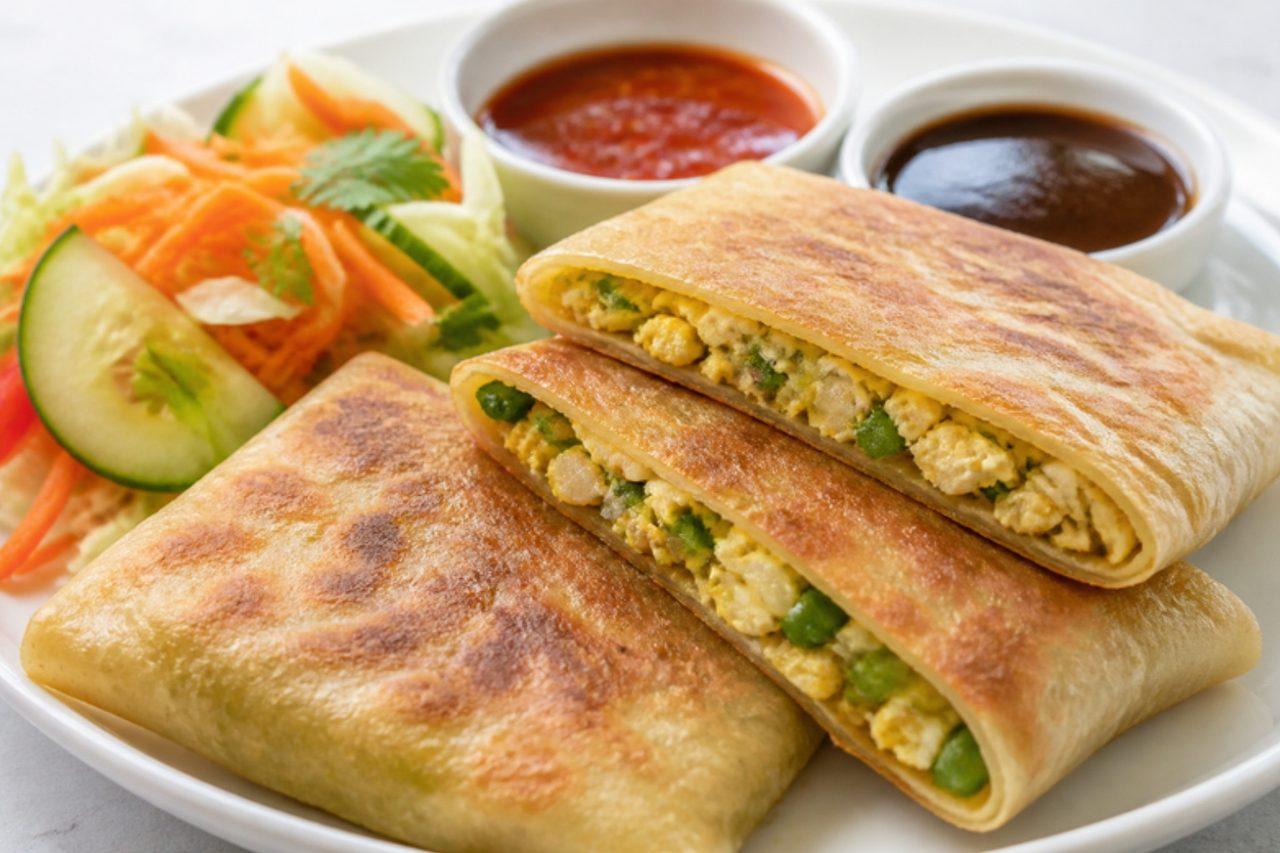
The famous coast street snack: paper-thin dough wrapped around a samosa chapati, spiced onion and capsicum filling and a beaten egg, folded into a square parcel and fried slowly until crisp and golden. Make them just before serving. Serve hot with a crunchy carrot, cabbage and cucumber salad and red chilli and tamarind chutneys. Contains egg.

by KrazyBadal 0 views

DushbaraTiny lamb dumplings in broth

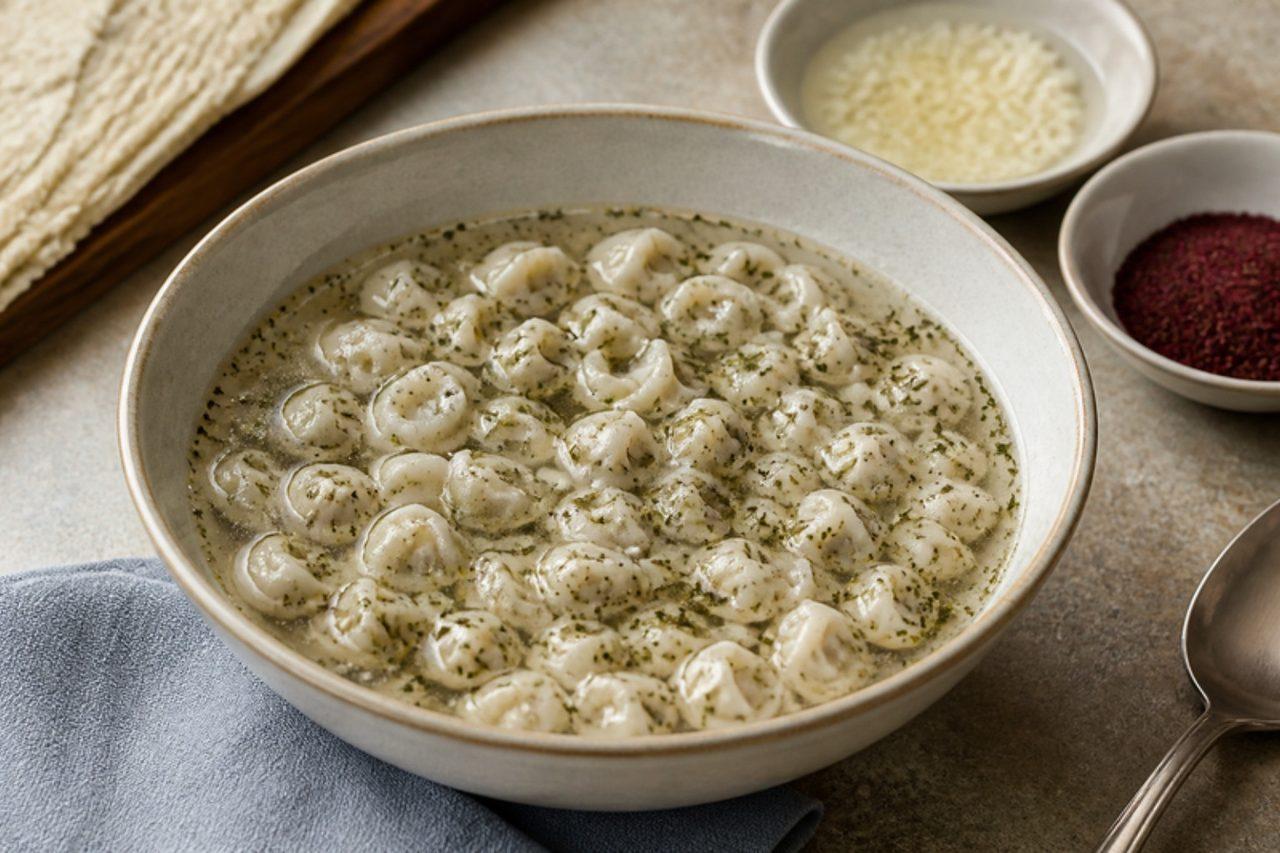
Dushbara is the test of a patient cook in Azerbaijan: dumplings so small that a dozen fit on a spoon, filled with lamb and onion and served in clear bone broth. Families in Baku and the Absheron towns make them for New Year and Novruz, everyone sitting around the table folding together. At the table each bowl gets dried mint, a little crushed garlic in vinegar, and sumac. Over-filling is the usual problem; too much meat and the edges won't seal, so the dumplings open in the pot. Chef's tip: make the broth from lamb bones the day before and chill it, so you can lift off the fat and the soup stays crystal clear.

by KrazyBadal 0 views

Dwaeji gukbapPork and rice soup

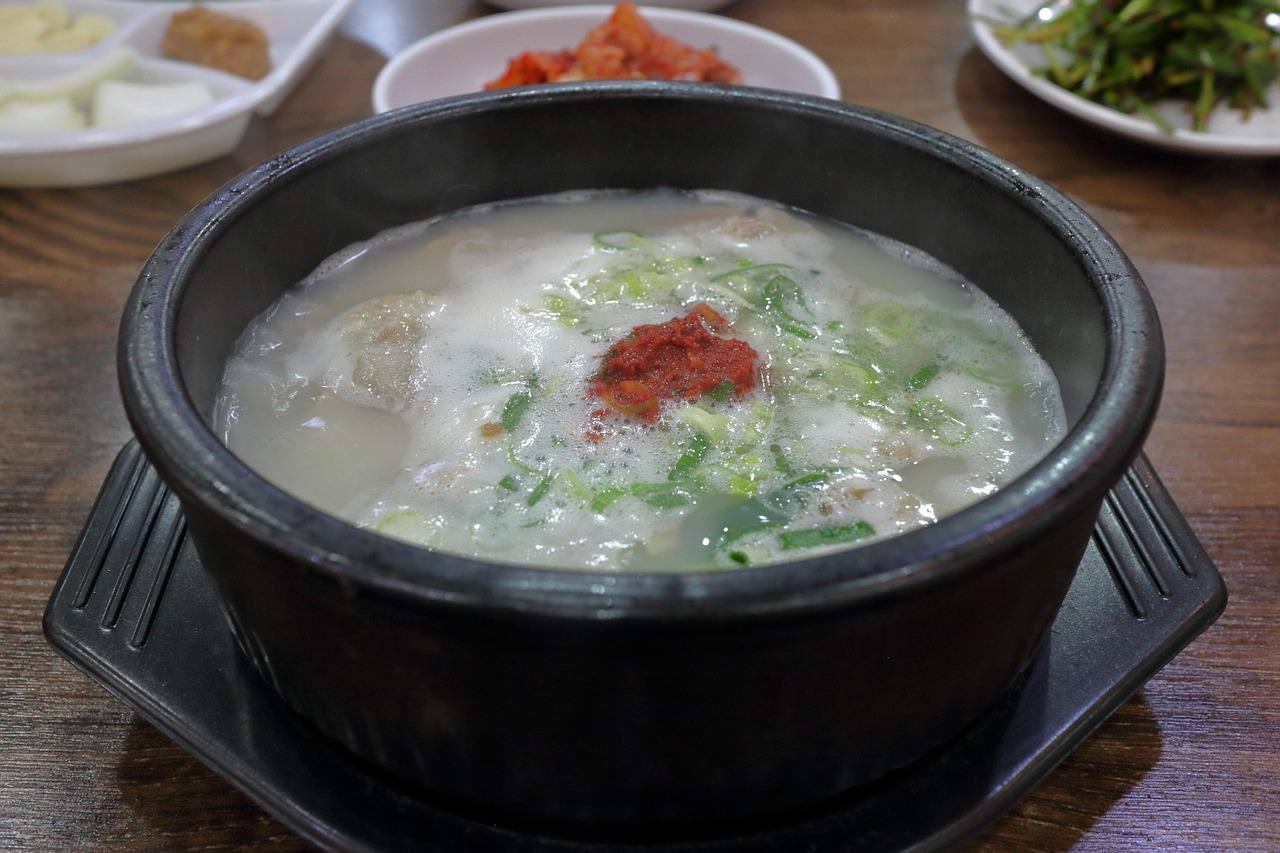
Ask anyone in Busan for a bowl of something filling at any hour and they will probably send you for dwaeji gukbap. Seomyeon has a whole alley of gukbap restaurants, open from early morning to late at night, serving the soup to market workers, students and people heading home after a night out. Pork bones are boiled hard for hours until the broth turns cloudy and white, then poured over sliced pork and rice. Each diner seasons their own bowl at the table with salted shrimp, chilli paste and a pile of garlic chives, with raw onion, green chilli and kimchi on the side. Chef's tip: season the soup in the bowl, not the pot; a little saeujeot at a time gives a clean, savoury depth that salt alone doesn't.

180 minKoreanSoups
by KrazyBadal 0 views

Echorer dalnaYoung jackfruit curry

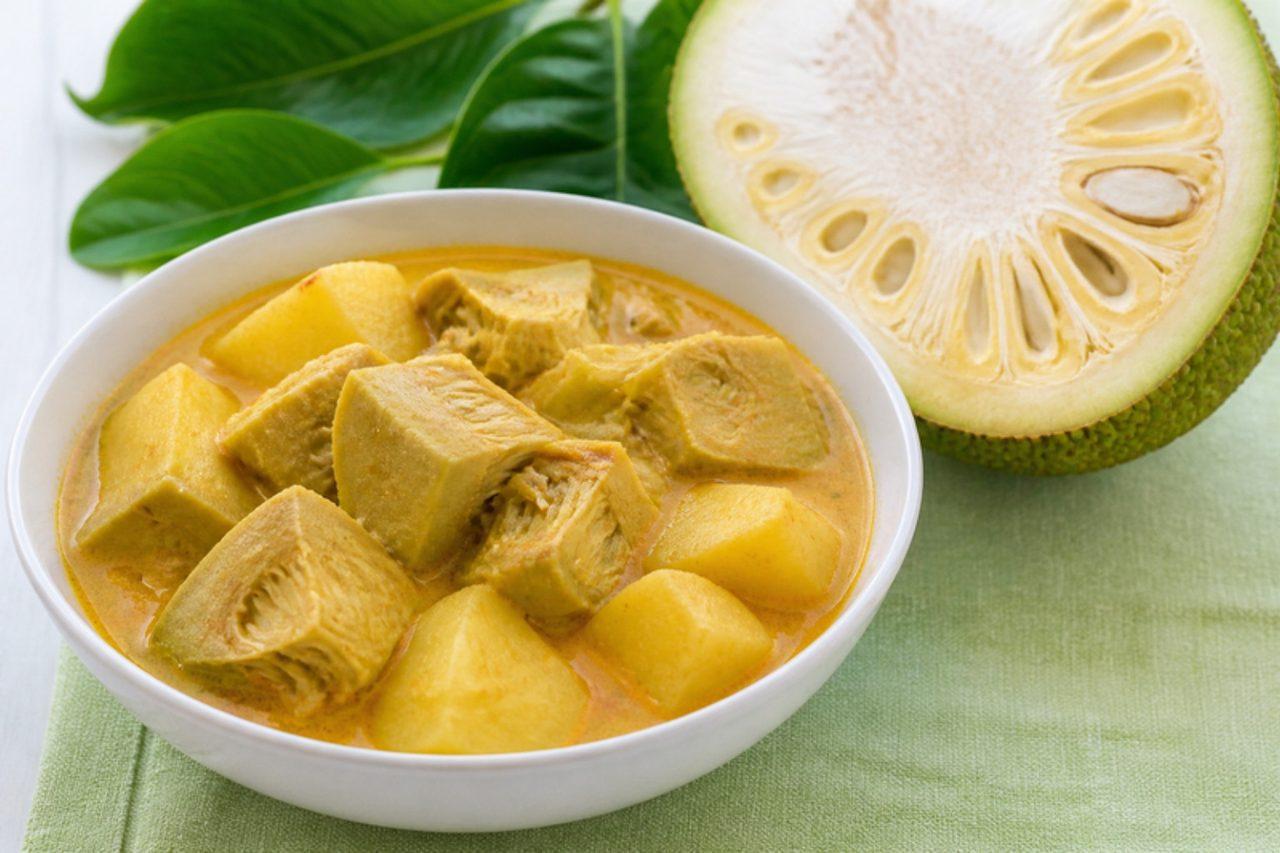
In early summer, Kolkata's bazaars sell baby green jackfruit (echor), and Bengali households cook it into a dalna rich enough to be called gachh-patha, 'mutton from the tree'. The jackfruit is boiled, fried with potato and simmered in a ginger, cumin and tomato gravy, finished with ghee and garam masala. Its chewy, meaty texture soaks up the spice. It is a Sunday lunch dish, eaten with rice or luchi. Chef's tip: buy jackfruit no longer than your forearm, with pale seeds; older fruit is fibrous and the seeds are hard.

by KrazyBadal 0 views

Hyderabadi chicken dum biryani

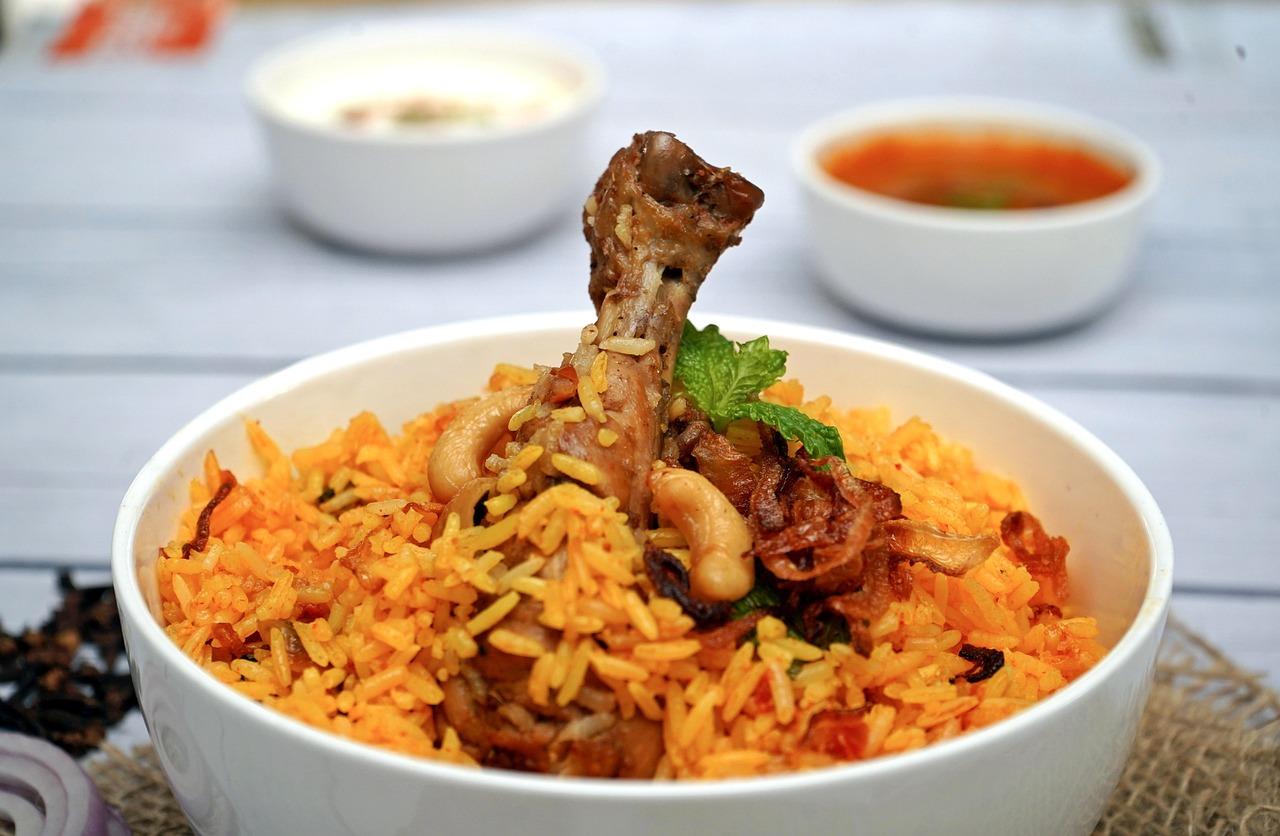
Hyderabad's biryani grew up in the kitchens of the Nizams, and the kacchi style is its proudest form: the chicken goes into the pot raw, in a thick yogurt, mint and fried-onion marinade, and cooks only in the steam trapped under part-cooked basmati. In the old city it is wedding and Eid food, ordered in huge copper deghs, and at home it's the Sunday showpiece, served with mirchi ka salan and a cooling raita. Because the meat cooks without being stirred, small bone-in thigh and drumstick pieces work best. Chef's tip: marinate overnight in the fridge — the yogurt tenderises the chicken and the flavours go right to the bone.

by KrazyBadal 1 views

EetchBulgur in tomato and pepper

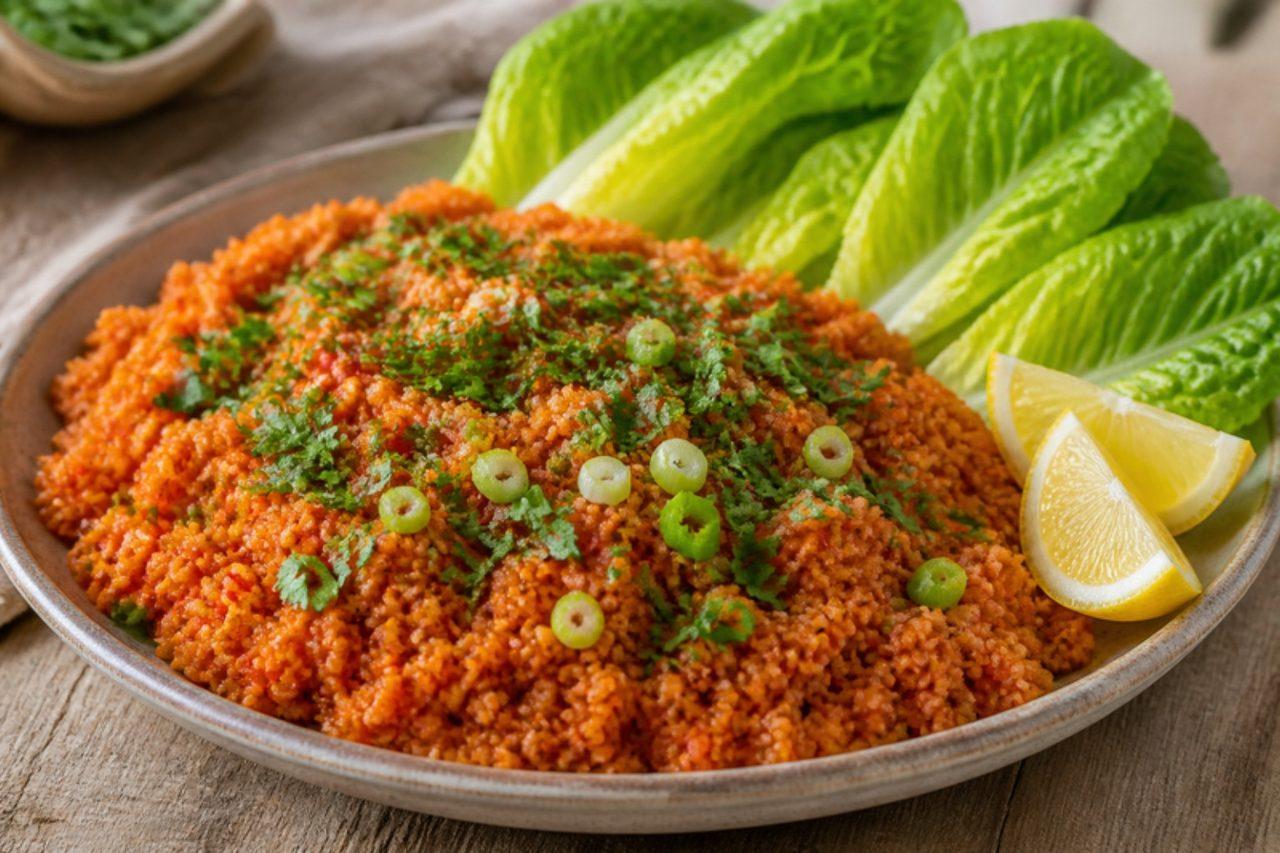
Eetch is a Western Armenian dish from the old Cilician towns, carried by families to Aleppo, Beirut and the Armenian quarters of American cities. Fine bulgur is stirred into a hot sauce of onion, red pepper, tomato and pepper paste and left to drink it up, then finished with lemon, parsley and spring onion and eaten at room temperature, often scooped up with lettuce leaves. Unlike a herb-heavy raw bulgur salad, eetch is cooked, so it is rich and tomatoey, and it is a fixture of Lenten tables, picnics and mezze spreads. It keeps for days, which makes it a favourite for lunchboxes. Chef's tip: take the pan off the heat before adding the bulgur and keep the lid on; the grains soften in the residual heat and stay separate instead of turning to porridge.

by KrazyBadal 0 views

Efo riroSpinach stew

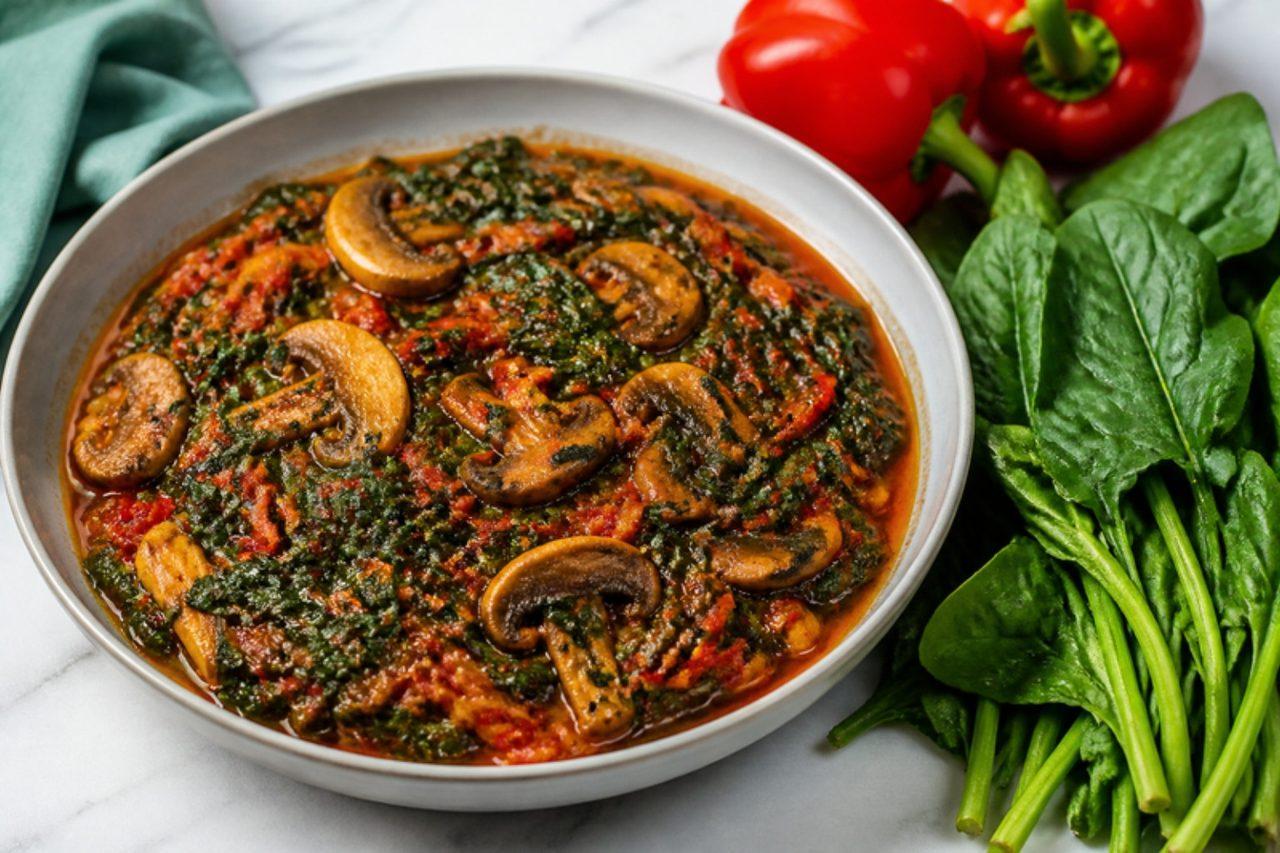
Efo riro, literally 'stirred greens', is the Yoruba vegetable stew cooked in homes from Ibadan to Lagos on any ordinary weekday, and eaten with pounded yam, eba or plain rice. Leafy greens are wilted into a rich base of blended peppers fried in palm oil with iru, the pungent fermented locust beans that give the dish its savoury backbone. Most families add assorted meats, stockfish and crayfish; some keep a little smoked fish on the side for those who want it. This version leans on mushrooms, iru and a touch of smoked paprika instead. Chef's tip: squeeze the blanched greens really dry before they go into the sauce; wet spinach thins the stew and washes out the flavour.

by KrazyBadal 0 views

CanjeeroSpongy fermented pancakes

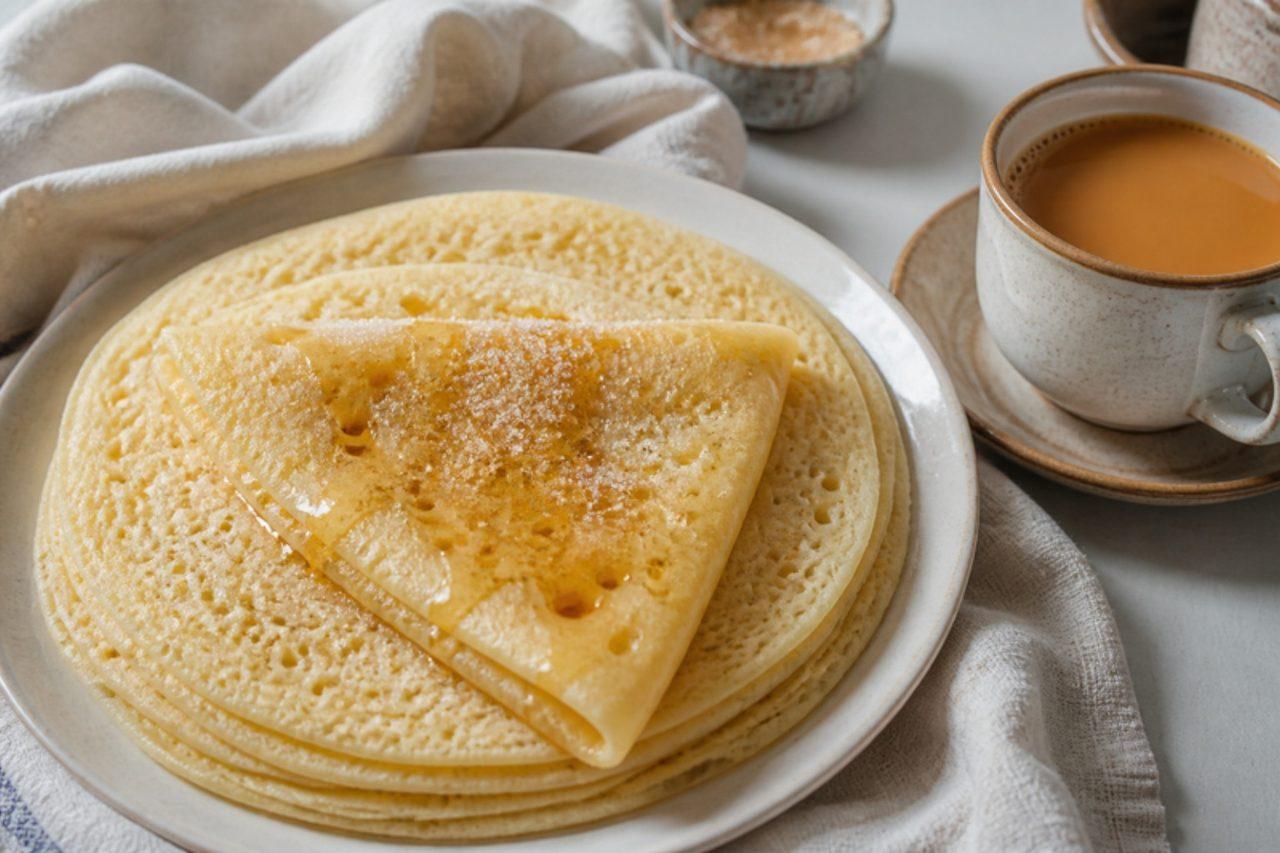
Canjeero (also called laxoox) is Somali breakfast, made fresh each morning in homes and sold in cafés from Mogadishu to Djibouti: thin, spongy pancakes from a soured batter, cooked on one side only so the top is full of tiny holes. Eaten warm, they are drizzled with sesame oil or ghee and sprinkled with sugar, then rolled up with sweet spiced tea; on weekends they come with liver or beans. They are smaller and lighter than Ethiopian injera and made mostly from wheat. Chef's tip: spread the batter in a spiral with the back of the ladle, starting in the middle; that is what makes the thin, even, lacy sheet.

by KrazyBadal 0 views

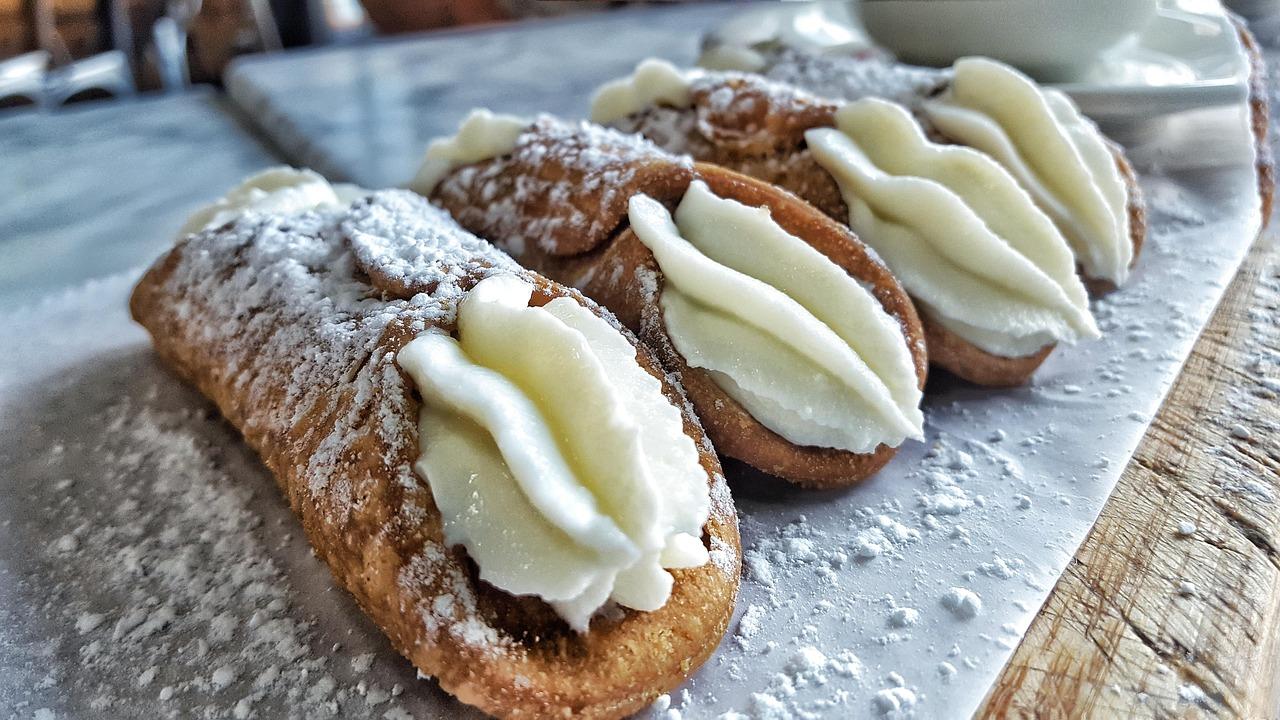
CannoliFried shells with sweet ricotta

Cannoli were once a Carnival treat in Palermo; now Sicilian pastry shops fill them all year, piping the sweet sheep's-milk ricotta cream into the crisp, bubbly shells only when you order, so they never go soft. The ends are dipped in chopped pistachios, candied orange or chocolate chips. Traditional shells are fried with lard; this version uses butter in the dough and sunflower oil to fry. You need metal cannoli tubes. Chef's tip: drain the ricotta overnight and push it through a sieve; it makes a silky cream that holds its shape instead of a runny, grainy filling.

by KrazyBadal 0 views

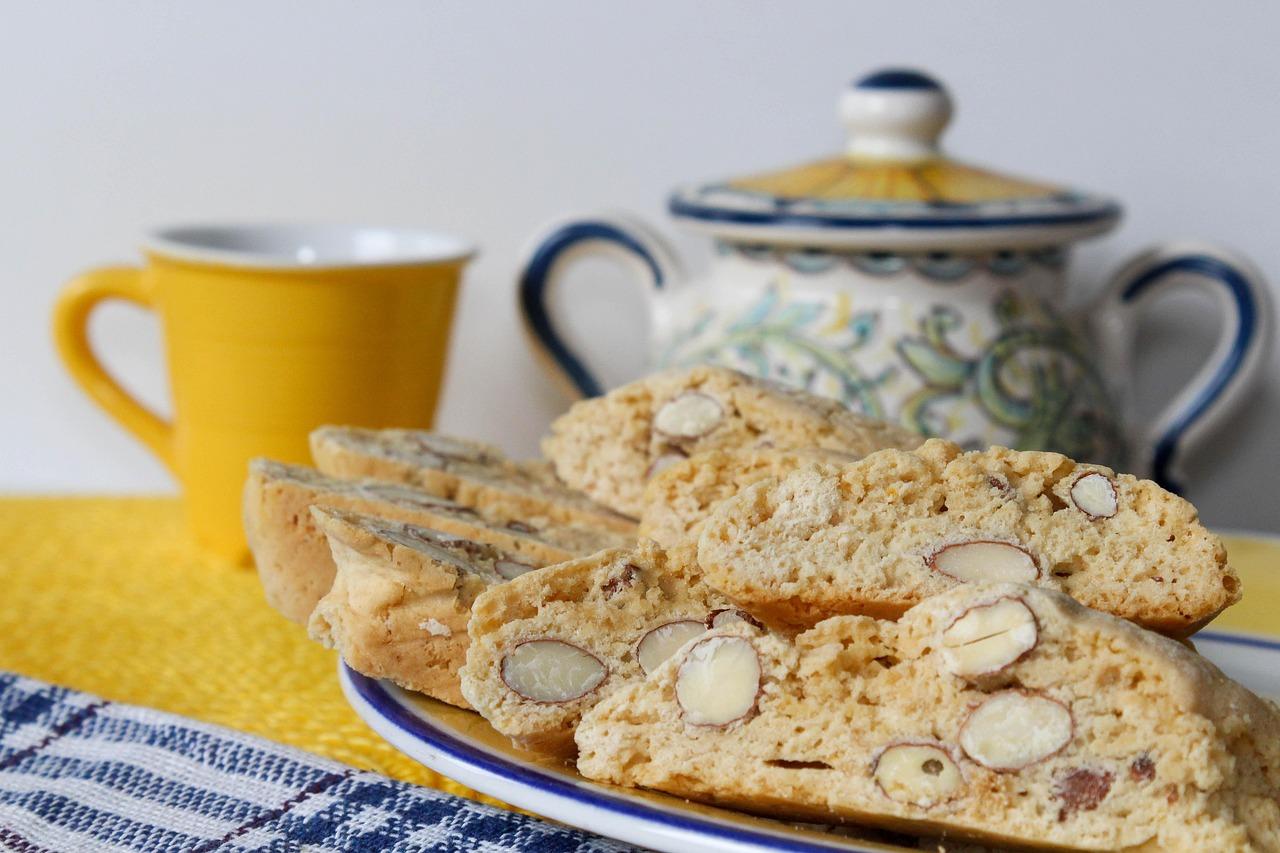
CantucciTwice-baked almond biscuits

Cantucci, also called biscotti di Prato, are the hard almond biscuits of Prato, near Florence, where bakeries have sold them since the 1800s. The dough is shaped into logs, baked, sliced on the diagonal and baked again until crisp and golden, so they keep for weeks. In Tuscany they end a meal dipped in a small glass of Vin Santo; with coffee works just as well. The traditional recipe has no butter or oil, only eggs, sugar, flour and whole almonds. Chef's tip: slice the logs while still warm with a serrated knife and a firm sawing motion; once cold, they crumble.

by KrazyBadal 0 views

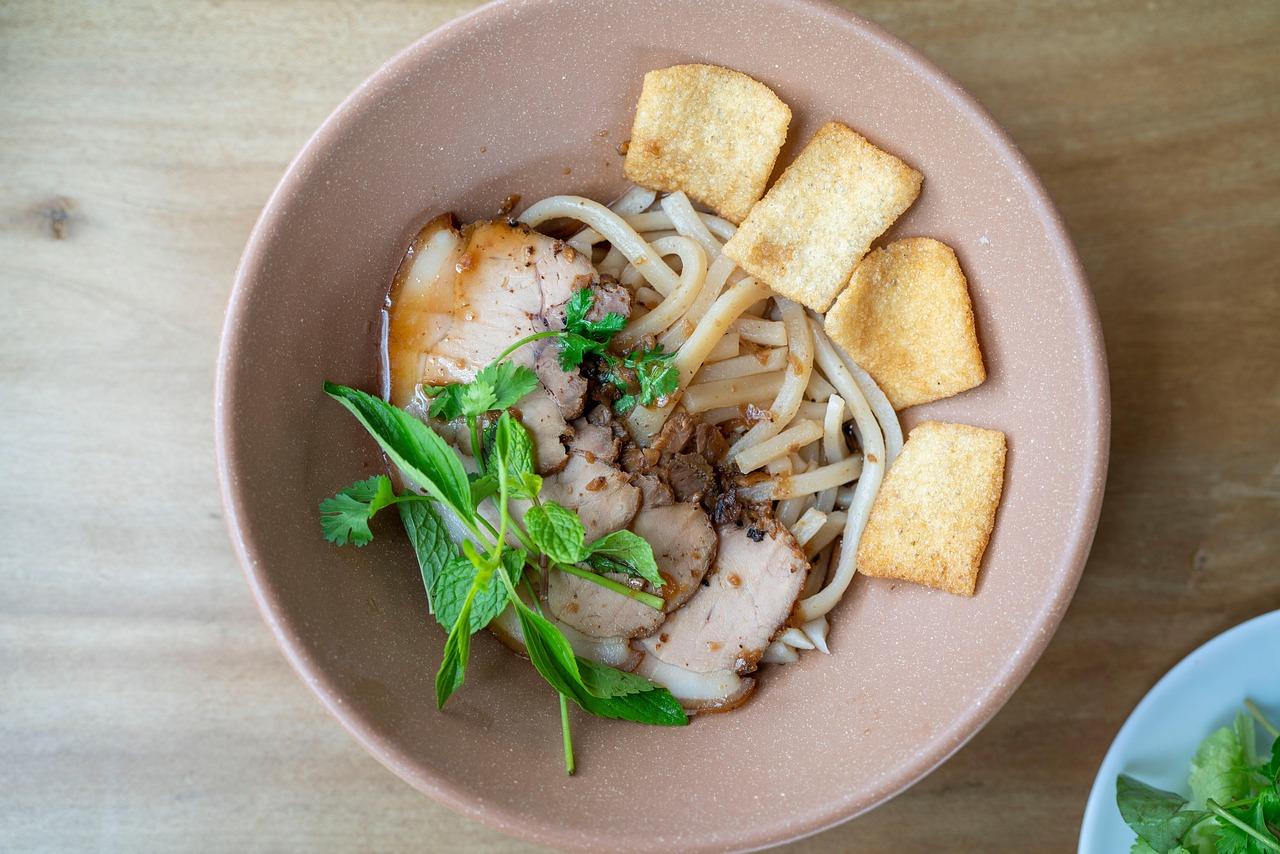
Cao lauPork and noodle bowl

You will really only find proper cao lầu in Hội An, the old trading port on Vietnam's central coast, where it's sold in small family eateries and along the riverside at lunch. The noodles are yellowish and unusually chewy, made with lye water that locals traditionally link to the town's ancient Bá Lễ well. They come almost dry, topped with slices of sweet five-spice pork, raw greens and crisp squares of fried dough, with just a spoonful of the pork juices. Because the real noodles are very hard to buy outside Hội An, this home version uses thick udon noodles, which give a similar bouncy chew; it is a substitute, not the original. Chef's tip: rinse the cooked udon in cold water, then dip briefly in hot water just before serving, so they are warm but firm.

by KrazyBadal 0 views

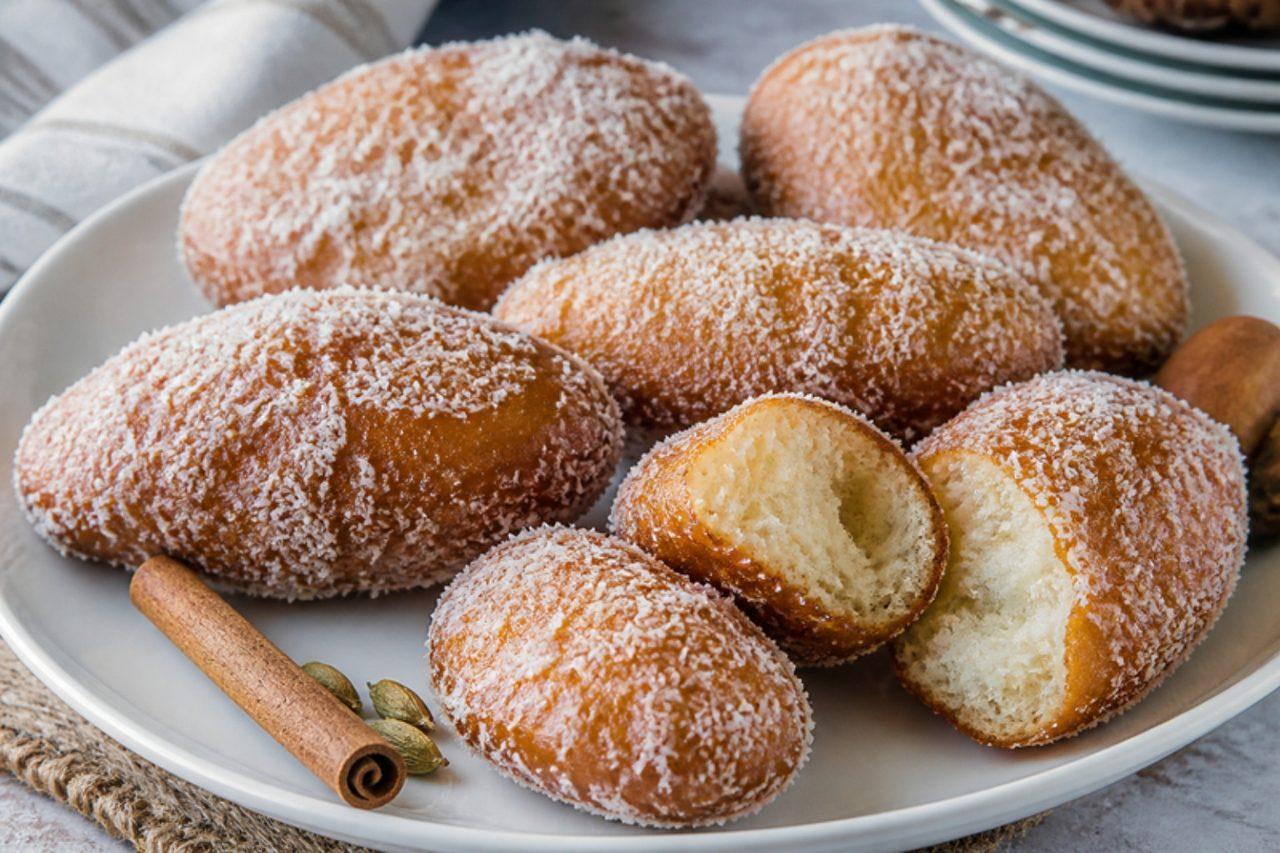
Cape Malay koesistersSpiced syrup doughnuts

Koesisters are Cape Town's Sunday-morning ritual: in the Bo-Kaap and on the Cape Flats, families buy or make a batch to eat with tea after the week's work is done. They are nothing like the plaited, crunchy Afrikaner koeksister. These are soft, cake-like, oval dumplings flavoured with cinnamon, cardamom, ginger, aniseed and naartjie (tangerine) zest, fried, briefly boiled in a thin syrup and rolled in desiccated coconut. Chef's tip: fry them over a moderate heat so they cook through to a fluffy centre before the outside turns dark; they should be a rich brown, not black.

by KrazyBadal 0 views

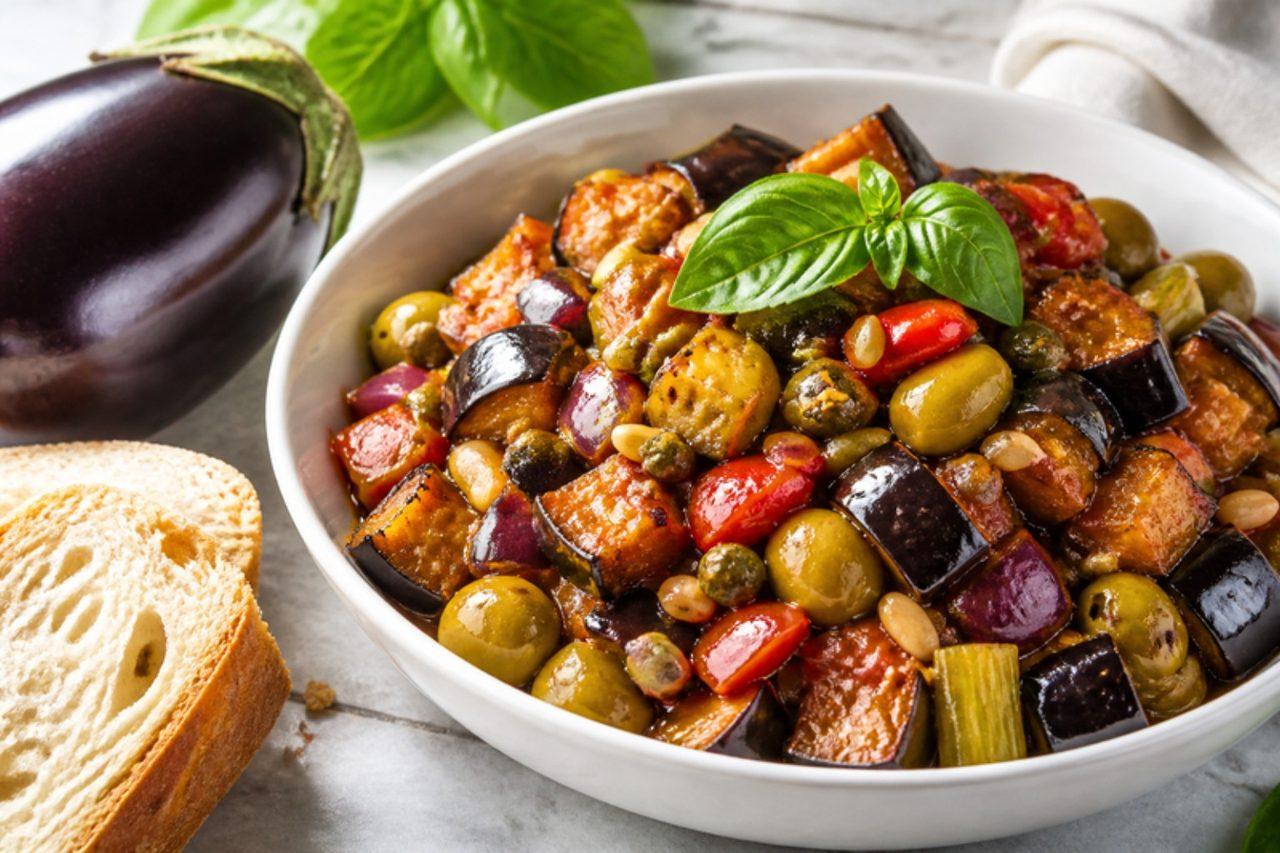
CaponataSweet and sour aubergine stew

Caponata is the agrodolce dish of Sicily: cubes of fried aubergine, crisp celery, green olives and capers in a glossy tomato sauce sharpened with vinegar and softened with a little sugar. Palermo families keep a bowl in the fridge through late summer and eat it at room temperature as an antipasto, a side or on bread, and many say it is best on the second day. The sweet-sour balance shows the Arab influence on Sicilian cooking. Chef's tip: blanch the celery for 2 minutes before frying; it keeps a pleasant crunch without tasting raw.

by KrazyBadal 0 views

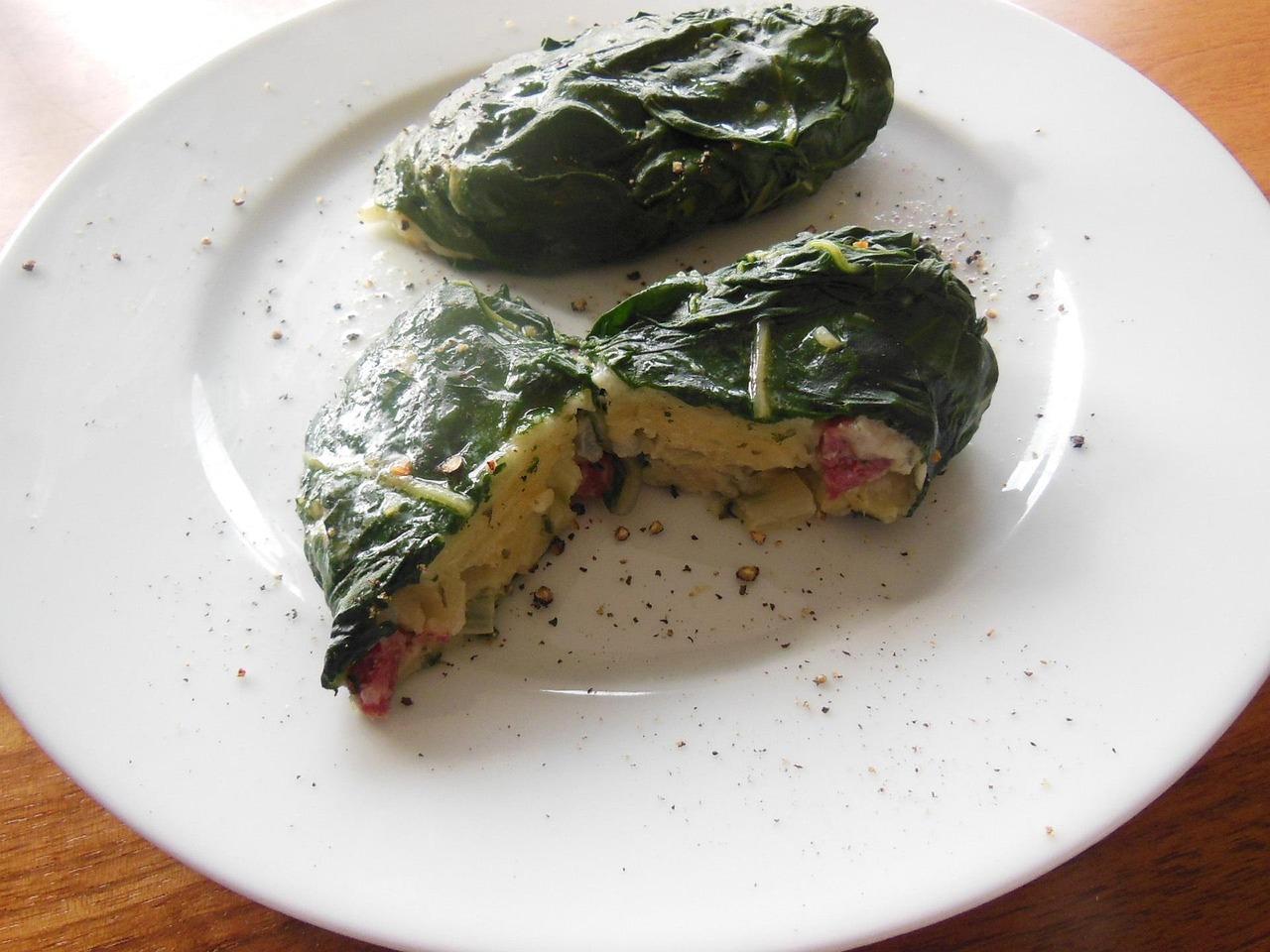
CapunsChard parcels of herby dough

Capuns come from the valleys of Graubünden, where every village in the Surselva and Engadin has its own way of making them, and they are cooked on cold evenings and for festivals in mountain inns. A soft spätzle batter flavoured with herbs and little cubes of air-dried salsiz sausage and bacon is wrapped in chard leaves, then the parcels are poached in a mixture of milk and stock and finished with butter and grated mountain cheese. The salsiz and bacon are pork. Most first attempts fail because the dough is too runny to wrap; it should drop slowly off a spoon, like very thick porridge. Chef's tip: dip the chard leaves into boiling water for just 10 seconds so they turn supple enough to roll without tearing.

80 minSwissMeat
by KrazyBadal 0 views

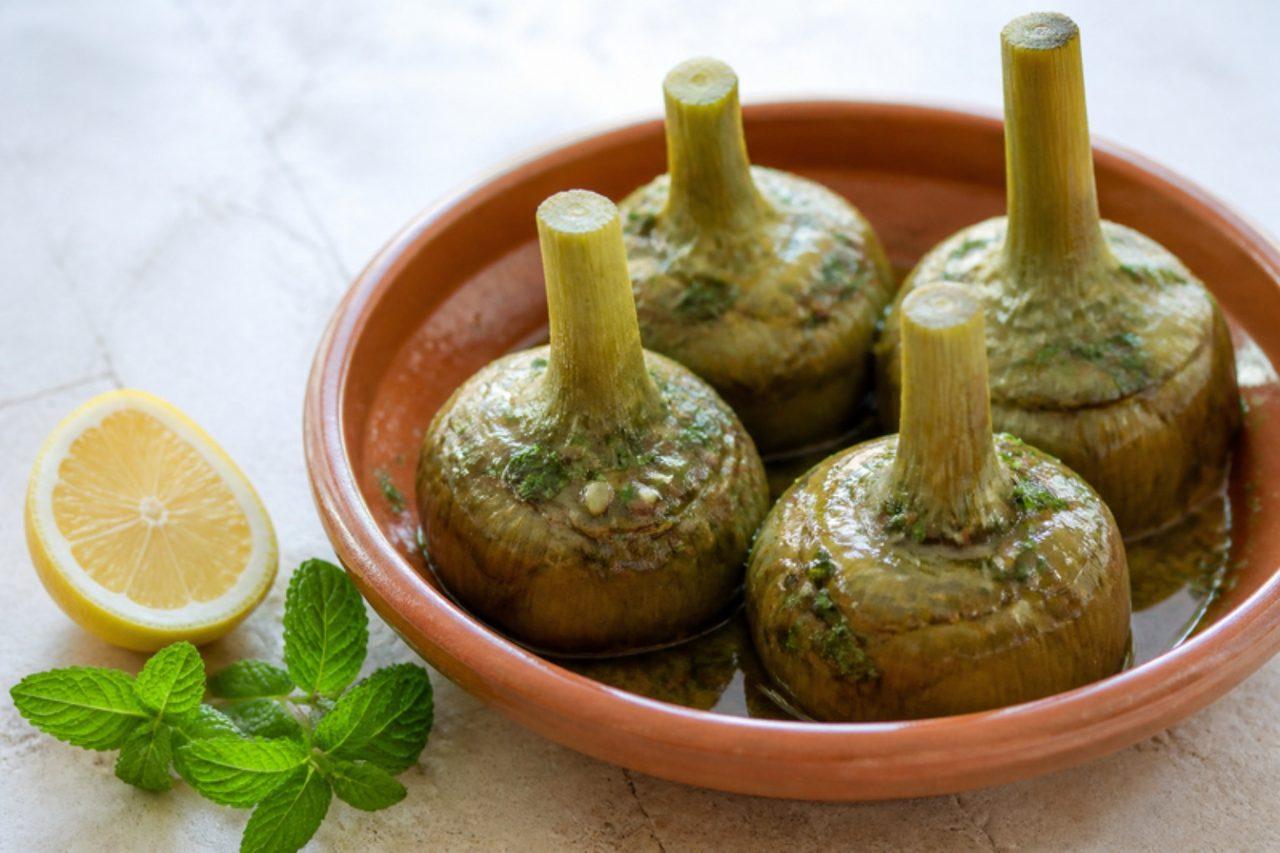
Carciofi alla romanaBraised artichokes with mint

Every spring, from February to April, Roman market stalls pile up round, thornless romanesco artichokes (cimaroli), and trattorie serve them alla romana: stuffed with wild mint, parsley and garlic and braised stem-up in oil and water until meltingly soft. They are eaten warm or at room temperature as a contorno, often next to their crisp cousins, carciofi alla giudia. Any large globe artichoke works at home. Chef's tip: braise them upside down, stems in the air and tightly packed, so the hearts sit in the liquid and the stems steam to the same tenderness.

by KrazyBadal 0 views

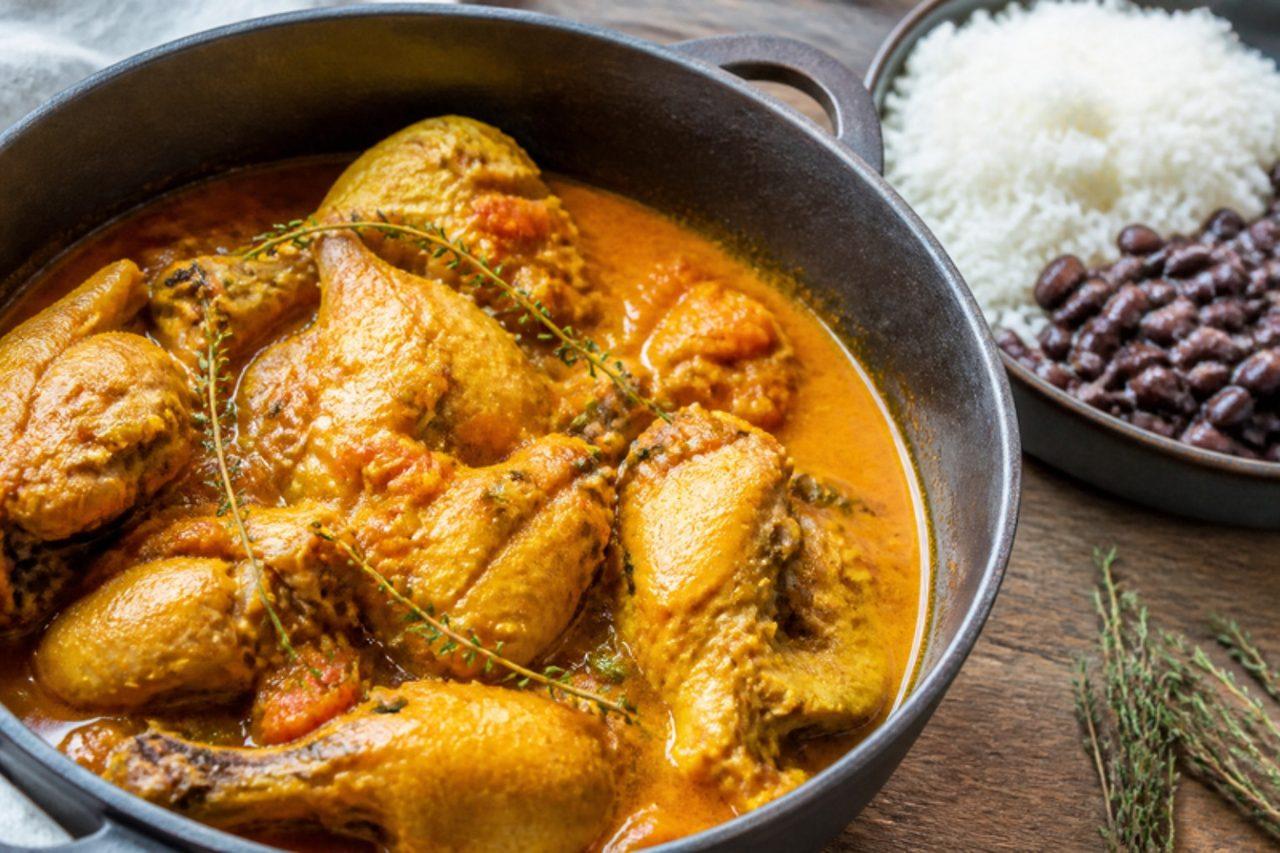
Cari pouletChicken curry

In Réunion a cari is any stew cooked with turmeric (called "safran" on the island), garlic, ginger, onion, tomato and thyme, and cari poulet is the dish families cook on Sundays in Saint-Denis and the mountain villages, often in a big cast-iron pot over a wood fire. It is served with white rice, red beans or lentils, and a fiery rougail on the side. The mistake is adding water too early: let the chicken brown and the tomatoes melt first, then add only a little. Chef's tip: thyme is essential in Réunionnais cooking; add it whole and fish it out before serving.

by KrazyBadal 0 views

CarimañolasYuca fritters stuffed with beef

Carimañolas are torpedo-shaped fritters of mashed yuca filled with savoury minced beef, a breakfast and party snack in Panama City and along the Caribbean coast in Colón, often eaten with a cup of coffee or a spoon of hot sauce. The yuca dough is soft and smooth, the outside crisp after frying. The mistake is working the yuca dough while it is cold; mash and shape it while still warm, when it is smooth and pliable. Chef's tip: wet your hands with a little oil or water as you shape them so the dough doesn't stick.

by KrazyBadal 0 views

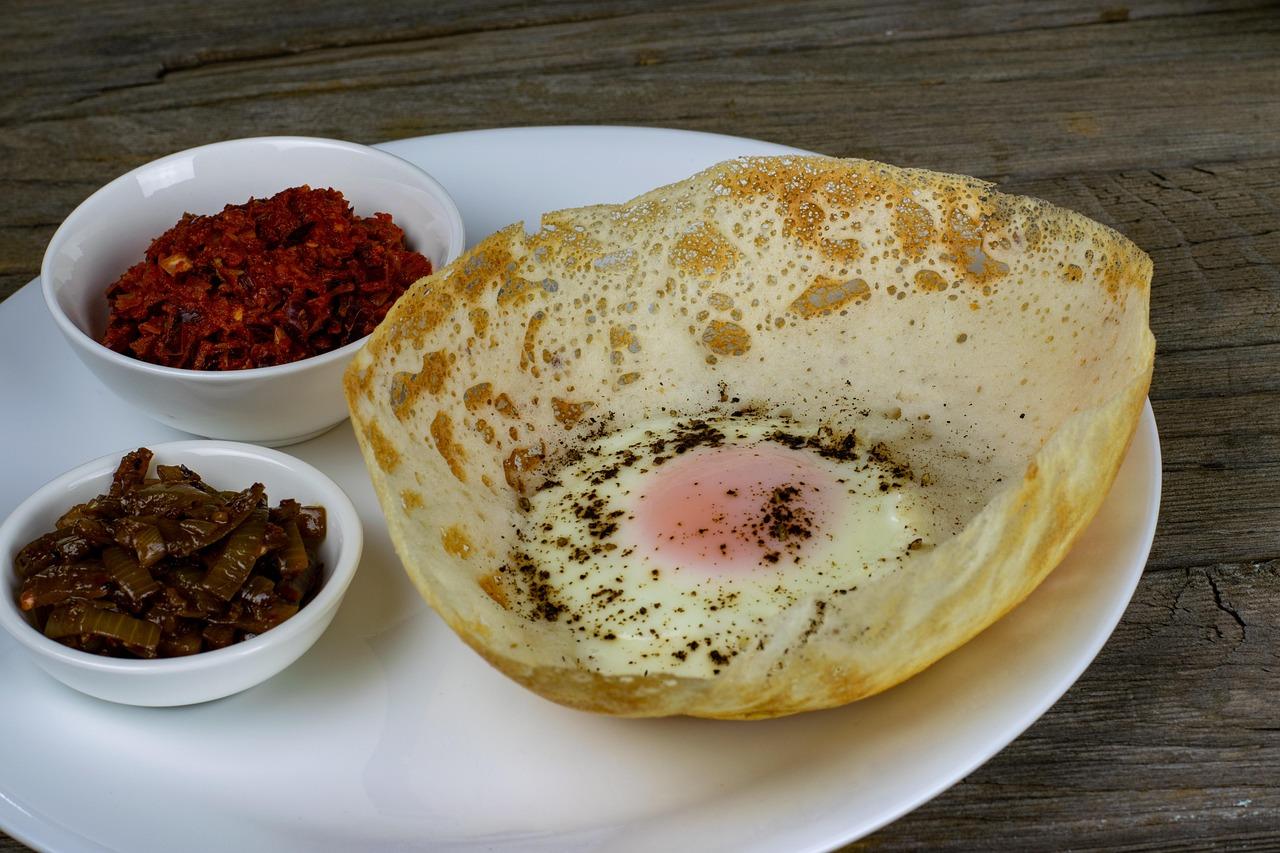
Egg hoppersBowl-shaped rice pancakes with egg

Hoppers (appa) are the crisp-edged, bowl-shaped pancakes that street cooks in Colombo, Kandy and Jaffna make in rows of small round pans every evening; an egg hopper has an egg cracked into the soft centre so it steams to a runny yolk. The batter of rice flour, coconut milk and yeast (traditionally toddy) is left to ferment until it's light and slightly sour, which gives the lacy, golden rim and the spongy middle. They're eaten hot with pol sambol and lunu miris, and plain hoppers come with sweet jaggery for dessert. Kerala's appam is a cousin, but Sri Lankan hoppers are thinner and crisper and the egg version is their own. The common mistake is a batter that's too thick, which gives heavy, pale hoppers; it should flow like single cream. Chef's tip: swirl the pan in one quick full turn the moment the batter goes in, then cover at once.

by KrazyBadal 0 views

Carne de porco à alentejanaPork and clams

Despite the name, this surf-and-turf dish of pork and clams is most often linked with the Algarve coast, where Alentejo pork met local shellfish; today it is served in tascas all over Portugal, especially for Sunday lunch. It is a pork dish: cubes of pork shoulder marinate in massa de pimentão (sweet red pepper paste), garlic and traditionally white wine, then are fried and tossed with steamed clams, crisp potato cubes, pickles and lots of coriander. For an alcohol-free version, swap the wine for chicken stock with a tablespoon of white wine vinegar. Chef's tip: buy the pork with a little fat on; lean loin turns dry and tough when fried.

by KrazyBadal 0 views

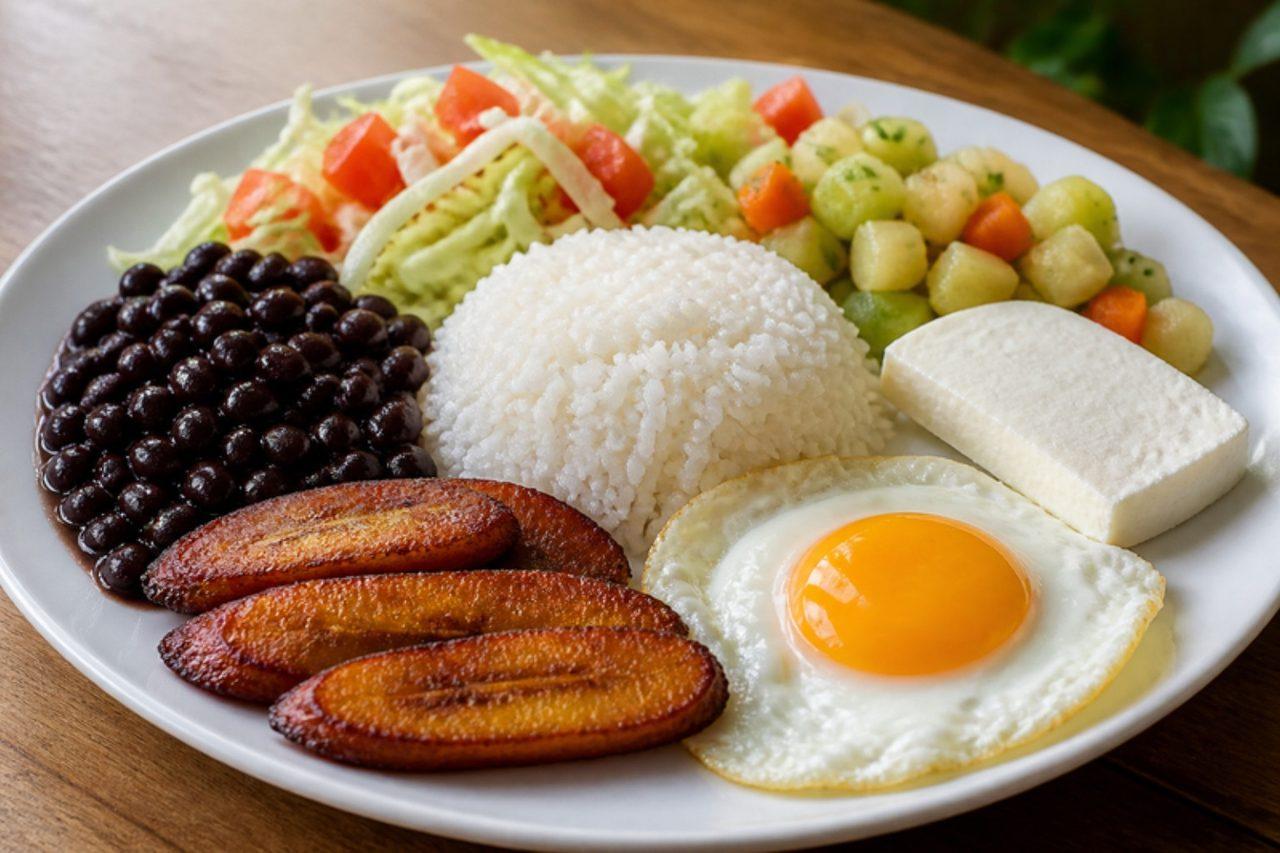
Casado vegetarianoRice, beans and plantain plate

Walk into any soda (small family diner) in San José at lunchtime and the board will offer a casado: one plate where rice and beans are 'married' to salad, sweet plantain and a main. The meatless version is just as common, with a fried egg and a slice of fresh white cheese, plus a little picadillo of chopped vegetables. It's a full, balanced lunch, and every element is simple. Chef's tip: cook the plantain only when it's deeply black-skinned and soft; ripe plantain caramelises to sticky dark edges, green plantain just goes dry.

by KrazyBadal 0 views

Pork souvlaki

This is a pork recipe. Walk through any Greek town after dark, from Athens to Thessaloniki, and the smell of souvlaki stands drifts down the street; cubes of pork shoulder grilled on thin skewers are the country's favourite cheap supper, eaten standing up or at a plastic-table taverna. At home you marinate the meat in lemon, olive oil, garlic and dried oregano, grill it hard and fast, and pile it on warm pitta with tzatziki, tomato and red onion. Chef's tip: cut the pork into even 2.5 cm cubes and leave a little fat on; lean loin dries out, shoulder stays juicy over high heat.

32 minGreekMeat
by KrazyBadal 1 views

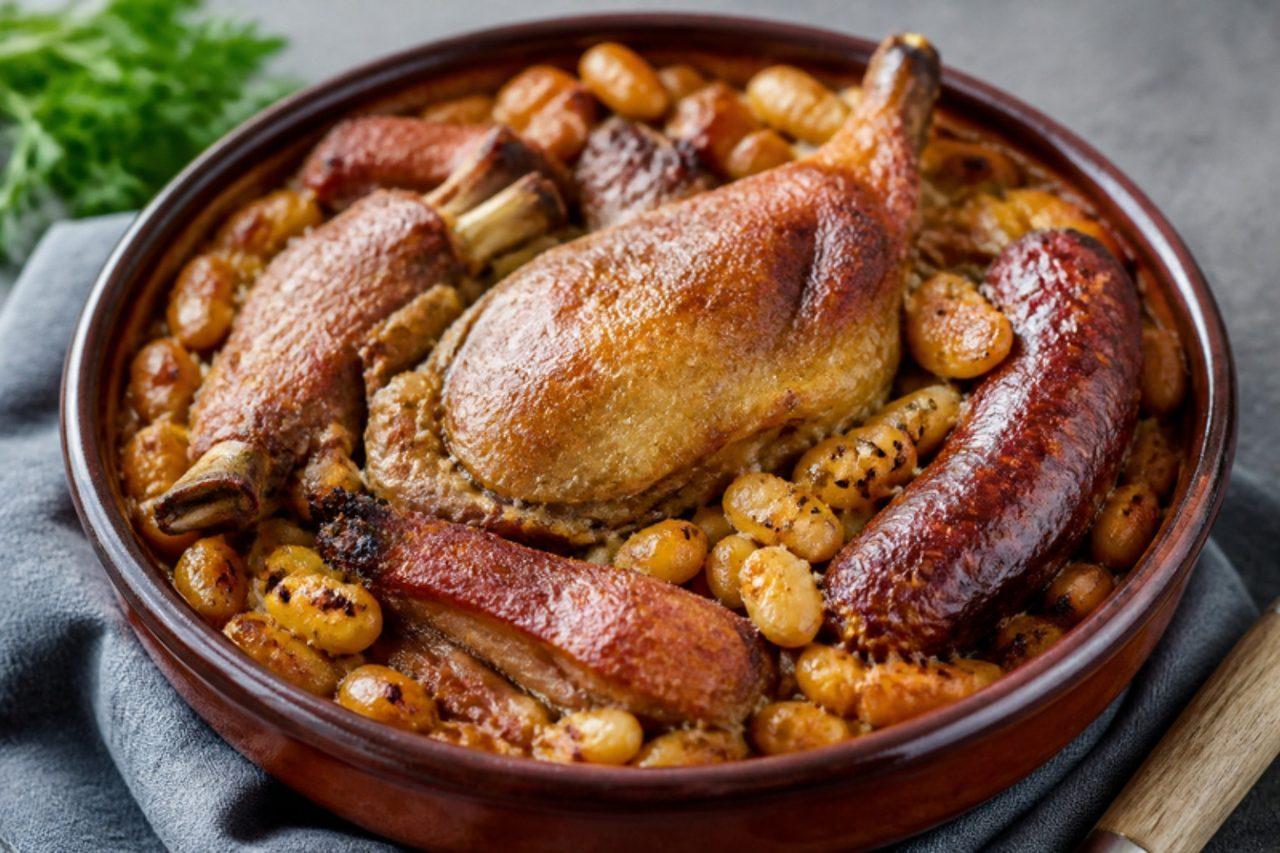
CassouletWhite bean and duck stew

Cassoulet is the great winter feast of the Languedoc, and the towns of Castelnaudary, Carcassonne and Toulouse still argue over who makes it best. Contains pork: white beans cook with pork rind and belly, then bake for hours with duck confit and garlicky Toulouse sausages in a deep earthenware dish until a dark crust forms on top. It takes two days at a relaxed pace and feeds a crowd. Serve with nothing more than a green salad. Chef's tip: break the crust and push it under several times while it bakes; each new crust adds flavour and body.

280 minFrenchMeatGluten free
by KrazyBadal 0 views

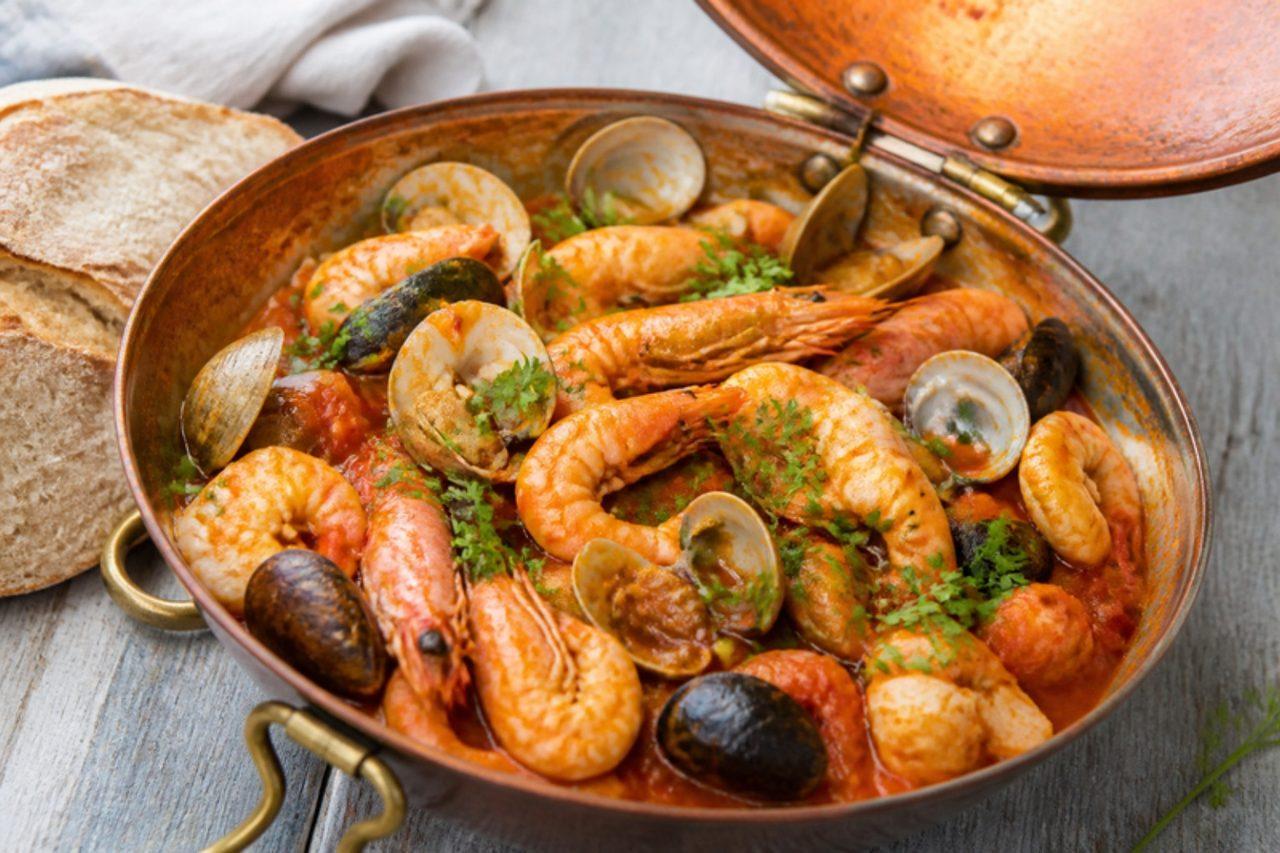
Cataplana de mariscoSeafood and sausage steam pot

Cataplana is the Algarve's showpiece, named after the hinged, clam-shaped copper pan it is cooked in, and it is served at the table in harbour towns like Olhão and Portimão, lid opened in a puff of steam. This version contains pork: smoky chouriço sausage goes in with the onion, peppers and tomato, then clams, prawns and firm white fish steam on top in their own juices. Bring bread for the broth. No cataplana? A wide casserole with a tight lid works. Chef's tip: purge the clams in salty water in the fridge for an hour so they spit out their sand before cooking.

by KrazyBadal 0 views

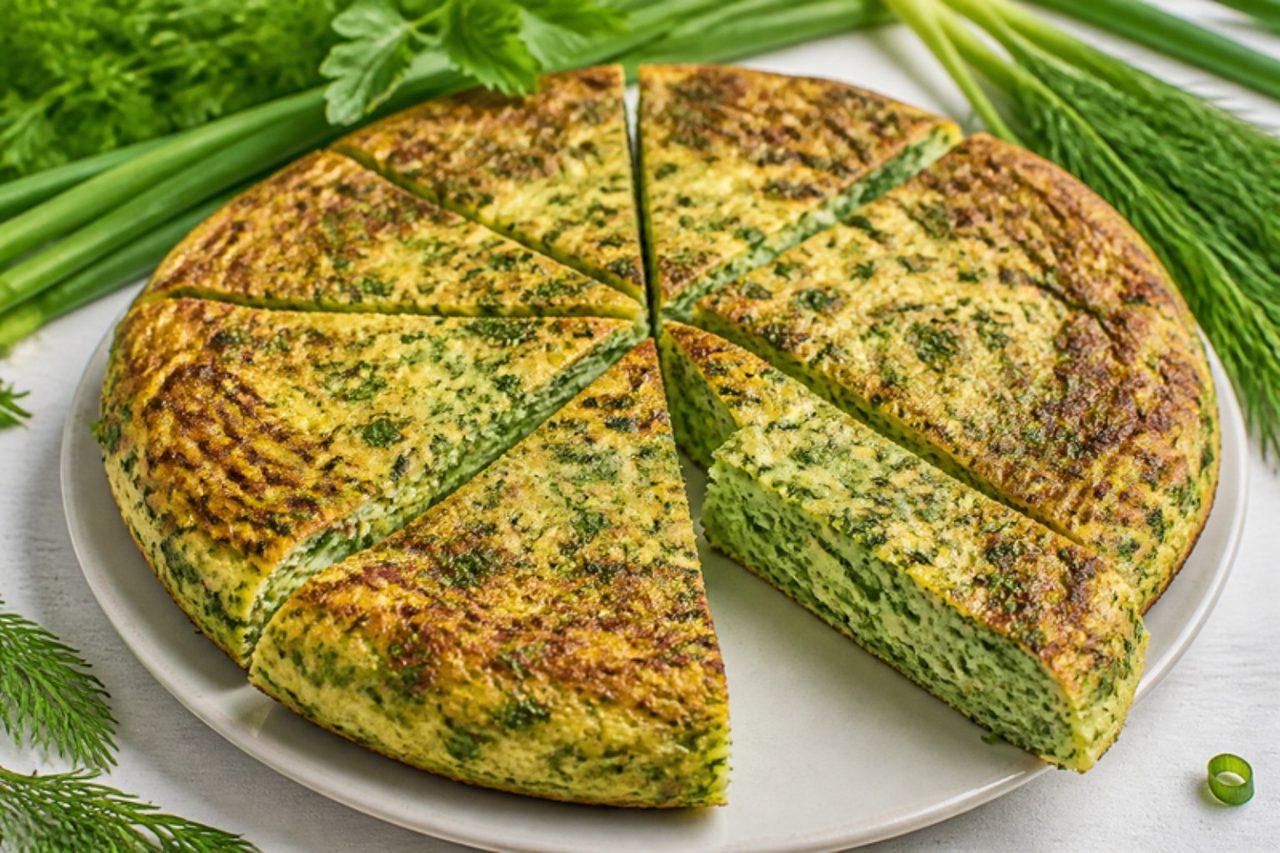
EggahHerb omelette

Eggah is the omelette Egyptian families make at home for breakfast or a light supper, often on a Friday morning alongside ful, falafel, cheese and baladi bread. It is thick and set rather than folded, packed with spring onion, parsley and dill and warmed with cumin, and it's cooked slowly so it puffs and browns on both sides. Slice it into wedges and eat it hot from the pan or cold in a sandwich. Chef's tip: grate the onion and squeeze it dry; wet onion makes the eggs weep and the eggah falls apart when you flip it.

by KrazyBadal 0 views

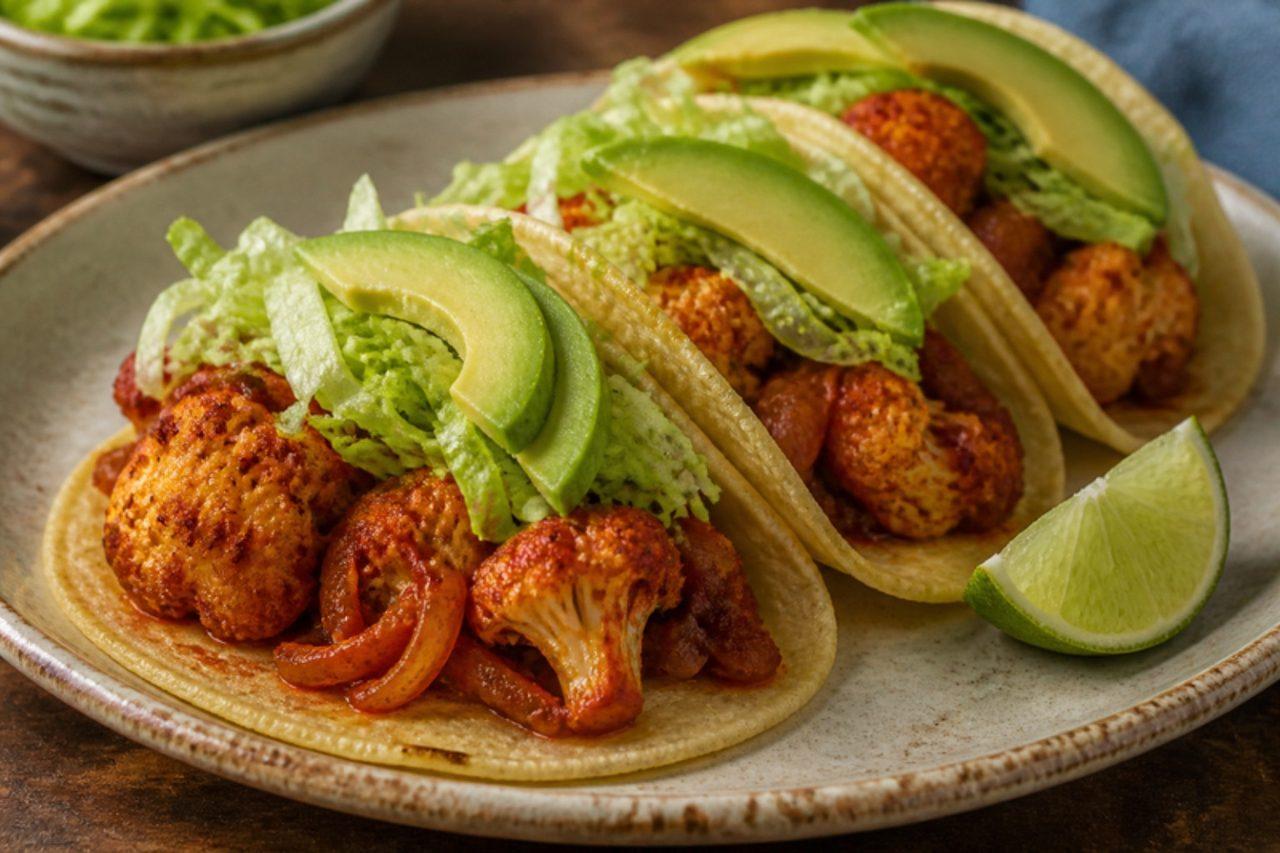
Cauliflower tinga tacosChipotle cauliflower tacos

Tinga comes from Puebla, where shredded meat is simmered in a sauce of sweet sliced onion, tomato and smoky chipotle chillies and piled onto tostadas or tacos. Here roasted cauliflower takes the place of the chicken: browned in a hot oven so it turns nutty and holds its shape, then folded through the brick-red sauce so every floret is glossy and smoky. The result, tinga de coliflor, is sweet, tangy and properly spicy; serve it in warm corn tortillas or on crisp tostadas with avocado, shredded lettuce and lime. Chef's tip: cook the onions slowly until soft and sweet before the tomatoes go in; the sweetness is what balances the heat of the chipotle.

by KrazyBadal 0 views

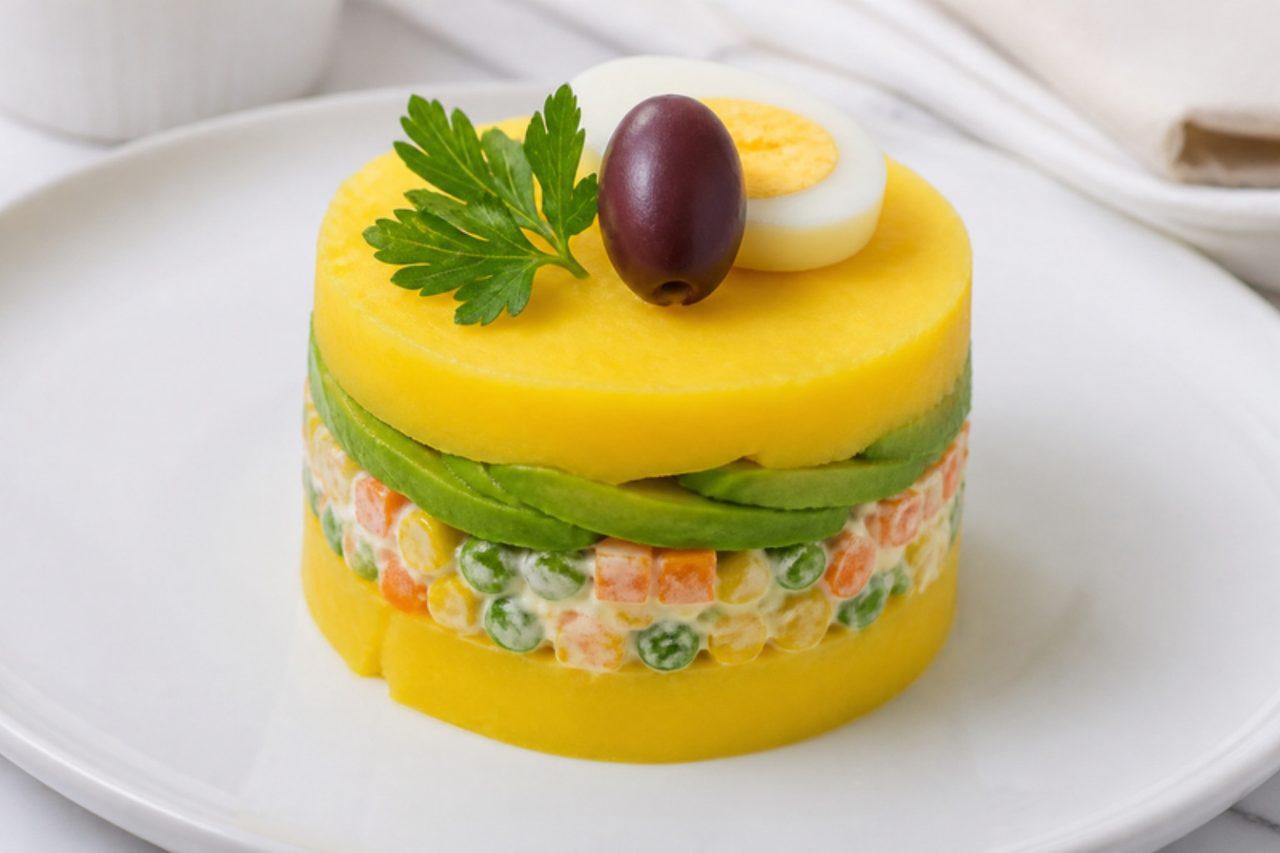
Causa limeñaLayered potato terrine

Causa limeña is Lima's cold potato terrine: yellow potatoes mashed with lime, oil and ají amarillo, pressed into layers and filled. In Lima it is a lunchtime starter sold in every menú and at every family party, often with tuna or chicken; this vegetarian causa is filled with ripe avocado and a creamy salad of corn, peas and carrot. The potato should be smooth, sunny yellow, tangy and gently hot, and the whole thing is served cold in neat slices. Make it in the morning for dinner, or the day before for a party. Chef's tip: mash the potatoes while warm but add the lime only once they have cooled; lime on hot potato turns the mash grey and gluey.

by KrazyBadal 0 views
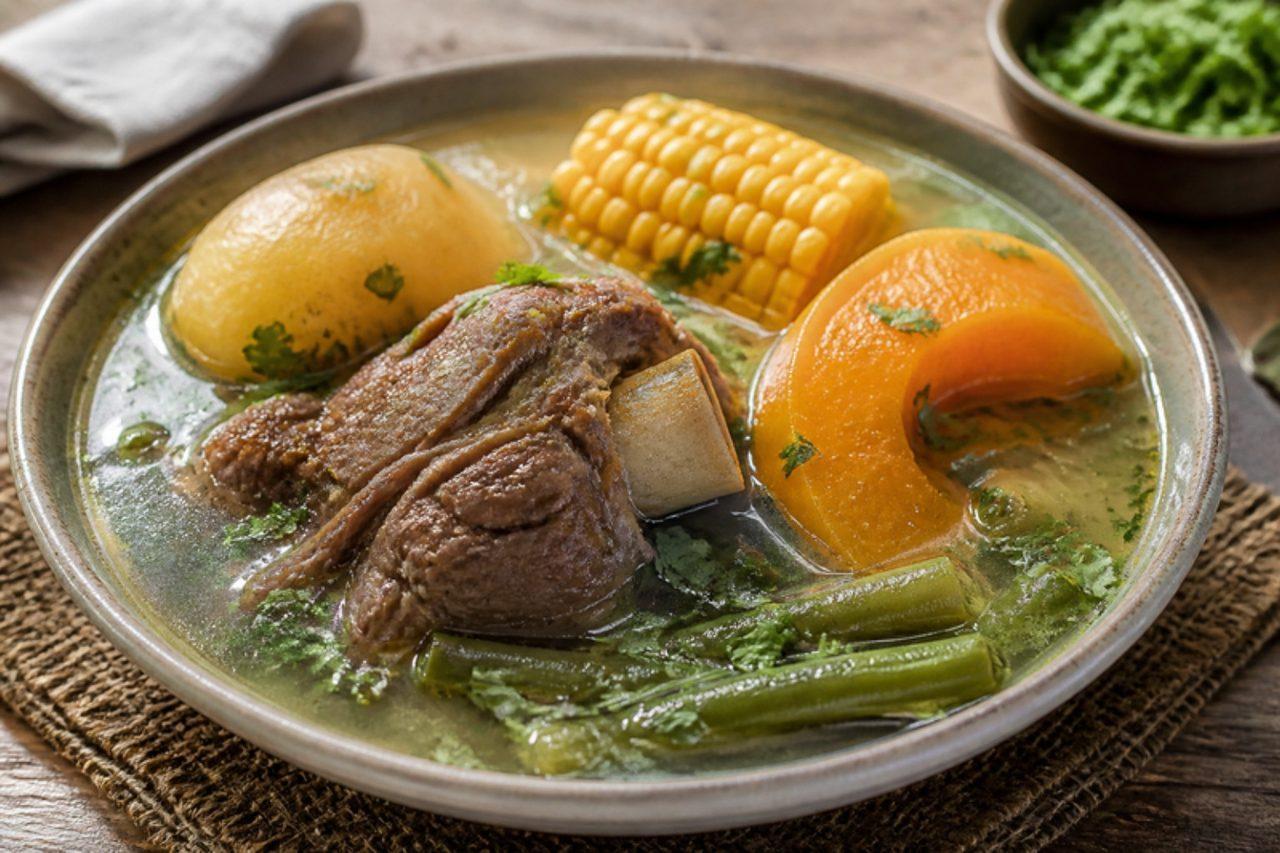
Cazuela de vacunoBeef and vegetable soup

Cazuela is the soup Chilean grandmothers make all through winter, from Santiago's Central Valley to the farms of the south: each bowl gets a whole piece of beef on the bone, a whole potato, a wedge of pumpkin and a piece of corn in a clear broth, with a little rice or green beans and plenty of fresh coriander. It is eaten as a full meal, with pebre and bread. The mistake is cutting the vegetables small: they should stay in big pieces, one of each per person. Chef's tip: simmer the beef very gently and skim it well so the broth stays clear.

145 minChileanSoupsGluten free
by KrazyBadal 0 views

CendolPandan jelly in coconut milk

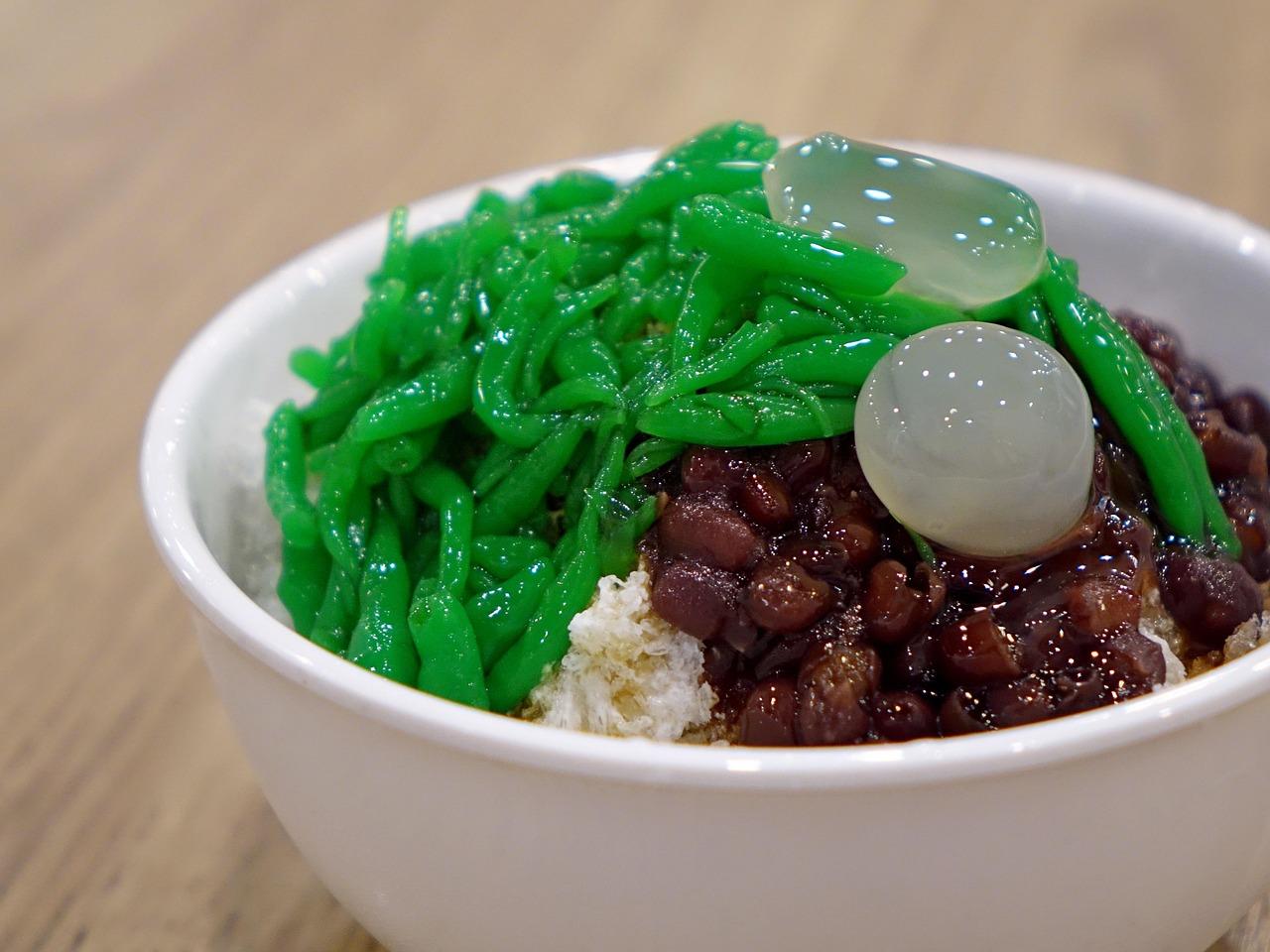
On a sweltering afternoon in Melaka, the queue snakes out of the cendol shops on Jonker Street: a bowl of shaved ice drenched in salted coconut milk and smoky, dark gula Melaka syrup, hiding soft green jelly 'worms' made from rice flour and pandan, with red beans at the bottom. It's sweet, salty, creamy and cold all at once, and it's the city's signature dessert. Melaka's own gula Melaka is the key; it should smell of caramel and woodsmoke. Chef's tip: a pinch of salt in the coconut milk makes the palm sugar taste deeper; without it the bowl tastes flat.

by KrazyBadal 0 views

Ceylon teaSpiced milk tea

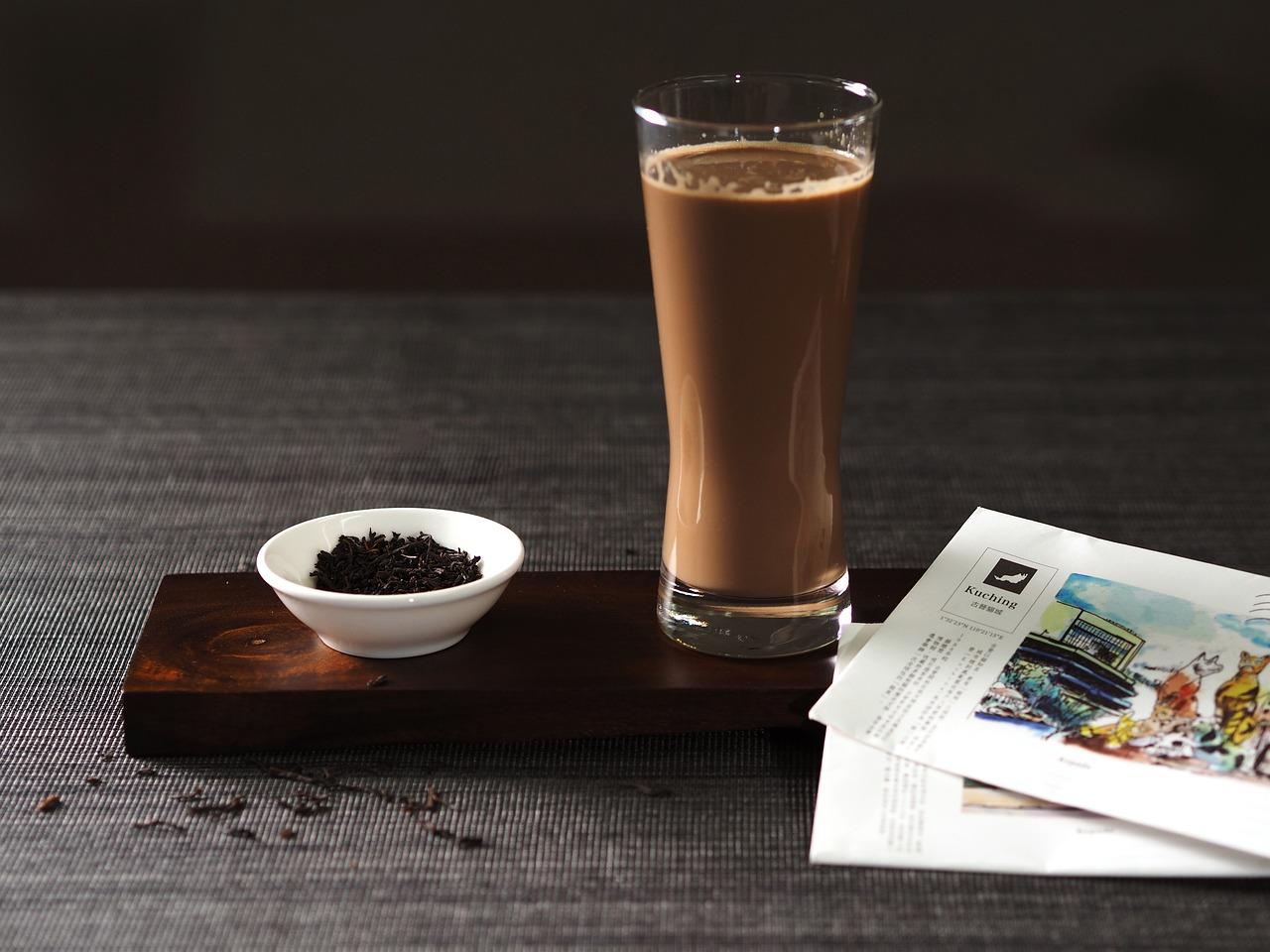
In the misty tea country around Nuwara Eliya, Hatton and Ella, and in every roadside tea kade across Sri Lanka, tea is made strong, sweetened generously and often whitened with milk, then poured from a height between two jugs so it cools a little and wears a frothy cap. Families drink it first thing, again at 'tea time' around four, and with every short eats snack in between. Unlike Indian masala chai there are no spices: the flavour comes from bright, brisk high-grown Ceylon black tea, often a BOP or BOPF grade. If you'd rather have it plain, kahata thé is the same tea with no milk and a bite of jaggery. The common mistake is stewing the leaves too long, which turns it bitter and tannic; three to four minutes is plenty. Chef's tip: pour from jug to jug four or five times; the 'pulled' tea is smoother and creamier.

by KrazyBadal 0 views

ČesnečkaGarlic soup

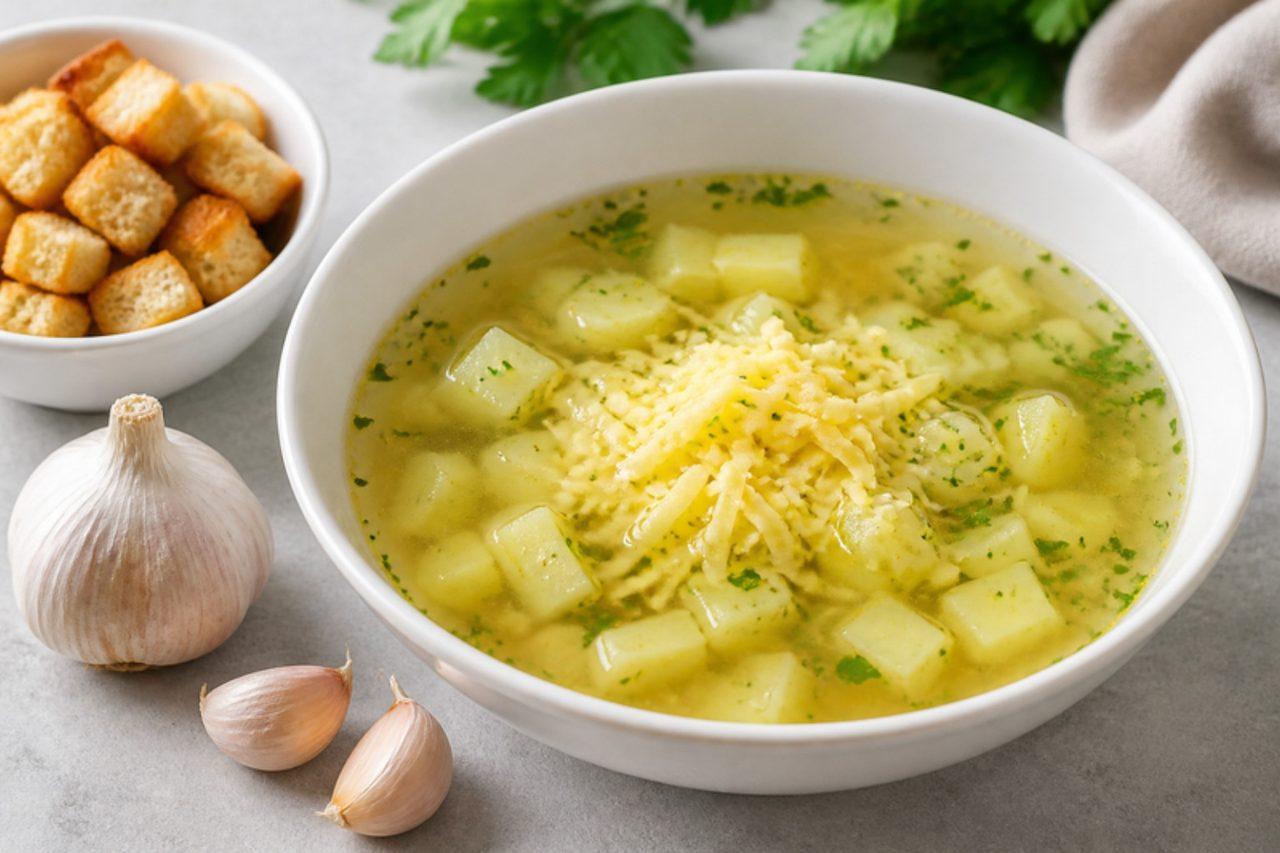
Česnečka is the soup Czechs swear by after a long night in a Prague pivnice: a thin, savoury broth fragrant with raw garlic, caraway and marjoram, with soft potato cubes, crunchy fried bread and a fistful of grated cheese melting into each bowl. It costs almost nothing, comes together in half an hour and is served in workers' canteens and village pubs all winter. This version uses vegetable stock instead of the old meat bouillon. Chef's tip: crush the garlic into the bowls or add it right at the end off the heat; boiled garlic goes sweet and mild, and česnečka should bite.

30 minCzechSoups
by KrazyBadal 0 views

ĆevapiGrilled minced meat fingers

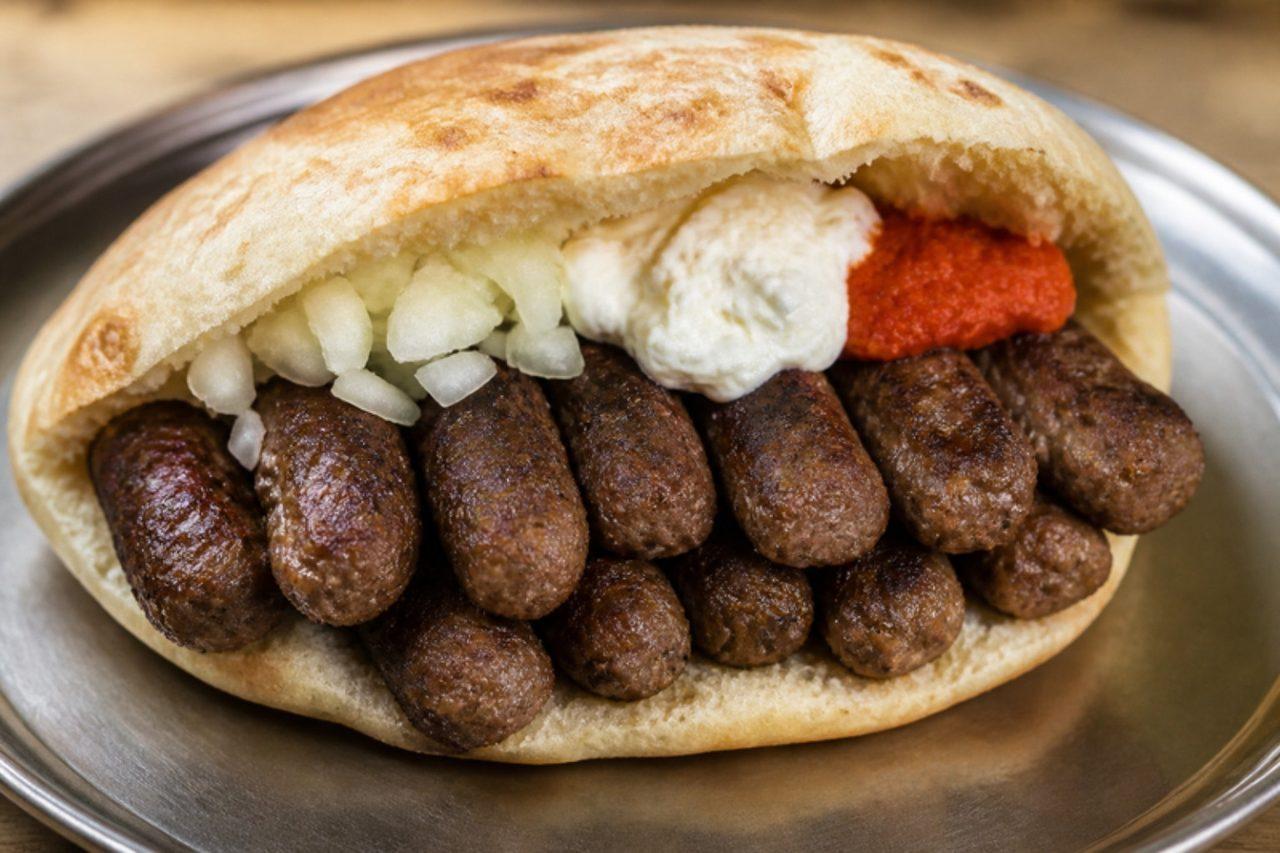
In Sarajevo's old Baščaršija bazaar, ćevabdžinicas grill ćevapi from morning till late night, serving them ten at a time stuffed into a puffy, griddle-warmed somun flatbread with raw onion and a spoon of kajmak. The little skinless fingers are made from beef (often mixed with lamb), seasoned with nothing more than salt, pepper, garlic and a little bicarbonate of soda, which gives them their bouncy bite. Belgrade and Banja Luka have their own versions, but the idea is the same: smoky meat, soft bread, sharp onion. People often over-season them with herbs and paprika; the Bosnian way is plain, letting the meat and charcoal speak. Chef's tip: chill the shaped ćevapi well before grilling and turn them only once or twice, so they keep a juicy centre and a crusty outside.

40 minBalkanMeat
by KrazyBadal 0 views

Cha ca La VongTurmeric fish with dill

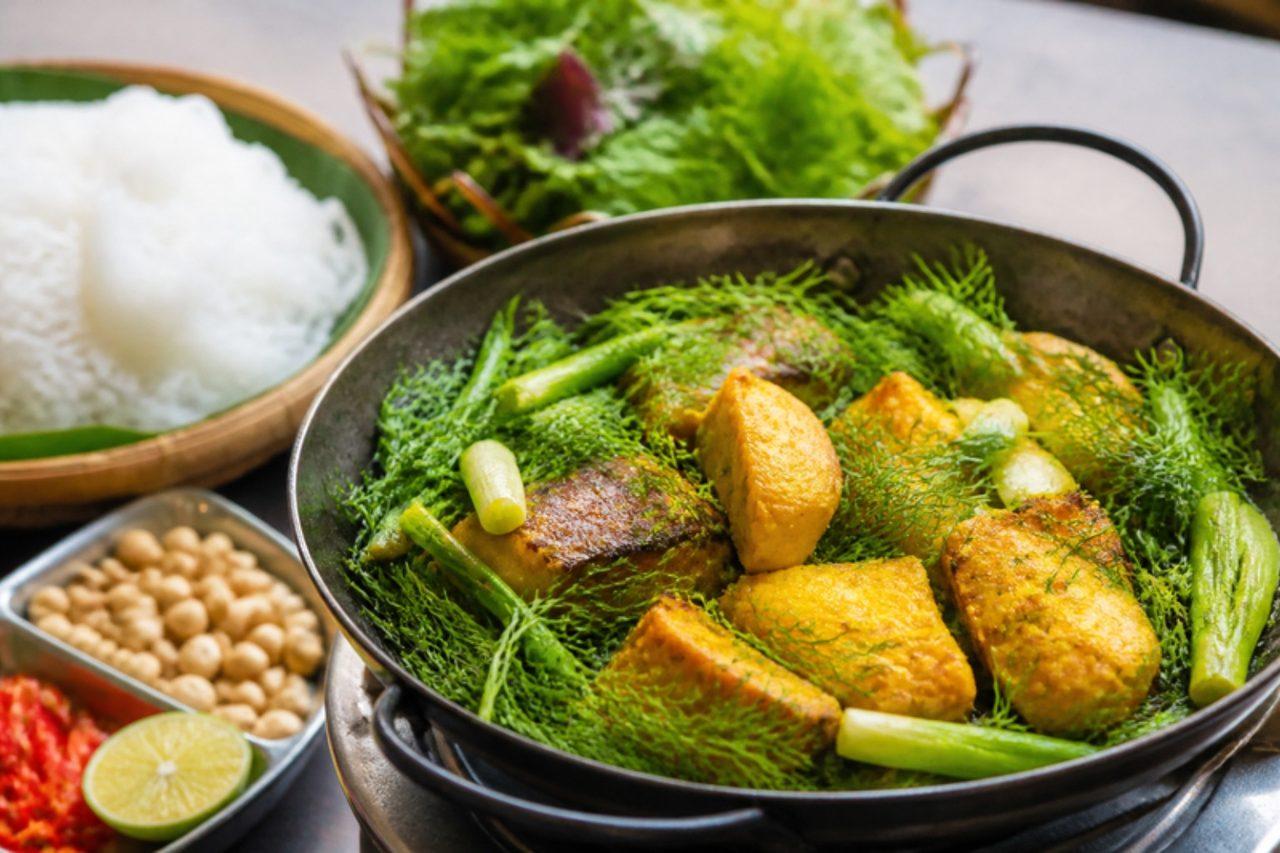
A family restaurant in Hanoi's Old Quarter served this one dish for so long that the street itself was renamed Chả Cá, Grilled Fish Street. Chunks of white fish are marinated in turmeric and galangal, cooked until golden, then brought to the table in a pan of hot oil where everyone throws in handfuls of dill and spring onion to wilt. You eat it over rice vermicelli with peanuts, fresh herbs and a pungent shrimp-paste dip. Dill is rare elsewhere in Vietnamese cooking, which is why this dish tastes so distinct. Chef's tip: use a lot more dill than seems sensible; it is treated as a vegetable here, not a garnish.

by KrazyBadal 0 views

Vegetarian fanescaSquash, grain and bean soup

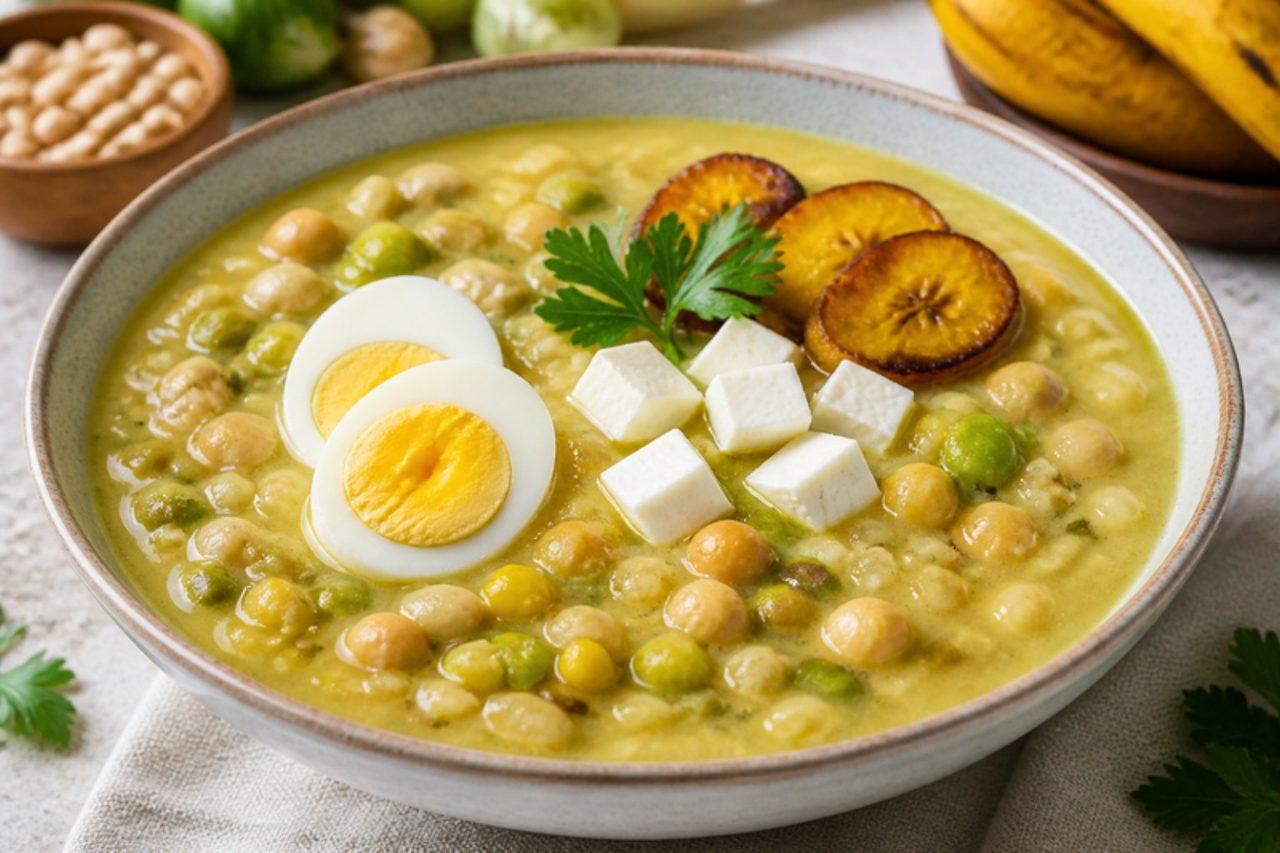
Fanesca is cooked in Ecuador only once a year, in the days before Easter, and families spend a whole day shelling, peeling and stirring. Traditionally it gathers twelve grains and legumes (said to stand for the apostles) in a thick soup of squash, milk and peanut, with salt cod in the pot. This version leaves the fish out and keeps the festival garnishes: hard-boiled egg, fried ripe plantain, fresh cheese and parsley. It's rich and very filling; small bowls are enough. Chef's tip: cook everything the day before and reheat; like many big feast soups, fanesca tastes better on day two.

130 minAndeanSoupsGluten free
by KrazyBadal 0 views

Empanadas de humitaCreamy corn empanadas

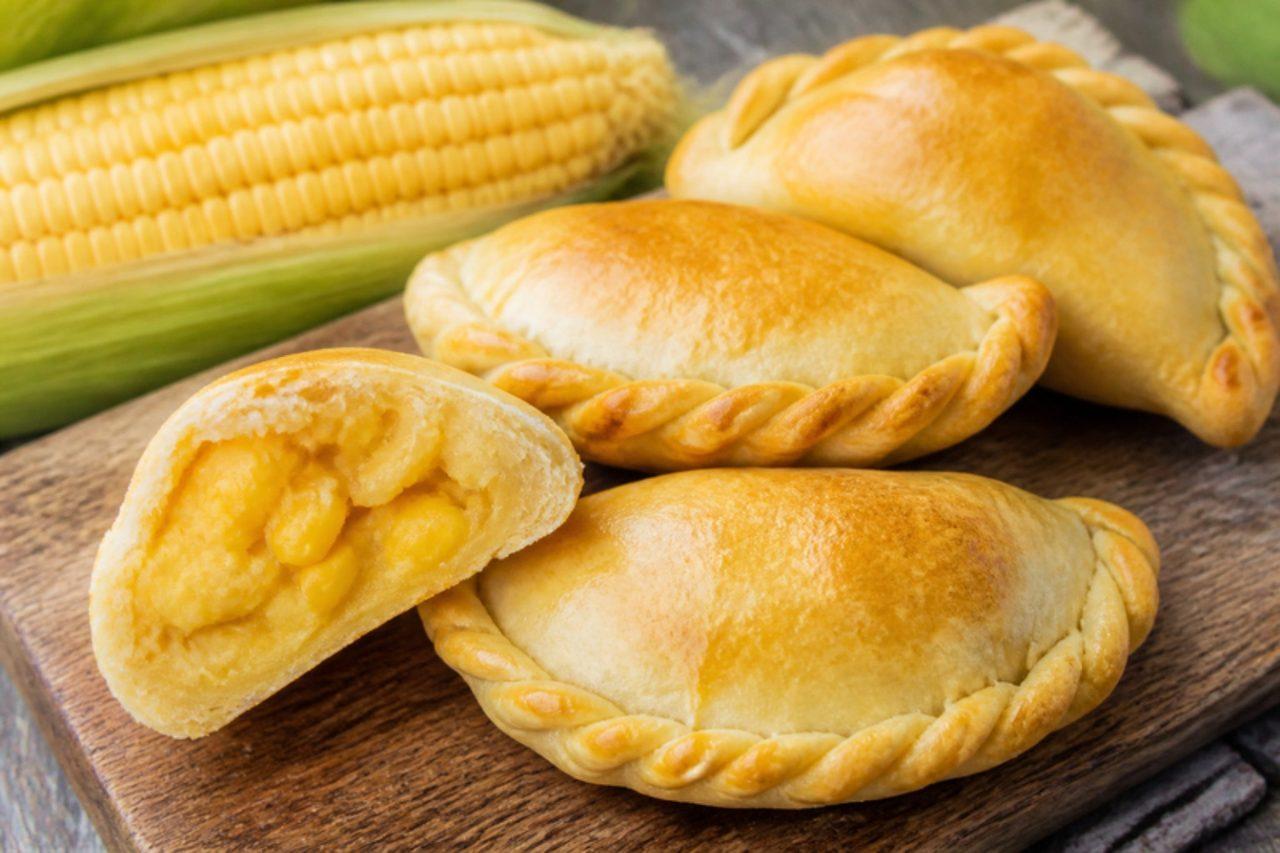
Empanadas de humita are the vegetarian favourite at every Argentine empanada shop, from Tucumán, which claims the best empanadas in the country, to the delivery menus of Buenos Aires. The filling is sweetcorn and onion cooked with red pepper, nutmeg and a little white sauce until creamy, then folded into wheat pastry discs and closed with the twisted edge (repulgue) that tells you what's inside. Unlike the husk-wrapped humita en chala, these are baked and golden. Chef's tip: chill the filling until firm before filling; warm filling melts the pastry and the empanadas open in the oven.

by KrazyBadal 0 views

KhurmiWheat and jaggery biscuits

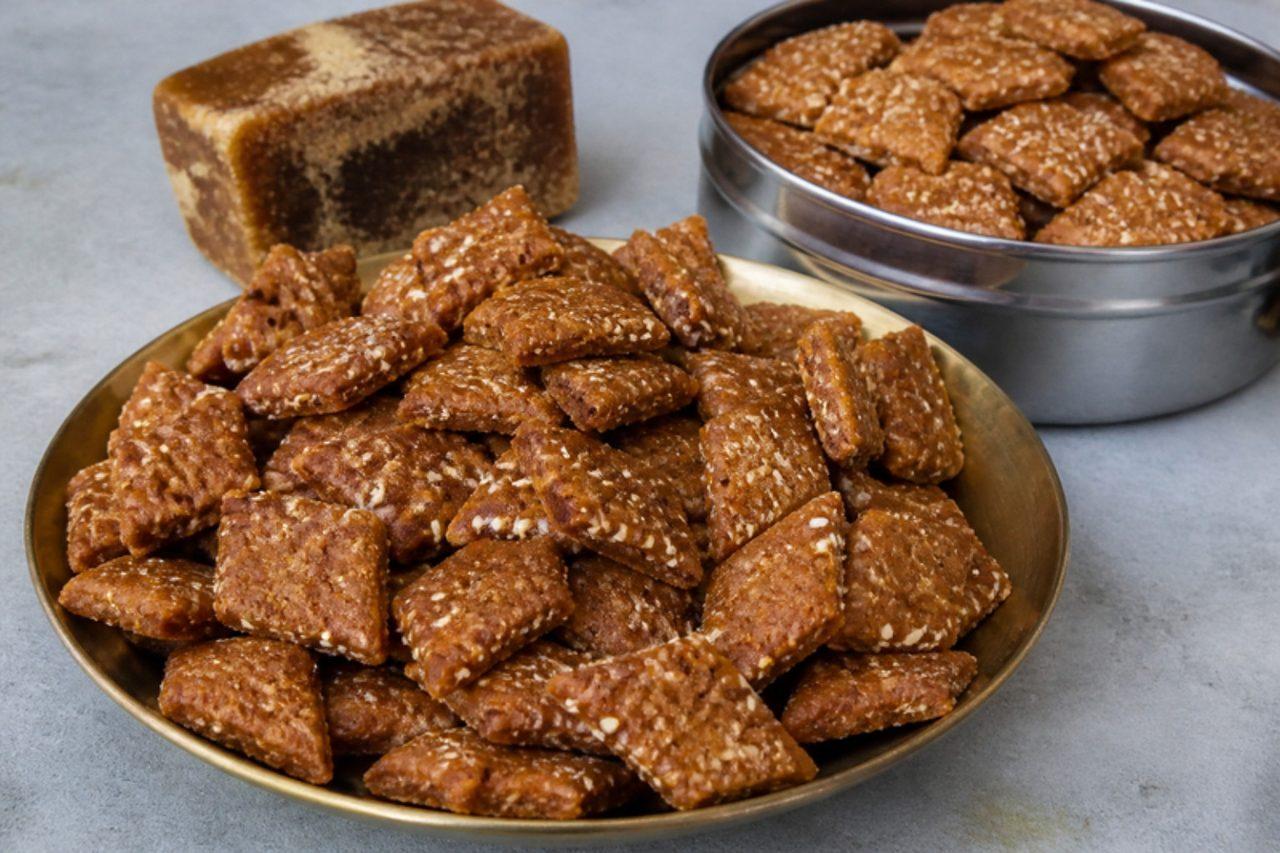
Khurmi are the sweet half of Chhattisgarh's Teeja-Pola festival snacks, made in big batches alongside the salty thethri. The dough is wheat flour and a little semolina bound with melted jaggery, studded with sesame and coconut, then cut into diamonds or pressed into small patterned shapes and fried until dark gold. They have a hard, crunchy bite and a deep caramel flavour, and they last for weeks in a steel dabba, ready for visitors and children back from school. Chef's tip: cool the jaggery water to lukewarm before kneading; hot jaggery makes a slack dough that spreads and soaks up oil.

by KrazyBadal 1 views

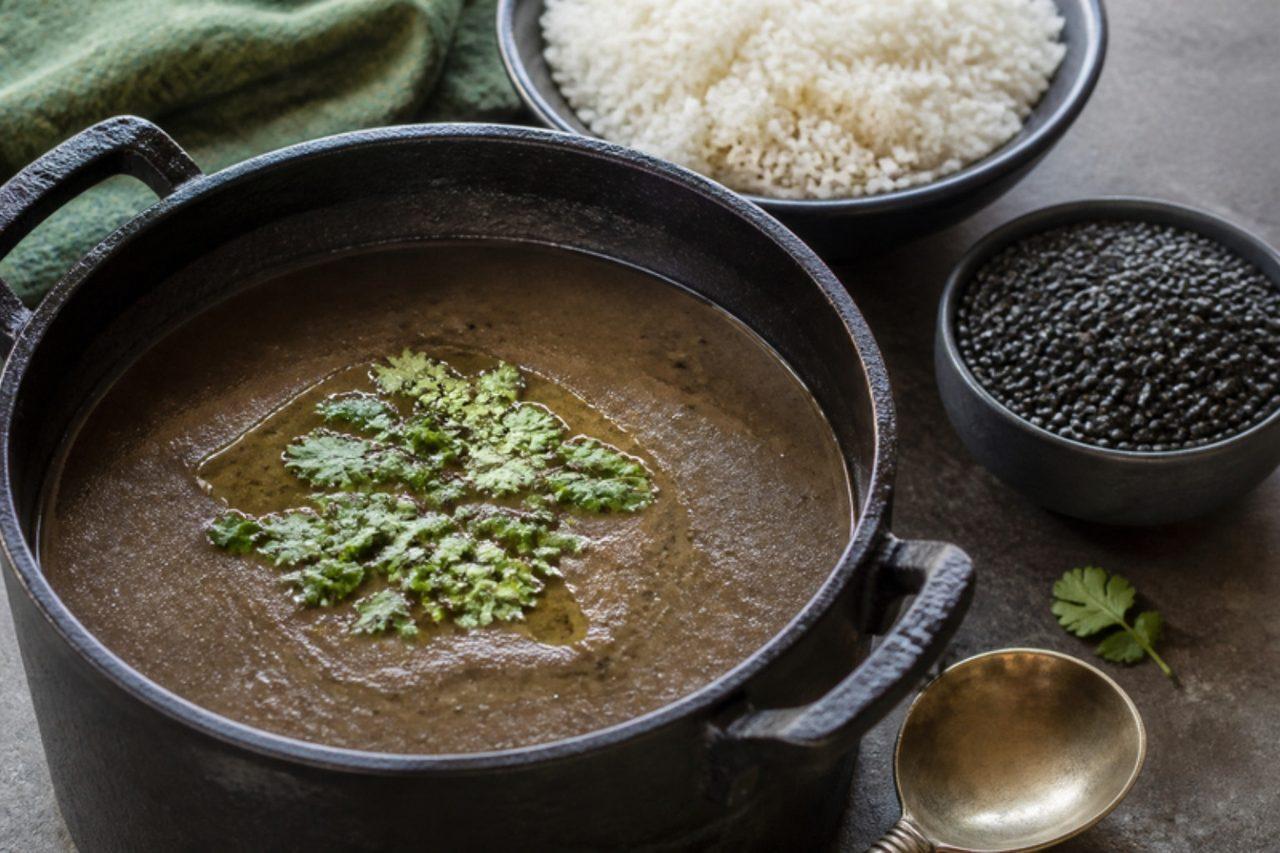
ChainsooRoasted black gram dal

Chainsoo comes from the Garhwal hills, where whole black urad is roasted in a dry pan until it smells like toasted bread, ground coarsely on a hand mill and cooked into a thick, smoky dal. It is a winter dish: heavy, warming and full of protein, eaten with plain rice or jhangora and a drizzle of ghee for anyone who isn't keeping it vegan. Village cooks make it in a lohe ki kadhai, the iron pan that turns it almost black. The texture should be grainy and spoonable, somewhere between a dal and a porridge. Chef's tip: roast the urad slowly over a medium-low heat; the moment it turns from golden to dark brown it tastes bitter, so keep stirring and pull it off early.

by KrazyBadal 0 views
ChajáSponge, peach and cream cake

Chajá was created in 1927 at a bakery in Paysandú, a city on the Uruguay River, and named after a local bird whose feathers look as fluffy as its crumbly meringue coat. Today it's Uruguay's birthday and celebration cake: layers of light sponge soaked in peach syrup, filled with whipped cream, peaches and dulce de leche, then covered in crushed meringue. It's sweet, soft and crunchy at once, best on the day it's assembled. Chef's tip: soak the sponge but not too much; it should feel moist, not wet, or the layers slide.

by KrazyBadal 0 views
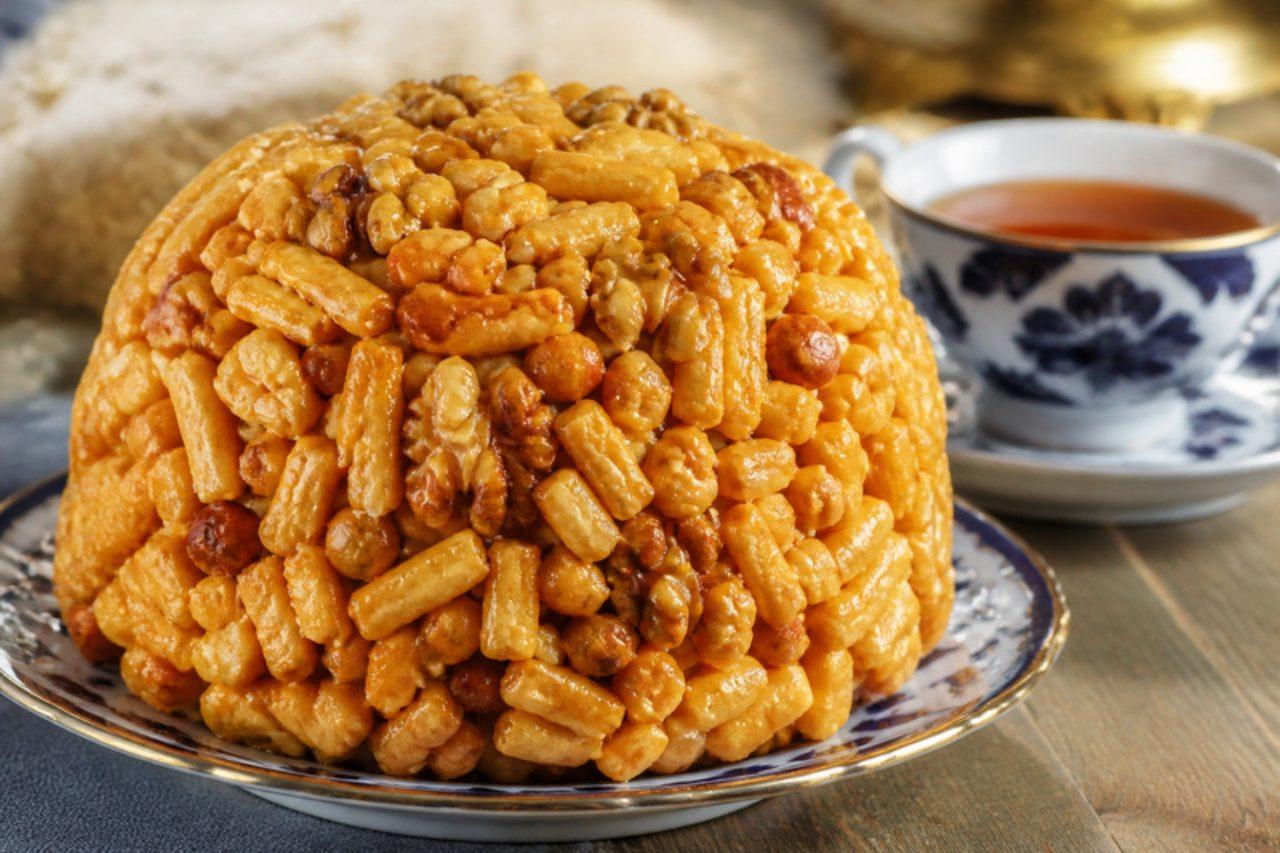
Chak-chakHoney-bound fried dough

Chak-chak arrived in Uzbekistan with Tatar families and is now a fixture of wedding tables and Navruz spreads in Tashkent and Samarkand: tiny nuggets of egg dough fried crisp, then tossed in hot honey syrup and pressed into a mound or ring that's broken apart with the fingers. Guests nibble it all evening with green tea. It keeps for a week, so it's often made a day or two ahead. Chef's tip: cook the honey syrup only to the soft-ball stage (about 115°C); boil it longer and the chak-chak sets as hard as brittle.

by KrazyBadal 0 views
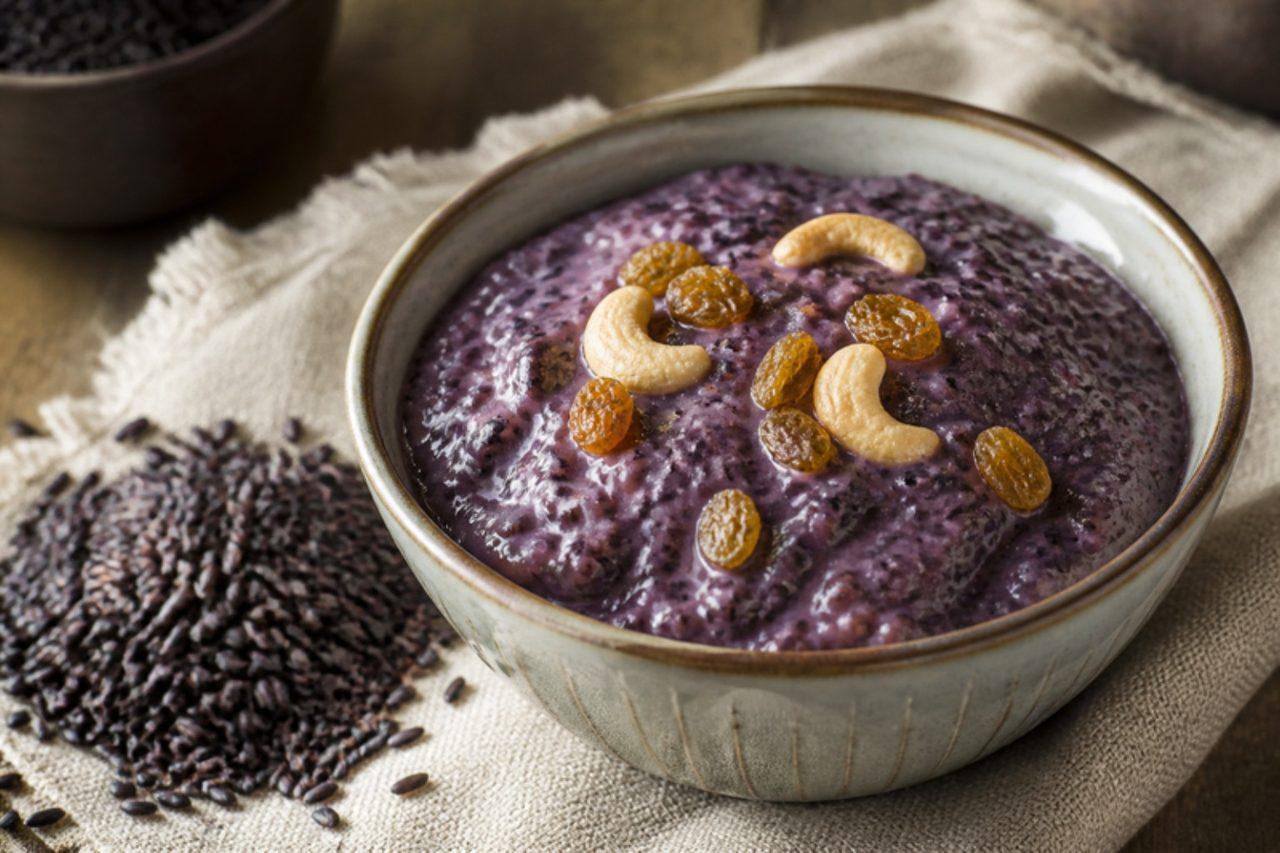
Chak-hao kheerBlack rice pudding

Chak-hao is Manipur's aromatic black rice, grown in the valley around Imphal; when cooked slowly in milk it turns a deep violet and makes chak-hao kheer, the pudding served at Meitei feasts, weddings and Ningol Chakouba, the festival when married daughters come home for a meal. The grains stay slightly chewy and nutty, and the milk takes on a lavender colour. Chef's tip: soak the rice for at least 3 hours, or overnight; black rice has a hard bran layer and won't soften in the milk otherwise.

by KrazyBadal 0 views
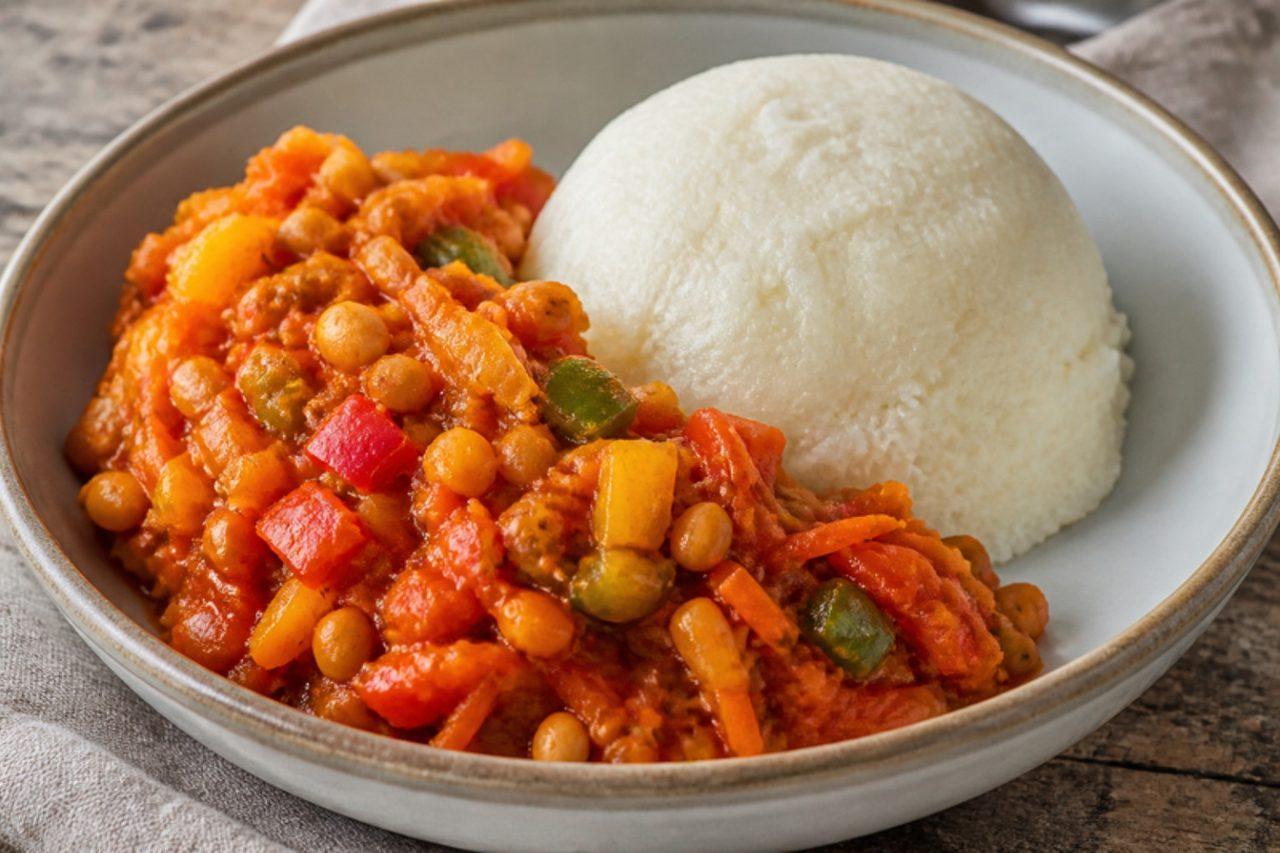
ChakalakaSpicy vegetable and bean relish

Chakalaka is said to have started in the townships and mines around Johannesburg, where workers cooked tinned beans and vegetables with chilli and curry powder over open fires. Today no South African braai (barbecue) is complete without a pot of it, and it goes on the table at Sunday lunch, at funerals and weddings, served warm or cold alongside pap. It is spicy, a little sweet from the carrots and peppers, and tangy from the tomato and beans. Chef's tip: grate the carrots rather than chopping them; they melt into the relish and give it its characteristic soft, spoonable texture.

by KrazyBadal 0 views
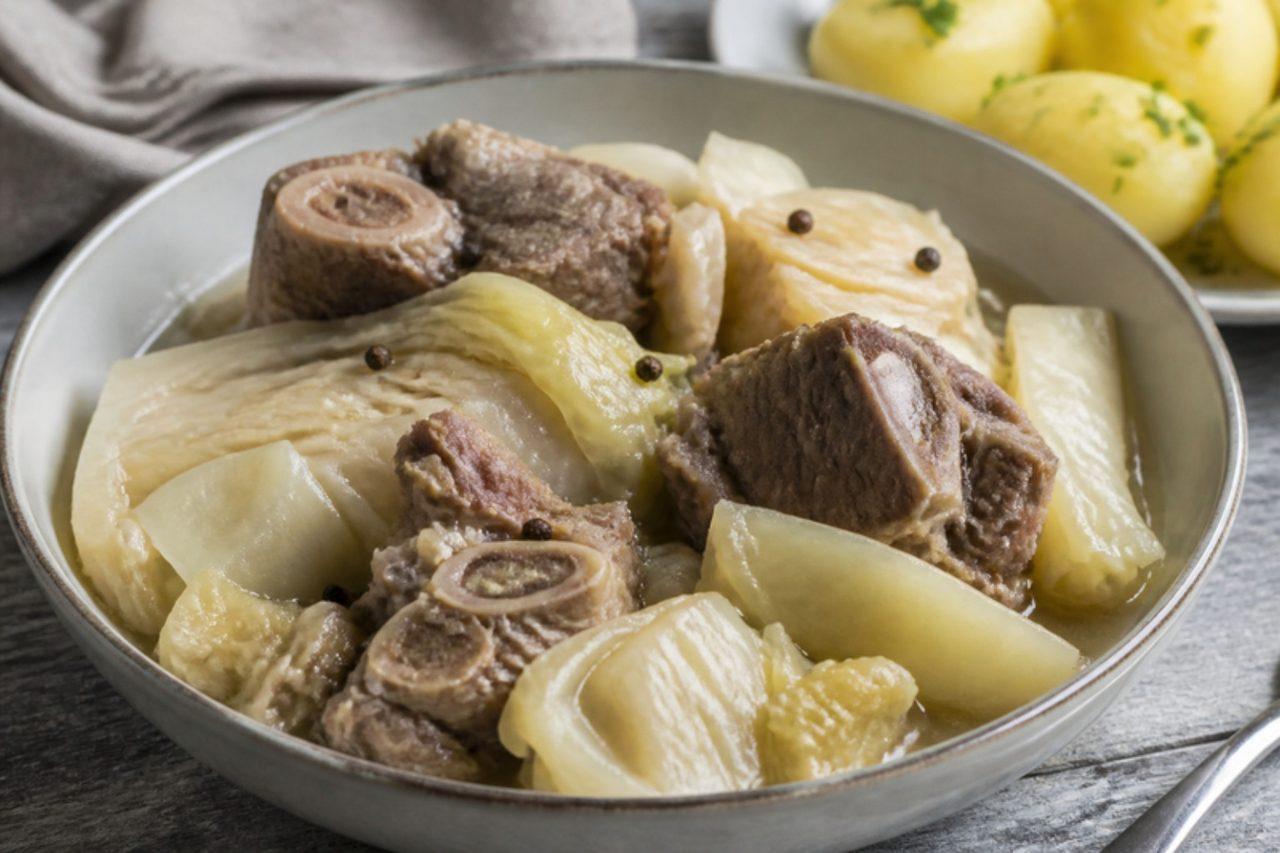
FårikålLamb and cabbage stew

Fårikål has been voted Norway's national dish, and on the last Thursday of September families from Bergen to Tromsø hold Fårikålens festdag, when the new season's lamb meets the autumn cabbage harvest. There are only a handful of ingredients: bone-in lamb, wedges of white cabbage and a generous pouch of whole black peppercorns, layered in a heavy pot and left to simmer until the meat slides off the bone and the cabbage turns sweet and silky. It is eaten with plain boiled potatoes and, in many homes, lingonberry jam. The thing that ruins it is drowning the pot: add only a little water, because the cabbage releases plenty of its own juice. Chef's tip: tie the peppercorns in a muslin bag so you get their warmth without crunching on them, and make it a day ahead; it tastes even better reheated.

by KrazyBadal 0 views
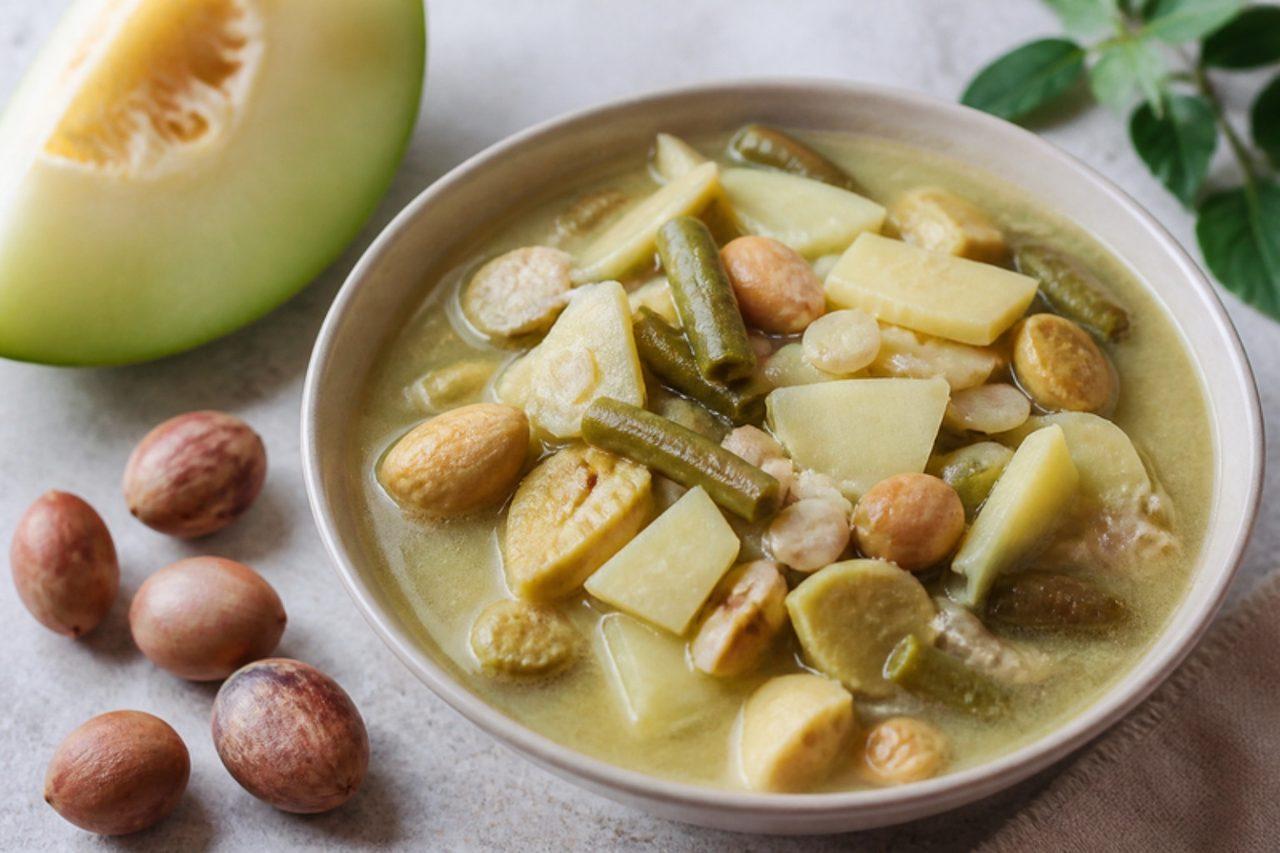
ChakhwiJackfruit seed and papaya stew

Chakhwi is a Tripuri festive stew cooked at weddings and family feasts around Agartala, where the defining ingredient is 'khar' or soda, made by filtering water through banana-plant ash. It softens vegetables and gives a smooth, gently alkaline taste. Pork chakhwi is the best known; the vegetarian version is cooked with raw papaya, jackfruit seeds, bamboo shoot and long beans, with ginger and green chilli. It is soupier than Assamese khar and has no lentils. Chef's tip: use bicarbonate of soda if you have no ash water, but only a pinch; you should be able to taste it, not feel it.

by KrazyBadal 0 views
Showing 90 of 8,120 recipes

Page 615 of 903