


Skip to content
Baklava
Featured recipe

Baklava

The famous layered pastry: crisp sheets of buttered fillo sandwich a filling of almonds, pistachios and cashews spiced with cinnamon, cardamom and saffron. After baking, the hot baklava is soaked in a syrup of sugar, honey, lemon, rose and cardamom and decorated with almond and pistachio flakes. Cut into 40 diamonds; serve with fresh cream or ice cream.

Read more 1 views

What to eat today?

Around the world

Today's trip: Persian

A new country every day, from every cuisine on the site.

This week's collection

Kid-friendly dinners
537 recipes · a new collection every Monday

Latest recipes

Red beans and rice with andouille

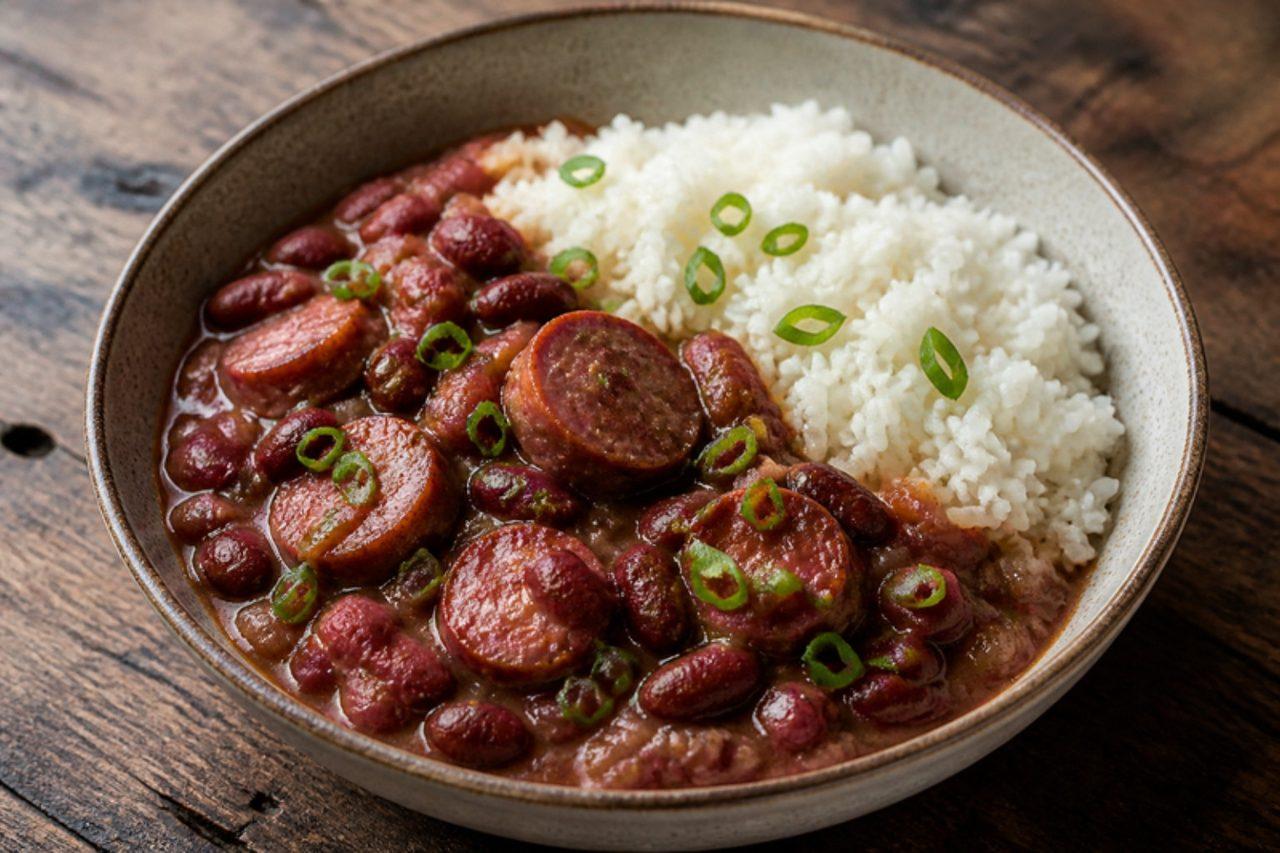
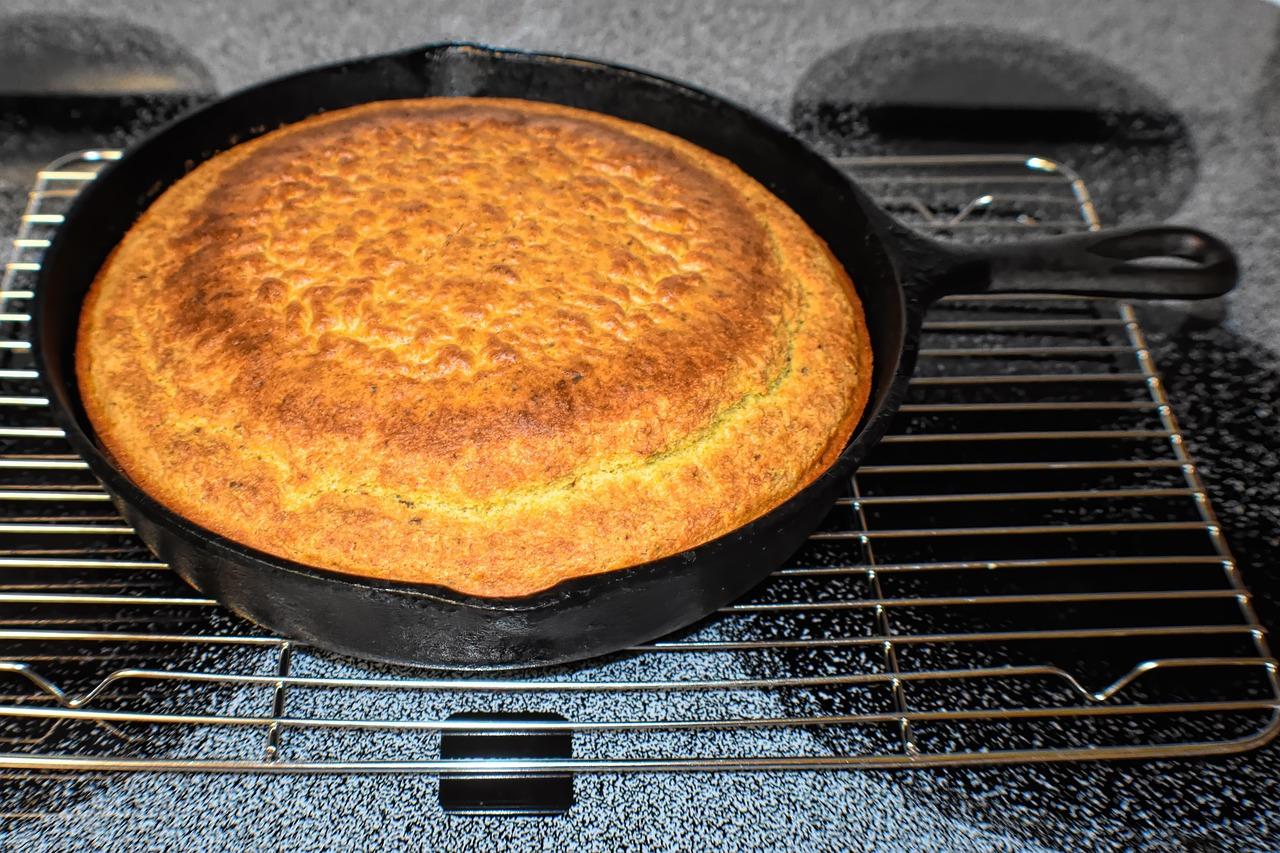
In New Orleans, red beans and rice is what Monday tastes like: the pot used to go on the back of the stove on washday with the ham bone left from Sunday, and plenty of Creole kitchens still cook it on Mondays. This version contains pork: a smoked ham hock and sliced andouille sausage simmer with kidney beans and the 'holy trinity' of onion, celery and green pepper until some beans collapse into a creamy gravy. Serve over white rice with hot sauce and a piece of cornbread. Chef's tip: when the beans are tender, mash a ladleful against the side of the pot; that is what makes them creamy.

170 minAmericanMeatGluten free
by KrazyBadal 0 views

Mince on toast

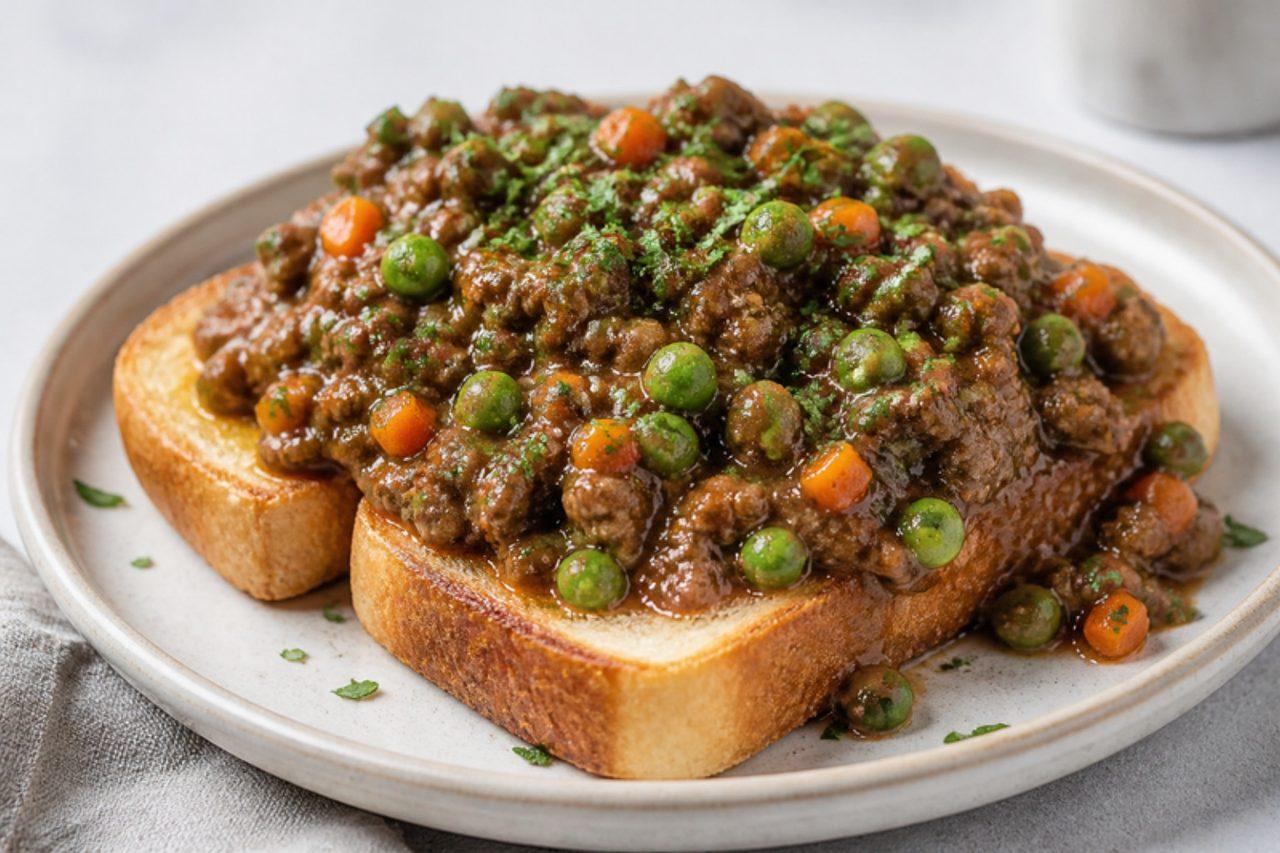
Mince on toast is pure Kiwi comfort: a weeknight tea in homes from Invercargill to Auckland, and lately a proud fixture on café brunch menus, where it comes with a poached egg on top. Beef mince is browned hard, simmered with onion, grated carrot and a glug of Worcestershire sauce into a thick savoury gravy, then finished with peas and piled onto buttered toast. It's quick, cheap and kids love it. The usual mistake is stirring the mince constantly in a crowded pan, so it steams grey instead of browning; let it sit and catch colour. Chef's tip: grate the carrot instead of chopping it; it melts into the gravy and sweetens it without anyone noticing the vegetables.

by KrazyBadal 0 views

Puttu and kadala currySteamed rice cylinders with chickpea curry

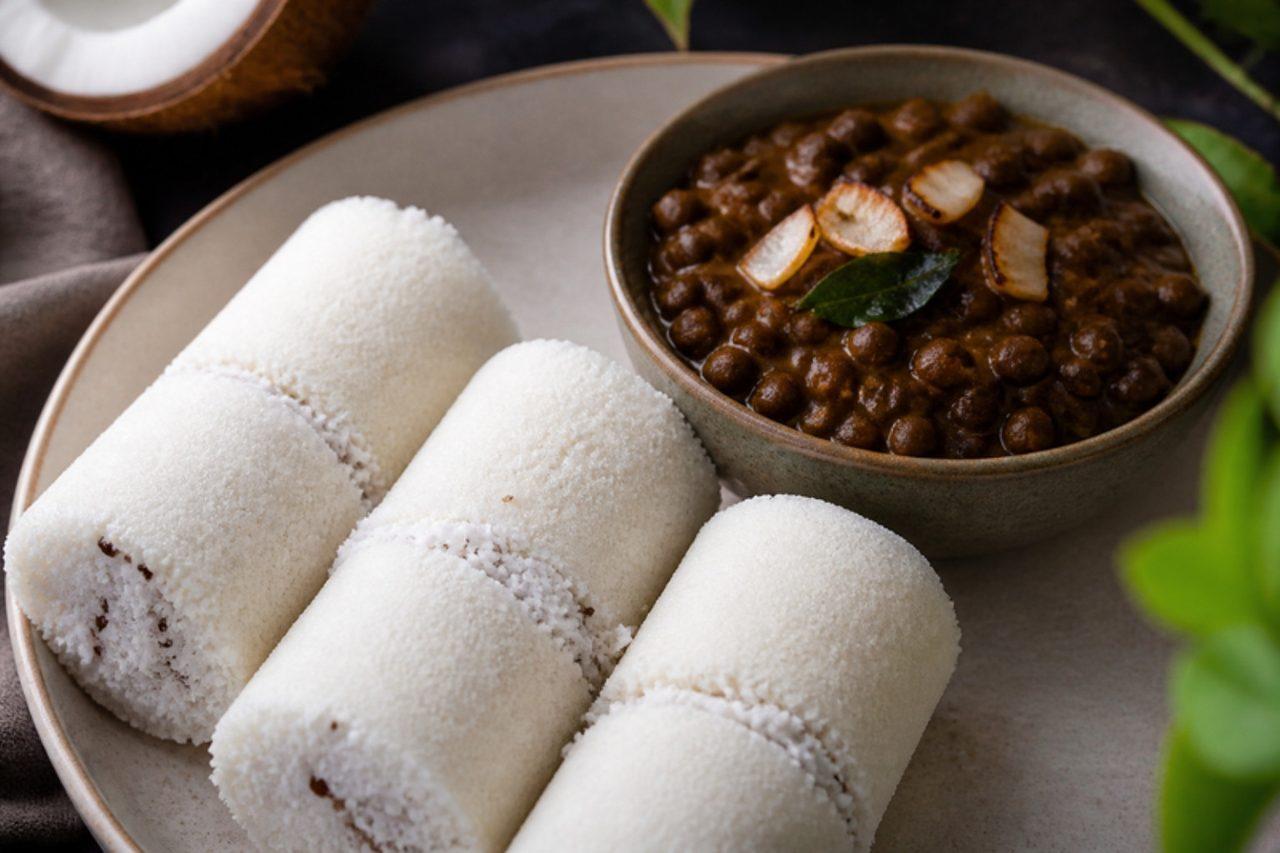
Puttu and kadala is Kerala's most loved breakfast: tall cylinders of steamed rice flour layered with fresh coconut, served with a dark, earthy curry of black chickpeas (kadala) cooked in a masala of coconut roasted until deep brown. Puttu itself is plain and crumbly, so you break it up with your fingers and mash it into the curry, often with a ripe banana and pappadam on the side. The chickpeas make it filling and protein-rich. Chef's tip: the puttu flour should feel like damp sand that holds when squeezed and crumbles when poked; too wet and the puttu turns dense and gluey.

by KrazyBadal 0 views

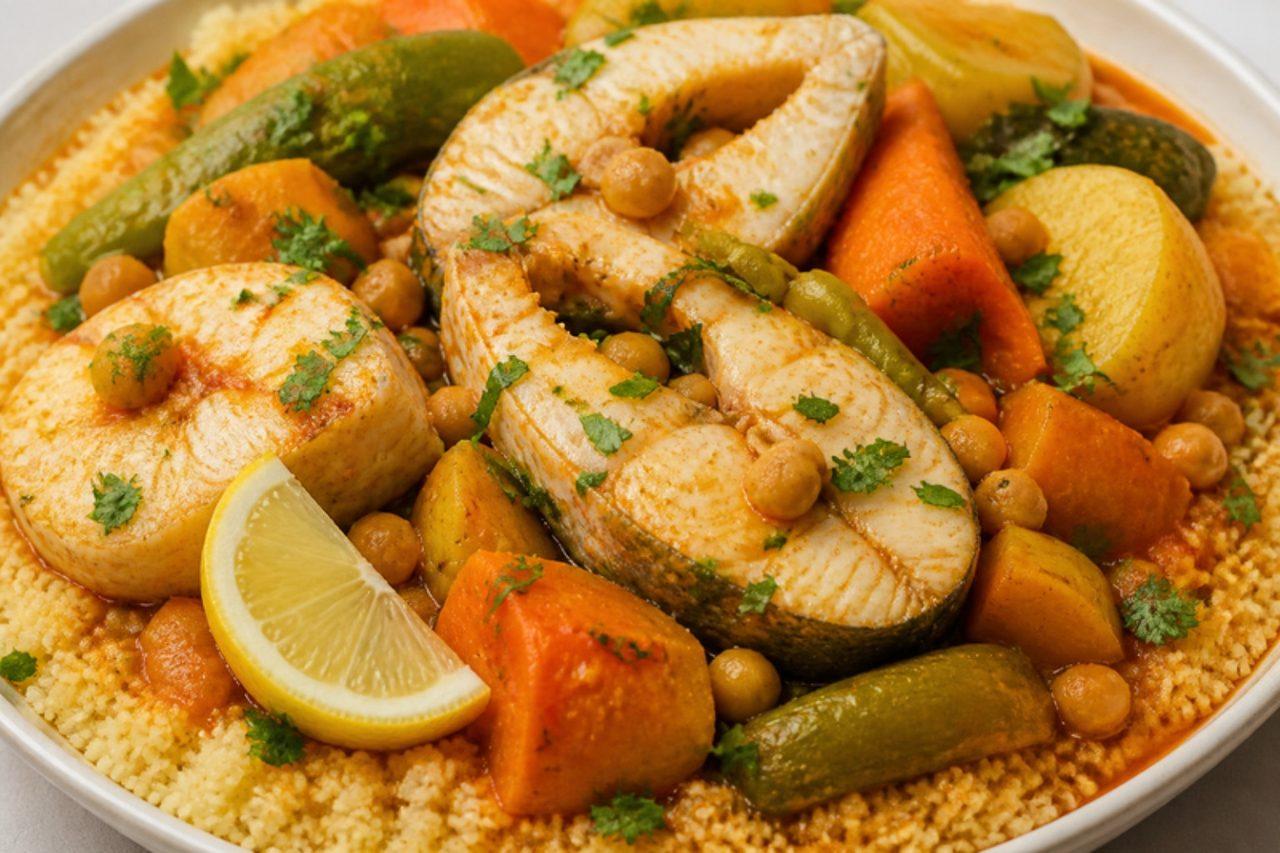
Tunisian fish couscous

On Tunisia's coast, especially in Sfax, Mahdia and the fishing towns of Cap Bon, couscous for Friday lunch is made with fish instead of meat: a red, peppery broth of tomato, harissa and caraway in which the vegetables cook first and the fish is poached at the end, while the couscous steams on top. The broth is ladled over the grains at the table until they glisten. The mistake is boiling the fish too long, so it breaks into the broth; poach it gently for the last 10 minutes only. Chef's tip: oil and rub the couscous between your palms before and after the first steaming so every grain stays separate.

105 minTunisianFishSpicy
by KrazyBadal 0 views

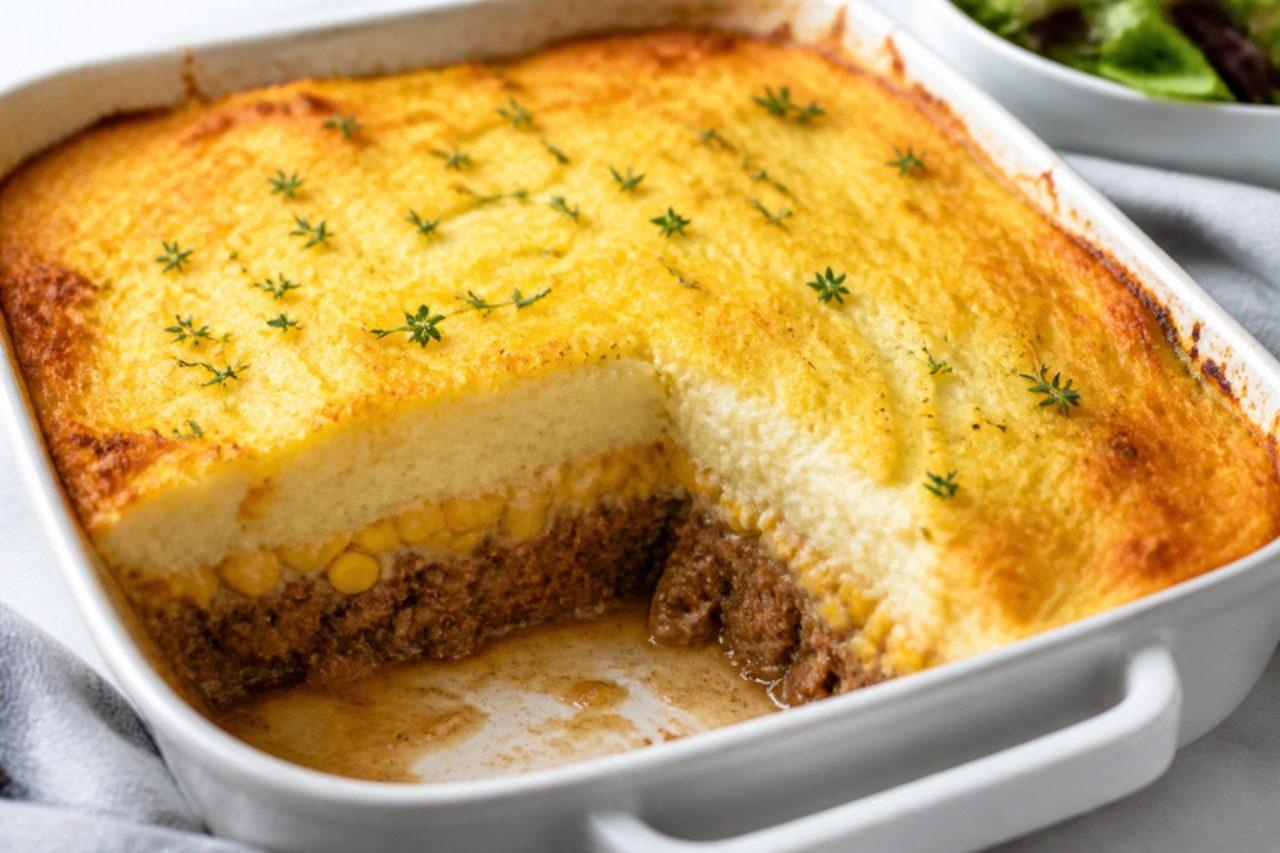
Pâté chinoisBeef, corn and mashed potato bake

Pâté chinois is the weeknight family bake of Quebec, served in school canteens and home kitchens from Montreal to the Gaspé: a layer of seasoned minced beef, a layer of creamed corn, and a thick layer of buttery mashed potato, baked until the top is golden and served with ketchup or pickled beets. Its name is said to come from cooks who fed the Chinese workers building Canada's railway. The mistake is skipping the creamed corn in favour of whole kernels only; the creamed corn holds the layers together. Chef's tip: fluff the top of the mash with a fork so the ridges turn crisp.

by KrazyBadal 0 views

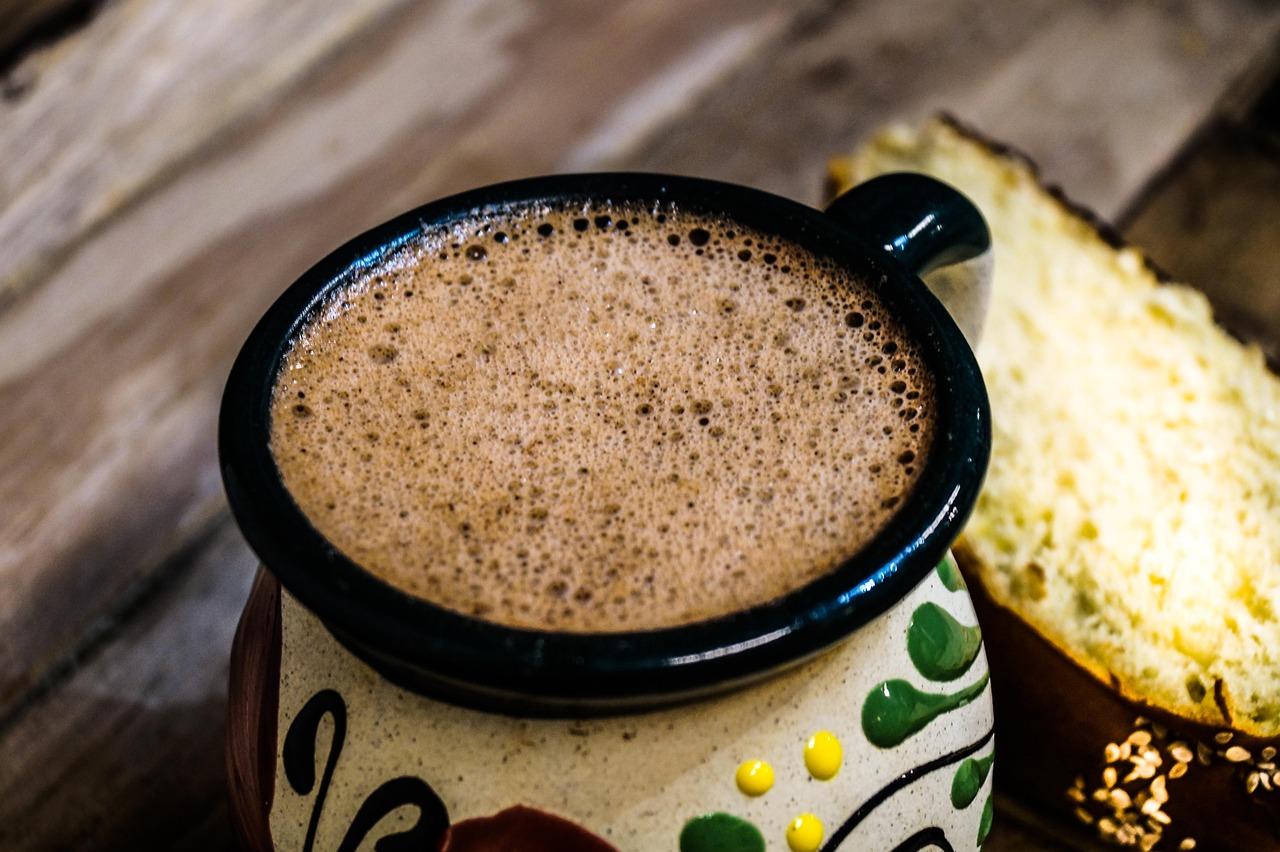
ChampurradoThick masa hot chocolate

Champurrado is a chocolate atole, the thick, hot corn drink Mexicans have drunk since before the Spanish arrived. Masa harina is whisked into water and milk with Mexican chocolate (stone-ground with sugar and cinnamon) and piloncillo, a dark unrefined cane sugar, and cooked until velvety and spoon-coating. It is drunk on cold mornings with tamales or conchas, and above all during Día de Muertos and Christmas posadas. Chef's tip: always dissolve the masa harina in cold liquid before it meets the hot pot, and whisk constantly once it's in; dumped into hot milk it seizes into lumps.

by KrazyBadal 0 views

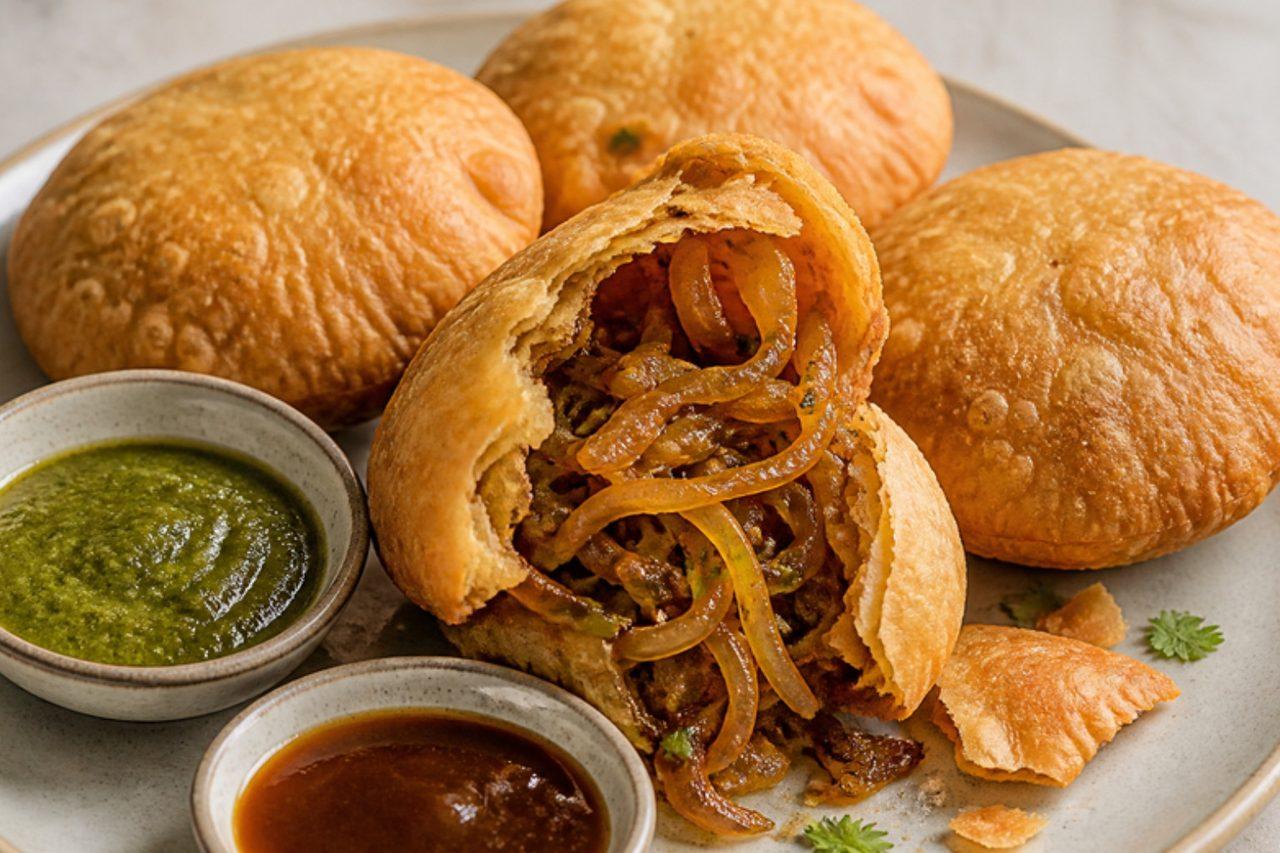
Pyaaz kachoriOnion-filled fried pastries

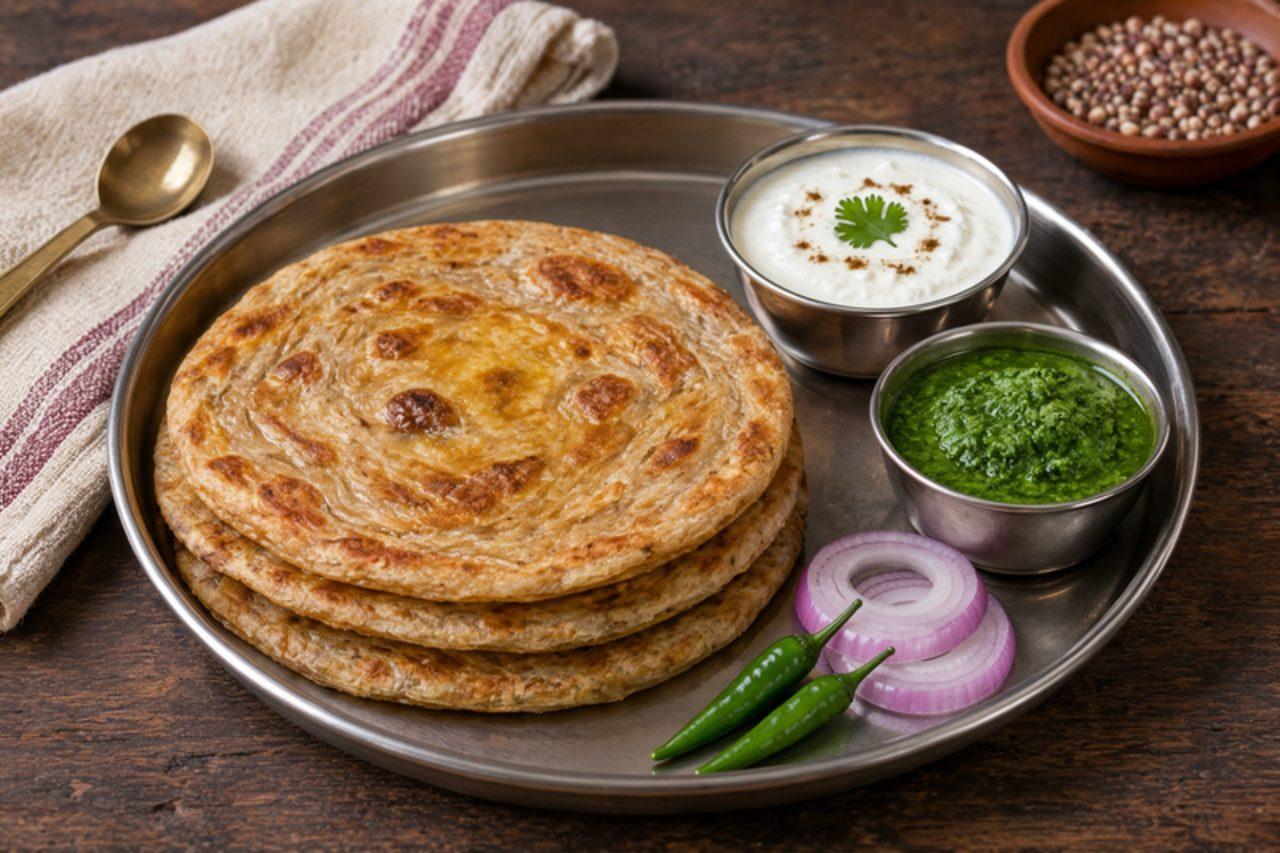
Pyaaz kachori is the pride of Jodhpur in Rajasthan, where sweet shops fry them from early morning and sell them by the hundred with tamarind chutney. The crust is khasta: short, layered and crackly, made by rubbing plenty of oil into the flour and frying slowly. Inside is a soft, jammy filling of onions cooked with fennel, coriander seed and nigella, bound with a little gram flour and potato and lifted with dried mango powder. Eat them warm for breakfast or with afternoon chai. Chef's tip: fry them in oil that is only just warm and let them take their time; the slow fry is what puffs the crust into crisp, hollow layers instead of a hard, oily shell.

by KrazyBadal 0 views

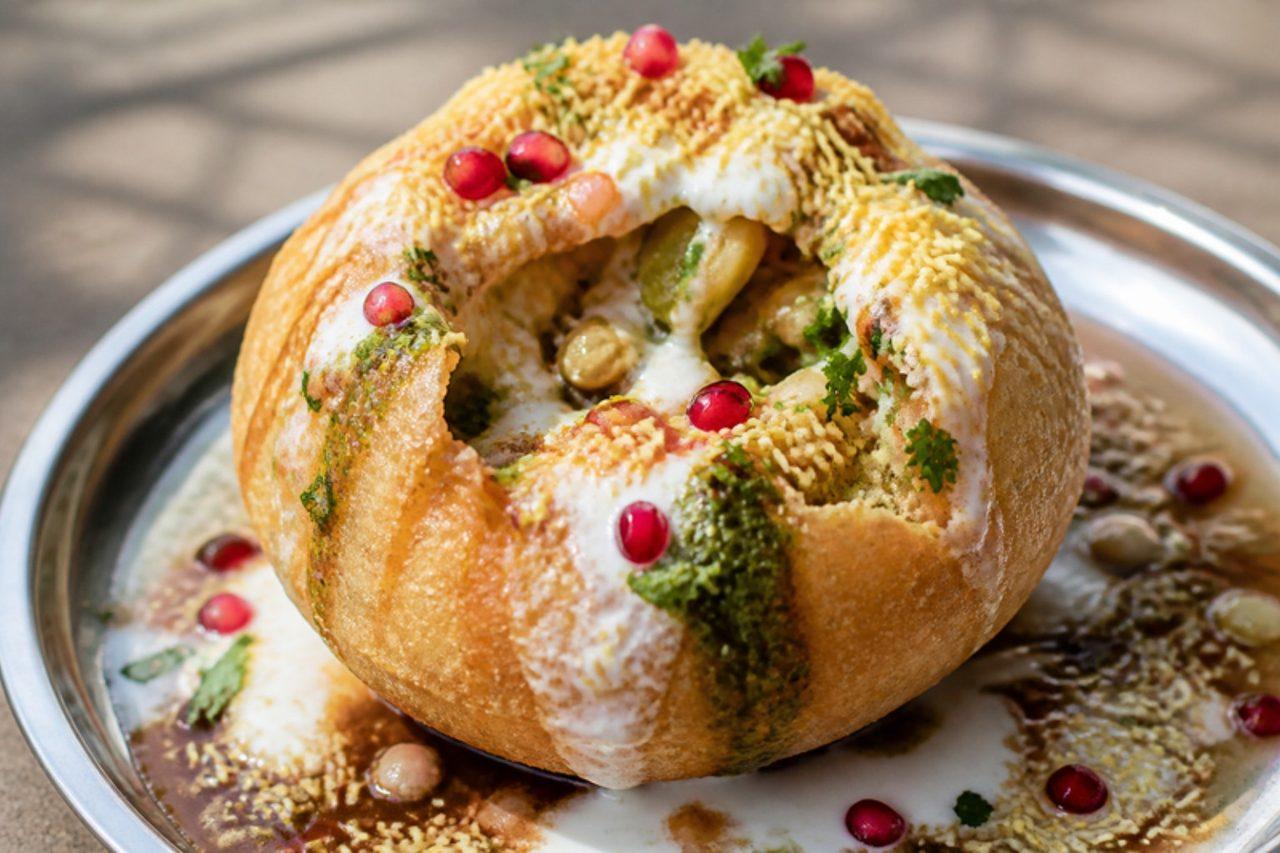
Raj kachoriGiant puri chaat

Raj kachori is the showpiece at Delhi's sweet-and-chaat shops: a fist-sized puri, fried until it balloons and turns crisp as a biscuit, then cracked open and stuffed with potato, chickpeas, sprouted moong, sweet yogurt, two chutneys and a snowfall of sev. It arrives on a steel plate at weddings and family outings, and it's eaten with a spoon because there's no other way. Every bite is crunchy, cold, sweet, sour and spicy at once. The puris can be fried a day ahead and kept in a tin. Chef's tip: roll the dough thin and even, and keep the oil properly hot; a puri rolled thicker on one side won't puff into a full ball.

by KrazyBadal 0 views

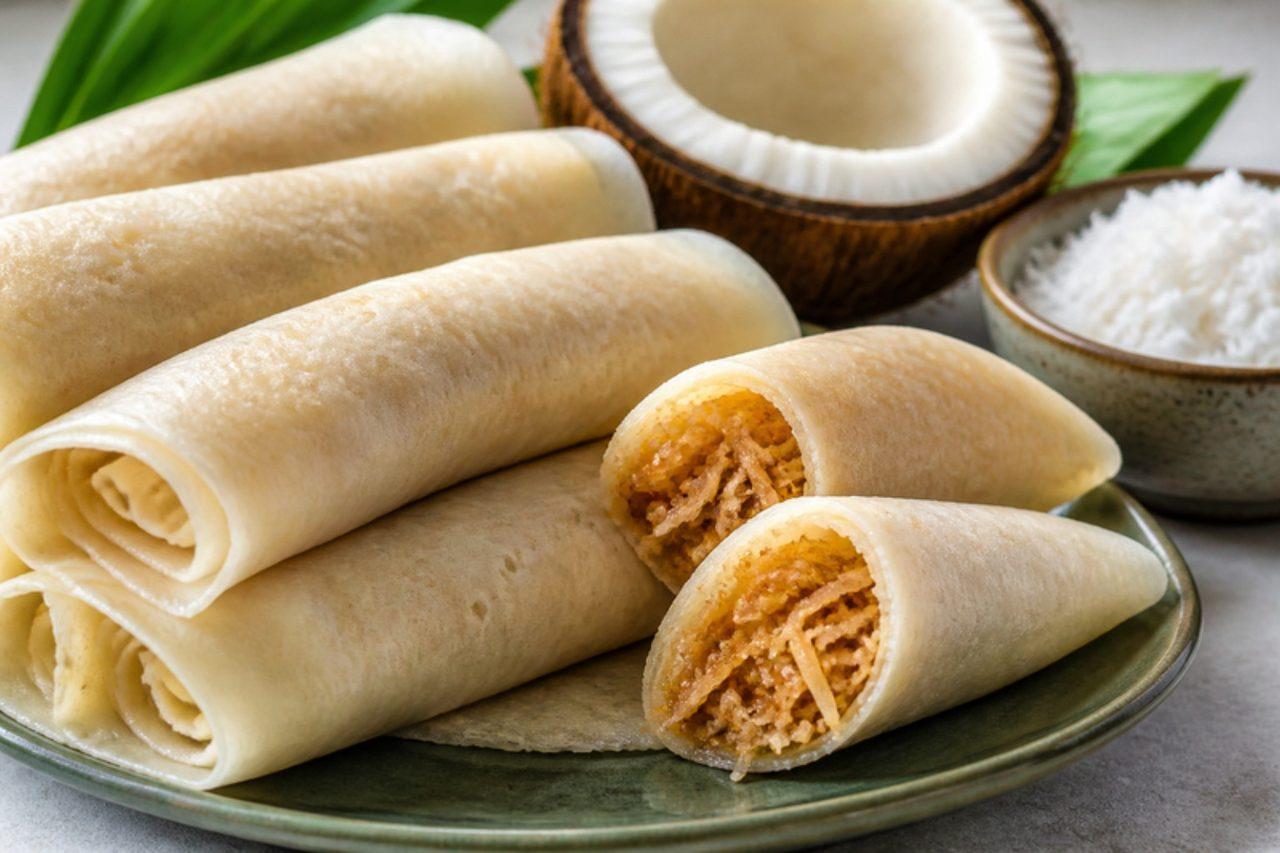
PatishaptaCoconut-filled rice crepes

Patishapta is the star of Poush Sankranti in mid-January, when Bengali homes make pithe-puli, sweets of new rice, coconut and the season's nolen gur (date-palm jaggery). A loose batter of rice flour, semolina, plain flour and milk is swirled thin on a hot pan and rolled round a sticky filling of coconut cooked with jaggery and cardamom. The crêpe should be soft and pale, never crisp. Chef's tip: keep the heat low and grease the pan only lightly with a cut potato dipped in ghee, which spreads a film rather than a pool.

by KrazyBadal 0 views

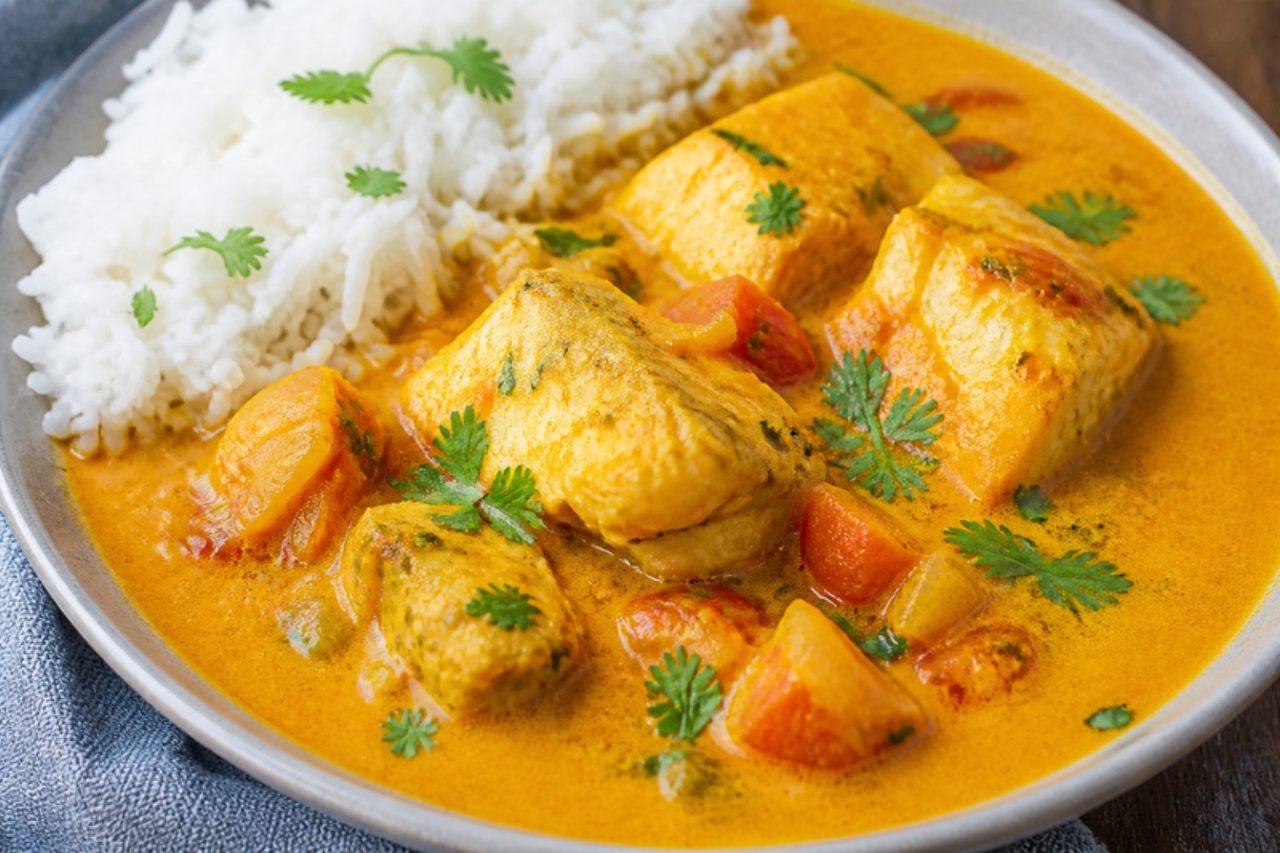
Zanzibar fish curry

Mchuzi wa samaki is cooked in homes all along the Swahili coast, from Mombasa and Lamu to Stone Town in Zanzibar, where the spice trade left cumin, cardamom and turmeric in every kitchen. Firm fish simmers briefly in a sauce of tomato, onion and coconut milk soured with tamarind, and it is eaten with plain rice or chapati. The mistake is stirring once the fish is in, which breaks it up; shake the pan gently instead. Chef's tip: rub the fish with turmeric, lime and salt for 15 minutes first, which firms it and seasons it all the way through.

by KrazyBadal 0 views

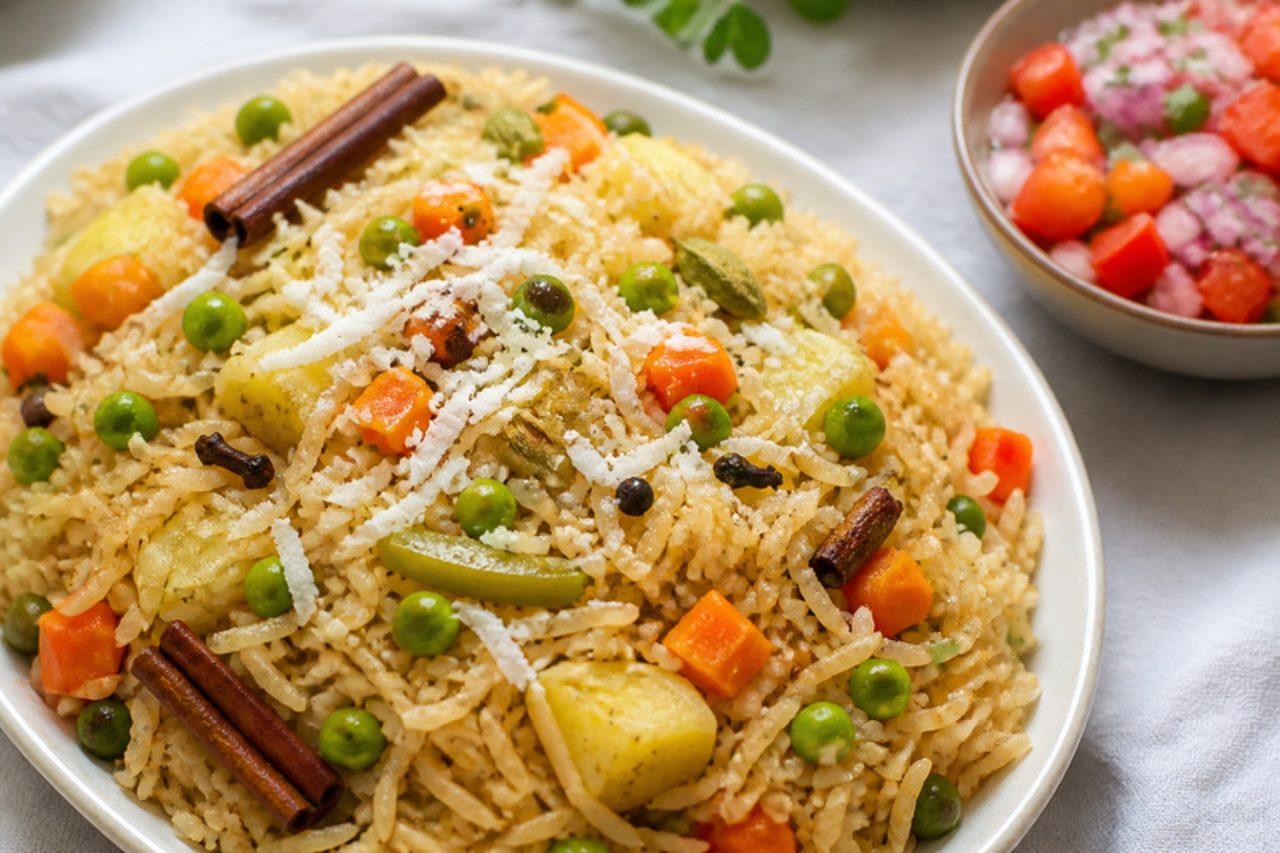
Zanzibar pillau

Zanzibar's spiced pilau: rice cooked with onions, garlic, whole cinnamon, cloves, cardamom, peppercorns, cumin and nutmeg and plenty of vegetables, then finished with coconut milk and baked until fluffy. It's fragrant rather than hot. Garnish with grated coconut and serve hot with kachumbari or a curry.

by KrazyBadal 0 views

Patodi rassaGram flour squares in spicy gravy

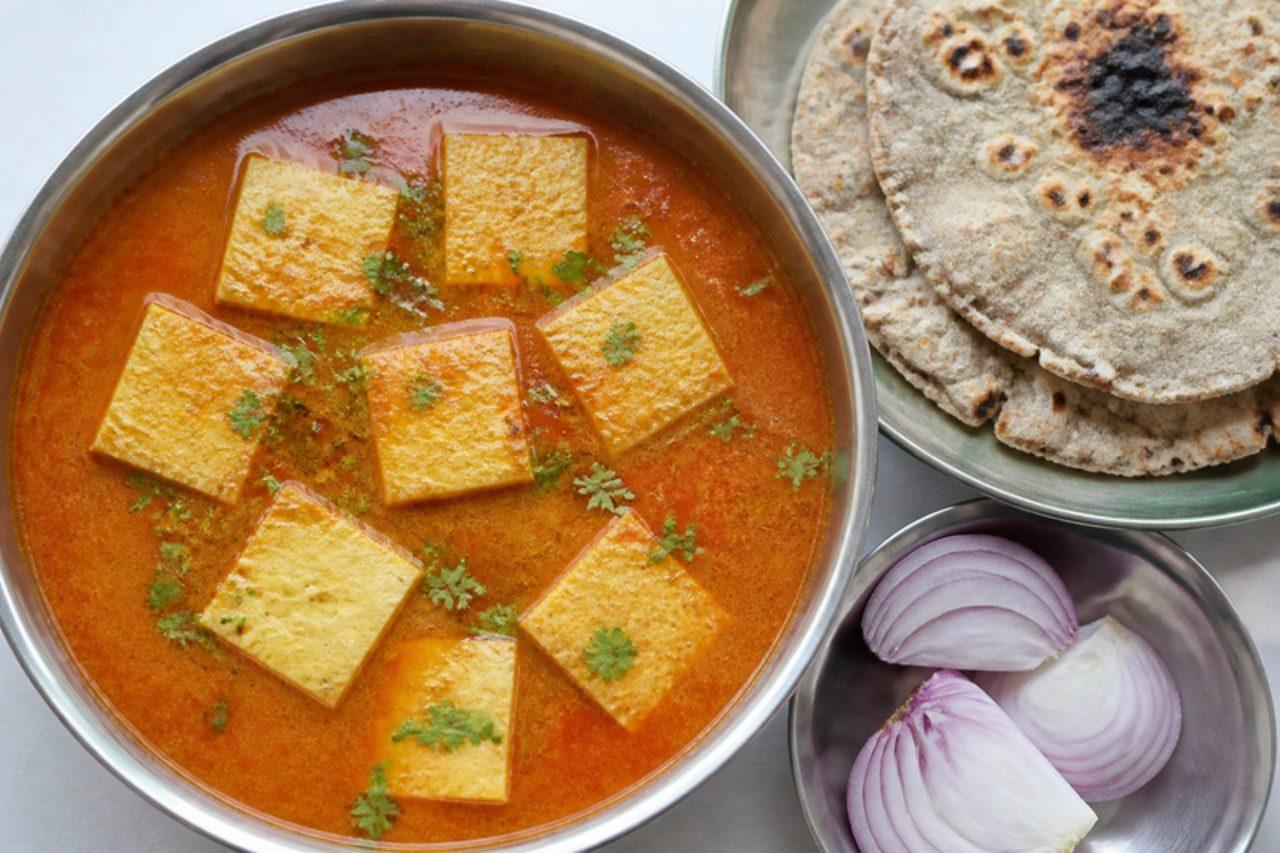
Patodi rassa (also called patwadi rassa) comes from the dry, hot districts of Vidarbha around Nagpur and Amravati, where gram flour often takes the place of vegetables. Gram flour is cooked thick like a polenta, spread on a plate, scattered with coconut, sesame and poppy seeds and cut into squares. Just before eating, the squares go into bowls and a spicy, thin rassa of roasted onion and dry coconut is poured over them so they soak it up. It's a dish for a Sunday lunch or a wedding feast in the region, served with jowar bhakri or chapatis and rice. Chef's tip: pour the rassa over the patodi at the table, not in the pot; simmered together, the squares fall apart.

by KrazyBadal 0 views

PatoleoRice dumplings in turmeric leaves

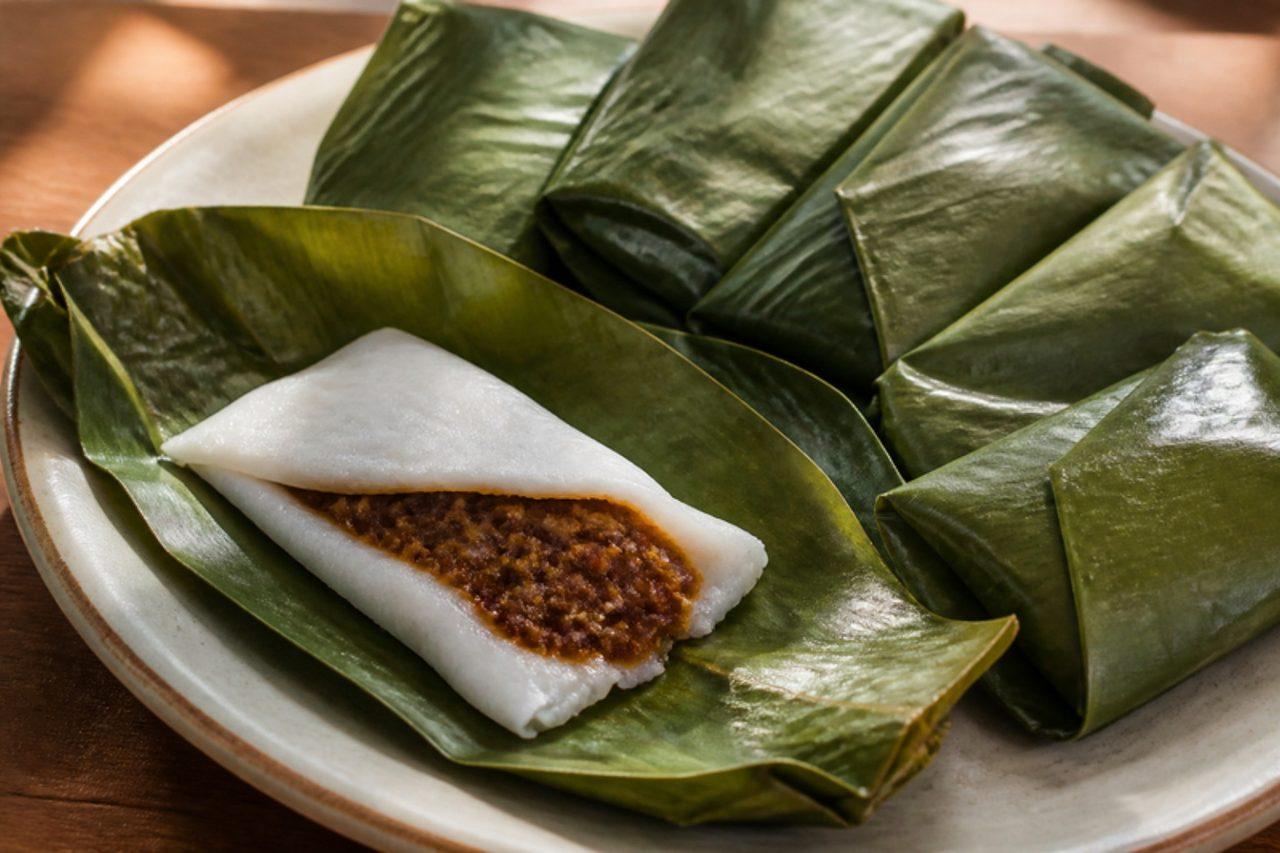
In August, when the monsoon makes turmeric leaves grow tall in Goan backyards, families make patoleo. Catholic households steam them for the Feast of the Assumption on 15 August, and Hindu families make the same sweet, called patoli, for Nag Panchami and Ganesh Chaturthi. A thin layer of rice paste is spread on a turmeric leaf, filled with fresh coconut and dark Goan jaggery, folded and steamed. The leaf leaves a sweet, gingery perfume on the rice that nothing else can copy, so look for fresh turmeric leaves in Indian grocers; banana leaves are a fair substitute. Chef's tip: spread the rice paste as thin as you can while still covering the leaf; thick patoleo are stodgy and the filling gets lost.

by KrazyBadal 0 views

Mozambique peri-peri prawns

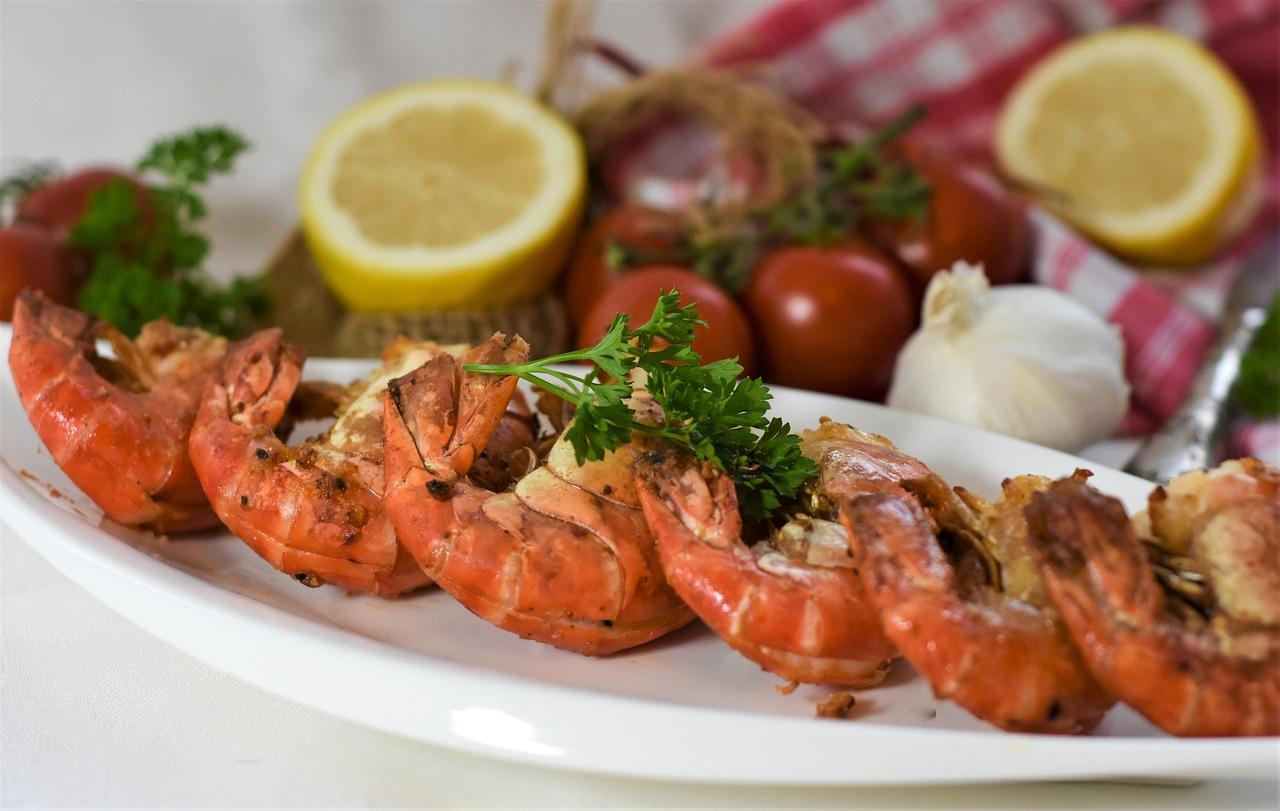
Maputo's waterfront restaurants and the beach shacks of Inhambane and Vilanculos are famous for their prawns: big shell-on prawns split down the back, painted with a sauce of piri-piri chilli, garlic, lime and butter and grilled over coals until the shells blister. You eat them with your fingers, sucking the sauce off the shells, with bread or chips. The mistake is overcooking, which turns them rubbery; they need only 2–3 minutes a side. Chef's tip: split the prawns through the shell and remove the dark vein, so the sauce gets right into the flesh.

by KrazyBadal 0 views

Kisumu fried tilapia

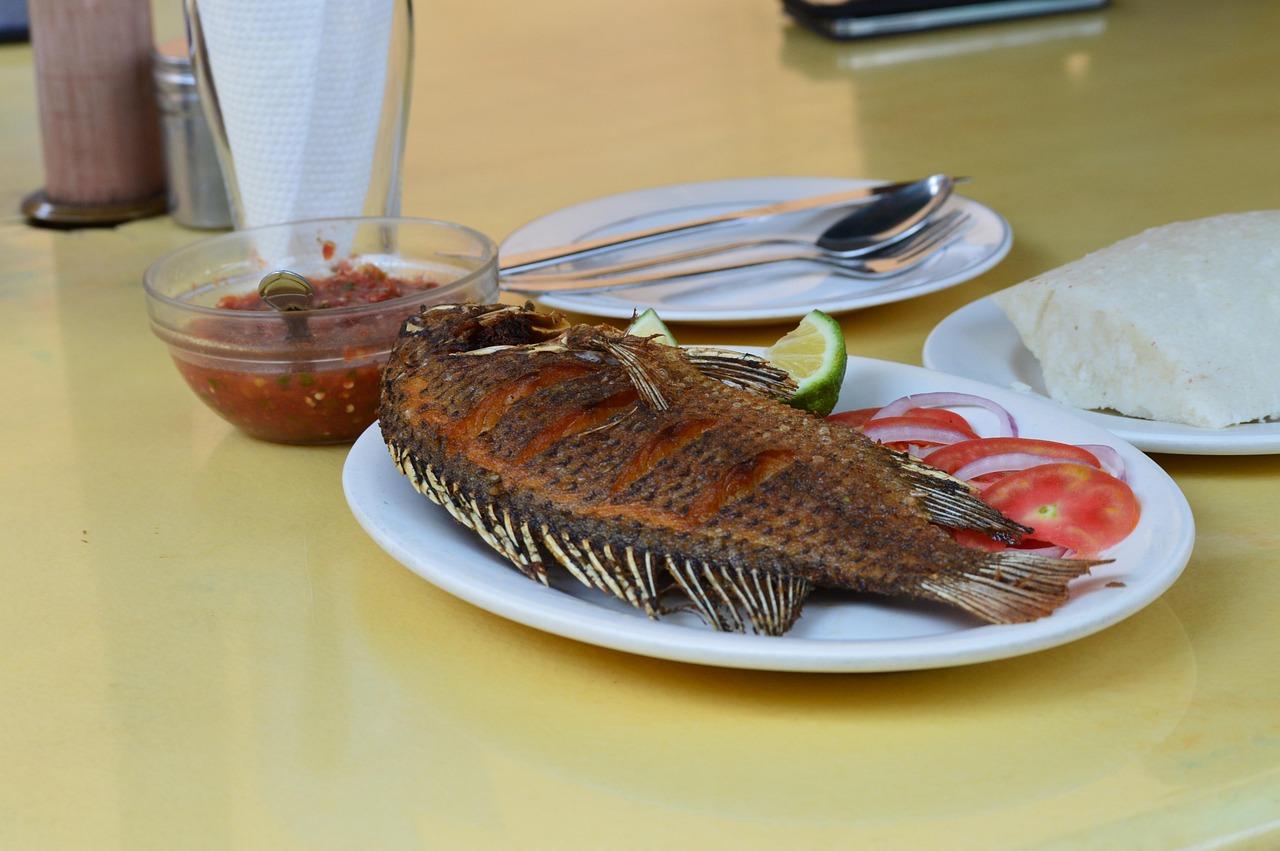
On the shores of Lake Victoria at Kisumu's Dunga beach and in the fish kiosks of Kampala and Mwanza, tilapia comes straight from the boats, is scored, rubbed with salt, garlic and lemon and deep-fried whole until the skin is crackling. It is served with a block of ugali, sukuma wiki (braised kale) and kachumbari, and eaten with your hands, pulling the sweet flesh off the bone. The mistake is frying a wet fish in oil that isn't hot enough, which makes it greasy and stick; dry it well and wait for 180 °C. Chef's tip: dust the fish lightly with cornflour just before frying for an extra-crisp skin.

by KrazyBadal 0 views

Mauritian fish curry

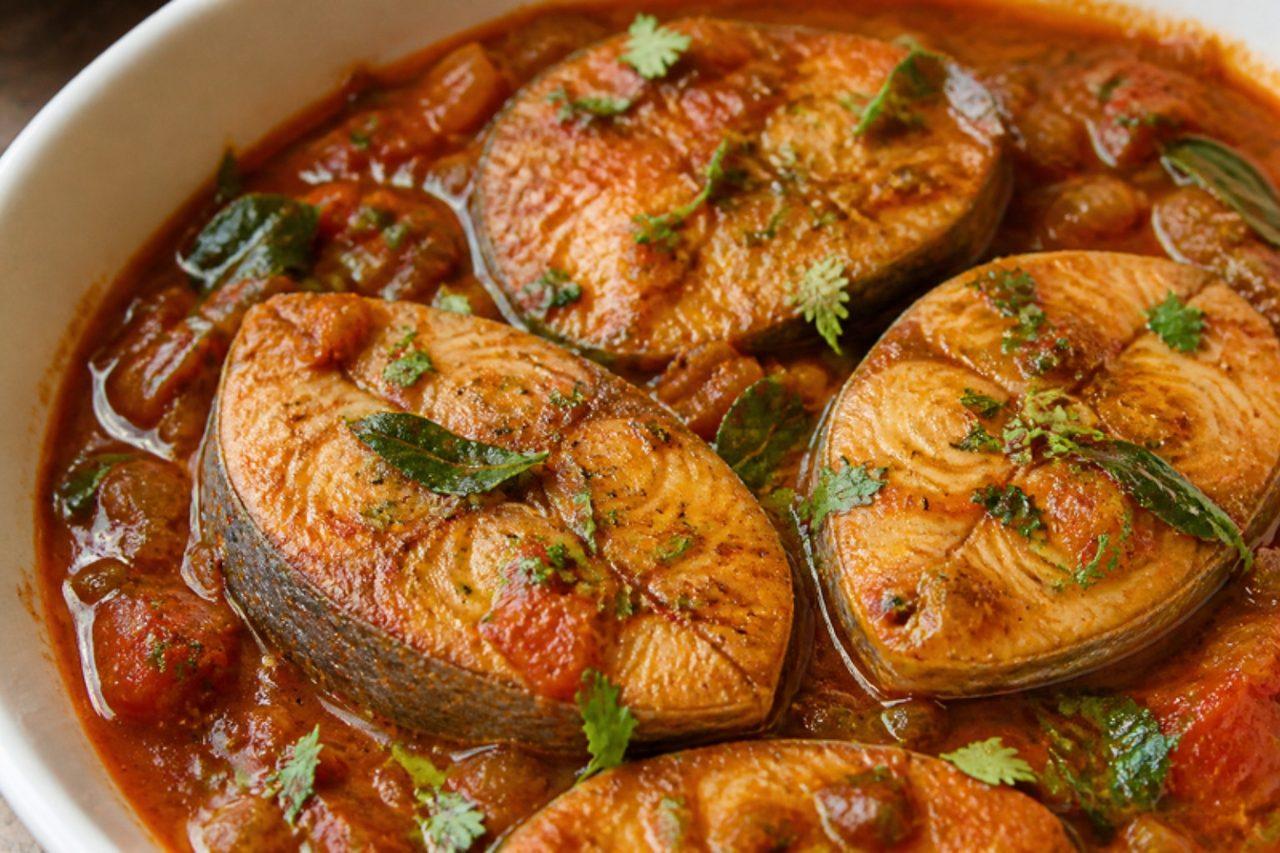
Cari poisson is cooked in Mauritian homes from Port Louis to the fishing villages of Mahébourg, a curry where Indian spice meets Creole herbs: pieces of firm fish are first fried, then simmered in a sauce of tomato, onion, curry powder, curry leaves and thyme. It is eaten with rice, lentils (dholl) and a spoon of chilli pickle. The mistake is putting raw fish into the sauce, which makes it fall apart; frying it first keeps it firm. Chef's tip: toast the curry powder in oil until it smells nutty before the tomatoes go in.

by KrazyBadal 0 views

Missir watRed lentil stew

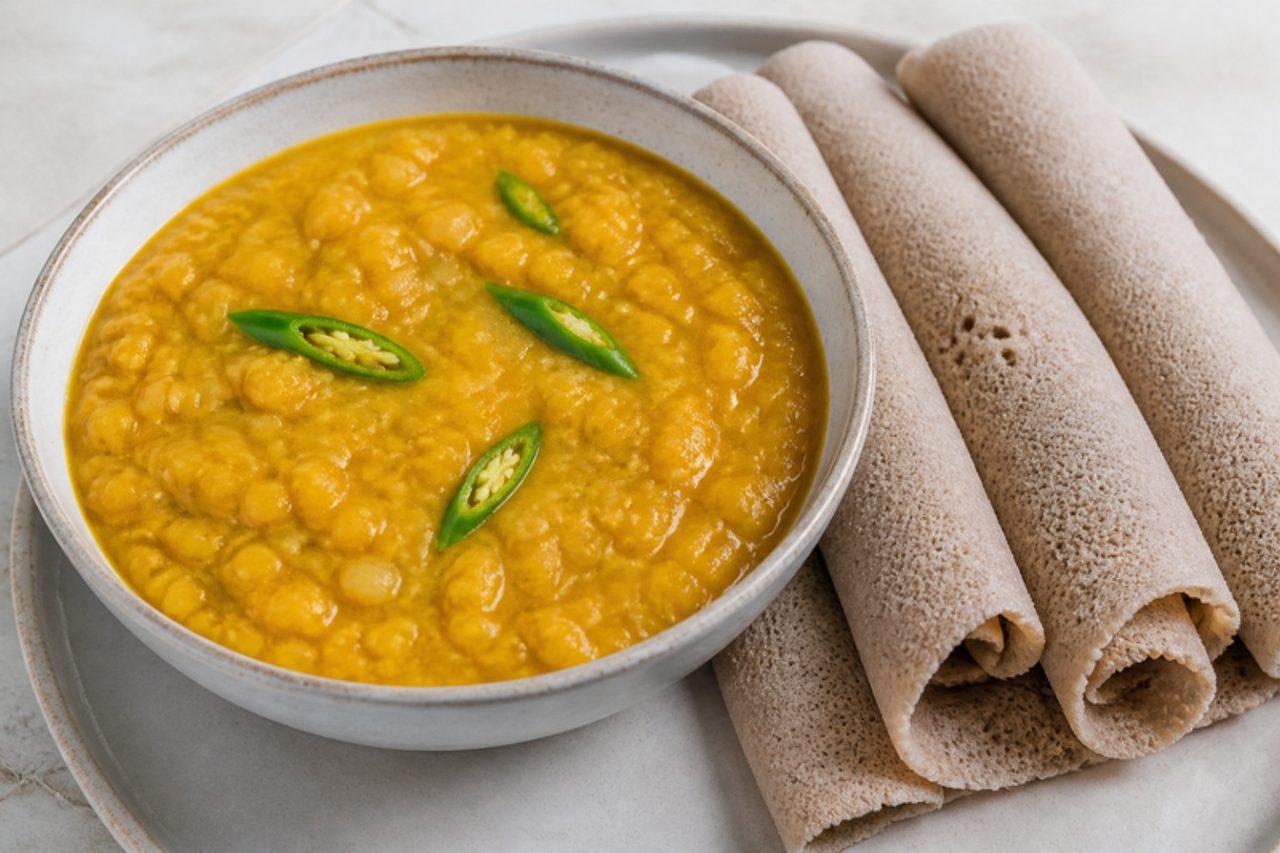
A spicy Ethiopian stew of masoor lentils cooked down with browned onions, garlic, ginger, fresh tomato and tomato paste, and finished with red chilli and black pepper. It's thick, rich and hot. Serve with injera, alongside atter kik and azifa.

by KrazyBadal 0 views

Ecuadorian shrimp ceviche

Unlike Peru's raw-fish ceviche, the ceviche of Ecuador's coast, from Manta to Esmeraldas, is usually made with prawns that are briefly cooked first, then soaked in a juicy, soupy mix of lime, orange, tomato, red onion and coriander. It is served in a glass bowl with its juice, alongside popcorn, plantain chips and sometimes a dash of ketchup and mustard, as people do at Guayaquil's cevicherías. Because the prawns are cooked, it is a safer choice than raw-fish ceviche, but keep it cold and eat it the same day. The mistake is overcooking the prawns so they turn rubbery: one minute in the boiling water is enough. Chef's tip: save the prawn cooking water and add a few spoonfuls to the juice; it gives the ceviche its sweetness.

30 minAndeanFishGluten free
by KrazyBadal 0 views

Atter kikSplit chickpea sauce

A mild, golden Ethiopian lentil sauce (kik alicha) of split bengal gram lentils simmered with onion, ginger, garlic, a pinch of turmeric and green chilli until thick and creamy. It's gentle and soothing next to the fiery missir wat. Serve hot with injera.

by KrazyBadal 0 views

Guyanese chicken curry

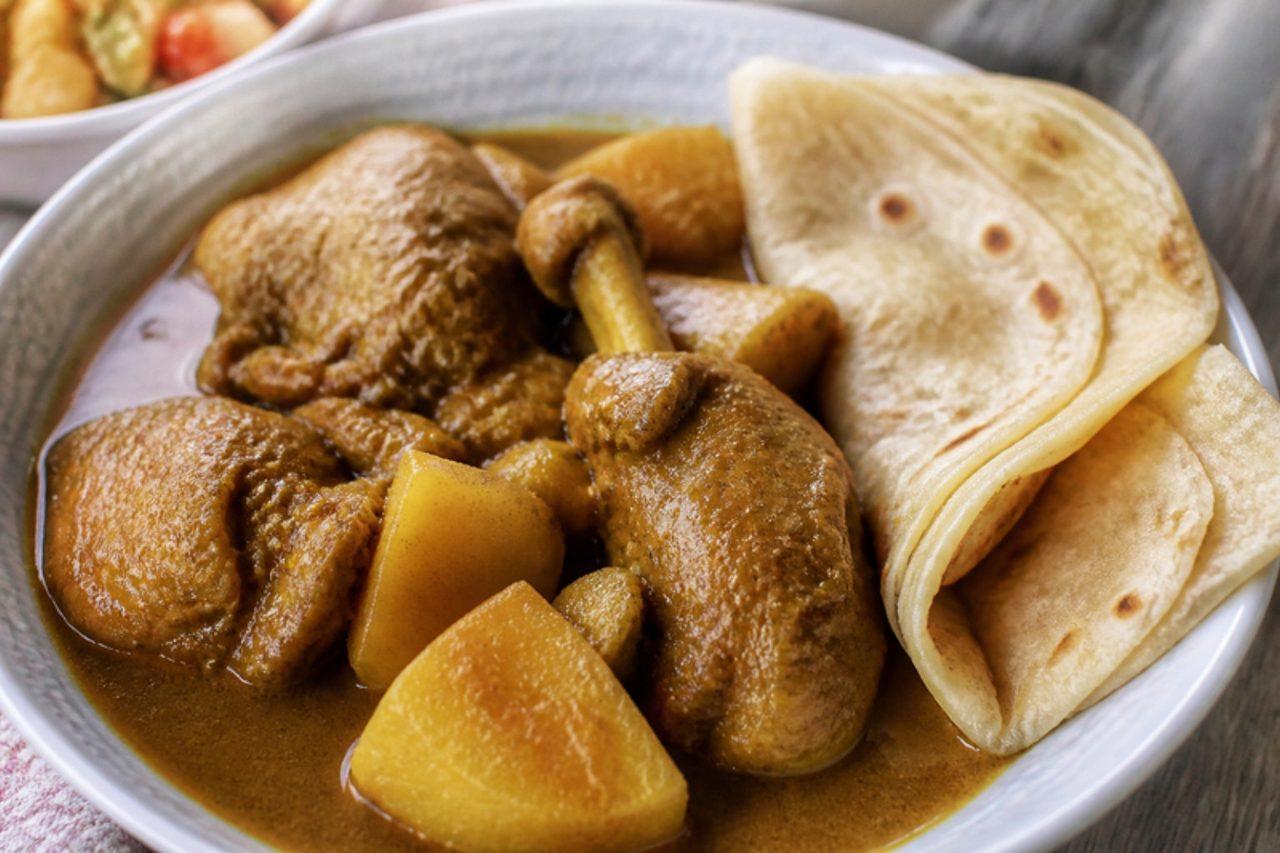
In Guyana, Sunday is curry day in Indo-Guyanese homes from Berbice to the East Coast Demerara, and chicken curry with roti or rice is the classic. Its flavour comes from a green seasoning of herbs, garlic and wiri wiri pepper, and from geera (roasted cumin), with the curry powder fried until almost dry before the chicken goes in. The mistake is adding the chicken before the curry paste is properly cooked ("bunjayed"), which leaves a raw, dusty taste. Chef's tip: finish with a sprinkle of toasted geera and let the curry rest for 10 minutes before serving.

by KrazyBadal 0 views

Loco moco

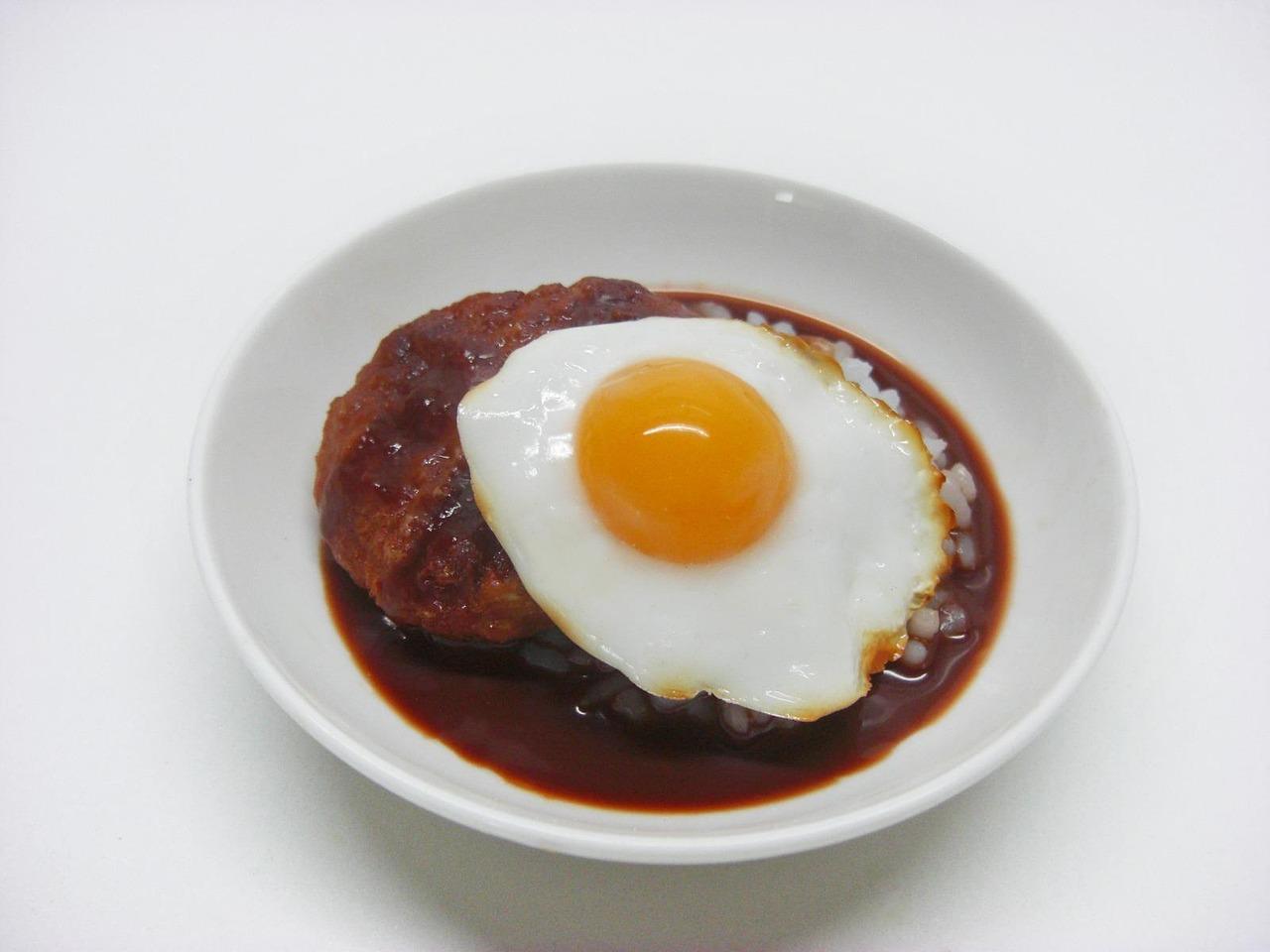
Loco moco was first served in 1949 at the Lincoln Grill in Hilo, on Hawai'i's Big Island, as a cheap, filling meal for teenagers, and it is still the plate-lunch classic across the islands: white rice topped with a beef burger patty, a fried egg and a generous ladle of brown gravy. People eat it for breakfast, lunch or late at night with a scoop of macaroni salad. The mistake is a thin, floury gravy; cook the flour in the beef fat until it browns before adding the stock. Chef's tip: press a dimple into the centre of each patty so it stays flat as it cooks.

by KrazyBadal 0 views

Maize pie

A soft, savoury pie of blended boiled maize folded into a peppery white sauce and baked until golden on top. It's mild and comforting, a little like a corn pudding, and children love it. The eggs are optional: they make it set firmer. Serve hot with a salad or tomato stew.

by KrazyBadal 0 views

Sweet potato salad (Nairobi style)Sweet potato fritter salad

Slices of sweet potato dipped in batter, coated in breadcrumbs and fried until crisp, arranged around lettuce, grated carrot, tomato and sliced hard-boiled egg. The book's Handy Hints say sweet potato is good for the eyes and lifts the mood. Serve with tomato sauce, chilli sauce and mayonnaise; leave out the eggs (and use egg-free mayonnaise) for an egg-free salad.

by KrazyBadal 0 views

Kalua pork

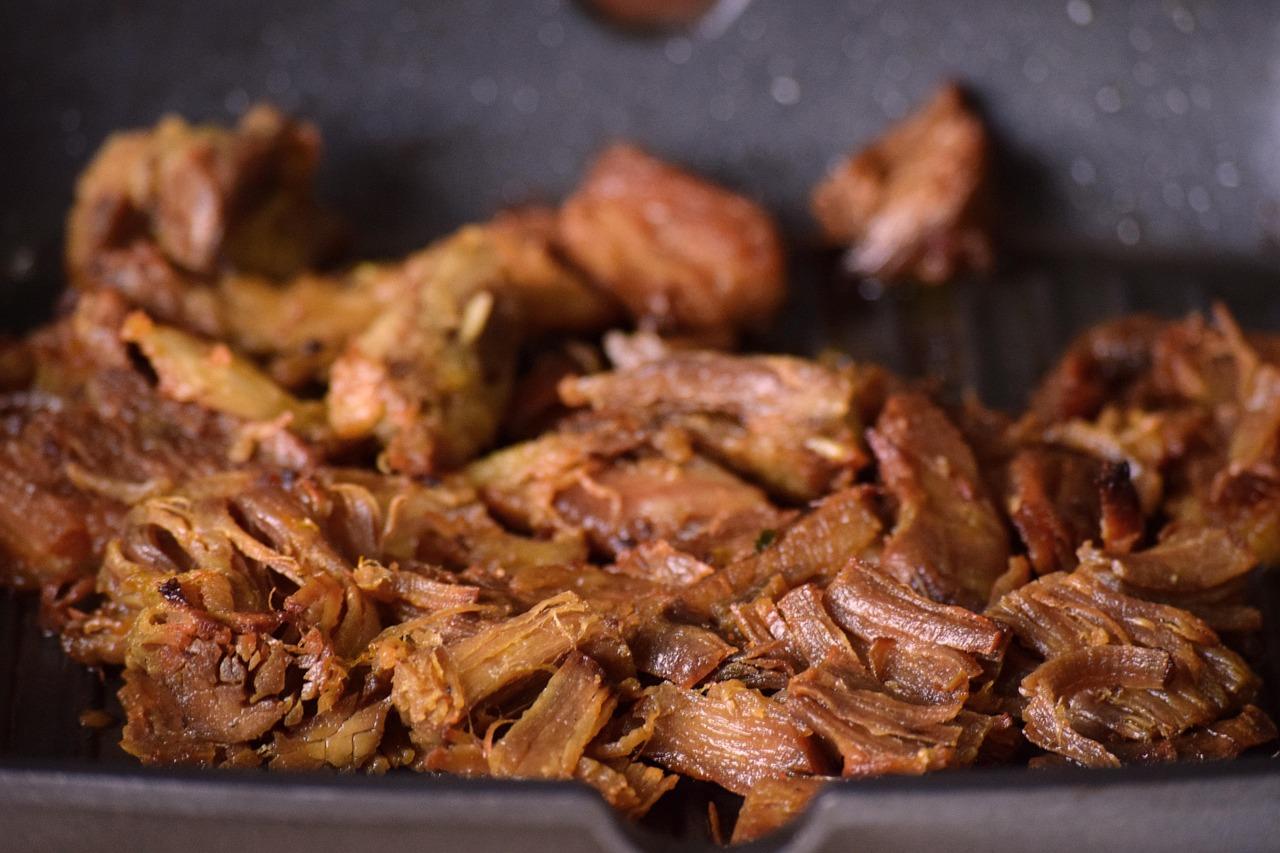
Kalua pig is the heart of a Hawaiian lū'au: a whole pig wrapped in ti and banana leaves and cooked all day in an imu, an underground oven, until it falls apart, smoky and salty. This dish contains pork. Families across O'ahu and the other islands make this simpler version at home with pork shoulder, coarse sea salt and a little liquid smoke, wrapped and slow-roasted. It is served with rice, poi or cabbage, or in sliders. The mistake is using fine table salt in the same amount; it makes the pork far too salty, so use coarse sea salt. Chef's tip: stir a little of the cooking juice back into the shredded pork so it stays moist.

by KrazyBadal 0 views

Maple-glazed salmon

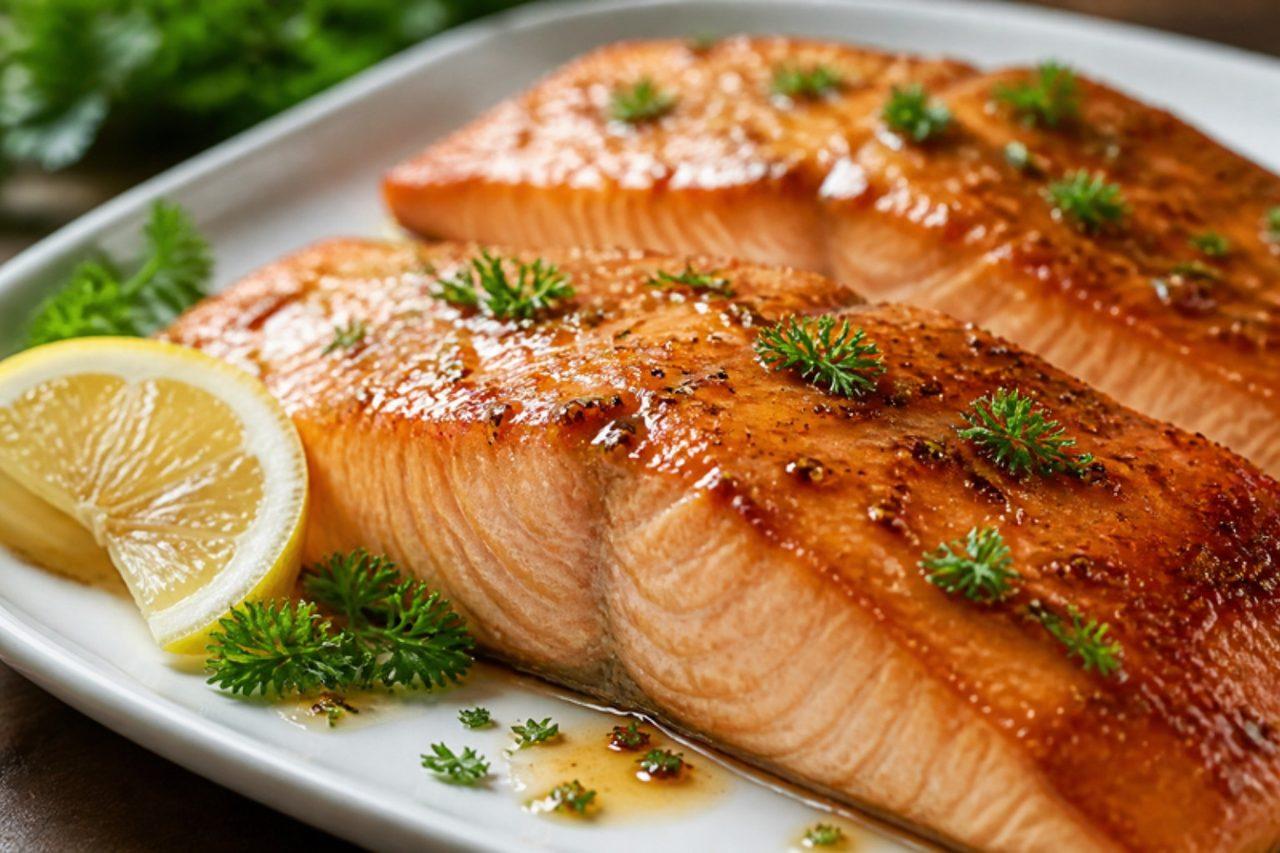
On Canada's Pacific coast, from Vancouver to Haida Gwaii, wild salmon is the fish of summer and autumn, and a glaze of maple syrup from the east brings two Canadian staples together on one plate. The fillets are brushed with maple syrup, mustard, soy and garlic and roasted until just cooked, with a sticky, glossy top; serve them with rice, new potatoes or a green salad. Many British Columbians cook it on a soaked cedar plank on the barbecue for a smoky flavour. The mistake is overcooking salmon until it is dry and chalky; take it out when it just flakes. Chef's tip: line the tray with baking paper, as the maple glaze burns onto a bare tin.

by KrazyBadal 0 views

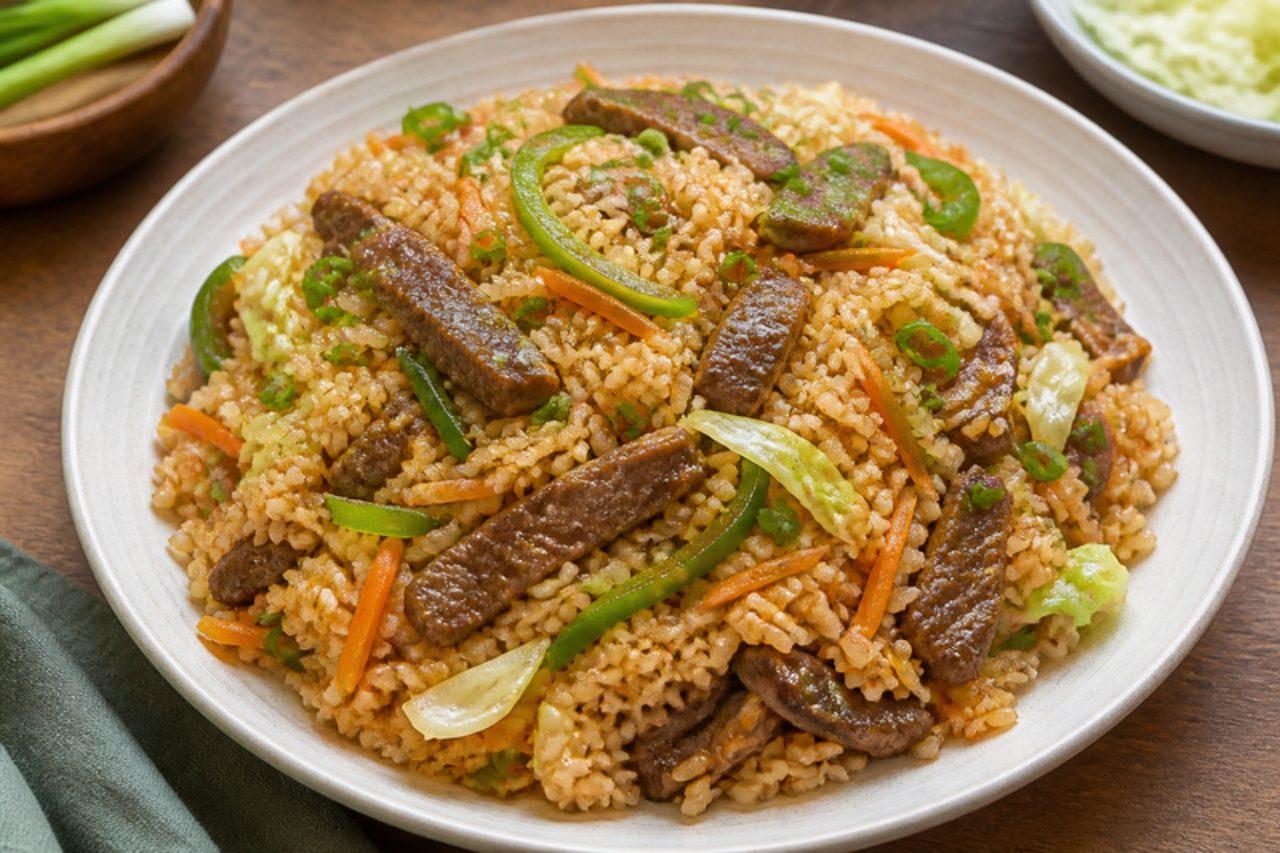
Budaatai khuurgaFried rice with beef

Budaatai khuurga is the fried rice of Ulaanbaatar's guanz, the small canteens where office workers and students eat lunch: day-old rice tossed in a hot pan with strips of beef or mutton, carrot, onion, peppers and a splash of soy. It is quick, filling and often served with a fried egg and pickled cabbage salad. The mistake is using freshly cooked warm rice, which clumps; cold, cooked rice fries into separate grains. Chef's tip: cook rice the day before and keep it covered in the fridge, which is also the safe way to store it.

by KrazyBadal 0 views

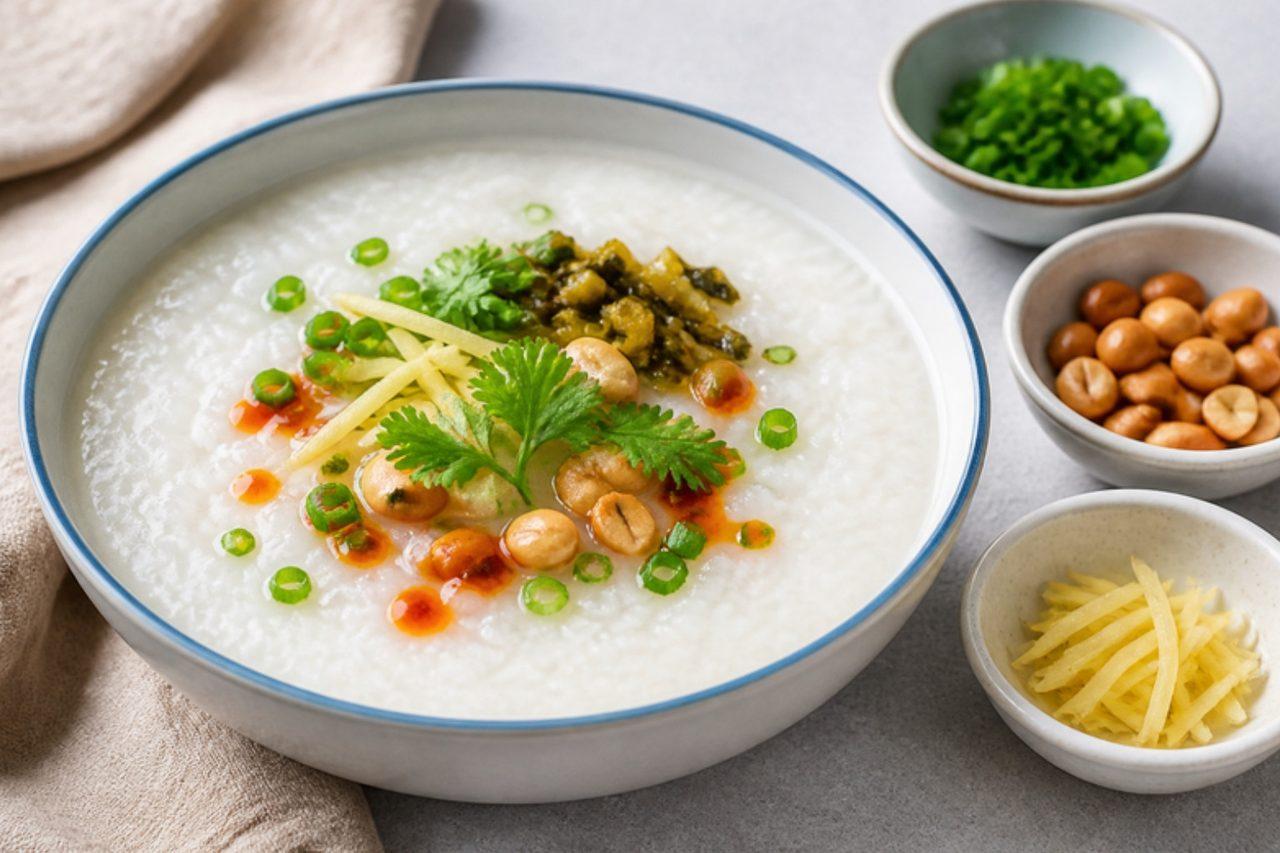
Plain rice congee with toppingsRice porridge with toppings

Congee (zhou in Mandarin, juk in Cantonese) is what much of China eats for breakfast, and what everyone is given when they are under the weather. The base is just rice and water cooked until the grains burst into a smooth, gentle porridge; the fun is in the toppings, from fried shallots to peanuts and salty pickles, so everyone builds their own bowl. Chef's tip: rinse the rice, then rub it with a little oil and salt and freeze it for an hour if you can; the grains crack and break down twice as fast.

by KrazyBadal 0 views

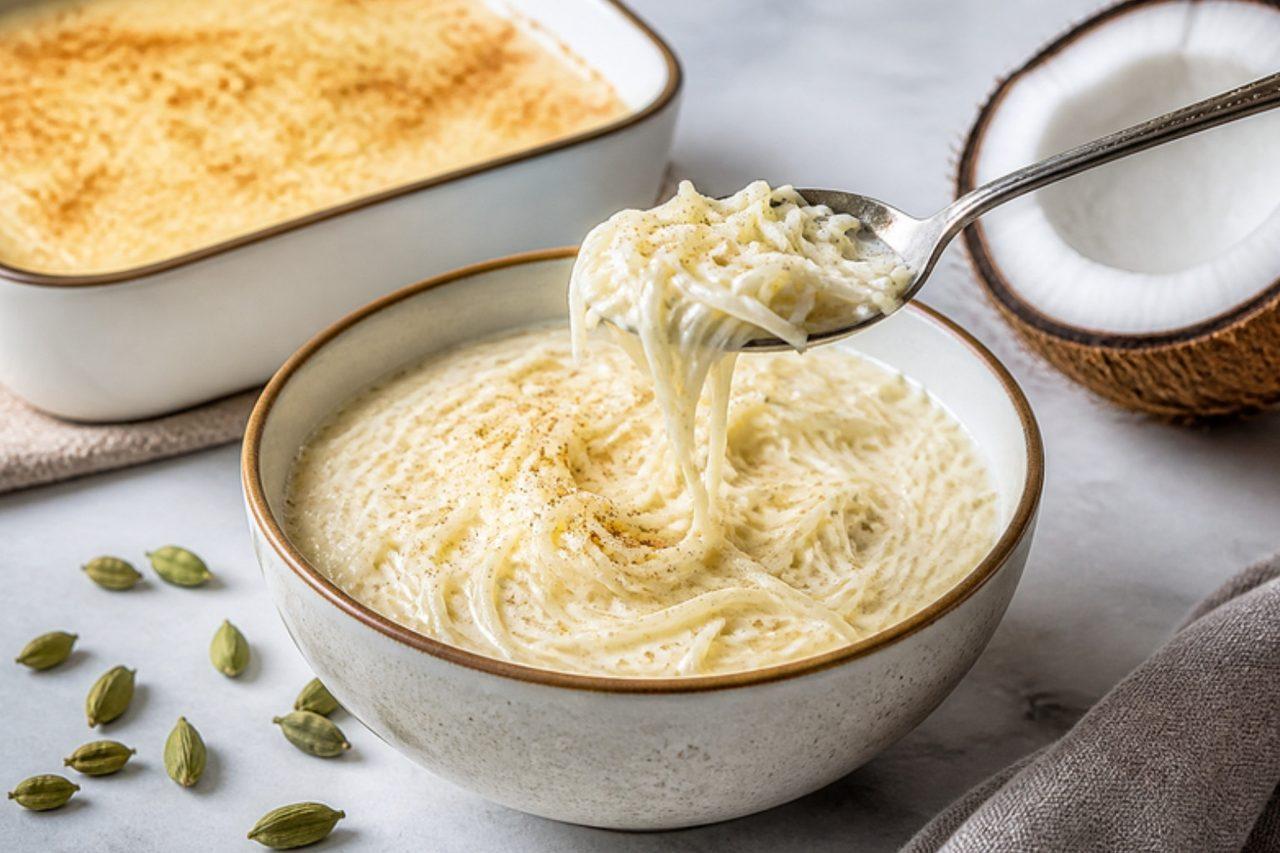
Vermicelli in coconut (tambi ya nazi)

Tambi ya nazi: soft vermicelli stirred into sweetened coconut milk with crushed cardamom, then baked briefly so it sets lightly. It's creamy, gently sweet and fragrant, and is often made for Eid. Serve hot, sprinkled with more cardamom.

by KrazyBadal 0 views

Gâteau patateSweet potato turnovers

Gâteau patate are little half-moon pastries made from mashed sweet potato dough and filled with sweetened grated coconut and cardamom, then fried until golden. They are a teatime treat in Mauritian homes and are sold at markets and fairs, especially around Divali and the end of the year. Chef's tip: use the sweet potatoes while still warm to make the dough; cold mash needs more flour and the gâteaux turn heavy.

by KrazyBadal 0 views

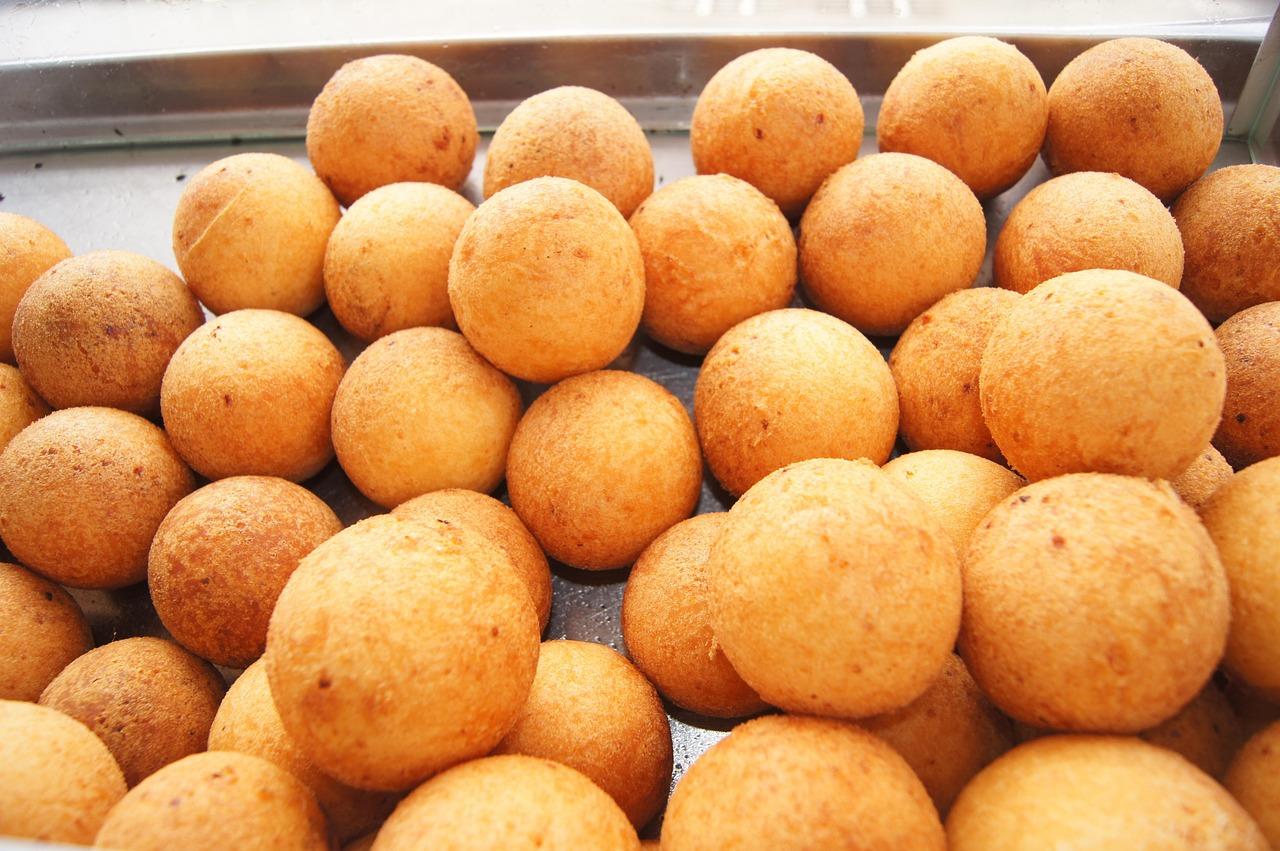
Buñuelos colombianosCheese and cassava fritters

In December, Colombian families gather for the novena de aguinaldos, nine evenings of prayers and carols before Christmas, and the reward afterwards is a plate of hot buñuelos with a bowl of natilla. These little golden balls are made from crumbly cheese, cassava starch and cornflour, fried until they puff and roll themselves over in the oil. They are crisp outside, airy and cheesy inside. Chef's tip: start the oil only warm, around 150 °C; buñuelos fried too hot crack open and stay raw in the centre.

by KrazyBadal 0 views

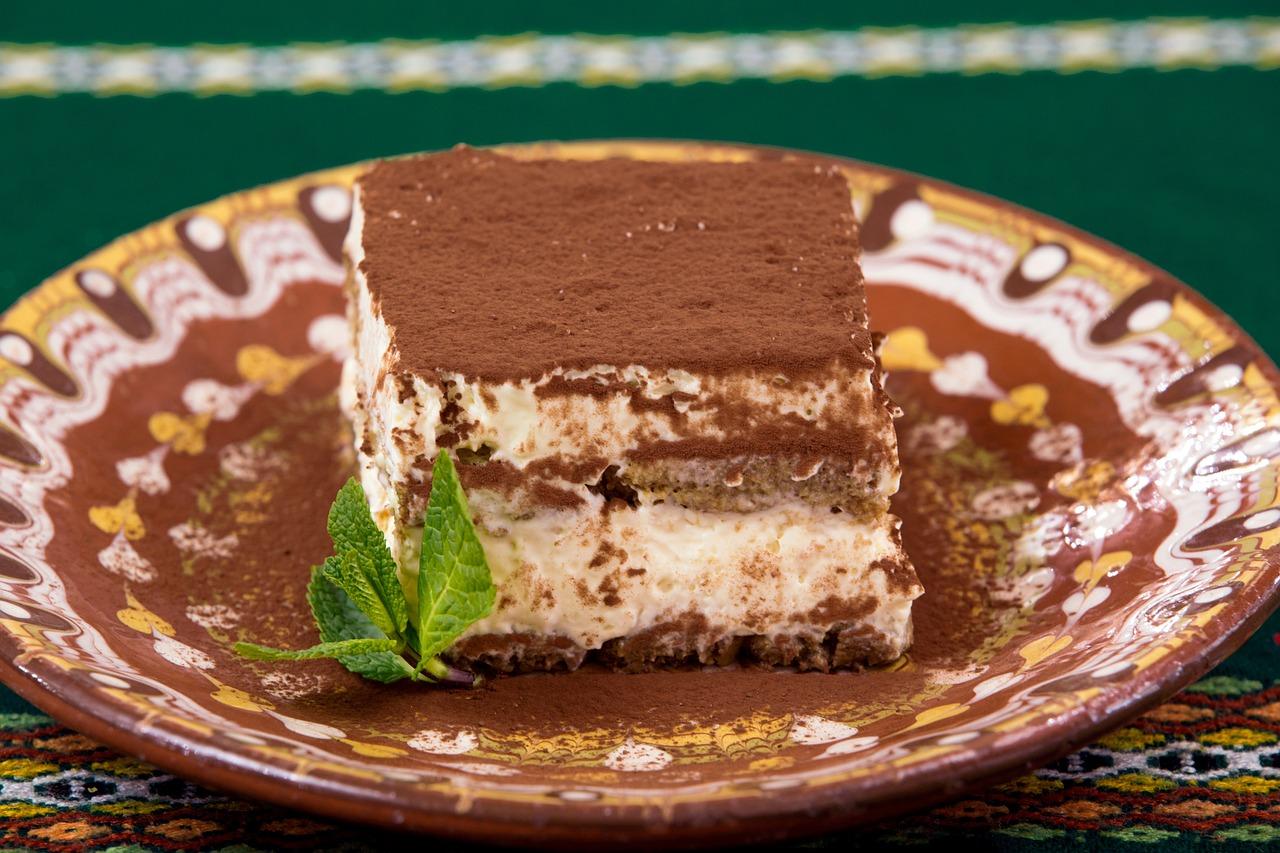
Classic tiramisu

Tiramisù ('pick me up') was created in Treviso, in the Veneto, around the 1960s and 70s; the restaurant Le Beccherie is the best-known claimant. The original is simple: savoiardi biscuits dipped in espresso, layered with a cream of egg yolks, sugar and mascarpone, and dusted with cocoa. No alcohol and no cream in the Treviso version, which is different from this site's Baileys tiramisu. It is best made the morning of, or the day before. Because the eggs are raw, use the freshest you can find, or pasteurised eggs. Chef's tip: beat the yolks and sugar for a full 5 minutes until pale and thick as custard; that is what makes the cream light without whipped cream.

by KrazyBadal 1 views

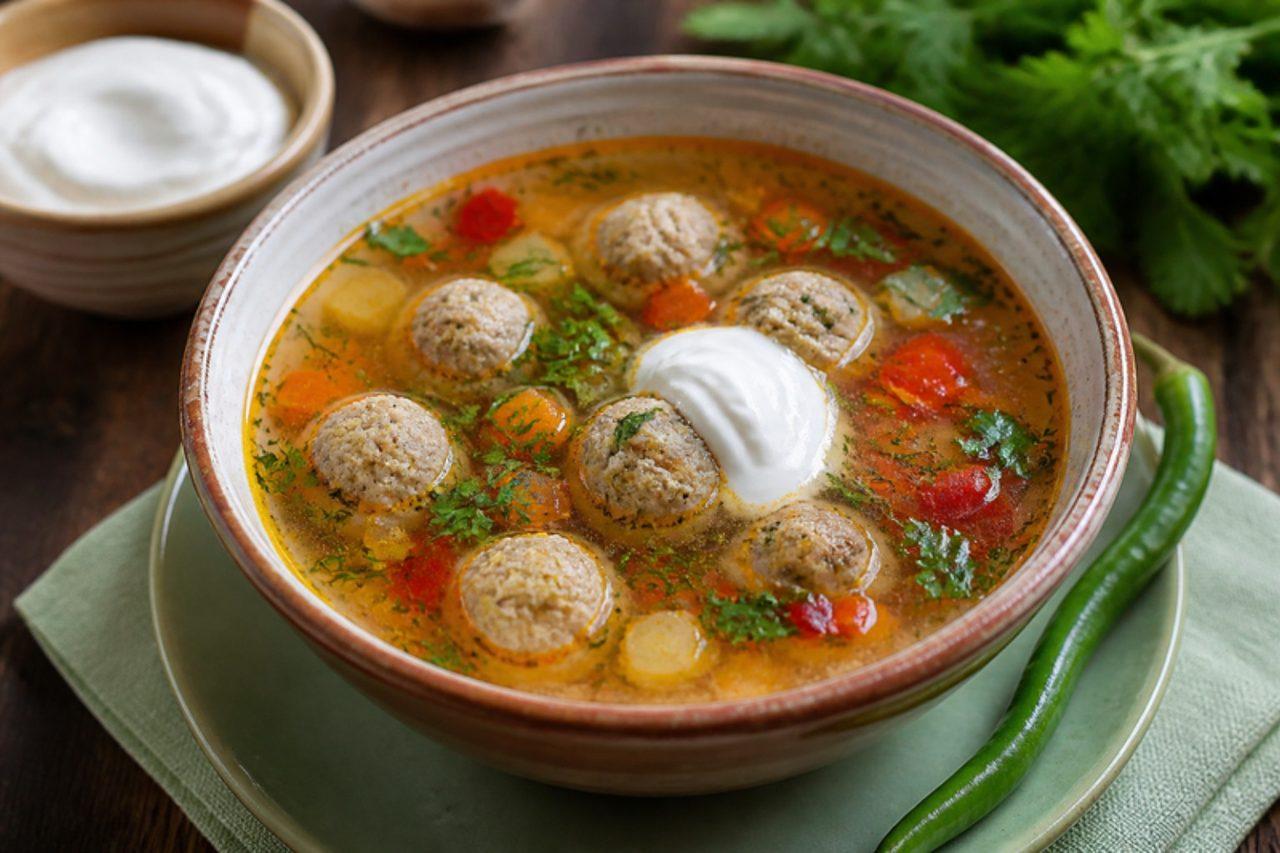
Ciorbă de perișoareSour soup with meatballs

Across Romania, from Bucharest canteens to Moldavian grandmothers' kitchens, a pot of ciorbă de perișoare turns up on the Sunday table and again on Monday, when it tastes even better. This version contains pork: soft meatballs of minced pork and rice simmer in a clear vegetable broth that is soured at the end with borș (fermented wheat-bran liquid) or lemon juice, then finished with a handful of lovage. It is eaten very hot with a spoon of sour cream and a fresh green chilli to bite between spoonfuls. A frequent slip is boiling the soup hard once the meatballs are in, which breaks them apart and clouds the broth. Chef's tip: wet your hands in cold water before rolling each meatball; the mixture will not stick and the balls stay smooth and round.

by KrazyBadal 0 views

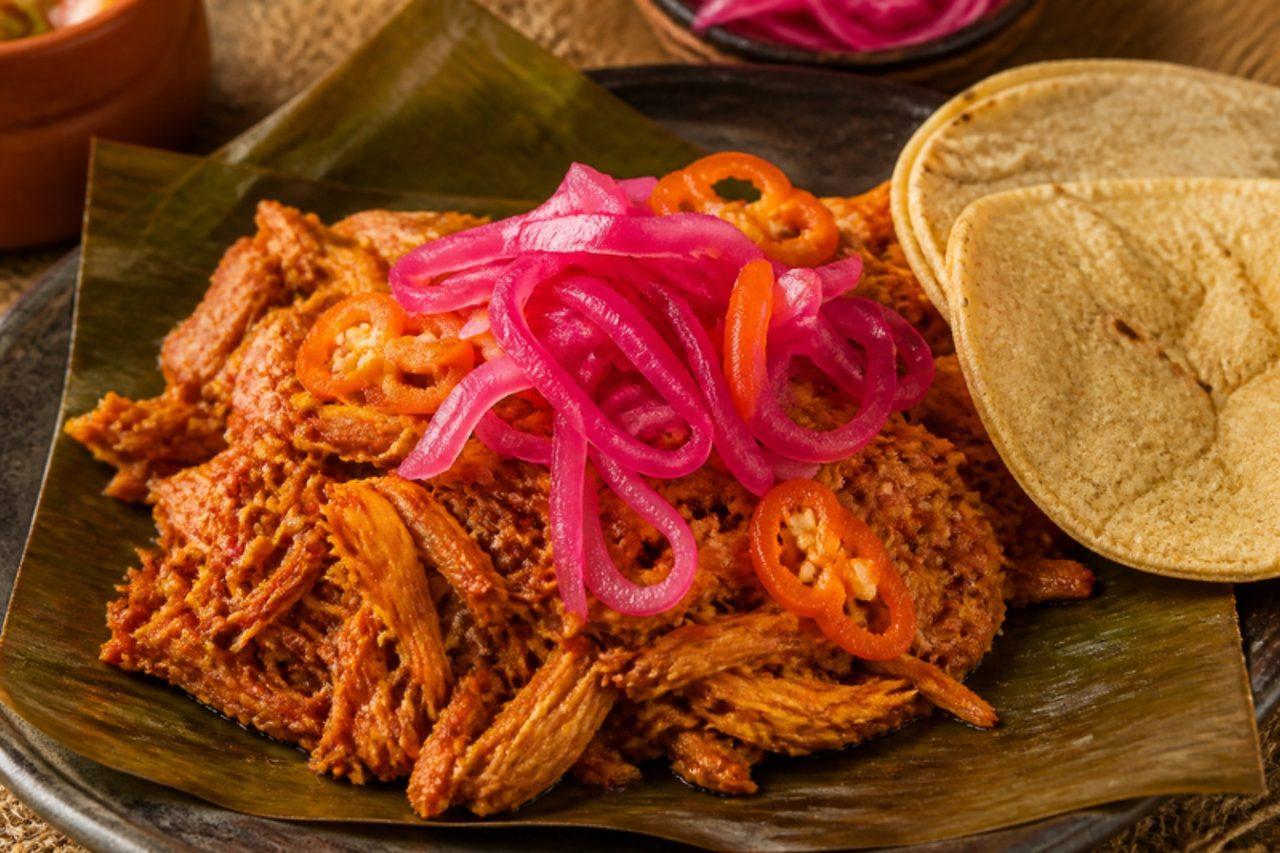
Cochinita pibilAchiote slow-roast pork

The Maya of the Yucatán peninsula cooked pork in a pib, a pit lined with hot stones, and in Mérida cochinita pibil is still sold at dawn from market stalls, piled into tacos and tortas for breakfast. Pork shoulder sits overnight in a brick-red paste of achiote and sour orange juice, then roasts slowly wrapped in banana leaves until it pulls apart, soaking in its own tangy juices. It goes into warm tortillas with bright pink pickled onions and, for the brave, a habanero salsa. Chef's tip: if you can't find bitter Seville oranges, mix sweet orange juice with lime juice; the sourness is what tenderises and balances the pork.

270 minMexicanMeatGluten free
by KrazyBadal 0 views

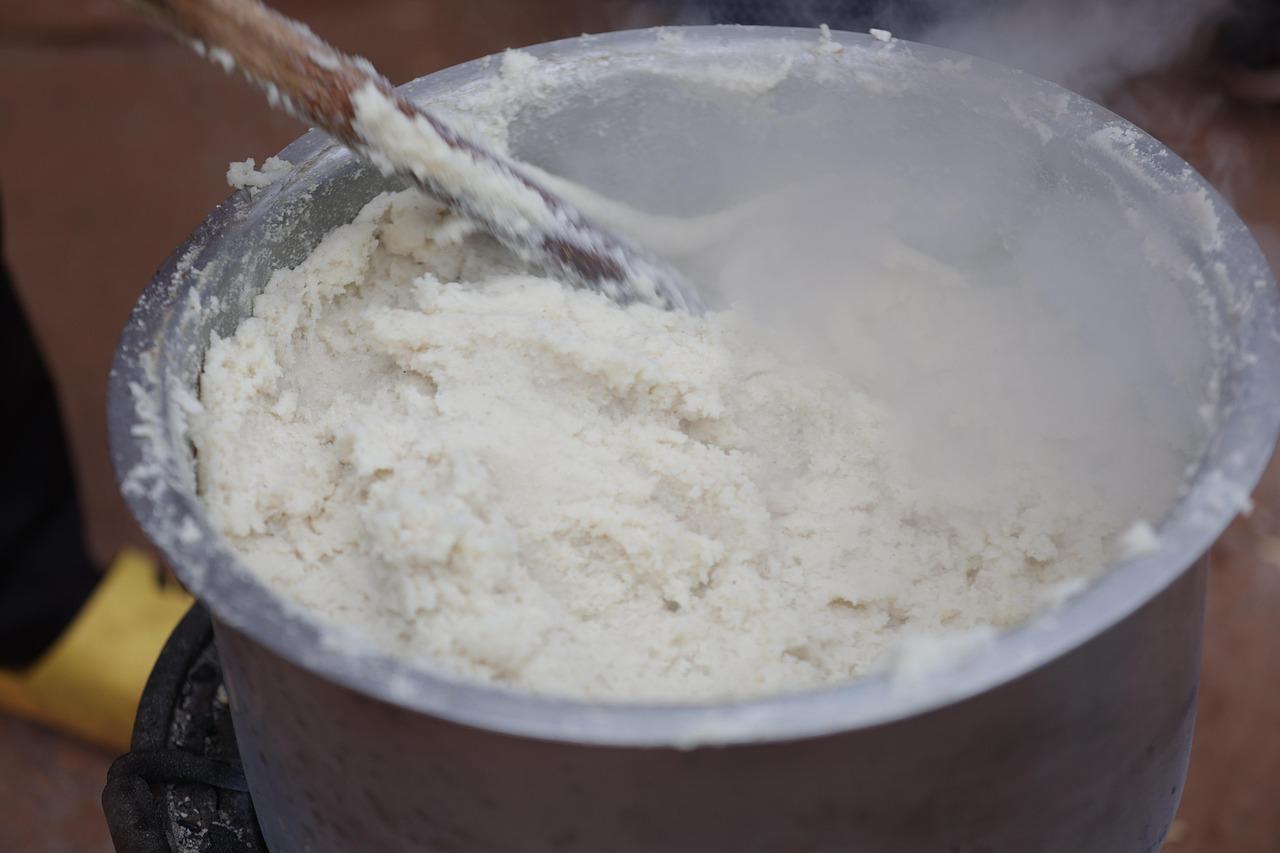
Masala ugaliSpiced maize meal porridge

Ugali, East Africa's staple of maize meal cooked into a stiff porridge, given a lift with toasted cumin, butter, fresh coriander and green chilli. Stir it hard and keep it soft. Serve hot with sukumawiki or any stew.

by KrazyBadal 1 views

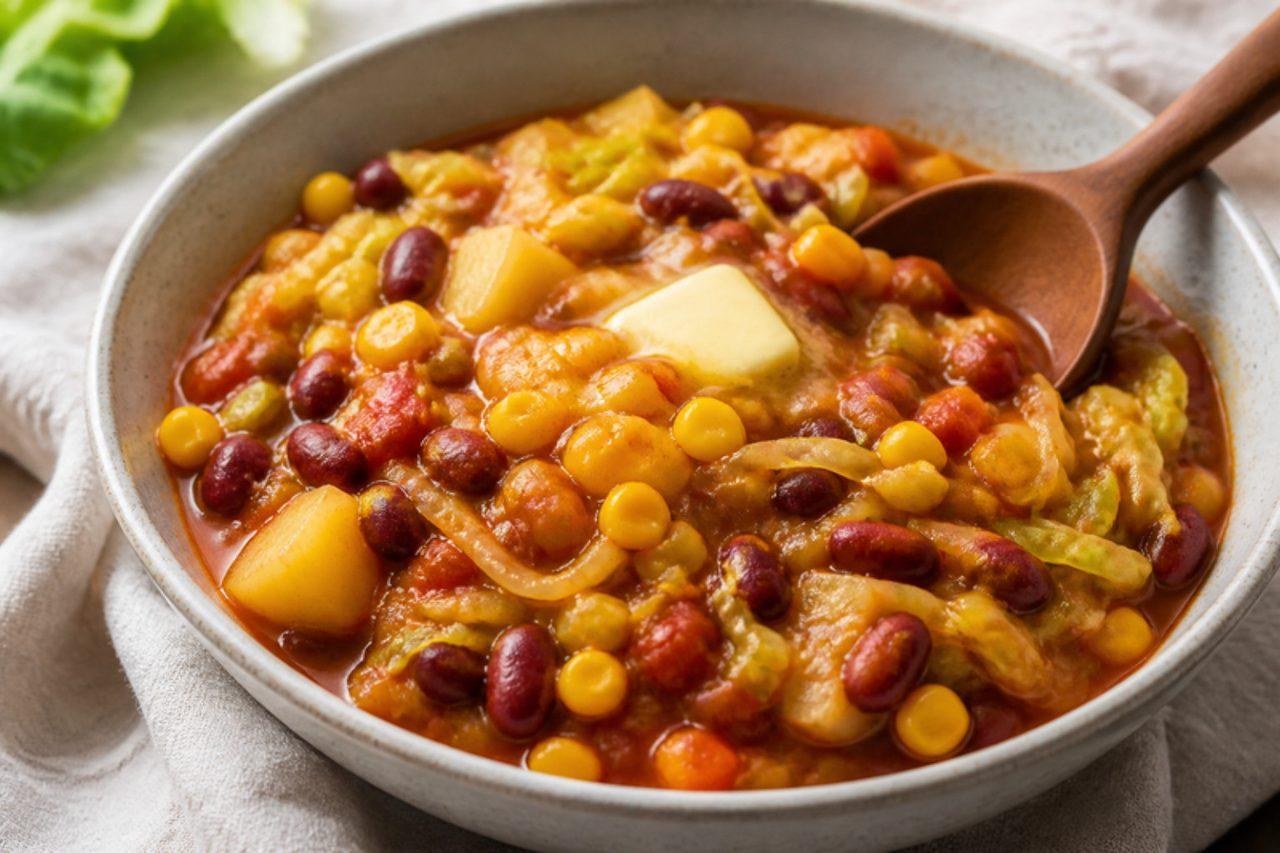
GitheriKidney bean and corn stew

Kenya's everyday one-pot meal of kidney beans and corn, cooked with browned onion, tomato paste, chilli, potatoes and cabbage and finished with a knob of butter. It's hearty, comforting and cheap to make. Serve hot with ugali and sukumawiki.

by KrazyBadal 0 views

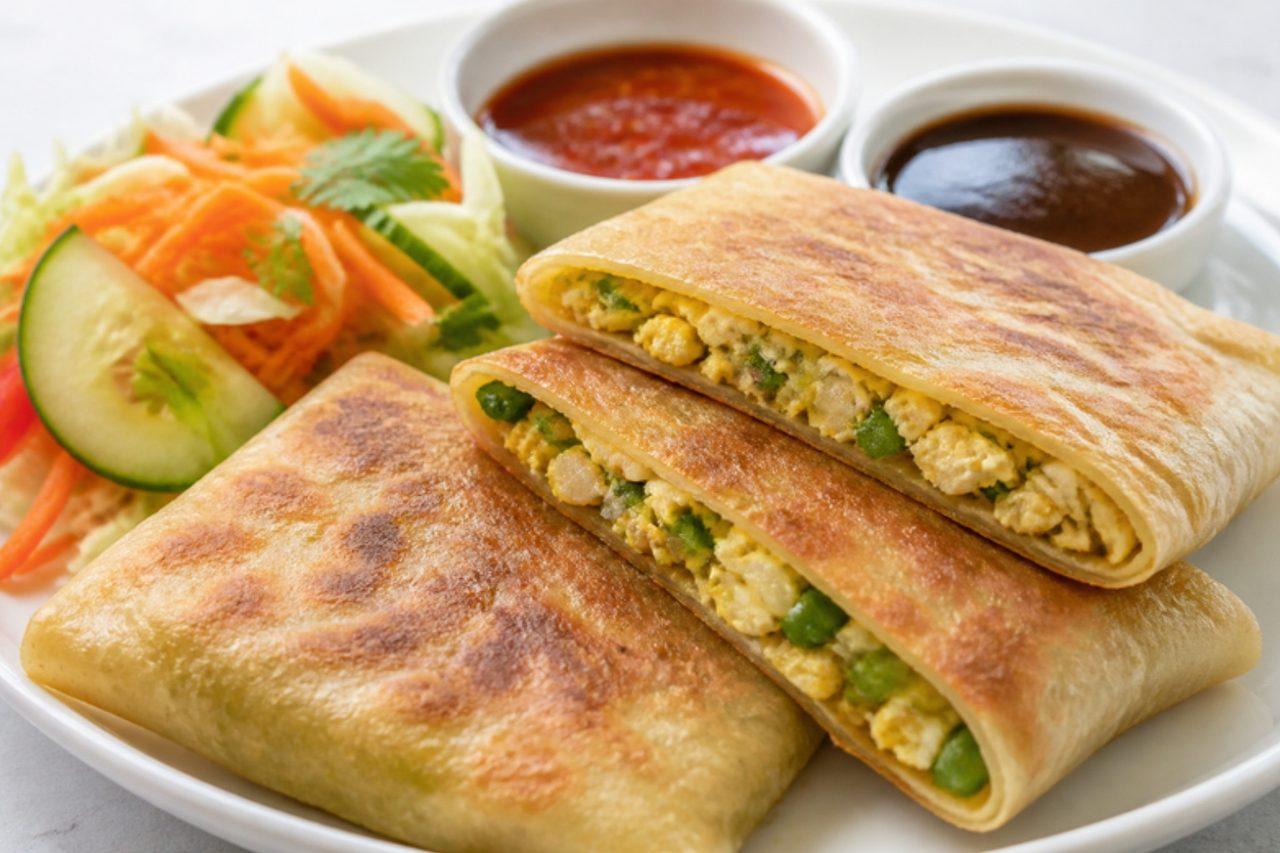
Coast egg chapatiEgg-filled chapati parcels

The famous coast street snack: paper-thin dough wrapped around a samosa chapati, spiced onion and capsicum filling and a beaten egg, folded into a square parcel and fried slowly until crisp and golden. Make them just before serving. Serve hot with a crunchy carrot, cabbage and cucumber salad and red chilli and tamarind chutneys. Contains egg.

by KrazyBadal 0 views

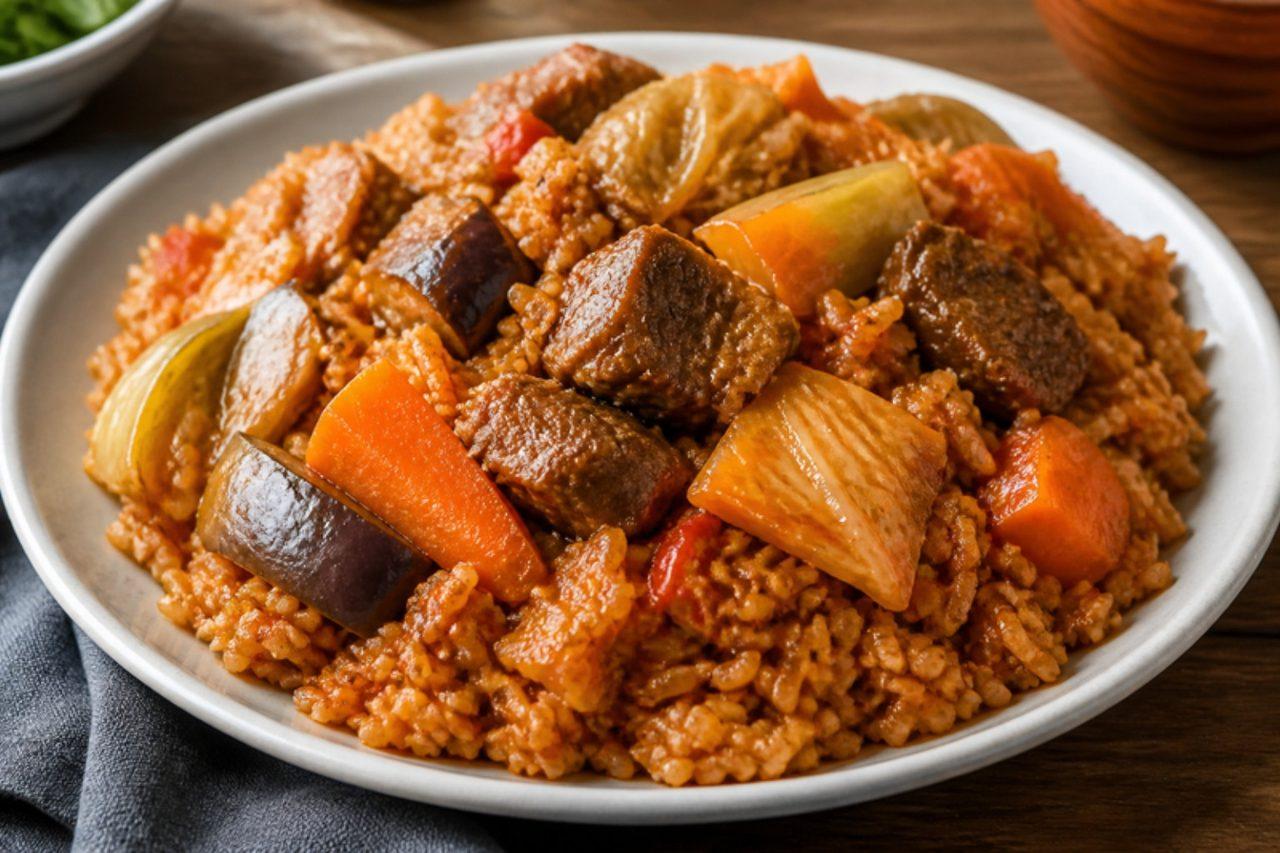
Riz grasRice cooked in beef stew

Riz gras is the celebration rice of Bamako and Ouagadougou, cooked in big pots for weddings, Tabaski and family Sundays. Beef is simmered with onion, tomato and garlic into a rich stew, and the rice is cooked in that broth until every grain is orange and glossy, with the meat and vegetables piled on top. The mistake is adding too much liquid, which turns the rice soggy; measure it. Chef's tip: fry the rice in the stew's oil for a minute before adding the broth, so the grains stay separate.

by KrazyBadal 0 views

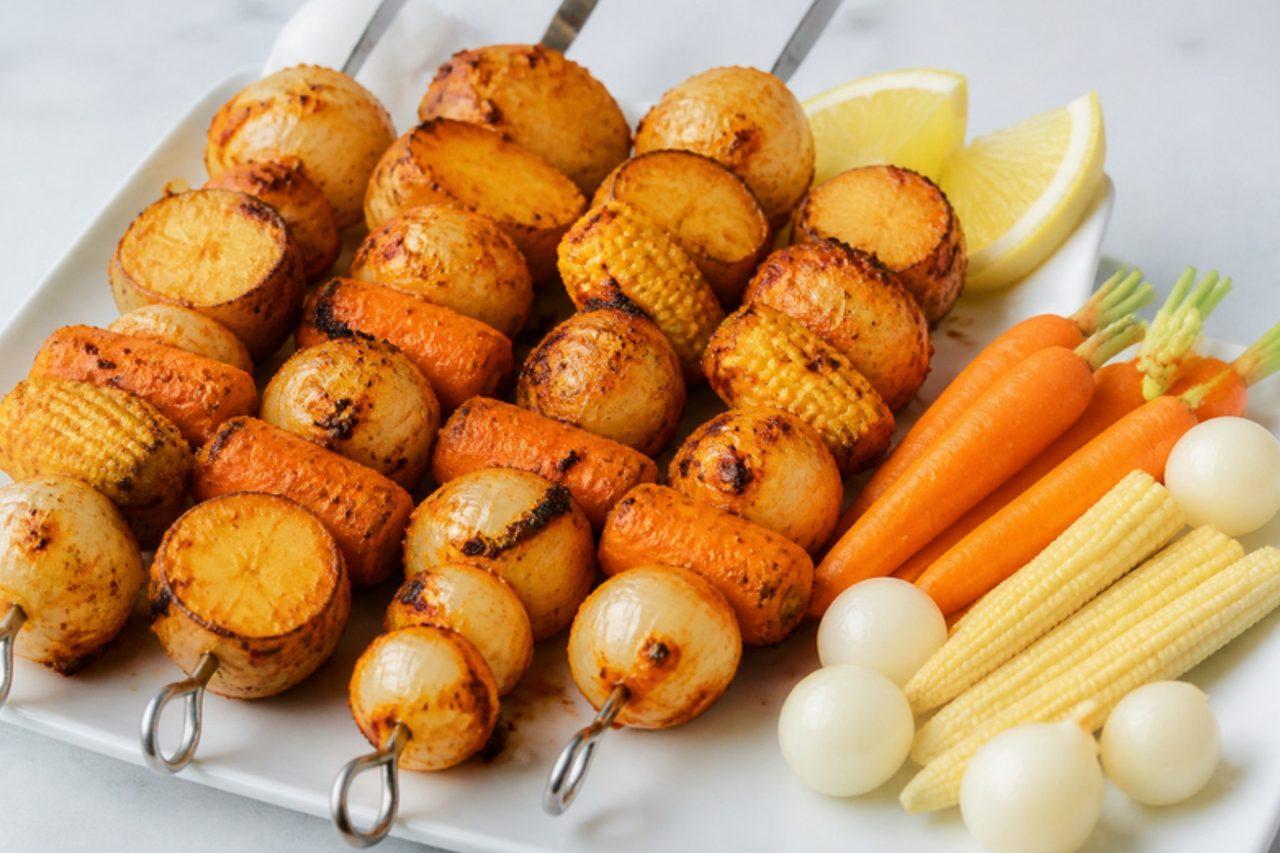
Tandoori tinniesTandoori baby vegetable skewers

Baby onions, carrots, potatoes and corn par-boiled, coated in a creamy, fiery marinade of red chilli, garlic, ginger, coriander-cumin and dried fenugreek, then grilled on skewers over charcoal until golden. They're small, colourful and bursting with flavour. Serve hot with lemon wedges.

by KrazyBadal 0 views

ConchasSweet bread buns

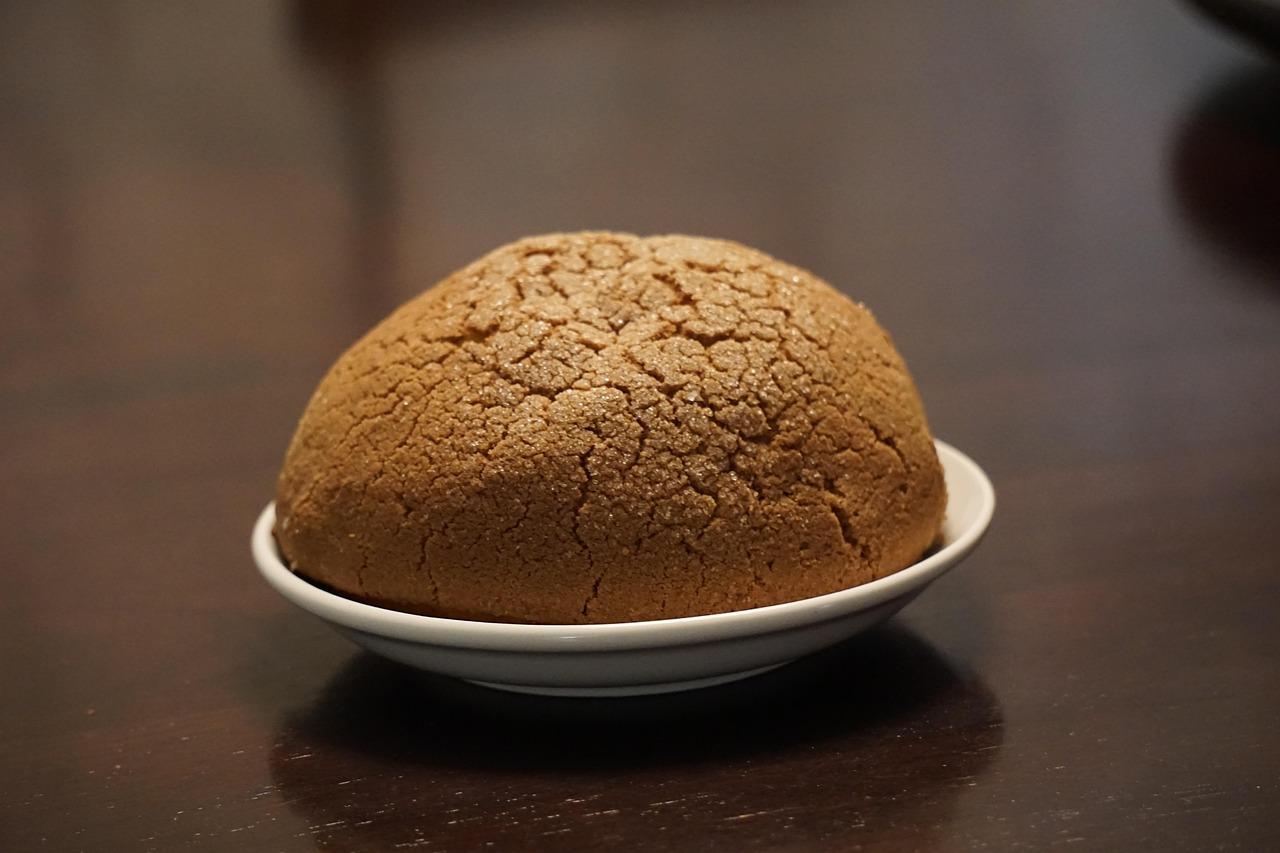
Conchas are the most famous pan dulce (sweet bread) in Mexico, piled high in every panadería and eaten for breakfast or merienda with hot chocolate or coffee. The bun is soft, slightly sweet and enriched with egg and butter, and it wears a crunchy, crumbly topping of sugar, fat and flour scored into the seashell pattern that gives it its name. Make some vanilla and some chocolate topping for the classic mix. Chef's tip: shape the dough into very tight balls before adding the topping; the tension makes them rise up instead of spreading out, so the shell cracks into neat stripes.

by KrazyBadal 0 views

Coconut ice cream (ice-cream ya nazi)

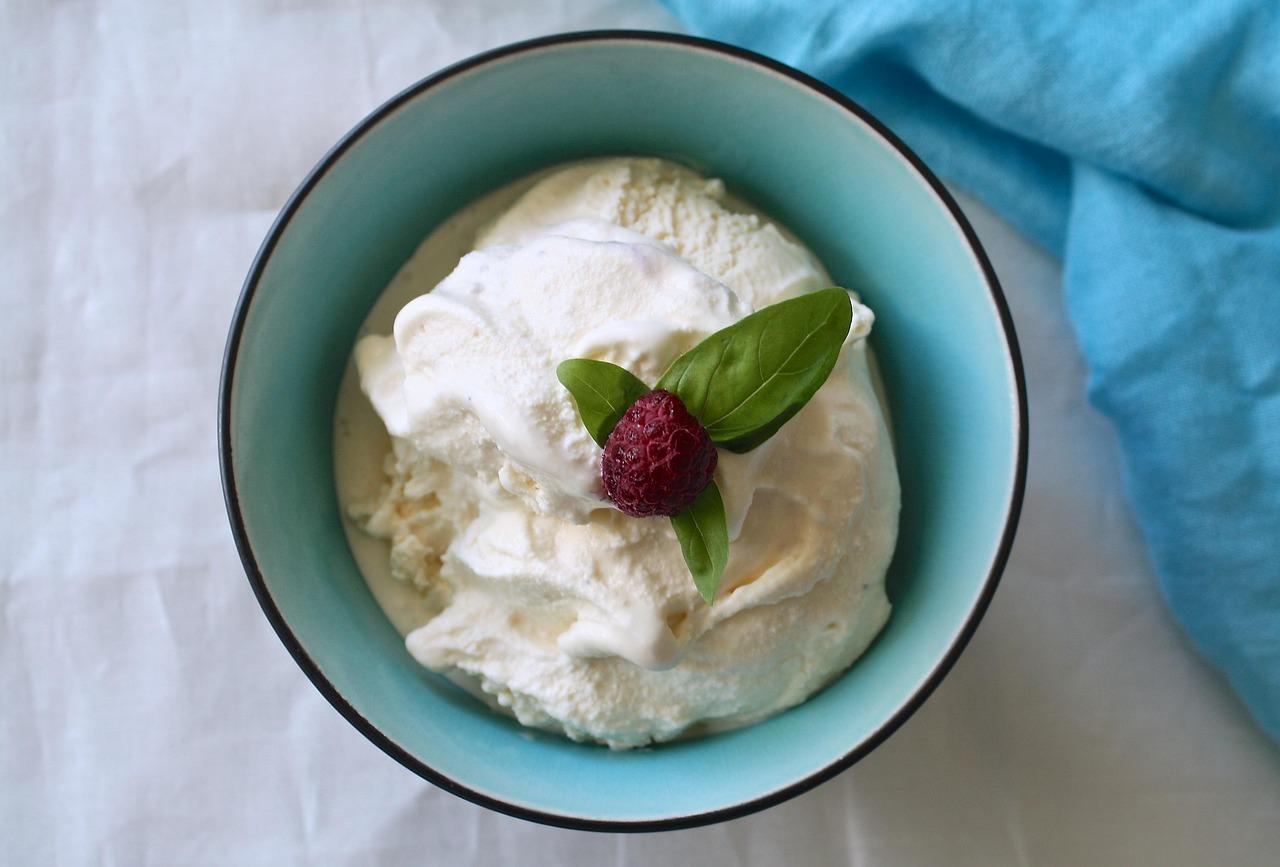
An easy no-churn ice cream of coconut milk, sweetened condensed milk and evaporated milk, scented with nutmeg or cardamom and a little rose. Whisking it once while it freezes keeps it smooth and fluffy. Garnish with shredded coconut and a sprig of mint.

by KrazyBadal 0 views

AguapanelaHot panela and lime drink

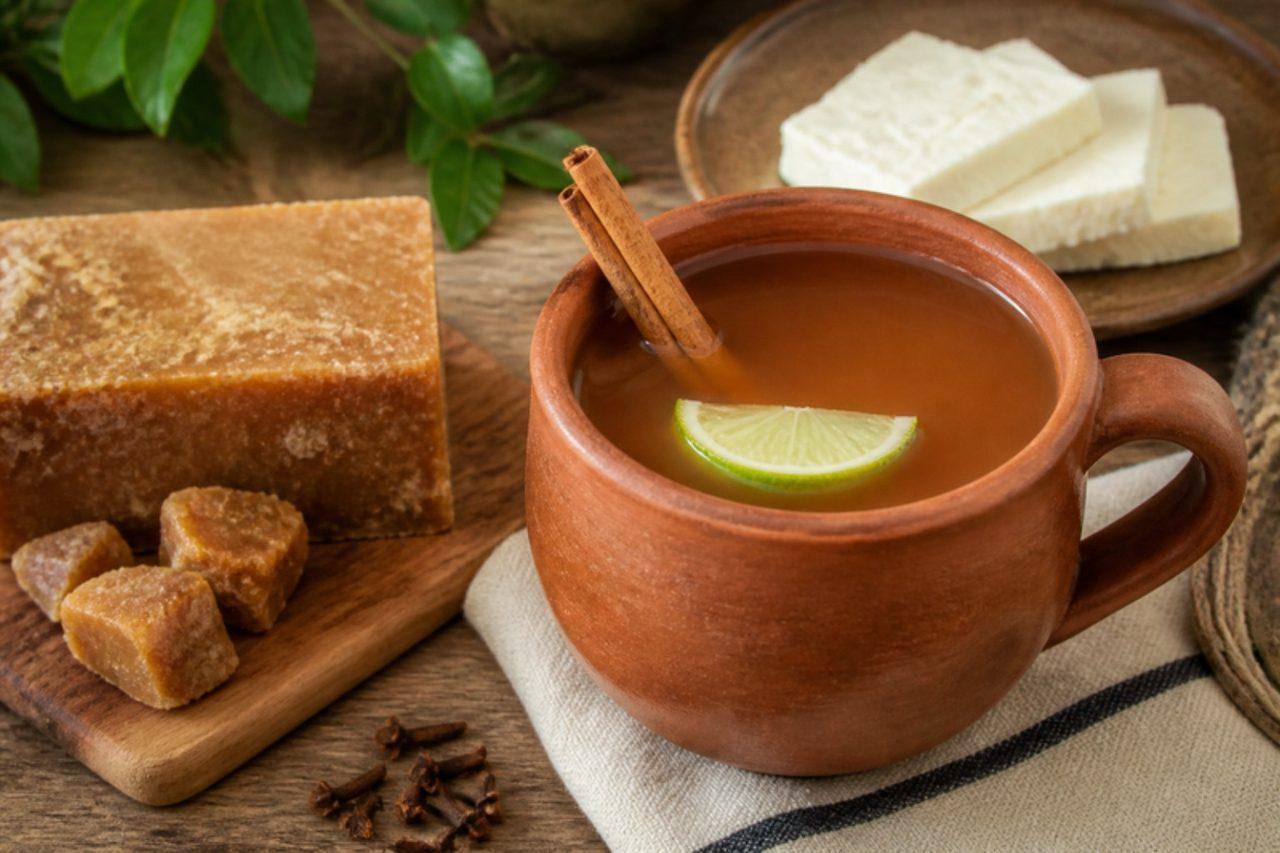
Aguapanela is simply panela (unrefined cane sugar) dissolved in water, yet it is one of Colombia's most loved drinks: drunk hot at breakfast in Bogotá and the Andes with a slice of fresh cheese dropped in to melt, given to children with a cold, and served iced with lime in the hot lowlands. This page is the hot version; the cold, lime-heavy cousin is Venezuela's papelón con limón. Chef's tip: simmer the panela gently until it dissolves completely and the drink smells of caramel; rushing it leaves sugary lumps at the bottom.

by KrazyBadal 0 views

Sándwich cubanoPressed pork and ham sandwich

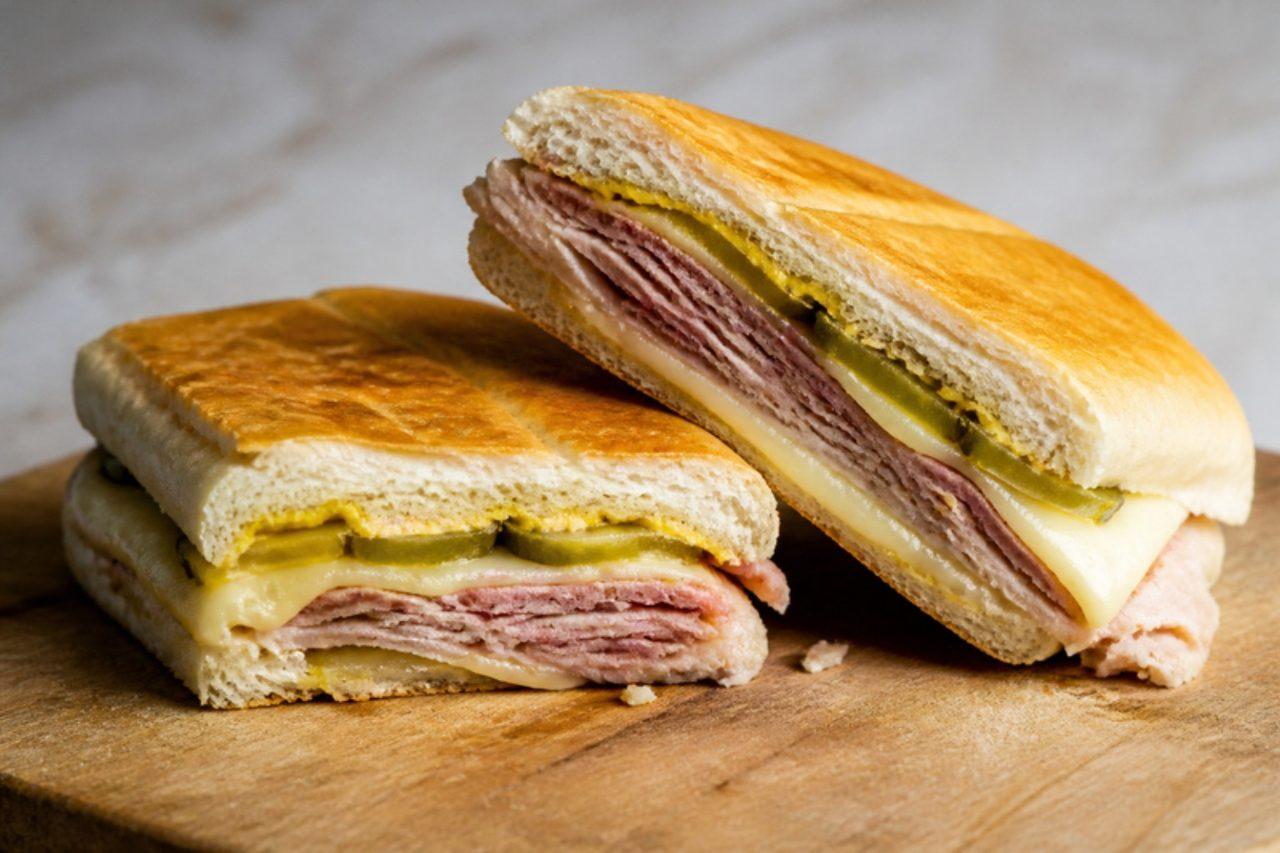
This is a pork sandwich. The Cubano was the lunch of cigar workers going between Havana and Tampa, and Miami's Little Havana cafés still press it to order on a hot plancha. Soft Cuban bread is layered with mojo roast pork, boiled ham, Swiss cheese, dill pickles and yellow mustard, then flattened and toasted until the cheese melts and the crust shatters. It is the best use of leftover lechón asado. Drink it with a café cubano. The usual mistake is pressing on too high a heat, which burns the bread before the middle is hot. Chef's tip: butter the outside of the bread, not the inside, and weigh it down with a heavy pan so it crisps evenly.

by KrazyBadal 0 views

Pudding and souse

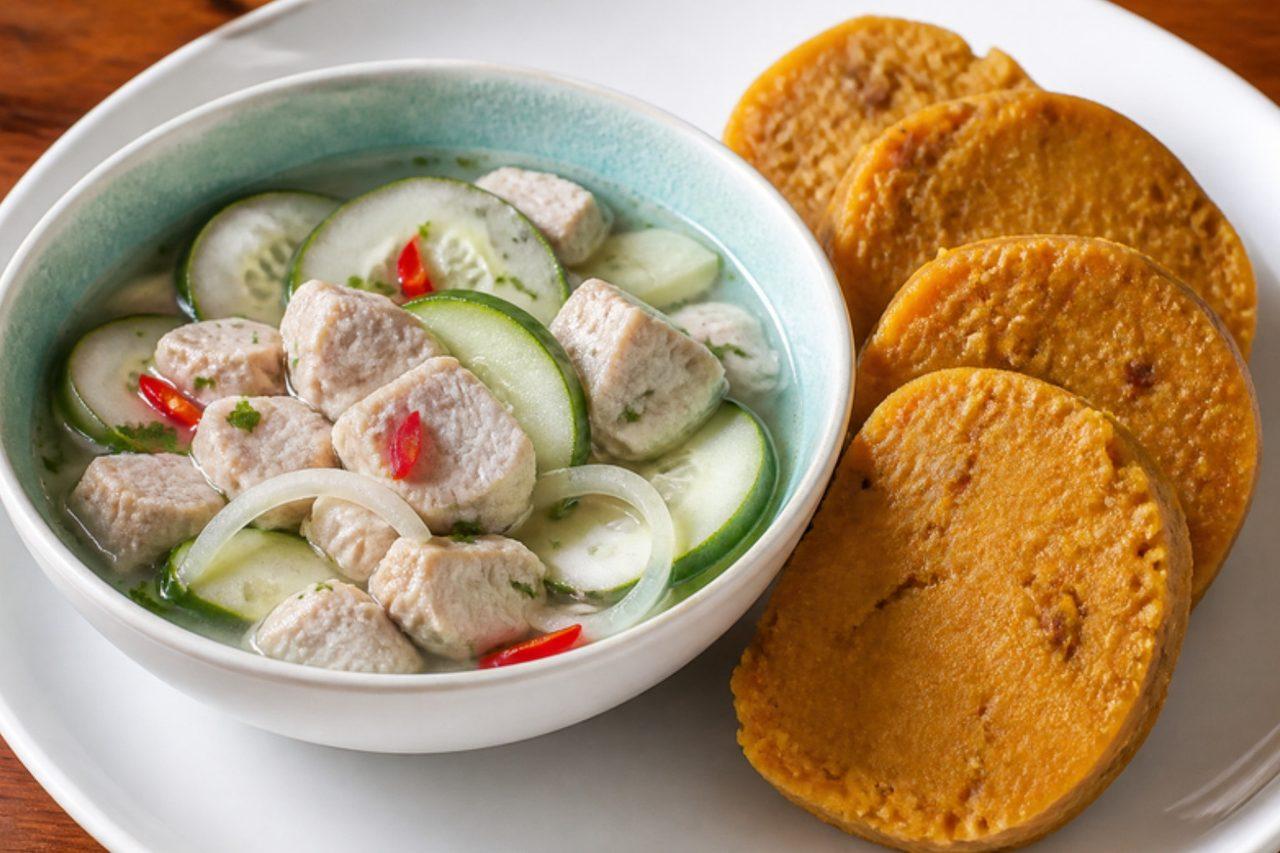
Saturday in Barbados means pudding and souse: rum shops and roadside cooks sell it from late morning, and families buy it by the container for lunch. Souse is boiled pork, traditionally from the head and trotters, served cold in a sharp, cucumber-studded pickle of lime, onion and hot pepper; the pudding is grated sweet potato seasoned with herbs and steamed. This is a pork dish. This home version uses trotters for the jelly-rich texture plus shoulder for meat, and steams the pudding in a basin instead of a casing; blood is left out (that darker version is black pudding). A common mistake is serving the souse as soon as it meets the pickle; it needs at least 2 hours in the fridge to turn sharp and cold. Chef's tip: grate the sweet potato on the fine side of the grater; coarse shreds make a crumbly pudding.

190 minBajanMeatGluten free
by KrazyBadal 1 views

Pazham poriBanana fritters

Pazham pori is what the glass cases of Kerala's roadside tea shops are full of at four in the afternoon: long slices of ripe nendran banana dipped in a sweet batter and fried in coconut oil until puffed and golden. Bite through the crisp, slightly chewy coat and the banana inside is soft, hot and honeyed. People eat them standing at the counter with a glass of frothy, milky chaya, or carry a paper parcel home for the family. Chef's tip: wait until the nendran skins are mostly black; the banana must be fully ripe to turn creamy when fried.

by KrazyBadal 0 views

PebreCoriander and tomato relish

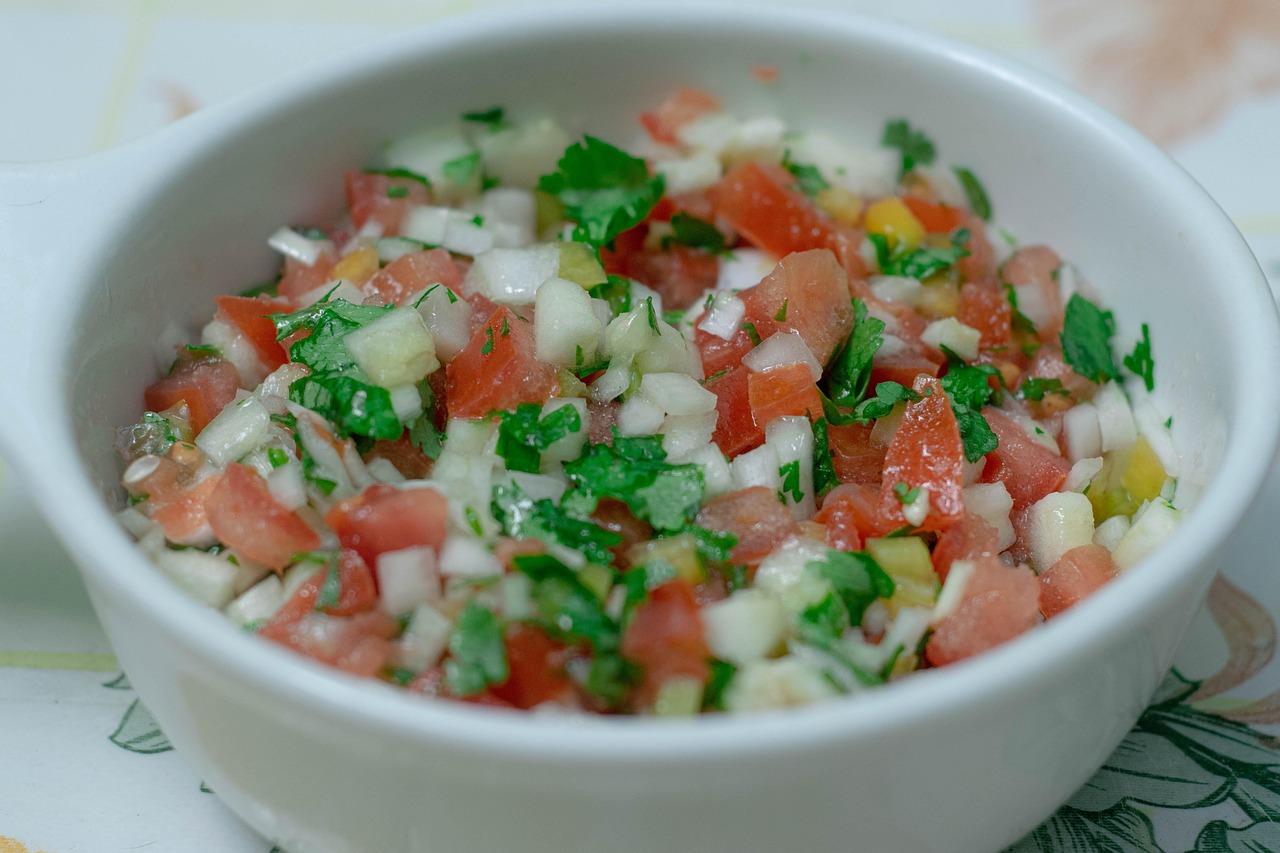
Every Chilean asado and every basket of warm bread in a picada (simple eatery) comes with pebre: a fresh relish of finely chopped coriander, onion, tomato and ají verde (green chilli) loosened with oil and a splash of vinegar. In Santiago it's spooned on marraqueta bread while waiting for the grill, and on sopaipillas in winter. It's more herb-heavy and oilier than Mexican pico de gallo. Chef's tip: rinse the chopped onion in cold water and drain it well; it takes away the harsh bite without losing crunch.

by KrazyBadal 0 views

PecelBlanched greens in peanut sauce

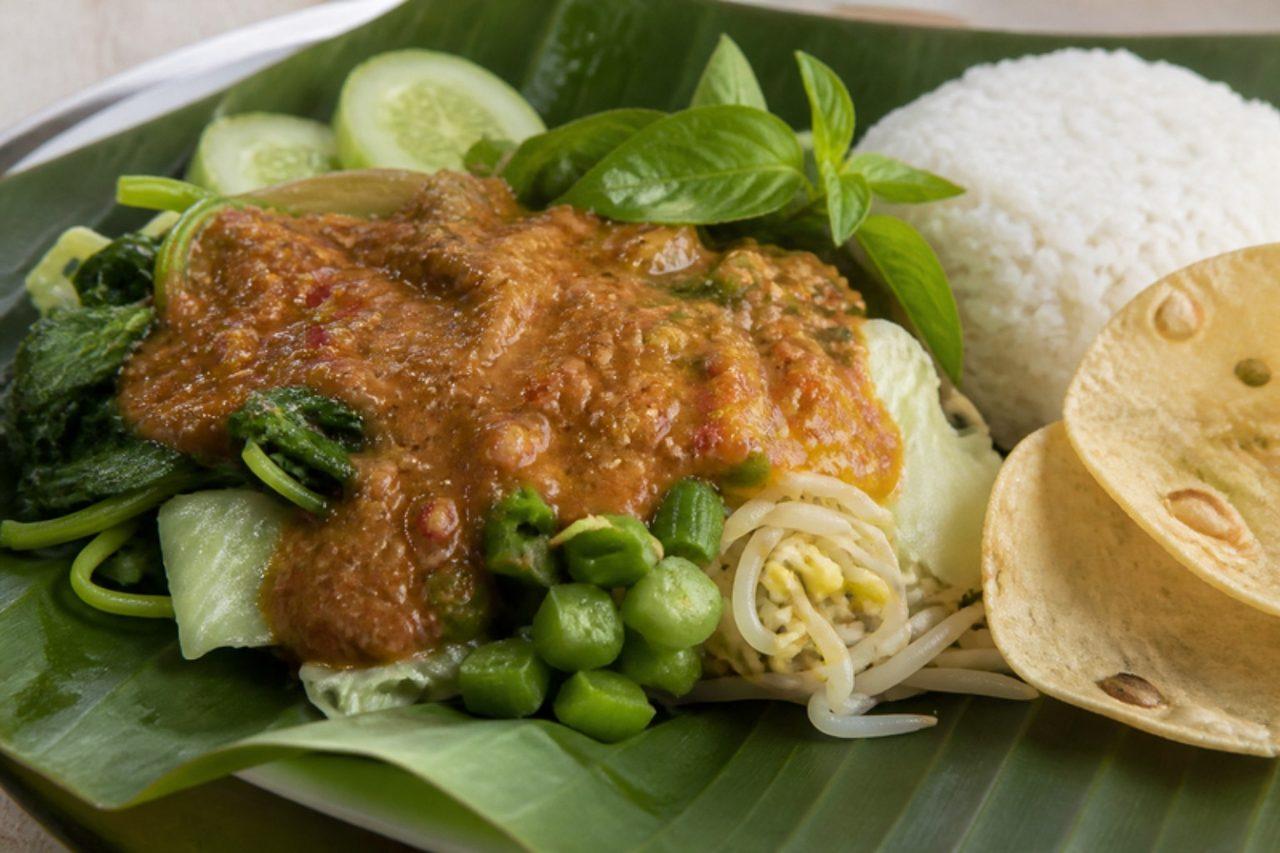
Madiun, in East Java, calls itself the home of nasi pecel, and its stalls serve it from early morning on banana leaf: rice under a heap of blanched spinach, bean sprouts, long beans and cabbage, drowned in a peanut sauce that's thinner, hotter and more herbal than gado-gado's. The difference is kencur, an earthy, camphor-scented root that gives pecel its signature smell, and lime leaf pounded into the paste. A crisp peanut rempeyek cracker is broken on top. Chef's tip: make a block of pecel paste ahead and dissolve just what you need in hot water each time — that's how East Javanese households do it, and it keeps for weeks in the fridge.

by KrazyBadal 0 views

Raja mircha chutneyGhost pepper chutney

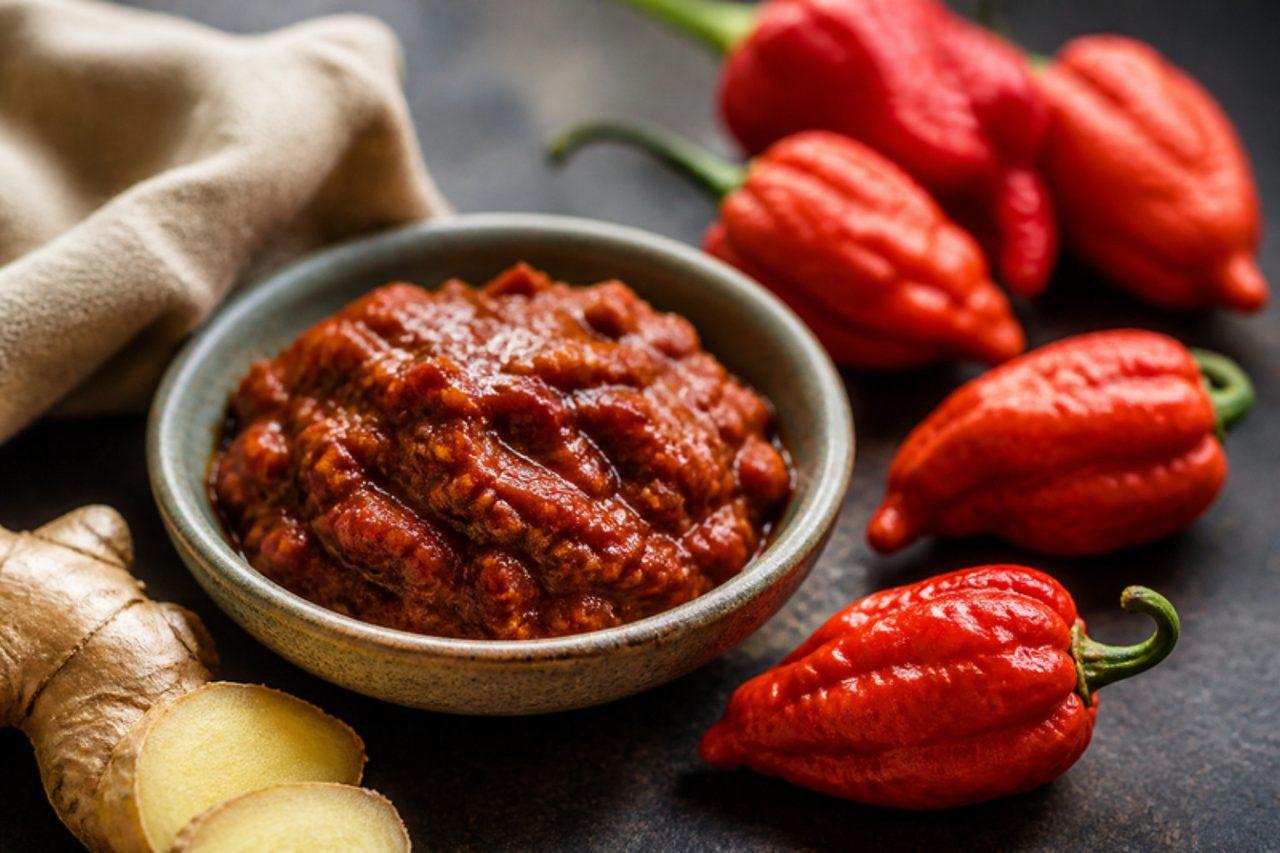
Raja mircha, the king chilli or bhut jolokia, is grown in the hills around Kohima and Dimapur and was once ranked the hottest chilli in the world. Naga households pound it with tomatoes smoked in the embers, ginger, garlic and salt into a thick red chutney that is fruity, smoky and ferociously hot. It is eaten in tiny amounts with rice and boiled vegetables, and at the Hornbill Festival there are eating contests. Chef's tip: one king chilli is plenty for this amount; wear gloves, open the window when roasting, and keep the seeds if you are brave.

by KrazyBadal 0 views

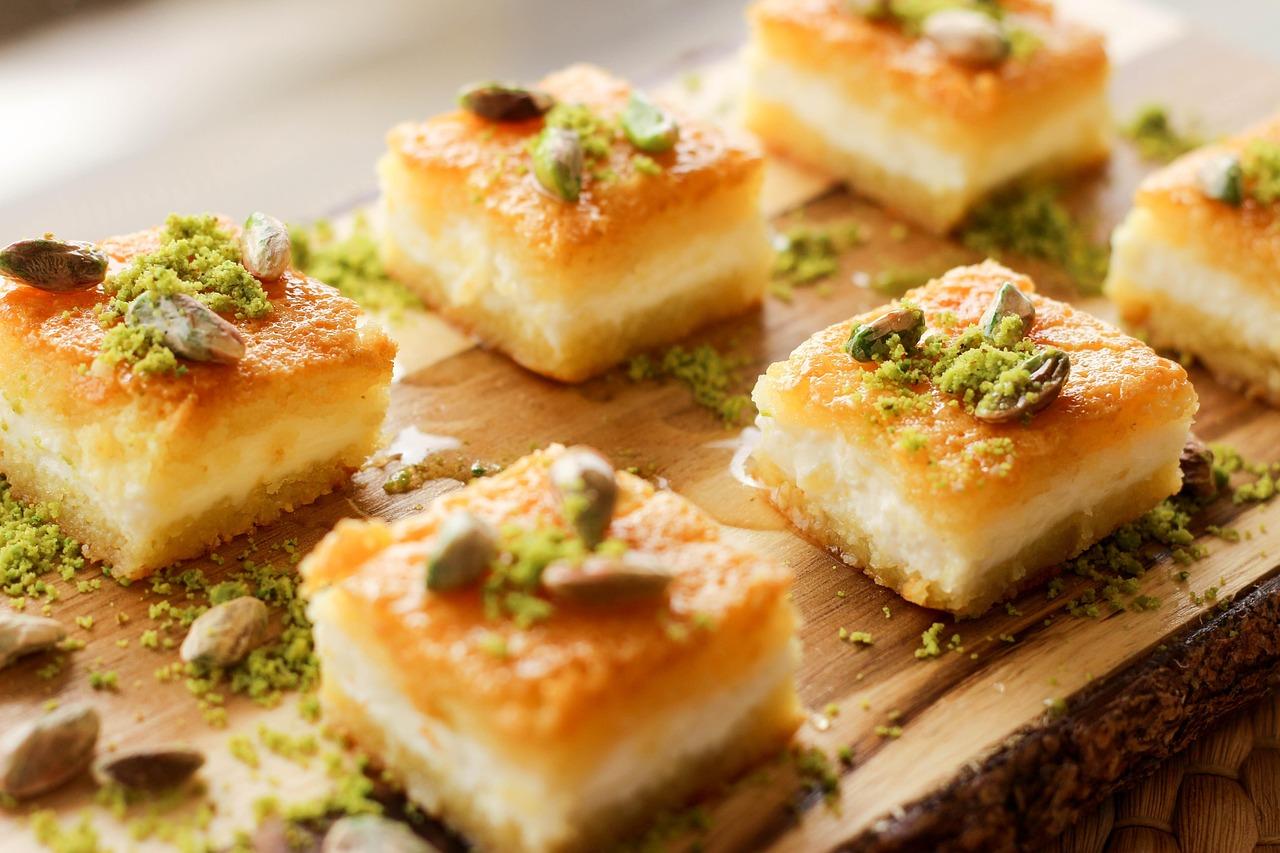
Qalb el louzSemolina and almond cake

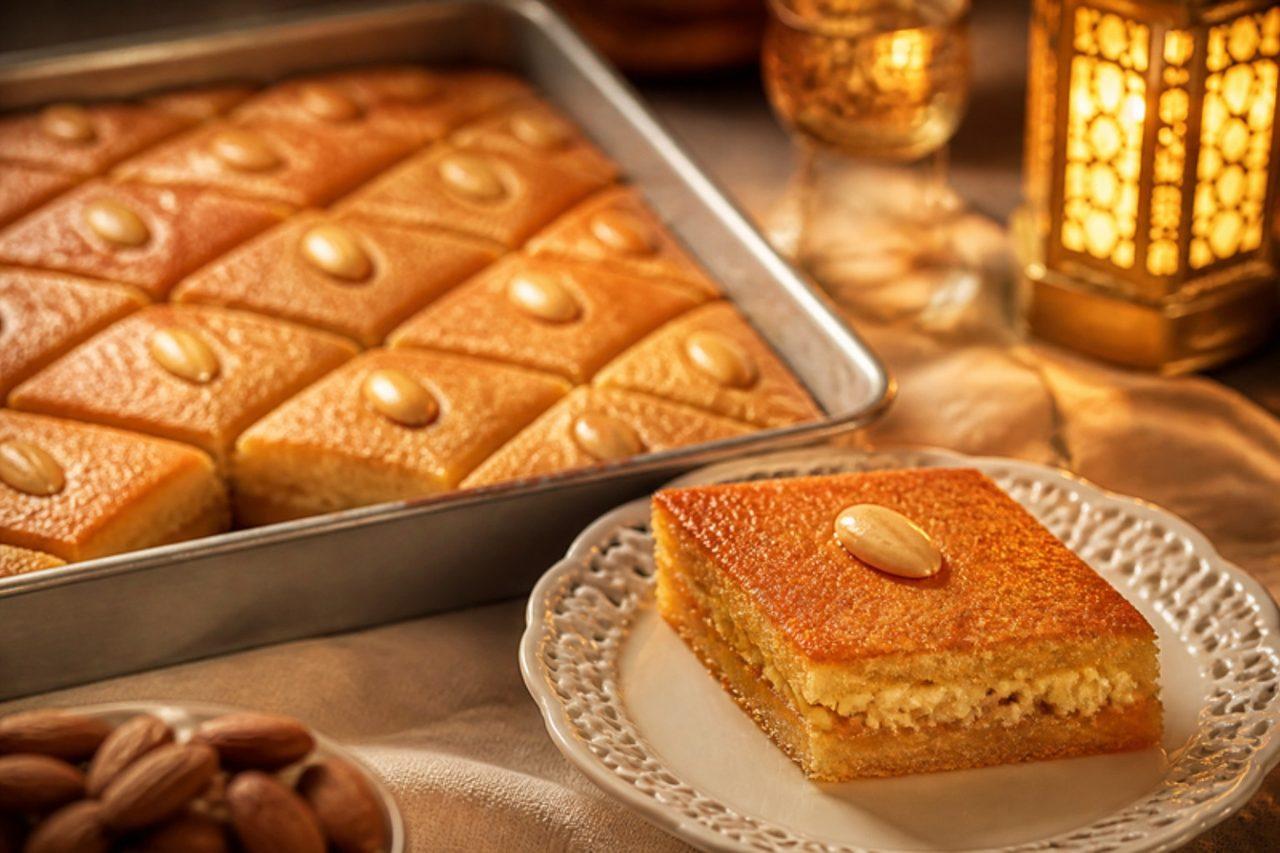
Qalb el louz ('heart of almond') is the Ramadan sweet of Algiers: a dense, sandy semolina cake with a ribbon of almond filling, cut into diamonds with an almond on top and soaked in syrup while hot. Pastry shops in the Casbah sell it by the tray after iftar, to eat with mint tea or coffee late into the night. The semolina is soaked overnight in butter and water, which gives it its moist, grainy crumb. Chef's tip: pour cold syrup over the hot cake; hot syrup on a hot cake makes it soggy instead of moist.

by KrazyBadal 0 views

PehakFermented soybean and chilli chutney

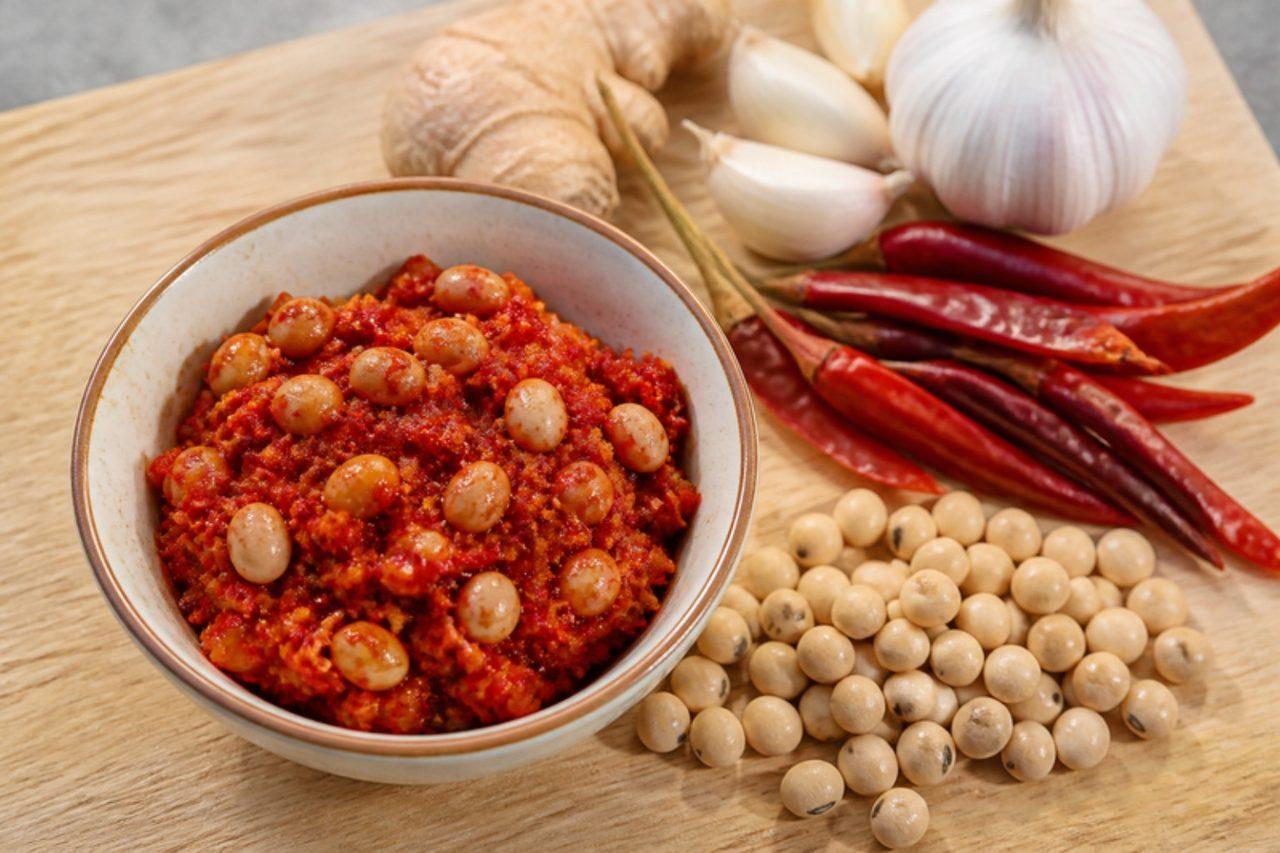
Pehak is the Apatani chutney of the Ziro valley in Arunachal Pradesh: fermented soybean pounded with roasted chillies, ginger and salt into a thick, pungent paste. It goes with nearly every meal, a little at a time, with rice, boiled vegetables or millet. It is savoury, salty and very hot, and it keeps for weeks. Chef's tip: dry-roast the fermented soybean briefly before pounding; it mellows the sharp smell and brings out a toasty depth. Natto or Naga axone work if you can't get local soybean.

by KrazyBadal 0 views

BienmesabeCoconut cream and sponge dessert

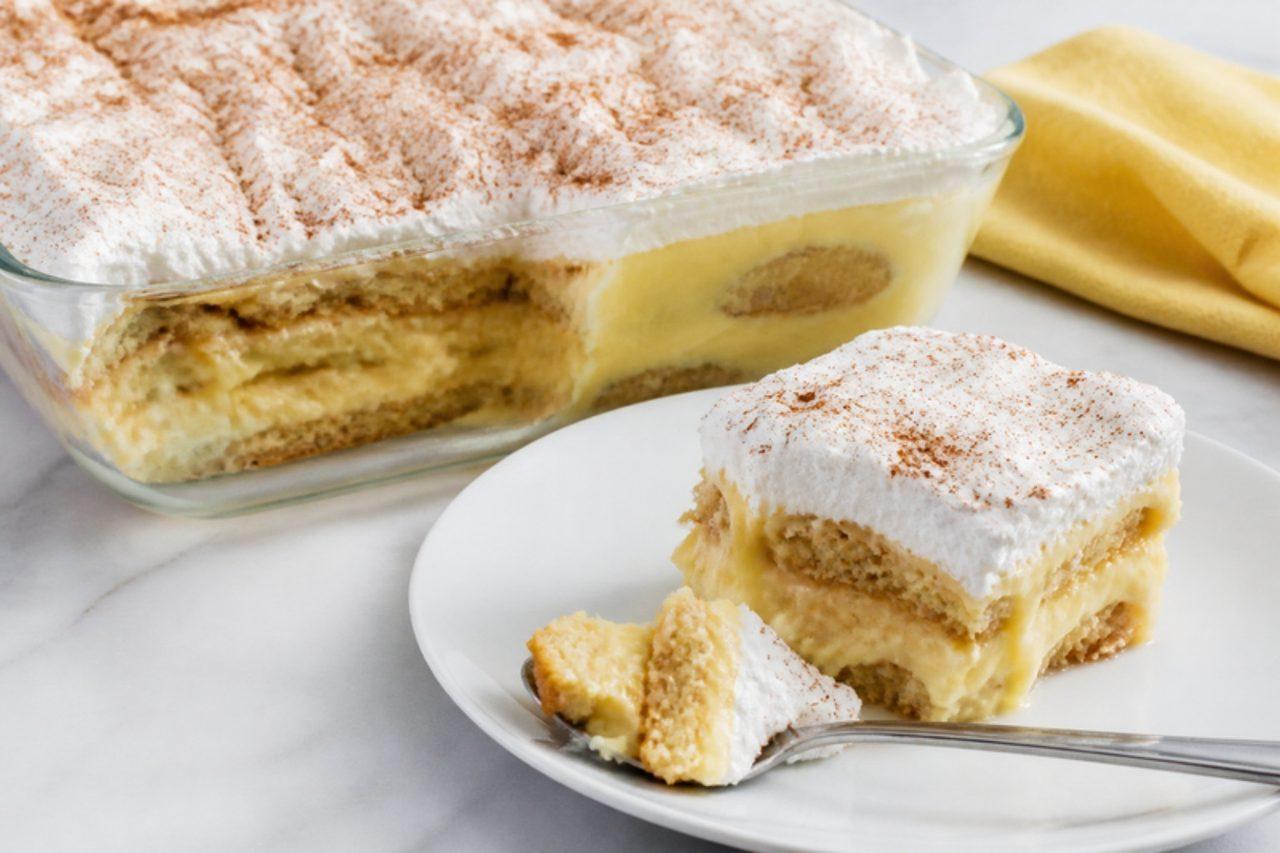
Bienmesabe, 'it tastes good to me', is the festive dessert of Cumaná and the eastern Venezuelan coast, made for Christmas, birthdays and first communions. Layers of sponge fingers soaked in sweet wine are spread with a thick, silky coconut cream thickened with egg yolks, then crowned with soft meringue and a dusting of cinnamon. It is rich, tropical and best made a day ahead. Chef's tip: cook the coconut cream gently and stir constantly once the yolks go in; if it boils hard the yolks scramble and it turns grainy.

by KrazyBadal 0 views

Soup joumouPumpkin soup

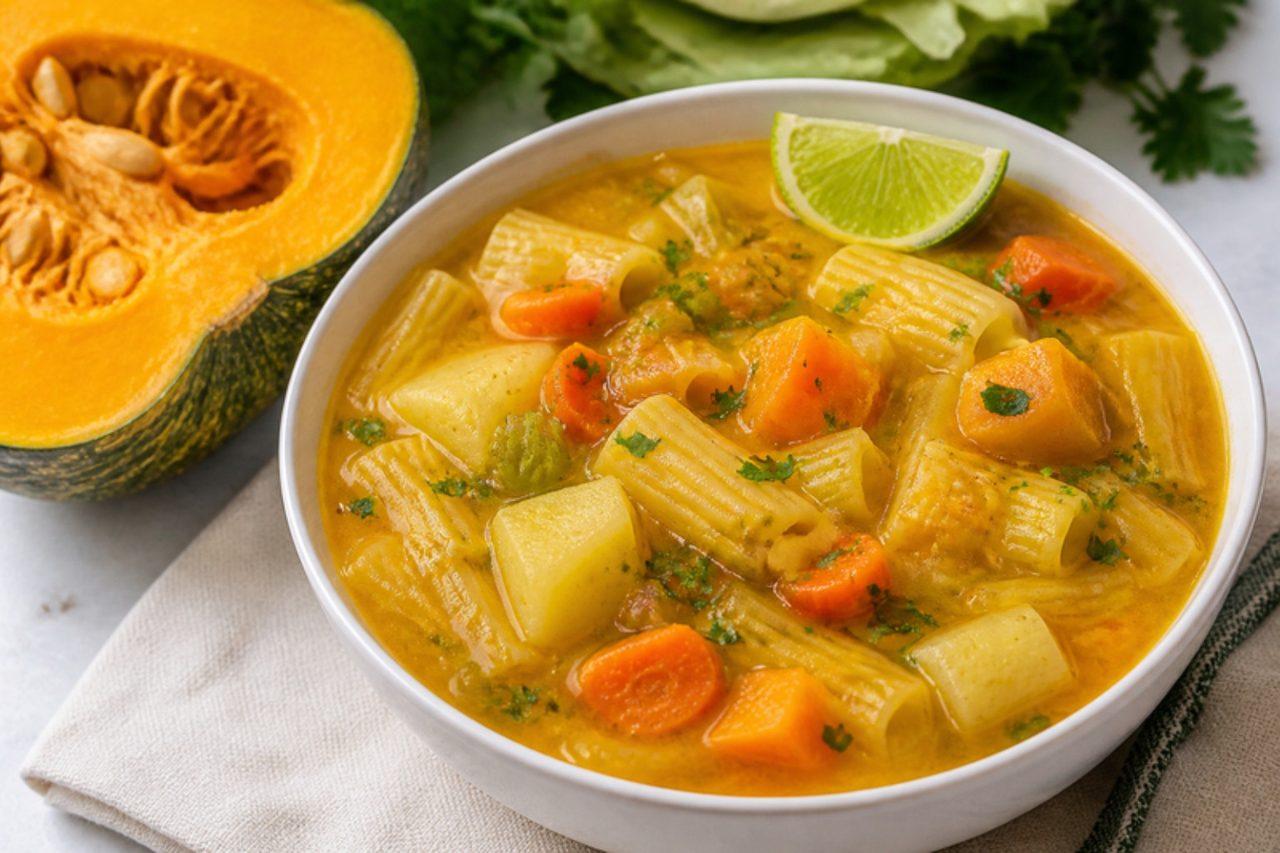
Every 1 January, Haitian families from Port-au-Prince to Brooklyn wake up to soup joumou. It marks independence from France on 1 January 1804: under French rule, enslaved Haitians cooked this pumpkin soup but were forbidden to eat it, so the free people of the new nation made it their own as a dish of freedom. In 2021 it was added to UNESCO's list of the intangible cultural heritage of humanity. The base is a velvety purée of joumou (Caribbean pumpkin) with epis, and in it simmer chunks of carrot, potato, cabbage, celery and turnip, with pasta and a squeeze of lime. It's usually made with beef; this vegetable version is full and golden, rich enough for the day. Chef's tip: roast half the pumpkin before puréeing it; the caramelised edges give the soup the depth that slow-cooked meat usually provides.

by KrazyBadal 1 views

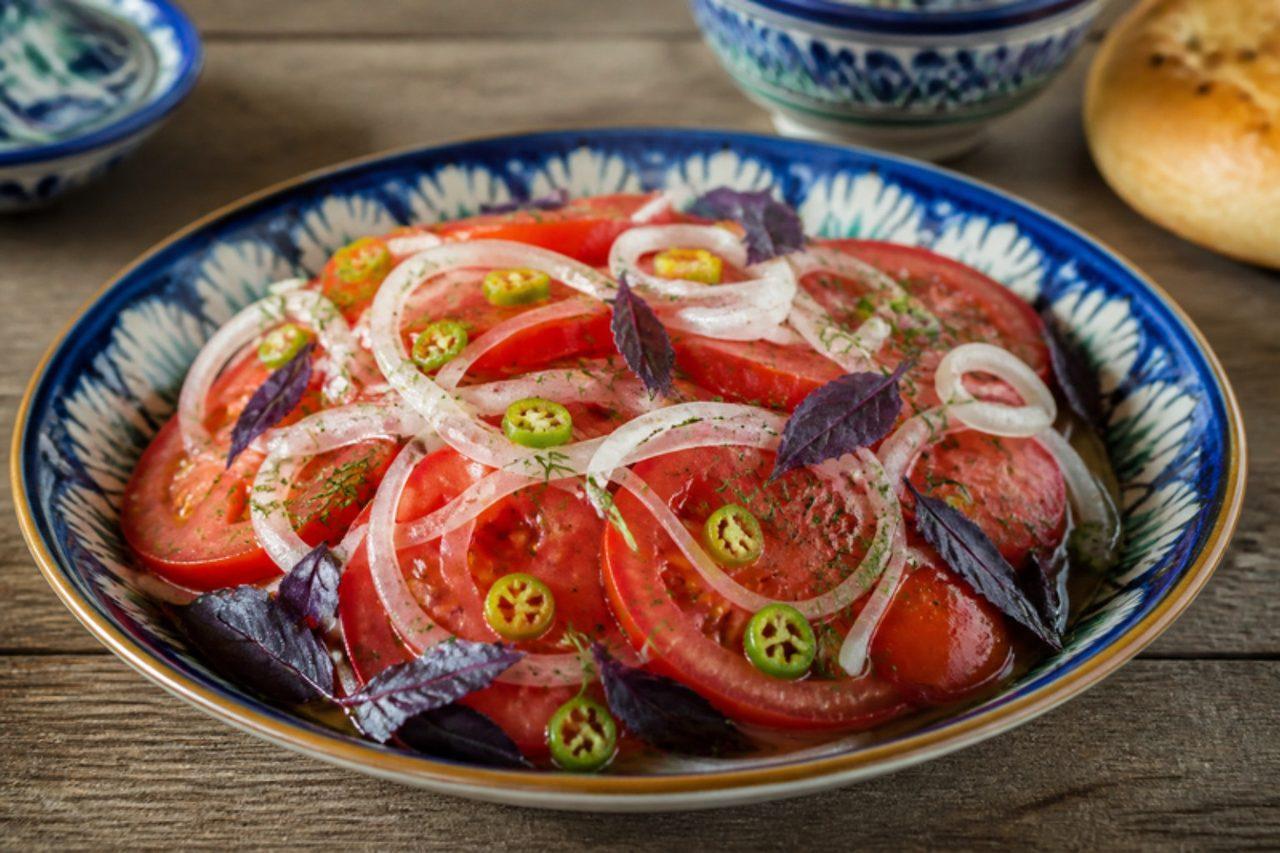
AchichukTomato and onion salad

Achichuk, which means 'sharp' in Uzbek, is the thin-sliced tomato and onion salad that sits beside every platter of plov from Bukhara to the Ferghana Valley. In summer Tashkent markets overflow with heavy, sweet tomatoes and this salad is little more than those tomatoes, rings of mild onion, a hot green chilli, salt and black pepper, with a fistful of basil (reyhan) or dill. Some families call it shakarob. It is meant to cut through the richness of rice cooked in oil, so it has no dressing beyond the juice the tomatoes give. Chef's tip: soak the onion in salted iced water for 10 minutes; it loses its harsh bite but stays crunchy, which is how Uzbek cooks get the onion so gentle.

by KrazyBadal 0 views

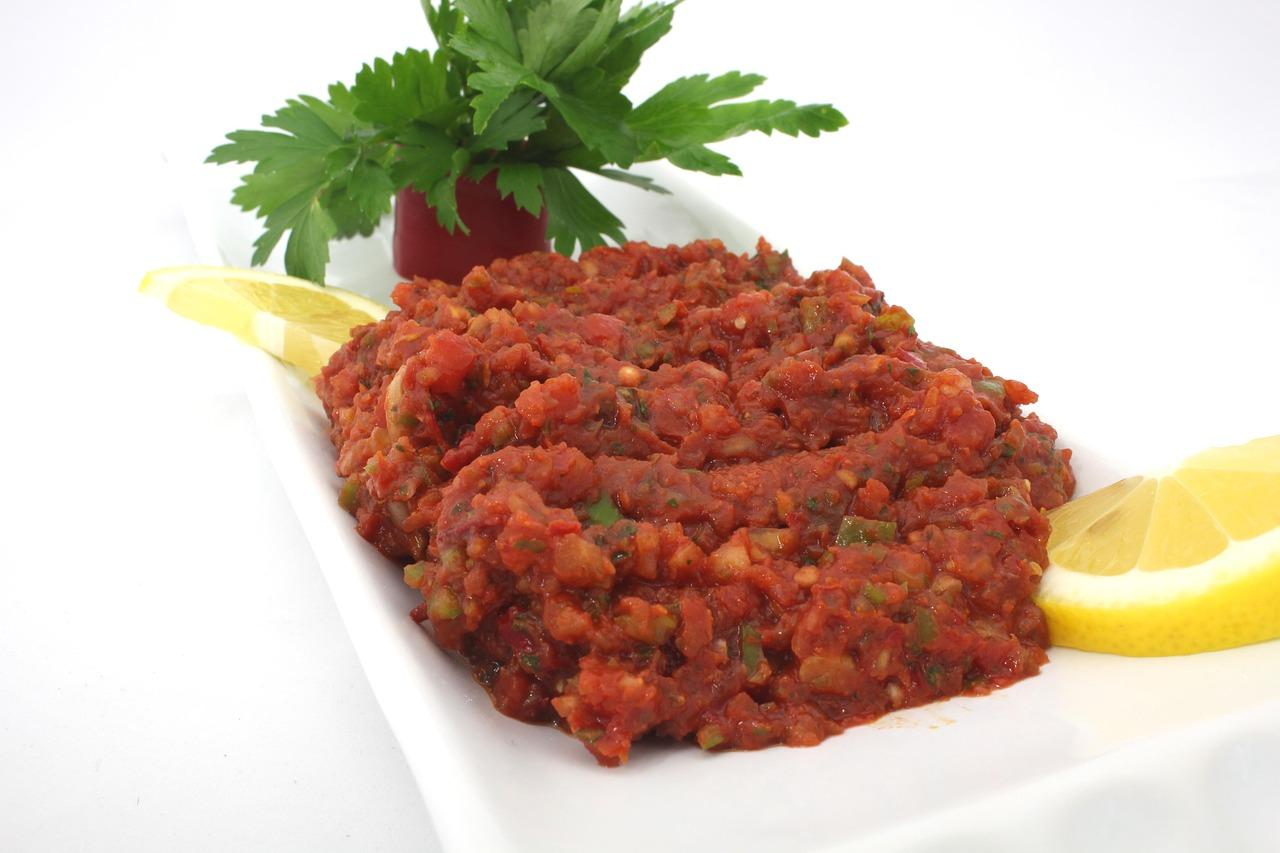
Acılı ezmeSpicy tomato and pepper salad

Sit down at a kebab house in Adana or Gaziantep and a small dish of acılı ezme arrives before you have ordered: tomato, pepper, onion and parsley chopped almost to a paste, sharpened with pomegranate molasses and hot pepper flakes. It works just as well at a vegetarian table, spooned onto bulgur pilaf, falafel or grilled vegetables, or scooped up with warm flatbread. The mistake most people make is using a food processor: it turns the vegetables into watery soup instead of a thick, rough relish. Chef's tip: chop everything by hand with a big knife, then drain the tomatoes in a sieve for 5 minutes before mixing, so the ezme stays thick enough to sit on bread.

by KrazyBadal 0 views

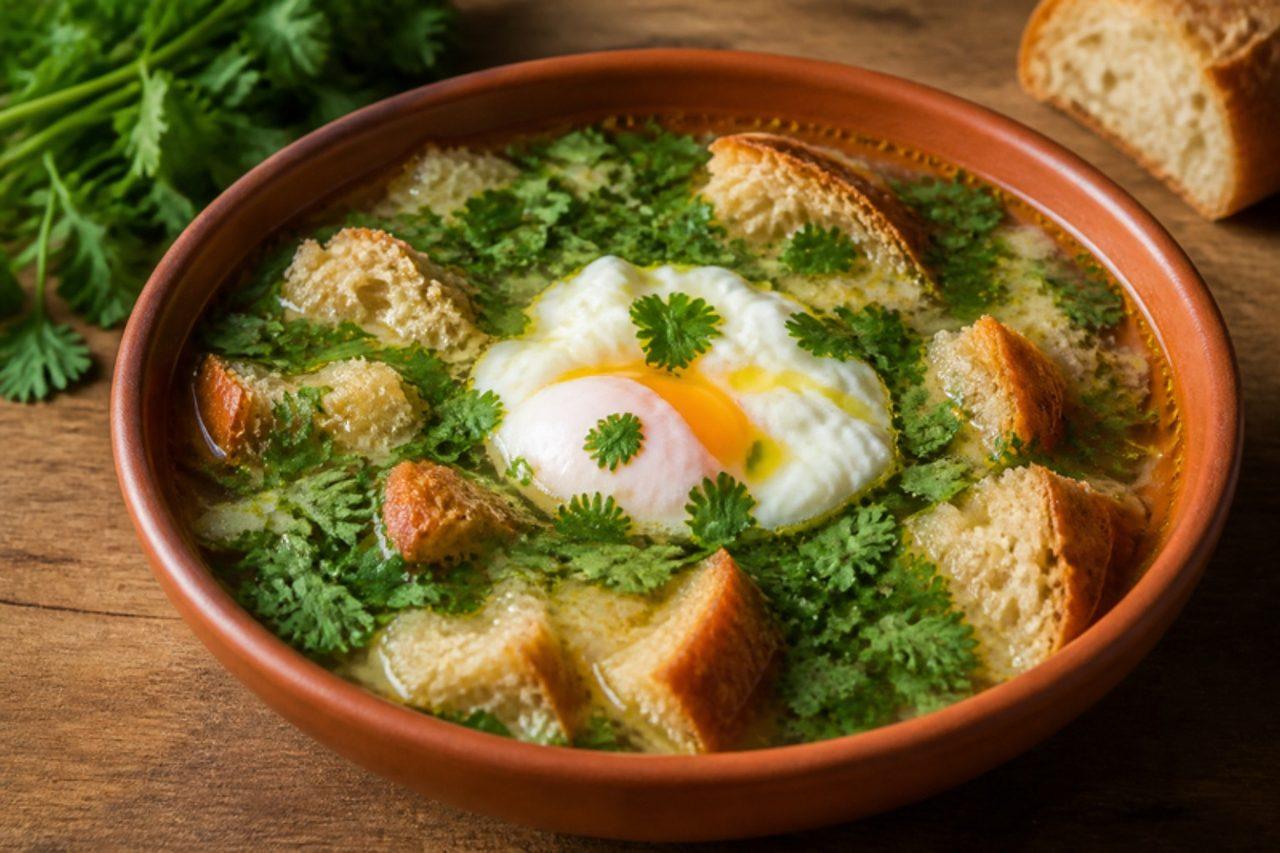
Açorda alentejanaGarlic and coriander bread soup

Açorda à alentejana is the shepherd's supper of the Alentejo, the wide, hot plain of cork oaks and wheat fields south of Lisbon. It is barely cooked at all: raw garlic, salt and a big handful of fresh coriander are pounded to a paste in the bowl, sliced day-old bread goes on top, and boiling water poured over turns it all into a fragrant, green broth, crowned with a soft poached egg. Unlike Spain's sopa de ajo, nothing is fried and there is no paprika; the flavour is fresh herbs, sharp garlic and fruity olive oil. Alentejanos eat it at home in summer and winter alike, and in Évora's tascas in the evening, sometimes with a few olives or a slice of fresh cheese. Chef's tip: use firm, dense, two-day-old country bread; soft sandwich bread collapses into mush the moment the water hits it.

by KrazyBadal 0 views

Showing 54 of 7,762 recipes

Show more recipes

Page 613 of 863