


Skip to content
Guinean tamarind juice
Featured recipe

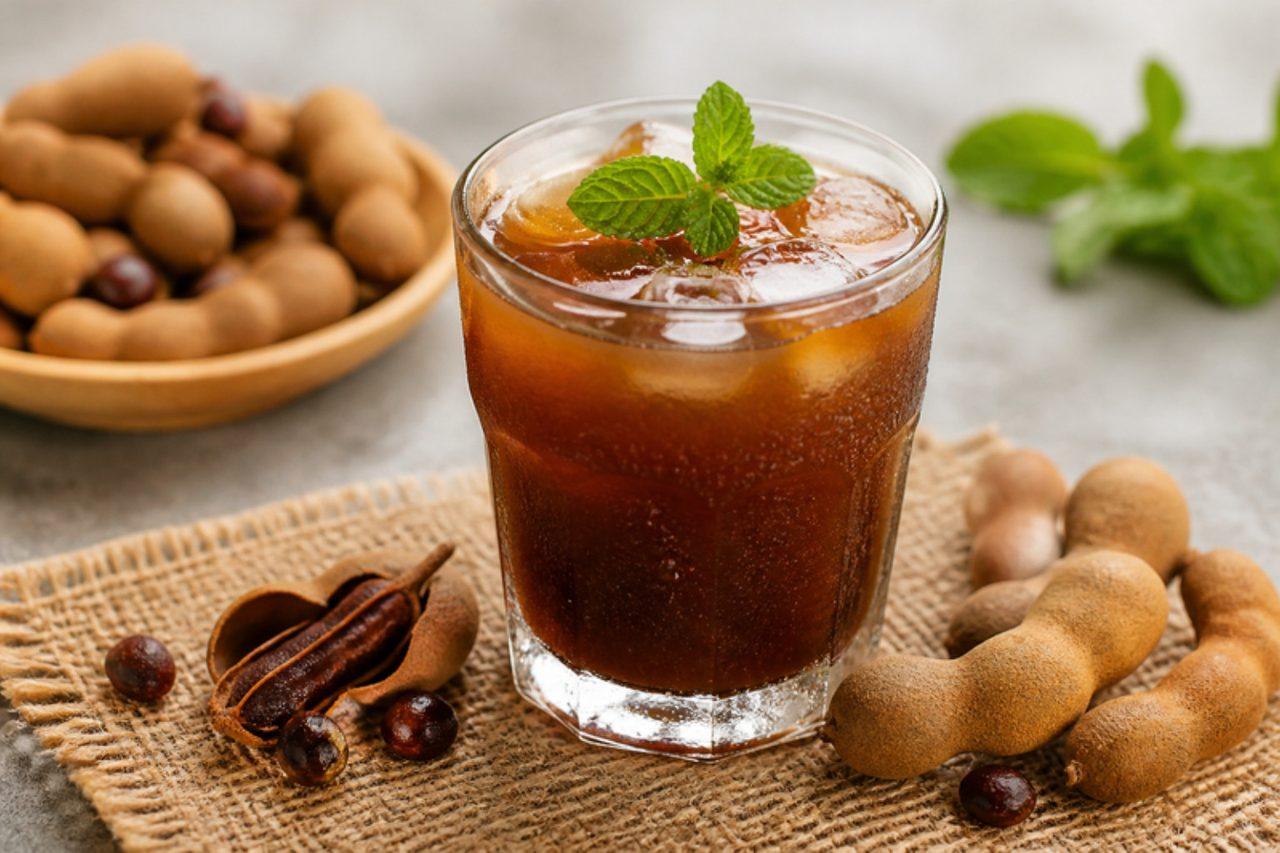
Guinean tamarind juice

Tomi is the name for tamarind in Guinea, and in Conakry its juice is poured from plastic bottles kept on ice at markets, bus stops and family celebrations alongside bissap and ginger juice. The sticky brown pulp is soaked in hot water, kneaded and strained into a drink that is brown-gold, fruity and pleasantly sour, sweetened with sugar and lifted with a little ginger and vanilla. It is especially welcome at sunset during Ramadan. Chef's tip: soak the pulp in hot, not boiling, water and knead it well; boiling the tamarind is a common mistake that pulls out bitterness from the seeds and skins.

Read more 0 views

What to eat today?

Around the world

Today's trip: Persian

A new country every day, from every cuisine on the site.

Persian

Nazkhatoon

Smoky aubergine with pomegranate 40 minMore from Persian (131) →

This week's collection

Kid-friendly dinners
578 recipes · a new collection every Monday

Latest recipes

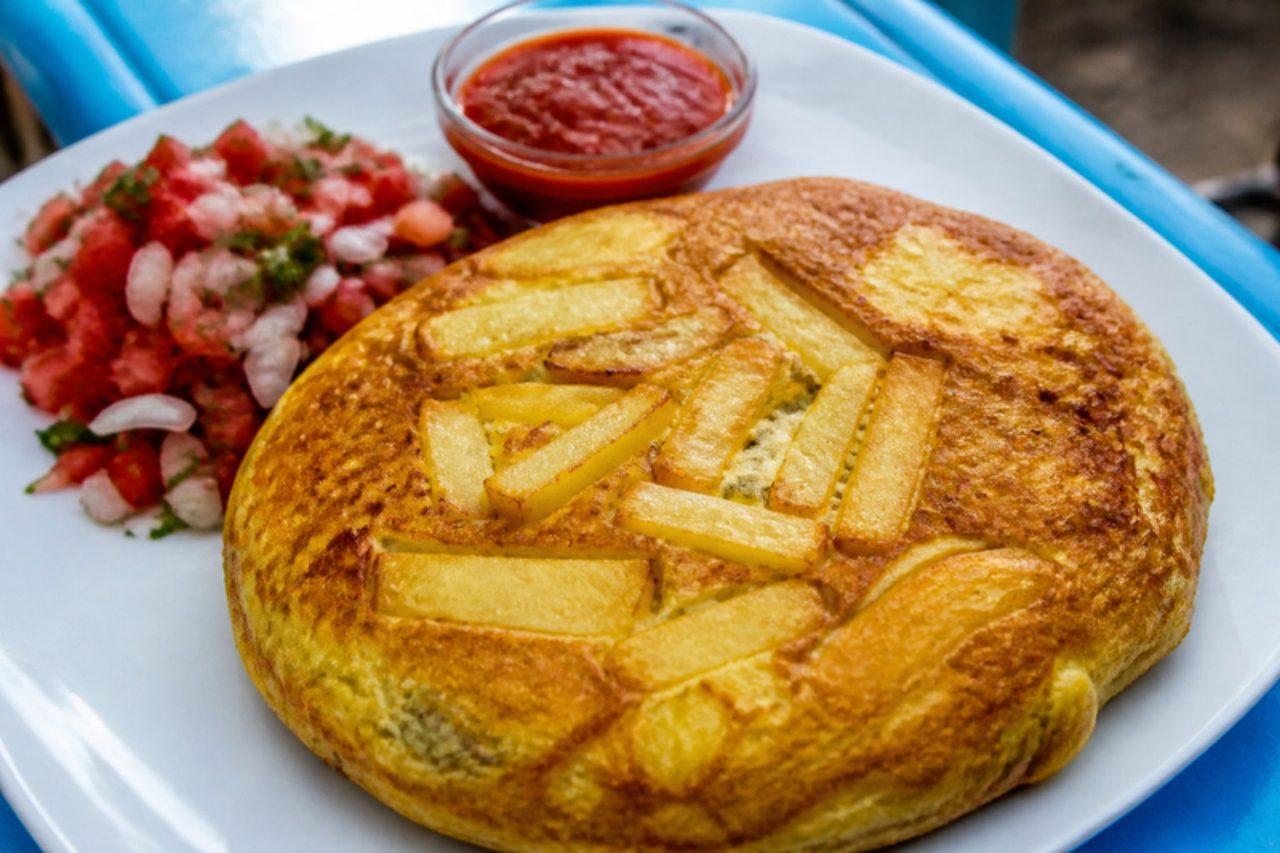
Chips mayaiChip omelette

Chips mayai ('chips and eggs') is Tanzania's best-loved street food, fried to order in Dar es Salaam and Zanzibar at evening stalls with big flat pans: fresh chips are bound into a thick omelette and served with kachumbari and chilli sauce or ketchup. Children and students live on it. Chef's tip: let the chips go crisp before pouring in the egg; soft chips make a soggy omelette.

by KrazyBadal 0 views
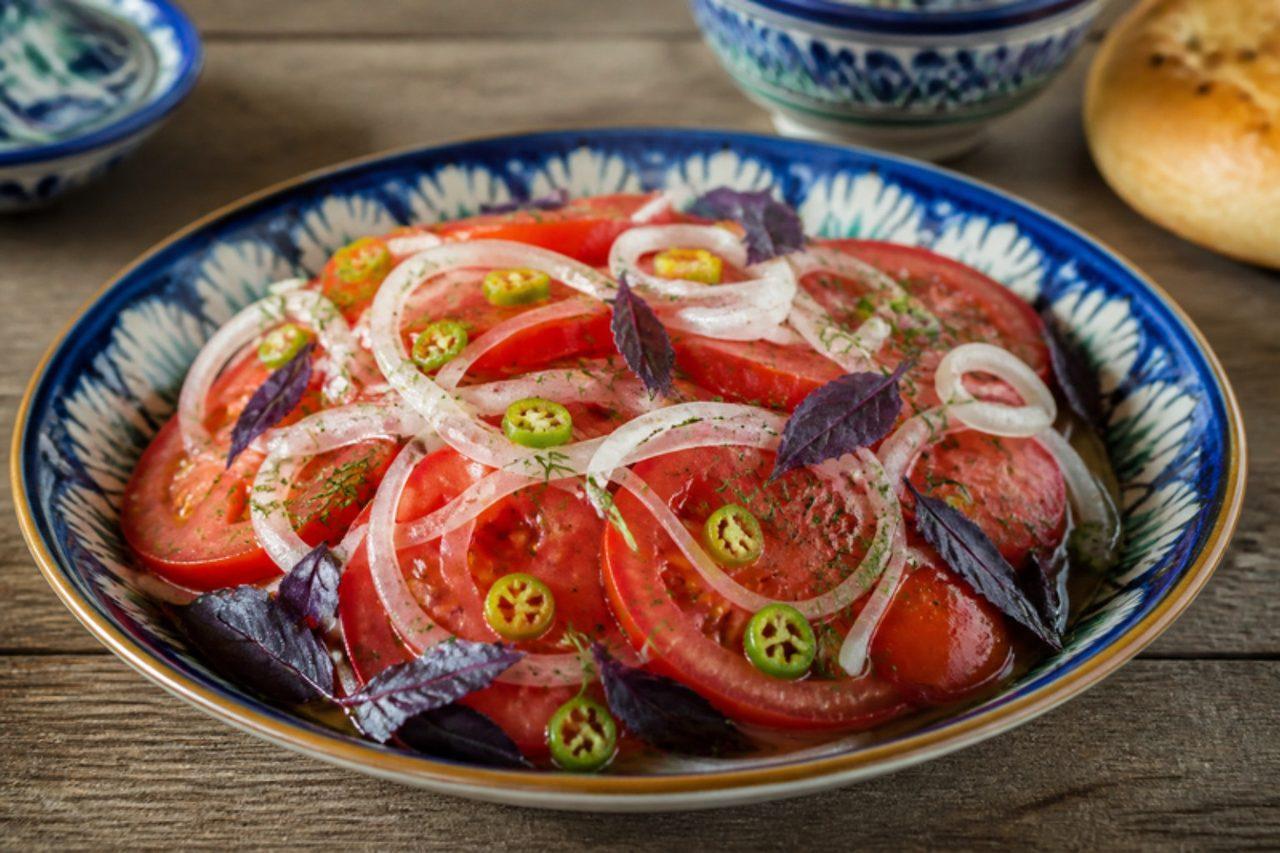

AchichukTomato and onion salad

Achichuk, which means 'sharp' in Uzbek, is the thin-sliced tomato and onion salad that sits beside every platter of plov from Bukhara to the Ferghana Valley. In summer Tashkent markets overflow with heavy, sweet tomatoes and this salad is little more than those tomatoes, rings of mild onion, a hot green chilli, salt and black pepper, with a fistful of basil (reyhan) or dill. Some families call it shakarob. It is meant to cut through the richness of rice cooked in oil, so it has no dressing beyond the juice the tomatoes give. Chef's tip: soak the onion in salted iced water for 10 minutes; it loses its harsh bite but stays crunchy, which is how Uzbek cooks get the onion so gentle.

by KrazyBadal 0 views

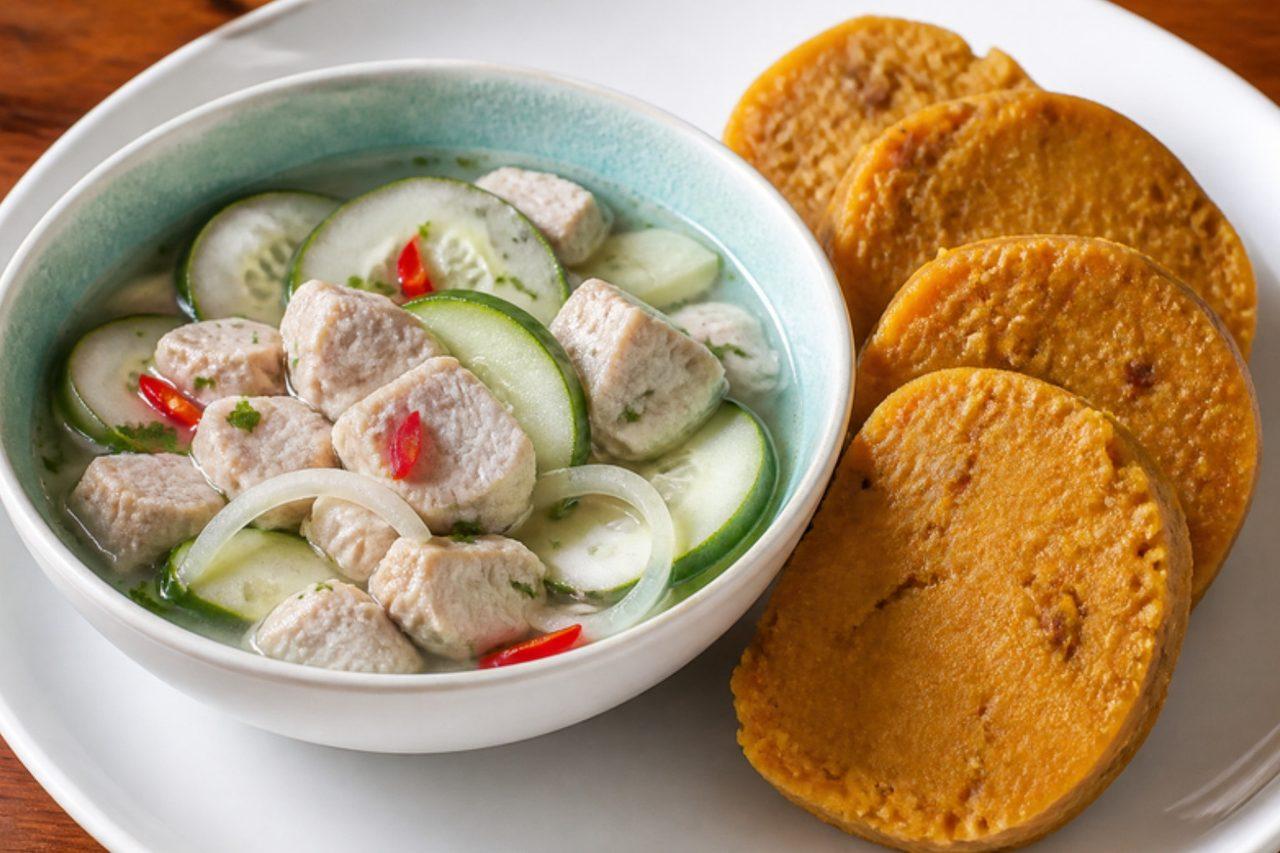
Pudding and souse

Saturday in Barbados means pudding and souse: rum shops and roadside cooks sell it from late morning, and families buy it by the container for lunch. Souse is boiled pork, traditionally from the head and trotters, served cold in a sharp, cucumber-studded pickle of lime, onion and hot pepper; the pudding is grated sweet potato seasoned with herbs and steamed. This is a pork dish. This home version uses trotters for the jelly-rich texture plus shoulder for meat, and steams the pudding in a basin instead of a casing; blood is left out (that darker version is black pudding). A common mistake is serving the souse as soon as it meets the pickle; it needs at least 2 hours in the fridge to turn sharp and cold. Chef's tip: grate the sweet potato on the fine side of the grater; coarse shreds make a crumbly pudding.

190 minBajanMeatGluten free
by KrazyBadal 1 views

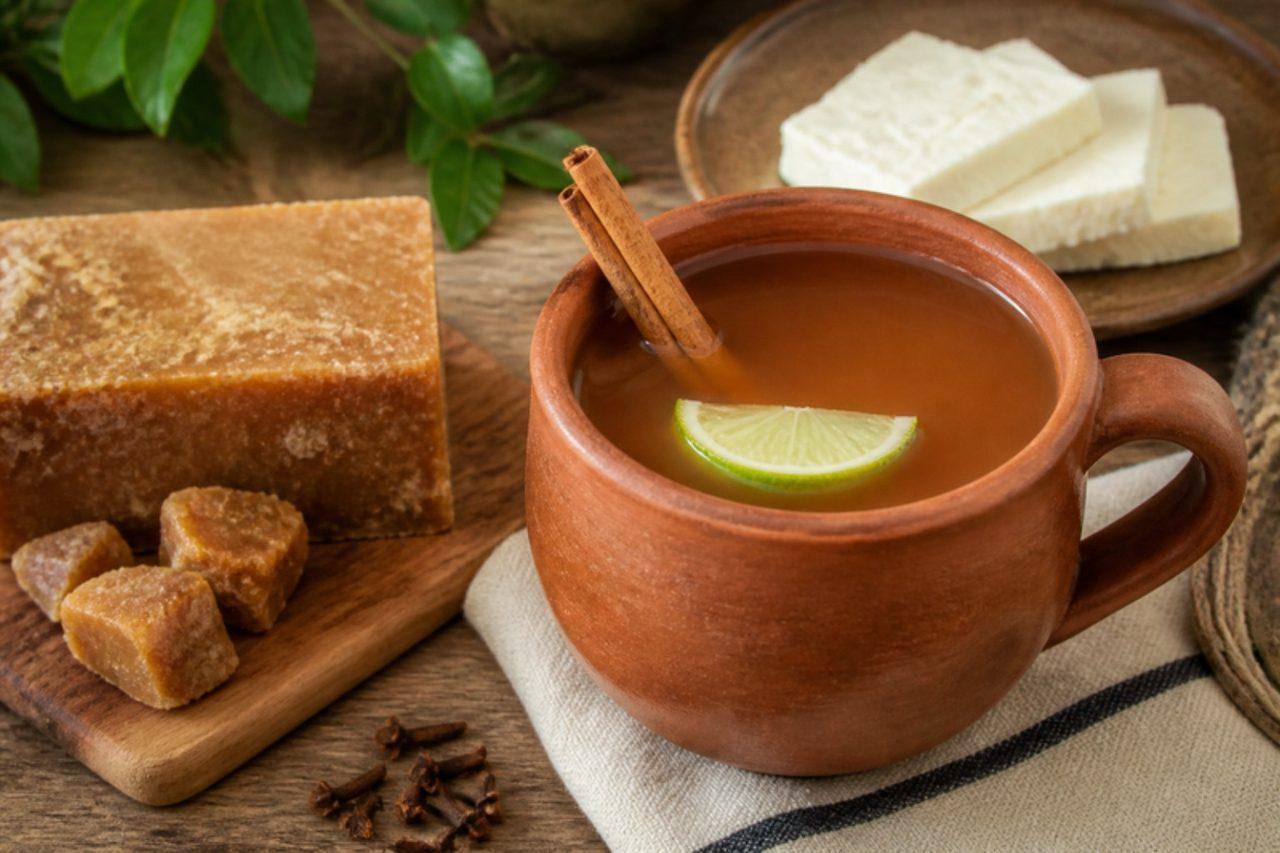
AguapanelaHot panela and lime drink

Aguapanela is simply panela (unrefined cane sugar) dissolved in water, yet it is one of Colombia's most loved drinks: drunk hot at breakfast in Bogotá and the Andes with a slice of fresh cheese dropped in to melt, given to children with a cold, and served iced with lime in the hot lowlands. This page is the hot version; the cold, lime-heavy cousin is Venezuela's papelón con limón. Chef's tip: simmer the panela gently until it dissolves completely and the drink smells of caramel; rushing it leaves sugary lumps at the bottom.

by KrazyBadal 0 views

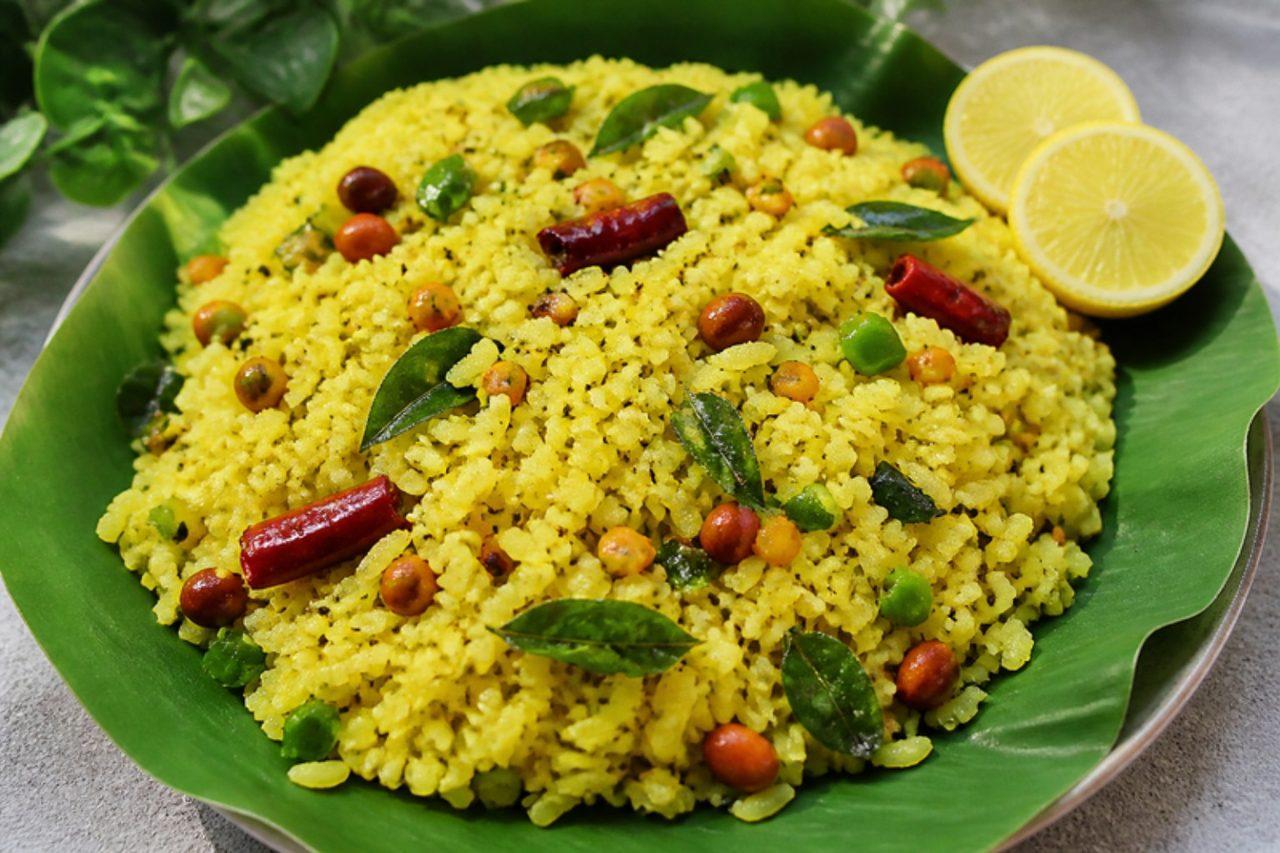
ChitrannaLemon rice

Chitranna, 'colourful rice', is the dish Karnataka mothers make when there is leftover rice and a school tiffin box to fill: cooked rice tossed in a yellow turmeric tempering with roasted peanuts, crunchy dals, green chilli, curry leaves and plenty of lemon. It appears at temple festivals as prasada, on train journeys wrapped in banana leaf, and on every Bengaluru darshini breakfast counter. It tastes even better an hour after it's made, when the lemon has soaked in. Tamil Nadu's elumichai sadam is a close cousin. Chef's tip: spread the rice out on a plate to cool before mixing; warm, steamy rice turns sticky and breaks when you toss it.

by KrazyBadal 0 views

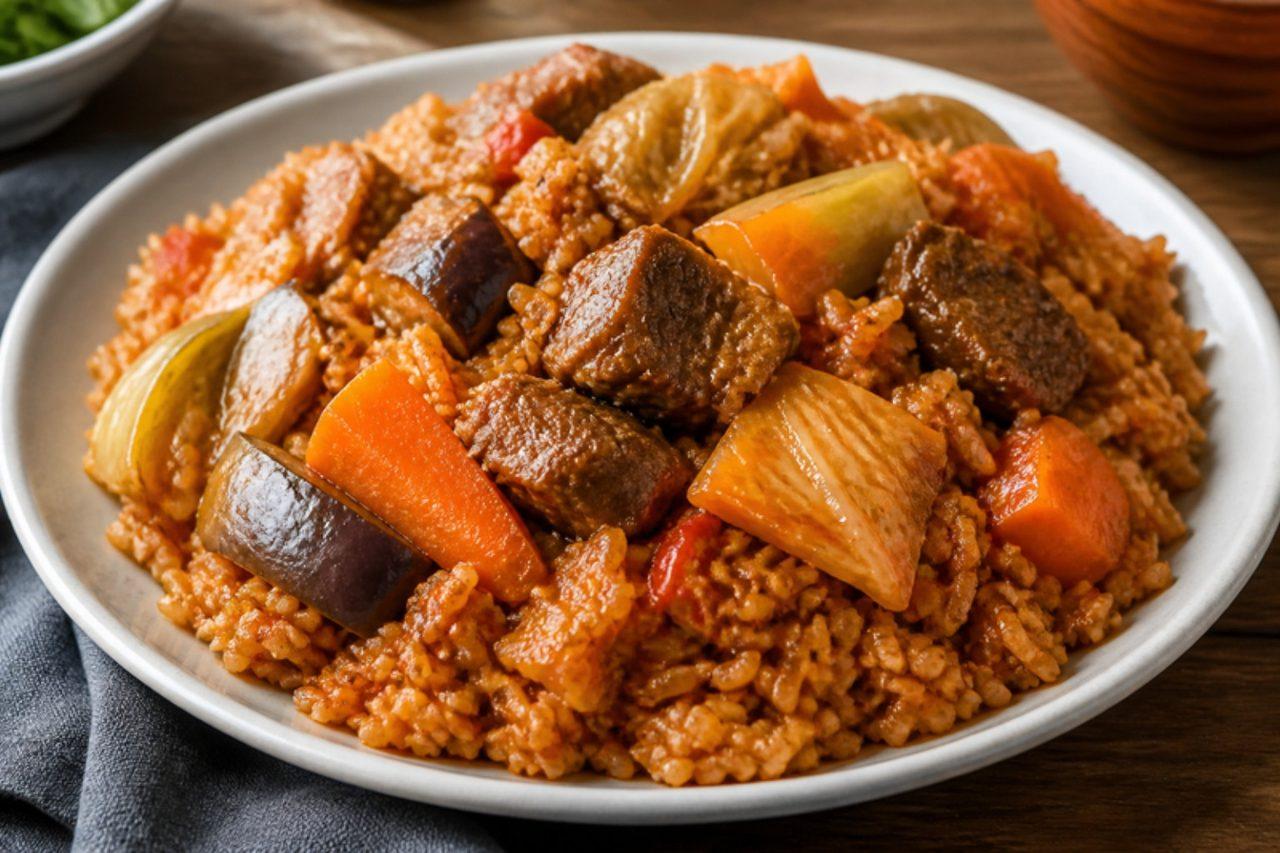
Riz grasRice cooked in beef stew

Riz gras is the celebration rice of Bamako and Ouagadougou, cooked in big pots for weddings, Tabaski and family Sundays. Beef is simmered with onion, tomato and garlic into a rich stew, and the rice is cooked in that broth until every grain is orange and glossy, with the meat and vegetables piled on top. The mistake is adding too much liquid, which turns the rice soggy; measure it. Chef's tip: fry the rice in the stew's oil for a minute before adding the broth, so the grains stay separate.

by KrazyBadal 0 views

Medialunas de mantecaButter crescents

Medialunas, 'half moons', are what Argentines order with a café con leche at every confitería in Buenos Aires: smaller, sweeter and softer than a French croissant, with a sticky shine from a sugar syrup brushed on as they leave the oven. The dough is enriched with egg, sugar and a little honey and laminated with butter, so it's a weekend project. Chef's tip: keep the butter and dough at the same cool temperature; if the butter is too hard it breaks into pieces, too soft and it melts into the dough and the layers disappear.

by KrazyBadal 0 views

ChivitoSteak sandwich with ham and egg

The chivito was created in the 1940s at a restaurant in Punta del Este, Uruguay, and became the national sandwich: a soft roll filled with thin, tender steak, ham, melted mozzarella, a fried egg, bacon, lettuce, tomato, olives and mayonnaise. It is eaten in Montevideo's parrillas and corner bars with chips on the side. This sandwich contains pork. The mistake is a thick, chewy steak: use thinly sliced sirloin and sear it fast. Chef's tip: toast the cut sides of the rolls so they stand up to all the juices.

by KrazyBadal 0 views

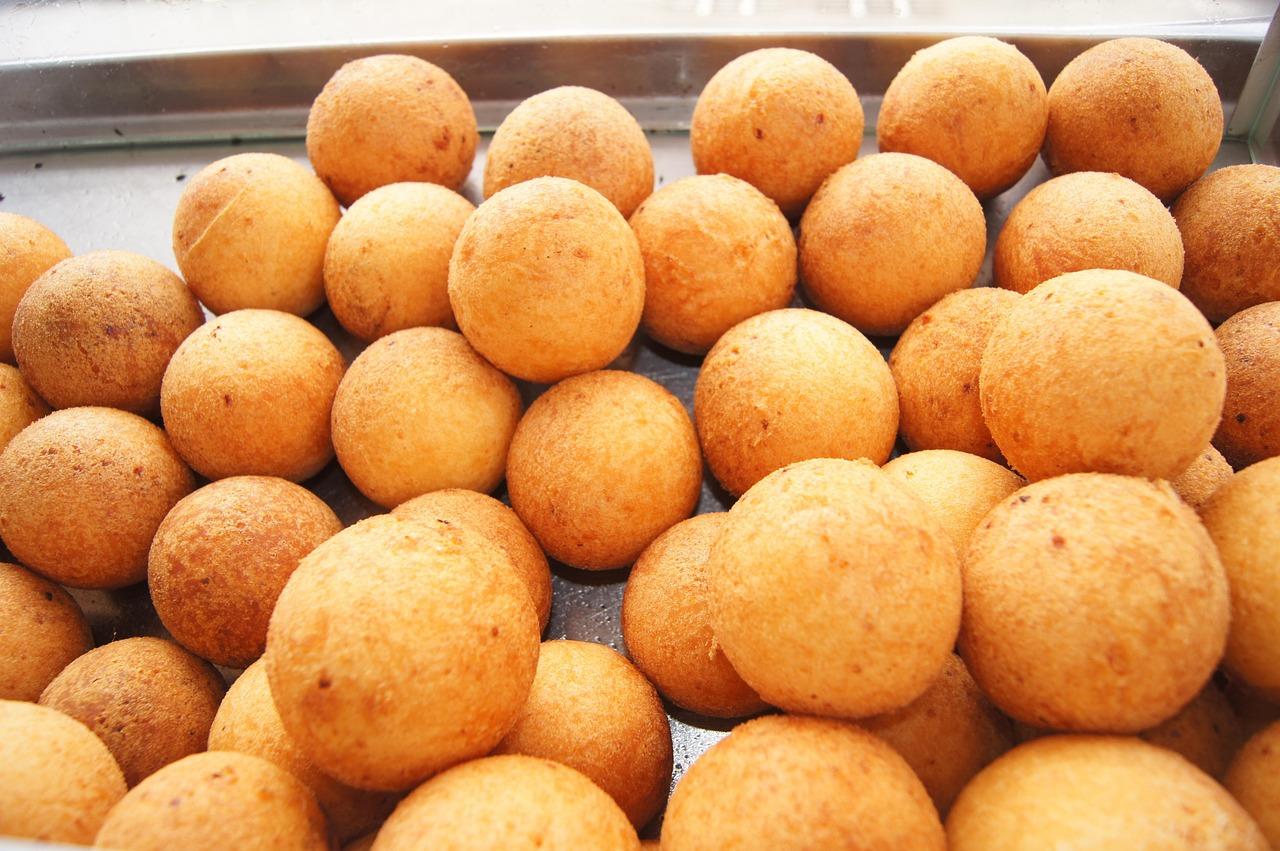
Buñuelos colombianosCheese and cassava fritters

In December, Colombian families gather for the novena de aguinaldos, nine evenings of prayers and carols before Christmas, and the reward afterwards is a plate of hot buñuelos with a bowl of natilla. These little golden balls are made from crumbly cheese, cassava starch and cornflour, fried until they puff and roll themselves over in the oil. They are crisp outside, airy and cheesy inside. Chef's tip: start the oil only warm, around 150 °C; buñuelos fried too hot crack open and stay raw in the centre.

by KrazyBadal 0 views

Armenian coffee

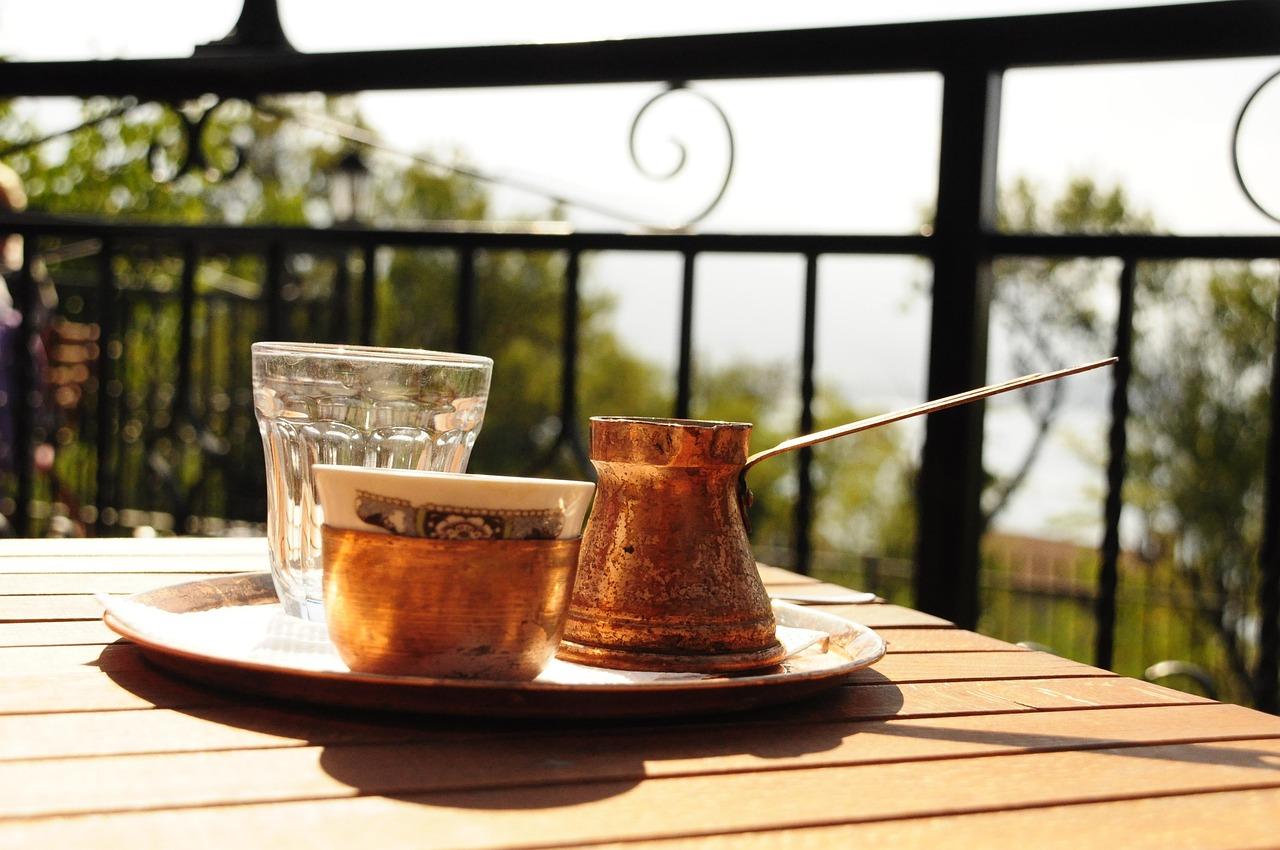
Armenian coffee, soorj, is boiled in a small long-handled pot called a jazzve and poured unfiltered into tiny cups. It is offered the moment a guest sits down in any Yerevan home and lingers after meals while the grounds settle; when the cup is empty, it is turned upside down on its saucer so someone can read the patterns left in the grounds. The coffee is powder-fine, often scented with a pinch of cardamom, with a velvety foam (kaymak) on top that is a point of pride for the host. Serve with a glass of water and a little gata or dried fruit. Chef's tip: start with cold water and a low flame; the slower the coffee heats, the thicker and longer-lasting the foam.

by KrazyBadal 1 views

Budaatai khuurgaFried rice with beef

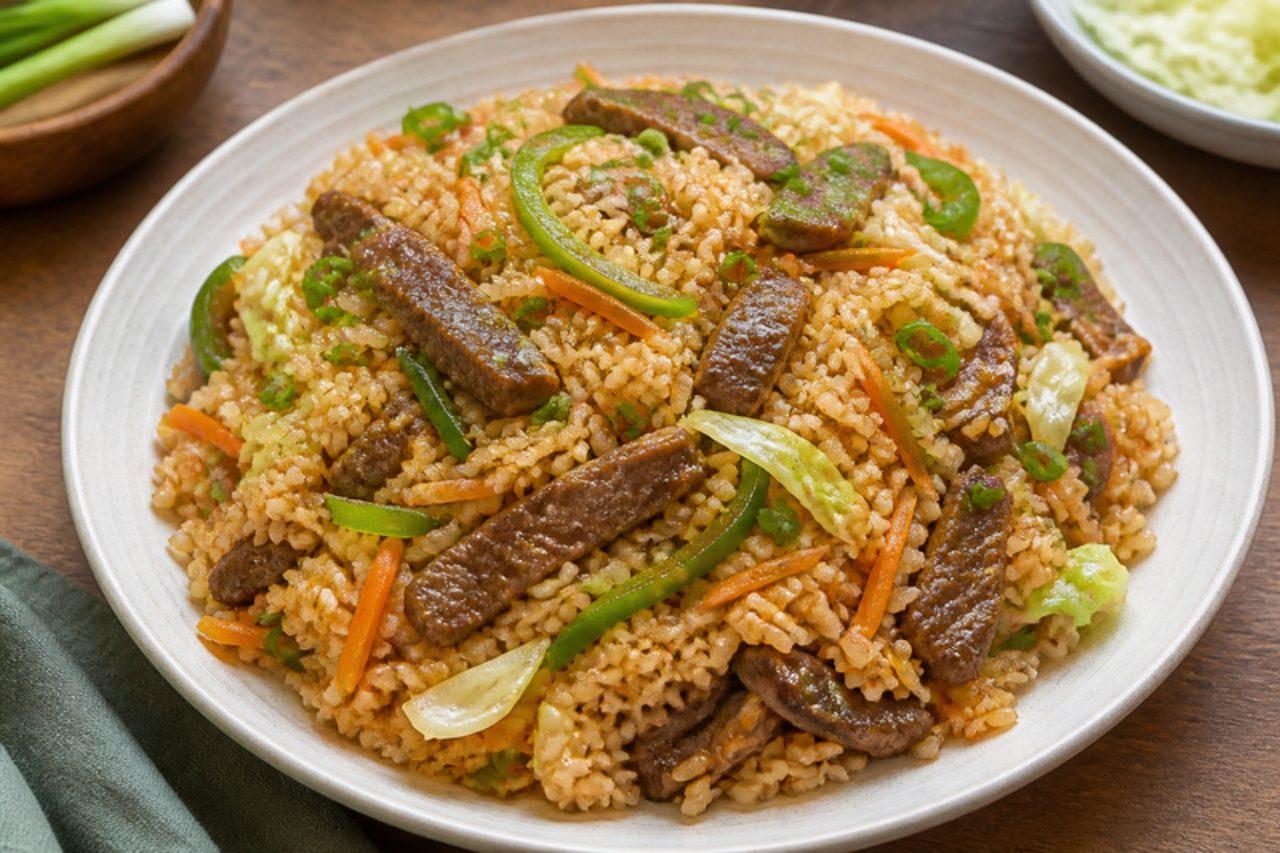
Budaatai khuurga is the fried rice of Ulaanbaatar's guanz, the small canteens where office workers and students eat lunch: day-old rice tossed in a hot pan with strips of beef or mutton, carrot, onion, peppers and a splash of soy. It is quick, filling and often served with a fried egg and pickled cabbage salad. The mistake is using freshly cooked warm rice, which clumps; cold, cooked rice fries into separate grains. Chef's tip: cook rice the day before and keep it covered in the fridge, which is also the safe way to store it.

by KrazyBadal 0 views

Maple-glazed salmon

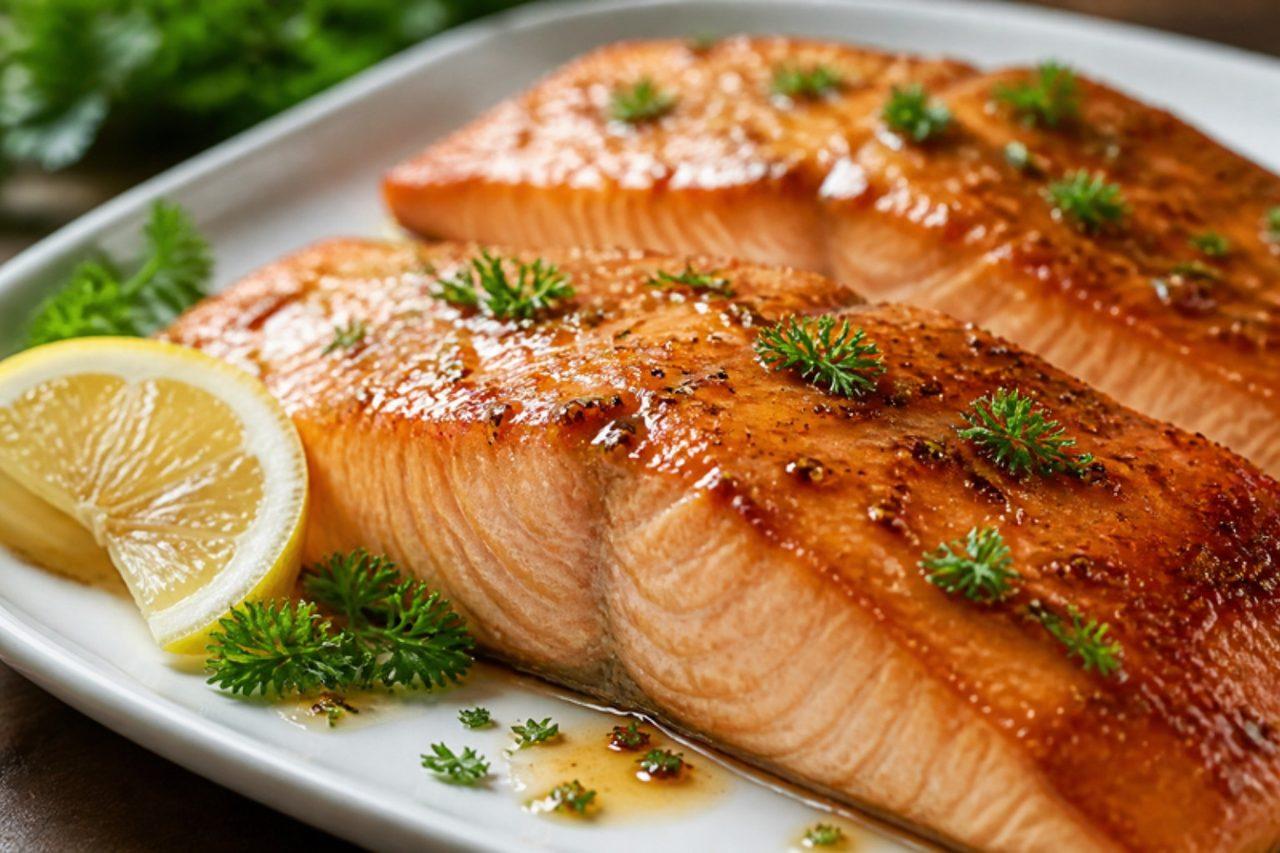
On Canada's Pacific coast, from Vancouver to Haida Gwaii, wild salmon is the fish of summer and autumn, and a glaze of maple syrup from the east brings two Canadian staples together on one plate. The fillets are brushed with maple syrup, mustard, soy and garlic and roasted until just cooked, with a sticky, glossy top; serve them with rice, new potatoes or a green salad. Many British Columbians cook it on a soaked cedar plank on the barbecue for a smoky flavour. The mistake is overcooking salmon until it is dry and chalky; take it out when it just flakes. Chef's tip: line the tray with baking paper, as the maple glaze burns onto a bare tin.

by KrazyBadal 0 views

Kalua pork

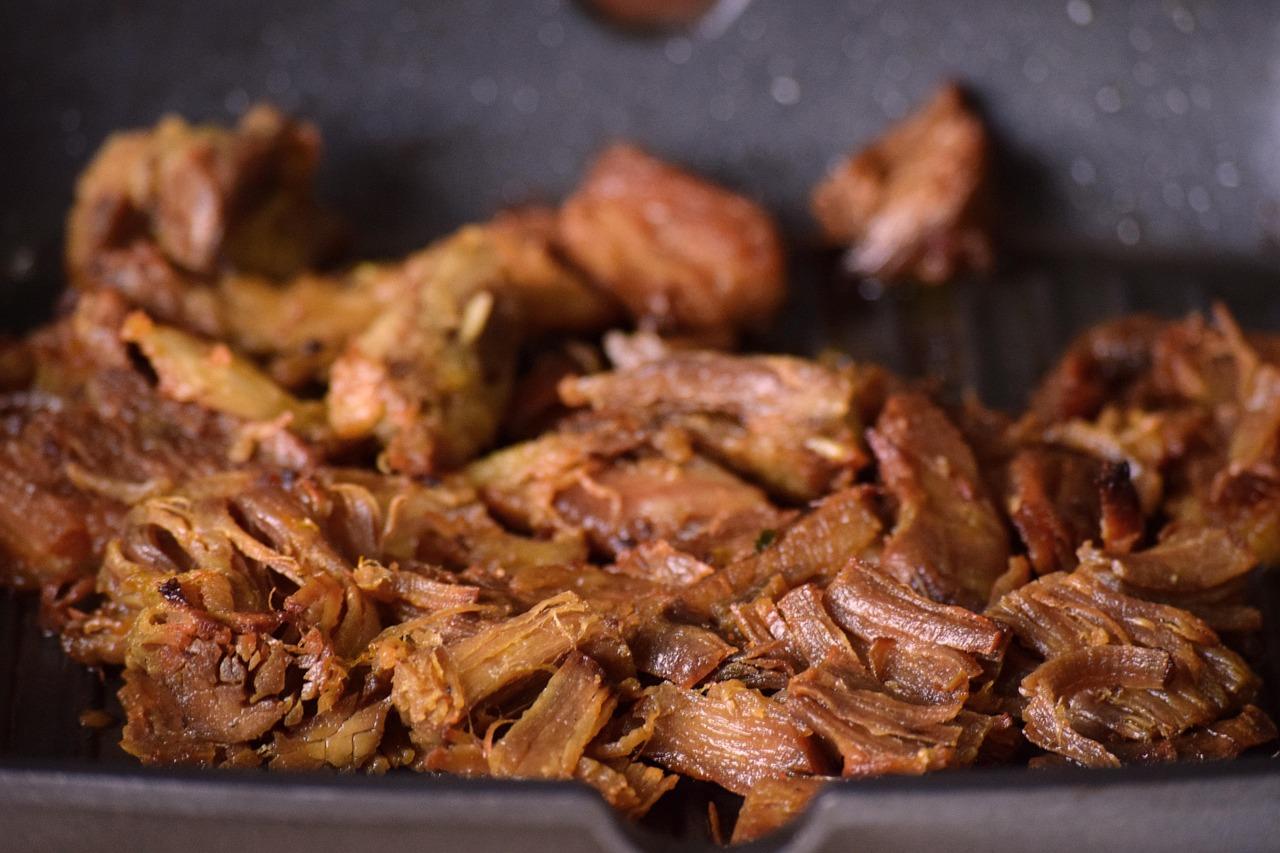
Kalua pig is the heart of a Hawaiian lū'au: a whole pig wrapped in ti and banana leaves and cooked all day in an imu, an underground oven, until it falls apart, smoky and salty. This dish contains pork. Families across O'ahu and the other islands make this simpler version at home with pork shoulder, coarse sea salt and a little liquid smoke, wrapped and slow-roasted. It is served with rice, poi or cabbage, or in sliders. The mistake is using fine table salt in the same amount; it makes the pork far too salty, so use coarse sea salt. Chef's tip: stir a little of the cooking juice back into the shredded pork so it stays moist.

by KrazyBadal 0 views

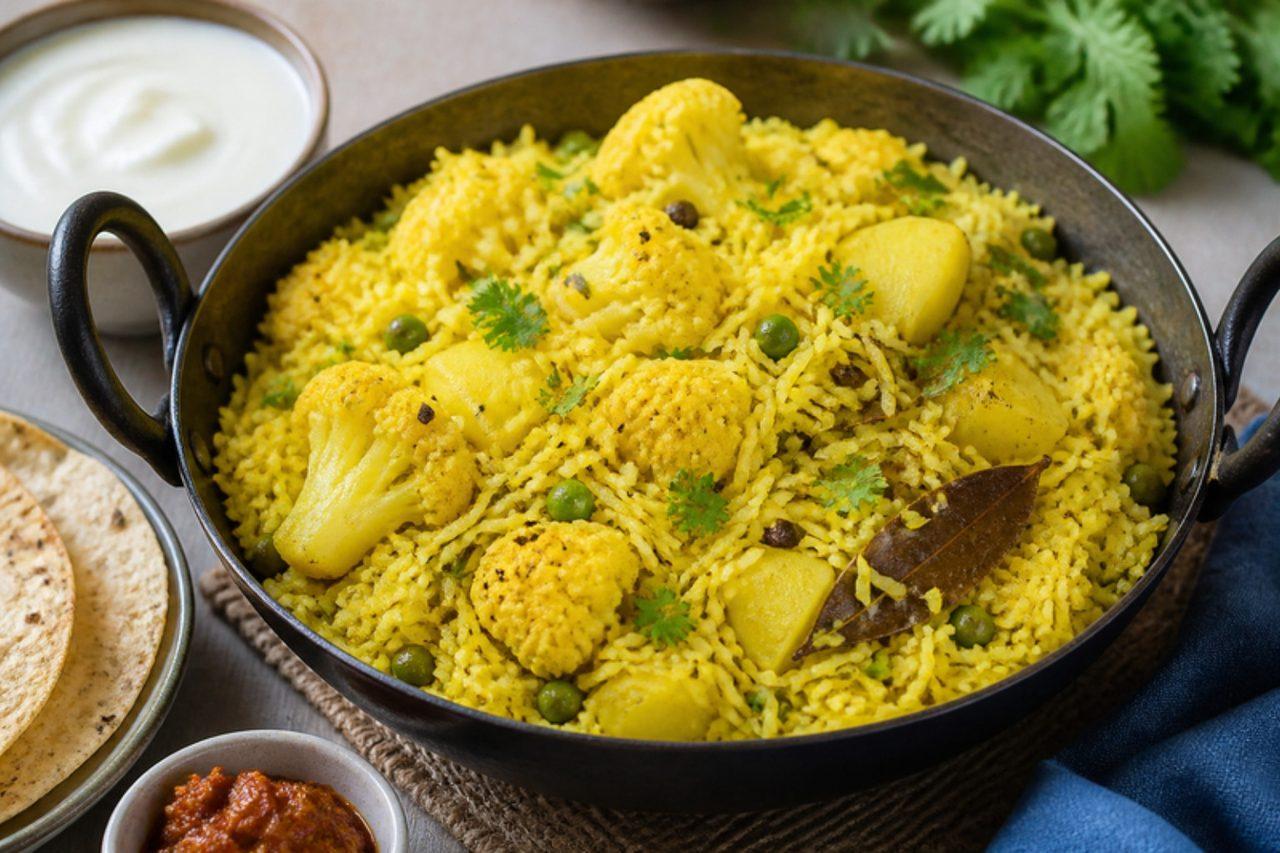
TehriYellow rice with vegetables

In many Uttar Pradesh homes, tehri is what happens on a cold evening when nobody wants to cook three dishes. Rice, potatoes, cauliflower and peas go into one pot with mustard oil, turmeric and whole spices, and come out yellow, fluffy and lightly spiced. Families in Kanpur, Allahabad and Varanasi eat it with plain yogurt, a spoon of mango pickle and roasted papad, and it is also cooked for winter picnics. It differs from pulao in its turmeric colour and the sharp warmth of smoked mustard oil. A frequent mistake is stirring after the water goes in, which breaks the grains and makes the rice gluey. Chef's tip: heat the mustard oil until it just smokes, then let it cool for a few seconds before adding spices; this mellows its bite without losing the flavour.

by KrazyBadal 0 views

Chocolat chaudThick hot chocolate

Paris's grand tearooms have served chocolat chaud since the 1800s, and it is nothing like a powdered cocoa drink: dark chocolate is melted into hot milk and cream until it is thick, glossy and rich enough to coat the cup. Parisians drink it in small cups on cold afternoons, often with a pot of whipped cream on the side and a pastry. It is also a winter treat at home after a walk. Use chocolate you'd enjoy eating. Chef's tip: keep the heat low and whisk; letting it boil is the common mistake and the chocolate can turn grainy and catch on the bottom.

by KrazyBadal 0 views

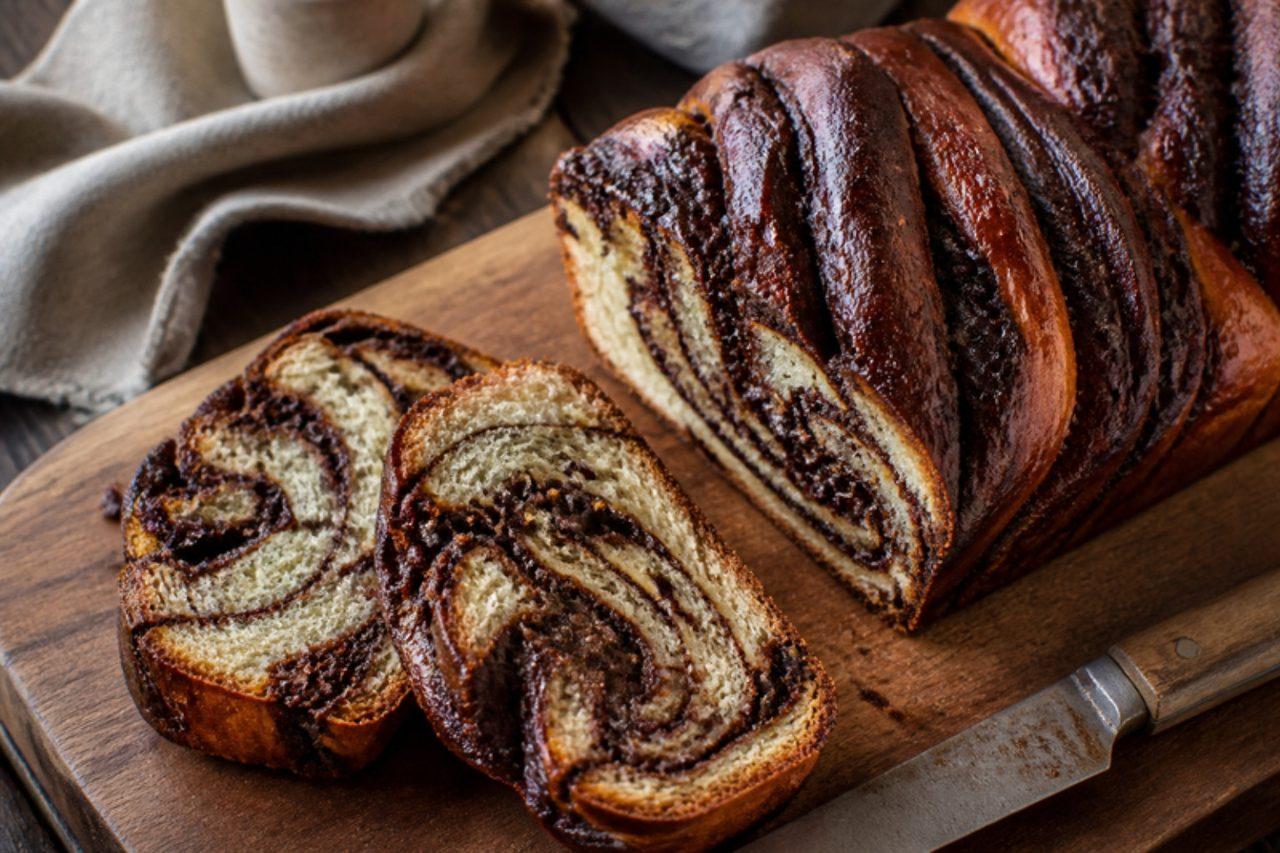
Chocolate babkaChocolate swirl loaf

Babka grew from the sweet yeasted breads of Polish and Ukrainian Jewish kitchens, and Tel Aviv and New York bakeries turned it into today's showpiece: a rich, buttery dough rolled around dark chocolate, cut open lengthways and twisted so the layers show, then soaked in syrup as it leaves the oven. Israelis buy it for Shabbat afternoon coffee, and a slice keeps its gooey layers for days. It takes time but little skill: an overnight chill makes the soft dough easy to roll. Chef's tip: chill the dough overnight; cold, firm dough rolls thin and twists cleanly instead of smearing the chocolate.

by KrazyBadal 0 views

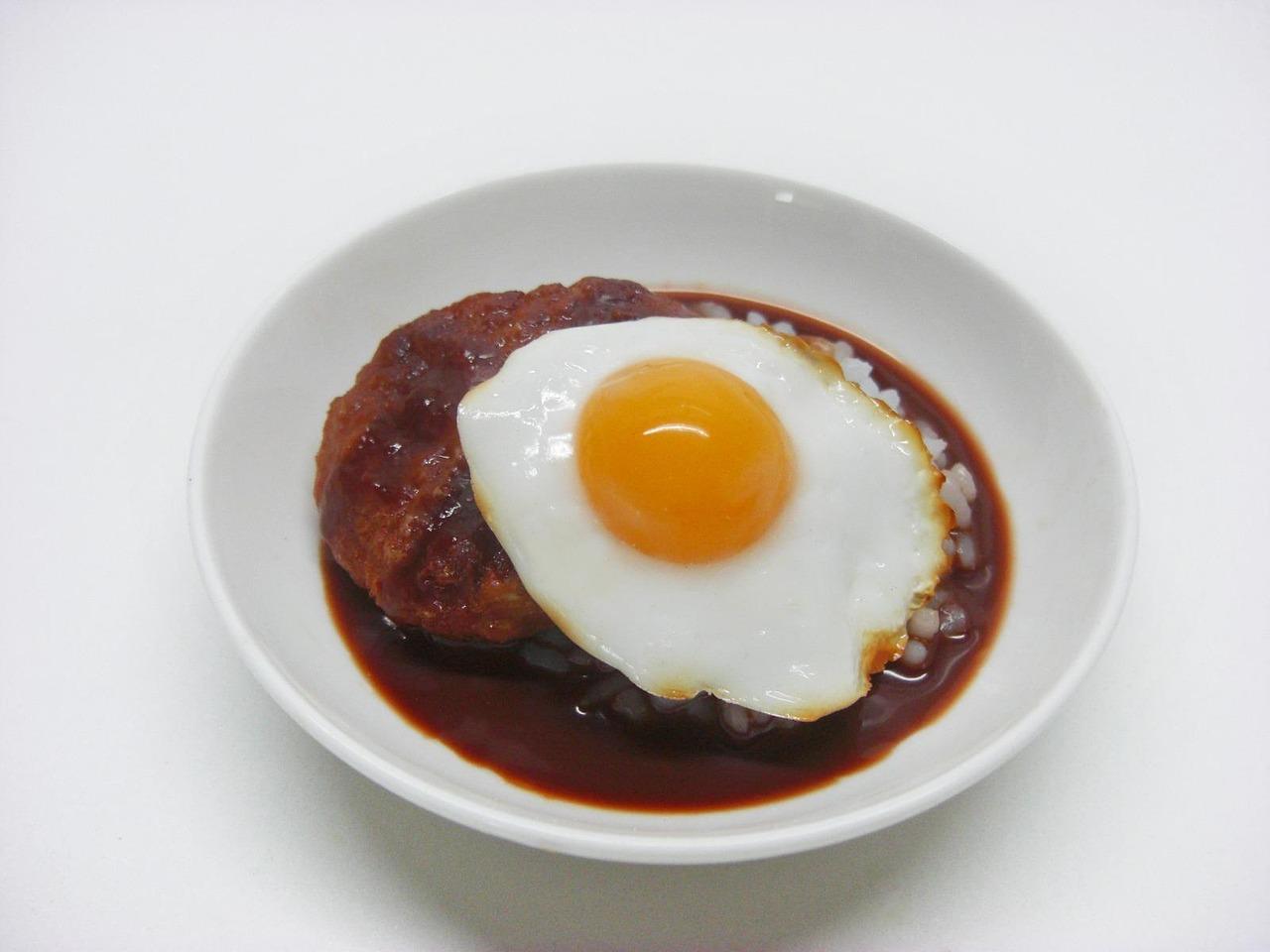
Loco moco

Loco moco was first served in 1949 at the Lincoln Grill in Hilo, on Hawai'i's Big Island, as a cheap, filling meal for teenagers, and it is still the plate-lunch classic across the islands: white rice topped with a beef burger patty, a fried egg and a generous ladle of brown gravy. People eat it for breakfast, lunch or late at night with a scoop of macaroni salad. The mistake is a thin, floury gravy; cook the flour in the beef fat until it browns before adding the stock. Chef's tip: press a dimple into the centre of each patty so it stays flat as it cooks.

by KrazyBadal 0 views

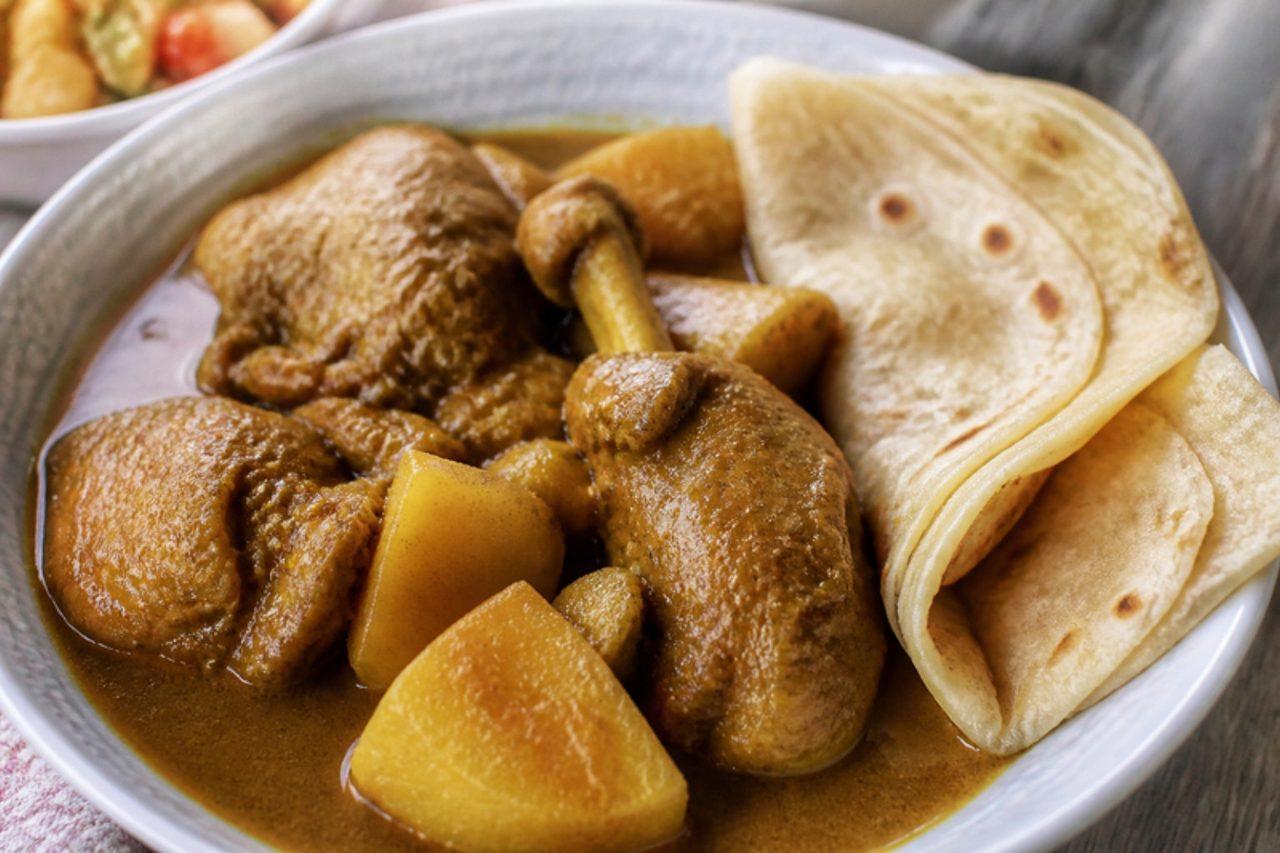
Guyanese chicken curry

In Guyana, Sunday is curry day in Indo-Guyanese homes from Berbice to the East Coast Demerara, and chicken curry with roti or rice is the classic. Its flavour comes from a green seasoning of herbs, garlic and wiri wiri pepper, and from geera (roasted cumin), with the curry powder fried until almost dry before the chicken goes in. The mistake is adding the chicken before the curry paste is properly cooked ("bunjayed"), which leaves a raw, dusty taste. Chef's tip: finish with a sprinkle of toasted geera and let the curry rest for 10 minutes before serving.

by KrazyBadal 0 views

Ube halayaPurple yam jam

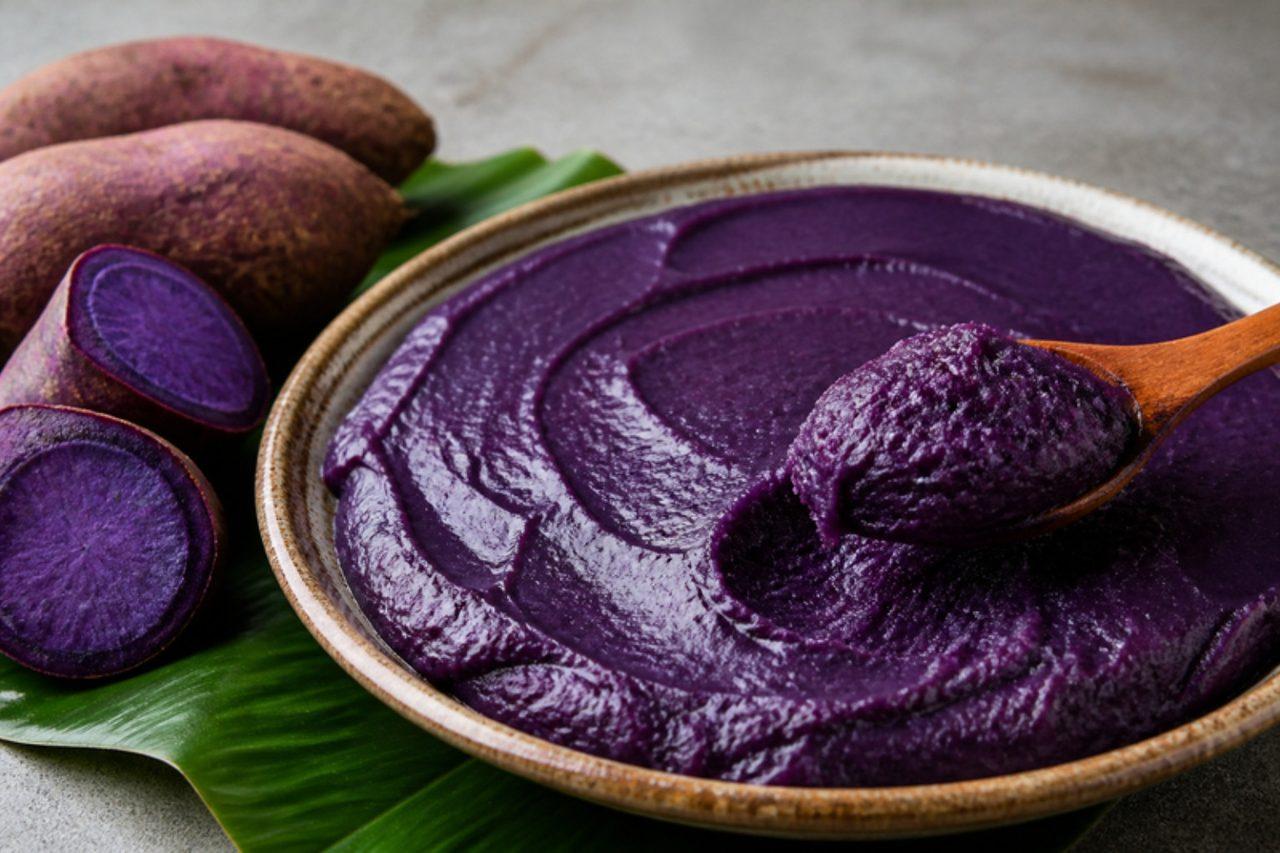
Ube halaya is a thick, deep purple jam made from purple yam, slowly stirred with coconut milk, condensed milk and butter until it pulls away from the pan. Bohol, where ube grows in abundance and the province holds a festival for it every January, claims it, and in Baguio jars of it are bought as pasalubong (gifts) to take home. It appears at Christmas and fiestas, spread on bread, eaten by the spoonful, packed into halo-halo or shaped in moulds and topped with latik or grated cheese. Real ube has a gentle, nutty, vanilla-like flavour; purple sweet potato is not the same. Chef's tip: frozen grated ube from Asian grocers works perfectly and saves an hour of peeling and grating.

by KrazyBadal 0 views

Chodang sundubuSoft silken tofu

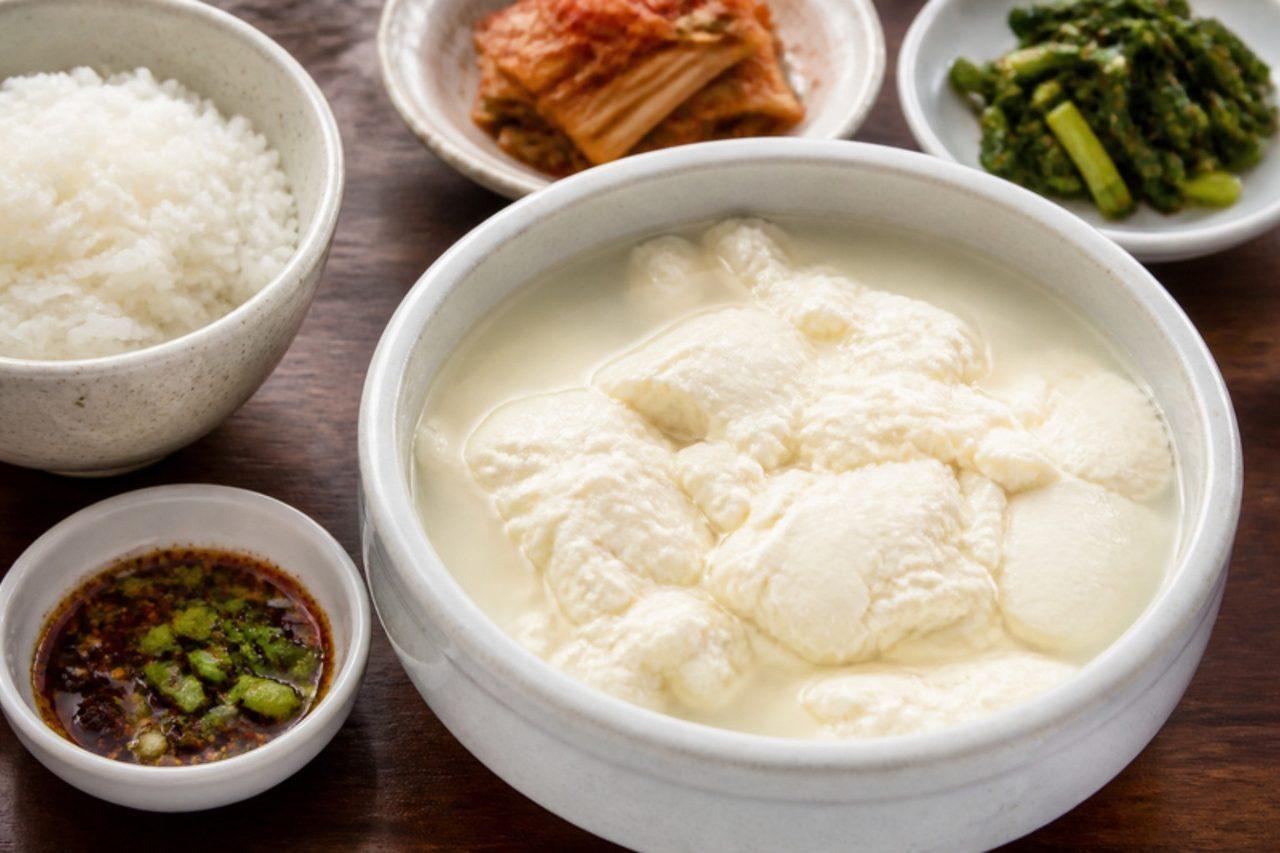
In Chodang village on the edge of Gangneung, tofu houses have curdled soy milk with clean seawater from the East Sea for generations, and the result, chodang sundubu (초당순두부), is served warm in a bowl before it has been pressed: soft, quivering curds in their own pale whey, with a soy dressing to spoon over. It is breakfast and lunch there, eaten with rice, kimchi and a few banchan, and tastes sweet and clean in a way packaged tofu never does. At home, nigari (the mineral salt left from seawater) gives the same effect. Use plain, unsweetened soy milk with at least 7% soy or make your own. Chef's tip: add the nigari off the heat and stir only once or twice; stirring after the curds start to form breaks them into grains.

by KrazyBadal 0 views

Ecuadorian shrimp ceviche

Unlike Peru's raw-fish ceviche, the ceviche of Ecuador's coast, from Manta to Esmeraldas, is usually made with prawns that are briefly cooked first, then soaked in a juicy, soupy mix of lime, orange, tomato, red onion and coriander. It is served in a glass bowl with its juice, alongside popcorn, plantain chips and sometimes a dash of ketchup and mustard, as people do at Guayaquil's cevicherías. Because the prawns are cooked, it is a safer choice than raw-fish ceviche, but keep it cold and eat it the same day. The mistake is overcooking the prawns so they turn rubbery: one minute in the boiling water is enough. Chef's tip: save the prawn cooking water and add a few spoonfuls to the juice; it gives the ceviche its sweetness.

30 minAndeanFishGluten free
by KrazyBadal 0 views

Cholar dalChana dal with coconut

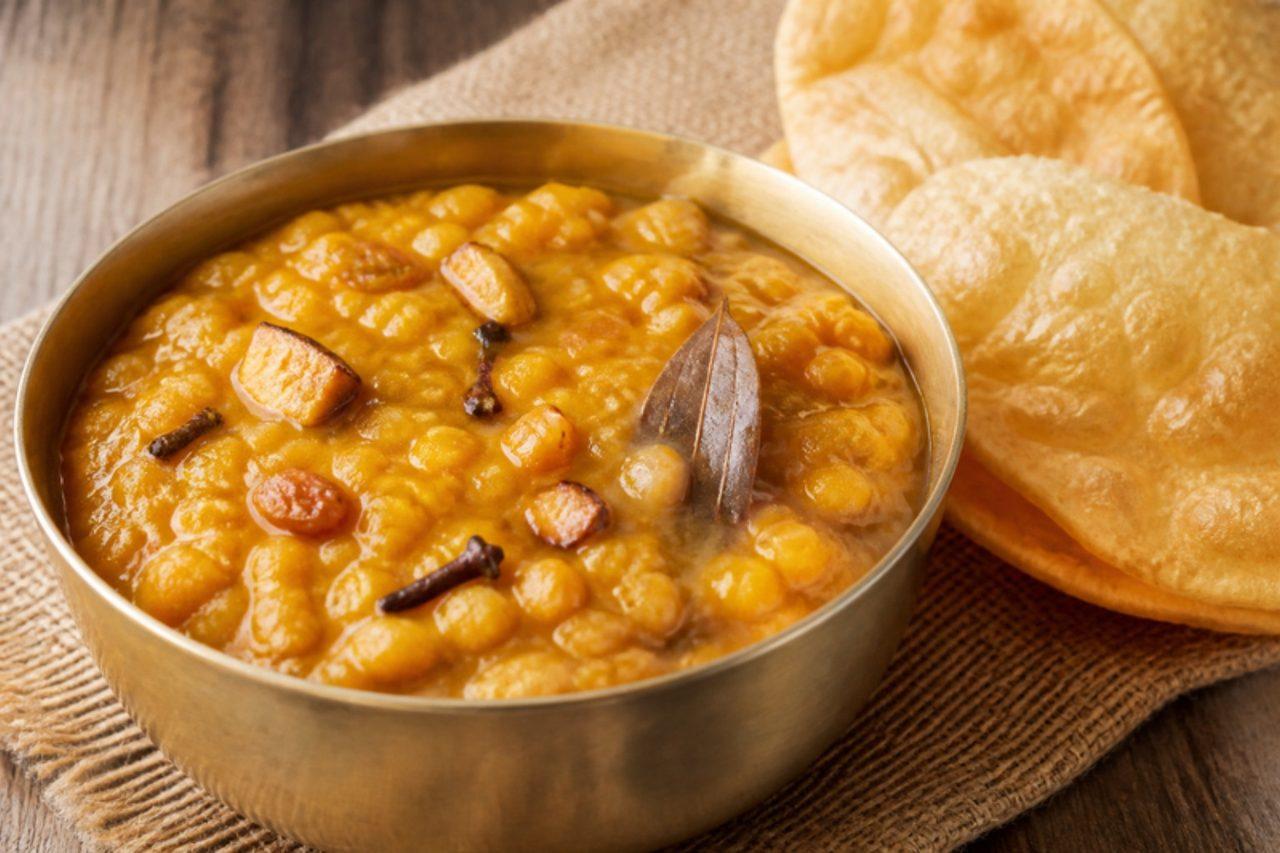
Cholar dal is the festive dal of Bengal, cooked for Durga Puja and weddings and always paired with luchi. Split bengal gram is simmered until soft but whole, then finished with a fragrant tempering of ghee, bay leaf, cinnamon, cardamom and cloves, little fried coconut pieces and plump raisins. It is thick, mildly sweet and warmly spiced rather than hot. Serve with luchi, puri or steamed rice. Chef's tip: fry the coconut slivers until golden before anything else goes in the pan; they stay crisp-chewy and add a toasty sweetness to every spoonful.

by KrazyBadal 0 views

CholentOvernight beef and bean stew

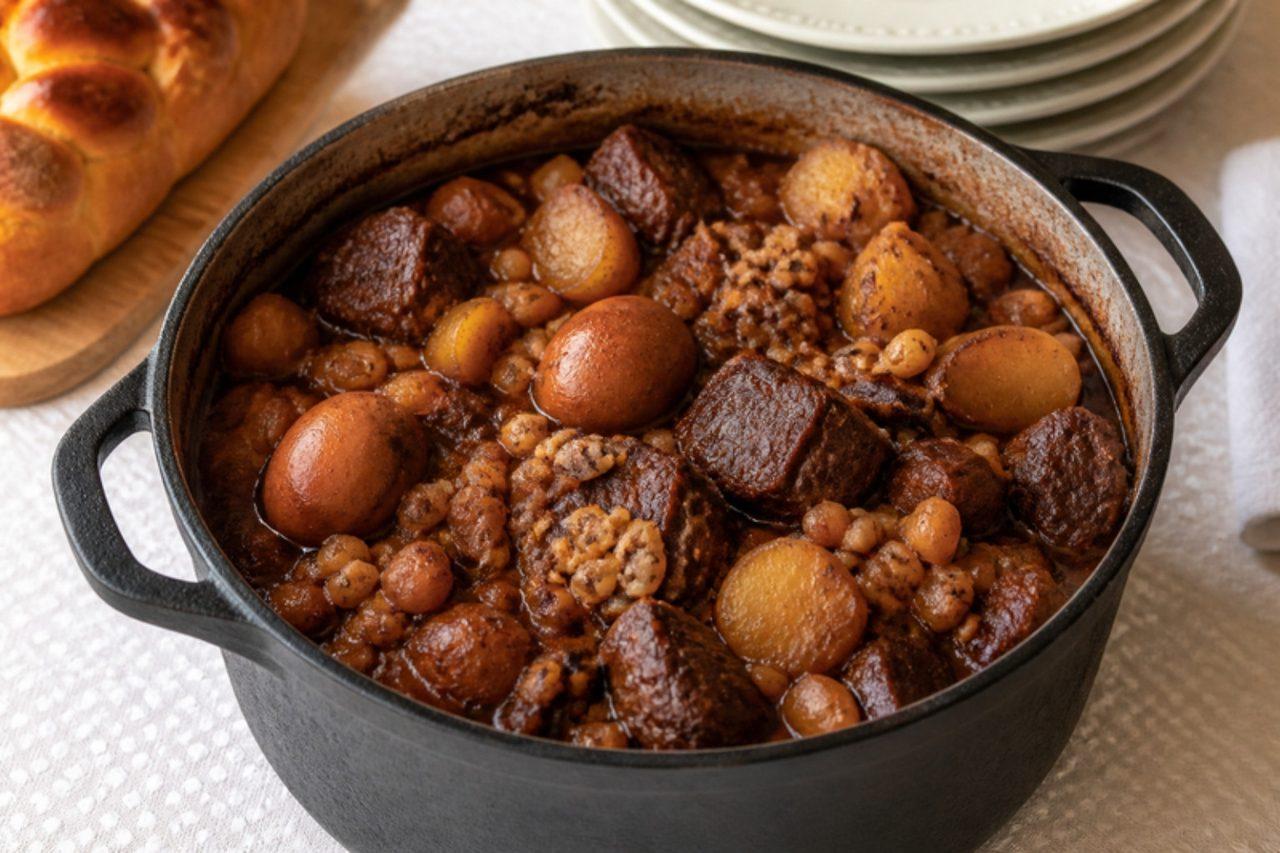
Cholent, called hamin by Sephardic families, is the slow stew that Jewish homes in Jerusalem, Tel Aviv and Bnei Brak put on before Shabbat begins on Friday afternoon, so it can cook gently overnight without anyone touching the stove and be eaten hot at Saturday lunch. Beef, dried beans, pearl barley, potatoes and onions cook for 12 hours or more in a paprika-scented broth, often with whole eggs in their shells that turn brown and creamy. Chef's tip: add enough water to just cover everything; too little and it dries out overnight, too much and it is soup.

750 minIsraeliMeat
by KrazyBadal 0 views

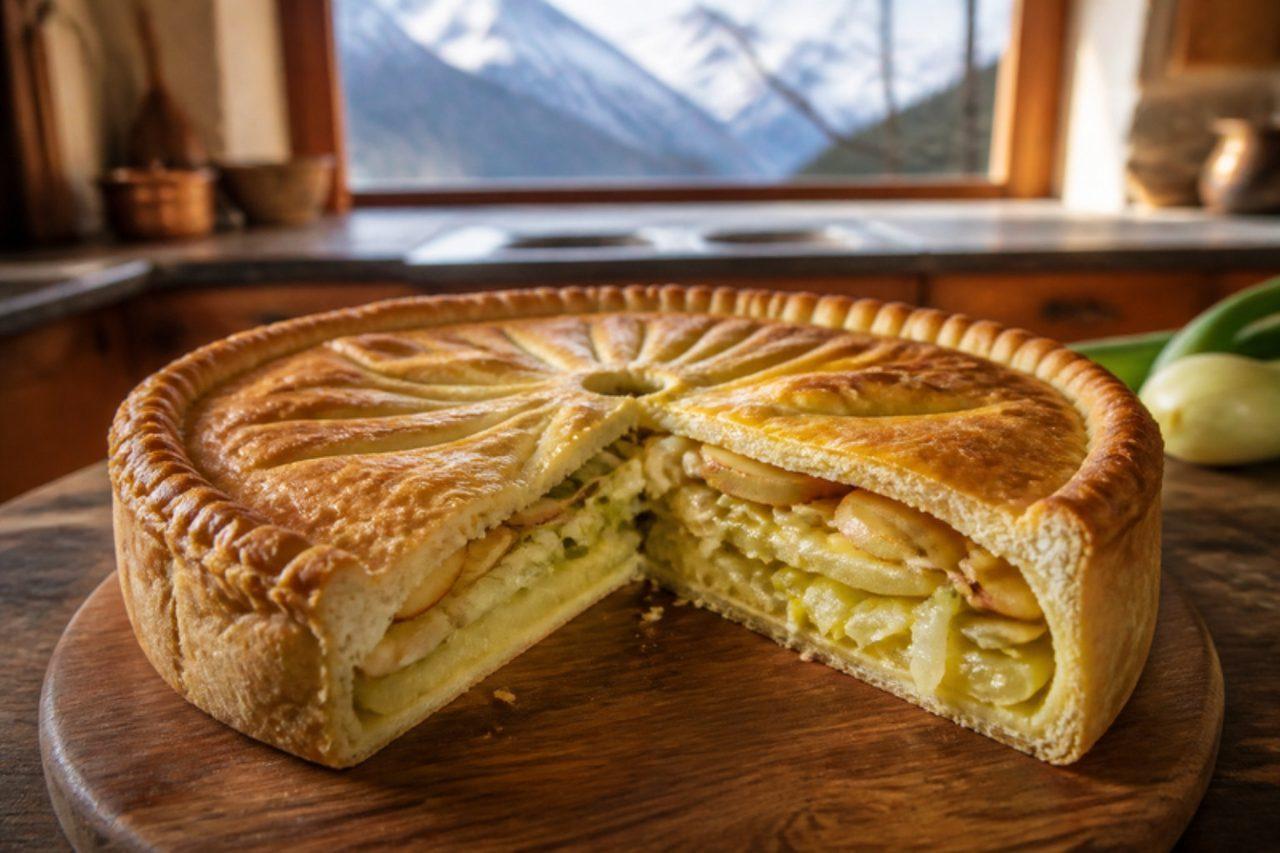
CholeraPotato, leek and apple pie

Cholera is a Valais pie from the upper Rhône valley, especially the Goms district, filled with layers of potato, leek, apple, pear and mountain cheese under a pastry lid. One story ties the name to the 1830s cholera outbreak, when people stayed home and baked whatever was in the cellar; another to the old Valais word for a coal stove, chola. It is eaten warm or cold, as a Sunday lunch, picnic food or a slice with a green salad, and the sweet fruit against salty cheese and soft leek is the whole point. Some Valais cooks add bacon; this vegetarian version doesn't need it. Use cheese made with vegetarian rennet. Chef's tip: slice the potatoes, apples and pear thinly and evenly (3 mm) so everything cooks through in the time the pastry takes to brown.

by KrazyBadal 0 views

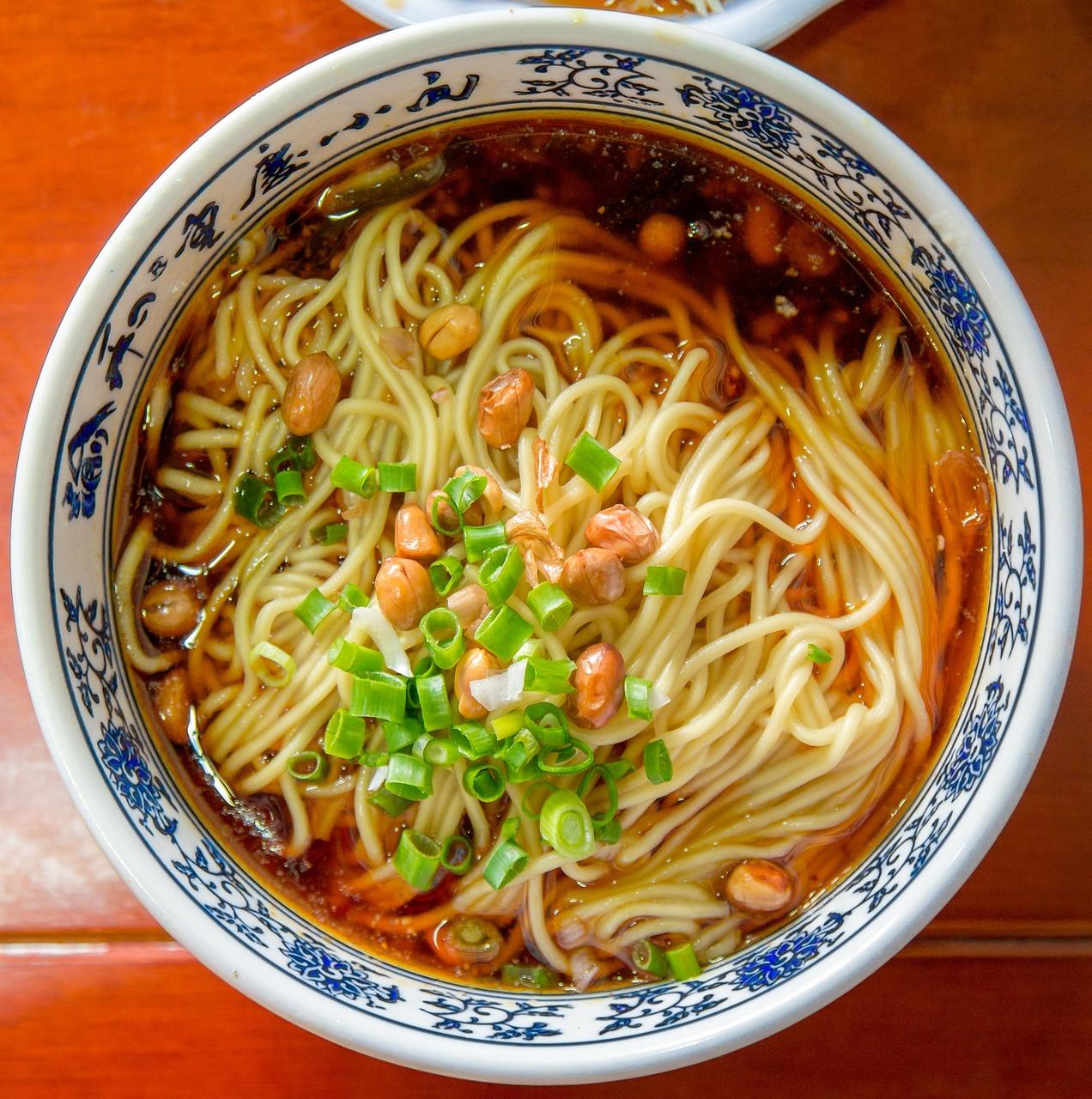
Chongqing xiao mianChilli oil noodles

Chongqing wakes up to these: thin wheat noodles in a small bowl of red, numbing sauce, eaten standing up at street stalls before work. The noodles are plain; everything happens in the bowl, where chilli oil, Sichuan pepper, garlic water, preserved mustard greens and crushed peanuts are stacked up before the noodles go in. The vegetable version on this page is how most locals order it day to day. Chef's tip: some bought chilli oils are made with beef fat, so check the label or use your own vegetable-oil chilli oil.

by KrazyBadal 0 views

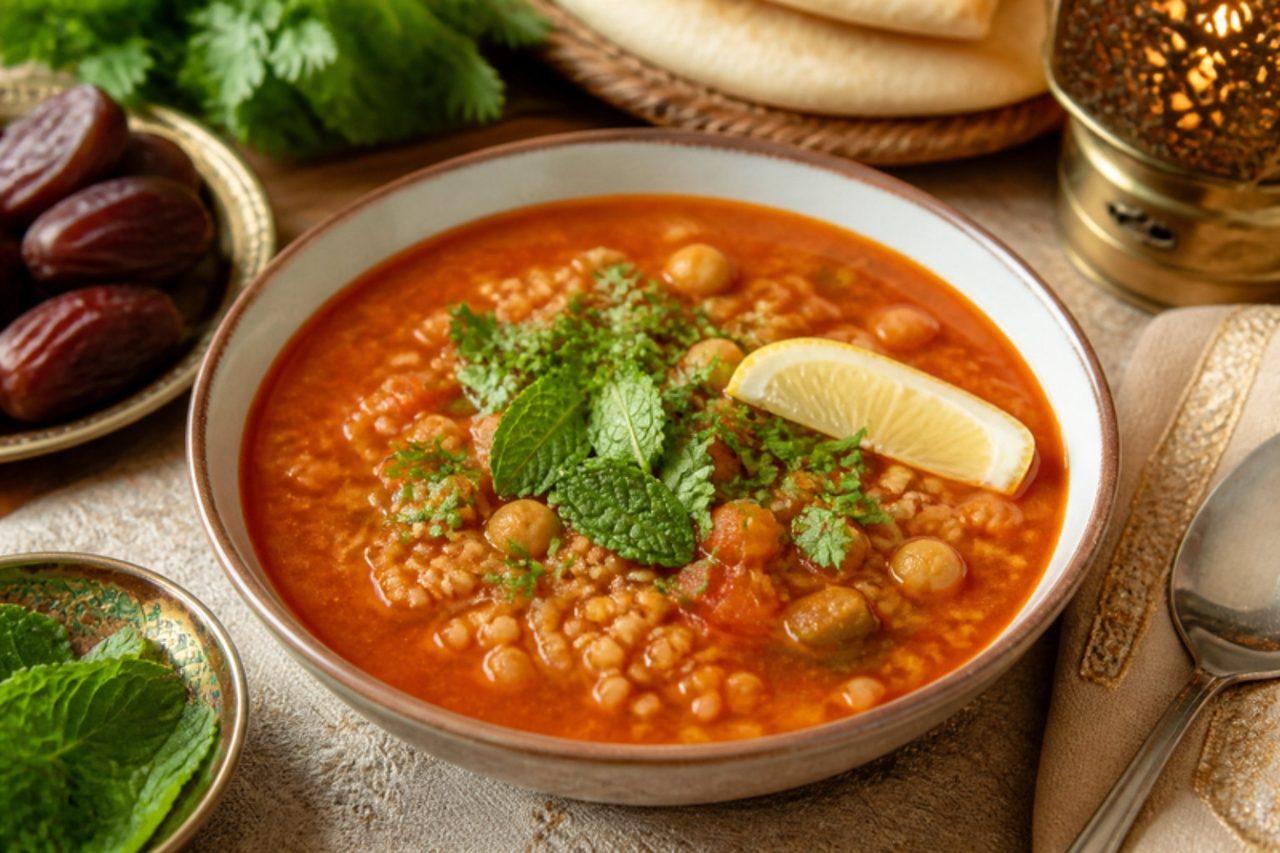
Vegetable chorba frikTomato soup with green wheat

Chorba frik is the soup that breaks the fast in Algerian homes every evening of Ramadan, from Algiers to Constantine, and it is just as common in Libya as shorba. Frik is young green wheat, roasted and cracked, which gives the tomato broth a smoky, nutty depth. It usually cooks with lamb; here chickpeas, celery and courgette carry it. Serve with lemon wedges and bread. Chef's tip: add the frik only once the broth is boiling and stir for the first minute, or it sinks and sticks.

by KrazyBadal 0 views

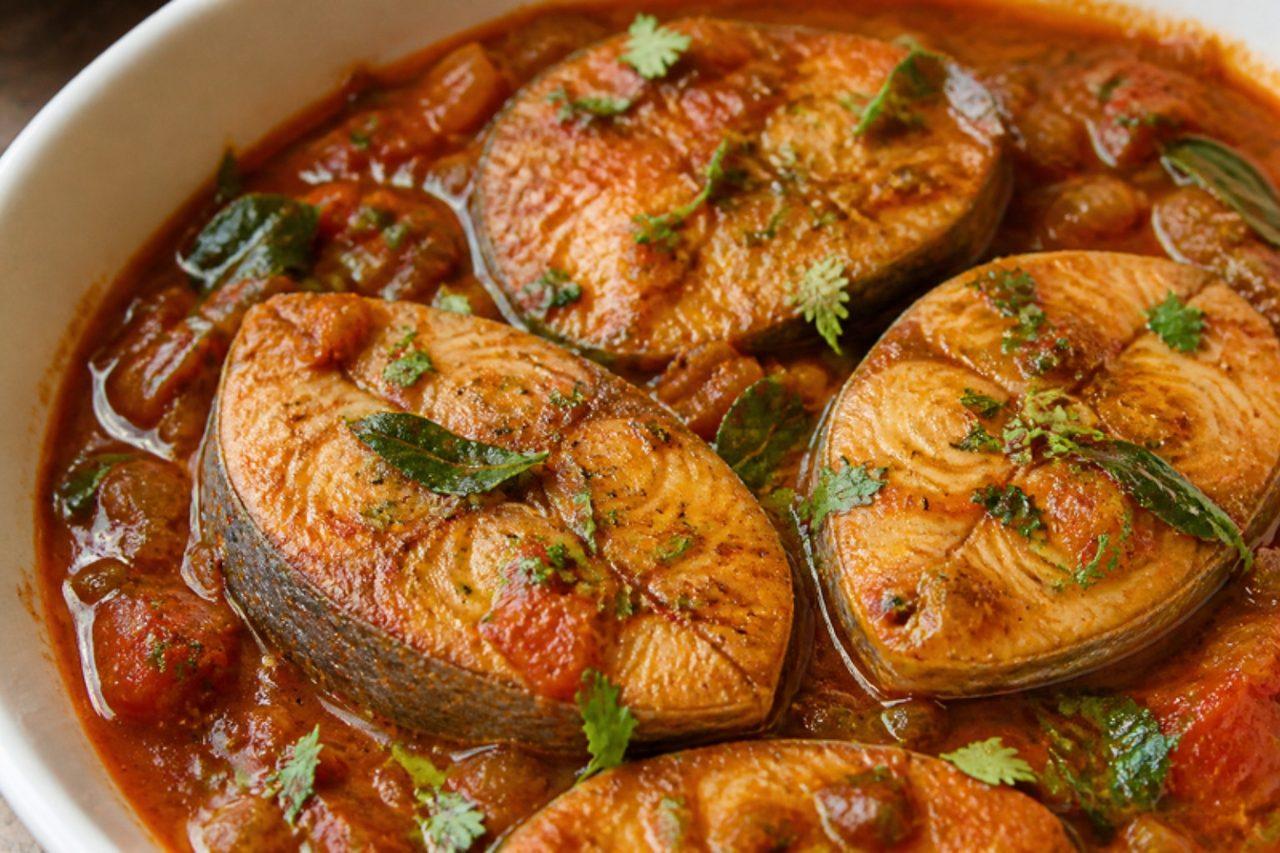
Mauritian fish curry

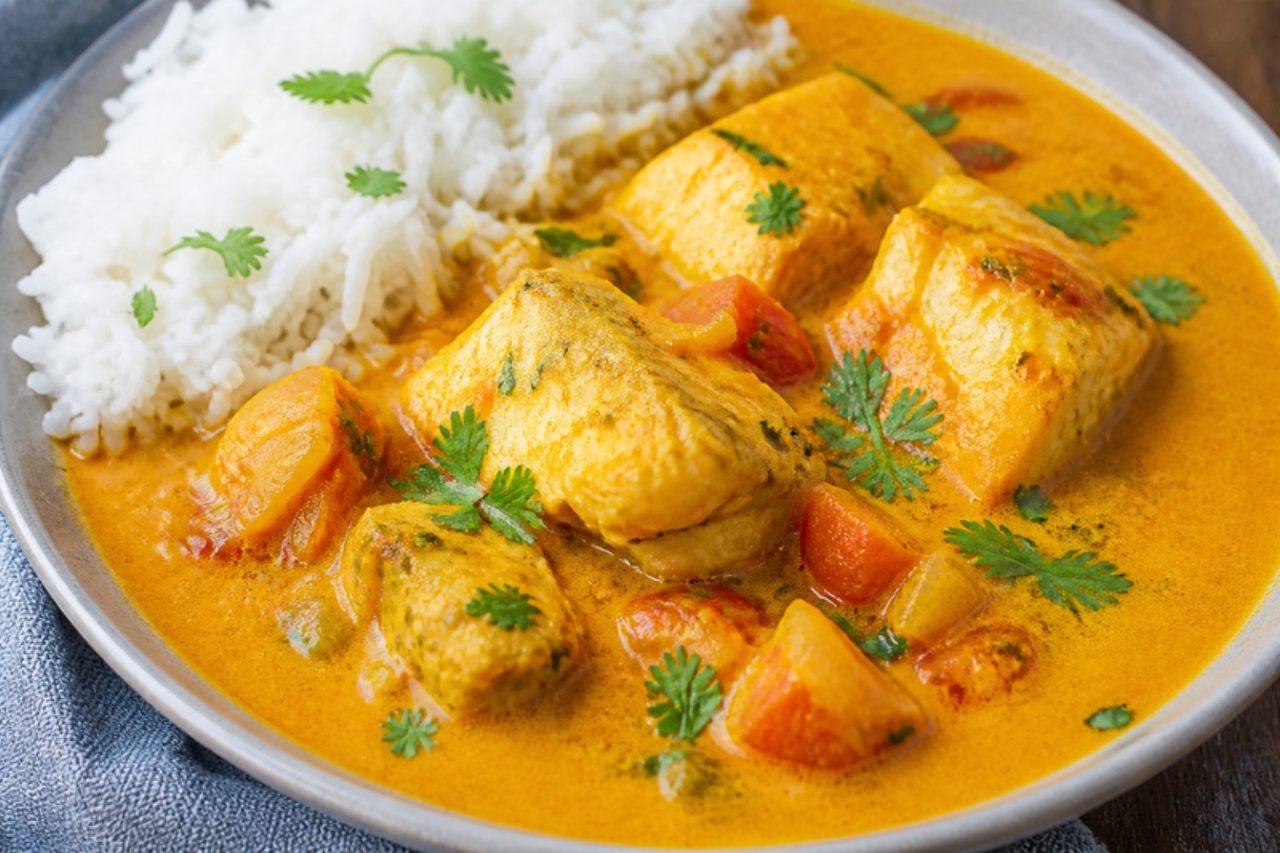
Cari poisson is cooked in Mauritian homes from Port Louis to the fishing villages of Mahébourg, a curry where Indian spice meets Creole herbs: pieces of firm fish are first fried, then simmered in a sauce of tomato, onion, curry powder, curry leaves and thyme. It is eaten with rice, lentils (dholl) and a spoon of chilli pickle. The mistake is putting raw fish into the sauce, which makes it fall apart; frying it first keeps it firm. Chef's tip: toast the curry powder in oil until it smells nutty before the tomatoes go in.

by KrazyBadal 0 views

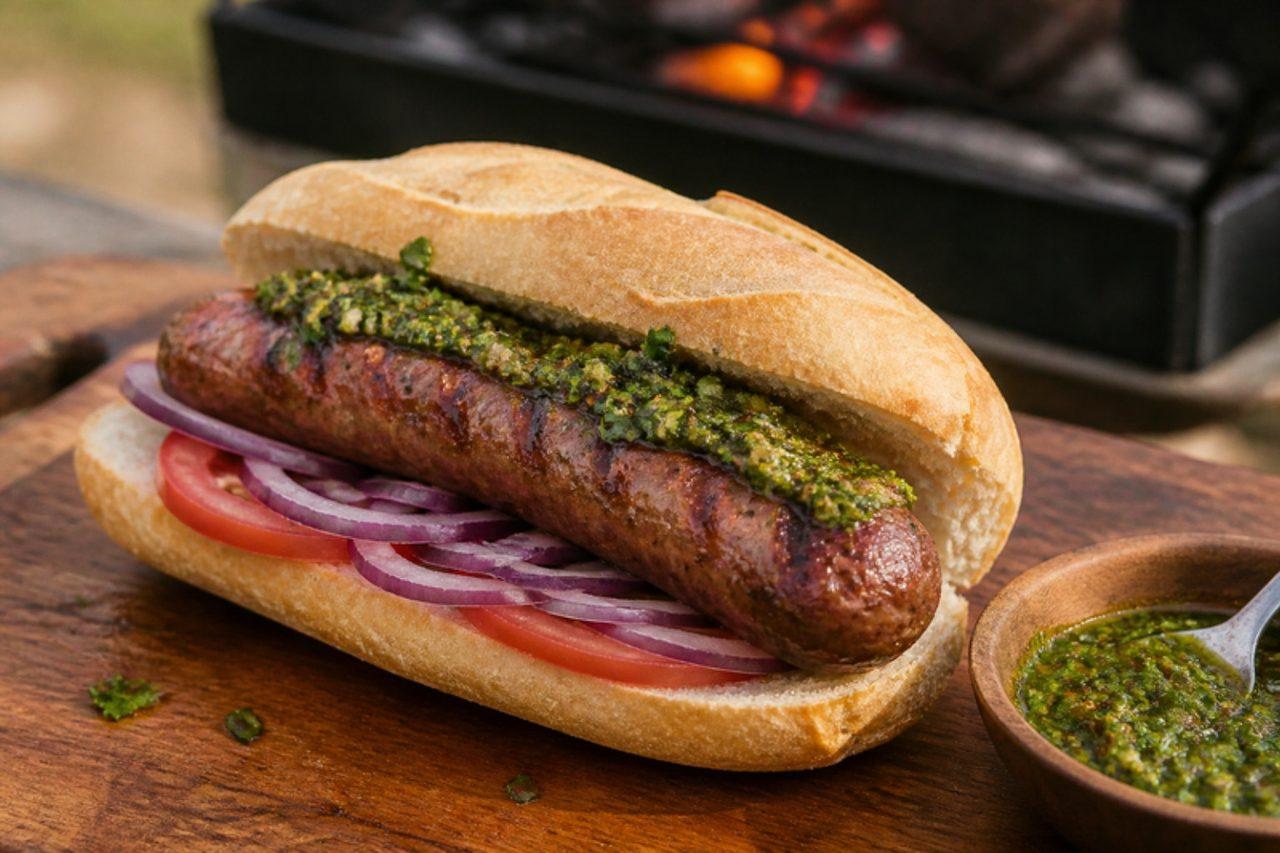
ChoripánChorizo sandwich

Choripán is what fans buy outside football stadiums in Buenos Aires, what the asador hands round while the beef is still cooking, and what stalls sell along Costanera Sur on a Sunday afternoon. This is a pork dish: a fat Argentine-style fresh chorizo (pork, sometimes mixed with beef) is grilled slowly, split open (a mariposa) and tucked into a crusty roll with chimichurri or salsa criolla. That's it, and it doesn't need more. The common mistake is grilling the chorizos too hot, so the skins burst and the centre stays raw; low and slow is the rule. Chef's tip: once cooked, split each chorizo lengthways and give the cut sides 1 minute on the grill so they char a little.

by KrazyBadal 0 views

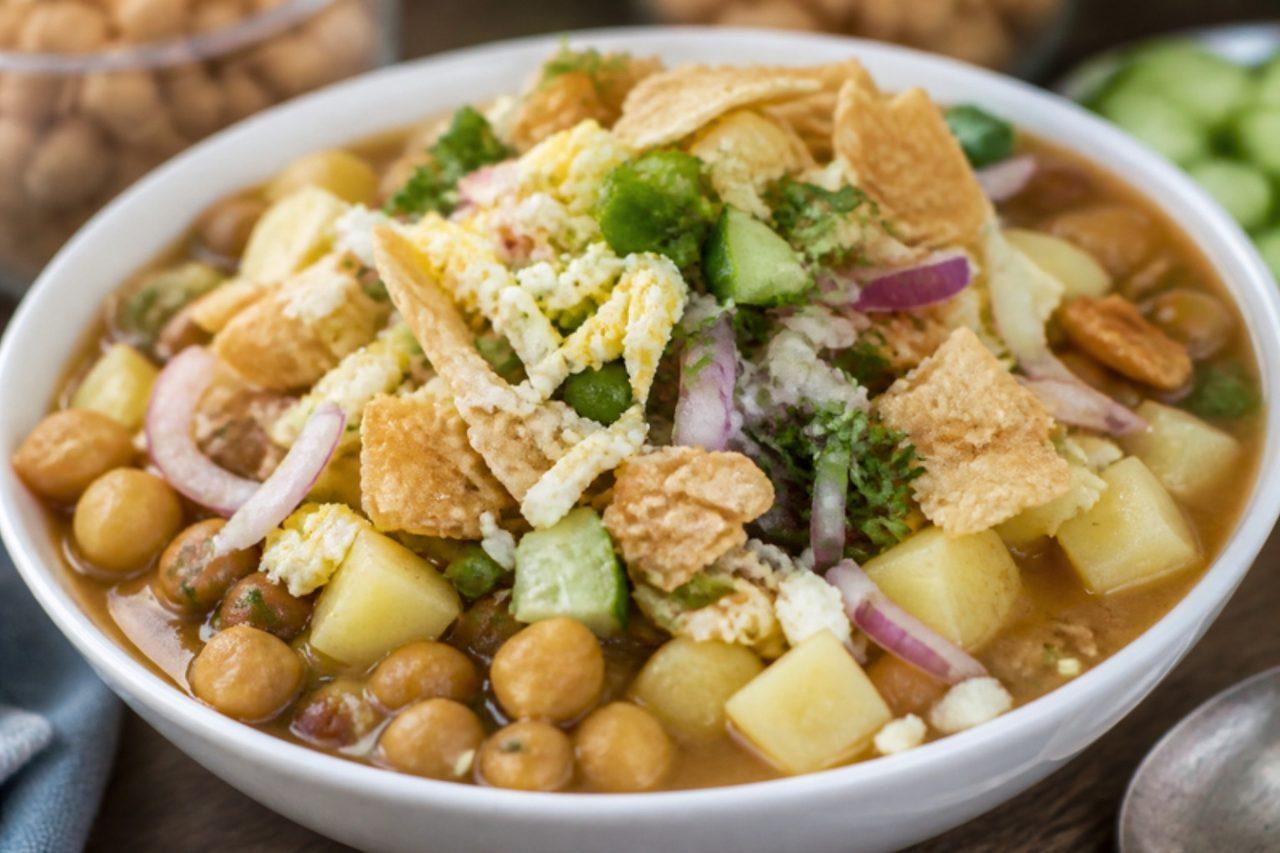
ChotpotiSpiced yellow pea snack

Chotpoti is what Dhaka eats at dusk: vendors ladle it from great brass pots at Dhanmondi Lake and outside every university gate, and during Ramadan it is a fixture of the iftar spread. Dried yellow peas (motor) are simmered with potato until soft and slightly soupy, then served warm under a shower of raw onion, green chilli, grated boiled egg, crushed fuchka shells, roasted cumin and plenty of sour tamarind water. Chef's tip: soak the peas overnight and cook them until some burst and thicken the liquid; chotpoti should be spoonable, halfway between a stew and a salad.

by KrazyBadal 0 views

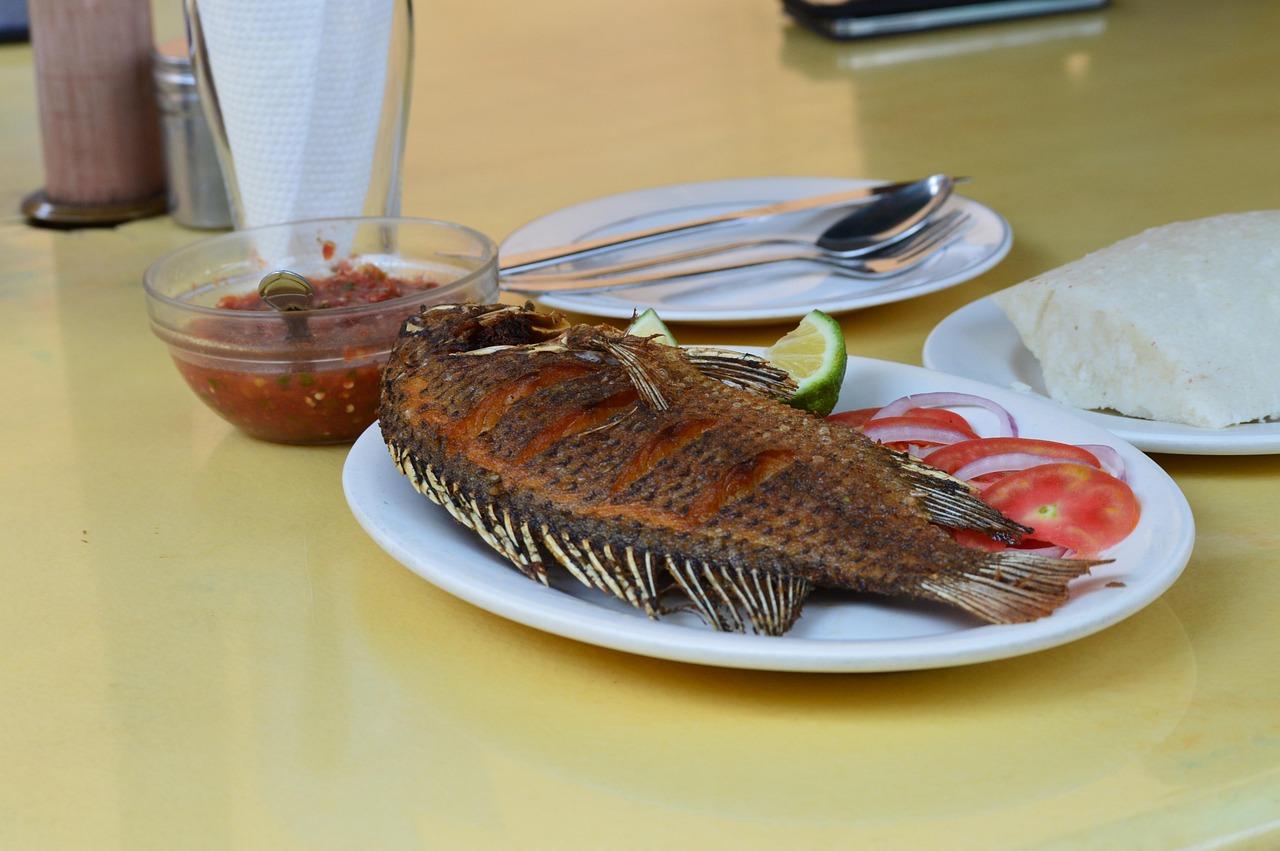
Kisumu fried tilapia

On the shores of Lake Victoria at Kisumu's Dunga beach and in the fish kiosks of Kampala and Mwanza, tilapia comes straight from the boats, is scored, rubbed with salt, garlic and lemon and deep-fried whole until the skin is crackling. It is served with a block of ugali, sukuma wiki (braised kale) and kachumbari, and eaten with your hands, pulling the sweet flesh off the bone. The mistake is frying a wet fish in oil that isn't hot enough, which makes it greasy and stick; dry it well and wait for 180 °C. Chef's tip: dust the fish lightly with cornflour just before frying for an extra-crisp skin.

by KrazyBadal 0 views

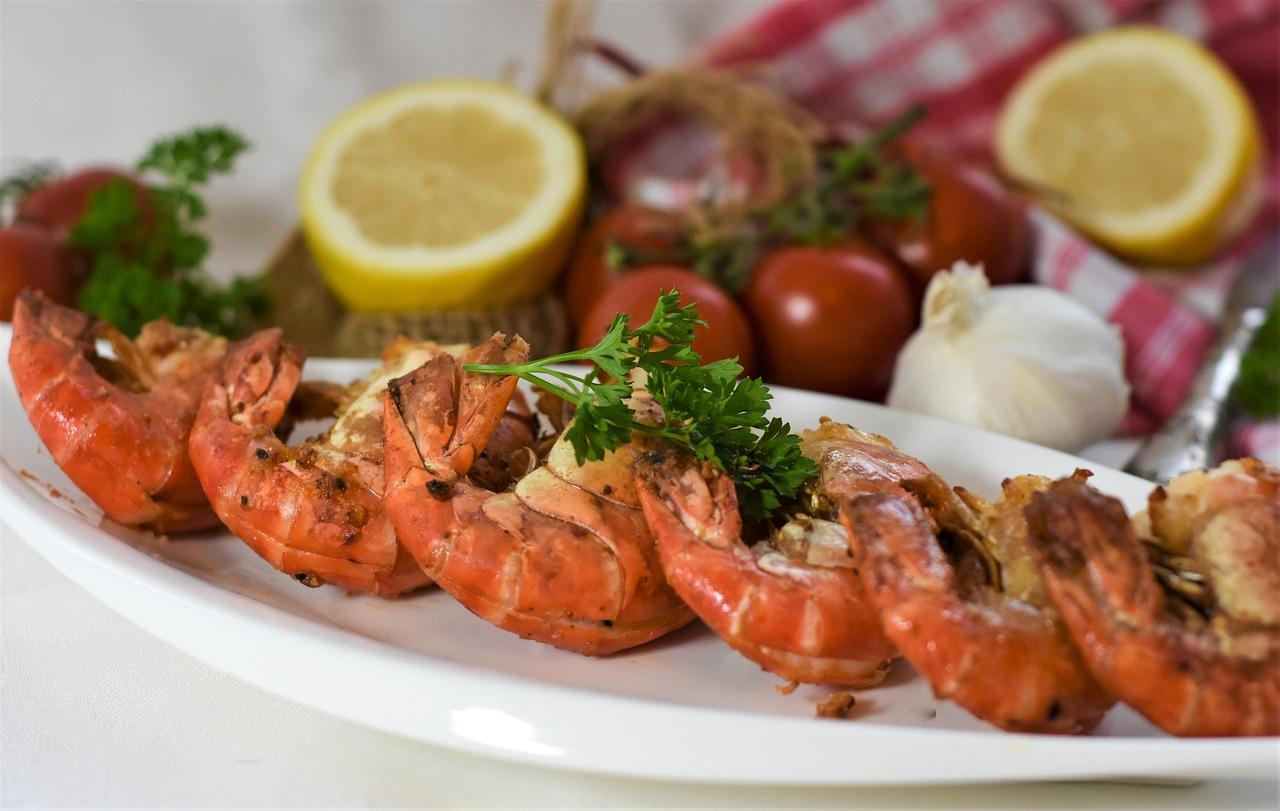
Mozambique peri-peri prawns

Maputo's waterfront restaurants and the beach shacks of Inhambane and Vilanculos are famous for their prawns: big shell-on prawns split down the back, painted with a sauce of piri-piri chilli, garlic, lime and butter and grilled over coals until the shells blister. You eat them with your fingers, sucking the sauce off the shells, with bread or chips. The mistake is overcooking, which turns them rubbery; they need only 2–3 minutes a side. Chef's tip: split the prawns through the shell and remove the dark vein, so the sauce gets right into the flesh.

by KrazyBadal 0 views

Zanzibar fish curry

Mchuzi wa samaki is cooked in homes all along the Swahili coast, from Mombasa and Lamu to Stone Town in Zanzibar, where the spice trade left cumin, cardamom and turmeric in every kitchen. Firm fish simmers briefly in a sauce of tomato, onion and coconut milk soured with tamarind, and it is eaten with plain rice or chapati. The mistake is stirring once the fish is in, which breaks it up; shake the pan gently instead. Chef's tip: rub the fish with turmeric, lime and salt for 15 minutes first, which firms it and seasons it all the way through.

by KrazyBadal 0 views

Chtitha djejChicken in paprika sauce with chickpeas

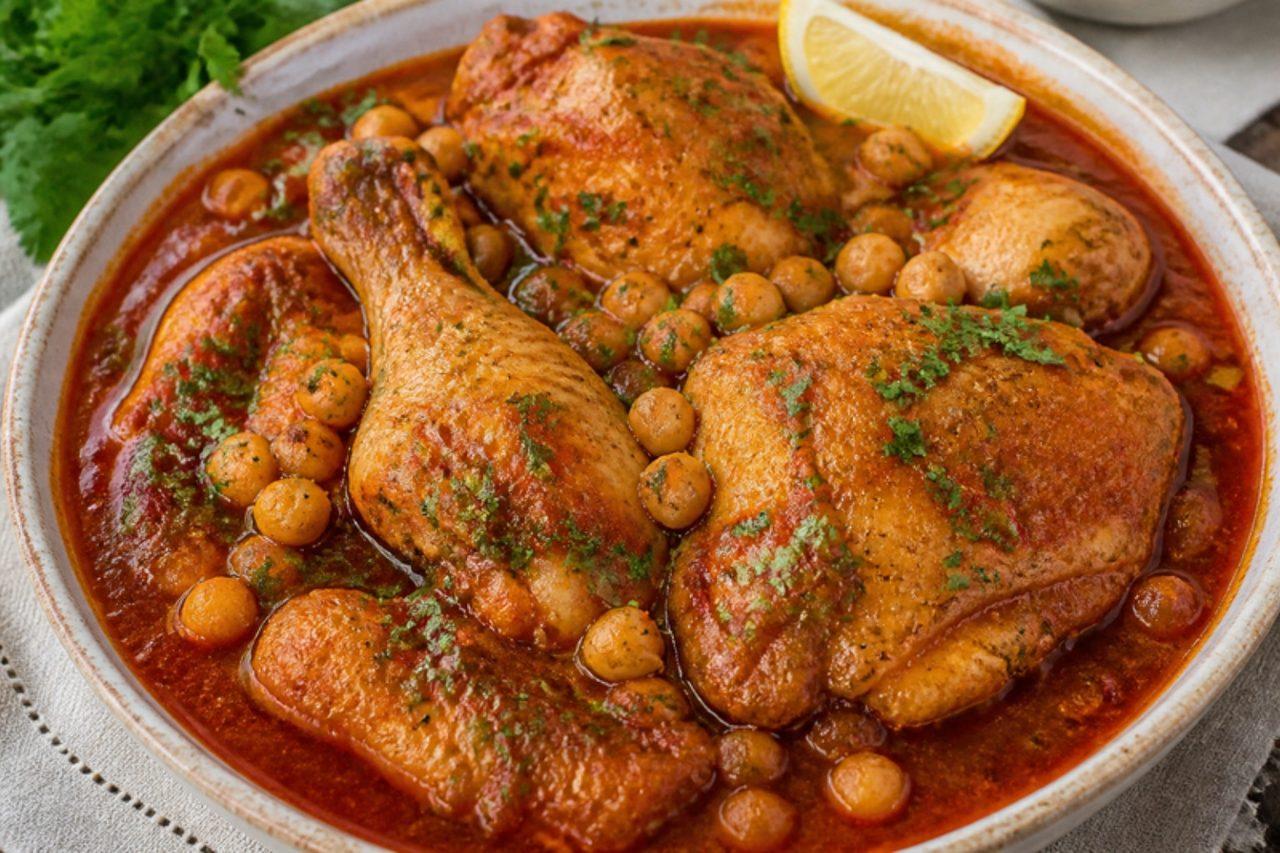
Chtitha djej is the everyday chicken of Algerian homes from Algiers to Constantine: chicken pieces simmered in a red sauce of paprika, cayenne, garlic and caraway with chickpeas, reduced until thick and clinging. It is mopped up with khobz or matlouh flatbread. The mistake is burning the garlic and paprika when they go into the oil, which turns the sauce bitter; keep the heat moderate and add water as soon as they smell toasted. Chef's tip: add a squeeze of lemon right at the end to brighten the spices.

by KrazyBadal 0 views

Chuanbei liangfenMung bean jelly in chilli oil

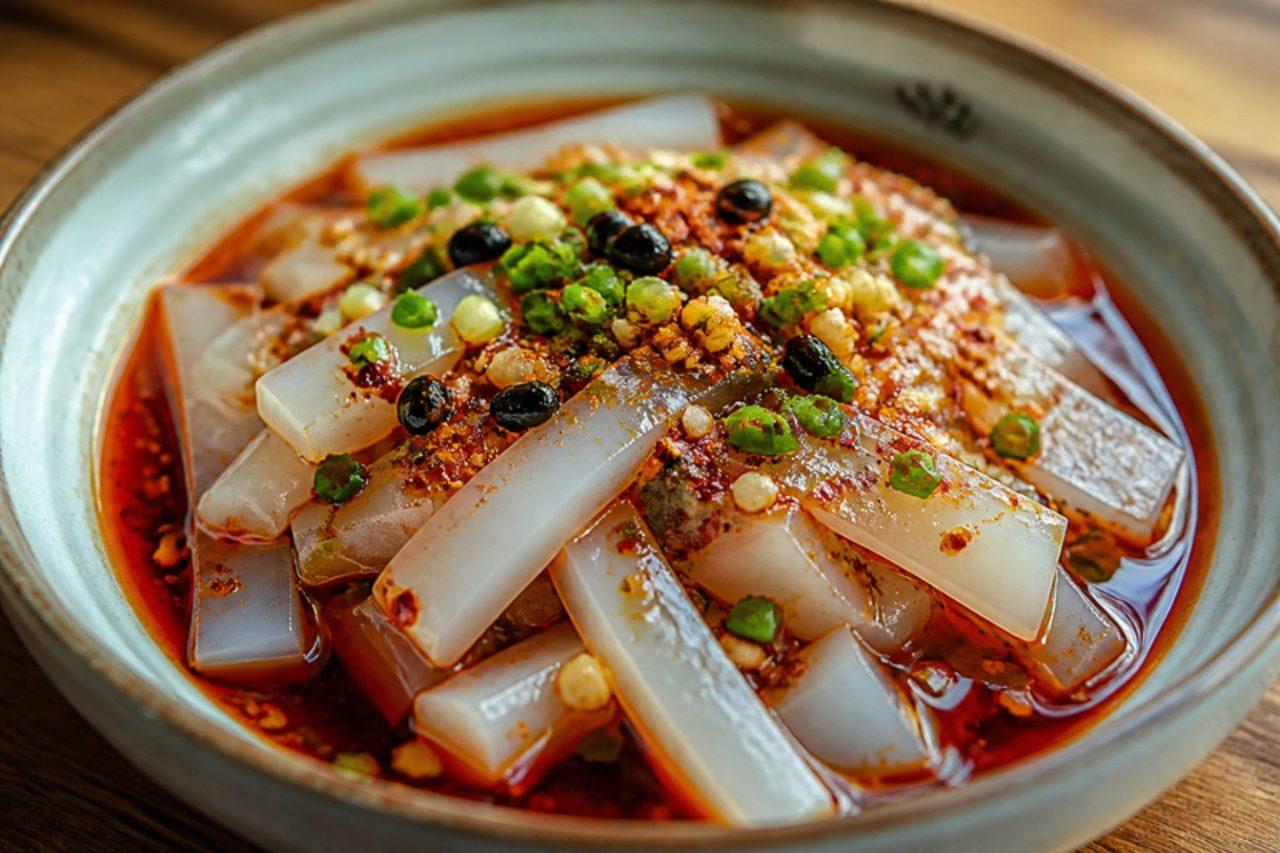
Nanchong, in the hills of north Sichuan, is famous for this snack: a soft, wobbly jelly set from bean starch, cut into thick ribbons and drowned in a red, glossy dressing. Street sellers keep it in big blocks and slice it to order, and people eat it as a mid-afternoon snack or a cold starter on hot days. The jelly itself tastes of almost nothing; the slippery texture and the punchy dressing are the point. Chef's tip: let the jelly set fully in the fridge, ideally overnight, so it is firm enough to cut cleanly but still trembles.

by KrazyBadal 0 views

Chuchitos de verdurasSmall vegetable tamales

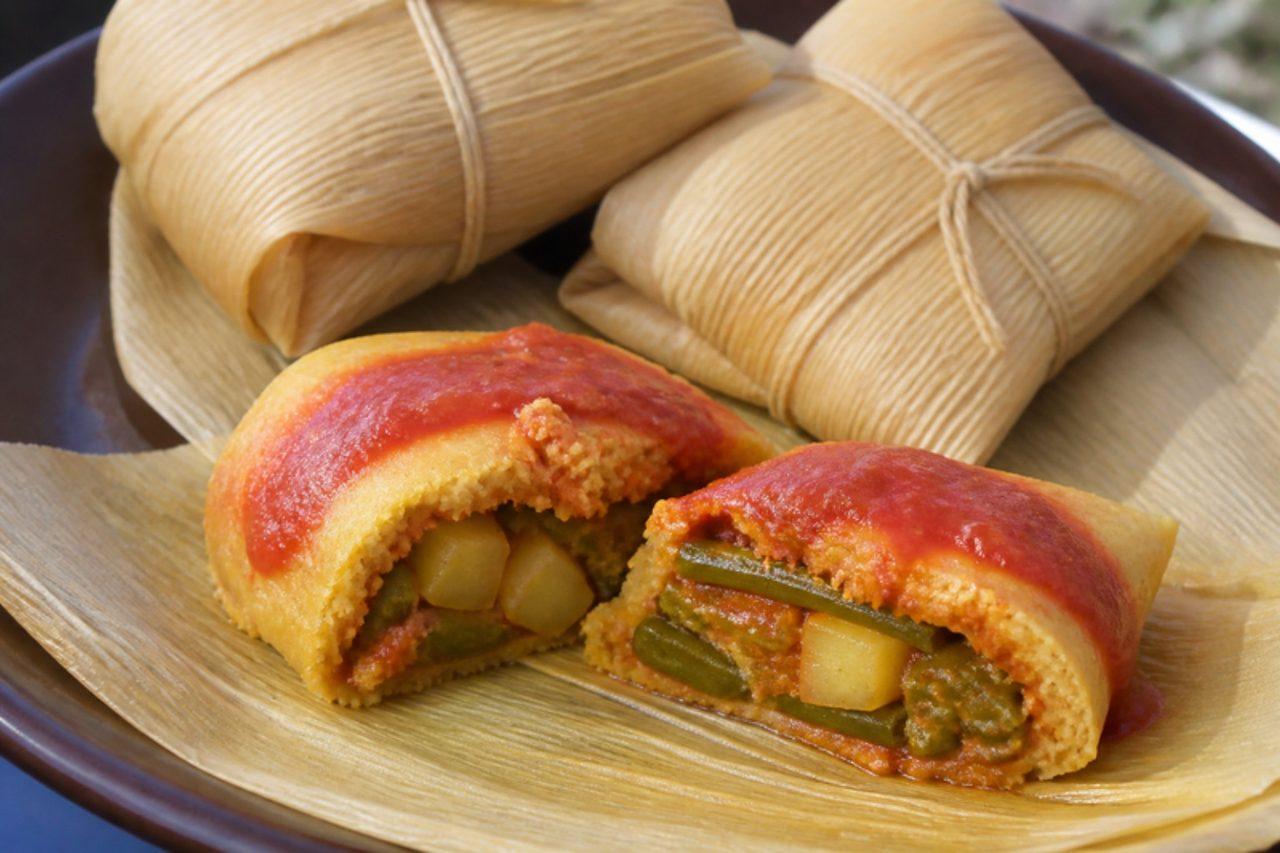
Chuchitos are Guatemala's everyday tamal: small, firm parcels of masa tied in corn husks, sold from steaming pots at markets in Antigua and Guatemala City and eaten on Saturdays with a spoon of tomato sauce and crumbled dry cheese. They're denser than Mexican tamales, with the masa itself tinted by the red recado. Here they're filled with potato, green beans and sweet pepper instead of chicken. Chef's tip: beat the masa until a pinch floats in a glass of water; that air makes them tender rather than stodgy.

by KrazyBadal 0 views

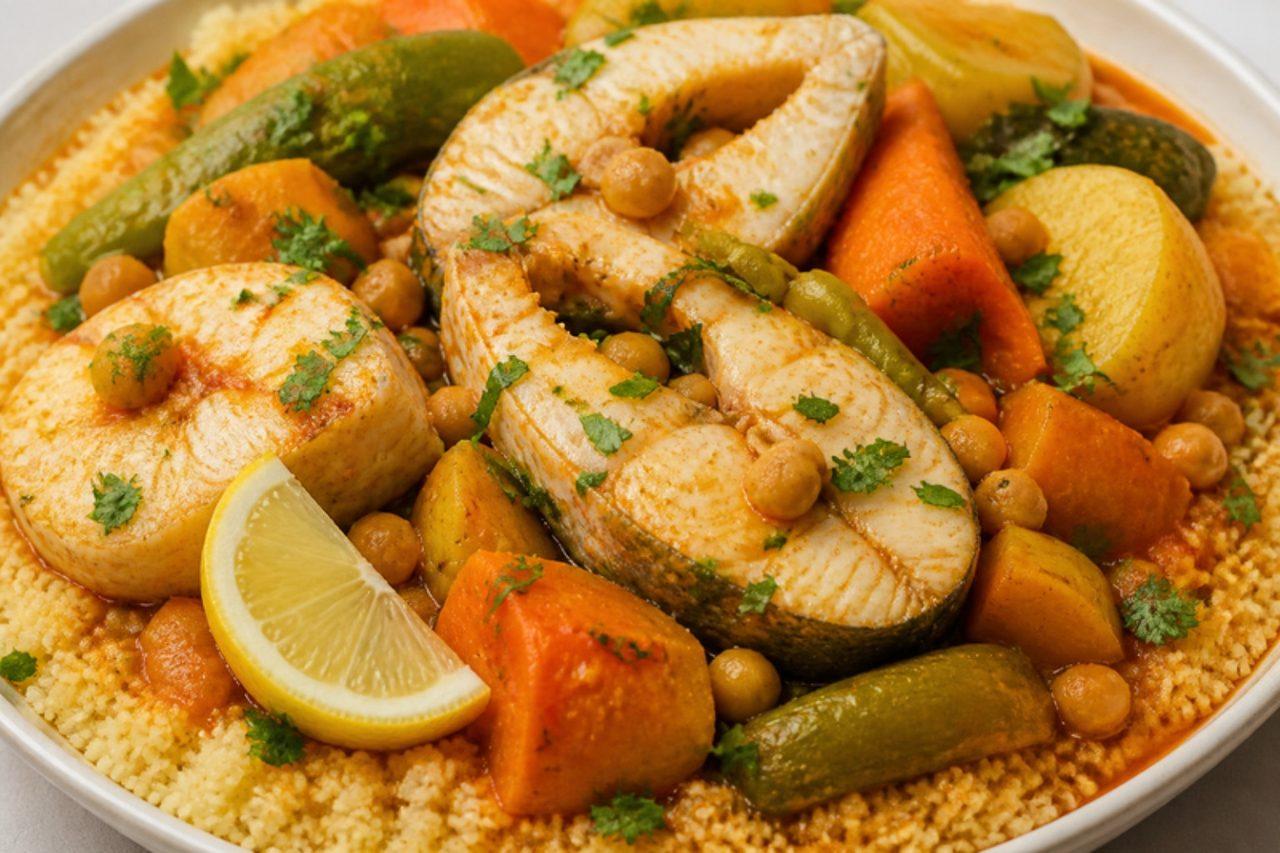
Tunisian fish couscous

On Tunisia's coast, especially in Sfax, Mahdia and the fishing towns of Cap Bon, couscous for Friday lunch is made with fish instead of meat: a red, peppery broth of tomato, harissa and caraway in which the vegetables cook first and the fish is poached at the end, while the couscous steams on top. The broth is ladled over the grains at the table until they glisten. The mistake is boiling the fish too long, so it breaks into the broth; poach it gently for the last 10 minutes only. Chef's tip: oil and rub the couscous between your palms before and after the first steaming so every grain stays separate.

105 minTunisianFishSpicy
by KrazyBadal 0 views

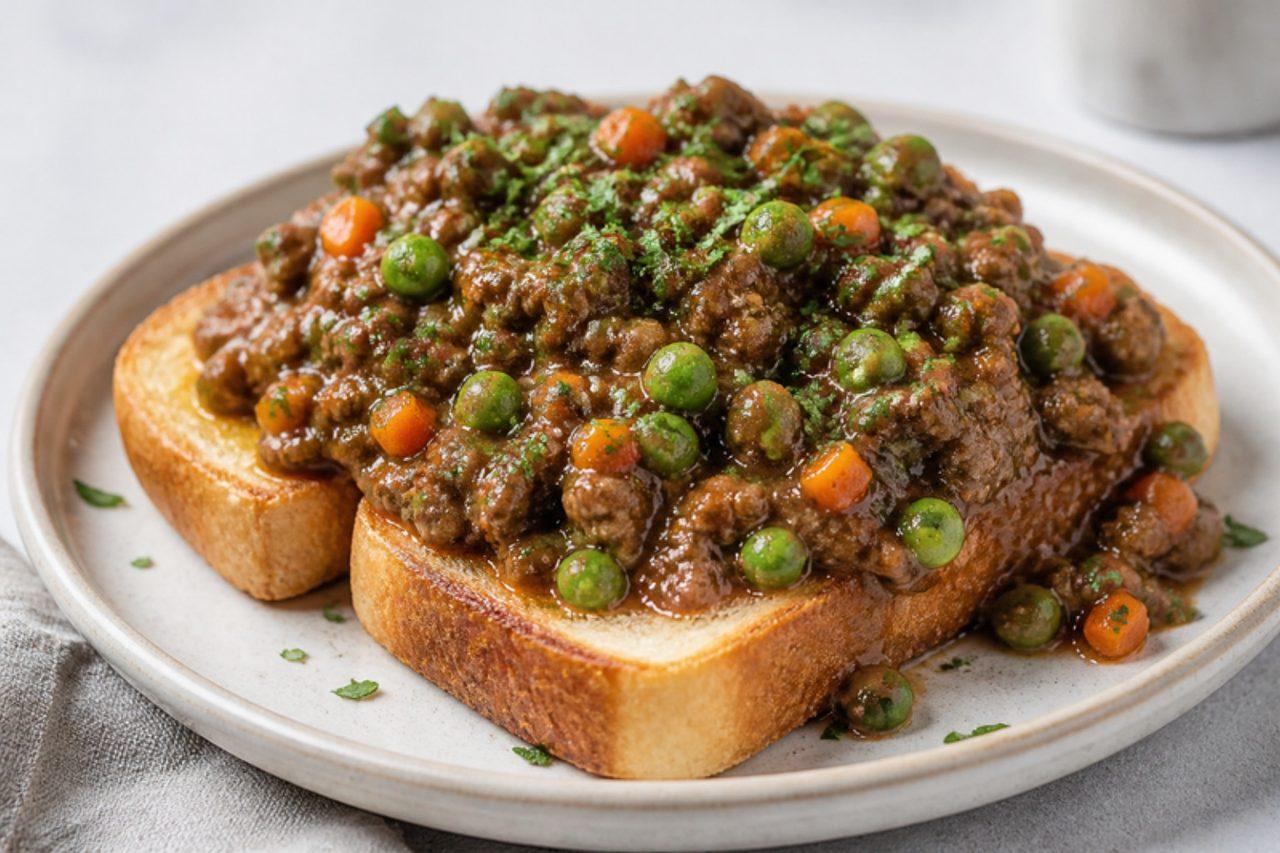
Mince on toast

Mince on toast is pure Kiwi comfort: a weeknight tea in homes from Invercargill to Auckland, and lately a proud fixture on café brunch menus, where it comes with a poached egg on top. Beef mince is browned hard, simmered with onion, grated carrot and a glug of Worcestershire sauce into a thick savoury gravy, then finished with peas and piled onto buttered toast. It's quick, cheap and kids love it. The usual mistake is stirring the mince constantly in a crowded pan, so it steams grey instead of browning; let it sit and catch colour. Chef's tip: grate the carrot instead of chopping it; it melts into the gravy and sweetens it without anyone noticing the vegetables.

by KrazyBadal 0 views

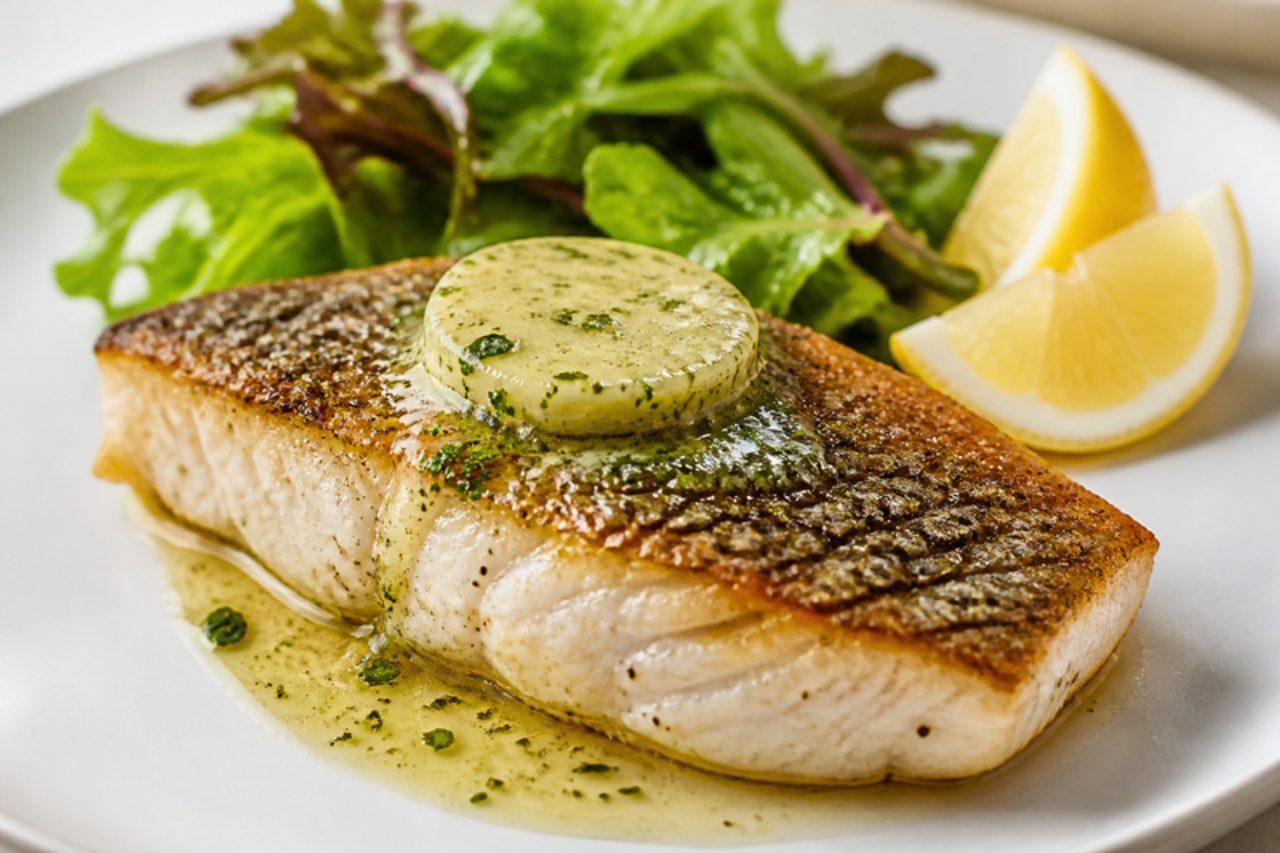
Barramundi with lemon myrtle butter

Barramundi is the prize fish of Australia's tropical north, caught in the rivers and estuaries of the Northern Territory and Far North Queensland and served everywhere from Darwin's waterfront to Brisbane pubs. Its firm, sweet white flesh is best cooked simply, skin side down until crisp, then topped with a butter flavoured with lemon myrtle, a native rainforest leaf that tastes like lemon and lemongrass together. Eat it with a green salad, new potatoes or chips on a warm evening. The mistake to avoid is moving the fillets too soon: the skin tears and sticks; leave them until they release by themselves. Chef's tip: dry the skin very well with kitchen paper and salt it just before cooking, never earlier, or it draws out moisture and won't crisp.

by KrazyBadal 0 views

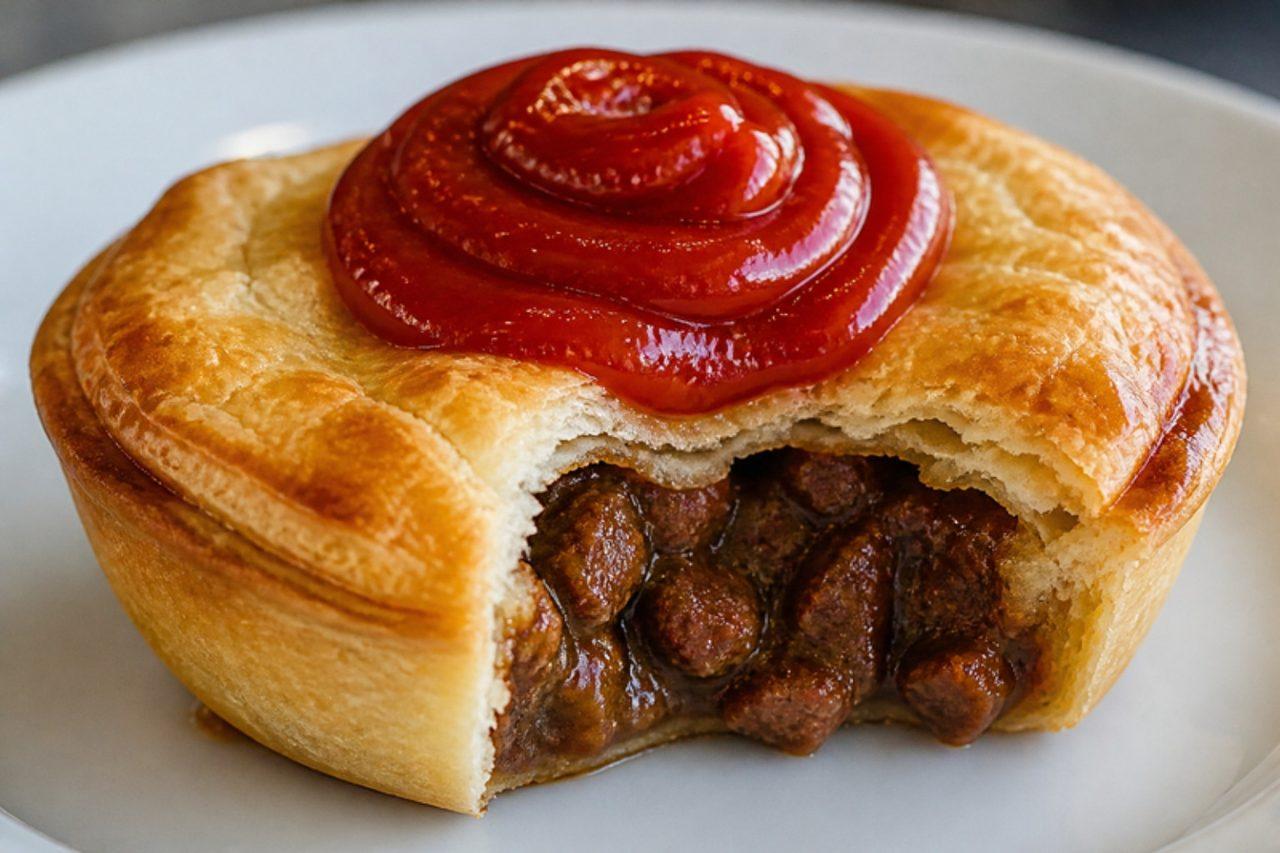
Aussie meat pie

Half-time at the MCG, a country-town bakery at 7 am, a servo on a long drive: the meat pie is Australia's everyday hand-held meal, eaten straight from its paper bag with a squirt of tomato sauce. A sturdy shortcrust base holds minced beef in thick, peppery gravy, and a flaky puff pastry lid shatters on the first bite. Making them at home takes a little time, but the filling can be cooked a day ahead. The mistake behind a soggy base is filling the pastry with hot mince; let the filling cool completely in the fridge first. Chef's tip: cook the filling until it is thicker than you think it needs to be; a loose gravy boils over and leaks through the base.

by KrazyBadal 0 views

AlcapurriasGreen banana and taro fritters

Drive along the coast road at Piñones in Loíza on a weekend and the beach kiosks are frying alcapurrias by the tray, each one wrapped in paper with a dash of chilli vinegar. The shell is a masa of grated green banana and yautía (taro root), coloured with annatto oil, that fries to a crisp crust with a soft, almost creamy inside; the filling here is a well-seasoned beef picadillo. They are a Loíza tradition with roots in the town's Afro-Puerto Rican cooking. The common mistake is frying warm, wet masa, which spreads and falls apart in the oil; chill it until firm. Chef's tip: shape them on a piece of greaseproof paper or banana leaf brushed with annatto oil, then slide each one straight off into the pan.

by KrazyBadal 0 views

Griot with pikliz

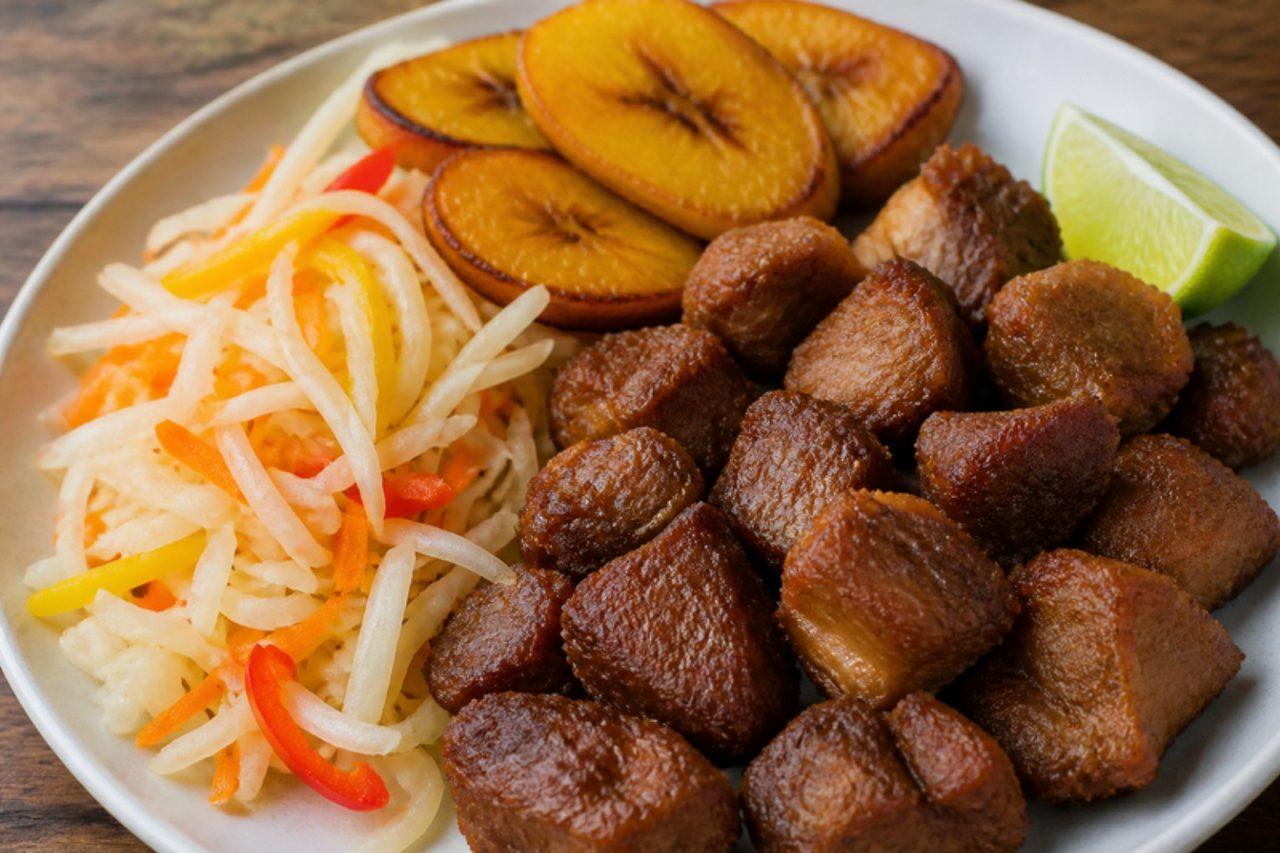
Griot is Haiti's party food: it is piled on platters at weddings, first communions and Saturday-night fritay stalls in Port-au-Prince, always with pikliz, a crunchy, very hot pickle of cabbage, carrot and Scotch bonnet. Chunks of pork shoulder soak up a green epis marinade of sour orange, herbs and garlic, simmer until tender and then fry until the outside turns dark and crisp. This is a pork dish. Serve it with fried plantain (bannann peze) and rice with beans. The mistake that ruins the crust is frying the pork straight from the pot while still wet; it spits and steams instead of browning, so drain and dry the pieces first. Chef's tip: make the pikliz at least a day ahead; after a night in the fridge the heat softens and spreads through the vinegar.

140 minHaitianMeatGluten freeSpicy
by KrazyBadal 0 views

ChurchkhelaWalnuts in grape juice coating

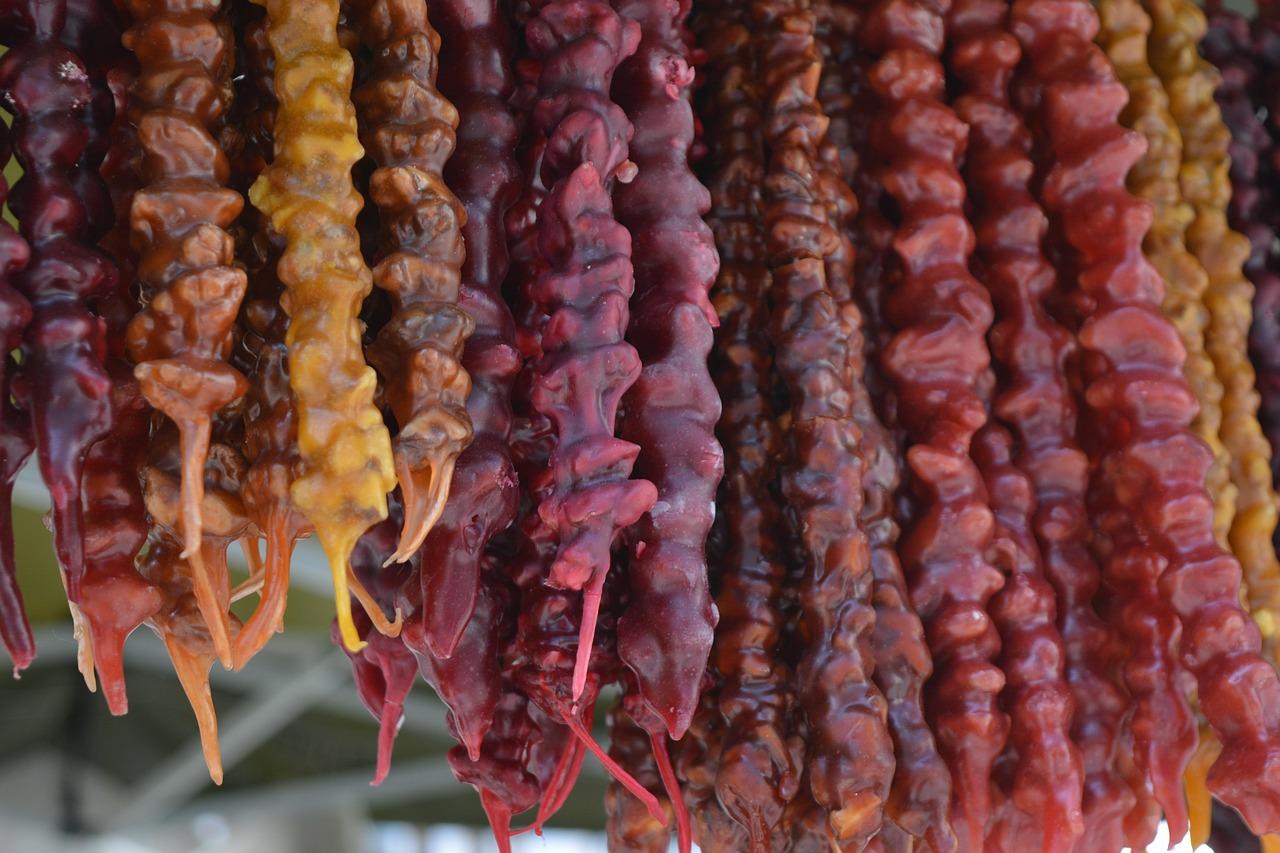
Churchkhela are the candle-shaped sweets you see hanging in bunches at every Georgian market, but they are made at home during rtveli, the grape harvest in Kakheti in September and October. Walnuts are threaded on a string and dipped again and again in tatara, fresh grape must thickened with flour, then hung up to dry for a week, until firm and chewy outside and tender within. They are eaten at New Year and kept for months. A common mistake is a tatara that is too thin, which slides off the nuts; it should coat the back of a spoon thickly and fall in ribbons. Chef's tip: let each coat set for 10–15 minutes before the next dip; three or four thin coats look and keep better than one thick one.

by KrazyBadal 0 views

Gravlax with mustard-dill sauce

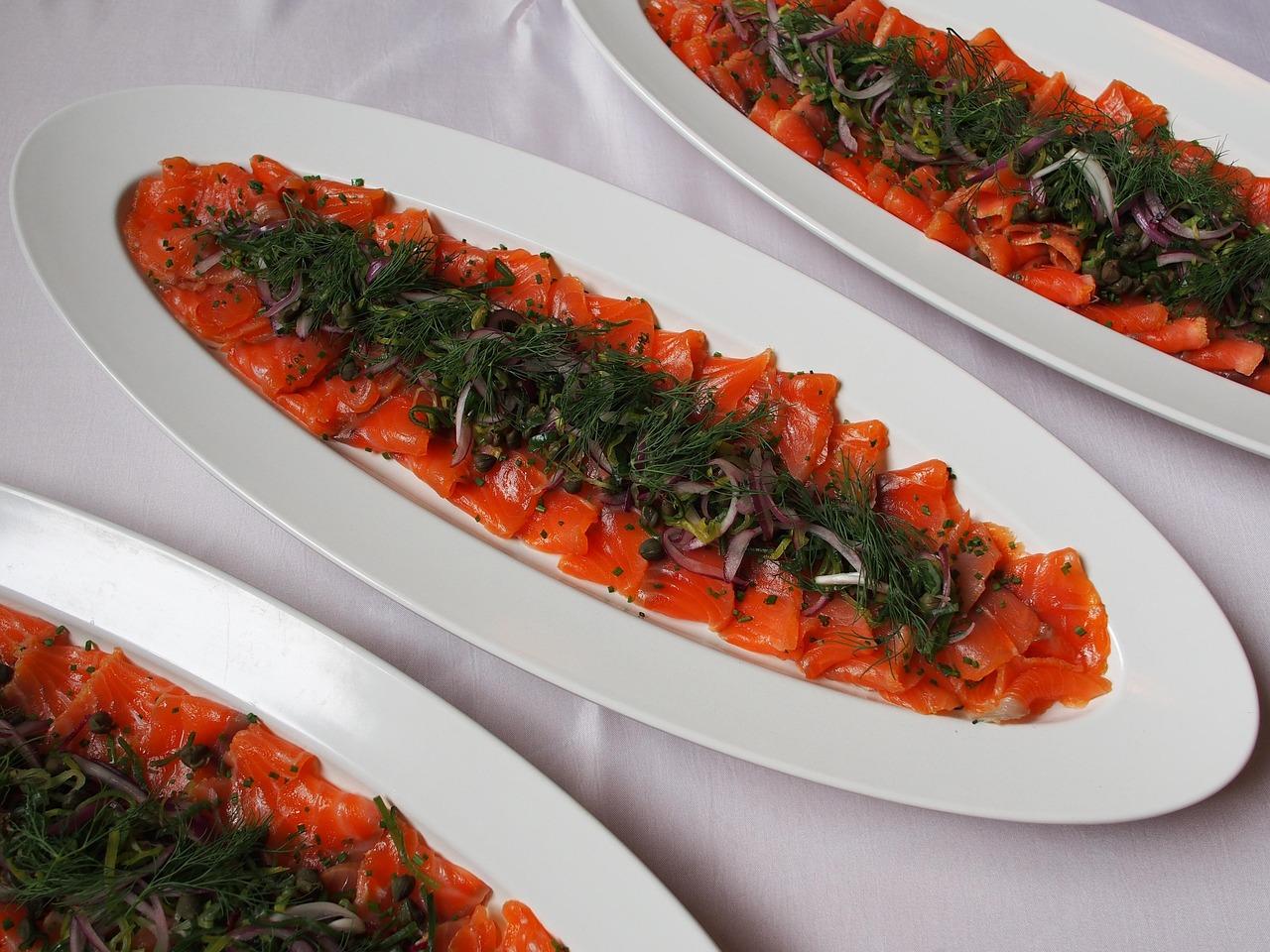
Along the coasts of Norway and Sweden, gravlax is the centrepiece of Christmas and Easter buffets and a favourite on open sandwiches through the year. A side of salmon is pressed under salt, sugar, dill and white pepper for two days in the fridge, which firms the flesh and turns it silky, then it is sliced paper-thin and served with a sweet mustard-dill sauce, rye bread or boiled new potatoes. This is cured, not cooked, fish: use very fresh salmon that has been previously frozen (or freeze it yourself at -18 °C for at least 4 days, then thaw in the fridge) to kill any parasites, and it is not suitable for pregnant women, young children or anyone with a weakened immune system. A frequent error is slicing it thick and straight down; cut long, thin slices at a low angle towards the tail. Chef's tip: turn the parcel every 12 hours and baste with the brine it releases so the cure is even on both sides.

by KrazyBadal 0 views

Churpi ningroFiddlehead fern curry

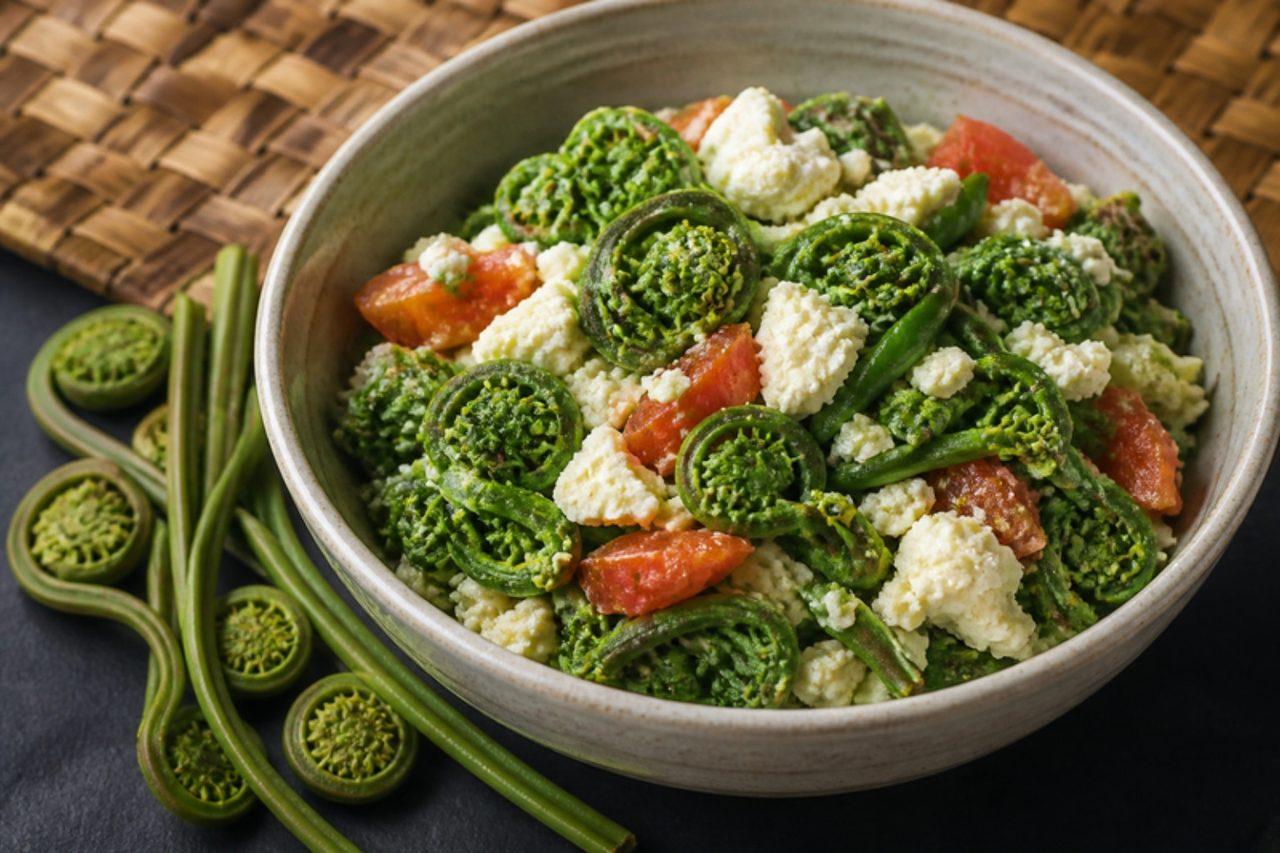
In the monsoon, ningro (fiddlehead fern) shoots appear in the hill markets of Gangtok, Namchi and Darjeeling, curled like violin scrolls. Sikkimese homes cook them quickly with onion, tomato and green chilli, then stir in crumbled soft churpi, a fresh, tangy cheese made from yak or cow's milk, which melts into a creamy, slightly sour sauce. It is a side dish for rice and dal, and tastes green and grassy, a little like asparagus. Chef's tip: always boil ferns for a few minutes and drain before cooking; it removes bitterness. Ricotta or crumbled feta is a fair stand-in for churpi.

by KrazyBadal 0 views

Chushki byurekFried cheese-stuffed peppers

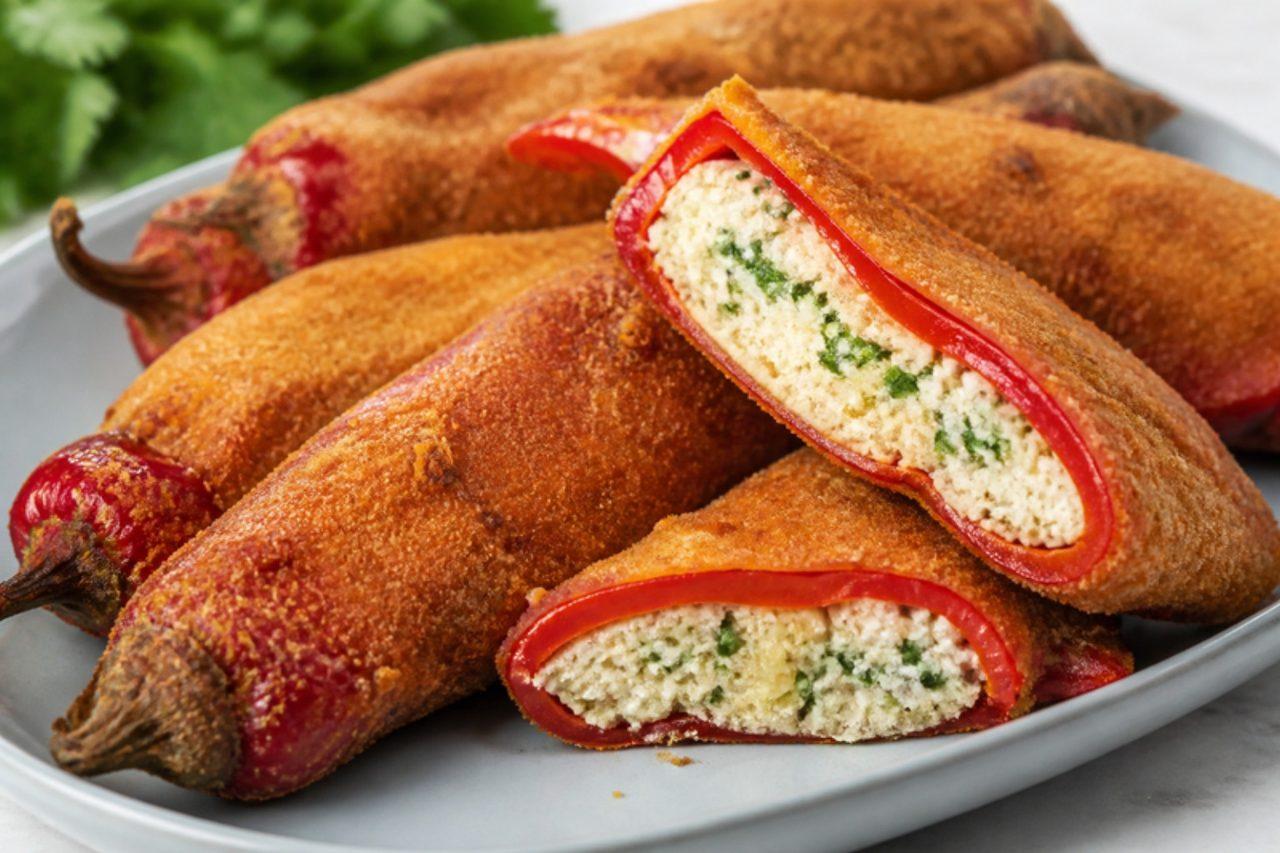
Chushki byurek are one of the great autumn dishes of Bulgaria: in September, when the long red peppers ripen around Plovdiv and Pazardzhik, they are roasted, peeled, filled with sirene and egg, then dipped in flour, egg and breadcrumbs and fried. The outside crunches, the pepper is silky and sweet, and the salty cheese melts inside. They are served hot as a main course with a tomato salad, or cold the next day. Chef's tip: dry the peeled peppers well before filling; a wet pepper is the usual mistake, and the batter slides off and the oil spits.

by KrazyBadal 0 views

Pork khorovats

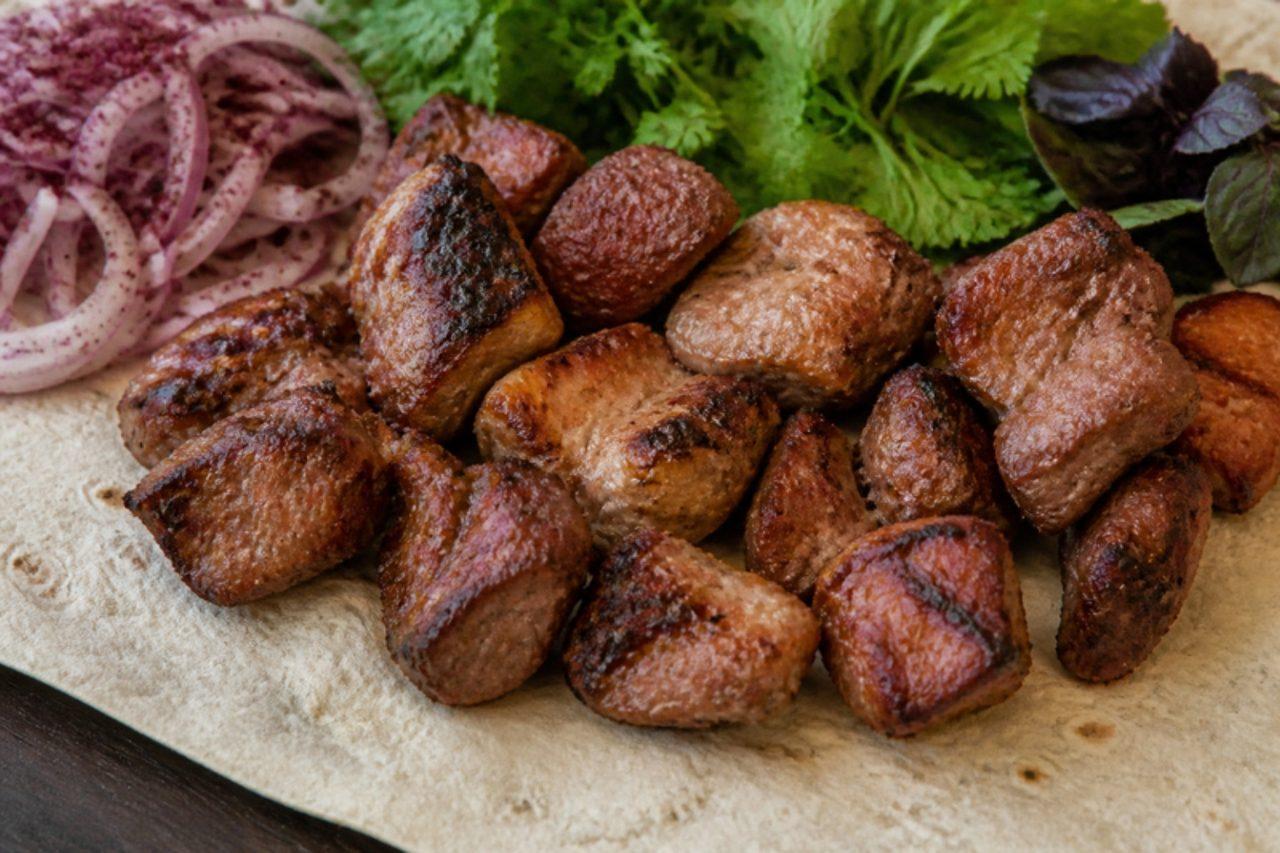
Khorovats is the centre of every Armenian summer weekend, whether at a family dacha near Yerevan or a picnic by Lake Sevan: big chunks of meat on long flat skewers, grilled over vine or apricot wood. This version uses pork (it contains pork) from the neck or shoulder, which stays juicy over fire; boneless lamb leg works the same way with 2–3 minutes less cooking. The marinade is just onion, black pepper, a little paprika and herbs, and the meat is served with raw onion, flat lavash and a plate of grilled vegetables. A frequent mistake is cutting the pieces small; at under 4 cm they dry out before the outside browns. Chef's tip: lay a sheet of lavash over the finished skewers for a minute so it soaks up the juices, then eat the bread too.

by KrazyBadal 0 views

Uzbek lamb shashlik

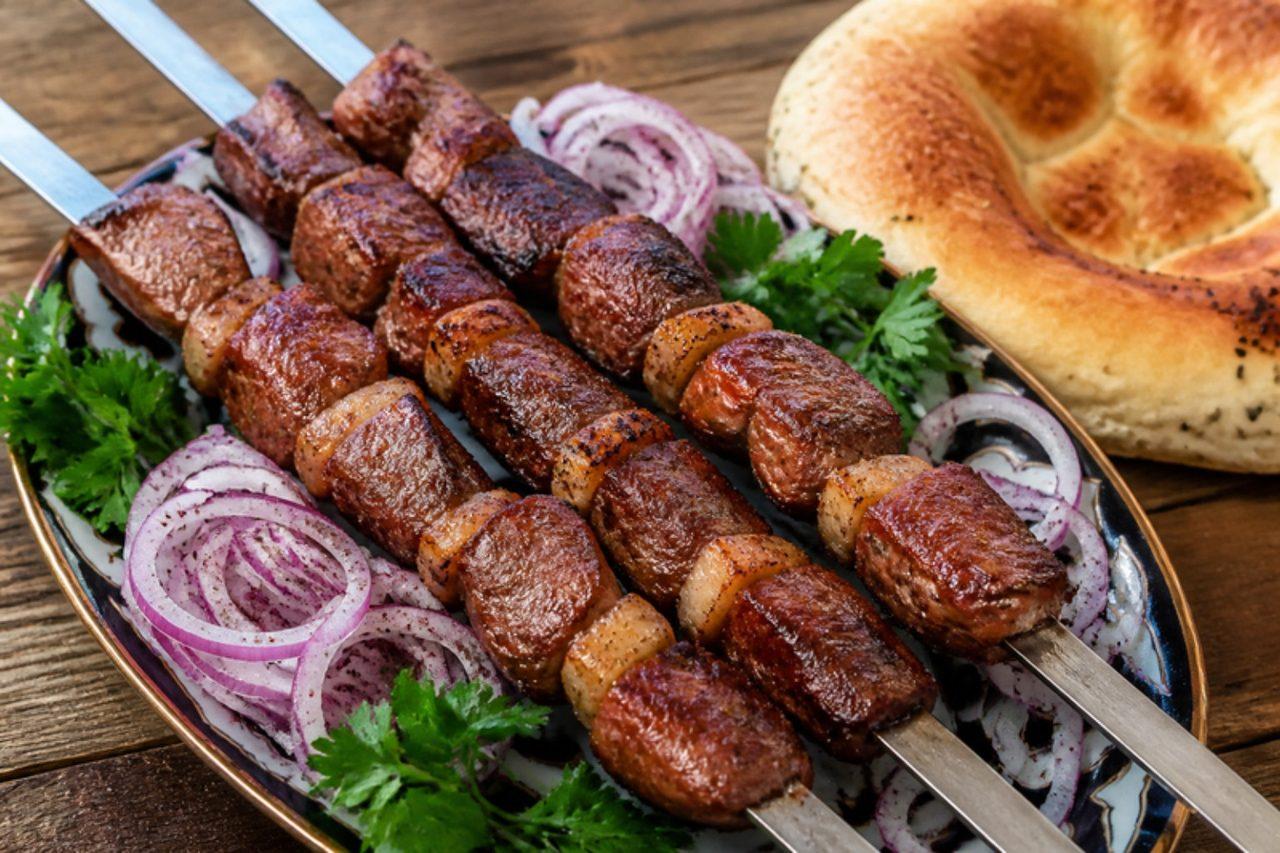
Walk past any chaikhana (teahouse) in Samarkand or Bukhara in the evening and you will smell shashlik: chunks of lamb, threaded with little cubes of tail fat, grilled over charcoal and fanned with a piece of cardboard. They arrive on long flat skewers with a heap of raw onion soaked in vinegar, a round of non bread and green tea. The marinade is simple, just onion, cumin, black pepper and salt, so the flavour comes from good lamb and real fire. The usual slip is to pack the meat tightly on the skewer, which steams the middle instead of searing it; leave a little gap between pieces. Chef's tip: grate the onion for the marinade rather than slicing it; the juice tenderises the lamb in a few hours.

40 minUzbekMeatGluten free
by KrazyBadal 0 views

Chicken shawarma

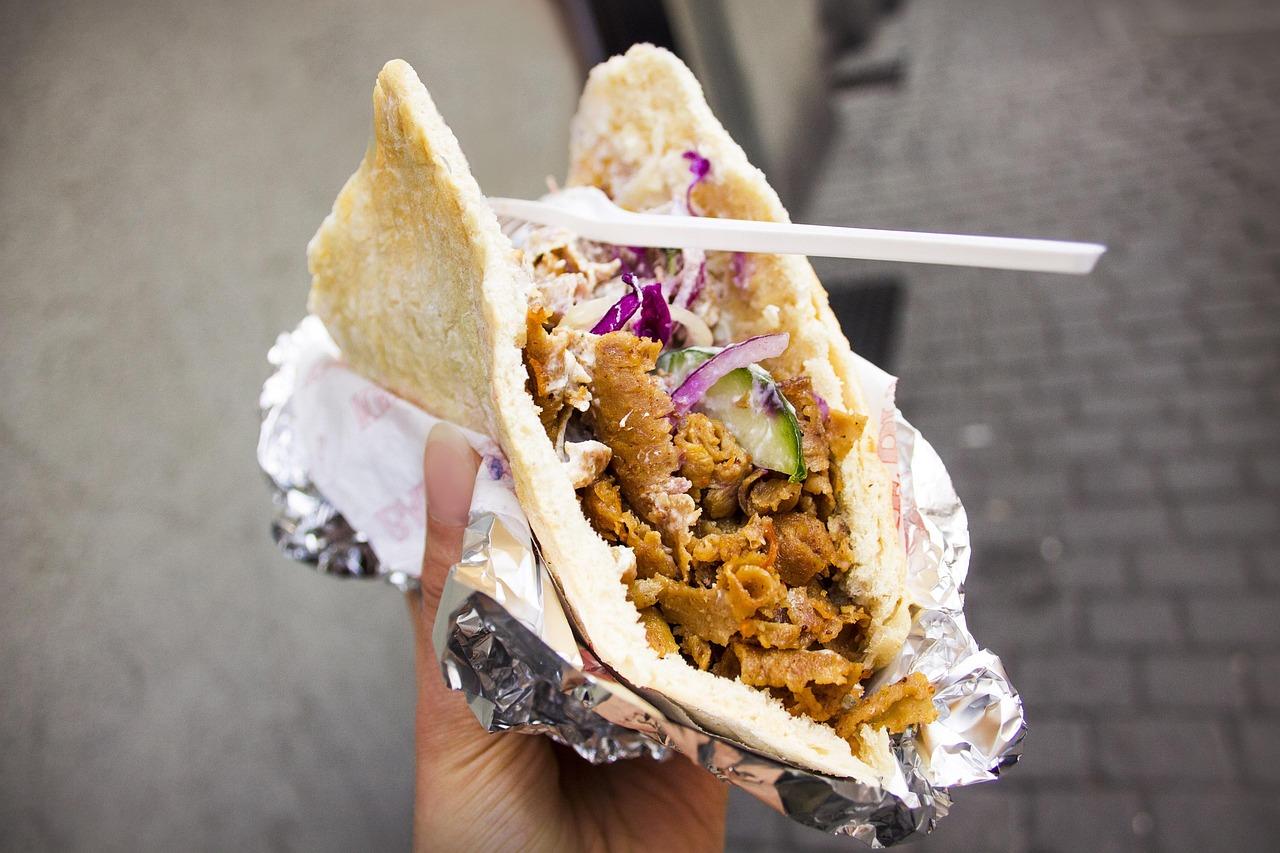
In Riyadh, Dubai and Kuwait City, chicken shawarma is the late-evening street food, carved from a turning spit and wrapped in thin bread with toum garlic sauce, pickles and chips tucked inside, Gulf style. At home, thighs marinated in yogurt, lemon and warm spices are roasted at a high heat until charred at the edges, then sliced thinly. Chef's tip: give the chicken a final blast under a hot grill after slicing; it recreates the crisp edges of the spit.

by KrazyBadal 0 views

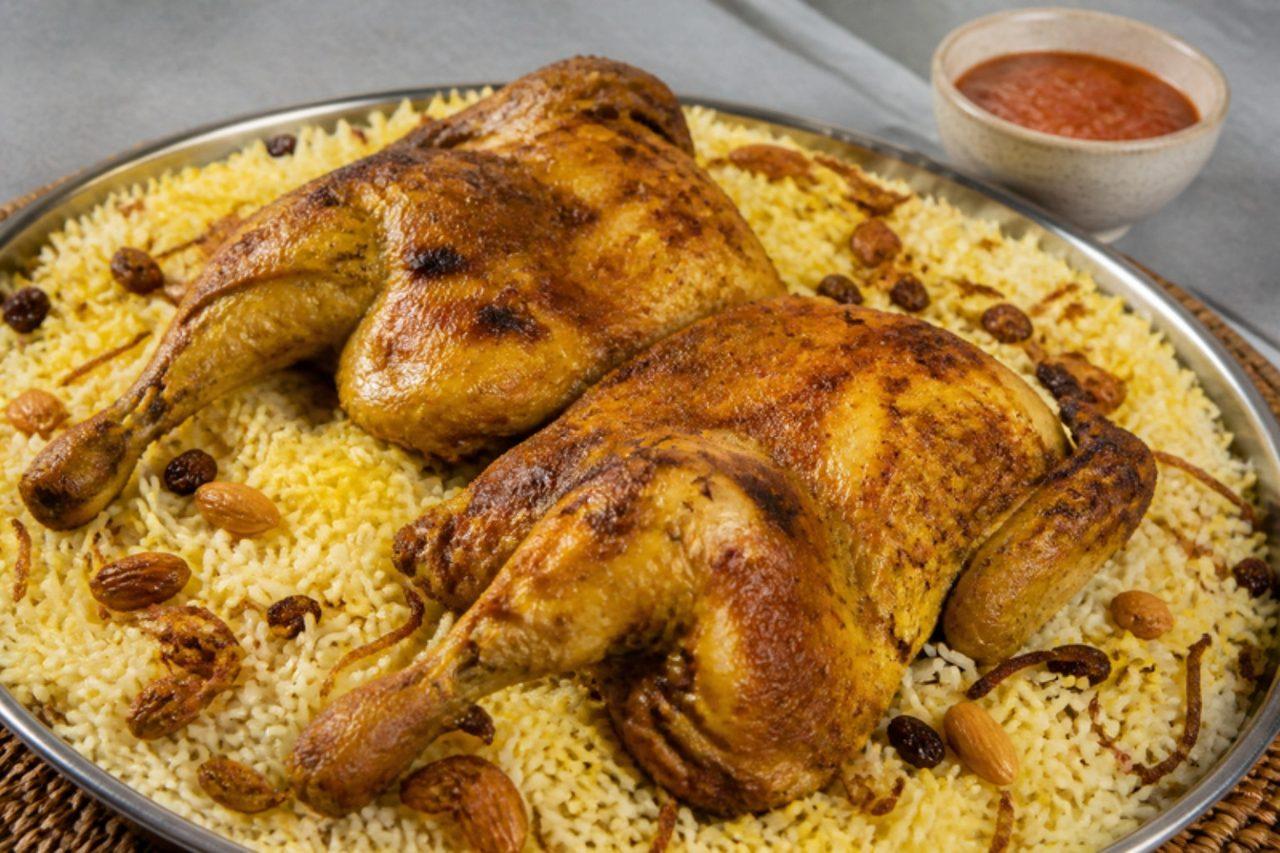
Chicken mandi

Mandi comes from the Hadramaut in Yemen, where meat was slow-cooked in a pit oven above the rice, and today mandi restaurants with long floor cushions are found all over Saudi Arabia and the Gulf, especially busy on Friday afternoons. Spiced chicken roasts until the skin is deep golden, the rice cooks in its stock with whole spices, and a final burst of smoke from a glowing piece of charcoal gives the dish its signature flavour. Serve with a fresh tomato and chilli salsa (sahawiq). Chef's tip: the charcoal step is optional but worth it; do it with the extractor on and a window open, and never leave the burning coal unattended.

by KrazyBadal 0 views

Typhoon shelter crab

Typhoon shelter crab comes from the boat people of Causeway Bay, who cooked for visitors on sampans moored in the harbour's storm shelters, and Hong Kong restaurants still serve it piled under a golden mountain of fried garlic. Crab pieces are dusted in starch and fried, then tossed in a wok with a huge amount of crisp garlic, dried chilli, fermented black beans and spring onion. Chef's tip: fry the garlic slowly over a medium heat; it should turn golden and crunchy, never dark, or it tastes bitter.

by KrazyBadal 0 views

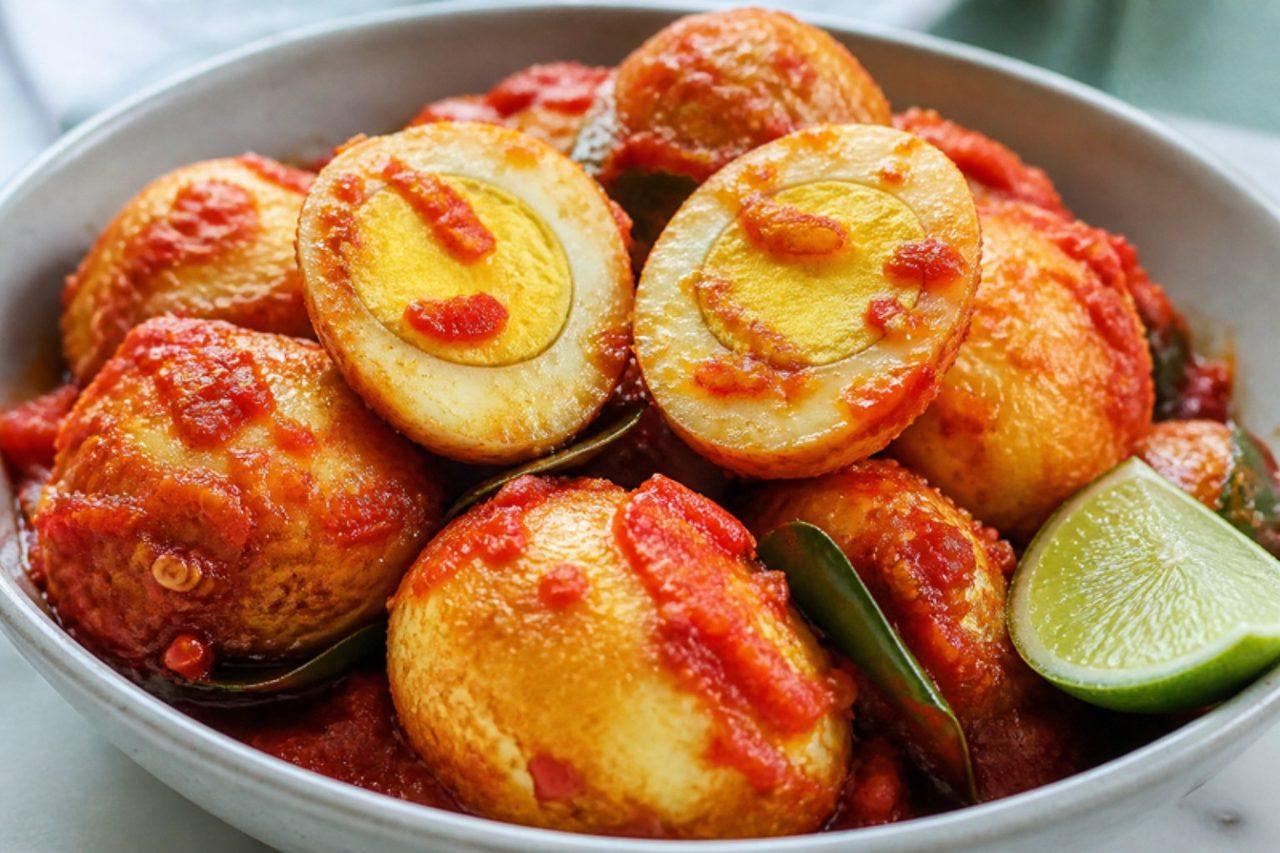
Telur baladoFried eggs in chilli sambal

Telur balado is a fixture of the nasi Padang counter and of West Sumatran home cooking: hard-boiled eggs fried until their whites blister and turn golden, then smothered in balado, the coarse red sambal of chilli, shallot and tomato that the Minangkabau cook with almost everything. The fried skin of the eggs grips the sauce, and the sambal is bright and fresh rather than long-cooked. It's a cheap, quick weekday lunch with rice and greens, and it travels well in lunch boxes. Chef's tip: grind the balado coarse, not smooth — the Padang version should look rough and glossy, with visible flecks of chilli skin.

by KrazyBadal 0 views

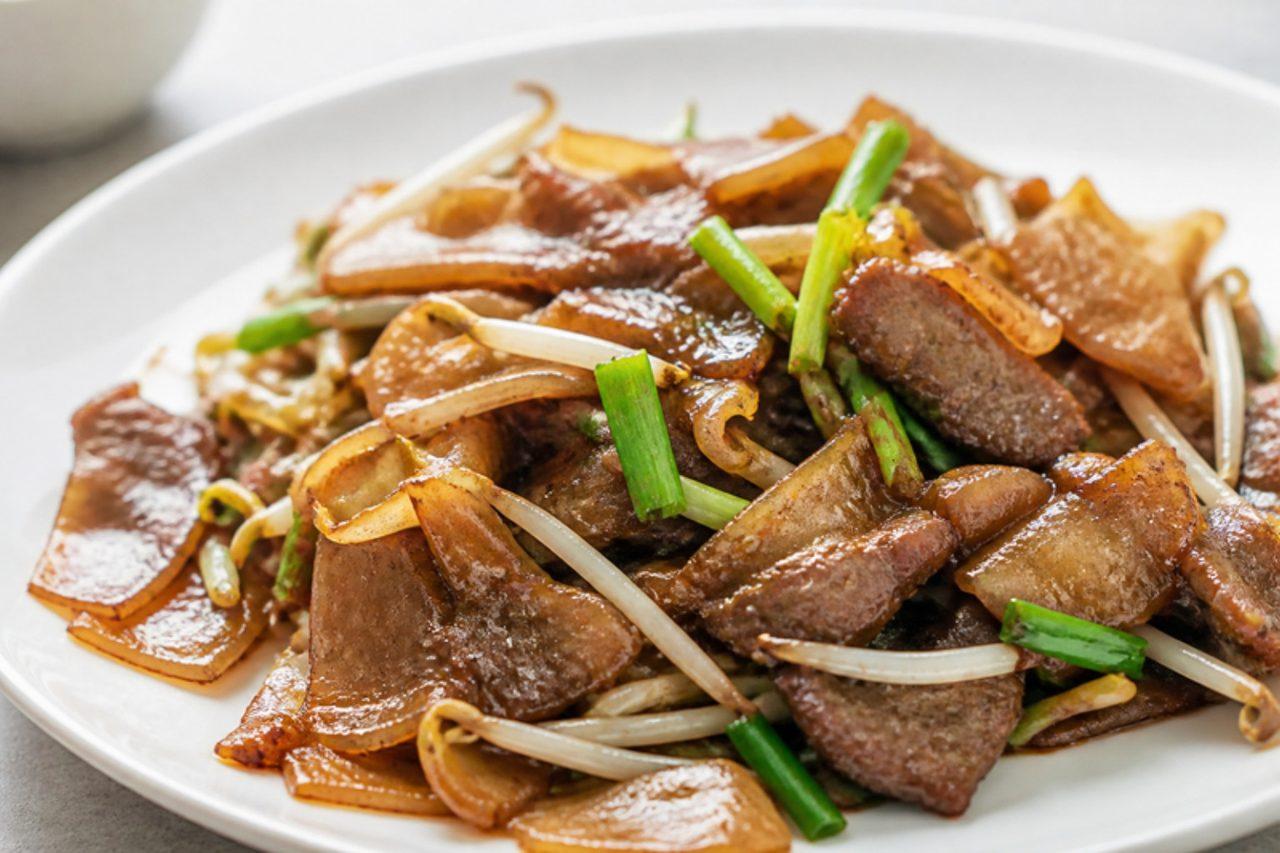
Beef chow fun

Gon chow ngau ho is the test of a Cantonese wok cook, and Hong Kong diners judge a dai pai dong (open-air food stall) or late-night café by it. Wide fresh rice noodles are tossed over a fierce flame with tender, marinated beef, bean sprouts and spring onion in soy sauce until smoky and glossy but never greasy or broken. The beef marinade sometimes includes Shaoxing wine, which contains alcohol; this version uses none. Chef's tip: separate the noodles by hand before cooking and do not stir with a spatula; lift and toss them so they stay whole.

by KrazyBadal 0 views

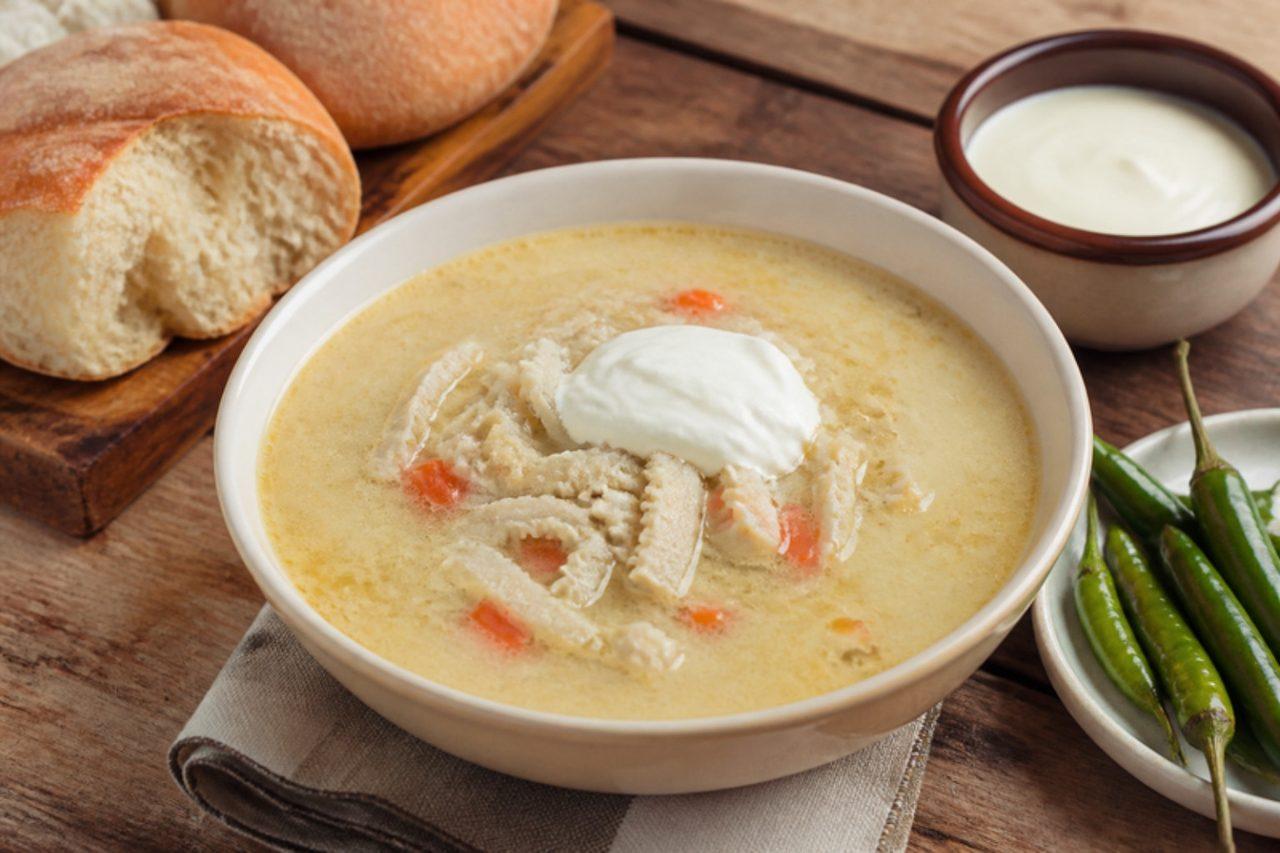
Ciorbă de burtăCreamy sour tripe soup

Romanians swear by ciorbă de burtă the morning after a wedding or a long night out, and in Bucharest there are restaurants that serve little else from breakfast onwards. Strips of beef tripe sit in a silky broth thickened with egg yolk and sour cream, sharpened with vinegar and served with mujdei, a raw garlic sauce, and a hot pepper on the side. It takes time, because tripe only turns tender after a long, slow simmer. The mistake most people make is boiling the soup after the yolks go in, which scrambles them into flecks. Chef's tip: buy cleaned, blanched (white, 'dressed') tripe from the butcher; it saves an hour of scrubbing and is much milder.

by KrazyBadal 0 views

Baked pork chop rice

Baked pork chop rice is the signature dish of Hong Kong's cha chaan teng, the busy tea cafés that mix Cantonese and Western cooking, and it arrives at the table bubbling in an oval dish. It is a pork dish: tenderised, marinated pork chops are fried golden and laid on egg fried rice, then covered with a sweet-sour tomato sauce with onions and peppers and topped with melted cheese. The marinade traditionally uses Shaoxing wine, which contains alcohol; use 1 tbsp water instead if you like. Chef's tip: score the edge fat and pound the chops; they stay flat and tender.

by KrazyBadal 0 views

Curry fish balls

Curry fish balls are the after-school snack of Hong Kong, sold on bamboo skewers from steaming pots at street stalls in Mong Kok and Sham Shui Po for a few dollars. Springy fish balls simmer in a thick, mildly spicy yellow curry sauce made with curry powder, coconut milk and a little satay sauce, and are eaten straight from the stick while still hot. Chef's tip: simmer the fish balls in the sauce for at least 10 minutes; they need time to soak up the curry.

by KrazyBadal 0 views

Ciorbă de legumeSoured vegetable soup

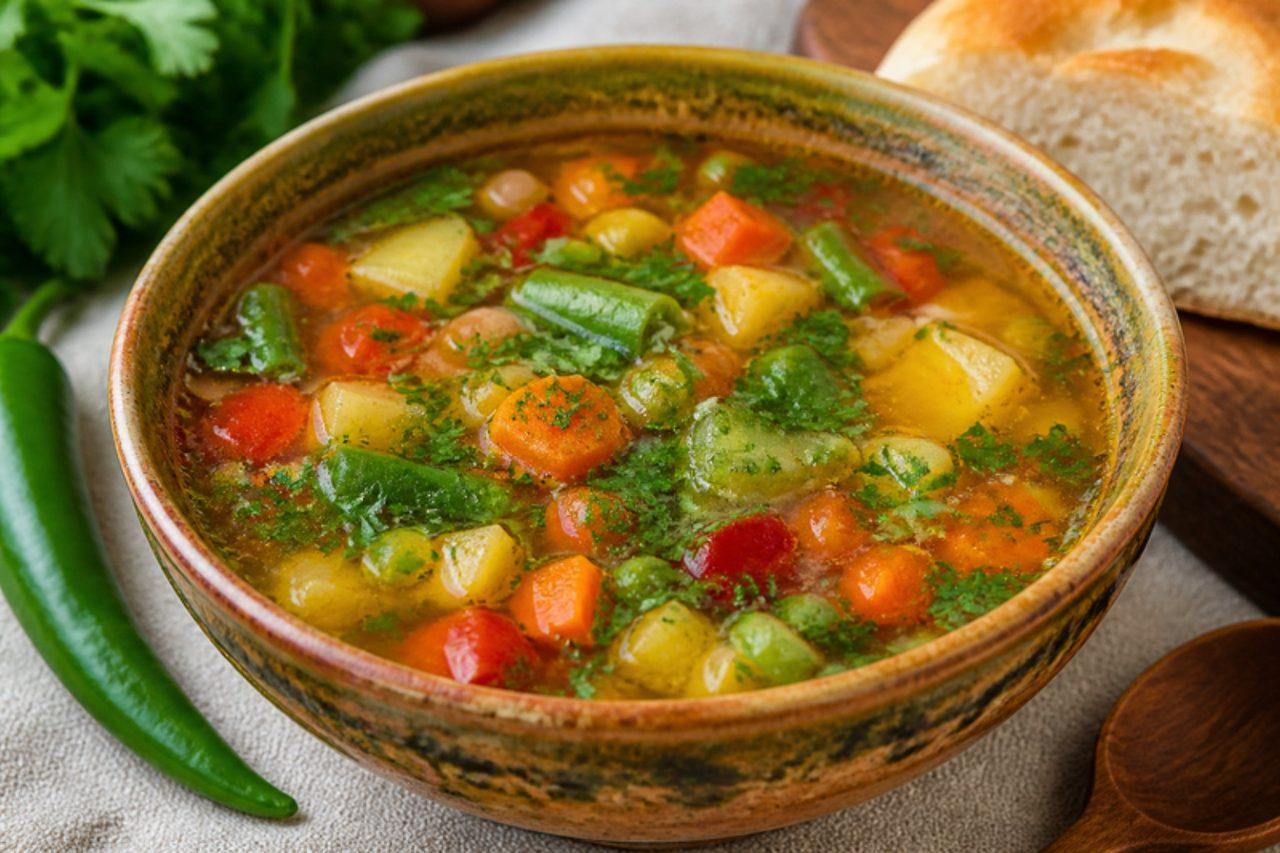
Ciorbă is the sour soup that opens a Romanian lunch, from canteens in Cluj to Sunday tables in Moldavia, and the vegetable version is cooked all through the fasting weeks before Easter and Christmas. Root vegetables, beans and peppers simmer in a light broth that is soured at the end with borș, the fermented wheat-bran liquid sold in bottles at Romanian shops, or with lemon juice. Fresh lovage (leuștean) gives its unmistakable celery-like perfume. It is eaten piping hot with bread and a fresh green chilli on the side. Chef's tip: add the borș only at the end and let it come back just to a simmer; boiling it hard dulls the sour tang.

by KrazyBadal 0 views

Ciorbă de perișoareSour soup with meatballs

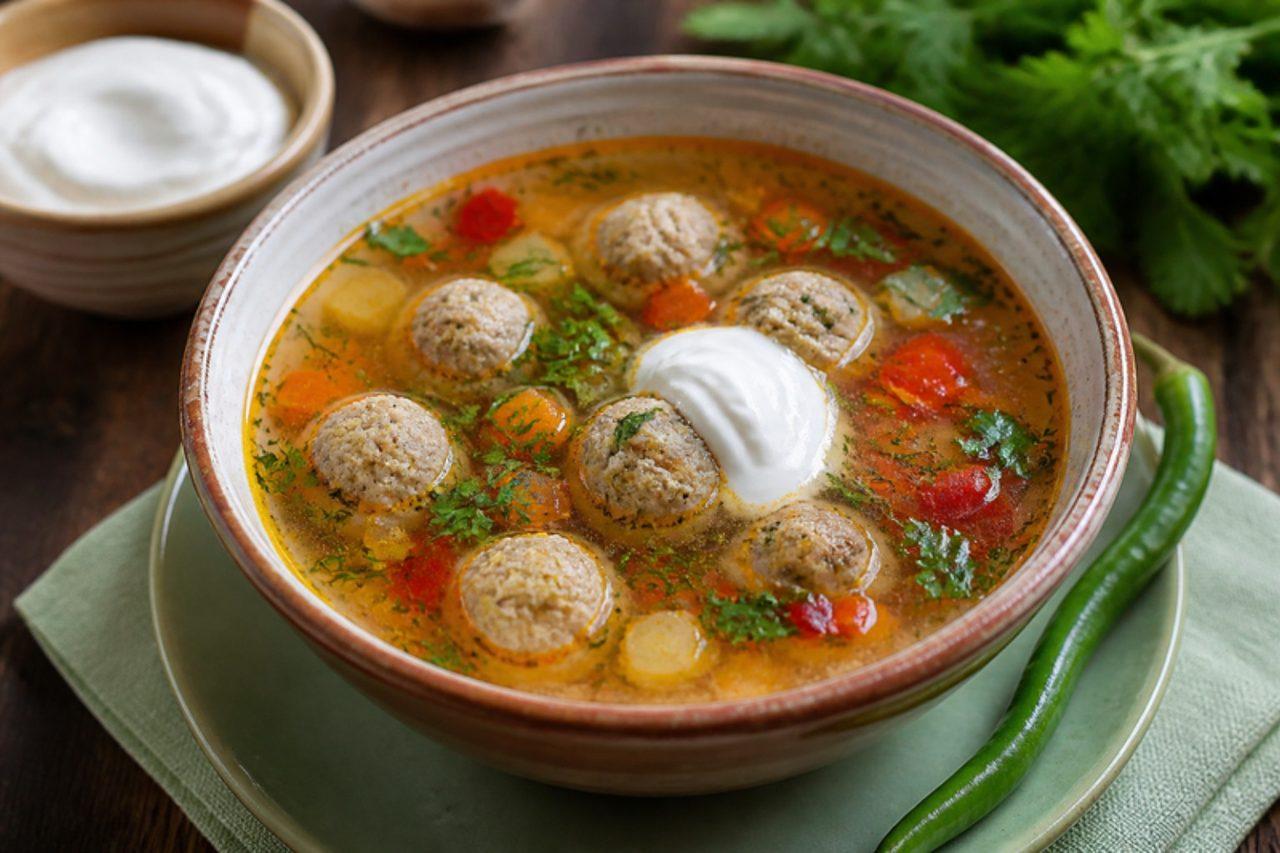
Across Romania, from Bucharest canteens to Moldavian grandmothers' kitchens, a pot of ciorbă de perișoare turns up on the Sunday table and again on Monday, when it tastes even better. This version contains pork: soft meatballs of minced pork and rice simmer in a clear vegetable broth that is soured at the end with borș (fermented wheat-bran liquid) or lemon juice, then finished with a handful of lovage. It is eaten very hot with a spoon of sour cream and a fresh green chilli to bite between spoonfuls. A frequent slip is boiling the soup hard once the meatballs are in, which breaks them apart and clouds the broth. Chef's tip: wet your hands in cold water before rolling each meatball; the mixture will not stick and the balls stay smooth and round.

by KrazyBadal 0 views

Taiwanese popcorn chicken

Every night market in Taiwan, from Shilin in Taipei to Tainan's Garden Night Market, has a yan su ji stall with a queue, selling paper bags of bite-size fried chicken. Thigh pieces are marinated in soy, garlic and five-spice, coated in coarse sweet potato starch for a craggy, extra-crunchy shell, double-fried and tossed with fried Thai basil and a salt-and-white-pepper seasoning. The marinade traditionally includes rice wine, which contains alcohol; leave it out or use 1 tbsp water instead. Chef's tip: let the coated chicken rest for 5 minutes until the starch looks damp; it will then stay on in the oil.

by KrazyBadal 0 views

ChakhokhbiliChicken with tomatoes and herbs

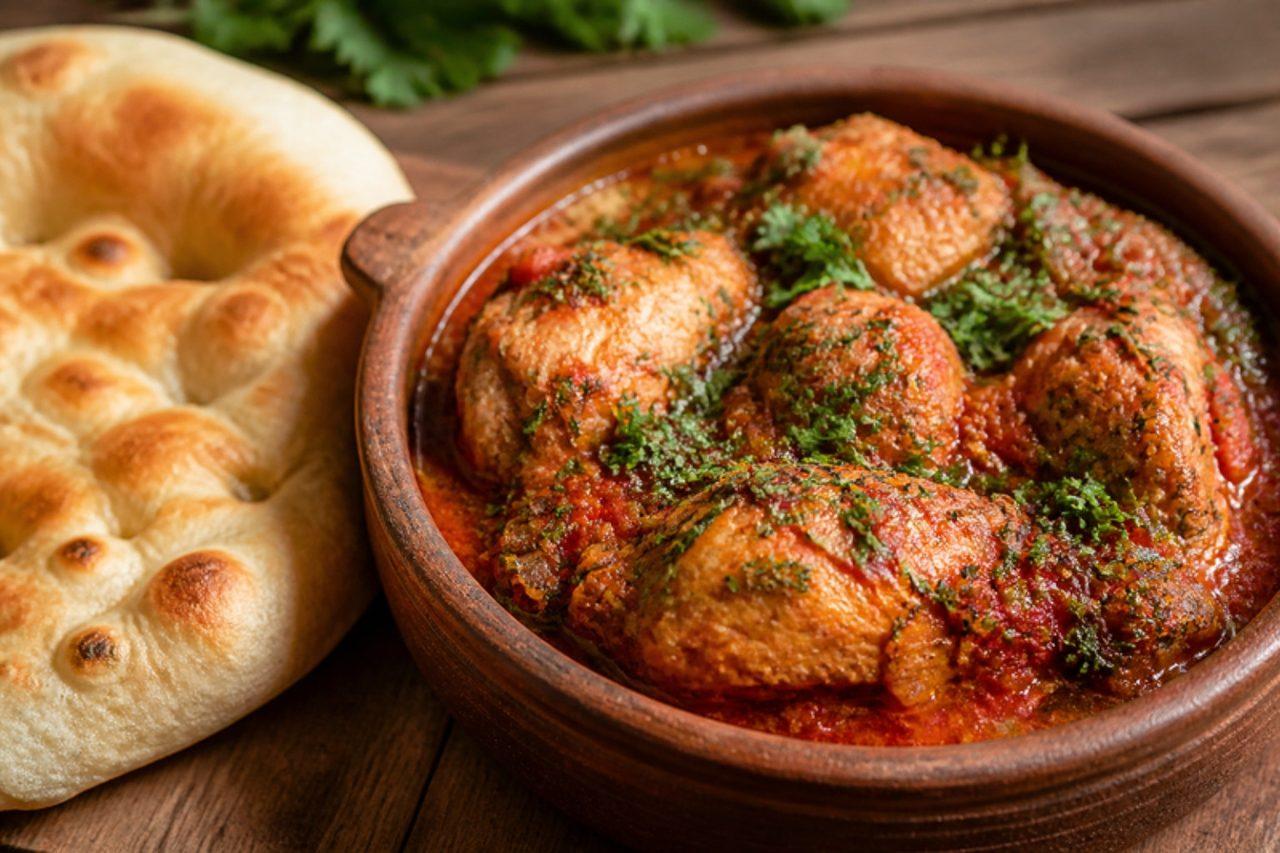
Chakhokhbili was first made with pheasant (khokhobi), but in Georgian homes from Tbilisi to Kutaisi today it is an everyday chicken stew, the kind cooked on a weeknight and served with bread to wipe the plate. Chicken pieces are browned without oil, then simmered with a lot of onion and ripe tomato, garlic, chilli and khmeli suneli spice, and finished with a big handful of fresh coriander, basil and dill. Chef's tip: brown the chicken skin side down in a dry pan; it releases enough fat to cook the onions.

by KrazyBadal 0 views

Taiwanese beef noodle soup

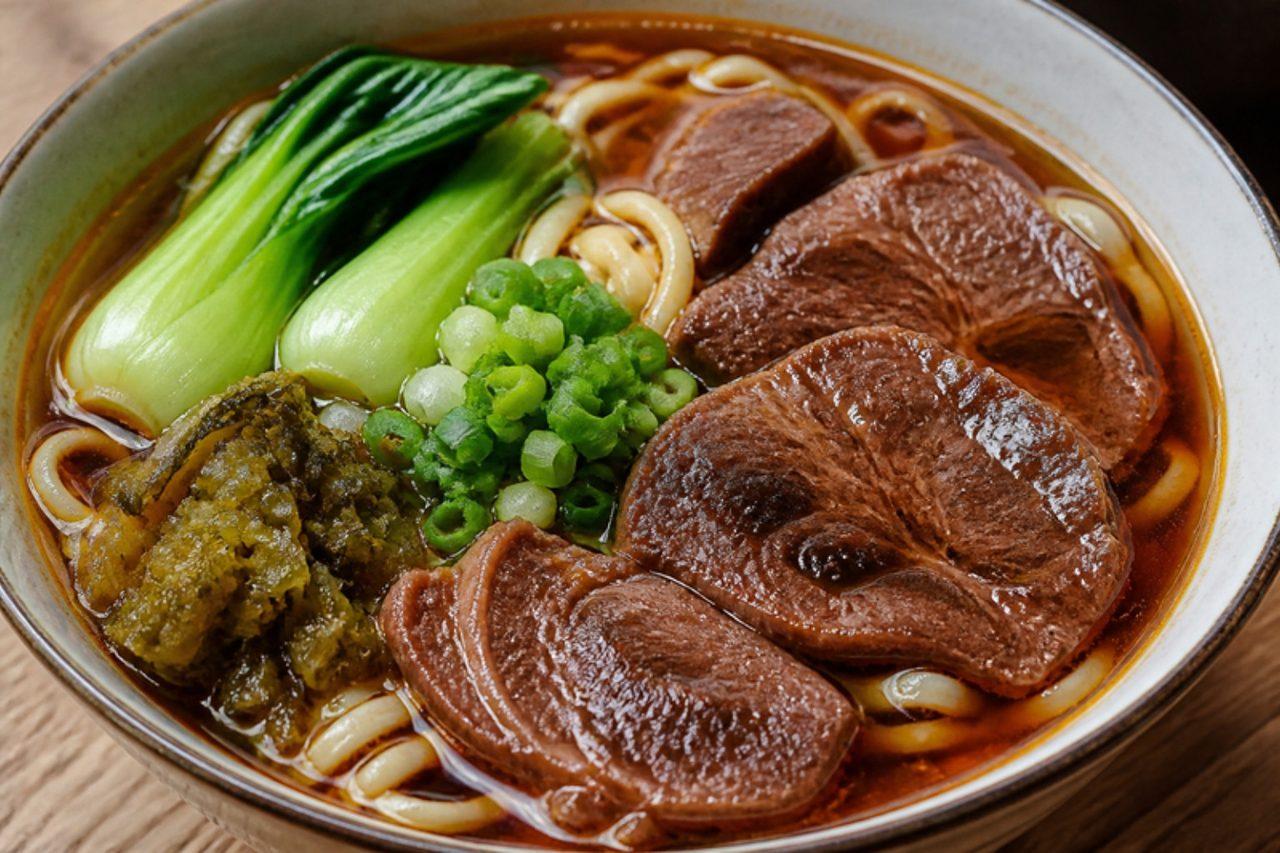
Taiwan treats beef noodle soup as a national dish, and Taipei even holds an annual festival where noodle shops compete for the best bowl. The red-braised style is the classic: beef shank simmers for hours with chilli bean paste, soy, star anise, ginger and tomato until it is meltingly tender, then the rich broth is poured over thick wheat noodles with blanched greens and pickled mustard greens. The braise uses Shaoxing rice wine, which contains alcohol; for an alcohol-free version use extra stock with 1 tsp rice vinegar. Chef's tip: blanch the beef first and rinse it; this gives a clear, clean-tasting broth.

by KrazyBadal 0 views

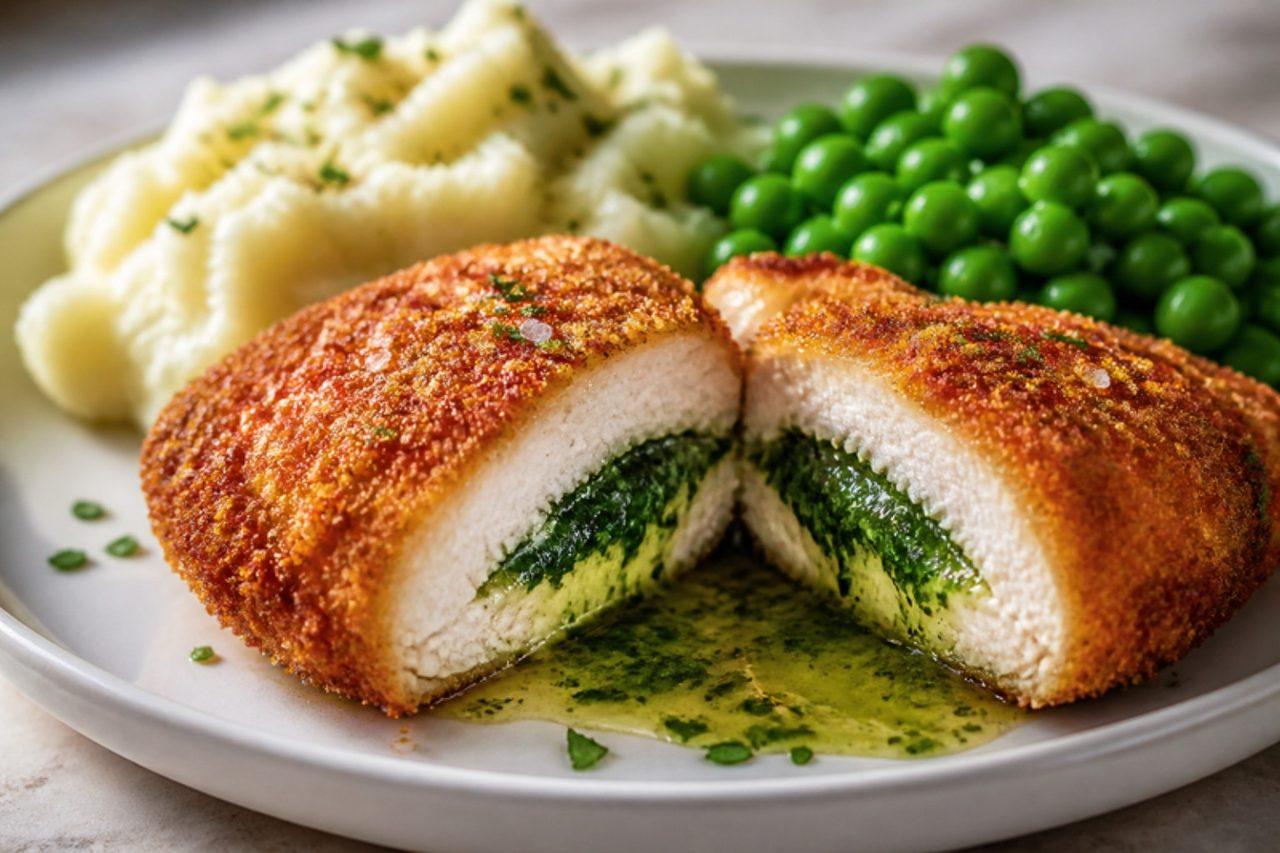
Chicken Kyiv

Chicken Kyiv, kotleta po-kyivsky, became the pride of the restaurants of Kyiv in the 20th century, and the city still serves it with a little paper frill on the bone and a fountain of herb butter when it is cut. A flattened chicken breast is rolled around a frozen stick of garlic, dill and parsley butter, double-crumbed to seal it, then fried and finished in the oven. Serve with mash or fried potatoes and a green salad. Chef's tip: freeze the butter until rock hard and seal every edge with two coats of egg and crumbs; that is what stops it from leaking.

by KrazyBadal 0 views

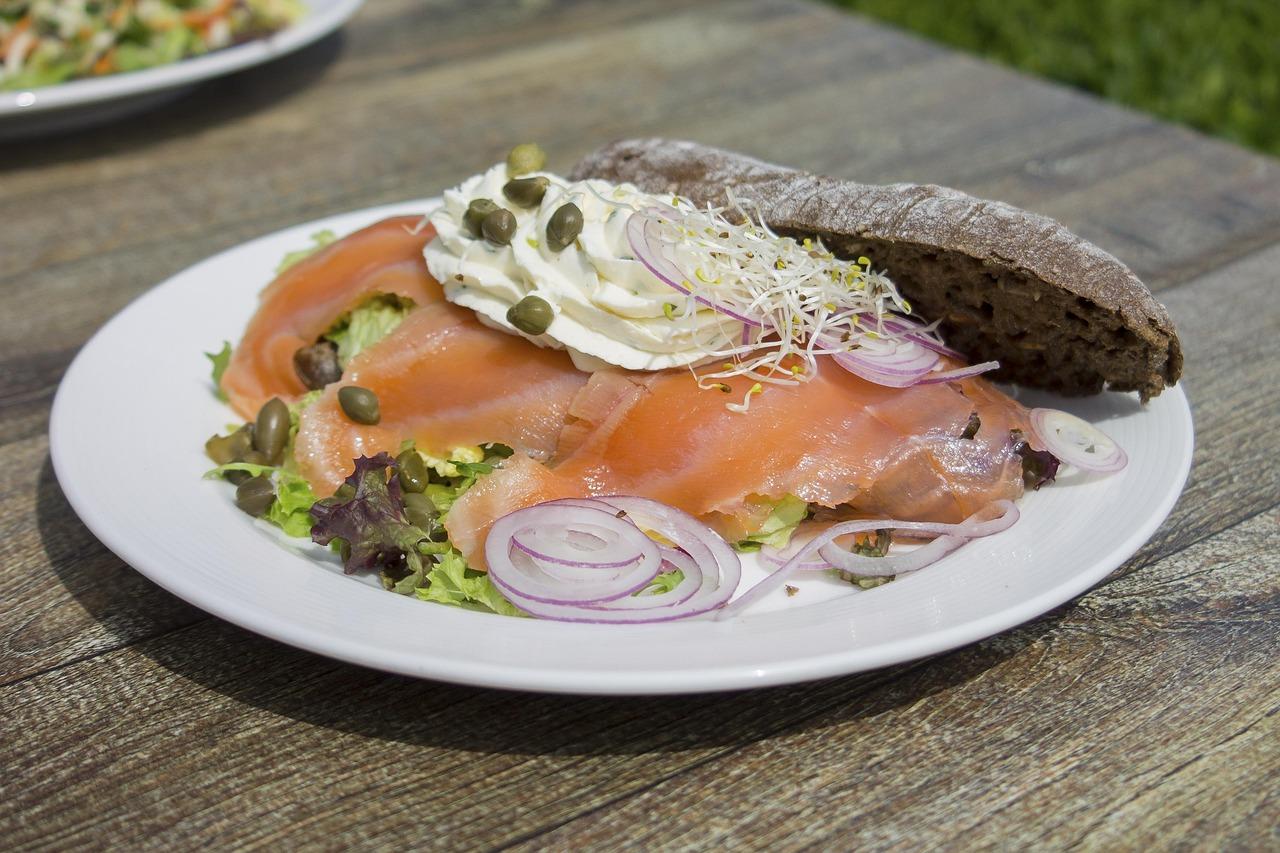
Smoked salmon on brown wheaten bread

Irish smoked salmon, bradán deataithe, comes from smokehouses along the west coast in Connemara and Cork, and a plate of it on buttered brown wheaten bread is a classic starter at weddings and Christmas, and a light lunch in country hotels. The bread is a quick wholemeal soda bread made with buttermilk and no yeast, nutty and slightly sweet. Serve with lemon, capers and red onion. Cold-smoked salmon is not cooked, so pregnant people and anyone with low immunity should avoid it or use hot-smoked salmon instead. Chef's tip: cut the bread only when it has cooled completely; warm soda bread squashes and turns gummy.

60 minIrishFish
by KrazyBadal 0 views

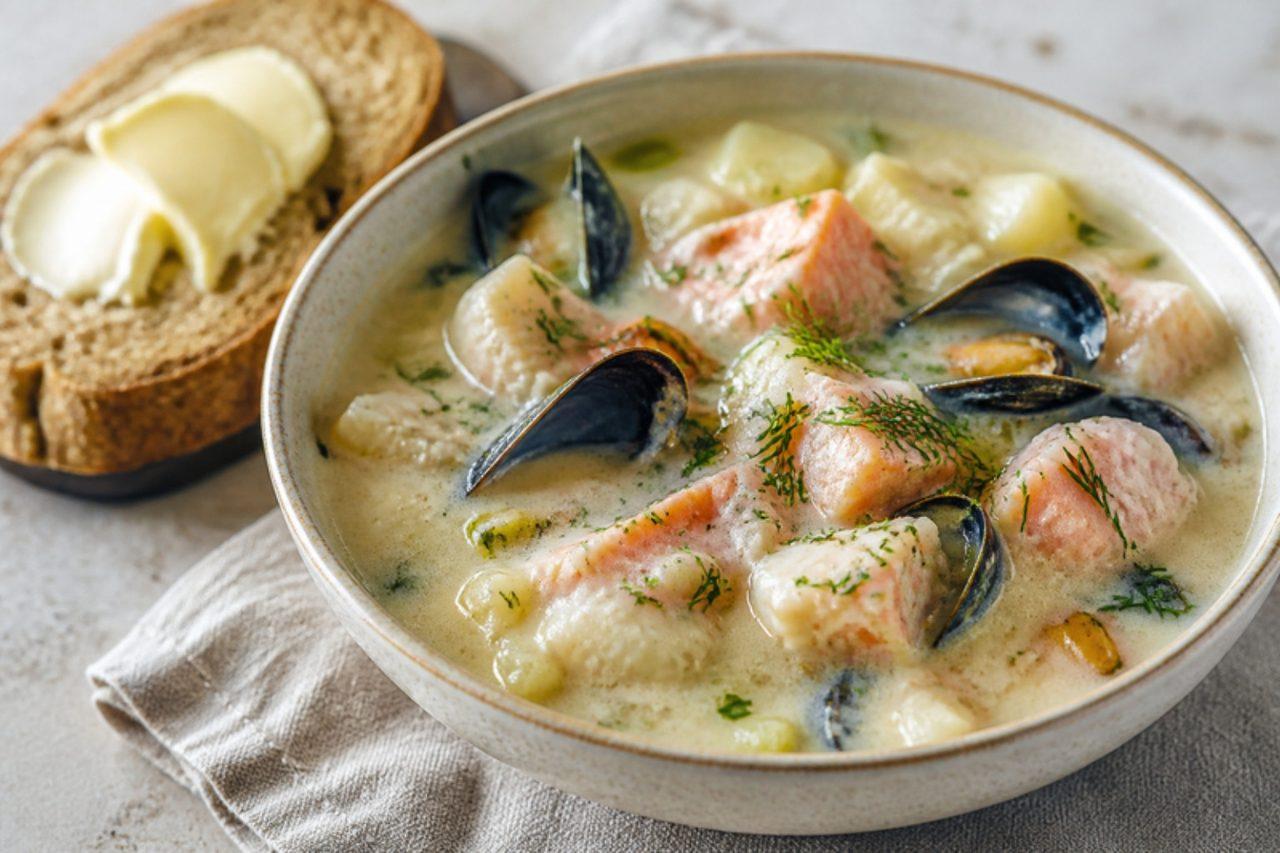
Irish seafood chowder

Along Ireland's west coast, from Galway Bay to the harbours of Kerry and West Cork, nearly every pub kitchen has its own seafood chowder, served with a thick slice of brown bread and butter. It is chunkier and smokier than the American kind: fresh mussels, a piece of smoked haddock or coley, salmon and white fish poached in a creamy base with leek, celery and potato, finished with dill. Chef's tip: add the fish in order of cooking time and take the pot off the heat as soon as it is just done; it keeps cooking in the hot soup.

55 minIrishSoups
by KrazyBadal 0 views

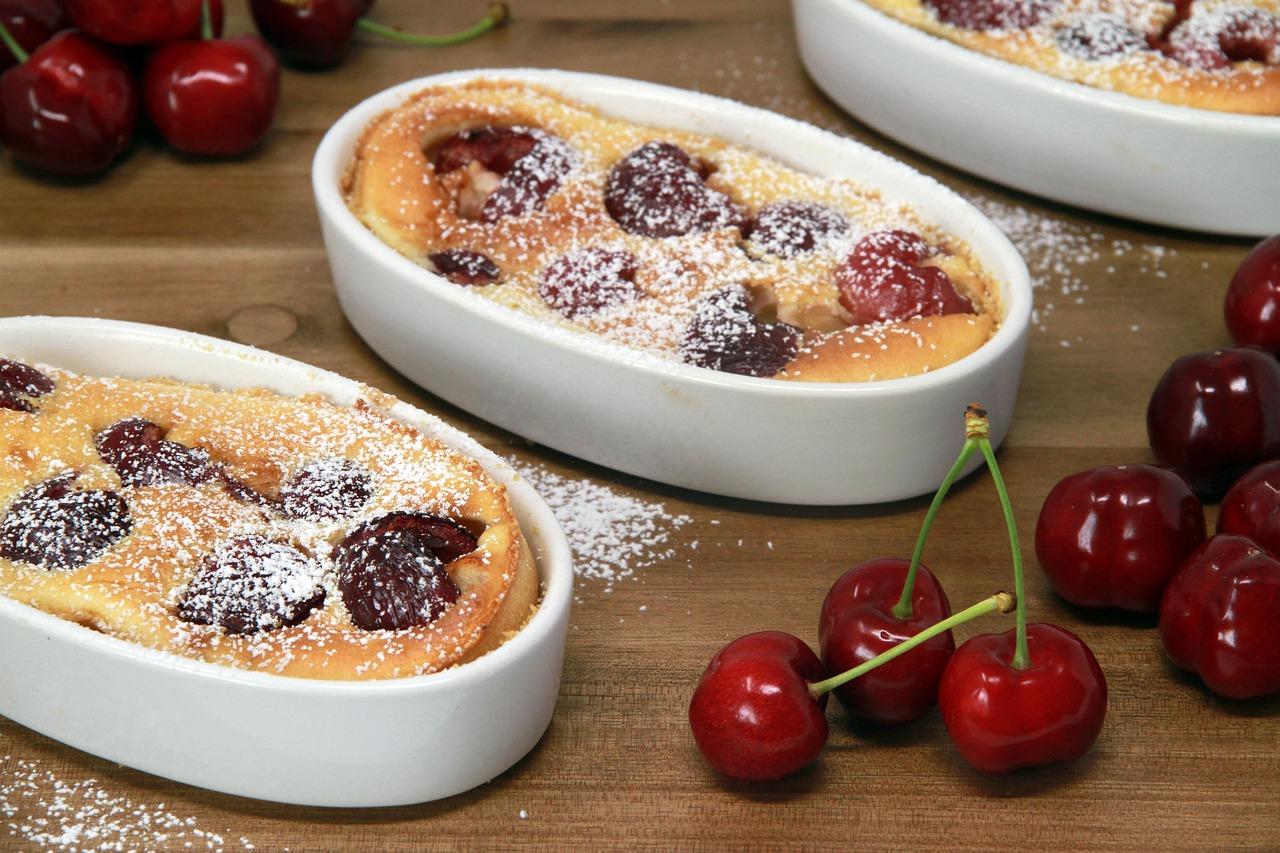
Clafoutis aux cerisesCherry batter pudding

Clafoutis comes from the Limousin in central France, where black cherries ripen in early summer and families make this simple pudding for Sunday lunch. Whole cherries are scattered in a buttered dish and covered with a sweet, eggy batter, like a cross between a pancake and a custard, then baked until puffed and golden. In the Limousin the cherries are left unstoned, which cooks say gives a faint almond flavour; stone them if you are serving children. It's best warm, dusted with icing sugar. Chef's tip: don't overmix the batter once the flour is in; beating it hard is the common mistake and makes the clafoutis tough and rubbery.

by KrazyBadal 0 views

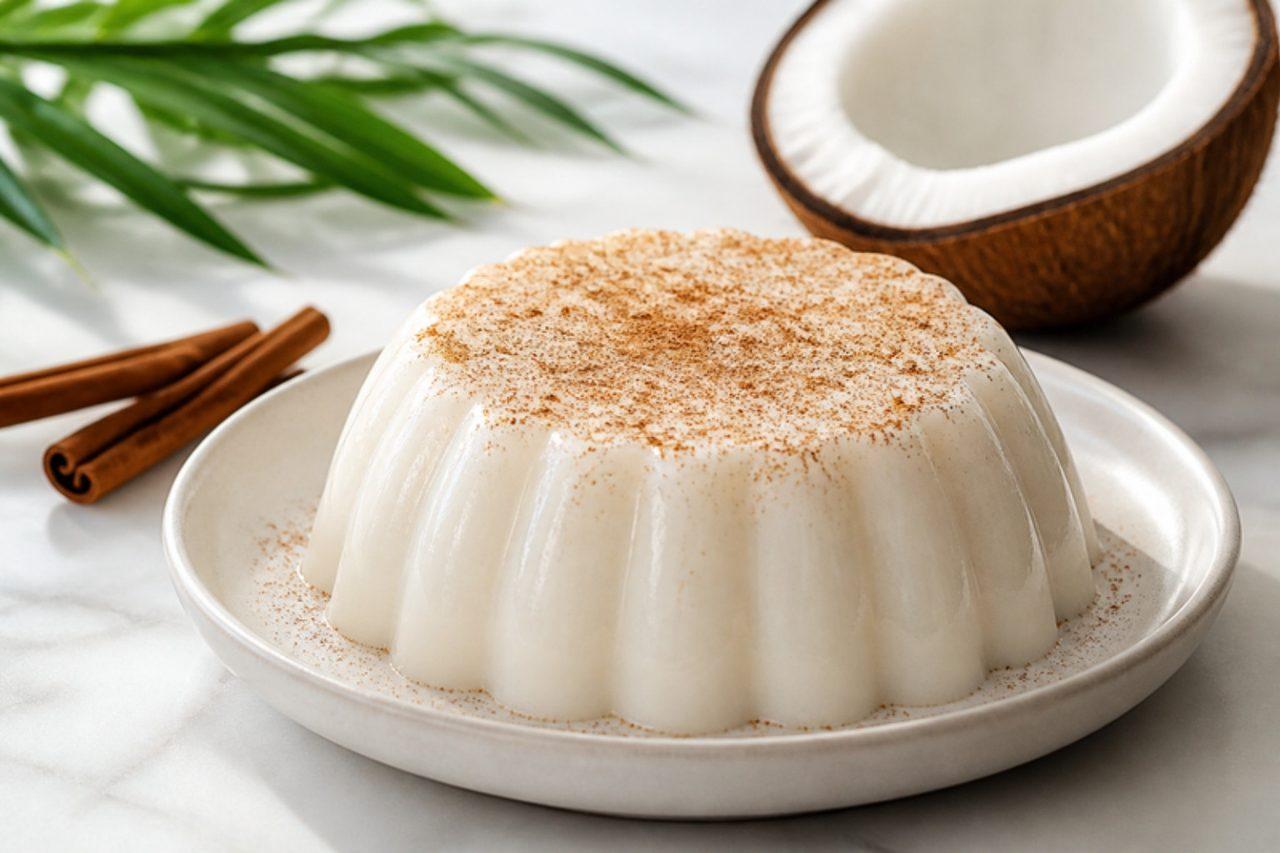
TemblequeCoconut milk pudding

Tembleque gets its name from the way it shivers (tiembla) when you set it on the table, and in Puerto Rico it is the dessert of the Christmas season, from the parrandas of December through to the Three Kings in January. It's nothing more than coconut milk, sugar and cornflour cooked into a silky custard, poured into a mould and chilled until it holds its shape. It is cool, pure white, lightly sweet and tastes completely of coconut, with a blush of cinnamon on top. Chef's tip: use full-fat tinned coconut milk; light coconut milk sets thin and tastes watery.

by KrazyBadal 0 views

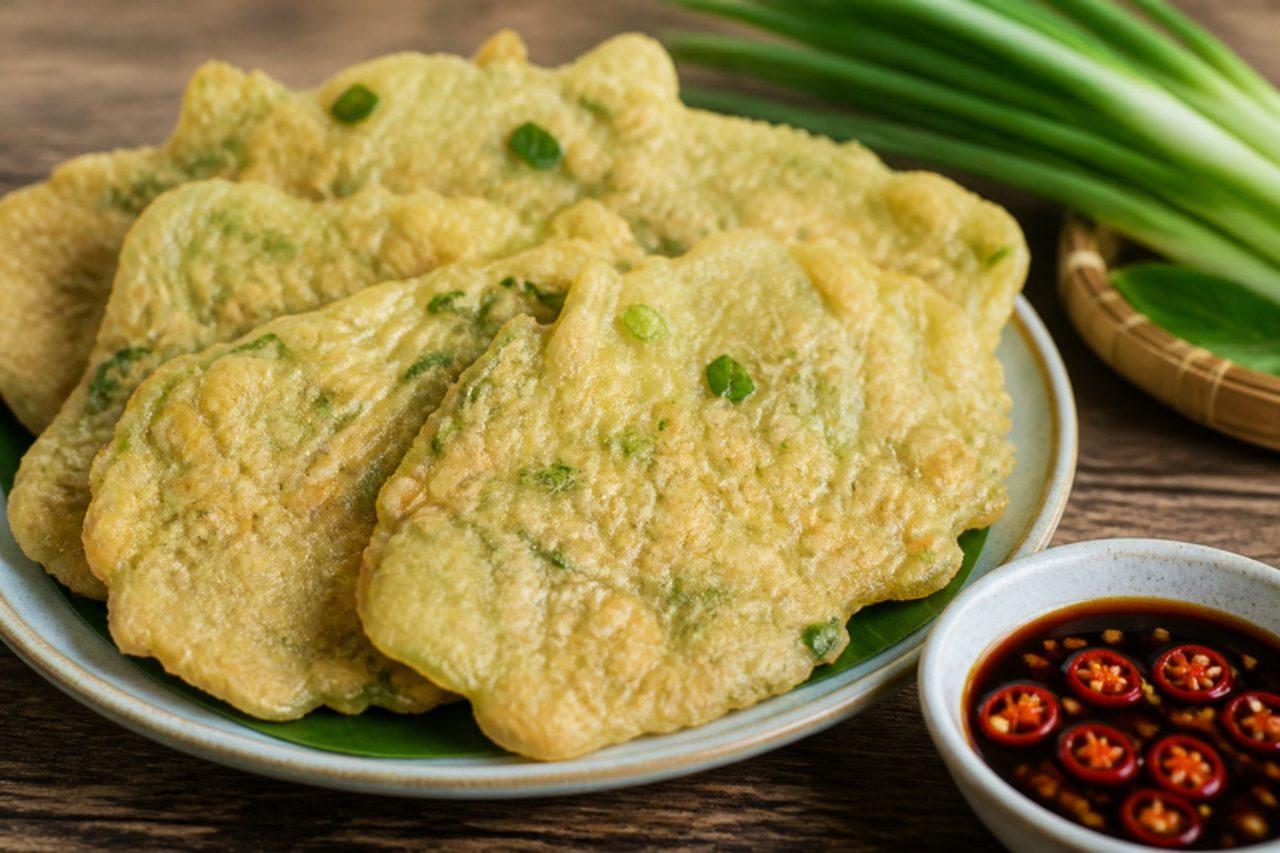
Tempe mendoanBattered fried tempeh

Mendoan comes from Banyumas in Central Java, and in Purwokerto it's sold by the stack at every roadside stall, eaten warm with a raw bird's eye chilli bitten between mouthfuls or dunked in sweet soy. The name comes from the Banyumas word mendo, meaning half-cooked: the batter is deliberately fried only until set and pale, so it stays soft and bendy rather than crisp. Make it with thin, wide tempeh slices so each one is mostly batter and herbs. Chef's tip: fry for barely a minute a side in very hot oil and pull the slices out while they're still pale gold and floppy — that limp, tender texture is the whole point.

by KrazyBadal 0 views

Coastal Mombasa mixChickpea and potato coconut-mango broth

A Mombasa street-food bowl: chickpeas and potato simmered in coconut milk with raw mango and chilli, ladled into small bowls and topped with crisp lentil fritters, crunchy chevdo and red, green and tamarind chutneys. Make the fritters and chevdo ahead and assemble at the table. It's sweet, sour, hot and crunchy all at once.

by KrazyBadal 1 views

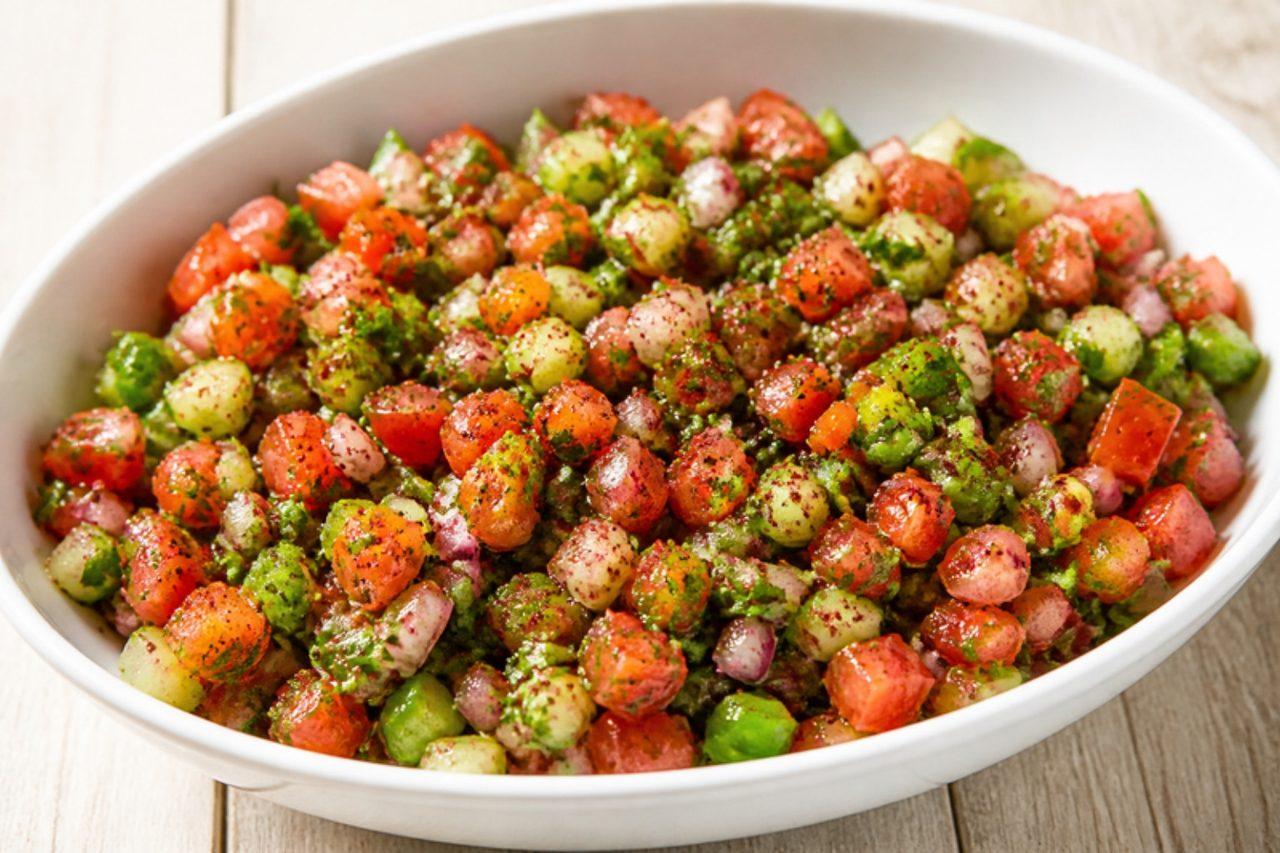
Çoban salatasıChopped tomato and cucumber salad

Çoban salatası, the shepherd's salad, is on the table at almost every Turkish meal from Edirne to Van, whether that is a home dinner, a lokanta lunch or a summer barbecue. It is simple by design: small dice of tomato, cucumber, green pepper and onion with parsley, dressed with lemon juice, olive oil and a little sumac. It is eaten alongside pilaf, beans, börek or anything grilled. The common mistake is salting it too early, which draws the water out of the tomatoes and leaves it swimming. Chef's tip: rub the onion slices with salt and sumac and rinse them before adding; the onion stays crunchy but loses its harsh bite.

by KrazyBadal 0 views

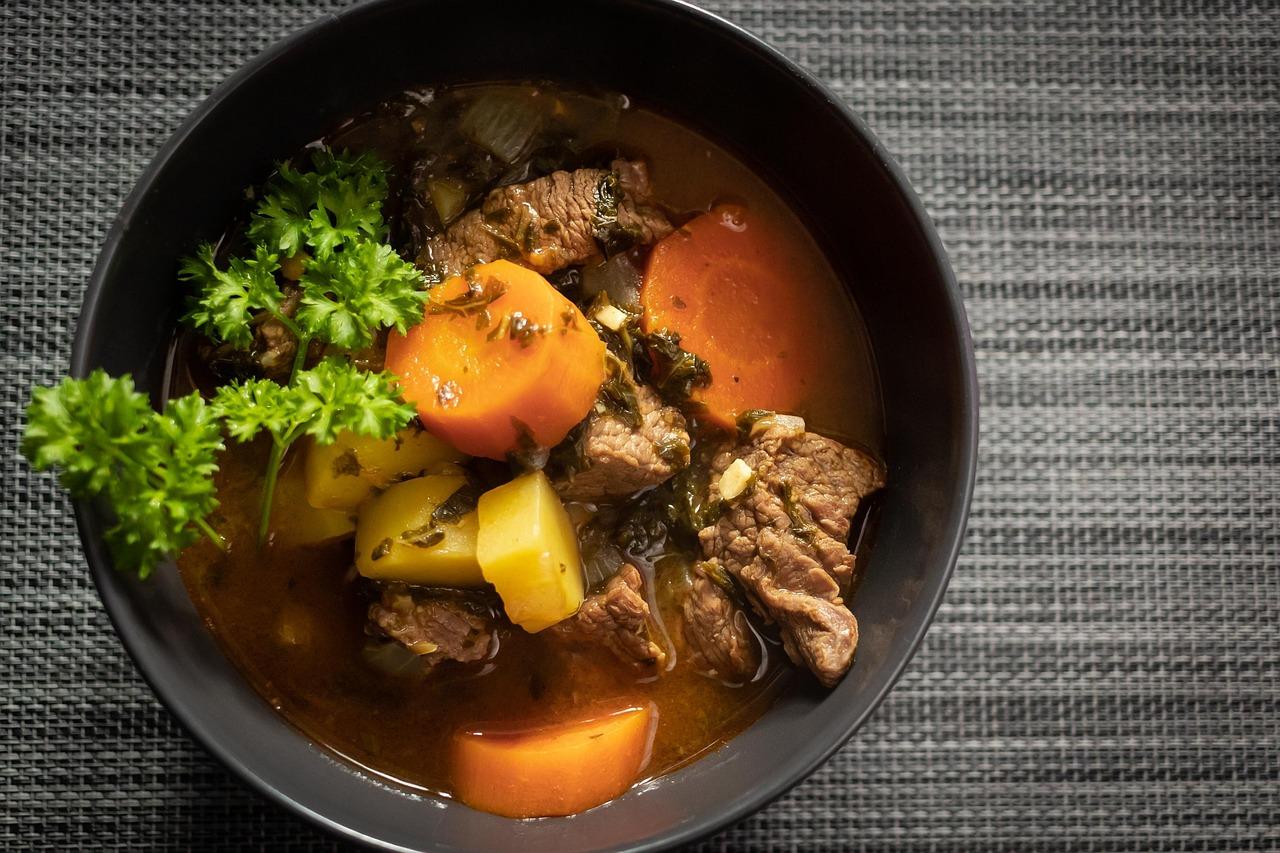
Irish stout beef stew

In pubs across Ireland, and in plenty of homes on a wet Sunday, beef stewed in dark stout is the dish that arrives with mash or a slab of brown bread. The stout (it contains alcohol, most of which cooks off but not all) gives the gravy a deep, slightly bitter malt flavour that a spoon of brown sugar balances. For an alcohol-free version use alcohol-free stout, or the same volume of extra beef stock with 1 tablespoon of black treacle. Chef's tip: brown the beef properly in batches; the dark crust on the meat is half the flavour of the gravy.

190 minIrishMeat
by KrazyBadal 0 views

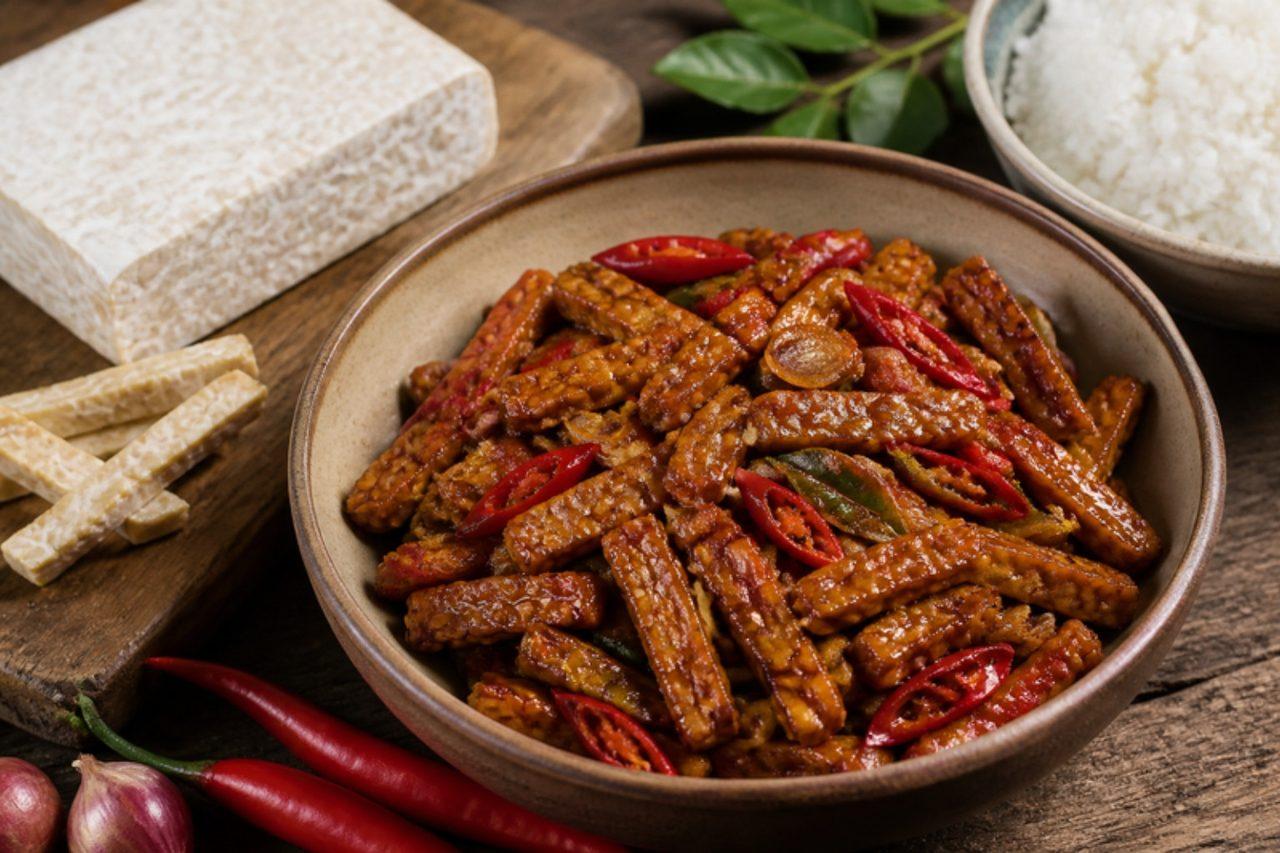
Tempe orekSweet crisp tempeh

Across Java, tempe orek is the side dish every household keeps in a tub: crisp sticks of tempeh fried and then tossed in a sweet-salty glaze of kecap manis, palm sugar, garlic and chilli. It goes into lunch boxes with plain rice, onto nasi campur plates, and lasts several days without losing its chew, which is why student boarding houses and office canteens rely on it. Some cooks add peanuts or green beans; this version stays classic. Chef's tip: fry the tempeh sticks properly crisp before glazing and keep the glaze to a thick syrup, so the tempeh stays crunchy rather than going soft.

by KrazyBadal 0 views

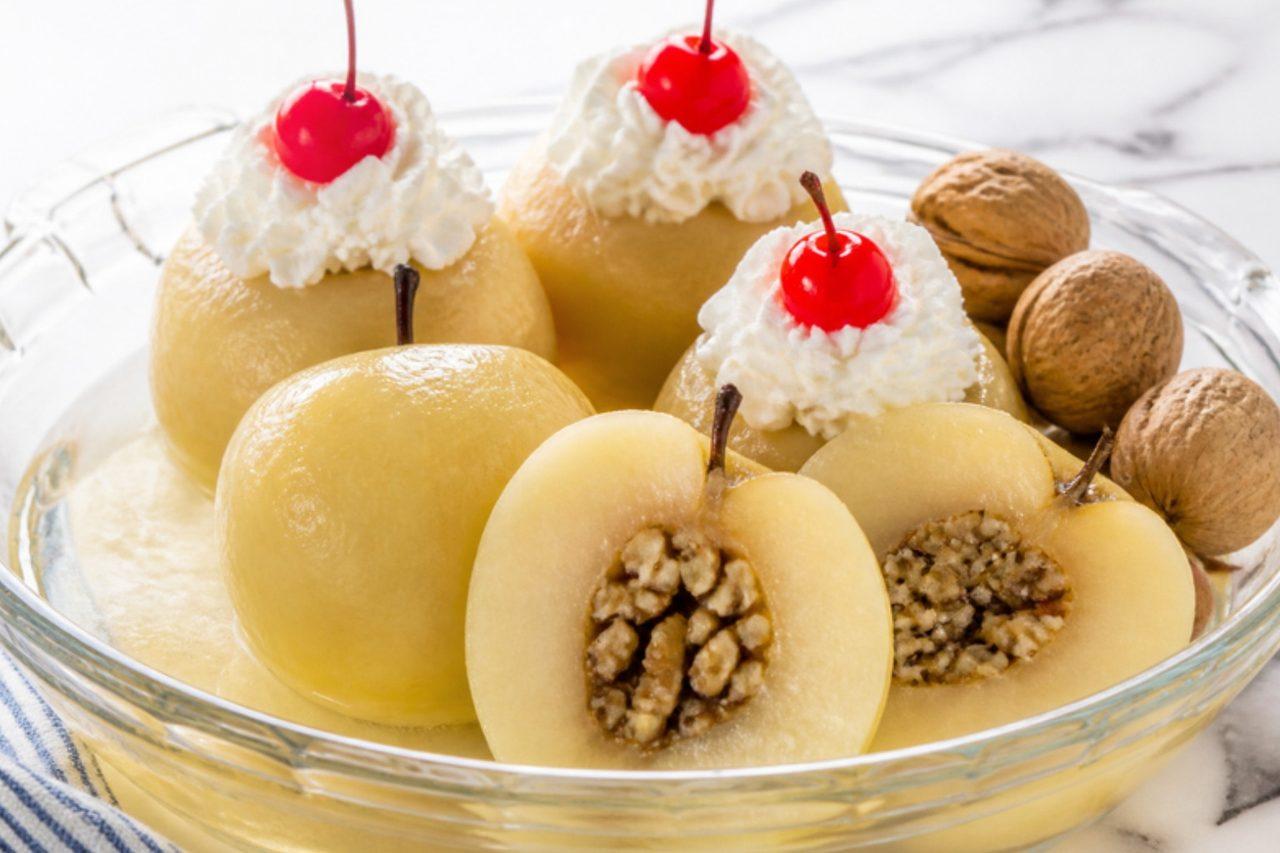
TufahijeWalnut-stuffed poached apples

Tufahije came to Bosnia with the Ottomans, and the name comes from the Persian and Arabic word for apple. In Sarajevo's old Baščaršija quarter they sit in the windows of slastičarne (sweet shops), whole apples poached pale in lemon syrup, filled with sweet walnuts and capped with whipped cream; at home they are a favourite after the iftar meal during Ramadan and at Bajram. They are soft, juicy and only moderately sweet. Chef's tip: choose firm, slightly tart apples and poach them gently; boiling them hard is the classic mistake and leaves you with split, mushy apples.

by KrazyBadal 0 views

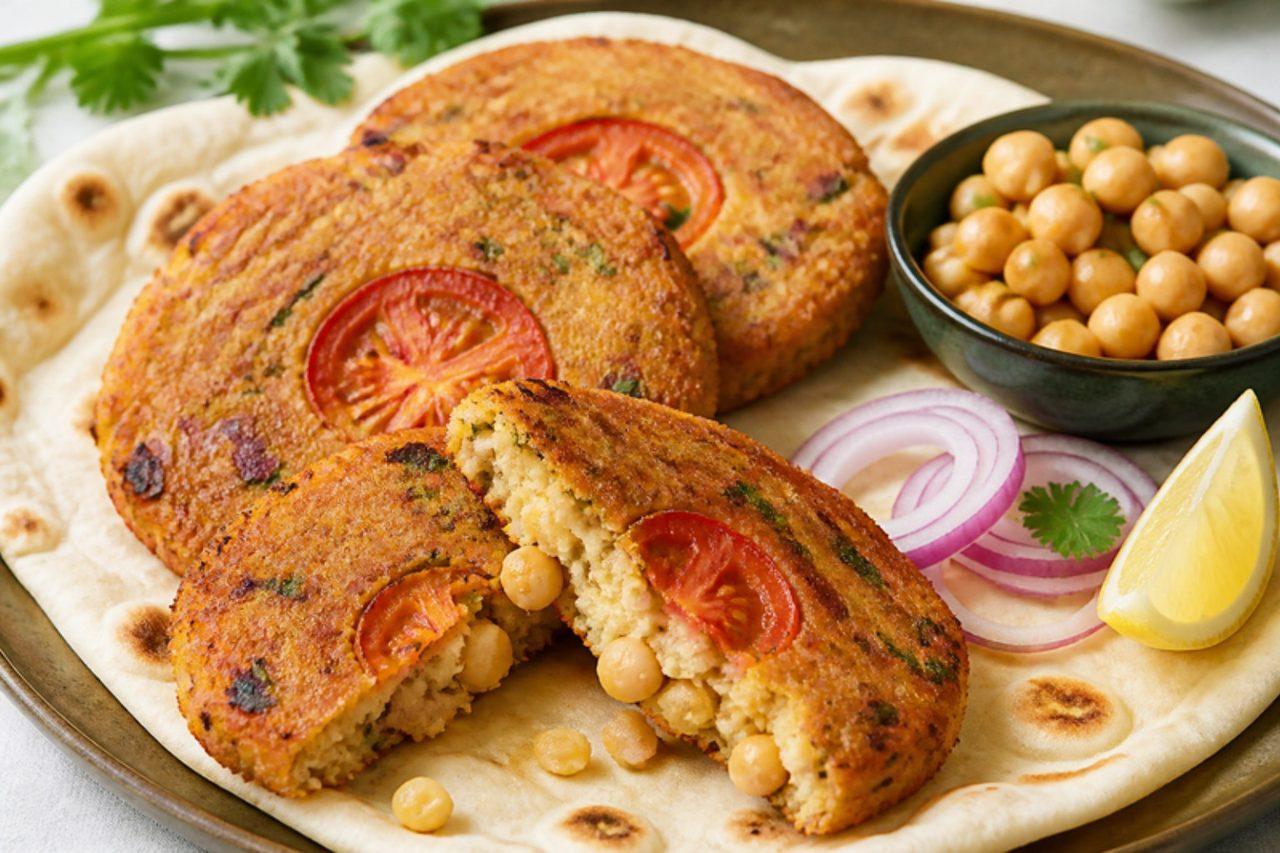
Chickpea chapli kebabFlat chickpea kebabs

Chapli kebab comes from Peshawar, where Namak Mandi and the Qissa Khwani Bazaar are lined with cooks frying giant flat kebabs in shallow iron pans; the name comes from chaprikh, flat in Pashto. This chickpea version keeps everything that makes a chapli kebab taste right: coarsely crushed coriander seeds, dried pomegranate seeds (anardana) for sourness, chilli flakes, green chilli, onion, tomato and a little maize flour to bind it, with a slice of tomato pressed into each one so it chars in the pan. Serve them with naan, sliced onion and a sharp green chutney. The usual mistake is blitzing the chickpeas to a smooth paste in a processor; the kebab needs texture, so mash by hand and leave some pieces. Chef's tip: press them really thin, about 1 cm, and with ragged edges; the thin edges go crunchy, which is the whole point of a chapli.

by KrazyBadal 0 views

Showing 72 of 8,120 recipes

Show more recipes

Page 617 of 903