


Skip to content
Bobó de camarão
Featured recipe

Bobó de camarão

Prawns in cassava and coconut purée

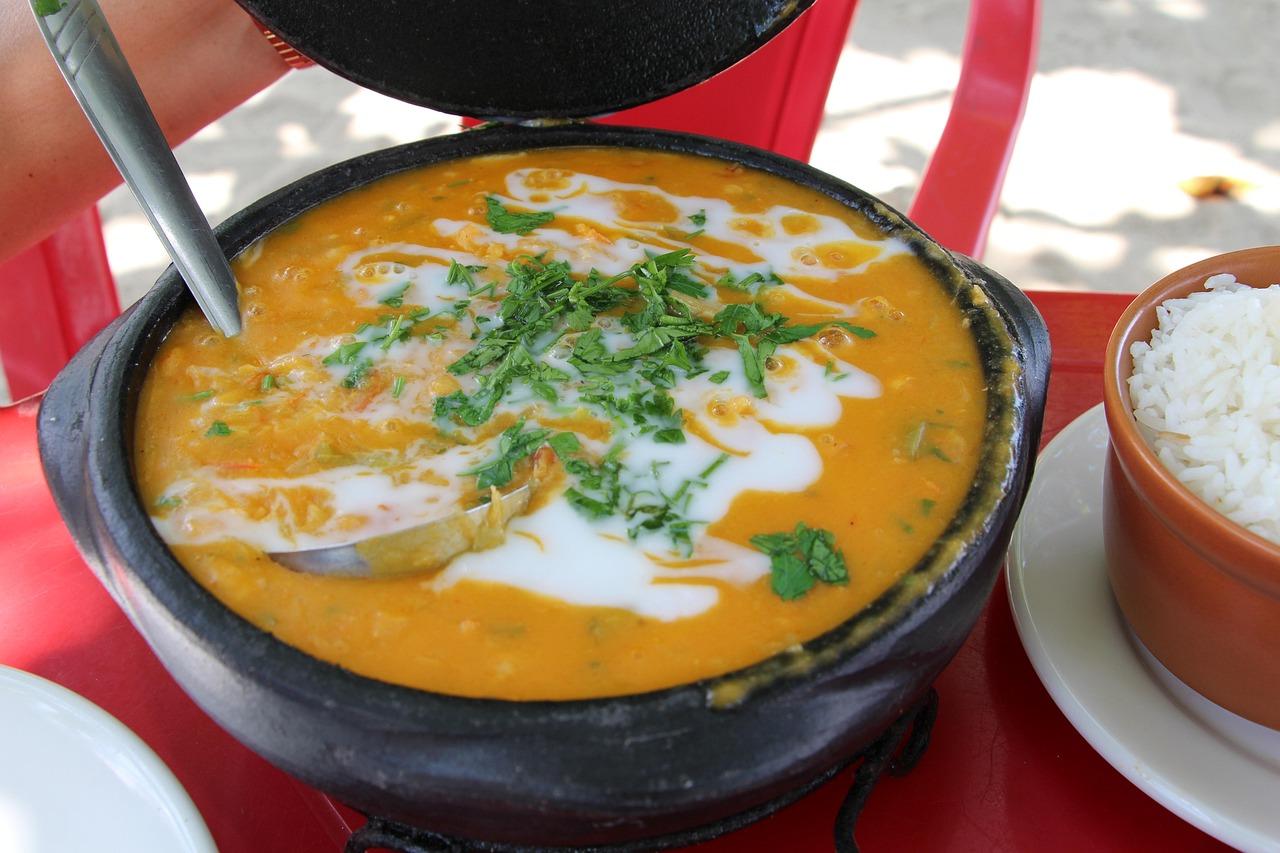
Velvety, coral-coloured and rich with coconut, bobó de camarão is what Bahian families put on the table when there is something to celebrate, and beach restaurants from Praia do Forte to Itacaré serve it in clay pots with white rice and farofa. Cassava is boiled until it falls apart, blended with coconut milk into a smooth cream, then folded into prawns cooked with onion, tomato, peppers and a slick of dendê oil. The result is somewhere between a stew and a thick sauce, sweet from the prawns and gently earthy from the cassava. A frequent mistake is boiling the prawns in the purée for too long, which leaves them tough and curled; they go in at the very end. Cassava must always be cooked right through, never eaten raw: cut out the woody core and boil it until a knife meets no resistance. Chef's tip: blend the cassava while it is still hot, with some of its cooking water; cold cassava turns gluey in the blender.

Read more 1 views

What to eat today?

Around the world

Today's trip: Paraguayan

A new country every day, from every cuisine on the site.

Paraguayan

Morcilla dulce

Sweet blood sausage with walnuts 120 minMore from Paraguayan (27) →

This week's collection

Kid-friendly dinners
537 recipes · a new collection every Monday

Latest recipes

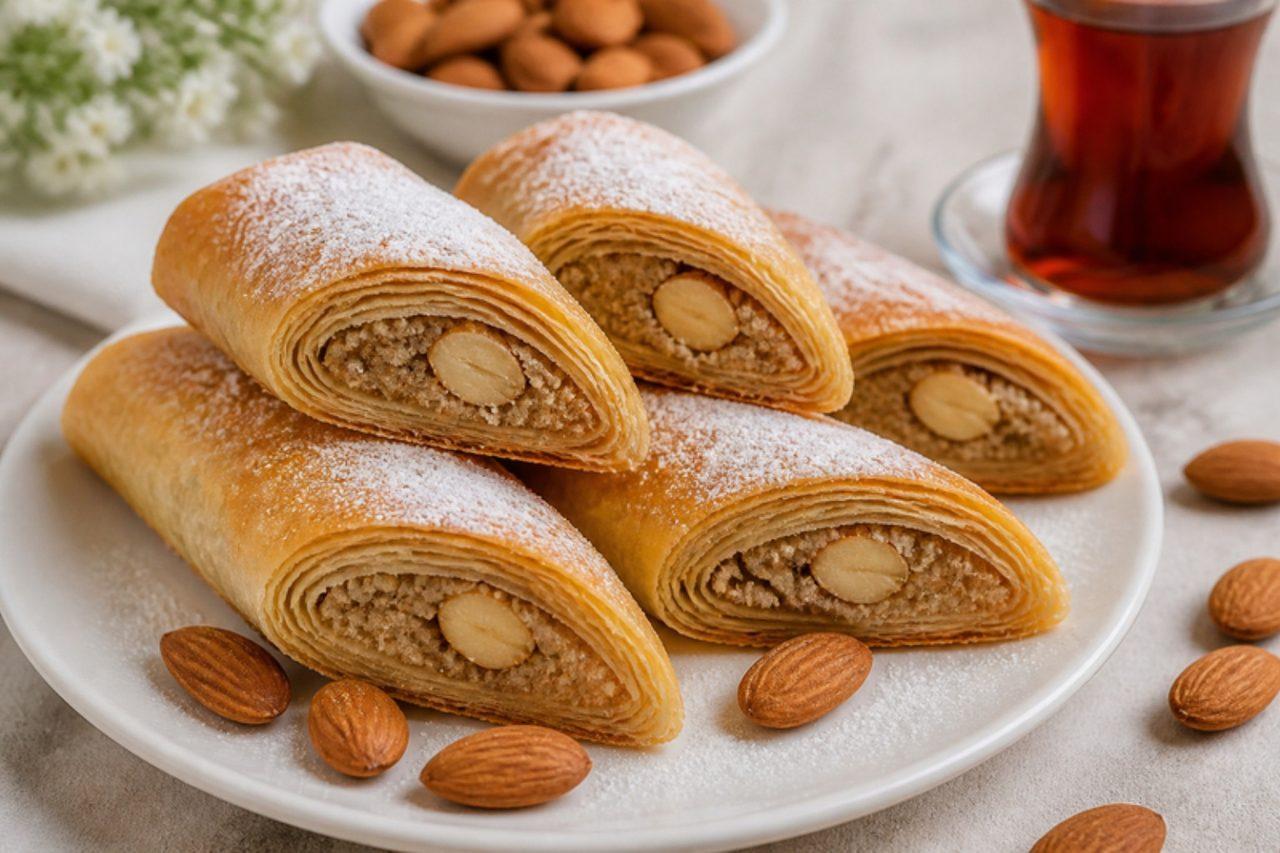
BadamburaLayered almond rolls

Badambura means "almond twist", and in Baku it is the cousin of shekerbura that takes more patience: the dough is rolled thin, brushed with butter and rolled up in a long spiral, so it bakes into crisp, flaky layers around a moist almond filling. It is made for Novruz and weddings and sold year-round in the old-city bakeries of Icherisheher, wrapped in paper with a dusting of icing sugar. The flavour is pure almond and cardamom with a hint of vanilla. Serve with black tea in pear-shaped glasses. Chef's tip: keep the rolled spiral cold in the fridge for 20 minutes before cutting; firm dough keeps its layers.

by KrazyBadal 0 views

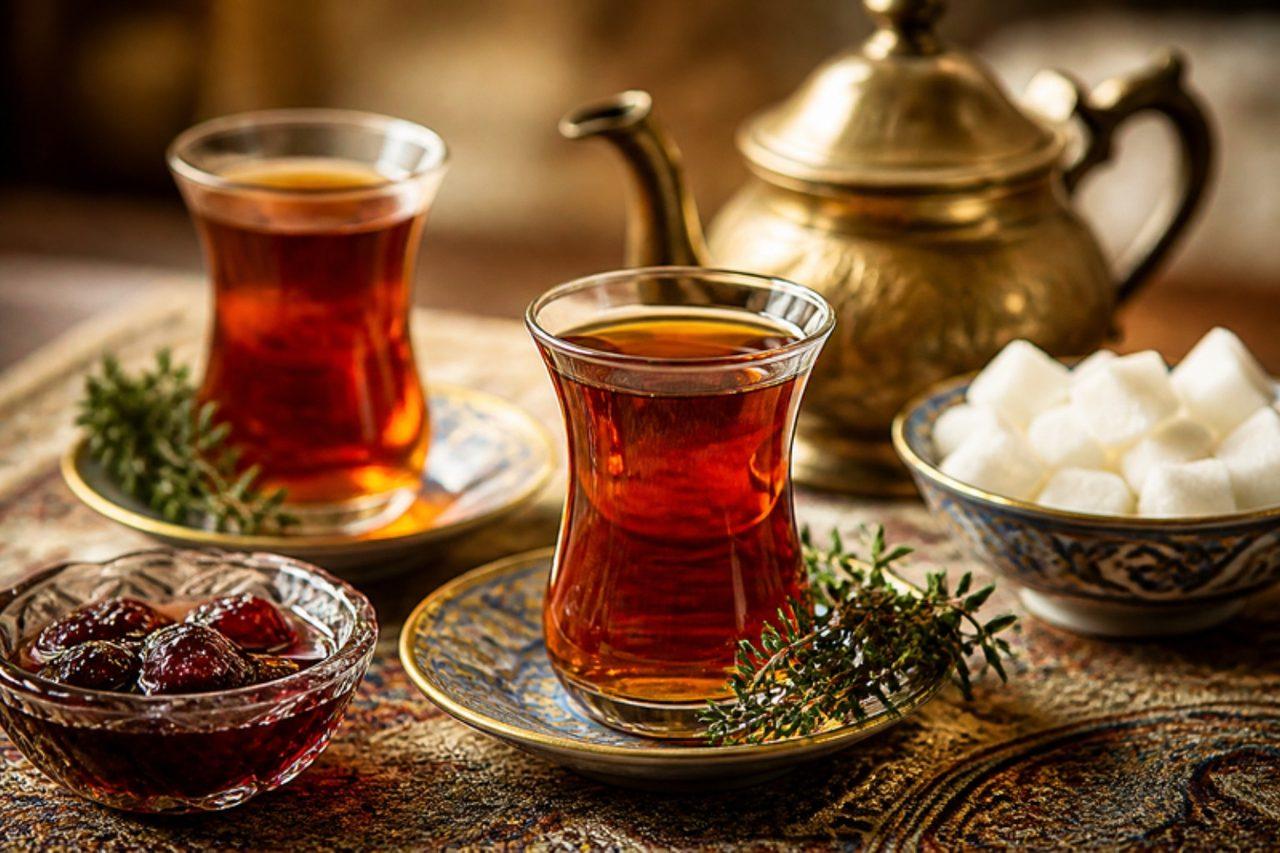
Azerbaijani black tea

In Azerbaijan tea comes before, during and after everything, served in small pear-shaped armudu glasses in teahouses (çayxana) from Baku's boulevard to the hill towns of Lankaran, where most of the country's tea is grown. It is strong, clear and red-brown, often brewed with a sprig of mountain thyme (kəklikotu) or a crushed cardamom pod, and served with lemon, sugar cubes and little dishes of jam: cherry, quince, white cherry or even walnut. People sip the tea through a sugar cube held in the mouth or with a spoonful of jam, never stirring jam into the glass. It is also the drink that settles a match: tea served sweet at a matchmaking visit means yes. Chef's tip: warm the pot and glasses with boiling water first; tea brewed in a cold pot never reaches full colour.

by KrazyBadal 0 views

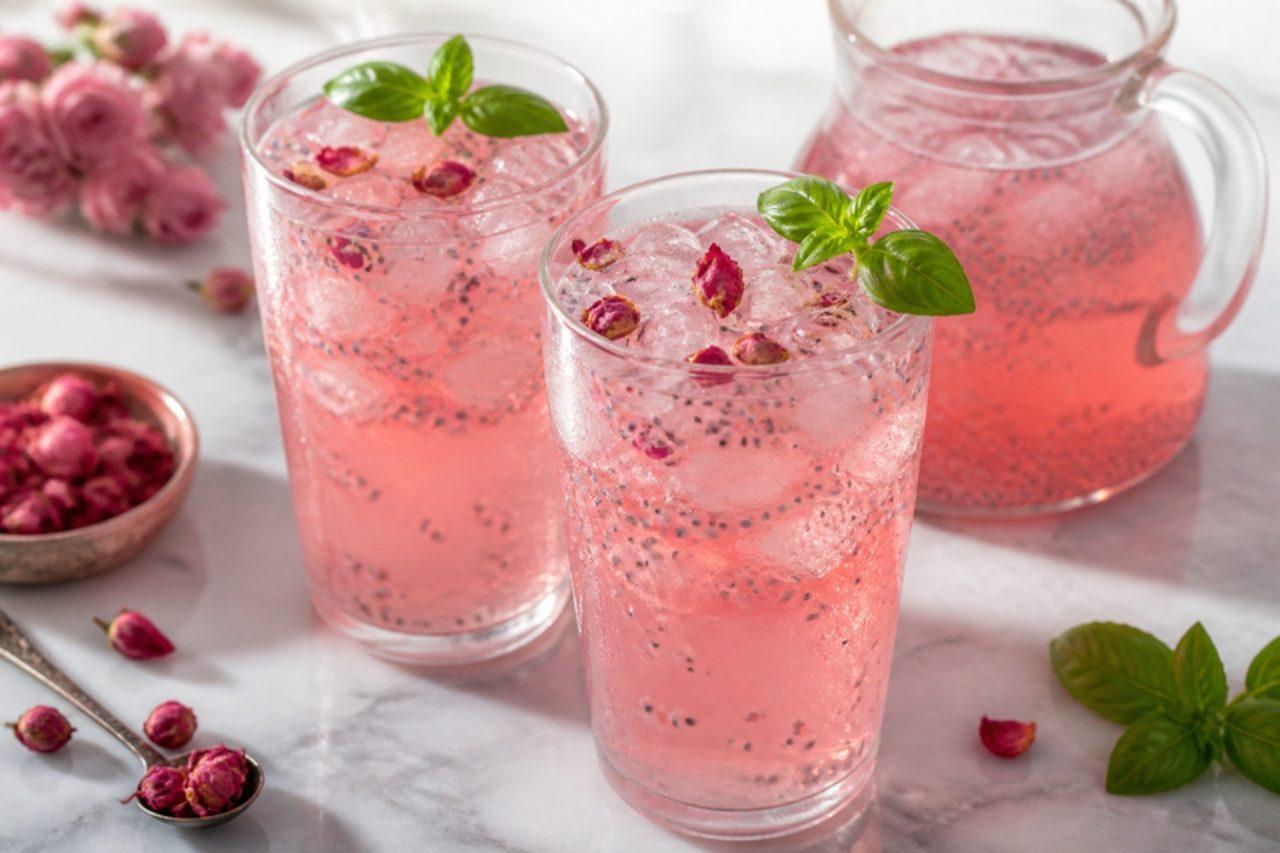
Rose and basil sherbet

Şərbət is poured at the start of every Azerbaijani wedding, and the rose kind, scented with rosewater from the Absheron rose gardens, is the most loved; in Baku it is set out in crystal jugs for Novruz guests and at Ramadan iftar. This version adds two kinds of basil (reyhan): purple basil leaves steeped in the syrup for a clove-like scent, and soaked basil seeds that swell into soft, jelly-coated pearls. Lemon keeps it from tasting like perfume. Serve very cold, with ice, alongside sweets or a rich plov. Chef's tip: soak the basil seeds in plenty of water, at least 20 times their volume; crowded seeds clump into a single lump.

by KrazyBadal 0 views

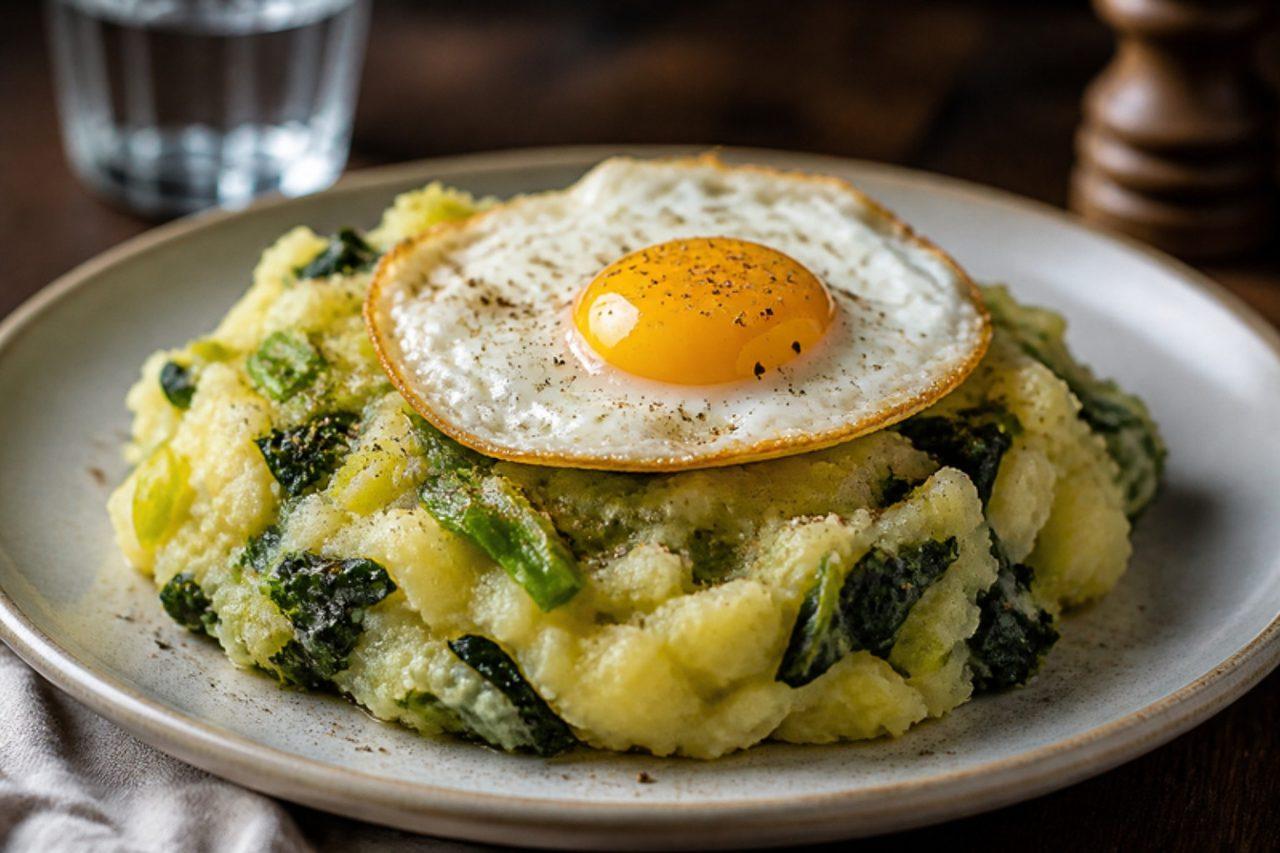
Stoemp with leeks and spinach

Stoemp (from the Brussels dialect word for 'to mash') is what Brussels brasseries such as those around the Marolles serve on cold days: potatoes crushed together with whatever vegetable is in season, rich with butter and nutmeg. Unlike Dutch stamppot, the vegetables are usually cooked separately and softened in butter first, which gives a sweeter, silkier mash. Leek and spinach is one of the most popular versions in Brussels, and a fried egg with a runny yolk on top turns it into supper. The meat versions come with sausages; this is meat-free. Chef's tip: cook the leeks slowly in butter until they almost melt; quick-fried leeks stay stringy and squeaky in the mash.

by KrazyBadal 0 views

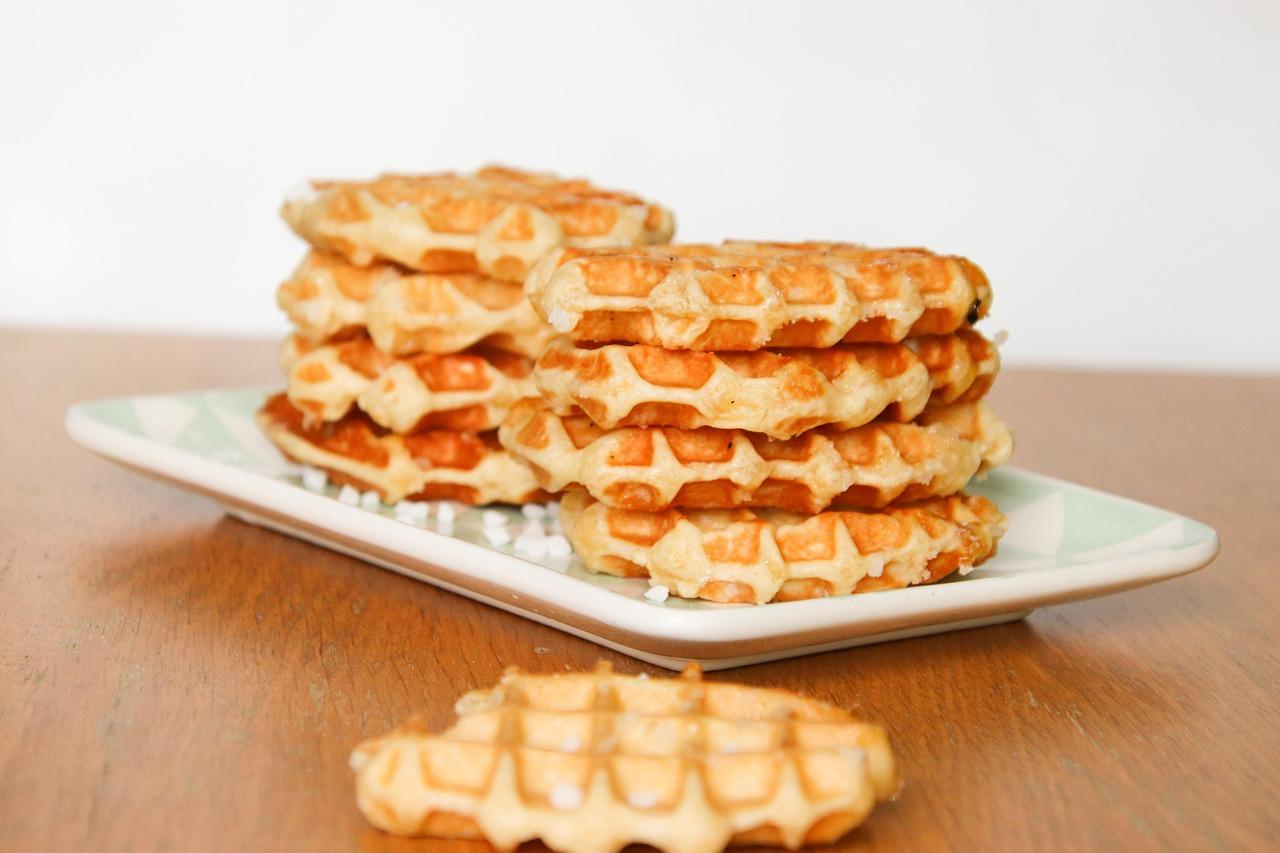
Liège waffles

In Liège, in French-speaking Wallonia, the waffle is not a light batter but a rich yeasted dough studded with pearl sugar, eaten warm from a paper sleeve as you walk down the street. As it cooks in a deep-grid iron, the sugar nuggets melt and caramelise into a crackling, toffee-like crust, while the inside stays soft and chewy like brioche. Belgians eat them plain, any time of day, not loaded with cream (that is the lighter Brussels waffle). Chef's tip: knead the pearl sugar in only at the very end, after the dough has risen; if it goes in earlier, it dissolves and the waffles lose their crunch.

by KrazyBadal 0 views

Raclette

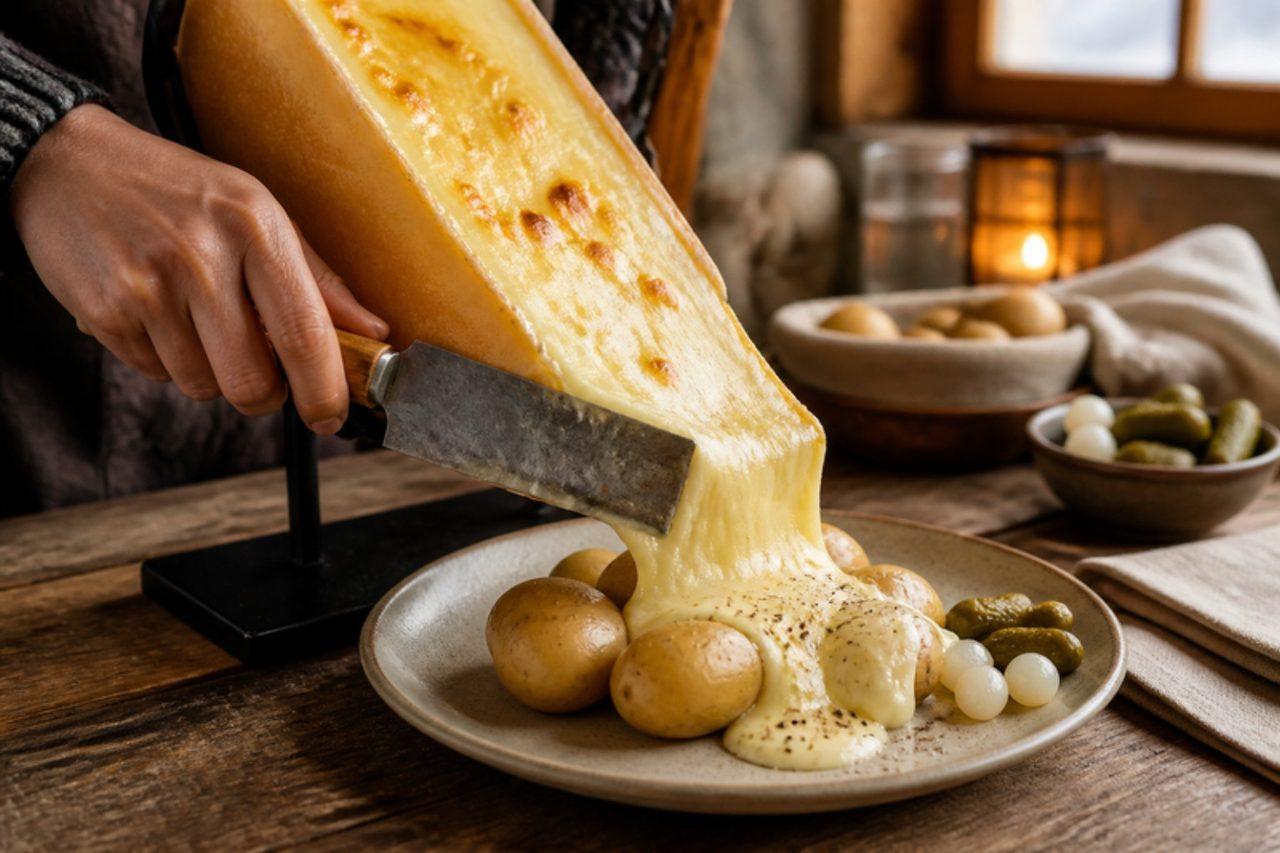
In the Valais, the vineyard-and-glacier canton along the upper Rhône, raclette began as a herders' meal: half a wheel of cheese propped beside an open fire, the melting face scraped (racler) onto a plate of potatoes. Today Valais families and village festivals still serve it the slow way, one plate at a time, while at home most people use a tabletop grill with small pans. The cheese is soft and pungent from the wheel and turns sweet and nutty as it bubbles, set off by sharp cornichons and little pickled onions. A proper Valais raclette needs nothing else: no charcuterie, just potatoes, pickles, pepper and a glass of Fendant or hot tea. Raclette cheese is usually made with animal rennet; choose a wheel or slices labelled with microbial or vegetarian rennet. Chef's tip: keep the potatoes hot in a covered basket wrapped in a cloth, so each scoop of cheese lands on a steaming potato and stays runny.

by KrazyBadal 0 views

Bircher muesli

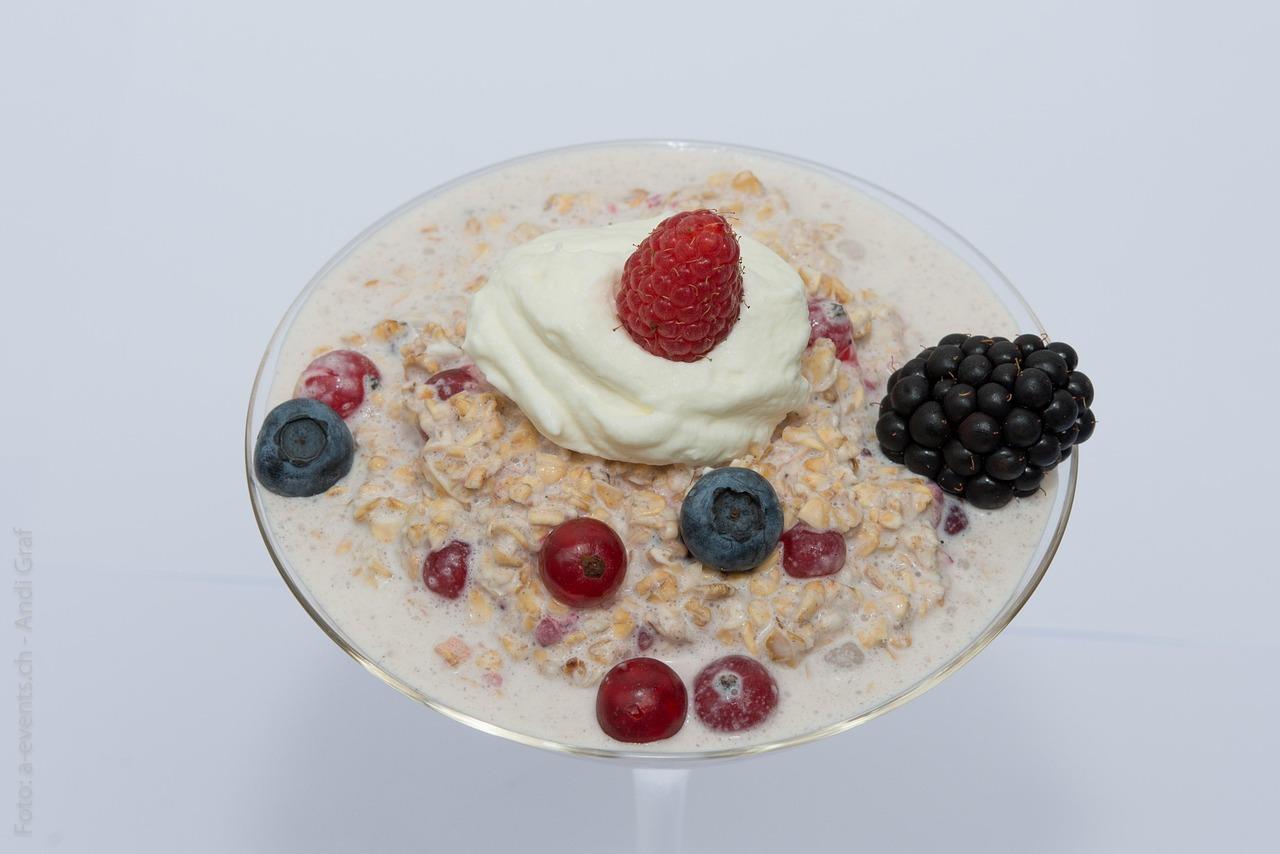
Around 1900 the Zürich doctor Maximilian Bircher-Benner served his sanatorium patients a small bowl of raw food before every meal, which he called d'Spys (the dish): a spoonful of soaked oats, plenty of grated apple, lemon juice, nuts and condensed milk. His original was mostly apple, not mostly oats, and that is what sets it apart from the dry muesli mix sold in packets. Swiss cafés and railway kiosks still serve Birchermüesli for breakfast or a light supper, creamy, sharp and fresh, now often with yogurt and berries. This version keeps his balance: oats soaked overnight, a whole apple grated in at the last moment, lemon, hazelnuts and a little honey and yogurt. Chef's tip: grate the apple straight into the lemon juice, skin and all, and stir at once; it stays pale and juicy instead of turning brown.

by KrazyBadal 0 views

Shopska salad

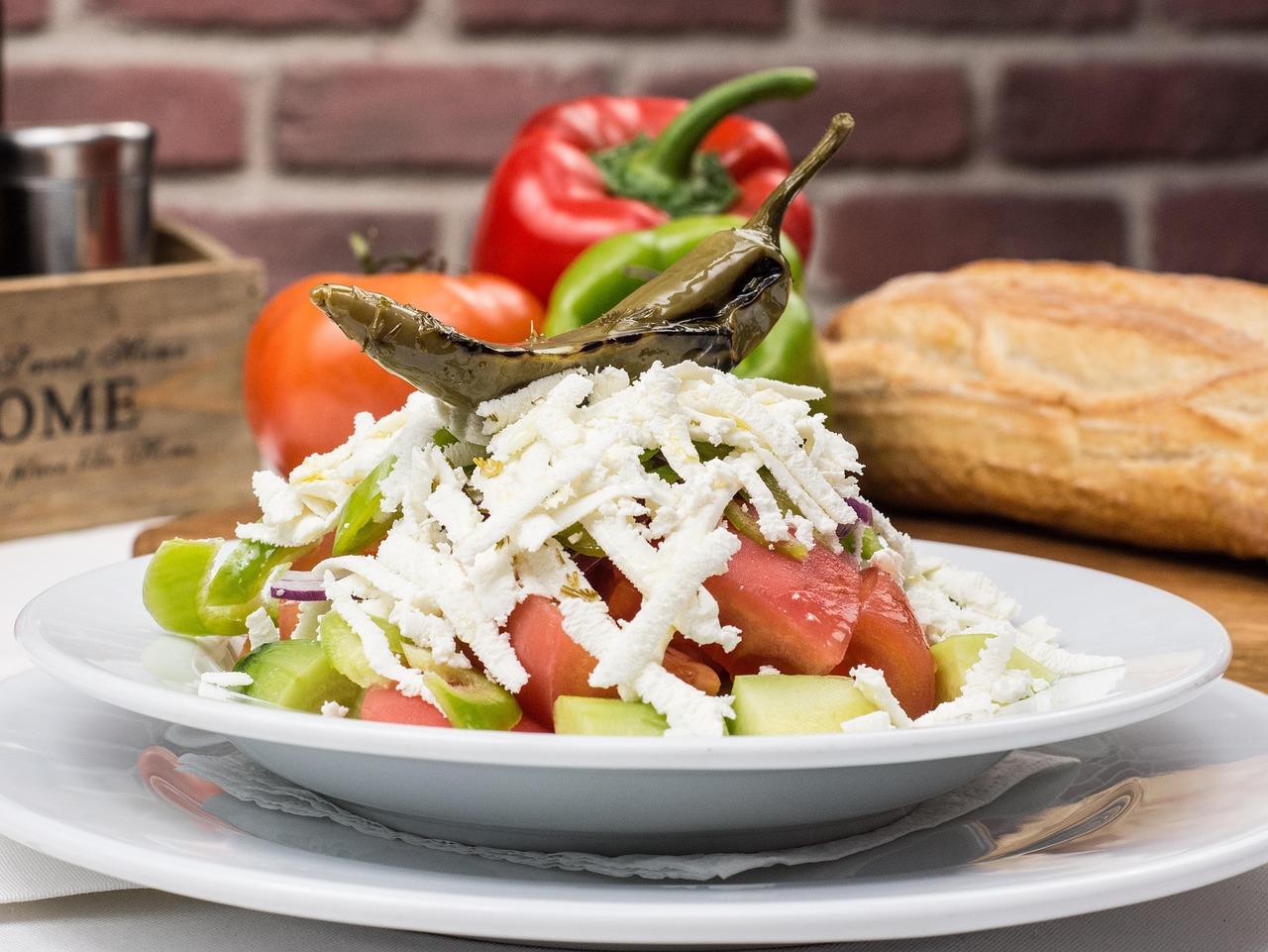
Shopska salata is named after the Shopi people of the Sofia region and has become Bulgaria's national salad, the first thing ordered at any mehana (tavern) with a cold glass of rakia. Ripe tomatoes, cucumber, onion and soft roasted peppers are dressed simply with sunflower oil and vinegar, then buried under finely grated sirene, the Bulgarian white brined cheese, so the top looks like fresh snow. Unlike a Greek village salad, there are no olives and the cheese is grated, not in a slab. Chef's tip: salt and dress the vegetables before the cheese goes on; dressing over the cheese is the common mistake and turns the white snow soggy.

by KrazyBadal 0 views

Tebasaki (Nagoya fried chicken wings)

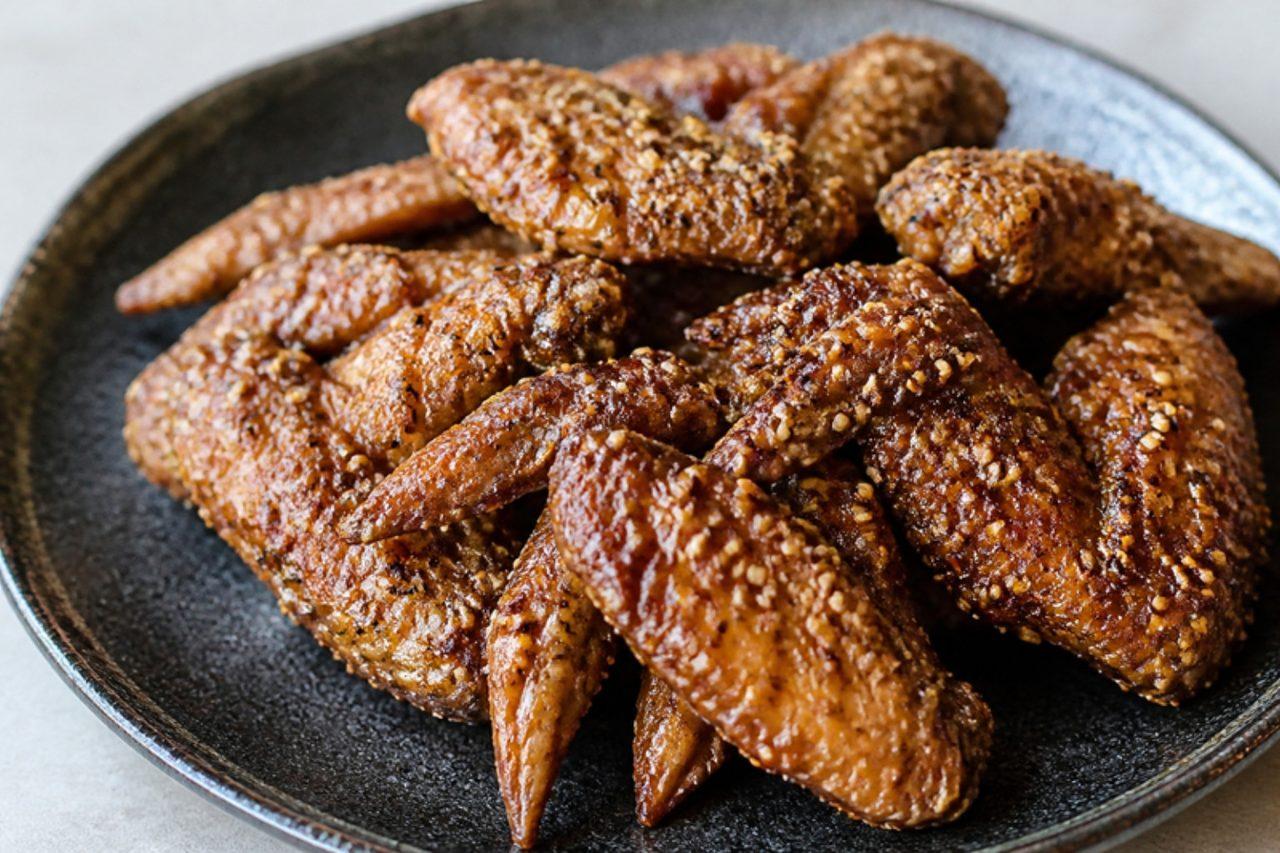
In Nagoya's izakaya, chicken wings come whole, with the mid-joint and tip still joined in a V, and they arrive in piles beside cold drinks. Tebasaki are fried without batter until the skin turns crisp and thin, then brushed with a sweet soy glaze and dusted heavily with pepper and sesame. The spice is the point: they should taste peppery, salty and sticky at once. Eat them with your hands, twisting the two bones apart to pull the meat off. Chef's tip: brush on the glaze the moment the wings leave the oil; hot, crisp skin soaks it up and stays crunchy, while cooled wings just turn sticky.

by KrazyBadal 0 views

Akashiyaki (Akashi egg and octopus dumplings)

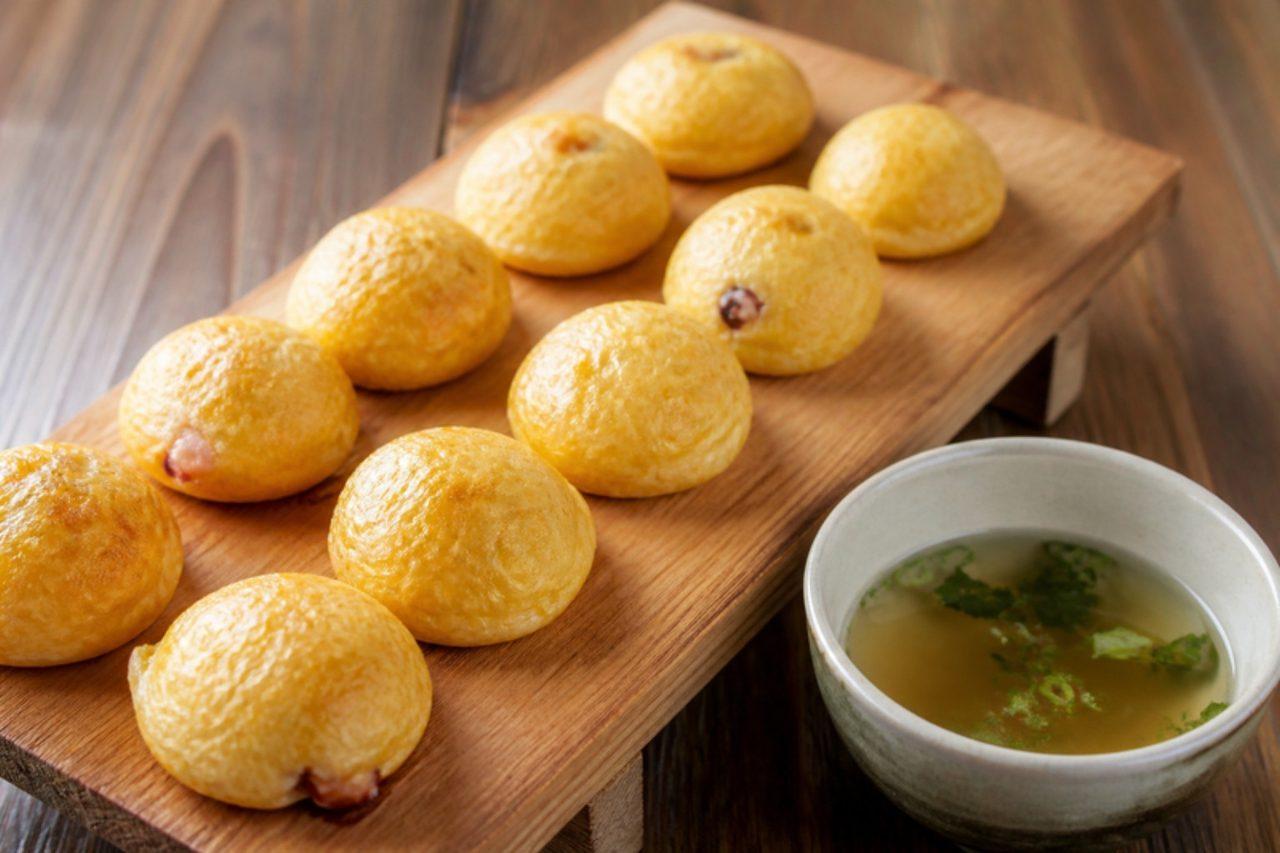
Ask for tamagoyaki in Akashi, a fishing town on the coast of Hyogo, and you will be served these dumplings rather than a rolled omelette: that is what locals call them. Small shops near the Uonotana fish market sell them on tilted wooden boards, with a bowl of warm dashi for dipping. Compared with Osaka takoyaki, the batter is mostly egg and stock, so the balls are soft and trembling inside, and they come without sauce or mayonnaise. Akashi is famous for its octopus, and a piece sits in every ball. Chef's tip: oil the pan generously and fill each hollow right to the brim; the soft batter needs the extra to make a round, puffy ball.

by KrazyBadal 0 views

Wagyu steak, Kobe style

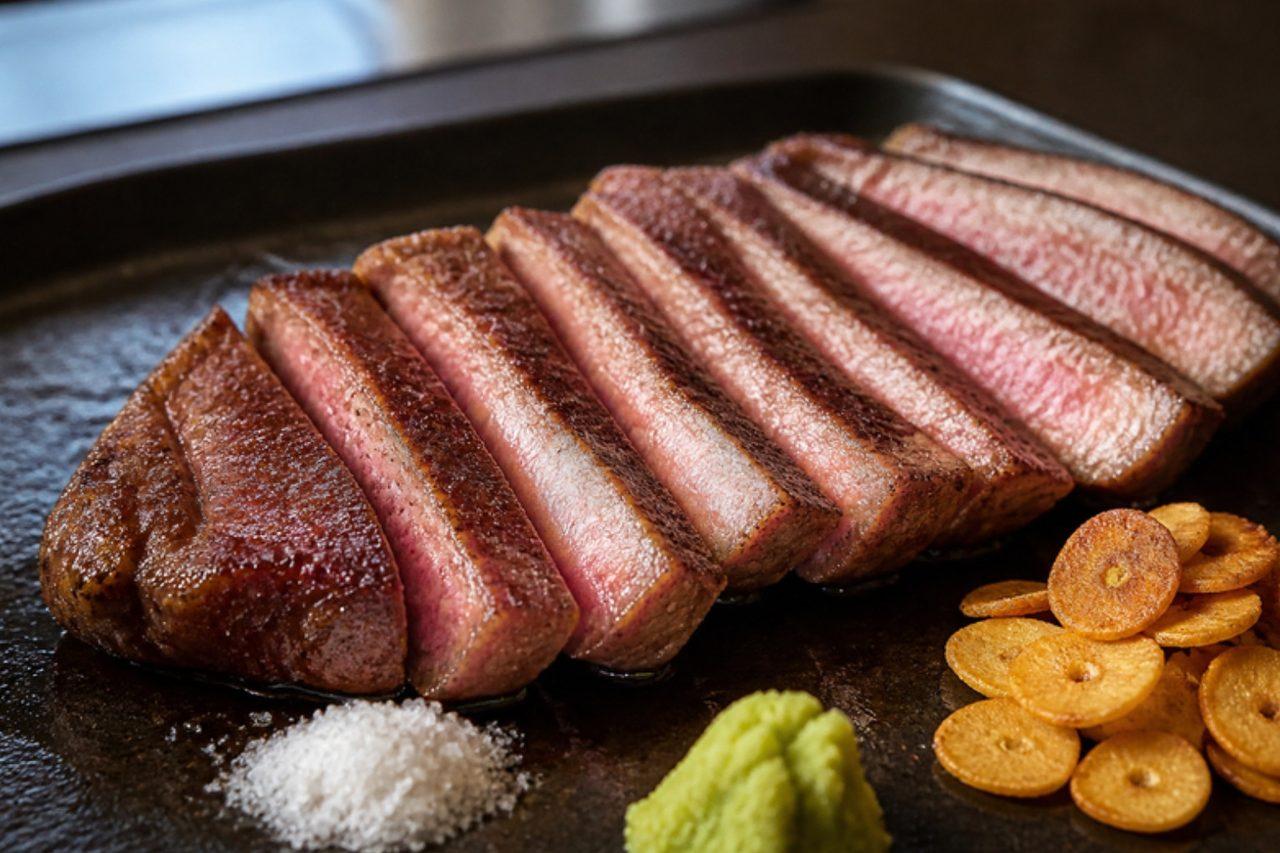
Kobe's steakhouses cook beef on a hot iron plate in front of the diners, cut it into bite-size pieces and serve it with little more than salt, wasabi and golden garlic chips. Genuine Kobe beef is a protected name: it can only come from certified Tajima cattle born and raised in Hyogo prefecture that meet strict grading rules, and it is rare and costly outside Japan. This recipe is cooked in the same style, with any good wagyu, or a well-marbled sirloin or ribeye if you cannot get wagyu. Because the fat is so rich, a modest portion goes a long way. Chef's tip: cut a small piece of fat from the edge of the steak and melt it in the pan instead of oil; it greases the pan and adds a lovely beefy aroma.

by KrazyBadal 0 views

Onomichi ramen

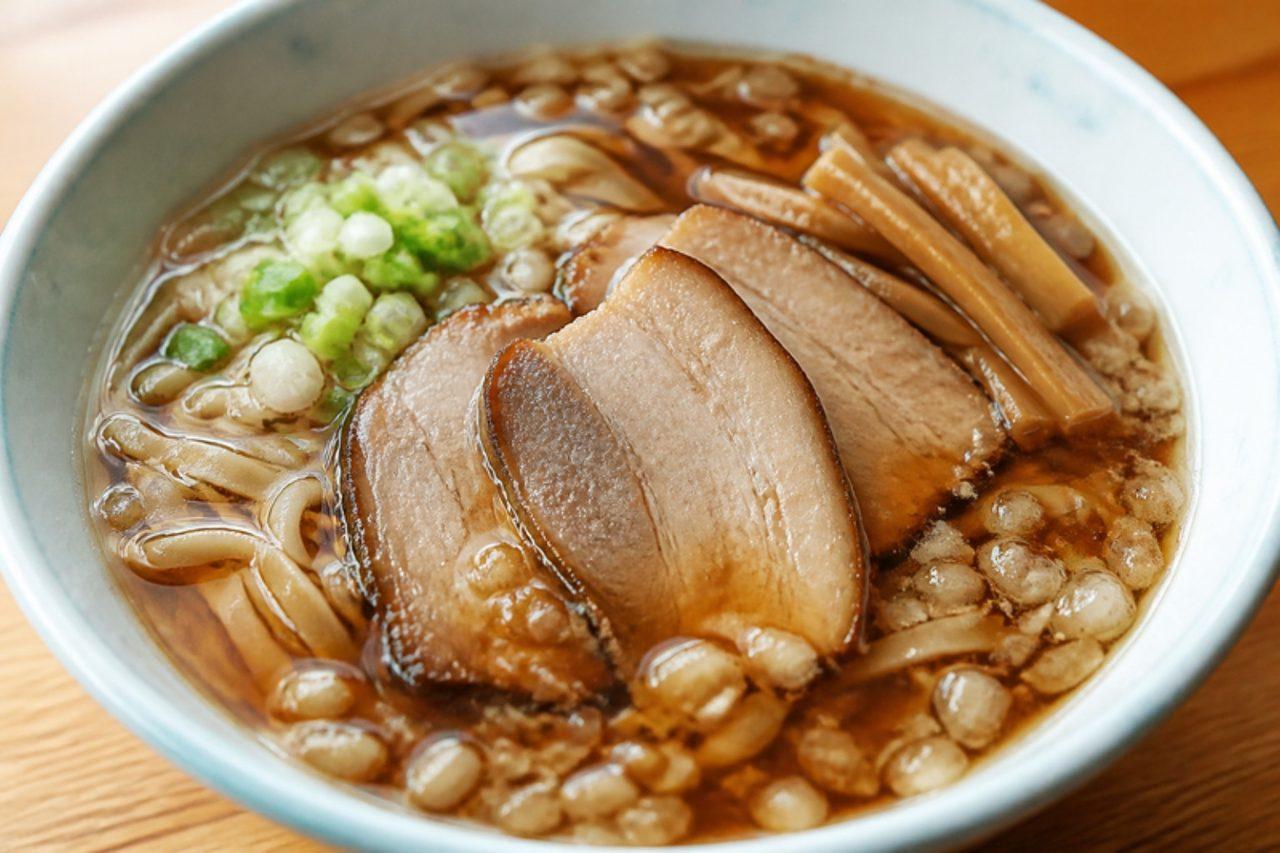
Onomichi is a hilly port town in Hiroshima prefecture on the Seto Inland Sea, and the start of the Shimanami Kaido cycle route across the islands to Shikoku. Its ramen shops serve a dark soy-seasoned broth made from chicken and small dried fish, with flat, slightly wavy noodles. The signature is a scattering of soft pork back-fat pieces that float on top and melt into each mouthful. Many visitors eat a bowl before or after the bike ride. Chef's tip: pull the heads and dark bellies off the dried sardines before using them; that is where the bitterness lives, and the cleaned fish give a sweet, clean sea flavour.

by KrazyBadal 0 views

Hiroshima oyster nabe (kaki nabe)

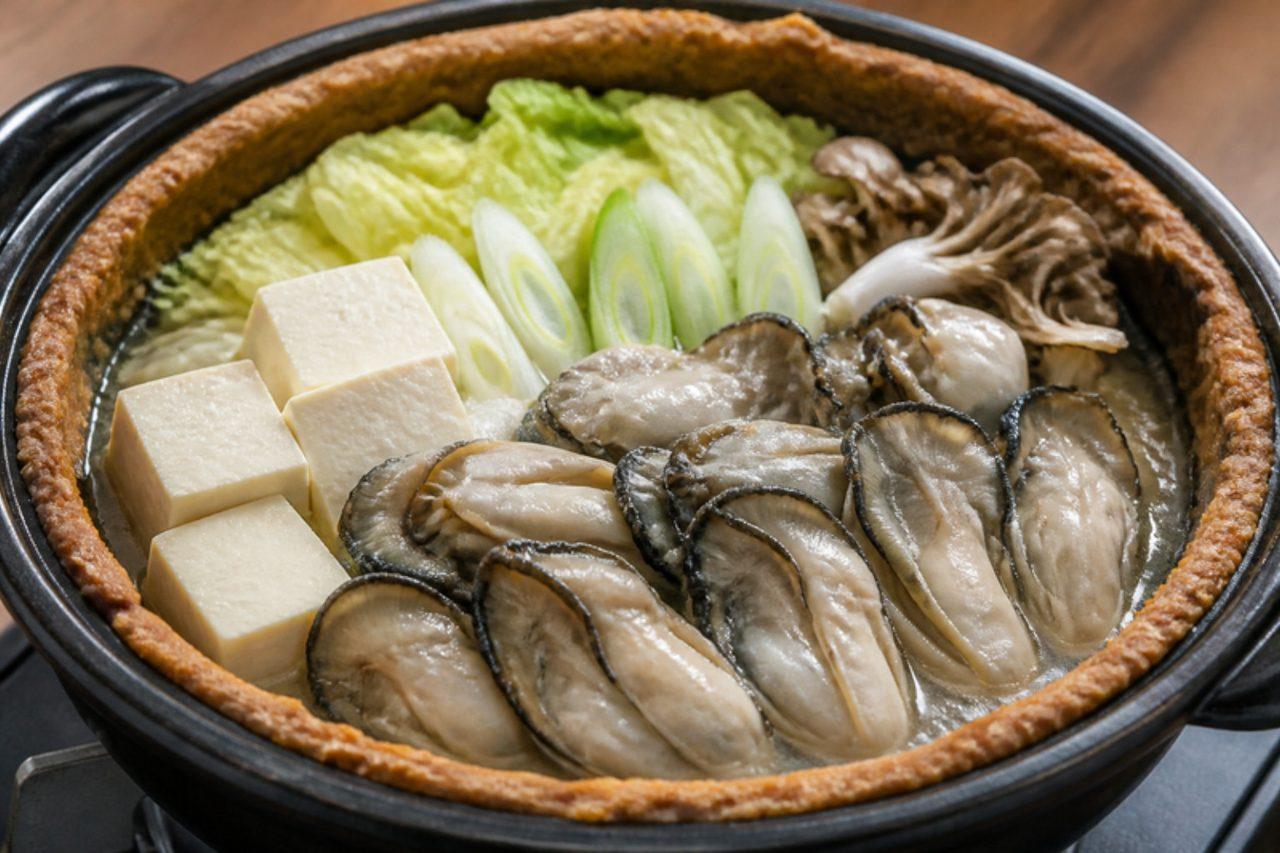
Hiroshima Bay is lined with oyster rafts, and from late autumn to early spring the city's restaurants put kaki nabe on the menu. In the version called dote nabe, a thick band of sweetened miso is smeared around the inside of the pot like a riverbank, then melts into the broth bit by bit as you eat. Cabbage, tofu, leek and mushrooms go in first; the oysters only need a few minutes at the end. It is cooked at the table on a portable burner, so everyone eats it as it is ready. Chef's tip: rinse the shucked oysters in a bowl with potato starch and a little salt, then in clean water; the grey starch pulls out grit and slime and leaves them clean-tasting.

by KrazyBadal 0 views

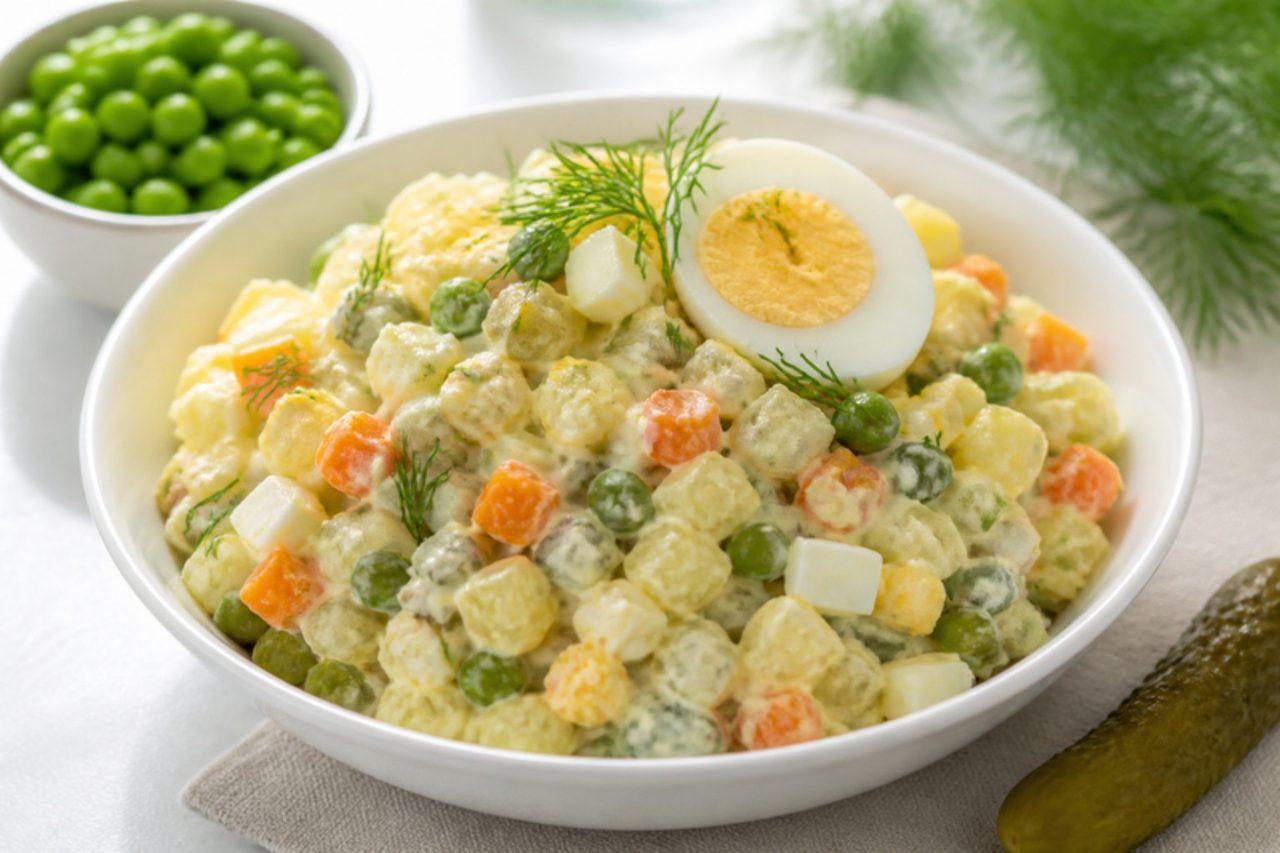
Olivier salad (vegetarian)

Salat Olivier was born in a fashionable Moscow restaurant in the 1860s, but today it belongs to every Russian kitchen on 31 December, when a bowl the size of a washing-up basin is made in the afternoon and eaten until 1 January is well over. Soviet cooks swapped the original's game for boiled sausage; this vegetarian version leaves it out and lets the sweet carrots, peas, sharp pickled cucumbers and creamy egg carry the salad. Chef's tip: cut everything to the size of a pea, the same size as the peas themselves; that is what makes Olivier feel like Olivier rather than potato salad.

by KrazyBadal 0 views

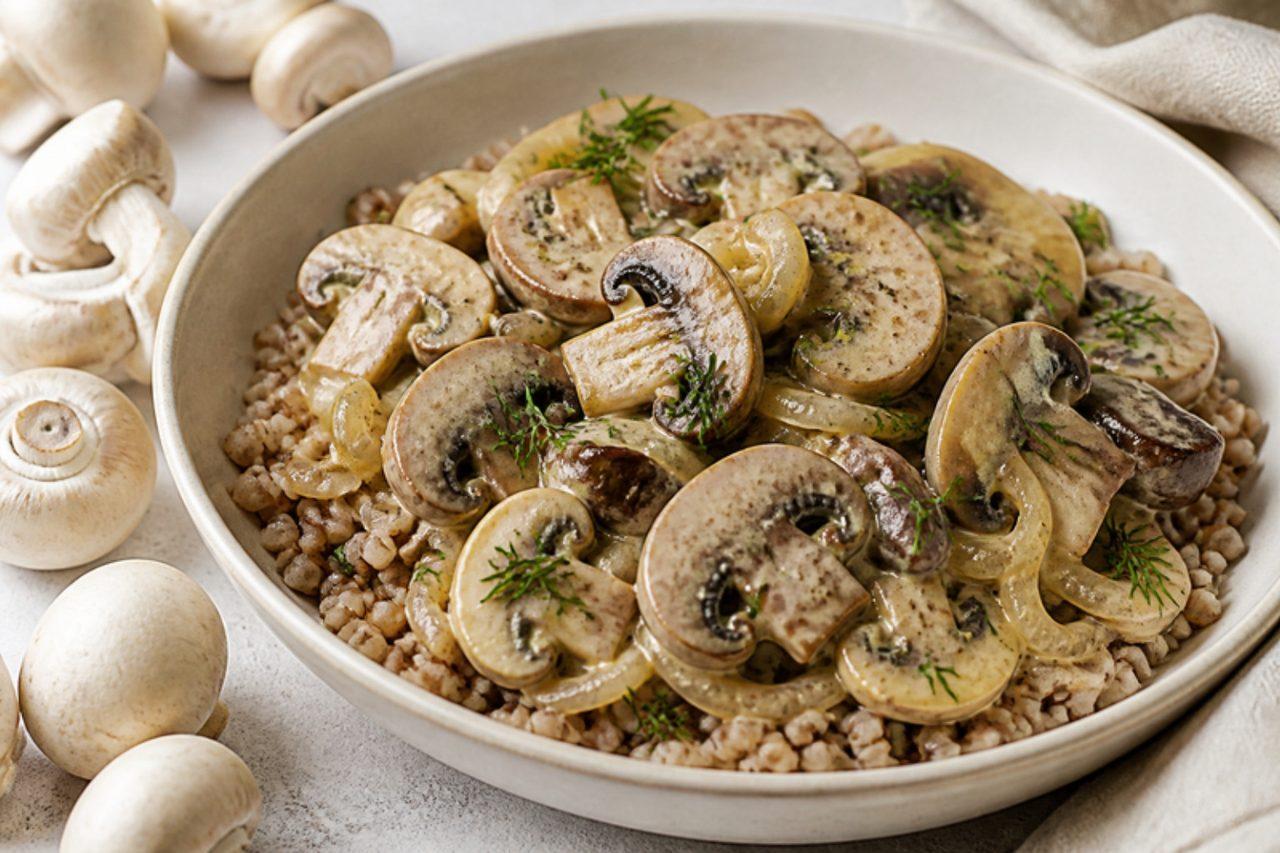
Mushroom stroganoff

Beef stroganoff was named after the aristocratic Stroganov family of St Petersburg in the nineteenth century, and the original is strips of beef in a sauce of smetana and mustard. In Russian homes today the meatless version, made with forest mushrooms in autumn and button mushrooms the rest of the year, is just as common, especially during Orthodox fasts and on weeknights. It differs from Hungarian paprikás: no paprika, a gentle mustard edge, and a sauce that should stay pale and creamy. Serve it on fluffy buckwheat or mashed potatoes. Chef's tip: stir the smetana in off the boil; bubbling it hard makes it split into grainy curds.

by KrazyBadal 0 views

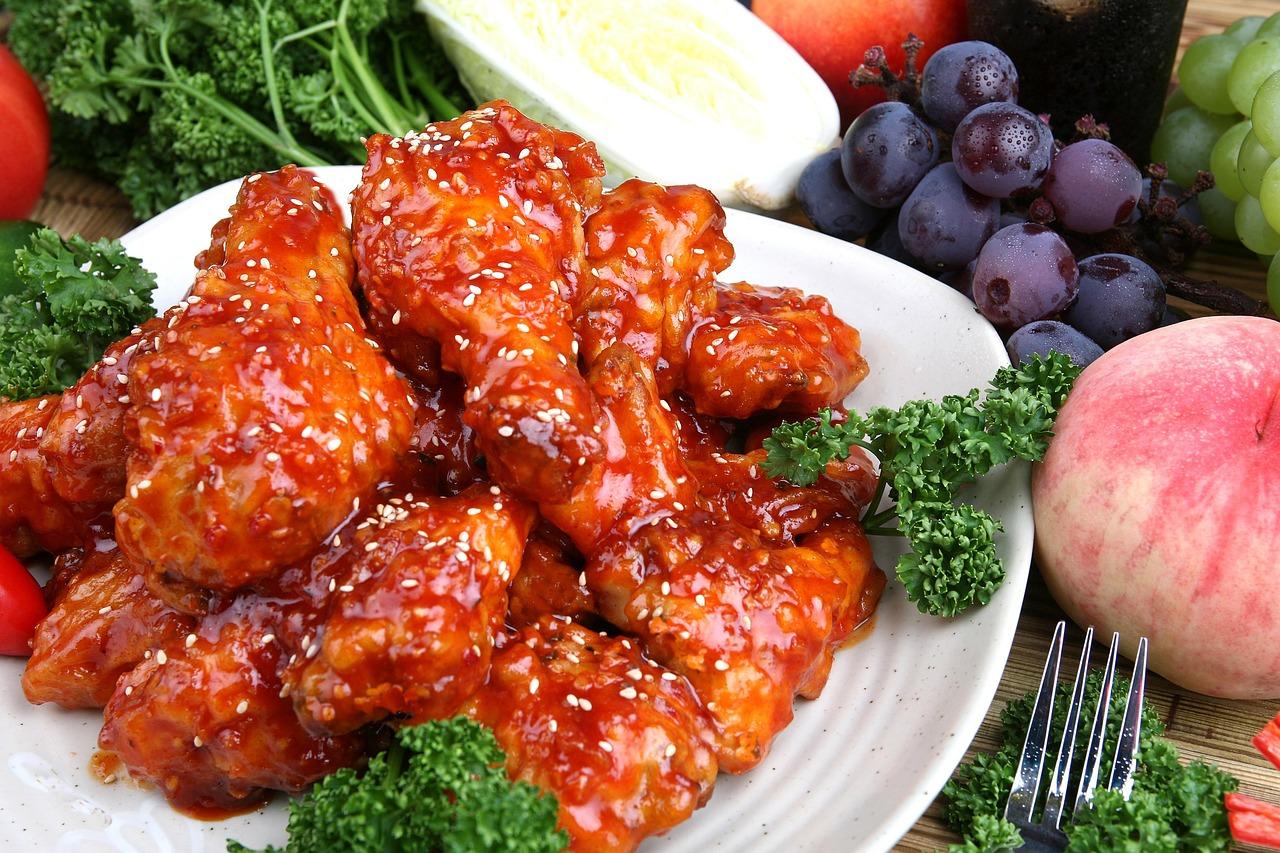
Yangnyeom chicken (Korean fried chicken)

Fried chicken shops are on almost every street corner in Korea, and late-night delivery boxes are shared over sport on TV or by the river in summer. The pairing with beer even has its own word, chimaek, but an ice-cold alcohol-free beer, barley tea or a fizzy drink works just as well. Yangnyeom chicken is the glazed kind, tossed in a sweet, garlicky gochujang sauce, and it always comes with cubes of white pickled radish to cut the richness. Chef's tip: let the chicken rest for 5 minutes between the two fries; the moisture that rises to the surface is what the second fry turns into a shatteringly crisp shell.

by KrazyBadal 0 views

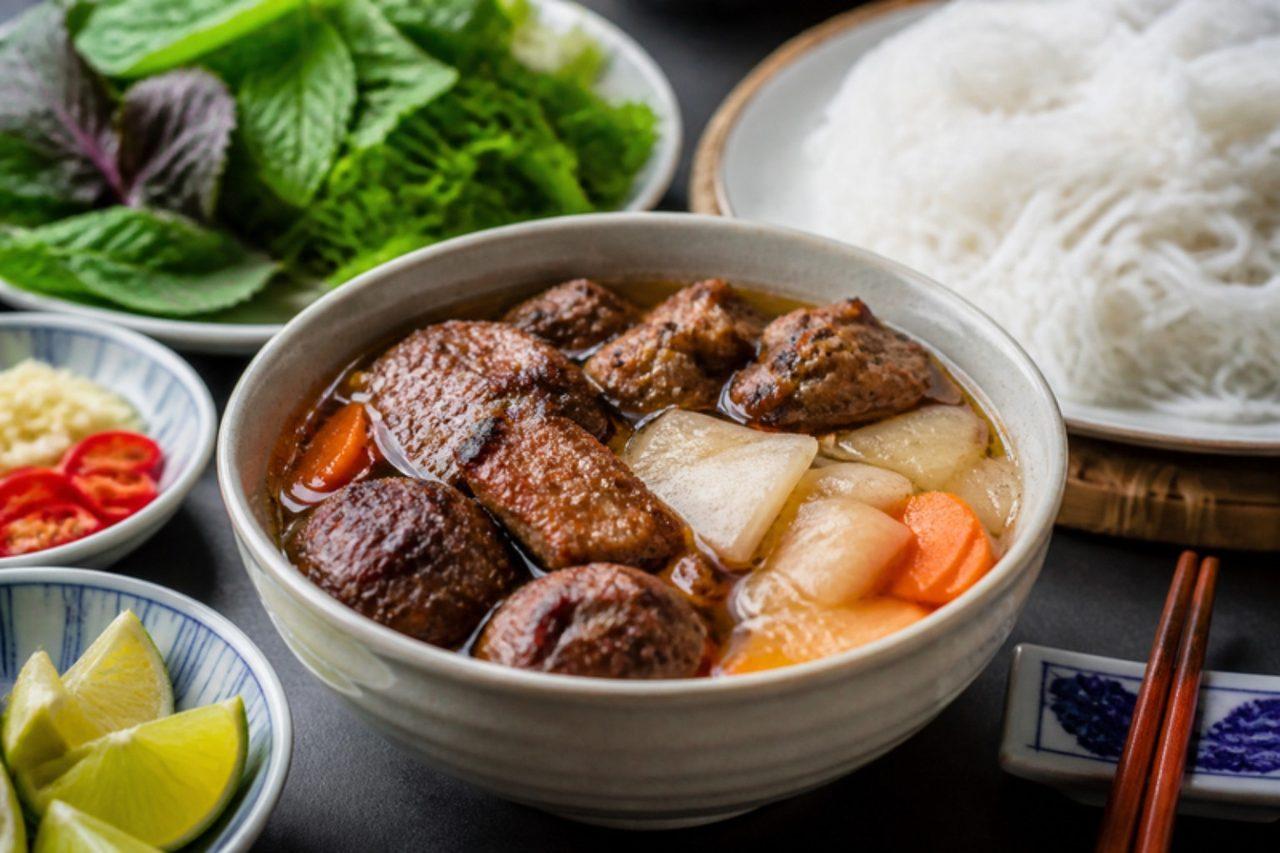
Bun chaGrilled pork with rice noodles

Around 11 in the morning, the side streets of Hanoi's Old Quarter fill with smoke as cooks fan little charcoal braziers loaded with pork. Bun cha is the city's lunch: grilled patties and caramelised strips of pork belly served floating in a warm bowl of thin, sweet-sour fish sauce, with cold rice vermicelli and a basket of lettuce and herbs to dip in alongside. Each mouthful is a bit of noodle, a bit of meat and a leaf or two, all dunked together. A barbecue gives the real smoky edge, but a ridged grill pan works well indoors. Chef's tip: let the grilled meat sit in the warm sauce for a few minutes before eating, so the smoky fat seasons the sauce and the sauce soaks into the meat.

by KrazyBadal 0 views

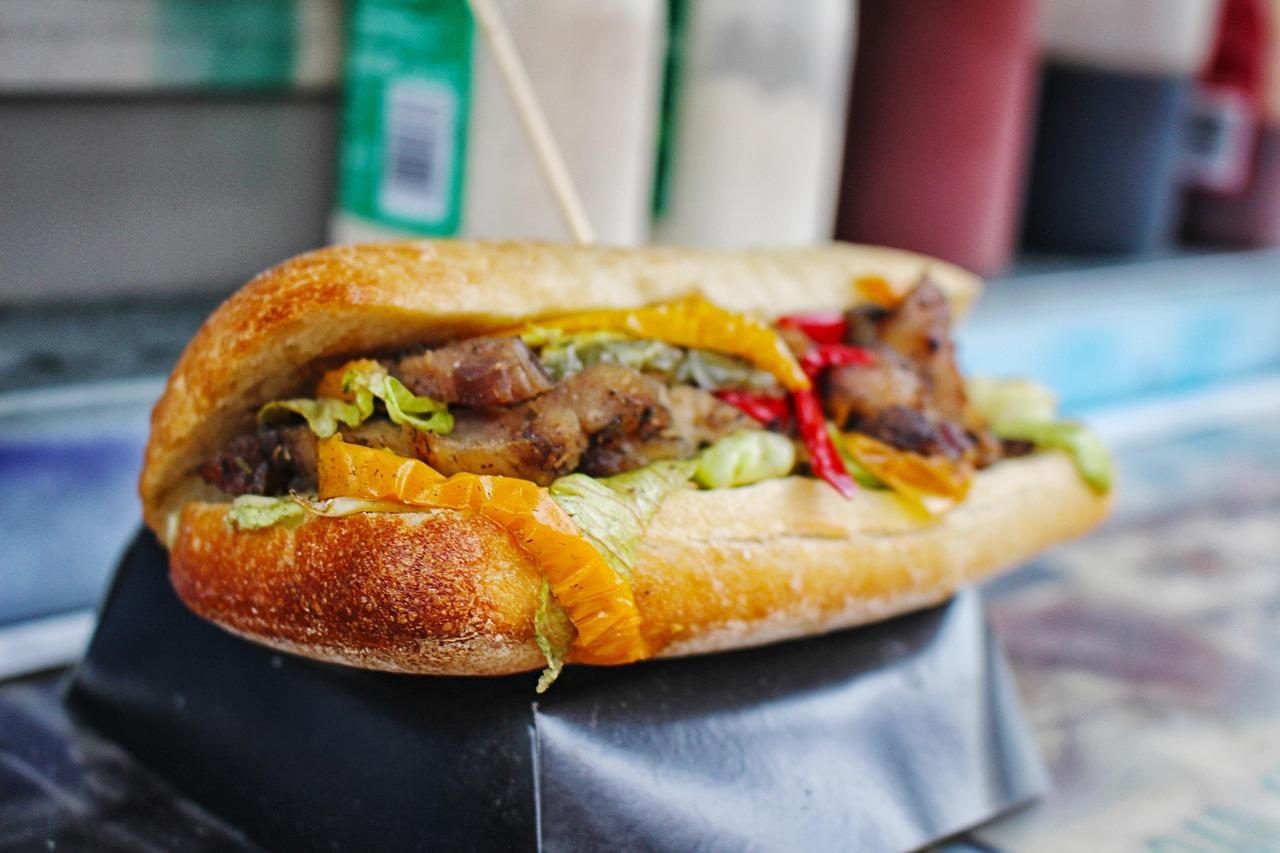
Banh mi

On Saigon pavements at breakfast time, bánh mì carts with glass cases are stacked with light, crackly rolls, tubs of pickles and trays of pâté and pork. The bread came with the French, but the filling is entirely Vietnamese: a smear of liver pâté and mayonnaise, cold cuts or lemongrass-grilled pork, sweet-sour carrot and daikon, cucumber, coriander and fresh chilli, with a splash of savoury seasoning sauce. It's eaten on the move, often on the back of a motorbike. This is the meat version; there is also a lemongrass tofu bánh mì on the site. Chef's tip: choose the lightest, airiest baguettes you can find, as a dense French loaf squeezes the filling out the sides.

by KrazyBadal 0 views

Showing 18 of 7,762 recipes

Show more recipes

Page 636 of 863