


Skip to content
Plastos
Featured recipe

Plastos

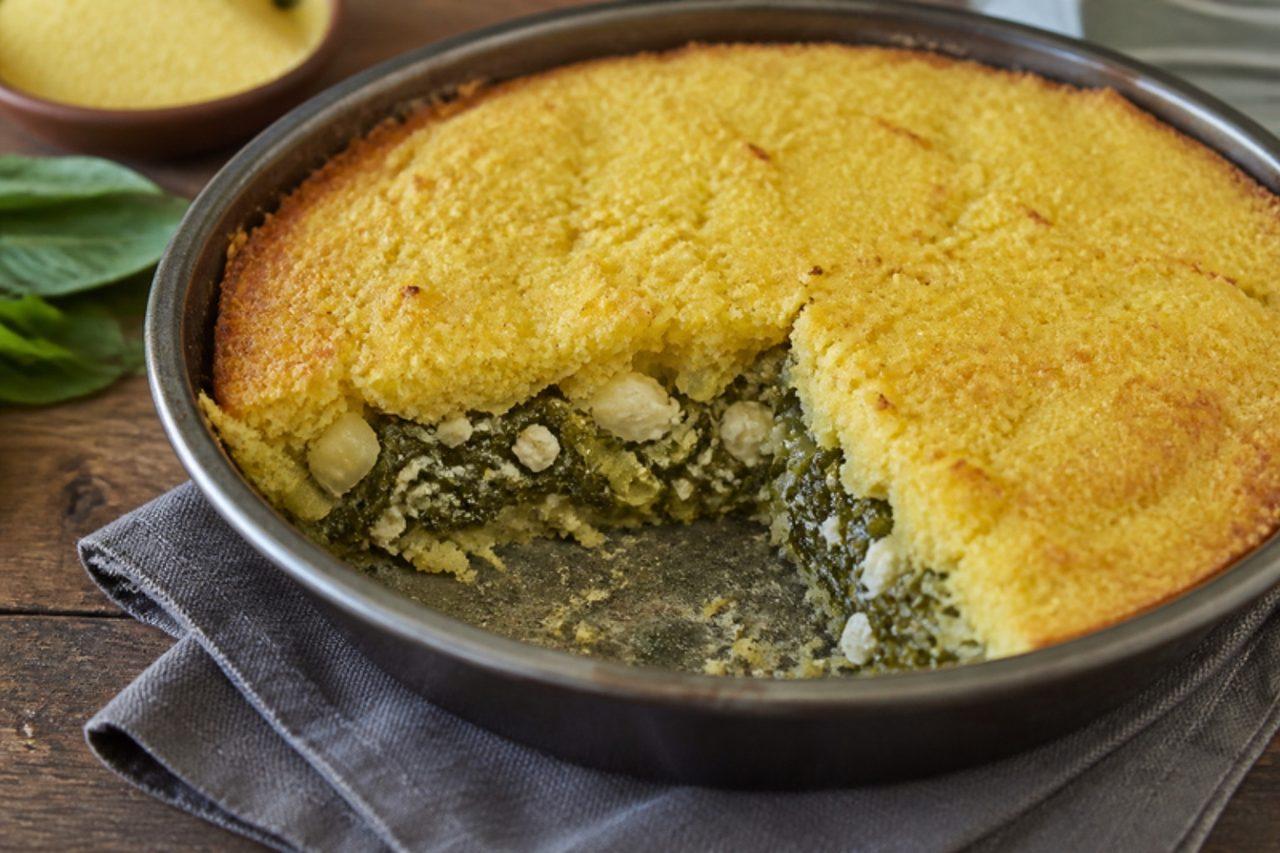
Wild greens and feta cornmeal pie

Plastos comes from the hill villages of Thesprotia and Ioannina, where women patted (plastó, 'shaped') a pie together from what the garden and hillside gave: wild greens, leeks, herbs and cheese, held between layers of coarse cornmeal instead of filo. It bakes into a crusty, rustic slab, green and savoury inside, eaten warm with yoghurt or as a lunch to carry to the fields. Feta is usually made with animal rennet; a vegetarian feta-style cheese works. Common mistake: leaving the greens wet — squeeze them hard after salting, or the cornmeal turns to paste. Chef's tip: a mix of spinach and chard with plenty of dill and fennel tops comes close to the wild greens of Epirus.

Read more 0 views

What to eat today?

Around the world

Today's trip: Paraguayan

A new country every day, from every cuisine on the site.

Paraguayan

Pira caldo

Creamy fish soup with cheese 60 minMore from Paraguayan (27) →

This week's collection

Kid-friendly dinners
537 recipes · a new collection every Monday

Latest recipes

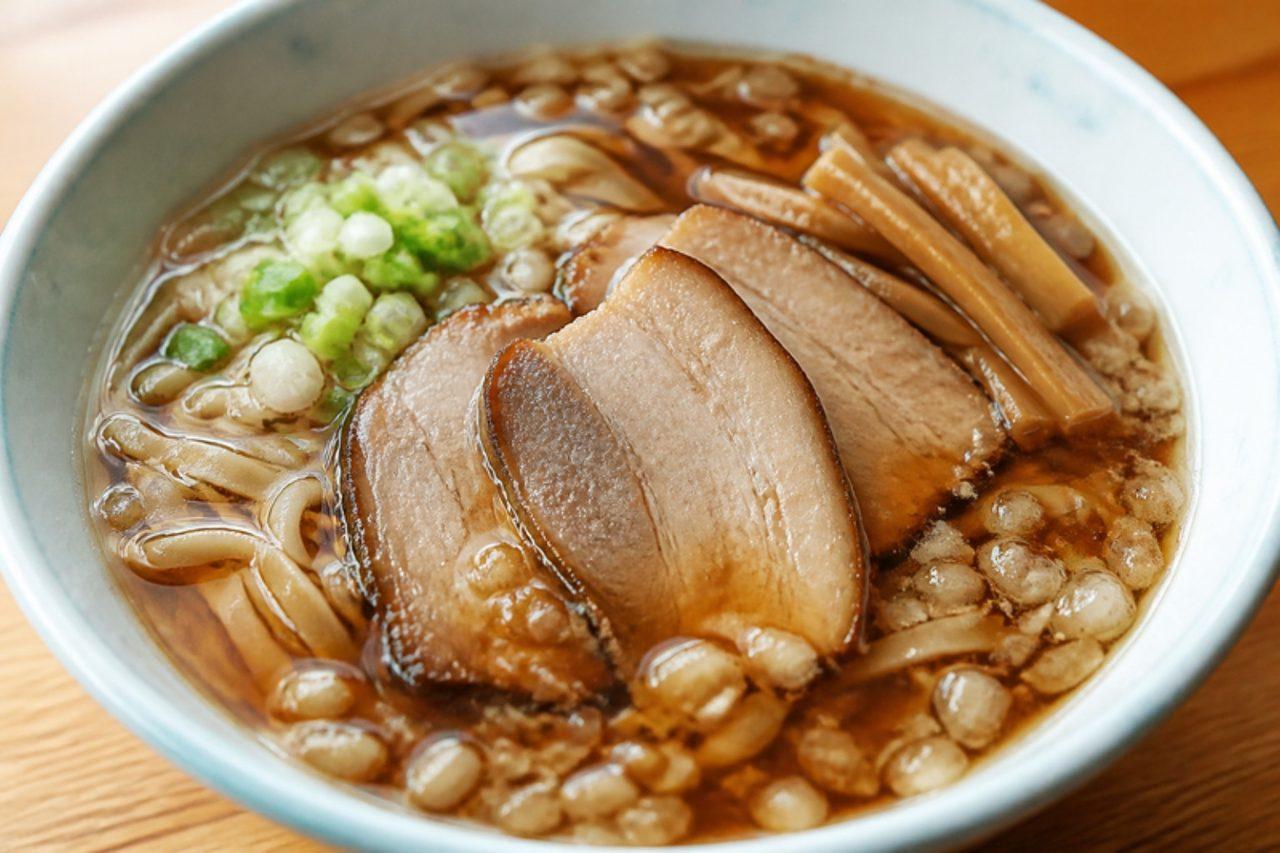
Onomichi ramen

Onomichi is a hilly port town in Hiroshima prefecture on the Seto Inland Sea, and the start of the Shimanami Kaido cycle route across the islands to Shikoku. Its ramen shops serve a dark soy-seasoned broth made from chicken and small dried fish, with flat, slightly wavy noodles. The signature is a scattering of soft pork back-fat pieces that float on top and melt into each mouthful. Many visitors eat a bowl before or after the bike ride. Chef's tip: pull the heads and dark bellies off the dried sardines before using them; that is where the bitterness lives, and the cleaned fish give a sweet, clean sea flavour.

by KrazyBadal 0 views
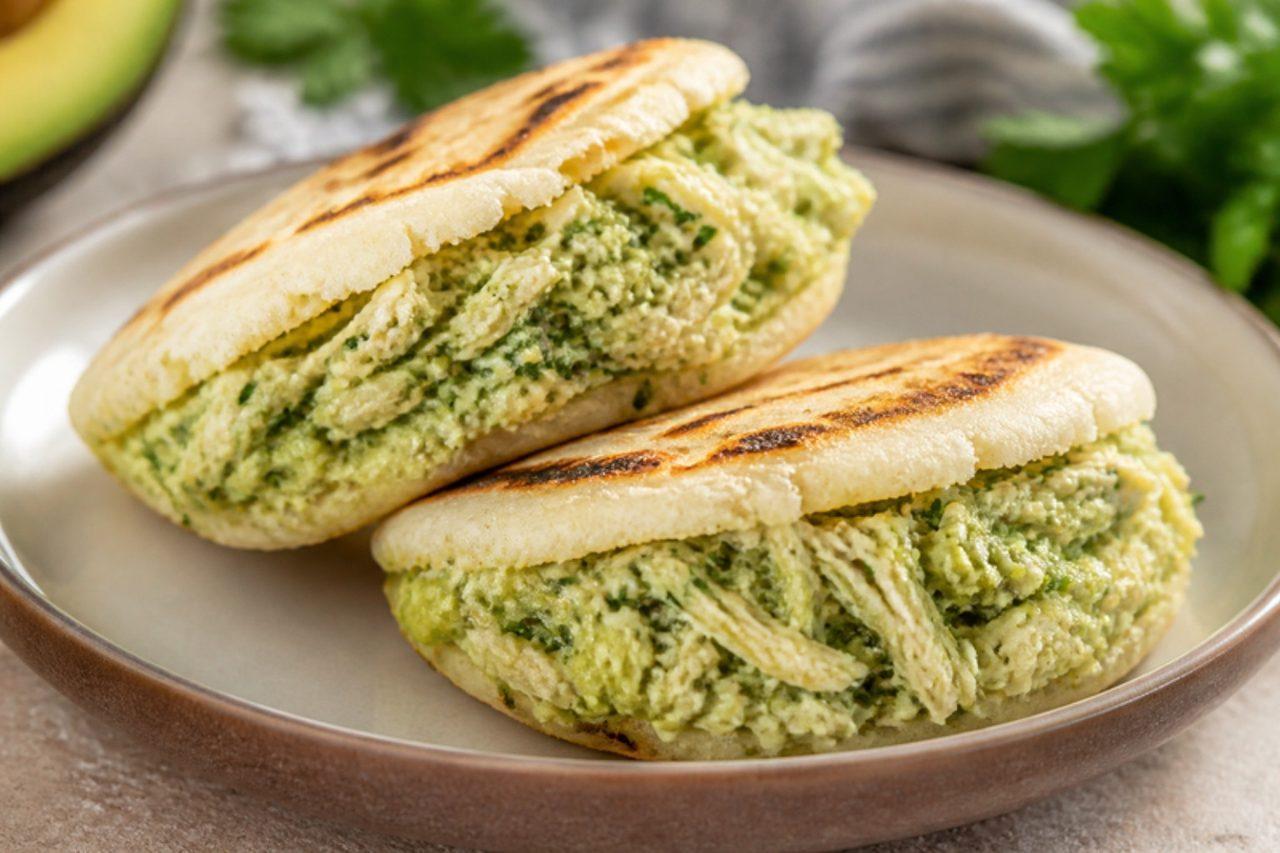
Arepa reina pepiadaChicken and avocado arepas

Caracas named this filling after a beauty queen: in 1955 a family running an arepera in the city made it for Susana Duijm, Venezuela's first Miss World, and called it 'the curvy queen'. Shredded chicken is mashed with ripe avocado, a little mayonnaise, lime and coriander, then stuffed into a hot, crisp-skinned arepa split down the side. Venezuelans eat it for breakfast, at lunch from areperas and late at night after a party. The usual mistake is cooking arepas over too high a heat: the outside blackens while the middle stays raw and doughy. Chef's tip: an arepa is done when it sounds hollow when you tap it; if it doesn't, give it a few more minutes in the oven.

by KrazyBadal 0 views

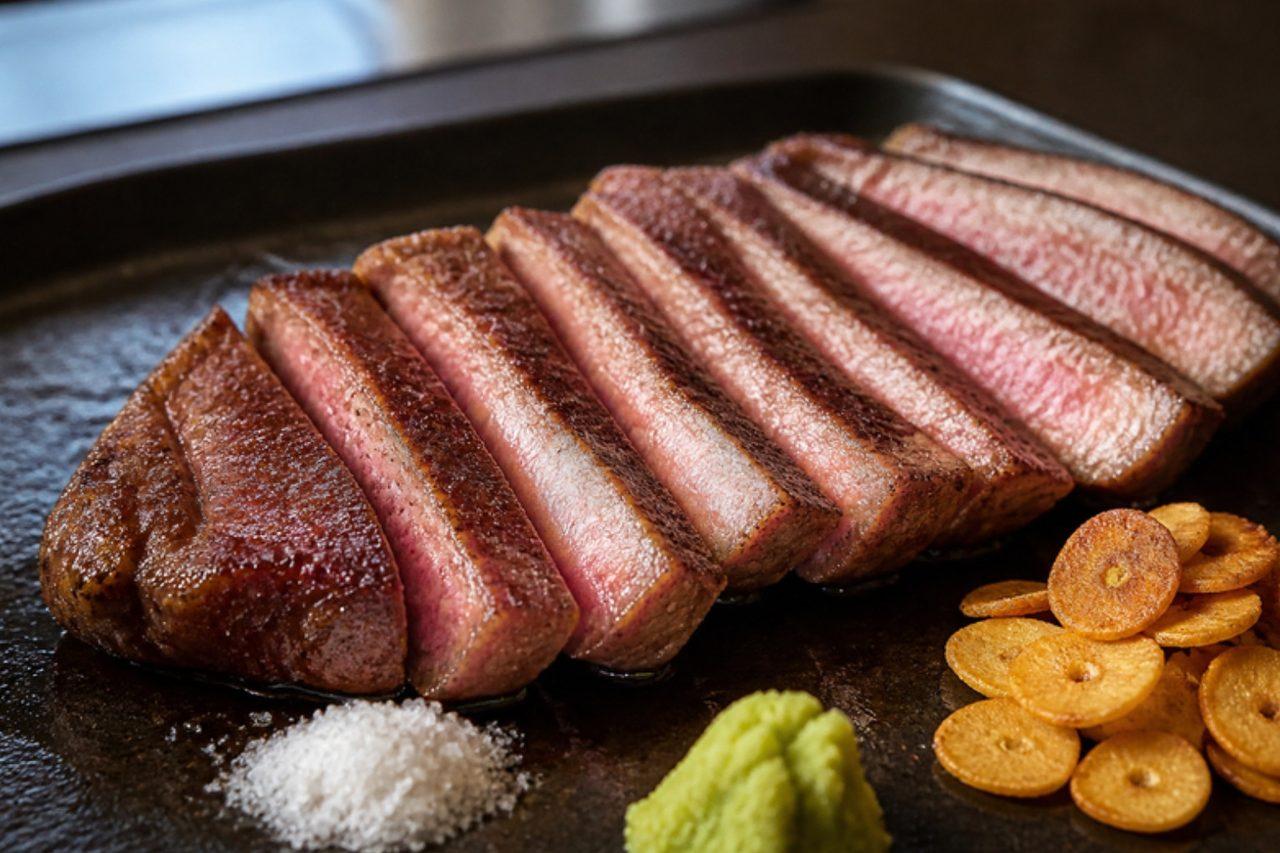
Wagyu steak, Kobe style

Kobe's steakhouses cook beef on a hot iron plate in front of the diners, cut it into bite-size pieces and serve it with little more than salt, wasabi and golden garlic chips. Genuine Kobe beef is a protected name: it can only come from certified Tajima cattle born and raised in Hyogo prefecture that meet strict grading rules, and it is rare and costly outside Japan. This recipe is cooked in the same style, with any good wagyu, or a well-marbled sirloin or ribeye if you cannot get wagyu. Because the fat is so rich, a modest portion goes a long way. Chef's tip: cut a small piece of fat from the edge of the steak and melt it in the pan instead of oil; it greases the pan and adds a lovely beefy aroma.

by KrazyBadal 0 views

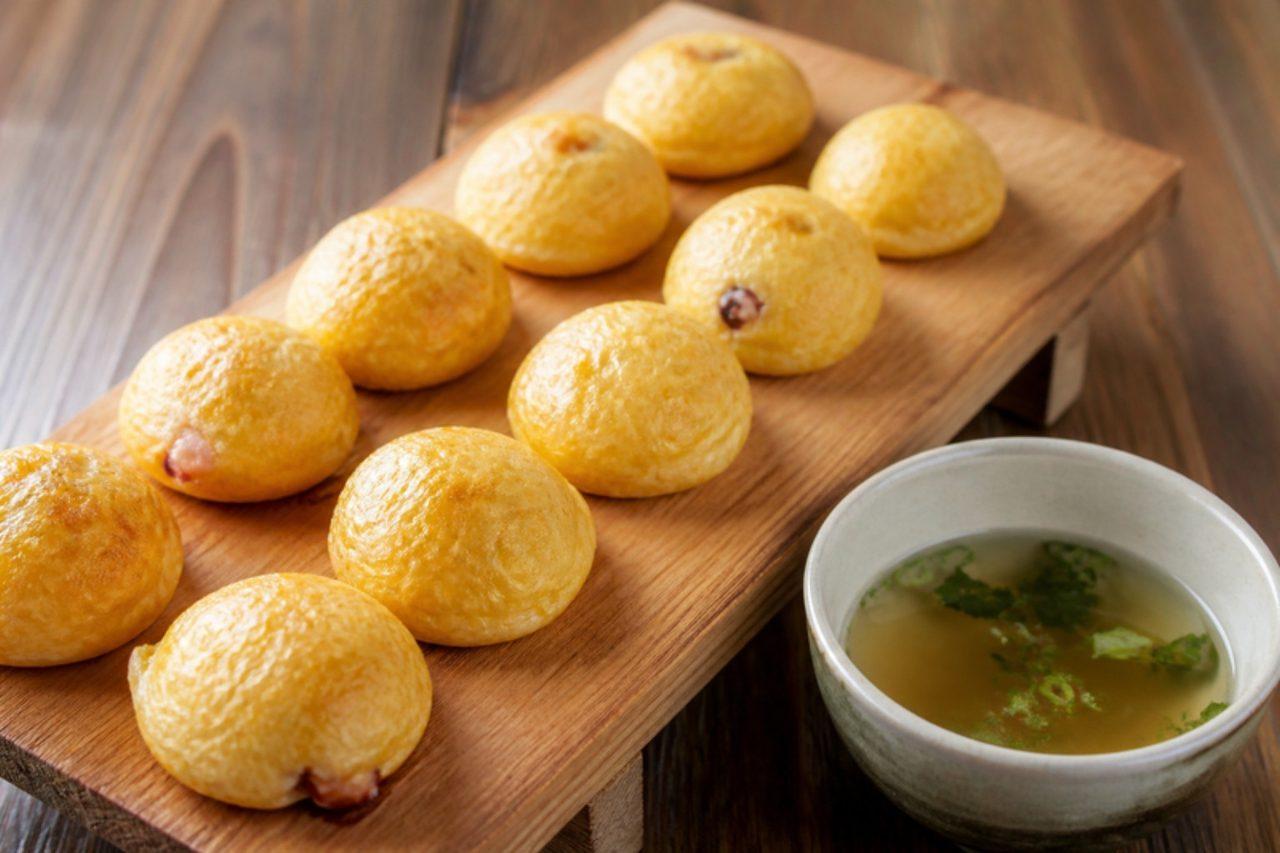
Akashiyaki (Akashi egg and octopus dumplings)

Ask for tamagoyaki in Akashi, a fishing town on the coast of Hyogo, and you will be served these dumplings rather than a rolled omelette: that is what locals call them. Small shops near the Uonotana fish market sell them on tilted wooden boards, with a bowl of warm dashi for dipping. Compared with Osaka takoyaki, the batter is mostly egg and stock, so the balls are soft and trembling inside, and they come without sauce or mayonnaise. Akashi is famous for its octopus, and a piece sits in every ball. Chef's tip: oil the pan generously and fill each hollow right to the brim; the soft batter needs the extra to make a round, puffy ball.

by KrazyBadal 0 views

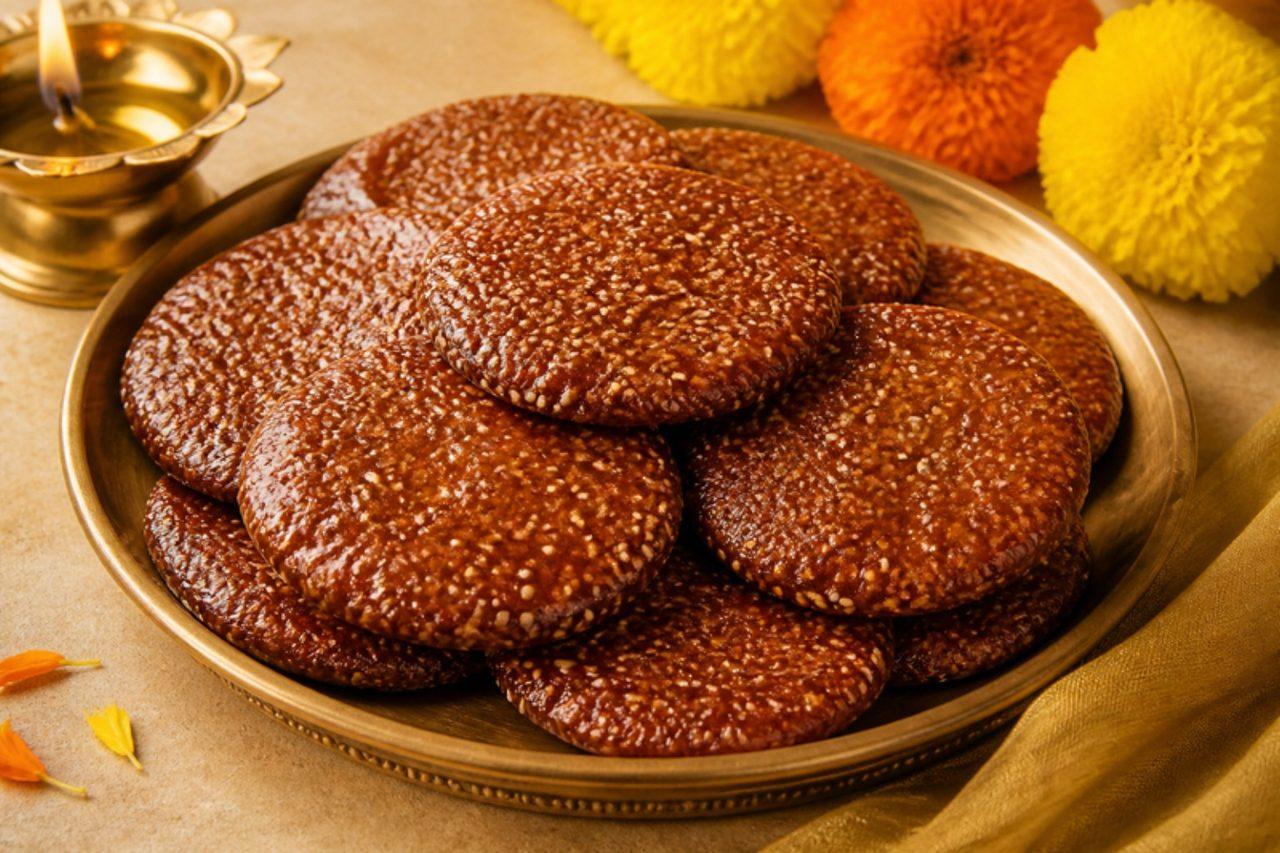
AriseluRice flour and jaggery sweets

No Sankranti in coastal Andhra Pradesh is complete without ariselu. In the days before the January harvest festival, women gather to pound soaked rice into damp flour, cook it into a thick jaggery syrup, and press the dough into rounds on sesame seeds before frying. Each ariselu is chewy, dense and caramel-sweet, with a crisp sesame coat; after frying they are squeezed between two wooden spatulas to push out the excess oil. They keep for two weeks and are shared with every neighbour. Chef's tip: use home-made flour from soaked rice that is still slightly damp; dry shop flour gives hard, cracking ariselu.

by KrazyBadal 0 views

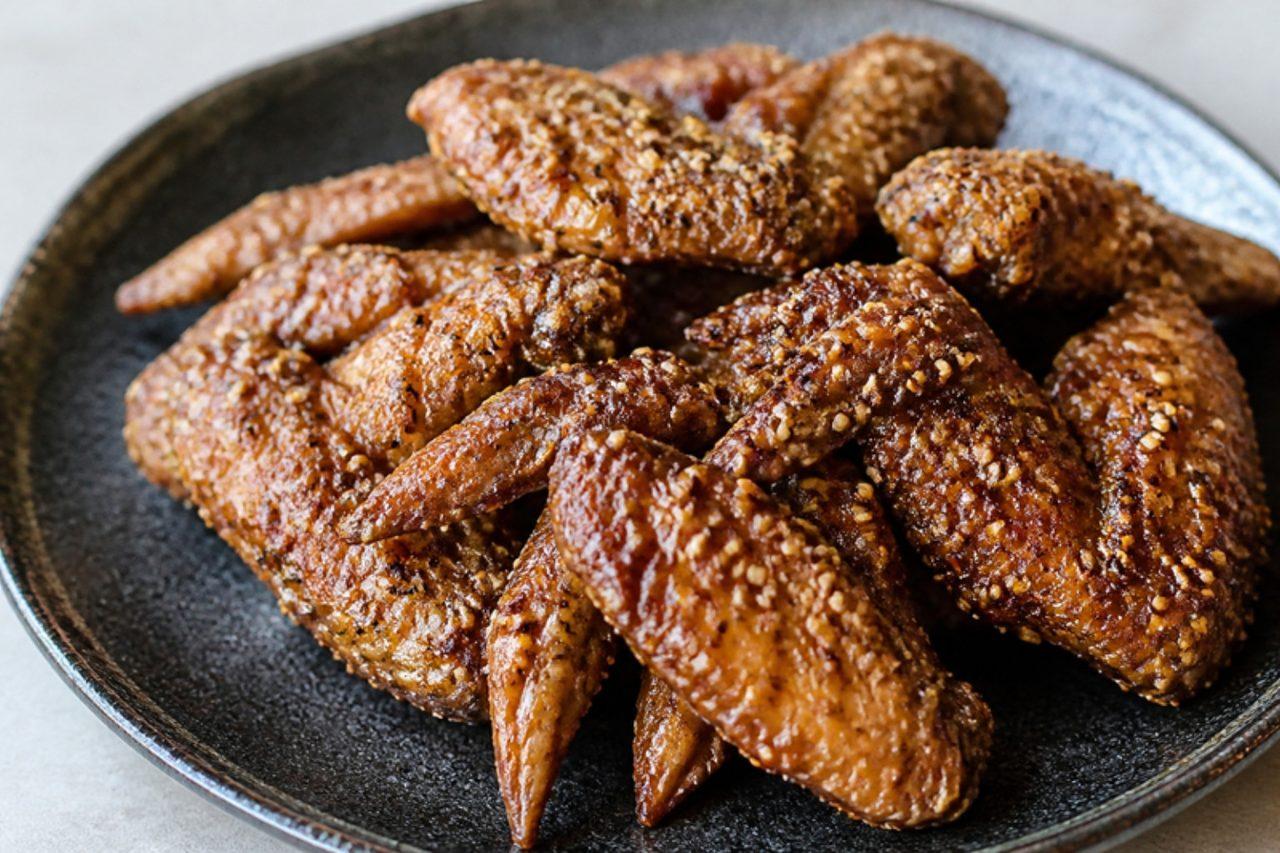
Tebasaki (Nagoya fried chicken wings)

In Nagoya's izakaya, chicken wings come whole, with the mid-joint and tip still joined in a V, and they arrive in piles beside cold drinks. Tebasaki are fried without batter until the skin turns crisp and thin, then brushed with a sweet soy glaze and dusted heavily with pepper and sesame. The spice is the point: they should taste peppery, salty and sticky at once. Eat them with your hands, twisting the two bones apart to pull the meat off. Chef's tip: brush on the glaze the moment the wings leave the oil; hot, crisp skin soaks it up and stays crunchy, while cooled wings just turn sticky.

by KrazyBadal 0 views

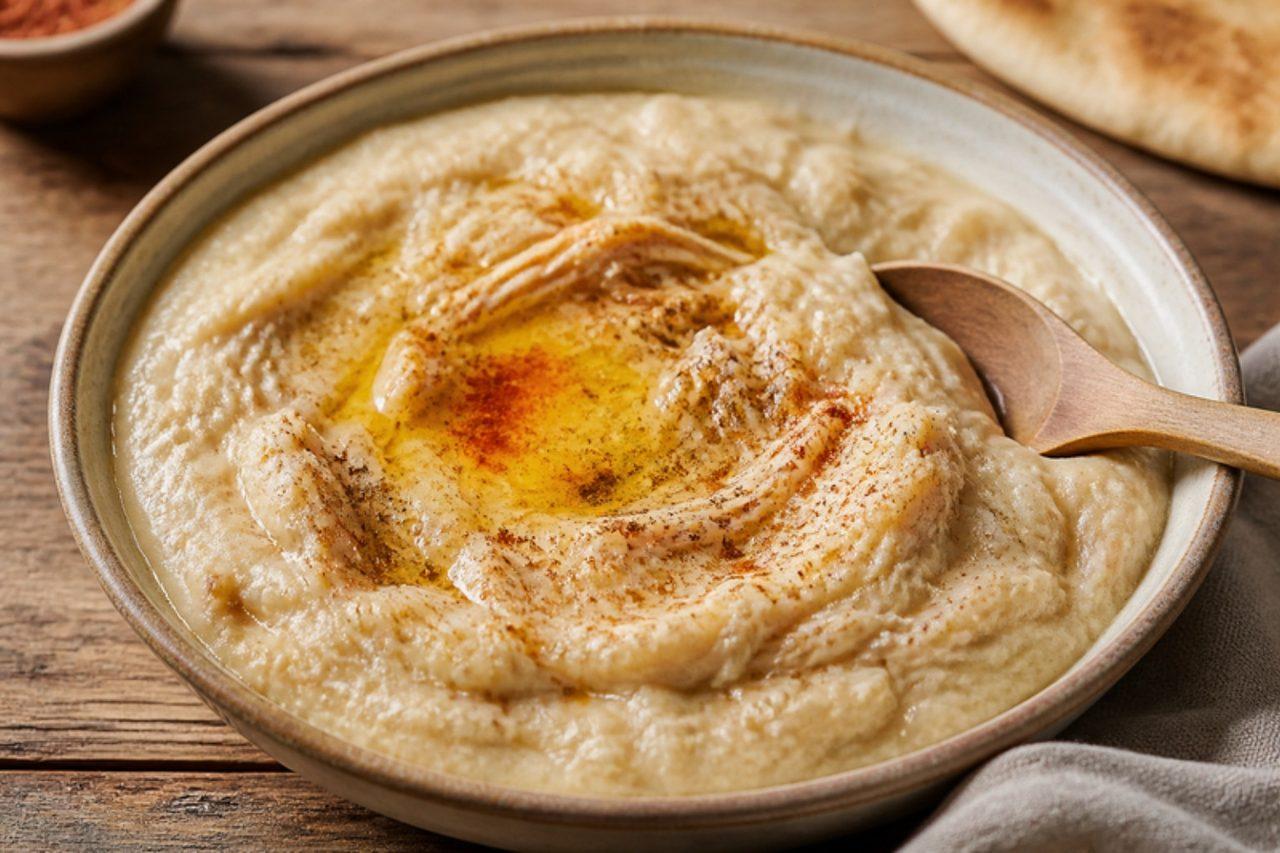
Armenian harissaChicken and wheat porridge

Armenian harissa has nothing to do with the North African chilli paste. It is a thick, smooth porridge of whole wheat and chicken, cooked for hours until both break down, then beaten hard with a wooden spoon. It is tied to Musa Dagh and the village of Anjar, where it is cooked in huge cauldrons for the September feast, and many families also make it for Easter and cold winter Sundays. The taste is gentle and comforting, lifted by browned butter and cumin poured on top. Cooks often stop stirring once the wheat has softened, but the long beating at the end is what gives harissa its creamy, stretchy texture. Chef's tip: soak the wheat the night before; it halves the cooking time.

by KrazyBadal 0 views

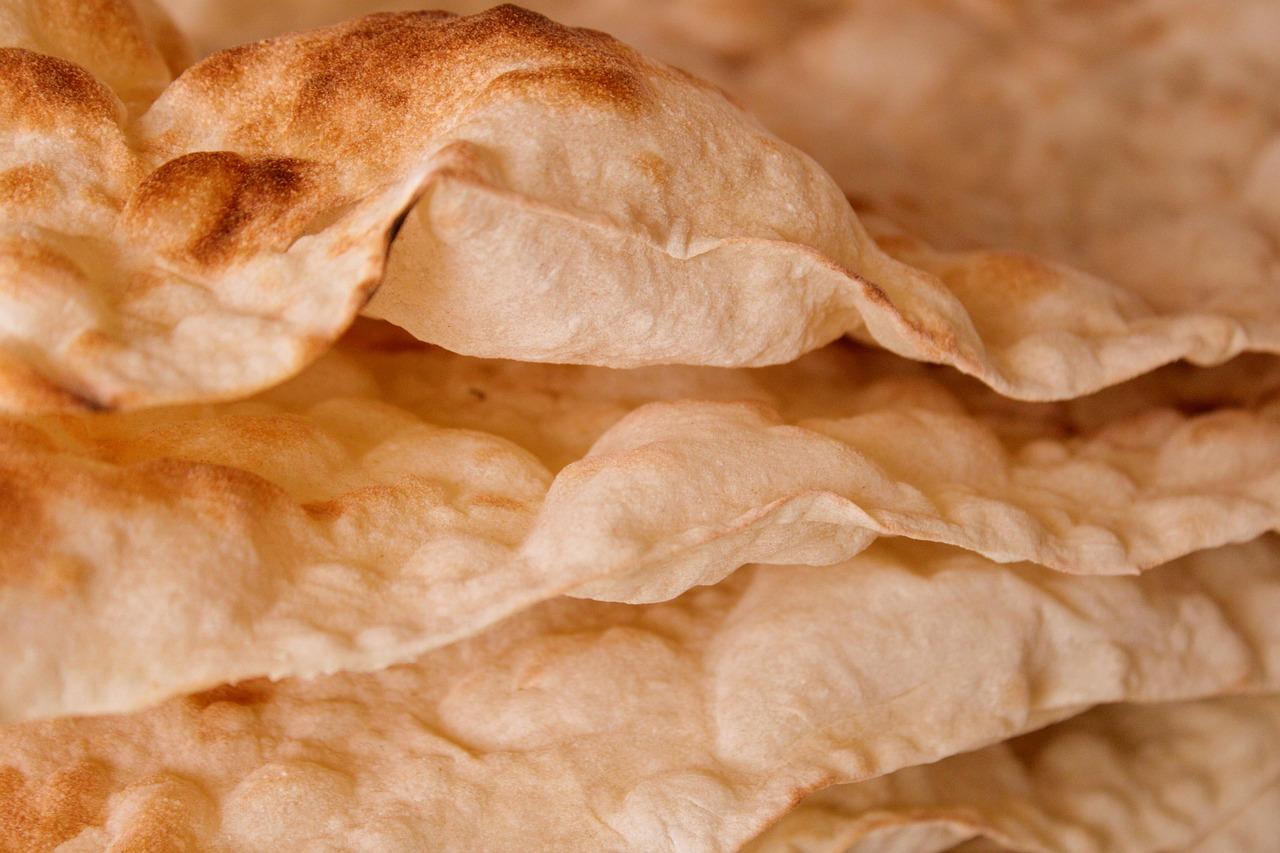
LavashThin flatbread

In Armenian villages lavash is still slapped onto the hot clay wall of a tonir by women working in pairs, one rolling and one stretching, and the craft is on UNESCO's list of intangible heritage. The sheets come out blistered and soft, then dry to a cracker that keeps for months; a sprinkle of water brings them back to life. Lavash wraps grilled vegetables and herbs, carries cheese to the mouth, lines the pot for a crusty plov and is laid on the table at every meal and wedding. This version is unleavened and cooked in a heavy frying pan, the easiest way to get close to the tonir at home. Chef's tip: roll on a lightly oiled worktop rather than a floured one; the dough clings a little, so it stretches thinner without tearing.

by KrazyBadal 0 views

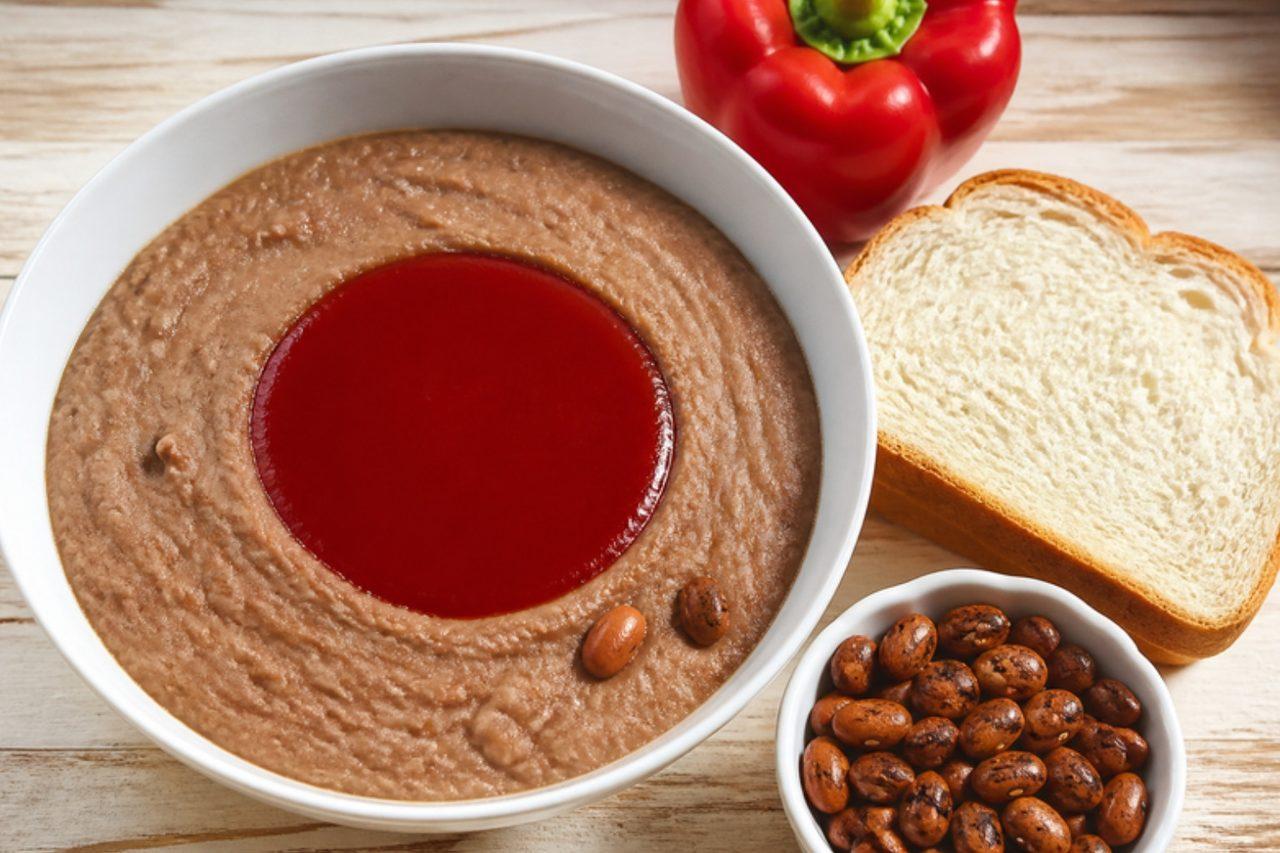
Ewa agoyinMashed beans in spicy sauce

In Lagos, ewa agoyin is the breakfast you buy from a woman with a big cooler of soft, mashed beans and a second pot of almost-black pepper sauce glistening with palm oil. The name points to the Agoyin, people from neighbouring Togo and Benin who made the dish famous in Lagos markets, and it is eaten with soft, chewy agege bread or fried plantain. The beans are the small, naturally sweet brown 'honey beans' (ewa oloyin), cooked until they collapse. The sauce is the star: dried chillies and onions fried slowly in palm oil until deep brown, smoky and slightly bitter-sweet. Chef's tip: don't rush the sauce; the onions need to go from soft to very dark brown slowly over a medium-low heat, which is where the smoky depth comes from.

by KrazyBadal 0 views

Showing 9 of 7,762 recipes

Show more recipes

Page 636 of 863