


Skip to content
Nam prik ong
Featured recipe

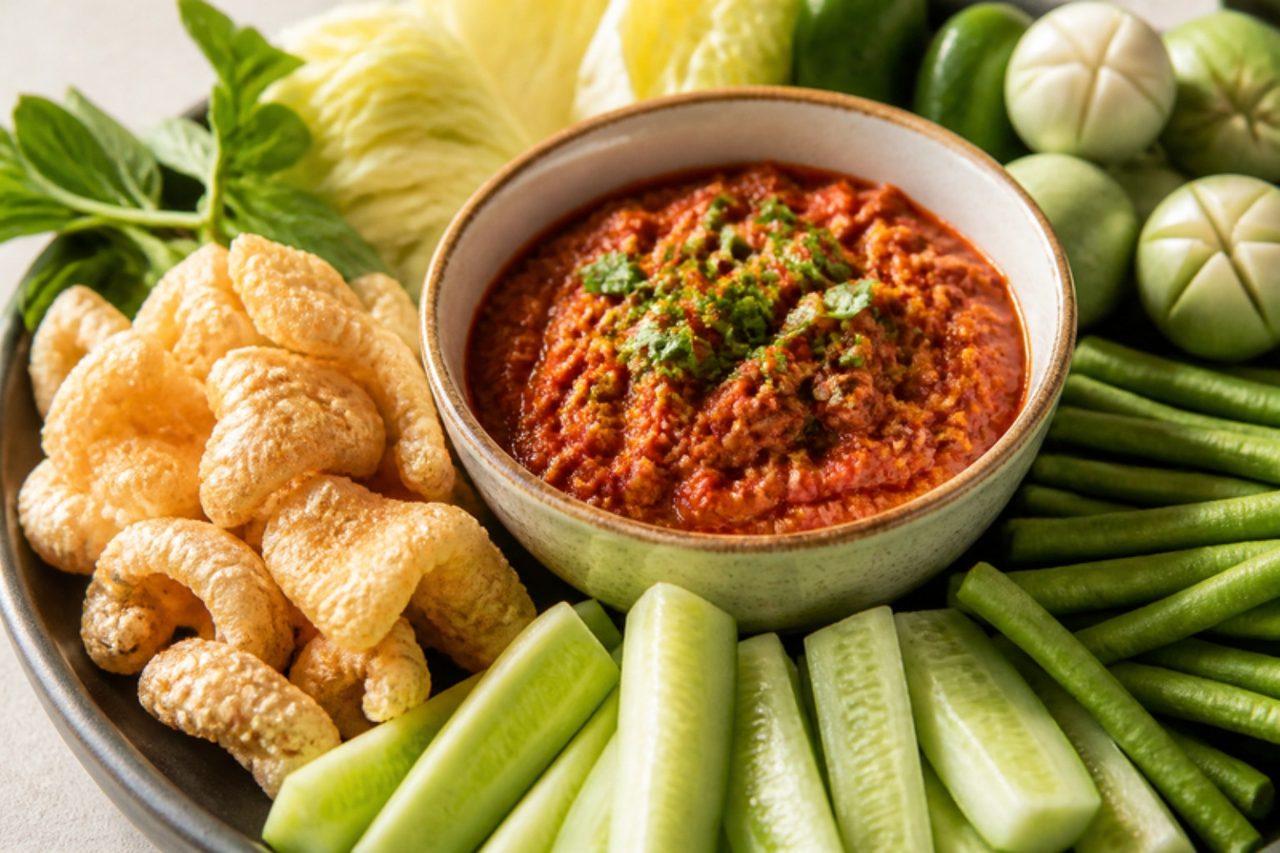
Nam prik ong

Tomato and pork chilli dip

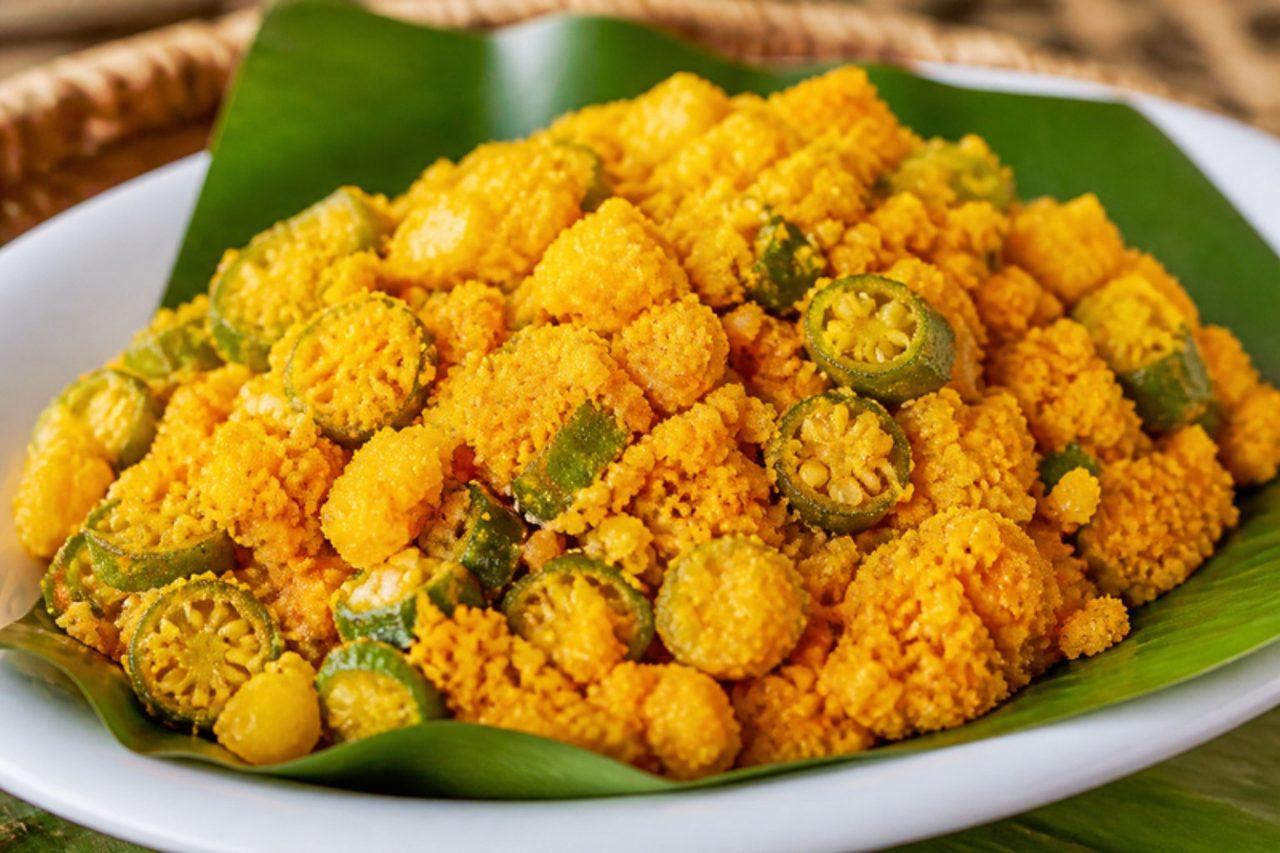
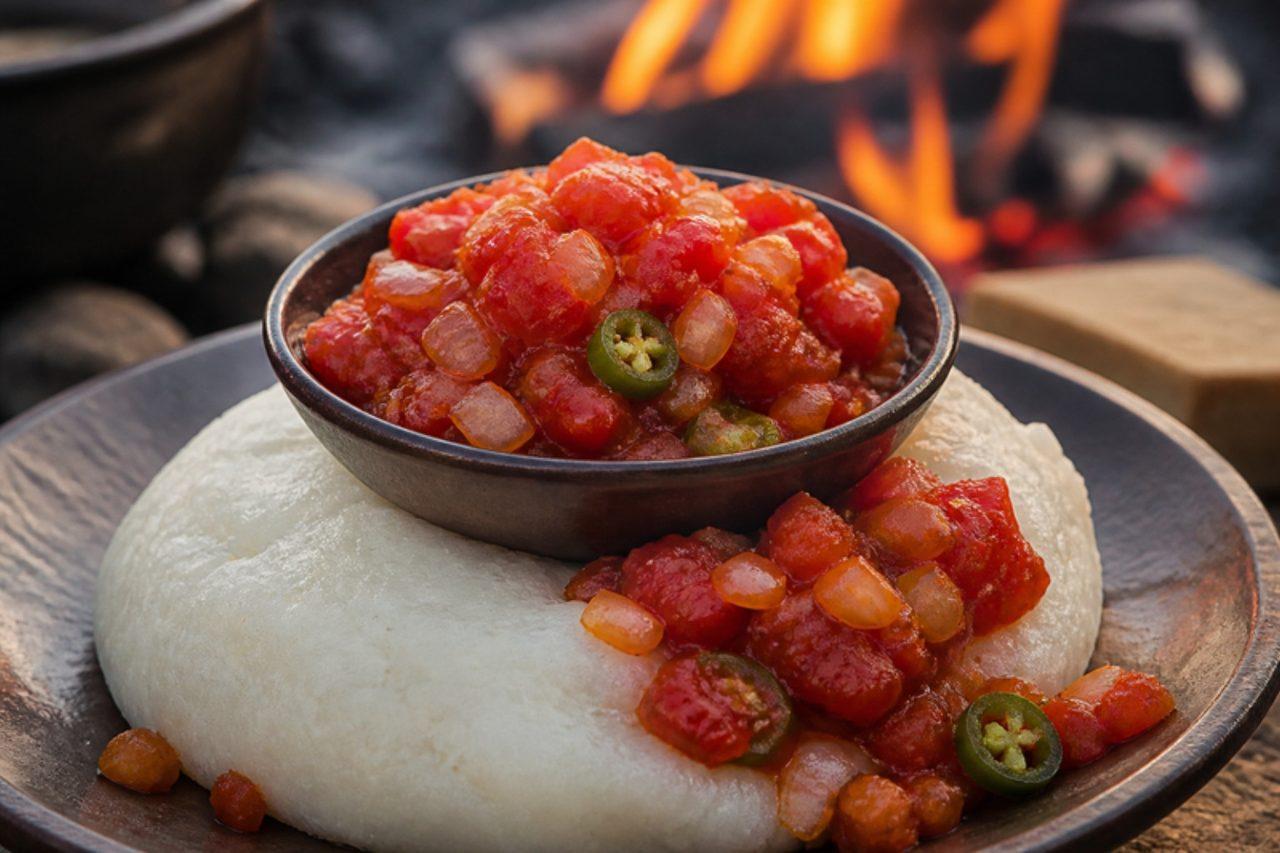
Every khantoke dinner in Chiang Mai sets out a bowl of this brick-red relish beside the sticky rice baskets, and morning markets sell it by the scoop in little plastic bags. It sits somewhere between a chunky meat sauce and a dip: sweet-sour from slow-cooked cherry tomatoes, savoury from shrimp paste and pork, with a gentle chilli warmth rather than a blast. Scoop it up with cucumber, blanched long beans, cabbage wedges and crisp pork crackling, or press a ball of sticky rice into it. Chef's tip: fry the pounded paste in the oil until it darkens and smells toasty before the pork goes in; that is where the deep, roasted flavour comes from.

Read more 0 views

What to eat today?

Around the world

Today's trip: Persian

A new country every day, from every cuisine on the site.

Persian

Shir berenj

Rose water rice pudding 70 minMore from Persian (181) →

This week's collection

Kid-friendly dinners
750 recipes · a new collection every Monday

Coming up

All occasions →

Latest recipes

GuarapoSugarcane juice

Guarapo stands, or guaraperas, pop up across Cuba wherever cane grows, crushing fresh stalks through a press and pouring the pale green juice straight over ice. It tastes grassy and gently sweet, never sugary, and it is drunk the moment it is pressed. You need a sugarcane press or juicer, or fresh peeled cane and a strong blender; bottled cane juice is a poor substitute. The common mistake is pressing the cane long before serving, because the juice darkens and starts to ferment within an hour. Chef's tip: chill the cane before pressing and add the lime as you press, which keeps the colour bright.

by KrazyBadal 0 views

Žloutkové věnečkyChoux rings with yolk cream

"Little wreaths" are the jewel of a Czech wedding cake table, where trays of sweet pastries are handed out to every guest, and they are a staple of old-style patisseries in Prague. Rings of choux pastry are split and piped with a yolk-rich custard cream that is golden, silky and buttery, then dipped in a white sugar glaze. They taste of vanilla, egg and butter and are best within a day. Where most people go wrong is a custard that is not cooked enough: it must bubble for a minute so it sets and the yolks are fully cooked. Beat the cream only once the custard and butter are both at room temperature, or it splits. Bake the rings until properly dry so they keep their crisp shape. Chef's tip: a large star nozzle gives the rings a ridged surface that holds the glaze beautifully.

by KrazyBadal 0 views

GubadiaLayered rice and curd pie

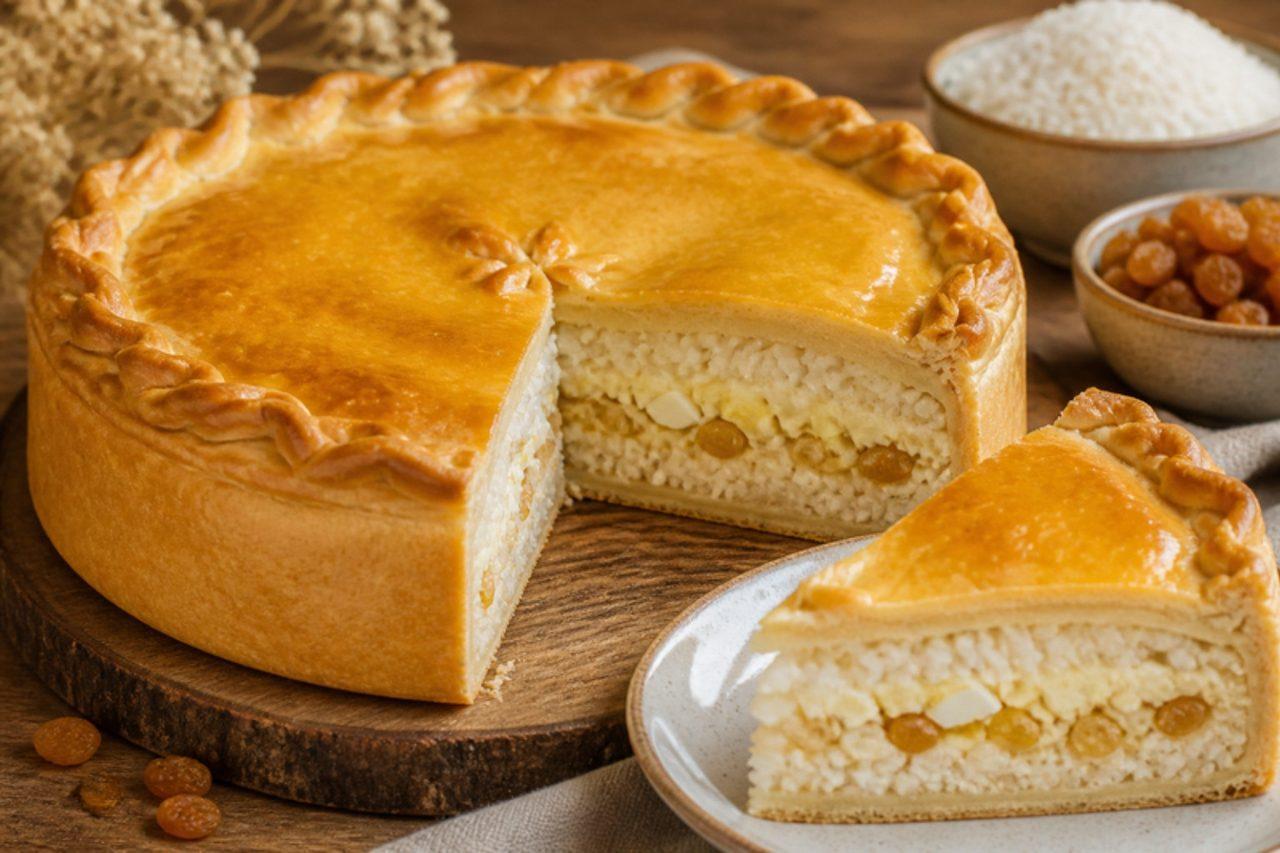
Weddings, Eid and the arrival of honoured guests in Tatarstan call for gubadia, a high round pie that is cut at the table like a cake and served with tea. Inside sit neat layers of buttery rice, kort – Tatar curd cooked down until rosy and fudge-sweet – raisins and chopped hard-boiled egg, under a domed lid of soft yeast dough. Many families add a layer of minced meat with onion; this is the meat-free version, as many sweet tea-table gubadias are. Kort is hard to buy outside the region, so you make it here from tvorog (check the label if you need it rennet-free). Where most people go wrong is a dry pie: every layer needs its share of melted butter. Chef's tip: let the baked pie stand for twenty minutes before cutting so the layers settle and come away in clean wedges.

by KrazyBadal 0 views

UitsmijterCheese and fried egg open sandwich

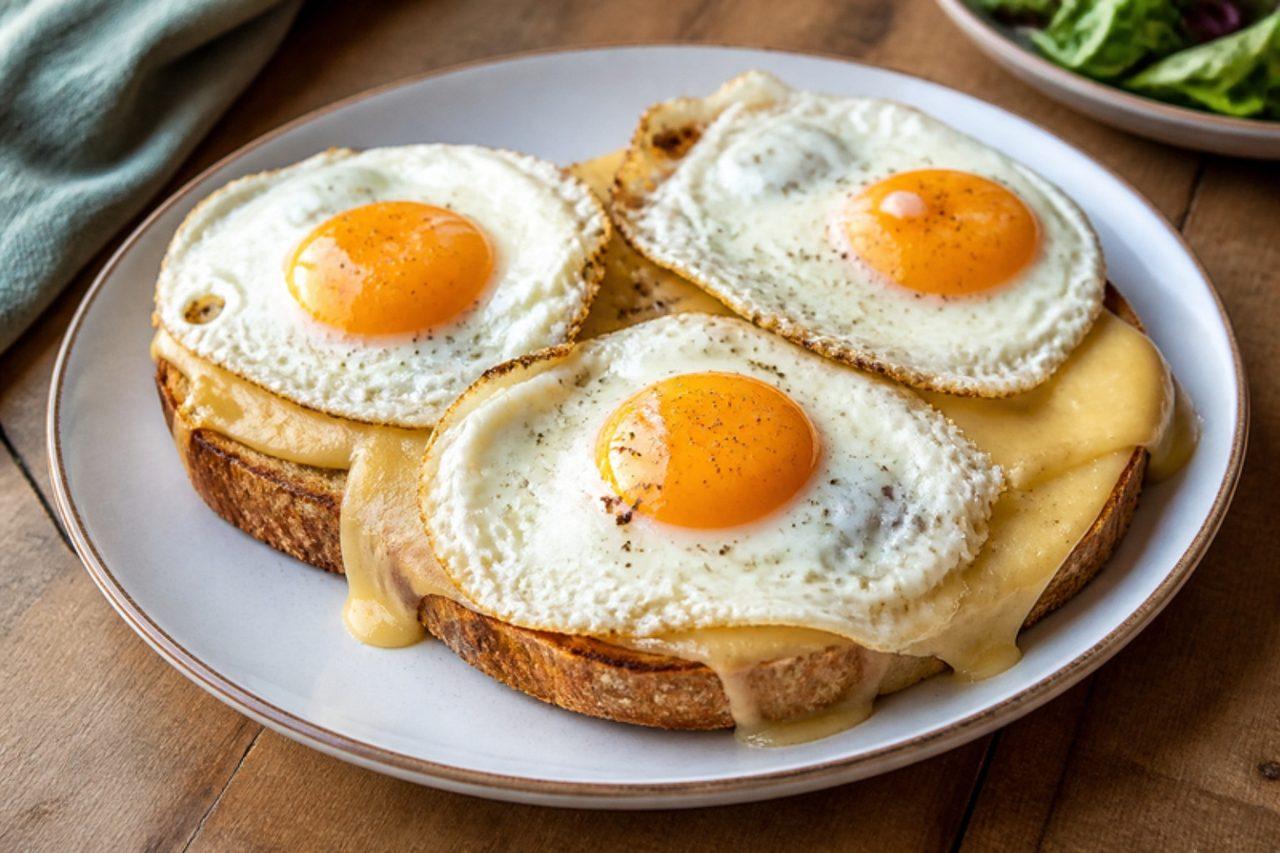
In Amsterdam's brown cafés and lunchrooms, the uitsmijter is the classic lunch: two or three slices of buttered bread topped with cheese and three fried eggs, sunny side up, with a little pickle and a sprig of cress. The name means 'bouncer', perhaps because it was the last plate served before closing time. Ham is the usual extra; this version keeps it vegetarian with Gouda and tomato. Gouda is usually made with animal rennet, so choose a vegetarian Gouda-style cheese. A common mistake is frying the eggs on high heat, which makes the whites rubbery and brown. Chef's tip: fry the three eggs together in one pan over a medium-low heat with a lid, so the whites set while the yolks stay runny.

by KrazyBadal 0 views

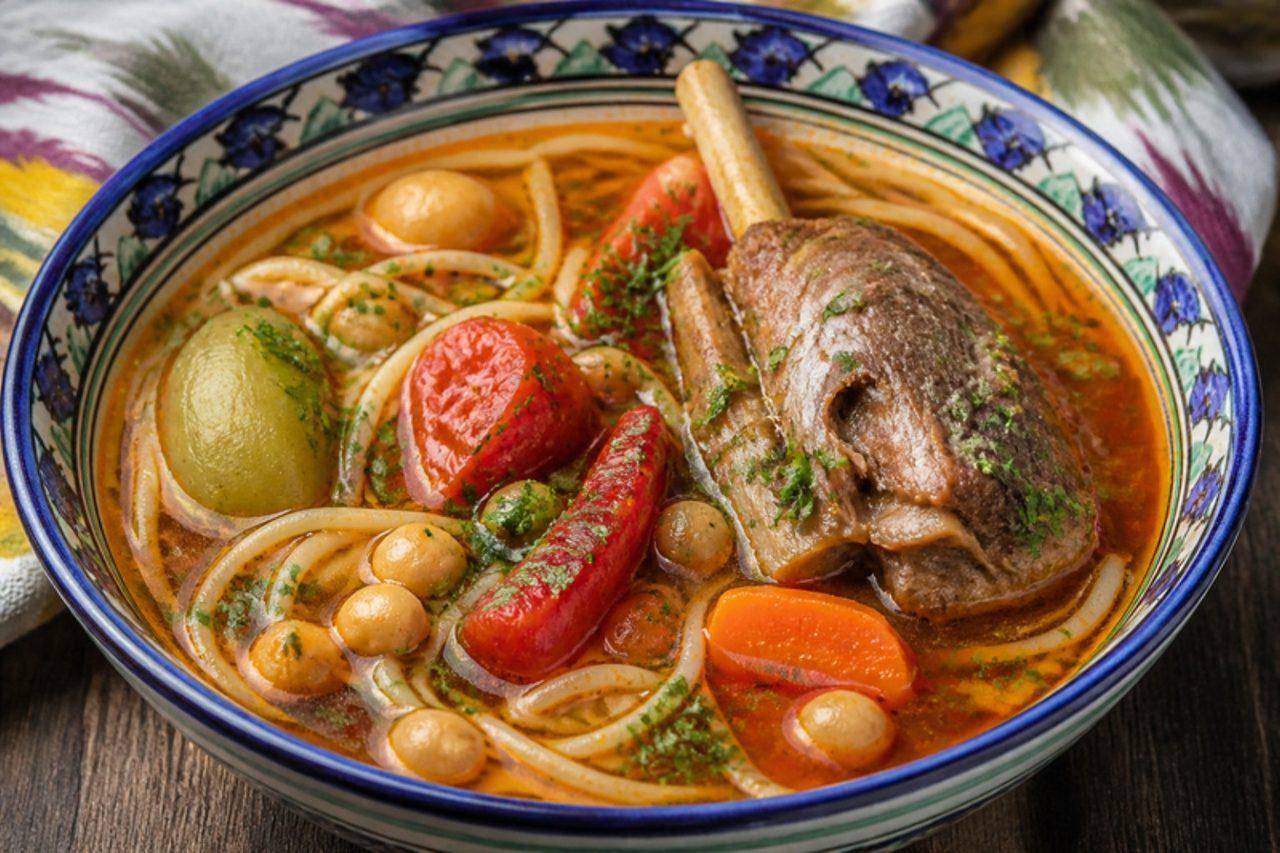
Ugra oshThin noodle soup with lamb

Ugra osh is the noodle soup of Bukhara and Samarkand, where 'ugra' means very thin hand-cut noodles: they are cooked in a clear lamb broth with chickpeas, carrot, radish, tomato and pepper, and the bowl is finished with chopped dill and a spoon of katyk. On meatless days the same soup is made with chickpeas and vegetables alone. A common mistake is cooking the noodles in the soup pot for too long, which clouds the broth. Chef's tip: cook the noodles separately for 2 minutes and add them to each bowl, so the broth stays clear and the noodles don't swell.

130 minUzbekSoups
by KrazyBadal 0 views

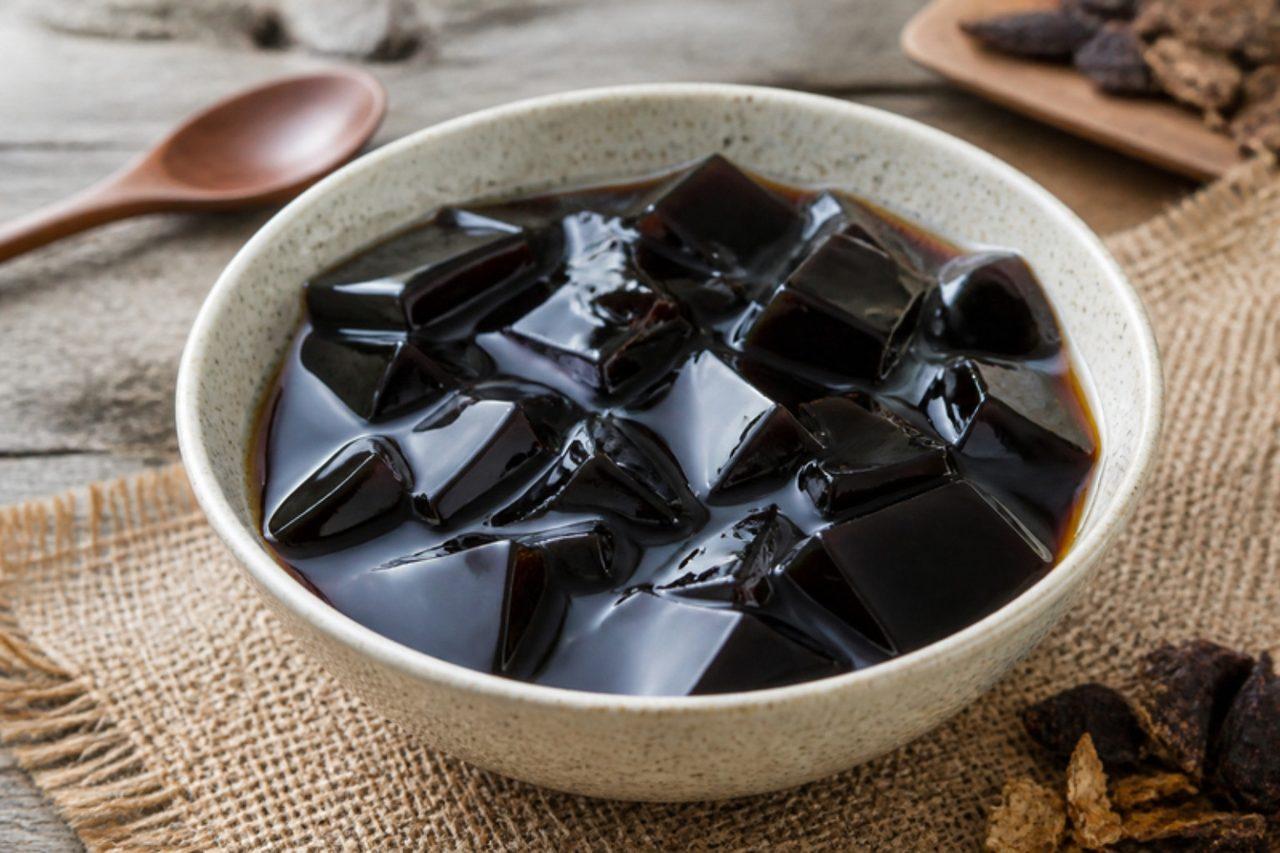
GuilinggaoBittersweet herbal jelly

Herbal tea shops along Hong Kong's busy streets sell black, glossy bowls of guilinggao as a cooling tonic in the humid months, and families keep a few cups in the fridge to eat as an afternoon snack. The jelly is firm yet smooth, deep and woody, and properly bitter, so it's eaten with a generous pour of syrup, or honey for those who aren't vegan, and sometimes a splash of coconut milk. The original is made by boiling turtle plastron with herbs for hours; the commercially sold herbal jelly powder used here is plant-based, so this is the vegetarian version. Lumps are the usual setback, which happen when the powder is added straight to hot water. Chef's tip: whisk the powder into cold water first, then pour it into the boiling water and keep stirring until it turns glossy.

by KrazyBadal 0 views

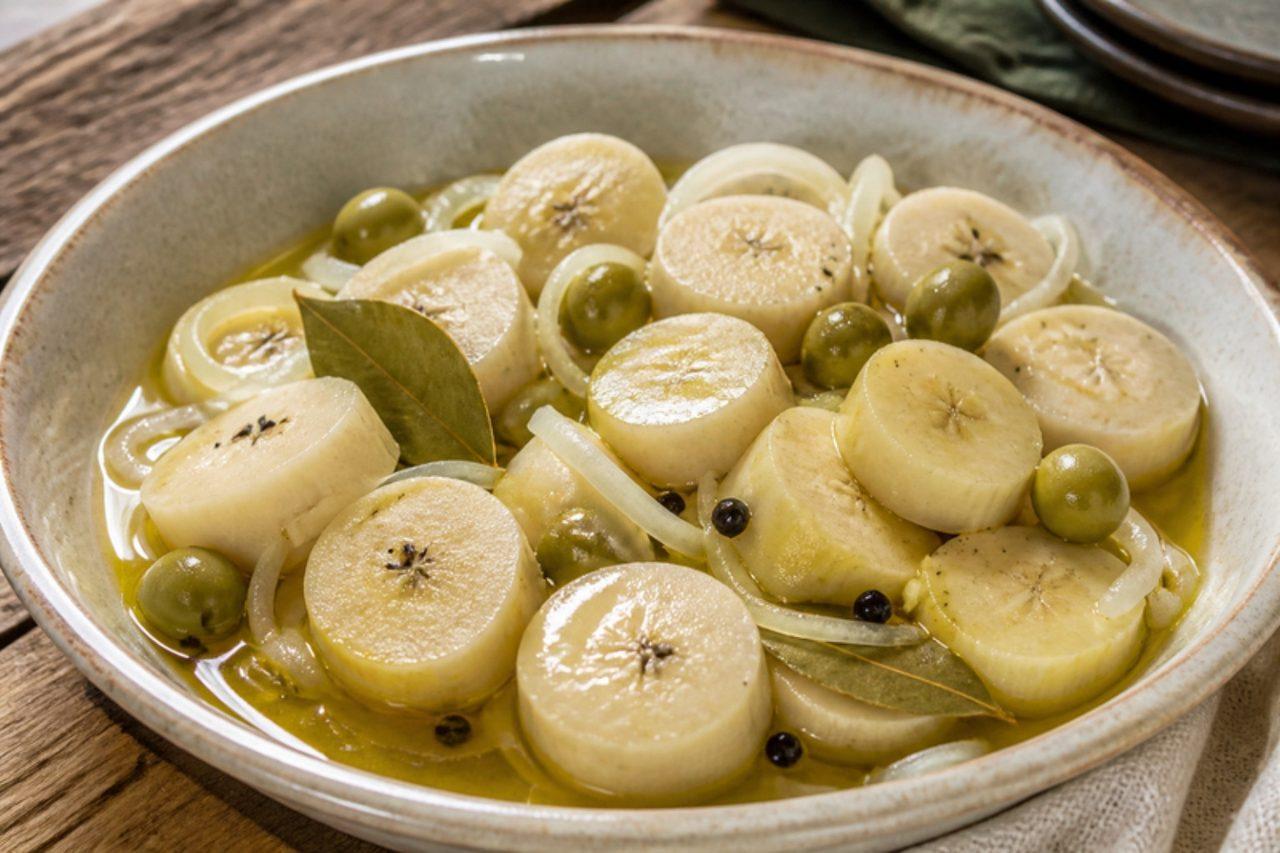
Guineítos en escabechePickled green bananas

Every Puerto Rican Christmas table and roadside lechonera on the Ruta del Lechón in Guavate seems to have a bowl of these: green bananas boiled, sliced into thick coins and left to steep in a garlicky olive-oil and vinegar marinade with soft onions, bay and green olives. They are sharp, silky and filling, and taste even better on the second day, so they are made in big batches for parties. The common mistake is boiling the bananas until mushy; they should be tender but still hold their coin shape. Peel them with oiled hands or gloves, because the sap stains. Chef's tip: pour the marinade over the bananas while both are still warm, so the starch soaks up the flavour.

by KrazyBadal 0 views

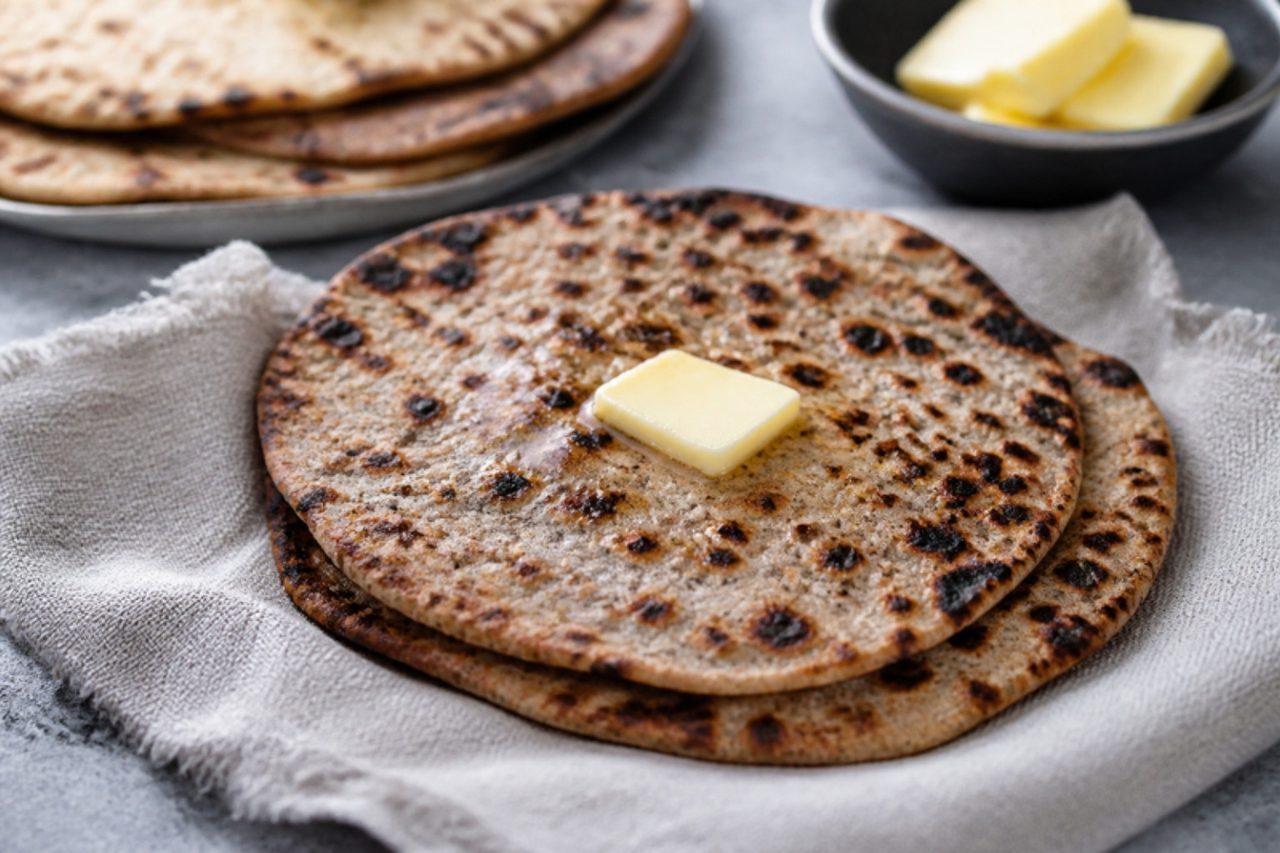
FlatkökurRye flatbread

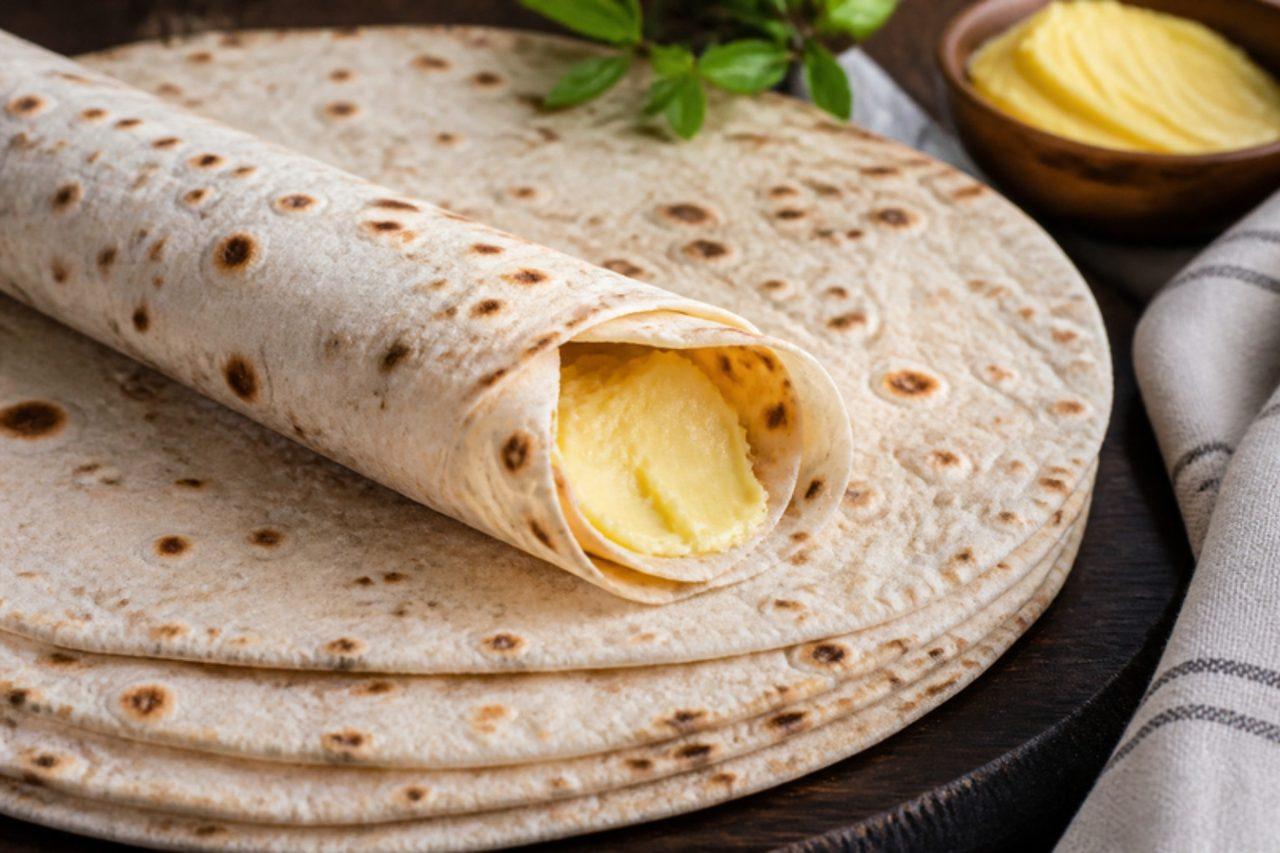
Flatkökur are round, flat rye breads that Icelanders char straight on the hot plate of the stove, or over a gas flame, until they are speckled black and smoky; they are eaten buttered, with smoked lamb (hangikjöt) or cheese, at every Christmas and confirmation and in lunchboxes all year. The dough is made with boiling water so it is soft and easy to roll. A common mistake is letting the dough cool before rolling; scalded rye dough stiffens and cracks. Chef's tip: roll it while warm and prick all over with a fork so it stays flat as it chars.

by KrazyBadal 0 views

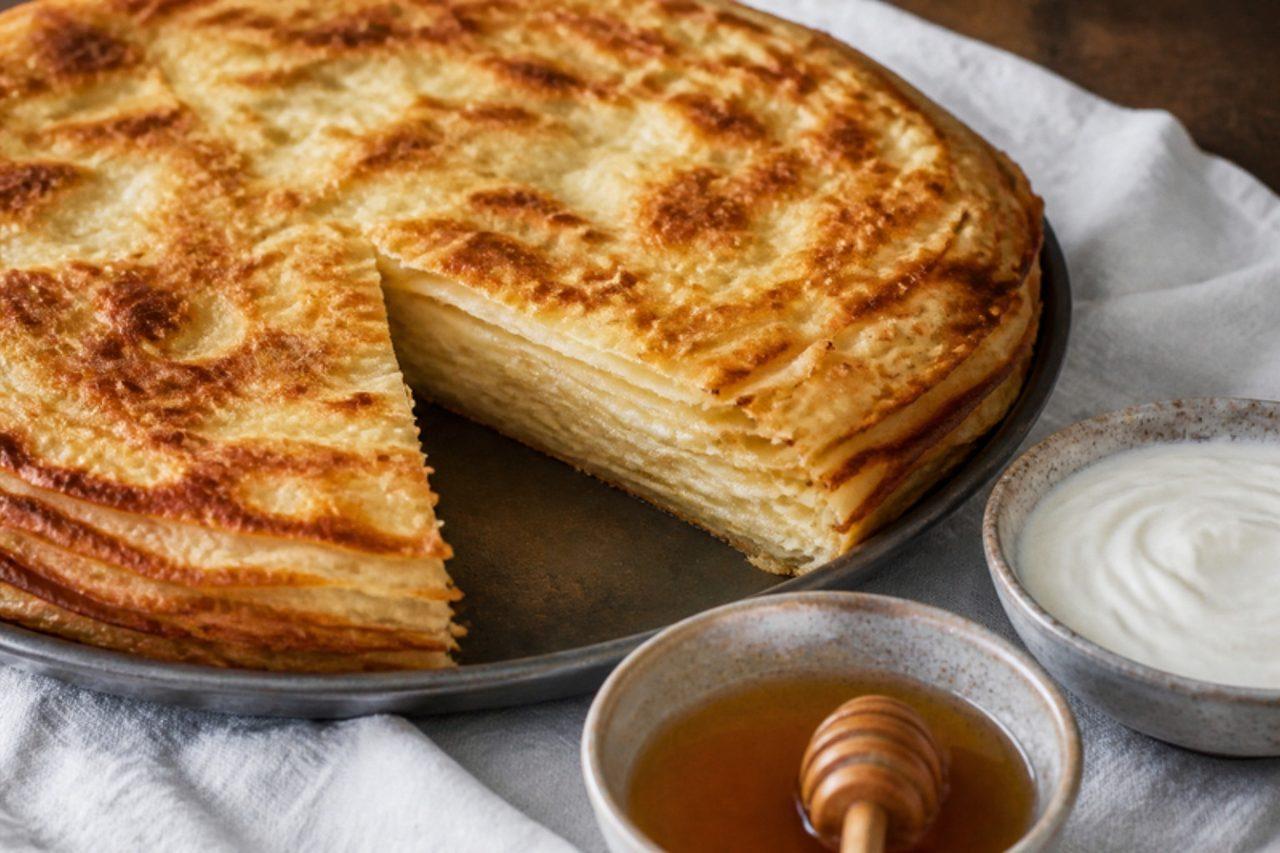
FlijaLayered batter pie

Flija is the dish of long summer afternoons in Kosovo, from the Rugova valley to the villages around Prizren, when friends gather and take turns tending the saç, a domed iron lid heaped with embers. Thin batter is painted onto a round tray in spokes, cooked under the heat, brushed with a mix of sour cream and yogurt, then painted again, until 15 or more layers have built up over a couple of hours. Cut into wedges, it is chewy, buttery and lightly scorched, served with honey, white cheese, pickled peppers or a bowl of yogurt. At home, a very hot oven grill stands in for the saç. The most frequent mistake is crowding the batter: each spoke must leave a finger-wide gap for the next layer to fill, or the pie becomes a thick, gummy pancake. Chef's tip: keep the batter as thin as single cream, and whisk in a spoonful of water whenever it thickens as it stands.

240 minBalkanBaking
by KrazyBadal 0 views

FlødebollerChocolate marshmallow wafer treats

Flødeboller, 'cream buns', are Denmark's favourite party sweet: a soft, fluffy meringue foam piped onto a thin wafer or marzipan base and dipped in dark chocolate, so it bites like a cloud in a crisp shell. Children take them to school on birthdays, and Copenhagen chocolatiers make fancy versions with liquorice or raspberry. This version uses a cooked sugar-syrup meringue, so the egg whites are heated safely. A common mistake is dipping warm foam into chocolate; it melts and slides. Chef's tip: chill the piped foam well, then pour the chocolate over rather than dipping, which is easier and gives a smooth shell. For gluten free, use marzipan bases.

by KrazyBadal 0 views

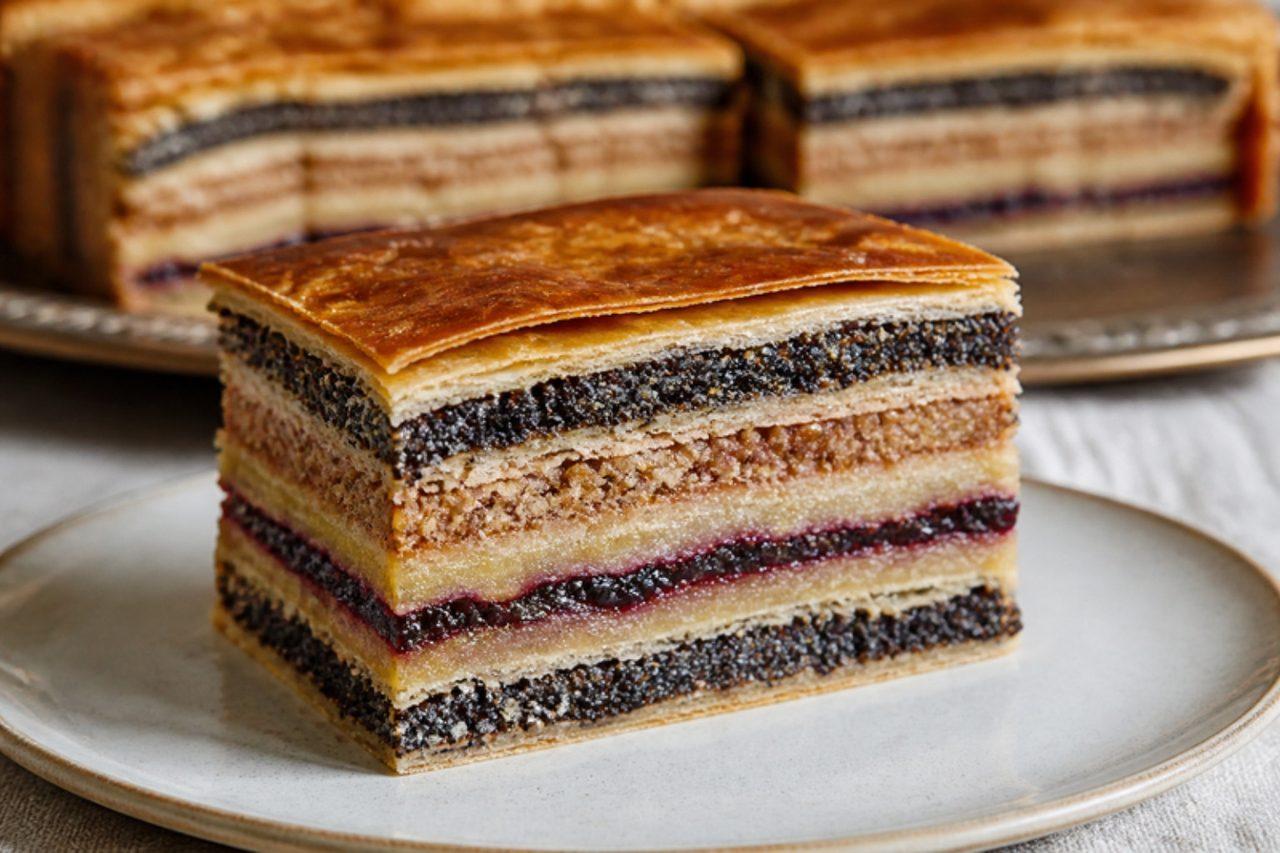
FlódniFour-layer poppy seed and fruit pastry

Four stripes of filling, black poppy seed, golden apple, nutty walnut and dark plum jam, stacked between thin sheets of shortcrust: that is flódni, the Hungarian-Jewish pastry of Budapest's old Jewish quarter around Kazinczy and Dob streets. Jewish families bake it for Purim and Hanukkah, and the bakeries of the seventh district sell it by the slab all year. Each cut slice should be moist, dense and not too sweet, best with a glass of tea or black coffee. Many families make the dough with a little sweet white wine and use margarine so it can follow a meat meal; this version keeps it alcohol-free with grape juice, and you can swap the butter for a firm baking margarine to make it dairy-free. The usual slip is rolling the sheets too thick, so the pastry swamps the fillings; each one should be barely 3 mm. Chef's tip: bake it a day ahead and slice it cold with a hot, wet knife, because the layers settle overnight and cut cleanly.

by KrazyBadal 0 views

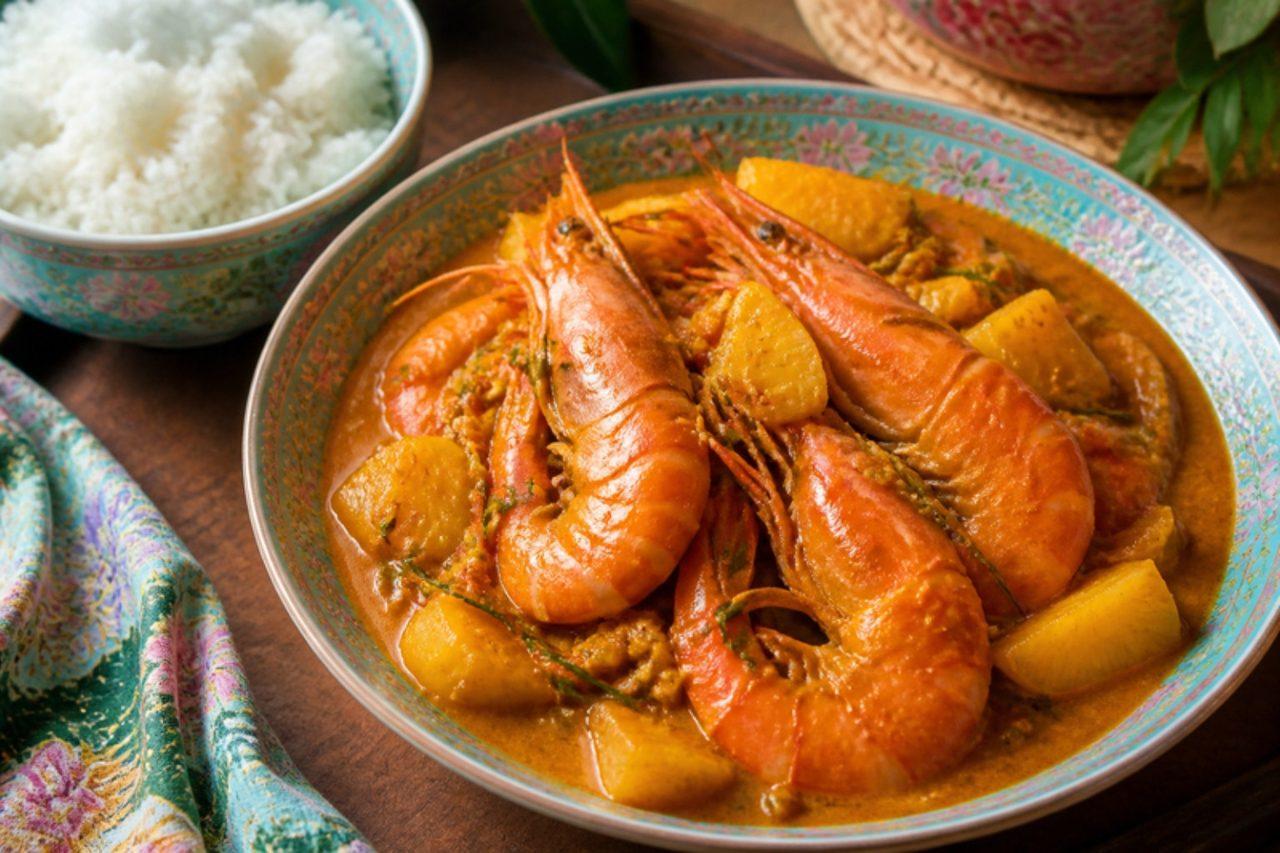
Udang masak nanasPrawns in pineapple gravy

Sweet, sour and gently hot, this Nyonya prawn and pineapple curry turns up on Peranakan family tables in Singapore and Melaka as one of several dishes shared at a weekend lunch, often next to a coconut-rich curry it is meant to balance. Prawns and chunks of half-ripe pineapple simmer briefly in a thin, golden gravy of tamarind and a lightly fried rempah of chillies, shallots, lemongrass, turmeric and shrimp paste, so the sauce tastes bright and fruity rather than heavy. Eat it with plenty of steamed rice. Overcooking the prawns is the common slip; they need only 3 minutes and turn tough and dry if left to stew with the pineapple. Chef's tip: choose a pineapple that is still a little firm and tart, as fully ripe fruit makes the gravy too sweet and falls apart.

by KrazyBadal 0 views

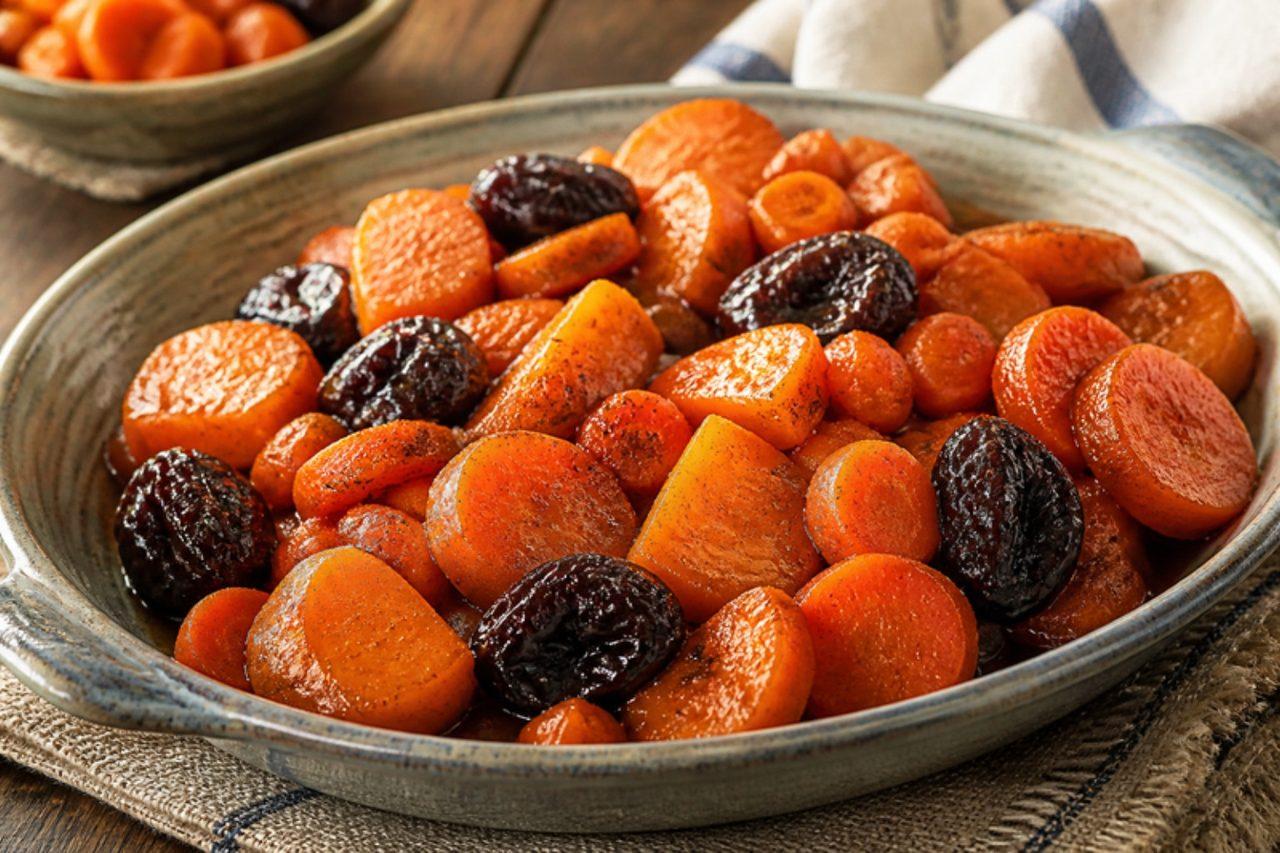
TzimmesCarrot and prune stew

For Rosh Hashanah many Ashkenazi families in Israel set a dish of tzimmes on the table, the sliced carrots looking like gold coins for a prosperous year ahead. Carrots and sweet potato cook slowly with prunes, orange juice, honey and cinnamon until glossy and soft, sweet but lifted by a little lemon and salt. It sits beside the festive meal as a side, and keeps beautifully for the second day of the holiday. This version has no meat or butter, so it works with any menu. A frequent mistake is adding too much liquid, which turns it into soup instead of a sticky glaze. Chef's tip: take the lid off for the last 20 minutes so the juices reduce and cling to every coin of carrot.

by KrazyBadal 0 views

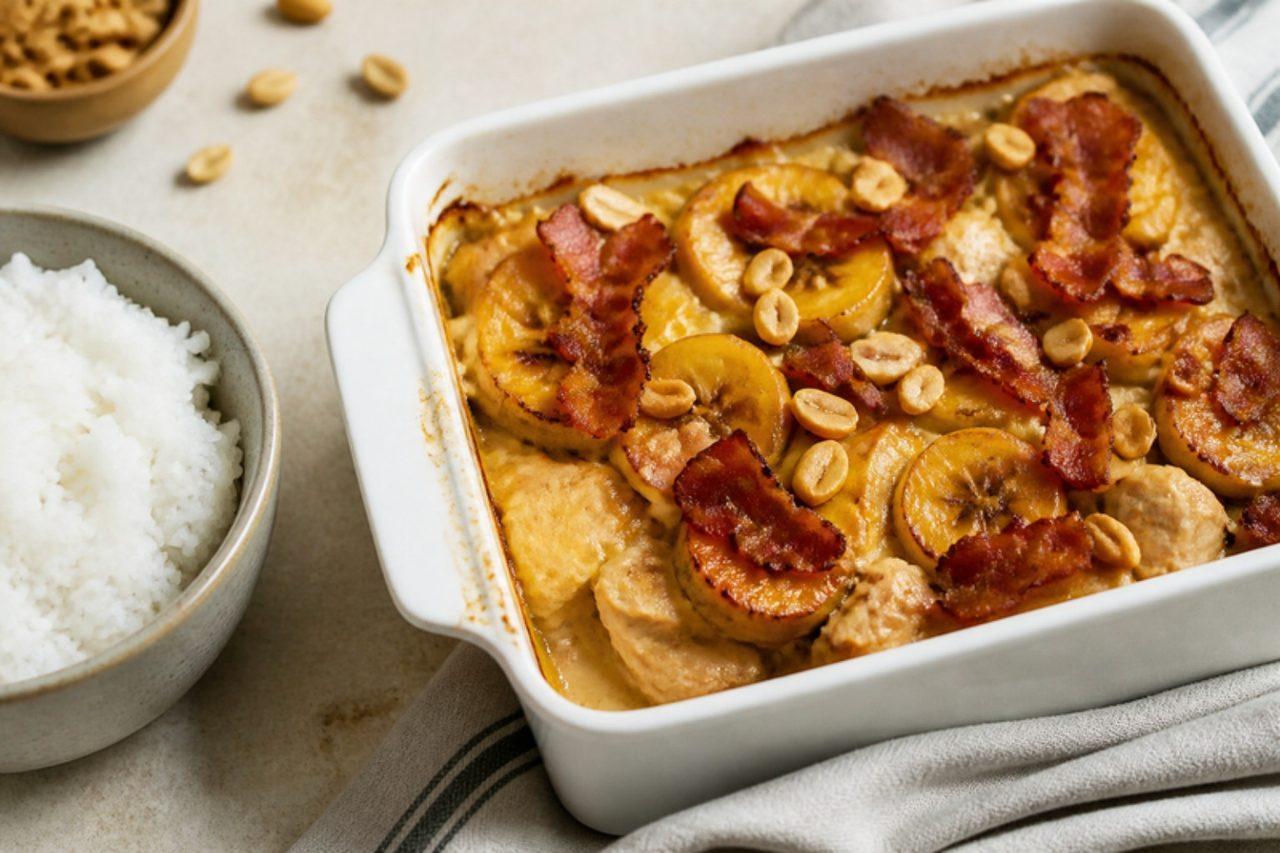
Flygande JacobChicken, banana and bacon bake

Flygande Jacob, 'flying Jacob', was invented in 1976 by Ove Jacobsson, an air-freight worker, and the recipe appeared in a Swedish magazine; within years it was one of the most-made party dishes in Sweden. Cooked chicken is mixed with whipped cream and chilli sauce, layered with sliced banana, baked, then topped with crisp bacon and salted peanuts and served with rice. This dish contains pork, in the bacon. It is sweet, salty and creamy, and gloriously retro. A common mistake is using raw chicken, which leaks juice and makes the sauce thin. Chef's tip: use roast chicken from the day before; it must already be cooked to 74 °C.

by KrazyBadal 0 views

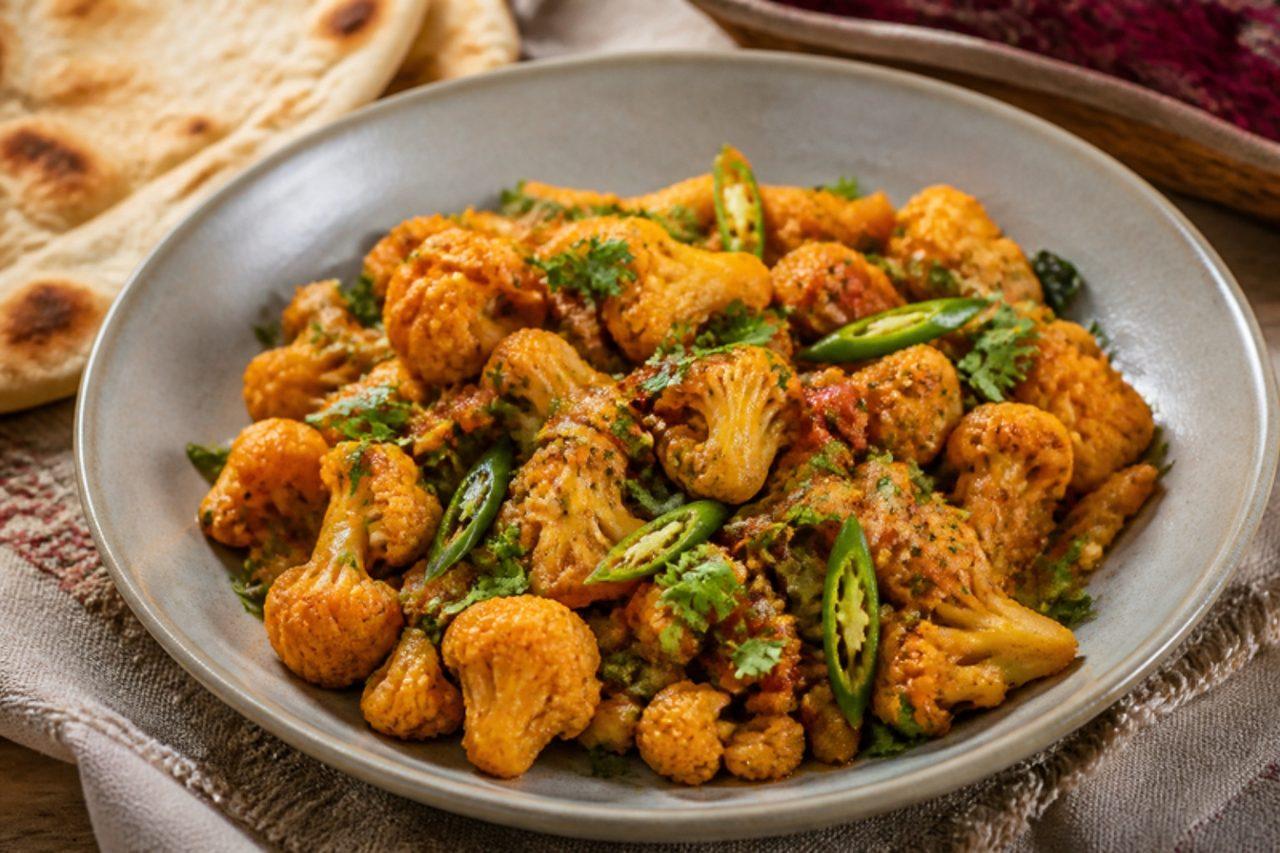
GulpiSpiced cauliflower

Gulpi is what an Afghan family cooks on an ordinary weeknight in Kabul or Jalalabad when cauliflower is cheap in the bazaar, and it is set on the dastarkhan, the cloth spread on the floor for meals, alongside rice or naan and a bowl of yogurt. The florets are fried until they catch a little colour, then simmered in a thick, turmeric-yellow sauce of onion, tomato, ginger and garlic until soft enough to break with the side of a spoon, with just a gentle heat from chilli. Many cooks stir in a few potatoes or peas, and some add a small piece of meat, but it is often fully vegetarian. Adding too much water is what spoils it: the cauliflower should steam in the tomato, not boil, so the sauce clings to every floret. Chef's tip: let the florets brown properly in the oil before anything else goes in, which gives the dish its nutty, slightly sweet depth.

by KrazyBadal 0 views

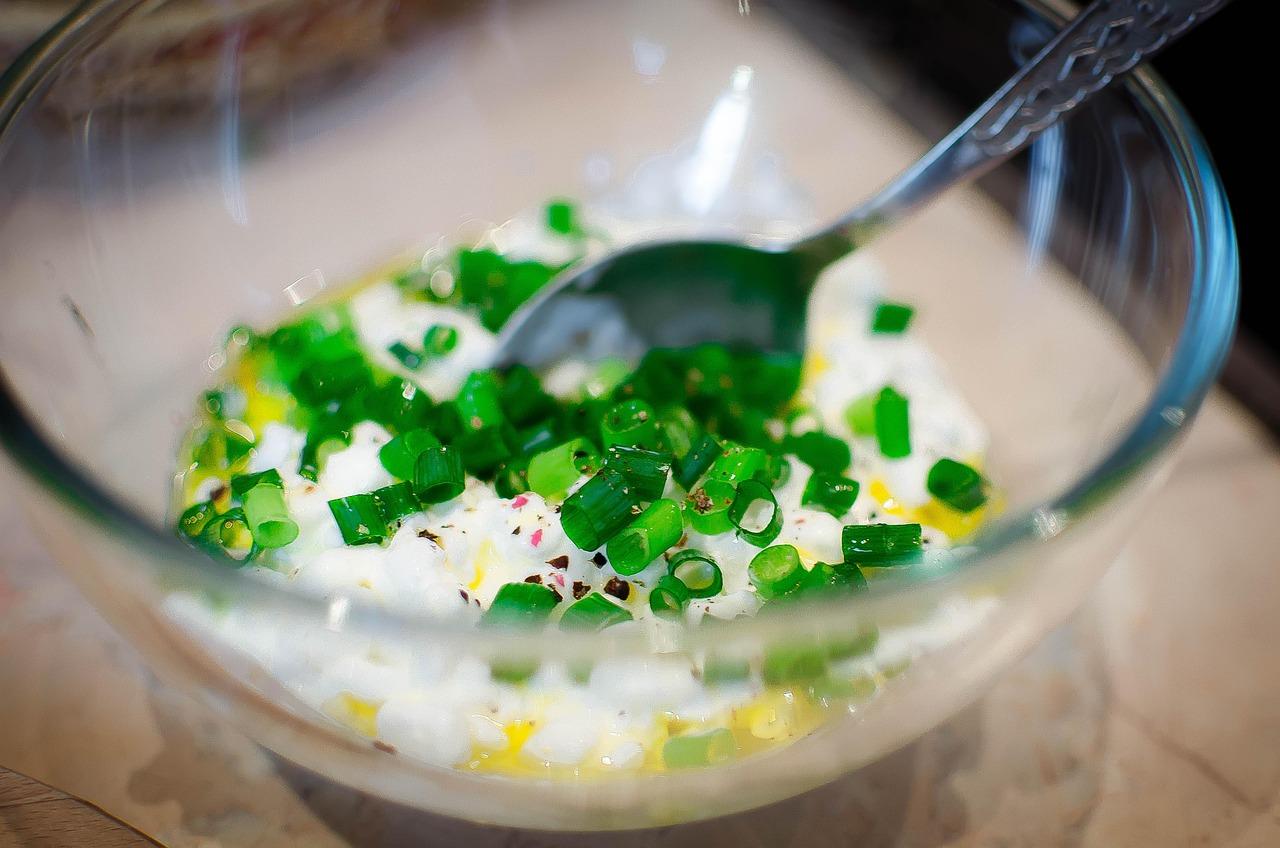
Twarożek ze szczypiorkiemFresh cheese with chives

Warsaw breakfasts, from milk bars to family kitchens, lean on this cool, tangy spread: crumbly twaróg mashed with a little sour cream until fluffy, then mixed with crunchy radish and a generous fistful of chives. It is piled onto rye bread or bread rolls, sometimes eaten from a bowl beside new potatoes in summer. The flavour is fresh and milky with a peppery bite from the radish. Where most people go wrong is salting it hours ahead, which draws water out of the radish and leaves a puddle. Twaróg is usually rennet-free, but check the label. Serve it on rye or, for a gluten-free breakfast, on gluten-free bread. Chef's tip: mash the cheese with a fork, not a blender, so it keeps a little texture.

by KrazyBadal 0 views

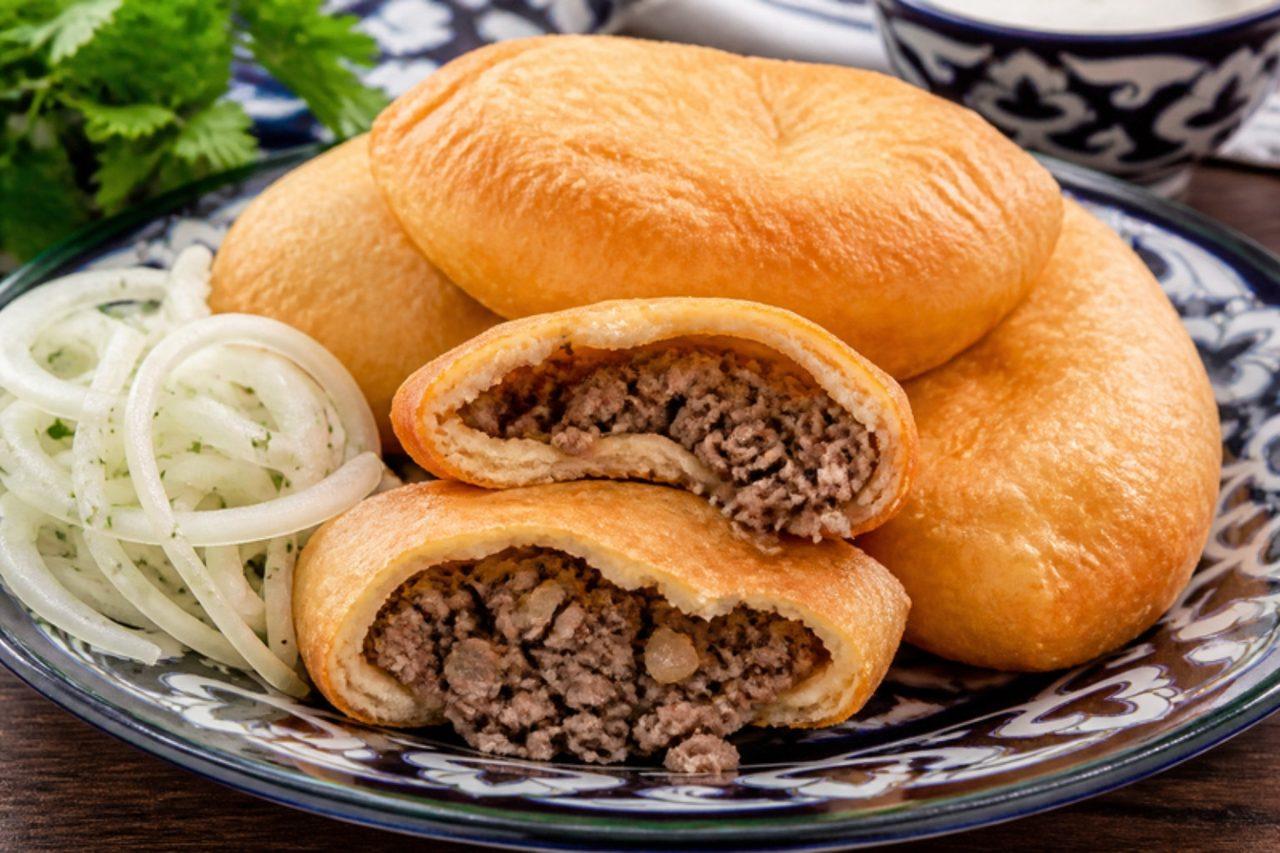
GummaFried pies with lamb liver

Gumma are the hot, puffy fried pies sold from big pans on Tashkent street corners and in bazaars like Chorsu, wrapped in paper and eaten in the morning with tea. The classic filling is cheap and hearty: lamb or beef offal, usually liver, heart and lung, minced with plenty of onion and black pepper; potato gumma is the vegetarian sister. This version uses lamb's liver and heart. A common mistake is frying in oil that is not hot enough, which makes the dough greasy and heavy. Chef's tip: cook the filling fully before shaping, then fry the pies at 175 °C until puffed and golden; the dough cooks in minutes while the filling only needs warming. Offal should be cooked until no pink remains, 71 °C.

by KrazyBadal 0 views

Tvorozhnaya zapekankaBaked cottage cheese pudding

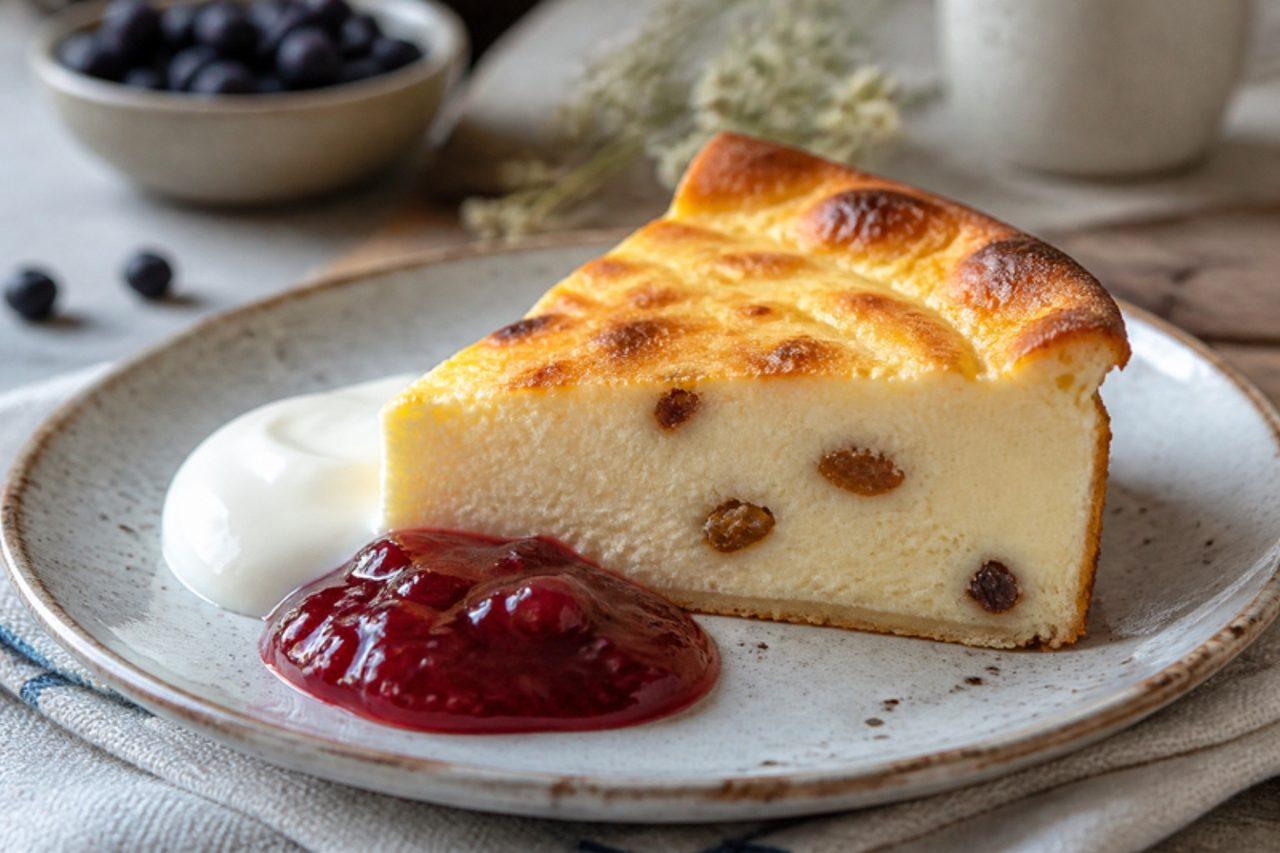
Anyone who went to a Soviet kindergarten remembers the warm yellow square of curd bake handed out at breakfast, and Russian parents still make it on weekend mornings because children eat it without a fuss. Tvorog is beaten with eggs, sugar and sour cream, thickened with semolina and dotted with raisins, then baked into a soft, gently sweet pudding somewhere between a cheesecake and a soufflé. Serve it warm or cold with sour cream, jam or condensed milk. Tvorog is usually made without rennet, but check the label if that matters to you. A common mistake is baking straight after mixing: give the semolina 15 minutes to swell, or the bake turns out gritty and loose. Chef's tip: brush a thin layer of sour cream over the top before baking for a glossy, deep golden crust.

by KrazyBadal 0 views

Gur wale chawalJaggery rice

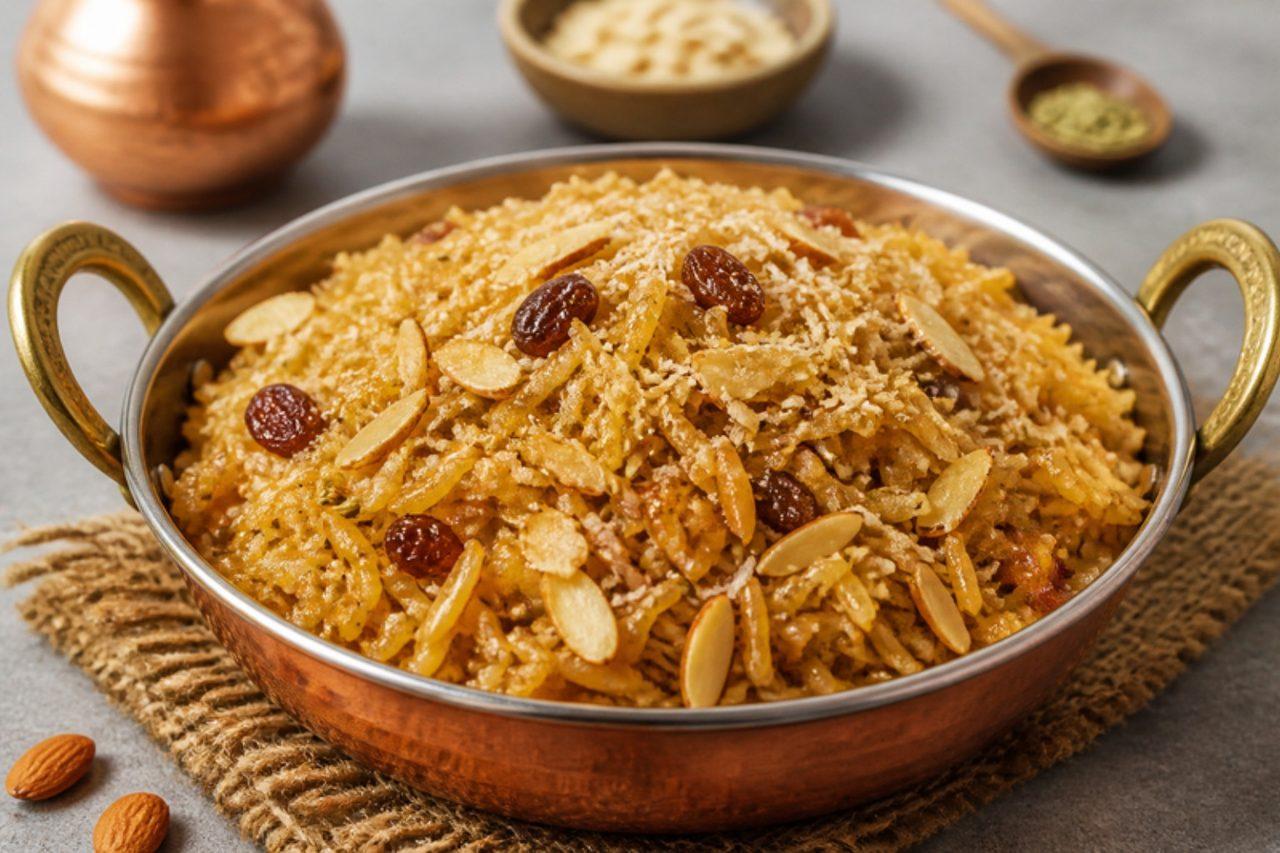
Every winter, when the sugarcane presses in the villages around Bahawalpur and Rahim Yar Khan boil the new season's jaggery, families celebrate with a pot of gur wale chawal. Basmati grains turn a warm amber in a syrup of melted gur and ghee, with fennel seeds and cardamom for fragrance and raisins, almonds and coconut tucked through, and the result is sweet but not sticky, each grain separate. It is cooked for weddings, for distribution on religious days and simply for guests on a cold evening, and eaten warm, sometimes with a spoonful of extra ghee on top. Adding the jaggery to raw rice is the commonest error, because sugar stops the grains from softening and they stay hard. Chef's tip: boil the rice until it is three-quarters cooked first, then fold it into the jaggery syrup and let it steam.

by KrazyBadal 0 views

Gur wali rotiJaggery flatbread

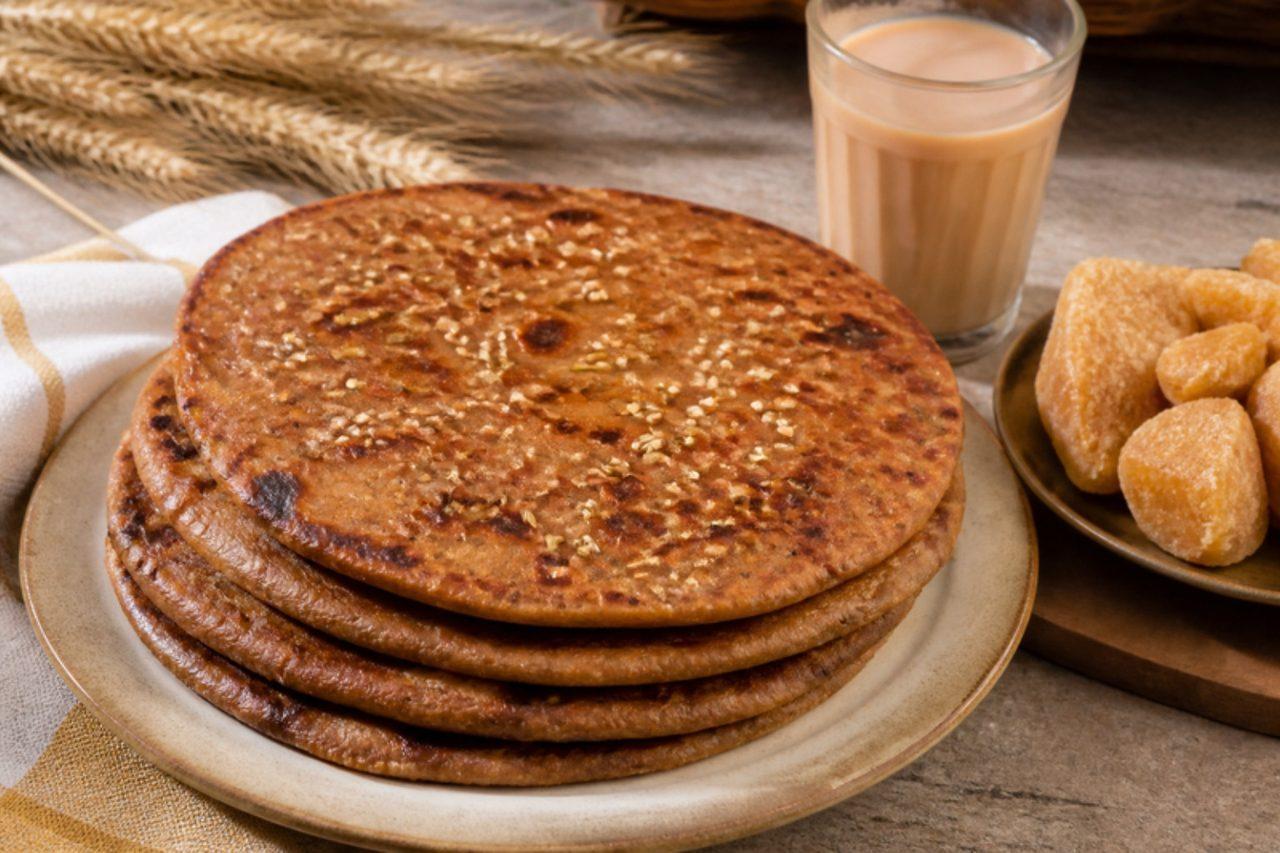
In the cane-growing districts of Punjab, from Jhang to Mandi Bahauddin, the season when fresh gur comes out of the village kolhu is also the season for this roti, its dough kneaded with jaggery water instead of plain water so it turns a deep caramel brown on the tawa. It is crisp-edged and chewy in the middle with a toffee-like sweetness and the anise note of fennel, and mothers wrap it in a cloth for children to take to school or to the fields with a flask of tea. Some families add sesame, others a little ghee in the dough; both are good. The usual mistake is cooking it on a high flame, which burns the sugar in the jaggery black before the inside has cooked. Chef's tip: dissolve the gur in warm water and let it cool before kneading, otherwise the dough turns sticky and impossible to roll.

by KrazyBadal 0 views

TutmanikCheese and egg yeast bread

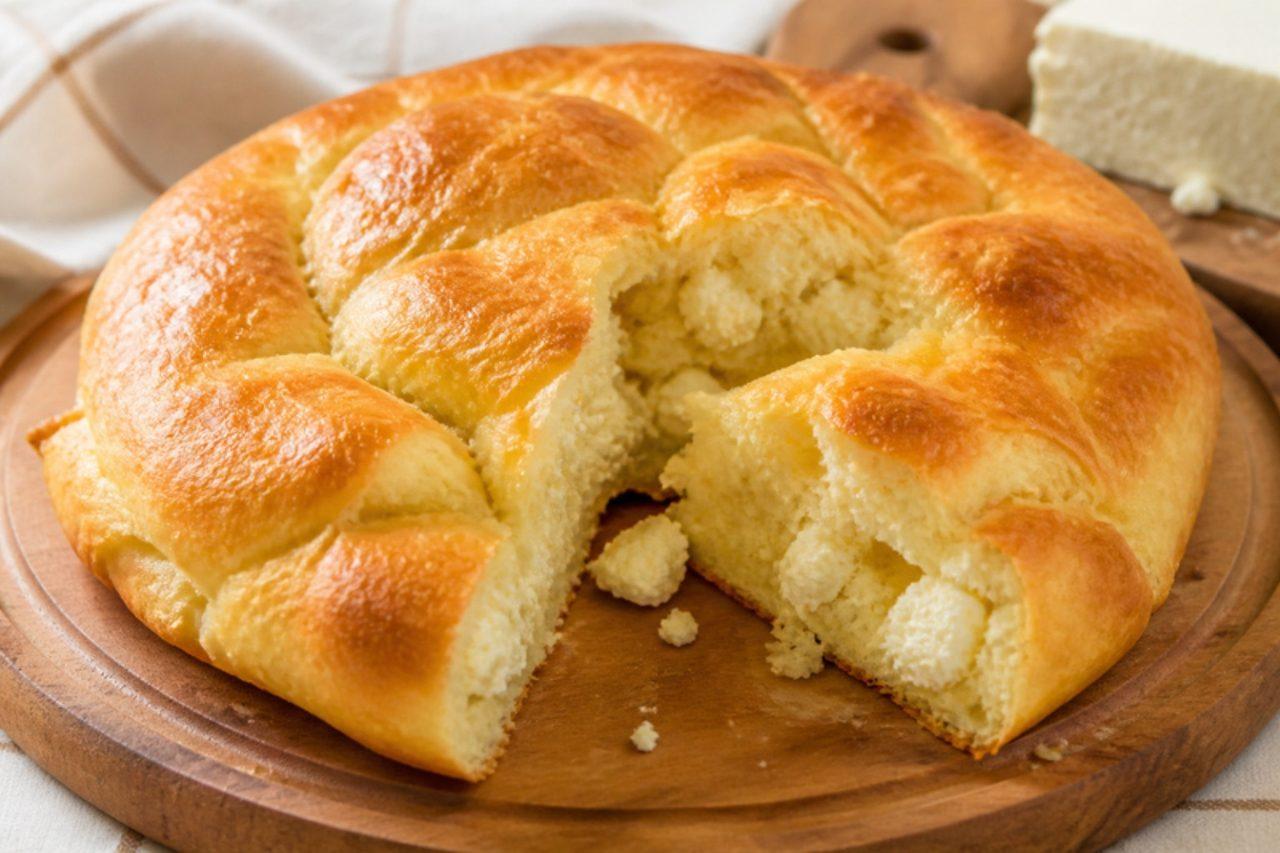
Weddings, christenings and long Sunday lunches in western Bulgaria often begin with a tutmanik on the table, still warm and torn by hand rather than sliced. The yeast dough is enriched with yogurt, eggs and oil, rolled, scattered with crumbled white cheese, folded and baked until it rises tall and golden, with salty pockets of melted cheese running all through the soft crumb. Eat it with a glass of ayran or a bowl of tarator in summer. Sirene is often made with animal rennet, so use a white cheese labelled vegetarian. A common mistake is adding too much flour to a sticky dough; it should stay soft and slightly tacky, or the bread bakes dense. Chef's tip: brush the top with yolk mixed with a spoon of yogurt rather than milk, for the deep, glossy crust Bulgarian bakers aim for.

by KrazyBadal 0 views

Tushuri kotoriSheep's cheese and butter pie

Up in Tusheti, a roadless high region reached by a single summer track from Kakheti, shepherds' families roll a plain dough almost see-through and wrap it around a filling of salty sheep's cheese and soft butter, then flatten the whole parcel again so the cheese spreads into thin layers. The pie is cooked on a griddle or in a pan and eaten hot with tea when the flocks come down in autumn. A common mistake is rolling too hard over the filling; the dough tears and the butter leaks out. Chef's tip: use a mix of feta-style sheep's cheese and some curd or cottage cheese, which gives the sharp-but-creamy taste of Tush cheese; traditional Tush cheese is set with animal rennet, so look for a vegetarian one.

by KrazyBadal 0 views

Guryev kashaBaked semolina pudding with nuts

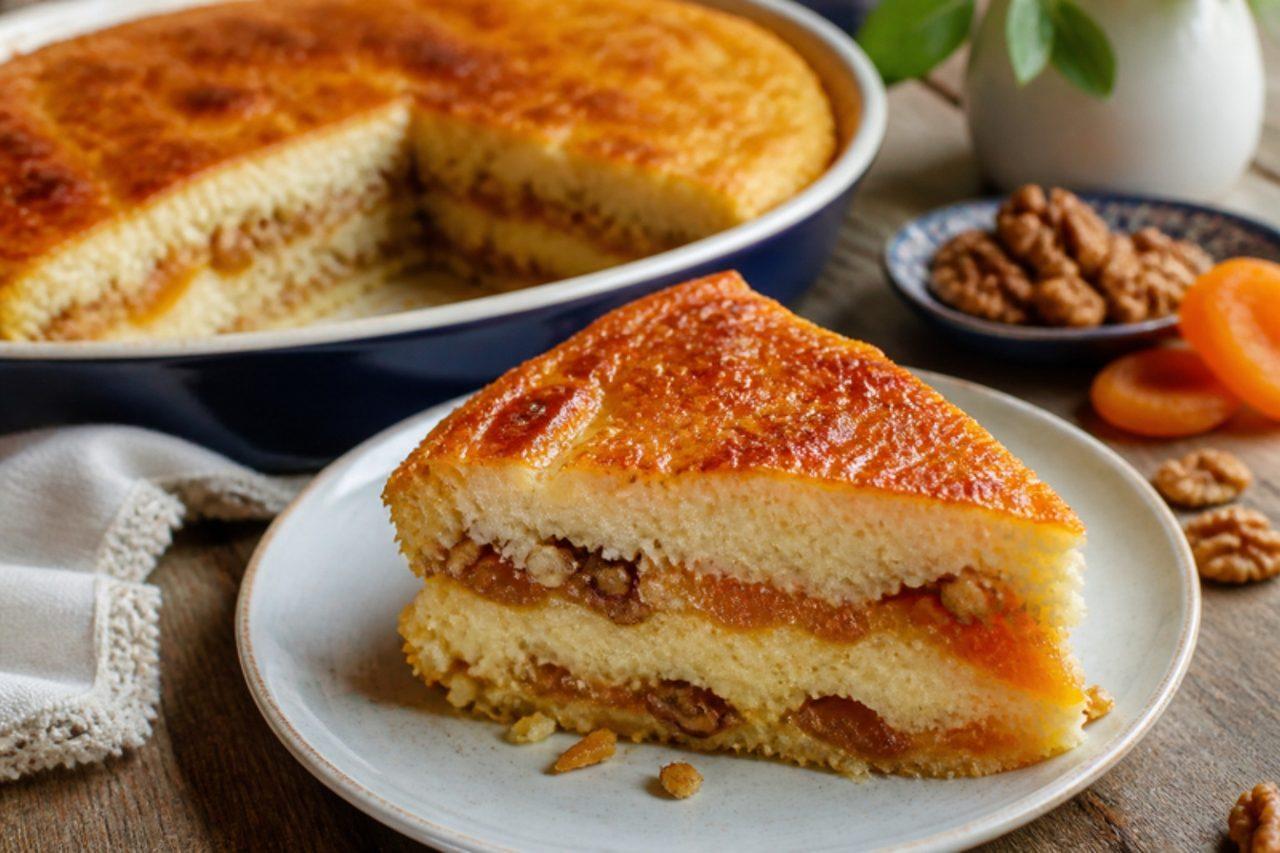
Named after Count Guryev, a nineteenth-century Russian finance minister, this pudding was the showpiece of Moscow merchant tables and grand restaurant menus, and it still appears at name-day lunches and during Maslenitsa week. Behind the humble word kasha sits a rich dessert: soft vanilla semolina layered with crackly sugared walnuts, thin golden skins lifted from baked milk and cream, and spoonfuls of apricot jam, then baked until bubbling. Serve it warm in small portions with strong black tea. Where most people go wrong is hurrying the skins; the milk needs a hot oven and patience so each skin turns golden before you lift it off. Chef's tip: use the widest shallow ovenproof dish you own for the milk, because more surface gives you more skins in the same time.

by KrazyBadal 0 views

GushtabaMutton balls in yogurt gravy

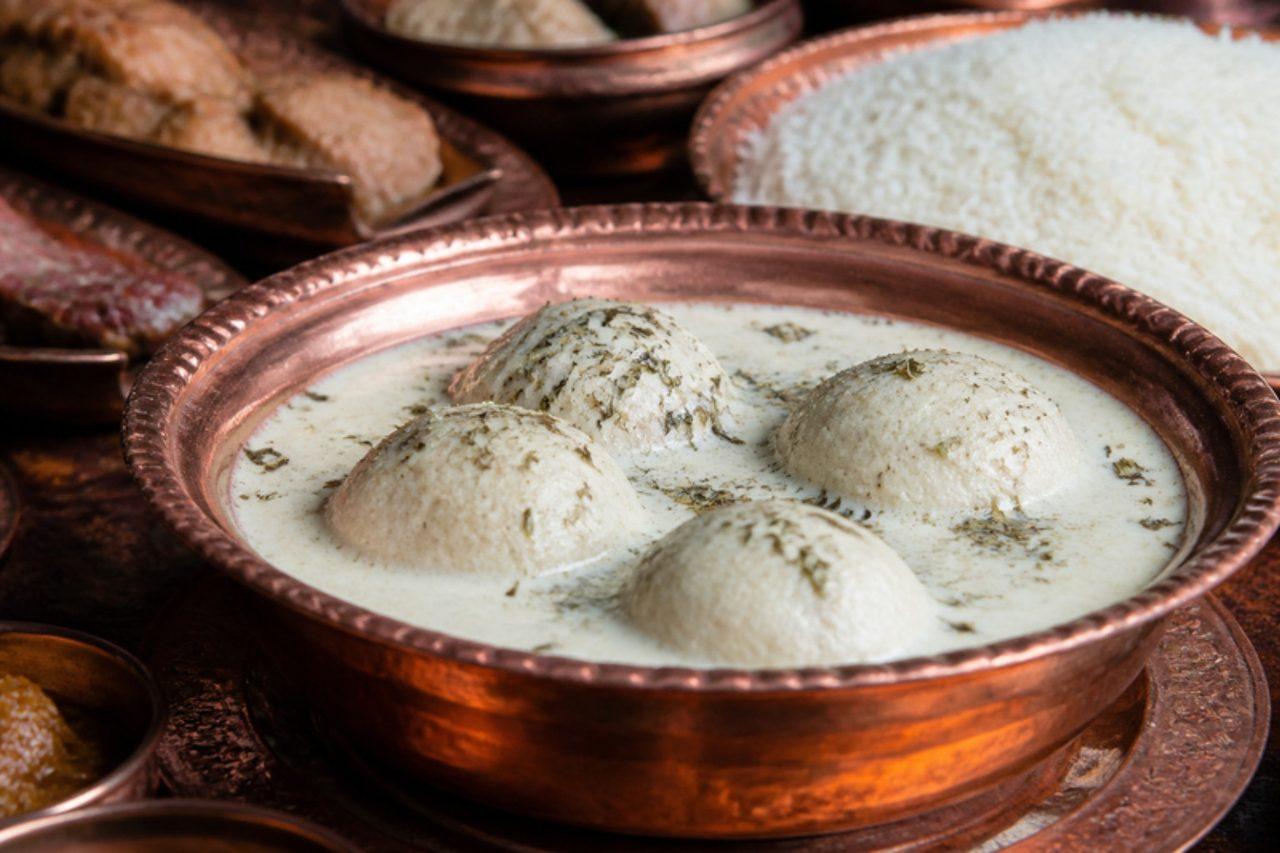
No Kashmiri wedding feast ends without gushtaba. After hours of wazwan courses, the waza (master cook) brings out these large, pale balls of mutton pounded with fat until silky, swimming in a creamy yogurt gravy scented with fennel, dry ginger and cardamom, and its arrival tells guests the meal is over. Families of Kashmiri descent in Muzaffarabad, Mirpur and Rawalpindi still serve it at weddings and on special Fridays, with plain steamed rice. Good gushtaba is so smooth that it barely holds together on the spoon. Using lean meat is what lets people down: without about a quarter fat the balls turn grainy and hard. Chef's tip: traditionally the meat is pounded on a stone for an hour; at home, process it in short bursts with chilled fat and ice-cold water, stopping to scrape down, until it looks like a sticky, shiny paste.

by KrazyBadal 0 views

Turte cu julfăHemp seed cream pastry stack

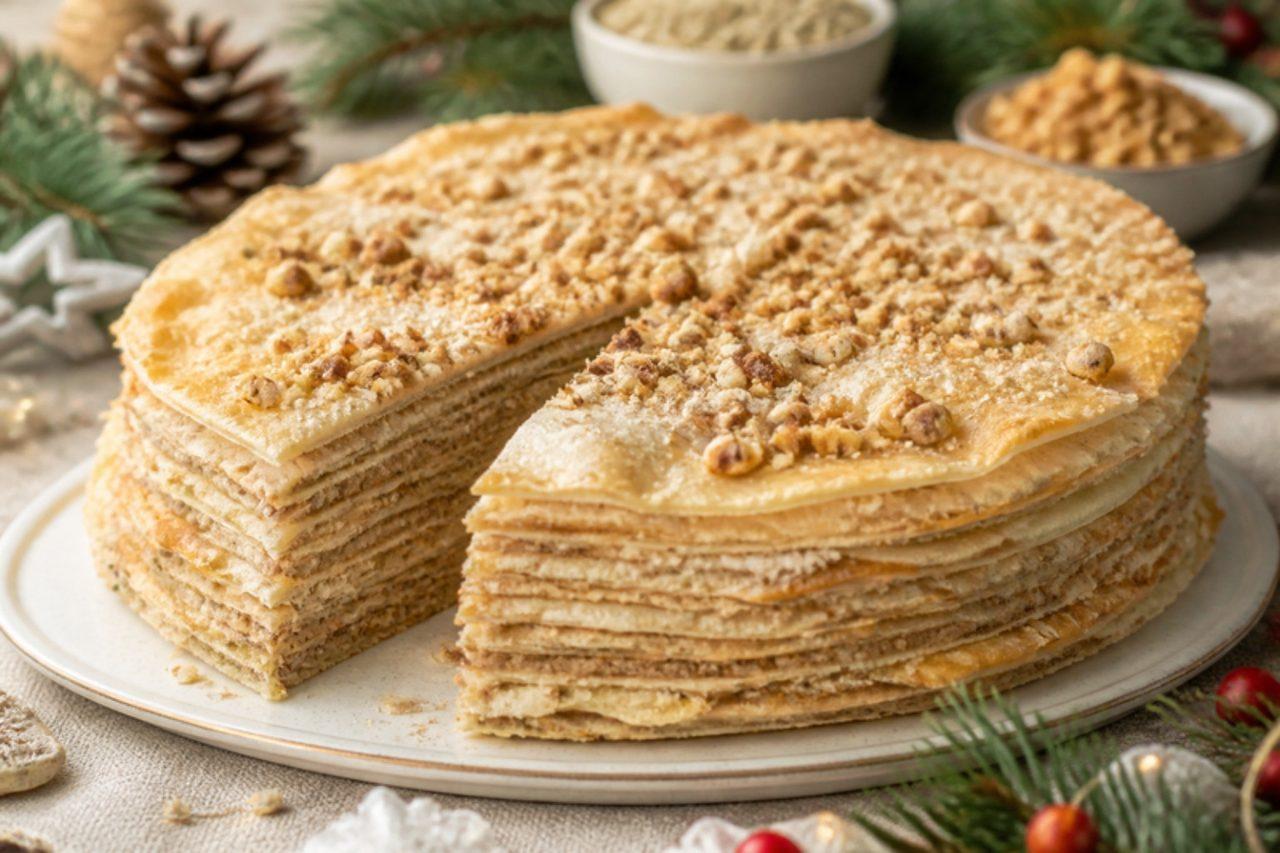
On Christmas Eve (Ajunul Crăciunului), the last day of the Advent fast, old Moldavian households around Neamț and Suceava set out turte cu julfă: paper-thin baked sheets of dough stacked with a sweet cream of ground hemp seed and crushed walnuts. The sheets are said to stand for the swaddling clothes of the Christ child, and the whole cake is vegan so it can be eaten while the fast still holds. Soaked with syrup and left overnight, it softens into a dense, nutty, gently sweet slice. Buy food-grade hulled hemp seeds (hemp hearts), which are sold as a food and contain no intoxicating THC. A common mistake is cutting the cake straight away; it needs a night in the fridge to soften and hold together. Chef's tip: bake the sheets a day or two ahead and let them dry on a rack, as dry sheets soak up the syrup more evenly.

by KrazyBadal 0 views

Turshu govurmaLamb with chestnuts and dried fruit

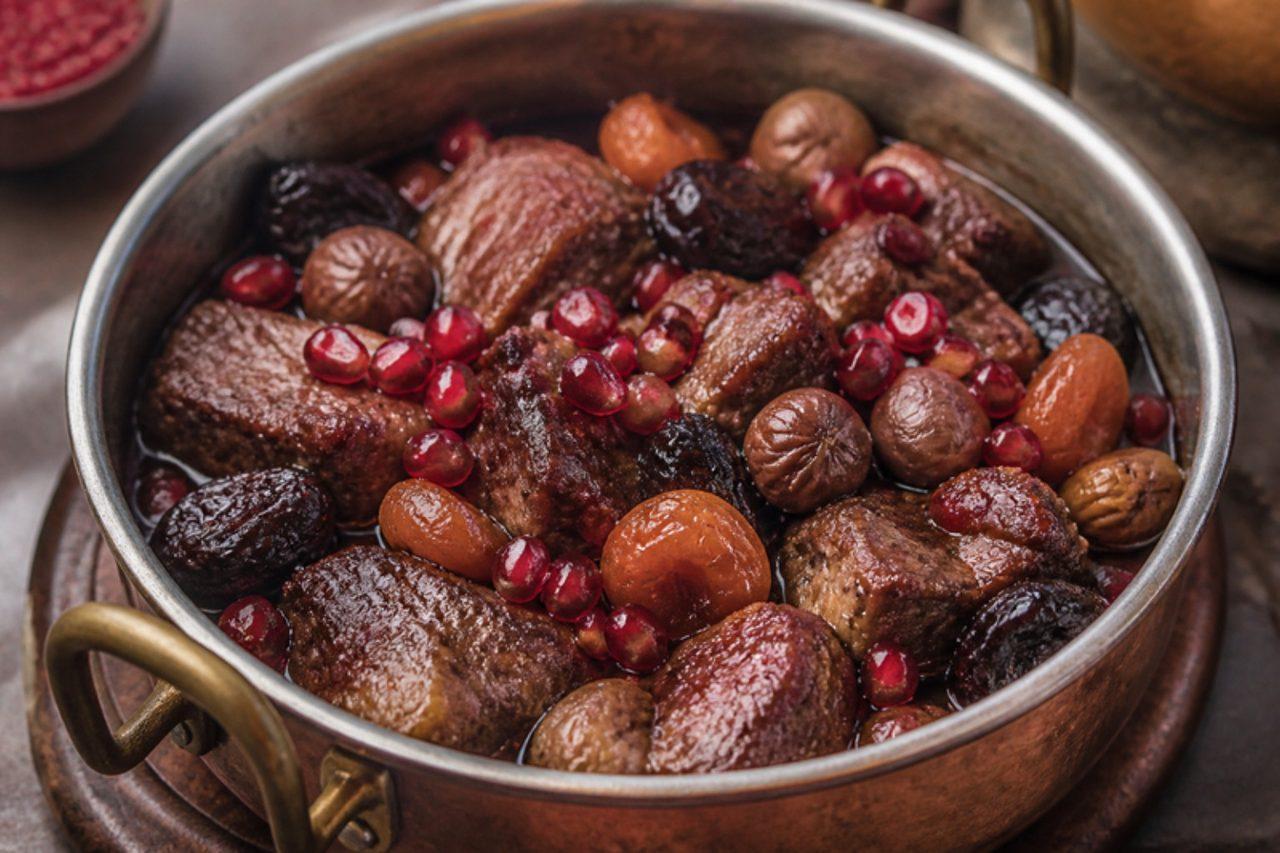
Turshu govurma, 'sour fry', is a rich southern dish from Lankaran and Masalli: lamb browned in butter or oil, then cooked slowly with onions, chestnuts, dried apricots, sour plums and a good pour of narsharab pomegranate sauce until dark, glossy and sweet-sour. It is served on top of plov at weddings or on its own with bread. A common mistake is adding the dried fruit too early, which turns it to mush. Chef's tip: finish with a pinch of saffron water and a handful of fresh pomegranate seeds, which brighten the dark sauce.

by KrazyBadal 0 views

Túrós táskaSweet cheese puff pastry pockets

Every Hungarian bakery chain and village shop has a túrós táska in the case, a flaky square folded corner to corner over a fat cushion of sweet curd cheese. The filling is fresh túró beaten with egg yolk, vanilla, lemon zest and raisins, and it bakes soft and slightly tangy inside crisp, buttery puff pastry. It is a mid-morning snack with coffee, or breakfast on the go. Túró is usually made without animal rennet, but check the label if that matters to you. The usual slip is a runny filling that leaks onto the tray, so press the túró through a sieve and add a spoon of semolina to bind it. Chef's tip: chill the filled pockets for 10 minutes before baking; the cold pastry puffs higher and the corners stay folded.

by KrazyBadal 0 views

Tuo zaafi with ayoyo soupMaize swallow with jute leaf soup

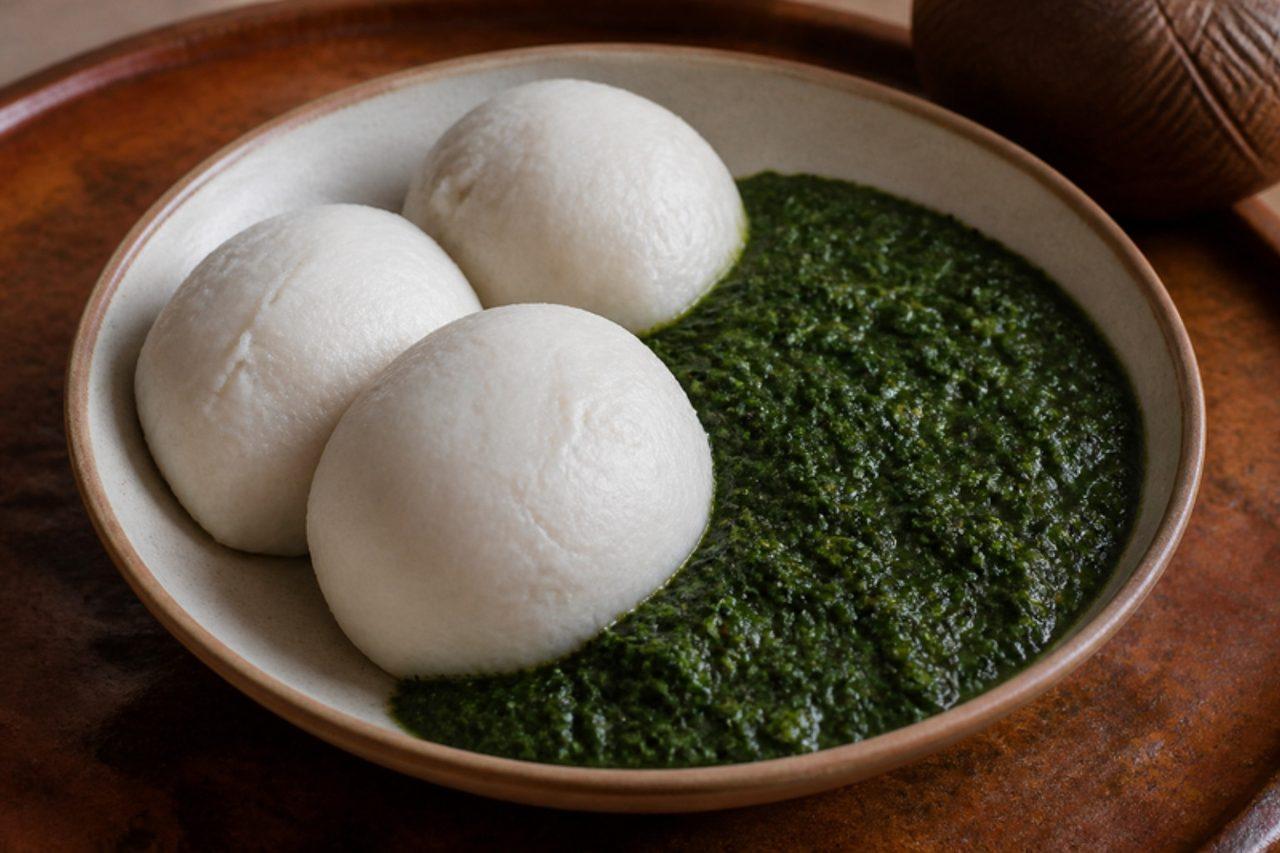
In Tamale and across northern Ghana, TZ is the evening meal: a soft, smooth swallow of maize (sometimes millet) that wobbles in the bowl and is eaten with ayoyo, a bright green, slippery jute-leaf soup flavoured with dawadawa. The pair is often served with a meat or fish stew alongside; this version is fully vegan, with the ayoyo seasoned well enough to stand alone. Frozen jute leaves, sold as ewedu or molokhia, are a good substitute, and a teaspoon of miso can stand in for dawadawa. Chef's tip: make a thin porridge with part of the maize meal first and then thicken it; the usual mistake is adding all the meal at once, which makes a lumpy, stiff TZ.

by KrazyBadal 0 views

HasipLamb and rice sausage

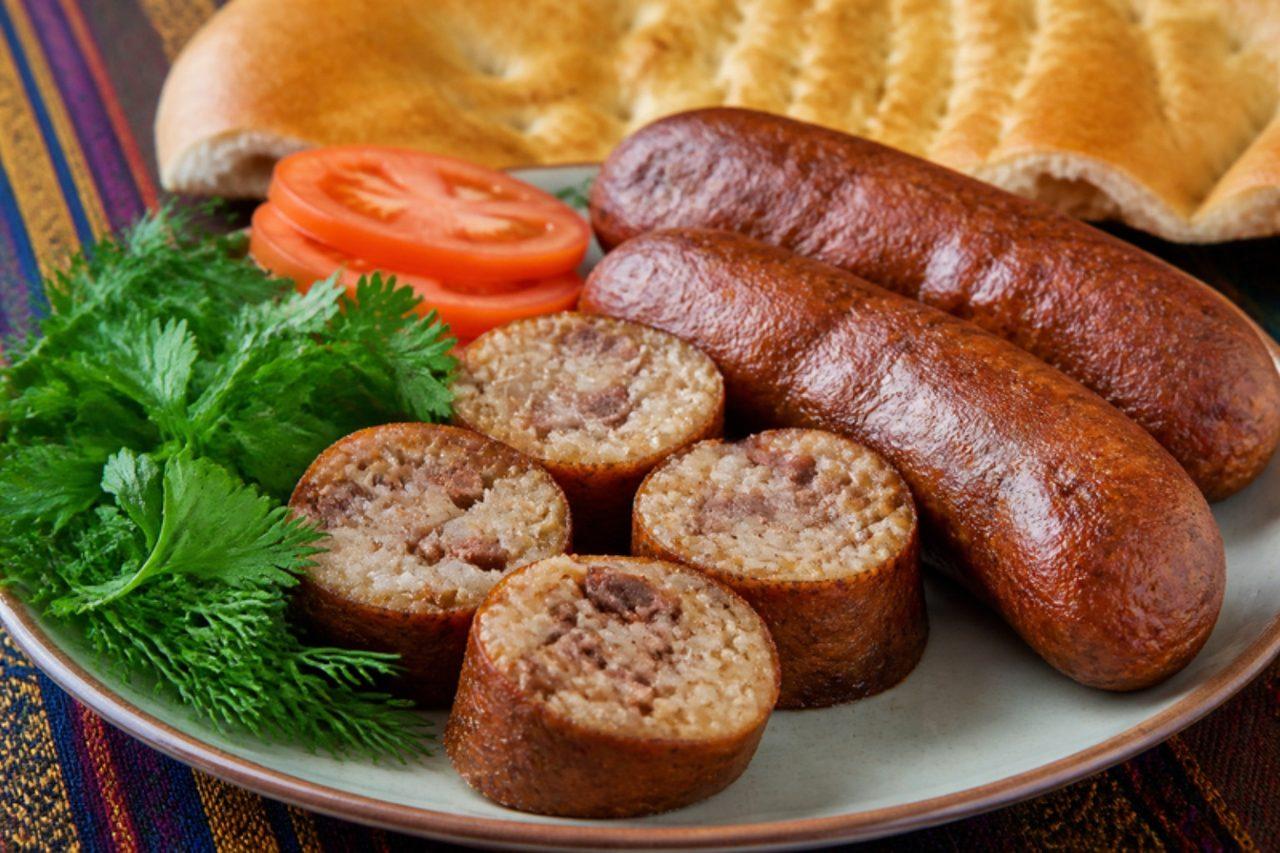
Hasip is the sausage of Bukhara, made after Kurban Hayit, the feast of the sacrifice: lamb casings stuffed with rice mixed with chopped lamb, liver and heart, onion and cumin, boiled until firm and then sliced and fried until crisp. Bukharan families serve it hot as a first course for guests. A common mistake is overfilling the casings; the rice swells and bursts them in the pot. Chef's tip: fill them only two-thirds full and prick well before simmering, then fry the slices in a dry pan so they crisp in their own fat. The filling must reach 71 °C.

180 minUzbekMeatGluten free
by KrazyBadal 0 views

GwaramariFried breakfast puffs

Early on a cold morning in the old lanes of Asan, Patan or Bhaktapur, small tea shops fry gwaramari in big iron pans, and office workers and schoolchildren stop for a paper twist of them with a glass of sweet milky chiya. They are round, golden puffs of wheat dough, about the size of a ping-pong ball, with a thin shattering crust and a soft, slightly chewy, airy centre lightly seasoned with turmeric, black pepper and a pinch of sugar. Newars also make them for bhoj feasts and to send to relatives after a festival. They fail most often when the dough is too stiff or not rested, which gives dense, oily lumps instead of light puffs. Chef's tip: the batter-like dough should be sticky enough to need wet fingers; pinch off pieces with oiled hands and drop them straight into oil that is hot but not smoking.

by KrazyBadal 0 views

TunnbrödThin wheat and barley flatbread

Tunnbröd, 'thin bread', is the old flatbread of Norrland, northern Sweden, where barley grew better than wheat; families in Västerbotten and Jämtland baked it in big batches in wood ovens and kept it for months. It is made soft or crisp, rolled with a knobbled pin (kruskavel) that makes its dotted pattern, and the soft kind is wrapped around a hot dog with mashed potato in the famous tunnbrödsrulle. A common mistake is rolling it too thick, which makes it bready instead of flexible. Chef's tip: bake on a very hot stone for barely a minute or two and stack the breads under a cloth, so they steam soft.

by KrazyBadal 0 views

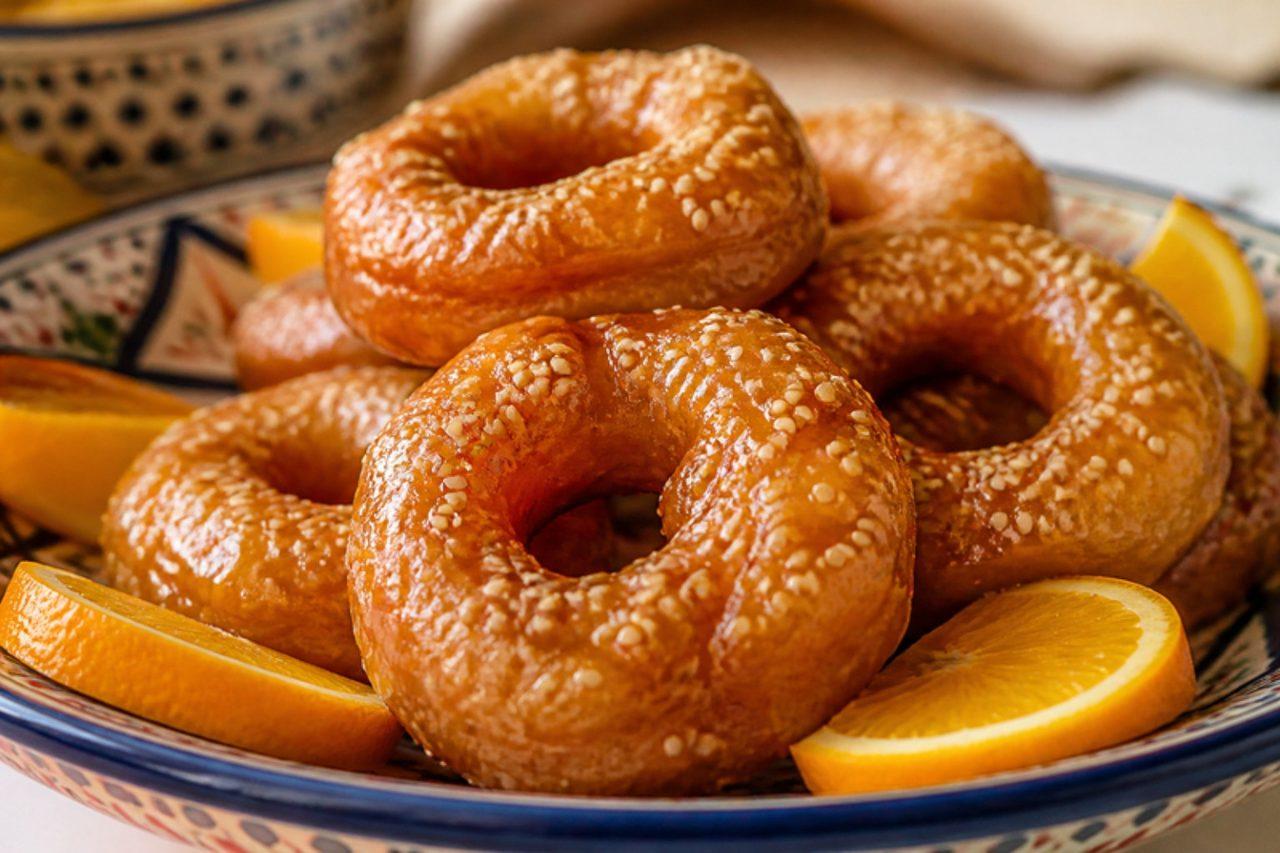
Yo-yoOrange honey doughnut rings

Tunisian children wait for yo-yo, the small golden rings that pastry sellers stack in sticky piles at Eid, weddings and on winter afternoons, and that families fry at home for Hanukkah in the Jewish tradition of Tunis and Djerba. The dough, made with eggs, oil and fresh orange juice and zest, fries up crisp outside and soft and cake-like inside, then gets a quick dip in honey syrup and a sprinkle of sesame. Eat them the day they are made, with mint tea. Chef's tip: keep the oil at 170 °C; hotter and the outsides brown before the centres cook through.

by KrazyBadal 0 views

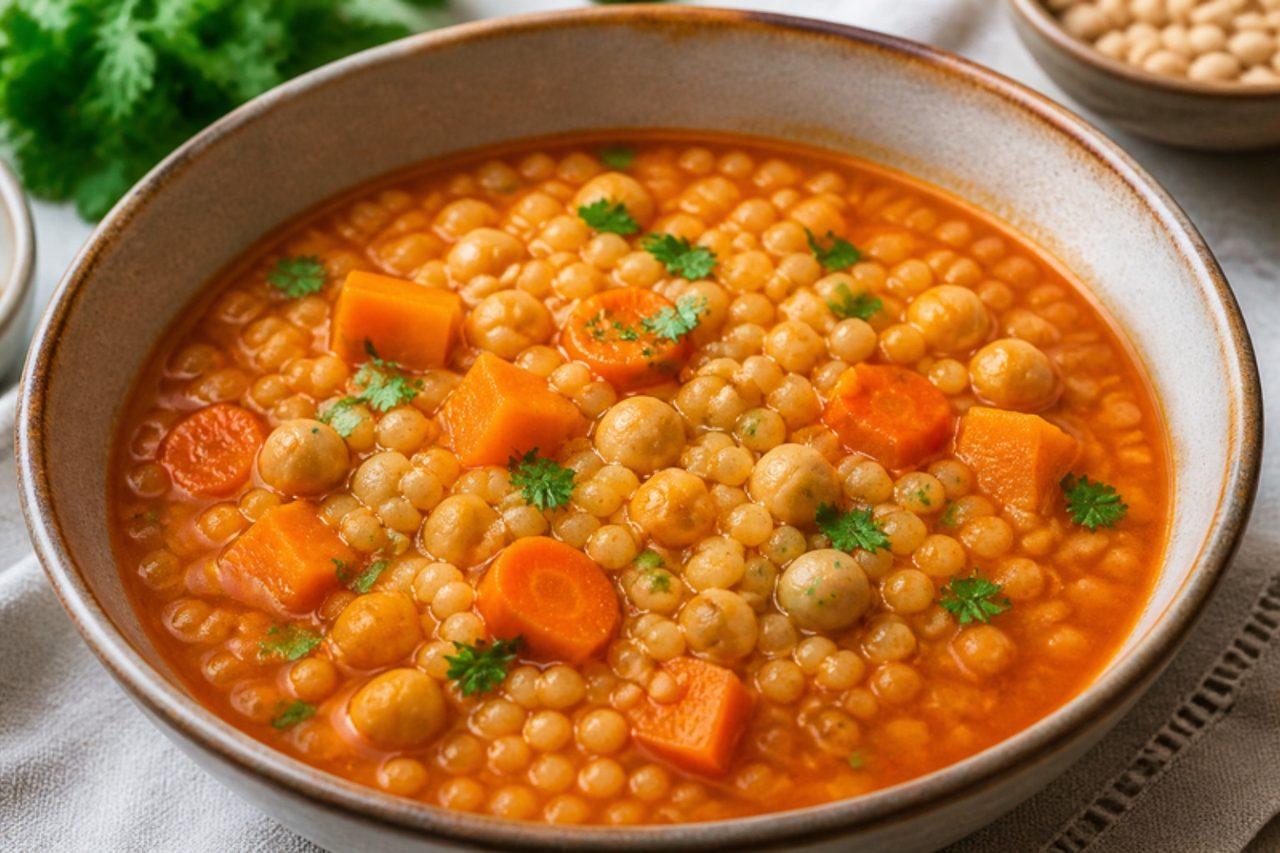
MhamsaPearl couscous in tomato harissa broth

Sfax cooks and families in southern Tunisia roll mhamsa, a pearl couscous somewhere between fine couscous and small pasta, in big batches in late summer and dry it in the sun for the winter. Cooked like a thick soupy stew in a tomato and harissa broth with chickpeas, peppers and pumpkin, it becomes a warming one-pot supper, soft and chewy, with a gentle heat and the sweetness of the vegetables. Bought mhamsa, moghrabieh or giant couscous works well. Fish and meat versions are common; this is the everyday vegetable way. Chef's tip: toast the mhamsa in the oil before adding liquid; it gives a nutty flavour and keeps the grains separate.

by KrazyBadal 0 views

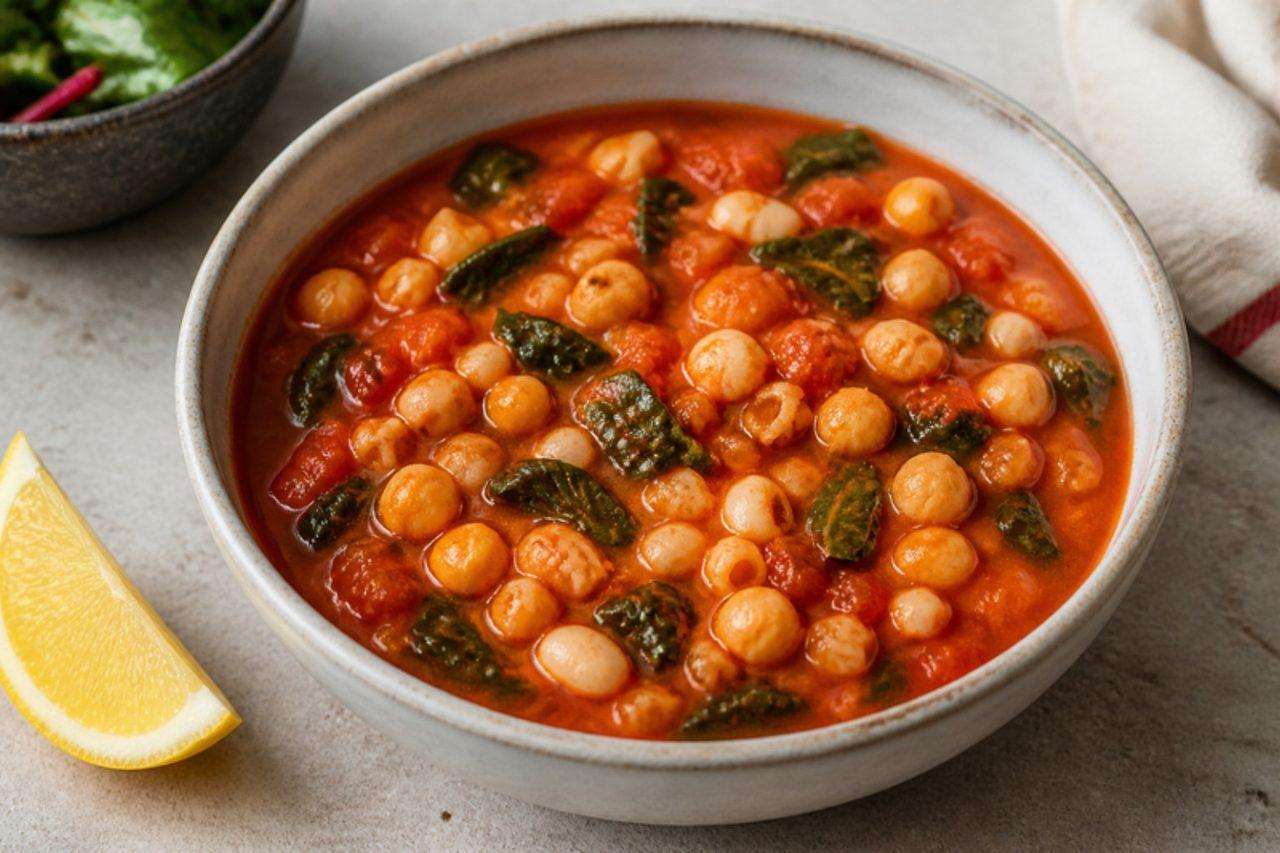
HlalemTiny pasta and chickpea soup

Across the Sahel coast and in Kairouan, the arrival of cold weather means hlalem: a thick, red, peppery soup full of tiny hand-rolled pasta spindles, chickpeas, white beans, chard and celery, sharpened with harissa and dried mint. Rolling the pasta is a social job, often done by women together in autumn, and the dried hlalem keeps all winter. The soup is hearty enough to be a meal, earthy from the pulses and bright from the celery leaves. It is also made during Ramadan. If you do not roll your own, orzo or broken spaghettini work. Chef's tip: add the pasta only in the last 15 minutes; cooked too long it swells and drinks up all the broth.

by KrazyBadal 0 views

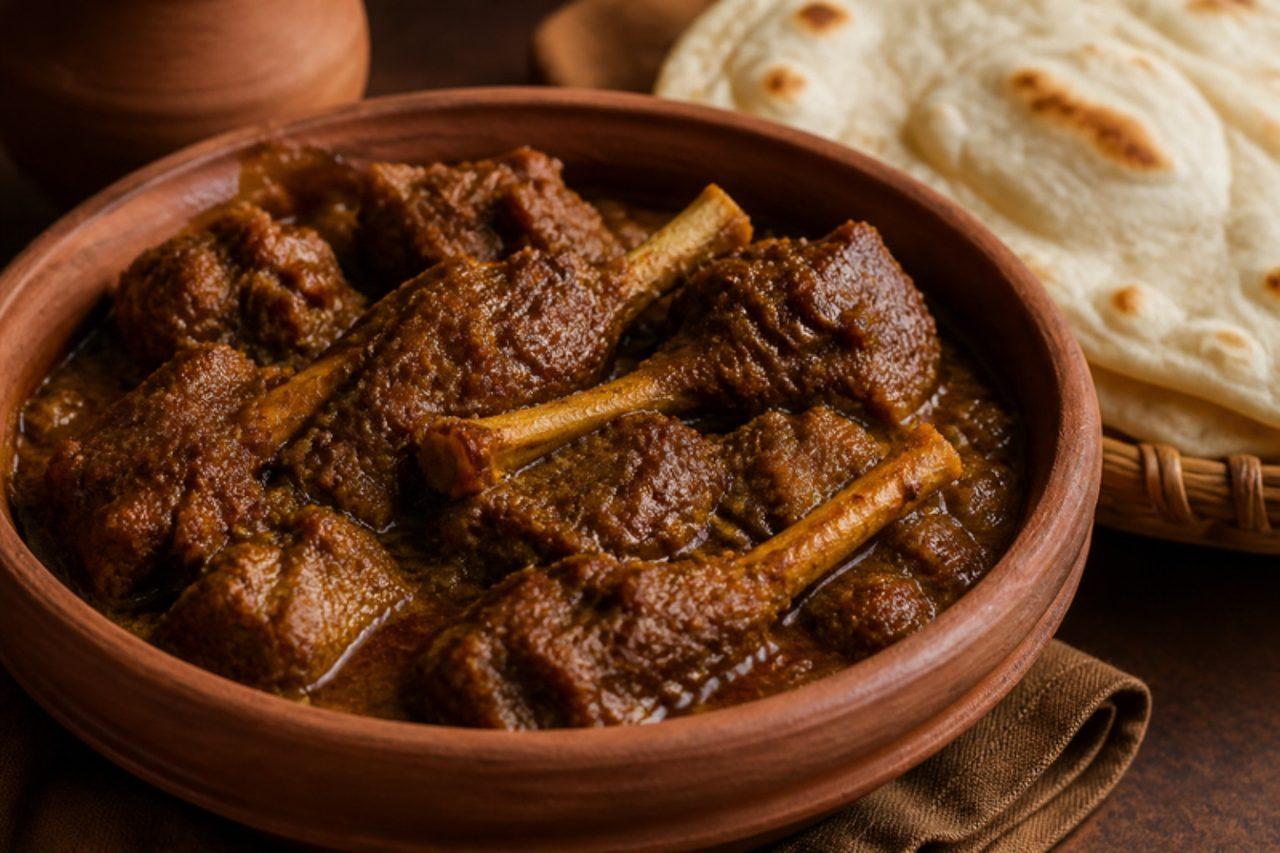
Haash bhunaSlow-cooked duck curry

As the cold season settles in and the vast wetlands of the Sylhet and Kishoreganj haor begin to drain, the ducks that have fattened on them all monsoon end up in the bhuna pot. Haash bhuna is deep, dark and rich, the meat cooked slowly with heaps of onion and garlic until it is tender and the duck's own fat glazes the masala, and it is traditionally eaten with chitoi pitha, soft rice-flour pancakes made on a clay mould, or with plain rice. Black pepper, cinnamon and a hint of nutmeg balance the gaminess. The biggest misstep is not rendering the fat, which leaves the sauce greasy and the skin flabby; let the duck fry in its own fat first. Chef's tip: grind a small piece of fresh coconut into the masala at the end if your duck is lean, a trick from Kishoreganj cooks.

by KrazyBadal 0 views

Tunisian chapatiStuffed semolina bread with tuna omelette

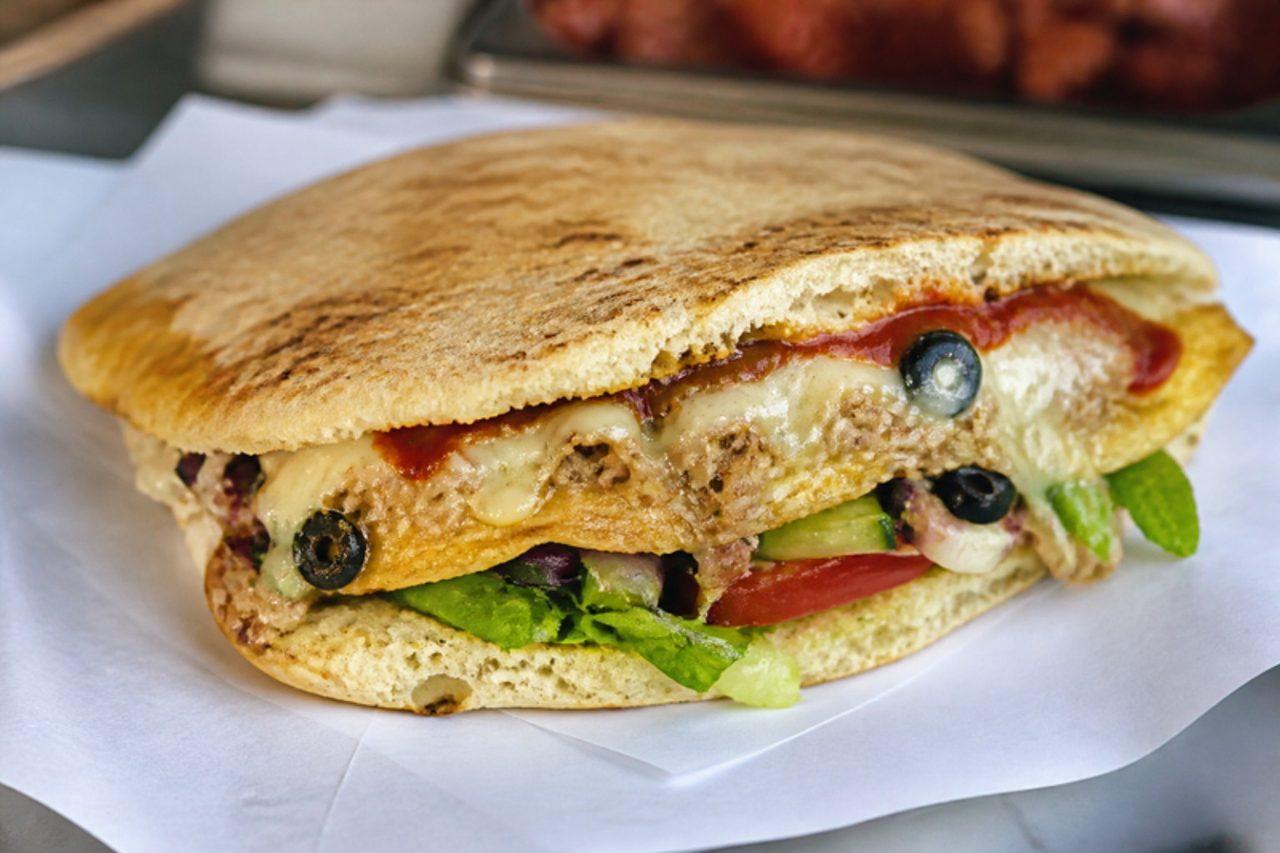
Tunisian street chapati has nothing to do with the Indian flatbread: it is a thick, puffy square of semolina bread baked on a griddle, split open while hot and filled with a herby omelette, tuna, melted cheese and a smear of harissa. Snack shops across the country make them to order for students and workers at lunchtime, often with a spoon of mechouia or a few olives added. The bread is soft and slightly chewy with toasty patches, the filling rich and spicy. The dough needs about an hour to rise. Don't cook the chapati over a high flame: the outside chars while the centre stays doughy and won't split for filling. Chef's tip: cook the bread over a medium heat, not high; a very hot pan browns the outside before the inside has puffed and cooked, leaving it doughy.

by KrazyBadal 0 views

Habshi halwaSprouted wheat and milk halwa

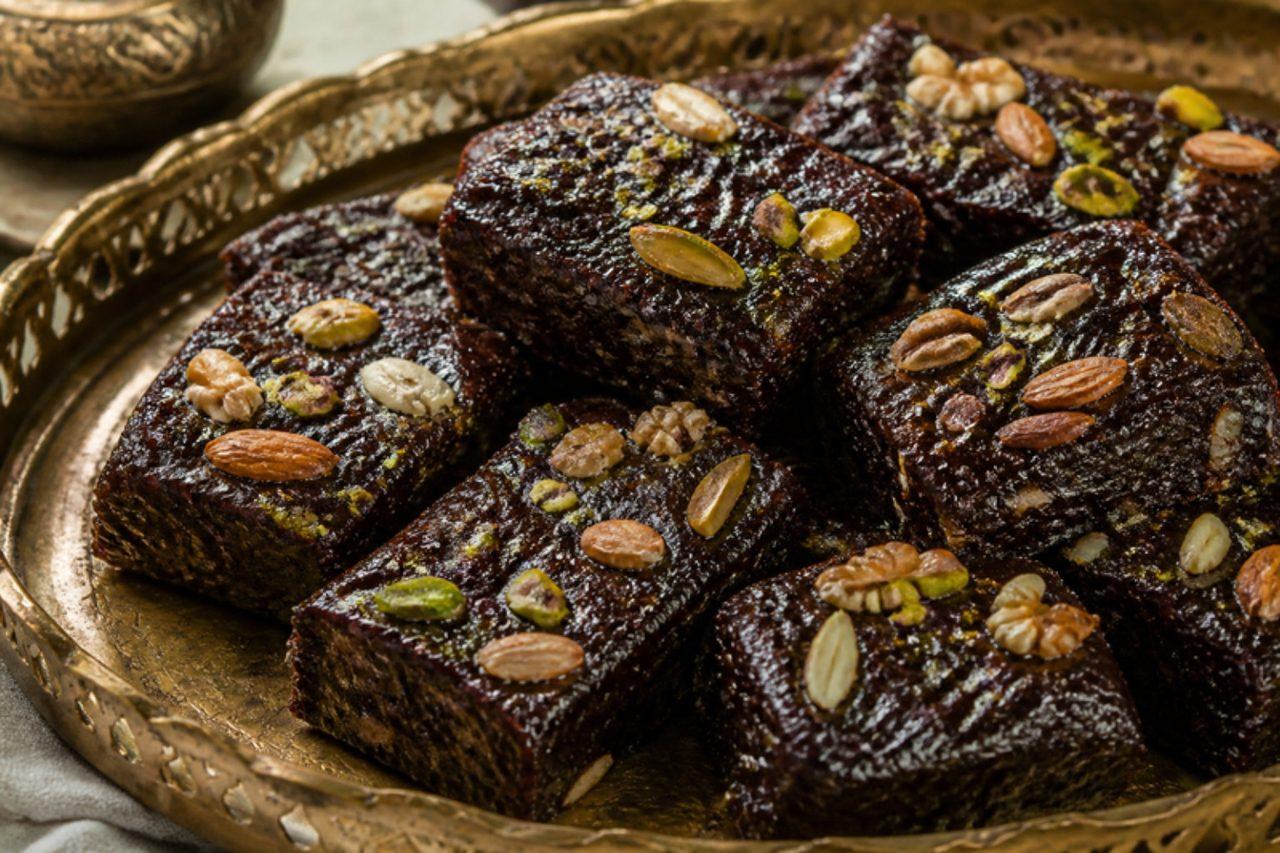
Few sweets demand as much patience as habshi halwa, the near-black, glossy, chewy slab that the old halwais of Lahore's Anarkali and Ichhra stir for most of a day in wide brass karahis. Full-cream milk is reduced with sprouted wheat flour (samnak) until the sugars caramelise and the mixture darkens from cream to coffee to deep mahogany, then ghee is worked in until it leaks out shining at the edges. The taste is of toffee, malt and toasted nuts, rich enough that a small square with tea is plenty, and it is a winter gift sent to relatives and given at weddings. Sprouting wheat takes two or three days, so plan ahead, or use the flour sold as samnak in South Asian shops. The mistake that spoils most batches is turning up the heat to save time, which scorches the milk on the base and makes the halwa bitter instead of deeply caramelised. Chef's tip: caramelise a third of the sugar separately to a dark amber before adding it, which gives the colour without hours of extra stirring.

by KrazyBadal 0 views

Hadžijski ćevapBeef and onion stew with vinegar

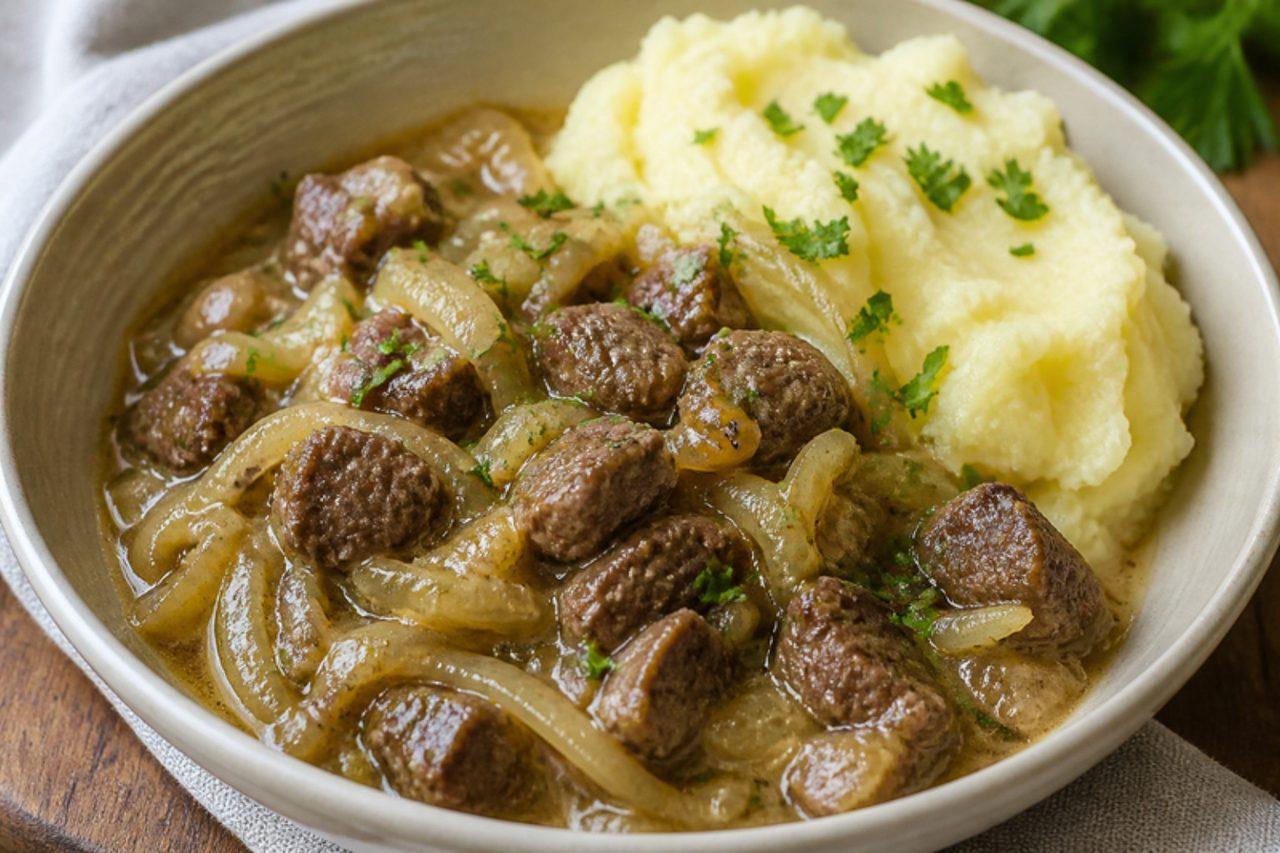
Named for the hadžije, pilgrims returning from Mecca who were welcomed home with a feast, this Bosnian stew is nothing like grilled ćevapi: cubes of beef are slowly braised with an almost equal weight of onions, garlic, paprika, black pepper and a good splash of vinegar until the onions melt into a sweet-sour gravy. In Sarajevo it is served in a clay pot with mashed potato or rice, and it tastes even better the next day. The usual slip is skimping on onions; they are the sauce. Chef's tip: add the vinegar in two stages, half at the start to tenderise and half at the end for brightness.

120 minBalkanMeatGluten free
by KrazyBadal 0 views

Haft mewaSeven dried fruit compote

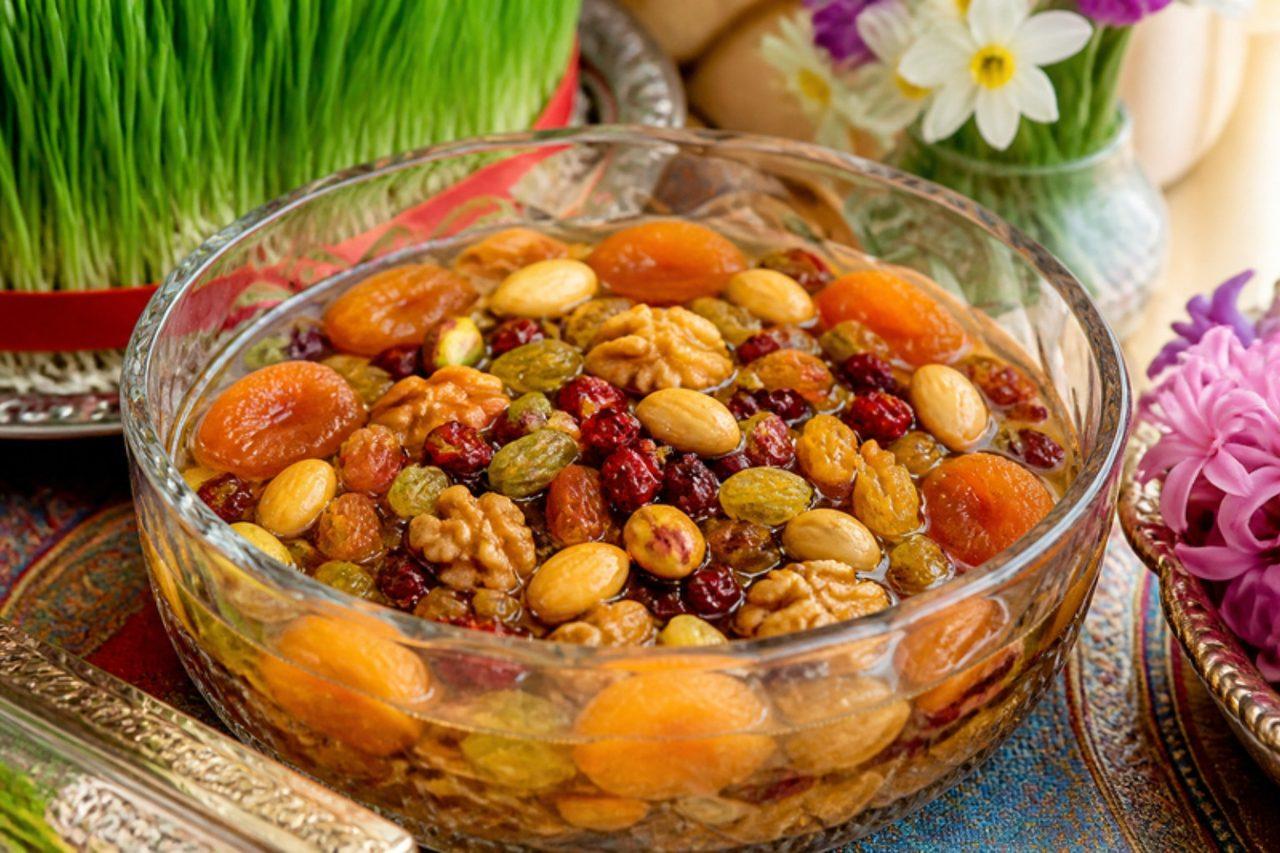
Haft mewa is the first thing many Afghan families offer visitors on Nowruz, the spring new year on 21 March, and in Mazar-i-Sharif and Kabul it sits in a big glass bowl on every table set for the holiday. Seven kinds of dried fruit and nuts, typically green and red raisins, apricots, walnuts, almonds, pistachios and senjed (dried oleaster berries), are steeped in water for two days until the fruit swells and releases its sugar into a pale amber syrup, while the nuts soften to a fresh, milky crunch. It is ladled into small bowls with plenty of liquid and eaten with a spoon. Skipping the peeling of the almonds is the most common shortcut, and it leaves bitter, papery skins floating in the syrup. Chef's tip: use cooled boiled water for the soak and keep the bowl in the fridge, which keeps the syrup clear and sweet.

by KrazyBadal 0 views

Tumuro teaWild thyme tea

Tumuro is the small-leaved wild thyme that grows on the rocky slopes above Hunza and Gilgit, and in late summer families pick and dry bundles of it to brew through the year. The tea is pale gold and intensely aromatic, more resinous and floral than garden thyme, and it is drunk after heavy meals, by anyone with a cold and simply as a warming cup on a mountain evening; cafés in Karimabad serve it to visitors. Boiling it hard for a long time is the misstep that turns it bitter and medicinal. Chef's tip: if you cannot find tumuro, which is sometimes sold in Pakistani grocers and online as Hunza thyme, use dried garden thyme with a few fresh sprigs, steep it gently, and sweeten with a little sugar only if you like.

by KrazyBadal 0 views

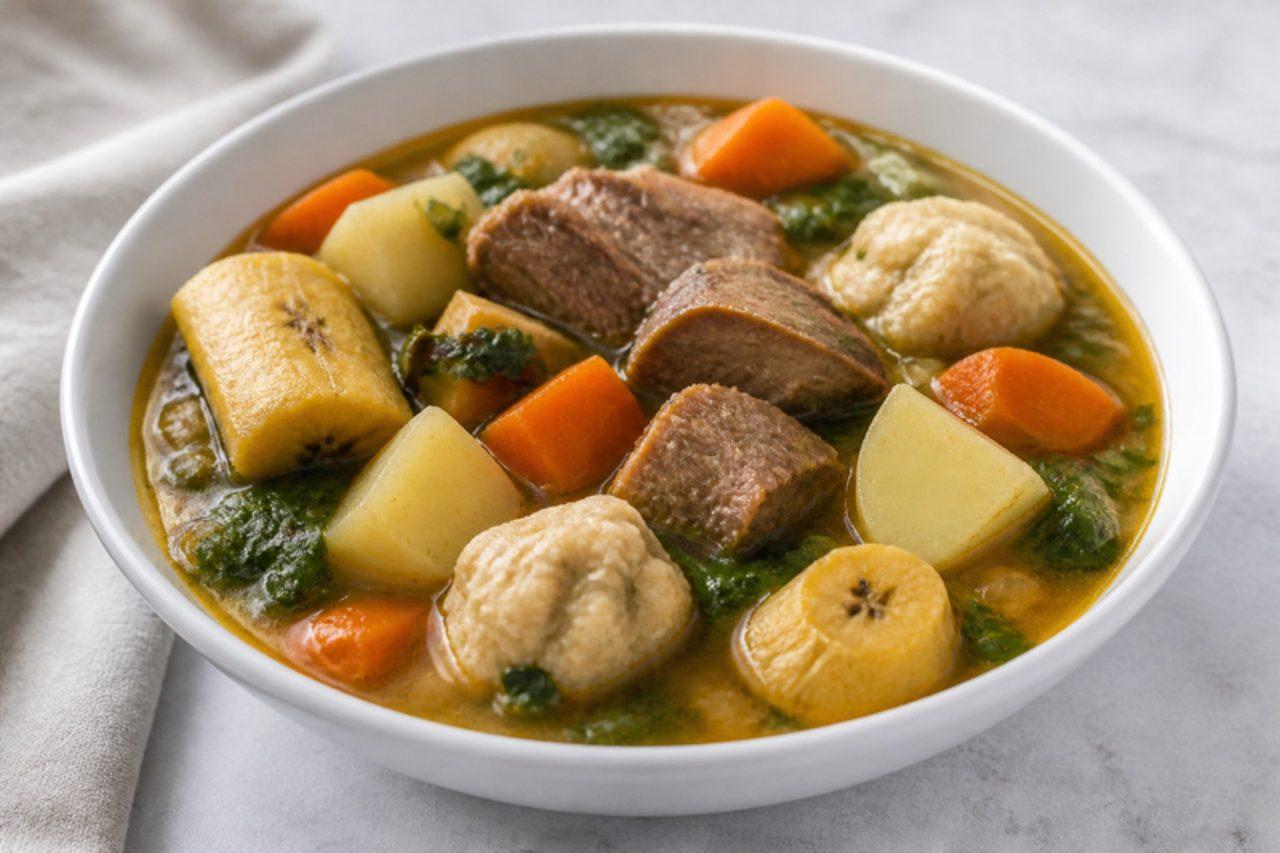
Haitian bouyonBeef soup with roots and dumplings

Saturday in Haiti means bouyon: a big, thick soup of beef, root vegetables, greens and little flour dumplings, simmered all morning and ladled up at midday as a meal in a bowl. Every family has its own mix of yam, malanga, potato, carrot, plantain and watercress or spinach, with a whole hot pepper for perfume. The common mistake is adding the roots all at once at the start, so the softer ones disintegrate; the dense ones go first. It feeds a crowd and tastes better reheated. Chef's tip: squeeze a little lime into the soup bowl just before eating, as many Haitians do, to brighten the rich broth.

150 minHaitianSoups
by KrazyBadal 0 views

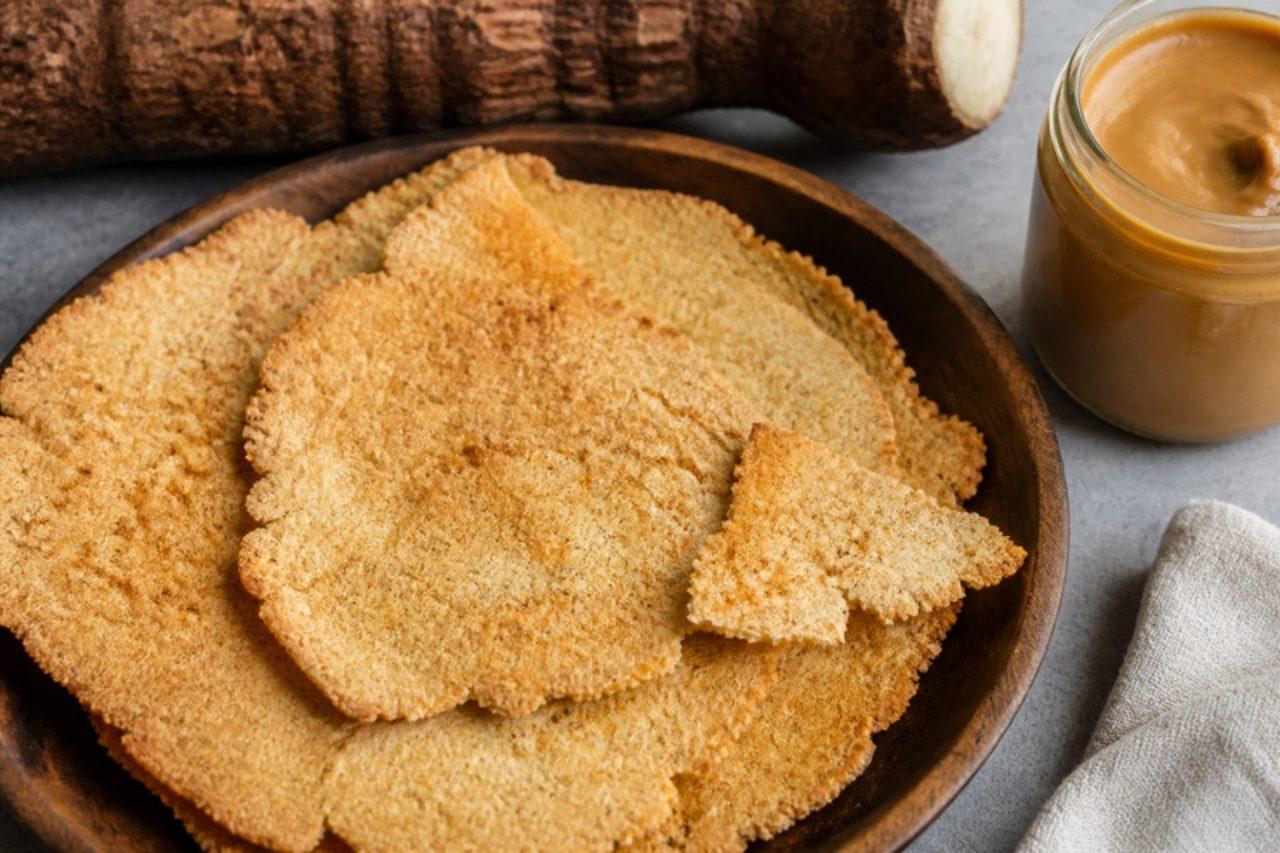
Haitian kasavCrisp cassava flatbread

In Cap-Haïtien and the hill towns of the north, kasav is made from nothing but grated, pressed cassava, toasted on a wide griddle into a flat, pale round that is crisp outside and chewy within. People break it over soup, spread it with peanut butter for breakfast, or buy the sweet version studded with grated coconut and sugar from roadside sellers. At home the key is getting the cassava truly dry: wet pulp steams into a gummy pancake, the most common failure. This recipe uses frozen grated sweet cassava, which is sold ready to use. Chef's tip: rub the dry pulp through a coarse sieve before cooking; the fine, even crumbs bind into a lacier, crisper bread.

by KrazyBadal 0 views

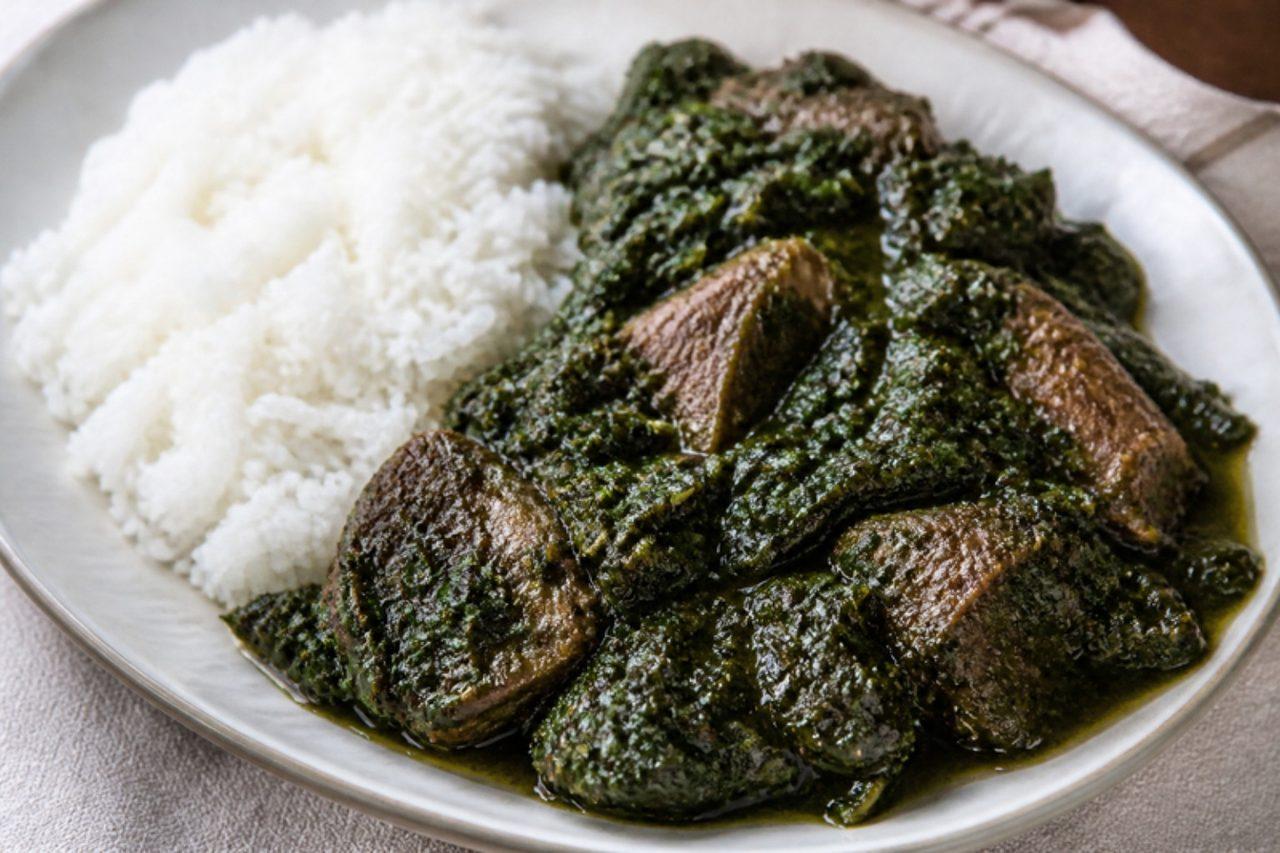
Haitian lalo with beefJute leaf and beef stew

In the rice-growing Artibonite valley, lalo means jute leaves, and the stew made from them is the region's pride: chopped leaves cooked down with beef (and often crab) until they turn dark, silky and slightly slippery, like a richer spinach stew, served over white rice. Fresh jute is hard to find abroad, but frozen chopped jute leaves (sold as molokhia in Middle Eastern shops) work very well. The common mistake is adding the leaves too early; they turn bitter and grey if they boil for an hour, so the beef is cooked first. Marinate the beef in the fridge. Chef's tip: a squeeze of sour orange at the table cuts the richness beautifully.

by KrazyBadal 0 views

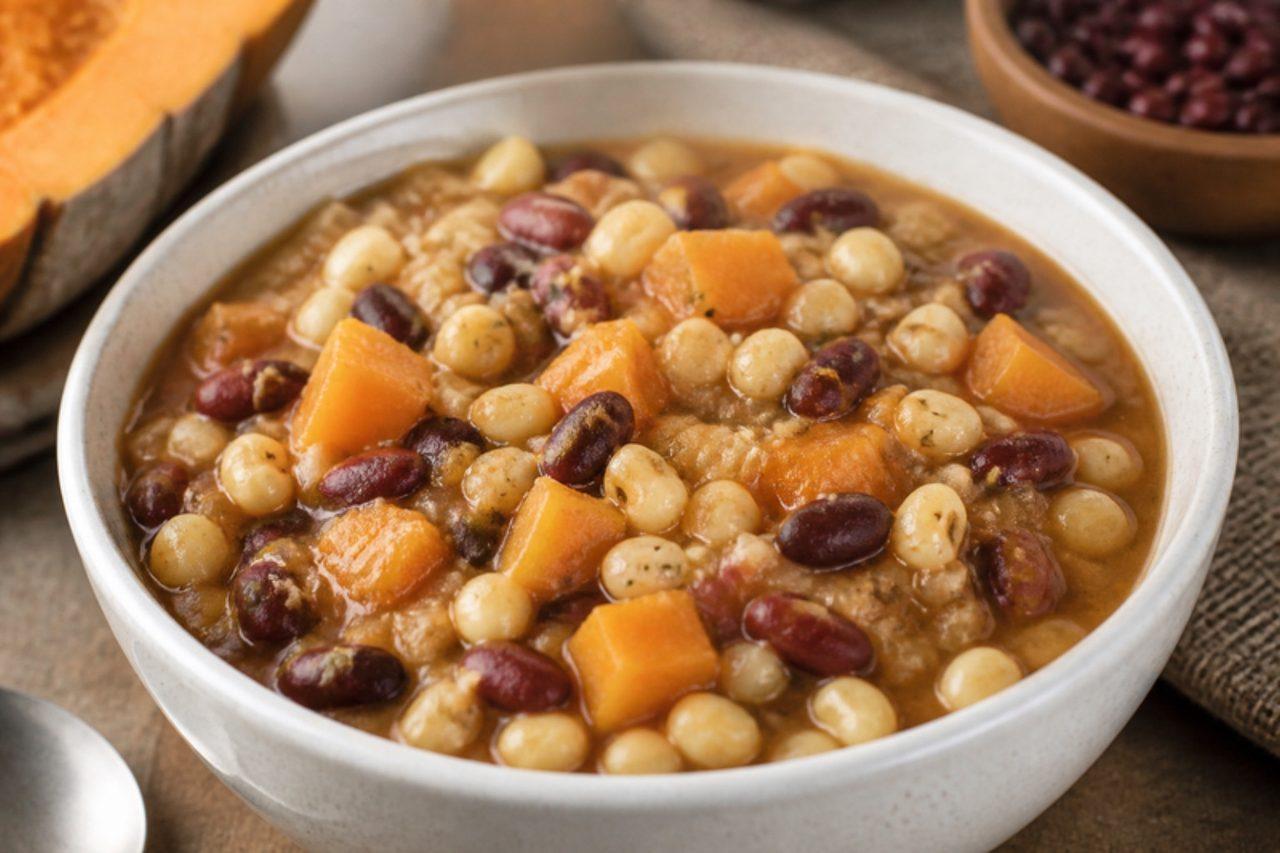
Haitian tchaka (vegetarian)Hominy, bean and pumpkin stew

Tchaka is a deeply rural Haitian stew of dried hominy corn, red beans and pumpkin, cooked low and slow until the corn bursts and the beans melt into a thick, sweet-savoury porridge. It is linked with harvest gatherings and Vodou feast days, and the classic pot usually holds smoked pork or pig's feet; this version leaves the meat out and builds depth with epis, smoked paprika and coconut oil instead. Soak the hominy and beans overnight, because skipping the soak is the main reason tchaka stays chalky. Serve it on its own in bowls, with pikliz on the side. Chef's tip: mash a cupful of the pumpkin against the pot wall near the end; it thickens the stew far better than flour.

by KrazyBadal 0 views

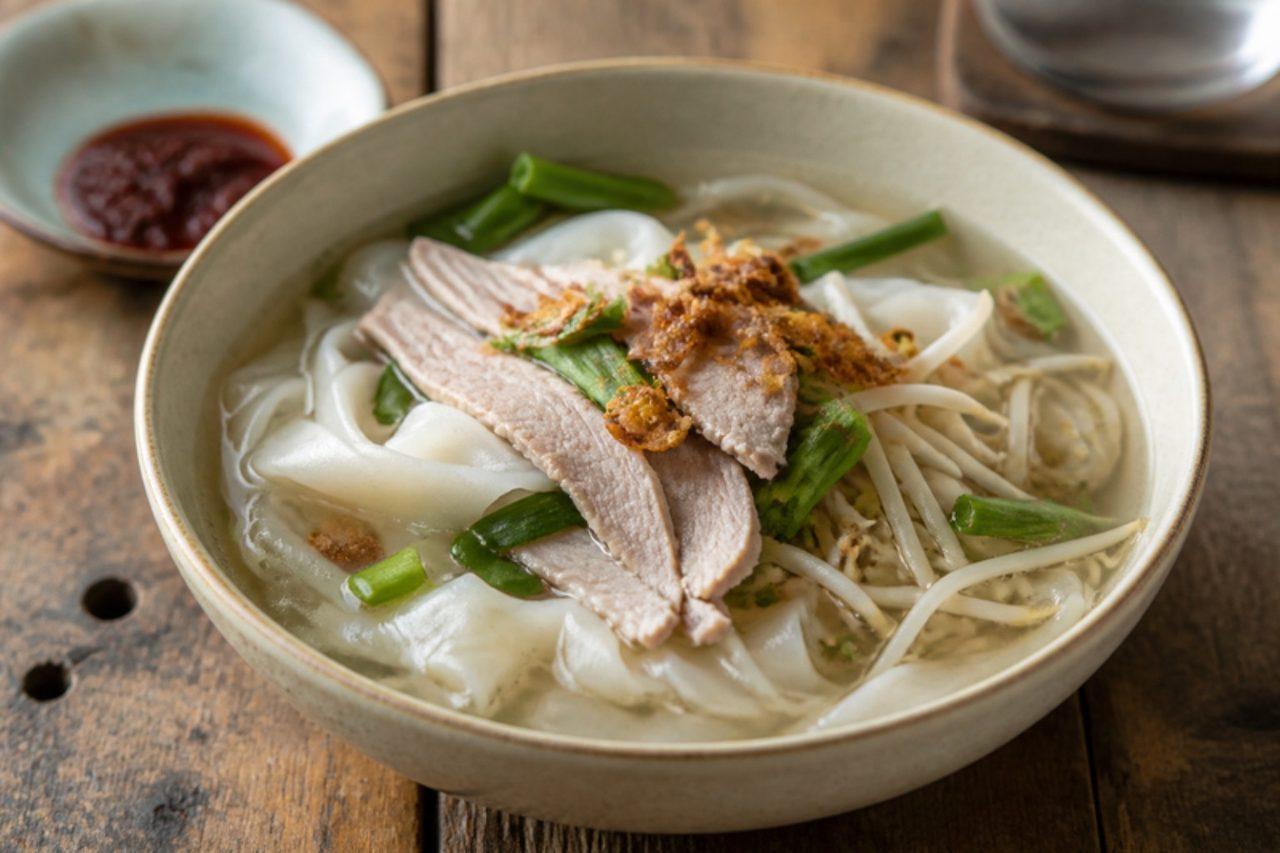
Hakka flat rice noodlesFlat rice noodle soup

Meinong, a Hakka farming town in the hills of Kaohsiung, is famous for its ban tiao: broad, slippery rice noodles steamed fresh each morning and sold in roadside shops for lunch, either swimming in a clear pork broth or stir-fried with chives and bean sprouts. This is the soup version, light and savoury, with tender slices of pork, crunchy sprouts, garlic chives and plenty of shallot oil floating on top; Hakka cooks put a side plate of boiled pork with a salty-sour sauce next to it. Overcooking is the classic error here: fresh ban tiao only needs a dip in boiling water, and it falls apart if left in. Chef's tip: separate the sheets of noodle by hand before cooking; cold noodles straight from the pack stick together in thick clumps.

by KrazyBadal 0 views

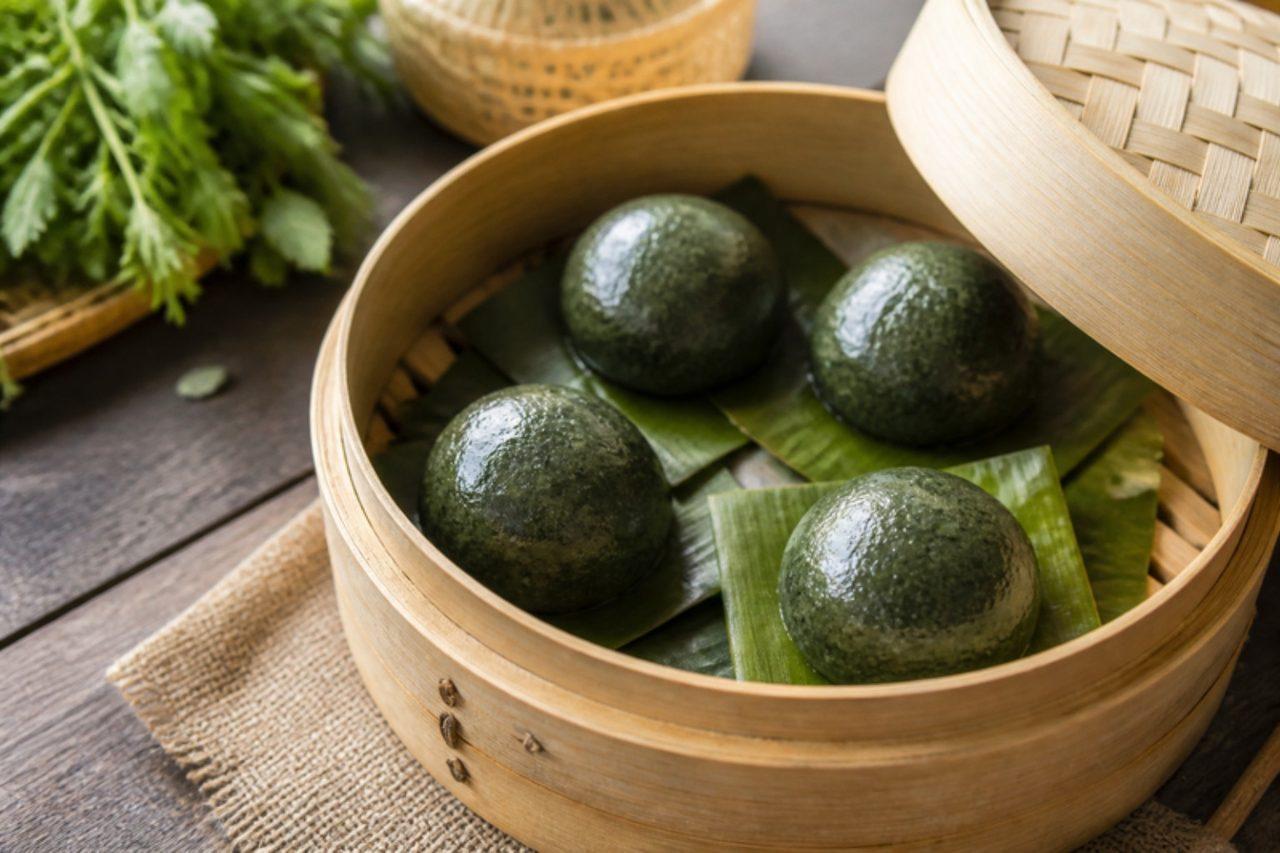
Hakka caozai guoHerb rice dumplings with radish

Around Qingming, the spring tomb-sweeping festival, Hakka households across Taoyuan, Hsinchu and Miaoli steam trays of these deep-green dumplings to carry to the family graves and share afterwards. The colour and grassy, slightly bitter perfume come from cudweed or mugwort kneaded into glutinous rice dough, and the chewy skin wraps a savoury filling of chopped dried radish and shiitake. The festival version has long been meatless, so this one needs no changes to be vegan. Without a cooked piece of dough kneaded back in, the skin cracks as you shape it; that small step is what makes it supple. Chef's tip: look for frozen mugwort or cudweed purée in Asian grocers; if you can only find fresh mugwort, blanch it with a pinch of bicarbonate of soda to keep it bright green.

by KrazyBadal 0 views

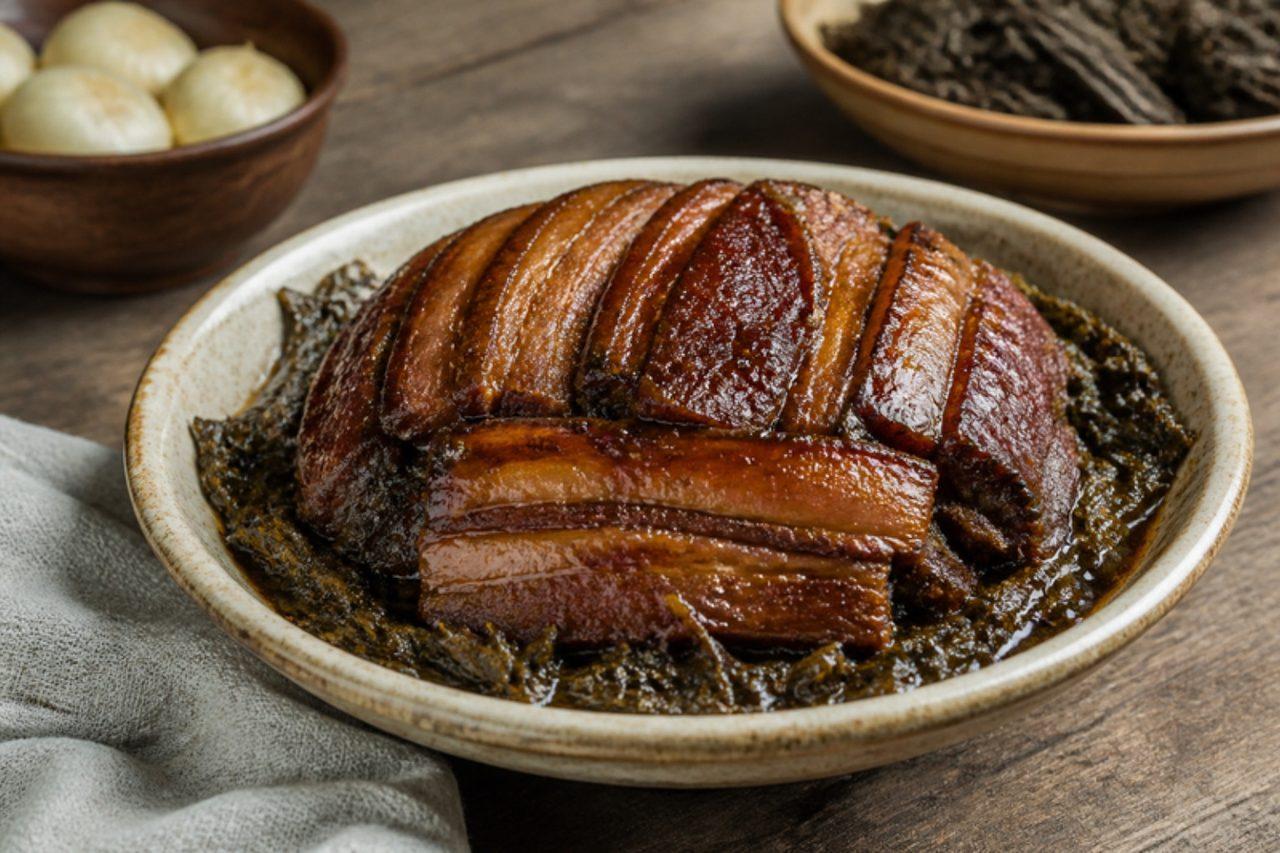
Hakka pickled mustard greens with pork bellySteamed pork belly with mustard greens

At Hakka weddings, Lunar New Year and other big family meals across Taiwan, this domed bowl of glossy pork belly is turned out onto a plate to applause. Slices of skin-on pork belly are boiled, browned and packed into a bowl over mei gan cai, the dried, fermented mustard greens Hakka families make each winter, then steamed for hours until the fat turns to jelly and the greens soak up the pork juices. It is rich, sweet and salty, and comes with plenty of plain rice and a green vegetable. The most frequent slip is skipping the rinse: dried mustard greens hold sand and a lot of salt, so soak and wash them several times. Chef's tip: slice the browned belly when it is cold; warm pork belly tears, but chilled it cuts into clean 1 cm slices.

by KrazyBadal 0 views

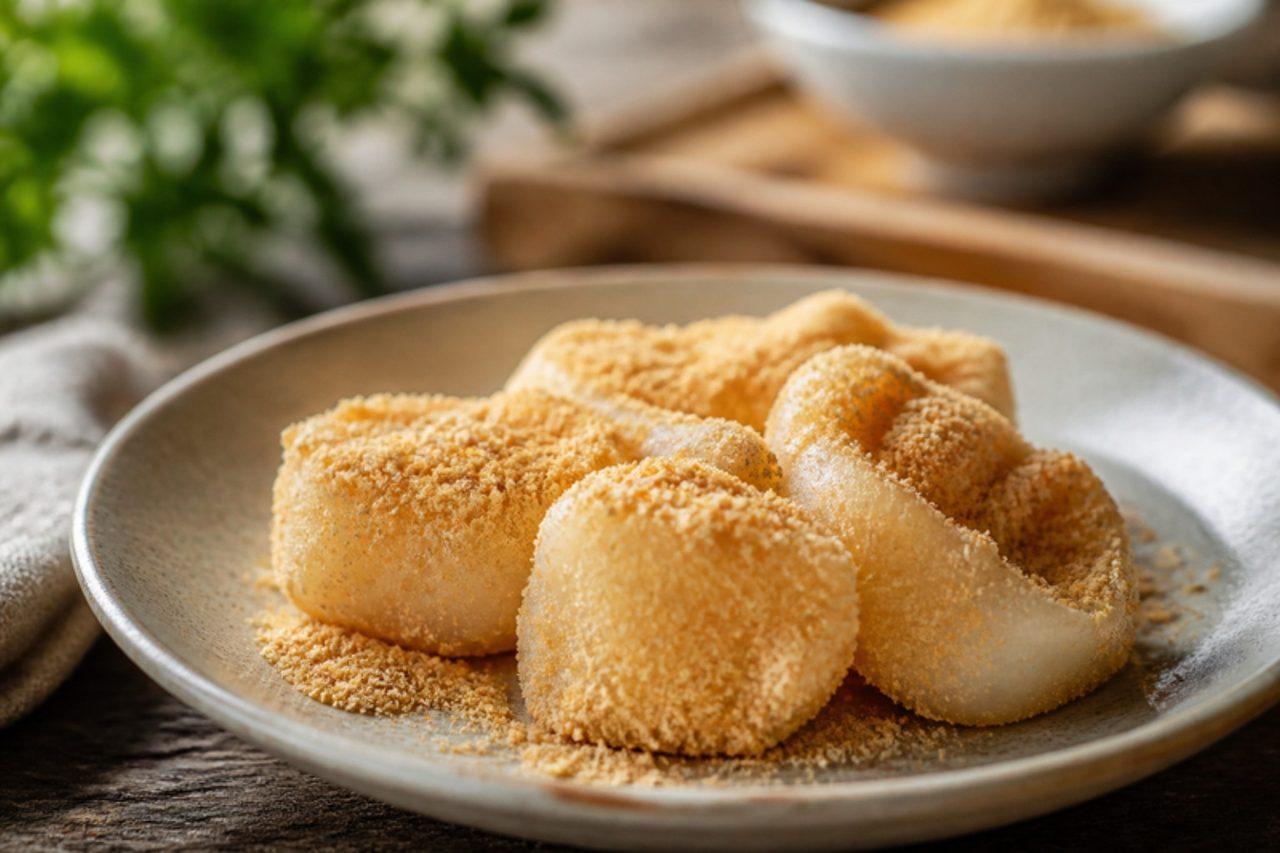
Hakka mochiSticky rice with peanut powder

At Hakka weddings, temple festivals and housewarmings in Hsinchu and Miaoli, an aunt stands over a big bowl of warm, glossy rice dough and squeezes it out between thumb and forefinger, dropping each little ball straight into sweet ground peanuts for the guests. The dough is soft, stretchy and barely sweet; the peanut sugar coats it in a fragrant, slightly gritty layer. In Beipu old town it's sold the same way to visitors, with black sesame as a second coating. People often grind the peanuts too long and end up with peanut butter, which clumps instead of dusting. Chef's tip: oil your hands and the bowl lightly before pinching, and eat the mochi the same day, while it's still pillowy.

by KrazyBadal 0 views

Tula pryanikStamped honey-spice cake

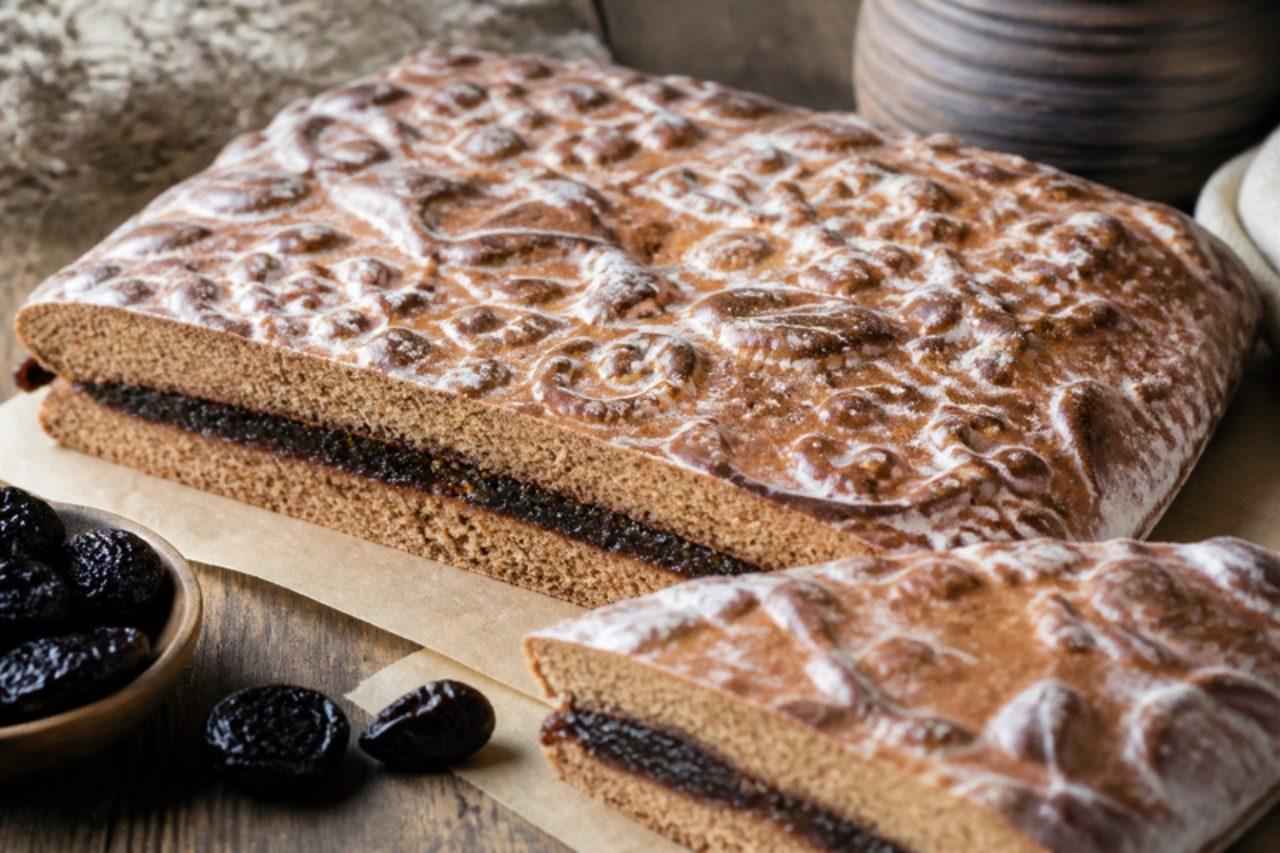
Tula, a few hours south of Moscow, has pressed these slabs in carved wooden boards since the seventeenth century, and a pryanik stamped with the town's crest or a samovar is still the souvenir every visitor carries home. It is made from a cooked dough: honey, sugar and butter are warmed with cinnamon, cardamom, ginger and clove, then flour is beaten in, giving a dense, soft and fragrant cake. A layer of thick plum jam runs through the middle and a thin sugar glaze sets white and crisp on top. Cut it into fingers and serve with black tea. The usual slip is a runny jam that leaks from the seams, so use a stiff jam or cook it down first. Chef's tip: wrap the glazed cake and leave it overnight; it softens and the spice deepens, which is why Tula bakers never sell it warm.

by KrazyBadal 0 views

Hakka stir-fryPork, squid and tofu stir-fry

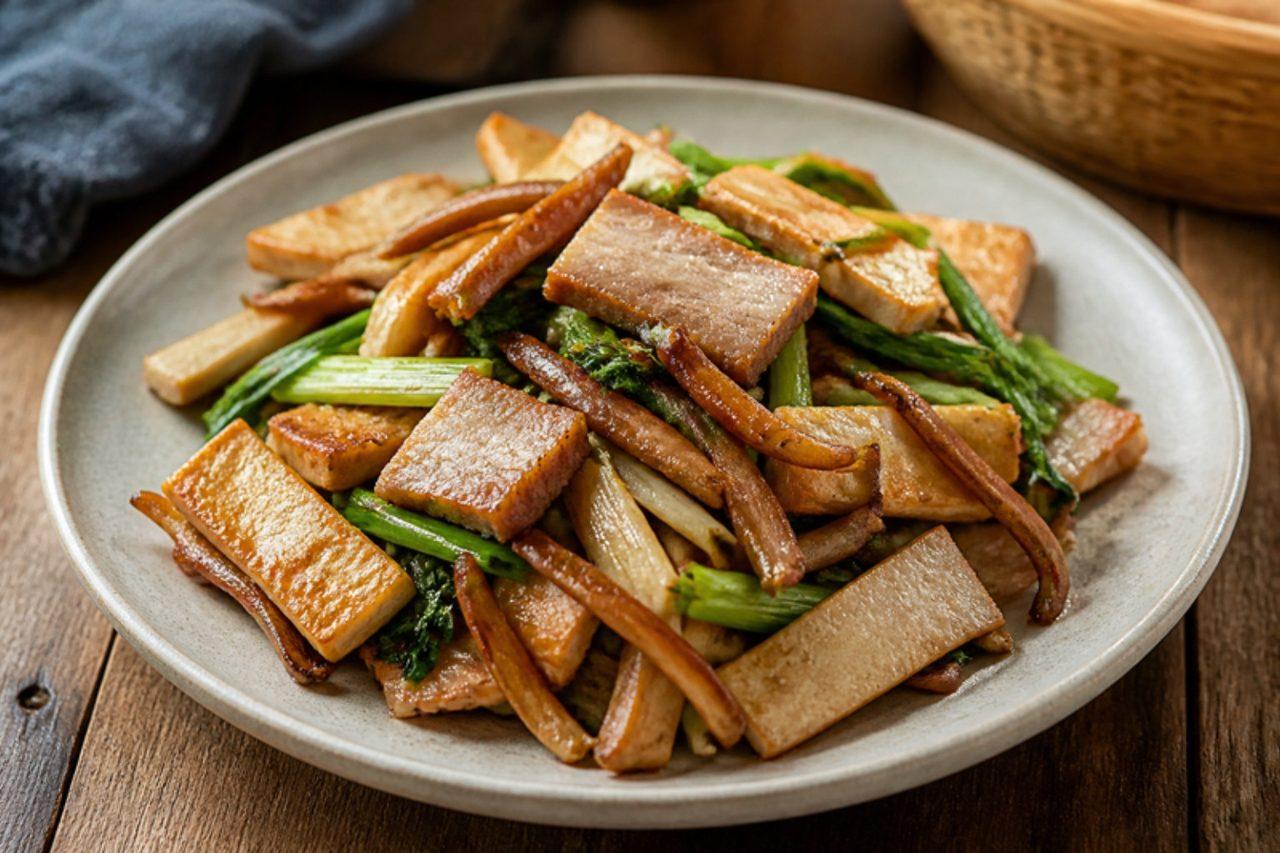
Every Hakka restaurant in Miaoli and Hsinchu puts this on the table at banquets and family dinners, a savoury, chewy, salty plate built to be eaten with plenty of plain rice. Strips of pork belly are fried until they give up their fat, then dried squid, pressed tofu, Chinese celery, spring onion and chilli are tossed through with soy until everything is glossy and smoky. The dried squid needs an overnight soak, so plan ahead, or use fresh squid for a softer bite. Many cooks rush the first stage and leave the pork belly pale and fatty: fry it until it is golden and the fat is clear. Chef's tip: cut everything to the same matchstick length, so each mouthful picks up a bit of pork, squid, tofu and celery together.

by KrazyBadal 0 views

Tuhum barakEgg and milk dumplings

Tuhum barak is a speciality of Khorezm and the old walled city of Khiva: large square dumplings of thin dough filled not with meat but with liquid, eggs beaten with milk and a little butter, sealed tight and dropped into boiling water so the filling sets into a soft omelette inside. It is served with butter and katyk. Making it takes practice, because the dumplings are filled through a gap and must not leak. A common mistake is overfilling, which bursts the seams in the pot. Chef's tip: seal three sides first, stand the pocket in a cup, pour in the egg, then pinch the last side shut. Pumpkin barak is made the same way with grated pumpkin and onion.

by KrazyBadal 0 views

Tsebhi asaFish in berbere tomato stew

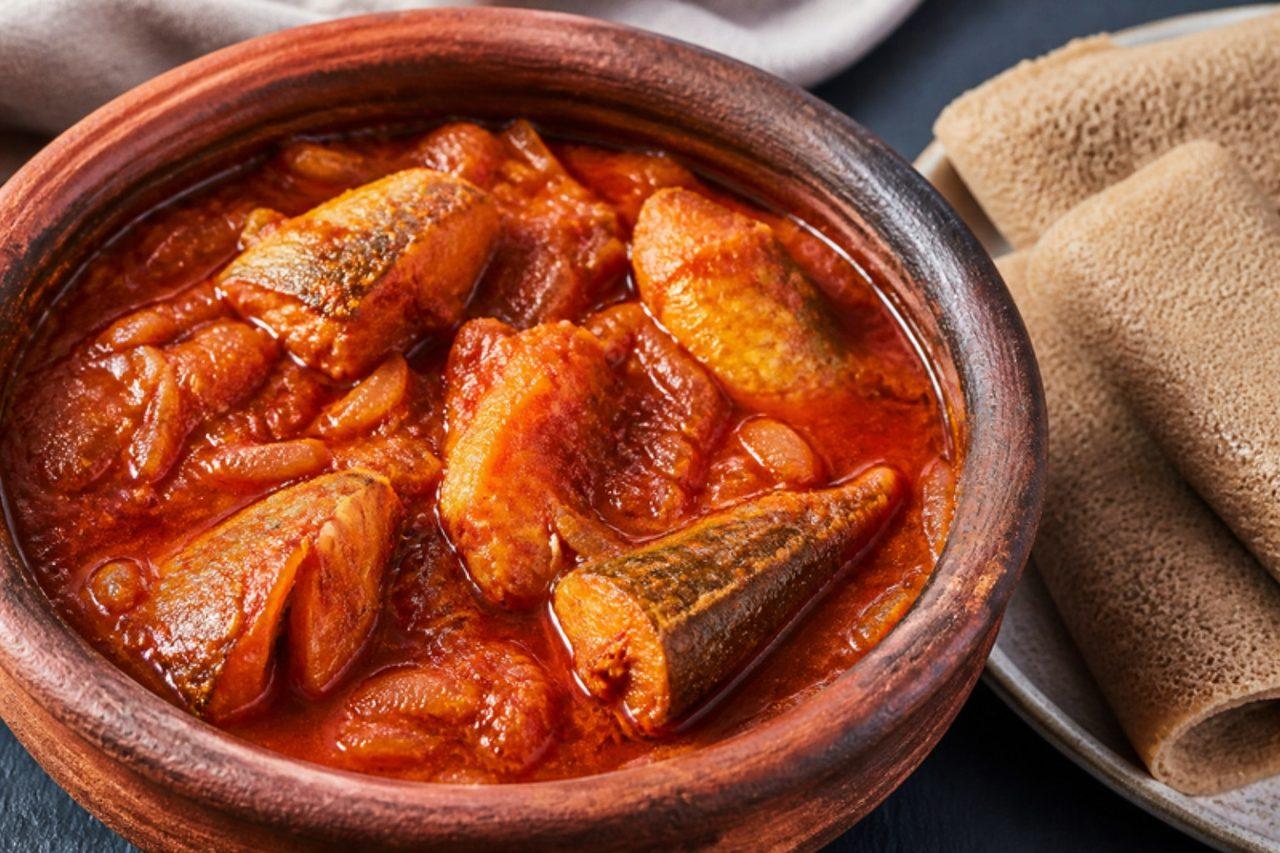
Massawa's home cooks make tsebhi asa with whatever came in on the boats that morning, often kingfish, grouper or snapper, simmered in a stew that is redder and more tomato-rich than the lake fish wats of Ethiopia. Plenty of fresh tomato and a little tomato paste go into the berbere and onion base, with garlic and a touch of cumin, so the sauce is spicy, tangy and bright. It is scooped up with injera or with the flatbread of the coast, and leftovers are even better the next morning with bread. Chef's tip: cut the fish into large chunks with the skin on where you can; skin helps the pieces hold together in the simmering sauce.

by KrazyBadal 0 views

Haleeb zanjabeelGinger and cardamom milk

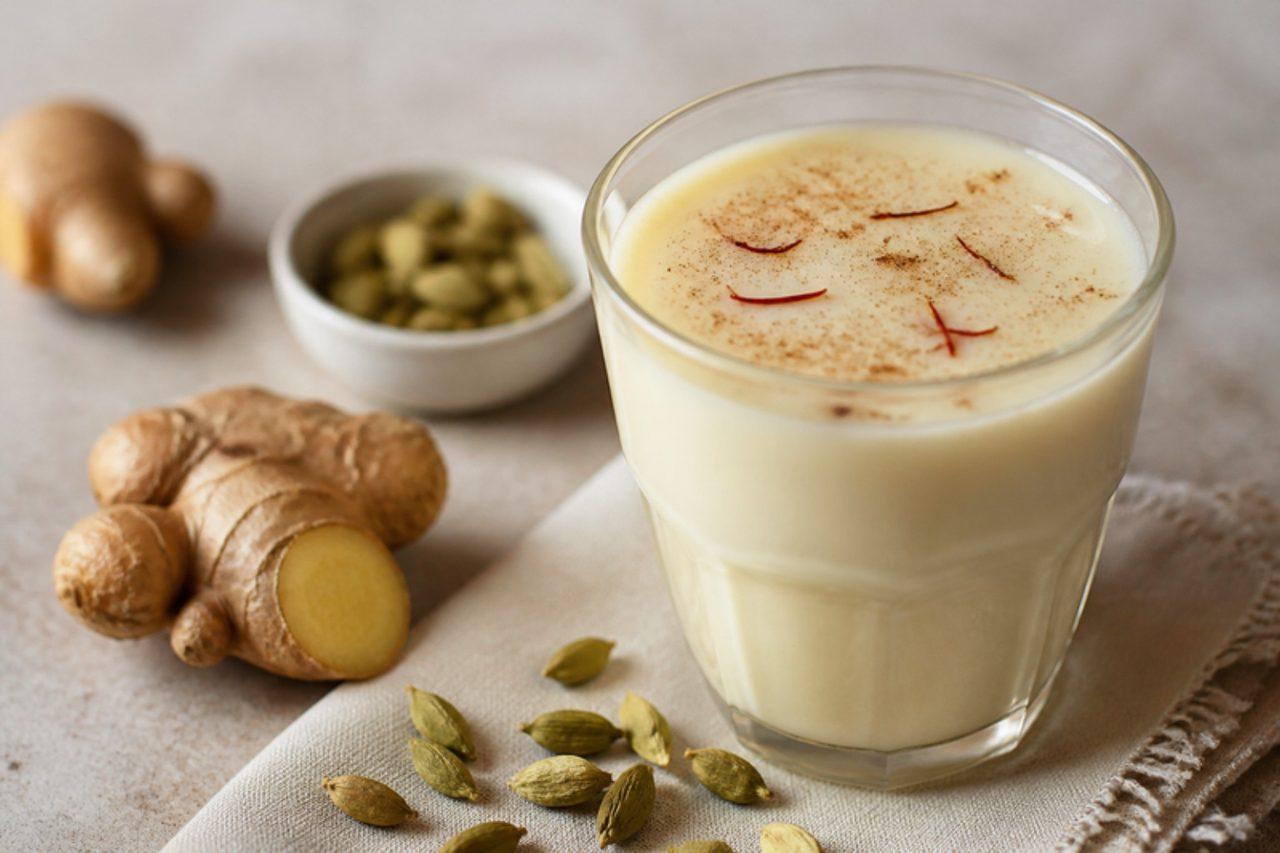
When the short Gulf winter brings chilly evenings to Riyadh, Kuwait and the desert camps, families pour cups of haleeb zanjabeel, hot milk steeped with fresh ginger, cardamom and a few threads of saffron. It is offered to guests in the majlis, given to anyone with a cold, and sipped at breakfast or late at night. It tastes warming and gently spicy, creamy and pale gold. The commonly made mistake is boiling the ginger hard in the milk for too long, which can curdle it and makes it harsh; steep it gently instead. Sweeten with sugar or honey to taste. Chef's tip: simmer the ginger and cardamom in a splash of water first, then add the milk; you get more flavour and less risk of splitting.

by KrazyBadal 0 views

FogueteFried pastry tubes with pumpkin preserve

Foguete means rocket in Portuguese, and these slim, golden pastry tubes, fried crisp and stuffed with sticky ash-pumpkin preserve, really do look like little fireworks lined up on the Christmas tray of a Portuguese Burgher household. A rich dough of flour, egg, butter and coconut milk is rolled thin, wrapped around metal tubes and fried until blistered, then filled with chopped preserve mixed with cashews, cardamom and rosewater. They shatter when you bite, then give way to a soft, fragrant, honeyed centre, and are eaten with tea through the Christmas week. The trap is frying in oil that is too hot, so the pastry browns before it crisps and goes soft once cool; keep it steady at about 170 °C. Use cannoli tubes, or short lengths of thick, clean wooden dowel. Chef's tip: grease the tubes well and seal each pastry with egg white only along the overlap, never on the tube, or the tubes will be impossible to slide out.

by KrazyBadal 0 views

Falsa sherbetFalsa berry drink

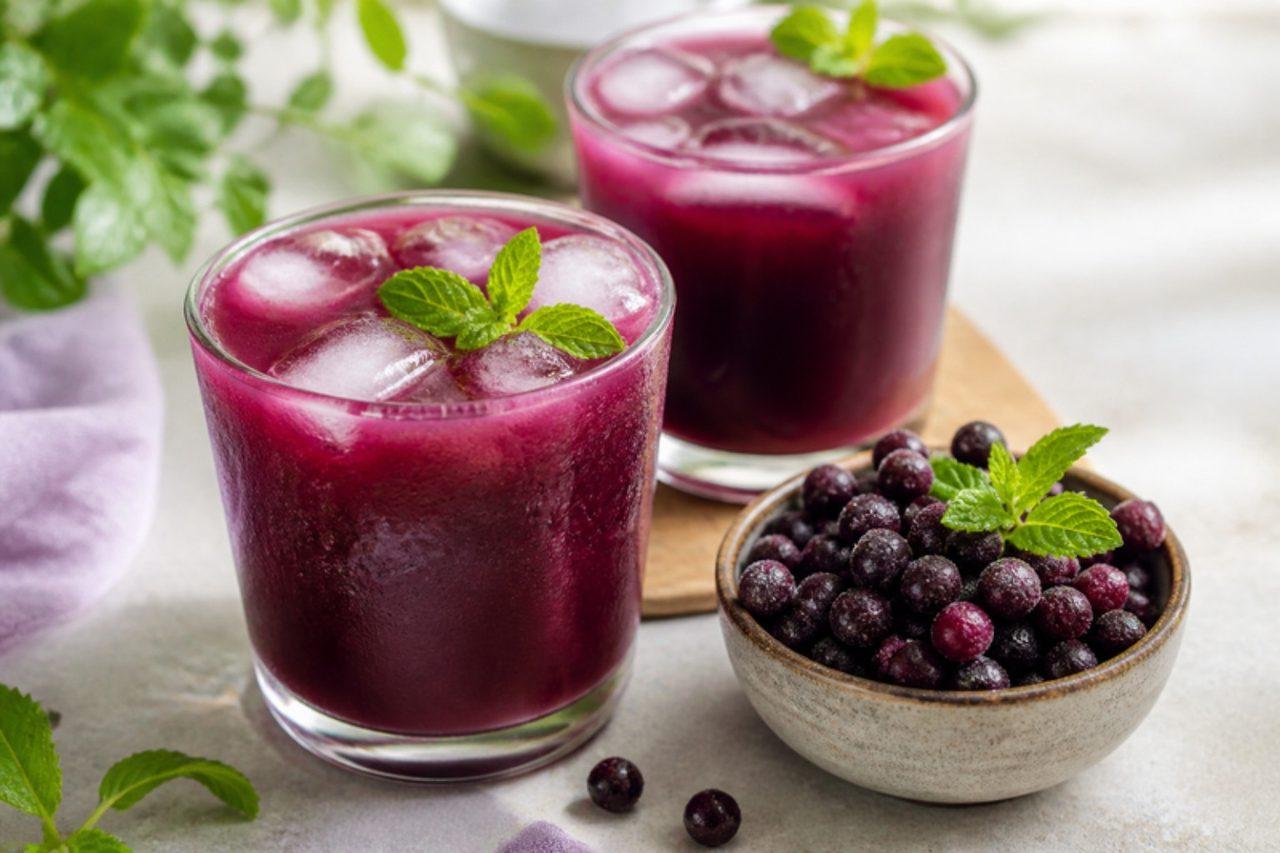
For a few short weeks in May and June, Punjabi fruit sellers from Multan to Lahore pile their carts with falsa, tiny purple-black berries with a big seed and a sweet-sour, grape-like flavour, and roadside stalls crush them in big jugs of iced water with sugar and a pinch of black salt. The sherbet is a striking magenta, tart and salty-sweet, and people swear by it as a cooler against the loo, the scorching summer wind; it is also a favourite at iftar when Ramadan falls in summer. Outside Pakistan look for frozen falsa in South Asian grocers, or use blackcurrants, which give a similar colour and sharpness. A common slip is blending the berries hard, which cracks the seeds and turns the drink bitter. Chef's tip: just rub the berries with the sugar and a little water by hand or pulse very briefly, then strain, so you get all the juice and colour and none of the bitterness.

by KrazyBadal 0 views

TsatsaFried sprats

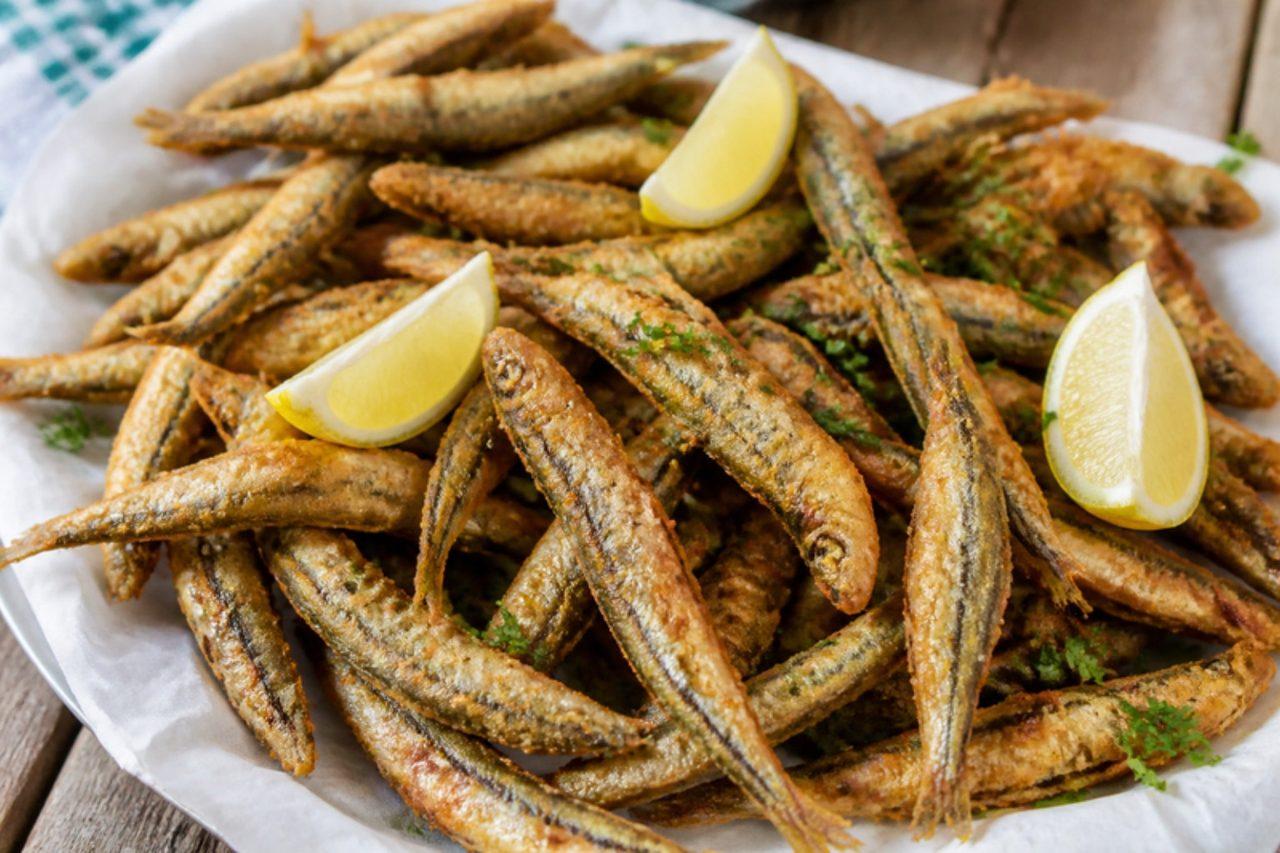
Beach kiosks from Varna to Sozopol sell tsatsa by the paper cone all summer: handfuls of tiny sprats fried so crisp that you eat them head, bones and all, with a squeeze of lemon and a cold glass of ayran. They taste sweet and briny and crunch like the best chips. At home, serve them with lemon wedges, a tomato and cucumber salad and bread. Buy fish that smell of the sea, with bright eyes and firm bodies; frozen sprats work once thawed in the fridge. Where most people go wrong is frying too many at once: the oil cools, the fish stick together and turn greasy. Chef's tip: shake the floured sprats in a sieve before they go in, so only a thin film of flour clings and they fry up lacy and light.

by KrazyBadal 0 views

Tsarska turshiyaMixed vegetable pickle

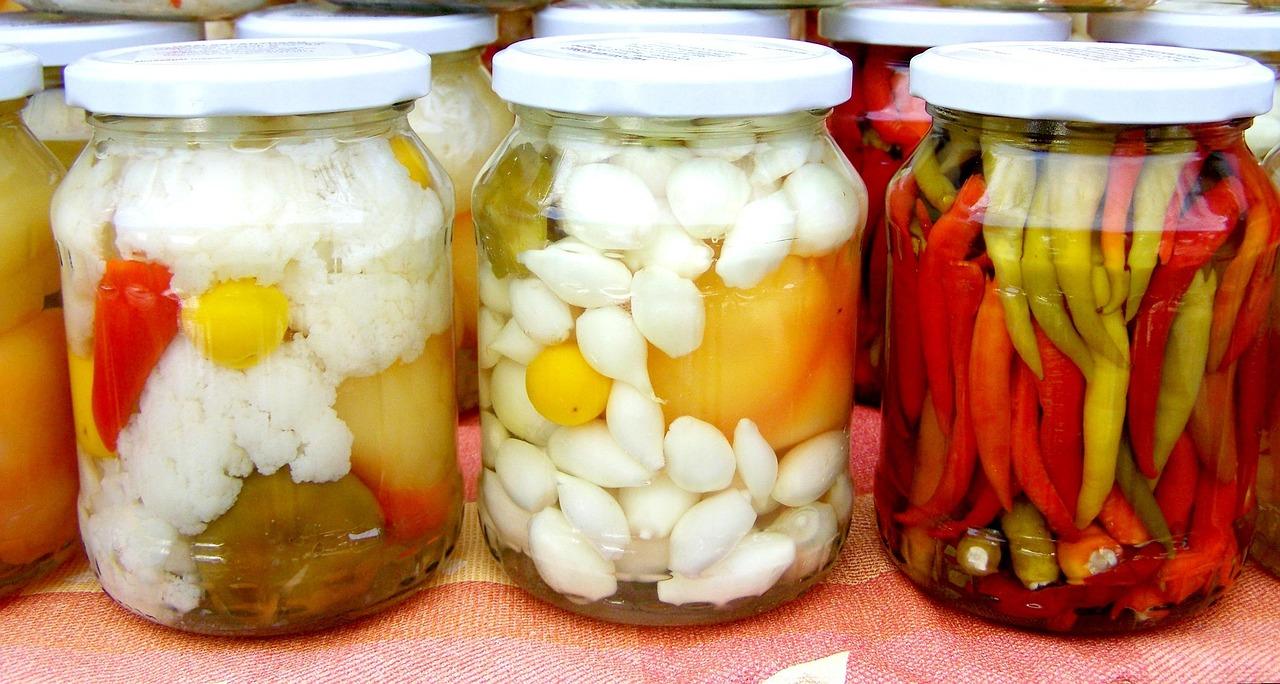
Every autumn Bulgarian balconies fill with jars of turshiya, and the 'royal' one is the prettiest and the most loved: crisp cauliflower florets, carrot rounds, strips of red and green pepper and celery, steeped in a sweet-sour marinade with oil, garlic and peppercorns. It is served with hearty winter stews, with beans and with a glass of something cold at the table in the evening. This version is a fridge pickle, ready in three days and kept chilled, so it needs no sterilising bath. The mistake people make is overcooking the vegetables in the marinade; they should just lose their raw edge and still snap when you bite them. Chef's tip: pack the jars in colour layers, white, orange, red, green, and pour the marinade over while it is hot so the vegetables stay crunchy.

by KrazyBadal 0 views

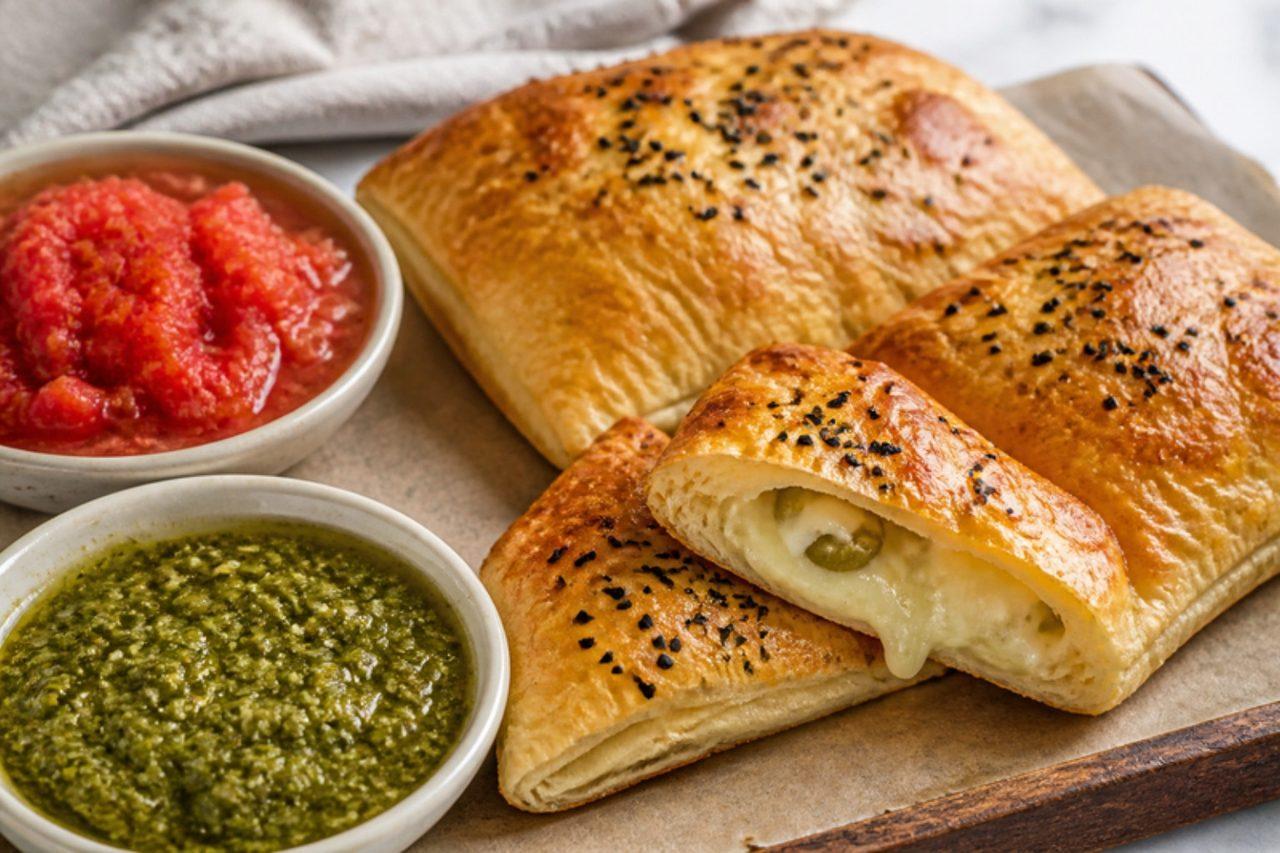
ZivaCheese and olive pastry

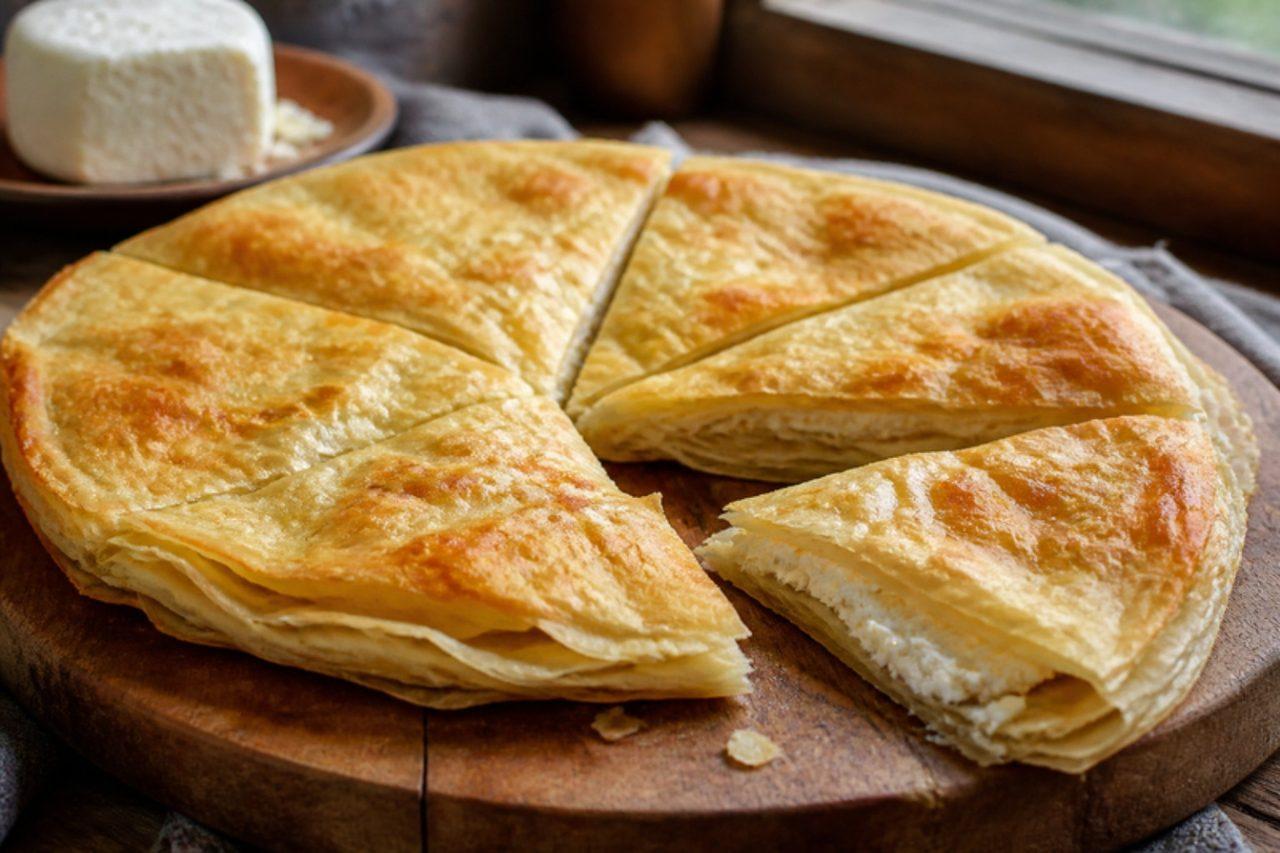
Ziva is a Tel Aviv café and bakery invention built on Yemenite malawach dough: flaky layers wrapped around salty white cheese and olives, baked until golden and served with grated tomato, zhug and a hard-boiled egg. You find it at weekend brunch in Jaffa and in the Yemenite Quarter, eaten with knife and fork. The pastry should shatter into buttery flakes against a soft, salty, melting centre. Feta and Bulgarian-style white cheeses are often made with animal rennet, so choose one labelled vegetarian if that matters to you. The usual mistake is overfilling, which makes the cheese leak and the base soggy. Chef's tip: use frozen ready-made malawach rounds straight from the freezer; they are much easier to fold while still firm.

by KrazyBadal 0 views

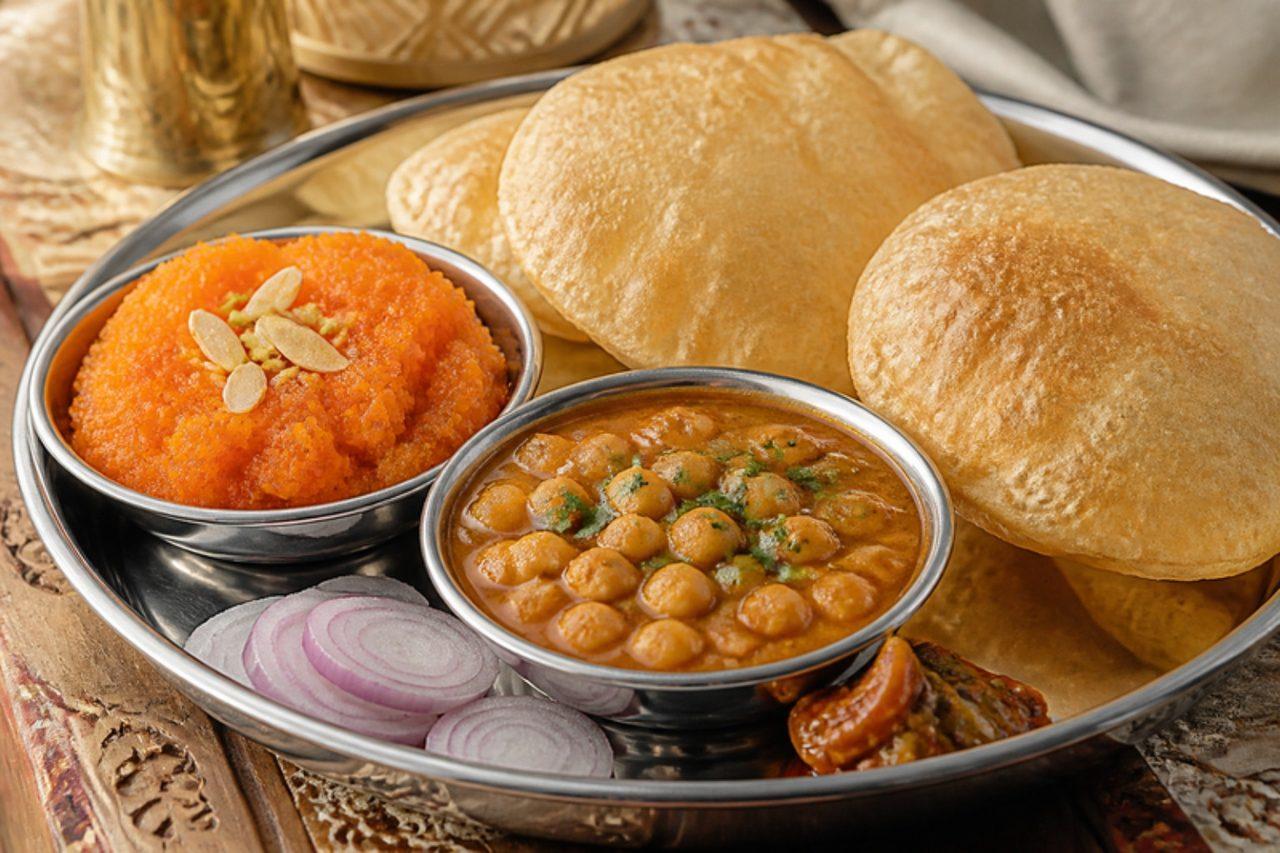
Halwa puriPuris with semolina halwa and chickpeas

Sunday mornings in Lahore start with a queue: outside the halwa puri shops of Gawalmandi and Lakshmi Chowk, families wait with steel tiffins to carry home stacks of puffed puris, a tray of orange semolina halwa and a pot of sour, peppery chickpeas. The joy of the plate is the contrast, a hot, crisp-chewy puri torn and used to scoop both the sweet, cardamom-scented halwa and the spicy chana, with mango pickle and onion on the side and a cup of strong tea or lassi to finish. It is heavy, celebratory food, made for weekends, Eid mornings and guests. Doing it at home is a matter of order: cook the chana first, then the halwa, and fry the puris last so they reach the table puffed. Where many go wrong is rolling the puris too thin or frying in oil that is not hot enough, so they lie flat and soak up grease. Chef's tip: knead the puri dough stiff, with a spoon of semolina in it, and it will puff and stay crisp much longer.

by KrazyBadal 0 views

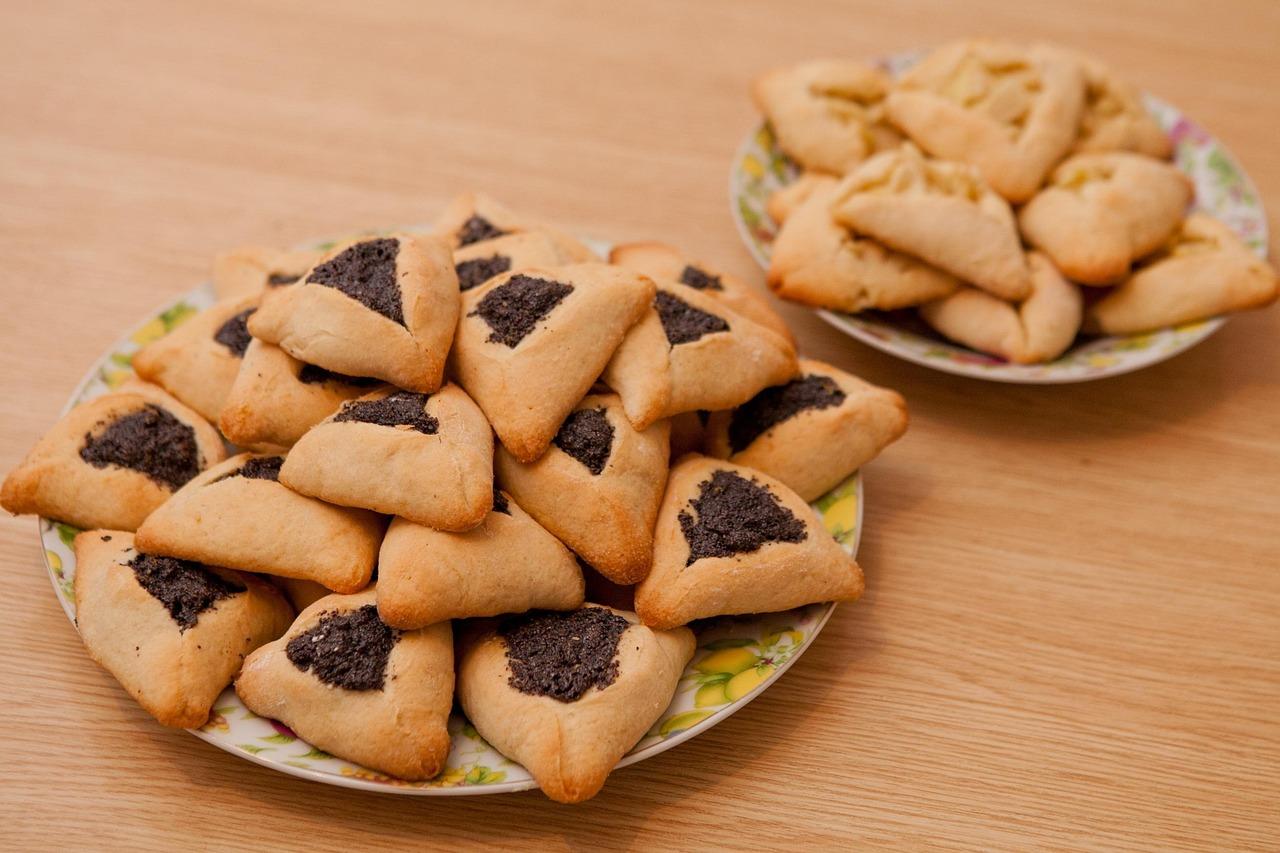
HamantaschenFilled triangle cookies

In Israel these are called oznei Haman, 'Haman's ears', and in the weeks before Purim every bakery from Tel Aviv to Be'er Sheva fills its windows with them, while families bake trays at home to pack into mishloach manot gift baskets. A short, lightly orange-scented dough is folded into a three-cornered pocket around a filling of poppy seeds cooked with milk and honey, or a quick date paste. They should be crisp at the edges and tender in the middle. The common mistake is rolling the dough too thin or overfilling, which makes the corners spring open in the oven. Chef's tip: chill the shaped cookies for 15 minutes before baking so the corners keep their sharp pinch.

by KrazyBadal 0 views

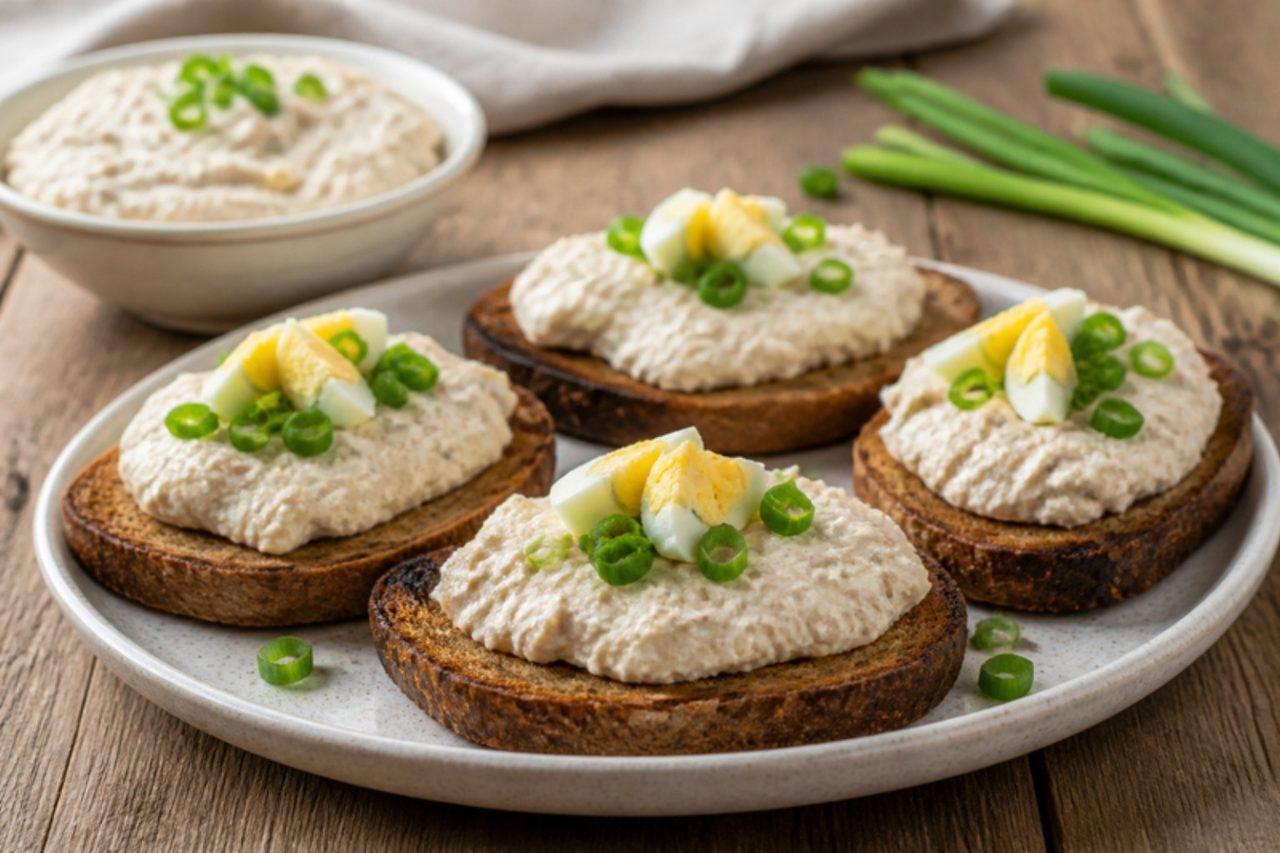
ForshmakChopped herring pâté

Forshmak came to Odesa with its Jewish community and became a citywide favourite, spread on toast at family celebrations, in Moldavanka courtyards and on restaurant zakuska boards. Salted herring is chopped with tart apple, hard-boiled egg, onion and bread soaked in milk, then whipped with soft butter into a pale, creamy pâté that is salty, sweet and gently sharp all at once. Serve it on toasted rye or white bread with spring onion. Herring for forshmak is cured but not cooked, so buy ready-salted fillets from a good fishmonger, commercially prepared or previously frozen, keep everything cold and eat within 2 days; it is not for pregnant women, young children or anyone with a weakened immune system. Blitzing it to a smooth paste is the usual error; Odesa cooks like a little texture. Chef's tip: grate the apple at the last moment and add a squeeze of lemon, so it stays white and fresh.

by KrazyBadal 0 views

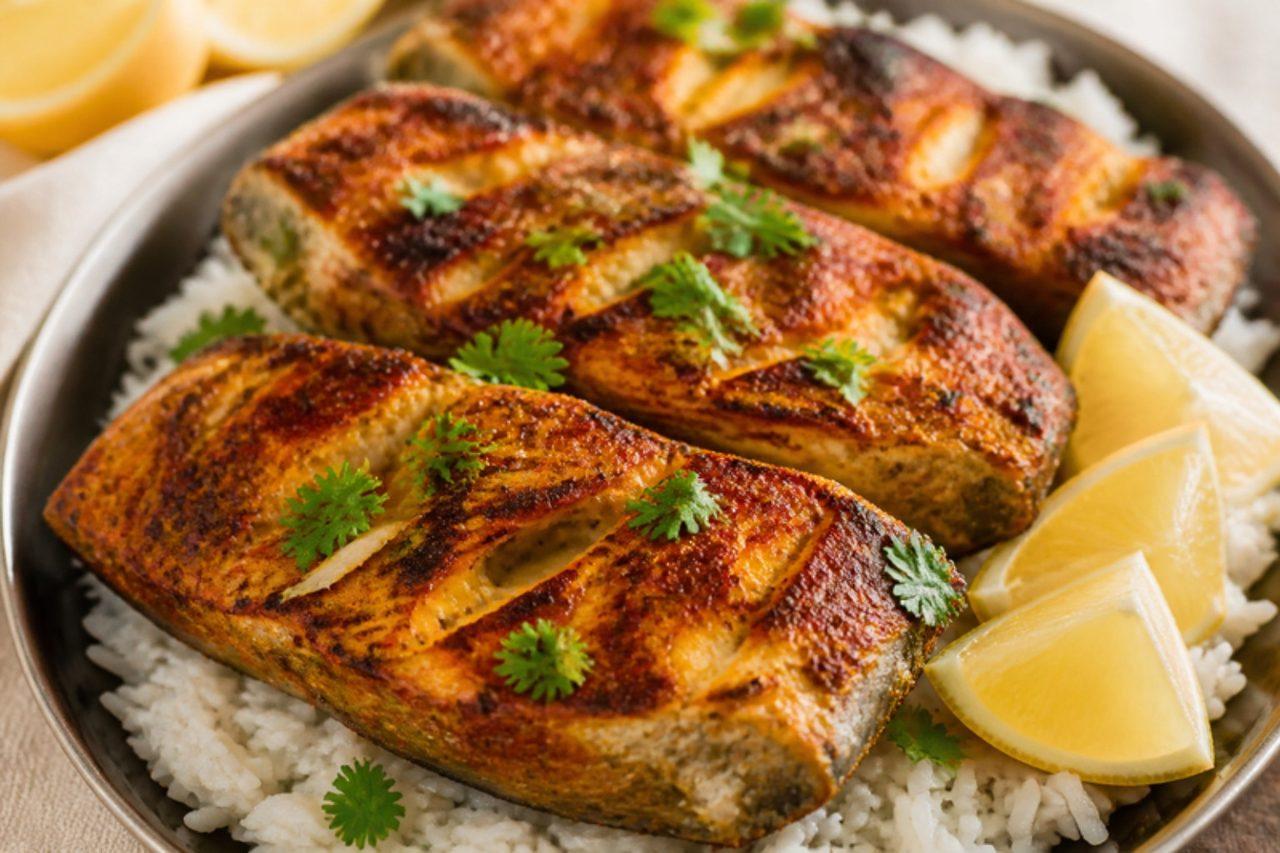
Hamour mashwiGrilled grouper

Along the Corniche in Dammam and in the fish markets of Qatif on Saudi Arabia's Gulf coast, hamour is the fish everyone asks for, and on weekend evenings families grill it over charcoal on the beach. The thick white fillets are rubbed with turmeric, garlic, ground dried lime and red chilli, which gives a sour, smoky edge to the sweet, flaky flesh. Serve it with mashkool rice, a lemony salad and daqqus. The common mistake is turning the fish too early, before the crust has set, so it sticks and tears. Chef's tip: oil the fish, not the grill, and leave it alone until it lifts away by itself.

by KrazyBadal 0 views

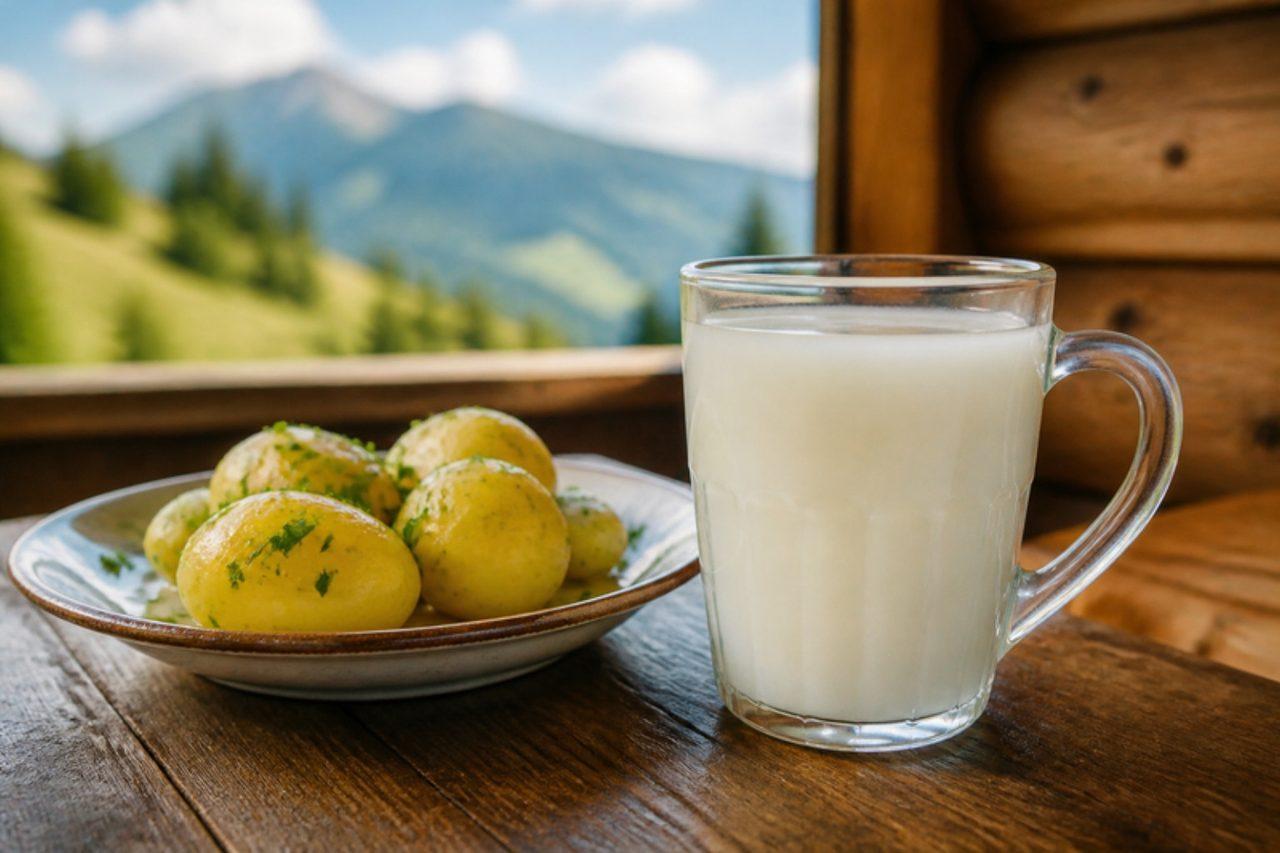
ŽinčicaSoured whey drink

Hikers walking past a salaš, a Slovak shepherds' hut, are often offered a mug of žinčica, the cool, sour whey left over from making bryndza and hrudka cheese. Shepherds heat the whey until fine flakes of cheese float up, then leave it to sour, and drink it with boiled potatoes or on its own on a hot afternoon. It is thin, refreshing and tangy, a little like a light buttermilk. At the salaš it is often made from raw sheep's milk, so at home make it only from the whey of cheese made with pasteurised milk (the korbáčiky recipe gives you plenty) and vegetarian rennet. The common slip is leaving it to sour somewhere warm for too long, where it turns cheesy and harsh; a cool room and 12 hours is enough. Chef's tip: a spoonful of cultured buttermilk gives a clean, reliable sourness every time.

by KrazyBadal 0 views

Showing 63 of 10,495 recipes

Show more recipes

Page 645 of 1,167