


Skip to content
Char siu
Featured recipe

Char siu

Honey roast pork

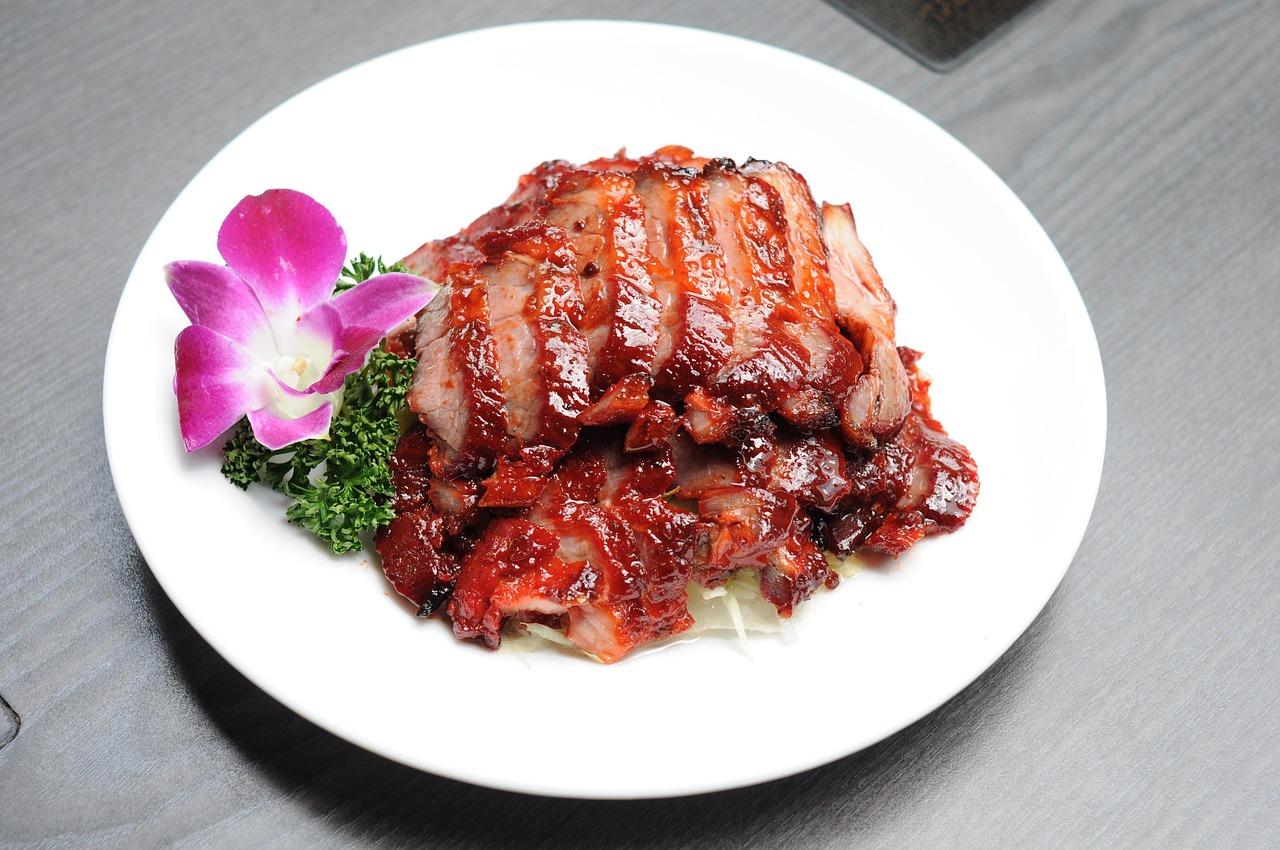
Hanging in long glossy strips in the windows of Guangzhou's siu mei shops, char siu is the roast pork Cantonese families pick up on the way home to put on rice, noodles or into steamed buns. The outside is lacquered, sweet and a little charred at the edges; the inside stays juicy, savoury and faintly scented with five-spice. Shoulder (pork butt) is the cut to use, because its marbling keeps the strips moist through a hot oven. Marinate it overnight in the fridge, roast it the next day and eat it warm with steamed rice and blanched greens, or cold in fried rice and noodle soups. Chef's tip: save the honey for the last ten minutes; brushed on at the start it burns black long before the pork is cooked.

Read more 1 views

What to eat today?

Around the world

Today's trip: Persian

A new country every day, from every cuisine on the site.

This week's collection

Kid-friendly dinners
537 recipes · a new collection every Monday

Latest recipes

Pen patatSweet potato pudding

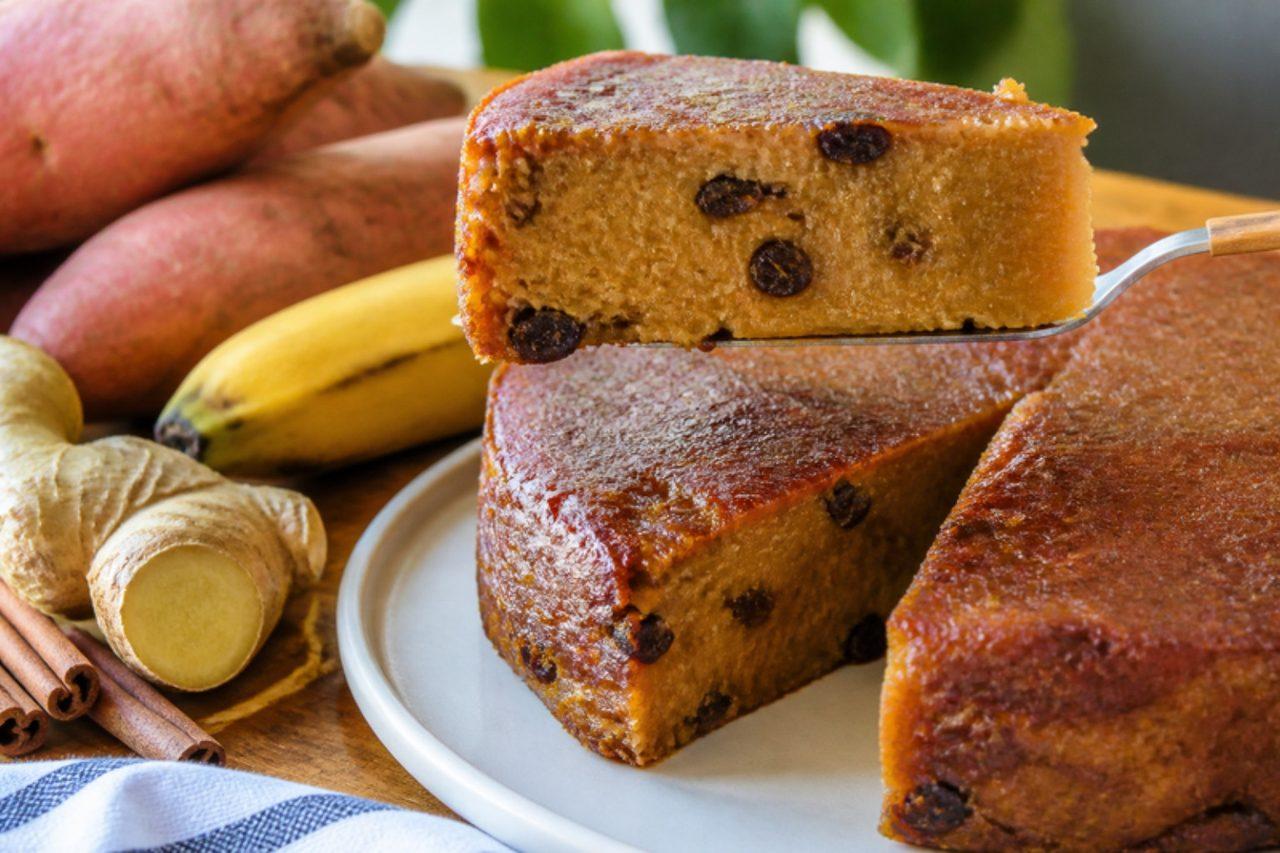
Pen patat, sweet potato 'bread', is the Haitian pudding sold in squares by street vendors and baked at home for Sunday afternoons and holidays, from the hills above Pétion-Ville to Haitian bakeries abroad. Grated white sweet potato (patat) and ripe banana are baked with coconut milk, evaporated milk, fresh ginger and warm spices until set and caramel-brown on top. It is dense, moist and fudgy, a little like a spiced cake and a little like a custard, and it's eaten warm or cold with coffee. Chef's tip: grate the sweet potato finely on the small holes; coarse shreds stay stringy, fine ones melt into a smooth pudding.

by KrazyBadal 0 views

Mushroom risotto

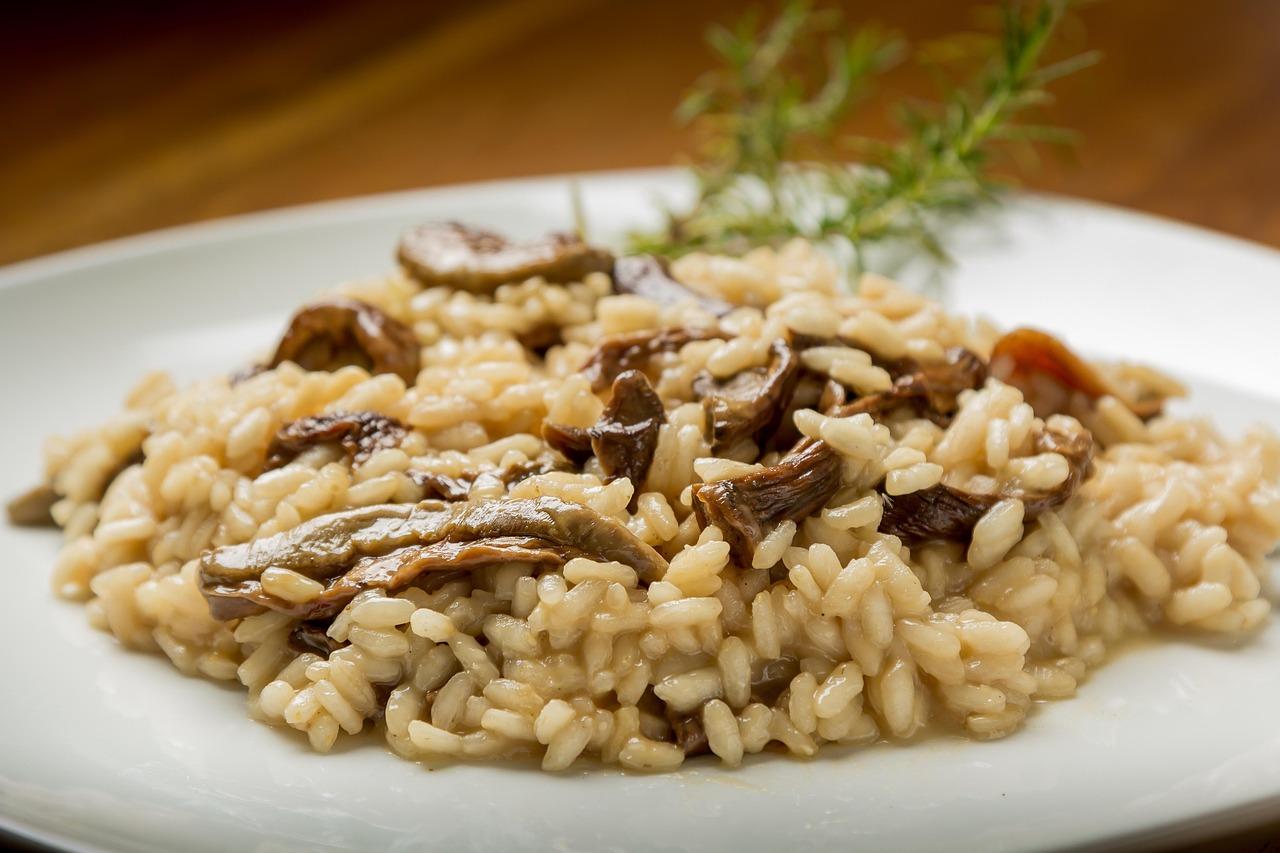
Risotto ai funghi is what Piedmont and Lombardy cook in October, when foragers bring porcini down from the Alpine foothills and markets in Alba, Turin and Bergamo sell baskets of wild mushrooms. At home, a handful of dried porcini and their soaking liquid give that deep, woodsy flavour to ordinary chestnut mushrooms. It is a first course in Italy and a full supper anywhere else. Chef's tip: brown the fresh mushrooms in a separate hot pan and fold half in at the end; they stay meaty instead of turning soft and grey.

by KrazyBadal 0 views

Penang asam laksaSour fish noodle soup

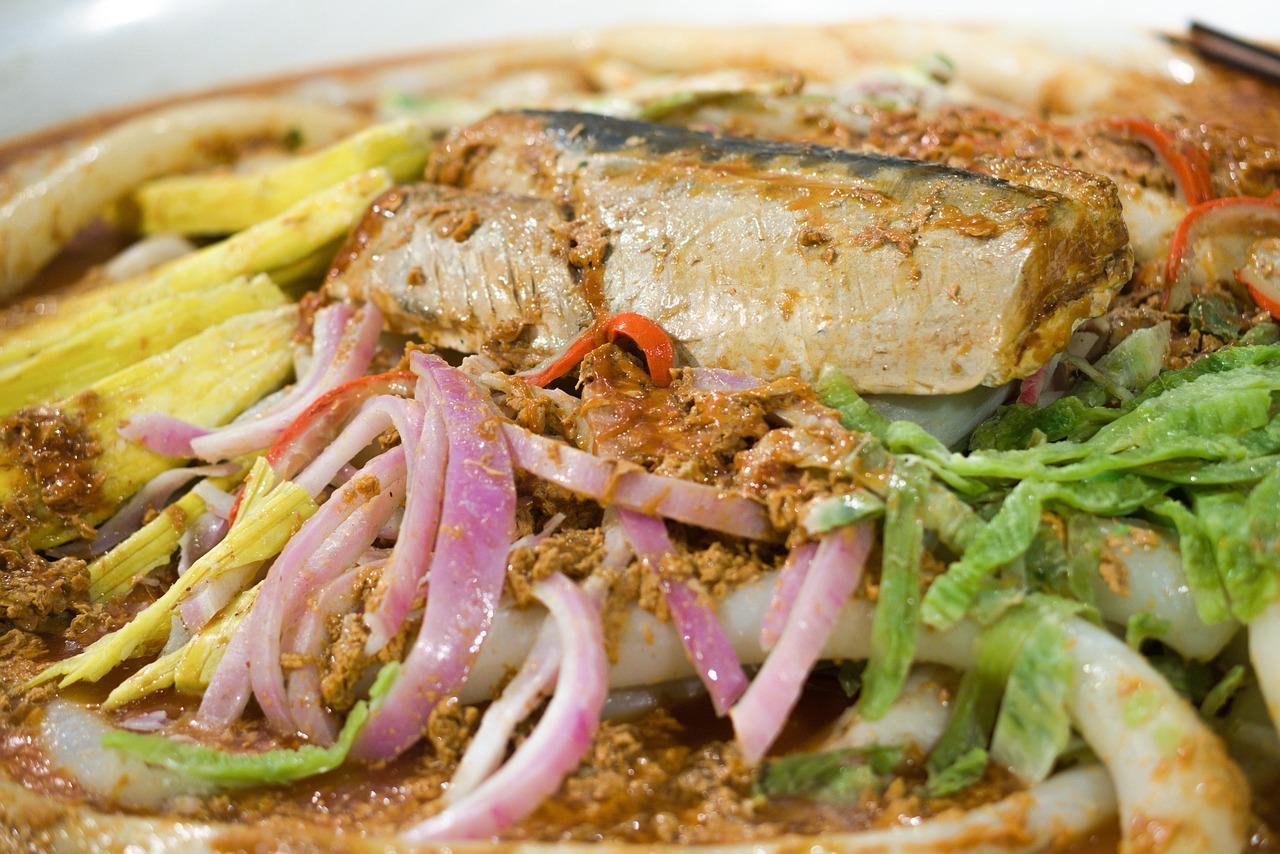
Forget coconut and cream: Penang's asam laksa is all sour, hot and herbal, a dark tamarind broth thickened with flaked mackerel and poured over thick, slippery rice noodles. Hawkers at Air Itam market and along Gurney Drive pile the bowl with shredded pineapple, cucumber, red onion, lettuce, torn mint and a spoon of sticky, sweet prawn paste (hae ko) that you stir in as you eat. Torch ginger flower and Vietnamese mint (daun kesum) give it a smell that is wholly its own. It is a hot-afternoon dish, eaten fast while the herbs are still crisp. Chef's tip: poach the mackerel in the broth whole, then flake it back in; the bones and skin give the soup much of its body.

by KrazyBadal 0 views

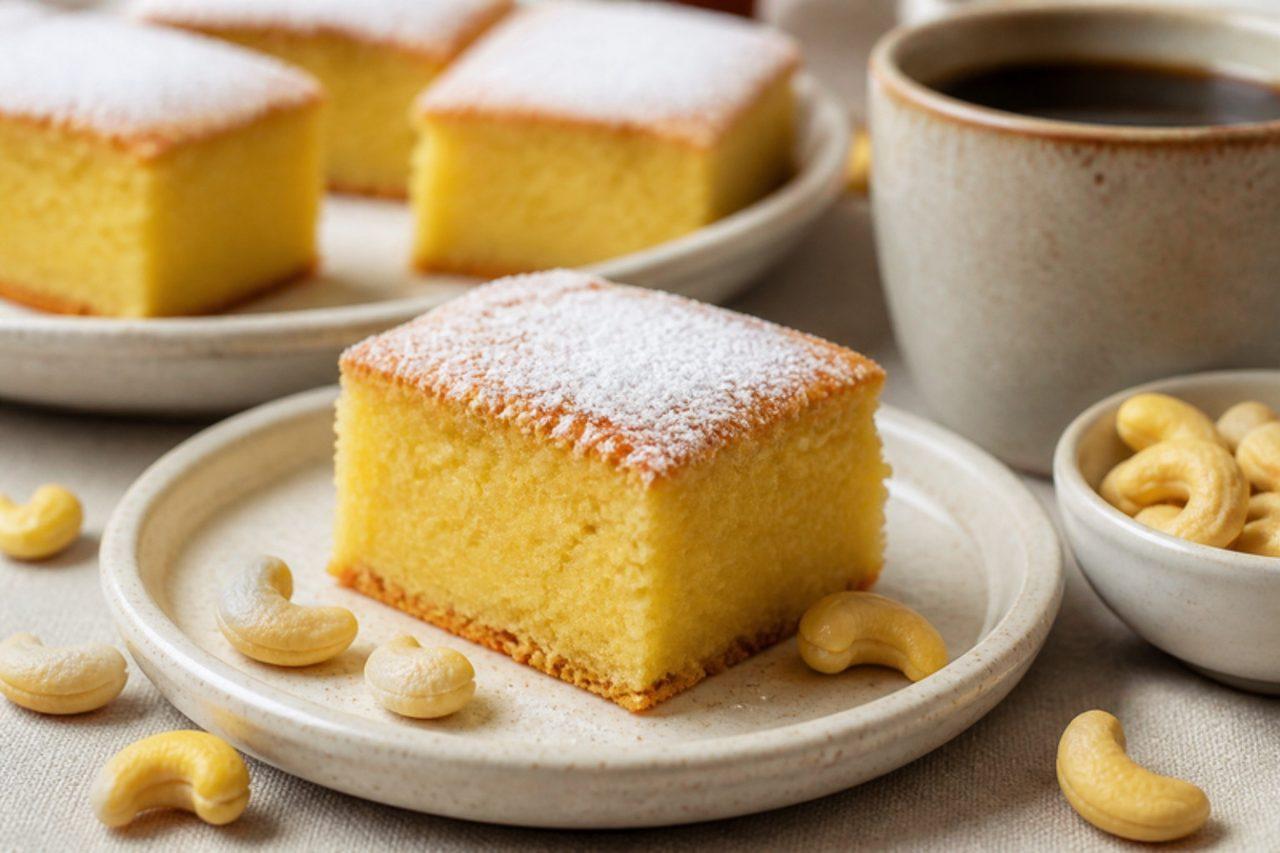
Bolo polanaCashew and potato cake

Bolo polana takes its name from the old Polana district of Maputo and is a celebration cake in Mozambique, made for birthdays and Christmas, built on two of the country's great crops: cashew nuts and potatoes. Ground cashews and mashed potato make it dense, fragrant and very moist, with orange zest to lift it. It shows the Portuguese baking tradition meeting local ingredients. Chef's tip: grind the cashews in short pulses with a spoon of the sugar; ground alone, they turn to cashew butter.

by KrazyBadal 0 views

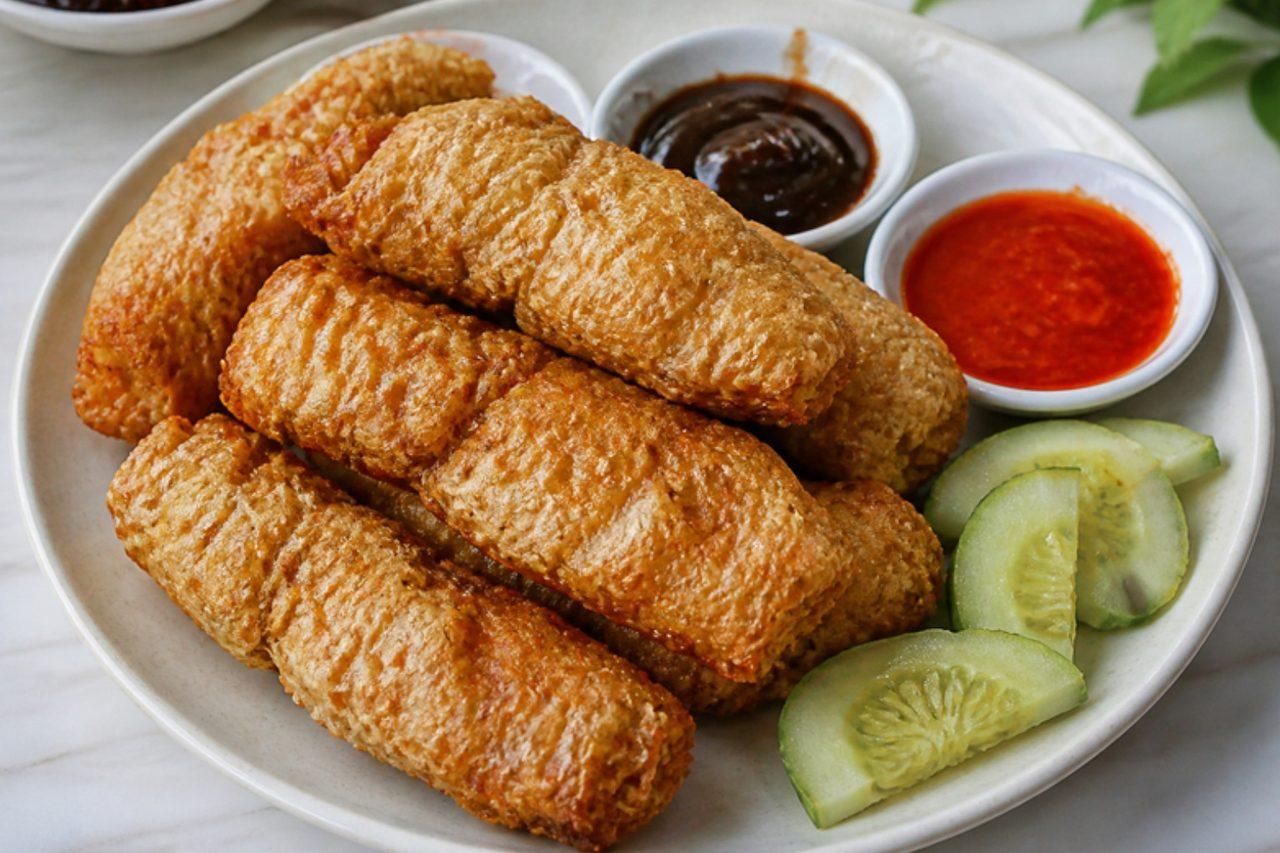
Penang lor bakFive-spice pork rolls

Every Penang lor bak stall shows off a tray of fried things, but the five-spice pork roll is the reason people queue. Minced pork and chopped water chestnut, seasoned with five-spice, soy and garlic, are rolled tight in sheets of dried beancurd skin, steamed, then fried until the skin shatters like thin pastry. Slices are dipped in two sauces: a thick, starchy 'lor' gravy streaked with egg and a bright chilli sauce. They are a favourite with drinks at the hawker centres along Kimberley Street or as part of a Chinese New Year spread. Chef's tip: wipe the beancurd skin with a damp cloth rather than soaking it; too wet and it tears and will not crisp.

by KrazyBadal 0 views

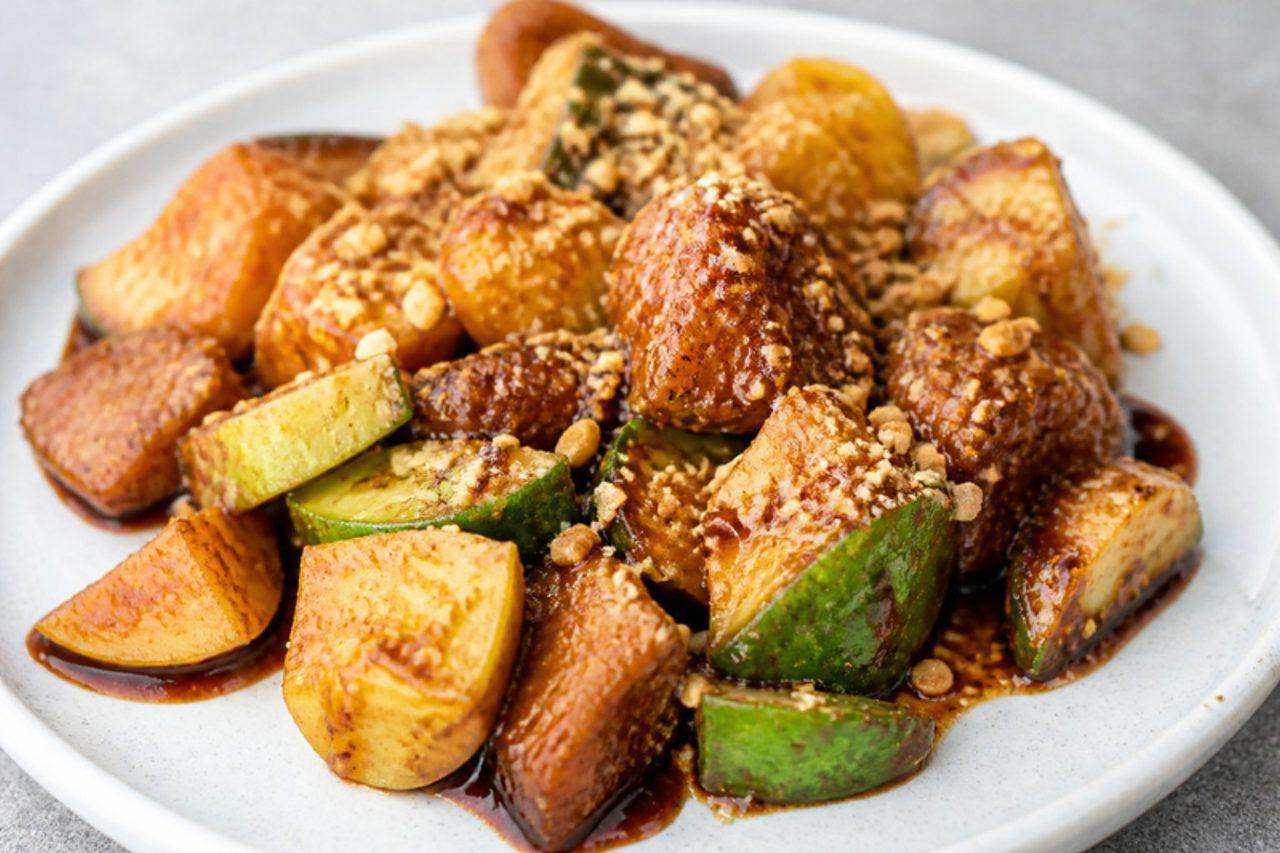
Penang rojakFruit salad with prawn paste dressing

Few salads are as divisive or as loved as the rojak sold from carts along Penang's Gurney Drive: crisp jicama, cucumber, green mango, pineapple and guava cut into bite-size pieces and tossed in a black, toffee-thick dressing of hae ko (fermented prawn paste), tamarind and sugar. The fruit stays cold and crunchy while the sauce is sweet, sour, salty and funky at once, finished with a snowfall of crushed peanuts. Stalls often add fried dough fritters and tofu puffs for chew. Eat it as an afternoon snack or alongside grilled meats. Chef's tip: toss only just before serving; the salt in the dressing draws water out of the fruit and turns it watery within 15 minutes.

by KrazyBadal 0 views

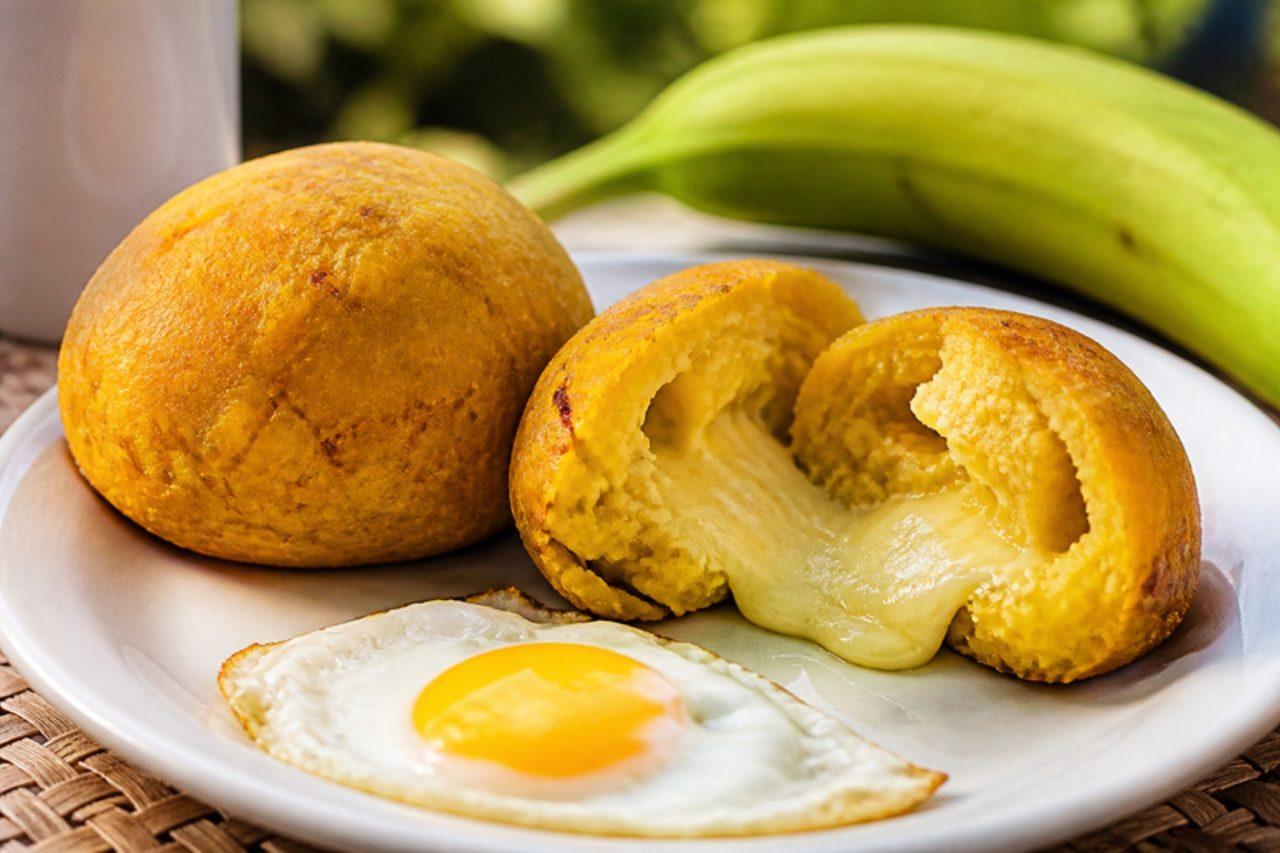
Bolón de verde con quesoPlantain and cheese balls

On Ecuador's coast, in Guayaquil and Manabí, breakfast is often a bolón: green plantain fried, pounded while hot with butter and salty cheese, shaped into a fist-sized ball and fried again until crusty. It comes with a cup of strong black coffee and a fried egg, and a little ají on the side; the other classic version uses pork crackling, but cheese bolón is just as common. Chef's tip: shape them while the plantain is still hot; once cold the starch sets and won't stick together.

by KrazyBadal 0 views

Bombay sandwichToasted vegetable sandwich

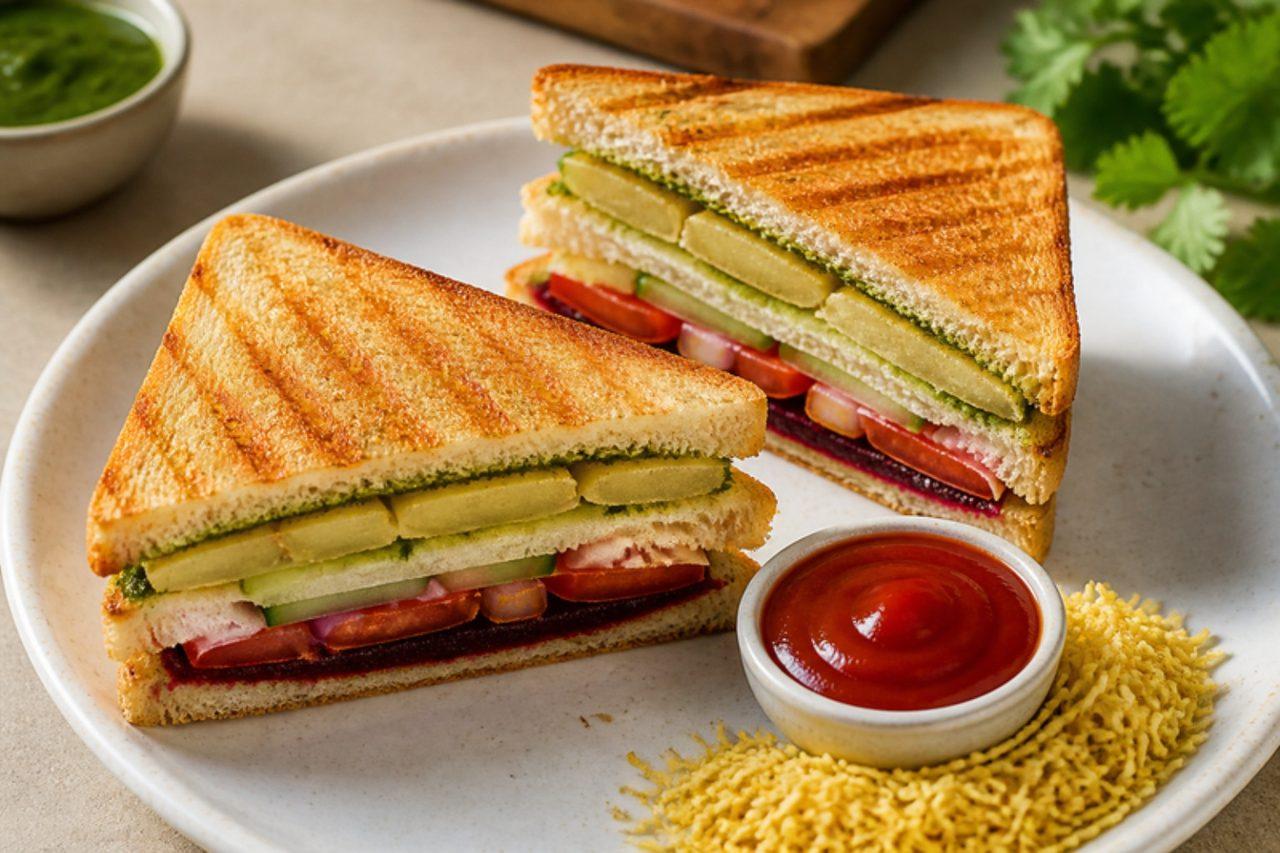
Every busy corner in Mumbai, from Churchgate station to the lanes of Dadar, has a sandwich-wallah with a stack of white bread, a tub of butter, a bowl of green chutney and a cast-iron toaster held over a flame. The Bombay sandwich is built in thin layers of boiled potato, beetroot, cucumber, tomato, onion and green pepper, each layer dusted with a peppery sandwich masala, then toasted until crisp and cut into neat squares. Cheese is grated over the top if you ask. It's a commuter's breakfast, a school snack and a late-night bite after the cinema. Serve with ketchup and more chutney. Chef's tip: slice every vegetable as thin as a coin; thick slices slide out when you bite and stop the sandwich toasting evenly.

by KrazyBadal 0 views

Cacio e pepe

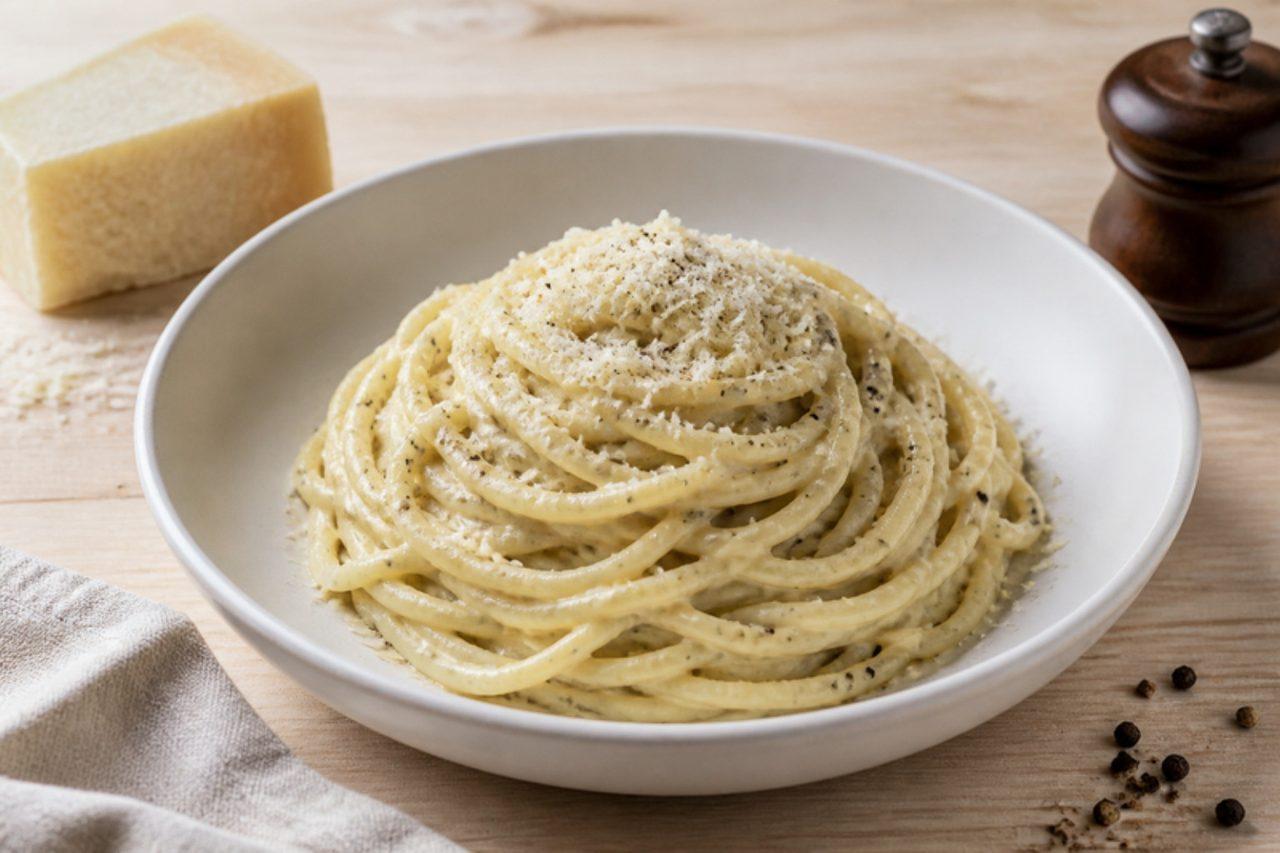
Cacio e pepe is a Roman trattoria standard: just pasta, sheep's cheese and a lot of cracked black pepper, turned into a glossy cream with starchy cooking water. Romans order it as a primo at lunch, especially in the old osterie of Testaccio and Trastevere, and it was born as shepherds' food because dry pecorino and peppercorns kept for weeks. Tonnarelli (square egg-free spaghetti) is the classic shape; in southern Tuscany the same sauce coats pici, fat hand-rolled noodles, and the variation is in the last step. Chef's tip: toast the cracked pepper in the dry pan first, then splash in pasta water; it turns the pepper fragrant rather than harsh and starts the sauce base.

by KrazyBadal 0 views

Tabbouleh

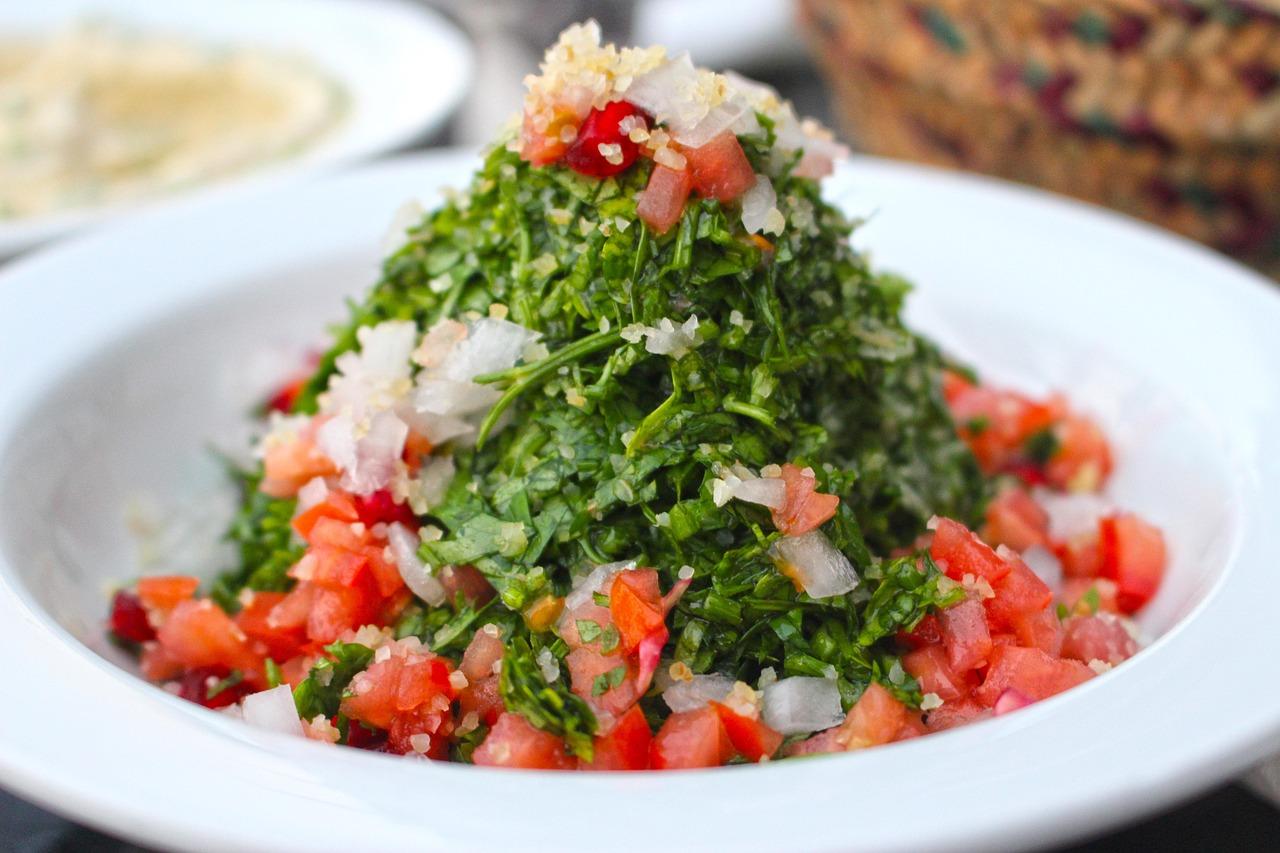
In Lebanese homes tabbouleh is a green salad first and a grain salad a distant second: a heap of finely cut flat-leaf parsley and mint, flecked with fine bulgur, diced tomato and spring onion, and sharpened with lemon and olive oil. It turns up on every mezze table from Beirut to the mountain villages, and families make it in big bowls for Sunday lunch, scooping it up with crisp inner leaves of cos lettuce. It tastes bright, lemony and fresh, and goes with falafel, grilled halloumi or any spread of dips and bread. The usual mistake is chopping wet parsley, which bruises into a dark, soggy mush; dry it thoroughly and slice it with a sharp knife instead. Chef's tip: dress the bulgur with the lemon juice and tomato juice first, so it softens in that liquid instead of in water and soaks up all the flavour.

by KrazyBadal 0 views

Hong Kong egg tarts

Daan taat are the pride of Hong Kong bakeries and cha chaan teng, where they come out of the oven several times a day and are eaten warm with a glass of milk tea. Unlike Portuguese tarts, the custard stays smooth, glossy and bright yellow with no scorched top, and this version uses a buttery shortcrust (lard is traditional in some bakeries; we use only butter). Chef's tip: strain the custard twice and skim off every bubble; that's what gives the mirror-smooth surface.

by KrazyBadal 0 views

Borani banjanFried aubergine in tomato sauce

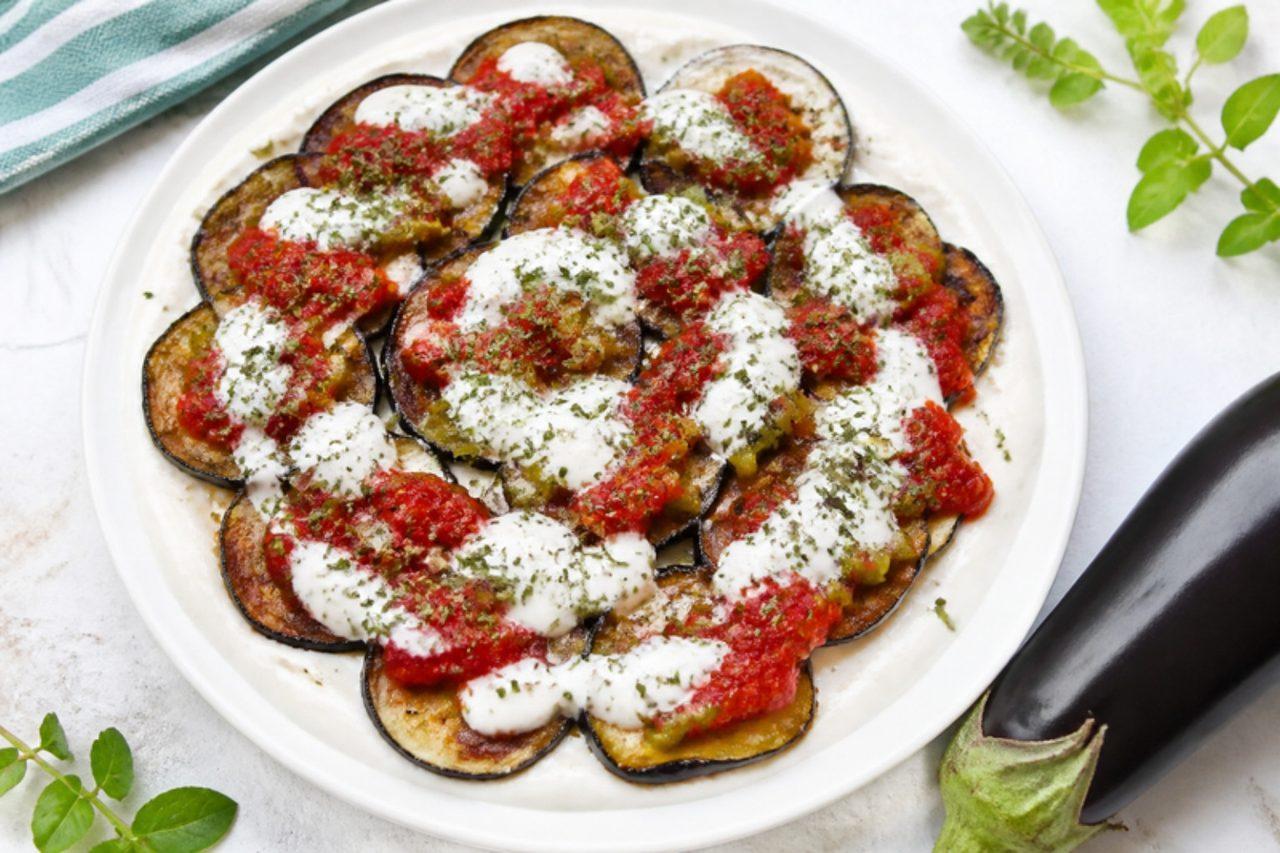
Borani banjan is the aubergine dish Afghan hosts set out at almost every dinner party and Eid meal, from Herat to Mazar-i-Sharif. Thick slices of aubergine are fried until golden, then simmered in a tomato and pepper sauce until meltingly soft and laid over a bed of garlic yoghurt, with dried mint on top. It's eaten warm with naan, or as a side to rice. Chef's tip: fry the aubergine slices in a hot pan and let them drain well before they go into the sauce; well-browned slices hold their shape and give the dish its deep, almost sweet flavour.

by KrazyBadal 0 views

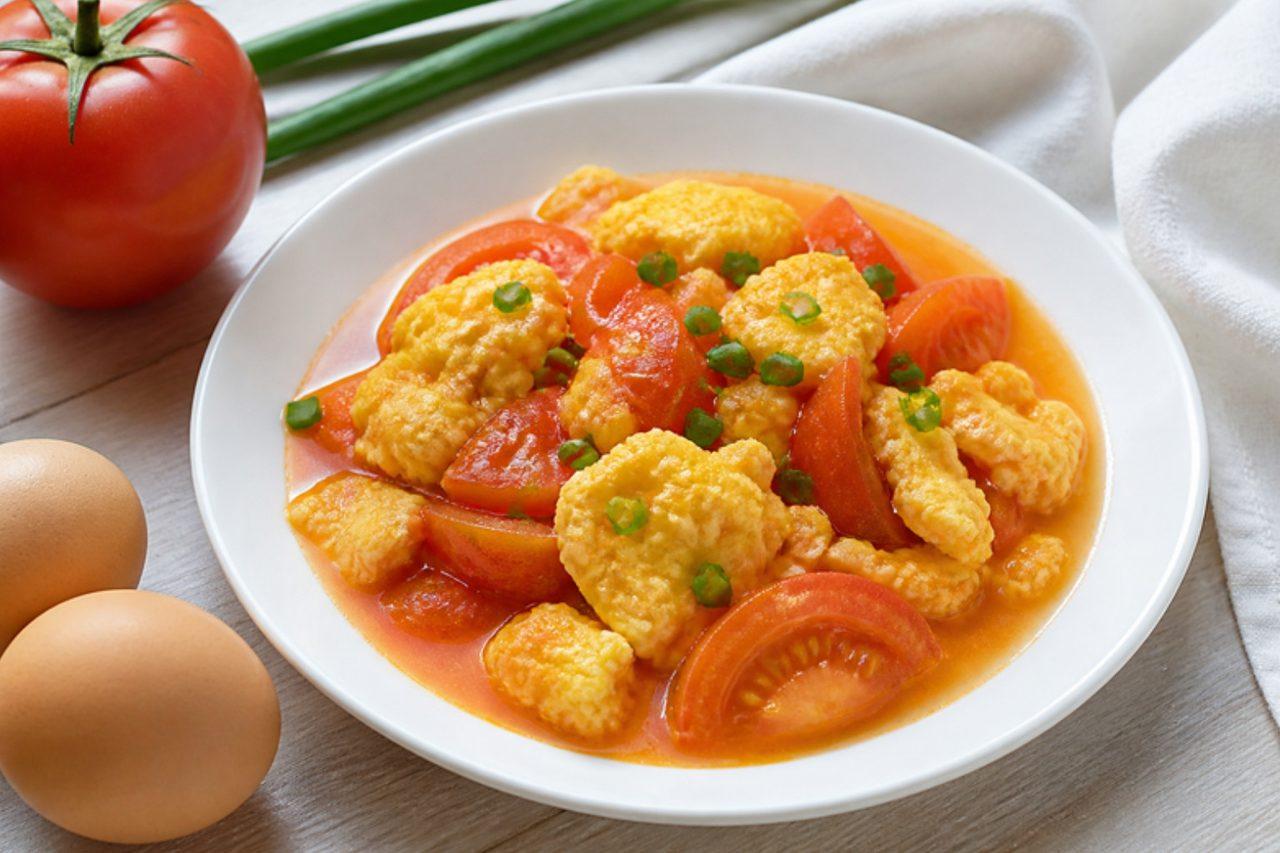
Tomato and egg stir-fry

Fan qie chao dan is the dish students across China cook in their first flat, and it appears at family meals in every province. Soft curds of egg and slumped tomatoes make a sweet-sour, slightly saucy stir-fry that is wonderful spooned over rice. Some families make it drier, others soupier; this version has just enough sauce to soak the rice. Chef's tip: cook the eggs first and take them out while still glossy; they finish in the tomato sauce and stay tender.

by KrazyBadal 0 views

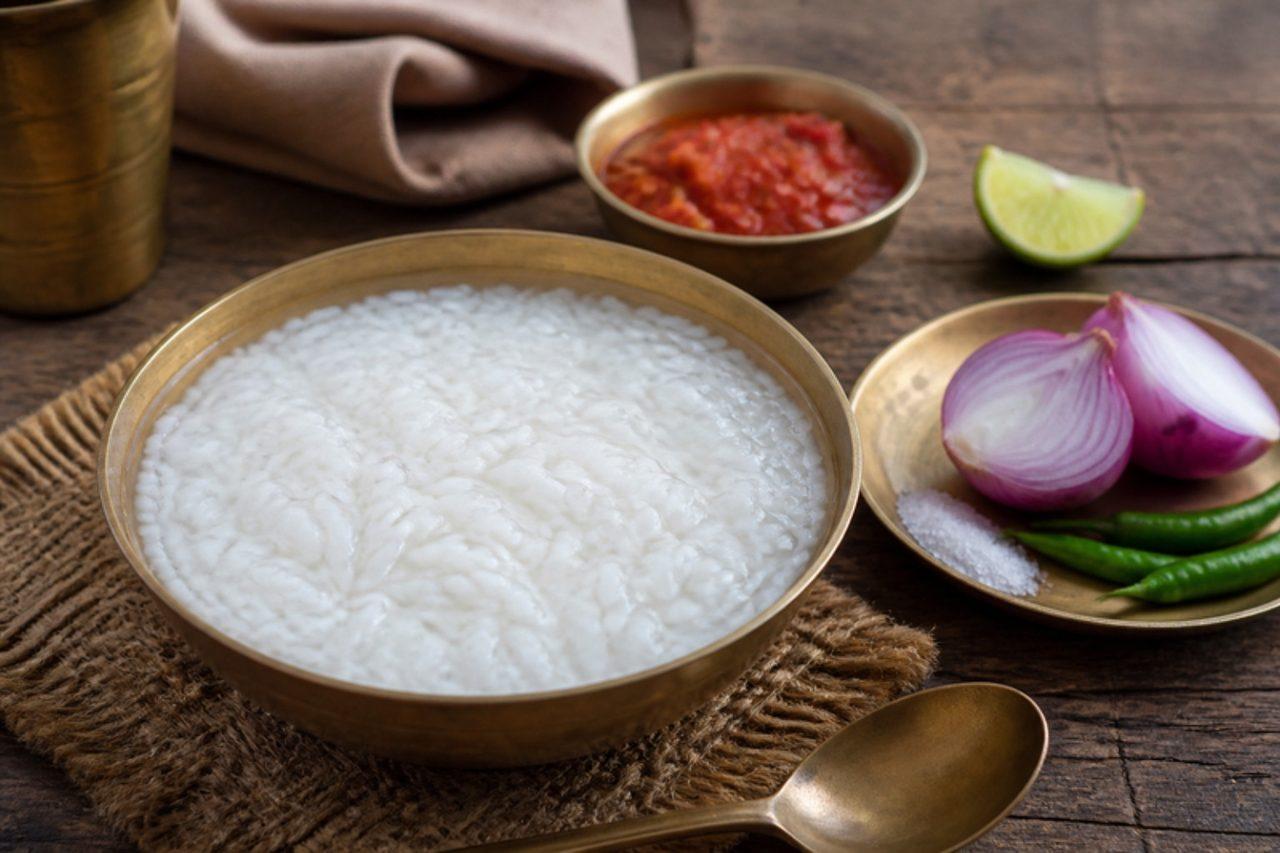
Bore baasiSoaked rice with onion

Bore baasi is the summer meal of Chhattisgarh's farmers: cooked rice soaked in water, either for a few hours (bore) or overnight (baasi), then eaten from the bowl with its slightly sour water, raw onion, green chilli and a pinch of salt. It is cooling, filling and easy on the stomach in the heat, and in recent years the state has made 1 May, Labour Day, the day to eat it as Bore Baasi Tihar. Many families add a ladle of buttermilk or curd and something fried or roasted on the side. Food safety matters with any cooked rice left standing, so this version cools the rice fast and soaks it in the fridge. Chef's tip: cool and cover the rice within an hour of cooking; rice left warm on the counter is the real risk, not the soaking.

by KrazyBadal 0 views

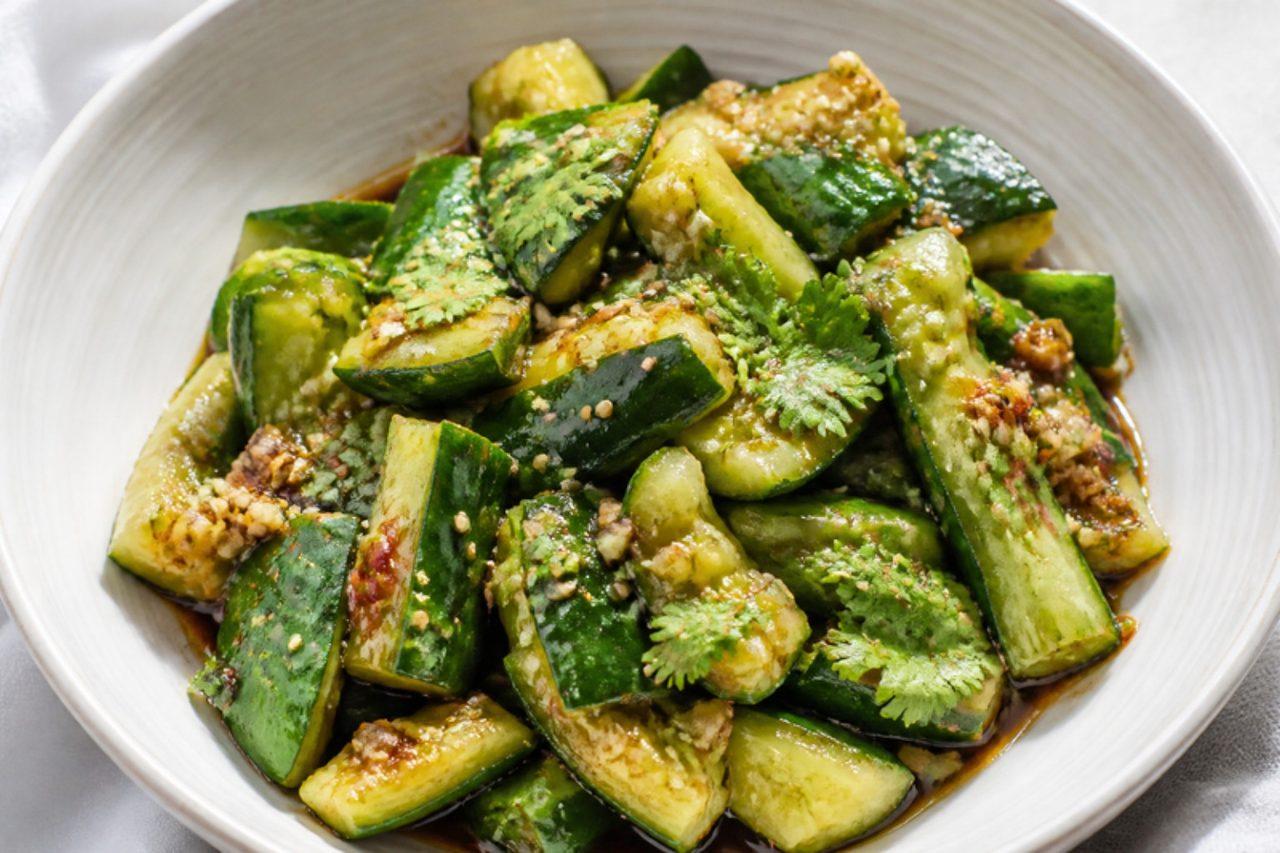
Smashed cucumber salad (pai huang gua)

Pai huang gua turns up on tables from Beijing to Guangzhou, often the first dish to land at a summer meal because it takes ten minutes and cools the mouth between spicy bites. Smashing the cucumbers rather than slicing them cracks them into rough pieces that soak up dressing in minutes. It goes with any stir-fry, noodles or dumplings. Chef's tip: salt the smashed pieces for 10 minutes and pour off the water, otherwise the dressing is diluted to nothing by the time you sit down.

by KrazyBadal 0 views

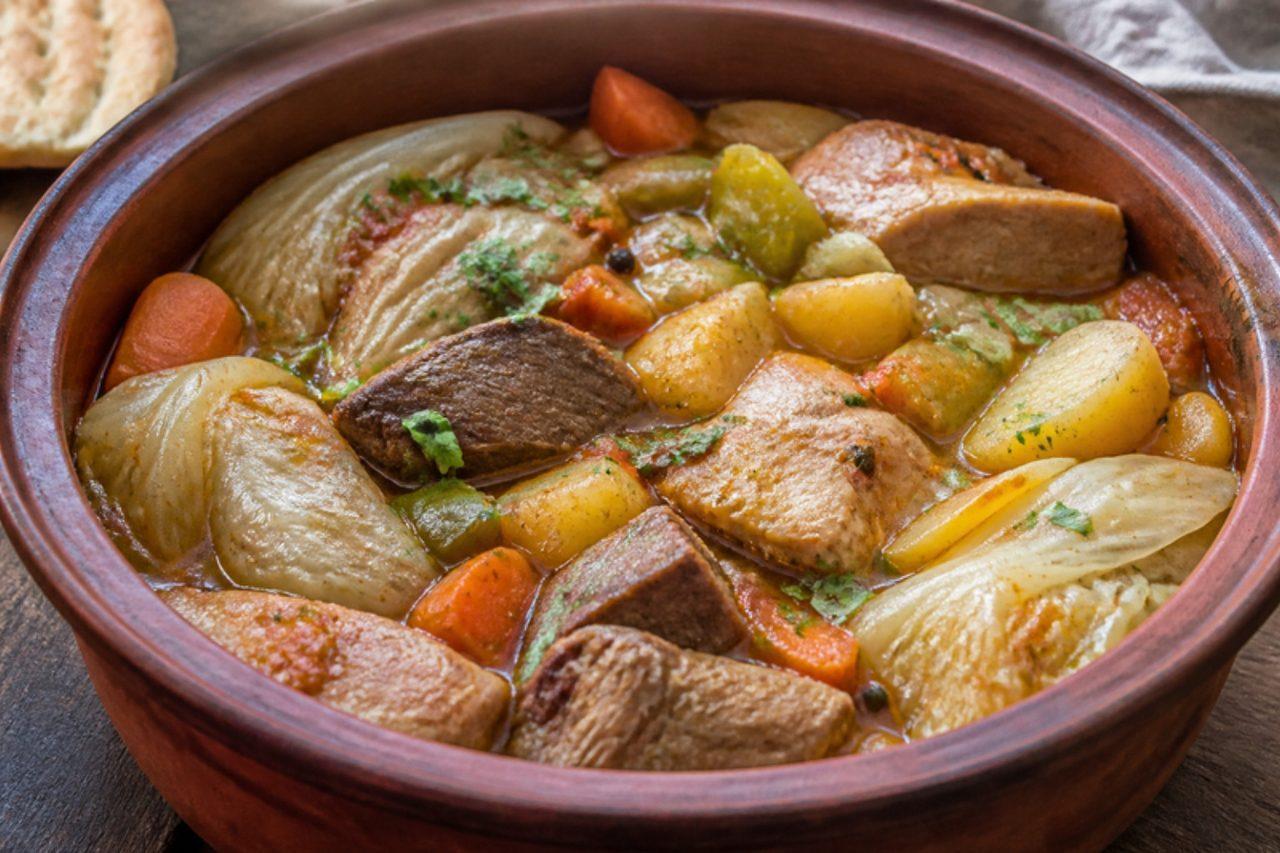
Bosanski lonacLayered meat and vegetable pot

Bosanski lonac goes back to Bosnian village hearths, where a tall clay pot was layered with meat and vegetables and left in the embers for hours; in Sarajevo and Mostar it is still cooked for name-day gatherings and cold winter weekends. This home version layers chunks of beef, lamb and pork with cabbage, potatoes, carrots, tomatoes and peppers, then cooks it slowly in a covered pot with only a little water, so everything stews in its own juices. This recipe contains pork; use all beef and lamb if you prefer. The mistake people make is stirring it: the layers should stay intact and steam gently. Chef's tip: put the meat and onions at the bottom and the watery vegetables like tomatoes at the top, so the juices drip down through everything.

215 minBalkanMeatGluten free
by KrazyBadal 0 views

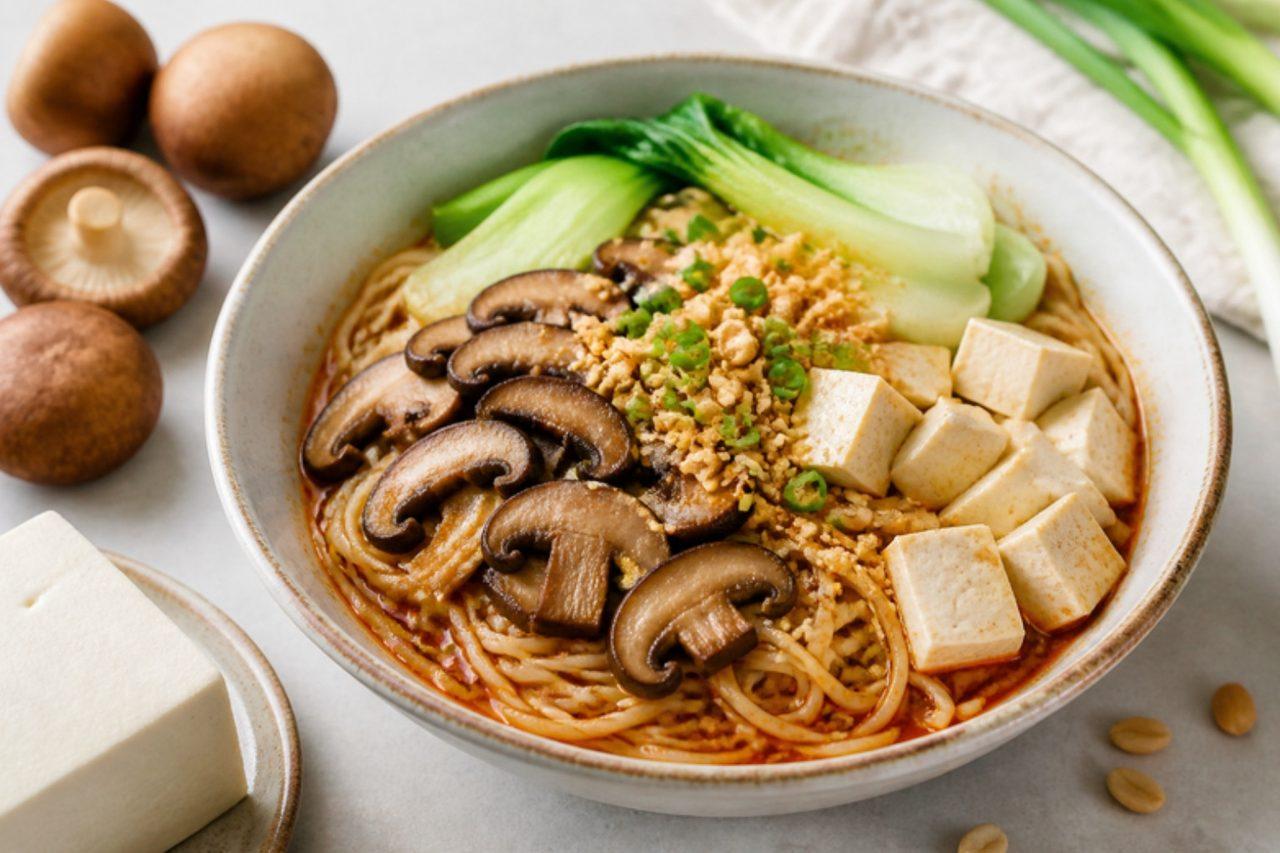
Dan dan noodles with mushroom and tofu crumble

Dan dan mian is named after the shoulder pole (dan) that Chengdu hawkers once used to carry their noodles and sauces through the streets. A proper bowl is small and intense: springy wheat noodles over a puddle of sesame paste, chilli oil and soy, topped with a crunchy, salty crumble and blanched greens. The crumble here is mushroom and tofu fried with preserved ya cai until crisp. Mix everything from the bottom before eating. Chef's tip: loosen the sesame paste with a little of the hot noodle water so it coats every strand instead of clumping.

by KrazyBadal 0 views

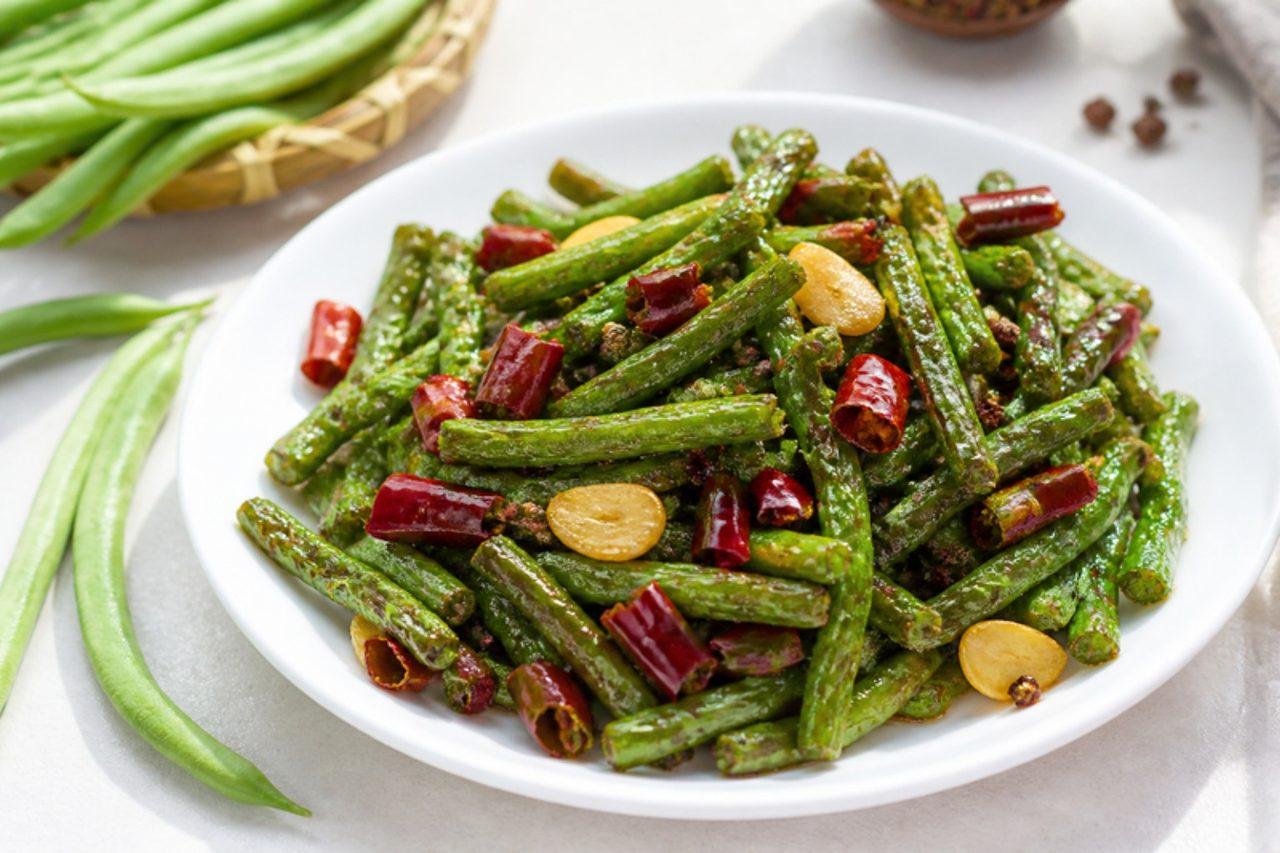
Sichuan dry-fried green beans

Gan bian si ji dou, 'dry-fried four-season beans', is a fixture of Sichuan restaurant menus and home tables alike. The beans are fried until their skins wrinkle and blister, then tossed in a hot, dry wok with chilli, Sichuan pepper and salty preserved mustard greens (ya cai) from Yibin. Nothing is saucy: every bean is coated and slightly chewy. Restaurants usually add pork; this vegetarian version leans on the ya cai for depth. Chef's tip: dry the beans completely after washing, or they will spit and steam instead of blistering.

by KrazyBadal 0 views

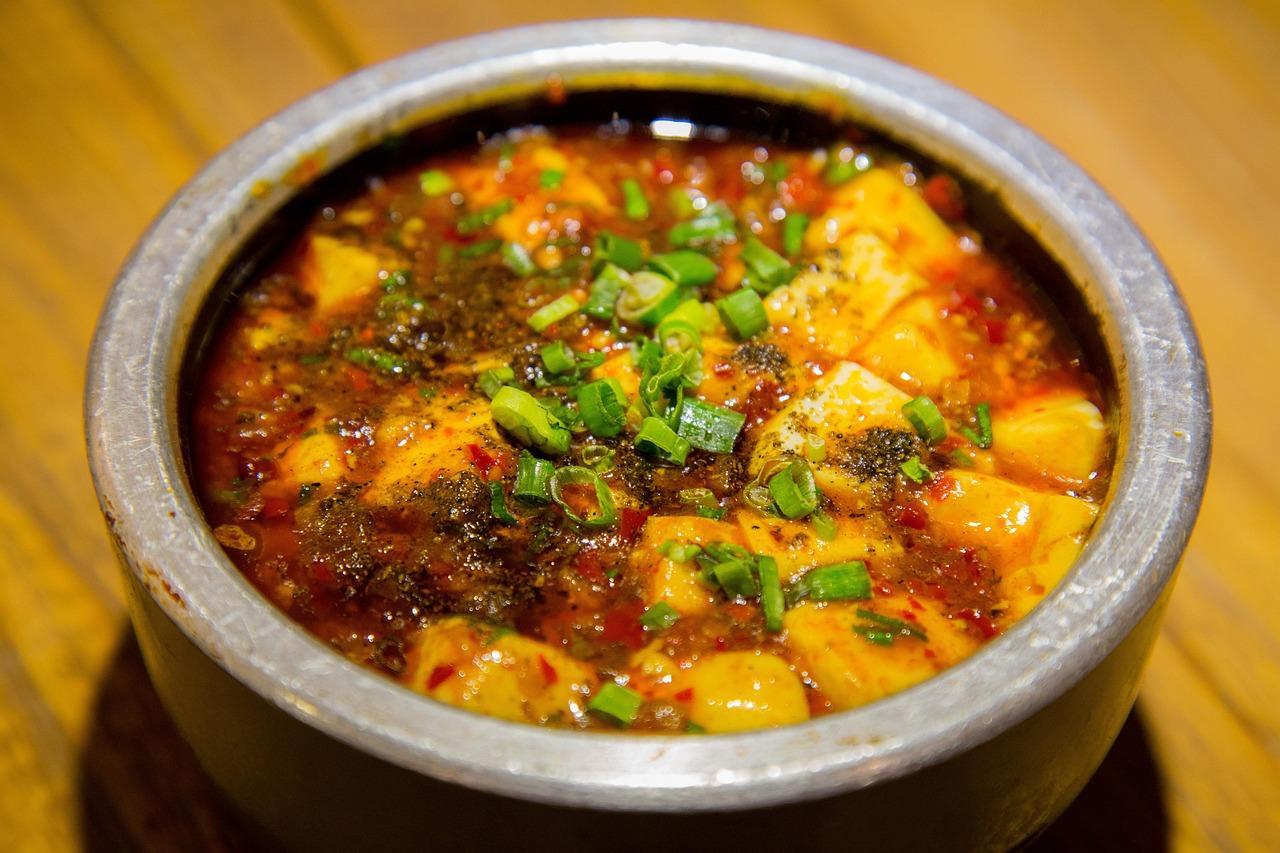
Mapo tofu with mushrooms

Mapo tofu was first served at a small eatery in north Chengdu in the late 1800s, and it is still on the table at almost every Sichuan family dinner: wobbly cubes of tofu in a glossy red sauce that is hot from chilli bean paste and tingling from Sichuan pepper. Restaurants make it with minced beef or pork; here finely chopped shiitake and chestnut mushrooms are fried until crisp-edged and dark, so they give the same savoury bite. Spoon it over plenty of steamed rice, which soaks up the oil. Chef's tip: grind the Sichuan pepper fresh and scatter it on at the very end; ground ahead of time it loses its buzz.

by KrazyBadal 0 views

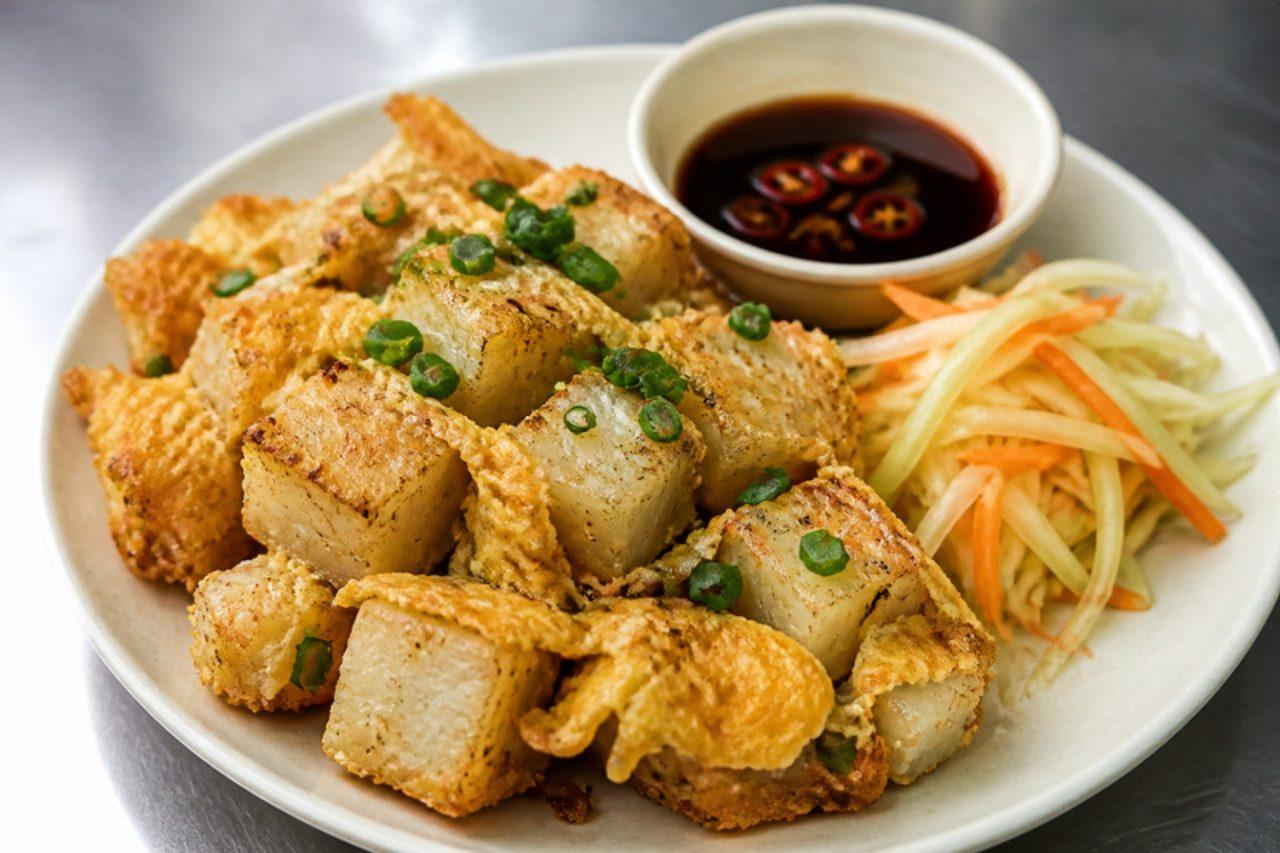
Bot chienFried rice flour cakes with egg

Bột chiên came to Saigon with the Teochew Chinese community of Chợ Lớn and is now an after-school snack sold from street pans across the city in the late afternoon. Cubes of steamed rice-flour cake are fried in a wide pan until crisp outside and soft inside, then an egg is poured over and stirred until it binds them in golden scraps. It is eaten with shredded pickled green papaya and a sweet, sour soy dipping sauce. Chef's tip: make the cake the day before and chill it overnight; cold, firm cake cuts into neat cubes and crisps far better.

by KrazyBadal 0 views

Pepián de verdurasRoasted seed and vegetable stew

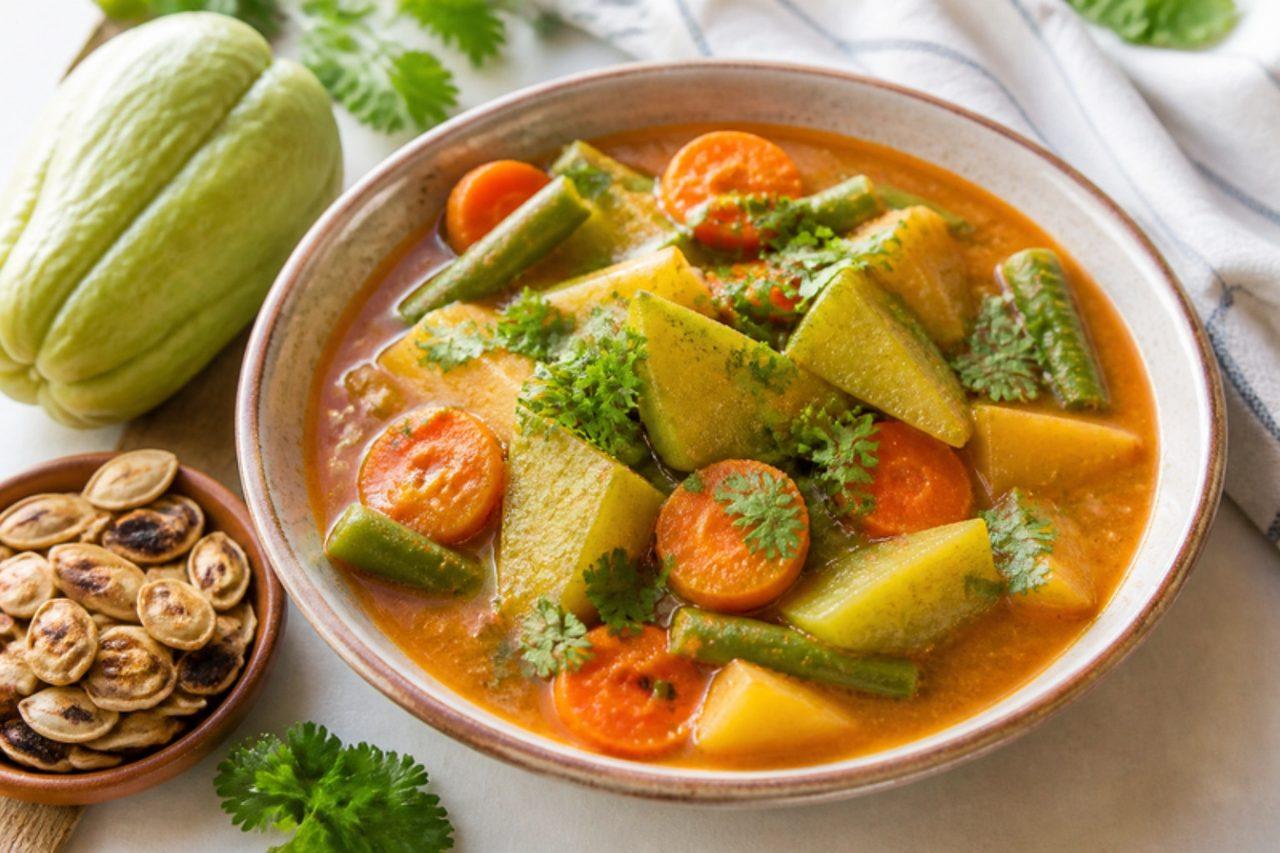
Pepián is often called Guatemala's national dish, a recado (sauce) from the Kaqchikel Maya highlands around Antigua and Chimaltenango, served at fiestas and family Sundays. Its depth comes from charring tomatoes, tomatillos and dried chillies and toasting pumpkin and sesame seeds before grinding them into a thick, smoky, reddish-brown sauce. Traditionally it simmers chicken; here chayote, potato, green beans and carrot soak it up. Serve with white rice and tamalitos or warm corn tortillas. Chef's tip: toast the seeds separately and stop when they smell nutty; burnt seeds turn the whole pot bitter.

by KrazyBadal 0 views

Tokushima ramen

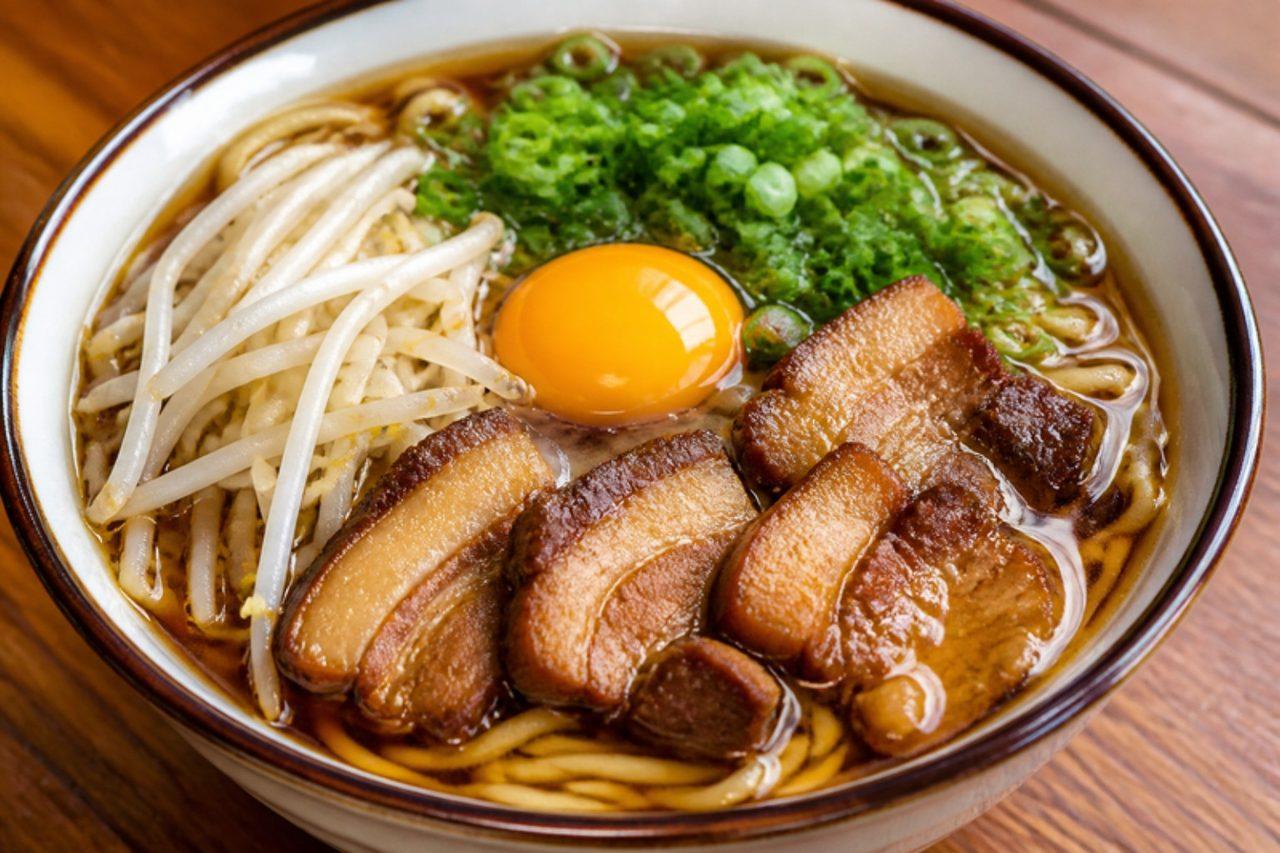
Tokushima, the city famous for the Awa Odori summer dance, has its own ramen with a broth almost the colour of coffee. Instead of chashu slices, the bowl is topped with thin pieces of pork belly simmered in sweet soy, plus bean sprouts, spring onions and a raw egg cracked in the middle. Locals often order a bowl of plain rice on the side and spoon the pork and egg over it. This home version builds the dark soup from good stock, the pork's own simmering liquid and soy. Chef's tip: eat it with rice as Tokushima does; the sweet-salty broth is strong on purpose, and the rice balances it.

by KrazyBadal 0 views

Vegetable steamed bao buns (baozi)

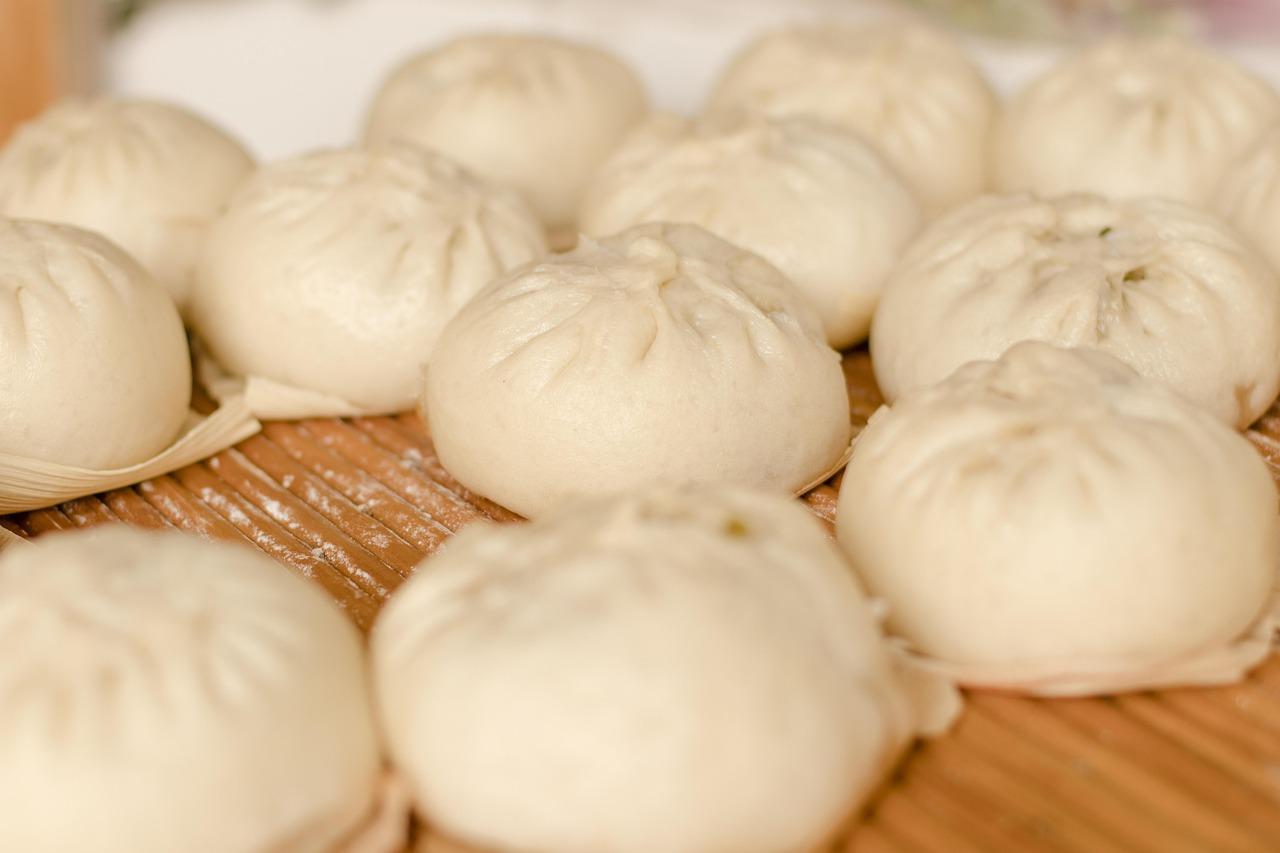
Baozi are breakfast across China: commuters in Shanghai, Beijing and small towns alike queue at steaming stalls for a couple of buns and a cup of soya milk. Vegetable baozi (su cai bao) are a standard on every counter, usually filled with greens, mushroom, tofu and glass noodles. Making them is a weekend job, but they freeze beautifully and reheat in 10 minutes. Chef's tip: let the shaped buns rise until they look puffy and feel light before steaming; under-proved buns come out dense and wrinkled.

by KrazyBadal 0 views

Orange salad with cinnamon

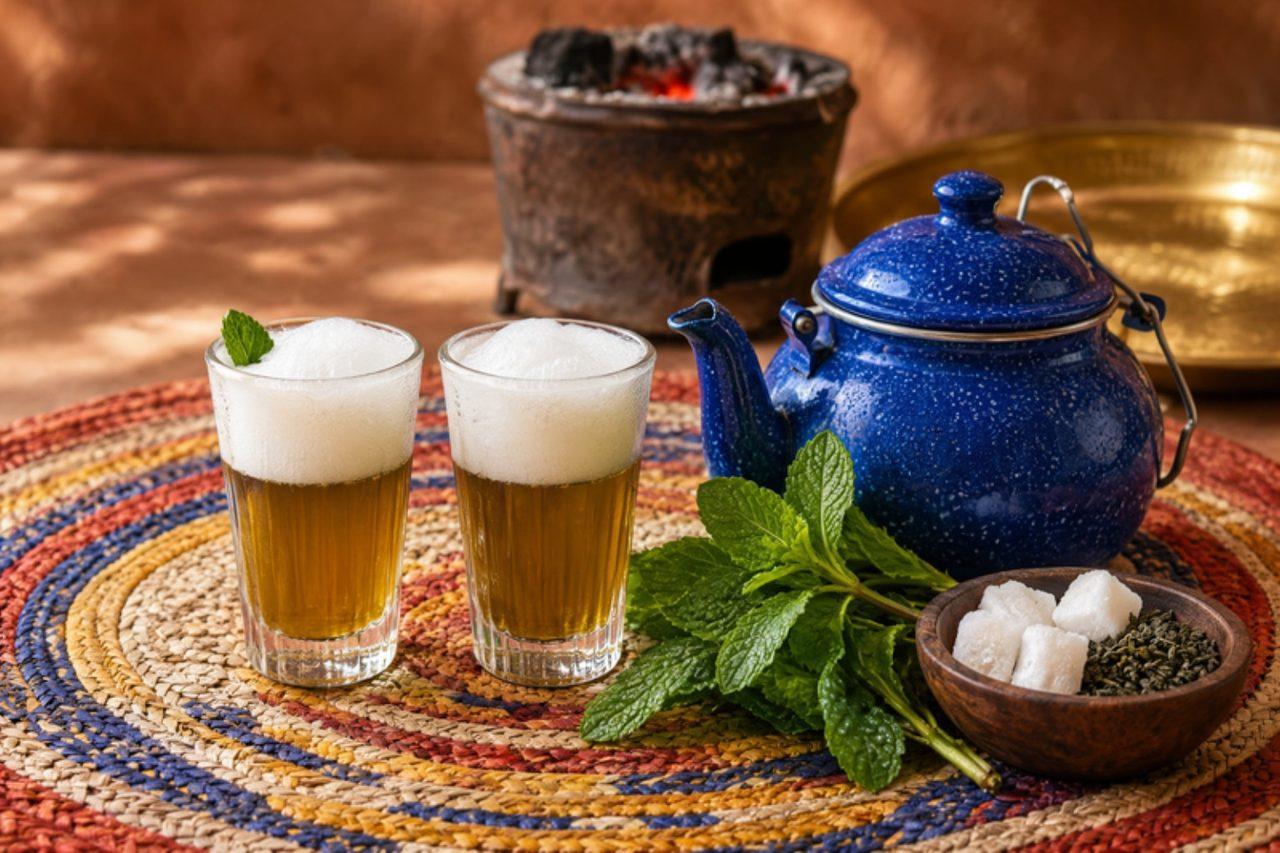
After a heavy tagine or couscous, Moroccan families in the orange-growing Souss valley and around Marrakech often skip pastries and bring out a plate of sliced oranges instead, splashed with orange blossom water and dusted with cinnamon. It is the simplest dessert there is, but when the oranges are cold and juicy it tastes like a perfume of spice and flowers. Scatter over toasted almonds or chopped dates to make it more filling. Chef's tip: cut off every bit of white pith; even a thin ring of it makes the slices bitter.

by KrazyBadal 0 views

Buna (Ethiopian coffee ceremony)Roasted and brewed Ethiopian coffee

Coffee was born in Ethiopia's south-western forests around Kaffa and Jimma, and buna is still a ceremony as much as a drink: in homes from Jimma to Addis Ababa, a woman of the house roasts green beans in a pan over charcoal, carries the smoking pan around so guests can breathe in the aroma, grinds them, and brews the coffee in a clay pot called a jebena. It is served in small handleless cups with sugar (or salt or butter in the countryside), alongside popcorn or dabo kolo, and poured three times: abol, tona and baraka. The ceremony takes the best part of an hour and is about conversation. Chef's tip: let the jebena stand for a few minutes before pouring so the grounds settle, and pour in one steady stream without stopping.

by KrazyBadal 0 views

Tofu & tempeh satay with peanut sauce

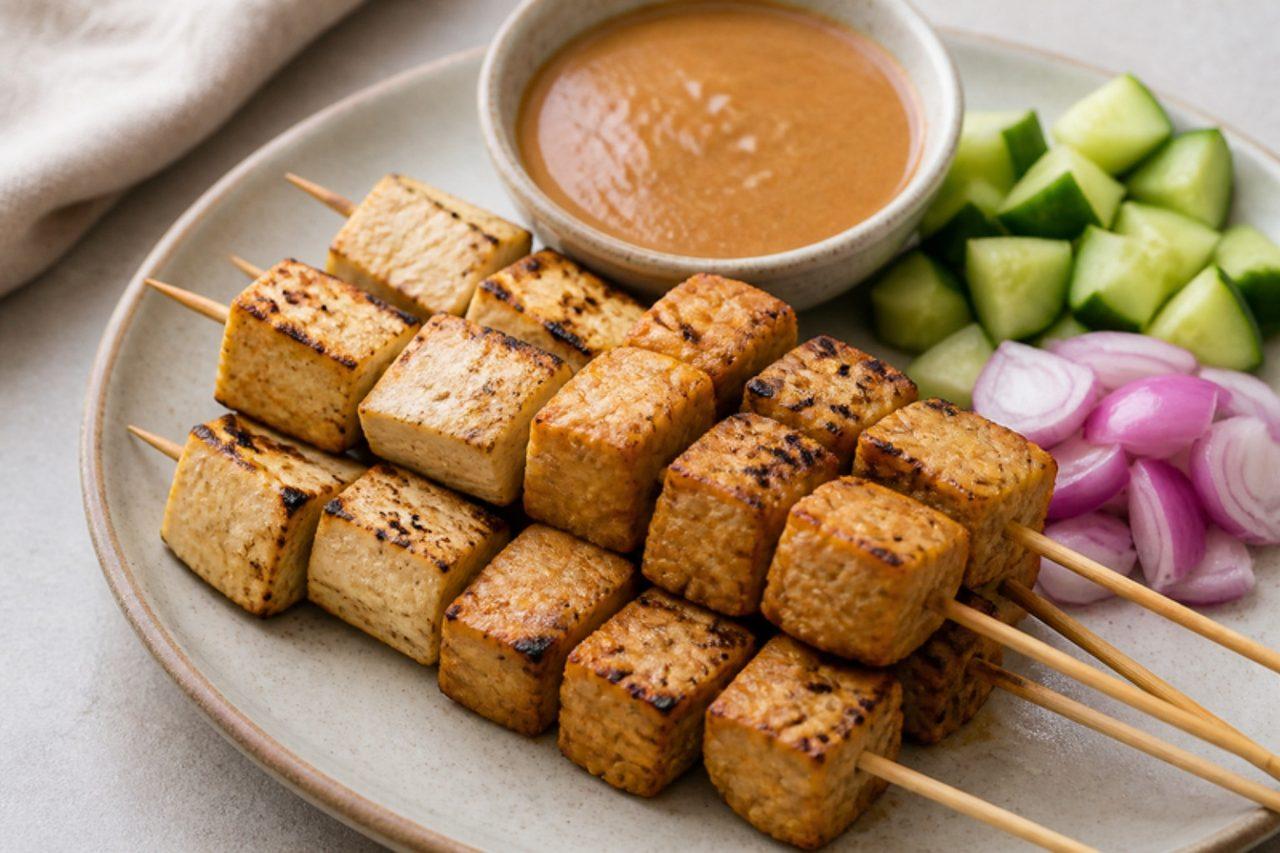
Satay smoke drifts along Javanese streets every evening, where sellers fan charcoal grills set up on the pavement and serve skewers with peanut sauce, rice cakes and sliced shallot. Tofu and tempeh are naturals for it: they drink up a sweet-savoury marinade of palm sugar, tamari, coriander and garlic and pick up dark, sticky char at the edges. The sauce here is cooked until smooth and glossy, sweeter and milder than the grainy dressing on gado-gado, made for dipping. Chef's tip: soak the bamboo skewers for 30 minutes and brush the satay with marinade as it grills — the sugar caramelises into the dark, slightly burnt edges that make satay taste like satay.

by KrazyBadal 1 views

Chickpea & sweet potato tagine

Sweet potato is not old Moroccan tradition, but today it is sold in every souk from Agadir to Meknes and turns up in modern home tagines alongside the classic chickpeas, dried apricots and ras el hanout. This version leans on the sweet-and-spiced style of Fez and Marrakech cooking: the sweet potato melts slightly into the sauce, the chickpeas keep their bite and a handful of apricots adds little pockets of tang. It is filling enough for a weekend lunch with couscous or bread, and it reheats beautifully the next day. Chef's tip: bloom the ras el hanout in the oil for 30 seconds before the liquid goes in; raw spice blends taste dusty, cooked ones taste round.

by KrazyBadal 0 views

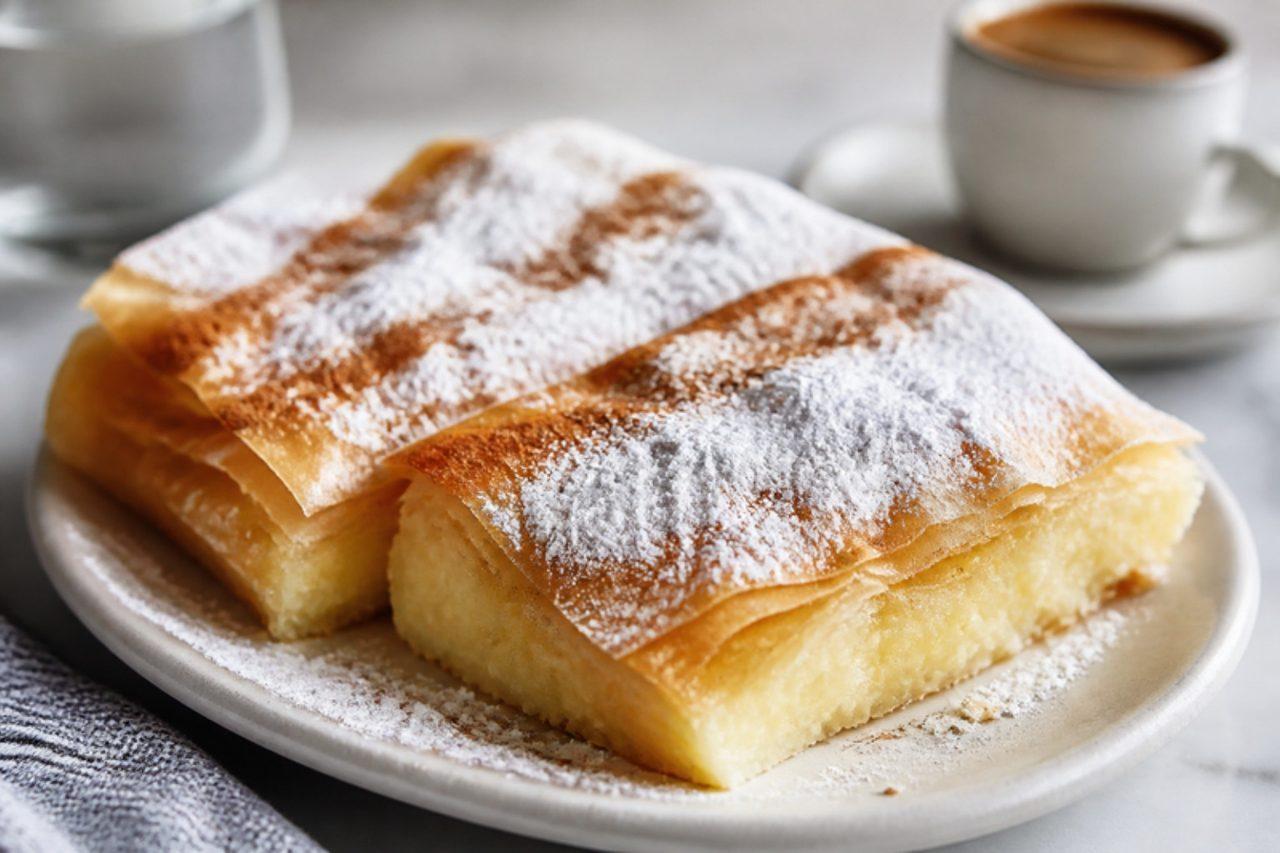
BougatsaSemolina custard pie

In Thessaloniki, breakfast is often a plate of bougatsa eaten at a marble counter at seven in the morning: warm vanilla custard wrapped in crackly pastry, chopped into bite-size pieces in front of you and dusted with icing sugar and cinnamon. The city's bougatsa shops stretch the dough paper-thin by hand; at home, shop fillo does a fine job. The custard is thickened with fine semolina, so it slices cleanly but stays soft and wobbly. Eat it warm with a Greek coffee or a cold frappé. Chef's tip: whisk the semolina into the milk in a slow stream and keep whisking; dumping it in at once is the usual mistake and leaves lumps you can't beat out.

by KrazyBadal 0 views

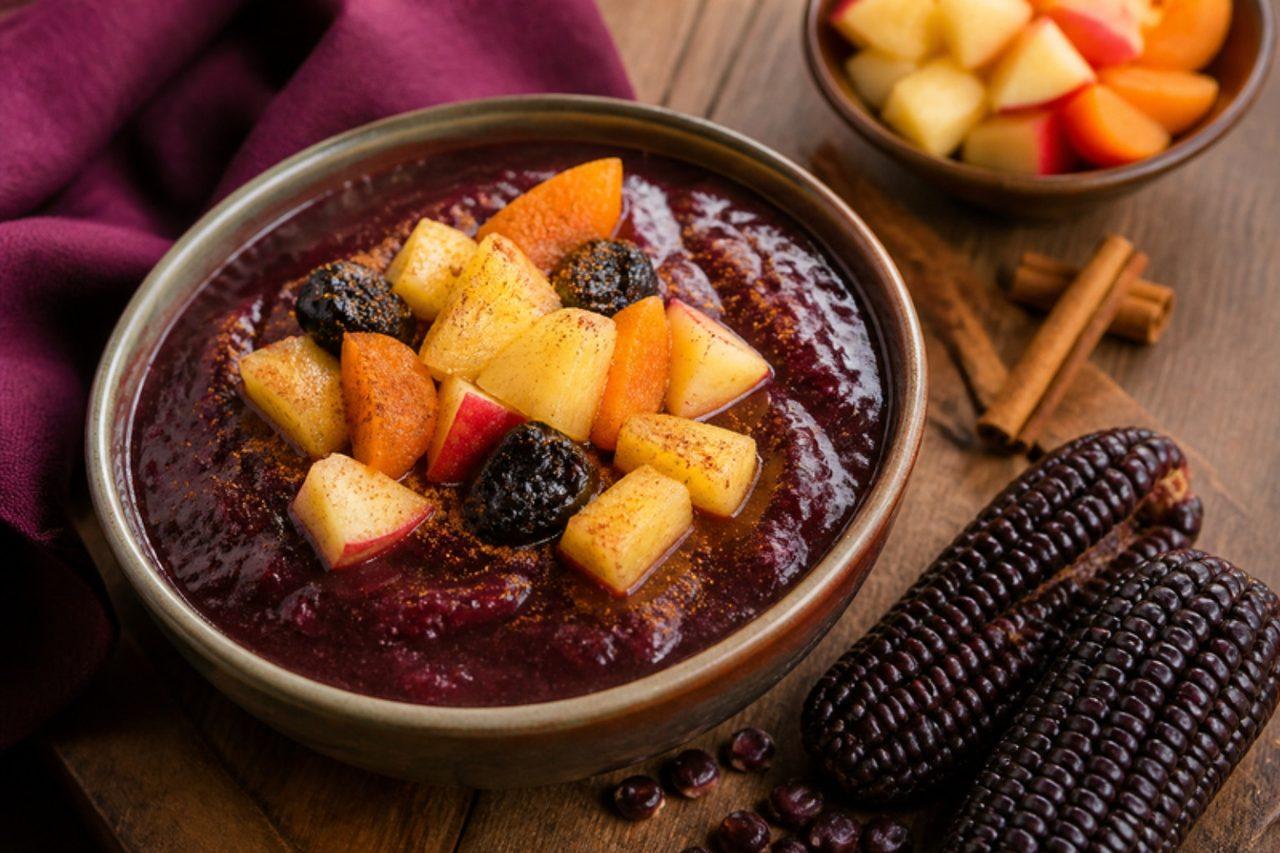
Mazamorra moradaPurple corn pudding

Mazamorra morada is a deep purple pudding from Lima, made by boiling Andean purple corn with pineapple peel and spices and then thickening the dark juice with sweet potato starch and fruit. It is sold in little cups at markets and street carts, and in Lima it is eaten all year but above all in October, often spooned into the same bowl as rice pudding, a combination called el clásico. It is fruity, gently spiced and wobbly, like a thick jam pudding. Dried purple corn (maíz morado) is sold in Latin shops and online; purple corn powder works too. Chef's tip: dissolve the starch in cold water and stir it in off the boil; tipping it into a bubbling pan makes lumps that never smooth out.

by KrazyBadal 0 views

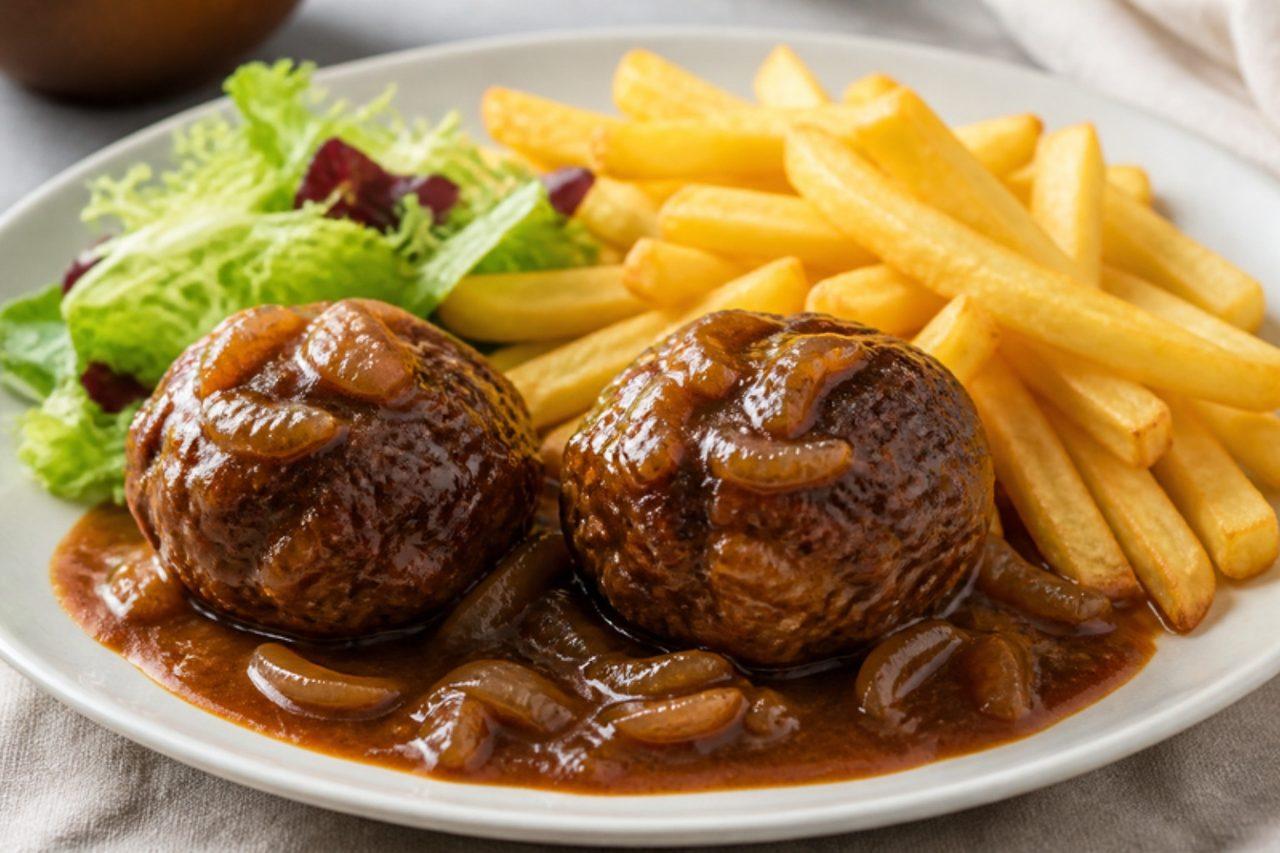
Boulets liégeoisMeatballs in sweet-sour fruit sauce

Liège is famous for its boulets: big, tennis-ball-sized meatballs served in a dark, sticky sauce made with sirop de Liège, the region's thick apple-and-pear syrup, with onions and a little vinegar. They are a brasserie staple across Wallonia, eaten with a mountain of chips and a side of salad, and families make them for Sunday lunch. The mix is half pork, half beef, so this is a pork dish. Rushing the onions is the step most people get wrong: they need a good 20 minutes to turn sweet before the sauce comes together. Chef's tip: if you cannot find sirop de Liège, use 3 tablespoons of apple butter or date syrup with 1 tablespoon of black treacle for the same dark, fruity tang.

by KrazyBadal 0 views

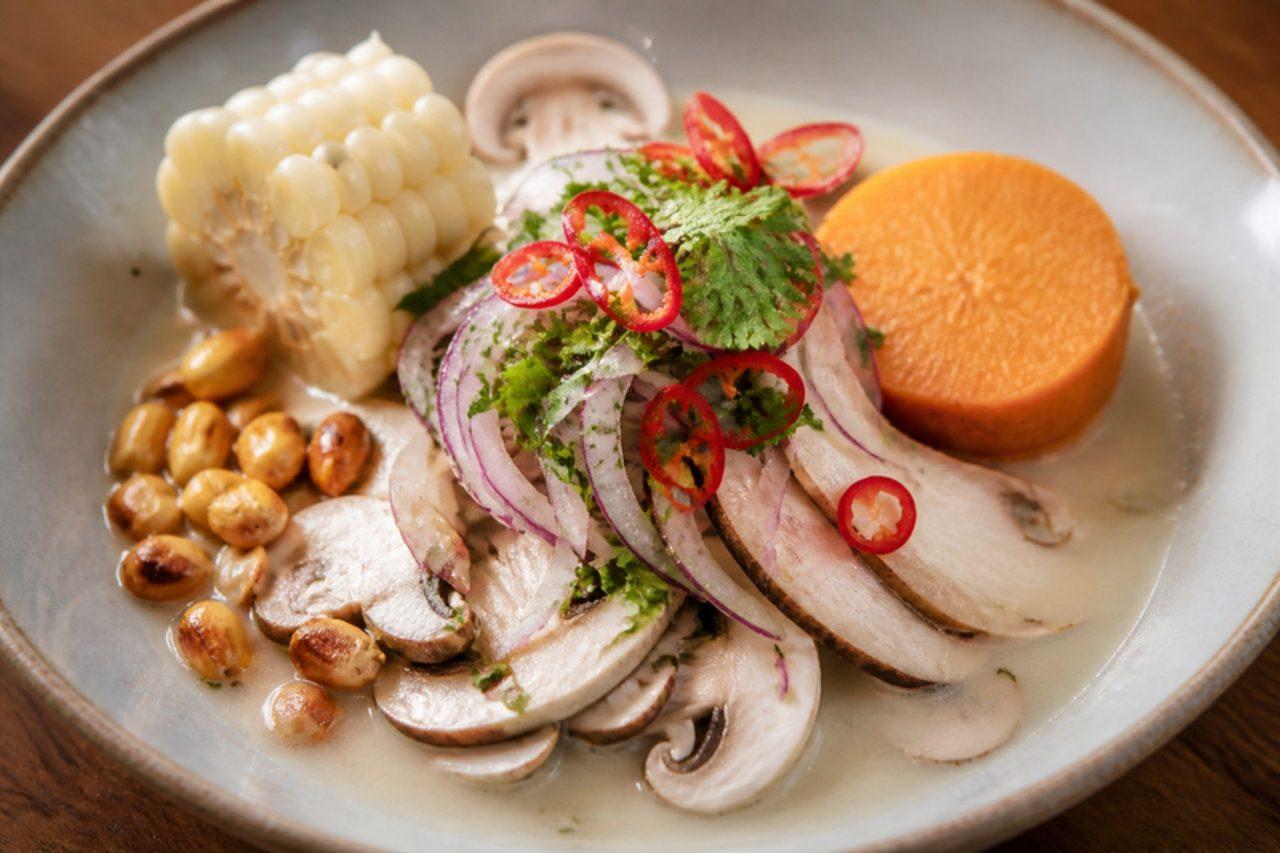
Mushroom ceviche

Ceviche is Lima's great obsession, eaten at lunchtime in cevicherías all along the coast; this vegetarian ceviche de champiñones keeps everything that makes it thrilling except the fish. Raw mushrooms are sliced thin and tossed at the last minute in leche de tigre, the bright, peppery marinade of lime, garlic, ginger, celery and ají limo, so they turn silky but still bite back. Red onion brings crunch, coriander freshness, and on the plate it gets the classic Lima company: a slice of sweet potato, a wedge of corn on the cob and a handful of toasted cancha. Serve it as a starter on a hot day, straight away. Chef's tip: squeeze the limes gently by hand and stop before the pith; pressing hard or using a squeezer that crushes the peel makes the leche de tigre bitter.

by KrazyBadal 0 views

Mushroom & epazote quesadillas

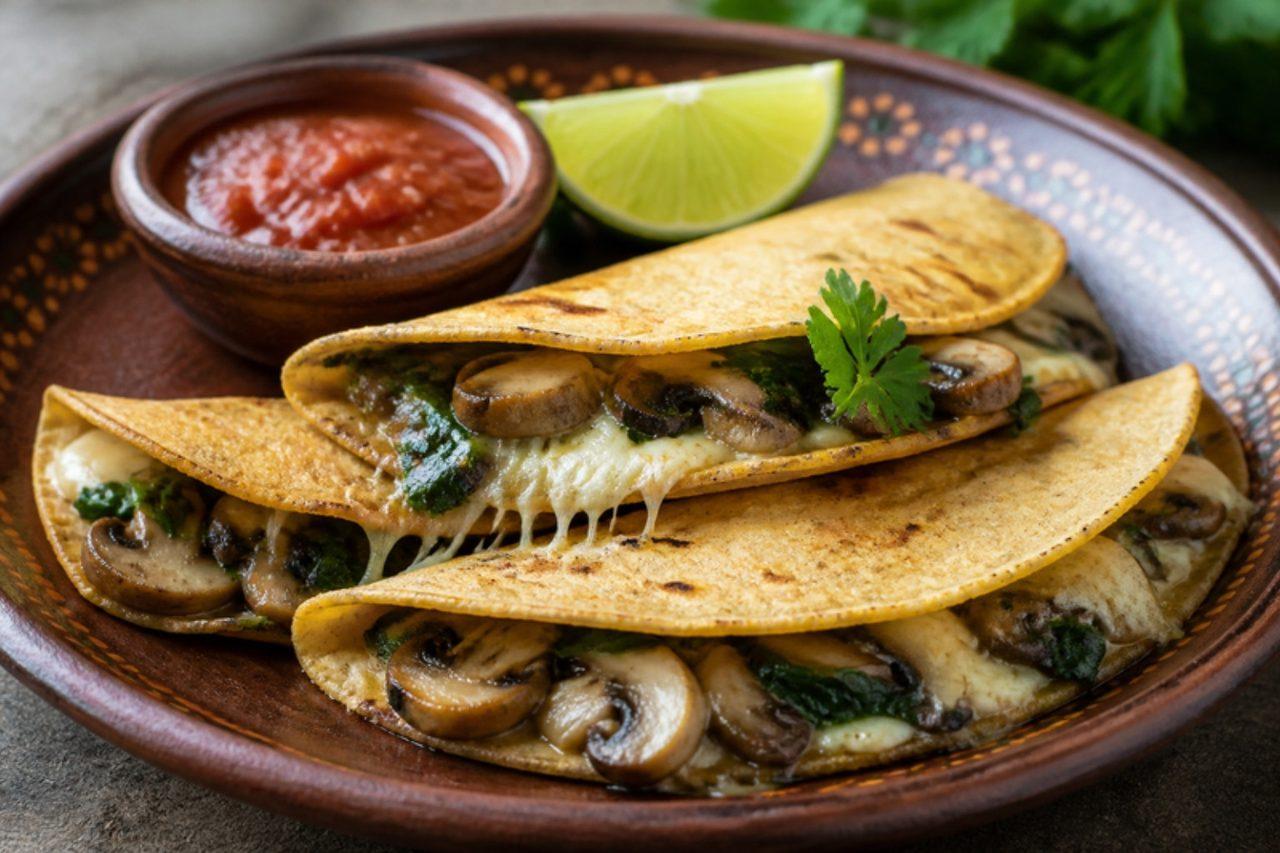
Quesadillas de hongos are sold from comales at markets all over central Mexico, from Mexico City to the forests around Toluca where wild mushrooms are picked in the rains. The mushrooms are fried hard with onion, garlic and green chilli and finished with epazote, a pungent herb with notes of mint, anise and citrus that is the signature of central Mexican cooking. Folded into corn tortillas with stringy cheese, they are earthy, juicy and a little hot. Serve with salsa roja and lime. Use a cheese made with vegetarian rennet; low-moisture mozzarella is a good stand-in for Oaxaca cheese. Chef's tip: fry the mushrooms until all their liquid has gone; wet mushrooms make the tortilla soggy.

by KrazyBadal 0 views

BourekasFeta and potato pastry triangles

Bourekas are what Israelis grab from the bakery on a Friday morning or bring to a family gathering: puff pastry shapes with savoury fillings, shiny with egg and dotted with sesame. The tradition came from Sephardi Jews of Turkey and the Balkans, but in Israel it settled into puff pastry, with the shape telling you the filling at a glance (triangles for cheese, rectangles for potato in many bakeries). This version fills triangles with feta and ricotta and rectangles with herby mashed potato, and goes with a hard-boiled egg, pickles and grated tomato. Chef's tip: keep the pastry cold right up to the oven; warm puff pastry won't rise into flaky layers.

by KrazyBadal 0 views

Koat pithaBanana and rice flour fritters

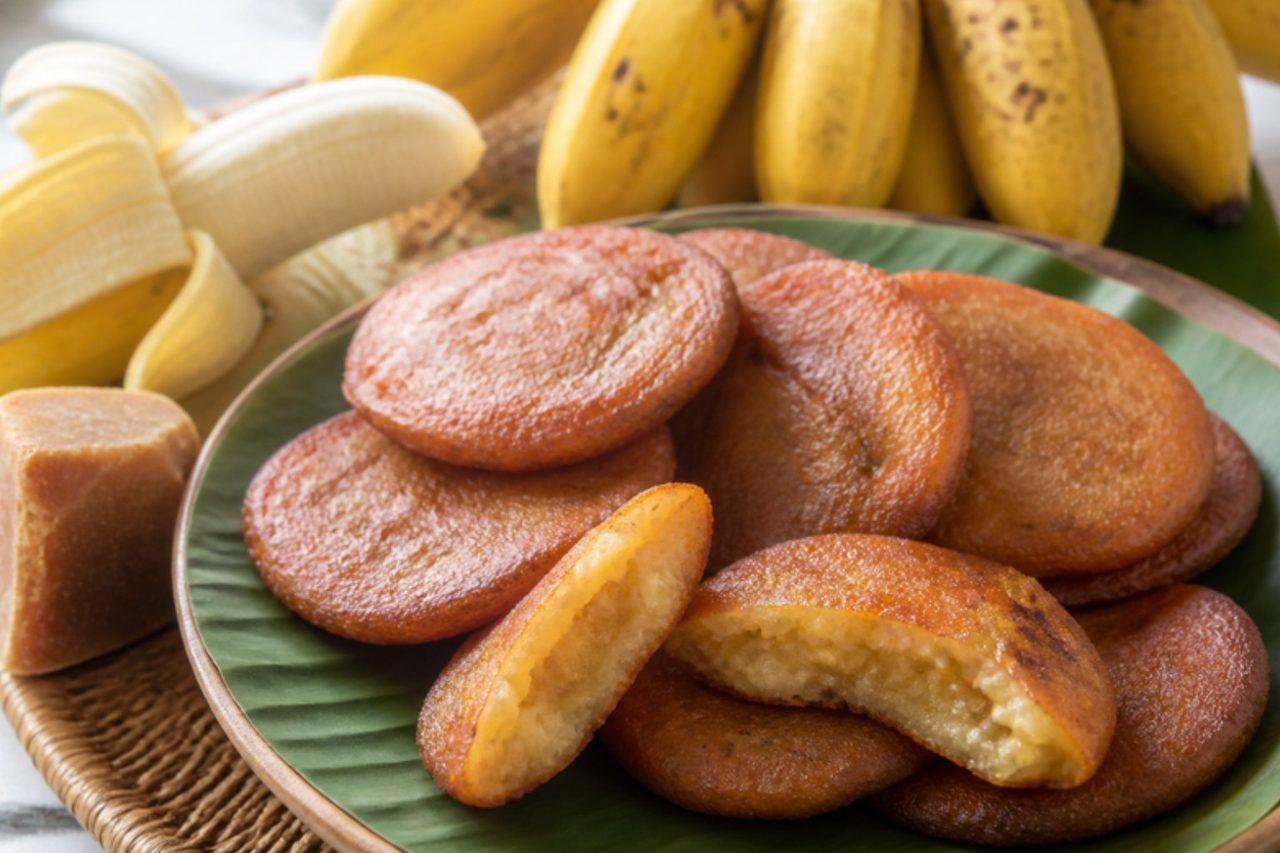
Koat pitha is Mizoram's favourite tea-time snack, sold in Aizawl's bakeries and street stalls and fried at home whenever bananas go soft: mashed ripe banana is mixed with rice flour and jaggery into a thick batter and fried in spoonfuls until crisp, brown and puffed. Inside they are soft and sticky-sweet. They are served at church gatherings and with red tea on wet afternoons. Chef's tip: the riper the bananas the better; spotted, almost black ones give the most flavour and sweetness.

by KrazyBadal 0 views

Pineapple tarts

Every Malaysian household seems to have someone who makes pineapple tarts in the weeks before Chinese New Year or Hari Raya, and the plastic tubs of them go round every visit and open house. In Hokkien the pineapple, 'ong lai', sounds like 'fortune comes', which is why they matter so much at the New Year. This is the rolled 'nastar' style: a little ball of golden, slow-cooked pineapple jam, scented with cinnamon, star anise and clove, wrapped in rich, crumbly butter pastry. Chef's tip: grate the pineapple by hand rather than blending it; the fibres give the jam its chewy body.

by KrazyBadal 0 views

Tai-meshi (sea bream rice)

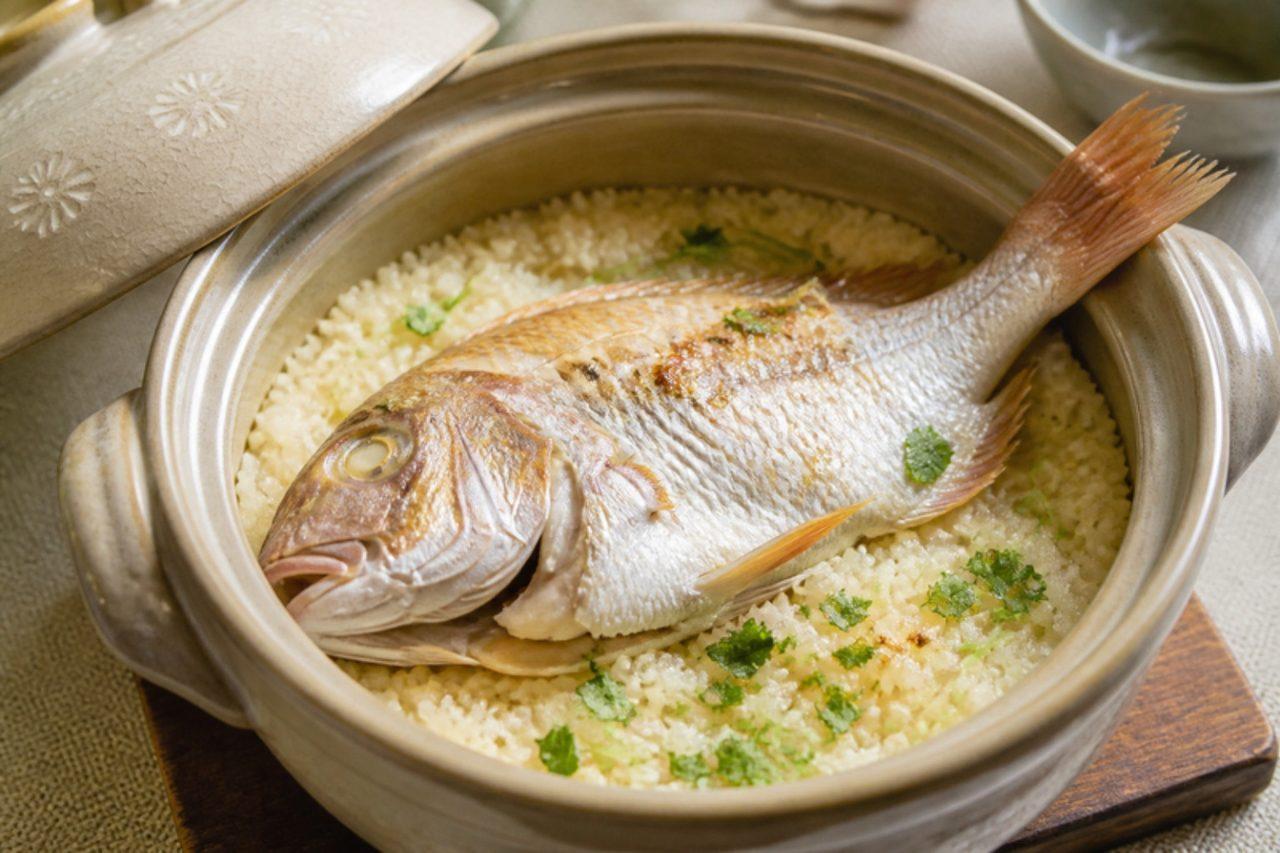
Ehime prefecture on Shikoku farms more red sea bream than anywhere else in Japan, and tai-meshi is its signature rice. Around Matsuyama and the old fishing town of Hojo, a whole grilled fish is laid on seasoned rice and cooked in the same pot, then the flesh is flaked through the grains at the table. Down the coast in Uwajima the same name means raw bream on hot rice, but this is the cooked kind. Sea bream is a fish for celebrations in Japan, so the dish turns up at weddings and New Year as well as in station lunch boxes. Chef's tip: grill the fish briefly before it goes in the pot; the browned skin adds a toasty flavour to the rice and keeps the fish from smelling of the sea.

by KrazyBadal 0 views

Bungo juiceSweet-sour bungo fruit juice

Maji ya bungo is a favourite Zanzibar street drink made from the orange, sweet-sour pulp of the bungo fruit (Saba comorensis), soaked off the seeds, blended with sugar and water and strained. It's tangy, fruity and very refreshing. Serve well chilled.

by KrazyBadal 0 views

AmbashaSpiced celebration bread

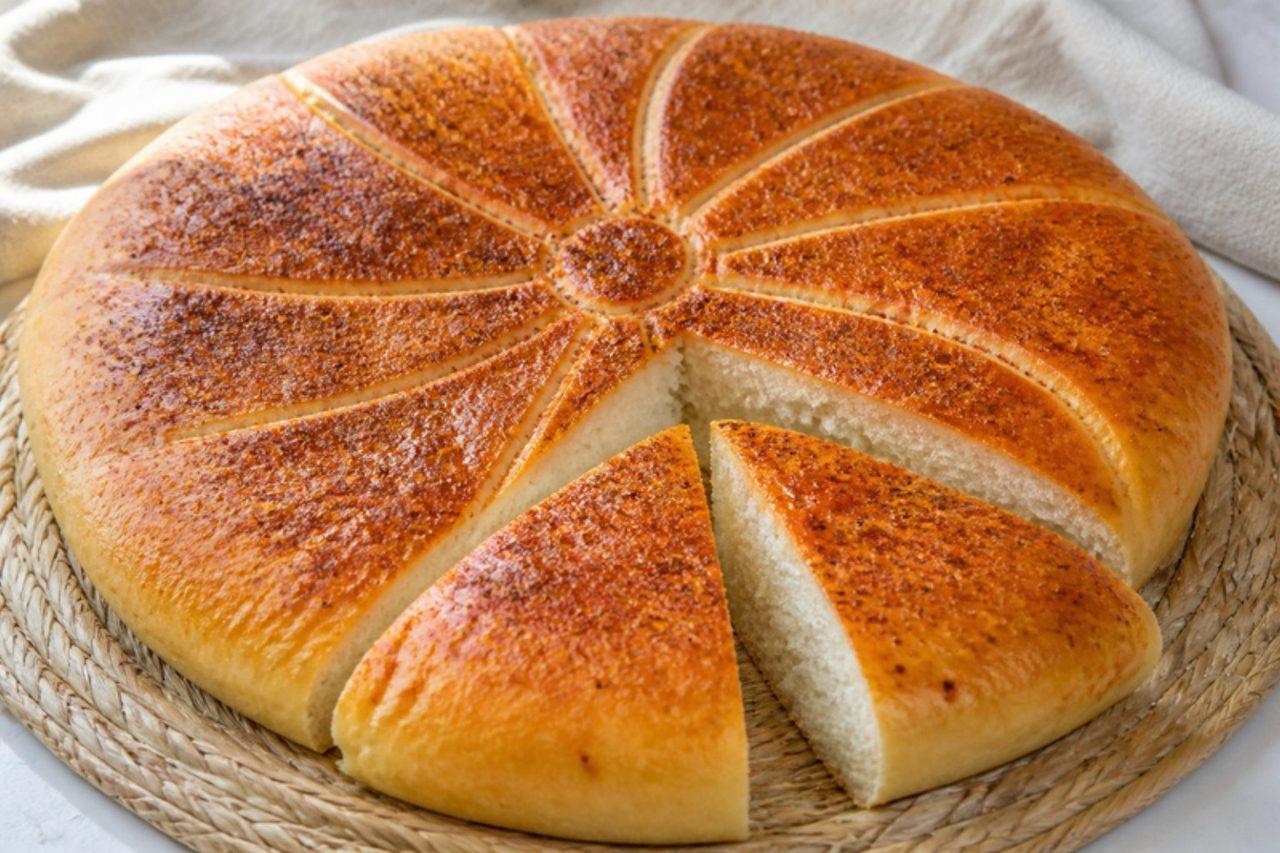
Ambasha is the round, slightly sweet festival bread of Tigray and Amhara, baked for holidays such as Easter (Fasika) and Meskel and for welcoming guests. The dough is scented with fenugreek, cardamom and coriander seed, and before baking the top is cut with a knife into a wheel-like pattern, so it comes out of the oven looking like a decorated plate; it is brushed with niter kibbeh and berbere and served torn into pieces with coffee. Chef's tip: cut the pattern deep (about 1 cm), or it disappears as the bread rises in the oven.

by KrazyBadal 0 views

KvassFermented rye bread drink

Before the cola era, kvass was Russia's everyday thirst-quencher, sold every summer from yellow barrel trailers on Moscow street corners and poured into glass mugs. At home it is brewed from dried rye bread, sugar and a pinch of yeast, fermented for a day or two until it tastes malty, a little sour and gently fizzy, and only about 1% alcohol. It is drunk ice cold and is also the broth for okroshka. Chef's tip: toast the bread until really dark, almost burnt at the edges; that is where kvass gets its deep colour and its toasted, malty taste.

by KrazyBadal 0 views

Lentil fritters (bhadali bhajia)

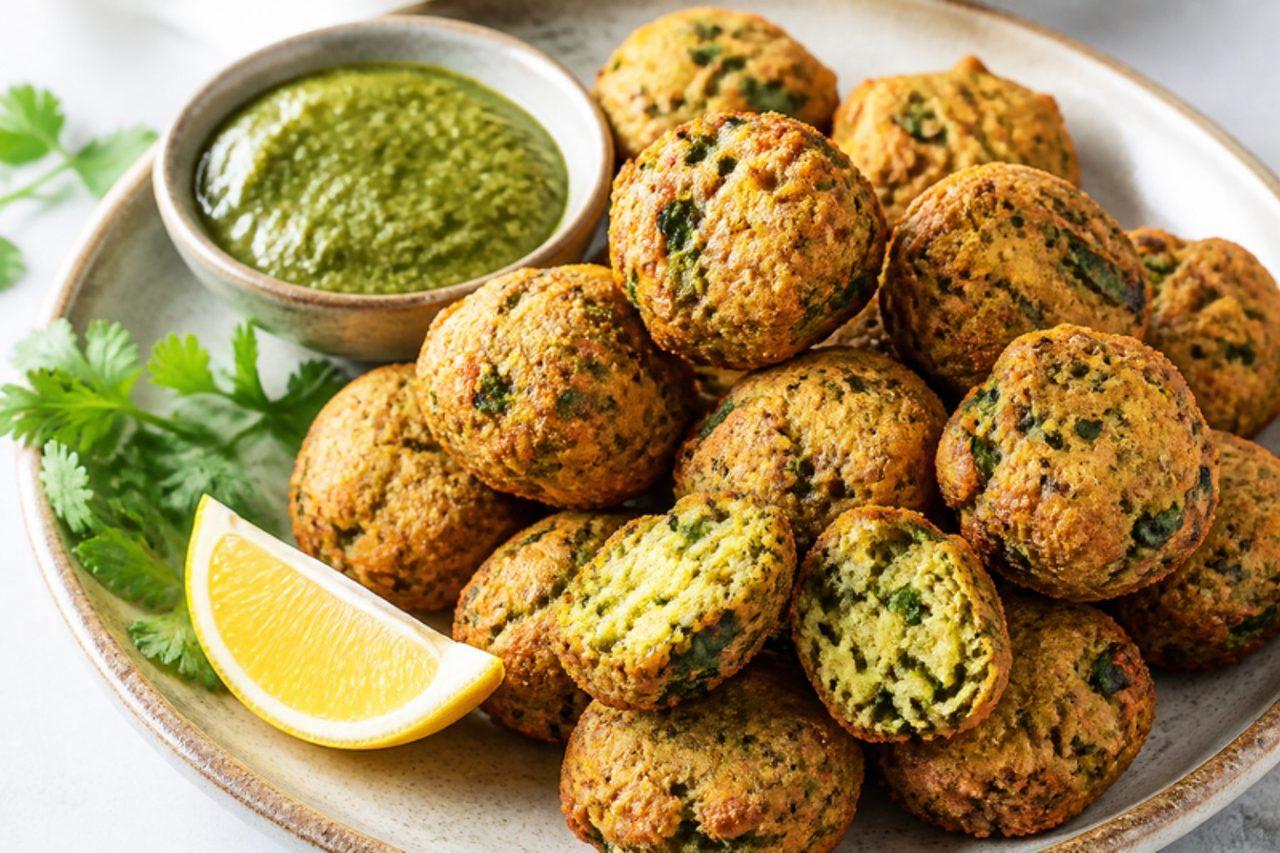
Golden fritters of coarsely ground black-eyed bean and green gram lentils with fenugreek, spinach, coriander, spring onion and chilli. They're crunchy outside and fluffy inside, and they go into Zanzibar mix and Coastal Mombasa mix too. Serve hot with coconut chutney.

by KrazyBadal 0 views

PrinsesstårtaMarzipan-covered layer cake

This domed green cake sits in every Swedish konditori window and is the cake for name days, birthdays and the last week of September, which Swedes call Prinsesstårtans vecka. It was first written down in the 1930s by Jenny Åkerström, cookery teacher to three young Swedish princesses, and they adored it. Under the smooth marzipan lie airy sponge layers, raspberry jam, thick vanilla custard and a tall mound of whipped cream. Shop versions often set the cream with gelatine; here the custard is firmed with cornflour and the cream with a little mascarpone, so it is fully vegetarian and still slices cleanly. Chef's tip: assemble the cake the day before you need the custard and sponge, but cover it with marzipan only a few hours before serving; marzipan sweats in the fridge overnight.

by KrazyBadal 0 views

BriamRoasted summer vegetables

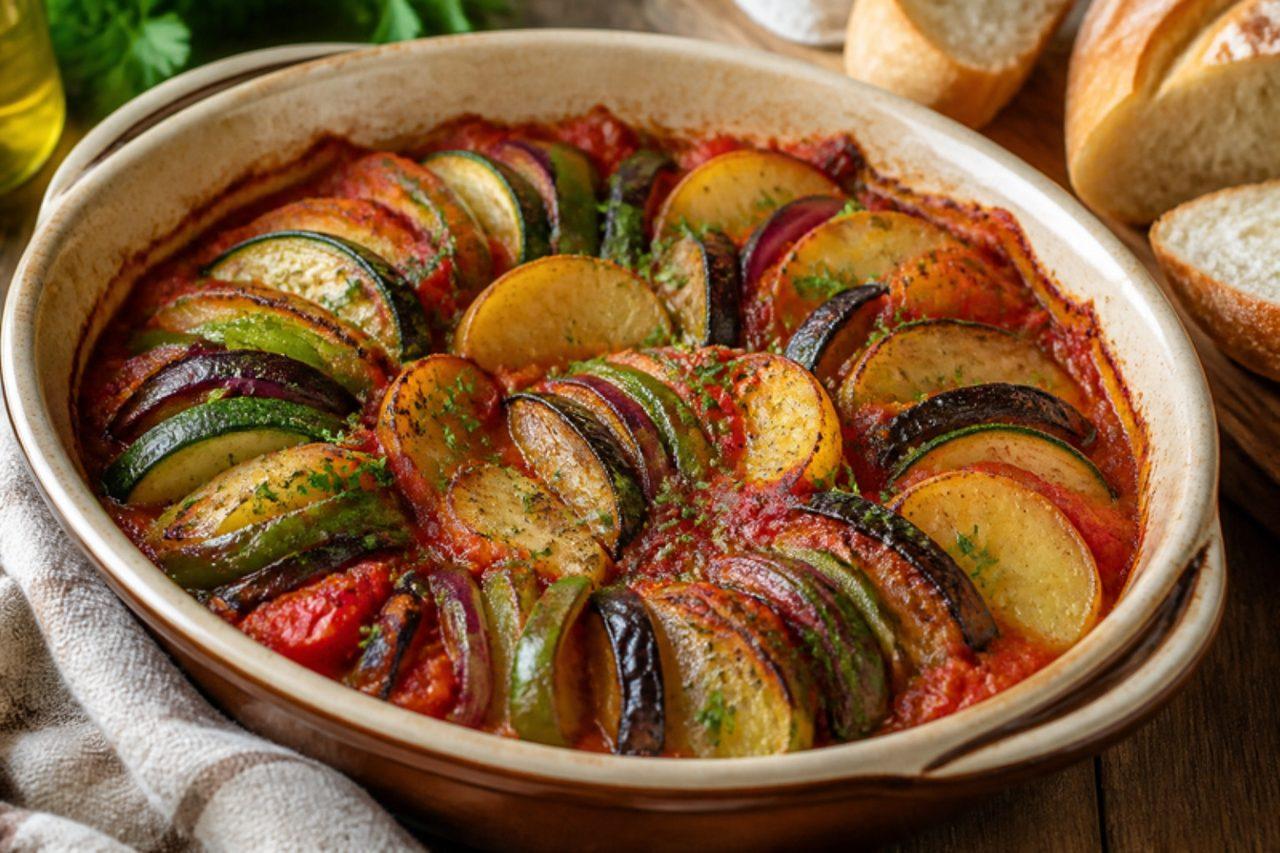
Briam is what Greek home cooks put in the oven on a hot afternoon when the garden is full of courgettes: potatoes, courgettes, aubergine, peppers and onions tumbled with grated tomato, garlic and oregano, then roasted slowly until soft and caramelised at the edges. It is one of the ladera, dishes cooked in olive oil and eaten as a main course, usually at room temperature with feta and bread. It tastes better the next day, when the flavours have settled. Chef's tip: cut the potatoes thinner than everything else so they cook in the same time; same-size chunks are the common mistake that leaves you with hard potatoes and mushy courgettes.

by KrazyBadal 0 views

Brik à l'œufFried egg pastry triangle

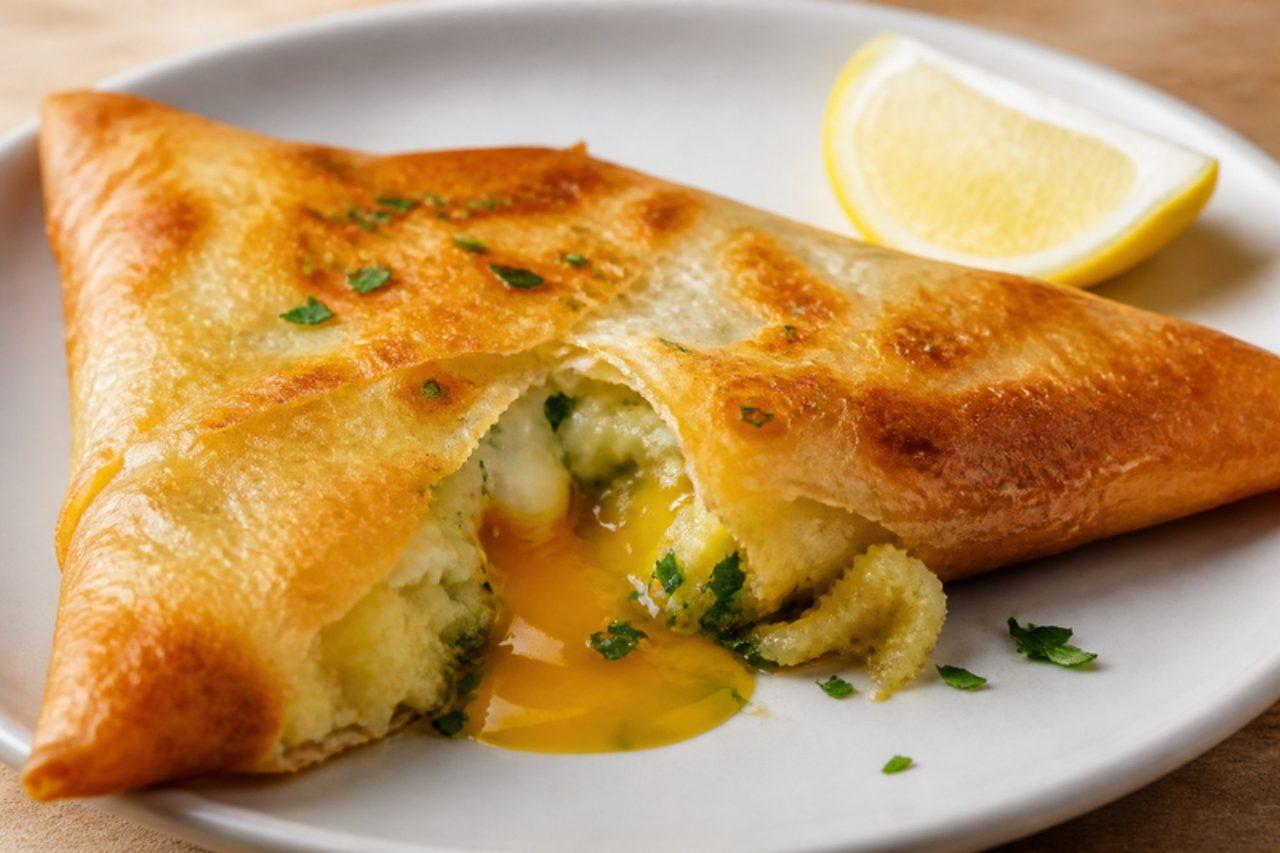
Brik is Tunisia's crackling street and Ramadan snack: a sheet of paper-thin malsouka pastry folded around a raw egg, mashed potato, parsley and capers, and fried for a minute until the shell shatters and the yolk is still runny. In Tunis and La Goulette it is eaten by hand, held by the corners and bitten carefully to avoid egg on the chin. The classic filling adds tuna; this version keeps it vegetarian with a little cheese. It is different from Moroccan briouats, which are small rolled parcels baked or fried with a cooked filling. Chef's tip: have the oil hot and ready before cracking the egg onto the pastry; once the egg sits, it soaks through the sheet.

by KrazyBadal 0 views

PerkedelPotato fritters

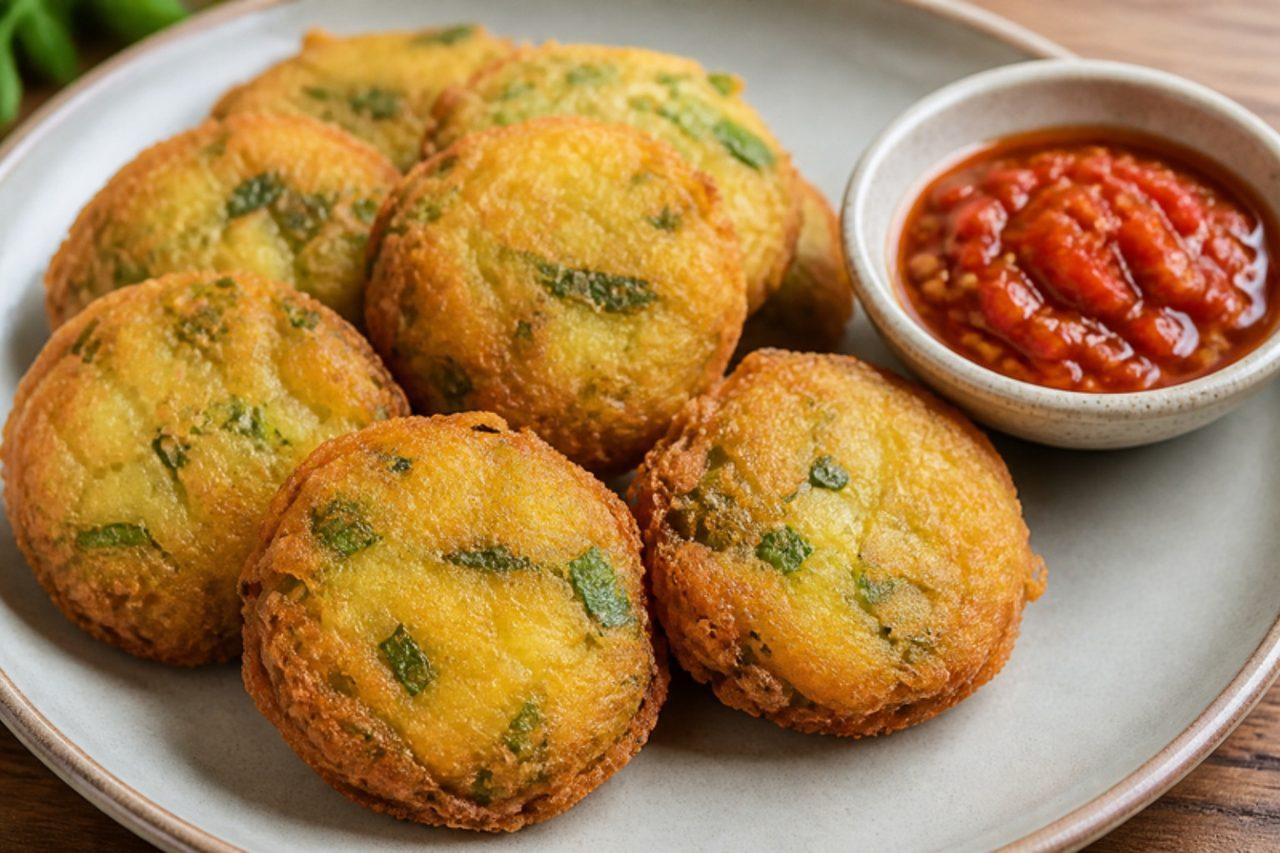
Perkedel came to Indonesia from the Dutch frikadel, but became something quite different: mashed fried potato seasoned with nutmeg, white pepper, spring onion and fried shallots, shaped into little patties and fried in a coating of egg. Families make them for soto, for nasi kuning platters and Lebaran tables, and children grab them cold from the fridge. The outside is lacy and golden, the inside soft and peppery. Chef's tip: fry the potatoes before mashing, rather than boiling them — it's the Indonesian way, and it gives drier, fluffier potato that holds its shape without flour.

by KrazyBadal 0 views

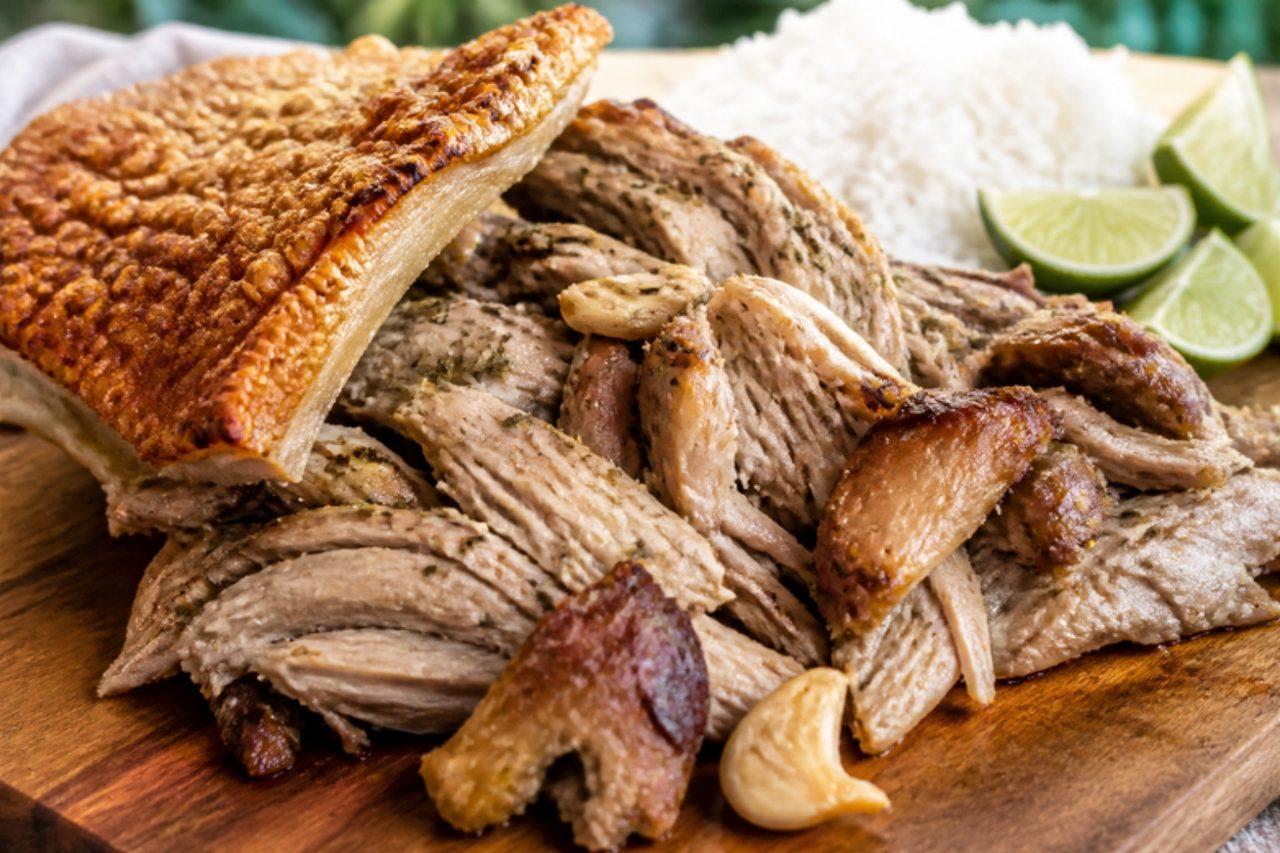
PernilRoast pork shoulder

No Puerto Rican Nochebuena (Christmas Eve) is complete without pernil, a whole pork shoulder rubbed with a pounded paste of garlic, oregano and black pepper, left in the fridge overnight and roasted low for hours until it falls apart. This is a pork dish. Families fight over the cuerito, the crackling skin on top, and the meat goes with arroz con gandules, salad and more rice the next day. The usual mistake is smearing the marinade over the skin: the garlic burns and the skin never crackles, so push the paste into slits and under the skin, and keep the skin itself dry and salted. Chef's tip: marinate for a full 24 hours if you can; the garlic and vinegar soak right into the meat.

by KrazyBadal 0 views

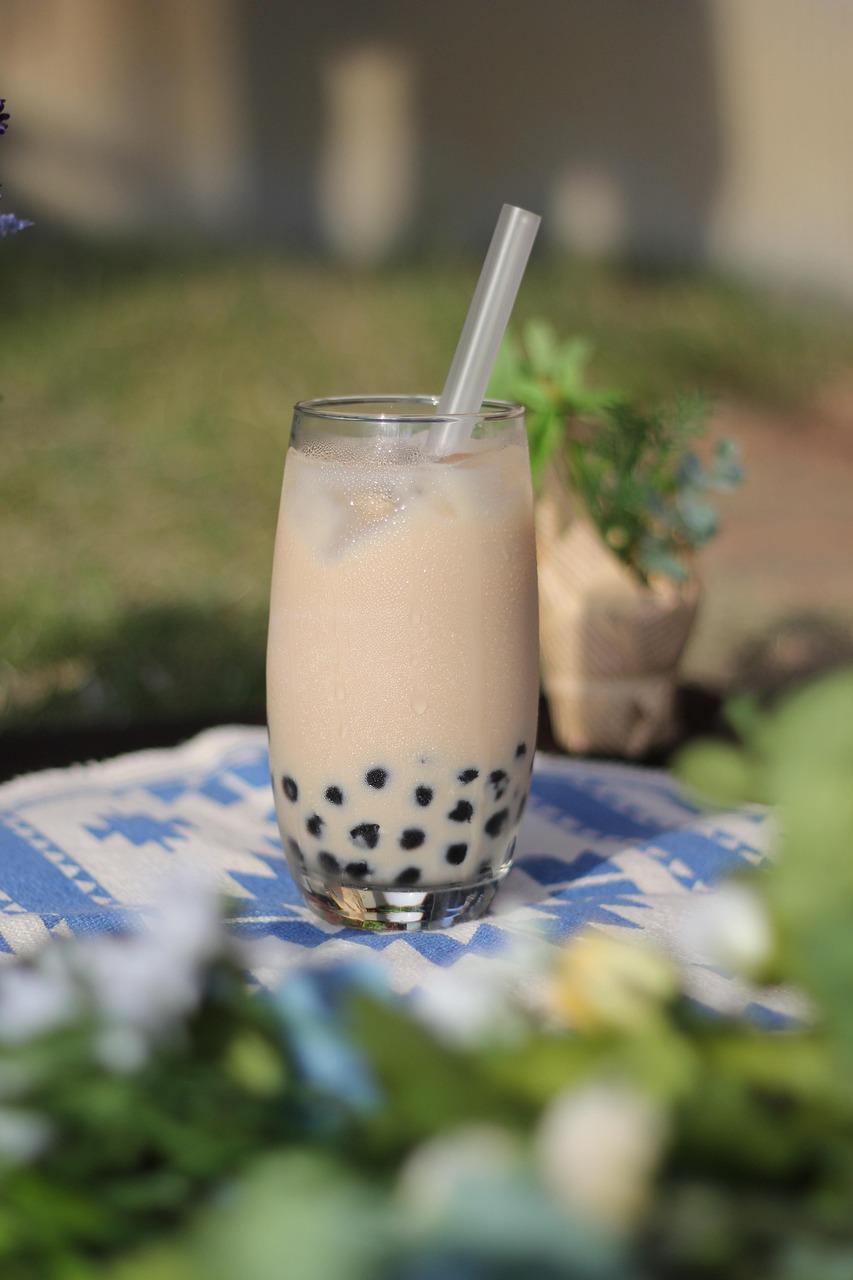
Bubble tea with brown sugar pearlsMilk tea with tapioca pearls

Pearl milk tea (zhen zhu nai cha) was born in Taichung, Taiwan, in the 1980s and has since spread to tea shops in every Chinese city. Strong black tea is shaken with milk and ice over dark, chewy tapioca pearls soaked in brown sugar syrup. Store-bought quick-cook pearls make it easy at home; kids love the big straws. Chef's tip: cook the pearls right before serving; after a couple of hours they go hard, and they can't be revived in the fridge.

by KrazyBadal 0 views

Soft doughnuts (kaimati)

Kaimati are bite-size Swahili doughnuts: a yeasted cardamom and coconut batter dropped by the spoonful into hot oil, then dipped in a fragrant saffron, cardamom and rose syrup while still hot. They're crisp outside and soft inside. Serve with tea.

by KrazyBadal 0 views

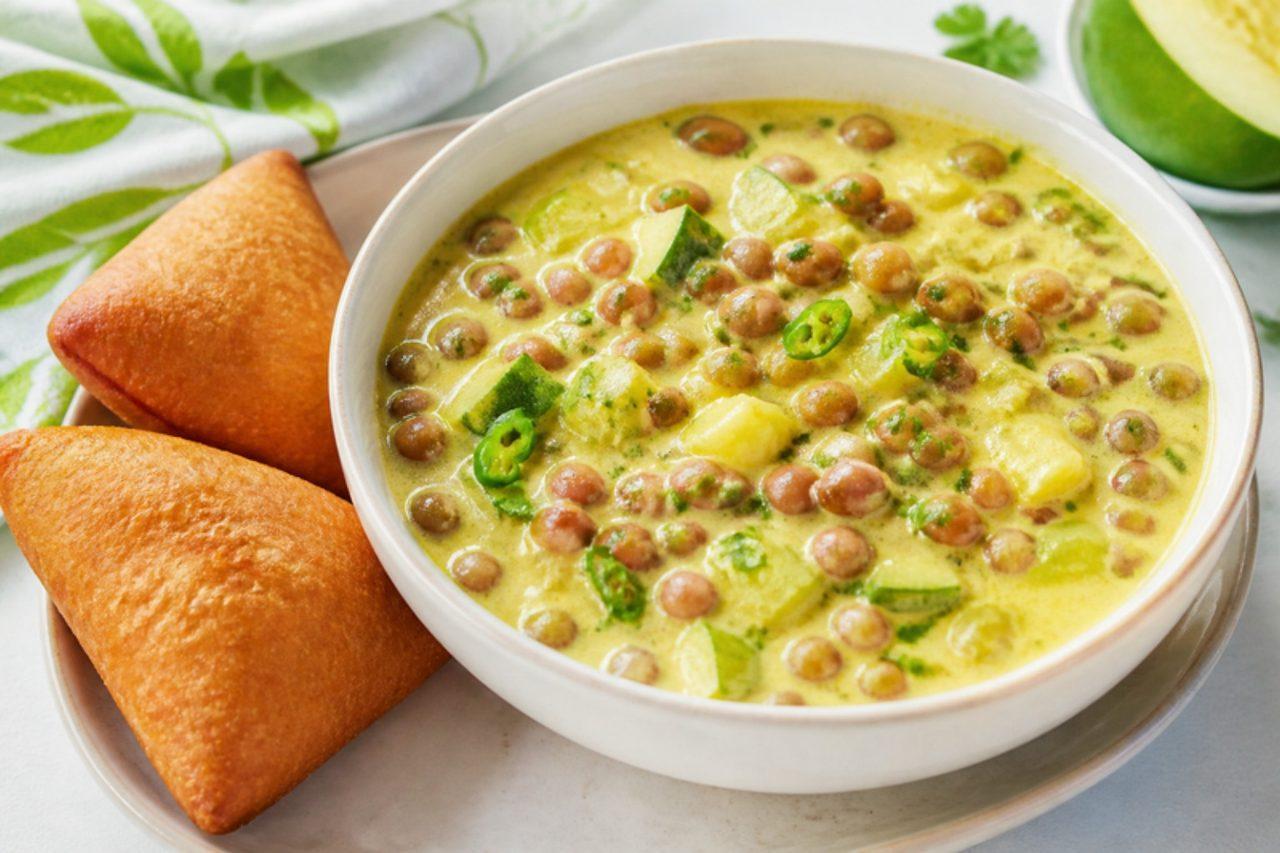
Pigeon peas in coconut milk (mbaazi)

Mbaazi wa nazi: soft pigeon peas cooked in thick coconut milk with onion, raw mango, ginger-chilli paste and a pinch of turmeric until creamy. It's mild, rich and comforting. Serve with mamri (mandazi) for the classic Swahili pairing.

by KrazyBadal 0 views

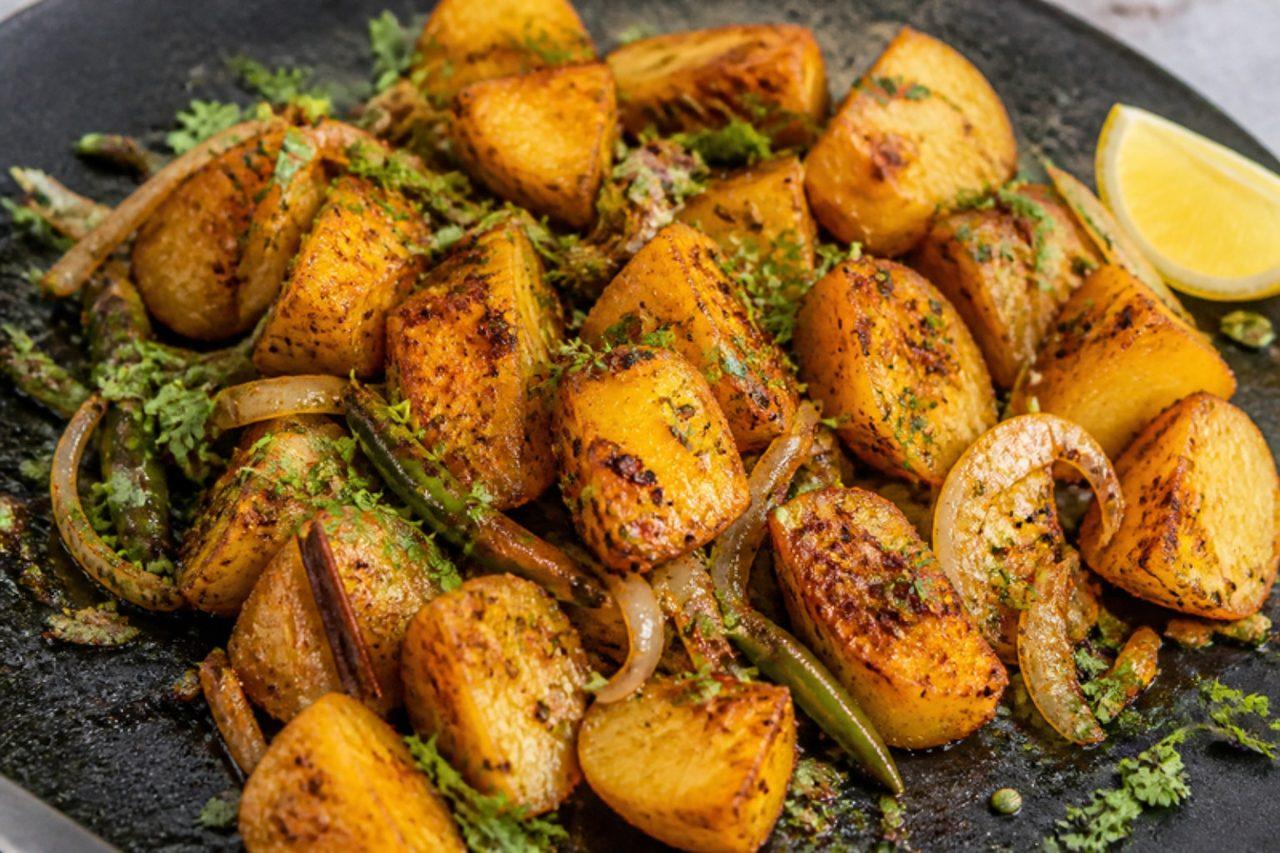
Tawa chilli potatoes

A big tawa of potato cubes tossed with a fragrant tempering of mustard, cumin, coriander seeds, aniseed, cloves, cinnamon and black pepper, then onions, ginger, garlic and two kinds of chilli. It's hot, aromatic and great as a barbecue starter. Swap the potatoes for steamed paneer cubes for a change.

by KrazyBadal 0 views

Bryndzové haluškyPotato dumplings with sheep's cheese

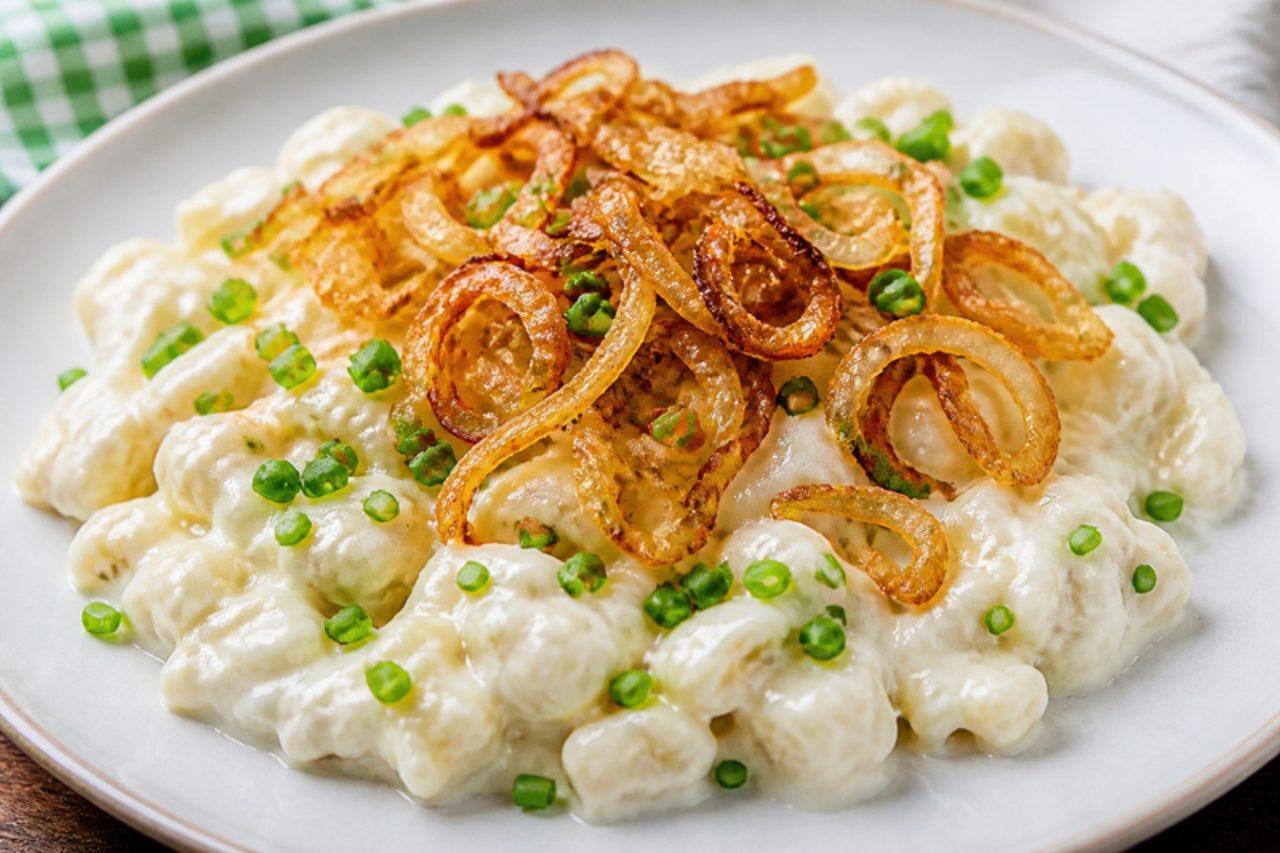
Bryndzové halušky is Slovakia's national dish, cooked in every koliba (timber shepherd's restaurant) in the Liptov and Orava valleys and fought over each summer at the halušky-eating contest in Turecká. Little grated-potato dumplings are tossed while hot with bryndza, a tangy, spreadable sheep's cheese, and finished with a sour milk drink called žinčica. The traditional topping is crisp smoked bacon; here golden fried onions bring the same savoury crunch, and meat-eaters can add bacon on their own plates. Chef's tip: grate the potatoes at the last moment and work fast; grated potato left standing turns grey and watery and the dumplings go heavy.

by KrazyBadal 0 views

Barbequed peas

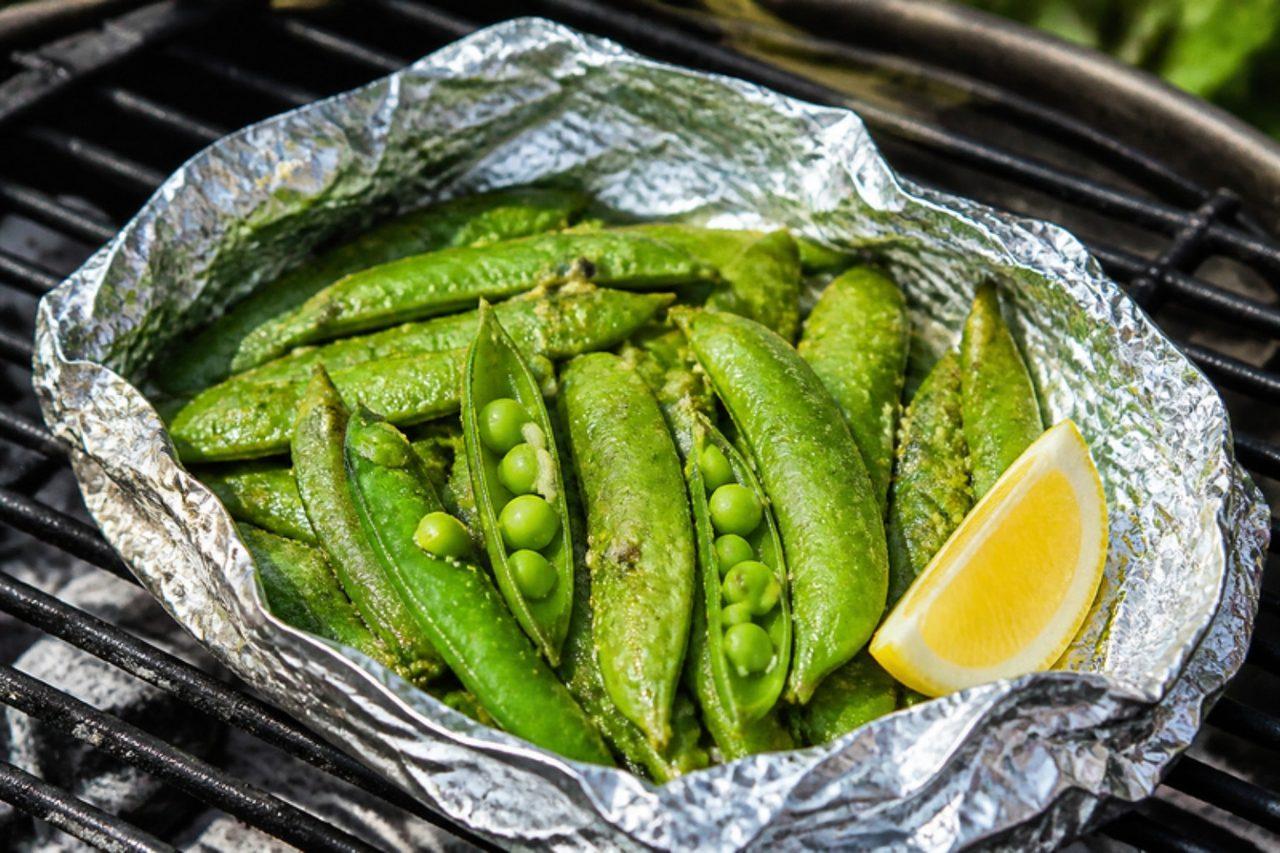
Tender peas in their pods tossed with chilli, ginger, garlic and lemon, sealed in foil and steamed on the barbecue. Everyone shells their own at the table and gets the spice on their fingers. Use the youngest, sweetest pods you can find.

by KrazyBadal 0 views

Corn & beans kebabs

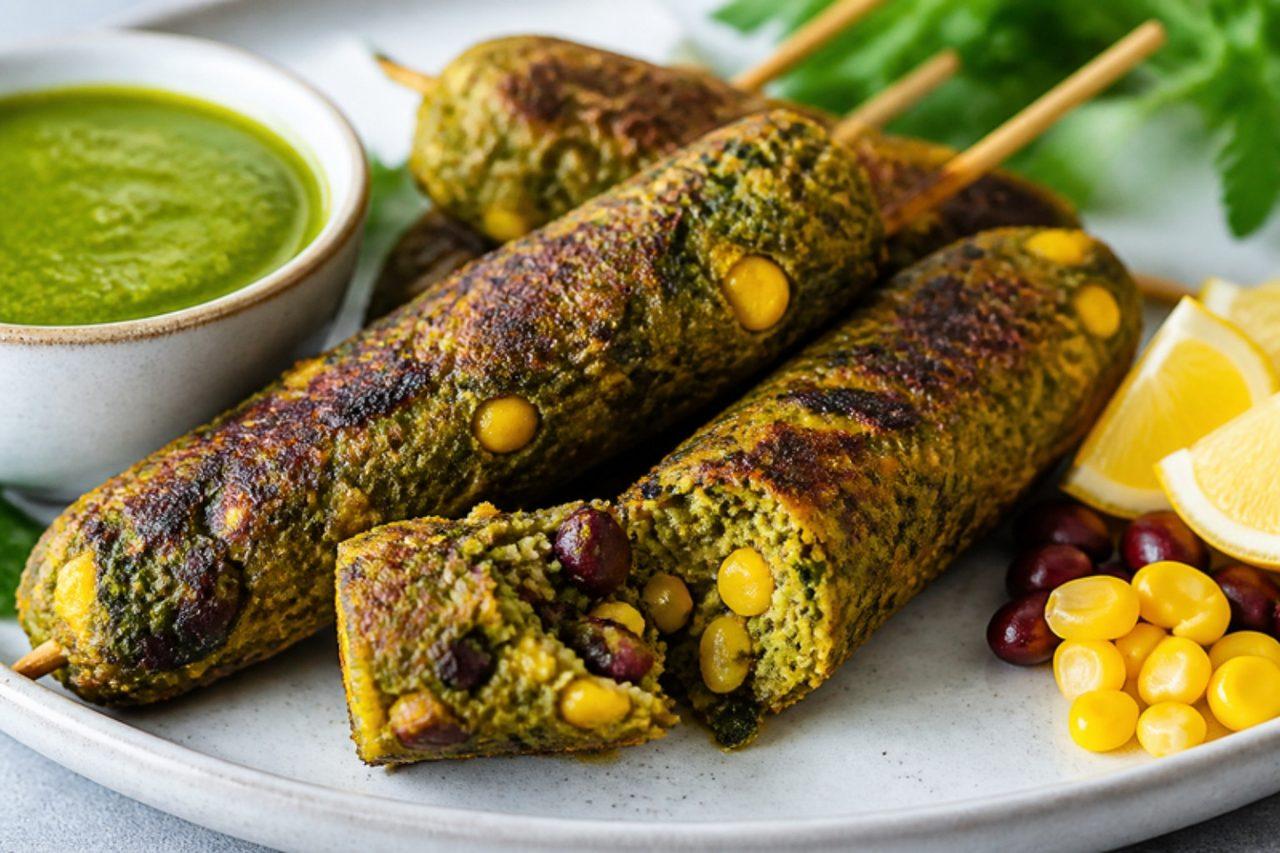
Soft vegetarian seekh-style kebabs of sweetcorn, kidney beans and potato with fenugreek, spinach, ginger and green chilli, pressed onto skewers and browned over charcoal. They're crisp outside and soft inside. Serve hot with green chutney and mint and yogurt chutney.

by KrazyBadal 0 views

Bubur pedasHerby toasted rice porridge

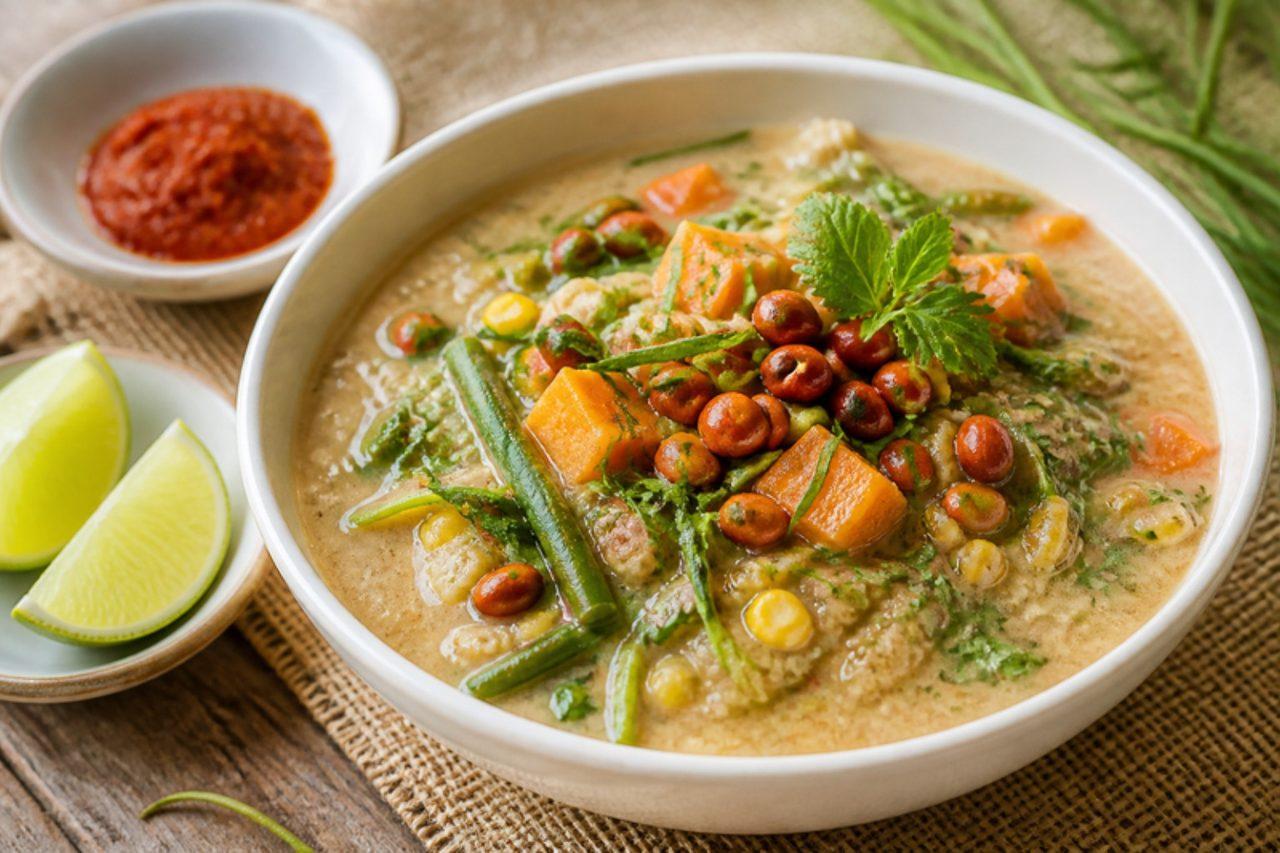
Bubur pedas comes from the Malay kitchens of Sambas in West Kalimantan and is a Ramadan favourite for breaking the fast. Raw rice and coconut are dry-roasted and ground, then cooked into a thick, savoury porridge with sweet potato, long beans, ferns, water spinach and lots of kesum leaf, the herb that gives its peppery smell. Despite the name, it is spiced rather than very hot; chilli goes on at the table. Many cooks add dried anchovies; this version tops it with fried peanuts instead. Chef's tip: roast the rice and coconut slowly until deep golden; that toastiness is the flavour of the dish.

by KrazyBadal 0 views

Barbequed paneer and vegetables

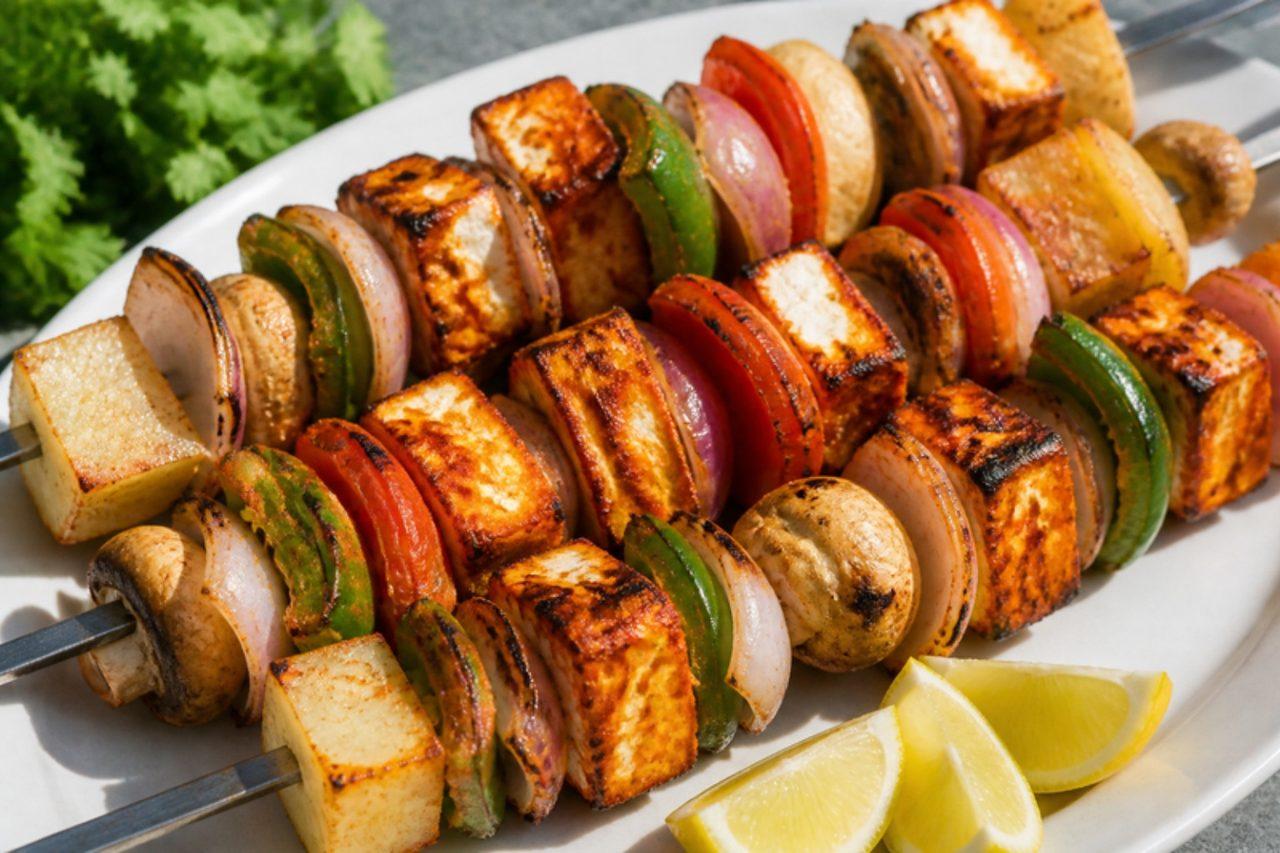
Party skewers of paneer, onion petals, capsicum, tomato, mushroom and cassava, each marinated in a thick, garlicky tandoori yogurt marinade and grilled over charcoal until charred at the edges. Make the marinade the day before and string the skewers just before the barbecue. Serve hot with mint and yogurt chutney.

by KrazyBadal 0 views

BuchtyFilled baked yeast buns

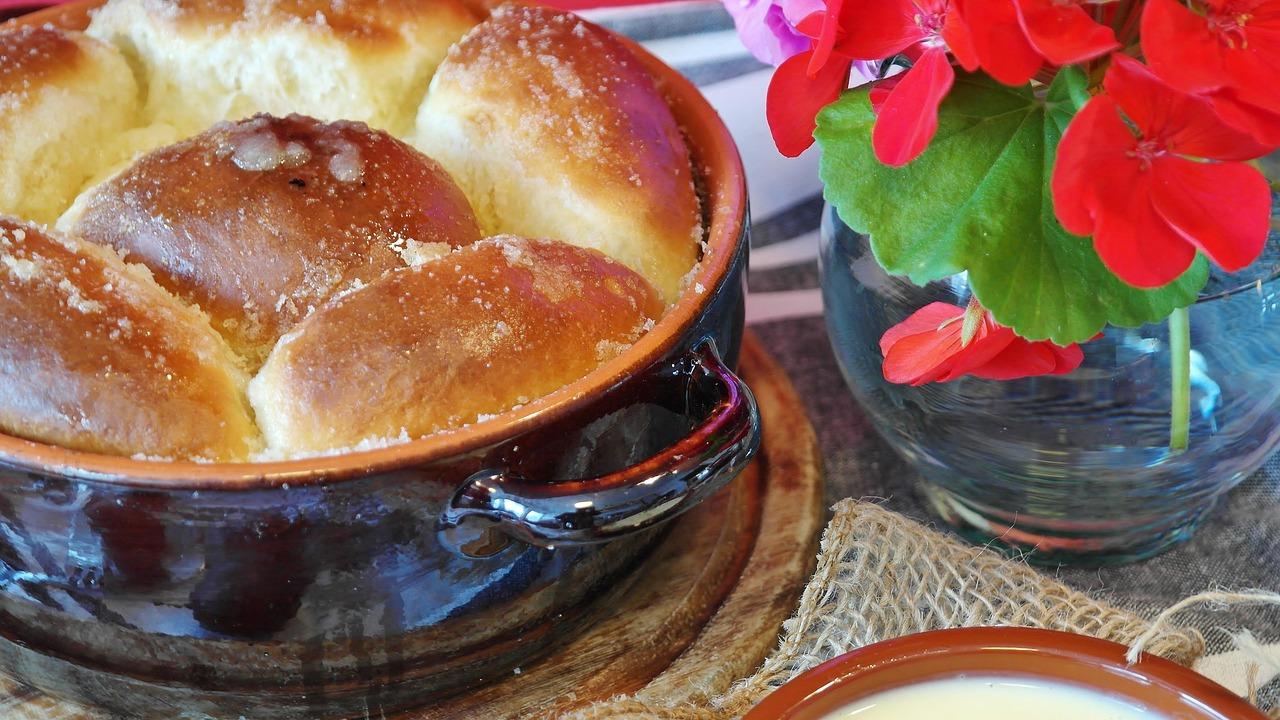
Buchty are the soft, pillowy yeast buns that Czech grandmothers bake in a roasting tin on Saturday, filled with povidla (plum butter), jam or sweet quark and packed so close that they rise into each other and have to be torn apart. They are the Czech answer to a cinnamon bun: eaten warm with milky coffee, packed for train journeys and school trips, and famous from the fairy tale in which the hero sets off with a bag of his mother's buchty. Unlike open koláče, the filling is sealed inside. Chef's tip: brush the sides of each bun with melted butter before you pack them in, so they pull apart cleanly with soft, shiny walls.

by KrazyBadal 0 views

Budae jjigaeSausage and noodle stew

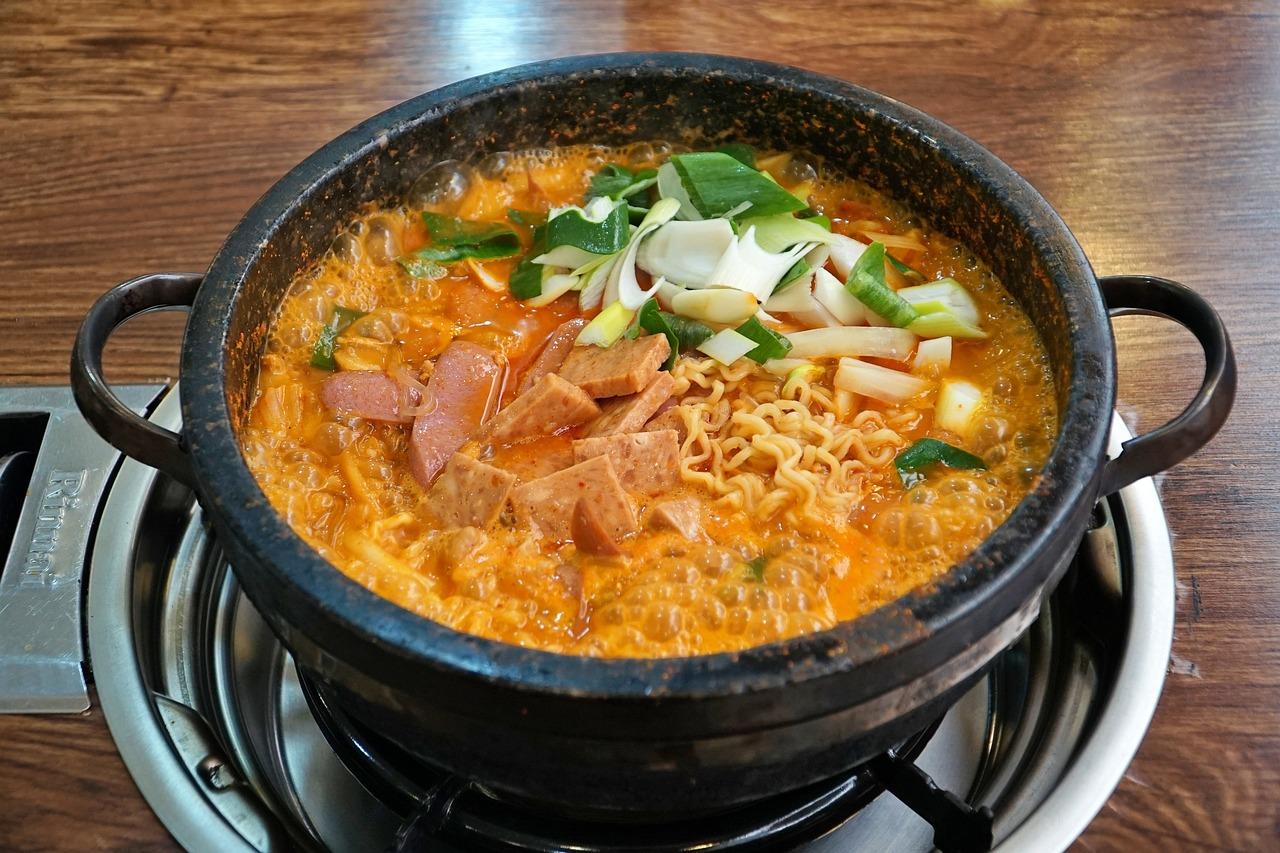
Budae jjigae grew up in Uijeongbu, north of Seoul, in the hard years after the Korean War, when surplus tinned meat and sausages from the nearby US army base were cooked with kimchi and chilli. The town still has a whole street of restaurants serving it. It is a sharing dish: a wide pan goes on a gas burner in the middle of the table, and friends fish out sausages and noodles as it bubbles. Chef's tip: arrange everything in neat piles in the pan before the stock goes in, so each person can see what they are reaching for.

by KrazyBadal 0 views

Budbud kabogMillet in coconut milk

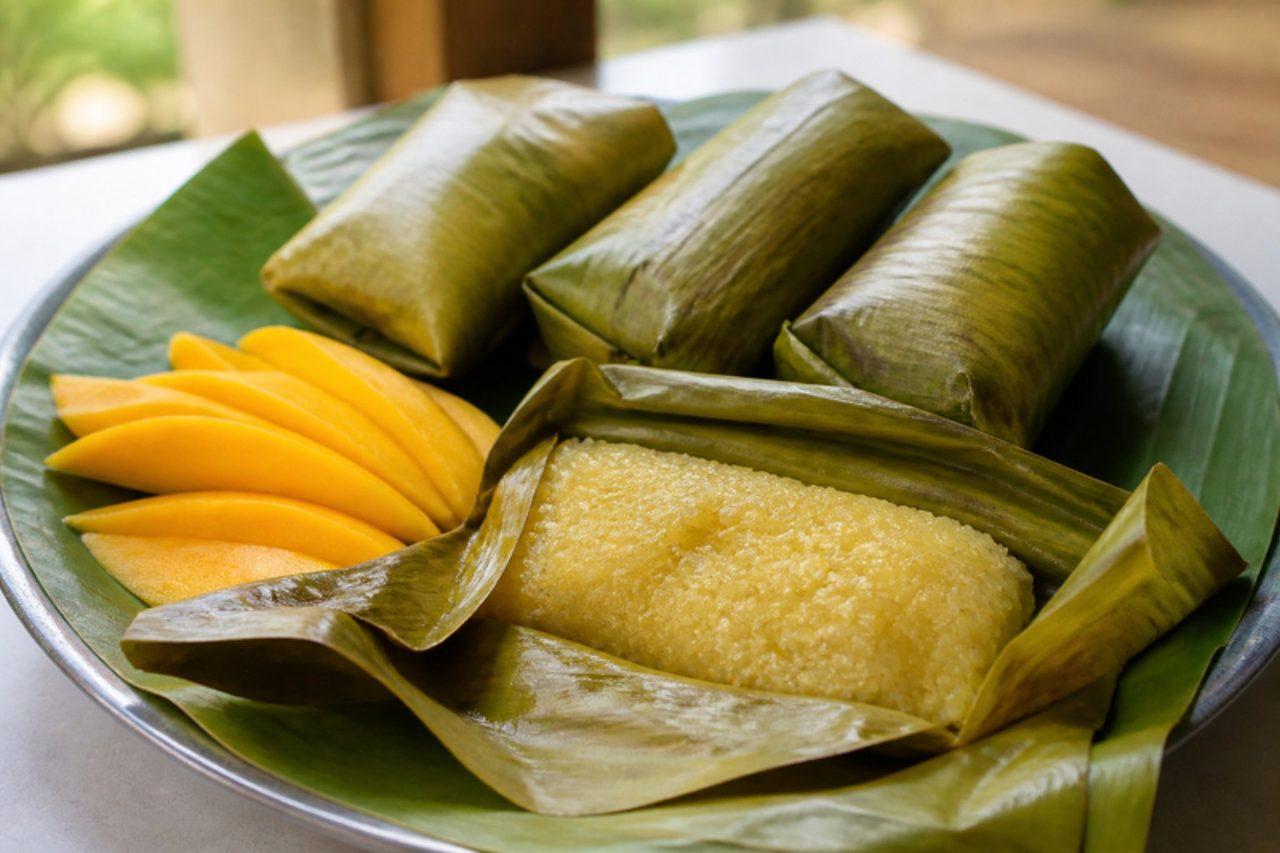
Budbud is the Visayan name for sticky rice rolls steamed in banana leaf, and the famous kabog version from Tanjay, Negros Oriental, uses millet instead of rice. The millet is cooked thick in coconut milk and sugar, rolled into banana leaves and steamed until it sets into a soft, slightly grainy log. In Dumaguete it is breakfast with ripe mango and a cup of tablea hot chocolate. Chef's tip: wilt the banana leaves briefly over a flame or in hot water so they fold without splitting.

by KrazyBadal 0 views

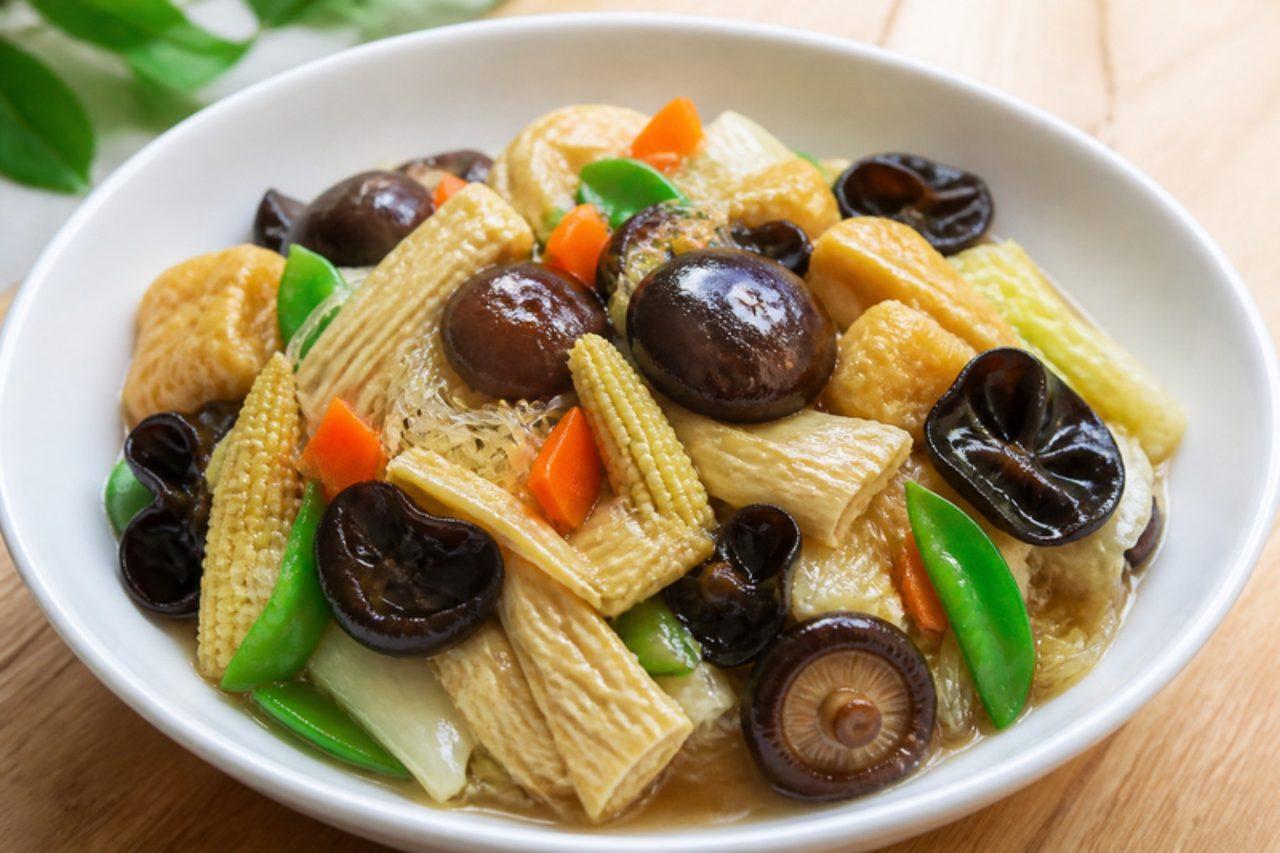
Buddha's delight (luohan zhai)Braised mushrooms, tofu and vegetables

Luohan zhai is the vegetarian dish of Chinese Buddhist temples, and many families cook it on the first day of the Lunar New Year, when eating meat is traditionally avoided. Recipes vary from house to house, but most combine dried shiitake, wood ear fungus, tofu puffs, tofu skin, napa cabbage and glass noodles, braised in one pot in a light, savoury sauce. It's light, colourful and full of different textures. Chef's tip: keep the shiitake soaking water; strained, it makes the base of the sauce and gives far more flavour than stock.

by KrazyBadal 0 views

Sabudana khichdiSago with peanuts and potato

Sabudana khichdi is the dish that sees Maharashtra through every vrat (fast), from Navratri to Ekadashi, but it's so good that people eat it any day of the week. Soaked sago pearls are tossed in a pan with crushed roasted peanuts, cubes of potato, cumin and green chilli until each pearl turns glassy and separate, then finished with lemon and coriander. It's soft, chewy, nutty and gently hot. Fasting rules vary from family to family, so check yours; this version uses rock salt and no asafoetida, onion or garlic. Traditionally it's cooked in ghee; use ghee instead of oil if you aren't keeping it vegan. Chef's tip: soak the sago in just enough water to cover by the height of the pearls themselves, no more; too much water is the reason khichdi turns into one sticky lump.

by KrazyBadal 2 views

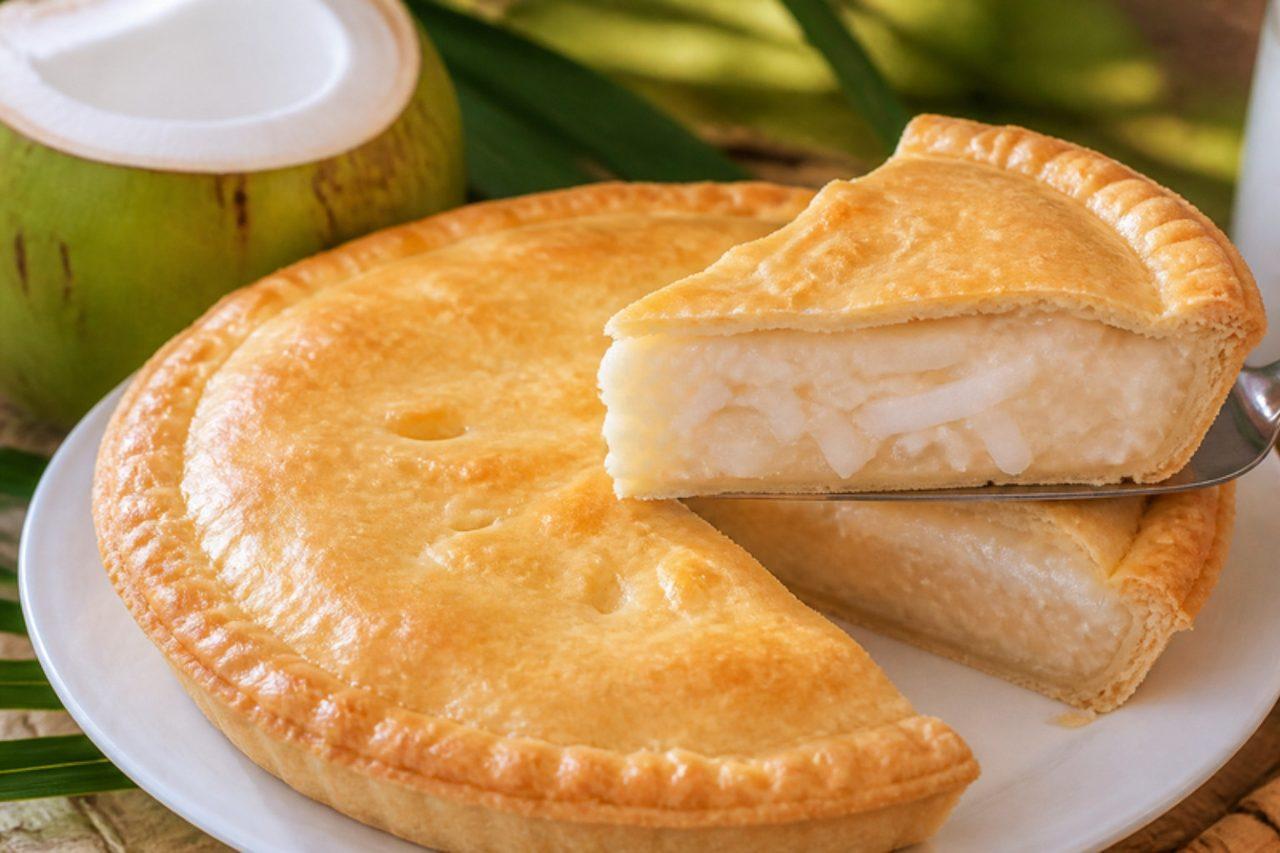
Buko pieYoung coconut pie

Drive the old highway through Los Baños and Calauan in Laguna and roadside shops sell buko pie in white boxes by the stack, warm from the oven. The filling is tender strips of young coconut set in a creamy custard made with the coconut's own water and milk, sealed in a short, buttery crust. It is a pasalubong, a gift you bring back for people at home. Chef's tip: use only the soft, spoonable flesh of young coconuts; hard mature coconut turns the filling chewy.

by KrazyBadal 0 views

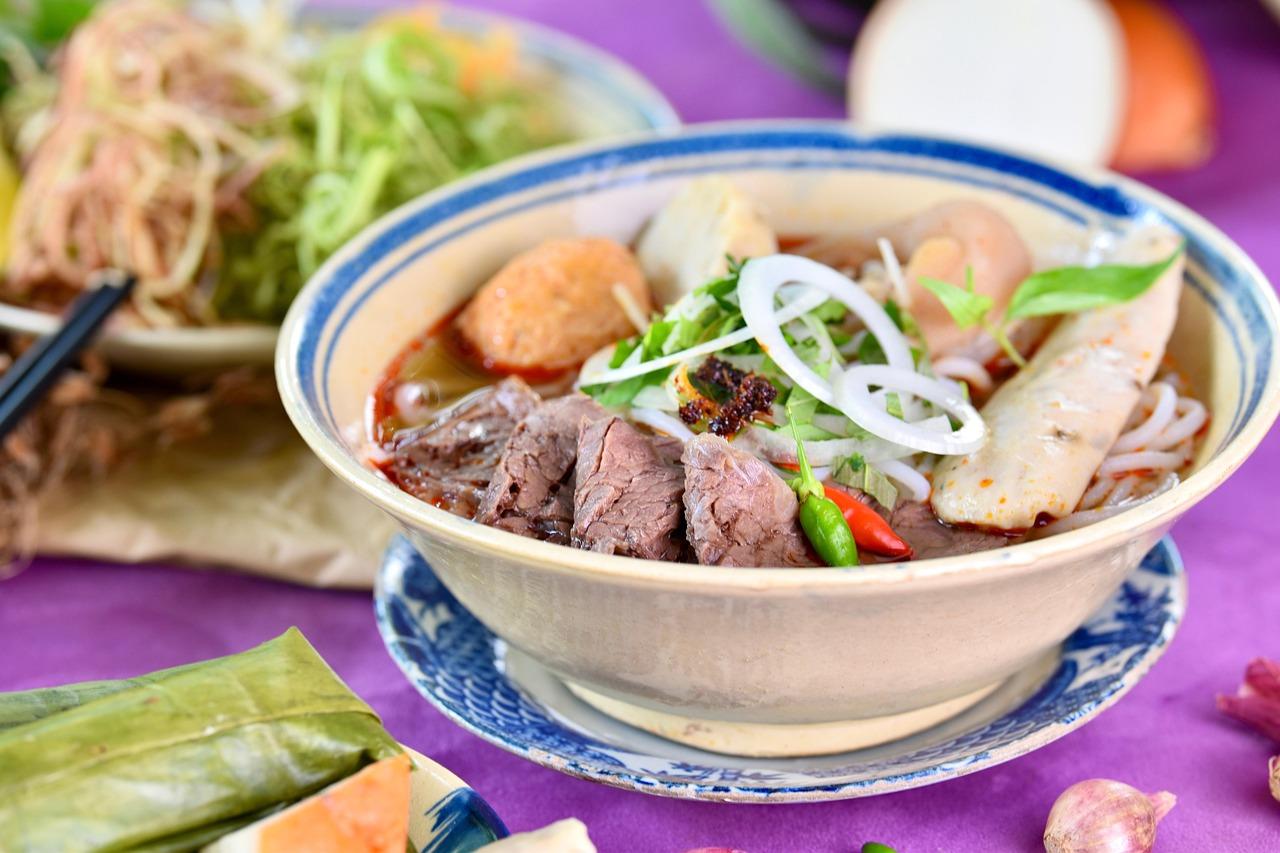
Bun bo HueSpicy beef noodle soup

Huế, once the seat of Vietnam's emperors, is known for food that is spicier and bolder than in the north or south, and this soup is the city's breakfast. Compared with pho it is louder in every way: the broth smells of lemongrass and fermented shrimp, it glows red with chilli oil, and the noodles are thick and round. Beef shank and slices of pork hock go in every bowl, often with pork roll, and it comes with a plate of mint, banana blossom and bean sprouts. Locals add pig's blood cubes too, which we leave out here. Chef's tip: bruise the lemongrass stalks hard with a rolling pin before they go in, so their oils flood the broth.

by KrazyBadal 0 views

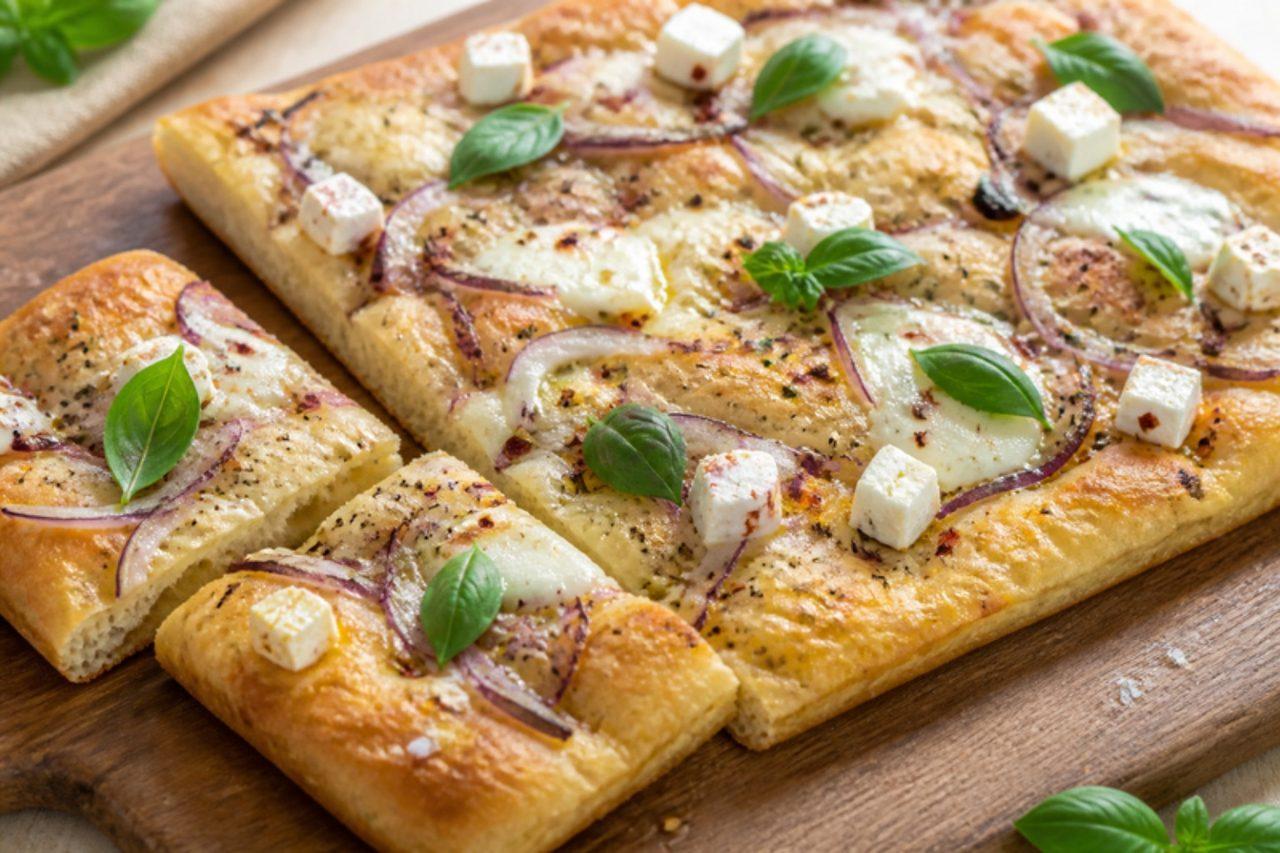
Onion focaccia

A soft, dimpled focaccia topped with thinly sliced red onion, crumbled paneer and mozzarella, torn basil, chilli flakes and crunchy sea salt, all drizzled with olive oil. It's crisp underneath and airy inside. Cut it into pieces and serve hot alongside barbecue dishes and salads.

by KrazyBadal 0 views

Bun kebabSpiced lentil and potato patty in a bun

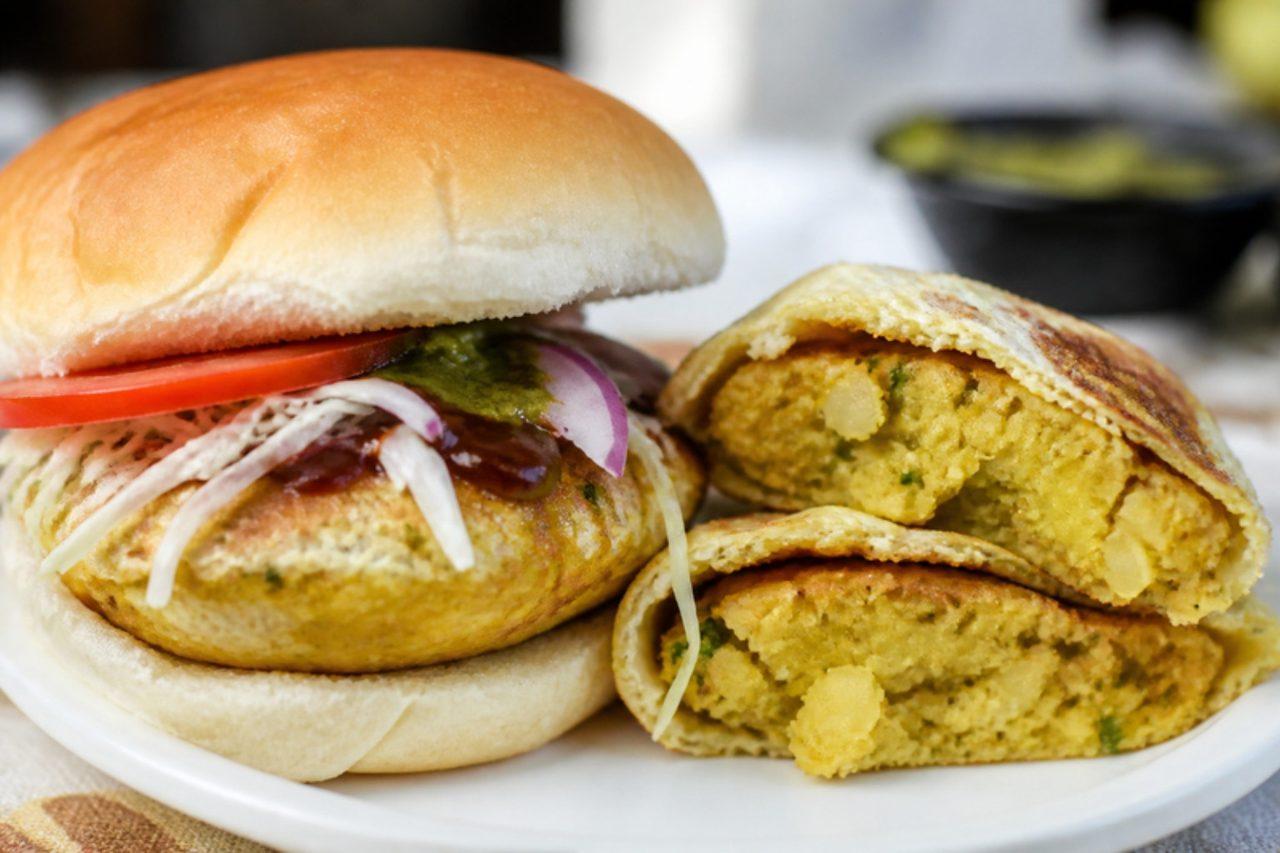
Bun kebab is Karachi's own street burger, sold from carts on Burns Road and outside colleges from late afternoon into the night, each one fried to order on a huge flat tawa. The vegetarian version is the oldest: a soft patty of chana dal and potato spiced with cumin and chilli, dipped in beaten egg so it gets a lacy, golden coat, then tucked into a buttered bun with tangy tamarind chutney, green chutney, onion rings and shredded cabbage. It is messy, cheap and loved by children and grown-ups alike. Most people make the mixture too wet, and the patties fall apart in the egg; mash the dal and potato while dry and steamy, not with their cooking water. Chef's tip: toast the buns cut side down on the same tawa after the patties, so they pick up the spiced egg and butter.

by KrazyBadal 0 views

Showing 63 of 7,762 recipes

Show more recipes

Page 653 of 863