


Skip to content
Dibs
Featured recipe

Dibs

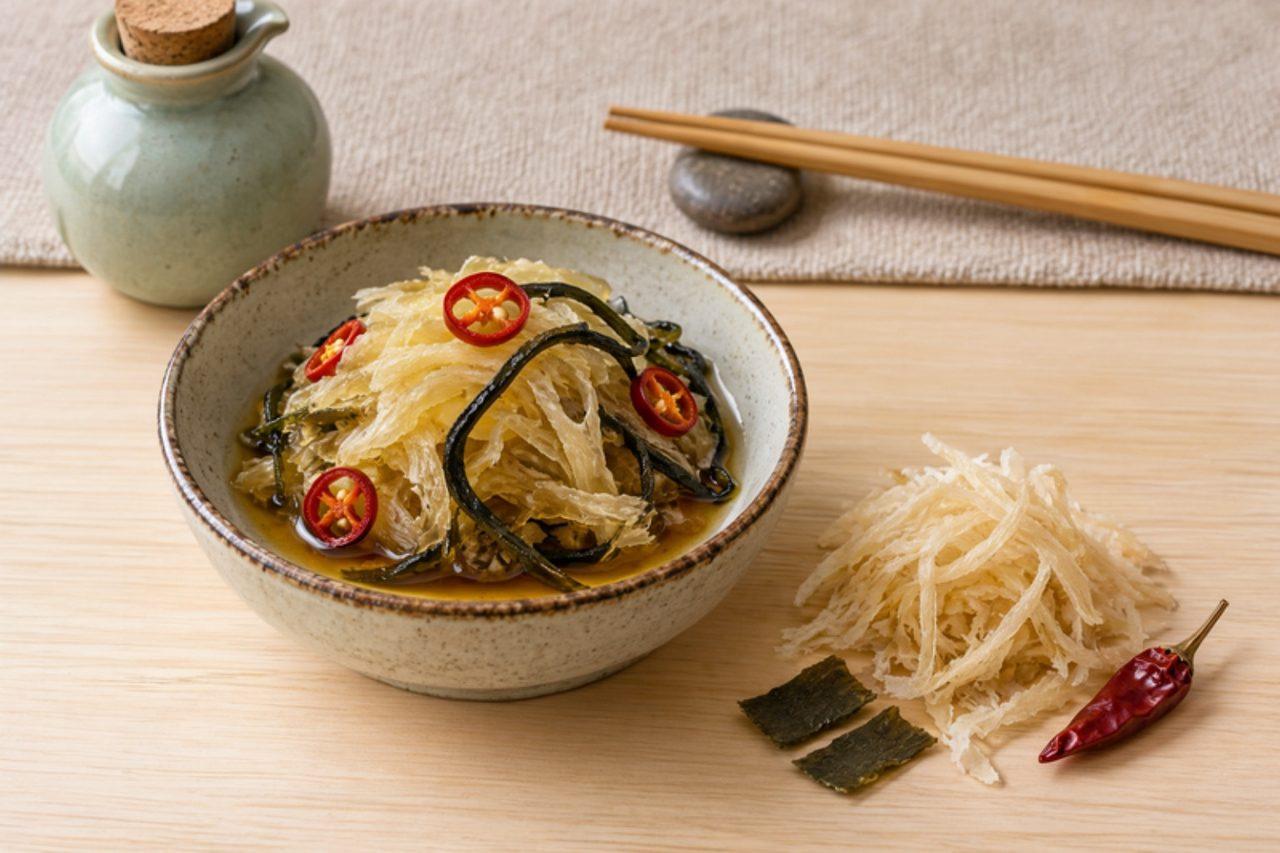
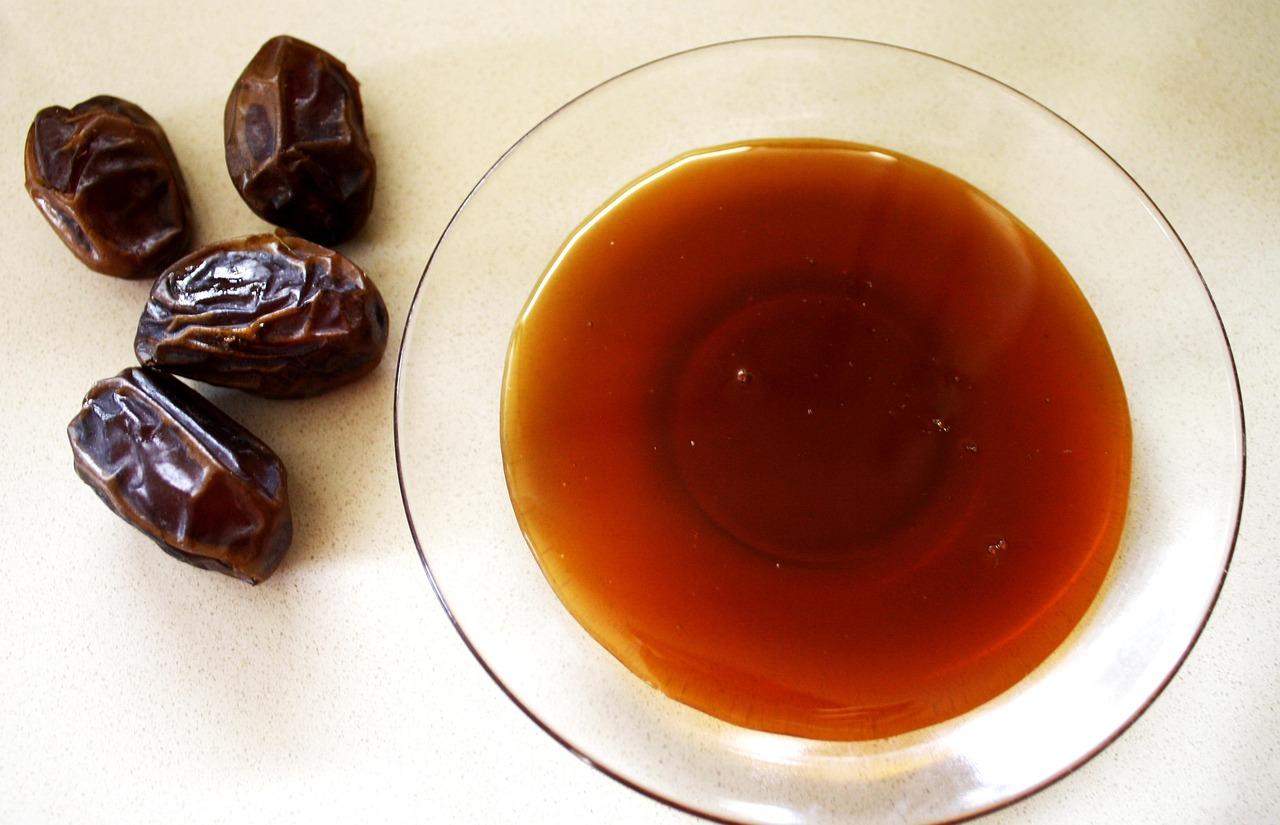
Date syrup

Across the Gulf, from the date gardens of Al-Ahsa to the oases of Oman and the UAE, dibs is the dark, glossy syrup pressed and boiled from ripe dates, and it was the region's sweetener long before sugar was common. It tastes of toffee and dried fruit with a faint bitterness, and families pour it over chebab and khameer, mix it with tahini for dipping bread, and use it in sweets like luqaimat. Making it at home takes time but little effort, and a kilo of dates gives a jar that lasts for months in the fridge. The mistake is boiling the strained juice too hard at the end: it scorches and turns bitter. Chef's tip: squeeze the date pulp in the cloth when it is still warm; you get far more juice than from cold pulp.

Read more 0 views

What to eat today?

Around the world

Today's trip: Paraguayan

A new country every day, from every cuisine on the site.

Paraguayan

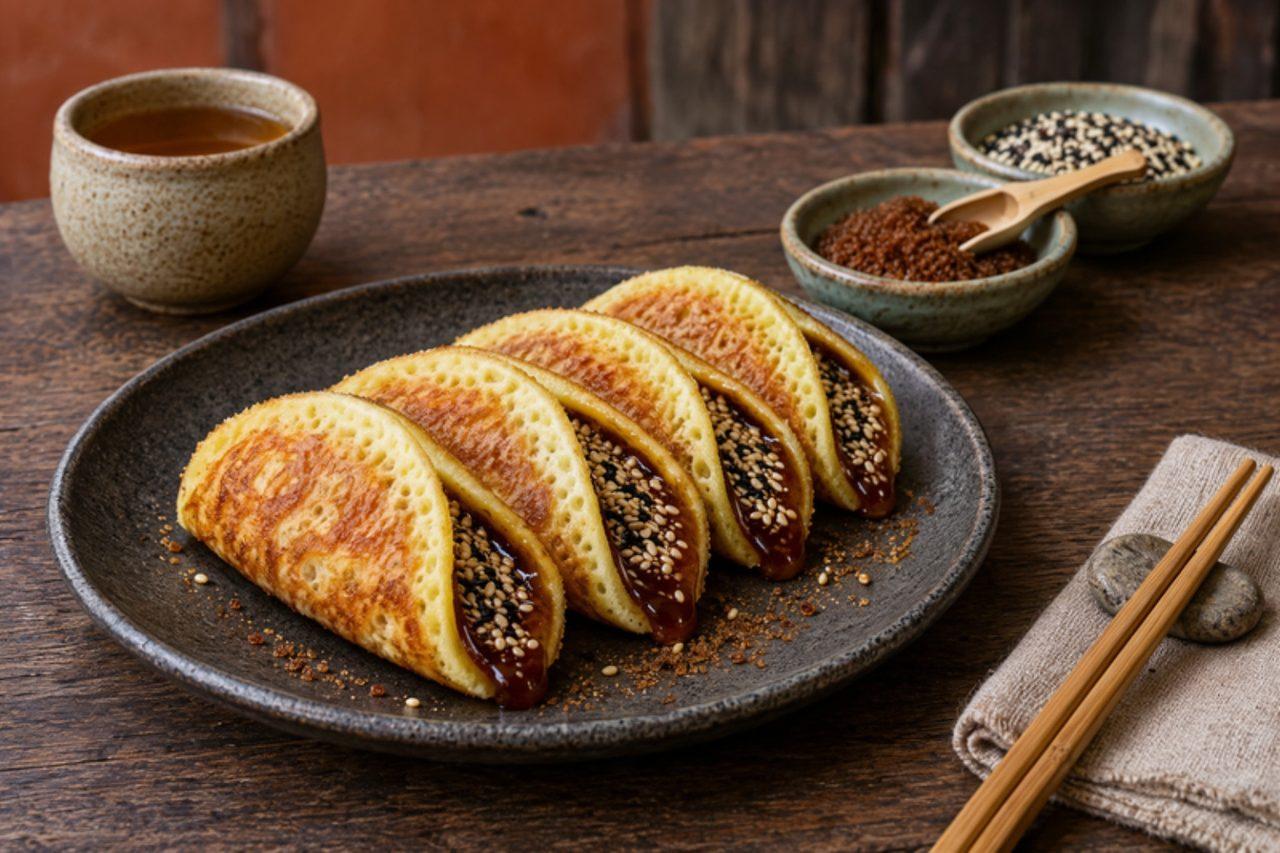
Ka'i ladrillo

Peanut molasses bricks 40 minMore from Paraguayan (27) →

This week's collection

Kid-friendly dinners
537 recipes · a new collection every Monday

Latest recipes

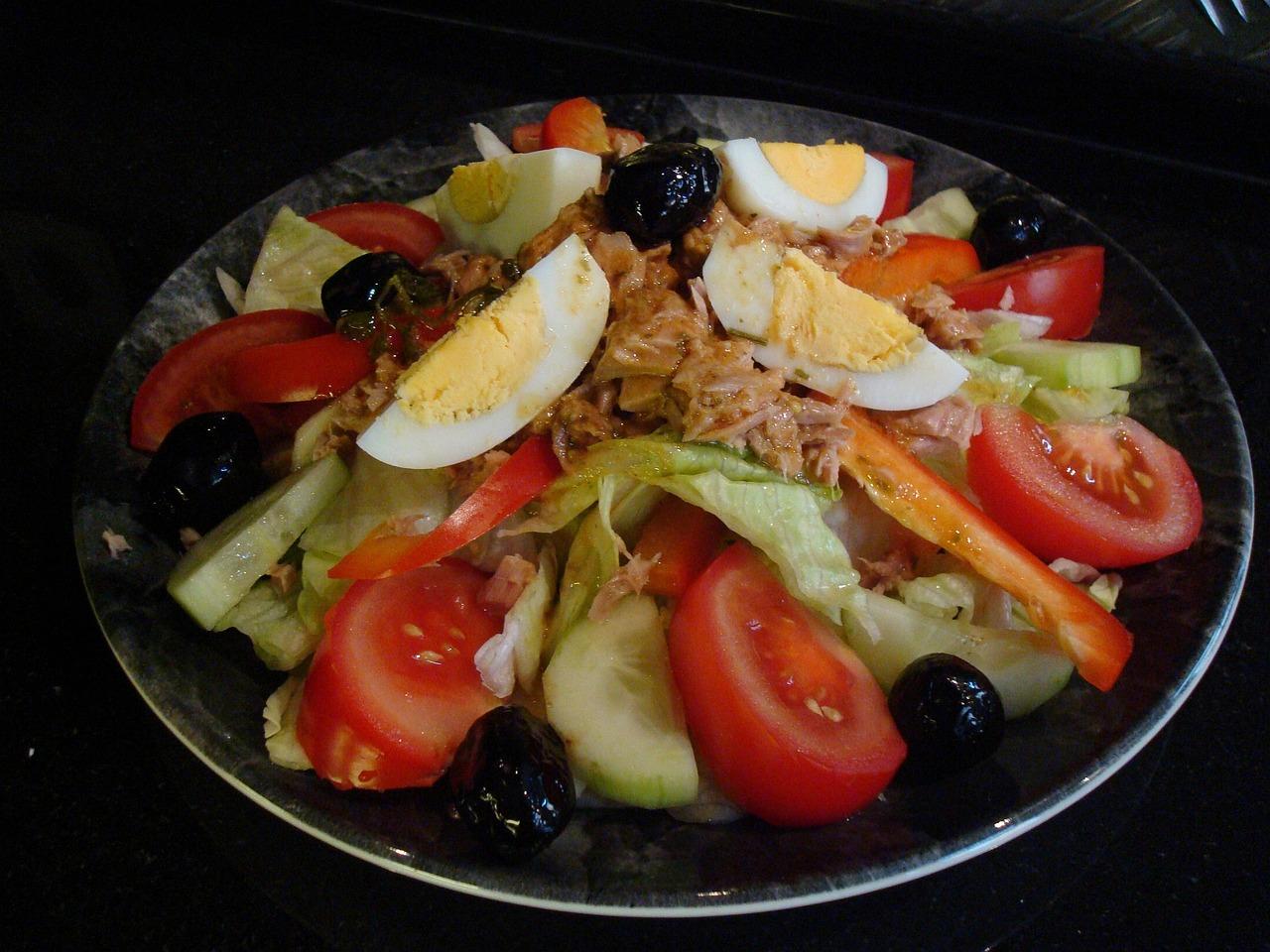
Salade niçoise

In Nice the salad is a summer lunch eaten on shady terraces near the Cours Saleya market, and locals argue about what belongs in it. This is the generous everyday version found across the Riviera: ripe tomatoes, little potatoes, crisp green beans, soft-boiled eggs, good tuna and black olives, dressed with a sharp mustard vinaigrette. Use tuna in olive oil from a jar or tin, or a fresh tuna steak seared rare to medium. Chef's tip: dress the warm potatoes and beans first so they soak up the vinaigrette, then build the rest of the salad around them.

by KrazyBadal 0 views

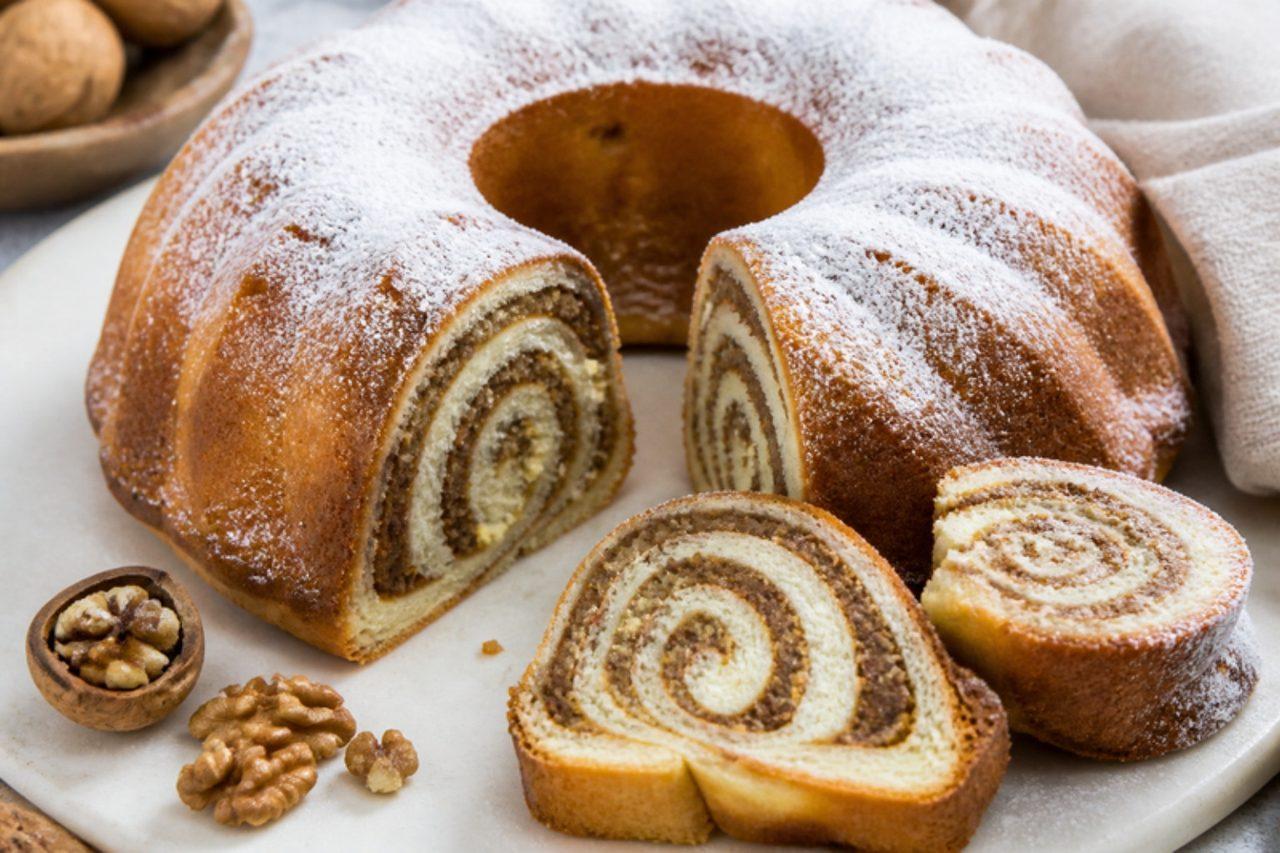
PoticaWalnut and honey spiral cake

No Slovenian Easter or Christmas table is complete without potica, a yeasted dough rolled thin around a honeyed walnut filling and baked in a fluted ring mould called a potičnik. When sliced, each piece shows a tight spiral of pale dough and dark nuts. Families in Ljubljana and across Carniola argue about the best filling, but walnut with honey is the classic one, eaten with coffee from Christmas morning until the tin is empty. Unlike a braided Romanian cozonac, the beauty is all in the thin, even swirl. Chef's tip: spread the filling no thicker than the dough and roll it up tightly; a loose roll or a thick layer leaves a gap between dough and filling once baked, the most common potica fault.

210 minBalkanBaking
by KrazyBadal 0 views

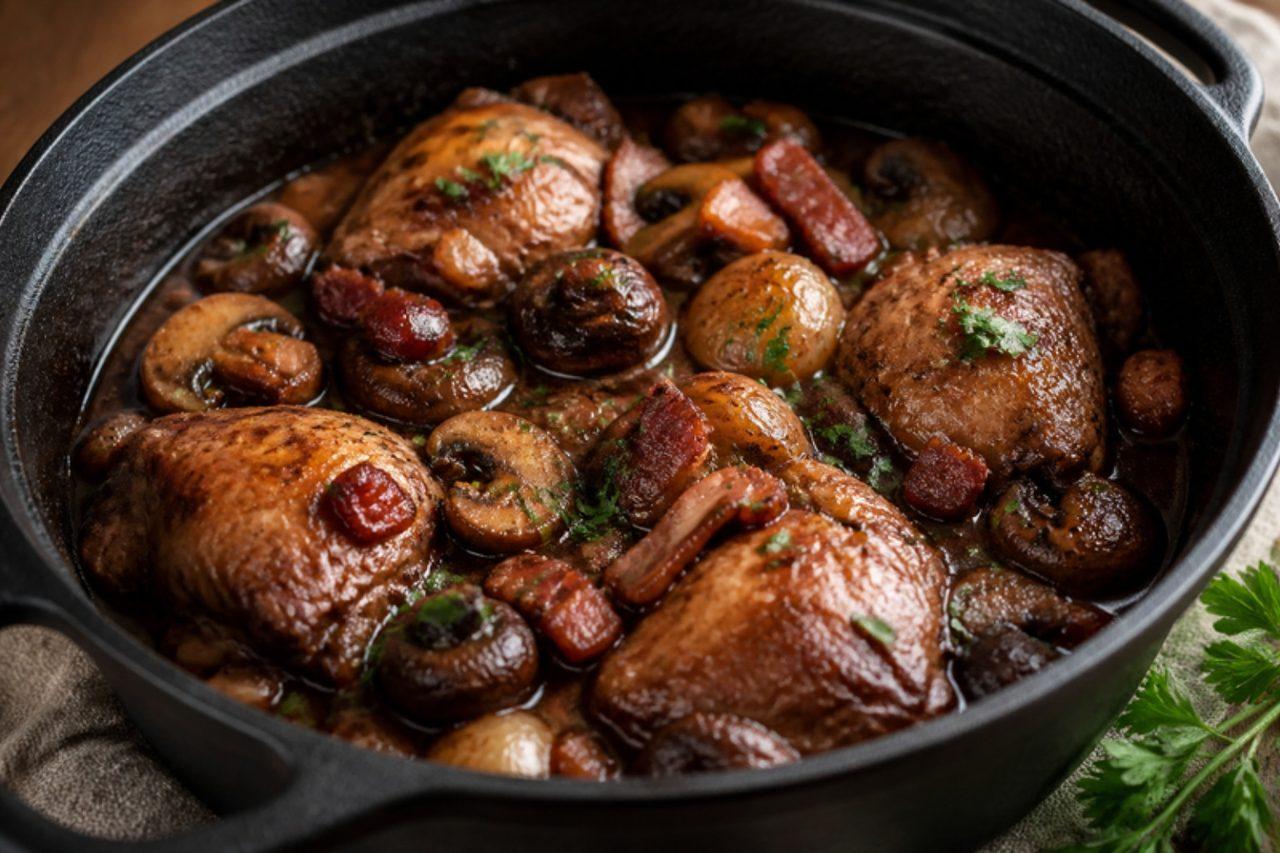
Coq au vin

Coq au vin comes from Burgundy, where farm cooks once used the local red wine to soften a tough old rooster for a long Sunday lunch. This version uses chicken thighs and legs, which stay juicy, and contains pork (smoked lardons). The wine cooks for over an hour, so most of the alcohol is driven off but not all of it; for an alcohol-free version use 500 ml chicken stock with 100 ml red grape juice and 1 tbsp red wine vinegar. Serve with buttery mashed potatoes or boiled potatoes and a crusty loaf. Chef's tip: marinate the chicken in the wine overnight in the fridge; it colours the meat deep purple and seasons it right through.

by KrazyBadal 0 views

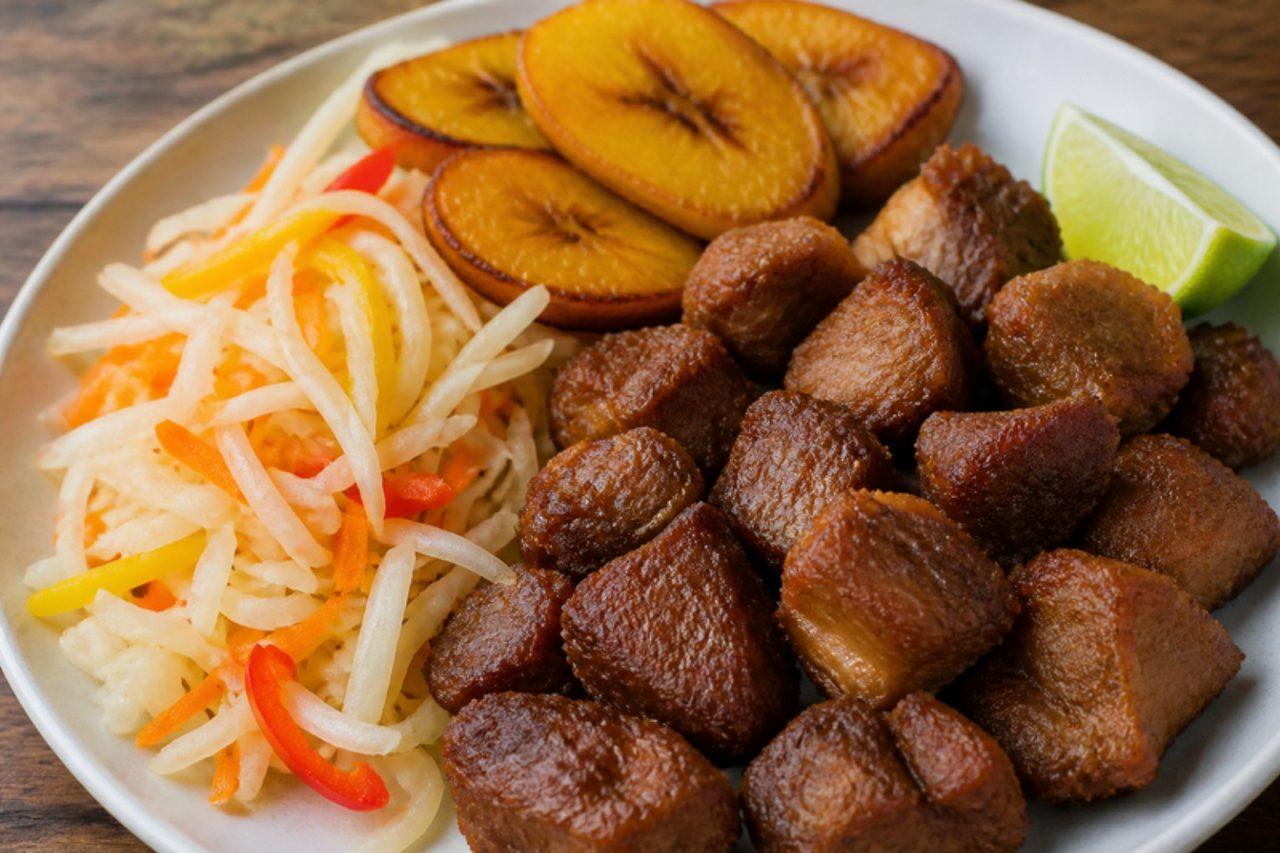
Griot with pikliz

Griot is Haiti's party food: it is piled on platters at weddings, first communions and Saturday-night fritay stalls in Port-au-Prince, always with pikliz, a crunchy, very hot pickle of cabbage, carrot and Scotch bonnet. Chunks of pork shoulder soak up a green epis marinade of sour orange, herbs and garlic, simmer until tender and then fry until the outside turns dark and crisp. This is a pork dish. Serve it with fried plantain (bannann peze) and rice with beans. The mistake that ruins the crust is frying the pork straight from the pot while still wet; it spits and steams instead of browning, so drain and dry the pieces first. Chef's tip: make the pikliz at least a day ahead; after a night in the fridge the heat softens and spreads through the vinegar.

140 minHaitianMeatGluten freeSpicy
by KrazyBadal 0 views

AlcapurriasGreen banana and taro fritters

Drive along the coast road at Piñones in Loíza on a weekend and the beach kiosks are frying alcapurrias by the tray, each one wrapped in paper with a dash of chilli vinegar. The shell is a masa of grated green banana and yautía (taro root), coloured with annatto oil, that fries to a crisp crust with a soft, almost creamy inside; the filling here is a well-seasoned beef picadillo. They are a Loíza tradition with roots in the town's Afro-Puerto Rican cooking. The common mistake is frying warm, wet masa, which spreads and falls apart in the oil; chill it until firm. Chef's tip: shape them on a piece of greaseproof paper or banana leaf brushed with annatto oil, then slide each one straight off into the pan.

by KrazyBadal 0 views

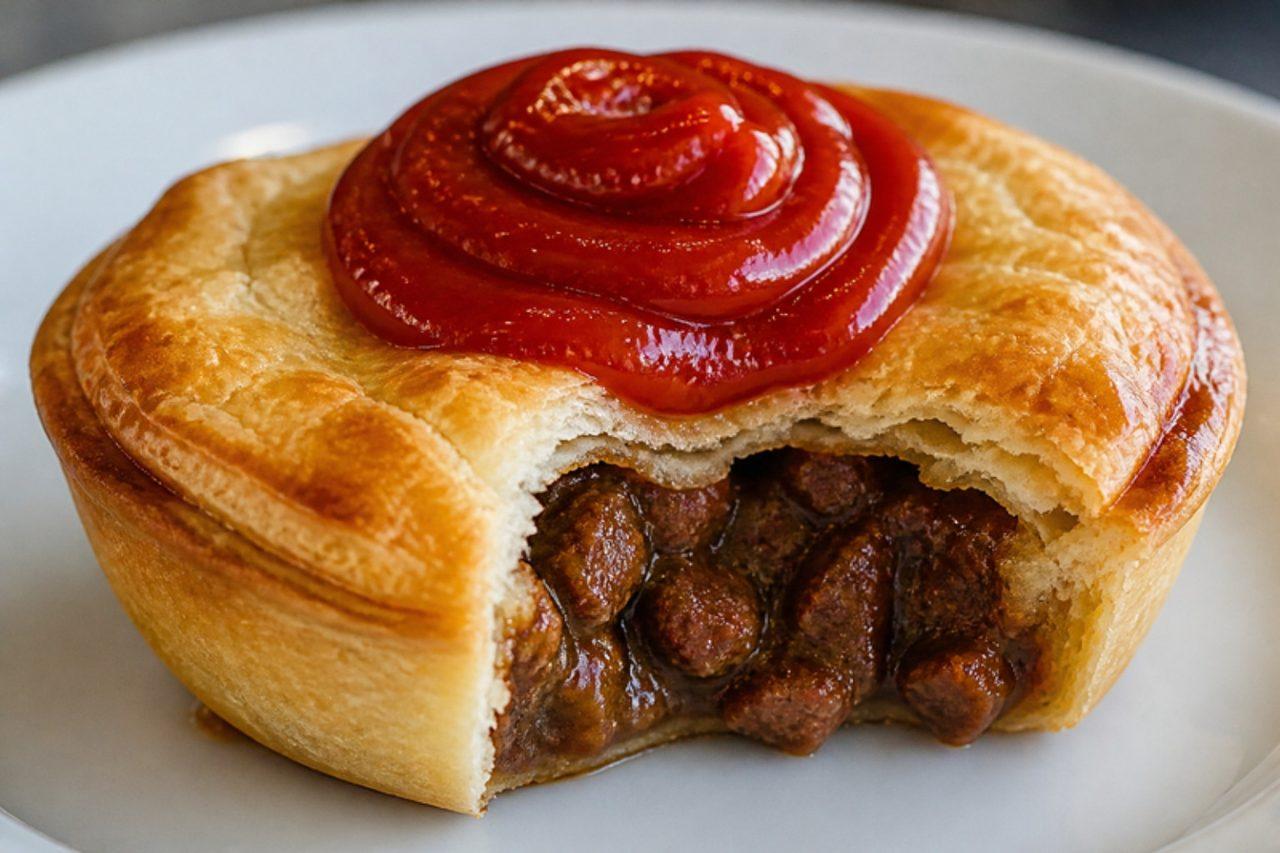
Aussie meat pie

Half-time at the MCG, a country-town bakery at 7 am, a servo on a long drive: the meat pie is Australia's everyday hand-held meal, eaten straight from its paper bag with a squirt of tomato sauce. A sturdy shortcrust base holds minced beef in thick, peppery gravy, and a flaky puff pastry lid shatters on the first bite. Making them at home takes a little time, but the filling can be cooked a day ahead. The mistake behind a soggy base is filling the pastry with hot mince; let the filling cool completely in the fridge first. Chef's tip: cook the filling until it is thicker than you think it needs to be; a loose gravy boils over and leaks through the base.

by KrazyBadal 0 views

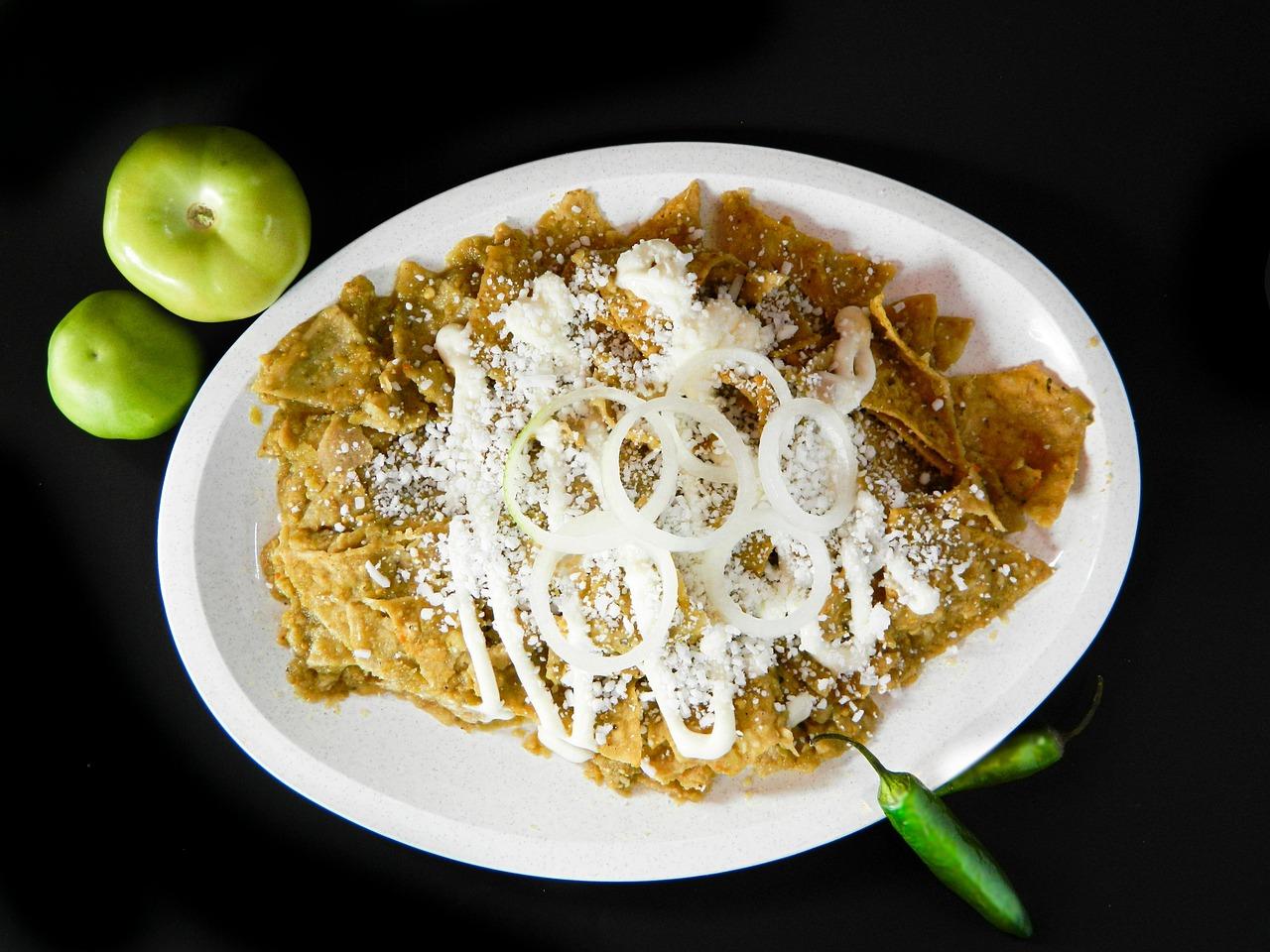
Chilaquiles verdesTortilla chips in green salsa

Chilaquiles are Mexico City's favourite breakfast and hangover cure: day-old corn tortillas cut into wedges, fried into crisp totopos, then tossed in hot salsa just long enough to soften at the edges. Chilaquiles verdes use a bright, tangy salsa of tomatillos, serrano chillies and coriander, and come topped with a fried egg, crema, crumbled cheese and raw onion. The best ones keep a little crunch in the middle. Tomatillos are sold fresh or tinned; if you can't find them, use green tomatoes with an extra squeeze of lime. Choose queso fresco made with vegetarian rennet. Chef's tip: toss the chips into the salsa right before serving and take them to the table immediately; chilaquiles wait for nobody.

by KrazyBadal 0 views

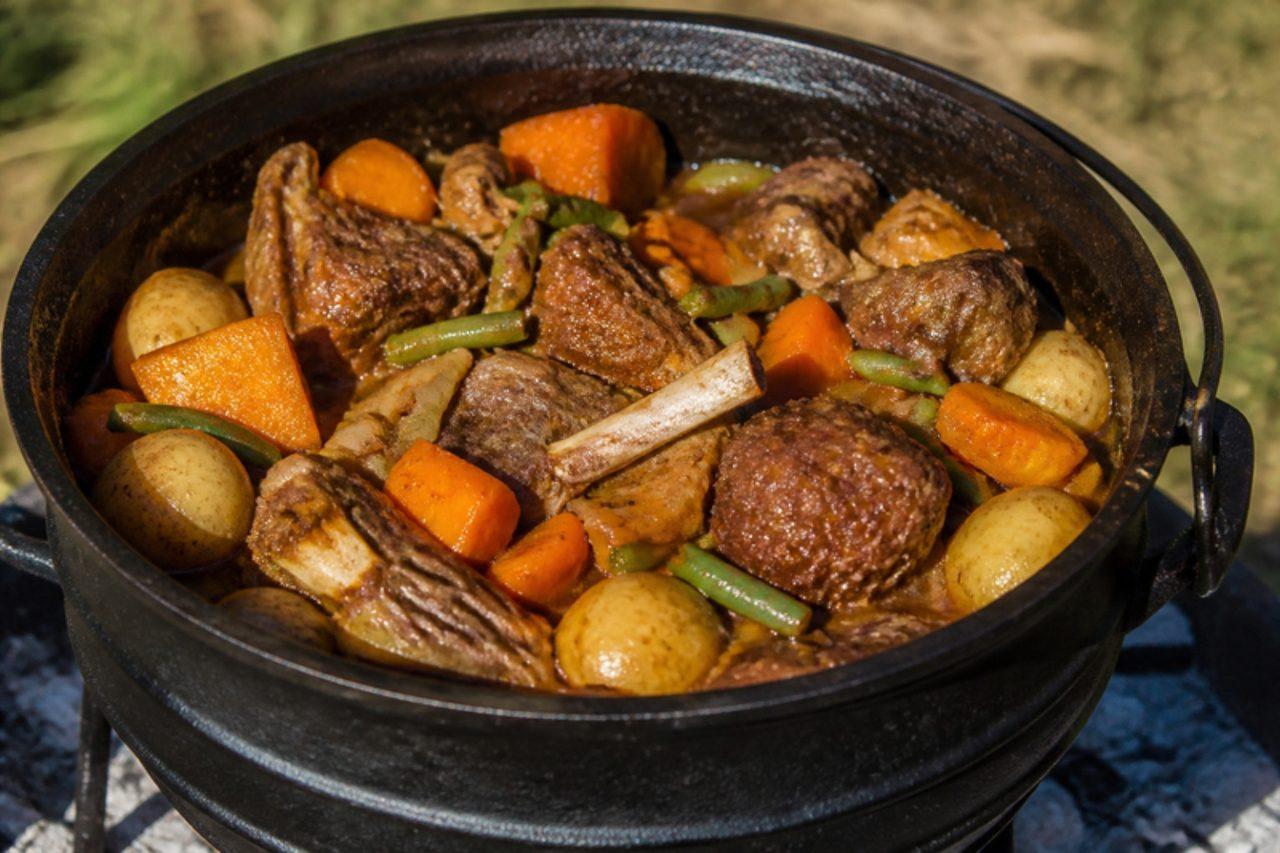
Lamb potjiekosLamb and vegetable stew

Potjiekos is the long, sociable cook of South African weekends: a cast-iron three-legged pot (potjie) sits over a small fire for hours while friends talk around it, and the rule is that once the layers are in, nobody stirs. The lamb is browned at the bottom, then potatoes, carrots, butternut, green beans and mushrooms are stacked on top so the hardest vegetables are nearest the heat. A heavy casserole on the hob or in the oven works just as well. Some cooks add a glass of red wine or beer; this version uses stock only, and you may swap 150 ml of it for wine if you like. The mistake is stirring the pot, which turns the neat layers into mush. Chef's tip: add only a little liquid; the vegetables give off their own juice as they steam.

by KrazyBadal 0 views

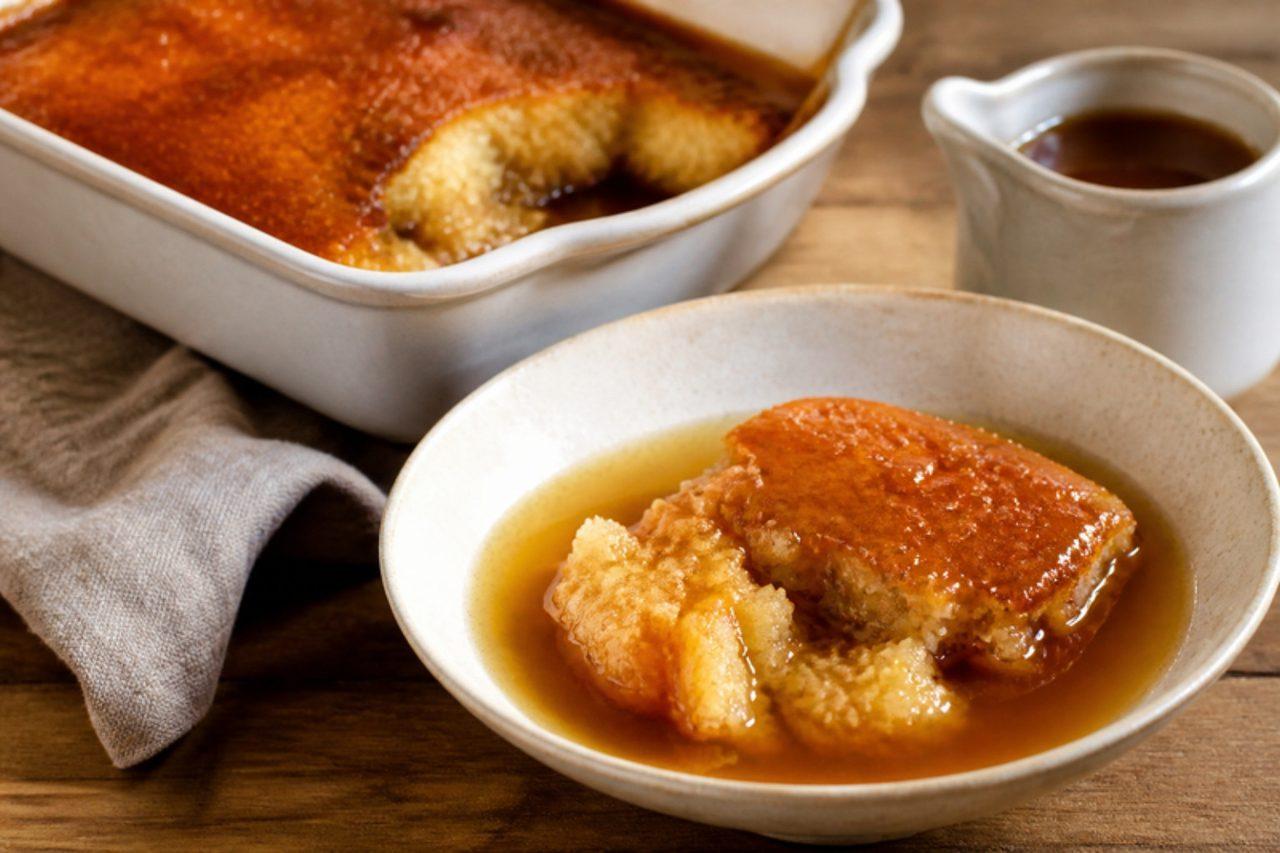
Pouding chômeurCake baked in maple syrup

Pouding chômeur ('unemployed person's pudding') was created in Québec during the Depression of the 1930s, from the cheapest ingredients: flour, sugar, a little butter and hot syrup. As it bakes, the light batter rises through the syrup, which settles underneath as a rich caramel sauce. Today it's made with maple syrup and is a fixture of Québec sugar shacks (cabanes à sucre) in March and April, and of family Sunday dinners. Serve warm with vanilla ice cream. Chef's tip: pour the syrup on boiling hot and spoon the batter over in blobs; never stir them together.

by KrazyBadal 0 views

Showing 9 of 7,762 recipes

Show more recipes

Page 665 of 863