


Skip to content
Nohat shurak
Featured recipe

Nohat shurak

Spiced chickpeas with onion

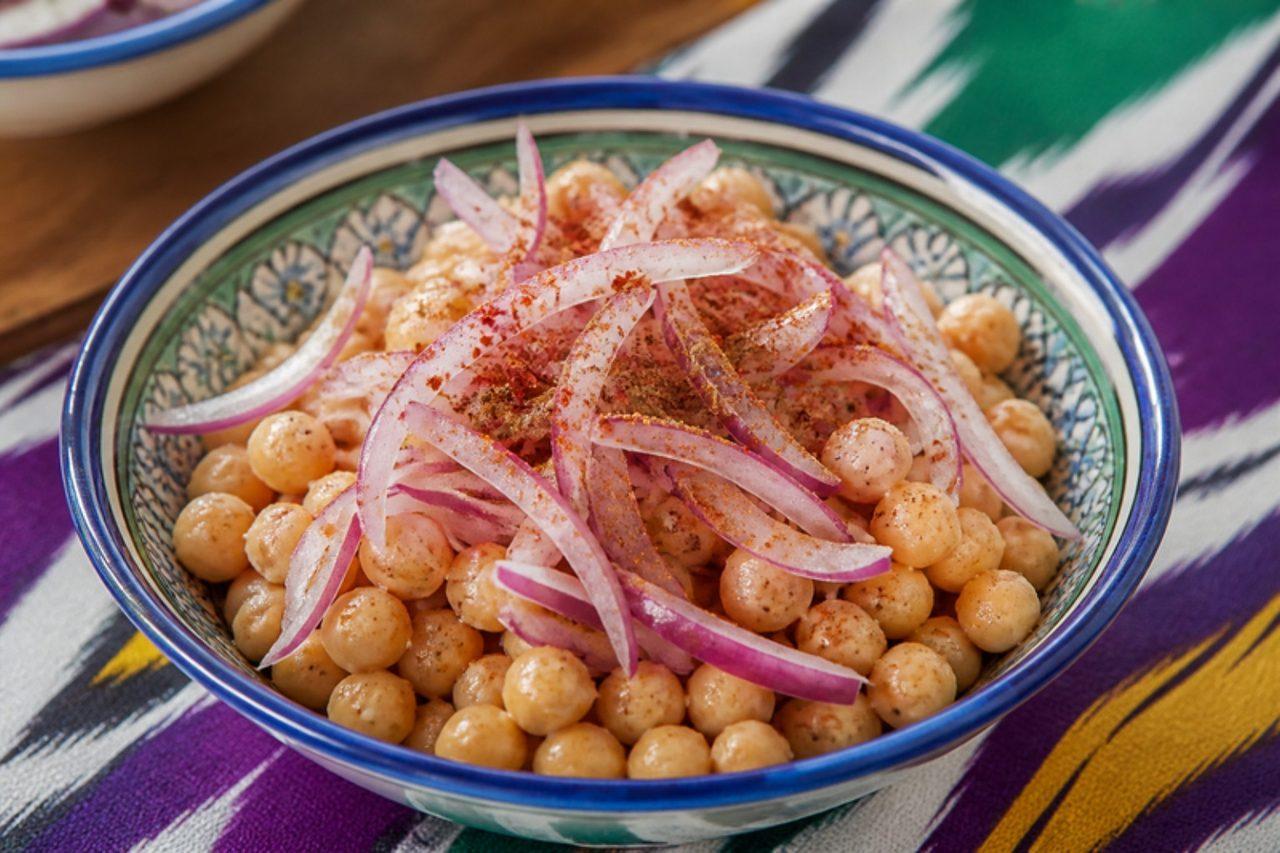
At bazaars like Chorsu in Tashkent, vendors sell nohat shurak from big steaming pots: chickpeas boiled with salt until soft but whole, scooped into bowls and topped with thinly sliced onion soaked in vinegar, chilli, and sometimes a sprinkle of cumin. It is a cheap, filling snack, eaten with a spoon standing at the stall. A common mistake is adding salt at the start, which can keep the skins tough. Chef's tip: soak the onion in vinegar and a little water for 20 minutes; it softens and turns sweet-sharp, which is the whole point of the dish.

Read more 0 views

What to eat today?

Around the world

Today's trip: Persian

A new country every day, from every cuisine on the site.

This week's collection

Kid-friendly dinners
745 recipes · a new collection every Monday

Coming up

All occasions →

Latest recipes

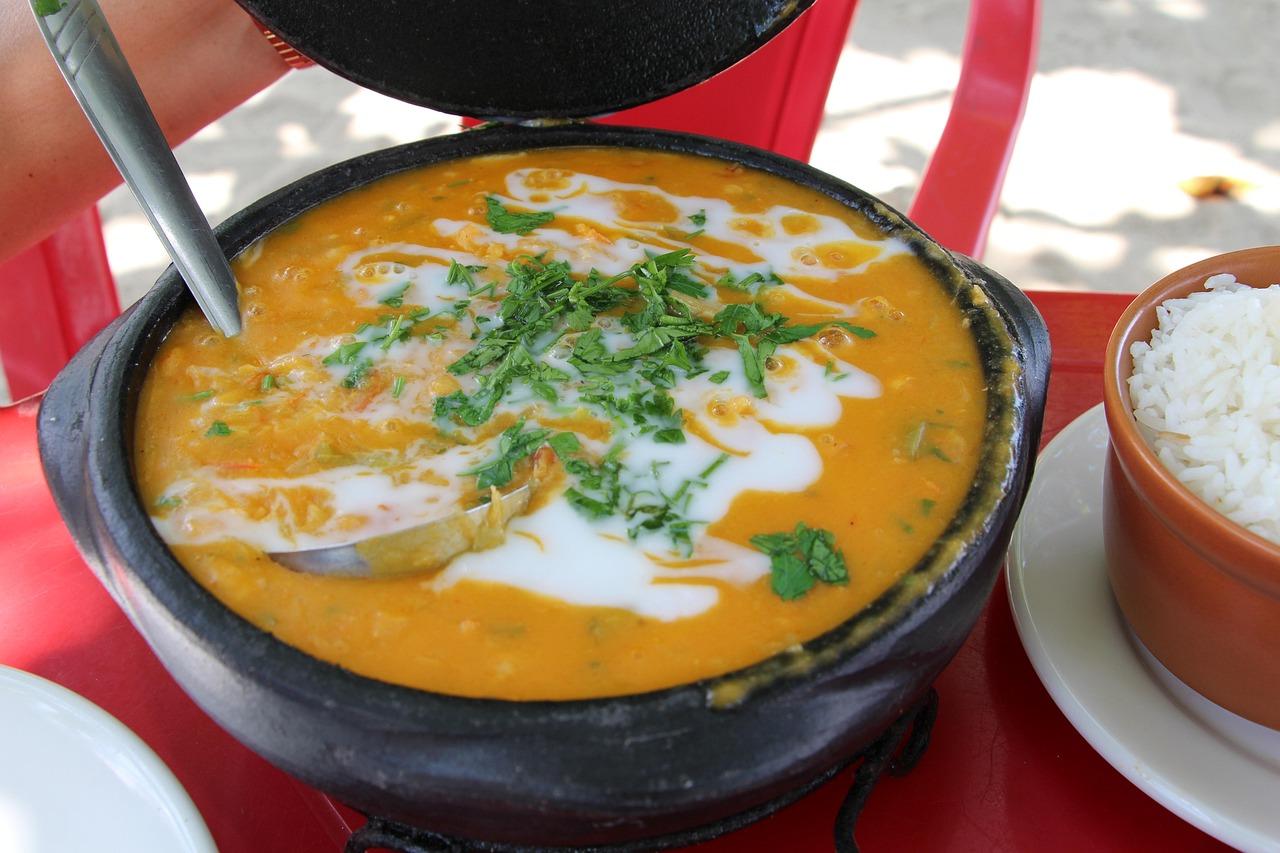
Bobó de camarãoPrawns in cassava and coconut purée

Velvety, coral-coloured and rich with coconut, bobó de camarão is what Bahian families put on the table when there is something to celebrate, and beach restaurants from Praia do Forte to Itacaré serve it in clay pots with white rice and farofa. Cassava is boiled until it falls apart, blended with coconut milk into a smooth cream, then folded into prawns cooked with onion, tomato, peppers and a slick of dendê oil. The result is somewhere between a stew and a thick sauce, sweet from the prawns and gently earthy from the cassava. A frequent mistake is boiling the prawns in the purée for too long, which leaves them tough and curled; they go in at the very end. Cassava must always be cooked right through, never eaten raw: cut out the woody core and boil it until a knife meets no resistance. Chef's tip: blend the cassava while it is still hot, with some of its cooking water; cold cassava turns gluey in the blender.

by KrazyBadal 1 views

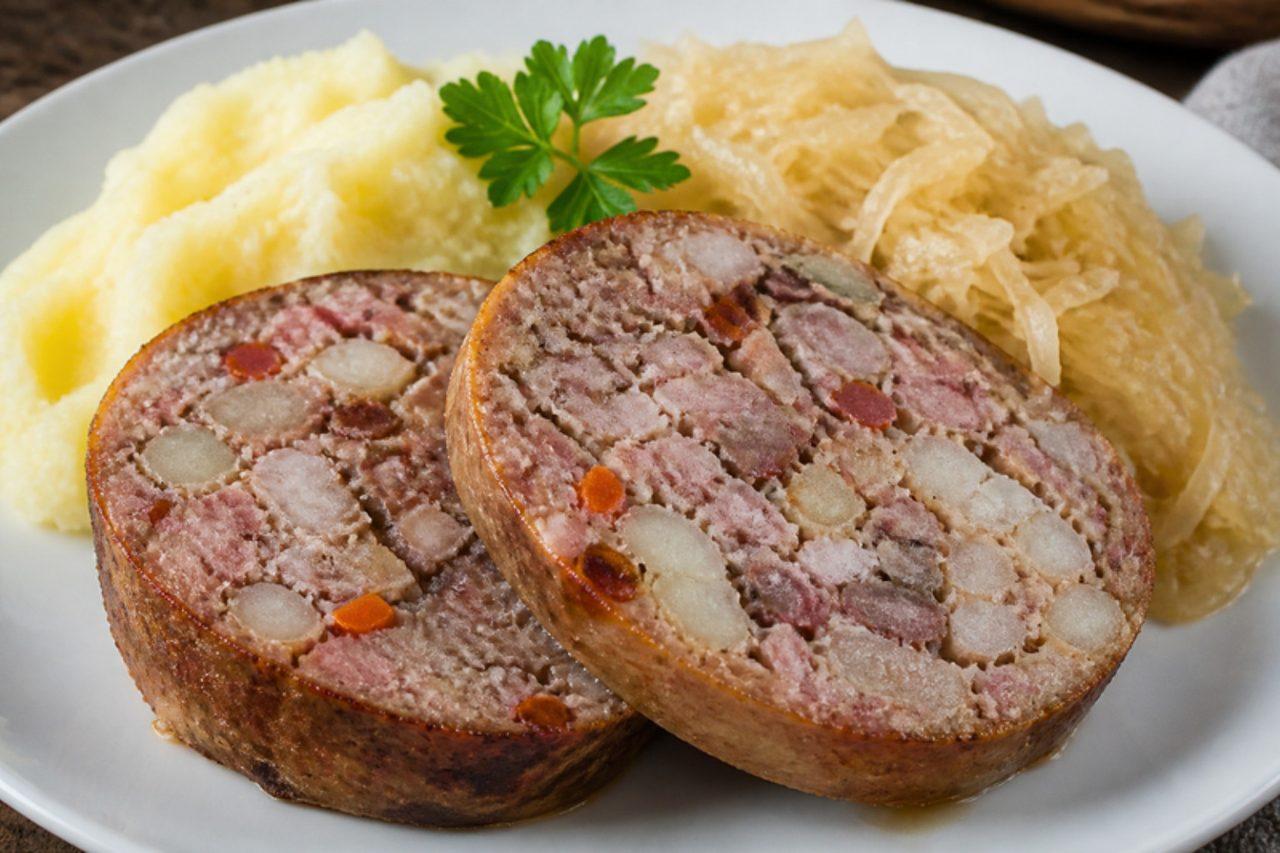
Pfälzer SaumagenStuffed pig's stomach

Saumagen is the pride of the Palatinate, served at wine-village festivals and family dinners from the Haardt hills to Ludwigshafen. A cleaned pig's stomach is stuffed with diced pork shoulder, pork sausage meat, potato and carrot seasoned with marjoram and nutmeg, poached slowly, then sliced thick and fried until crusty. The stomach works only as a casing and is ordered from a butcher; if you can't get one, bake the same filling in a covered terrine in a water bath. Serve with sauerkraut and mashed potato. Chef's tip: fill the stomach only three-quarters full, or it bursts as the potatoes swell.

225 minGermanMeatGluten free
by KrazyBadal 1 views

Chocolate egg cream

The egg cream contains neither egg nor cream: it is the old soda-fountain drink of Brooklyn and the Lower East Side, made of cold milk, chocolate syrup and a hard jet of seltzer that whips up a tall white foam. It was sold for pennies at candy stores and corner luncheonettes, and New Yorkers still argue about the right order to pour. Chef's tip: everything, glass included, must be ice-cold, or the foam collapses.

by KrazyBadal 0 views

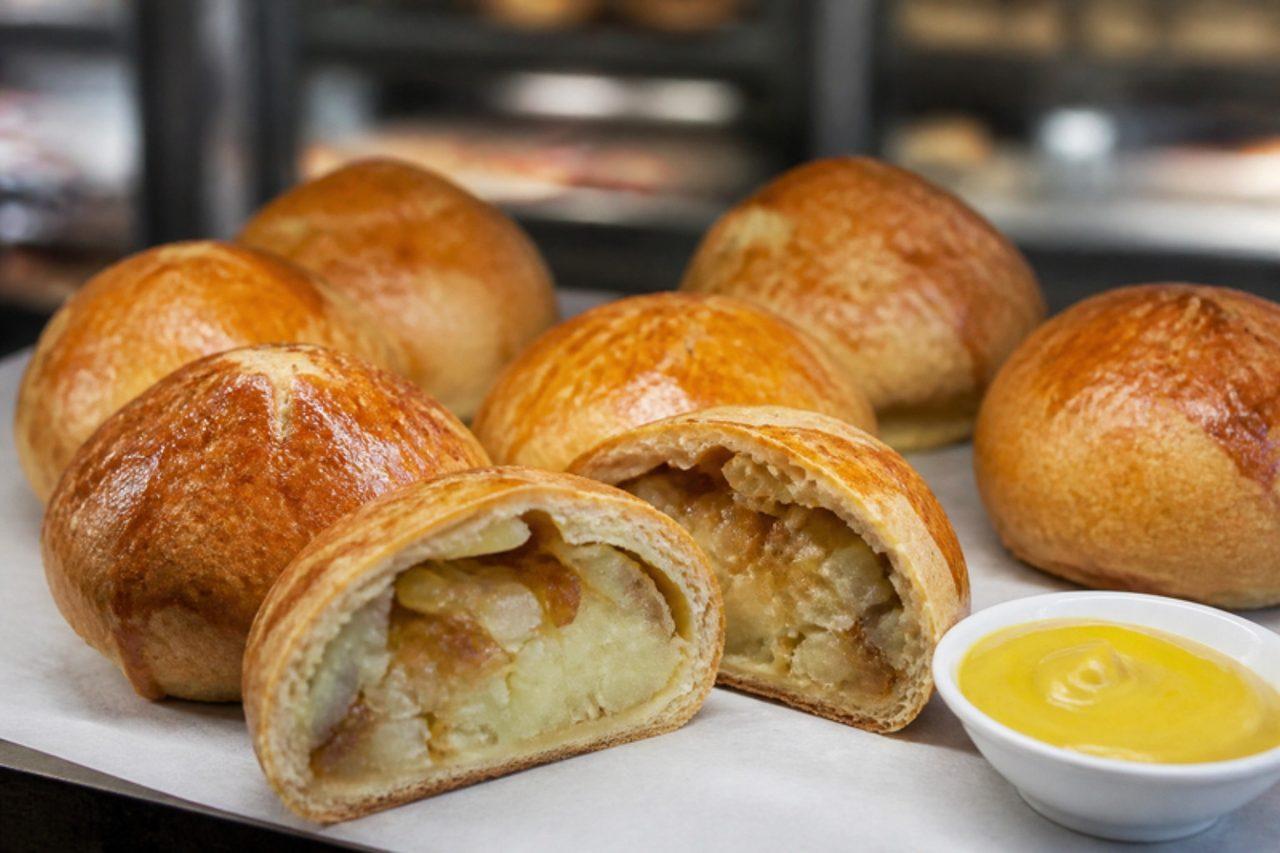
New York potato knishes

Knishes came from Eastern Europe with Jewish immigrants and became Lower East Side street food, sold from carts and the old knishery on Houston Street with a dab of brown mustard. A thin, stretchy oil dough is wrapped around a peppery filling of mashed potato and deeply browned onions, then baked golden. Chef's tip: cook the onions slowly until truly brown and sweet; pale onions make a bland filling.

by KrazyBadal 0 views

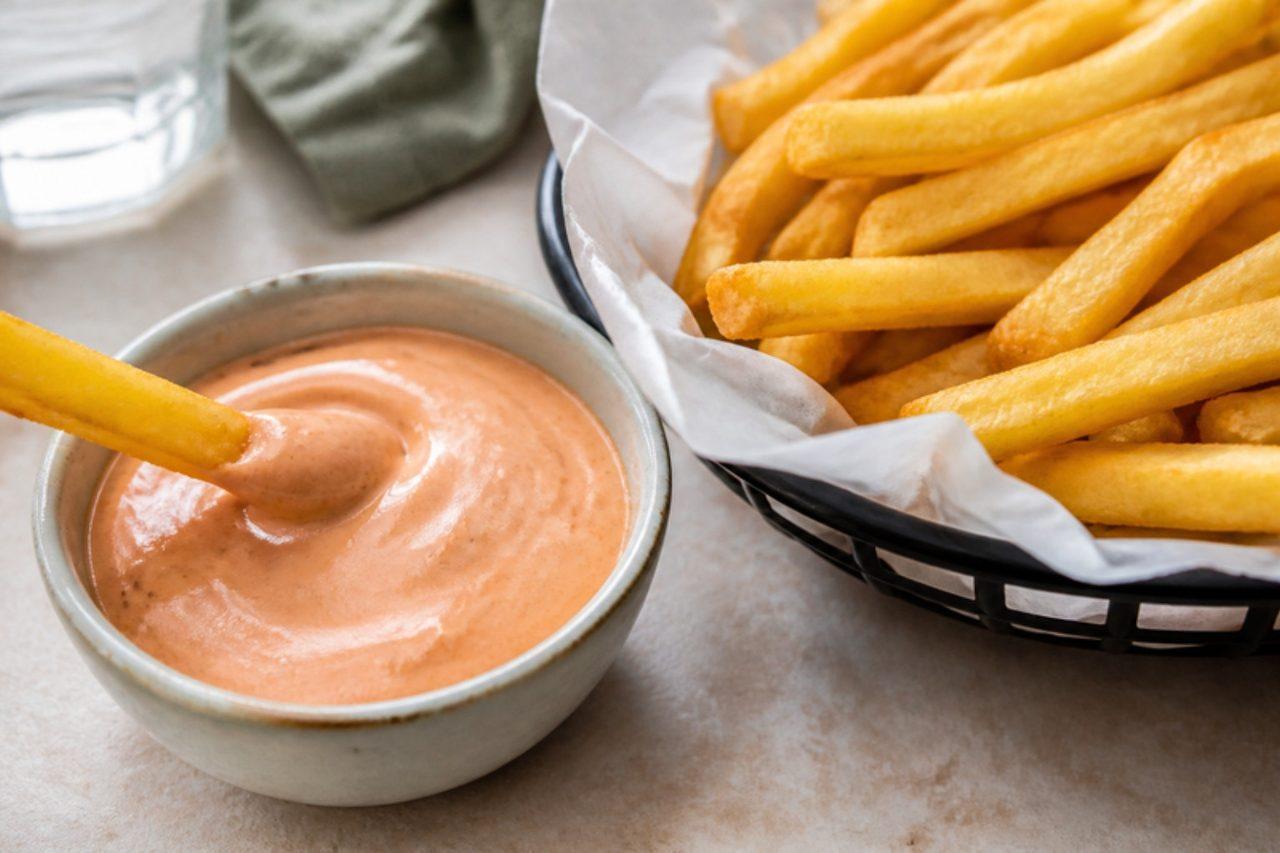
Idaho fry sauce

In Idaho and neighbouring Utah you don't get your fries without fry sauce, the pale pink dip that drive-ins and burger stands across the potato state put out in paper cups. It is mayonnaise and ketchup at heart, sharpened with a little pickle brine, garlic and smoked paprika, and it goes on chips, burgers and onion rings. Chef's tip: make it an hour ahead and chill it, so the garlic and paprika have time to bloom.

by KrazyBadal 0 views

Lancaster chicken corn soup

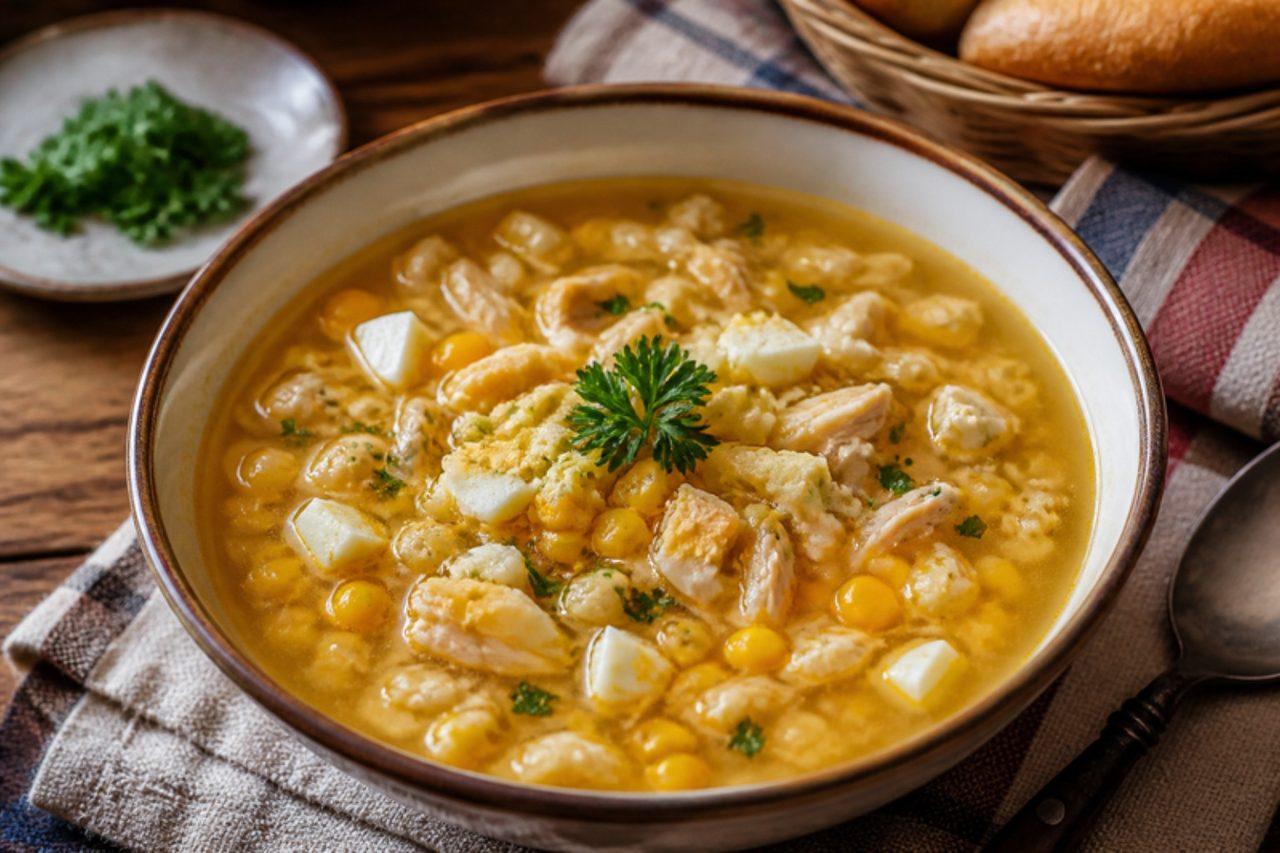
Every summer fire company picnic and church fair in Lancaster County sells this golden soup by the quart: chicken broth tinted with saffron, packed with sweetcorn and shredded chicken, and thickened with rivels, little rubbly dumplings rubbed between the fingers. Some cooks add chopped hard-boiled egg on top. Chef's tip: rub the rivel dough over the simmering soup through your fingers so the pieces fall in small, like grains of rice.

by KrazyBadal 0 views

Mission burrito

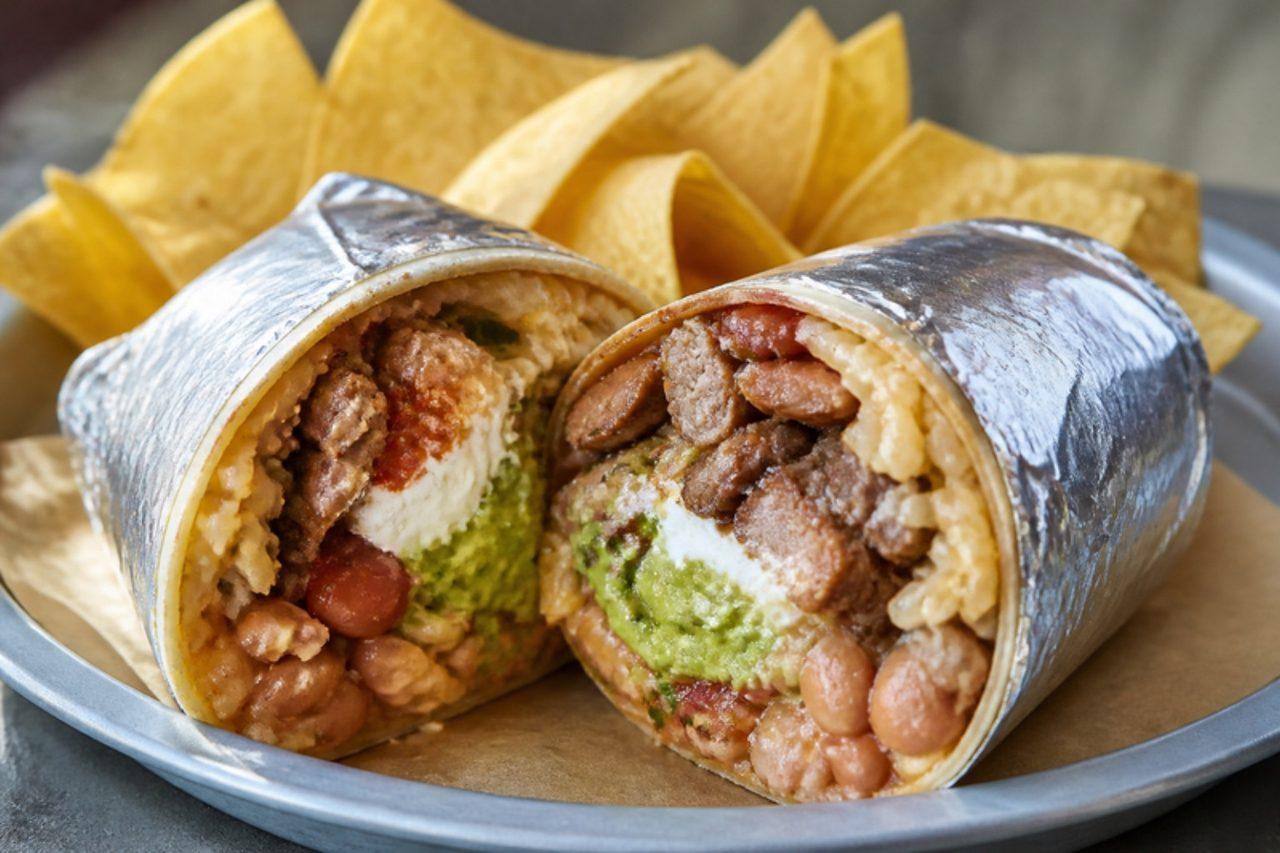
The Mission burrito comes from the taquerias of San Francisco's Mission District, where in the 1960s and 70s cooks began steaming huge flour tortillas and packing them with grilled meat, rice, beans, salsa, cheese and guacamole, then rolling the whole lot tight in foil. One is lunch and dinner for a student. Chef's tip: steam the tortilla until it is soft and stretchy; a cold tortilla splits as you roll it.

by KrazyBadal 0 views

AlegríasAmaranth and honey bars

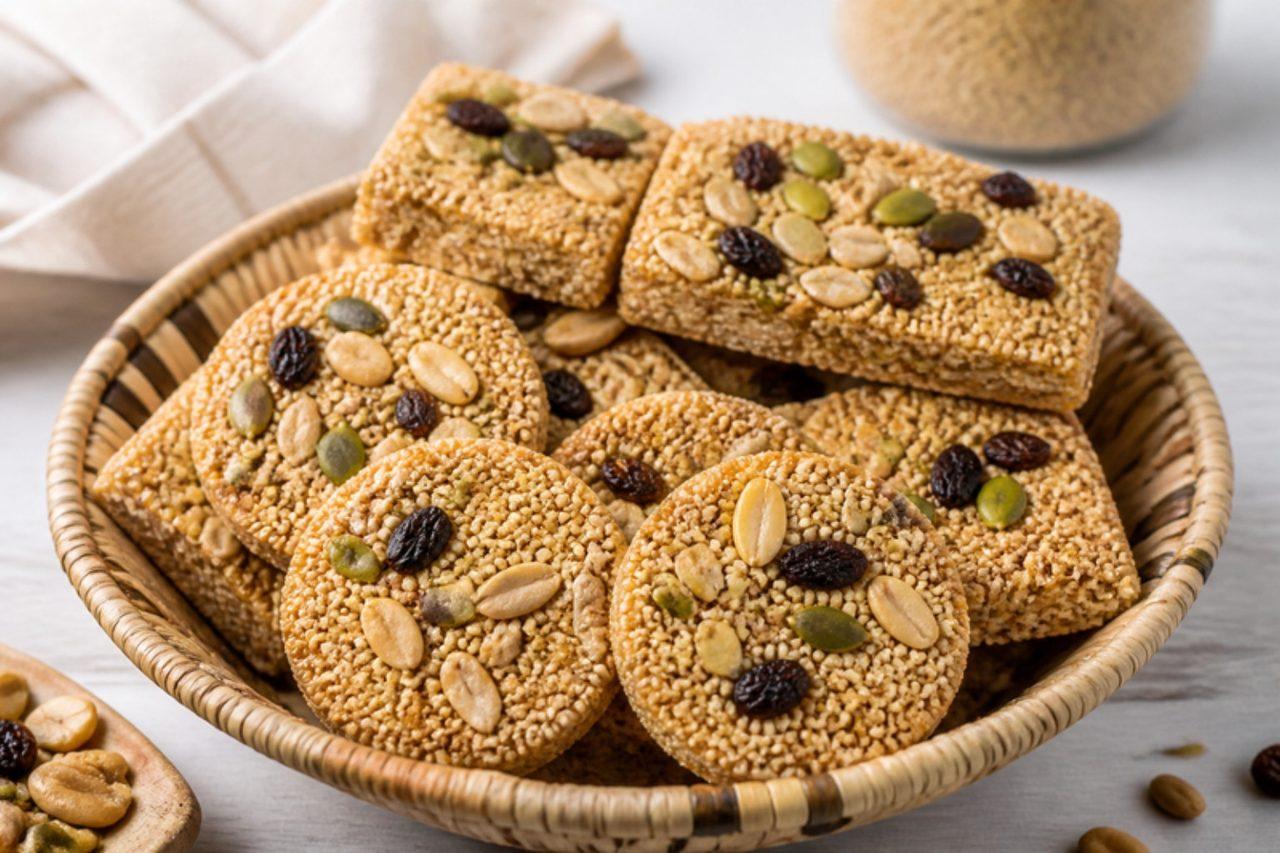
Amaranth has been grown on the chinampa gardens of Xochimilco and Tulyehualco, in the south of Mexico City, since Aztec times, and each February Tulyehualco holds a fair in its honour. Its tiny seeds are popped on a hot comal and bound with honey or piloncillo syrup into alegrías ('joys'), crunchy, light bars sold at bus stops, school gates and church doors and studded with pumpkin seeds, peanuts or raisins. They are naturally gluten free and full of protein for a sweet. Chef's tip: use bought puffed amaranth; popping it yourself works but takes patience and a lidded pan, as the seeds jump everywhere.

by KrazyBadal 0 views

Ate de membrilloQuince paste

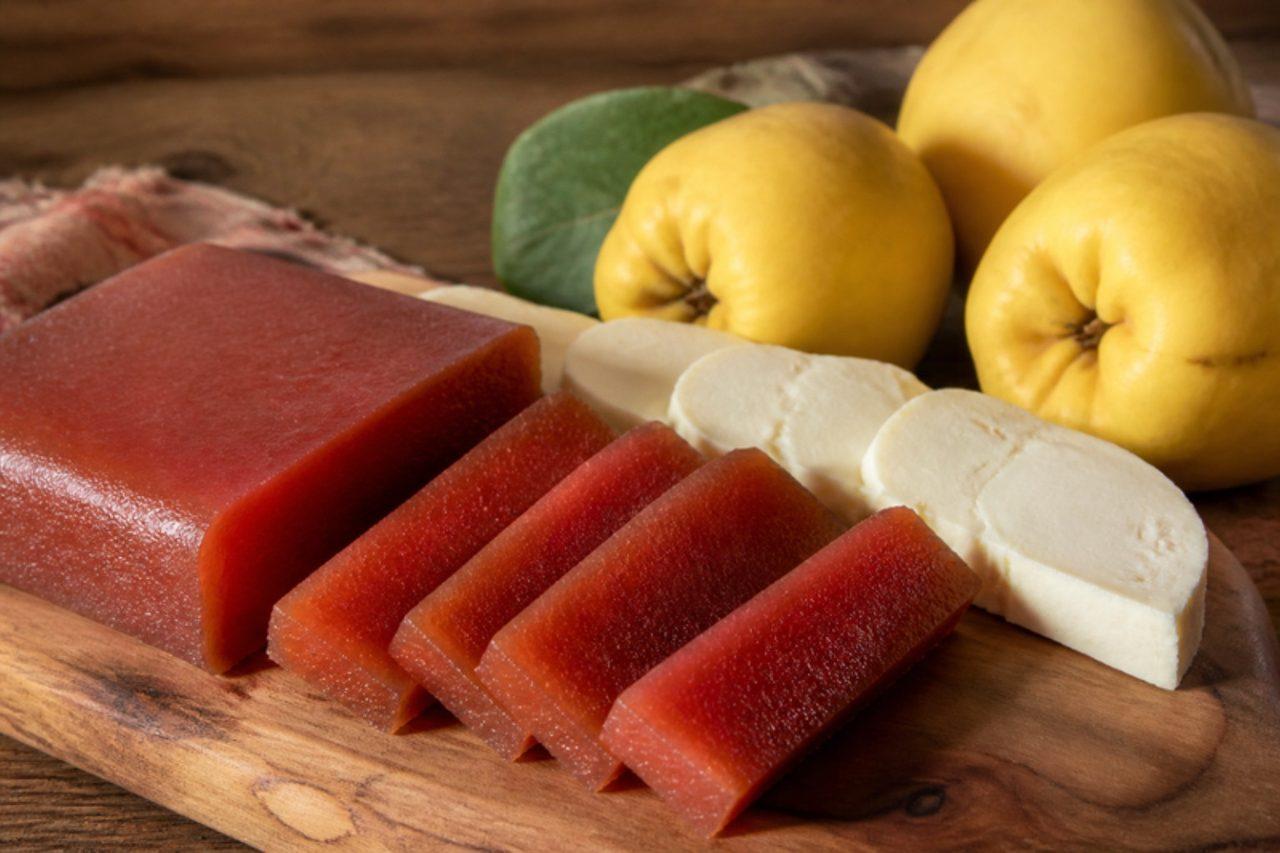
Morelia is Mexico's city of ates, the firm fruit pastes sold in long blocks at the Mercado de Dulces beside the old Jesuit college, in guava, mango, quince and more. Quince (membrillo) is the classic: cooked slowly with sugar until it turns from pale yellow to deep amber-red and sets firm enough to slice. In Michoacán it is eaten in thin slices with a fresh or aged cheese, or on its own as an afternoon sweet. Most cheeses here use animal rennet, so pick a vegetarian one if needed. Chef's tip: cook the fruit with its cores and peel tied in muslin; they carry most of the pectin that makes the paste set.

by KrazyBadal 0 views

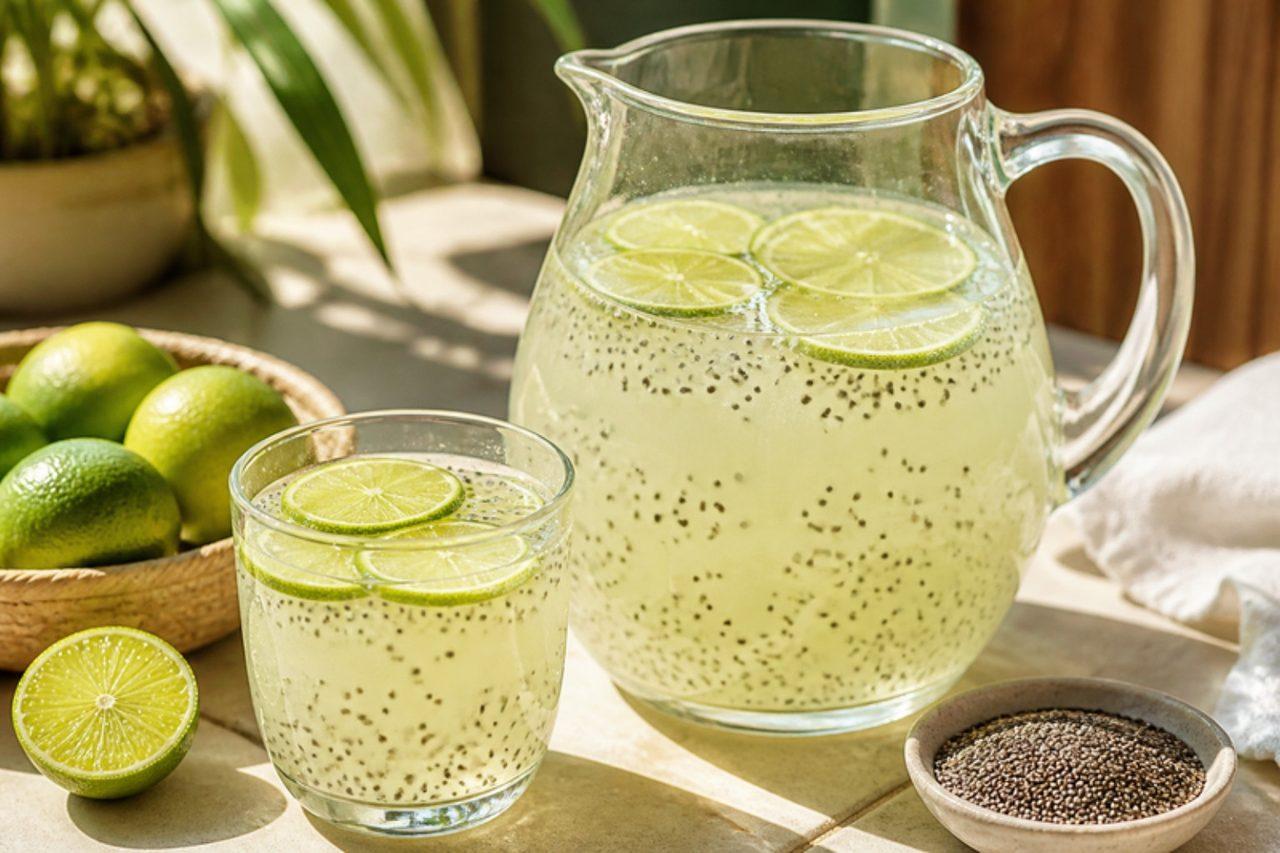
Agua de chía con limónLime and chia water

In the markets of Michoacán, especially in Uruapan and Morelia, the glass barrels of agua fresca often include one cloudy, speckled with tiny seeds: agua de chía, limeade with soaked chia seeds that swell into soft little pearls. Chia has been grown in central Mexico since long before the Spanish, and the drink is light, sharp and very refreshing, with a gentle texture from the seeds. It is drunk with lunch or on hot afternoons. Chef's tip: stir the seeds into the water twice in the first ten minutes; otherwise they clump into jelly-like lumps.

by KrazyBadal 0 views

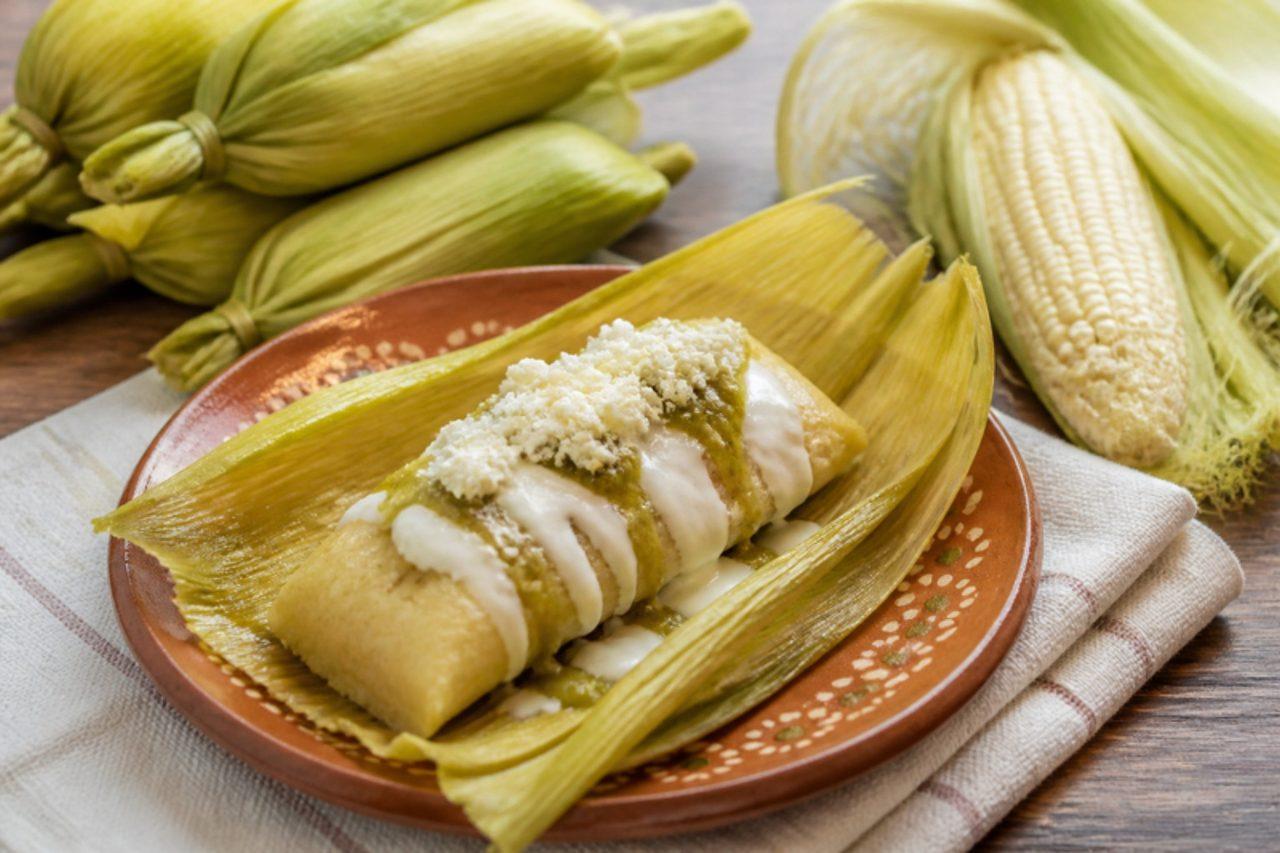
UcheposFresh corn tamales

When the summer corn comes in across Michoacán, families in Morelia and the Tierra Caliente grate the young kernels and make uchepos: soft, moist tamales of fresh corn, milk and a little sugar, wrapped in the green husks they came from. They taste like the sweetest corn pudding, and are eaten for breakfast or supper with cream, crumbled cheese and a tomato salsa, sweet and savoury together. Cotija or queso fresco may be made with animal rennet; use a vegetarian cheese if needed. Chef's tip: use the freshest, milkiest corn you can find (a kernel should spurt when pressed); old corn is starchy and the uchepos come out dry.

by KrazyBadal 0 views

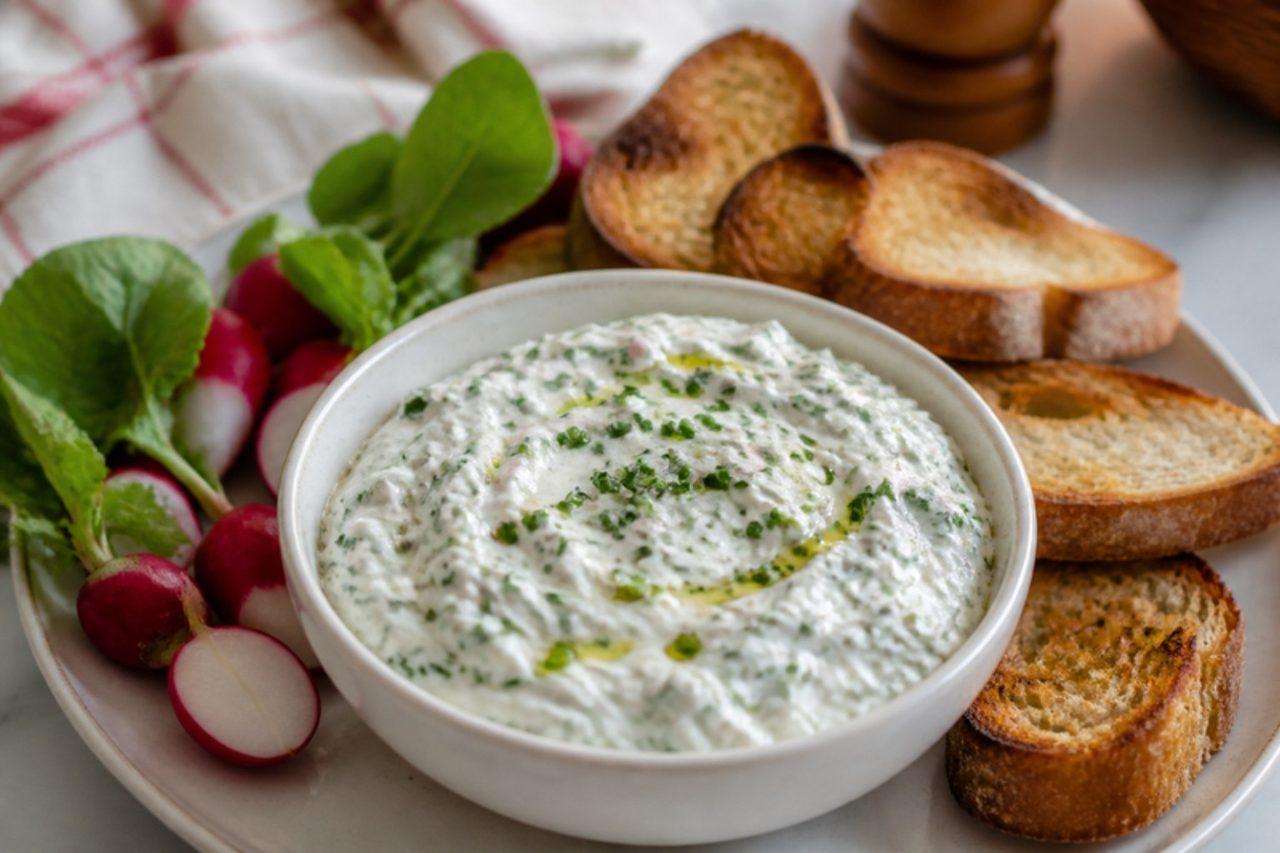
Cervelle de canutHerbed fresh cheese dip

The name means 'silk weaver's brain', a joke from the Croix-Rousse hill in Lyon, where nineteenth-century canuts worked the looms and could not afford the lamb's brains their bosses ate. Their version was fromage blanc whipped with shallot, garlic and herbs, and it is still served in every bouchon as a starter or after the main course, with bread, toast or boiled potatoes. Some cooks splash in white wine; this version uses a little white wine vinegar instead, so it is alcohol-free. Some fromage blanc is set with rennet, so pick a brand labelled vegetarian if that matters. Chef's tip: make it an hour ahead; the shallot softens and the herbs flavour the cheese right through.

by KrazyBadal 0 views

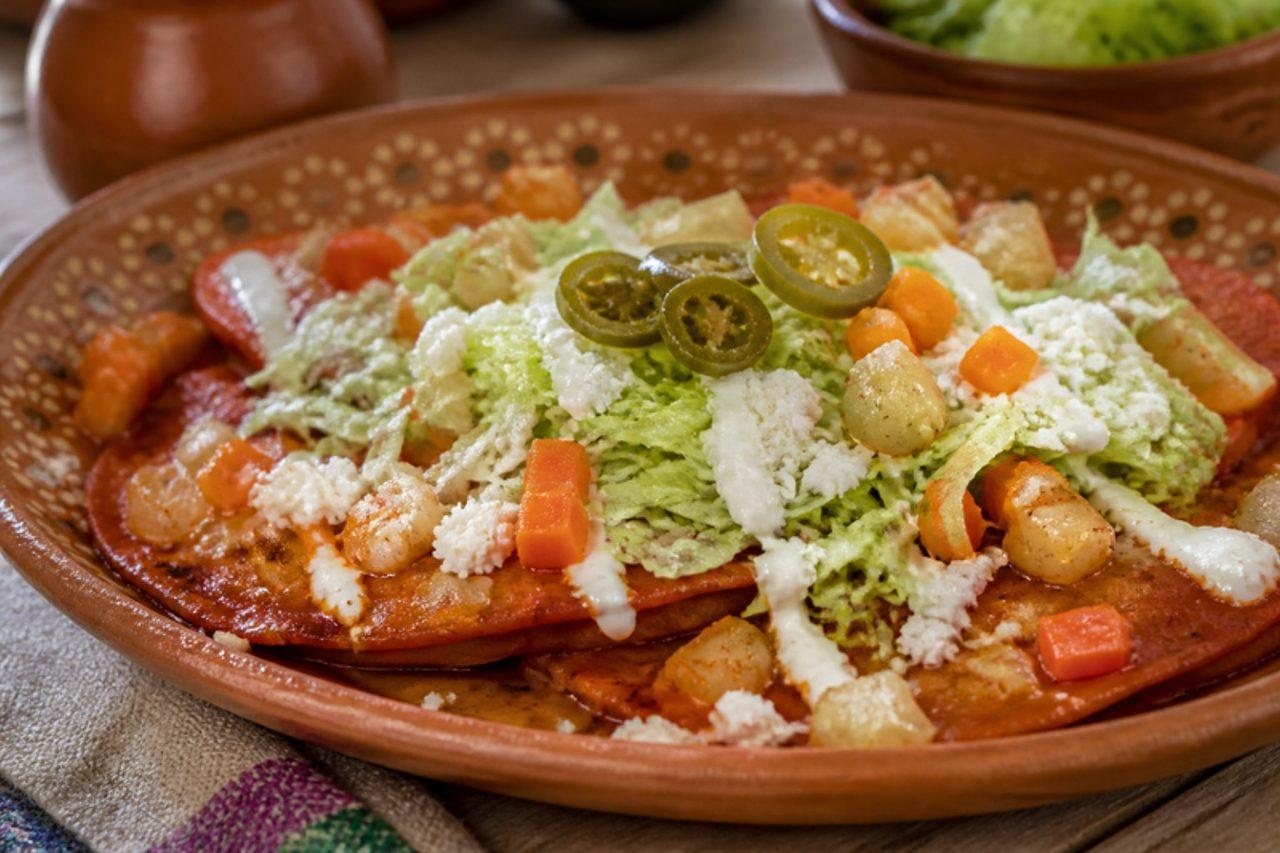
Enchiladas placeras with potato and carrot

Under the arcades around Morelia's plazas, cooks sell enchiladas placeras in the evenings: tortillas dipped in guajillo sauce, fried on a griddle, folded over crumbled cheese and onion, then buried under fried potato and carrot cubes, shredded lettuce and pickled chillies. In Michoacán they usually come with a piece of fried chicken on the side; we leave that out, as the potatoes and carrots fried in the chilli-stained oil are the part everyone fights over. Cheese may be made with animal rennet, so choose a vegetarian one if needed. Chef's tip: fry the potatoes and carrots in the same pan after the tortillas so they pick up the red chilli oil.

by KrazyBadal 0 views

CancoillotteWarm runny cheese with garlic

Cancoillotte is the loose, pale-gold melted cheese of Franche-Comté, the region around Besançon, Morteau and the Jura border. Families keep a pot of it in the fridge and warm it for Sunday supper, pouring it over boiled potatoes, dipping bread into it or spooning it over a baked potato. The real thing starts from metton, a ripened curd that is hard to find outside the region, so this home version uses quark and a pinch of bicarbonate of soda, the same trick German cooks use for Kochkäse: the soda turns the curd soft and melty, and butter, garlic and a little milk give the silky, slightly tangy finish. Most quark is made with little or no rennet, but check the label if that matters to you. Chef's tip: leave the quark and soda to rest for a full hour; it should turn translucent and gooey before it goes near the heat.

by KrazyBadal 0 views

Brevas con arequipeCandied figs with milk caramel

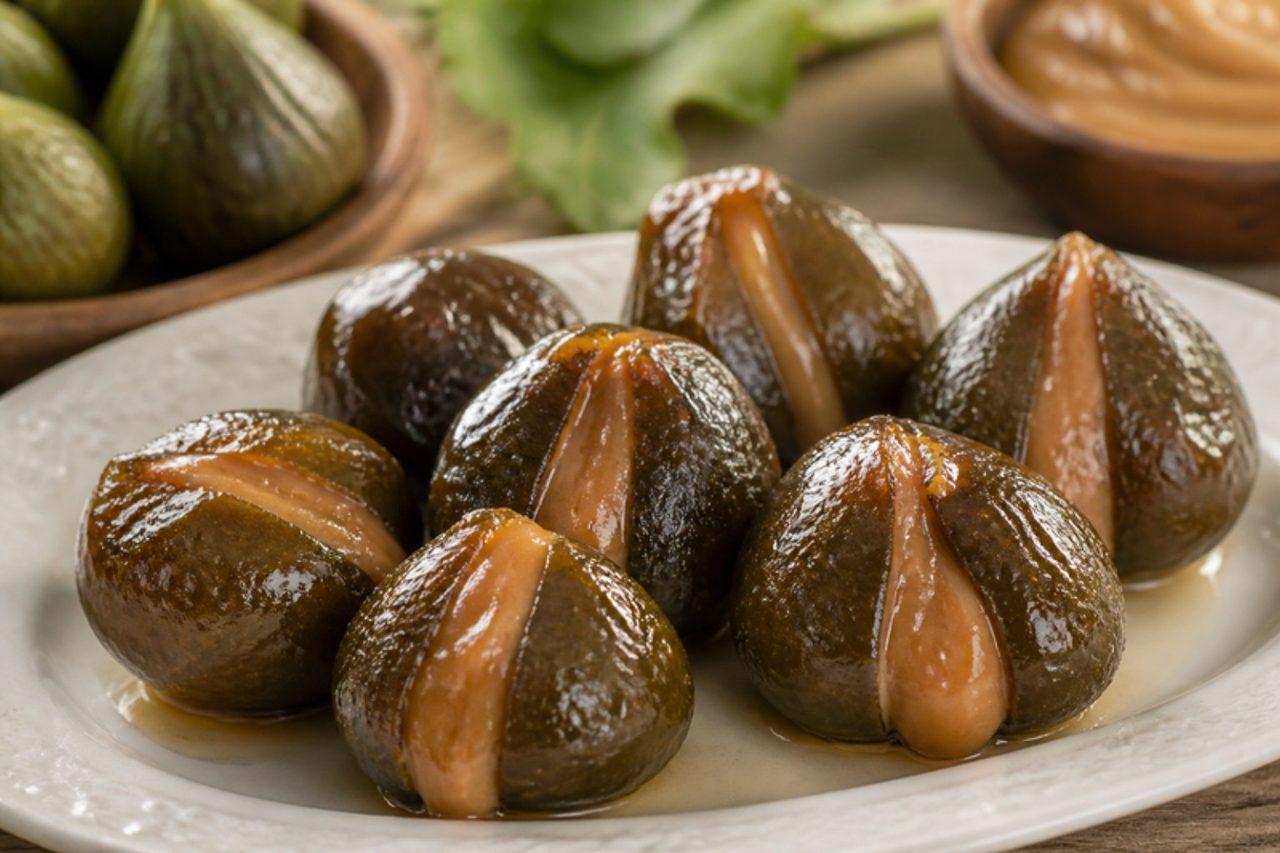
Bogotá's old sweet shops and the dessert counters of Cundinamarca sell brevas caladas, firm green figs cooked for hours in panela syrup until they turn dark, glossy and tender, then split and filled with arequipe. A slice of salty fresh cheese alongside balances all that sugar. They are a classic Christmas and Sunday treat and keep for a week in the fridge, so make them ahead. Use hard, unripe green figs from Middle Eastern or Latin shops; ripe figs fall apart. Arequipe is Colombian milk caramel, the same as dulce de leche. The fresh cheese is usually animal-rennet, so pick a vegetarian one. Skipping the first boils is the common error: the figs keep a bitter, milky sap that spoils the syrup. Chef's tip: cook the syrup slowly and keep the figs just covered; a hard boil splits the skins.

by KrazyBadal 0 views

Bakoula (warm mallow and herb salad)

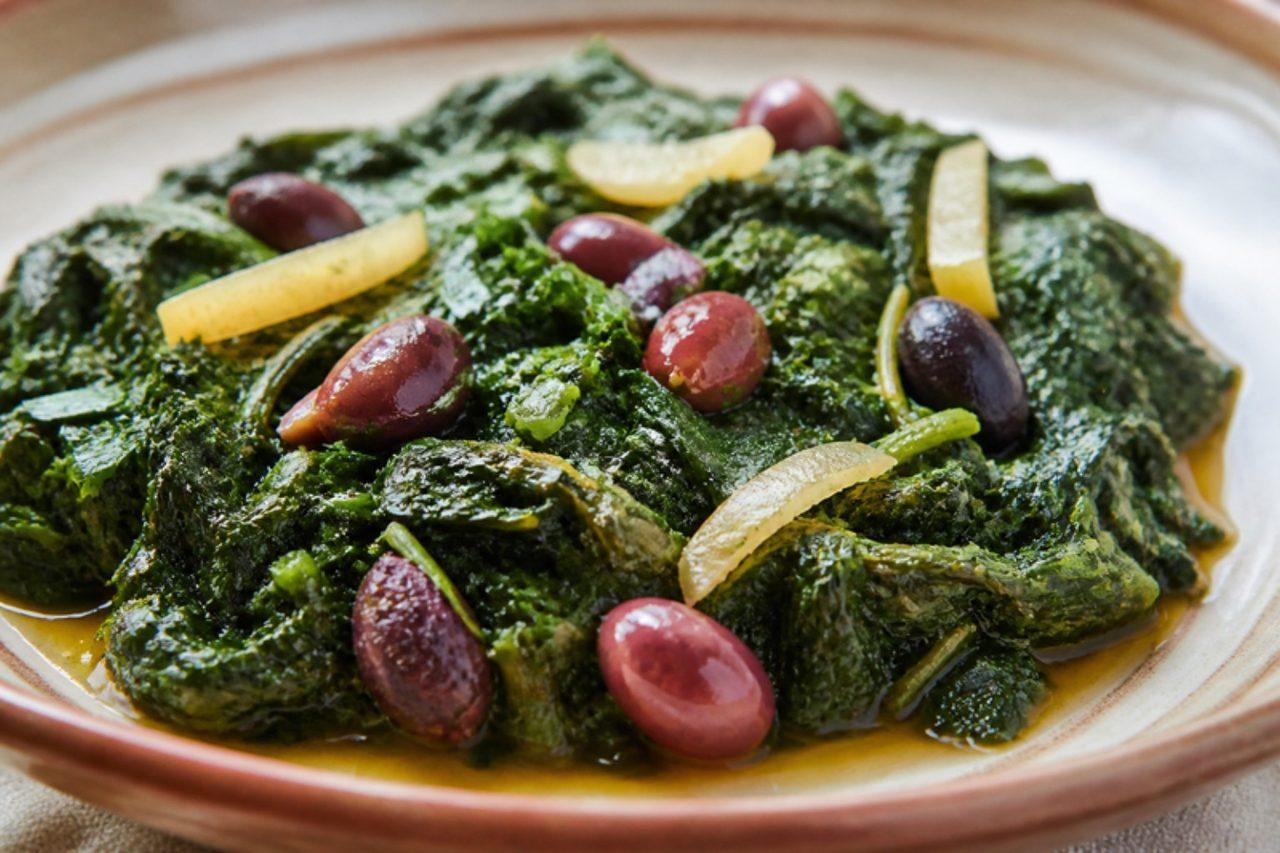
When the winter rains come, bunches of khobiza, wild mallow, are piled up at Marrakech market stalls, and households turn them into bakoula: the leaves are steamed, chopped and cooked down with garlic, parsley, coriander, paprika and cumin, then finished with violet olives and slivers of preserved lemon. The result is soft, dark green and savoury with a lemony lift, a little like a well-seasoned spinach dish with more character. It is eaten warm or at room temperature as one of the cooked salads, scooped up with bread. Outside Morocco, use spinach with a handful of chard or rocket for a bit more bite. Most people go wrong by not squeezing the steamed leaves dry, which leaves the salad watery and bland. Chef's tip: squeeze the steamed greens hard in your fists before chopping; leftover water makes bakoula sloppy and dilutes the spices.

by KrazyBadal 0 views

Preserved lemons (l'hamd marked)

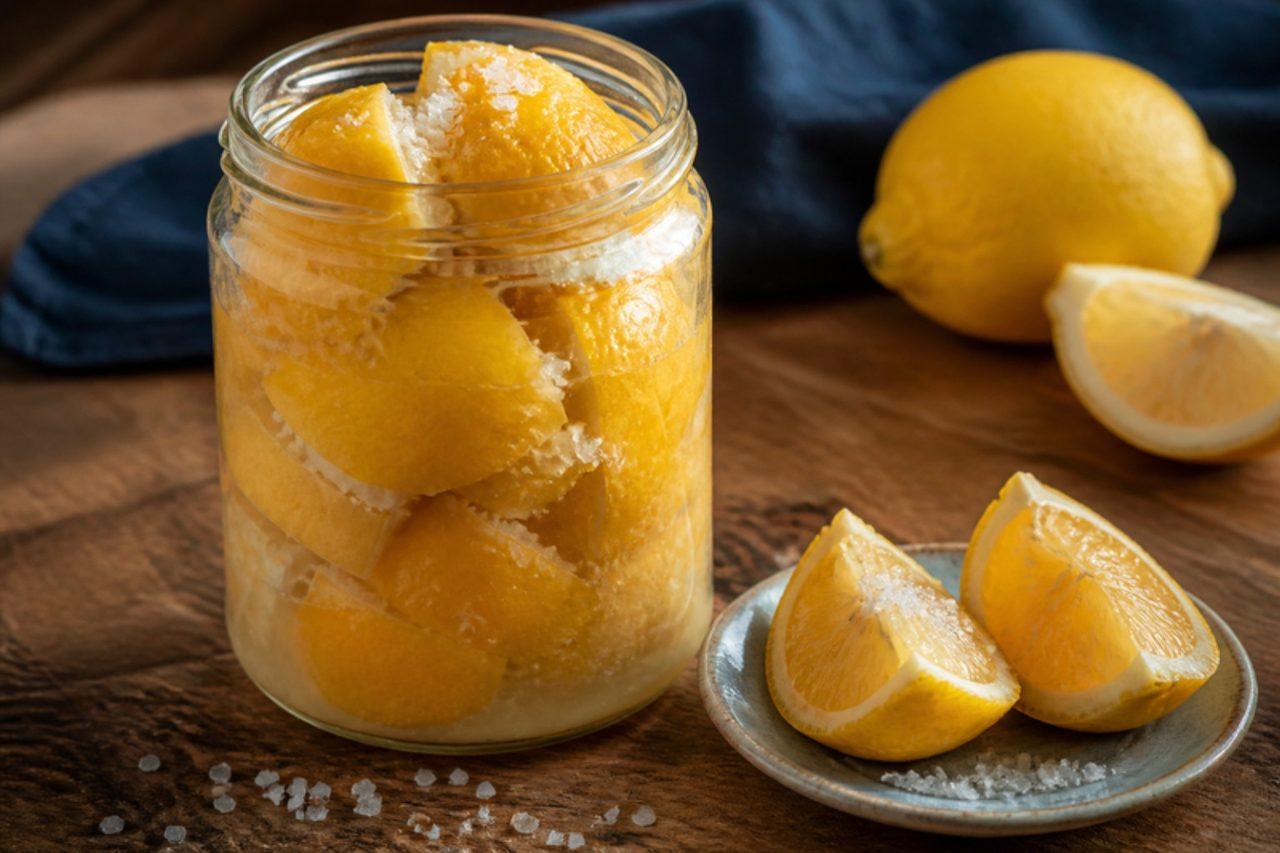
No Moroccan pantry is complete without a jar of l'hamd marked, lemons packed in salt and their own juice and left for about a month until the rind softens and takes on a mellow, floral, almost sweet flavour. The rind is what you use: finely chopped into salads, slivered over chicken with olives, added to fish tagines, chermoula and bean dishes. Fez cooks traditionally use small, thin-skinned doqq or beldi lemons, but any unwaxed lemon works. Hands-on work is only 20 minutes; the jar then needs 3–4 weeks in a cool, dark cupboard before it is ready. Chef's tip: press the lemons down hard every day for the first week; as they release juice they shrink, and you can squeeze one more lemon into the jar.
by KrazyBadal 0 views

Black and white cookies

The black and white is a New York bakery fixture, a saucer-sized, soft, lemony cookie that is closer to a sponge than a biscuit, iced half in vanilla and half in chocolate. Delis and Jewish bakeries from the Upper West Side to Brooklyn sell them by the till. Chef's tip: ice the flat underside, not the domed top, and do the vanilla half first so the chocolate doesn't bleed into it.

by KrazyBadal 0 views

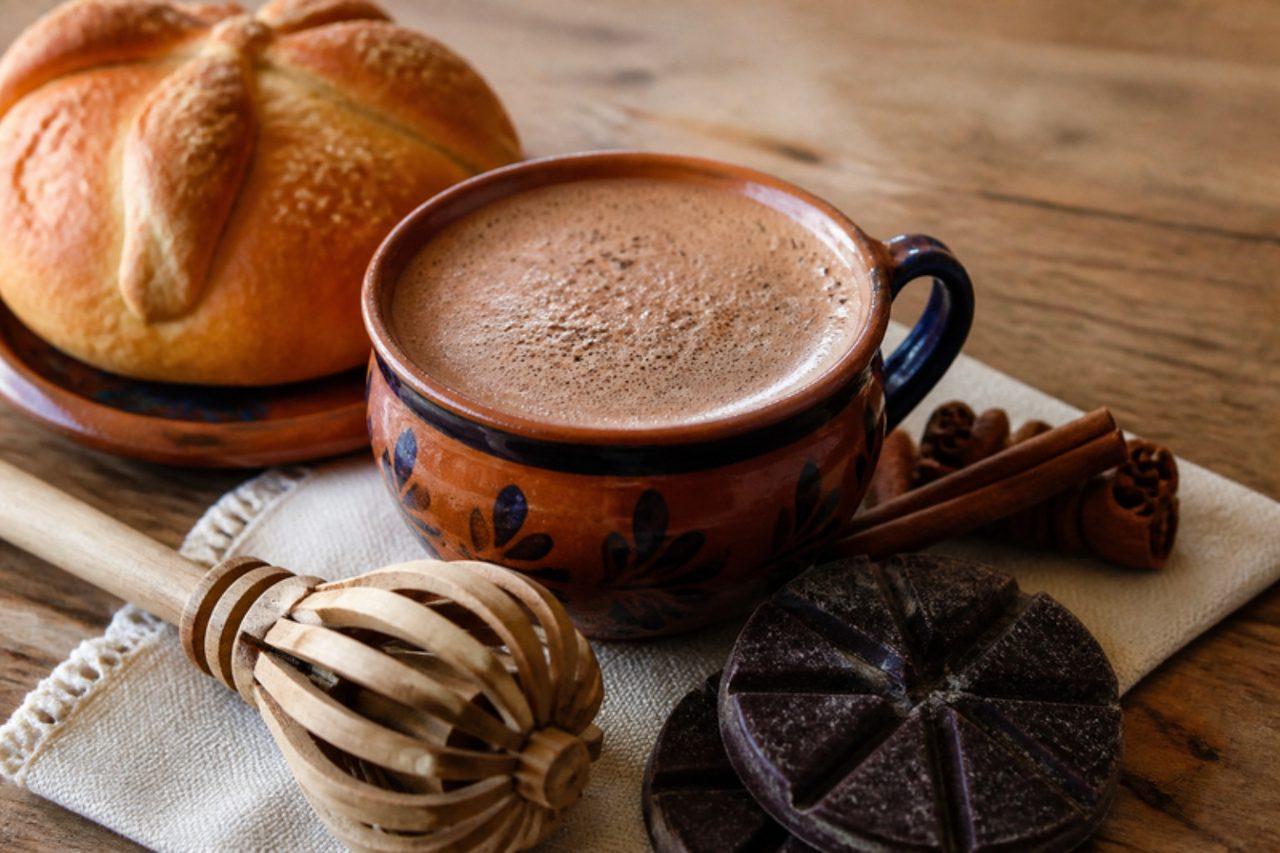
Chocolate de aguaHot chocolate made with water

Walk down Calle Mina in Oaxaca City and the air smells of cacao, cinnamon and almonds, roasted and ground into chocolate in front of you at the mills. Most Oaxacans drink it made with water, not milk, so the taste of the cacao comes through clean and slightly bitter, with a thick head of foam raised with a wooden molinillo. It is drunk for breakfast with pan de yema and at every wedding and Day of the Dead altar. The tablets already hold sugar and cinnamon; we give a version with dark chocolate too. Chef's tip: the foam is the point, so whisk hard just before pouring and serve in wide cups.

by KrazyBadal 0 views

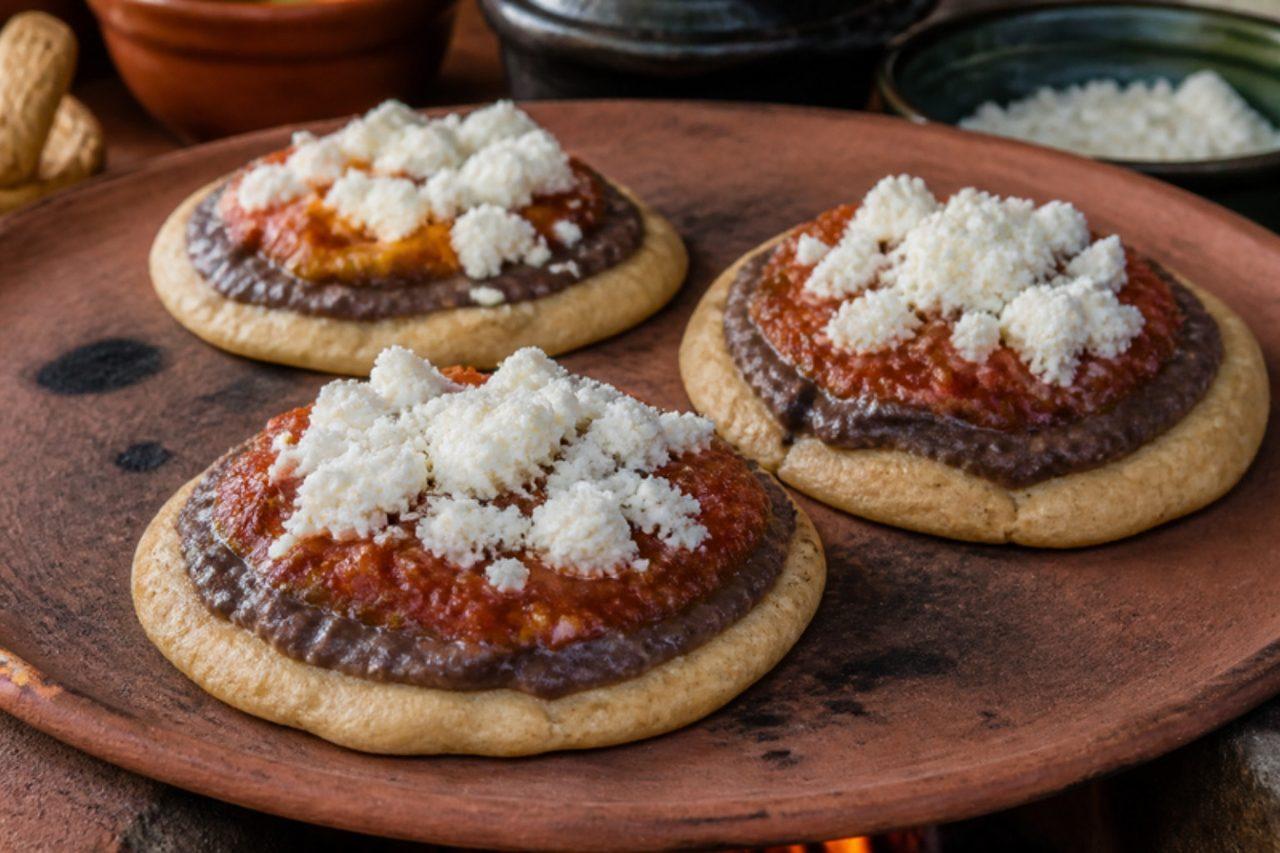
Memelas oaxaqueñasThick masa rounds with beans

Early morning at the Oaxaca City markets, women press masa into thick ovals, bake them on clay comales and pinch up the edges while they are still hot: these are memelas, eaten standing at the stall with coffee. Each one is smeared with asiento, the toasty unrefined pork lard of Oaxaca, then black beans, salsa and crumbled cheese. For a vegetarian version we use browned butter (or vegetable shortening for a dairy-free base), which gives a similar nutty richness. The masa should be soft and slightly chewy, the base speckled brown. Queso fresco is often made with animal rennet, so choose a vegetarian fresh cheese if needed. Chef's tip: pinch the rim while the memela is too hot to handle comfortably (use a damp cloth); once it cools, the masa sets and cracks.

by KrazyBadal 0 views

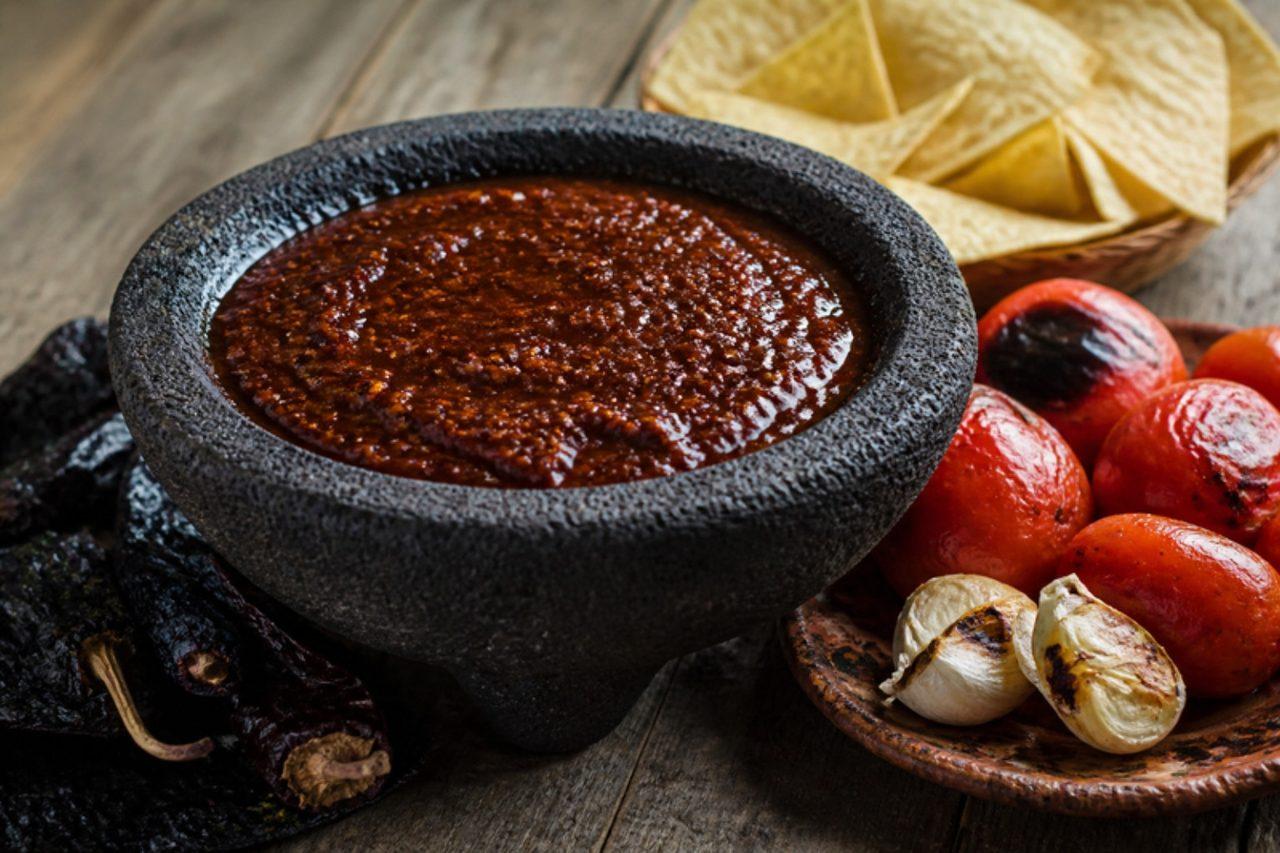
Salsa de chile pasilla oaxaqueñoSmoky dried chilli salsa

The pasilla mixe is a small, wrinkled, red-brown chilli smoked in the Sierra Mixe mountains east of Oaxaca City, and it tastes of campfire, tobacco and dried fruit. Ground in a molcajete with roasted tomato and garlic, it becomes the salsa that sits on every table in Oaxacan fondas, spooned over memelas, eggs, beans and grilled vegetables. It keeps a week in the fridge and improves after a day. If you cannot find pasilla mixe, use chipotle mora plus one ancho. Chef's tip: grind the garlic and salt first, then the chillies, then the tomato; working in that order gives a rough, clinging texture rather than a watery purée.

by KrazyBadal 1 views

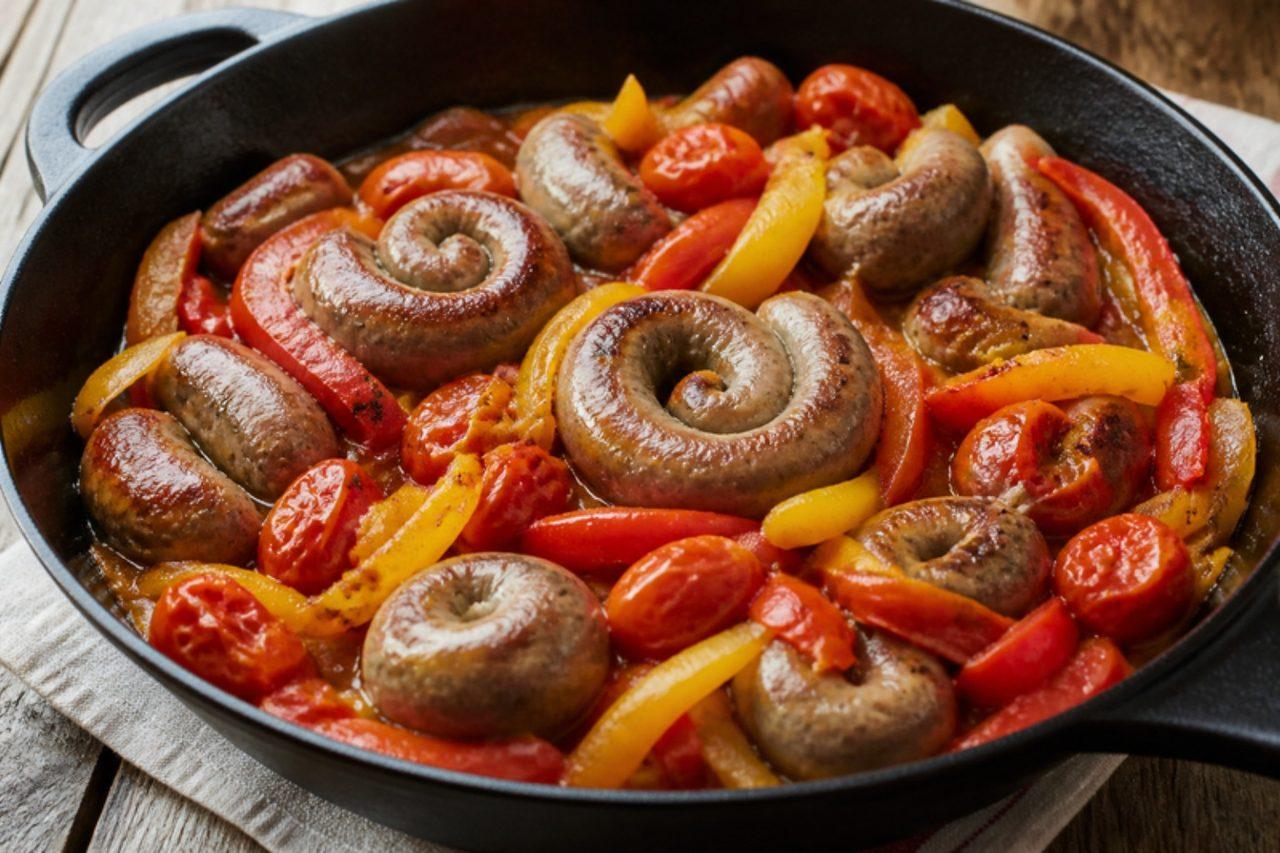
Lucanica con peperoniFennel sausage with peppers

Lucanica, the coiled fennel-seed pork sausage of Basilicata, is so old that Roman writers named it after the region. At home it's often cooked the simplest way, braised with sweet peppers and a little tomato until the peppers turn silky and the sausage fat flavours everything. It's a pork dish for a weekday supper or a village festival, served with crusty bread or a pile of soft polenta. If you can't find lucanica, use any coarse Italian pork sausage with fennel. Chef's tip: prick the sausage only once or twice; too many holes let all the juices run out and the sausage dries.

by KrazyBadal 0 views

New York bagels

The New York bagel came with Jewish bakers from Poland to the Lower East Side, and it is still breakfast on the go across the five boroughs, split and spread thickly with cream cheese. The dough is stiff and rested overnight in the fridge, then each ring is boiled before baking, which gives the dense, chewy crumb and the glossy, crackly crust. Chef's tip: test one bagel before boiling them all; if it floats in a bowl of cold water, they are ready.

by KrazyBadal 0 views

Crémet d'AnjouLight cream dessert

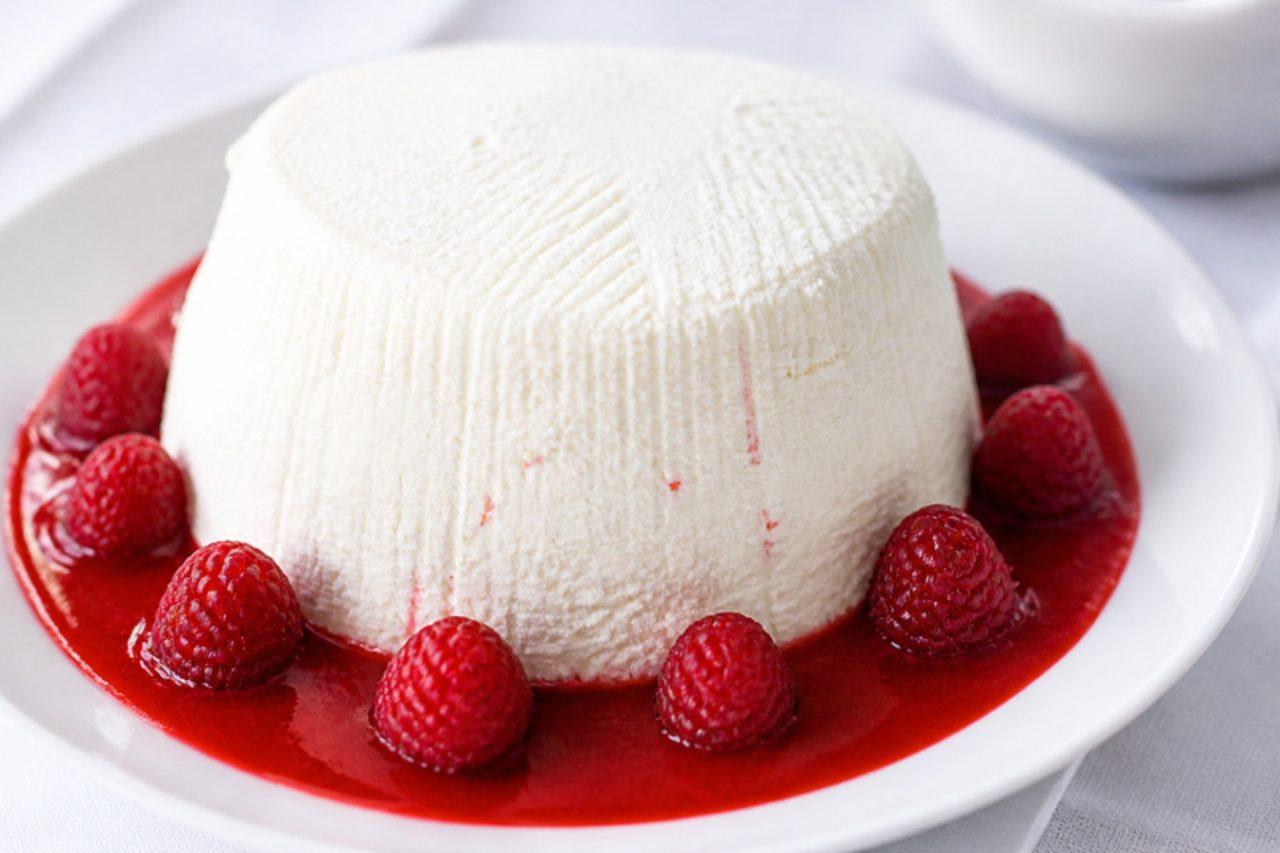
Angers and the Anjou countryside have served crémets since the 1800s: a mixture of fresh cheese, whipped cream and whisked egg white, drained in muslin until it holds its shape, then unwrapped onto a plate with berries or a red fruit coulis. It is soft, cool and barely sweet, and Angevin cheese shops sell it by the pot in spring and summer. This version swaps raw egg white for a little extra whipped cream, so it is safe for everyone. You need muslin or a clean J-cloth and small sieves or ramekins with holes. Chef's tip: give it a full 12 hours in the fridge; it firms up and turns light and mousse-like as the whey drips away.

by KrazyBadal 0 views

Alubias de TolosaBlack beans with chorizo and pork

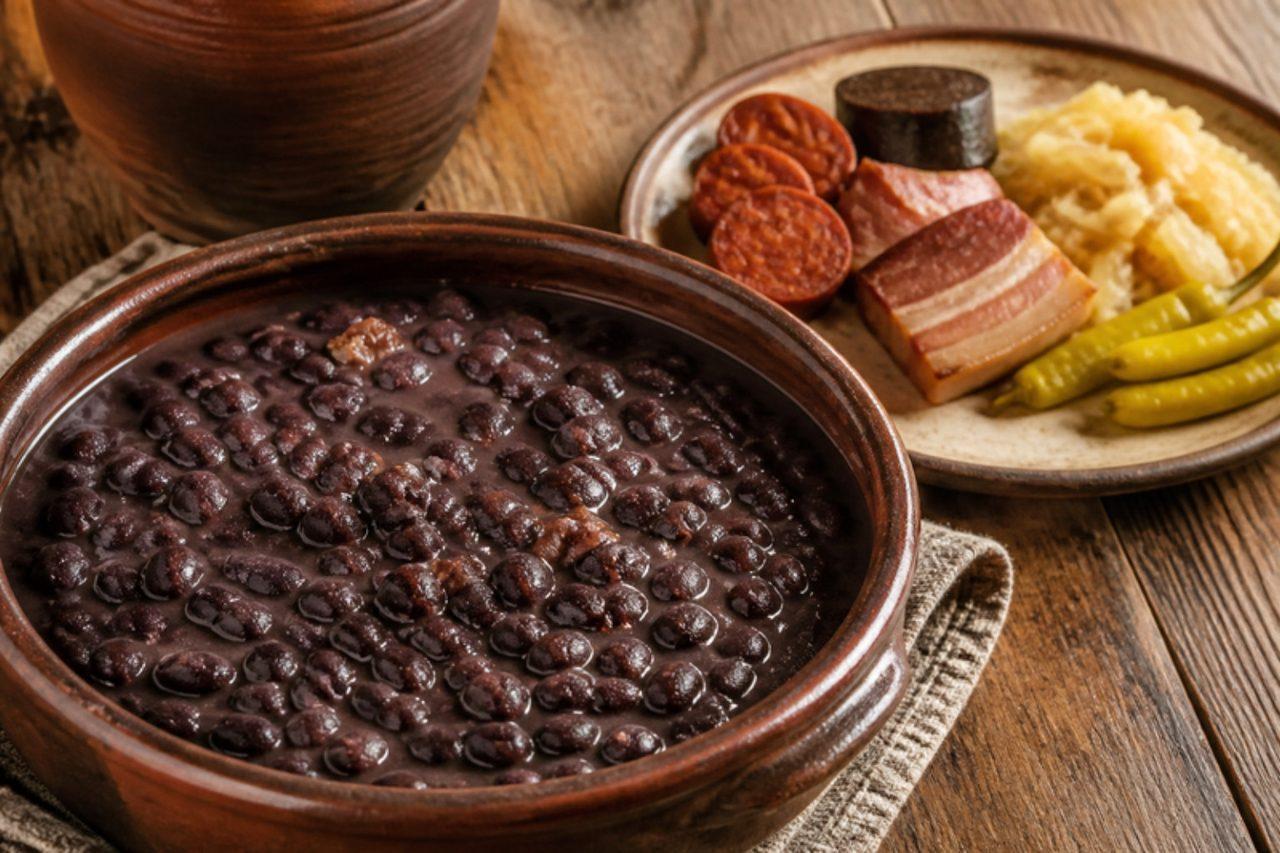
Tolosa, in the Oria valley, celebrates its dark purple-black beans every autumn, and the town's restaurants serve them in clay pots with the 'sacramentos' on the side: chorizo, morcilla and pork belly, plus cabbage and pickled guindillas. This contains pork (chorizo, morcilla and pork belly). The beans are cooked very slowly with only onion and oil until creamy and the broth is thick and dark. A common mistake is boiling the beans hard, which splits their skins; they should barely tremble. Chef's tip: add a splash of cold water three times while they cook ('scaring' the beans), which keeps the skins tender and whole.

195 minSpanishMeat
by KrazyBadal 0 views

Natchitoches meat pies

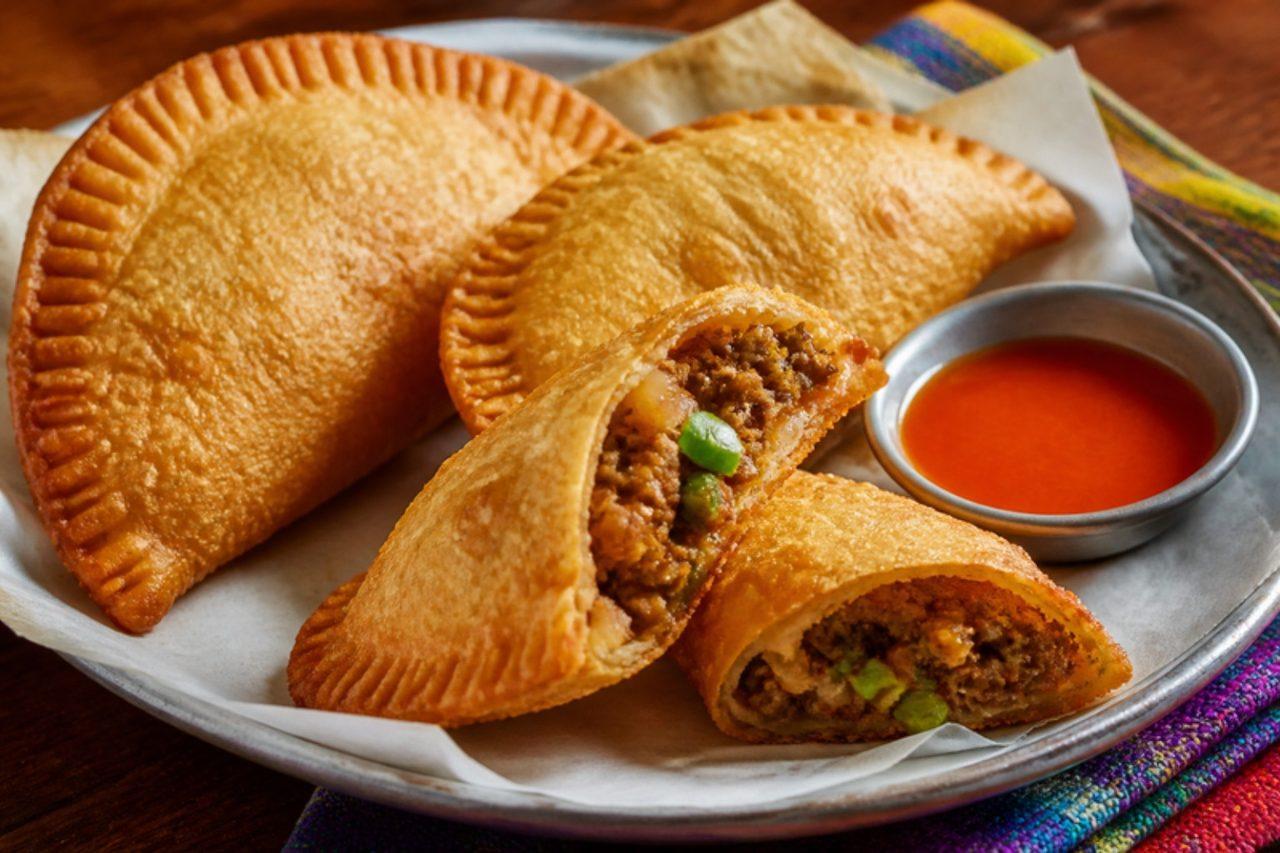
Natchitoches, the oldest town in Louisiana, is famous for these crescent-shaped fried pies, sold at its Christmas Festival of Lights and from family pie shops on Front Street. The filling is minced beef and pork with onion, garlic and cayenne, wrapped in a short pastry and fried until blistered and crisp. It contains pork. Chef's tip: cool the filling completely before filling the pastry, or the dough softens and tears.

by KrazyBadal 0 views

JericallaVanilla custard

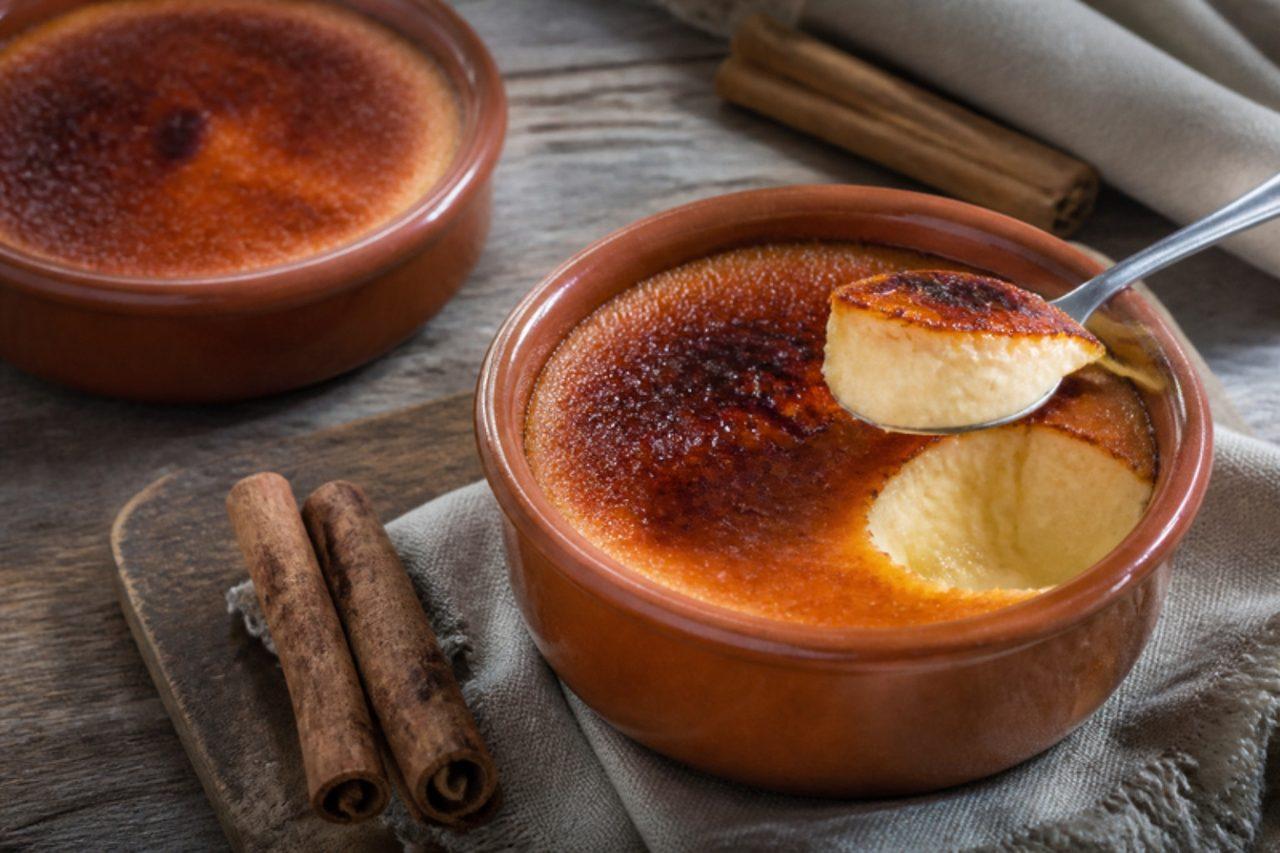
Jericalla belongs to Guadalajara: legend says a nun at the city's Hospicio Cabañas orphanage made it in the 19th century to feed the children something nourishing. It is a firm baked custard of milk, eggs, sugar, vanilla and cinnamon, between a flan and a crème brûlée, with no caramel underneath; the top is left in a hot oven until it blisters and darkens in patches. Tapatíos buy it in little glass pots from street carts and in the markets of Jalisco. Chef's tip: let the top darken properly under the grill at the end; those scorched spots are what makes it a jericalla rather than a plain custard.

by KrazyBadal 0 views

Mole amarillo with vegetablesYellow mole with vegetables

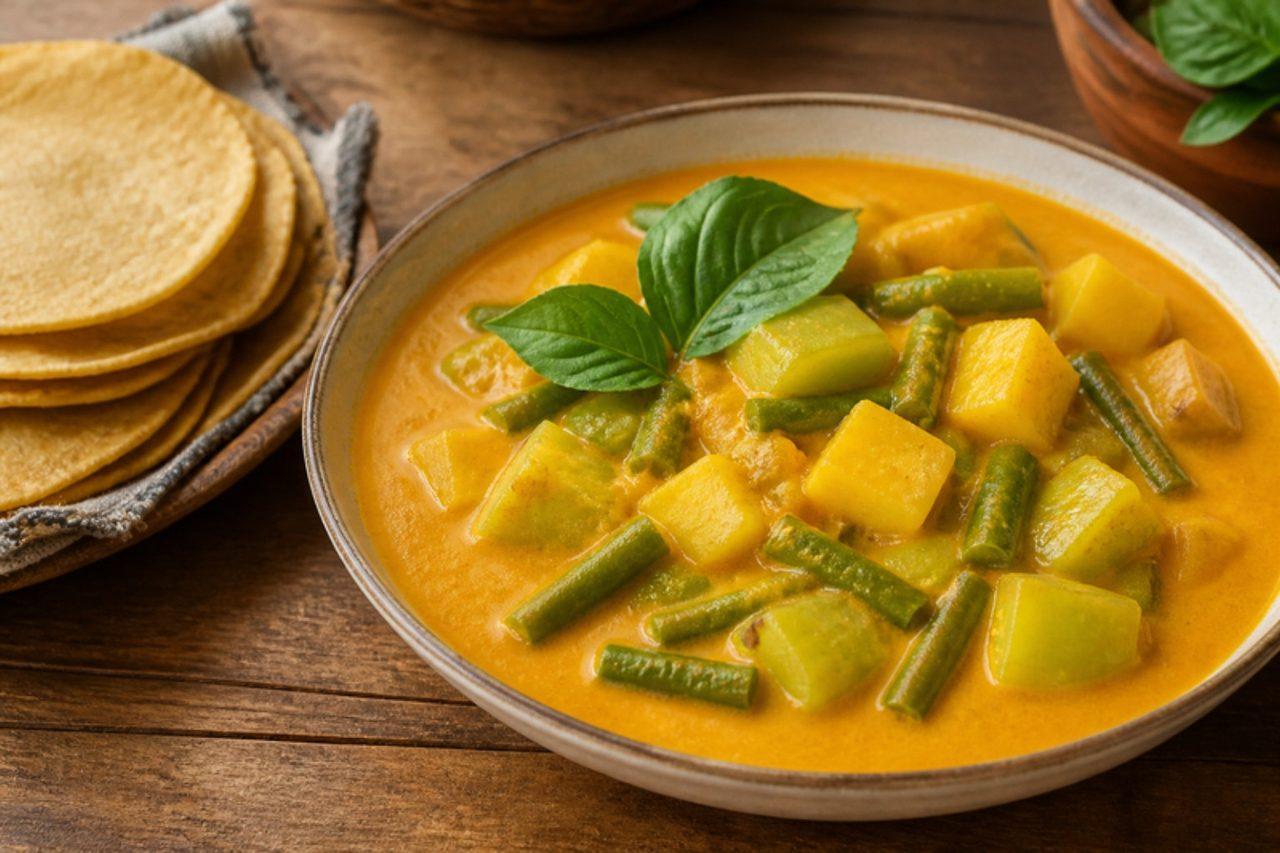
In Oaxaca's central valleys, the 'yellow' mole is the everyday one of the seven: lighter than mole negro, made on weekdays, sold at market fondas in Tlacolula and Ocotlán and folded into empanadas on the comal. Guajillo and costeño chillies give it a brick-orange colour, a few tomatillos make it tangy, and masa stirred in at the end thickens it to a soft, velvety sauce. Oaxacan cooks use chicken or beef broth; this version uses vegetable stock with chayote, green beans and potatoes, which is also how many homes make it during Lent. Serve it in deep bowls with corn tortillas. Chef's tip: the fresh hoja santa leaf (or a few fennel fronds) is what makes it taste Oaxacan, so add it for the last few minutes only.

by KrazyBadal 0 views

SeadasFried cheese pastries with honey

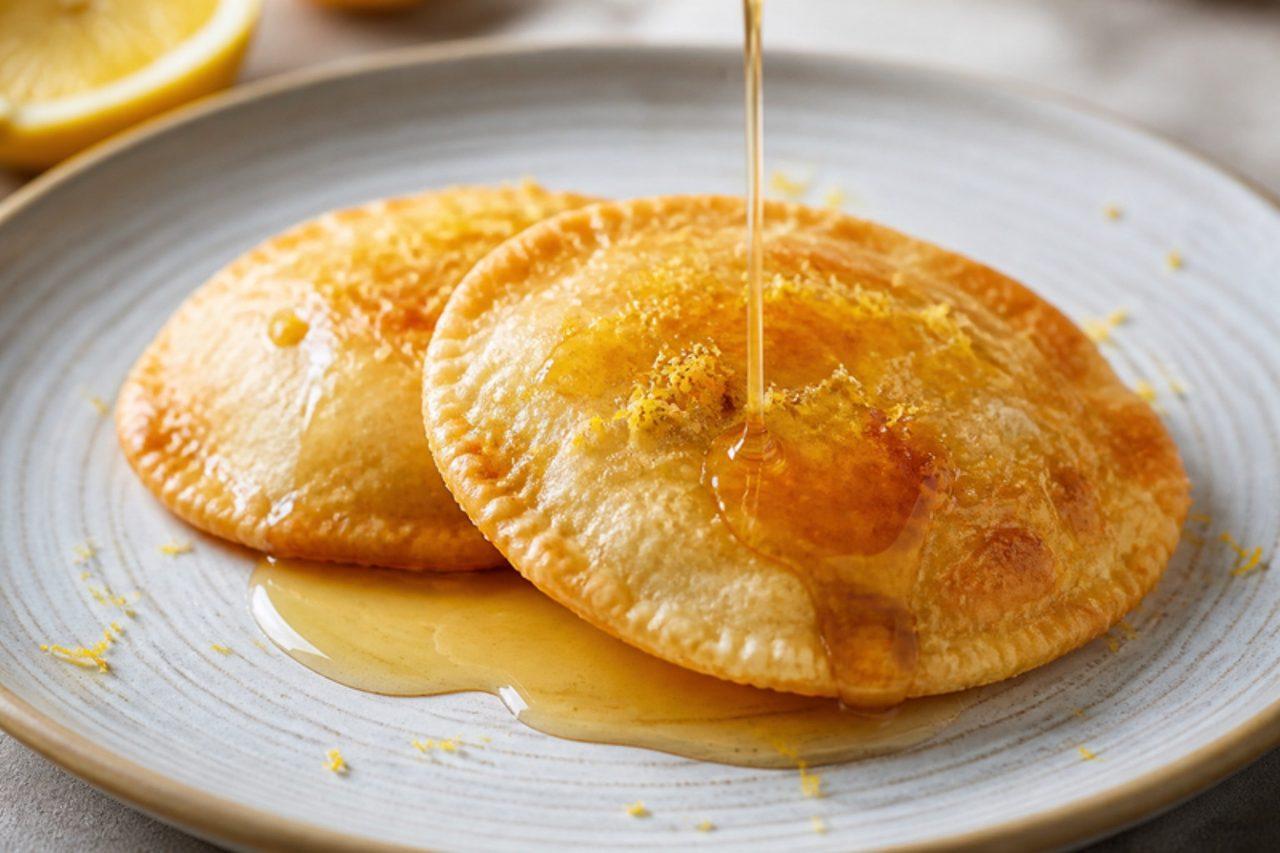
Seadas (or sebadas) are Sardinia's festive dessert: large discs of thin pastry wrapped around fresh, tangy cheese and lemon zest, fried until blistered and golden, then drizzled with warm honey, ideally the bitter strawberry-tree honey of the island's hills. The cheese melts into soft, stretchy strings, so they are a sweet-salty, crisp-gooey surprise. Shepherd families once made them at the end of a festa or for Carnival; today every Sardinian restaurant offers them. The pastry is traditionally made with lard, and here it is butter. Chef's tip: melt the cheese into discs first, so it sets flat and is easy to seal inside the pastry.

by KrazyBadal 0 views

Pane frattauFlatbread with tomato and egg

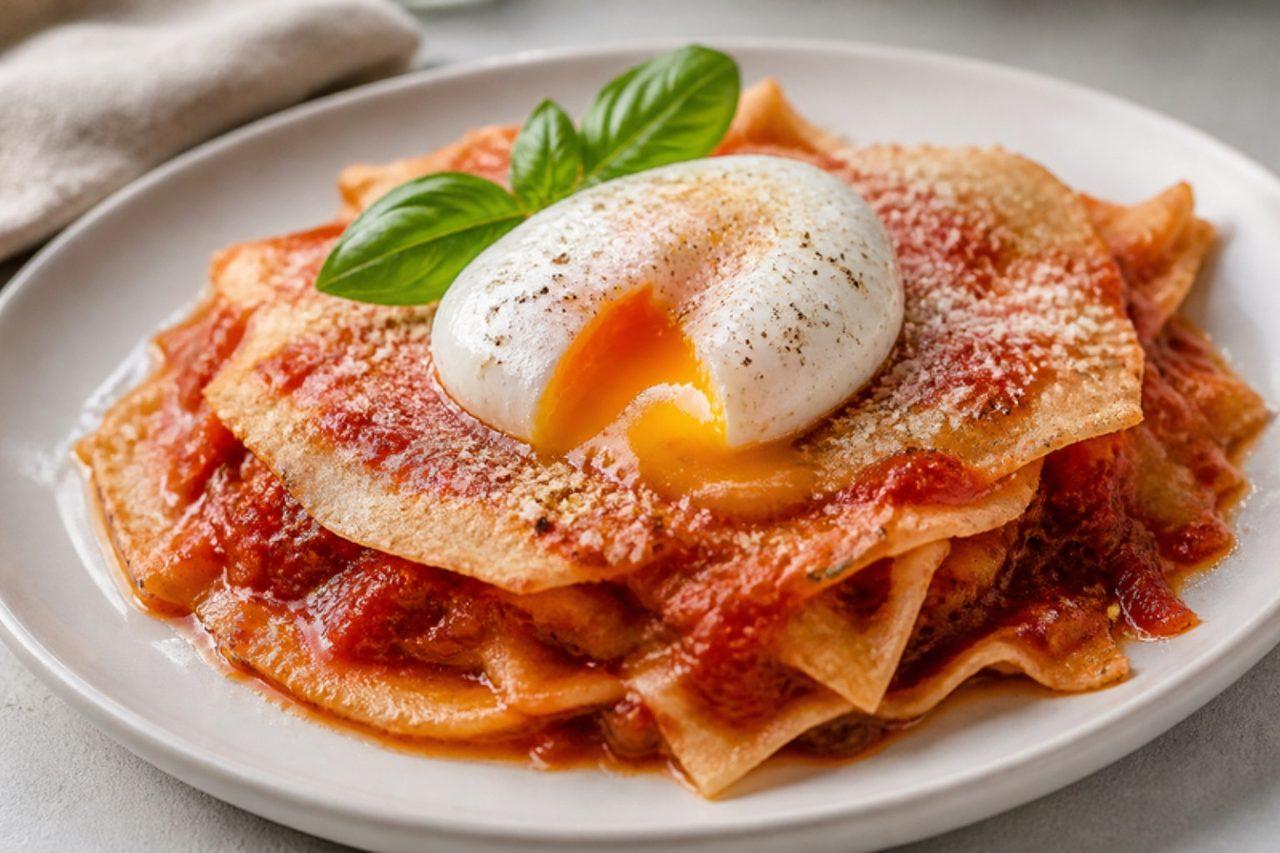
Pane frattau turns dry pane carasau into a hearty plate in twenty minutes: sheets of the crisp bread are dipped in hot broth until just supple, layered with tomato sauce and grated pecorino, and topped with a poached egg whose yolk runs into everything. It is said to have been first served in Orgosolo or Nuoro for a royal visit, and it is now a staple of Barbagia agriturismi and family suppers. Traditionally the broth is made from mutton or meat; this version uses vegetable stock, which works beautifully. Chef's tip: dip each sheet for no more than 2–3 seconds; it keeps softening on the plate.

by KrazyBadal 0 views

Enchiladas minerasGuajillo enchiladas with potatoes

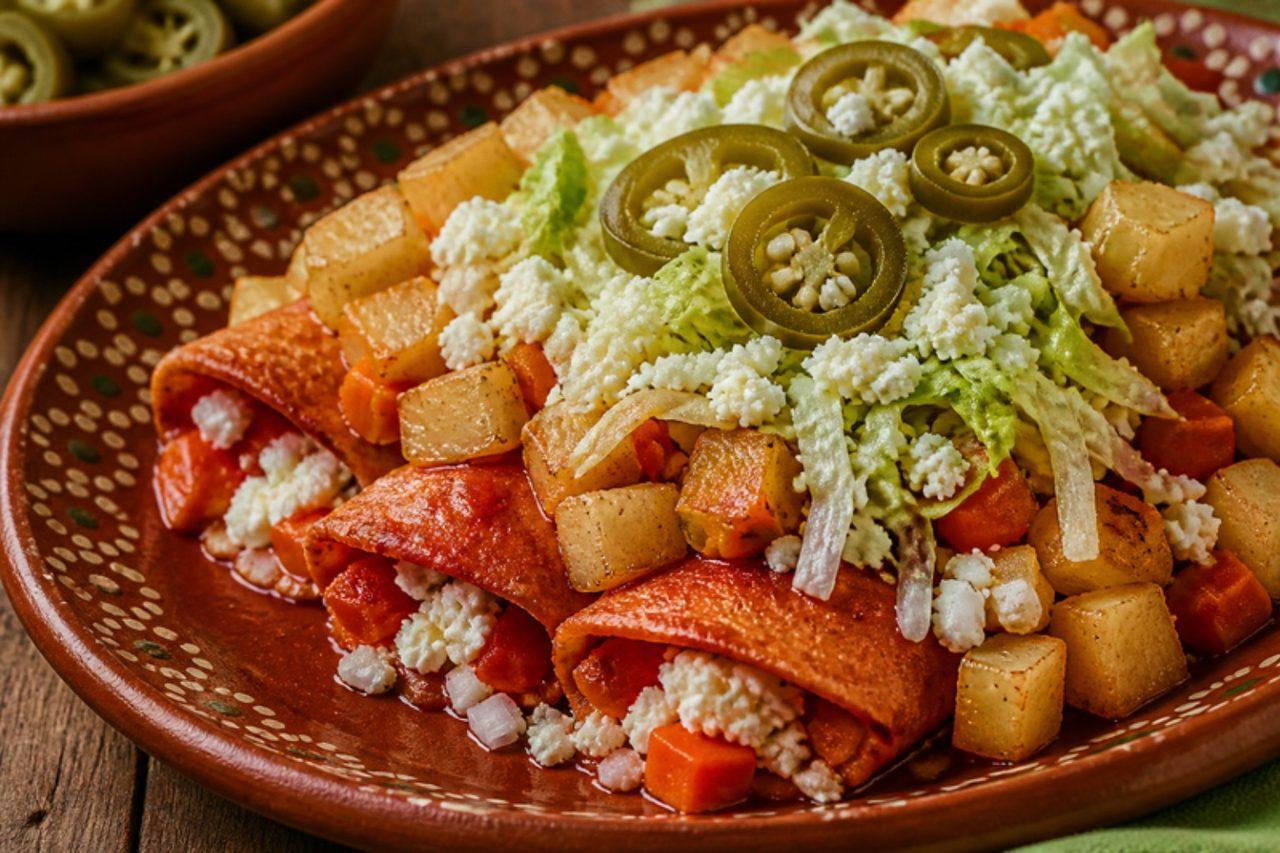
Enchiladas mineras were the supper of Guanajuato's silver miners and are still sold every evening under the arches of the city's plazas and at the Mercado Hidalgo: tortillas dipped in guajillo sauce, fried briefly, rolled around fresh cheese and onion, and buried under fried diced potato and carrot, shredded lettuce, pickled jalapeños and crema. Stalls often add a piece of chicken on the side; this recipe leaves it out and the vegetables make it a full plate. Chef's tip: dip each tortilla in the sauce before frying, not after; that's what gives the slightly crisp, chilli-coated finish.

by KrazyBadal 0 views

Cipolle di Tropea in agrodolceSweet-sour red onions

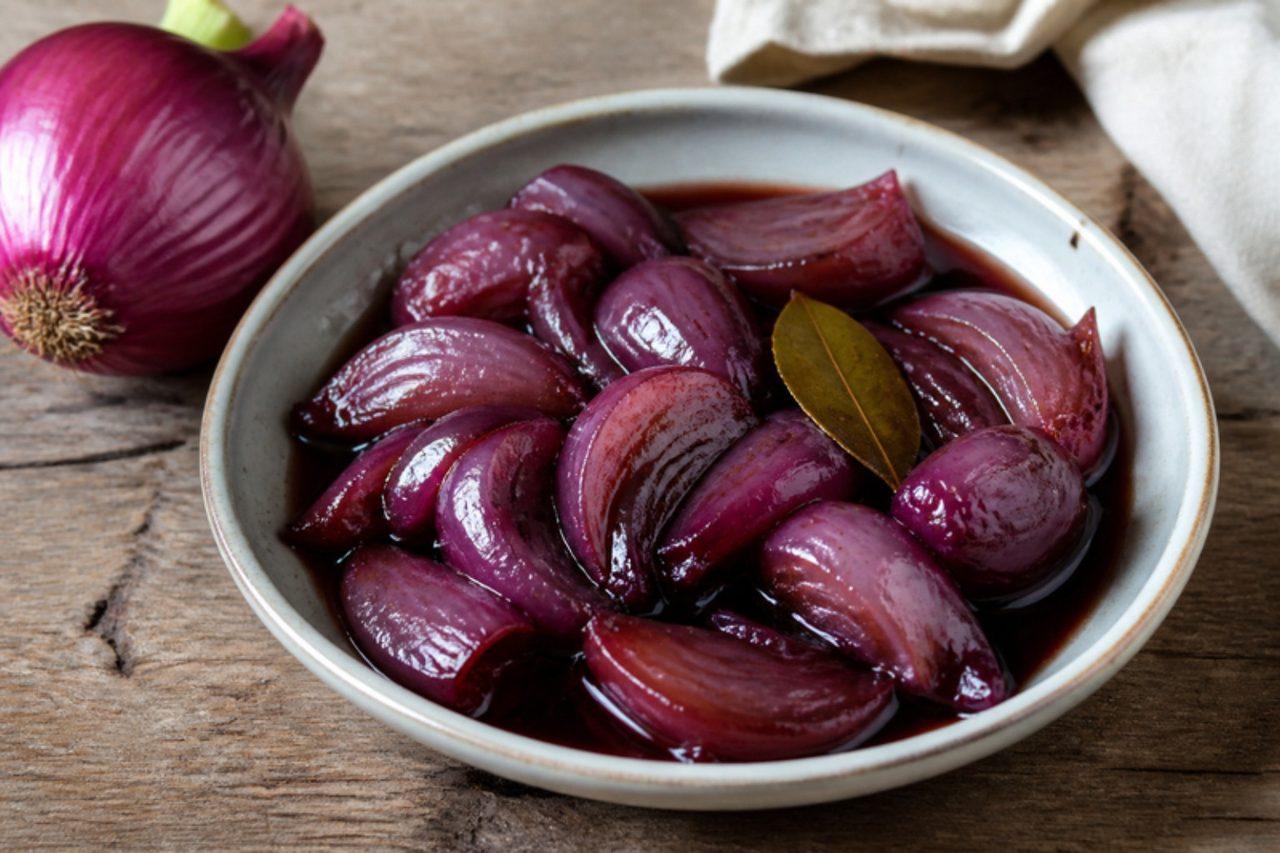
The red onions grown in the sandy fields along the coast near Tropea are so sweet that Calabrians eat them raw like fruit, and cooked slowly in agrodolce they become soft, jammy and glossy, sharp from the vinegar and mellow from the sugar. They sit on every Calabrian antipasto table, beside cheese and bread, and they are a fine side for grilled vegetables or a frittata. There is no wine in it, only wine vinegar. A jar keeps all week in the fridge. Chef's tip: cut the onions into thick wedges through the root so they hold together while they soften.

by KrazyBadal 0 views

Biscuits roses de ReimsPink dipping biscuits

Bakers in Reims created these pale-pink, sugar-dusted finger biscuits in the late 1600s, baking the dough twice so it would keep, and they are still the city's signature treat. In Champagne it is the custom to dip them into a glass of Champagne, which they soak up without falling apart; at home they are just as good dipped in tea, hot chocolate or a fruit coulis, or layered into a charlotte. The pink colour is from a little food colouring and the vanilla scent fills the kitchen. Chef's tip: dust the piped fingers with icing sugar twice, a few minutes apart; that gives them their fine, crackled crust.

by KrazyBadal 0 views

Maroilles tart

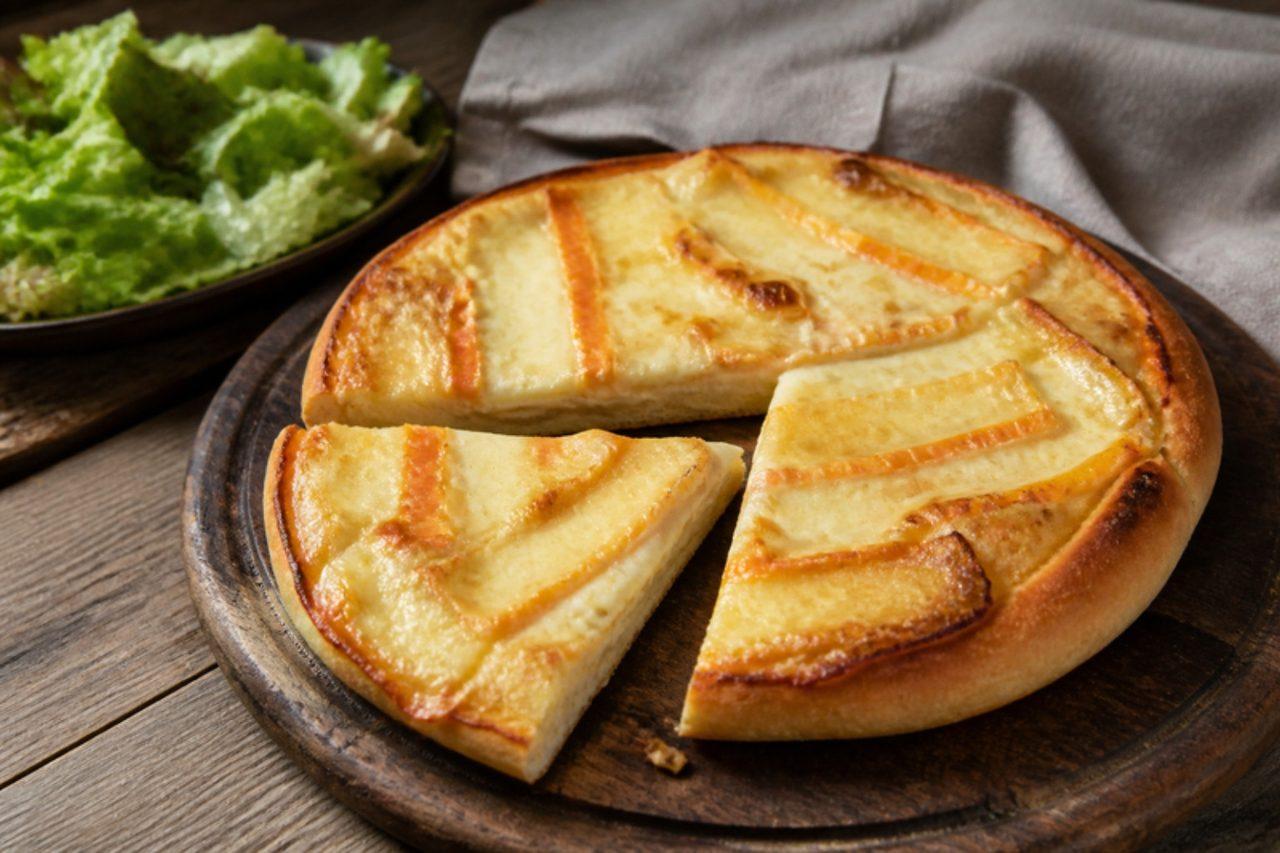
The Avesnois, the green, hedged corner of northern France near the Belgian border, makes Maroilles, a square, orange-rinded cheese with a powerful smell and a surprisingly gentle, creamy taste. Its most famous use is this tart, sold hot in slices at markets and fairs in Maubeuge and Avesnes-sur-Helpe and eaten with a salad and a cold drink. A yeasted bread-dough base is topped with slices of Maroilles and a little crème fraîche and baked until bubbling. Maroilles is made with animal rennet; a vegetarian washed-rind cheese gives the same melting richness. Chef's tip: leave the rind on; it carries much of the flavour and turns golden in the oven.

by KrazyBadal 0 views

Macarons parisiensChocolate ganache macarons

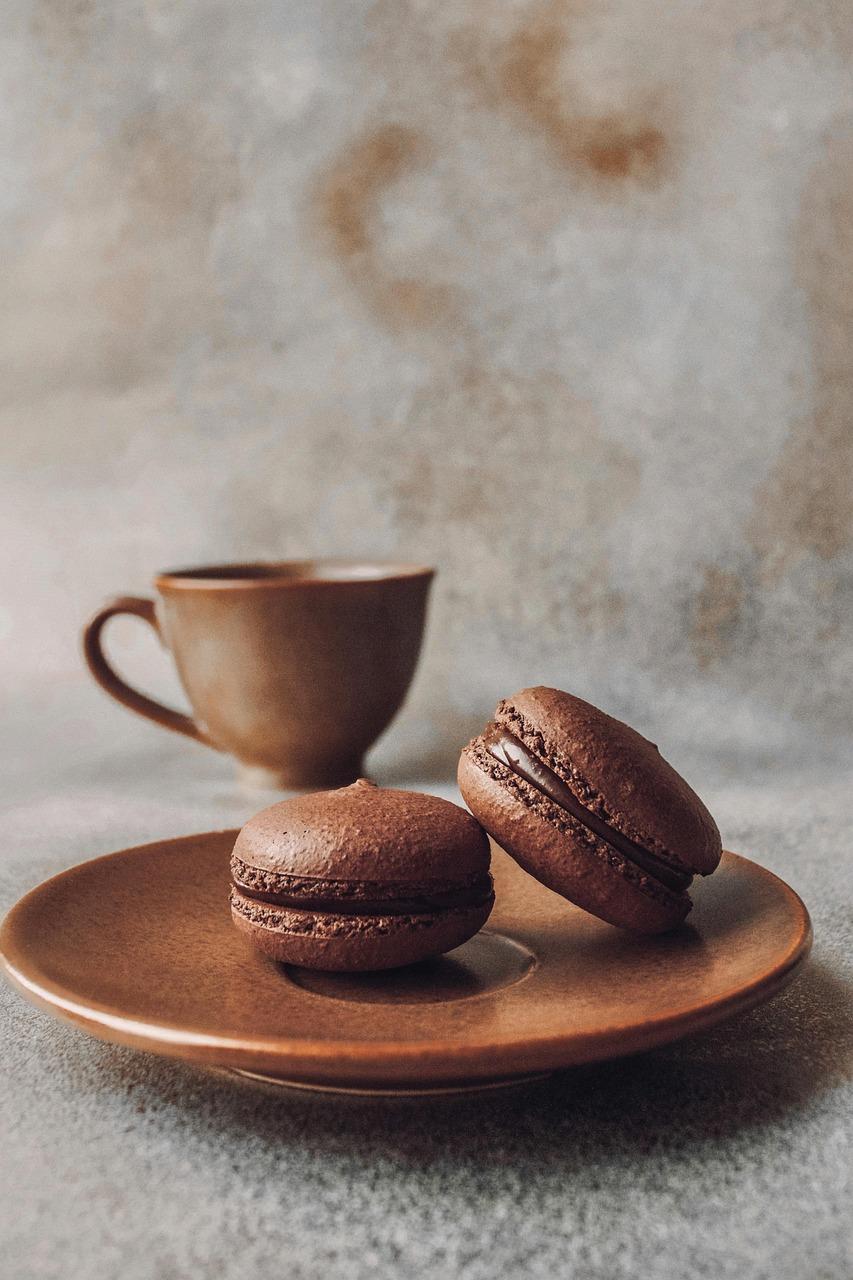
The smooth, round macaron with its ruffled 'foot', sandwiched around a ganache, is a Paris creation of the early 1900s, and the city's tearooms still sell them in pastel rows for gifts, weddings and afternoon tea. They are made from just ground almonds, icing sugar and egg whites, but they reward care: weigh everything, age the whites if you can, and rest the piped shells until a skin forms. This recipe uses a simple dark chocolate ganache; once you have the method, change the filling to raspberry jam or lemon curd. Chef's tip: bang the tray firmly on the worktop three times after piping; it knocks out air bubbles that would crack the tops.

by KrazyBadal 0 views

Opéra cakeAlmond coffee chocolate layer cake

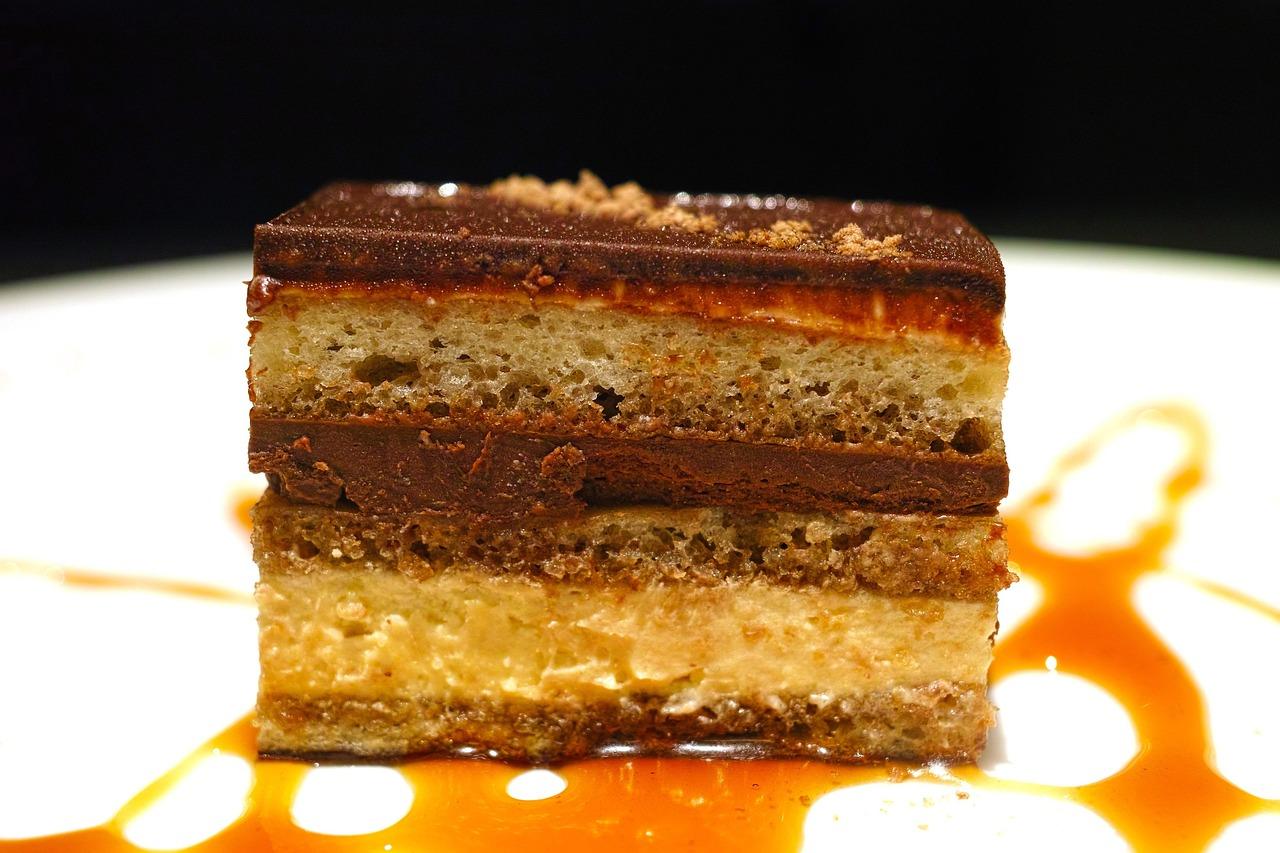
Named after the Palais Garnier opera house, the opéra is the elegant rectangle in the window of every grand Paris pâtisserie: thin layers of almond joconde sponge soaked in coffee syrup, coffee buttercream and dark chocolate ganache, finished with a mirror-smooth chocolate glaze. Parisians buy it for birthdays and dinner parties, cut into neat slices. It takes an afternoon but each part is simple, and it is easier made a day ahead. You need a 30 × 40 cm baking tray. The coffee gives a grown-up flavour, so use decaf for children. Chef's tip: trim the sides with a hot, dry knife after chilling; wiping the blade between cuts gives the clean stripes that make an opéra.

110 minFrenchBaking
by KrazyBadal 0 views

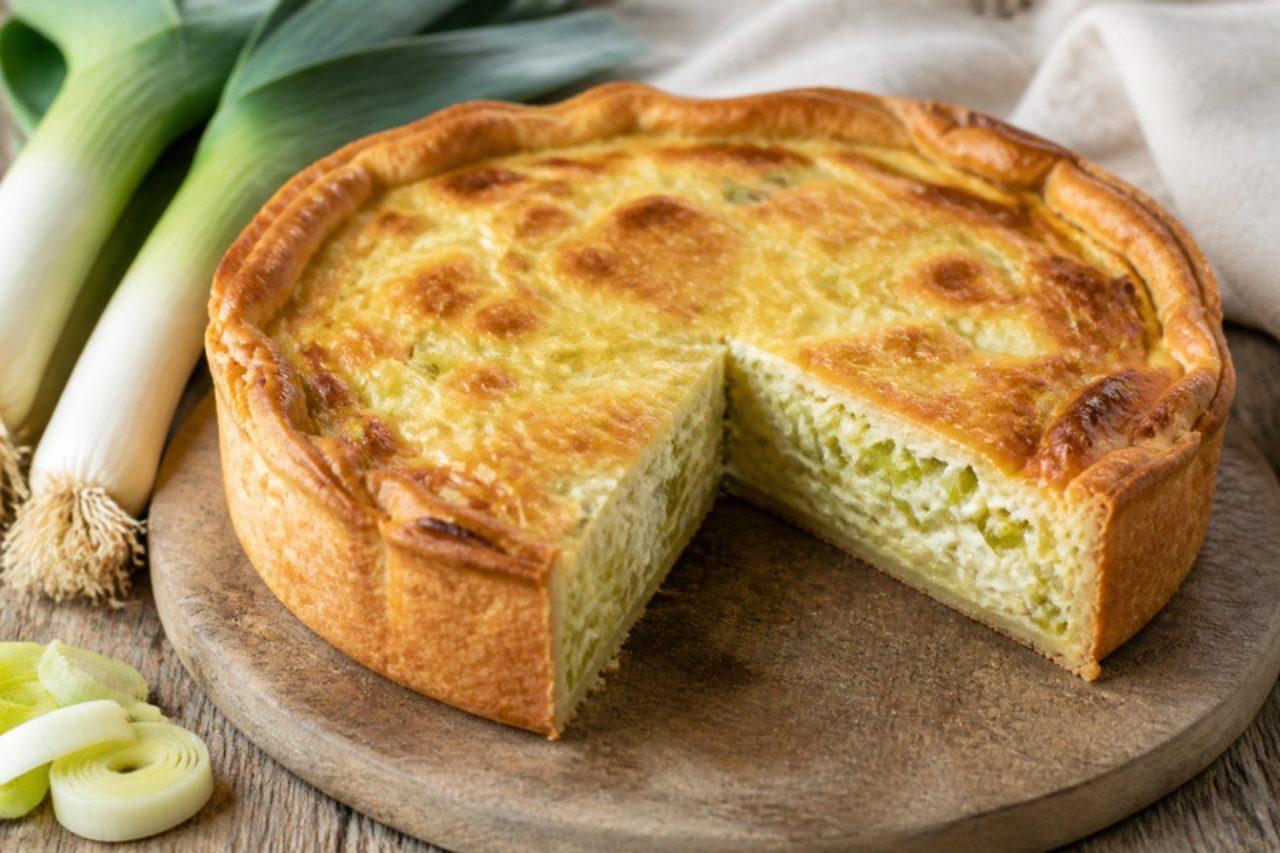
Flamiche aux poireauxLeek and cream tart

Flamiche means 'cake' in old Flemish, and in Picardy, around Amiens and Abbeville, it is a tart of leeks melted slowly in butter and set in eggs and cream, baked in a crisp pastry case and sometimes covered with a pastry lid. The leeks from the market gardens (hortillonnages) of Amiens are famous, and flamiche is served warm as a starter or as a supper with green salad, especially from autumn to spring. The leeks must be cooked until soft and sweet, never browned. Chef's tip: squeeze the cooked leeks in a sieve before adding the custard; any water left in them stops the filling from setting and soaks the pastry.

by KrazyBadal 0 views

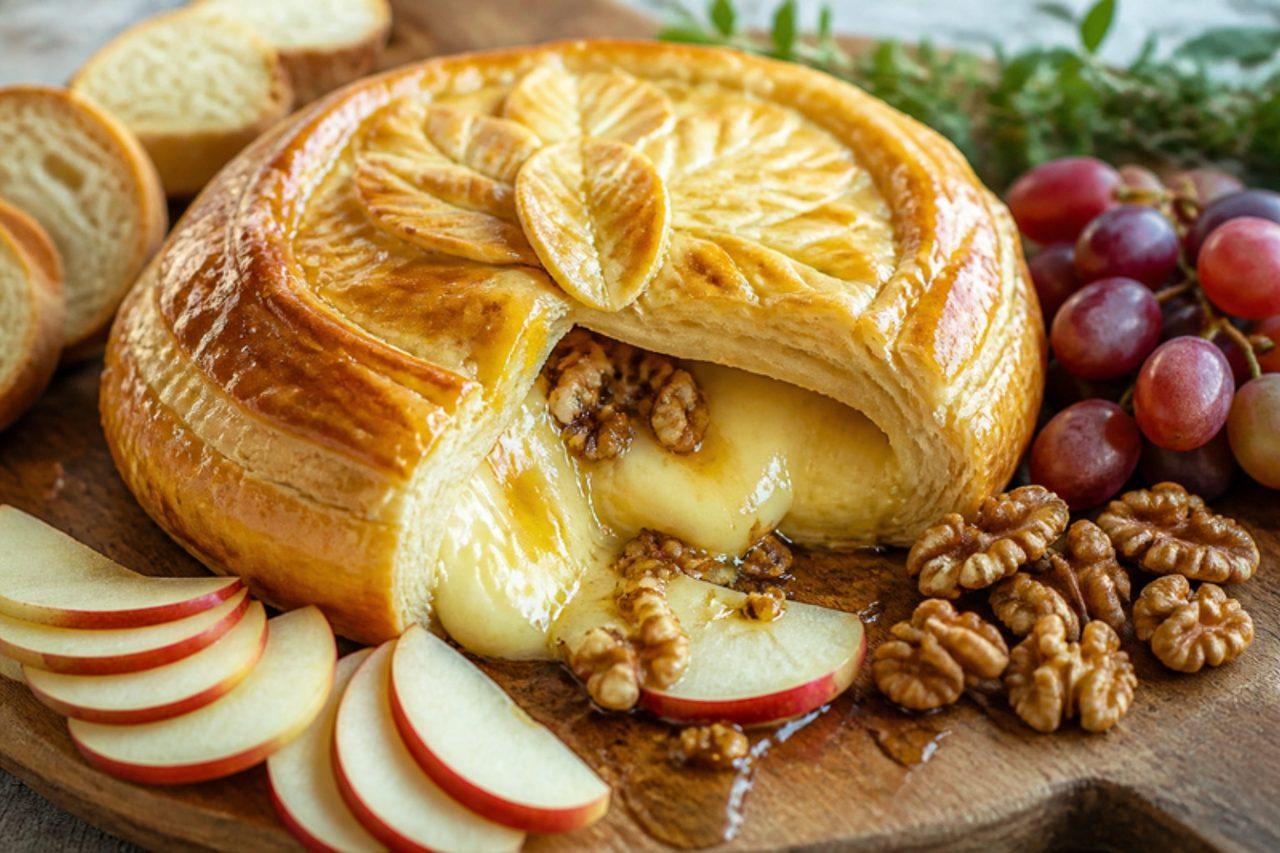
Brie de Meaux in puff pastry

Meaux, east of Paris, has made Brie since the Middle Ages, and the town's cheese fair still crowns the 'queen of cheeses' each year. Baking a small Brie in puff pastry with honey and nuts is a favourite of Île-de-France home cooks for drinks parties, Christmas Eve and New Year: the pastry goes crisp and golden while the cheese inside turns into a warm, flowing sauce for dipping bread and apple slices. A small 500 g Brie or a thick wedge works better than a huge wheel. Brie de Meaux is made with animal rennet, so choose a vegetarian Brie for a vegetarian table. Chef's tip: rest it for 10 minutes after baking; cut at once, the cheese floods out and the pastry goes soggy.

by KrazyBadal 0 views

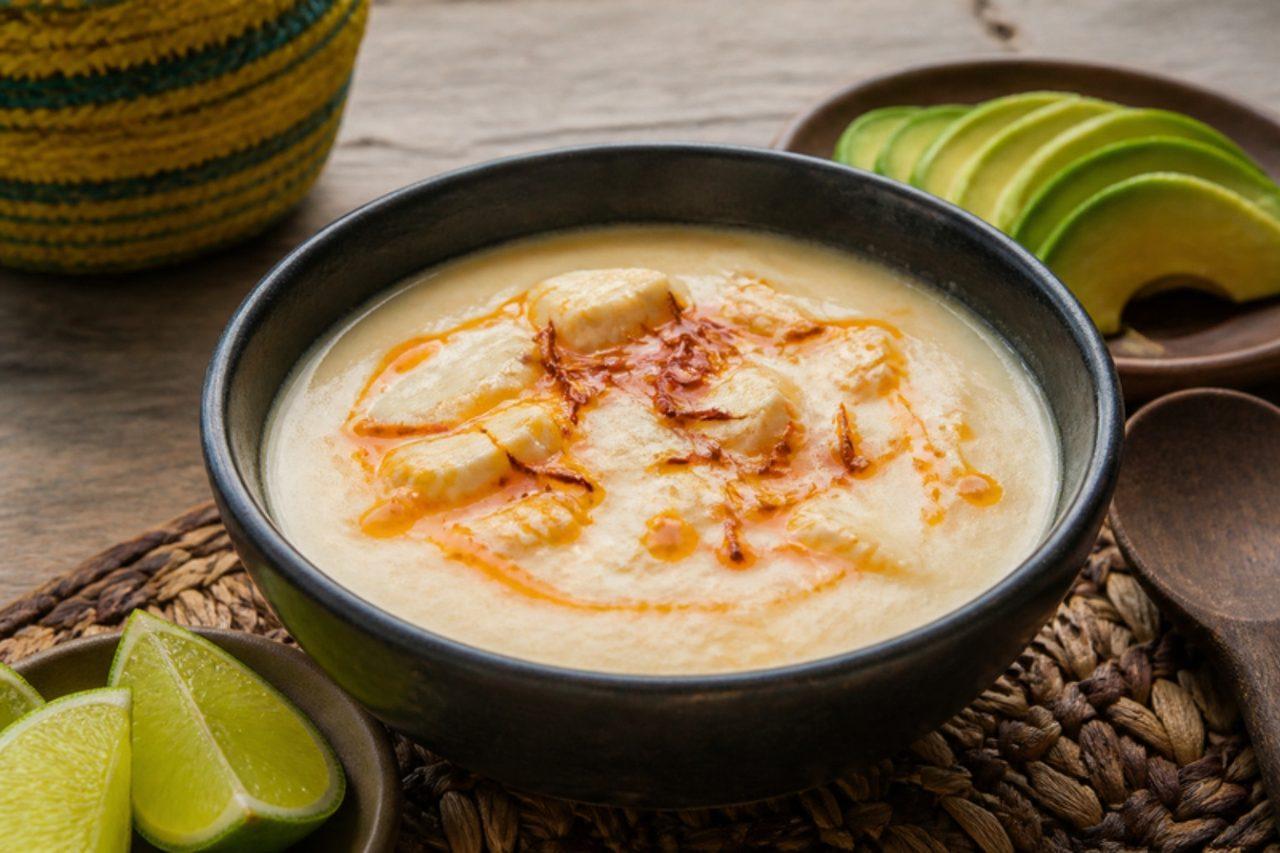
Mote de quesoYam and cheese soup

Few dishes say Colombian savanna country like a pot of mote de queso. Families in Montería, Sincelejo and the towns around them make it for Sunday lunch and during Holy Week, when meat is off the table: white yam is boiled until it collapses into a thick, almost creamy broth, seasoned with a fry of onion and garlic, and finished with cubes of salty queso costeño and a squeeze of lime. It is eaten with plain white rice, sliced avocado and a fried ripe plantain on the side. Outside Colombia, a firm feta-style or halloumi-style cheese stands in for queso costeño; both are often set with animal rennet, so choose a vegetarian (microbial-rennet) one. The trap most cooks fall into is adding the cheese too early, so it dissolves into strings and the soup turns gluey and over-salted. Chef's tip: wear gloves or oil your hands when peeling the yam, because the raw juice can make skin itch.

by KrazyBadal 0 views

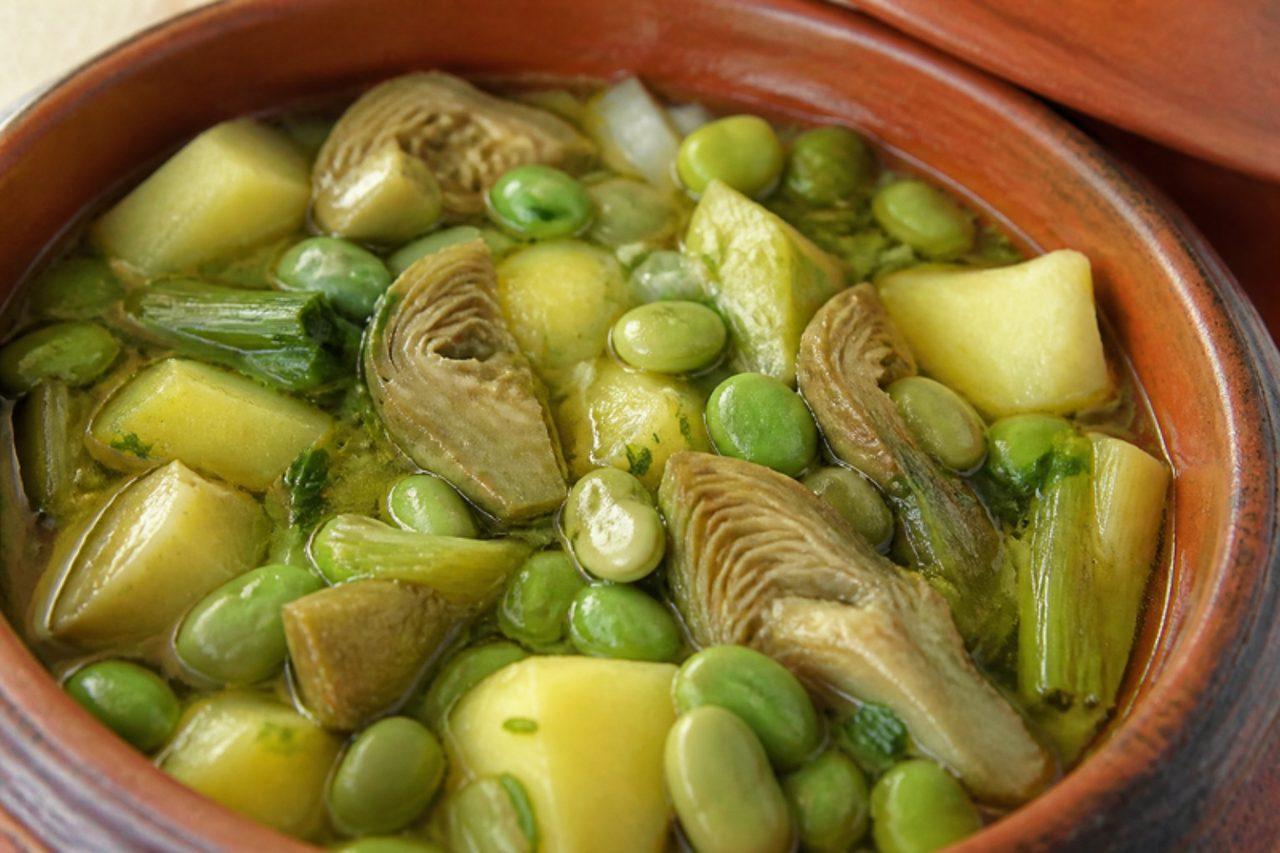
CiaudeddaArtichoke, broad bean and potato stew

When the first artichokes and broad beans arrive in April and May, Lucanian kitchens make ciaudedda: a gentle one-pot stew of artichoke wedges, sweet young beans, potatoes and spring onions, cooked slowly in olive oil and a little water until everything is soft and glossy. Around Potenza and in the Vulture hills it is served as a main course with bread, or as a side at Easter lunch. Many cooks start it with diced pancetta; this version leaves it out and lets the vegetables do the work. Chef's tip: let it rest for 10 minutes off the heat before serving, as the flavours deepen once it stops bubbling.

by KrazyBadal 0 views

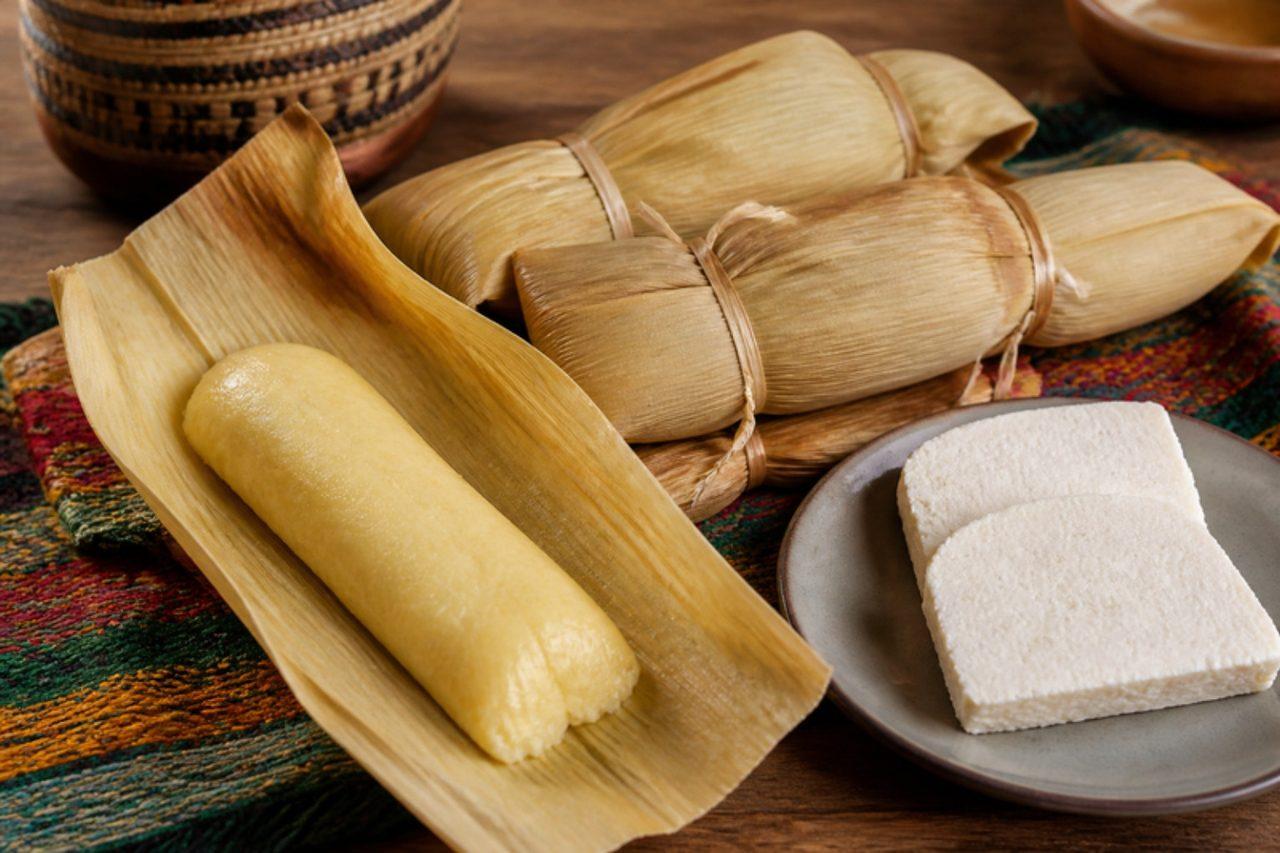
Bollo limpioSteamed corn bundles

Before most of Barranquilla has opened its shutters, the bollo sellers are out with baskets of husk-wrapped corn logs. Bollo limpio is the plainest of them: white corn, soaked, cooked, ground and kneaded with nothing but salt, then tied in husks and boiled until firm. The result is dense and slightly springy, with a clean, sweet corn taste and a faint grassiness from the husks. It is torn open at breakfast and eaten with a slab of salty cheese and a spoon of suero costeño, or alongside fried fish and stews at lunch; this version itself is vegan. Plan ahead: the dried corn needs soaking overnight. If the dough is too dry, the bollos crack and turn crumbly, so knead in water until it feels like soft modelling clay. Chef's tip: if you cannot grind dried corn, 1 kg of ready-made unflavoured white corn masa from a Latin shop gives a close result; skip straight to the kneading.

by KrazyBadal 0 views

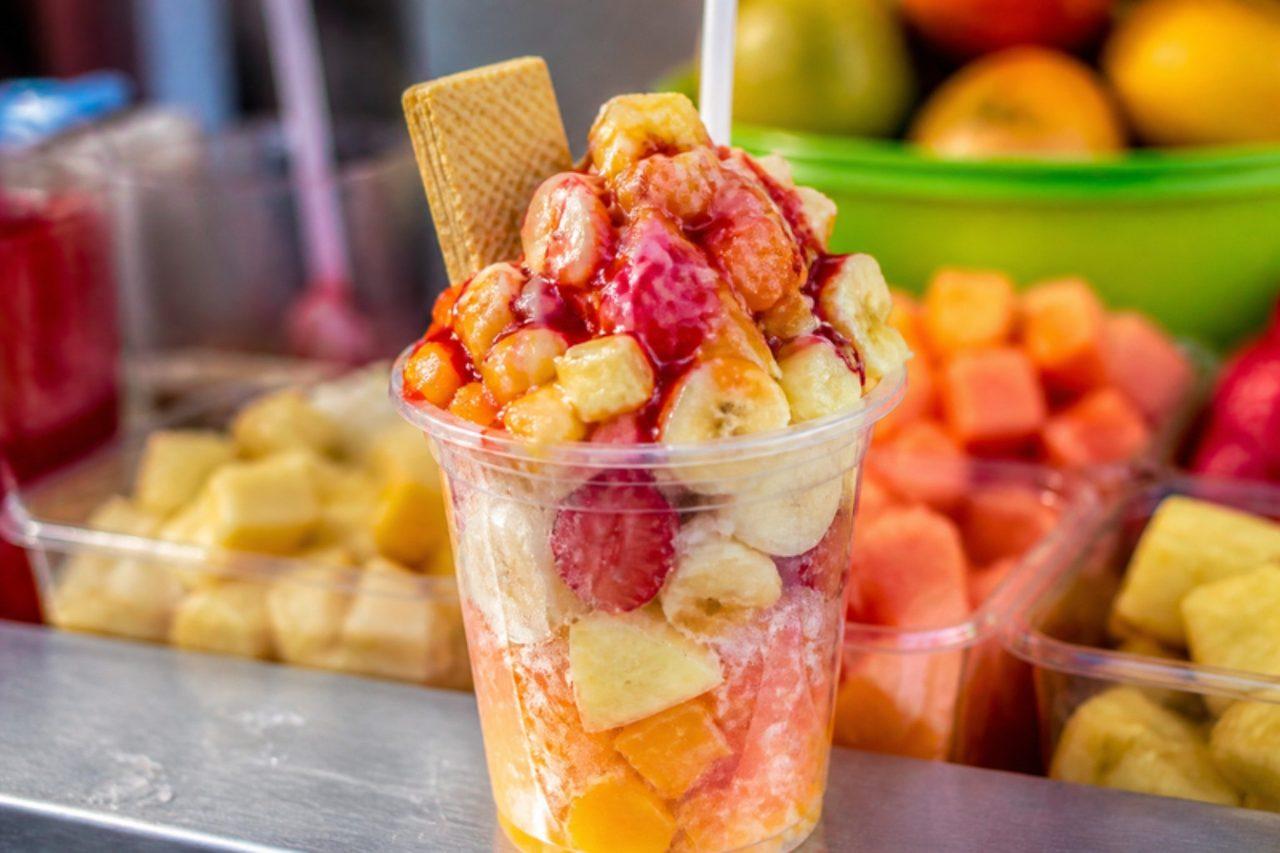
CholadoShaved ice with fruit

On a hot afternoon in Jamundí, just south of Cali, the stalls along the road to the river build cholados in tall plastic cups: a base of shaved ice drenched in bright fruit syrups, layers of chopped mango, papaya, pineapple, banana and strawberries, then a ribbon of condensed milk and a shower of coconut. It is half drink, half dessert, eaten with a long spoon as the ice melts into fruity, creamy slush. Children love it, and it is quick to build at home. The commonest mistake is shaving the ice too early; it melts into water before you finish assembling, so crush it at the last moment. Chef's tip: chill the fruit and glasses well beforehand and squeeze a little lime over the fruit so it stays bright.

by KrazyBadal 0 views

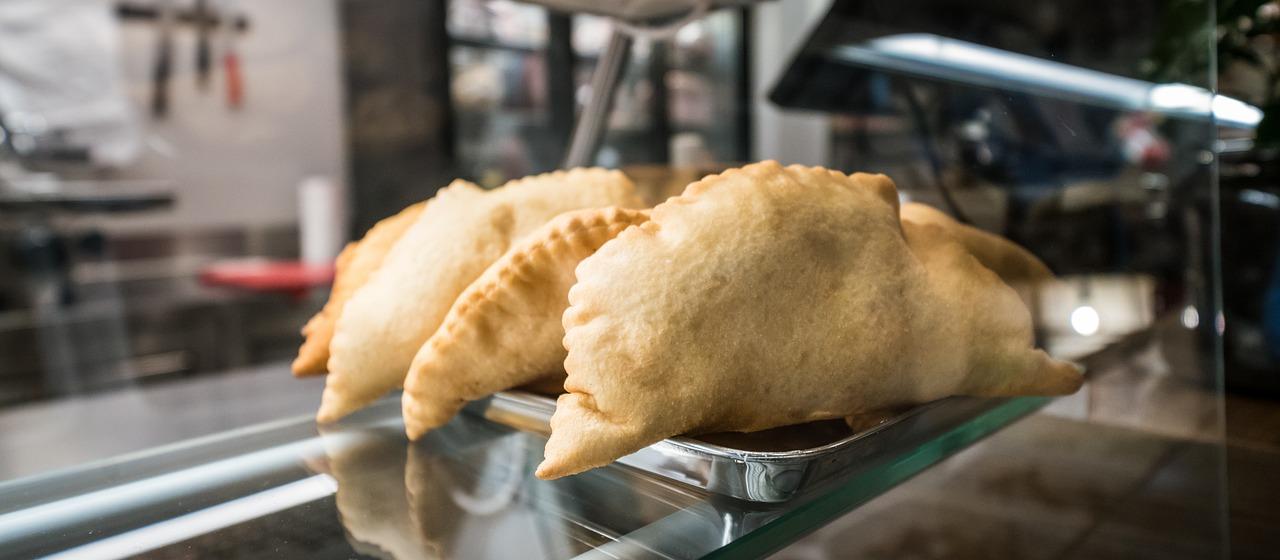
PanzerottiFried tomato and mozzarella pockets

Walk through old Bari in the early evening and you will smell panzerotti before you see them: palm-sized half-moons of soft yeast dough, sealed around tomato and mozzarella and fried until blistered and golden. They are smaller and plumper than a Neapolitan pizza fritta and nothing like a baked calzone; you eat them standing up, straight from a paper bag, blowing on the first bite because the filling is molten. Puglian families make a big batch for Saturday nights and children's parties. Chef's tip: dice and drain the mozzarella for an hour beforehand, because a wet filling is what makes them burst in the oil.

by KrazyBadal 0 views

Ras el hanout

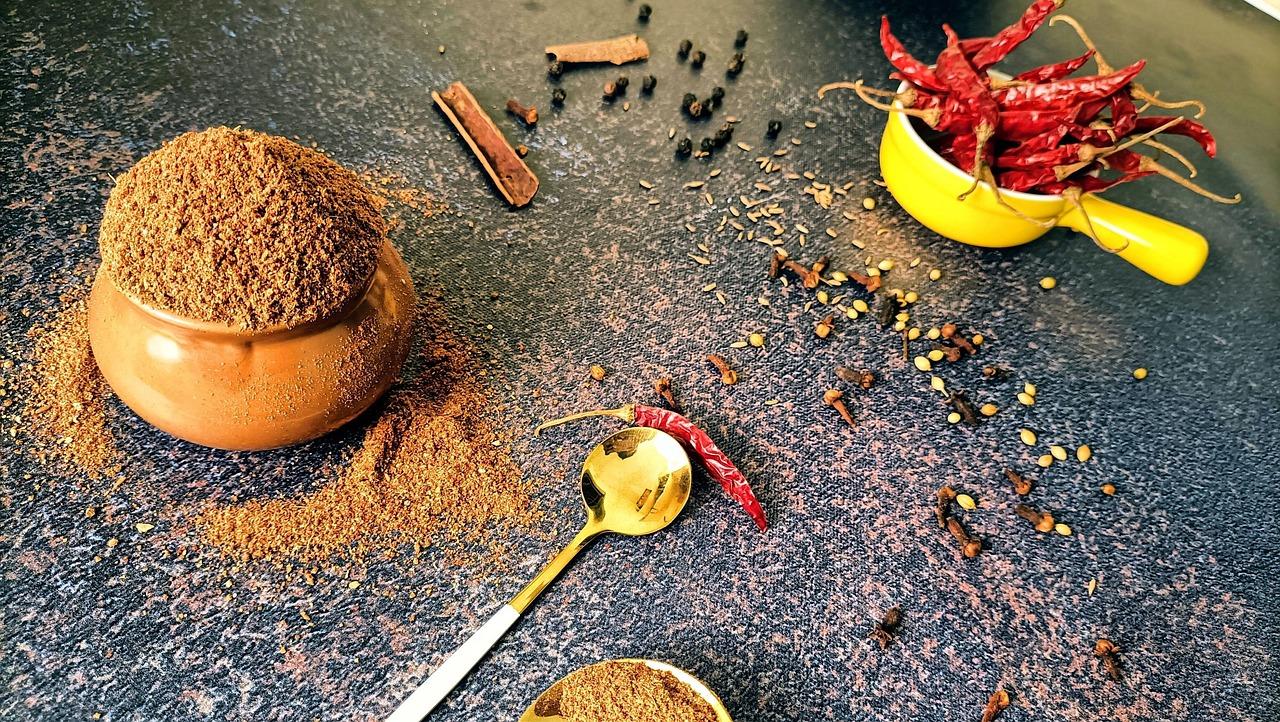
Ras el hanout means 'head of the shop', and every spice seller in the Marrakech souk will tell you theirs is the best: a warm, complex mix of a dozen or more spices that they grind to their own formula. This home version balances earthy cumin and coriander with sweet cinnamon, ginger and turmeric, the perfume of cardamom and dried rosebuds, and the heat of black pepper. Rub it on vegetables before roasting, stir a teaspoon into tagines, lentils or couscous broth, or season chickpeas and roast pumpkin with it. Toasting the whole spices first takes 5 minutes and makes a real difference. Chef's tip: make small batches and store the blend in a sealed jar away from light; it is at its best for about 3 months.

by KrazyBadal 0 views

Hssoua belboula (barley soup with milk)

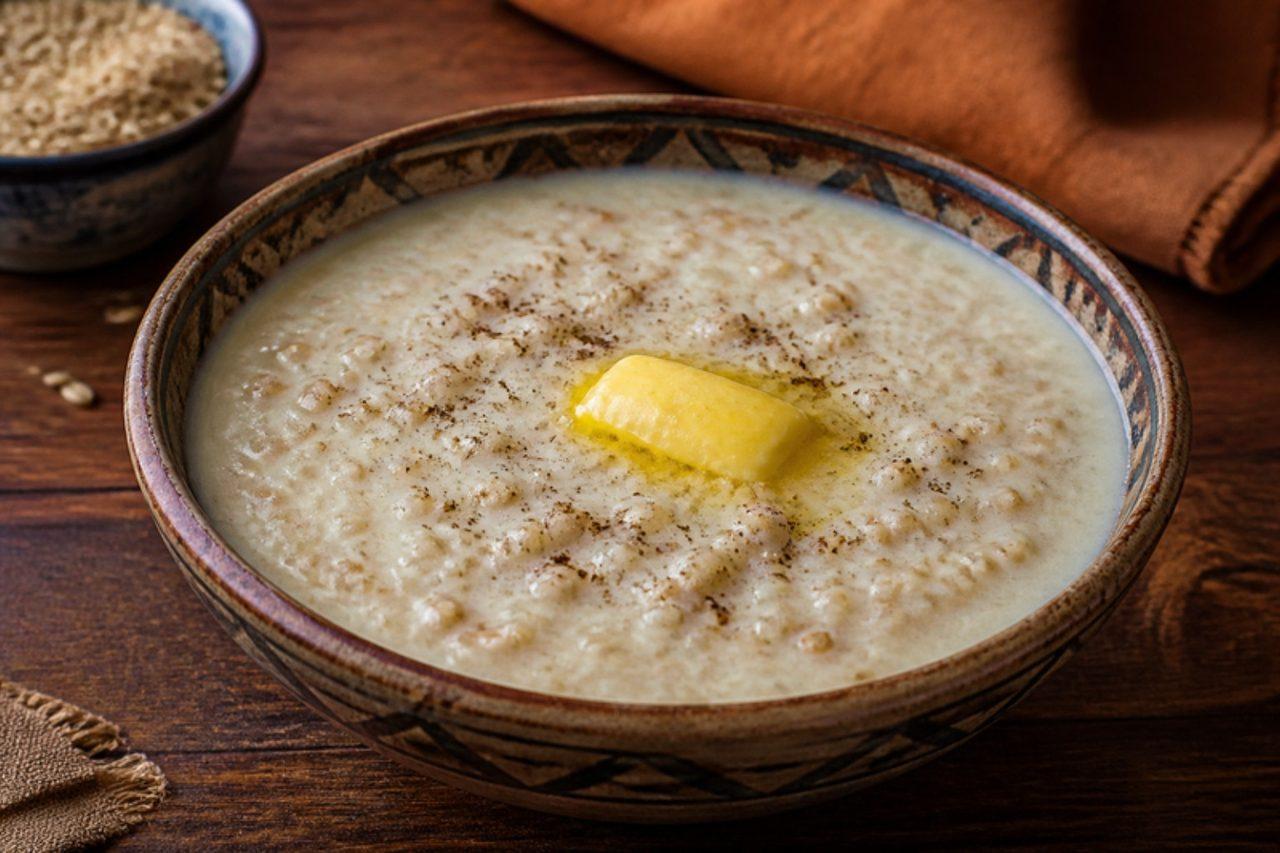
Few things are as soothing on a cold morning in Fez or Marrakech as a bowl of hssoua belboula, the pale, porridge-like soup of cracked barley cooked in water and then milk. Many families eat it for breakfast in winter or as a light supper, and it often appears on the Ramadan table too. It is mild and gently savoury, with a whisper of cumin and a knob of butter melting on top, and the barley grains stay soft but slightly chewy. Serve it piping hot with a little extra cumin to sprinkle, plus dates or bread on the side. A common slip is adding the milk too early and boiling hard, which catches on the bottom and scorches the soup. Chef's tip: rinse the barley grits in a sieve until the water runs almost clear; it washes away loose flour so the soup is creamy rather than gluey.

by KrazyBadal 0 views

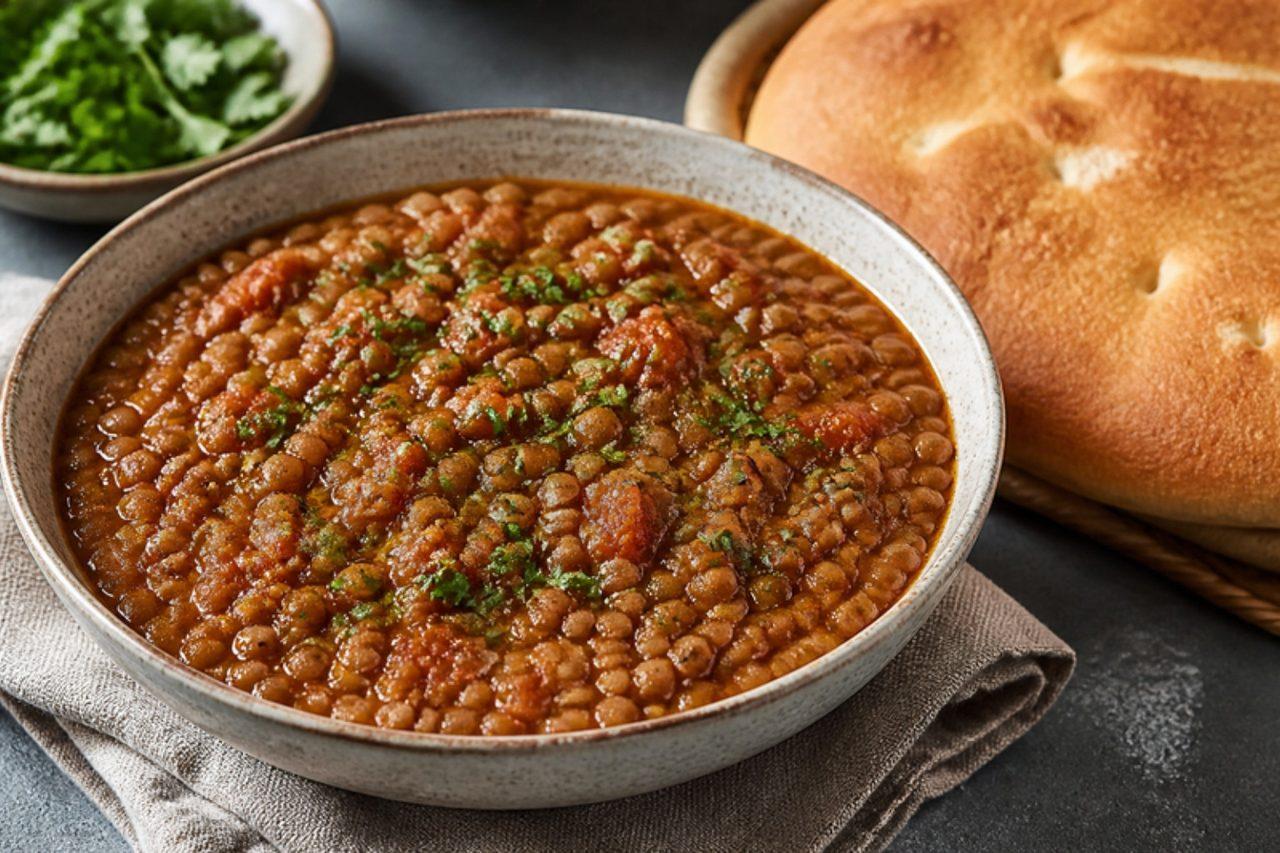
Moroccan lentils (aadess)
Cheap, filling and ready in under an hour, aadess turns up on home tables from Fez to Casablanca and in the clay bowls of small medina eateries that sell beans and lentils with bread to workers at lunchtime. The lentils stay whole but tender, sitting in a thick, brick-coloured sauce of grated tomato, garlic, cumin and paprika, finished with a generous slick of olive oil and fresh herbs. Scoop it up with crusty khobz; a dab of harissa or a few olives on the side is all it needs. Chef's tip: pick through the lentils on a plate before you rinse them, since small stones turn up even in good bags.

by KrazyBadal 0 views

Mderbel (tangy aubergine relish)

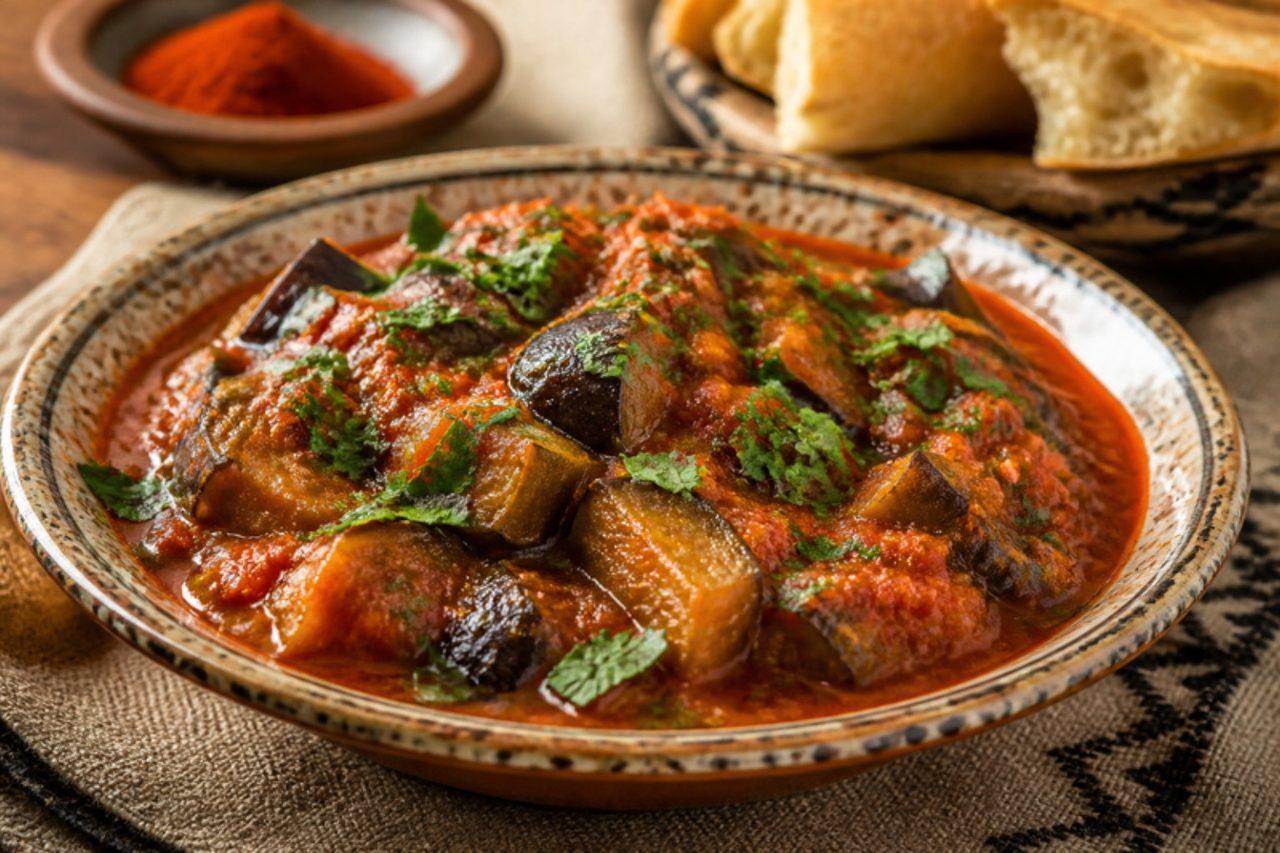
Where zaalouk is a smoky mash, mderbel keeps its aubergine in soft, silky slices that have been fried first and then stewed down with garlic, sweet paprika, cumin and a sharp splash of vinegar. Old Fez families make it as one of the cooked salads that open a festive meal, and it keeps beautifully for a few days, so it is often made the day before. The flavour is rich from the oil, tangy, a little sweet and deeply garlicky; serve it at room temperature with bread, alongside other salads or next to grilled vegetables. The usual mistake is frying the aubergine in oil that isn't hot enough, so the slices drink it up and turn greasy. Chef's tip: salt the slices and leave them for 20 minutes, then pat them very dry; they drink far less oil and fry to a deep gold.

by KrazyBadal 0 views

Esponjado de curubaBanana passionfruit mousse

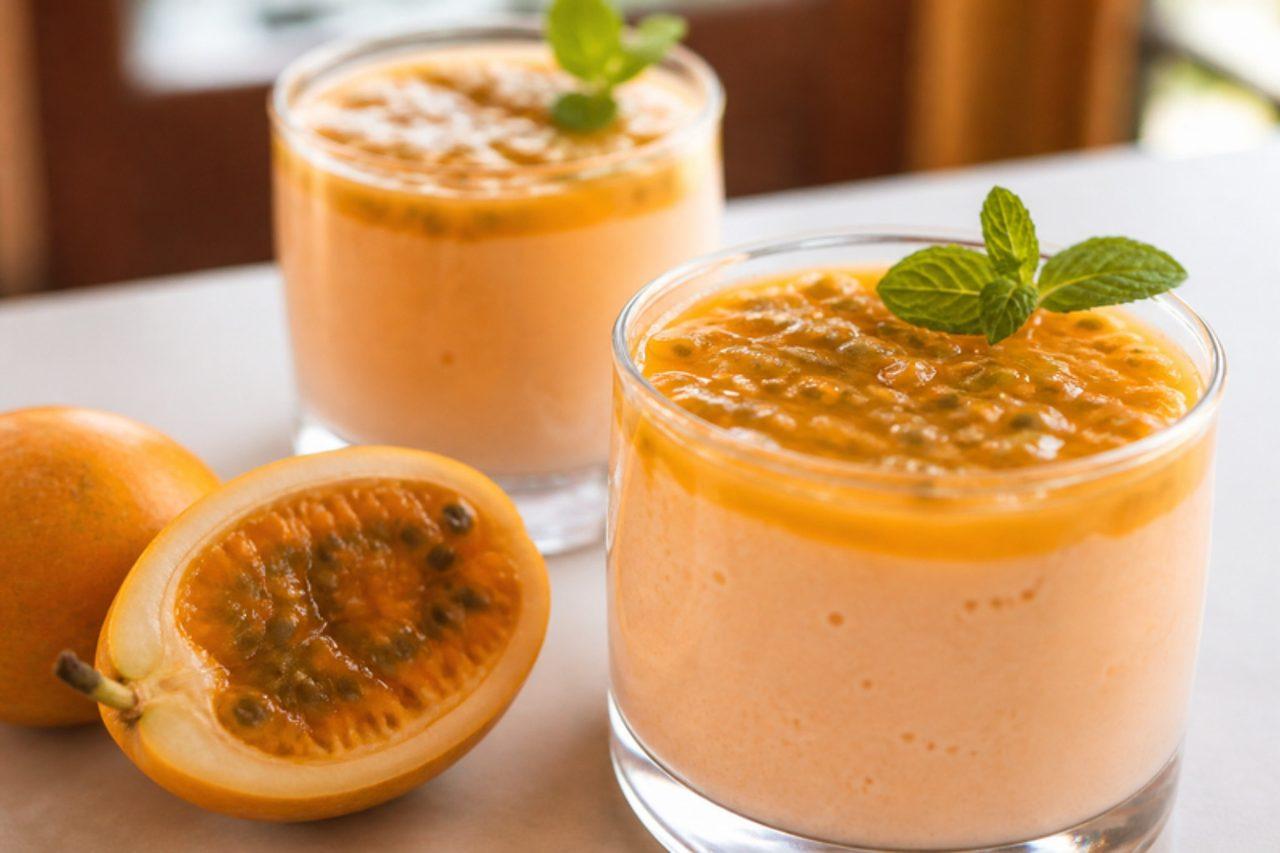
Grandmothers' kitchens and old cafés of Bogotá and Boyacá have kept the esponjado alive: a pale, airy, sweet-sour mousse made with curuba, the long, soft-skinned banana passionfruit of the cold Andes, set with gelatin and sweetened with condensed milk. It is served chilled in glasses after Sunday lunch, light and tangy, perfumed like passionfruit but softer. Because it contains gelatin, it is not vegetarian; for a vegetarian version, set it with 2 tsp agar powder boiled for 2 minutes in the curuba juice. Older recipes fold in raw whipped egg whites; this one uses whipped cream instead, so there is no raw egg. The common problem is folding cream into gelatin that's too warm or too set: it should be cool and just thickening, like unbeaten egg white. Chef's tip: frozen curuba pulp is sold in Latin shops; if you can't find it, use passionfruit pulp with a squeeze of lime. Allow at least 4 hours for it to set.

by KrazyBadal 0 views

Pudim de vinho do PortoPort wine caramel custard

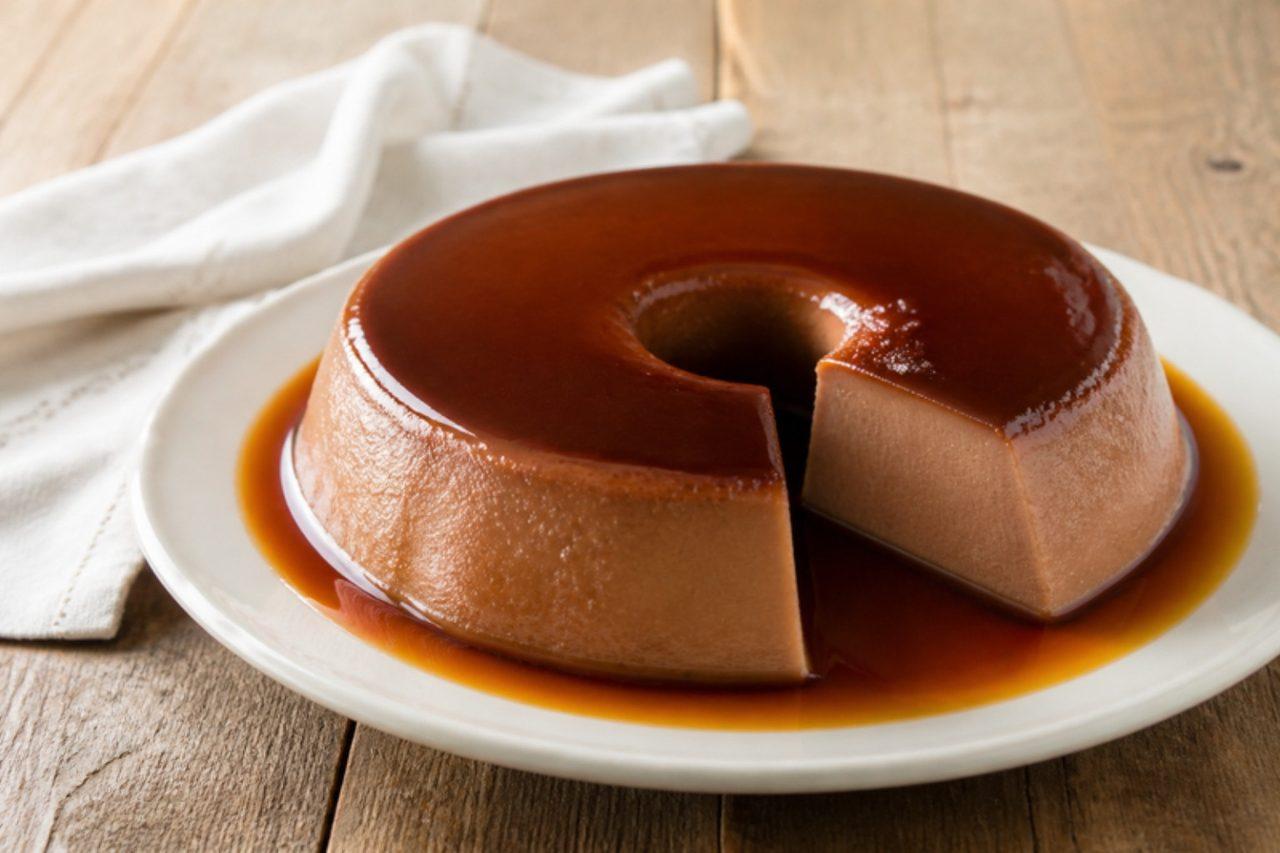
Porto's old dining rooms and the quintas of the Douro valley serve this rich custard after a long lunch, its caramel dark and its flavour deepened by a generous pour of tawny port. It is a dense, glossy flan made with condensed milk, so it slices neatly. The dish uses port wine, and as it bakes gently not all the alcohol cooks off; for an alcohol-free version use the red grape juice reduction in the ingredient note. Chef's tip: bake it low and slow in a water bath, as a hot oven leaves holes in the custard.

by KrazyBadal 0 views

OuziSpiced rice and lamb filo parcels

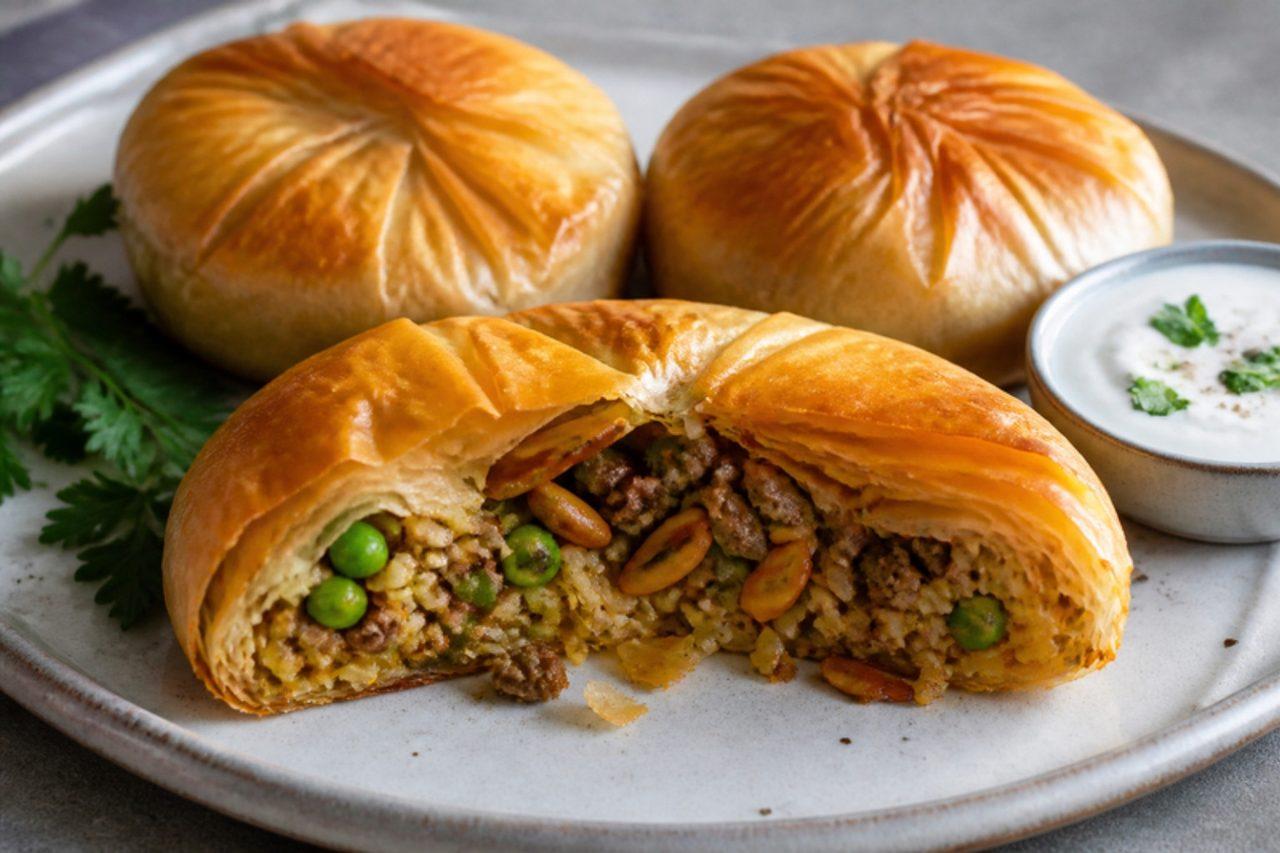
Ouzi is the showpiece of Jordanian and Damascene wedding buffets and Eid lunches: golden filo bundles that break open to spiced rice, minced lamb, peas and toasted nuts. The name comes from the whole roast lamb once served on a mountain of rice; the parcels are the neat, home-sized version, made ahead and baked as guests arrive. Serve with plain yoghurt or a cucumber-yoghurt salad. The common mistake is filling the filo with wet rice, which turns the bottoms soggy, so cook the rice until just tender and spread it out to steam dry. Chef's tip: lay a few nuts and peas in the bowl first, then the filo, then the filling, so each parcel comes out with a pretty top.

by KrazyBadal 0 views

Ovos moles de AveiroEgg-yolk and sugar cream

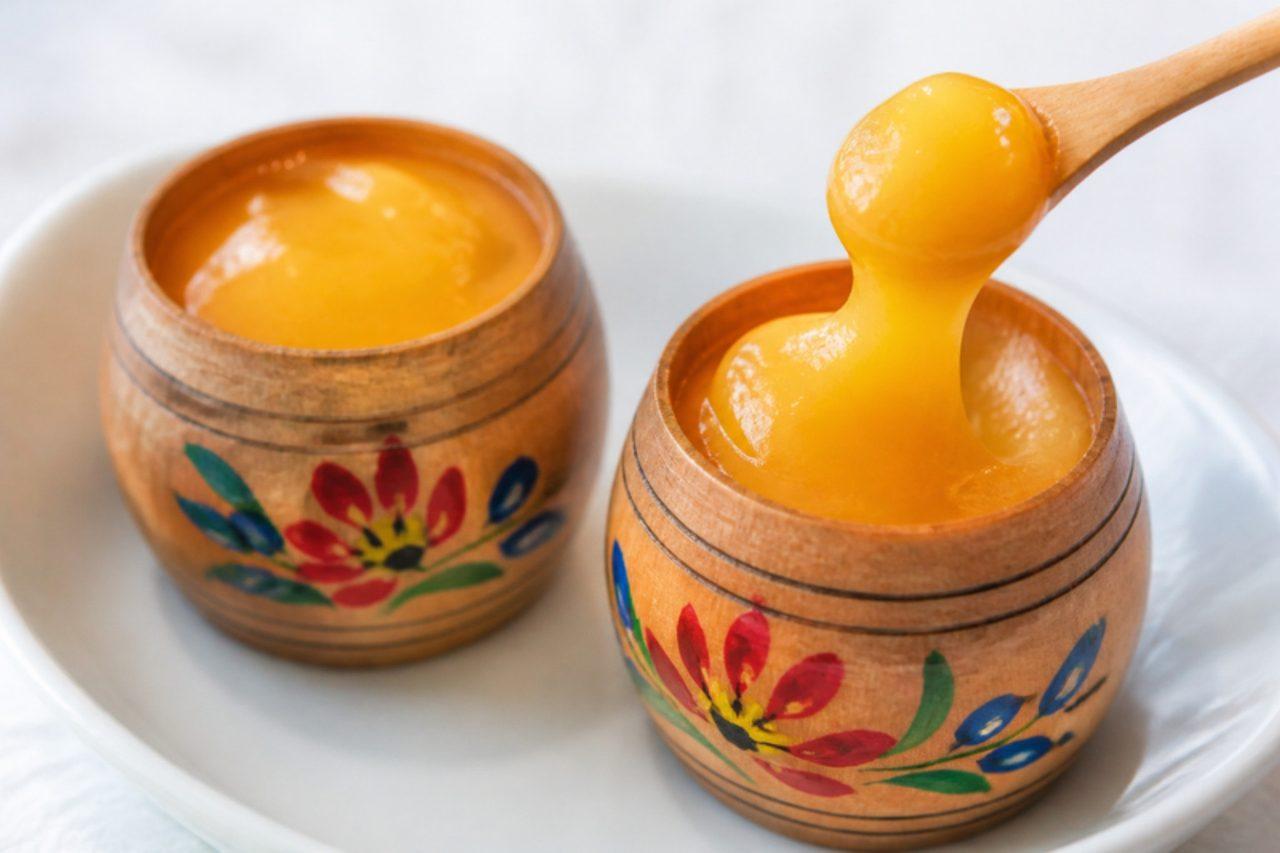
Nuns in Aveiro's convents used leftover yolks, after the whites had starched their habits, to make this soft, intensely sweet cream, and the town's shops now sell it in painted wooden barrels or wrapped in thin wafer shaped like shells and fish. Visitors buy boxes at the railway station and along the canals where the moliceiro boats run. Only yolks, sugar and water go in, cooked slowly until thick and shiny. Chef's tip: cool the syrup slightly before adding the yolks and cook over the lowest heat, as a common mistake is hurrying it and ending up with sweet scrambled egg.

by KrazyBadal 0 views

Pa amb oli mallorquíTomato olive oil bread

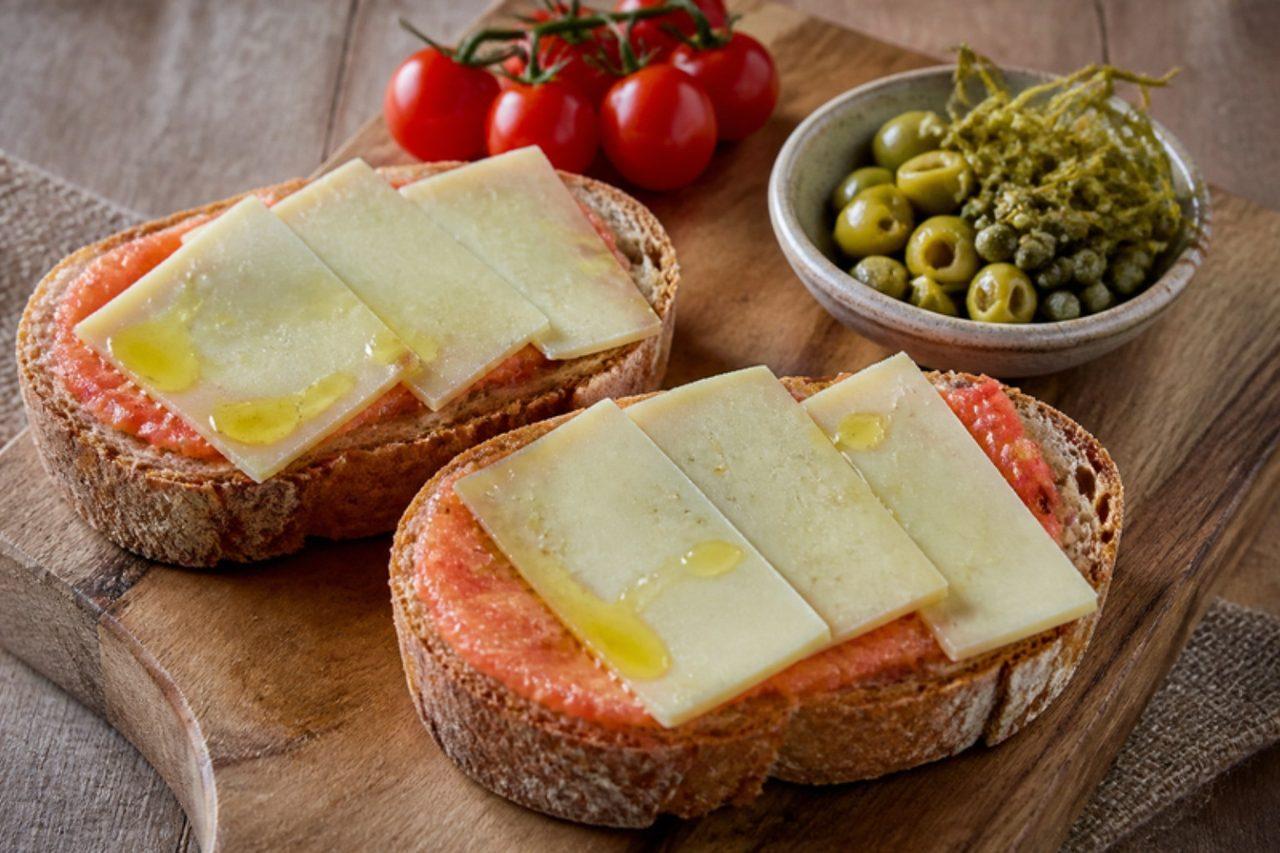
In Mallorca pa amb oli is supper on a hot evening, the snack in every village bar and the picnic on a boat. Slices of dense, unsalted brown country bread are rubbed with the island's tomàtigues de ramellet, small tomatoes kept hanging in bunches through winter, then soaked with olive oil and salted. On the side go green olives, capers, pickled sea fennel and slices of Mahón cheese; this vegetarian plate leaves out the usual cured ham. Mahón is normally made with animal rennet, so pick a vegetarian semi-cured cow's milk cheese if that matters to you. Chef's tip: toast the bread only lightly, or not at all, so it stays soft enough to drink up the tomato.

by KrazyBadal 0 views

PaçocaPeanut and cassava flour sweet

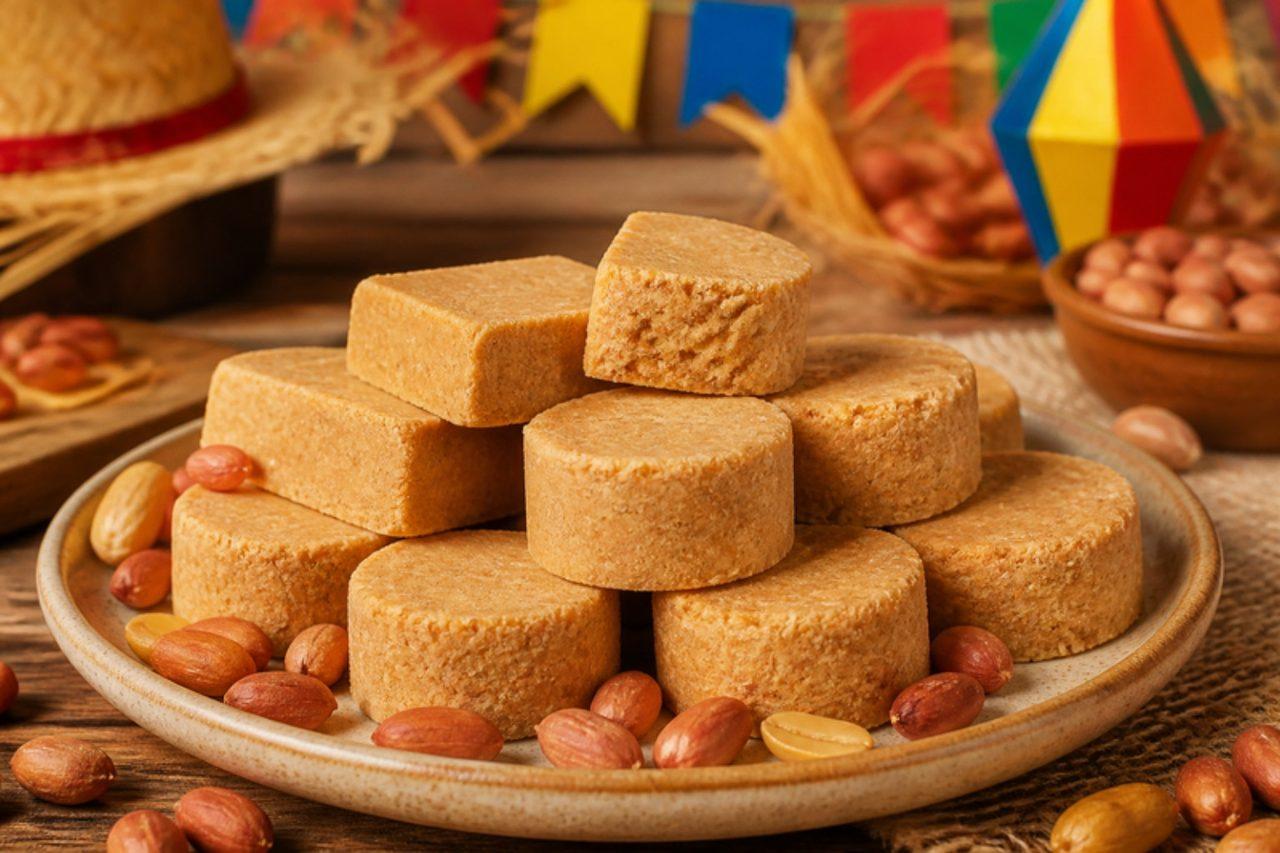
Kids across Brazil grow up on paçoca, the pale peanut sweet that melts into sandy crumbs the moment it is bitten, and no festa junina bag of treats is complete without a few. It started in the countryside of São Paulo and Minas as a way to use the peanut harvest, pounded in a wooden pestle with sugar and cassava flour, and today it is mostly pressed into little discs called rolhas. The flavour is pure toasted peanut, salty-sweet, with a texture between shortbread and fudge. Fine cassava flour (farinha de mandioca fina) is sold in Brazilian shops; you can leave it out for a richer, softer paçoca. Under-roasting the peanuts is the usual pitfall: pale peanuts give a raw, beany taste. Chef's tip: grind the mixture only until it just starts to clump; if it turns to butter, it will not hold a crumbly shape.

by KrazyBadal 0 views

Paçoca de carne de solPounded dried beef with cassava flour

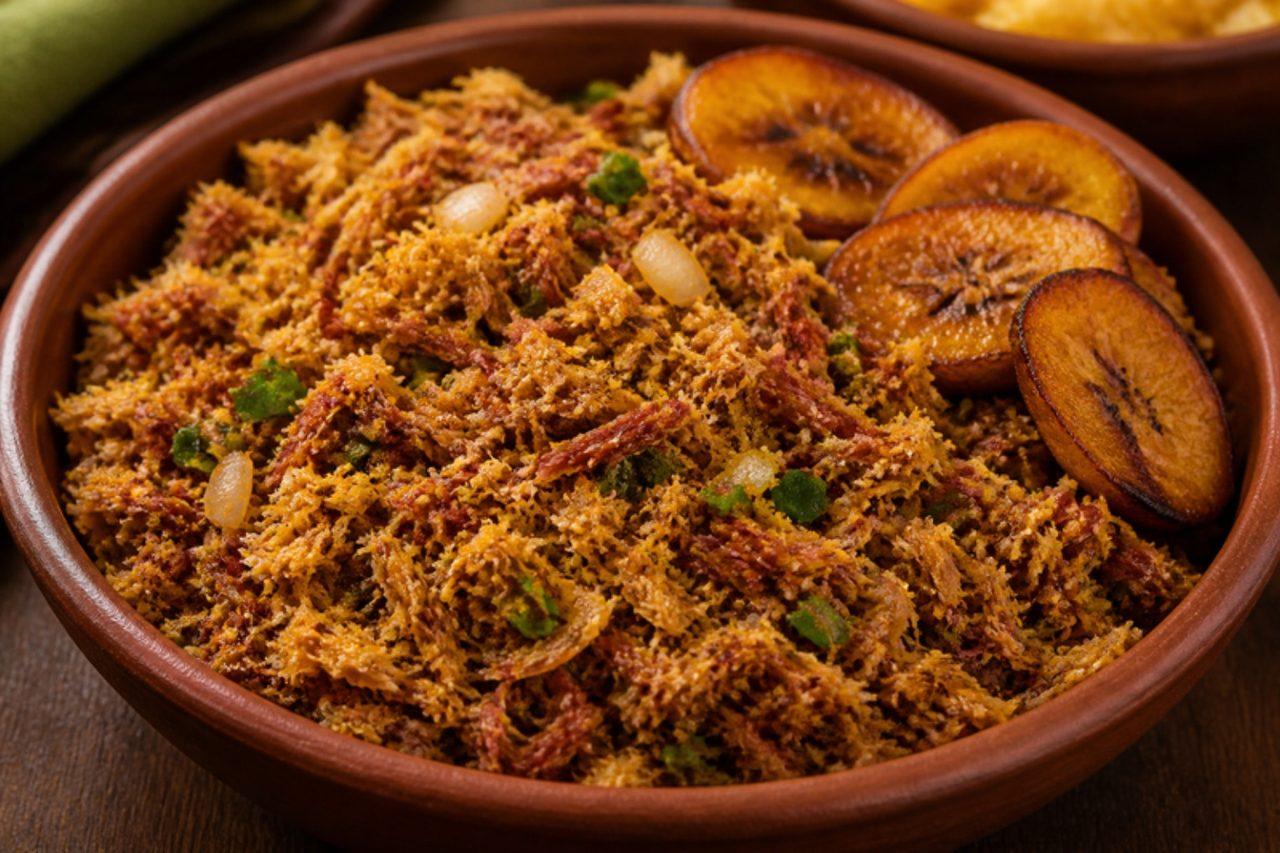
Not the peanut sweet of the same name: in Ceará, Piauí and Maranhão, paçoca is a savoury, fluffy tangle of fried carne de sol pounded with toasted cassava flour and onion in a big wooden pilão. Cowboys of the sertão carried it on long rides because it keeps for days, and today it is served at roadside restaurants and at home with baião de dois, boiled macaxeira, ripe banana and a cold glass of cajá juice. It should be dry, crumbly and full of crisp beef threads, salty and deeply savoury. The thing that goes wrong most often is adding the cassava flour to a wet pan, which turns it into paste; the beef must be fried really dry first. Without a pilão, a large mortar or short pulses in a food processor do the job. Chef's tip: let the pounded paçoca rest for ten minutes before serving; the farinha soaks up the beef fat and the texture turns soft and fluffy.

by KrazyBadal 0 views

Showing 54 of 10,046 recipes

Show more recipes

Page 674 of 1,117