


Skip to content
Arroz de lingueirão
Featured recipe

Arroz de lingueirão

Razor clam rice

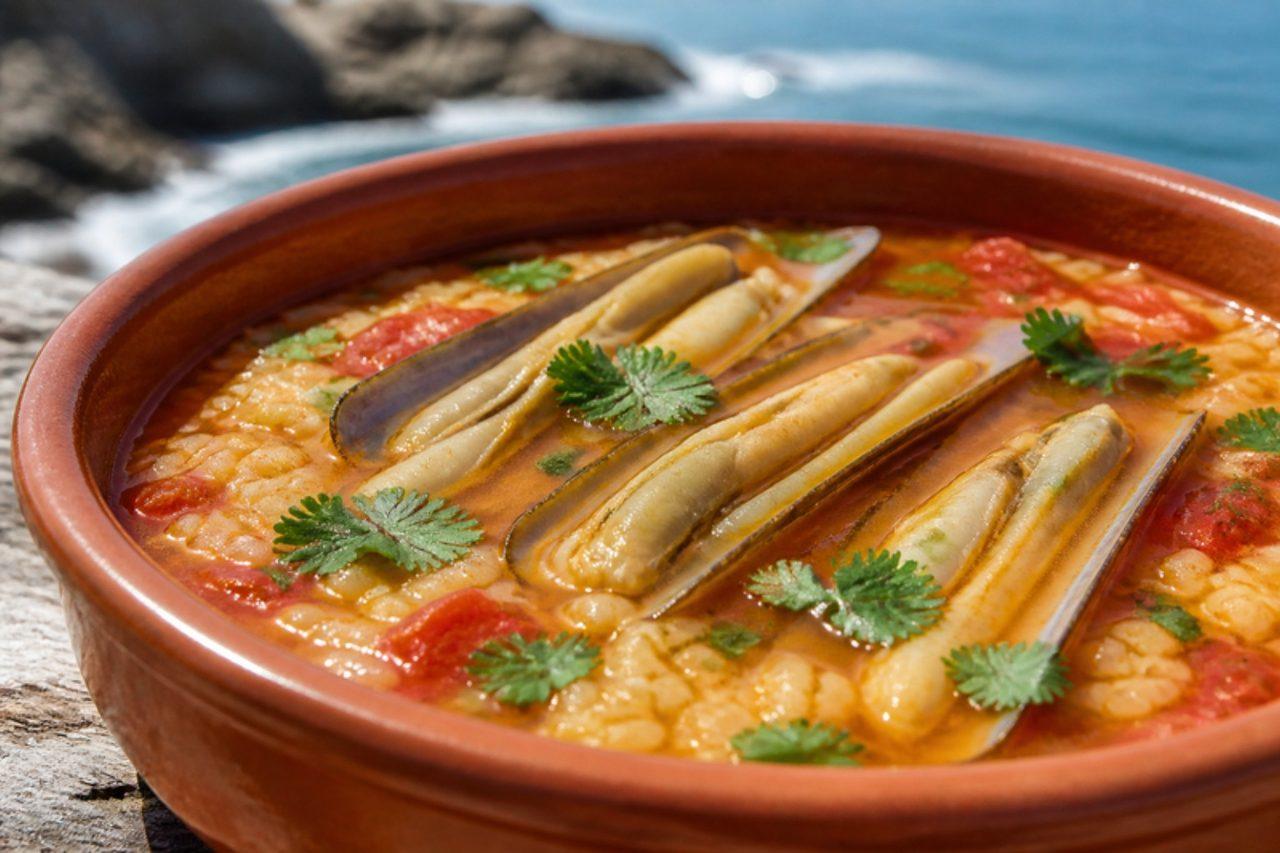
When the tide drops on the Ria Formosa near Fuzeta, pickers dig razor clams from the mud, and by lunchtime the riverside tascas are serving them in this loose, brothy rice, called malandrinho because it should still ripple in the bowl. Tomato, garlic and a big handful of coriander carry the sweet, briny clam flavour. The recipe uses a little white wine; for an alcohol-free version use the same amount of water with a teaspoon of lemon juice. Chef's tip: add the razor clams for the last 2 minutes only, or they turn rubbery.

Read more 0 views

What to eat today?

Around the world

Today's trip: Paraguayan

A new country every day, from every cuisine on the site.

Paraguayan

Chipa

Cheese bread rings 50 minMore from Paraguayan (27) →

This week's collection

Kid-friendly dinners
537 recipes · a new collection every Monday

Latest recipes

Yong tau fooStuffed tofu and vegetables

Hakka miners brought yong tau foo to the tin town of Ampang, on the edge of Kuala Lumpur, and families still drive there on weekends for big bowls of it. You choose your pieces from a counter, tofu, chillies, okra, aubergine and bitter gourd, each stuffed with a savoury paste, and the stall poaches or fries them and serves them in a light broth, with a sweet brown sauce and chilli sauce to dip. The traditional filling is fish and pork; this one is firm tofu, shiitake, water chestnut and carrot. It is a gentle, light meal. Chef's tip: press the stuffing in tightly and smooth it flush with a wet finger, so it stays put while it cooks.

by KrazyBadal 0 views

Vegetable machboosSpiced rice with vegetables

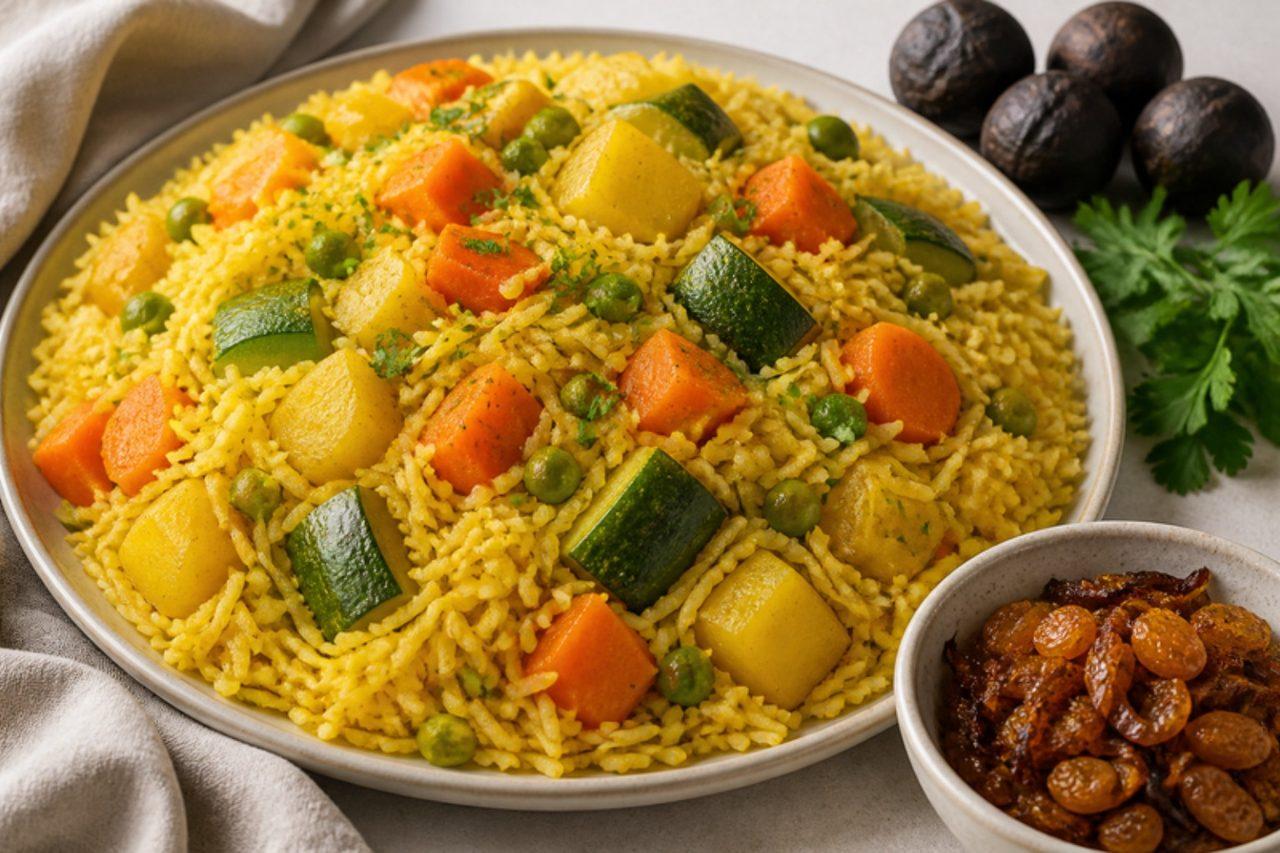
In Bahrain and Kuwait machboos is the rice dish of the home kitchen: deeper yellow than Saudi kabsa, with more turmeric, more dried lime and a last splash of rose water that perfumes the whole pot. Families cook it for the big midday meal, especially on Fridays and through Ramadan, and pile it high on a round metal tray. Here potatoes, cauliflower and peppers take the place of chicken, and the rice is crowned with hashu, soft caramelised onions with raisins and a pinch of black lime powder. Chef's tip: brown the potatoes and cauliflower before the rice goes in; their golden edges give the meaty depth the chicken usually brings.

by KrazyBadal 0 views

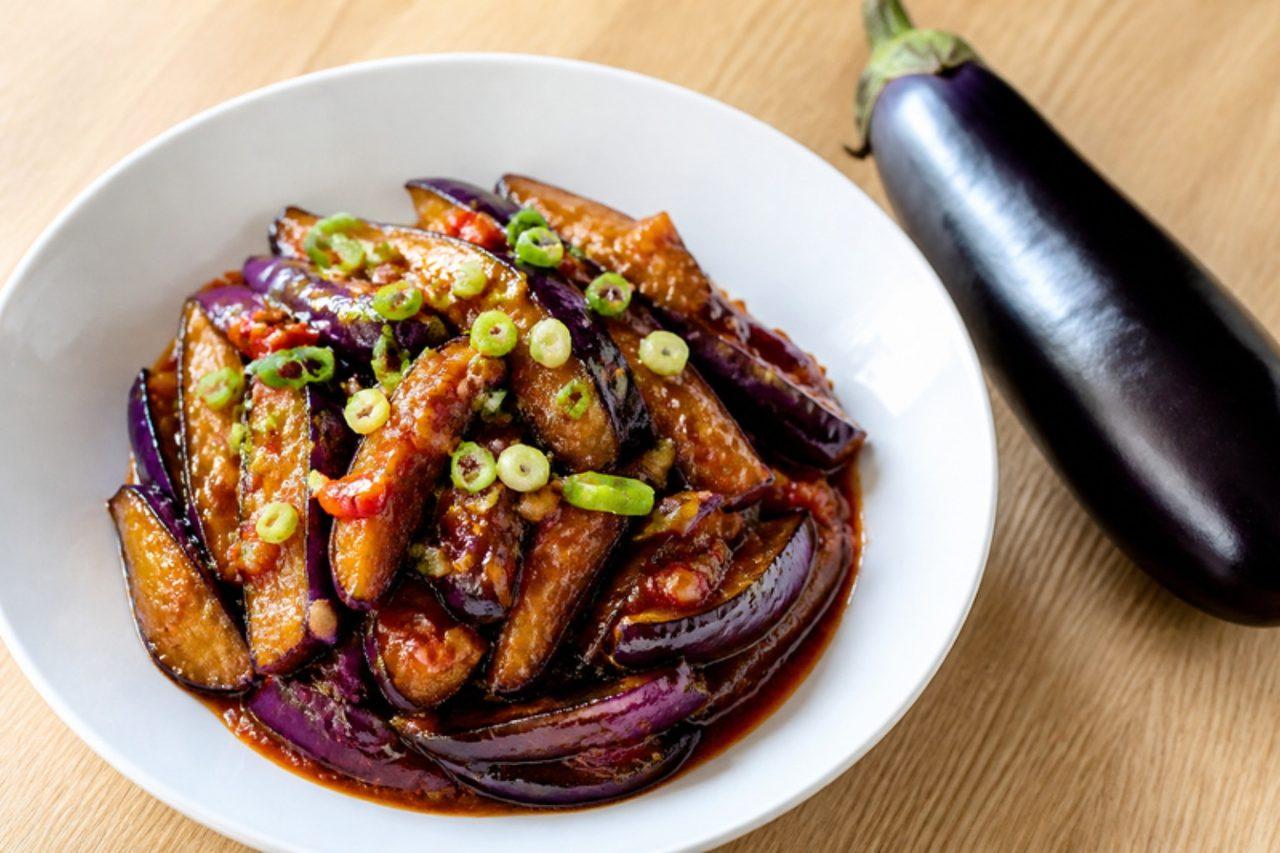
Yu xiang aubergineSweet and sour garlic aubergine

Yu xiang is a Sichuan flavour named after the way local cooks once seasoned fish, but it contains no fish at all: pickled chilli, garlic, ginger and spring onion balanced with sugar and black vinegar. Aubergine is the dish most Chengdu households make with it, often for a weekday supper, because the soft, creamy flesh drinks up the sauce. Serve it with rice and a plain green vegetable. Chef's tip: salt the aubergine fingers for 15 minutes and squeeze them dry; they then absorb far less oil and turn silky instead of greasy.

by KrazyBadal 0 views

Yuca con mojoCassava with garlic sauce

Yuca con mojo is a fixture of the Cuban Nochebuena feast and of everyday family dinners in Matanzas and Miami alike: chunks of cassava boiled until they crack open and turn soft, then drenched in a hot dressing of olive oil, lots of garlic, onion rings and sour orange juice. The yuca soaks up the tangy, garlicky oil like a sponge. Serve it beside moros y cristianos or black beans. Chef's tip: add a splash of cold water to the pot halfway through boiling; Cuban cooks say it 'shocks' the yuca and helps it split open and turn tender.

35 minCubanSidesVeganGluten free
by KrazyBadal 0 views

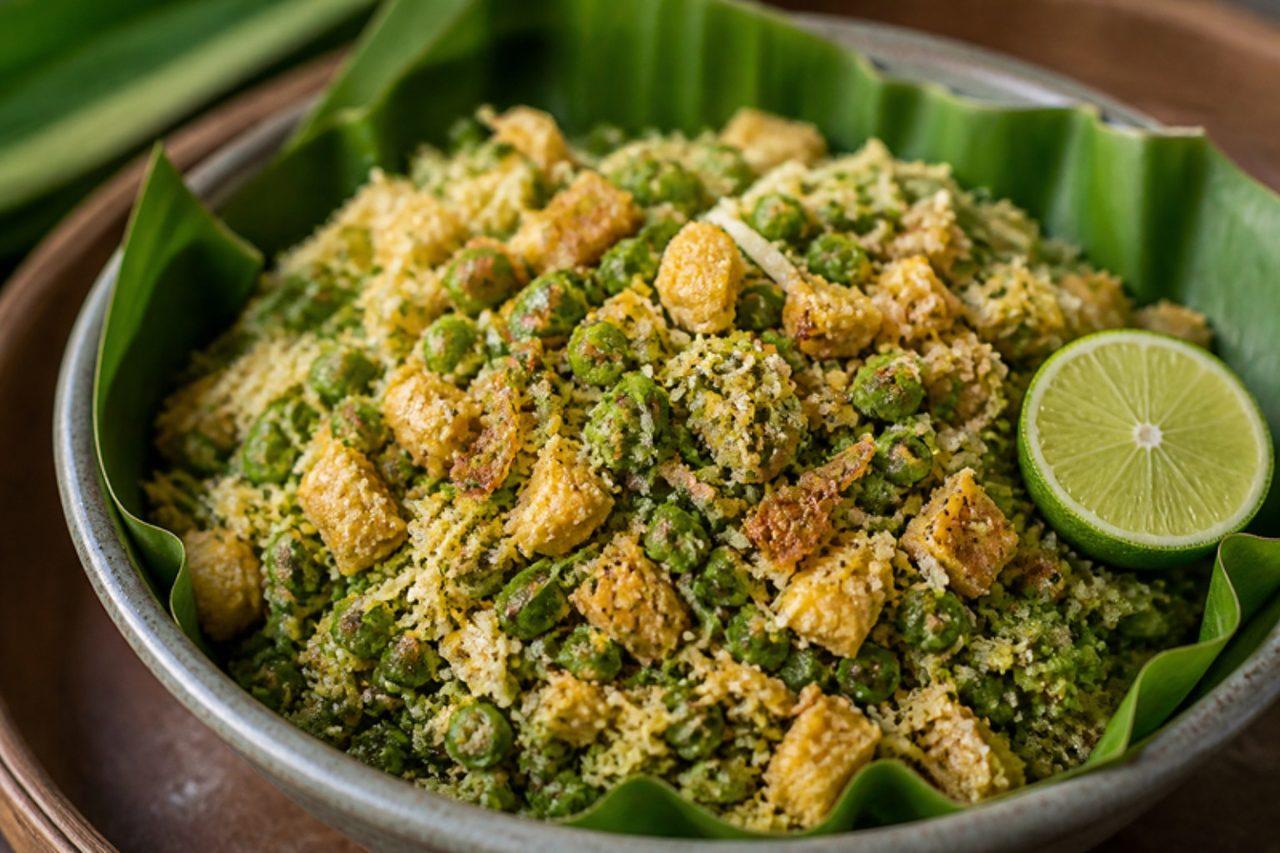
Vegetable lawarBean and toasted coconut salad

Lawar is the dish of Balinese ceremonies: before a temple festival or a family rite, the men of the banjar gather at dawn to chop and mix it by hand in huge quantities. Many versions include meat, but lawar kacang, made with long beans, is common at home and at Balinese warungs, and it shows off base genep, the island's master spice paste of shallot, garlic, galangal, kencur, turmeric and chilli. Mixed with toasted grated coconut, it's crunchy, fragrant, sour and hot, and is eaten with rice the day it's made. Chef's tip: mix the lawar just before serving and with your hands, squeezing gently, so the spice paste works into the beans; made too early, it goes watery and dull.

by KrazyBadal 0 views

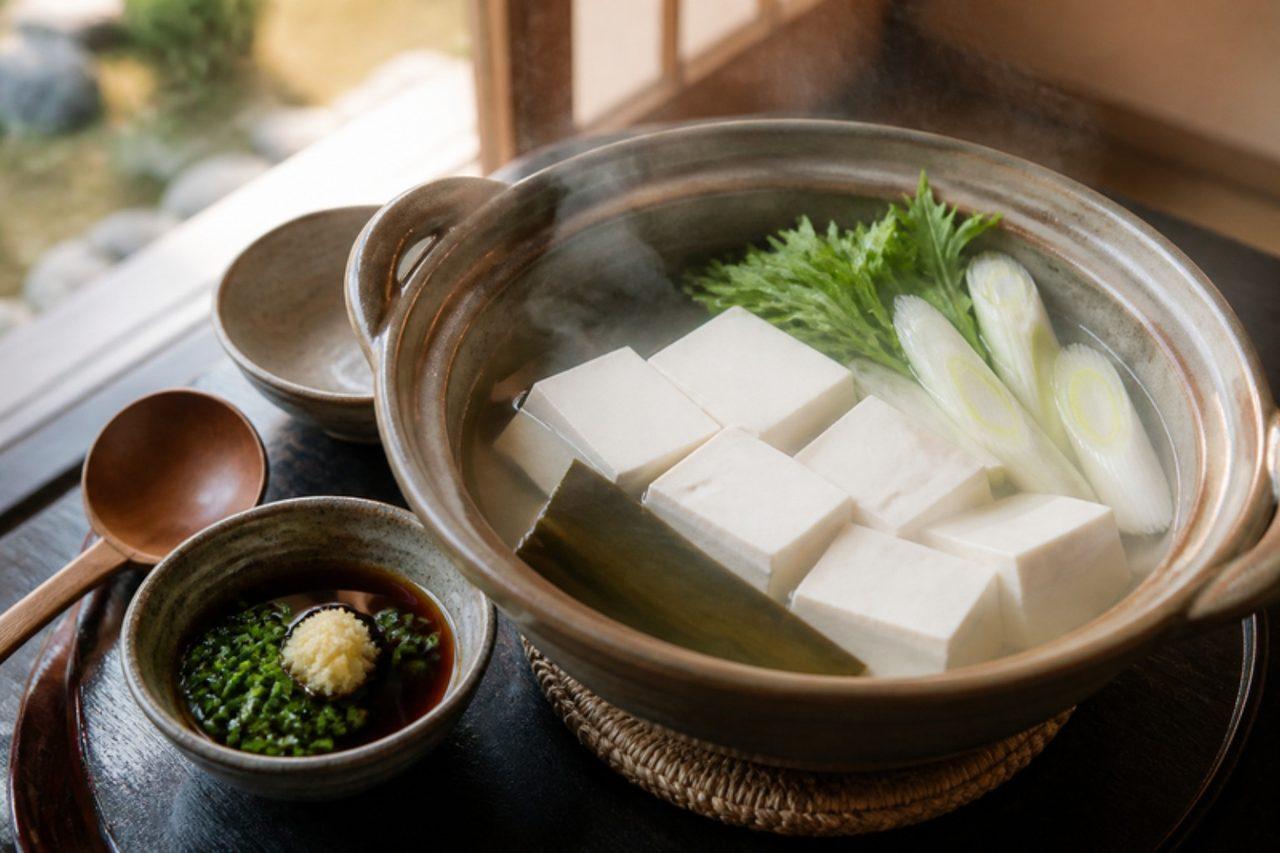
YudofuSimmered tofu hot pot

Yudofu is the simplest dish in Kyoto and one of the most loved. The city's soft water makes fine tofu, and the restaurants around Nanzen-ji temple in the Higashiyama hills have served it to pilgrims for centuries as part of Buddhist vegetarian cooking. A block of tofu is warmed in an earthenware pot over a sheet of kombu and lifted out with a little slotted ladle, then dipped in citrusy soy with spring onion and ginger. It's a winter dish, best eaten slowly at the table on a cold evening. Chef's tip: never let the water boil. The tofu is ready when it trembles and starts to rise; boiling makes it spongy and full of holes.

by KrazyBadal 0 views

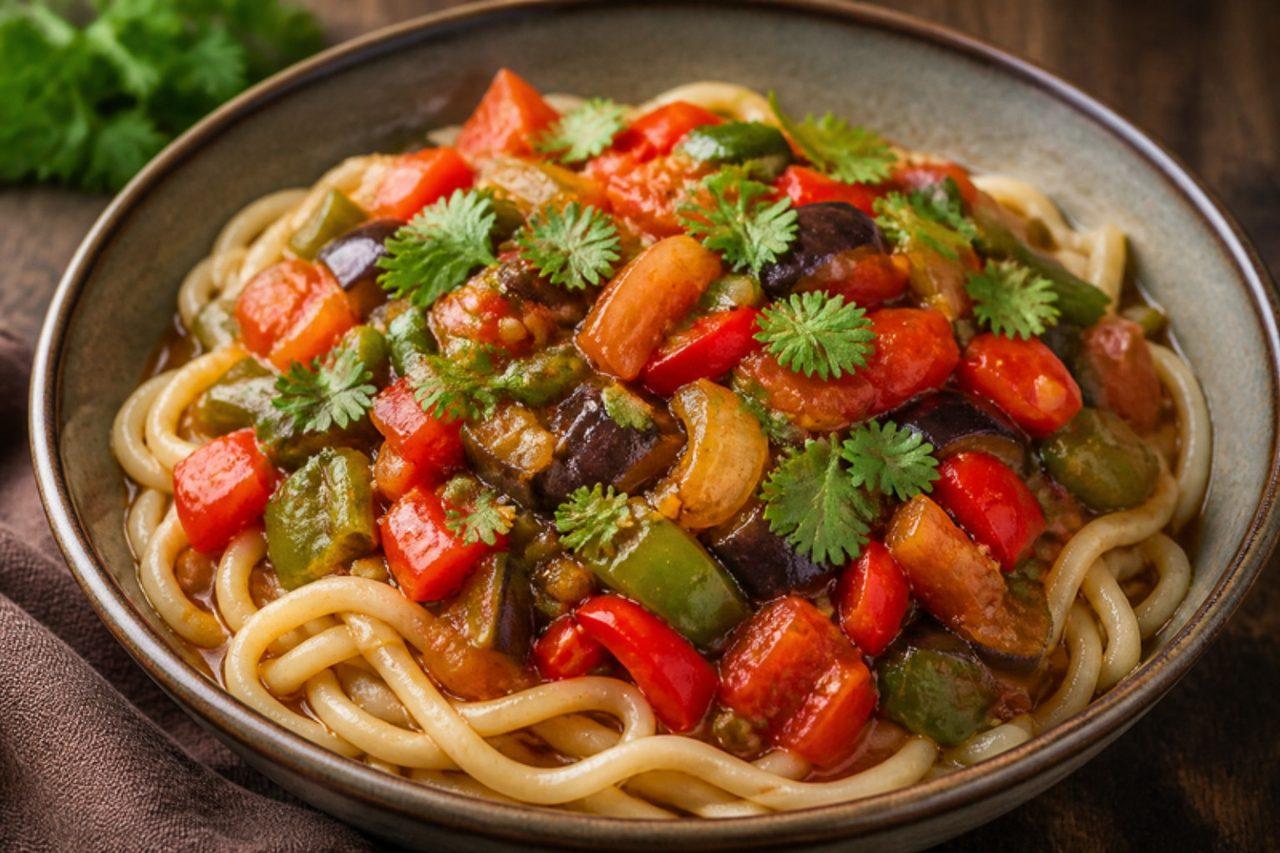
Vegetable lagmanHand-pulled noodles with vegetables

Lagman came to the Ferghana Valley with Uyghur and Dungan cooks, and in Andijan and Namangan it is still made the old way: a soft dough oiled, rested and pulled by hand into long, springy noodles, then topped with a stew of peppers, radish, green beans and tomato called vadja. Ferghana lagman is usually 'dry' (quwurma), the sauce thick enough to cling, rather than a soup. Locals eat it at lunchtime from noodle houses near the bazaar, with a dash of vinegar and chilli oil at the table. This version uses only vegetables. Chef's tip: oil the dough ropes generously and let them rest a full 30 minutes; well-rested dough stretches to arm's length without snapping.

by KrazyBadal 0 views

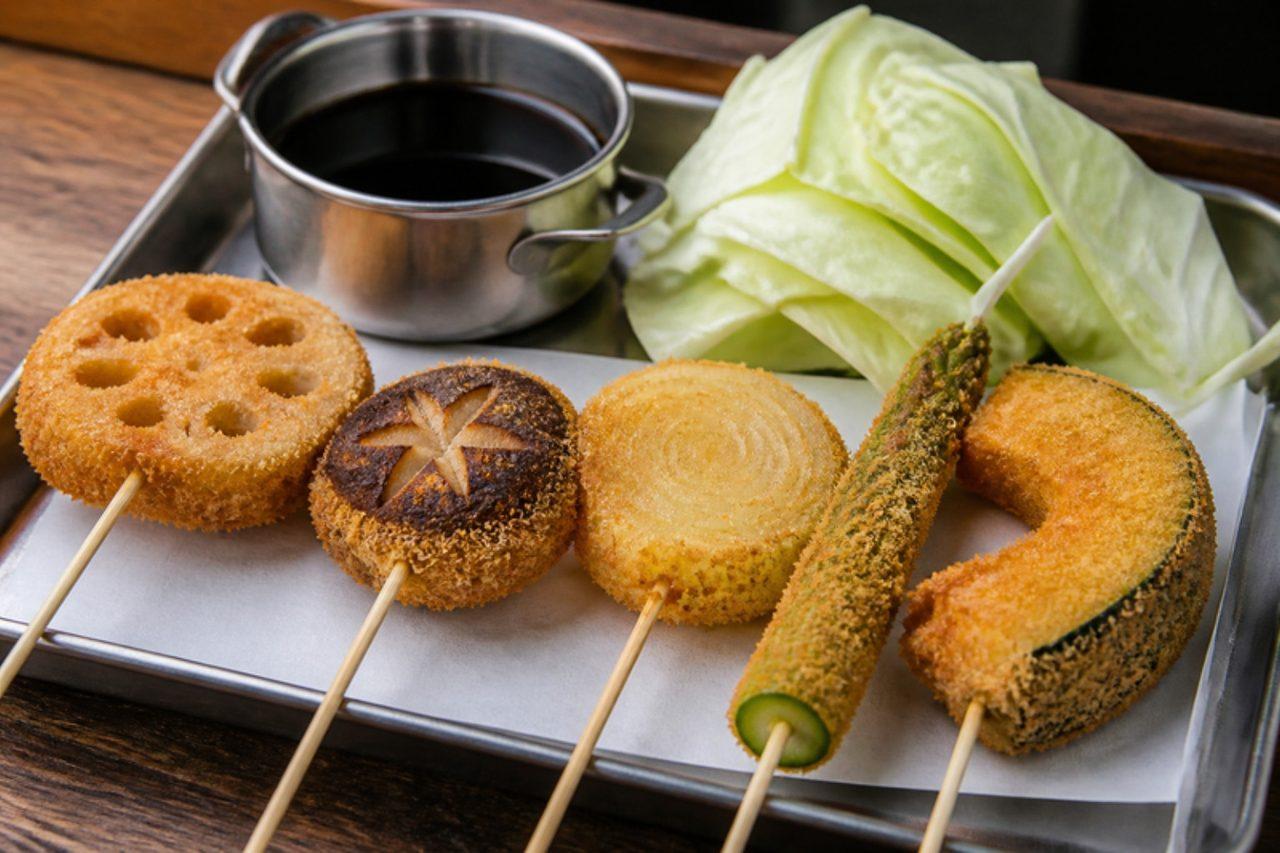
Vegetable kushikatsuBreaded vegetable skewers

Kushikatsu belongs to Shinsekai, the neon-lit old entertainment district at the foot of Osaka's Tsutenkaku tower. Since the 1920s, labourers have stood at its counters eating skewers fried to order, dunked in a shared steel pot of thin, fruity sauce. The famous house rule, 'no double dipping', is printed on signs everywhere. Vegetables are as popular as meat there: lotus root, shiitake, onion, asparagus and, a local favourite, chewy mochi and cheese. Have a plate of raw cabbage leaves on the side; they're free at every shop and used to scoop extra sauce. Chef's tip: use fine panko, or blitz ordinary panko briefly. Fine crumbs give the thin, crunchy jacket that Osaka shops are known for.

by KrazyBadal 0 views

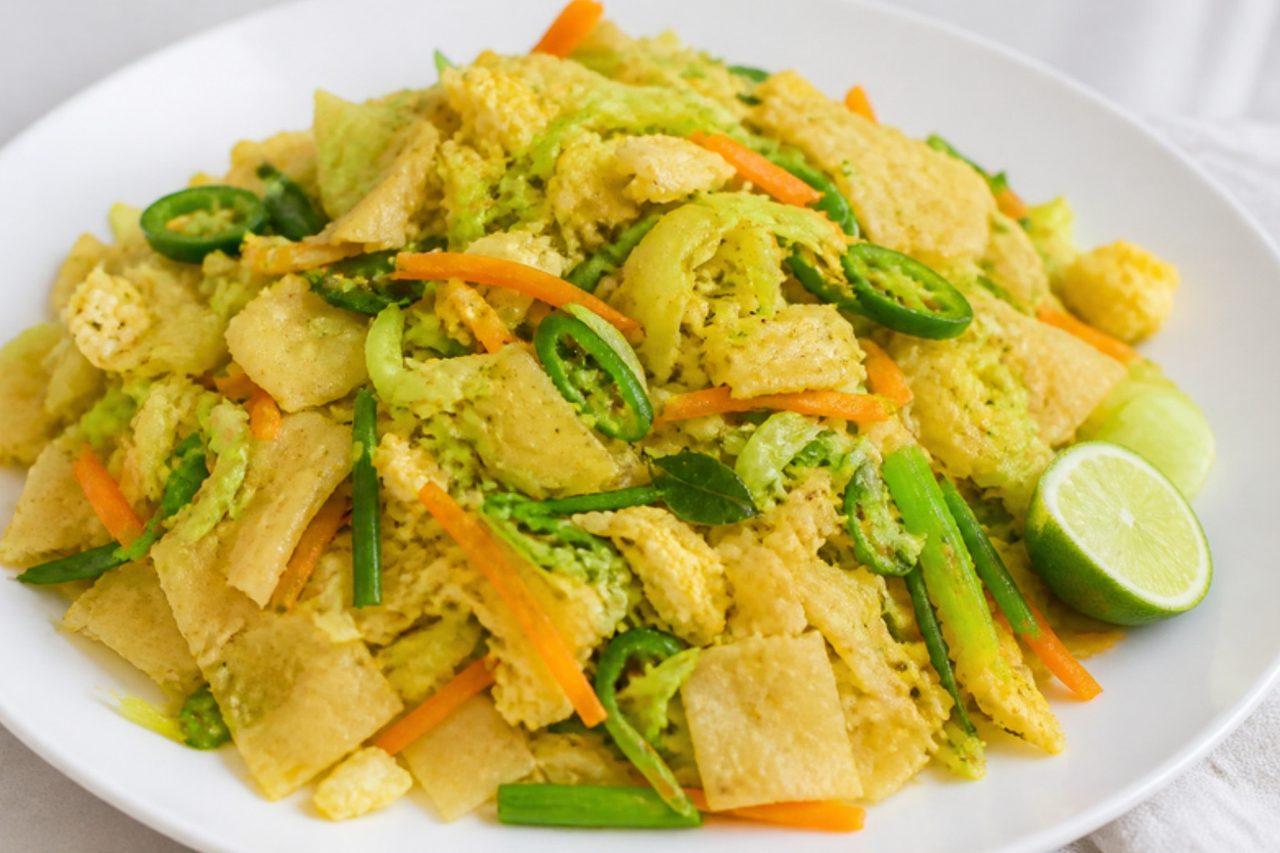
Vegetable kottu rotiChopped roti stir-fried with vegetables

After dark in Colombo you hear kottu before you see it: the rhythmic clang of two steel blades chopping roti on a hot flat-top at every street stall from Pettah to Wellawatte. Shredded godamba roti is stir-fried with leeks, carrot, cabbage, onion, chilli and egg, then moistened with a spoonful of spicy curry gravy so it's soft, smoky and messy in the best way. Stalls usually ladle on chicken curry gravy; we make a quick vegetable curry sauce instead, and the egg keeps it vegetarian rather than vegan. Leftover parathas or frozen flaky flatbreads stand in well for godamba roti. The common mistake is overcrowding a small pan, which steams everything; cook in two batches if your pan is under 30 cm. Chef's tip: chop the roti into strips while it is still slightly warm, then let it dry for 10 minutes so it fries rather than turns mushy.

by KrazyBadal 0 views

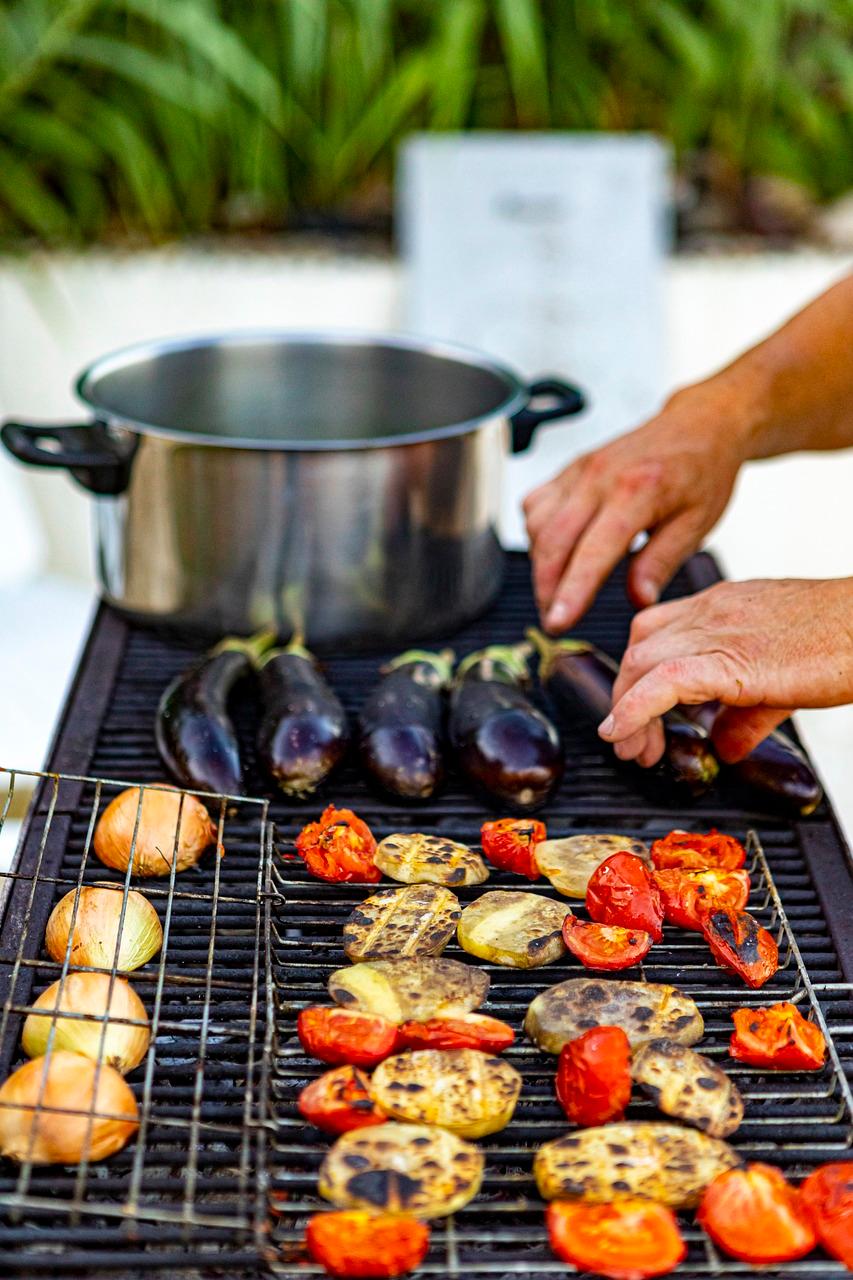
Vegetable khorovatsGrilled aubergine, peppers and tomatoes

No Armenian summer weekend at the dacha passes without a khorovats, the charcoal grill fired up in the garden from Dilijan to Lake Sevan. Alongside the skewers, whole aubergines, peppers and tomatoes are grilled until black and collapsing, then peeled and chopped with raw onion, garlic and herbs into a smoky, juicy salad. Served on its own with lavash, salty cheese and pickles, it makes a full meal, and it is one of the dishes that Armenians say tastes of summer itself. It works on a barbecue or straight on a gas flame. Chef's tip: grill the vegetables whole, without oil and without cutting them; the skins burn and peel away, while the flesh steams inside and soaks up the smoke.

by KrazyBadal 0 views

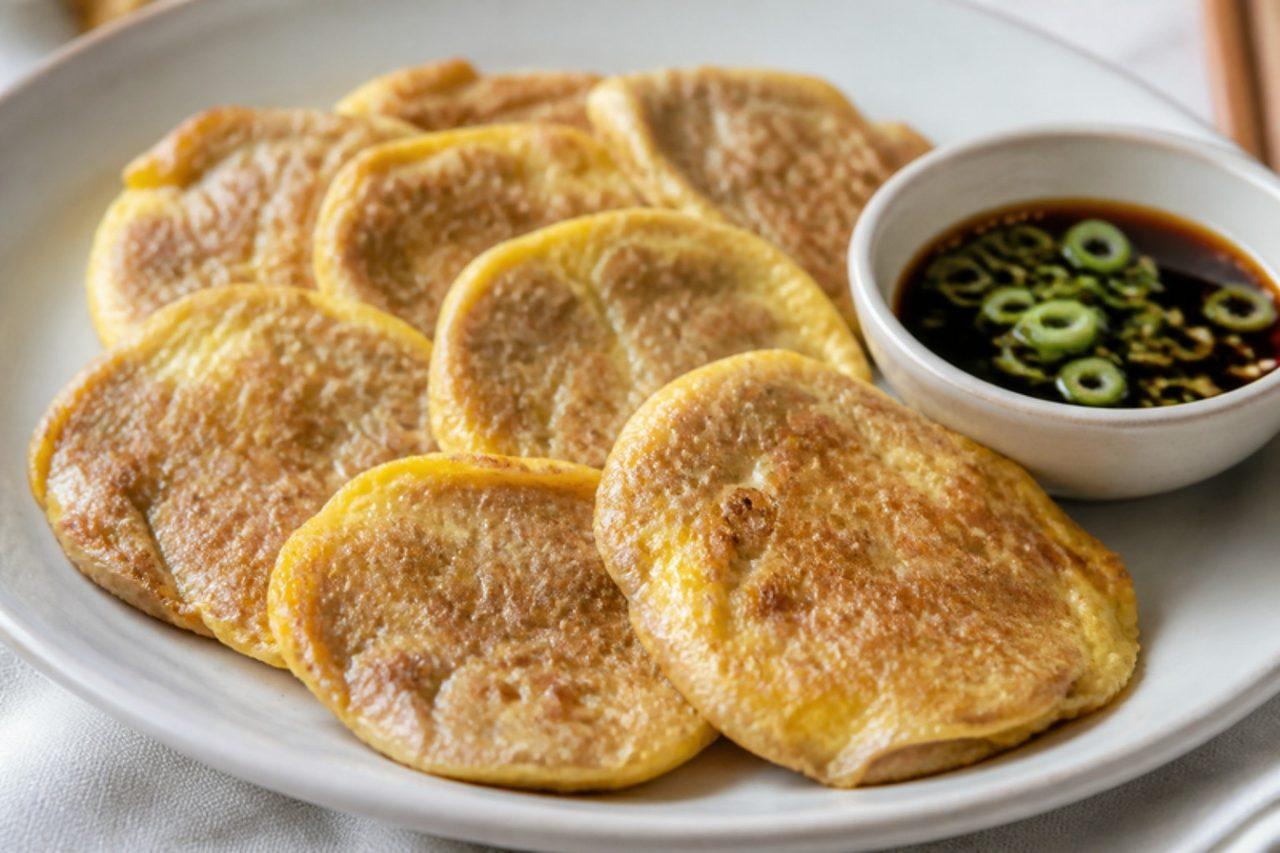
YukjeonEgg-battered fried beef

In Gwangju, yukjeon is a restaurant meal in its own right: the server sits by a hot plate at your table and fries slice after slice of egg-coated beef, handing them over while they're still sizzling. Elsewhere in Korea it's more often a festive pancake, made for Chuseok and Lunar New Year along with other jeon. The beef is cut very thin, so it cooks in the time it takes the egg to set. Gwangju places serve it with a sharp salad of finely shredded spring onion and a little salt and sesame oil for dipping. Chef's tip: half-freeze the beef for 40 minutes before slicing; firm meat is easy to cut into slices 2 to 3 mm thick.

25 minKoreanMeat
by KrazyBadal 0 views

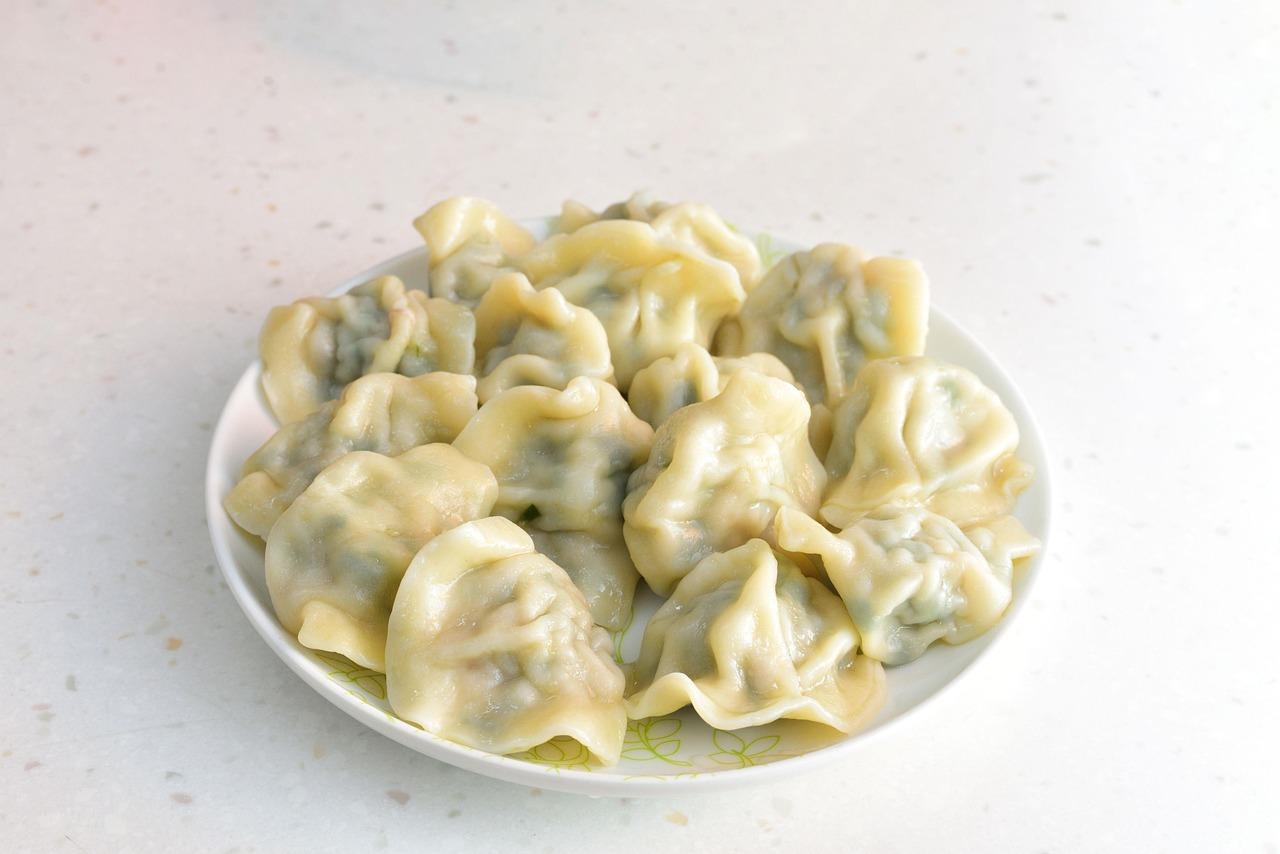
Egg and chive jiaoziEgg and chive dumplings

In northern China, from Shandong to Dongbei, families sit round the table on Chinese New Year's Eve and fold jiaozi together to eat at midnight. Jiu cai ji dan, egg and garlic chive, is the classic meat-free filling: soft scrambled egg, bright green chives and a few glass noodles to soak up the juices. Boil them and serve with black vinegar and chilli oil, or pan-fry the leftovers the next day. Chef's tip: stir a spoonful of oil into the chopped chives before adding the salt; the oil seals in their juice so the filling doesn't go watery.

by KrazyBadal 0 views

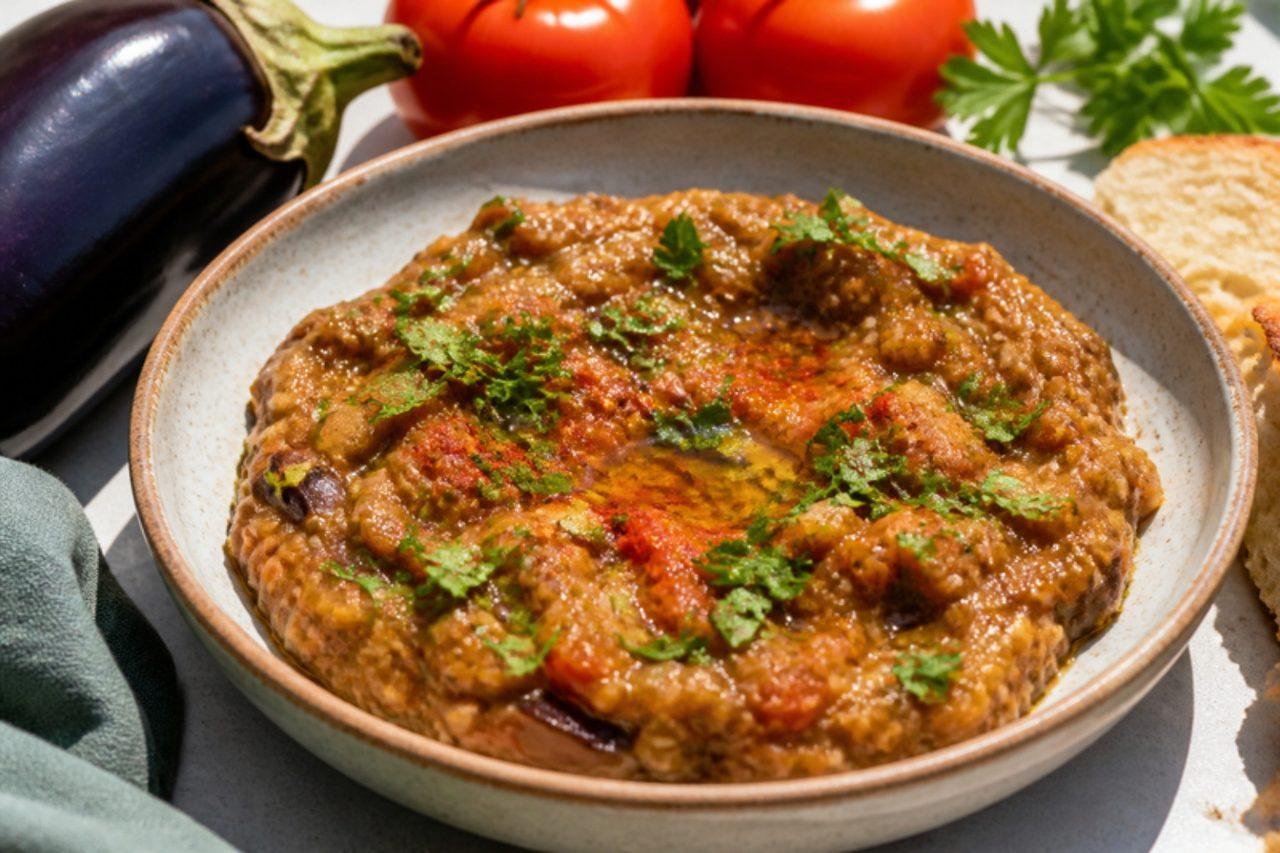
ZaaloukAubergine and tomato salad

Zaalouk is one of the cooked salads that open almost every Moroccan meal, from Fez to Essaouira, set out in small dishes with taktouka and carrot salad and scooped up with bread. Aubergine and tomato are cooked down together with garlic, cumin and paprika until they become a soft, spoonable relish, sharpened at the end with lemon and olive oil. It tastes even better the next day, so many cooks make a big batch. Chef's tip: char the aubergine over a gas flame or under the grill first if you can; the smoky skin flavour gives the best zaalouk.

by KrazyBadal 0 views

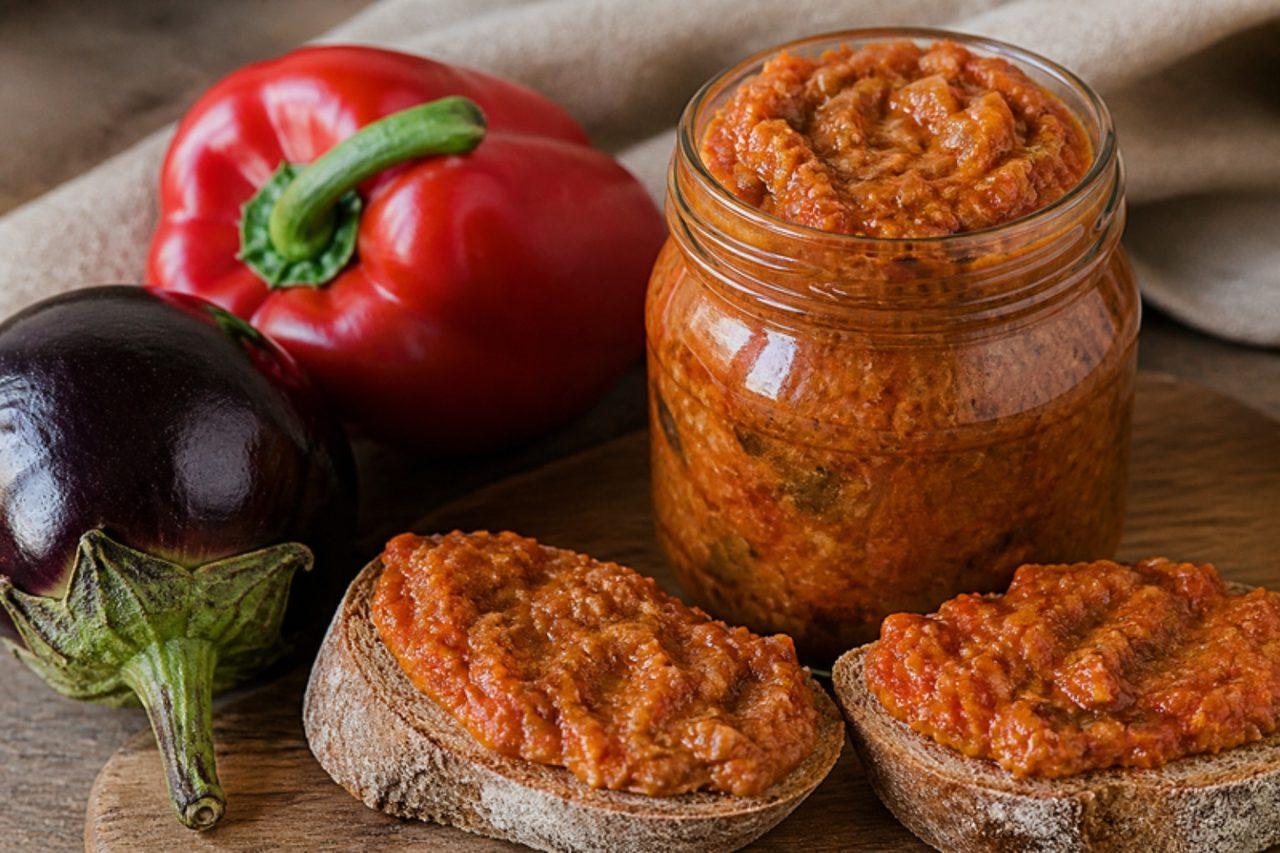
ZacuscăRoasted aubergine and pepper spread

Zacuscă is the autumn preserve of Moldavia and Transylvania: in Iași and the villages around it, families spend a September weekend charring aubergines and red peppers over a grill and slowly frying them down with onion and tomato into a thick, chunky spread. The jars go into the cellar and come out all winter, spread on bread or eaten with mămăligă during the Orthodox fasts. It is coarser and more oniony than smooth Balkan ajvar, with bay and a long, jammy cook. Chef's tip: let the onions go fully soft and sweet before adding anything else; rushing them leaves a sharp, raw edge that the long cook never removes.

by KrazyBadal 0 views

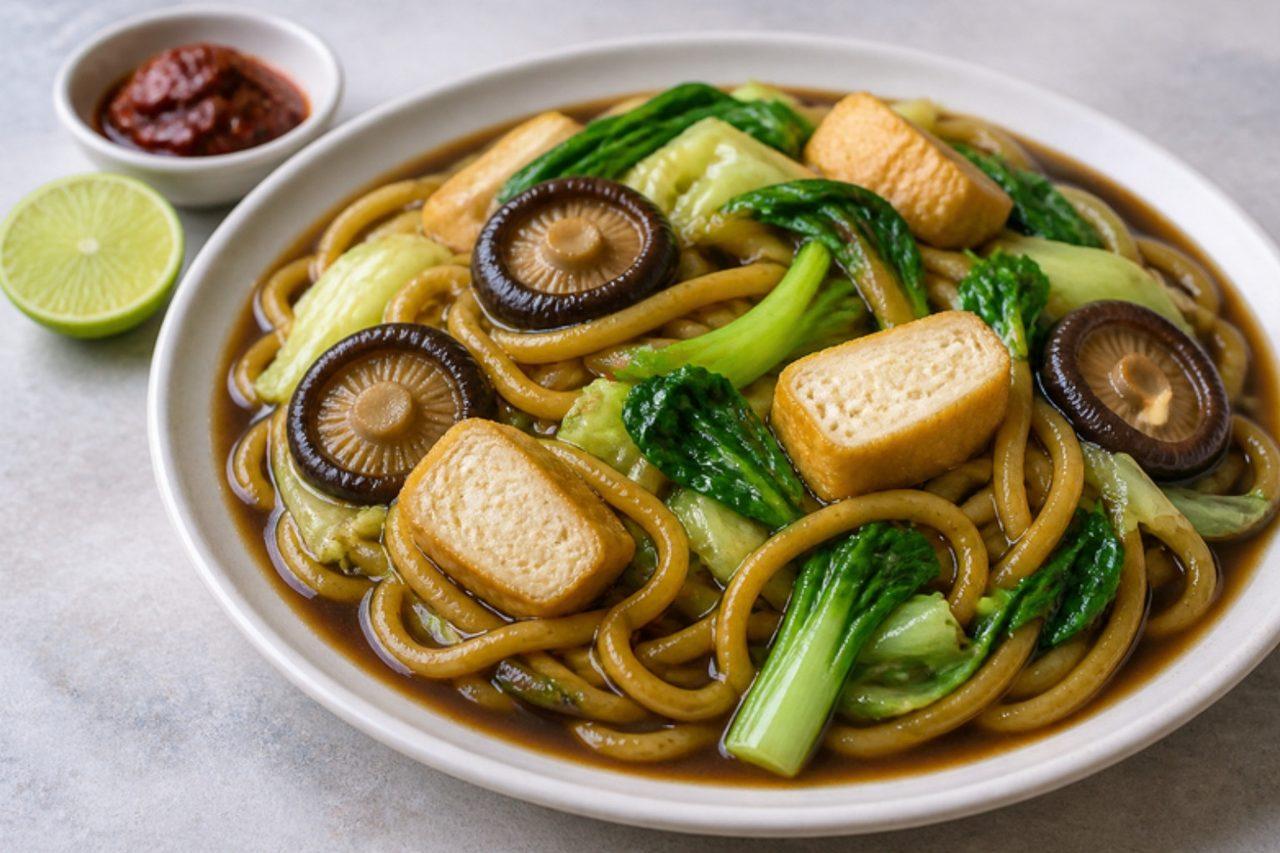
Vegetable Hokkien meeBraised black noodles with vegetables

In Kuala Lumpur, Hokkien mee means thick yellow noodles braised in a dark, caramel-sweet soy sauce until they turn almost black, a late-night hawker dish that Petaling Street and Jalan Alor stalls still cook over roaring flames long after midnight. The originals carry pork, prawns and crisp lard; ours uses meaty shiitake, tofu puffs that drink up the sauce, cabbage and choy sum, with fried shallots for the crunch the lard would give. It's smoky, salty-sweet and very slurpable. Chef's tip: let the noodles braise until the sauce has thickened and clings to every strand, with only a spoonful left in the wok.

by KrazyBadal 0 views

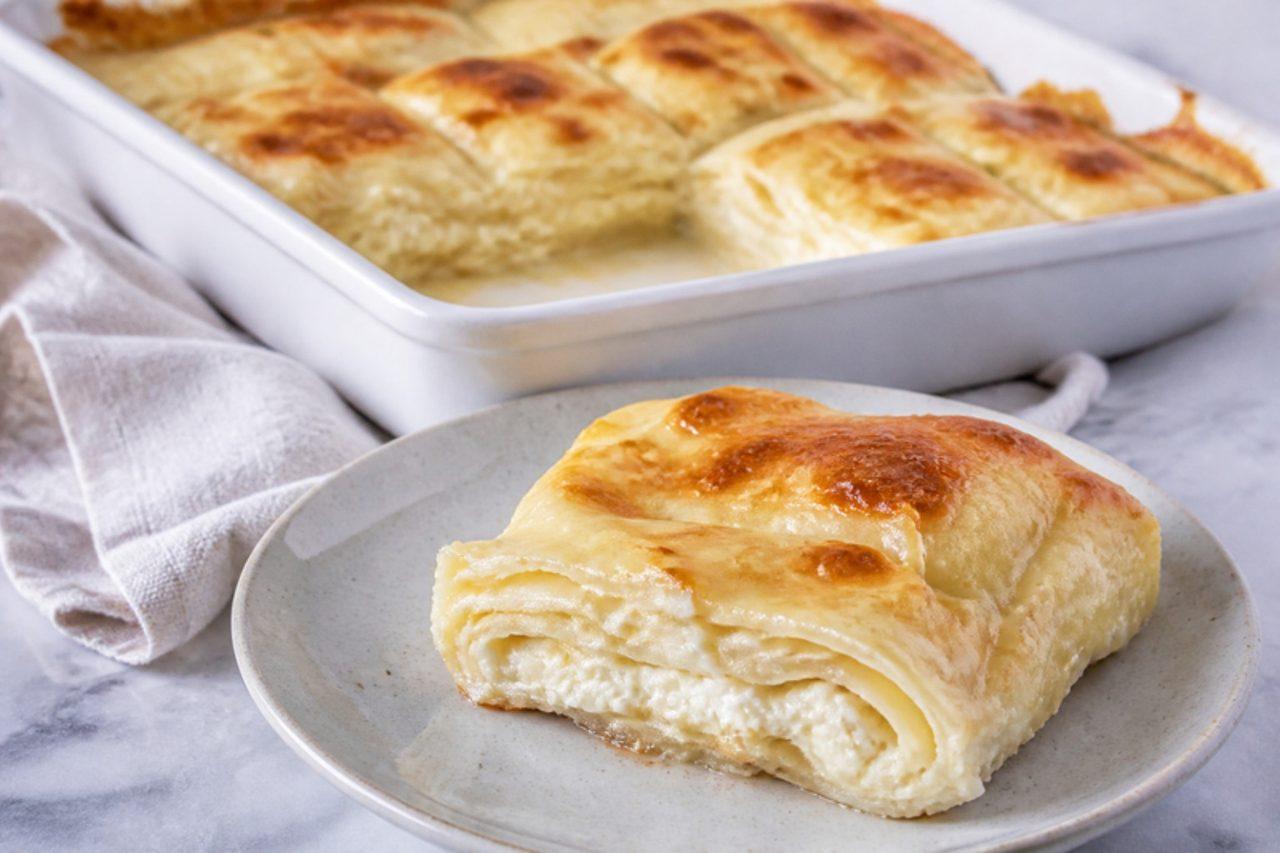
Zagorski štrukliBaked cheese dough rolls

In Hrvatsko Zagorje, the green hill country north of Zagreb, štrukli are Sunday food: paper-thin dough is spread with fresh cow's cheese, rolled up, pinched into pieces with the edge of a plate, then boiled and finished in the oven under a blanket of cream. Zagreb restaurants serve them as a starter or a main, blistered golden on top and soft and custardy inside. The dough is stretched by hand over a tablecloth, which is easier than it sounds once it has rested. Chef's tip: squeeze the cheese if it is wet; a runny filling soaks the thin dough and makes the rolls tear when they boil.

by KrazyBadal 0 views

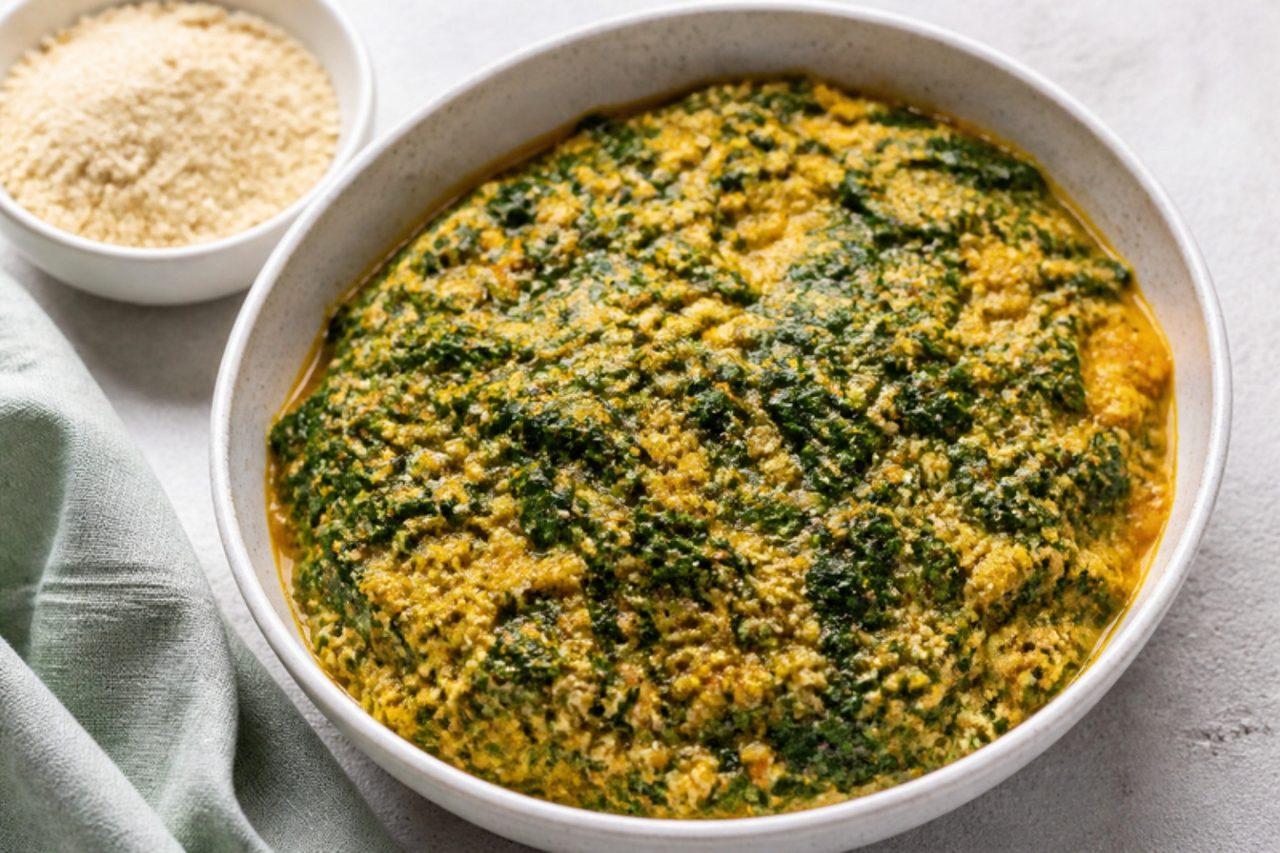
Vegetable egusi soupMelon seed soup

Egusi soup is cooked right across Nigeria, from Igbo kitchens in Enugu to Yoruba homes in Abeokuta, and it is the soup most people mean when they say 'swallow and soup'. Ground egusi (the protein-rich seeds of a wild melon) is fried and simmered in a pepper and palm-oil base until it forms soft, savoury curds, then finished with greens. It is eaten by hand with pounded yam, eba or fufu. The usual meats, stockfish and crayfish are left out here; mushrooms, iru and vegetable stock do the work. Chef's tip: let the egusi paste sit in the hot sauce without stirring for 5 minutes so it sets into fluffy curds before you break it up.

by KrazyBadal 0 views

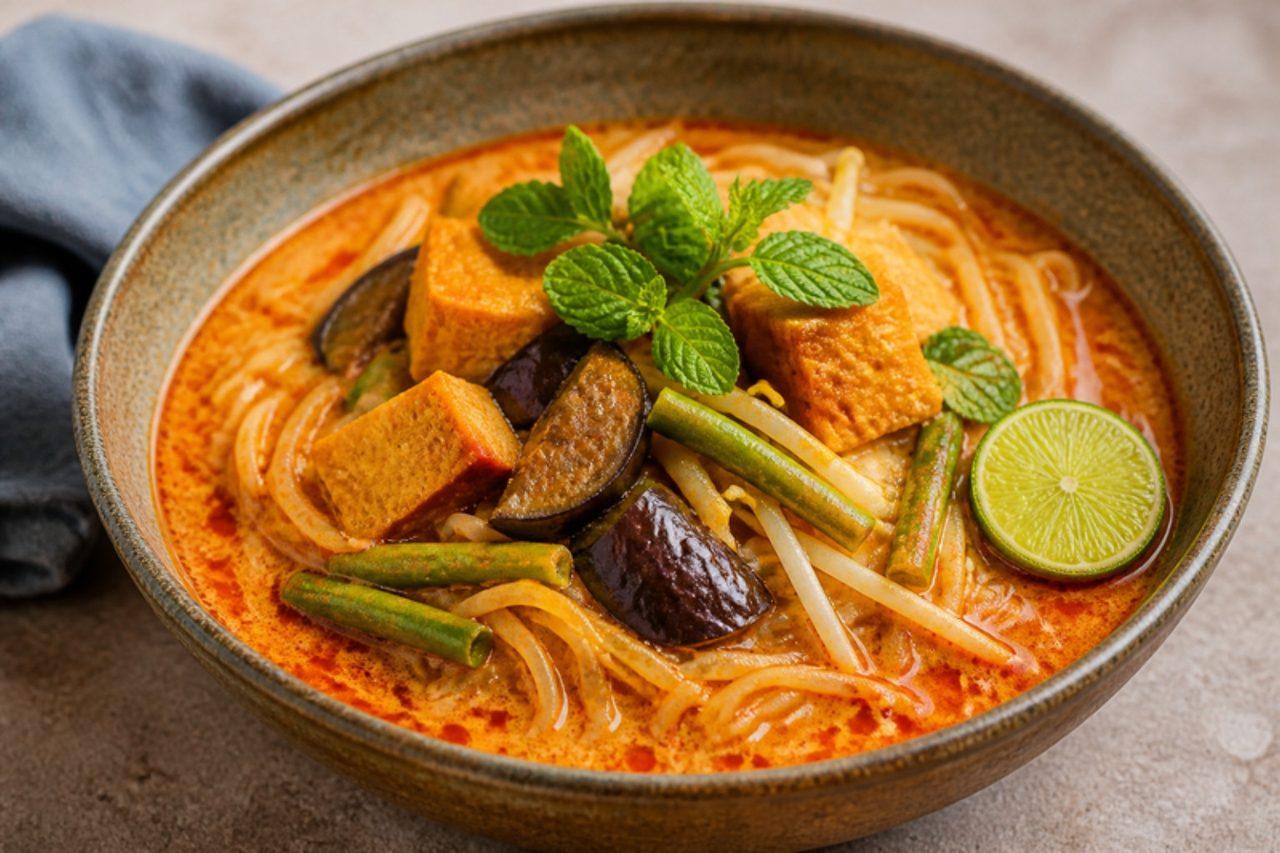
Vegetable curry laksaCoconut curry noodle soup

Curry laksa, or curry mee, is the coconut-rich laksa of Kuala Lumpur and the west coast, a hawker breakfast as often as a lunch, ladled from huge pots into bowls of noodles. The broth is a fried spice paste of chillies, lemongrass, galangal and candlenuts loosened with coconut milk, so it's spicy, creamy and fragrant at once. Stalls top it with chicken, cockles or prawns; ours is all vegetable: tofu puffs that soak up the soup like sponges, soft aubergine, long beans, crunchy bean sprouts and mint. Chef's tip: once the coconut milk goes in, keep it at a gentle simmer; a rolling boil splits it and leaves the broth greasy and grainy.

by KrazyBadal 0 views

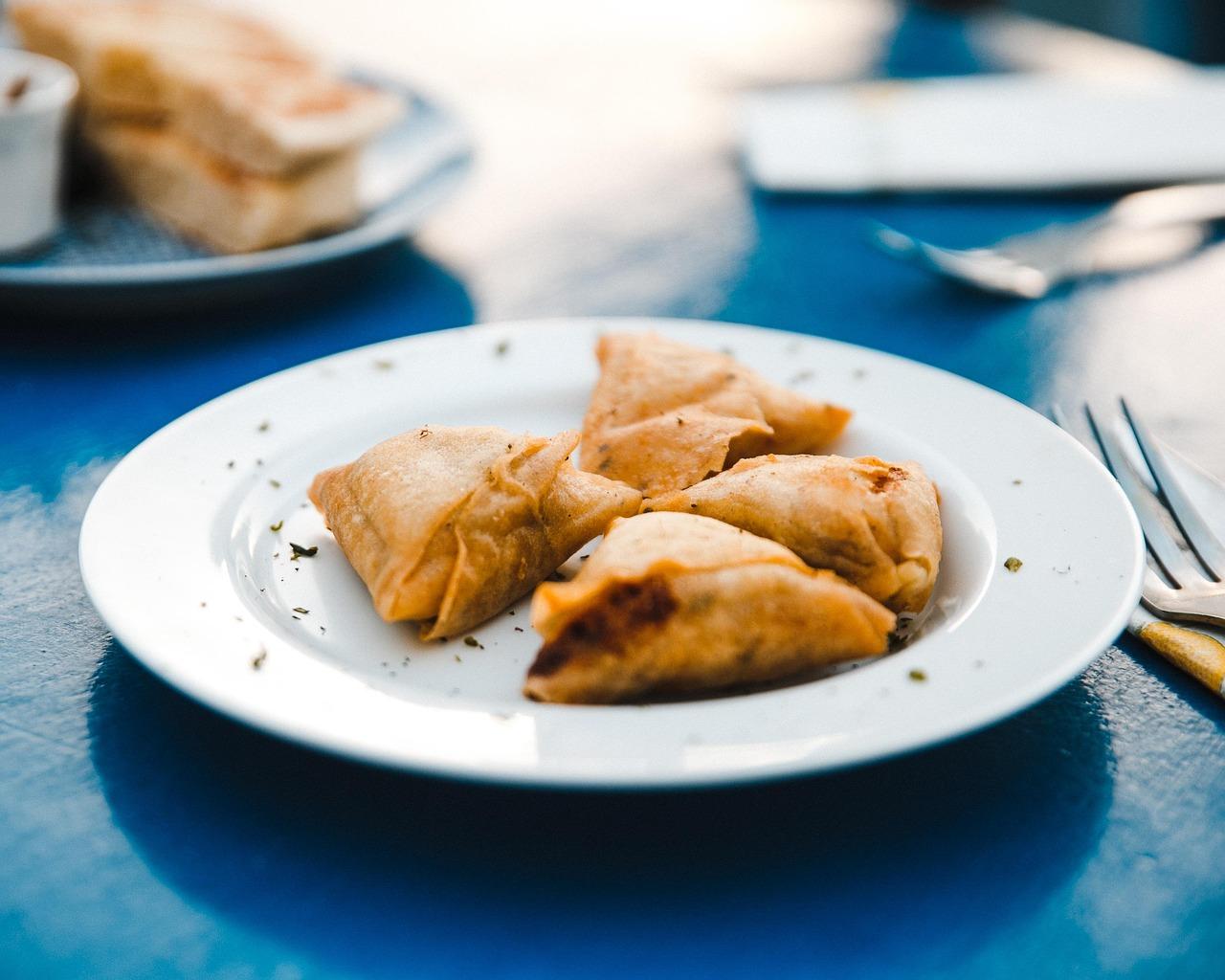
Vegetable briouatsSpiced vegetable pastry triangles

Briouats are the small, crunchy pastry triangles served at Moroccan weddings and at the iftar table during Ramadan, especially in Rabat and Fez where women make hundreds ahead and freeze them. The wrapper is warqa, a paper-thin pastry, though filo works well at home. Savoury briouats are often filled with meat or seafood; this vegetarian filling of potato, carrot, peas, spices and cheese is popular in family kitchens and loved by children. Bake or fry them and serve hot with a dipping saucer of harissa. Chef's tip: let the filling cool completely before wrapping; hot filling makes the pastry soggy and it splits in the oven.

by KrazyBadal 0 views

Vawksa repSmoked pork with mustard greens

Mizo cooking in Aizawl and the hill villages of Mizoram is simple and clean, with few spices and lots of greens, and vawksa rep shows it at its best. Smoked pork (vawksa rep) is simmered until soft, then mustard greens (antam) go in and soak up its smoky, fatty broth. It is an everyday lunch with rice, and some families add a little bai (bamboo shoot) or chilli. Chef's tip: keep the stems and leaves of the greens separate; the stems need a few minutes longer.

70 minIndianMeatGluten free
by KrazyBadal 0 views

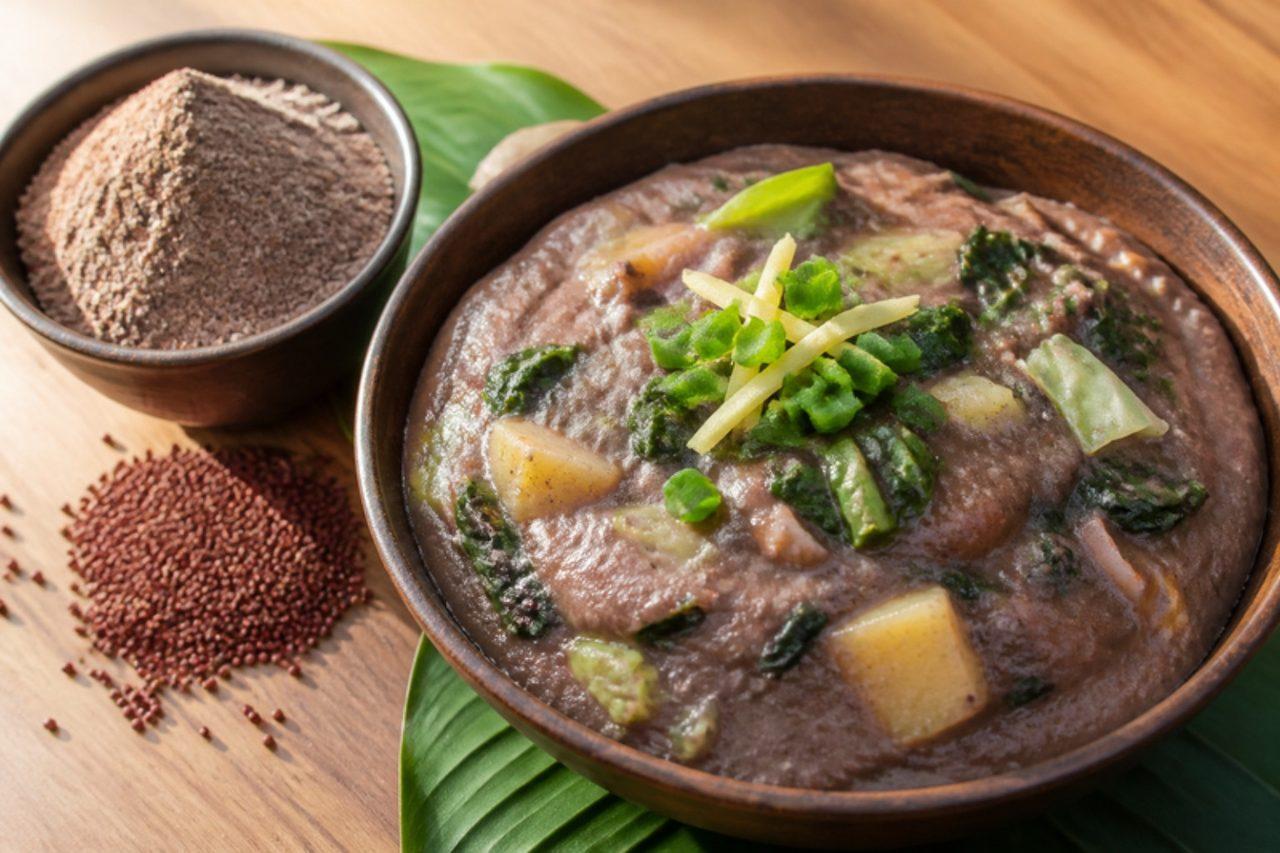
ZanMillet porridge with vegetables

Zan is the millet porridge of Arunachal Pradesh, eaten by the Monpa, Sherdukpen and other hill communities for breakfast or dinner on cold days. Finger millet (ragi) flour is stirred into boiling water with vegetables, ginger and chilli until thick and smooth, then served with a chilli chutney or butter. Some families cook it with meat; this is the vegetable version. It is warming, filling and earthy-tasting, a little like a savoury polenta. Chef's tip: sprinkle the millet flour in with one hand while whisking with the other, or it forms lumps that never cook out.

by KrazyBadal 0 views

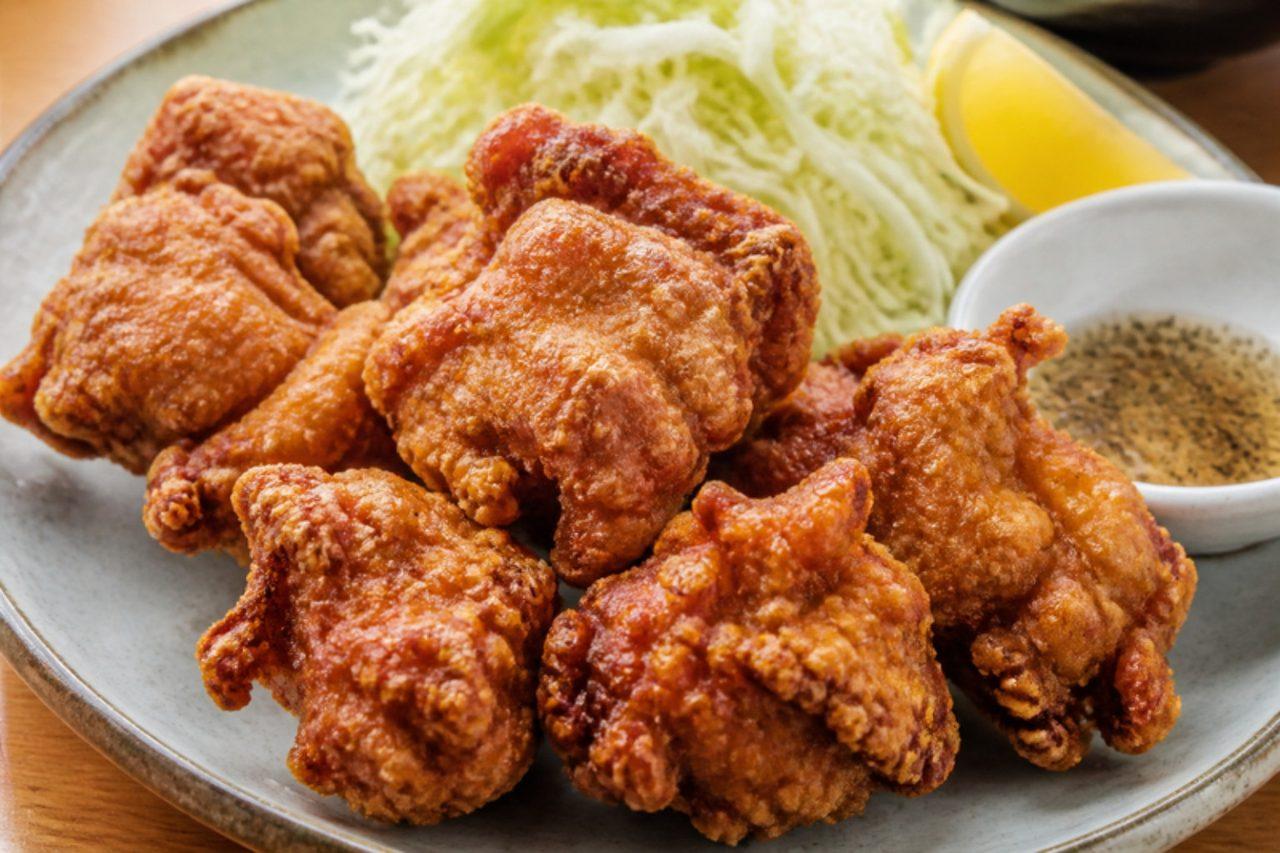
ZangiFried marinated chicken

Ask for fried chicken in Kushiro or Sapporo and you'll be handed zangi, which locals insist is not the same as karaage. A Kushiro restaurant says it coined the name around 1960, and today zangi shops, ski-lodge canteens and supermarket delis across Hokkaido sell it in big, bone-in pieces. The chicken soaks for hours in a punchy mix of soy, sake, garlic, ginger and oyster sauce with an egg beaten in, so the flavour runs right through the meat, and it often comes with a sharp dipping sauce of vinegar, soy and black pepper. The coating is a mix of flour and starch, so it fries darker and more savoury than karaage. Chef's tip: marinate it overnight in the fridge for the full Hokkaido flavour; 30 minutes works, but the difference is clear.

by KrazyBadal 0 views

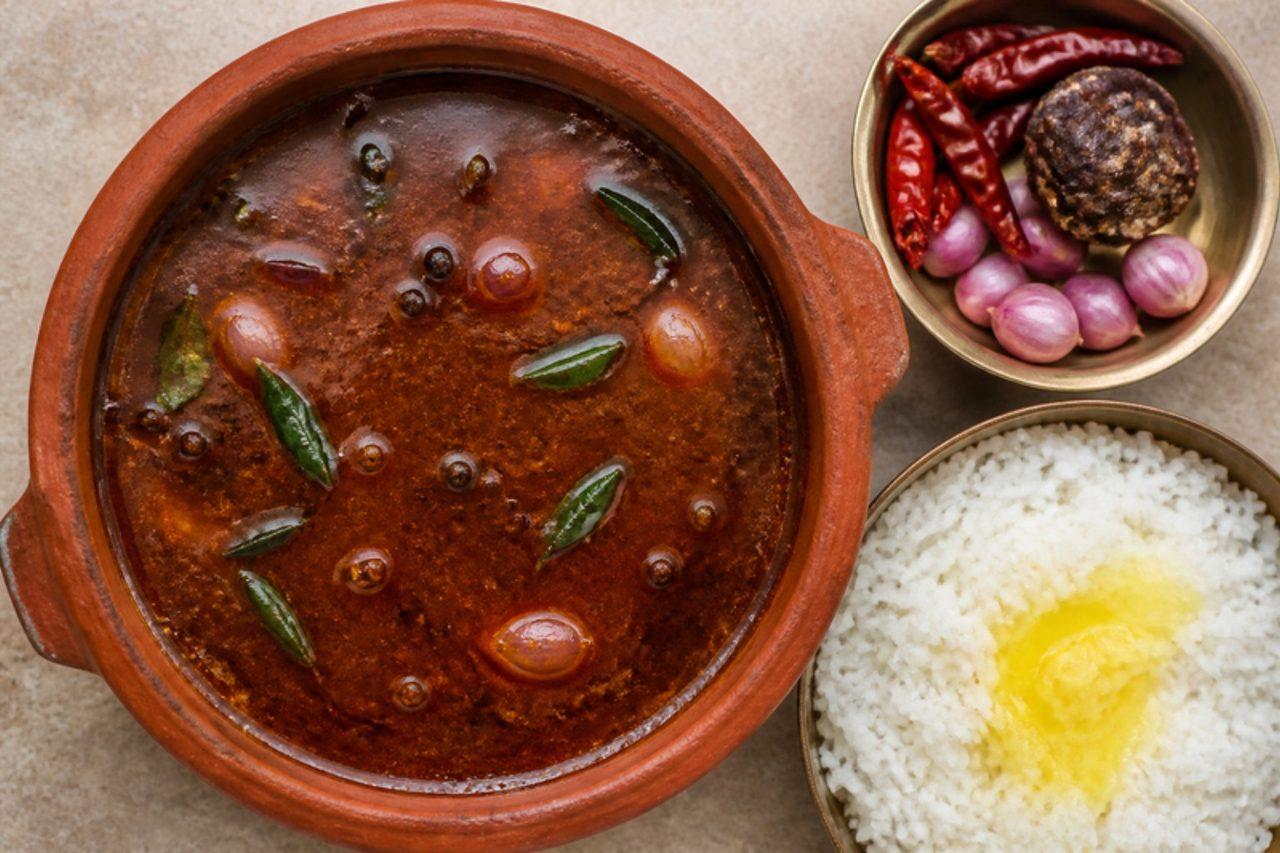
Vatha kuzhambuTamarind gravy with dried berries

Vatha kuzhambu is what a Tamil kitchen cooks when the vegetable basket is empty: tamarind, sambar powder and a handful of sun-dried sundakkai or manathakkali berries fried crisp in sesame oil. It simmers down to a glossy, almost black gravy that is sour, a little bitter, hot and faintly sweet, and it keeps for days, so it travels in tiffin carriers and turns up at Brahmin home lunches all over Thanjavur and Chennai. Mix a spoonful into hot rice with a little sesame oil, and eat it with a plain poriyal or appalam to calm the heat. Chef's tip: fry the dried berries in the oil first and lift them out the moment they puff and darken; added at the end they stay crisp and bitter-nutty instead of turning leathery.

by KrazyBadal 0 views

Varenyky with potatoPotato dumplings

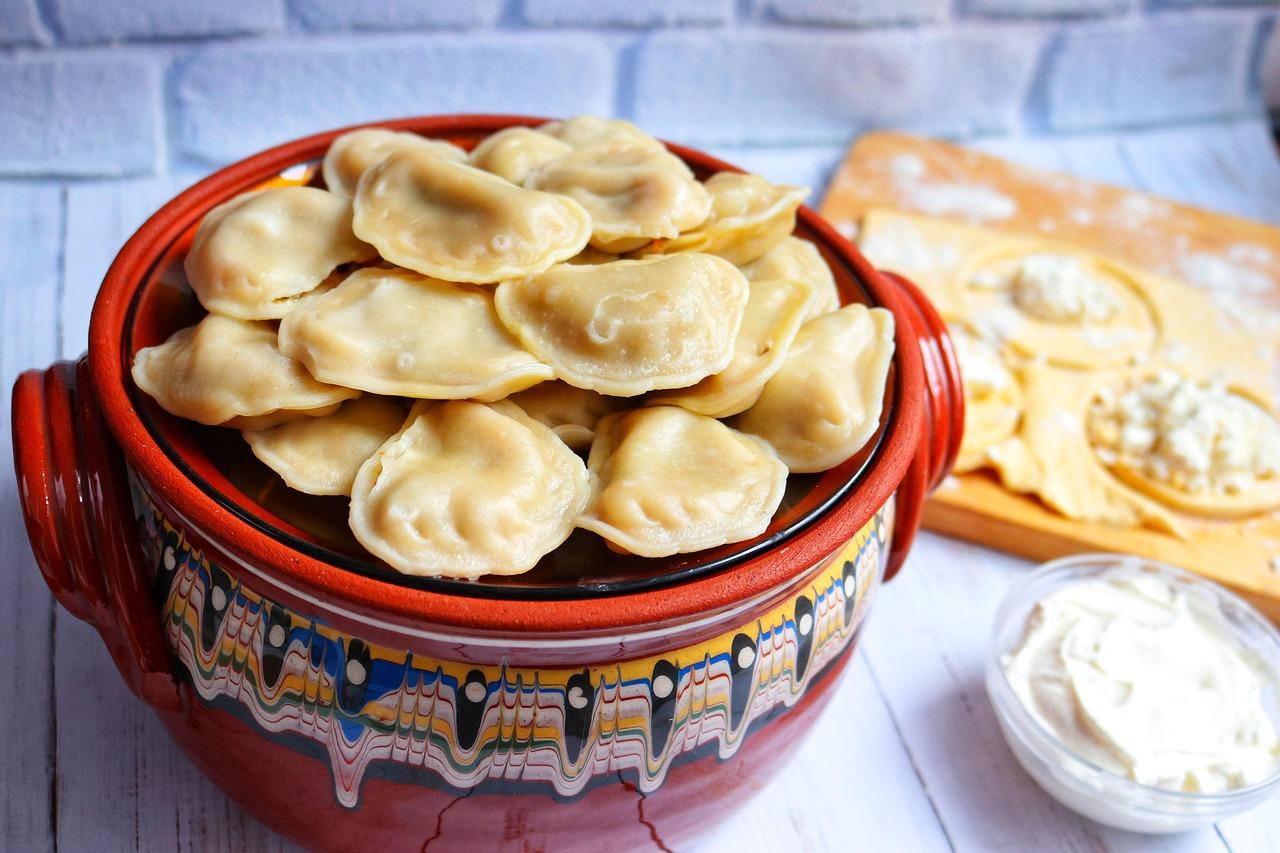
Varenyky with potato are the everyday dumplings of central Ukraine, the ones Gogol's Poltava characters dream about and the ones that fill freezers in Kyiv flats before every holiday. Unlike Polish pierogi ruskie, these have no curd cheese: the filling is simply mashed potato beaten with plenty of onion fried in sunflower oil, so they are vegan and appear on the meatless Holy Supper table on Christmas Eve. They are boiled, then tossed in more golden onion and eaten with dill. Chef's tip: let the filling cool completely before you fill the dough; warm mash steams the dough from inside and the dumplings tear in the pot.

by KrazyBadal 0 views

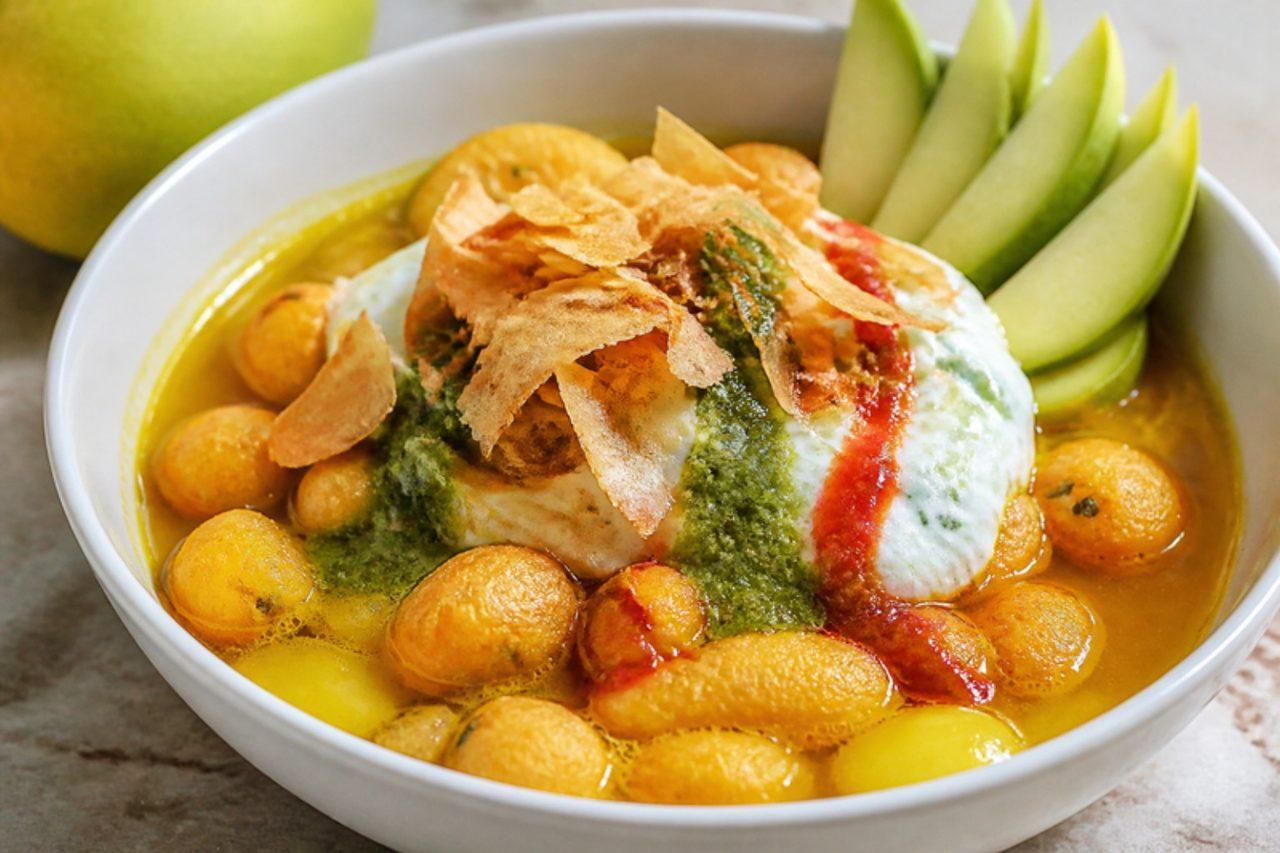
Zanzibar mixMango and gram flour soup with fritters

Zanzibar's famous street bowl (urojo): a thin, tangy, golden soup of gram flour, raw mango, coconut and chilli, filled with little lentil fritters and potato balls and topped with crushed cassava crisps and coconut, green and red chutneys. It's sour, spicy and crunchy all at once. Make the fritters, potato balls and chutney ahead, then assemble the bowls at the table.

by KrazyBadal 0 views

Varenyky with cherriesSour cherry dumplings

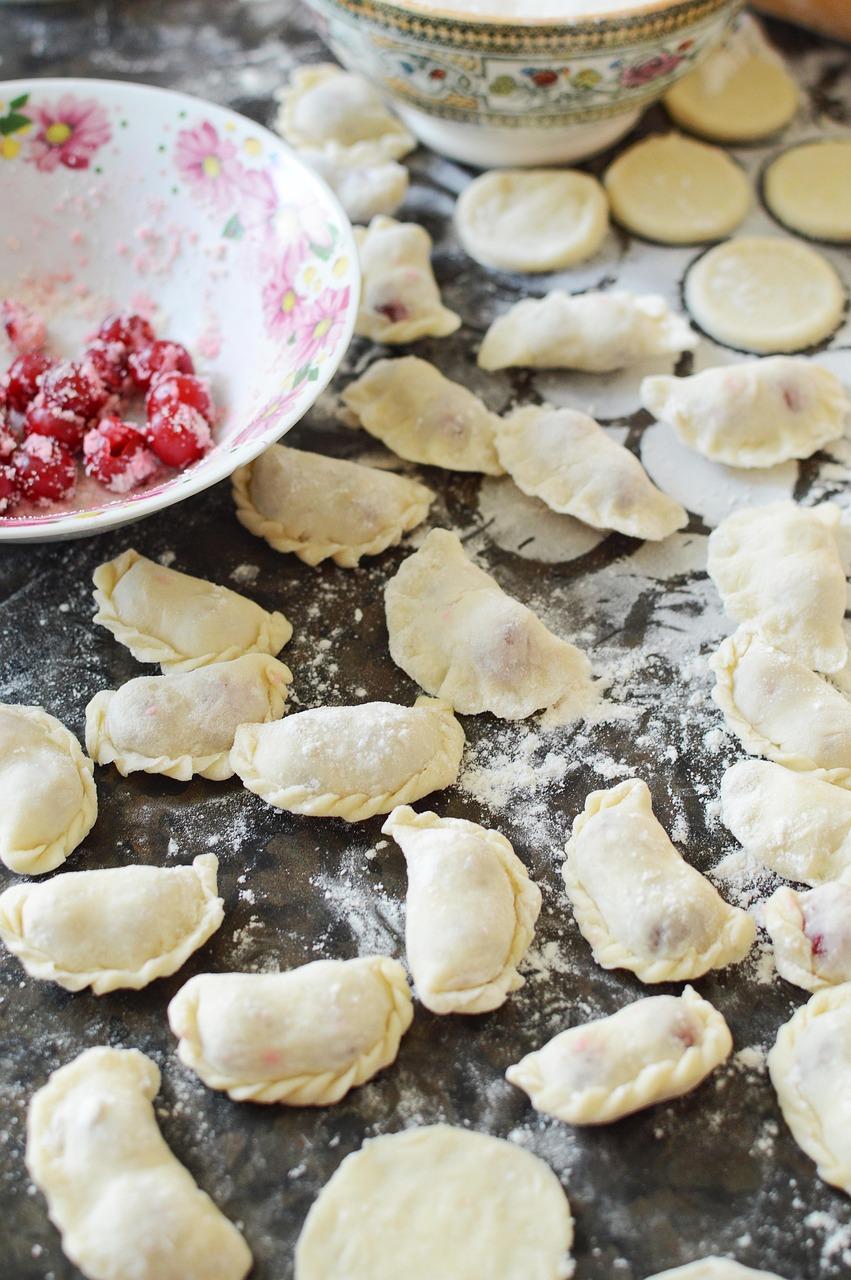
In late June, when the sour-cherry trees in every yard from Vinnytsia to Cherkasy turn red, Ukrainian families sit around the kitchen table pitting cherries for varenyky. These sweet dumplings are boiled, piled into a bowl and drenched in a syrup made from the cherry juice, a taste of summer holidays at grandmother's. The dough here is the simple water and oil kind, so the recipe is vegan; most Ukrainians also add a spoon of sour cream, which you are welcome to do if you are not cooking vegan. Chef's tip: sugar the cherries in a sieve and let the juice drain before filling, then put a pinch of sugar on each portion only as you seal it, so the dough stays dry at the edges.

by KrazyBadal 0 views

TteokgalbiGrilled short rib patties

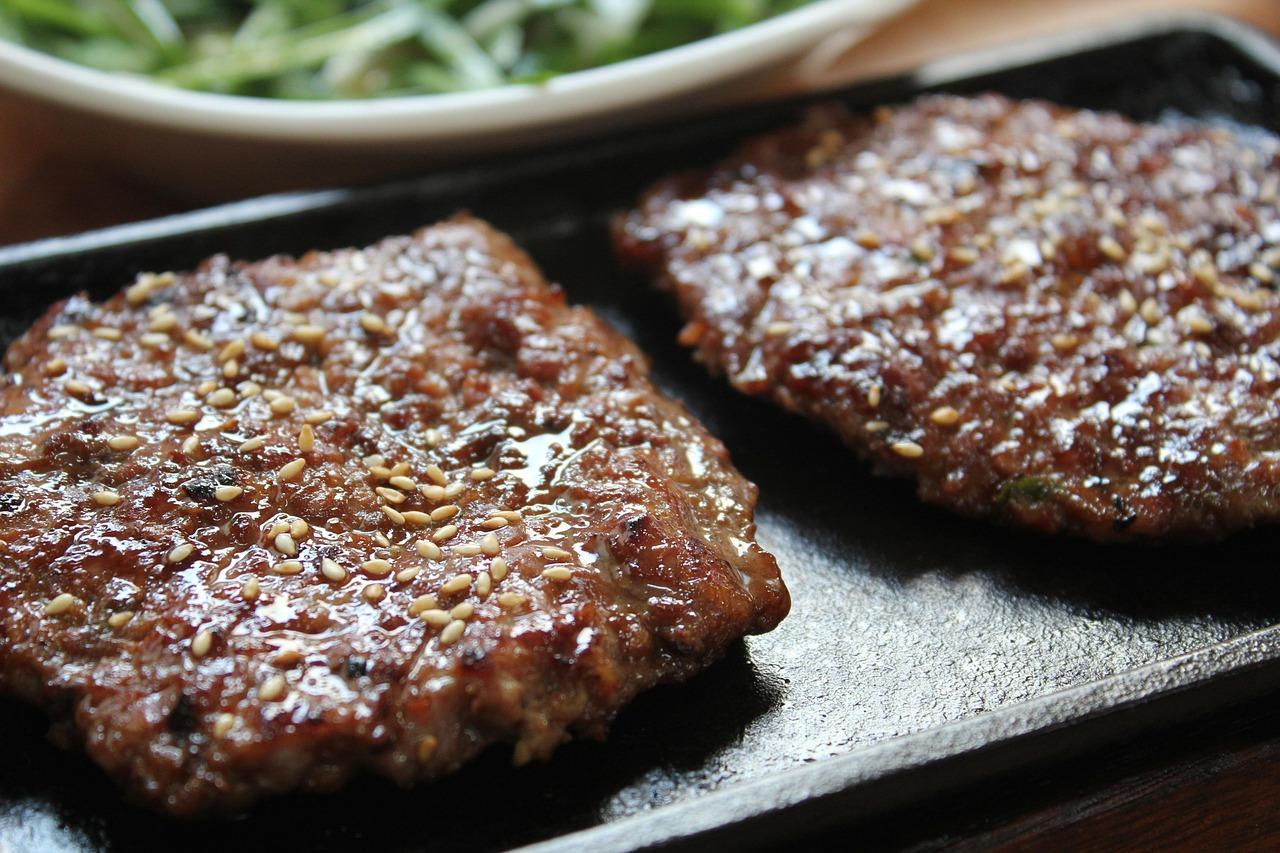
Tteokgalbi is rib meat chopped finely, pressed back into neat slabs and grilled, so it's soft enough to eat without struggling with a bone. Two places in South Jeolla claim it: Damyang, the bamboo county, where all-beef patties come with rice steamed in bamboo tubes, and Gwangju's Songjeong district, whose restaurant street near the railway station mixes beef with pork. This home version uses minced beef and pork, seasoned with soy, garlic and pear, then brushed with a soy and honey glaze as it cooks. Serve with rice, lettuce and a few banchan; leftovers are good cold in a lunchbox. Chef's tip: slap the mince against the bowl for a few minutes; it turns sticky and the patties hold together on the grill without any breadcrumbs.

60 minKoreanMeat
by KrazyBadal 1 views

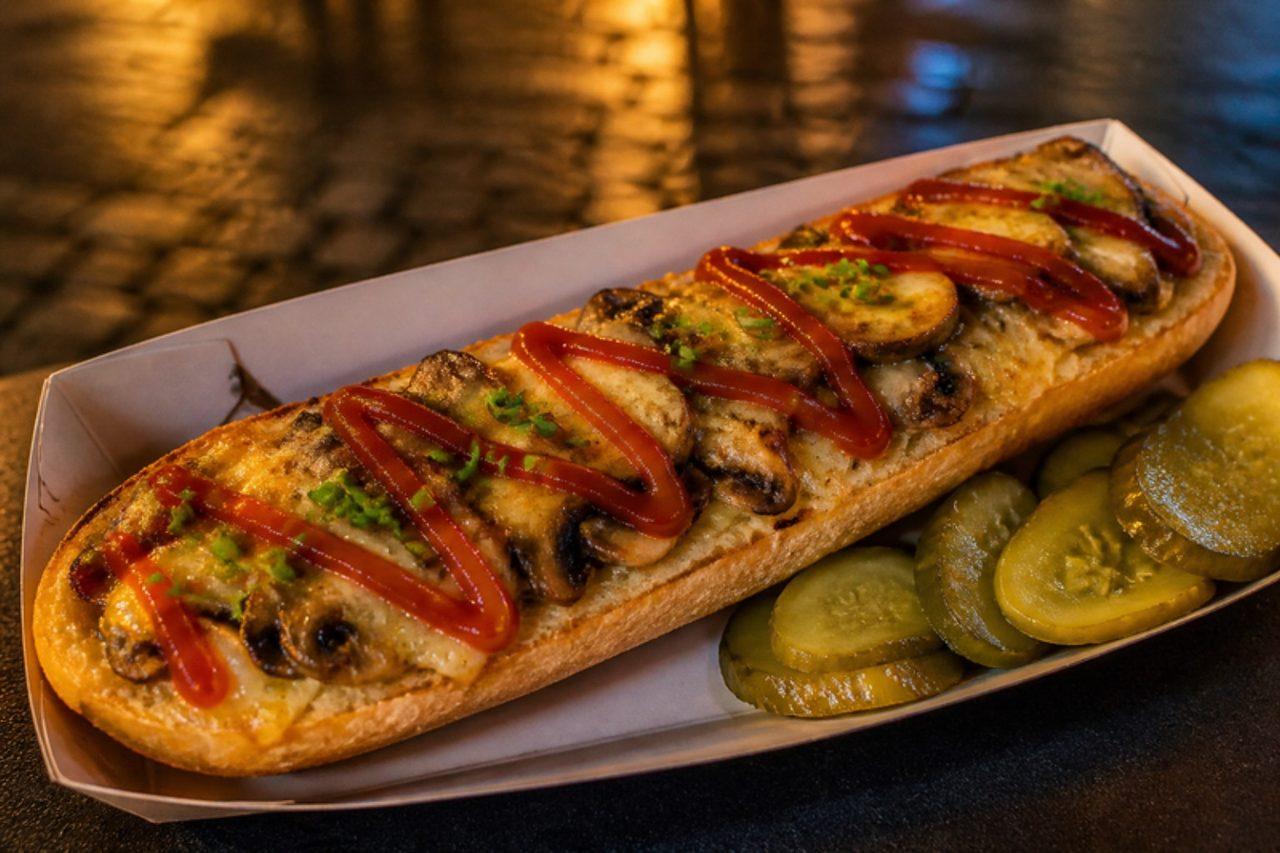
ZapiekankaOpen baguette with mushrooms and cheese

Zapiekanka is Polish street food born in the 1970s and perfected at the hatch windows around Plac Nowy in Kraków's Kazimierz district, where students and night owls queue for one at midnight. Half a long baguette is topped with mushrooms fried with onion, covered in grated cheese and baked until crisp at the edges and bubbling, then finished with a zigzag of ketchup and chives. The classic version has no meat at all. Use a hard cheese made with vegetarian rennet (many supermarket mild Cheddars and Goudas are). Chef's tip: fry the mushrooms until completely dry before they go on the bread; wet mushrooms make the baguette soggy instead of crisp.

by KrazyBadal 1 views

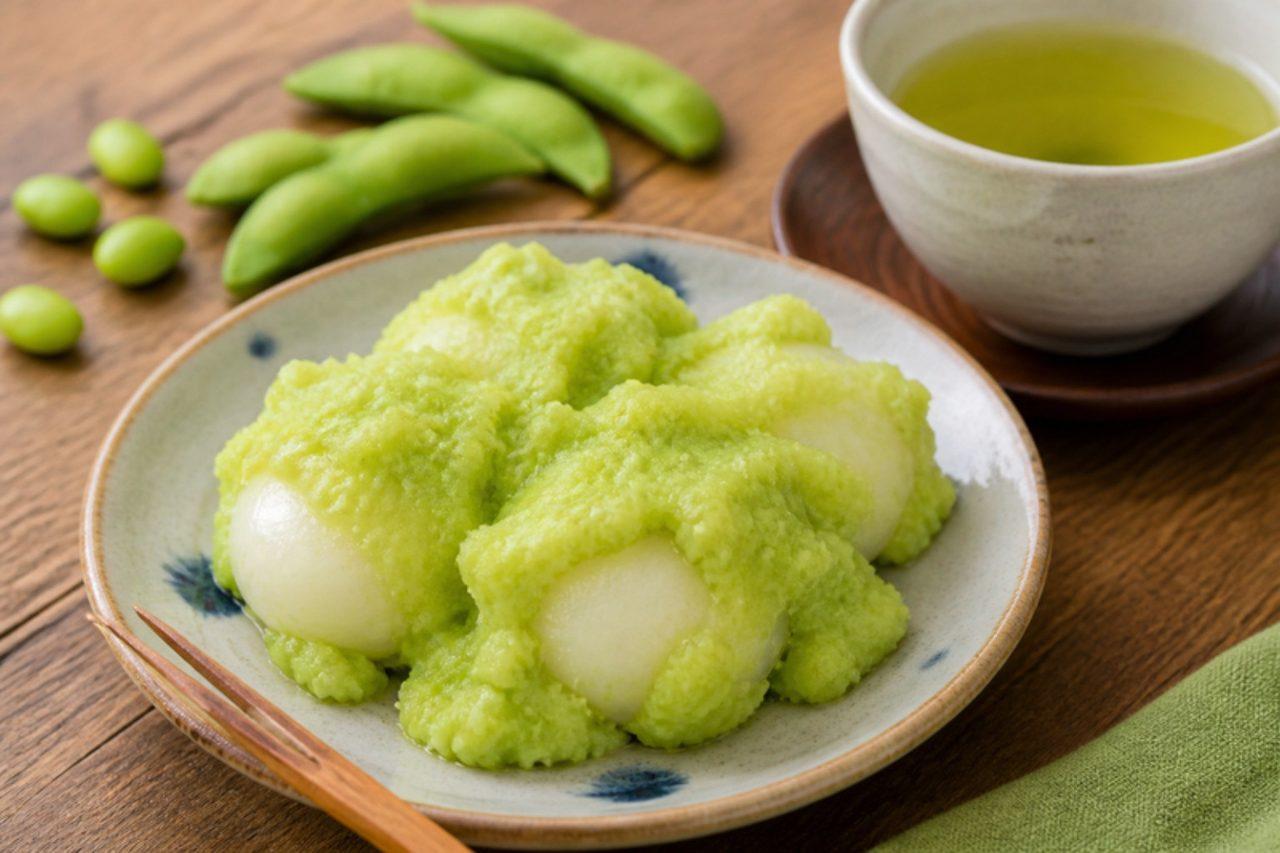
Zunda mochiRice dumplings with edamame paste

Zunda is Sendai's signature sweet: young green soybeans mashed with sugar into a coarse, pale-green paste. Farmers in Miyagi made it at the end of summer, when edamame were at their best, and it is still sold everywhere from Sendai station's souvenir halls to small tea shops, now also as zunda shakes and rolls. The flavour is gentle, beany and fresh, closer to sweet peas than to red bean paste. Spoon it over warm, chewy rice dumplings and serve with green tea. Chef's tip: rub the skins off the cooked beans. It takes ten minutes but turns the paste from dull khaki to a vivid jade colour.

by KrazyBadal 0 views

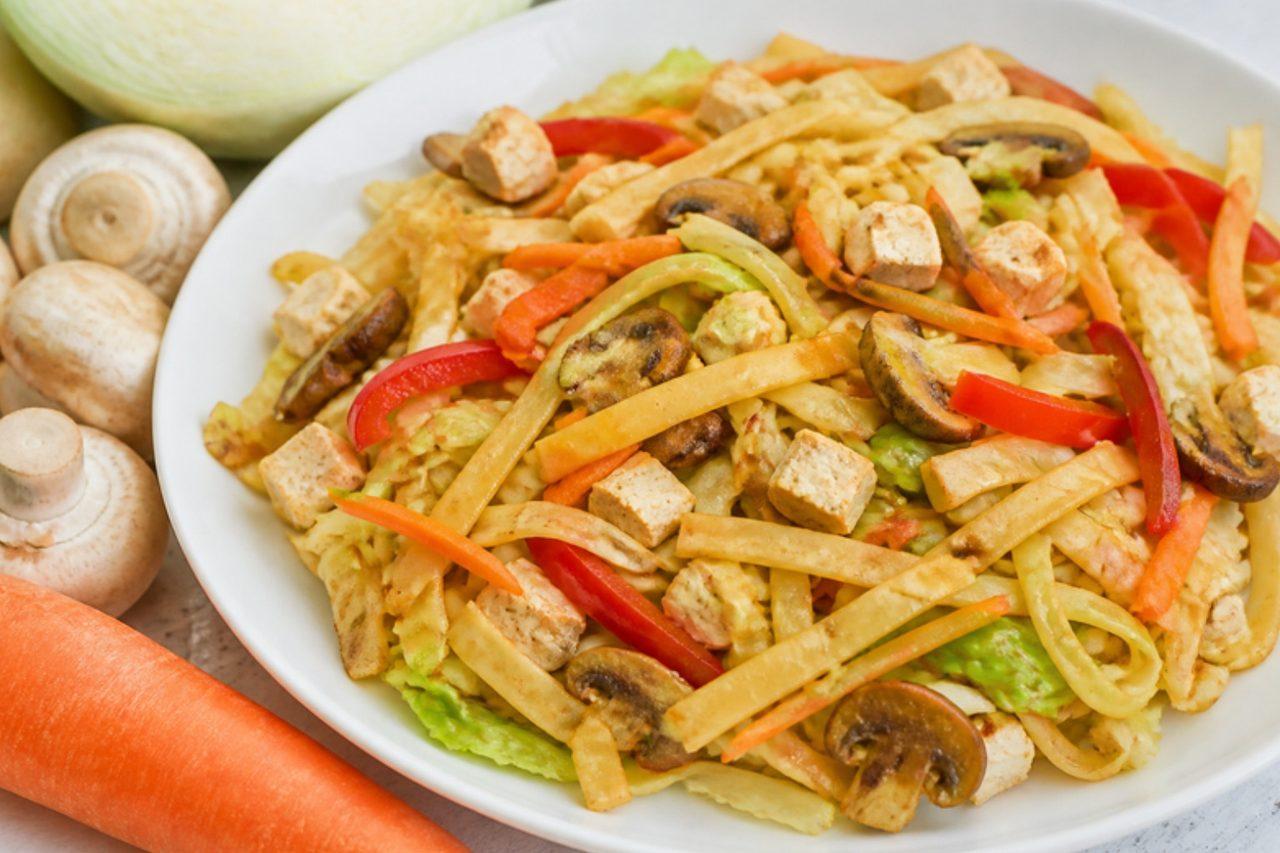
Vegetable tsuivanSteamed noodles with vegetables

Tsuivan is one of the most-cooked dinners in Mongolia, from Ulaanbaatar apartments to gers on the steppe: homemade noodles laid over a stir-fry and steamed under a lid until they soak up all the juices, then tossed together. It's normally made with mutton; meaty mushrooms and firm tofu stand in here, with carrot, cabbage and onion. Simple and filling, it's often eaten with a pot of salty milk tea. Chef's tip: lay the noodles on top and don't stir until the end; they cook in the steam, not in the liquid.

by KrazyBadal 0 views

UzvarDried fruit drink

Uzvar is the dark, smoky-sweet drink brewed from dried apples, pears and plums that closes the Holy Supper on Ukrainian Christmas Eve, Sviat Vechir, where it is one of the twelve meatless dishes alongside kutia. In villages across Podillia and the Carpathians the fruit is dried in the oven or over smoke in autumn, which gives uzvar its distinctive campfire note; market stalls sell ready-mixed bags in December. It is drunk warm in winter and chilled in summer, and is naturally vegan when sweetened with sugar instead of honey. Chef's tip: simmer gently, then let it steep for several hours; common mistake is boiling it hard, which turns the fruit to mush and the drink cloudy.

by KrazyBadal 0 views

Uzbek chuchvaraTiny dumplings in dill broth

In Tashkent, chuchvara is the little cousin of manti: dumplings no bigger than a thumbnail, folded around a peppery lamb-and-beef filling and dropped into clear meat broth. Families make them in big batches on a slow weekend, freeze trays of them, and eat bowls through the winter with a spoonful of suzma (strained yogurt) or sour cream and lots of dill. The dough is thin and firm, the filling juicy with grated onion, and the broth light enough to drink. Many home cooks roll the dough too thick, which turns the dumplings stodgy; aim for a sheet you can just see the board through. Chef's tip: freeze the shaped dumplings on a floured tray before bagging them, so they stay separate and cook straight from frozen.

105 minUzbekSoups
by KrazyBadal 0 views

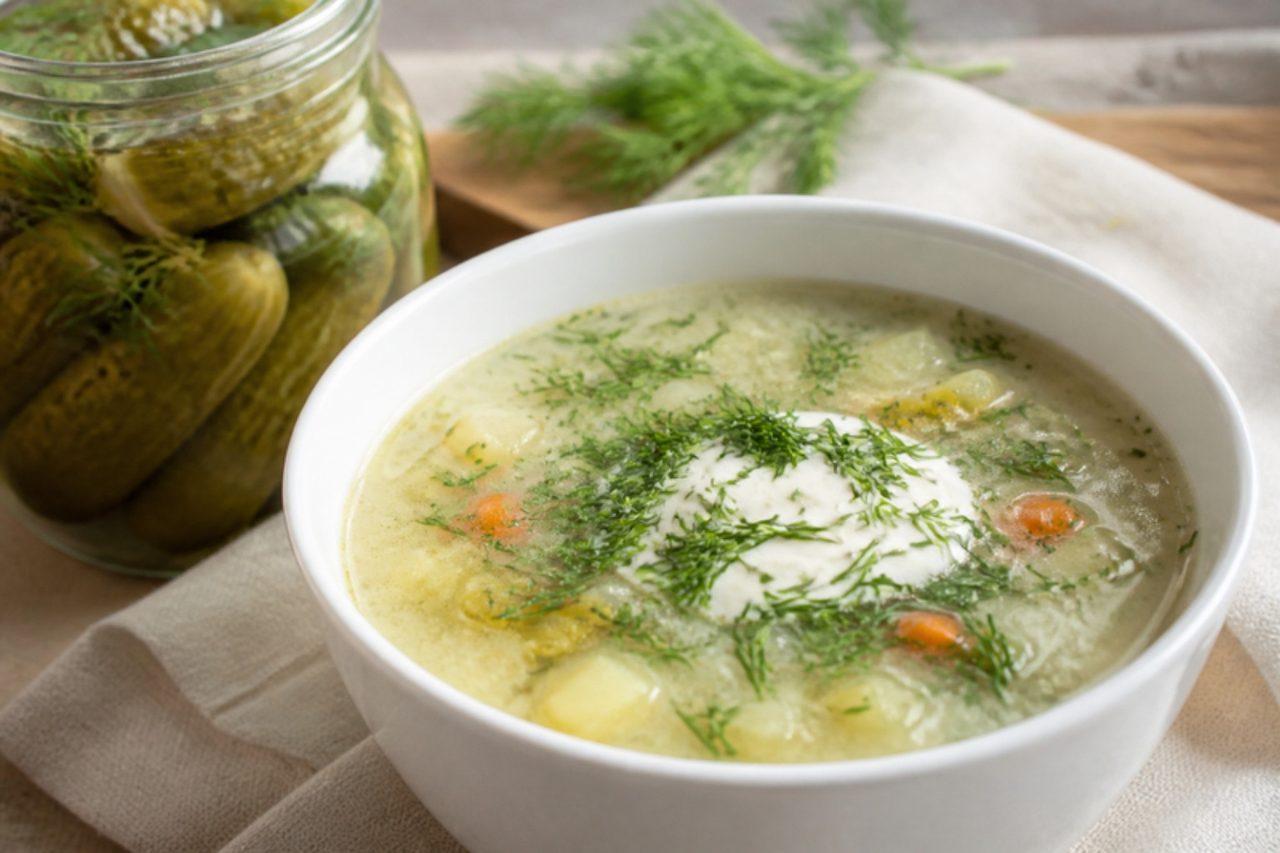
Zupa ogórkowaSour pickled cucumber soup

Zupa ogórkowa is the soup Polish families make when the crock of brine-fermented cucumbers from summer starts to run low in late autumn: grated sour pickles and their cloudy brine simmered with potatoes, carrot and root vegetables, then softened with soured cream and a fistful of dill. It is a staple of canteen lunches and Sunday-in-the-country cooking, from Mazovia to Silesia, and it tastes tangy, garlicky and comforting all at once. Traditionally it is made on meat stock; here a good vegetable stock does the job. Use real ogórki kiszone (fermented in salt water), not sweet vinegar gherkins. Chef's tip: stir the cucumbers in only after the potatoes are soft; acid stops potatoes from softening, so if they go in together the potatoes stay hard.

by KrazyBadal 0 views

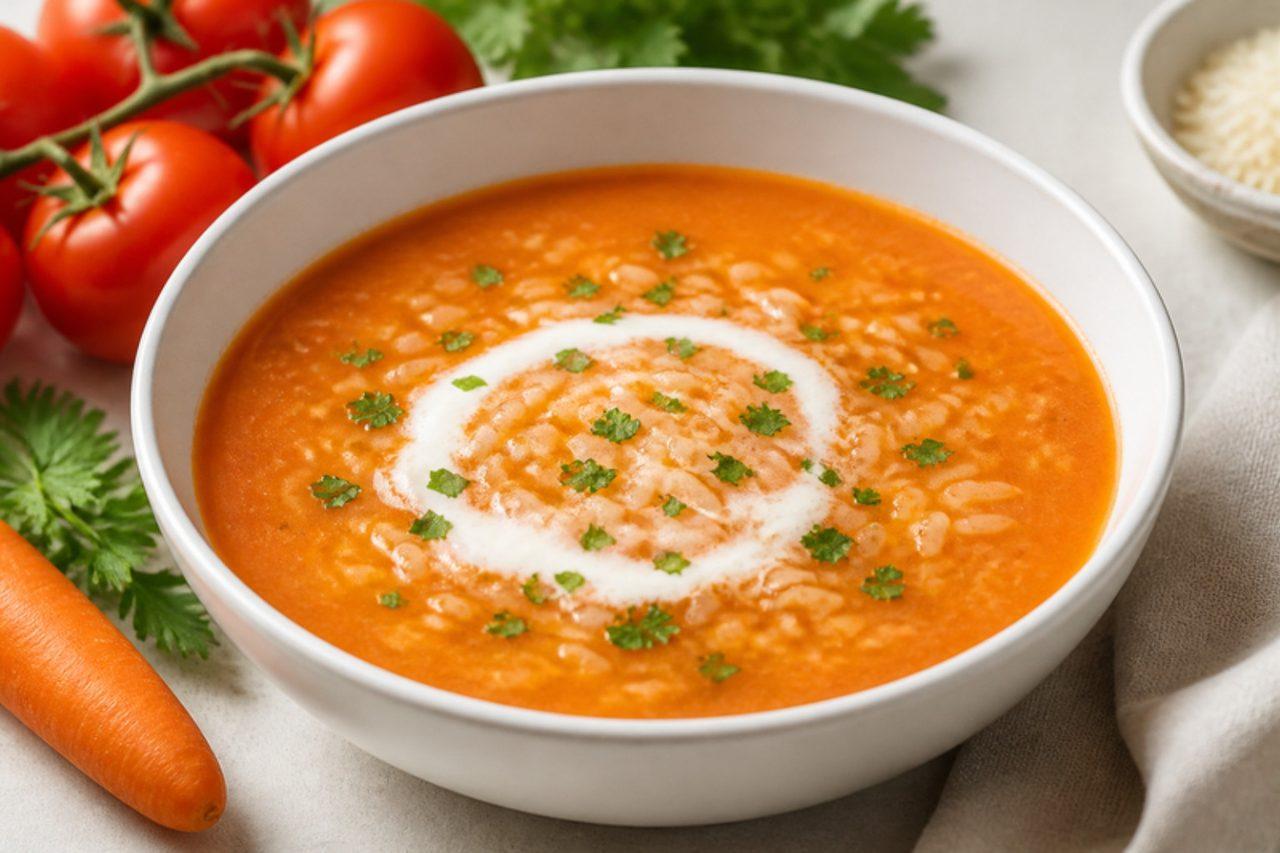
Zupa pomidorowaCreamy tomato soup with rice

In Poland, zupa pomidorowa is famously Monday's soup: on Sunday the family drinks rosół, and the next day the leftover broth becomes tomato soup with rice or thin noodles and a swirl of soured cream. Children across the country rank it as their favourite school-canteen dish. It is creamy, mild and a little sweet, nothing like a spicy Mediterranean tomato soup. This version starts from vegetable stock (the traditional base is chicken broth) and builds the flavour with carrot, celery root and tomato paste fried in butter. Serve it with rice cooked in the pot or with makaron (fine noodles). Chef's tip: fry the tomato paste in butter until it darkens one shade; raw paste tastes tinny and that one minute makes the soup taste like it simmered for hours.

by KrazyBadal 0 views

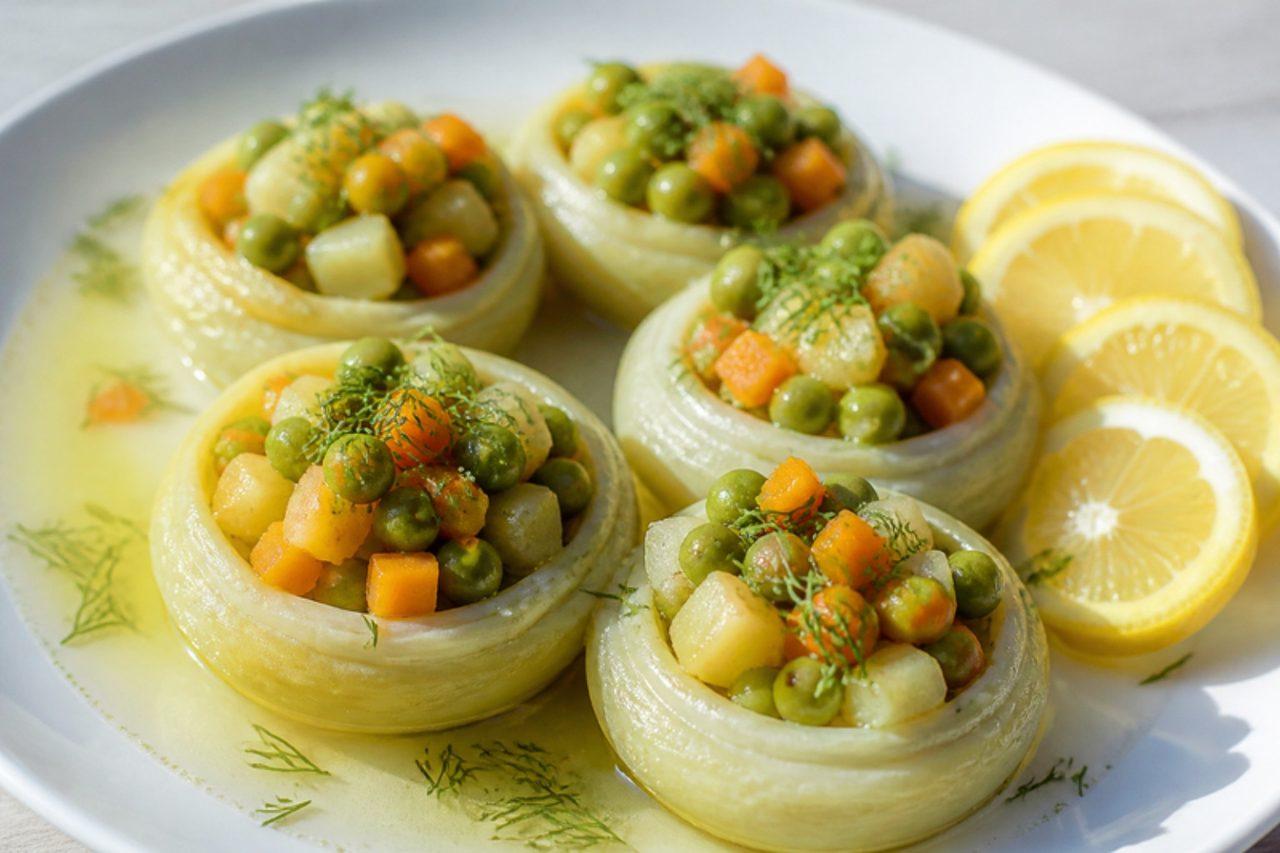
Zeytinyağlı enginarArtichokes braised with peas

In spring, when globe artichokes pile up on stalls in İzmir and Urla, market sellers trim them on the spot into pale hearts kept in lemon water, and families take them home to make zeytinyağlı enginar. The hearts are braised cup-side up with small onions, carrots, potato and peas in olive oil and lemon, then served cold with a shower of dill, often as the first course of a spring dinner. The classic mistake is leaving trimmed artichokes in the air: they turn grey within minutes. Chef's tip: rub every cut surface with lemon as you go and drop the hearts straight into water with lemon juice and a spoonful of flour, which keeps them pale and cream-coloured.

by KrazyBadal 0 views

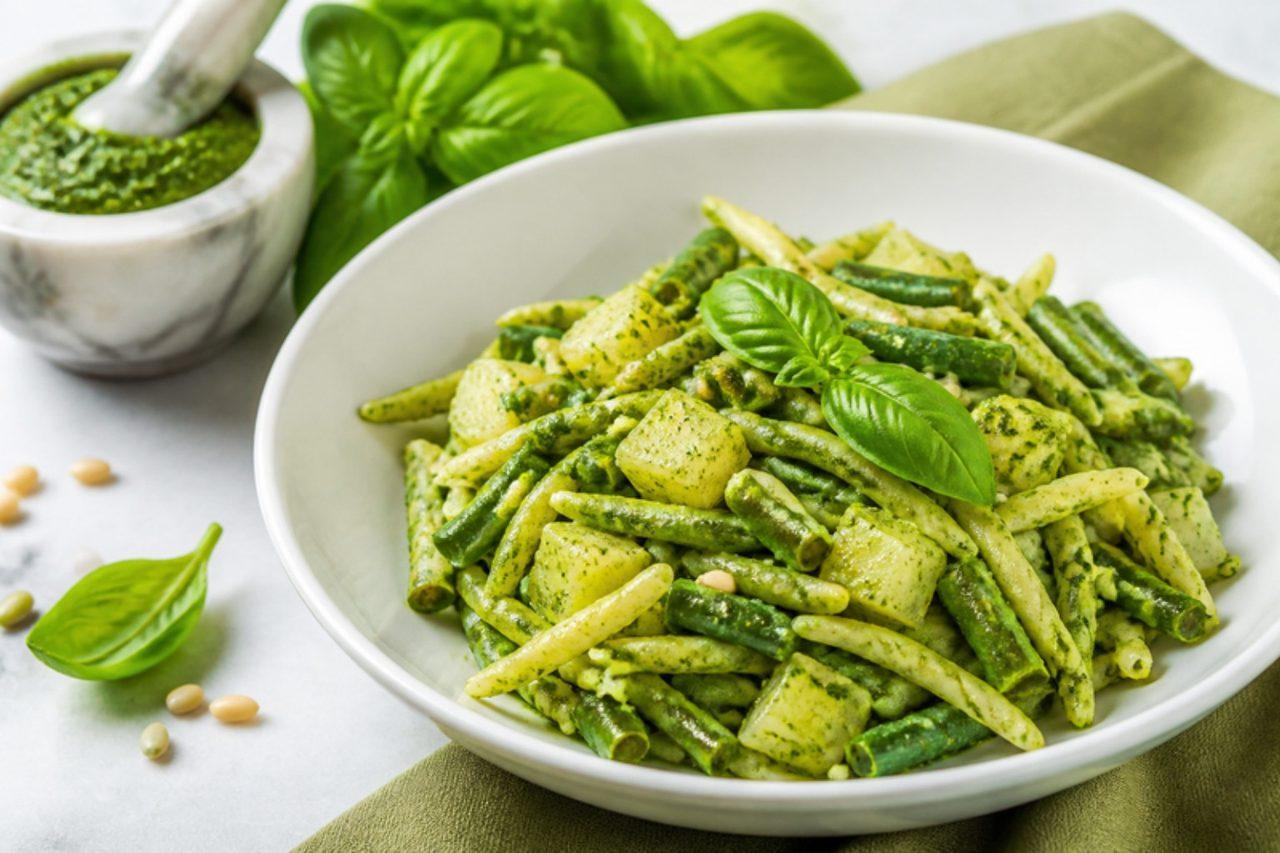
Trofie al pesto genoveseTwisted pasta with basil pesto

In Genoa and along the Ligurian coast, pesto is pounded from small-leaved basil, pine nuts, garlic, hard cheese and local olive oil, and served on trofie, short twisted pasta, cooked in the same pot as diced potato and green beans. The starch from the potato helps the pesto cling, and the beans add sweetness. It is the dish of a summer lunch in the Cinque Terre. Chef's tip: never heat the pesto; loosen it with a spoon of pasta water in a bowl and toss the pasta off the heat so the basil stays bright green.

by KrazyBadal 0 views

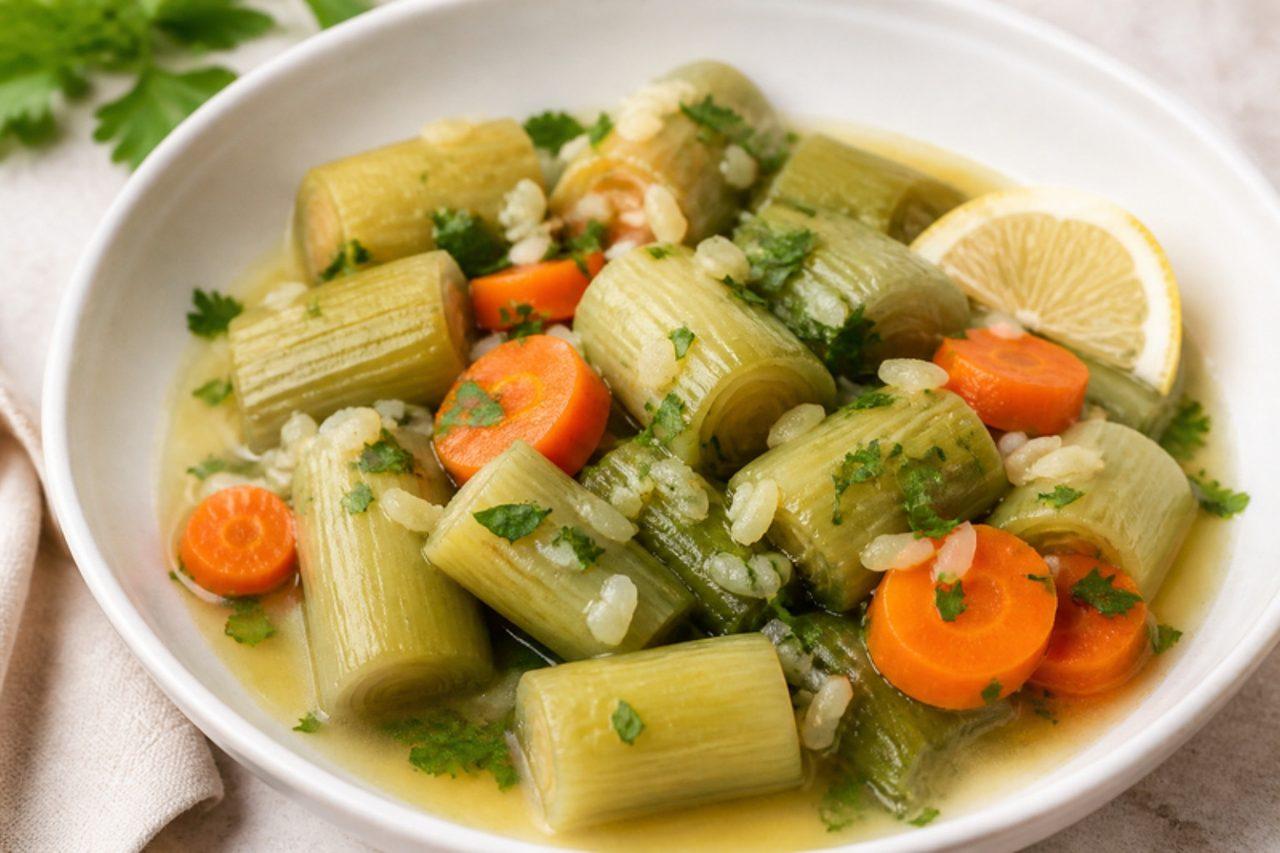
Zeytinyağlı pırasaLeeks braised in olive oil

Winter in Istanbul brings fat leeks to every neighbourhood market, and zeytinyağlı pırasa is how many households use them: chunks of leek and carrot stewed gently in olive oil with a handful of rice to thicken the juices, finished with lemon. It is served at room temperature on the side of a winter table, or as a light lunch with bread and white cheese, and grandmothers often say it is better the second day. The usual mistake is skipping a proper wash: grit hides between the layers and ruins the whole pot. Chef's tip: cut the leeks on a slant into thick pieces and keep them whole rather than separating the rings, so they hold their shape through the slow braise.

by KrazyBadal 0 views

Zeytinyağlı taze fasulyeGreen beans braised in olive oil

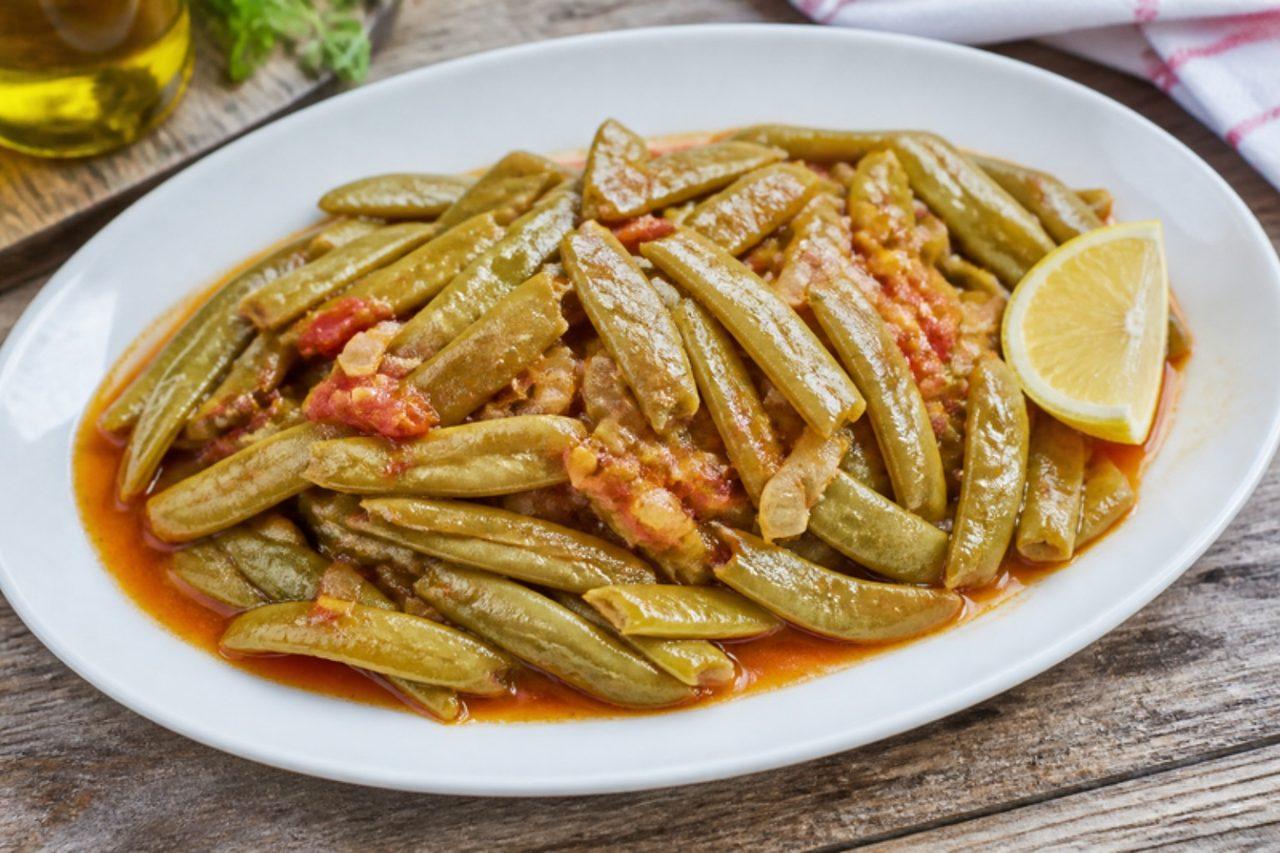
Along the Aegean coast, from İzmir down to Bodrum, summer lunch often begins with a plate of flat green beans that have been stewed in olive oil and tomato until they are silky, then left to cool to room temperature. It belongs to the zeytinyağlı family: vegetables cooked in olive oil, with no meat, and eaten cold or barely warm with bread to mop up the orange-red juices. Home cooks make a big pan in the morning and serve it over two or three days, because it tastes better after a night in the fridge. The most common mistake is rushing it on a high flame: the beans stay squeaky and the oil never turns glossy. Chef's tip: lay the beans on top of the onions and tomatoes without stirring, cover tightly and let the steam do the work; stirring breaks the beans and turns the sauce muddy.

by KrazyBadal 0 views

Kari koko zouritOctopus coconut curry

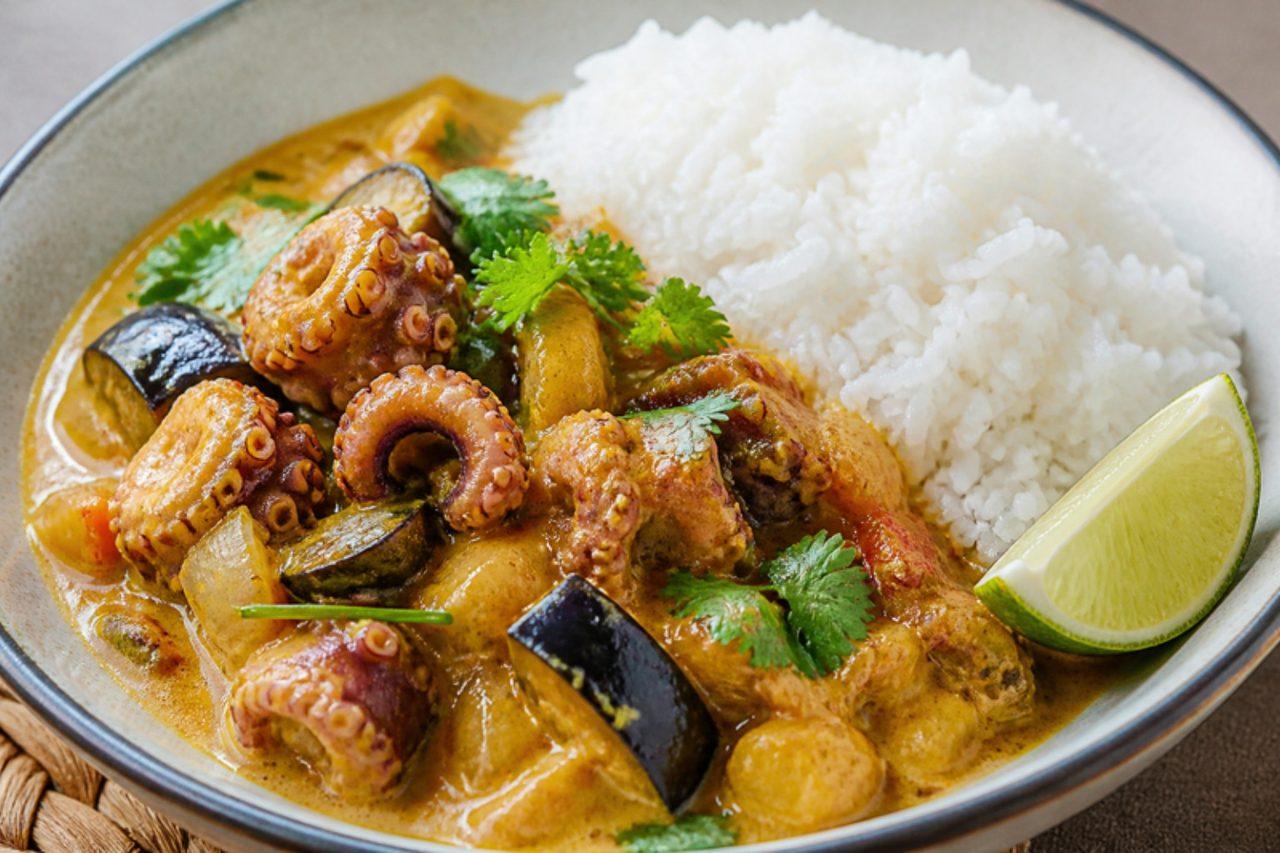
Kari koko zourit, octopus in coconut curry, is the dish most Seychellois would name as their national favourite, cooked on Mahé and Praslin when the fishermen bring octopus in from the reef. The octopus is simmered until tender, then cooked in a sauce of coconut milk, curry powder, garlic, ginger, cinnamon and a little aubergine. It is served with rice and a green papaya chutney. The mistake is cooking the octopus too briefly or at a fast boil, which makes it rubbery; it needs a long, gentle simmer. Chef's tip: frozen and thawed octopus is often more tender than fresh, because freezing breaks down the fibres.

by KrazyBadal 0 views

NokedliSoft egg dumplings

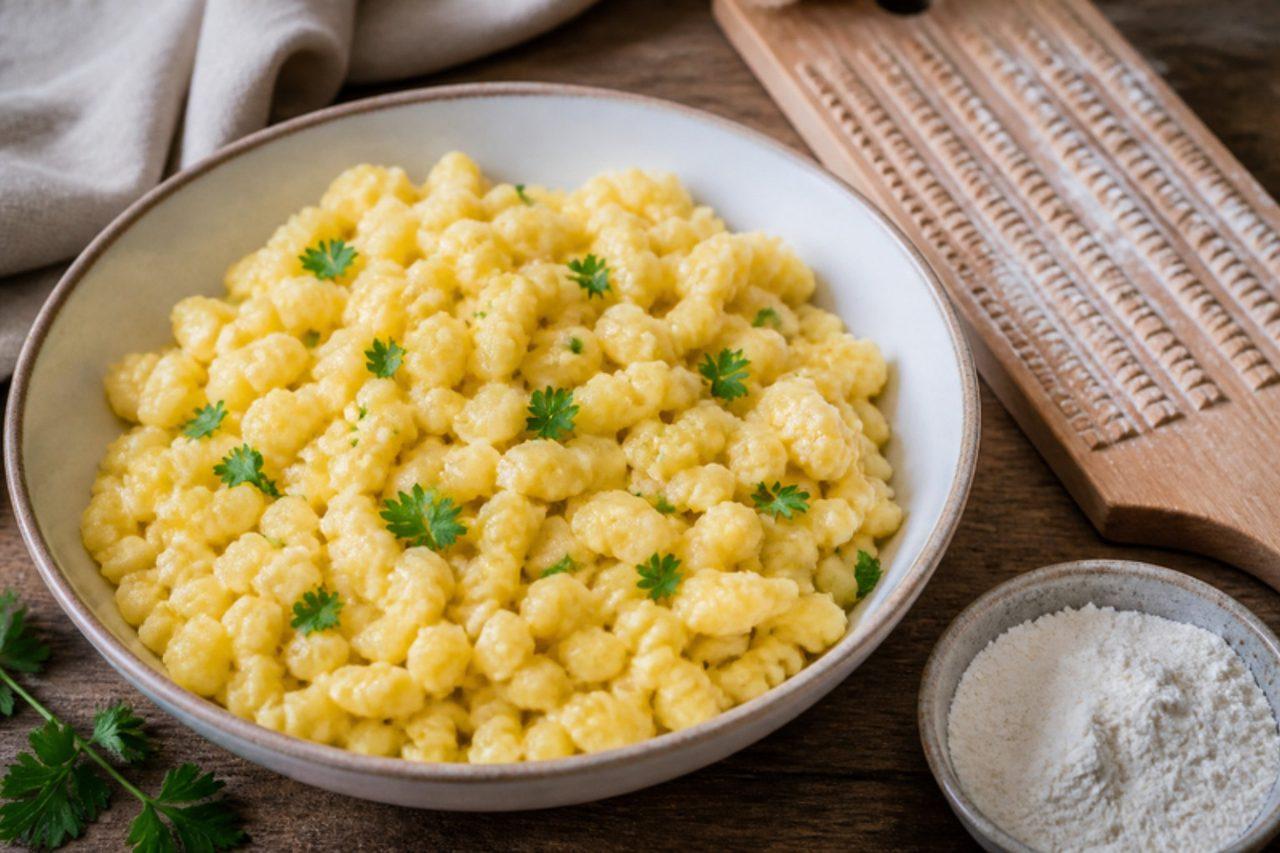
Nokedli, also called galuska, are the small, soft, irregular egg dumplings that sit under almost every paprikás in Hungary, from Budapest lunch canteens to Sunday tables in the villages of the Great Plain. Unlike German Käsespätzle, they are not baked with cheese: they are a plain, buttery side whose job is to soak up a red, sour-cream sauce. Grandmothers scrape the batter off a wet board with a knife, but a nokedli grater (nokedliszaggató) or a colander with large holes is quicker at home. Serve them with gombapaprikás or lecsó, or toss them with fried egg for a quick supper. Chef's tip: let the batter rest for 10 minutes before cooking; the flour hydrates and the dumplings hold together instead of dissolving into the water.

by KrazyBadal 0 views

Nom banh chok with green curry brothRice noodles in green curry broth

Before seven in the morning, women carrying baskets on shoulder poles sell nom banh chok across Cambodia; around Siem Reap there is even a lane of stalls near the temples known for it. Soft, slippery rice noodles are piled into a bowl, ladled with a pale green broth of kroeung and coconut milk, then buried under shredded banana blossom, cucumber, beansprouts, long beans and handfuls of herbs. The market version thickens the broth with pounded fish; here pumpkin and creamy white beans give it the same body. Chef's tip: be generous with the raw vegetables and herbs; the dish is meant to be more garden than noodle, and the cool crunch is what balances the warm broth.

by KrazyBadal 0 views

Nom krokCoconut rice cakes

Nom krok are a street snack you hear before you see: the hiss of batter hitting a charcoal-heated cast-iron pan full of small round hollows, outside markets and schools across Phnom Penh in the late afternoon. Each little cake has a lacy, crunchy rice-flour shell and a molten top of salted coconut cream with spring onion, and two halves are pressed together to eat hot from a banana leaf. A Danish aebleskiver or Japanese takoyaki pan works perfectly at home. Chef's tip: let the pan get properly hot before the first batter goes in, about 4 minutes on a medium-high heat; a cool pan makes pale, sticky cakes that won't come out cleanly.

by KrazyBadal 0 views

Jeyuk bokkeumSpicy stir-fried pork

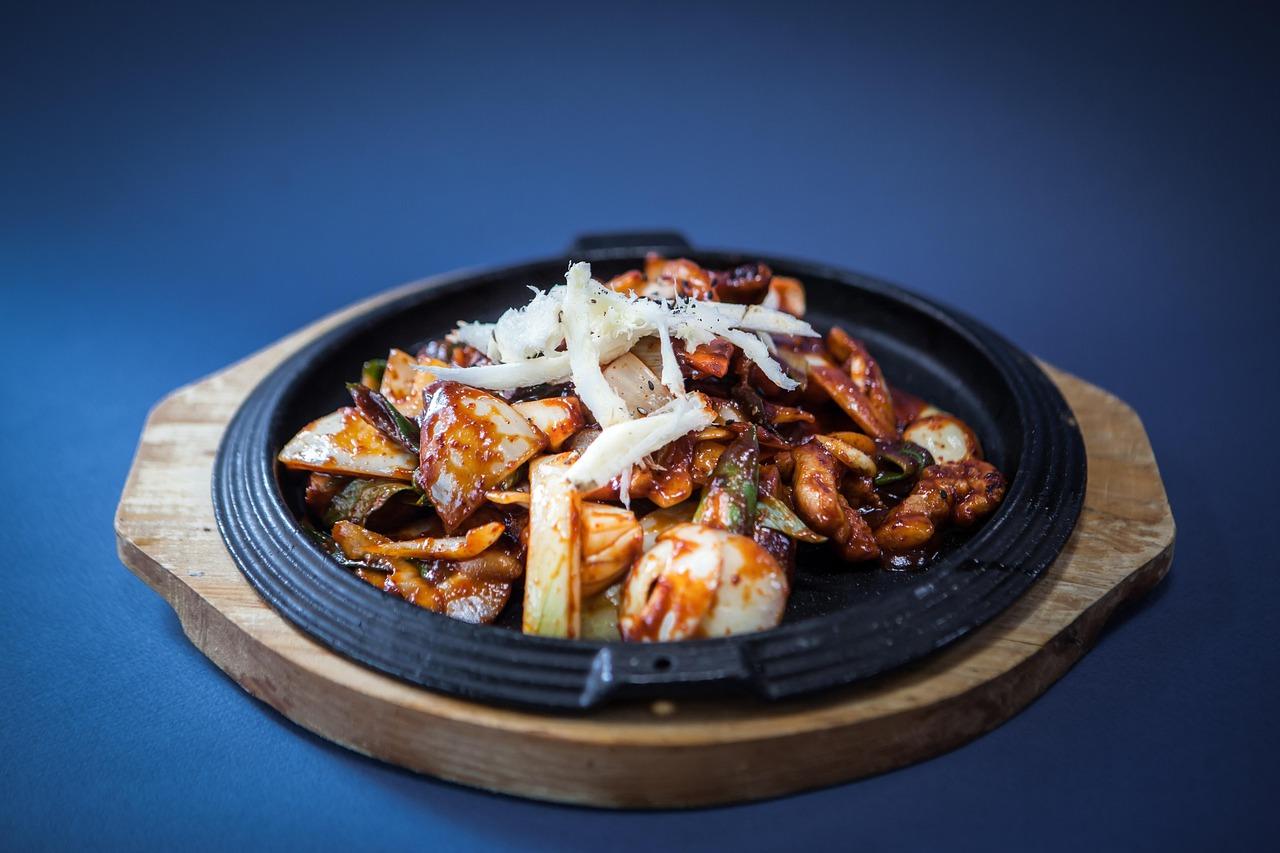
Jeyuk bokkeum is the backbone of the Korean lunch: almost every baekban (set-meal) restaurant near offices and building sites serves it with rice, soup and little side dishes, and it is just as common at home on weeknights. Thin slices of pork are fried hard in a sauce of gochujang, chilli flakes, garlic and ginger until the edges catch and caramelise. Eat it over rice, or wrap a piece in a lettuce leaf with a slice of raw garlic. Chef's tip: fry the pork on its own first until the fat runs, then add the sauce; you get smoky, sticky edges instead of boiled meat.

25 minKoreanMeatSpicy
by KrazyBadal 0 views

Kuru fasulyeWhite bean stew

Kuru fasulye is close to a national dish in Turkey: a pot of white beans stewed in a red, paprika-scented sauce, eaten with rice pilaf, pickles (turşu) and raw onion at home and in the bean restaurants of Istanbul's Süleymaniye district. Many versions start with lamb or sucuk; this one leans on good olive oil, sweet and hot pepper paste and slow cooking, so the beans become creamy inside and the sauce silky and rich. It is a winter Friday-night staple for lots of families and tastes even better reheated the next day. Serve with domatesli bulgur pilavı or plain rice, a wedge of onion and crusty bread. Chef's tip: add the salt only once the beans are almost tender; salting at the start keeps the skins tough however long you cook them.

by KrazyBadal 0 views

Houskové knedlíkyBread dumpling loaf

Houskové knedlíky are the sliced bread dumplings that sit beside almost every sauce in a Prague pub, from mushroom svíčková-style cream sauces to sweet-sour dill gravy. Unlike the round German Semmelknödel, these are a soft yeast dough rolled into a log with crisp cubes of stale roll inside, simmered whole, then cut into thick, spongy slices that drink up gravy. Czech grandmothers still slice them with a length of thread rather than a knife, which keeps the crumb open instead of squashing it. Chef's tip: cut the cooked loaf with a piece of cotton thread wrapped around it and pulled tight; a knife presses the slices into dense, gluey discs.

55 minCzechSides
by KrazyBadal 0 views

KürtőskalácsChimney cake

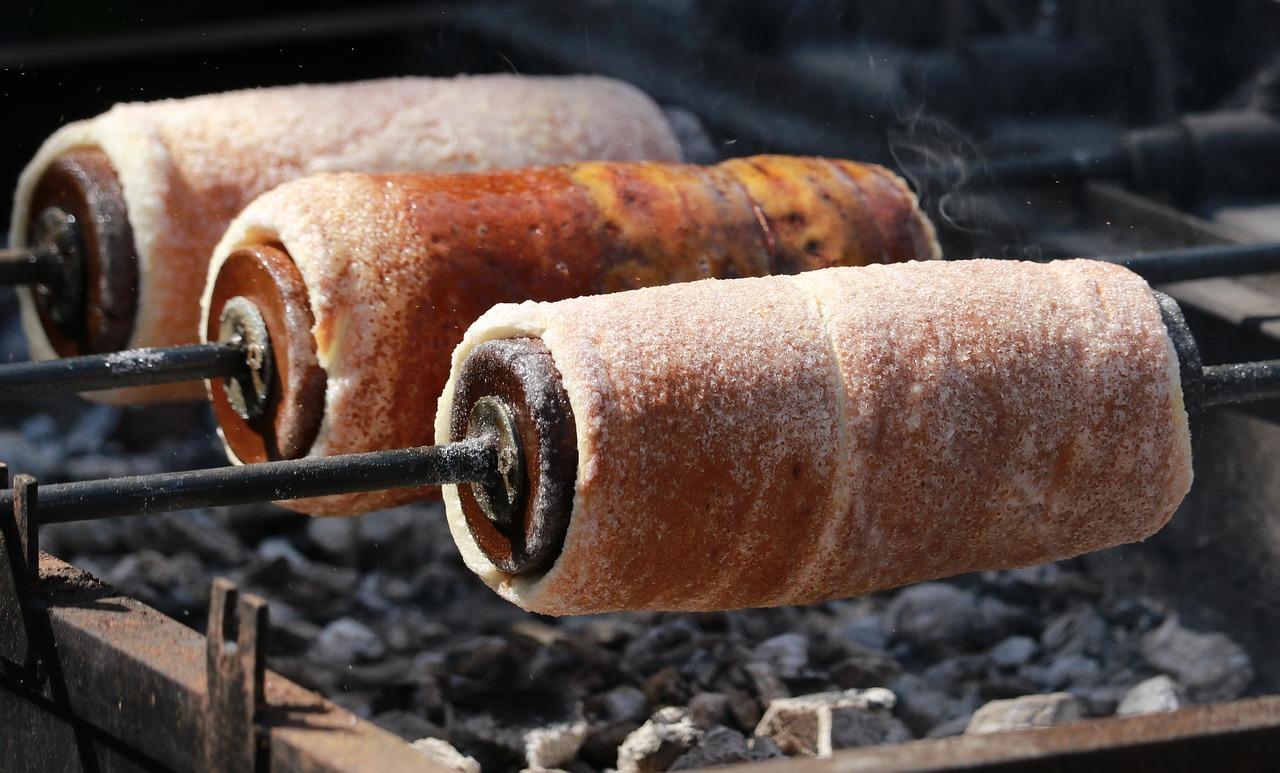
Kürtőskalács, or chimney cake, comes from the Székely Hungarian villages of Transylvania and is now sold at every Budapest Christmas market and summer festival, turning on spits over glowing coals. A strip of sweet yeast dough is wound around a wooden roller, rolled in sugar and baked until the sugar caramelises into a thin, crackling shell; you unwind the soft, steaming spiral as you eat it. At home you can bake it in the oven on foil-wrapped rolling pins or tins. Chef's tip: press the dough spiral firmly into the sugar before baking; loose sugar falls off, but pressed sugar melts into the glassy crust. A common mistake is leaving gaps between the strips, which makes the cake tear apart when you slide it off.

by KrazyBadal 0 views

StoofvleesBeef stewed in brown beer

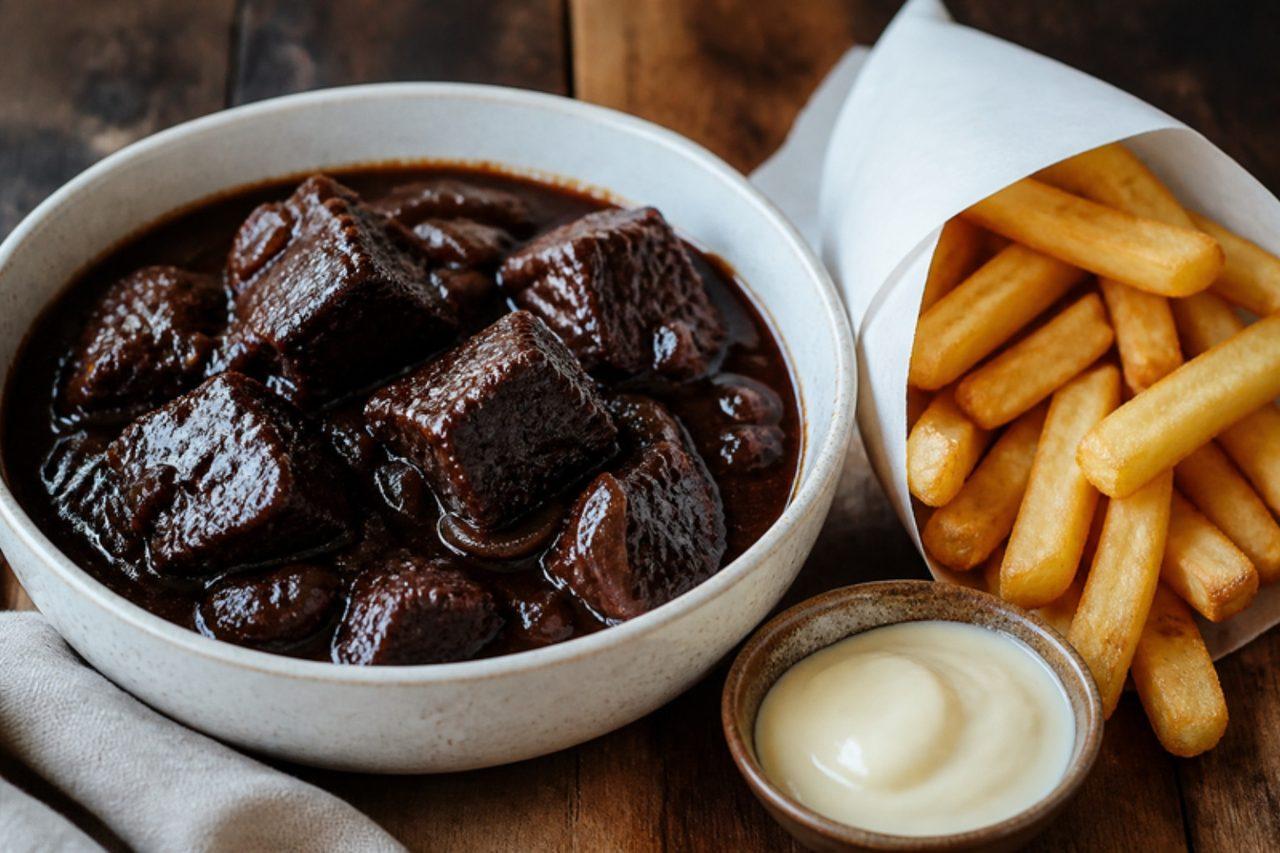
In Flanders, from Antwerp's frituren to Sunday kitchens in Bruges, stoofvlees is the stew that comes with a cone of double-fried chips and a spoonful of mayonnaise. Chunks of beef chuck are browned hard, then cooked slowly with lots of onion and a dark Belgian brown or abbey-style beer, thickened at the end by a slice of bread spread with mustard that melts into the sauce. The finished gravy is glossy, sweet-sour and deep, with a little brown sugar and vinegar to balance the bitterness. This recipe contains alcohol, though long cooking drives most of it off; for an alcohol-free version use the same amount of alcohol-free dark beer, or beef stock with a tablespoon of extra vinegar and a teaspoon of extra sugar. Browning the meat in one crowded batch is the classic mistake; it stews grey instead of searing. Chef's tip: cook it a day ahead and reheat gently; the flavour rounds out overnight.

205 minBelgianMeat
by KrazyBadal 0 views

Kurthi dalHorse gram dal

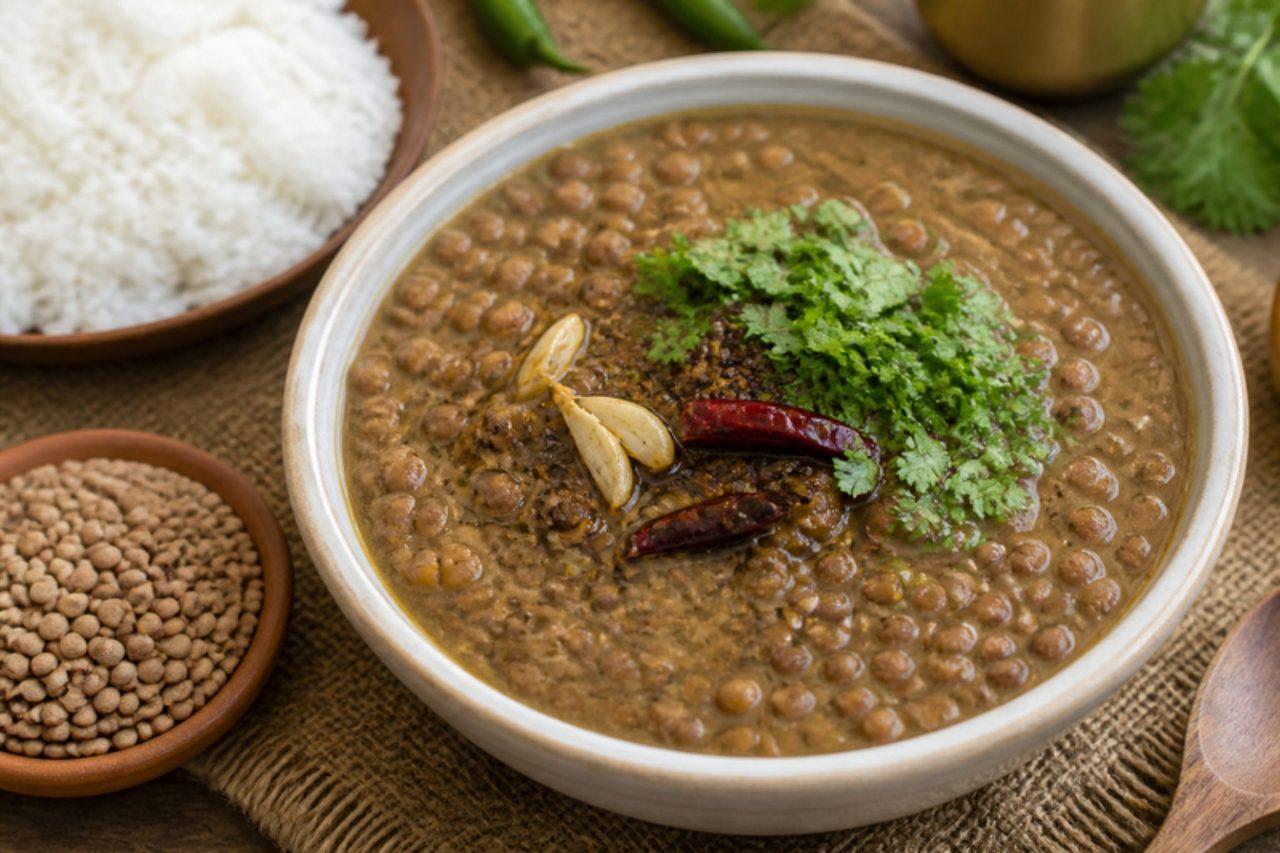
Kurthi, as horse gram is called in Jharkhand, grows on poor, dry upland soil where little else will, and it has fed the plateau's Adivasi and farming families for centuries. Cooked slowly into dal, it is dark, earthy and filling, with a slightly smoky taste, and it is eaten through the cold months with rice and a dry vegetable, as it is believed to warm the body. The tempering of garlic, dried chilli and smoking mustard oil is what makes it Jharkhandi. Chef's tip: mash a ladle of the cooked gram against the side of the pot; it thickens the dal without any flour.

by KrazyBadal 0 views

KurtDried salted yogurt balls

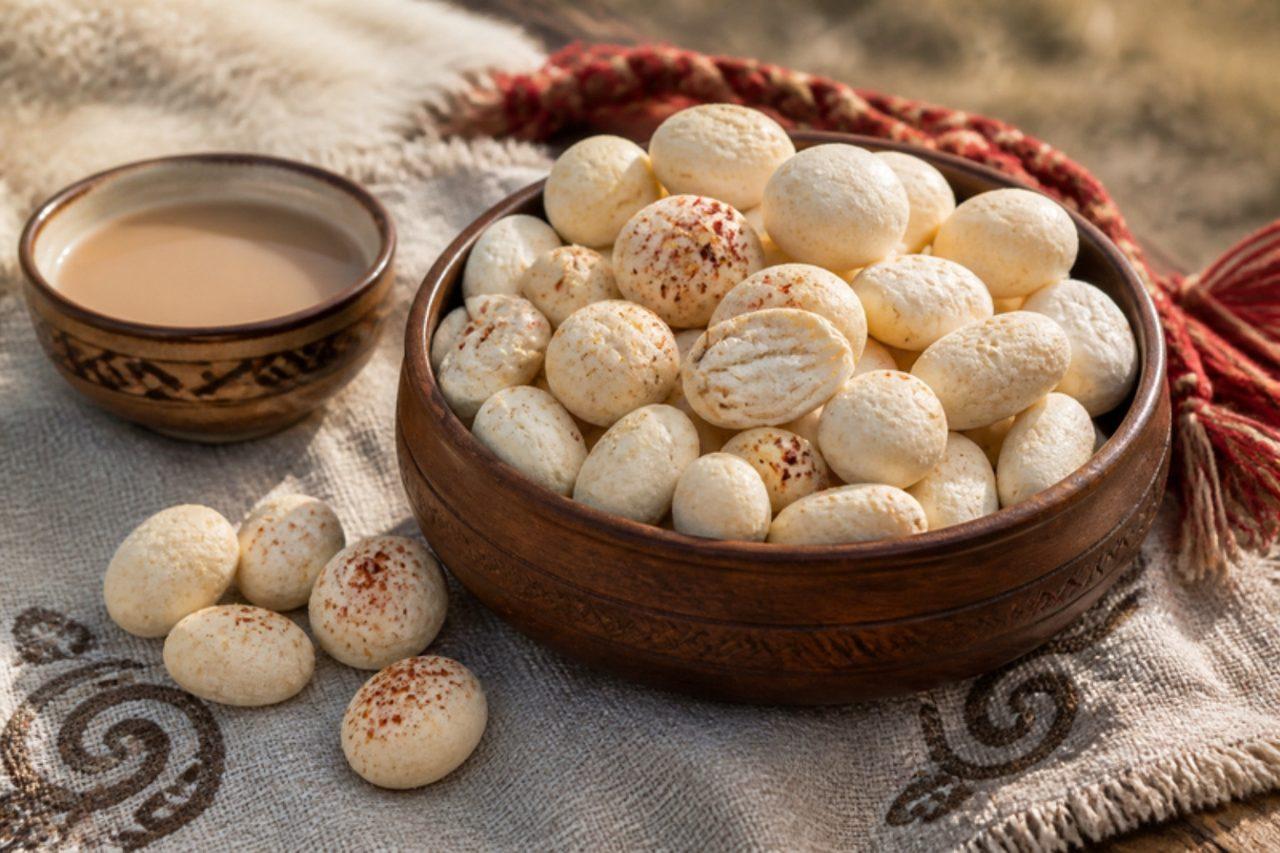
Kurt is the snack of the steppe: thick, salted yogurt pressed into balls and dried until rock-hard, so it keeps for months in a saddlebag. Herders in Kazakhstan and Kyrgyzstan make it in summer, when the animals give the most milk, and dry it on reed mats in the sun. Children suck on it like a sweet, adults crumble it into soups, or dissolve it in hot water to make a sour drink. Bazaars from Shymkent to Bishkek sell it in white, smoked and red-pepper versions. Chef's tip: drain the yogurt until it's as firm as cream cheese; if it's still wet the balls crack and turn mouldy before they dry.

by KrazyBadal 0 views

LebkuchenSpiced gingerbread cookies

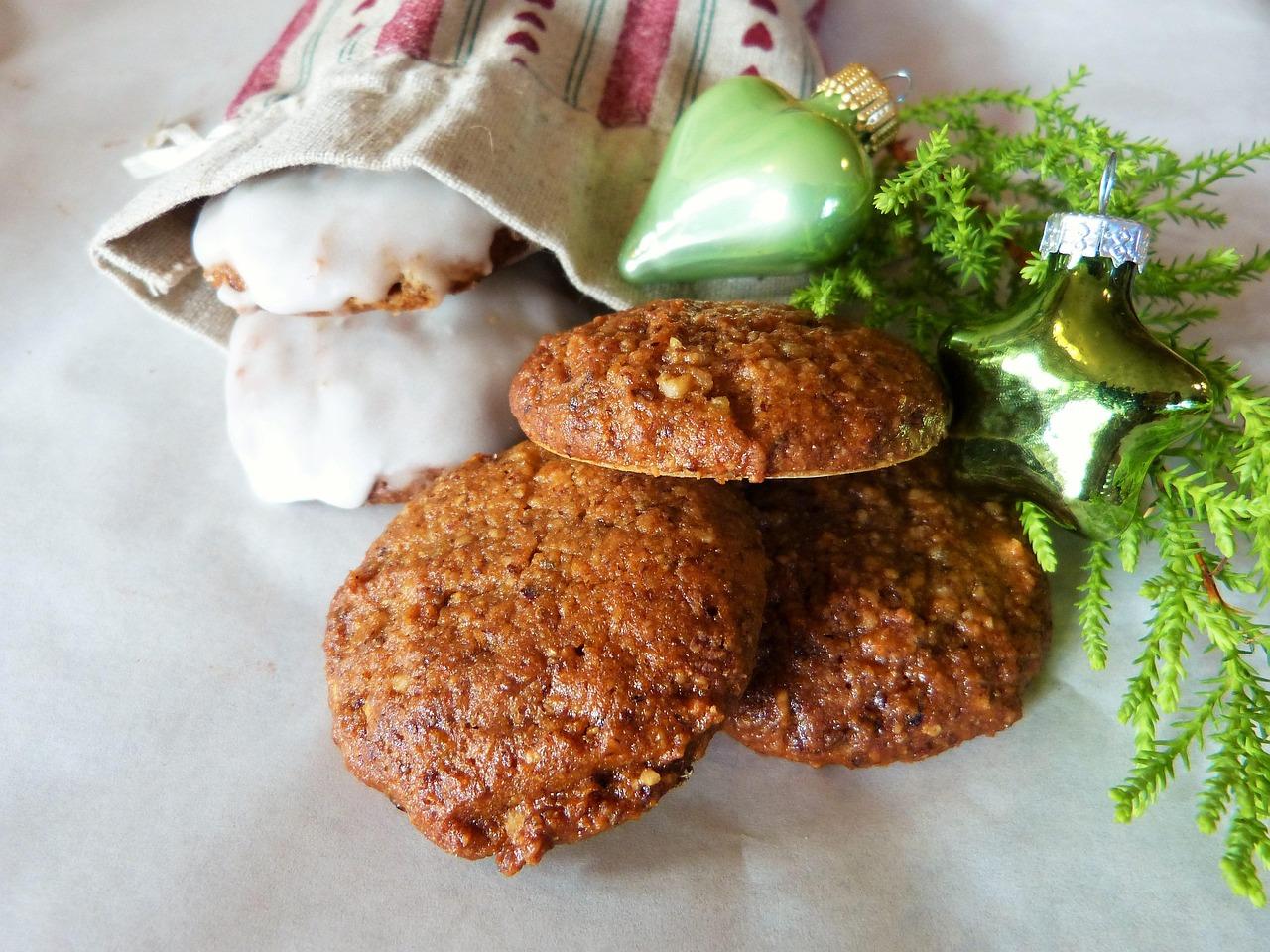
Nuremberg has been the German capital of Lebkuchen since the Middle Ages, when the city sat on the spice trade routes, and at its Christkindlesmarkt the stalls are piled with them every Advent. The finest kind, Elisenlebkuchen, contain almost no flour: they're made mostly of ground nuts, candied peel, eggs, sugar and a warm spice mix, baked on thin Oblaten wafers so they stay soft and chewy inside, then glazed with chocolate or sugar. They keep for weeks in a tin and get better as they rest. Chef's tip: bake them only until just set; a common mistake is baking until firm, which makes them dry and hard by the next day.

by KrazyBadal 0 views

Num ansom chekBanana sticky rice parcels

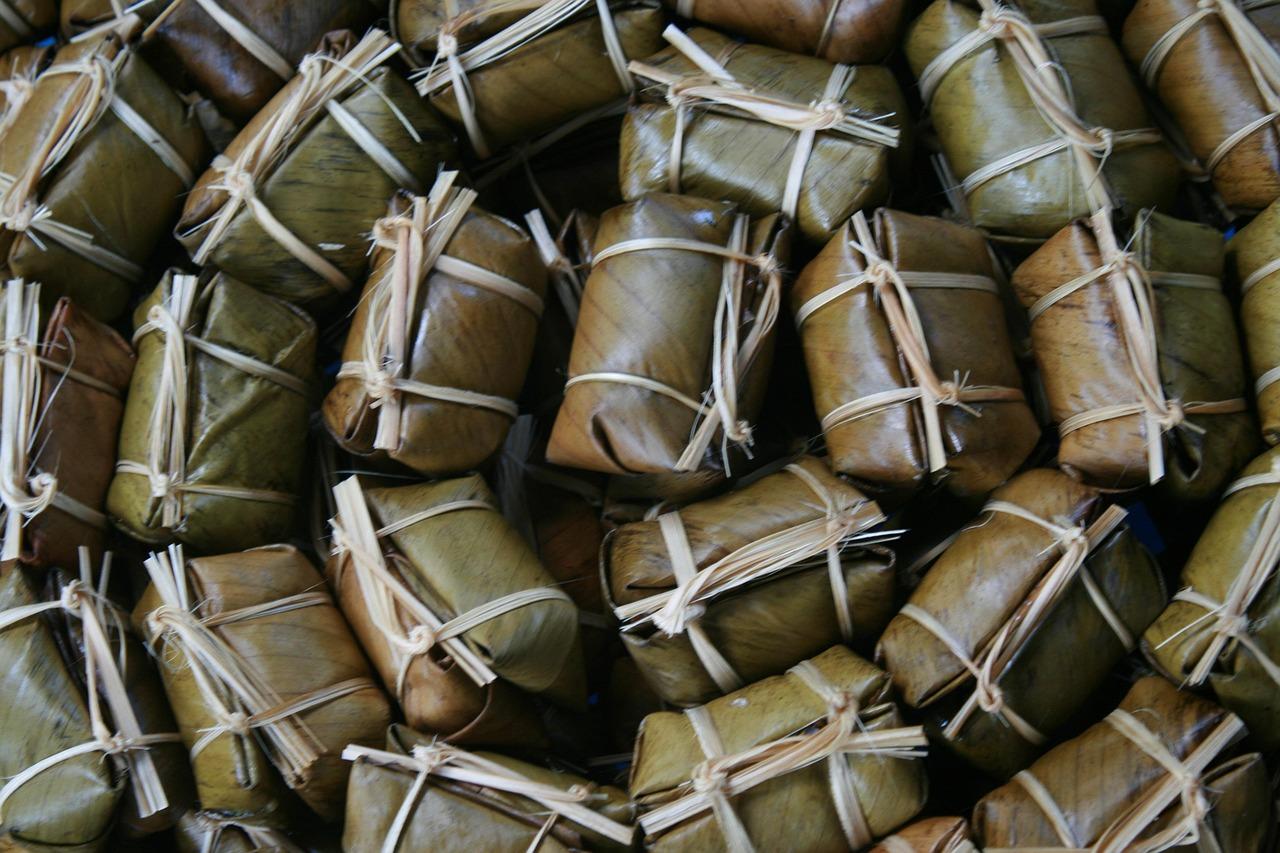
Num ansom chek are wrapped by the dozen in April for Khmer New Year and again in autumn for Pchum Ben, when families carry them to the pagoda as offerings. A ripe banana is hidden inside a jacket of glutinous rice that has been seasoned with coconut milk and dotted with black beans, then the whole thing is rolled tightly in banana leaf and boiled until the rice turns sticky and the banana goes jammy and blush-pink. Unwrapped, they're eaten at room temperature or sliced and grilled the next morning. Chef's tip: use bananas that are fully yellow with a few brown freckles; green ones stay chalky and the pink colour never comes.

by KrazyBadal 0 views

Oromo with pumpkinSteamed pumpkin roll

Oromo, or orama, is a big rolled dumpling: a thin sheet of dough spread with filling, rolled into a long coil and steamed in a multi-tiered mantovarka. It's a home dish across Kazakhstan, Kyrgyzstan and Uzbekistan, quicker than shaping dozens of manti. In autumn, when Kyrgyz gardens in the Chüy Valley are full of squash, it's filled with grated pumpkin and onion, which turn sweet and juicy. Serve in thick slices with sour cream or a garlicky tomato sauce. Chef's tip: grate the pumpkin coarsely and salt it only just before rolling; salted too early it weeps and makes the dough soggy.

by KrazyBadal 0 views

String hoppersSteamed rice flour noodle nests

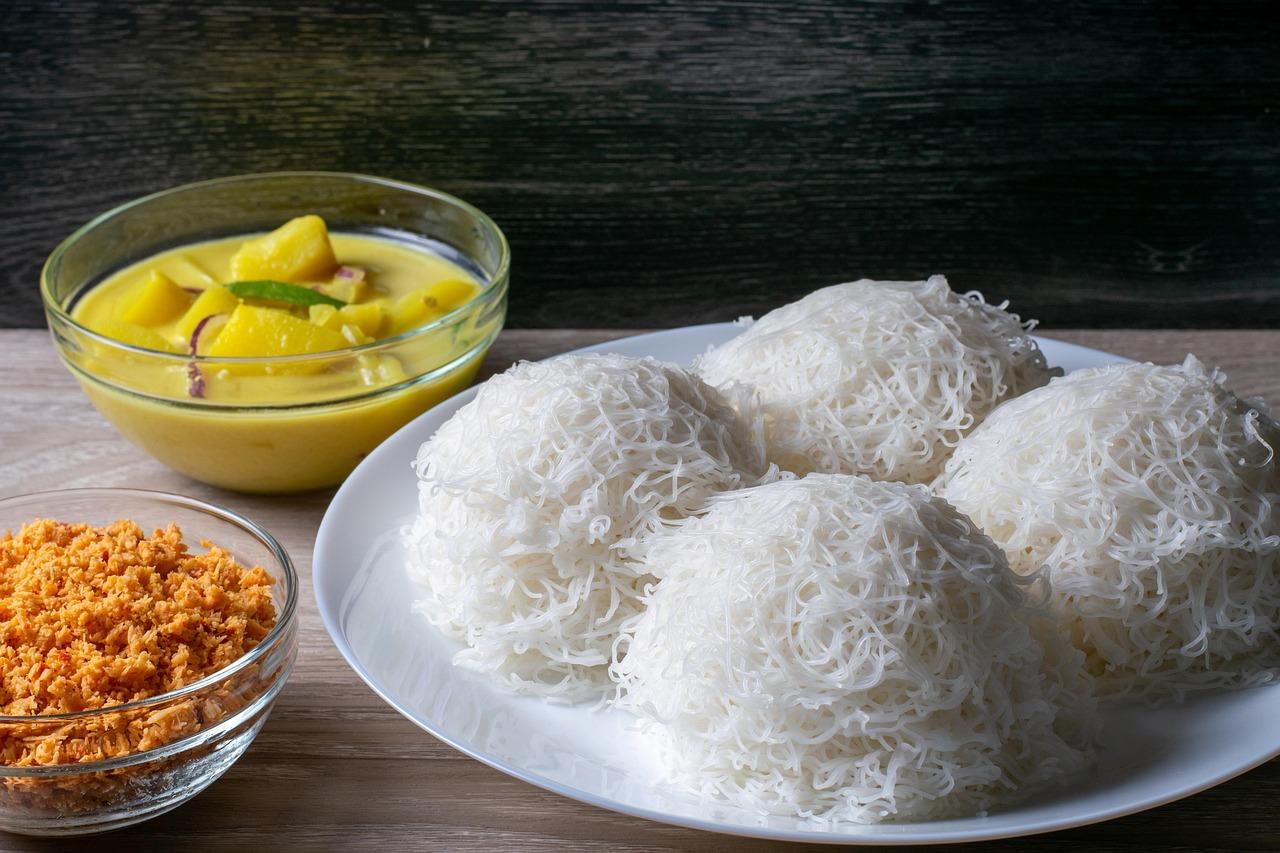
String hoppers are lacy nests of steamed rice-flour noodles, pressed through a hand mould onto small woven mats, and they're the classic Sri Lankan breakfast or dinner in Tamil homes in Jaffna and in Sinhala homes everywhere, bought by the dozen from neighbourhood shops when there's no time to make them. They're soft and light and made to soak up kiri hodi, a thin, turmeric-yellow coconut milk gravy with fenugreek and curry leaves, plus pol sambol and a potato or dhal curry. Kiri hodi is sometimes made with Maldive fish; we keep it vegetarian. Roasted red rice flour gives a nuttier, pinker nest. The common mistake is using cold or warm water for the dough: it must be boiling, or the strings crack and fall apart. Chef's tip: steam the nests for only 6–8 minutes; longer and they turn rubbery.

by KrazyBadal 0 views

Tofu adoboTofu braised in vinegar and soy

Adobo is the dish Filipinos call national, cooked in some form in nearly every home from Ilocos down to Mindanao, and the meat versions are what most people know. In Catholic households, though, Holy Week and the Fridays of Lent call for a meatless table, and adobong tokwa (tofu adobo) is the answer many families reach for. Firm tofu is fried until it has a golden skin, then simmered in a reduced sauce of cane vinegar, soy sauce, a whole head of garlic, bay leaves and whole peppercorns until the sauce clings, sour and salty with a little sweetness. It tastes even better the next day and is eaten with mounds of plain rice. Chef's tip: press the tofu well and fry it properly; a dry, golden crust is what soaks up the adobo sauce instead of turning it watery.

by KrazyBadal 0 views

Nyama chomaSlow-grilled goat or beef

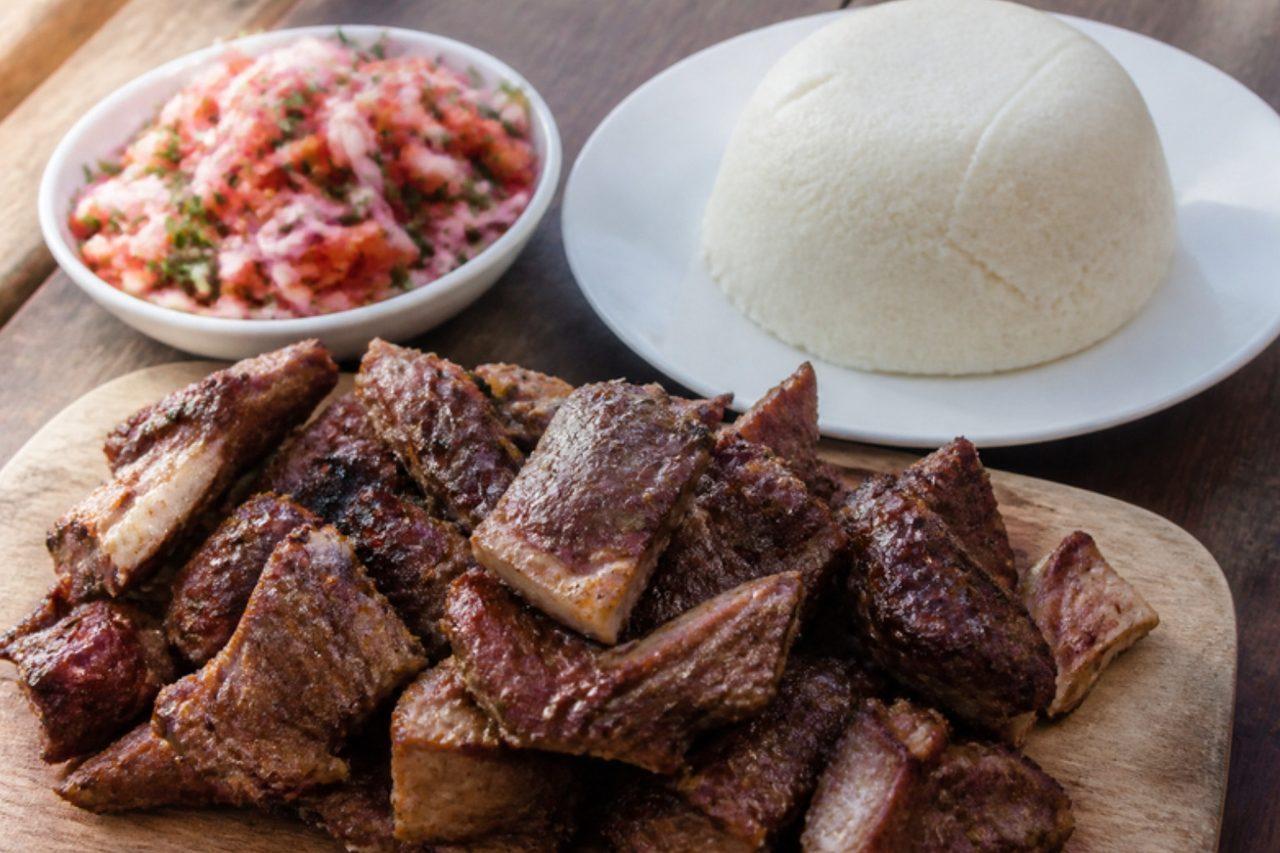
Nyama choma, "roasted meat" in Swahili, is the centre of every weekend gathering in Kenya: at roadside joints on the edge of Nairobi you choose your goat ribs or beef by the kilo, it is grilled slowly over charcoal, chopped on a wooden board and brought to the table with salt, kachumbari (tomato and onion salad) and ugali. The meat is meant to be firm and chewy, smoky and simply salted. The mistake is grilling over fierce flames; the outside chars before the inside is tender, so keep it over glowing coals and turn it often. Chef's tip: leg of goat or lamb on the bone is easiest at home; rub it with salt and a little lemon only.

by KrazyBadal 0 views

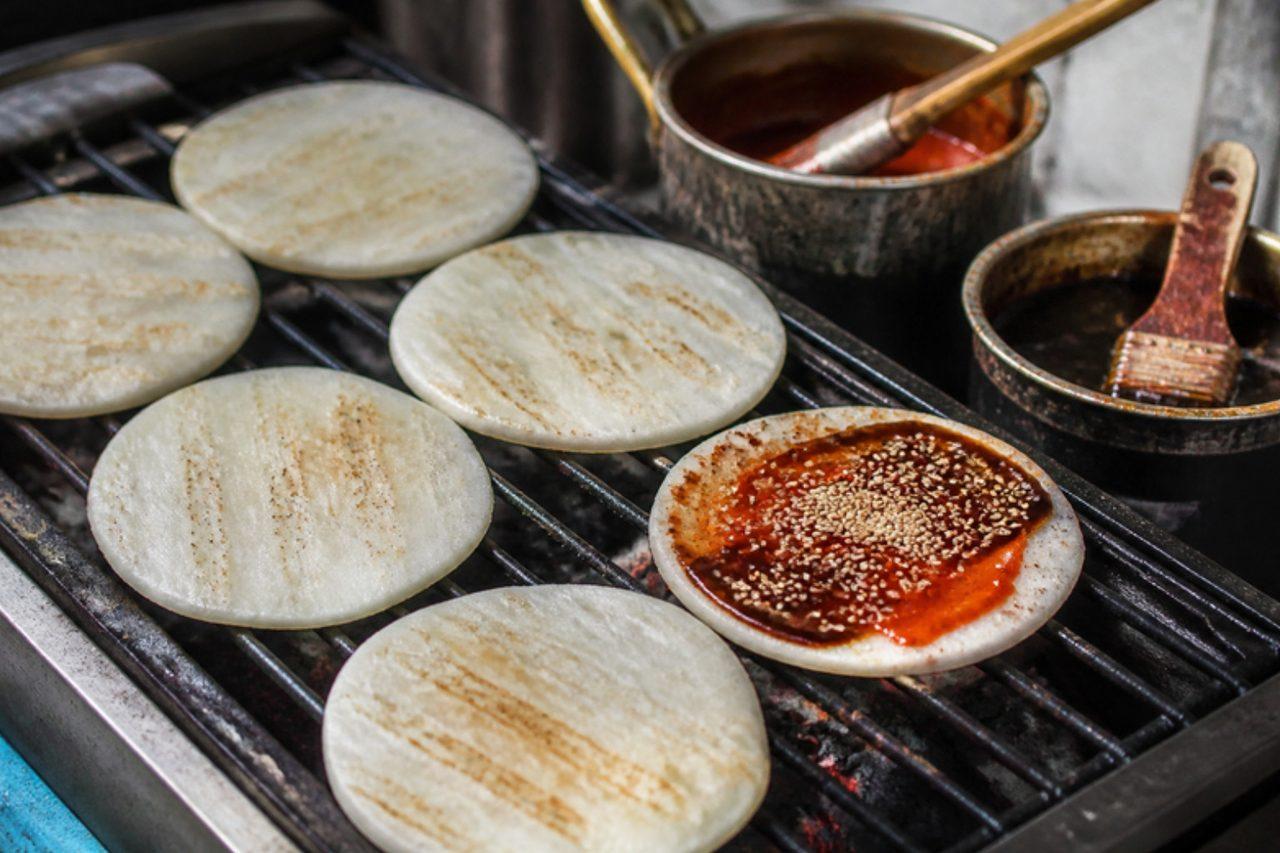
Kunming grilled erkuaiGrilled rice cakes

Erkuai is Yunnan's everyday rice cake, made by steaming and pounding rice into a dense, chewy dough. In Kunming and Tengchong, morning vendors grill thin rounds of it over charcoal until they blister, brush on sweet bean sauce, chilli and sesame, and fold it round fried dough or spicy potato shreds. Real erkuai is hard to find abroad, so the rounds here are made from rice flour and steamed, which comes close. Chef's tip: keep the rounds covered while you work, because the surface dries out and cracks quickly.

by KrazyBadal 0 views

StroopwafelsCaramel-filled wafers

Stroopwafels come from Gouda, the cheese town in South Holland, where bakers once made them from leftover crumbs and syrup. Today they are made fresh at Dutch markets, split while still hot and glued back together with warm caramel syrup. The Dutch way to eat one is to rest it on top of a cup of hot coffee or tea for a minute, so the steam softens the caramel. You need a thin waffle iron (a pizzelle or stroopwafel iron) to make them at home. Chef's tip: cut each waffle open the moment it comes off the iron; after 20 seconds it stiffens and shatters instead of splitting.

by KrazyBadal 0 views

Nyonya chap chyeBraised cabbage with glass noodles

In Peranakan homes in Melaka and Penang, chap chye (mixed vegetables) is cooked in a big pot for Chinese New Year and family prayer days. Cabbage, dried shiitake, wood ear, lily buds and beancurd skin are braised with garlic and tau cheo, the salty fermented soybean paste, until everything is soft and the glass noodles have soaked up the savoury gravy. Many families add pork belly or prawns, but the vegetarian pot is just as traditional for the first day of the new year. It tastes better the next day. Chef's tip: fry the tau cheo with the garlic until it smells nutty before anything else goes in.

by KrazyBadal 0 views

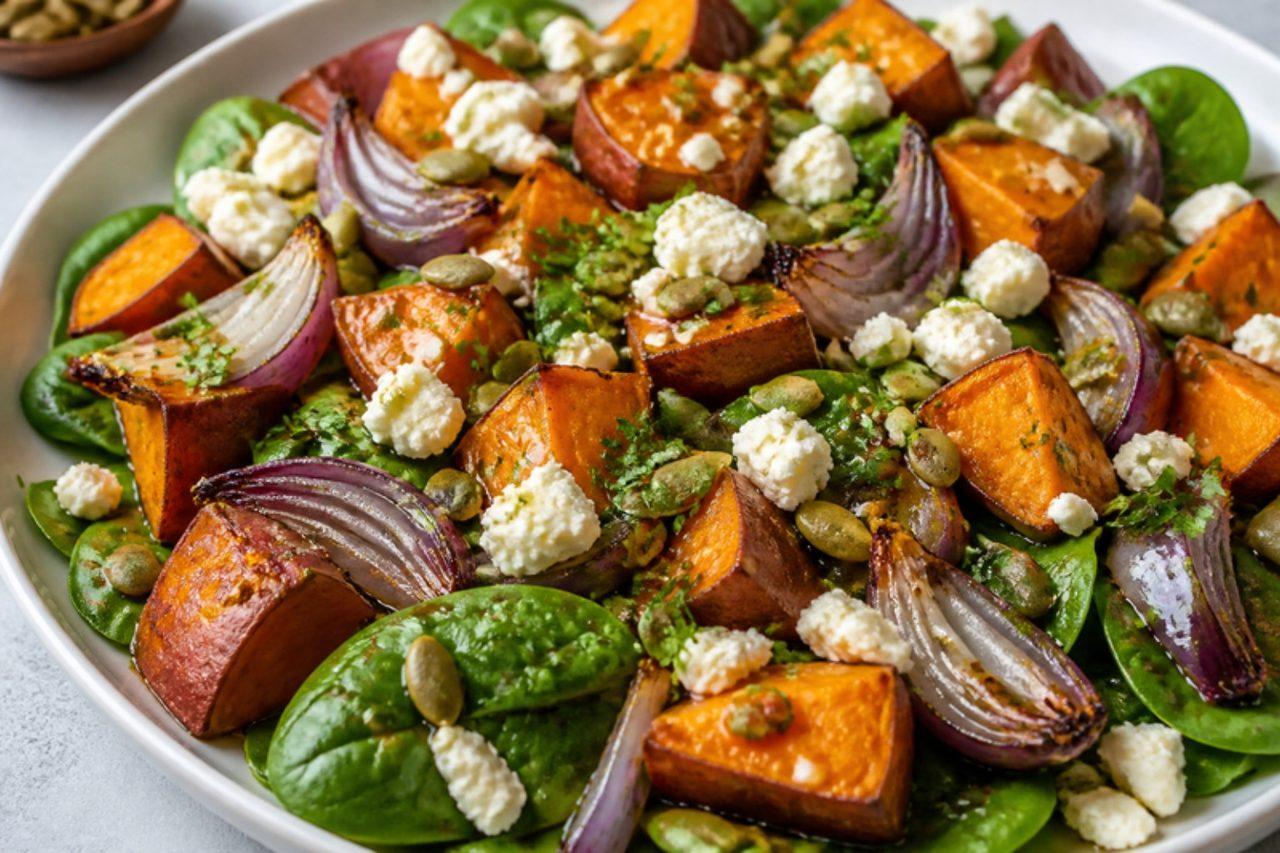
Kūmara and feta saladRoasted sweet potato and feta salad

Kūmara, the sweet potato the Māori brought to Aotearoa centuries ago, is grown mostly around Dargaville in Northland, and a big bowl of roasted kūmara salad turns up at just about every New Zealand barbecue, 'bring a plate' gathering and Christmas lunch. Chunks of red-skinned kūmara roast until sticky and caramelised, then get tossed while warm with red onion, baby spinach, salty feta and toasted pumpkin seeds in a sweet-sharp honey and mustard dressing. Chef's tip: give the kūmara plenty of room on the tray and a hot oven; crowded pieces steam and go soft instead of browning at the edges.

by KrazyBadal 0 views

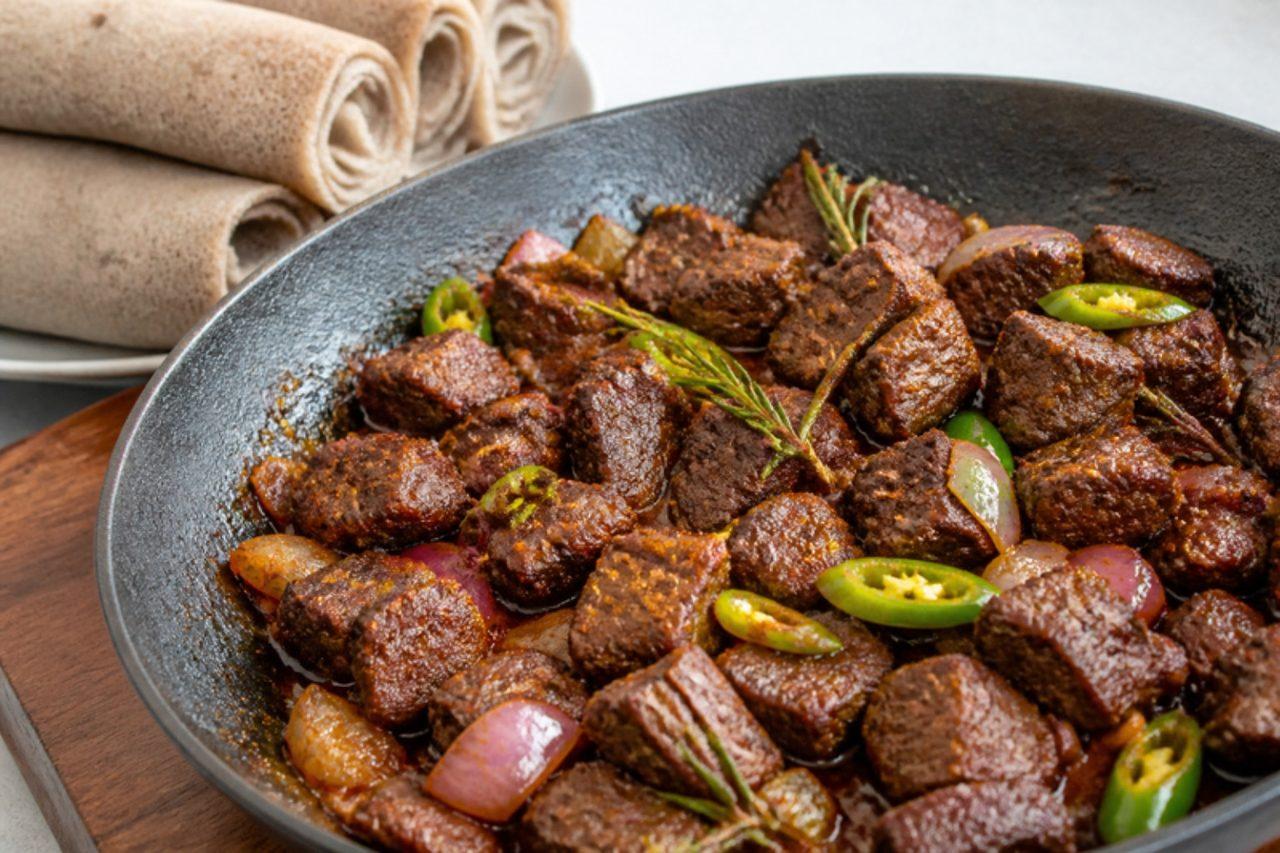
KulwaPan-fried beef with berbere butter

Kulwa (also called tibsi in parts of the Horn) is the fast, sizzling beef dish that Eritrean restaurants in Asmara and Massawa bring to the table in a hot clay dish: small strips of beef fried hard with onion, green chilli, a sprig of rosemary and a spoon of spiced butter, with a dusting of berbere. It is eaten with injera or bread as a weekend treat. The mistake is overcooking the beef until dry: it needs only a few minutes over high heat. Chef's tip: let the pan get really hot before adding the meat, and serve it still sizzling.

by KrazyBadal 0 views

Obi nonTandoor bread

Every Uzbek meal starts with bread torn by hand and passed round the table, and obi non is the everyday loaf: a round with a thick, soft rim and a thin, crisp centre pricked with a patterned stamp called a chekich. In Samarkand and Tashkent it comes out of clay tandoors at dawn, and across the border in Kazakhstan the same bread is sold as tandyr nan. Bread is never cut with a knife and never laid face down. A very hot oven and a baking stone or upturned tray come close to the tandoor at home. Eat it warm with green tea, achichuk salad, soups and plov. Chef's tip: press the centre really thin and prick it all over; if you don't, it puffs into a ball like pitta and you lose the flat, crackly middle.

by KrazyBadal 0 views

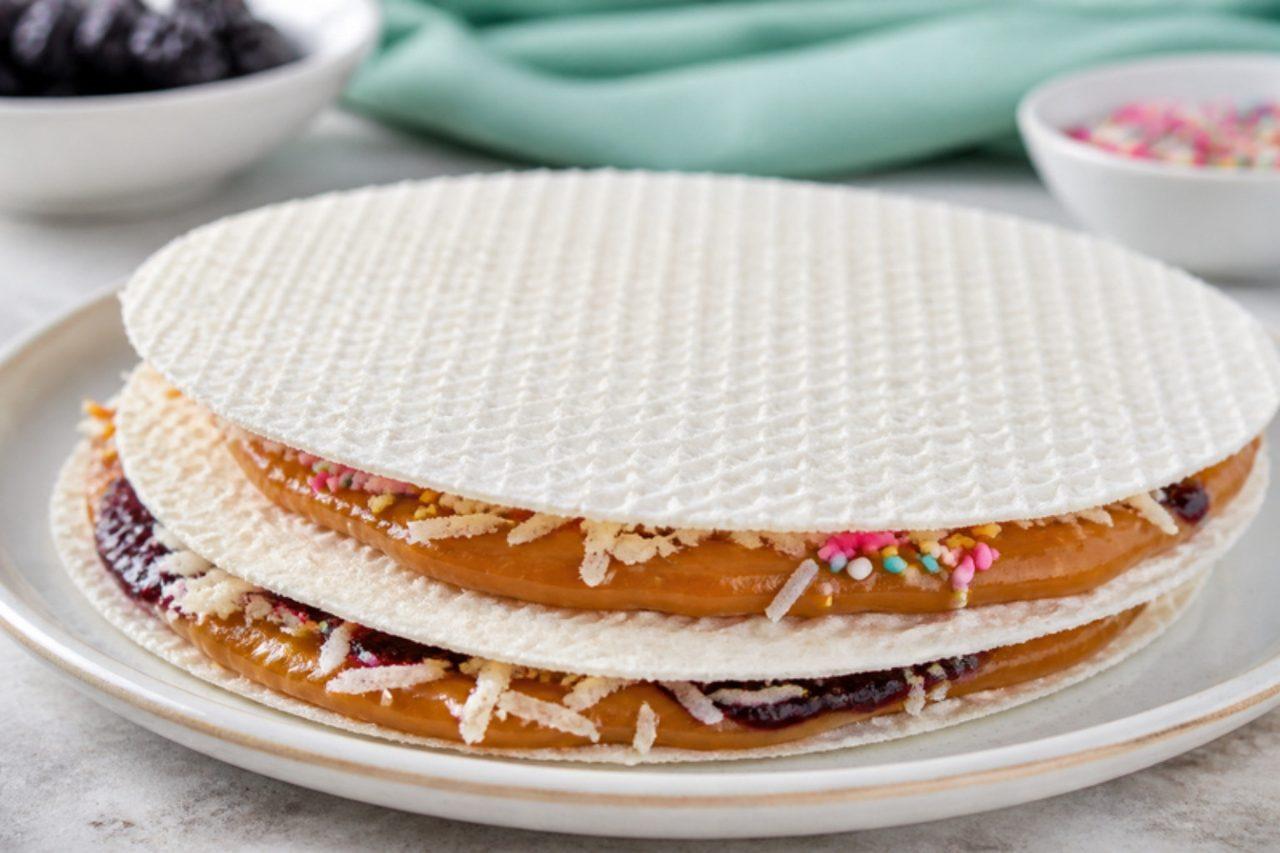
Obleas con arequipeWafers with dulce de leche

Obleas are the giant, paper-thin round wafers sold from street carts in Bogotá's parks and around Floridablanca in Santander, where they began. The vendor spreads two wafers with arequipe, Colombia's dulce de leche, and adds whatever you choose: blackberry jam, grated cheese, condensed milk or sprinkles, then presses them together. They are crisp, sticky and fun to make with children. Look for oblea wafers in Latin American shops. Chef's tip: assemble them right before eating; the wafers soften within an hour.

by KrazyBadal 0 views

Su böreğiLayered boiled pastry with cheese

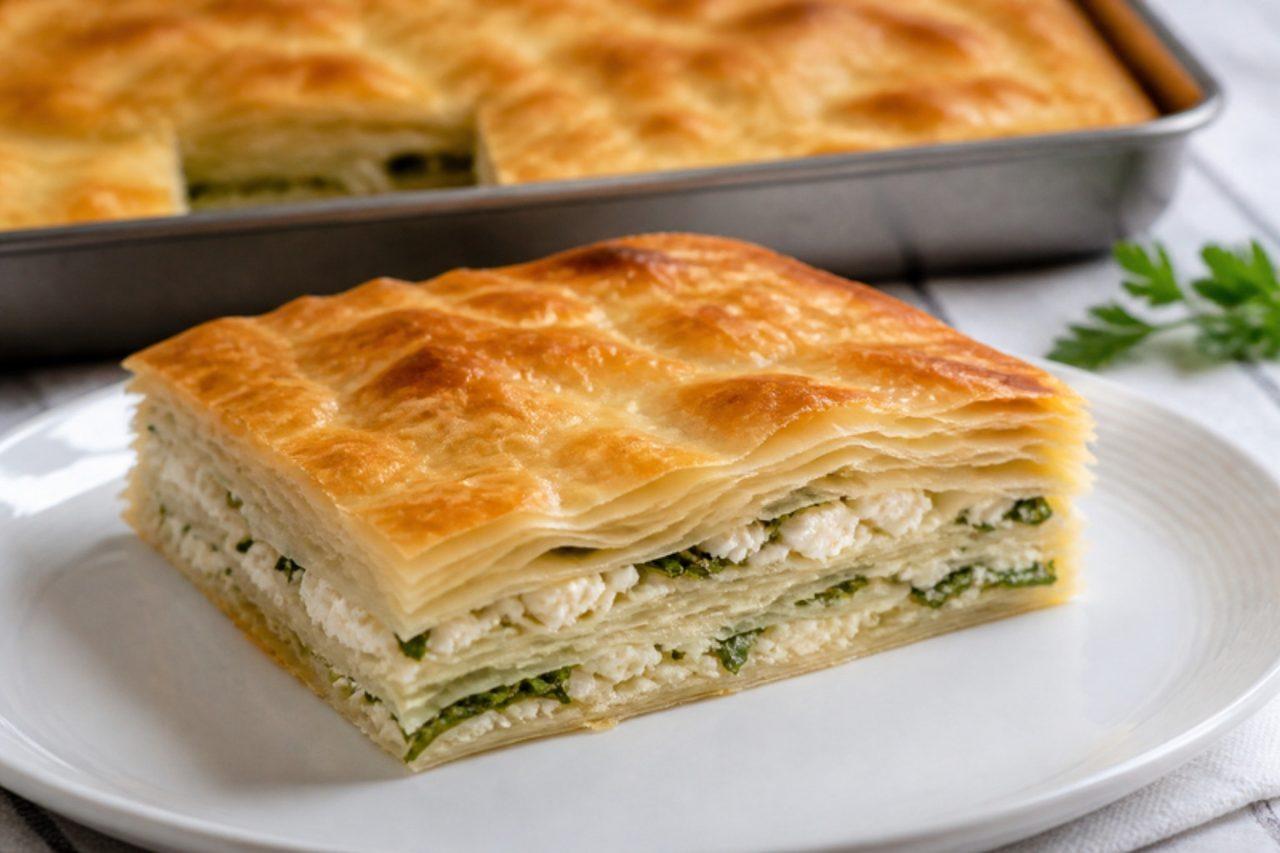
Of all Turkish böreks, su böreği is the one cooks are proudest of. Thin sheets of egg dough are boiled for a moment, then layered with butter and white cheese and baked until the top is crisp and the inside is soft and almost silky, a little like a cheesy lasagne made of pastry. Bakeries in Istanbul and Ankara sell it by weight from huge trays in the morning, and at home it appears at holidays and when guests are expected. It takes time and patience but nothing is difficult. Make it the day before and reheat it. Chef's tip: have a big bowl of iced water ready next to the pan; plunging each sheet straight into it stops it cooking and keeps the layers from sticking together.

by KrazyBadal 0 views

Showing 63 of 7,762 recipes

Show more recipes

Page 689 of 863