


Skip to content
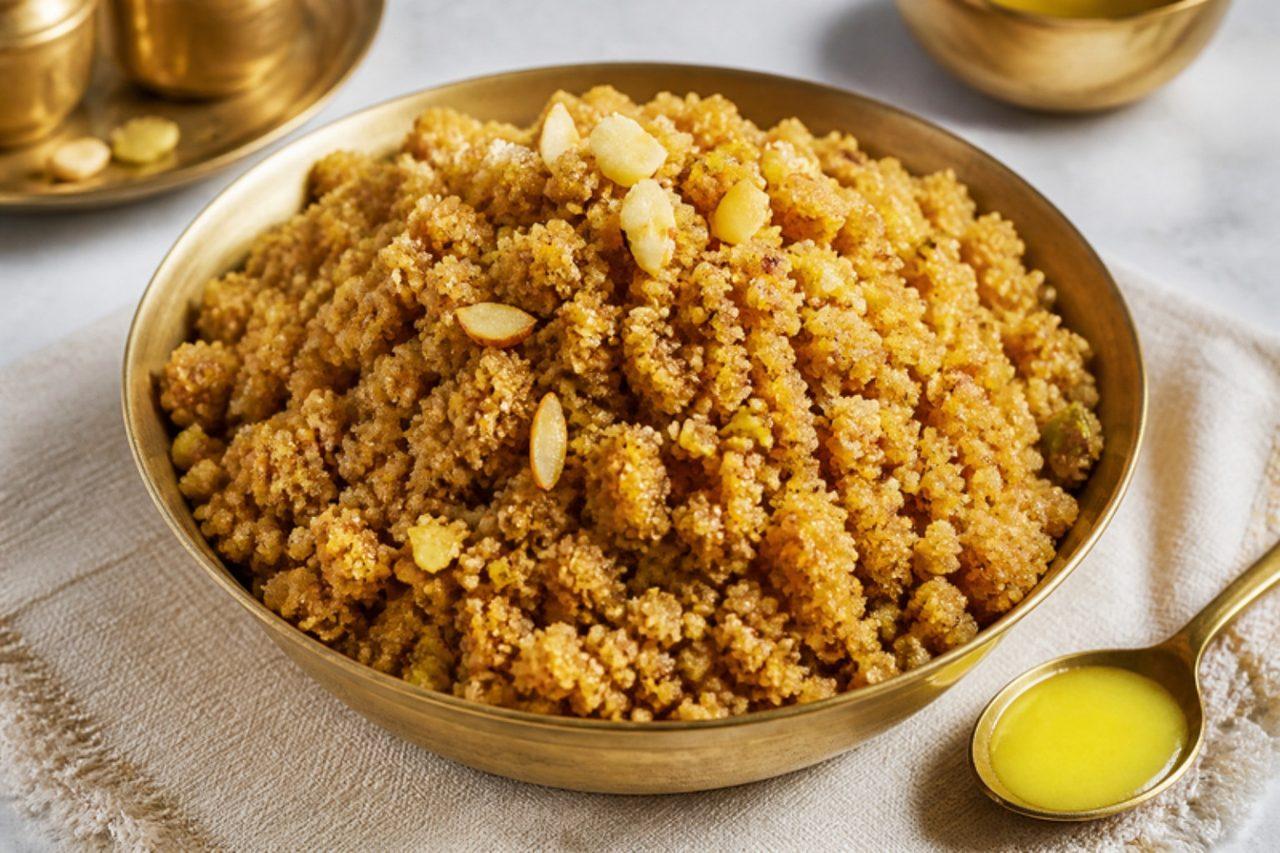
Nutritious sweet (dhokri)
Featured recipe

Nutritious sweet (dhokri)

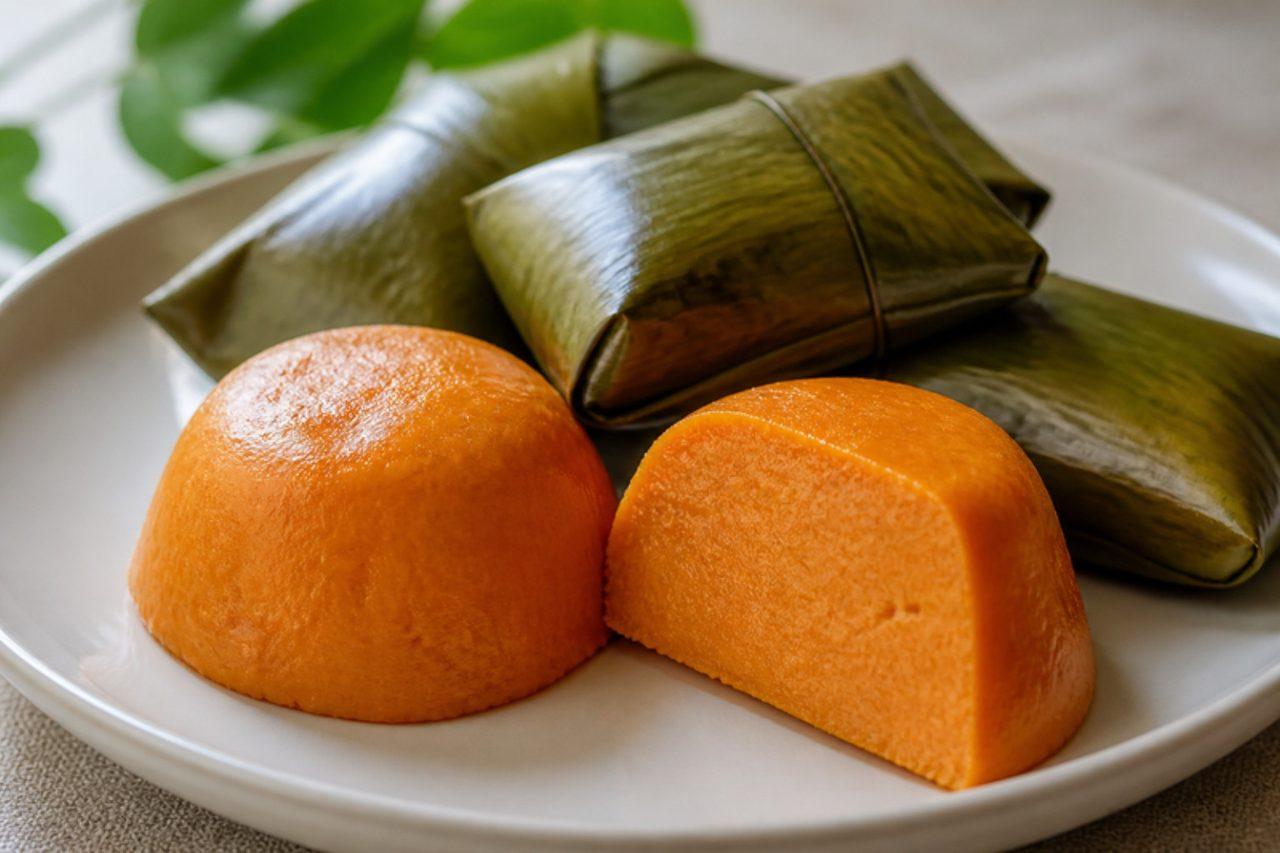
Steamed wheat and gram flour sweet

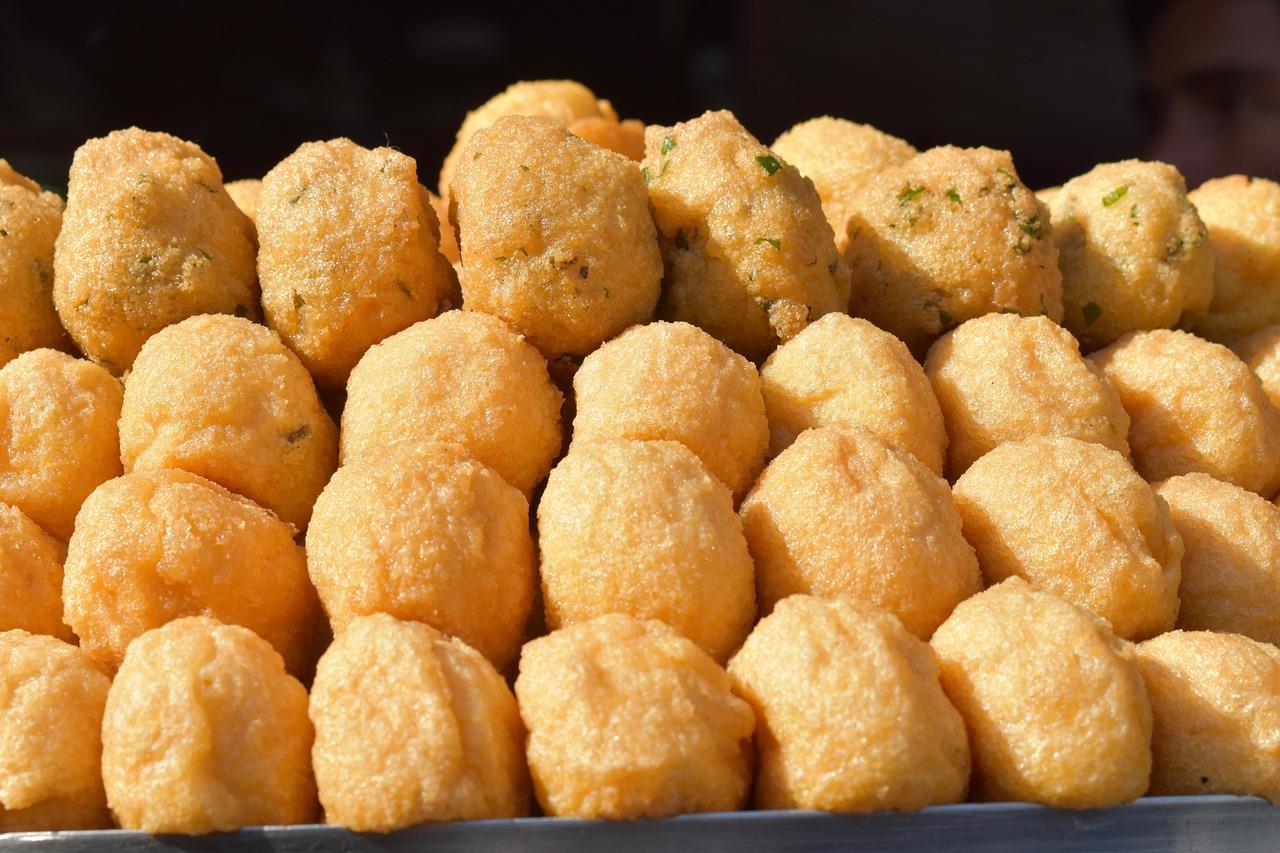
A simple, wholesome Gujarati sweet: doughnut-shaped dumplings of coarse and fine wheat flour with gram flour are steamed, then ground into soft crumbs. Each person mixes in hot ghee and powdered sugar to their own taste. Serve warm as a filling winter treat.

Read more 0 views

What to eat today?

Around the world

Today's trip: Paraguayan

A new country every day, from every cuisine on the site.

Paraguayan

Cocido quemado

Burnt sugar mate drink 14 minMore from Paraguayan (27) →

This week's collection

Kid-friendly dinners
537 recipes · a new collection every Monday

Latest recipes

Vegetable tagine (khodra)Steamed vegetable tagine

Across Morocco, from village kitchens in the Atlas to family tables in Marrakech, a tagine of khodra (vegetables) is the everyday midweek pot, cooked on a low flame while bread bakes and set in the middle of the table for everyone to scoop up with khobz. The vegetables are stacked like a tent over a bed of onion and tomato, so they steam in their own juices rather than boil; the sauce left at the bottom is short, golden with saffron and turmeric and sharpened with preserved lemon and green olives. Serve it straight from the pot with warm bread and a bowl of carrot or tomato salad on the side. Chef's tip: lay the hardest vegetables (carrots, potatoes) closest to the heat at the bottom and the soft courgettes on top, or the courgettes collapse before the carrots are tender.

by KrazyBadal 0 views

Ram ladooMoong dal fritters with chutney

Despite the name, ram ladoo aren't sweet. They're small, crisp moong and chana dal fritters, sold from carts across Delhi in winter, when white radish is at its best. The vendor splits a few hot ones, smears them with a sharp coriander chutney and buries them under a heap of grated mooli and its leaves, with lemon and chaat masala over the top. Hot, crunchy fritters against cold, peppery radish is the whole appeal; it's a light snack for a foggy evening. Chef's tip: grind the soaked dal with as little water as possible, then beat the batter by hand for 3–4 minutes; air whipped into it is what makes the ladoos puff up and stay light.

by KrazyBadal 0 views

Moroccan mint tea (atay)Green tea with mint

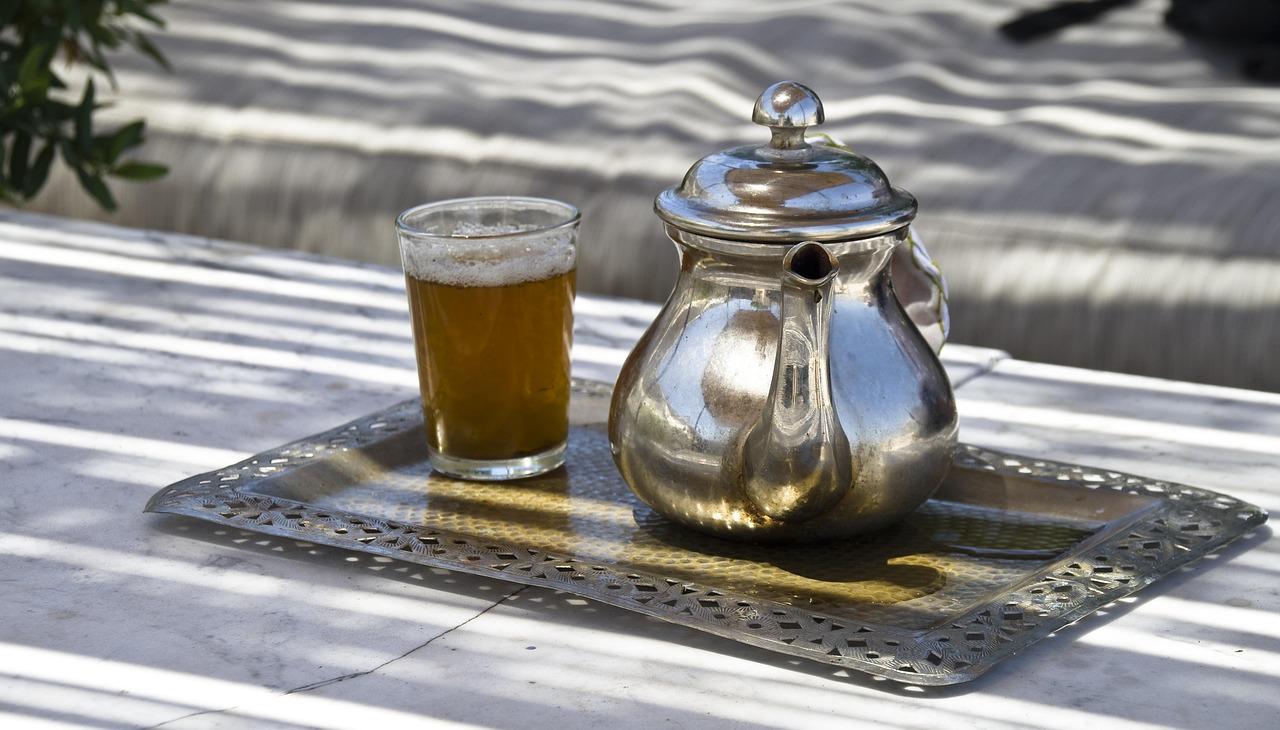
Atay is Morocco's gesture of welcome, poured for guests in homes from Tangier to the Sahara, in shops while you bargain and after every meal. Chinese gunpowder green tea is rinsed, brewed with a big bunch of fresh spearmint and sweetened in the pot, then poured from high above the glasses so it froths. The host often pours a glass and returns it to the pot several times to mix the sugar through. The result is sweet, fresh and pleasantly bitter. Chef's tip: rinse the tea leaves with a splash of boiling water and throw that water away first; it removes the dust and the harshest bitterness.

by KrazyBadal 0 views

Moroccan carrot salad (shlada khizzou)Warm spiced carrot salad

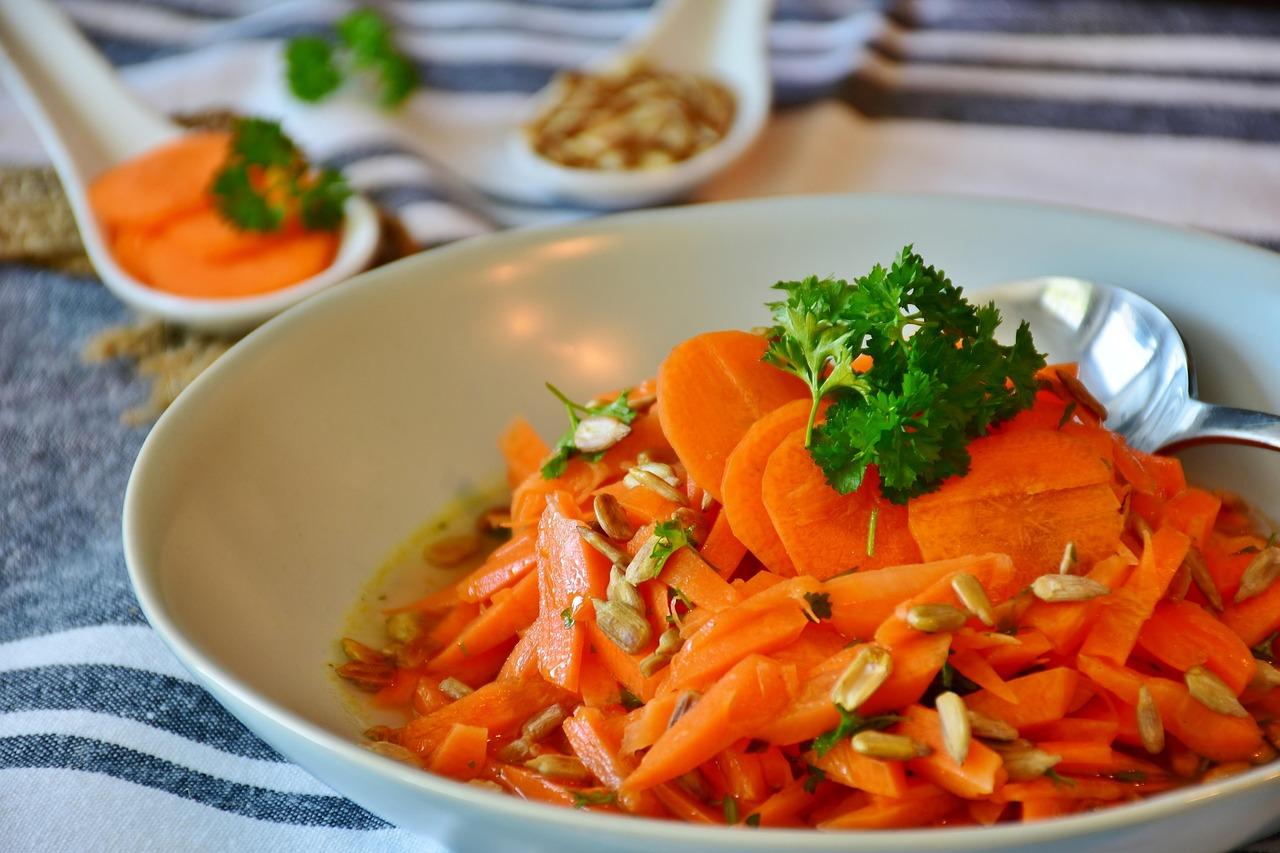
Shlada khizzou is the bright orange dish on the salad spread of every Moroccan restaurant and home lunch, from Marrakech riads to roadside grills on the way to the coast. Carrots are blanched until just tender, then dressed while warm with garlic, cumin, a little sugar and lemon, so they drink in the flavour. Some families add a few drops of orange blossom water, which makes it taste of a Moroccan garden. Serve it with tagines, couscous or simply with bread. Chef's tip: dress the carrots while they are still warm; cold carrots stay bland on the outside.

by KrazyBadal 0 views

Tarte au sucreMaple sugar pie

Tarte au sucre is the sweet that closes Québec's holiday réveillon (Christmas Eve feast) and the Sunday meal at grandmother's house. Brown sugar, cream and a little maple syrup are thickened with flour and baked in a buttery shell until set like soft fudge, glossy on top. It's very sweet, so slices are thin, often with a dollop of unsweetened whipped cream. Rural Acadian and Franco-Ontarian families make very similar pies. Chef's tip: let it cool completely, for at least 3 hours; warm sugar pie is runny and only sets as it cools.

by KrazyBadal 0 views

Arepa reina pepiadaChicken and avocado arepas

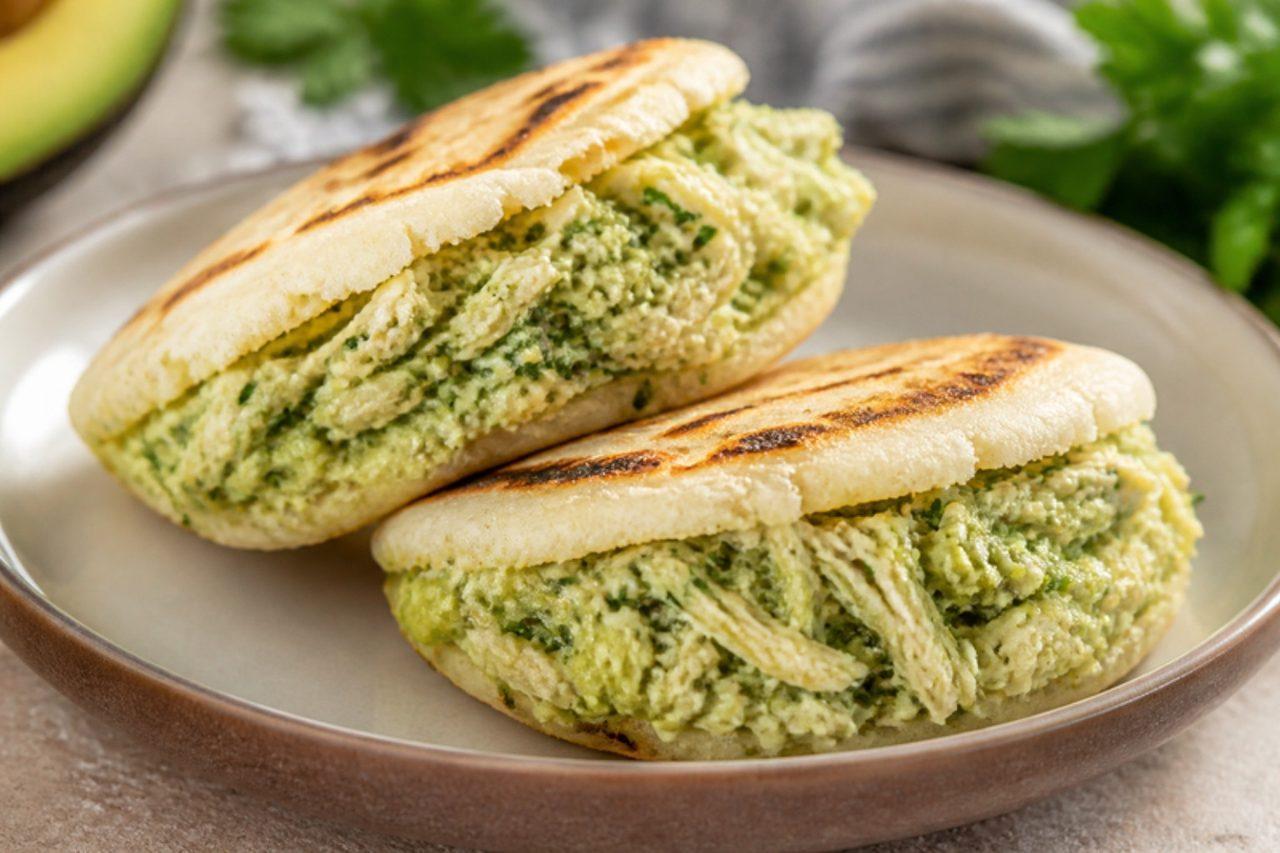
Caracas named this filling after a beauty queen: in 1955 a family running an arepera in the city made it for Susana Duijm, Venezuela's first Miss World, and called it 'the curvy queen'. Shredded chicken is mashed with ripe avocado, a little mayonnaise, lime and coriander, then stuffed into a hot, crisp-skinned arepa split down the side. Venezuelans eat it for breakfast, at lunch from areperas and late at night after a party. The usual mistake is cooking arepas over too high a heat: the outside blackens while the middle stays raw and doughy. Chef's tip: an arepa is done when it sounds hollow when you tap it; if it doesn't, give it a few more minutes in the oven.

by KrazyBadal 0 views

Ranon'apangoToasted rice water

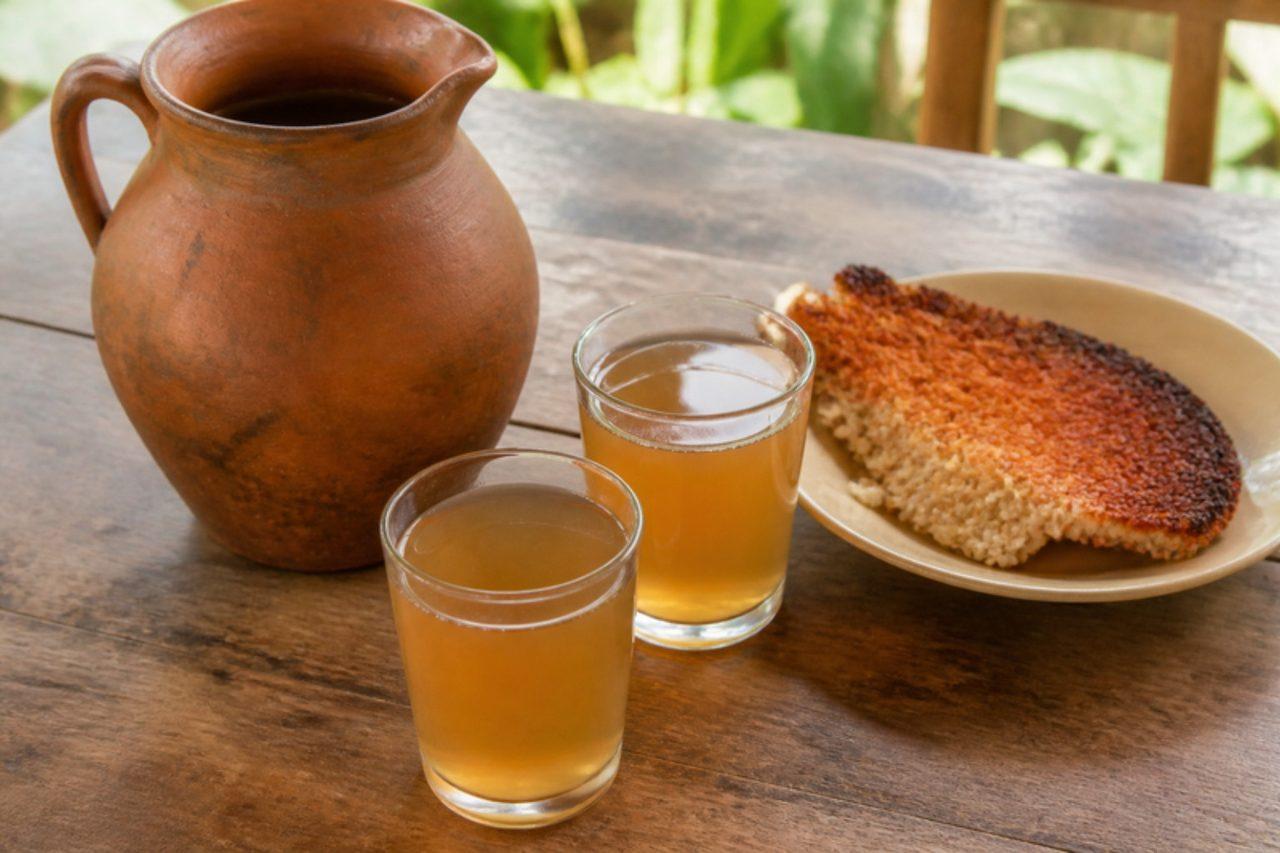
Ranon'apango is the everyday drink of Madagascar: after rice is cooked, the crust at the bottom of the pot is left to toast until golden, then water is boiled with it to make a pale amber, nutty, slightly smoky drink. It is served warm or cold in jugs alongside meals in homes and hotelys, and is a safe way to drink boiled water. Chef's tip: toast the crust until golden-brown, not black; burnt rice makes the drink bitter.

by KrazyBadal 0 views

Moravské koláčeFilled yeast buns

In the villages of South Moravia and Wallachia, nobody gets married without a mountain of koláče: small round yeast buns with a deep hollow filled with sweetened poppy seed, vanilla quark or povidla (thick plum butter), each crowned with buttery posypka crumble. Relatives bake hundreds for the wedding and send guests home with boxes of them, and they turn up again at village fairs (pouť) and Sunday coffee. Chef's tip: press the hollow deep and wide just before filling; the dough rises again in the oven, and a shallow dip pushes the filling over the edge.

by KrazyBadal 0 views

RasabaliFried cheese discs in milk

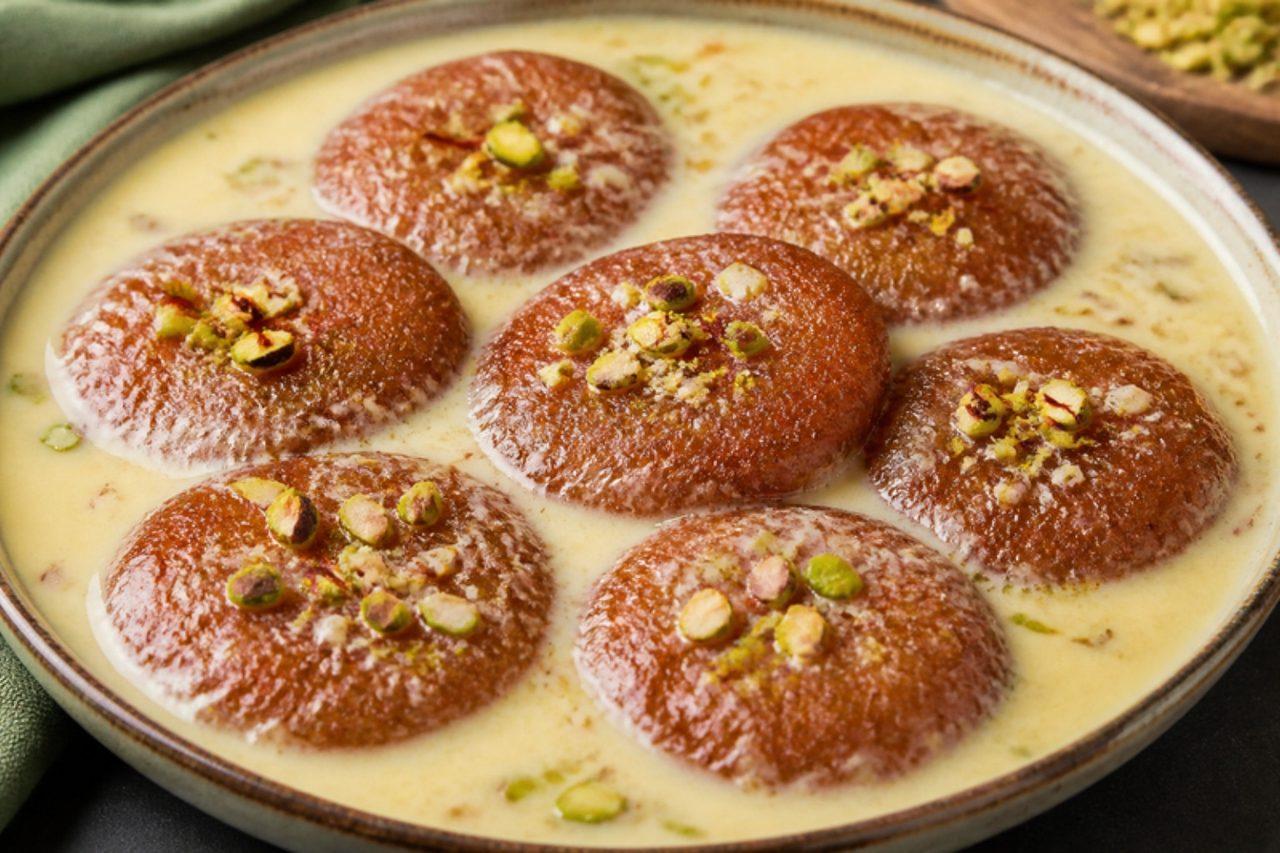
Rasabali comes from the Baladevjew temple in Kendrapara and is one of the 56 offerings of Puri's Jagannath temple. Flattened discs of chhena are deep-fried until reddish-brown, then soaked in milk that has been simmered down until thick and sweet with cardamom. Unlike rasmalai, whose discs are poached in syrup, rasabali's are fried, so they keep a chewy, slightly caramelised skin under the milk. It is eaten chilled at festivals and weddings in Odisha. Chef's tip: press a dimple into the centre of each disc before frying, so it fries evenly and holds more milk.

by KrazyBadal 0 views

Moqueca capixabaFish stew with tomato and annatto

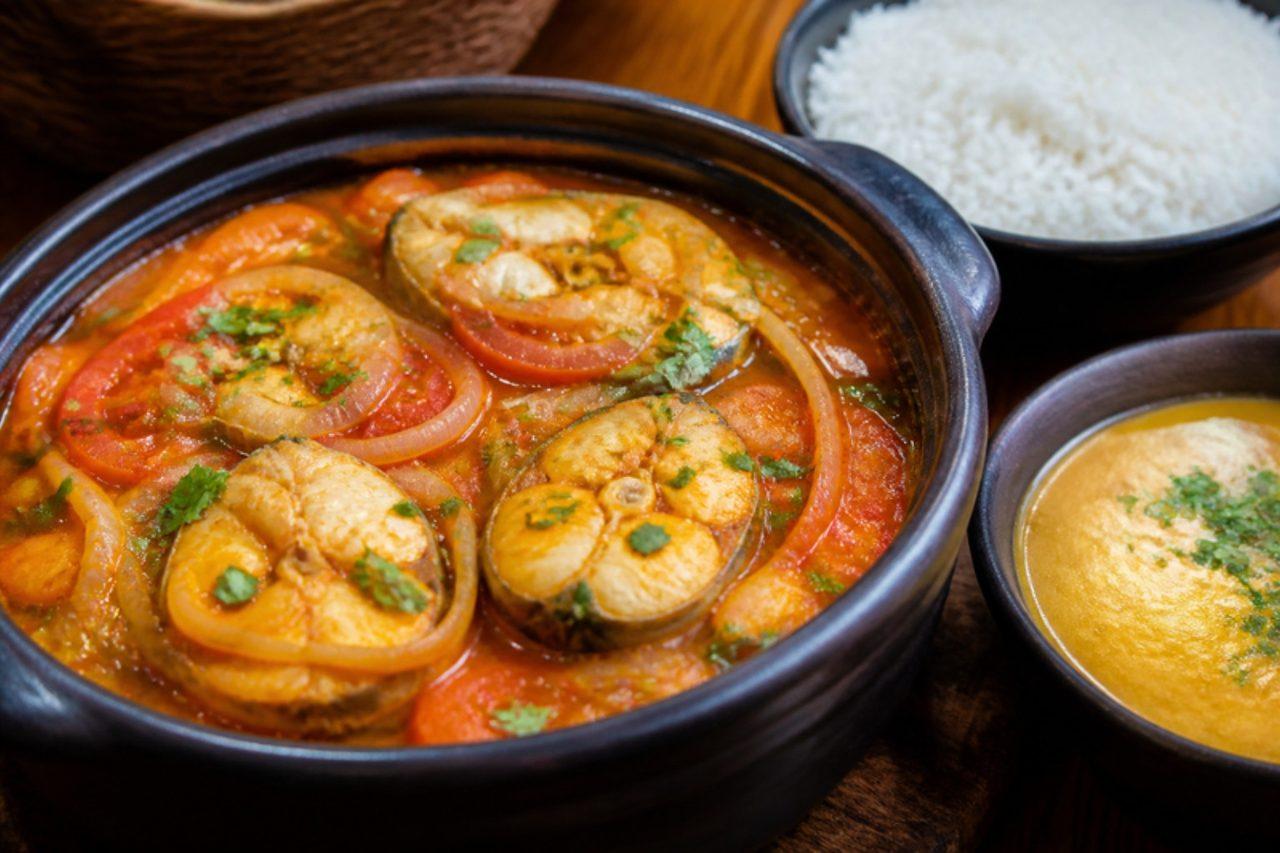
In Vitória, capital of Espírito Santo, people like to say that moqueca is capixaba and everything else is just fish stew. Their version contains no coconut milk and no palm oil: firm white fish is layered with onion, tomato and plenty of fresh coriander, coloured red with annatto (urucum) and olive oil, and cooked in its own juices. It is always made and served in a black clay pot, the panela de barro handmade by the potters (paneleiras) of the Goiabeiras district, whose craft is protected as Brazilian heritage. Families eat it at weekend lunches with white rice and pirão, a porridge made from the fish broth and manioc flour. Chef's tip: no clay pot? Use a heavy cast-iron casserole with a lid; a thin pan heats unevenly and the bottom layer scorches.

by KrazyBadal 0 views

Moqueca baianaFish stew with coconut milk

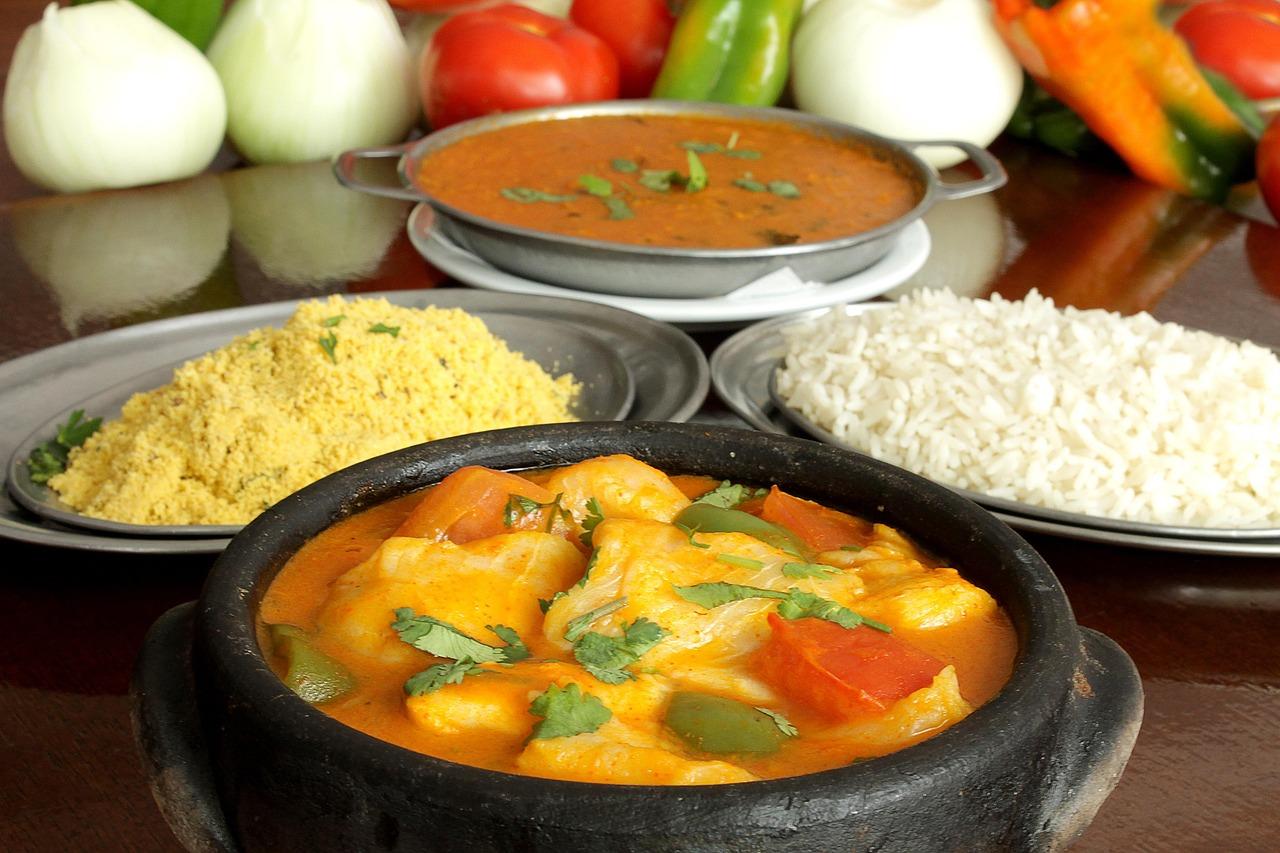
Salvador's moqueca baiana is the richer, sunnier cousin of the capixaba one, and the contrast is worth knowing: where Espírito Santo uses only tomato, annatto and olive oil, Bahia adds coconut milk, sweet peppers and dendê, the orange-red palm oil that came to Bahia with enslaved West Africans and runs through its Afro-Brazilian cooking. The result is creamy, golden and fragrant with coriander. In Salvador it is a weekend lunch at the seafront restaurants and at home, served with white rice, a yellow farofa fried in dendê and pirão. Look for dendê (red palm oil) in Brazilian, African or Caribbean shops. Chef's tip: add the dendê near the end; its flavour is strong and fades with long cooking, so a little stirred in late goes much further.

by KrazyBadal 0 views

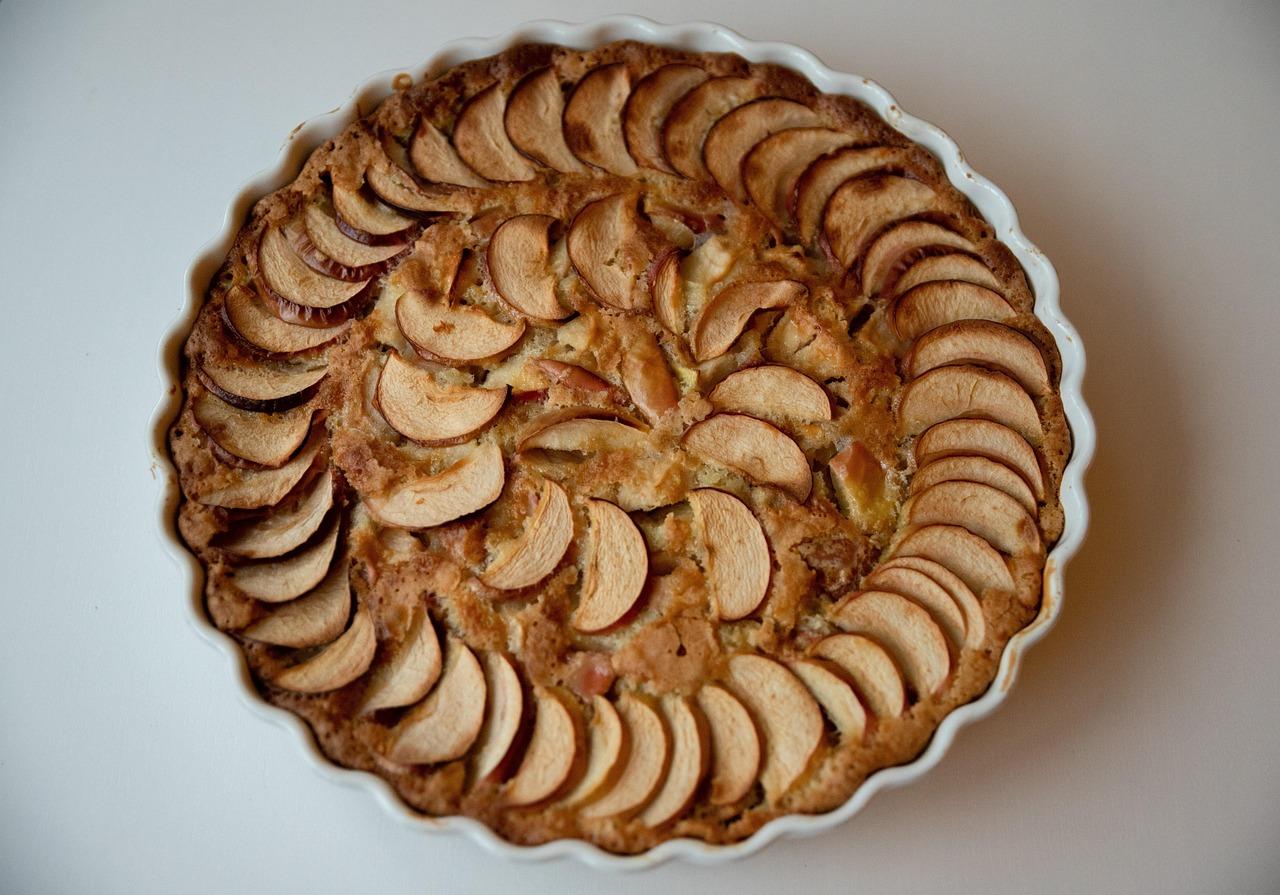
Tarte normandeApple tart with custard

Normandy is the land of orchards and dairy cows, and its apple tart uses both: sliced apples baked in a buttery pastry case, then covered with a custard of eggs, crème fraîche and sugar that sets around the fruit, golden and slightly puffed. Some cooks add a splash of Calvados, the local apple brandy. It's served for Sunday lunch, at village fêtes in autumn, and with a glass of cider. The apples stay soft but hold their slices, and the custard tastes like baked cream. Chef's tip: pre-bake the pastry case before adding the custard; skipping it is the common mistake that leaves a pale, soggy base.

by KrazyBadal 0 views

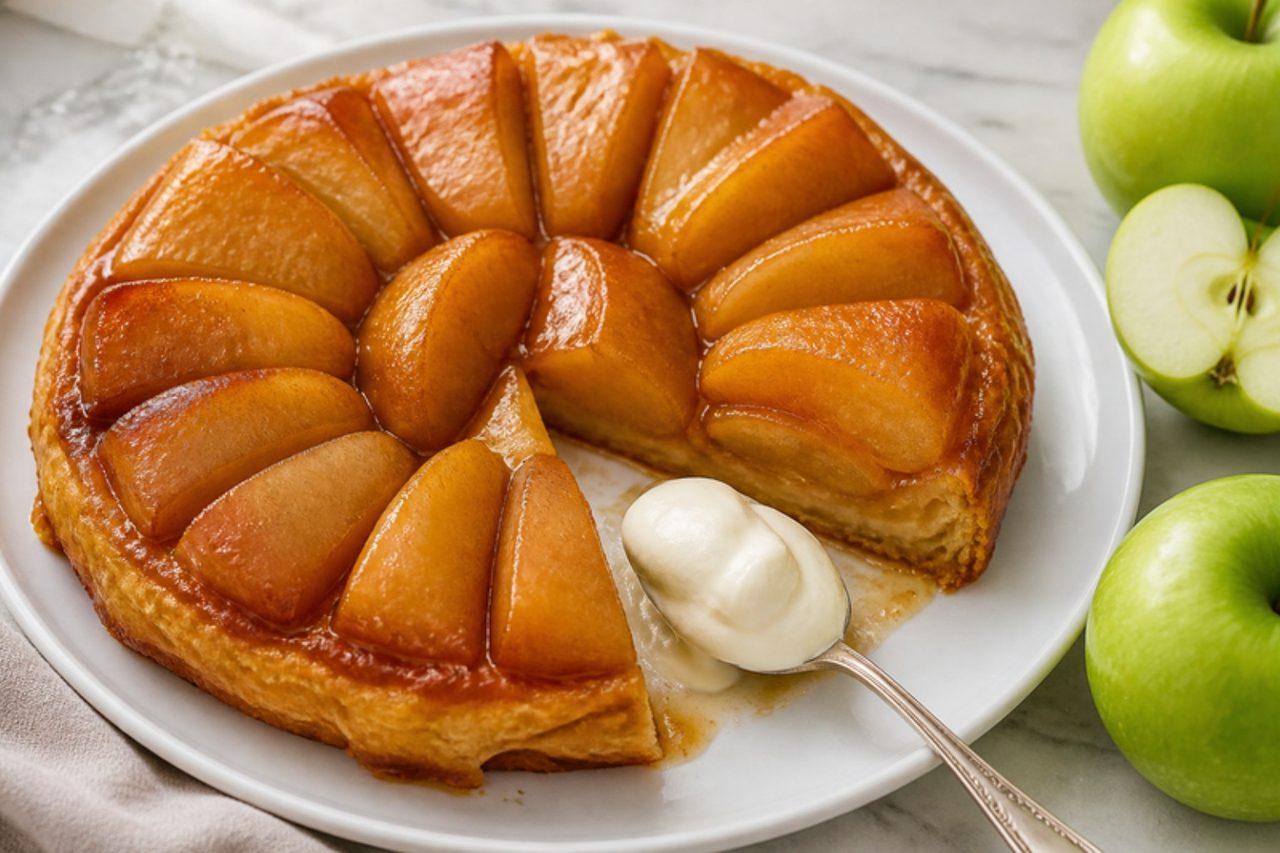
Tarte tatinUpside-down apple tart

Tarte tatin is said to have been created at the Hôtel Tatin in Lamotte-Beuvron, in the Sologne, south of Orléans, where the Tatin sisters cooked for hunting parties in the 1880s. The apples are cooked in butter and sugar until they turn amber, covered with pastry, baked, then turned out so the glossy caramelised fruit sits on top of a crisp base. It is the French family dessert of autumn and winter, served warm with crème fraîche. This version uses an all-butter shortcrust made without egg. Chef's tip: pack in more apples than seem possible, as they shrink; using too few is the common mistake and leaves a flat tart with gaps.

by KrazyBadal 0 views

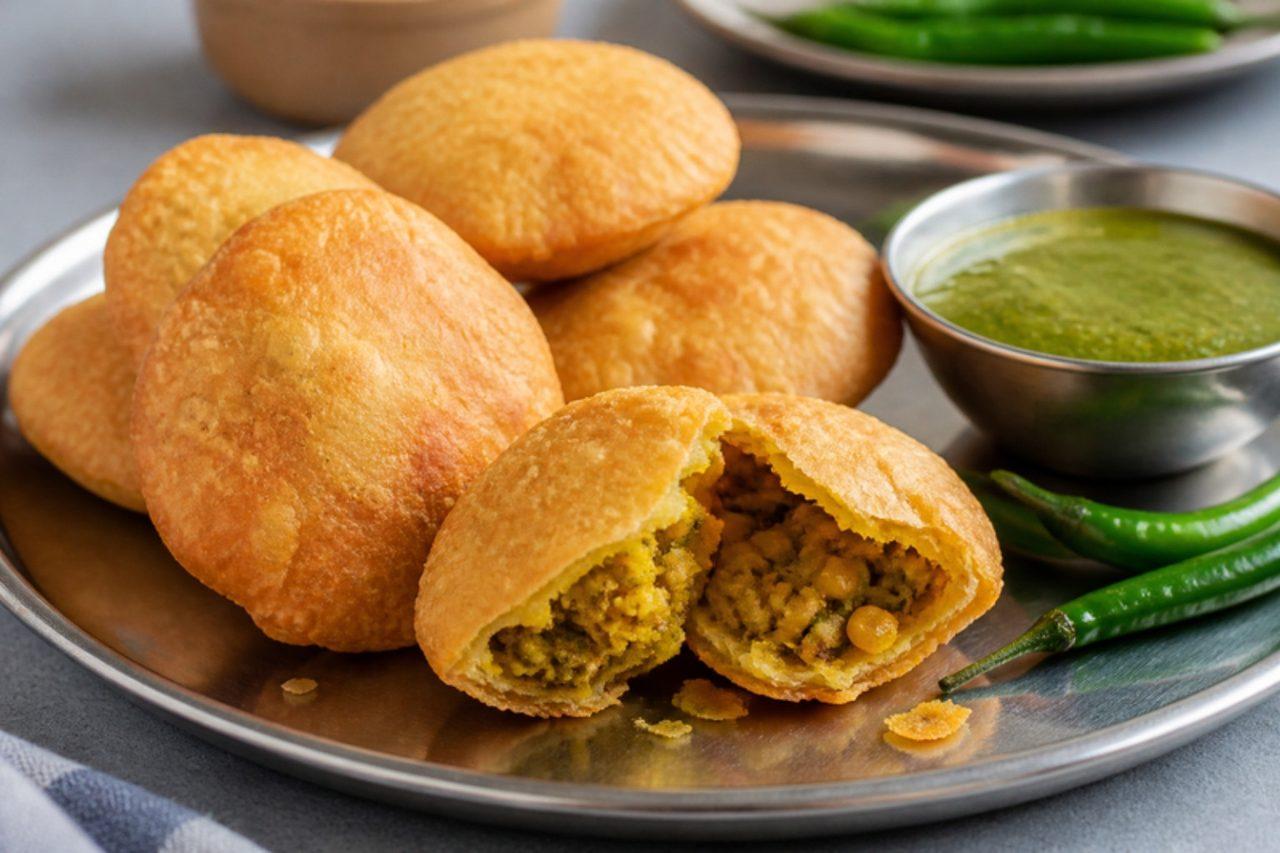
Moong dal kachoriSpiced moong dal pastries

In Jaipur, Rajasthan, moong dal kachori is the street snack people queue for: a round, golden pastry that shatters into flaky layers around a dry, crumbly filling of coarsely ground yellow lentils roasted with fennel, coriander seed and chilli. Because the filling is dry and the crust is fried slowly, they stay crisp for days, which is why families make a big batch before a journey or festival. Serve them warm or at room temperature with tamarind chutney and green chutney, or break them into a bowl of kadhi. Chef's tip: grind the soaked dal coarse and without water, then roast it until it smells like toasted nuts and feels sandy; a wet or under-roasted filling is the reason kachoris go soft.

by KrazyBadal 0 views

Cantonese mooncakes with lotus or red bean pasteFilled pastry mooncakes

Mooncakes are exchanged and eaten all over China at the Mid-Autumn Festival, when families gather under the full moon with tea and fruit. The Cantonese style, from Guangdong and Hong Kong, has a thin, shiny brown crust around a dense, sweet filling of lotus seed paste or red bean paste; this vegetarian version leaves out the salted duck egg yolks. You need a mooncake press (50–75 g size). Chef's tip: rest the baked mooncakes in an airtight tin for 2 days; the crust softens and turns glossy, a change bakers call 'returning oil'.

by KrazyBadal 0 views

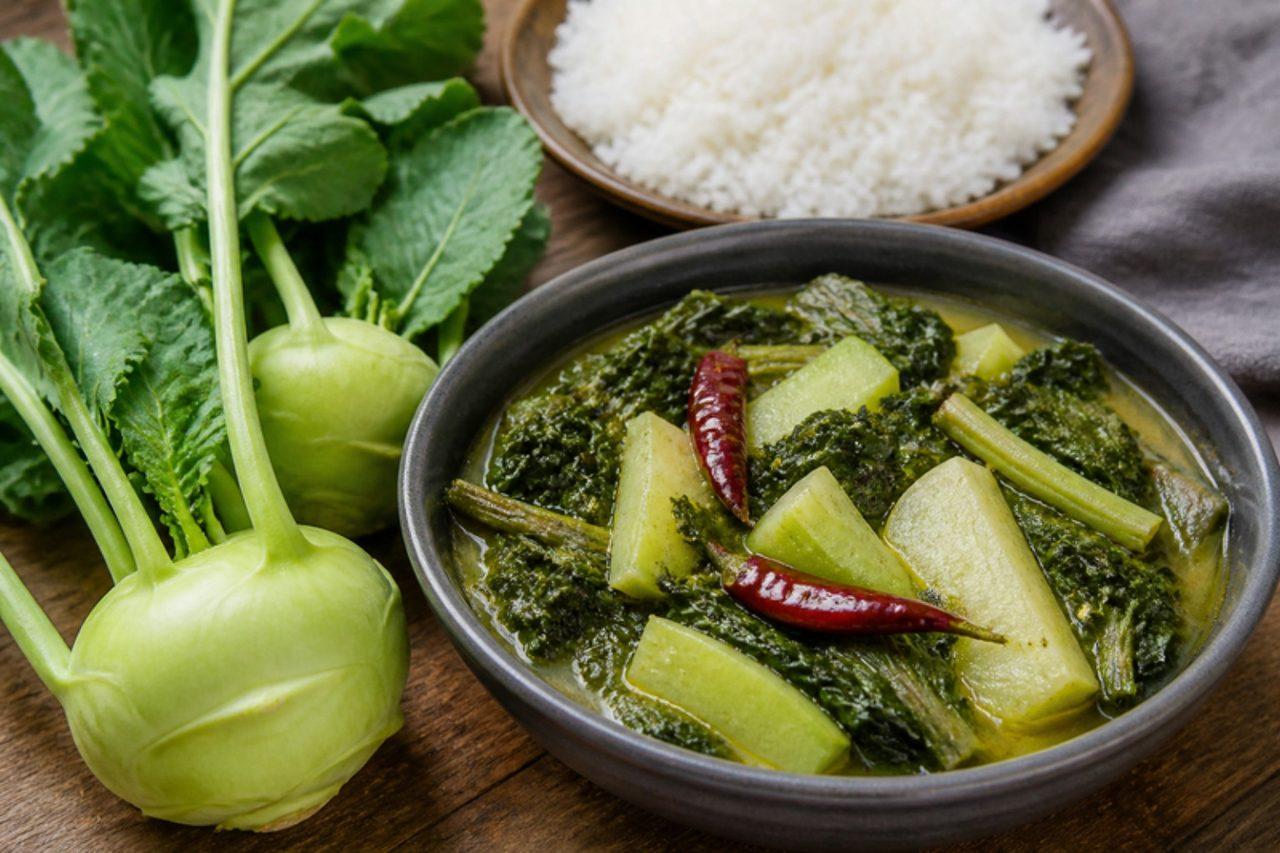
Monji haakKohlrabi and greens in mustard oil

Kohlrabi, monji in Kashmiri, grows in almost every kitchen garden in the Kashmir Valley, and families cook the round bulb and its leaves together in one pot. Like its cousin haak, it is a dish of very few ingredients: mustard oil, dried chilli, a pinch of asafoetida and salt, simmered with a splash of water until the bulb turns sweet and tender. It is eaten through the cold months with plain rice and a bowl of yogurt, and Kashmiris will tell you it tastes best in autumn when the bulbs are young. Chef's tip: buy kohlrabi with fresh, perky leaves attached; if the leaves are tired, add a handful of spinach instead.

by KrazyBadal 0 views

MonjayakiGriddled cabbage and batter

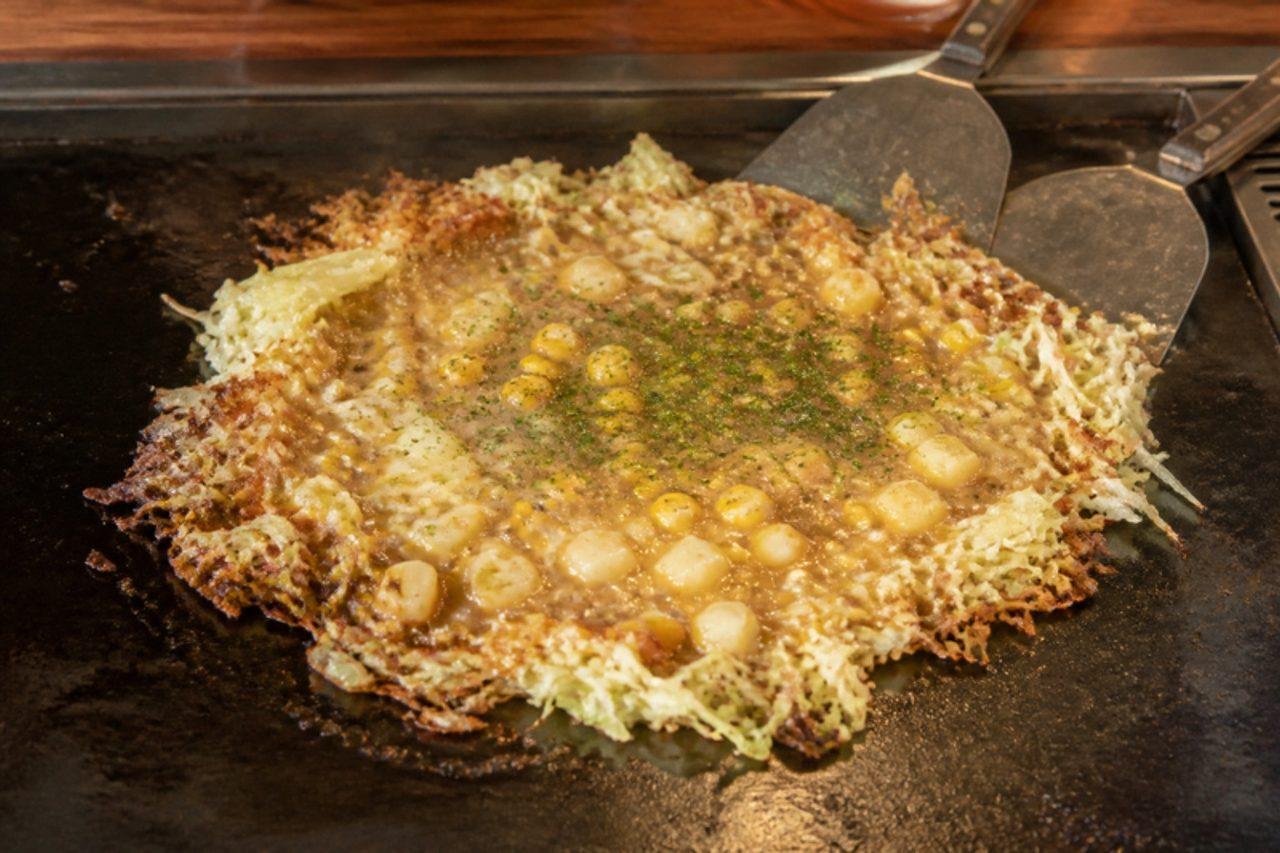
Monjayaki comes from Tsukishima, a small island district in Tokyo Bay, where one street holds more than seventy monja restaurants. It began as a cheap after-school snack at sweet shops, with children writing letters in thin batter on a griddle. Today friends gather round a teppan table, build a ring of chopped cabbage, pour the runny batter into the middle and eat it with tiny spatulas while it is still molten. It never sets into a pancake like okonomiyaki: the texture is gooey, with crisp, toasty bits where it sticks to the plate. Our version leaves out the usual dried shrimp and uses mochi and cheese, a favourite Tsukishima combination. Chef's tip: press a little monja against the hot griddle with your spatula and wait until it crackles. That crisp layer, called the okoge, is the best bite.

by KrazyBadal 0 views

Momiji manjuMaple leaf sponge cakes

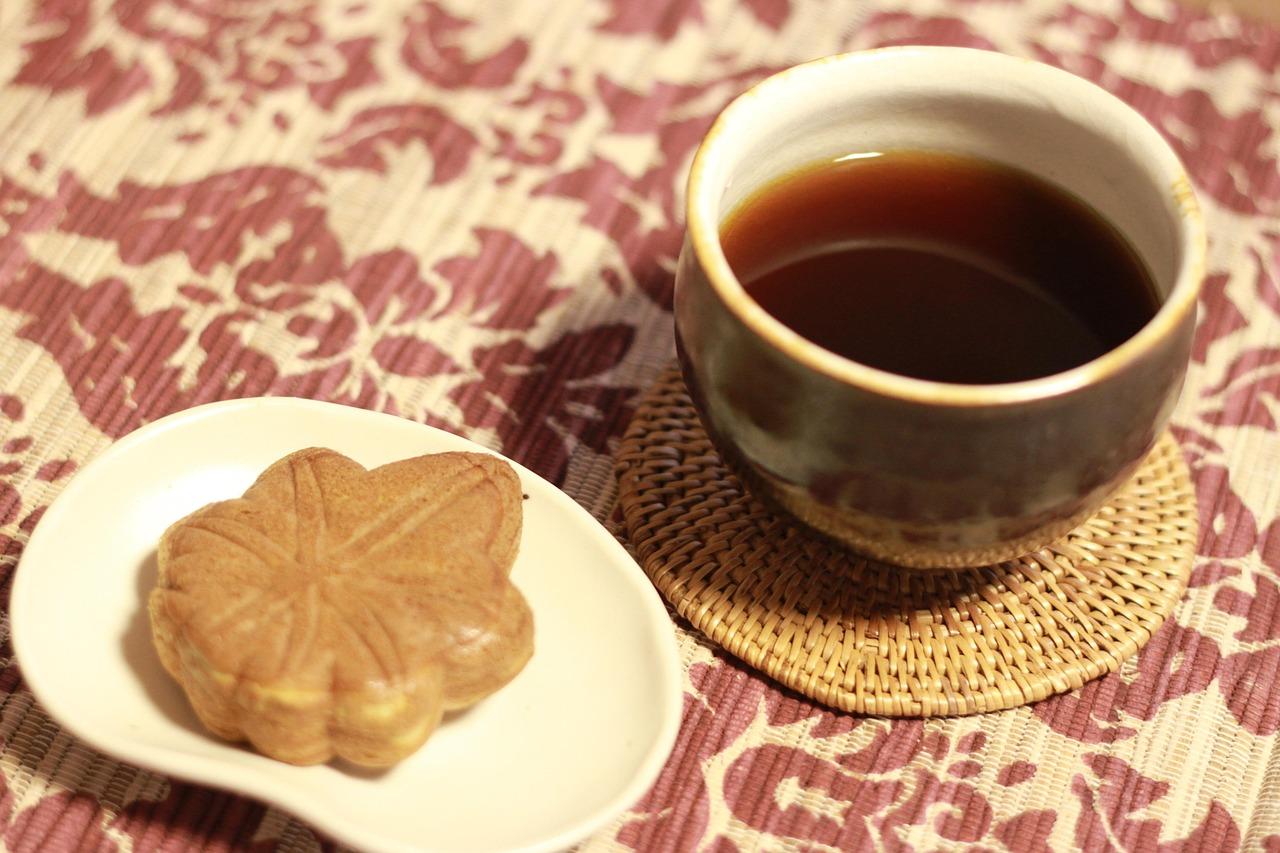
Momiji manju are the souvenir of Miyajima, the sacred island off Hiroshima famous for its floating red torii gate and its maple trees, which turn scarlet each November. A confectioner there first baked them around 1906, and today shops along the island's main street still turn them out of iron moulds while visitors watch. The cake is a soft, honey-scented sponge, the filling smooth red bean paste. Tokyo's Asakusa sells a near twin, ningyo-yaki, baked in the shapes of dolls and temple lanterns; this recipe makes both, depending on your mould. Serve with green tea. Chef's tip: rest the batter for 30 minutes before baking. The flour hydrates, the bubbles settle and the cakes come out smooth and evenly brown.

by KrazyBadal 0 views

MolokhiaJute leaf soup

Molokhia is one of the oldest dishes on the Egyptian table, eaten across the country from Alexandria to Upper Egypt, usually at a family lunch with white rice and torn baladi bread. The finely minced leaves of the jute plant cook in stock in minutes into a bright green, gently slippery soup; at the end a ta'leya of garlic and ground coriander fried in oil is poured in with a loud hiss. Most families cook it with chicken or rabbit broth, but a well-flavoured vegetable stock makes a lovely, light vegan version. Frozen minced molokhia from Middle Eastern grocers is what most Cairo cooks use too. Chef's tip: some cooks take a sharp breath (the shahqa) as the ta'leya goes in; joke or not, the point is to pour it in while the garlic is still sizzling hot.

by KrazyBadal 0 views

Rava dosaCrisp semolina crêpes

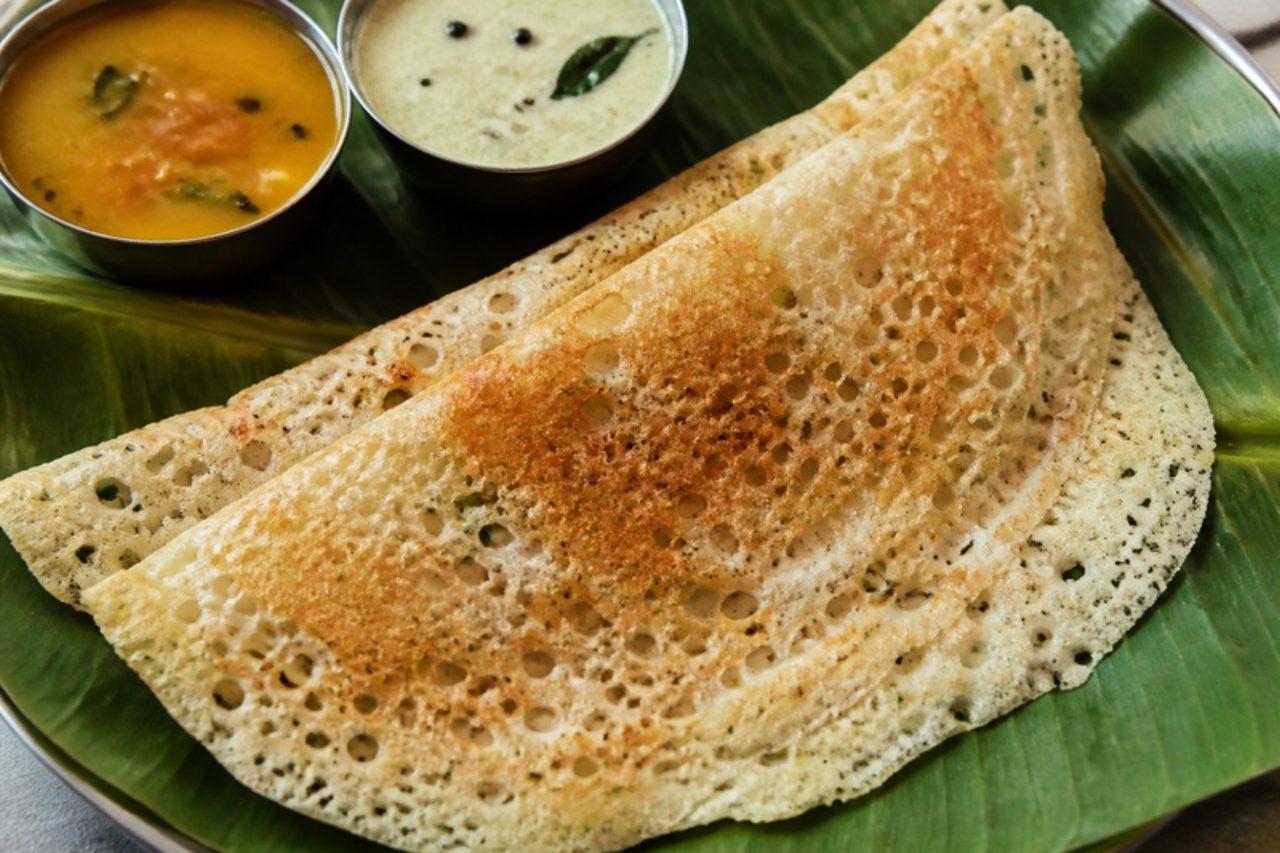
Rava dosa is the instant dosa of Karnataka's Udupi restaurants: a thin, pourable batter of semolina and rice flour, studded with cumin, cracked pepper, ginger and curry leaves, poured onto a very hot griddle so it sets into a crisp, holey lace. There's no soaking or fermenting, so it's the dosa to make when the craving strikes. Serve straight from the pan with coconut chutney and sambar. Because it contains semolina it's not gluten free. Chef's tip: the batter must be watery, thinner than single cream; pour it from a height onto the pan instead of spreading it, and stir the bowl before every dosa because the semolina sinks.

by KrazyBadal 0 views

Ravitoto with porkPounded cassava leaves with pork

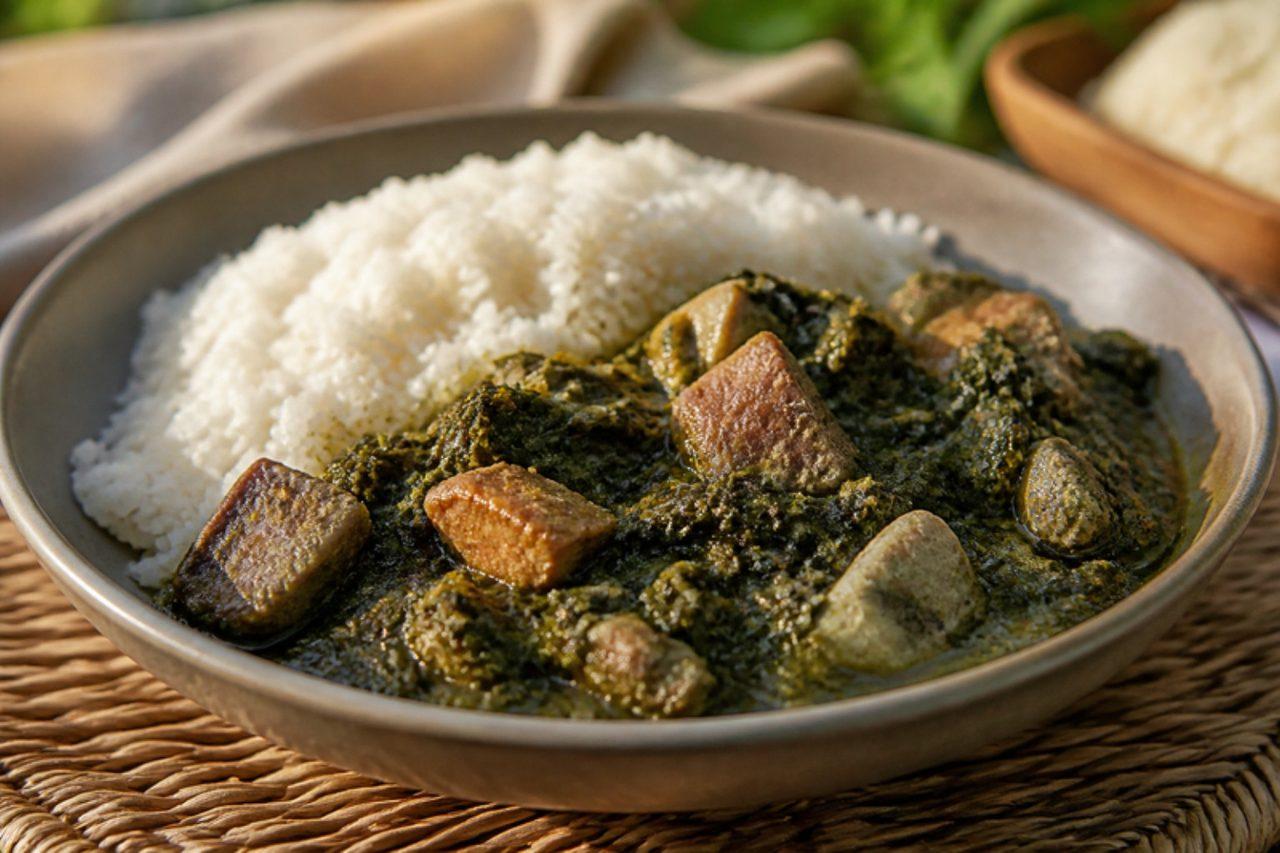
Ravitoto sy henakisoa, cassava leaves with pork, is a favourite of the Malagasy highlands around Antananarivo and is served at family Sunday lunches with a mound of white rice. This dish contains pork. The cassava leaves are pounded to a dark green paste and simmered for a long time with fatty pork, garlic and ginger until rich and soft, often finished with coconut milk. The mistake is undercooking the cassava leaves: they must cook for at least an hour to be safe and lose their bitterness, so don't cut it short. Chef's tip: frozen pounded cassava leaves (sold as ravitoto, pondu or saka saka) save a lot of work.

120 minMalagasyMeatGluten free
by KrazyBadal 0 views

MolletesOpen bean and cheese rolls

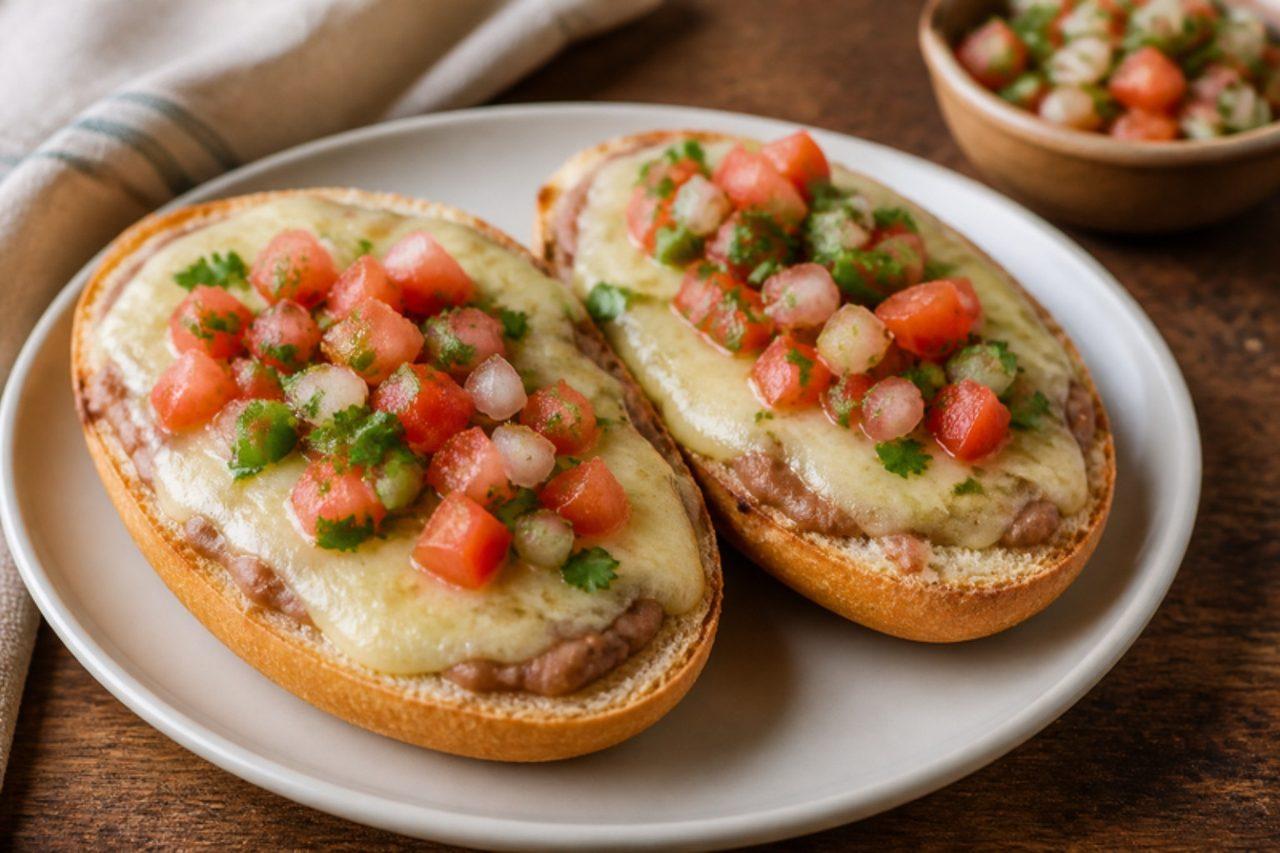
Molletes are a favourite cheap breakfast and after-school snack across Mexico, especially in Mexico City cafés: a bolillo (a crusty, oval white roll) split, buttered and toasted, spread with refried beans, covered with cheese and grilled until bubbling, then topped with fresh pico de gallo. They are crunchy, creamy and gooey, and children love them. Use crusty white rolls or short pieces of baguette if you can't get bolillos, and a mild melting cheese made with vegetarian rennet, such as mild cheddar, mozzarella or Oaxaca cheese. Chef's tip: toast the buttered rolls before adding the beans, so the bread stays crisp underneath instead of going soggy.

by KrazyBadal 0 views

RawonBlack beef soup

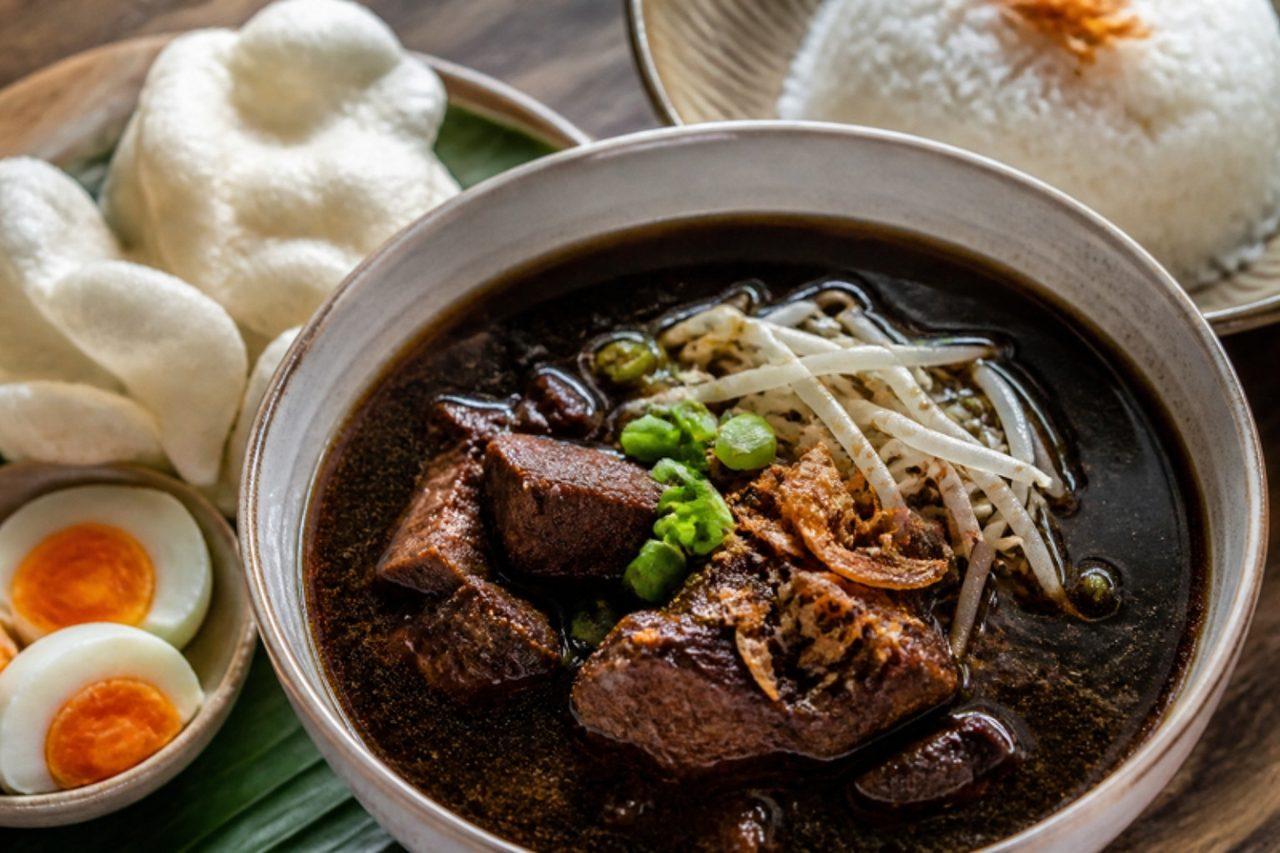
Nothing else on the table looks like rawon: a beef soup as dark as strong coffee, served in Surabaya from breakfast through to the late-night warungs that stay open after the football. Its colour and flavour come from keluak (kluwek), the fermented kernel of a tropical tree nut, which tastes earthy and faintly bitter, somewhere between black olive, cocoa and mushroom. Tender beef cubes swim in the broth, and it's served with rice, short crunchy bean sprouts, a salted duck egg and prawn crackers for crunch. Raw keluak contains a natural poison and is only safe after long processing, so always buy ready-prepared kluwek nuts from an Asian grocer. Chef's tip: crack one nut first and taste a crumb; good flesh is moist, black and smells chocolatey, while sour or dry, pale flesh should be thrown away.

by KrazyBadal 0 views

TartiflettePotato, bacon and Reblochon bake

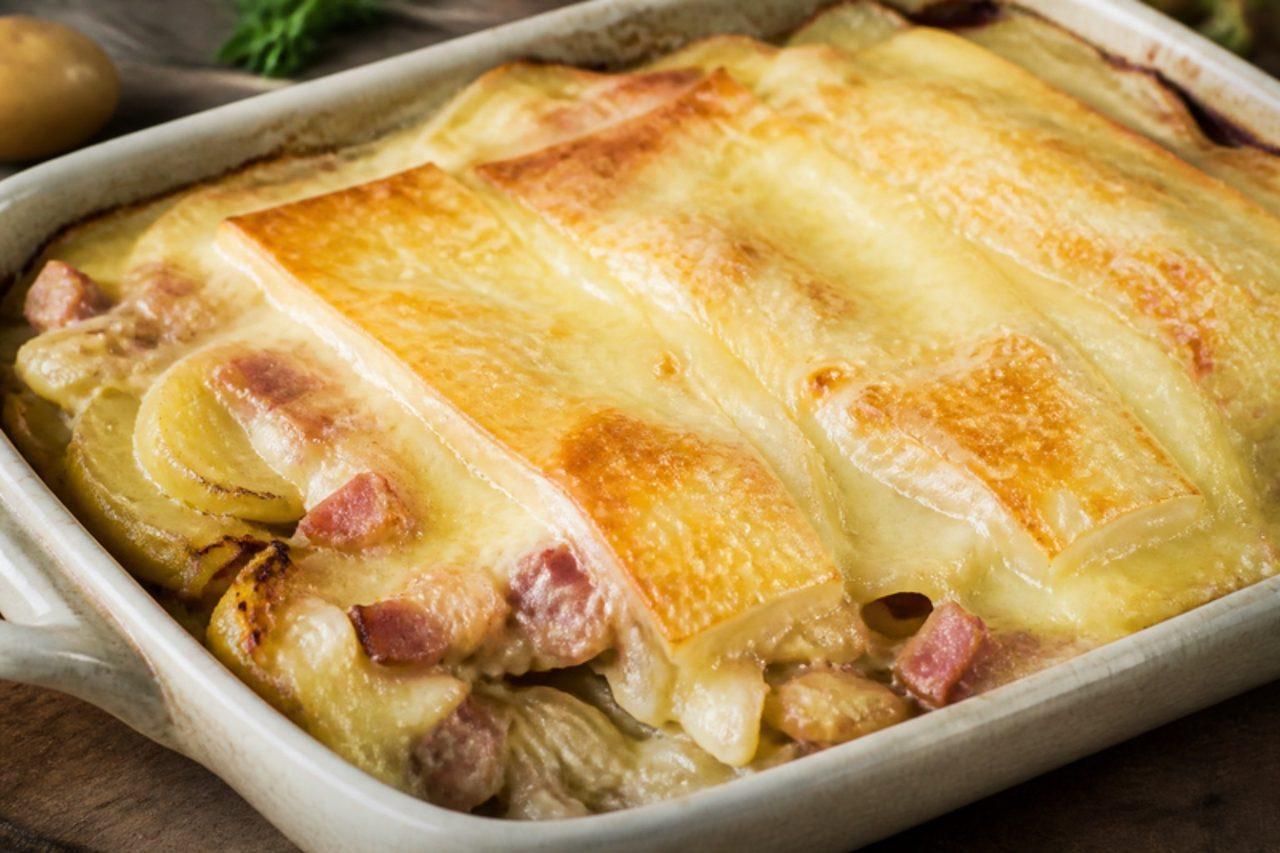
Tartiflette is the dish skiers dream about on the last run of the day in the Savoie Alps, served bubbling in its dish in mountain restaurants from Annecy to Val d'Isère. It contains pork: sliced potatoes are layered with onion, smoky lardons and a splash of cream, then a whole Reblochon cheese is halved and laid rind-side up on top so it melts down through everything in the oven. Many cooks add a splash of white wine to the onions; this recipe leaves it out, so it is alcohol-free. Eat it with a sharp green salad and cornichons. Chef's tip: keep the rind on the Reblochon; it bakes to a golden, nutty crust.

75 minFrenchMeatGluten free
by KrazyBadal 0 views

Saag (rayo ko saag)Mustard greens stir-fry

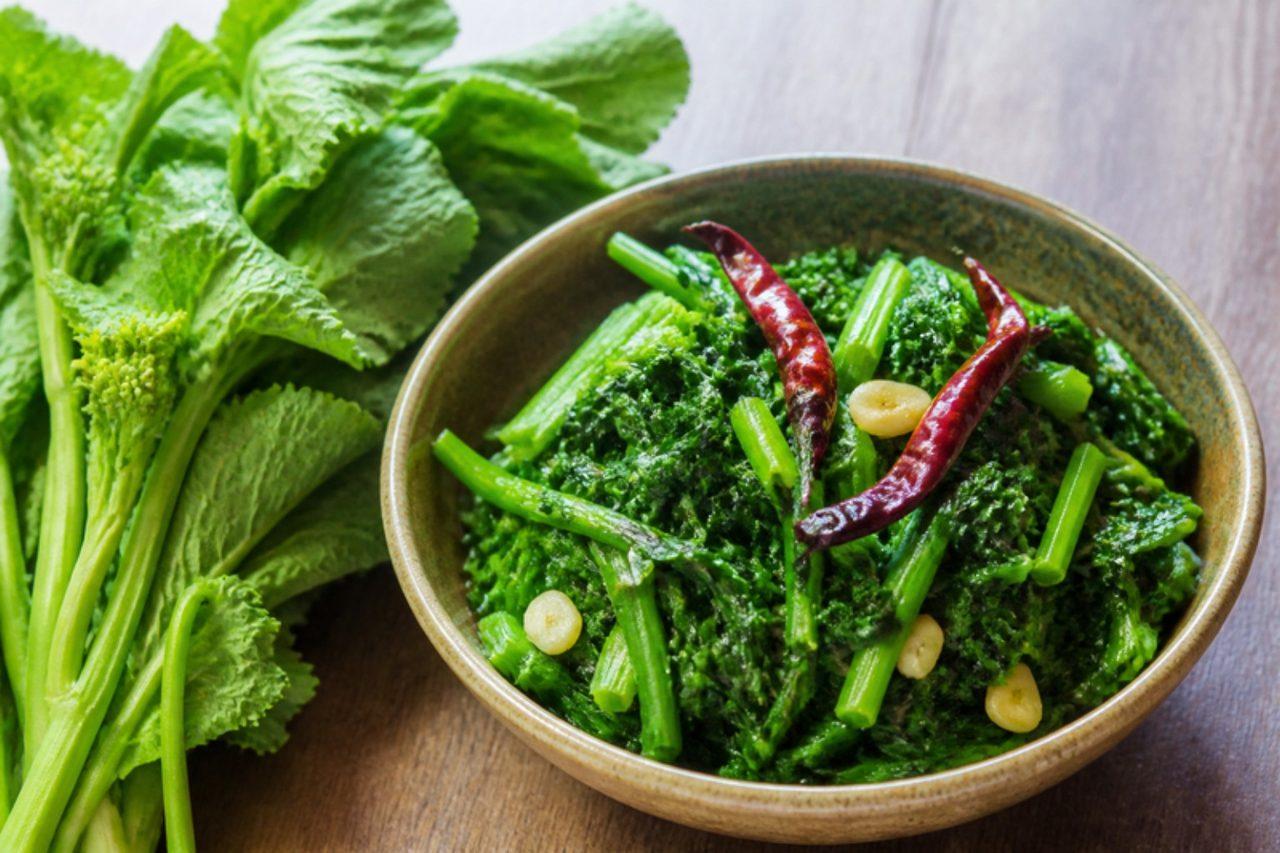
Ask for saag anywhere in Nepal and you will get the leafy part of the dal bhat plate: a tangle of greens, most often rayo (a broad-leafed mustard green), fried fast in mustard oil with garlic and a dried chilli until just wilted. It is nothing like the slow-cooked, puréed sarson ka saag of Punjab. Nepali saag keeps its bright colour, a little bite in the stems and a pleasant bitterness. It grows in every kitchen garden from the Terai to the hills and is on the table most days from autumn to spring. Spinach, chard or Chinese mustard greens all work the same way. The common mistake is to cover the pan, which stews the leaves to a grey mush; keep the heat high and the lid off. Chef's tip: add the stems a minute before the leaves so both are done at the same moment.

by KrazyBadal 0 views

Rechta with vegetable sauceNoodles in turnip and chickpea broth

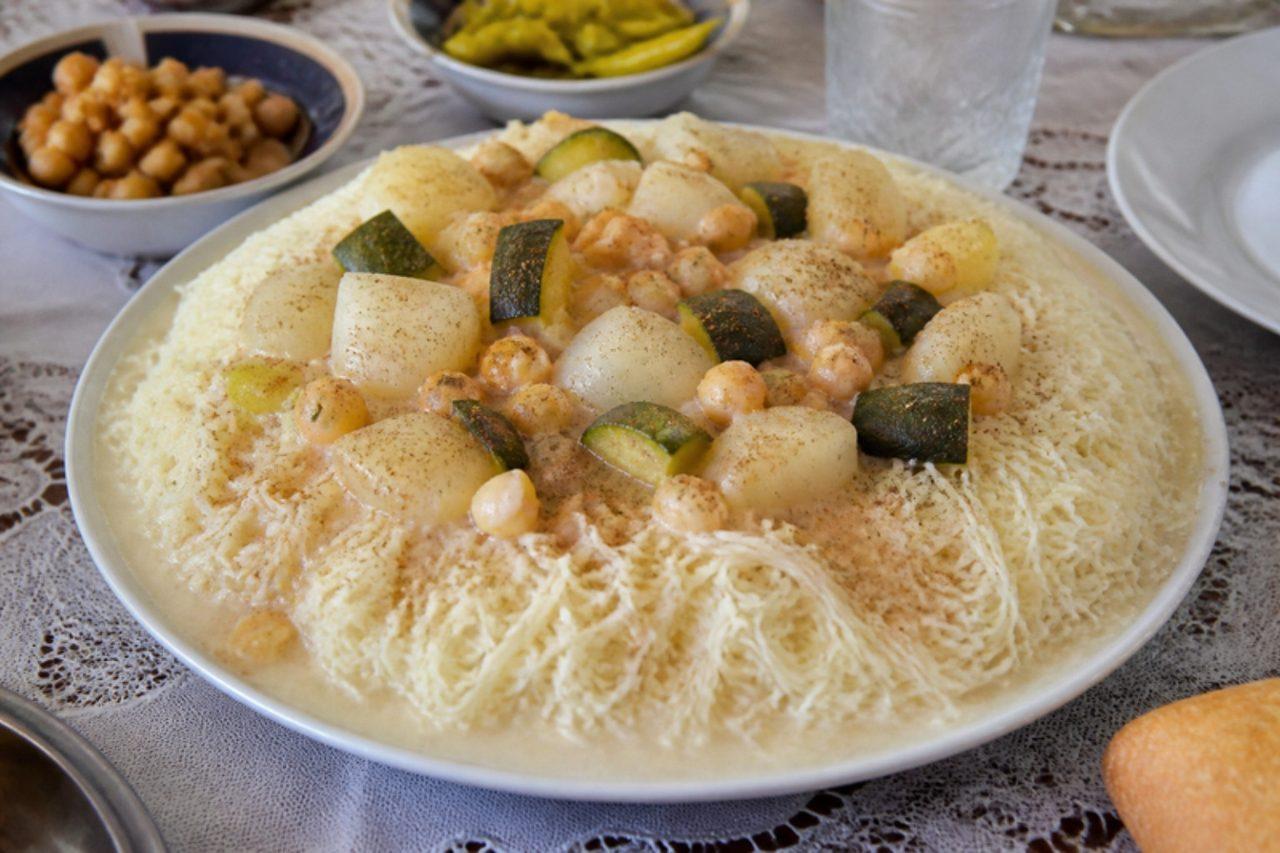
Rechta is the dish of Algiers and Blida for Mouloud, Ashura and the first day of the new year: thin, square-cut fresh noodles steamed in a couscoussier like couscous, then drenched in a pale, cinnamon-scented white sauce of turnips, courgette and chickpeas. It is usually made with chicken; this vegetable version keeps the gentle, peppery broth. Dried rechta is sold in North African shops; very thin dried egg-free noodles work too. Chef's tip: steam the noodles twice and rub them with oil in between, so they stay separate and silky.

by KrazyBadal 0 views

Red redBean stew in palm oil

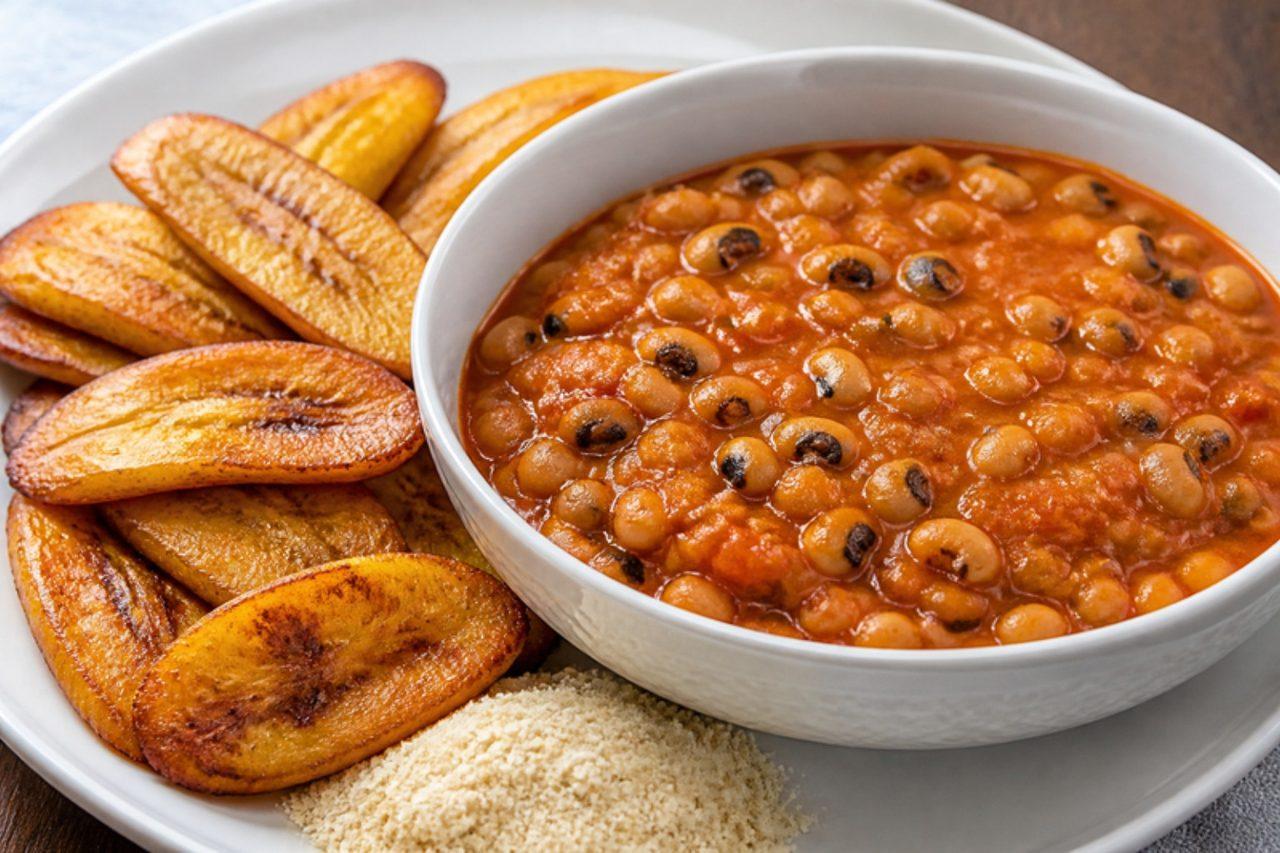
Red red is Ghanaian chop-bar comfort food, eaten at lunchtime from Kumasi to Cape Coast, and it gets its name from its two reds: the bean stew glowing with palm oil and the fried ripe plantain served alongside. Black-eyed beans simmer in a tomato and onion sauce until creamy, then a sprinkle of gari on top adds crunch. It is often made with smoked fish or momoni; this meat-free version uses smoked paprika for the same savoury edge. Chef's tip: choose plantains with mostly black skins; they fry up sweet and caramelised, the perfect partner for the salty stew.

by KrazyBadal 0 views

Banh beoSteamed rice cakes with shrimp

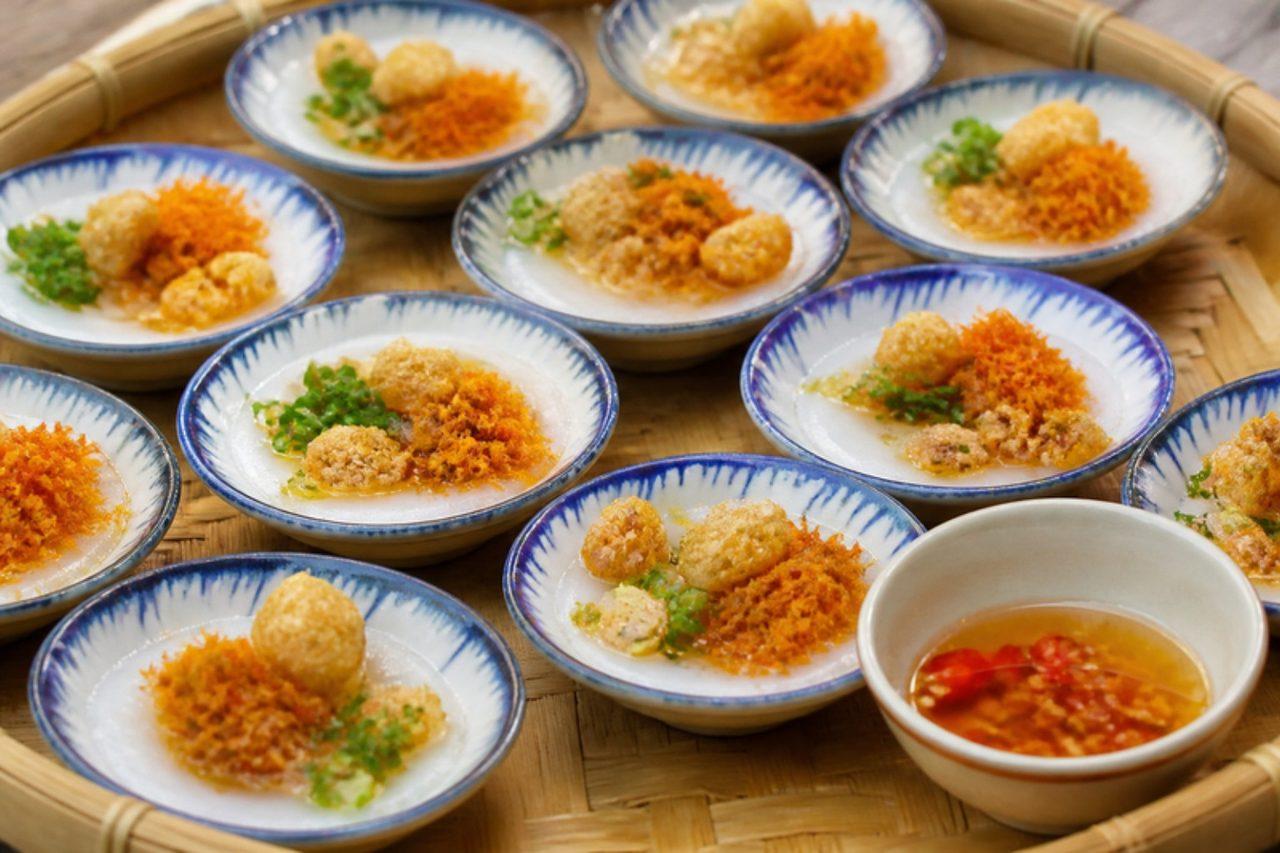
Bánh bèo are named after the water fern that floats on Huế's ponds, which the little round cakes resemble. In the city they arrive at the table by the dozen, each still in its own small saucer, topped with pink shrimp floss and spring onion oil. You spoon sweet fish sauce over and scoop each one out in a single mouthful. They're a mid-afternoon snack or a light lunch alongside other Huế rice cakes. Small ramekins, egg poaching cups or a silicone mini-muffin tray all work as moulds. Chef's tip: heat the empty saucers in the steamer for a minute before adding the batter; the cakes then set with the little dimple in the middle that holds the toppings.

by KrazyBadal 0 views

Mole verde with vegetablesGreen mole with vegetables

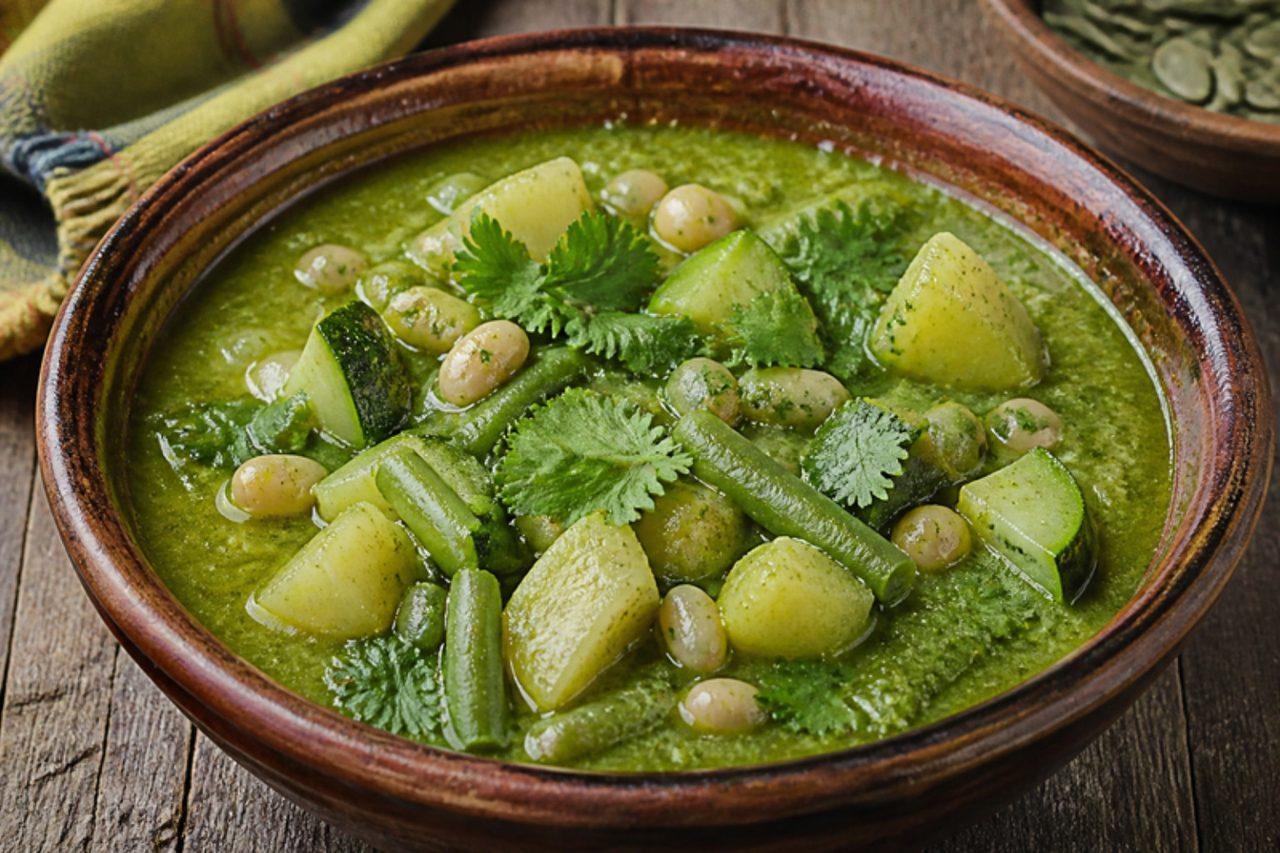
Mole verde is the brightest of Oaxaca's seven moles: instead of dried chillies and chocolate it is built from tomatillos, fresh green chillies and a fistful of herbs (hoja santa, epazote, parsley) and thickened with masa or pumpkin seeds. In Oaxaca it is often cooked with white beans and vegetables, which is how we make it here, with potatoes, courgette, green beans and chayote. The sauce is tangy, herbal and silky, and goes with white rice or warm corn tortillas. It is vegan as long as you use vegetable stock. Chef's tip: blend the raw herbs in at the very end, off the heat; cooked any longer they turn grey and lose their fresh perfume.

by KrazyBadal 0 views

Mole poblano with chickenChicken in chocolate chilli sauce

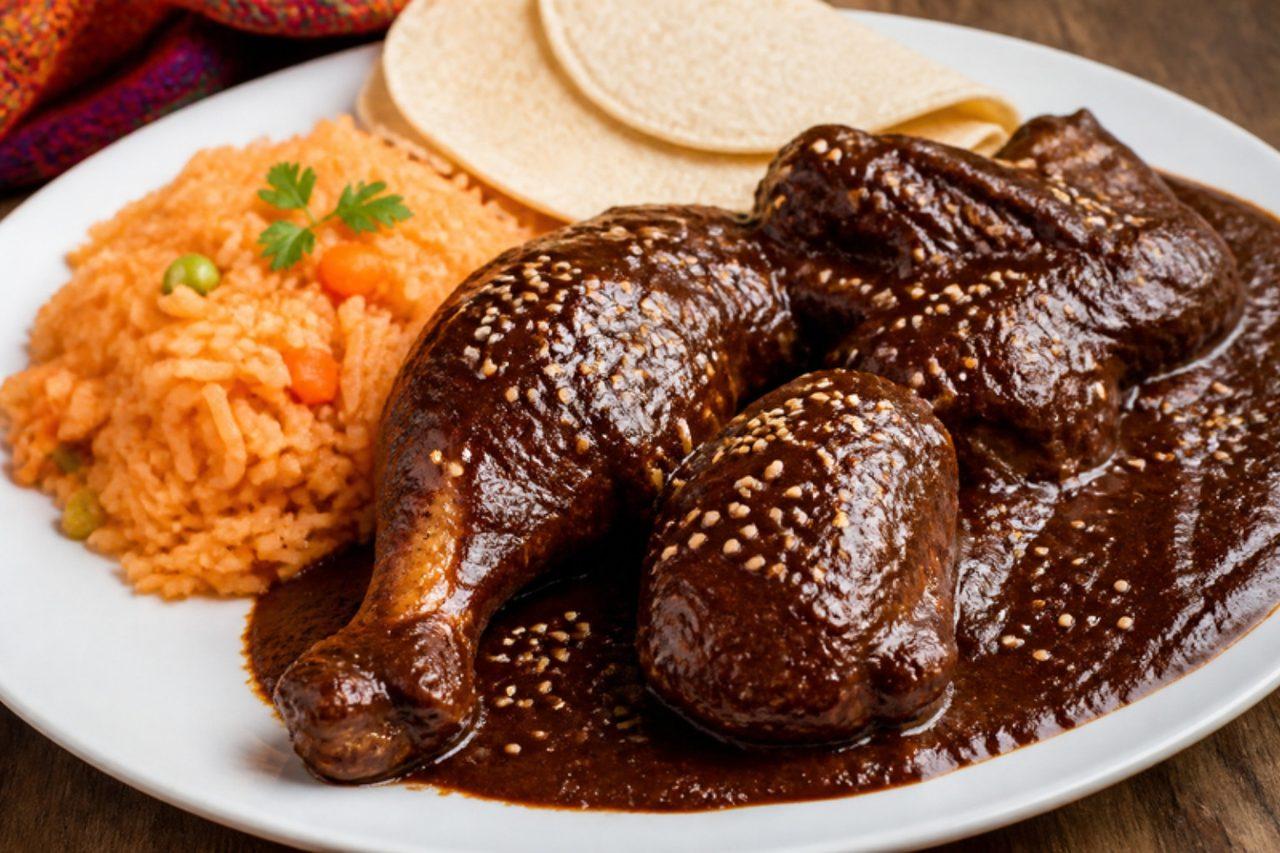
In the city of Puebla, mole poblano is the dish for weddings, baptisms and saints' days, and families often make it together over a whole afternoon. Three dried chillies (mulato, ancho and pasilla) are fried and ground with almonds, peanuts, sesame, raisins, spices, toasted tortilla and a little chocolate into a sauce that is deep, glossy and only gently sweet. It is spooned over poached chicken and scattered with sesame, with Mexican rice and warm tortillas to mop it up. Making it a day ahead lets the flavours settle. Chef's tip: fry the blended sauce in hot fat before adding stock; that sizzling stage is what turns it from a purée into mole.

by KrazyBadal 0 views

Rellenitos de plátanoPlantain dumplings with sweet beans

Rellenitos surprise everyone who hasn't grown up in Guatemala: soft, sweet plantain dough wrapped around a filling of black beans cooked down with chocolate, cinnamon and sugar, then fried and rolled in sugar. They're sold in panaderías and at fairs, and made at home for afternoon coffee and Christmas. The beans taste nothing like a savoury dish; think of a fudgy chocolate paste. Chef's tip: mash the plantains while hot and chill the dough for 20 minutes; cold dough wraps cleanly without sticking to your hands.

by KrazyBadal 0 views

FirniGround rice milk pudding

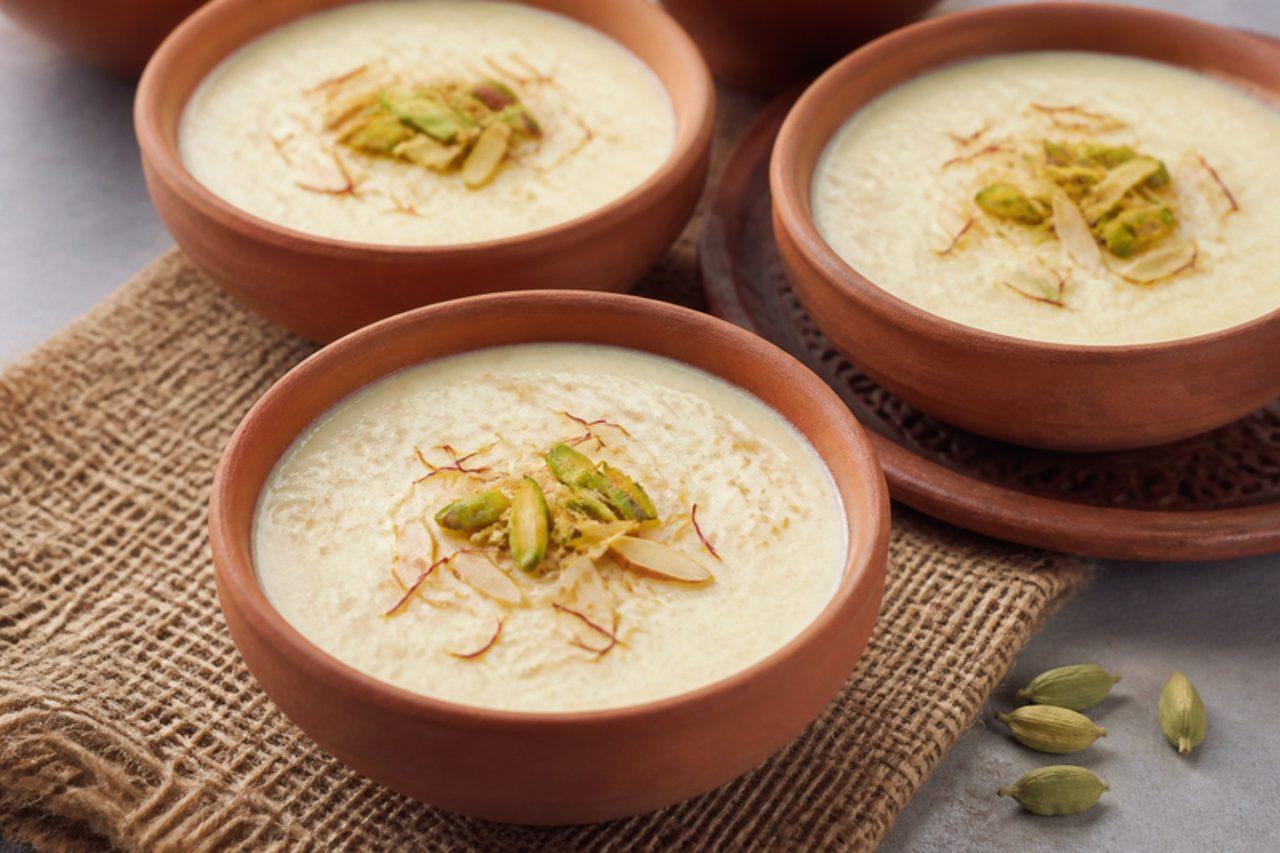
Firni is the dessert that turns up in little clay bowls on Eid tables across Bangladesh, especially after the evening meal on Eid-ul-Fitr. It is smoother and thicker than payesh: instead of whole rice grains, coarsely ground rice is simmered in milk until it sets into a silky pudding, scented with cardamom and rose water and scattered with pistachios and almonds. It is served chilled, so it's made a day ahead. Chef's tip: grind the soaked rice to a coarse semolina-like grit, not a fine powder; that slight texture is what makes firni feel rich.

by KrazyBadal 0 views

Bhorta platter (aloo, begun and dal bhorta)Mashed potato, aubergine and dal

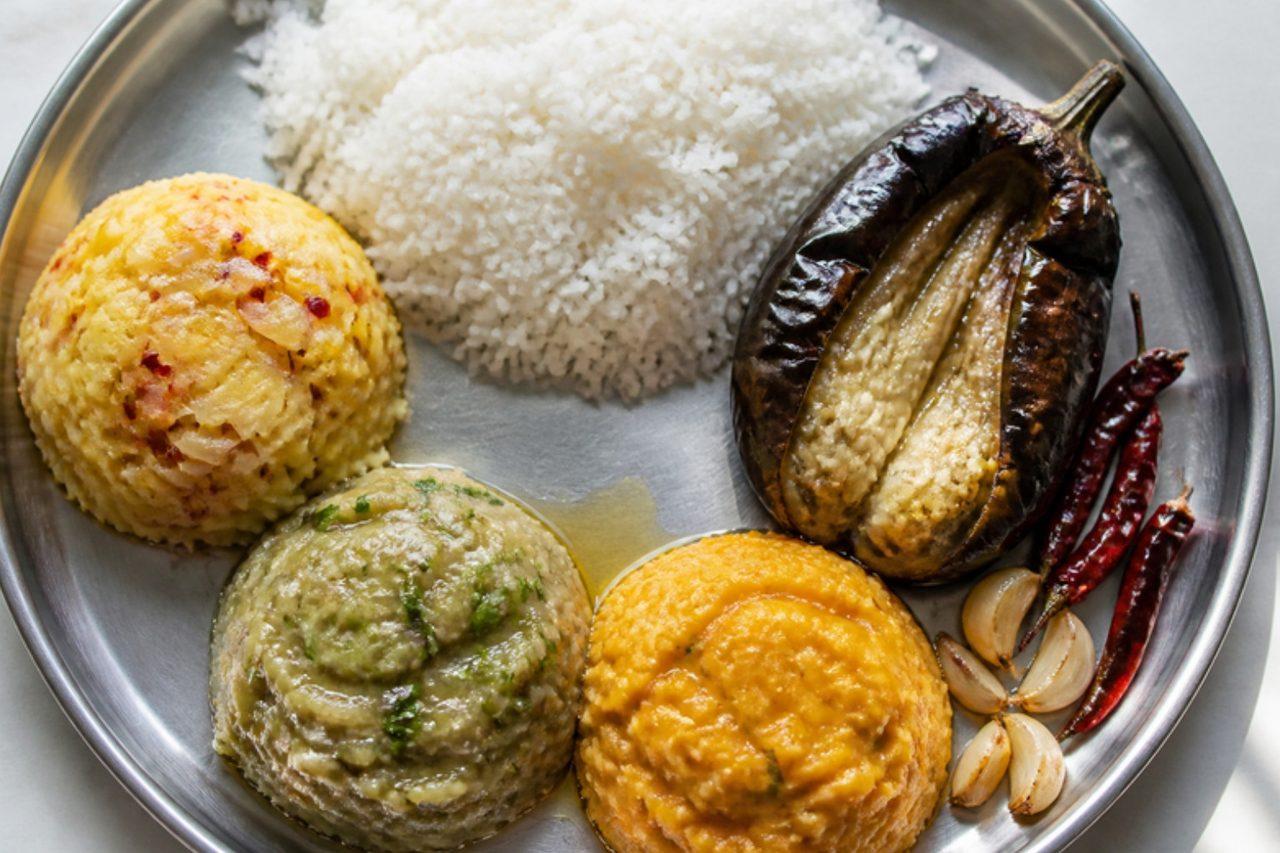
No word says home cooking in Bangladesh like bhorta: anything boiled, roasted or fried, then mashed by hand with raw mustard oil, sliced onion, green or burnt chillies and coriander. A family lunch in Dhaka or Khulna might set out three or four bhortas in little heaps around a mound of rice, and this page makes the classic trio: aloo (potato), begun (fire-roasted aubergine) and dal (dry-fried red lentil). They share one method, so they live together here. Chef's tip: mash with your fingers, not a fork, rubbing the onion and chilli into the oil first; it bruises them and releases their sharpness into every bite.

by KrazyBadal 0 views

Moksi alesiMixed rice with salted meat

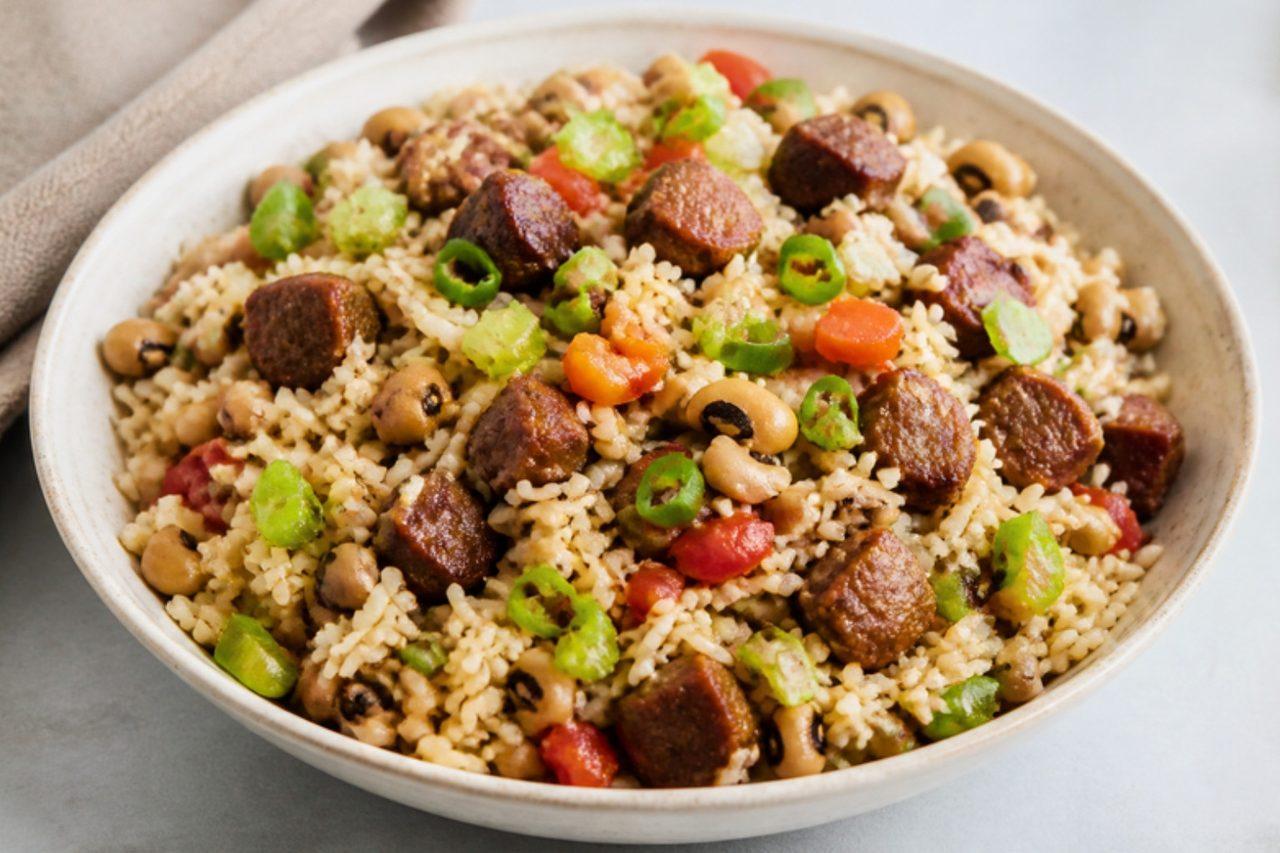
Moksi alesi, "mixed rice" in Sranan Tongo, is a weekday one-pot from Paramaribo's Creole kitchens: rice cooked with salted meat or salt fish, black-eyed beans, coconut milk, onion, celery and hot pepper, until the grains are soft and full of flavour. It is cooked when there's little time but a full pot is needed. This version uses salted pork; it contains pork. The mistake is not soaking the salted meat, which makes the rice far too salty; soak it, then boil it first. Chef's tip: smoked turkey or salt beef works in place of pork.

by KrazyBadal 0 views

Mok paHerb fish steamed in banana leaf

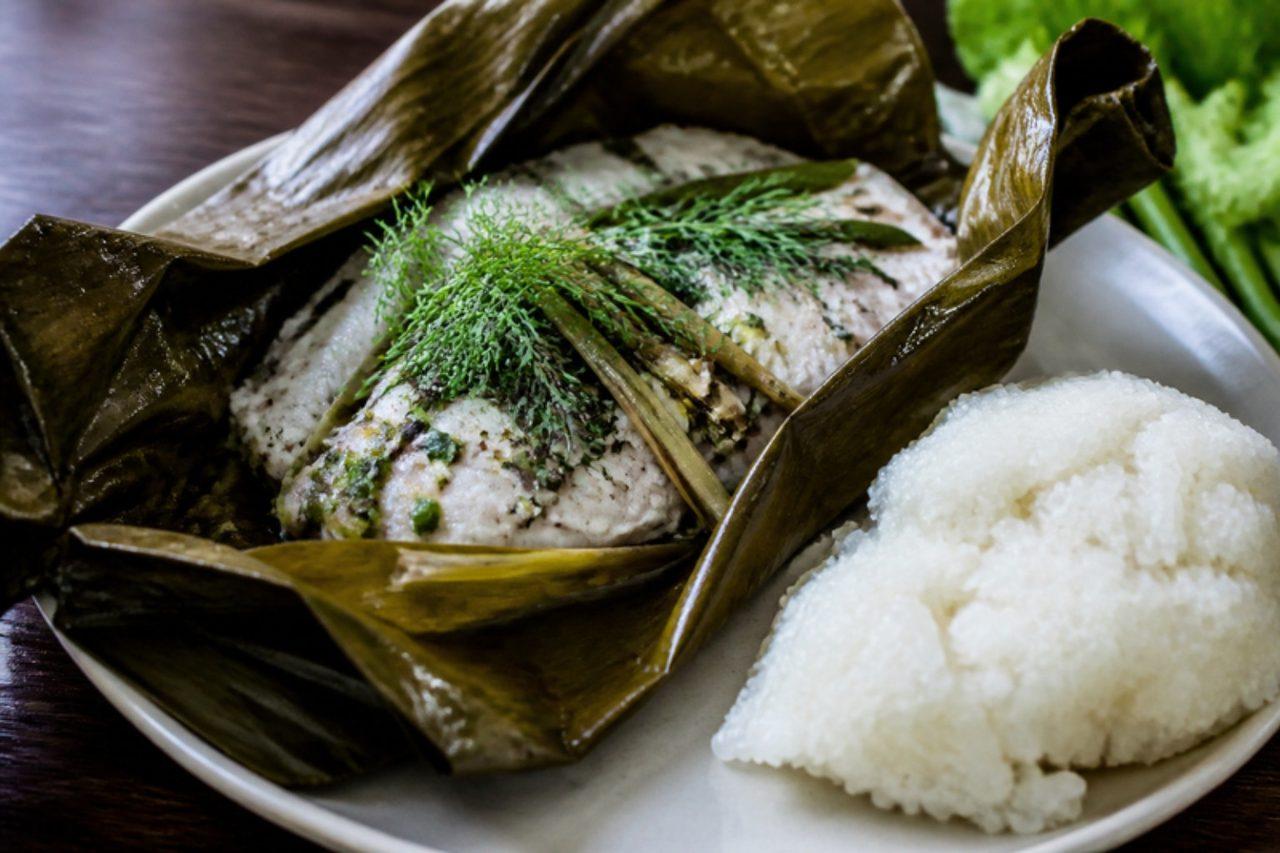
Mok pa is cooked all over Laos, from Vientiane's riverside markets to village kitchens near the Mekong, where freshwater fish is the everyday protein. Chunks of white fish are mixed with a paste of lemongrass, shallot, garlic and chilli, a handful of dill and lime leaves and a spoon of sticky rice flour, then wrapped in banana leaf parcels and steamed until set and fragrant. Eat it with sticky rice and raw vegetables. Chef's tip: soften the banana leaves by passing them briefly over a flame or into hot water; they fold without cracking.

55 minLaoFishGluten free
by KrazyBadal 0 views

Mojo criolloSour orange and garlic sauce

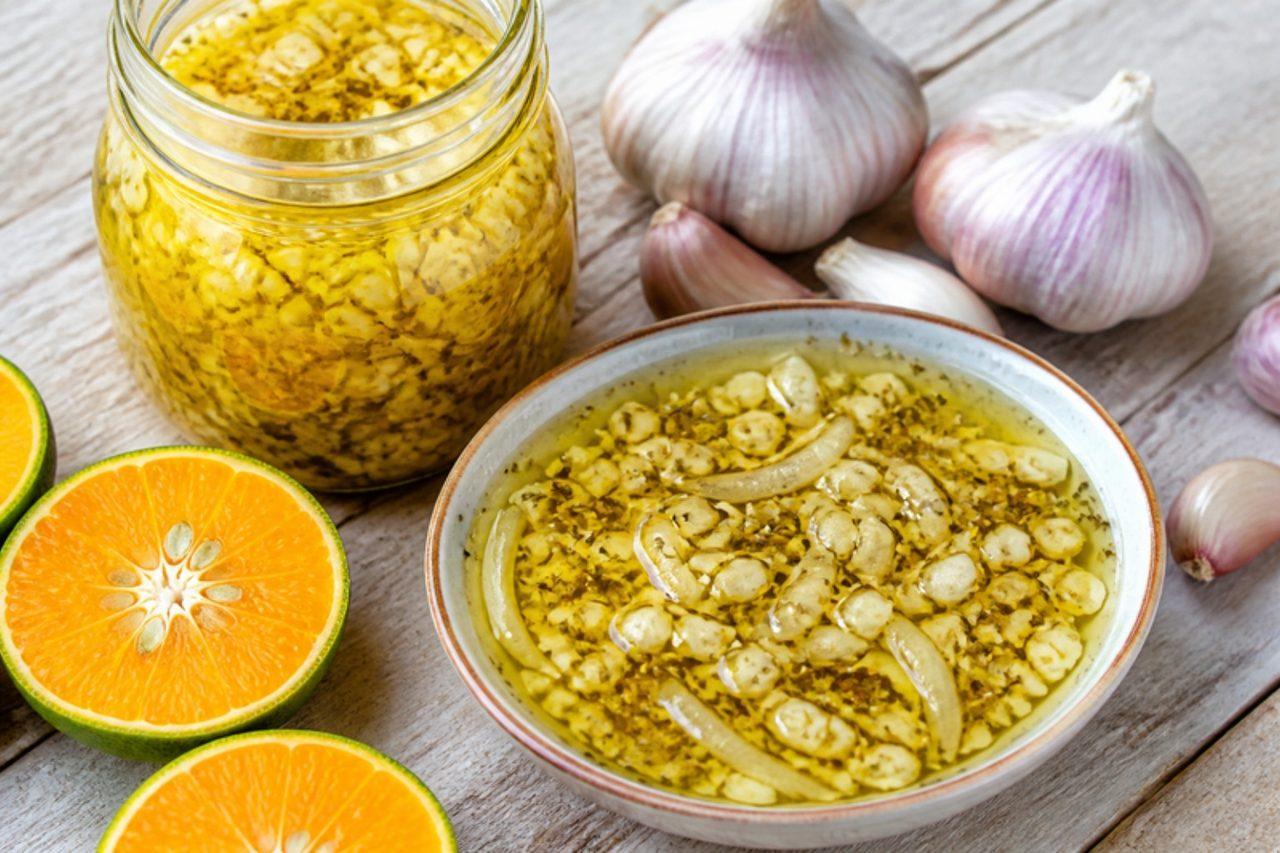
Mojo criollo is the raw sauce Cuban cooks keep in a jar by the stove: sour orange juice from the naranja agria tree, pounded garlic, cumin, oregano and olive oil. On the island it marinates whatever goes on the grill and is spooned over tostones, boiled malanga and roast vegetables; vegetarians use it to marinate tofu, mushrooms or thick slices of squash. It is sharp, garlicky and bright. Chef's tip: pound the garlic to a paste with the salt rather than chopping it; the salt helps it break down so the sauce tastes round, not harsh.

by KrazyBadal 0 views

RevaniSemolina cake in lemon syrup

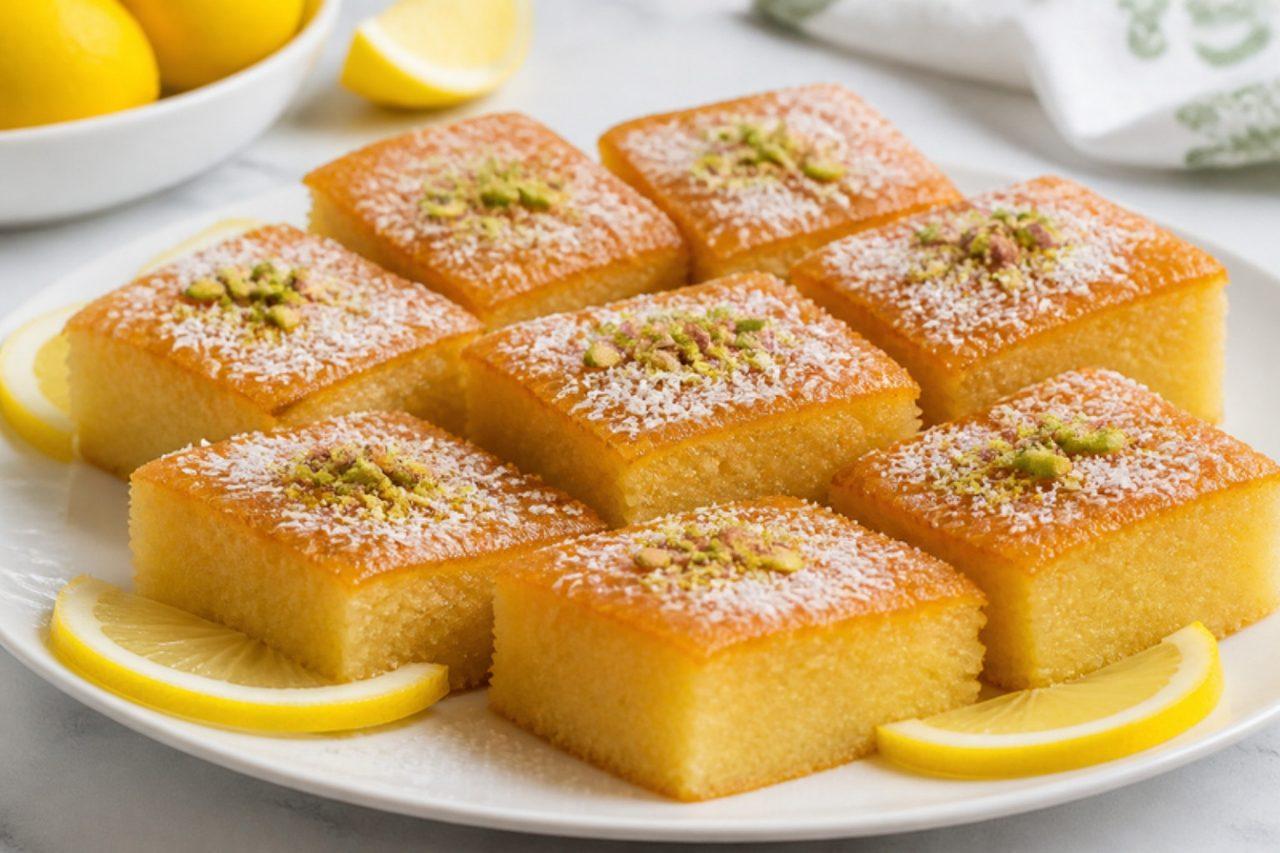
Revani is the syrup cake you meet in Turkish pastry shops and on home tea tables, especially at bayram visits, when trays of it are cut into diamonds and handed round with çay. Unlike a dense eggless semolina bake, it is a light, airy sponge of whisked eggs, semolina and a little flour, which drinks in cold lemon syrup straight from the oven until it is moist right through yet still holds a clean cut. It sweetens with sugar syrup rather than icing and is often finished with desiccated coconut or crushed pistachios. Serve it at room temperature or chilled, with tea or a spoon of kaymak or thick cream. Chef's tip: pour cool syrup over the hot cake (or hot over cool), never hot on hot; that contrast lets the sponge soak up syrup without collapsing into mush.

by KrazyBadal 0 views

Bandeja paisaBeans, rice and pork platter

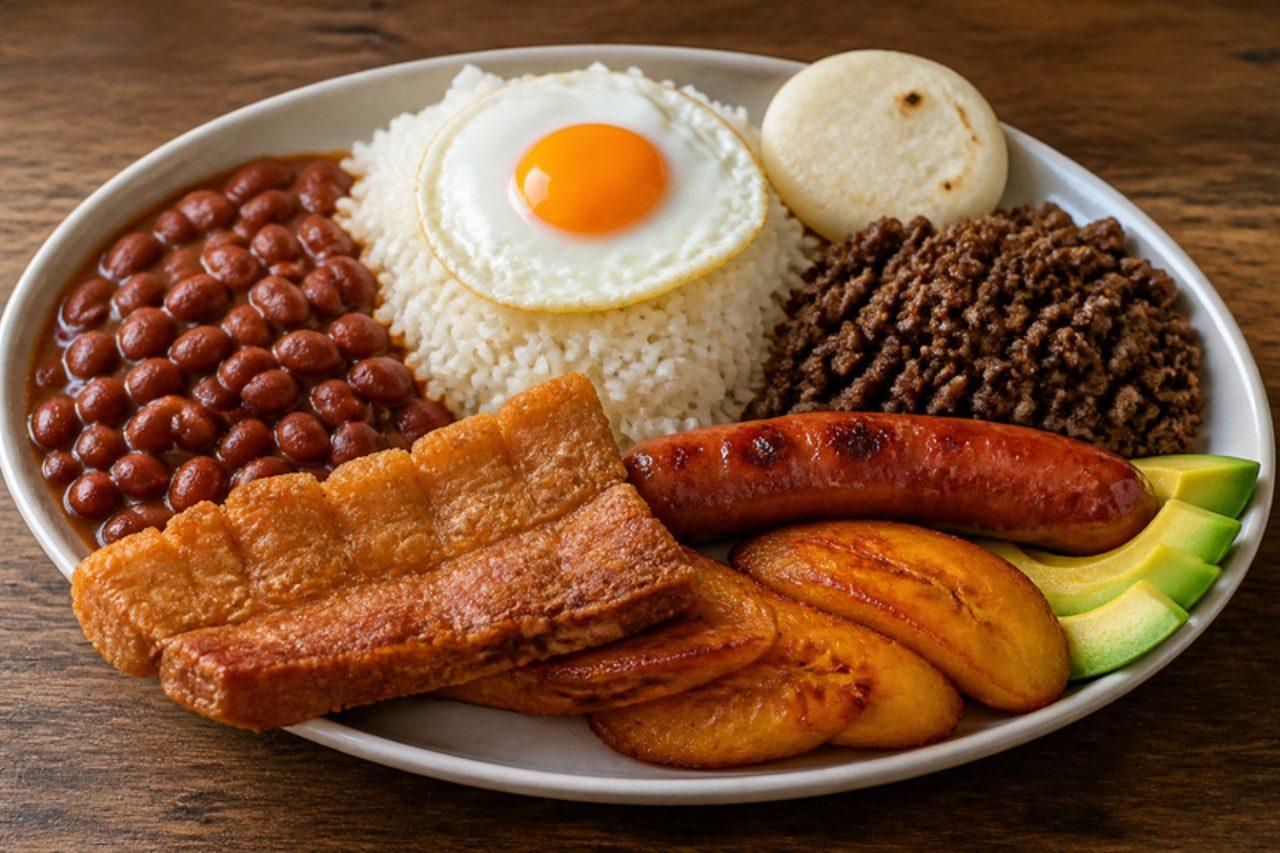
Bandeja paisa is the farmhouse feast of Antioquia and the coffee region around Medellín, served on an oval platter so big it barely fits on the table. This is a pork dish: crisp chicharrón (fried pork belly) and chorizo sit next to red beans, white rice, seasoned minced beef, a fried egg, ripe plantain, a small arepa and avocado. Paisas eat it for a long Sunday lunch, and restaurants in Medellín serve it every day. It looks like a lot of work, but most parts can be made ahead and finished together. The mistake most people make is frying the pork belly too hot from the start; it needs to simmer in its own fat first, or the outside burns before the inside turns tender. Chef's tip: cook the beans a day ahead; they thicken and taste better, and the day itself is then only frying.

by KrazyBadal 0 views

TostonesTwice-fried green plantain

Tostones are the crisp golden discs of green plantain sold at every Cuban cafeteria and fried at home to go with rice, beans and mojo; along Colombia's coast and in Cali the same thing is called patacones and comes with hogao or ají on top. The plantain is fried once to soften, smashed flat, then fried again until the edges shatter while the middle stays starchy and tender. Eat them hot as a side or a snack. Chef's tip: use truly green, hard plantains; yellow ones turn sweet and soft and will never go crisp.

25 minCubanSidesVeganGluten free
by KrazyBadal 0 views

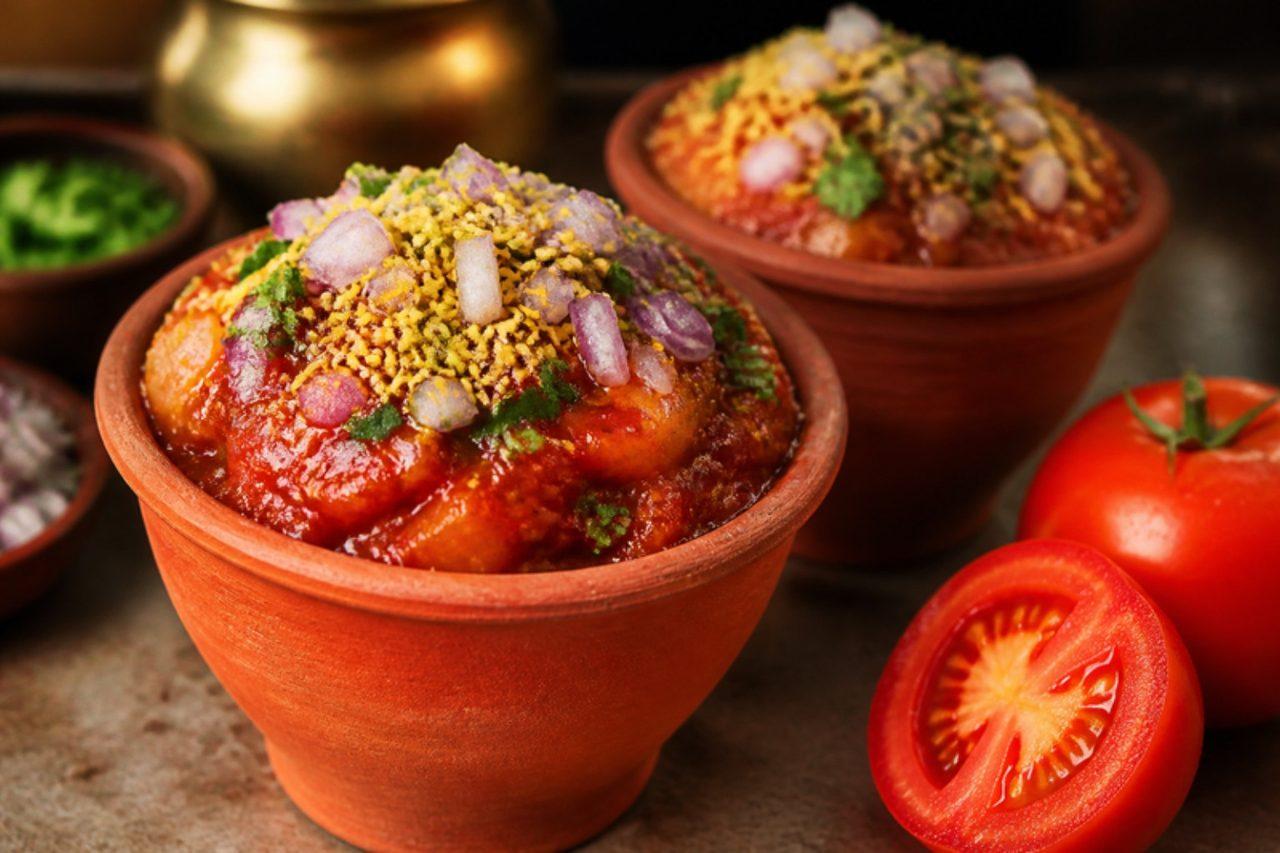
Banarasi tamatar chaatMashed tomato and potato chaat

Walk through the lanes near Dashashwamedh Ghat in Varanasi in the evening and you will see vendors mashing tomatoes and potatoes in large iron pans, cooking them with ghee and spices until thick, then spooning the mixture into small clay cups. Tamatar chaat is unique to Banaras: served hot, spicy, tangy, and finished with a thin sugar syrup and a pinch of chaat masala, then topped with crisp sev for crunch. Locals eat it standing up after the aarti, often followed by a glass of lassi. Many people forget the sugar syrup, but that's what balances the sourness and makes it Banarasi. Chef's tip: use very ripe, soft tomatoes and mash them right in the pan with the back of the ladle, leaving some texture.

by KrazyBadal 0 views

Moi moiSteamed bean pudding

Moi moi (also written moin moin) is the soft, savoury bean pudding of Yorubaland that turns up at every Lagos party beside jollof, and in lunchboxes and on Sunday breakfast plates with ogi or custard. Peeled black-eyed beans are blended with red pepper, onion and oil, then steamed until set and sliceable, like a light, spicy terrine. Traditionally it is wrapped in broad uma (thaumatococcus) leaves; ramekins or foil cups work at home. Party versions often hide boiled egg or fish inside; this one is fully plant-based. Chef's tip: the batter should drop thickly from a spoon, like a cake batter; too runny and the moi moi never firms up.

by KrazyBadal 0 views

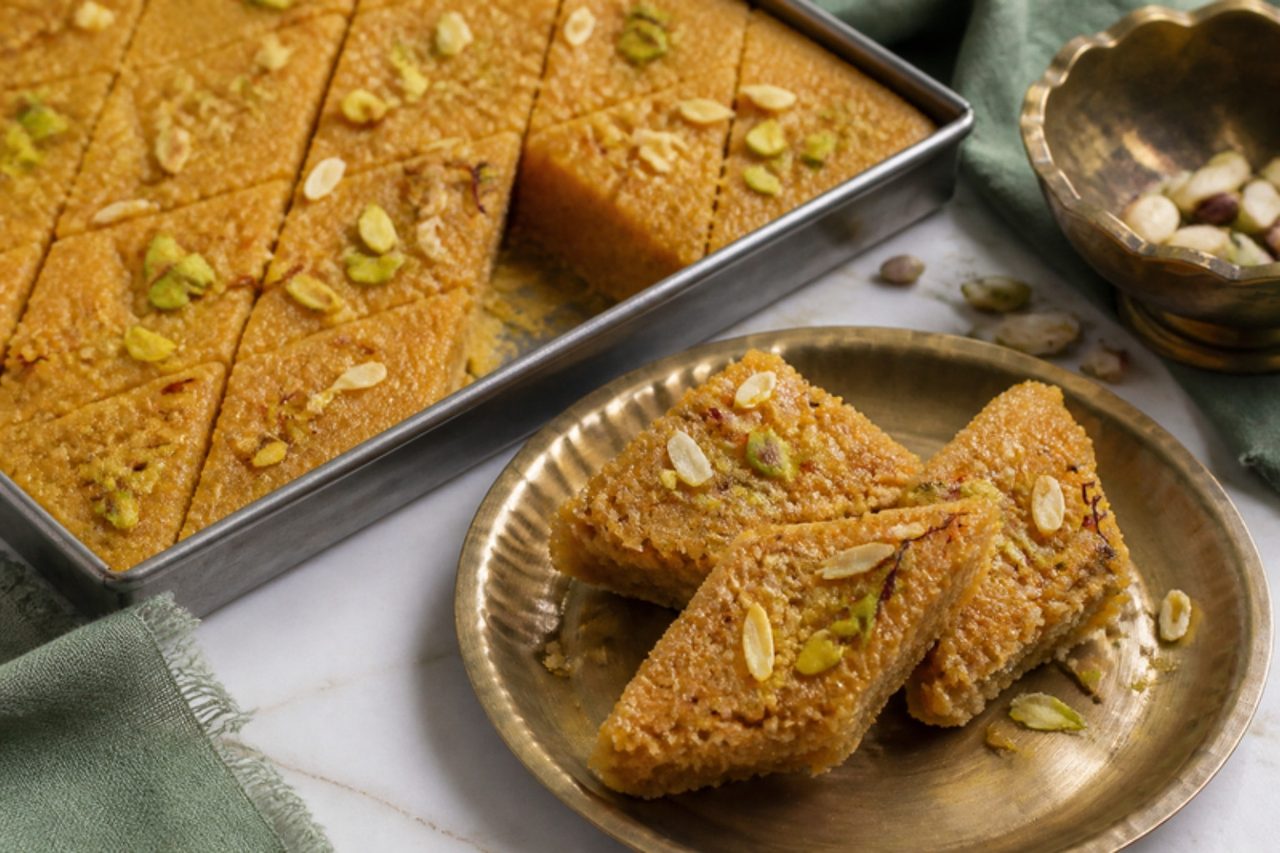
Mohan thaalGram flour fudge

Mohan thaal, named after Krishna, is offered at temples on Janmashtami and fills sweet boxes at Diwali in both Rajasthan and Gujarat. It is coarse gram flour roasted in ghee until it turns golden and smells like roasted nuts, then set with cardamom syrup into a grainy, fudge-like slab and cut into diamonds. The texture comes from a step called dhabo: rubbing ghee and milk into the flour, then sieving it into tiny granules before roasting. The mistake most cooks make is cooking the syrup too long; the fudge sets rock-hard and crumbles when cut. Chef's tip: take the syrup off the heat at a firm one-and-a-half string stage, and stop stirring when the mixture pulls away from the pan's sides in one mass.

by KrazyBadal 0 views

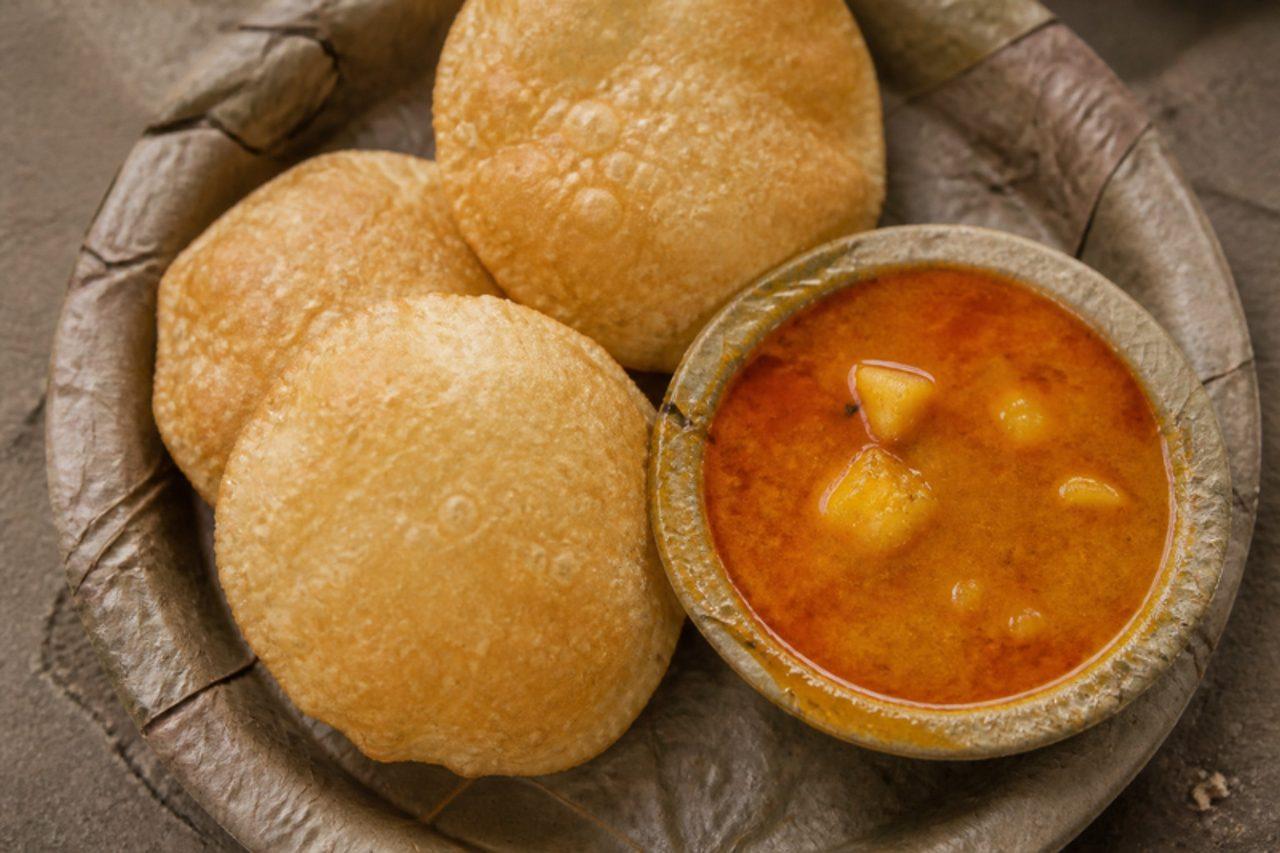
Banarasi kachori sabziUrad dal puris with potato curry

Walk the ghats of Varanasi in Uttar Pradesh at dawn and you'll smell kachori sabzi frying in huge karahis. Banarasi kachori is small and puffed like a puri, with soaked urad dal ground with ginger and fennel worked straight into the wholewheat dough rather than stuffed inside. It comes with a thin, peppery potato and tomato rasa made without onion or garlic, scented with hing and fenugreek seeds, and is usually followed by a hot jalebi. Chef's tip: roll the puris evenly to 3 mm and slide them into really hot oil, pressing gently with a slotted spoon; even thickness and fierce heat are what make them balloon.

by KrazyBadal 0 views

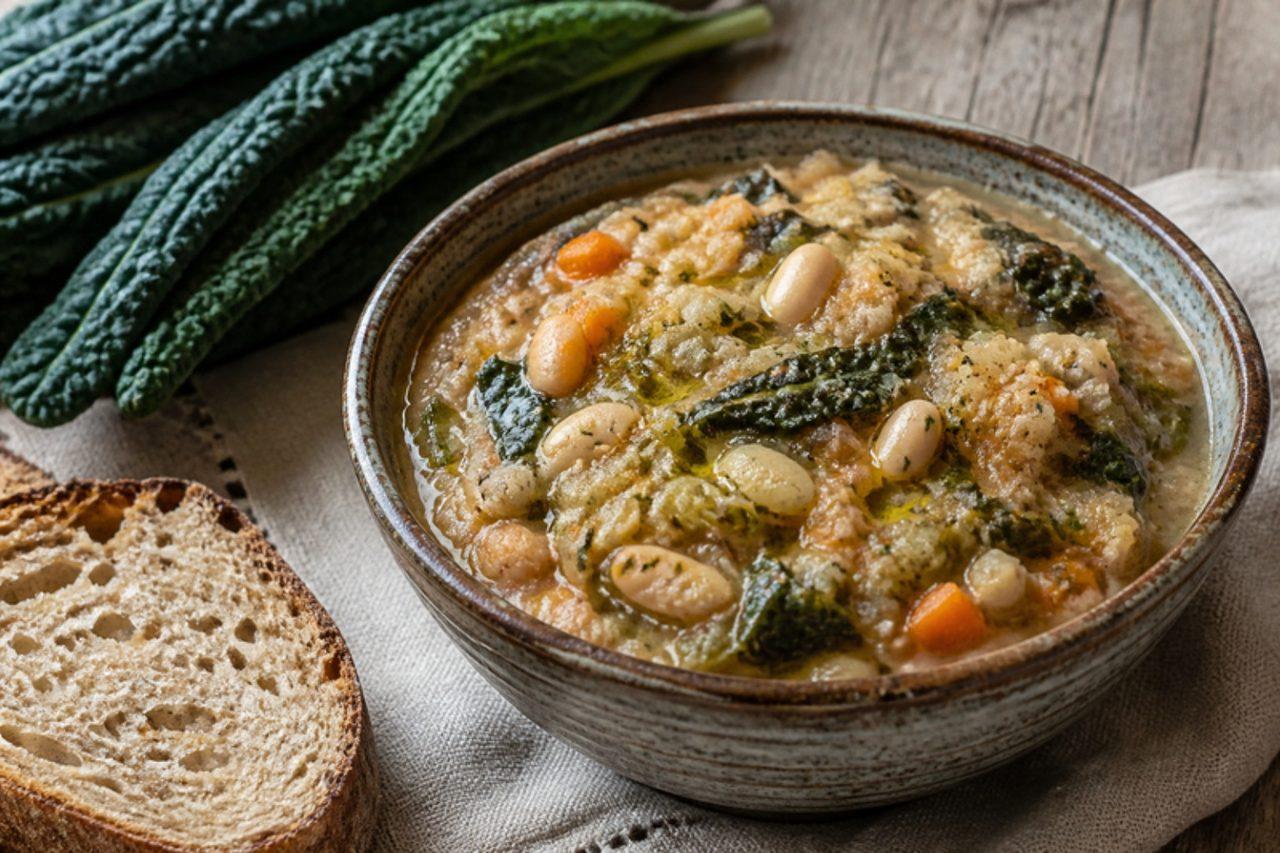
RibollitaBread and bean soup

Ribollita means 'reboiled': a Tuscan peasant soup of cannellini beans, cavolo nero and other vegetables, layered with stale bread and heated again the next day until thick enough to eat with a fork. Florentines eat it through the cold months, when cavolo nero is sweetest after the first frosts, finished with a green thread of new-season olive oil. Make it a day ahead, because the reboil is the point. Chef's tip: when reheating, let the bottom catch very slightly before stirring; that toasty edge is what Tuscans love about day-two ribollita.

by KrazyBadal 0 views

MofongoMashed fried plantain

In Puerto Rico mofongo is the dish people drive out to the kioskos of Piñones and the roadside fondas of Arecibo for: green plantain fried in chunks, then pounded while hot in a wooden pilón with raw garlic and good olive oil until it holds together in a rough, crusty dome. The outside stays a little crisp, the inside is soft, starchy and fiercely garlicky. Most places pound in chicharrón (pork crackling); this garlic-oil version is the main one here, and the crackling is a note at the end for meat eaters. Serve it with a small bowl of hot caldo to spoon over, or with stewed beans or a tomato sofrito sauce. Chef's tip: warm the garlic in the olive oil only until it smells sweet, never until it browns, so the mofongo tastes of fresh garlic rather than bitter toast.

by KrazyBadal 0 views

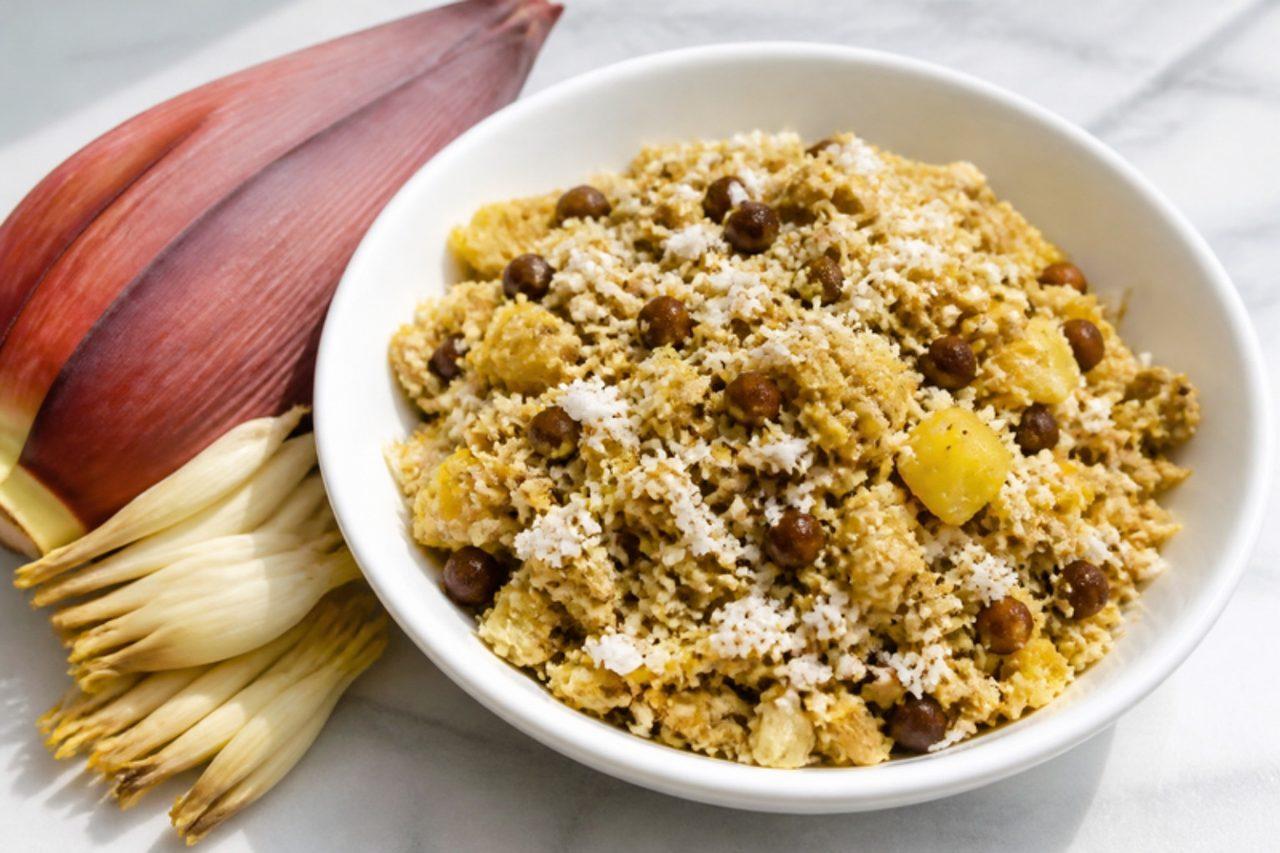
Mochar ghontoBanana flower and potato curry

Mochar ghonto is a labour of love from Bengali home kitchens: the florets of a banana flower are cleaned one by one, boiled and then cooked down with potato, grated coconut, ginger and cumin into a soft, dry, faintly sweet ghonto. It is served at weekend lunches and to guests, with rice and a little dal, and grandmothers judge a cook by it. The flavour is earthy, a little like artichoke, lifted at the end with ghee and freshly ground garam masala. Chef's tip: oil your hands before cleaning the flower, or the sticky sap stains your fingers black.

by KrazyBadal 0 views

BaiVegetable and bamboo shoot stew

Bai is the everyday dish of Mizoram, cooked in Aizawl homes almost daily: a stew of greens such as mustard leaves or pumpkin leaves, bamboo shoot, pumpkin and beans, boiled in water with a pinch of soda (traditionally 'chingal', an ash-filtered alkali) that softens the greens. It has almost no oil and little spice, and often a spoonful of pork fat goes in; this vegetarian version leaves it out and adds a little more ginger. Bai is light, green and soothing, eaten with rice and a chilli dip. Chef's tip: add the soda with the greens, not before, and only a pinch; too much turns the stew slimy.

by KrazyBadal 0 views

MizeriaCucumber salad with soured cream

Mizeria is the cool, creamy cucumber salad that sits beside Sunday dinner in Polish homes from May to September, especially next to young potatoes sprinkled with dill. Thin slices of cucumber are dressed in soured cream with dill, a pinch of sugar and a little lemon or vinegar, so it is fresh, tangy and slightly sweet. Legend links the name to Queen Bona Sforza longing for Italy, but in practice it is simply summer on a plate. Chef's tip: slice the cucumbers paper-thin on a mandoline or the slicing side of a box grater; thick slices never soak up the dressing.

by KrazyBadal 0 views

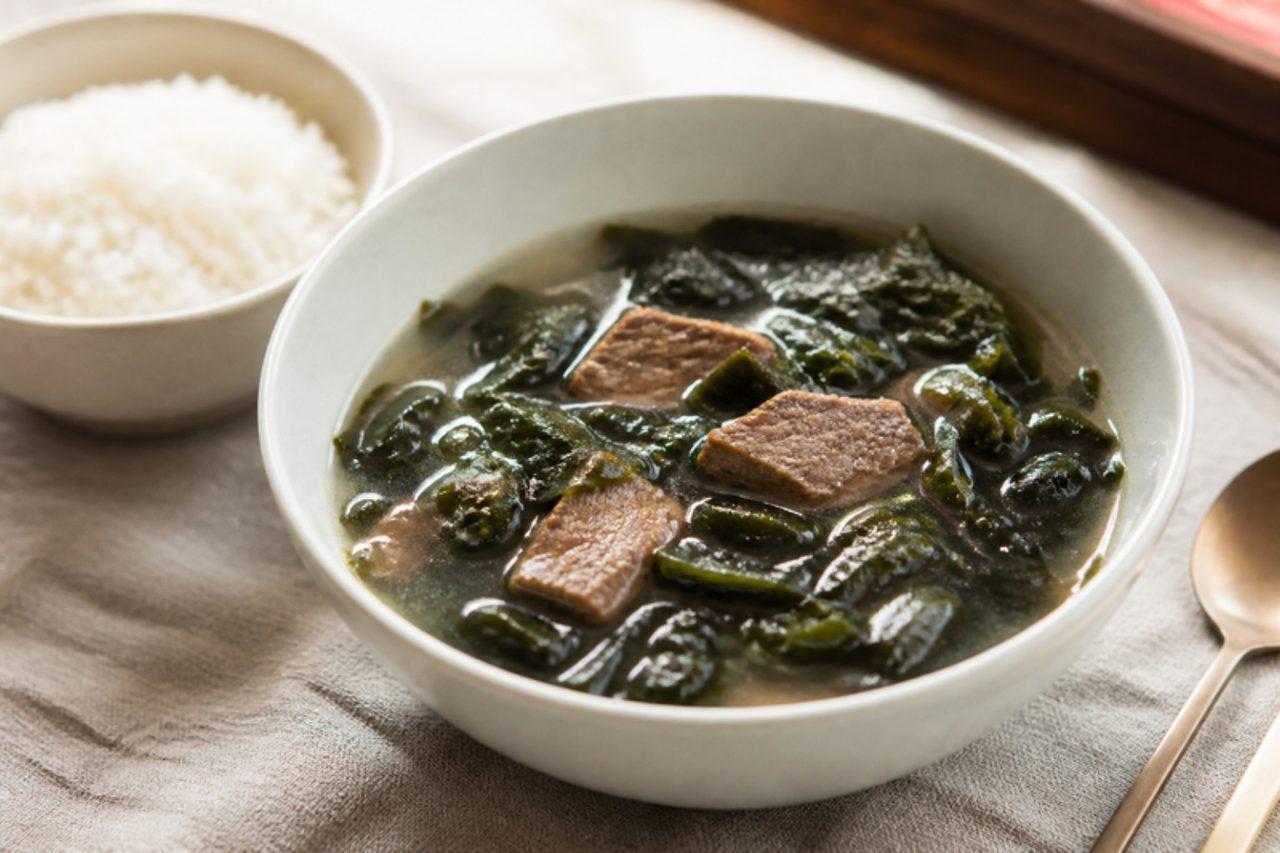
Miyeok guk with beefSeaweed soup with beef

Ask someone in Korea what they ate on their birthday morning and the answer is usually miyeok guk. The same soup is given to new mothers for weeks after a birth, as the seaweed is rich in iodine, calcium and iron. Some students avoid it on exam days, because slippery seaweed is said to make you 'slip' in the test. The broth is clear and mild, made with brisket fried in sesame oil and seasoned with soup soy sauce. Chef's tip: squeeze the soaked seaweed hard and fry it with the beef for a few minutes; it gives the broth a rounder, nutty taste.

by KrazyBadal 0 views

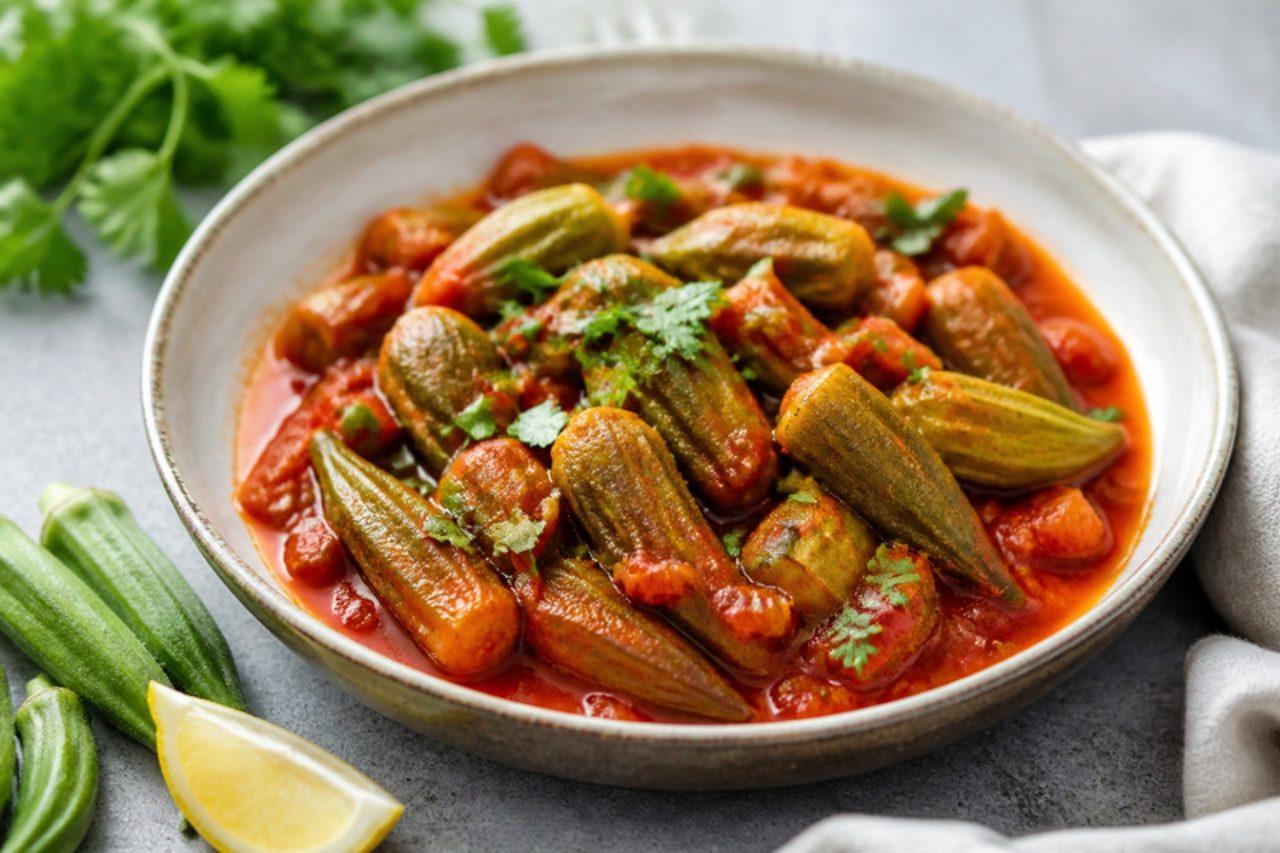
BamiehOkra stewed in olive oil

Late summer in the Damascus and Beirut markets means piles of tiny okra pods, and bamieh, okra stewed in tomato with coriander and garlic, follows on many family tables. This meat-free version is the one Lebanese Christians cook during Lent and serve with vermicelli rice or flatbread. Small, whole pods are the secret: kept intact and seared first, they stay tender without turning slimy, and a squeeze of lemon at the end sharpens the sauce. Chef's tip: trim only the very top of each cap without cutting into the pod; a pierced pod lets the sticky juice escape into the sauce.

by KrazyBadal 0 views

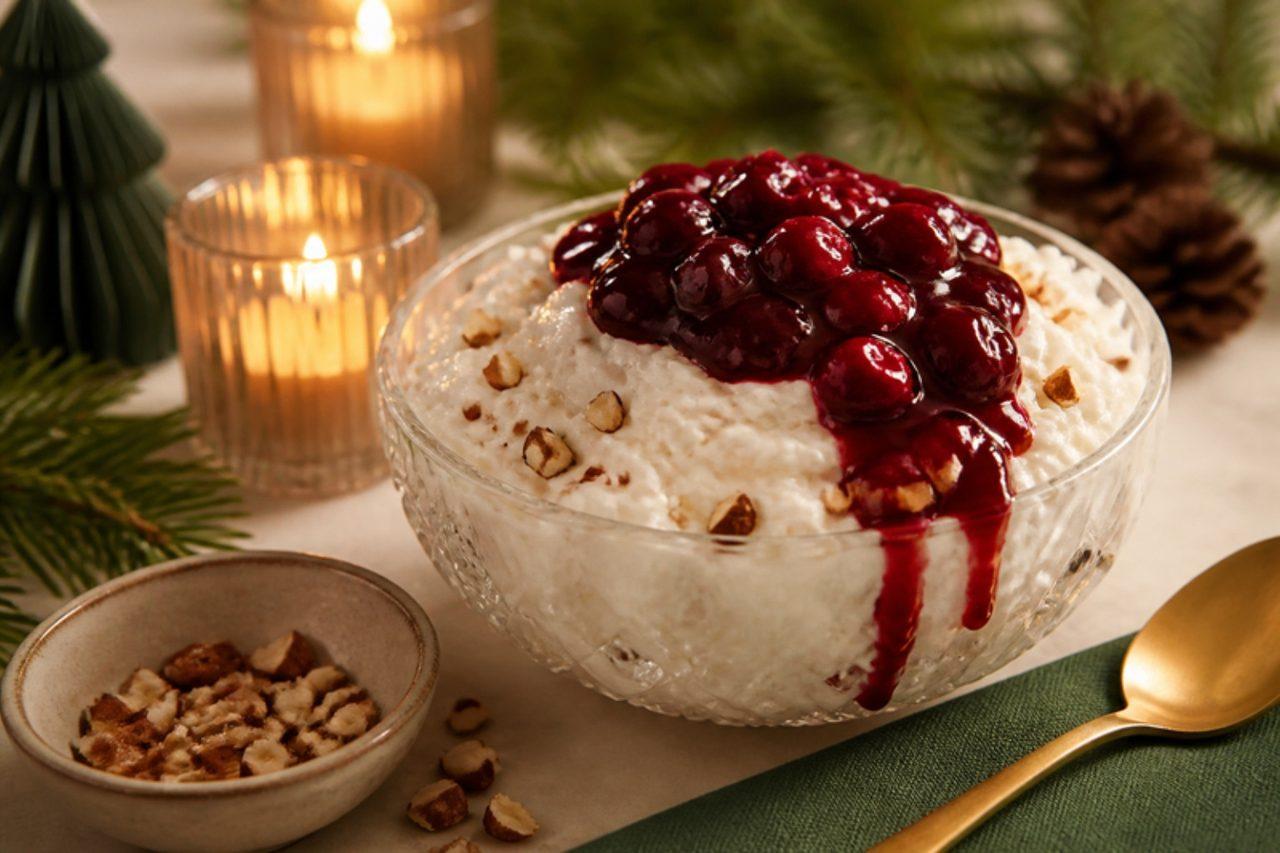
RisalamandeRice pudding with cherry sauce

On Christmas Eve, almost every Danish family ends dinner with risalamande, a cold vanilla rice pudding lightened with whipped cream and chopped almonds and served with a hot cherry sauce poured over the top. Hidden somewhere in the bowl is one whole almond, and whoever finds it wins the mandelgave, the almond prize, usually a marzipan pig. Some finders keep the almond in their cheek until everyone has eaten far too much. The rice base, risengrød, is often cooked on 23 December, eaten warm with butter and cinnamon, and the leftovers become risalamande the next night. Chef's tip: let the rice pudding cool completely before folding in the cream; warm rice melts the whipped cream and the pudding turns heavy instead of airy.

by KrazyBadal 0 views

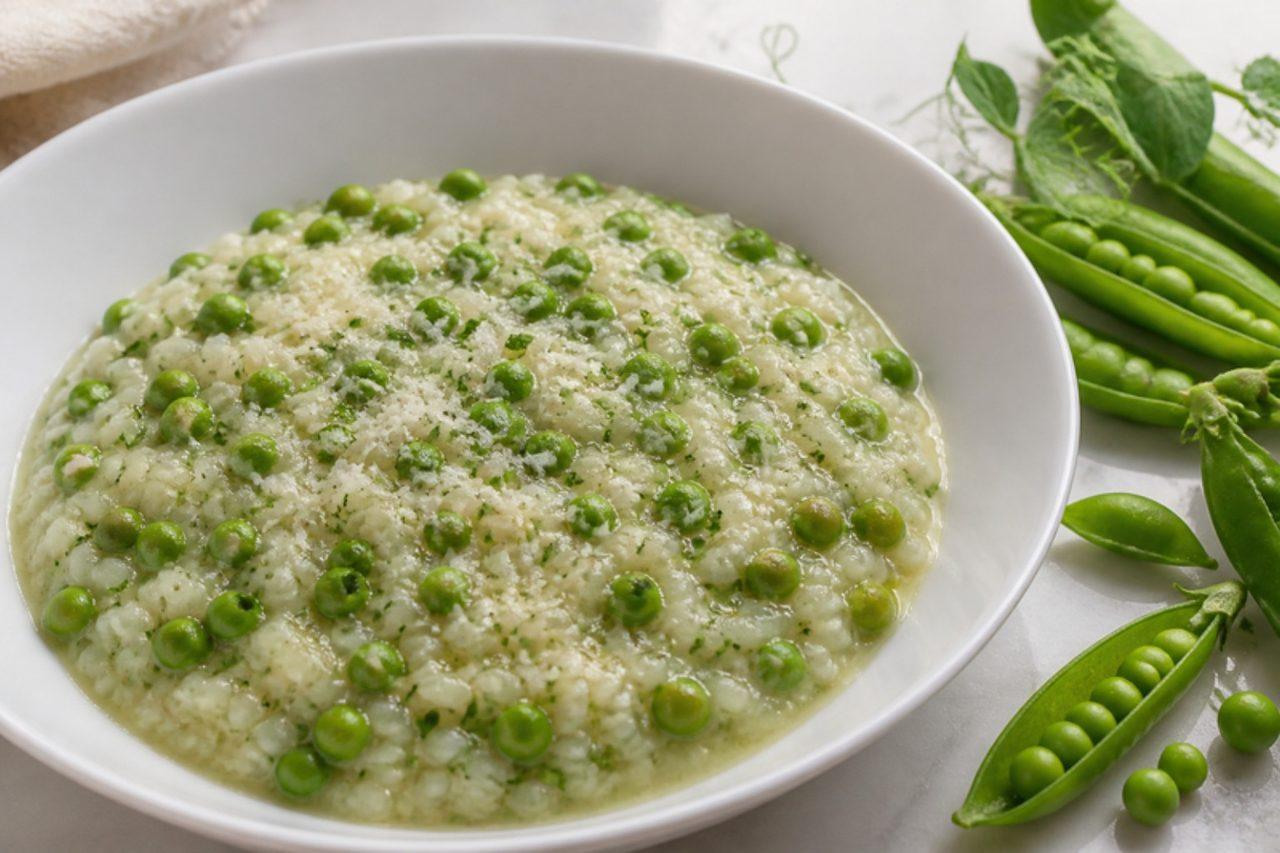
Risi e bisiRice and peas

Risi e bisi was once served to the Doge of Venice every 25 April, the feast of Saint Mark, when the first tender peas arrived from the lagoon islands. It sits between a soup and a risotto: thicker than a minestra, looser than risotto, eaten with a spoon. Venetians make a quick broth from the empty pods, which gives a sweet, grassy flavour no stock cube can match; pancetta often goes in, but this version keeps it vegetarian with parsley and butter. Chef's tip: when podding fresh peas, keep the pods; simmered for 20 minutes they make the whole dish taste of spring.

by KrazyBadal 0 views

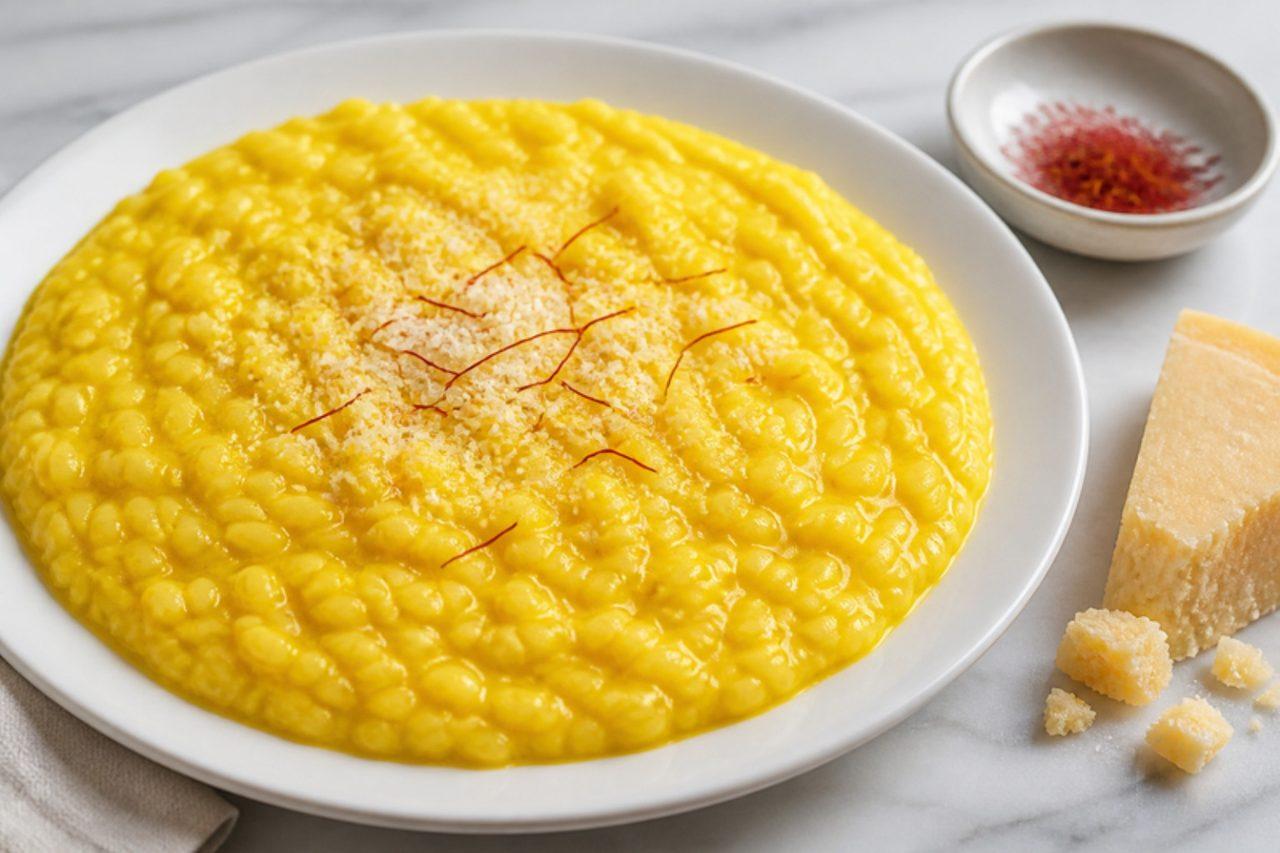
Risotto alla milaneseSaffron risotto

Risotto alla milanese is the saffron risotto of Milan, served on its own as a first course or beside ossobuco on Sunday tables, and a legend says it was first made in 1574 by a glass-painter's apprentice working on the Duomo who coloured rice with saffron. Milanese cooks use beef marrow and meat broth; here a well-flavoured vegetable stock keeps it vegetarian, with butter and hard cheese for richness. It should be all'onda: loose enough to ripple like a wave when you shake the plate. Chef's tip: keep the stock at a bare simmer beside the rice; cold stock stops the cooking and makes the grains chalky.

by KrazyBadal 0 views

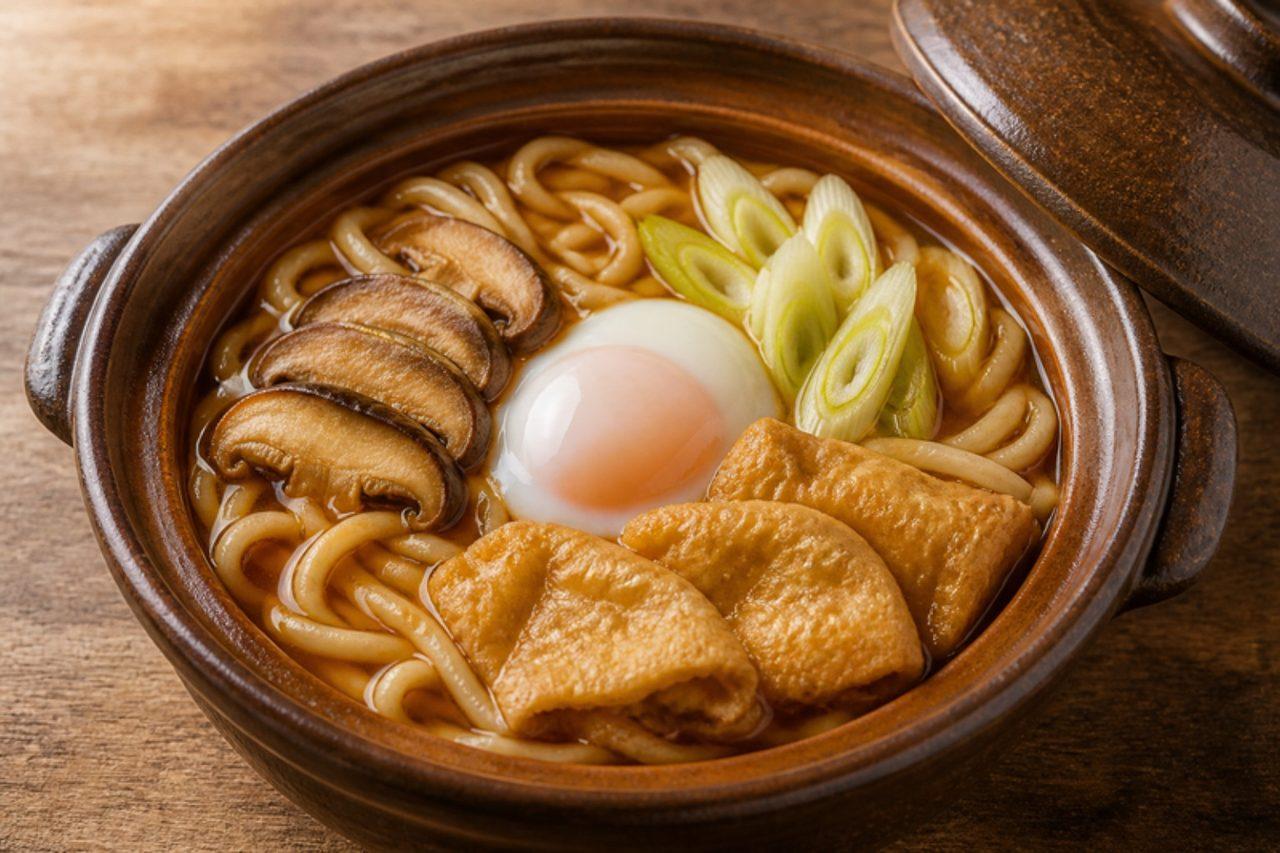
Miso nikomi udonUdon in miso broth

In Nagoya, udon is cooked in its broth rather than boiled separately, in a small clay pot called a donabe that comes to the table still bubbling. The broth is made with Aichi's famous dark soybean miso, hatcho miso, which is aged for years and tastes deep, slightly bitter and chocolatey. Nagoya's noodles are deliberately firm, almost chewy at the centre, and locals use the pot's lid as a plate to cool each mouthful. It is a cold-weather lunch, and the egg poached on top is part of the ritual. Our version uses kombu-shiitake dashi and fried tofu instead of chicken. Chef's tip: dissolve the miso in a ladle of broth before adding it. Hatcho miso is dense and stays in lumps if it goes straight in.

by KrazyBadal 1 views

Showing 54 of 7,762 recipes

Show more recipes

Page 691 of 863